

🌿 Gardening Activities for EYFS & KS1 | Ideas, Printables & Outdoor Learning
Explore engaging gardening activities for EYFS and KS1, including printable resources, continuous provision ideas and hands-on outdoor learning opportunities. Perfect for Nursery, Preschool, Reception and Key Stage 1, these ideas support communication, creativity, early science and physical development through meaningful, play-based experiences.
Whether you’re following children’s interests, enhancing your outdoor area or introducing plant growth and seasonal change, you’ll find inspiration to support child-led exploration and deeper learning.
📌 Jump to Section
❓ FAQs


🌱 Free Gardening Resources for EYFS & KS1
Explore a selection of free gardening printables and sample resources, perfect for introducing the topic or enhancing your provision.

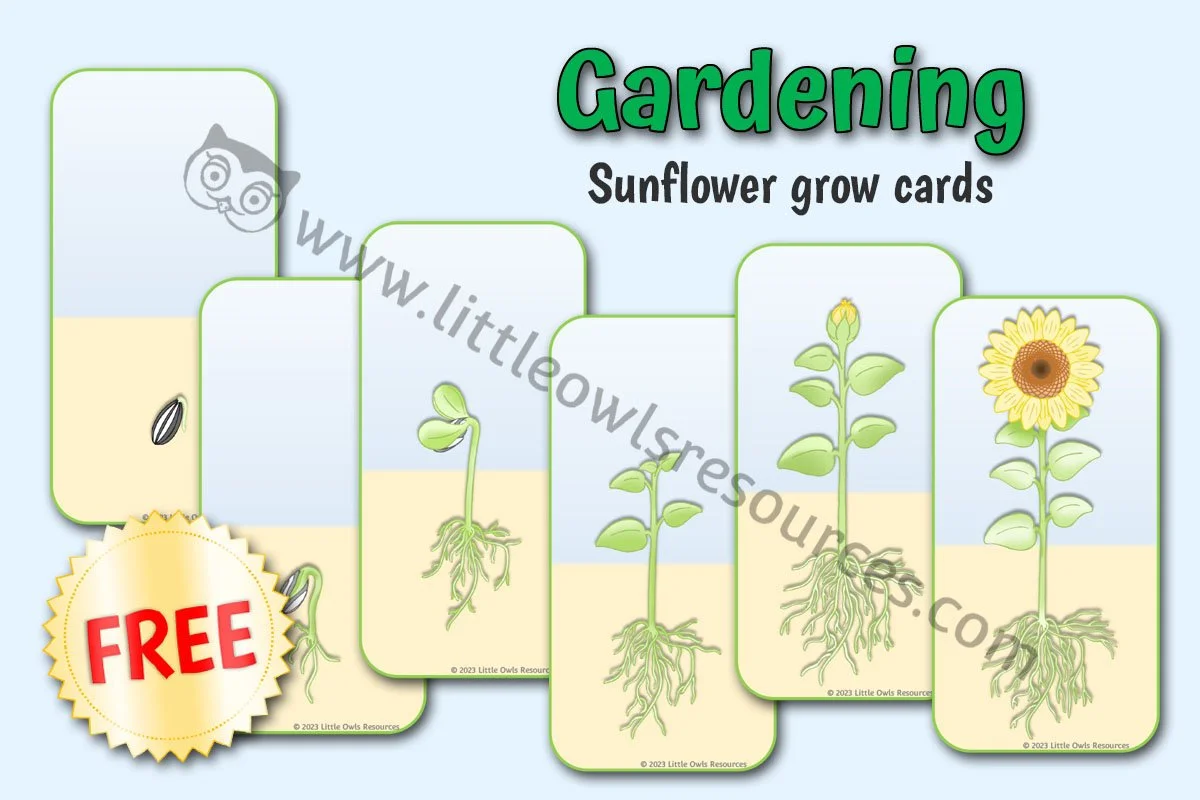
Use these ‘Growing Sunflower Cards’ as part of an interactive display or invitation to play activity. Children may enjoy moving the cards around to place them in the correct order to show how the sunflower seed grows into a plant. Shrunk down they could become part of an individual take home cut and stick activity with an extension that children could write the numbers 1-6 on each picture to further demonstrate their understanding of the order.
Original artwork drawn by Sara Murphy and final digital resources created by Stuart Murphy. COPYRIGHT ON ALL OF THE RESOURCES HOUSED ON THIS WEBSITE IS HELD BY ‘LITTLE OWLS RESOURCES’. OUR RESOURCES (INCLUDING THE IMAGES WITHIN THEM), CANNOT BE SHARED OR SOLD COMMERCIALLY.
DOWNLOAD EDITABLE (DOCX)
DOWNLOAD NON-EDITABLE (PDF)
DOWNLOAD NON-EDITABLE (Zipped JPEGs)

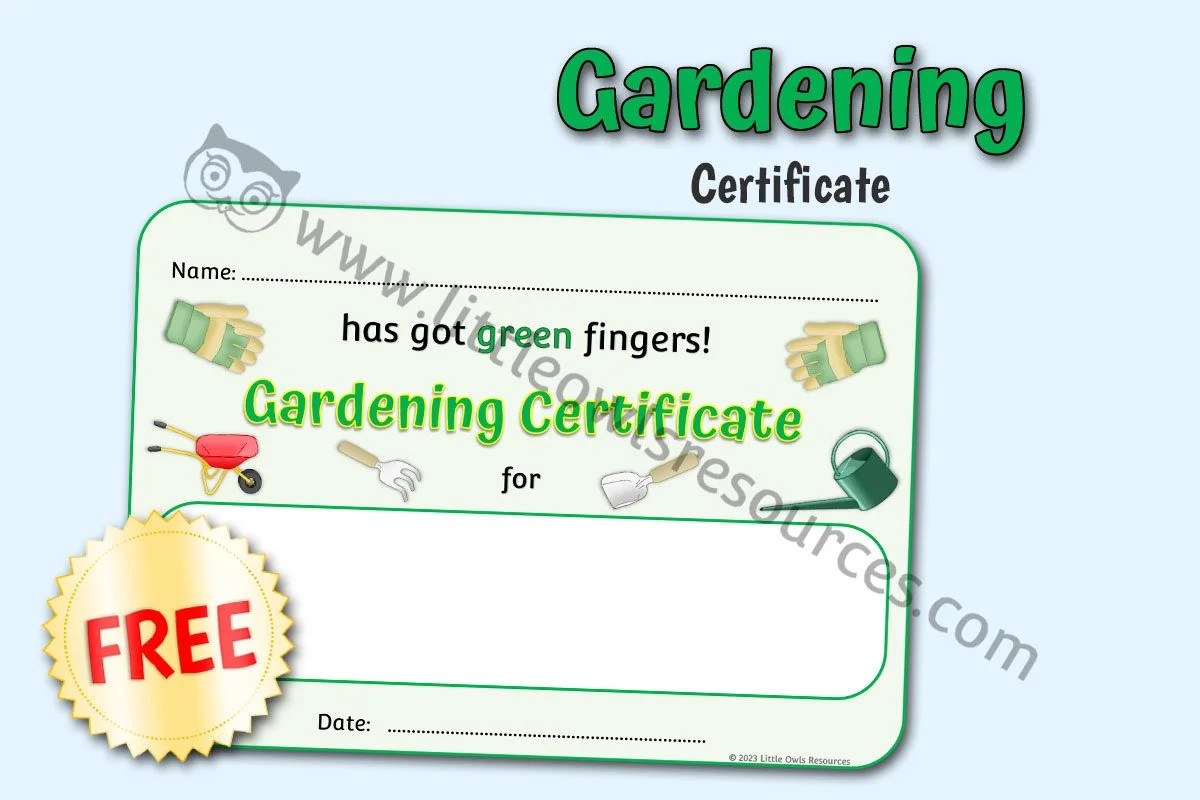
‘…has got green fingers!’ Gardening Certificate.
Original artwork drawn by Sara Murphy and final digital resources created by Stuart Murphy. COPYRIGHT ON ALL OF THE RESOURCES HOUSED ON THIS WEBSITE IS HELD BY ‘LITTLE OWLS RESOURCES’. OUR RESOURCES (INCLUDING THE IMAGES WITHIN THEM), CANNOT BE SHARED OR SOLD COMMERCIALLY.
DOWNLOAD EDITABLE (DOCX)
DOWNLOAD NON-EDITABLE (PDF)
DOWNLOAD NON-EDITABLE (Zipped JPEGs)

Perfect for ‘The Little Red Hen’ role-play activities! Plus your children will love to colour the headbands themselves!
Hen, Cat, Pig and Goose included.
Prepare a loop of paper to fit the child’s head.
Colour and cut out the desired headband and stick to the paper loop.
Wear the headband!
Original artwork drawn by Sara Murphy and final digital resources created by Stuart Murphy. COPYRIGHT ON ALL OF THE RESOURCES HOUSED ON THIS WEBSITE IS HELD BY ‘LITTLE OWLS RESOURCES’. OUR RESOURCES (INCLUDING THE IMAGES WITHIN THEM), CANNOT BE SHARED OR SOLD COMMERCIALLY.
DOWNLOAD EDITABLE (DOCX)
DOWNLOAD NON-EDITABLE (PDF)
DOWNLOAD NON-EDITABLE (Zipped JPEGs)
<<-BACK TO ‘THE LITTLE RED HEN’ MENU
<<-BACK TO ‘NATIONAL STORYTELLING WEEK’ MENU
<<-BACK TO ‘TRADITIONAL TALES’ MENU

These sheets are made for children to think about the characters from the story and record their thoughts.
These thoughts can be written around the pictures by the children if they are able but equally valuable if scribed by an adult.
The discussions and ideas are the most important part of this activity!
At the end of the pack is a short question idea card to get the discussion started but add as many other questions as you like and encourage the children to ask their own questions too!
Hen, Cat, Pig and Goose included.
Original artwork drawn by Sara Murphy and final digital resources created by Stuart Murphy. COPYRIGHT ON ALL OF THE RESOURCES HOUSED ON THIS WEBSITE IS HELD BY ‘LITTLE OWLS RESOURCES’. OUR RESOURCES (INCLUDING THE IMAGES WITHIN THEM), CANNOT BE SHARED OR SOLD COMMERCIALLY.
DOWNLOAD EDITABLE (DOCX)
DOWNLOAD NON-EDITABLE (PDF)
DOWNLOAD NON-EDITABLE (Zipped JPEGs)
<<-BACK TO ‘THE LITTLE RED HEN’ MENU
<<-BACK TO ‘NATIONAL STORYTELLING WEEK’ MENU
<<-BACK TO ‘TRADITIONAL TALES’ MENU
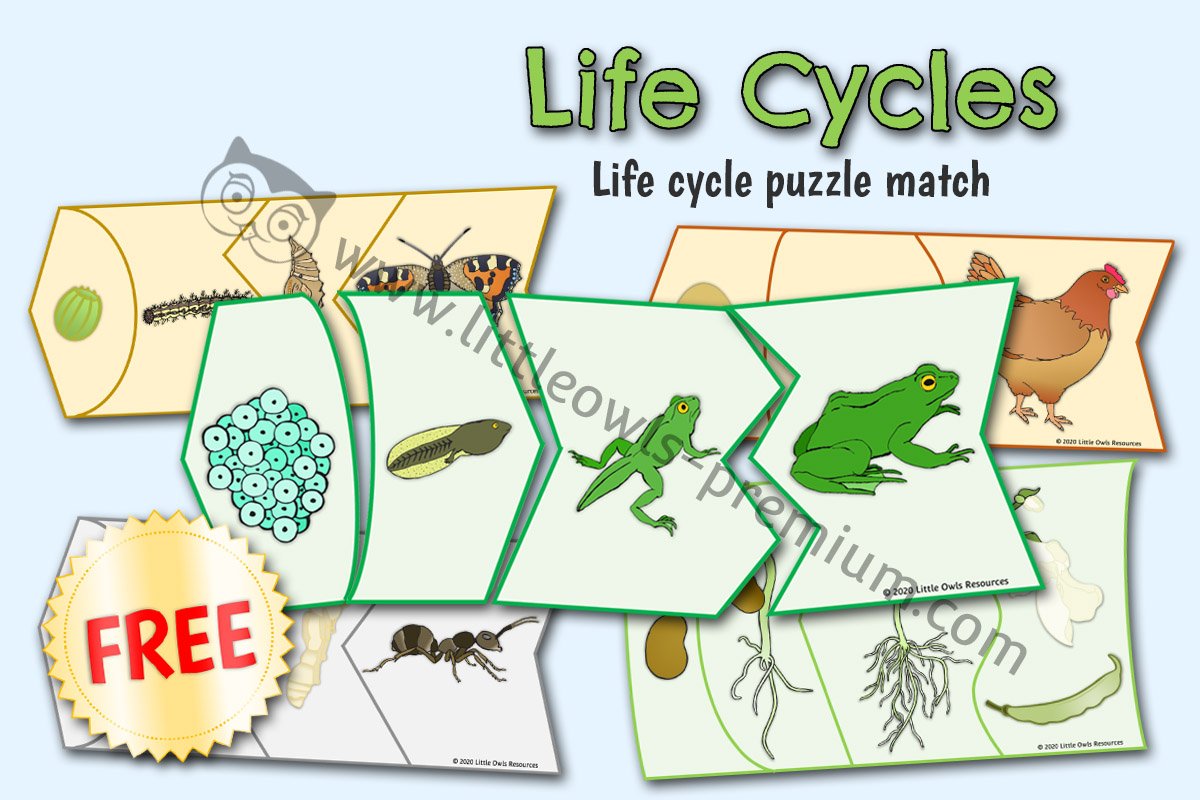
These endless puzzles are perfect to show the cyclic nature of life cycles. For example in the first instance the frog puzzle may be placed in the order ‘frogspawn’, ‘tadpole’, ‘froglet’ and then ‘frog’. To demonstrate to children that the frog then lays frogspawn, the ‘frogspawn’ piece may be brought to connect with the ‘frog’ piece at the end and thus continuing the cycle. This process can continue for as long as you like, bringing the ‘tadpole’ piece to then end and then the ‘froglet’ piece and so on!
Original artwork drawn by Sara Murphy and final digital resources created by Stuart Murphy. COPYRIGHT ON ALL OF THE RESOURCES HOUSED ON THIS WEBSITE IS HELD BY ‘LITTLE OWLS RESOURCES’. OUR RESOURCES (INCLUDING THE IMAGES WITHIN THEM), CANNOT BE SHARED OR SOLD COMMERCIALLY.
DOWNLOAD EDITABLE (DOCX)
DOWNLOAD NON-EDITABLE (PDF)
Original artwork drawn by Sara Murphy and final digital resources created by Stuart Murphy. COPYRIGHT ON ALL OF THE RESOURCES HOUSED ON THIS WEBSITE IS HELD BY ‘LITTLE OWLS RESOURCES’. OUR RESOURCES (INCLUDING THE IMAGES WITHIN THEM), CANNOT BE SHARED OR SOLD COMMERCIALLY.
DOWNLOAD EDITABLE (DOCX)
DOWNLOAD NON-EDITABLE (PDF)
DOWNLOAD NON-EDITABLE (Zipped JPEGs)

Original artwork drawn by Sara Murphy and final digital resources created by Stuart Murphy. COPYRIGHT ON ALL OF THE RESOURCES HOUSED ON THIS WEBSITE IS HELD BY ‘LITTLE OWLS RESOURCES’. OUR RESOURCES (INCLUDING THE IMAGES WITHIN THEM), CANNOT BE SHARED OR SOLD COMMERCIALLY.
DOWNLOAD EDITABLE (DOCX)
DOWNLOAD NON-EDITABLE (PDF)
DOWNLOAD NON-EDITABLE (Zipped JPEGs)
<<-BACK TO ‘HOUSEPLANT WEEK UK’ MENU

Original artwork drawn by Sara Murphy and final digital resources created by Stuart Murphy. COPYRIGHT ON ALL OF THE RESOURCES HOUSED ON THIS WEBSITE IS HELD BY ‘LITTLE OWLS RESOURCES’. OUR RESOURCES (INCLUDING THE IMAGES WITHIN THEM), CANNOT BE SHARED OR SOLD COMMERCIALLY.
DOWNLOAD EDITABLE (DOCX)
DOWNLOAD NON-EDITABLE (PDF)
DOWNLOAD NON-EDITABLE (Zipped JPEGs)
<<-BACK TO ‘HOUSEPLANT WEEK UK’ MENU

These fact cards can be used as part of a display or as a stimulus for discussion, writing and drawing before or after time spent in a woodland setting.
10 cards included: Sycamore, Oak, Horse Chestnut, Beech, Ash, Scots Pine, Western Hemlock, London Plane, Black Poplar & Holly.
Original artwork drawn by Sara Murphy and final digital resources created by Stuart Murphy. COPYRIGHT ON ALL OF THE RESOURCES HOUSED ON THIS WEBSITE IS HELD BY ‘LITTLE OWLS RESOURCES’. OUR RESOURCES (INCLUDING THE IMAGES WITHIN THEM), CANNOT BE SHARED OR SOLD COMMERCIALLY.
DOWNLOAD EDITABLE (DOCX)
DOWNLOAD NON-EDITABLE (PDF)
DOWNLOAD NON-EDITABLE (Zipped JPEGs)
<<-BACK TO ‘FOREST SCHOOL’ MENU

Have fun with this set of 8 ‘Jack and the Beanstalk’ Activity Challenge cards. Great for exploring the story further! The suggested movement activities will bring elements of the story to life and embed ideas securely through active learning.
Perhaps children could stand in a circle around the pile of cards and take turns to pick one for everyone to do. Once the children get to know the cards they will be able to relate the action to the picture without necessarily needing the card read to them...For example an adult may be able to simply hold up a card and everyone will be able to do the activity together!
Great for physical development, descriptive language, understanding the world, number recognition and turn taking.
Original artwork drawn by Sara Murphy and final digital resources created by Stuart Murphy. COPYRIGHT ON ALL OF THE RESOURCES HOUSED ON THIS WEBSITE IS HELD BY ‘LITTLE OWLS RESOURCES’. OUR RESOURCES (INCLUDING THE IMAGES WITHIN THEM), CANNOT BE SHARED OR SOLD COMMERCIALLY.
DOWNLOAD EDITABLE (DOCX)
DOWNLOAD NON-EDITABLE (PDF)
DOWNLOAD NON-EDITABLE (Zipped JPEGs)
<<-BACK TO ‘JACK AND THE BEANSTALK’ MENU
<<-BACK TO ‘NATIONAL STORYTELLING WEEK’ MENU

9 colouring pages which outline the key elements of the traditional tale.
Original artwork drawn by Sara Murphy and final digital resources created by Stuart Murphy. COPYRIGHT ON ALL OF THE RESOURCES HOUSED ON THIS WEBSITE IS HELD BY ‘LITTLE OWLS RESOURCES’. OUR RESOURCES (INCLUDING THE IMAGES WITHIN THEM), CANNOT BE SHARED OR SOLD COMMERCIALLY.
DOWNLOAD EDITABLE (DOCX)
DOWNLOAD NON-EDITABLE (PDF)
DOWNLOAD NON-EDITABLE (Zipped JPEGs)
<<-BACK TO ‘JACK AND THE BEANSTALK’ MENU
<<-BACK TO ‘NATIONAL STORYTELLING WEEK’ MENU

Pack includes ‘Jack and the Beanstalk’ display banner, plus call outs for key phrases within the story.
Original artwork drawn by Sara Murphy and final digital resources created by Stuart Murphy. COPYRIGHT ON ALL OF THE RESOURCES HOUSED ON THIS WEBSITE IS HELD BY ‘LITTLE OWLS RESOURCES’. OUR RESOURCES (INCLUDING THE IMAGES WITHIN THEM), CANNOT BE SHARED OR SOLD COMMERCIALLY.
DOWNLOAD EDITABLE (DOCX)
DOWNLOAD NON-EDITABLE (PDF)
DOWNLOAD NON-EDITABLE (Zipped JPEGs)
<<-BACK TO ‘JACK AND THE BEANSTALK’ MENU
<<-BACK TO ‘NATIONAL STORYTELLING WEEK’ MENU

It is important to consider how we use water in our daily lives in order to shine a light on its value.
Why not discuss with your children what things they use water for? (You may find some of our posters and prompts helpful.) Children can then use a water droplet template from this pack to draw/make marks about one way they use water. The children’s water droplets may then be organised into a display.
Original artwork drawn by Sara Murphy and final digital resources created by Stuart Murphy. COPYRIGHT ON ALL OF THE RESOURCES HOUSED ON THIS WEBSITE IS HELD BY ‘LITTLE OWLS RESOURCES’. OUR RESOURCES (INCLUDING THE IMAGES WITHIN THEM), CANNOT BE SHARED OR SOLD COMMERCIALLY.
DOWNLOAD EDITABLE (DOCX)
DOWNLOAD NON-EDITABLE (PDF)
DOWNLOAD NON-EDITABLE (Zipped JPEGs)
<<-BACK TO ‘WORLD WATER DAY’ MENU

It is important to consider how we use water in our daily lives in order to shine a light on its value.
Why not discuss with your children what things they use water for? This pack of colouring posters outlines some of the key ways water is used in our daily lives in order to help prompt discussion.
What other things do we need water for? Blank templates are included in the pack for your own ideas.
You may also like to use this poster pack in conjunction with our ‘Wonderful Water!’ Display’ resources.
Original artwork drawn by Sara Murphy and final digital resources created by Stuart Murphy. COPYRIGHT ON ALL OF THE RESOURCES HOUSED ON THIS WEBSITE IS HELD BY ‘LITTLE OWLS RESOURCES’. OUR RESOURCES (INCLUDING THE IMAGES WITHIN THEM), CANNOT BE SHARED OR SOLD COMMERCIALLY.
DOWNLOAD EDITABLE (DOCX)
DOWNLOAD NON-EDITABLE (PDF)
DOWNLOAD NON-EDITABLE (Zipped JPEGs)
<<-BACK TO ‘WORLD WATER DAY’ MENU
💡 Join as a Free Access member to download the samples above and all other free resources available on Little Owls Resources at no cost. Alternatively, explore all membership options here.

🌼 Core Gardening Printable Resources
Browse our full range of Gardening-themed EYFS and KS1 resources, designed to support playful learning across the curriculum.
-
🎭 Role Play & Imaginative Play
Garden Centre Role Play Pack
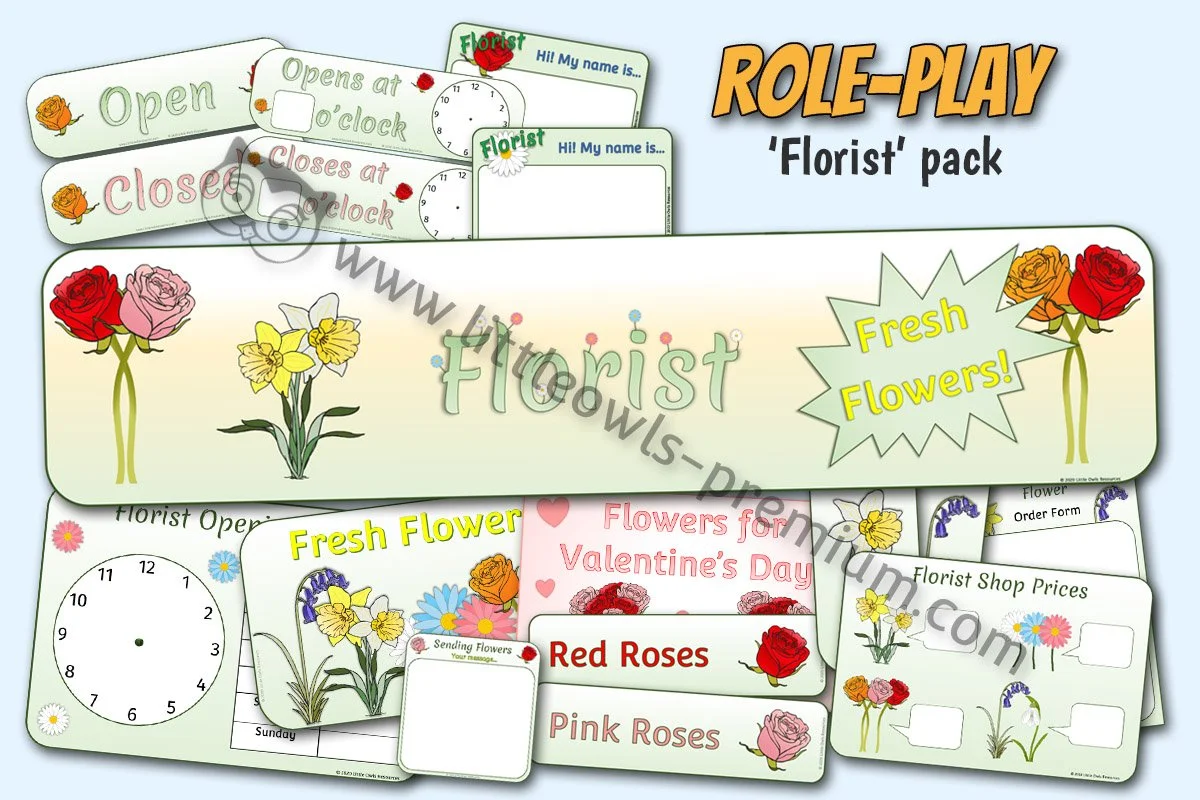
Florist / shop enhancements
🗣️ Vocabulary & Communication
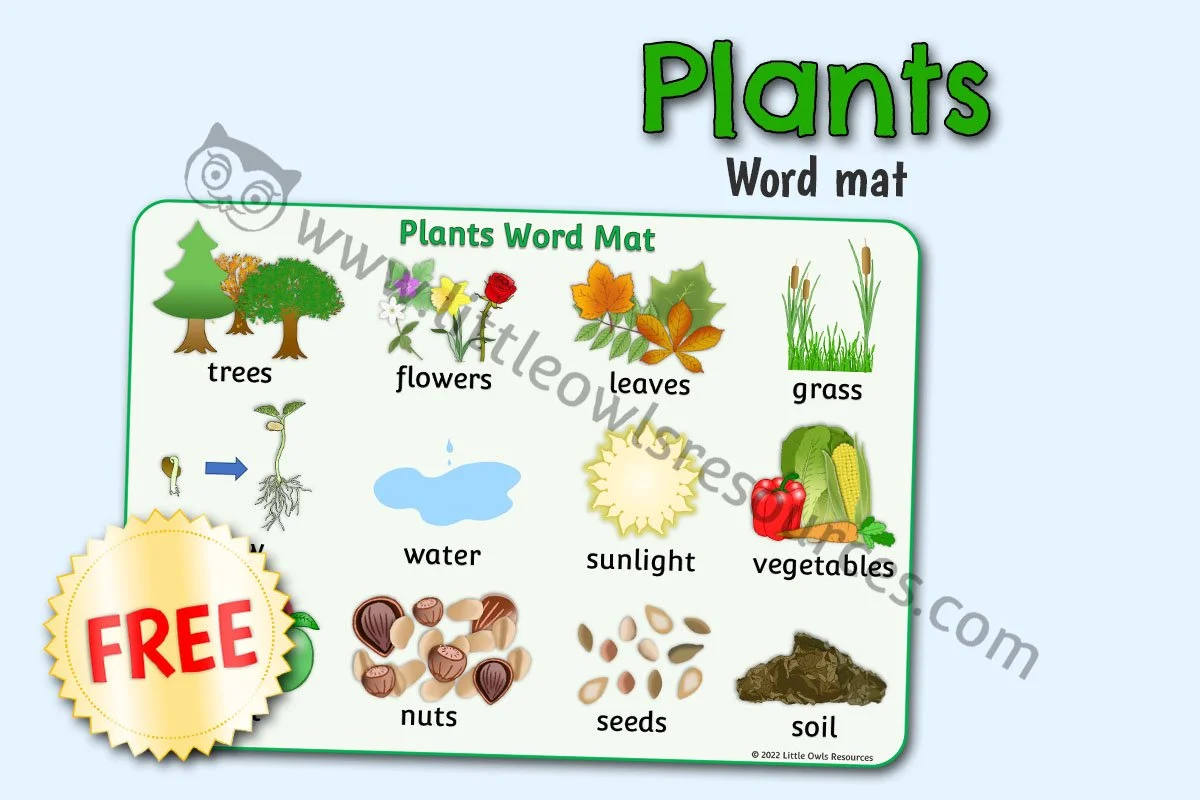
Word mats and word cards
Topic display language
✏️ Literacy & Mark Making
Draw/write sheets
Labelling and caption opportunities
➗ Maths & Problem Solving
Ordering growth sequences
Counting and sorting activities
🌍 Understanding the World / Science
Planting posters
Life cycle resources
🎨 Creative Arts & Design
Colouring resources
Craft and display materials
💡 All resources include editable (DOCX) and PDF file versions for flexibility in your setting. More file format information here.
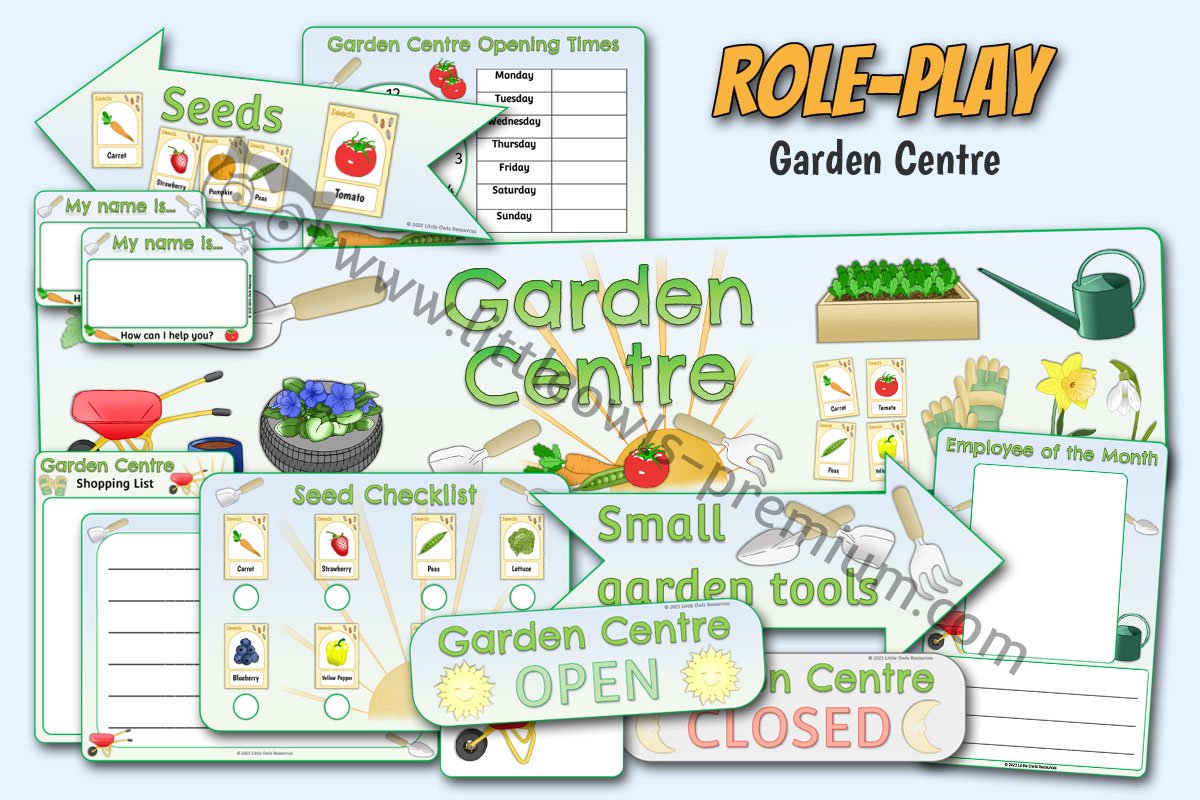
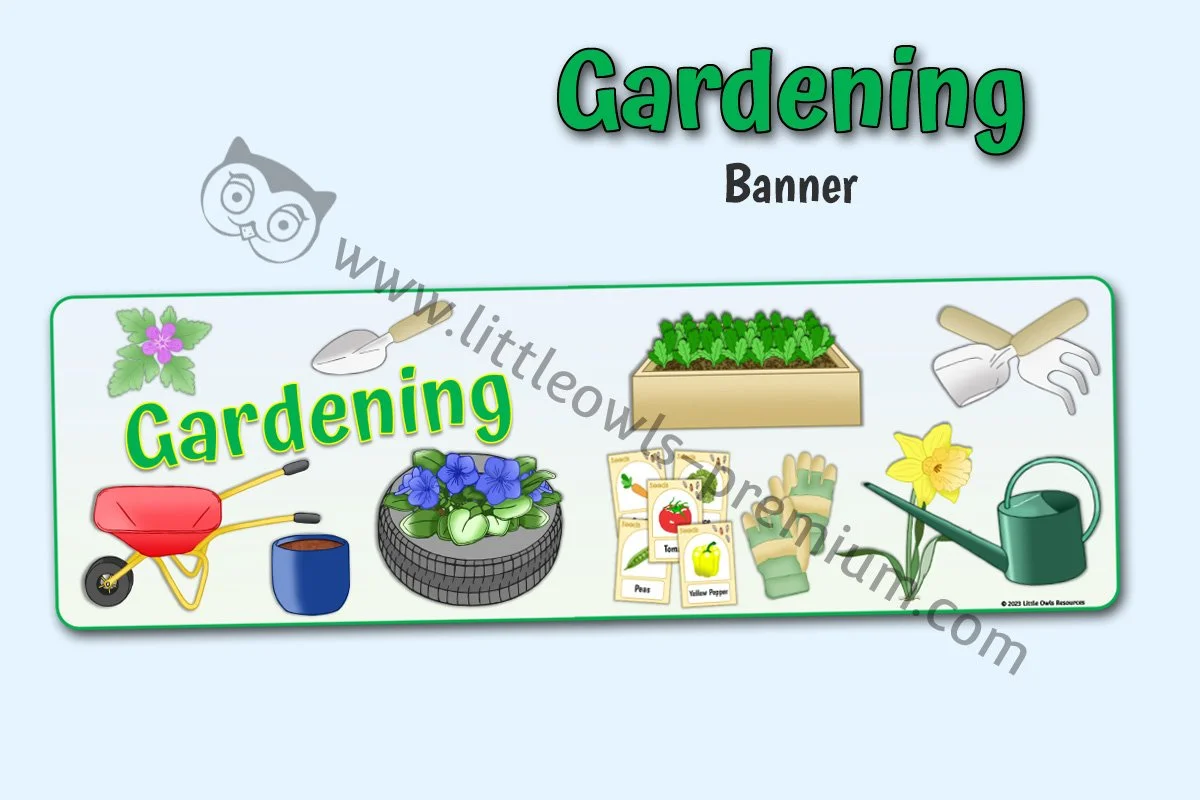
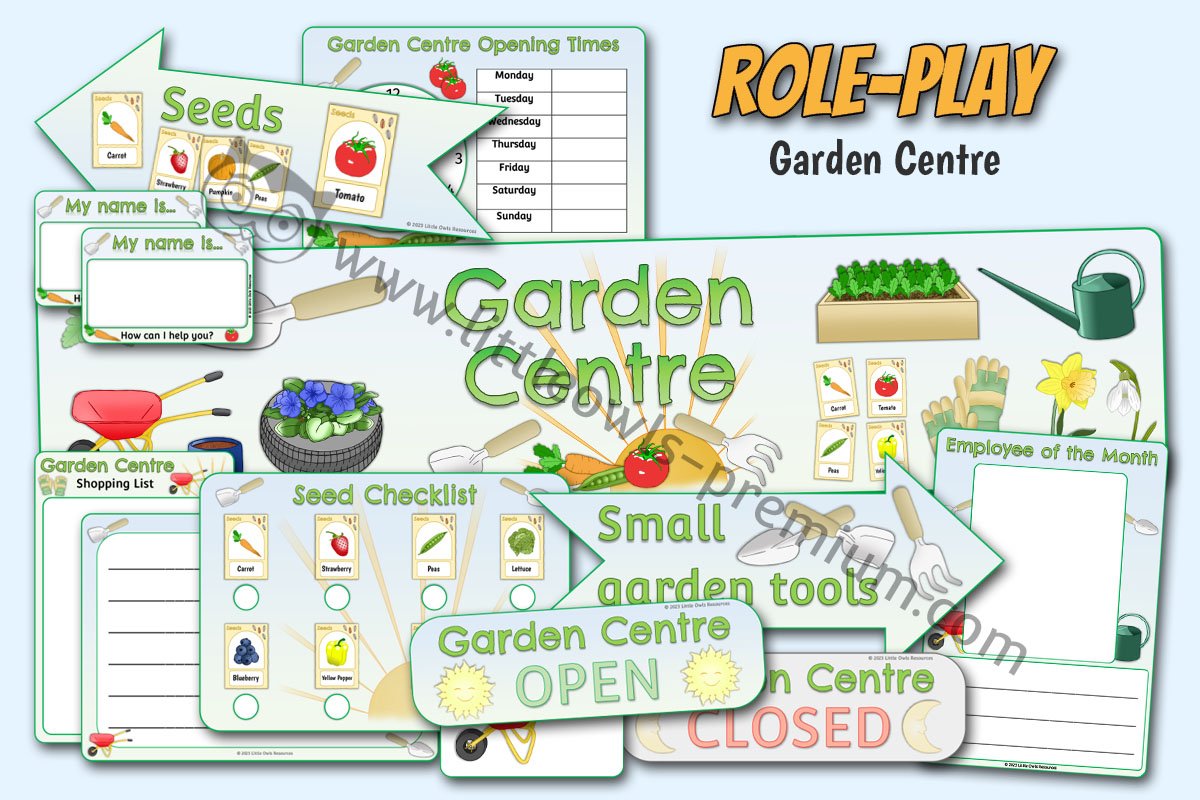
'Garden Centre' role play pack.
Pack includes:
Banner
Hi my name is…how can I help you? Name badges - Name Writing
Open/Closed signs
Timetable for opening times (including blank clock face for children to draw on their own hands)
Seed Checklist
Seed packet props - lettuce, peas, carrots, blueberries, peppers, strawberries, pumpkins, tomatoes
Seed packet mark making templates
Garden Centre shopping list mark making templates
Various signs for colouring - garden gloves, trowel, wheelbarrow, watering can, tyre planter, small spade, small rake, box planter
Direction signs - Flowers, Seeds, Small Garden Tools, Planters, Other Items
Various assorted prop cards
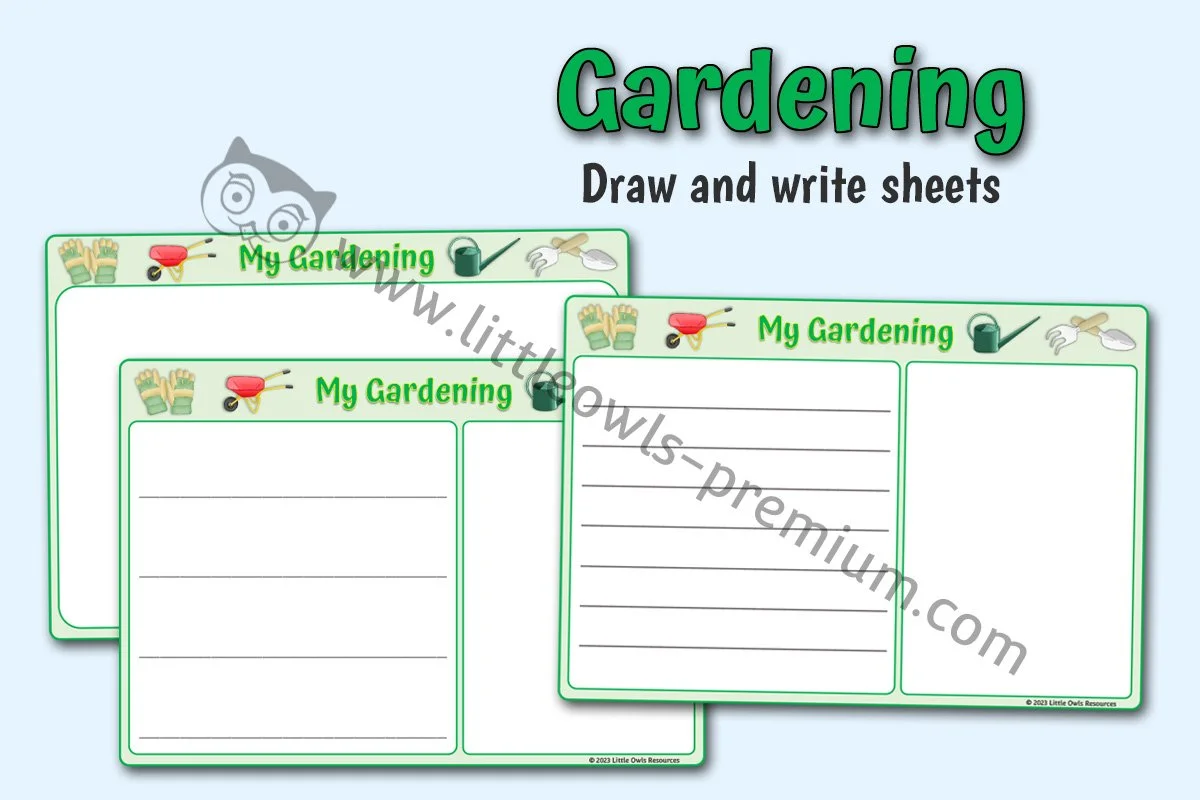
Drawing/Writing/Mark Making Sheets
Word cards/labels
‘Employee of the Month’ mark making template
‘Garden Centre’ list sheets
Original artwork drawn by Sara Murphy and final digital resources created by Stuart Murphy. COPYRIGHT ON ALL OF THE RESOURCES HOUSED ON THIS WEBSITE IS HELD BY ‘LITTLE OWLS RESOURCES’. OUR RESOURCES (INCLUDING THE IMAGES WITHIN THEM), CANNOT BE SHARED OR SOLD COMMERCIALLY.
DOWNLOAD EDITABLE (DOCX)
DOWNLOAD NON-EDITABLE (PDF)
DOWNLOAD NON-EDITABLE (Zipped JPEGs)
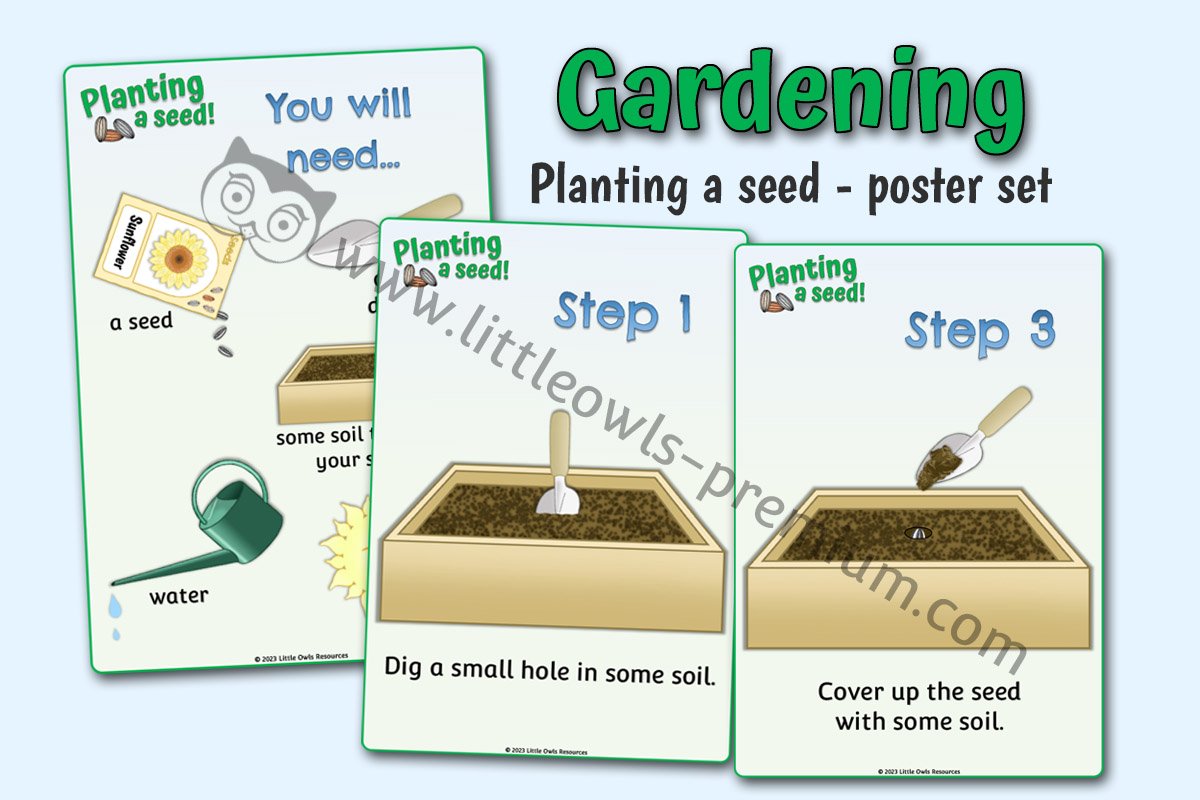
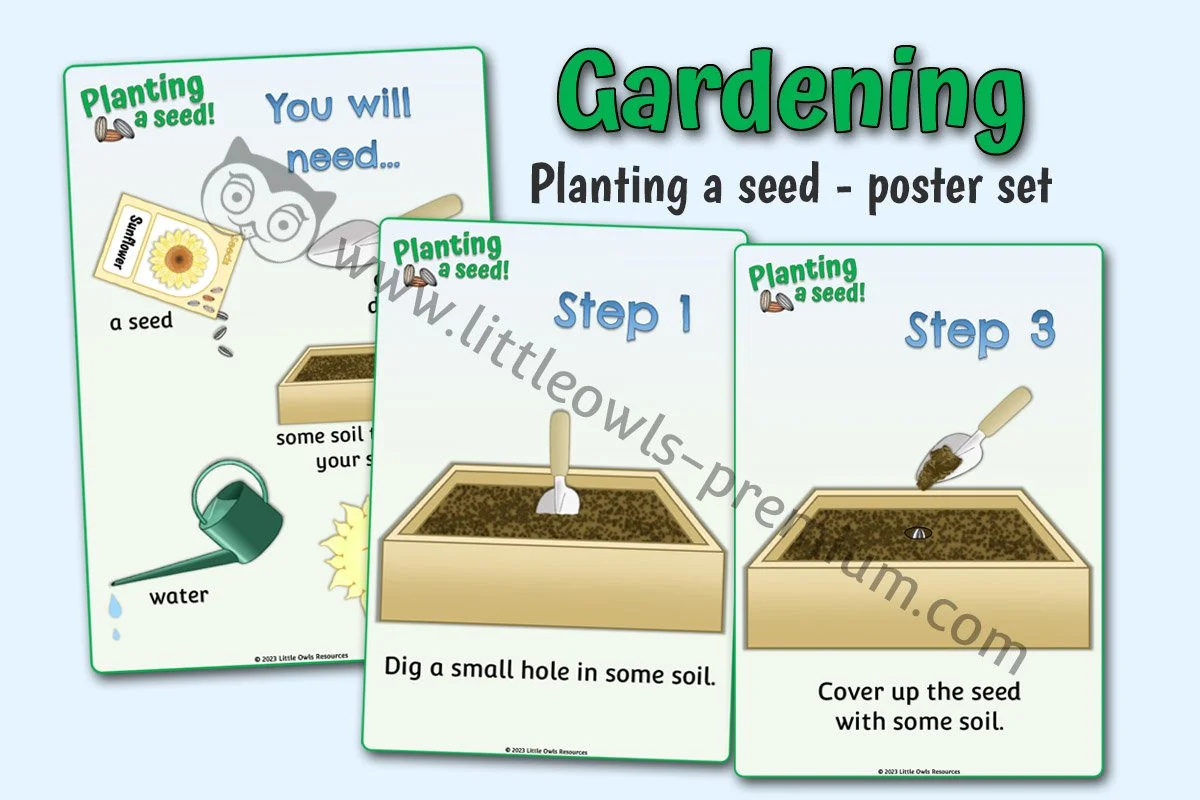
Poster set showing ‘How to plant a seed’. Includes ‘You will need’ poster and subsequent 5 steps. Six instruction posters in total ideal for a ‘Gardening’ activity display or outdoor area.
Original artwork drawn by Sara Murphy and final digital resources created by Stuart Murphy. COPYRIGHT ON ALL OF THE RESOURCES HOUSED ON THIS WEBSITE IS HELD BY ‘LITTLE OWLS RESOURCES’. OUR RESOURCES (INCLUDING THE IMAGES WITHIN THEM), CANNOT BE SHARED OR SOLD COMMERCIALLY.
DOWNLOAD EDITABLE (DOCX)
DOWNLOAD NON-EDITABLE (PDF)
DOWNLOAD NON-EDITABLE (Zipped JPEGs)
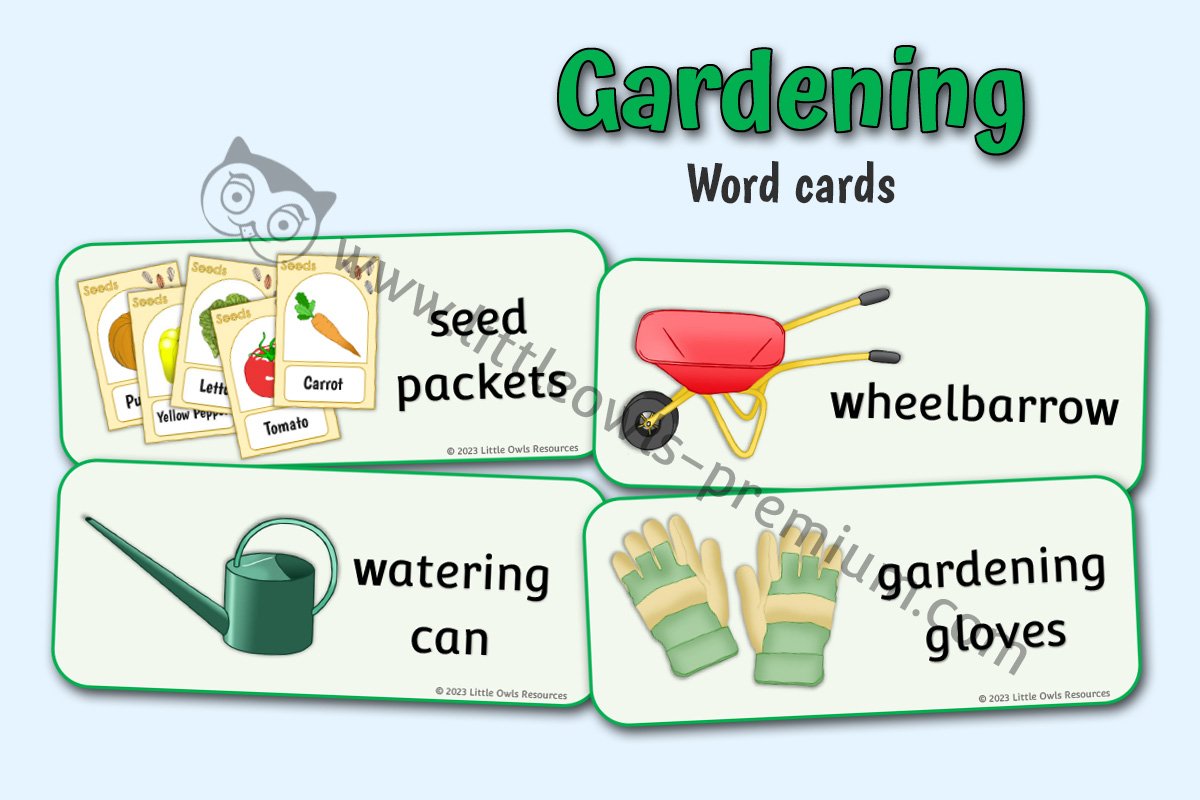
Original artwork drawn by Sara Murphy and final digital resources created by Stuart Murphy. COPYRIGHT ON ALL OF THE RESOURCES HOUSED ON THIS WEBSITE IS HELD BY ‘LITTLE OWLS RESOURCES’. OUR RESOURCES (INCLUDING THE IMAGES WITHIN THEM), CANNOT BE SHARED OR SOLD COMMERCIALLY.
DOWNLOAD EDITABLE (DOCX)
DOWNLOAD NON-EDITABLE (PDF)
DOWNLOAD NON-EDITABLE (Zipped JPEGs)
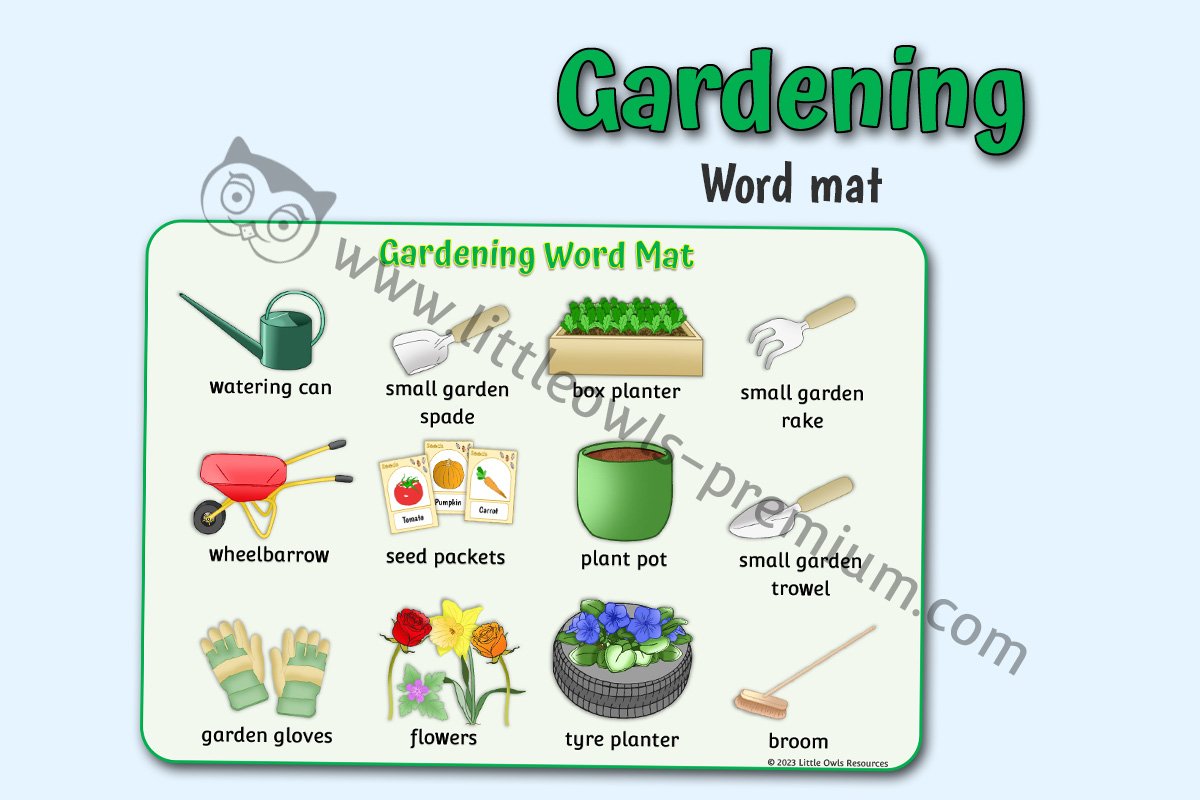
Original artwork drawn by Sara Murphy and final digital resources created by Stuart Murphy. COPYRIGHT ON ALL OF THE RESOURCES HOUSED ON THIS WEBSITE IS HELD BY ‘LITTLE OWLS RESOURCES’. OUR RESOURCES (INCLUDING THE IMAGES WITHIN THEM), CANNOT BE SHARED OR SOLD COMMERCIALLY.
DOWNLOAD EDITABLE (DOCX)
DOWNLOAD NON-EDITABLE (PDF)
DOWNLOAD NON-EDITABLE (Zipped JPEGs)
Original artwork drawn by Sara Murphy and final digital resources created by Stuart Murphy. COPYRIGHT ON ALL OF THE RESOURCES HOUSED ON THIS WEBSITE IS HELD BY ‘LITTLE OWLS RESOURCES’. OUR RESOURCES (INCLUDING THE IMAGES WITHIN THEM), CANNOT BE SHARED OR SOLD COMMERCIALLY.
DOWNLOAD EDITABLE (DOCX)
DOWNLOAD NON-EDITABLE (PDF)
DOWNLOAD NON-EDITABLE (Zipped JPEGs)
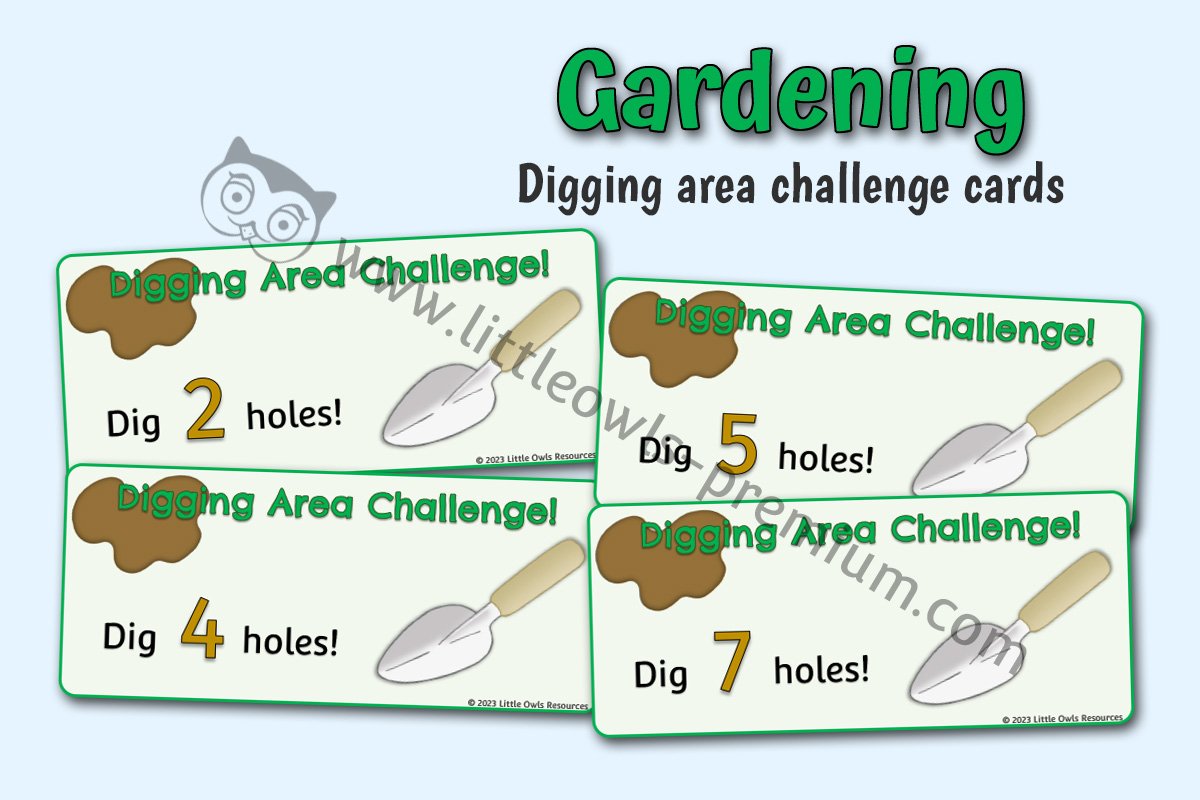
Original artwork drawn by Sara Murphy and final digital resources created by Stuart Murphy. COPYRIGHT ON ALL OF THE RESOURCES HOUSED ON THIS WEBSITE IS HELD BY ‘LITTLE OWLS RESOURCES’. OUR RESOURCES (INCLUDING THE IMAGES WITHIN THEM), CANNOT BE SHARED OR SOLD COMMERCIALLY.
DOWNLOAD EDITABLE (DOCX)
DOWNLOAD NON-EDITABLE (PDF)
DOWNLOAD NON-EDITABLE (Zipped JPEGs)
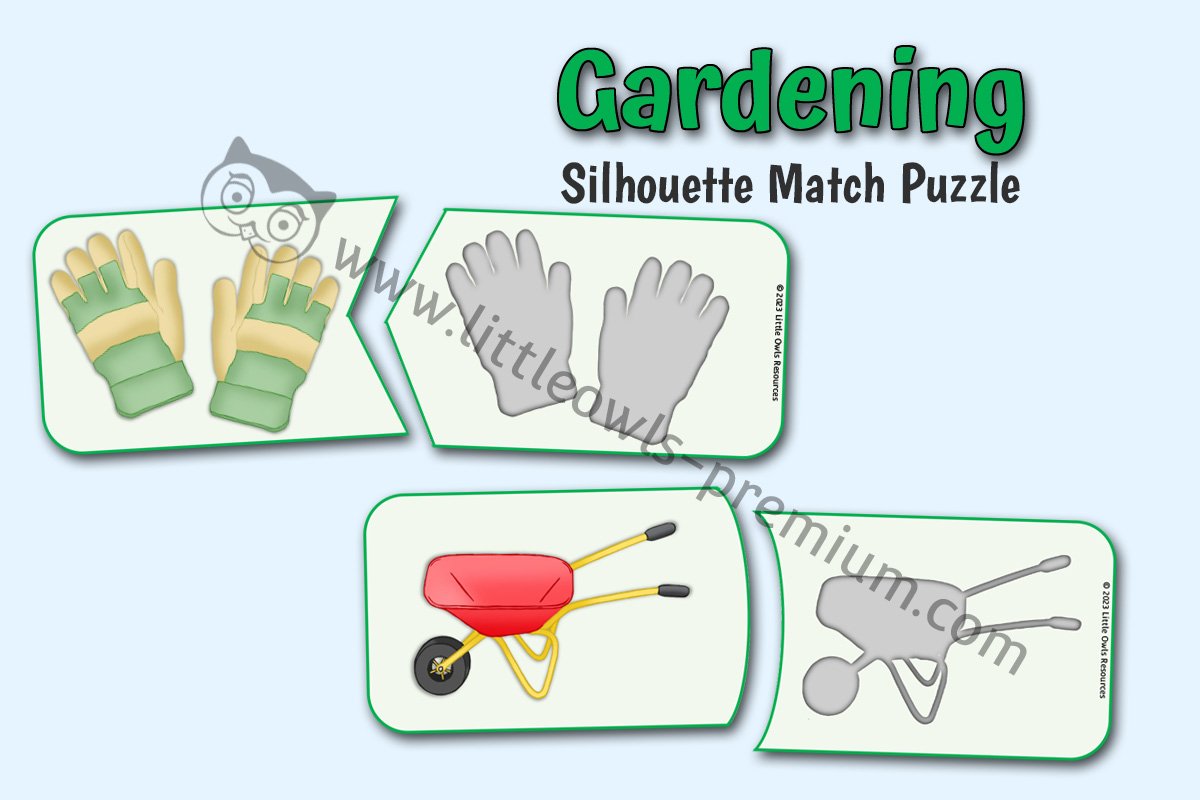
Original artwork drawn by Sara Murphy and final digital resources created by Stuart Murphy. COPYRIGHT ON ALL OF THE RESOURCES HOUSED ON THIS WEBSITE IS HELD BY ‘LITTLE OWLS RESOURCES’. OUR RESOURCES (INCLUDING THE IMAGES WITHIN THEM), CANNOT BE SHARED OR SOLD COMMERCIALLY.
DOWNLOAD EDITABLE (DOCX)
DOWNLOAD NON-EDITABLE (PDF)
DOWNLOAD NON-EDITABLE (Zipped JPEGs)
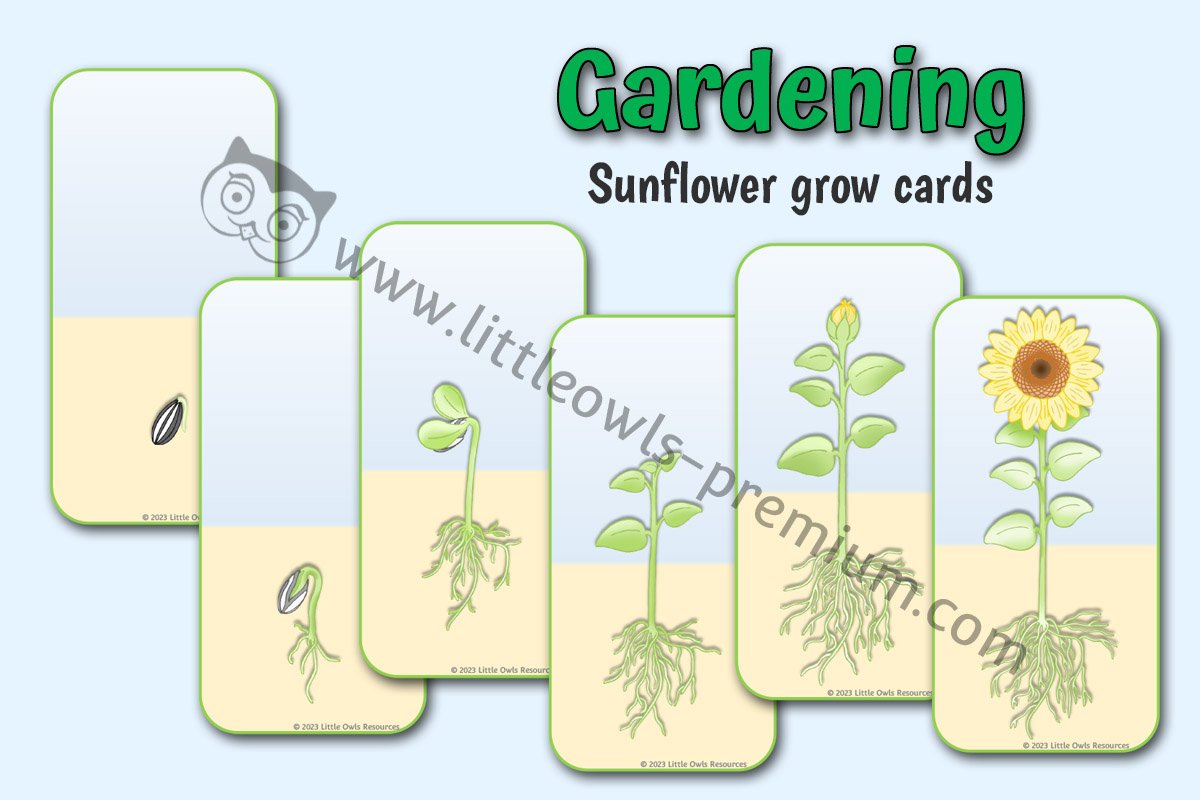
Use these ‘Growing Sunflower Cards’ as part of an interactive display or invitation to play activity. Children may enjoy moving the cards around to place them in the correct order to show how the sunflower seed grows into a plant. Shrunk down they could become part of an individual take home cut and stick activity with an extension that children could write the numbers 1-6 on each picture to further demonstrate their understanding of the order.
Original artwork drawn by Sara Murphy and final digital resources created by Stuart Murphy. COPYRIGHT ON ALL OF THE RESOURCES HOUSED ON THIS WEBSITE IS HELD BY ‘LITTLE OWLS RESOURCES’. OUR RESOURCES (INCLUDING THE IMAGES WITHIN THEM), CANNOT BE SHARED OR SOLD COMMERCIALLY.
DOWNLOAD EDITABLE (DOCX)
DOWNLOAD NON-EDITABLE (PDF)
DOWNLOAD NON-EDITABLE (Zipped JPEGs)
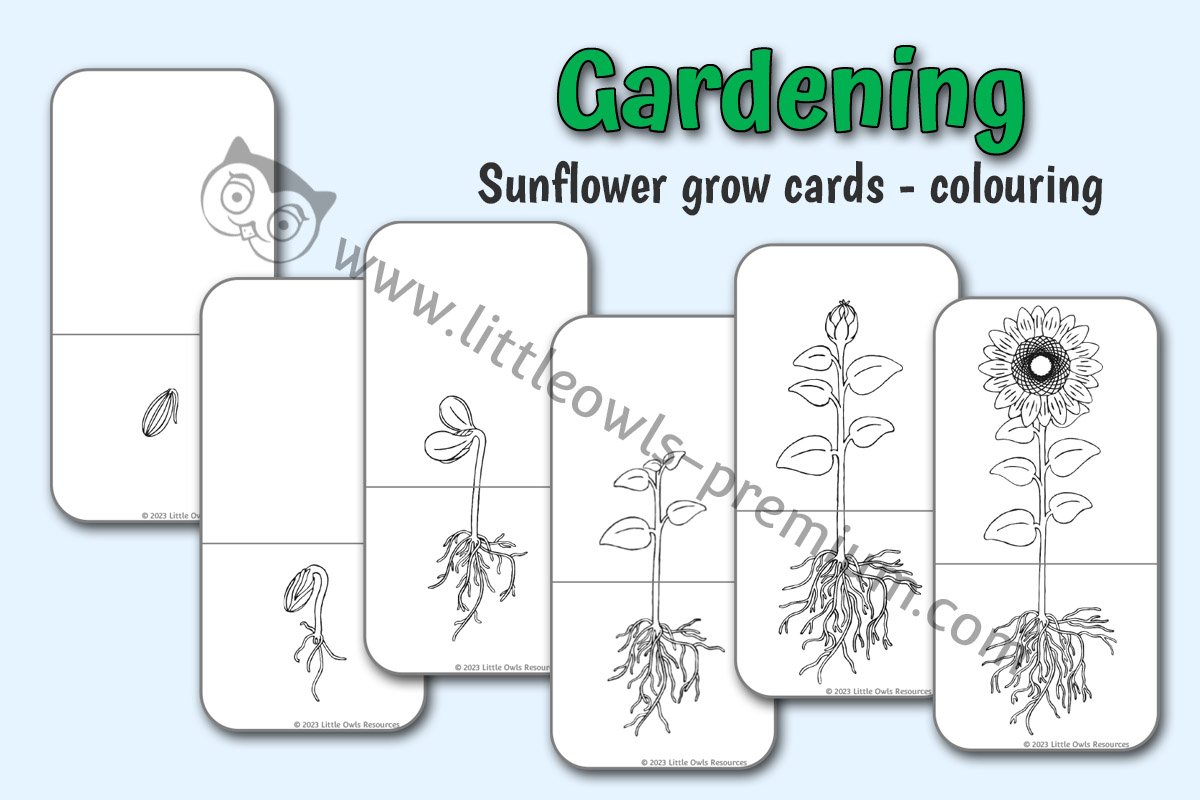
Colouring version of ‘Growing Sunflower Cards’. Use in the same ways as the full colour version with the added elements of colour choice, fine motor control and the possibility of ordering the pictures and sticking them to a separate sheet to enable the child to take the final product home. In sharing their learning experience with those at home, children will further consolidate their knowledge whilst explaining it to others.
Original artwork drawn by Sara Murphy and final digital resources created by Stuart Murphy. COPYRIGHT ON ALL OF THE RESOURCES HOUSED ON THIS WEBSITE IS HELD BY ‘LITTLE OWLS RESOURCES’. OUR RESOURCES (INCLUDING THE IMAGES WITHIN THEM), CANNOT BE SHARED OR SOLD COMMERCIALLY.
DOWNLOAD EDITABLE (DOCX)
DOWNLOAD NON-EDITABLE (PDF)
DOWNLOAD NON-EDITABLE (Zipped JPEGs)
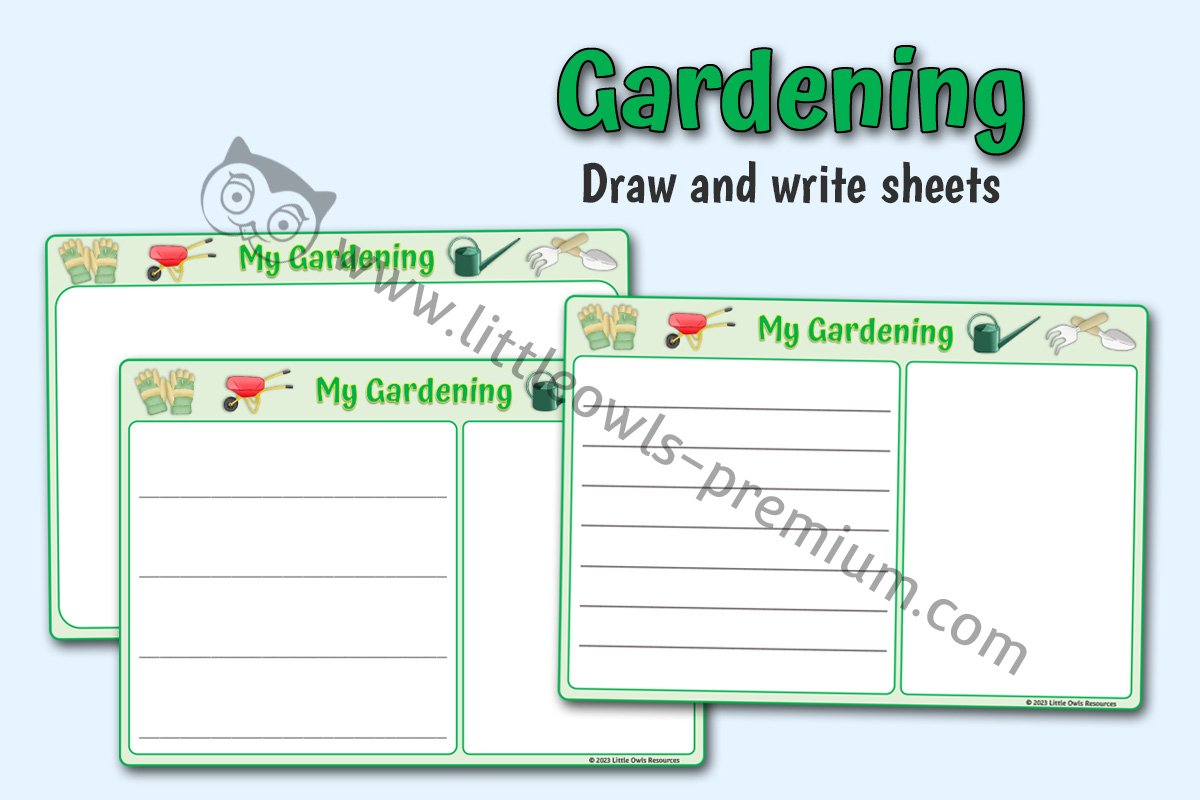
Original artwork drawn by Sara Murphy and final digital resources created by Stuart Murphy. COPYRIGHT ON ALL OF THE RESOURCES HOUSED ON THIS WEBSITE IS HELD BY ‘LITTLE OWLS RESOURCES’. OUR RESOURCES (INCLUDING THE IMAGES WITHIN THEM), CANNOT BE SHARED OR SOLD COMMERCIALLY.
DOWNLOAD EDITABLE (DOCX)
DOWNLOAD NON-EDITABLE (PDF)
DOWNLOAD NON-EDITABLE (Zipped JPEGs)
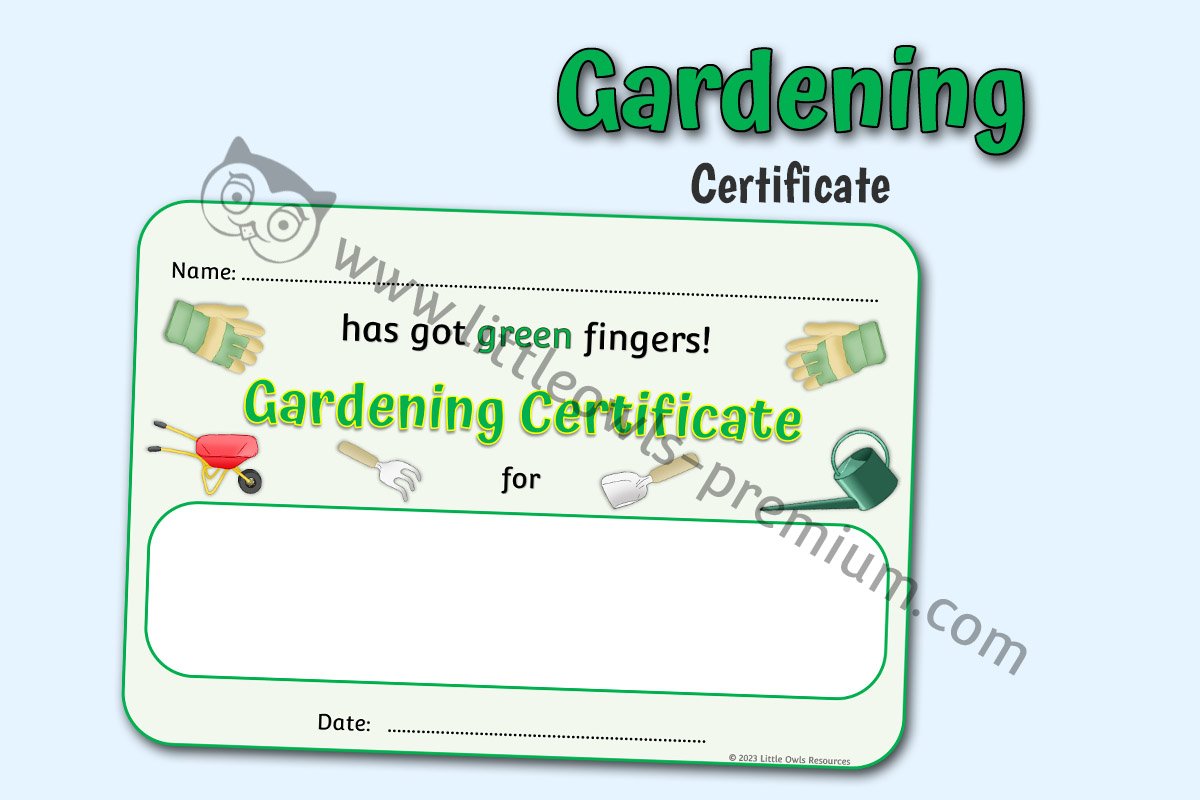
‘…has got green fingers!’ Gardening Certificate.
Original artwork drawn by Sara Murphy and final digital resources created by Stuart Murphy. COPYRIGHT ON ALL OF THE RESOURCES HOUSED ON THIS WEBSITE IS HELD BY ‘LITTLE OWLS RESOURCES’. OUR RESOURCES (INCLUDING THE IMAGES WITHIN THEM), CANNOT BE SHARED OR SOLD COMMERCIALLY.
DOWNLOAD EDITABLE (DOCX)
DOWNLOAD NON-EDITABLE (PDF)
DOWNLOAD NON-EDITABLE (Zipped JPEGs)
Core ‘Plant’ Topic Provision

This ‘Plant Hunt Activity Pack’ includes a variety of resources to help inspire and engage adults and children alike.
The activity card plan breaks down key elements of the activity into sections: You will need, Activity description, Extra challenge, Development Matters statements (from Understanding the World), Key vocabulary, Key questions and Additional resources.
Also included in the pack are various handy printables such as a ‘Family Fun’ homework handout, checklist prompts, relevant word cards/mats, mark making sheets and posters.
In addition, the ‘Plant Hunt’ poster within this pack is designed to be used in conjunction with our ‘Science Banners’ pack which includes a space for activity posters from each of the ‘Science Activity Packs’ (of which this is one). You may like to set up a ‘Science Activity/Investigation/Experiment’ area (all of these banners are available) and swap in and out the posters from within our activity packs.
We hope you find this pack useful and you all have fun!
Original artwork drawn by Sara Murphy and final digital resources created by Stuart Murphy. COPYRIGHT ON ALL OF THE RESOURCES HOUSED ON THIS WEBSITE IS HELD BY ‘LITTLE OWLS RESOURCES’. OUR RESOURCES (INCLUDING THE IMAGES WITHIN THEM), CANNOT BE SHARED OR SOLD COMMERCIALLY.
DOWNLOAD EDITABLE (DOCX)
DOWNLOAD NON-EDITABLE (PDF)
DOWNLOAD NON-EDITABLE (Zipped JPEGs)
Original artwork drawn by Sara Murphy and final digital resources created by Stuart Murphy. COPYRIGHT ON ALL OF THE RESOURCES HOUSED ON THIS WEBSITE IS HELD BY ‘LITTLE OWLS RESOURCES’. OUR RESOURCES (INCLUDING THE IMAGES WITHIN THEM), CANNOT BE SHARED OR SOLD COMMERCIALLY.
DOWNLOAD EDITABLE (DOCX)
DOWNLOAD NON-EDITABLE (PDF)
DOWNLOAD NON-EDITABLE (Zipped JPEGs)
<<-BACK TO ‘HOUSEPLANT WEEK UK’ MENU
Original artwork drawn by Sara Murphy and final digital resources created by Stuart Murphy. COPYRIGHT ON ALL OF THE RESOURCES HOUSED ON THIS WEBSITE IS HELD BY ‘LITTLE OWLS RESOURCES’. OUR RESOURCES (INCLUDING THE IMAGES WITHIN THEM), CANNOT BE SHARED OR SOLD COMMERCIALLY.
DOWNLOAD EDITABLE (DOCX)
DOWNLOAD NON-EDITABLE (PDF)
DOWNLOAD NON-EDITABLE (Zipped JPEGs)
<<-BACK TO ‘HOUSEPLANT WEEK UK’ MENU
Original artwork drawn by Sara Murphy and final digital resources created by Stuart Murphy. COPYRIGHT ON ALL OF THE RESOURCES HOUSED ON THIS WEBSITE IS HELD BY ‘LITTLE OWLS RESOURCES’. OUR RESOURCES (INCLUDING THE IMAGES WITHIN THEM), CANNOT BE SHARED OR SOLD COMMERCIALLY.
DOWNLOAD EDITABLE (DOCX)
DOWNLOAD NON-EDITABLE (PDF)
DOWNLOAD NON-EDITABLE (Zipped JPEGs)
<<-BACK TO ‘HOUSEPLANT WEEK UK’ MENU
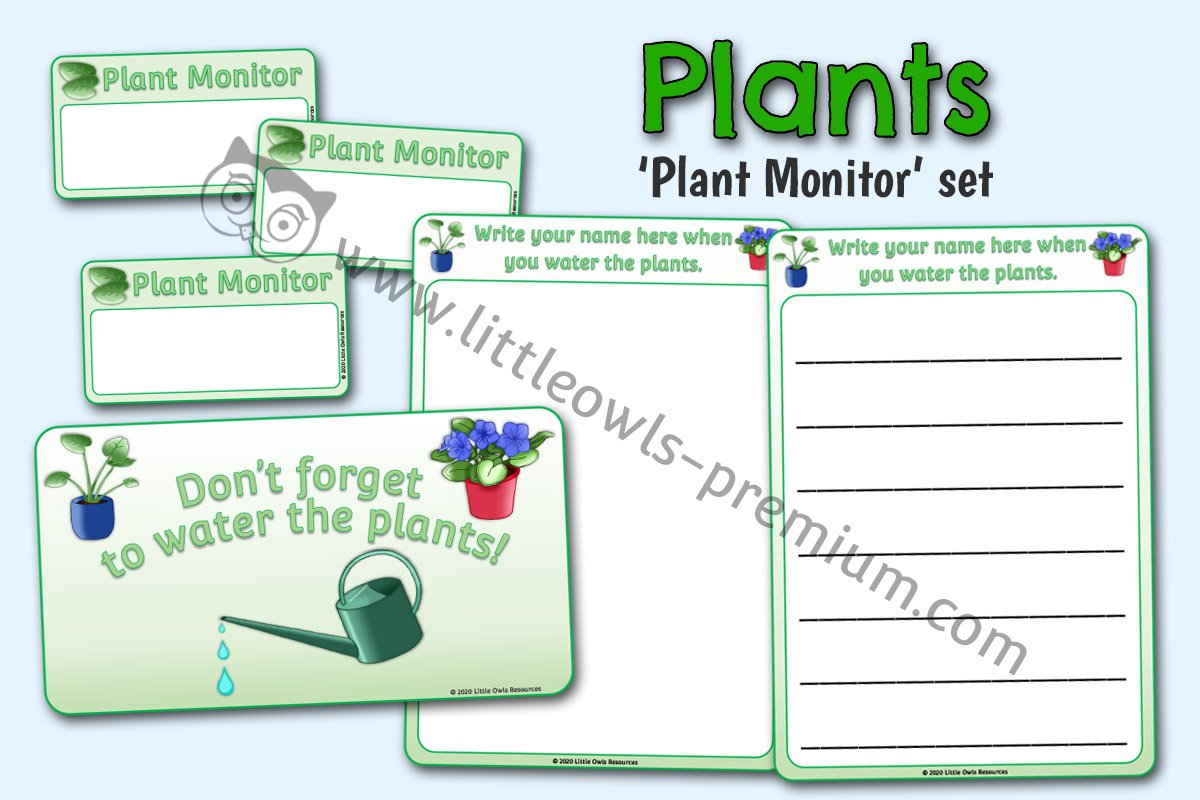
Original artwork drawn by Sara Murphy and final digital resources created by Stuart Murphy. COPYRIGHT ON ALL OF THE RESOURCES HOUSED ON THIS WEBSITE IS HELD BY ‘LITTLE OWLS RESOURCES’. OUR RESOURCES (INCLUDING THE IMAGES WITHIN THEM), CANNOT BE SHARED OR SOLD COMMERCIALLY.
DOWNLOAD EDITABLE (DOCX)
DOWNLOAD NON-EDITABLE (PDF)
DOWNLOAD NON-EDITABLE (Zipped JPEGs)
<<-BACK TO ‘HOUSEPLANT WEEK UK’ MENU
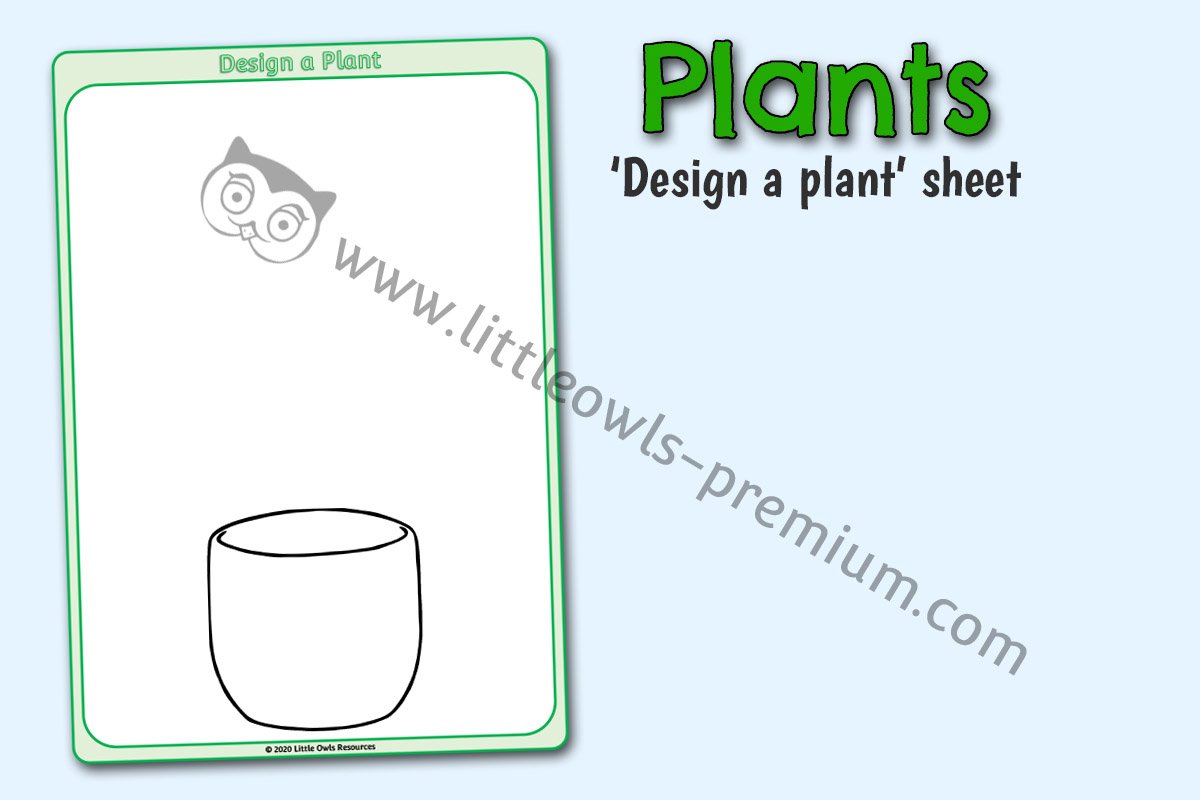
Once laminated this ‘Design a Plant Multimat’ is ideal to be used as a reusable playdough or loose parts mat. Alternatively, use in conjunction with whiteboard pens. Without lamination the sheet could also be used with mark making tools or art and craft cut and stick materials.
Original artwork drawn by Sara Murphy and final digital resources created by Stuart Murphy. COPYRIGHT ON ALL OF THE RESOURCES HOUSED ON THIS WEBSITE IS HELD BY ‘LITTLE OWLS RESOURCES’. OUR RESOURCES (INCLUDING THE IMAGES WITHIN THEM), CANNOT BE SHARED OR SOLD COMMERCIALLY.
DOWNLOAD EDITABLE (DOCX)
DOWNLOAD NON-EDITABLE (PDF)
DOWNLOAD NON-EDITABLE (Zipped JPEGs)
<<-BACK TO ‘HOUSEPLANT WEEK UK’ MENU
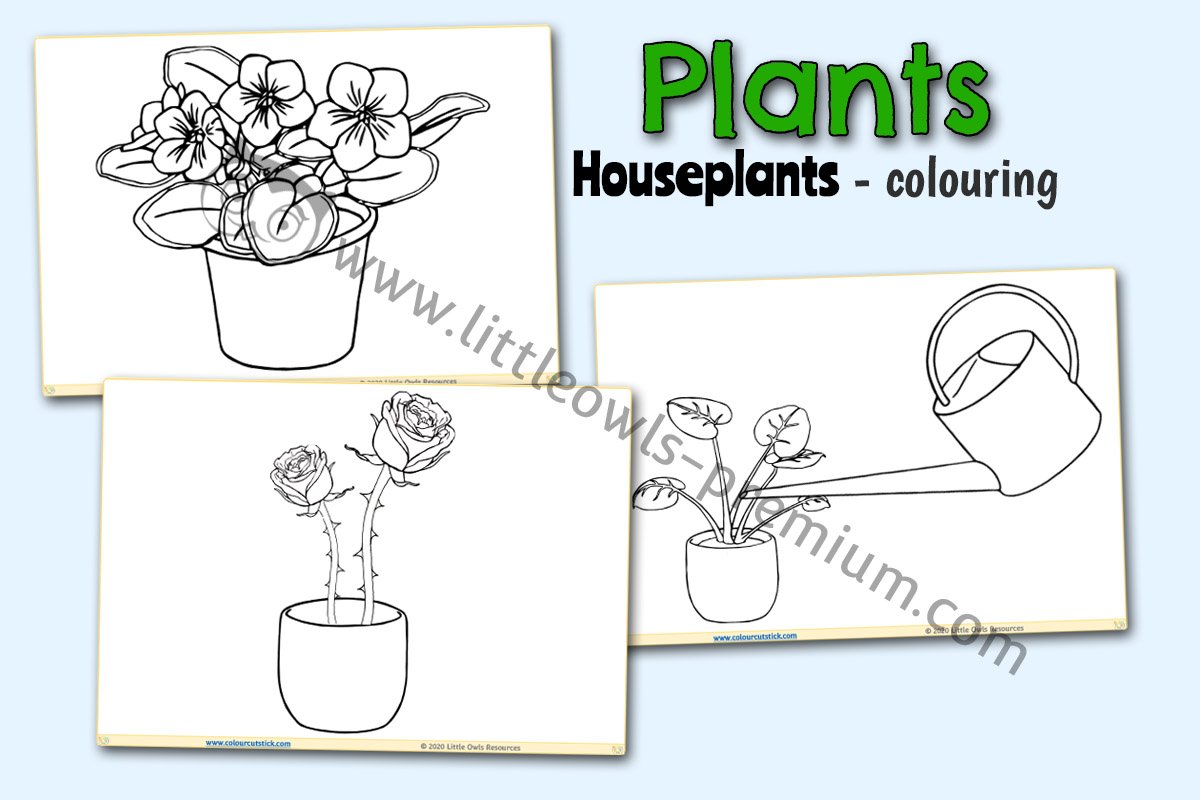
Original artwork drawn by Sara Murphy and final digital resources created by Stuart Murphy. COPYRIGHT ON ALL OF THE RESOURCES HOUSED ON THIS WEBSITE IS HELD BY ‘LITTLE OWLS RESOURCES’. OUR RESOURCES (INCLUDING THE IMAGES WITHIN THEM), CANNOT BE SHARED OR SOLD COMMERCIALLY.
DOWNLOAD EDITABLE (DOCX)
DOWNLOAD NON-EDITABLE (PDF)
DOWNLOAD NON-EDITABLE (Zipped JPEGs)
<<-BACK TO ‘HOUSEPLANT WEEK UK’ MENU
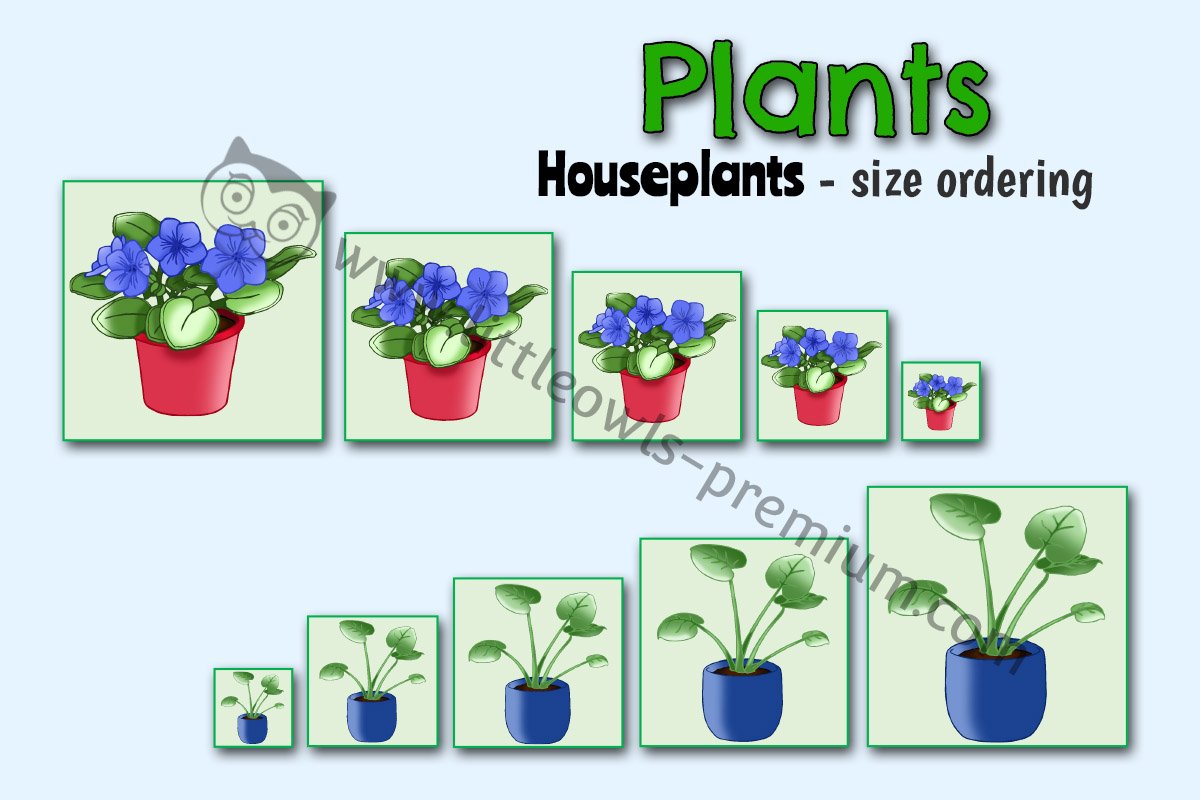
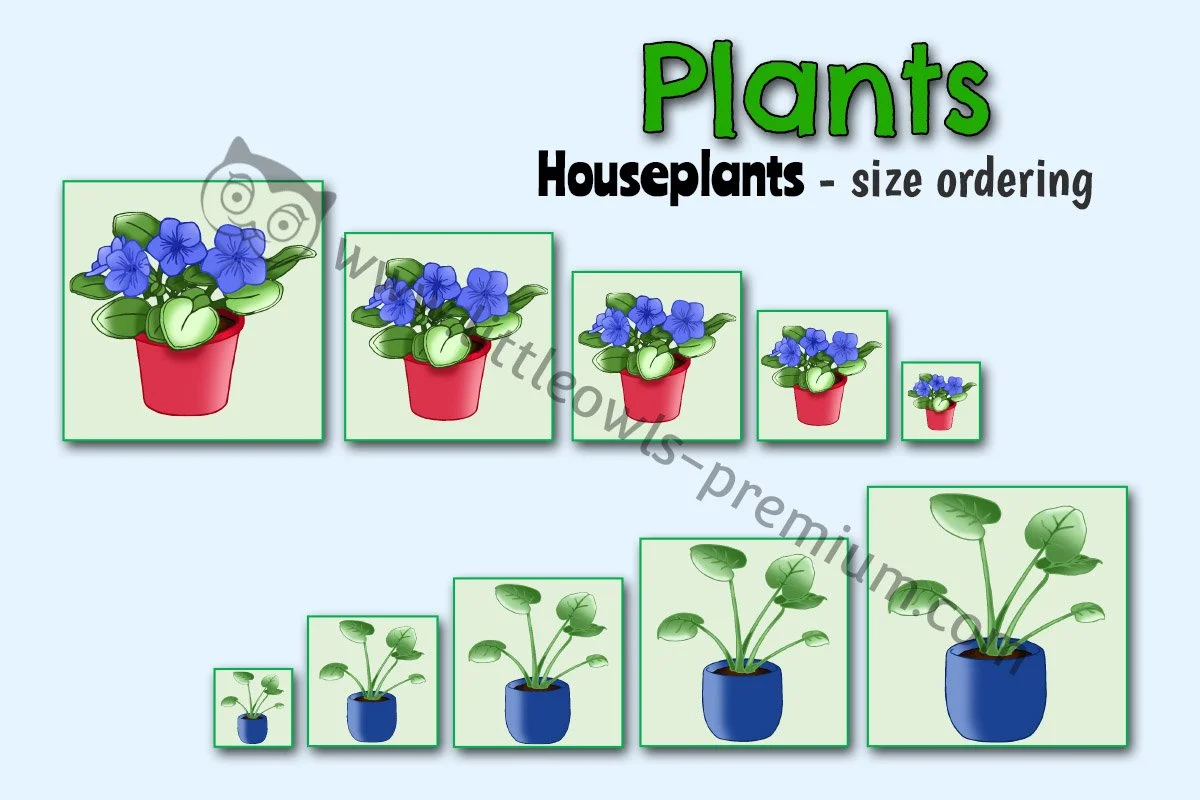
Plant themed size ordering pictures. Intended to be cut out (and ideally laminated) for use by children in repeatable size ordering activities. If you have access to a fuzzy felt board, why not stick velcro tabs on the back so that children can move them around on the board? Alternatively use them as a cut and stick activity (to also strengthen fine motor skills) for the children to take home and discuss with their families using words such as ‘small, smaller, smallest, big, bigger, biggest’.
Original artwork drawn by Sara Murphy and final digital resources created by Stuart Murphy. COPYRIGHT ON ALL OF THE RESOURCES HOUSED ON THIS WEBSITE IS HELD BY ‘LITTLE OWLS RESOURCES’. OUR RESOURCES (INCLUDING THE IMAGES WITHIN THEM), CANNOT BE SHARED OR SOLD COMMERCIALLY.
DOWNLOAD EDITABLE (DOCX)
DOWNLOAD NON-EDITABLE (PDF)
DOWNLOAD NON-EDITABLE (Zipped JPEGs)
<<-BACK TO ‘HOUSEPLANT WEEK UK’ MENU
Plants are Important
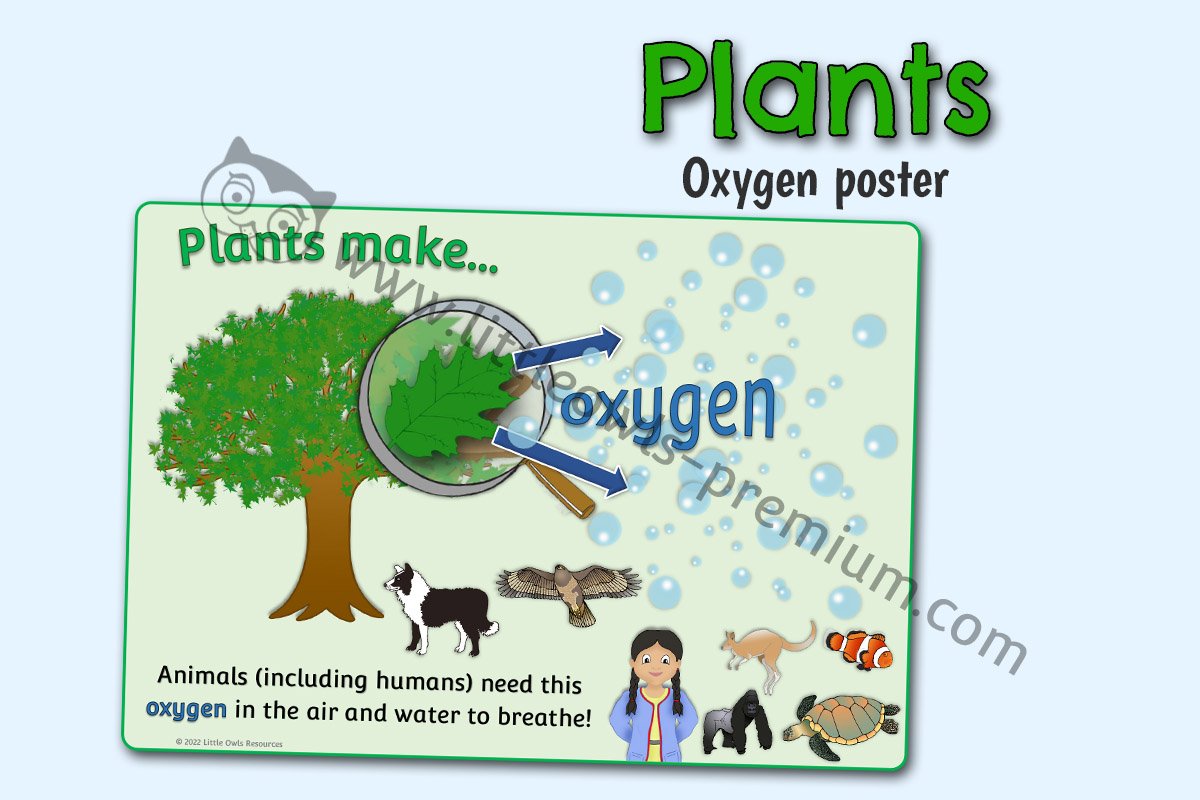
Original artwork drawn by Sara Murphy and final digital resources created by Stuart Murphy. COPYRIGHT ON ALL OF THE RESOURCES HOUSED ON THIS WEBSITE IS HELD BY ‘LITTLE OWLS RESOURCES’. OUR RESOURCES (INCLUDING THE IMAGES WITHIN THEM), CANNOT BE SHARED OR SOLD COMMERCIALLY.
DOWNLOAD EDITABLE (DOCX)
DOWNLOAD NON-EDITABLE (PDF)
DOWNLOAD NON-EDITABLE (Zipped JPEGs)
<<-BACK TO ‘HOUSEPLANT WEEK UK’ MENU
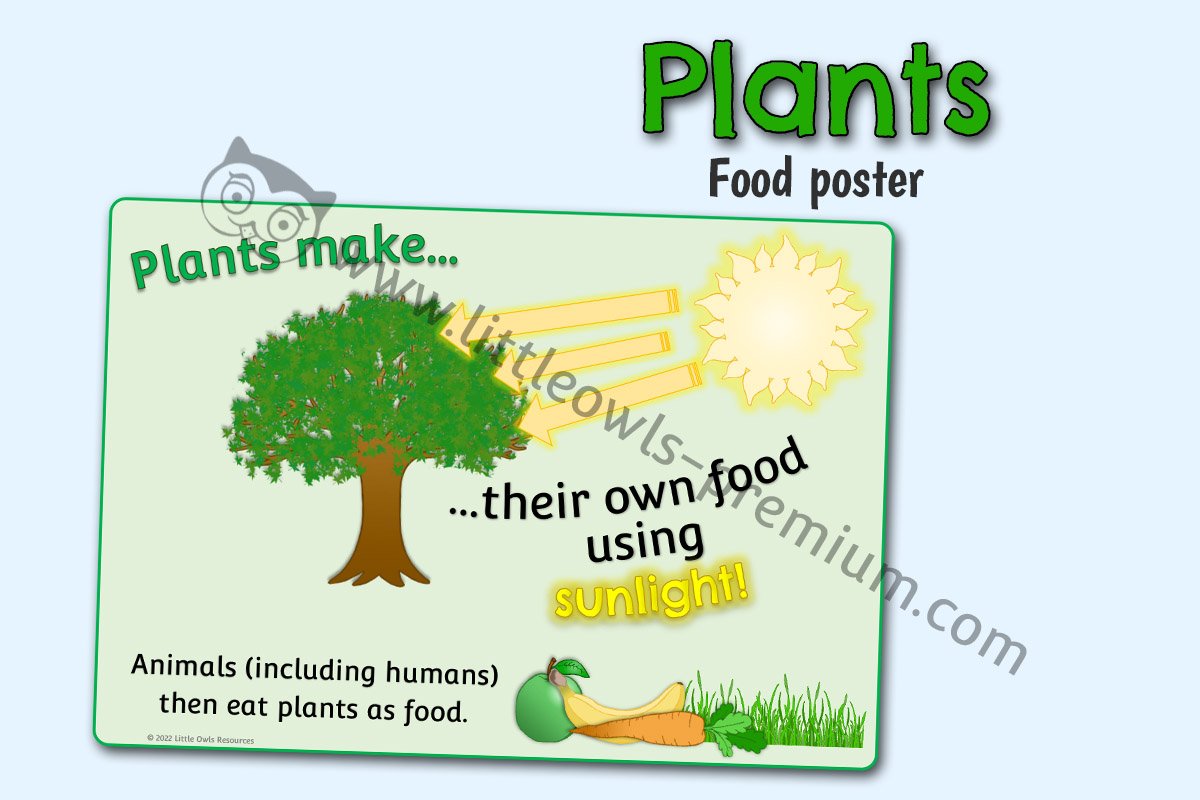
Original artwork drawn by Sara Murphy and final digital resources created by Stuart Murphy. COPYRIGHT ON ALL OF THE RESOURCES HOUSED ON THIS WEBSITE IS HELD BY ‘LITTLE OWLS RESOURCES’. OUR RESOURCES (INCLUDING THE IMAGES WITHIN THEM), CANNOT BE SHARED OR SOLD COMMERCIALLY.
DOWNLOAD EDITABLE (DOCX)
DOWNLOAD NON-EDITABLE (PDF)
DOWNLOAD NON-EDITABLE (Zipped JPEGs)
<<-BACK TO ‘HOUSEPLANT WEEK UK’ MENU
Plants Grow
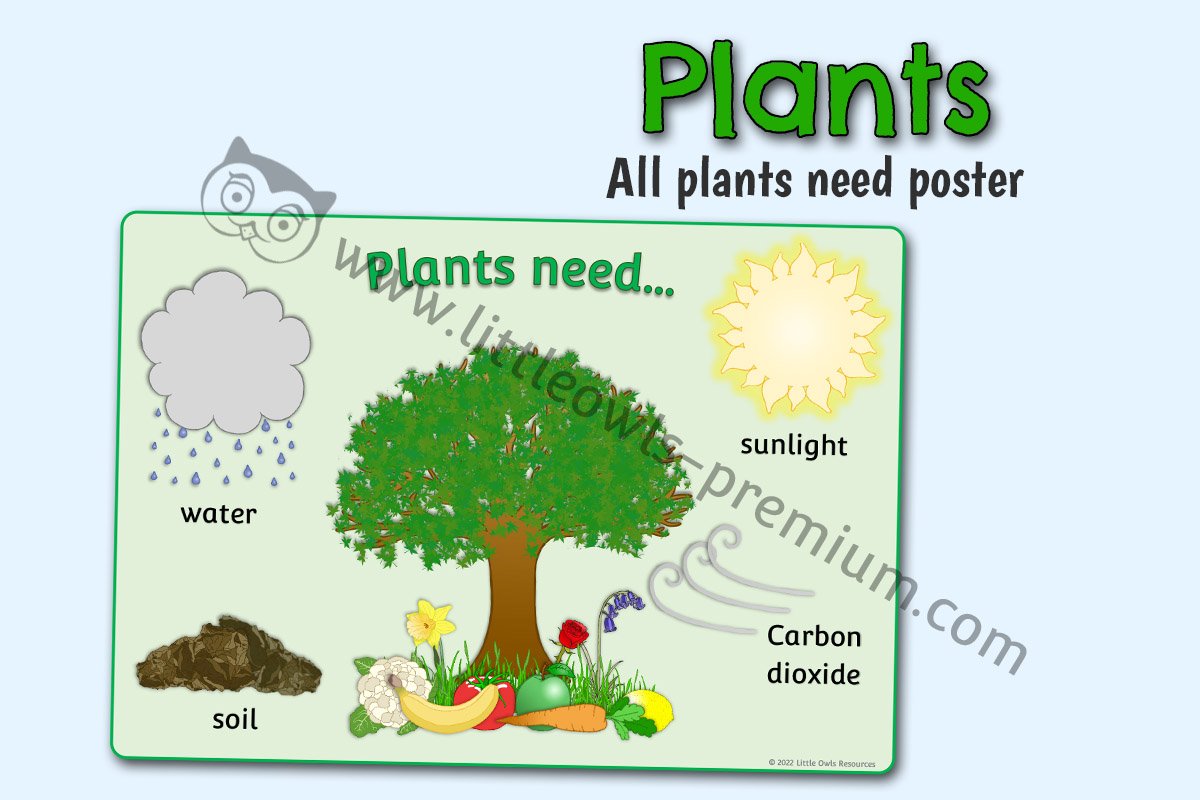
Original artwork drawn by Sara Murphy and final digital resources created by Stuart Murphy. COPYRIGHT ON ALL OF THE RESOURCES HOUSED ON THIS WEBSITE IS HELD BY ‘LITTLE OWLS RESOURCES’. OUR RESOURCES (INCLUDING THE IMAGES WITHIN THEM), CANNOT BE SHARED OR SOLD COMMERCIALLY.
DOWNLOAD EDITABLE (DOCX)
DOWNLOAD NON-EDITABLE (PDF)
DOWNLOAD NON-EDITABLE (Zipped JPEGs)
<<-BACK TO ‘HOUSEPLANT WEEK UK’ MENU
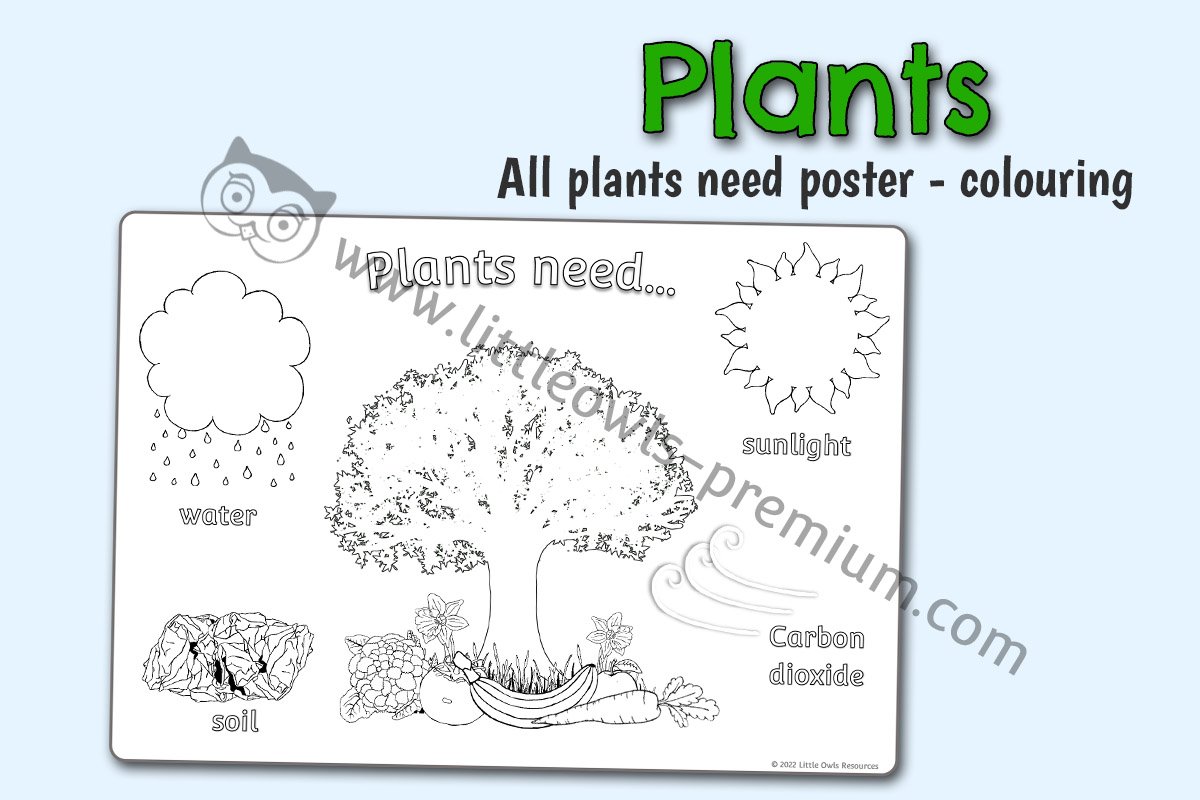
Original artwork drawn by Sara Murphy and final digital resources created by Stuart Murphy. COPYRIGHT ON ALL OF THE RESOURCES HOUSED ON THIS WEBSITE IS HELD BY ‘LITTLE OWLS RESOURCES’. OUR RESOURCES (INCLUDING THE IMAGES WITHIN THEM), CANNOT BE SHARED OR SOLD COMMERCIALLY.
DOWNLOAD EDITABLE (DOCX)
DOWNLOAD NON-EDITABLE (PDF)
DOWNLOAD NON-EDITABLE (Zipped JPEGs)
<<-BACK TO ‘HOUSEPLANT WEEK UK’ MENU
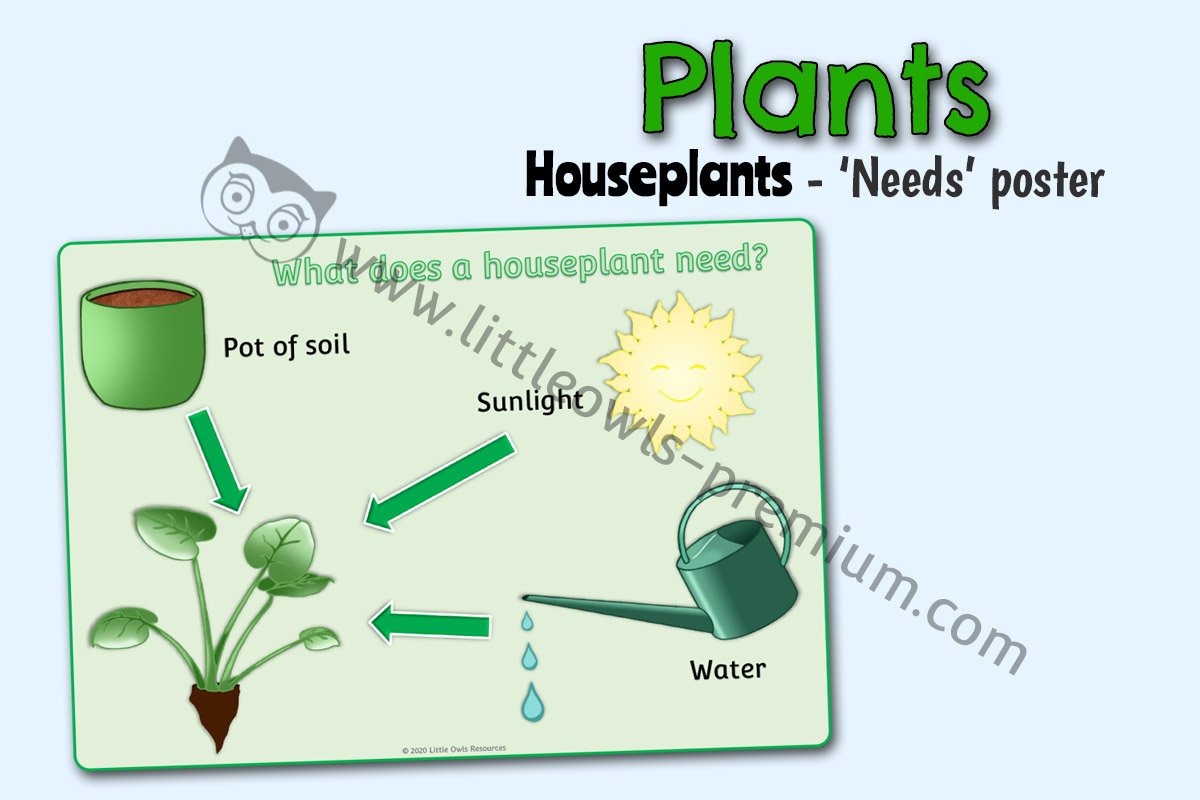
Original artwork drawn by Sara Murphy and final digital resources created by Stuart Murphy. COPYRIGHT ON ALL OF THE RESOURCES HOUSED ON THIS WEBSITE IS HELD BY ‘LITTLE OWLS RESOURCES’. OUR RESOURCES (INCLUDING THE IMAGES WITHIN THEM), CANNOT BE SHARED OR SOLD COMMERCIALLY.
DOWNLOAD EDITABLE (DOCX)
DOWNLOAD NON-EDITABLE (PDF)
DOWNLOAD NON-EDITABLE (Zipped JPEGs)
<<-BACK TO ‘HOUSEPLANT WEEK UK’ MENU
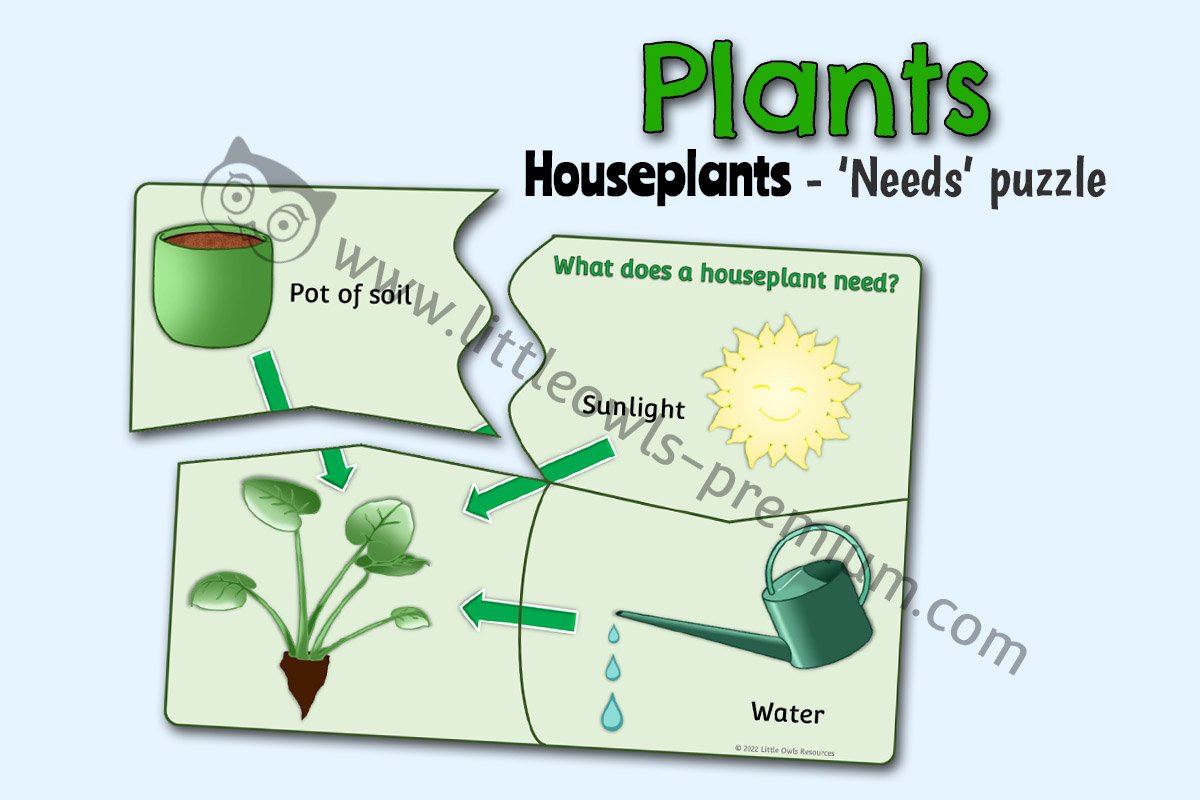
Original artwork drawn by Sara Murphy and final digital resources created by Stuart Murphy. COPYRIGHT ON ALL OF THE RESOURCES HOUSED ON THIS WEBSITE IS HELD BY ‘LITTLE OWLS RESOURCES’. OUR RESOURCES (INCLUDING THE IMAGES WITHIN THEM), CANNOT BE SHARED OR SOLD COMMERCIALLY.
DOWNLOAD EDITABLE (DOCX)
DOWNLOAD NON-EDITABLE (PDF)
DOWNLOAD NON-EDITABLE (Zipped JPEGs)
<<-BACK TO ‘HOUSEPLANT WEEK UK’ MENU
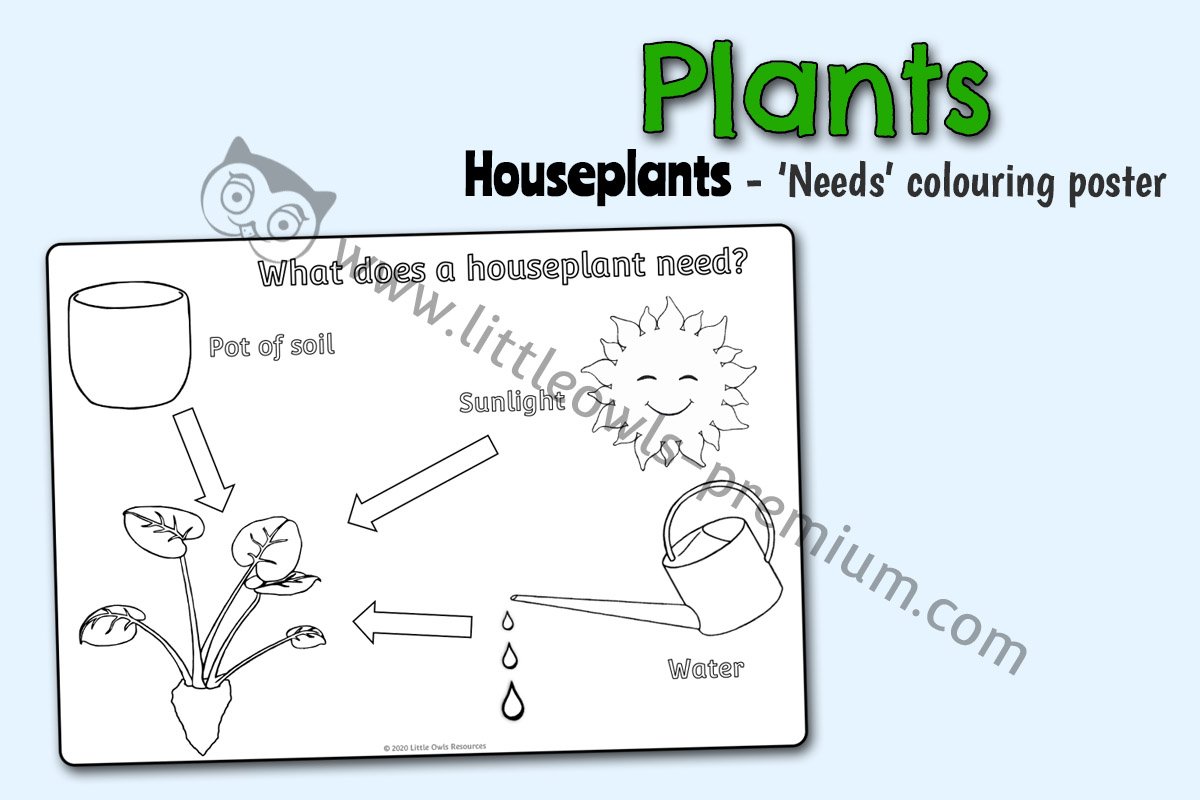
Original artwork drawn by Sara Murphy and final digital resources created by Stuart Murphy. COPYRIGHT ON ALL OF THE RESOURCES HOUSED ON THIS WEBSITE IS HELD BY ‘LITTLE OWLS RESOURCES’. OUR RESOURCES (INCLUDING THE IMAGES WITHIN THEM), CANNOT BE SHARED OR SOLD COMMERCIALLY.
DOWNLOAD EDITABLE (DOCX)
DOWNLOAD NON-EDITABLE (PDF)
DOWNLOAD NON-EDITABLE (Zipped JPEGs)
<<-BACK TO ‘HOUSEPLANT WEEK UK’ MENU
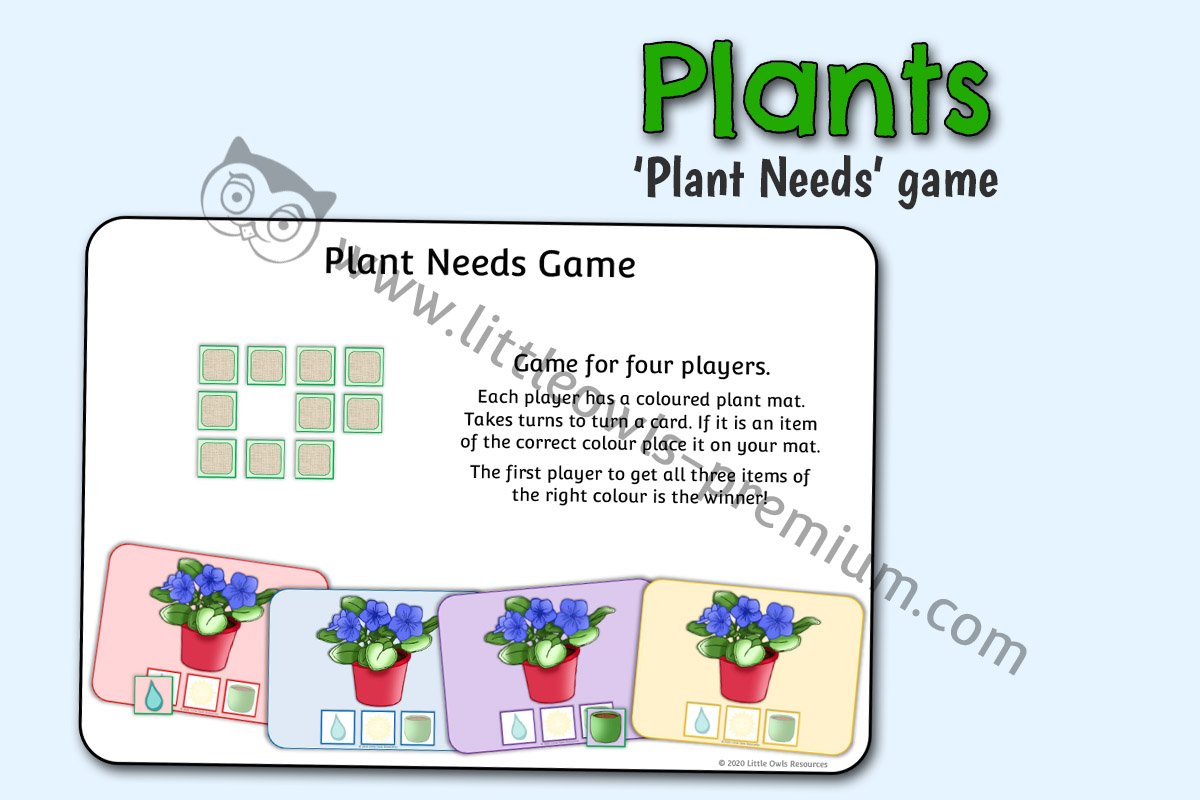
Original artwork drawn by Sara Murphy and final digital resources created by Stuart Murphy. COPYRIGHT ON ALL OF THE RESOURCES HOUSED ON THIS WEBSITE IS HELD BY ‘LITTLE OWLS RESOURCES’. OUR RESOURCES (INCLUDING THE IMAGES WITHIN THEM), CANNOT BE SHARED OR SOLD COMMERCIALLY.
DOWNLOAD EDITABLE (DOCX)
DOWNLOAD NON-EDITABLE (PDF)
DOWNLOAD NON-EDITABLE (Zipped JPEGs)
<<-BACK TO ‘HOUSEPLANT WEEK UK’ MENU
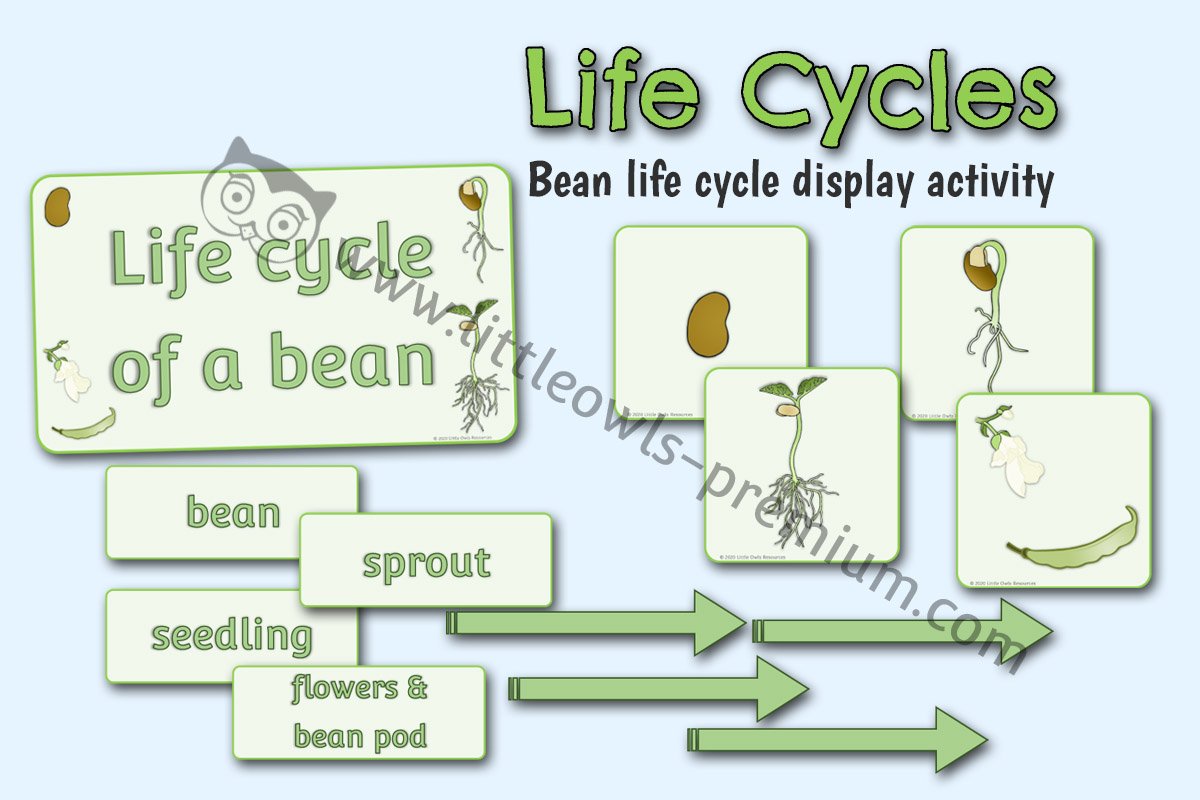
Bean life cycle display pack. Ideal for learning about growth at any time of the year, but particularly within the context of new life in ‘Spring’. Also ideal to be used as visuals for an activity, e.g. placing all of the life cycle elements in the correct positions relative to each other on a table or as a floor activity. Once in place, perhaps even use as a stimulus for art and craft or playdough.
Original artwork drawn by Sara Murphy and final digital resources created by Stuart Murphy. COPYRIGHT ON ALL OF THE RESOURCES HOUSED ON THIS WEBSITE IS HELD BY ‘LITTLE OWLS RESOURCES’. OUR RESOURCES (INCLUDING THE IMAGES WITHIN THEM), CANNOT BE SHARED OR SOLD COMMERCIALLY.
DOWNLOAD EDITABLE (DOCX)
DOWNLOAD NON-EDITABLE (PDF)
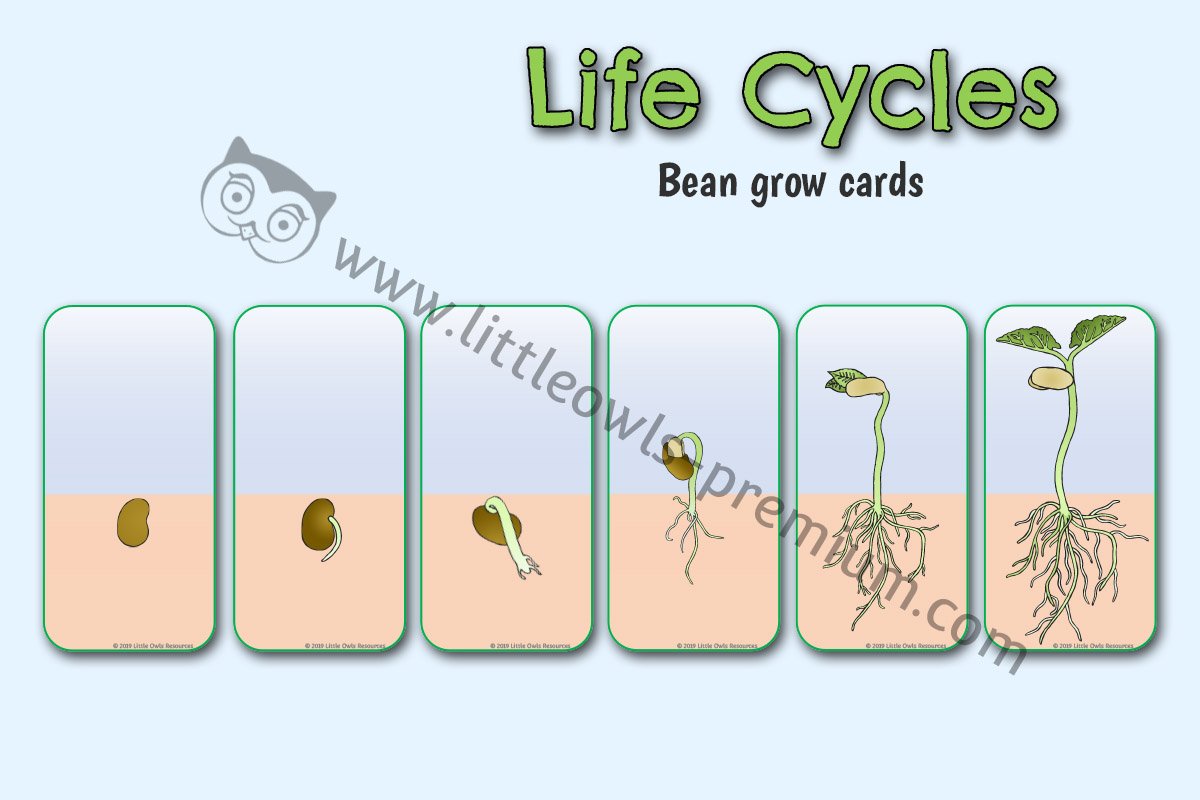
Use these ‘Growing Bean Cards’ as part of a display or invitation to play activity. Children may enjoy moving the cards around to place them in the correct order to show how the bean grows into a plant. Shrunk down they could become part of an individual take home cut and stick activity with an extension that children could write the numbers 1-6 on each picture to further demonstrate their understanding of the order. Look out for more resources on ‘Life Cycles’ and ‘Plants’ coming soon!
Original artwork drawn by Sara Murphy and final digital resources created by Stuart Murphy. COPYRIGHT ON ALL OF THE RESOURCES HOUSED ON THIS WEBSITE IS HELD BY ‘LITTLE OWLS RESOURCES’. OUR RESOURCES (INCLUDING THE IMAGES WITHIN THEM), CANNOT BE SHARED OR SOLD COMMERCIALLY.
DOWNLOAD EDITABLE (DOCX)
DOWNLOAD NON-EDITABLE (PDF)
DOWNLOAD NON-EDITABLE (Zipped JPEGs)
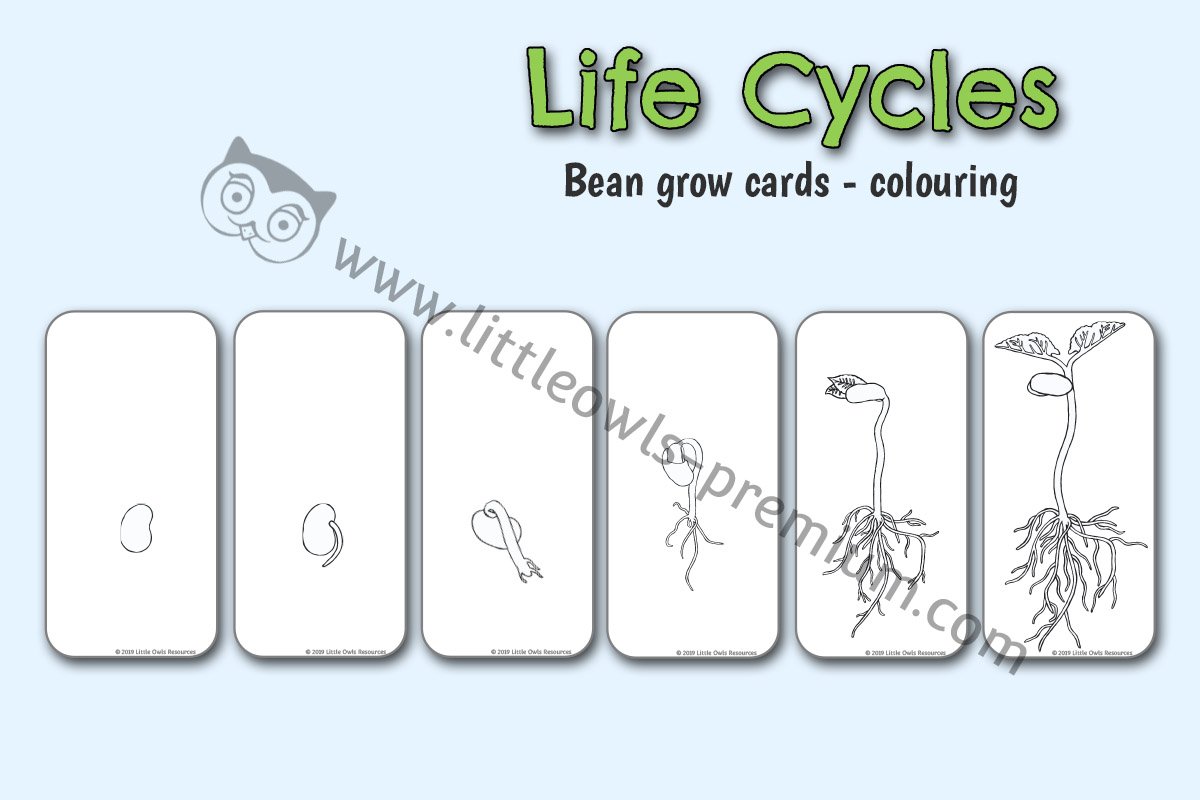
Colouring version of ‘Growing Bean Cards’. Use in the same ways as the full colour version with the added elements of colour choice, fine motor control and the possibility of ordering the pictures and sticking them to a separate sheet to enable the child to take the final product home. In sharing their learning experience with those at home, children will further consolidate their knowledge whilst explaining it to others.
Original artwork drawn by Sara Murphy and final digital resources created by Stuart Murphy. COPYRIGHT ON ALL OF THE RESOURCES HOUSED ON THIS WEBSITE IS HELD BY ‘LITTLE OWLS RESOURCES’. OUR RESOURCES (INCLUDING THE IMAGES WITHIN THEM), CANNOT BE SHARED OR SOLD COMMERCIALLY.
DOWNLOAD EDITABLE (DOCX)
DOWNLOAD NON-EDITABLE (PDF)
DOWNLOAD NON-EDITABLE (Zipped JPEGs)
Original artwork drawn by Sara Murphy and final digital resources created by Stuart Murphy. COPYRIGHT ON ALL OF THE RESOURCES HOUSED ON THIS WEBSITE IS HELD BY ‘LITTLE OWLS RESOURCES’. OUR RESOURCES (INCLUDING THE IMAGES WITHIN THEM), CANNOT BE SHARED OR SOLD COMMERCIALLY.
DOWNLOAD EDITABLE (DOCX)
DOWNLOAD NON-EDITABLE (PDF)
DOWNLOAD NON-EDITABLE (Zipped JPEGs)
<<-BACK TO ‘HOUSEPLANT WEEK UK’ MENU
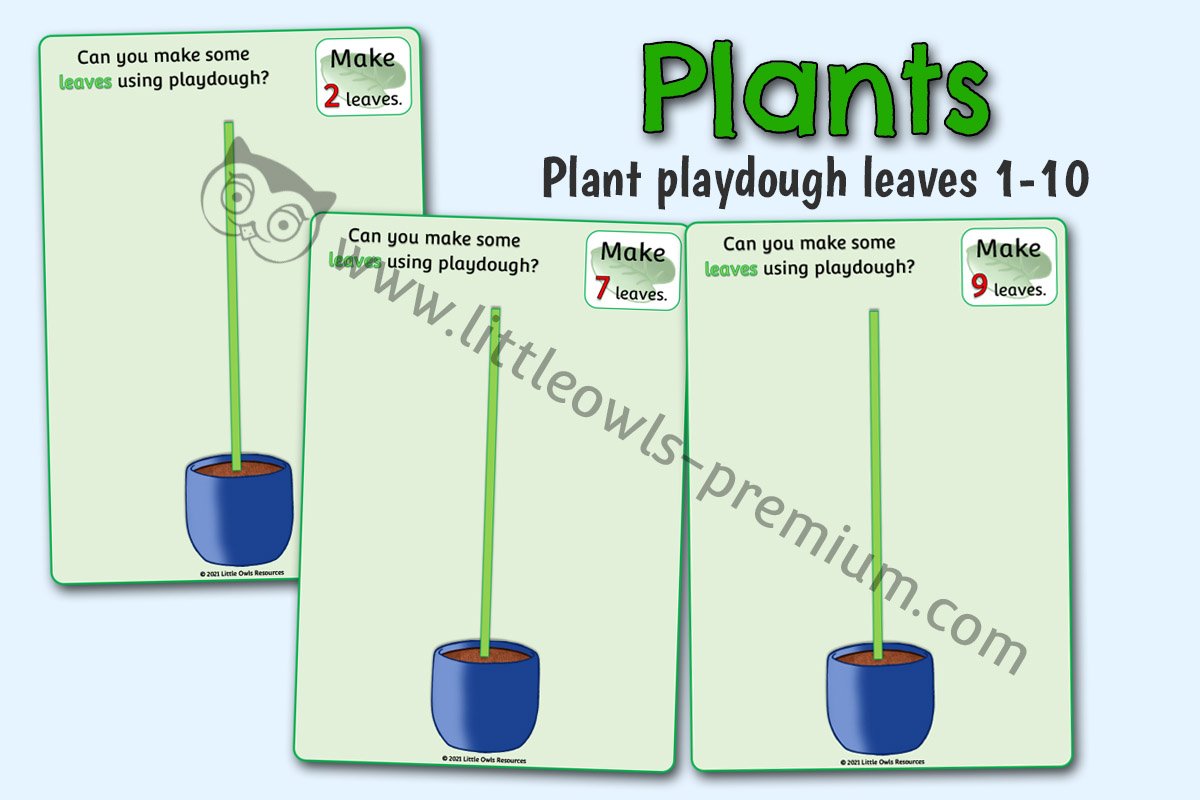
Once laminated these ‘Plant Leaves Playdough Mats’ are ideal to be used time and time again. Alternatively, use in conjunction with whiteboard pens as opposed to playdough. Without lamination the sheet could also be used with mark making tools or art and craft cut and stick materials.
Original artwork drawn by Sara Murphy and final digital resources created by Stuart Murphy. COPYRIGHT ON ALL OF THE RESOURCES HOUSED ON THIS WEBSITE IS HELD BY ‘LITTLE OWLS RESOURCES’. OUR RESOURCES (INCLUDING THE IMAGES WITHIN THEM), CANNOT BE SHARED OR SOLD COMMERCIALLY.
DOWNLOAD EDITABLE (DOCX)
DOWNLOAD NON-EDITABLE (PDF)
DOWNLOAD NON-EDITABLE (Zipped JPEGs)
<<-BACK TO ‘HOUSEPLANT WEEK UK’ MENU
Plant species information

This matching puzzle has a different connection for each set to allow the children to self-correct.
The intention of the resource is not necessarily for children to learn the different leaf types. It is more to think about the colour changes that a leaf undergoes as the seasons change.
7 puzzles included: sycamore, oak, horse chestnut, beech, ash, London plane & black poplar.
Puzzles, Games, Activities, Uses shapes, Colours, Observation, Problem Solving, Fine Motor, Trees, All Year Round - Wildlife, Discussion Prompts, Autumn page
Original artwork drawn by Sara Murphy and final digital resources created by Stuart Murphy. COPYRIGHT ON ALL OF THE RESOURCES HOUSED ON THIS WEBSITE IS HELD BY ‘LITTLE OWLS RESOURCES’. OUR RESOURCES (INCLUDING THE IMAGES WITHIN THEM), CANNOT BE SHARED OR SOLD COMMERCIALLY.
DOWNLOAD EDITABLE (DOCX)
DOWNLOAD NON-EDITABLE (PDF)
DOWNLOAD NON-EDITABLE (Zipped JPEGs)

These fact cards can be used as part of a display or as a stimulus for discussion, writing and drawing before or after time spent in a woodland setting.
10 cards included: Sycamore, Oak, Horse Chestnut, Beech, Ash, Scots Pine, Western Hemlock, London Plane, Black Poplar & Holly.
Observation, All Year Round - Wildlife, Fact Cards, Posters/Displays, Cards/Flashcards, Number Recognition, Measures - Length, Trees, Discussion Prompts, Autumn page, Winter page
Original artwork drawn by Sara Murphy and final digital resources created by Stuart Murphy. COPYRIGHT ON ALL OF THE RESOURCES HOUSED ON THIS WEBSITE IS HELD BY ‘LITTLE OWLS RESOURCES’. OUR RESOURCES (INCLUDING THE IMAGES WITHIN THEM), CANNOT BE SHARED OR SOLD COMMERCIALLY.
DOWNLOAD EDITABLE (DOCX)
DOWNLOAD NON-EDITABLE (PDF)
DOWNLOAD NON-EDITABLE (Zipped JPEGs)

These fact cards can be used as part of a display or as a stimulus for discussion, writing and drawing before or after time spent in a woodland setting.
10 cards included: Sycamore, Oak, Horse Chestnut, Beech, Ash, Scots Pine, Western Hemlock, London Plane, Black Poplar & Holly.
Observation, All Year Round - Wildlife, Fact Cards, Posters/Displays, Cards/Flashcards, Number Recognition, Measures - Length, Trees, Discussion Prompts, Autumn page, Winter page
Original artwork drawn by Sara Murphy and final digital resources created by Stuart Murphy. COPYRIGHT ON ALL OF THE RESOURCES HOUSED ON THIS WEBSITE IS HELD BY ‘LITTLE OWLS RESOURCES’. OUR RESOURCES (INCLUDING THE IMAGES WITHIN THEM), CANNOT BE SHARED OR SOLD COMMERCIALLY.
DOWNLOAD EDITABLE (DOCX)
DOWNLOAD NON-EDITABLE (PDF)
DOWNLOAD NON-EDITABLE (Zipped JPEGs)

These fact cards can be used as part of a display or as a stimulus for discussion, writing and drawing before or after time spent in a woodland setting.
8 cards included: Ivy, Bluebell, Bramble, Snowdrop, Daffodil, Daisy, Herb Robert & Wood Anemone.
Observation, All Year Round - Wildlife, Fact Cards, Posters/Displays, Cards/Flashcards, Number Recognition, Measures - Length, Plants/Flowers, Discussion Prompts, Autumn page, Winter page
Original artwork drawn by Sara Murphy and final digital resources created by Stuart Murphy. COPYRIGHT ON ALL OF THE RESOURCES HOUSED ON THIS WEBSITE IS HELD BY ‘LITTLE OWLS RESOURCES’. OUR RESOURCES (INCLUDING THE IMAGES WITHIN THEM), CANNOT BE SHARED OR SOLD COMMERCIALLY.
DOWNLOAD EDITABLE (DOCX)
DOWNLOAD NON-EDITABLE (PDF)
DOWNLOAD NON-EDITABLE (Zipped JPEGs)

These fact cards can be used as part of a display or as a stimulus for discussion, writing and drawing before or after time spent in a woodland setting.
8 cards included: Ivy, Bluebell, Bramble, Snowdrop, Daffodil, Daisy, Herb Robert & Wood Anemone.
Observation, All Year Round - Wildlife, Fact Cards, Posters/Displays, Cards/Flashcards, Number Recognition, Measures - Length, Plants/Flowers, Discussion Prompts, Autumn page, Winter page
Original artwork drawn by Sara Murphy and final digital resources created by Stuart Murphy. COPYRIGHT ON ALL OF THE RESOURCES HOUSED ON THIS WEBSITE IS HELD BY ‘LITTLE OWLS RESOURCES’. OUR RESOURCES (INCLUDING THE IMAGES WITHIN THEM), CANNOT BE SHARED OR SOLD COMMERCIALLY.
DOWNLOAD EDITABLE (DOCX)
DOWNLOAD NON-EDITABLE (PDF)
DOWNLOAD NON-EDITABLE (Zipped JPEGs)
(More ‘Forest School’ resources here.)
Fruit and vegetables

2 x A4 fruit posters/mats - landscape and portrait. Intended for display, as table mats and teaching prompt purposes.
Original artwork drawn by Sara Murphy and final digital resources created by Stuart Murphy. COPYRIGHT ON ALL OF THE RESOURCES HOUSED ON THIS WEBSITE IS HELD BY ‘LITTLE OWLS RESOURCES’. OUR RESOURCES (INCLUDING THE IMAGES WITHIN THEM), CANNOT BE SHARED OR SOLD COMMERCIALLY.
DOWNLOAD EDITABLE (DOCX)
DOWNLOAD NON-EDITABLE (PDF)
DOWNLOAD NON-EDITABLE (Zipped JPEGs)

2 x A4 vegetable posters/mats - landscape and portrait. Intended for display, as table mats and teaching prompt purposes.
Please note that tomatoes, peppers and cucumbers are botanically defined as fruits, but have been included in our vegetables poster as they are most commonly nutritionally used as vegetables.
Original artwork drawn by Sara Murphy and final digital resources created by Stuart Murphy. COPYRIGHT ON ALL OF THE RESOURCES HOUSED ON THIS WEBSITE IS HELD BY ‘LITTLE OWLS RESOURCES’. OUR RESOURCES (INCLUDING THE IMAGES WITHIN THEM), CANNOT BE SHARED OR SOLD COMMERCIALLY.
DOWNLOAD EDITABLE (DOCX)
DOWNLOAD NON-EDITABLE (PDF)
DOWNLOAD NON-EDITABLE (Zipped JPEGs)

‘Fruit and Vegetables’ banner which spans the width of 2 A4 landscape sheets.
Original artwork drawn by Sara Murphy and final digital resources created by Stuart Murphy. COPYRIGHT ON ALL OF THE RESOURCES HOUSED ON THIS WEBSITE IS HELD BY ‘LITTLE OWLS RESOURCES’. OUR RESOURCES (INCLUDING THE IMAGES WITHIN THEM), CANNOT BE SHARED OR SOLD COMMERCIALLY.
DOWNLOAD EDITABLE (DOCX)
DOWNLOAD NON-EDITABLE (PDF)

Set of 12 fruit and vegetable puzzles each with 2 parts. Ideal for our youngest children in order for them to begin to spot similarities and differences, recognise 2D representations of 3D common objects and solve problems involving observational skills.
Original artwork drawn by Sara Murphy and final digital resources created by Stuart Murphy. COPYRIGHT ON ALL OF THE RESOURCES HOUSED ON THIS WEBSITE IS HELD BY ‘LITTLE OWLS RESOURCES’. OUR RESOURCES (INCLUDING THE IMAGES WITHIN THEM), CANNOT BE SHARED OR SOLD COMMERCIALLY.
DOWNLOAD EDITABLE (DOCX)
DOWNLOAD NON-EDITABLE (PDF)
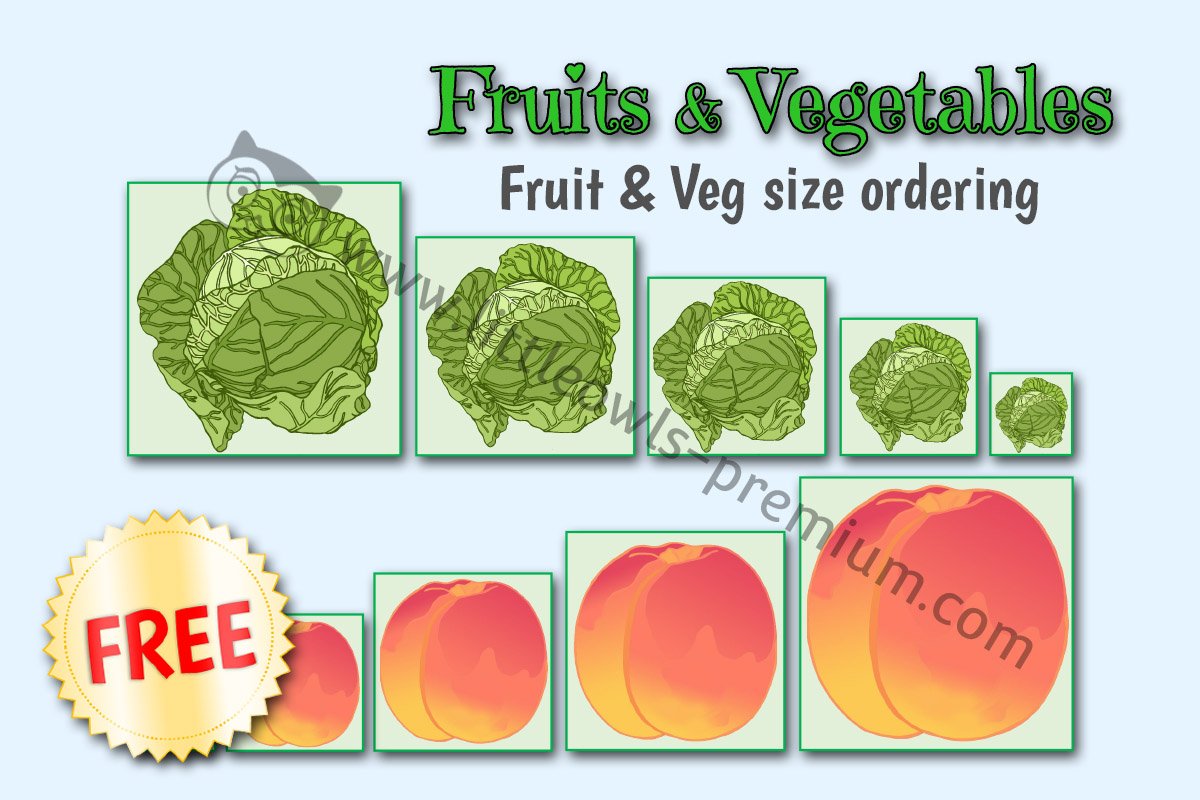
Fruit and Vegetable themed size ordering pictures. Intended to be cut out (and ideally laminated) for use by children in repeatable size ordering activities. If you have access to a fuzzy felt board, why not stick velcro tabs on the back so that children can move them around on the board? Alternatively use them as a cut and stick activity (to also strengthen fine motor skills) for the children to take home and discuss with their families using words such as ‘small, smaller, smallest, big, bigger, biggest’.
Original artwork drawn by Sara Murphy and final digital resources created by Stuart Murphy. COPYRIGHT ON ALL OF THE RESOURCES HOUSED ON THIS WEBSITE IS HELD BY ‘LITTLE OWLS RESOURCES’. OUR RESOURCES (INCLUDING THE IMAGES WITHIN THEM), CANNOT BE SHARED OR SOLD COMMERCIALLY.
DOWNLOAD EDITABLE (DOCX)
DOWNLOAD NON-EDITABLE (PDF)

35 A4 cards depicting fruit and vegetables included. Intended for display and teaching prompt purposes.
Original artwork drawn by Sara Murphy and final digital resources created by Stuart Murphy. COPYRIGHT ON ALL OF THE RESOURCES HOUSED ON THIS WEBSITE IS HELD BY ‘LITTLE OWLS RESOURCES’. OUR RESOURCES (INCLUDING THE IMAGES WITHIN THEM), CANNOT BE SHARED OR SOLD COMMERCIALLY.
DOWNLOAD EDITABLE (DOCX)
DOWNLOAD NON-EDITABLE (PDF)

35 A4 colouring sheets depicting various fruit and vegetables included.
Original artwork drawn by Sara Murphy and final digital resources created by Stuart Murphy. COPYRIGHT ON ALL OF THE RESOURCES HOUSED ON THIS WEBSITE IS HELD BY ‘LITTLE OWLS RESOURCES’. OUR RESOURCES (INCLUDING THE IMAGES WITHIN THEM), CANNOT BE SHARED OR SOLD COMMERCIALLY.
DOWNLOAD EDITABLE (DOCX)
DOWNLOAD NON-EDITABLE (PDF)

Fruit and vegetable food diary booklet/sheets. A mark making page included for each of the 7 days of the week for children to record which fruits/vegetables they have eaten. Front cover also included with space for child’s name in the event you would like to create a booklet.
Original artwork drawn by Sara Murphy and final digital resources created by Stuart Murphy. COPYRIGHT ON ALL OF THE RESOURCES HOUSED ON THIS WEBSITE IS HELD BY ‘LITTLE OWLS RESOURCES’. OUR RESOURCES (INCLUDING THE IMAGES WITHIN THEM), CANNOT BE SHARED OR SOLD COMMERCIALLY.
DOWNLOAD EDITABLE (DOCX)
DOWNLOAD NON-EDITABLE (PDF)

A set of fruit and vegetable image cards with matching description cards. Perhaps you could place the fruit and vegetable cards facing up for children to see. Pick a description card and read it to the children. Which card matches with the description I have just read? Great for observational, problem solving and listening skills! Also includes great descriptive and some mathematical vocabulary.
Original artwork drawn by Sara Murphy and final digital resources created by Stuart Murphy. COPYRIGHT ON ALL OF THE RESOURCES HOUSED ON THIS WEBSITE IS HELD BY ‘LITTLE OWLS RESOURCES’. OUR RESOURCES (INCLUDING THE IMAGES WITHIN THEM), CANNOT BE SHARED OR SOLD COMMERCIALLY.
DOWNLOAD EDITABLE (DOCX)
DOWNLOAD NON-EDITABLE (PDF)

Cut along the vertical lines on these Fruit and Vegetable themed number slice puzzles and allow your children to order numbers to reveal the correct sequence and picture as they place the pieces in the right order! Great for fine motor, problem solving, observational skills, number recognition and ordering. Cut and stick use once activity or laminate to use time and time again.
Original artwork drawn by Sara Murphy and final digital resources created by Stuart Murphy. COPYRIGHT ON ALL OF THE RESOURCES HOUSED ON THIS WEBSITE IS HELD BY ‘LITTLE OWLS RESOURCES’. OUR RESOURCES (INCLUDING THE IMAGES WITHIN THEM), CANNOT BE SHARED OR SOLD COMMERCIALLY.
DOWNLOAD EDITABLE (DOCX)
DOWNLOAD NON-EDITABLE (PDF)

Cut along the vertical lines on these Fruit and Vegetable themed number slice puzzles and allow your children to order numbers to reveal the correct sequence and picture as they place the pieces in the right order! Great for fine motor, problem solving, observational skills, number recognition and ordering. These colouring in versions are ideal for individual use cutting and sticking for children to take home in order to consolidate their knowledge further by talking to those at home about what they have learnt.
Original artwork drawn by Sara Murphy and final digital resources created by Stuart Murphy. COPYRIGHT ON ALL OF THE RESOURCES HOUSED ON THIS WEBSITE IS HELD BY ‘LITTLE OWLS RESOURCES’. OUR RESOURCES (INCLUDING THE IMAGES WITHIN THEM), CANNOT BE SHARED OR SOLD COMMERCIALLY.
DOWNLOAD EDITABLE (DOCX)
DOWNLOAD NON-EDITABLE (PDF)

Can you place pom poms or other loose parts on the multicoloured circles? Great for fine motor control and developing a pincer grip. Why not also introduce tools such as tweezers? Have fun!
Original artwork drawn by Sara Murphy and final digital resources created by Stuart Murphy. COPYRIGHT ON ALL OF THE RESOURCES HOUSED ON THIS WEBSITE IS HELD BY ‘LITTLE OWLS RESOURCES’. OUR RESOURCES (INCLUDING THE IMAGES WITHIN THEM), CANNOT BE SHARED OR SOLD COMMERCIALLY.
DOWNLOAD EDITABLE (DOCX)
DOWNLOAD NON-EDITABLE (PDF)

These A4 size mats can be laminated for use as playdough mats, or for number writing practice with a whiteboard pen. Alternatively, they can be part of a loose parts activity. They may even be used for a large number/counting display!
Original artwork drawn by Sara Murphy and final digital resources created by Stuart Murphy. COPYRIGHT ON ALL OF THE RESOURCES HOUSED ON THIS WEBSITE IS HELD BY ‘LITTLE OWLS RESOURCES’. OUR RESOURCES (INCLUDING THE IMAGES WITHIN THEM), CANNOT BE SHARED OR SOLD COMMERCIALLY.
DOWNLOAD EDITABLE (DOCX)
DOWNLOAD NON-EDITABLE (PDF)

Once laminated these Fruit and Vegetable Multimats are ideal to be used as reusable playdough or loose parts mats. Alternatively, use them in conjunction with whiteboard pens. Without lamination these sheets could also be used with mark making tools or art and craft materials.
Original artwork drawn by Sara Murphy and final digital resources created by Stuart Murphy. COPYRIGHT ON ALL OF THE RESOURCES HOUSED ON THIS WEBSITE IS HELD BY ‘LITTLE OWLS RESOURCES’. OUR RESOURCES (INCLUDING THE IMAGES WITHIN THEM), CANNOT BE SHARED OR SOLD COMMERCIALLY.
DOWNLOAD EDITABLE (DOCX)
DOWNLOAD NON-EDITABLE (PDF)

Can you make the right number of carrots out of playdough?
Original artwork drawn by Sara Murphy and final digital resources created by Stuart Murphy. COPYRIGHT ON ALL OF THE RESOURCES HOUSED ON THIS WEBSITE IS HELD BY ‘LITTLE OWLS RESOURCES’. OUR RESOURCES (INCLUDING THE IMAGES WITHIN THEM), CANNOT BE SHARED OR SOLD COMMERCIALLY.
DOWNLOAD EDITABLE (DOCX)
DOWNLOAD NON-EDITABLE (PDF)
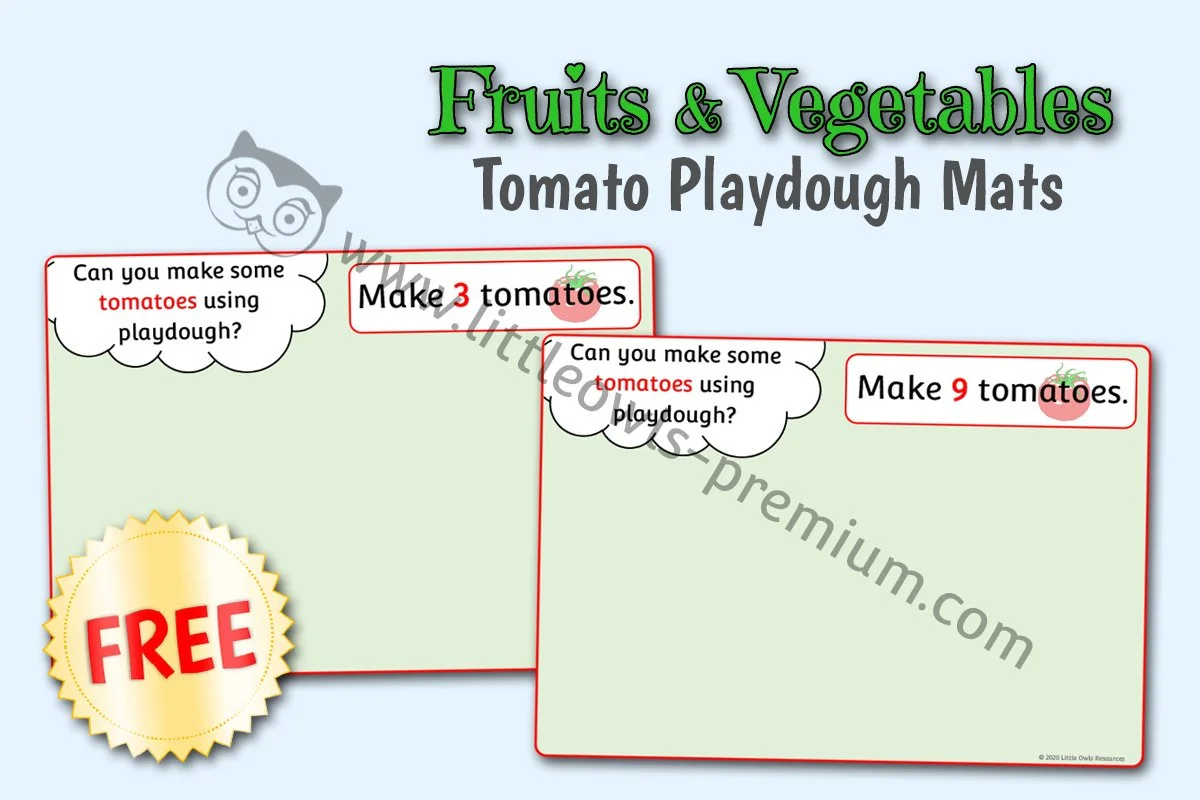
Can you make the right number of tomatoes out of playdough?
Original artwork drawn by Sara Murphy and final digital resources created by Stuart Murphy. COPYRIGHT ON ALL OF THE RESOURCES HOUSED ON THIS WEBSITE IS HELD BY ‘LITTLE OWLS RESOURCES’. OUR RESOURCES (INCLUDING THE IMAGES WITHIN THEM), CANNOT BE SHARED OR SOLD COMMERCIALLY.
DOWNLOAD EDITABLE (DOCX)
DOWNLOAD NON-EDITABLE (PDF)

Download this one stop 'Farm Shop' role play pack. Ideal role play area for the Autumn Harvest term.
Pack includes:
banner
menu with prices
blank proforma menu for children to fill in
picture cards of various things to be sold in the role-play shop (to ideally cut out and laminate)
food signs
open/closed signs
advert posters
shopping list templates
opening times poster (including days of the week)
product price signs (pre-written versions and those to be filled in by children)
Original artwork drawn by Sara Murphy and final digital resources created by Stuart Murphy. COPYRIGHT ON ALL OF THE RESOURCES HOUSED ON THIS WEBSITE IS HELD BY ‘LITTLE OWLS RESOURCES’. OUR RESOURCES (INCLUDING THE IMAGES WITHIN THEM), CANNOT BE SHARED OR SOLD COMMERCIALLY.
DOWNLOAD EDITABLE (DOCX)
DOWNLOAD NON-EDITABLE (PDF)
DOWNLOAD NON-EDITABLE (Zipped JPEGs)
(More ‘Food’ resources here.)
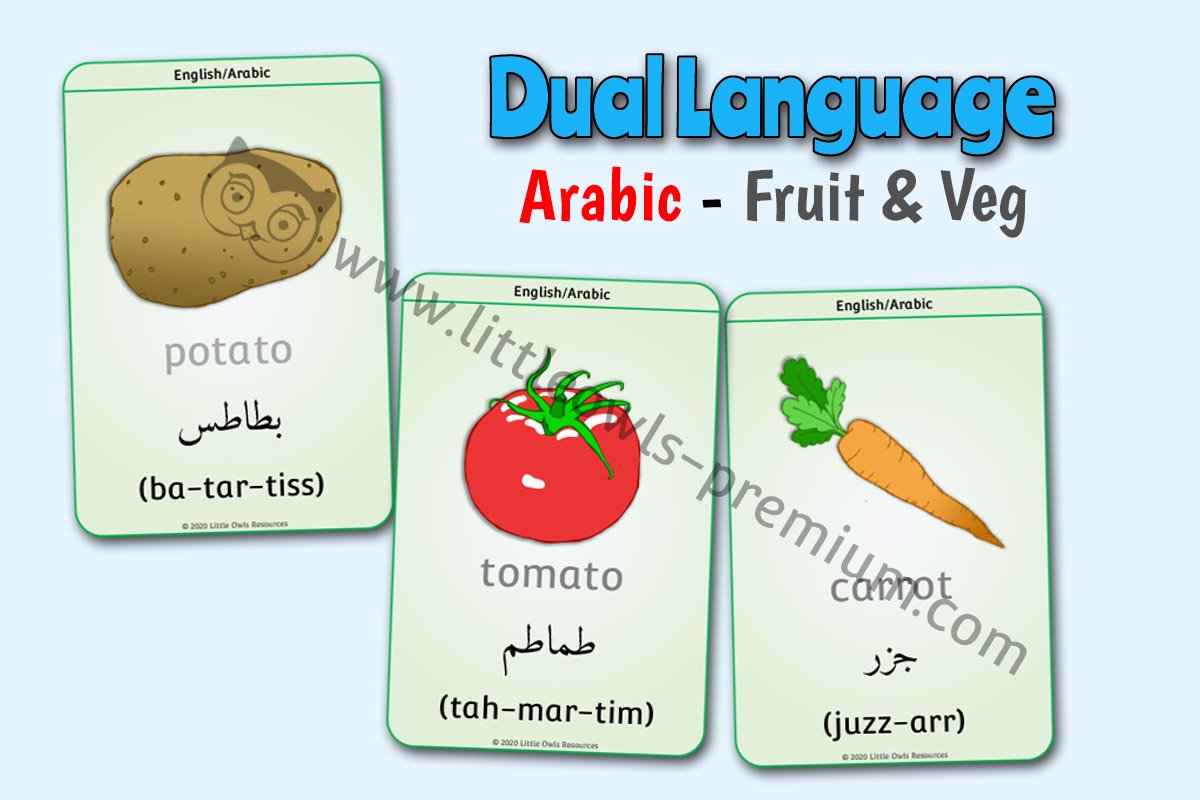
Arabic/English Dual Language Fruit and Vegetable Cards/Flashcards/Display
(Please note that whilst we love languages, we in no way proclaim to be experts. We have translated languages so that they are phonetically decipherable to an English Language speaker. As we all know, every language also has its regional differences in accent and dialect, so please bear this in mind when using our resources. We hope they help! 😊)
Original artwork drawn by Sara Murphy and final digital resources created by Stuart Murphy. COPYRIGHT ON ALL OF THE RESOURCES HOUSED ON THIS WEBSITE IS HELD BY ‘LITTLE OWLS RESOURCES’. OUR RESOURCES (INCLUDING THE IMAGES WITHIN THEM), CANNOT BE SHARED OR SOLD COMMERCIALLY.
DOWNLOAD EDITABLE (DOCX)
DOWNLOAD NON-EDITABLE (PDF)
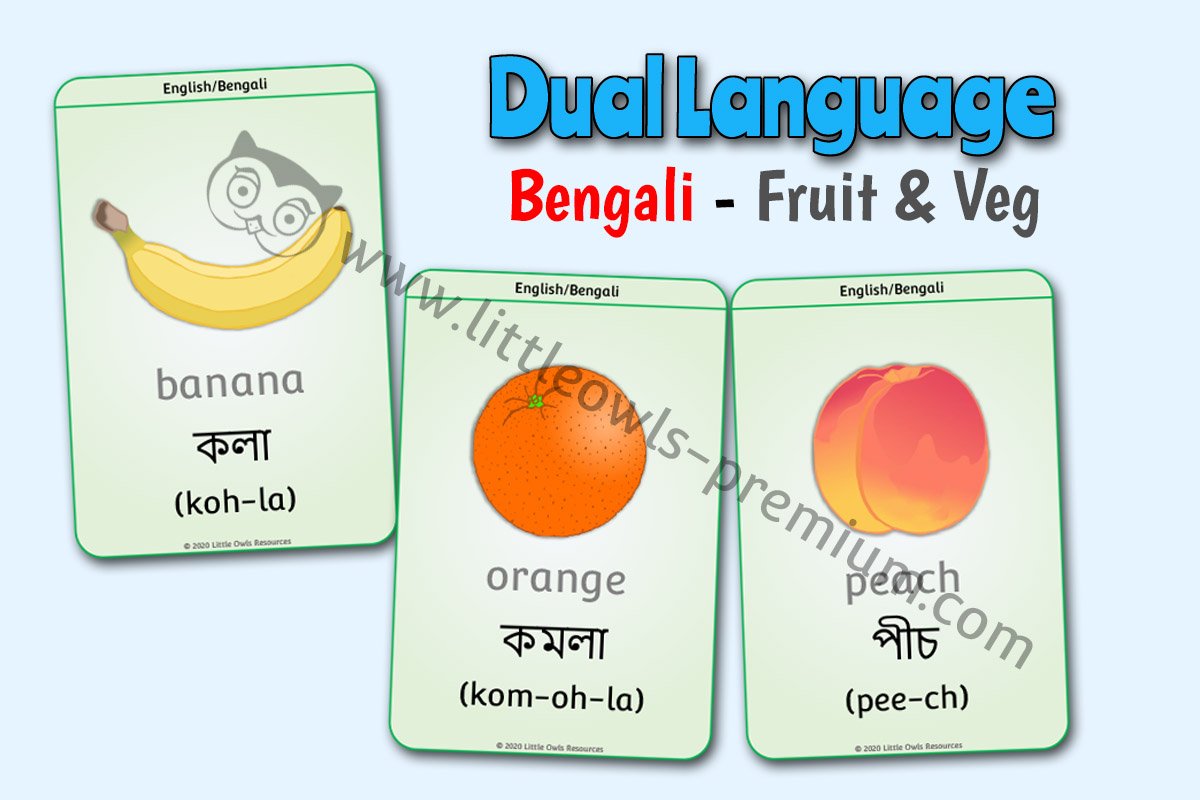
Bengali/English Dual Language Fruit and Vegetable Cards/Flashcards/Display
(Please note that whilst we love languages, we in no way proclaim to be experts. We have translated languages so that they are phonetically decipherable to an English Language speaker. As we all know, every language also has its regional differences in accent and dialect, so please bear this in mind when using our resources. We hope they help! 😊)
Original artwork drawn by Sara Murphy and final digital resources created by Stuart Murphy. COPYRIGHT ON ALL OF THE RESOURCES HOUSED ON THIS WEBSITE IS HELD BY ‘LITTLE OWLS RESOURCES’. OUR RESOURCES (INCLUDING THE IMAGES WITHIN THEM), CANNOT BE SHARED OR SOLD COMMERCIALLY.
DOWNLOAD EDITABLE (DOCX)
DOWNLOAD NON-EDITABLE (PDF)
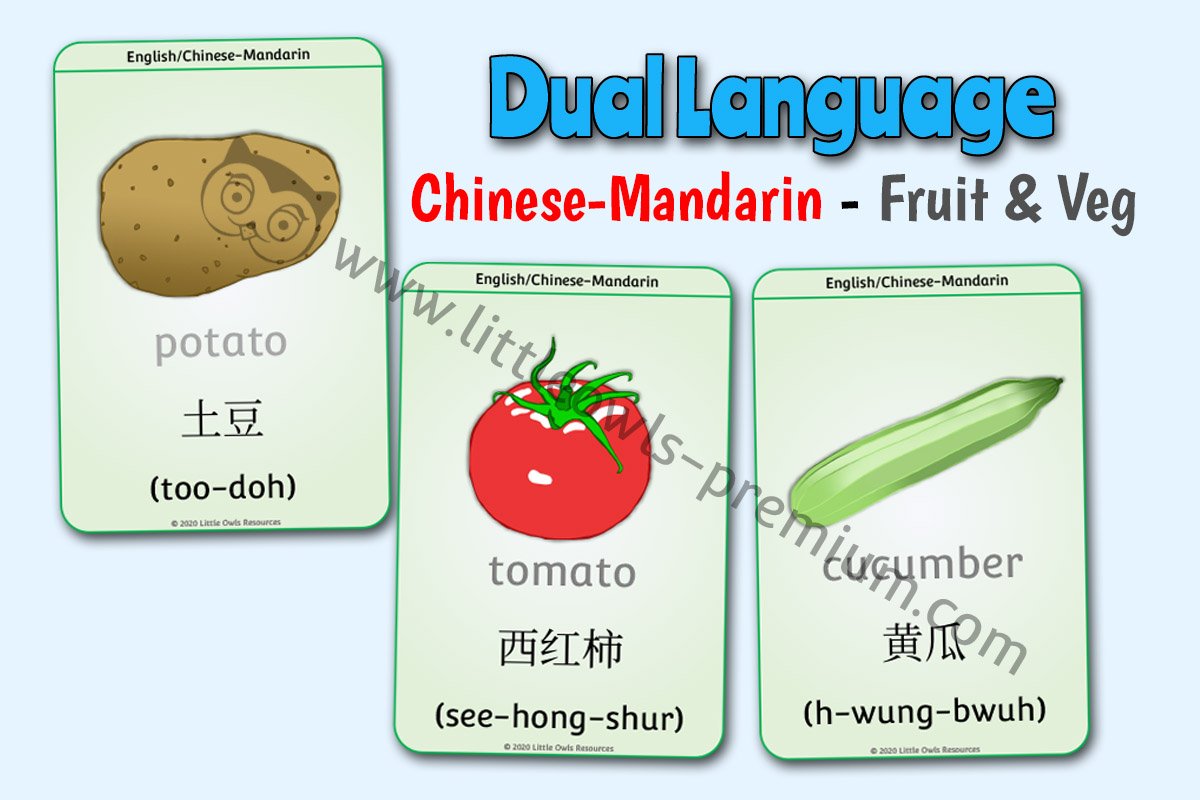
Chinese Mandarin/English Dual Language Fruit and Vegetable Cards/Flashcards/Display
(Please note that whilst we love languages, we in no way proclaim to be experts. We have translated languages so that they are phonetically decipherable to an English Language speaker. As we all know, every language also has its regional differences in accent and dialect, so please bear this in mind when using our resources. We hope they help! 😊)
Original artwork drawn by Sara Murphy and final digital resources created by Stuart Murphy. COPYRIGHT ON ALL OF THE RESOURCES HOUSED ON THIS WEBSITE IS HELD BY ‘LITTLE OWLS RESOURCES’. OUR RESOURCES (INCLUDING THE IMAGES WITHIN THEM), CANNOT BE SHARED OR SOLD COMMERCIALLY.
DOWNLOAD EDITABLE (DOCX)
DOWNLOAD NON-EDITABLE (PDF)
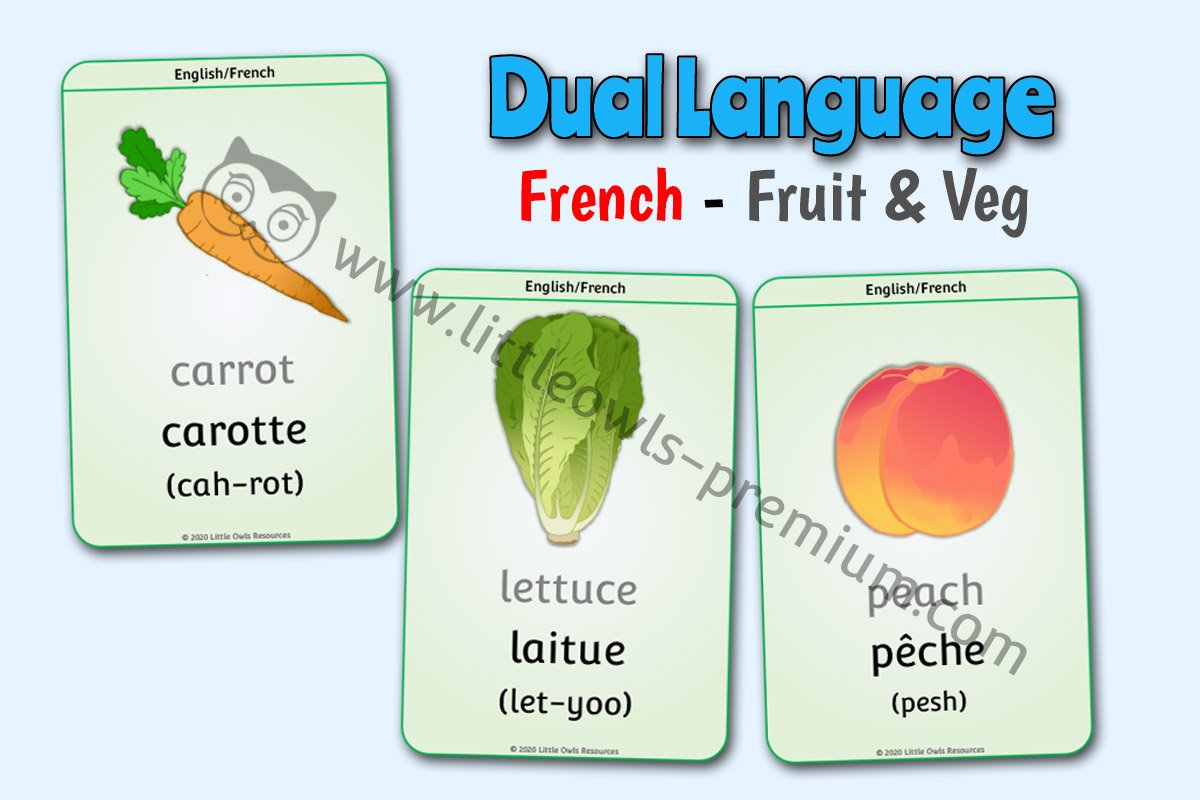
French/English Dual Language Fruit and Vegetable Cards/Flashcards/Display
(Please note that whilst we love languages, we in no way proclaim to be experts. We have translated languages so that they are phonetically decipherable to an English Language speaker. As we all know, every language also has its regional differences in accent and dialect, so please bear this in mind when using our resources. We hope they help! 😊)
Original artwork drawn by Sara Murphy and final digital resources created by Stuart Murphy. COPYRIGHT ON ALL OF THE RESOURCES HOUSED ON THIS WEBSITE IS HELD BY ‘LITTLE OWLS RESOURCES’. OUR RESOURCES (INCLUDING THE IMAGES WITHIN THEM), CANNOT BE SHARED OR SOLD COMMERCIALLY.
DOWNLOAD EDITABLE (DOCX)
DOWNLOAD NON-EDITABLE (PDF)
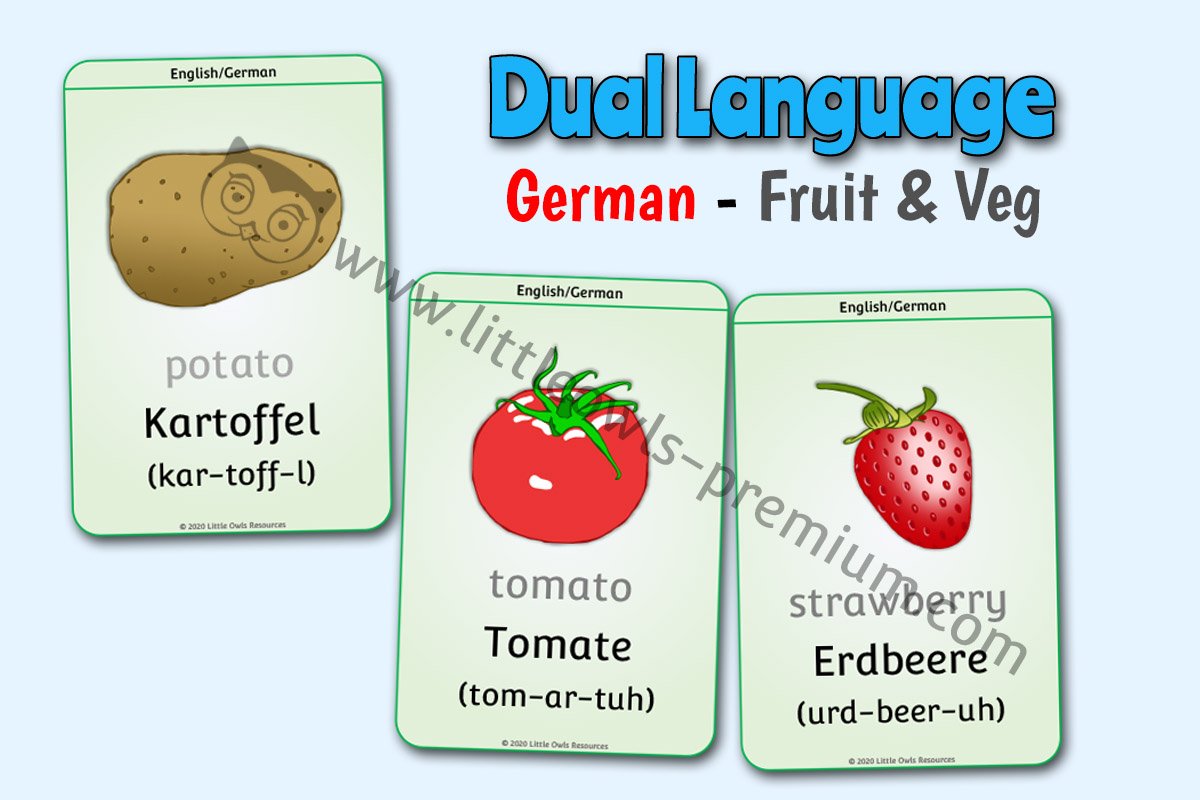
German/English Dual Language Fruit and Vegetable Cards/Flashcards/Display
(Please note that whilst we love languages, we in no way proclaim to be experts. We have translated languages so that they are phonetically decipherable to an English Language speaker. As we all know, every language also has its regional differences in accent and dialect, so please bear this in mind when using our resources. We hope they help! 😊)
Original artwork drawn by Sara Murphy and final digital resources created by Stuart Murphy. COPYRIGHT ON ALL OF THE RESOURCES HOUSED ON THIS WEBSITE IS HELD BY ‘LITTLE OWLS RESOURCES’. OUR RESOURCES (INCLUDING THE IMAGES WITHIN THEM), CANNOT BE SHARED OR SOLD COMMERCIALLY.
DOWNLOAD EDITABLE (DOCX)
DOWNLOAD NON-EDITABLE (PDF)
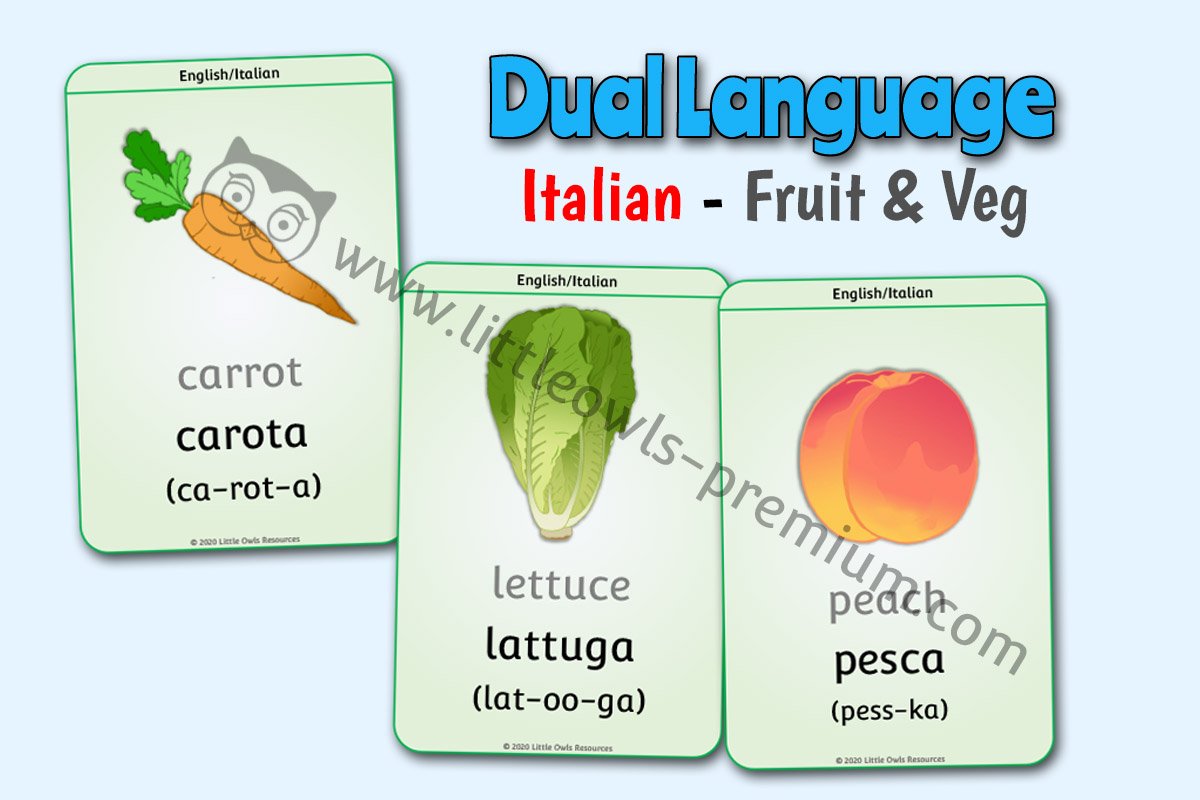
Italian/English Dual Language Fruit and Vegetable Cards/Flashcards/Display
(Please note that whilst we love languages, we in no way proclaim to be experts. We have translated languages so that they are phonetically decipherable to an English Language speaker. As we all know, every language also has its regional differences in accent and dialect, so please bear this in mind when using our resources. We hope they help! 😊)
Original artwork drawn by Sara Murphy and final digital resources created by Stuart Murphy. COPYRIGHT ON ALL OF THE RESOURCES HOUSED ON THIS WEBSITE IS HELD BY ‘LITTLE OWLS RESOURCES’. OUR RESOURCES (INCLUDING THE IMAGES WITHIN THEM), CANNOT BE SHARED OR SOLD COMMERCIALLY.
DOWNLOAD EDITABLE (DOCX)
DOWNLOAD NON-EDITABLE (PDF)
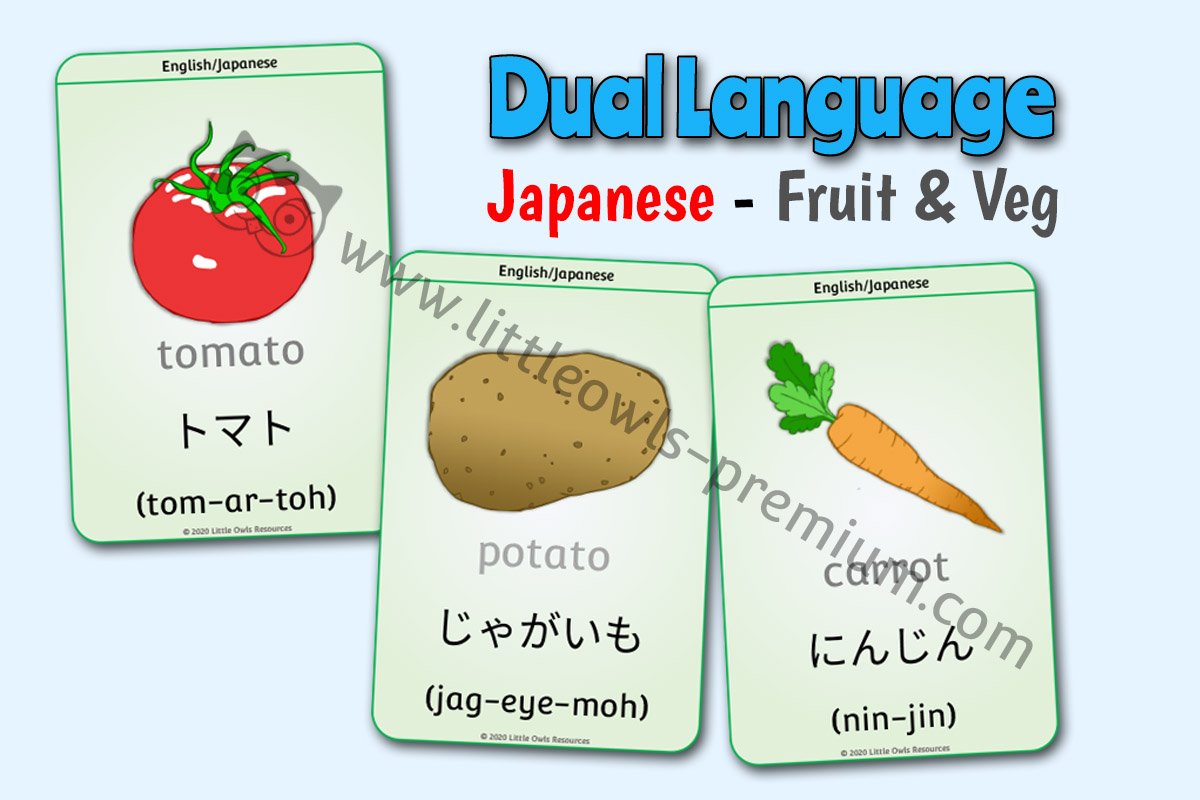
Japanese/English Dual Language Fruit and Vegetable Cards/Flashcards/Display
(Please note that whilst we love languages, we in no way proclaim to be experts. We have translated languages so that they are phonetically decipherable to an English Language speaker. As we all know, every language also has its regional differences in accent and dialect, so please bear this in mind when using our resources. We hope they help! 😊)
Original artwork drawn by Sara Murphy and final digital resources created by Stuart Murphy. COPYRIGHT ON ALL OF THE RESOURCES HOUSED ON THIS WEBSITE IS HELD BY ‘LITTLE OWLS RESOURCES’. OUR RESOURCES (INCLUDING THE IMAGES WITHIN THEM), CANNOT BE SHARED OR SOLD COMMERCIALLY.
DOWNLOAD EDITABLE (DOCX)
DOWNLOAD NON-EDITABLE (PDF)
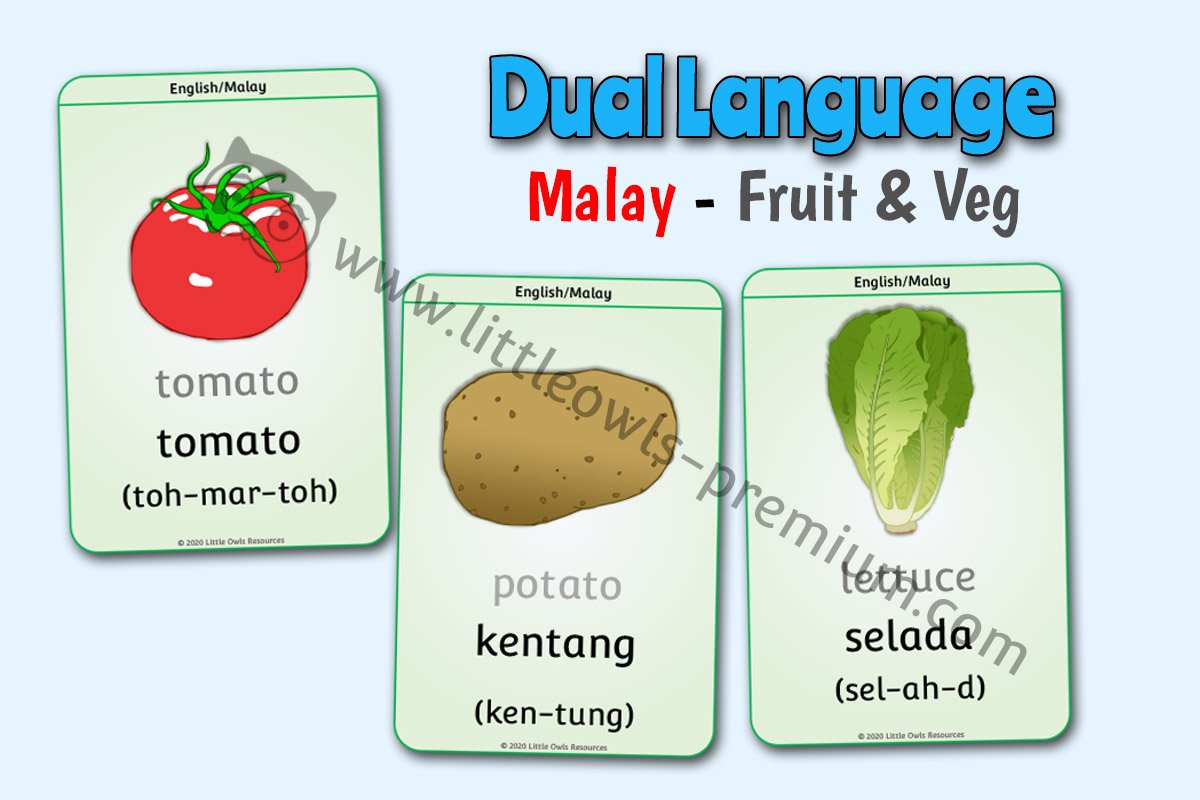
Malay/English Dual Language Fruit and Vegetable Cards/Flashcards/Display
(Please note that whilst we love languages, we in no way proclaim to be experts. We have translated languages so that they are phonetically decipherable to an English Language speaker. As we all know, every language also has its regional differences in accent and dialect, so please bear this in mind when using our resources. We hope they help! 😊)
Original artwork drawn by Sara Murphy and final digital resources created by Stuart Murphy. COPYRIGHT ON ALL OF THE RESOURCES HOUSED ON THIS WEBSITE IS HELD BY ‘LITTLE OWLS RESOURCES’. OUR RESOURCES (INCLUDING THE IMAGES WITHIN THEM), CANNOT BE SHARED OR SOLD COMMERCIALLY.
DOWNLOAD EDITABLE (DOCX)
DOWNLOAD NON-EDITABLE (PDF)
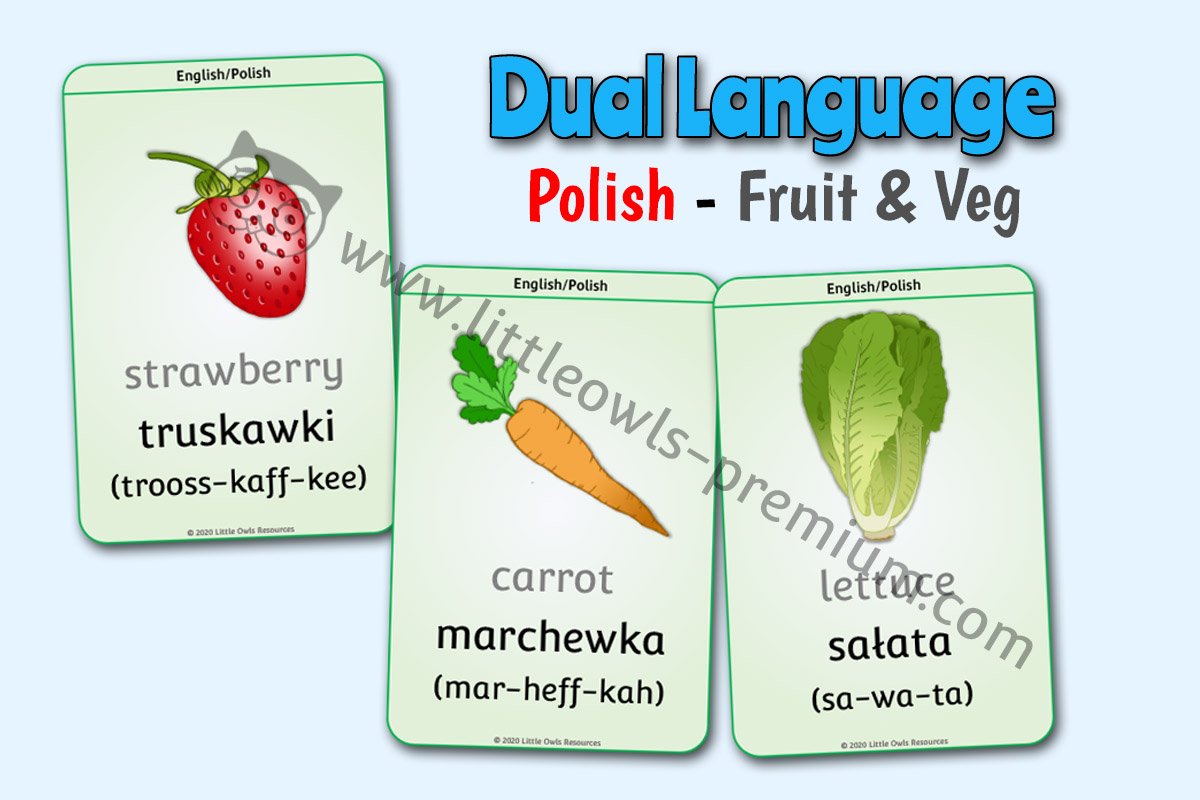
Polish/English Dual Language Fruit and Vegetable Cards/Flashcards/Display
(Please note that whilst we love languages, we in no way proclaim to be experts. We have translated languages so that they are phonetically decipherable to an English Language speaker. As we all know, every language also has its regional differences in accent and dialect, so please bear this in mind when using our resources. We hope they help! 😊)
Original artwork drawn by Sara Murphy and final digital resources created by Stuart Murphy. COPYRIGHT ON ALL OF THE RESOURCES HOUSED ON THIS WEBSITE IS HELD BY ‘LITTLE OWLS RESOURCES’. OUR RESOURCES (INCLUDING THE IMAGES WITHIN THEM), CANNOT BE SHARED OR SOLD COMMERCIALLY.
DOWNLOAD EDITABLE (DOCX)
DOWNLOAD NON-EDITABLE (PDF)
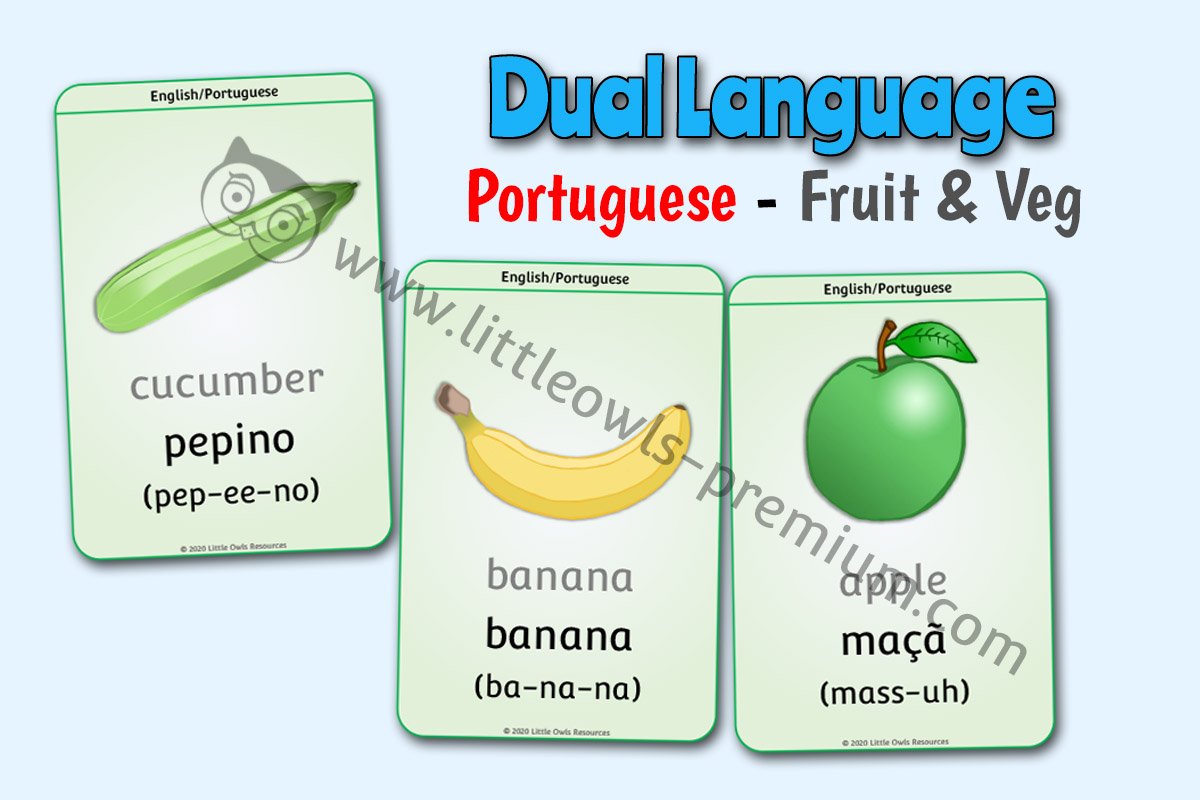
Portuguese/English Dual Language Fruit and Vegetable Cards/Flashcards/Display
(Please note that whilst we love languages, we in no way proclaim to be experts. We have translated languages so that they are phonetically decipherable to an English Language speaker. As we all know, every language also has its regional differences in accent and dialect, so please bear this in mind when using our resources. We hope they help! 😊)
Original artwork drawn by Sara Murphy and final digital resources created by Stuart Murphy. COPYRIGHT ON ALL OF THE RESOURCES HOUSED ON THIS WEBSITE IS HELD BY ‘LITTLE OWLS RESOURCES’. OUR RESOURCES (INCLUDING THE IMAGES WITHIN THEM), CANNOT BE SHARED OR SOLD COMMERCIALLY.
DOWNLOAD EDITABLE (DOCX)
DOWNLOAD NON-EDITABLE (PDF)
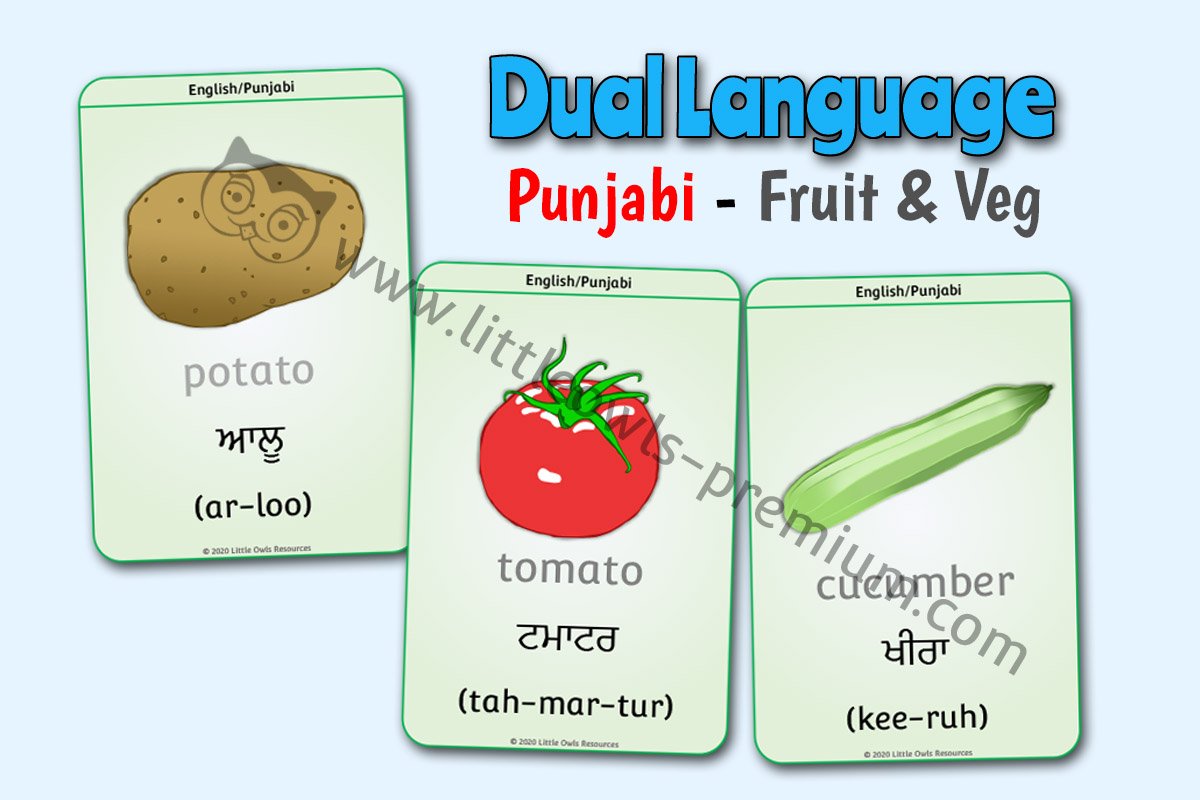
Punjabi/English Dual Language Fruit and Vegetable Cards/Flashcards/Display
(Please note that whilst we love languages, we in no way proclaim to be experts. We have translated languages so that they are phonetically decipherable to an English Language speaker. As we all know, every language also has its regional differences in accent and dialect, so please bear this in mind when using our resources. We hope they help! 😊)
Original artwork drawn by Sara Murphy and final digital resources created by Stuart Murphy. COPYRIGHT ON ALL OF THE RESOURCES HOUSED ON THIS WEBSITE IS HELD BY ‘LITTLE OWLS RESOURCES’. OUR RESOURCES (INCLUDING THE IMAGES WITHIN THEM), CANNOT BE SHARED OR SOLD COMMERCIALLY.
DOWNLOAD EDITABLE (DOCX)
DOWNLOAD NON-EDITABLE (PDF)
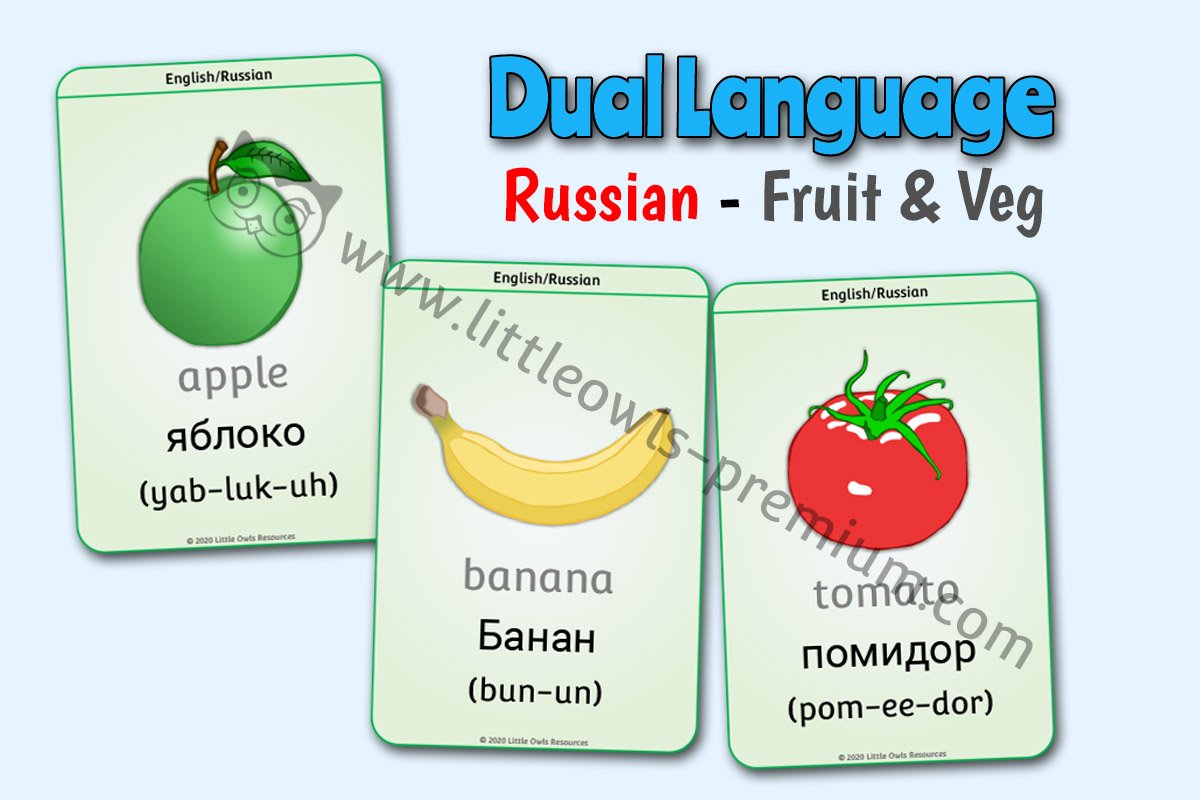
Russian/English Dual Language Fruit and Vegetable Cards/Flashcards/Display
(Please note that whilst we love languages, we in no way proclaim to be experts. We have translated languages so that they are phonetically decipherable to an English Language speaker. As we all know, every language also has its regional differences in accent and dialect, so please bear this in mind when using our resources. We hope they help! 😊)
Original artwork drawn by Sara Murphy and final digital resources created by Stuart Murphy. COPYRIGHT ON ALL OF THE RESOURCES HOUSED ON THIS WEBSITE IS HELD BY ‘LITTLE OWLS RESOURCES’. OUR RESOURCES (INCLUDING THE IMAGES WITHIN THEM), CANNOT BE SHARED OR SOLD COMMERCIALLY.
DOWNLOAD EDITABLE (DOCX)
DOWNLOAD NON-EDITABLE (PDF)
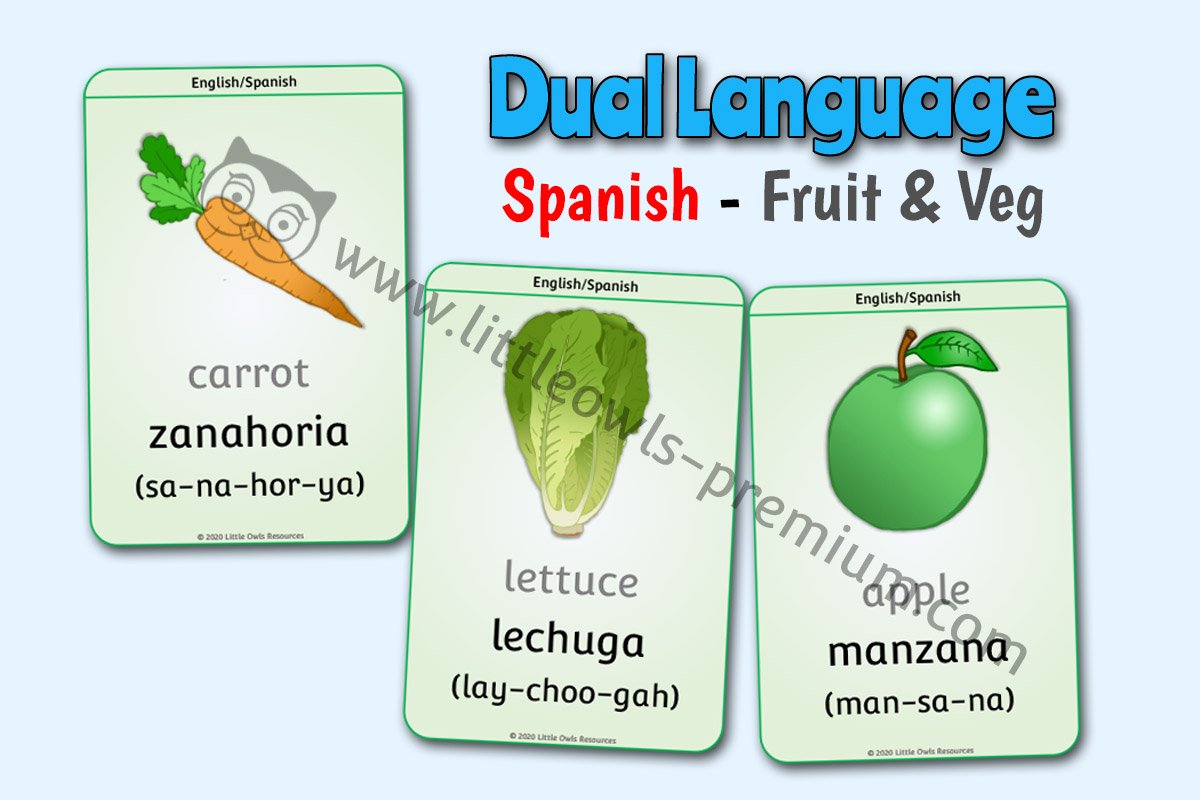
Spanish/English Dual Language Fruit and Vegetable Cards/Flashcards/Display
(Please note that whilst we love languages, we in no way proclaim to be experts. We have translated languages so that they are phonetically decipherable to an English Language speaker. As we all know, every language also has its regional differences in accent and dialect, so please bear this in mind when using our resources. We hope they help! 😊)
Original artwork drawn by Sara Murphy and final digital resources created by Stuart Murphy. COPYRIGHT ON ALL OF THE RESOURCES HOUSED ON THIS WEBSITE IS HELD BY ‘LITTLE OWLS RESOURCES’. OUR RESOURCES (INCLUDING THE IMAGES WITHIN THEM), CANNOT BE SHARED OR SOLD COMMERCIALLY.
DOWNLOAD EDITABLE (DOCX)
DOWNLOAD NON-EDITABLE (PDF)
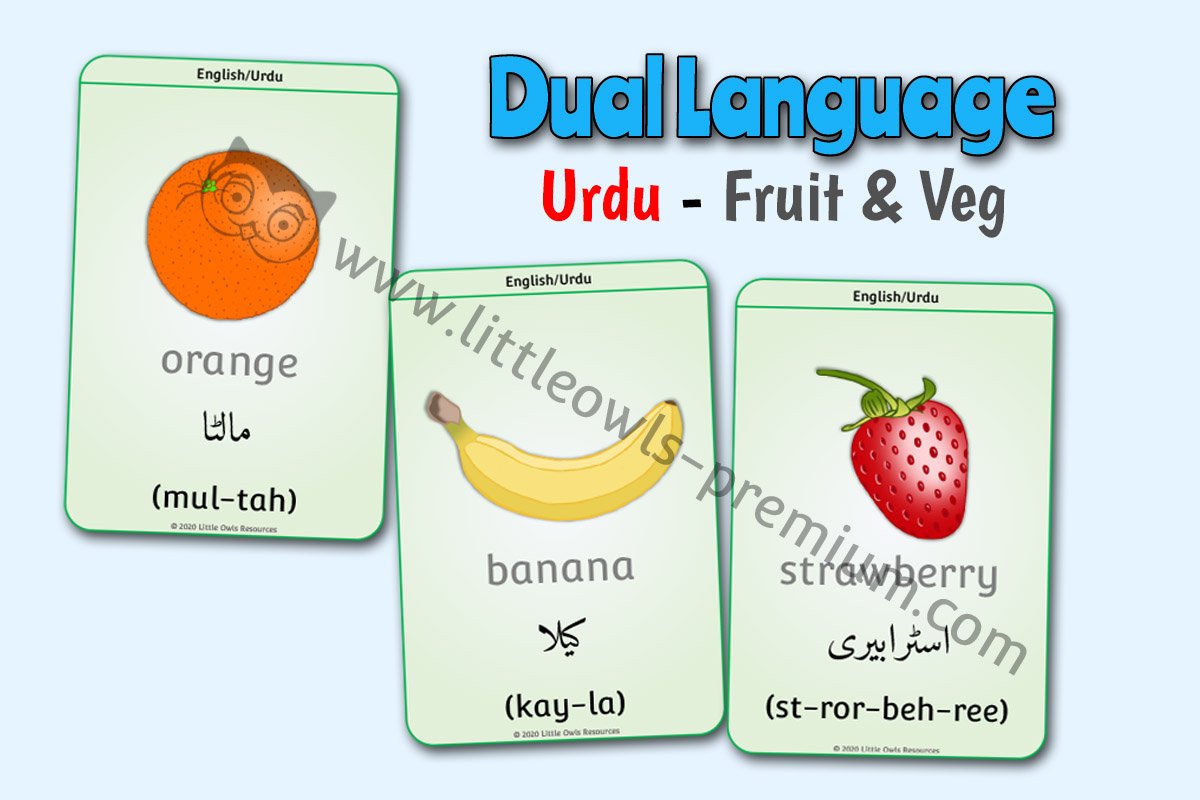
Urdu/English Dual Language Fruit and Vegetable Cards/Flashcards/Display
(Please note that whilst we love languages, we in no way proclaim to be experts. We have translated languages so that they are phonetically decipherable to an English Language speaker. As we all know, every language also has its regional differences in accent and dialect, so please bear this in mind when using our resources. We hope they help! 😊)
Original artwork drawn by Sara Murphy and final digital resources created by Stuart Murphy. COPYRIGHT ON ALL OF THE RESOURCES HOUSED ON THIS WEBSITE IS HELD BY ‘LITTLE OWLS RESOURCES’. OUR RESOURCES (INCLUDING THE IMAGES WITHIN THEM), CANNOT BE SHARED OR SOLD COMMERCIALLY.
DOWNLOAD EDITABLE (DOCX)
DOWNLOAD NON-EDITABLE (PDF)
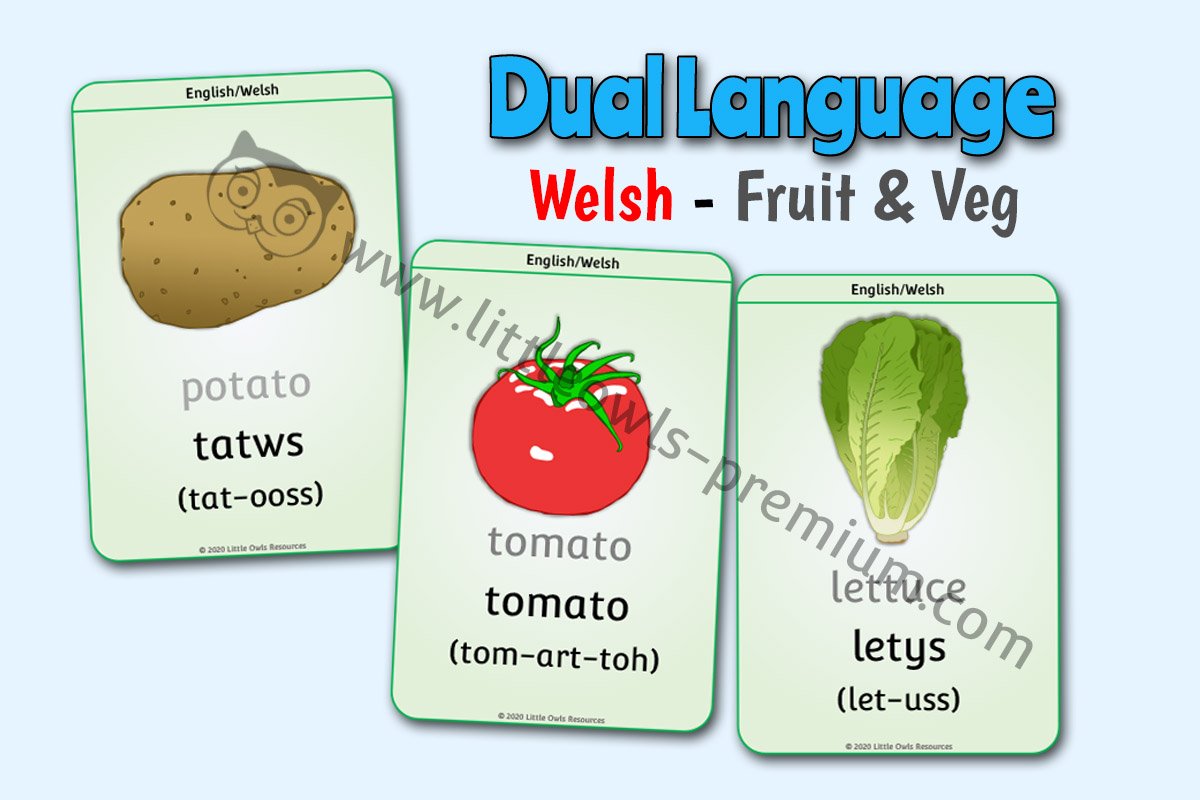
Welsh/English Dual Language Fruit and Vegetable Cards/Flashcards/Display
(Please note that whilst we love languages, we in no way proclaim to be experts. We have translated languages so that they are phonetically decipherable to an English Language speaker. As we all know, every language also has its regional differences in accent and dialect, so please bear this in mind when using our resources. We hope they help! 😊)
Original artwork drawn by Sara Murphy and final digital resources created by Stuart Murphy. COPYRIGHT ON ALL OF THE RESOURCES HOUSED ON THIS WEBSITE IS HELD BY ‘LITTLE OWLS RESOURCES’. OUR RESOURCES (INCLUDING THE IMAGES WITHIN THEM), CANNOT BE SHARED OR SOLD COMMERCIALLY.
DOWNLOAD EDITABLE (DOCX)
DOWNLOAD NON-EDITABLE (PDF)

(More ‘Dual-Language’ resources here.)
Plants need water
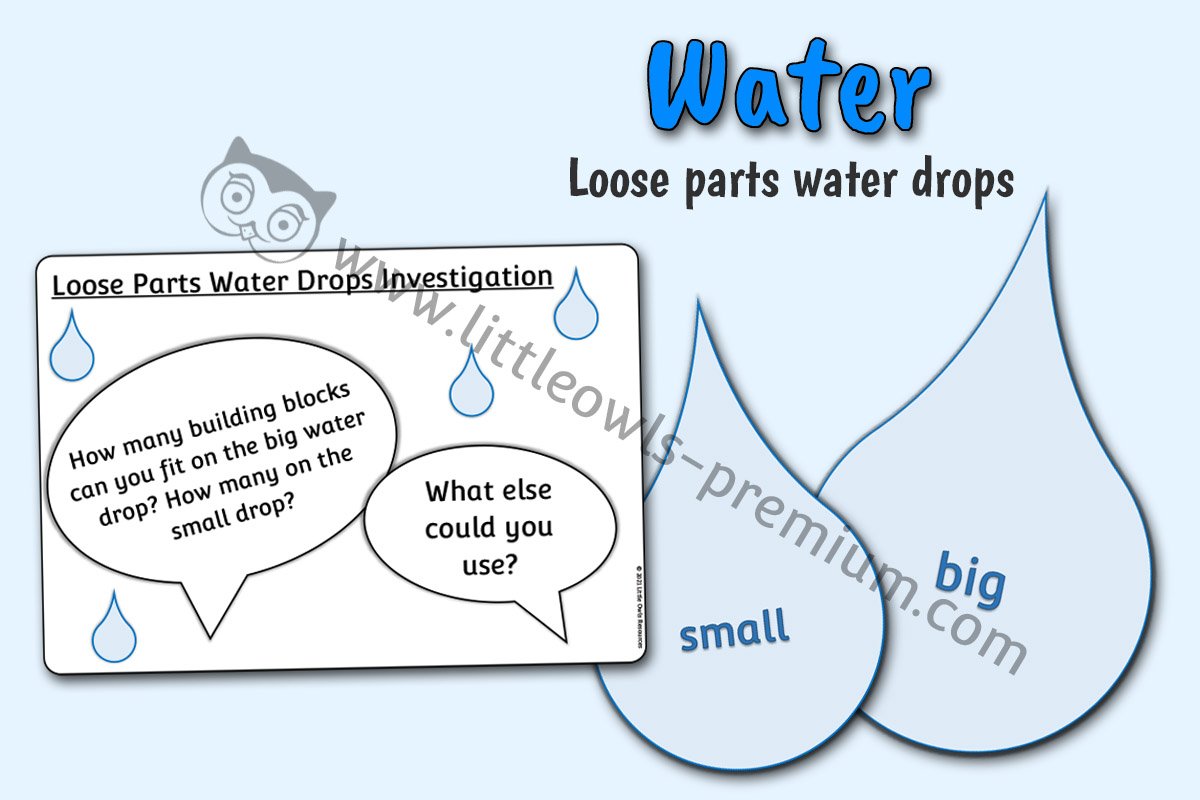
Explore size and shape with this loose parts investigation. Print both the ‘big’ and the ‘small’ water drop.
Describe the shapes. Perhaps extend older children by asking ‘How are they similar?’ ‘How are they different?’ With younger children focus on the vocab ‘big’ and ‘small’.
Why not investigate how many e.g. building blocks or perhaps water themed objects you can fit in each and then compare the amounts? Adapt for different ages by using smaller or larger loose parts.
Why not involve a tool such as tweezers in the process to develop fine motor skills?
For our youngest children these templates could also be used as a stimulus to sort small and big objects…e.g a table of objects with a small and big version of each and the children place the objects next to the appropriate water drop.
Original artwork drawn by Sara Murphy and final digital resources created by Stuart Murphy. COPYRIGHT ON ALL OF THE RESOURCES HOUSED ON THIS WEBSITE IS HELD BY ‘LITTLE OWLS RESOURCES’. OUR RESOURCES (INCLUDING THE IMAGES WITHIN THEM), CANNOT BE SHARED OR SOLD COMMERCIALLY.
DOWNLOAD EDITABLE (DOCX)
DOWNLOAD NON-EDITABLE (PDF)
DOWNLOAD NON-EDITABLE (Zipped JPEGs)
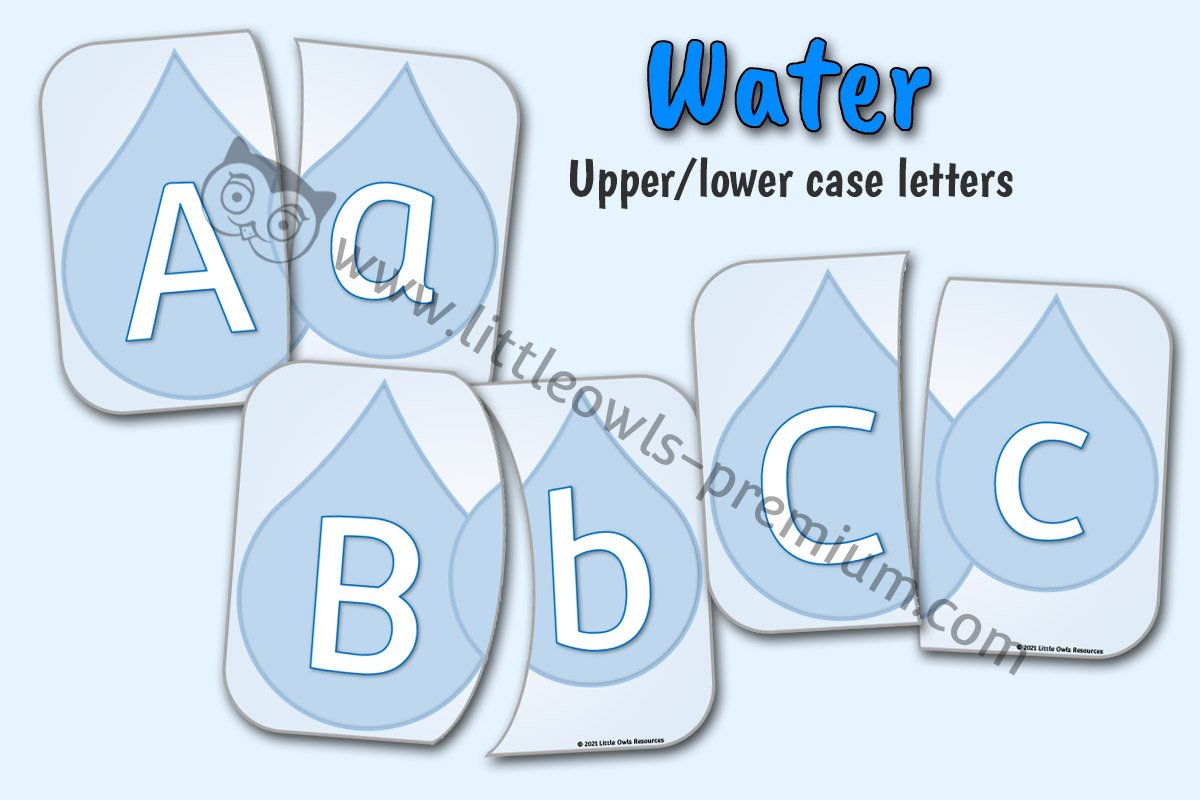
Alphabet puzzle game. 26 puzzles, one for each letter of the alphabet for children to match upper and lower case partners.
Original artwork drawn by Sara Murphy and final digital resources created by Stuart Murphy. COPYRIGHT ON ALL OF THE RESOURCES HOUSED ON THIS WEBSITE IS HELD BY ‘LITTLE OWLS RESOURCES’. OUR RESOURCES (INCLUDING THE IMAGES WITHIN THEM), CANNOT BE SHARED OR SOLD COMMERCIALLY.
DOWNLOAD EDITABLE (DOCX)
DOWNLOAD NON-EDITABLE (PDF)
DOWNLOAD NON-EDITABLE (Zipped JPEGs)
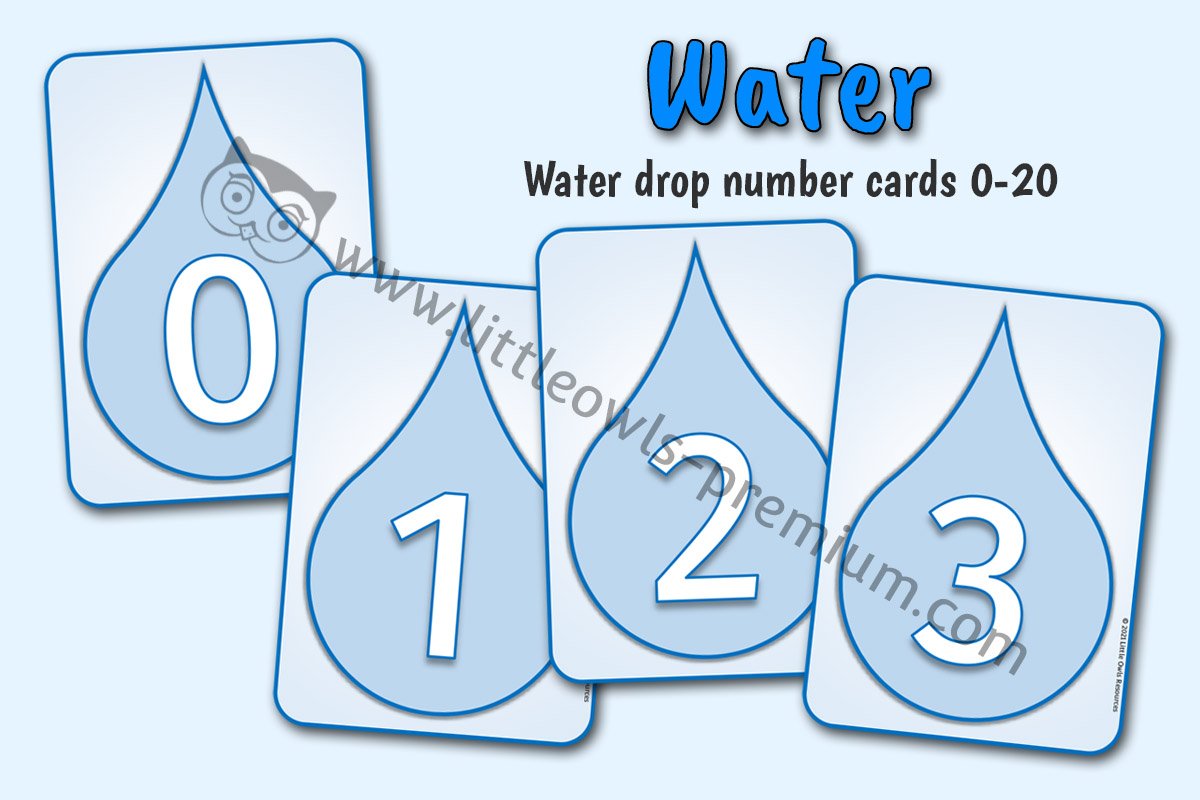
Original artwork drawn by Sara Murphy and final digital resources created by Stuart Murphy. COPYRIGHT ON ALL OF THE RESOURCES HOUSED ON THIS WEBSITE IS HELD BY ‘LITTLE OWLS RESOURCES’. OUR RESOURCES (INCLUDING THE IMAGES WITHIN THEM), CANNOT BE SHARED OR SOLD COMMERCIALLY.
DOWNLOAD EDITABLE (DOCX)
DOWNLOAD NON-EDITABLE (PDF)
DOWNLOAD NON-EDITABLE (Zipped JPEGs)
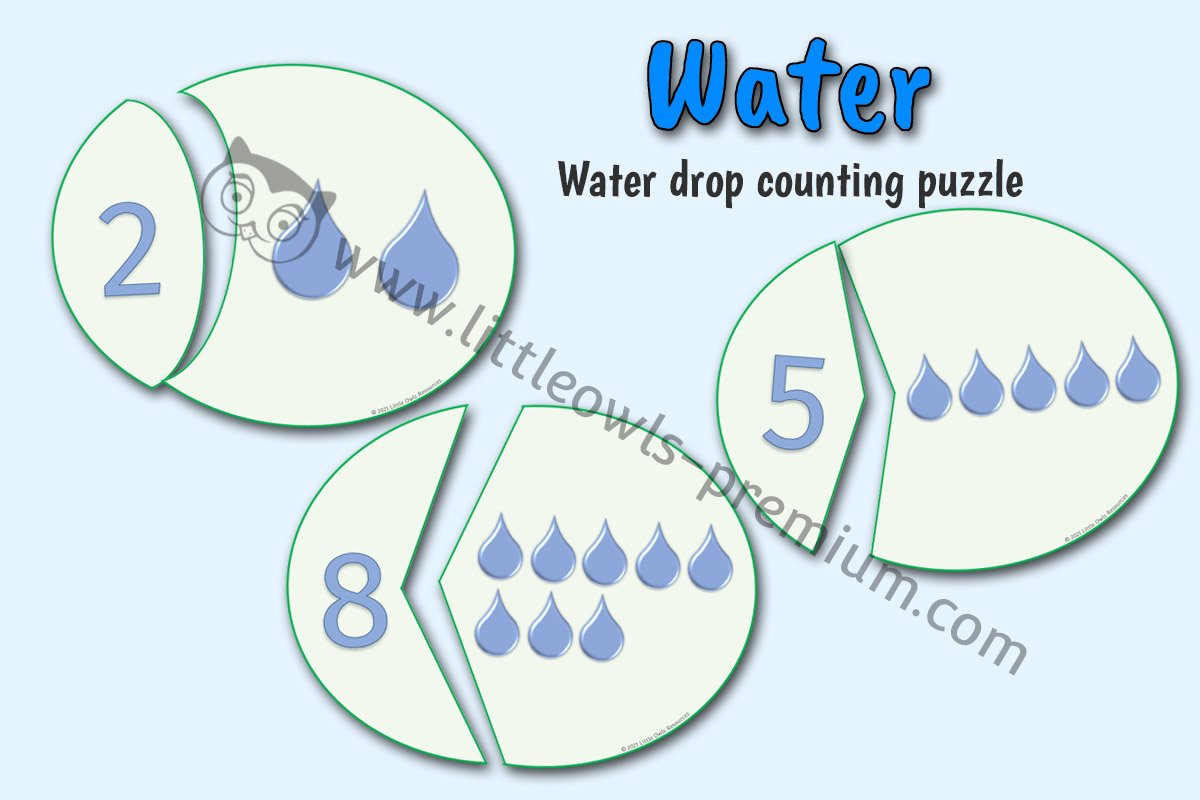
1-10 Water Droplet themed number recognition counting puzzles. Match the number to the correct quantity of water droplets. Practise counting objects which cannot be moved. Use as a table or floor activity or part of an interactive display board. Left uncut, can be used as flashcards, for number ordering games or tuff spot counting loose part activities!
Original artwork drawn by Sara Murphy and final digital resources created by Stuart Murphy. COPYRIGHT ON ALL OF THE RESOURCES HOUSED ON THIS WEBSITE IS HELD BY ‘LITTLE OWLS RESOURCES’. OUR RESOURCES (INCLUDING THE IMAGES WITHIN THEM), CANNOT BE SHARED OR SOLD COMMERCIALLY.
DOWNLOAD EDITABLE (DOCX)
DOWNLOAD NON-EDITABLE (PDF)
DOWNLOAD NON-EDITABLE (Zipped JPEGs)
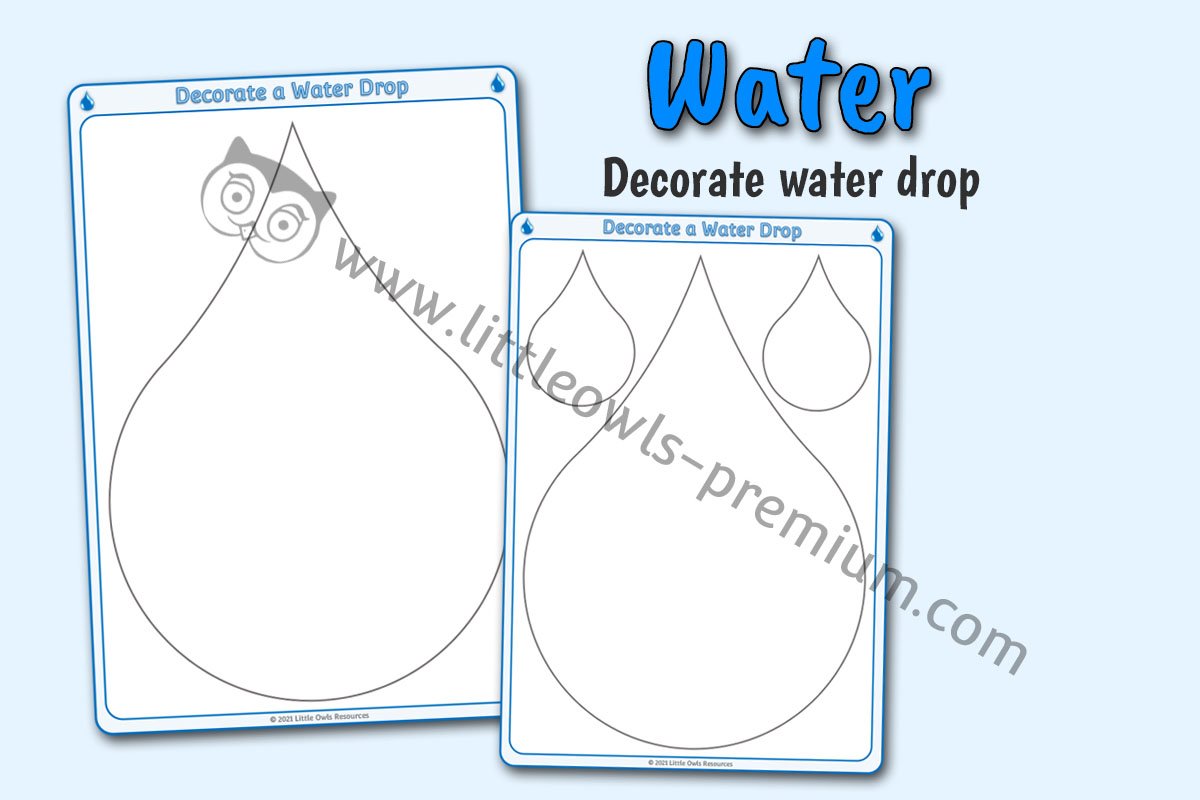
Once laminated this ‘Water Droplet Multimat’ is ideal to be used as a reusable playdough or loose parts mat. Alternatively, use in conjunction with whiteboard pens.
Without lamination this sheet could also be used with mark making tools or art and craft materials such as collage.
Original artwork drawn by Sara Murphy and final digital resources created by Stuart Murphy. COPYRIGHT ON ALL OF THE RESOURCES HOUSED ON THIS WEBSITE IS HELD BY ‘LITTLE OWLS RESOURCES’. OUR RESOURCES (INCLUDING THE IMAGES WITHIN THEM), CANNOT BE SHARED OR SOLD COMMERCIALLY.
DOWNLOAD EDITABLE (DOCX)
DOWNLOAD NON-EDITABLE (PDF)
DOWNLOAD NON-EDITABLE (Zipped JPEGs)
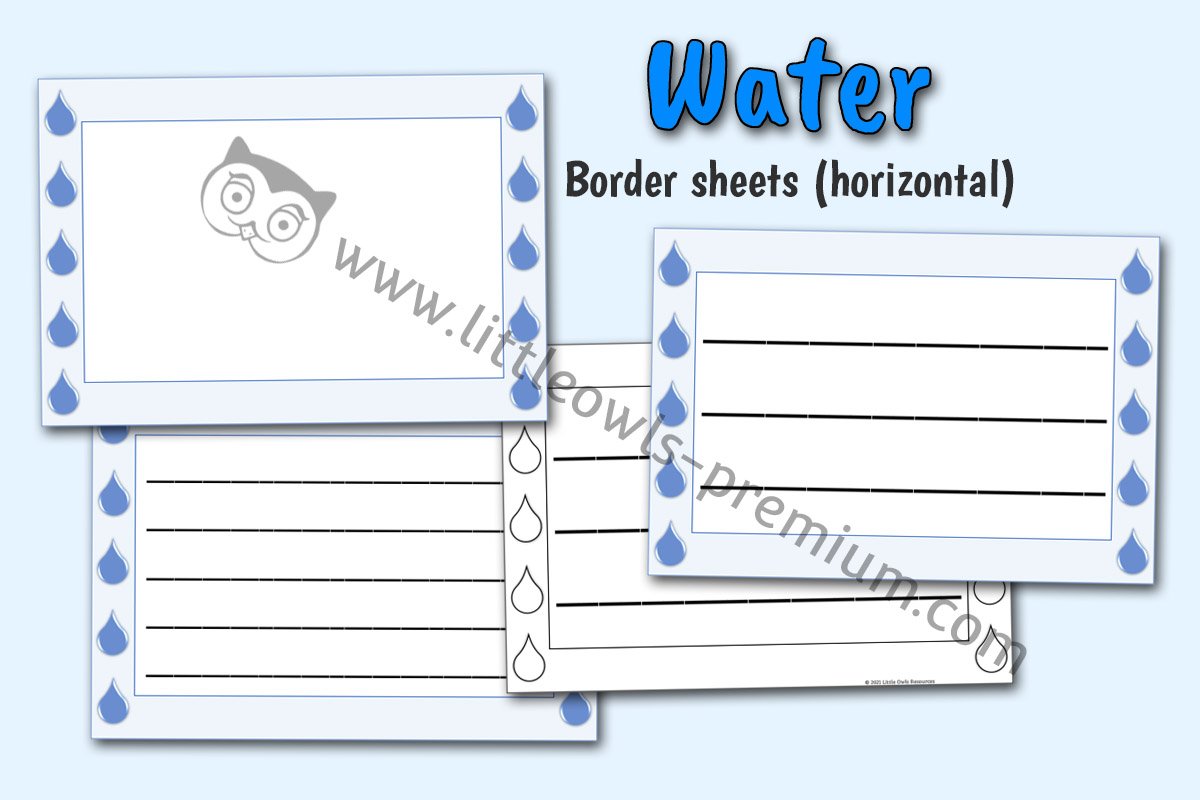
Various lined and blank, full colour and colouring in horizontal border sheets.
Original artwork drawn by Sara Murphy and final digital resources created by Stuart Murphy. COPYRIGHT ON ALL OF THE RESOURCES HOUSED ON THIS WEBSITE IS HELD BY ‘LITTLE OWLS RESOURCES’. OUR RESOURCES (INCLUDING THE IMAGES WITHIN THEM), CANNOT BE SHARED OR SOLD COMMERCIALLY.
DOWNLOAD EDITABLE (DOCX)
DOWNLOAD NON-EDITABLE (PDF)
DOWNLOAD NON-EDITABLE (Zipped JPEGs)
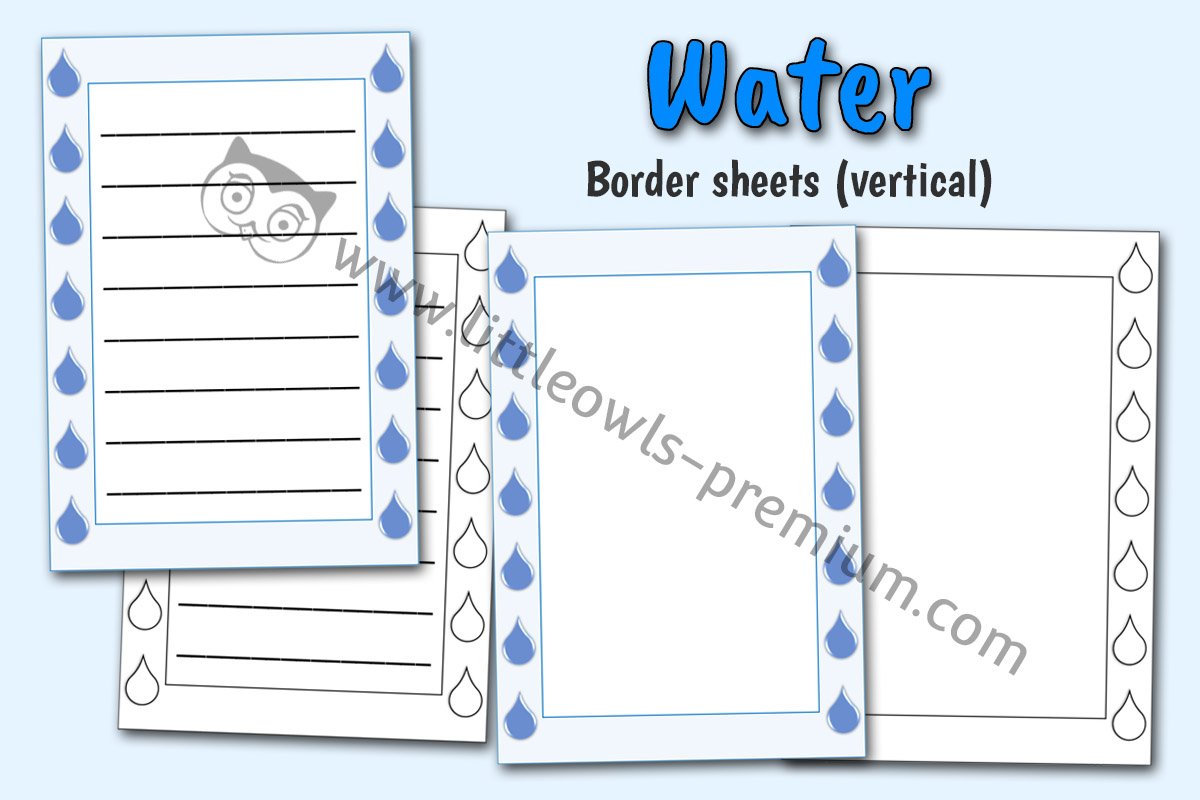
Various lined and blank, full colour and colouring in vertical border sheets.
Original artwork drawn by Sara Murphy and final digital resources created by Stuart Murphy. COPYRIGHT ON ALL OF THE RESOURCES HOUSED ON THIS WEBSITE IS HELD BY ‘LITTLE OWLS RESOURCES’. OUR RESOURCES (INCLUDING THE IMAGES WITHIN THEM), CANNOT BE SHARED OR SOLD COMMERCIALLY.
DOWNLOAD EDITABLE (DOCX)
DOWNLOAD NON-EDITABLE (PDF)
DOWNLOAD NON-EDITABLE (Zipped JPEGs)
(More ‘Water’ resources here.)
🧠 Pedagogy & Planning Support
Support high-quality practice:
Continuous Provision Planning
In-the-Moment Planning
Observation & Assessment Opportunities
Adult-Child Interaction Strategies
💡 Explore our EYFS Curriculum & Pedagogy Suite for comprehensive planning and guidance (separate pathways for birth-18 months, 18-36 months, 3-4 years & 4-5 years).
Related Theme & Project Planning Support | EYFS Curriculum & Pedagogy
(Documents within this section are available with our Professional Tier Memberships)
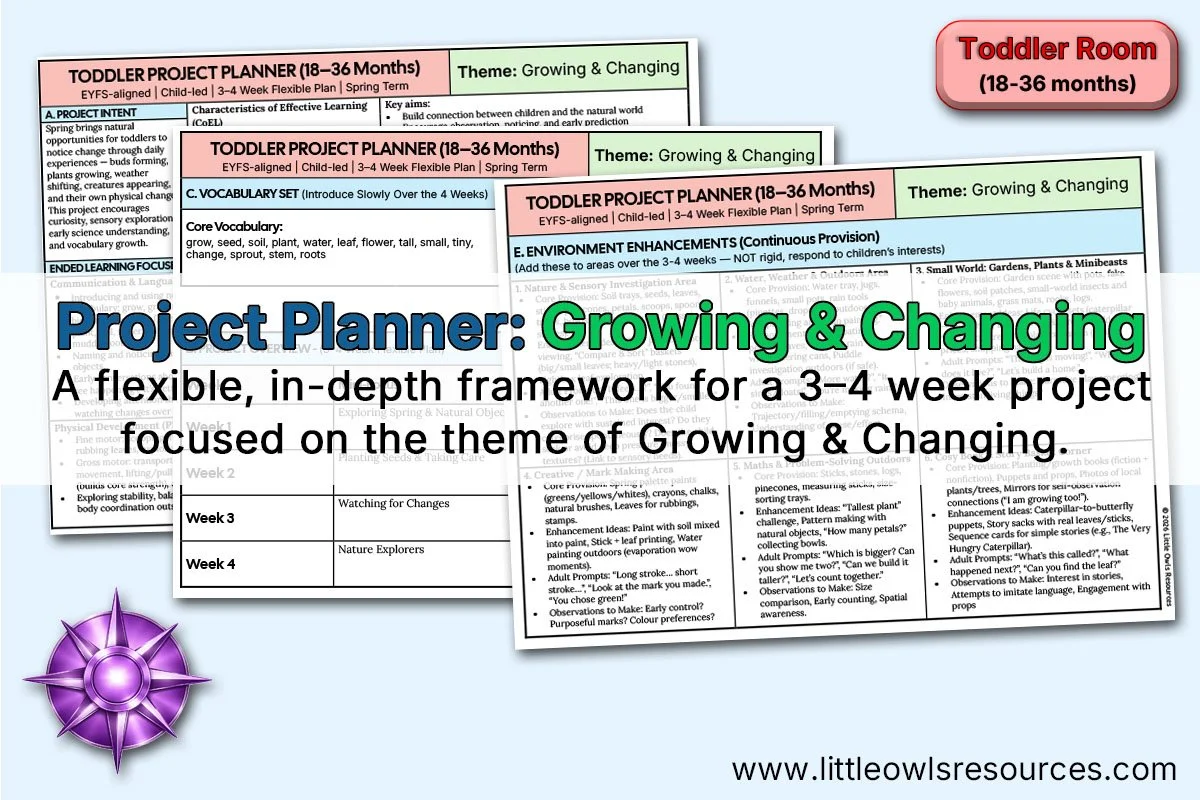
A springtime project supporting curiosity, care for living things, rich vocabulary and early science through real-world change.
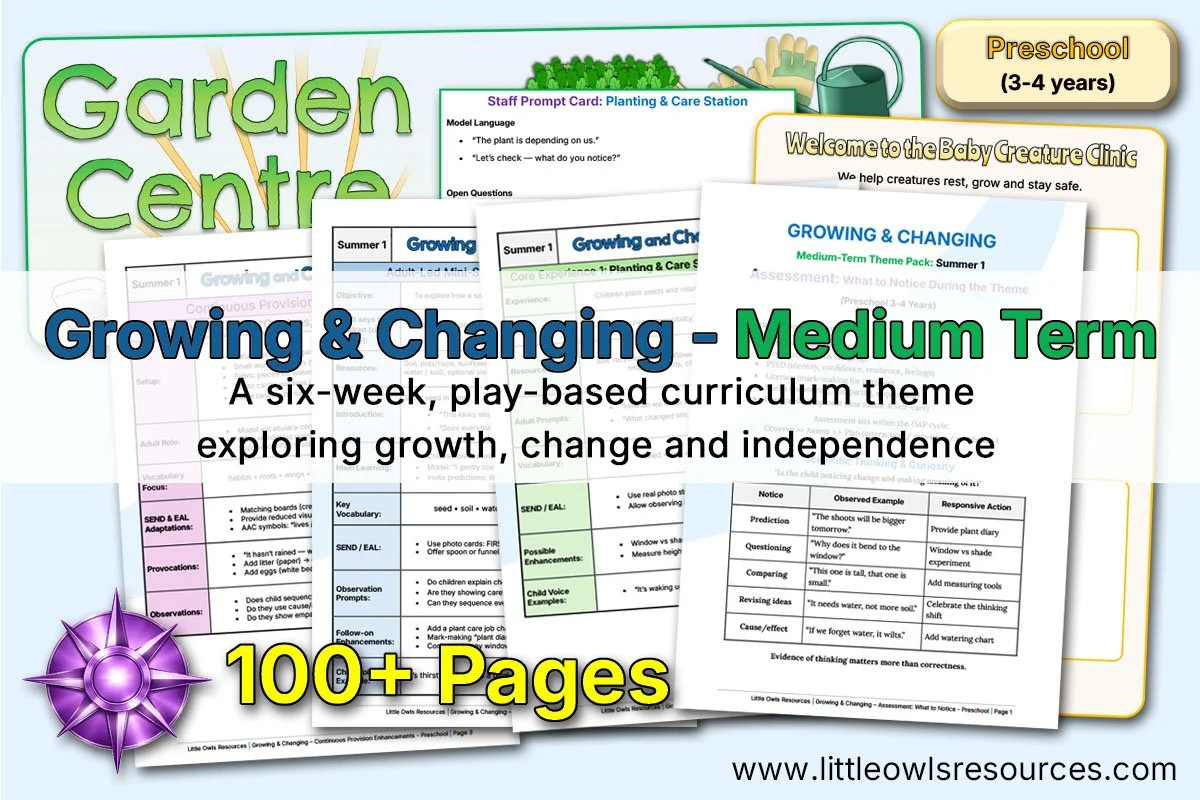
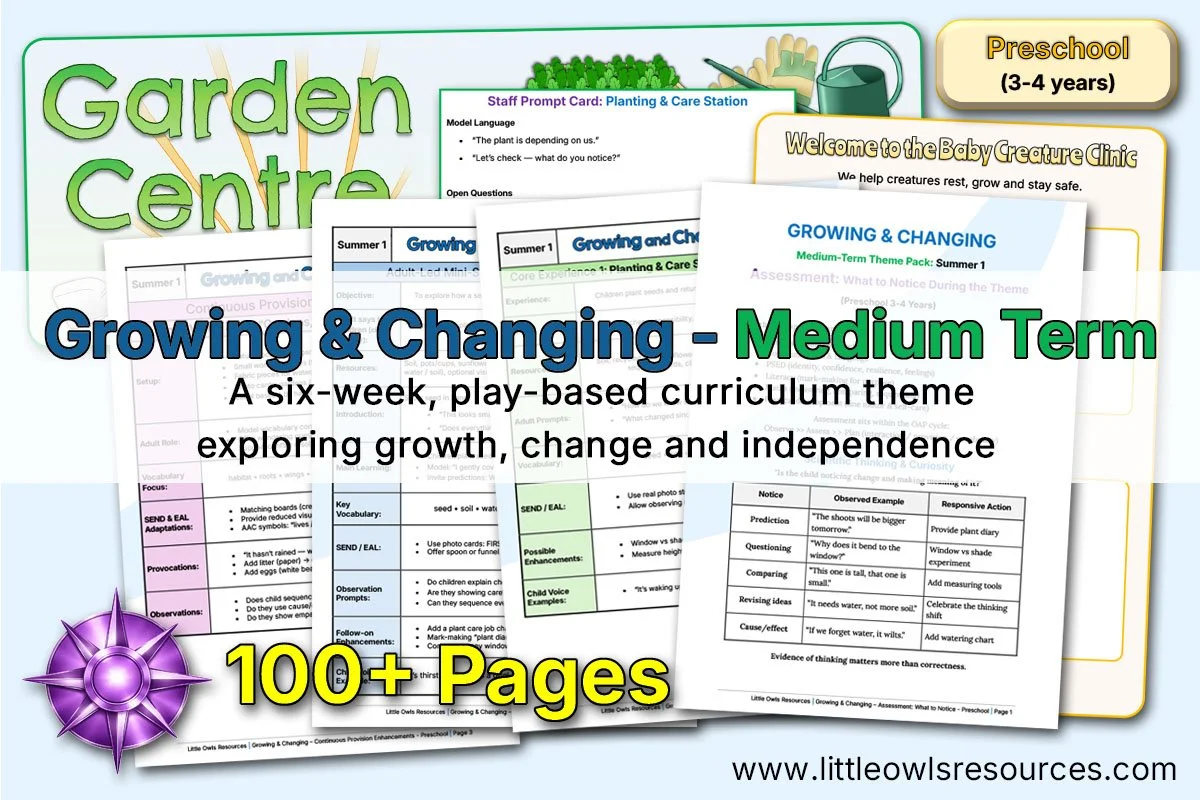
A six-week, play-based curriculum theme exploring growth, change and independence (Commonly used in Summer 1)
🌿 EYFS Gardening Ideas (Continuous Provision & Enhancements)
These ideas are designed as open-ended invitations, supporting child-led exploration within continuous provision. Practitioners can adapt them responsively, following children’s interests, schemas and emerging lines of enquiry.
🌱 Outdoor Area Enhancements
Provide soil, seeds and child-sized tools for planting and digging
Set up a watering station with jugs, buckets and spray bottles
Offer plant pots for children to label and care for
Create a simple observation area for bugs and plant growth
Adult Role:
Observe how children engage with the environment, modelling vocabulary such as grow, roots, water and supporting sustained shared thinking through open-ended questioning.
🧺 Tuff Tray / Small World Invitations
Soil and seed exploration tray with scoops and containers
Mini garden small world with figures and plants
Sorting natural materials (leaves, flowers, seeds)
Transferring and transporting activities
Adult Role:
Follow children’s play, noticing schemas such as transporting or filling, and introduce language and concepts through interaction.
🎭 Role Play & Imaginative Play
Garden centre or florist role play area
Seed shop with packets, labels and tills
Outdoor “gardener” role with tools and uniforms
Adult Role:
Model language and social interaction, supporting communication, storytelling and collaborative play.
🪴 Sensory & Exploration Play
Explore soil, compost, water and natural textures
Smell and handle herbs and plants
Mix mud, water and natural materials
Adult Role:
Encourage descriptive language and sensory exploration while allowing children to revisit and deepen experiences.
✏️ Mark Making & Early Writing
Clipboards for observational drawings
Labelling plants and signs
Recording growth through simple marks
Adult Role:
Support mark making in meaningful contexts, valuing children’s representations and linking to real experiences.
🍅 KS1 Gardening Activities & Learning Ideas
These activities build on early experiences and support more structured learning across the KS1 curriculum, while maintaining opportunities for enquiry and exploration.
🔬 Science Enquiry & Investigation
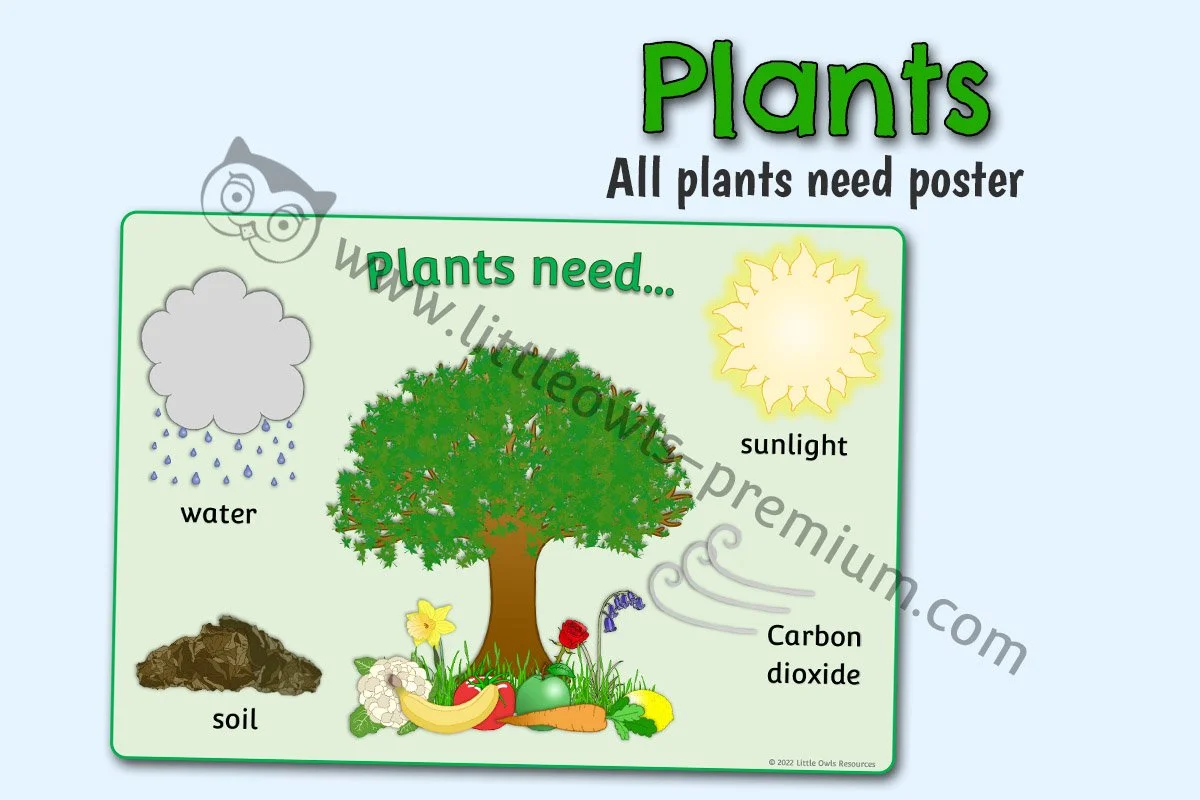
Investigate what plants need to grow
Compare growth in different conditions (light, water, soil)
Observe and record plant changes over time
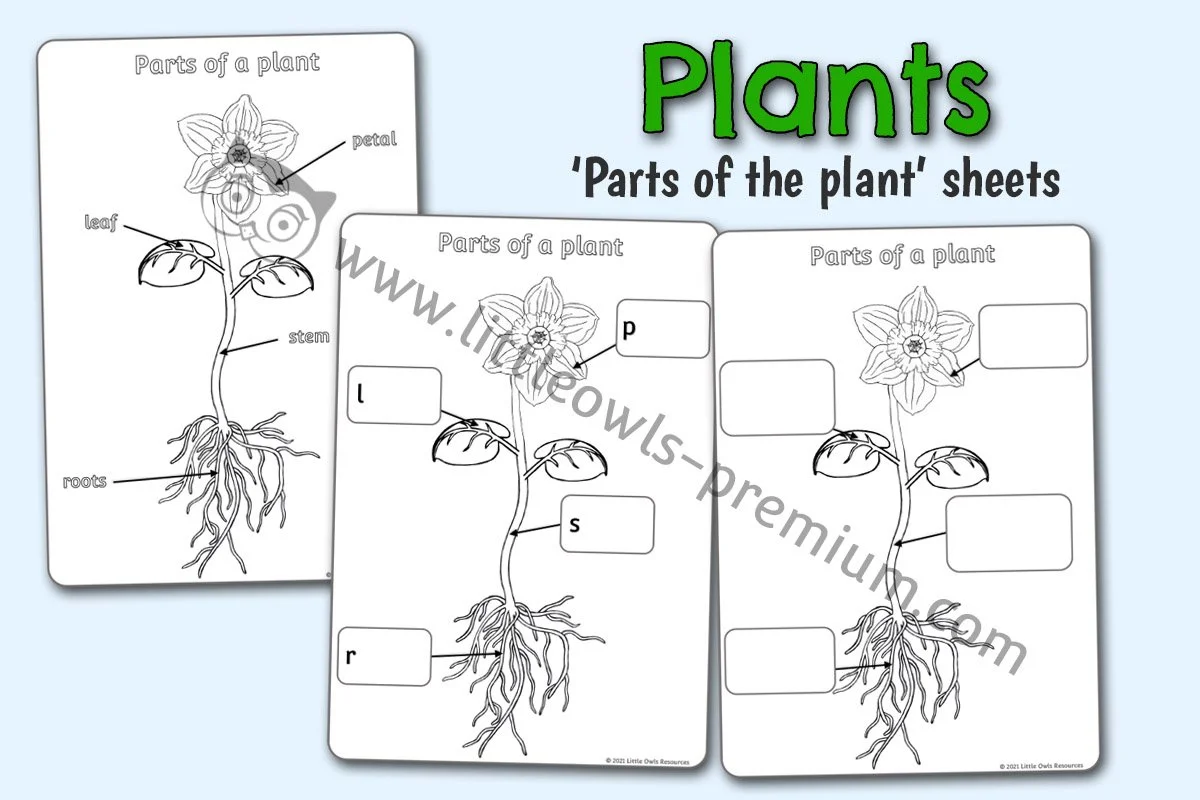
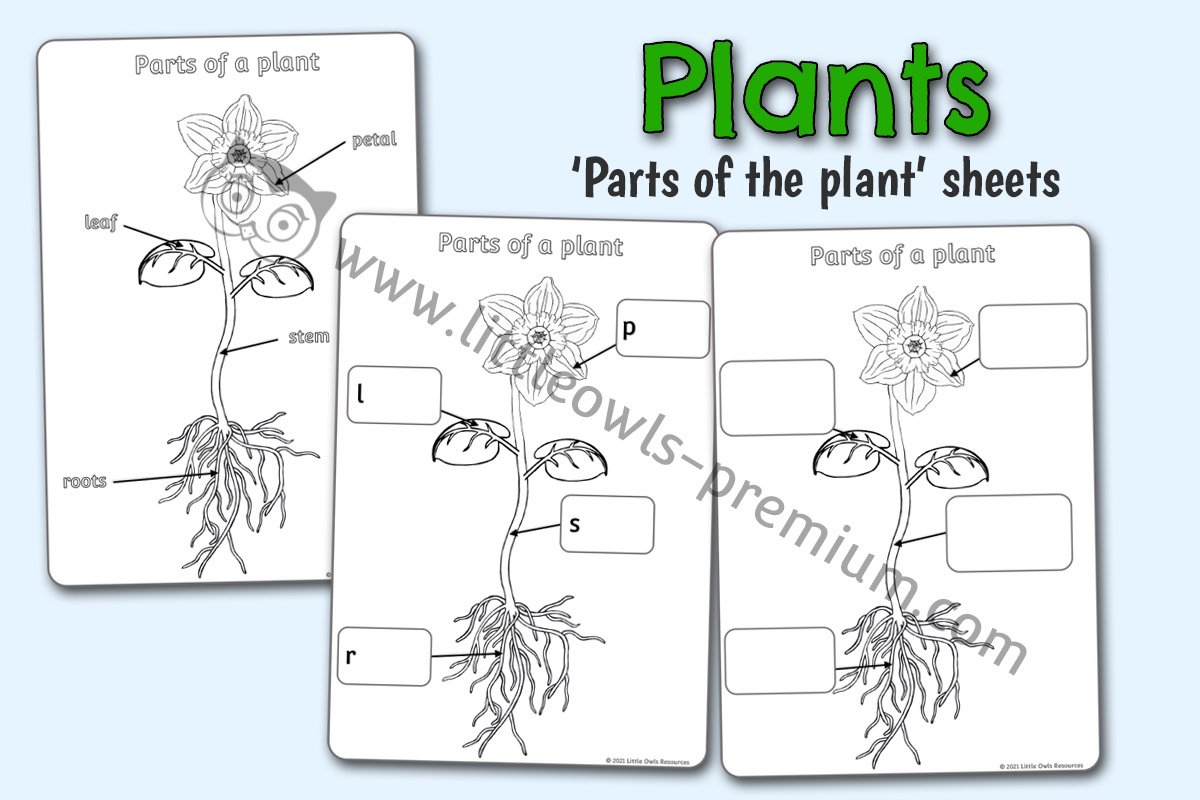
Identify parts of a plant
✍️ English Activities
Write planting instructions
Create diaries or recounts of plant growth
Label diagrams and write simple explanations
Use gardening vocabulary in speaking and writing
➗ Maths Links
Measure plant growth over time
Count seeds and compare quantities
Create simple charts or pictograms
Explore size, height and comparison
🌍 Cross-Curricular Learning
Healthy eating links (fruit and vegetables)
Environmental awareness and care for living things
Seasonal change and weather connections
🌍 Curriculum Links (EYFS & KS1)
🟢 EYFS Areas of Learning
Communication & Language
Introducing new vocabulary related to plants and growth
Encouraging discussion and questioning
Physical Development
Fine motor skills through planting and tools
Gross motor skills in outdoor exploration
Personal, Social & Emotional Development
Caring for living things
Working collaboratively
Understanding the World
Exploring plants, growth and change
Observing the natural environment
Expressive Arts & Design
Creative responses to nature
Imaginative role play
🔵 KS1 National Curriculum Links
Science
Identify and describe plants
Observe and record growth
Understand basic plant needs
English
Write instructions and recounts
Develop vocabulary and explanations
Maths
Measure, compare and record data
Use number in real contexts
🌻 Related Gardening Topics & Themes
🌿 Nature & Science
Plants • Life Cycles • Minibeasts
📚 Stories & Traditional Tales
Jack and the Beanstalk
The Little Red Hen
🌦️ Seasons & Weather
Spring • Summer • Autumn • Winter • Weather
🌍 Outdoor Learning


CLICK HERE to visit ‘LIFE CYCLES’ PAGE.
Printable ‘Life Cycle’ teaching and learning resources include: cyclic puzzles, frog, chicken, caterpillar/butterfly, ant/bean life cycle display packs, posters, cut and stick activities, banners, cards, playdough mats and more!


📅 Gardening Related Events & Seasonal Opportunities

Thursday 17th June 2027: Let's munch on some crunchy carrots and tasty tomatoes for Eat your Veg Day! 🥕🥦😋 This day reminds us that vegetables are like superheroes for our bodies—they are full of good things that…

Saturday 5th - Sunday 13th June 2027: This week provides a wonderfully positive and crucial theme for exploring the environment, recycling, plants, animals, conservation, sustainability, and understanding the world…

Saturday 5th June 2027: Let's flutter our wings and learn about our beautiful butterfly friends! 🦋🌸 Butterfly Education and Awareness Day (BEAD) is a fantastic time to think about how we can protect butterflies and…

Saturday 5th June 2027: Let's explore our amazing planet and learn how to be its best friend! 🌳🌎💧 World Environment Day is all about making a difference, big or small, to keep our Earth healthy and…

30 Days Wild: 1st - 30th June 2027: Let's step outside and get wild with nature! 🌳🦋🐞 '30 Days Wild’ is a fantastic nature challenge that happens every June, organised by The Wildlife Trusts across the UK. It's all about doing one…

Saturday 29th May - Sunday 6th June 2027 (TBC): 🌱🥕 For early years settings, nurseries, preschools, childminders, and Year 1 and Year 2 classrooms, National Children’s Gardening Week provides a wonderfully rich and hands-on theme for exploring plants, life cycles, food sources, nature, science (growth and change), the environment, outdoor play,…

Saturday 22nd May 2027: 🌳🐠 International Day for Biological Diversity (IDB) is a special day celebrated every year on May 22nd. It was started by the United Nations to help everyone understand something very important called 'biological diversity', or 'biodiversity' for short. Biodiversity means…

Thursday 20th May 2027: 🐝🍯 For early years settings, nurseries, preschools, childminders, and Year 1 and Year 2 classrooms, World Bee Day provides a wonderful and engaging theme for exploring minibeasts, plants, life cycles, food sources, the environment, and understanding the world (the world around us). It's about introducing…

Wednesday 3rd March 2027:🌍🌿 World Wildlife Day is an annual global event, celebrated on March 3rd. It was proclaimed by the United Nations General Assembly to celebrate the incredible diversity of wild animals and plants across our world. The day aims to…

Monday 11th - Sunday 17th January 2027 (TBC): Let's green up our learning space! Houseplant Week UK is an annual observance, typically held in early-January. It was launched by The Joy of Plants, an initiative of the Royal…

Big Schools’ Birdwatch: January - February 2026 & Big Garden Birdwatch: Friday 29th - Sunday 31st January 2027 (TBC) | Chirp, tweet, let's count the birds! 🦜🦅 The Big Schools’ Birdwatch and The Big Garden Birdwatch are annual citizen science events organised by the RSPB (Royal Society for the…

Thursday 20th May 2027 (TBC) & Thursday 5th November 2026: Let's learn outside! 🌳☀️ Outdoor Classroom Day is a global campaign to inspire and celebrate outdoor play and learning, with two designated days each year: one in May and one in November…

Friday 16th July - Sunday 8th August 2027 (TBC): The Big Butterfly Count is an annual citizen science project organised by Butterfly Conservation, usually running for a few weeks in July and August. It's a fantastic…

Saturday 10th July 2027: Don’t Step on a Bee Day, observed annually on July 10th, is a charming and important reminder to teach young children about the vital role bees play in our…
❓ Gardening FAQs
What are good gardening activities for EYFS?
Open-ended activities such as planting seeds, exploring soil, watering plants and observing growth support child-led learning and curiosity.
How do you teach plants in early years?
Through hands-on exploration, real experiences and meaningful interactions, rather than formal lessons—following children’s interests and questions.
What do KS1 children learn about plants?
Children learn to identify plants, understand their basic needs and observe growth and change over time.
How can I set up a gardening area in EYFS?
Provide simple, real resources such as soil, seeds, tools and watering equipment, allowing children to explore and revisit independently.
Why is gardening important for children?
Gardening supports physical development, language, scientific understanding and wellbeing, while fostering a connection to nature.
🌟 Explore More
Discover our EYFS Curriculum & Pedagogy Suite
Find out more about membership options
Search ‘Little Owls Resources’ using the following menu buttons…
Click here to visit our ‘Special Dates Calendar’ page for an entire year of key EYFS & KS1 events, festivals & celebrations.


Monday 21st - Sunday 27th June 2027: Discover the fascinating world of minibeasts! 🐞🦋🐛 Insect Week is a whole week dedicated to learning about all the tiny, creepy crawly creatures that live all around us. Insects are super important for our planet…