

Free Access
Bathroom Role-Play — Free Sample
Try bathroom-themed printables for familiar caring and home routines. Adults can introduce useful words while children lead the pretend play.

Your Custom Text Here
Houses & Homes · EYFS & KS1
Bring everyday experiences into play with houses and homes activities, home-corner resources and ideas for building, talking, drawing and imagining.
Find free printables, household vocabulary, role-play packs and puzzles, with ideas for displays and continuous provision. Choose a starting point for your nursery, preschool, Reception class, KS1 group or home learning.
Talk about the people and places that matter to each child. Children can share a familiar home, an imagined home or another place where they feel they belong.
Find your starting point
Search the resources and related collections selected for Houses and Homes, including small world, construction and materials. Choose an age, then add an optional word to narrow the results. Select a result to find its card on this page.
Search becomes available when JavaScript is enabled. You can always browse using the section choices above.
01 / Try the theme
Explore clearly labelled free samples for home play, building, families and storytelling. Each sample has its own cover and free destination.
Try bathroom-themed printables for familiar caring and home routines. Adults can introduce useful words while children lead the pretend play.

Offer a home-themed template when children want to leave a message, remember something or make a list during play.

Share pictures and words for familiar living-room objects. Use them for conversation and as an optional reference for children's marks or writing.

Try a home-themed playdough prompt. Children can shape, change and explain their own response rather than copy one required result.

Explore a sample of four-piece house puzzles, matching picture details and turning pieces to find a fit. Offer one picture at a time when helpful.
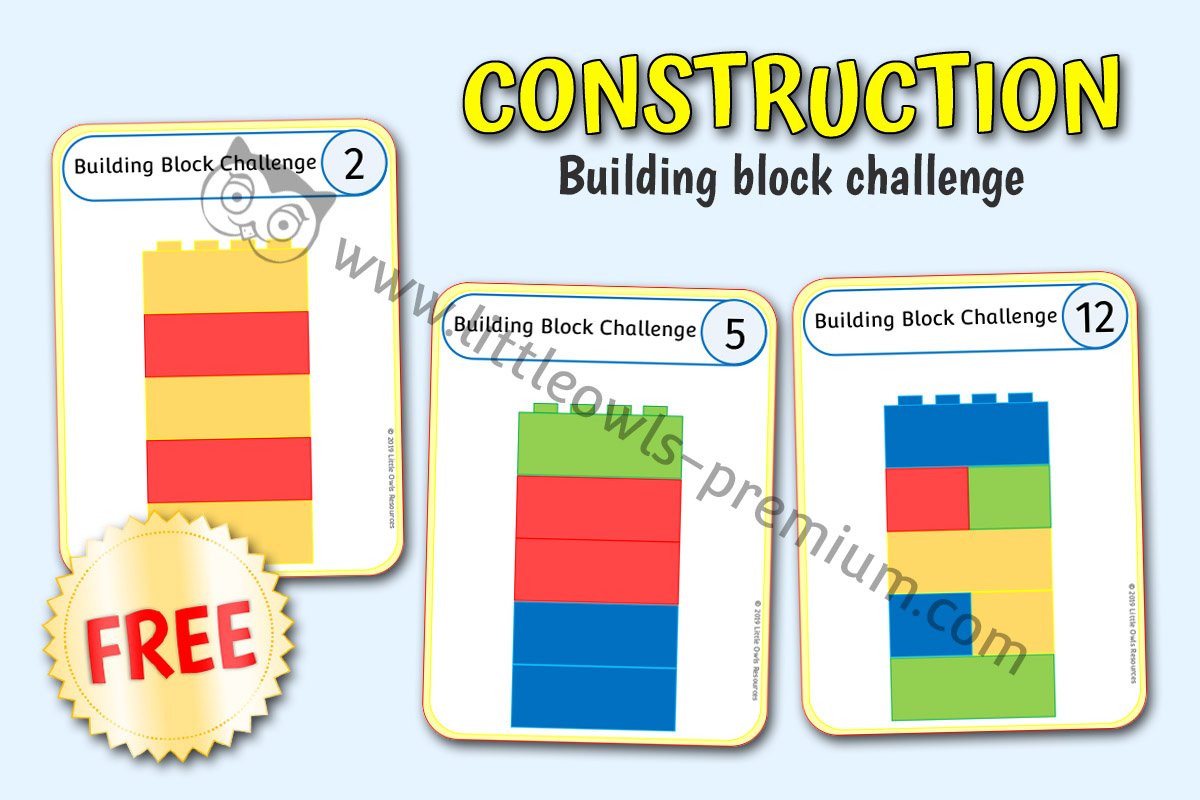
Compare colours and positions while building from a pictured pattern. Choose familiar blocks and allow children to adapt or invent a design.

Invite a drawing, dictated message or writing about people who matter to the child. Leave room for different families and familiar relationships.
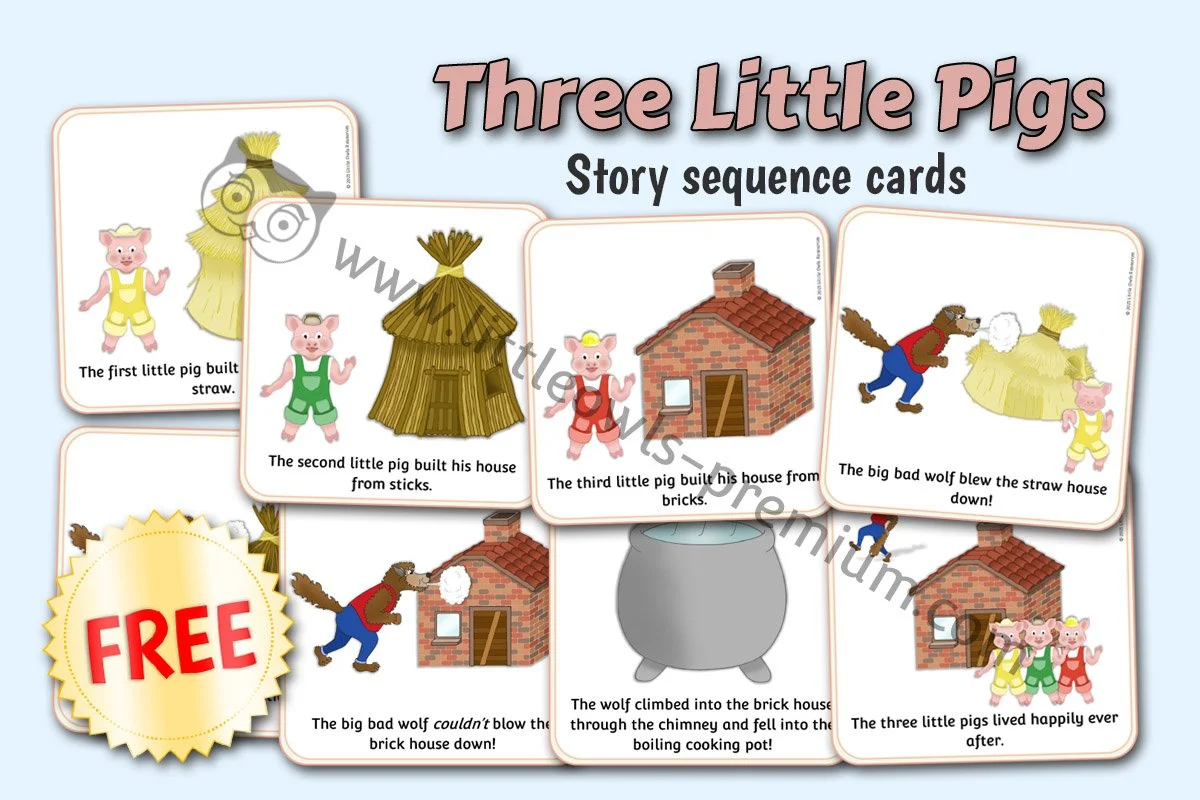
Recall a familiar story, order selected events and talk about the homes the characters make. Adults can tell the story while children explore the pictures.

Use prepared masks for favourite story moments, repeated phrases and imaginative conversations about the pigs' homes.
02 / Relationships come first
For babies, begin with familiar people and responsive care. These adult prompts and guidance support everyday connections between home and the setting. Family posters can also support displays and conversation for older children.
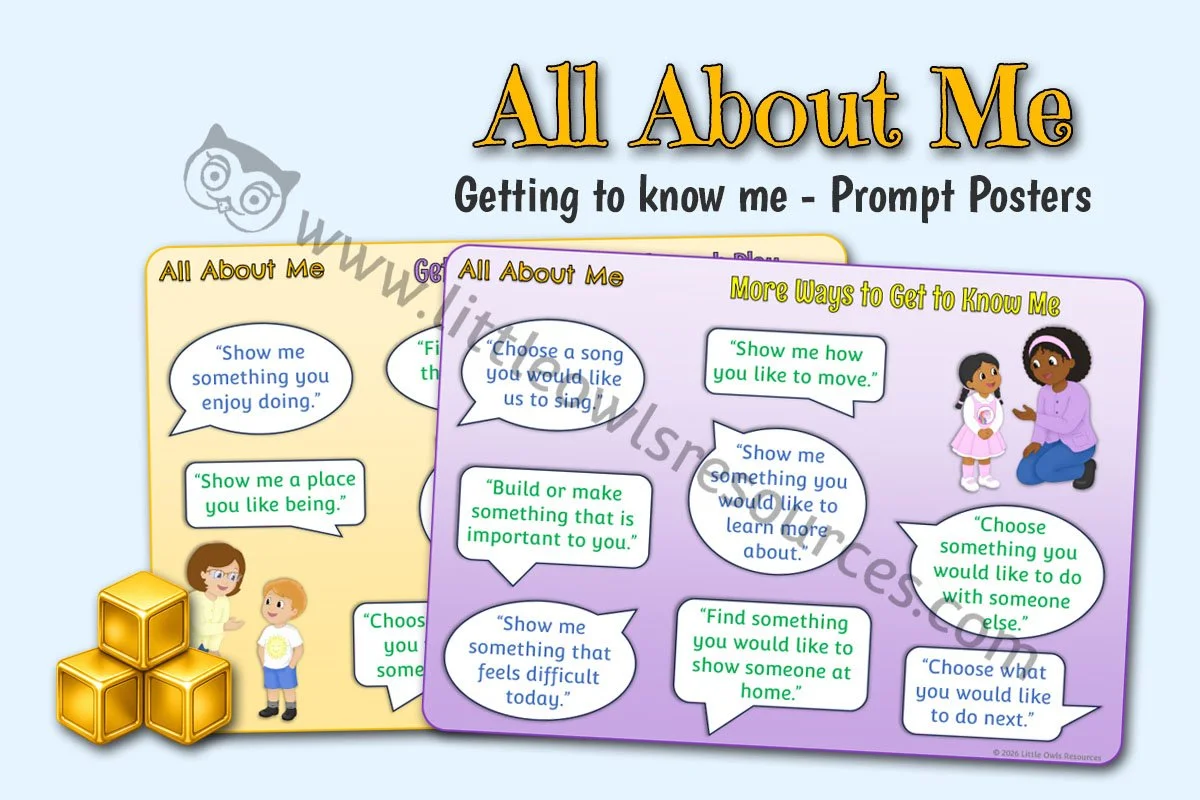
Notice a child’s choices, gestures and interests through everyday play. For babies, use the prompts to support responsive adult observation and familiar relationships.
Adult support · Follow each child’s communication

Reflect on feeding, changing, settling and everyday transitions. The guidance supports adults’ pace, presence and responsiveness in the familiar routines of a baby’s day.
Adult guidance · Babies, birth–18 months

Guidance for parents, carers and practitioners about shared routines, comforting and communication. Support continuity between home and the setting without adding targets or pressure.
Adult guidance · Babies, birth–18 months

Use family images alongside familiar photographs to reflect the people who matter to children. For babies, this is adult preparation of an inclusive display; conversation and comparison are options for older children.
Baby use: adult display preparation · Older children: supported conversation
03 / Familiar routines, new ideas
Make room for children’s own home routines, conversations and stories. Choose props and pictures that reflect the people and places they know; a pretend home can change as their play develops.
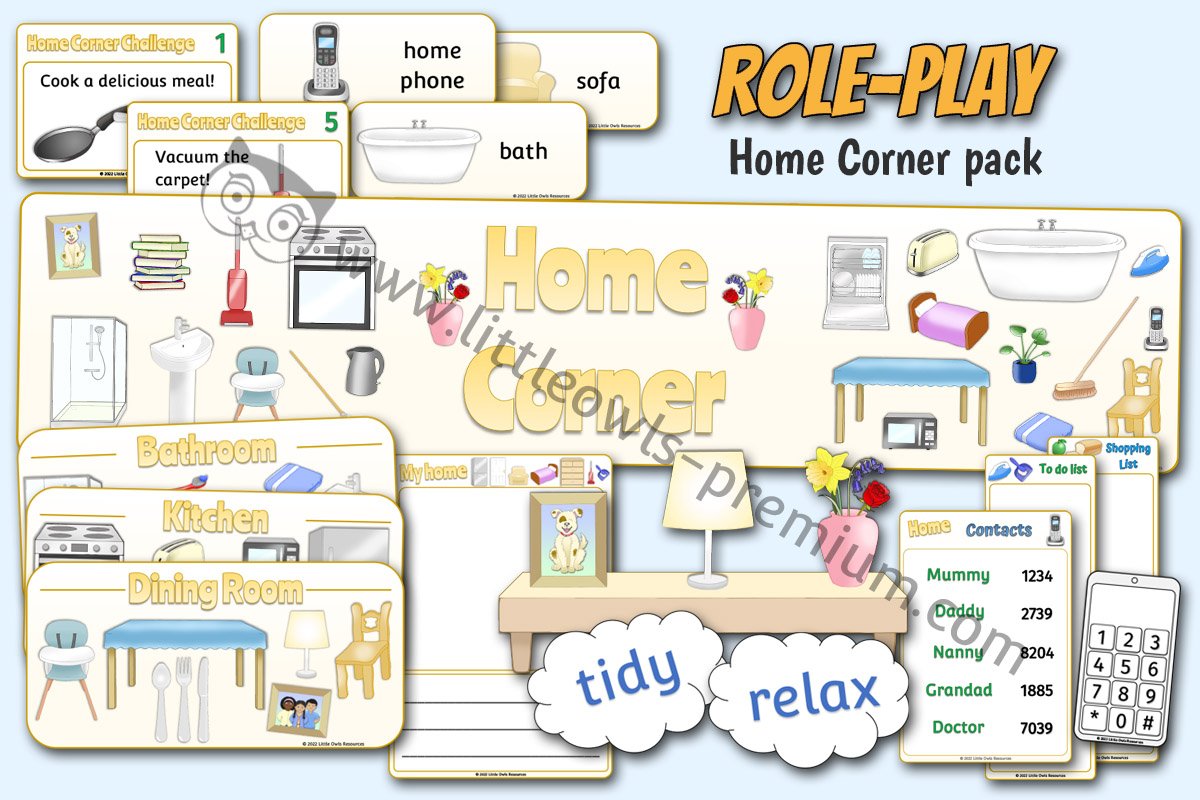
Room signs, phone prompts, word cards, pretend food and list templates for familiar home play. Choose the props that help children's own ideas develop.

Use bedtime and household routines as a starting point for pretend play, with room for children to develop their own roles and stories.

Support pretend cooking, shared meals and family conversation. Adults can model useful words without requiring children to read the props.

Bring familiar experiences into play through home roles, conversations and shared events. Offer a few relevant props and follow children's ideas.

Make space for pretend work, phone calls, notes and messages. Model purposeful marks when the play creates a reason to record something.
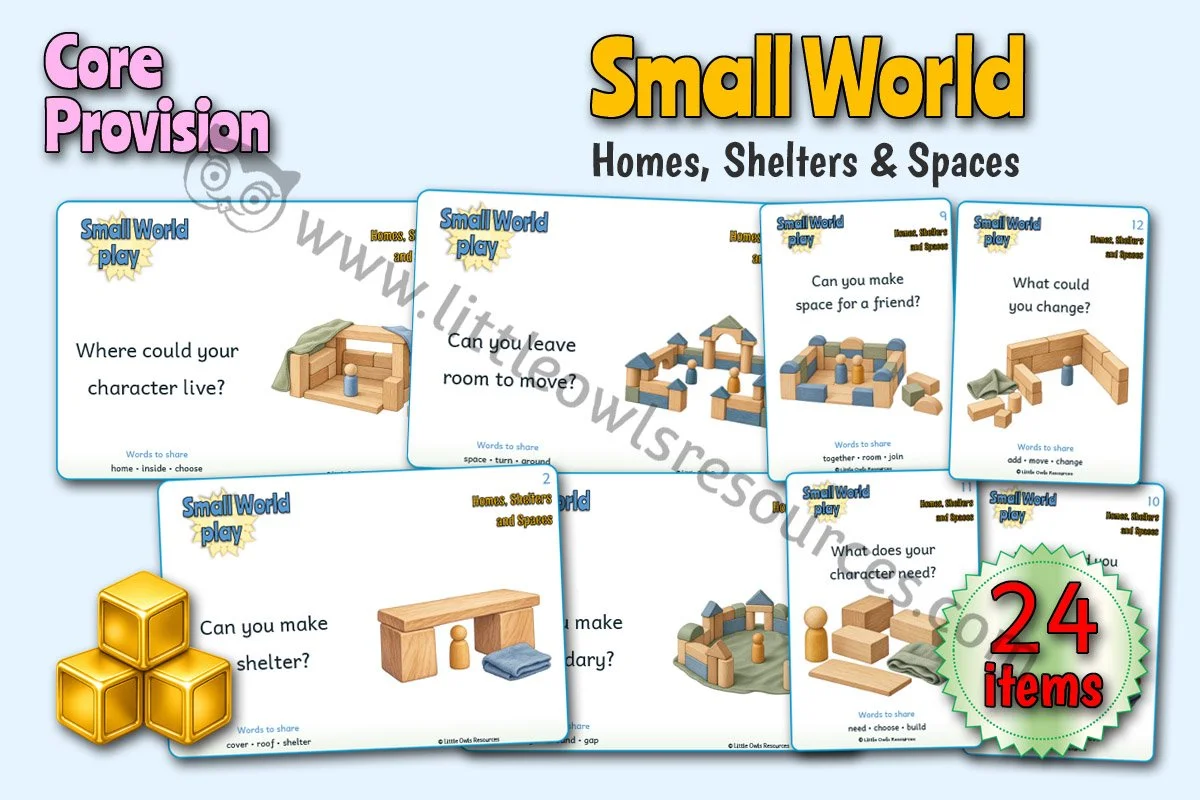
Illustrated invitations for making homes, shelters, entrances and boundaries with blocks, fabric and familiar figures. Leave room to change the design.
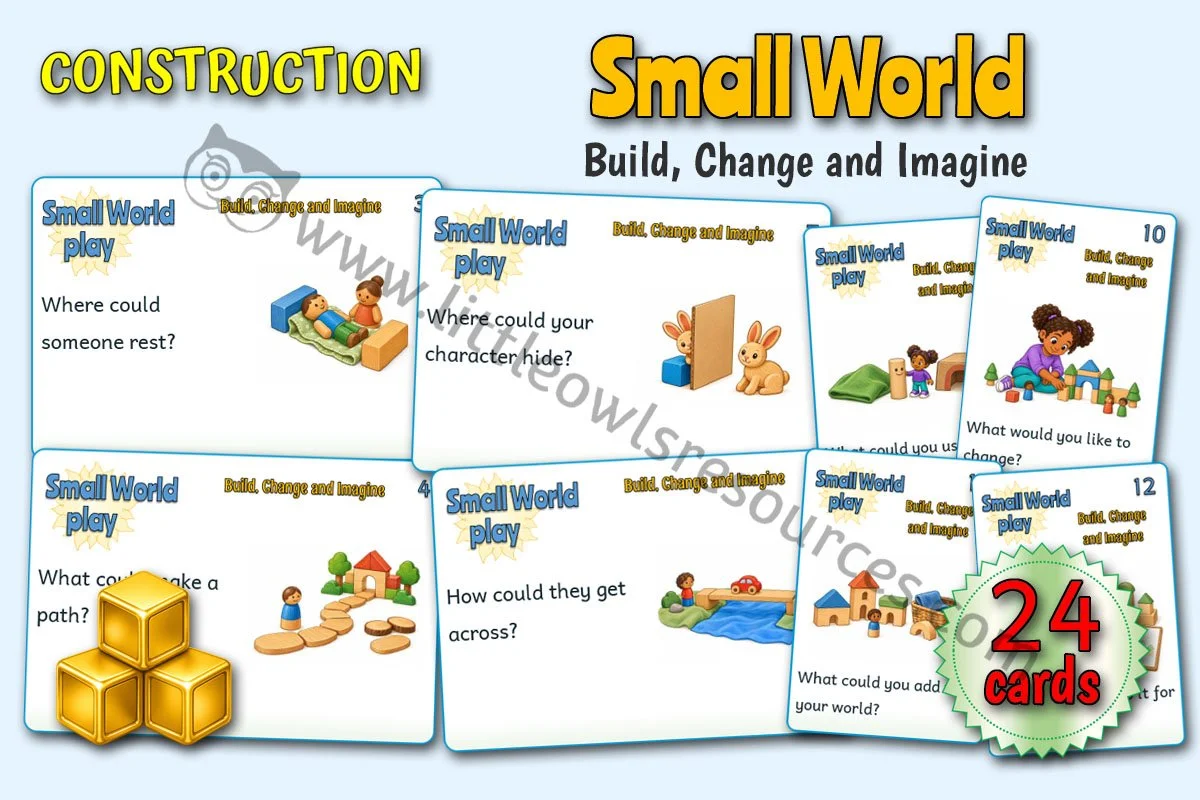
Build and adapt imaginary places with blocks, fabric and movable materials. Add figures when children want to give their construction characters and a story.
04 / Talk, notice and represent
Explore homes and household objects through shared pictures, conversation, drawing and pretend play. A familiar or imagined home is an equally useful starting point.

Introduce bathroom vocabulary through shared talk and familiar routines. Keep selected words near play or drawing when they help children communicate an idea.

Name and discuss familiar bedroom objects, then use chosen pictures or words as a reference during home play and mark making.

Share kitchen vocabulary during pretend cooking and food preparation. Children can use the pictures and words when they want to label or explain something.

Look at different homes, including flats, cottages, caravans and castles. Talk about familiar features and differences without assuming every home is the same.

Explore words for features such as roofs, doors and windows. Compare the illustration with buildings children know and the homes they construct in play.

Offer a home-themed picture as one choice for colouring and conversation. Check the resource preview to choose the pictures that suit your purpose.

Make a small collection of drawings and words about familiar people. Children can choose who to include and talk about relationships that matter to them.
05 / Try an idea and change it
Use blocks, boxes and suitable loose parts to construct homes and shelters. Add a drawing or plan when it helps children express an idea. The Year 1 and Year 2 materials packs offer separate starting points for more focused investigations.

Choose from the design pages to draw and explain an imagined home. Children can revisit an idea after building with blocks or other materials.
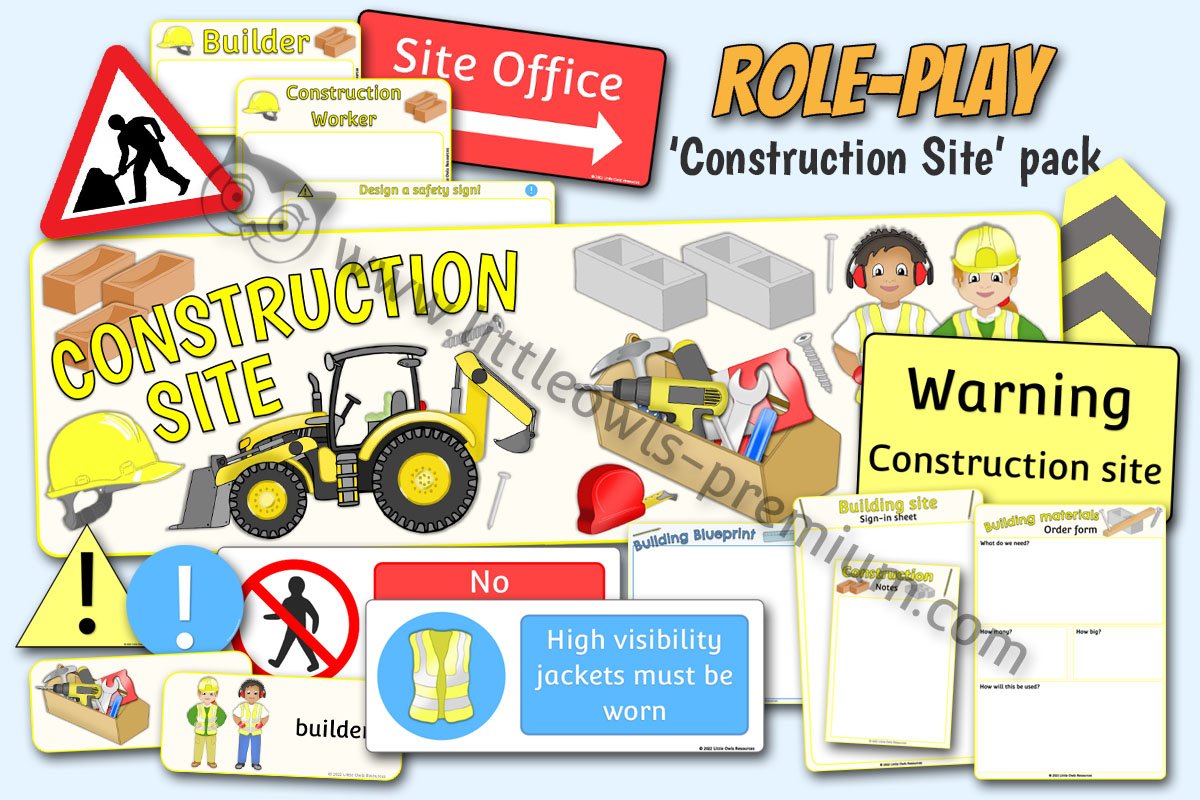
Add a construction-site context to home-building play, with useful signs, vocabulary and opportunities for children to plan and negotiate together.
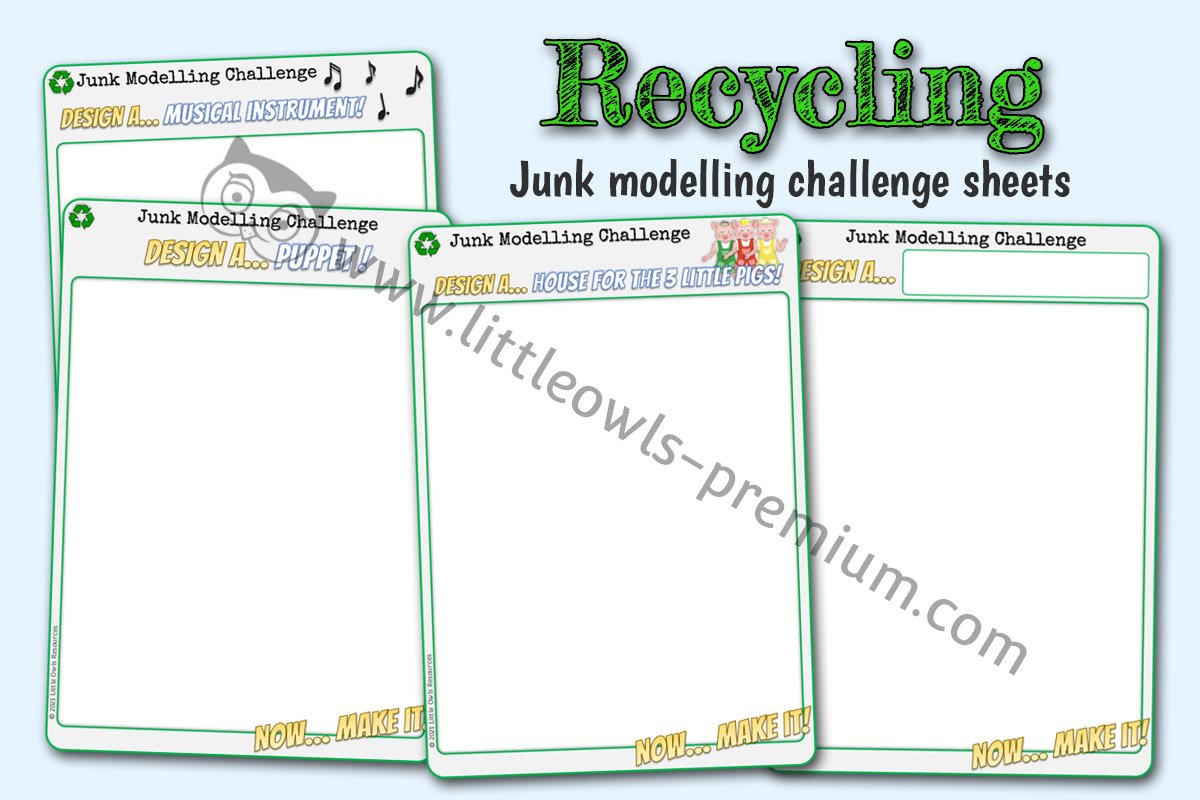
Draw or annotate an idea before trying it with real materials, then revisit the plan as the model changes. Select a sheet relevant to the child's own project.
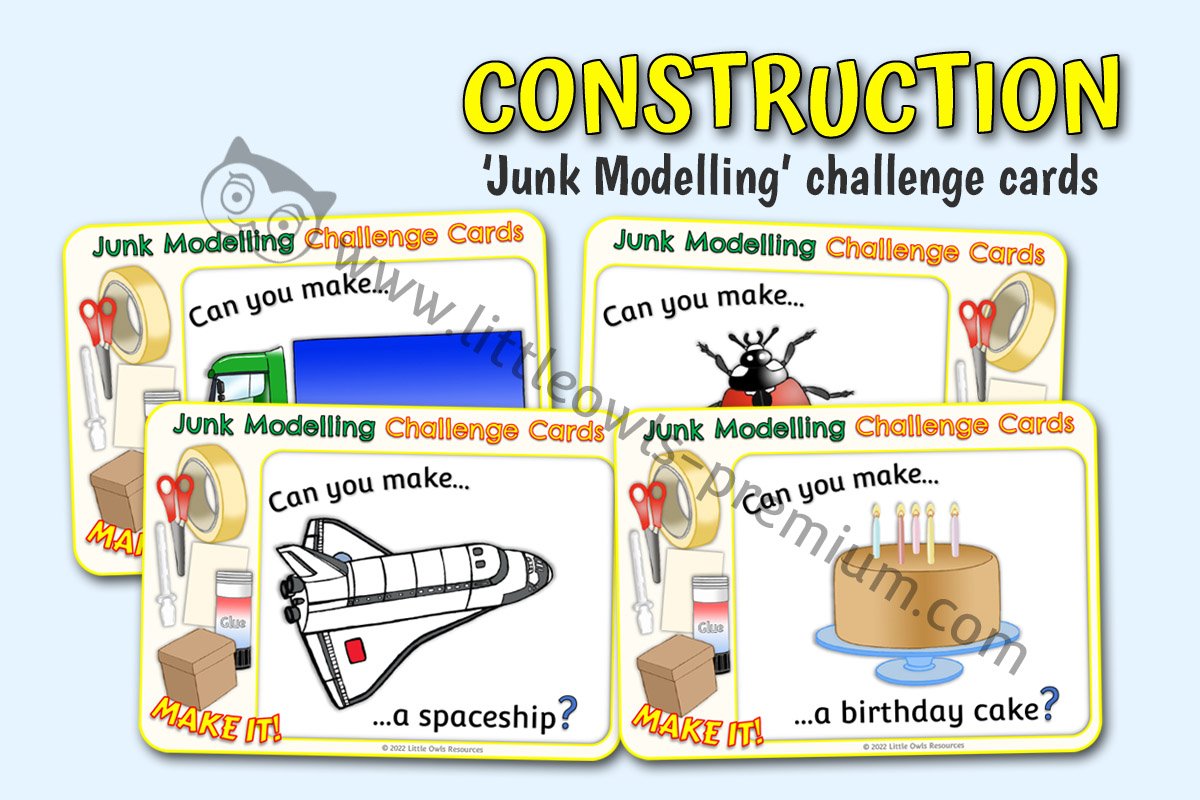
Choose a construction prompt as a starting point for making with reusable materials. Let children try, join, test and change their ideas.
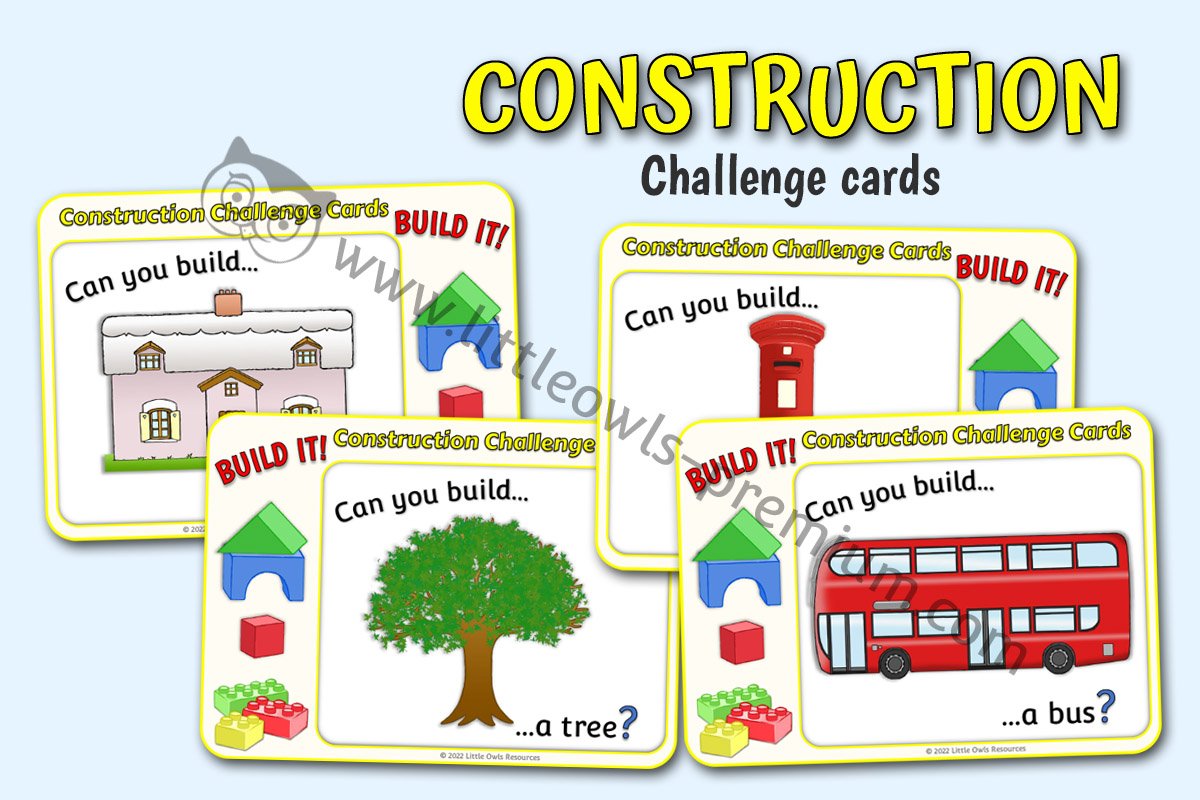
Use a building invitation when it connects with children's interests. Discuss what a construction needs to do, then try and adapt different approaches.
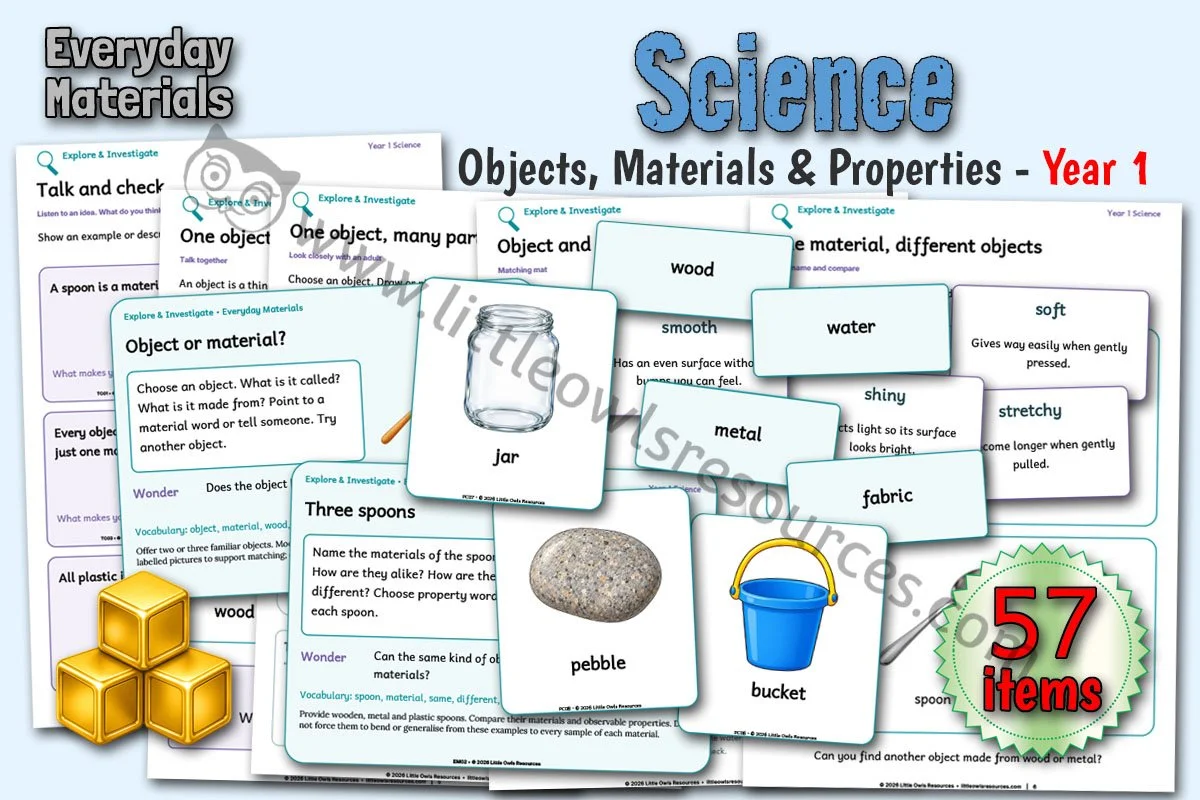
Notice what familiar objects and building materials are made from. Compare simple properties using real examples before recording or explaining findings.
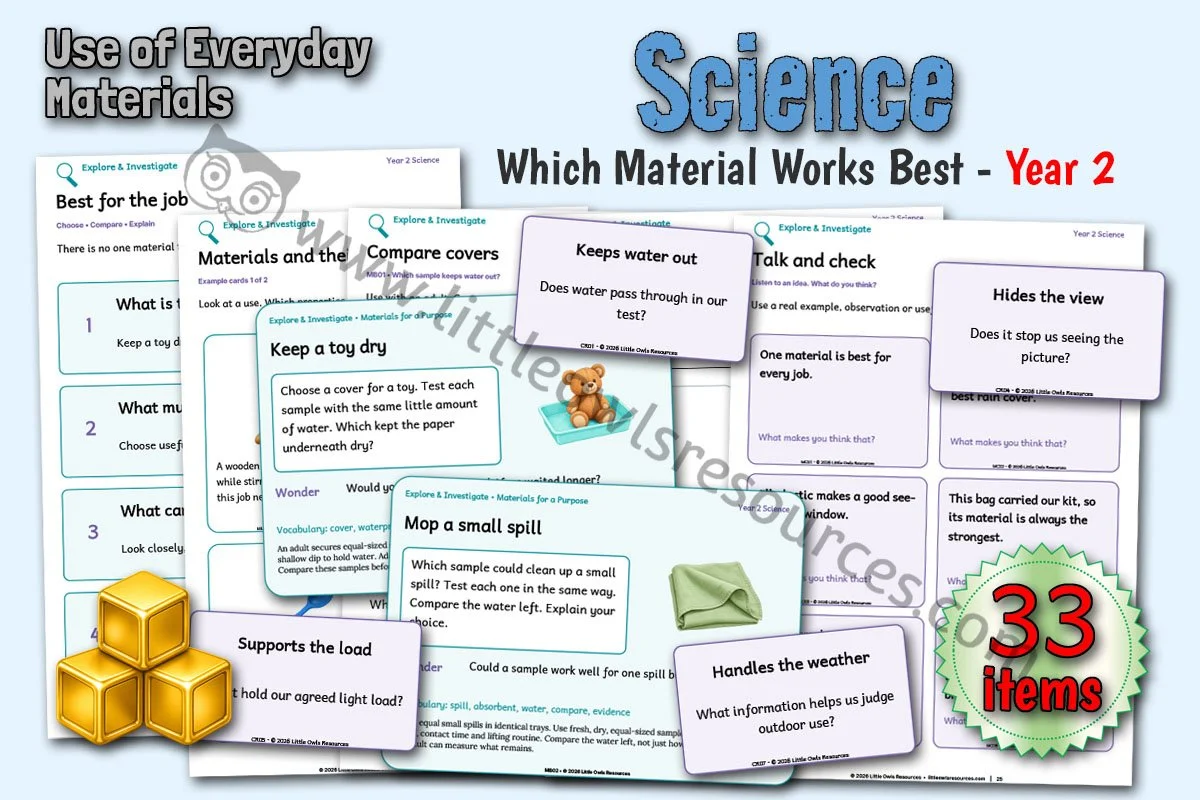
Compare possible materials for a useful job, such as a model window or keeping a toy dry. Explain choices using observations from a practical investigation.
06 / Meaningful mathematical play
Use numbers and matching when they make sense in the play: a number for a model house, a puzzle to revisit or objects to compare. Select a manageable range; the numbers printed in a pack are not an expectation for every child.

Choose a useful number range for ordering, missing-number questions or matching numerals with counted objects. The colouring edition is an optional alternative.

Match two parts of familiar furniture and household-object pictures. Begin with a few contrasting objects and talk about what makes a pair.

Choose a small, useful range for counting groups of household objects. Colour posters cover 0–20; the colouring edition covers 1–20.

Make a missing house numeral with playdough. Model a familiar number shape and select mats that connect with the child's current interest in numbers.
07 / Writing with a purpose
Make a shopping list for the home corner, label a model room, draw a route or plan where a new building could go. Accept marks, pictures, spoken ideas and writing, with support matched to each child.

Draw, make marks or write about a familiar or imagined home. Children can dictate an explanation or add words when those help share their ideas.

Offer a home-themed layout when children want to record or explain an idea from their experiences, stories or pretend play.

Notice familiar objects at home or in pretend play. Adults can help identify pictures while children record their observations with marks or ticks.
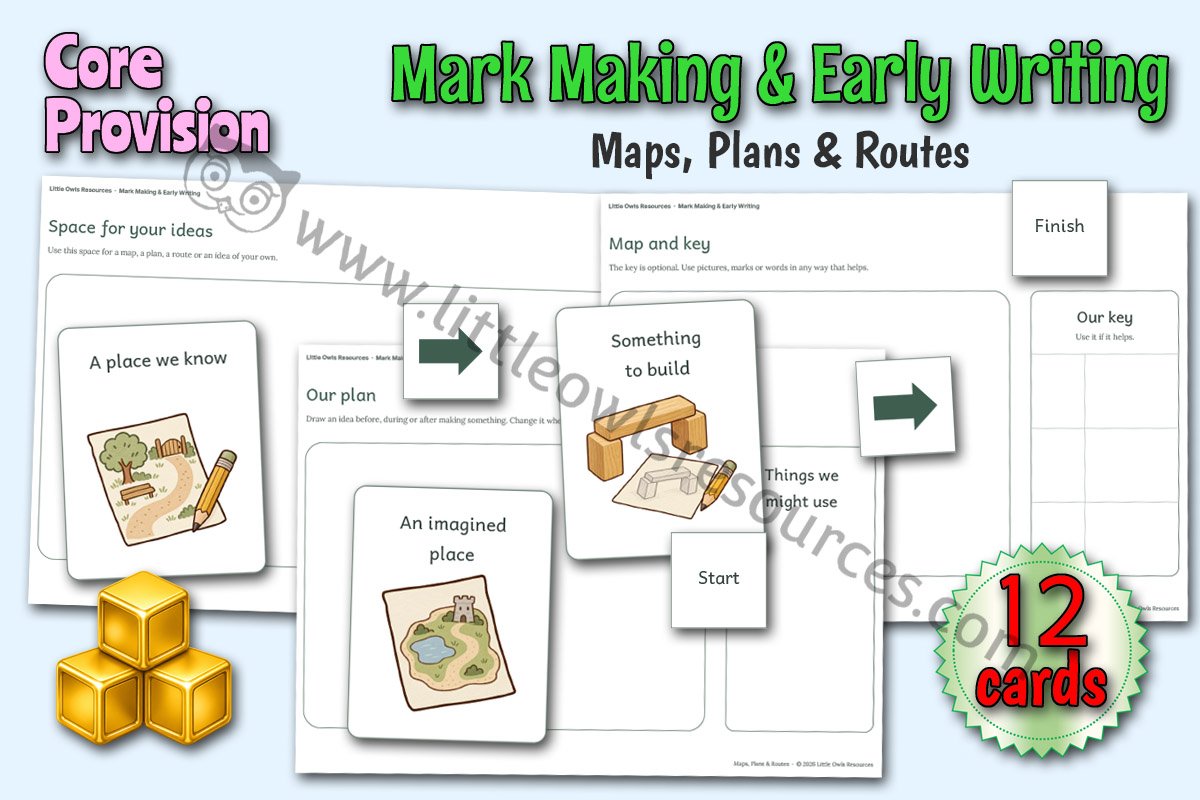
Make purposeful plans and routes for small-world homes, buildings or familiar journeys. Draw, explain and change a representation as the play develops.
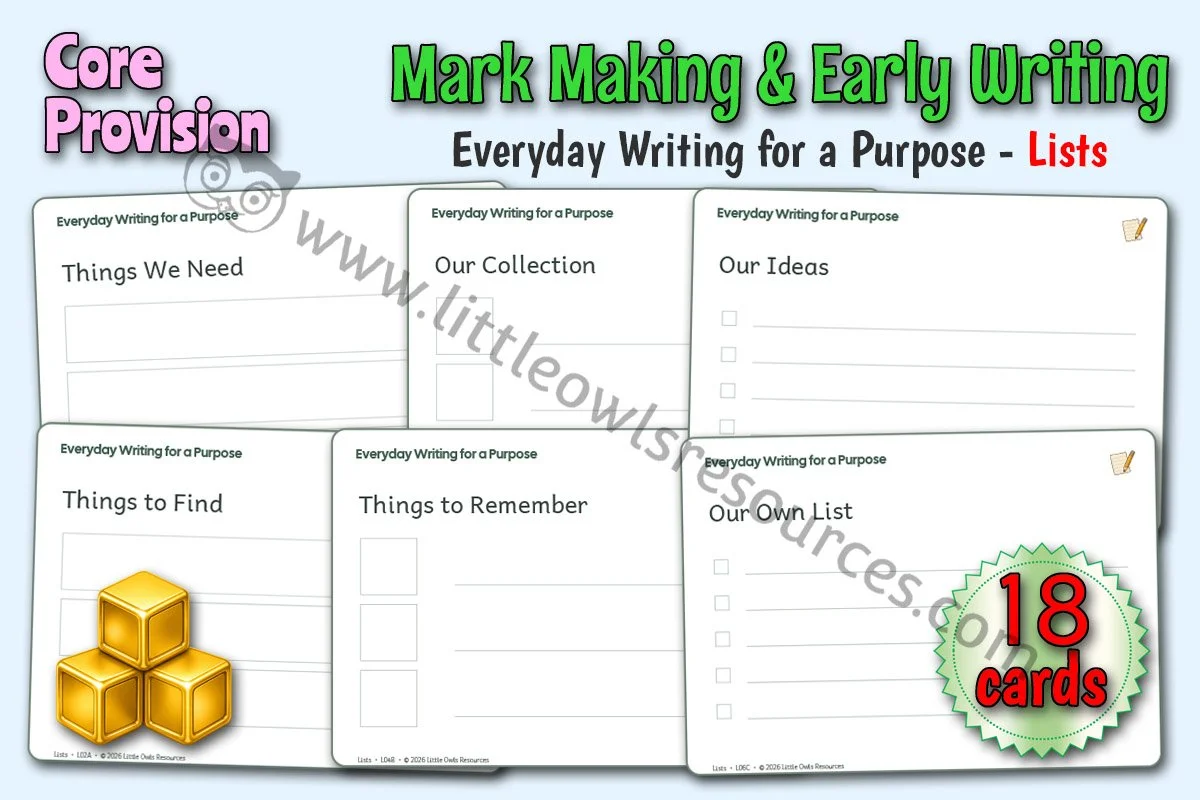
Find real reasons for a list: pretend shopping, building materials or things a character needs. Children can draw, dictate, make marks or write.
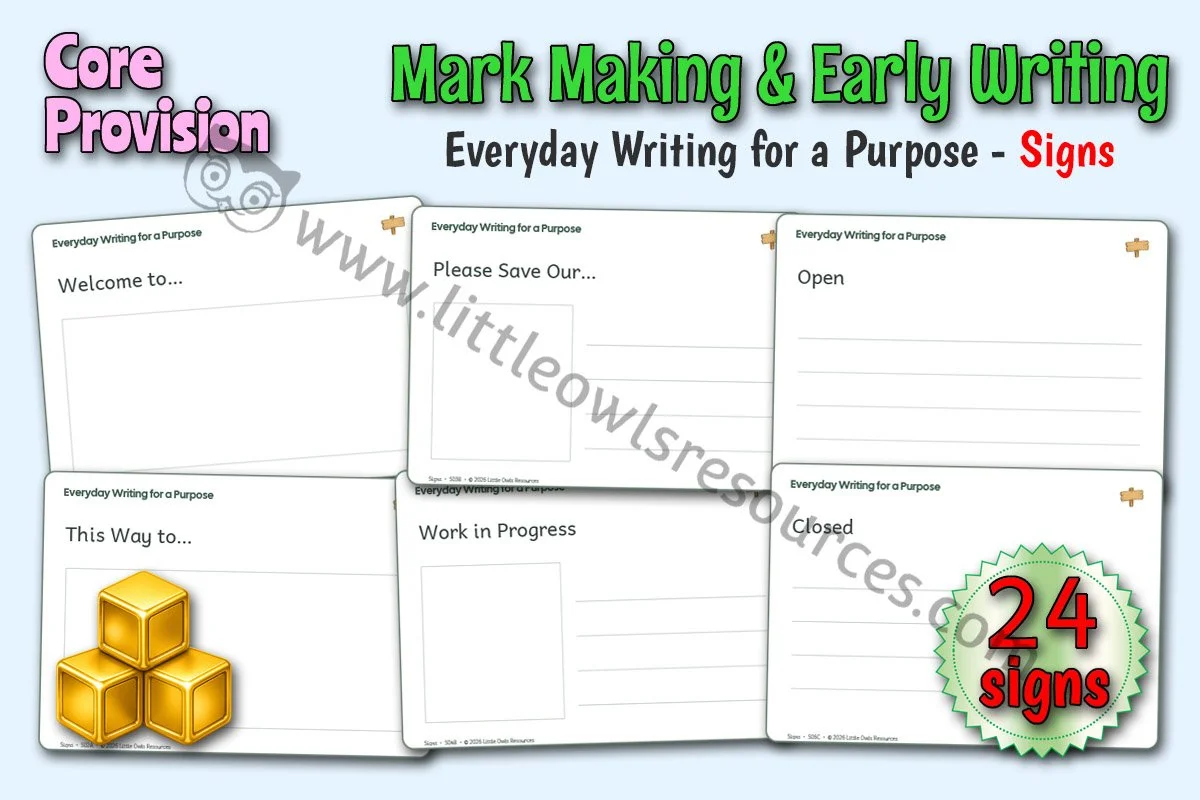
Create signs that help someone find a place, understand a space or follow an idea in play. Discuss the message before choosing pictures, marks or words.
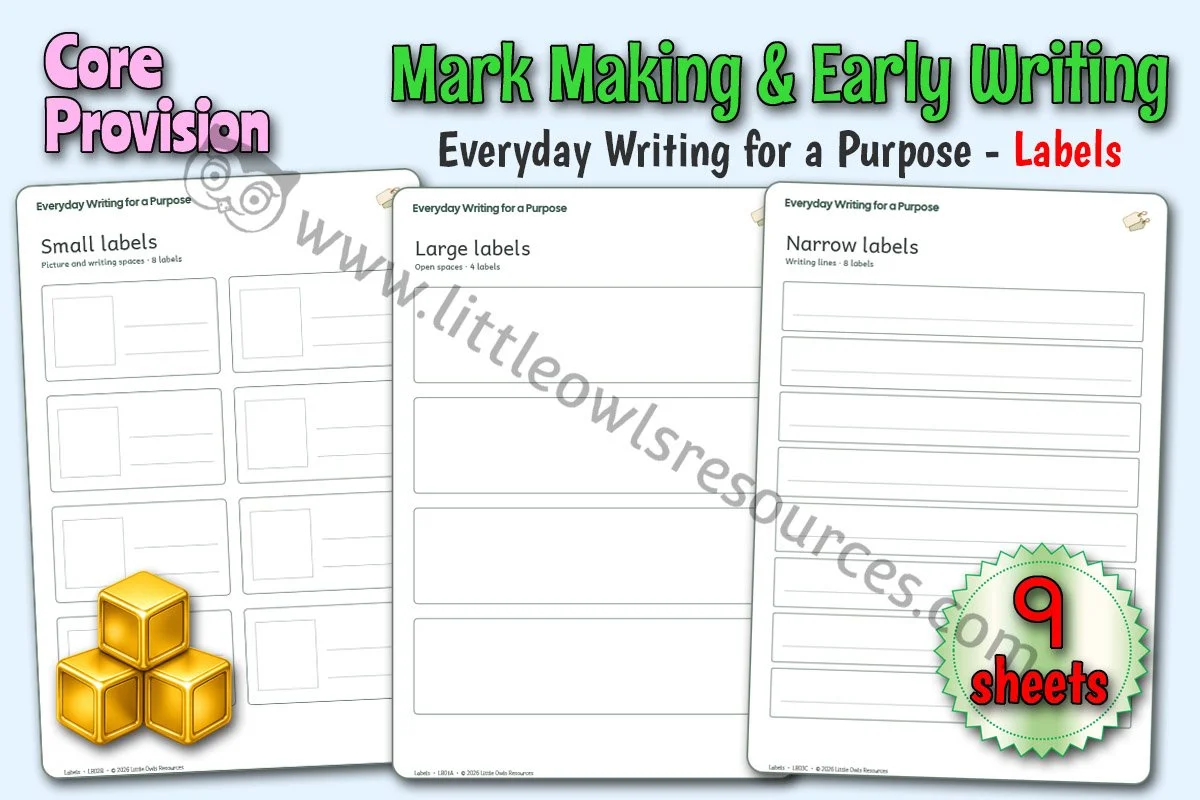
Give a model, room or collection a useful label. Use familiar vocabulary and let children decide what they want other people to notice.

Assemble household-object words using selected Phase 2 and 3 graphemes. Choose words with correspondences children have been taught and blend the complete word together.
08 / Choose what supports the play
Select useful labels, banners and images without filling every space. Equivalent colour and colouring editions sit together where available, so you can choose the version that suits your setting.

Introduce a display or temporary play area with a Houses and Homes banner. Make children's own observations and creations the main content around it.

Choose a Home, Bathroom, Bedroom, Kitchen, Living Room or Home Office banner to identify a pretend-play space. Add only the labels that serve the play.

Select familiar letters for names, matching or taught letter-and-sound games. Lower-case, upper-case and colouring editions are available together here.

Offer horizontal or vertical border paper for a picture, label, message or explanation that children want to make.

For adults preparing their own visual supports, displays or activity materials. Choose relevant household images and follow the pack's terms of use.
09 / Flexible starting points
Use these adult planning overviews to develop flexible houses and homes plans for your setting. Read each overview for details of linked member downloads, then adapt the ideas to the children’s interests and your provision.

An adult planning overview for 18–36 months, connecting familiar people, places and everyday experiences. Select ideas that fit the children you know.

An adult planning overview for 18–36 months. Use an interest in vehicles and building as a starting point for shared exploration and adaptable play.

An adult planning overview for 18–36 months, with construction and patterns as possible starting points. Repeat and adapt experiences to children's interests.

An adult planning overview for preschool provision. Choose a few useful building ideas and leave time for children to revisit and change them.
10 / Related collections
Extend an interest in homes through families, construction, small-world play or a familiar story. These links open wider collections with their own resource choices.

Browse further construction challenges, role-play resources, materials investigations and professional planning.

Explore familiar home routines, household vocabulary and purposeful pretend play in the wider home-corner collection.

Find further ways to represent and talk about the people and relationships that matter to children.

Connect homes and building with storytelling, repeated language, character play and ideas about materials.

Explore a story set in a home, with familiar objects, characters and opportunities for imaginative retelling.

Discover further resources for making places, moving characters and developing stories through play.
Use the theme in your setting
These are ways to adapt an interest, not a checklist of skills or a fixed programme. Follow the children’s experiences and choose materials with suitable adult support.
Choose an age below to return to the search on this page with that age selected. Results include the wider resources chosen for this theme, such as small world, construction and materials. Add a search word to narrow the choices, or clear the age filter to browse more broadly.
For babies, begin with familiar people, everyday routines, shared pictures and responsive conversation. Toddlers may enjoy pretend cooking, caring for a doll, moving objects between rooms or making a simple home with large blocks.
Build a home together, choose roles, talk about household objects or draw an idea. Offer pictures as conversation starters and let the children decide how their pretend space will work.
Add purposeful lists, room signs, labels and routes to ongoing play. Explore different buildings, retell a familiar story and change a design after trying it out.
Use the separate Year 1 and Year 2 materials resources to support observation, comparison and explaining choices. Link plans, maps and writing to an authentic building or storytelling purpose.
Keep participation open. No child needs to share a private address, family photograph or personal housing circumstances. An imaginary home, a story setting or a familiar community building can be a comfortable alternative.
Notice what the children are already doing. A pretend meal, a building made from blocks or a favourite story can lead into the theme. Offer a few relevant resources, then return to what sustains their interest.
The free section labels each sample and links to its free resource page. Free Access gives you a selection of downloads; All Access includes every resource on the site. A free sample may contain fewer pages than the full pack.
Yes. Add a small selection of resources to the home corner, construction, small world or mark-making area as they become useful. There is no need to change every area at once or direct all children towards the same outcome.
Visit Help & Support for website help or read our printing resources guide.
All Access membership unlocks every resource on the site. Free Access lets you explore and download a selection of free resources. Explore membership options.
Already a paying member? You have sitewide access. There’s no need to change plans or subscribe again. Read our FAQs.