
Free Access
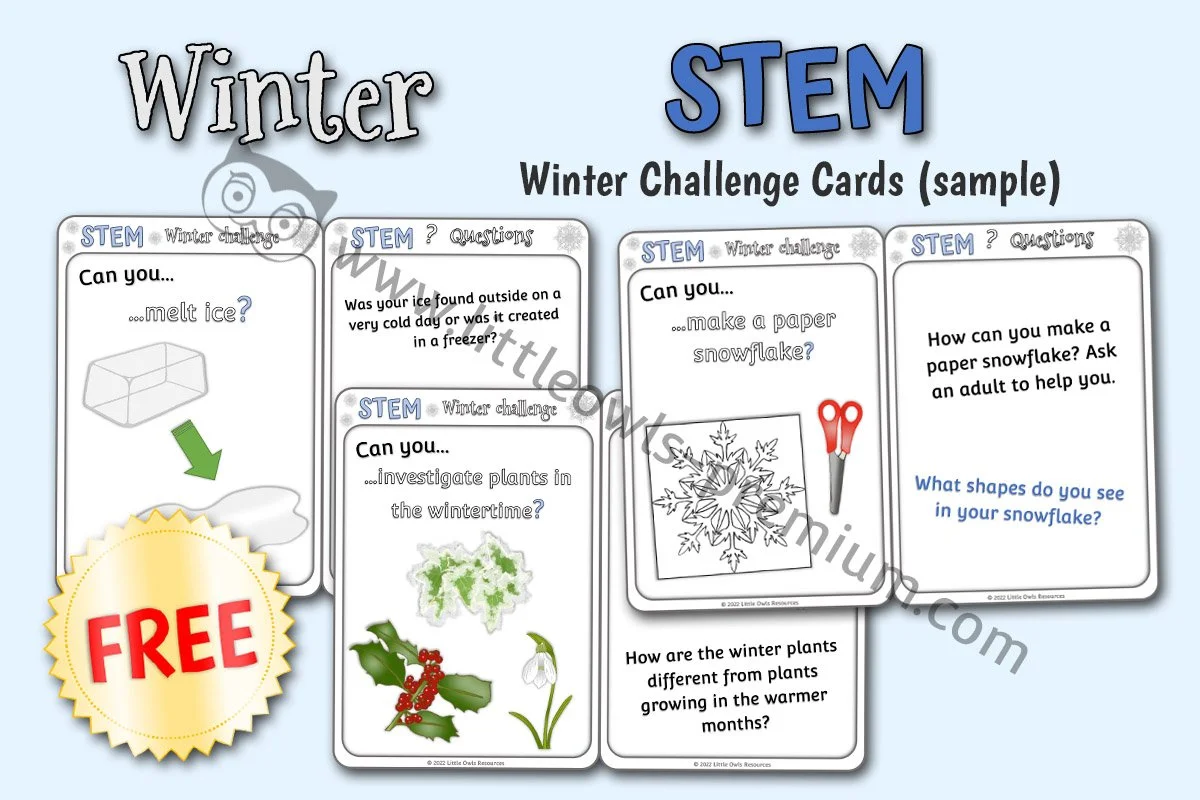
Winter STEM Challenge Cards – Free Sample
Three open-ended Winter STEM prompts with supporting questions, plus a blank card for your own challenge.

Your Custom Text Here
Early Years Seasonal Environment & Invitation Printable Provision
Theme collection · EYFS & KS1
Explore changing weather, winter wildlife, warmth and light through play. Find printables, practical activities and practitioner guidance, with age-specific ideas from babies to Reception and selected KS1 uses.
Start with what children notice around them: a chilly morning, a bird outside, a bare branch or a question about the dark. Choose resources that connect with those experiences and the provision they already use.
A few relevant additions can extend familiar play. Every area does not need a Winter theme, and exploring Winter does not depend on having snow.
Find your starting point
Try a resource, activity or age. Choose a result to see its cover here, then open the resource when you are ready. Search includes the resources and related collections shown on this page.
Search becomes available when JavaScript is enabled. You can always browse using the section choices above.
01 / Explore the theme
Explore a selection of Winter activities and planning ideas with Free Access. Check each card to see whether it offers a sample or a complete pack.
Three open-ended Winter STEM prompts with supporting questions, plus a blank card for your own challenge.
Suggested use: Preschool · Reception · Selected KS1 uses
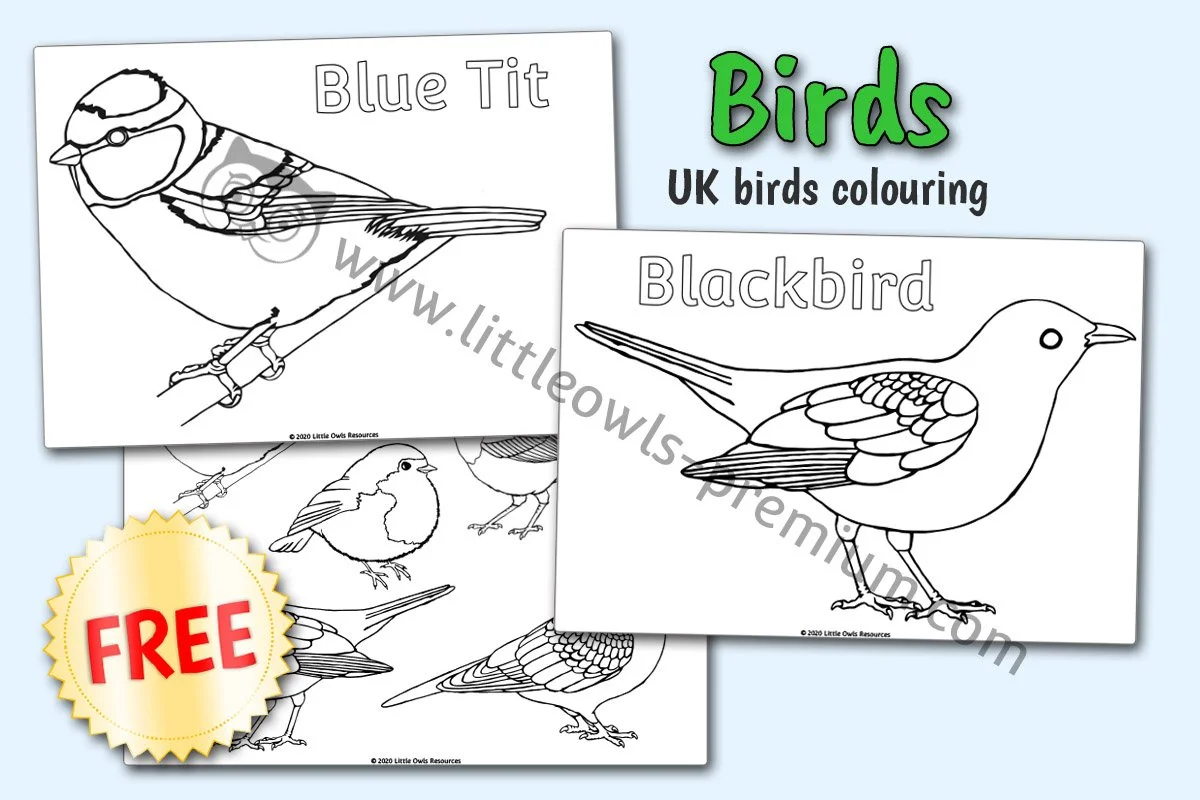
Nine colouring sheets featuring five familiar UK garden birds, with individual and grouped designs.
Suggested use: Preschool · Reception
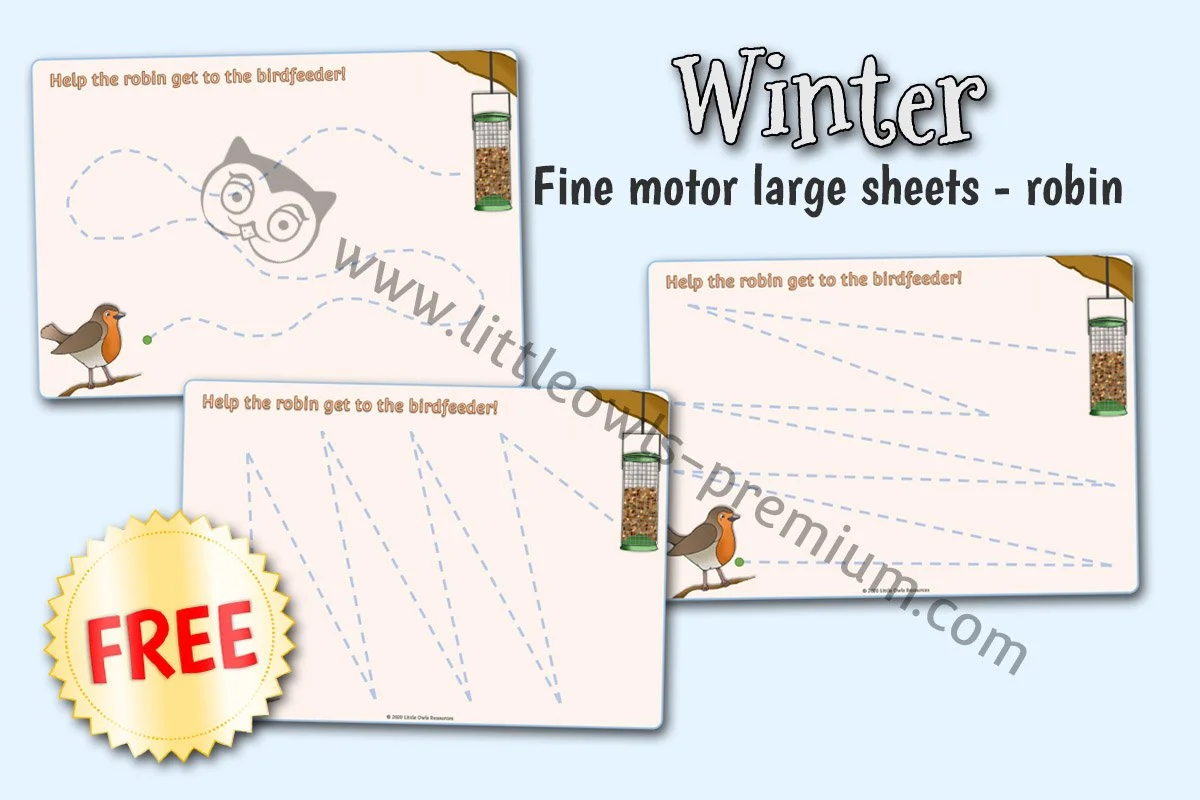
Follow the paths from the robin to the bird feeder to practise pencil control and visual attention.
Suggested use: Preschool · Reception
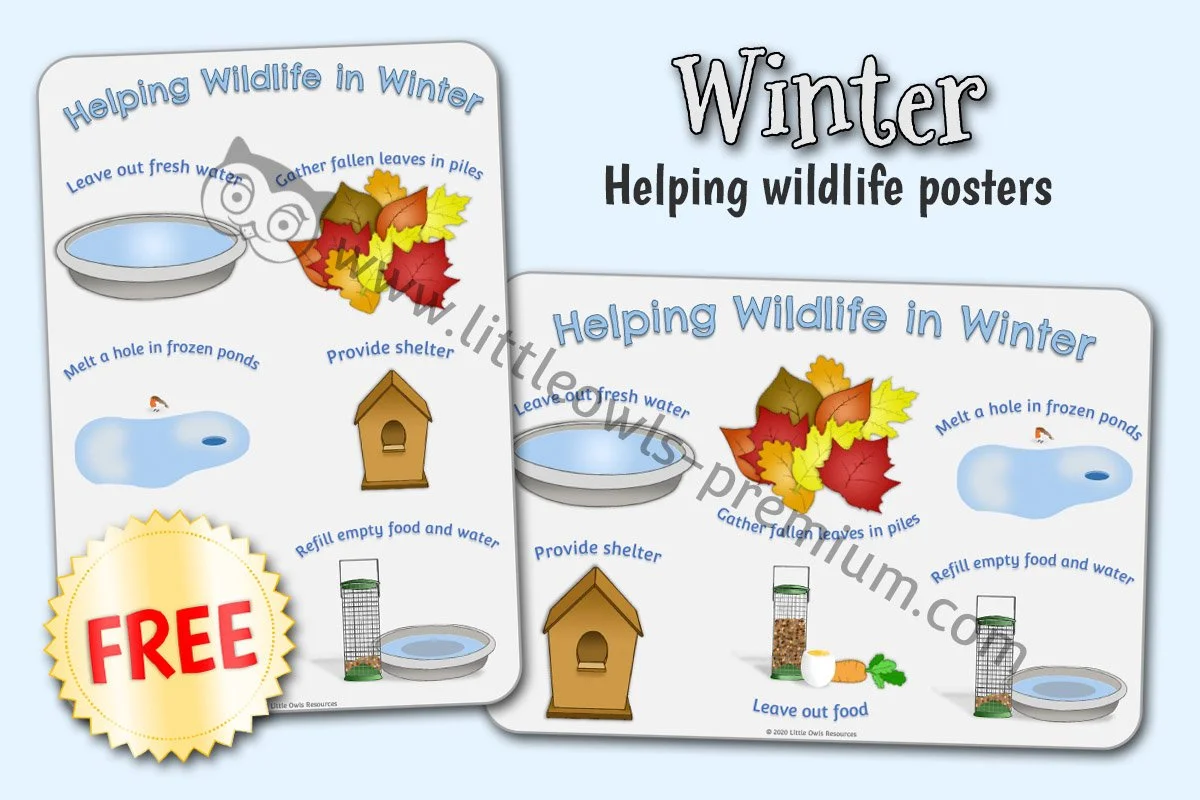
Visual prompts for an adult-led conversation about food, fresh water, shelter and other ways people can help wildlife in winter.
Suggested use: Preschool · Reception
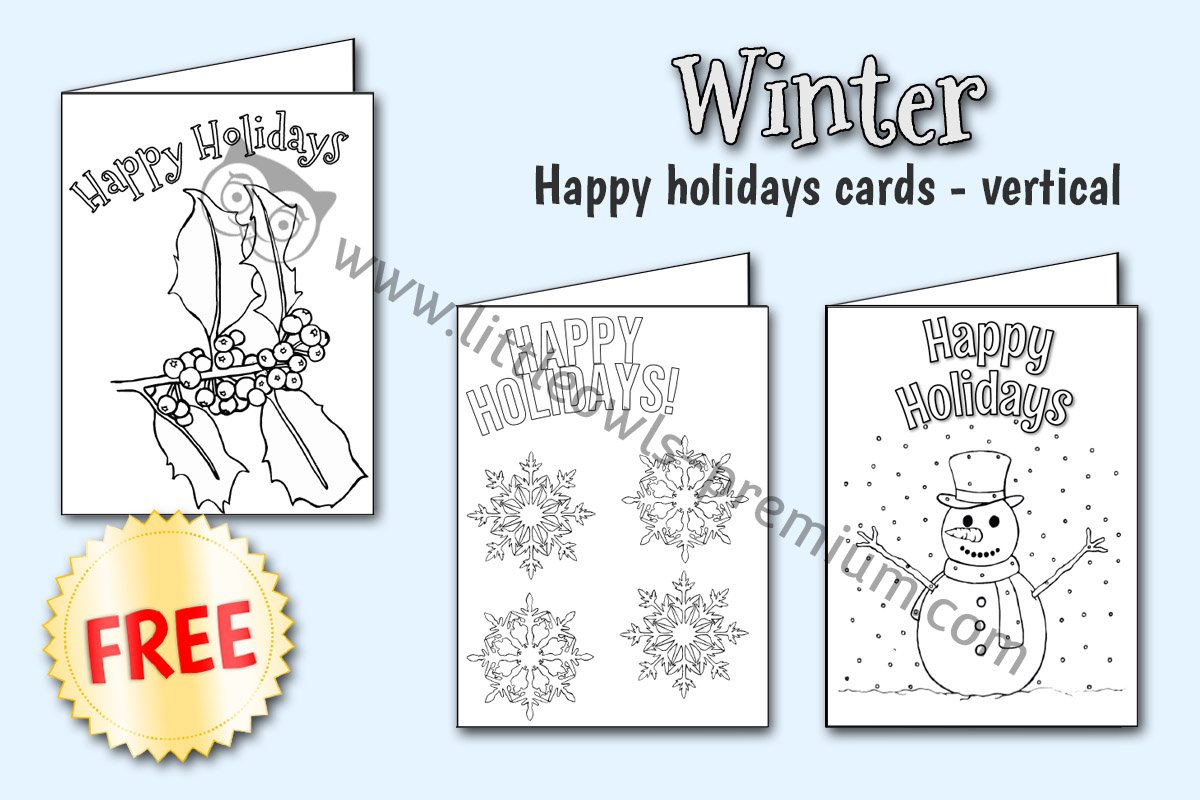
Ten vertical greeting-card templates to colour and decorate for adult-led or independent creative activities.
Suggested use: Preschool · Reception
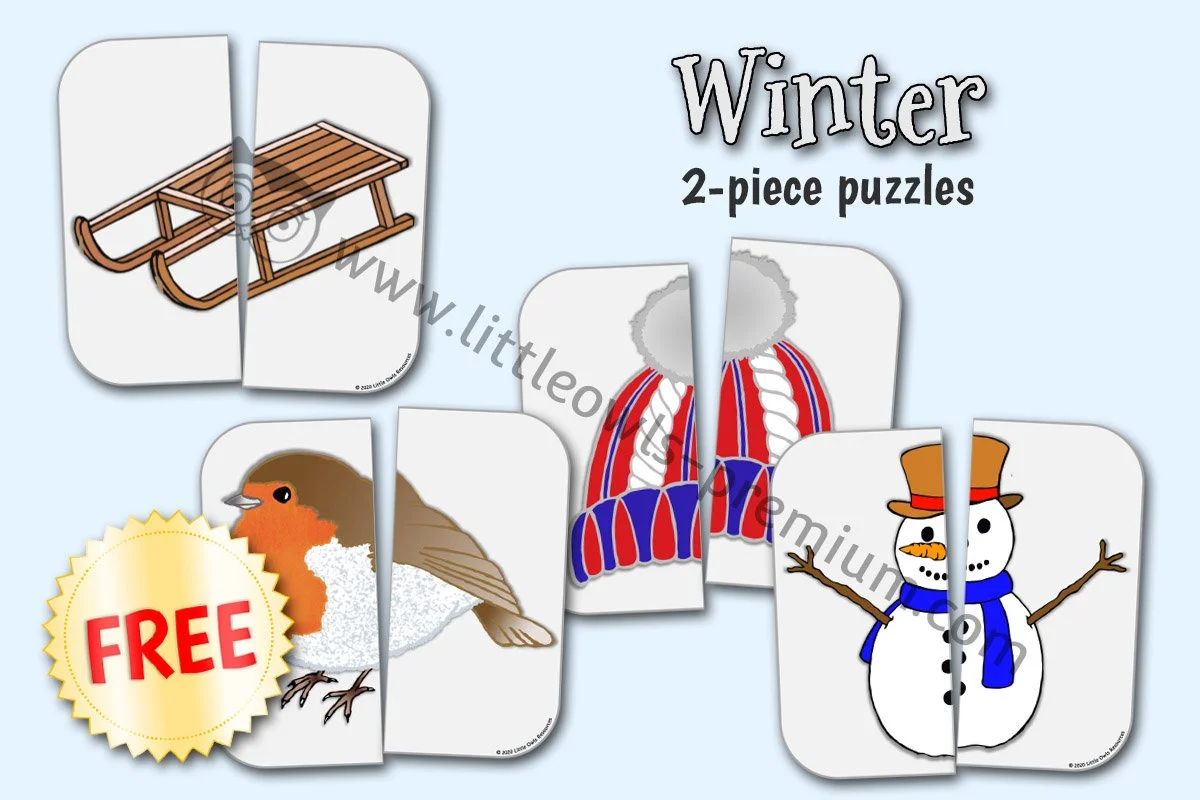
Match the two halves of ten Winter pictures to explore colours, patterns and familiar seasonal vocabulary.
Suggested use: Toddlers with adult support · Preschool · Reception
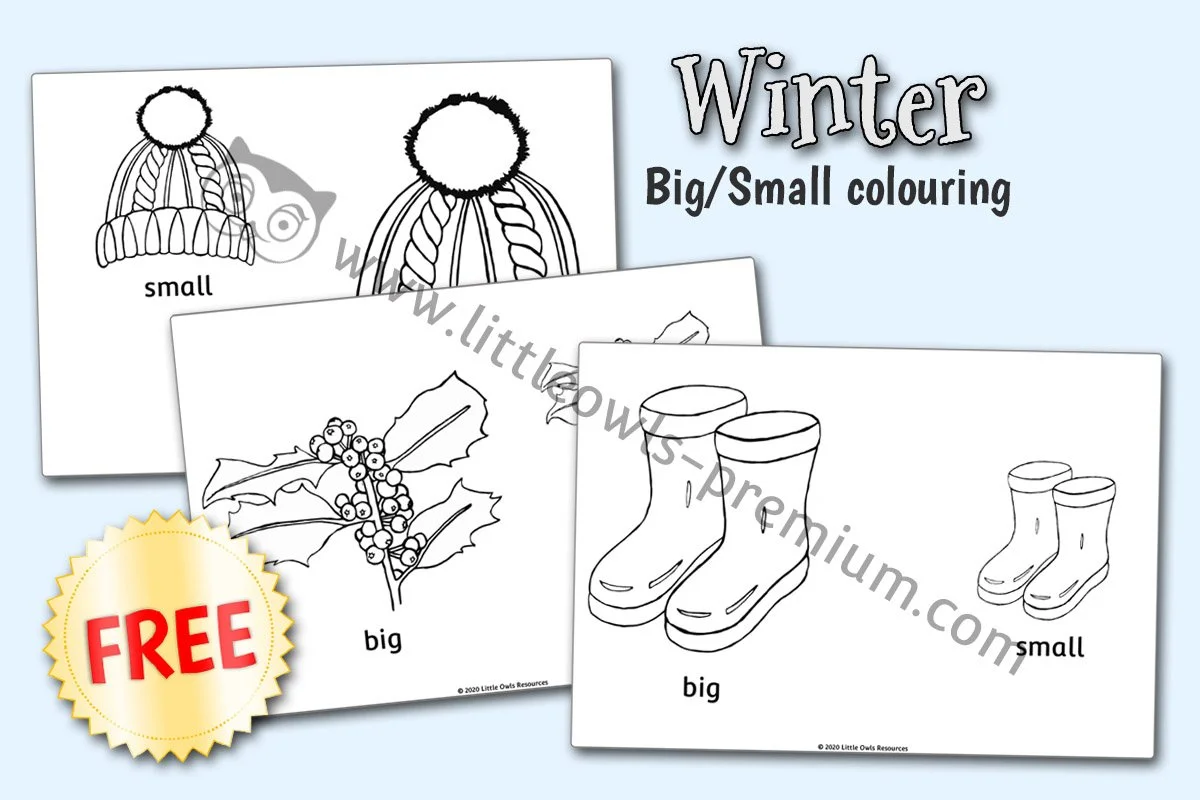
Compare and colour big and small versions of familiar Winter clothing, birds and seasonal objects.
Suggested use: Toddlers with adult support · Preschool · Reception
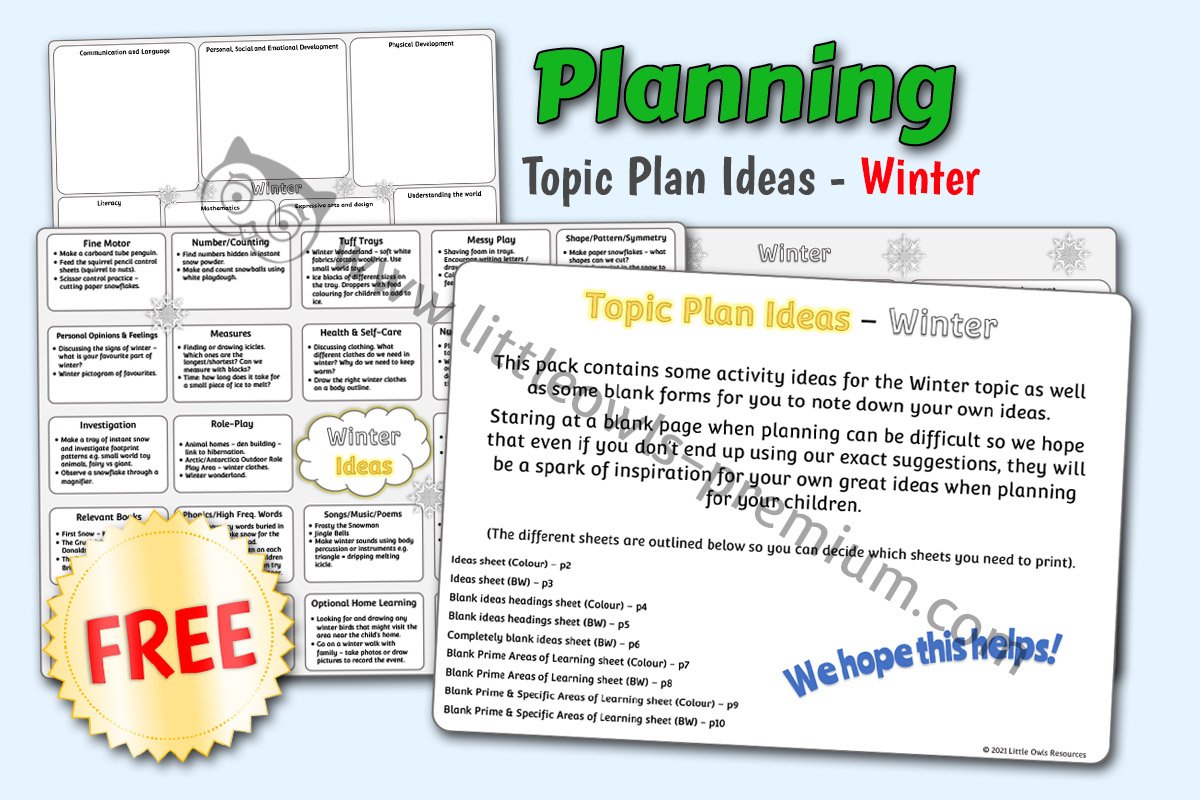
Winter activity ideas with editable blank planning sheets for recording your own ideas across the areas of learning.

Four age-specific banks of hibernation provision ideas, with sensory exploration for babies, cause-and-effect play for toddlers, imaginative play for preschool and problem-solving invitations for Reception.
Suggested use: Babies: adult-led interaction · Toddlers with adult support · Preschool · Reception

Four age-specific pages of hibernation language prompts, vocabulary, provision ideas, brief adult-led opportunities and observation guidance for practitioners working with babies through Reception.
Suggested use: Babies: adult-led interaction · Toddlers with adult support · Preschool · Reception
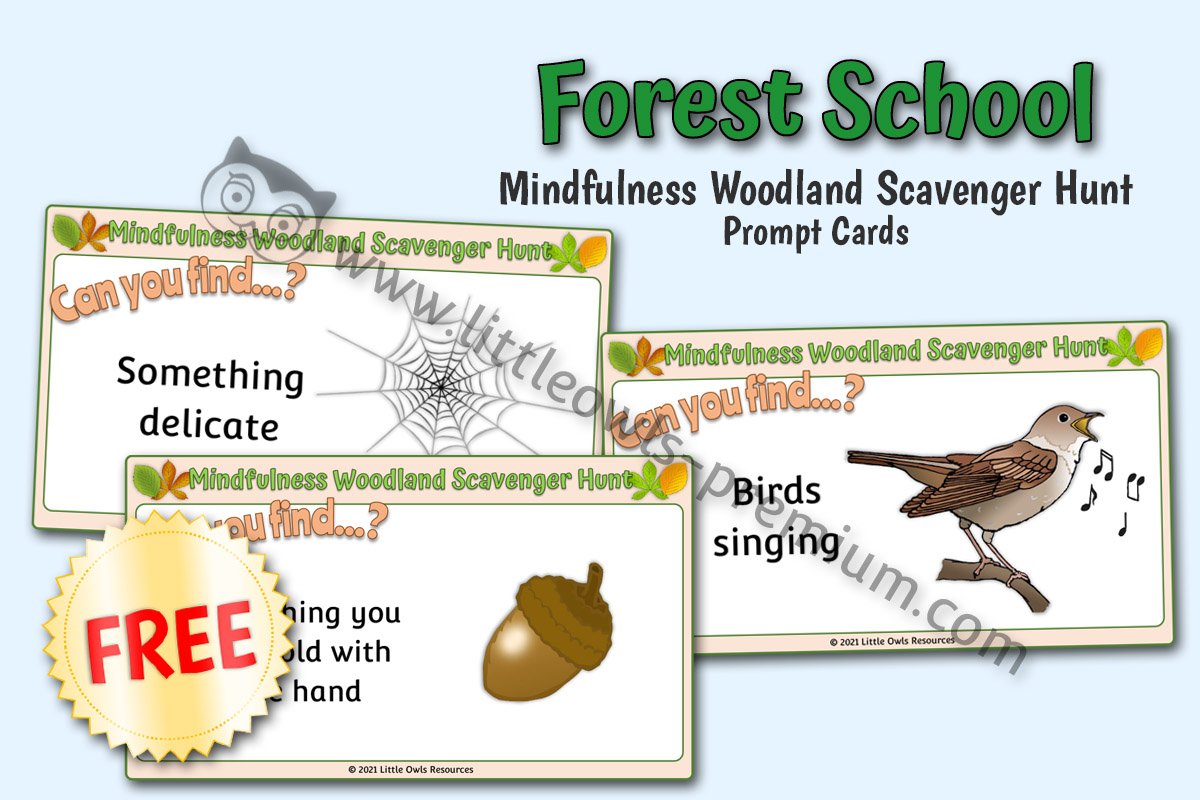
Eighteen prompts for noticing woodland sights, sounds and textures. Choose a few for a slow walk and conversation about what children observe.
Suggested use: Preschool · Reception
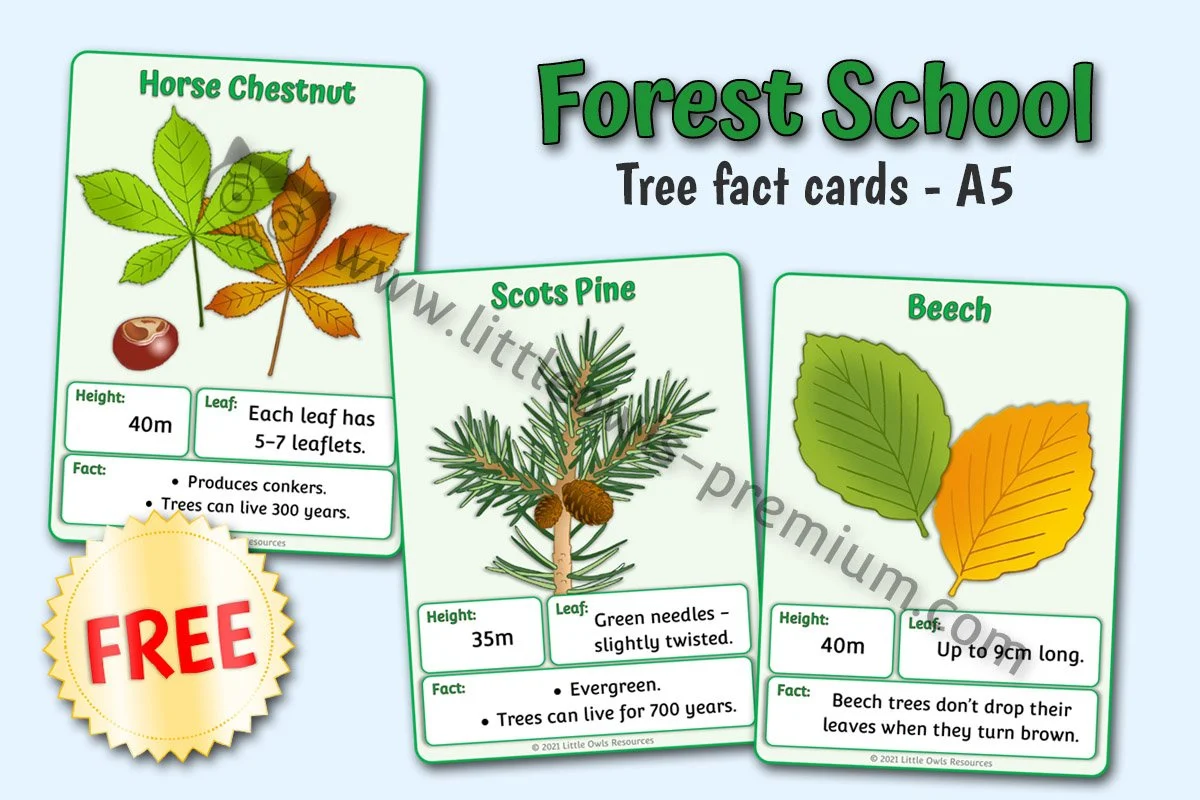
A5 information cards introducing ten woodland trees, with pictures and facts for adult-supported observation and discussion.
Suggested use: Preschool · Reception

Four age-specific pages of winter language prompts, vocabulary, provision ideas, brief adult-led opportunities and observation guidance for practitioners working with babies through Reception.
Suggested use: Babies: adult-led interaction · Toddlers with adult support · Preschool · Reception

Four age-specific banks of winter provision ideas for babies, toddlers, preschool and Reception, with guidance to select, adapt and revisit invitations in response to children’s interests.
Suggested use: Babies: adult-led interaction · Toddlers with adult support · Preschool · Reception
02 / Explore the theme
Choose a topic that connects with children's questions and experiences. Add a few resources to familiar provision, then leave room for children to investigate, adapt and take the play in their own direction.
Explore how some animals respond to the colder months through pictures, vocabulary, sequencing and imaginative play. Compare different animals rather than suggesting that all wildlife sleeps through Winter.
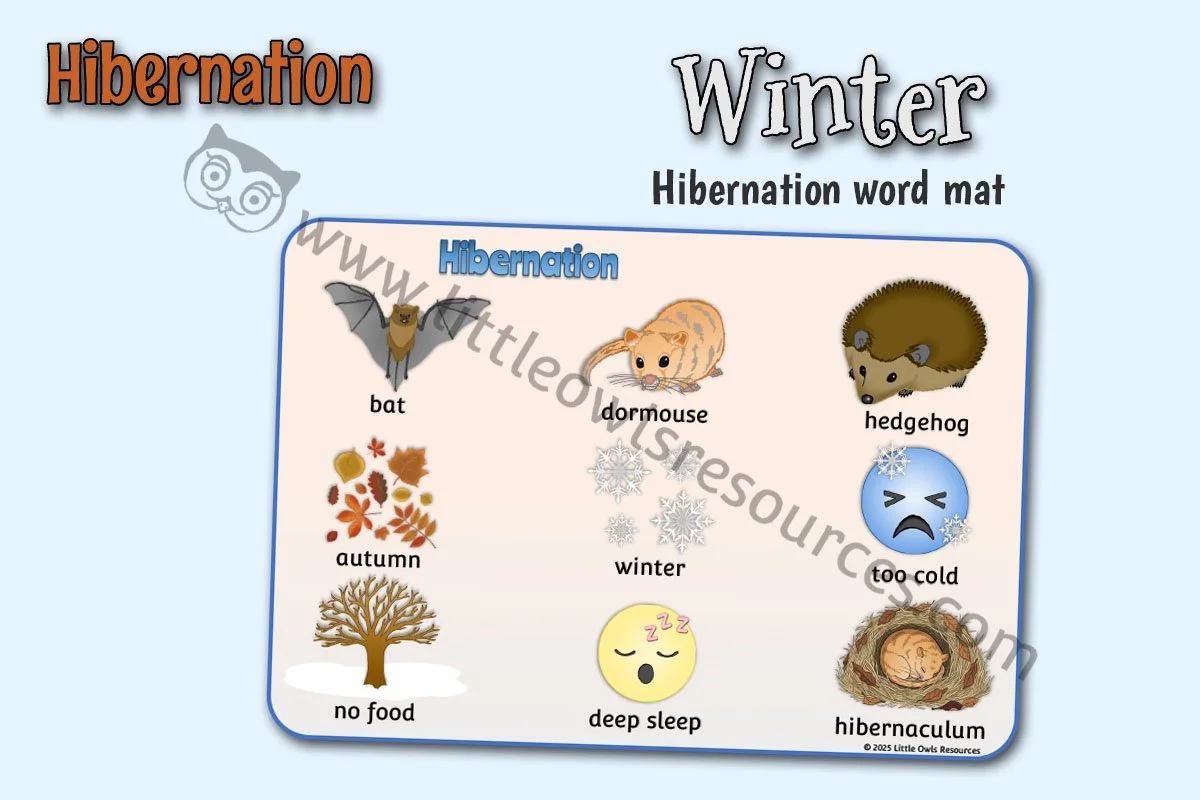
A picture-and-word mat featuring bat, dormouse and hedgehog alongside hibernation vocabulary, for supported conversation, drawing and writing.
Suggested use: Preschool · Reception · Selected KS1 uses
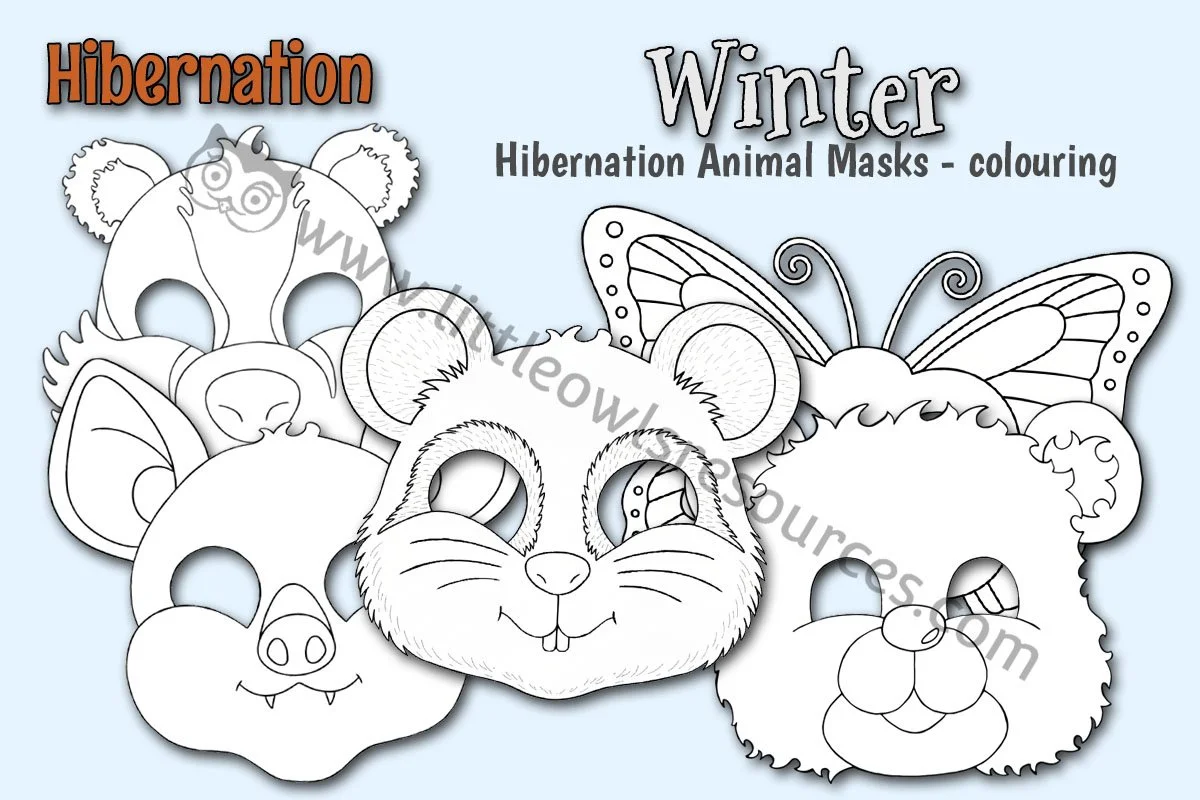
Eight animal masks to colour, cut and use in imaginative play, including hedgehog, bat, dormouse, bear, turtle, badger, butterfly and squirrel.
Suggested use: Preschool · Reception
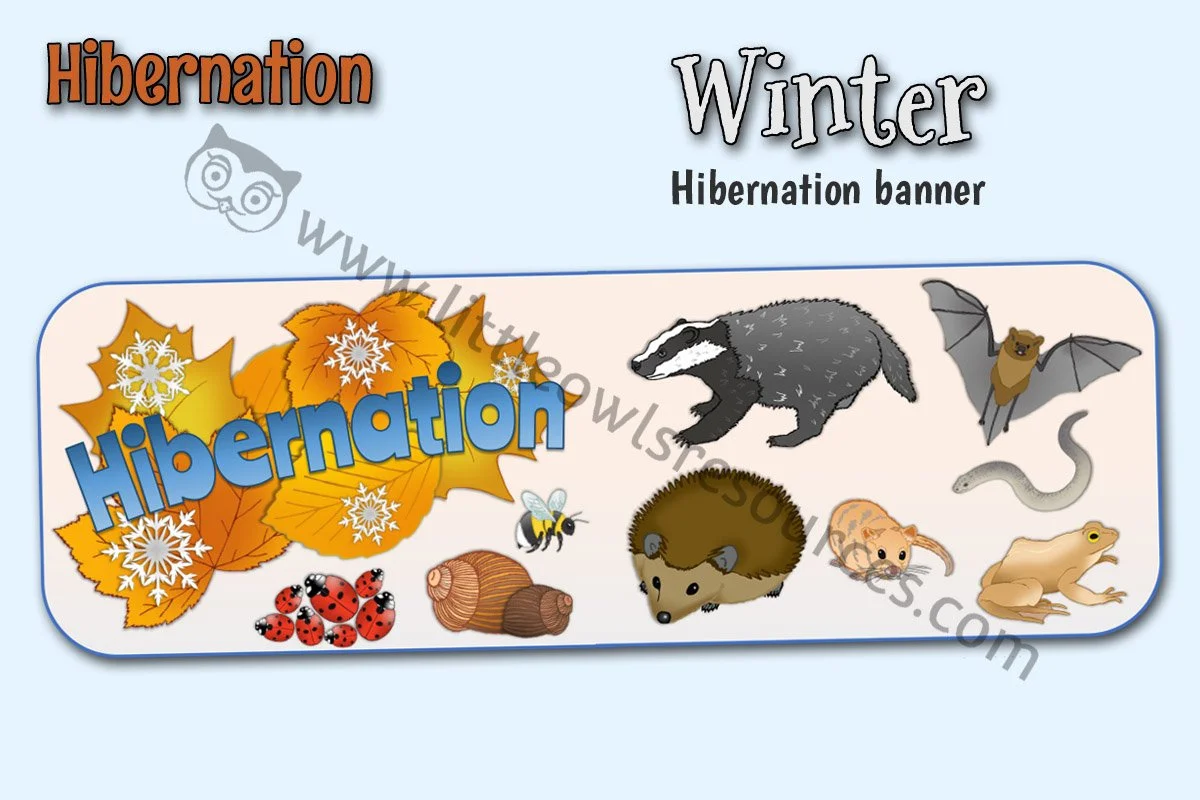
An illustrated Hibernation heading for a seasonal learning display.
Suggested use: Preschool · Reception
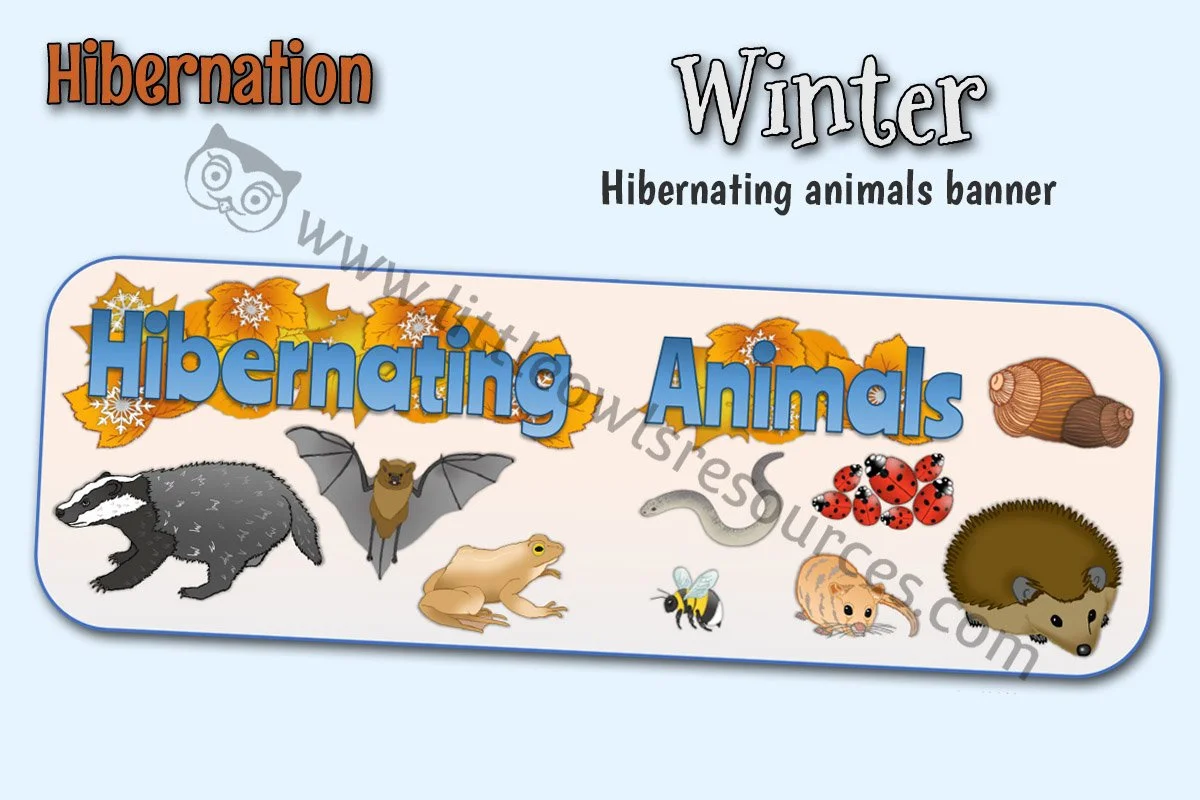
A Hibernating Animals banner for introducing a seasonal discussion or display.
Suggested use: Preschool · Reception
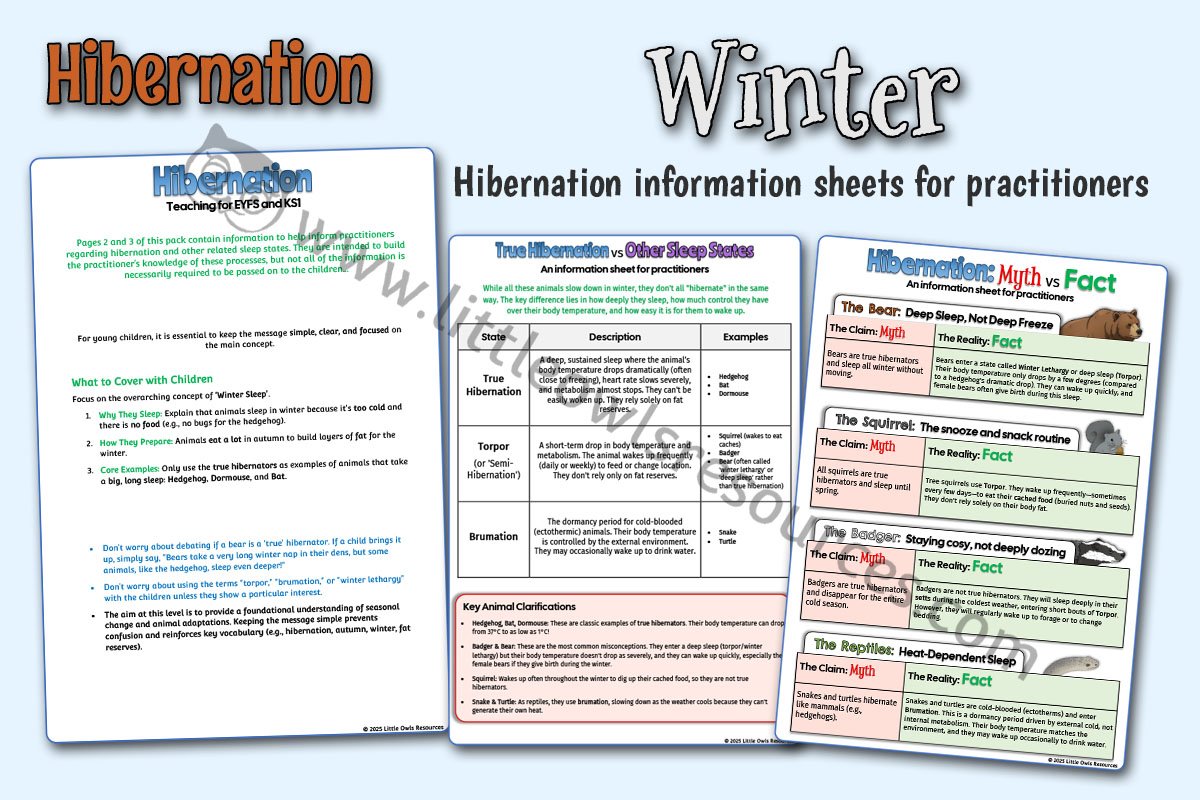
Adult background information comparing ways animals respond to winter, including differences between hibernation and other forms of reduced activity.
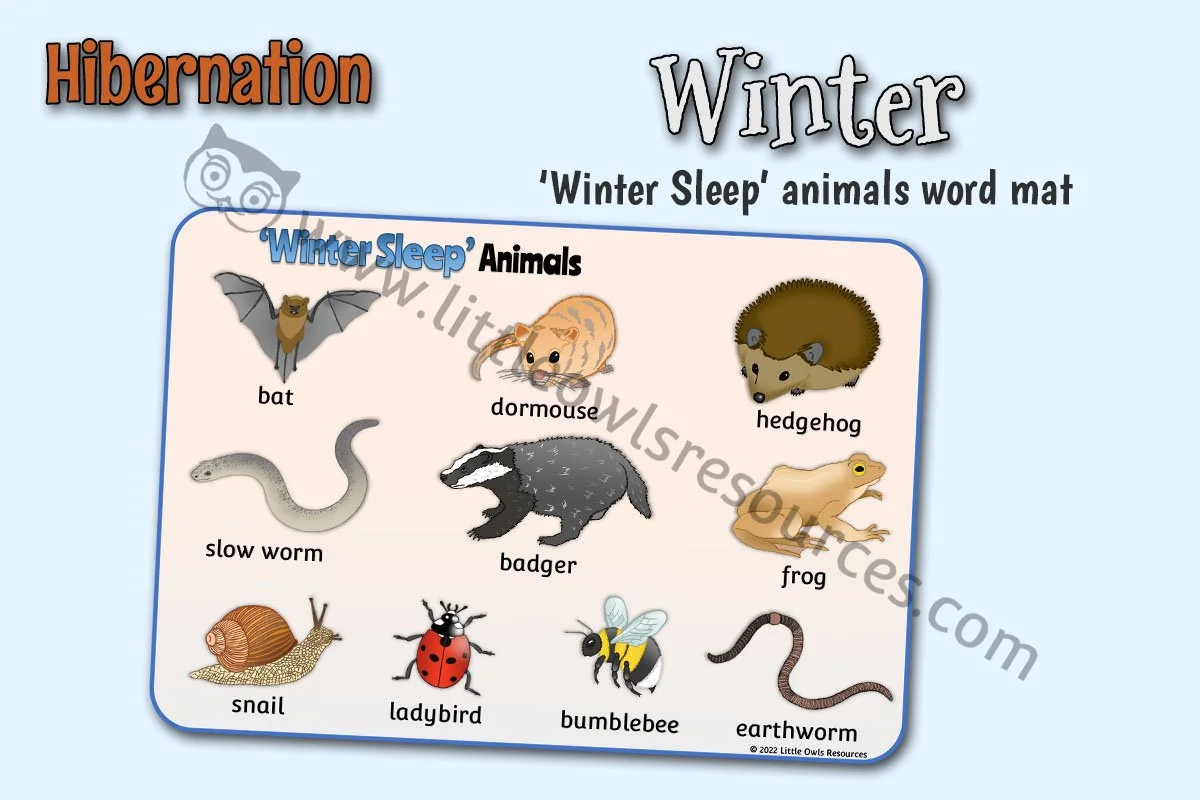
An animal picture-and-word reference covering different winter responses. Use adult explanation to distinguish species and avoid treating all animals as hibernators.
Suggested use: Preschool · Reception · Selected KS1 uses
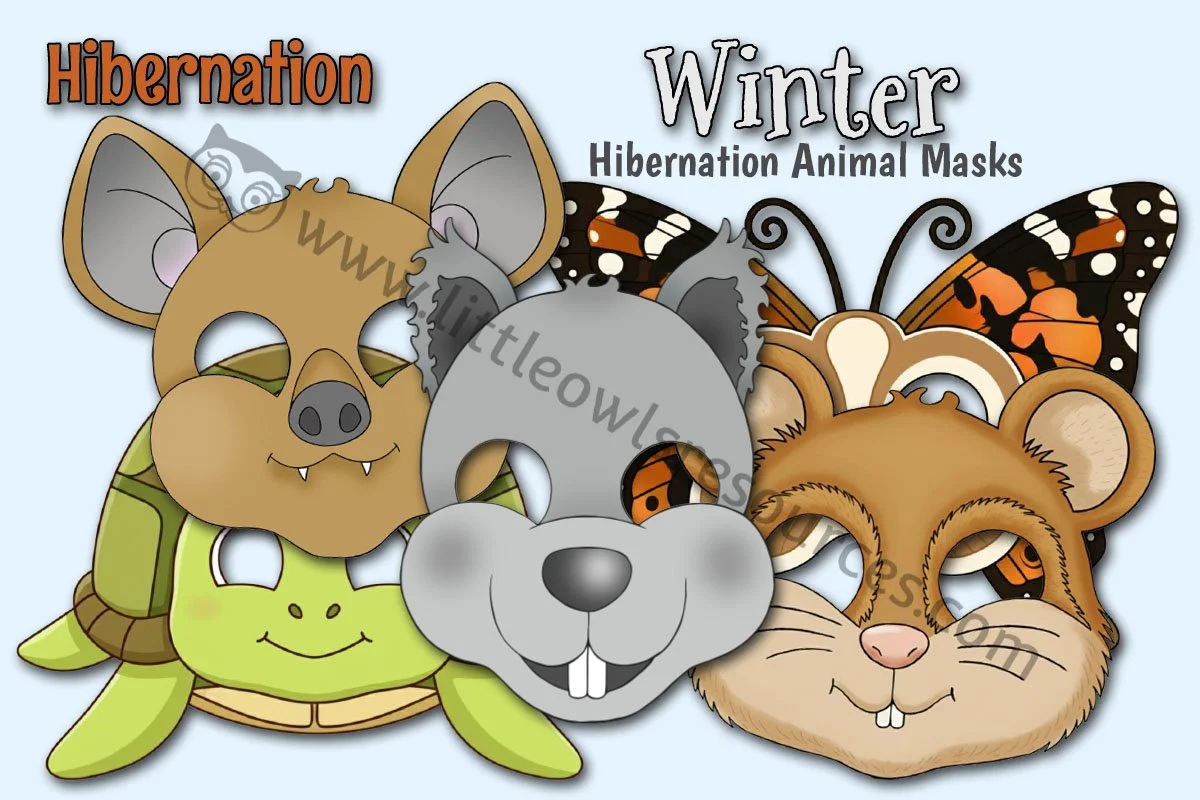
Eight ready-coloured animal masks for imaginative play, including hedgehog, bat, dormouse, bear, turtle, badger, butterfly and squirrel.
Suggested use: Preschool · Reception
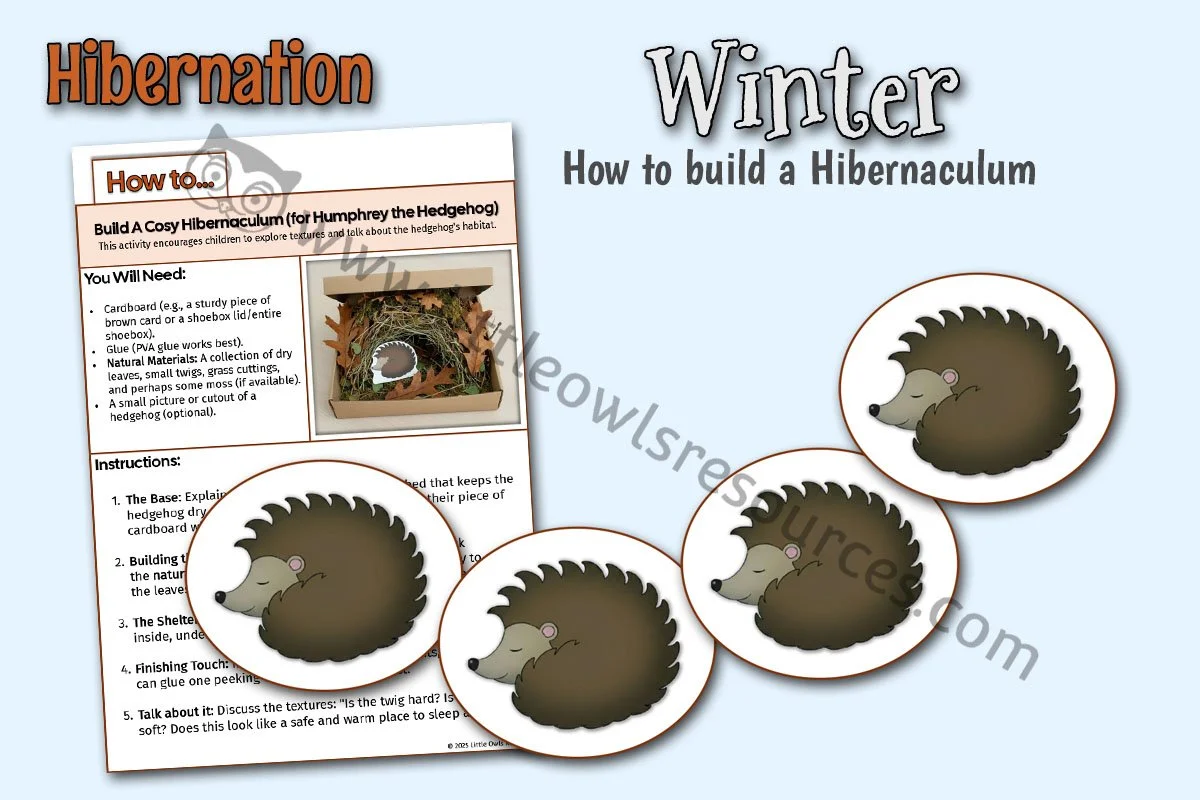
An invitation to build a pretend hedgehog winter nest, exploring textures and discussing the habitat and materials chosen.
Suggested use: Preschool · Reception
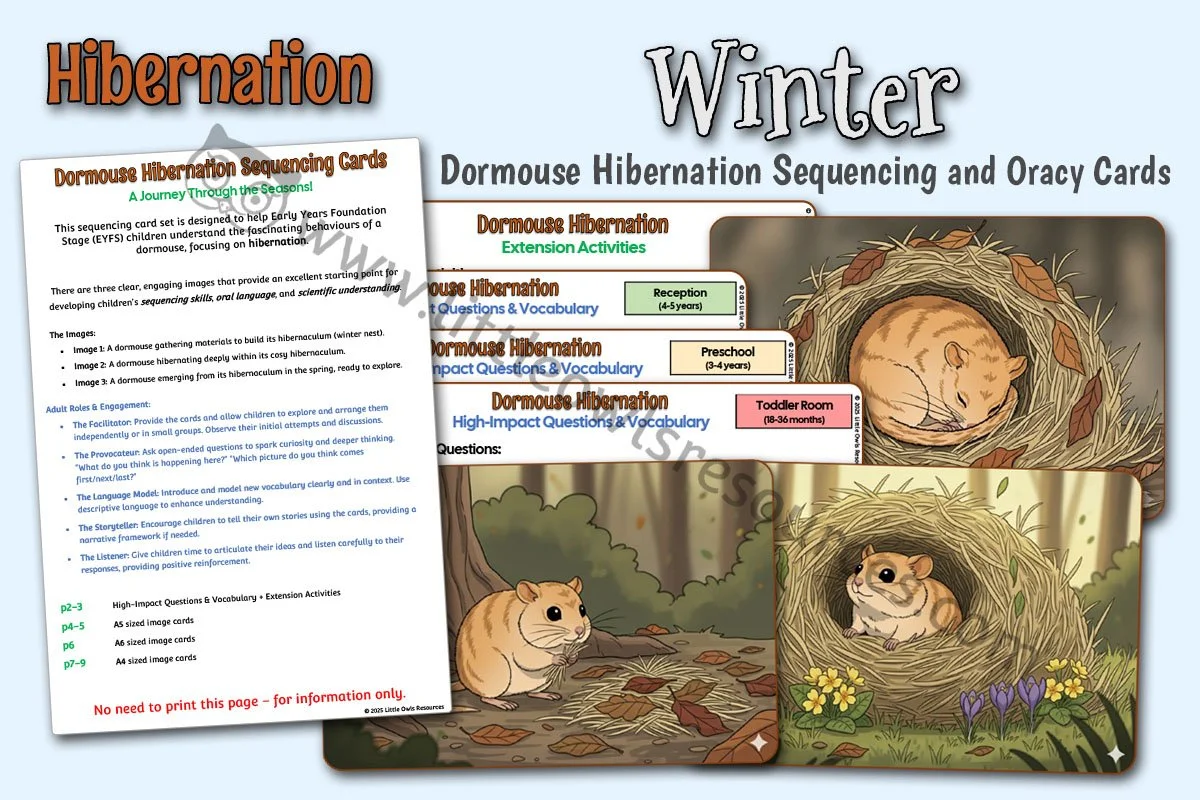
Three pictures show a dormouse preparing a nest, hibernating and emerging in spring. Includes A4, A5 and A6 cards, discussion prompts and vocabulary for supported storytelling.
Suggested use: Preschool · Reception · Selected KS1 uses
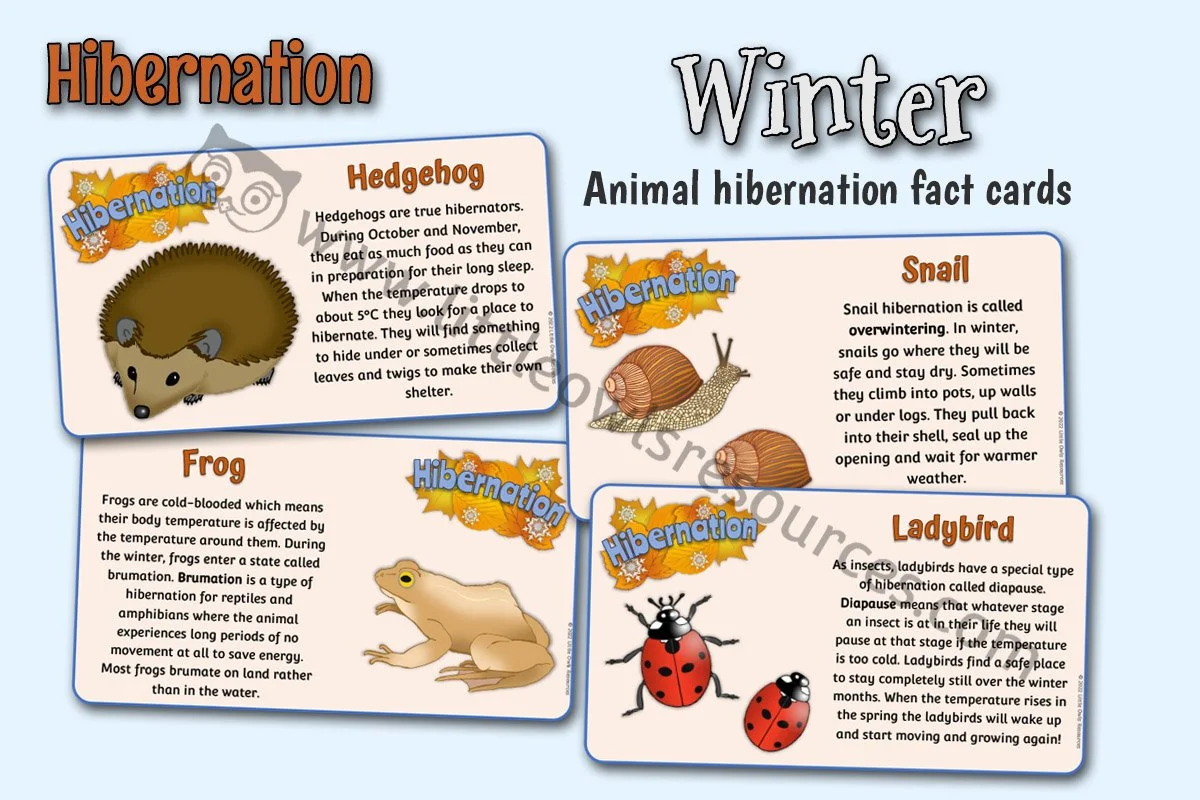
Cards about twelve UK animals and their varied responses to winter, including notes distinguishing hibernation, torpor, brumation, diapause and overwintering.
Suggested use: Preschool · Reception · Selected KS1 uses
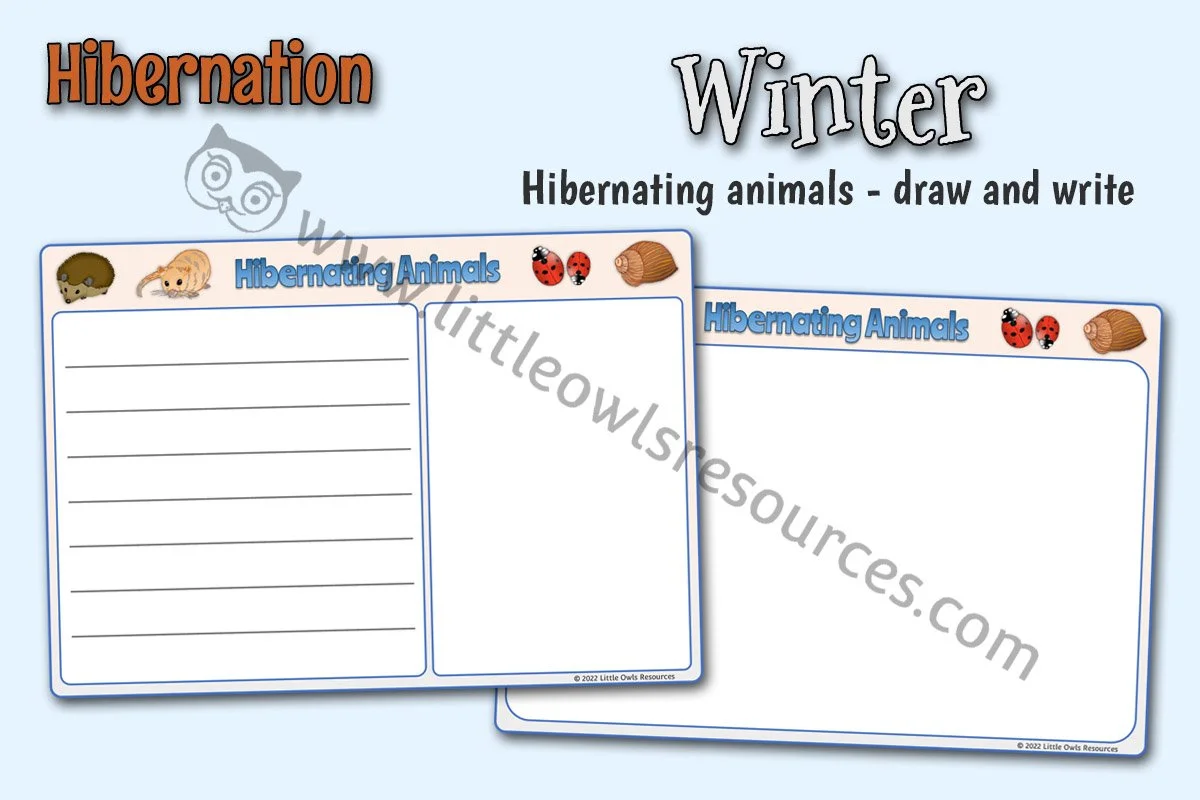
Four differentiated sheets for recording thoughts and observations through marks, drawings and writing.
Suggested use: Preschool · Reception · Selected KS1 uses
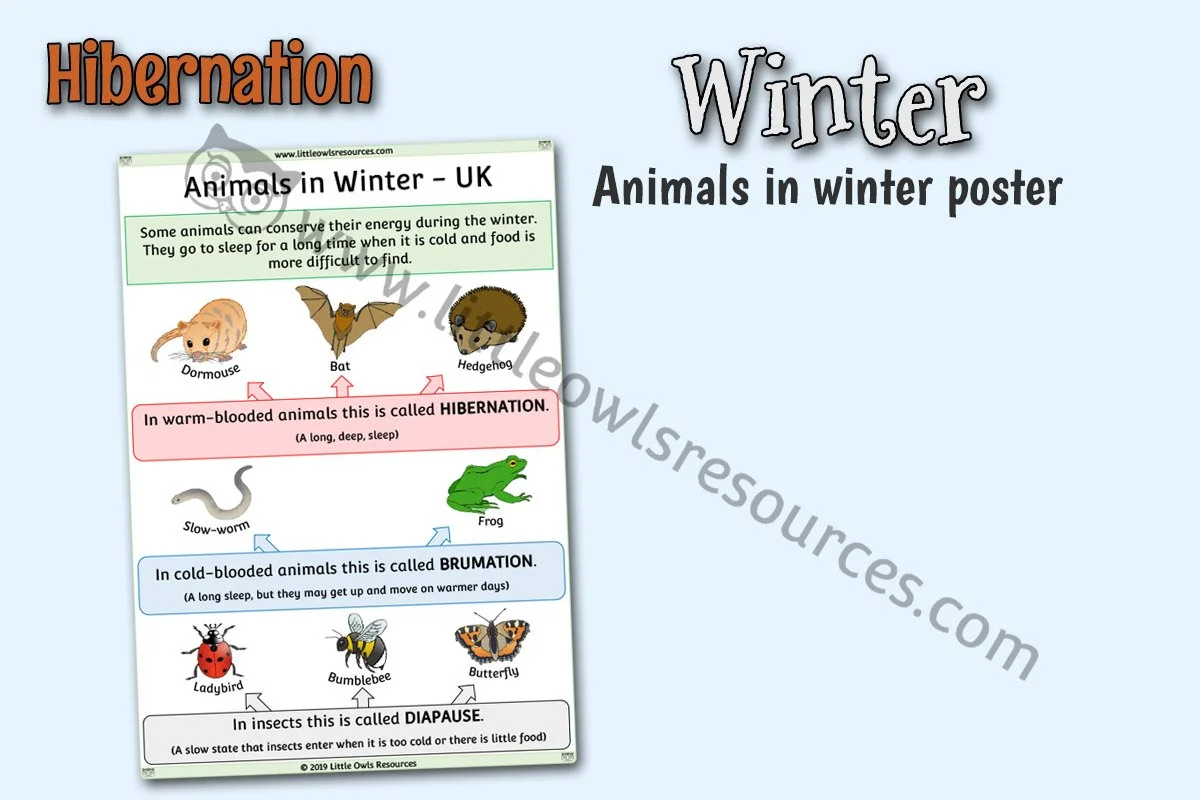
An adult-supported information poster about different animal responses to winter, including hibernation, brumation and diapause.
Suggested use: Preschool · Reception · Selected KS1 uses
Notice the animals and birds around your setting. Use observation, discussion and practical prompts to consider what wildlife needs and how adults and children can care for their surroundings.
An illustrated heading for a display or discussion about helping wildlife in winter.
Suggested use: Preschool · Reception
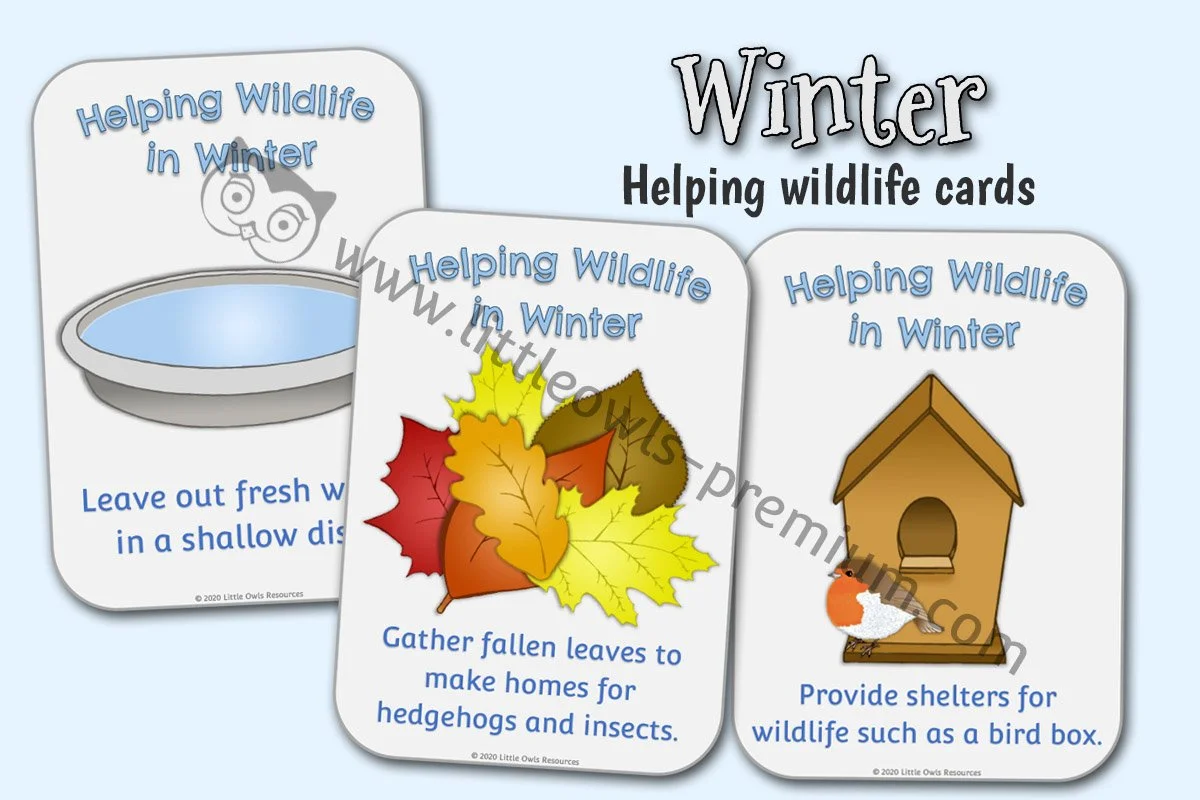
Picture prompts for adult-led discussion about shelter, food, water and ways people can support local wildlife.
Suggested use: Preschool · Reception
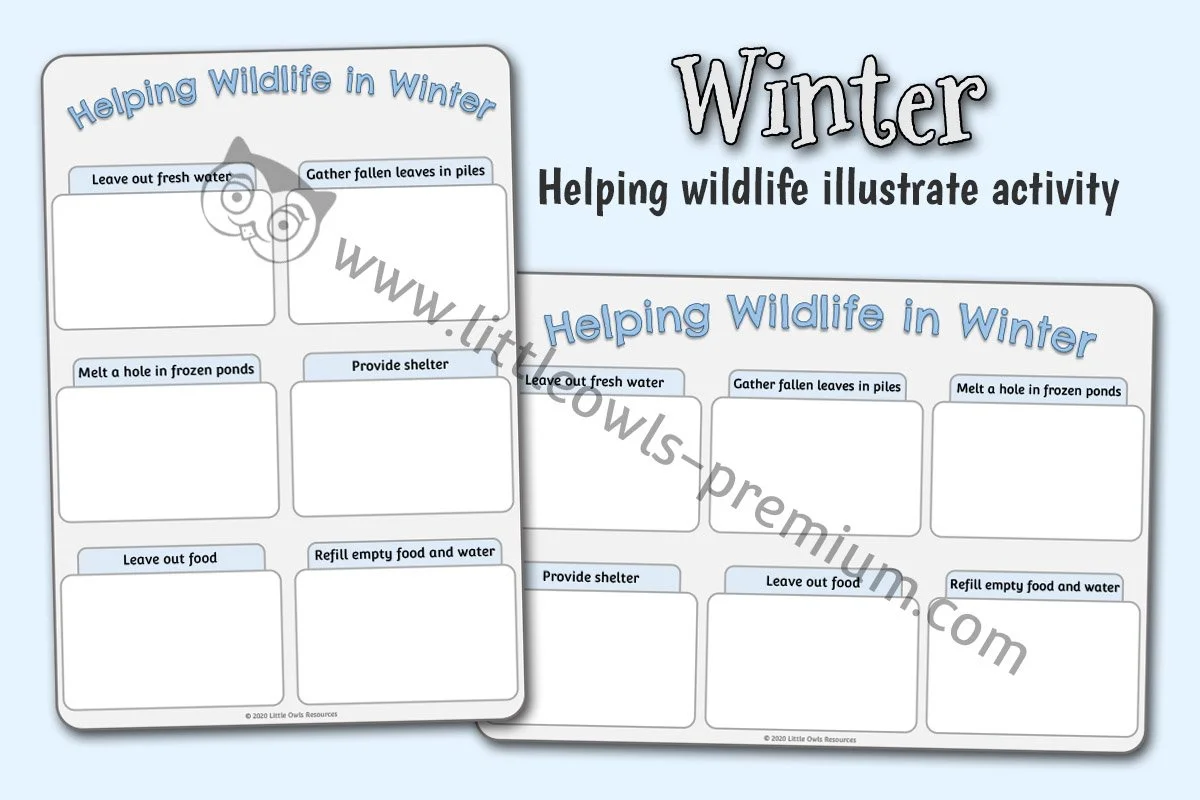
Portrait and landscape sheets with spaces for children to illustrate wildlife-helping ideas. Use with adult explanation and appropriate real-world guidance.
Suggested use: Preschool · Reception
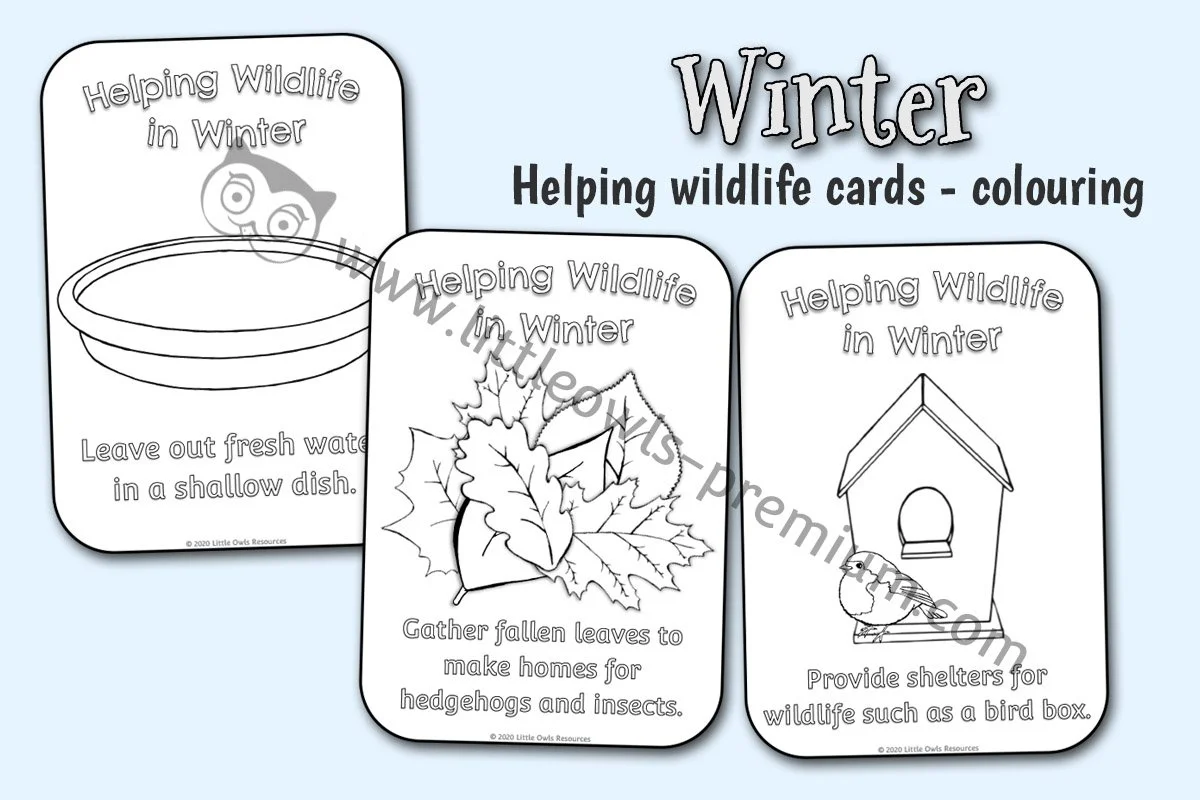
Colouring versions of the wildlife-helping picture prompts, for conversation about shelter, water and other support people can offer.
Suggested use: Preschool · Reception
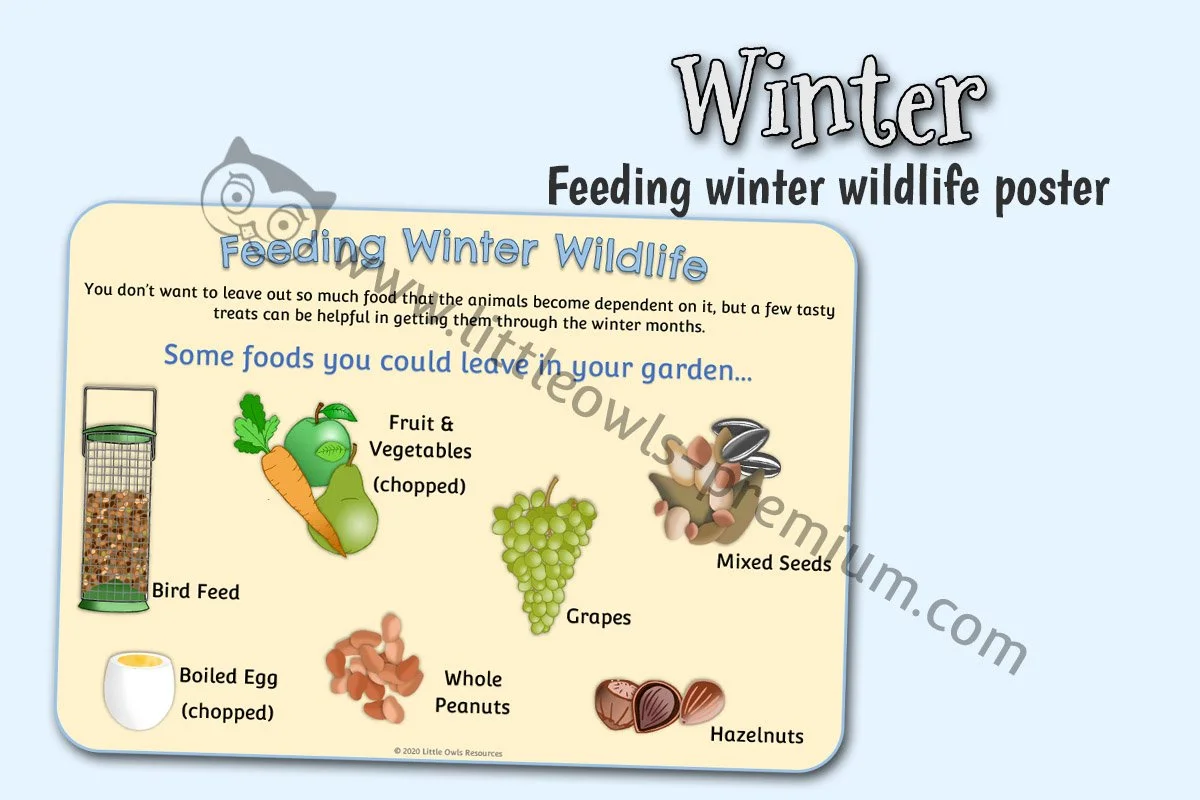
A food-themed discussion poster from the wildlife-helping set. Check current, species-specific feeding guidance before turning the illustrations into practical action.
Suggested use: Preschool · Reception
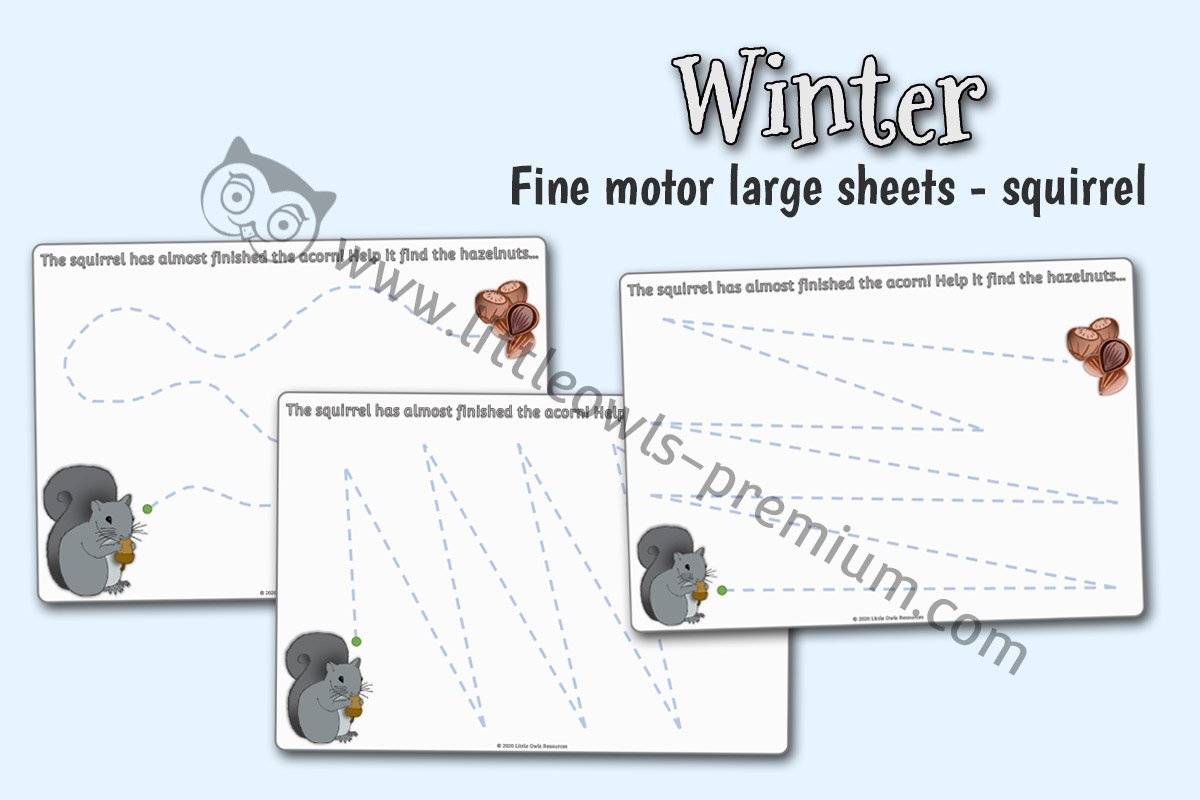
Follow paths towards the squirrel’s food using a finger or suitable mark-making tool. The mat format can be prepared for repeated use.
Suggested use: Preschool · Reception
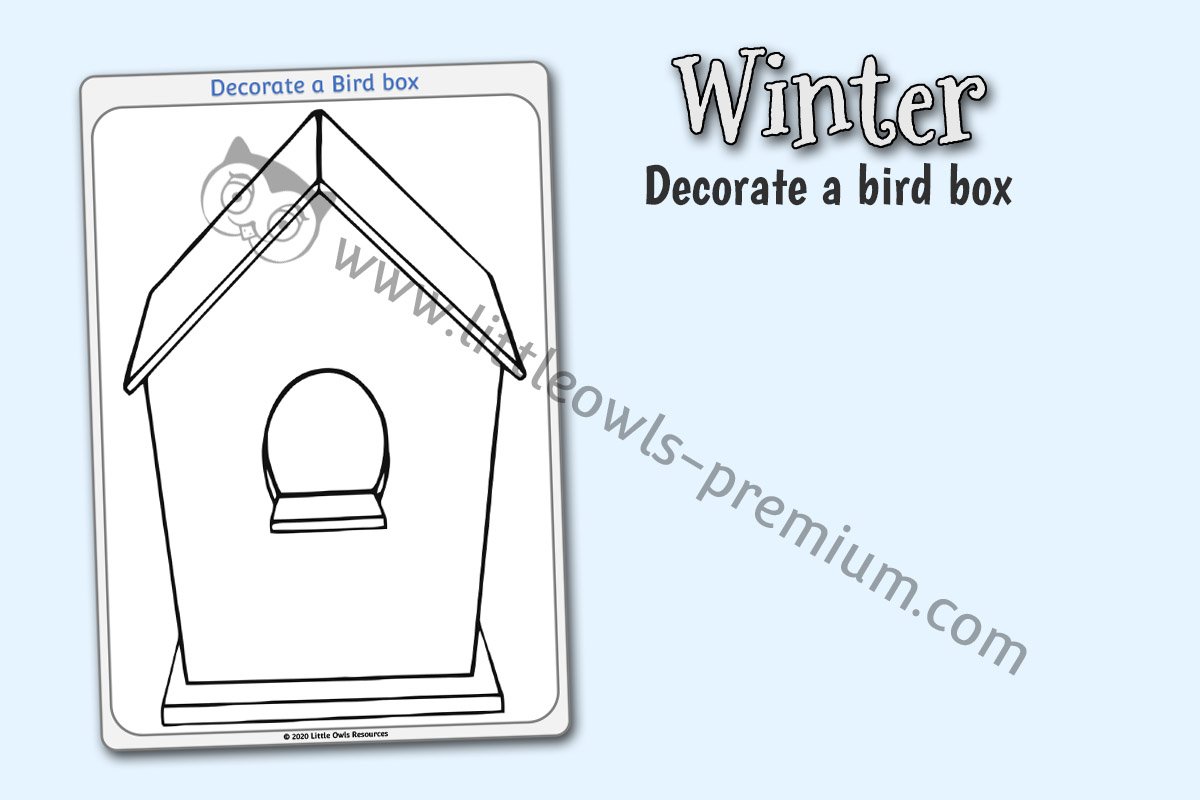
A bird-box outline for marks, playdough, suitable loose parts or collage, with opportunities to talk about shelter for birds.
Suggested use: Preschool · Reception
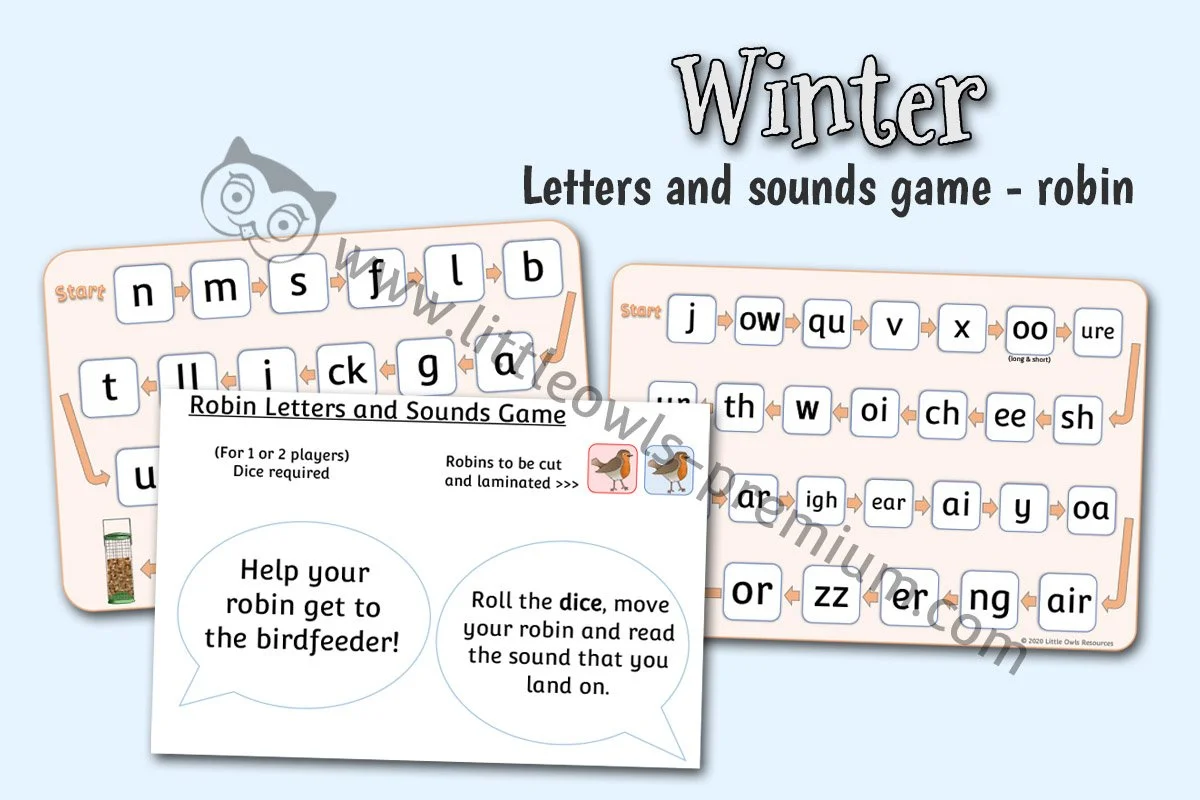
Two robin board games labelled Phase 2 and Phase 3, combining dice movement and sound recognition. Choose the board and correspondences that fit children’s phonics teaching.
Suggested use: Reception · Selected KS1 uses
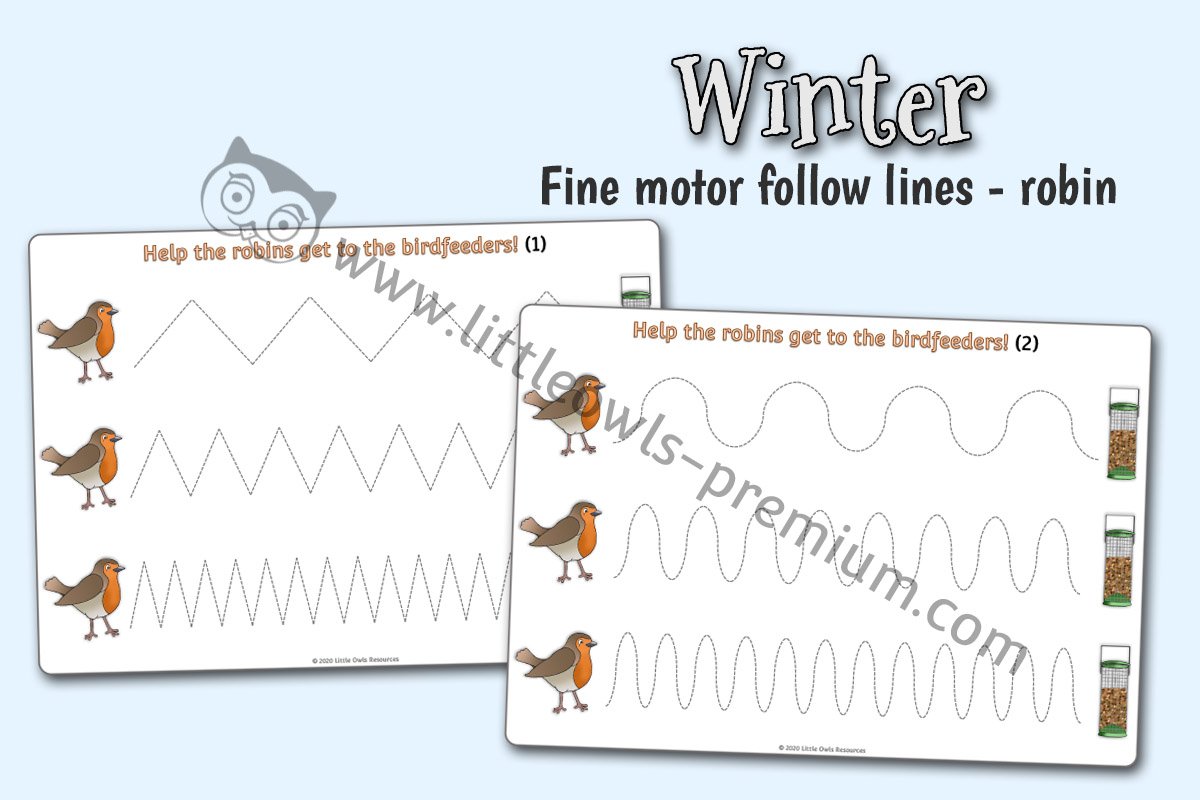
Robin-themed line-following activity sheets for drawing paths towards food. Retained separately from the reusable-mat layout.
Suggested use: Preschool · Reception
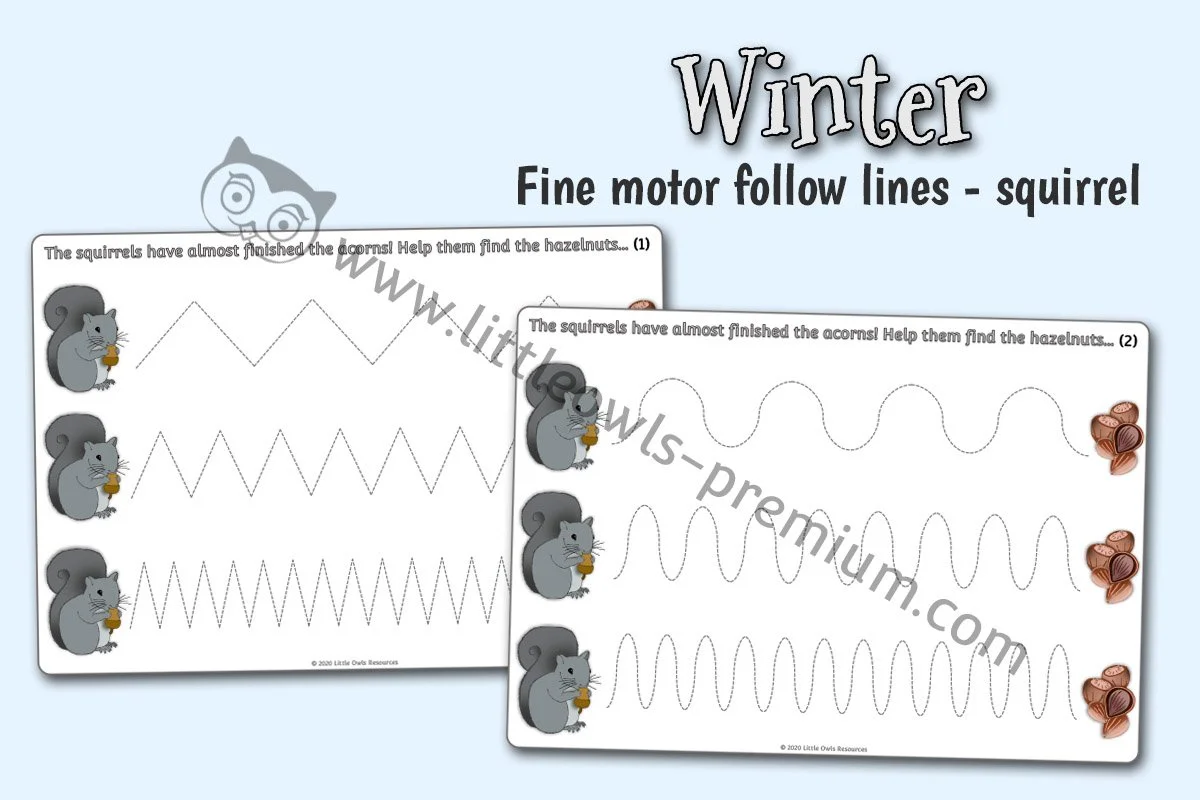
Squirrel-themed line-following sheets for drawing paths towards food. Retained separately from the reusable-mat layout.
Suggested use: Preschool · Reception
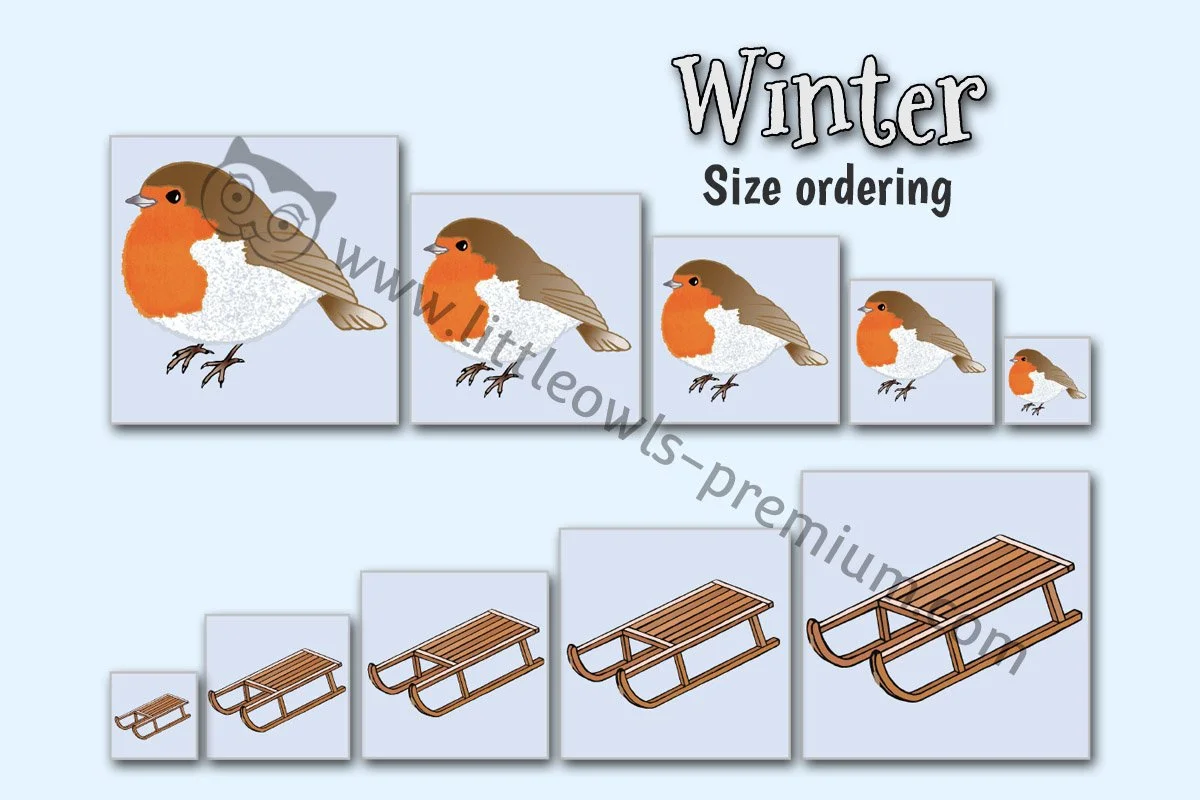
Compare and arrange winter pictures by size using smaller, bigger, smallest and biggest. Use as movable cards or a cut-and-stick activity.
Suggested use: Preschool · Reception
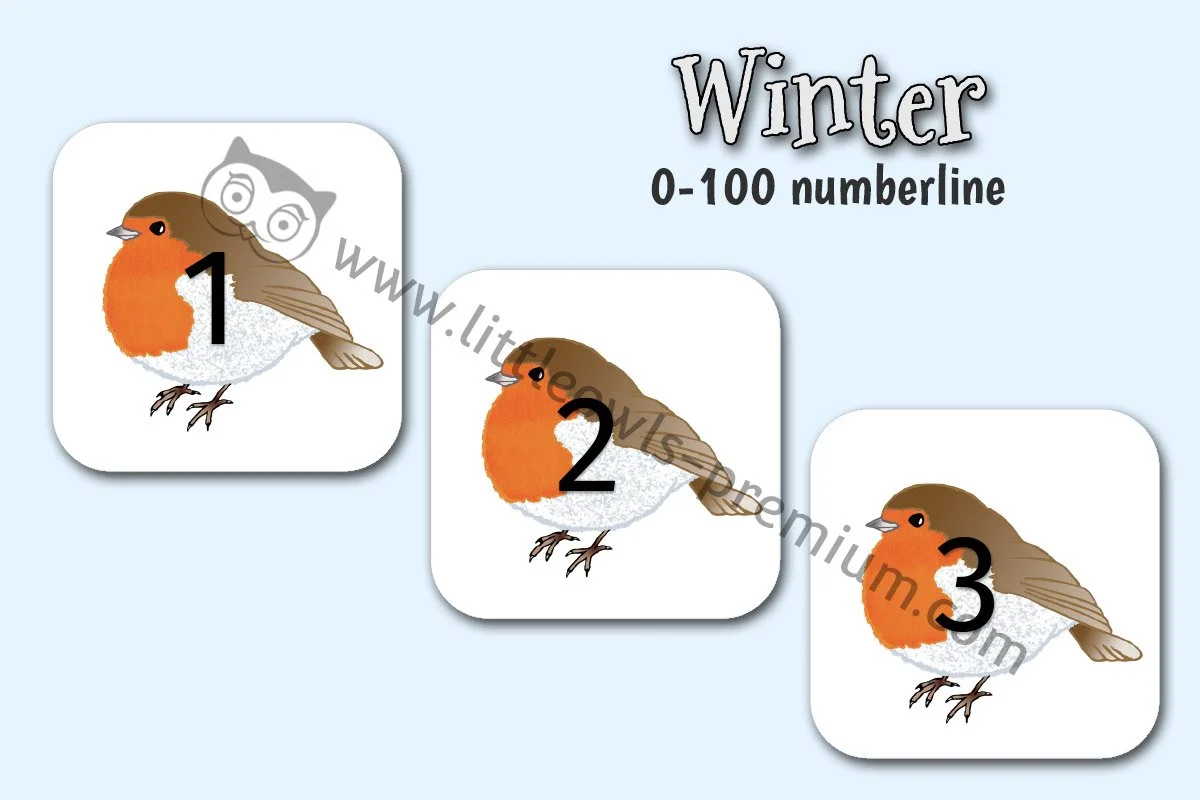
Robin numerals from 0 to 100 for selected number lines, displays, ordering or numeral formation.
Suggested use: Reception · Selected KS1 uses
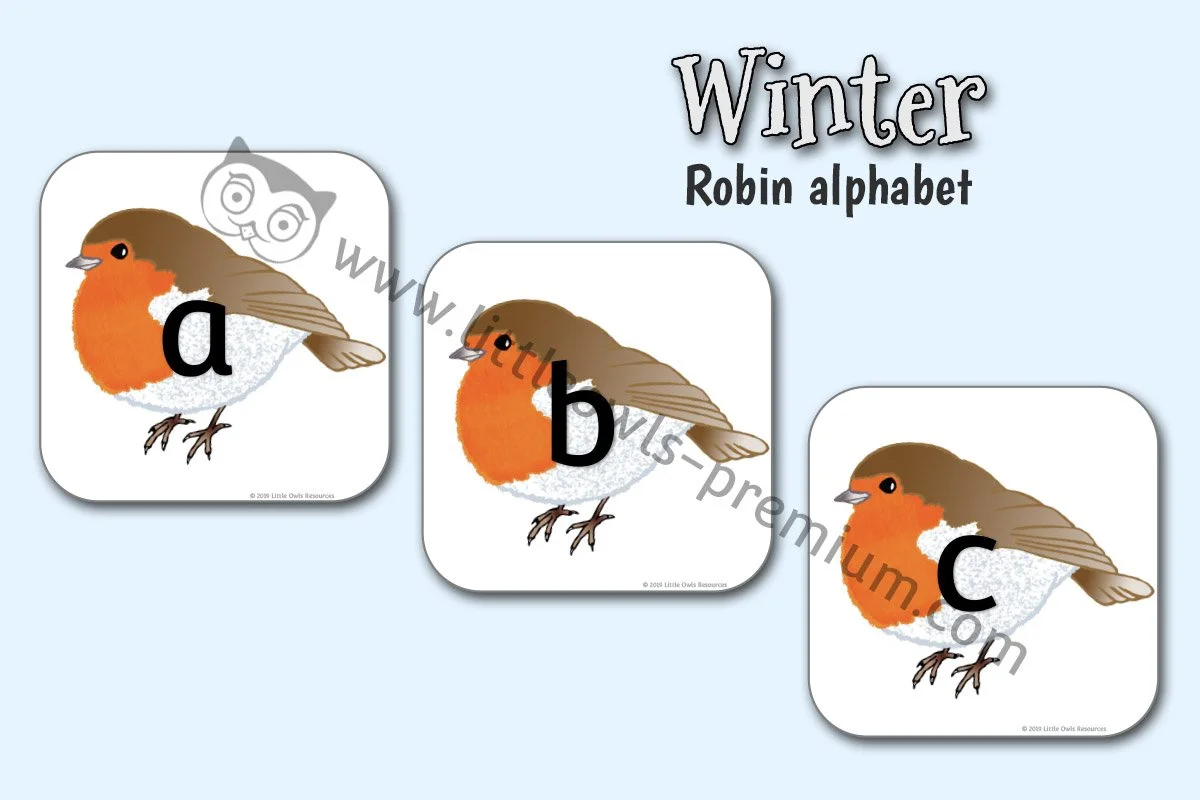
Alphabet letters on robin pictures for a display, letter matching and supported letter formation.
Suggested use: Reception · Selected KS1 uses
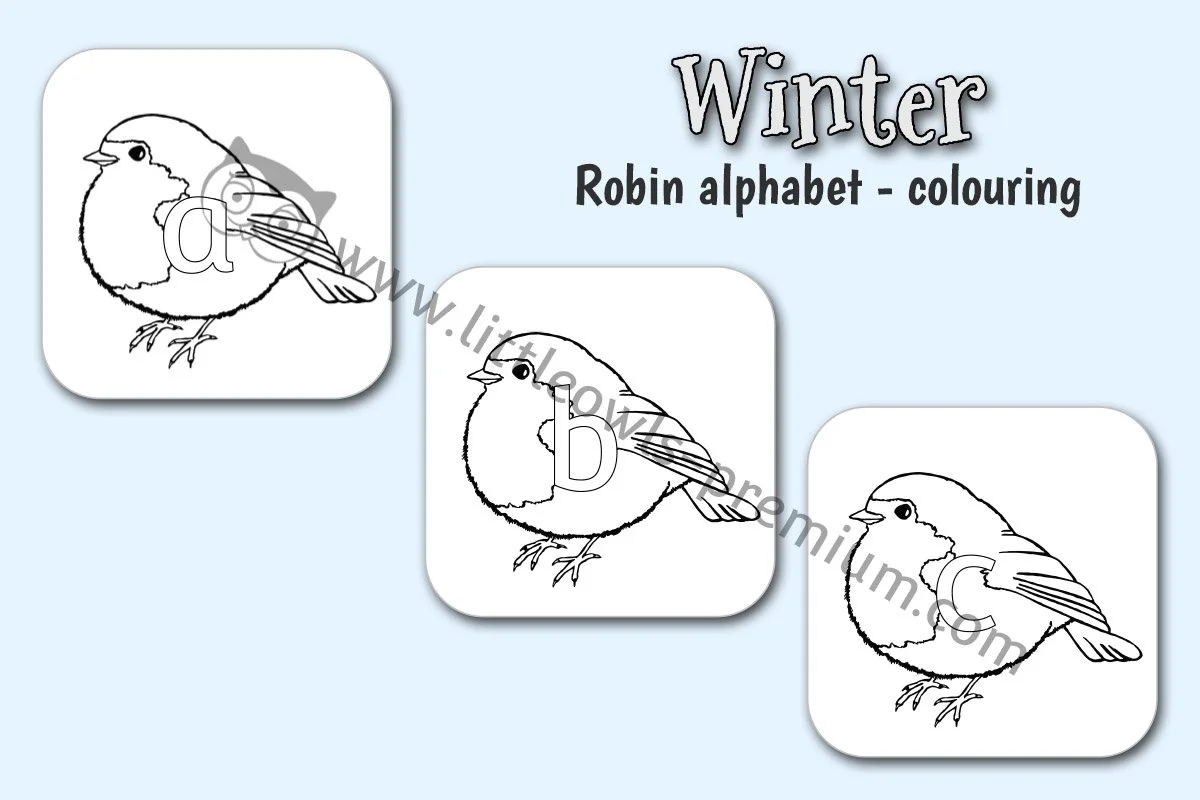
A robin colouring card for each alphabet letter, plus a blank card for your own additions.
Suggested use: Reception · Selected KS1 uses
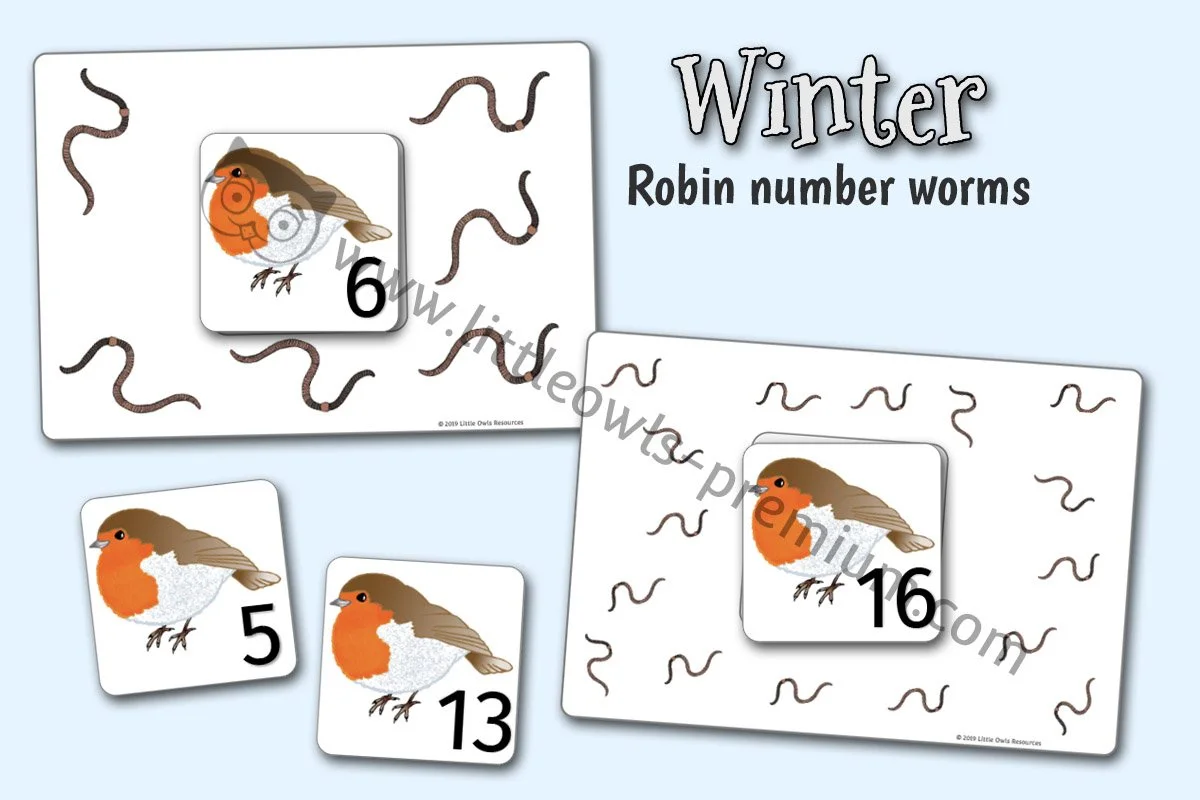
Match numbered robin cards to quantities of worms from 1 to 20, counting the food needed for each bird.
Suggested use: Reception · Selected KS1 uses
Look closely at shapes, compare tracks and talk about which animal might have made them. Snow-themed pictures can prompt matching, storytelling and mark making even when there is no snow outside.
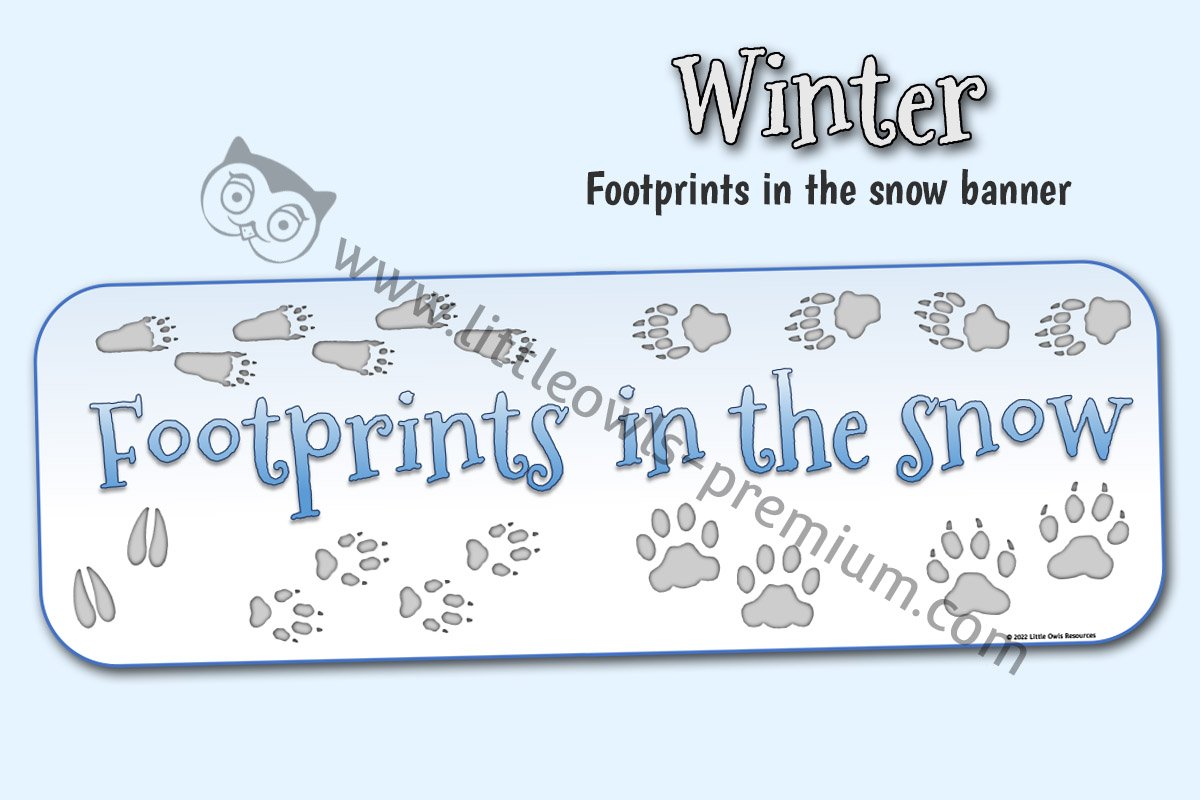
A footprint-themed banner for a winter investigation or display. Pair it with children’s observations, animal-track pictures and the matching footprint resources.
Suggested use: Preschool · Reception · Selected KS1 uses
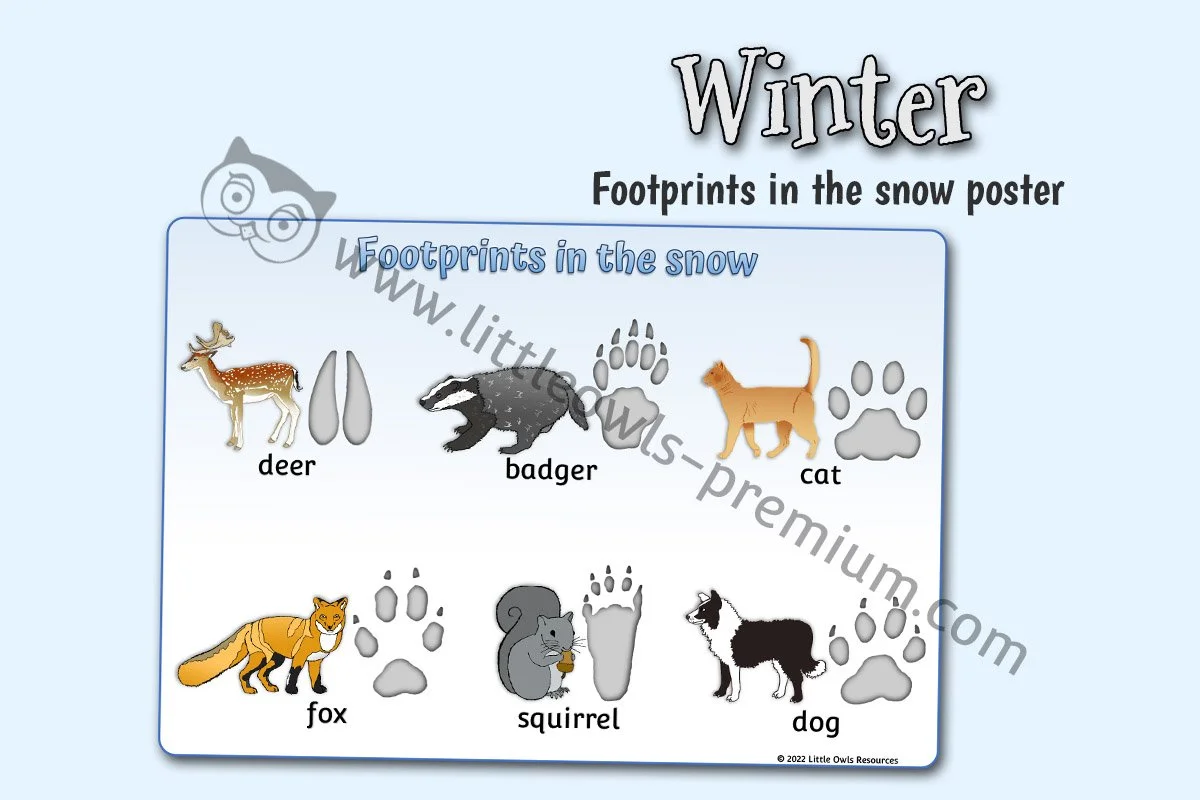
Compare six illustrated animals with their tracks: deer, dog, squirrel, fox, badger and cat. Use the poster during a shared winter walk or alongside a footprint investigation display.
Suggested use: Preschool · Reception · Selected KS1 uses
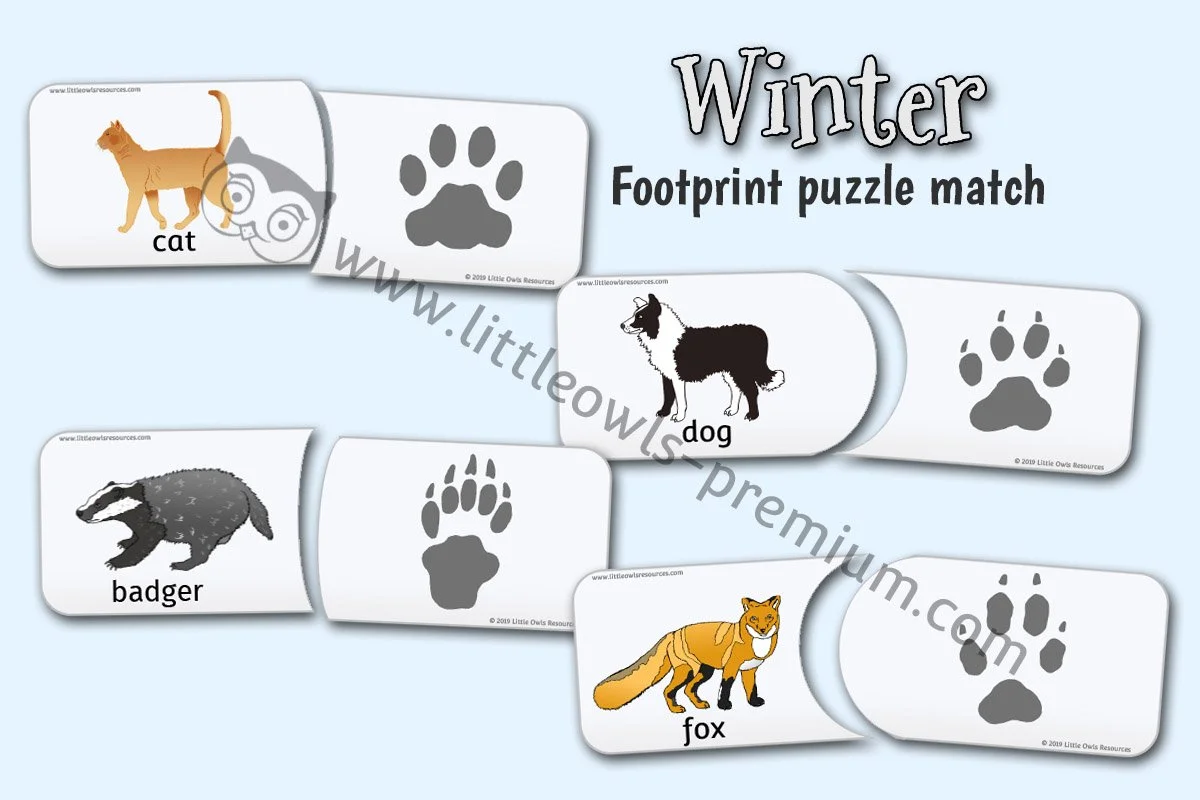
Match six animals to their footprints using two-part puzzles with self-checking edges. Compare shapes, talk about what you notice and check whether each animal and track belong together.
Suggested use: Preschool · Reception
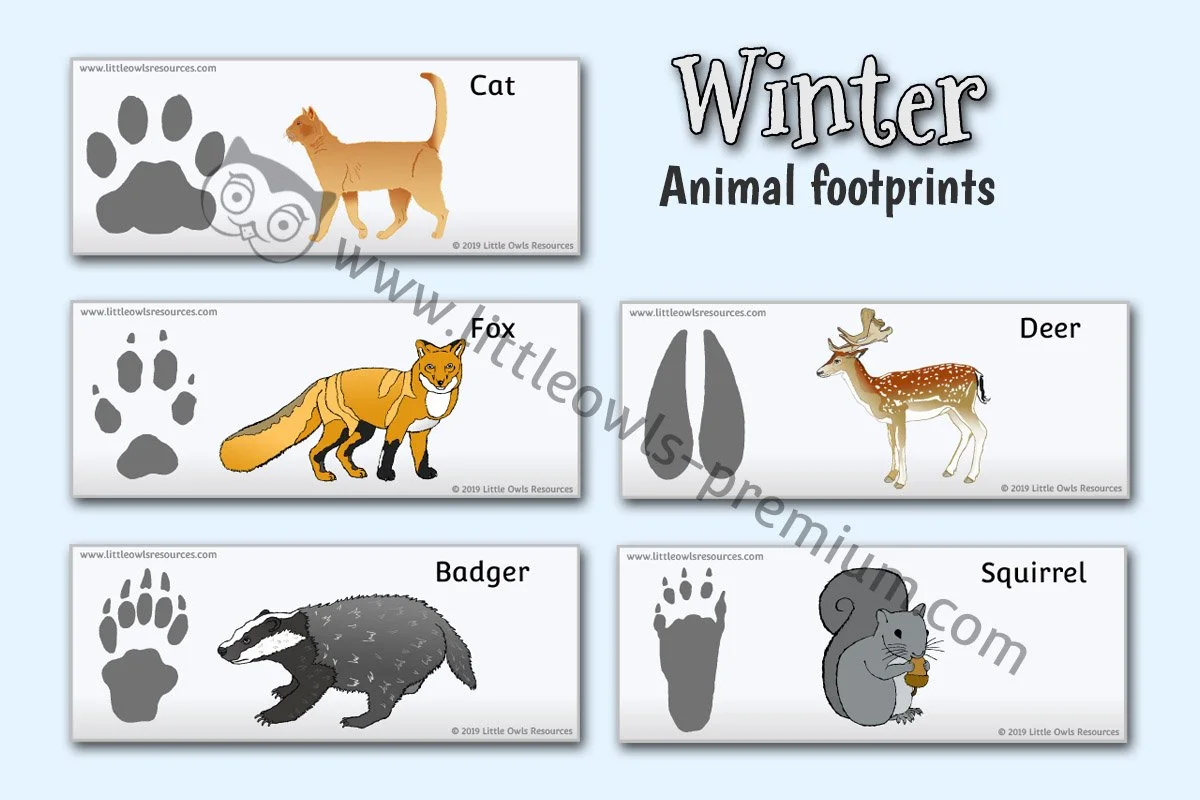
Animal-and-footprint cards for shared observation, matching and discussion. The set covers deer, dog, squirrel, fox, badger and cat, and can accompany a winter walk or track display.
Suggested use: Preschool · Reception · Selected KS1 uses
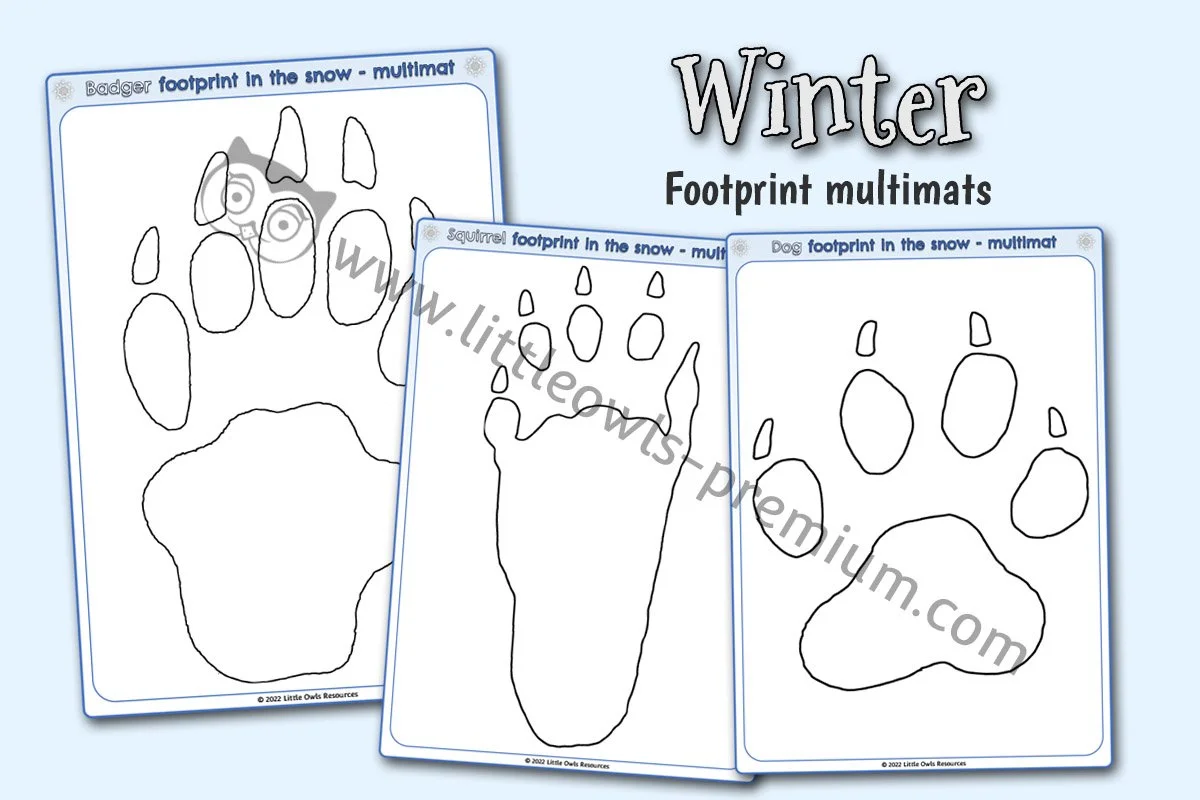
Explore six animal footprint shapes with colouring, collage, playdough or suitable loose parts. Reuse laminated mats for arranging materials and comparing the different shapes of the tracks.
Suggested use: Preschool · Reception · Selected KS1 uses
Explore animals and cold habitats through movement, matching, counting and imaginative play. Keep these habitats distinct from your local Winter, and use species-specific information when discussing where animals live.
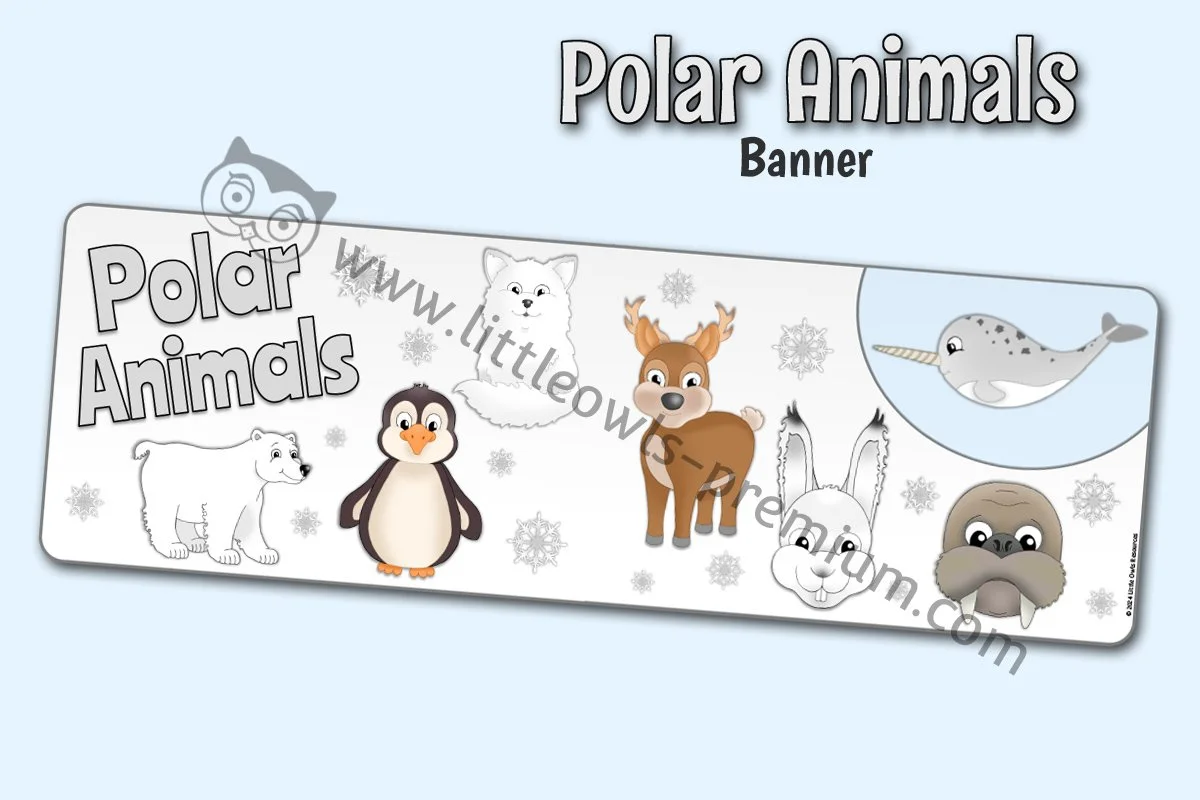
A cartoon polar-animal banner for a winter display or themed resource area. Use it alongside more specific pictures and conversations about the different animals in the collection.
Suggested use: Preschool · Reception · Selected KS1 uses
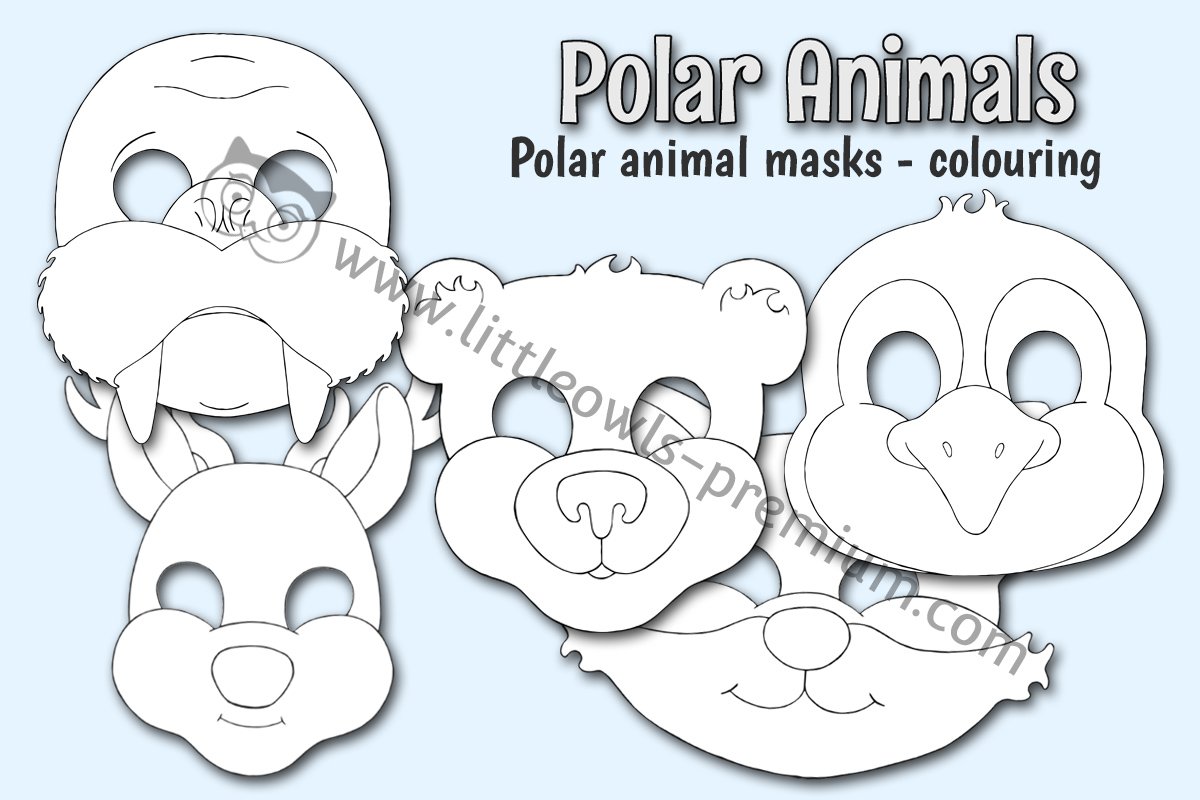
Colour and decorate eight animal mask designs for imaginative play. The pack includes a penguin, polar bear, narwhal, arctic fox, arctic hare, walrus and two deer designs.
Suggested use: Preschool · Reception · Selected KS1 uses
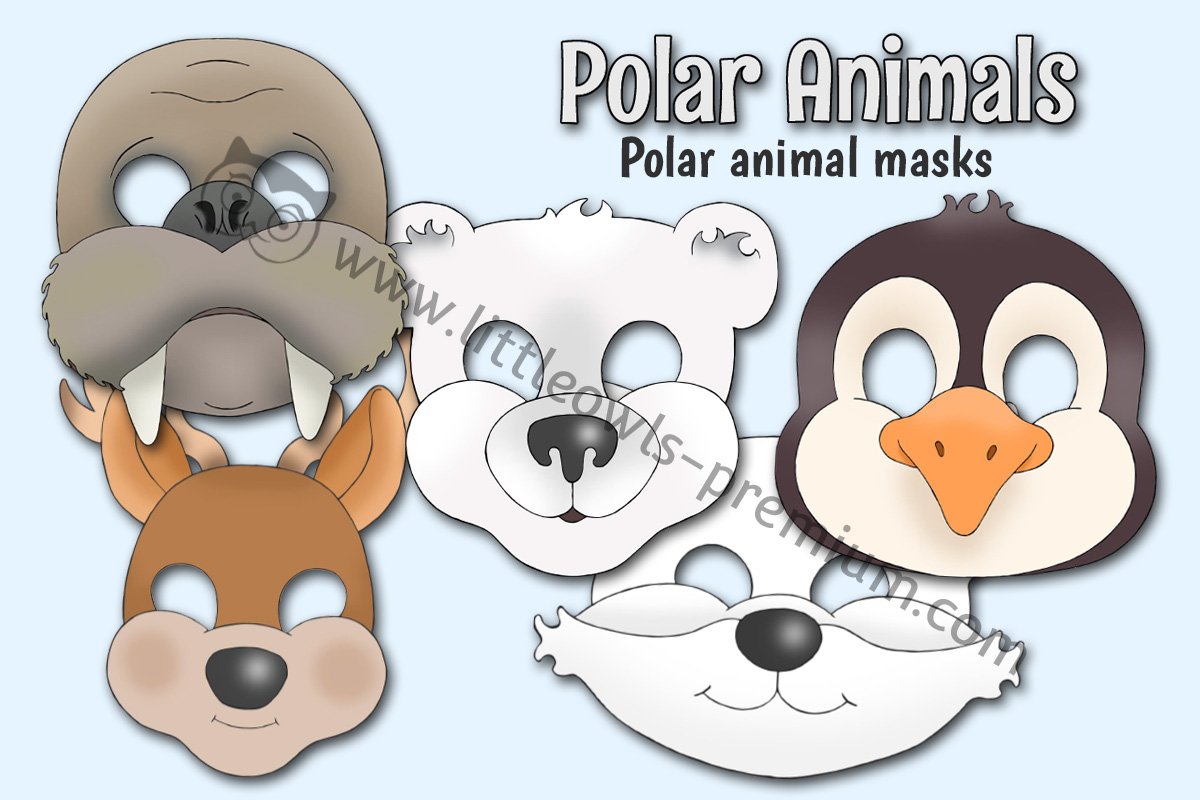
Eight ready-coloured animal mask designs for role play and shared stories, including penguin, polar bear, narwhal, arctic fox, arctic hare, walrus and two deer designs.
Suggested use: Preschool · Reception · Selected KS1 uses
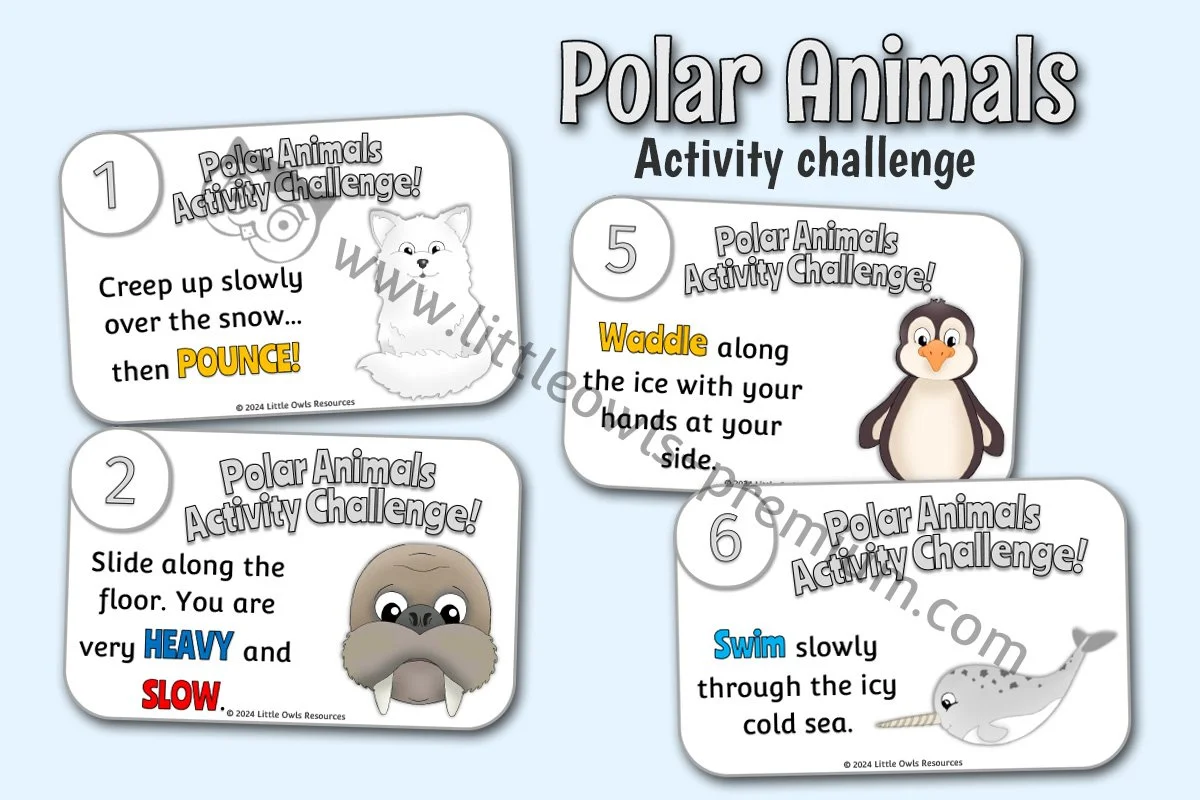
Try seven animal-inspired movement prompts together. Adults can introduce each action, then invite children to recognise the picture, choose a card and take turns leading the movement.
Suggested use: Toddlers with adult support · Preschool · Reception · Selected KS1 uses
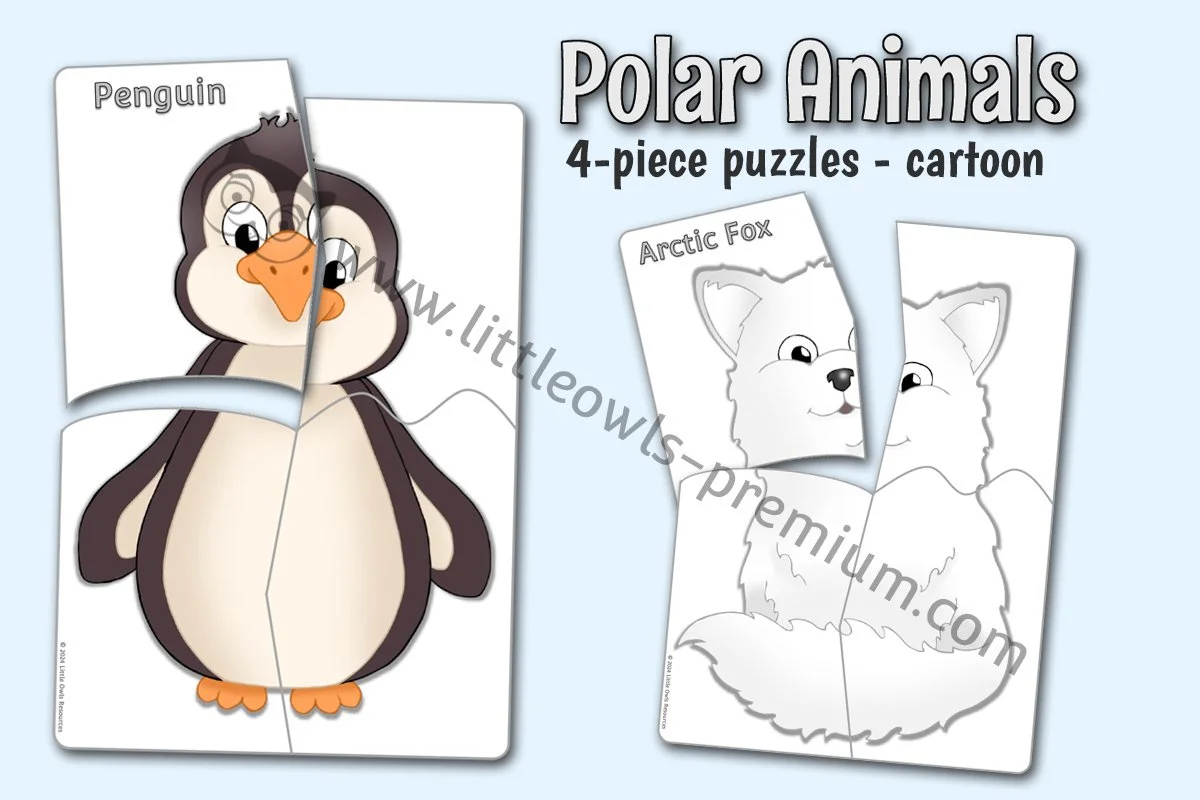
Rebuild cartoon animal pictures with four-piece puzzles featuring penguin, arctic fox, narwhal, reindeer and polar bear. Compare colours and shapes to find where each piece belongs.
Suggested use: Preschool · Reception
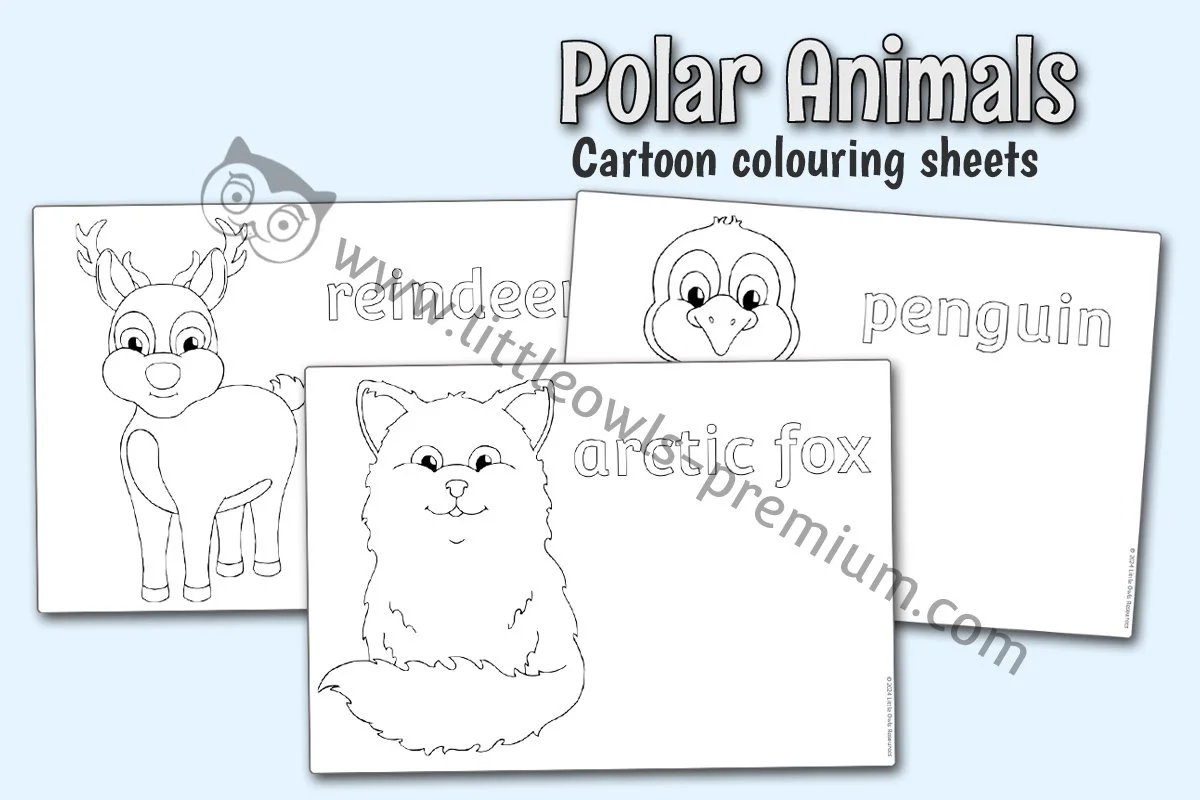
Six named colouring pages featuring arctic fox, penguin, narwhal, polar bear and reindeer with and without antlers. Use them for colouring, describing pictures and choosing materials.
Suggested use: Preschool · Reception · Selected KS1 uses
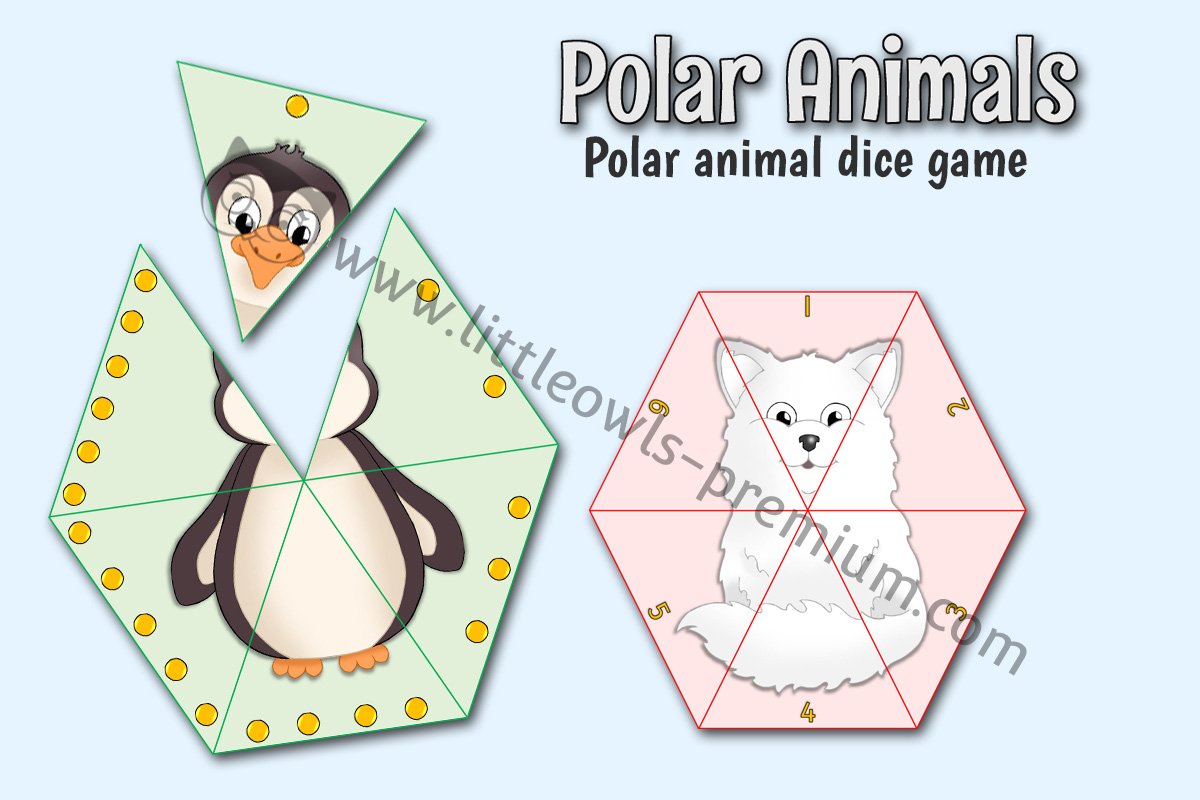
Roll a 1–6 die and collect the matching piece to complete an animal picture. Choose the version with dots to count or numerals to recognise, playing independently or taking turns.
Suggested use: Preschool · Reception · Selected KS1 uses
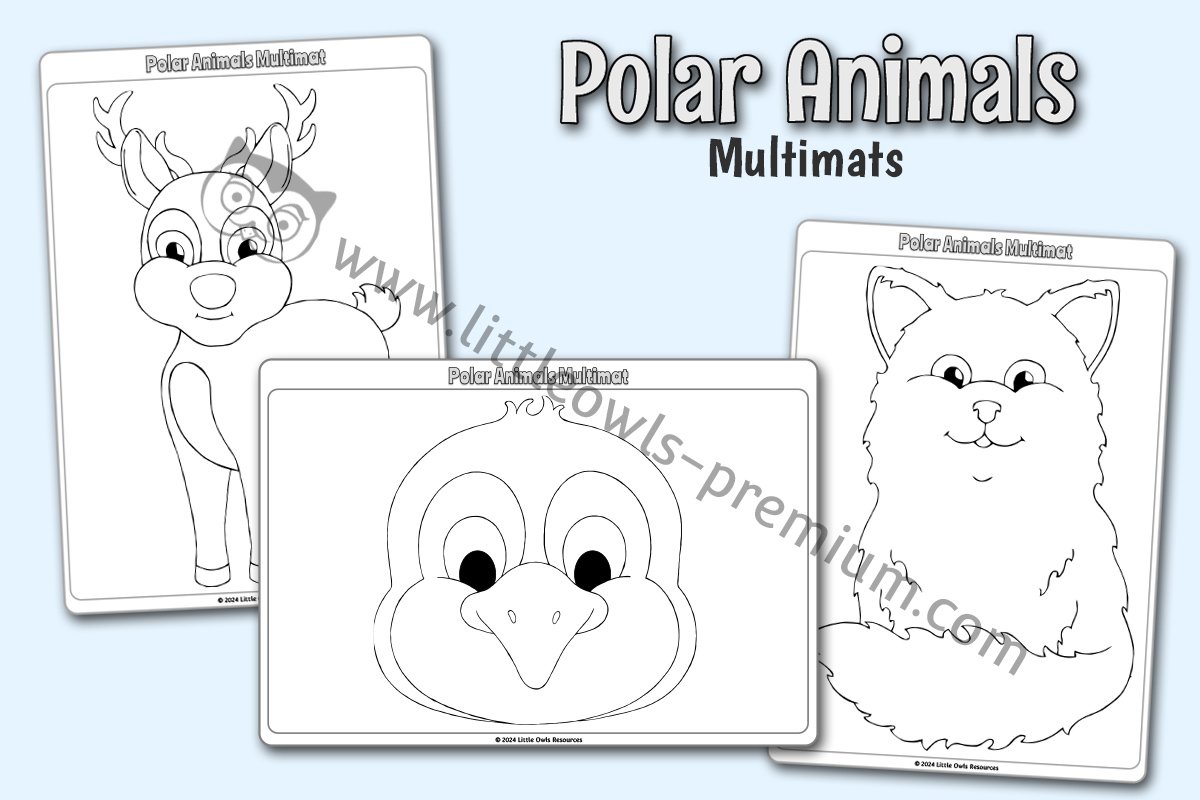
Eleven outline mats with whole animals and animal faces for playdough, collage, colouring or suitable loose parts. Laminate for repeated use with dough or washable mark-making materials.
Suggested use: Preschool · Reception · Selected KS1 uses
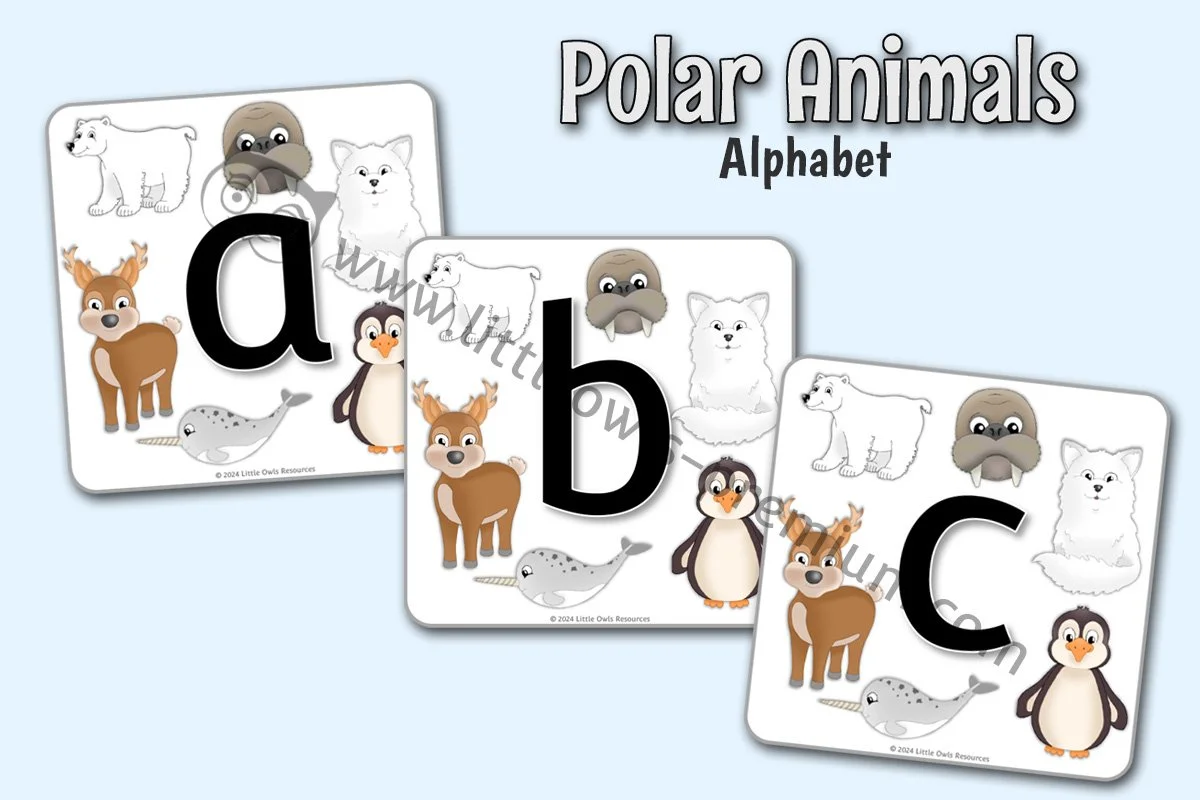
Cartoon polar-animal letter cards for recognising, matching and arranging letters. Use selected cards for playful alphabet exploration or add them to a themed literacy display.
Suggested use: Preschool · Reception · Selected KS1 uses
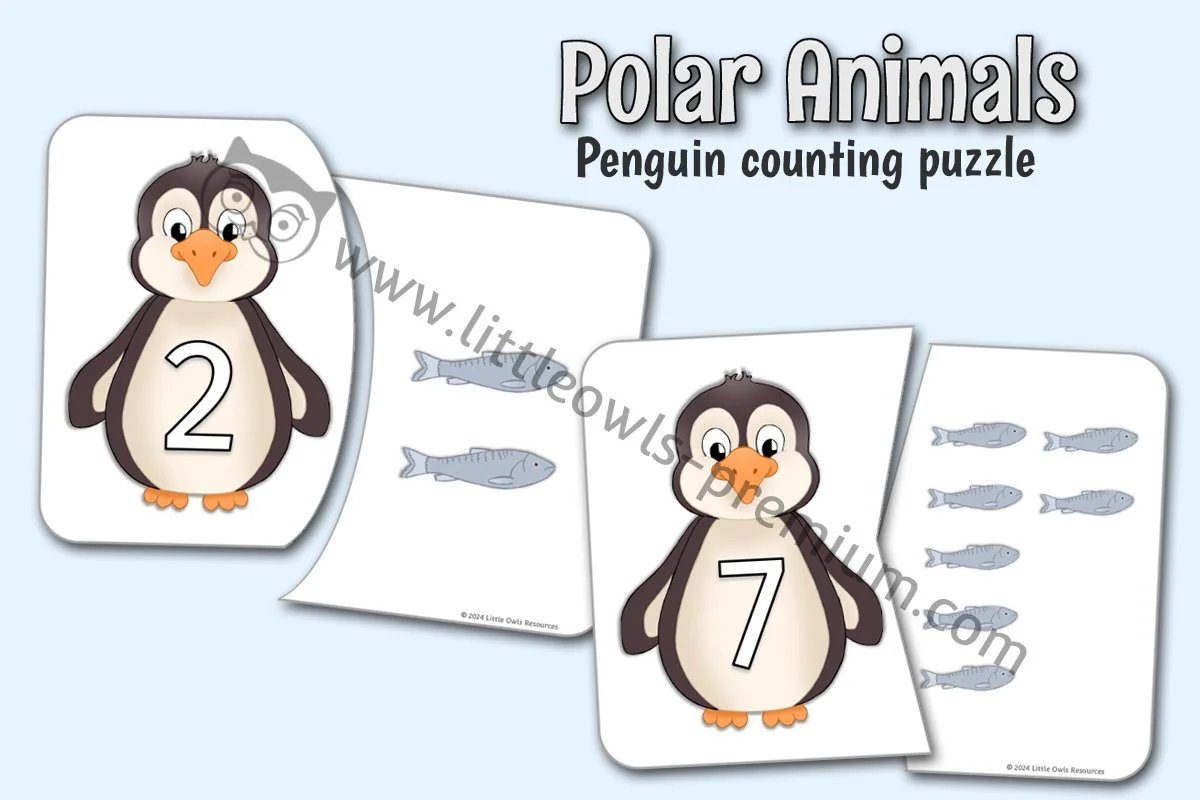
Match each numbered penguin to a group of fish from 1 to 10. Count the pictured fish, connect the matching pieces or leave the cards uncut for number-ordering activities.
Suggested use: Preschool · Reception · Selected KS1 uses
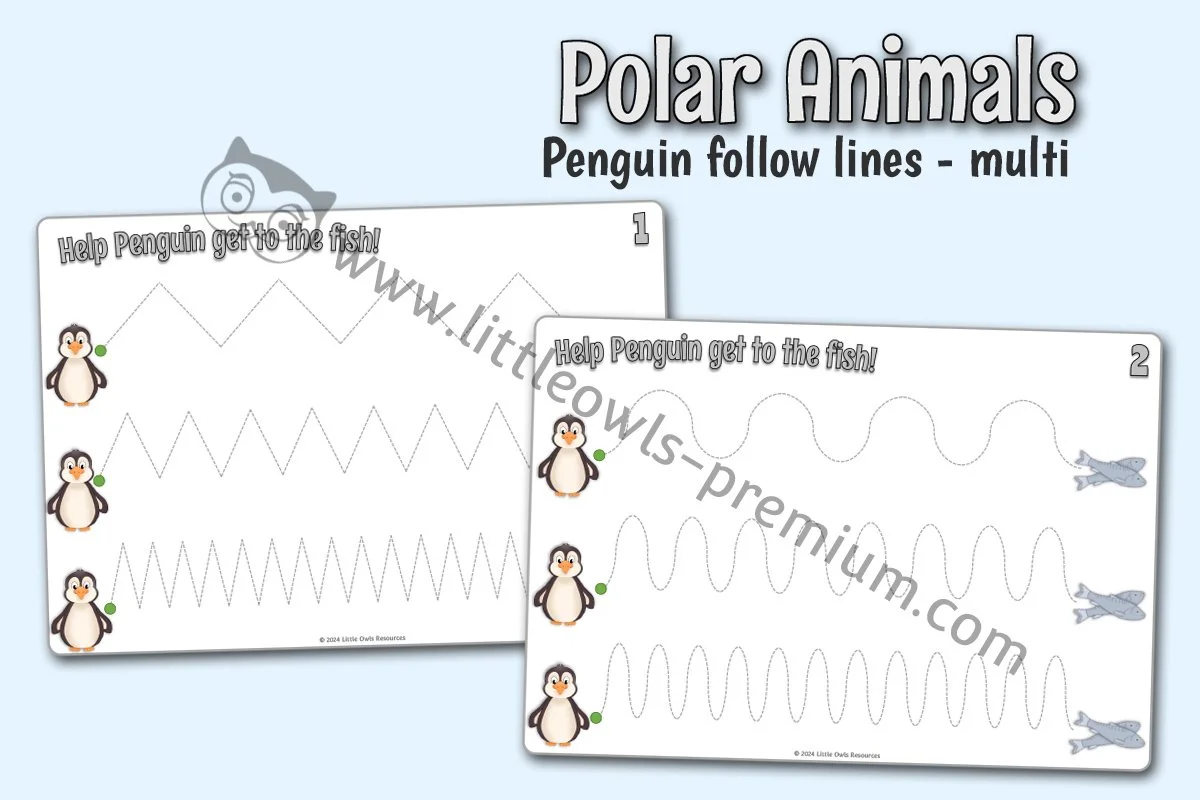
Follow several paths from penguins to fish on each sheet. Offer the line patterns as optional mark-making and pencil-control practice, or laminate for repeated use with suitable pens.
Suggested use: Preschool · Reception · Selected KS1 uses
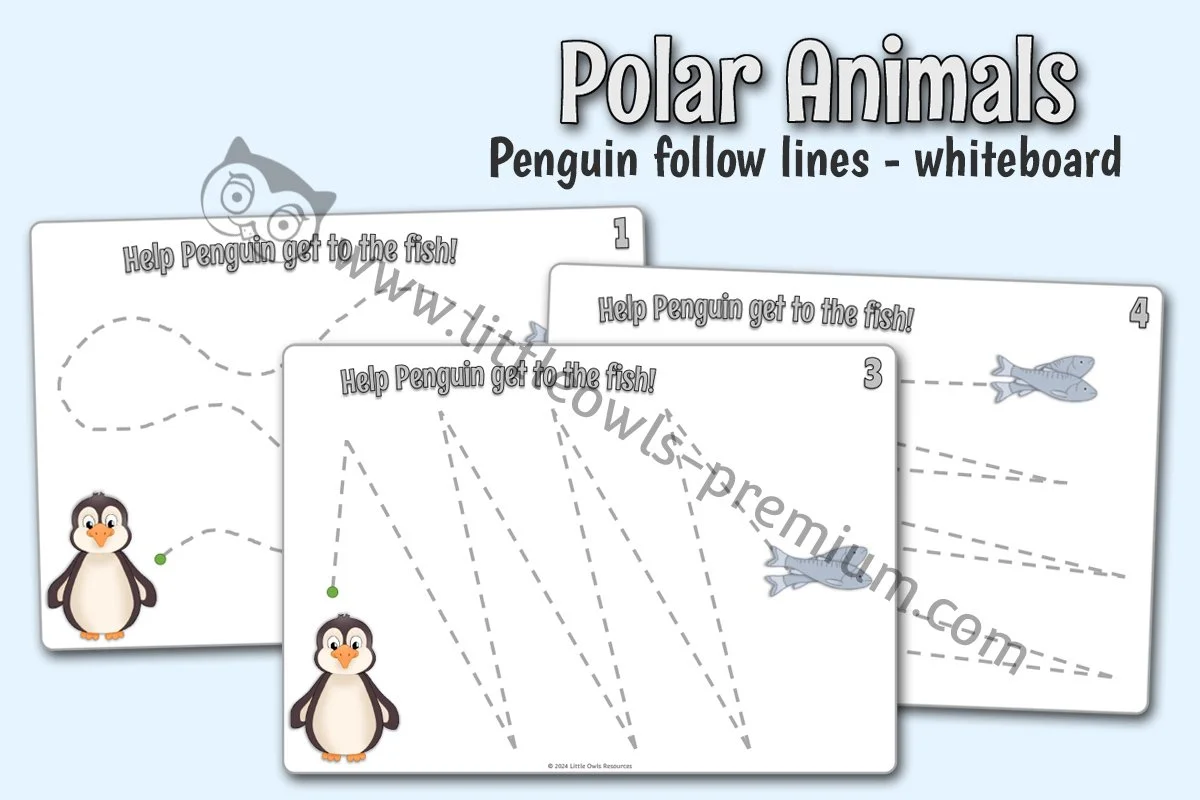
Trace an individual path from a penguin to its fish with a finger or a mark-making tool. The larger mat format offers a reusable alternative to the sheets with several lines.
Suggested use: Toddlers with adult support · Preschool · Reception
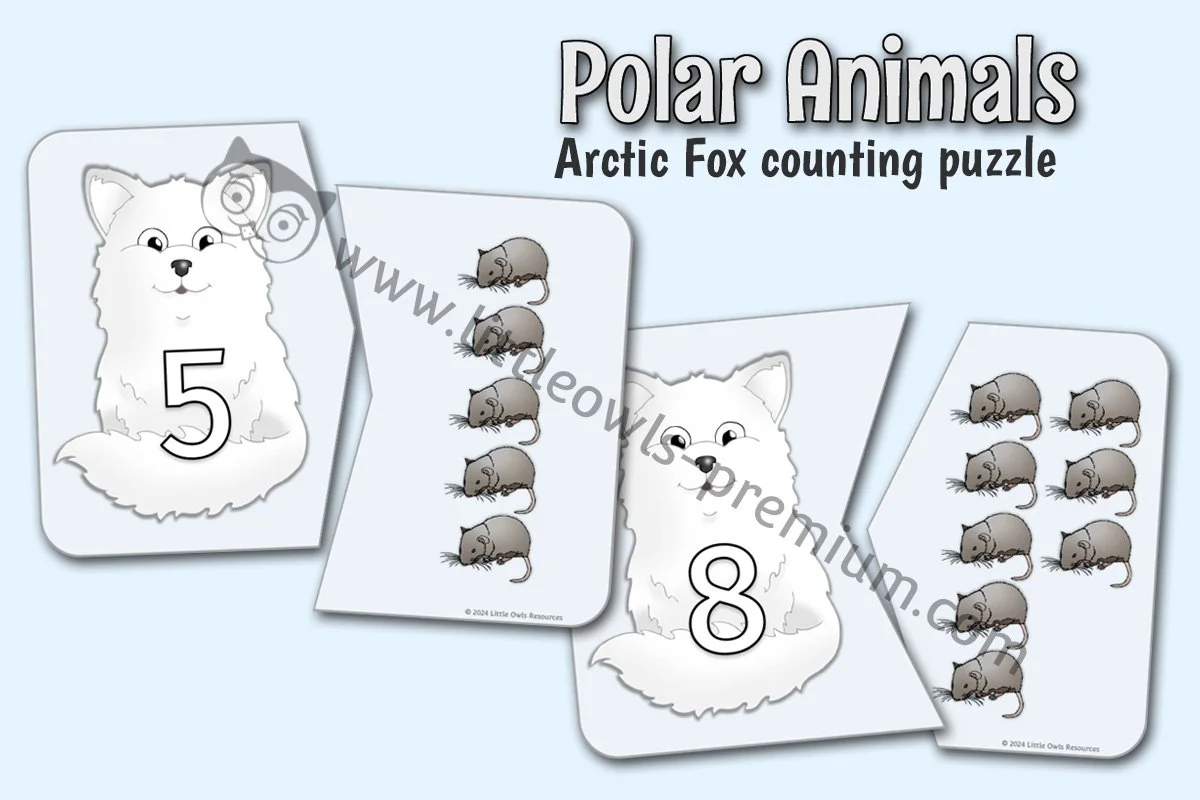
Match numbered arctic foxes to groups of voles from 1 to 10. Count the pictured animals, connect the pieces or use uncut cards for number recognition and ordering.
Suggested use: Preschool · Reception · Selected KS1 uses
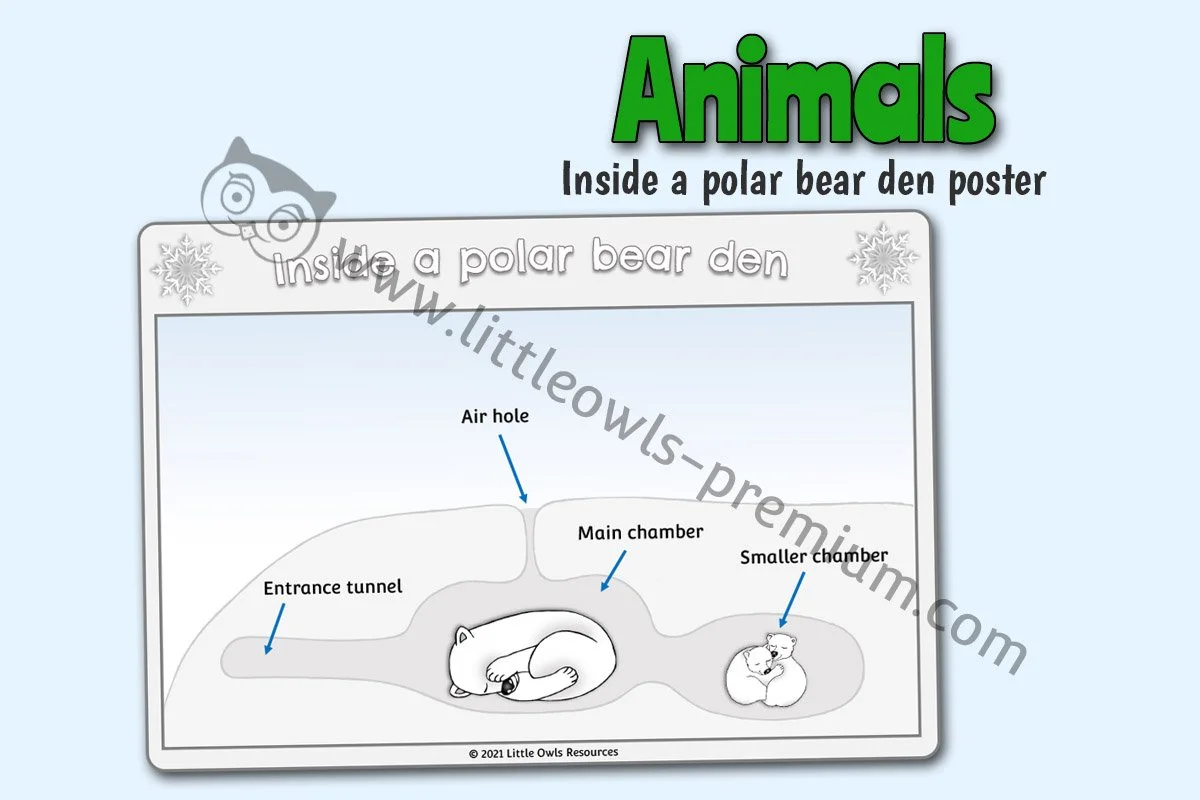
An illustrated cross-section of a maternity den, with labels for the entrance tunnel, chambers and air hole. Use it for shared discussion about the shelter used by a mother polar bear and cubs.
Suggested use: Preschool · Reception · Selected KS1 uses
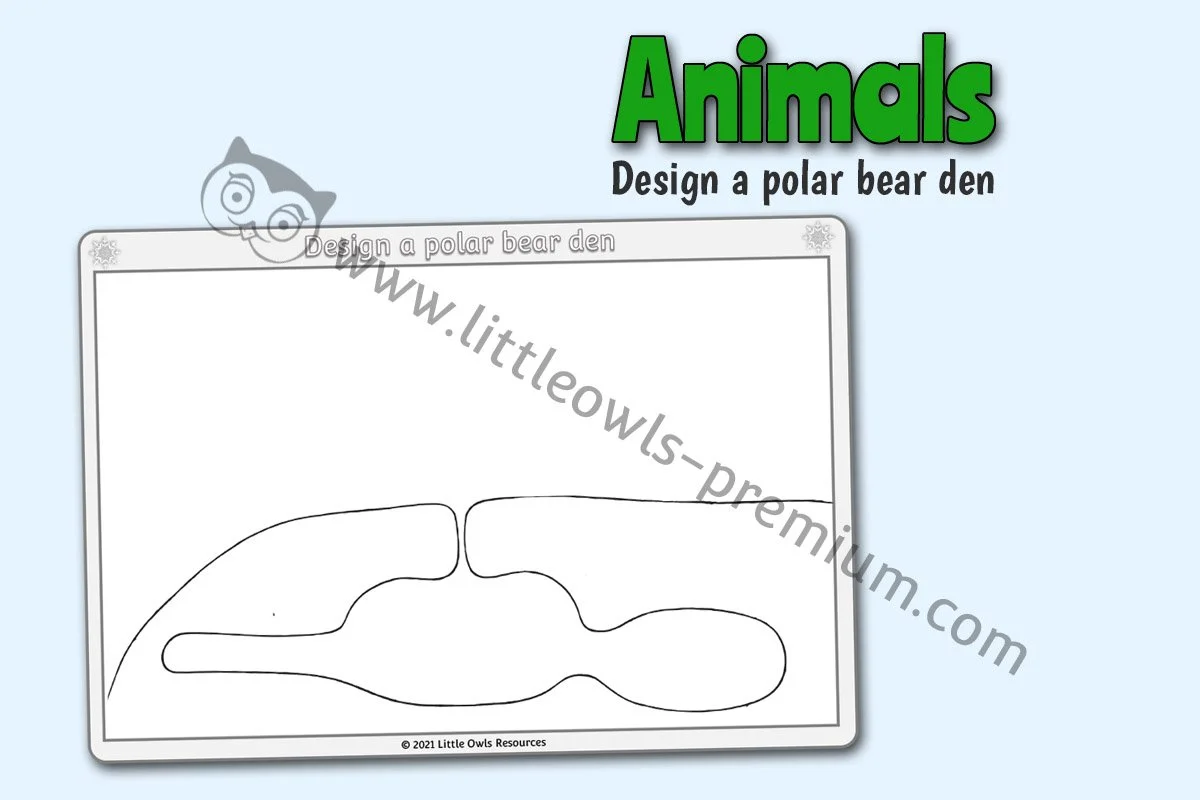
A simple den-outline sheet for children’s drawings, marks and design ideas. Invite them to talk about the shelter they are creating and add details or labels where meaningful.
Suggested use: Preschool · Reception · Selected KS1 uses
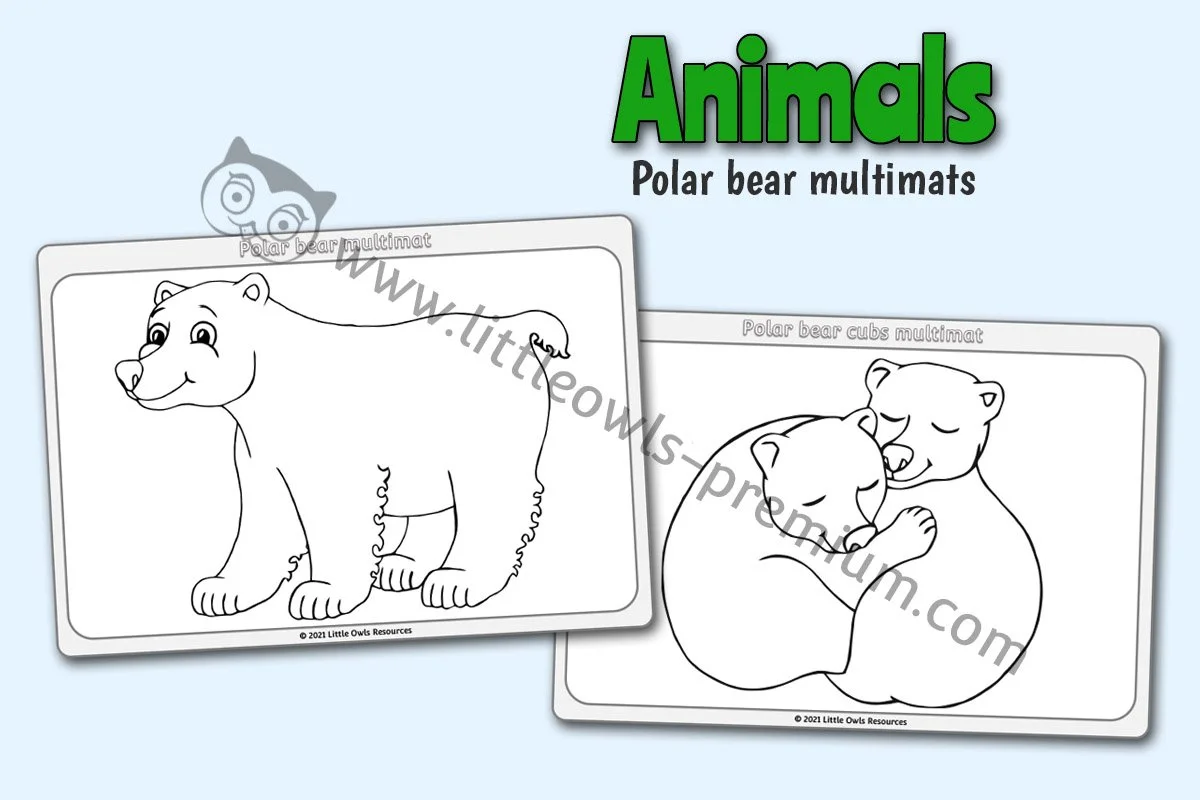
Polar bear outline mats for playdough, collage, colouring and suitable loose parts. Use the animal pictures as starting points for exploring materials, making marks and talking about bears.
Suggested use: Preschool · Reception · Selected KS1 uses
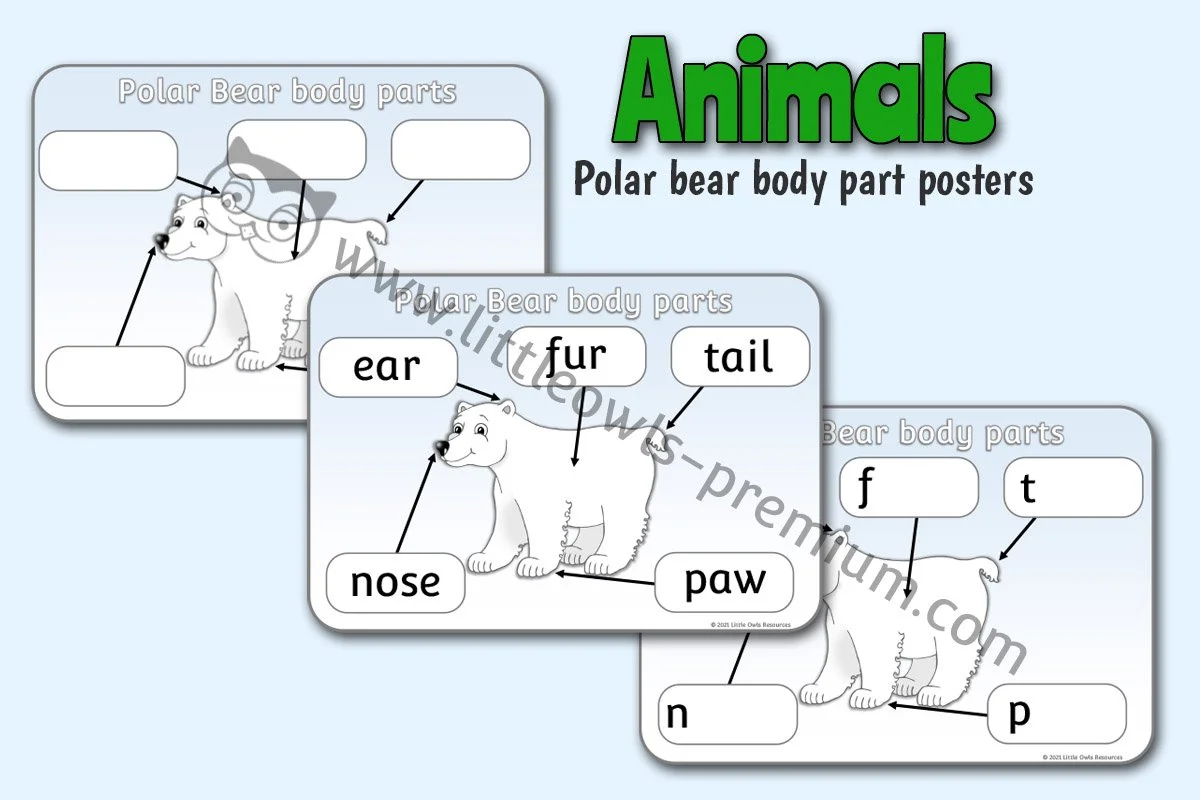
Name polar bear body parts with a labelled poster, then choose a blank-label sheet or a version with initial letters. Use the pictures for oral discussion before adding labels in writing.
Suggested use: Preschool · Reception · Selected KS1 uses
Talk about the weather children experience and the clothes they choose for it. Compare, sort, observe change and develop useful vocabulary through everyday situations and play.
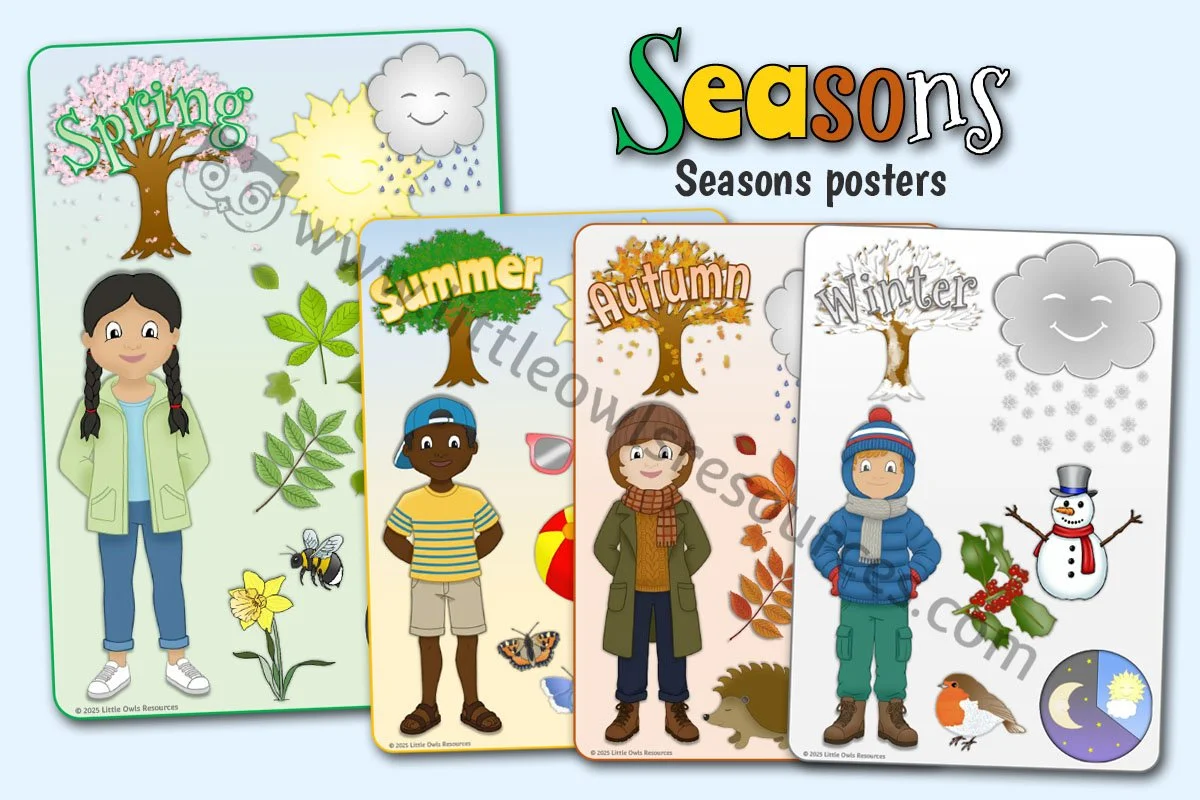
Four A4 posters explore spring, summer, autumn and winter through clothing, weather and seasonal pictures, with simple day-and-night-length diagrams.
Suggested use: Preschool · Reception · Selected KS1 uses

Sort and match seven cards for each season, using pictures of trees, clothing, weather and seasonal details to compare changes across the year.
Suggested use: Preschool · Reception · Selected KS1 uses
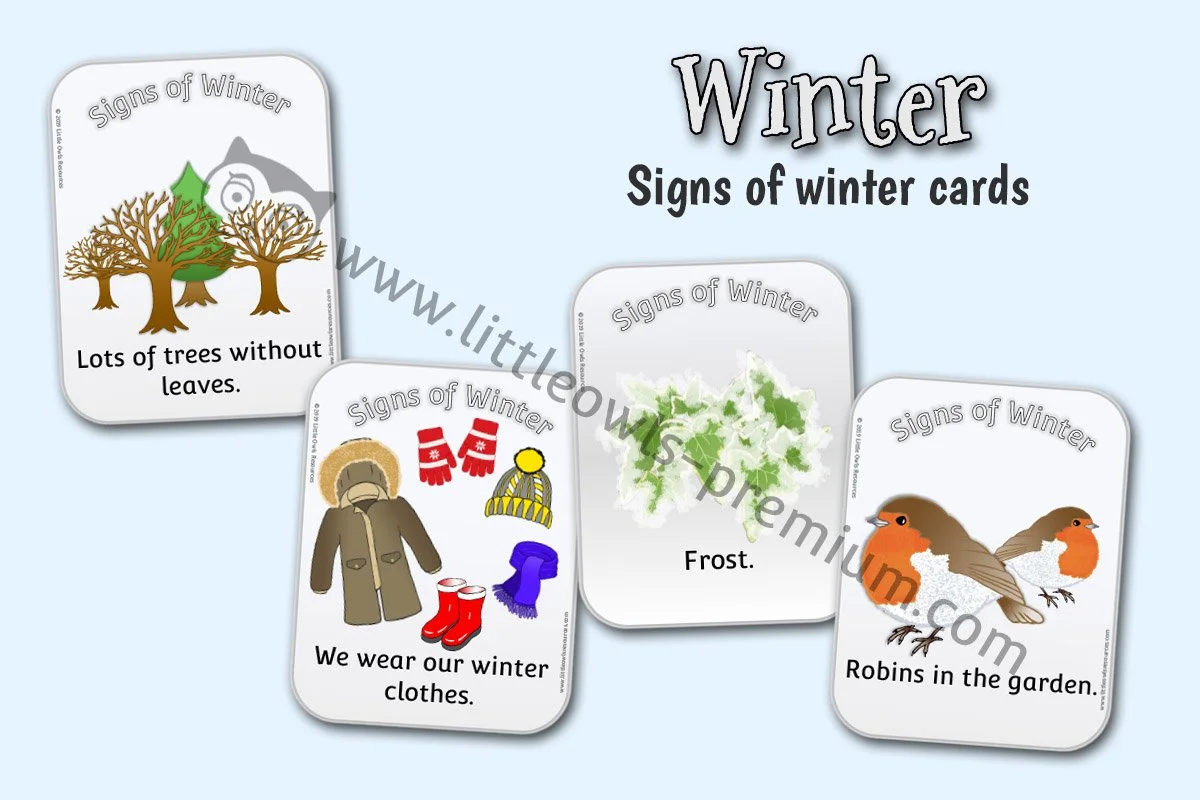
Notice and talk about winter changes with illustrated cards showing seasonal observations such as frost, bare branches, winter clothes and garden robins. Use them for shared picture talk, displays or preparation for a walk.
Suggested use: Toddlers with adult support · Preschool · Reception · Selected KS1 uses
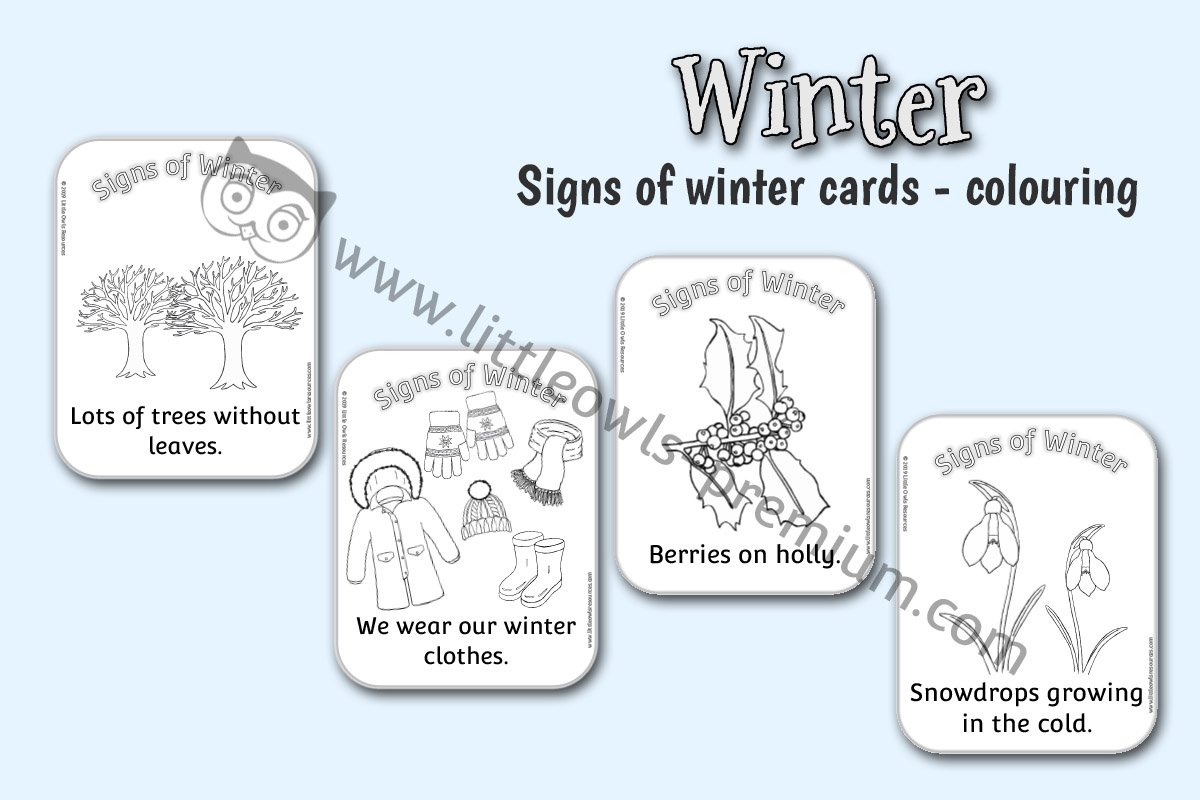
Colour winter observation pictures and talk about what you recognise. The outline cards include seasonal details such as bare branches, winter clothes, holly berries and snowdrops, and can accompany shared picture discussion.
Suggested use: Preschool · Reception · Selected KS1 uses
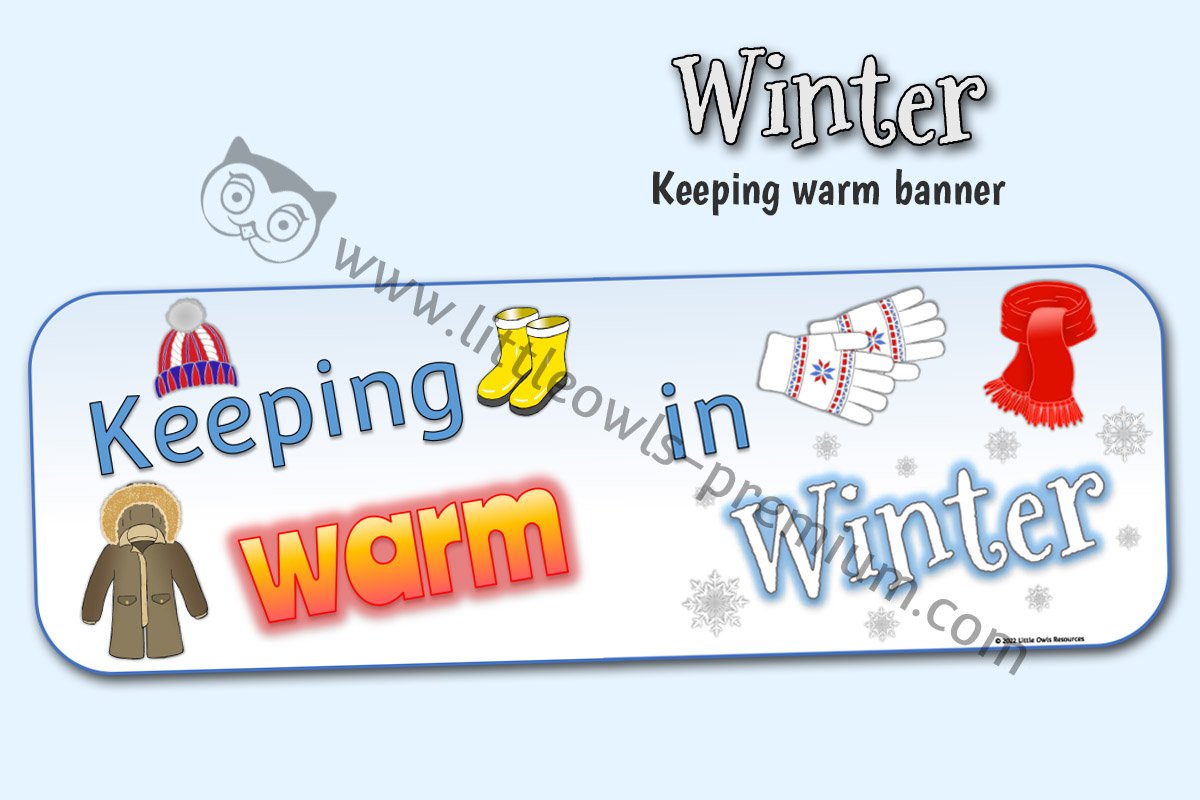
A colourful banner for winter clothing displays, dressing-up spaces or conversations about keeping warm. Pair it with familiar hats, scarves, gloves and suitable outdoor clothing.
Suggested use: Preschool · Reception · Selected KS1 uses
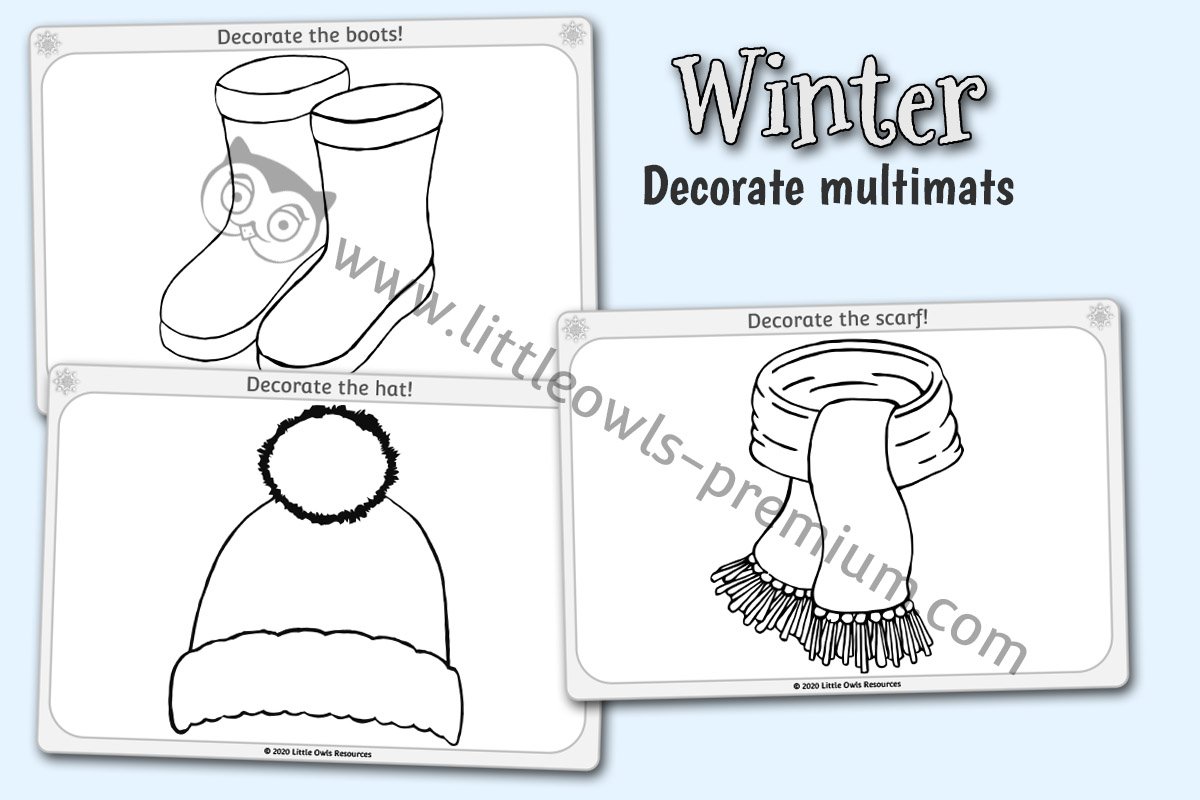
Decorate a woolly hat, gloves, wellington boots and scarf with drawing, collage, playdough or suitable loose parts. Reuse laminated mats or offer them as single-use creative sheets.
Suggested use: Toddlers with adult support · Preschool · Reception · Selected KS1 uses
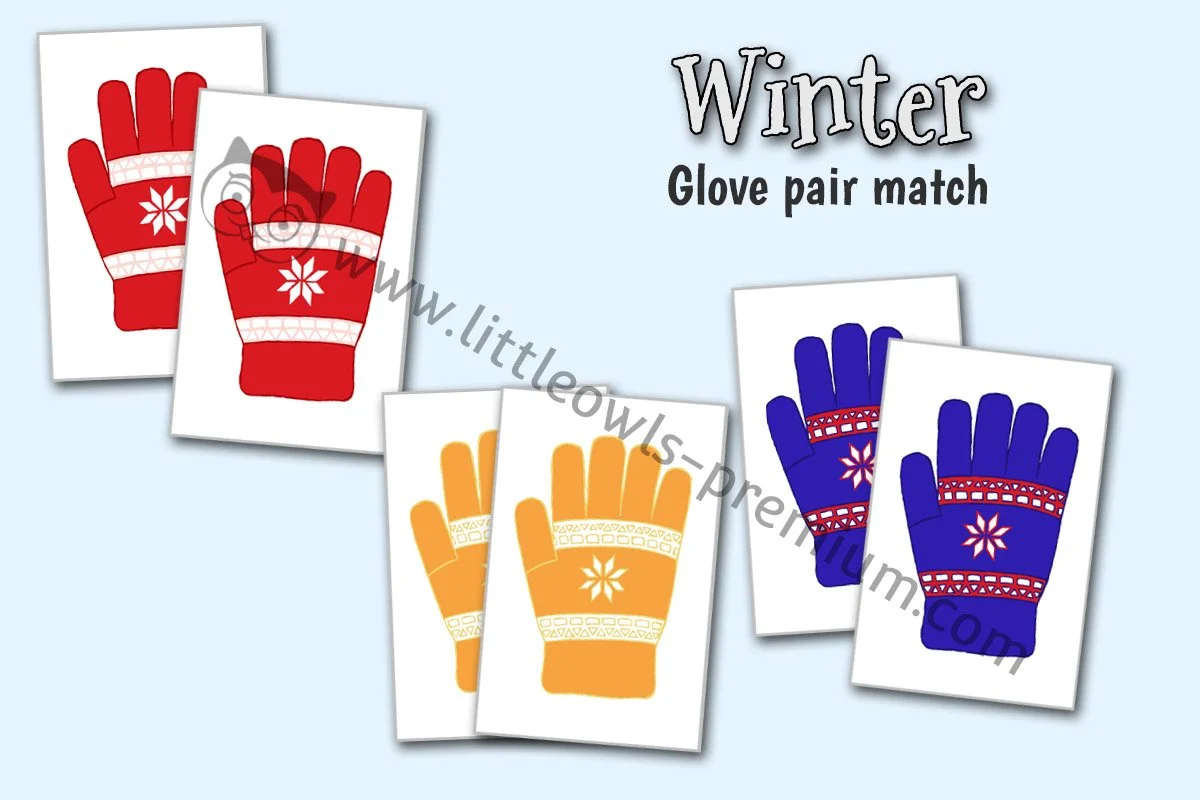
Match ten pairs of coloured gloves and name or compare the colours. Start with a few visible pairs, then introduce more cards or turn them over for a memory game.
Suggested use: Toddlers with adult support · Preschool · Reception
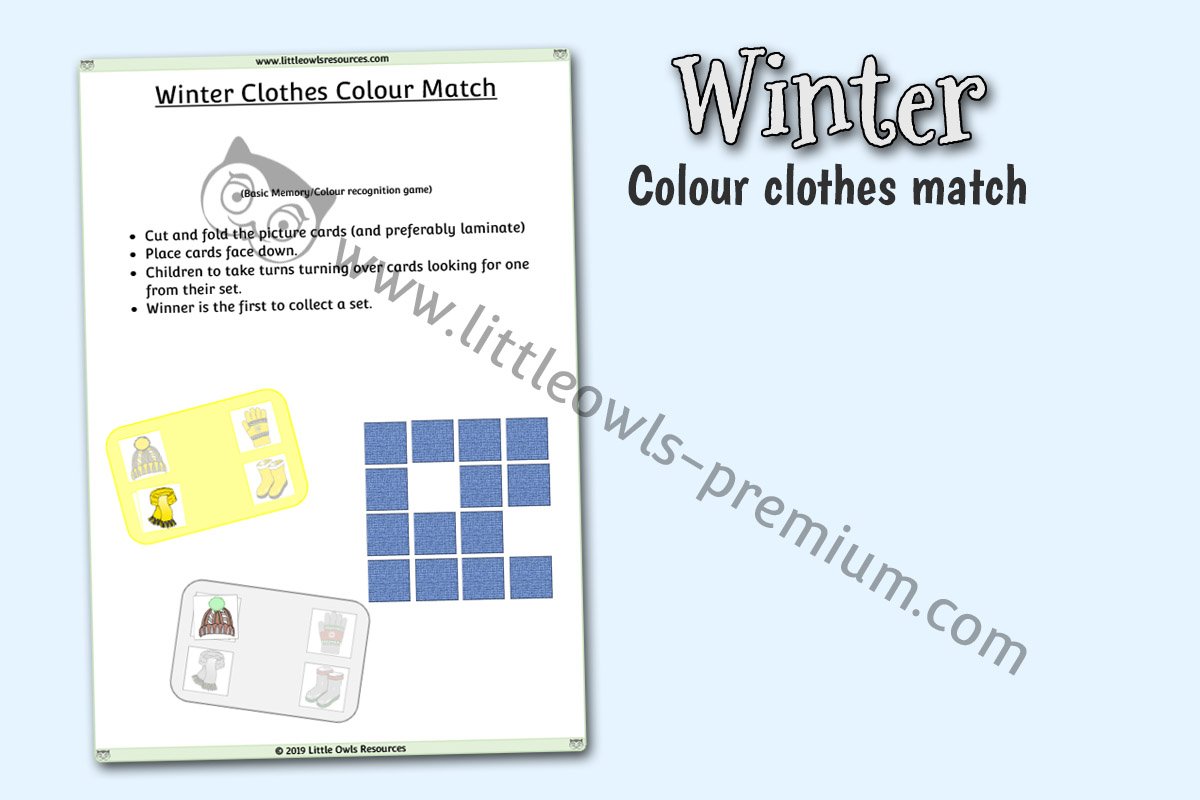
Match coloured winter clothing in a bingo-style memory game. Follow the included instructions, take turns and use the fold-over card tabs to conceal the pictures when playing face down.
Suggested use: Preschool · Reception · Selected KS1 uses
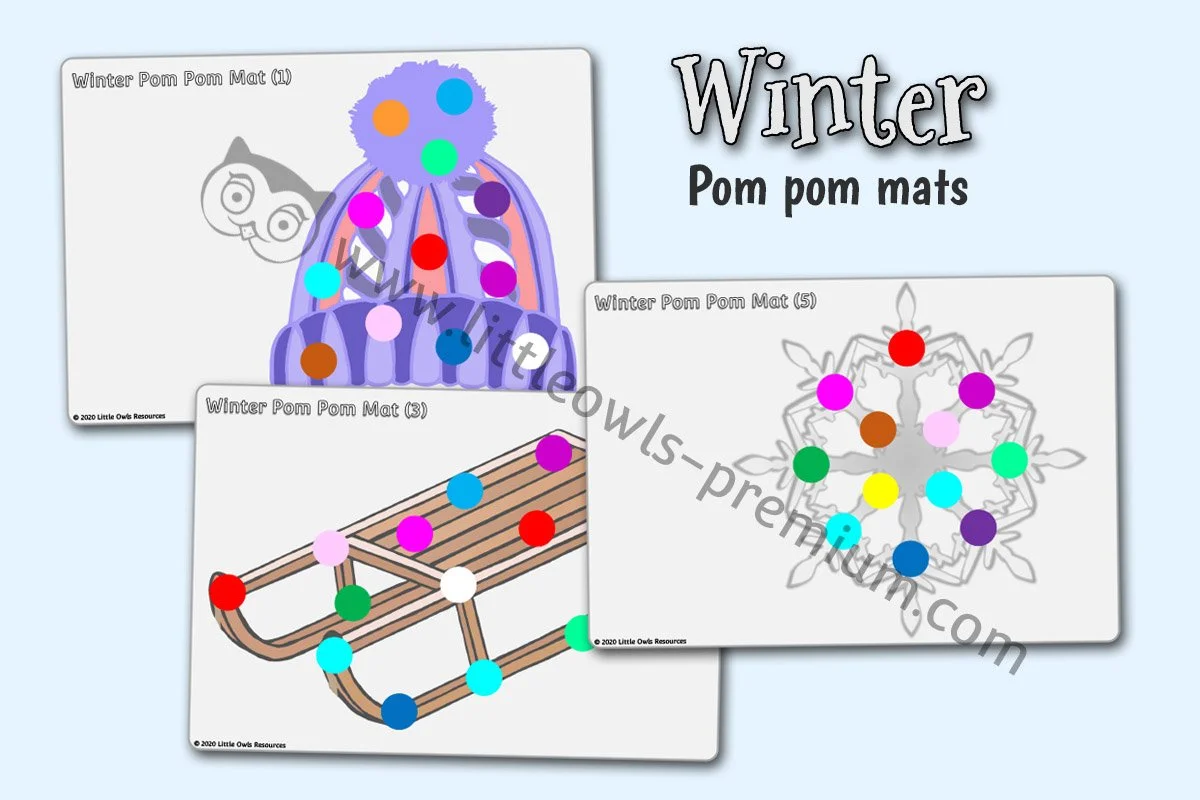
Place pom-poms or suitable loose parts on coloured circles to complete winter pictures. Choose fingers or a suitable tool to explore careful placement, colour matching and fine-motor control.
Suggested use: Preschool · Reception · Selected KS1 uses
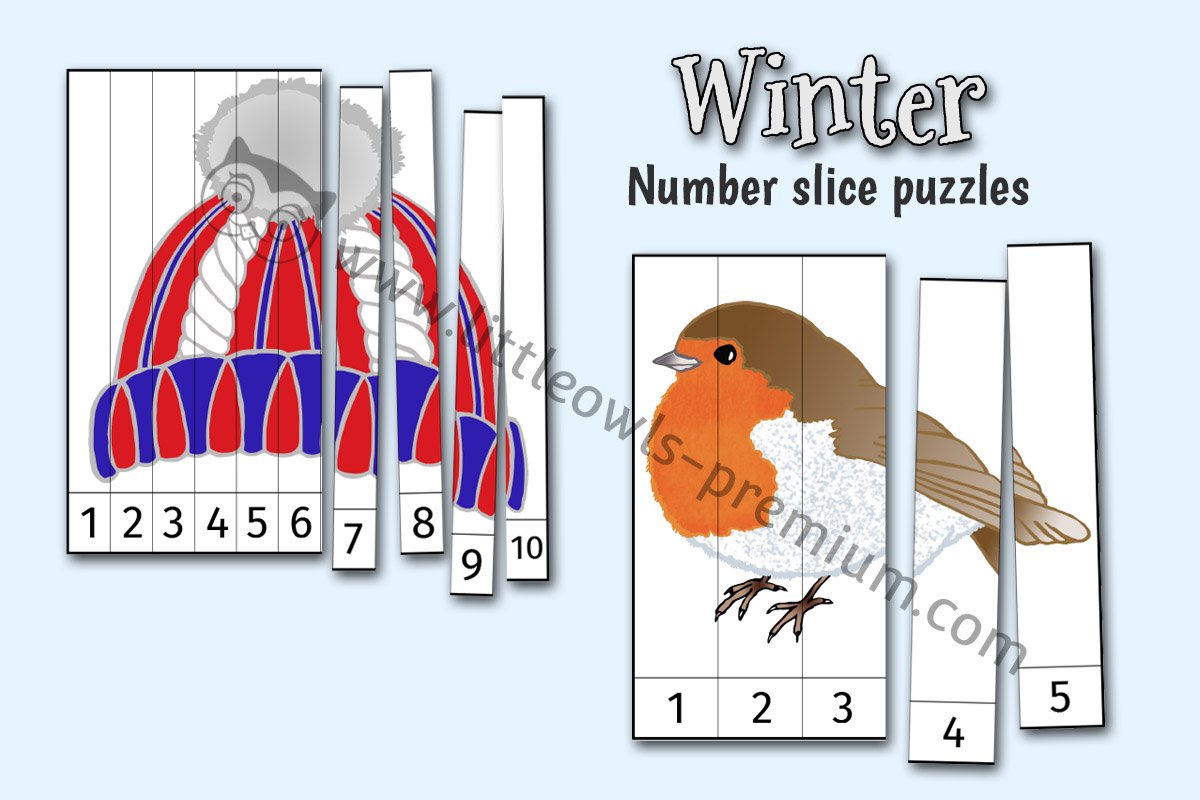
Put numbered picture strips in order to rebuild winter scenes. The colour puzzles include 1–5 and 1–10 arrangements and can be used as reusable pieces or cut-and-stick activities.
Suggested use: Reception · Selected KS1 uses

Colour a winter picture, cut it into strips and rebuild it in number order. The pack offers 1–5 and 1–10 sequences, with picture clues to help children check their arrangement.
Suggested use: Reception · Selected KS1 uses
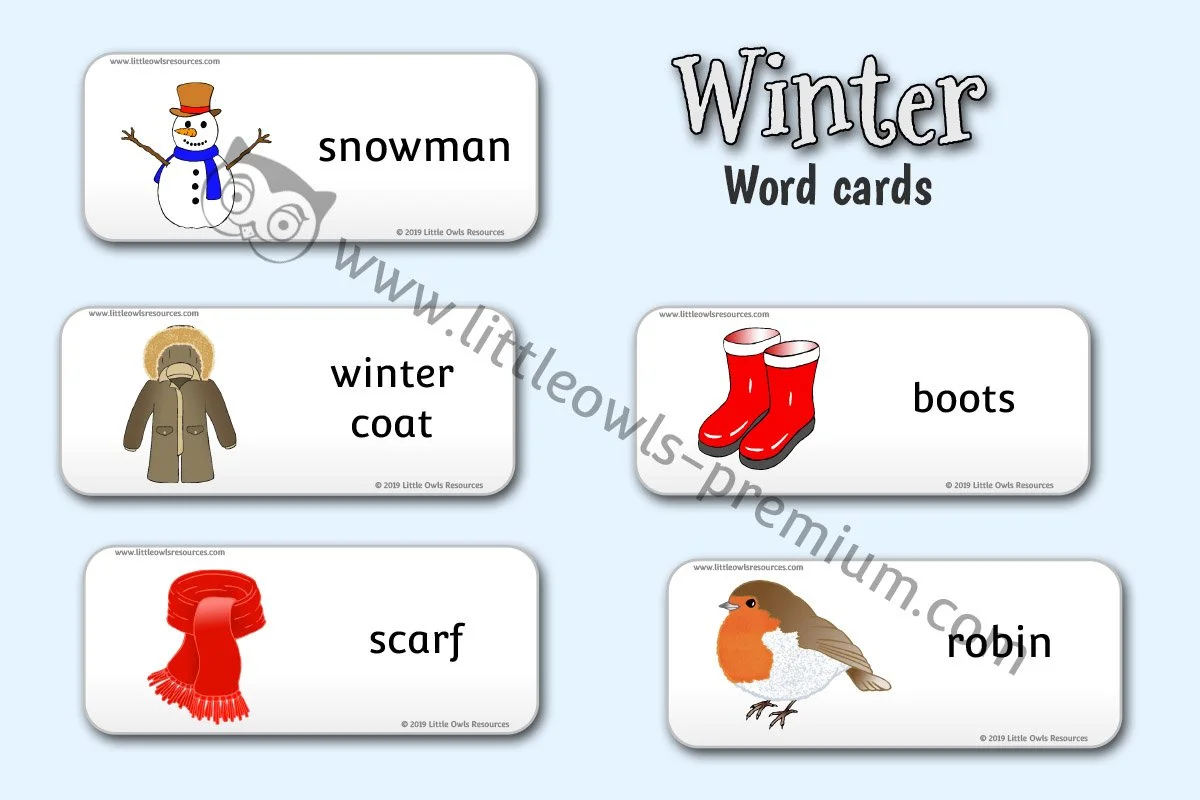
Illustrated winter word cards for displays, role play and purposeful reading or writing. The pack includes initial-capital and all-lower-case sets, plus blank cards for your own words and pictures.
Suggested use: Preschool · Reception · Selected KS1 uses
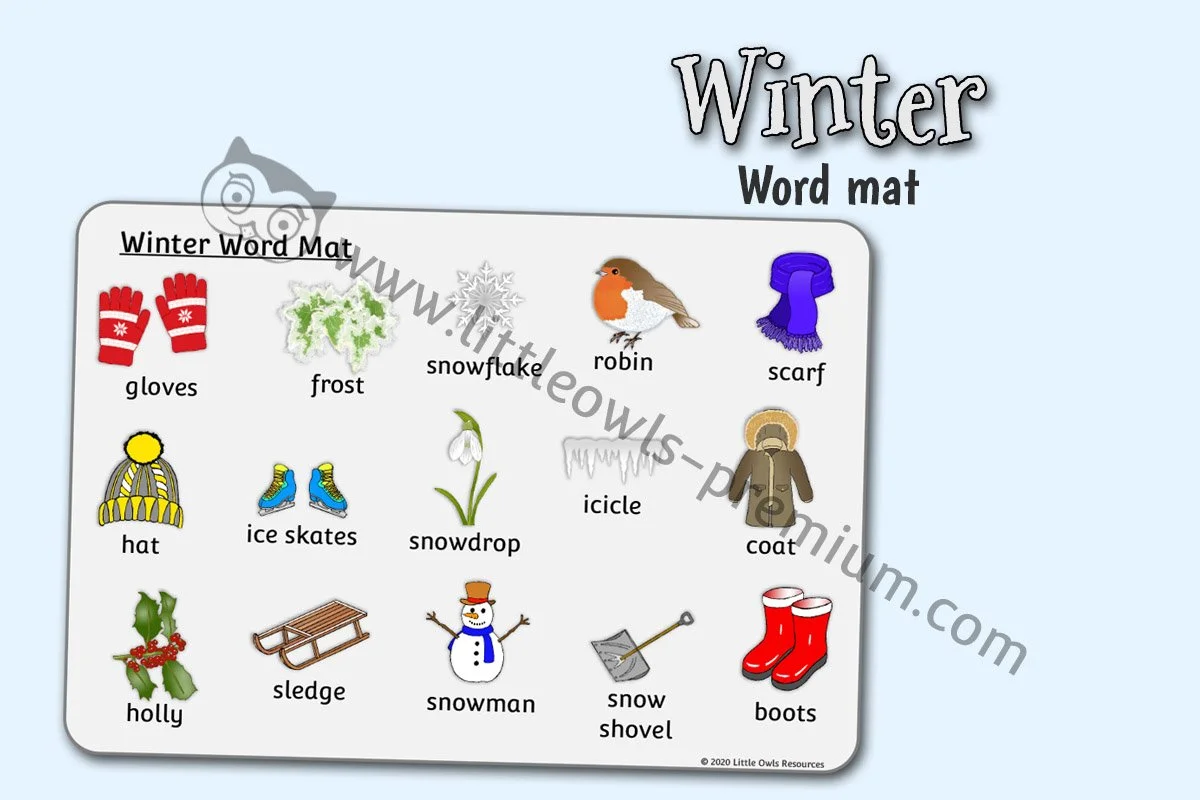
Point to, name and describe winter pictures, then use the labelled mat as a reference for drawing or writing. Two versions are included, using either “sledge” or “sled”.
Suggested use: Toddlers with adult support · Preschool · Reception
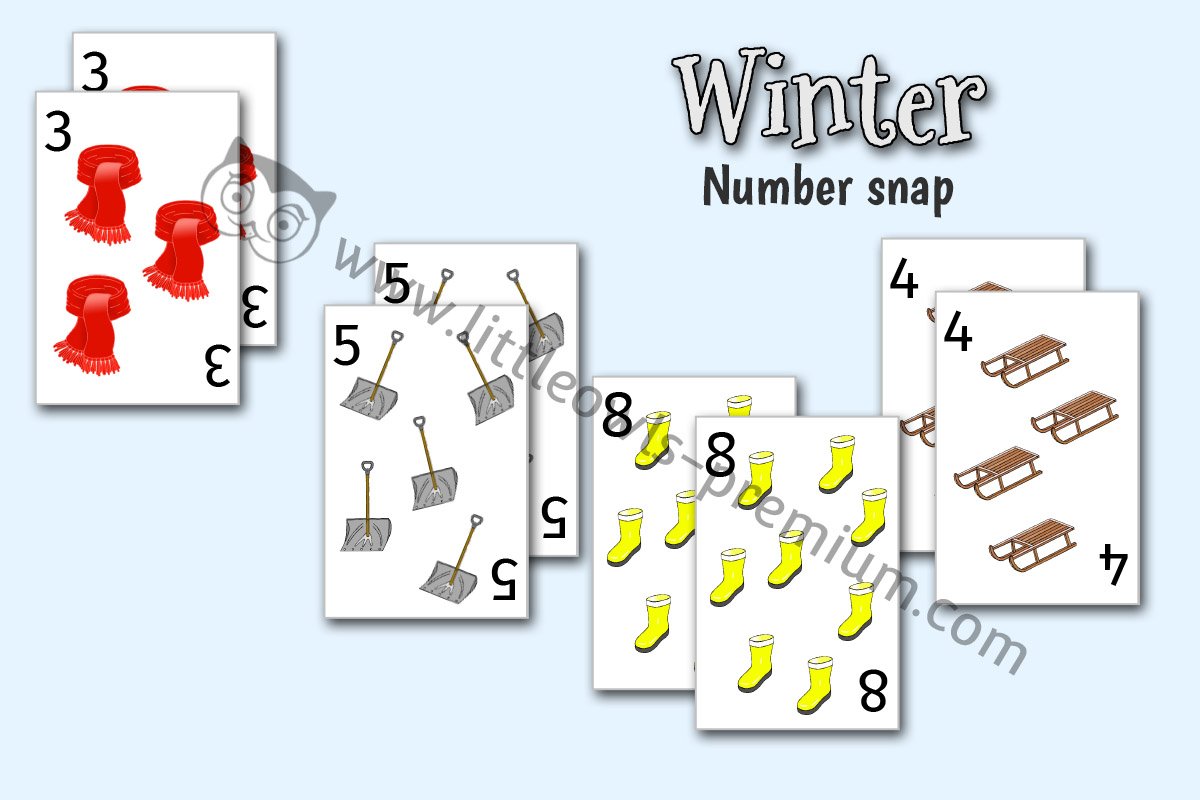
Play number snap with winter pictures and numerals from 1 to 10. Use the cards to recognise matching numbers, compare pictured quantities and take turns in a simple game.
Suggested use: Reception · Selected KS1 uses
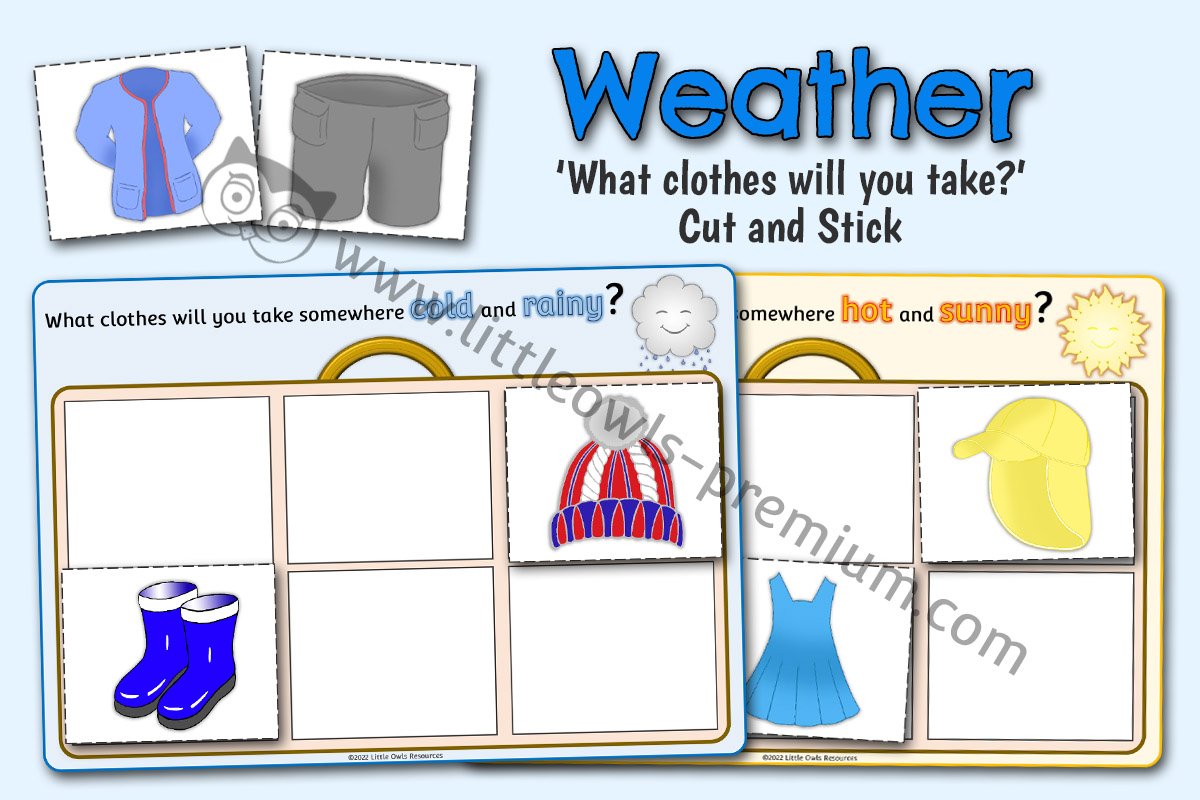
Choose clothes for two suitcases: one for hot, sunny weather and one for cold, rainy weather. Cut and stick the coloured clothing pictures, then talk about the reasons for each choice.
Suggested use: Preschool · Reception · Selected KS1 uses
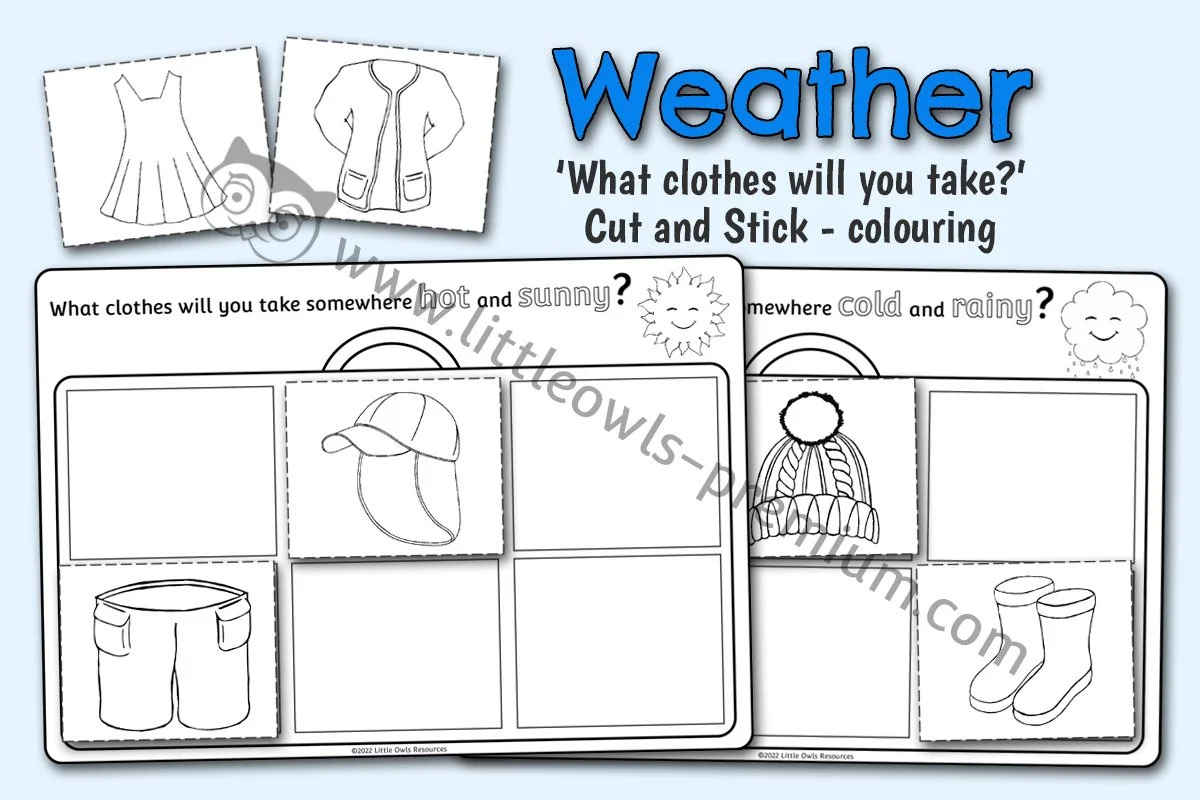
Colour the clothing pictures and choose what to pack for hot, sunny or cold, rainy weather. Cut and stick the clothes into the matching suitcase and explain your choices.
Suggested use: Preschool · Reception · Selected KS1 uses
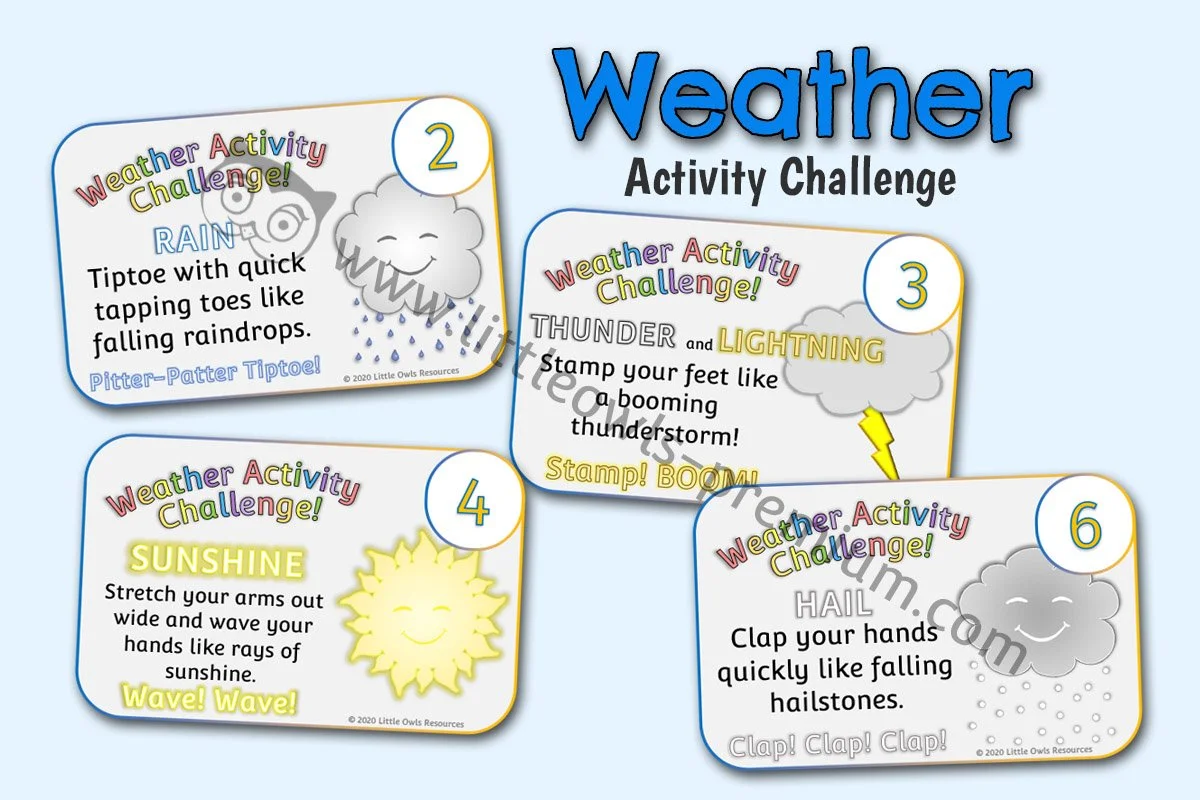
Explore six weather-inspired movement prompts through shared action and play. Adults can model the movements, invite children to choose cards and combine familiar actions into a simple sequence.
Suggested use: Toddlers with adult support · Preschool · Reception · Selected KS1 uses
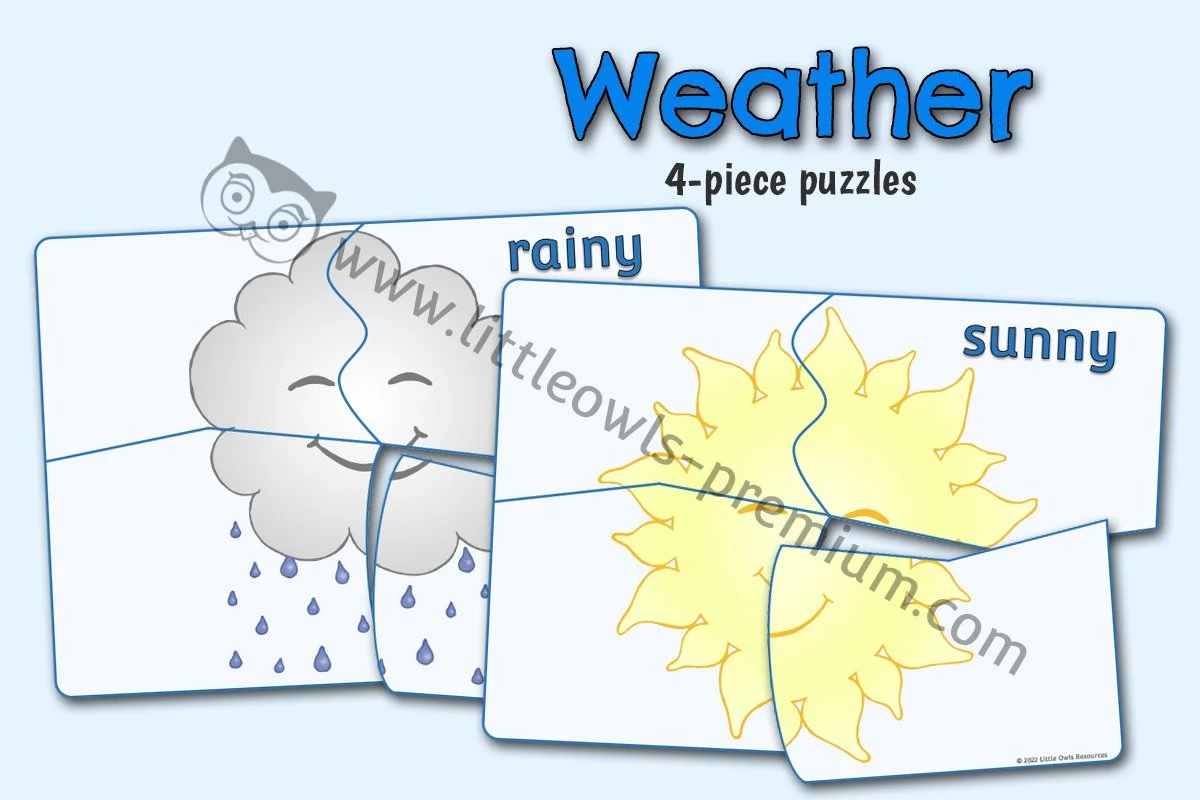
Complete eight four-piece weather pictures, including rain, sunshine, wind, snow and cloudy skies. Compare the picture details and use weather words as children fit the pieces together.
Suggested use: Preschool · Reception
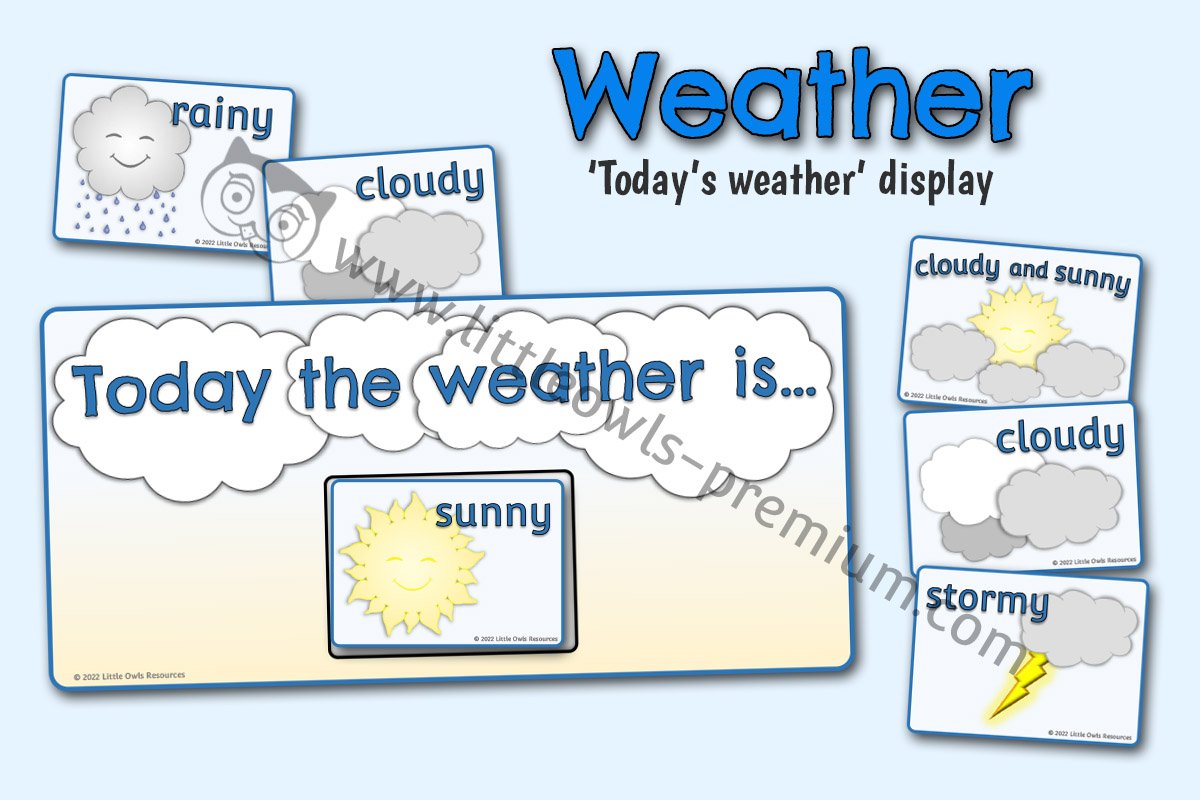
Choose a weather picture to record what children observe today. Use the display as part of a shared daily routine for looking outside, comparing conditions and talking about the weather.
Suggested use: Preschool · Reception · Selected KS1 uses
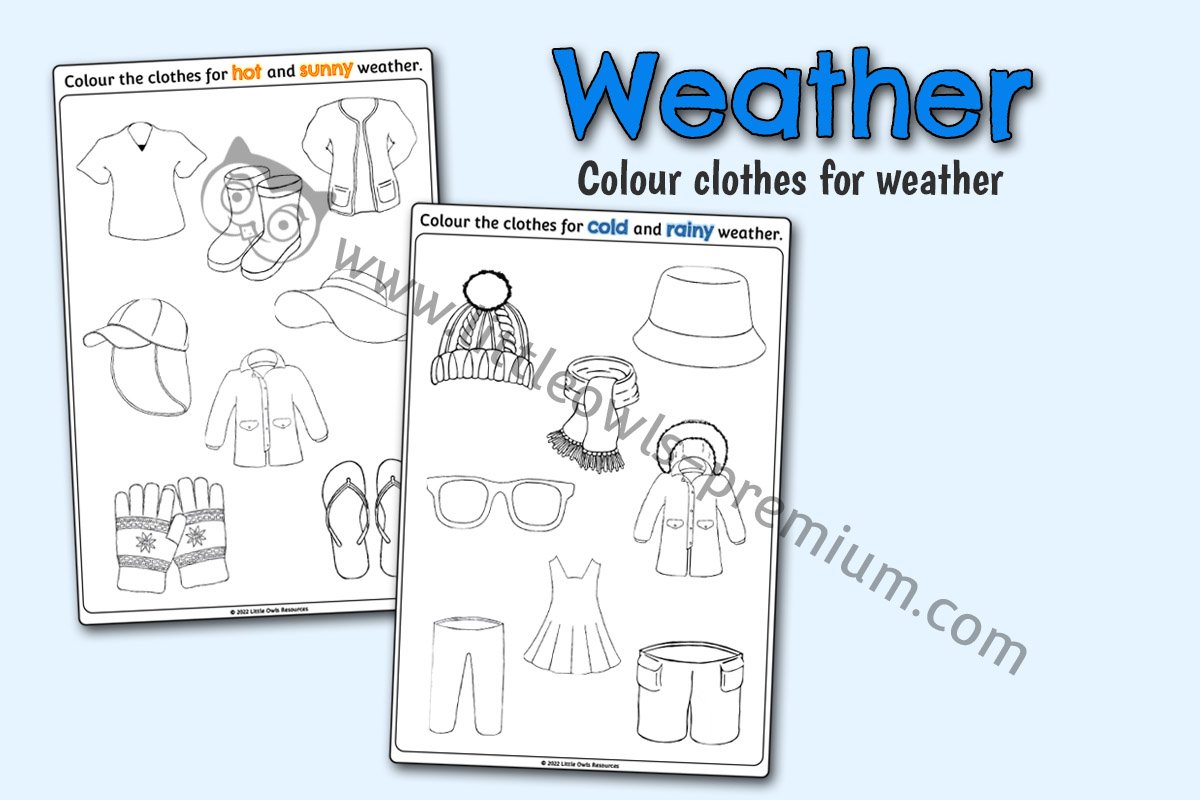
Choose and colour clothing for hot, sunny weather or cold, rainy weather. Four sheets give children opportunities to compare the pictures and explain which clothes they would choose.
Suggested use: Preschool · Reception · Selected KS1 uses
Look, listen and notice seasonal change outdoors. Revisit familiar places, observe wildlife and offer ways to record discoveries through talk, drawings, marks or simple checklists.
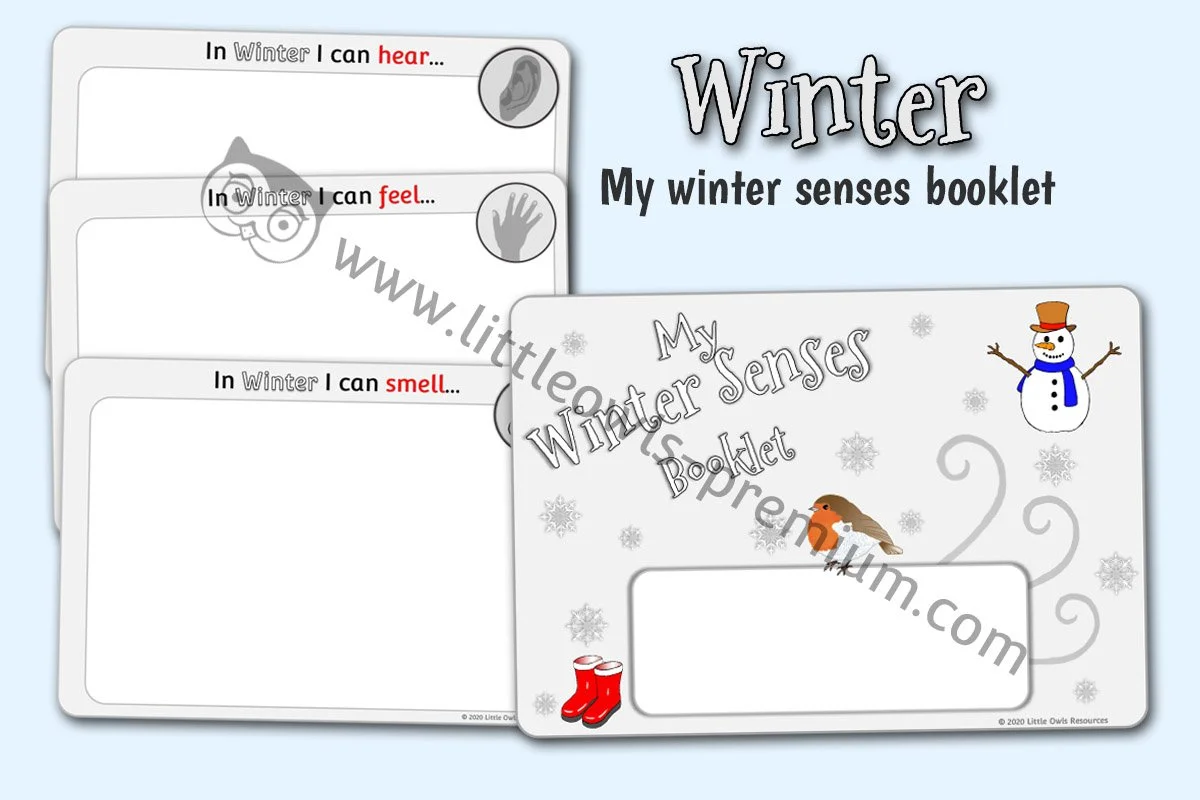
Separate sheets or a booklet for drawing, marks and writing about what children notice through their senses, perhaps after a winter walk.
Suggested use: Preschool · Reception
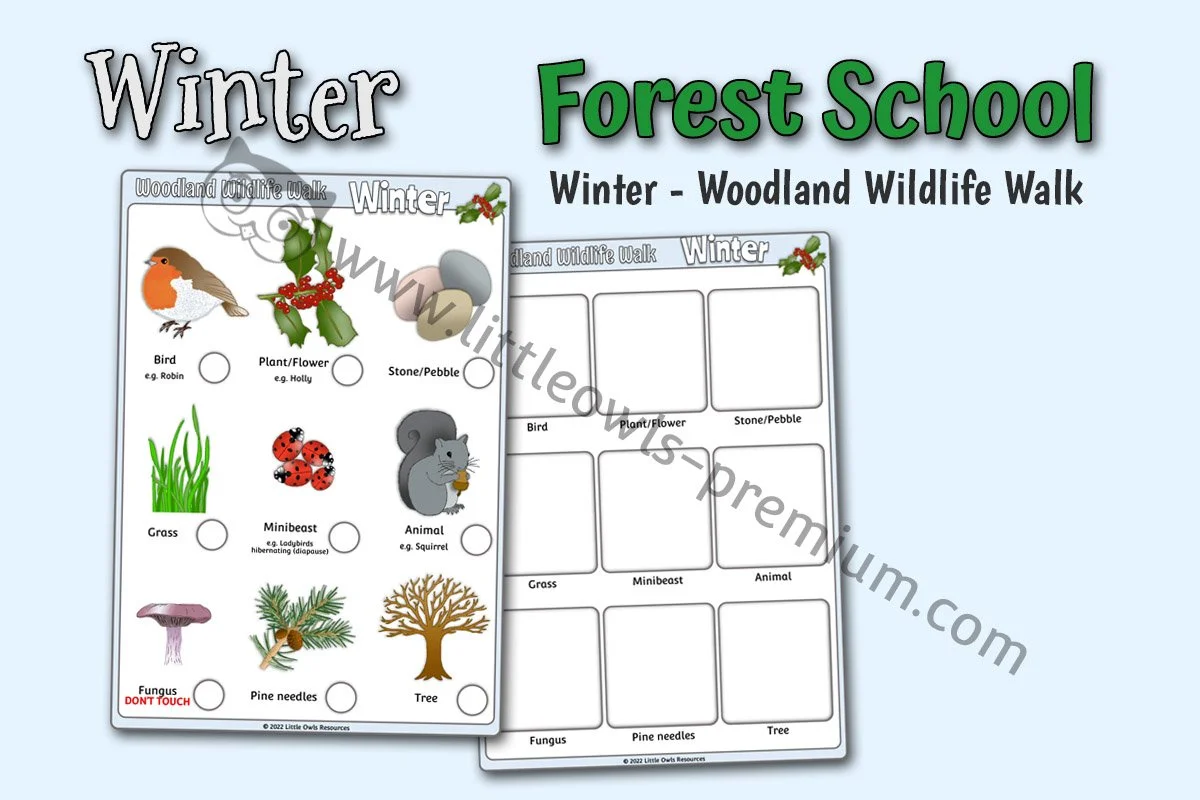
Winter woodland observation checklists, including a sheet with space for small drawings and marks to record what children notice.
Suggested use: Preschool · Reception
A heading for a winter exploration display or outdoor provision area.
Suggested use: Preschool · Reception
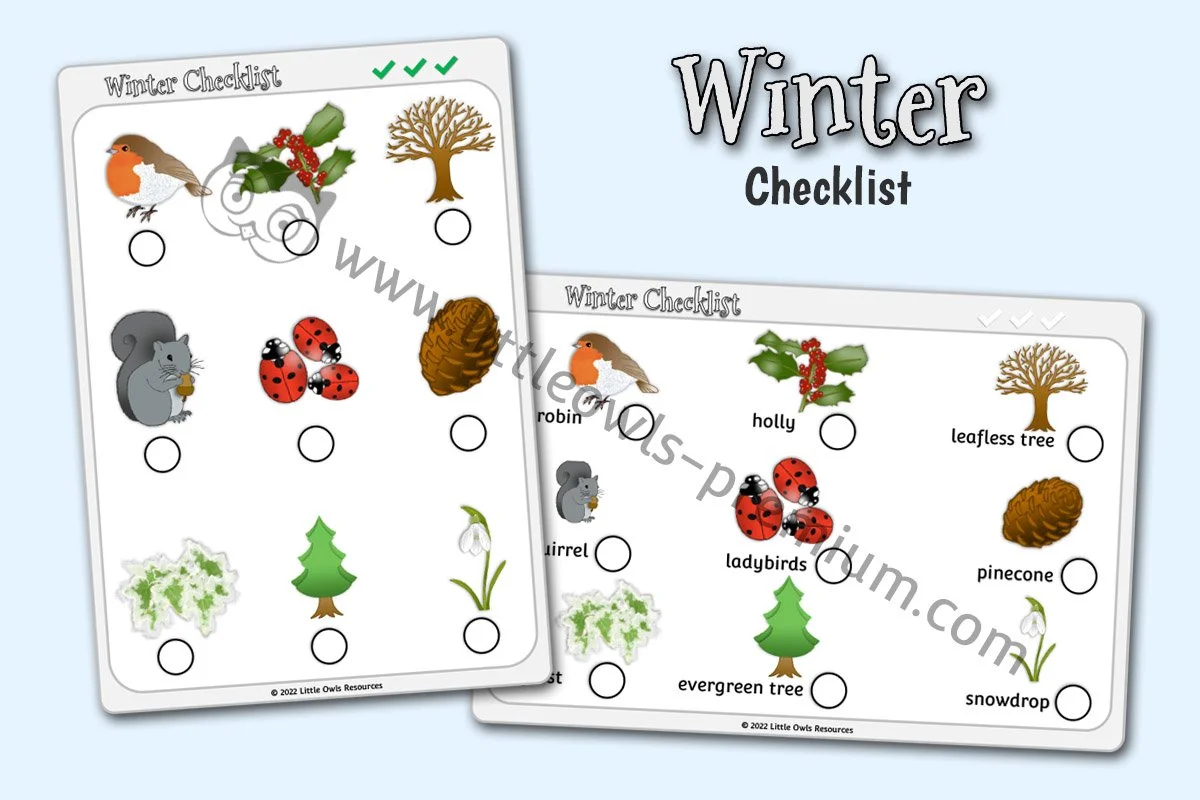
Winter picture checklists with and without words for noticing seasonal sights and sharing what children find.
Suggested use: Preschool · Reception

Sheets with different amounts of writing space for drawing and recording expectations or observations of winter woodland.
Suggested use: Preschool · Reception
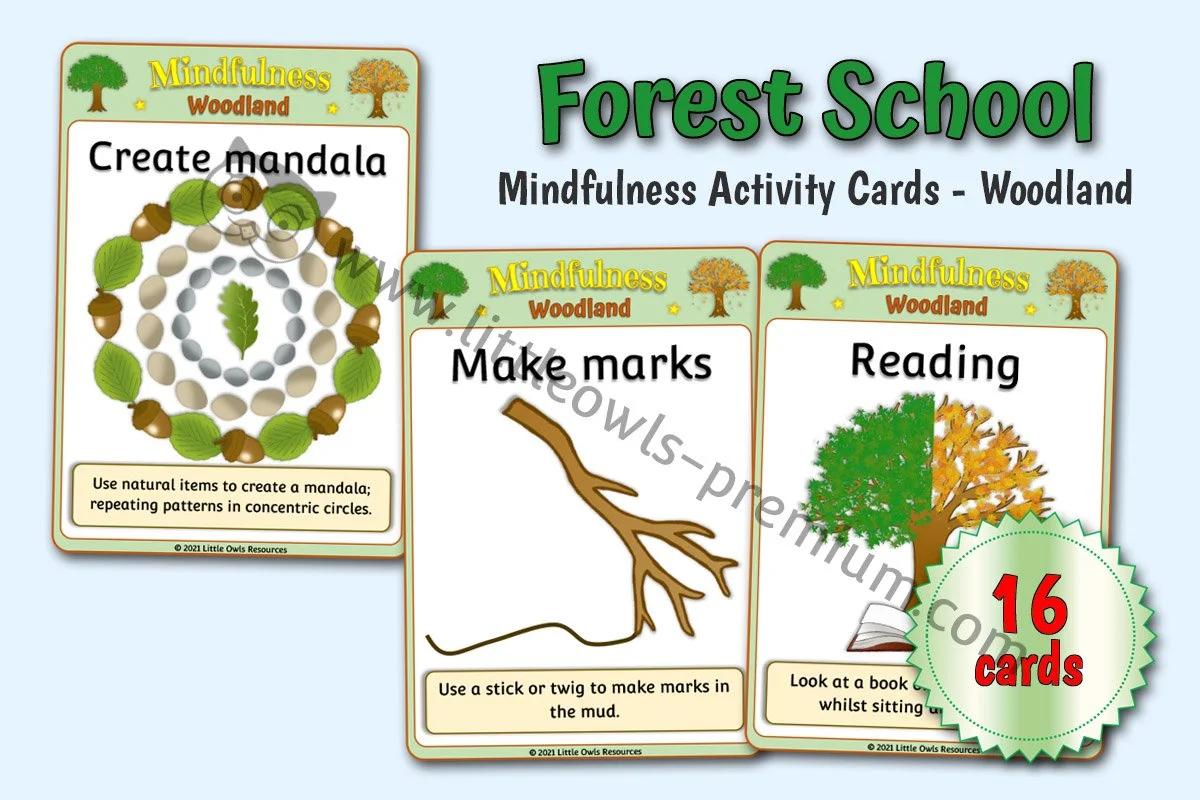
Sixteen outdoor noticing and activity ideas for slowing down, observing the surroundings and sharing children’s responses.
Suggested use: Preschool · Reception
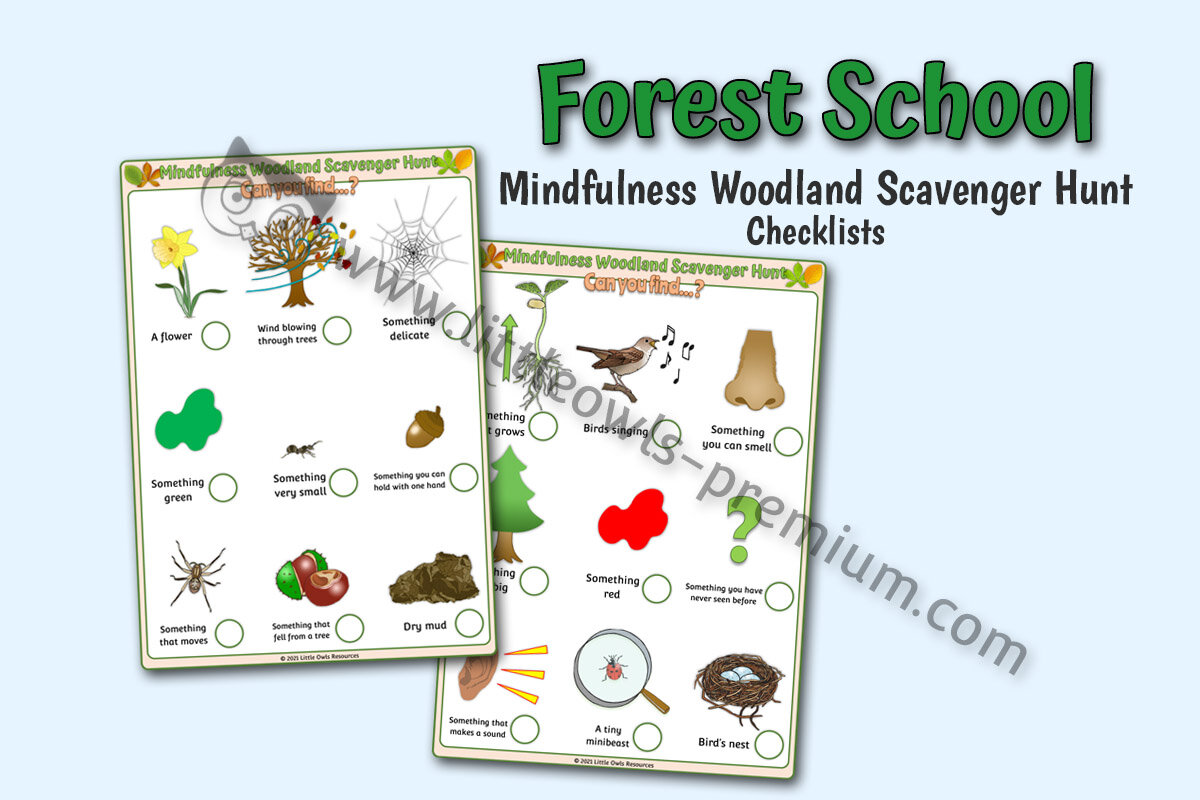
Checklist-style woodland scavenger hunts for noticing and discussing the environment. This sheet format is distinct from the separate prompt cards.
Suggested use: Preschool · Reception

A5 information cards introducing ten birds, including robin, pigeon, blackbird, blue tit, magpie, buzzard, barn owl and swallow.
Suggested use: Preschool · Reception

The larger A4 information-card edition introducing ten birds for shared observation, discussion and display.
Suggested use: Preschool · Reception

A5 information cards introducing ten woodland animals, including fox, squirrel, frog, rabbit, bank vole, bat, slow worm and hedgehog.
Suggested use: Preschool · Reception

A4 information cards introducing ten woodland animals. A larger format for shared discussion and display.
Suggested use: Preschool · Reception

A5 picture-and-fact cards for eight plants, including ivy, bluebell, bramble, snowdrop, daffodil, daisy, herb Robert and wood anemone.
Suggested use: Preschool · Reception

The larger A4 information-card edition for eight woodland plants, supporting observation and adult-led discussion.
Suggested use: Preschool · Reception

A5 cards introducing ten woodland minibeasts, including earthworm, snail, ladybird, earwig, ant, bumblebee, woodlouse, centipede, spider and butterfly.
Suggested use: Preschool · Reception

The larger A4 information-card edition introducing ten woodland minibeasts for observation and shared discussion.
Suggested use: Preschool · Reception

Four seasonal drawing templates for recording woodland observations in children’s own pictures.
Suggested use: Preschool · Reception
Explore number, quantity, pattern and comparison with Winter pictures and practical materials. Select suitable quantities and challenges, and allow children to represent their thinking in different ways.
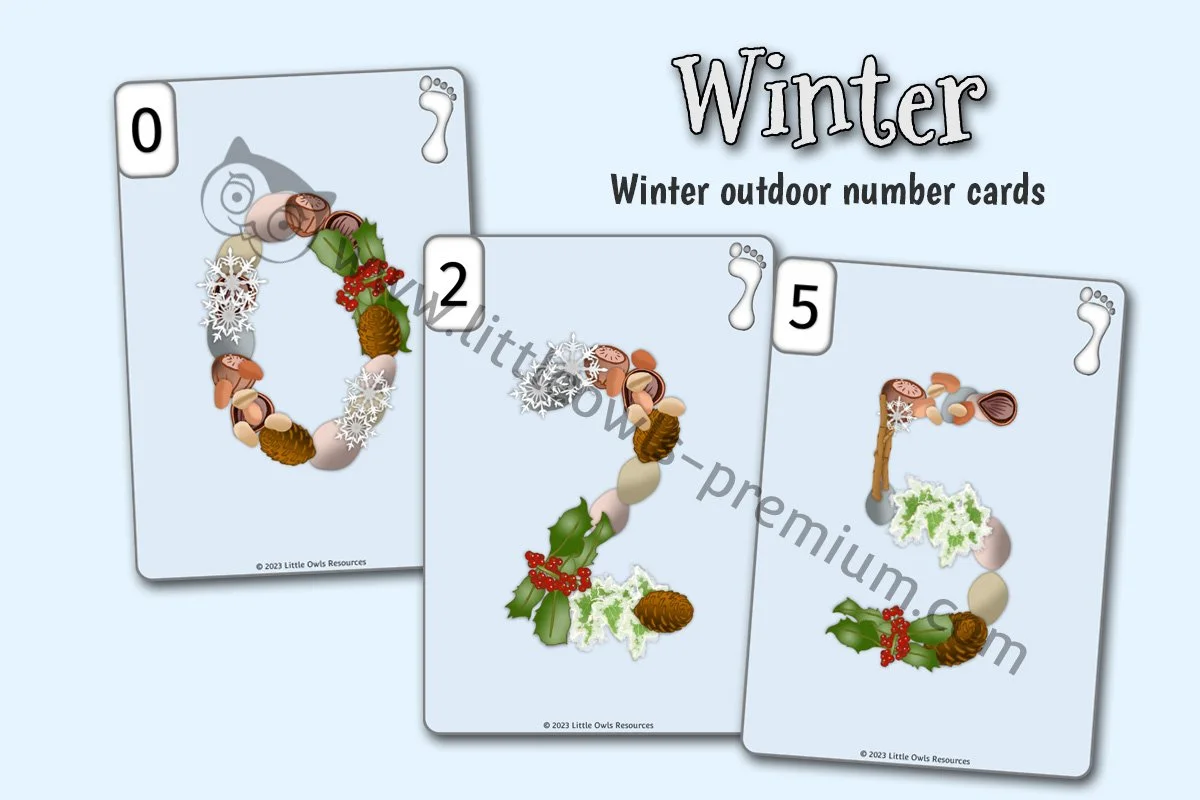
Numerals formed with natural materials provide starting points for making numbers outdoors. Children can use their own materials and arrangements.
Suggested use: Preschool · Reception
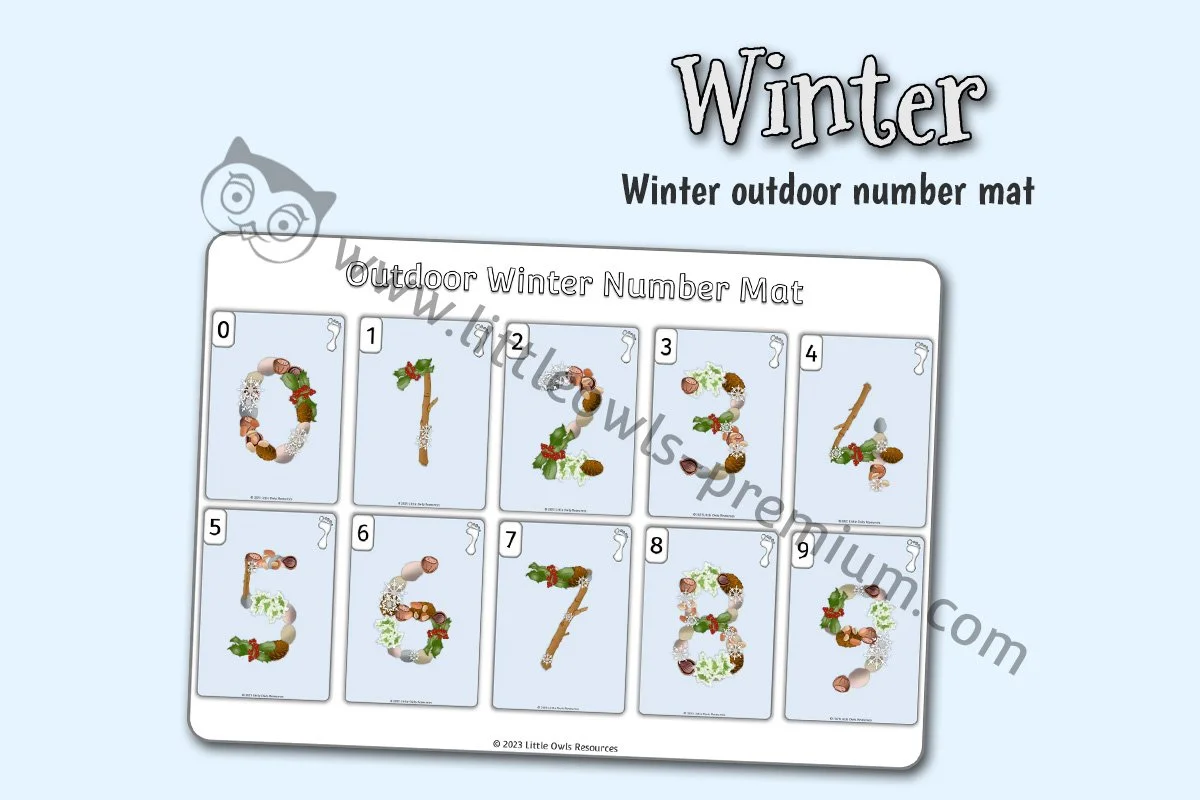
A single numeral mat with numbers formed from natural materials, providing ideas for children’s own outdoor number making.
Suggested use: Preschool · Reception
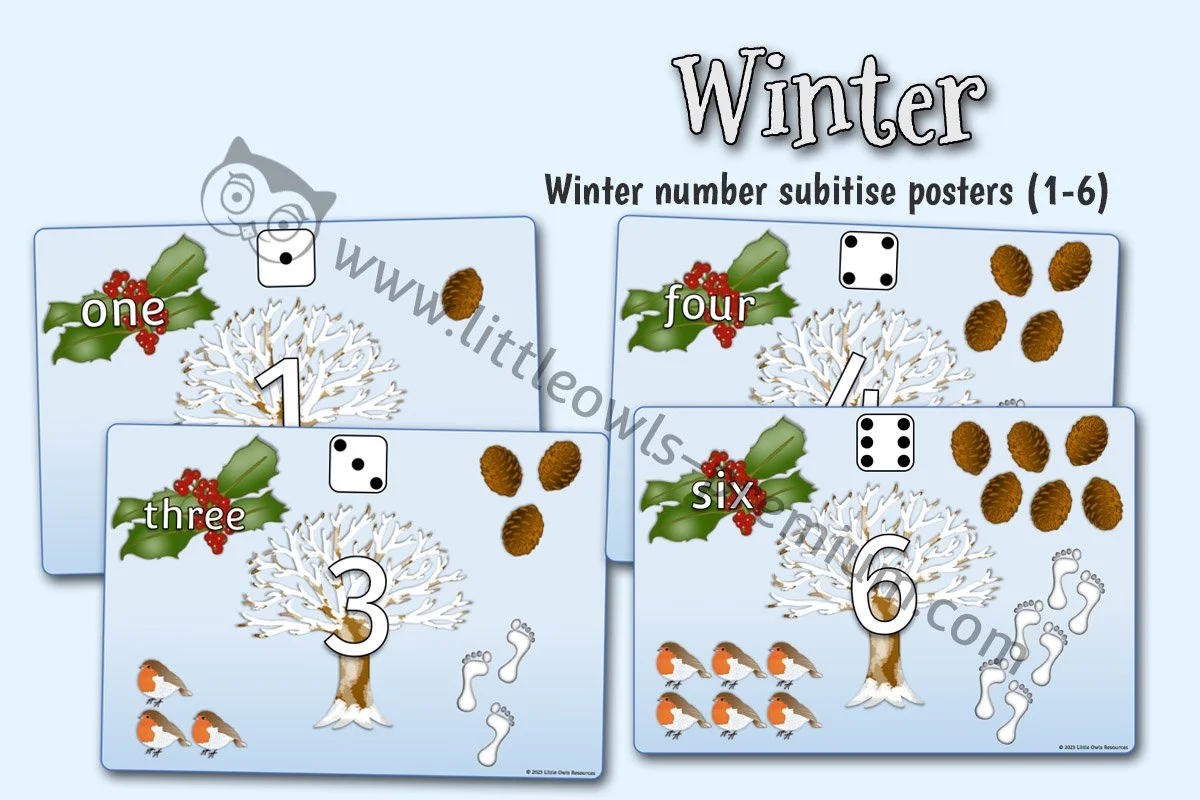
Six mats show numerals and number words alongside quantities of pine cones, footprints, robins and dice spots.
Suggested use: Preschool · Reception
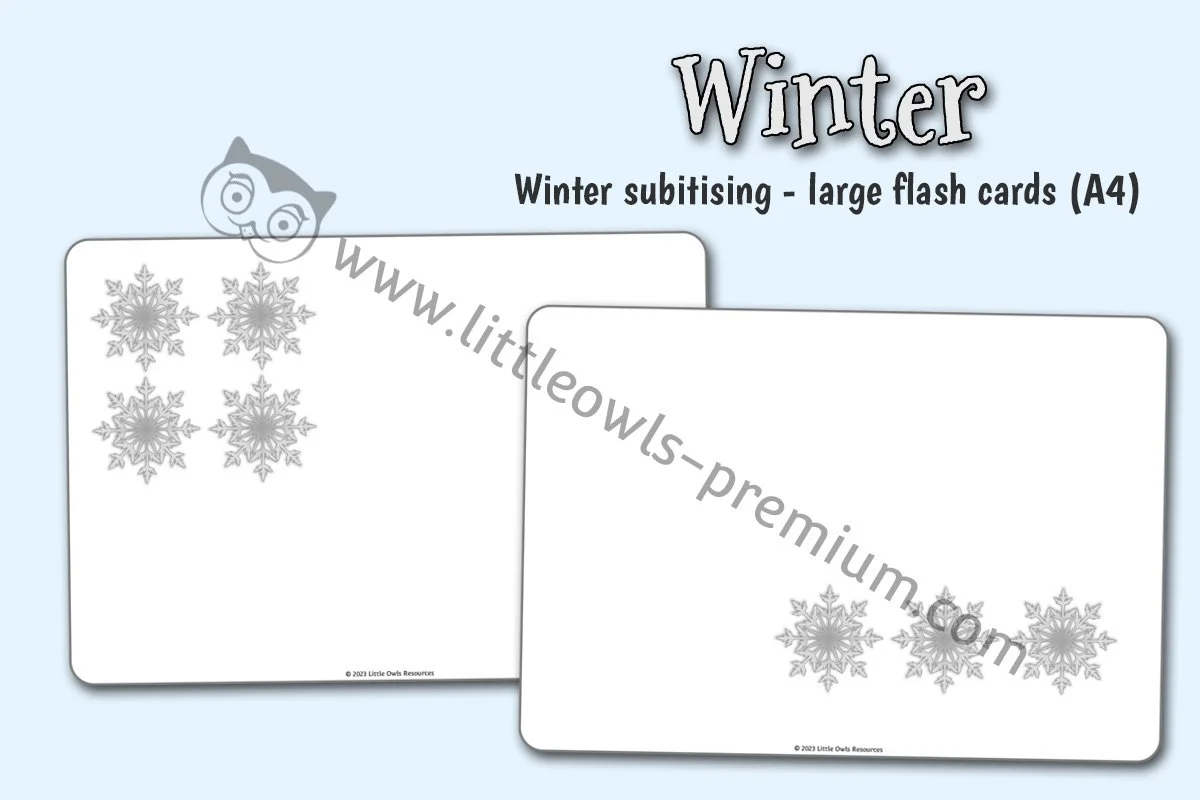
Twenty-two large snowflake cards for quantities from 1 to 6, plus a blank template, for noticing and discussing number arrangements.
Suggested use: Reception · Selected KS1 uses
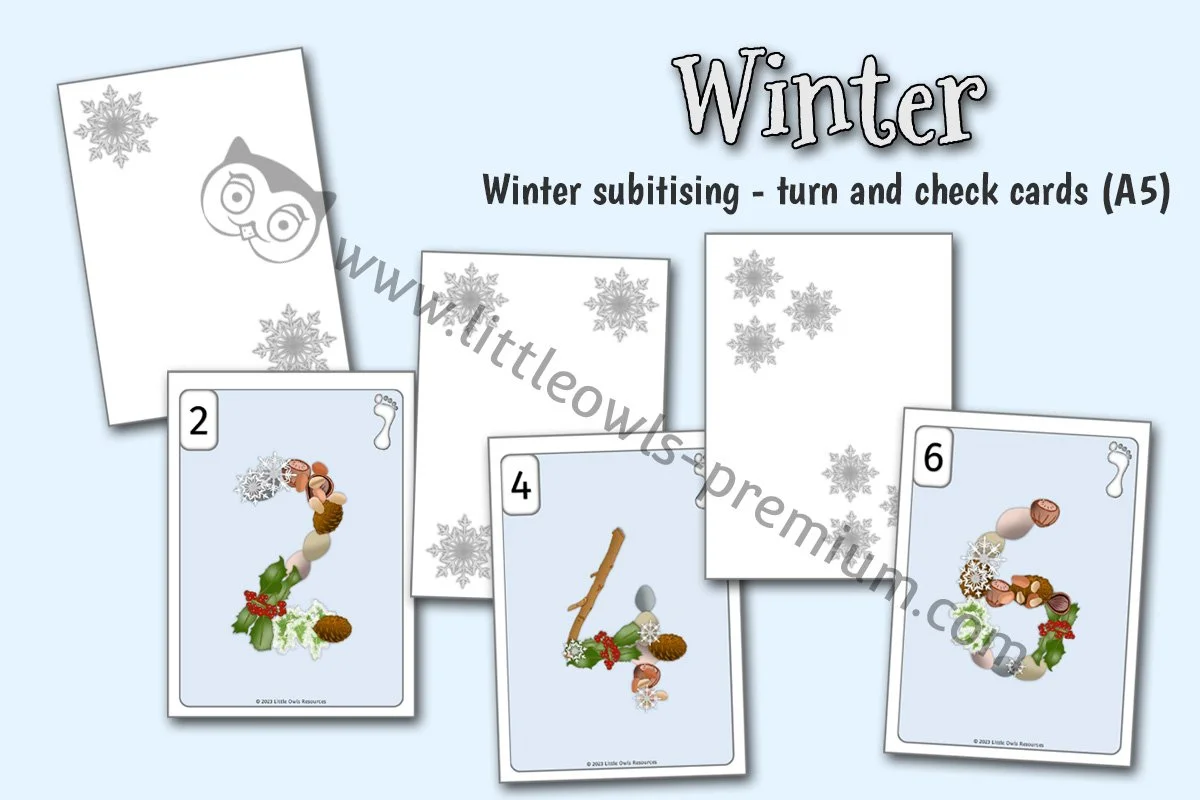
Twenty-two snowflake quantity cards for 1–6 with fold-back answers for checking, plus a blank card for your own arrangement.
Suggested use: Reception · Selected KS1 uses
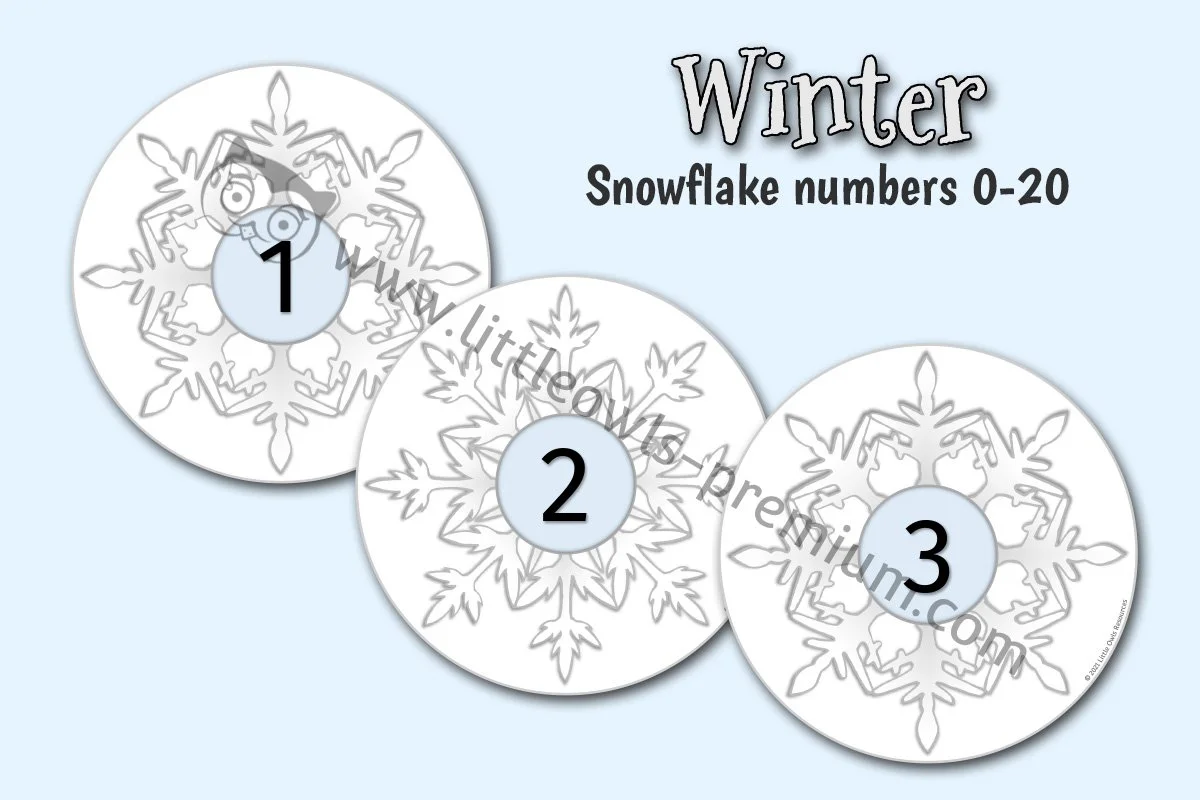
Snowflake-themed numerals from 0 to 20 for selected displays, flashcards, ordering and numeral formation.
Suggested use: Reception · Selected KS1 uses
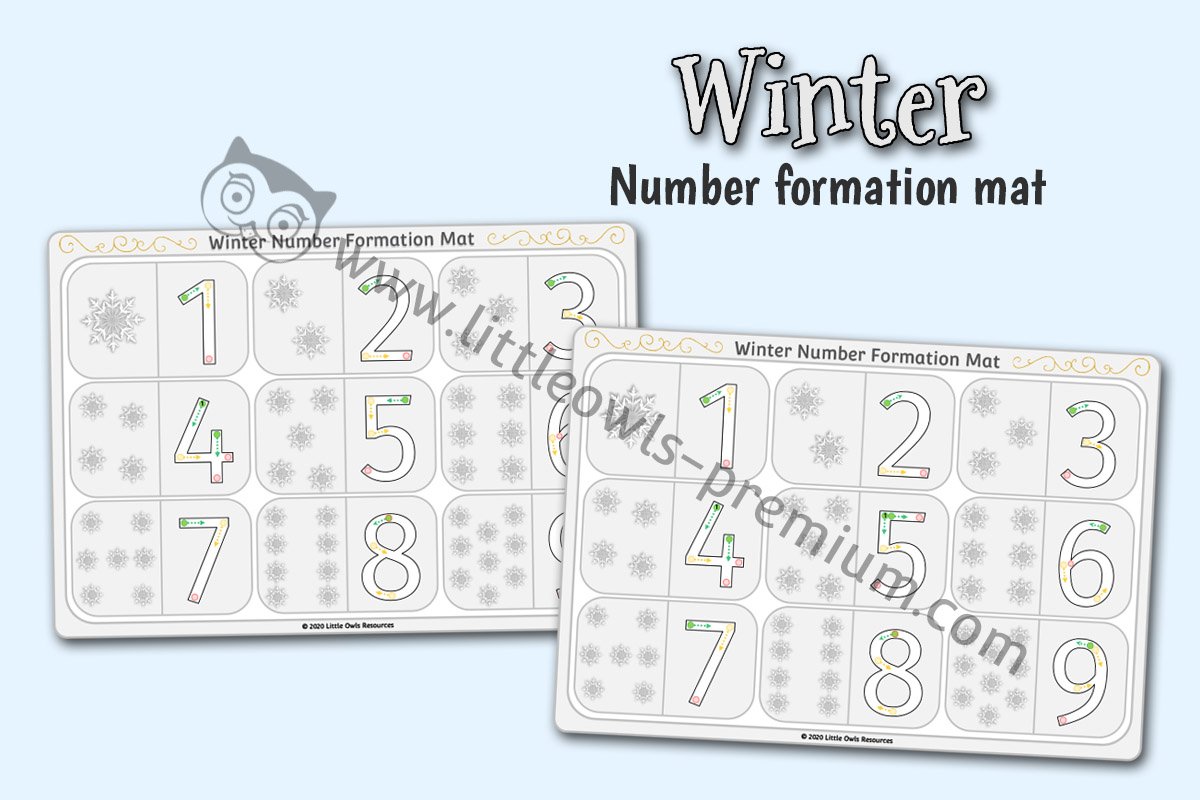
A snowflake-themed numeral formation mat, including two ways of forming 5, for reference or repeated mark making.
Suggested use: Reception · Selected KS1 uses
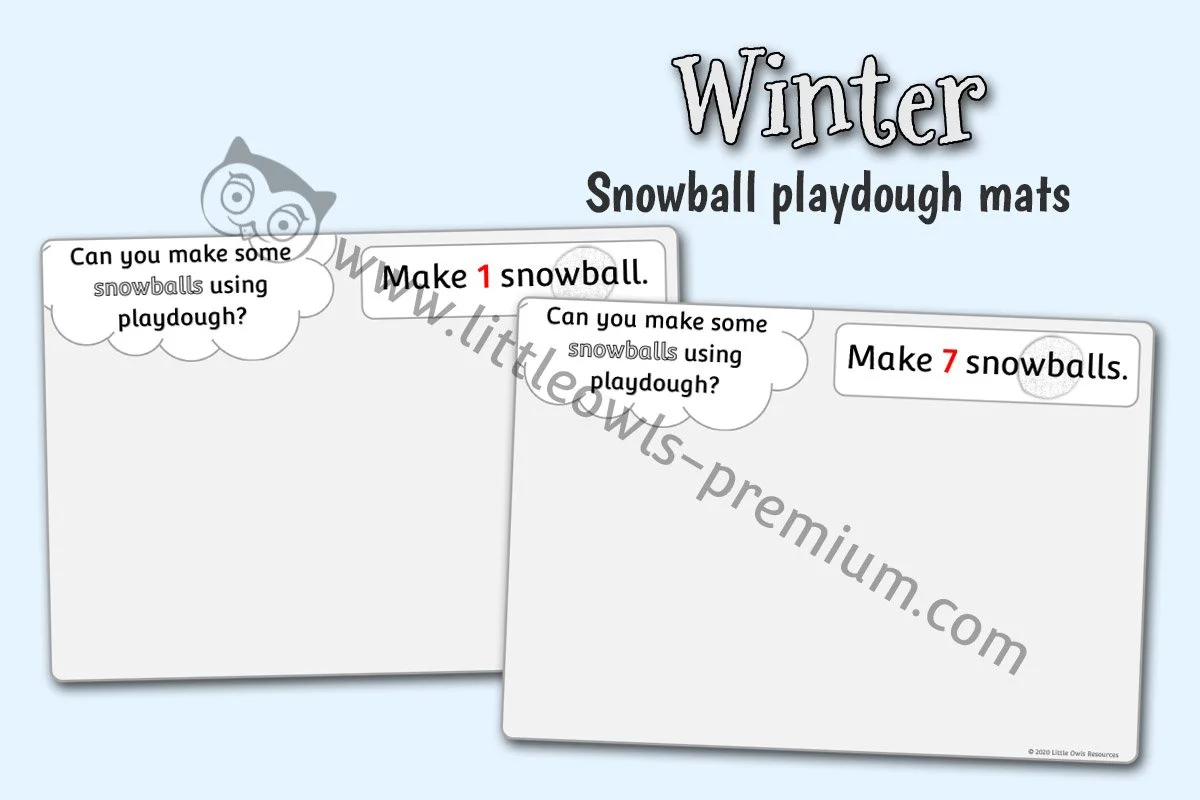
Make playdough snowballs to match each mat’s number, exploring quantities and numeral shapes through practical play.
Suggested use: Preschool · Reception
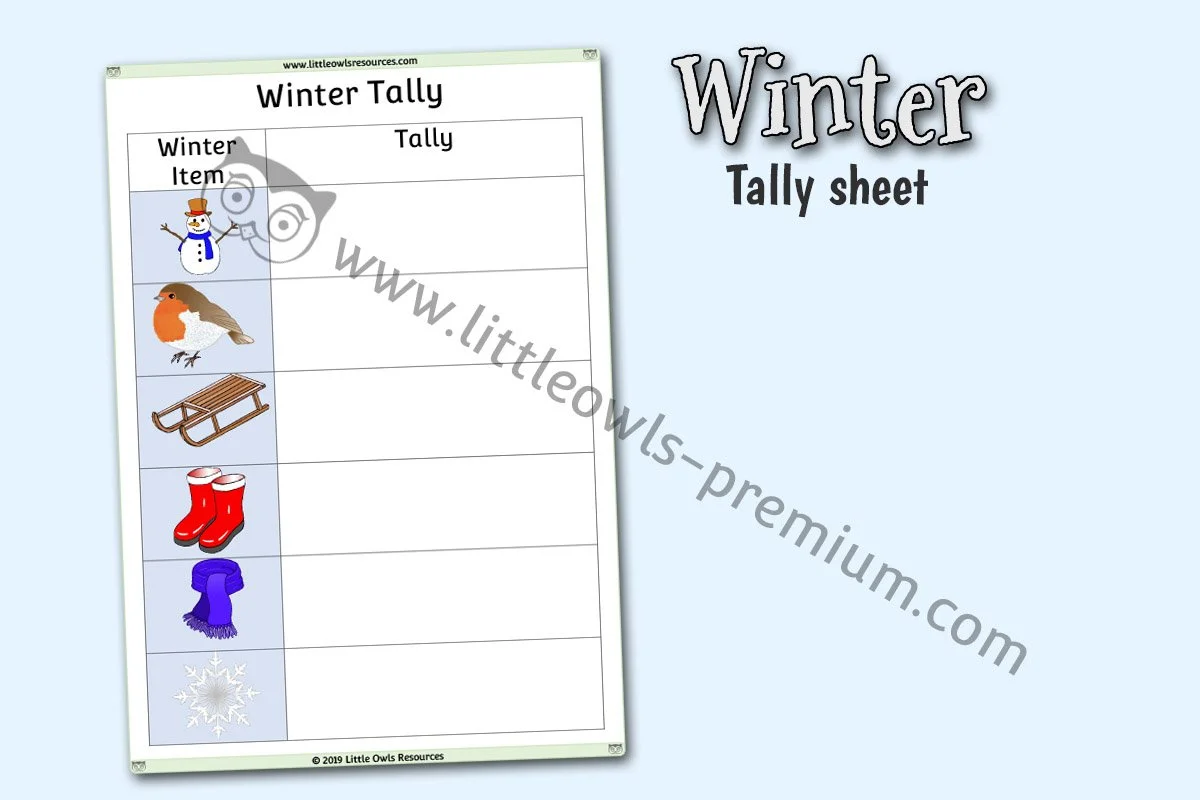
Record winter finds with a checklist or tally-chart layout. Children can point, make their own marks or begin to record quantities.
Suggested use: Reception · Selected KS1 uses

Each page shows a winter object in five sizes for colouring, cutting and arranging in size order.
Suggested use: Preschool · Reception
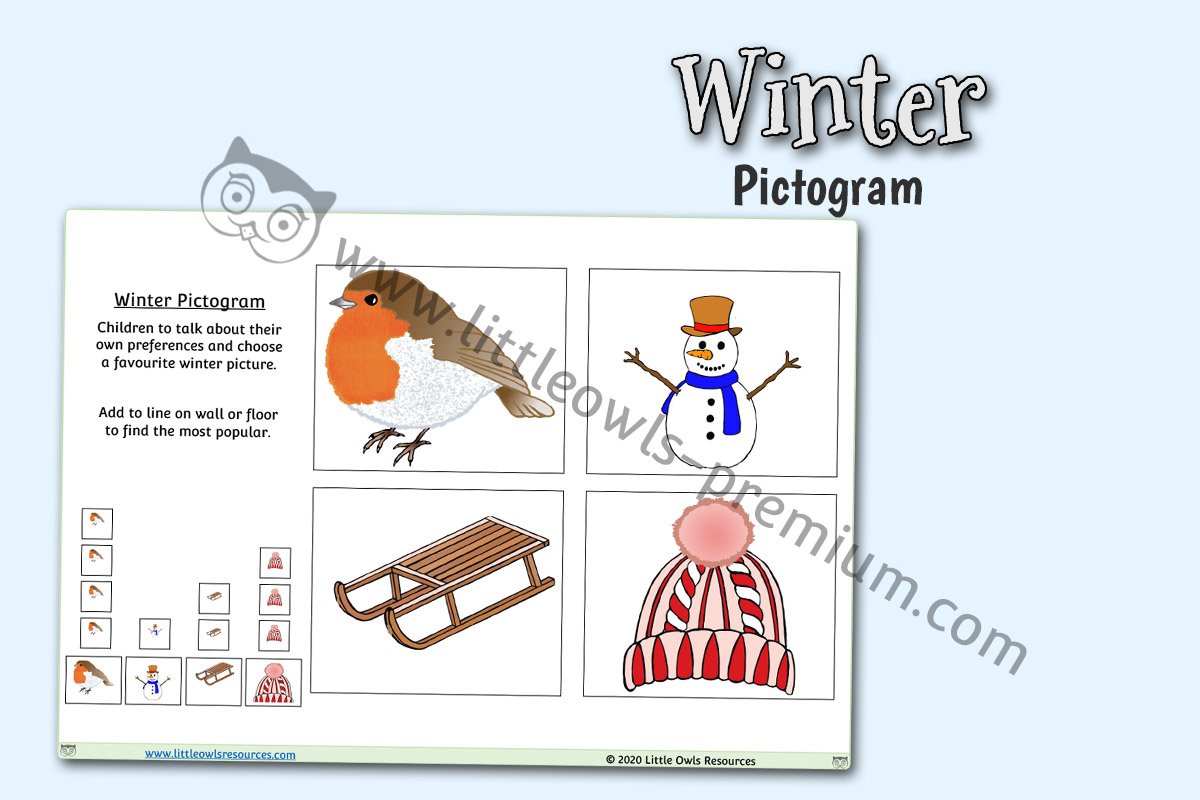
Picture pieces and a chart for comparing children’s chosen winter objects and introducing simple data displays.
Suggested use: Reception · Selected KS1 uses
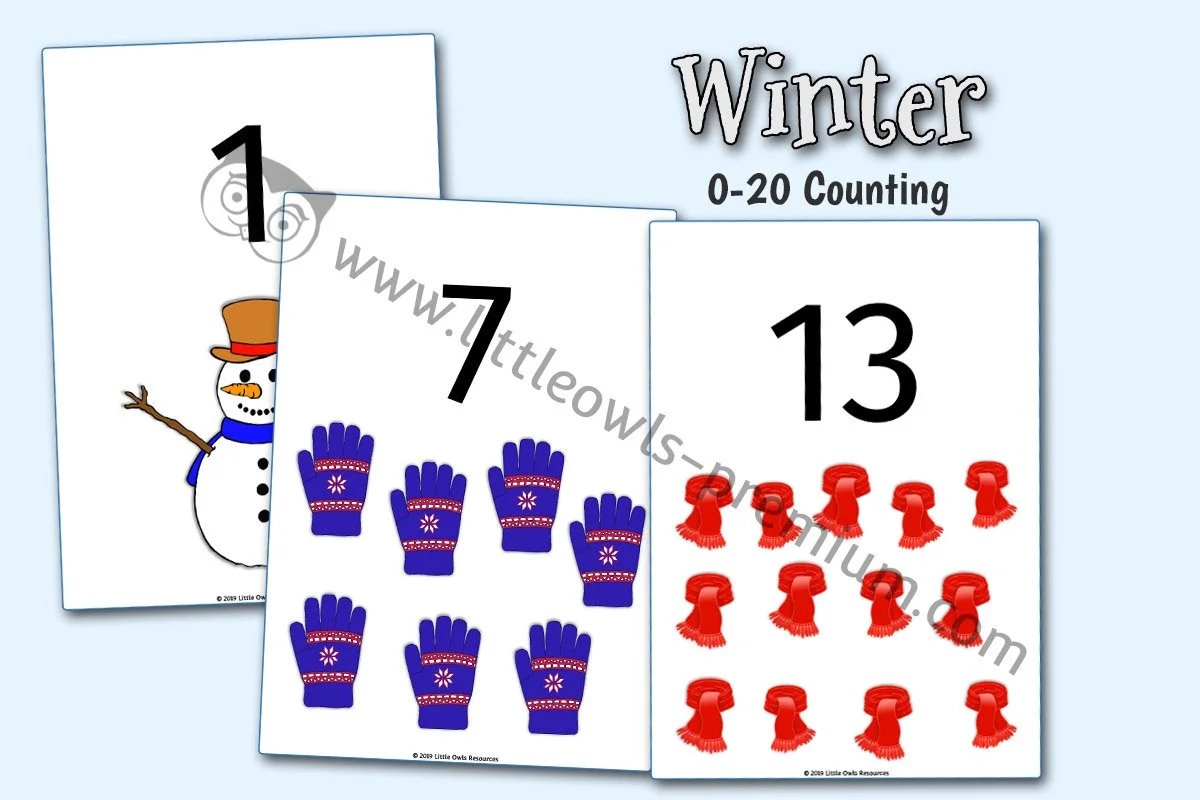
Winter objects with quantities from 0 to 20, for selected counting displays or smaller cards.
Suggested use: Reception · Selected KS1 uses
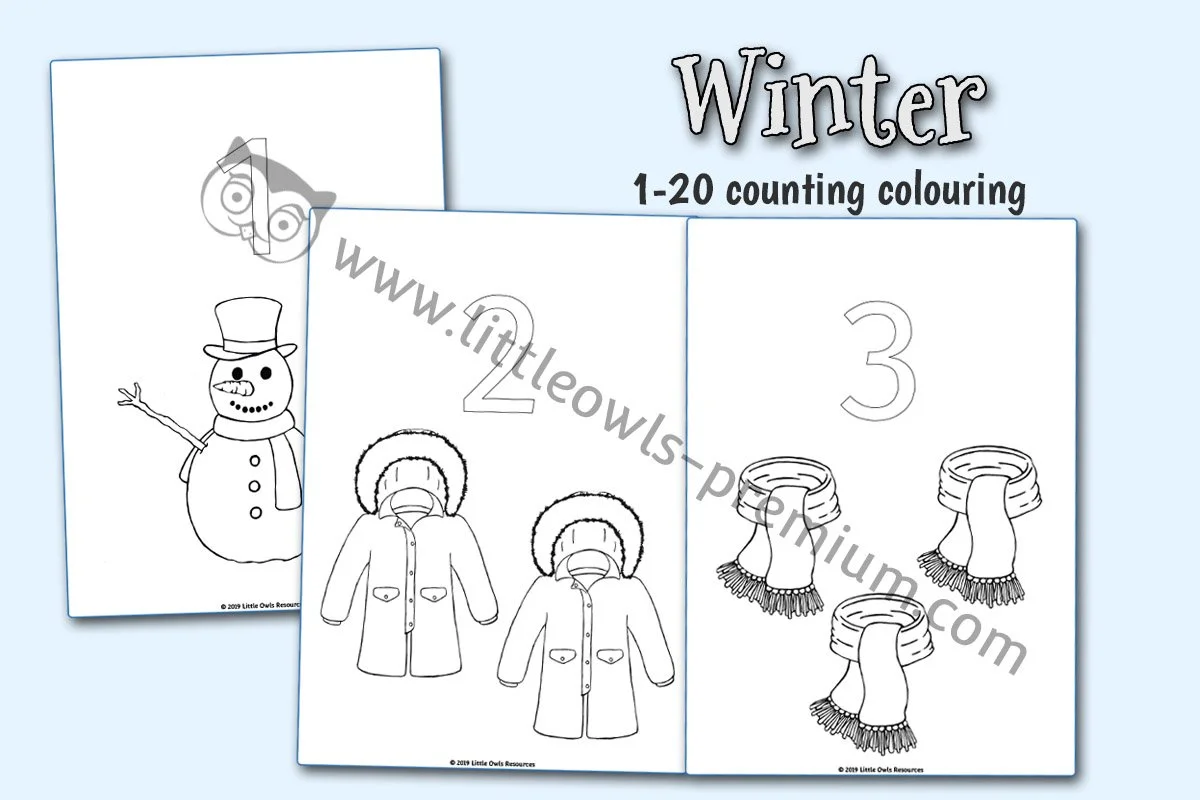
Colour winter objects and count quantities from 1 to 20, linking the objects with written numerals.
Suggested use: Reception · Selected KS1 uses
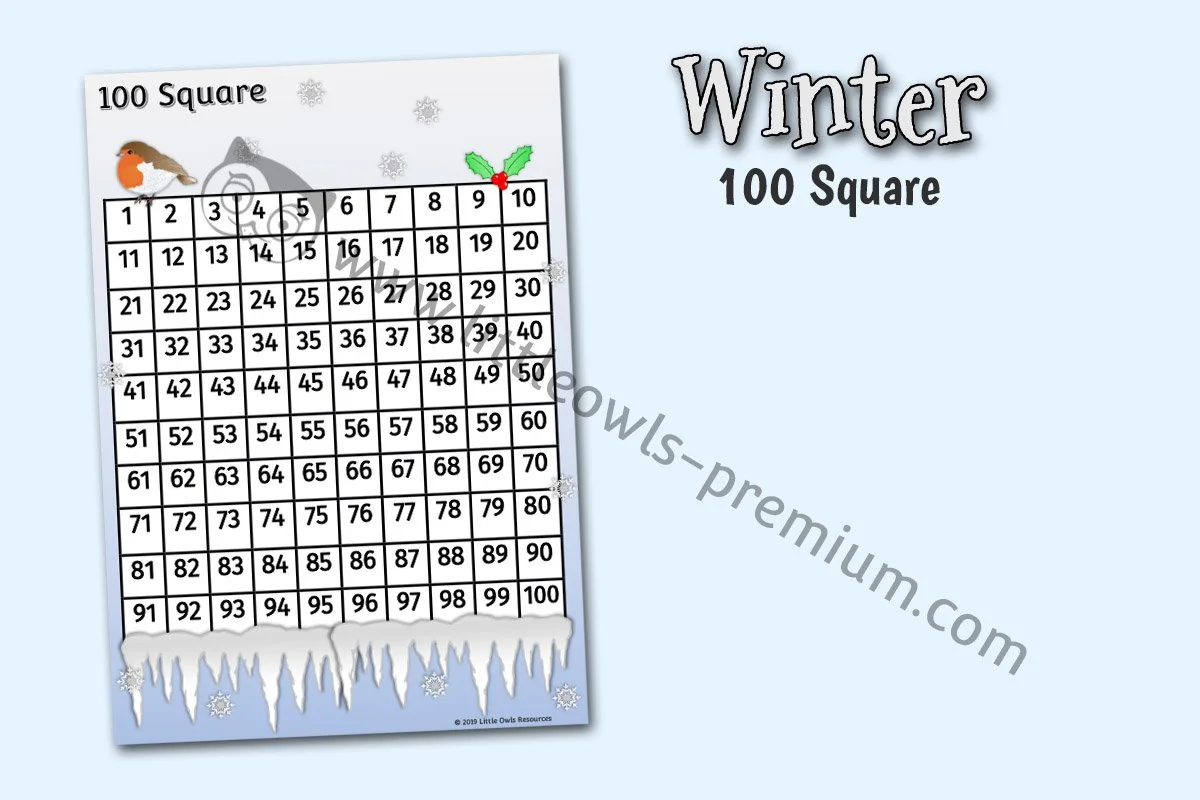
A winter-themed hundred square for locating numbers and exploring number patterns.
Suggested use: Reception · Selected KS1 uses
Choose from seasonal making, mark making, games, puzzles and creative invitations. Use the resources flexibly, offering choices and valuing individual ideas alongside any suggested activity.
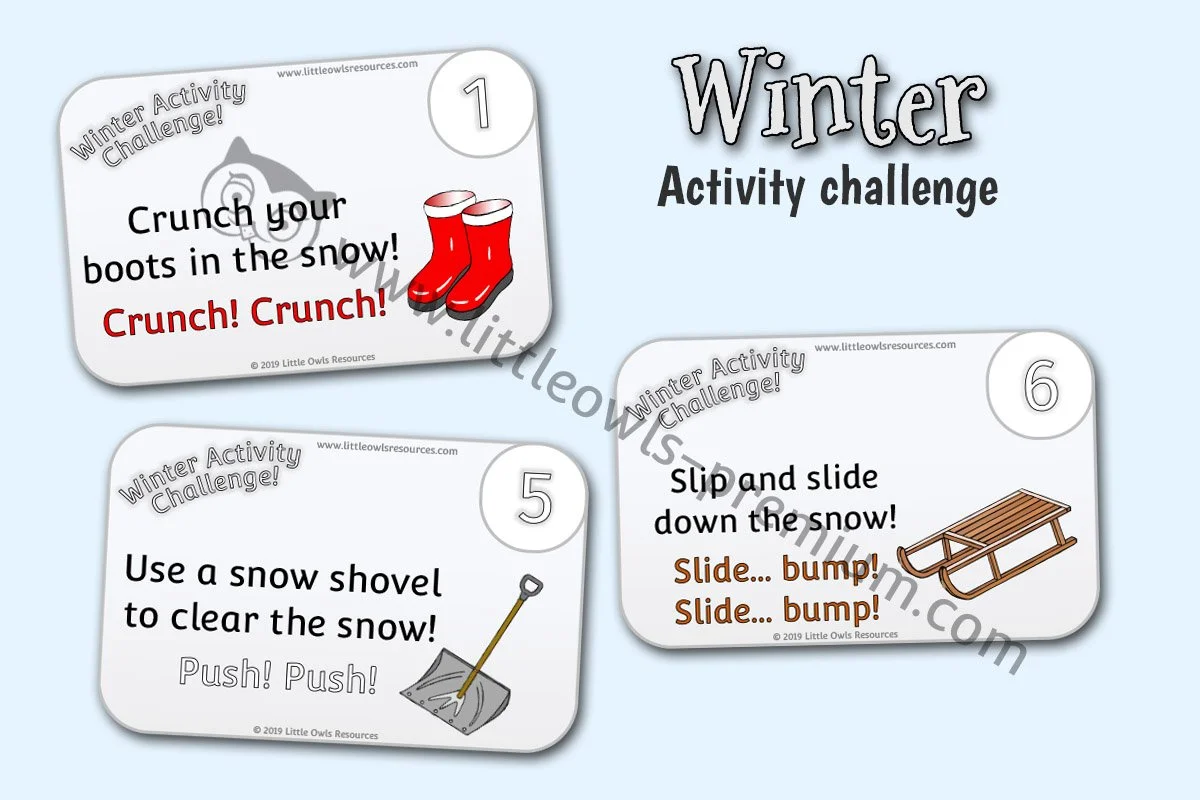
Eight winter-inspired movement prompts for children to try, discuss and adapt through active play.
Suggested use: Preschool · Reception
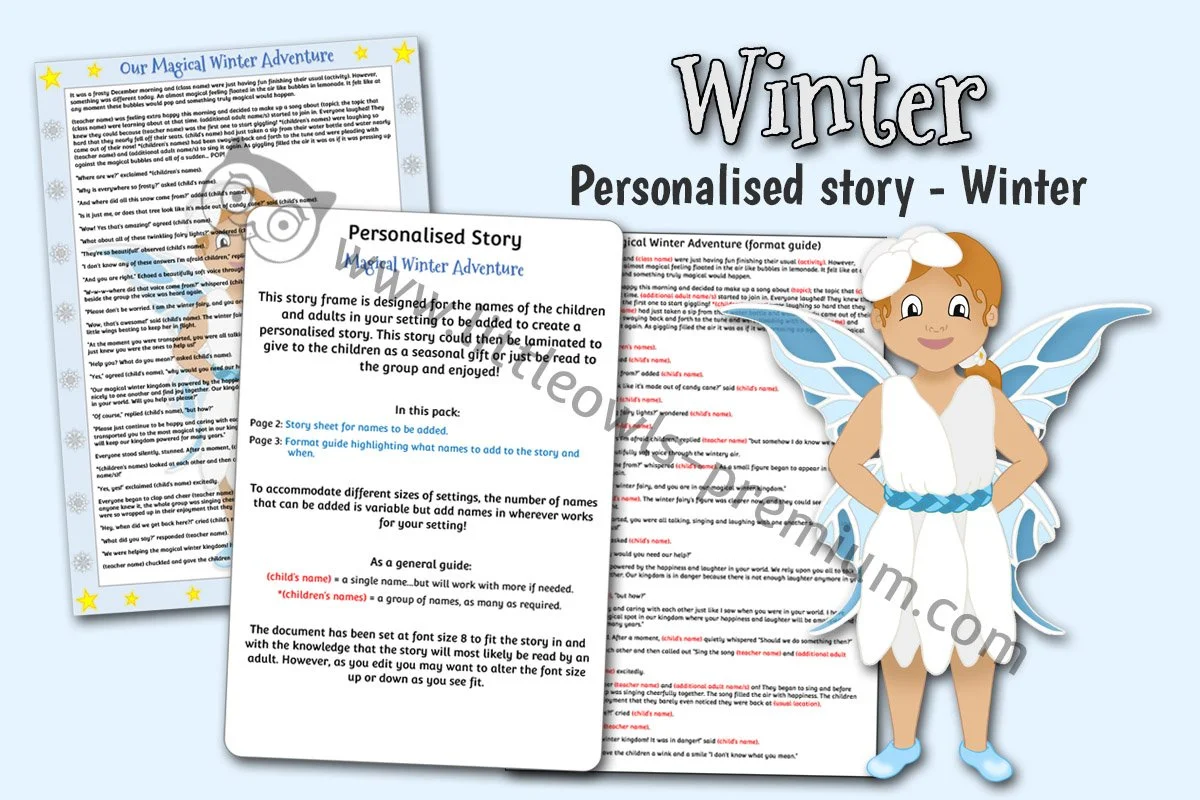
An editable story frame for adding the names of children and adults in your setting. This resource is supplied as a Word document.
Suggested use: Preschool · Reception · Selected KS1 uses
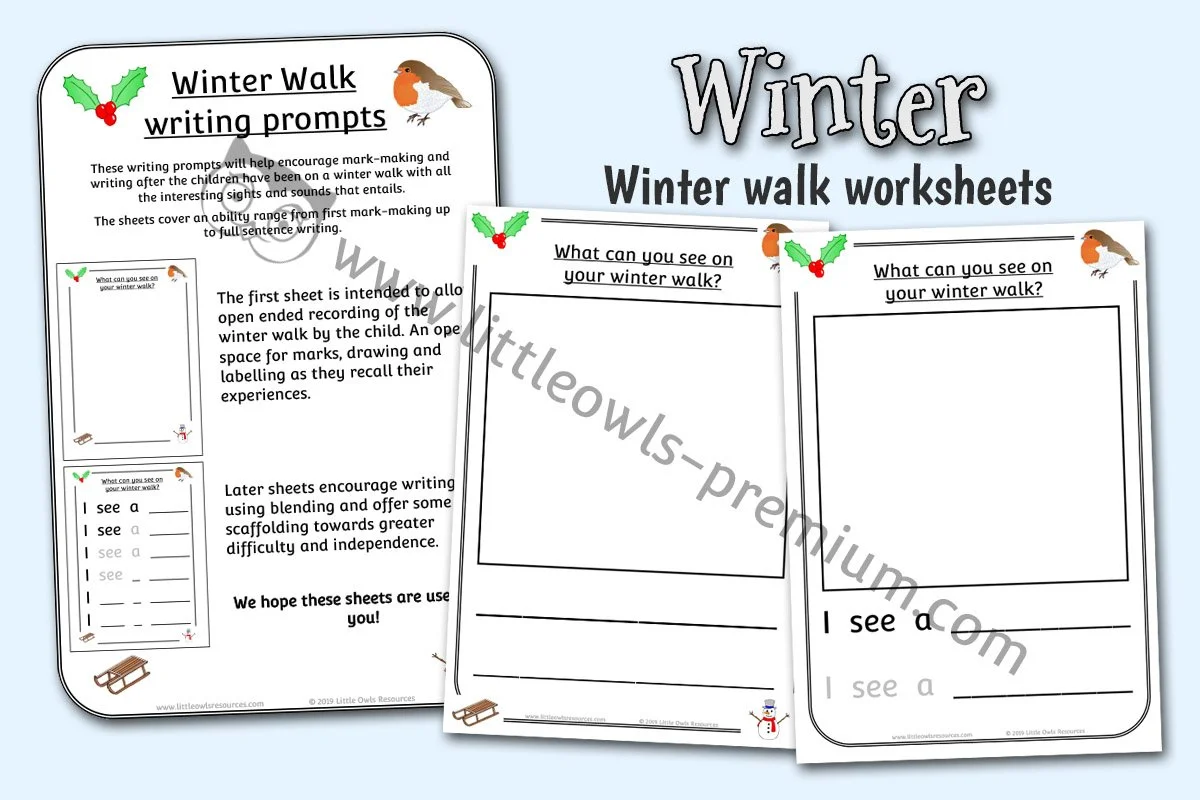
Seven sheets with space for first marks, drawings or fuller writing after noticing winter sights, sounds and smells.
Suggested use: Preschool · Reception · Selected KS1 uses
A collection of winter picture outlines for colouring, choosing materials and talking about seasonal objects.
Suggested use: Preschool · Reception
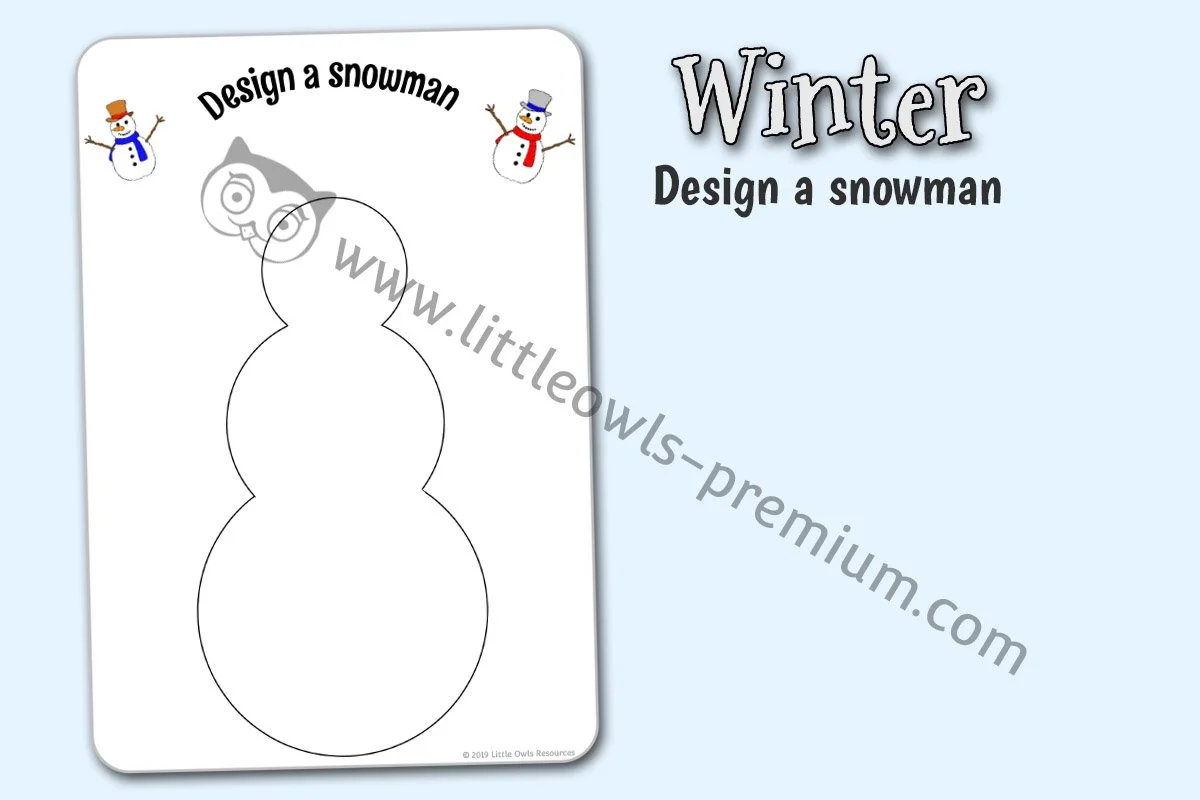
A snowman template for children’s own drawings, decorations, collage and choices of materials.
Suggested use: Preschool · Reception
Let provision grow with children’s ideas. Start with what children notice and revisit familiar materials. Seasonal additions can support play without every area needing a Winter theme.
03 / Explore the theme
Begin with Winter planning or choose a related theme that fits your children. The Winter and Hibernation practitioner packs include age-specific guidance from babies to Reception. Toddler and preschool project packs have their own age ranges; wider themes are optional starting points.

A flexible 3–4 week planner for ages 18–36 months exploring winter weather, ice and melting, warm clothing and cosy dens. Includes provision ideas, adult prompts, family links and sensory adaptations.
Suggested use: Toddlers with adult support

A flexible 3–4 week planner for children aged 18–36 months, exploring light, shadows, colour and celebrations. Includes den and light-table ideas, adult prompts, family links and sensory adaptations.
Suggested use: Toddlers with adult support

A flexible 3–4 week planner for children aged 18–36 months, exploring familiar helpers through everyday play. Includes provision ideas, adult language prompts, optional songs and stories, and inclusion guidance.
Suggested use: Toddlers with adult support

A flexible six-week pack for ages 3–4, exploring everyday problems, asking for help and community roles. Includes provision ideas, optional adult inputs, observation guidance and family materials; commonly used in Autumn 2.
Suggested use: Preschool

A flexible two-week pack for ages 3–4 with a paper-rocket investigation, four provision enhancements, vocabulary prompts, inclusion guidance and a Mission Control sign.
Suggested use: Preschool
04 / Explore the theme
Find seasonal display materials, self-registration resources and setting tools. Use them where they have a clear purpose for your children and environment.
An illustrated Winter heading for a seasonal display.
Suggested use: Preschool · Reception
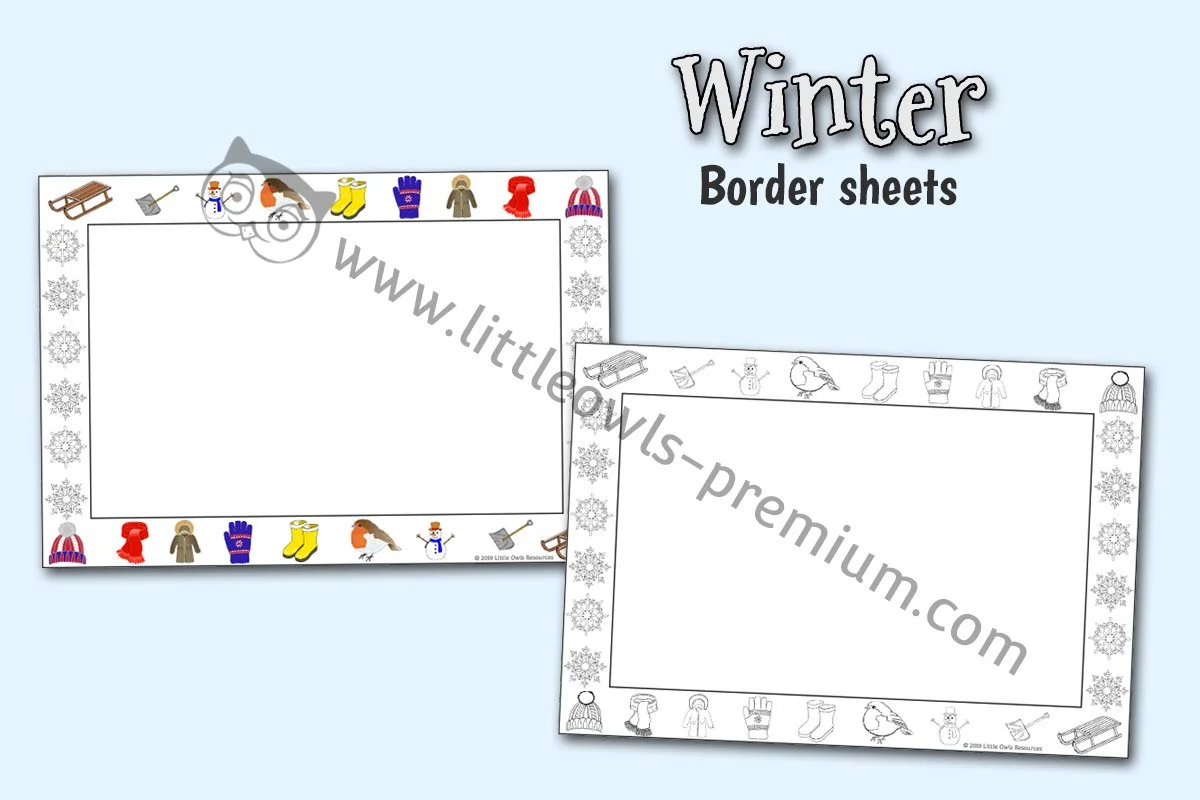
Winter-themed bordered paper in colour and black-and-white for marks, drawings and writing.
Suggested use: Preschool · Reception
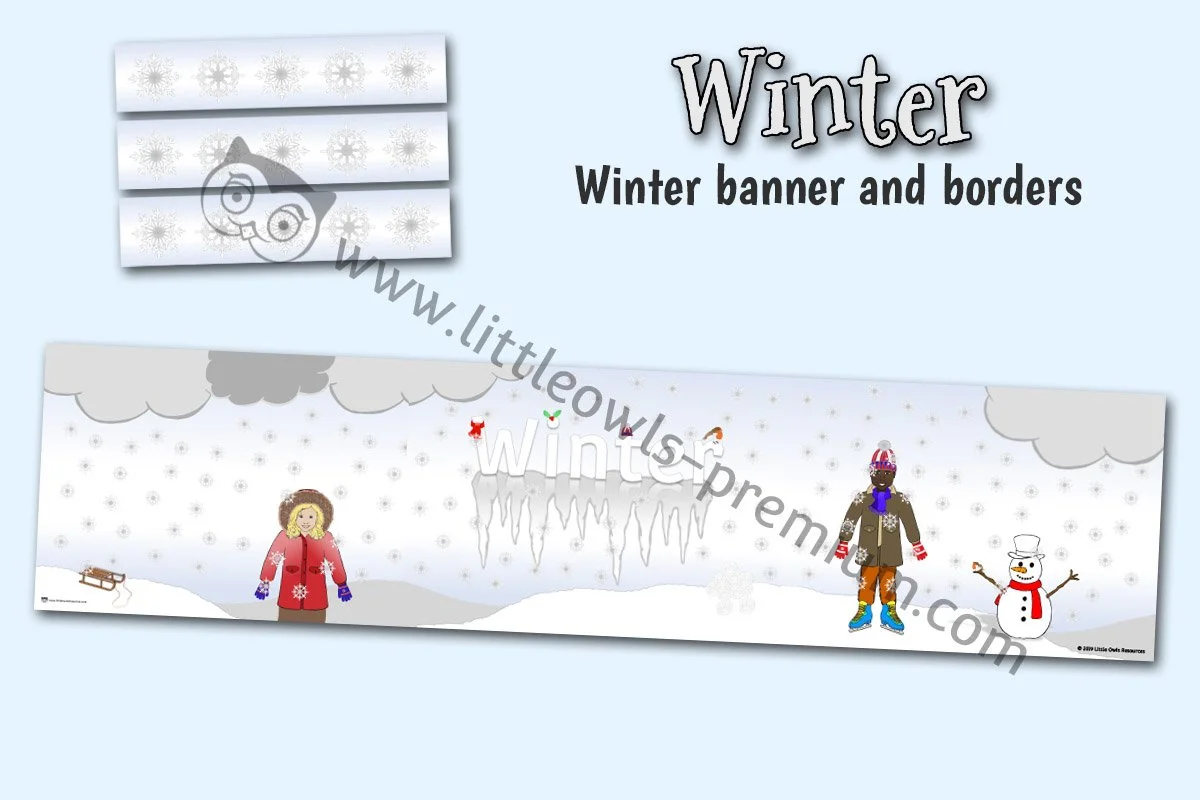
A three-A4-page Winter banner with straight display borders, for adapting to the size of your display.
Suggested use: Preschool · Reception
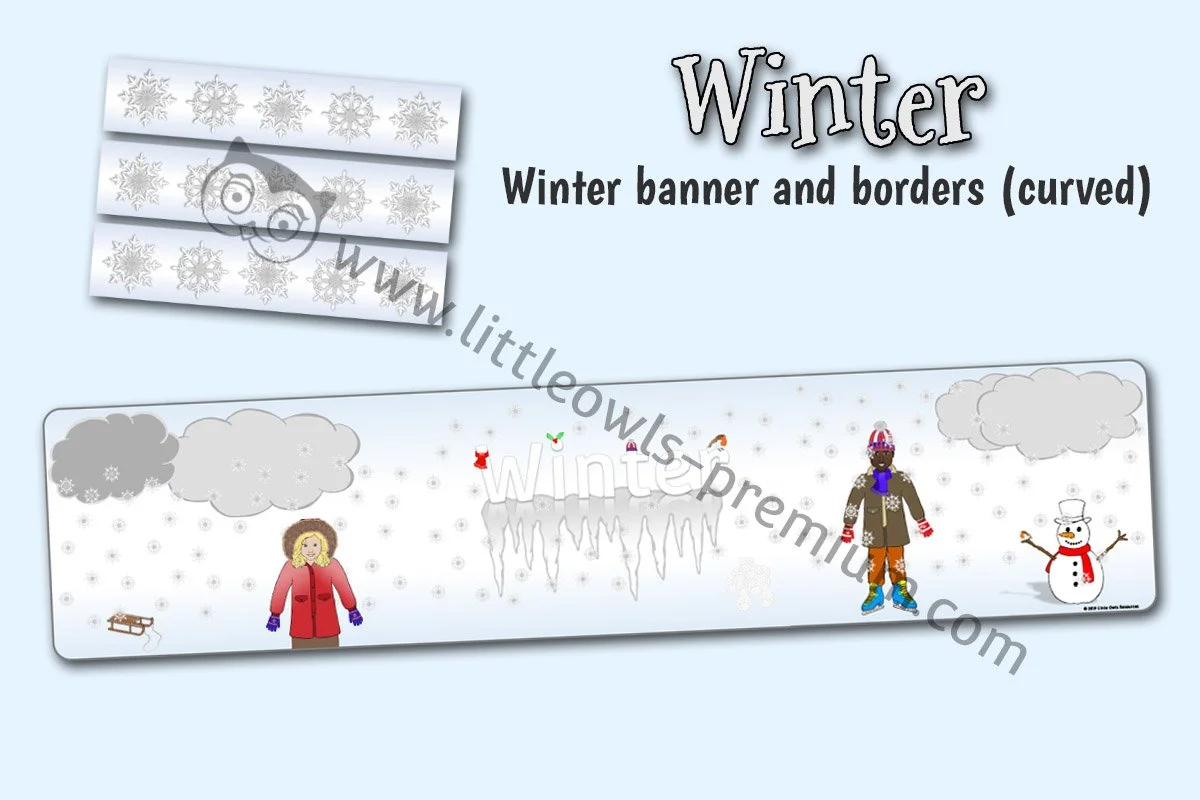
A separate Winter banner-and-border edition with curved borders. The banner spans three A4 pages at its original size.
Suggested use: Preschool · Reception
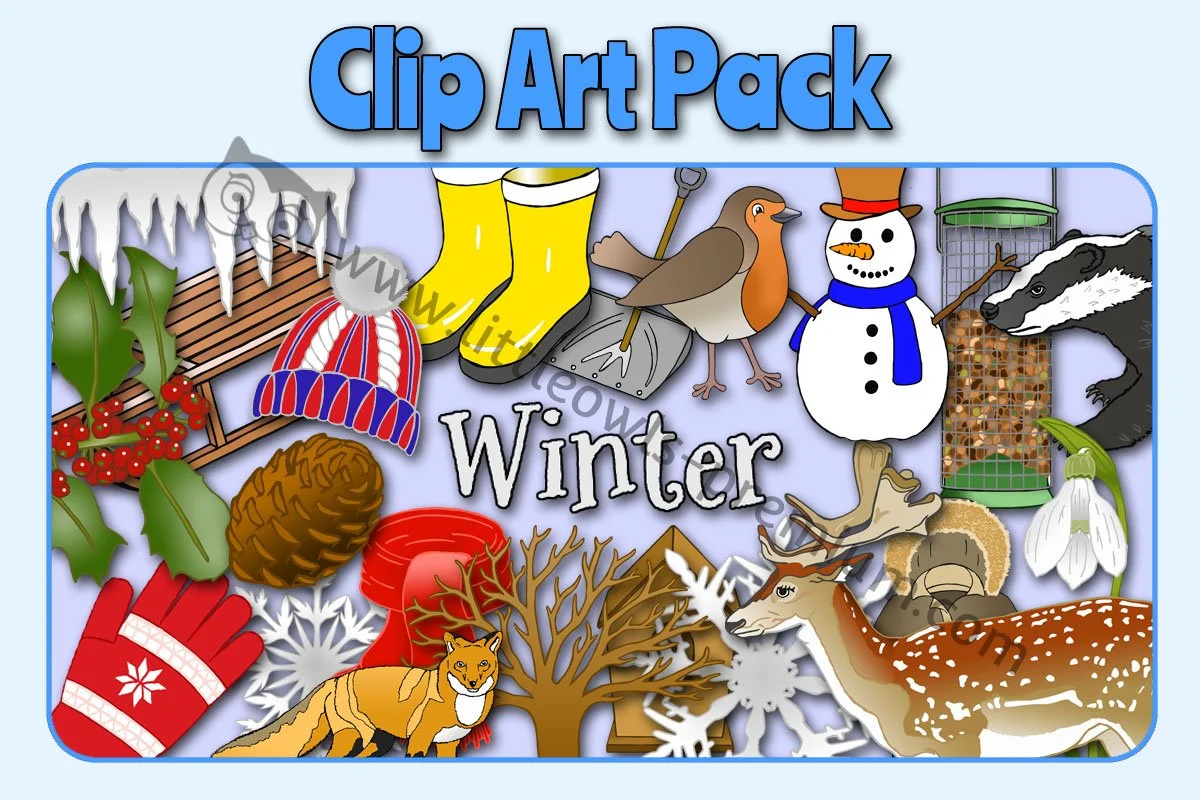
Browse the clip-art collection, linked from the original Winter clip-art cover.
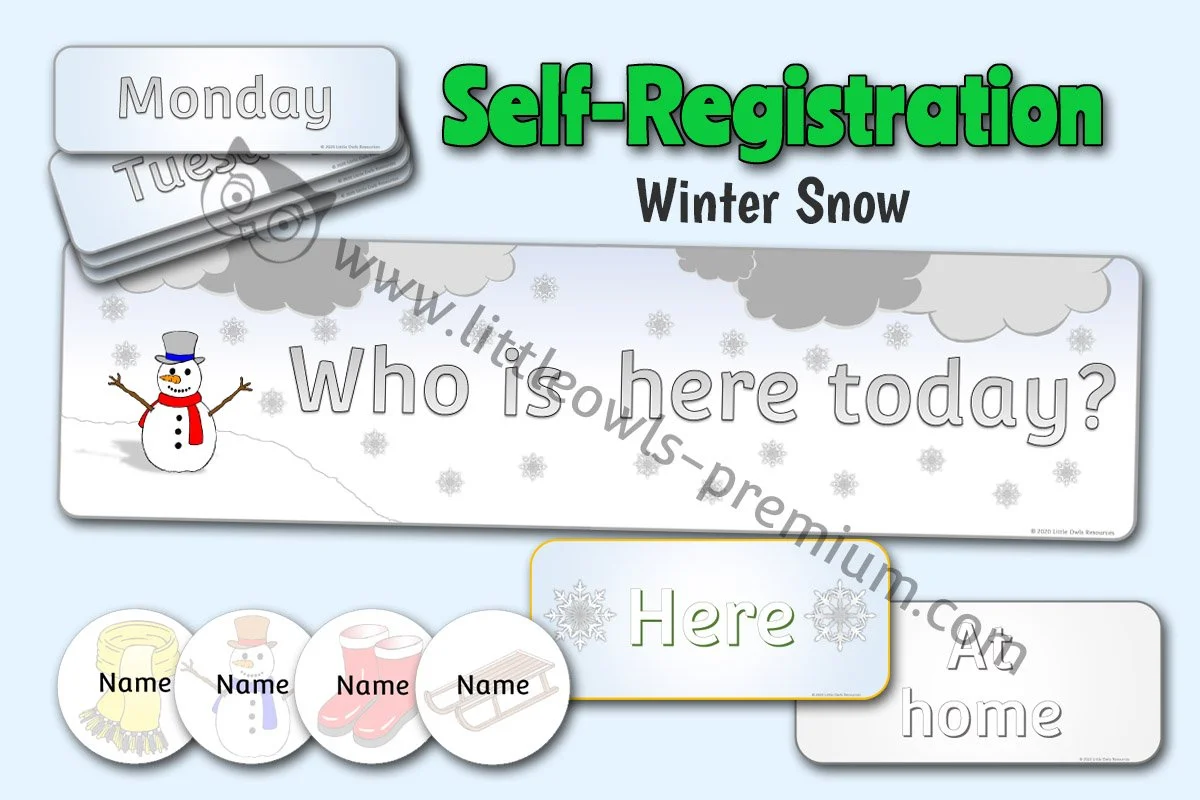
An editable winter-themed registration set with a banner, days, Here and At Home signs, and children’s name cards.
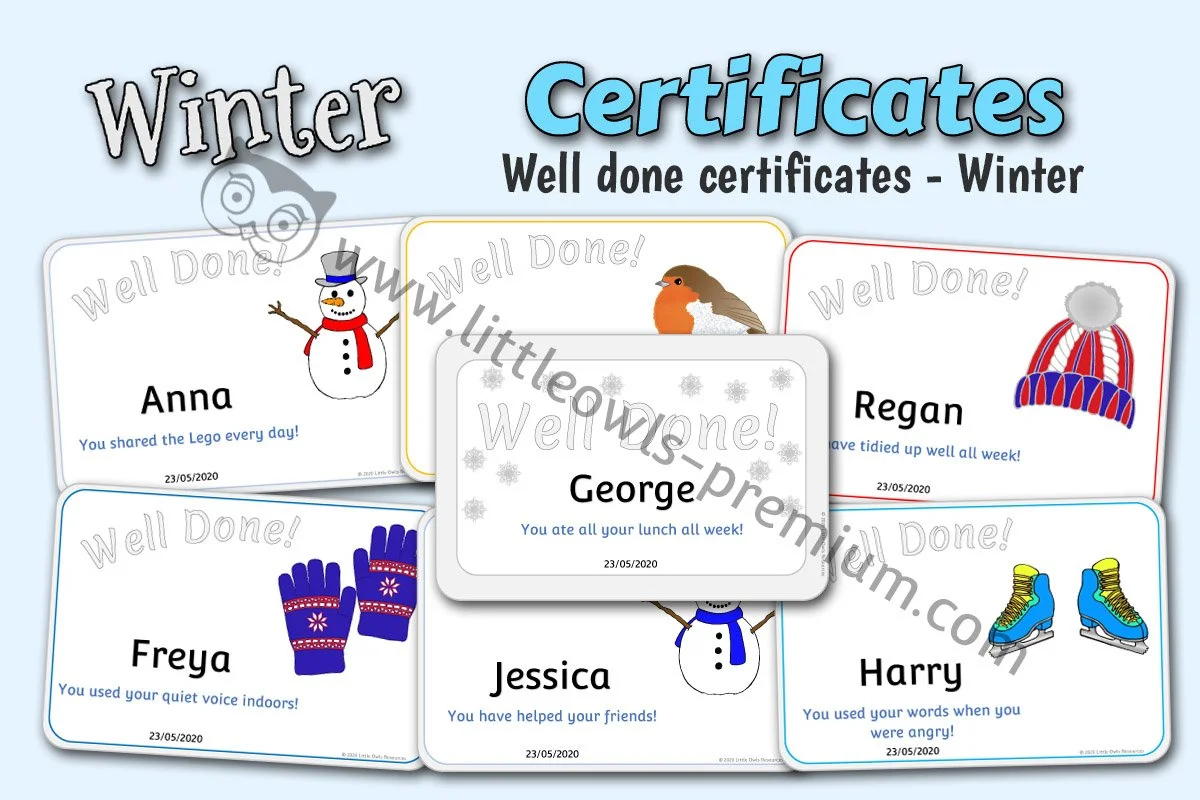
Seven A4 winter-themed certificate designs, with editable wording and blank versions for settings that choose to use them.
05 / Explore the theme
These are possible starting points, guided by children's interests and experience. Select a manageable amount from a pack and adapt the materials, language and adult support.
Use the baby age banks in the Winter practitioner packs to support comfortable shared experiences and responsive interaction with a familiar adult. Follow the baby's interest and comfort; the guidance is for the adult preparing and sharing those experiences.
Offer simple matching, repeated actions and sensory exploration. Use a small selection of pictures or materials with close adult support, and draw on the Winter toddler planner for adaptable ideas.
Follow curiosity through observation, talk, meaningful marks, imaginative play and early maths. Choose quantities, vocabulary and prompts that fit the children rather than expecting everyone to use the whole pack.
Select resources with an appropriate level of challenge. Extend comparison, explanations, sequencing and recording, checking factual animal information and adapting practical tasks to the children.
06 / Explore the theme
Follow connections that are relevant to your children and setting. Each collection has its own resources, context and access information. Festivals and special dates remain separate choices rather than a checklist for Winter.
Browse fireworks-themed activities and teaching resources.
Browse woodland, outdoor observation and forest-school resources.
Browse story activities and resources inspired by Goldilocks and the Three Bears.

Browse resources about different homes and familiar living spaces.
Browse story activities and resources inspired by Jack and the Beanstalk.
Browse story activities and resources inspired by Little Red Riding Hood.
Browse nursery-rhyme activities, illustrations and printable resources.
Browse the wider polar-animal resource collection.
Browse space-themed play, activities and teaching resources.
Browse story activities and resources inspired by The Three Little Pigs.
Browse the wider traditional-story and fairy-tale collection.
Browse resources for noticing weather, exploring clothing choices and discussing changes.
Browse autumn provision ideas, activities and teaching resources.
Browse spring-themed activities and teaching resources.
Browse summer-themed activities and teaching resources.
Browse birthday displays and setting resources.
Browse the Burns Night collection.
Browse the Lunar New Year collection.
Browse the Christmas activity and resource collection.
Browse festive gift, card and present-making ideas.
Browse Hanukkah activities and teaching resources.

Browse New Year activities and resources.
Browse Pancake Day activities and resources.

Browse Ramadan teaching resources; check current local observance dates when planning.

Browse Valentine’s Day activities and resources.
Browse the website’s EYFS framework and practitioner guidance.
Browse the calendar of events, festivals and celebrations.
Browse festivals and celebrations across the year.
Browse the wider themes and topic collection.
Browse packs and printable props for different role-play settings.
Browse planning, display and setting-organisation resources.
Browse resources organised by areas of learning.
Browse the available dual-language teaching resources.
07 / Explore the theme
Begin with real encounters and children's questions. Use conversation, books, practical materials and selected printables to help children notice more, test ideas and revisit what interests them.
In the UK, meteorological Winter covers December, January and February. Weather varies, so begin with the rain, wind, frost or snow children actually experience. There is no need to wait for snow to explore the season.
Start with a question, an experience or something children have noticed. Add a few relevant pictures, objects or prompts to areas they already use, then observe what happens. There is no need to change every area or expect children to complete every suggested activity.
No. Animals respond to Winter in different ways. Hedgehogs, hazel dormice and UK bats hibernate to conserve energy; their bodies slow down. The UK's red and grey squirrels remain active. Use specific examples rather than describing hibernation as ordinary sleep lasting all Winter.
Yes. The Winter and Hibernation continuous provision and question-and-vocabulary packs include age-specific guidance from babies to Reception. Their baby sections support adults in responsive interaction and shared experiences. The collection also includes toddler planning and simple activities to adapt with close adult support, such as two-piece puzzles.
The 14 cards in Free resources use Free Access. Other individual resources use All Access. Search for free to show the free cards. Related collections have their own access information.
All Access membership unlocks every resource on the site. Free Access lets you explore and download a selection of free resources. Explore membership options.
Already a paying member? You have sitewide access. There’s no need to change plans or subscribe again. Read our FAQs.
Resources created by Little Owls Resources.