
Free Access
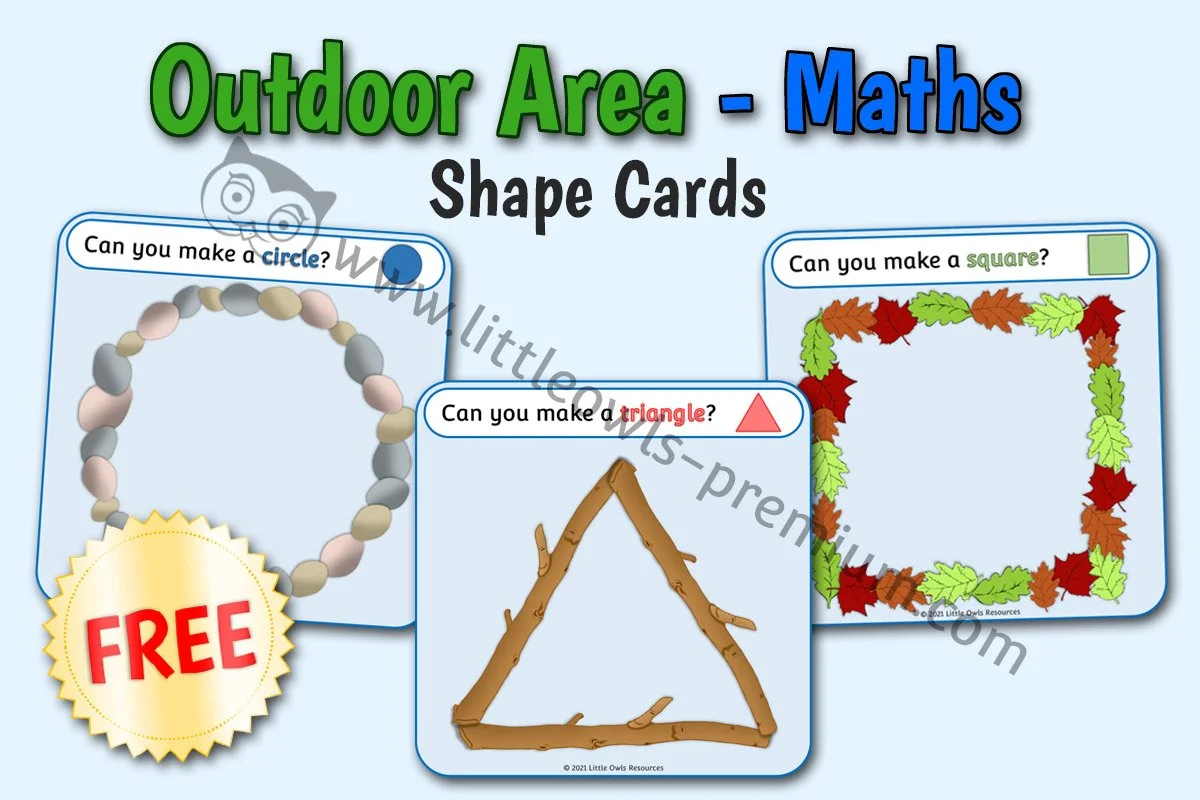
Outdoor Shape Challenge Cards — Free Sample
Use natural materials to make and compare circles, triangles and squares. The prompts leave room for children to choose materials and explore other shapes.

Your Custom Text Here
Theme collection · EYFS & KS1
Find Forest School and woodland resources for EYFS and KS1, from free nature prompts and wildlife pictures to mud kitchen play, outdoor maths and seasonal planning.
Begin with a familiar place, time to explore and the things children notice. Choose a picture, prompt or practical resource when it helps a question, conversation or idea grow.
Keep real experiences and children’s choices at the centre. These resources can support outdoor learning throughout the year.
Explore 14 free resources ↓
Choose a Forest School starting point ↓
Find your starting point
Try a resource, activity or age. Choose a result to see its cover here, then open the resource when you are ready. Search includes the resources and related collections shown on this page.
Search becomes available when JavaScript is enabled. You can always browse using the section choices above.
01 / Explore the theme
Explore free woodland, wildlife and outdoor-play resources. Each card links to the free edition, with samples clearly identified.
Use natural materials to make and compare circles, triangles and squares. The prompts leave room for children to choose materials and explore other shapes.
Suggested use: Preschool · Reception · Selected KS1 uses
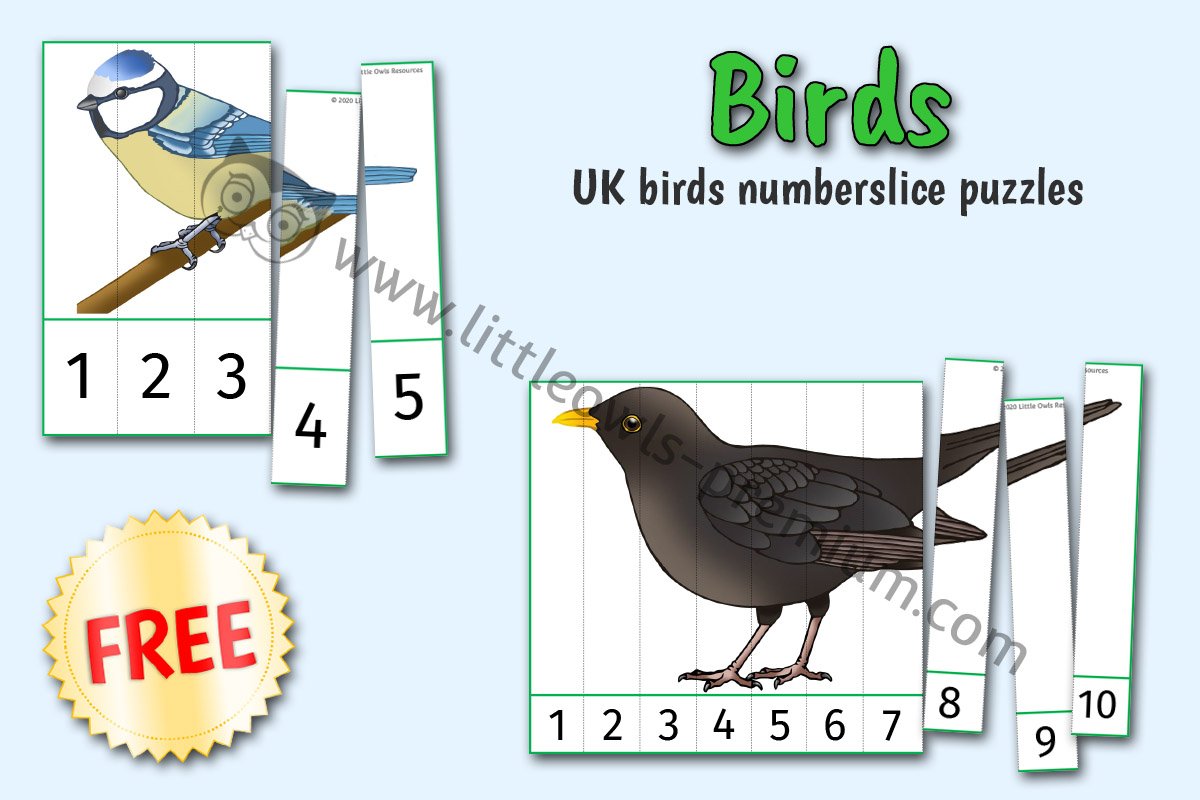
Order numbered strips to reveal a bird picture. The free sample offers puzzles with 1–5 and 1–10 sequences; choose a suitable range and prepare the pieces as needed.
Suggested use: Preschool · Reception · Selected KS1 uses
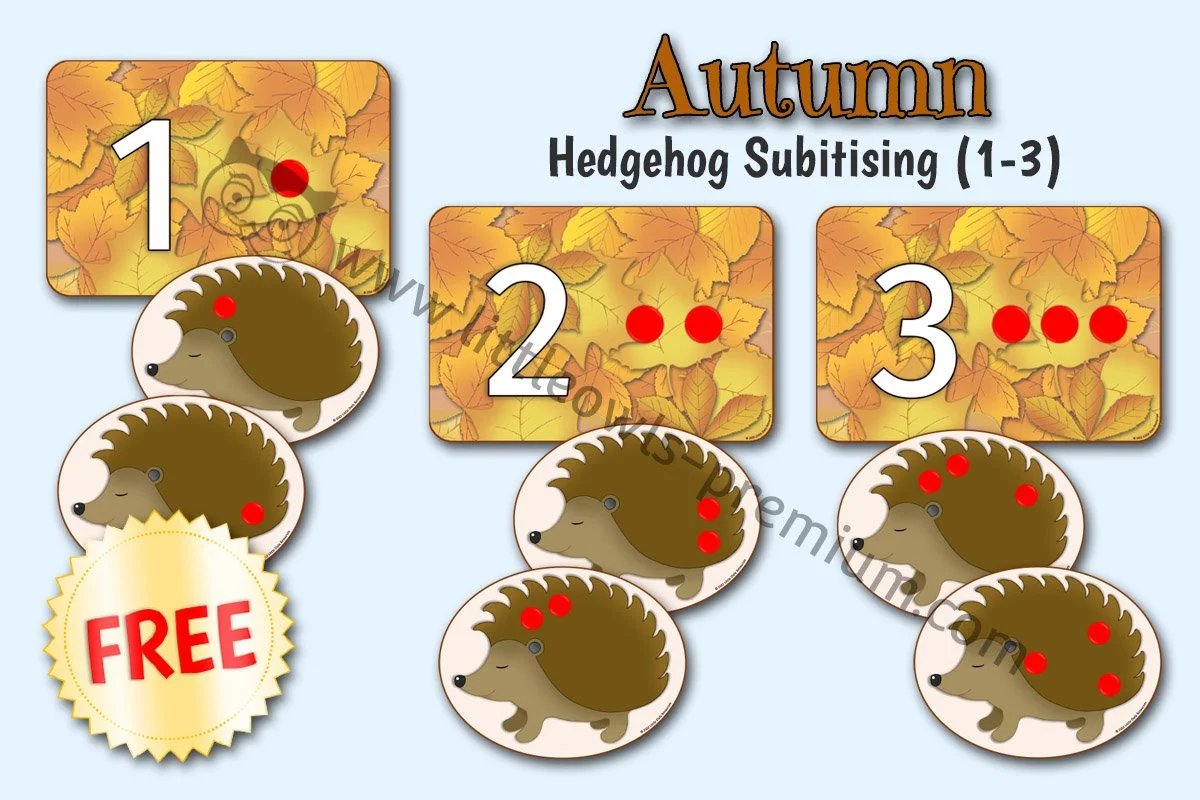
Notice small quantities without counting one by one, using hedgehogs with one, two or three spots. A small-number starting set for practical maths talk.
Suggested use: Preschool · Reception
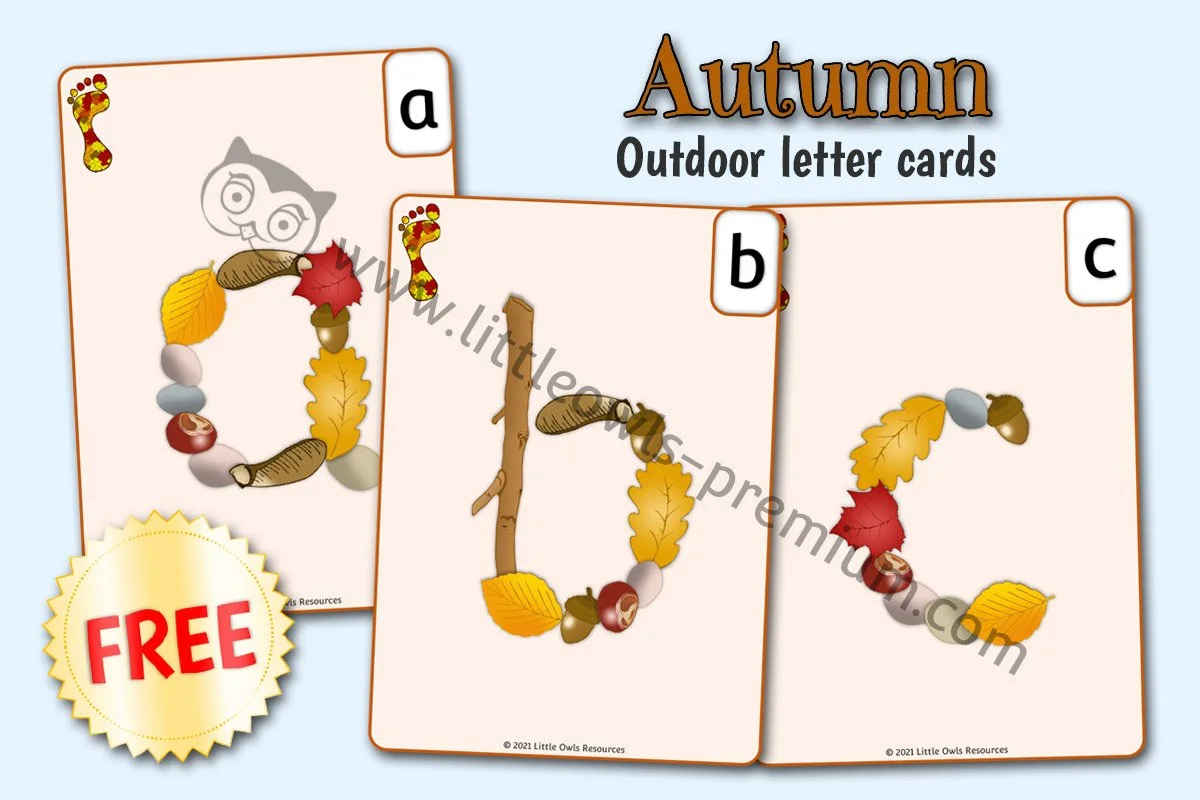
Alphabet cards made from natural materials, for discussing letter shapes and trying children’s own arrangements with autumn finds.
Suggested use: Preschool · Reception · Selected KS1 uses
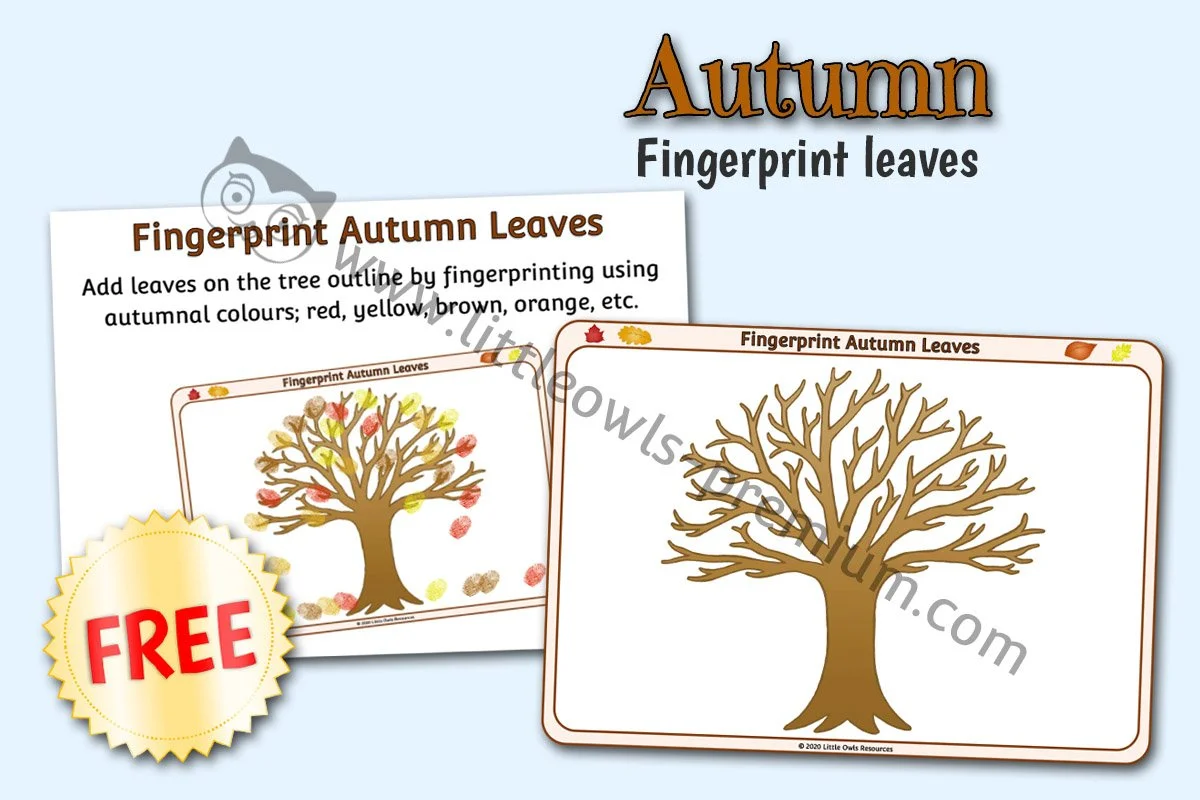
An autumn tree template for adding leaves with finger paint. Explore colour and repeated marks through painting.
Suggested use: Toddlers with adult support · Preschool · Reception
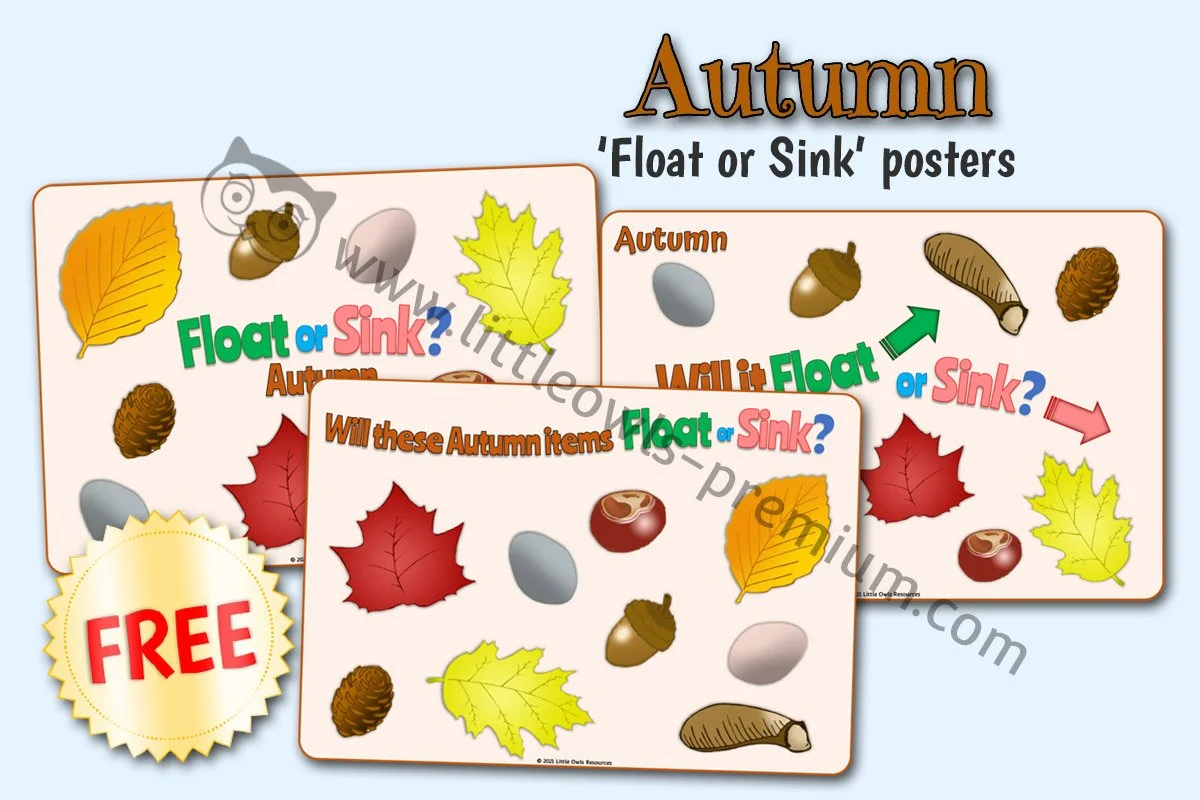
Predict and investigate which autumn objects float or sink, using the illustrated question and vocabulary prompts alongside practical exploration.
Suggested use: Preschool · Reception · Selected KS1 uses
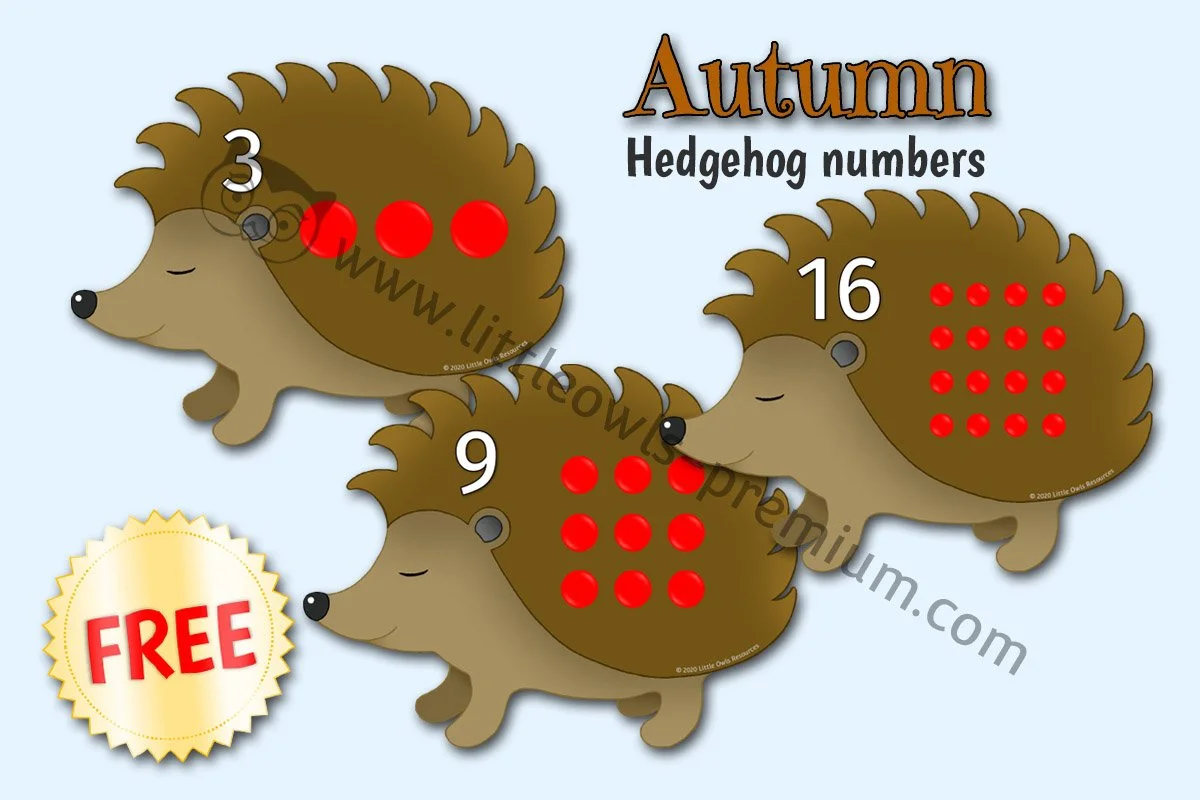
Hedgehog numerals and spot quantities for matching, counting and ordering. Select a few quantities that fit the children’s current understanding.
Suggested use: Preschool · Reception · Selected KS1 uses
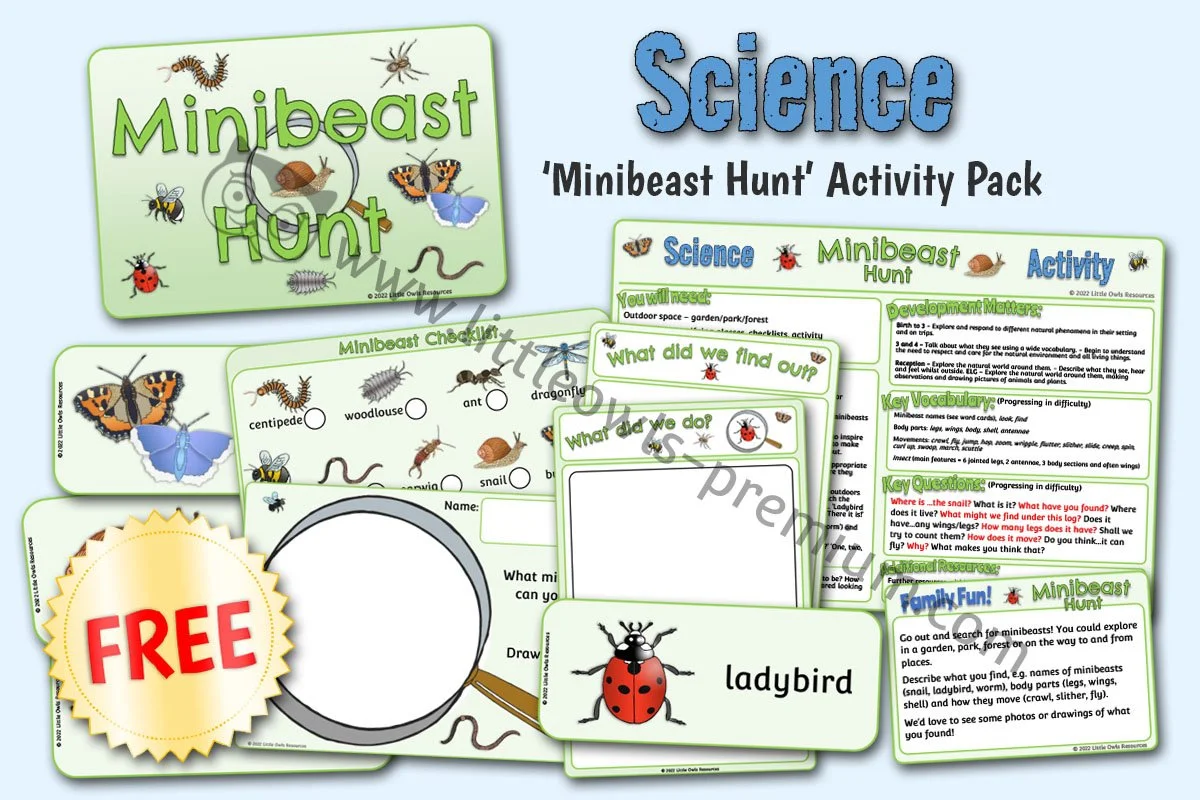
A free sample of activity guidance and supporting printables for a minibeast hunt, including observation, vocabulary and mark-making prompts.
Suggested use: Preschool · Reception
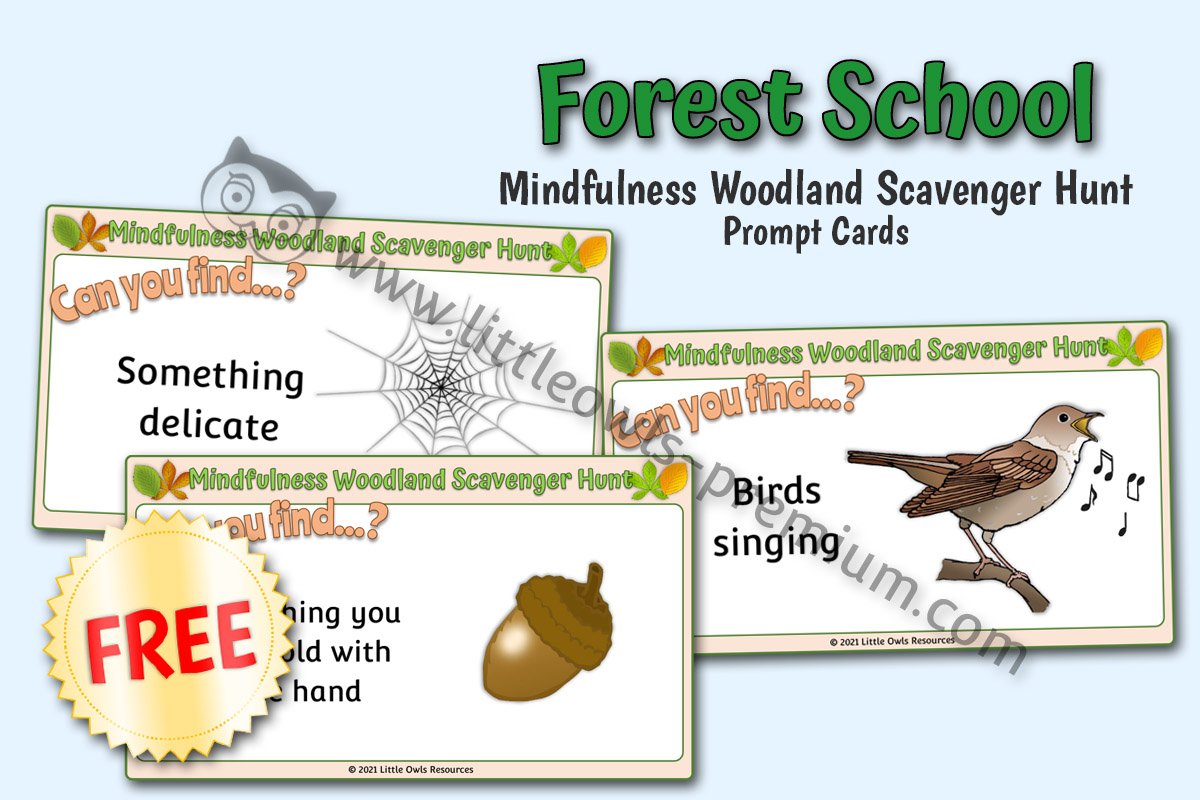
Choose a few picture prompts for noticing woodland sights, sounds and textures. Share what children observe during a gentle walk or time outdoors.
Suggested use: Preschool · Reception · Selected KS1 uses
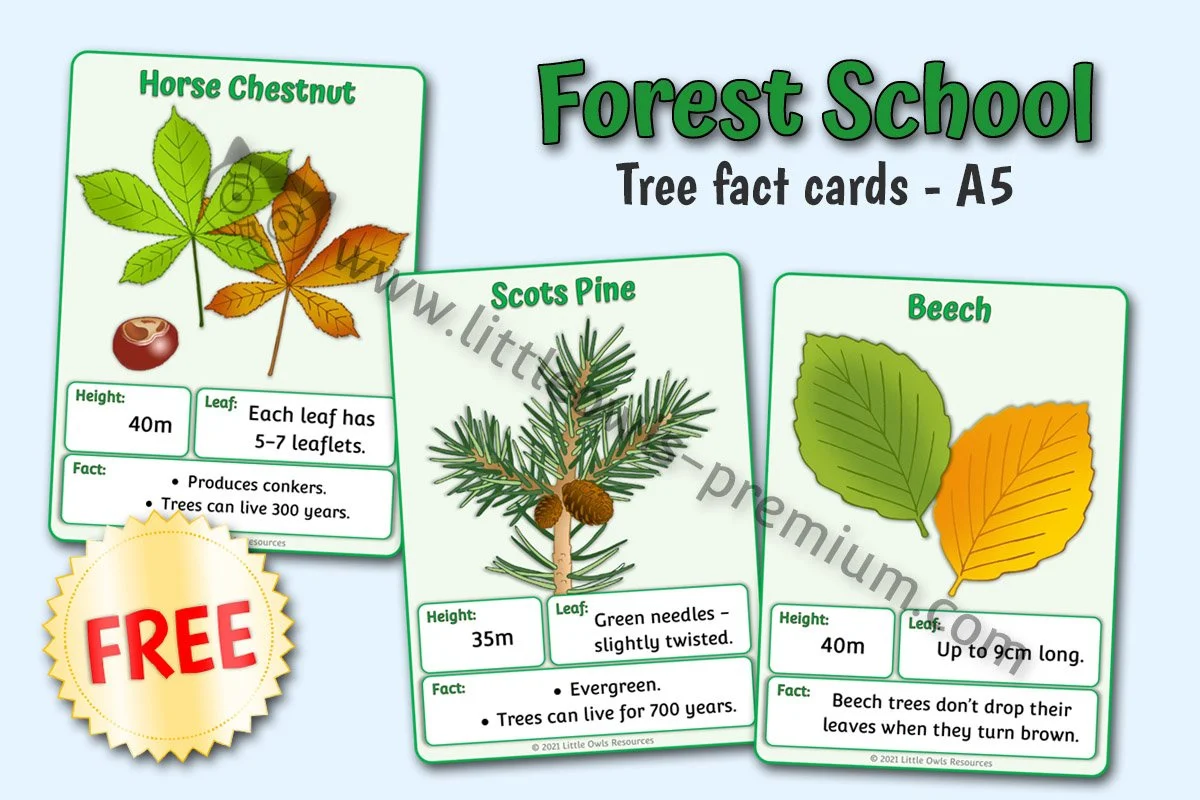
A5 information cards introducing ten woodland trees, with pictures and facts for adult-supported observation and discussion.
Suggested use: Preschool · Reception · Selected KS1 uses
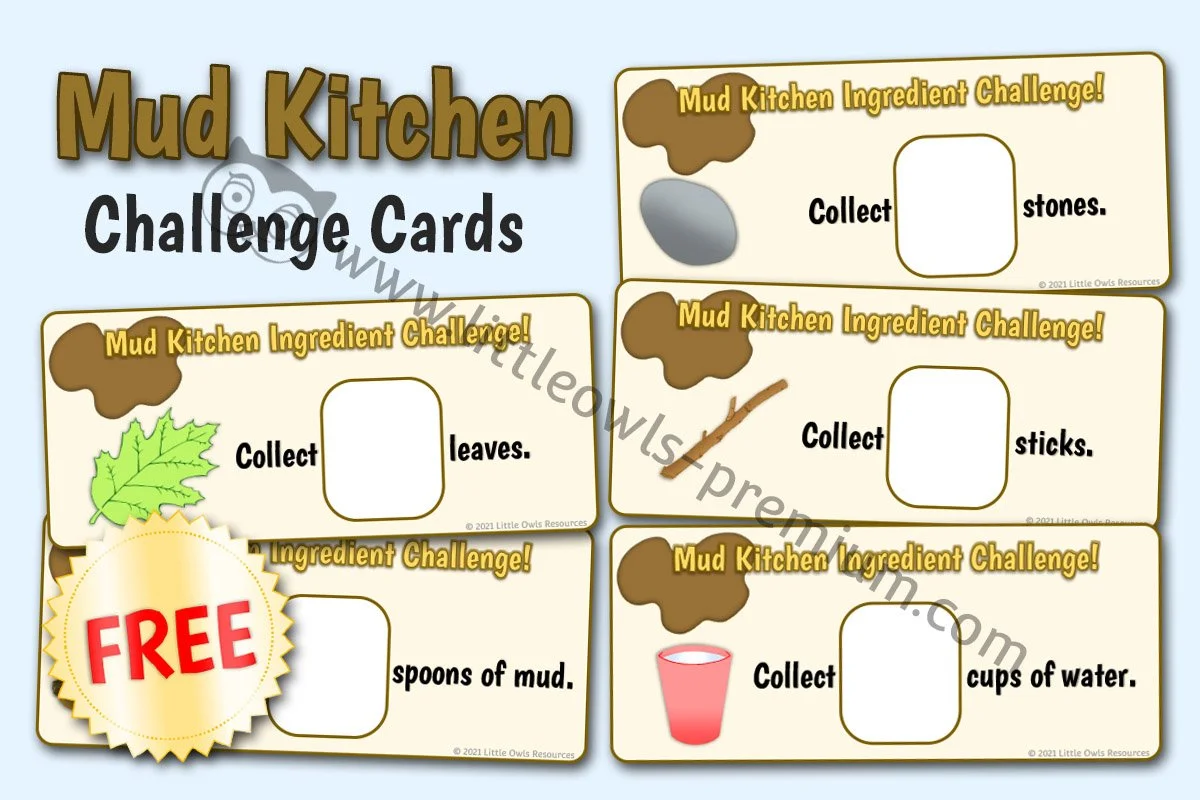
Five illustrated ingredient challenges and a blank card for practical counting and collecting in mud-kitchen play.
Suggested use: Preschool · Reception · Selected KS1 uses
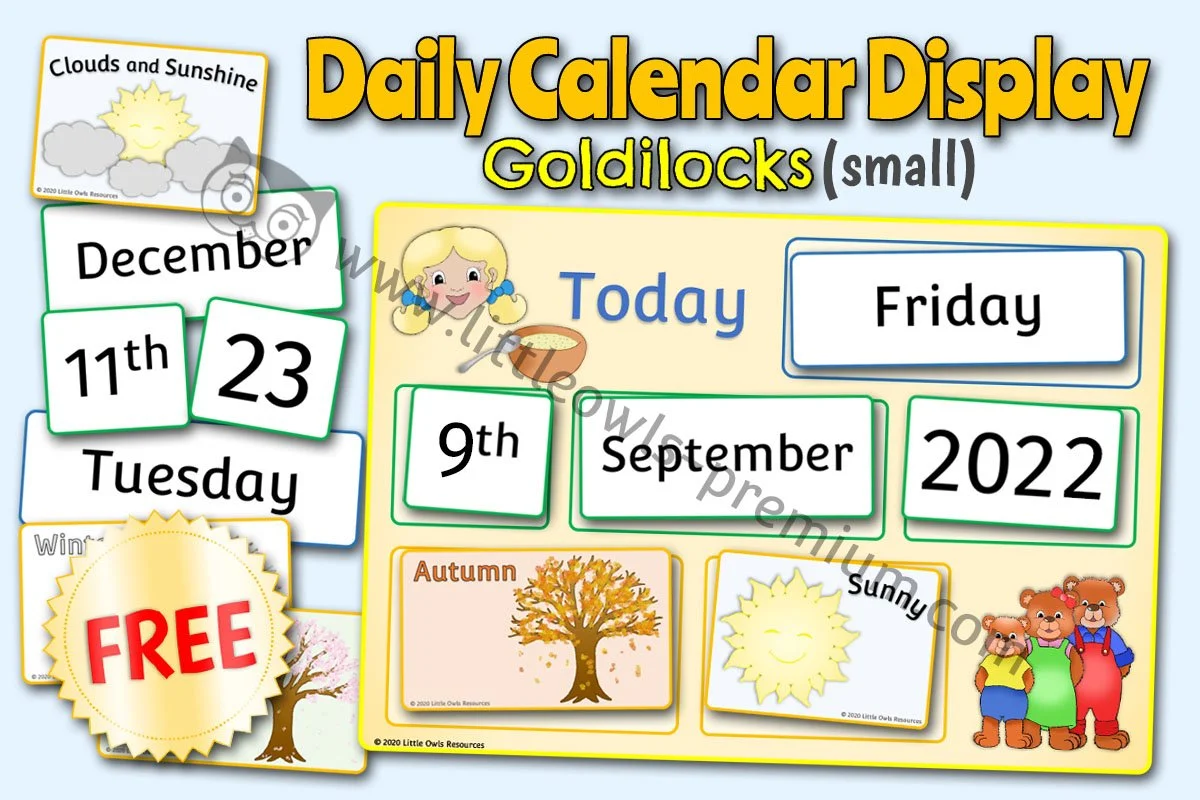
A compact A4 calendar with day, date, month, season and weather pieces for shared routines. Check the year cards before use; the Word version is editable.
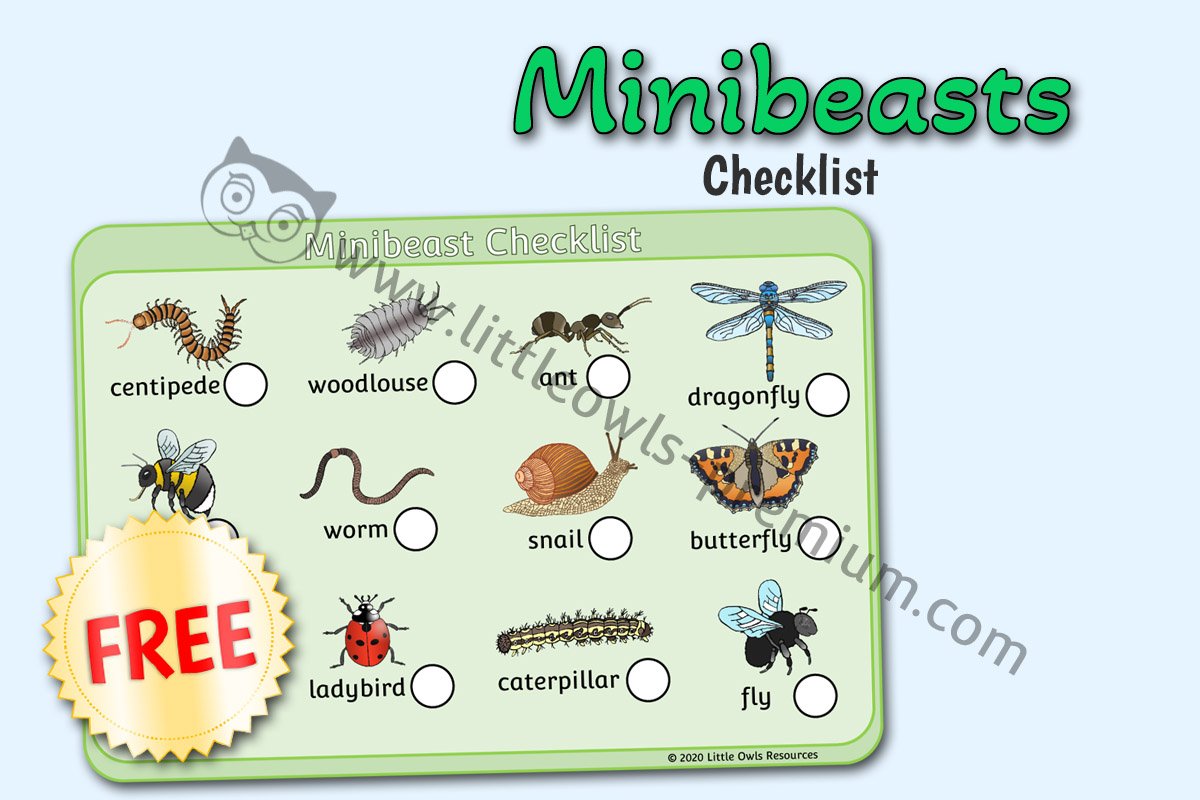
Look for minibeasts outdoors or use the free checklist alongside a minibeast play scene. Share observations and mark what children notice.
Suggested use: Preschool · Reception
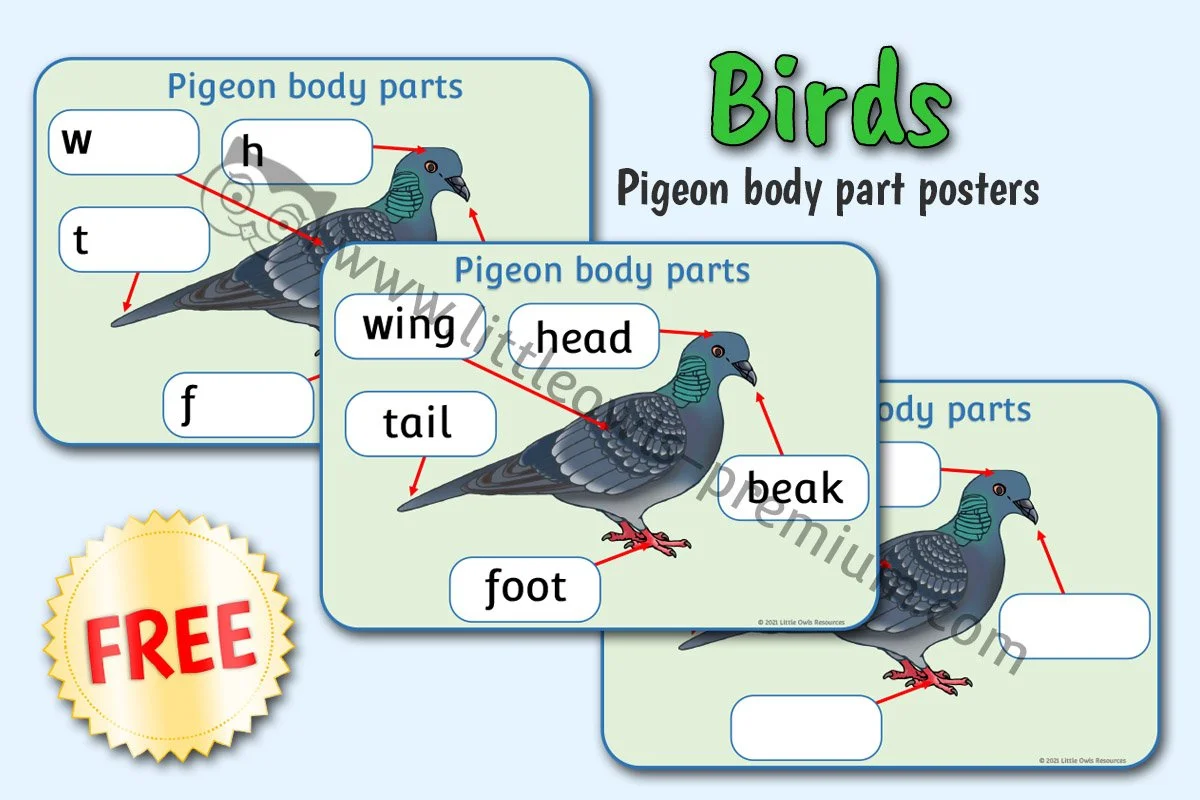
A labelled pigeon poster, a blank-label sheet and an initial-sound version for looking closely, sharing vocabulary and choosing a suitable labelling activity.
Suggested use: Preschool · Reception · Selected KS1 uses
02 / Explore the theme
Choose a starting point, then follow children’s observations and ideas. Use selected resources alongside familiar materials, outdoor experiences and time to revisit discoveries.
Make room for quiet observation, shared attention and children’s own responses. Choose a prompt when it helps someone notice a sound, movement, texture or detail.
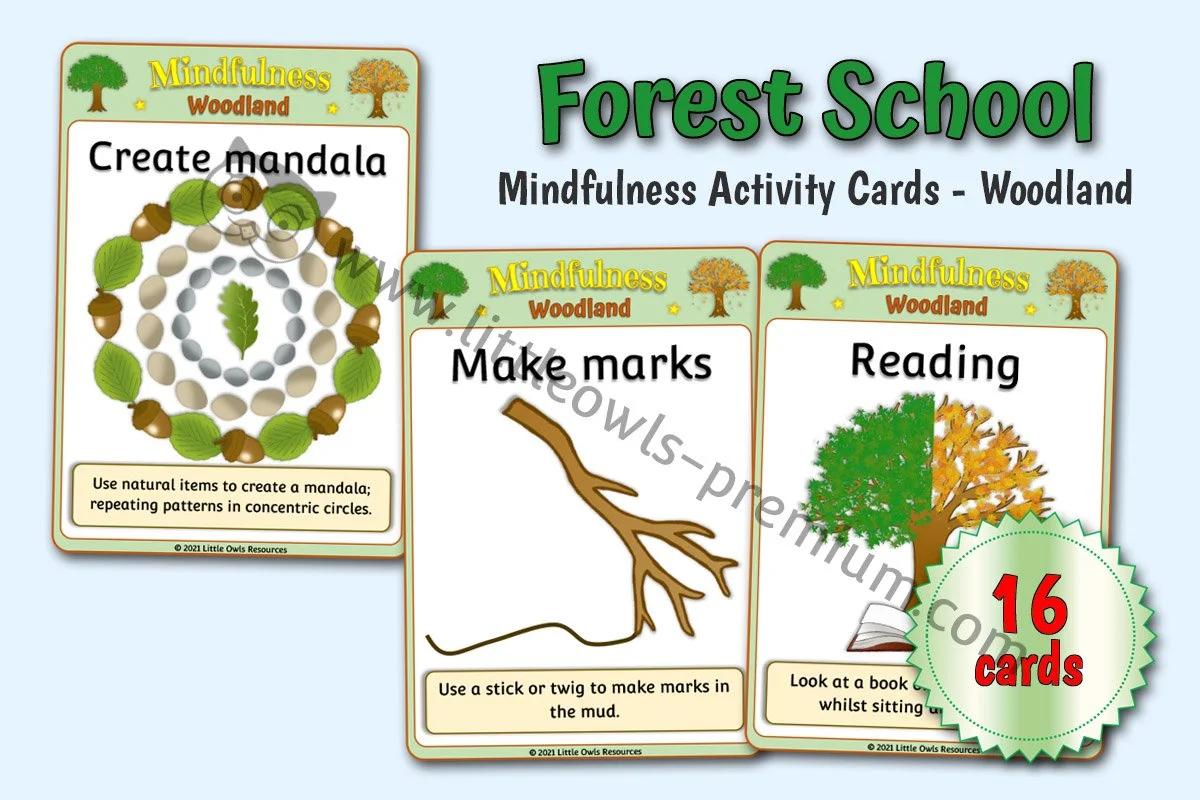
Sixteen outdoor noticing and activity ideas for slowing down, observing the surroundings and sharing children’s responses.
Suggested use: Preschool · Reception · Selected KS1 uses
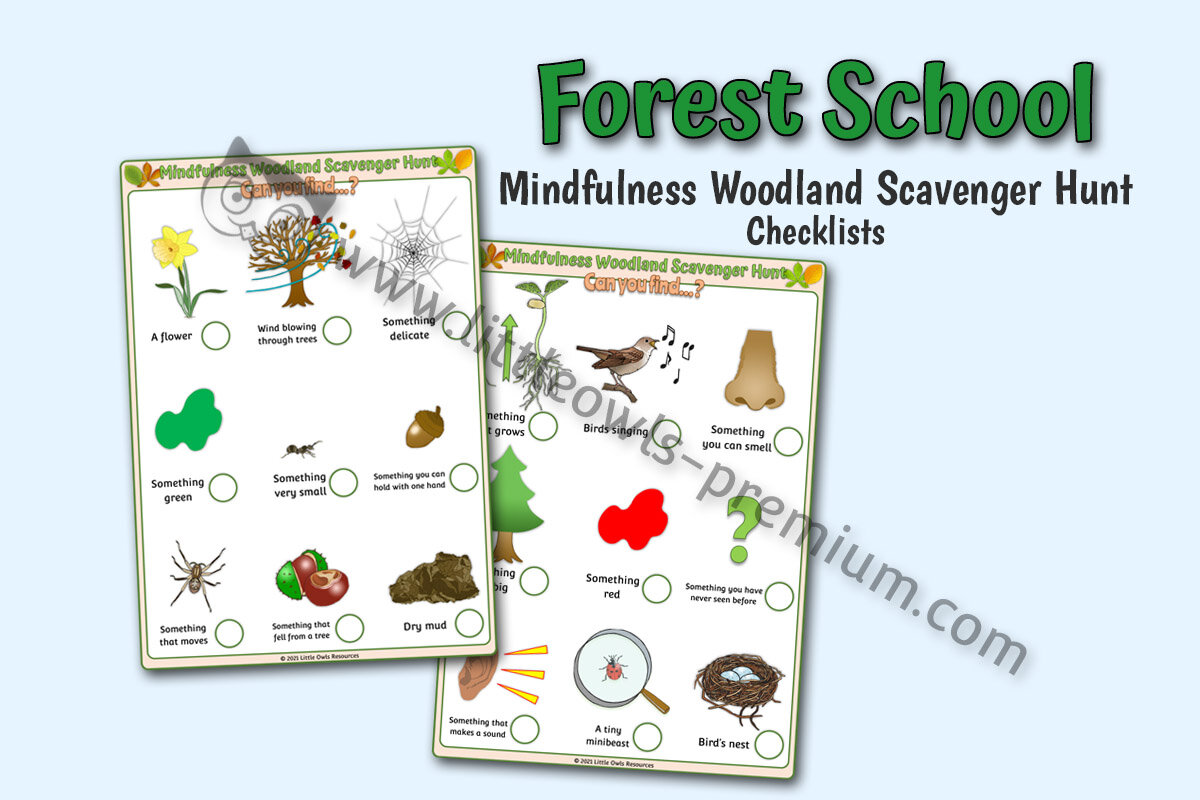
Checklist-style woodland scavenger hunts for noticing and discussing the environment. This sheet format is distinct from the separate prompt cards.
Suggested use: Preschool · Reception · Selected KS1 uses
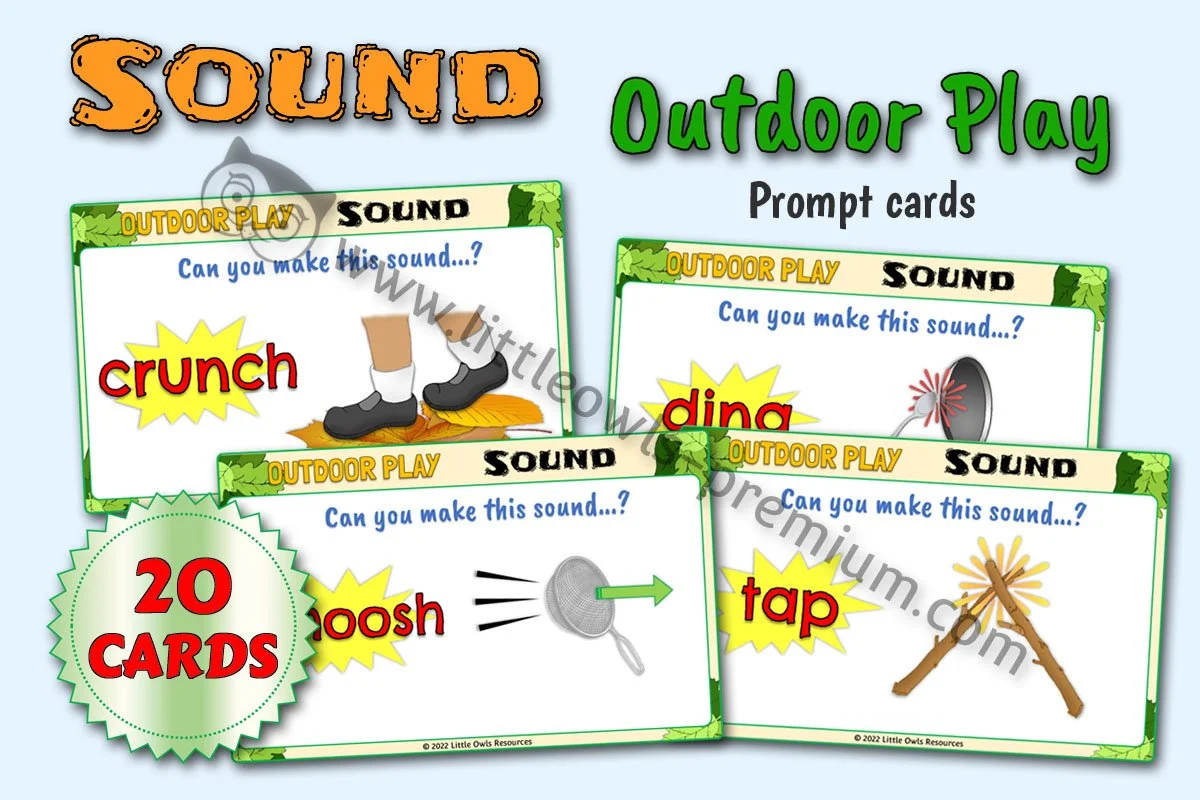
Twenty prompts for exploring ways to make sounds outdoors. Children can choose their own actions and materials.
Suggested use: Toddlers with adult support · Preschool · Reception
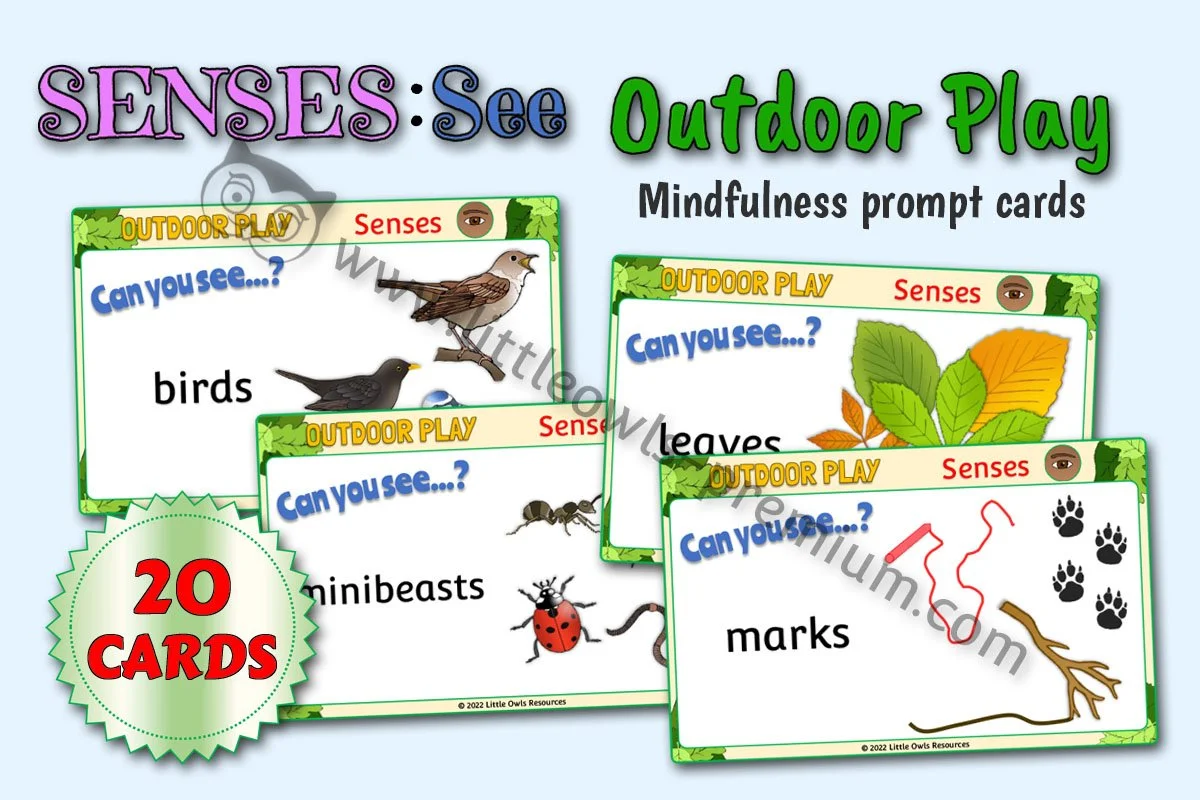
Twenty prompts for looking closely and talking about what children notice outdoors.
Suggested use: Toddlers with adult support · Preschool · Reception
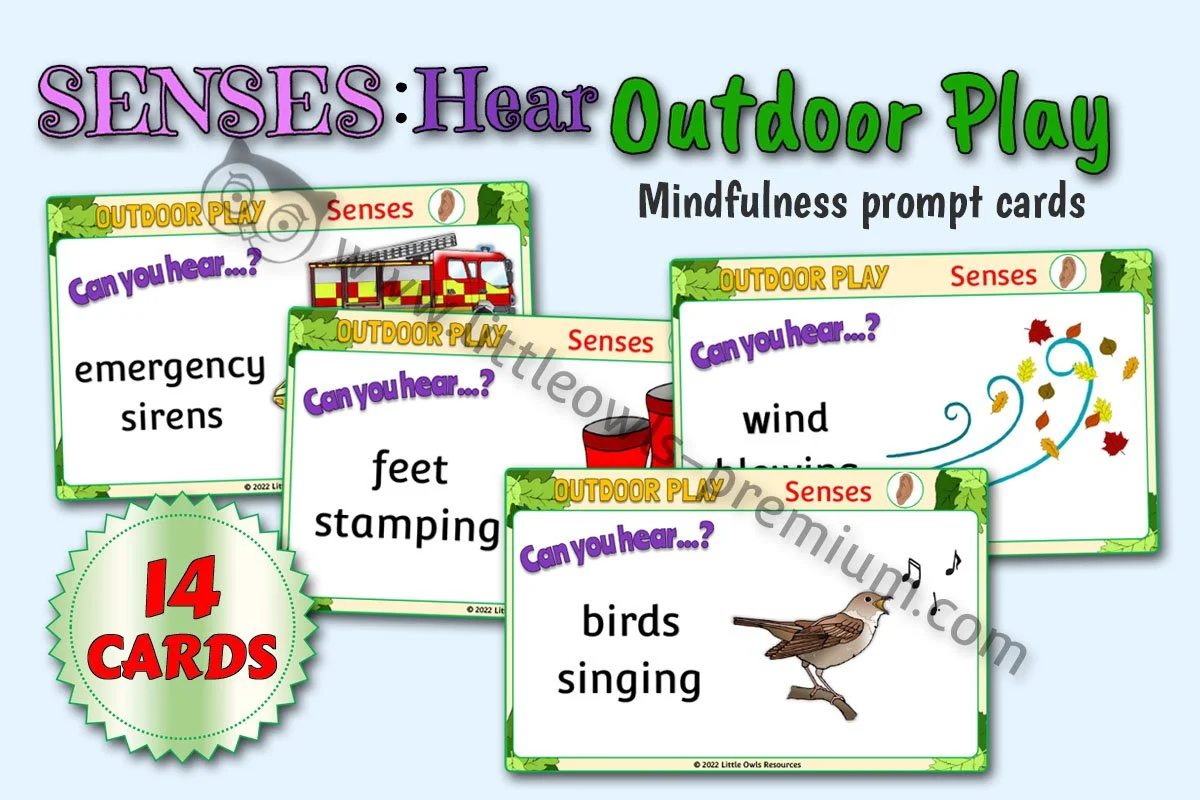
Fourteen prompts for pausing, listening and discussing sounds in the outdoor environment.
Suggested use: Toddlers with adult support · Preschool · Reception
Compare, arrange, count and investigate pattern or shape with suitable materials. Use a picture as a starting idea and welcome different ways of showing mathematical thinking.
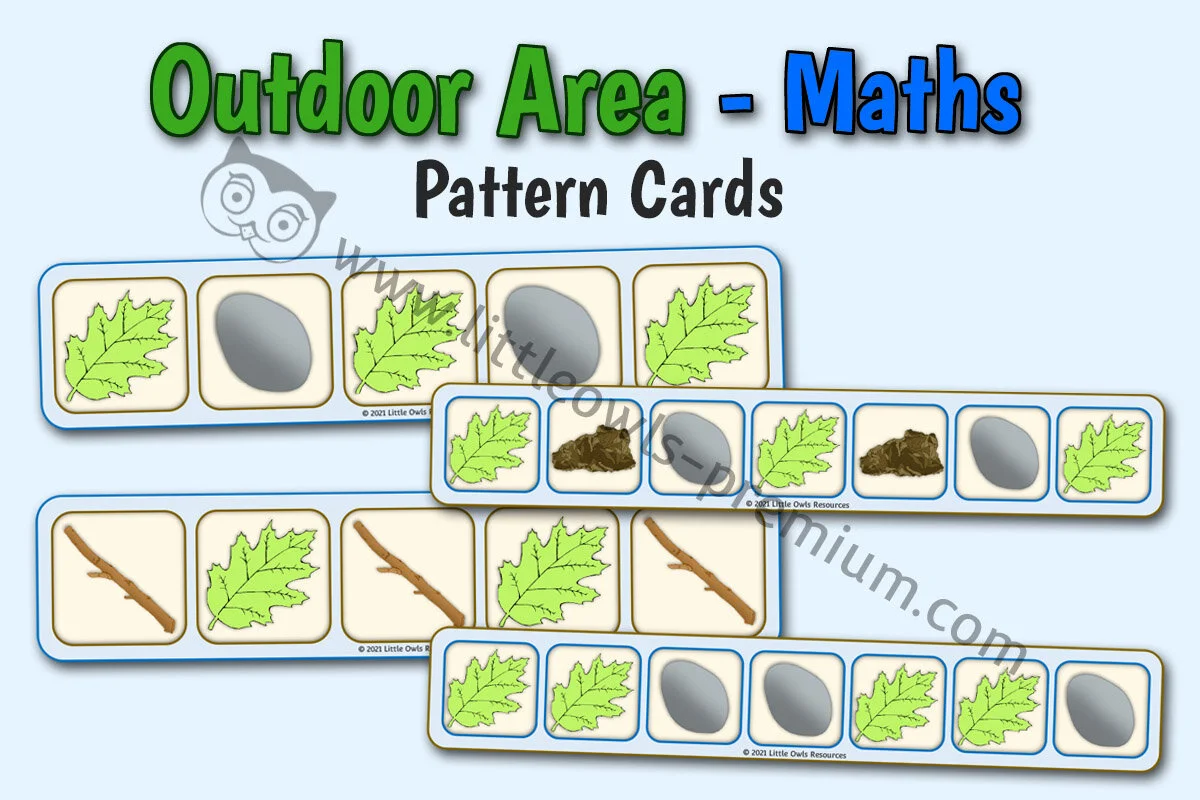
Ideas for making and continuing repeating patterns with natural materials outdoors.
Suggested use: Preschool · Reception · Selected KS1 uses
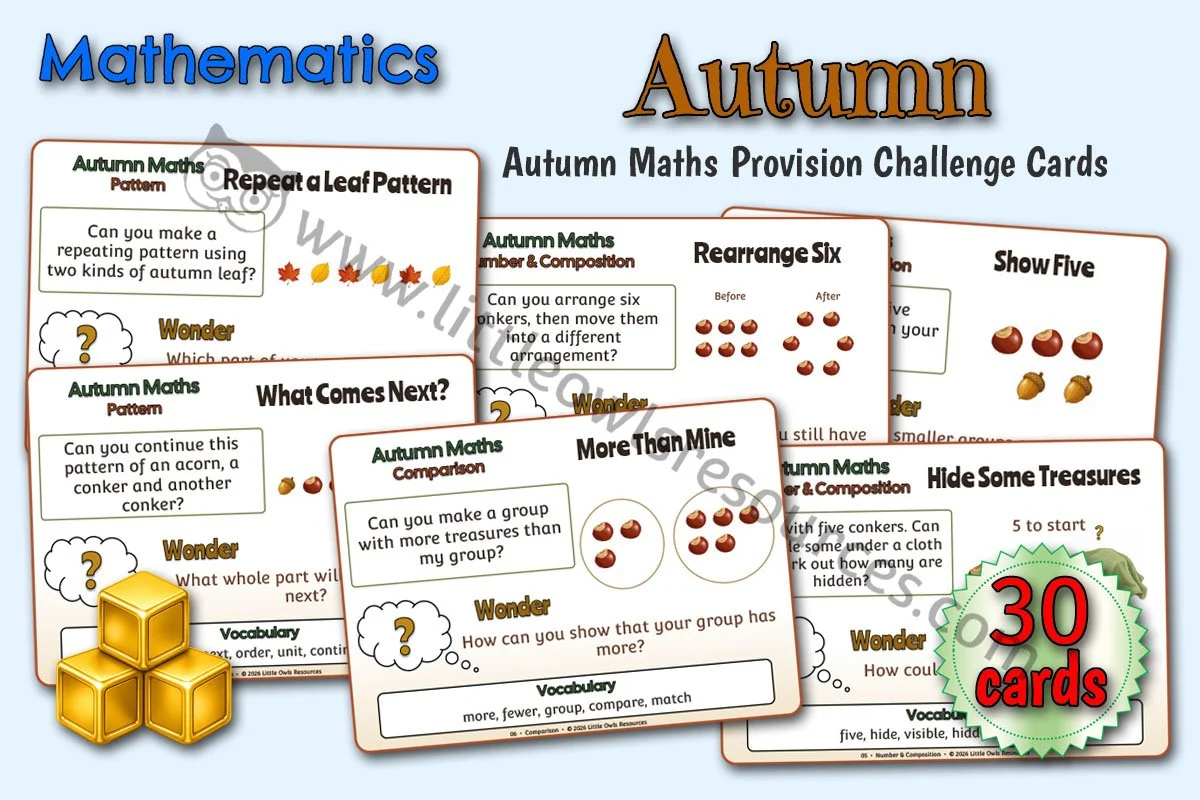
Thirty practical invitations covering number, comparison, pattern, shape, position and measure. Offer one or two alongside real objects; children can show their thinking through actions, talk, gestures or marks.
Suggested use: Preschool · Reception
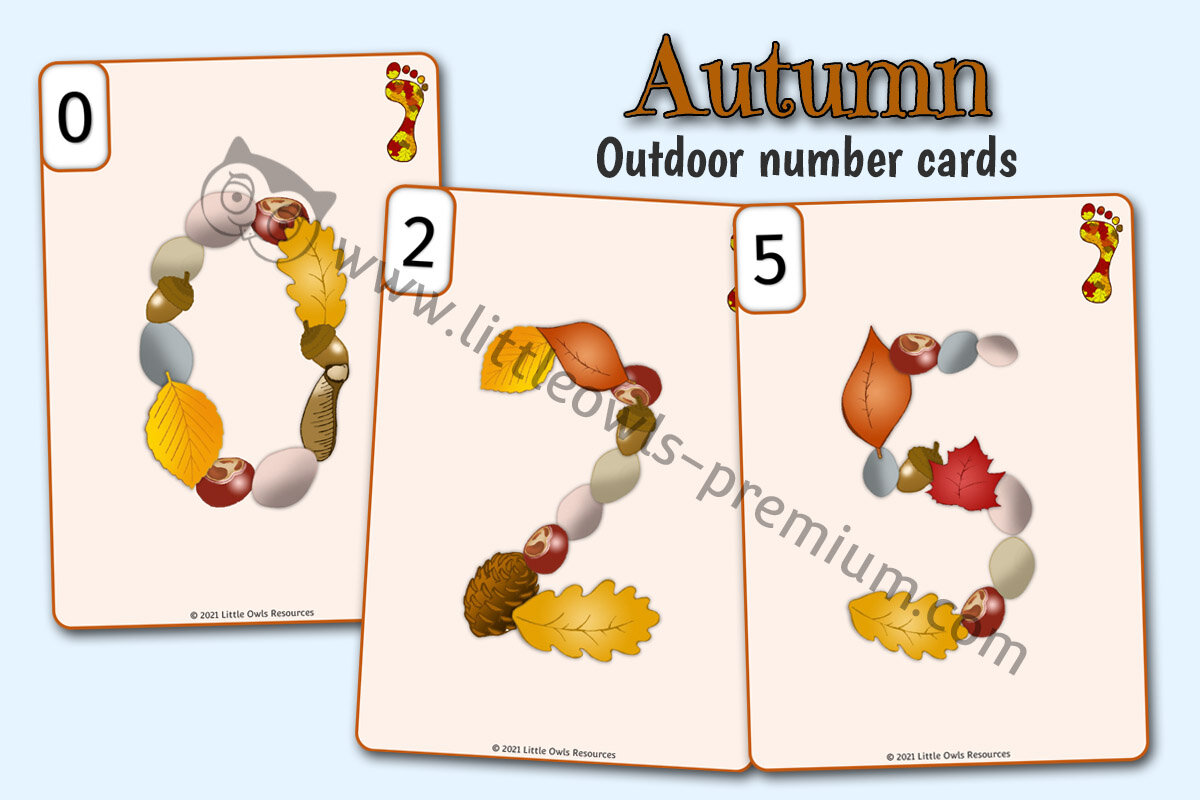
Numerals formed with natural materials provide ideas for making numbers with autumn finds. Children can choose their own materials and arrangements.
Suggested use: Preschool · Reception
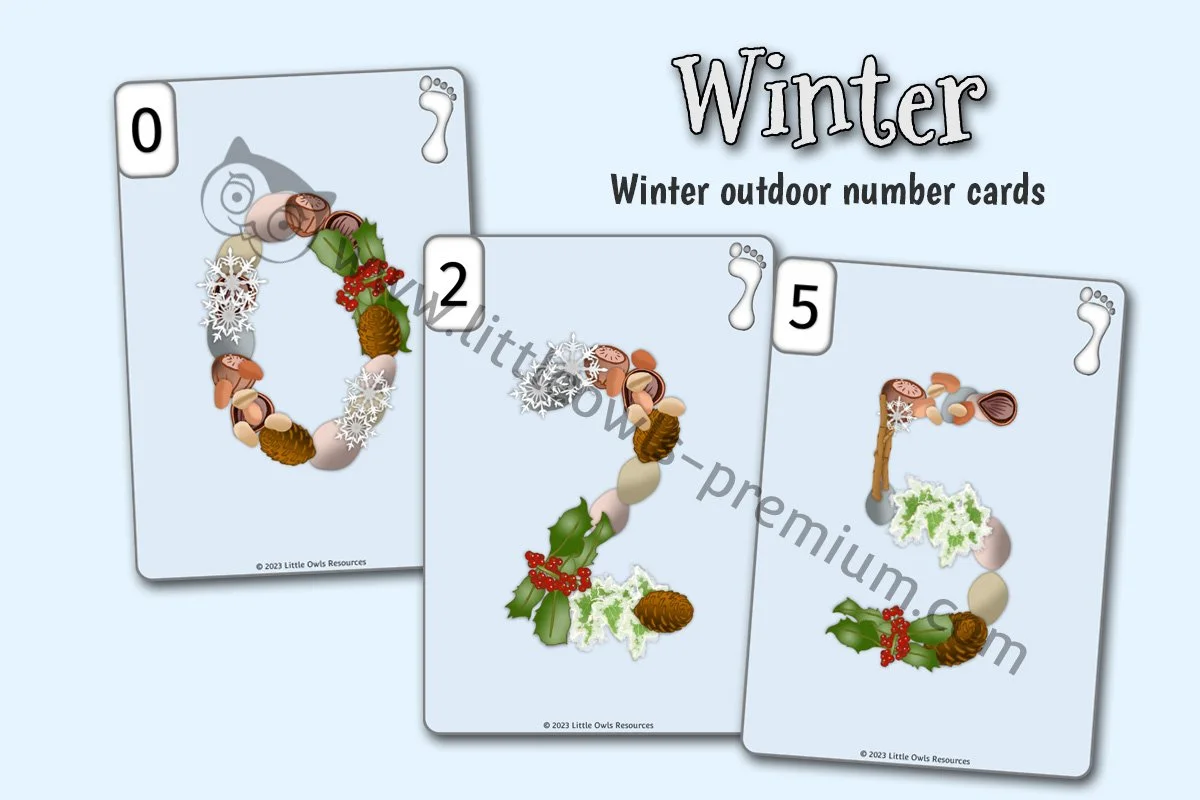
Numerals formed with natural materials provide starting points for making numbers outdoors. Children can use their own materials and arrangements.
Suggested use: Preschool · Reception
Offer flexible materials for exploring actions, testing an idea and changing a construction. The small-world habitat cards support pretend environments and stories.
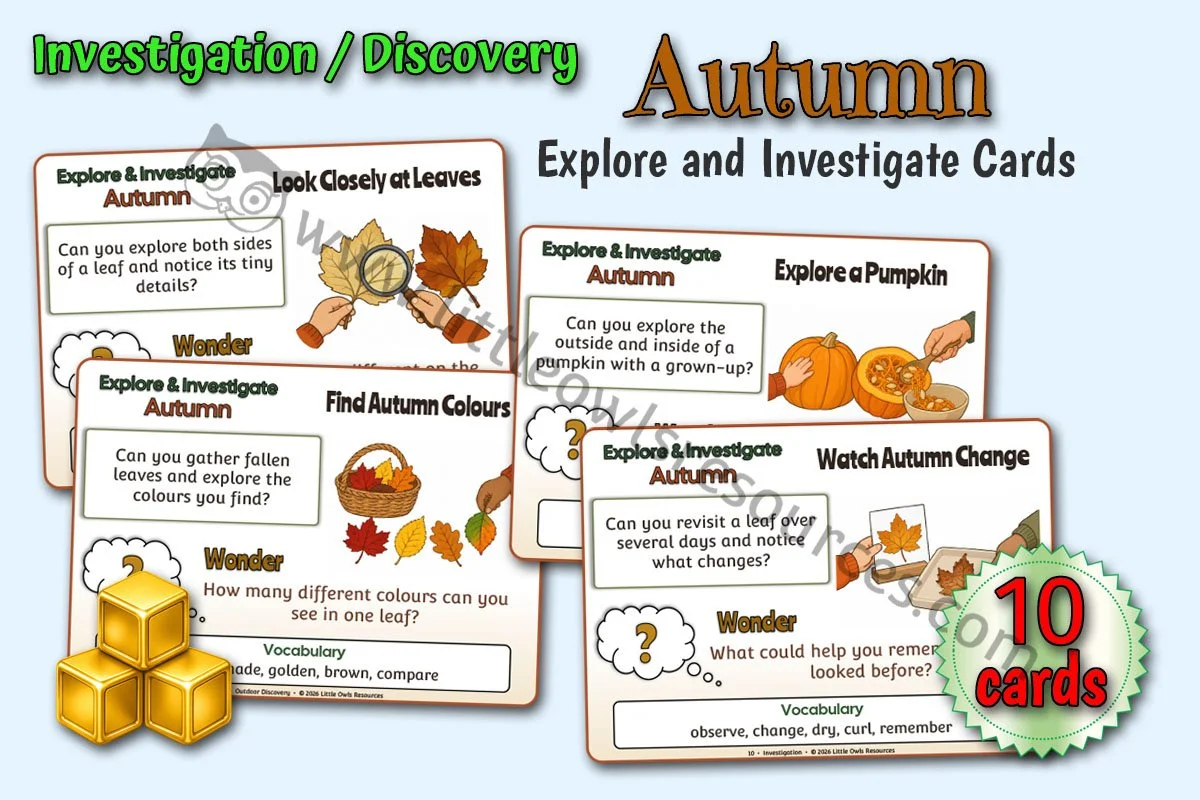
Ten play invitations for exploring autumn materials, movement and change. Offer one prompt with suitable materials, follow children’s ideas and revisit discoveries through talk or marks.
Suggested use: Preschool · Reception
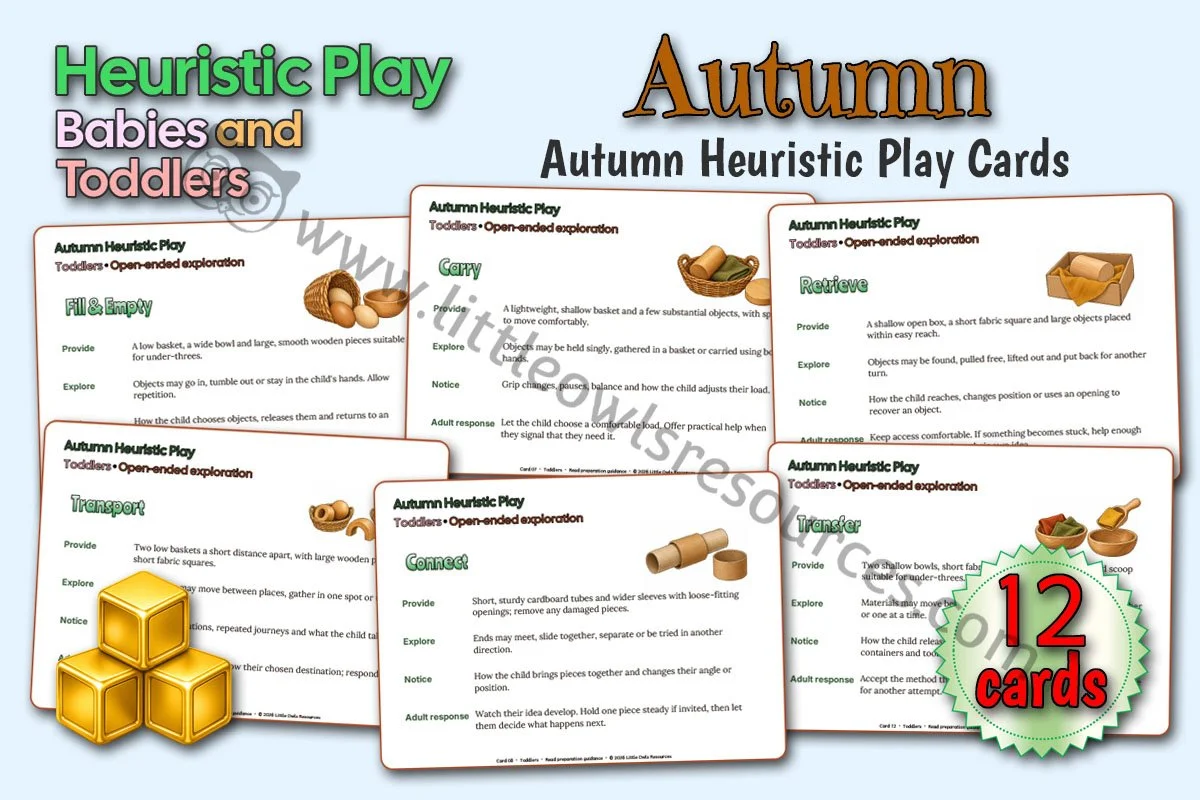
Twelve practitioner cards for offering suitable objects for babies and toddlers to explore with adult support. Notice the actions children choose, allow repetition and respond to their interests.
Suggested use: Babies: adult-led interaction · Toddlers with adult support
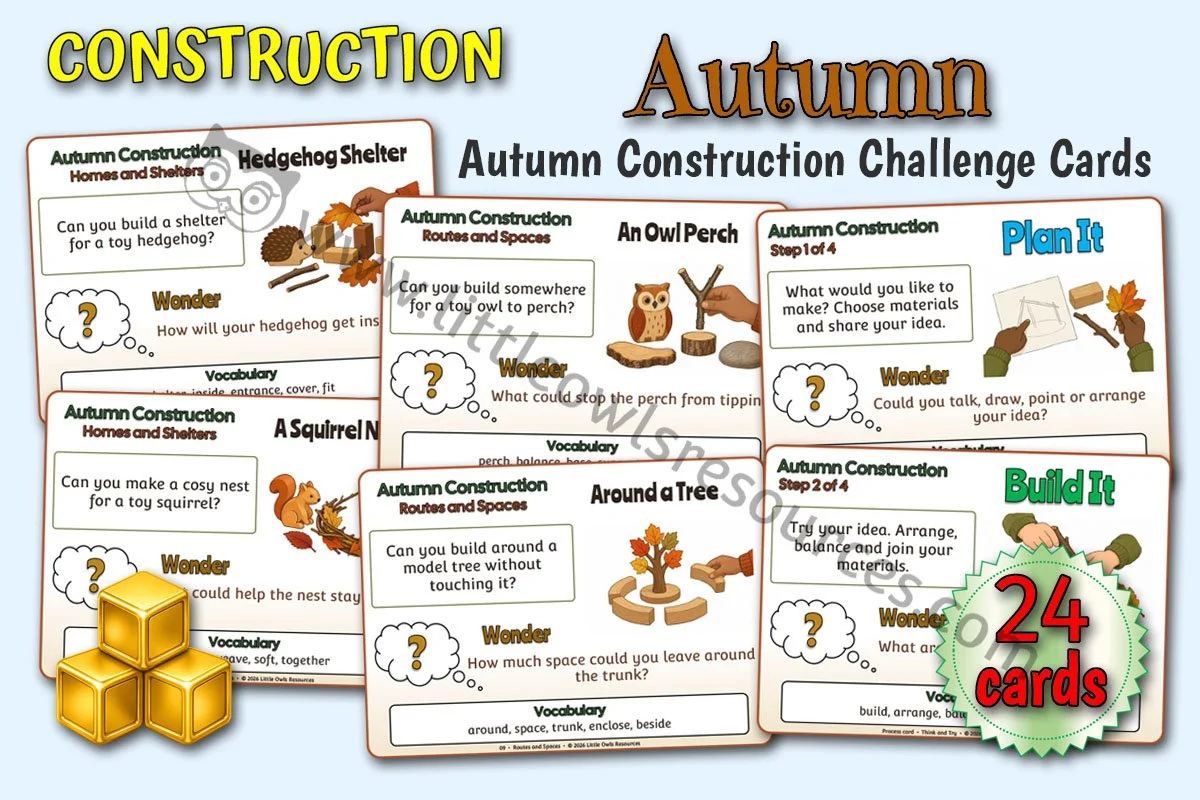
Twenty-four building invitations and four process cards for planning, trying and adapting ideas. Children can change the materials, structures and stories; there is no model they must reproduce.
Suggested use: Preschool · Reception
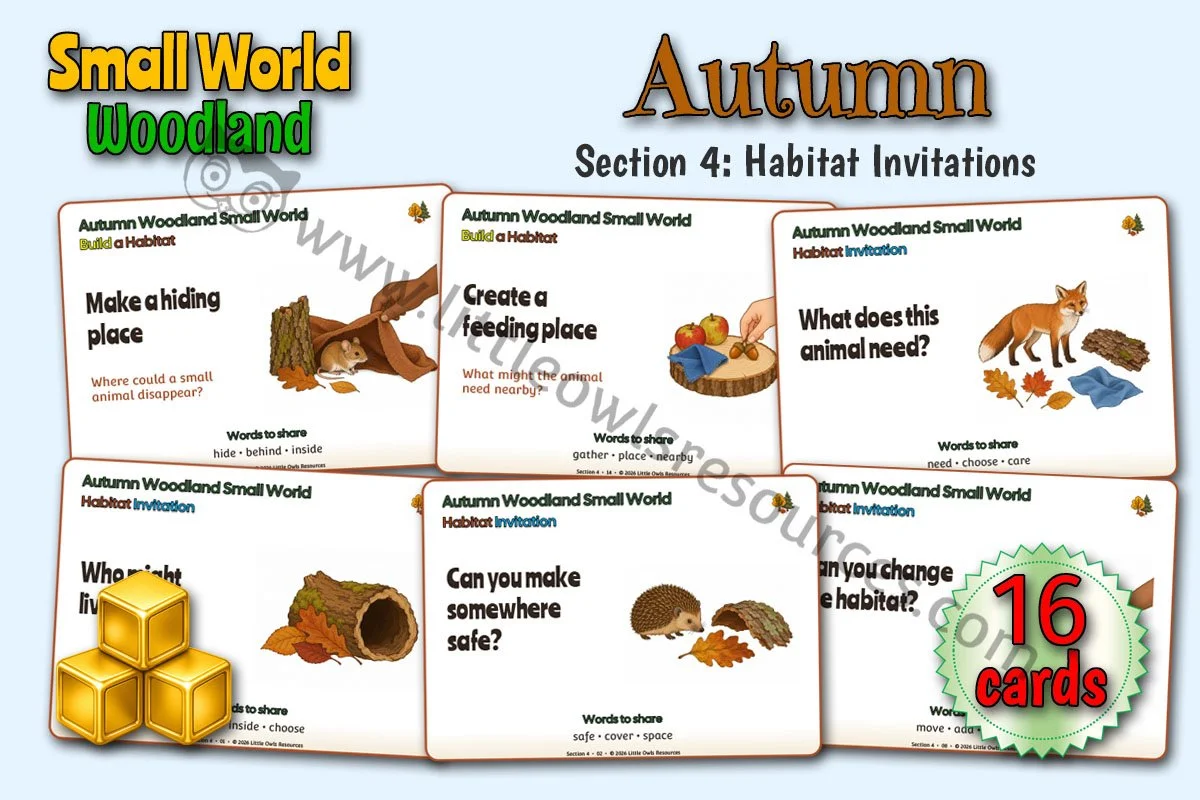
Eight habitat invitations, seven build-a-habitat cards and a blank invitation for children’s small-world ideas. Combine flexible materials and toy animals to invent and adapt pretend homes.
Suggested use: Preschool · Reception
Look closely at pictures and living plants, compare details and revisit questions together. The free tree fact cards provide another starting point.

Seven self-correcting puzzles for comparing leaf pictures and talking about seasonal colour changes. Matching shapes can help children check their choices.
Suggested use: Preschool · Reception · Selected KS1 uses

Picture-and-fact cards for eight plants, including ivy, bluebell, bramble, snowdrop and daffodil. Choose A5 or A4 for shared observation, vocabulary and discussion.
Suggested use: Preschool · Reception · Selected KS1 uses
Extend birdwatching through pictures, conversation, matching and selected drawing or writing activities. Use the free bird puzzles and free pigeon sheets alongside the resources below.

Ten self-correcting picture puzzles for noticing how birds’ eggs differ. Compare pictures and match puzzle shapes without needing to memorise species.
Suggested use: Preschool · Reception

Picture-and-fact cards introducing ten birds for adult-supported observation, discussion and display. Choose the A5 cards or the larger A4 edition.
Suggested use: Preschool · Reception · Selected KS1 uses

A labelled blackbird poster plus blank-label and initial-sound sheets. Look closely, talk about body parts and choose a suitable way to label the picture.
Suggested use: Preschool · Reception · Selected KS1 uses

A labelled blue tit poster plus blank-label and initial-sound sheets. Look closely, talk about body parts and choose a suitable way to label the picture.
Suggested use: Preschool · Reception · Selected KS1 uses

A labelled magpie poster plus blank-label and initial-sound sheets. Look closely, talk about body parts and choose a suitable way to label the picture.
Suggested use: Preschool · Reception · Selected KS1 uses

A labelled robin poster plus blank-label and initial-sound sheets. Look closely, talk about body parts and choose a suitable way to label the picture.
Suggested use: Preschool · Reception · Selected KS1 uses
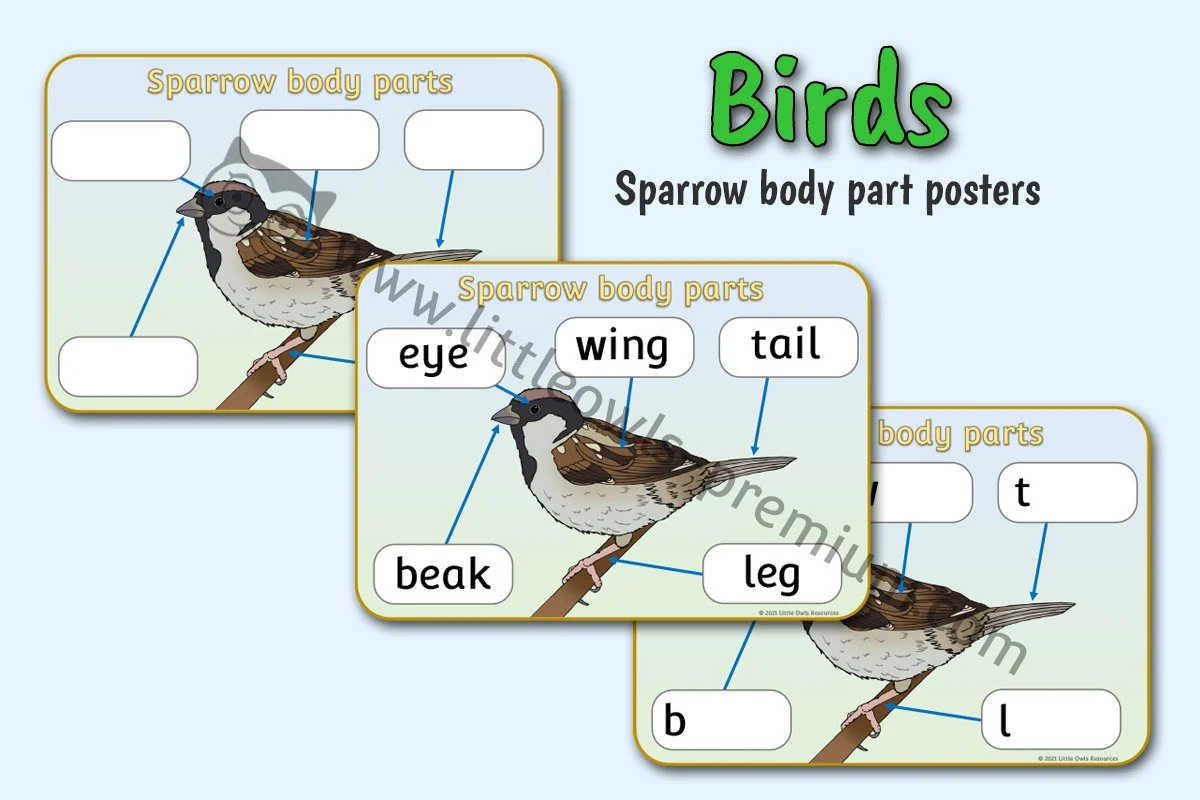
A labelled sparrow poster plus blank-label and initial-sound sheets. Look closely, talk about body parts and choose a suitable way to label the picture.
Suggested use: Preschool · Reception · Selected KS1 uses

Two owl-themed game boards, labelled Phase 2 and Phase 3 in the original pack. Choose a board that matches the letter–sound correspondences children have already learned.
Suggested use: Reception · Selected KS1 uses
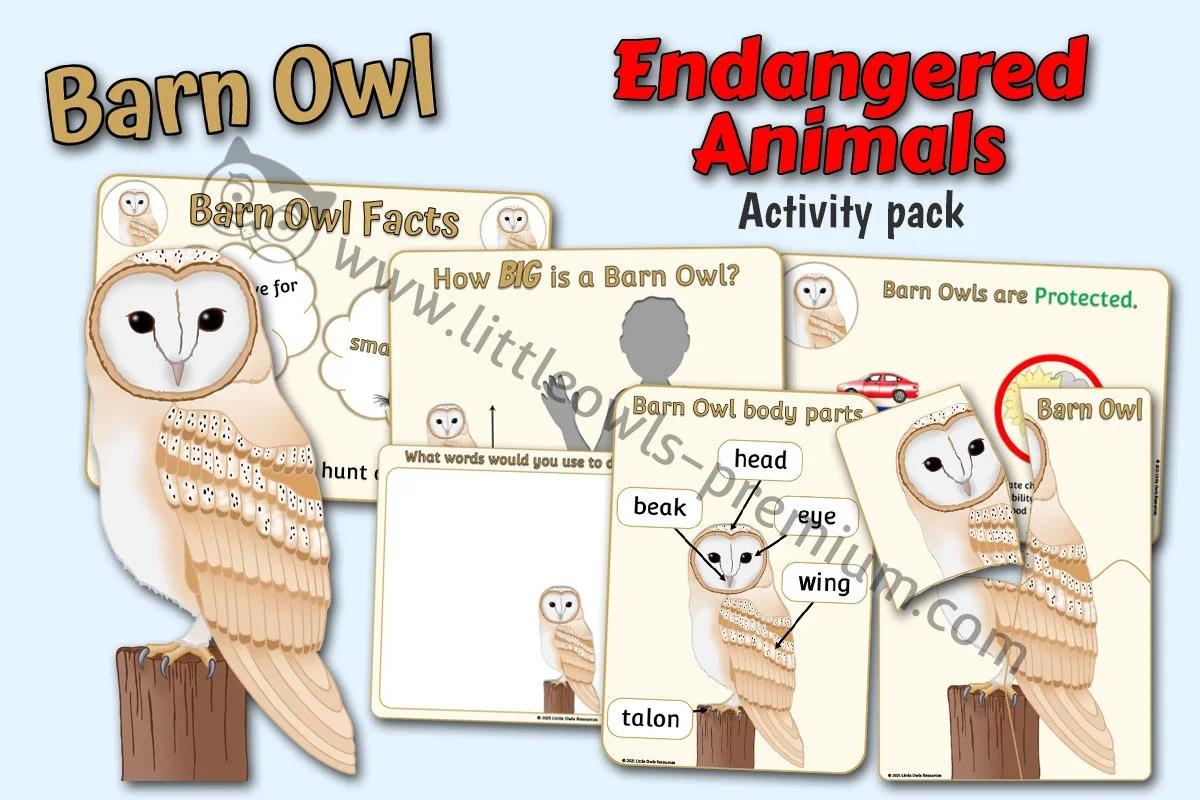
Barn owl facts and pictures alongside number puzzles, body-part labels, drawing, writing and creative mats. Select a few activities that follow children’s questions and interests.
Suggested use: Preschool · Reception · Selected KS1 uses
Explore animal pictures, pretend play and simple comparisons. The wider nocturnal-animal resources include animals from beyond UK woodlands, so choose those relevant to the children’s interests.
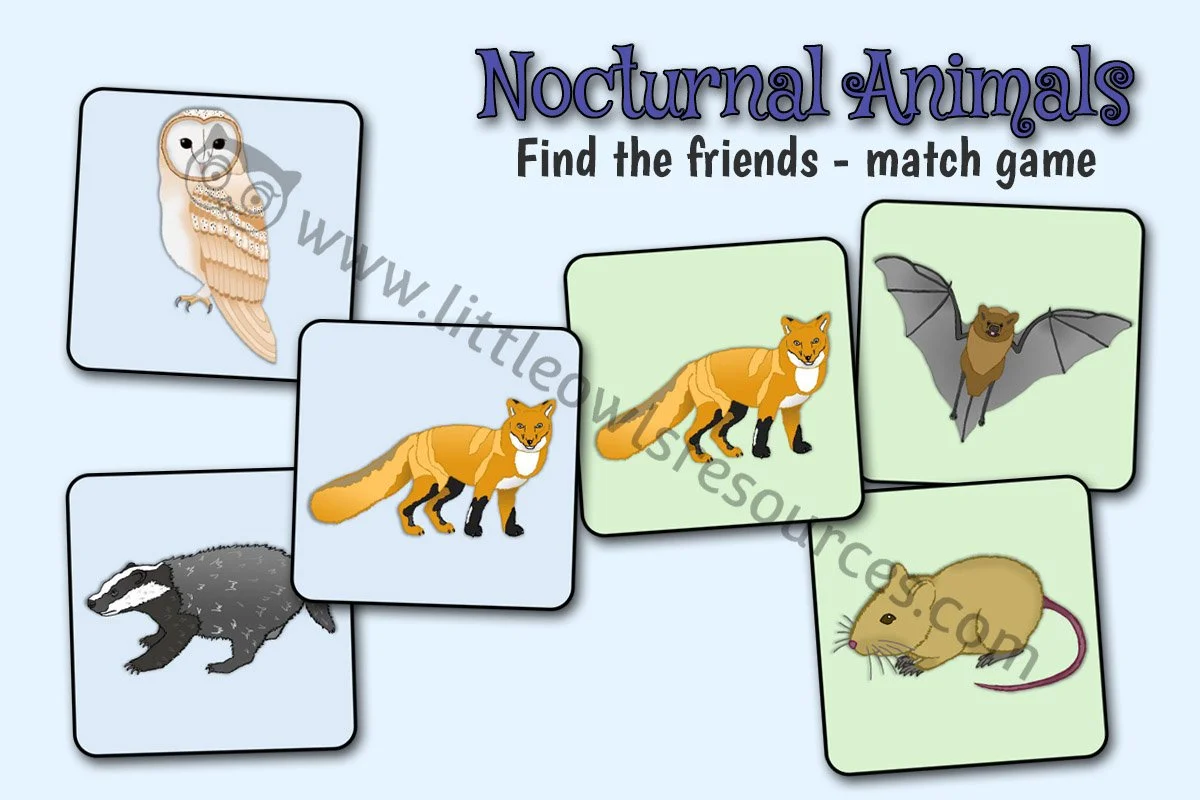
Matching animal pictures for naming, choosing and finding the same animal. Begin with a small selection and model the game through shared talk and play.
Suggested use: Toddlers with adult support · Preschool · Reception
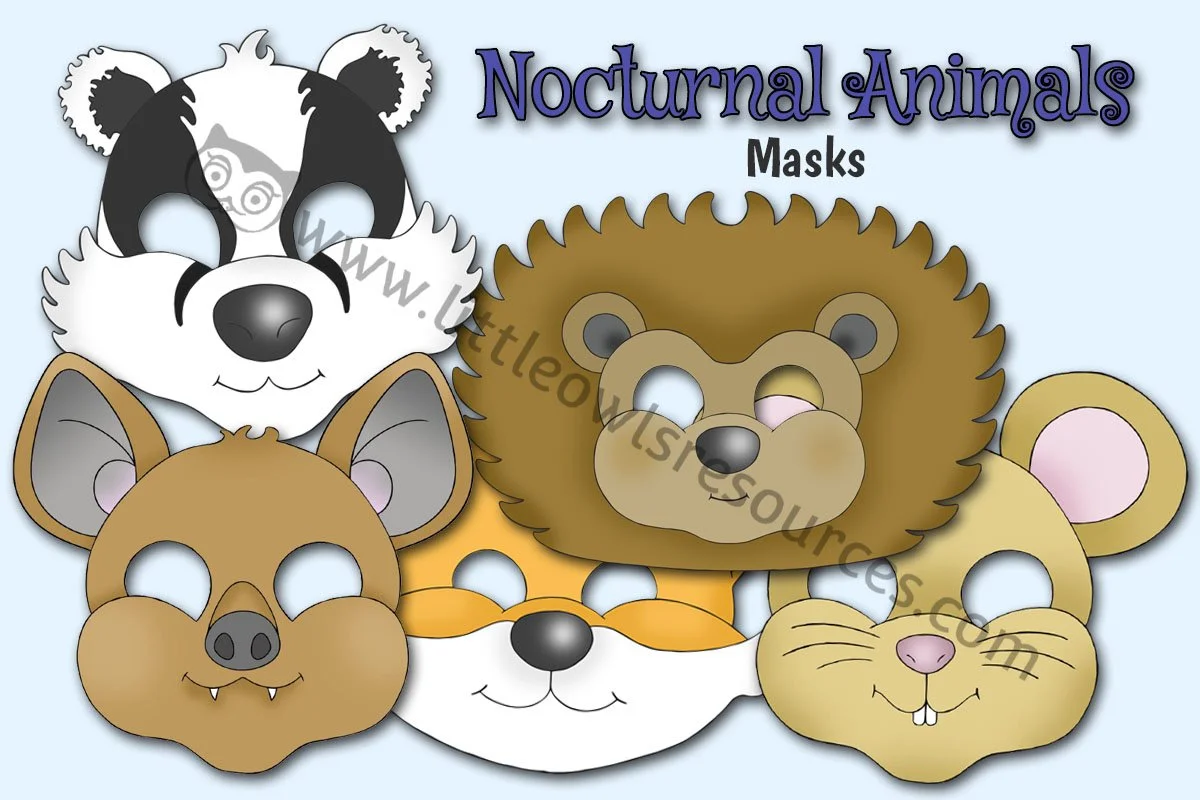
Animal masks for imaginative play, with a separate colouring-and-craft edition available. The wider nocturnal set includes animals beyond UK woodlands.
Suggested use: Preschool · Reception · Selected KS1 uses
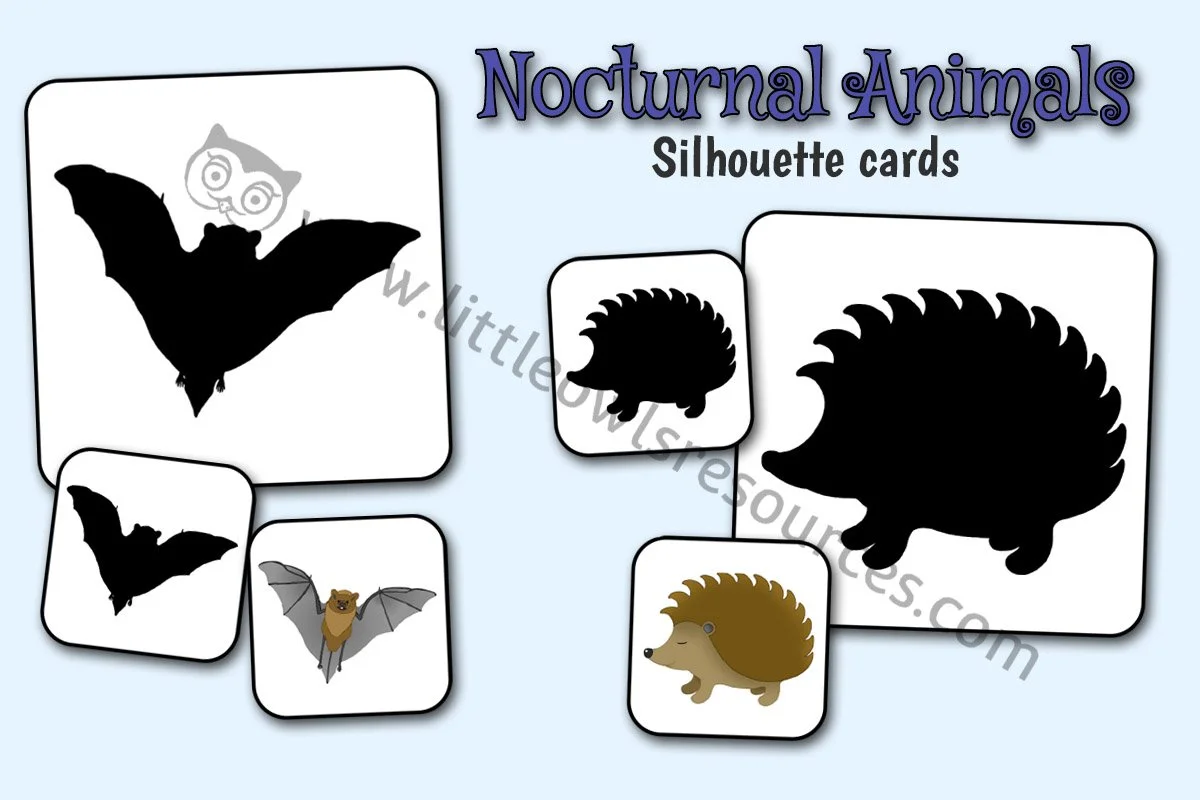
Large black-and-white animal pictures for shared looking with a familiar adult, plus smaller cards for matching and sorting. Choose the format and interaction to suit the child.
Suggested use: Babies: adult-led interaction · Toddlers with adult support · Preschool · Reception
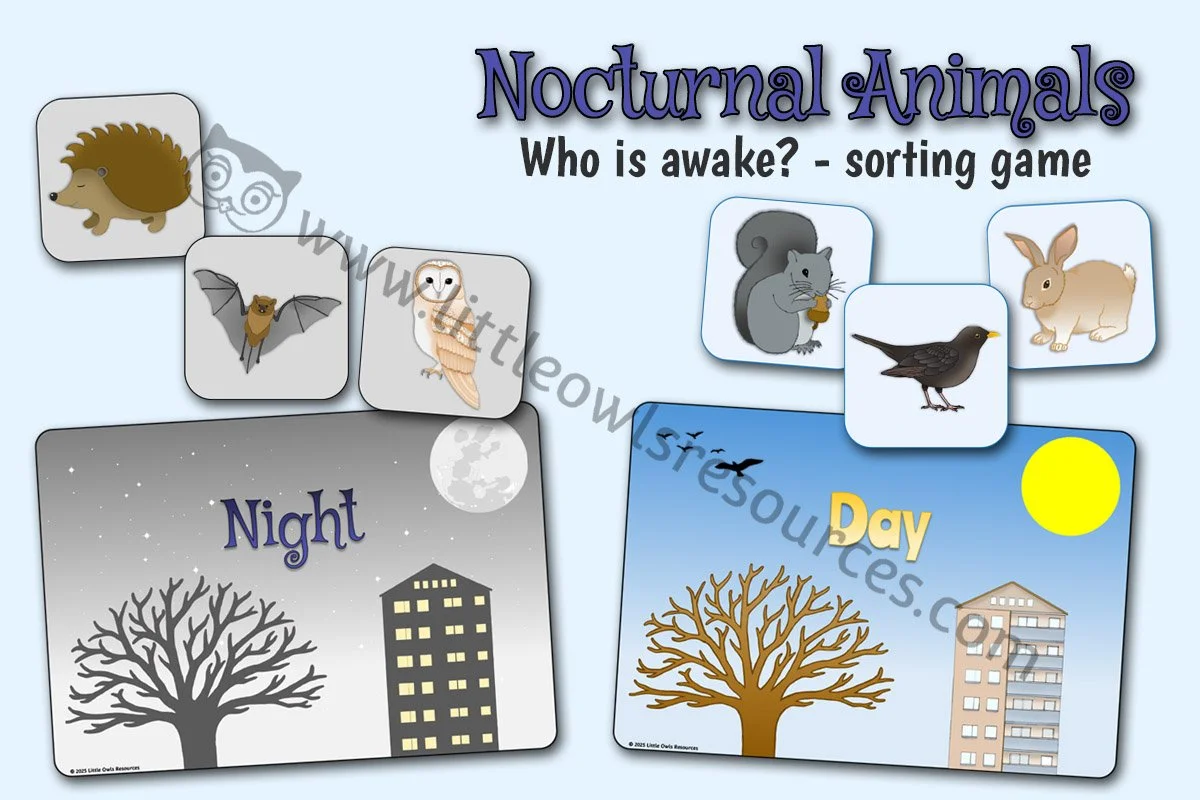
Animal cards and day/night mats for picture talk, sorting and imaginative play. Adults can introduce the idea of different animals being active at different times.
Suggested use: Preschool · Reception · Selected KS1 uses
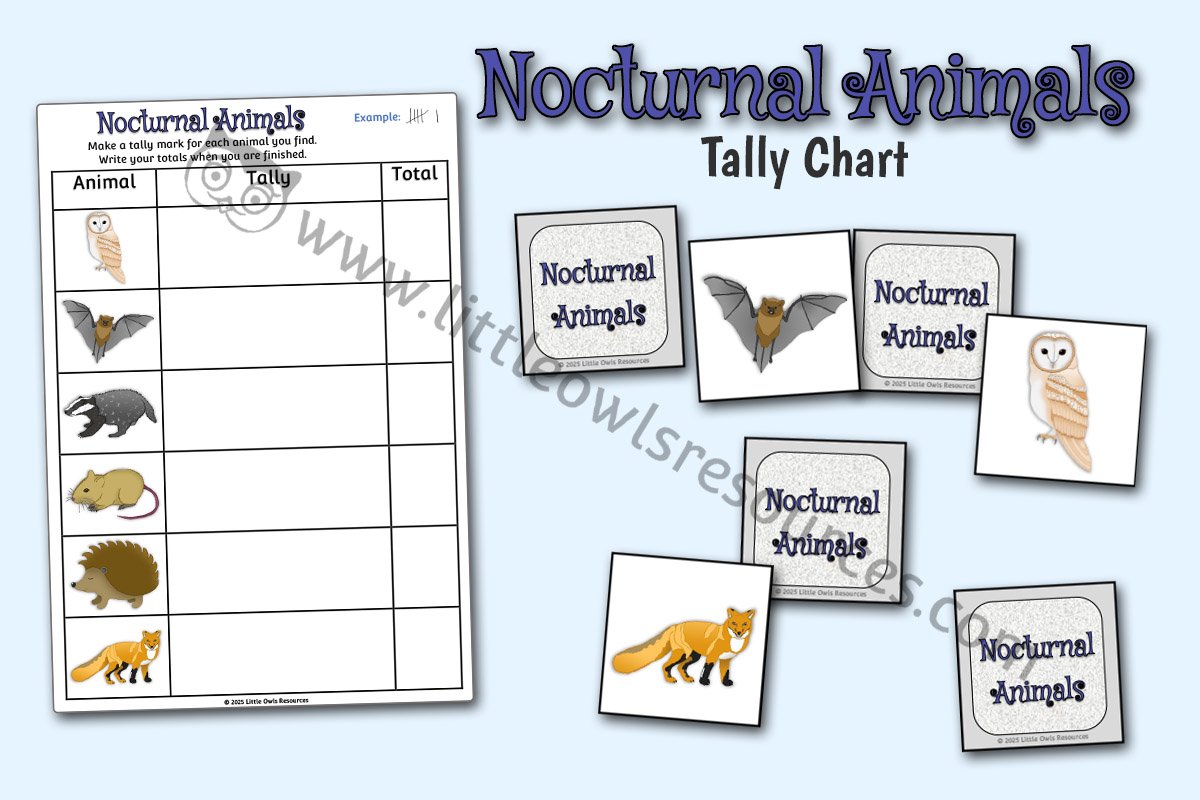
Animal cards and a tally sheet for collecting and comparing quantities. Adjust the number of cards and help children record totals with marks or tallies.
Suggested use: Reception · Selected KS1 uses

Picture-and-fact cards introducing ten woodland animals, including fox, squirrel, rabbit, bat and hedgehog. A5 and A4 editions support shared looking and discussion.
Suggested use: Preschool · Reception · Selected KS1 uses
Observe, wonder and share what children notice about small creatures. Begin with the free Minibeast Hunt sample or free search checklist, then revisit questions through pictures and conversation.

Picture-and-fact cards for ten minibeasts, including earthworm, snail, ladybird, woodlouse, spider and butterfly. Choose A5 or A4 and revisit what children notice outdoors.
Suggested use: Preschool · Reception · Selected KS1 uses
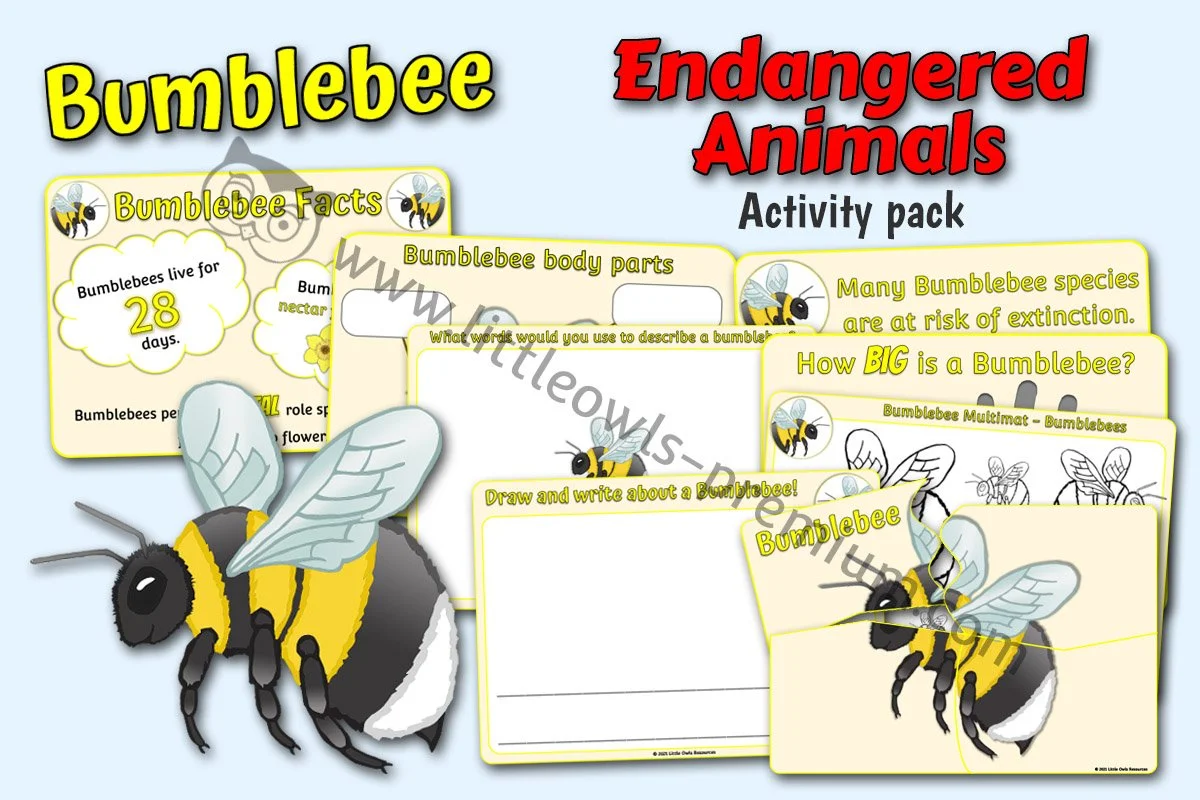
Bumblebee facts and pictures alongside number puzzles, body-part labels, drawing, writing and creative mats. Select activities to extend children’s observations and questions.
Suggested use: Preschool · Reception · Selected KS1 uses
Use real observations and selected pictures to talk about change over time. Separate stage visuals support arranging and discussion; poster-and-activity packs offer a different way to revisit the sequence.
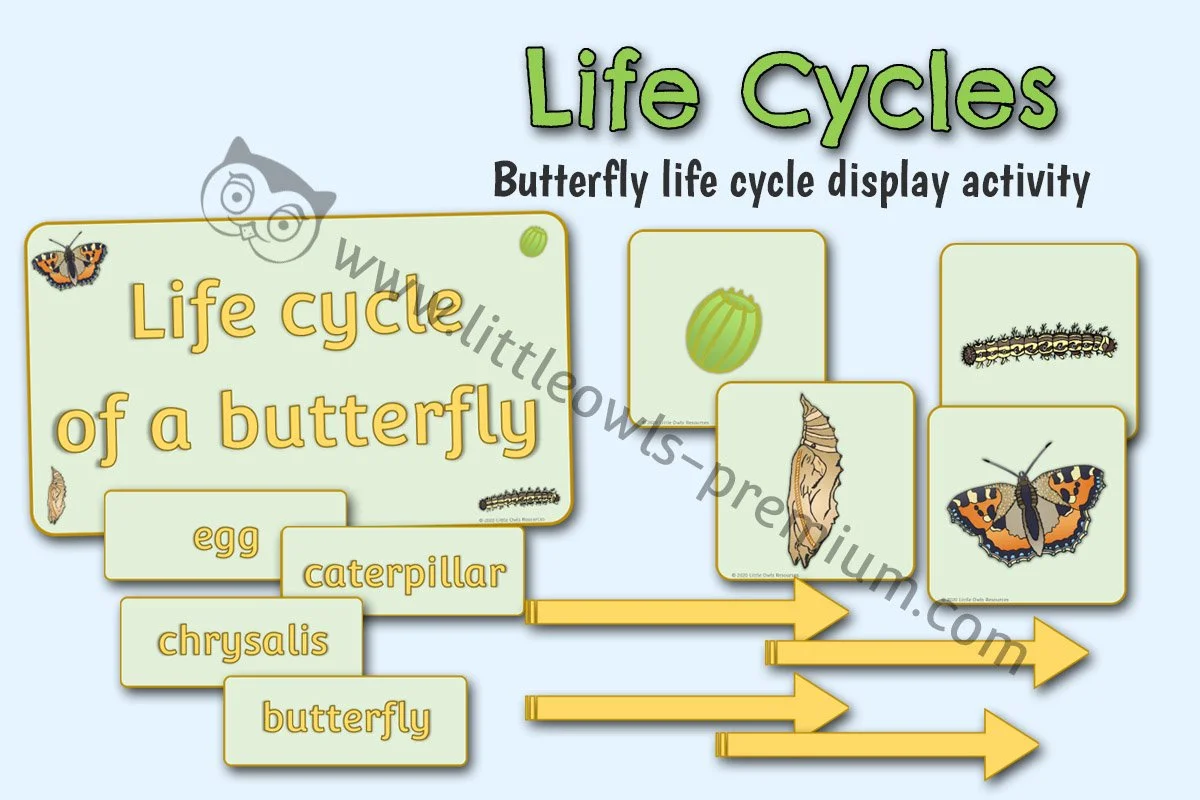
Butterfly life-cycle pictures for arranging, discussing and displaying stages of growth. Use the separate visuals for a shared sequencing activity.
Suggested use: Preschool · Reception · Selected KS1 uses
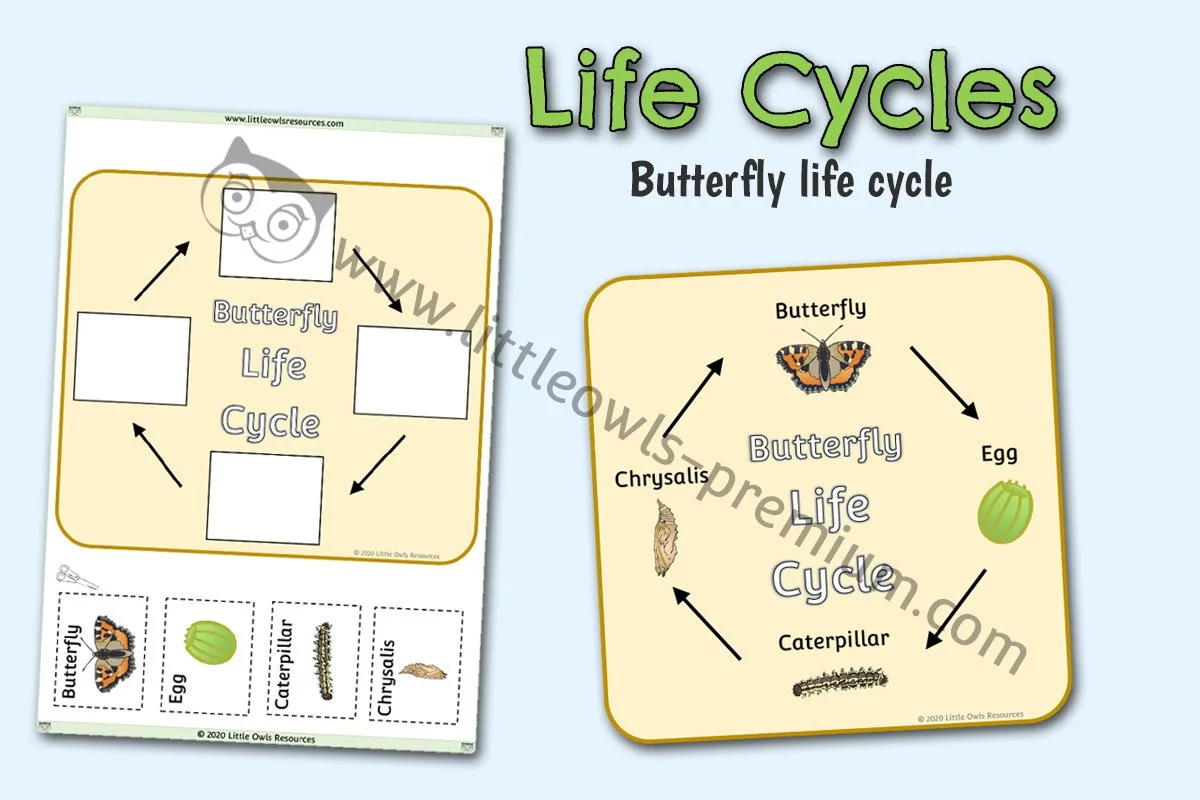
A butterfly life-cycle poster and cut-and-stick activity for talking about and sequencing stages. A colouring edition is available through the text link.
Suggested use: Preschool · Reception · Selected KS1 uses
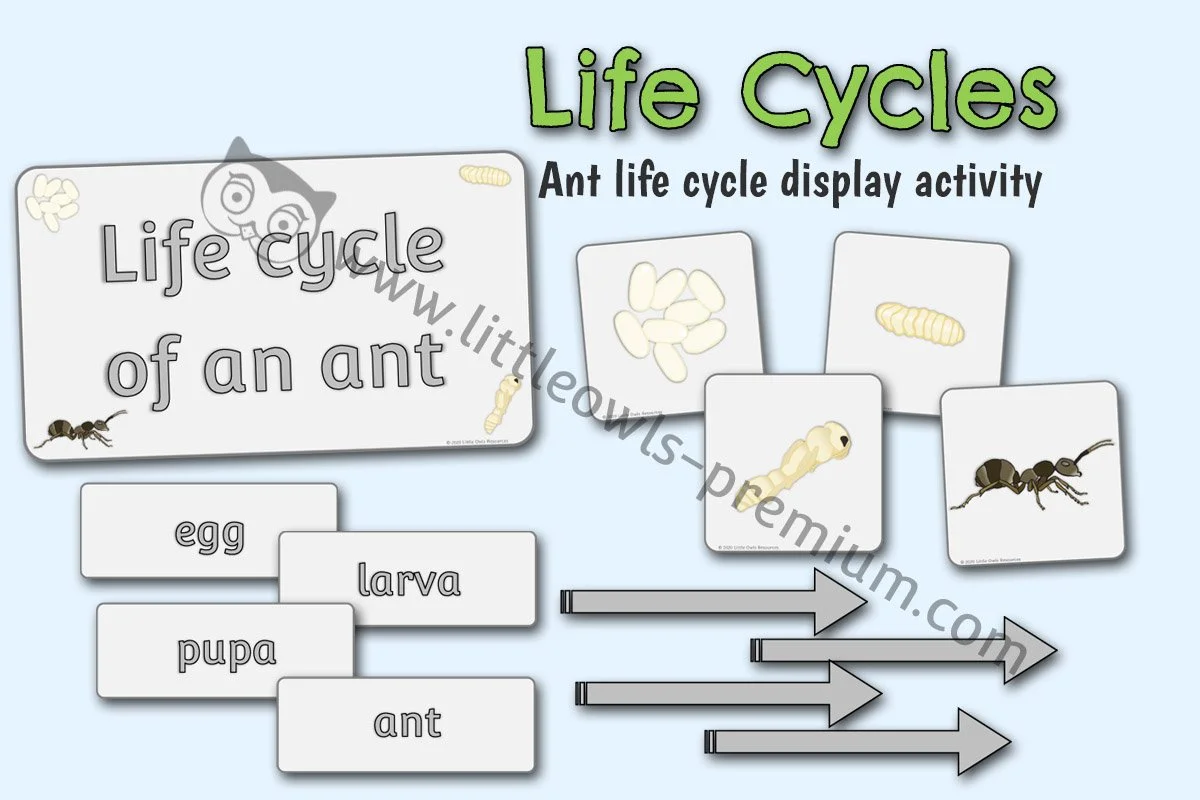
Ant life-cycle pictures for arranging, discussing and displaying stages of growth. Use the separate visuals for a shared sequencing activity.
Suggested use: Preschool · Reception · Selected KS1 uses
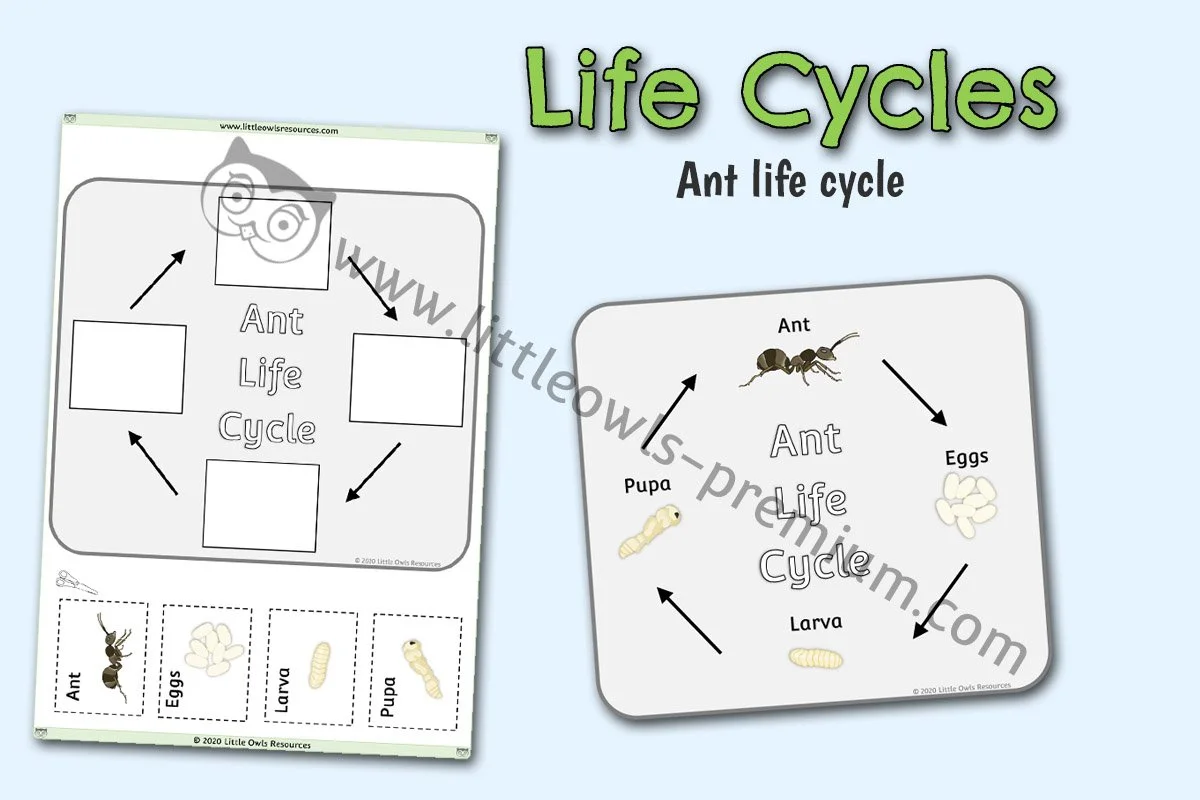
An ant life-cycle poster and cut-and-stick activity for talking about and sequencing stages. A colouring edition is available through the text link.
Suggested use: Preschool · Reception · Selected KS1 uses
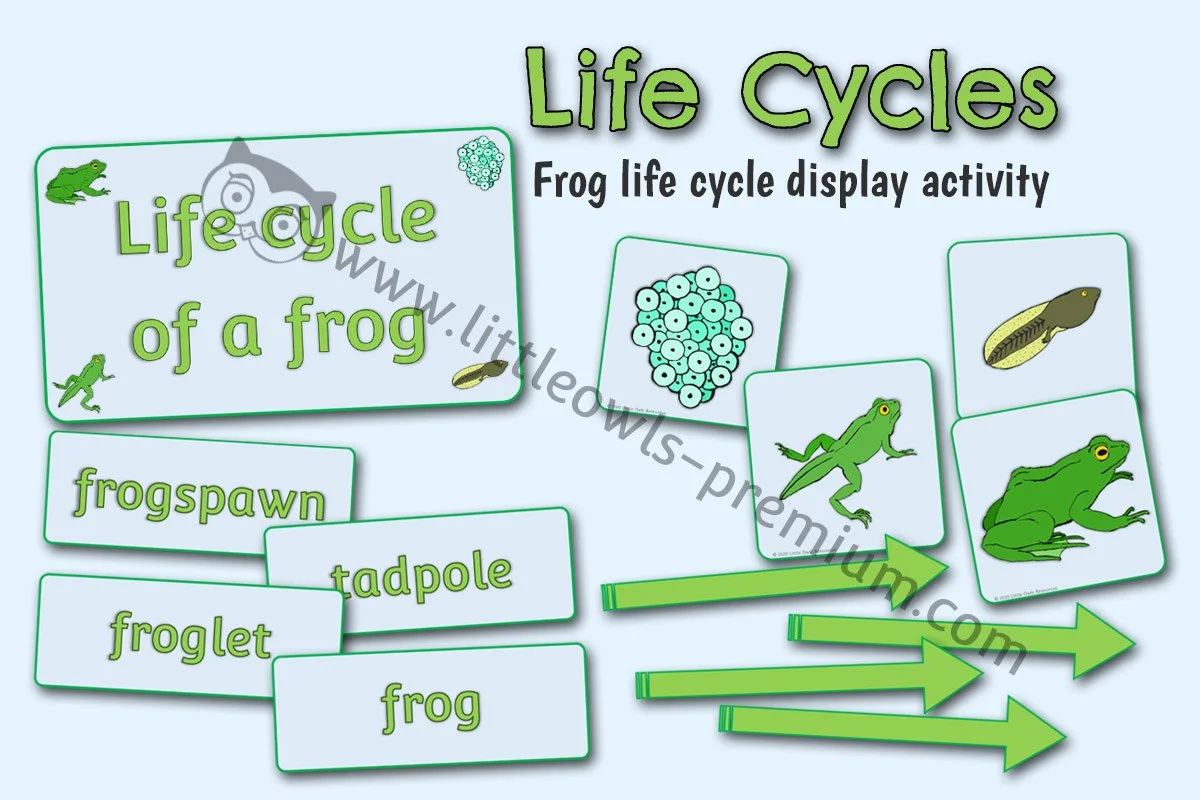
Frog life-cycle pictures for arranging, discussing and displaying stages of growth. Use the separate visuals for a shared sequencing activity.
Suggested use: Preschool · Reception · Selected KS1 uses
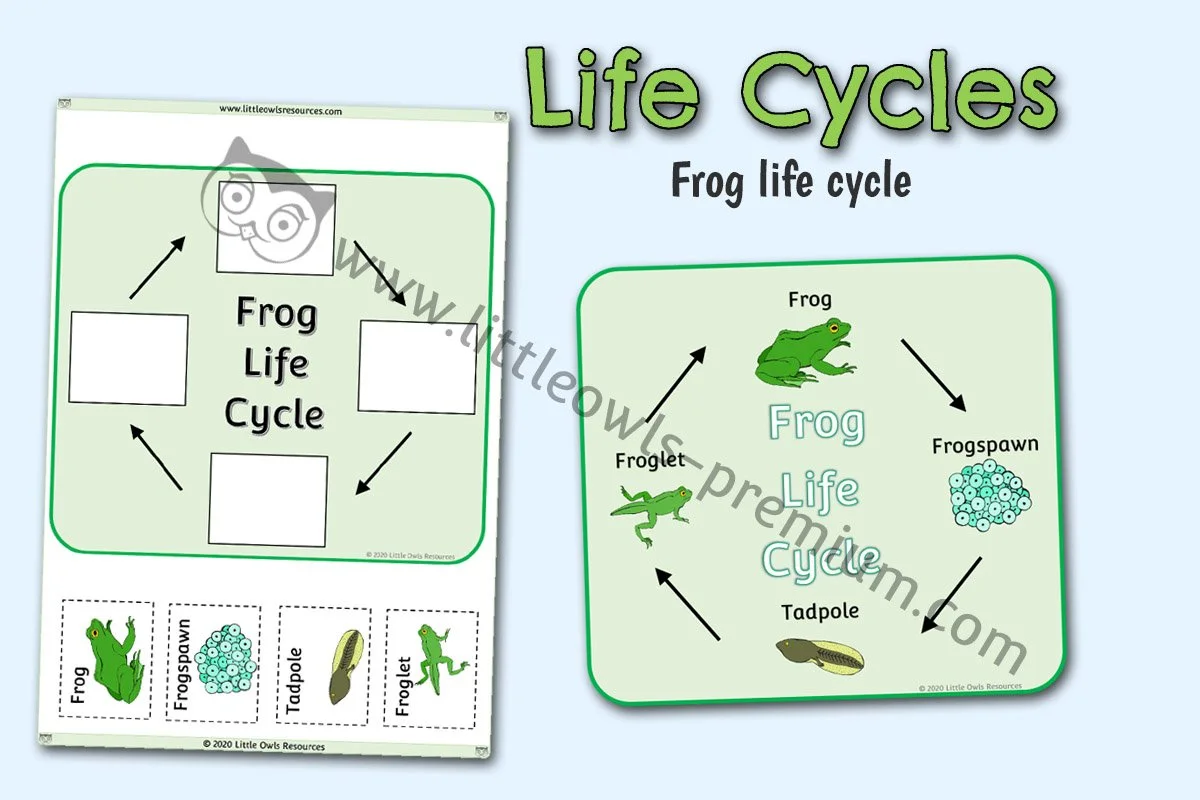
A frog life-cycle poster and cut-and-stick activity for talking about and sequencing stages. A colouring edition is available through the text link.
Suggested use: Preschool · Reception · Selected KS1 uses
Give children time to mix, invent, communicate and change their recipes. Add a sign, picture board or writing prompt when it serves the play. The free ingredient challenge cards are also available above.
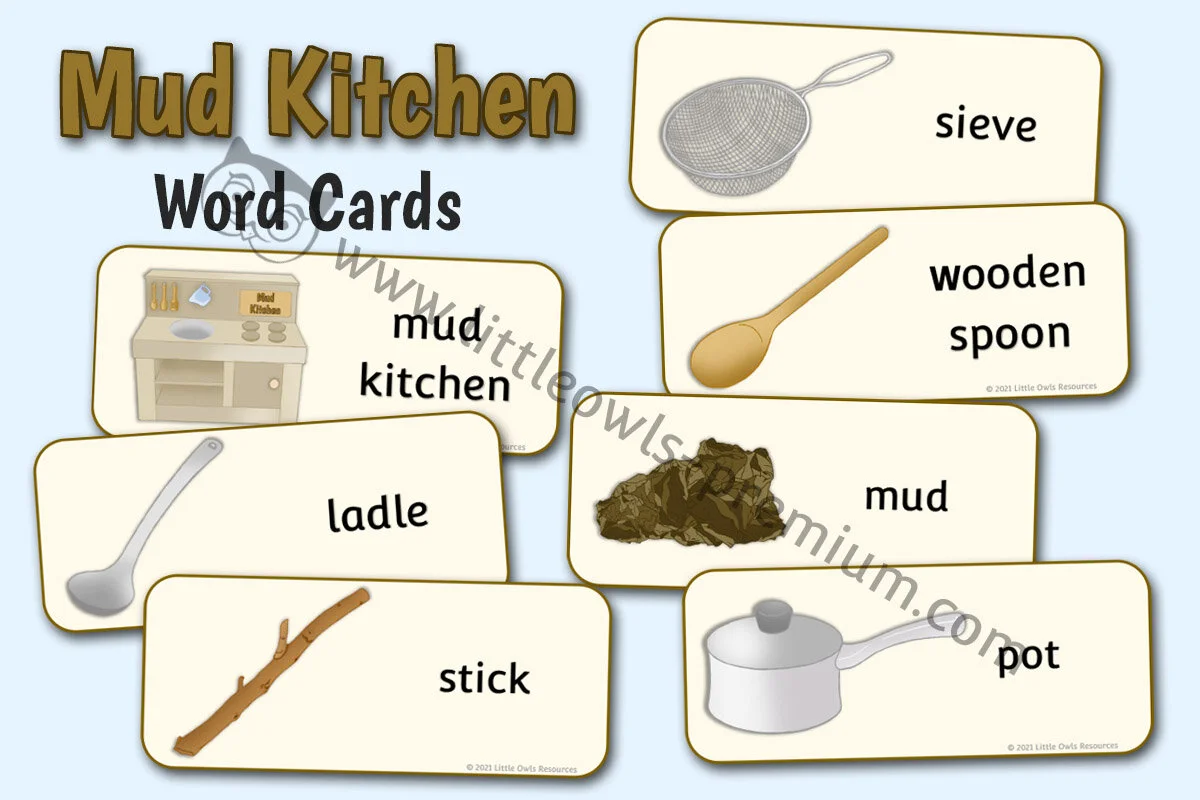
Twenty-six mud-kitchen picture-and-word cards, with blanks for adding the vocabulary used in your setting.
Suggested use: Preschool · Reception · Selected KS1 uses
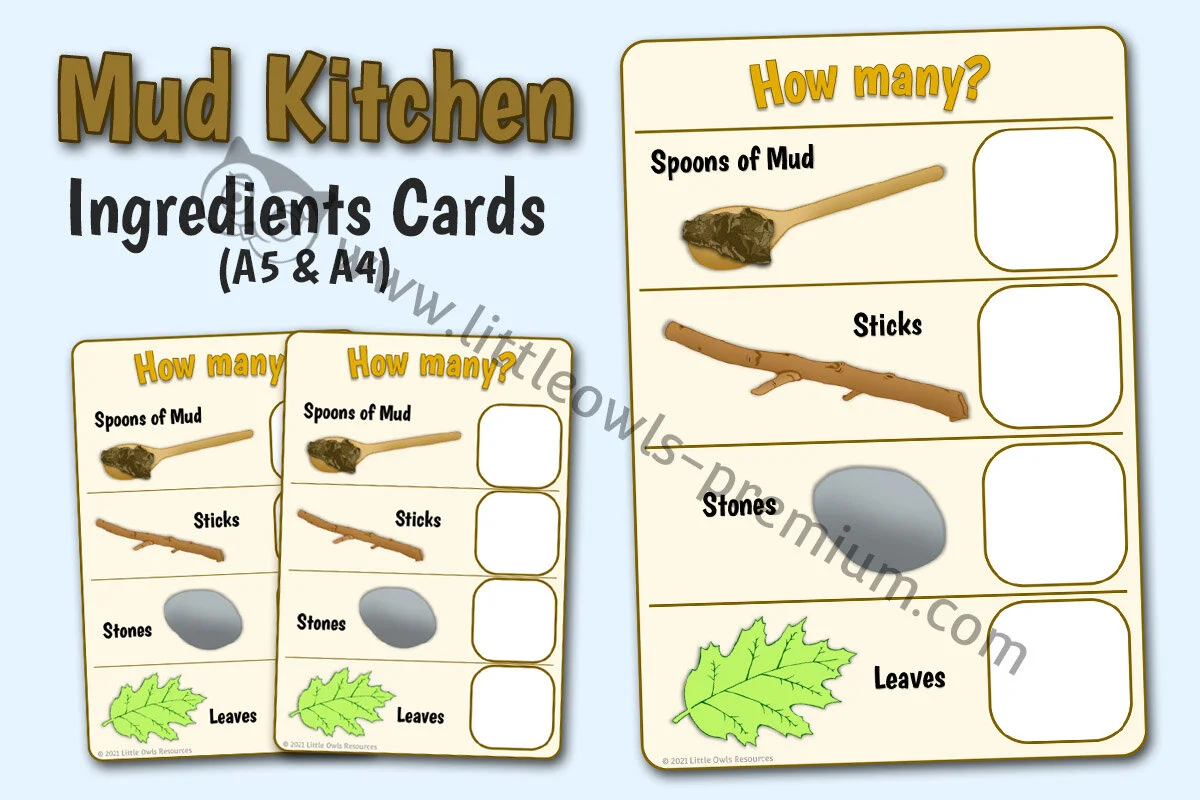
A5 and A4 ingredient cards for adding quantities and using number in imaginative mud-kitchen recipes.
Suggested use: Preschool · Reception · Selected KS1 uses
List templates for drawing or writing the ingredients children choose during mud-kitchen play.
Suggested use: Preschool · Reception · Selected KS1 uses
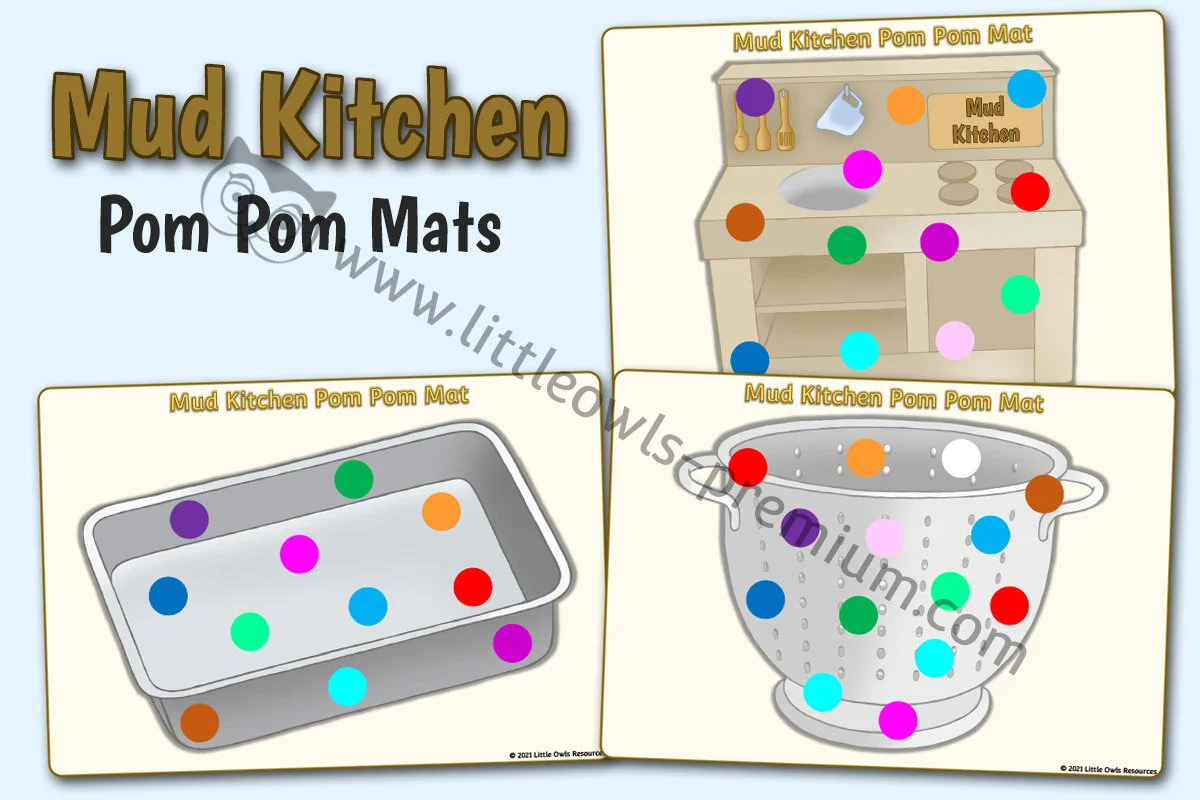
Picture mats with coloured circles for placing suitable loose parts. Invite careful placement or tool use, adapting the pieces and challenge to the children.
Suggested use: Preschool · Reception
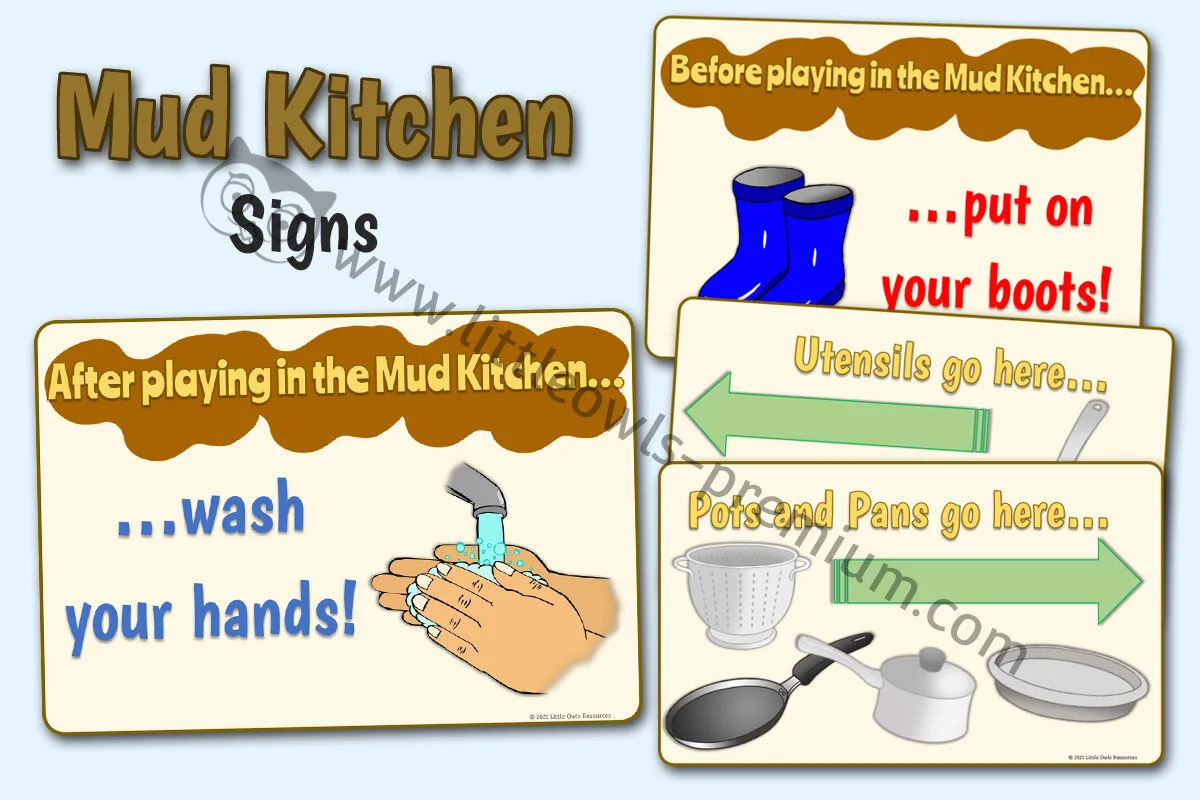
Picture signs for organising the mud kitchen and helping children find and return materials. Select the signs that match your space and routines.
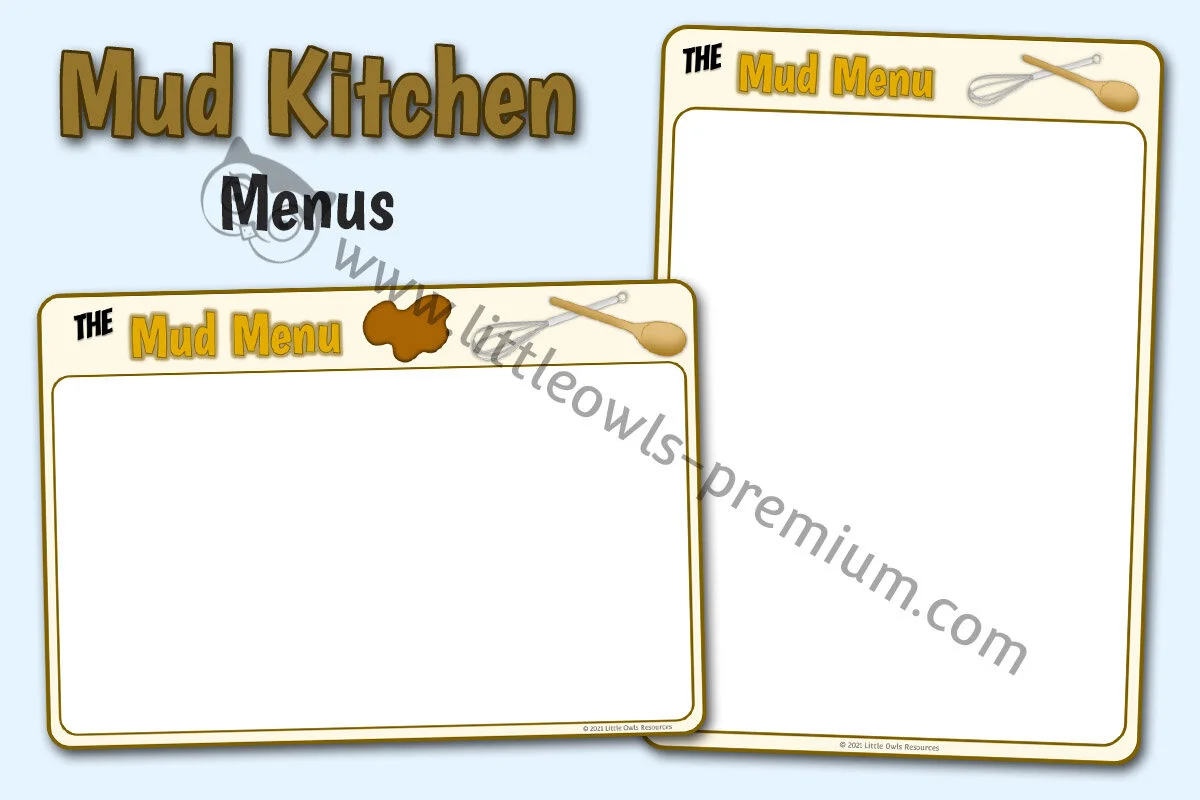
Menu templates for inventing dishes, sharing ideas and giving marks or writing a purpose during play.
Suggested use: Preschool · Reception · Selected KS1 uses
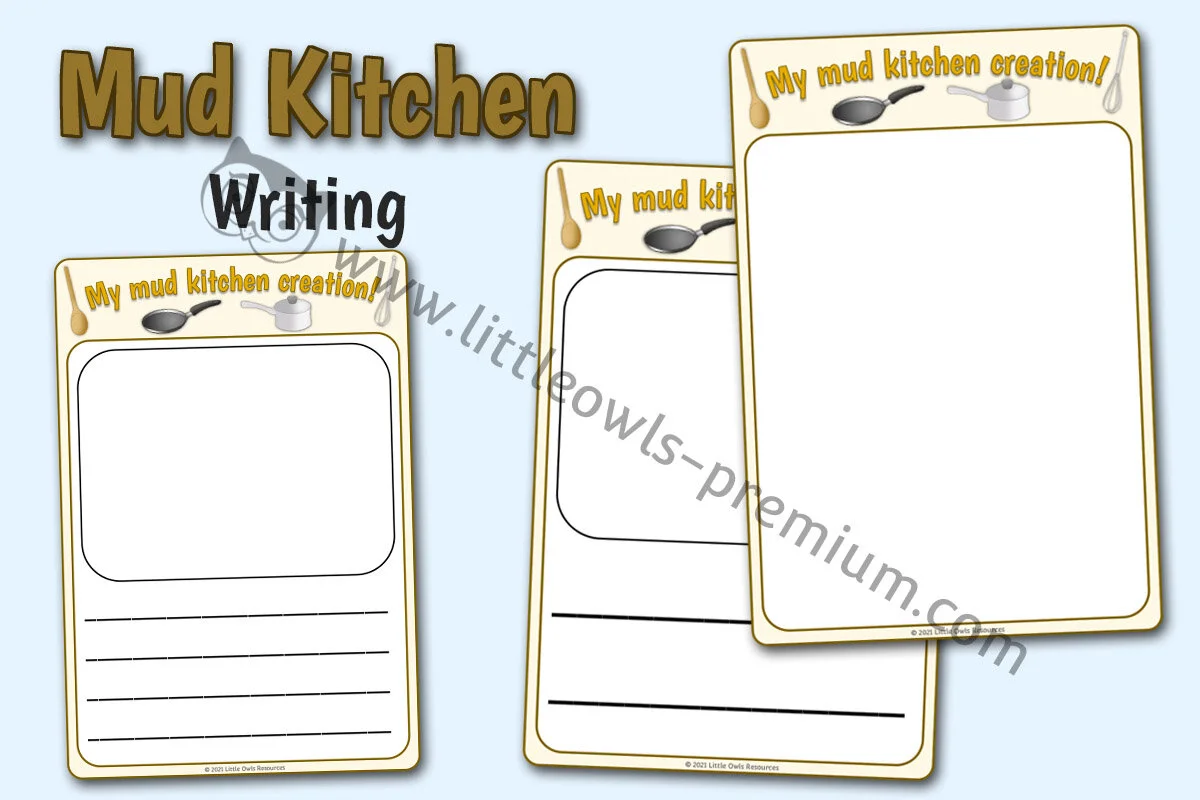
A drawing-and-writing sheet for recording a child’s own mud-kitchen creation.
Suggested use: Preschool · Reception · Selected KS1 uses
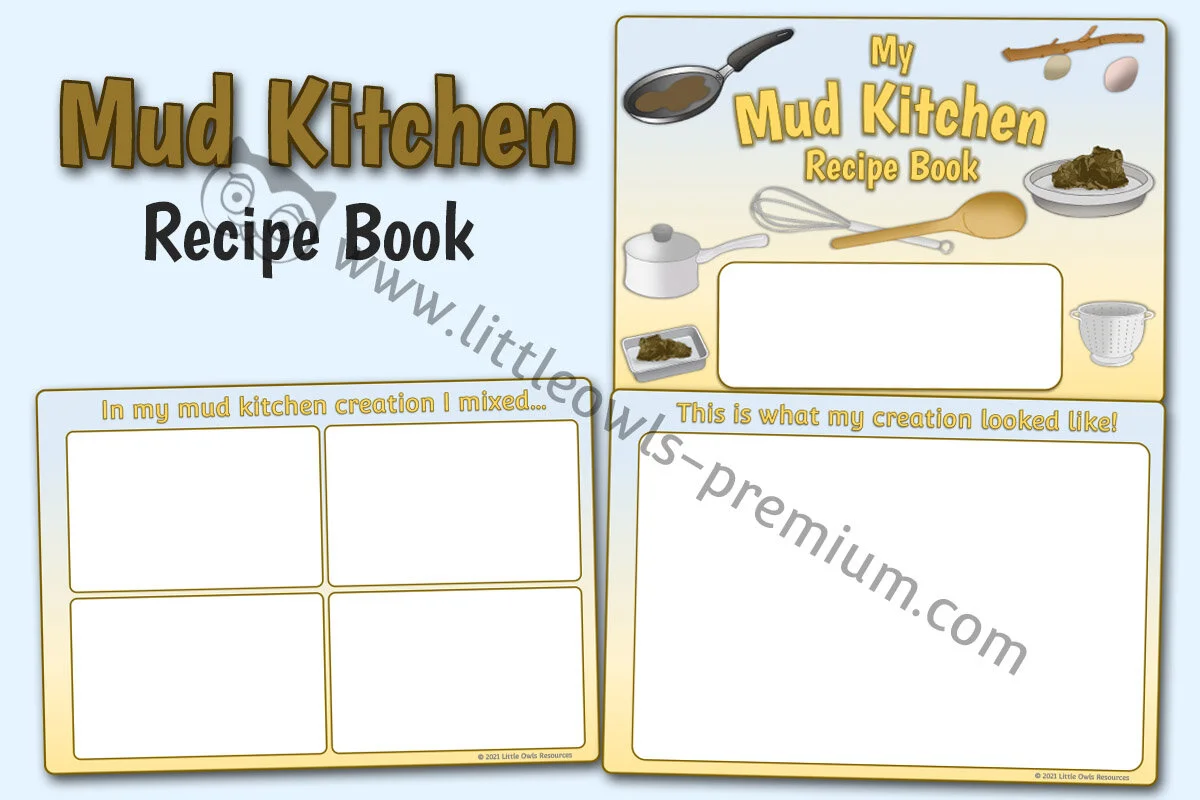
Recipe-book pages for drawing, marking or writing children’s own mud-kitchen recipes.
Suggested use: Preschool · Reception · Selected KS1 uses

Illustrated invitations for mixing, pouring, stirring, pressing and comparing. Children can adapt or leave a prompt and explore their own ideas without a fixed recipe.
Suggested use: Preschool · Reception · Selected KS1 uses

Editable picture boards for asking, refusing, commenting, suggesting and inviting during outdoor play. Select the layout for individual needs alongside the child’s usual communication.
Suggested use: Toddlers with adult support · Preschool · Reception · Selected KS1 uses
Arrange, combine, move and start again. Enjoy the choices and changes as much as an image or finished piece, with space for children’s own ideas.
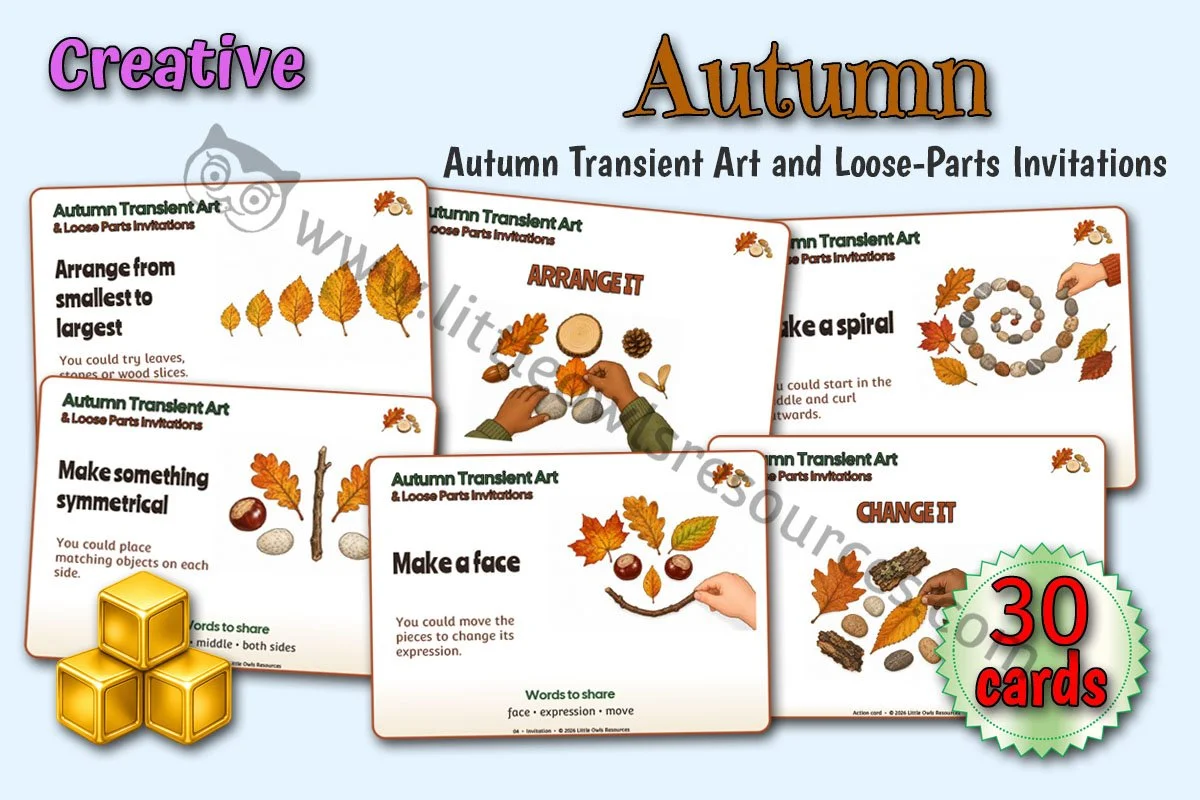
Twenty-four invitations and six reusable action cards for arranging, changing and taking apart autumn materials. Follow children’s choices; the illustrations offer possibilities rather than a picture to copy.
Suggested use: Preschool · Reception
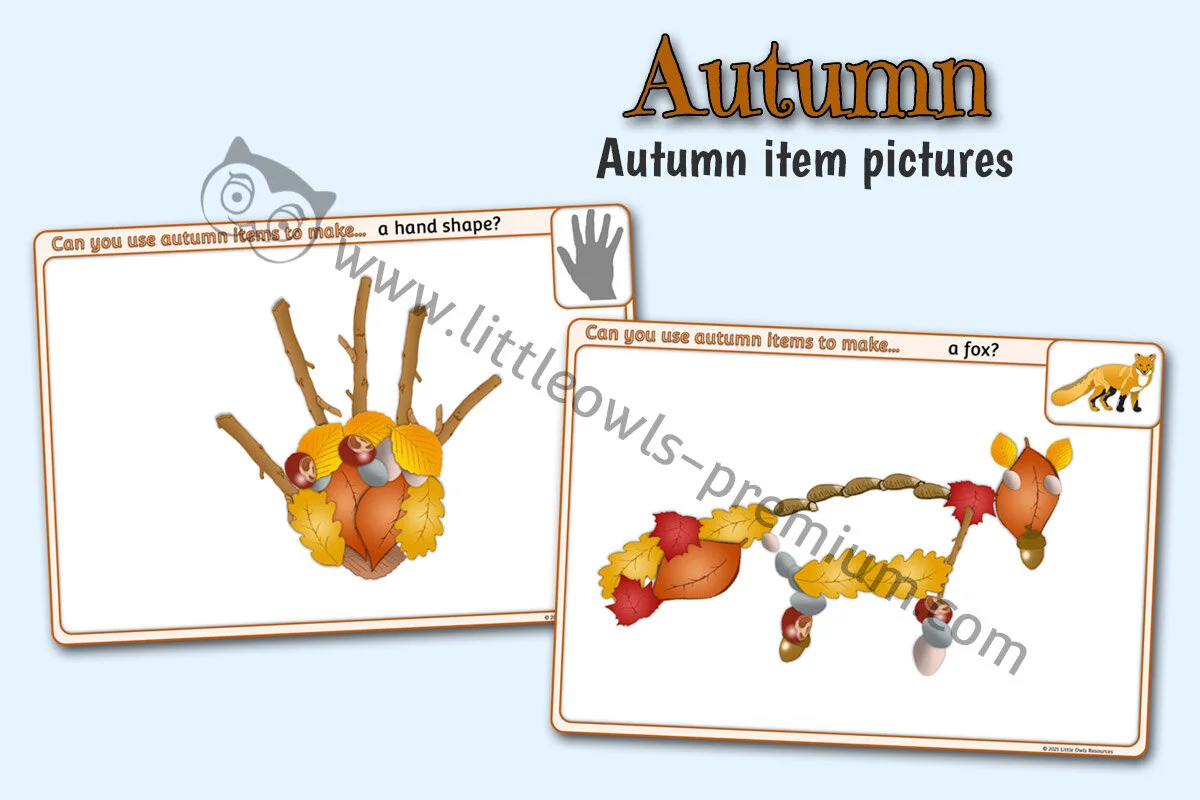
Picture prompts for making arrangements with autumn finds. Children can choose different materials and develop their own temporary pictures.
Suggested use: Preschool · Reception · Selected KS1 uses
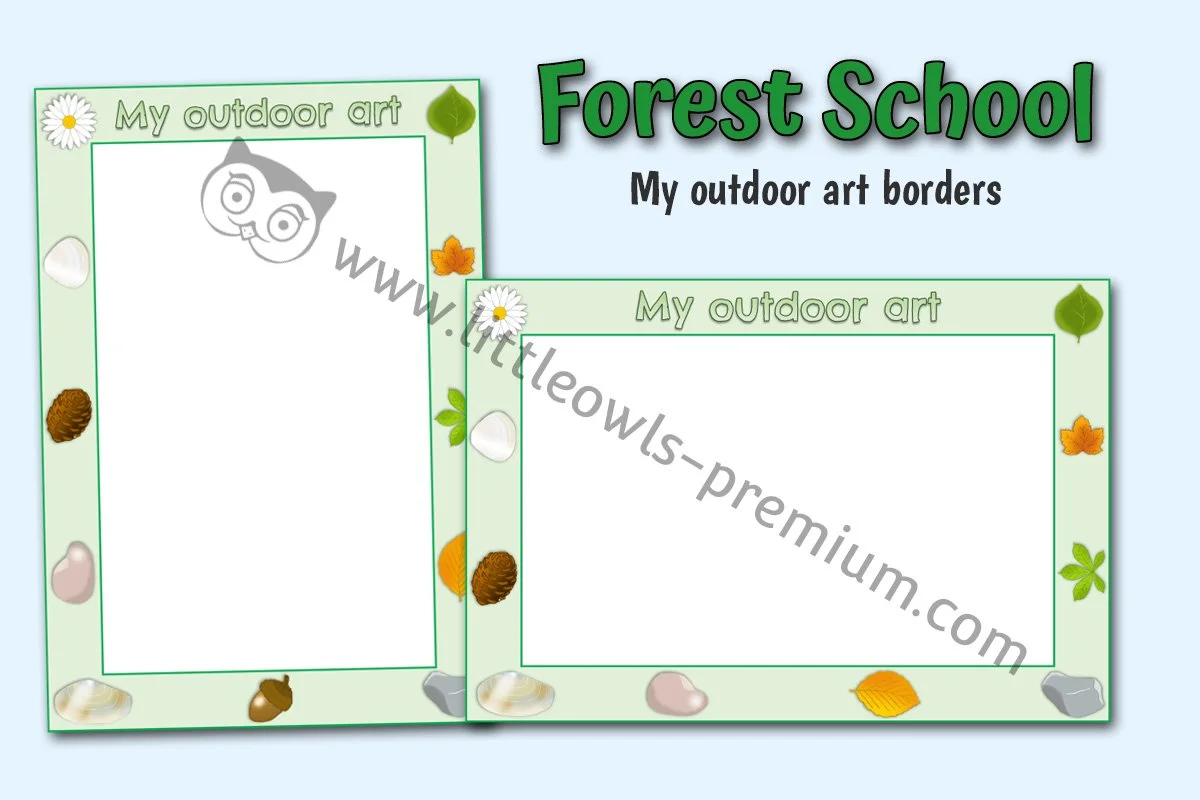
A printable frame for outdoor art, photographs, collage or drawings inspired by a forest-school experience.
Suggested use: Preschool · Reception · Selected KS1 uses
Offer ways to remember an observation, make a list, share a question or create a sign. Children can respond through drawing, marks, symbols, dictated words or writing.

Four seasonal drawing templates for recording woodland observations in children’s own pictures.
Suggested use: Preschool · Reception · Selected KS1 uses
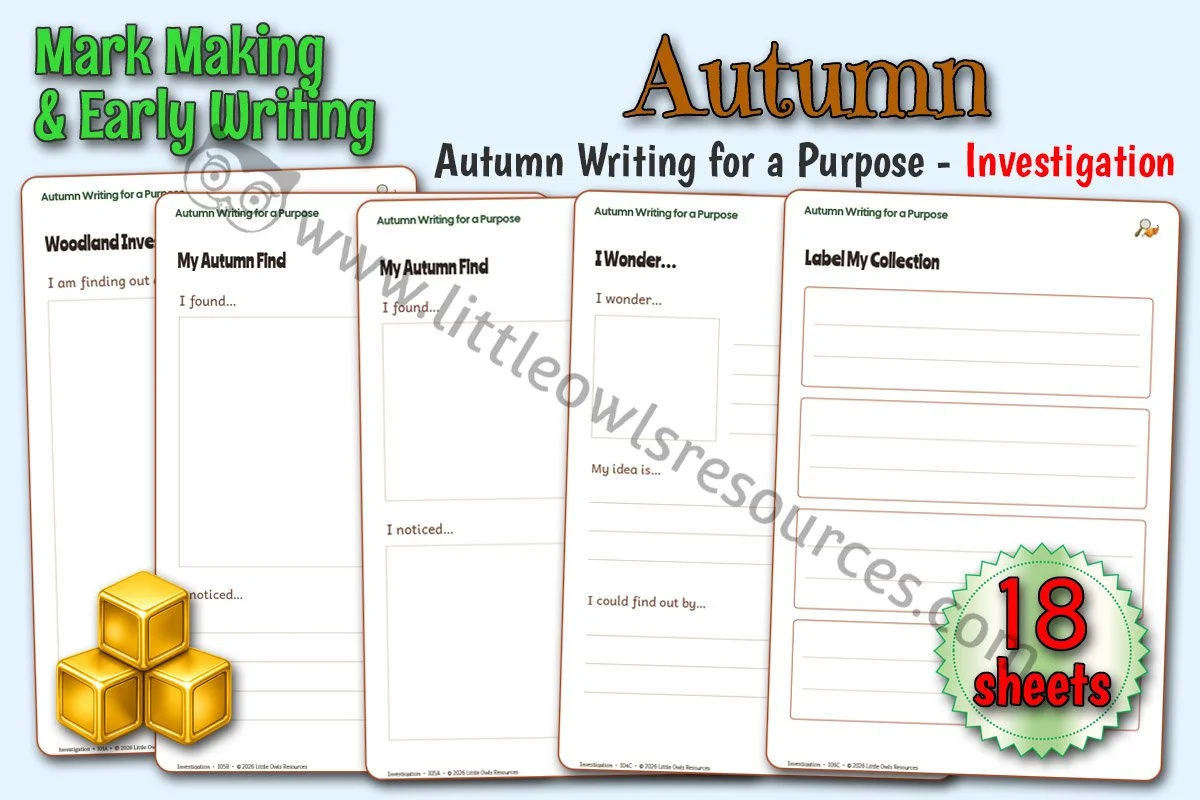
Recording sheets for observations, questions and labels beside a woodland small world or investigation tray. Children can draw, make marks, dictate or write, choosing the layout that serves their purpose.
Suggested use: Preschool · Reception · Selected KS1 uses
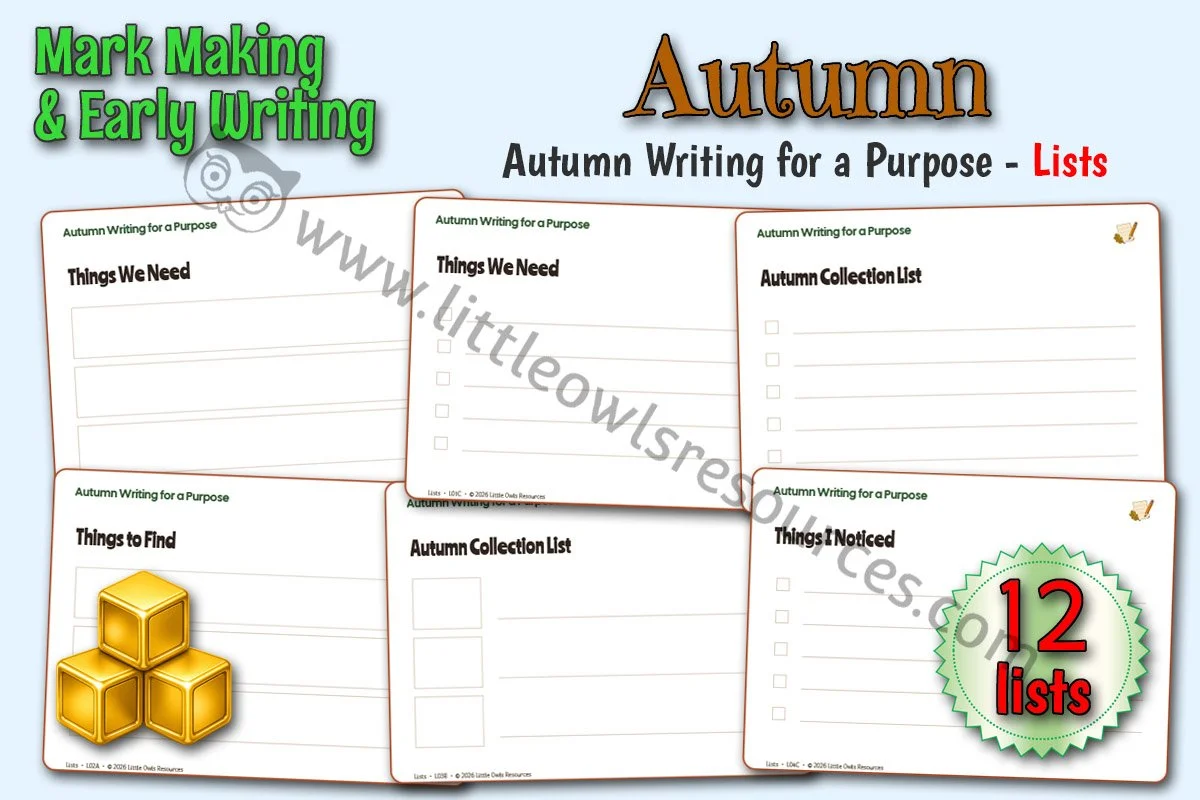
List templates for materials to gather, things to find and observations to remember. Offer drawing, emergent-writing or wider writing spaces according to the child’s purpose.
Suggested use: Preschool · Reception · Selected KS1 uses
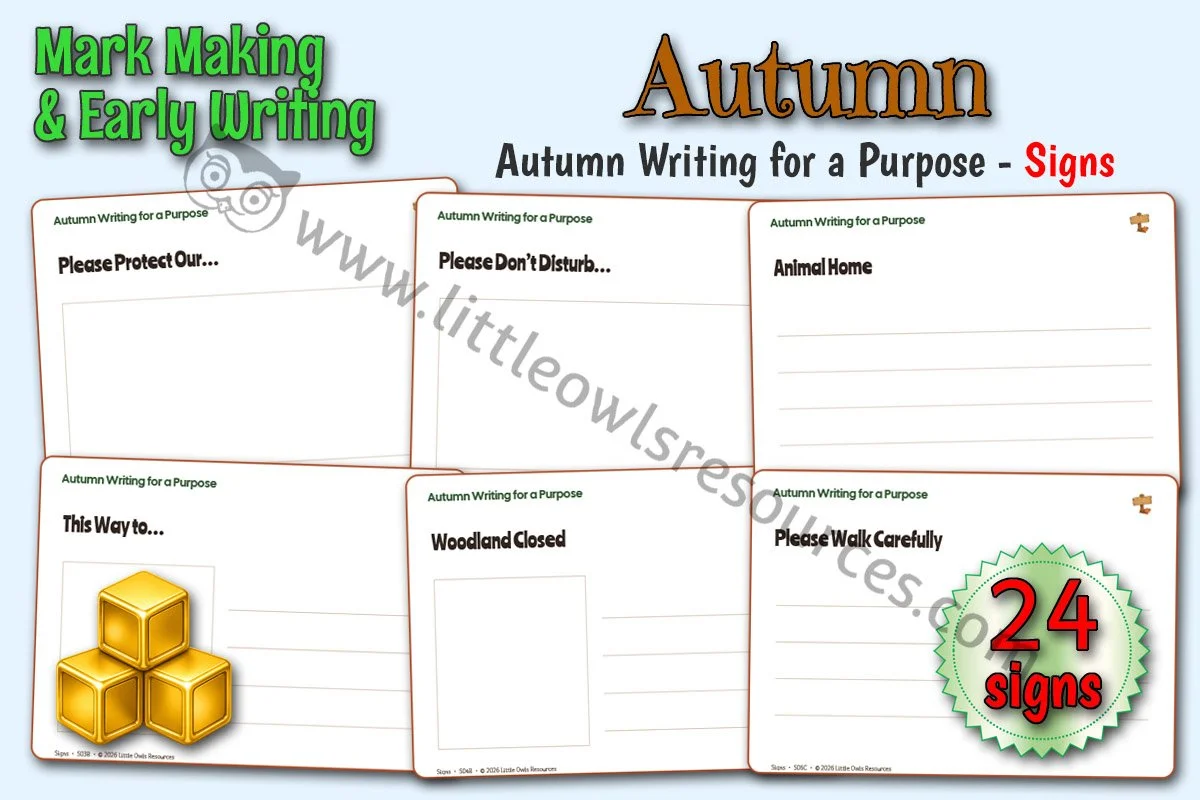
Make a sign for a play-space entrance, a model habitat or a route. Children decide the reader and message, using marks, pictures, dictated words or writing.
Suggested use: Preschool · Reception · Selected KS1 uses

A branch drawing frame for recording birds noticed from a window or on an outdoor visit. Children can revisit their observations through drawing and conversation.
Suggested use: Preschool · Reception · Selected KS1 uses
Use familiar weather or story ideas for shared action and playful movement. Adapt the pace, space and actions so children can participate in different ways.
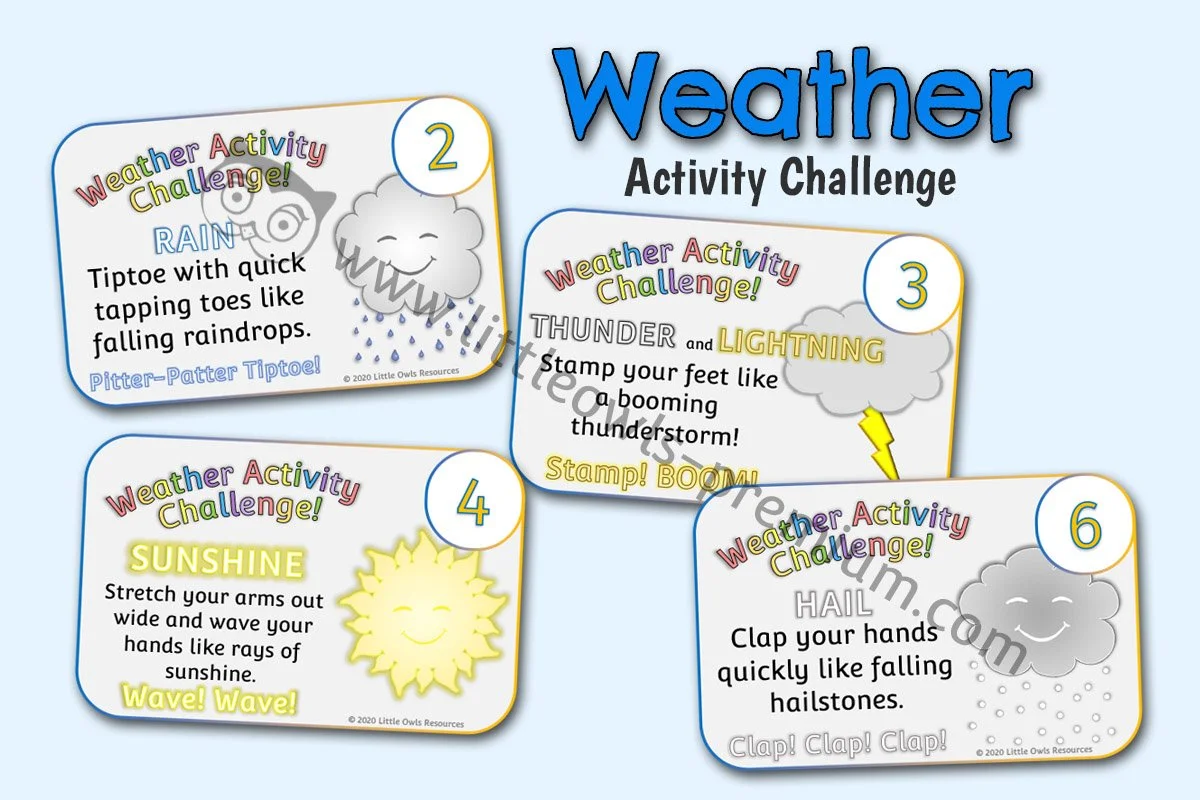
Explore six weather-inspired movement prompts through shared action and play. Adults can model the movements, invite children to choose cards and combine familiar actions into a simple sequence.
Suggested use: Toddlers with adult support · Preschool · Reception · Selected KS1 uses
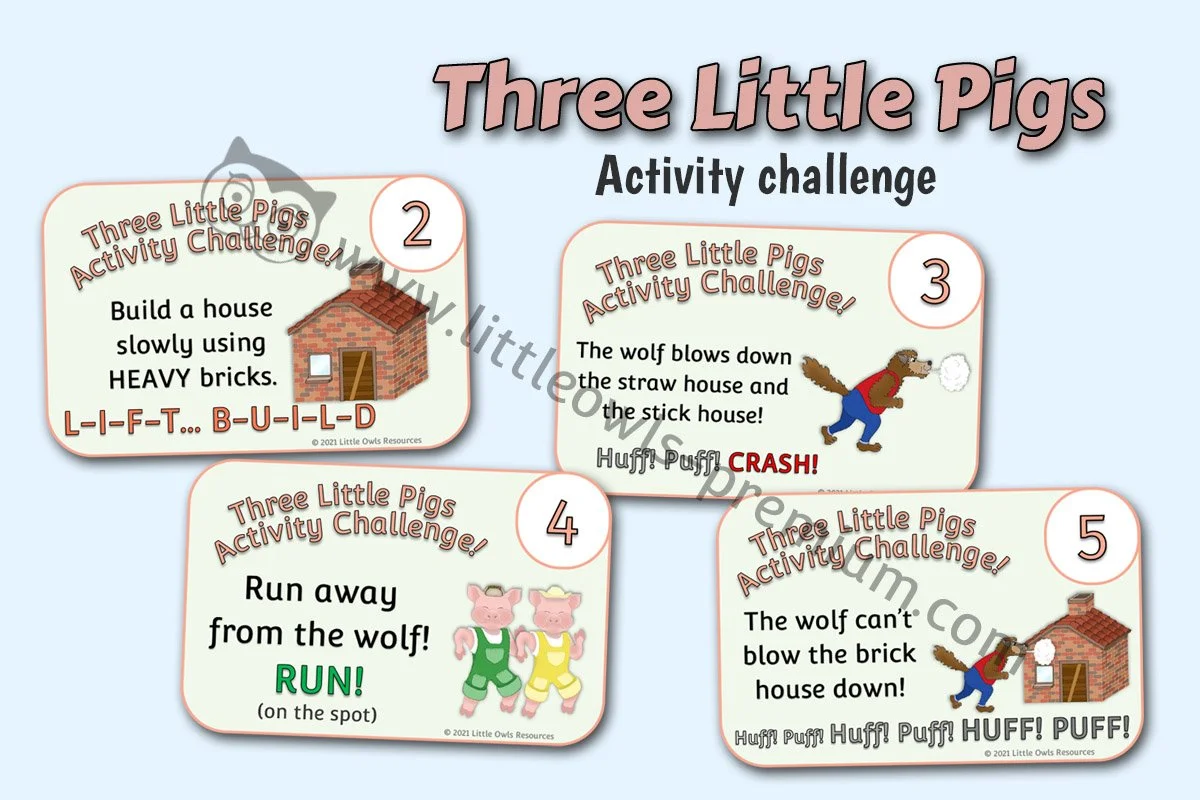
Seven story-inspired movement prompts for bringing parts of The Three Little Pigs to life. Adapt the actions and pace so children can participate in different ways.
Suggested use: Toddlers with adult support · Preschool · Reception
Make room for children’s own discoveries. Return to familiar places and materials, notice what interests the children and allow time for ideas to change. A resource is one possible starting point.
03 / Explore the theme
Return to familiar places and notice what changes. Choose seasonal walk prompts and recording sheets, or browse further woodland resources by season.
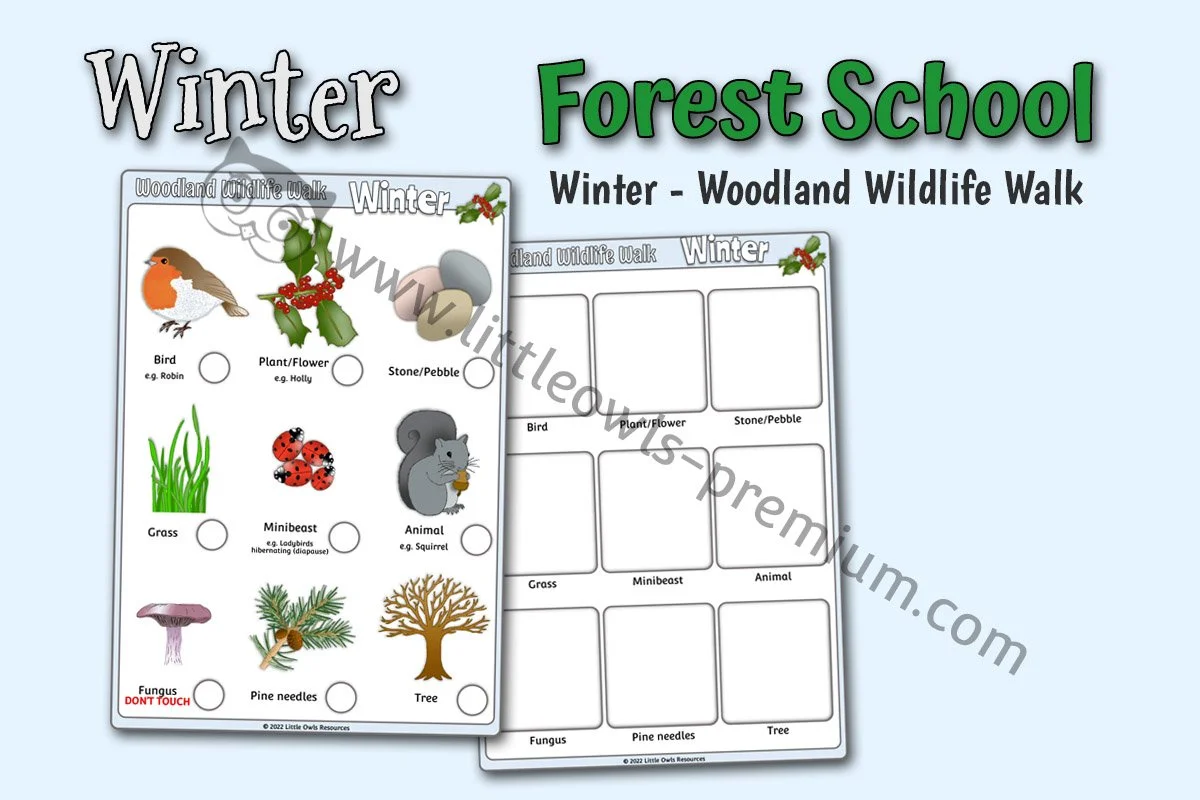
Winter woodland observation checklists, including a sheet with space for small drawings and marks to record what children notice.
Suggested use: Preschool · Reception · Selected KS1 uses

Sheets with different amounts of writing space for drawing and recording expectations or observations of winter woodland.
Suggested use: Preschool · Reception · Selected KS1 uses
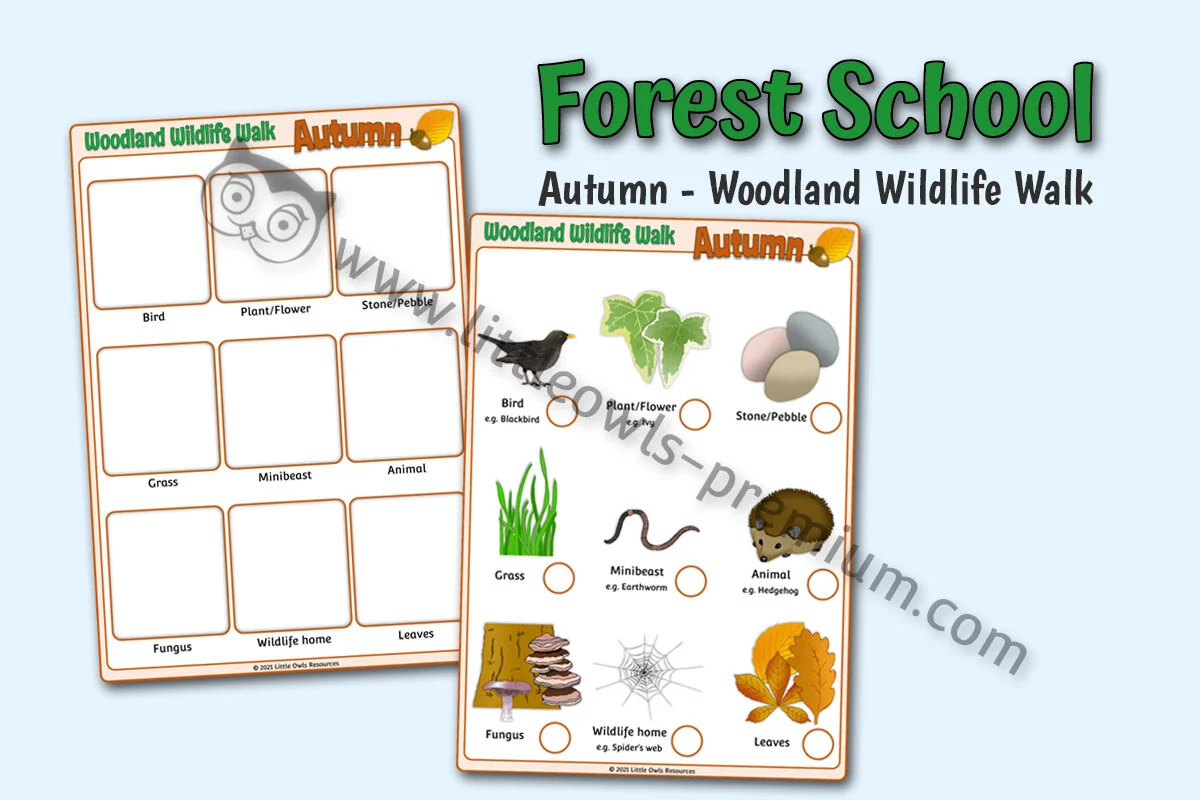
Autumn observation checklists for a woodland walk, including a sheet with room for children to draw what they notice.
Suggested use: Preschool · Reception · Selected KS1 uses
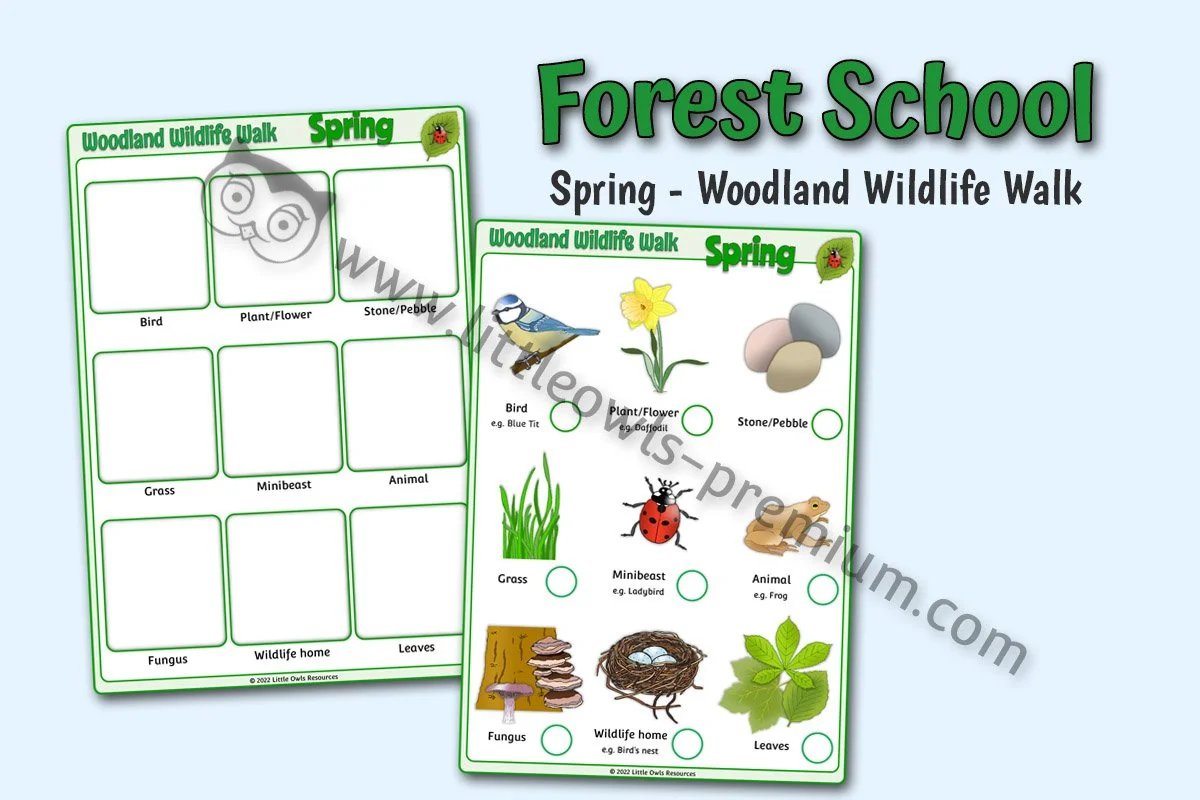
Broad picture checklists for looking at the natural world on a Spring walk. A second sheet provides spaces for drawing or marking what children notice.
Suggested use: Preschool · Reception · Selected KS1 uses

Record Spring observations and ideas through drawing and writing. Choose from sheets with different amounts of writing space.
Suggested use: Preschool · Reception · Selected KS1 uses

Autumn woodland picture prompts with different amounts of writing space, supporting drawing, oral description and writing.
Suggested use: Preschool · Reception · Selected KS1 uses

Record expectations and observations of a Summer woodland through drawing and writing. Choose a sheet with a useful amount of writing space.
Suggested use: Preschool · Reception · Selected KS1 uses
These links open the woodland selection within each seasonal resource gallery.
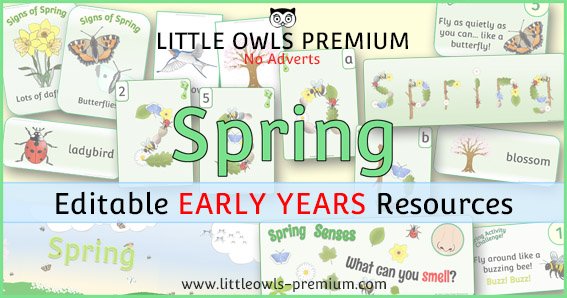
Browse the woodland-tagged Spring resource gallery for further seasonal pictures, activities and printables.
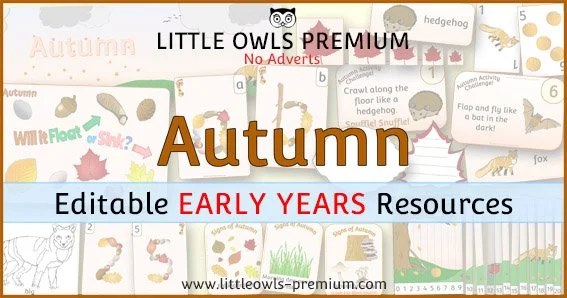
Browse the woodland-tagged Autumn resource gallery for further seasonal pictures, activities and printables.
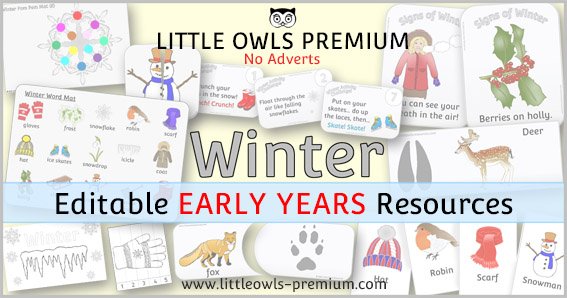
Browse the woodland-tagged Winter resource gallery for further seasonal pictures, activities and printables.
04 / Explore the theme
Explore related toddler and preschool planning to support nature-based interests and wider outdoor experiences. These are adaptable theme planners; choose the parts that fit your children and setting.

A toddler project using familiar teddy bears, picnic play, language and routines. Planning is for adults working with children aged 18–36 months.
Suggested use: Toddlers with adult support

A flexible three-to-four-week project for ages 18–36 months, centred on sand, water, movement and repeated actions in Summer play.
Suggested use: Toddlers with adult support

Outdoor discovery, care for living things, vocabulary and practical exploration for toddlers aged 18–36 months.
Suggested use: Toddlers with adult support

Animal sounds, habitat building and early imaginative play for toddlers aged 18–36 months, with adaptable guidance for adults.
Suggested use: Toddlers with adult support

A toddler project about growing things and real-world change, supporting curiosity and language with adult guidance for ages 18–36 months.
Suggested use: Toddlers with adult support

A six-week play-based theme about growth, change and independence for ages 3–4. The source labels it Summer 1; select ideas that fit the children and local changes you notice.
Suggested use: Preschool

A six-week play-based theme about living things, care and the natural world for ages 3–4. The source labels it Spring 2.
Suggested use: Preschool

A two-week planning pack for ages 3–4, supporting sensory play, coastal vocabulary, storytelling and care for the environment.
Suggested use: Preschool
05 / Explore the theme
Choose a weather calendar, nature-inspired lettering or clip art when it has a useful purpose in your setting. Print selected elements rather than a whole display set.
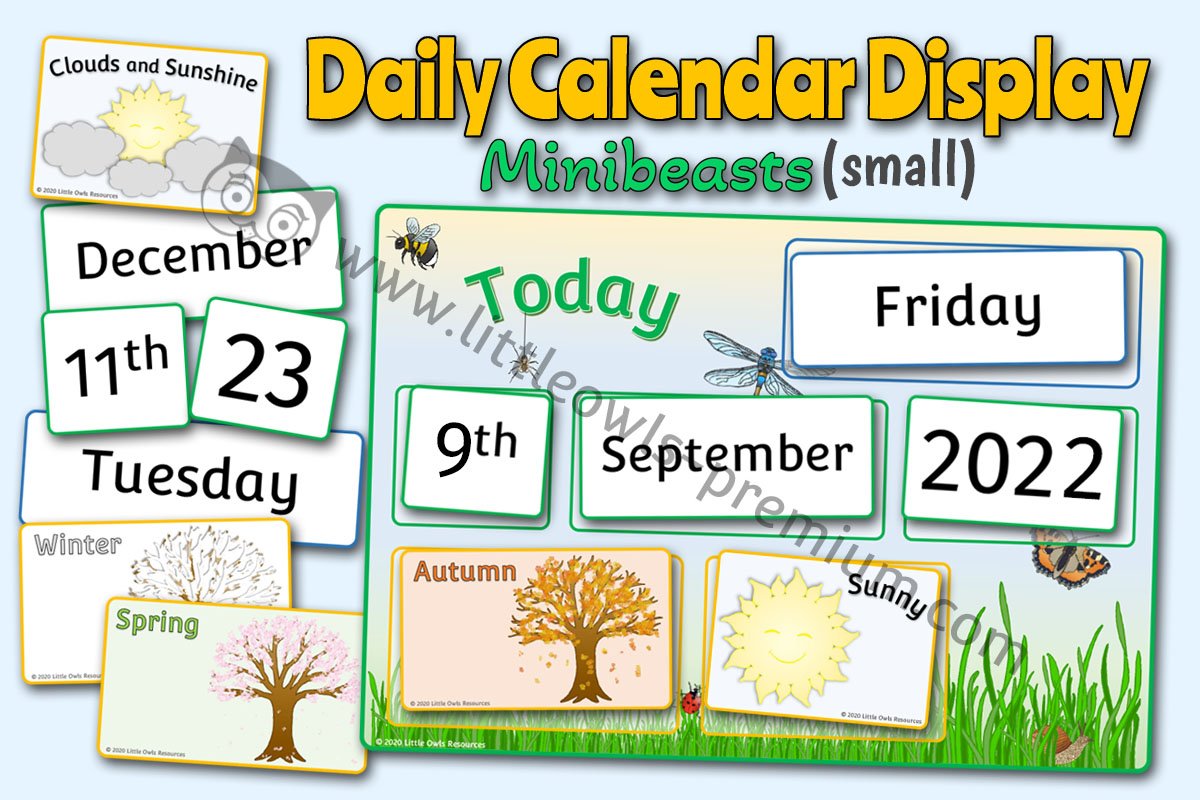
A minibeast-themed calendar for talking about the day, date, season and weather. Choose the compact A4 or larger display edition and check the supplied year cards before use.
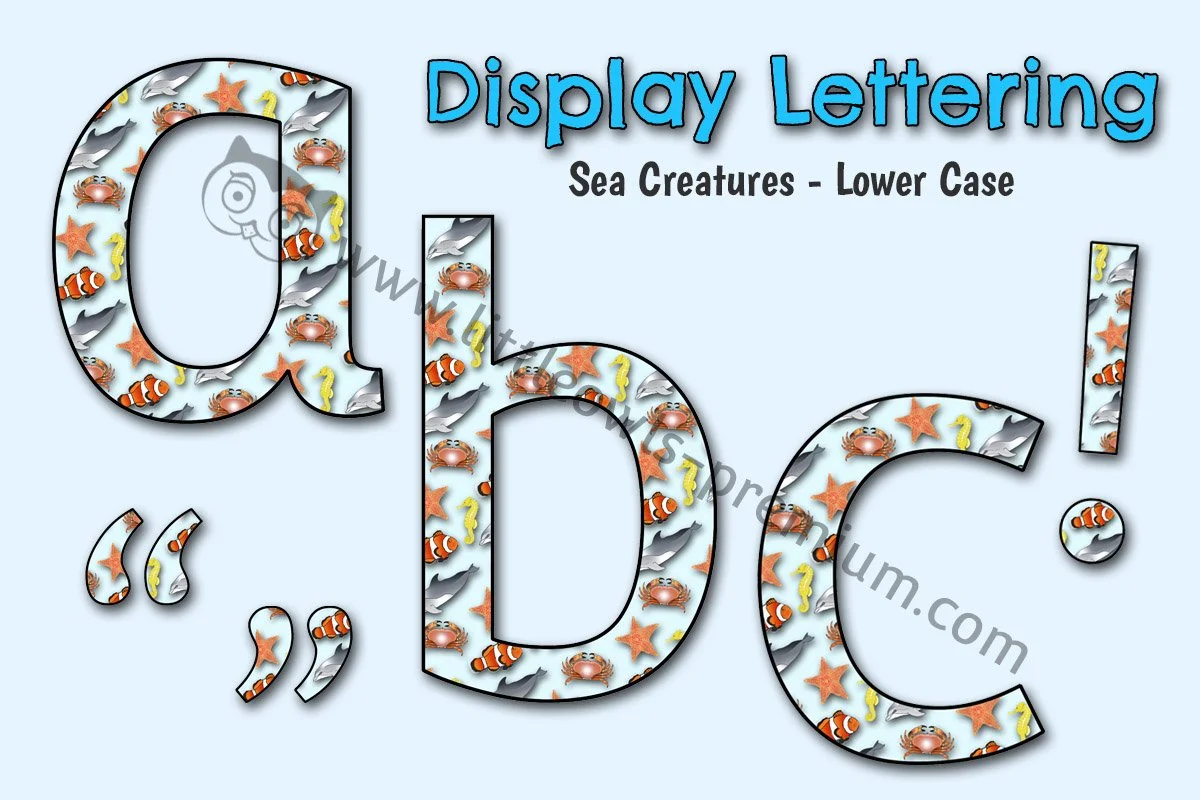
Sea Creatures designs for creating display headings and labels. Choose lower-case letters, upper-case letters or numerals 0–9 with mathematical symbols through the links on this card.
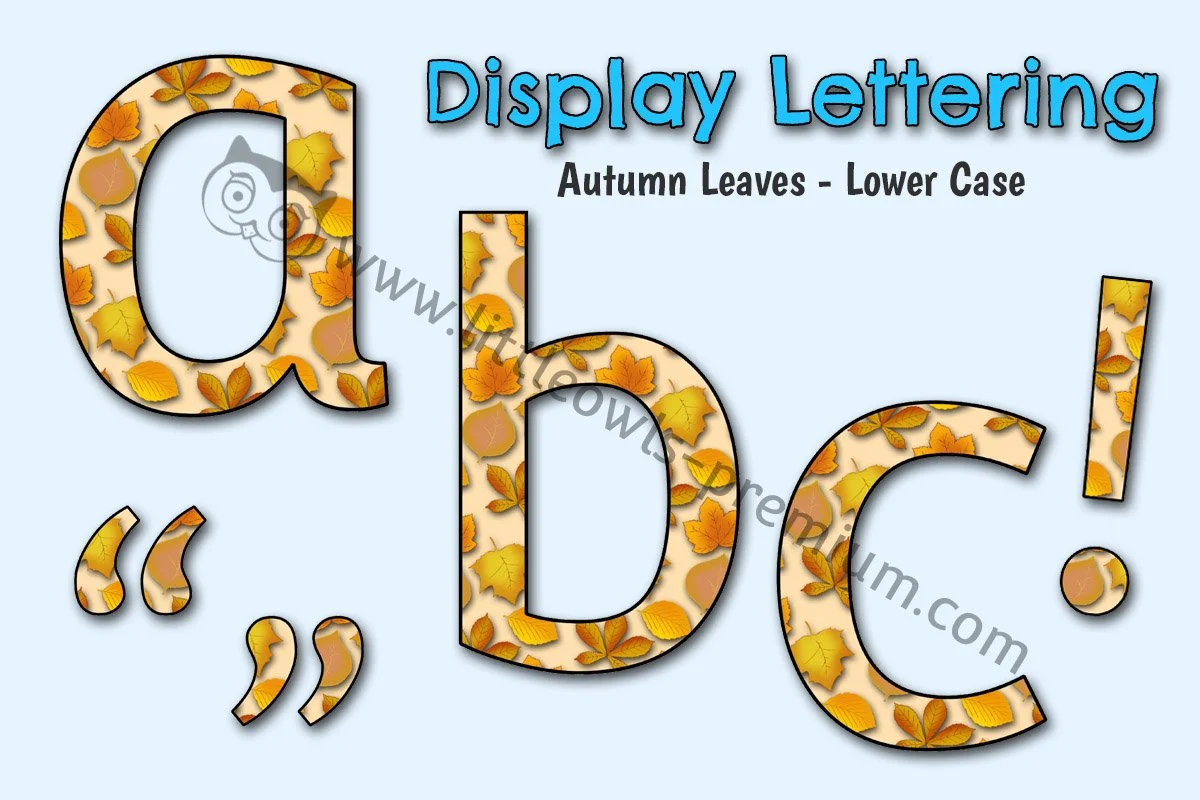
Autumn Leaves designs for creating display headings and labels. Choose lower-case letters, upper-case letters or numerals 0–9 with mathematical symbols through the links on this card.
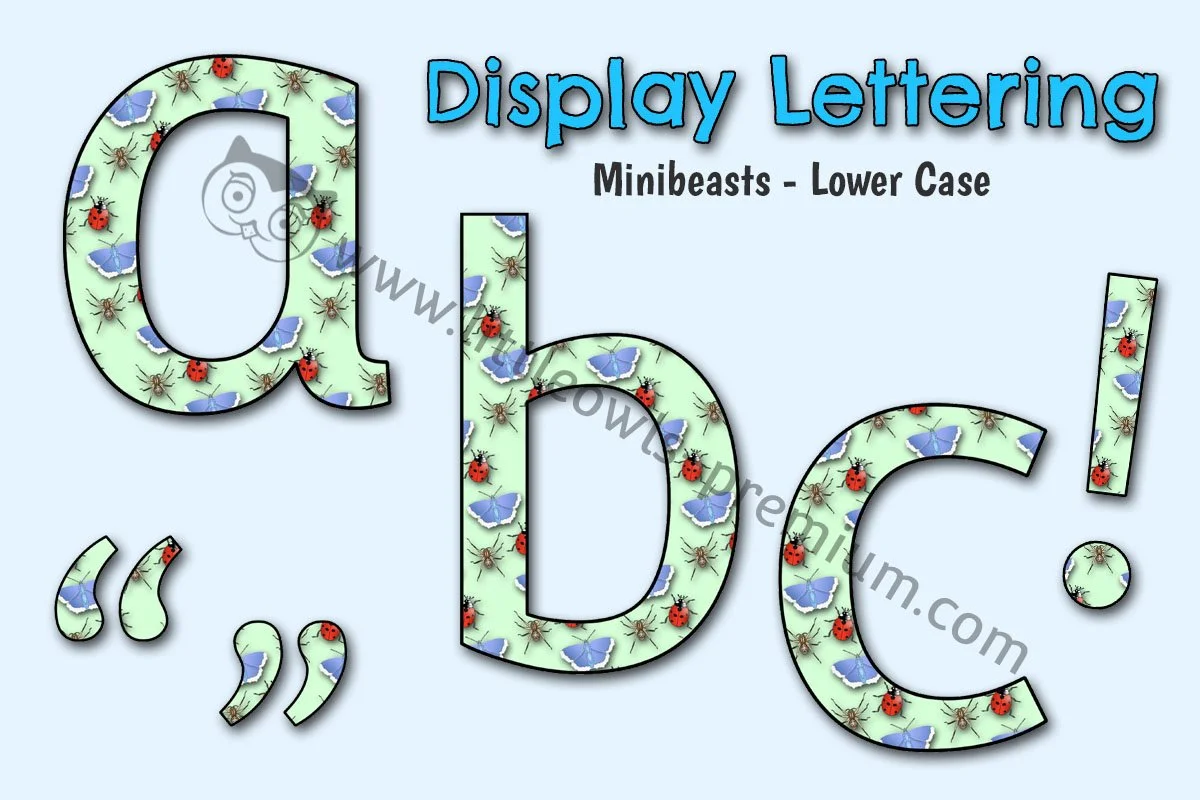
Minibeasts designs for creating display headings and labels. Choose lower-case letters, upper-case letters or numerals 0–9 with mathematical symbols through the links on this card.
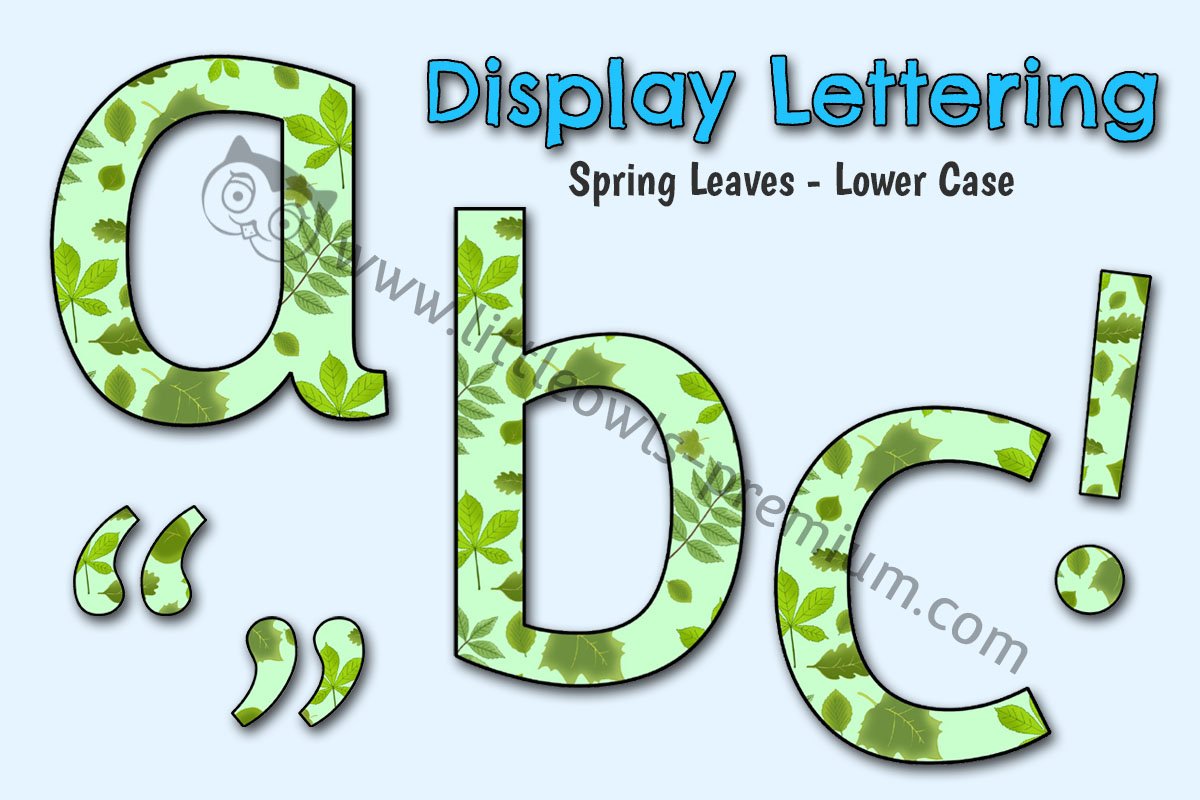
Spring Leaves designs for creating display headings and labels. Choose lower-case letters, upper-case letters or numerals 0–9 with mathematical symbols through the links on this card.
Summer Sun designs for creating display headings and labels. Choose lower-case letters, upper-case letters or numerals 0–9 with mathematical symbols through the links on this card.
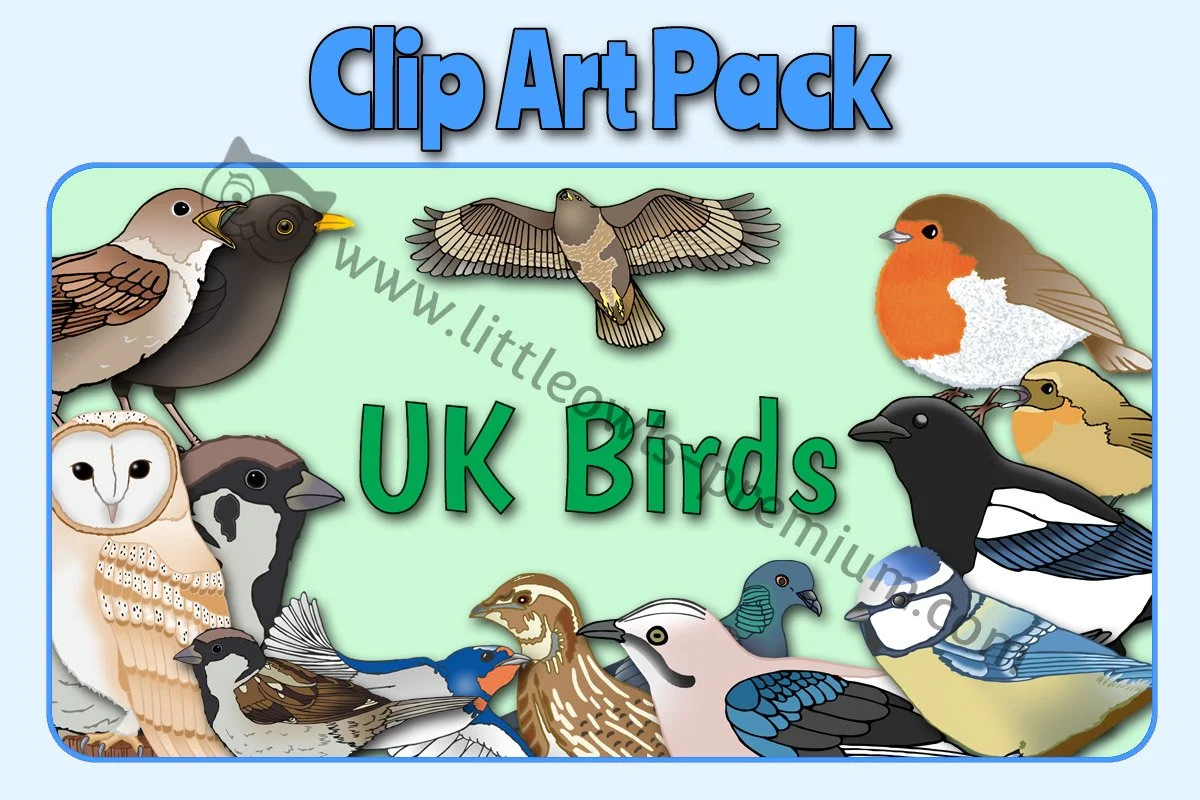
Explore clip art for creating your own resources, including UK birds, minibeasts, Autumn and Winter designs.
06 / Explore the theme
These are starting points for selective use with adult support. Adapt the materials, language, access and recording demands to the individual child.
Follow the baby’s attention, comfort and movement with a familiar adult. The heuristic cards are for practitioners; selected large silhouette pictures can support shared looking.
Build on repeated actions, shared noticing, animal sounds and simple choices. The toddler planners give adults adaptable starting points for nature interests and familiar play.
Choose practical investigation, small-world play, maths talk and purposeful marks. Offer selected resources alongside time and materials for children to develop their own ideas.
Extend observation through comparison, explanation, recording and purposeful writing. Select facts, quantities and known letter–sound correspondences that fit the children.
07 / Explore the theme
Follow an interest into woodland habitats, gardens, water, stories or other environments. Each collection gives its own resource and access information.
Find plant-themed resources to support growing, observation and shared vocabulary. Check the collection for individual resource access.
Find minibeast-themed resources for outdoor discovery, vocabulary and practical play. Check the collection for individual resource access.

Explore Beach School resources for noticing and investigating coastal environments. Check the collection for individual resource access.

Explore movement cards and games for active play, shared action and participation. Check the collection for individual resource access.
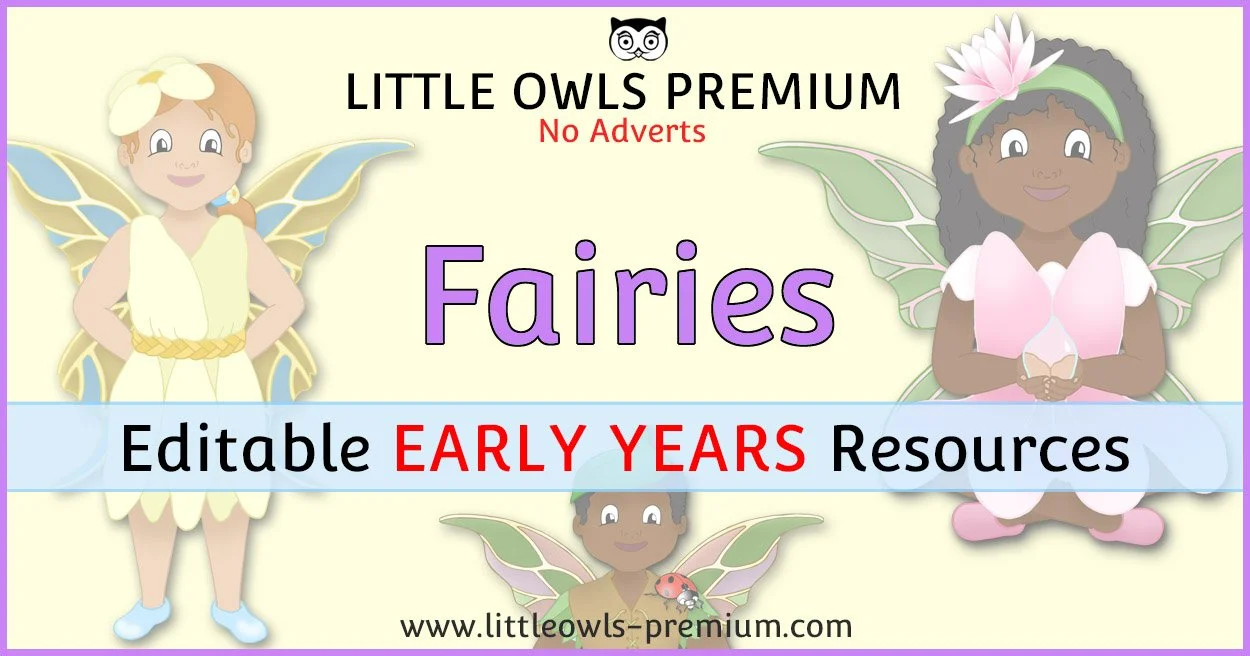
Explore fairy-themed resources for imaginative stories, small worlds and creative play. Check the collection for individual resource access.
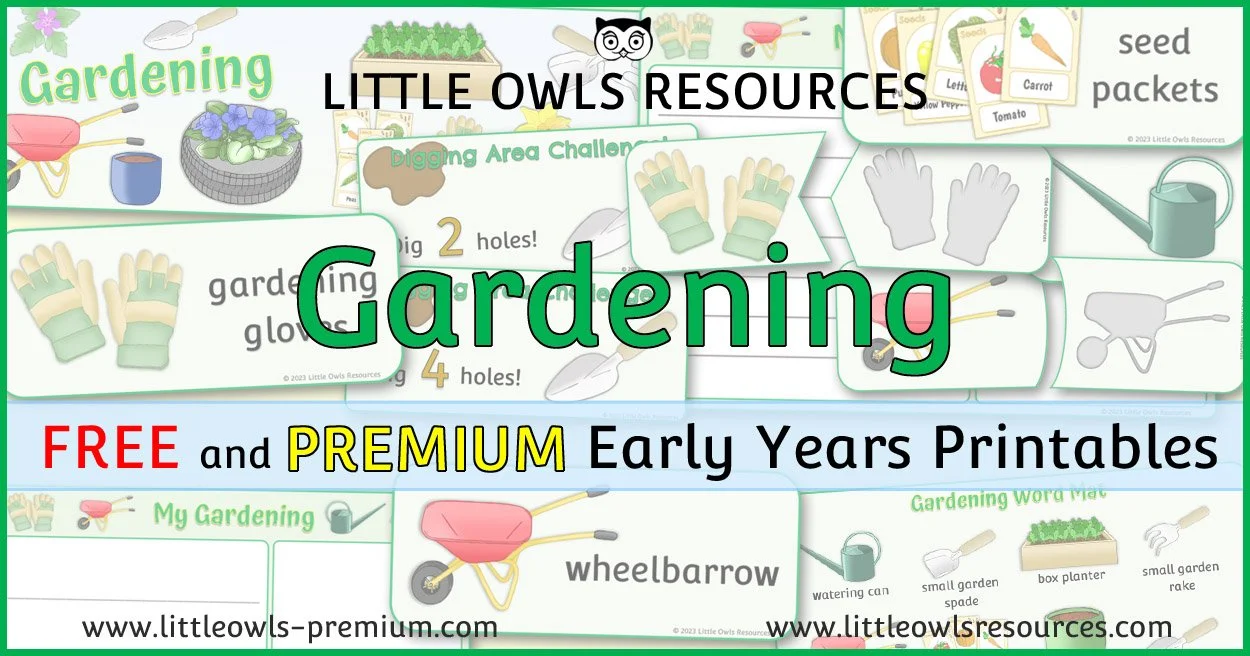
Explore gardening resources for planting, growing and caring for your outdoor space. Check the collection for individual resource access.
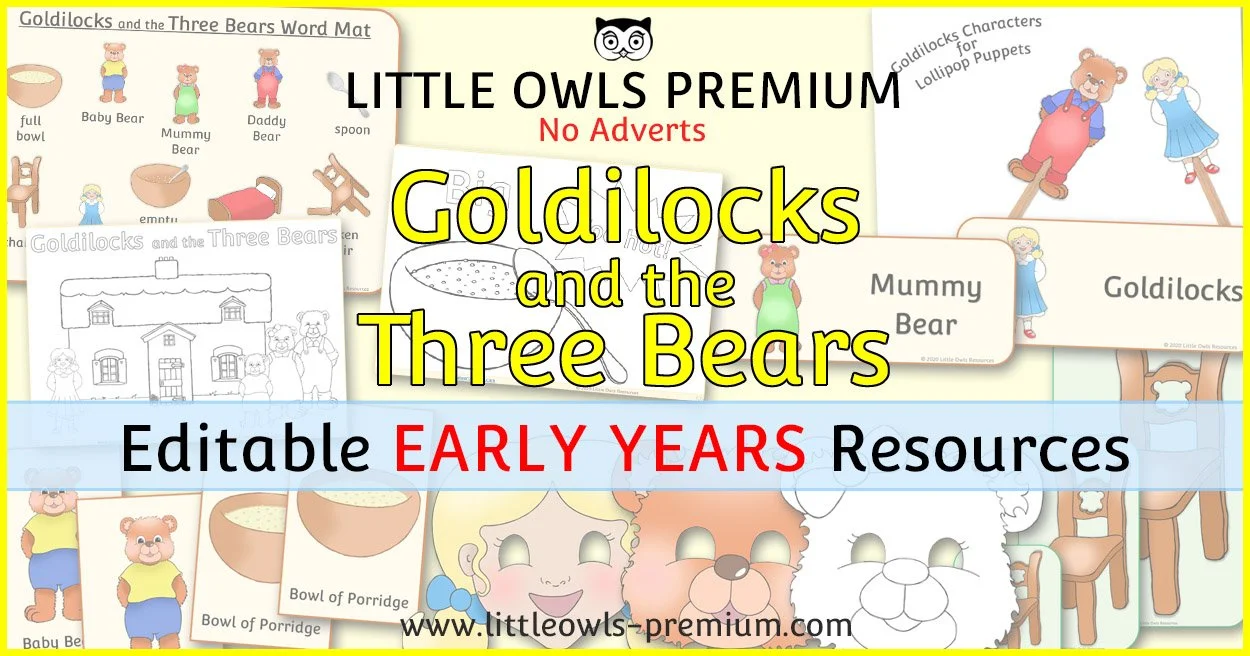
Browse story activities and resources inspired by Goldilocks and the Three Bears.
Explore recycling-themed resources for talking about materials, reuse and care for the environment. Check the collection for individual resource access.
Explore teddy bears’ picnic resources for imaginative play, making and shared routines. Check the collection for individual resource access.

Explore resources for noticing the environment and discussing ways to care for places and living things. Check the collection for individual resource access.

Browse Water resources and choose activities relevant to your children and setting. Individual resources have their own access information.
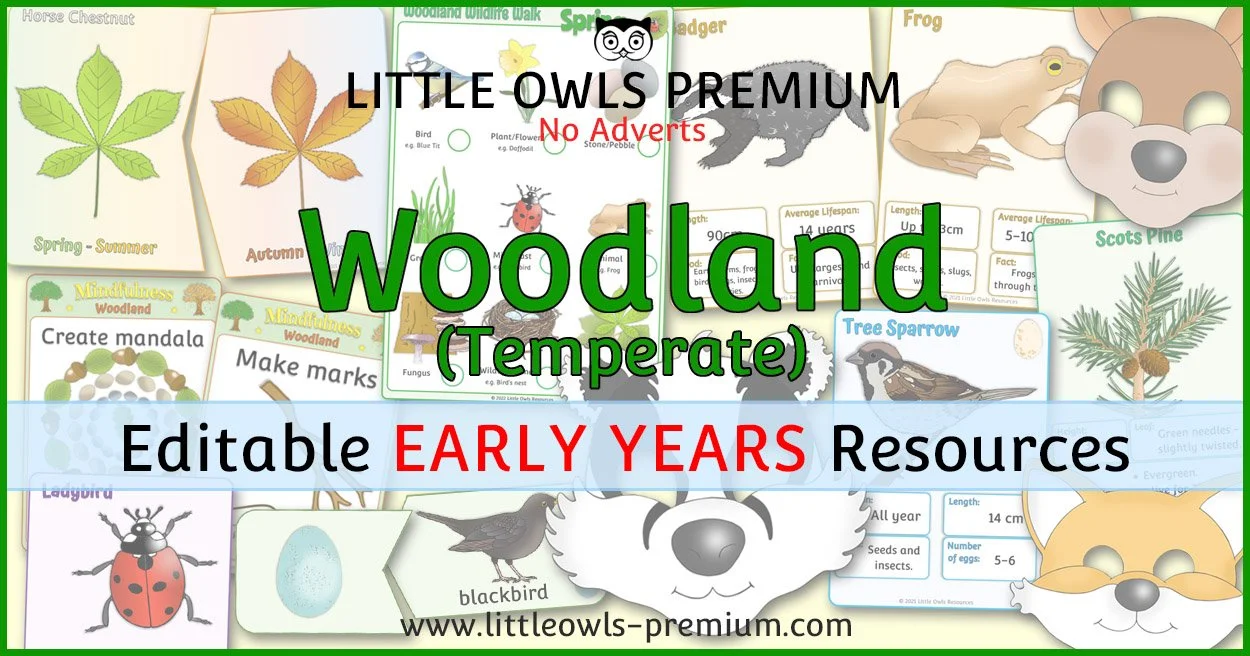
Explore the woodland theme collection for further animals, plants, observations and play ideas. Check the collection for individual resource access.

Explore animal-themed resources for conversation, play, observation and finding out about the natural world. Check the collection for individual resource access.
Browse habitat resources and related collections for discussing the places where living things live. Check the collection for individual resource access.
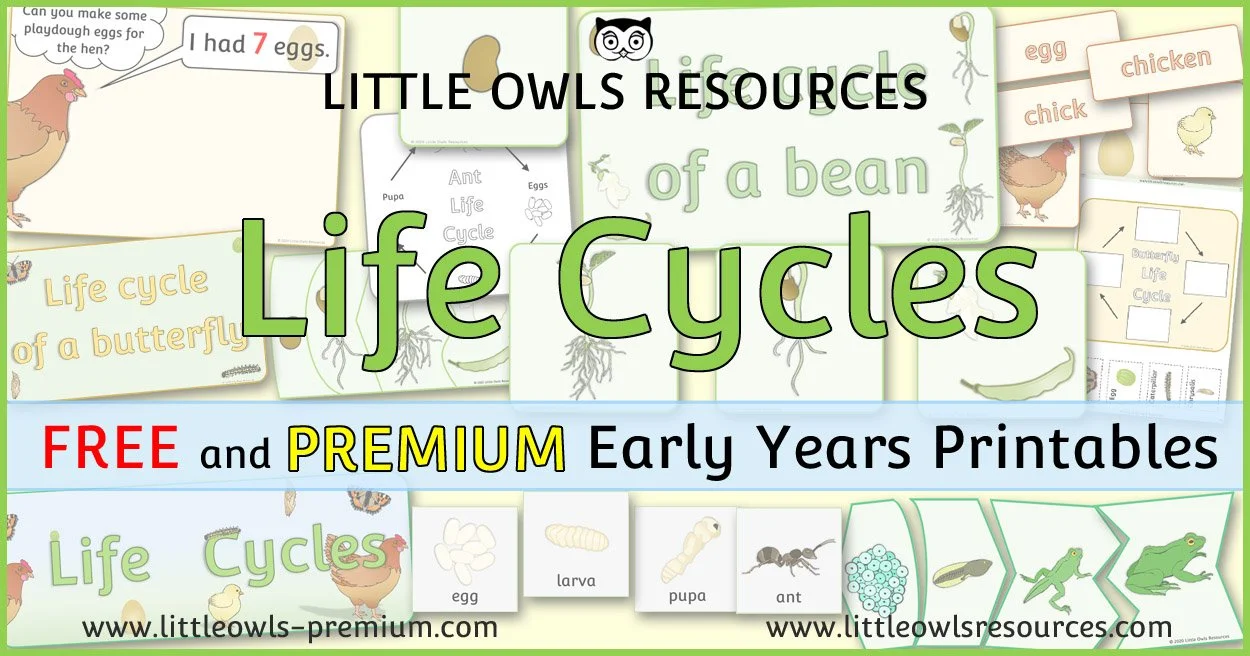
Explore life-cycle resources for sequencing, observation and talking about growth and change. Check the collection for individual resource access.
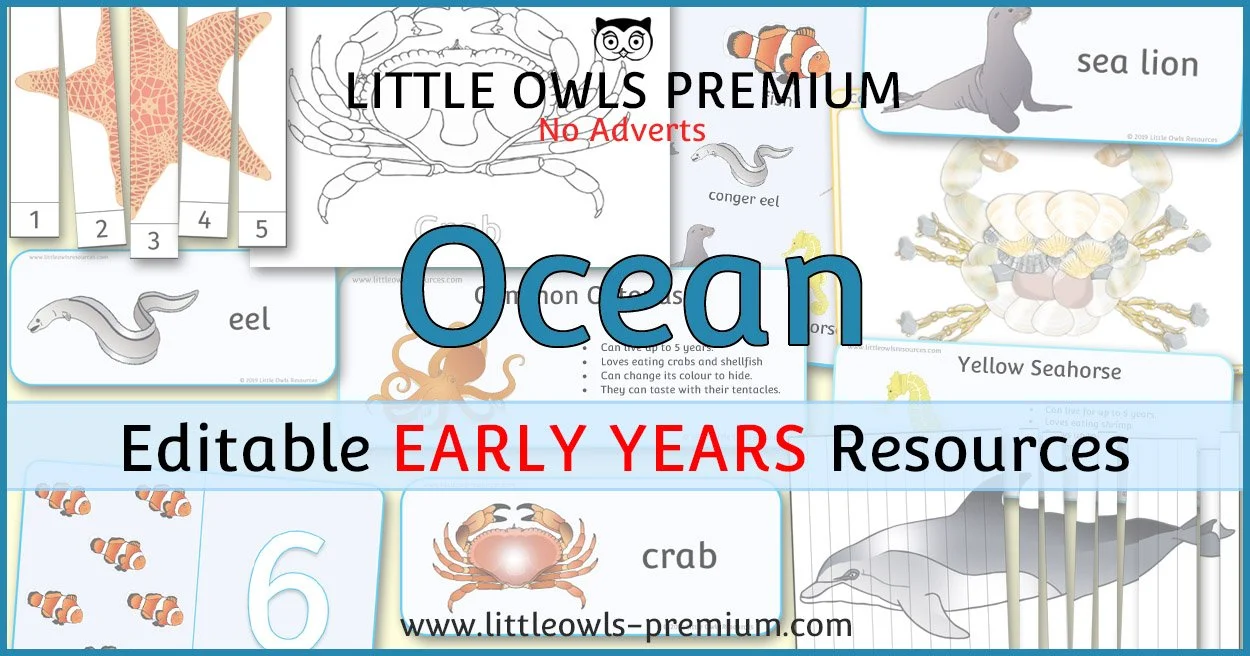
Browse Ocean resources and choose activities relevant to your children and setting. Individual resources have their own access information.
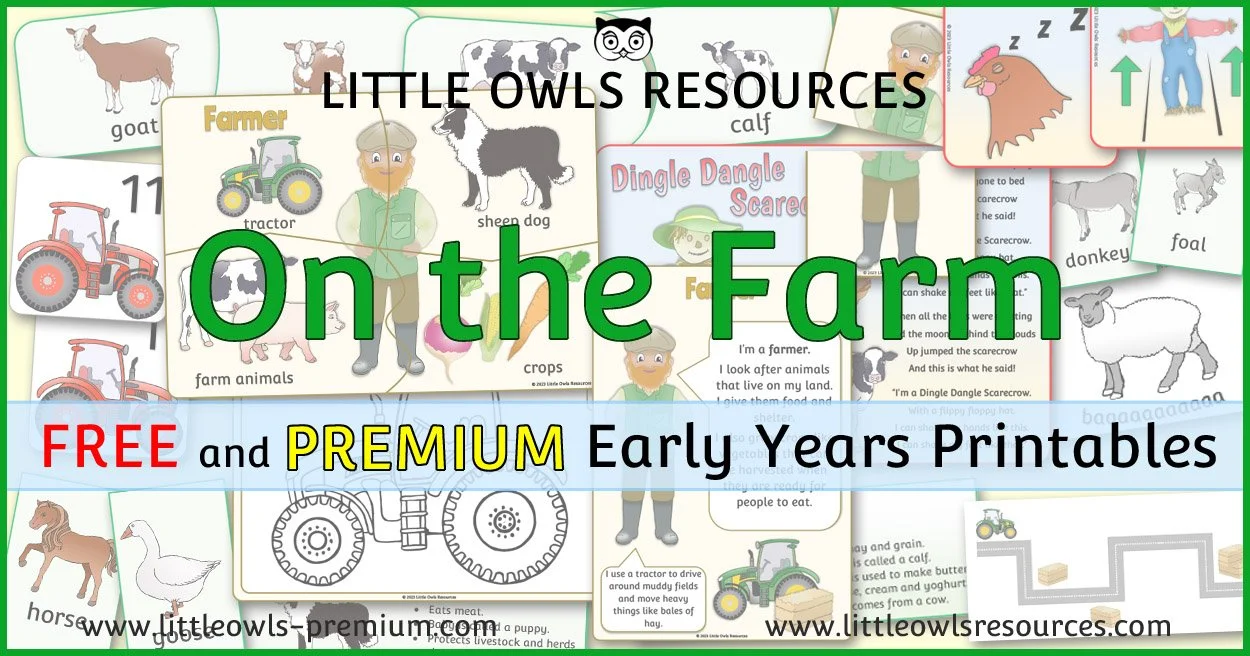
Explore farm-themed resources, including animals and their young, play and conversation. Check the collection for individual resource access.
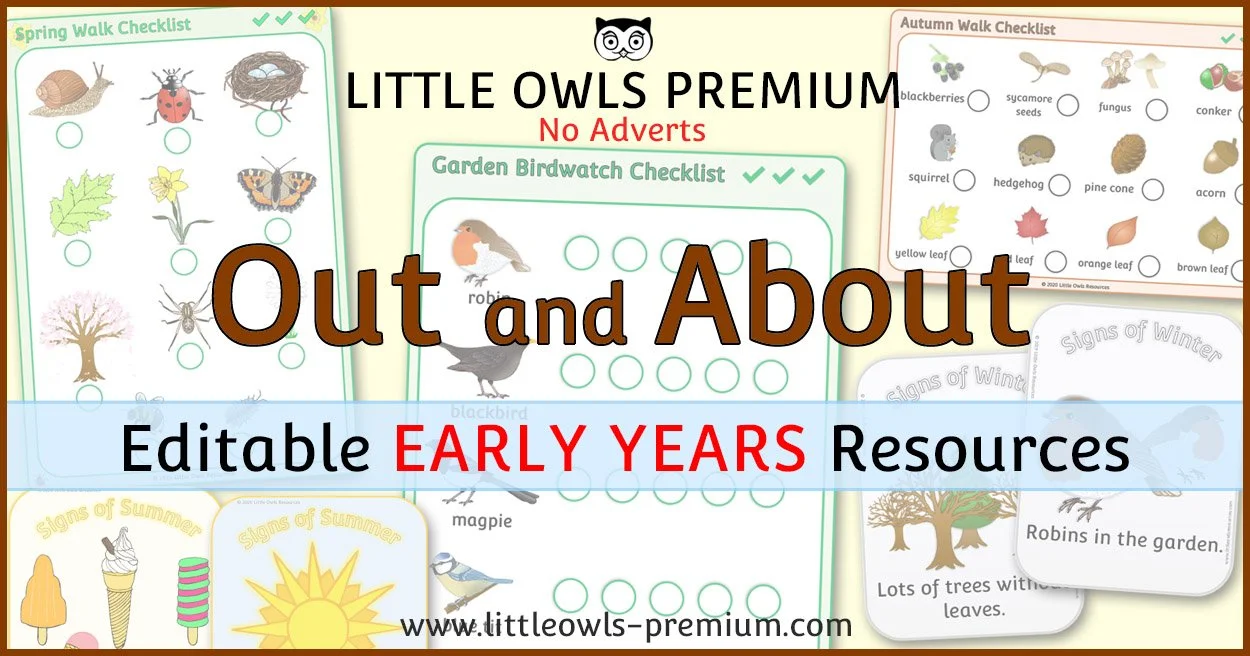
Browse Out and About resources and choose activities relevant to your children and setting. Individual resources have their own access information.
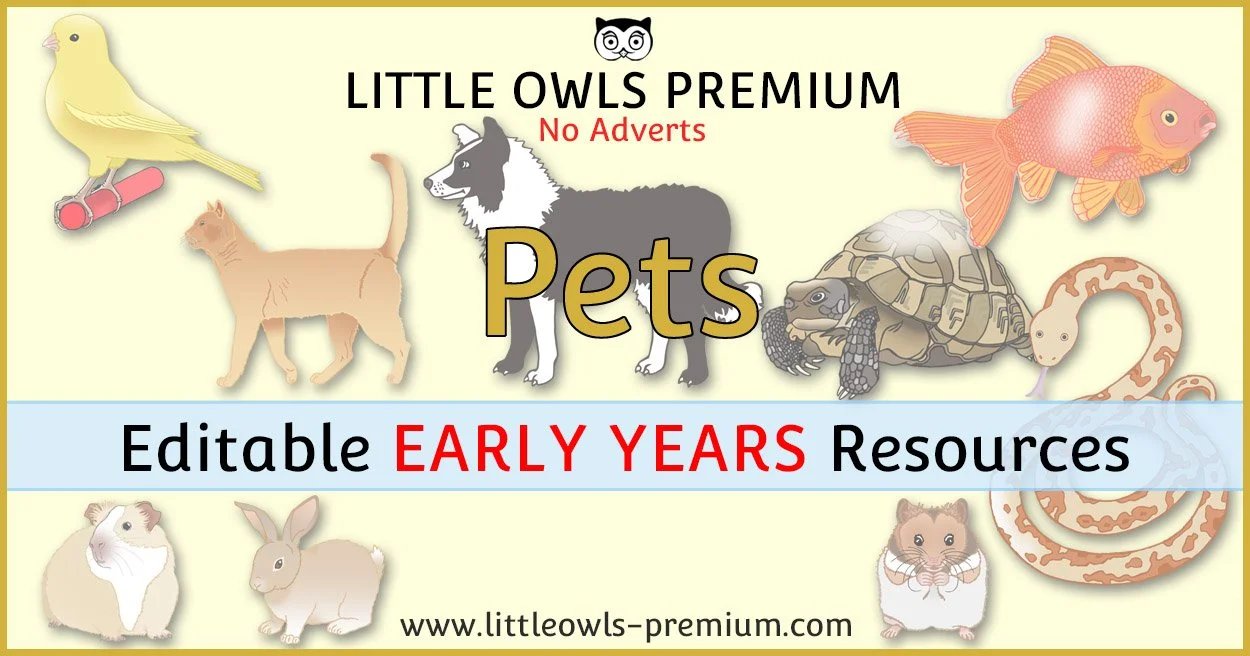
Explore resources about familiar pets, their needs and everyday care. Check the collection for individual resource access.
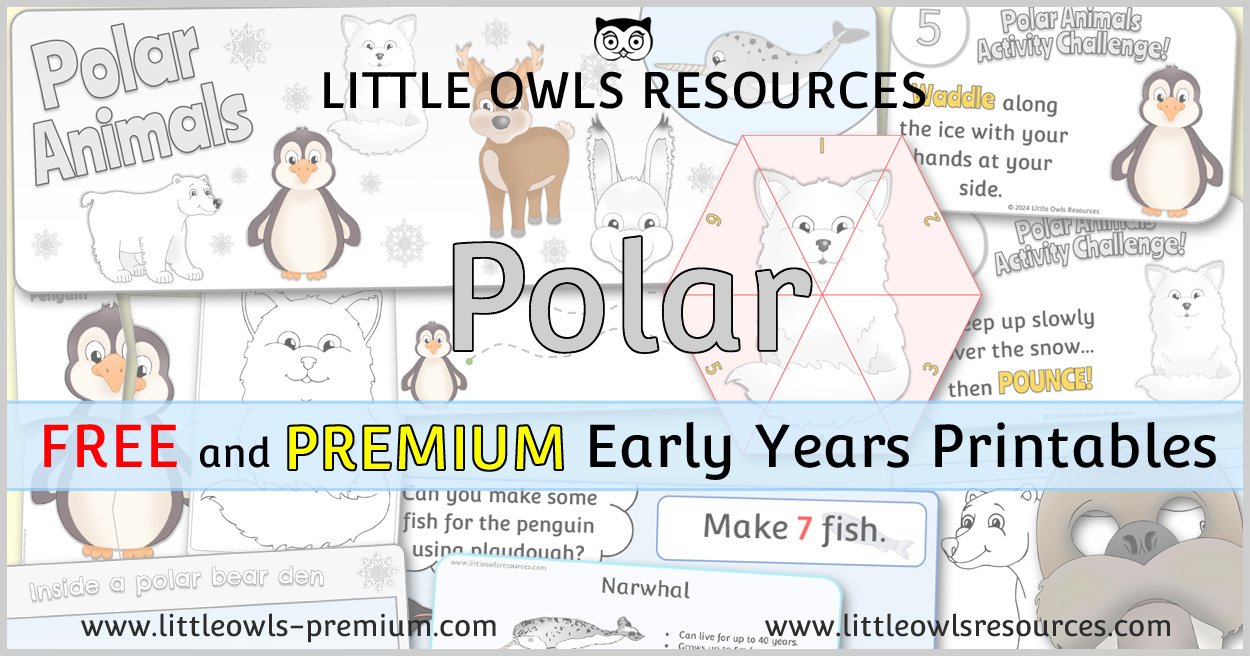
Browse the wider polar-animal resource collection.
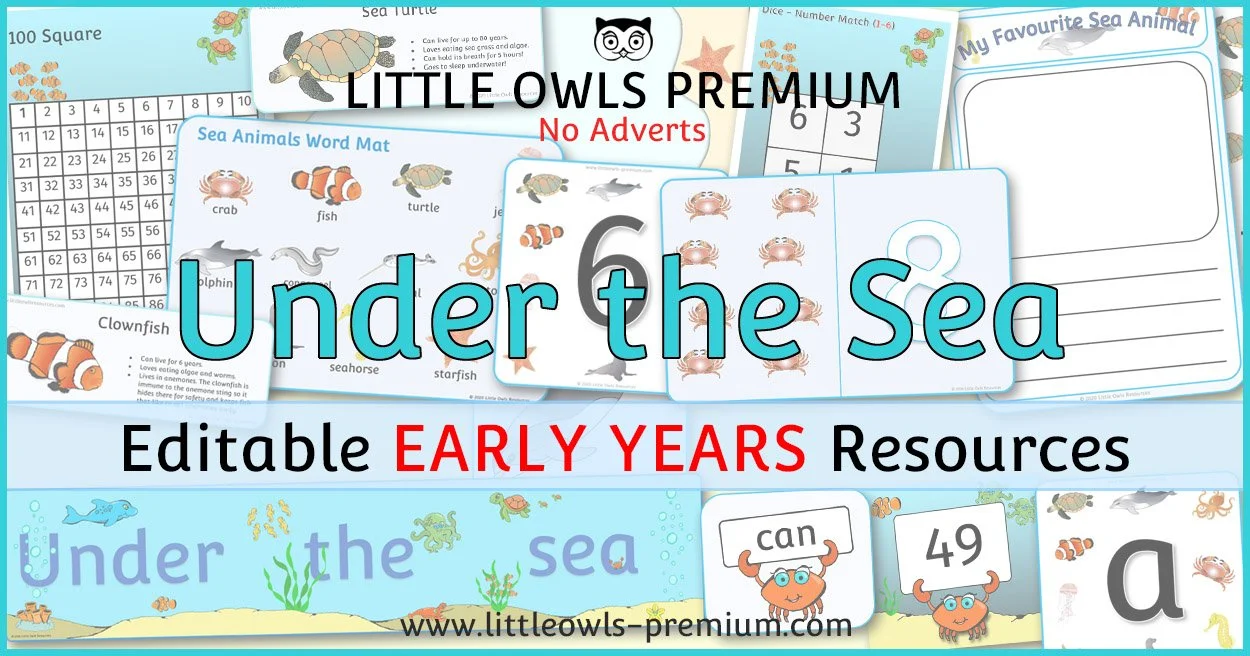
Browse Under the Sea resources and choose activities relevant to your children and setting. Individual resources have their own access information.
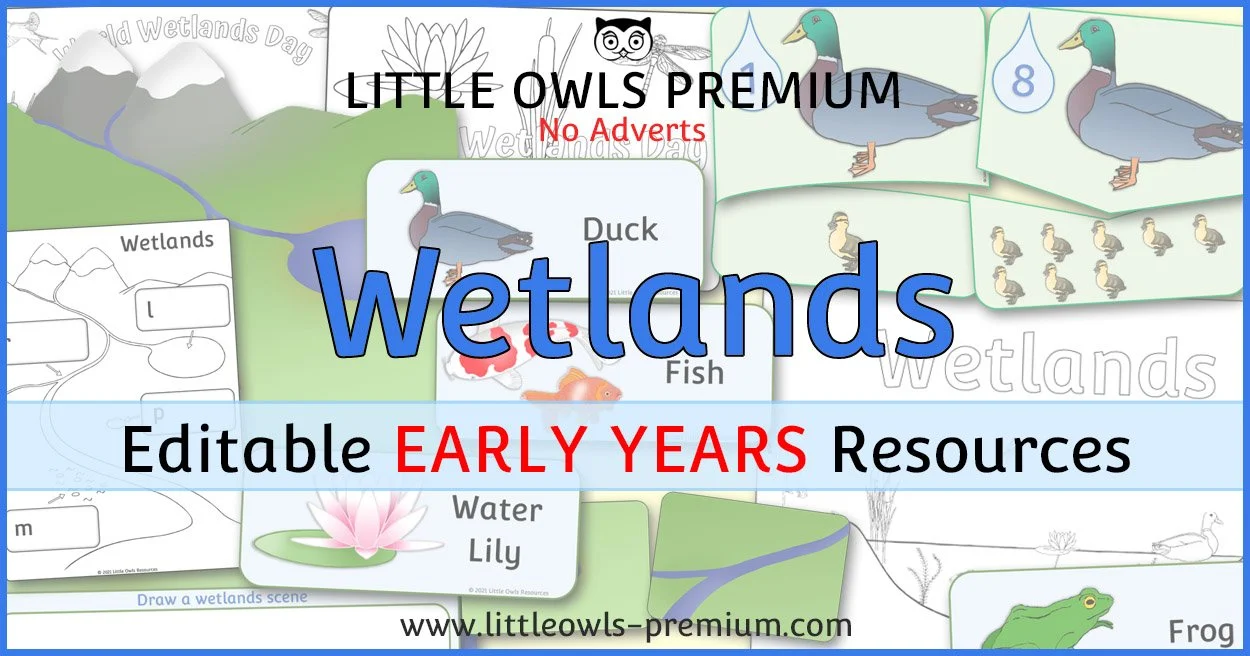
Explore wetland habitats, wildlife and related themed resources. Check the collection for individual resource access.
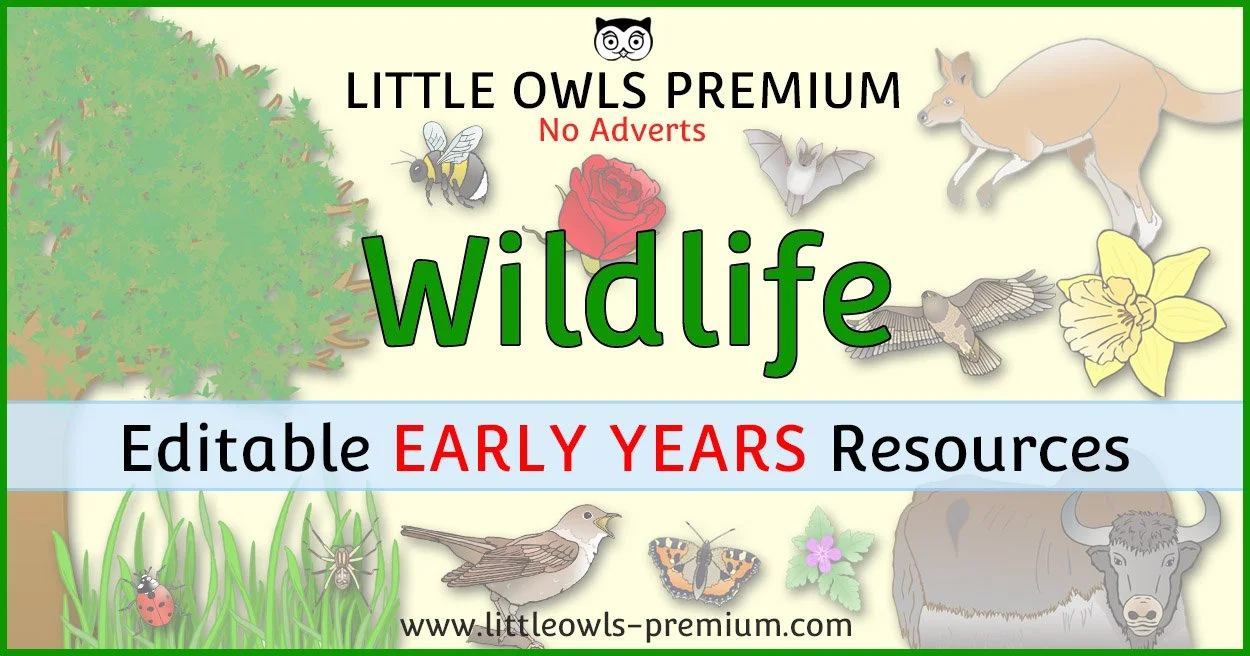
Browse resources about wildlife, observation and the natural world. Check the collection for individual resource access.
Browse Zoo resources and choose activities relevant to your children and setting. Individual resources have their own access information.
Explore the EYFS Framework collection and choose resources relevant to your children and setting. Individual resources have their own access information.
Explore the Special Dates Calendar collection and choose resources relevant to your children and setting. Individual resources have their own access information.
Explore the Festivals and Celebrations collection and choose resources relevant to your children and setting. Individual resources have their own access information.
Explore the Themes collection and choose resources relevant to your children and setting. Individual resources have their own access information.
Explore the Role-Play Packs collection and choose resources relevant to your children and setting. Individual resources have their own access information.
Explore the Get Organised collection and choose resources relevant to your children and setting. Individual resources have their own access information.
Explore the Areas of Learning collection and choose resources relevant to your children and setting. Individual resources have their own access information.
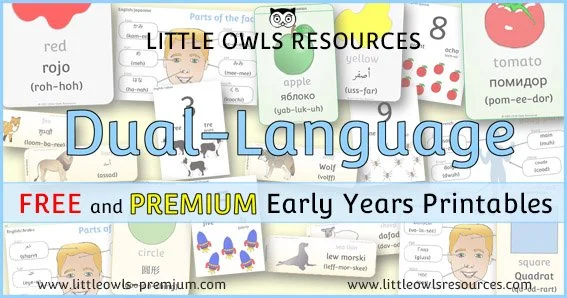
Explore the Dual-Language Resources collection and choose resources relevant to your children and setting. Individual resources have their own access information.
08 / Explore the theme
Keep the resources flexible and connected to children’s curiosity, relationships and repeated experiences outdoors.
Use them selectively to support an interest or revisit an experience. Forest School is a long-term, learner-centred approach involving regular sessions and qualified practitioners. This resource collection offers supporting materials rather than a complete Forest School programme. Read more about the approach from the Forest School Association.
Many of the noticing, maths, creative and play resources can support outdoor experiences in a setting garden, park or other familiar place. Choose prompts that connect with what is actually there and what children are interested in.
No. You might share one picture, remember an idea from a card or use a prompt to choose materials. Talking, listening, moving, watching and revisiting a place can carry the experience without a worksheet.
Offer different ways to join in: looking, gesturing, choosing, moving an object, directing an adult, using communication supports or sharing a word. A child can revisit a familiar experience without needing to complete every prompt or produce a finished piece.
These are reusable daily weather-calendar resources. Check the year cards in the downloaded file before use, and update editable pieces where needed. A year shown in an older cover image is an example, not a promise about the current download.
The 14 cards in Free resources use Free Access. Other available individual downloads use All Access. Search for free to show the free cards. Related collections have their own access information.
All Access membership unlocks every resource on the site. Free Access lets you explore and download a selection of free resources. Explore membership options.
Already a paying member? You have sitewide access. There’s no need to change plans or subscribe again. Read our FAQs.
Resources created by Little Owls Resources.