









Planning as a childminder looks very different from planning in group settings.
Working with:
mixed ages
small numbers
home-based environments
means planning must be:
👉 flexible, responsive and rooted in real-life experiences
EYFS Childminder (Birth-5) Mixed-Age Curriculum Planning & Guidance Materials
On this page you will find Free Sample Resources, Premium Printable Provision and Professional Curriculum & Pedagogy Planning Guidance Documents specifically designed for Childminders. Explore membership options here.
📌 Jump to Section
🆓 Free EYFS Childminder Planning Resources
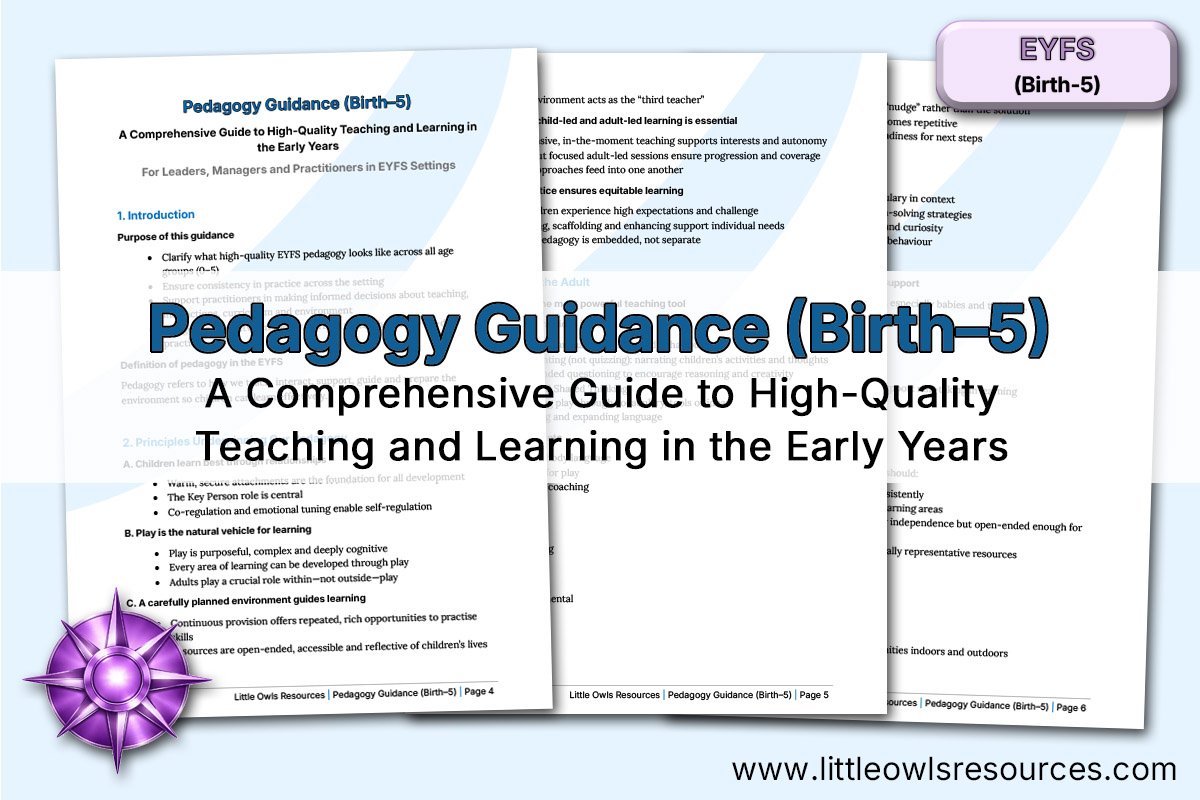
🧠 Childminder Planning Pedagogy
Your FAQs & Supporting Guidance Documents
📝 Childminder Planning Guidance & Templates
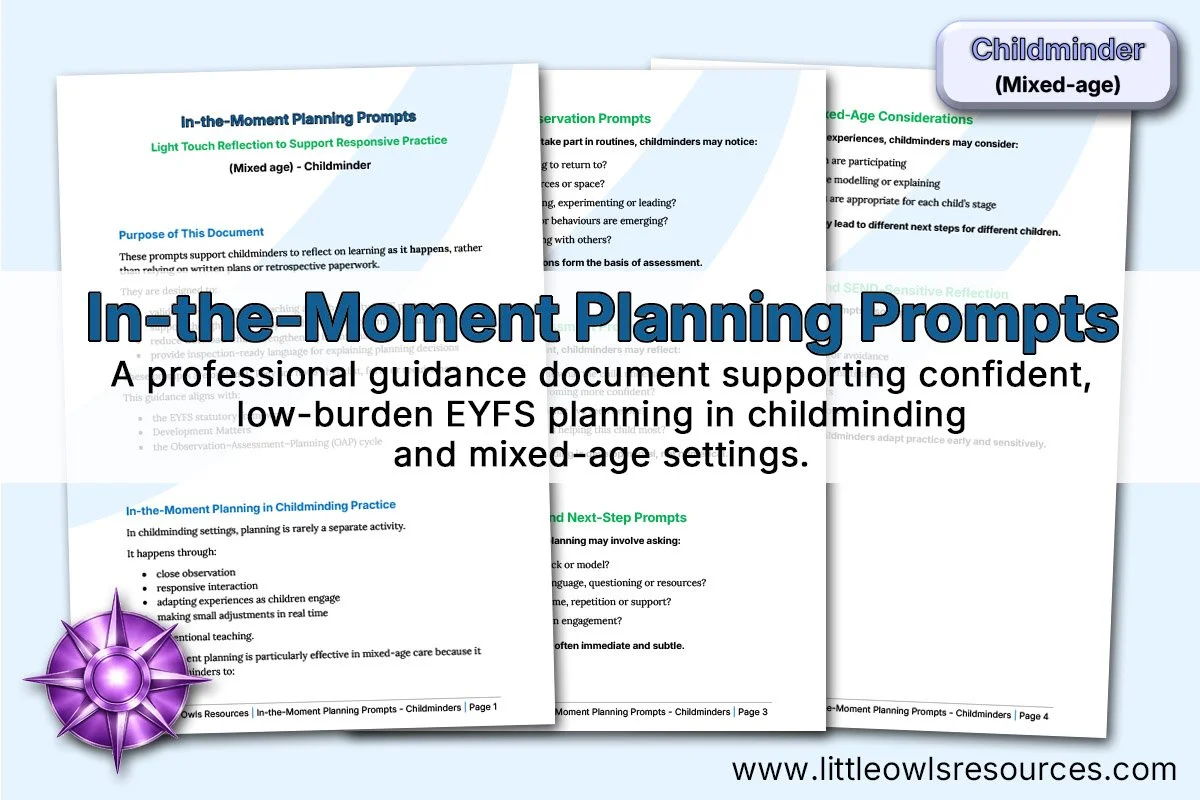
Weekly Care & Learning Templates, In-The-Moment Planning
🌱 Mixed-Age Practice
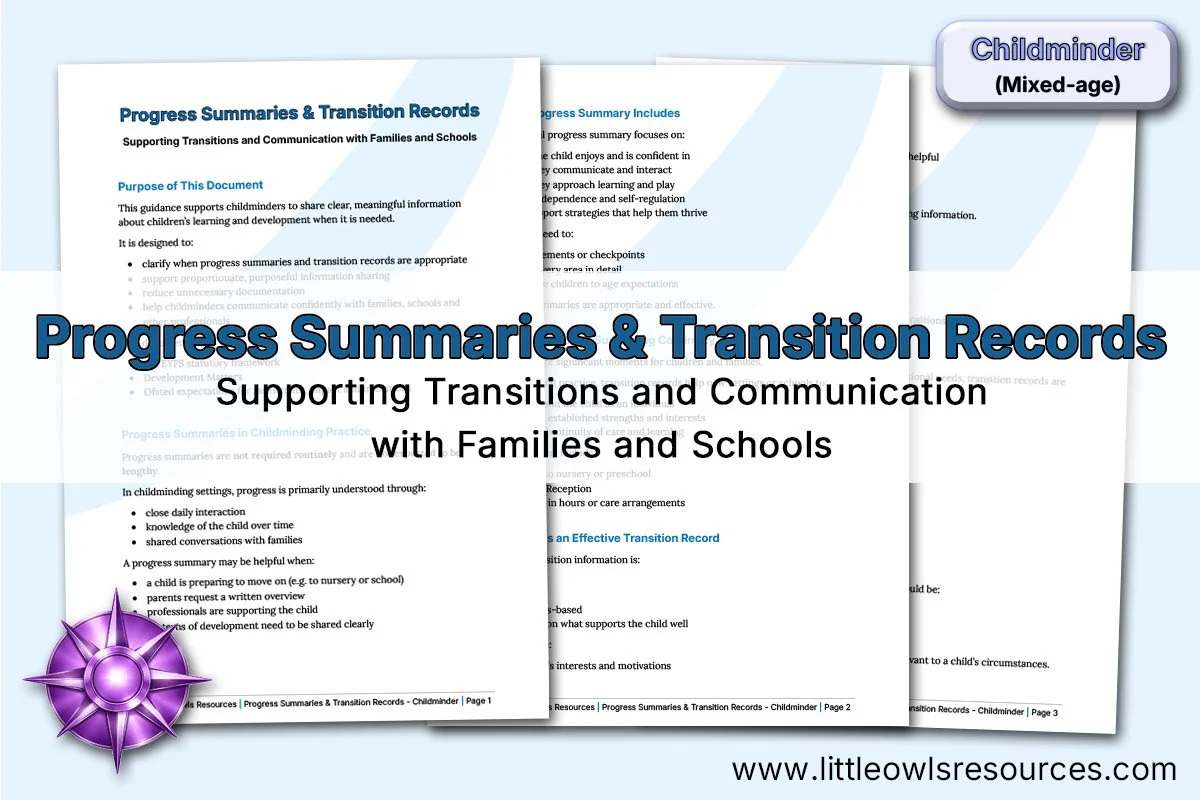
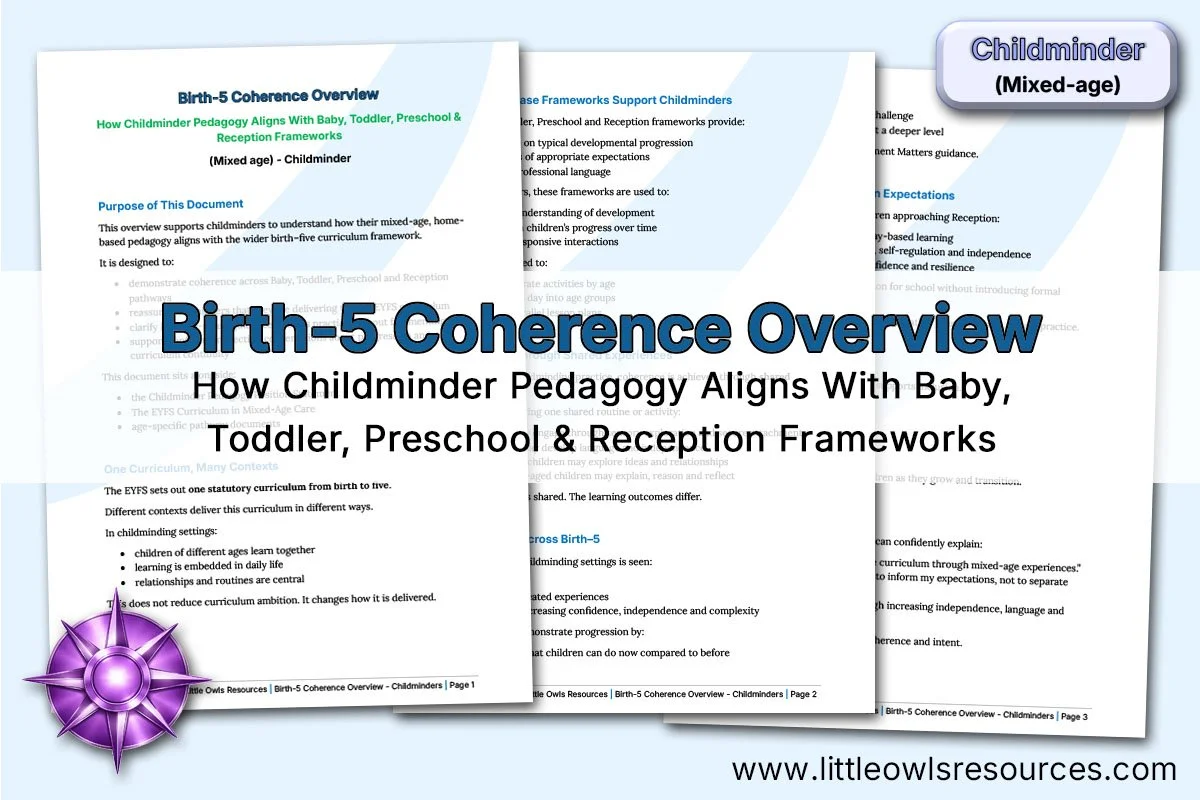
Birth-5 Curriculum Guidance, Progress, Assessment & SEND Identification
🏡 Environment & Continuous Provision
Home-Based Continuous Provision, Outdoor & Community Learning & Printable Resources
✨ Provision Enhancement Resources
Themed Resources, Role-Play Packs, Festivals & Special Dates
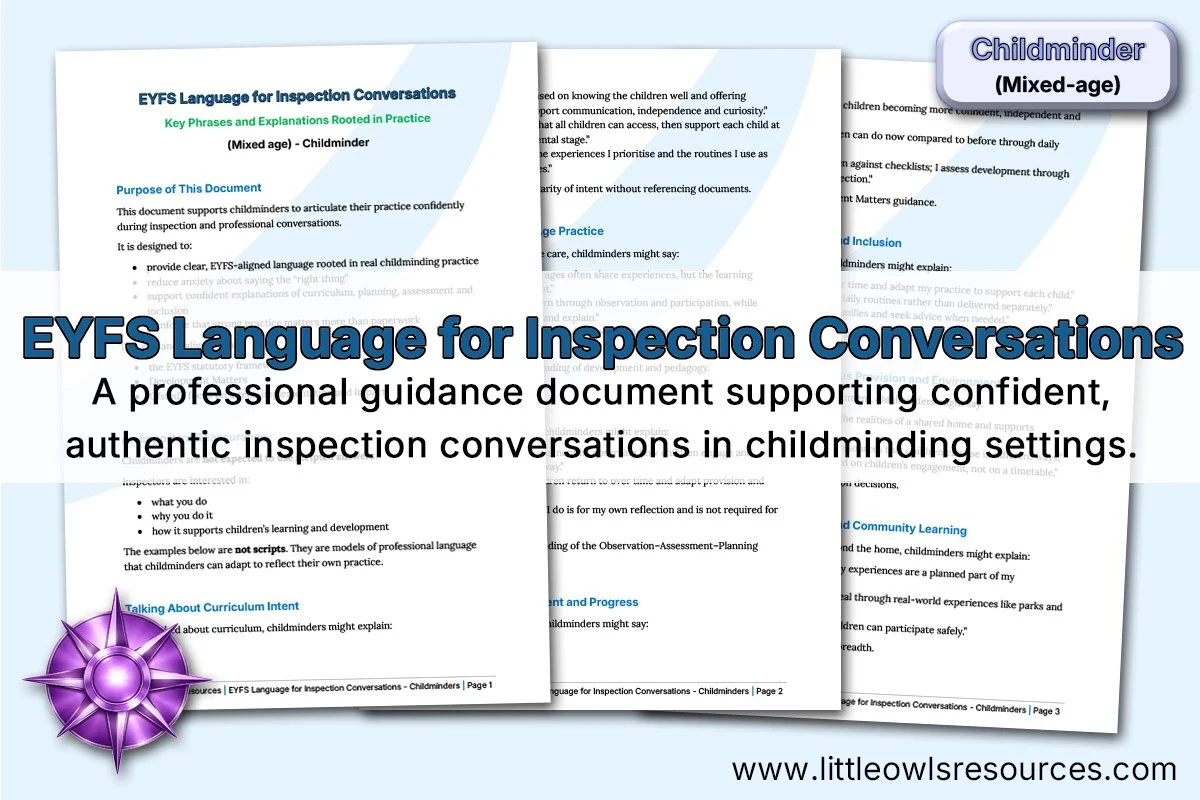
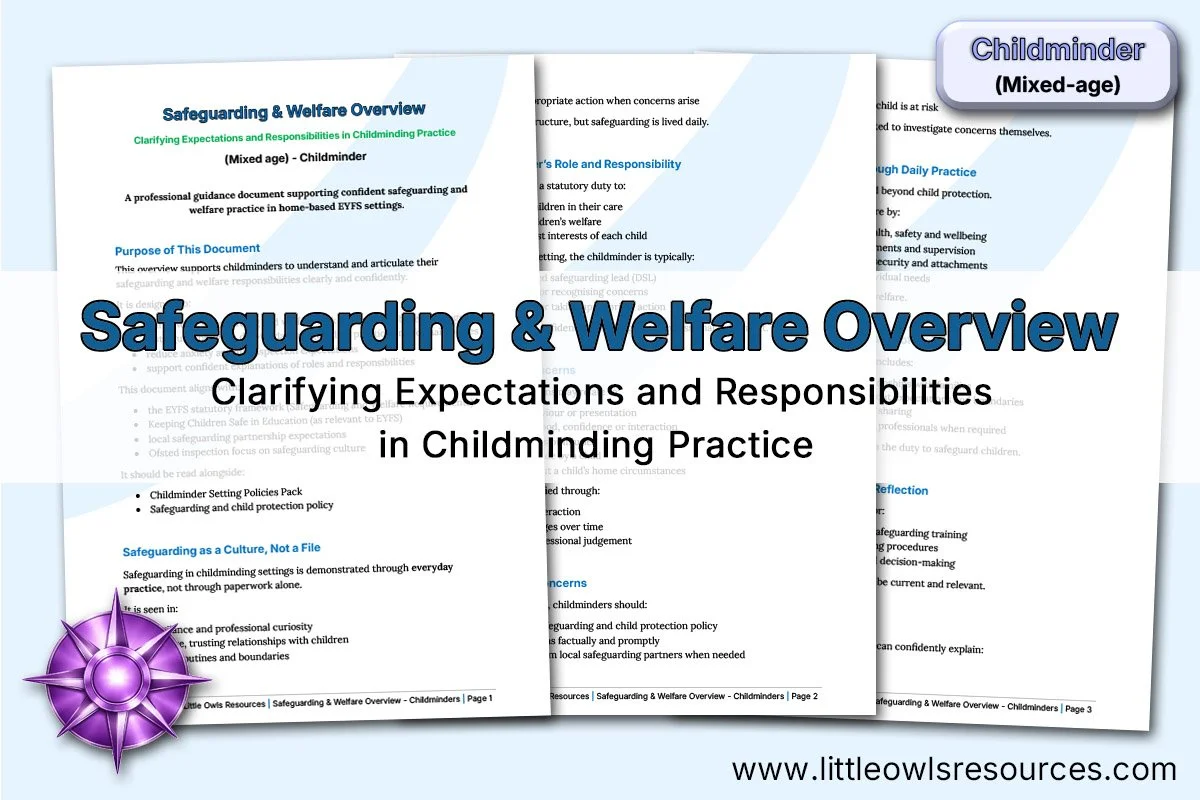
⭐ Inspection & Leadership
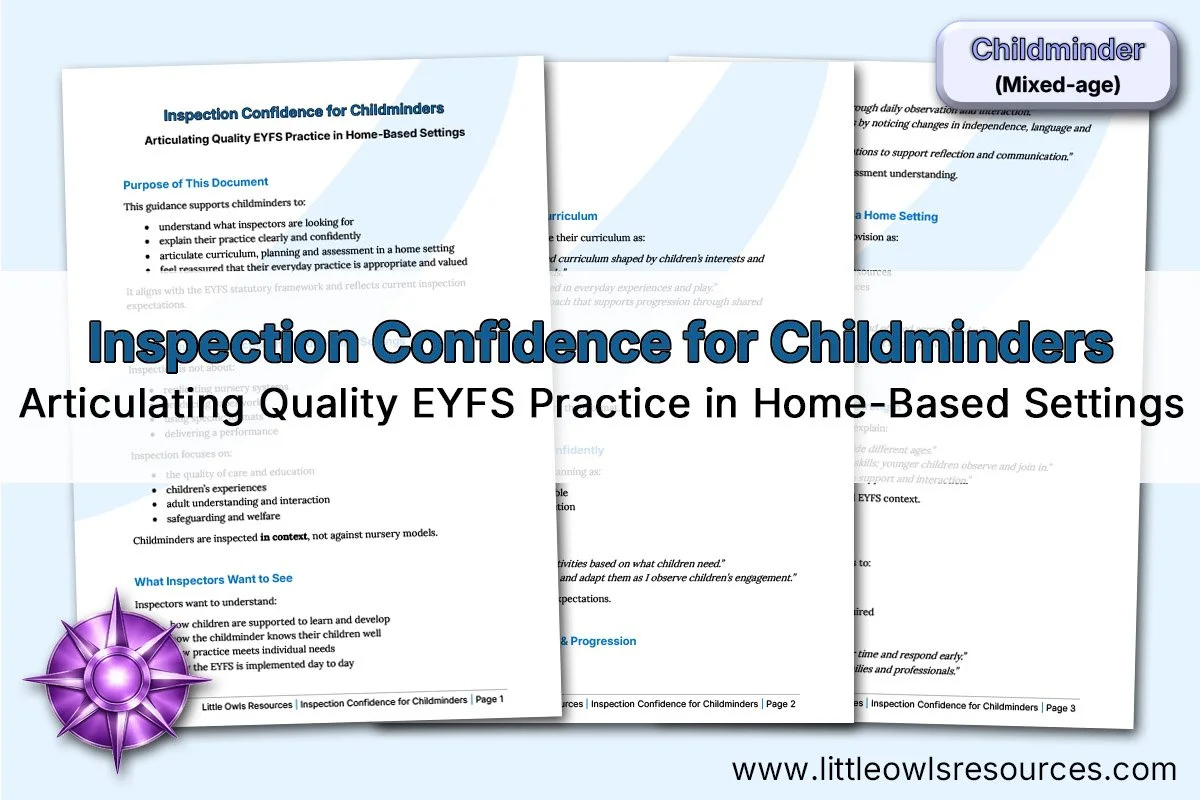
Inspection Confidence, EYFS Language & Safeguarding
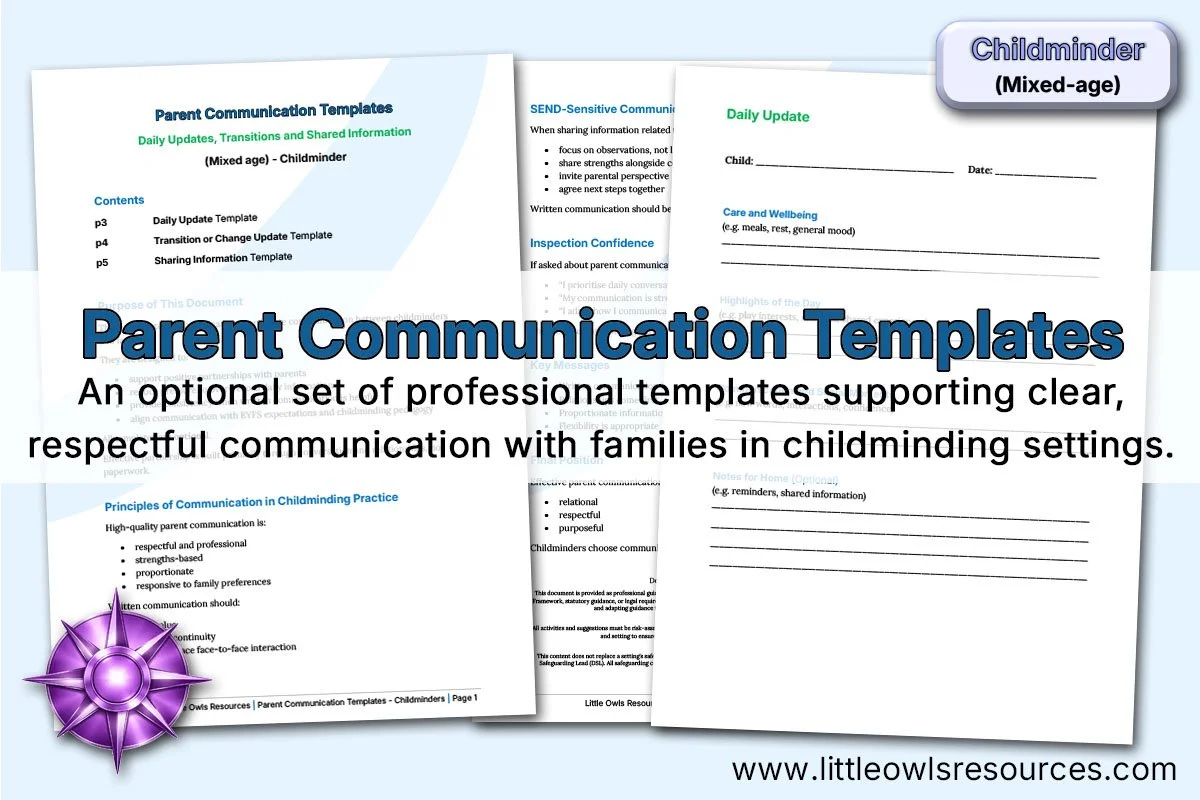
👪 Parent Partnership
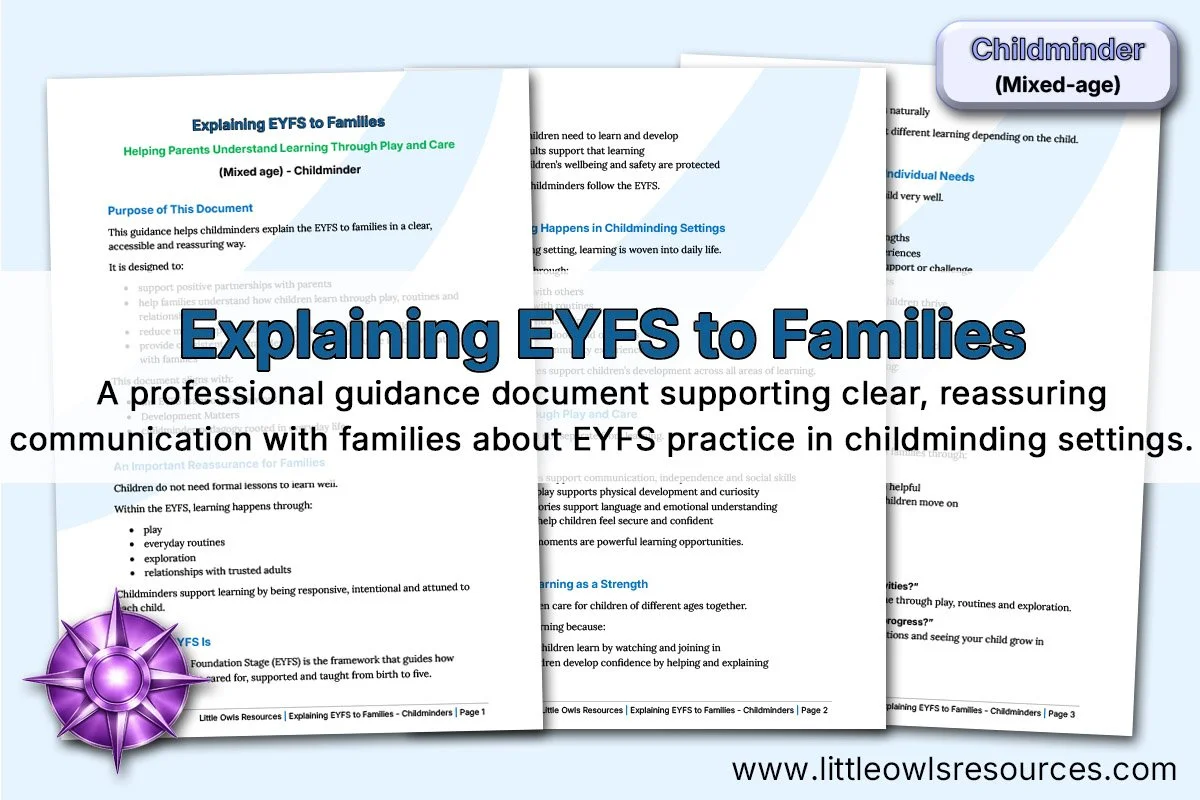
Communication Templates & Explaining EYFS To Families
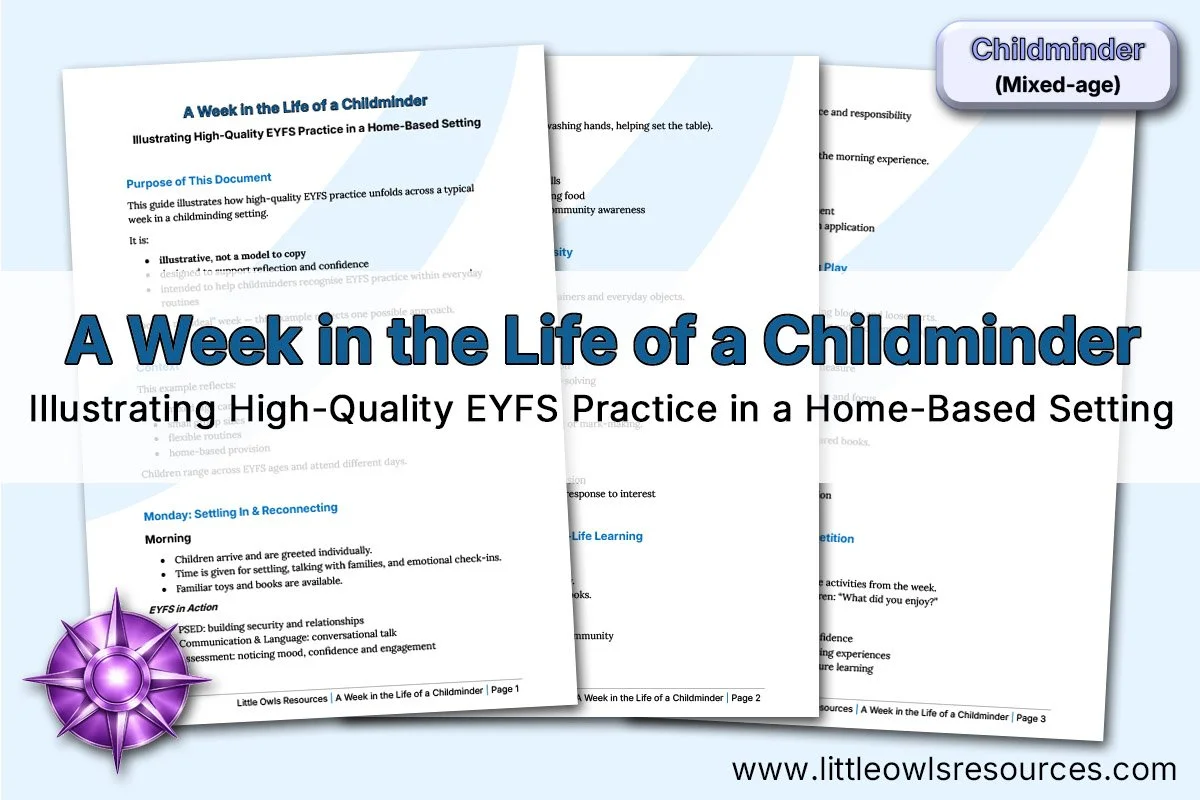
🖼️ Illustrated Practice
A Week in the Life of a Childminder
🧒 Planning for Specific Age Groups
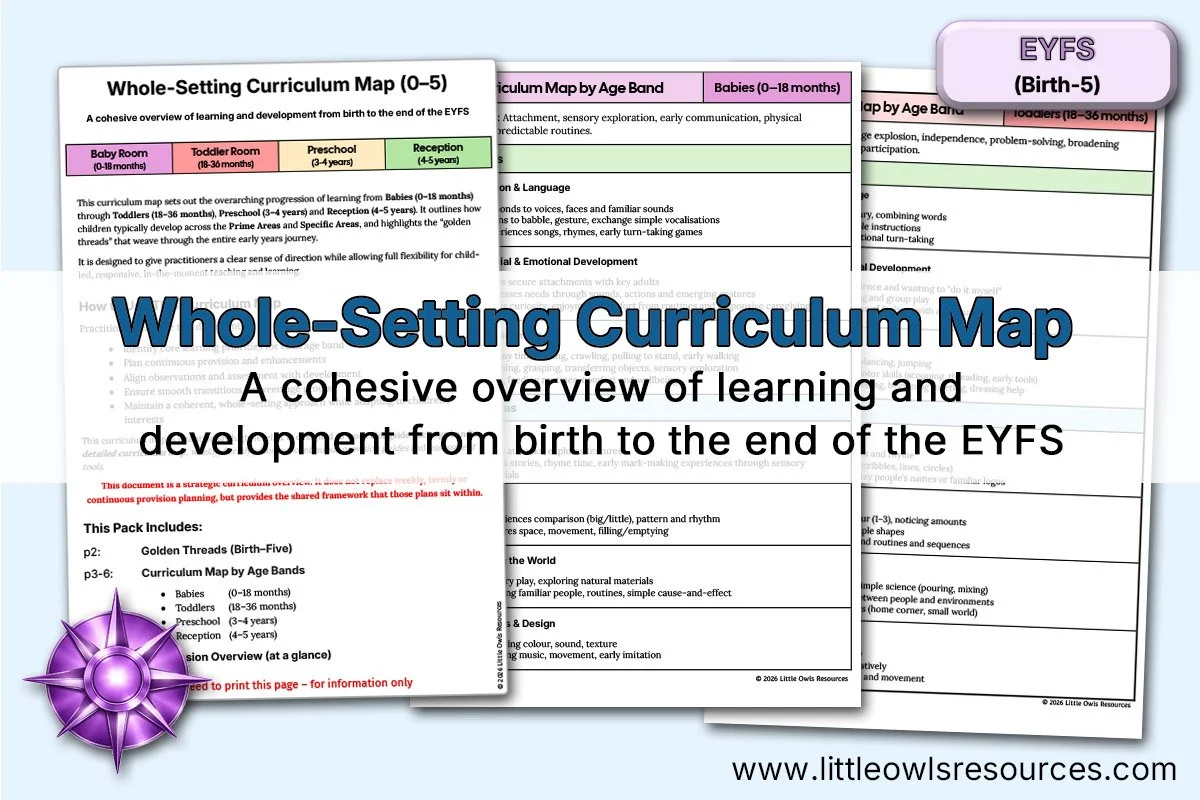
Planning for Babies | 0–18 months, Toddlers | 18–36 months, Preschool | 3–4 years & Reception | 4–5 years
📘 Statutory & Non-Statutory Guidance Resources
EYFS Framework & Development Matters Printable Support Examples & Ethos Displays
➕ Additional Support
🆓 Free EYFS Childminder Planning Resources
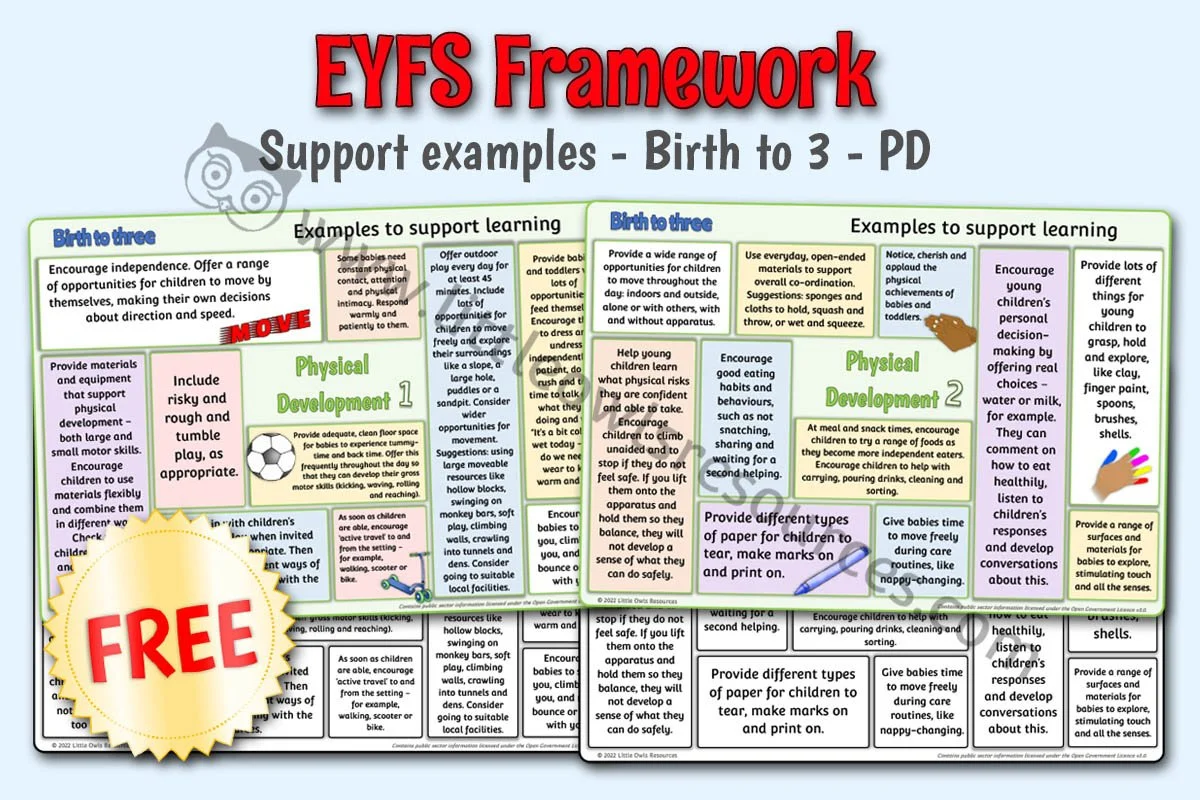
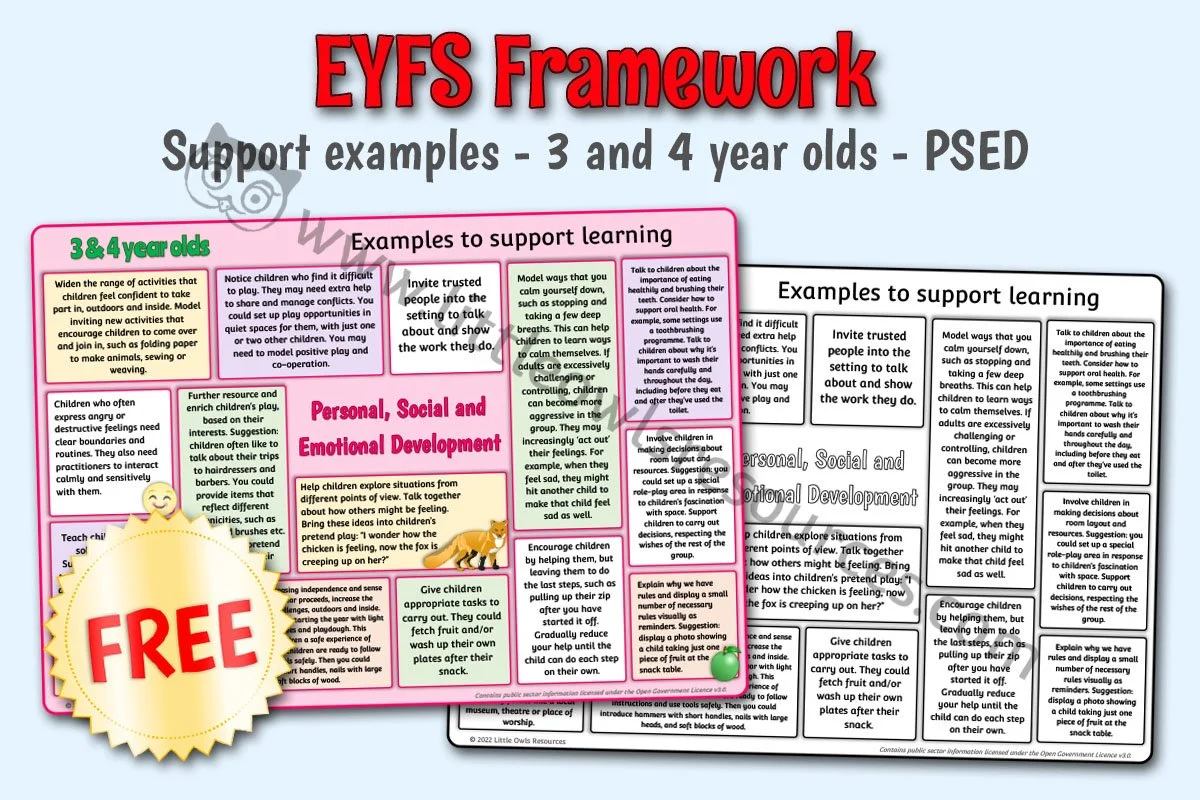
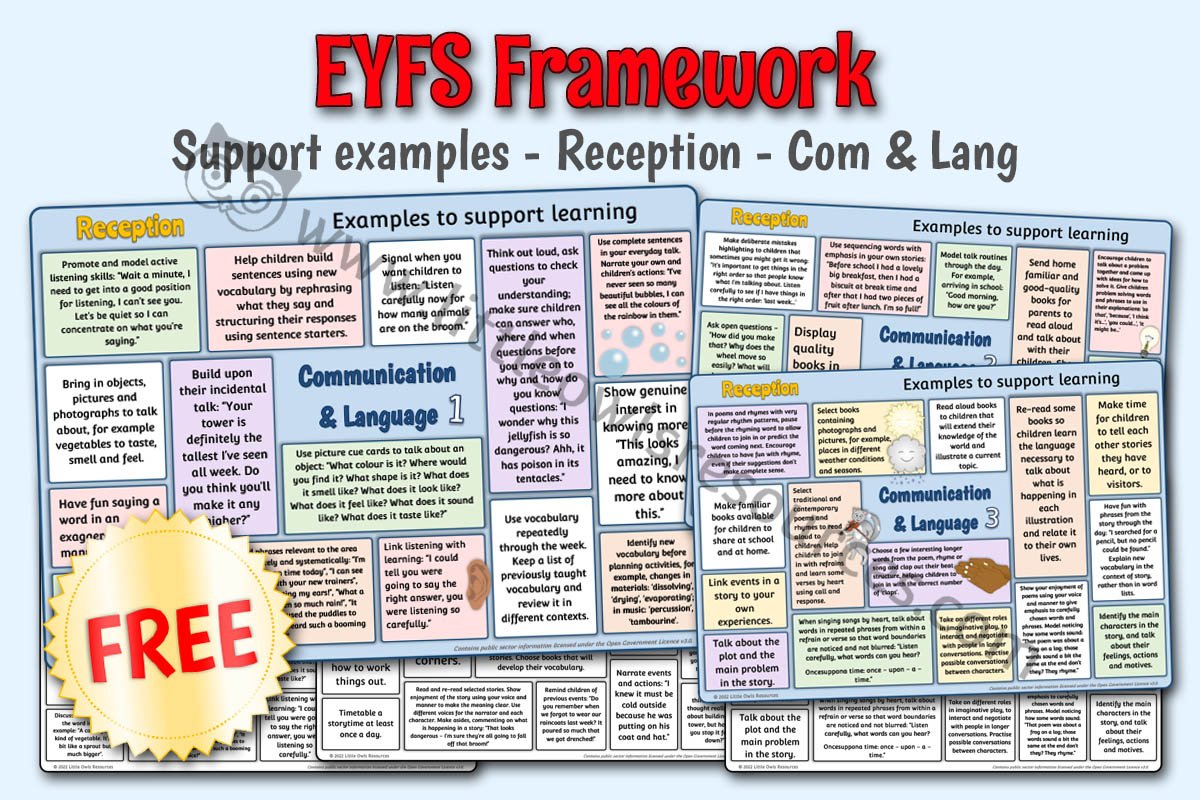
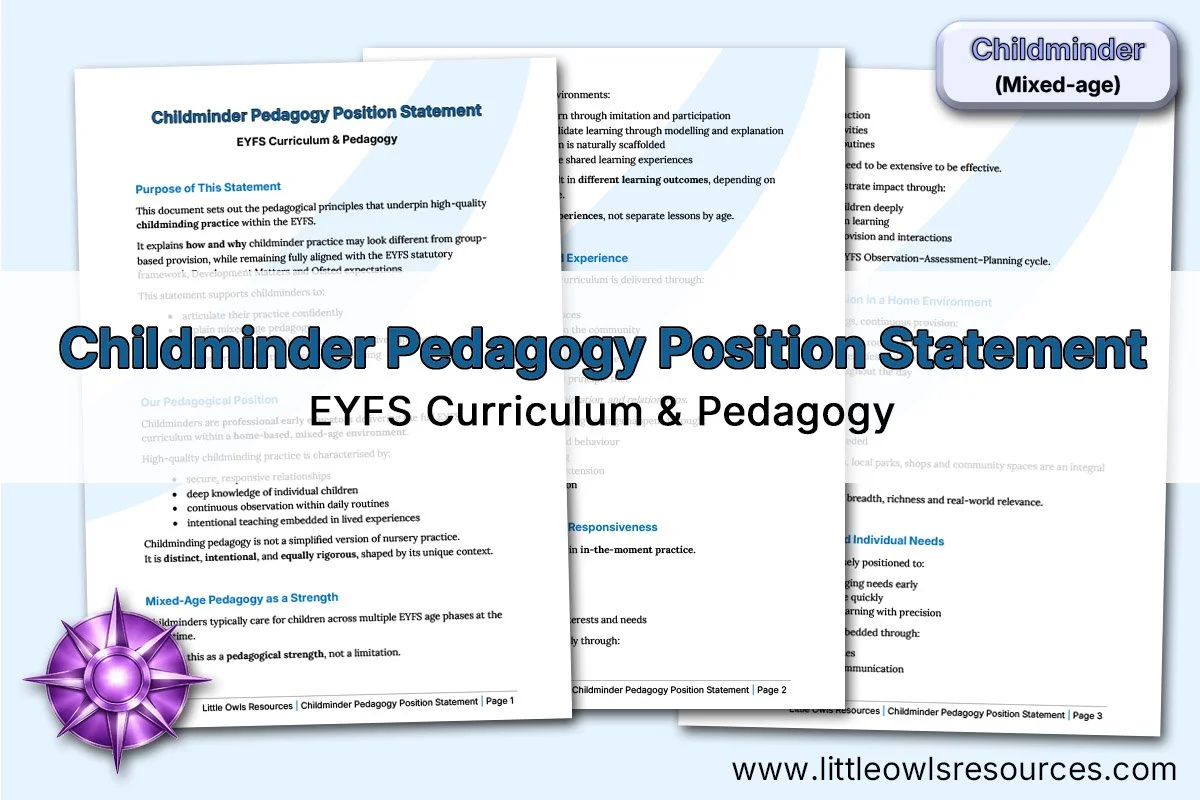
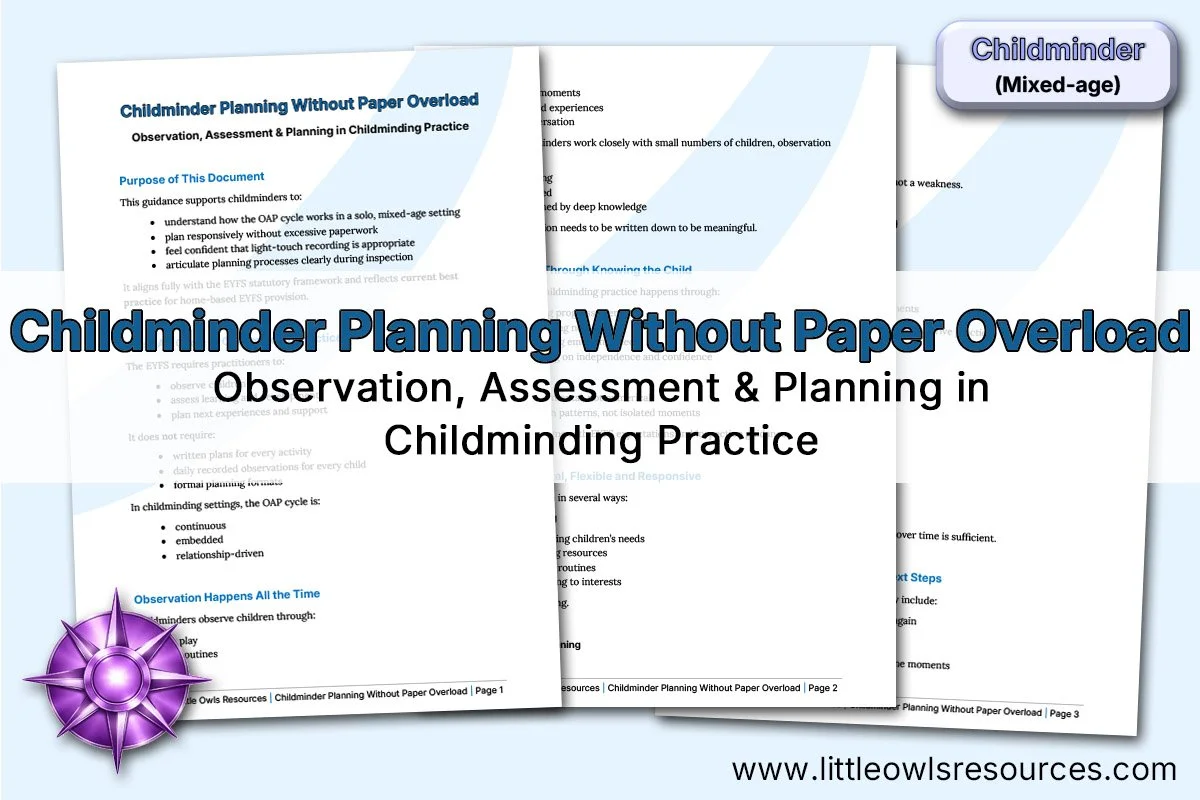


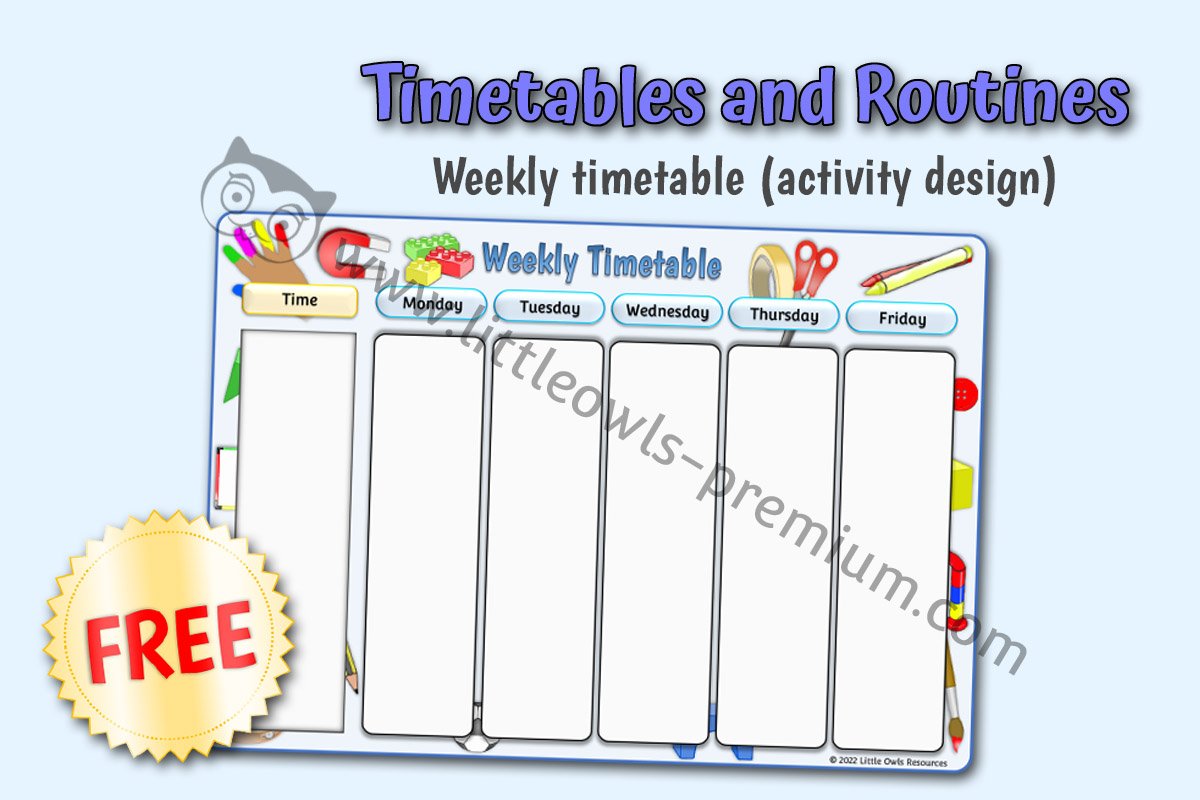
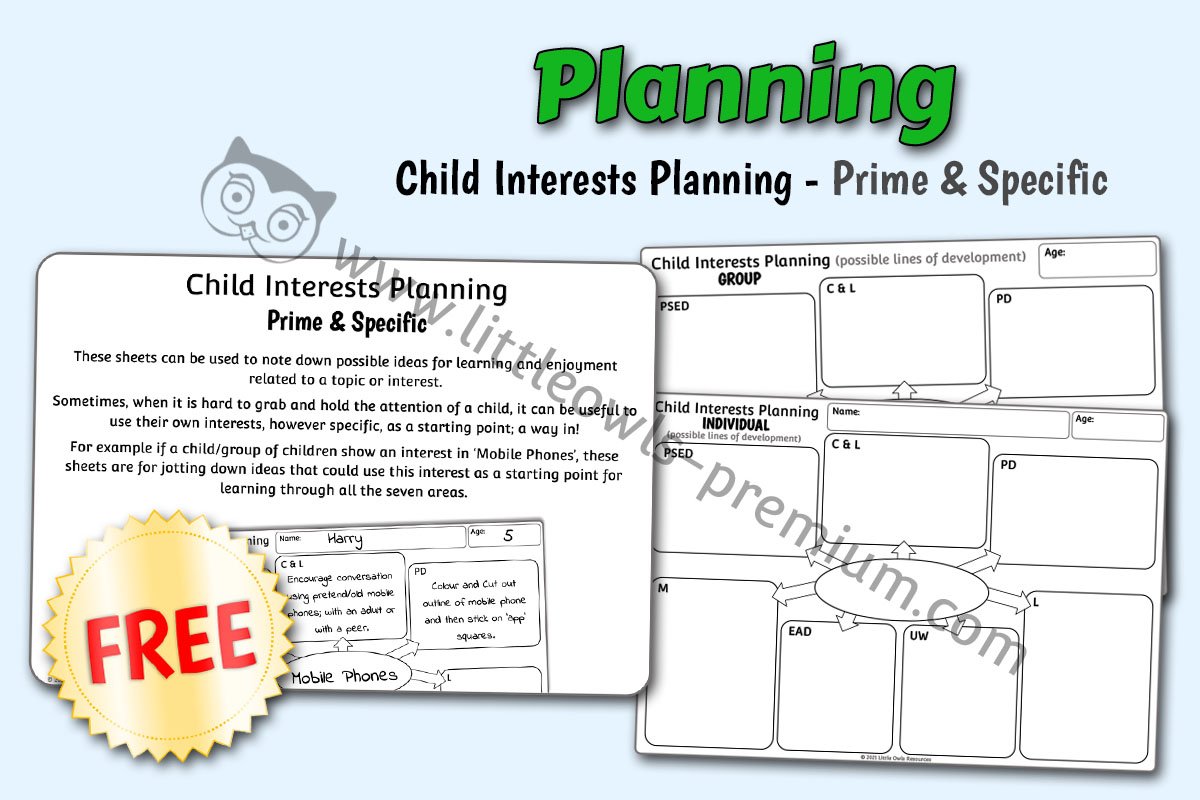

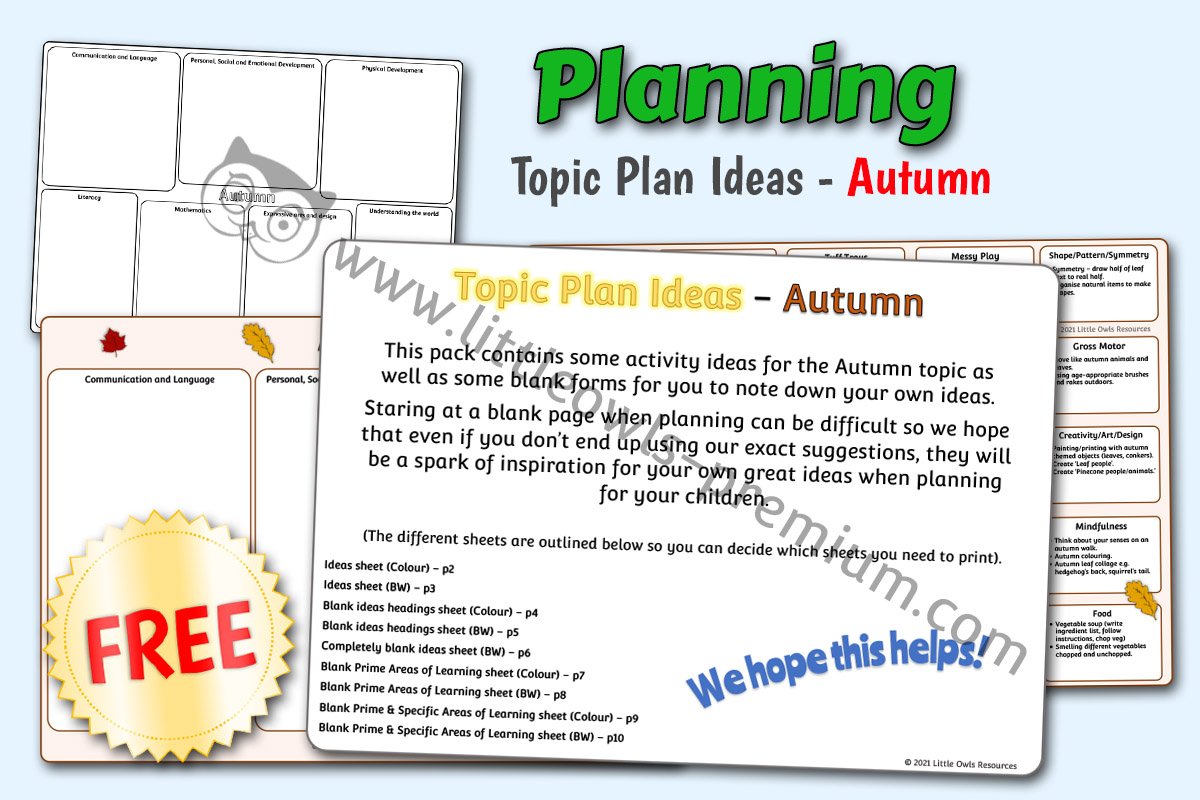
💡 Join as a Free Access member to download the samples above and all other free resources available on Little Owls Resources at no cost. Alternatively, explore all membership options here.
Additional Free Sample Printable Provision can be found at the top of most pages.
🧠 Childminder Planning Pedagogy
Your FAQs
Explore current best practice surrounding childminder planning. Expand the subheadings below using the cross symbols on the right.
-
In childminding practice, planning is:
based on observation of children across ages
embedded in daily routines and experiences
shaped by the home environment and community
responsive to individual needs and interests
Planning often happens through:
noticing what children do repeatedly
adapting resources and spaces
adjusting routines
responding through interaction and language
👉 Planning is something you do, not just something you write.
-
One of the biggest differences for childminders is working across multiple age phases at once.
Planning must support:
babies needing care, comfort and sensory exploration
toddlers exploring movement, schemas and independence
preschool children developing language and early skills
Reception-aged children applying learning more independently
This means:
one environment supports multiple stages
one routine meets different needs
one adult adapts continuously
👉 Planning focuses on flexibility, not separation by age
-
High-quality childminding practice does not require excessive paperwork.
Planning may include:
brief notes on children’s interests
reflections on what worked well
simple ideas for next steps
mental planning based on experience
Some childminders choose to use:
weekly planning templates
short observation notes
in-the-moment prompts
Others plan entirely through practice.
Both are valid.
👉 What matters is how you respond to children — not how much you record
-
Planning in childminding settings is best understood through a simple cycle:
Observe
What is the child doing?
What are they interested in?Assess
What does this tell you about their development and needs?
Plan
How will you respond?
adjust the environment
change resources
adapt your interaction
This cycle happens:
👉 continuously throughout the day -
Your home is your learning environment.
Planning focuses on:
how spaces are set up
what resources are available
how children can access them
how experiences flow throughout the day
This might include:
rotating toys and materials
setting up small invitations to play
using everyday objects
planning outings and community experiences
👉 The environment does much of the “teaching” for you.
-
Childminding offers a unique advantage:
👉 real-life experiences are the curriculum
Planning naturally includes:
cooking and baking
outings to parks and shops
daily routines
caring interactions
shared conversations
These experiences support:
language development
social skills
independence
understanding of the world
-
✔ Planning is:
flexible and responsive
based on real children and real moments
embedded in daily life
supportive of mixed-age care
focused on relationships and wellbeing
✖ Planning is not:
a timetable of activities
a requirement for written evidence
separate from care and routines
the same as nursery or school planning
👉 Your practice does not need to mirror group settings.
-
Even without formal planning, childminders support progression by:
noticing changes in play and behaviour
introducing new experiences gradually
modelling language and interaction
adapting expectations for each child
Progress is seen in:
increased confidence
longer engagement
growing communication
developing independence
-
Every child in your care is unique.
Planning reflects:
their interests and preferences
their stage of development
their routines and home life
their emotional and sensory needs
Childminders:
adapt continuously
work closely with families
provide consistency and reassurance
👉 Planning supports the child — not a system.
-
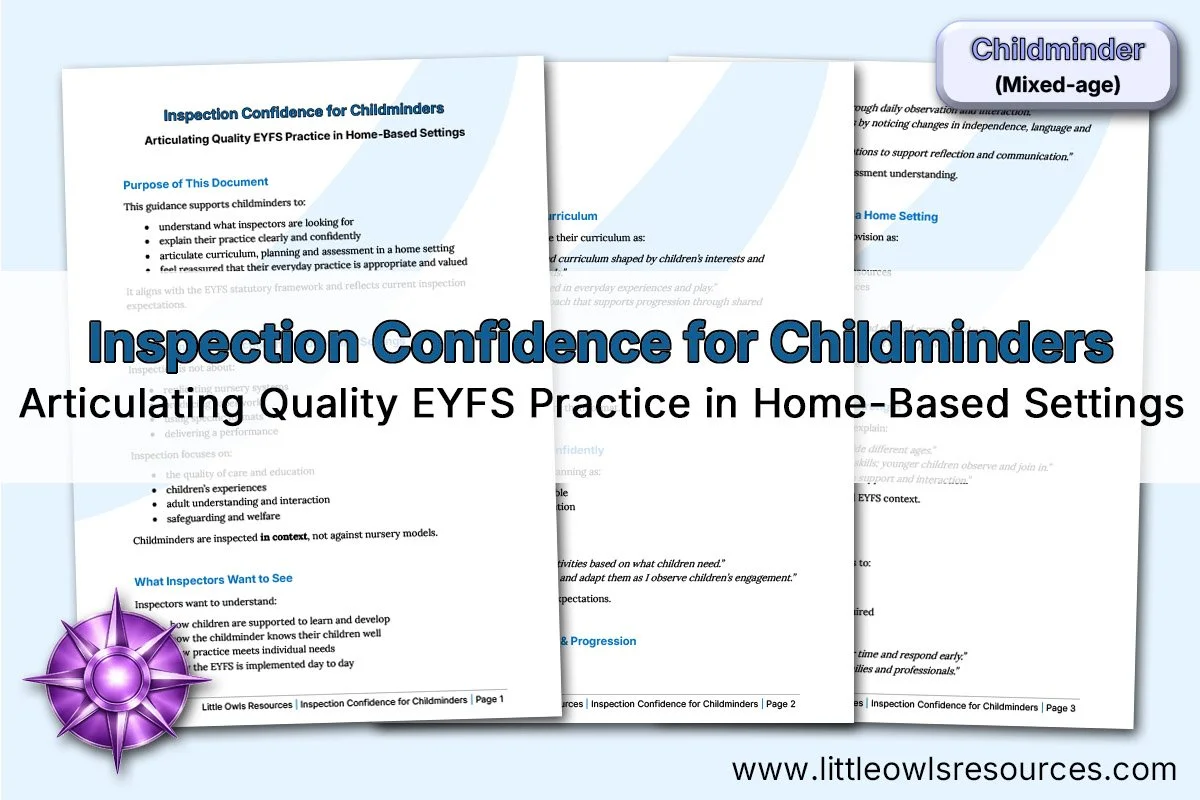
During inspection, childminders can confidently explain:
how planning happens through observation
how the environment supports learning
how children’s needs are met individually
how routines provide learning opportunities
Inspectors are looking for:
👉 quality of interaction, environment and care
Supporting Childminder Pedagogy Documents
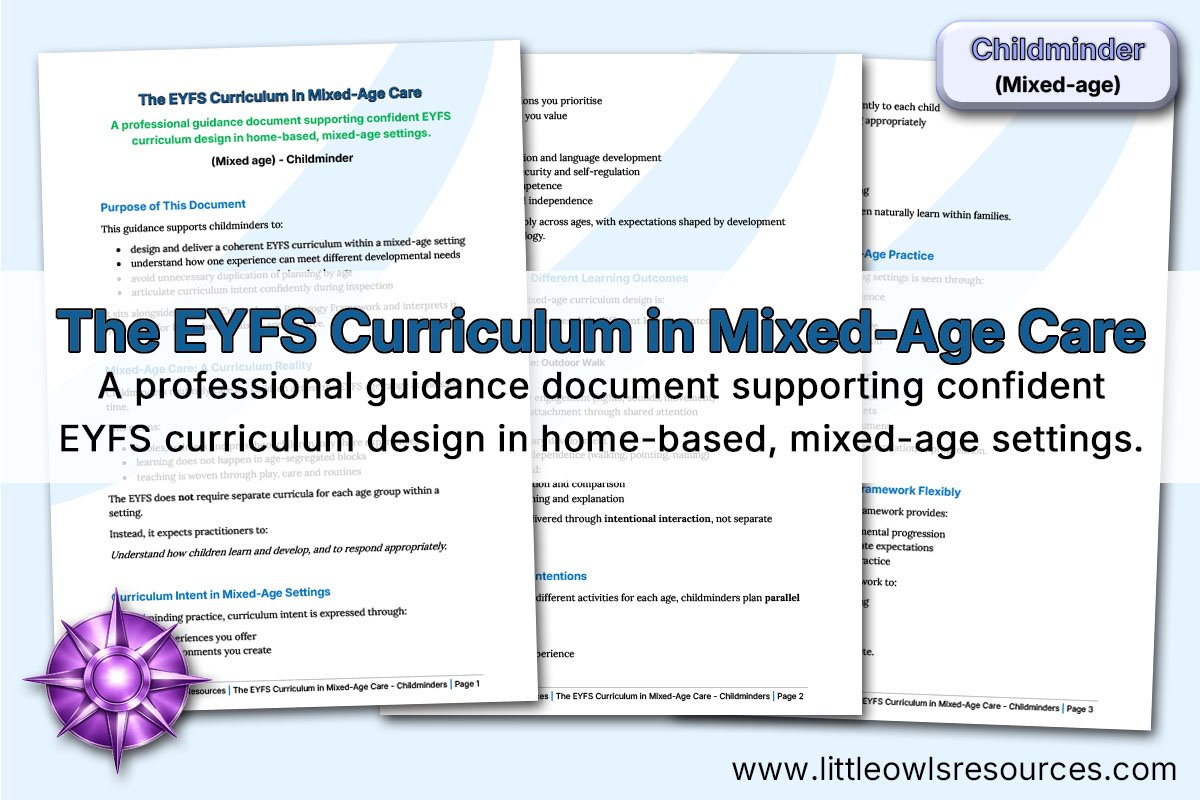
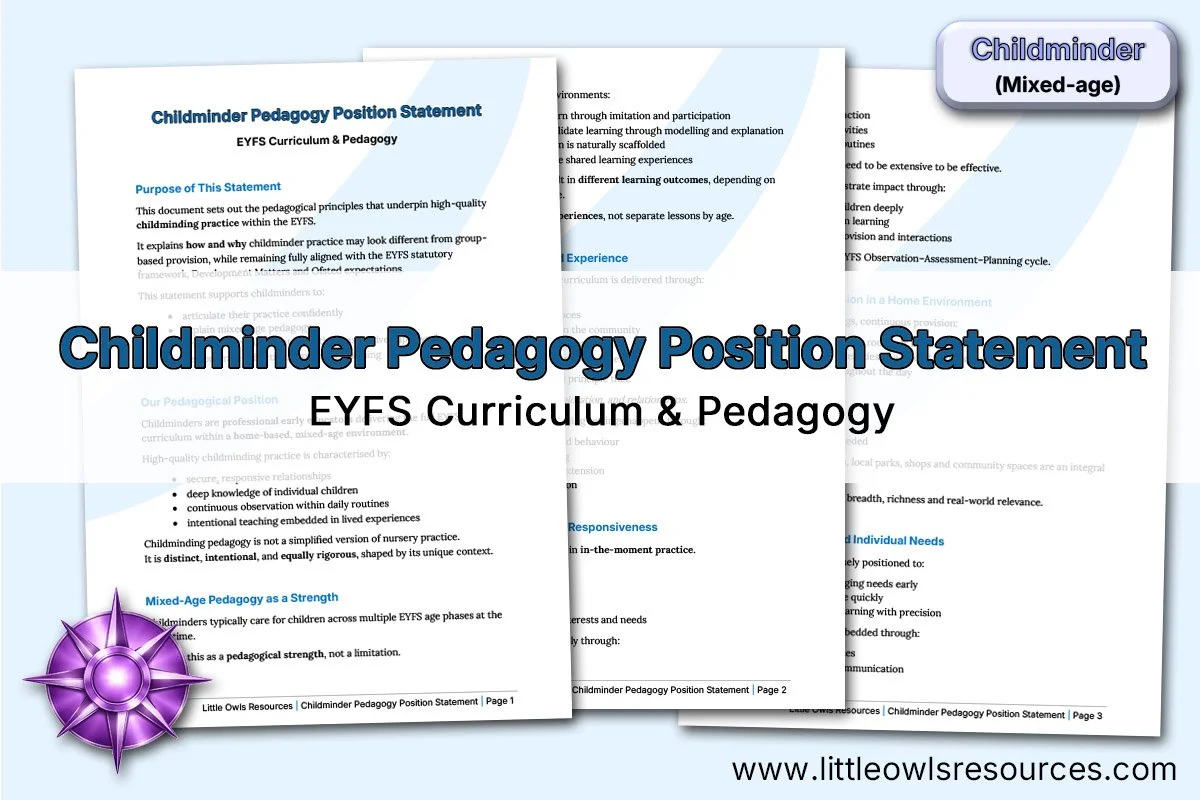
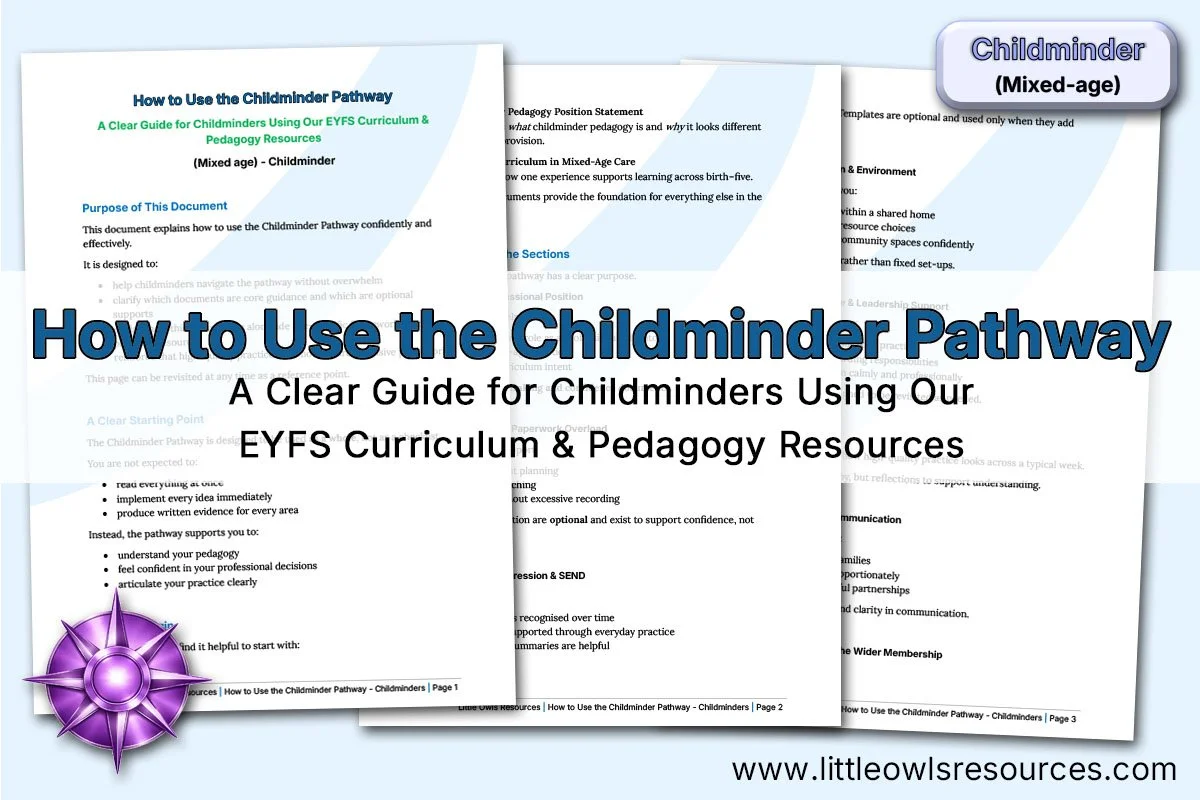
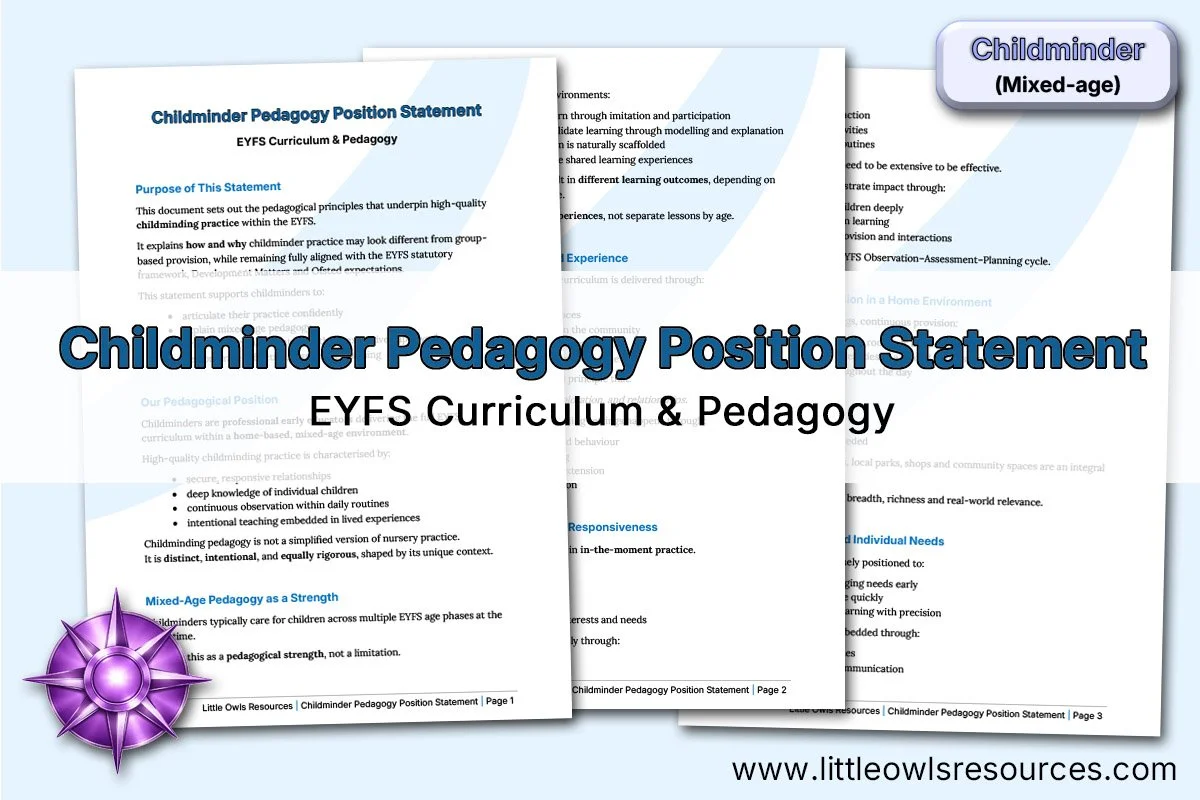
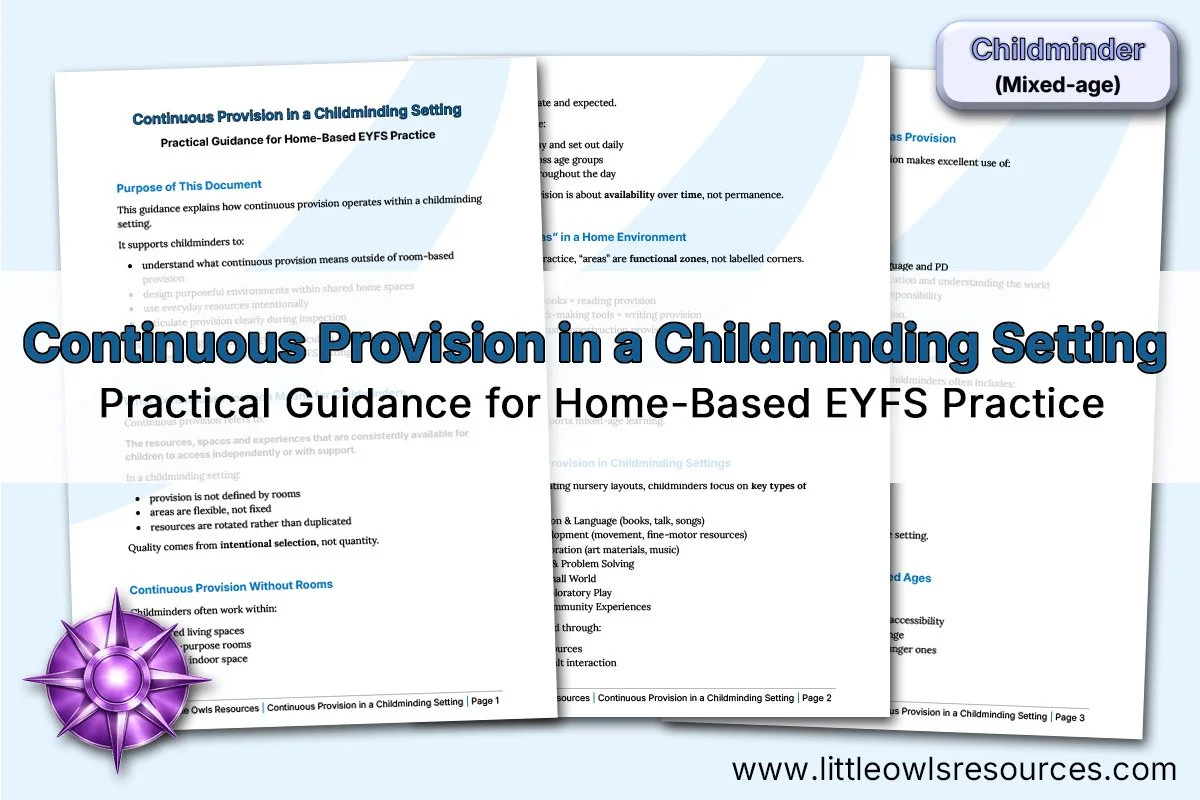
Please find additional resources within our ‘Childminder Curriculum & Pedagogy’ pathway.
📝 Childminder Planning Guidance & Templates
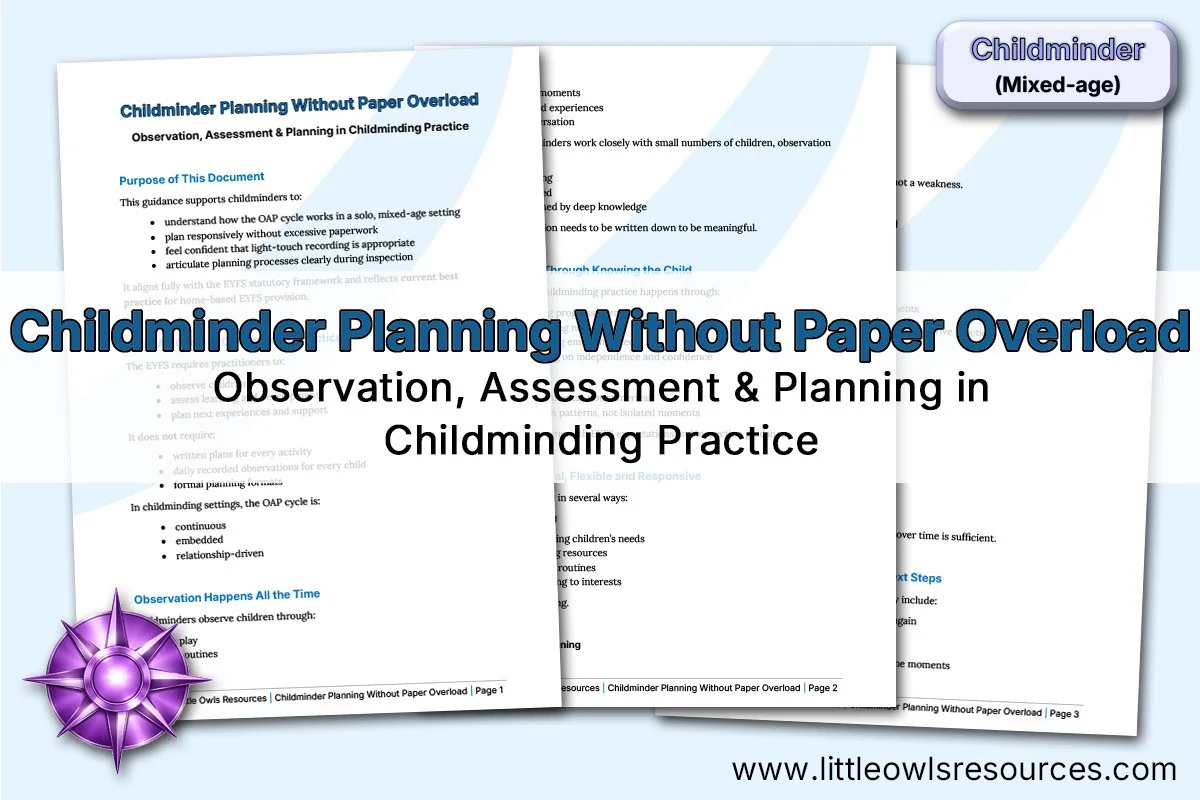
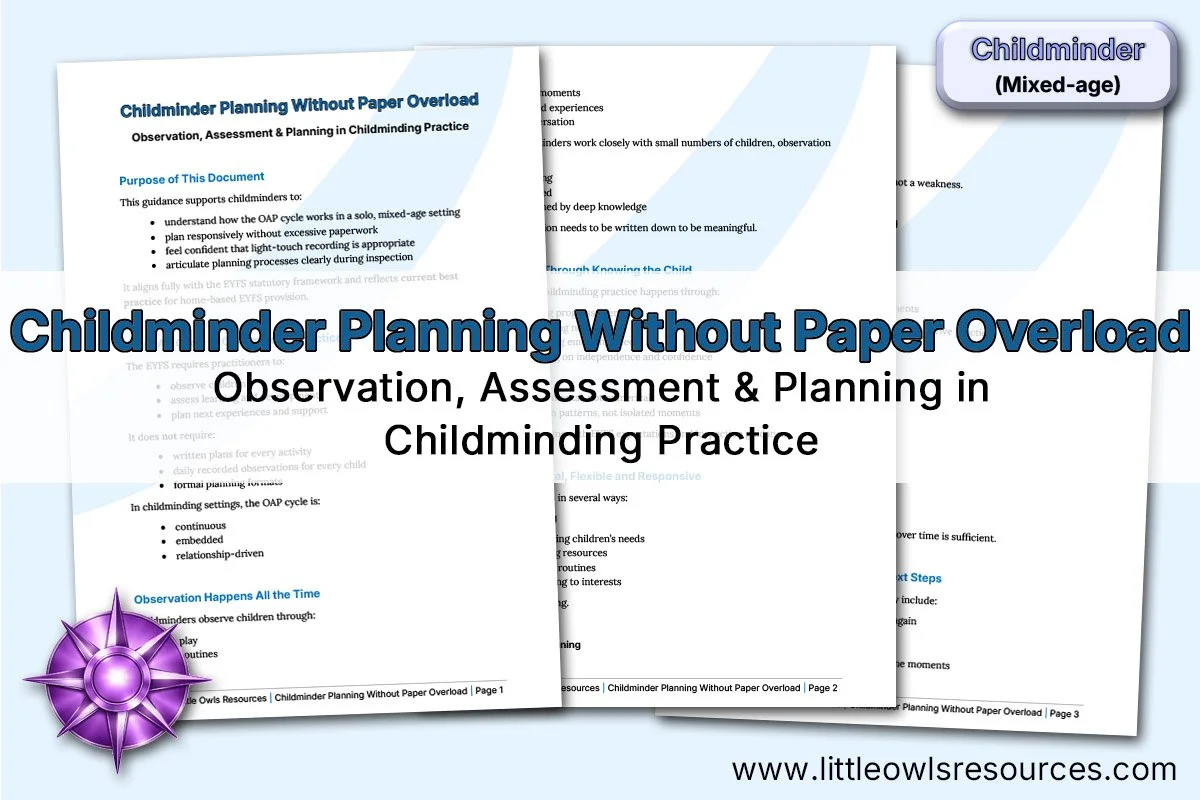
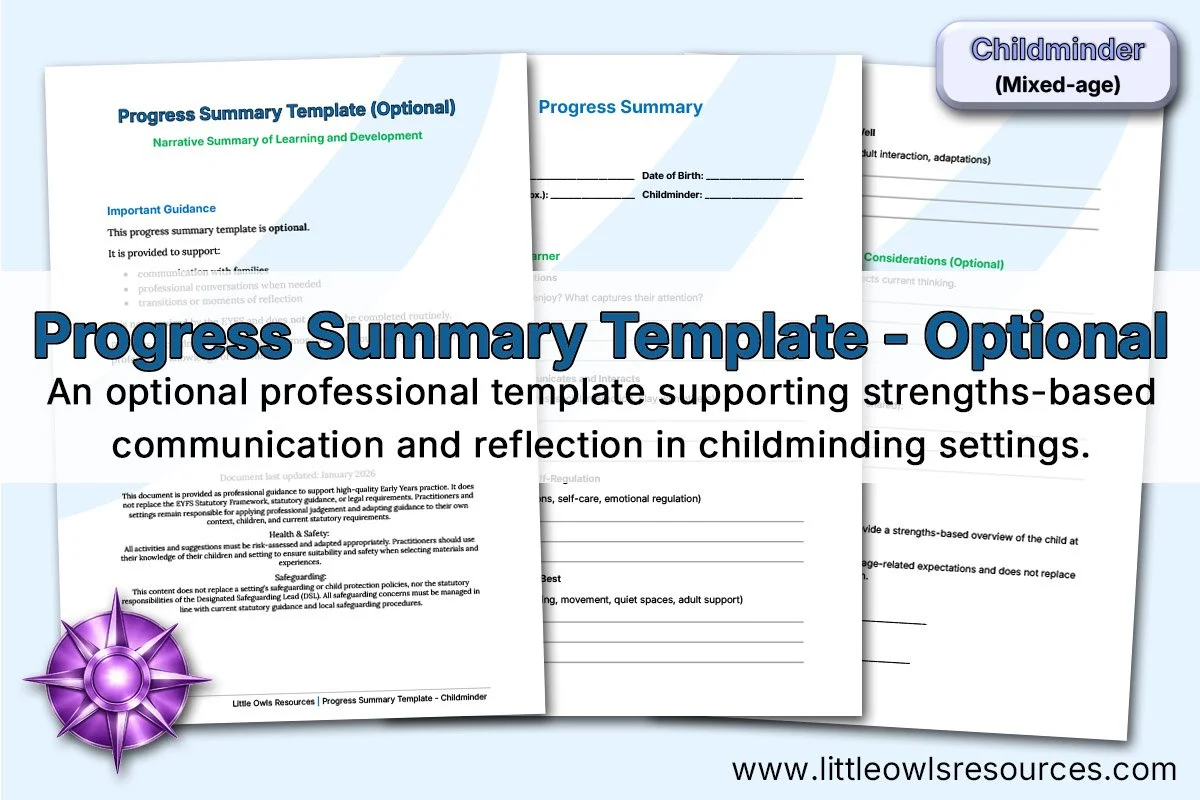
Planning without paperwork overload guidance
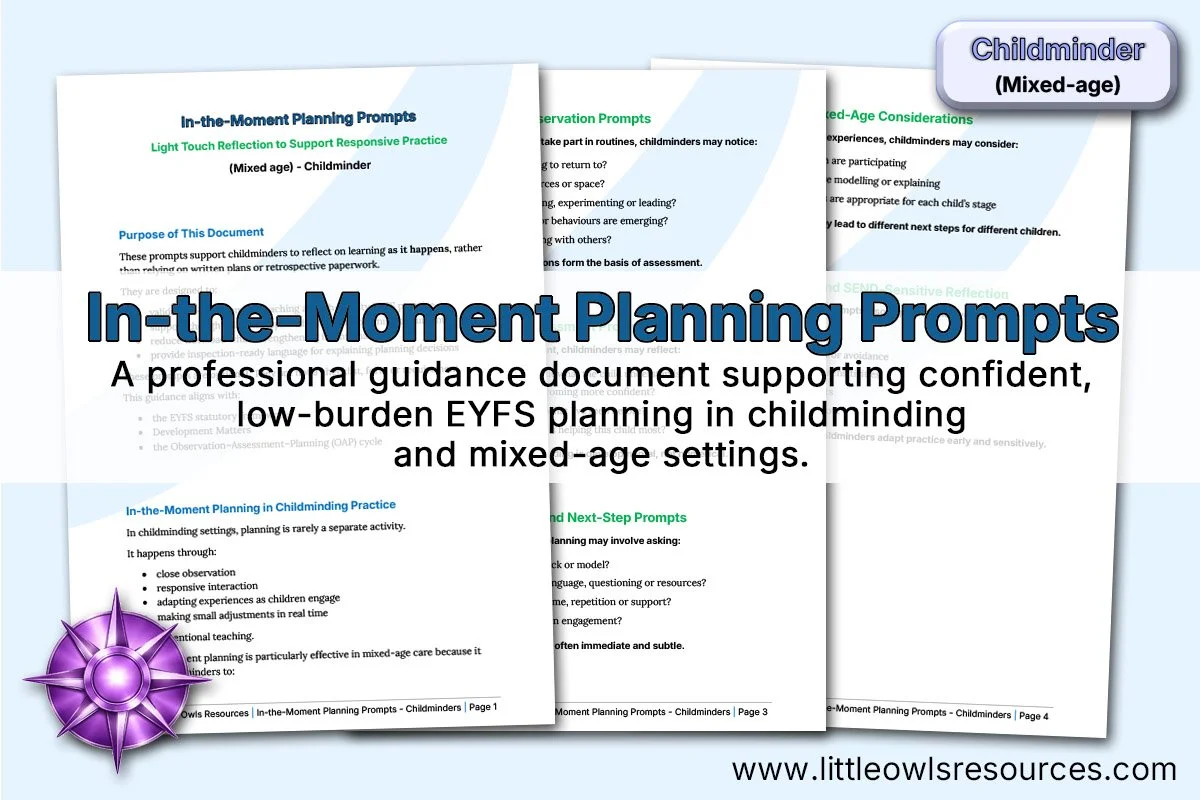
In-the-moment planning prompts
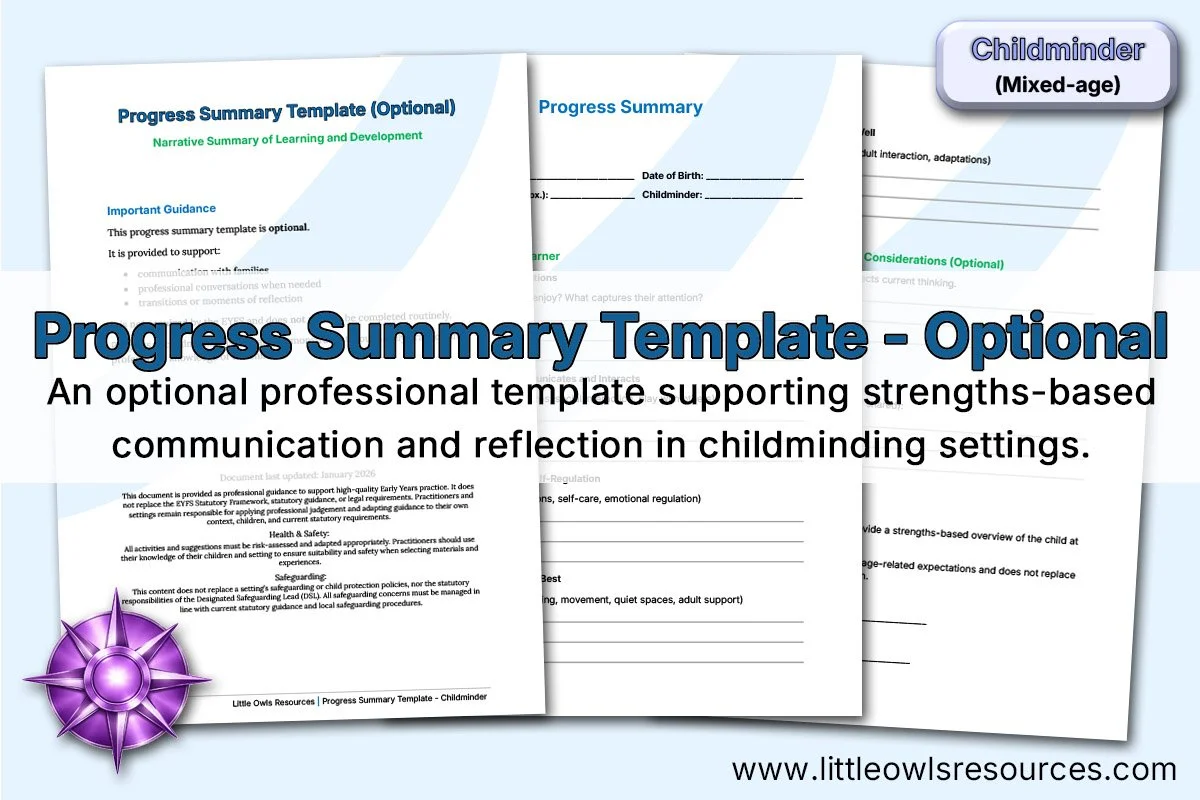
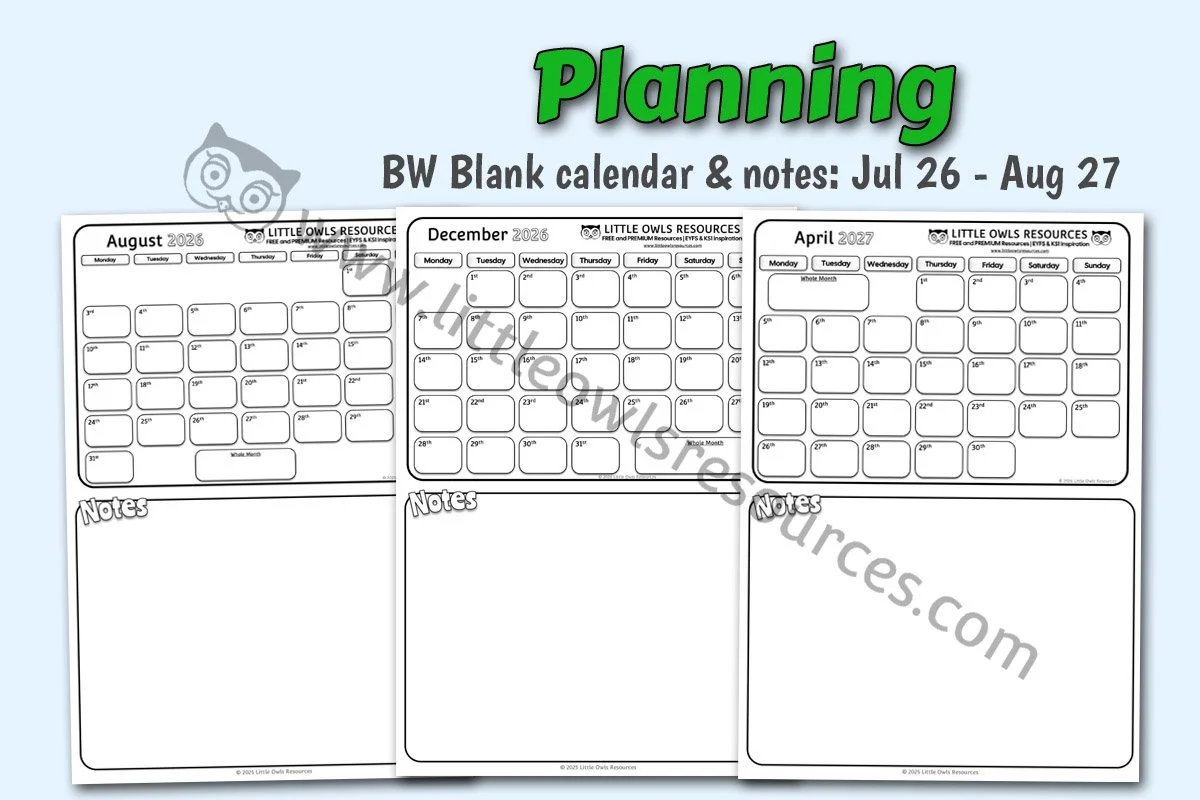
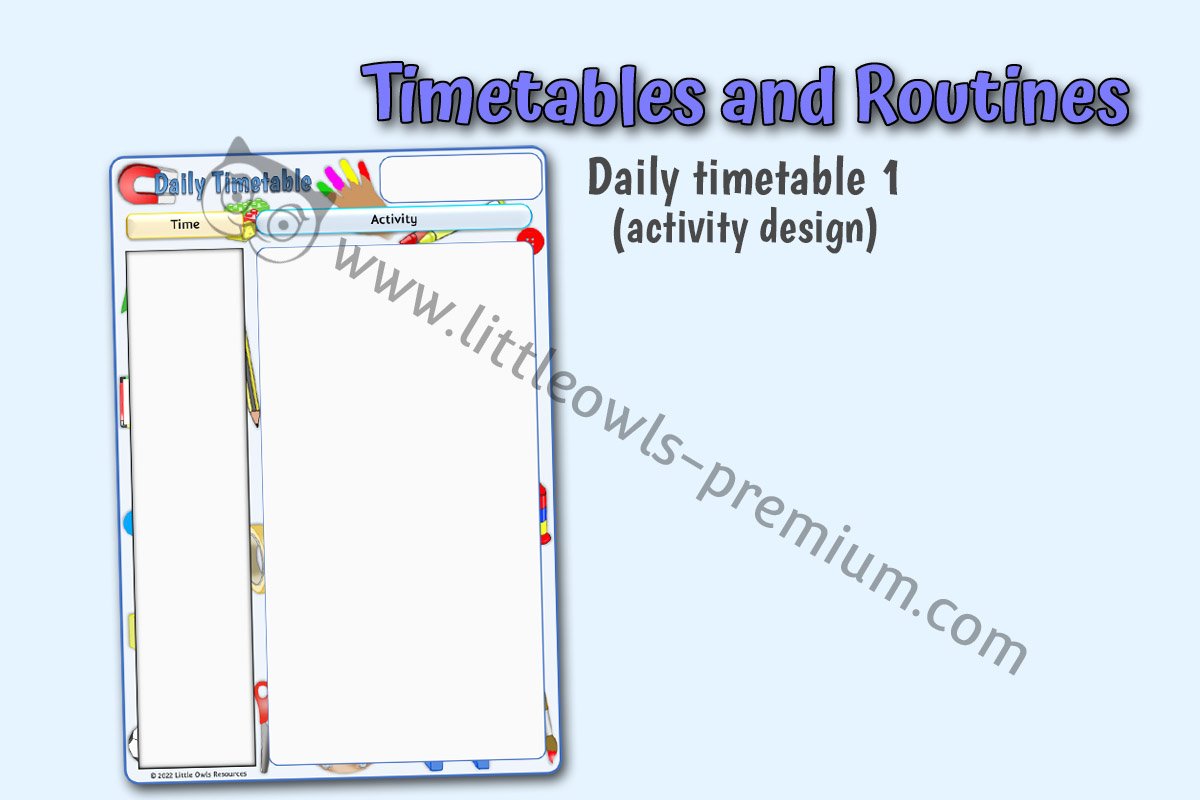
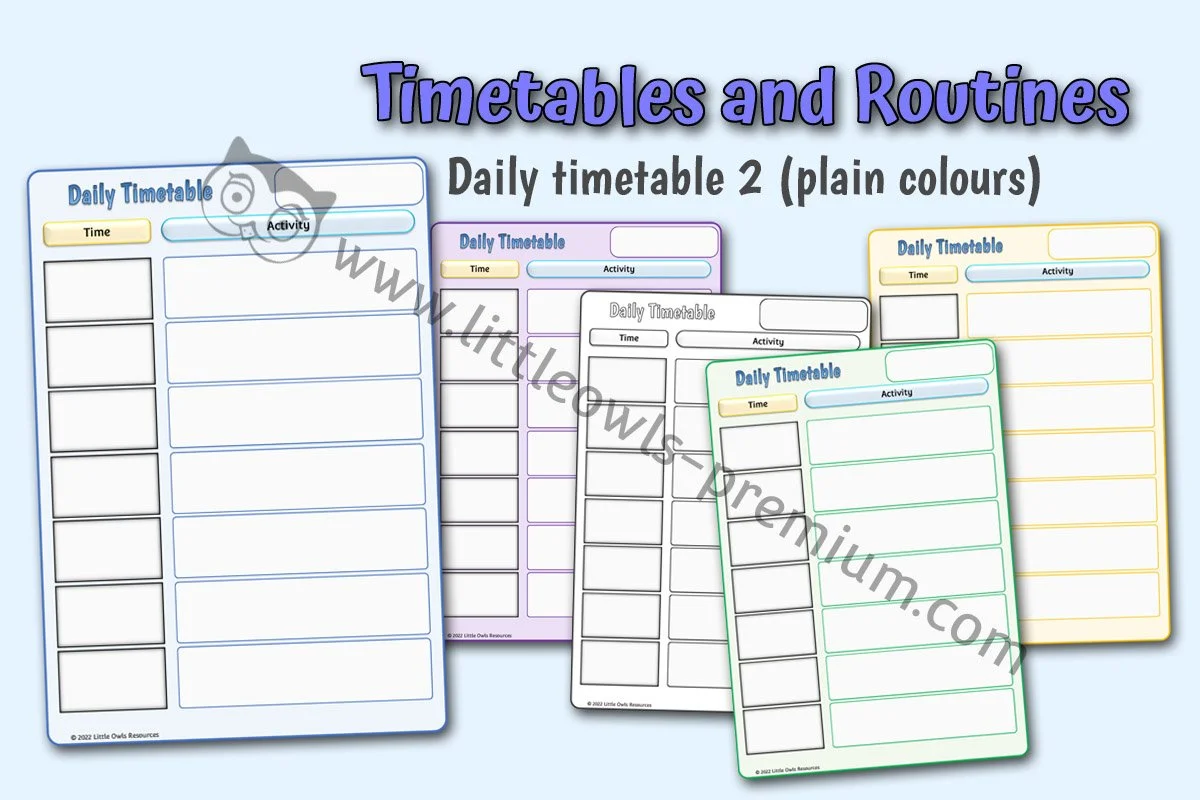
Weekly planning templates (optional)

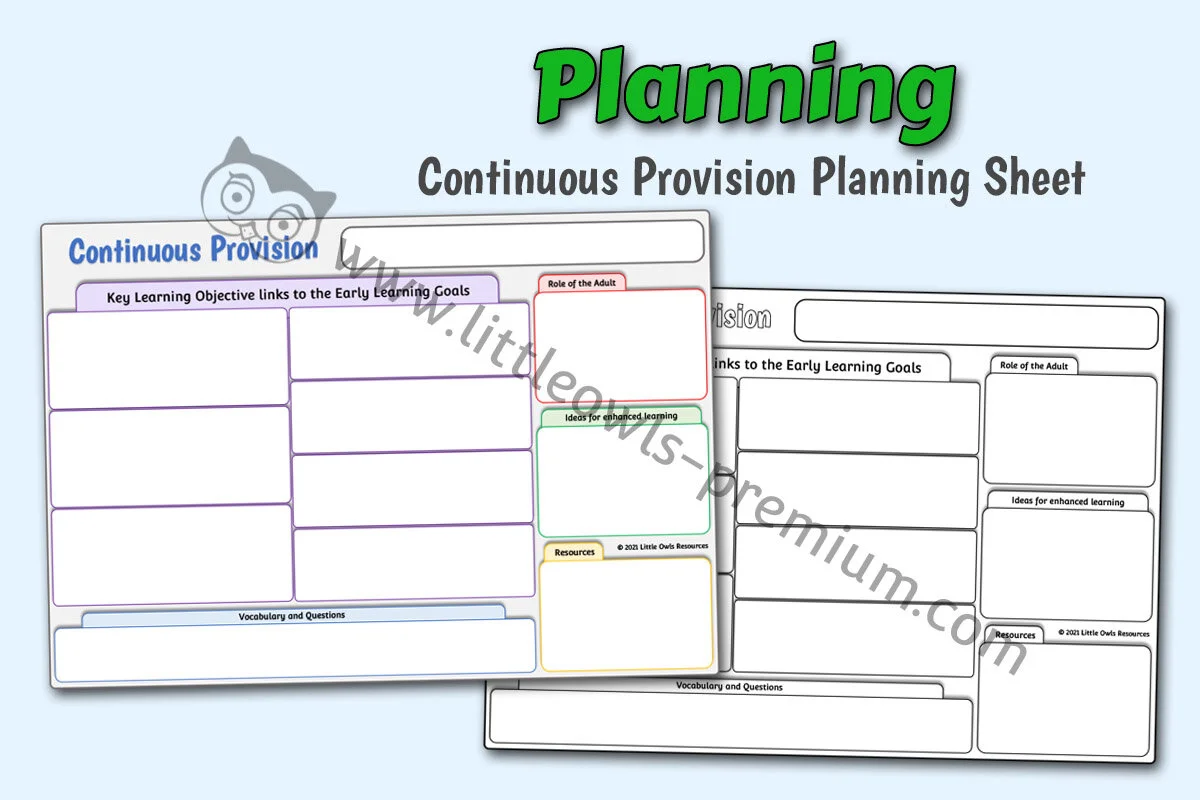
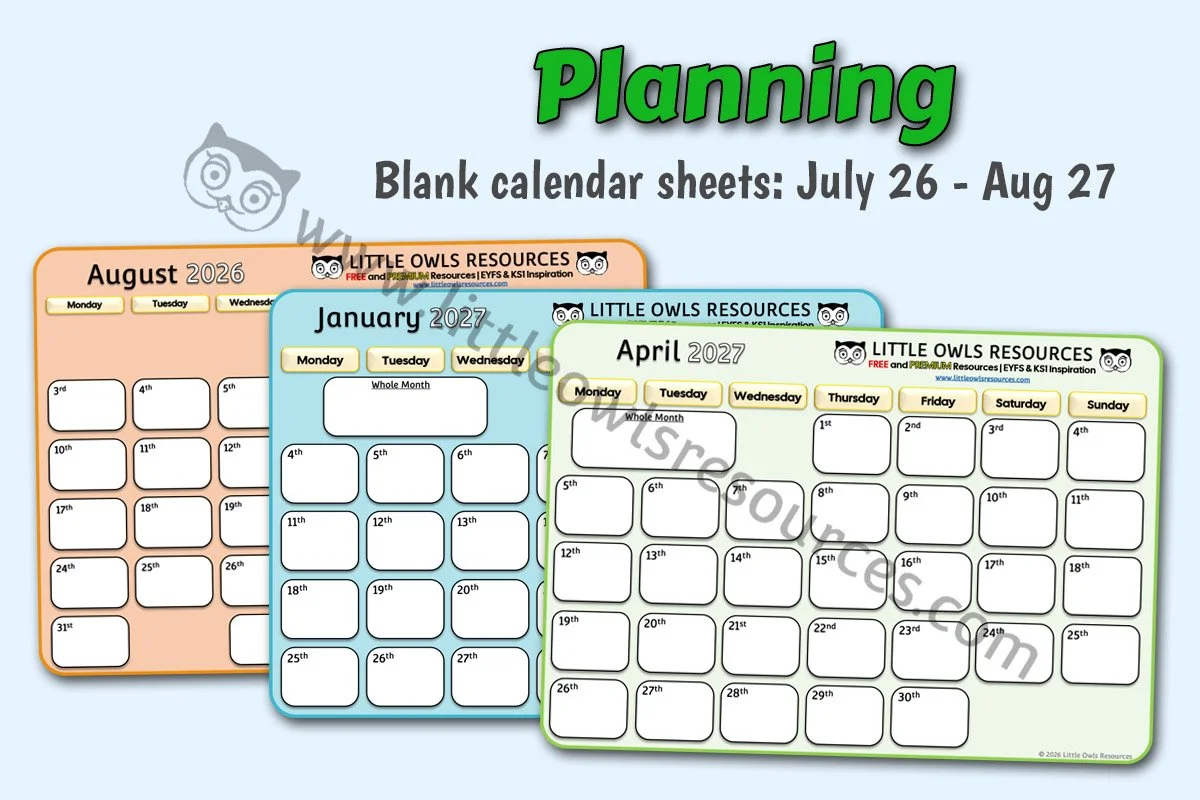
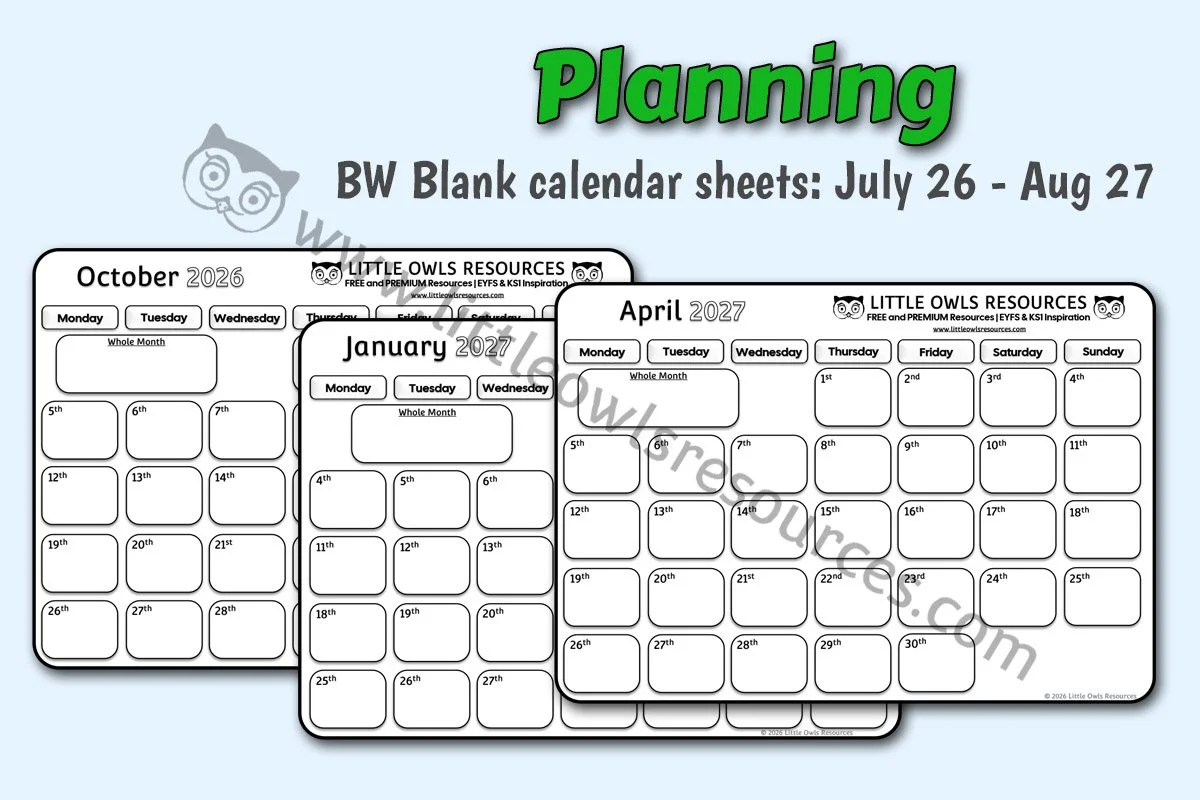
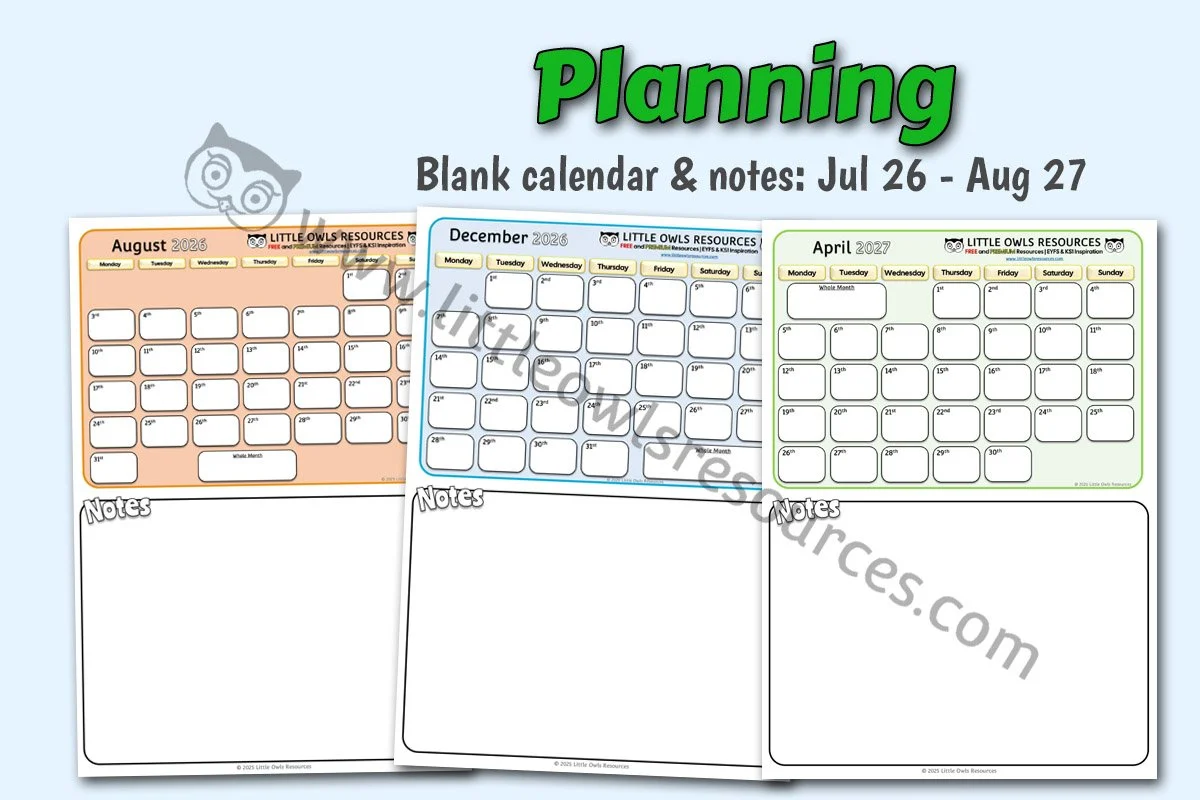
Additional Blank Planning Templates | Generic Birth-5






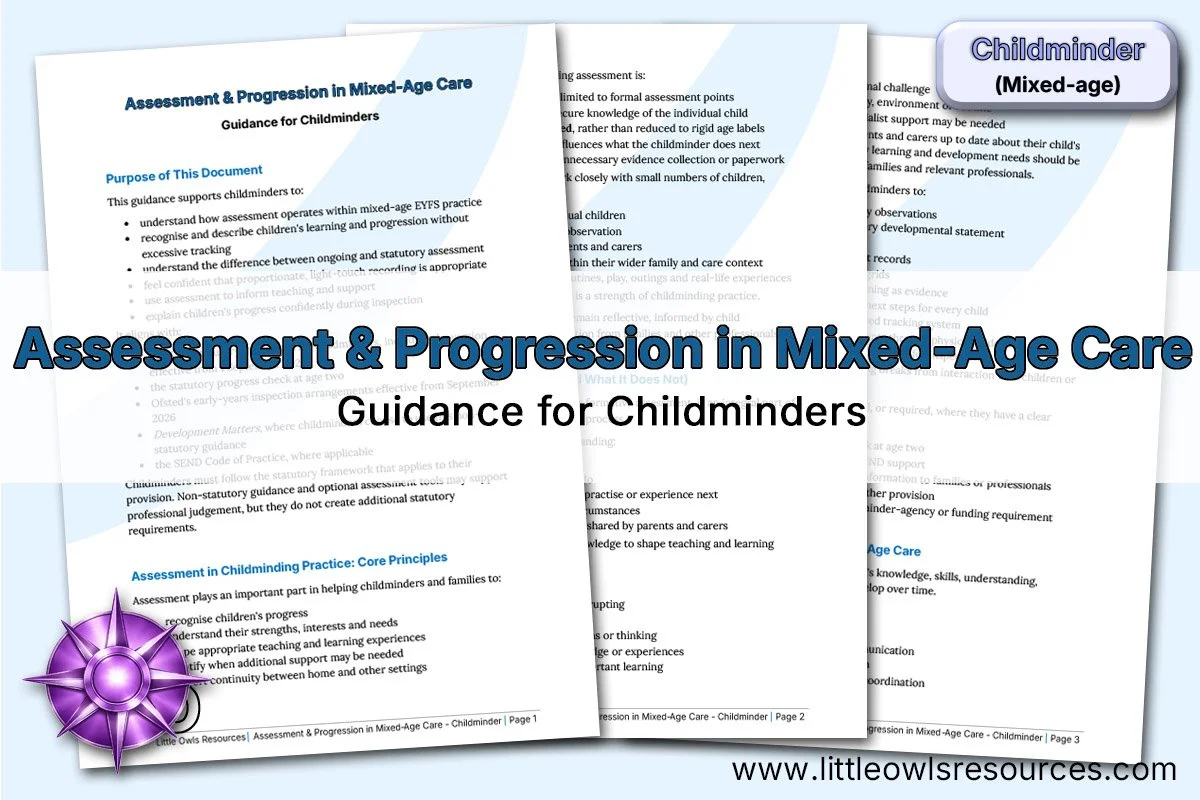
Assessment and progression support
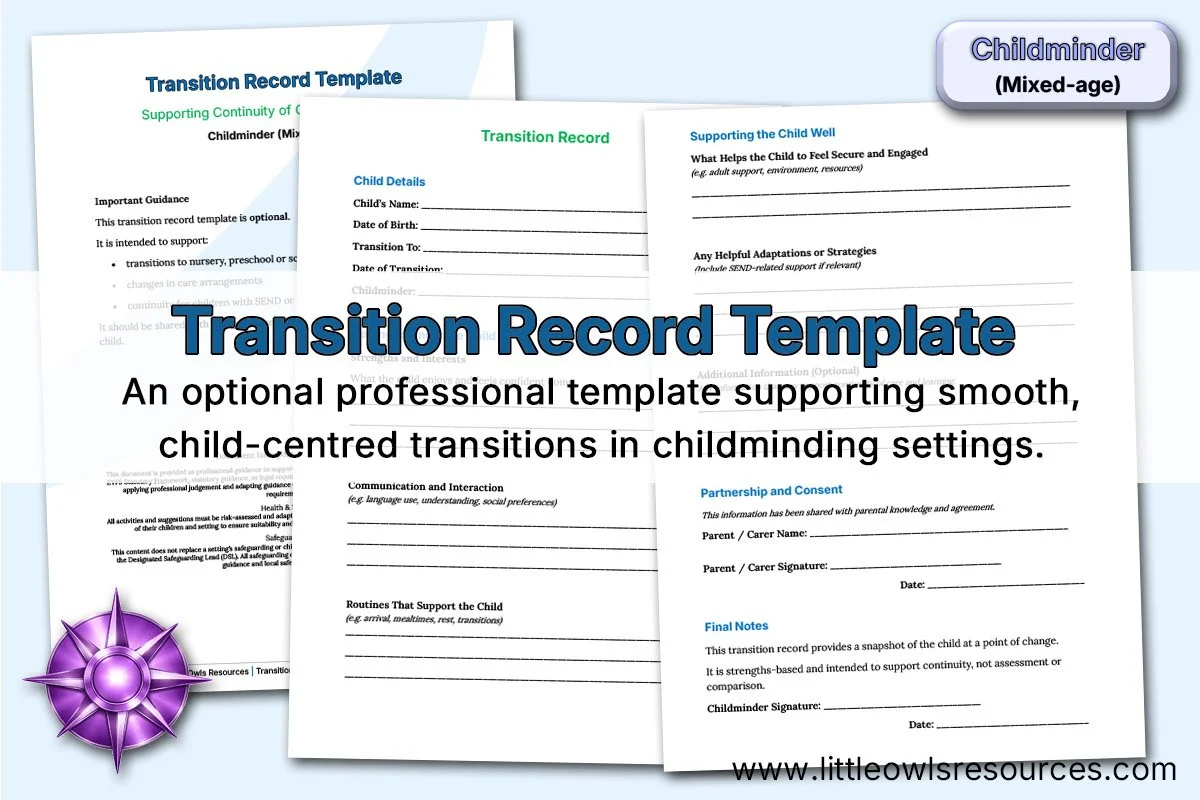

SEND and early identification guidance

Please find additional resources within our ‘Childminder Curriculum & Pedagogy’ pathway.
Outdoor and community learning
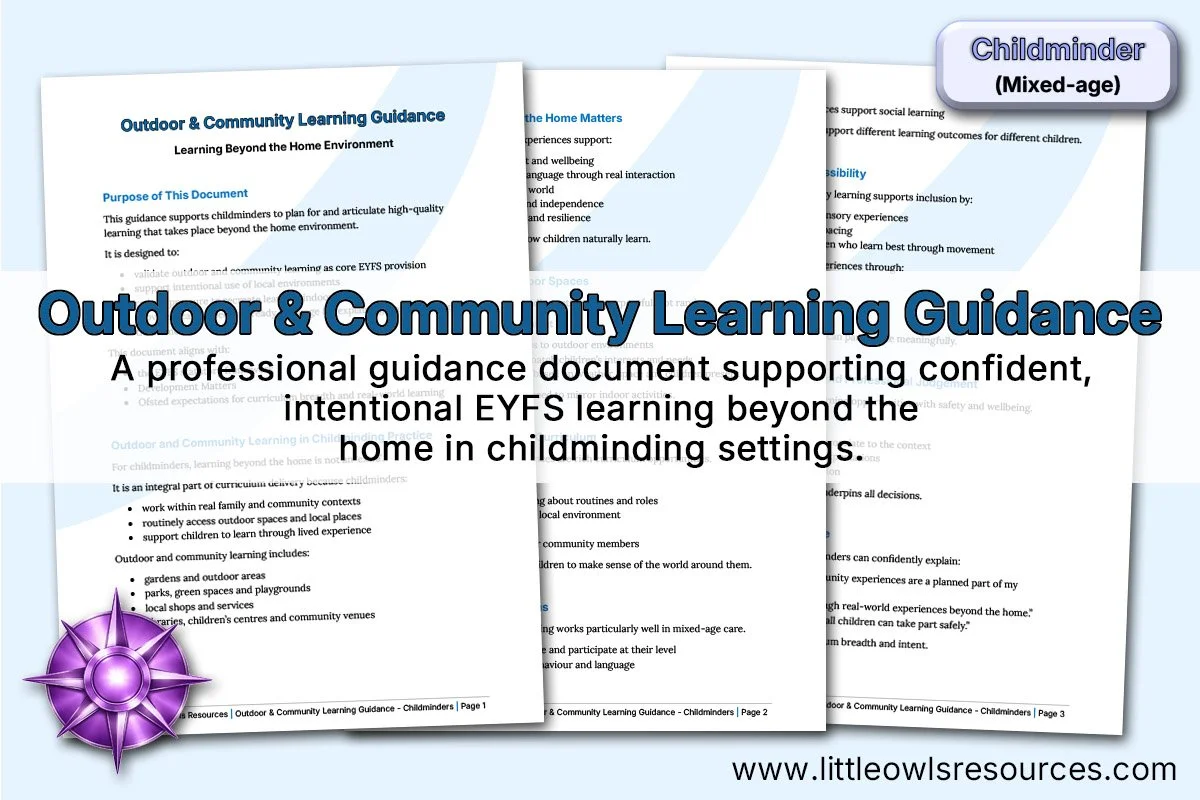
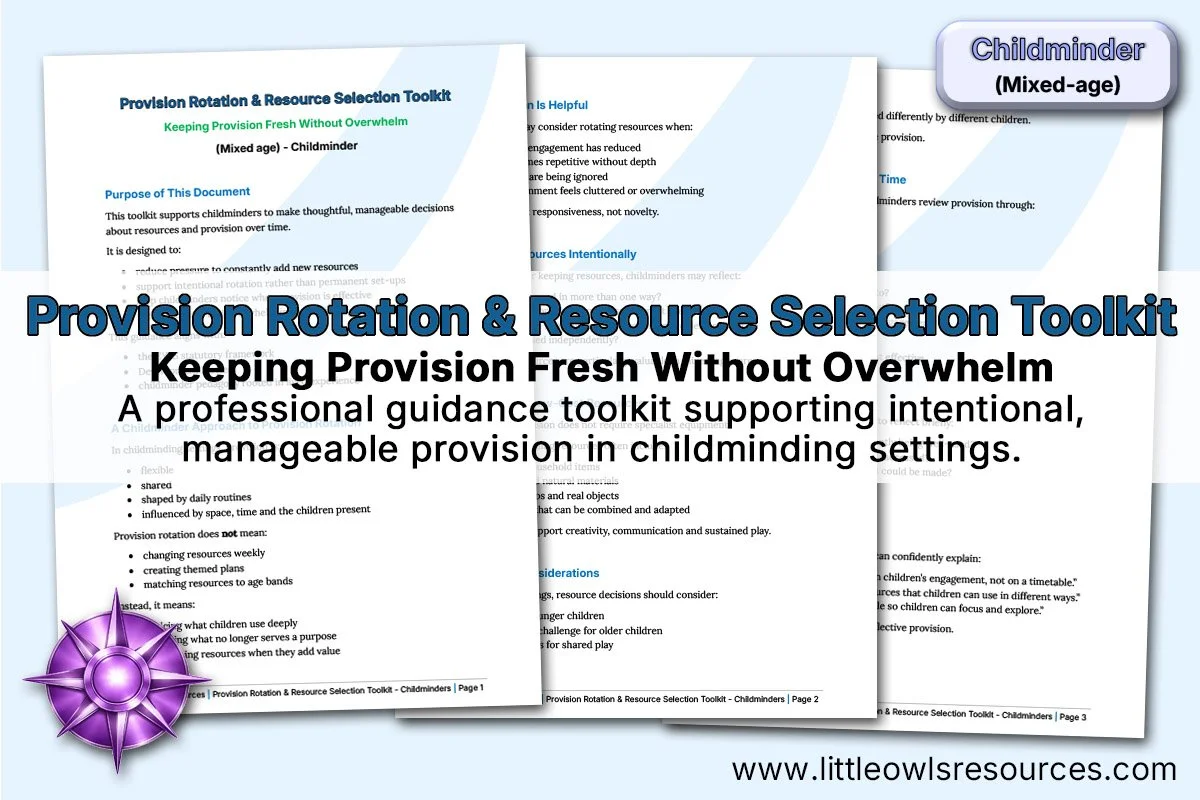
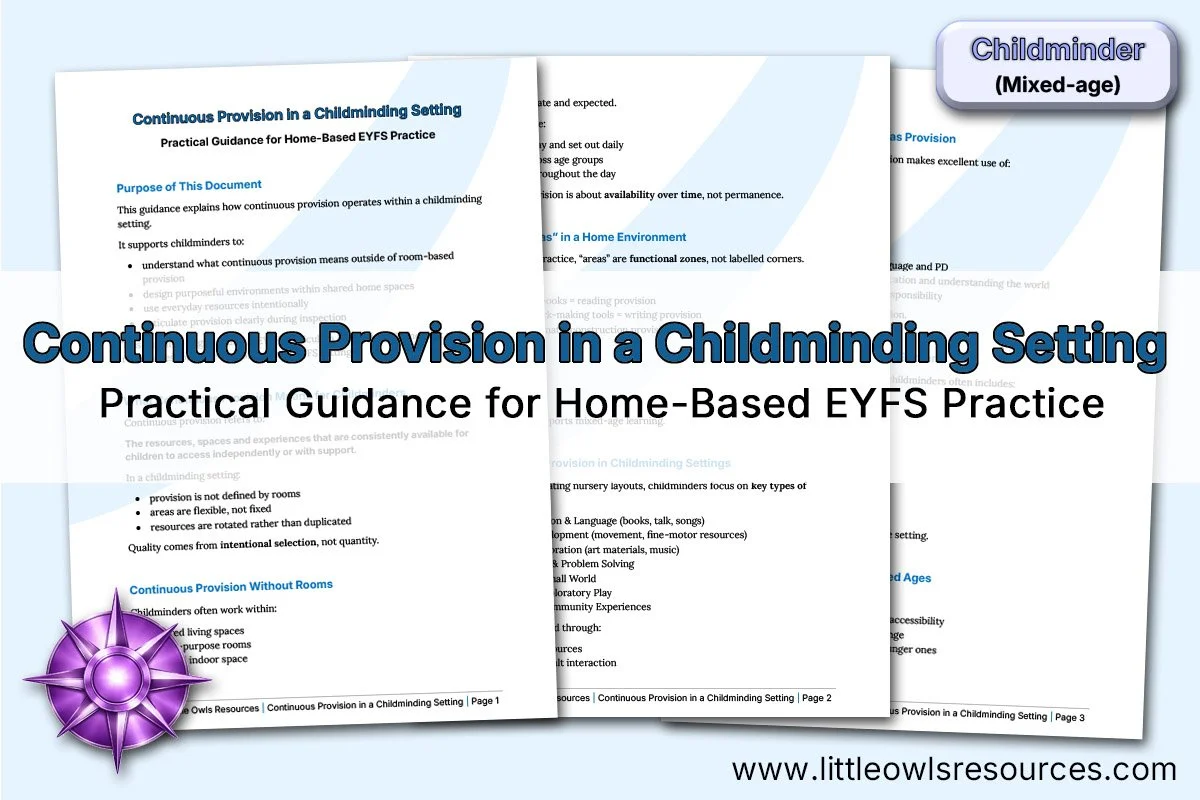
Continuous Provision & Play Areas Printable Resource Hub - Coming Soon!
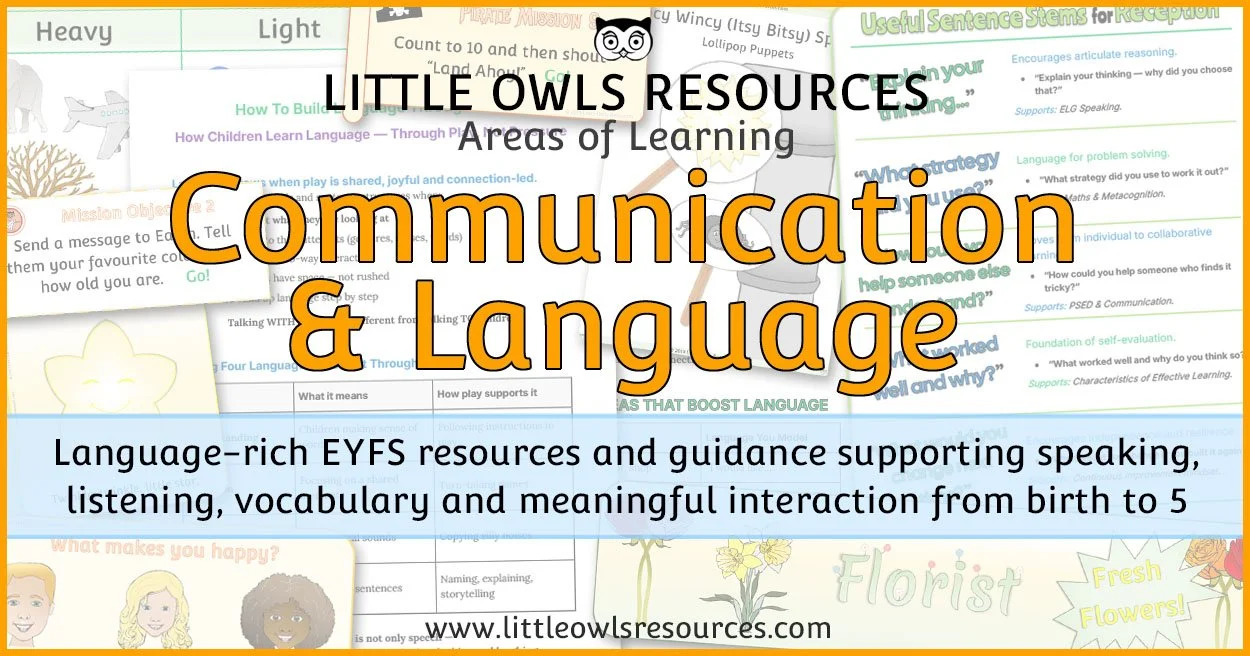
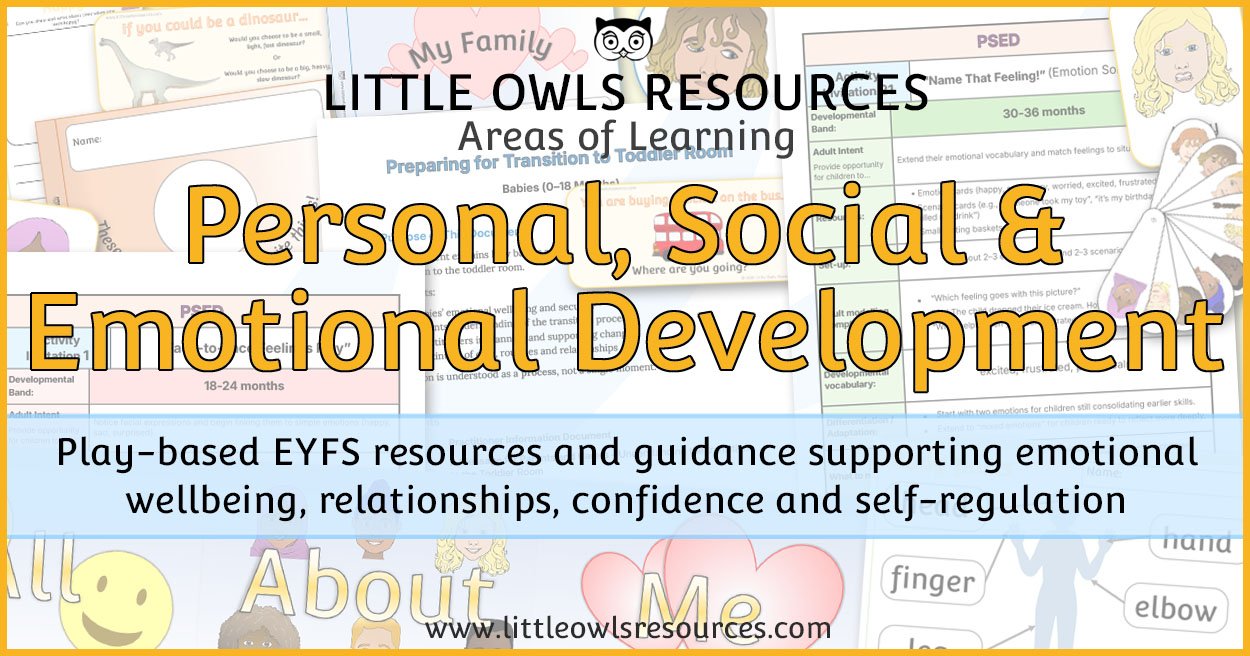
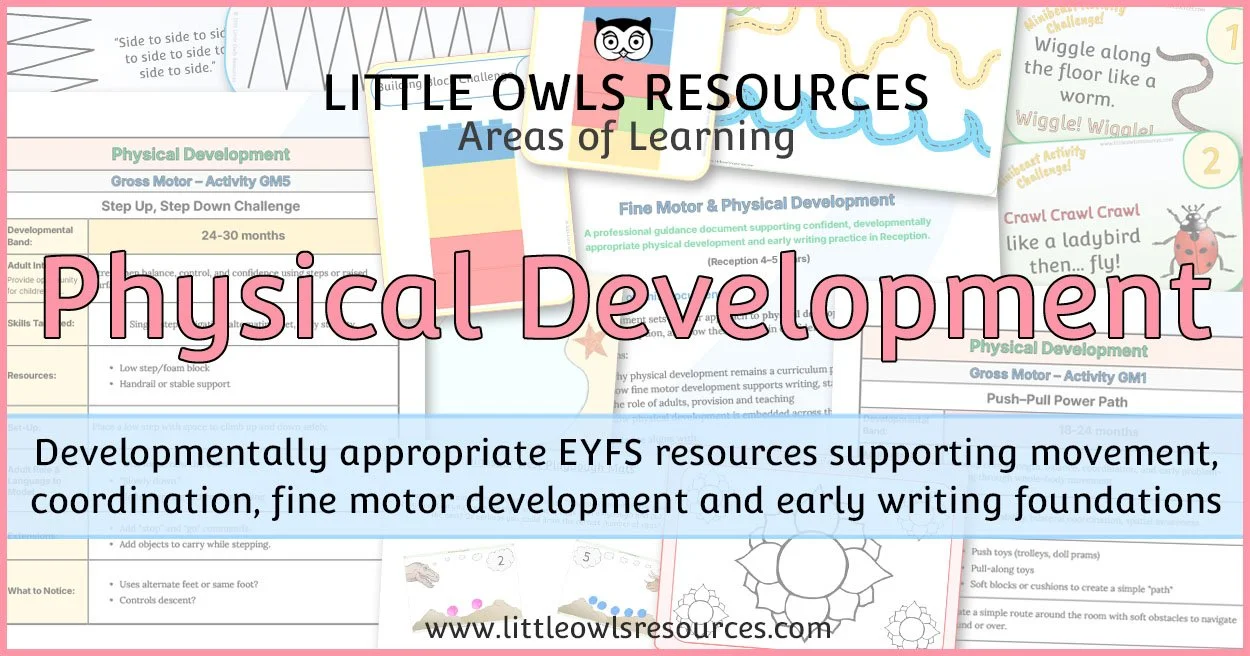
Area of Learning Printable Provision
Please use the arrows to the right of the carousel below and select an area of learning to explore our printable resources.


✨ Provision Enhancement Resources
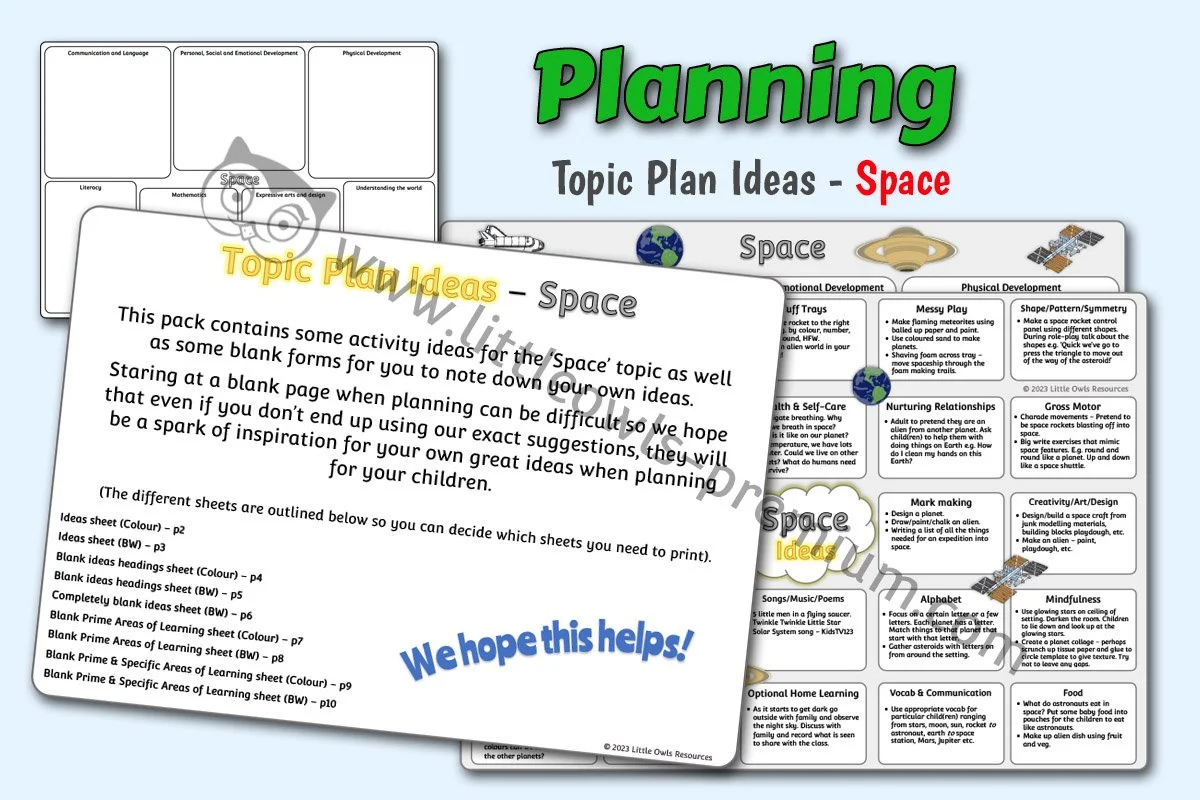
Themed provision Resources
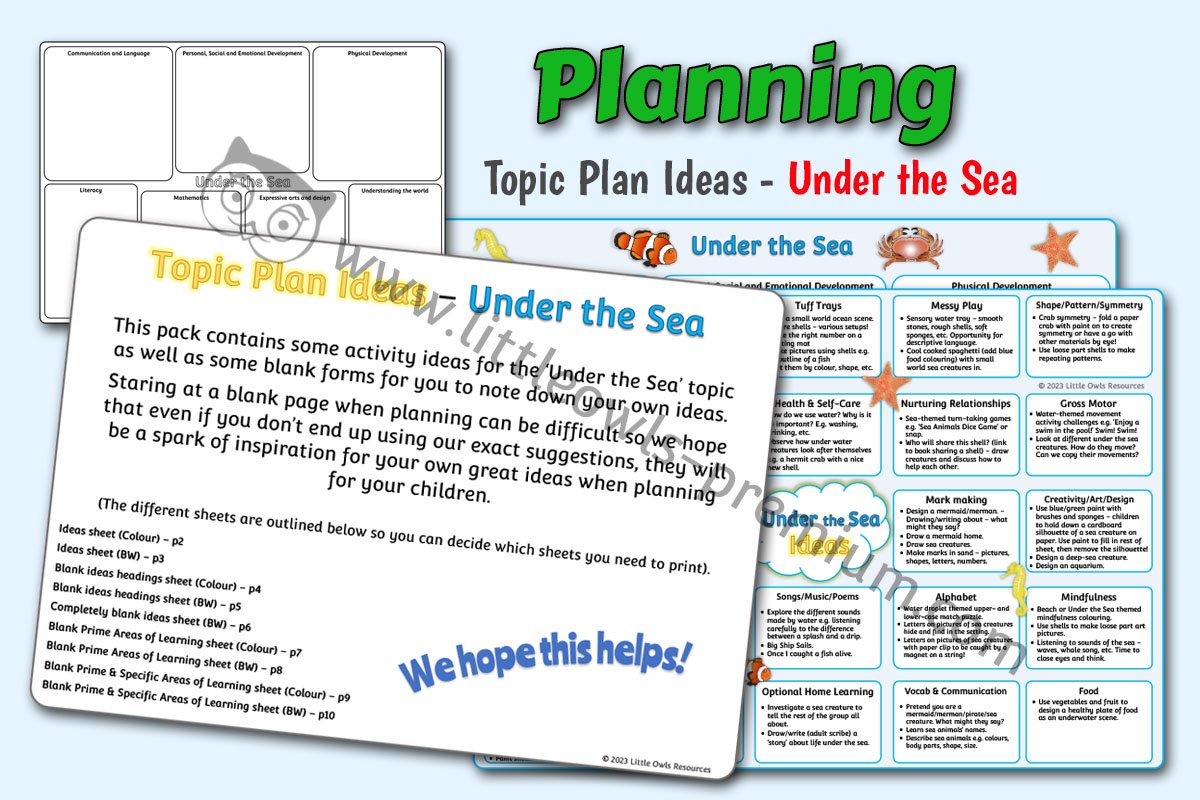
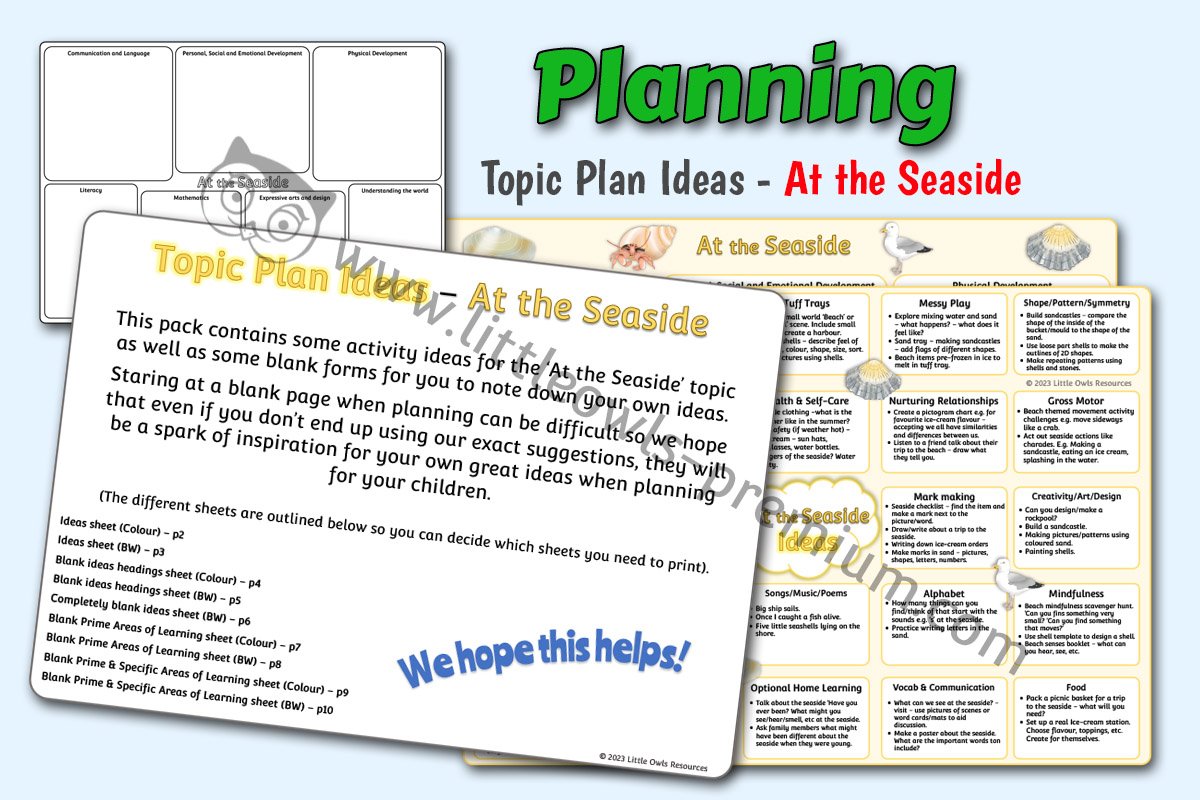
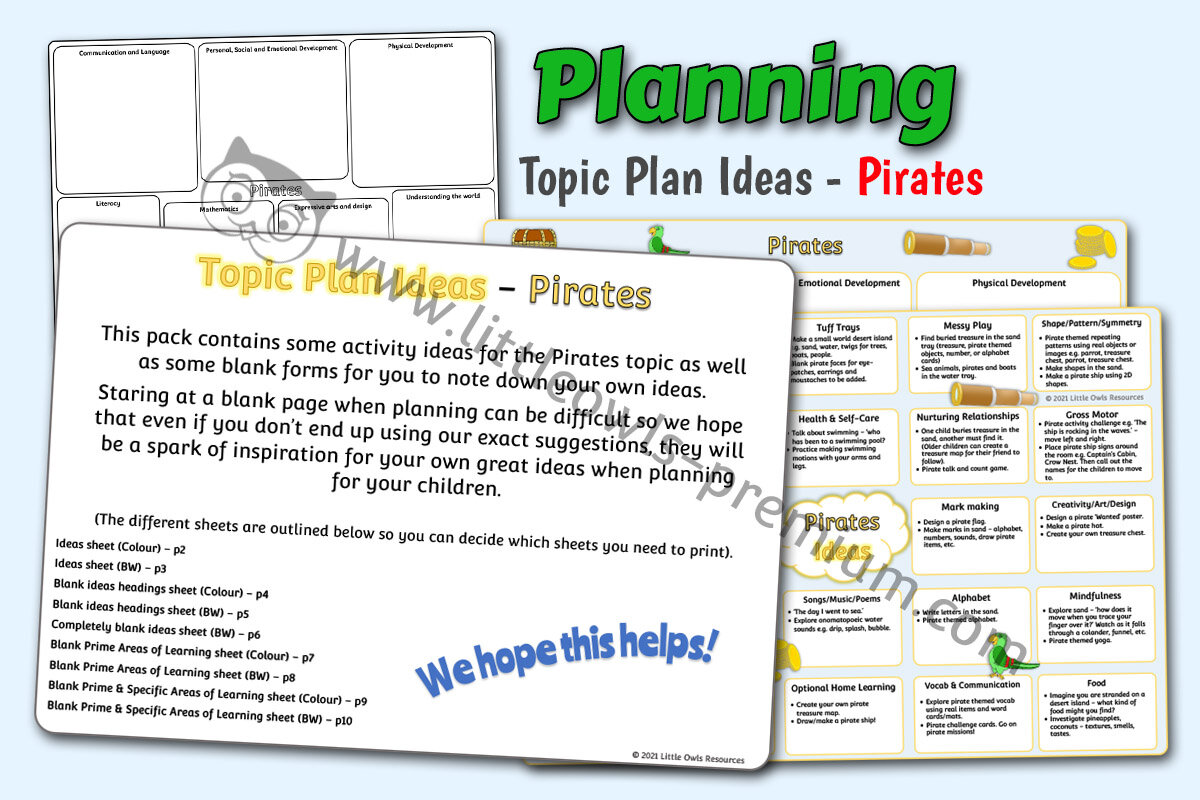
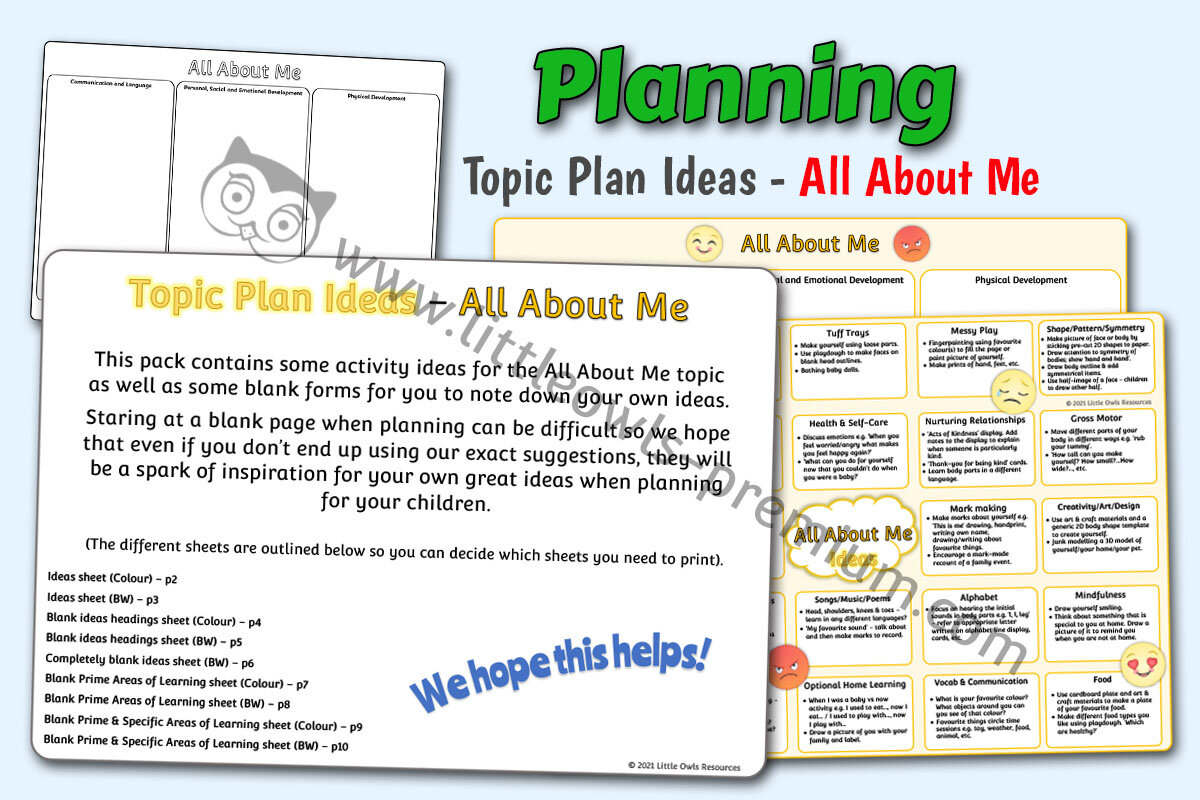
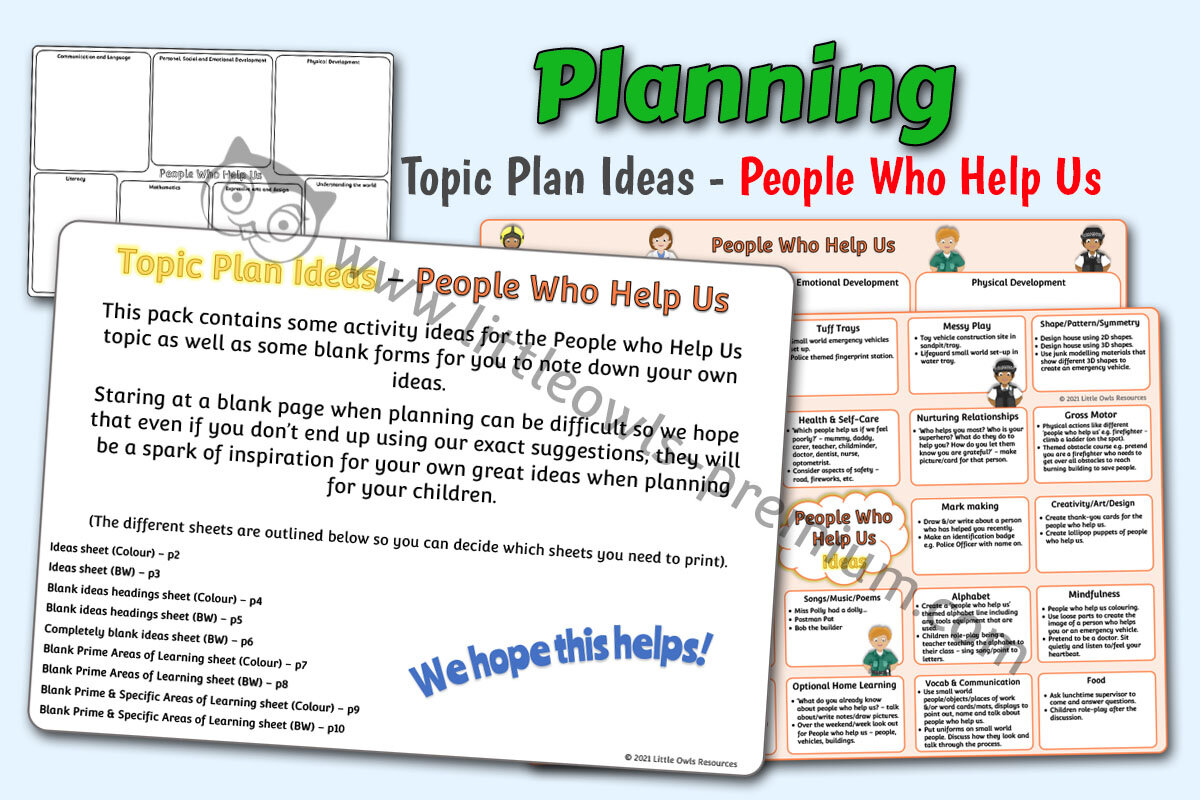
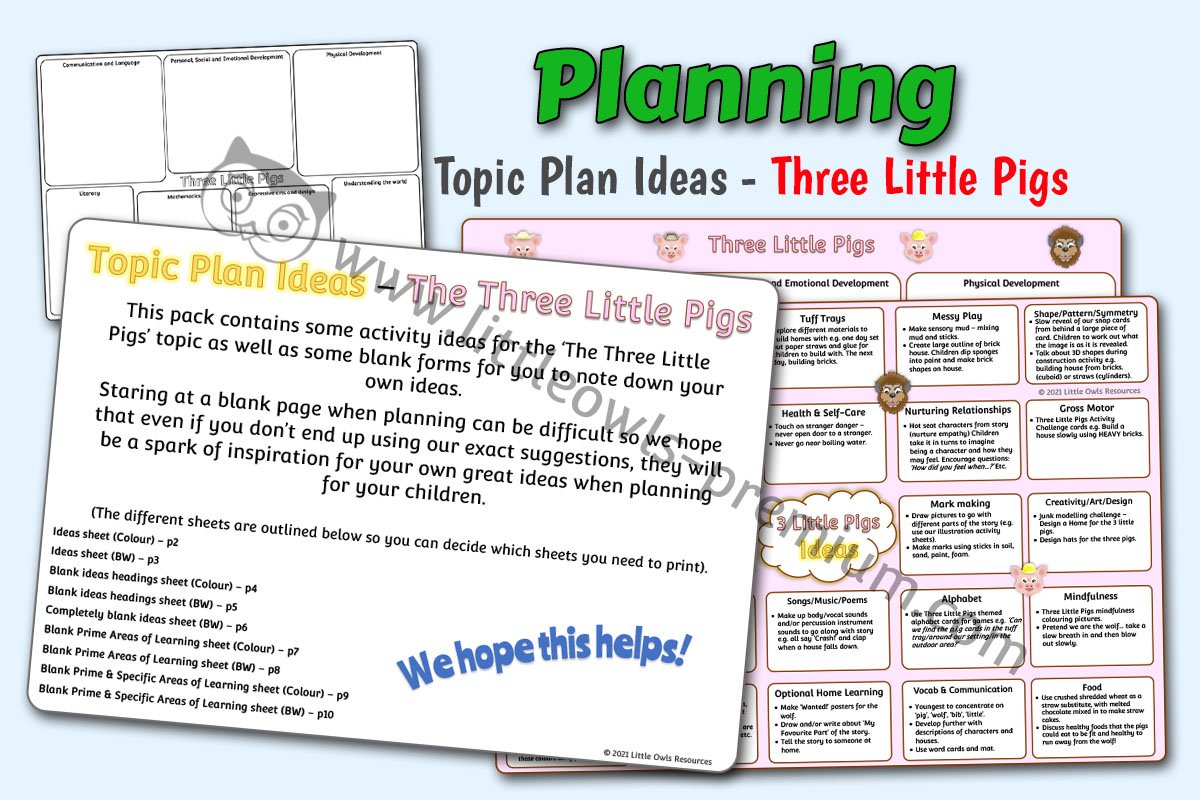
Please use the arrows to the right of the carousel below and select a theme to explore our continuous provision enhancement resources. Alternatively, visit our ‘Themes Menu Page’.

















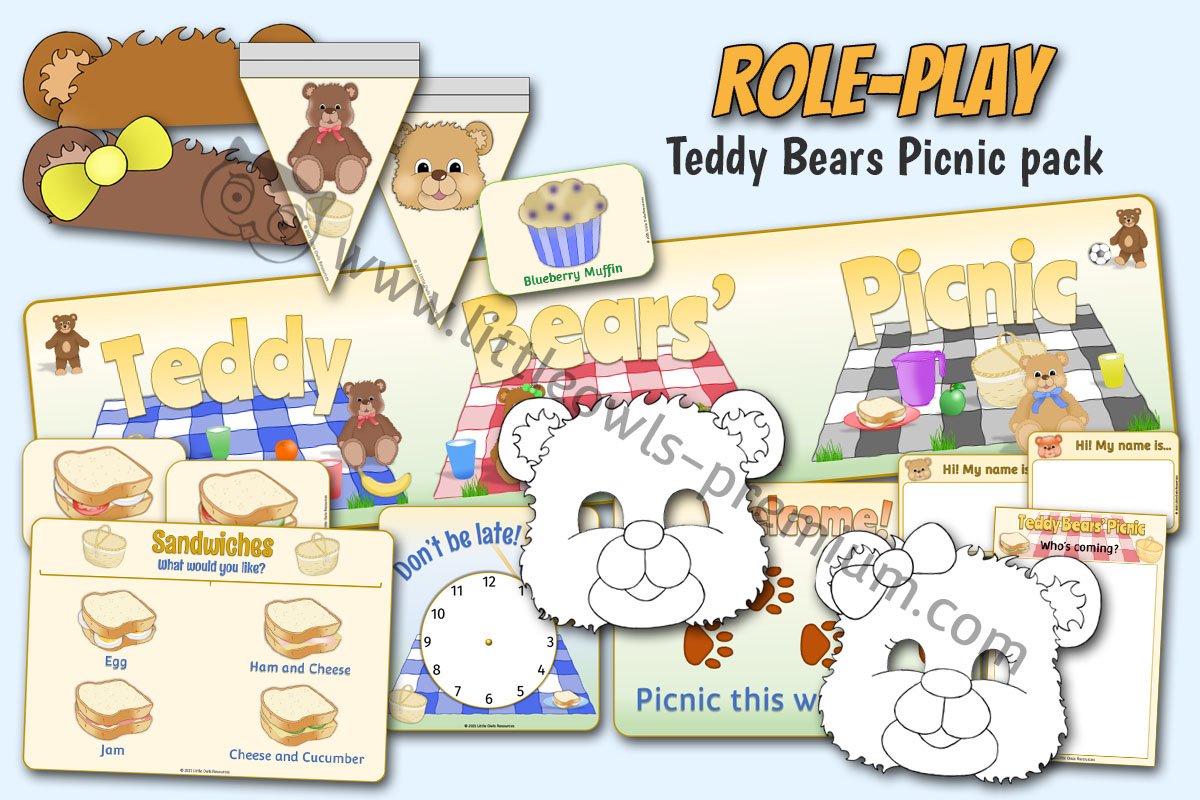
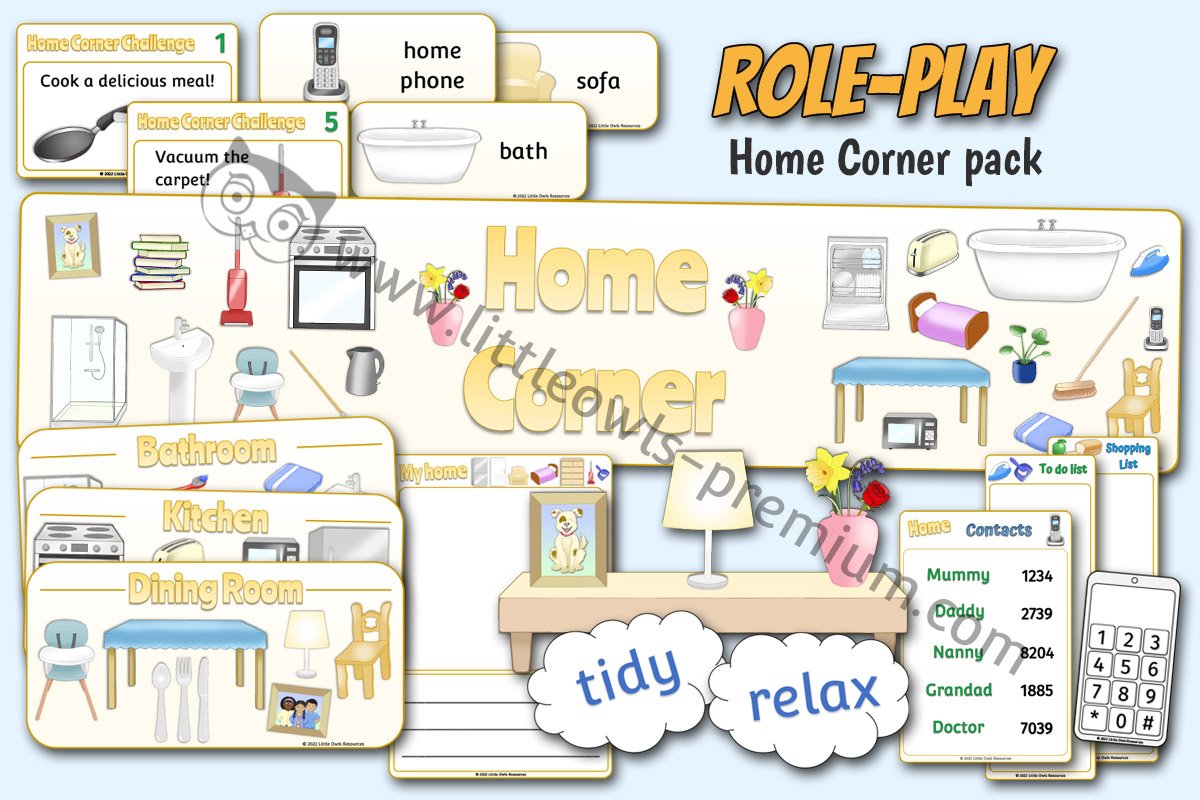
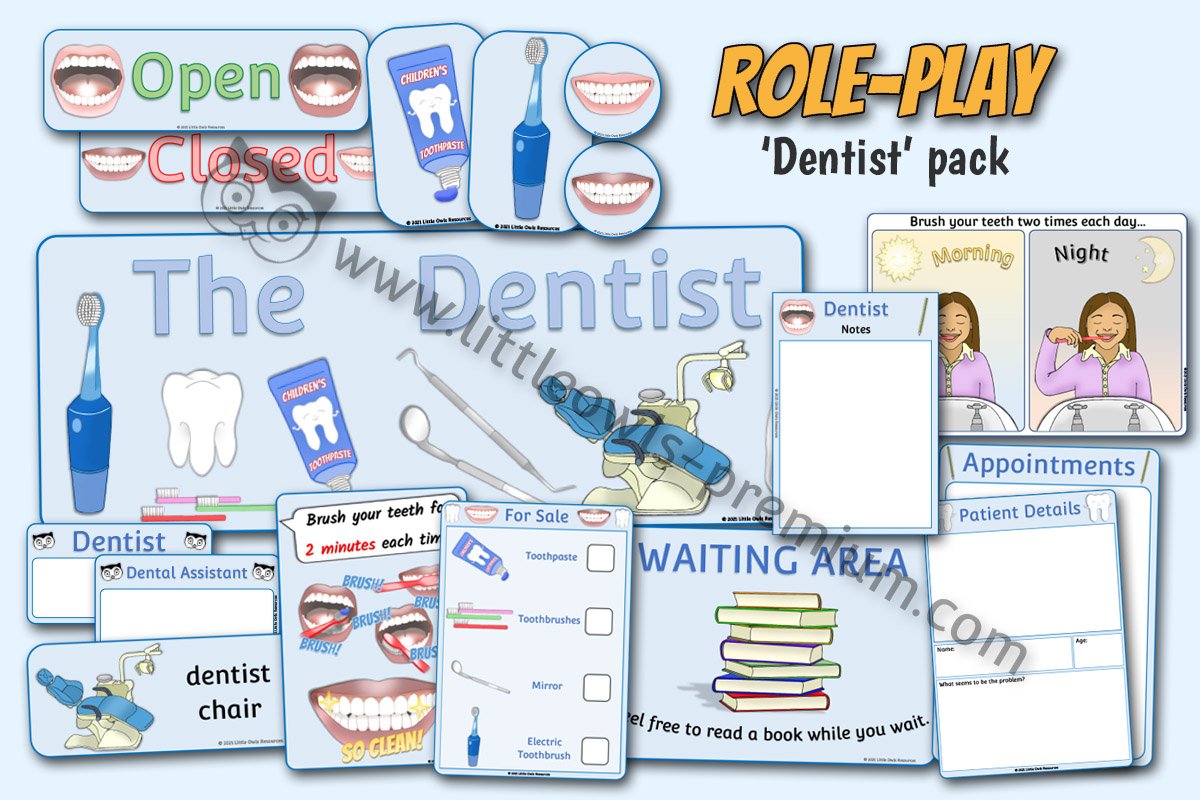
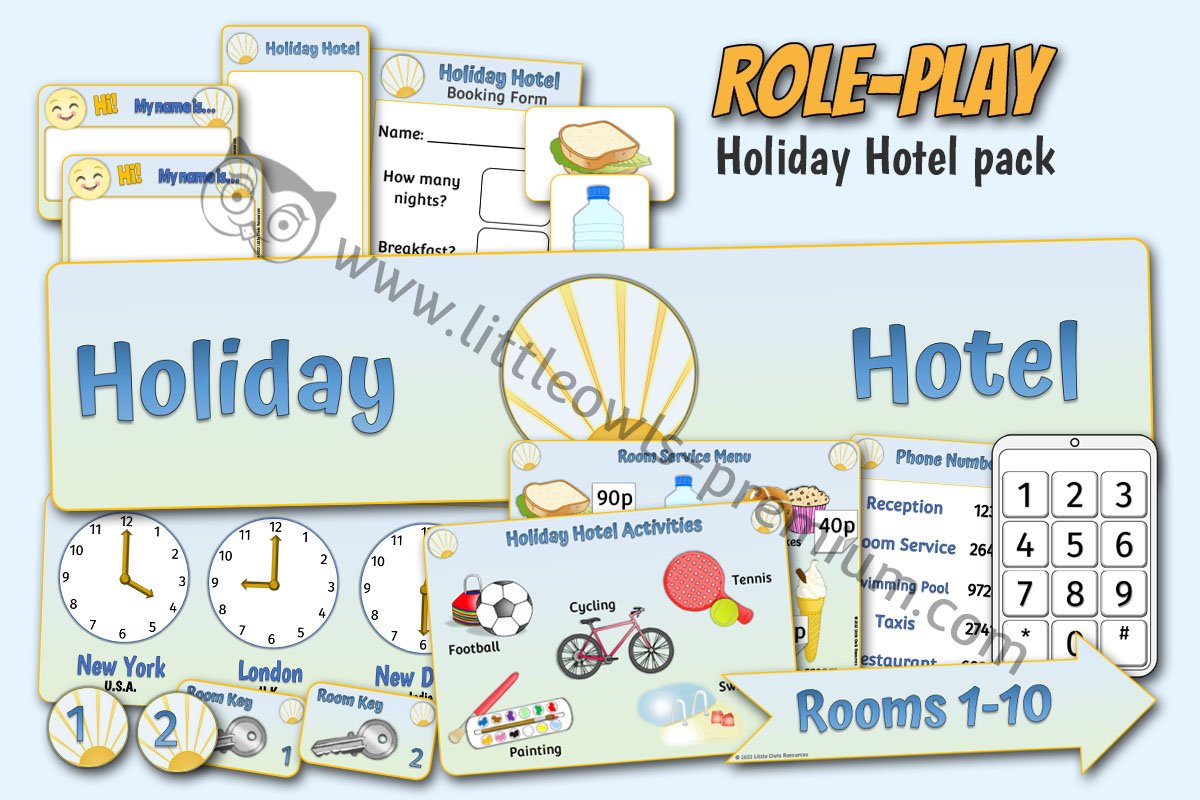
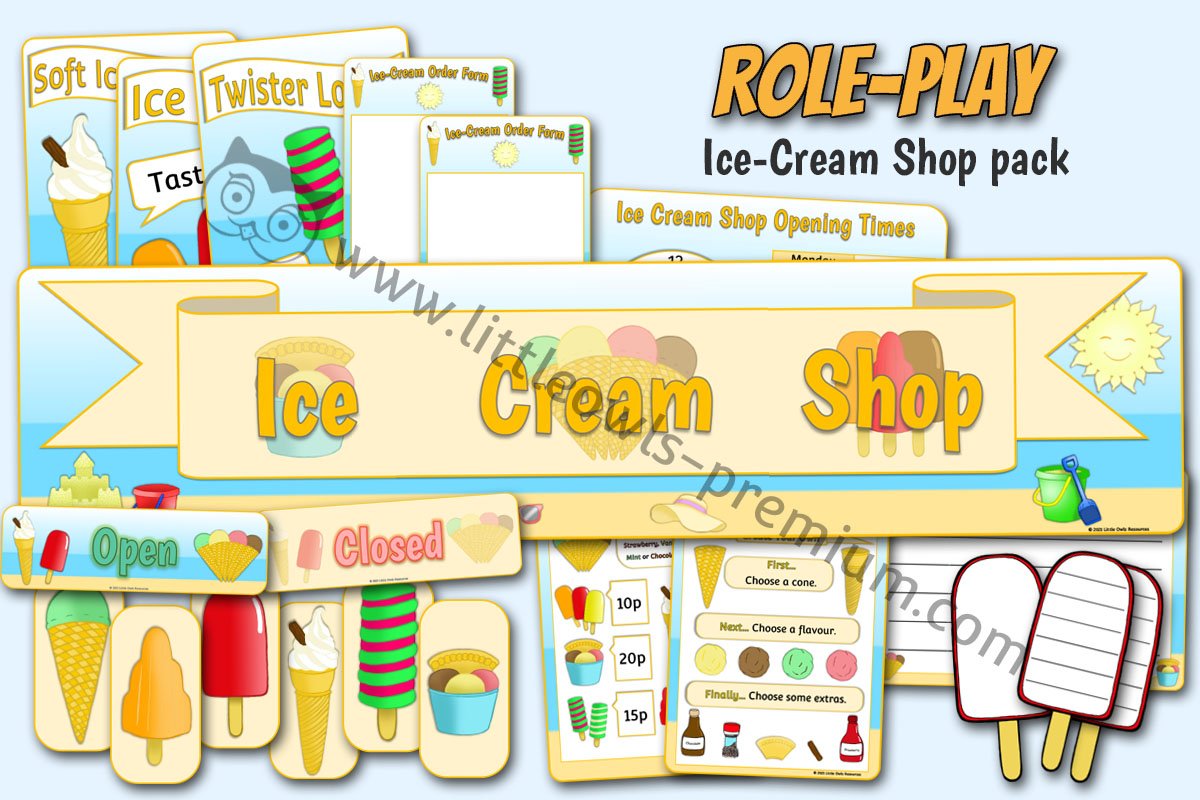
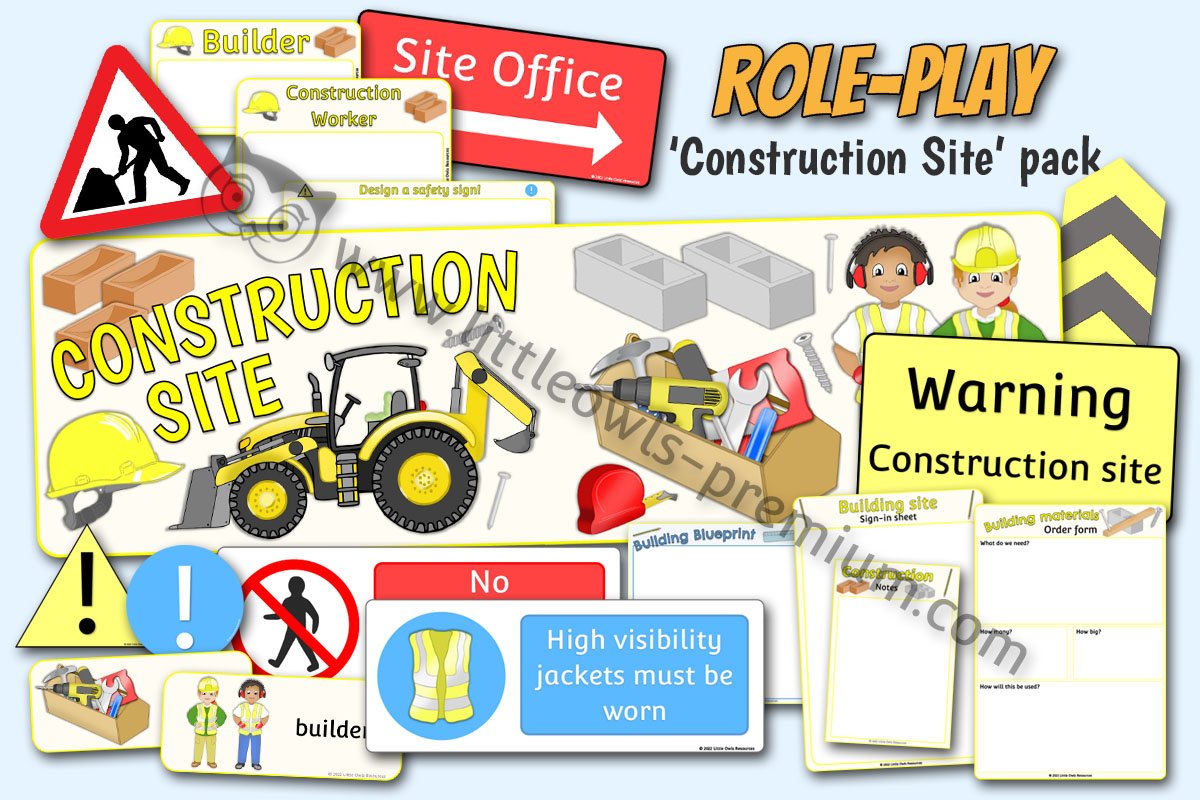
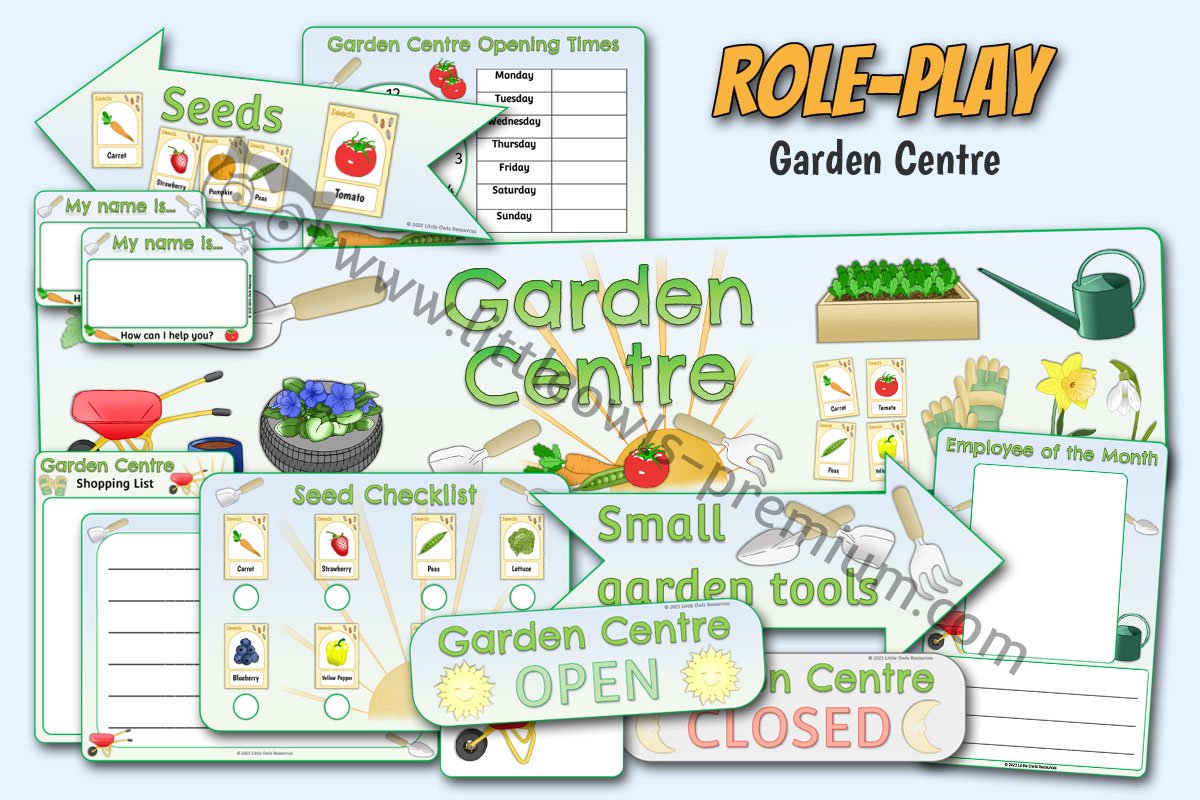
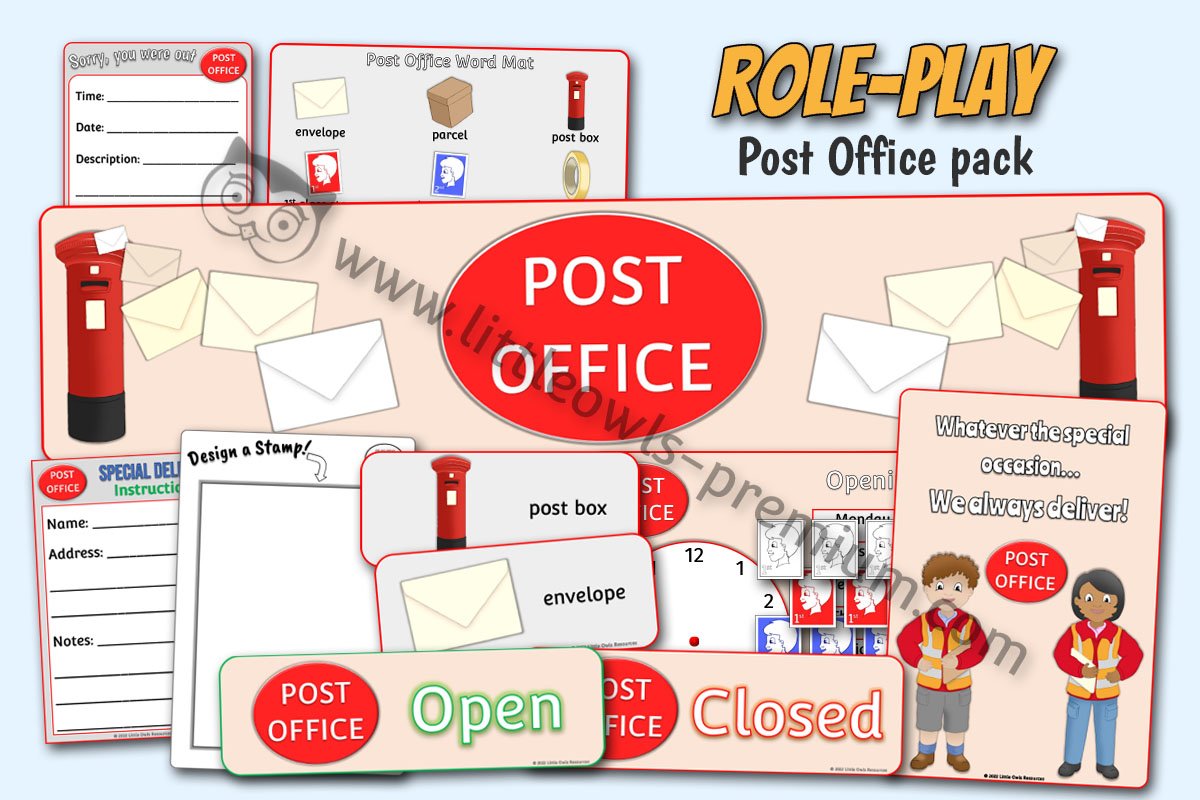
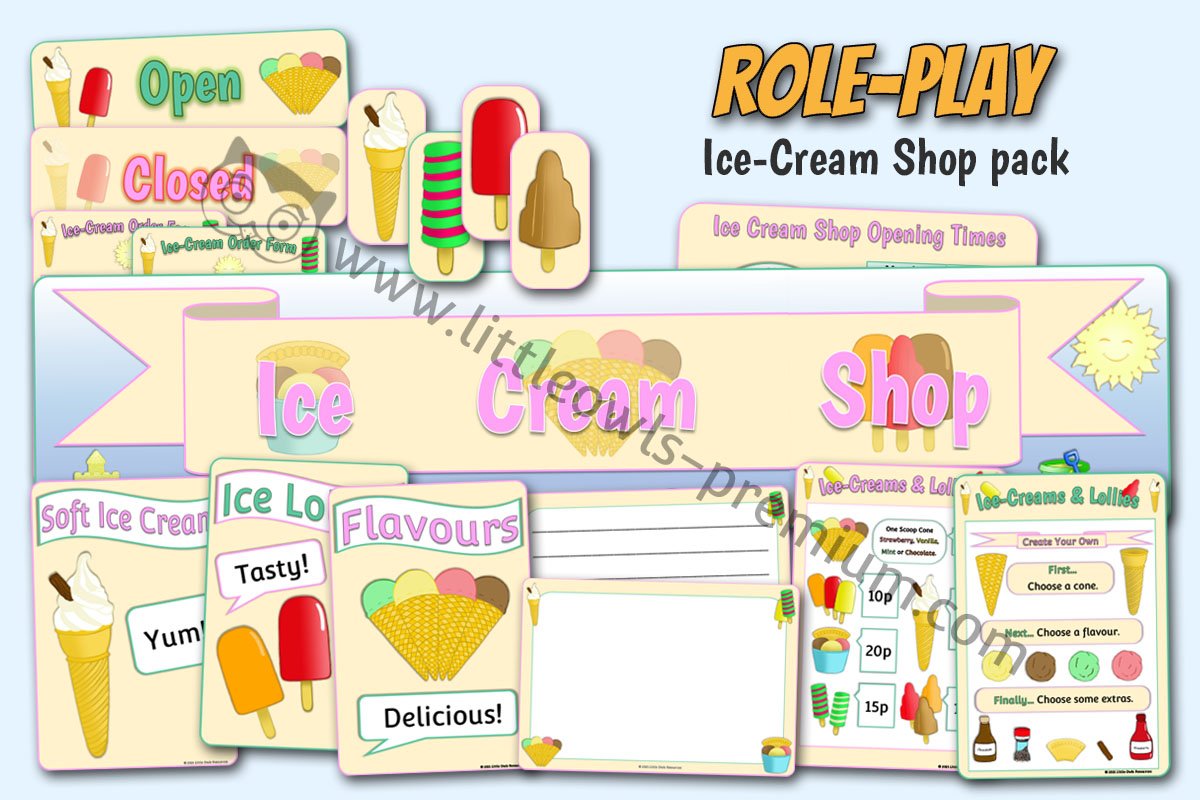
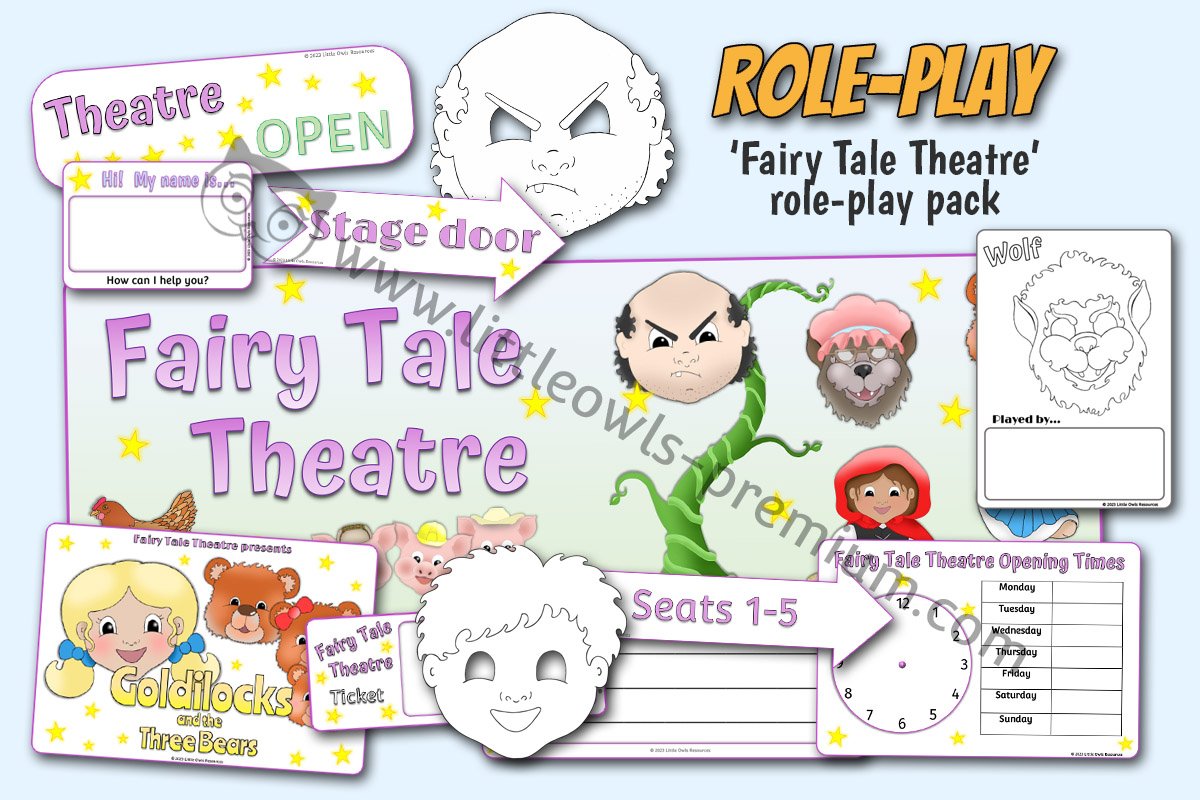
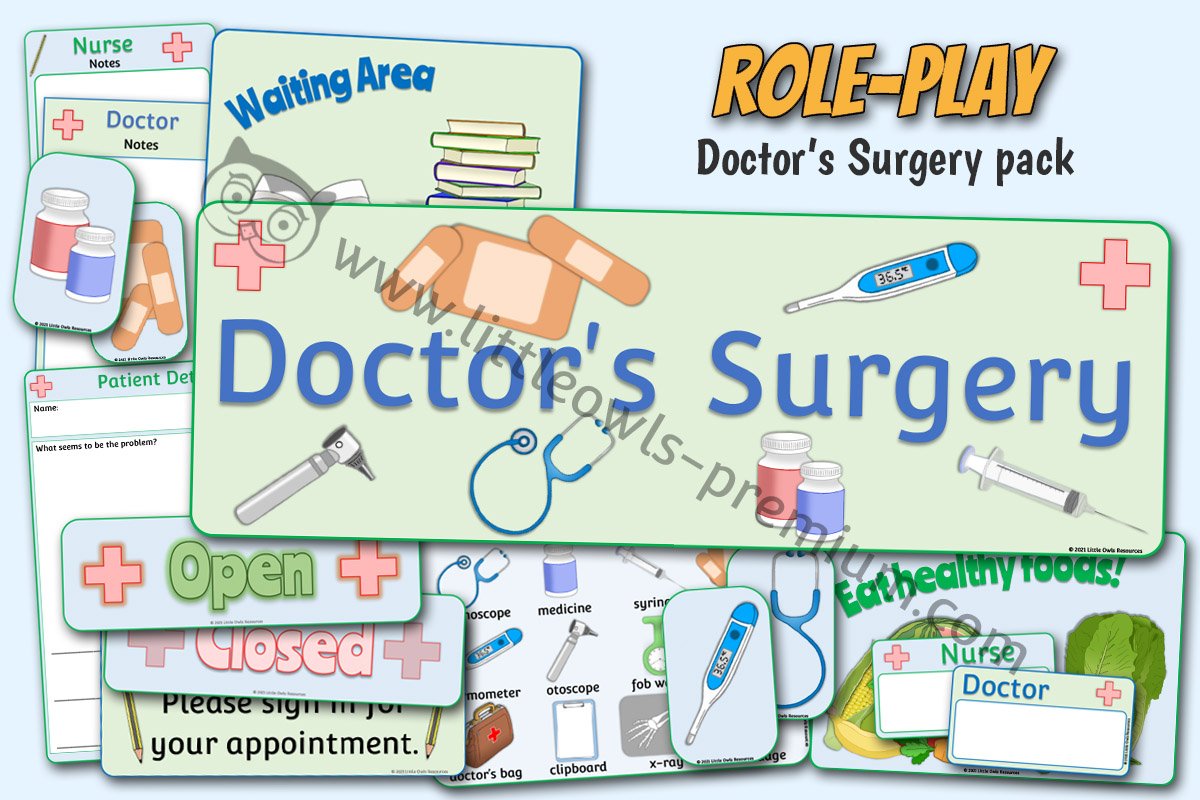
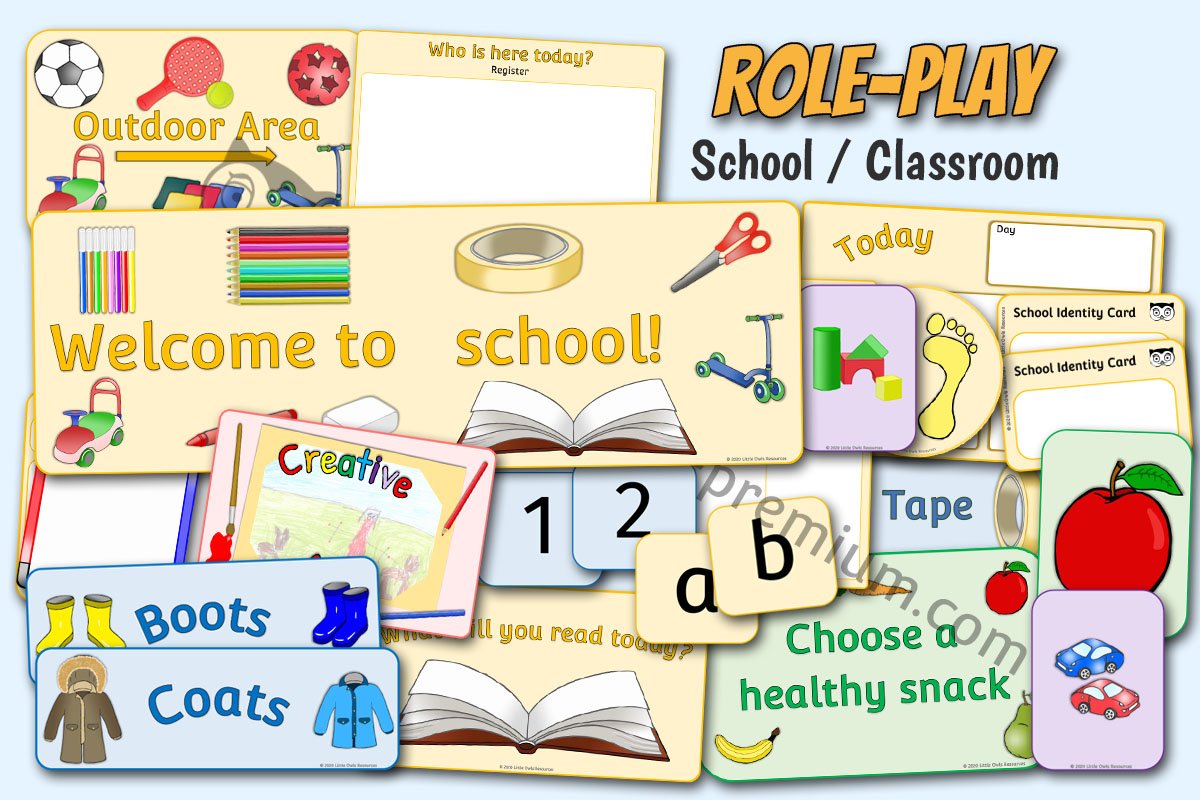
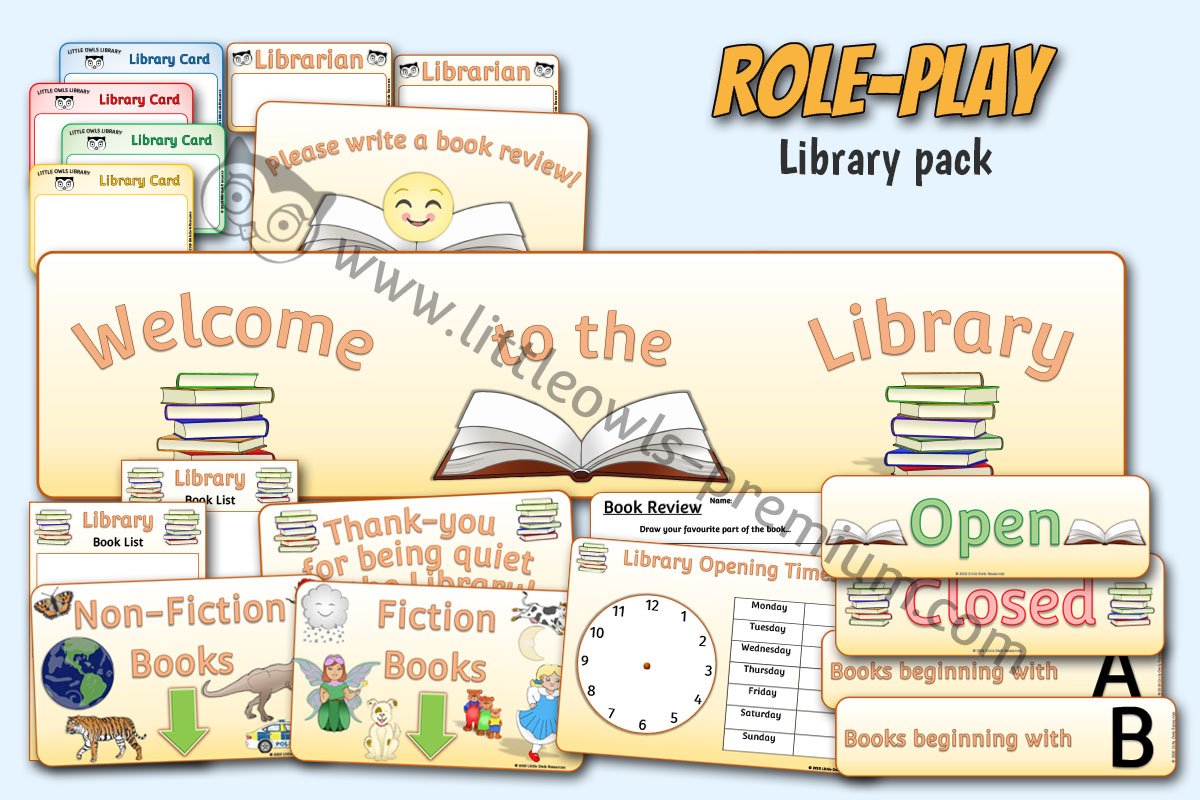
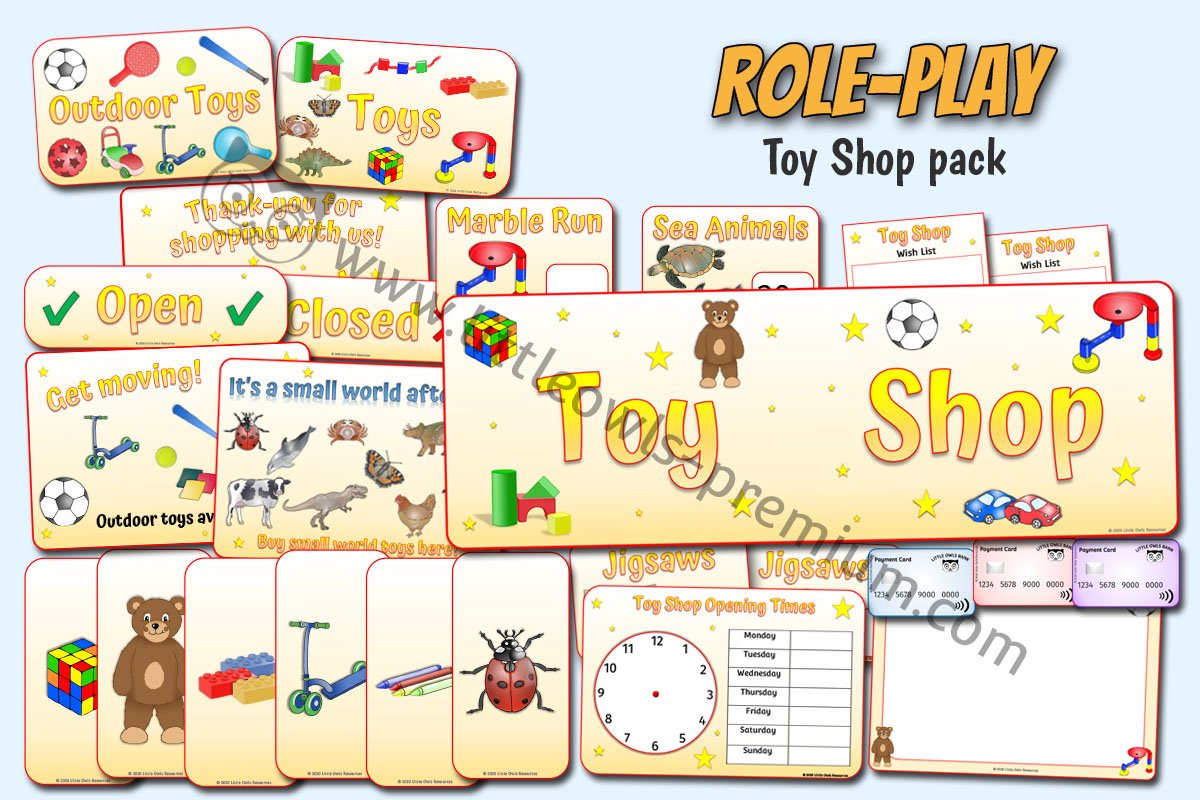
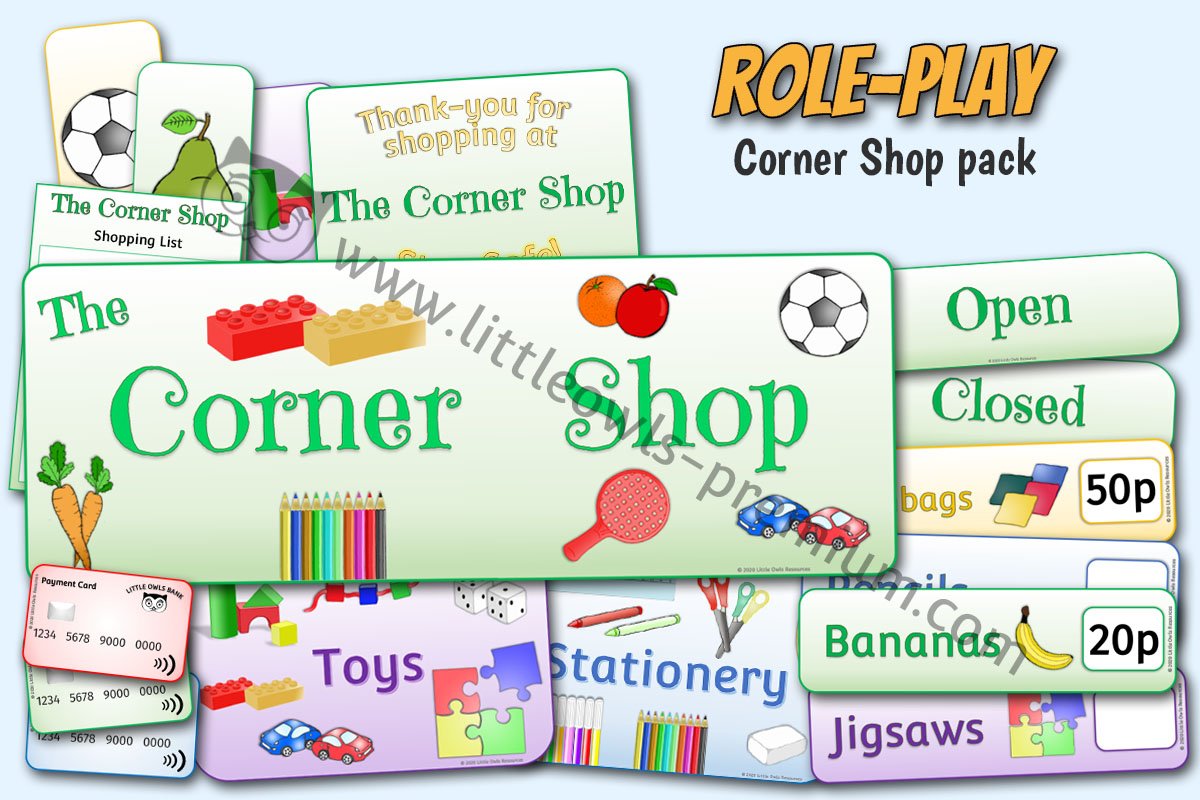
Role-Play Packs
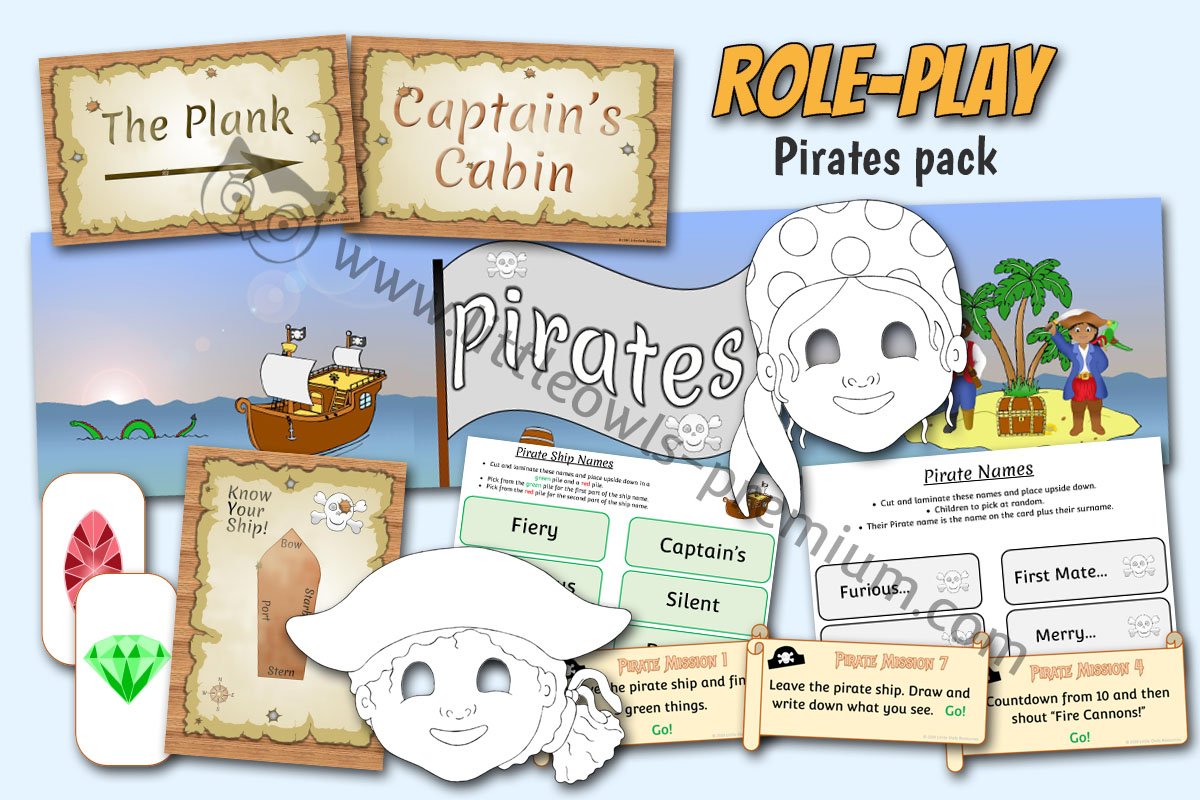
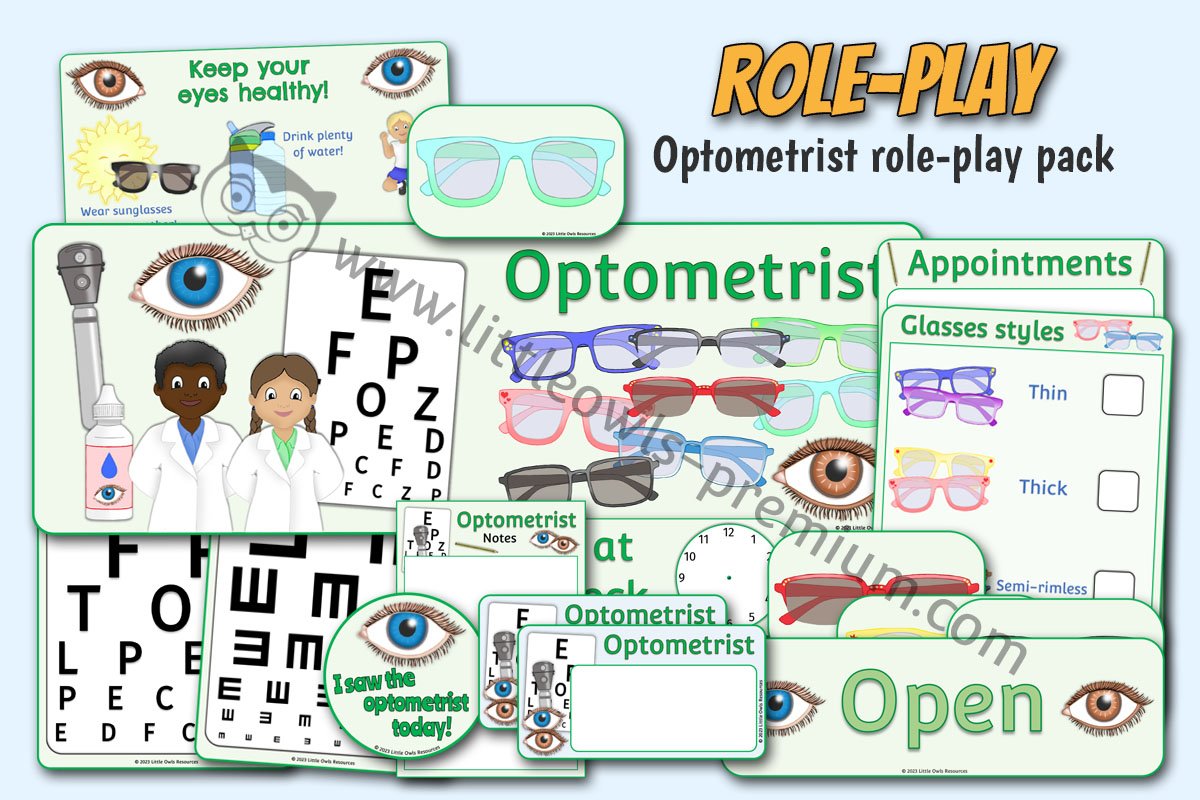
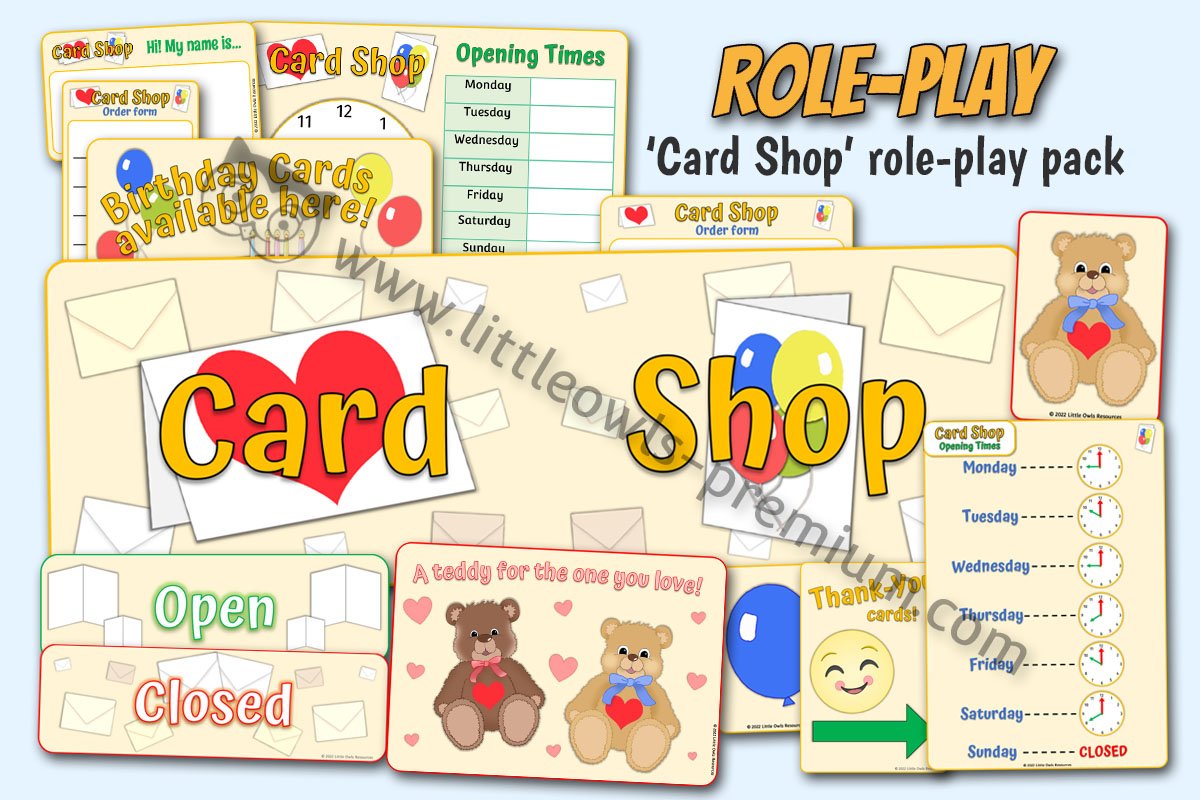
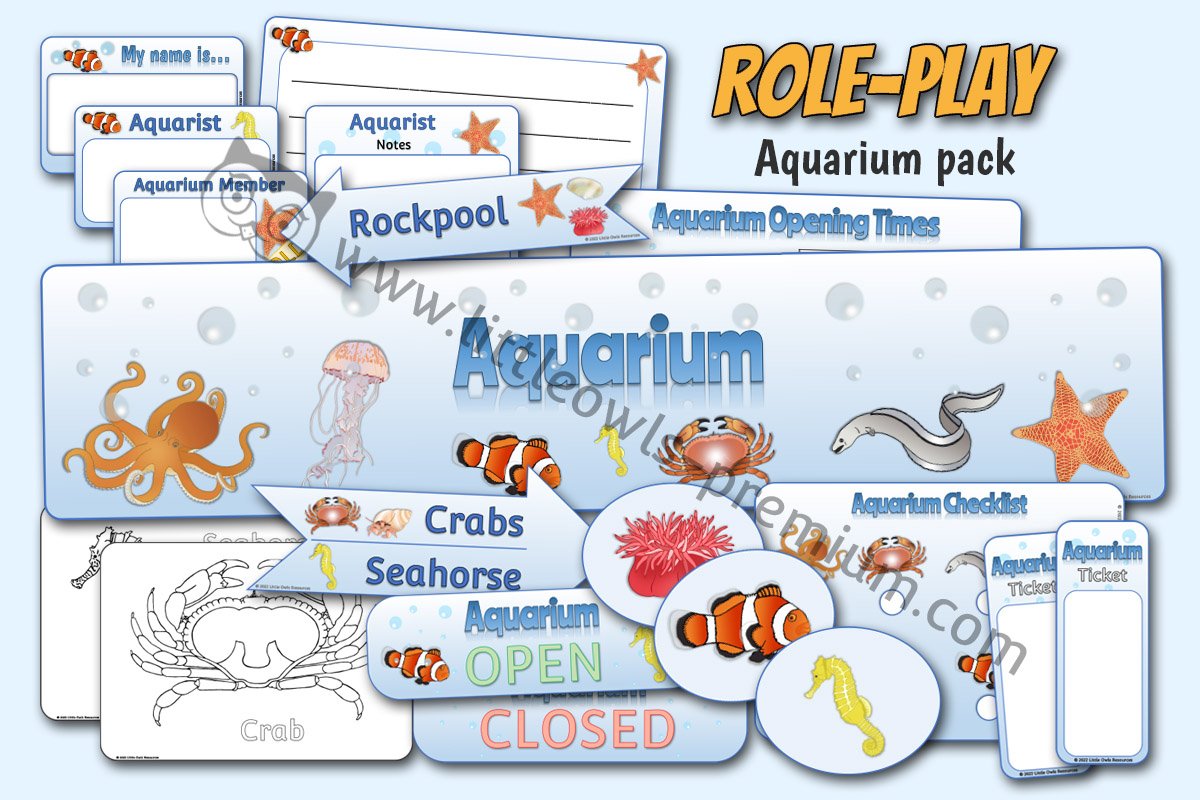
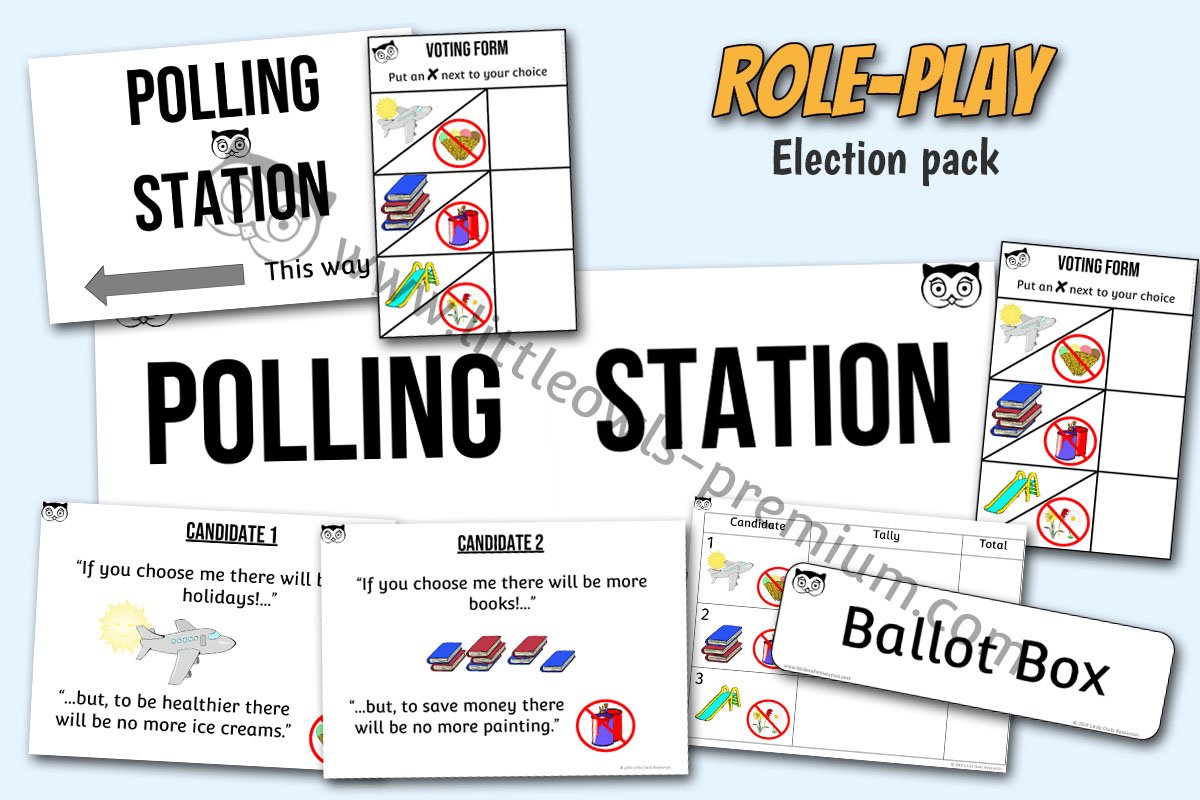
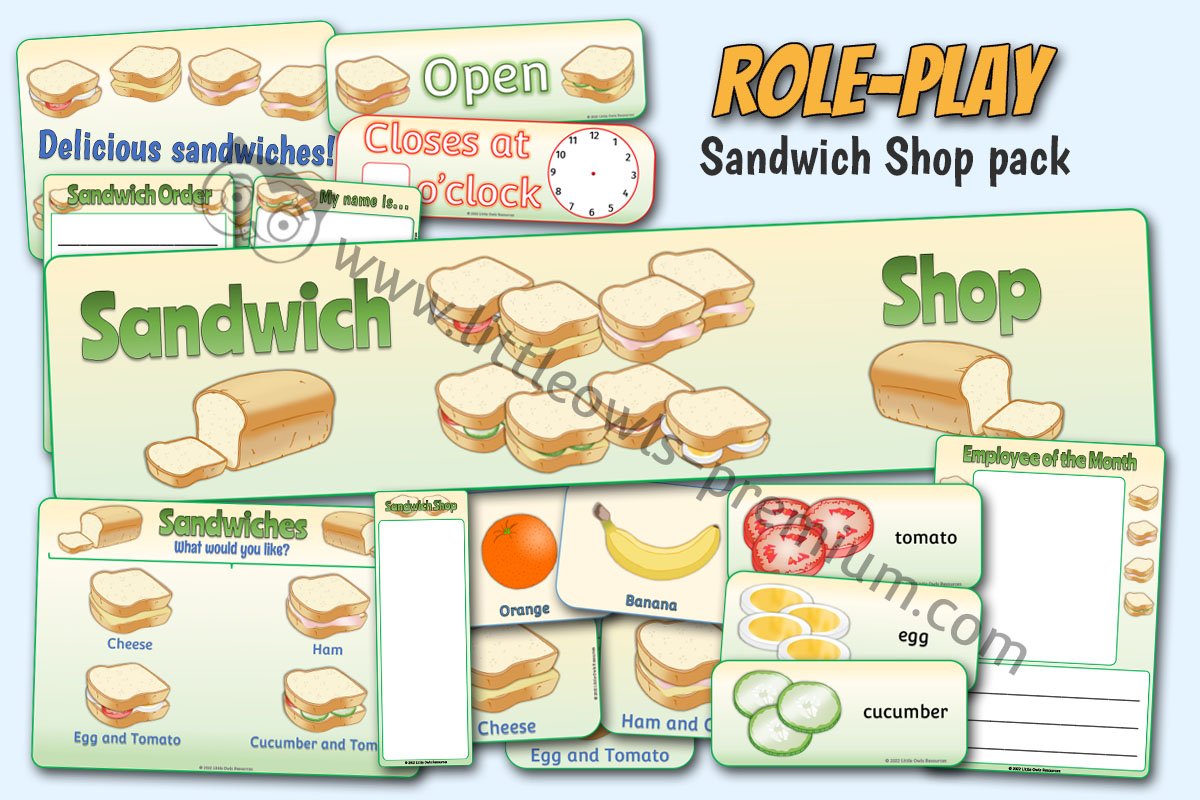
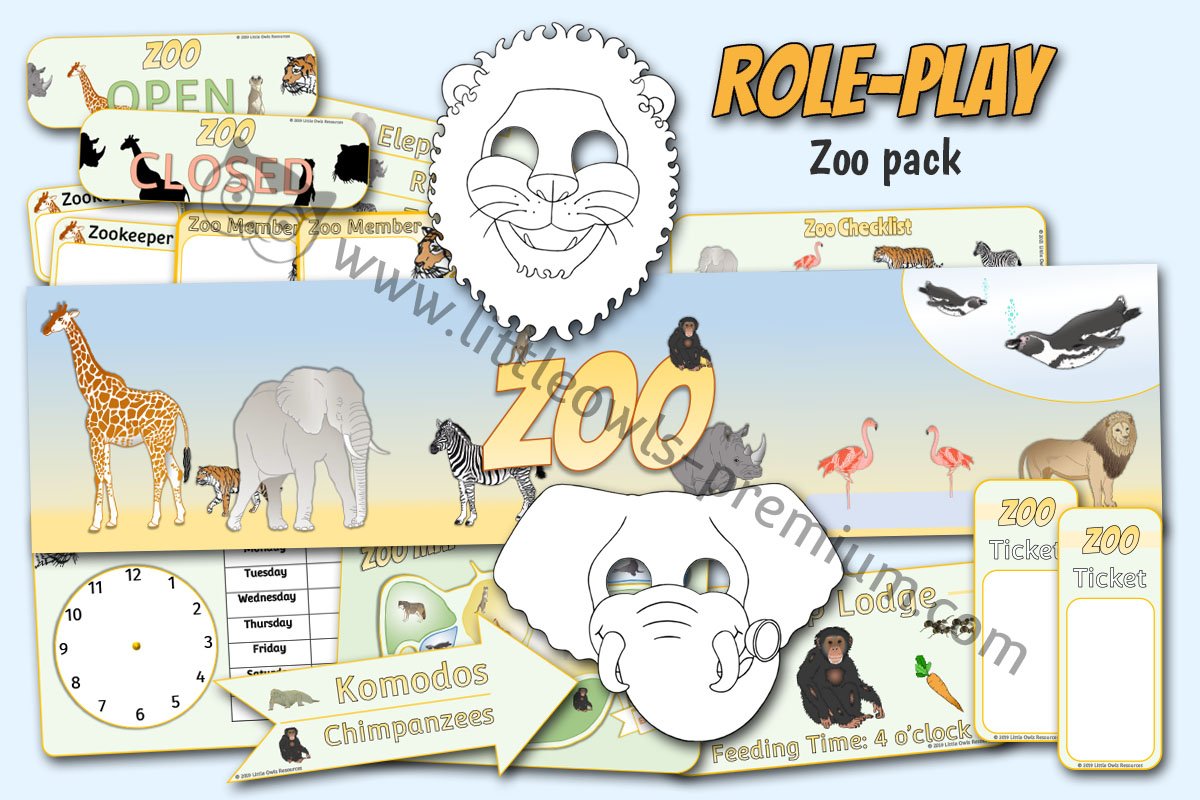
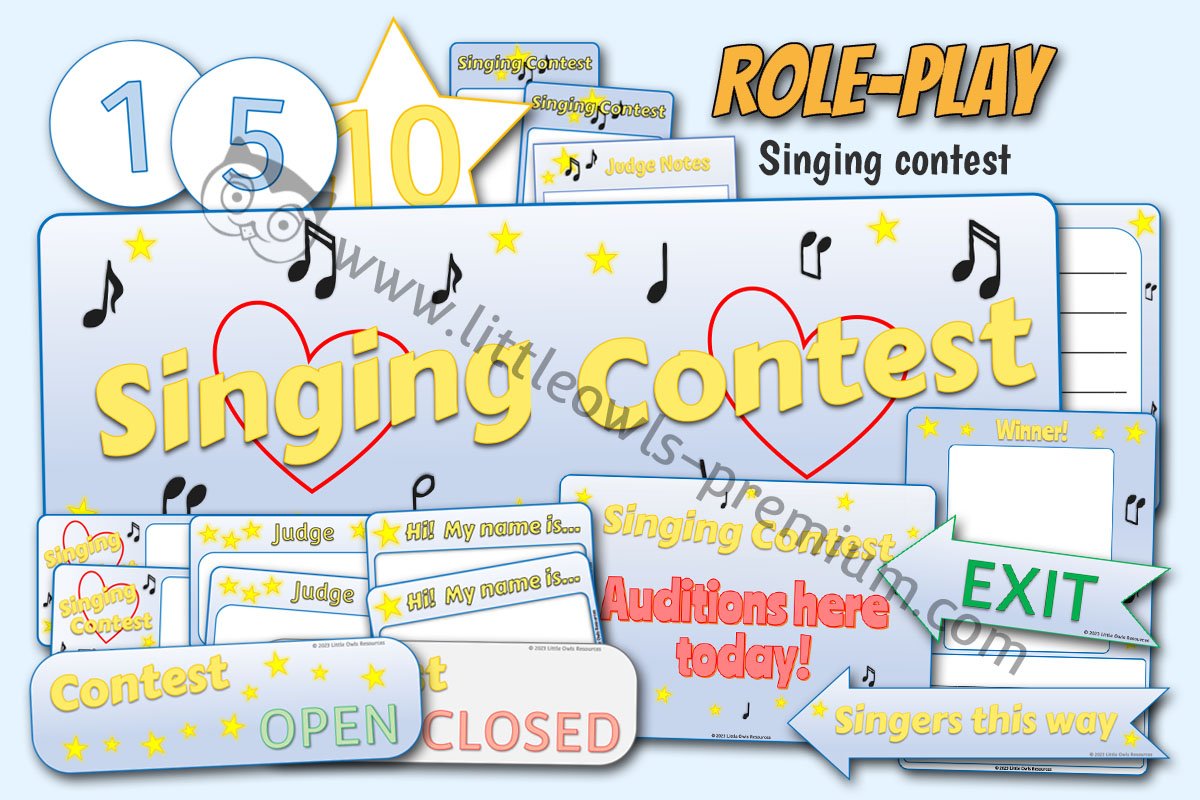
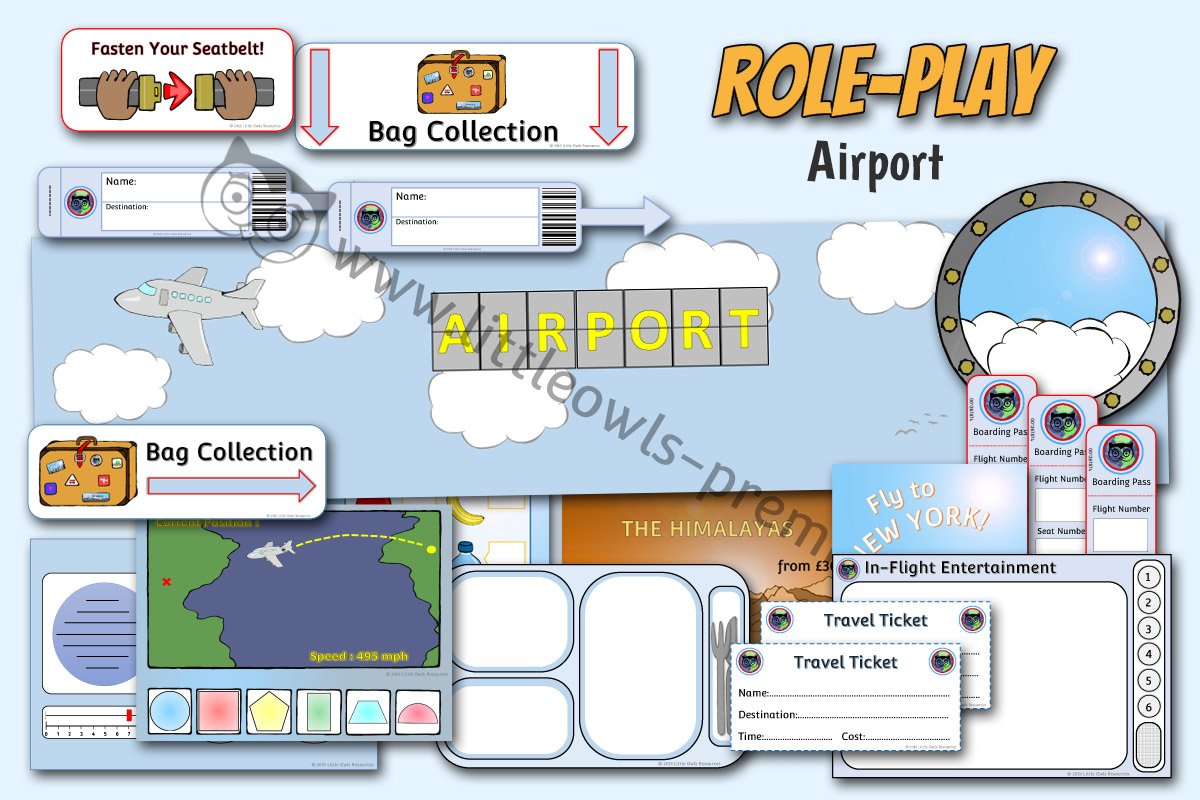
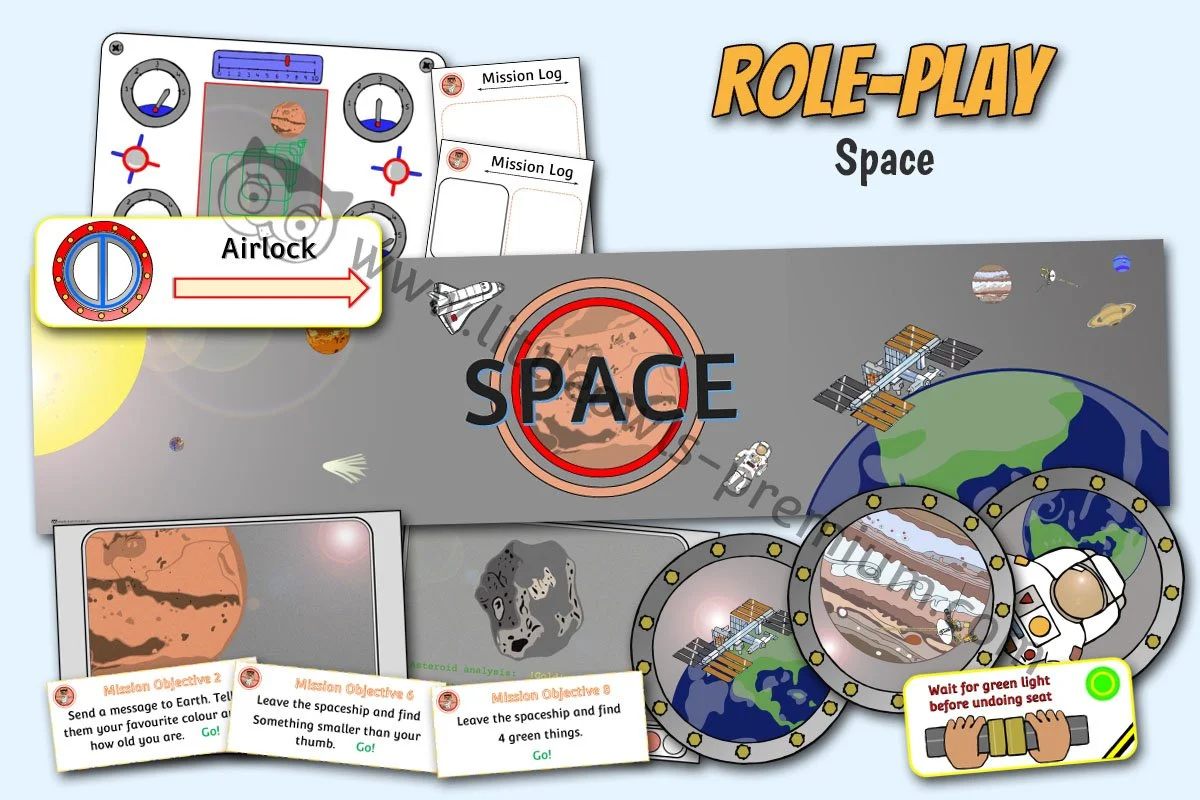
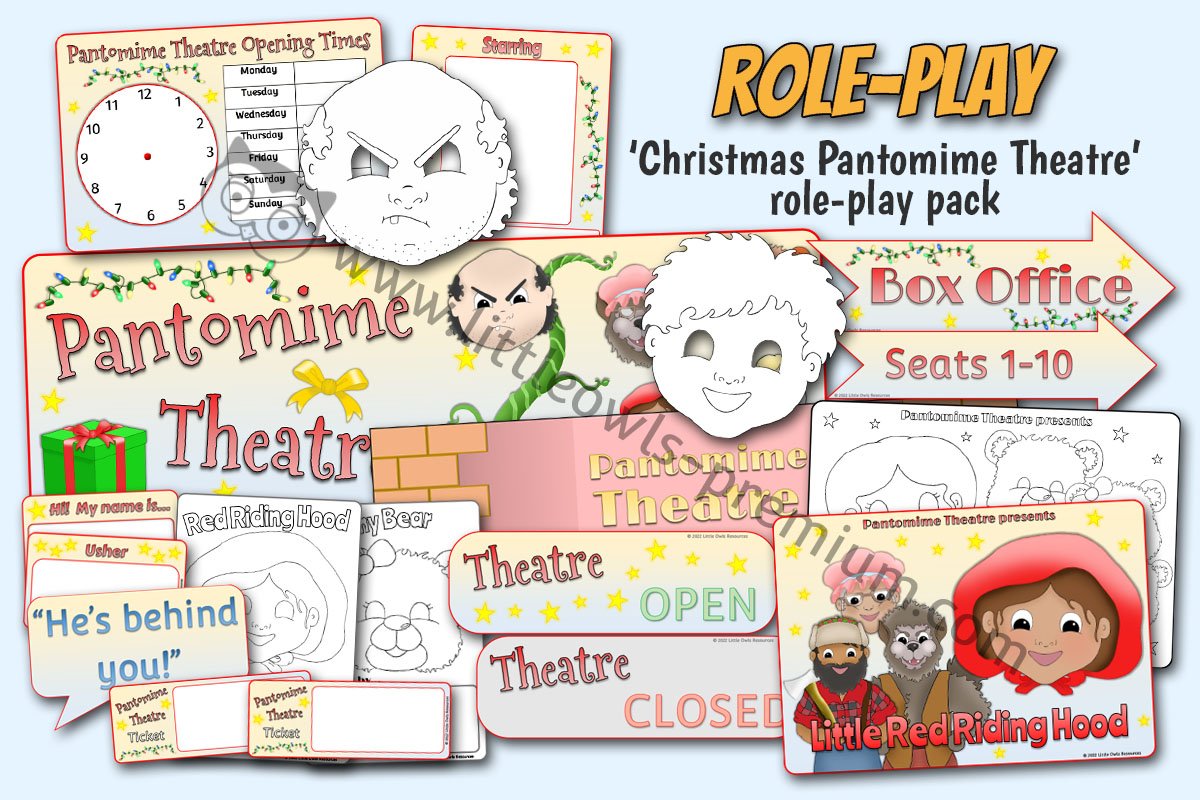
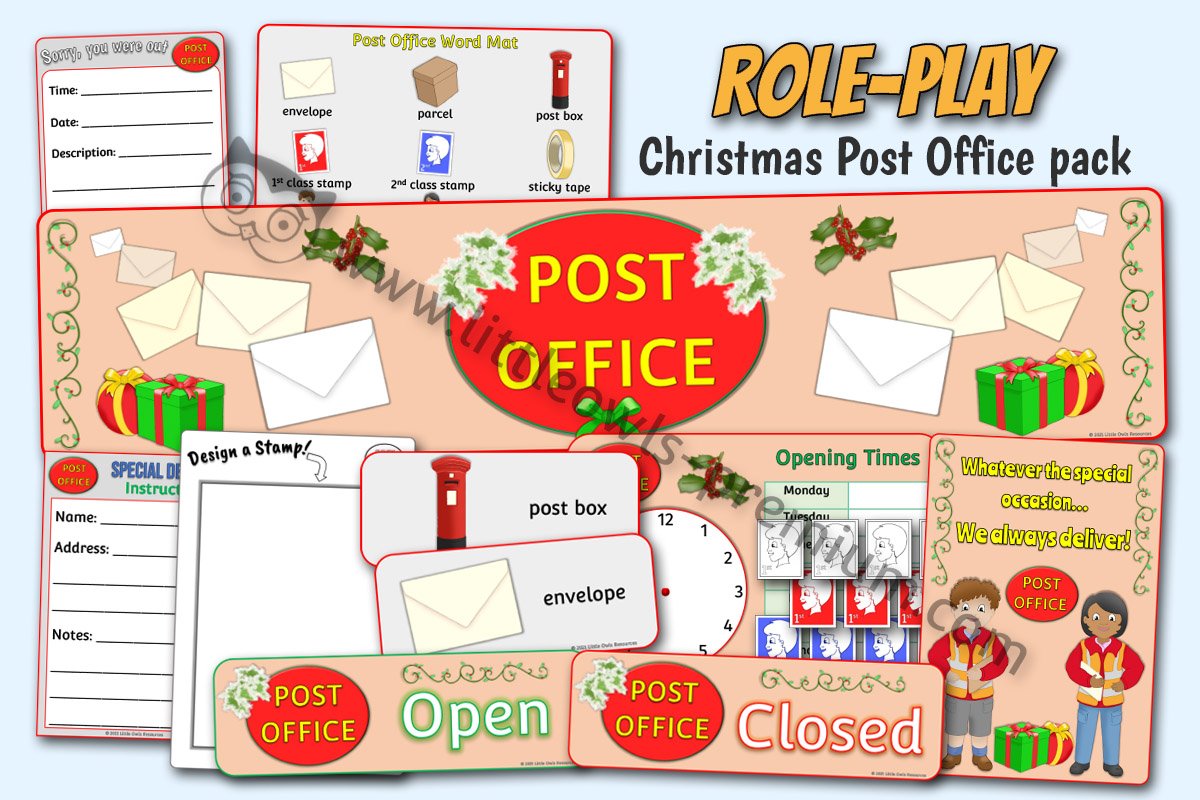
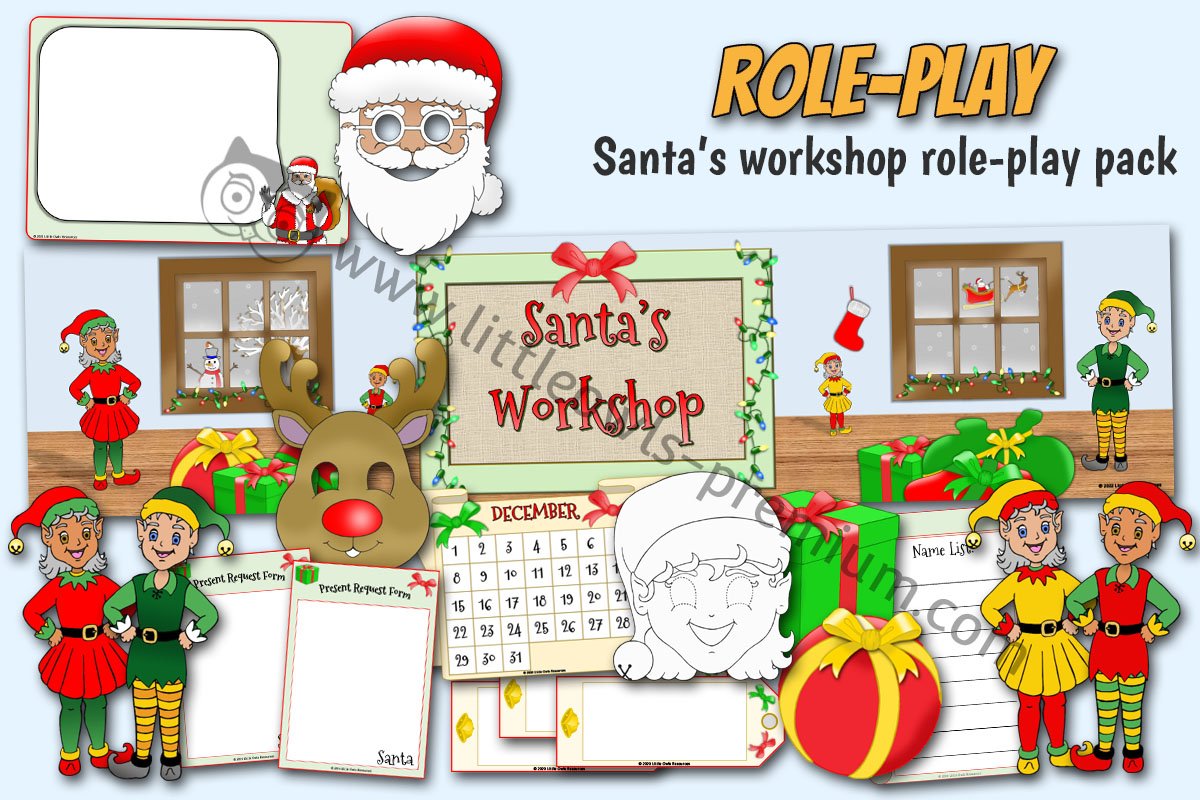
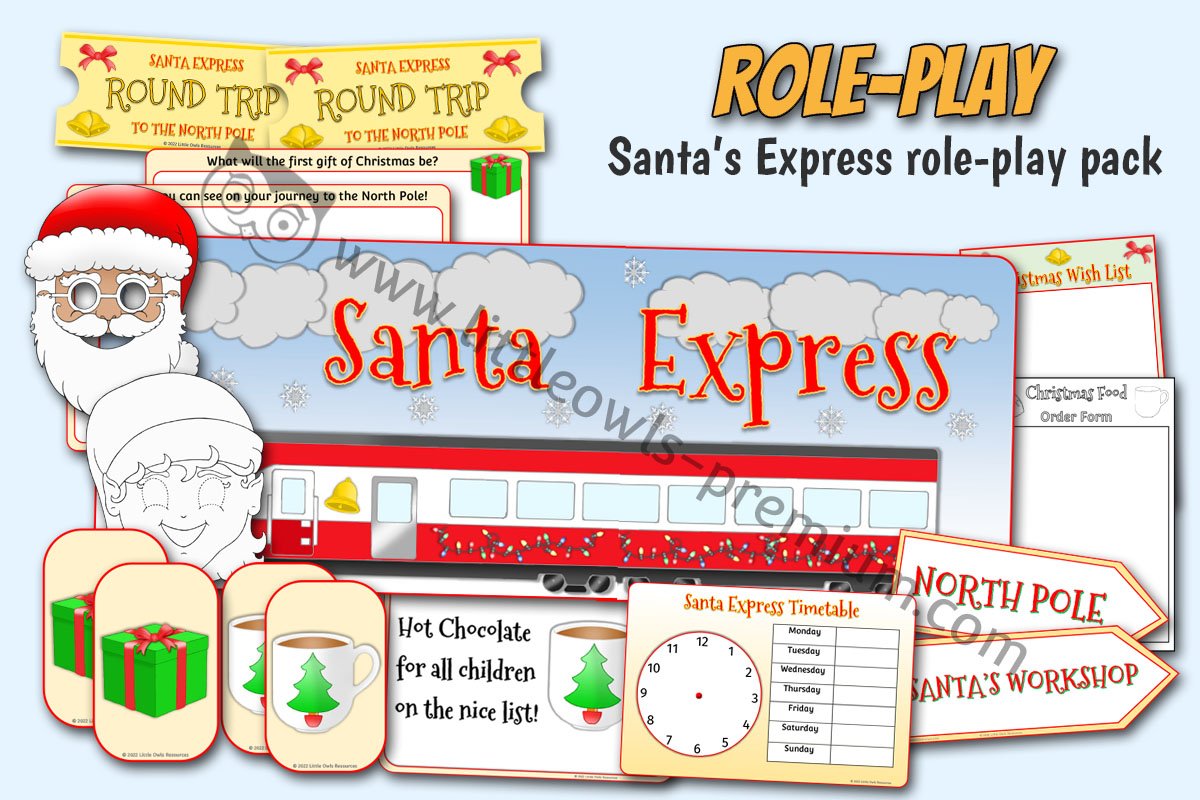
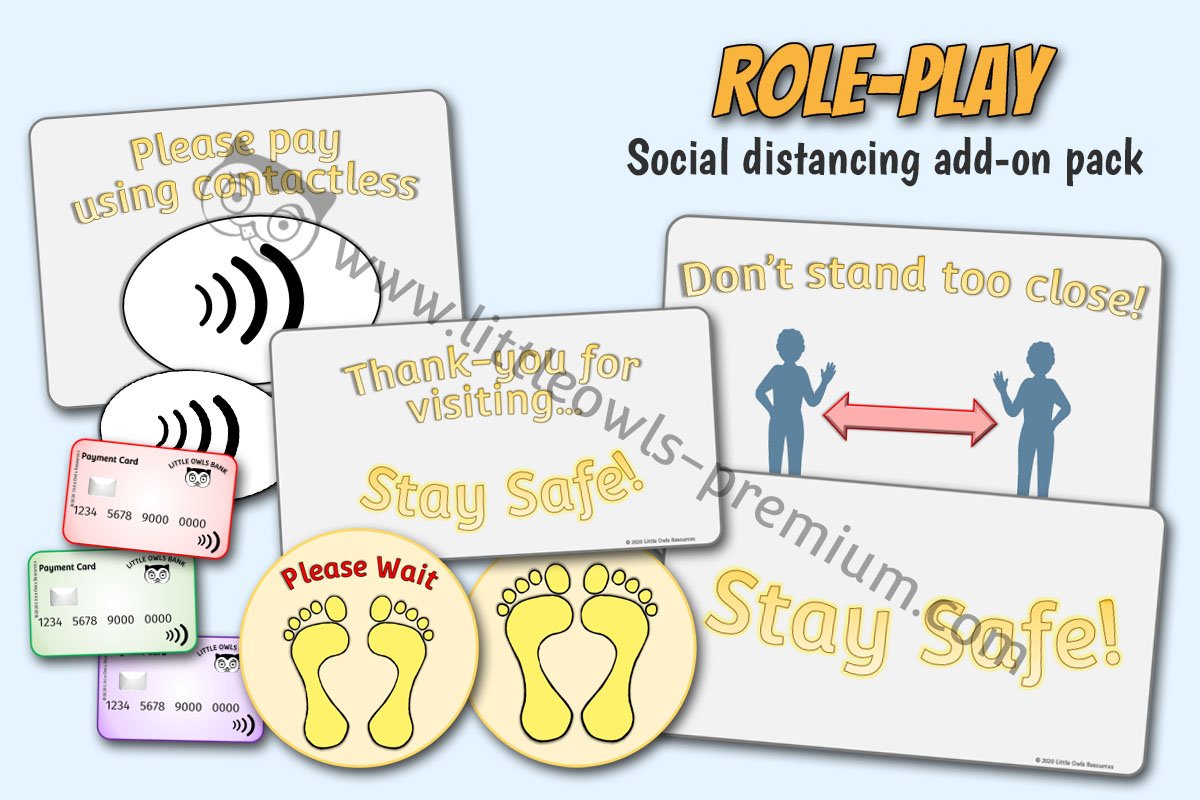
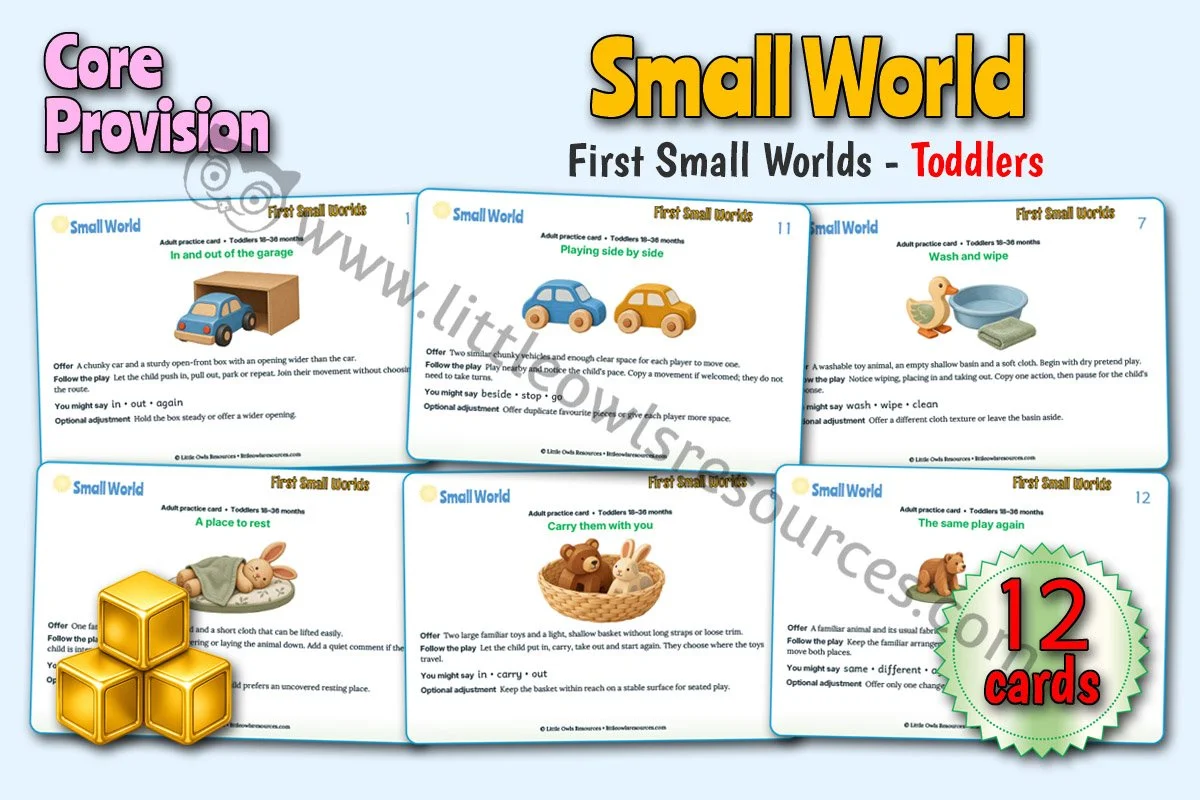
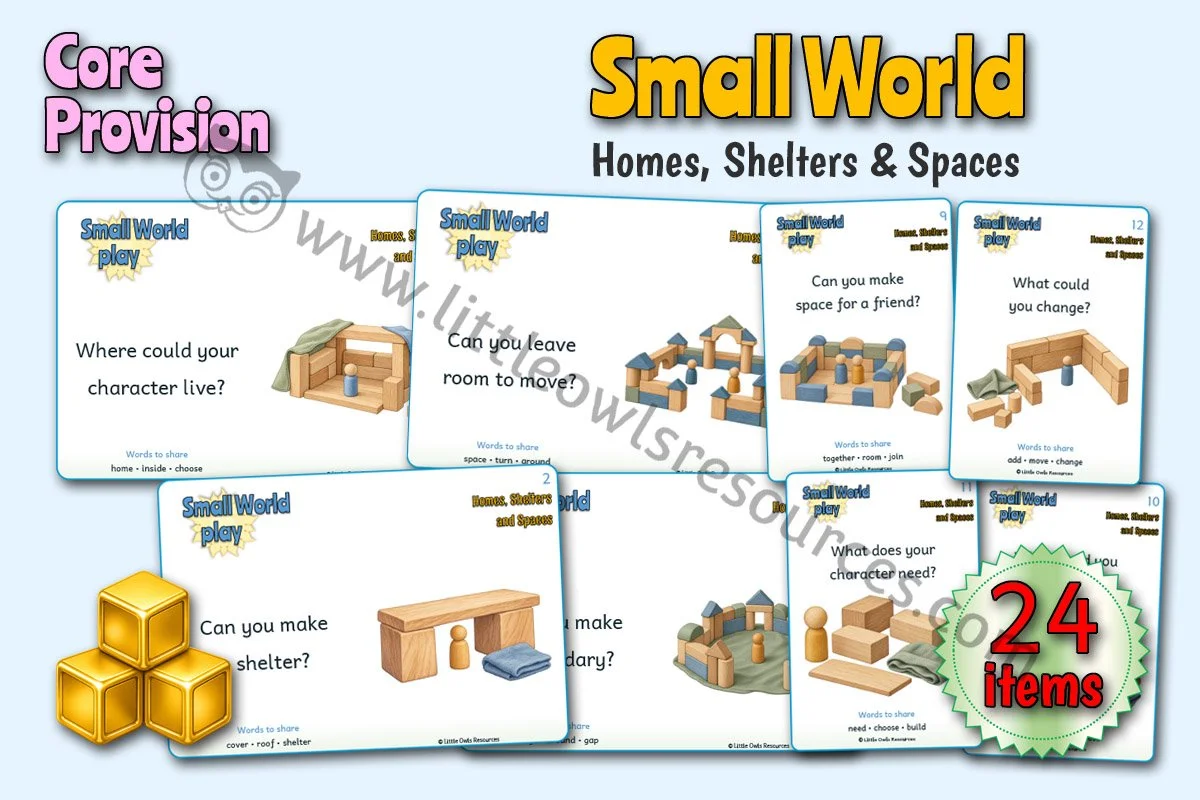
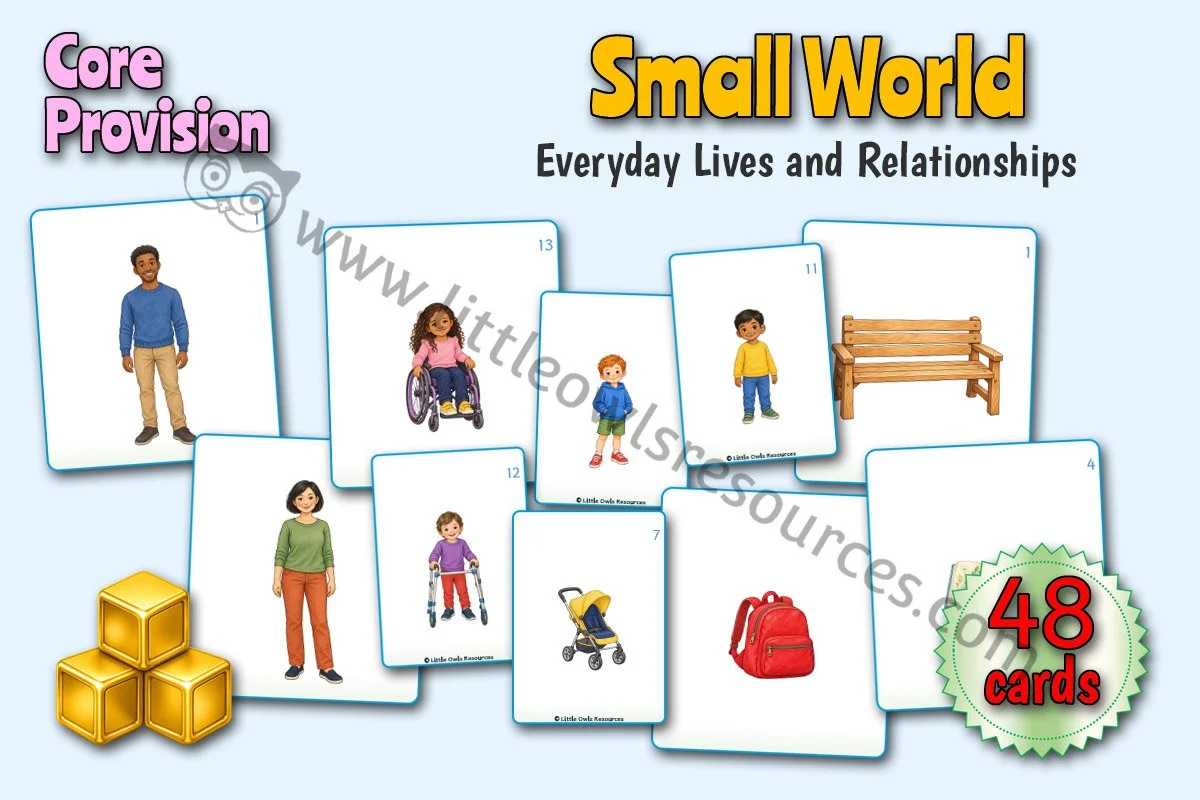
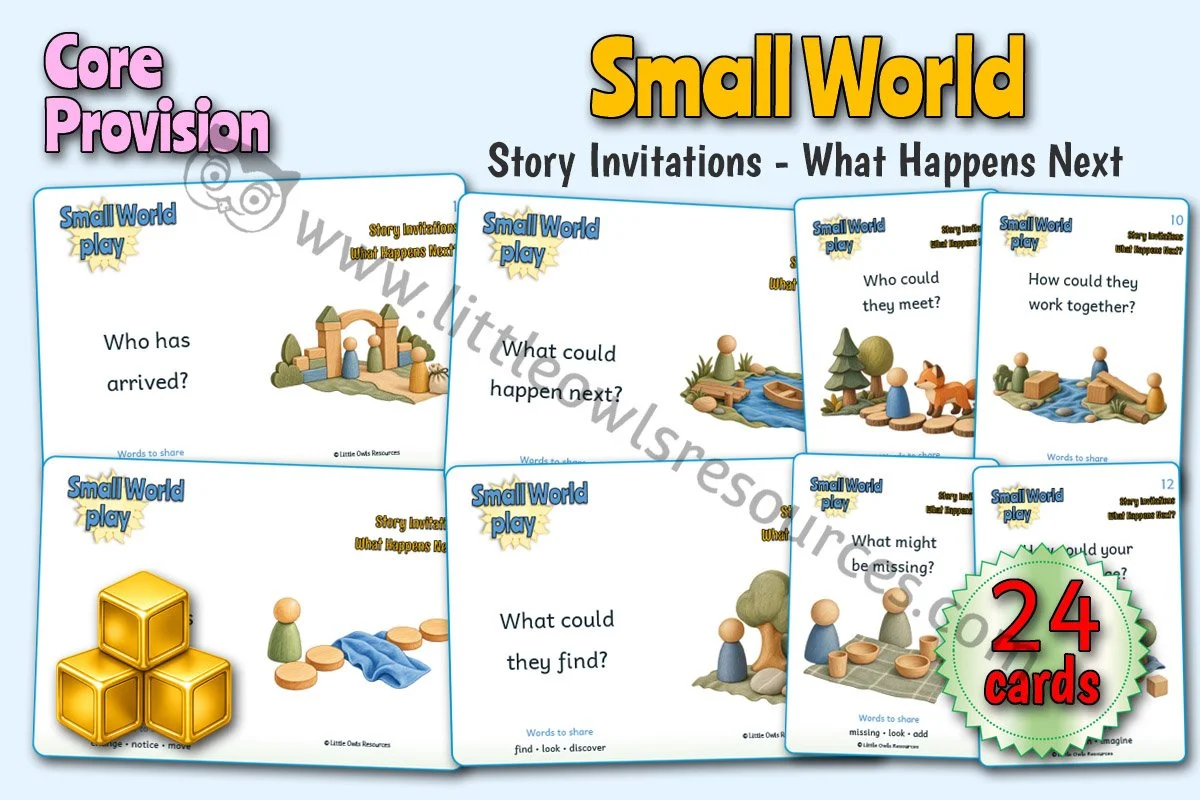
Please use the arrows to the right of the carousel below to browse our role play pack resources. Alternatively, visit our ‘Role-Play Area’ page.

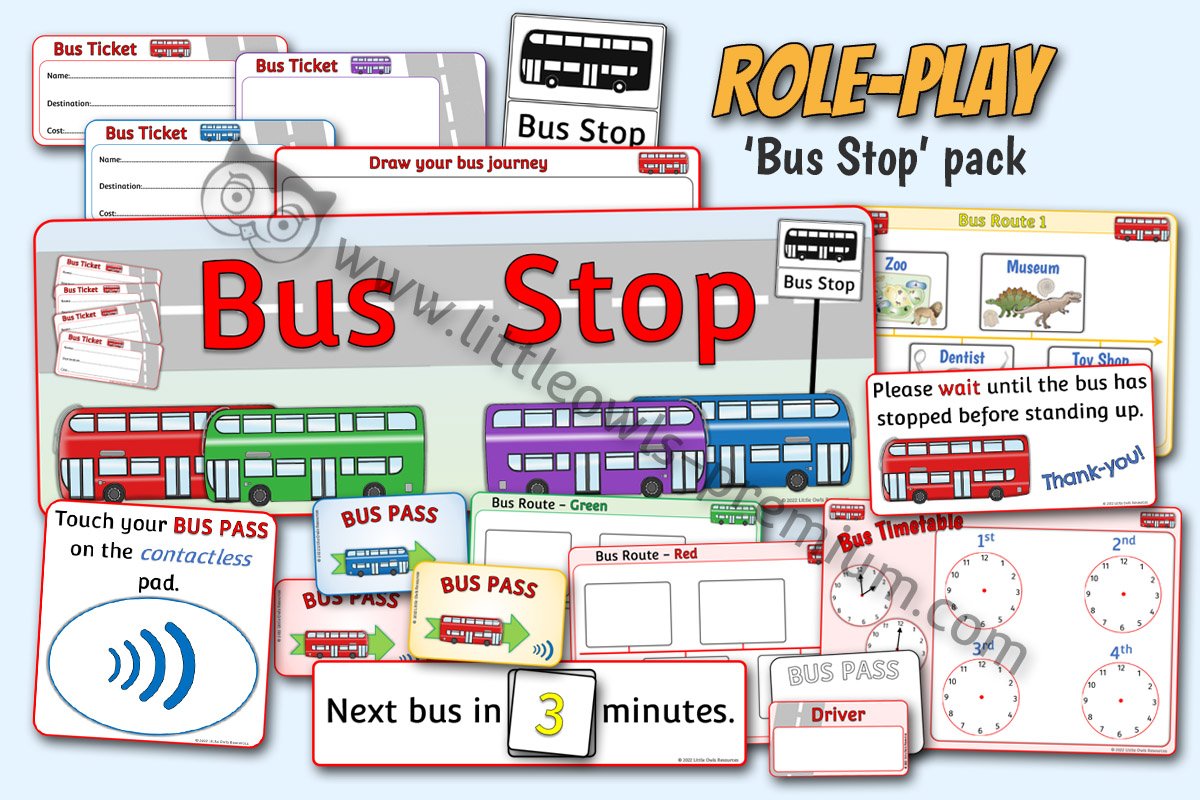
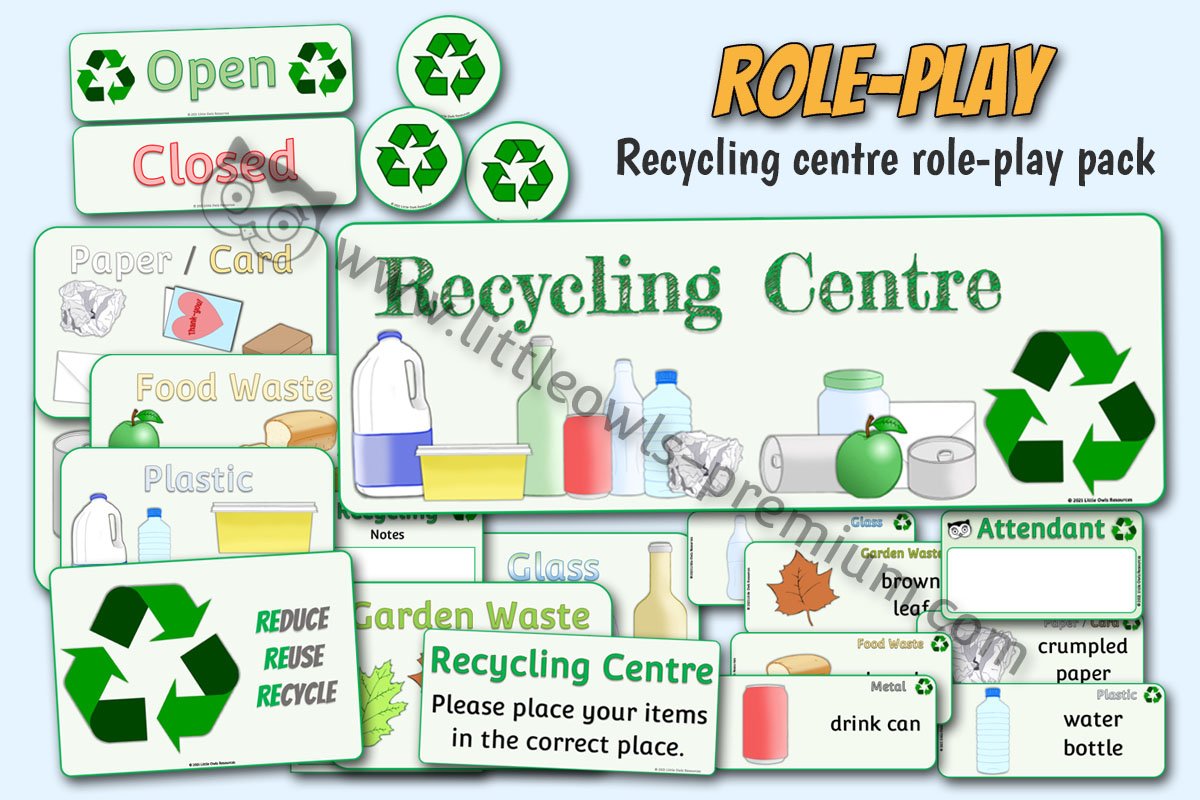
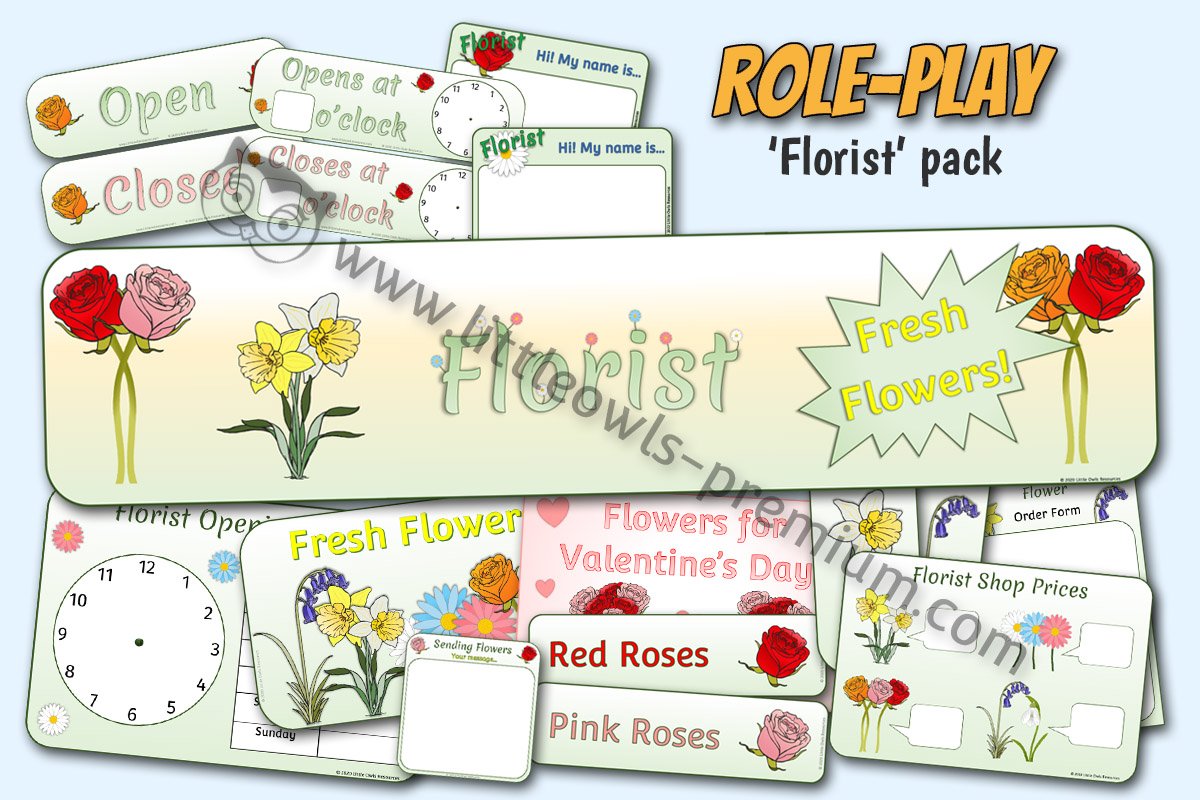
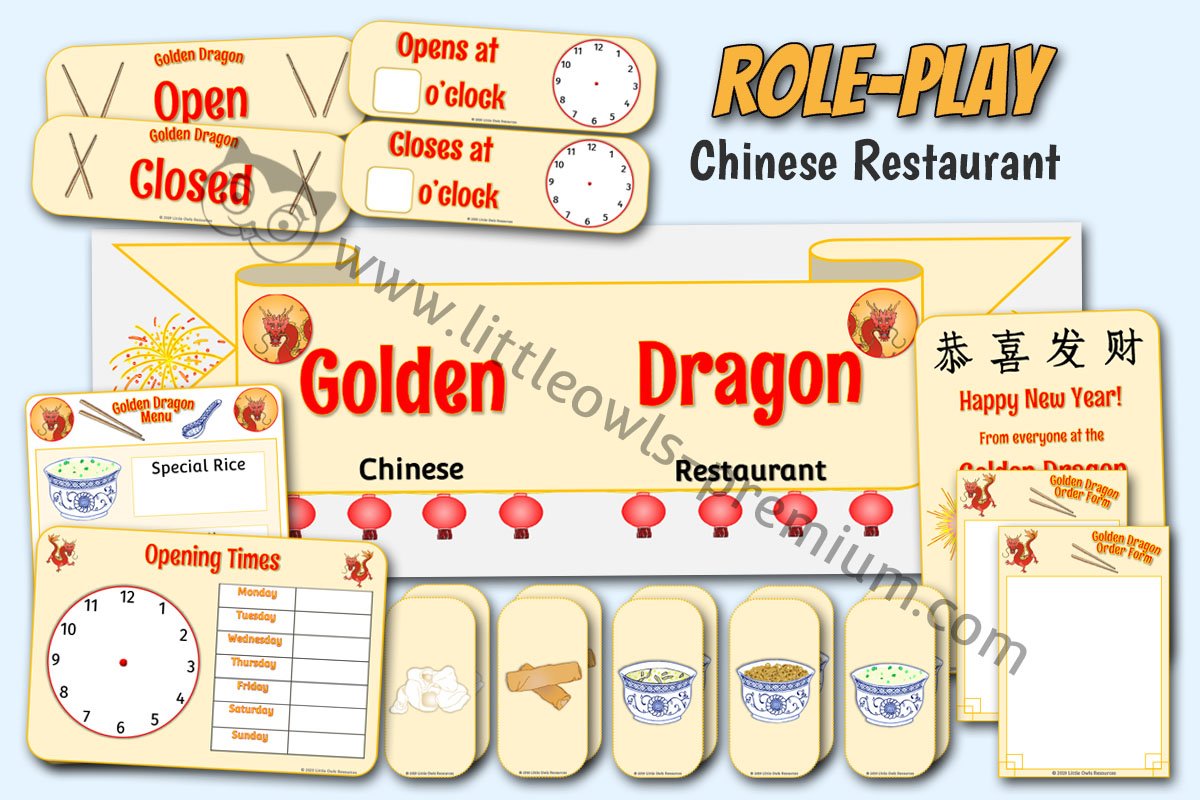
Festivals & Celebrations
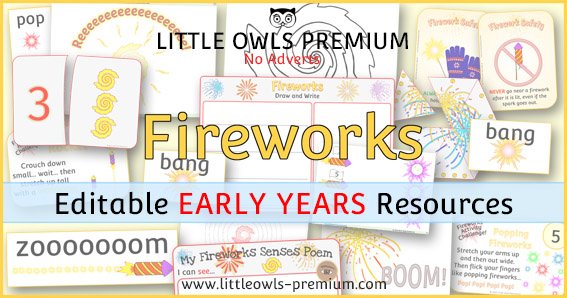
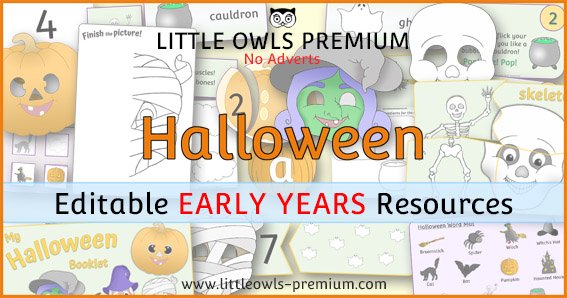
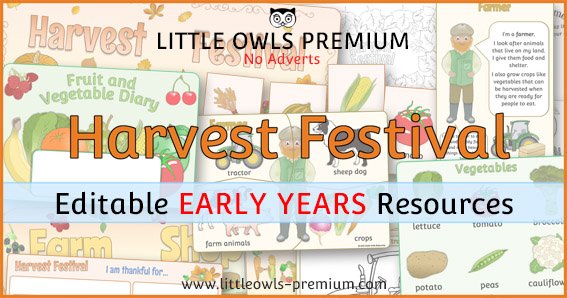
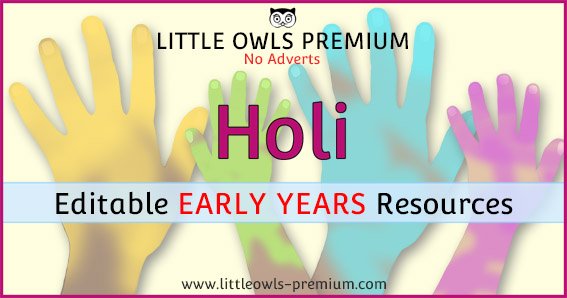
Please use the arrows to the right of the carousel below and select a festival to explore our continuous provision enhancement resources. Alternatively, visit our ‘Festivals & Celebrations Menu Page’.







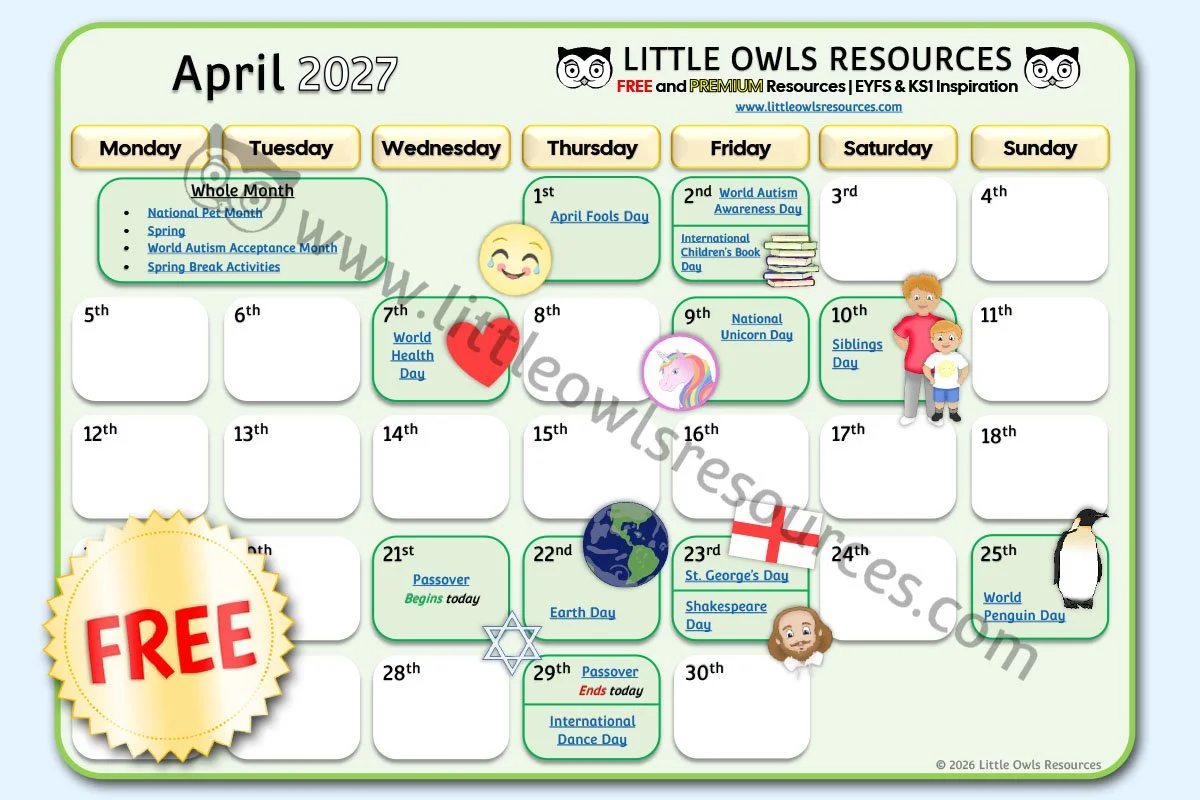
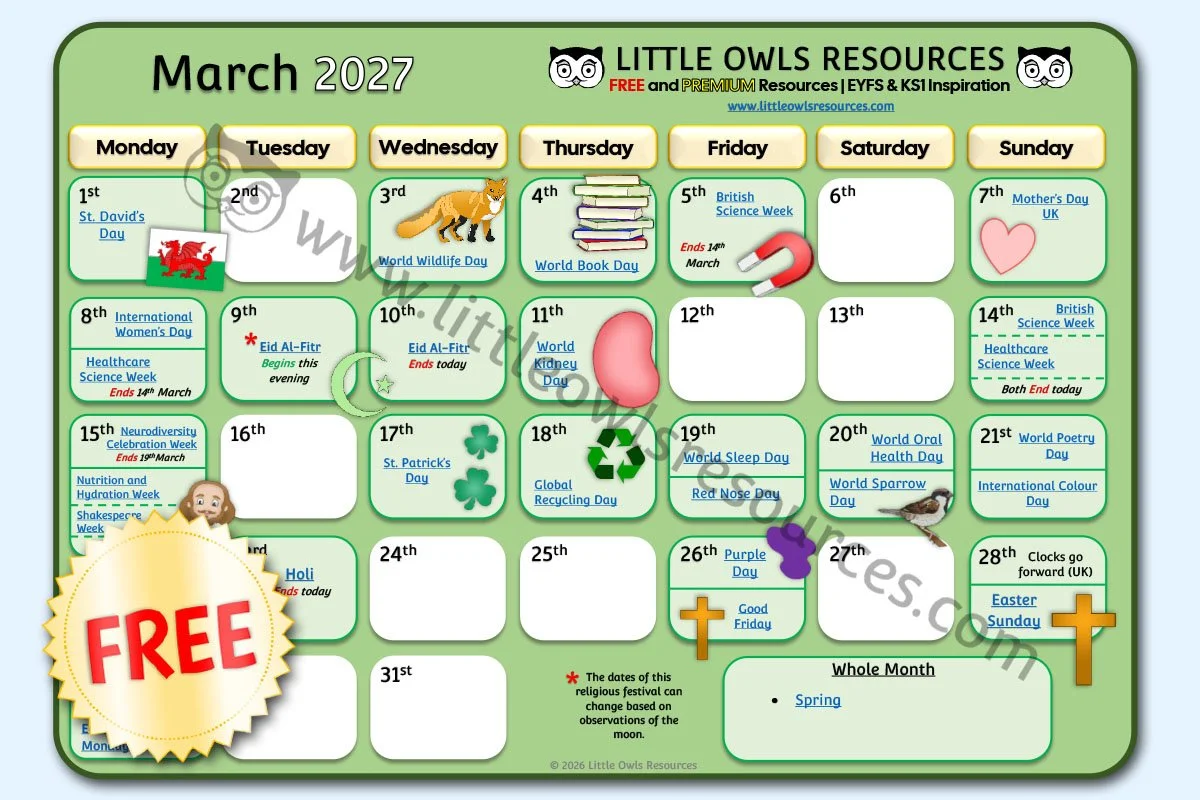
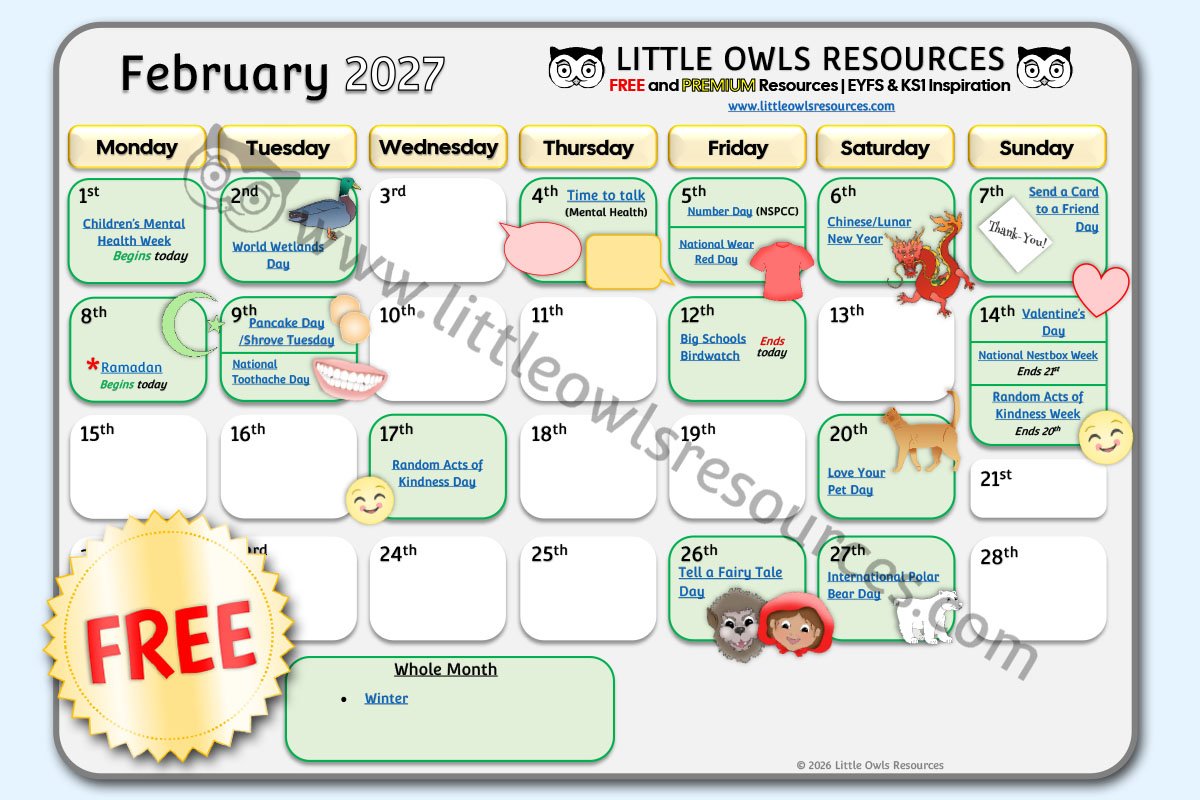
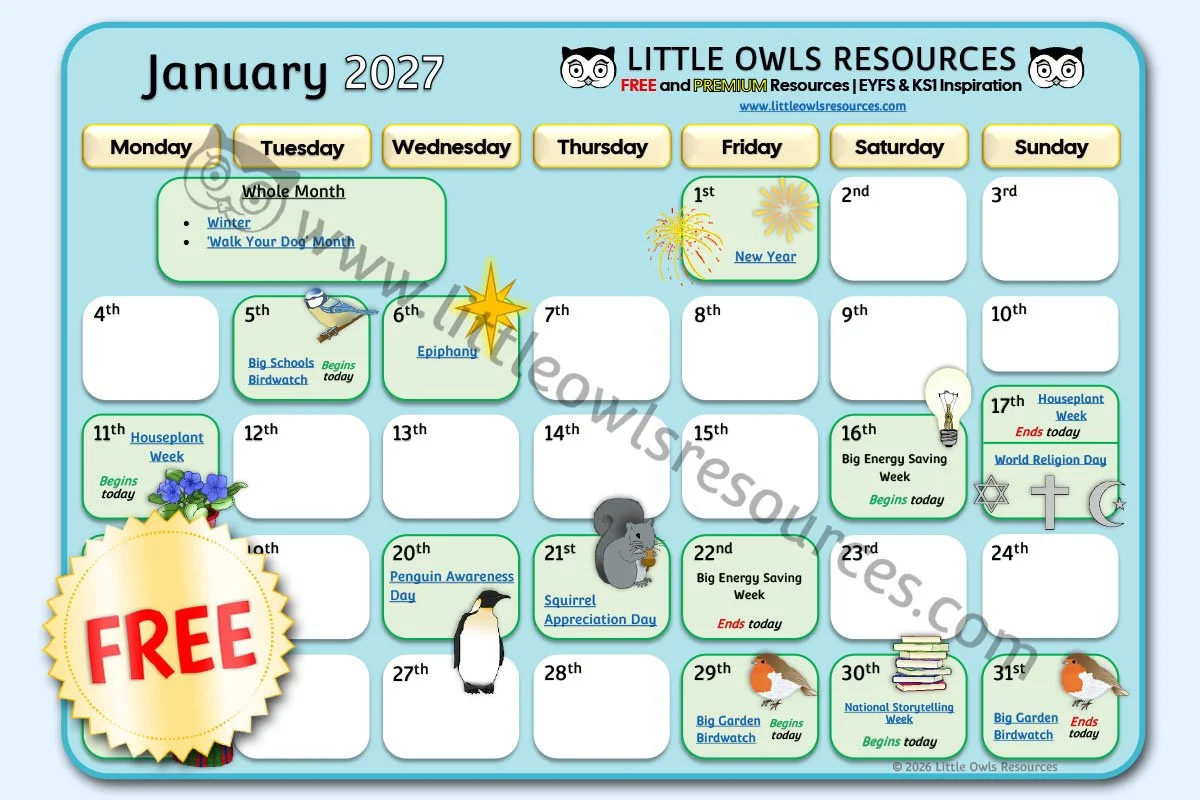
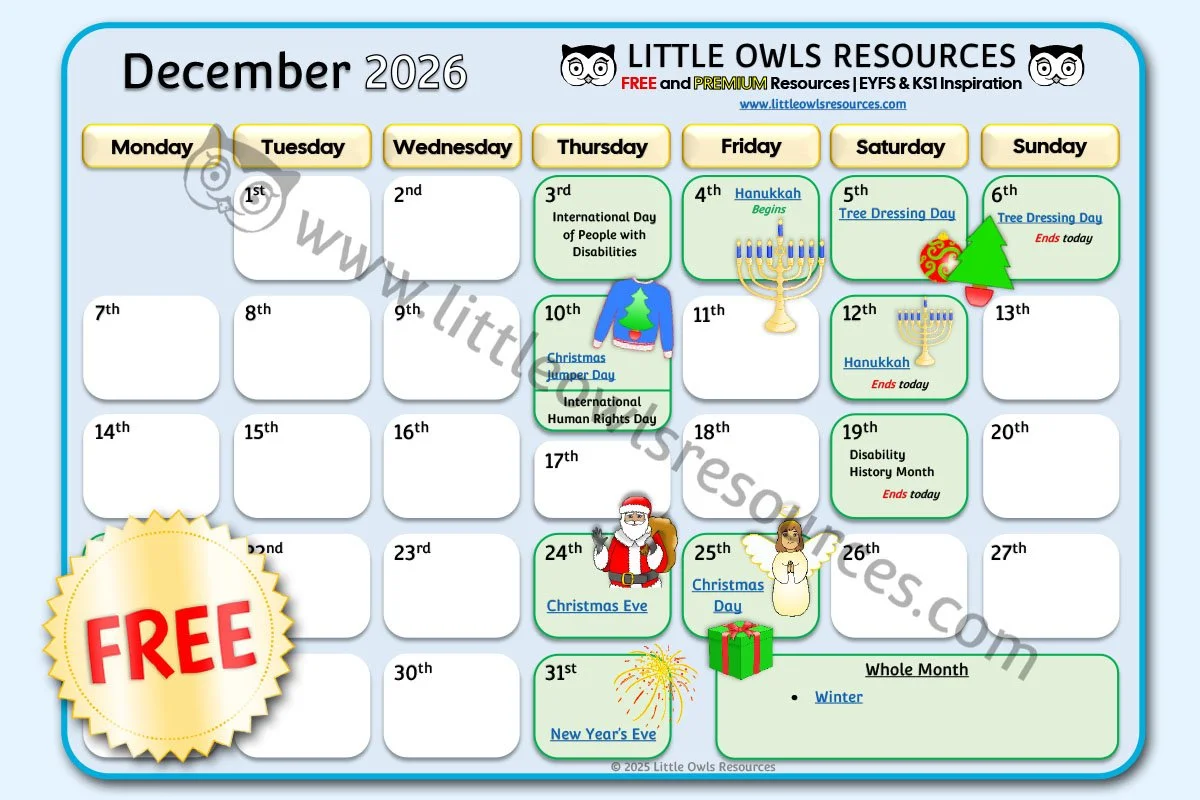
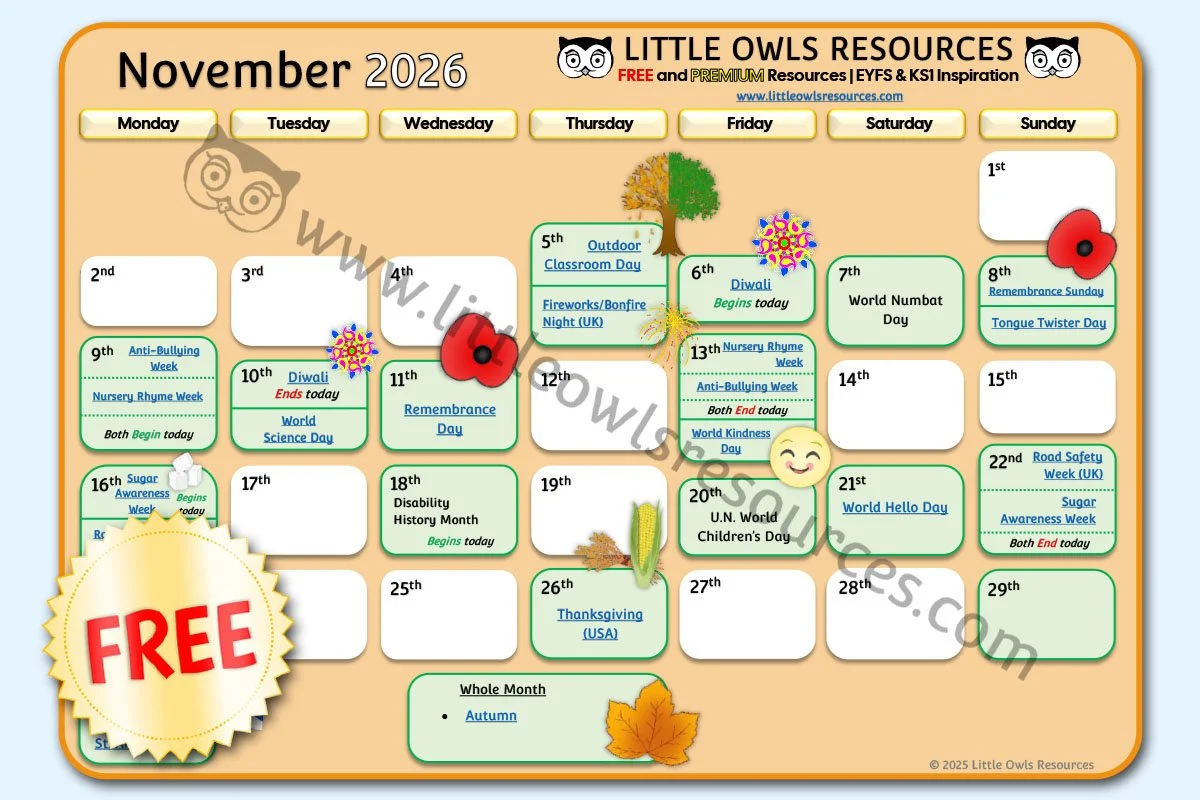
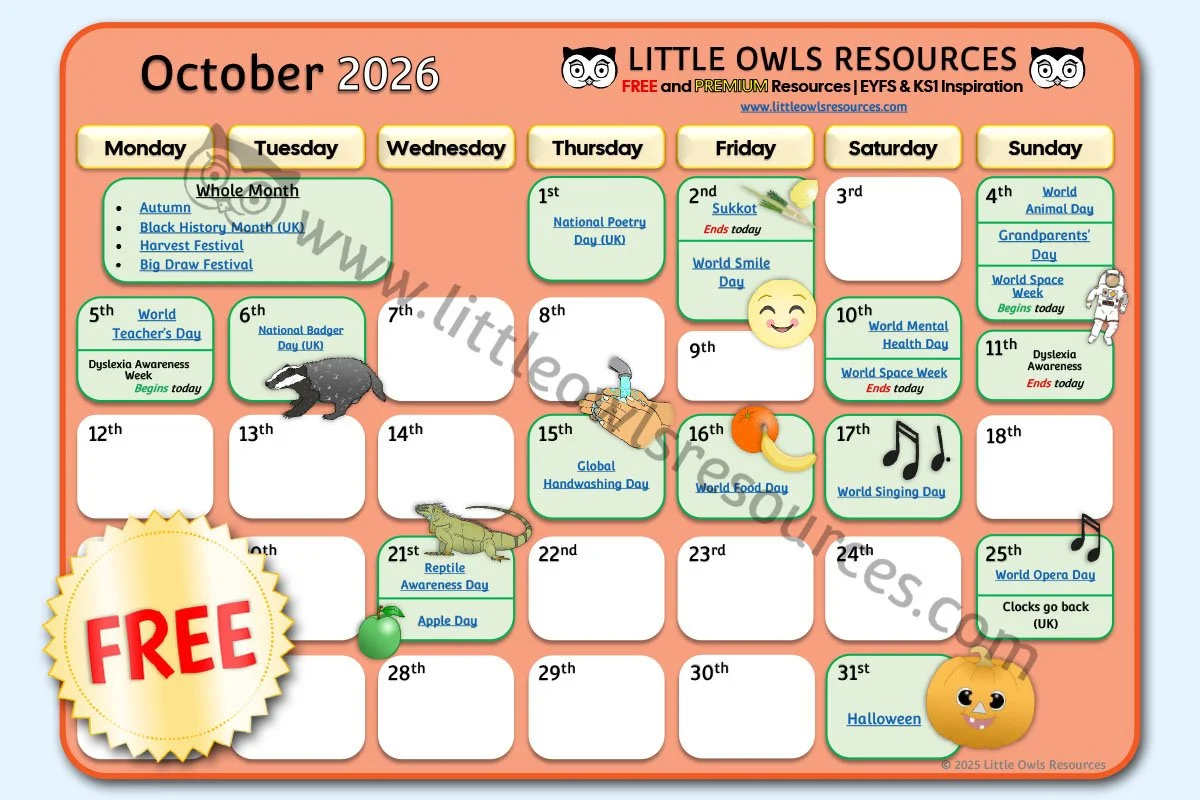
Special Date Calendars
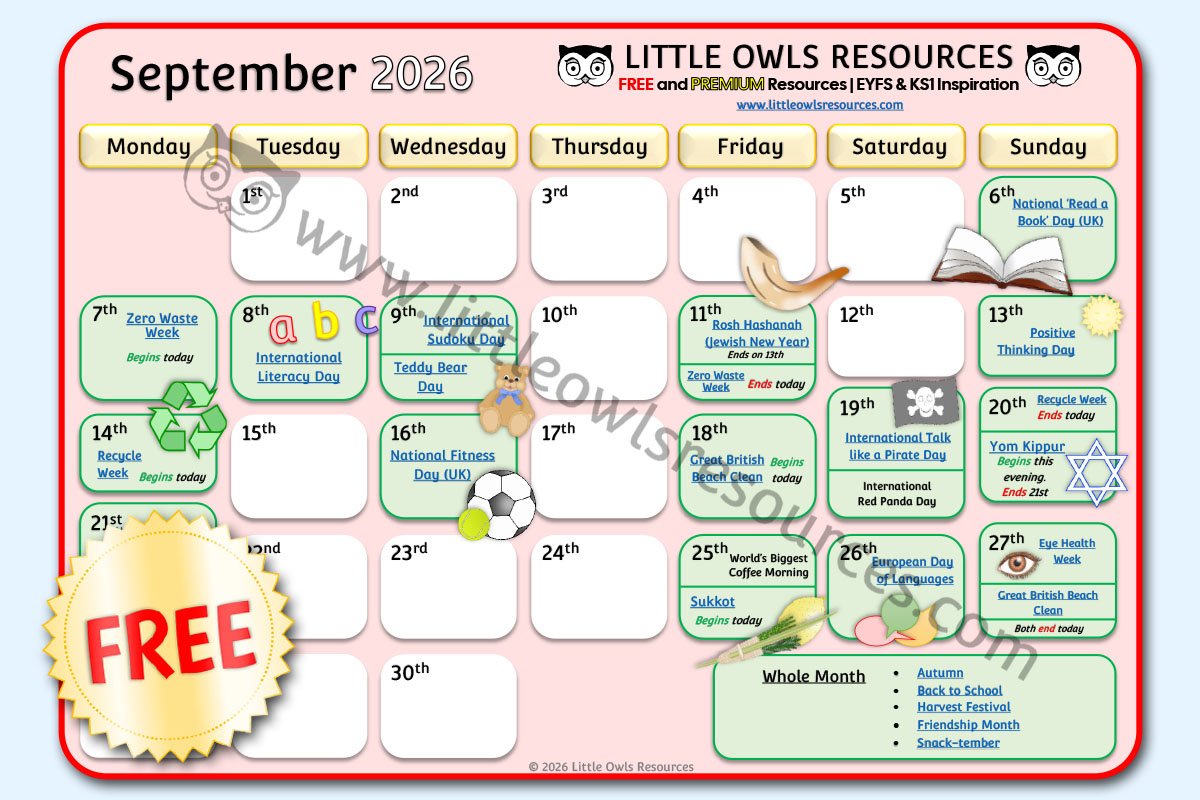
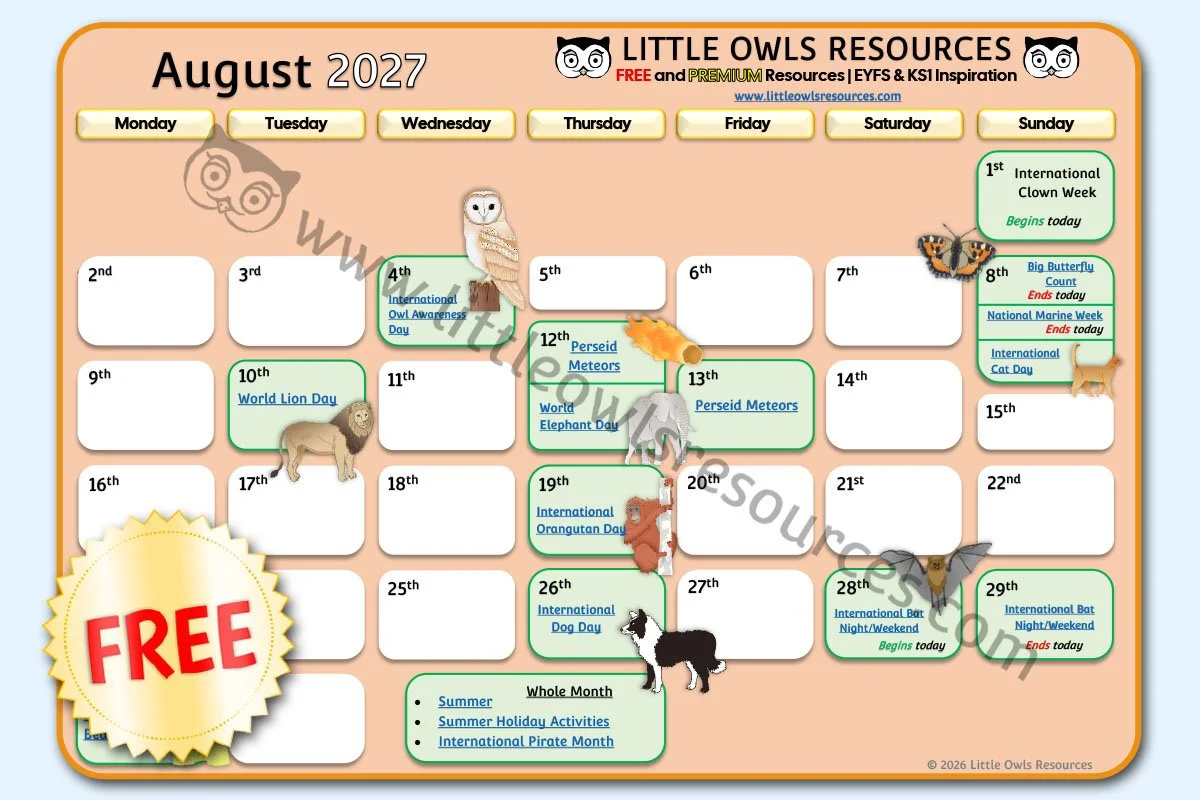
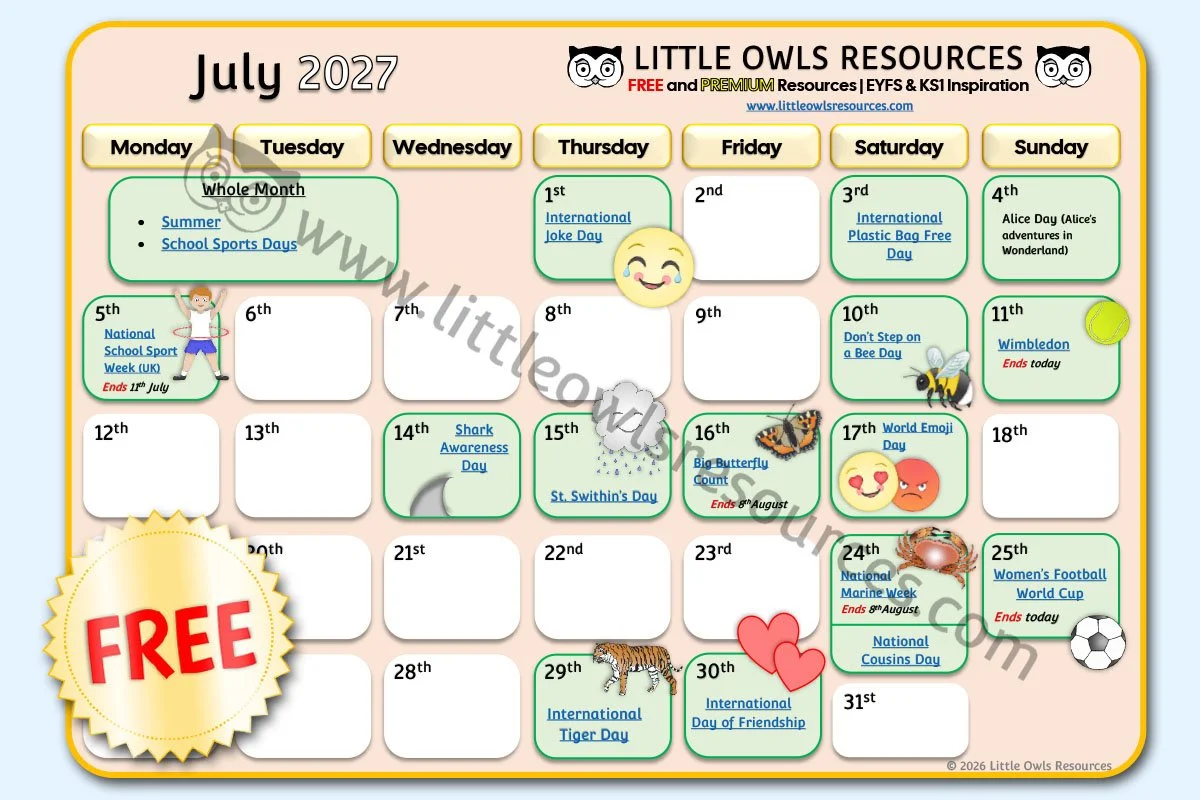
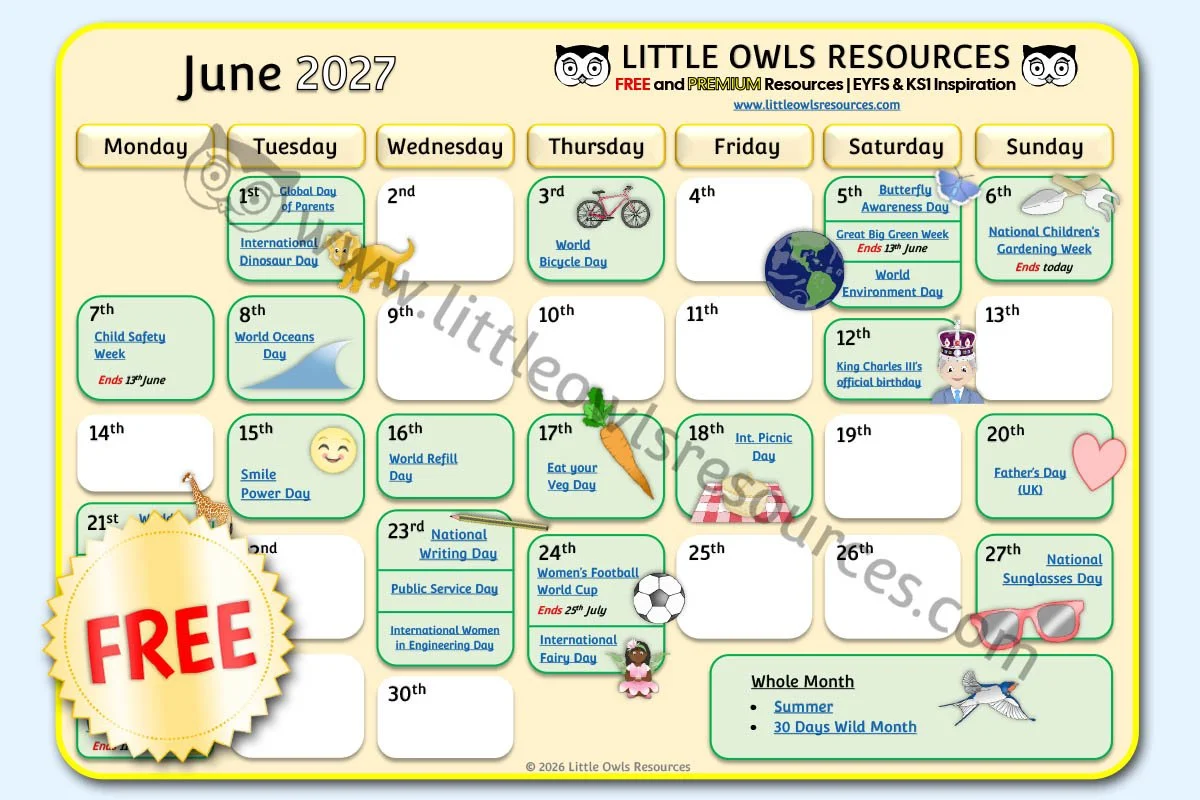
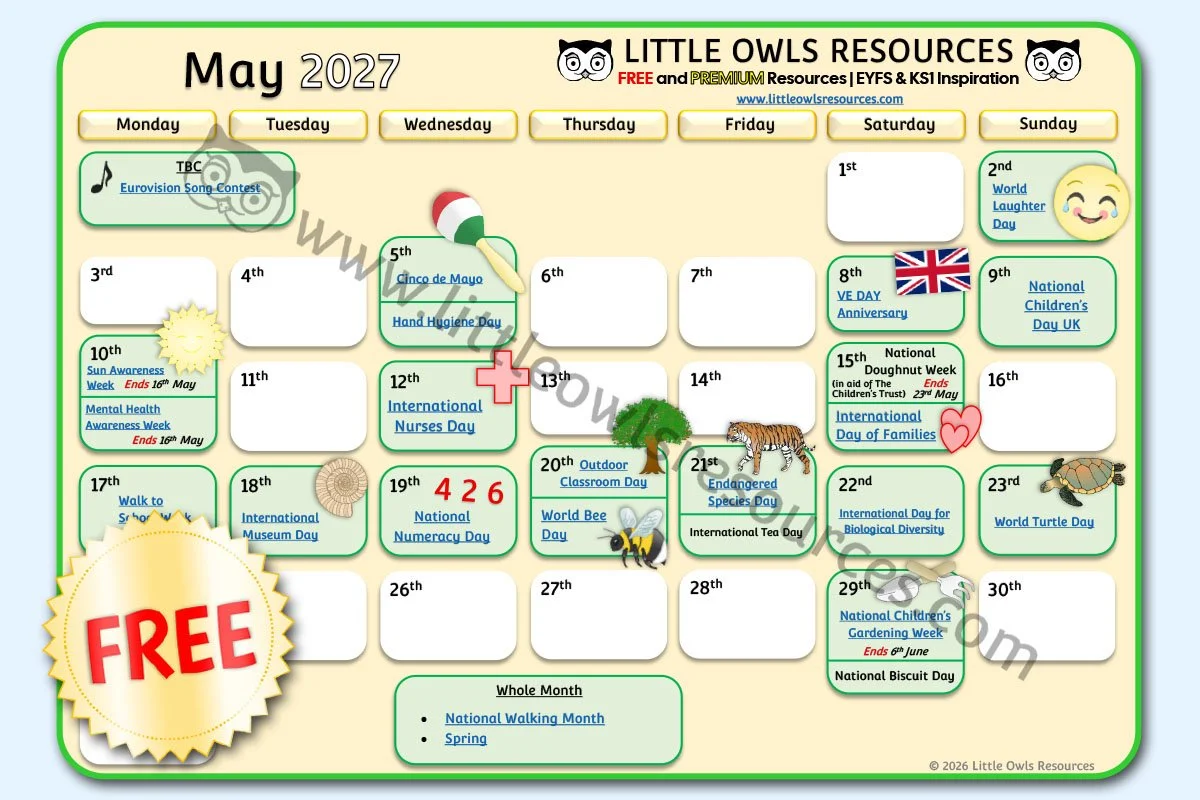
Please use the arrows to the right of the carousel below and select a calendar to explore our continuous provision enhancement ideas & resources. Alternatively, visit our ‘Special Dates Calendar Page’.

Safeguarding and welfare

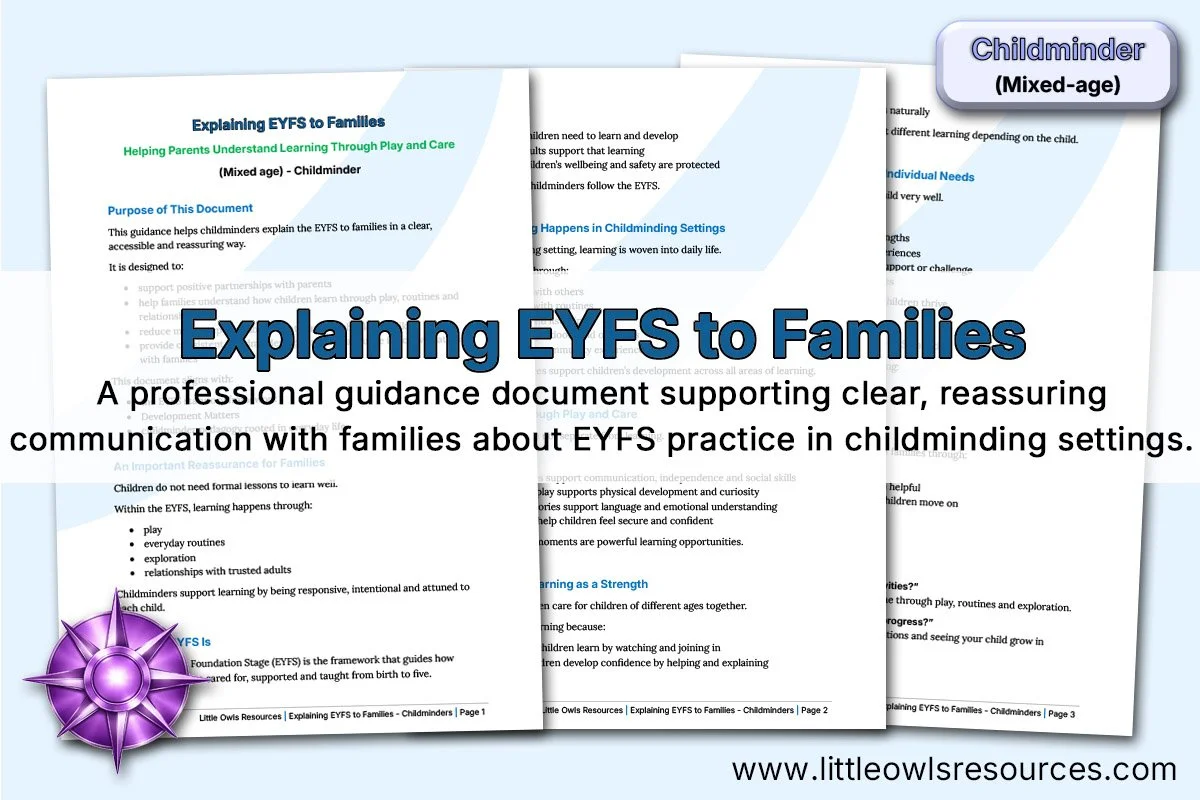
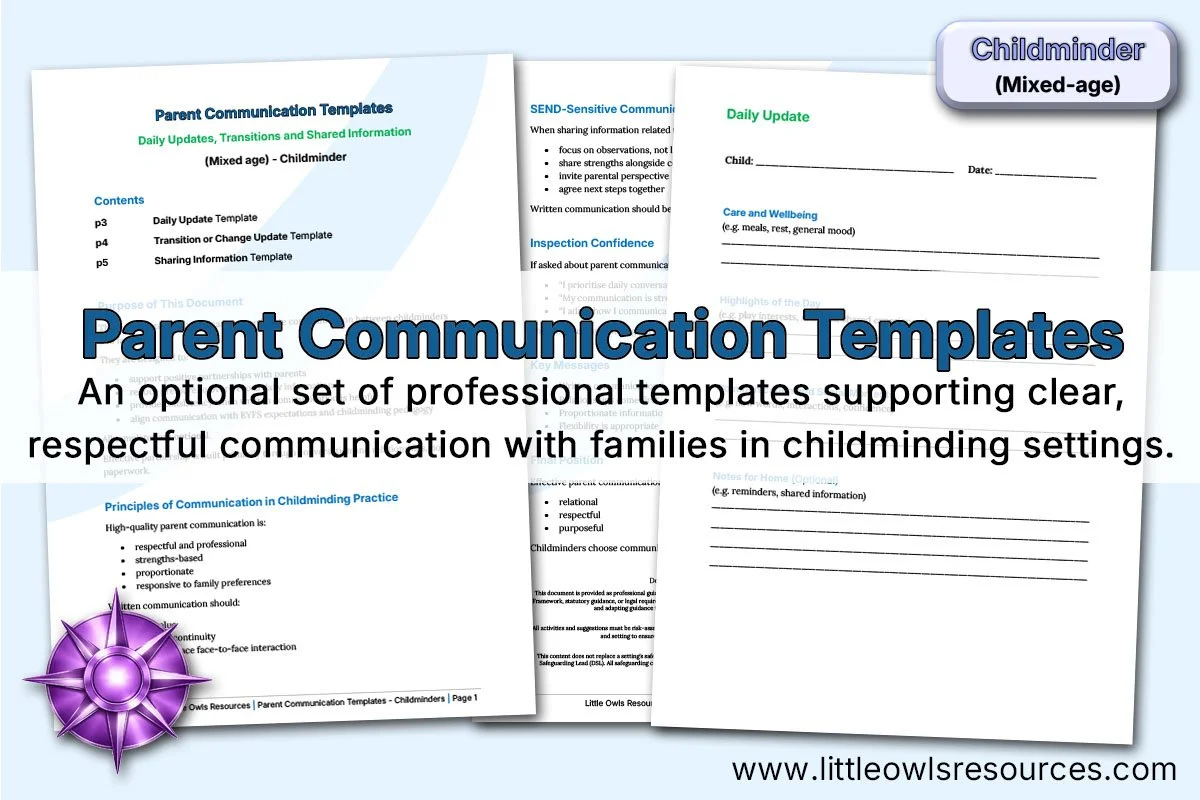
Additional Premium Home-Setting Communication Templates
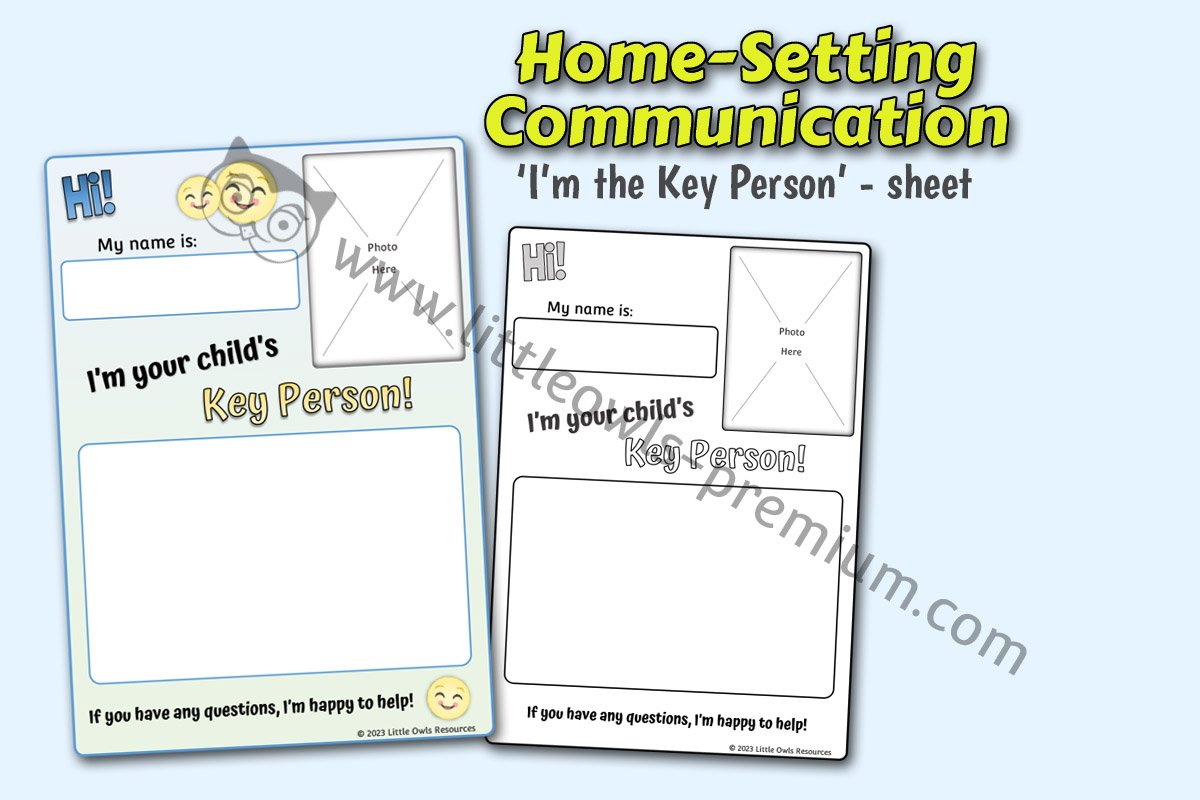
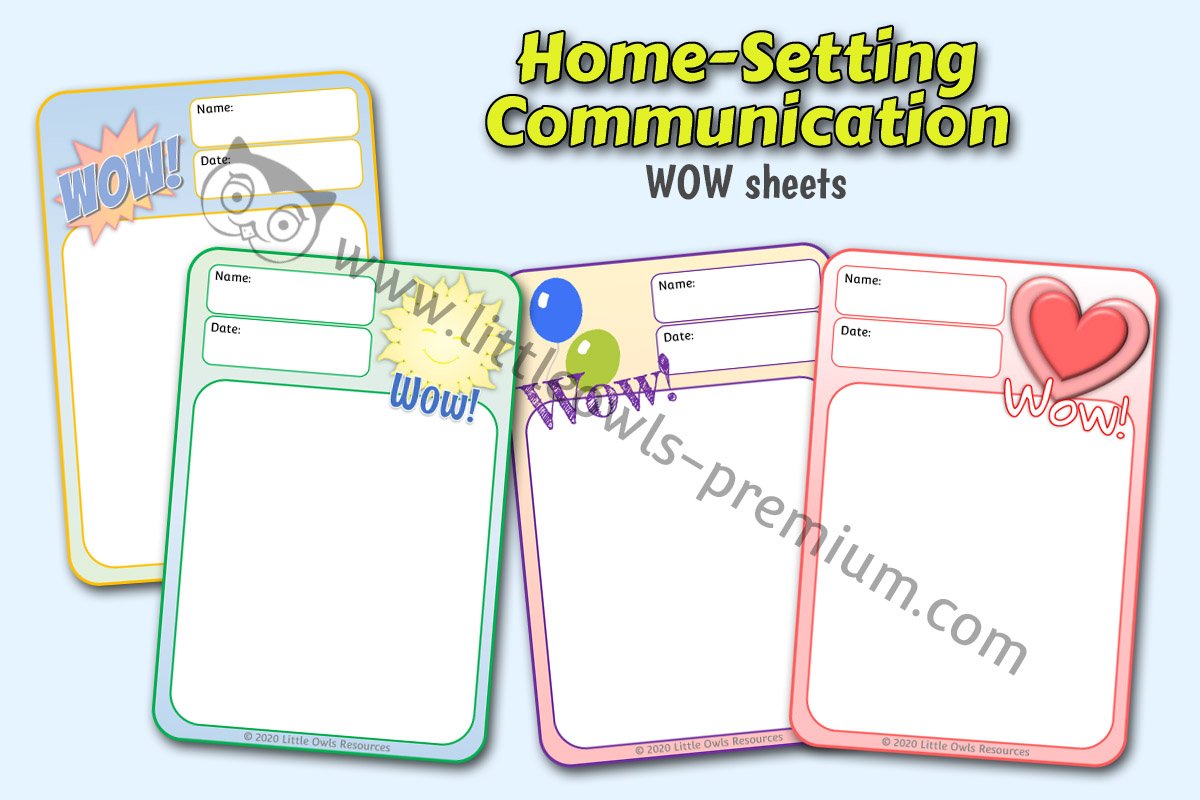
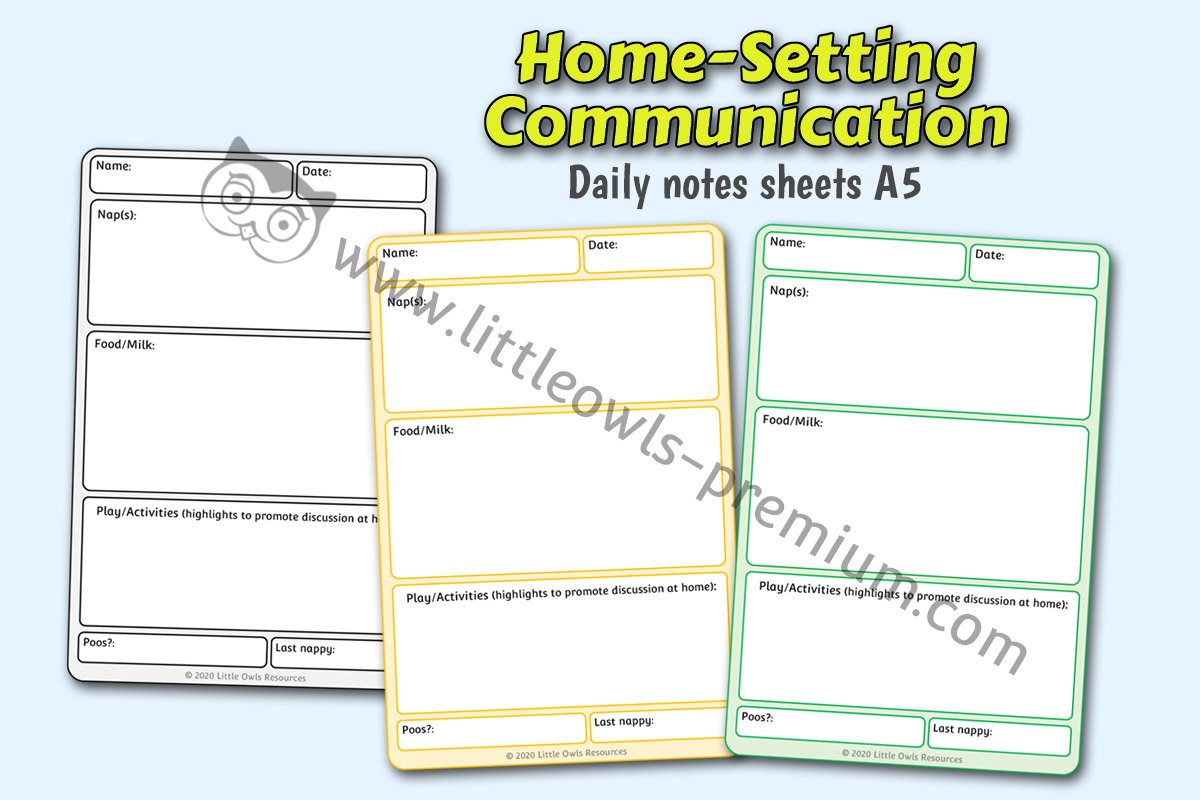
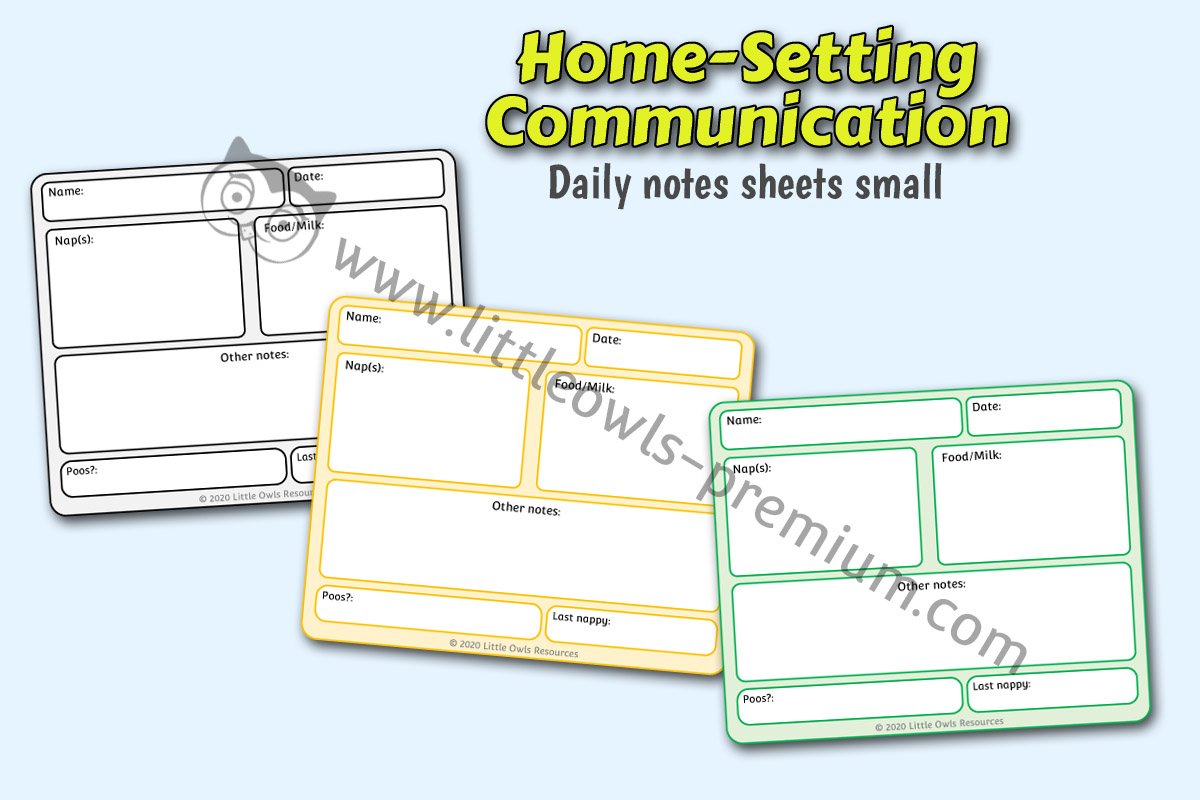
Please find additional resources on our ‘Parent Communication’ page.

🧒 Planning for specific age groups
If you are planning for a specific age group, explore our dedicated guidance and resources on the following planning pages:
These pages explain how planning evolves as children grow.
📘 Statutory & Non-Statutory Guidance Resources
Statutory guidance such as the EYFS Framework, establishes clear expectations that all early years providers must meet in order to support children’s safety, wellbeing, and development. Other documents such as ‘Development Matters’, are non-statutory. This means that guidance within these documents provides flexibility and professional support by offering examples and ideas that practitioners can adapt to suit their setting, children, and community.
Together, these forms of guidance help ensure both consistency and flexibility within early years practice. Please find below some of the materials available on Little Owls Resources to support both mentioned documents:
Development Matters
Areas Of Learning
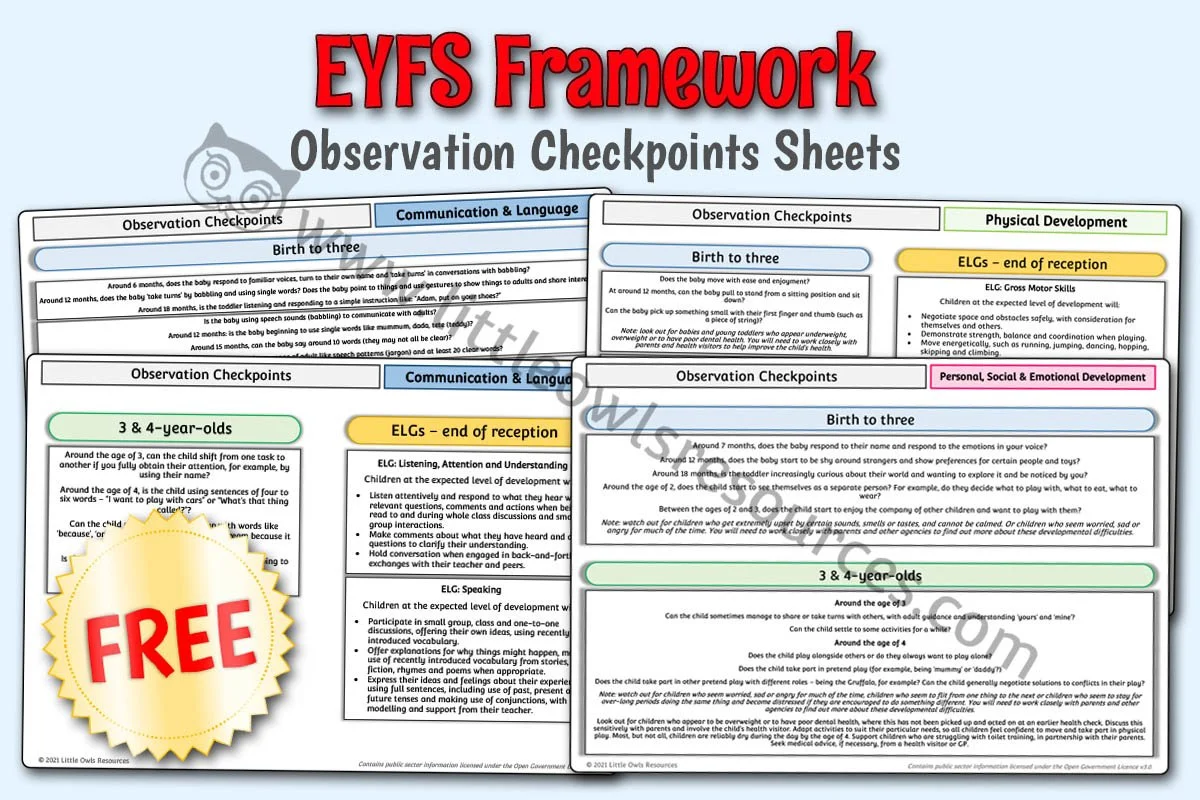
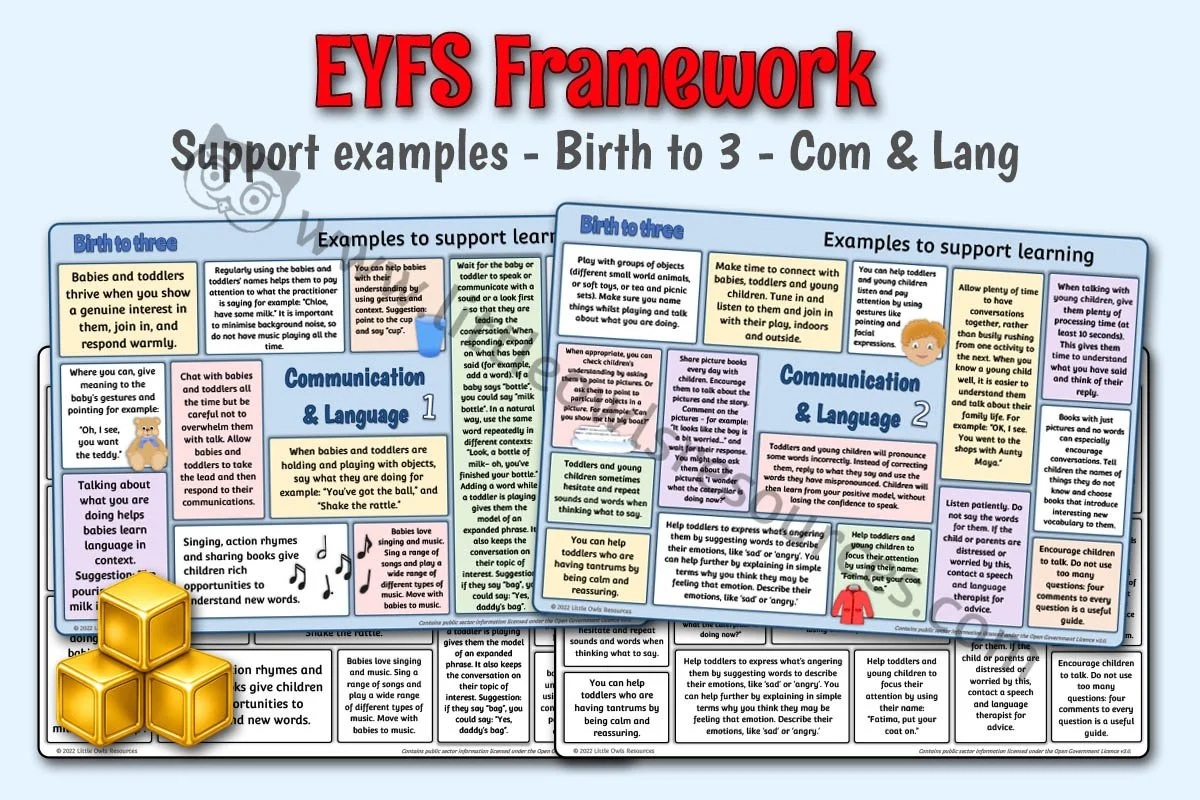
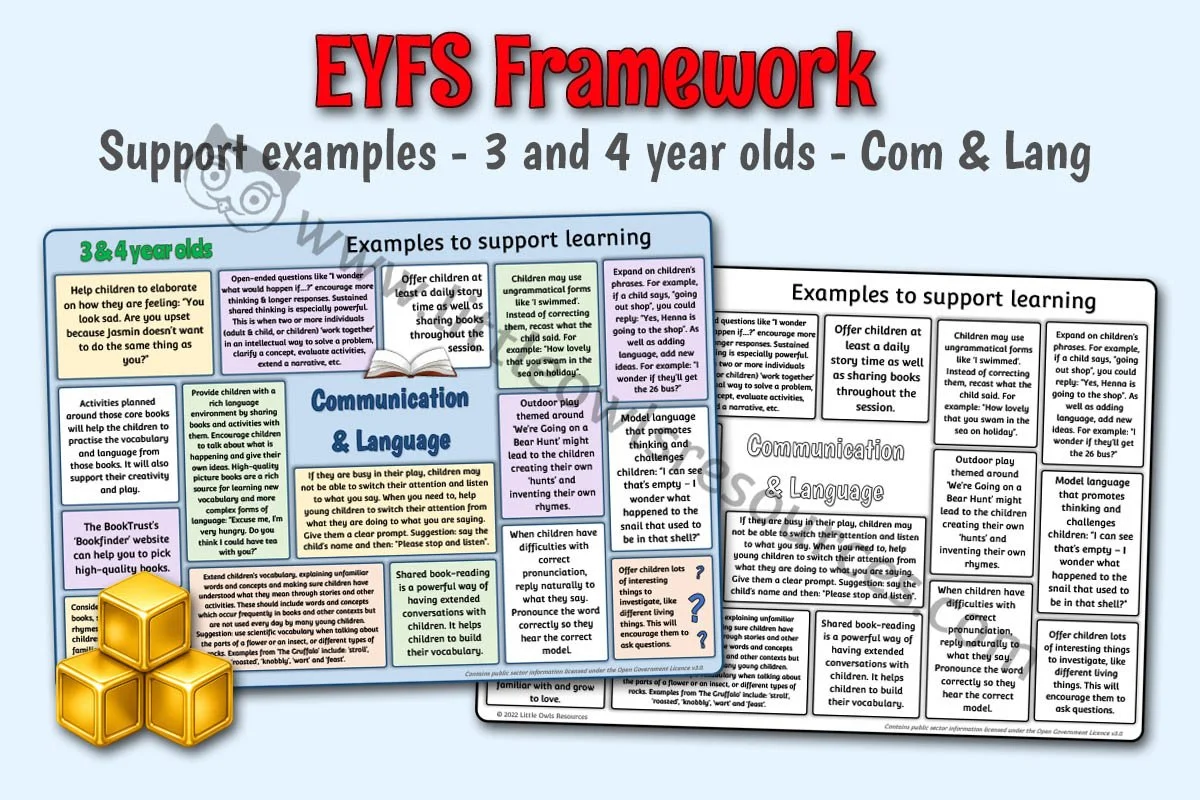
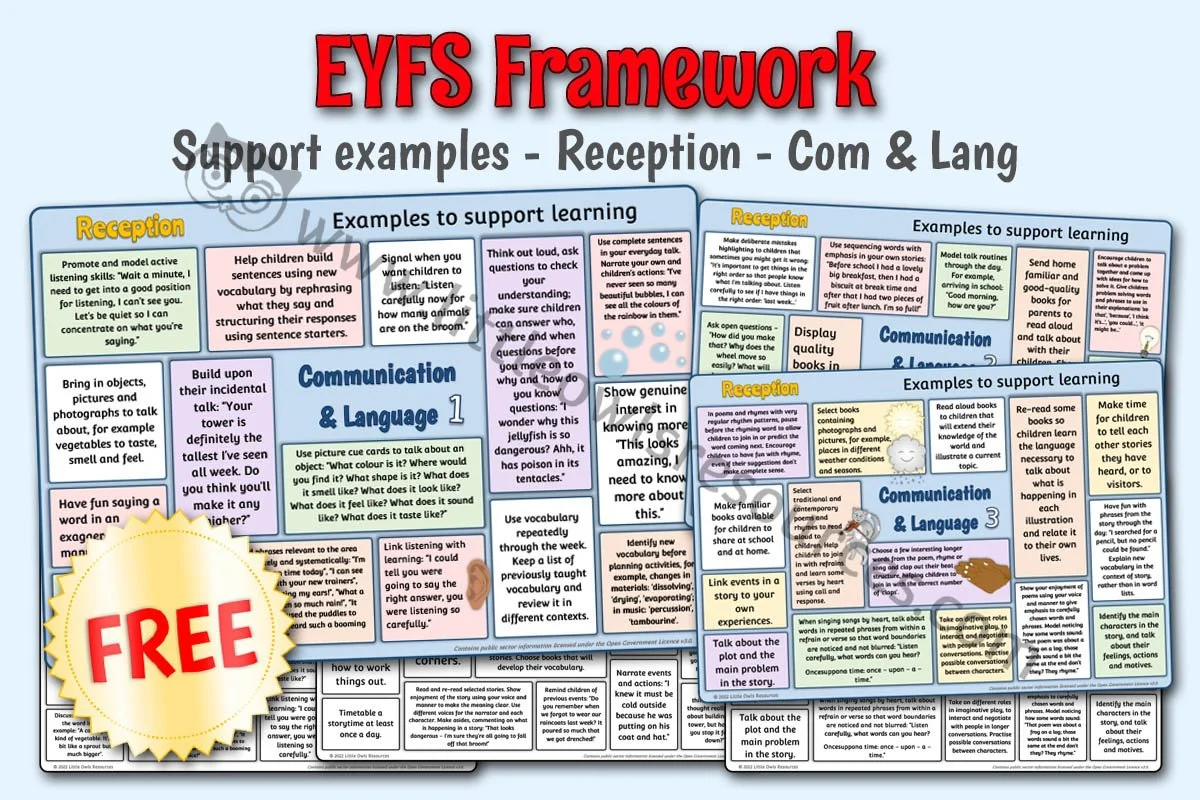
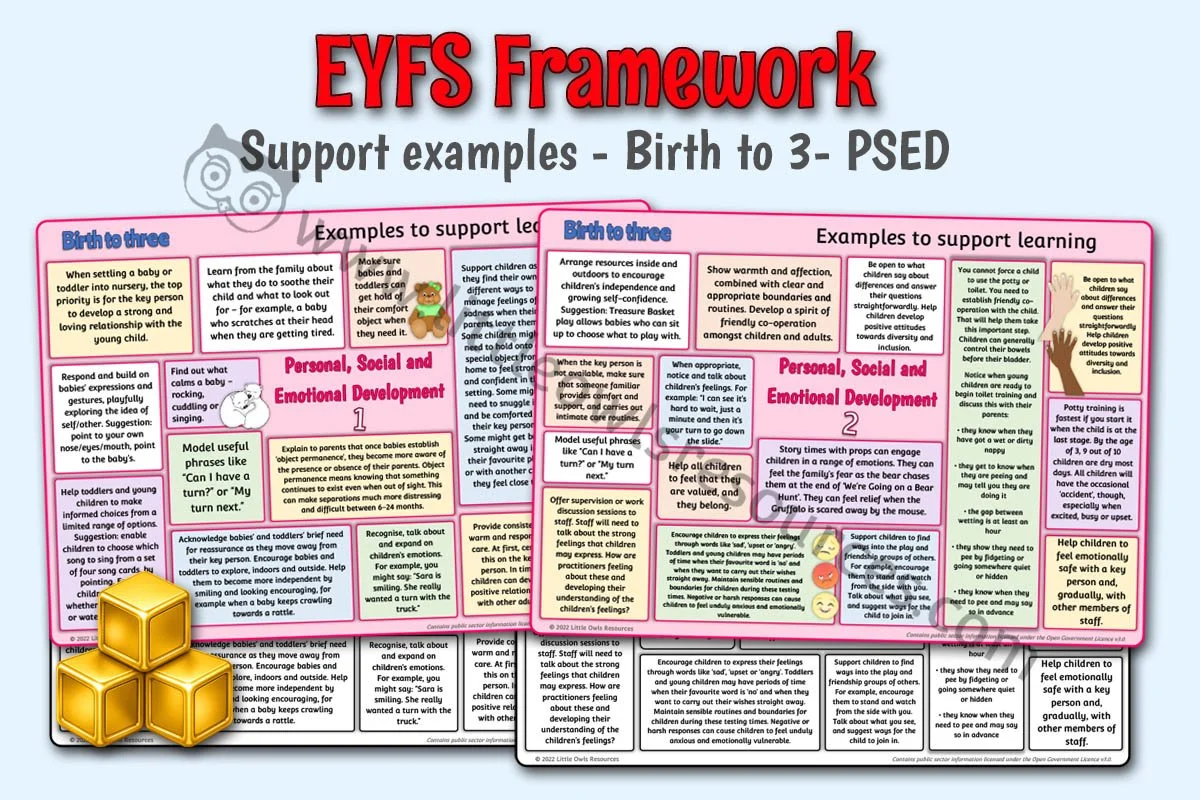
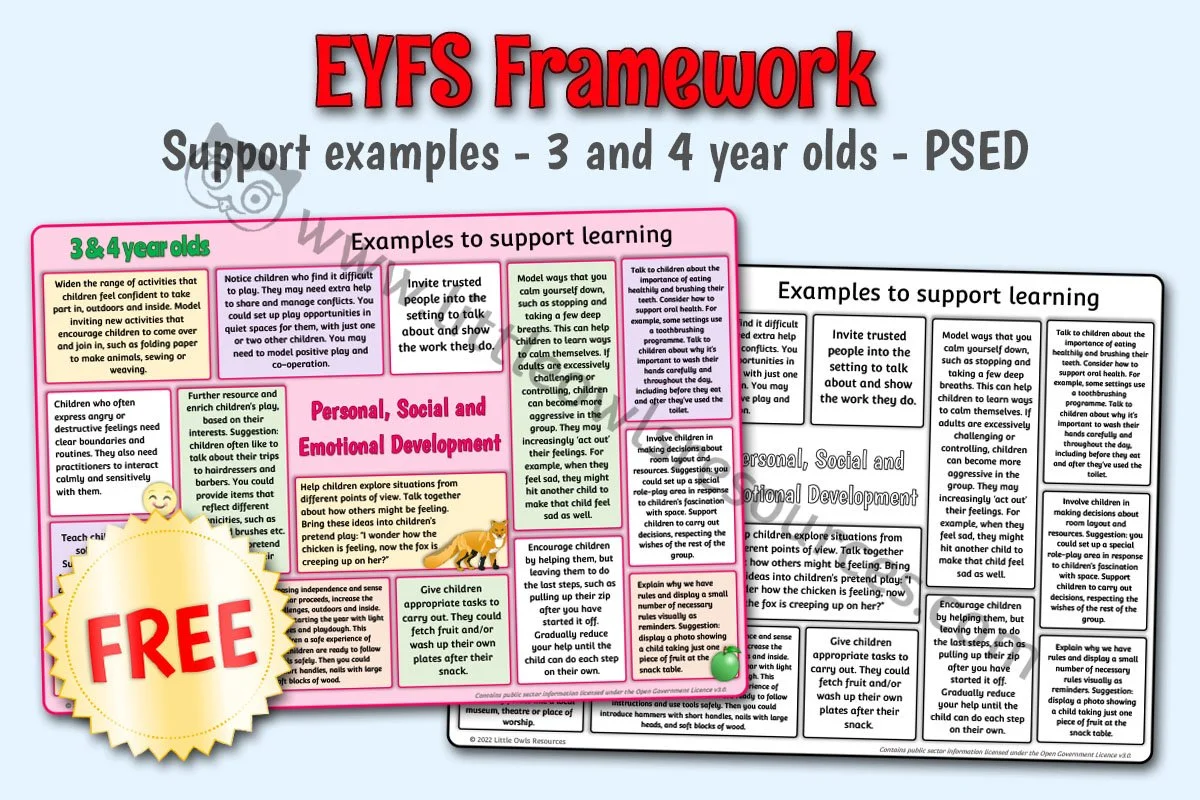
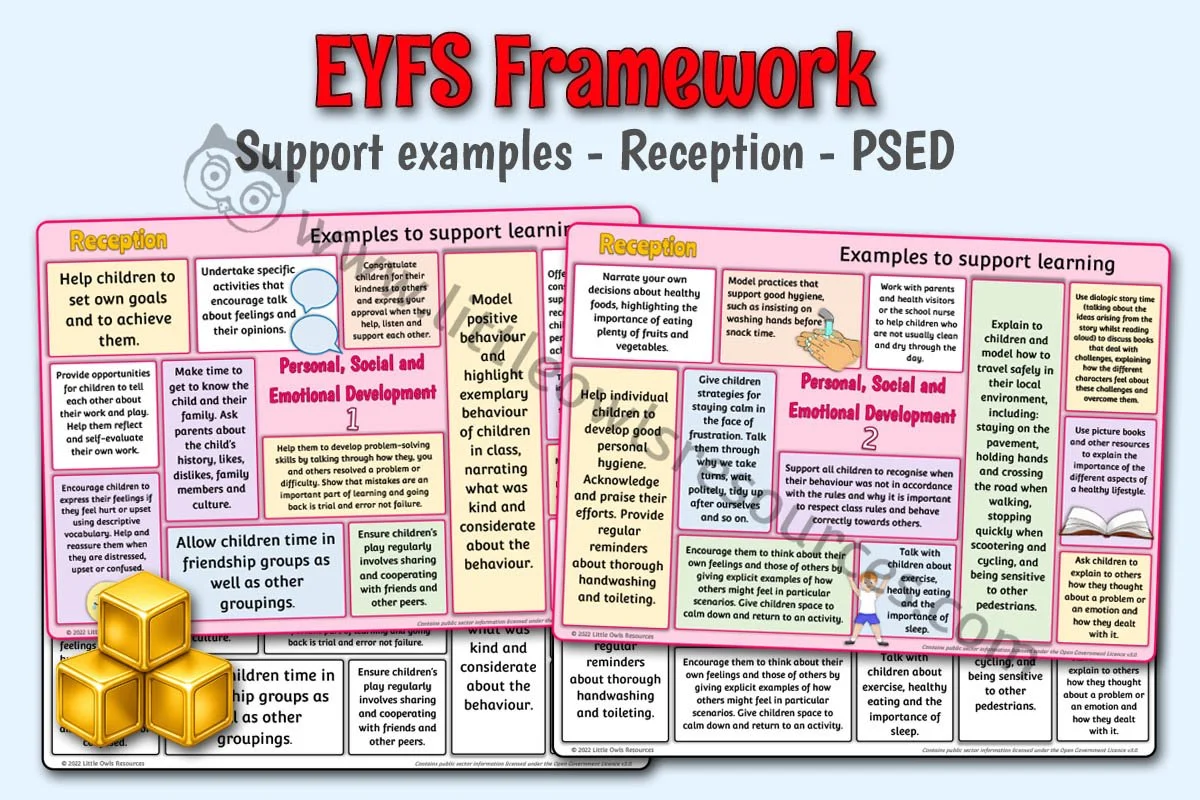
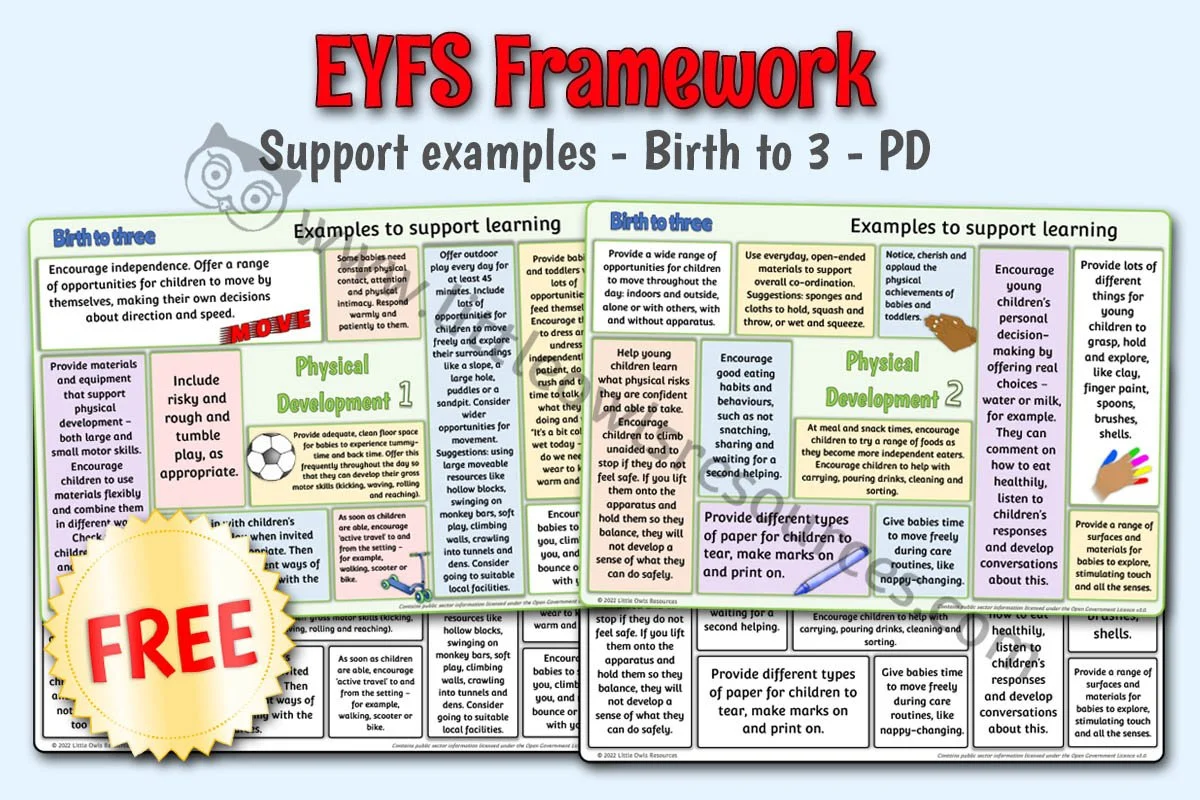
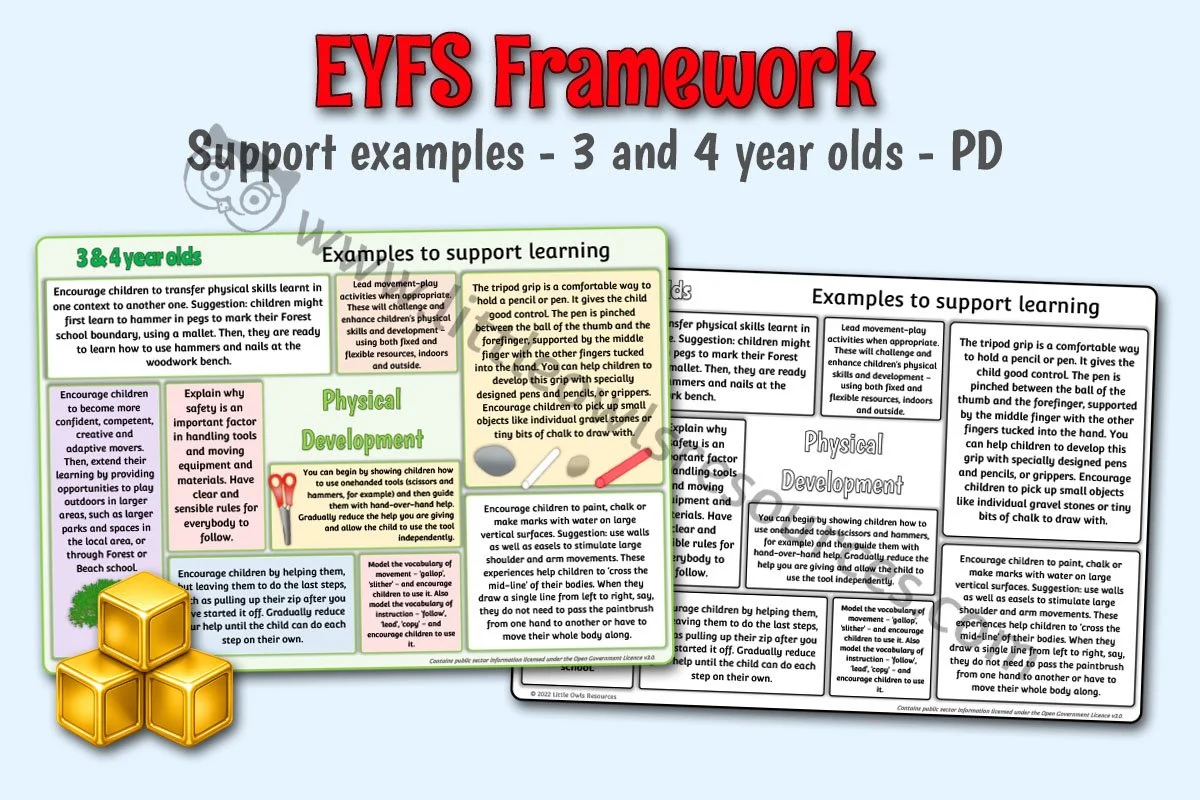
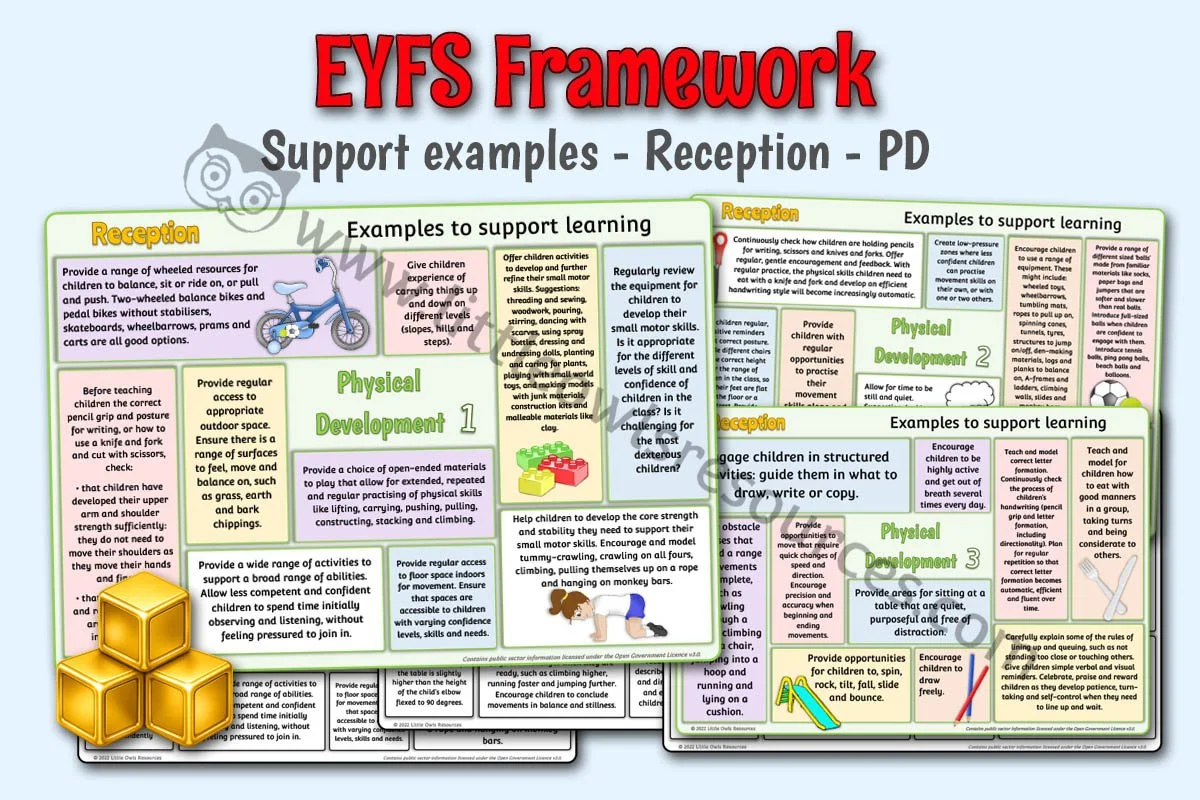
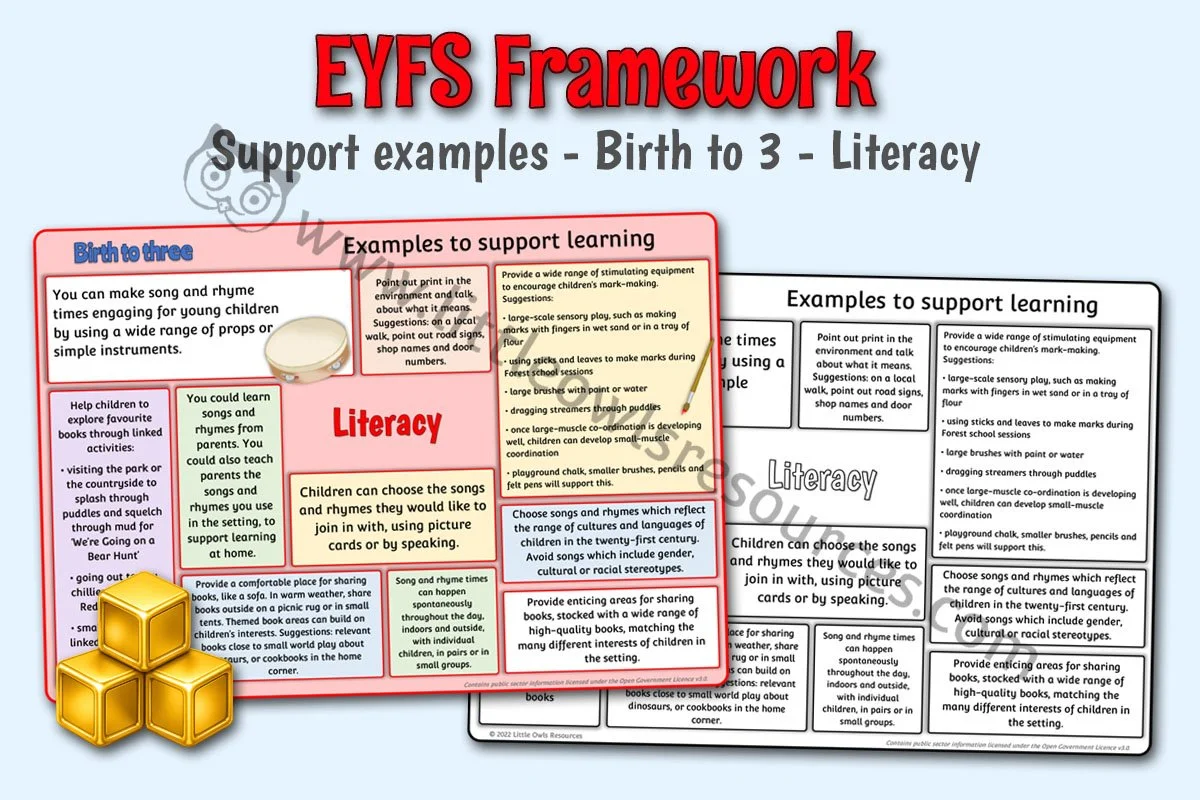
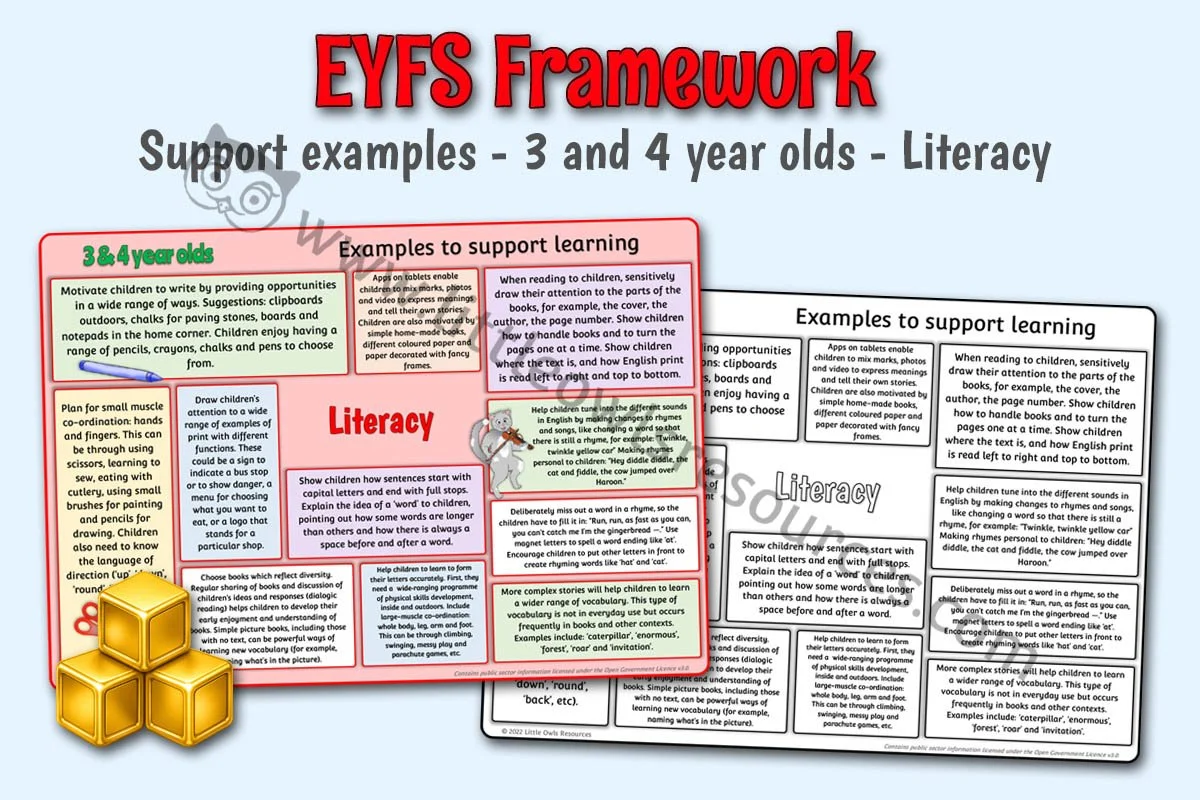
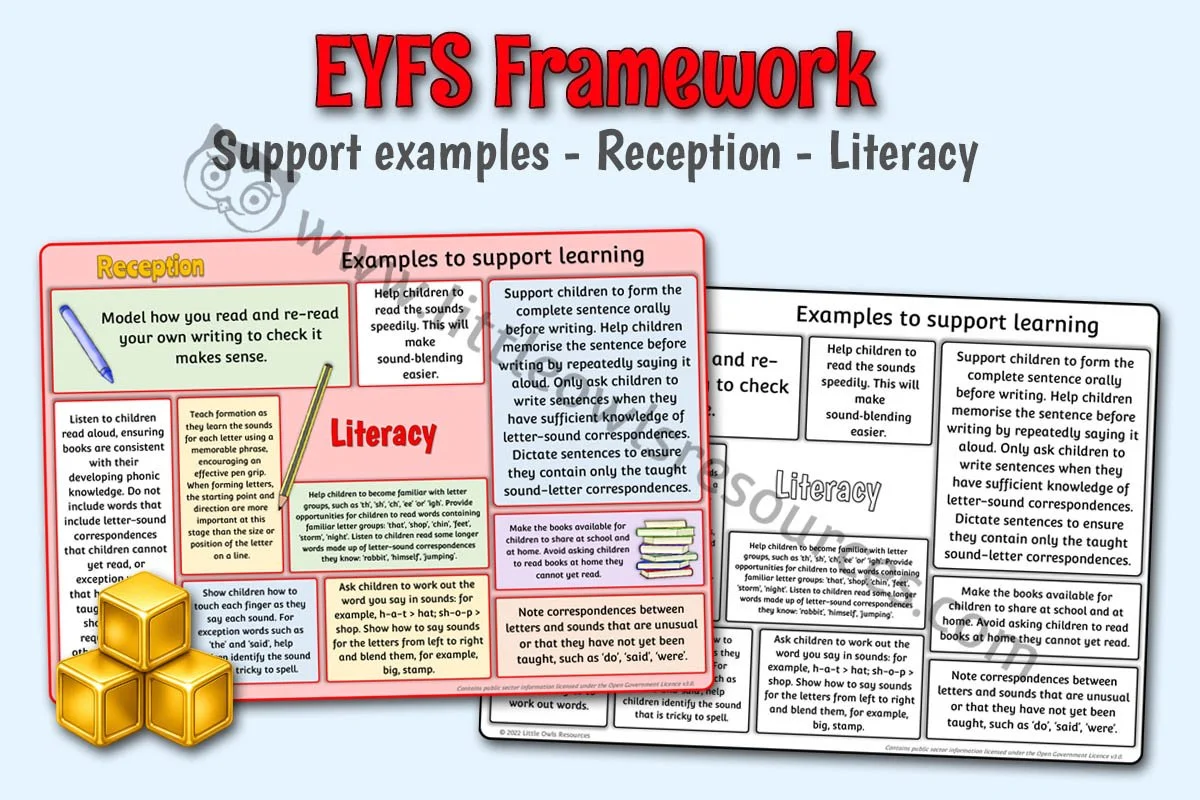
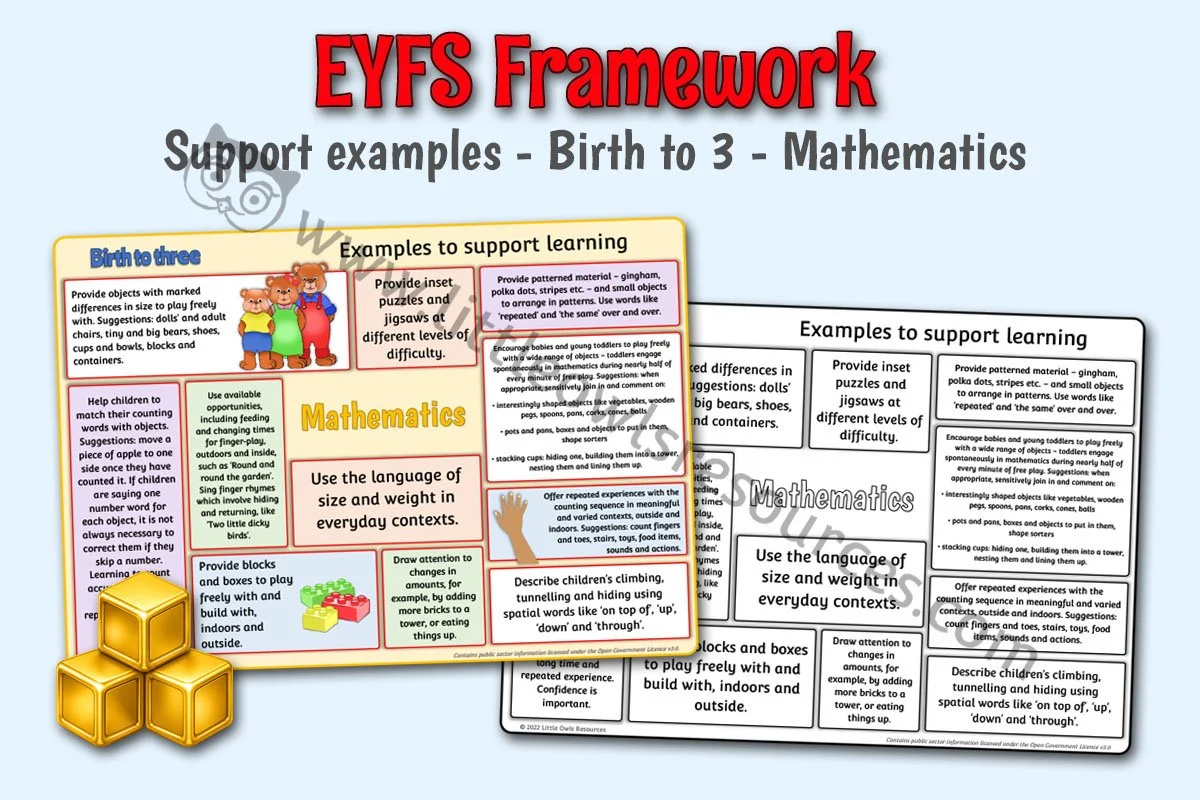
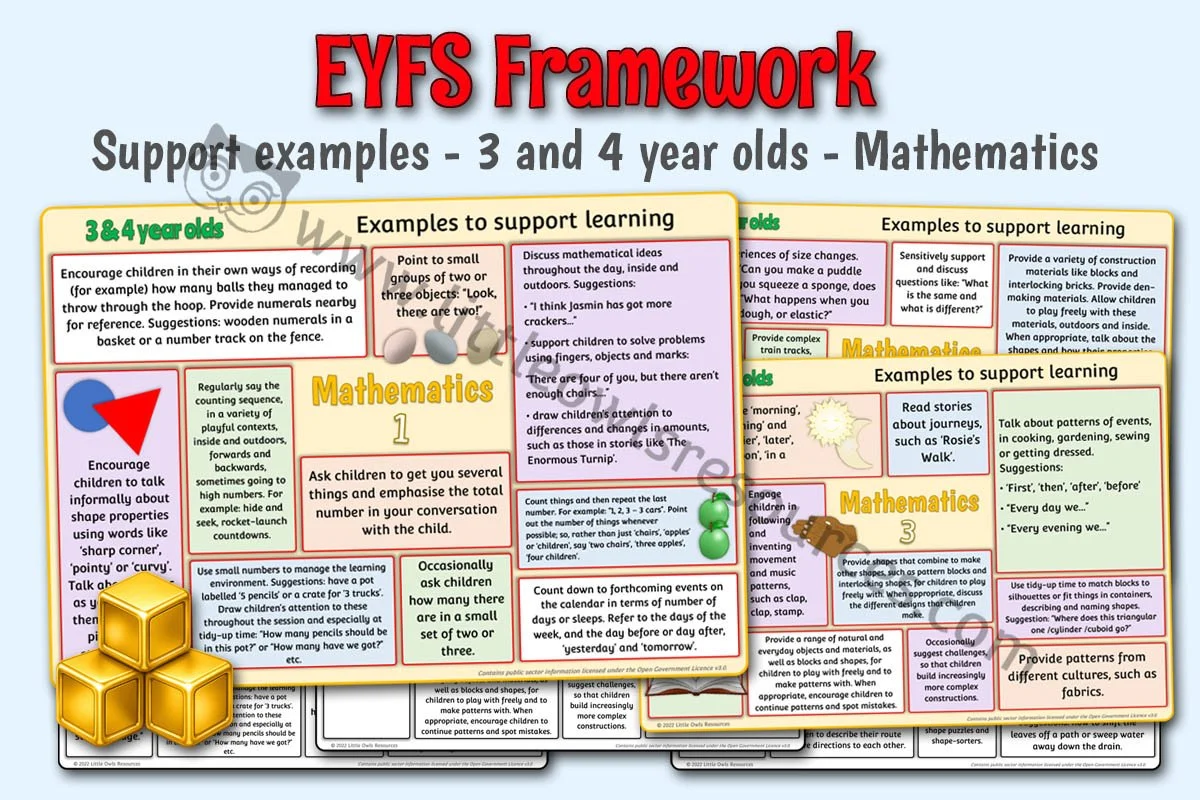
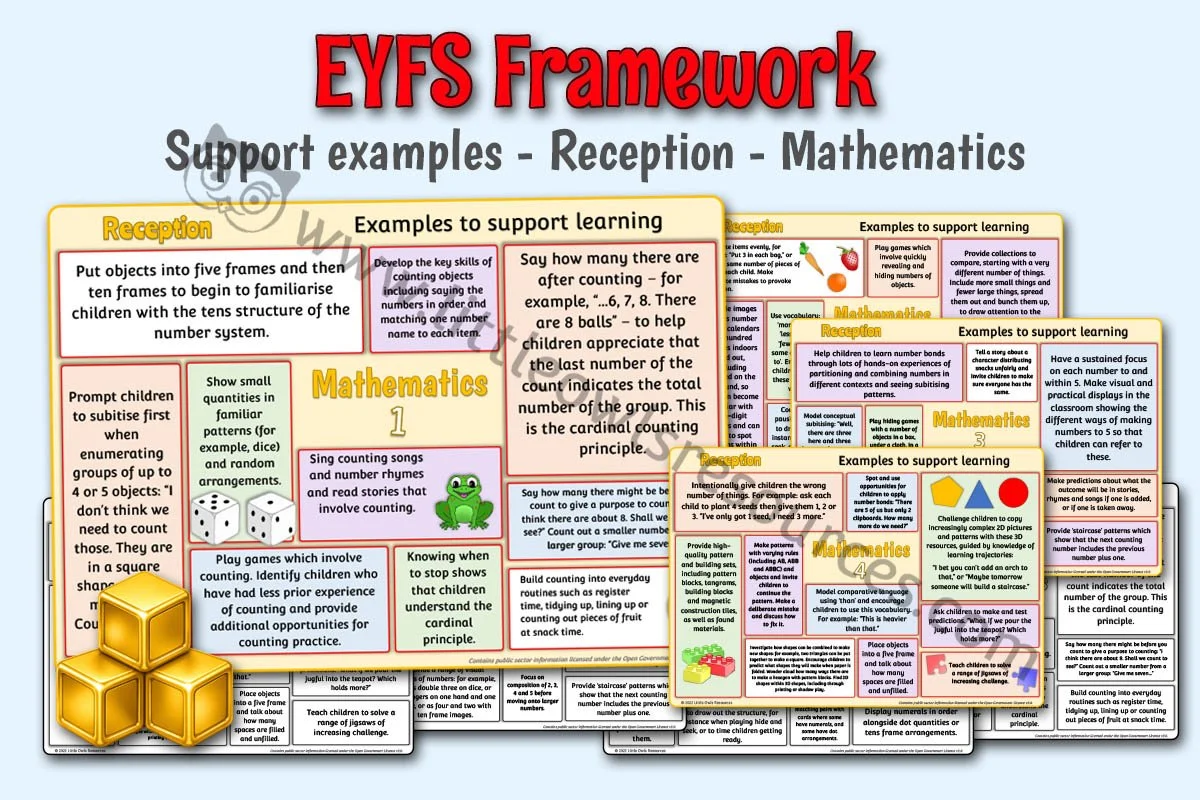
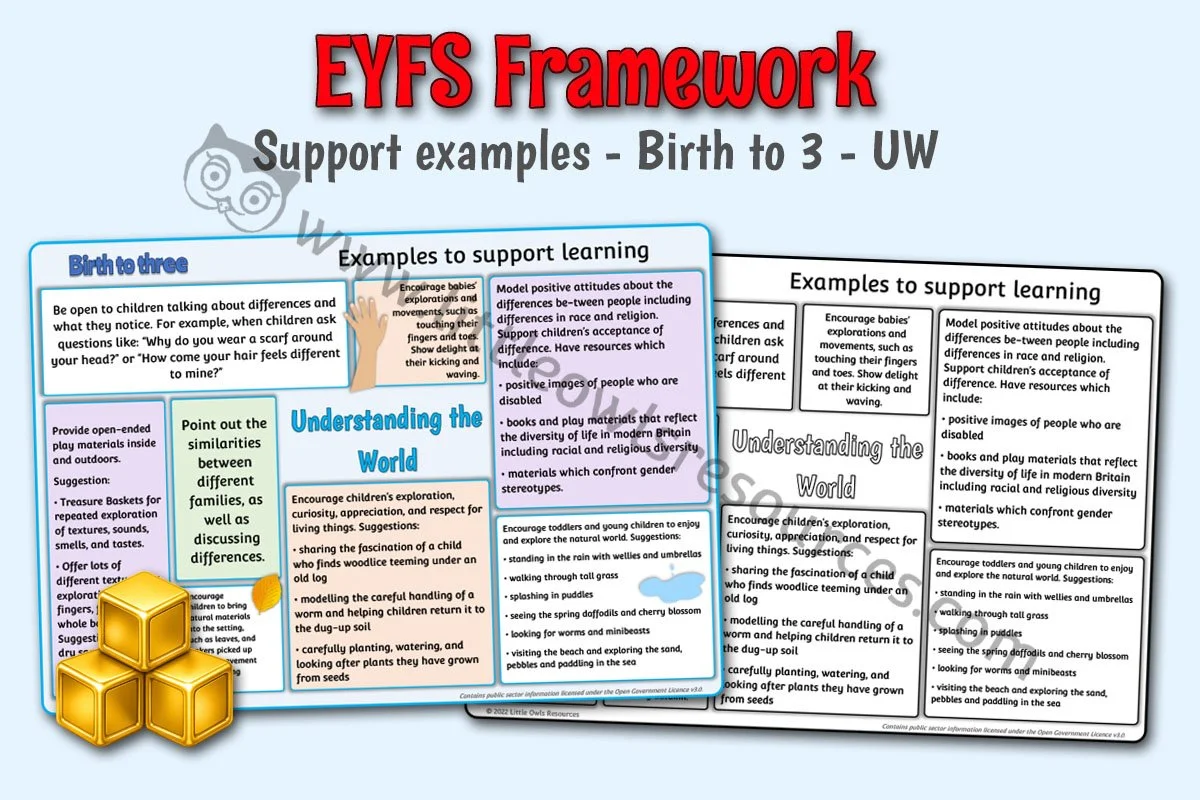
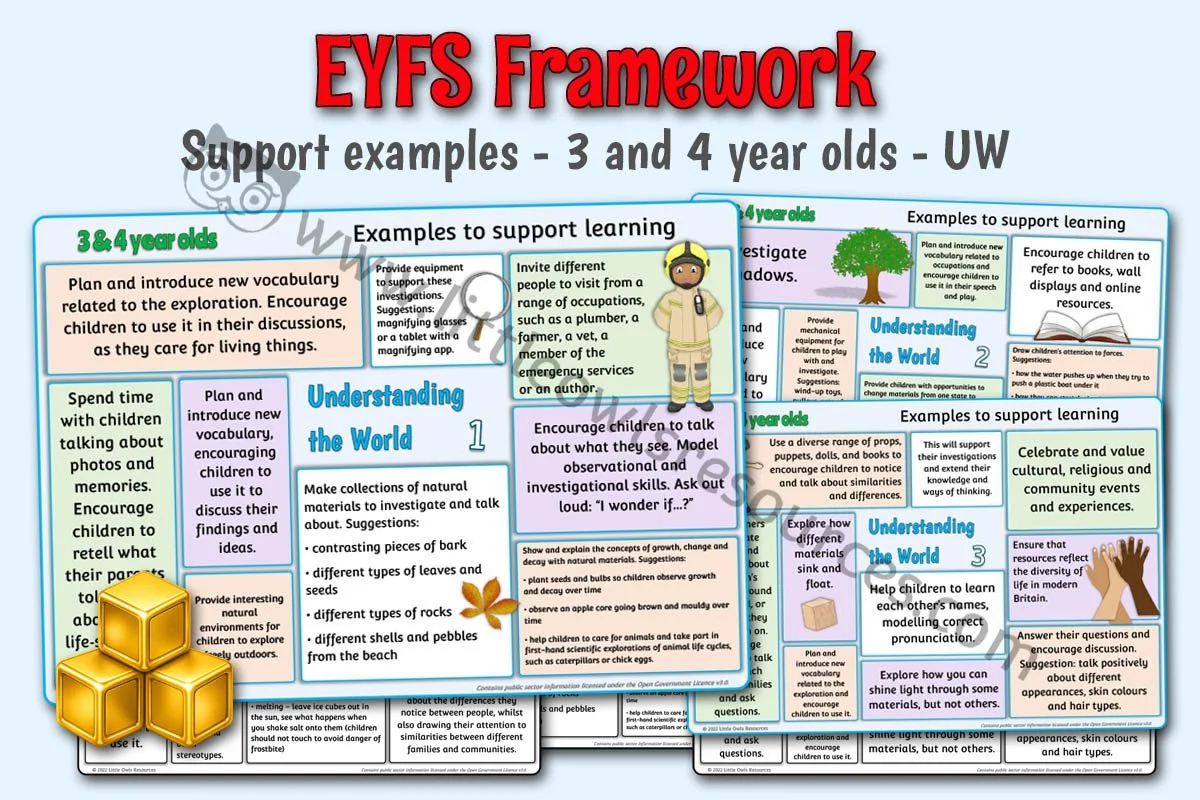
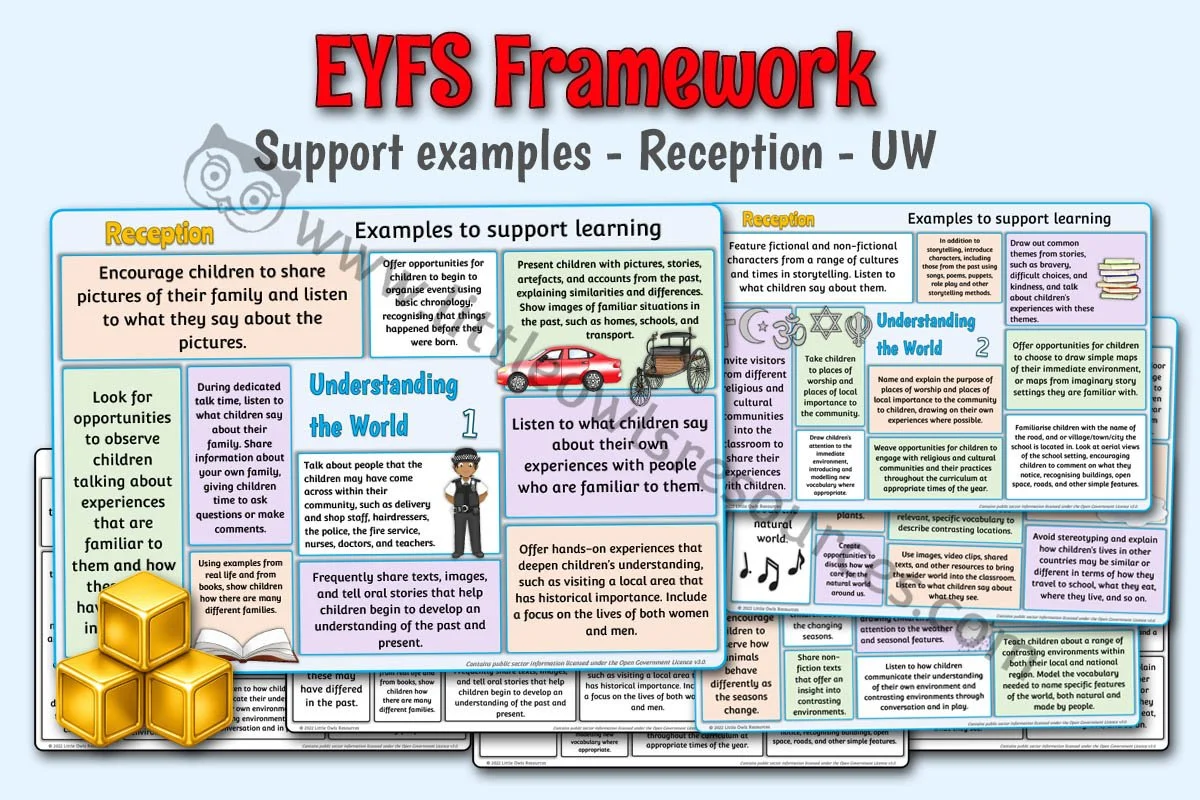
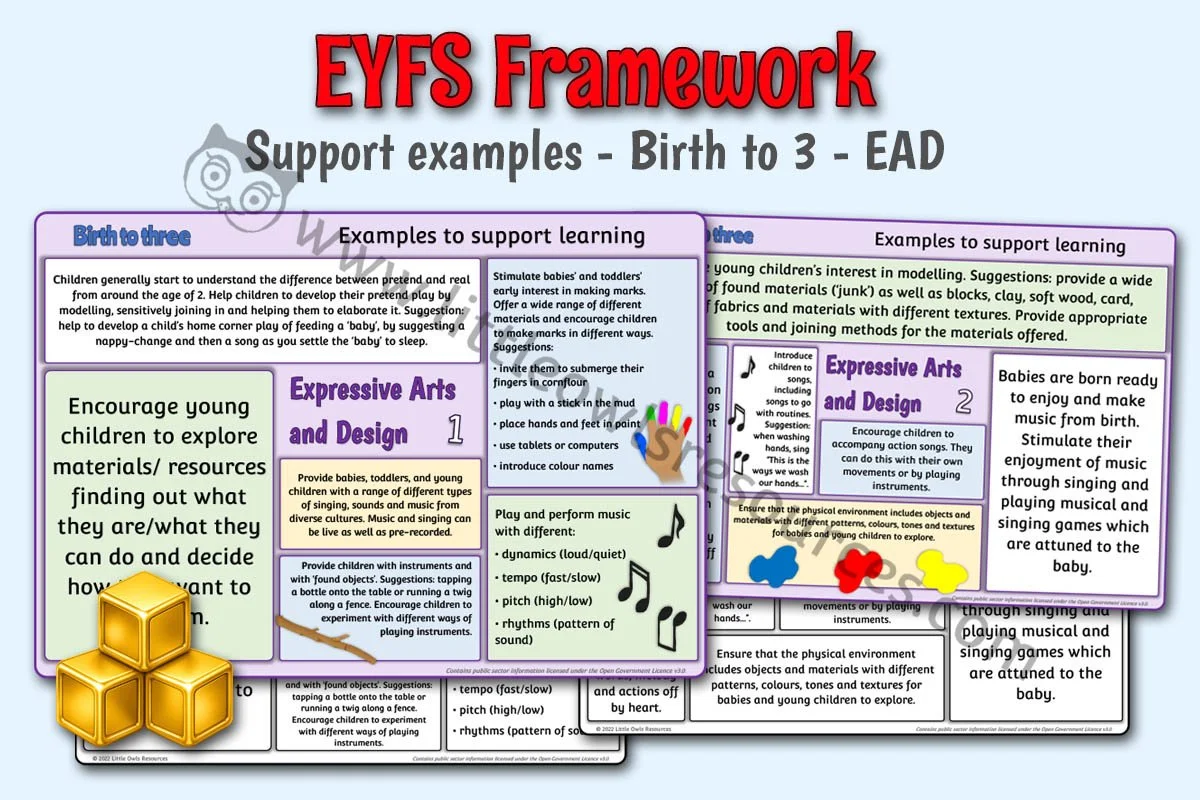
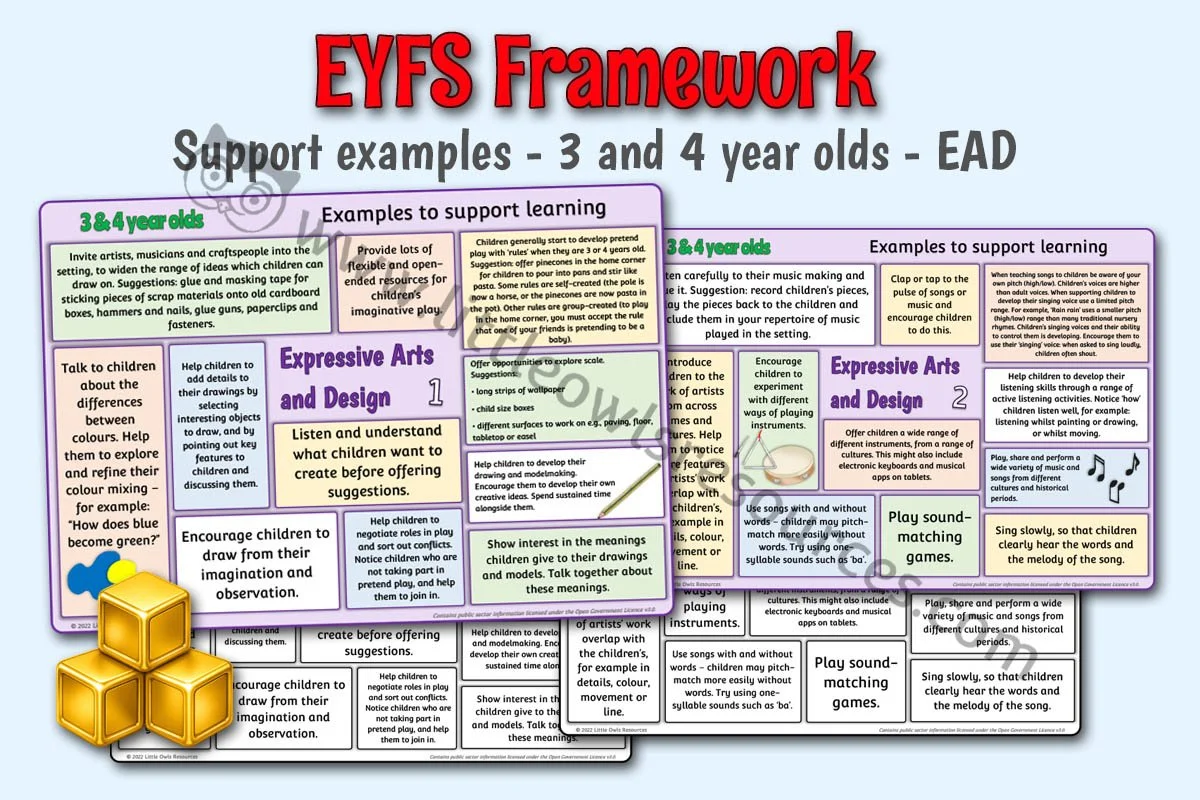
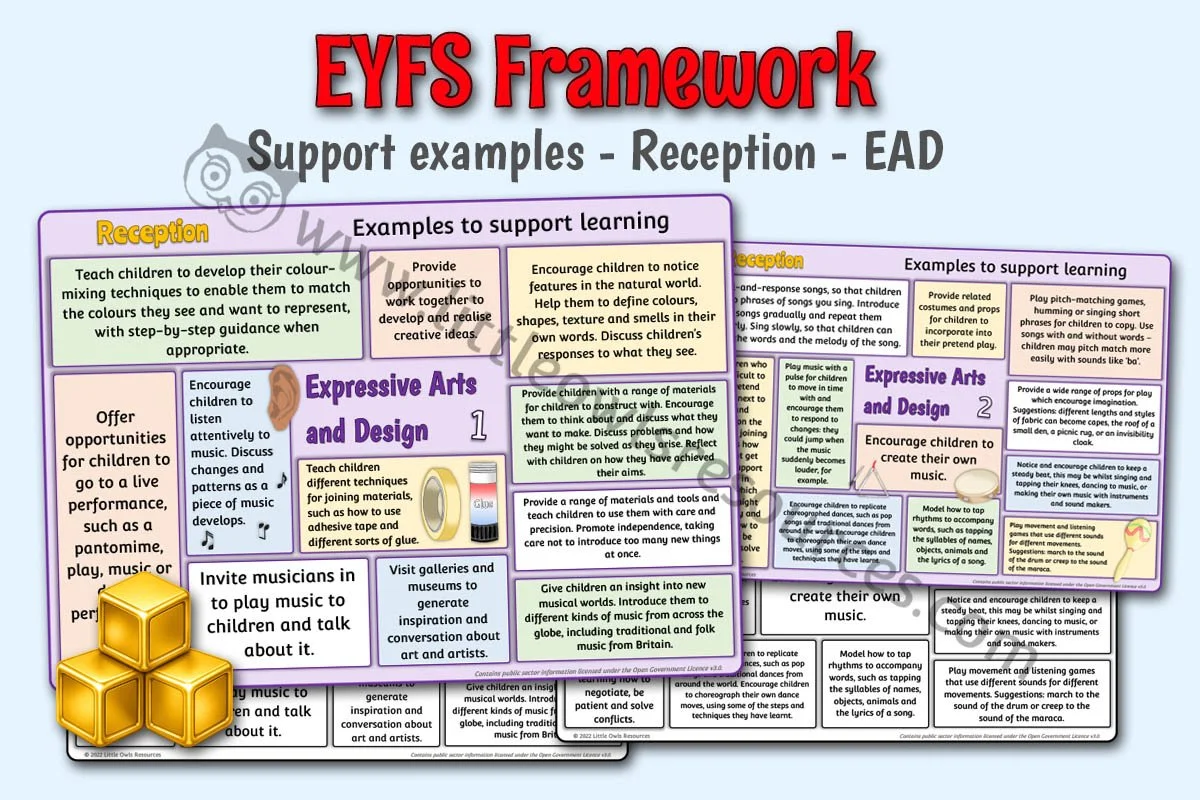
Examples of how to support areas of learning and development for birth to 3, 3 to 4 and 4 to 5 years olds. Extracted from Development Matters; non-statutory curriculum guidance for the early years foundation stage. Includes colour and black and white versions. Files contain public sector information licensed under the Open Government Licence v3.0.
EYFS Framework
Overarching Principles
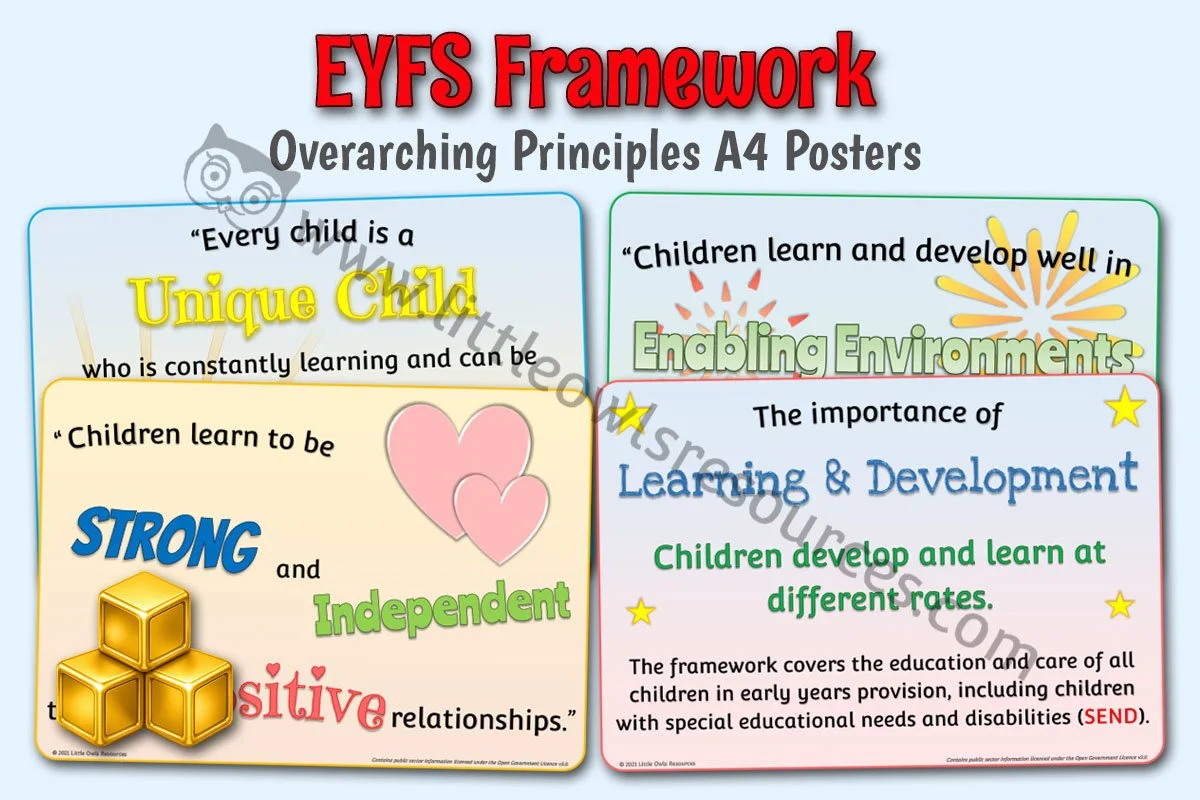
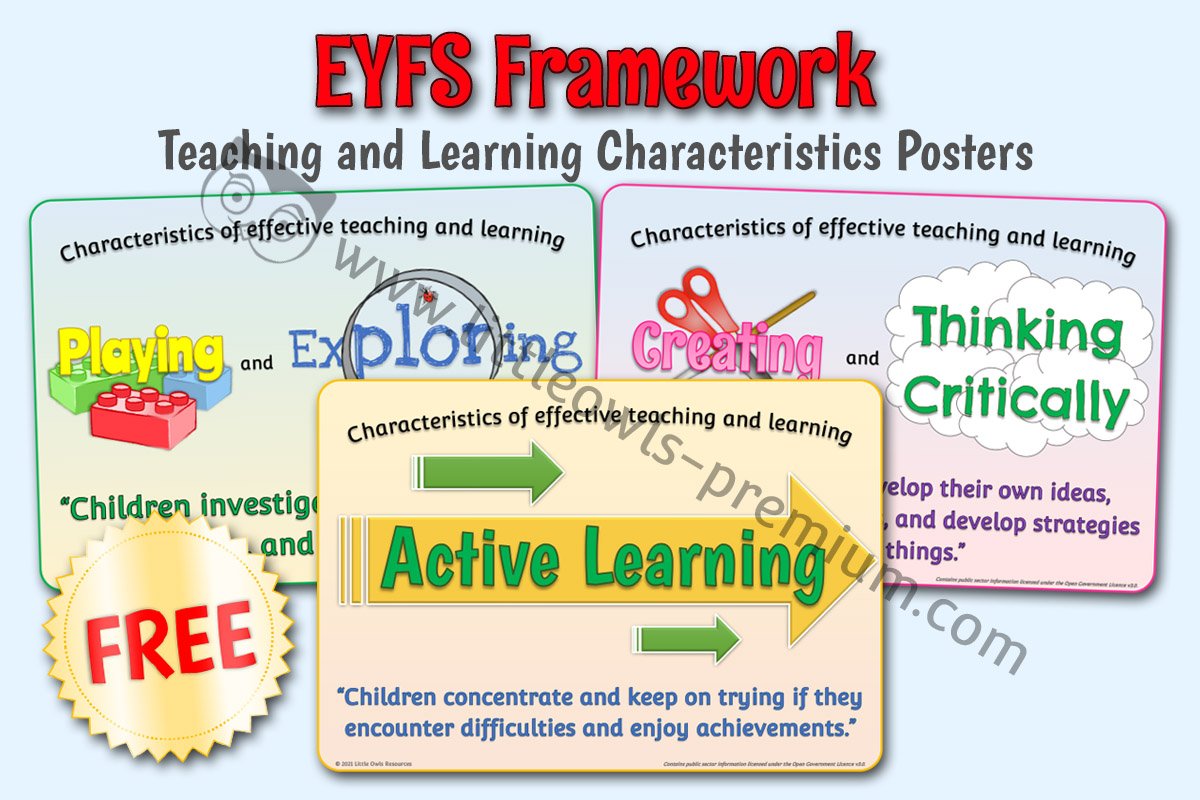
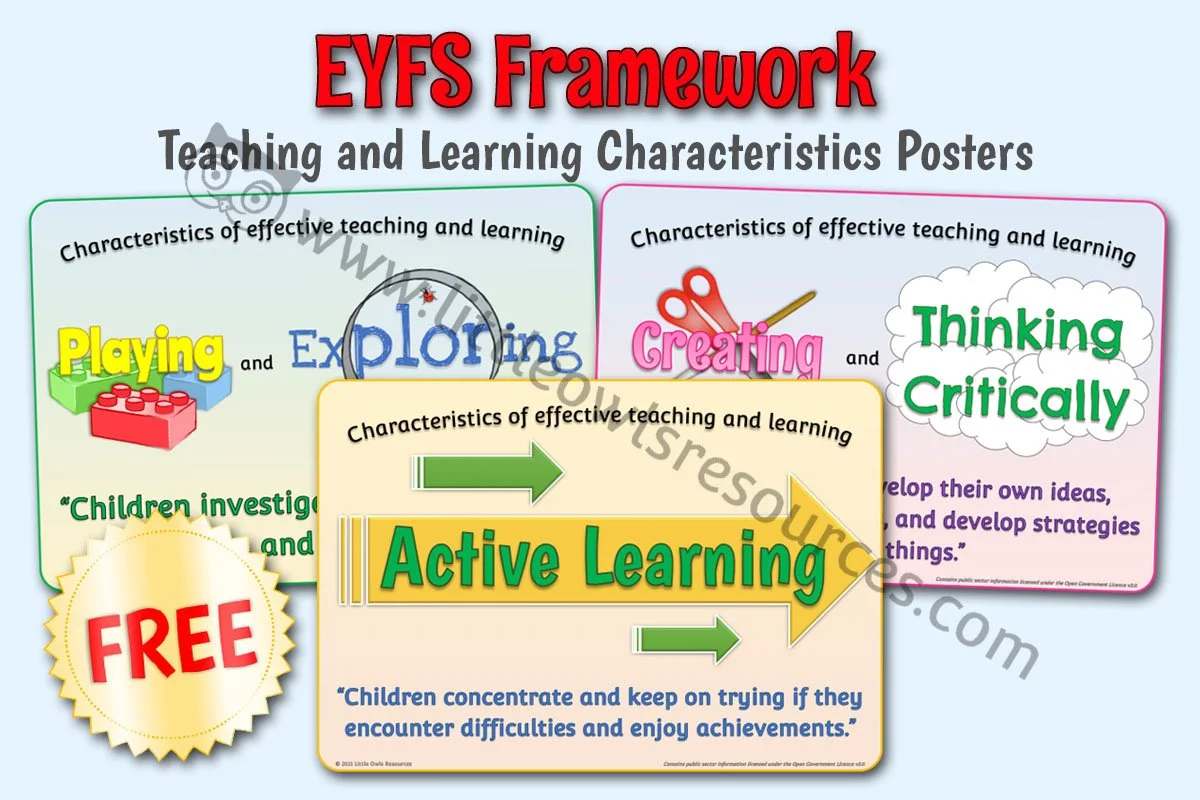
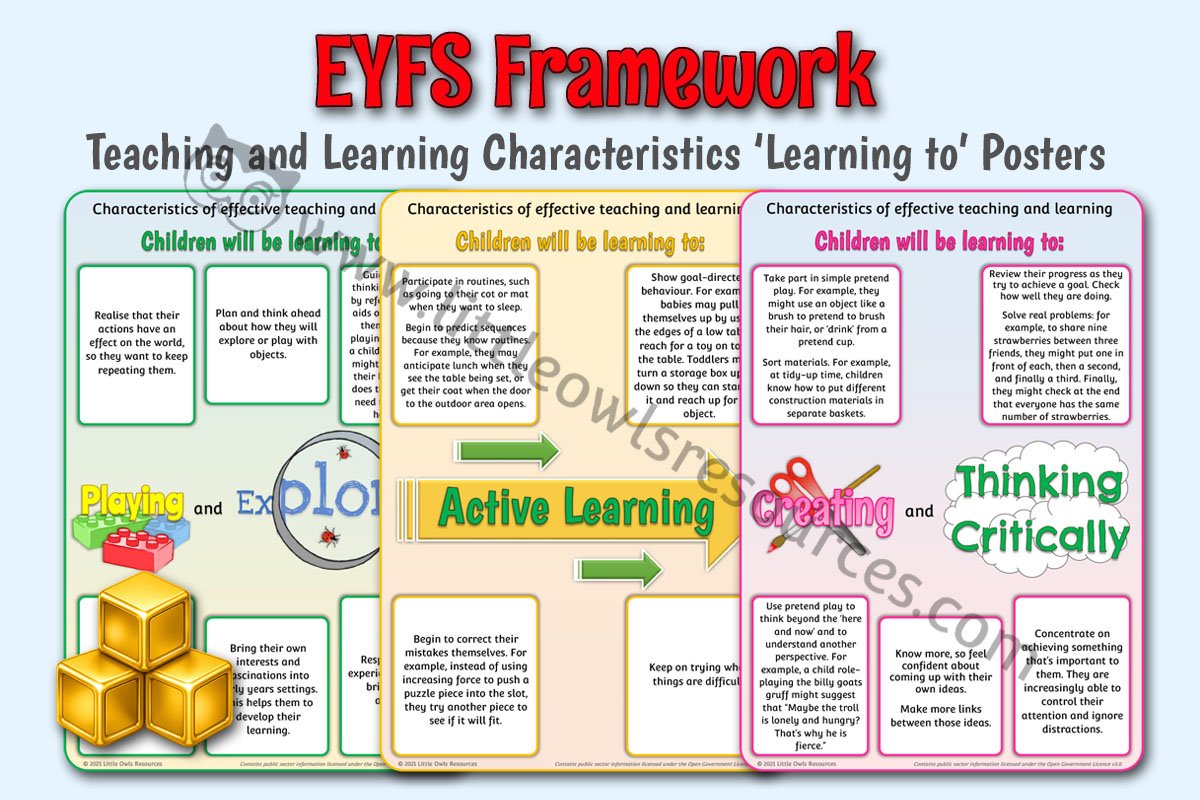
Teaching & Learning Characteristics
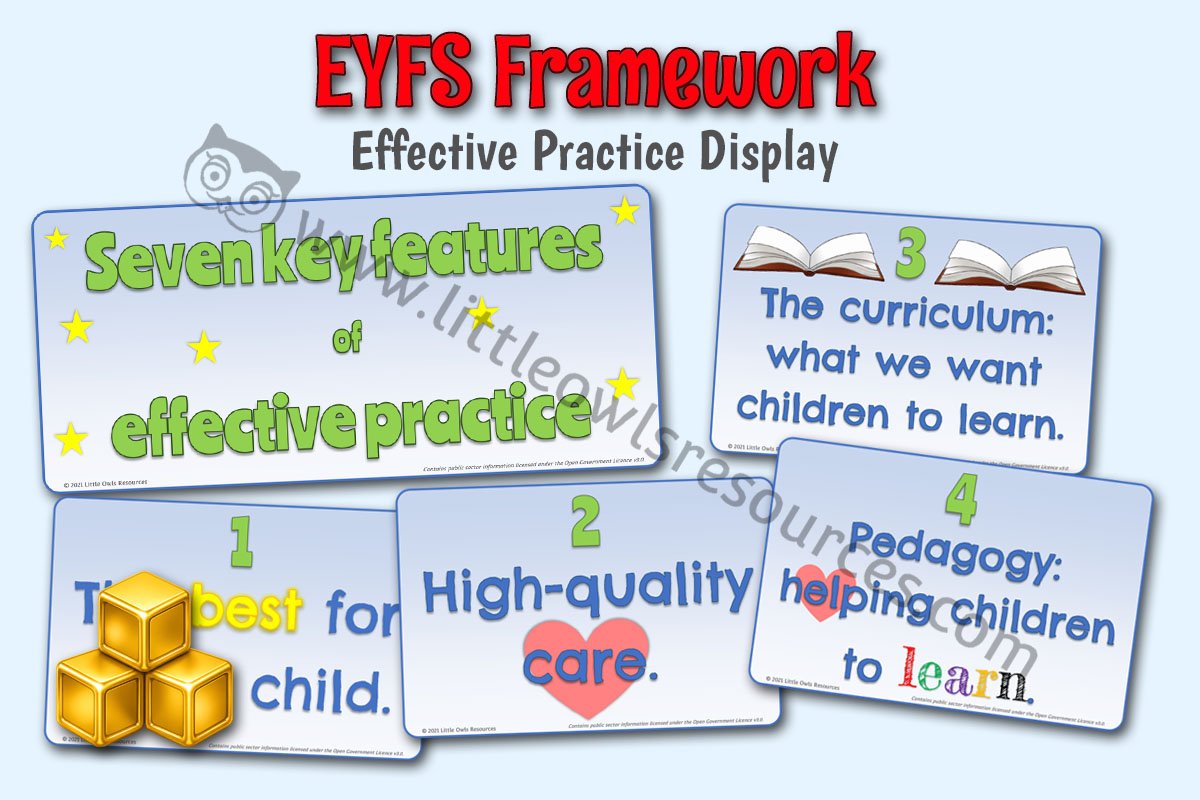
Seven Key Features of Effective Practice
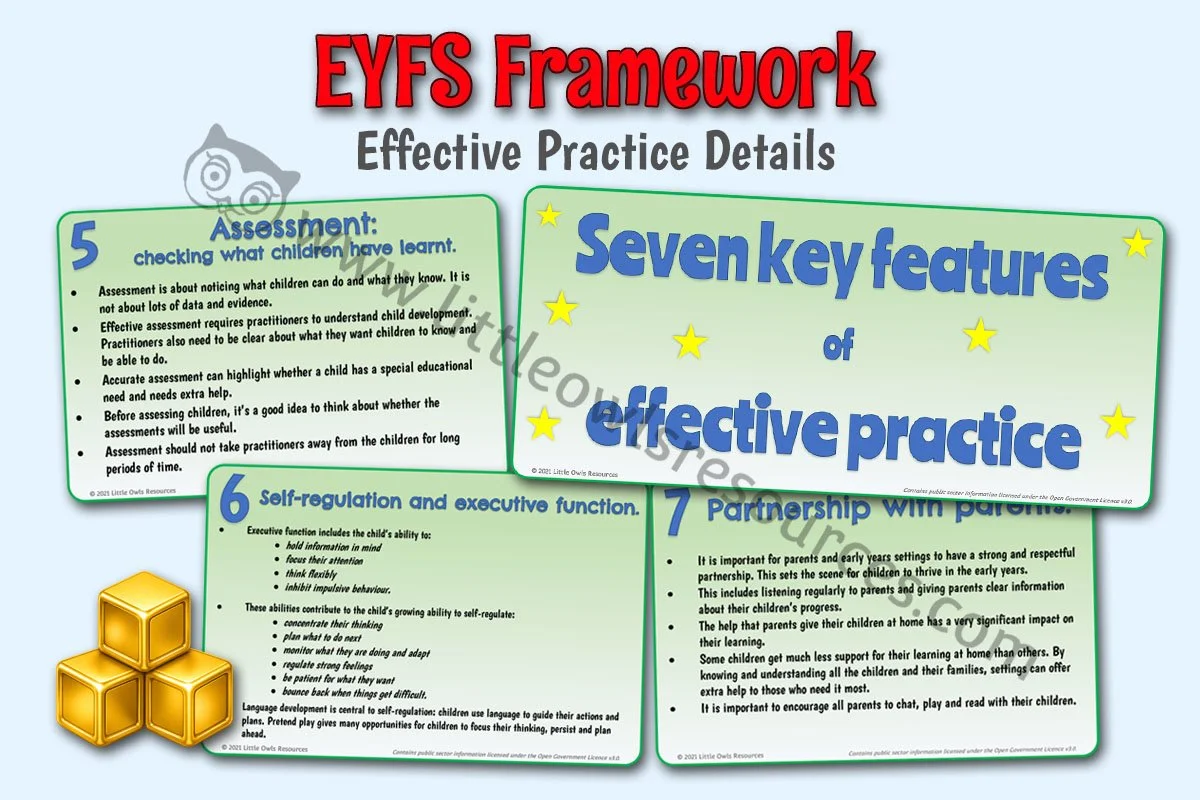
Please find additional resources on our ‘EYFS Framework Support’ page.
➕ Additional Support
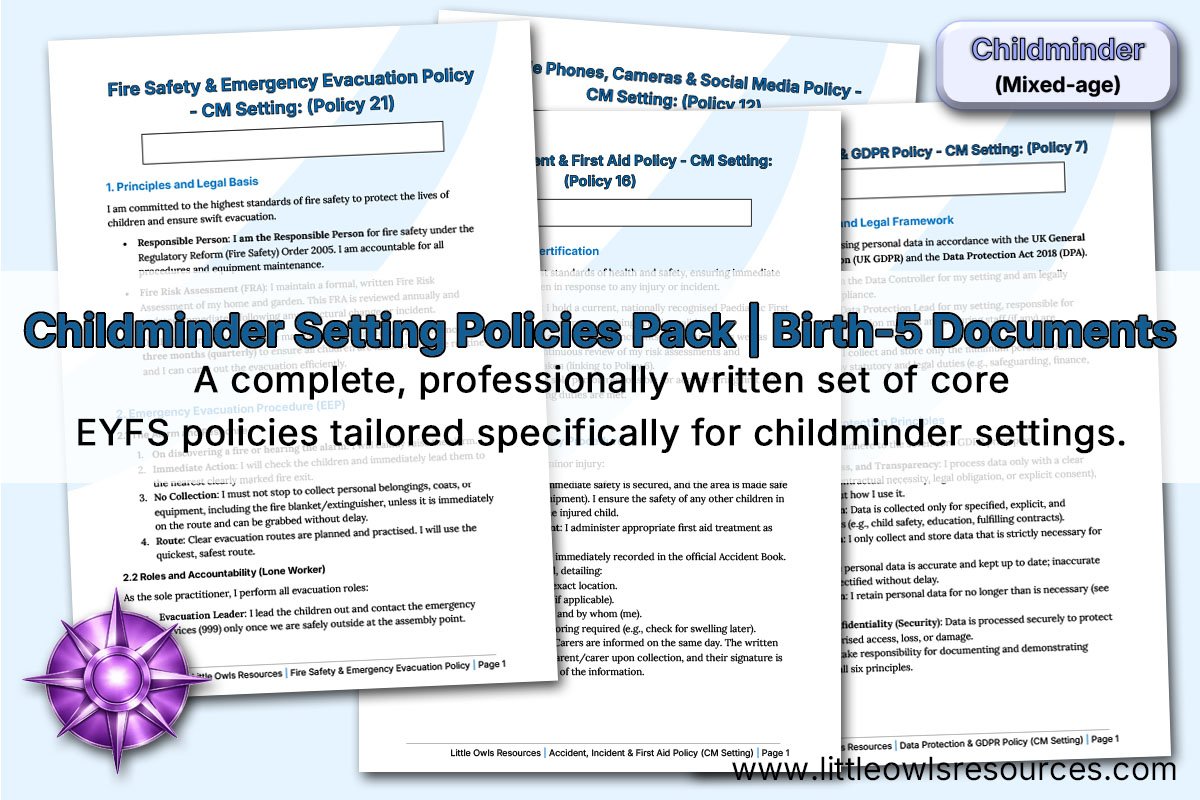
Further support materials for Childminder Curriculum & Pedagogy, such as our ‘Childminder Setting Policies Pack’, may by found in our ‘Childminder (Mixed-Age) Pathway’.
Further EYFS Planning Support
For additional planning support please see the following pages:
Age pages:
Setting pages:
Generic:
This webpage and documents within it are provided as professional guidance to support effective EYFS practice. They do not replace the EYFS Statutory Framework or other statutory guidance. Practitioners must apply professional judgement and adapt practice to their setting and current requirements.