













Planning for toddlers is often where practice begins to drift into activities, themes and outcomes.
But in high-quality EYFS provision, planning for children aged 18–36 months remains play-led, observation-led and rooted in relationships.
Toddlers are active, curious and increasingly independent — but they still learn through:
exploration
repetition
movement
interaction with adults
Planning does not direct this learning. It supports adults to respond to it.
EYFS Toddler (18-36 Months) Curriculum Planning & Guidance Materials
On this page you will find Free Sample Resources, Premium Printable Provision and Professional EYFS Curriculum & Pedagogy Documents specifically designed for toddlers. Explore membership options here.
📌 Jump to Section
🆓 Free EYFS Toddler Planning Resources
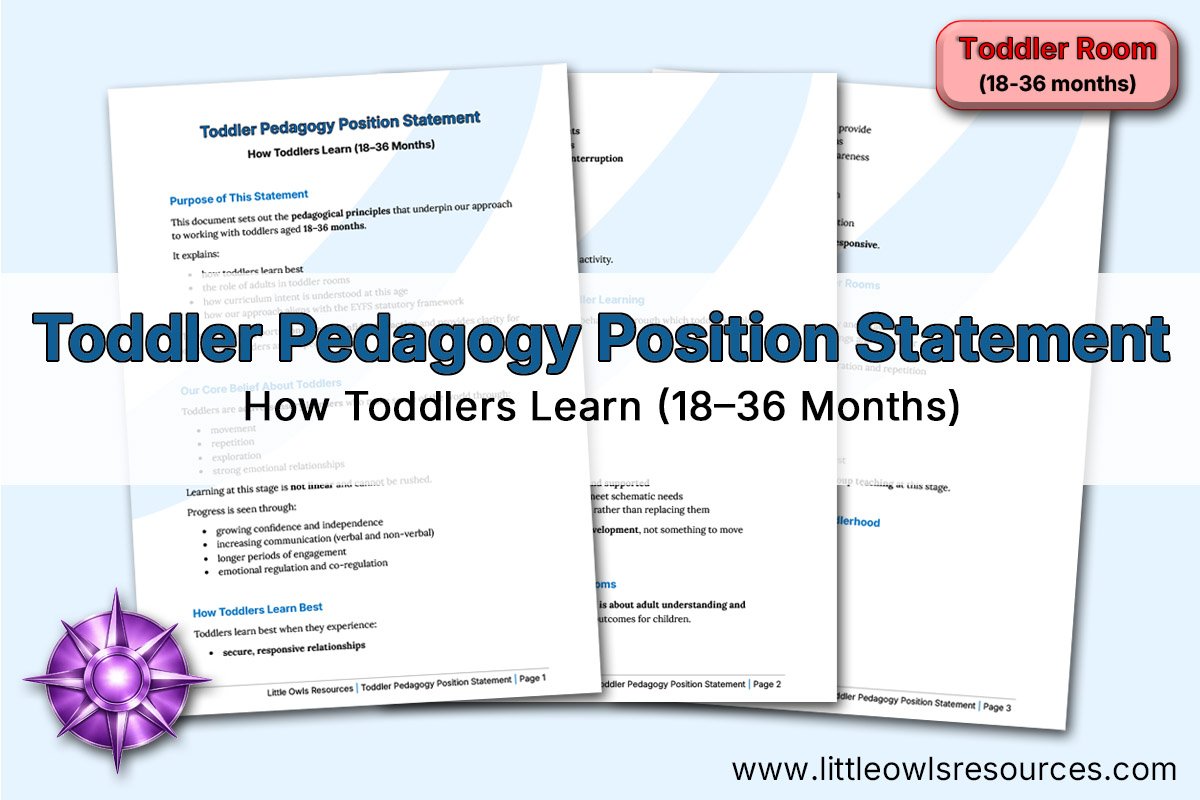
🧒 Toddler Pedagogy & Schemas
Your FAQs & Supporting Guidance Documents
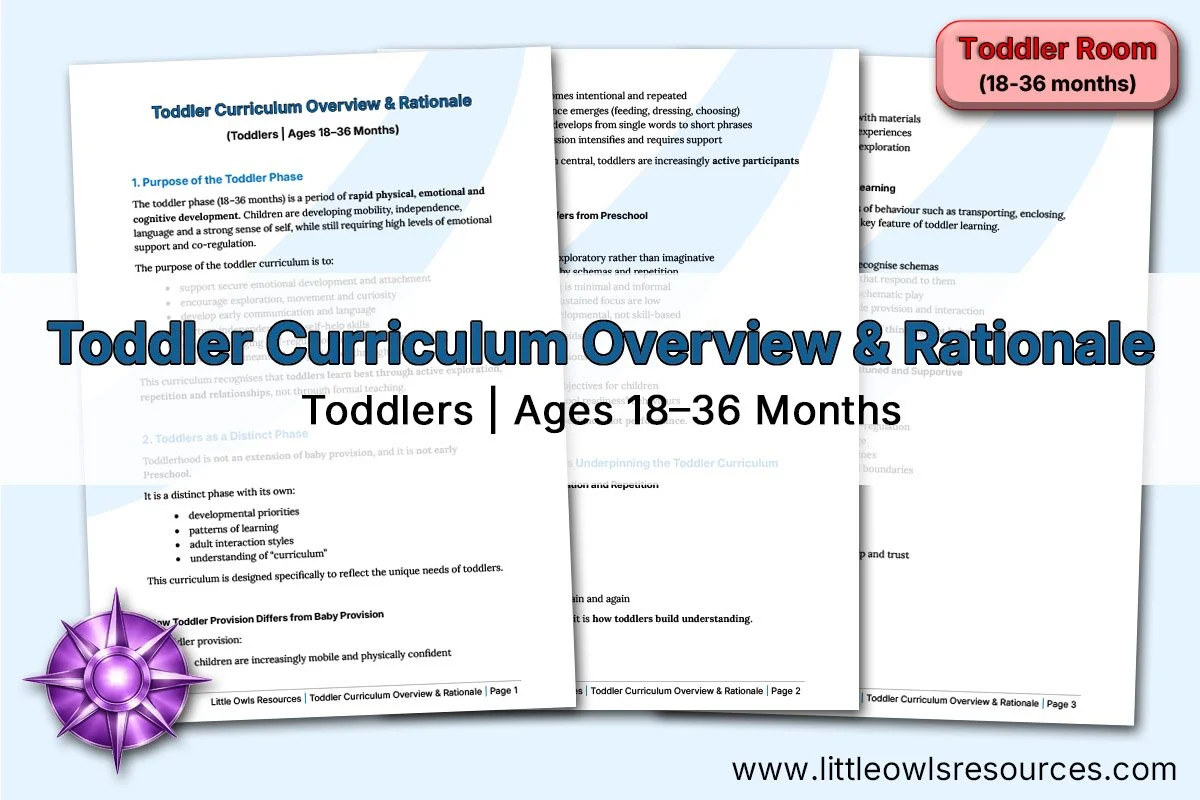
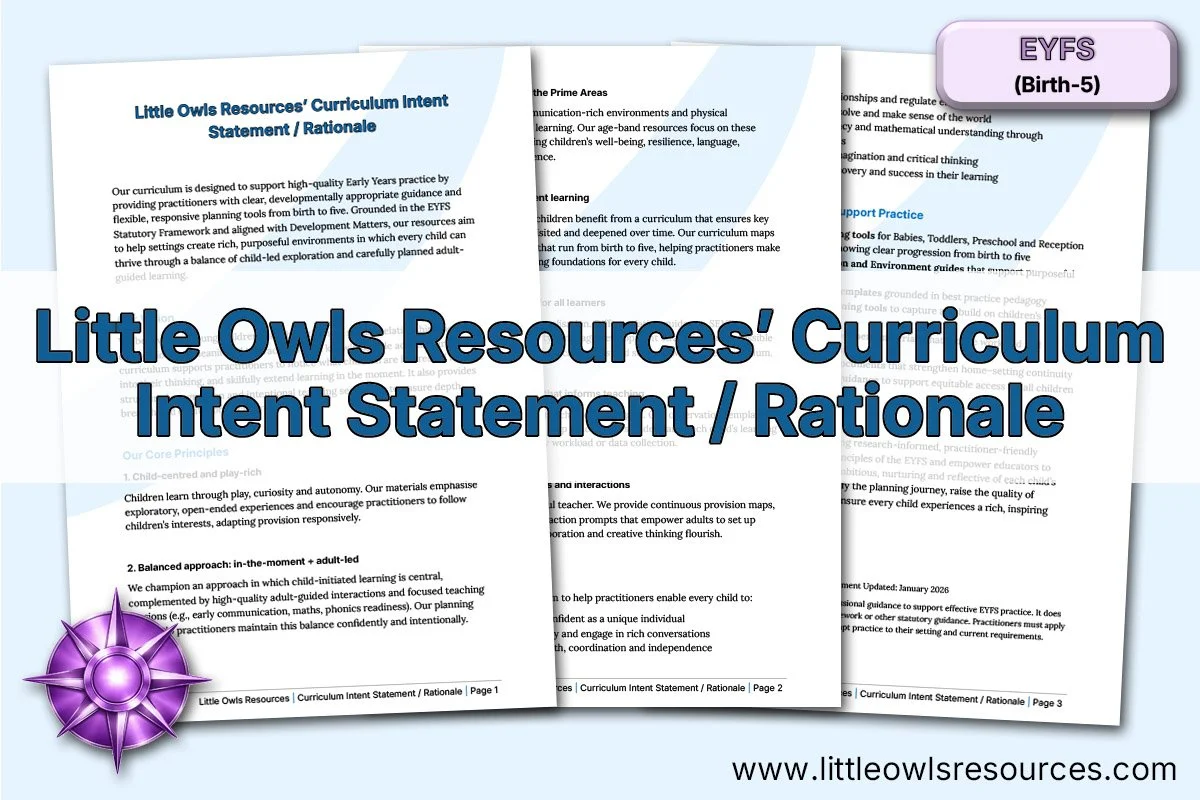
🧭 Curriculum & Progression
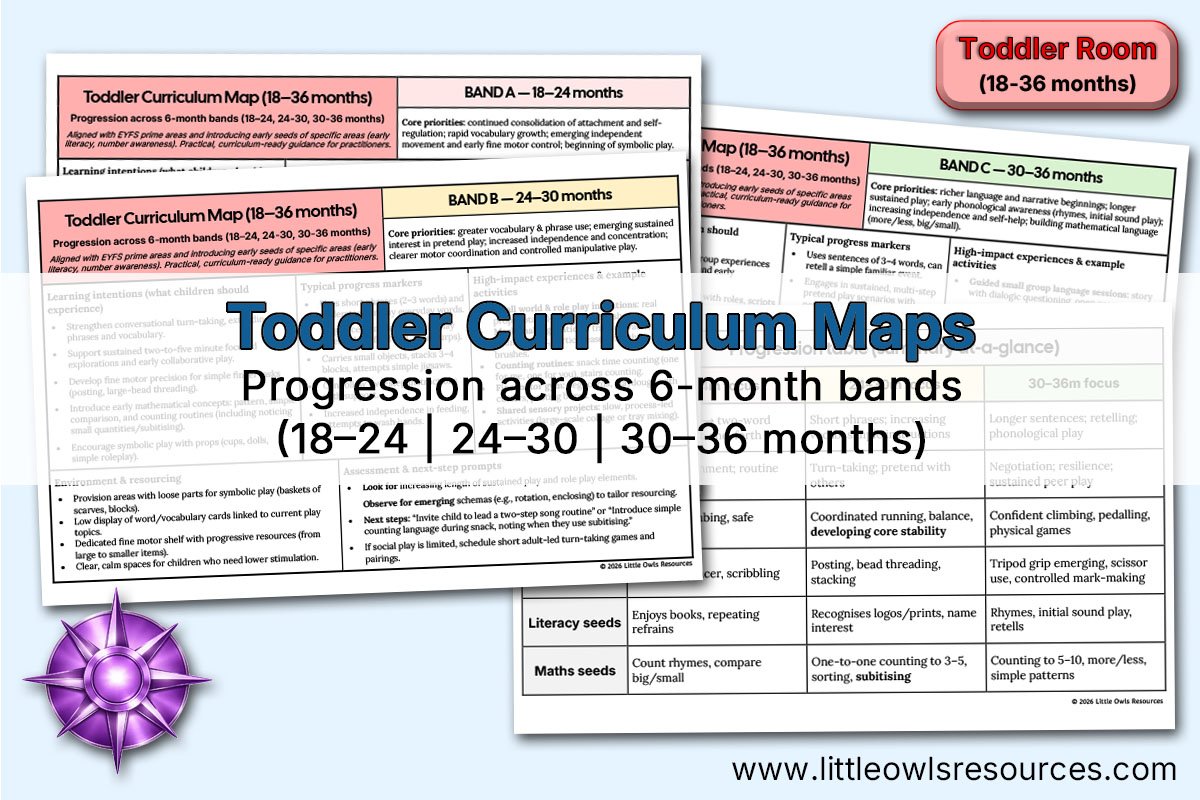
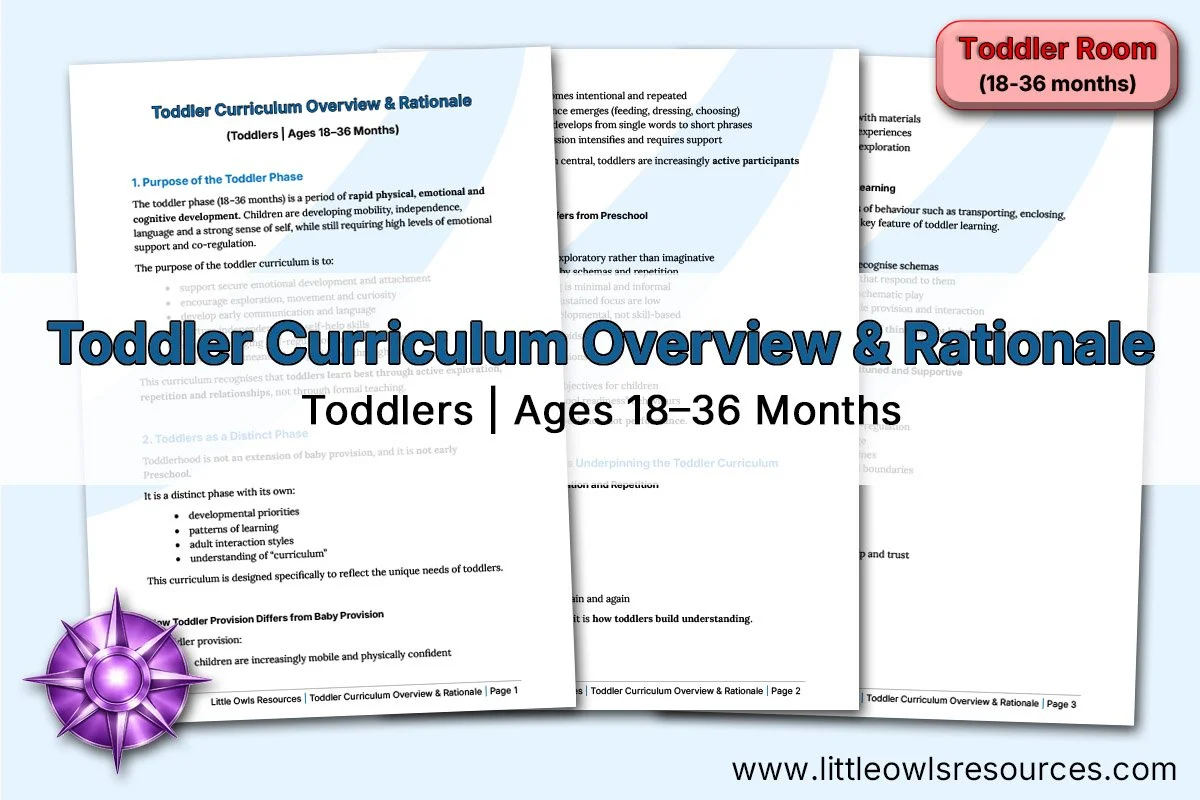
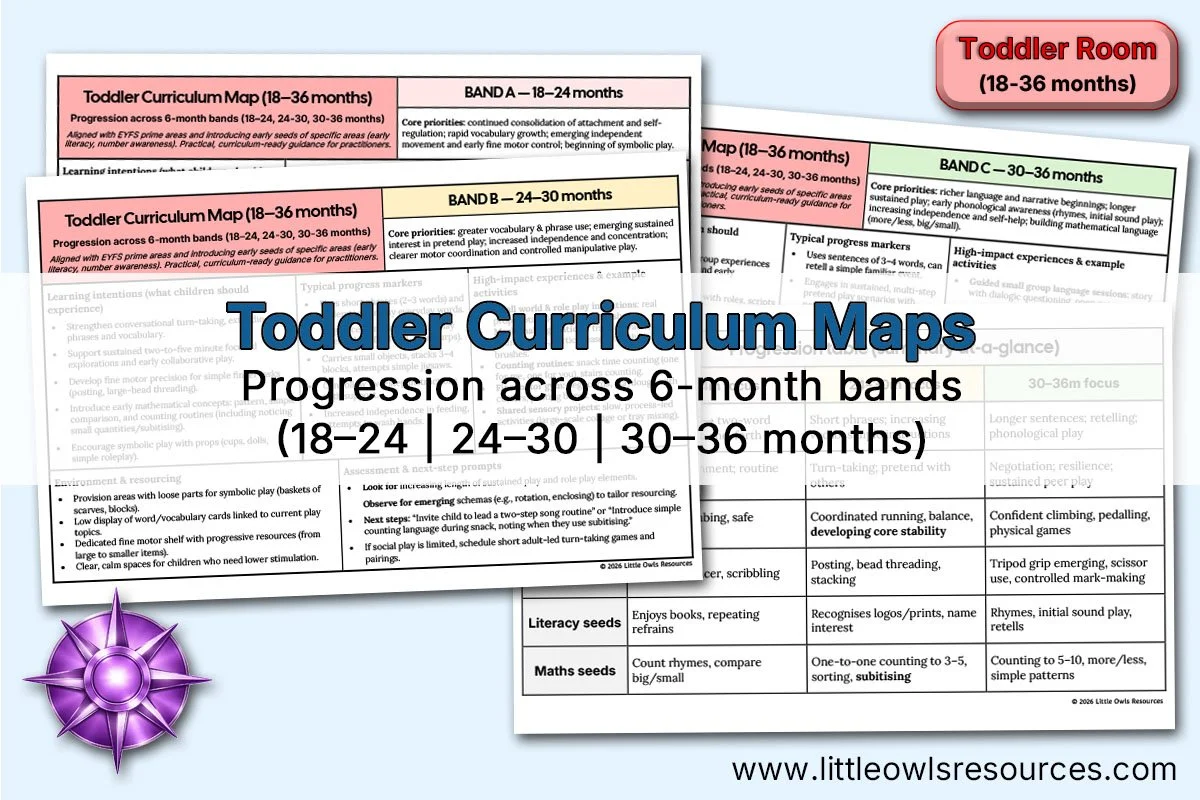
Toddler Curriculum Overview & Rationale, Intent Grids & Curriculum Progression Maps: 18–24 | 24–30 | 30–36 months
👀 Observation & Planning
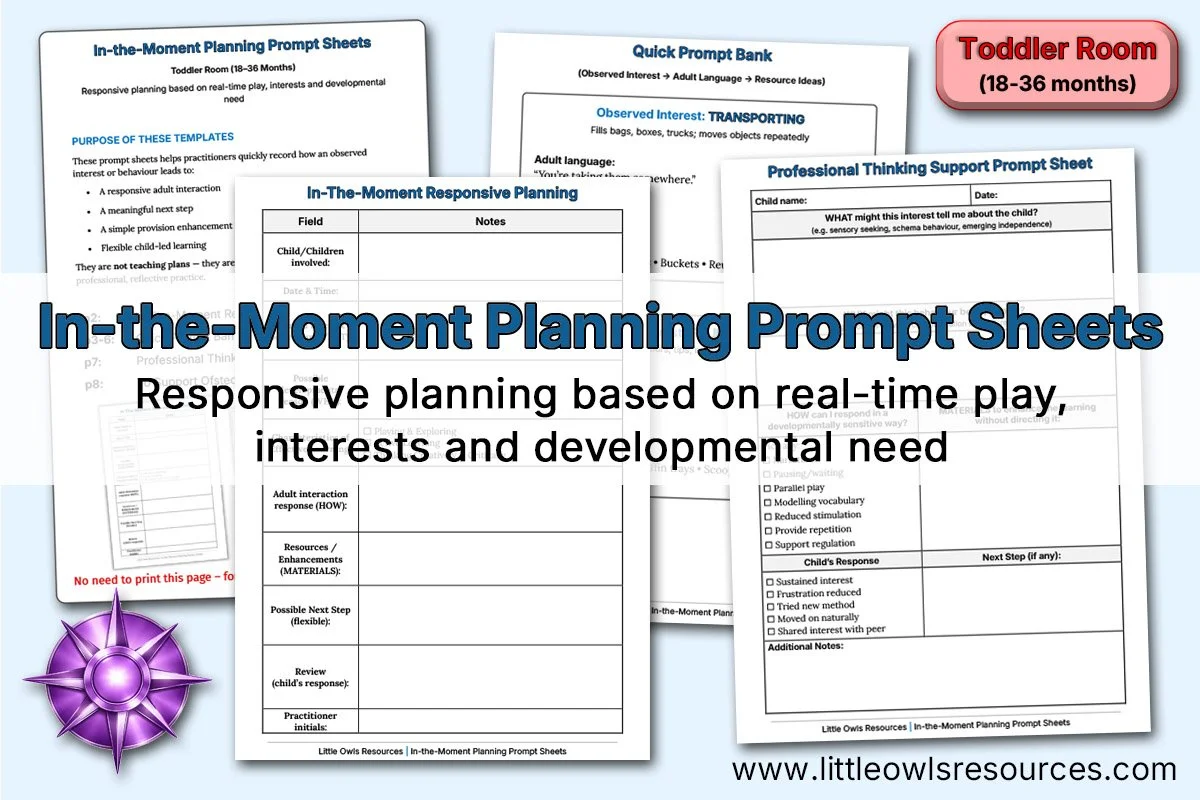
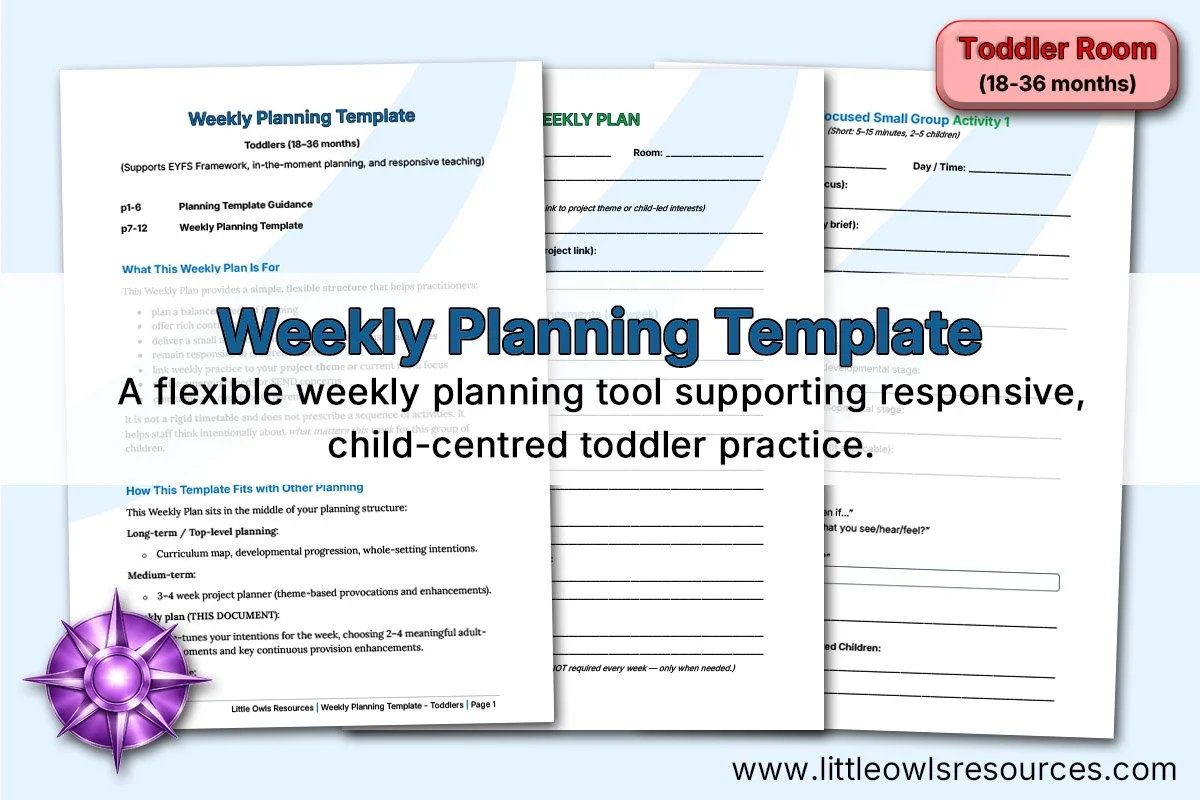
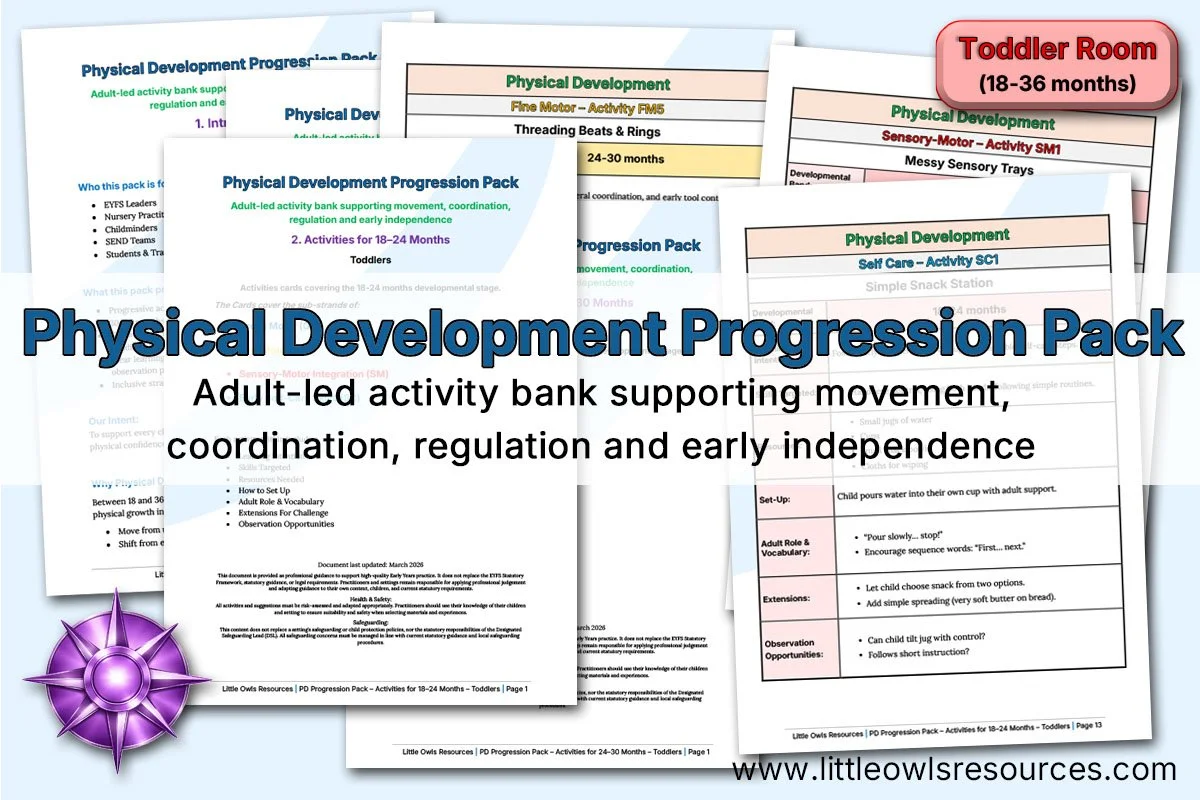
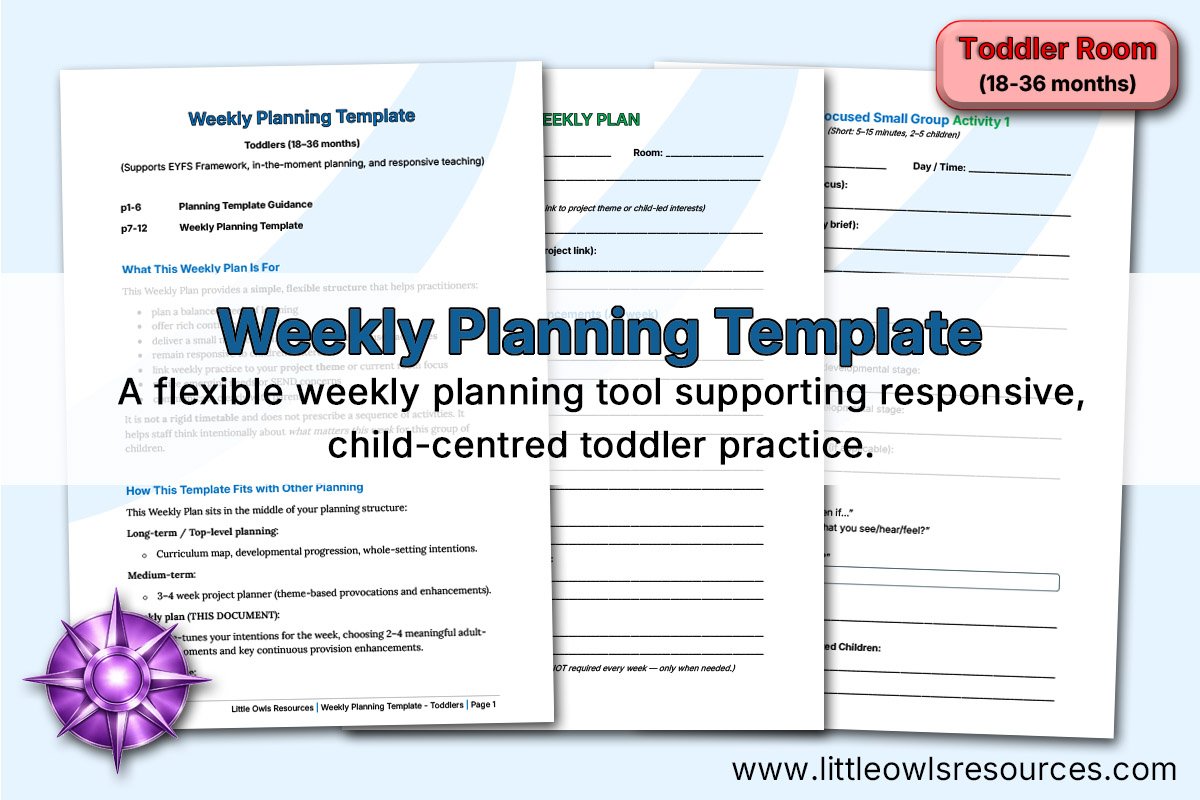
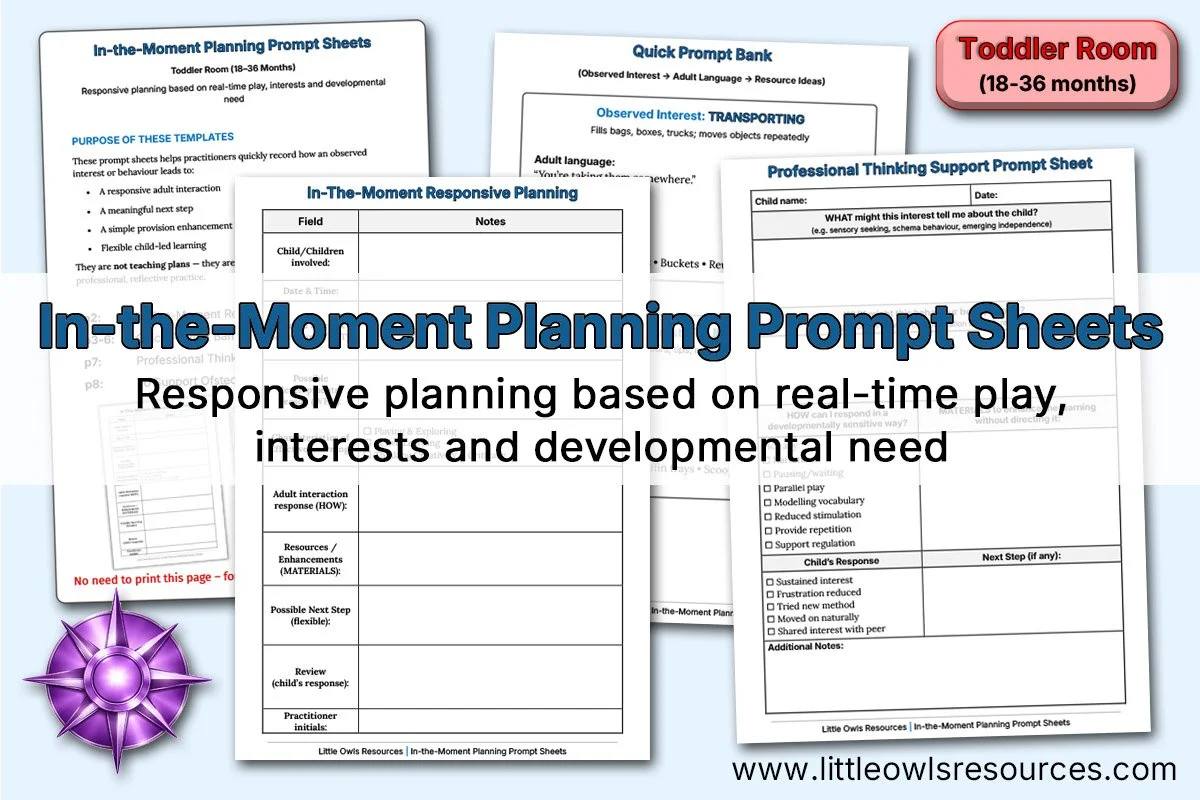
In-the-Moment Planning Prompt Sheets, Weekly Planning & Observation Templates
🏡 Continuous Provision & Environment
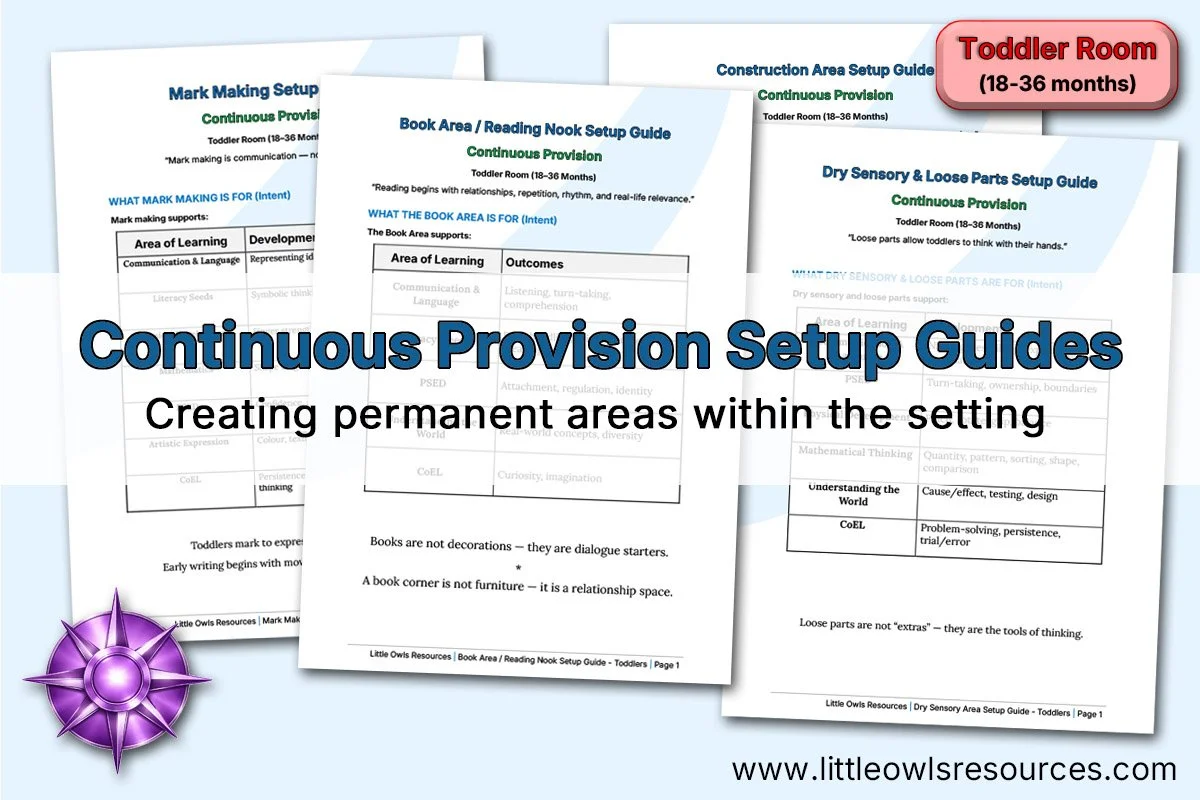
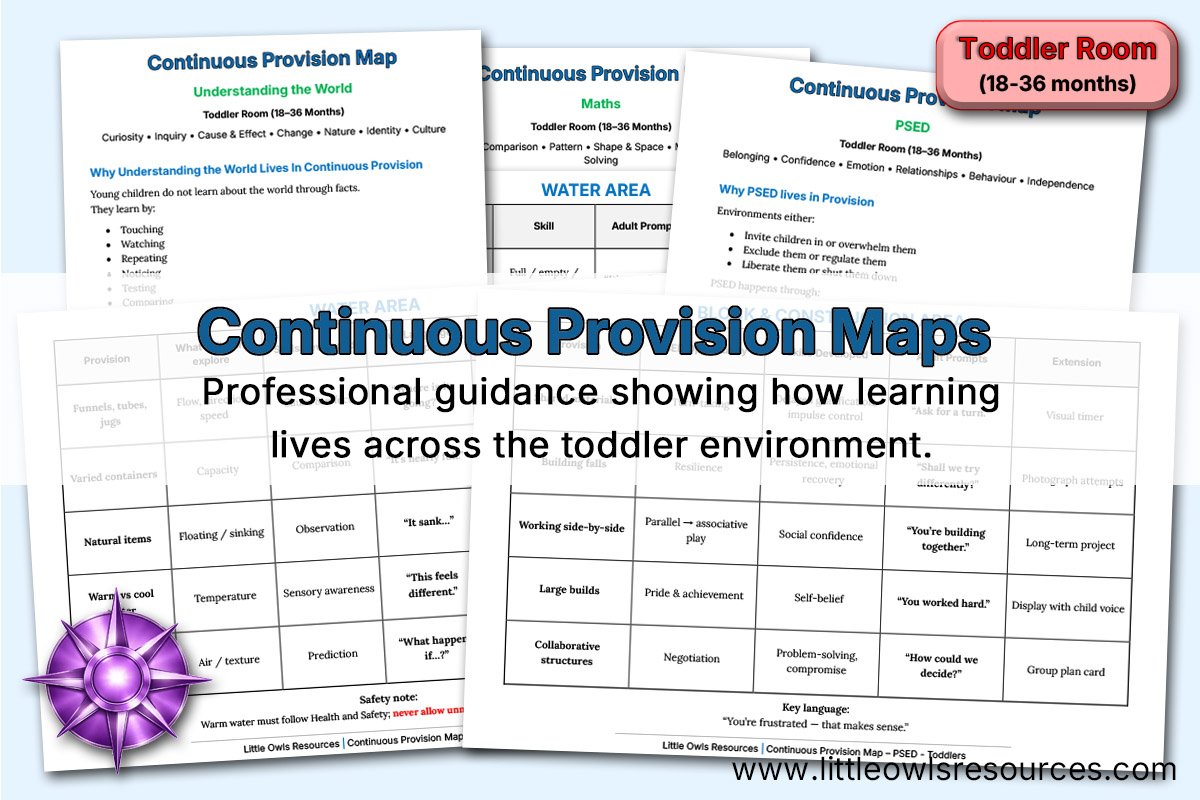
Continuous Provision Maps, Provision Setup Guides (all areas), Audit & Rotation Tools & Printable Resources
🔁 Themes, Projects & Schema-Responsive Contexts
Child-Led & Responsive Project Planners, Year-Long Project Map, plus Schema Coverage Tools & Support Maps
✨ Provision Enhancements
Themed Resources, Role-Play Packs, Festivals & Special Dates
💬 Adult Interaction & Development
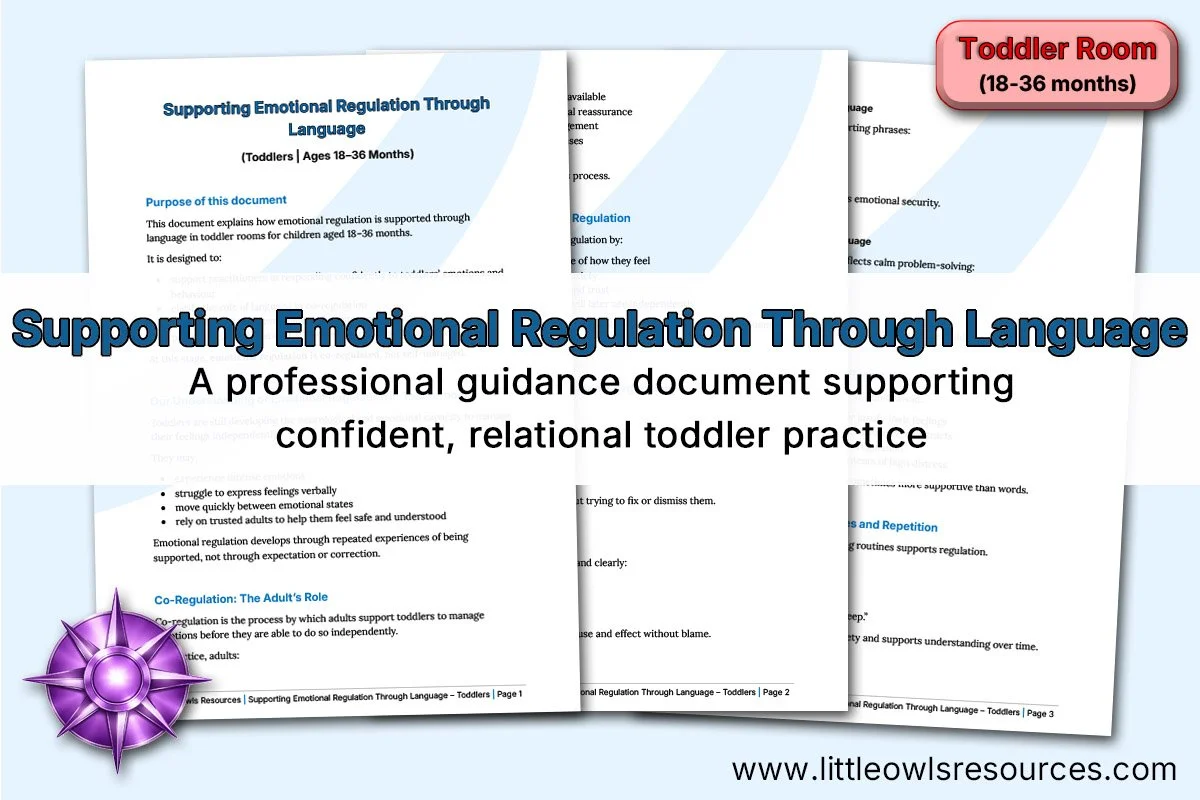
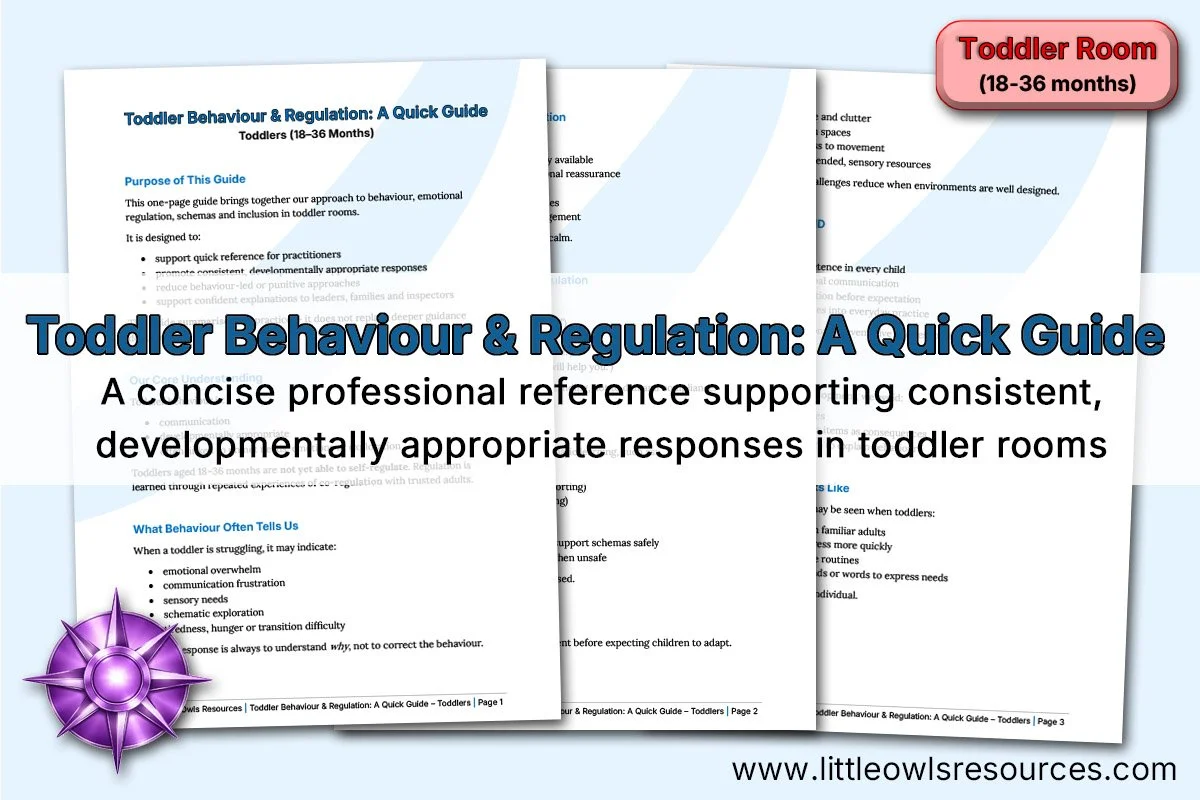
Behaviour & Emotional Regulation Guides, Language-First Support & Interaction Guidance
🌈 Area of Learning Invitations & Provocations
Progression Maps, Responsive Adult Focus Sessions & Printable Resources
🤝 SEND & Inclusion
Guidance & Practical Tools
📘 Statutory & Non-Statutory Guidance Resources
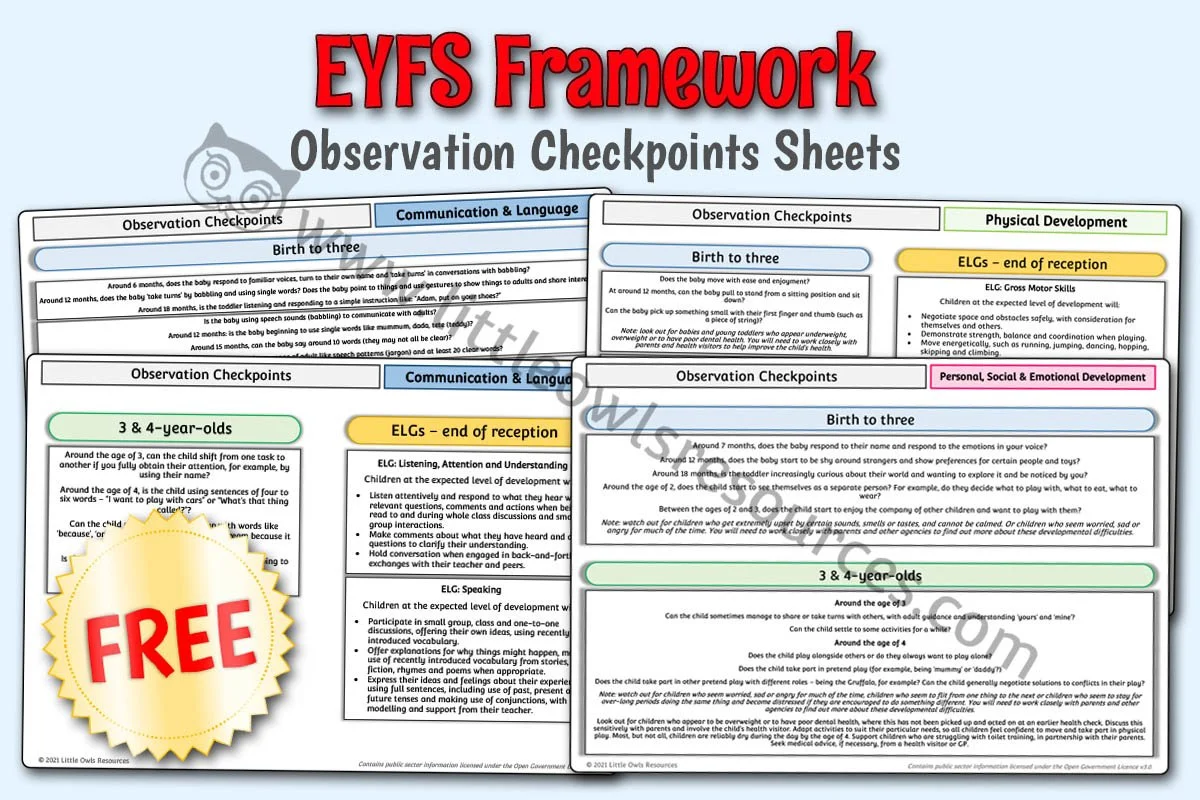
EYFS Framework & Development Matters Printable Support Examples & Ethos Displays
➕ Additional Support
🆓 Free EYFS Toddler Planning Resources
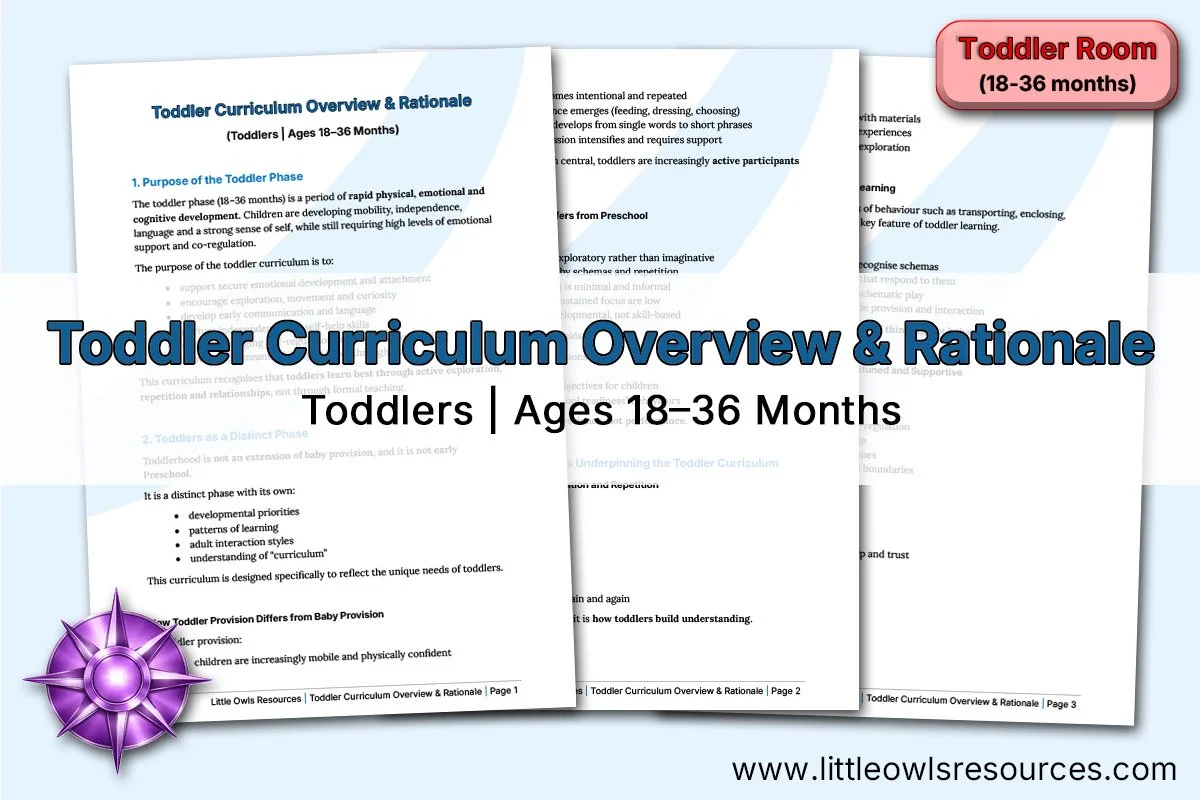


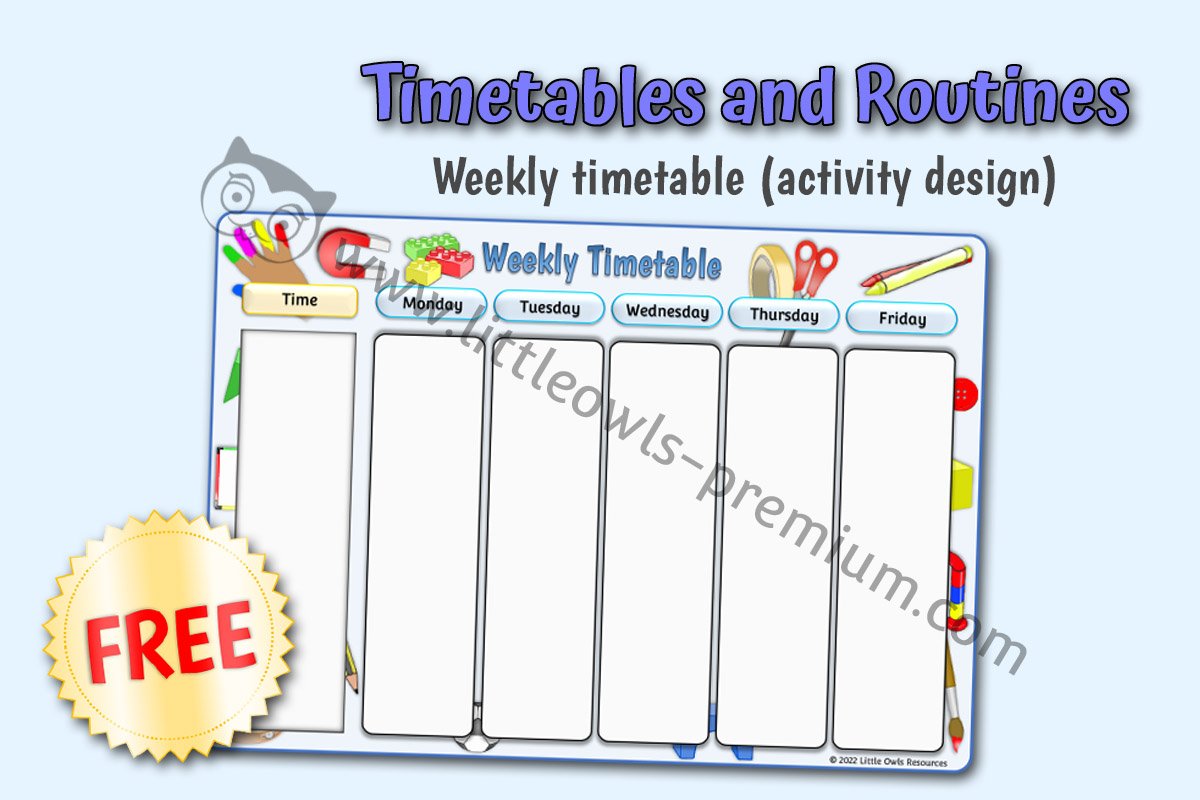
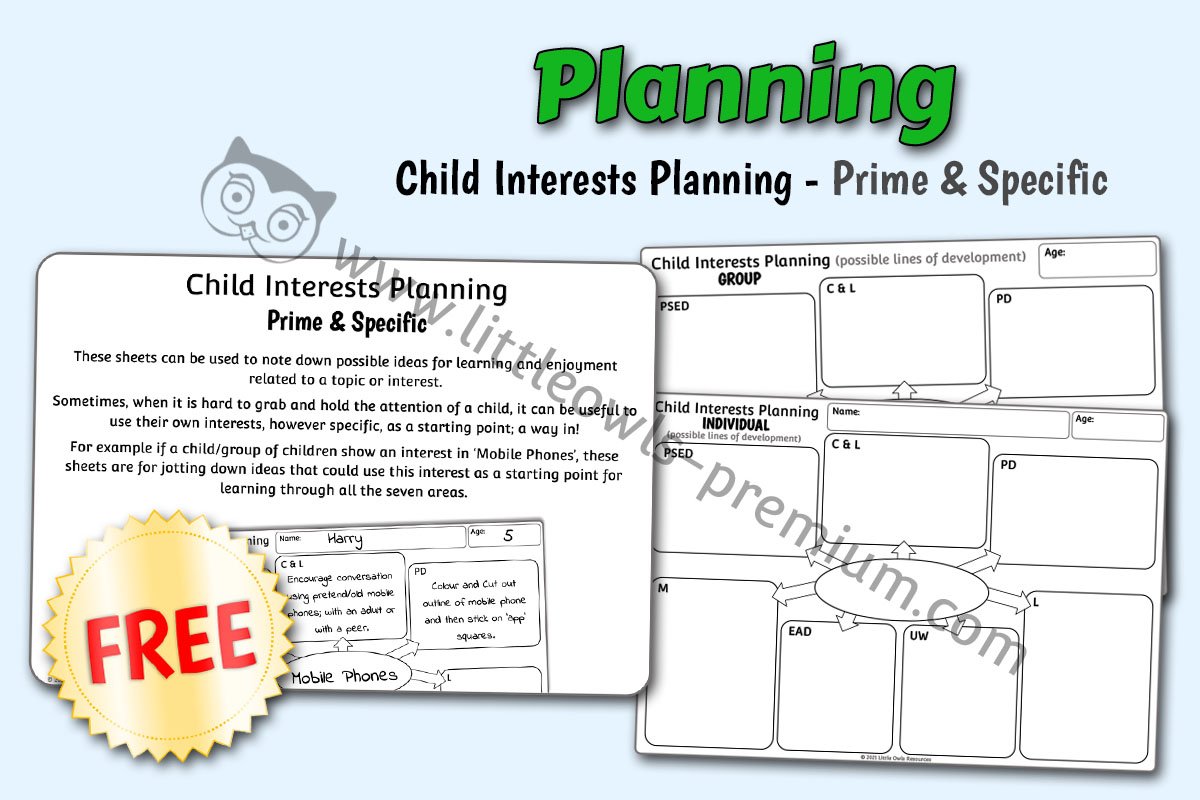

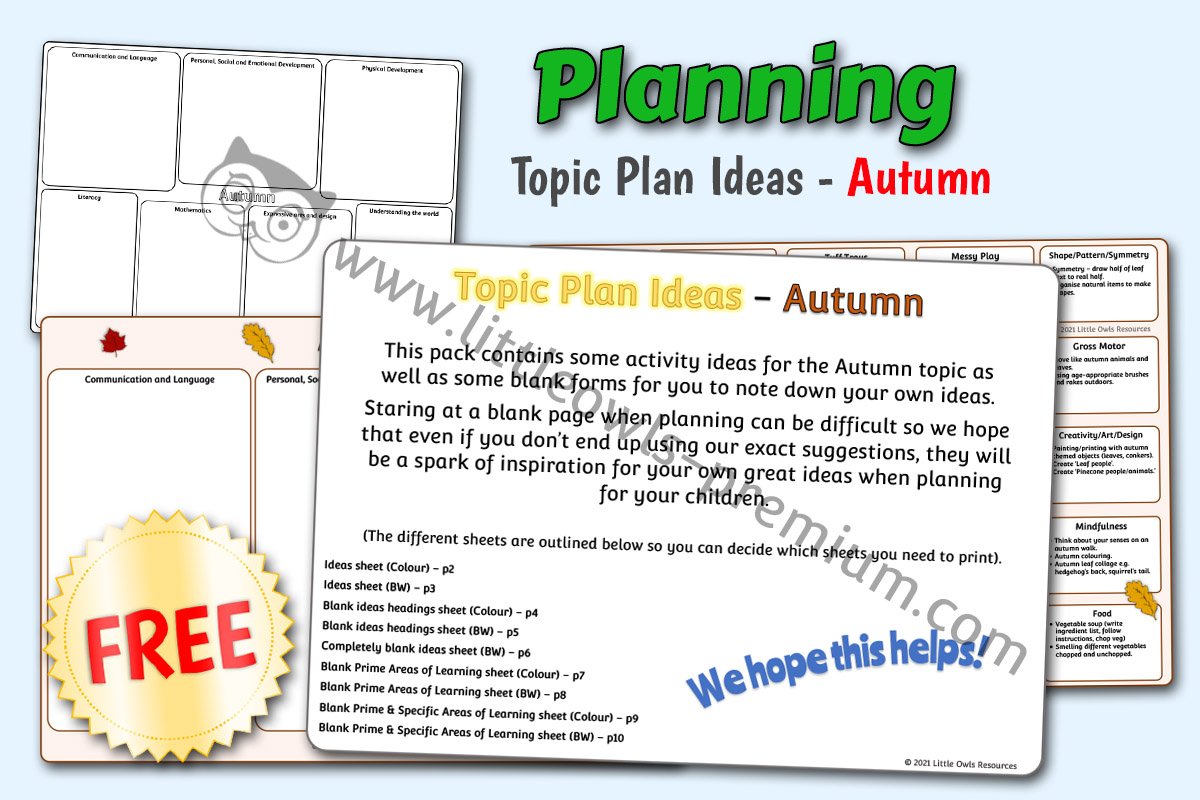
💡 Join as a Free Access member to download the samples above and all other free resources available on Little Owls Resources at no cost. Alternatively, explore all membership options here.
Additional Free Sample Printable Provision can be found at the top of most pages.
🧒 Toddler Planning Pedagogy & Schemas
Your FAQs
Explore current best practice surrounding toddler planning. Expand the subheadings below using the cross symbols on the right.
-
In toddler rooms, planning evolves — but its purpose stays the same.
Planning supports practitioners to:
notice patterns in play (schemas)
understand children’s interests and motivations
adapt the environment and provision
respond through interaction and language
support independence within secure routines
Children are not expected to follow plans.
👉 Adults use planning to stay intentional, not instructional.
-
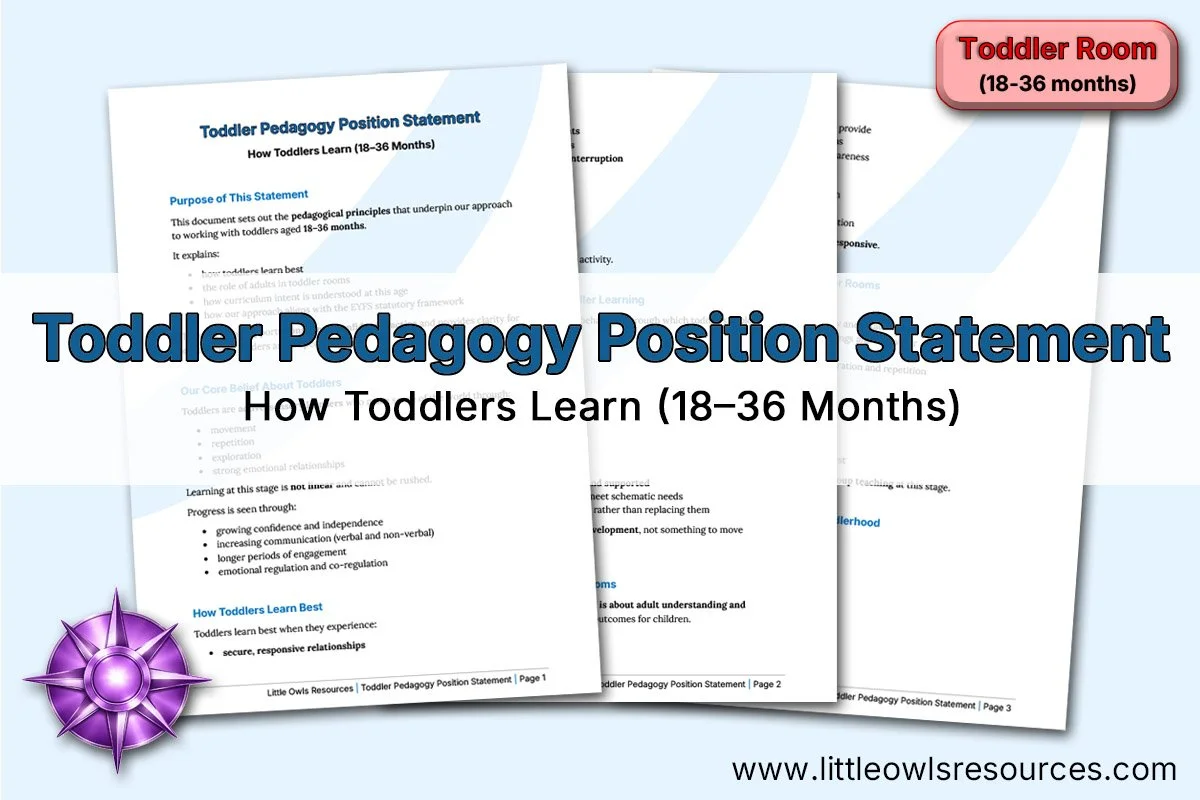
Toddlers learn through doing, repeating and exploring.
Common learning behaviours include:
transporting, filling and emptying
climbing, pushing and pulling
building and knocking down
repeating actions again and again
exploring cause and effect
watching and copying others
Much of this learning is driven by schemas — deep patterns of exploration such as:
trajectory
rotation
enclosure
connection
Planning needs to recognise and support these patterns, not interrupt them.
-
✔ Planning is:
based on observation
responsive to children’s interests and schemas
focused on environment, provision and interaction
flexible and adaptable
supportive of communication, regulation and independence
✖ Planning is not:
a timetable of activities
a list of adult-led tasks
a sequence of lessons
outcome-driven
used to “cover” learning
Even as children become more active,
👉 learning is still not delivered — it emerges. -
All toddler planning begins with observation.
Practitioners notice:
repeated patterns of play (schemas)
emerging language and communication
social interactions and relationships
emotional regulation and behaviour
levels of engagement and curiosity
These observations inform:
provision changes
adult interaction
environmental adjustments
shared team understanding
Planning is:
👉 a response to what children are already doing well -
In toddler rooms:
👉 the environment is the primary teaching tool
Planning focuses heavily on:
continuous provision
open-ended resources
accessible layouts
opportunities for movement and exploration
This might include:
adding containers for transporting play
creating space for climbing and large movement
enhancing construction areas
repeating familiar songs and books
offering sensory and messy play opportunities
Small changes in provision often have the biggest impact.
-
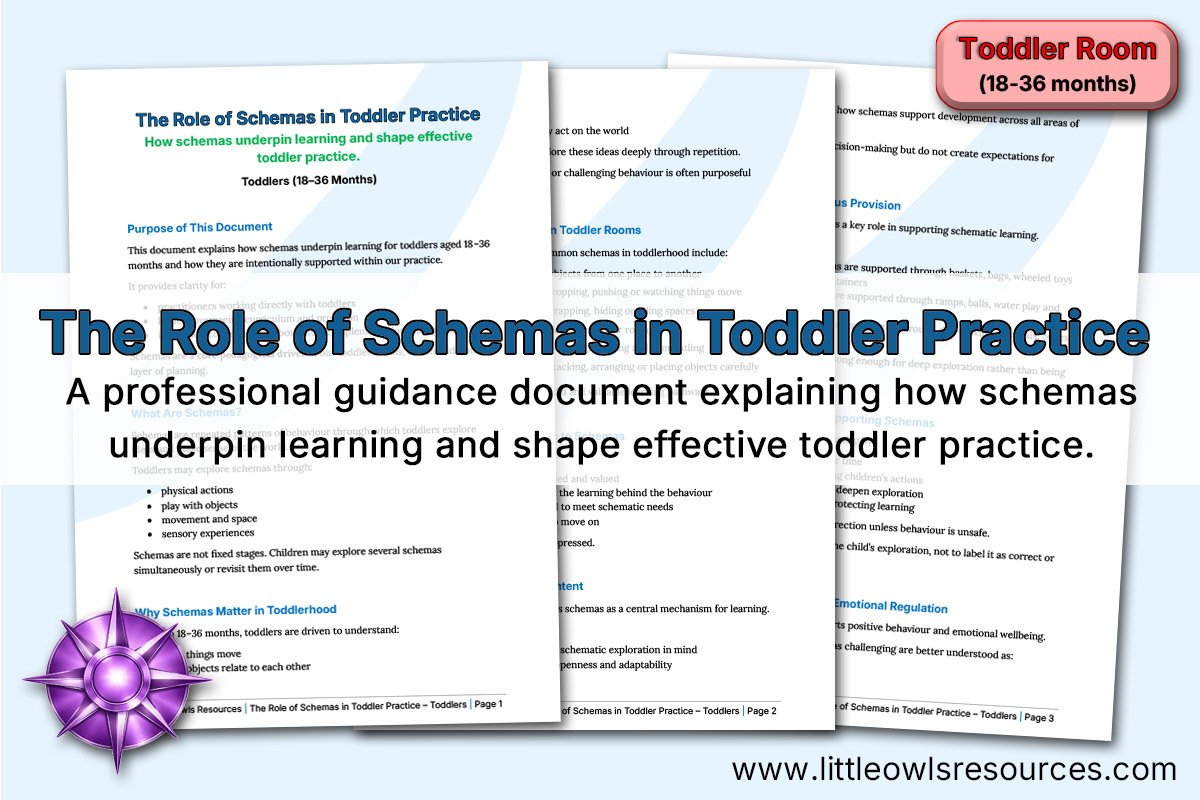
Schemas are central to toddler learning.
Planning supports practitioners to:
recognise schematic play
provide matching resources
extend exploration without directing it
For example:
transporting → baskets, bags, movable objects
rotation → wheels, rolling objects
enclosure → boxes, dens, containers
Planning does not try to change the schema — it works with it.
-
Projects and themes can be used in toddler rooms — but only when understood correctly.
They are:
optional contexts, not curriculum drivers
flexible frameworks, not plans to follow
responsive to children, not imposed on them
High-quality project use:
starts with children’s interests and schemas
adapts week by week
focuses on provision and interaction
does not expect participation or outcomes
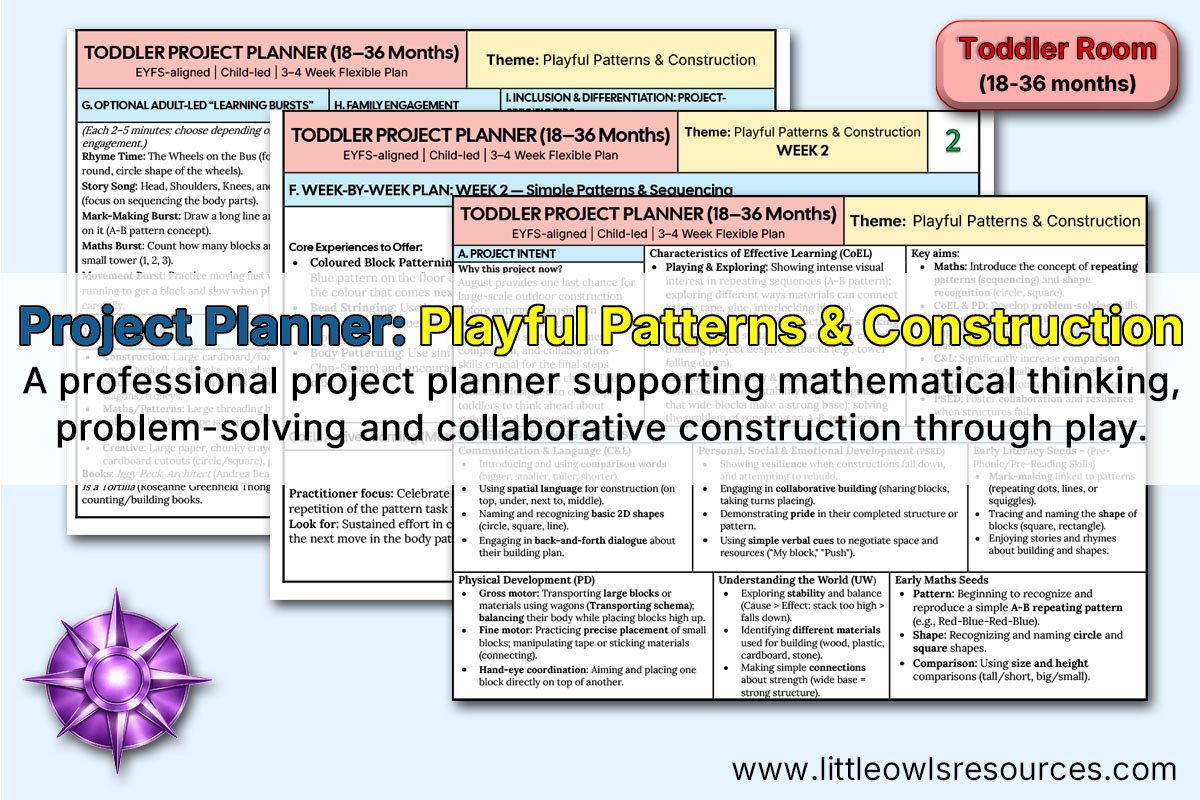
For example, a project like “Construction & Patterns” may:
support schematic play (connecting, positioning)
introduce relevant vocabulary
guide environment enhancements
But it will never:
dictate what children must do
replace play with activities
become a fixed plan
👉 The child remains the starting point — always.
-
Planning for toddlers may include:
brief notes on interests or repeated behaviours
schema observations and analysis
communication and language development
emotional and social responses
simple next steps based on play
For example:
“Add ramps for rolling objects”
“Provide more containers for transporting”
“Repeat action songs for language development”
Recording is:
light-touch
purposeful
secondary to interaction
-
Planning supports all three prime areas:
Personal, Social & Emotional Development
building independence
forming relationships
managing emotions with support
Communication & Language
developing vocabulary
engaging in shared attention
building early conversation skills
Physical Development
movement and coordination
fine motor exploration
sensory play
Learning remains:
👉 holistic and interconnected -
Every toddler develops differently.
Planning reflects:
individual interests and schemas
communication styles
emotional needs
sensory preferences
levels of independence
Practitioners:
avoid comparison
adapt continuously
work closely with families
Planning supports:
👉 the child in front of you — not an expectation
-
Nurseries:
planning supports team consistency
provision reflects group patterns and interests
Childminders:
planning is highly flexible
routines and relationships are central
Across all settings:
👉 planning remains responsive, not prescriptive
-
Practitioners can confidently explain:
planning is led by observation and schemas
learning happens through play and interaction
environments are adapted continuously
adults extend learning in the moment
Inspectors are looking for:
👉 engagement, wellbeing and meaningful interaction
Supporting Toddler Pedagogy Documents


Please find additional resources within our ‘Toddler Curriculum & Pedagogy’ pathway.
🧭 Curriculum & Progression
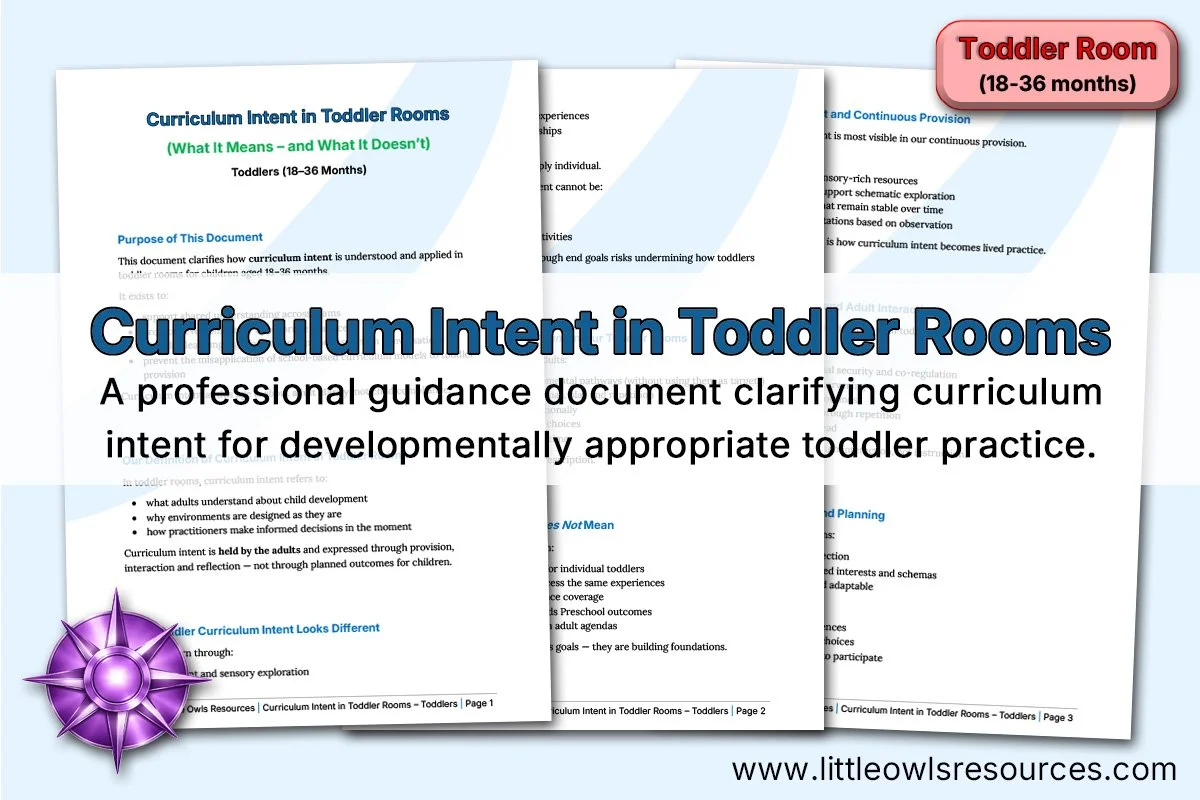
Toddler Curriculum Overview & Rationale Guidance Documents


Intent Grids & Curriculum Progression Maps (18–24 | 24–30 | 30–36 months)

👀 Observation & Planning
In-the-Moment Planning Prompt Sheets, Weekly Planning & Observation Templates

Please find additional resources on our ‘OAP Cycle’ page.
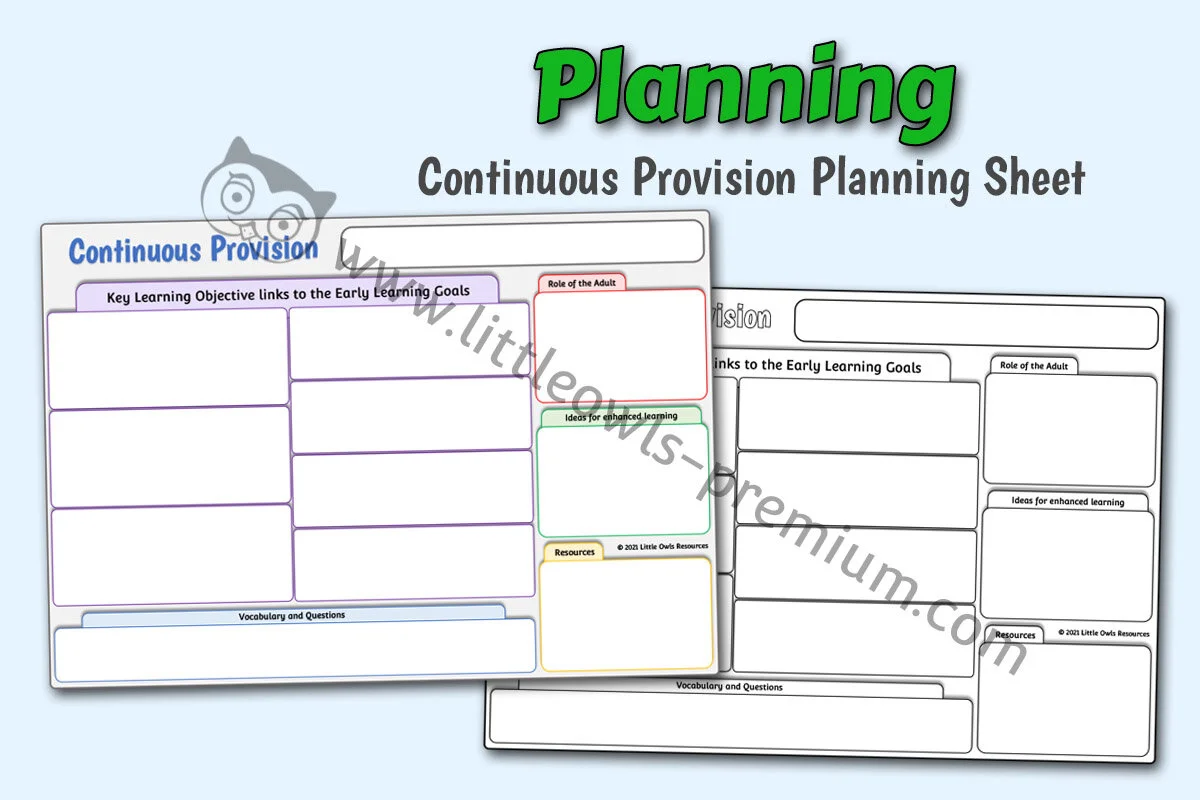
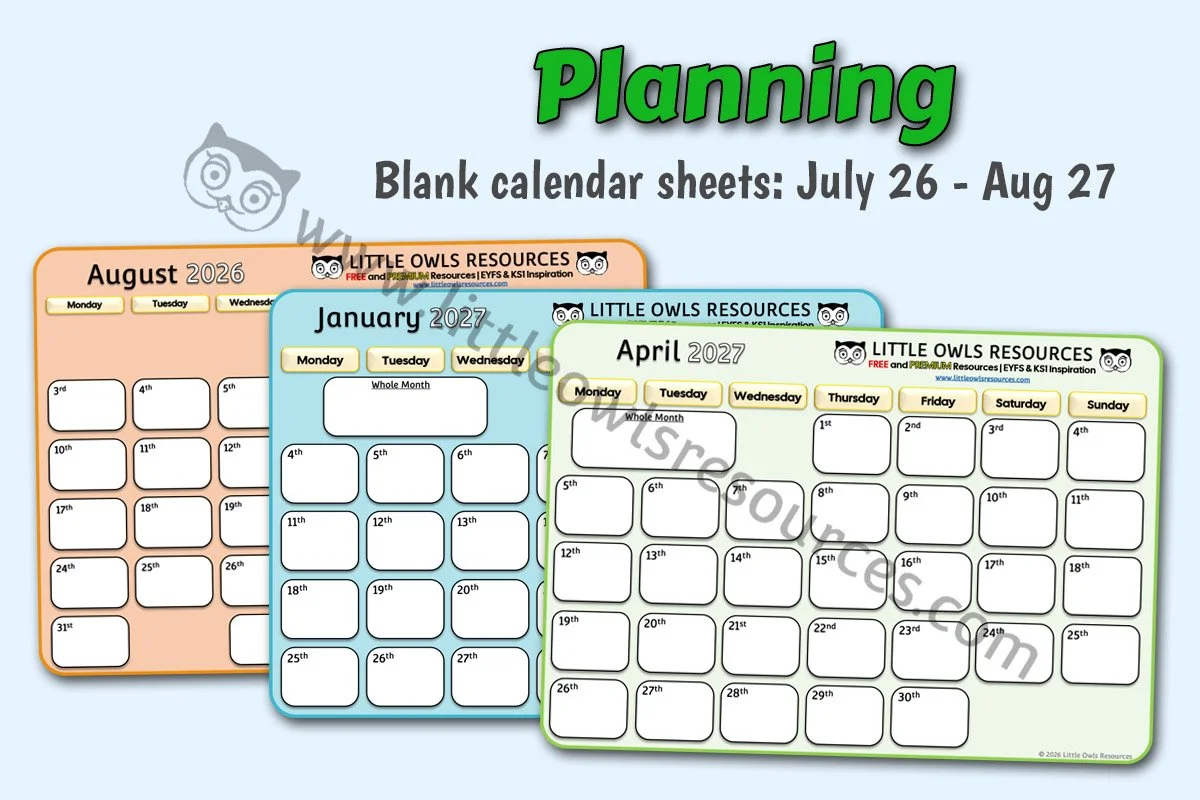
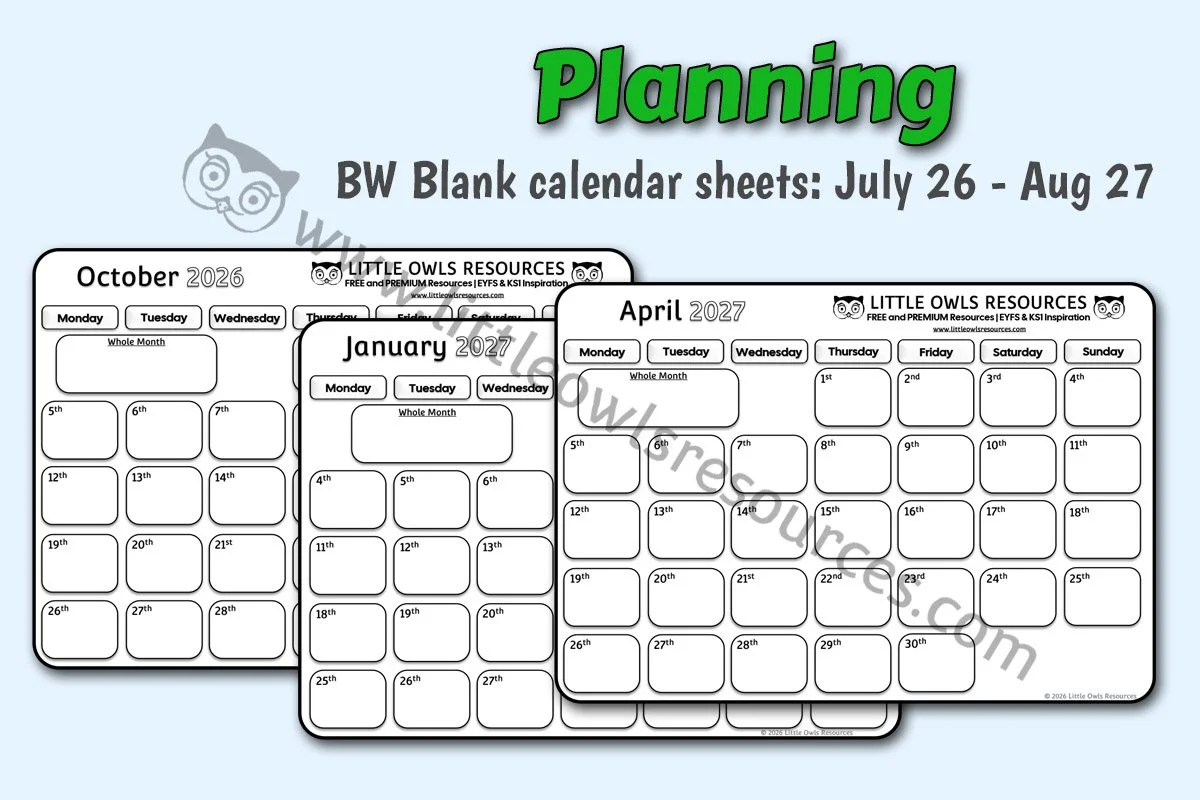
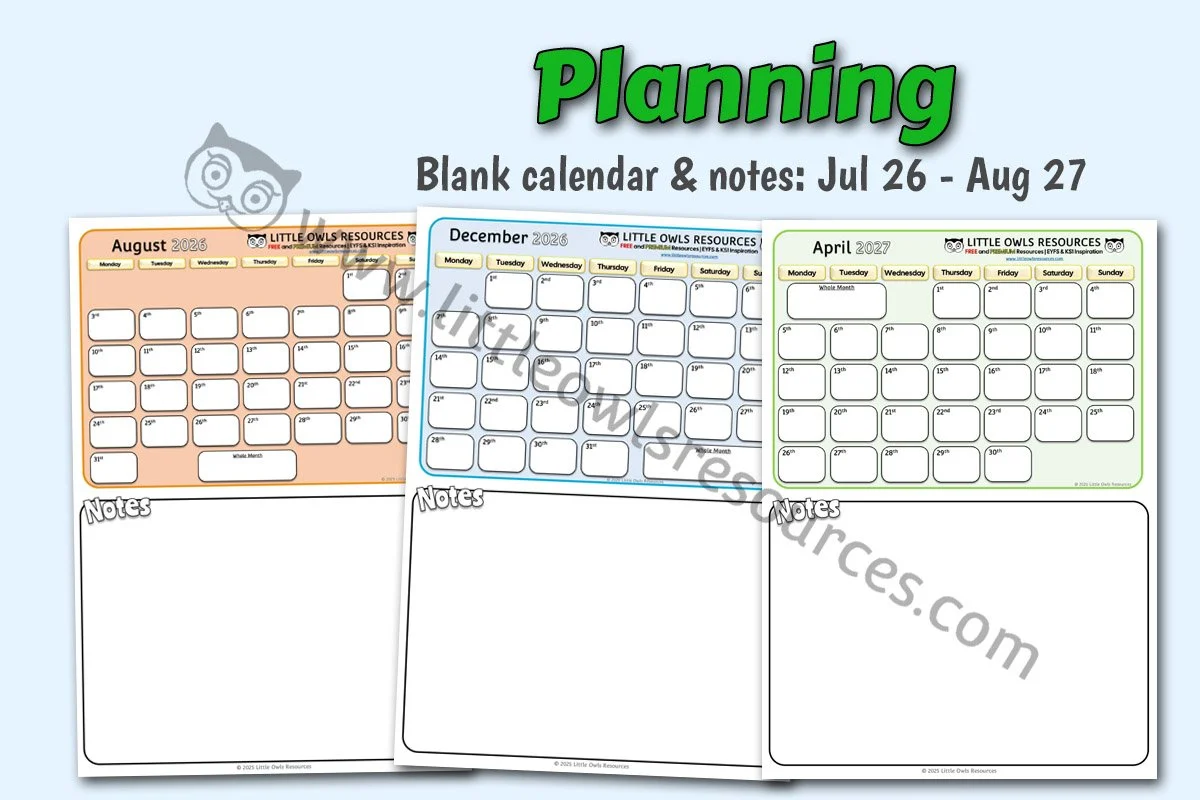
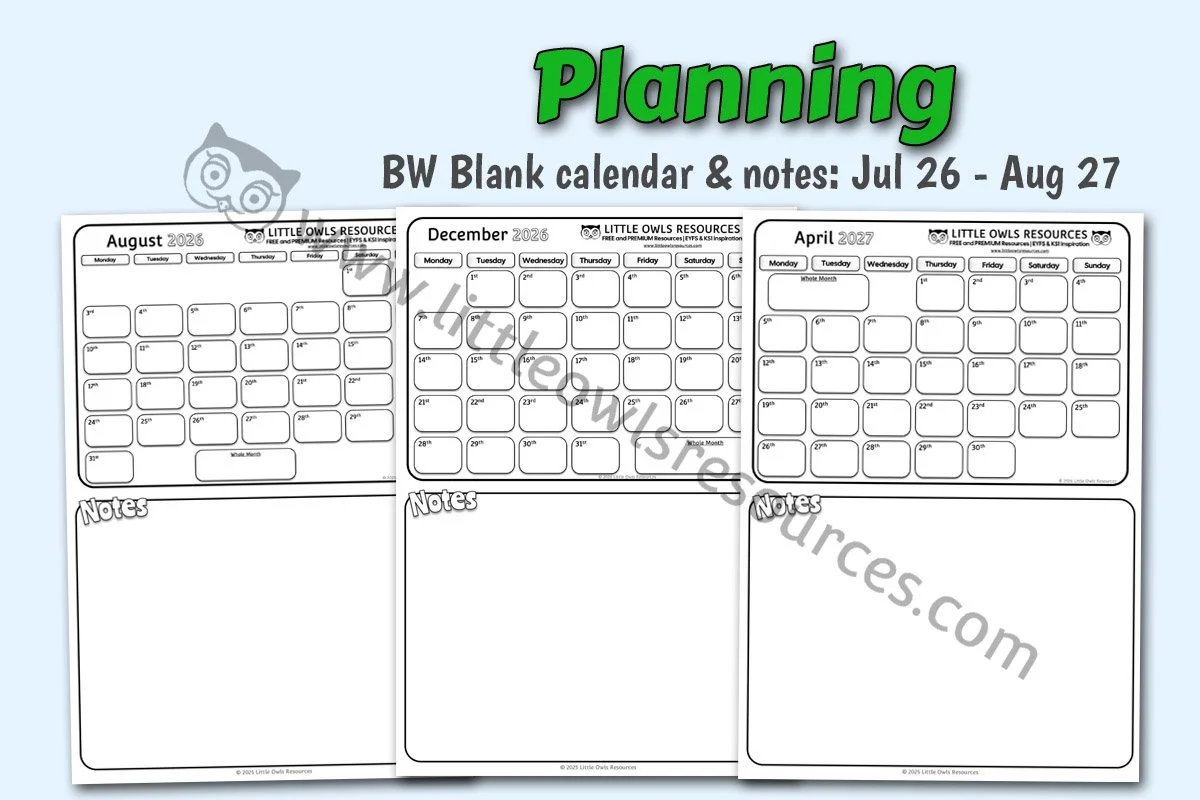
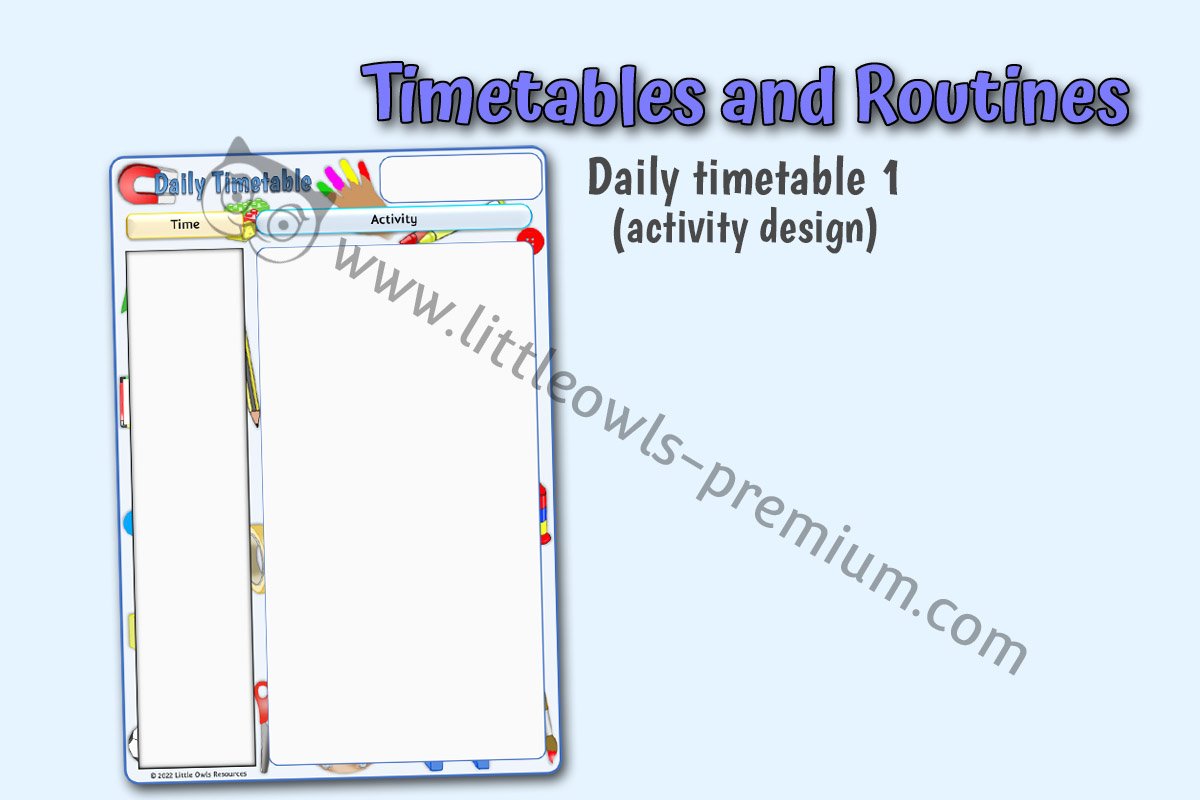
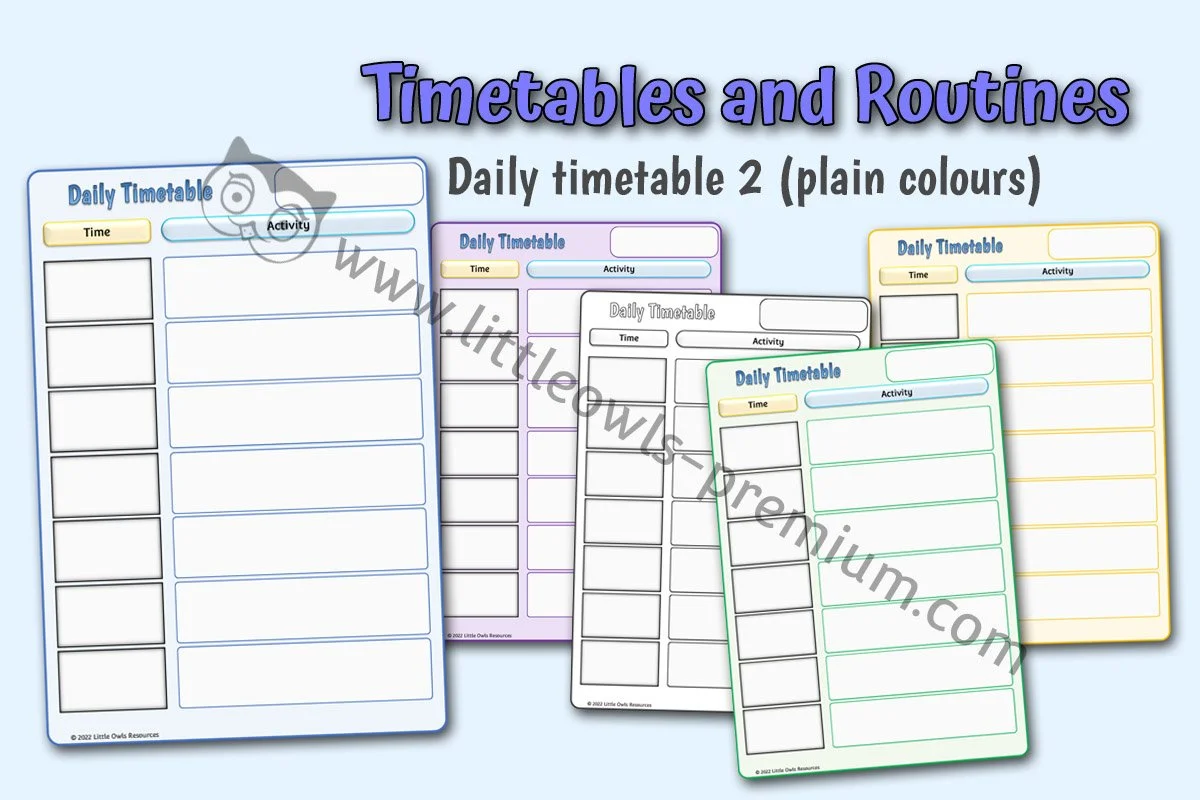
Additional Blank Planning Templates | Generic Birth-5





🏡 Continuous Provision & Environment
Continuous Provision & Play Areas
Selected Featured Provision
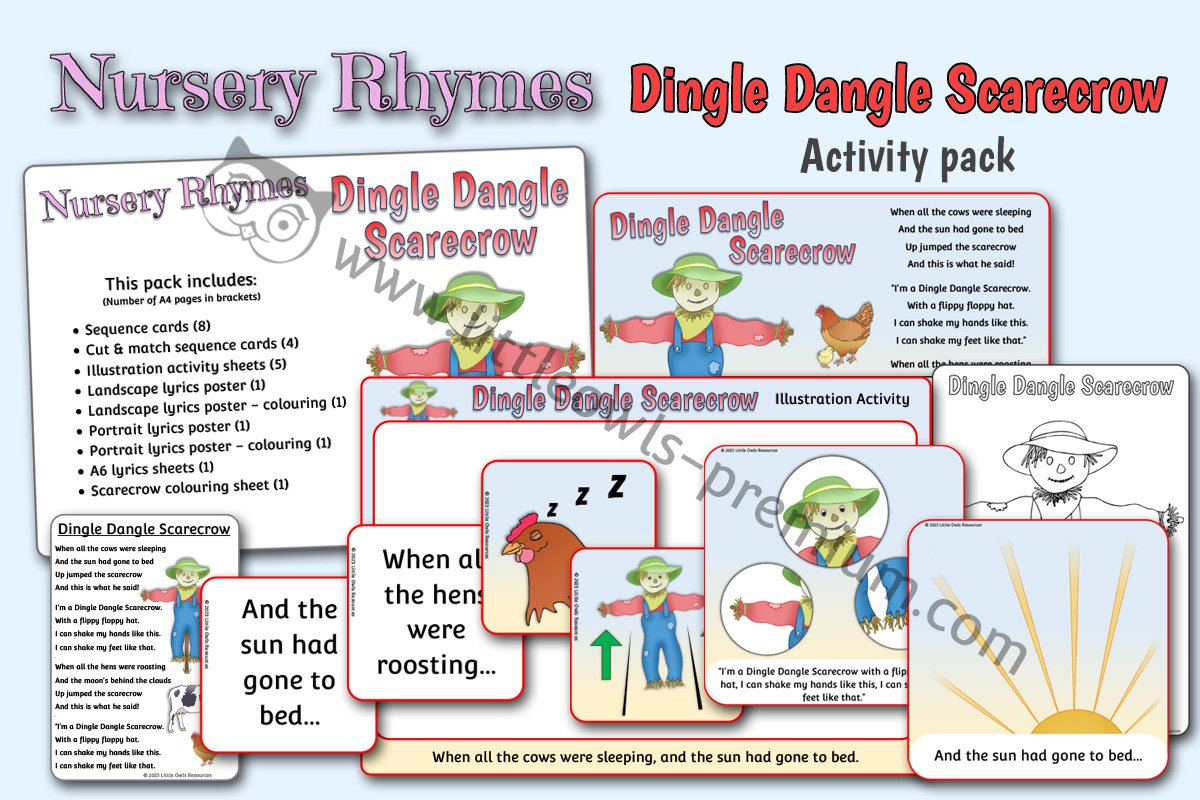


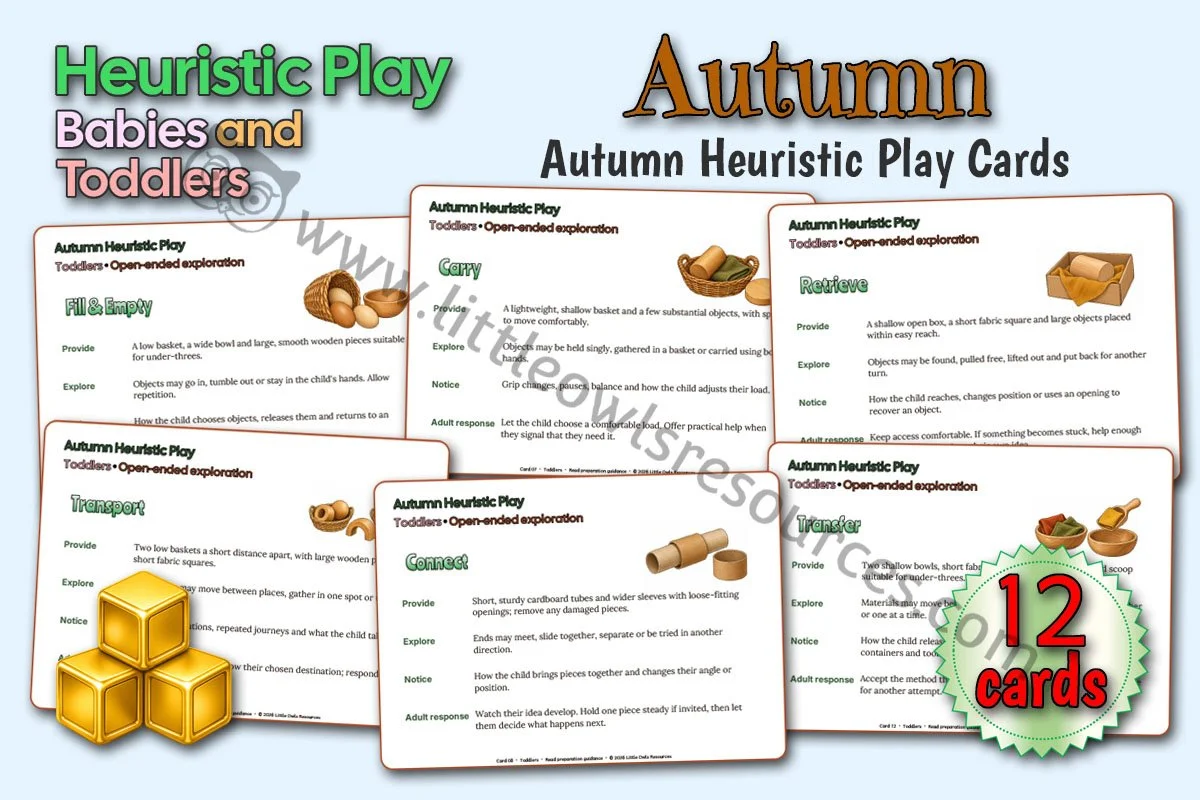
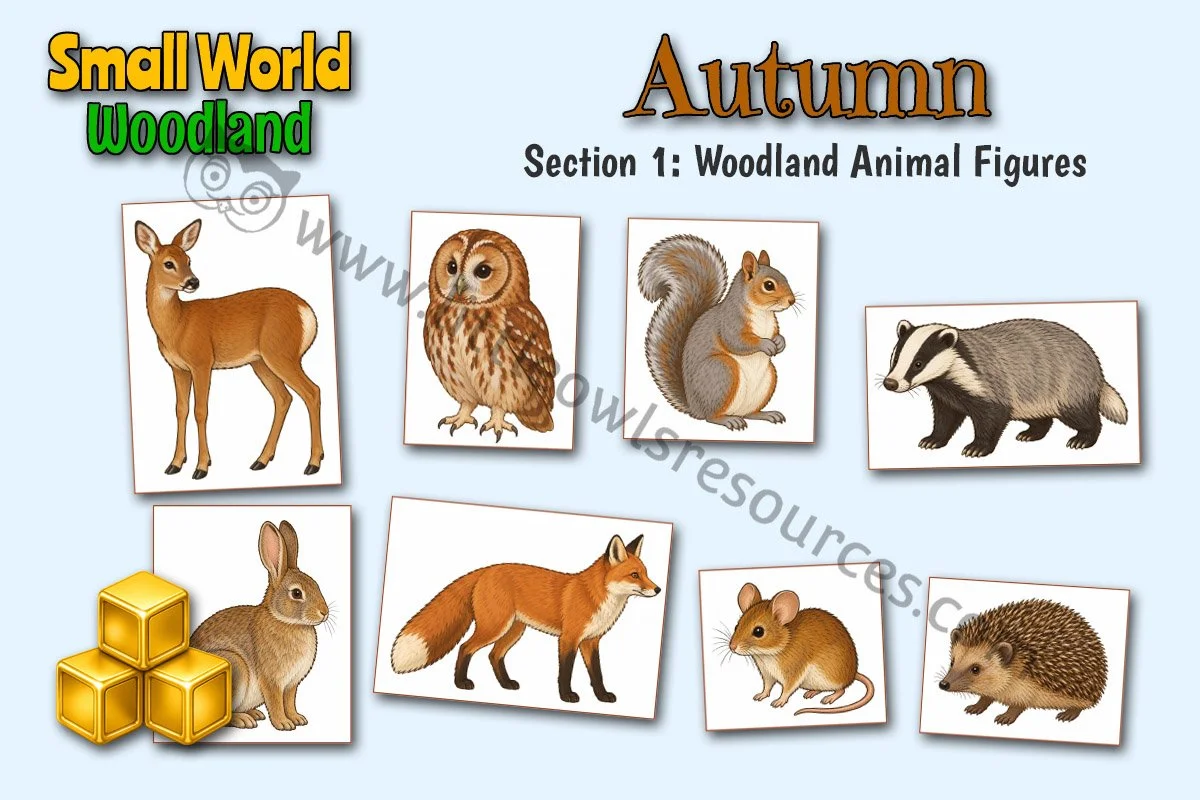
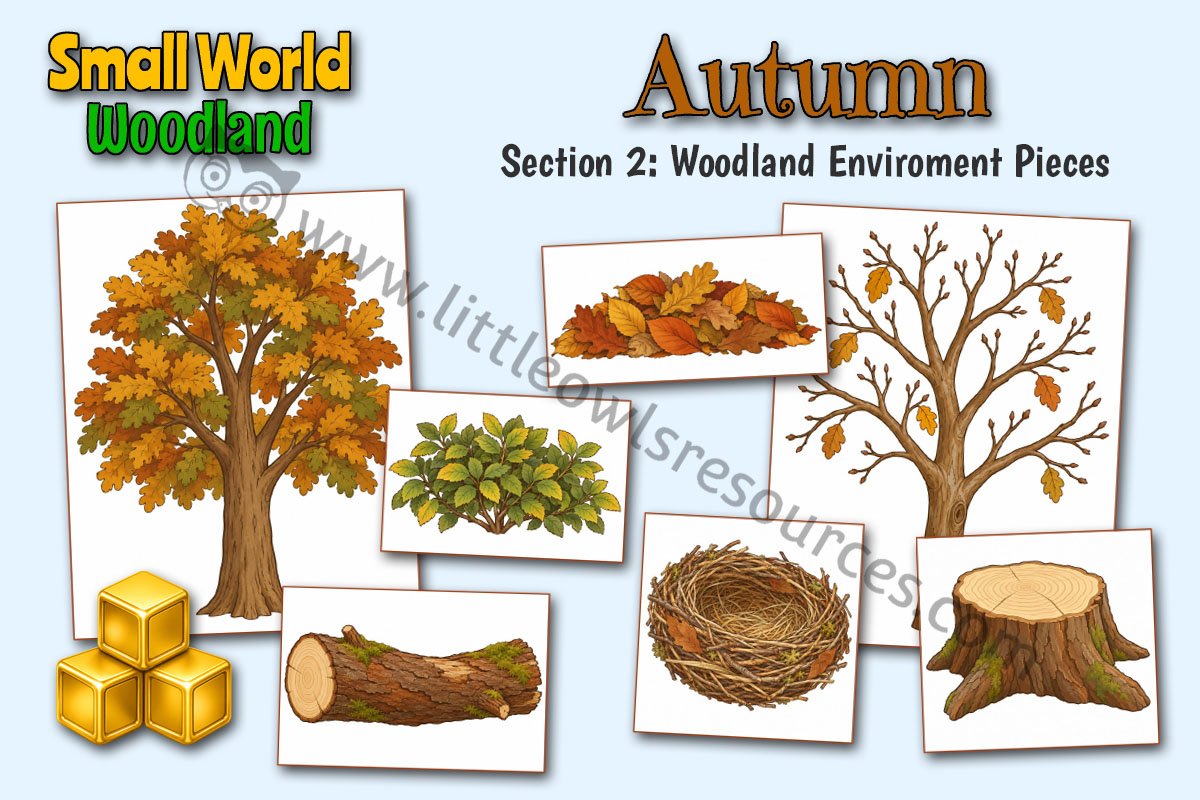
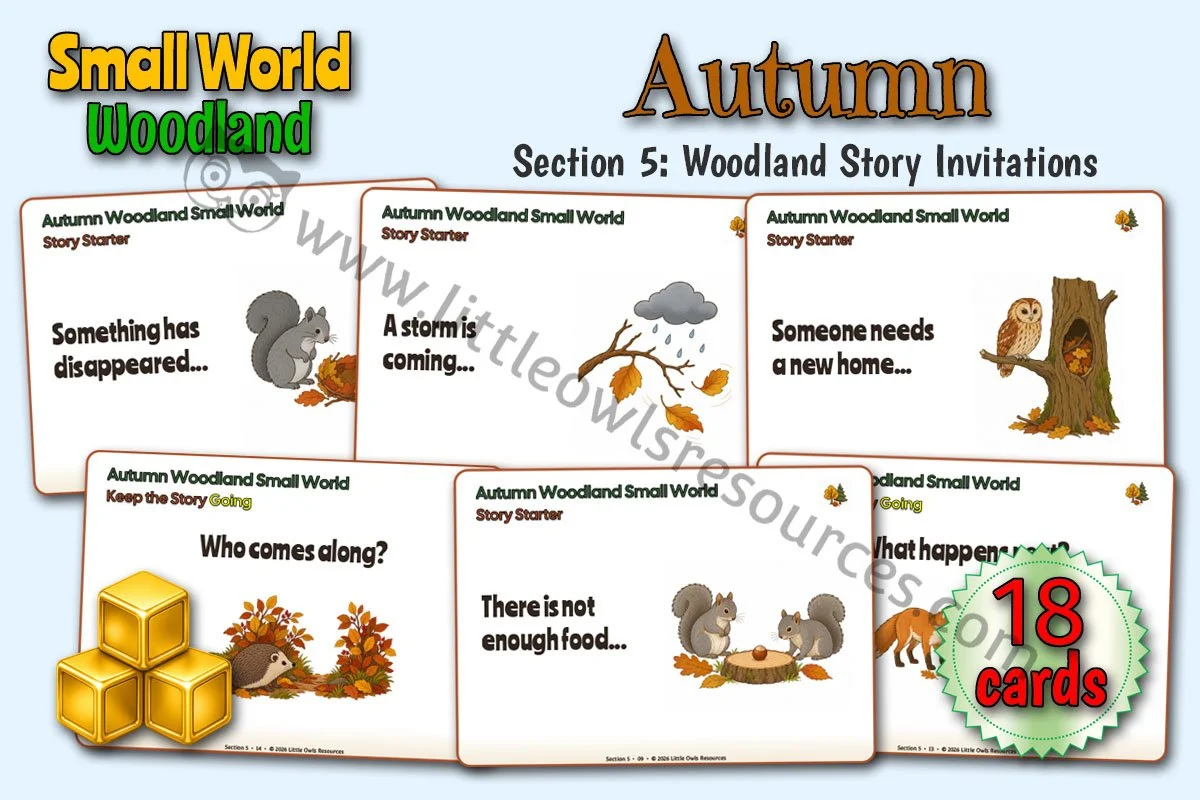
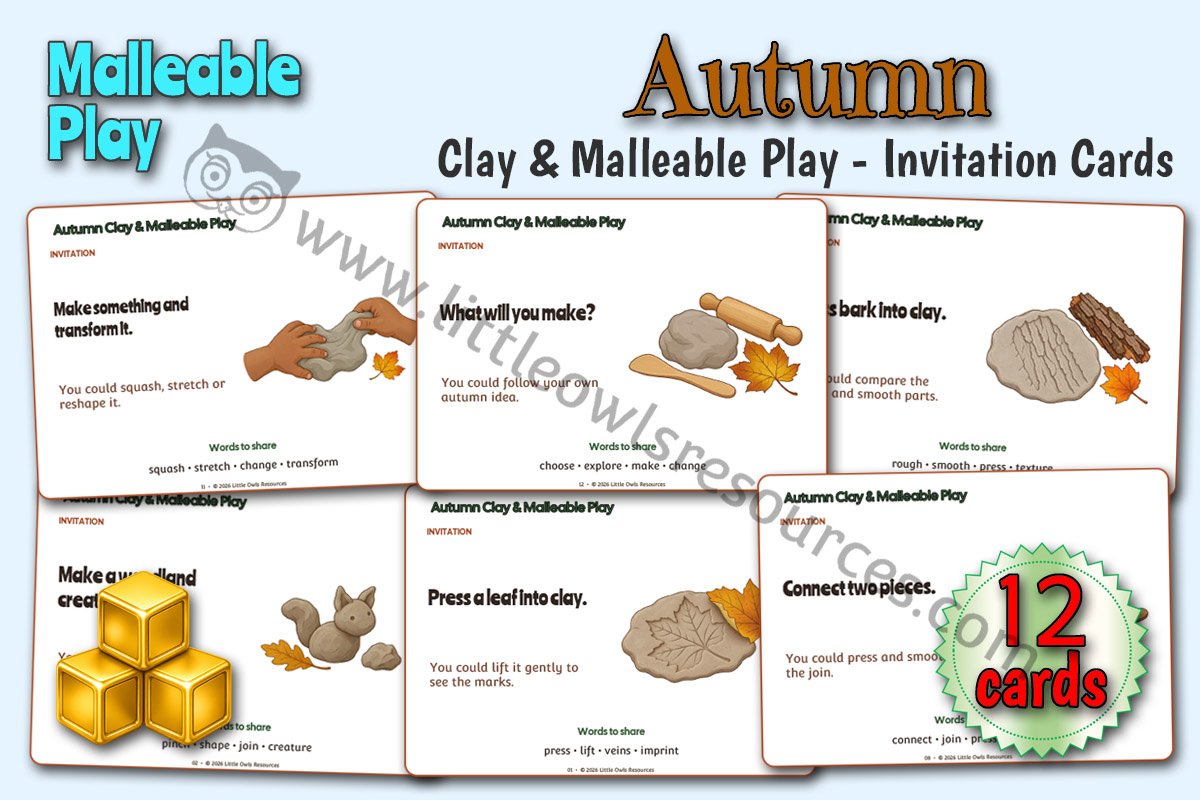

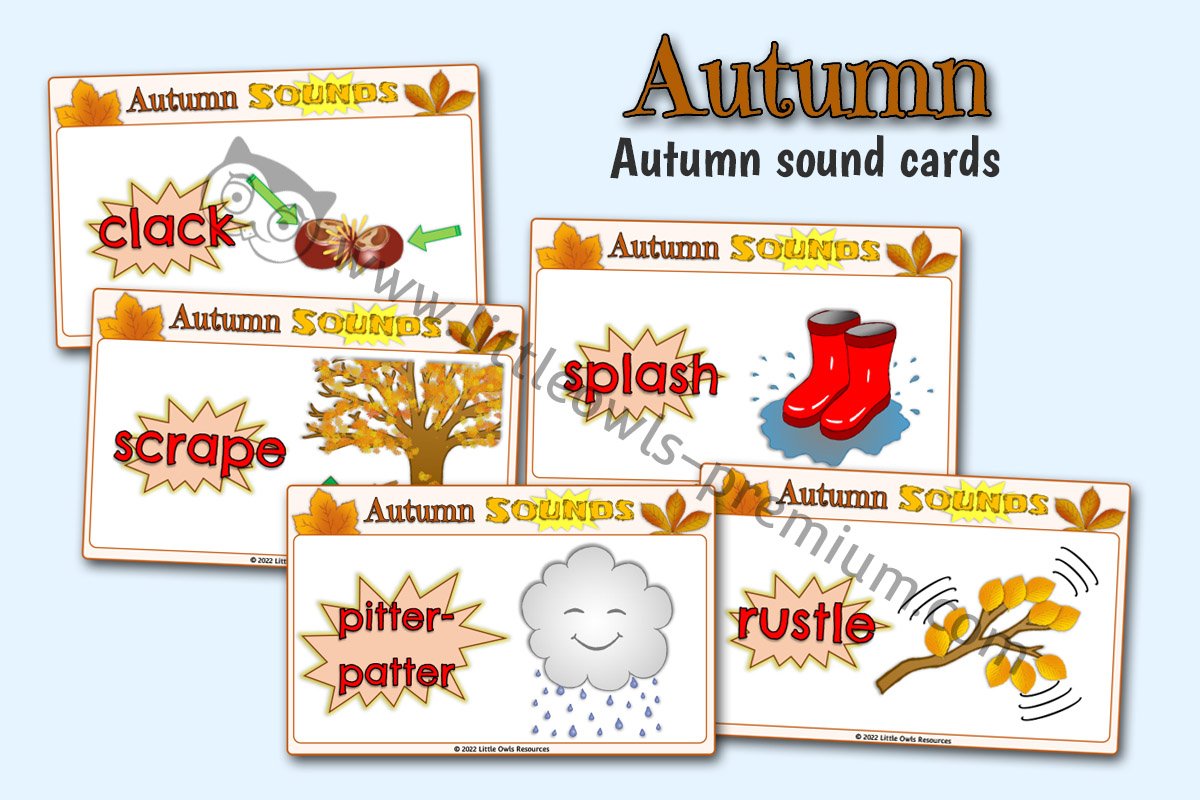
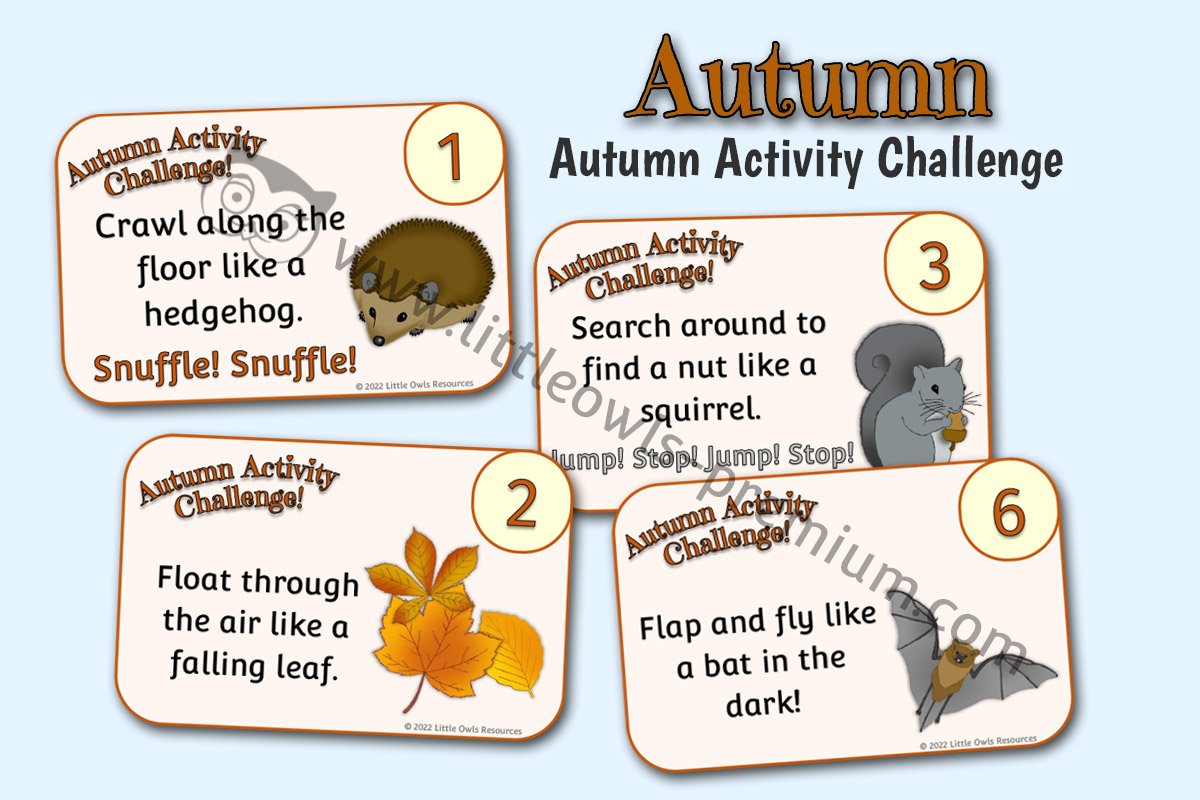

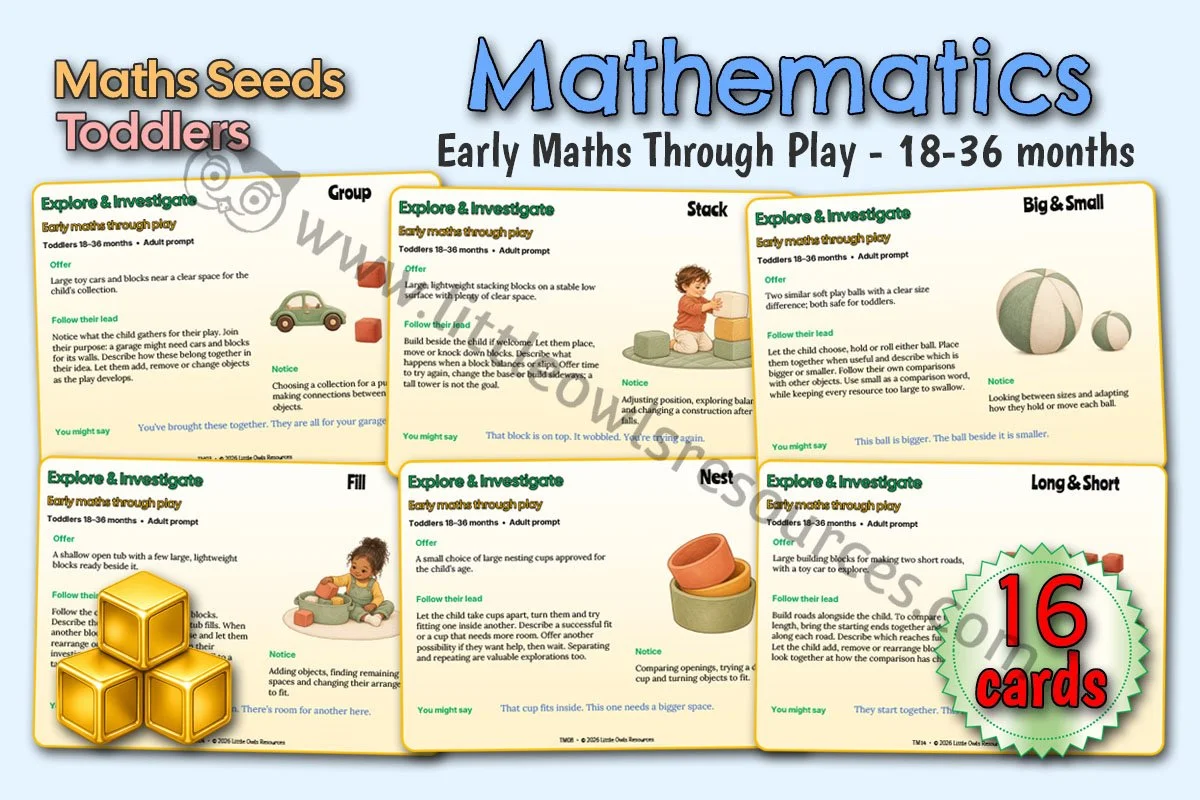
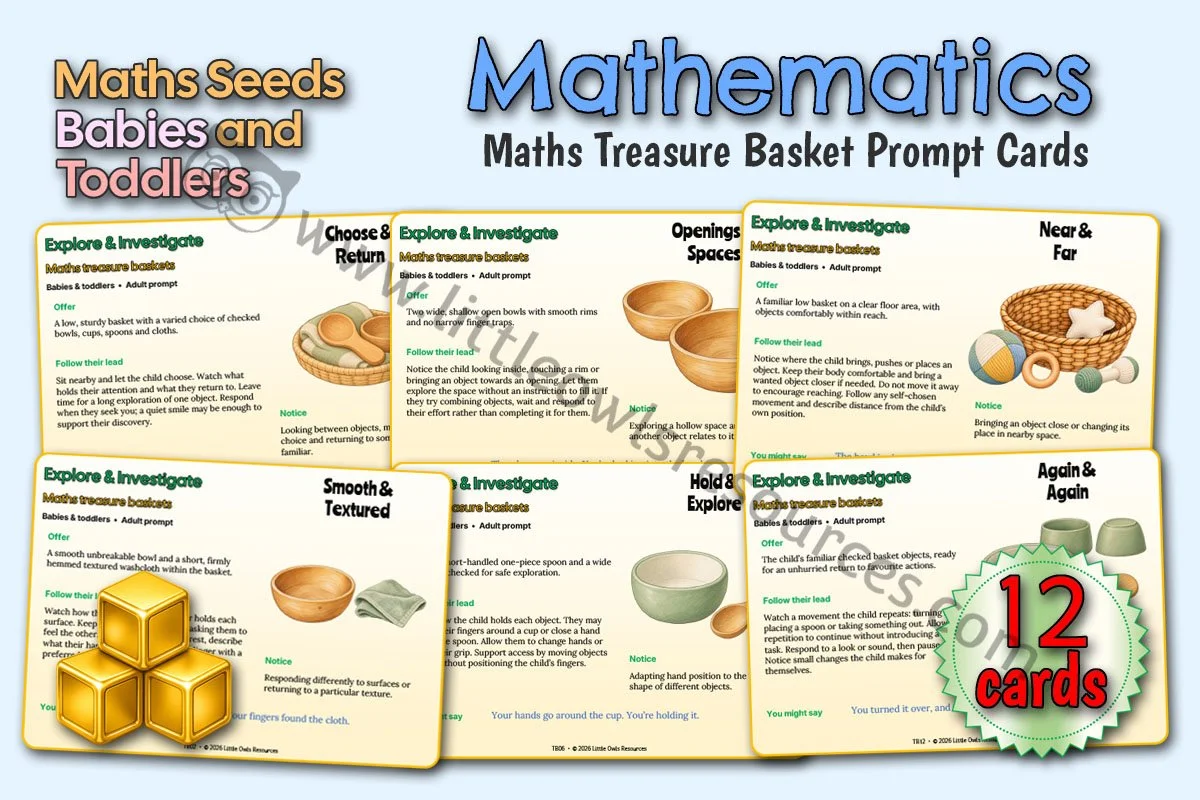
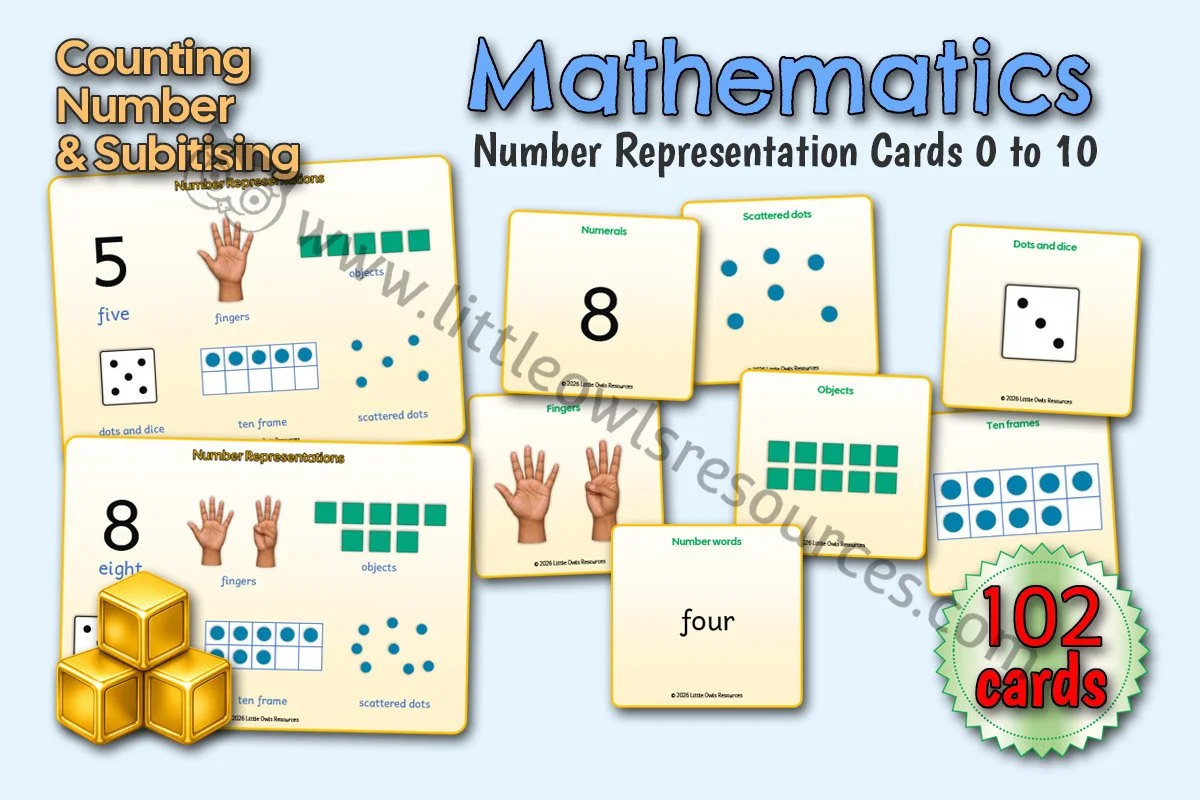
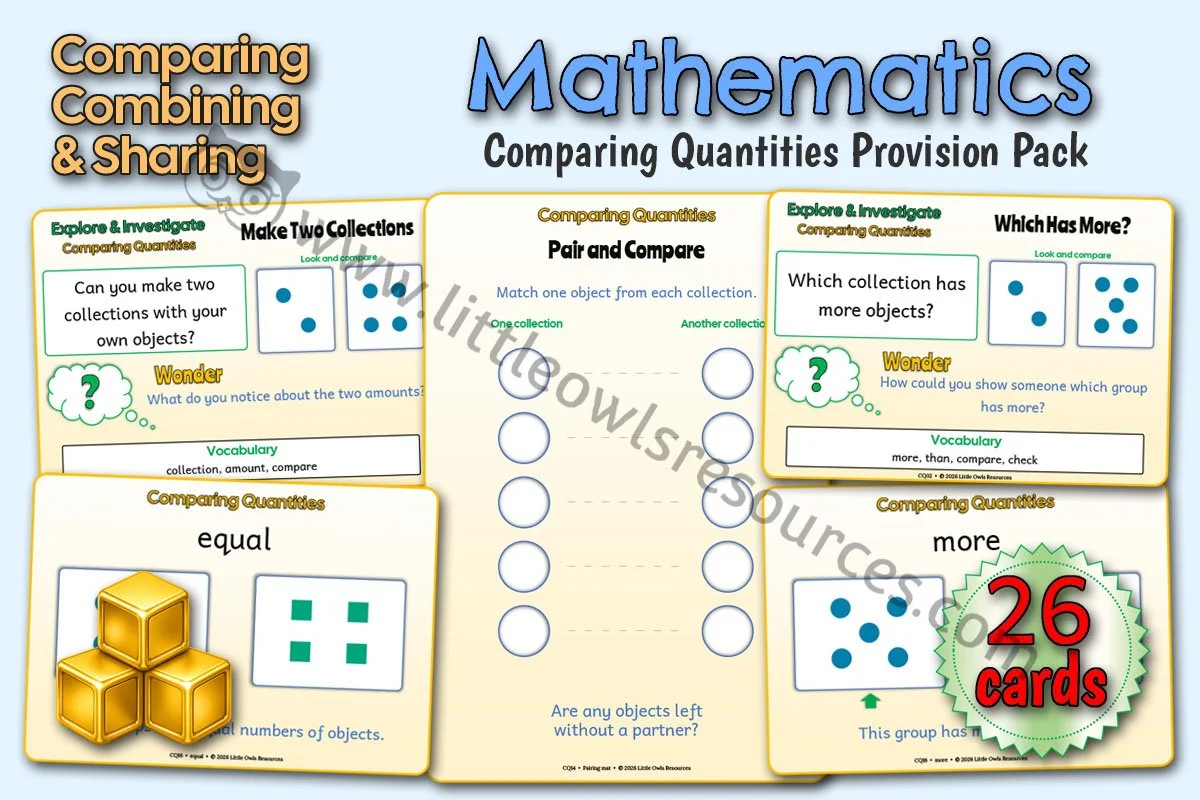
‘Continuous Provision & Play’ Resources Hub - Coming Soon!
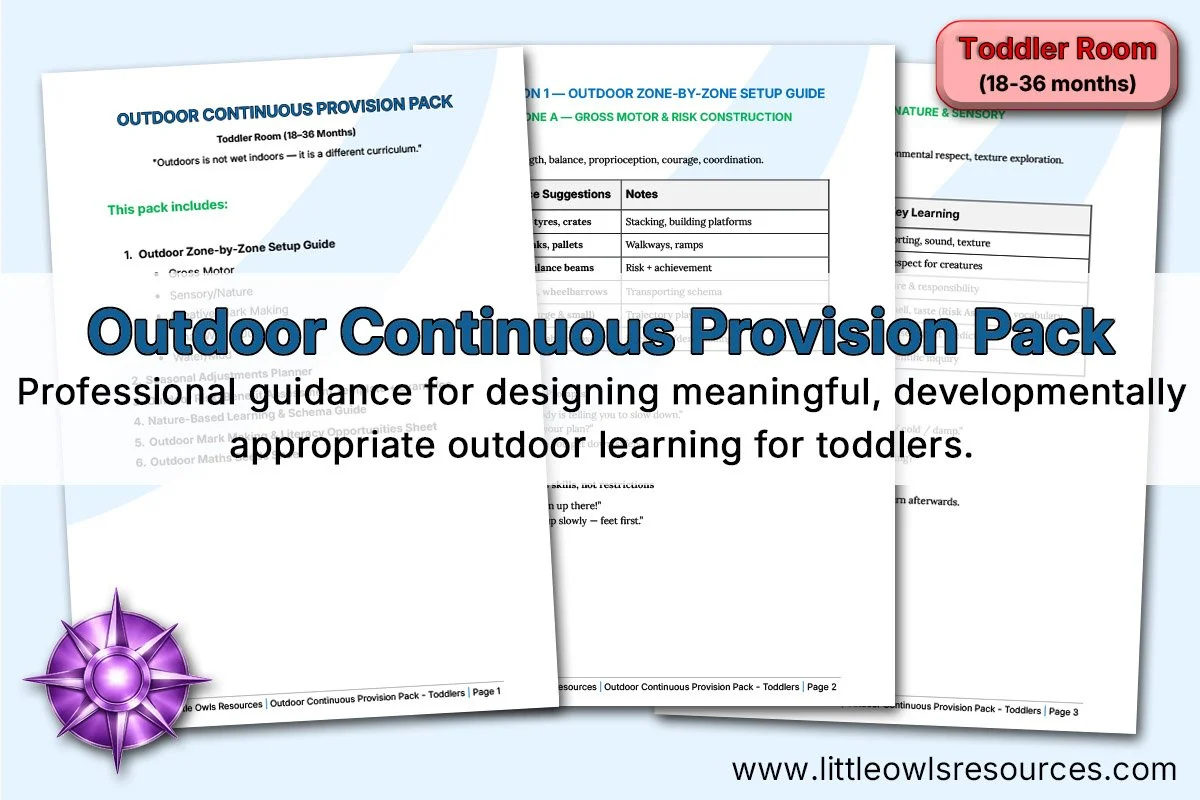
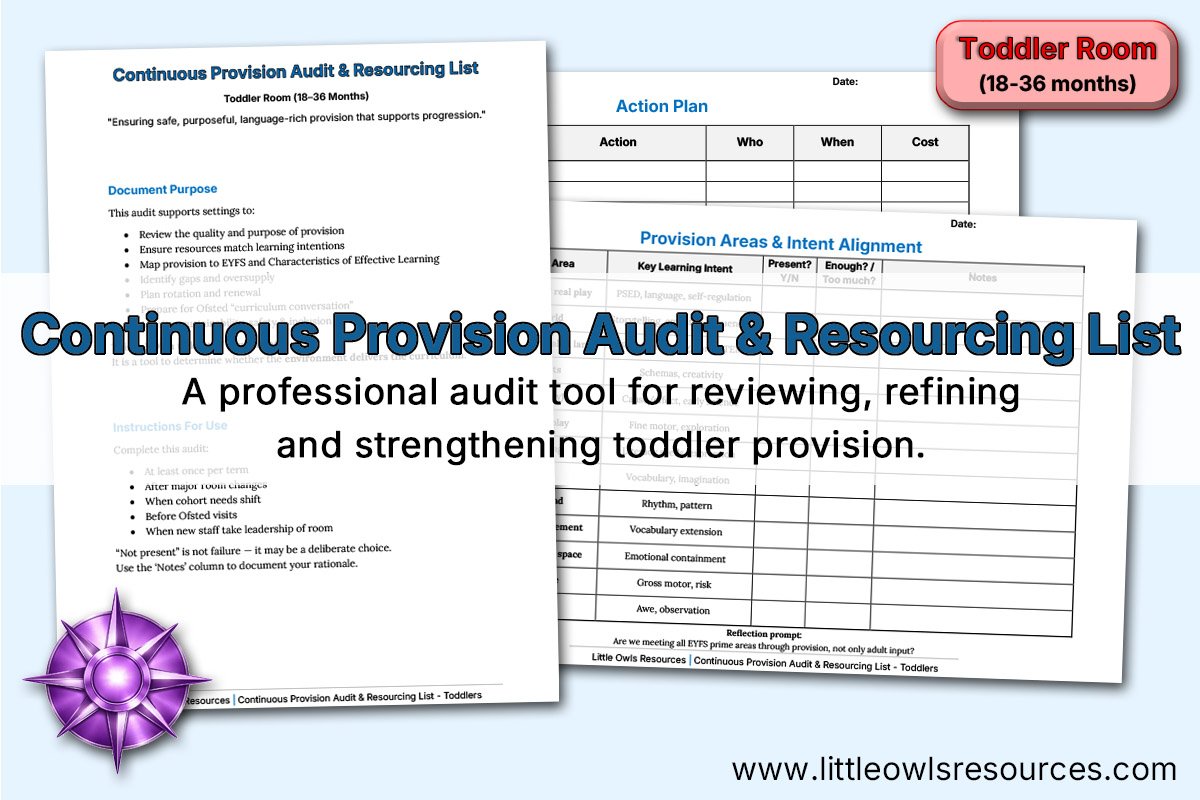
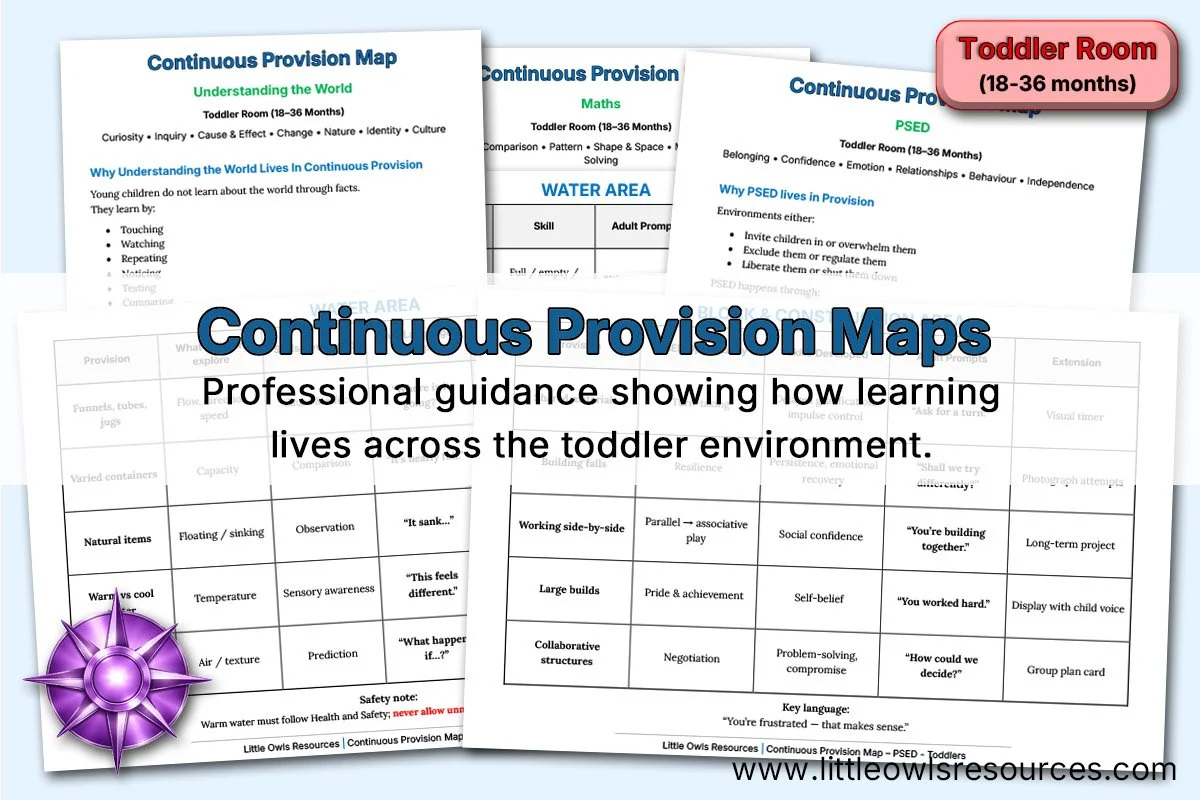
Continuous Provision Maps, Provision Setup Guides (all areas), plus Audit & Rotation Tools

🔁 Themes, Projects & Schema-Responsive Contexts
Year-Long Project Map, plus Schema Coverage Tools & Support Maps


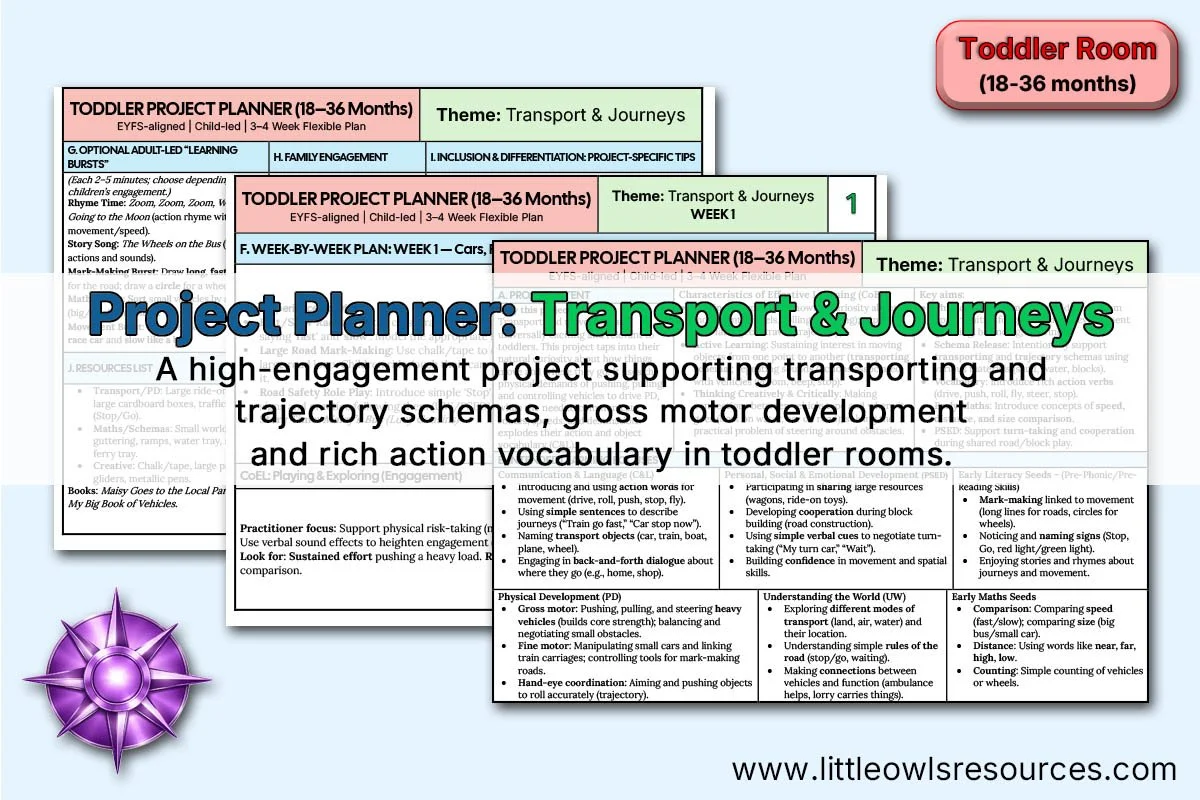
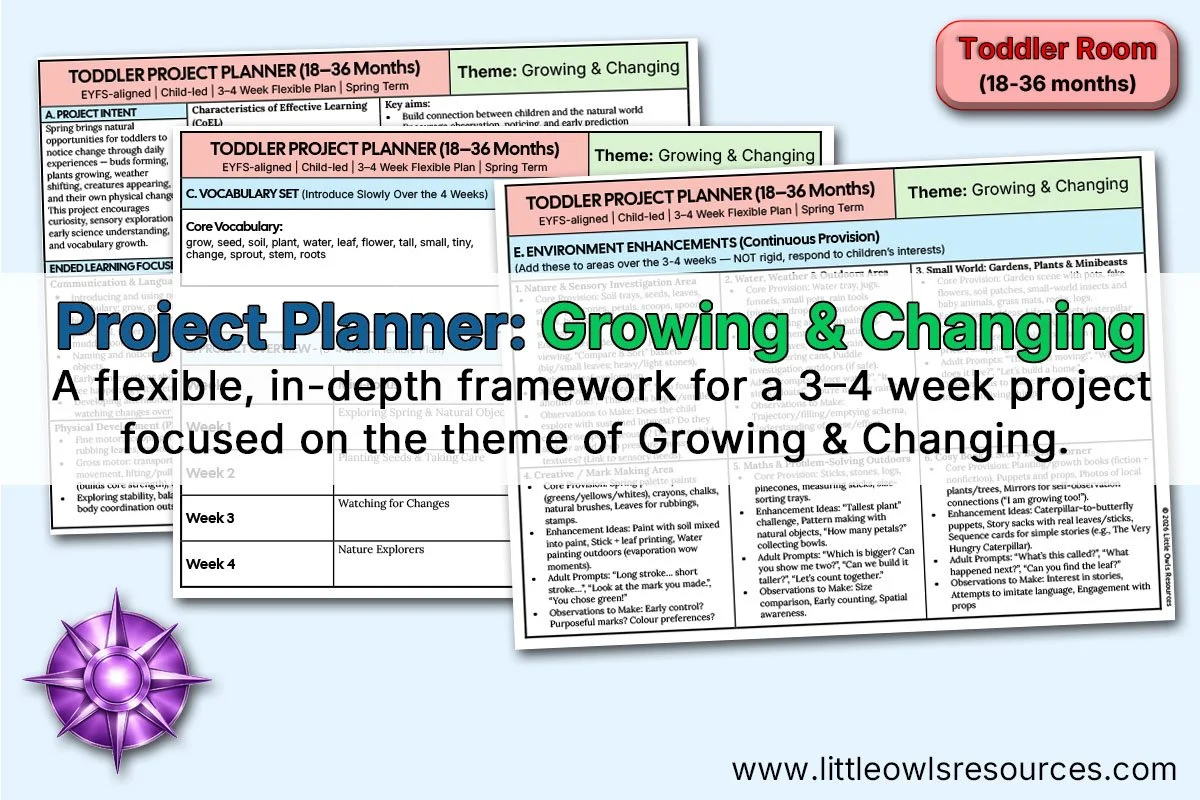
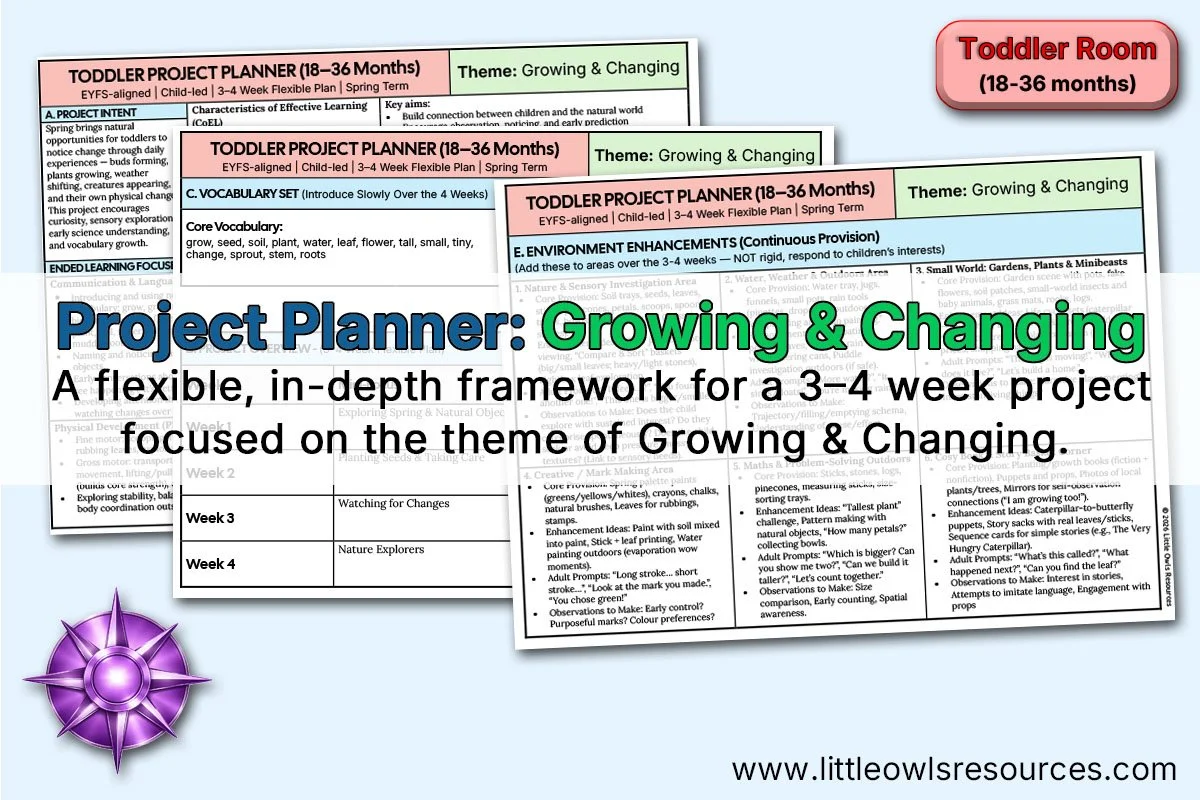
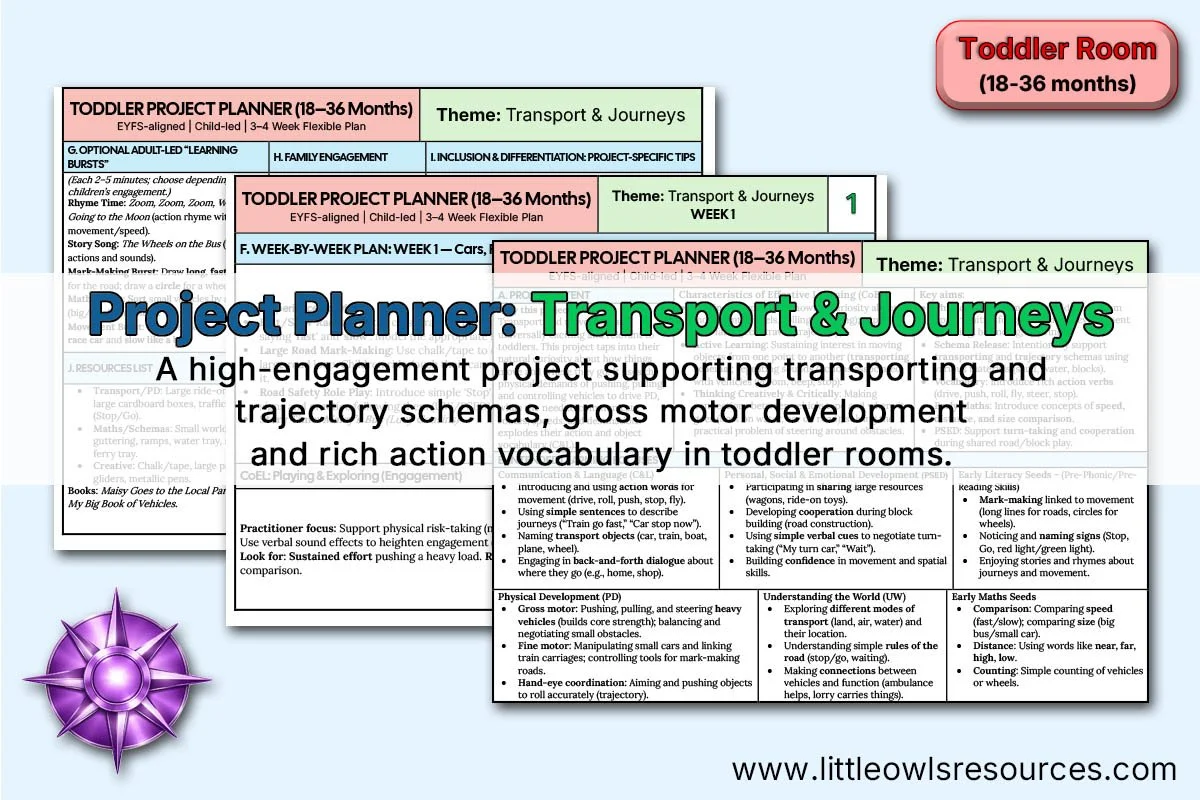
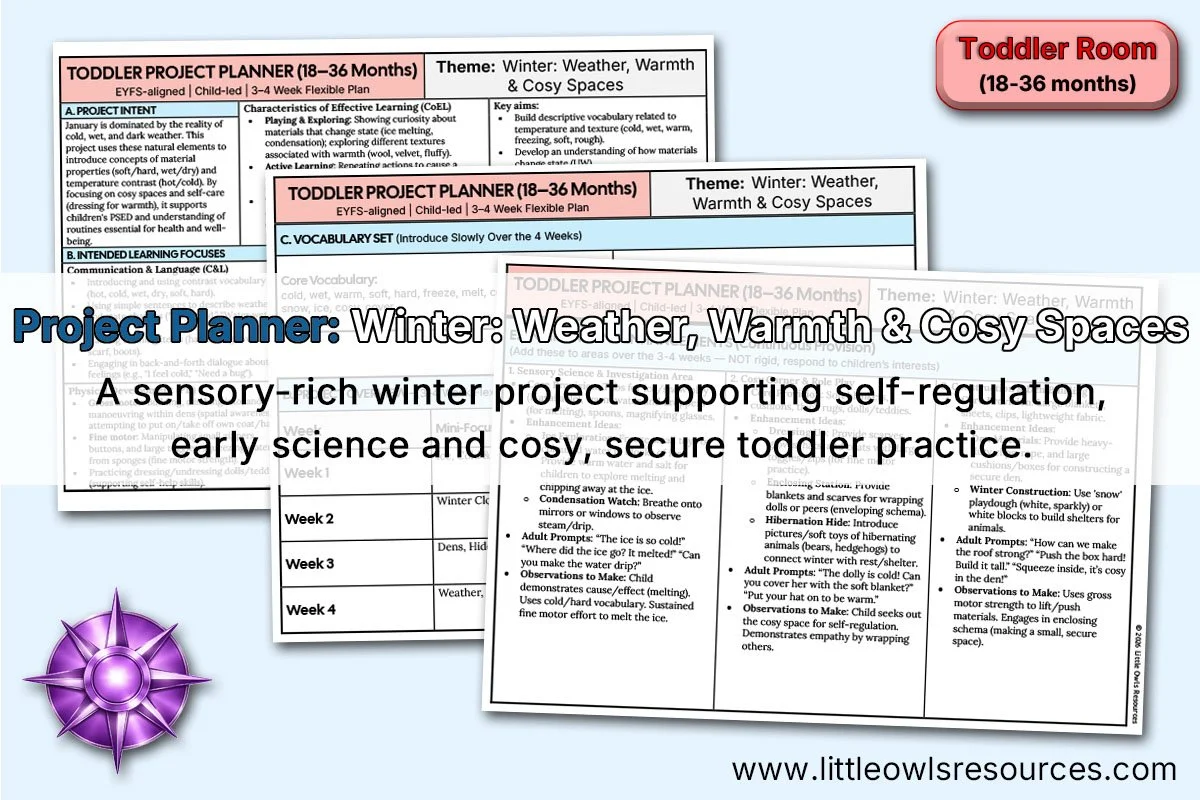
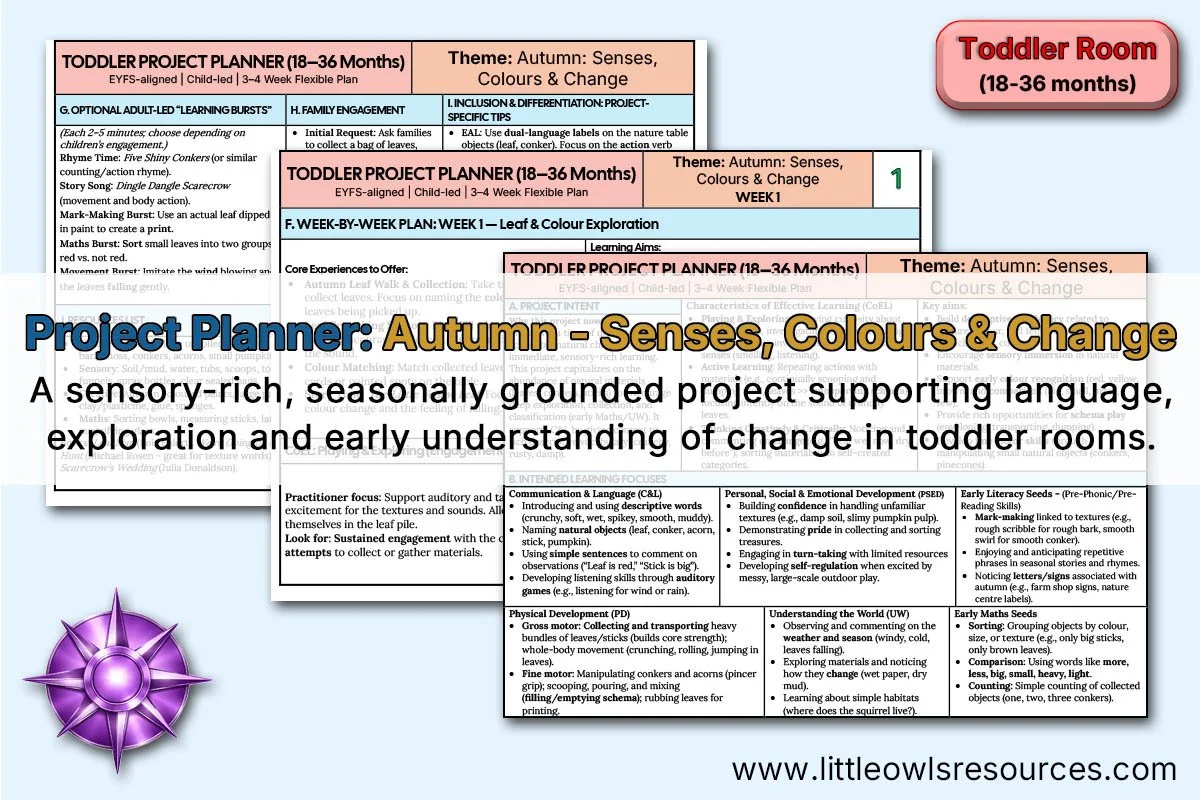
12 Project Planners (3–4 weeks)
The following planners support practitioners to think intentionally about environment design, adult interaction, vocabulary and observation, while keeping play child-led and responsive. They integrate the Prime Areas of learning and gently seed the Specific Areas through real-life, meaningful experiences.





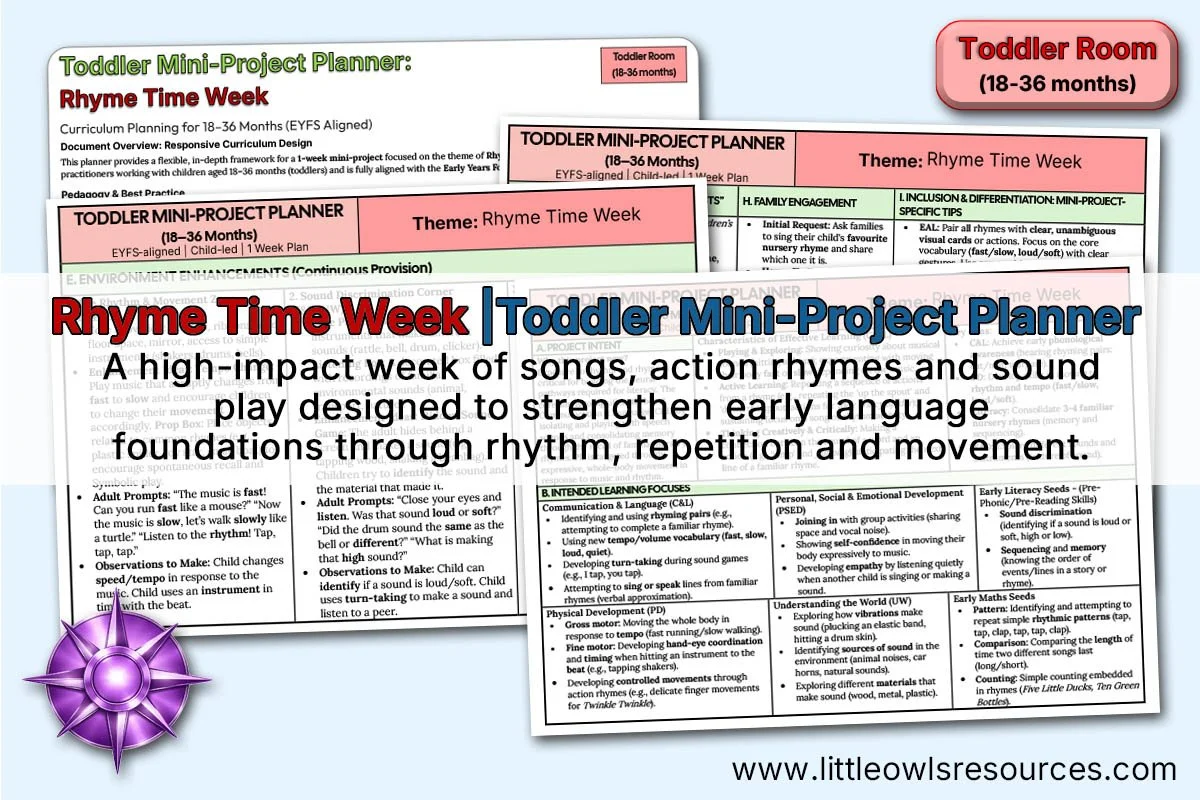
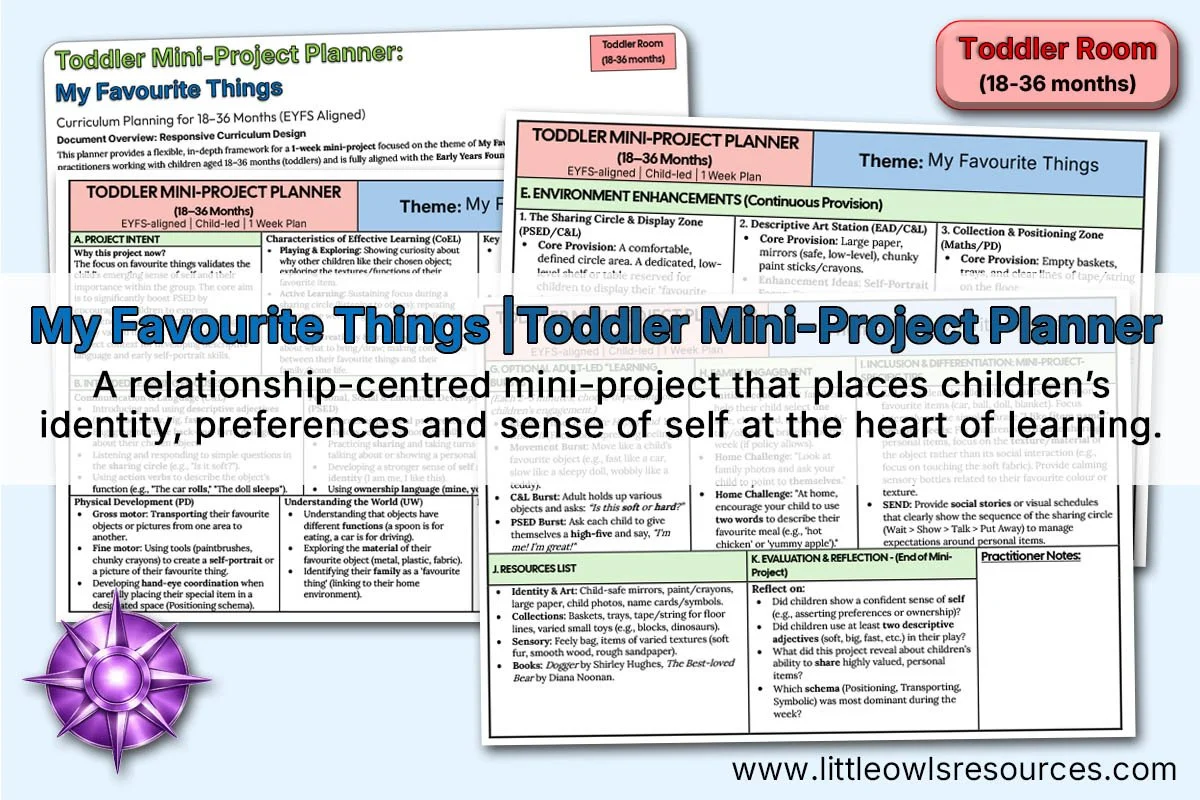
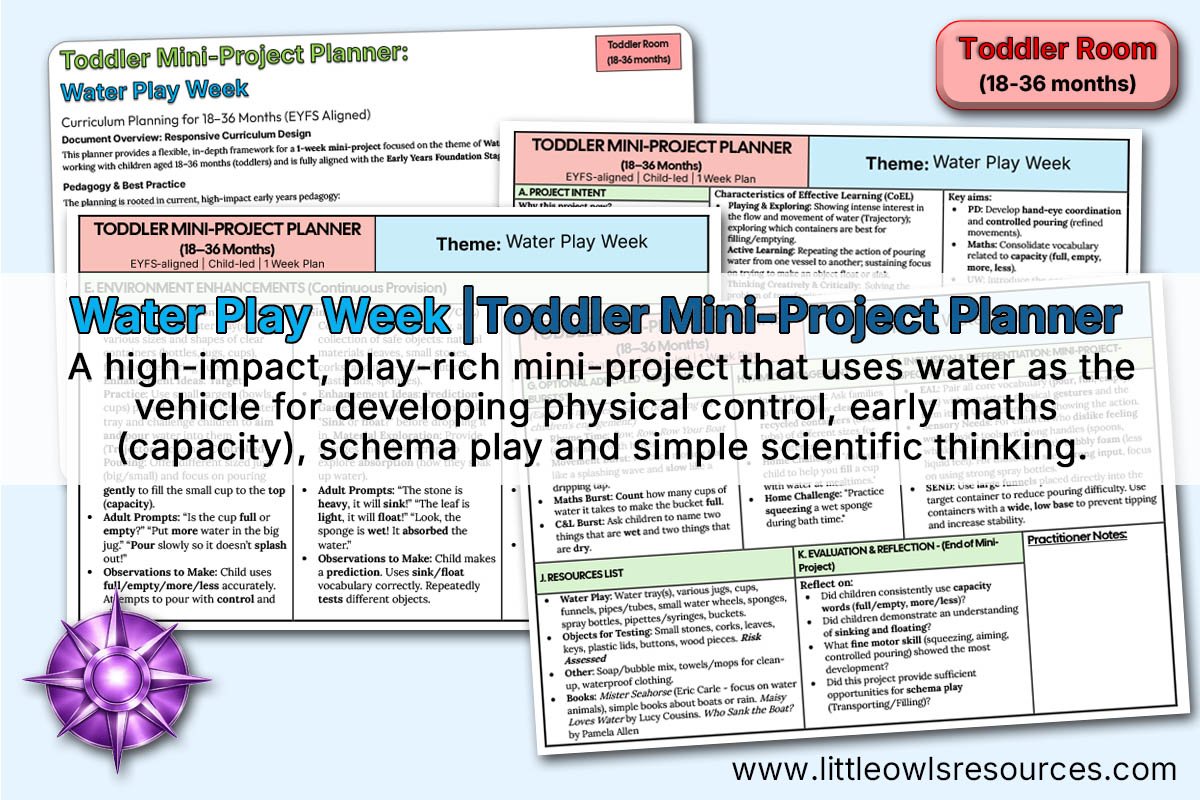
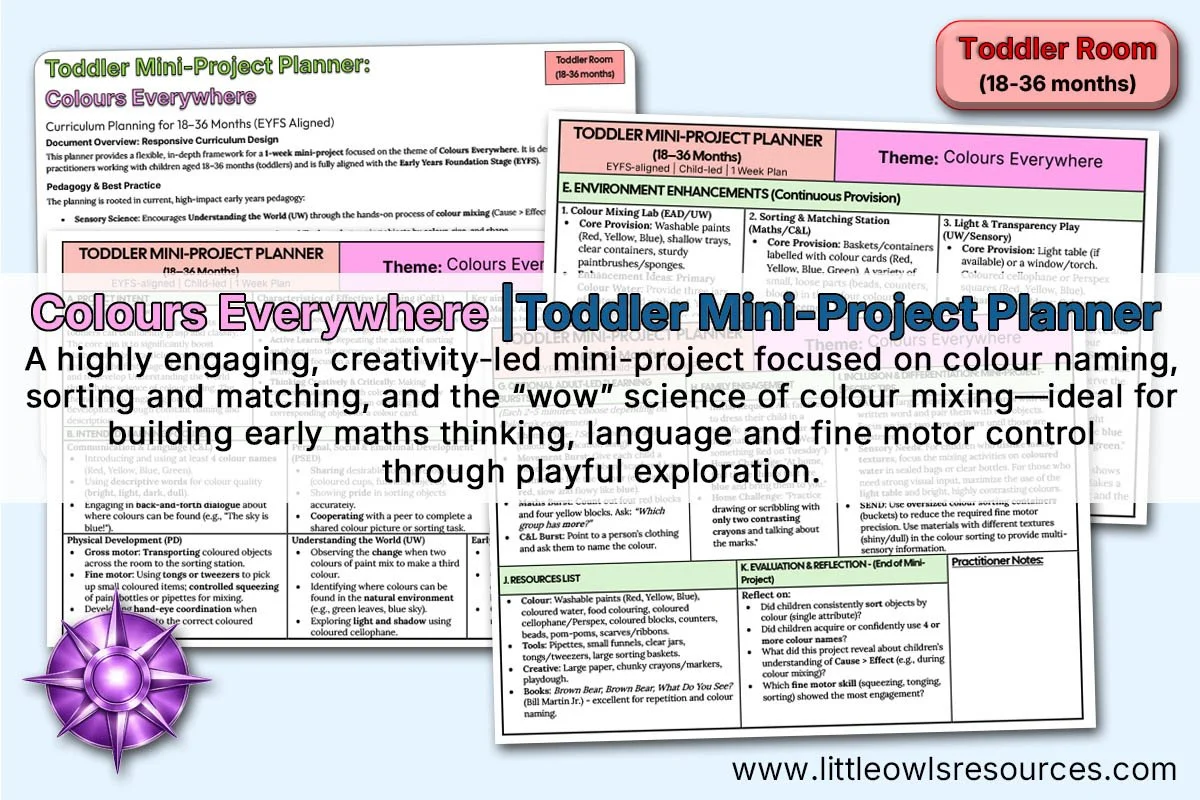
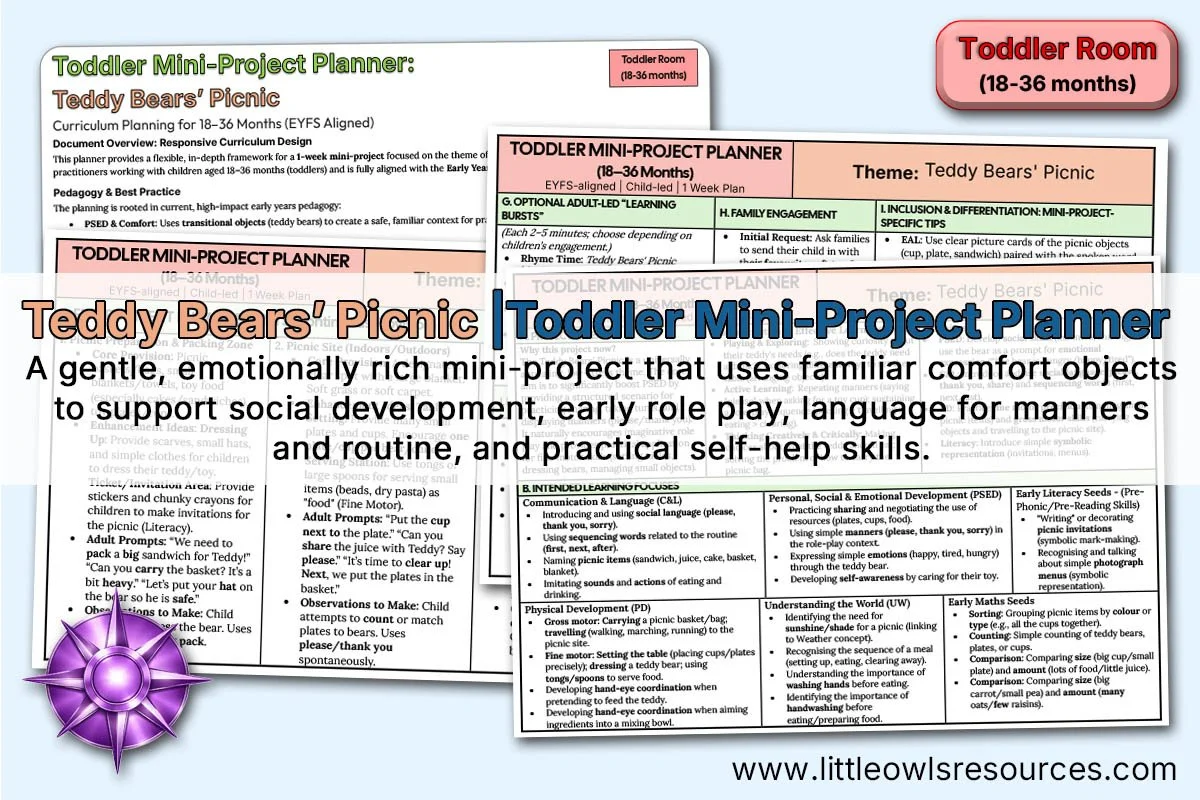
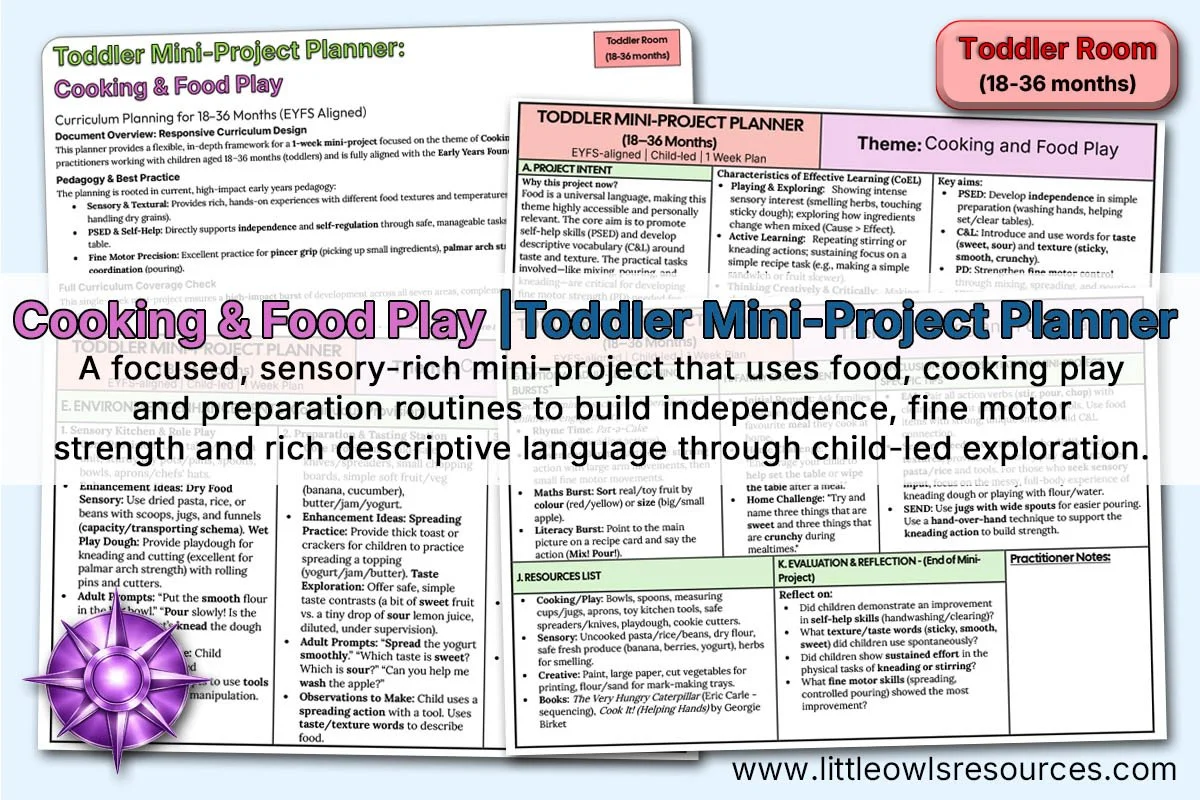
8 Mini Project Planners (1-2 Weeks)
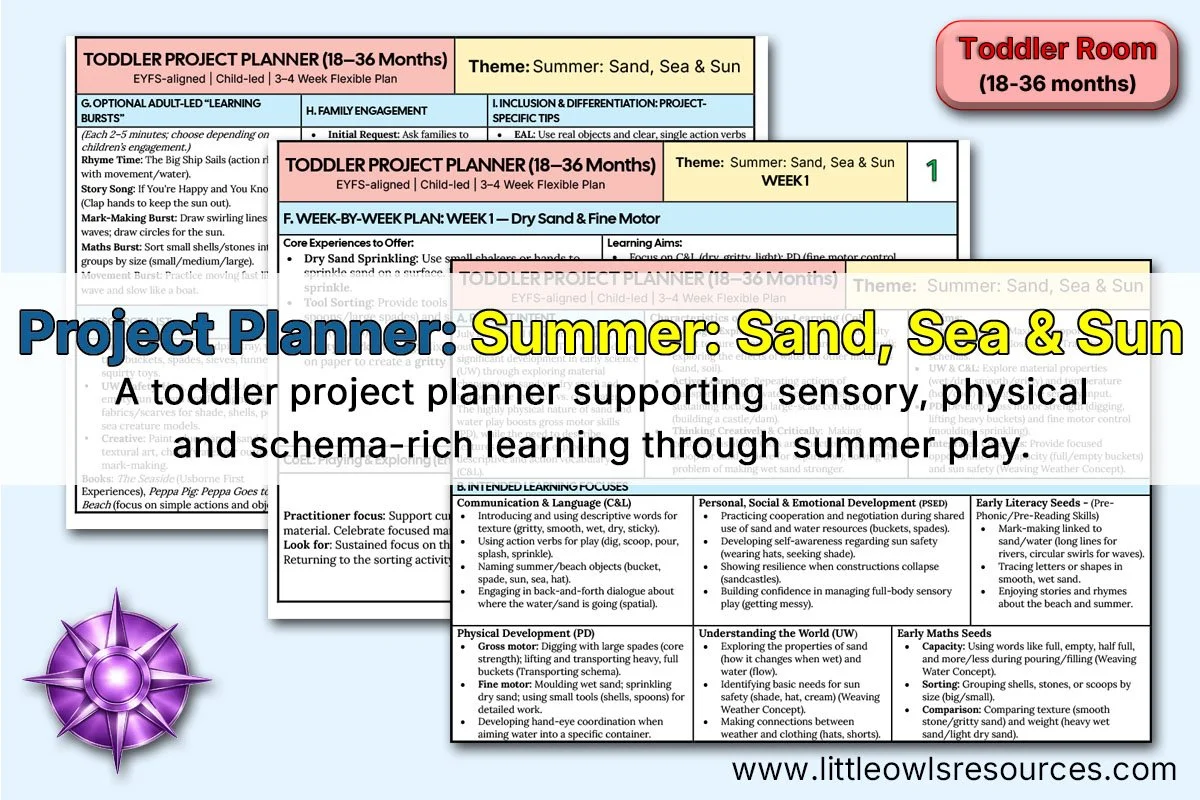
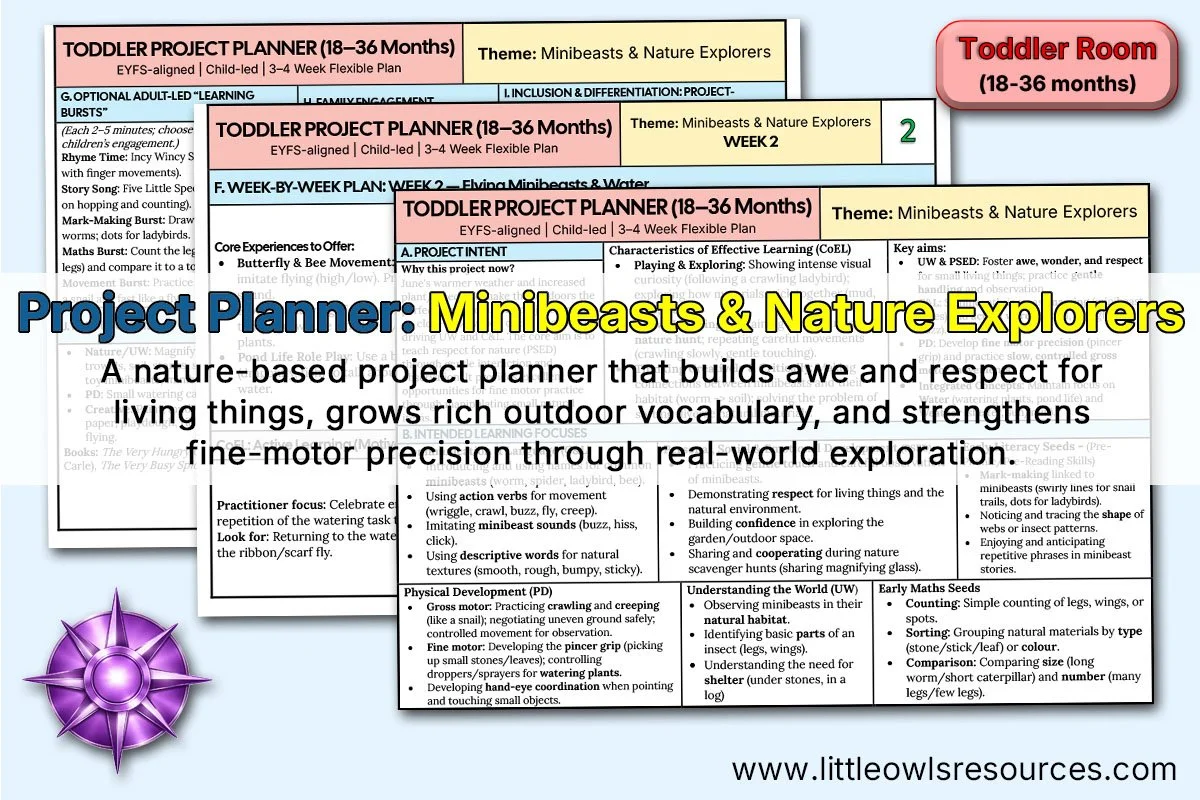
The following mini-projects are designed to be used flexibly — as stand-alone “burst weeks”, holiday mini-themes, or responsive follow-on when children show strong interest in the subject matter.
The documents support professional judgement and responsive practice. They are not a set of required activities or checklists for children and do not replace statutory EYFS guidance or Development Matters.


✨ Provision Enhancements
In toddler settings, themed provision enhancements may be used lightly and flexibly alongside continuous provision to support meaningful learning. Responsive use of thematic materials including projects, festivals, celebrations and awareness dates is child-led in a play environment.
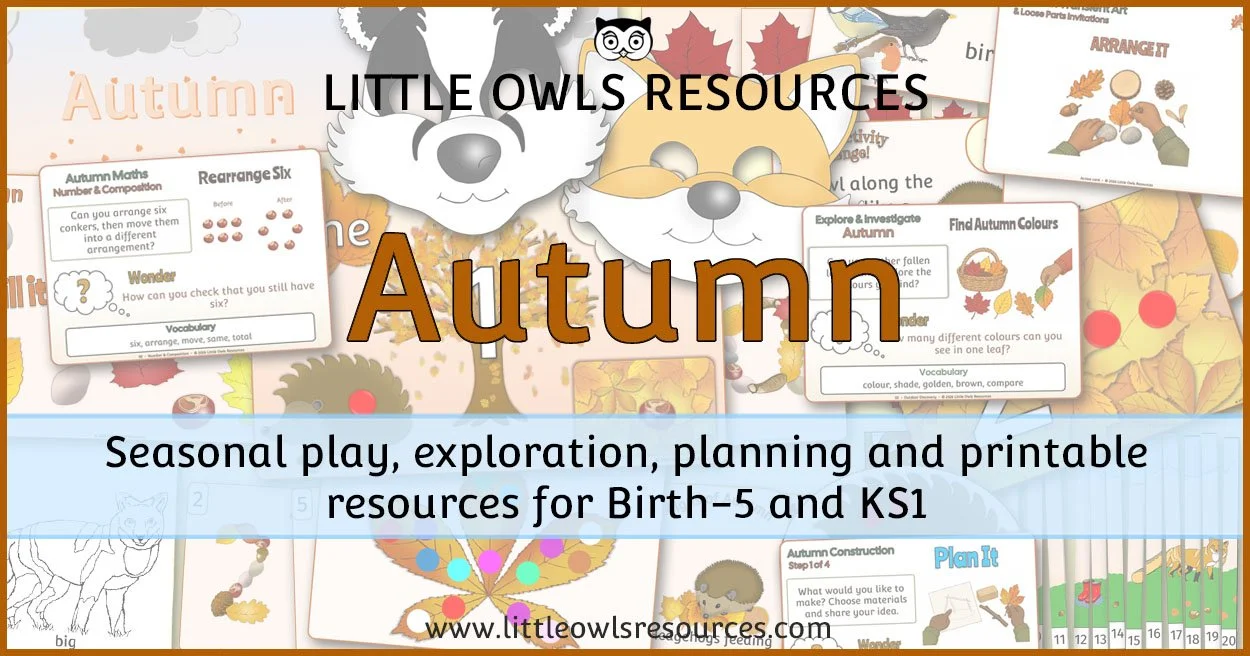
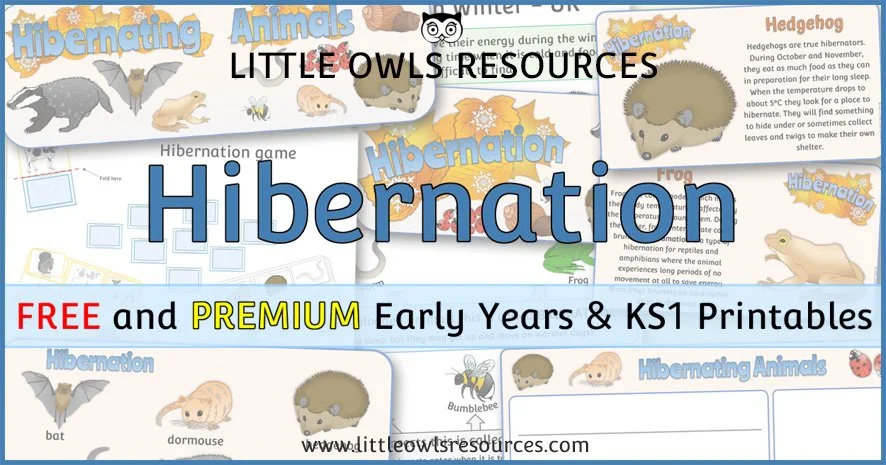
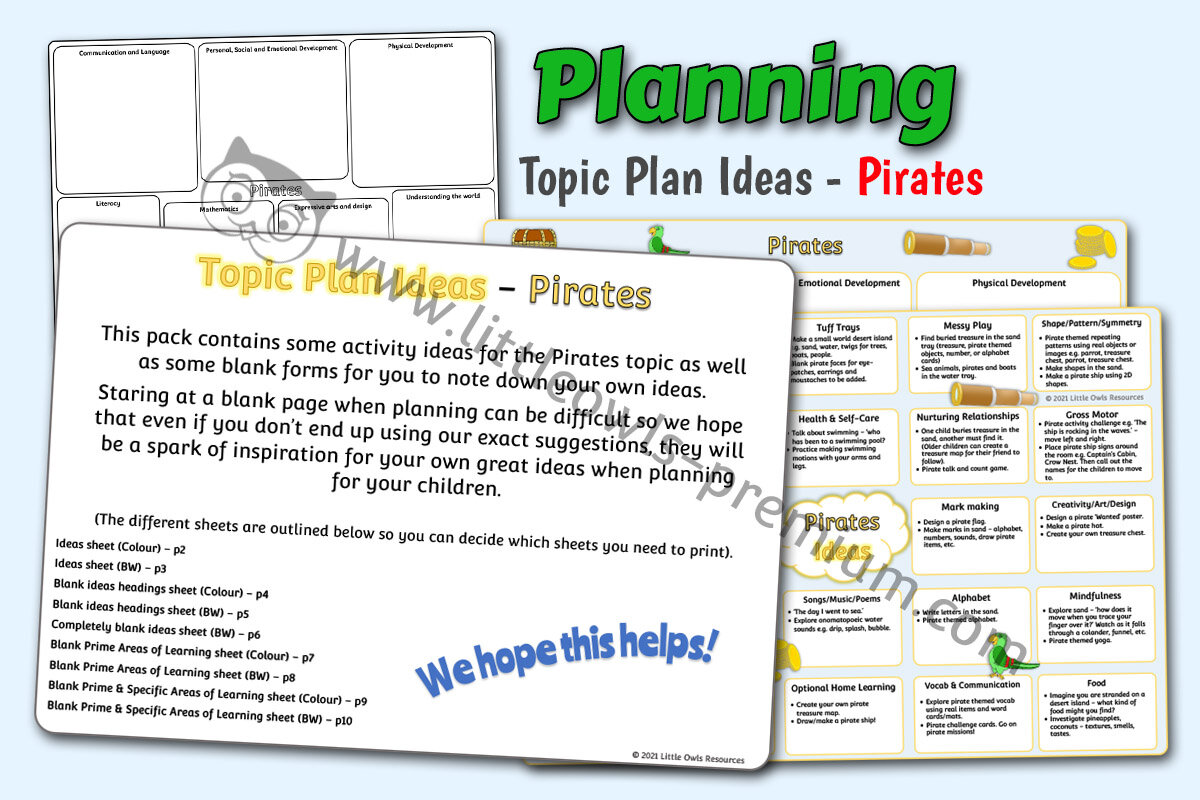
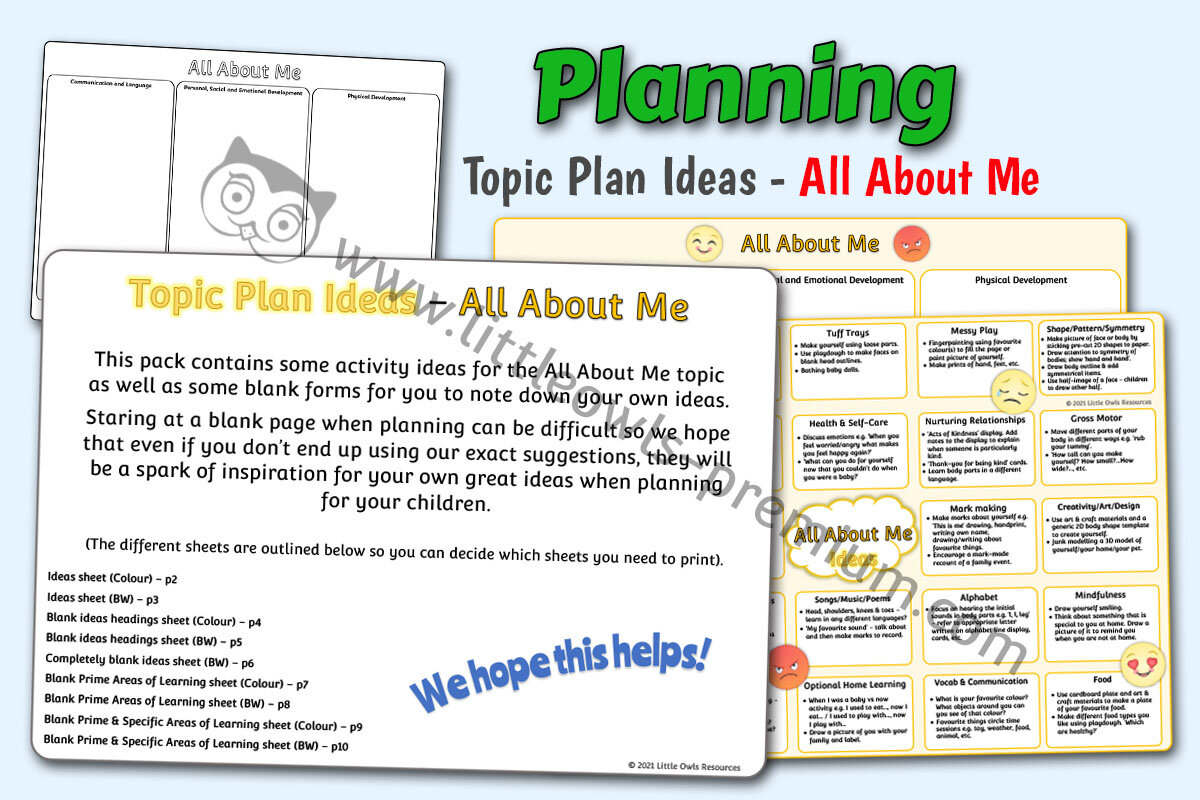
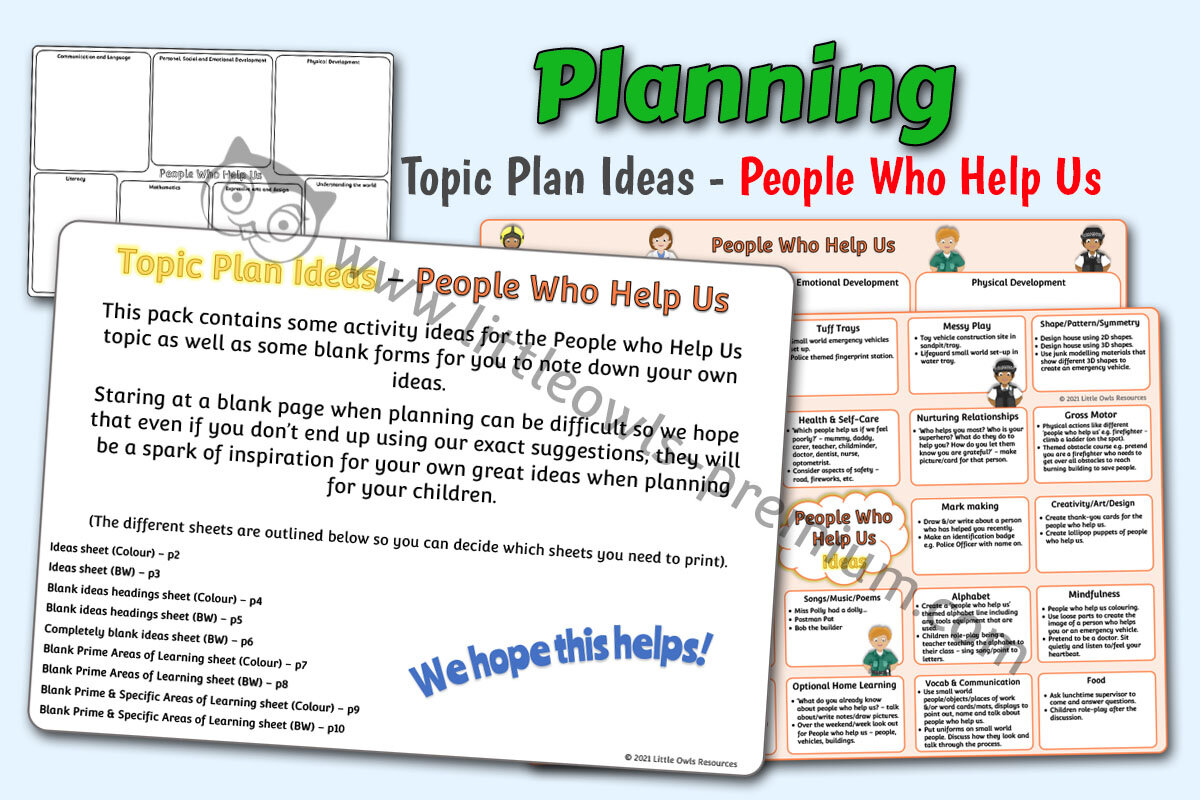
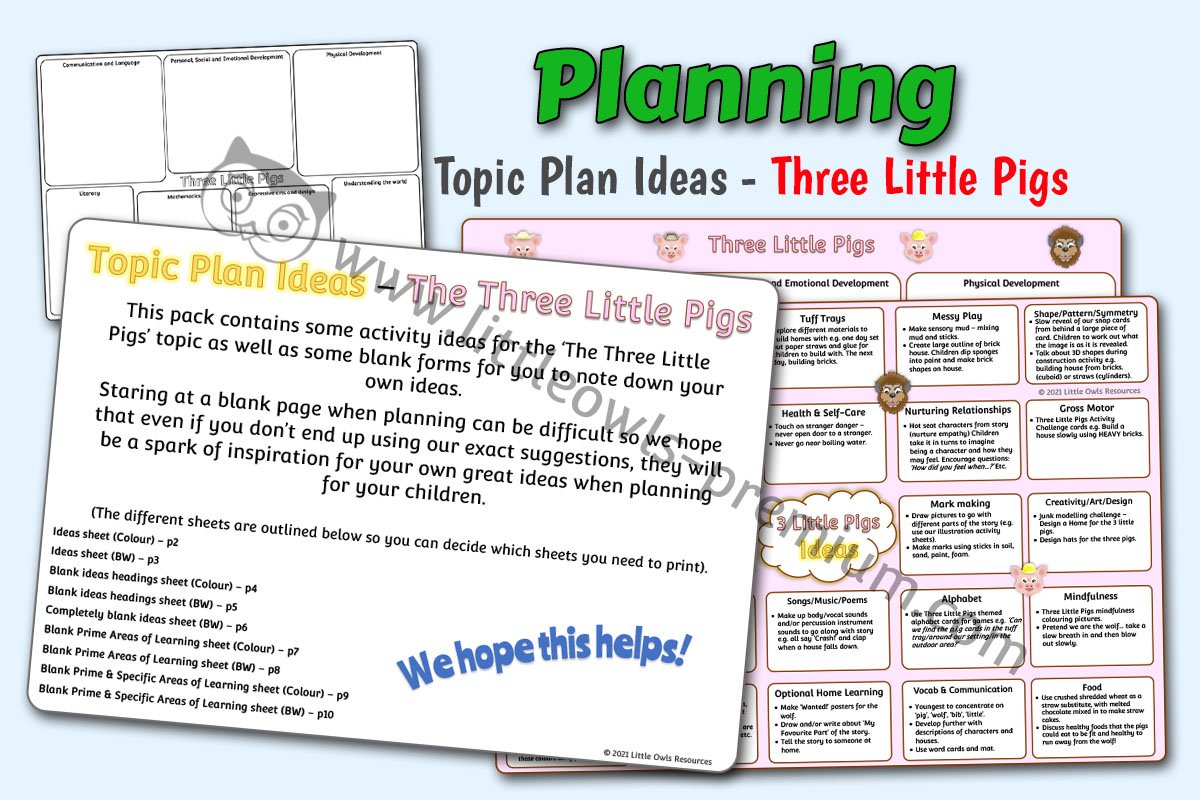
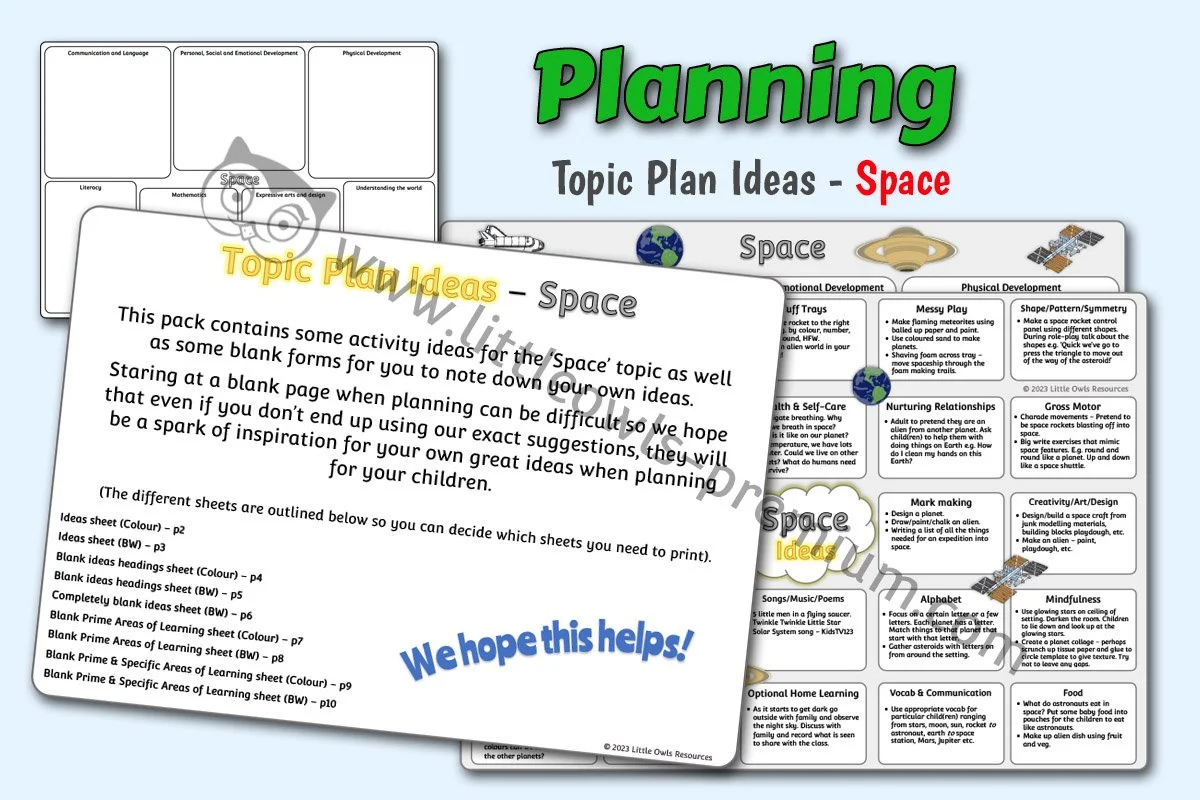
Themed provision
Please use the arrows to the right of the carousel below and select a theme to explore our continuous provision enhancement resources. Alternatively, visit our ‘Themes Menu Page’.

















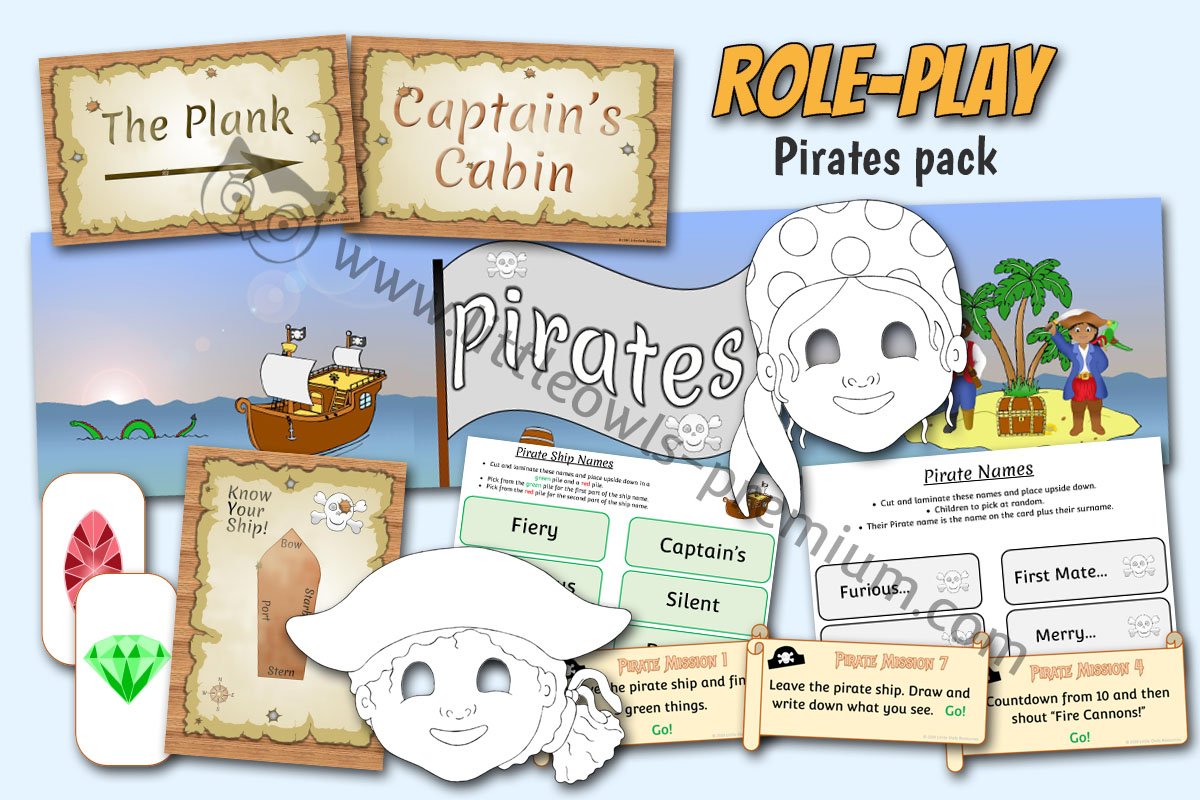
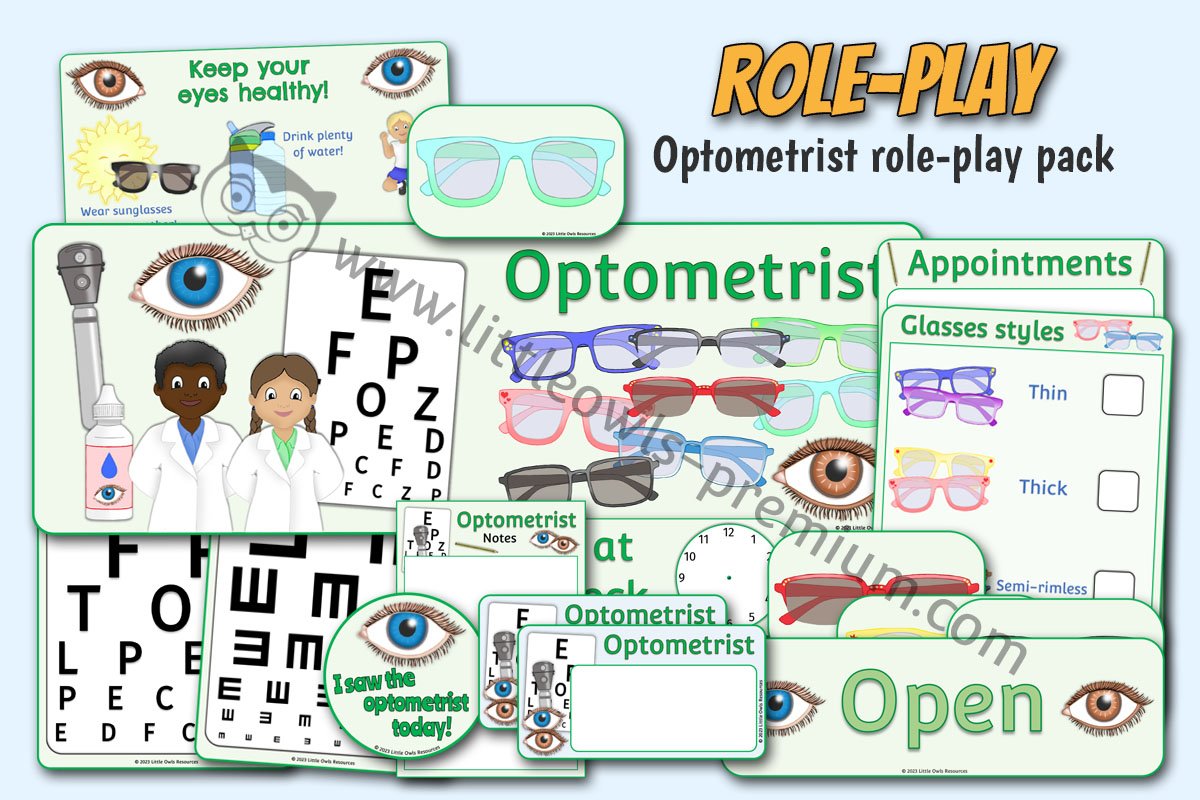
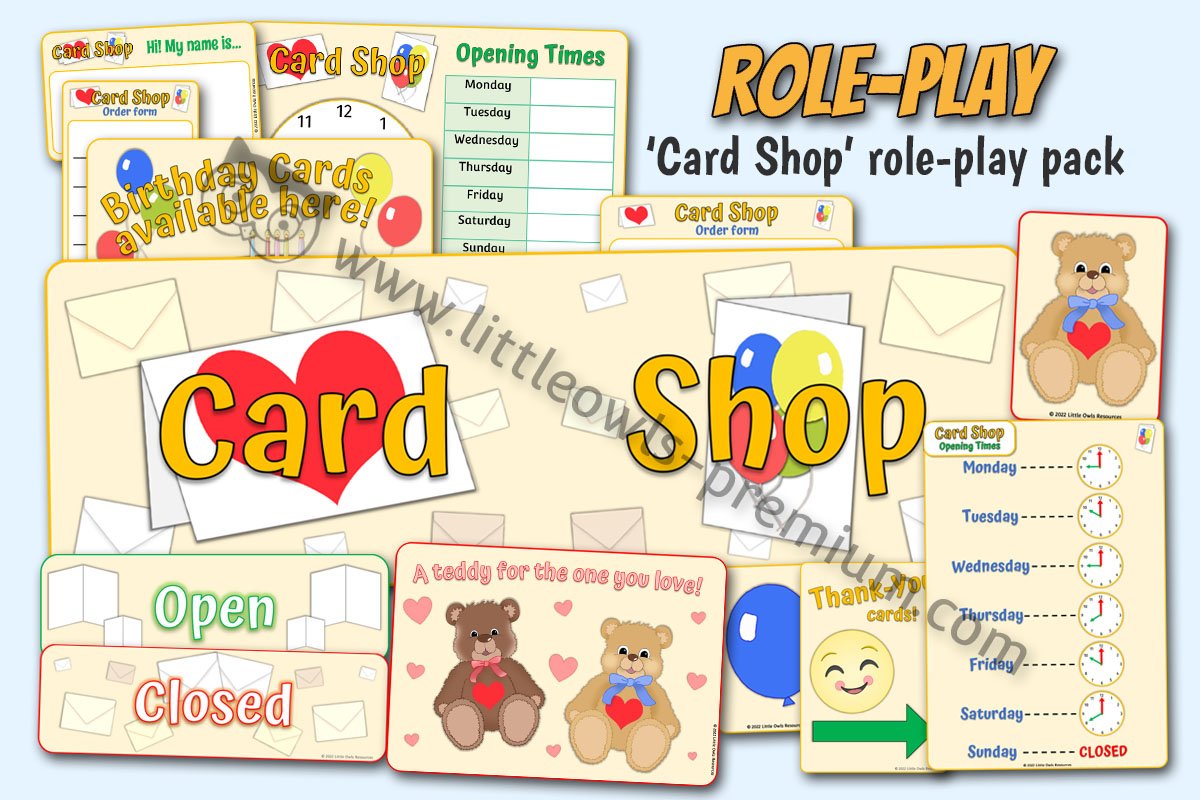
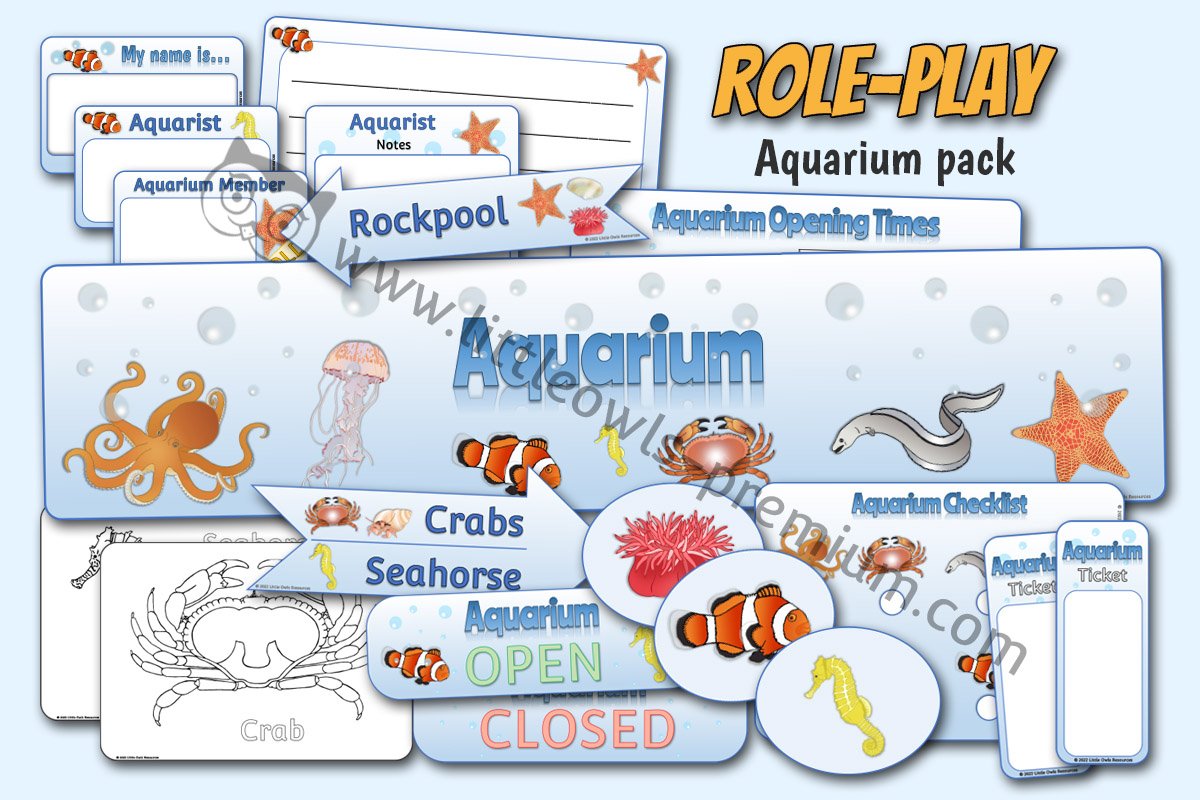
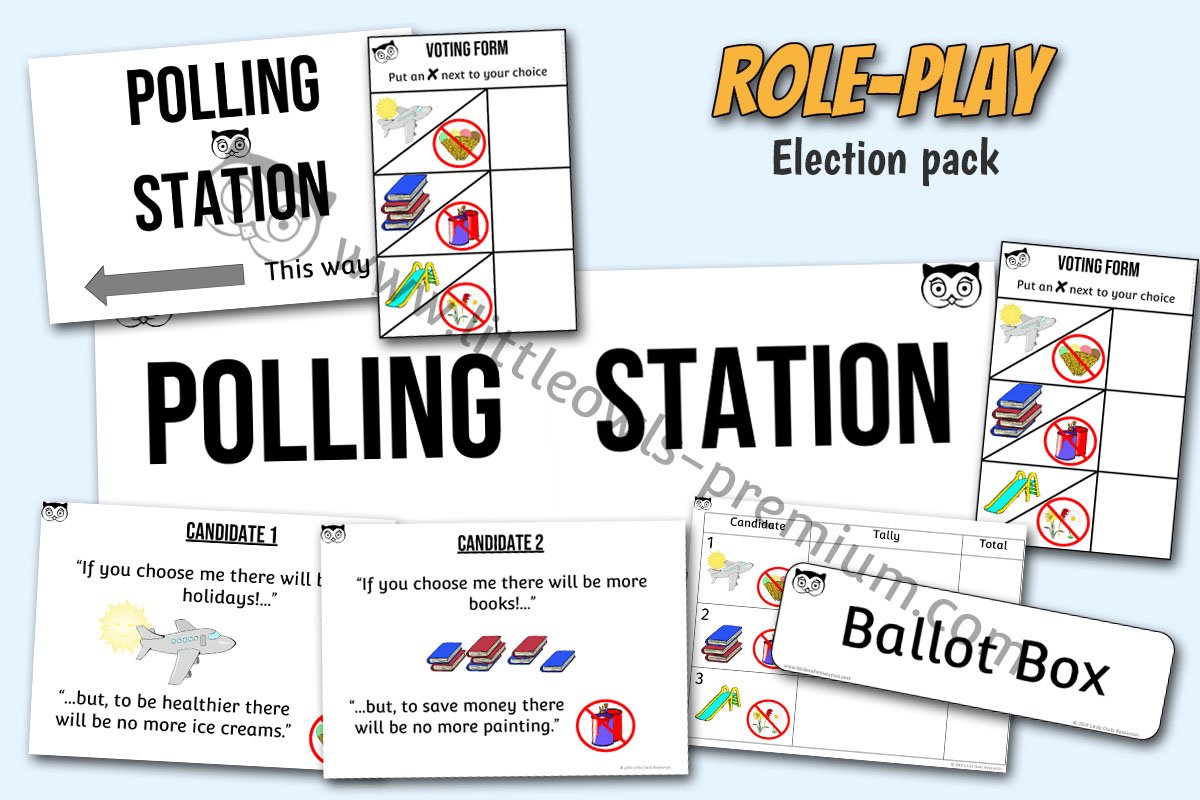
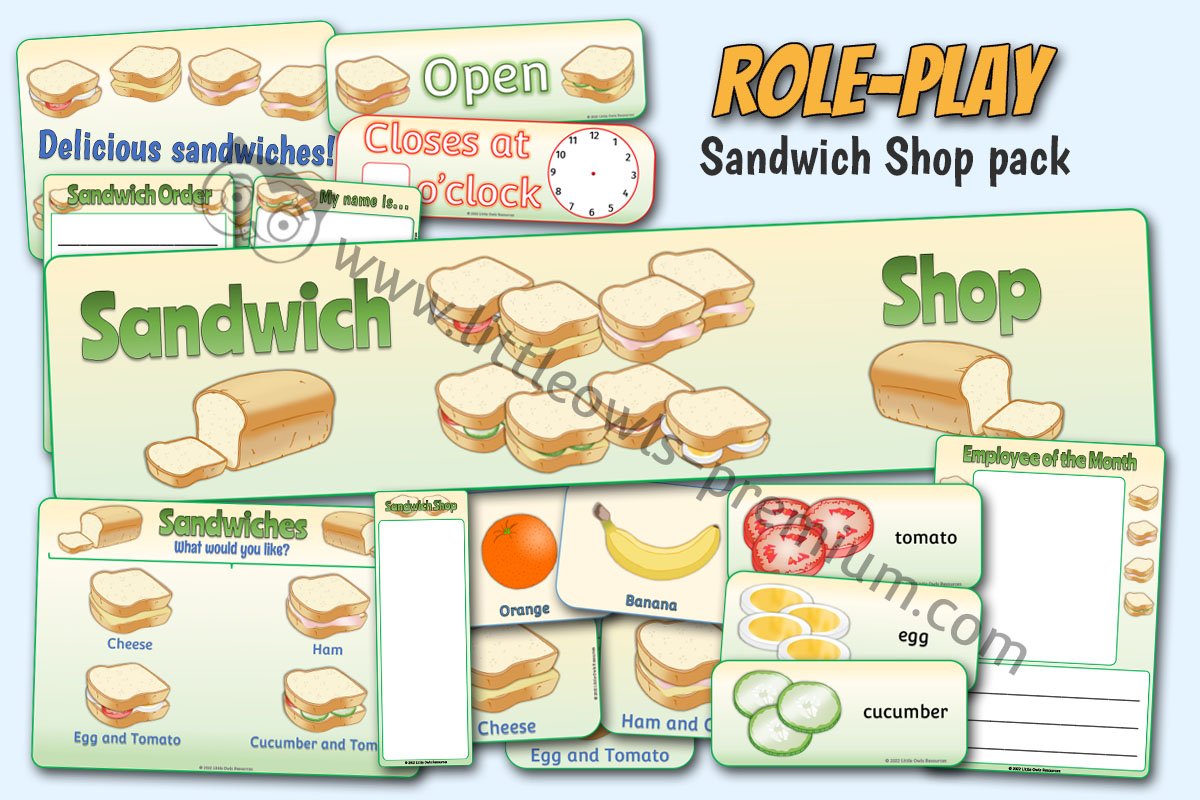
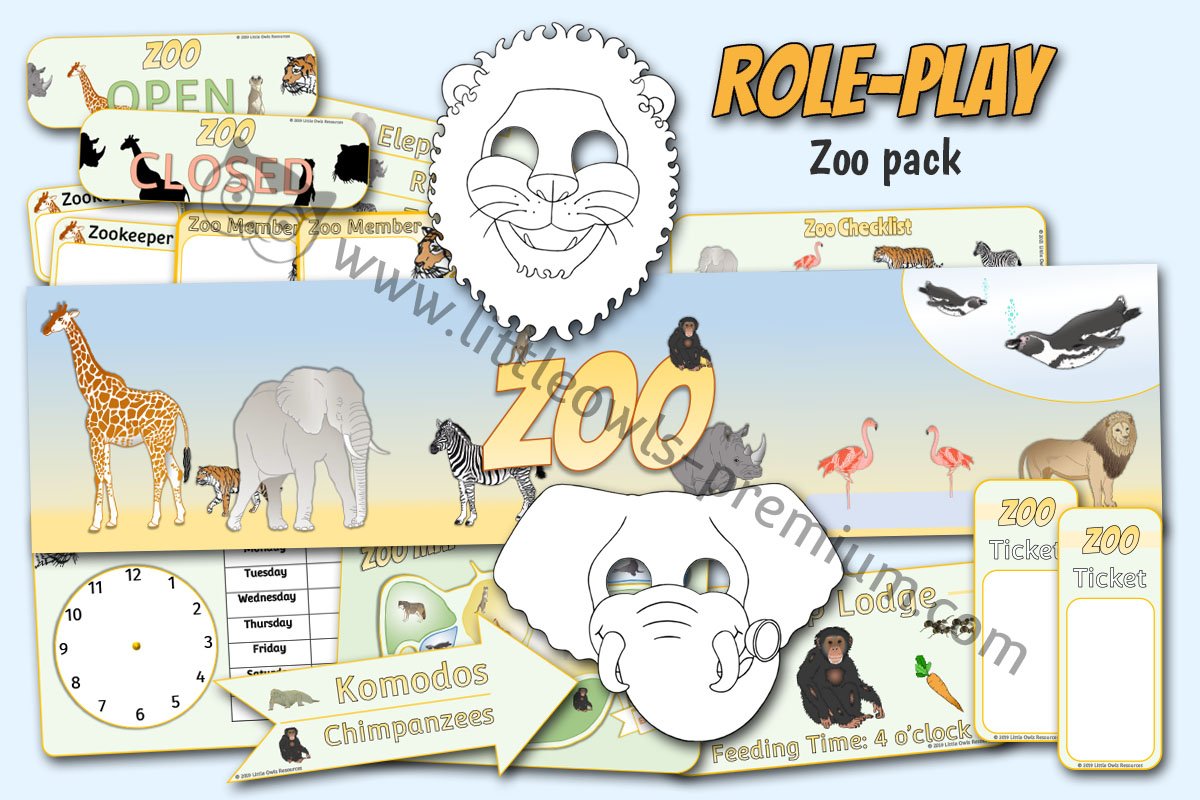
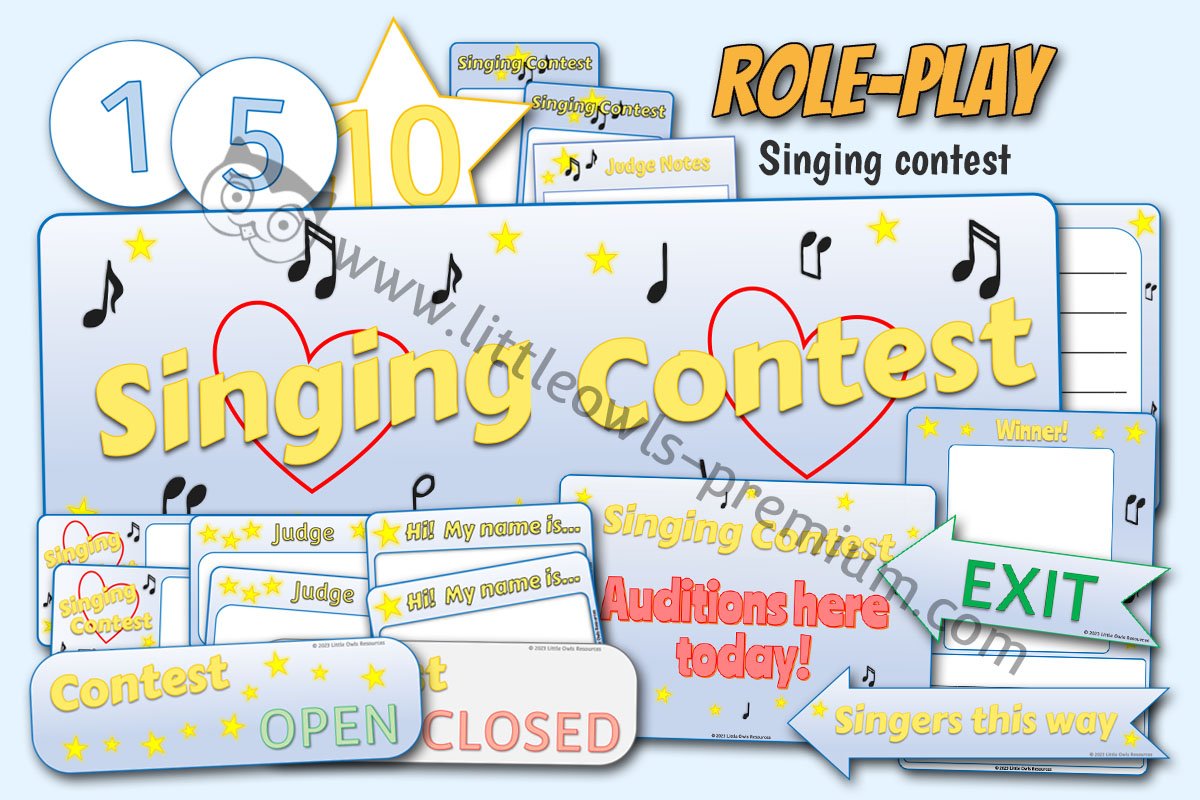
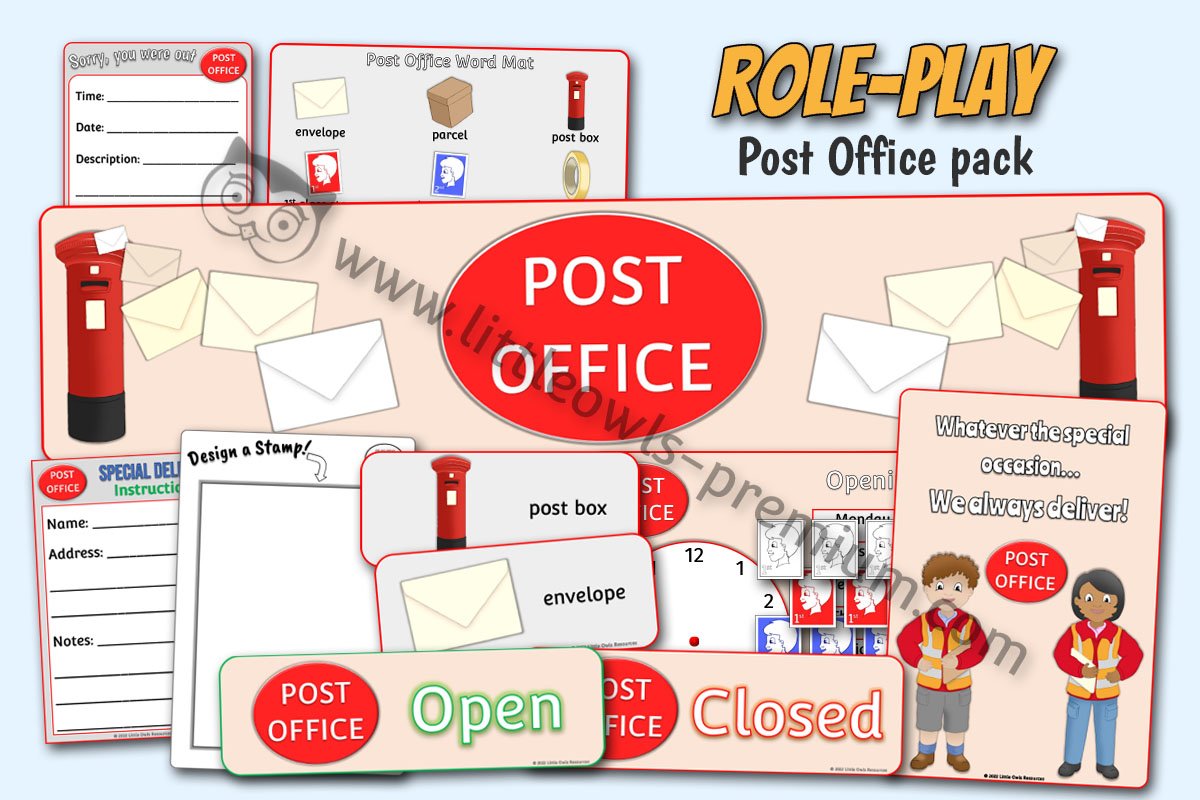
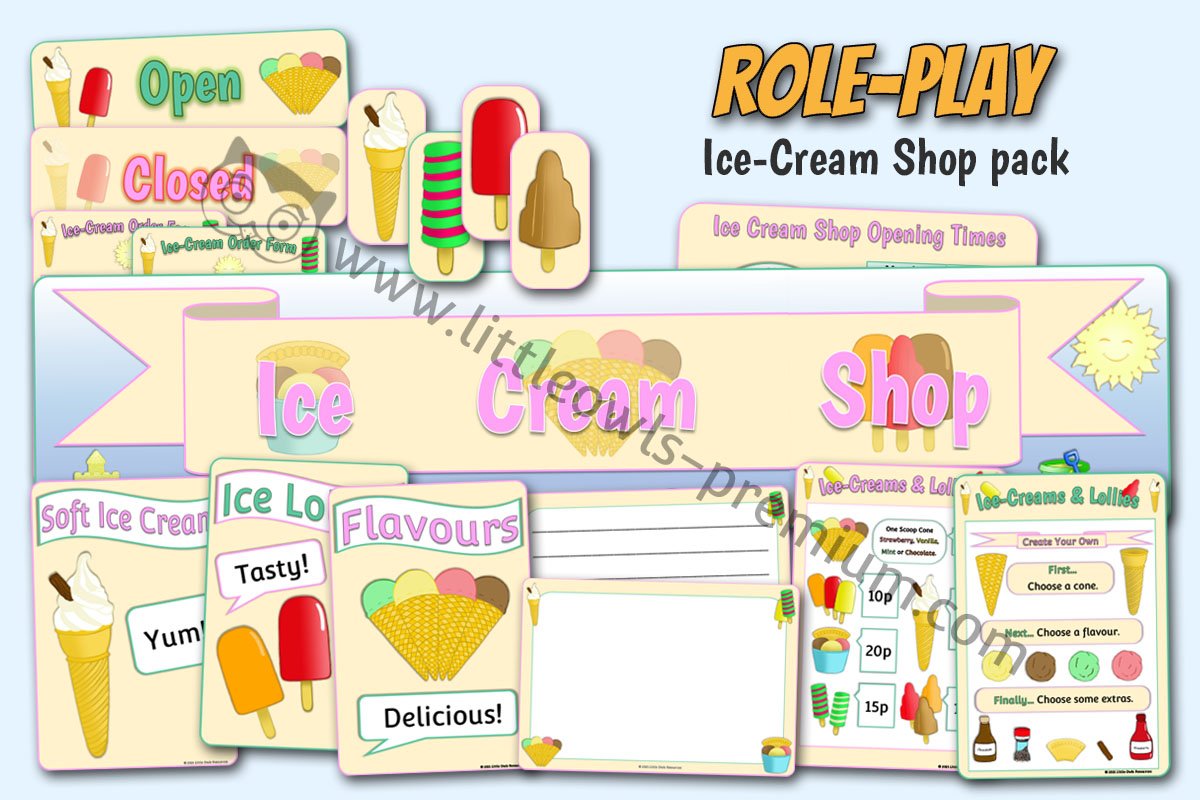
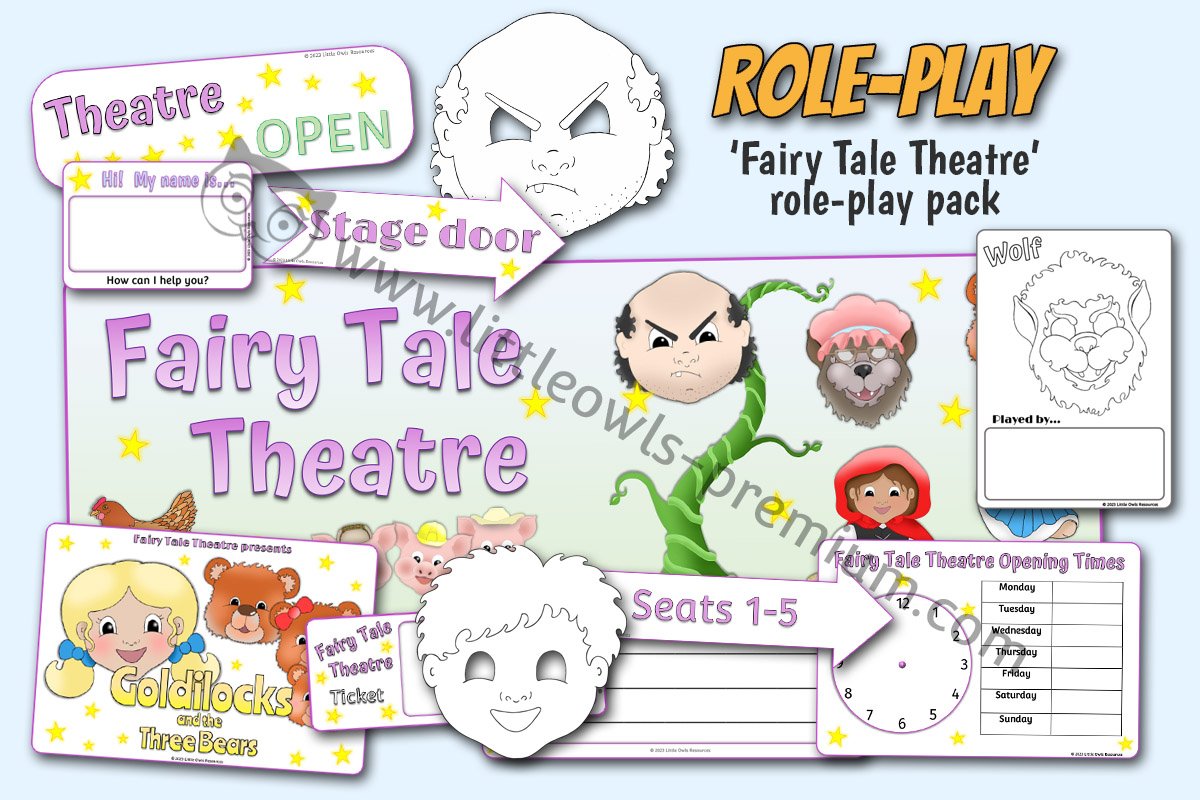
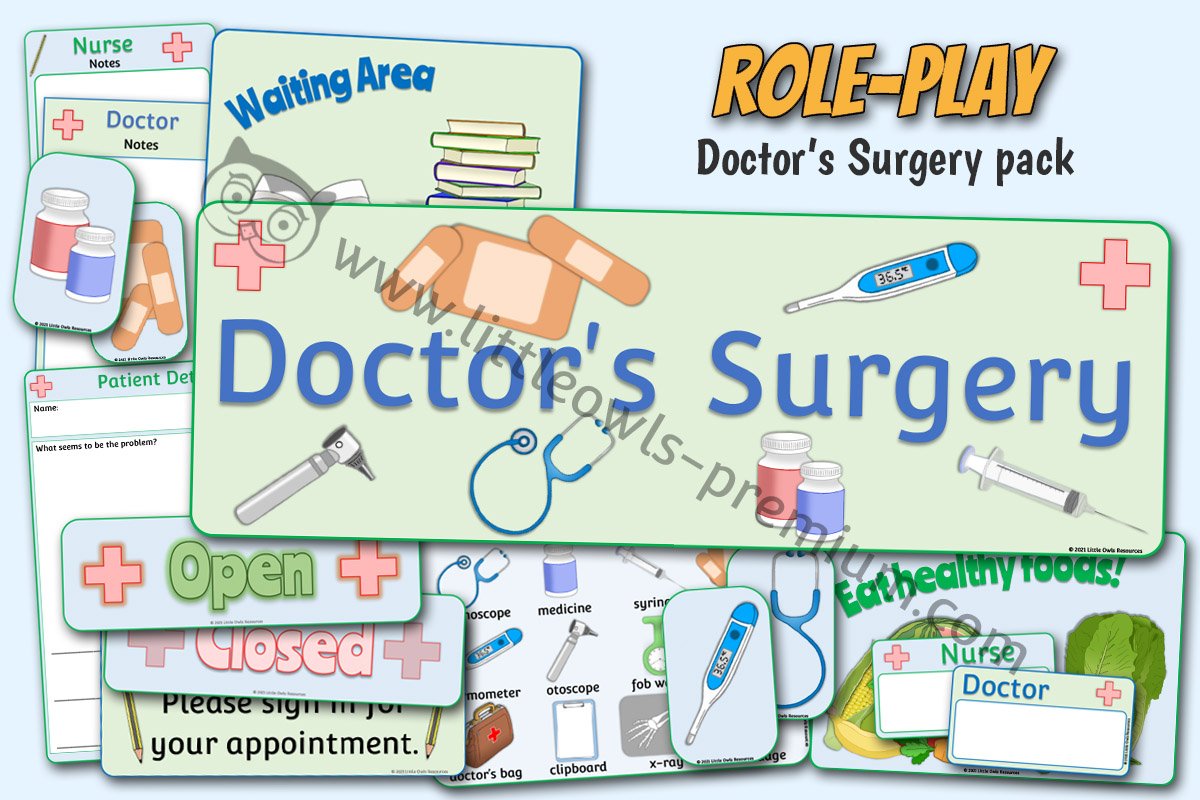
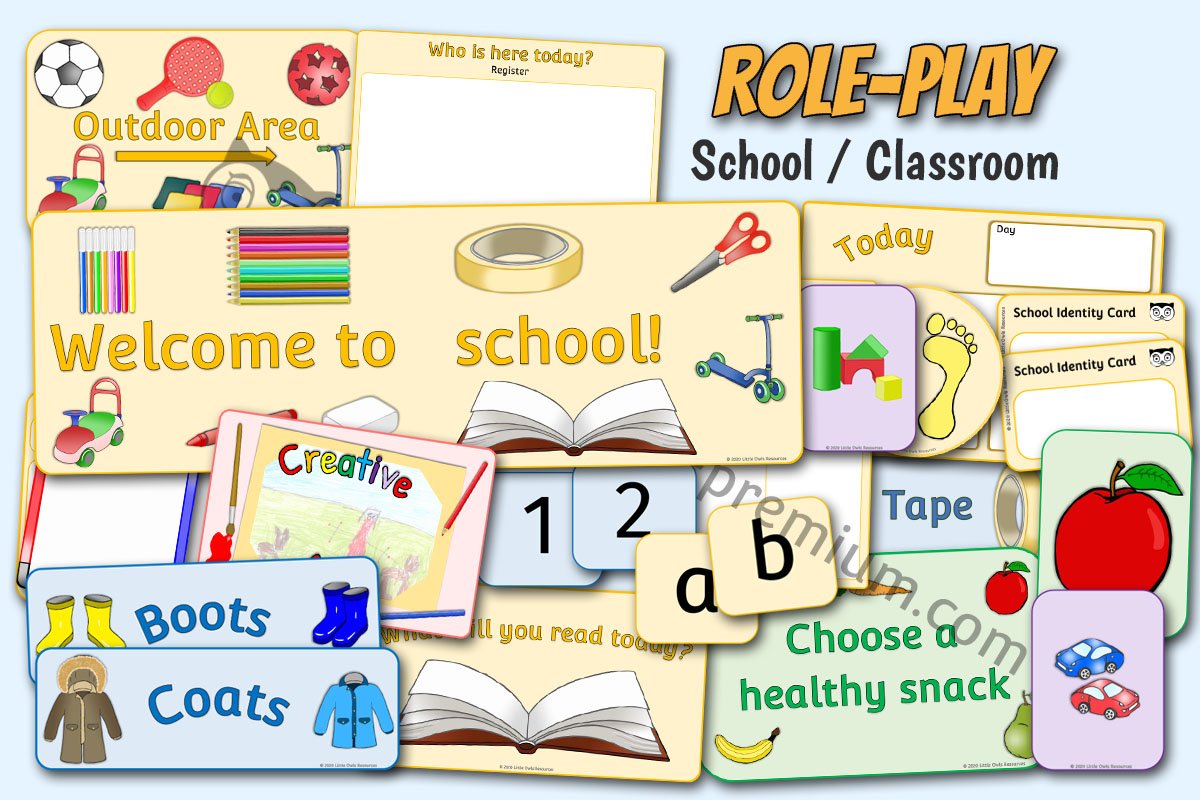
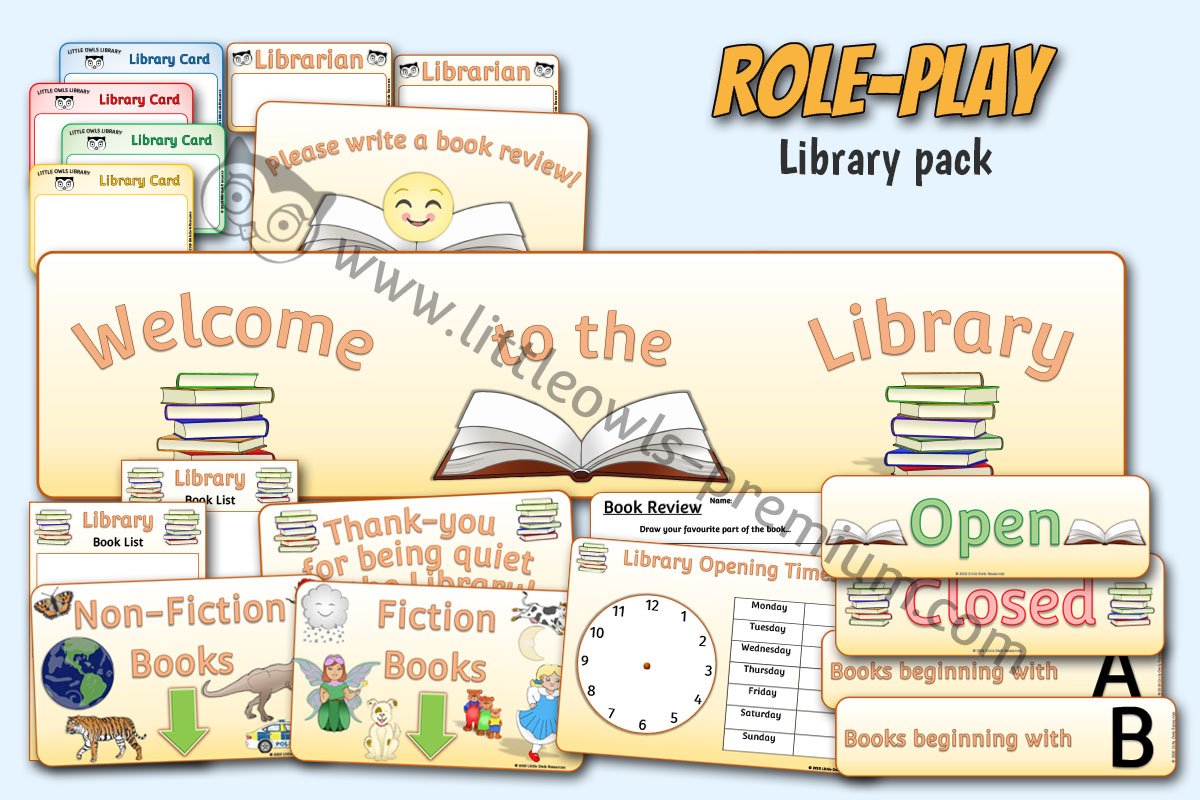
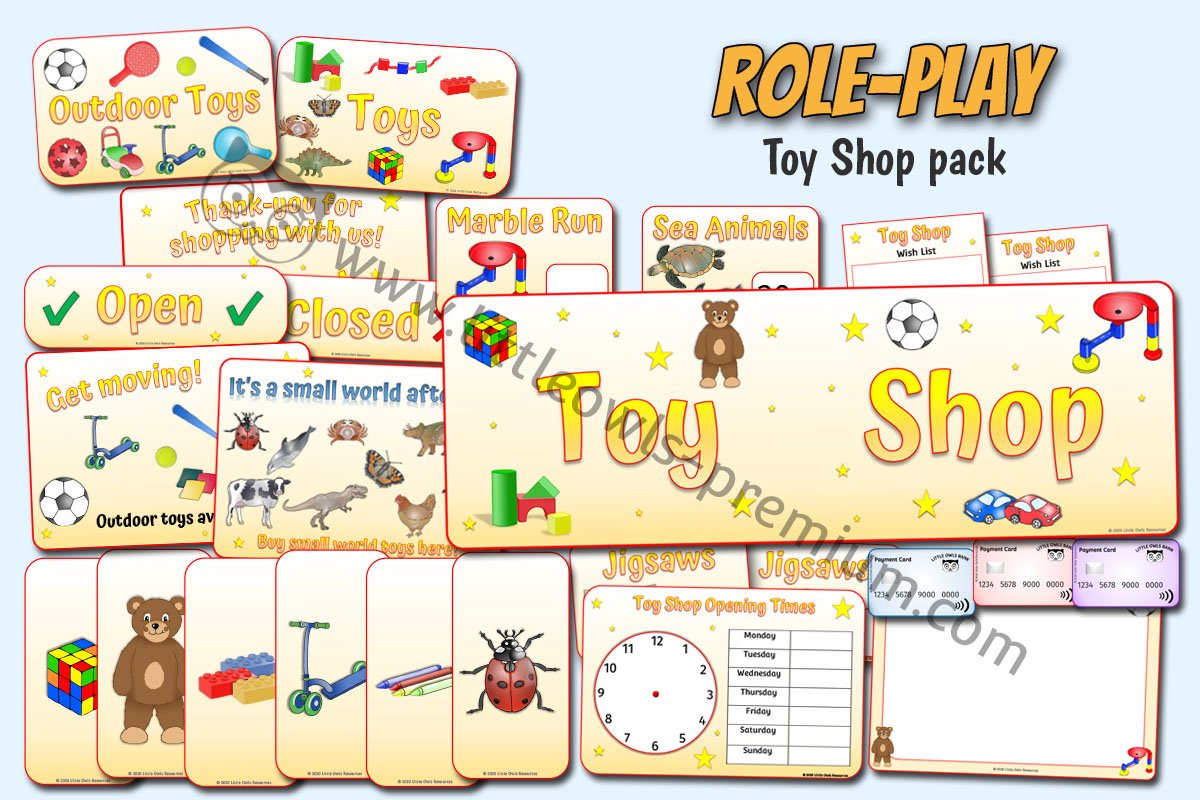
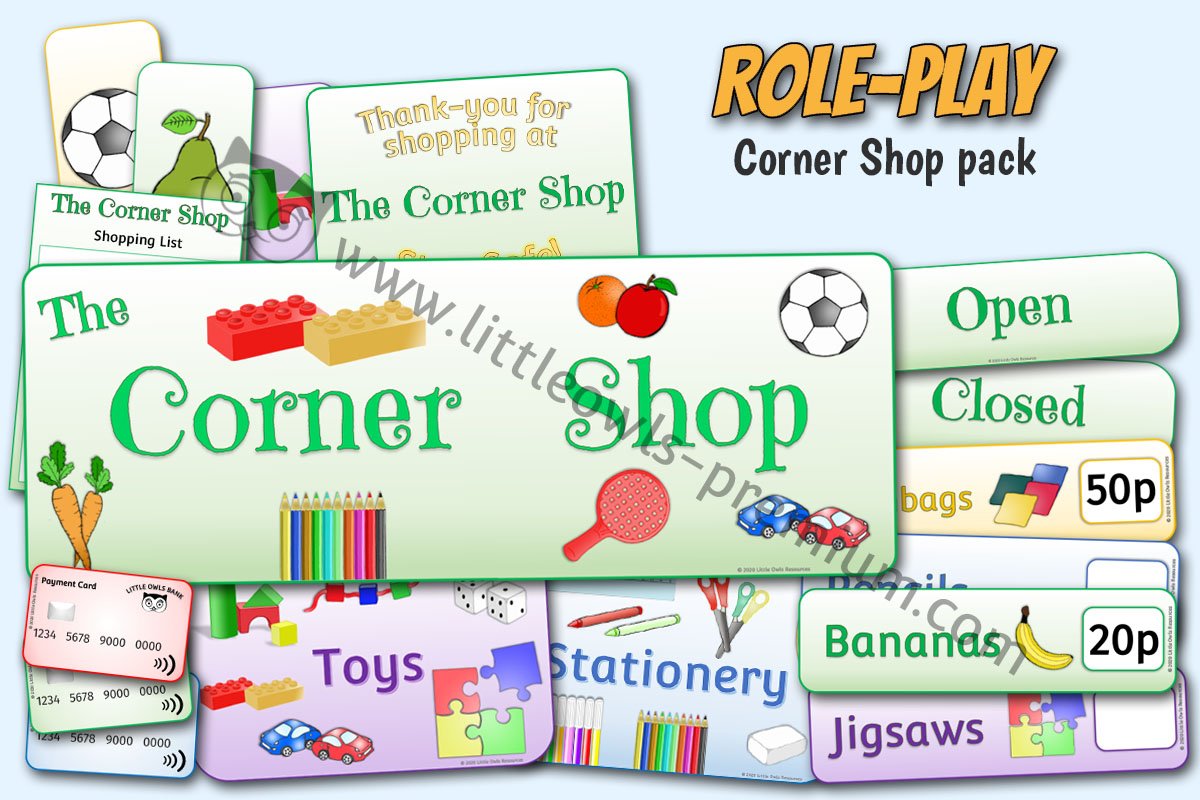
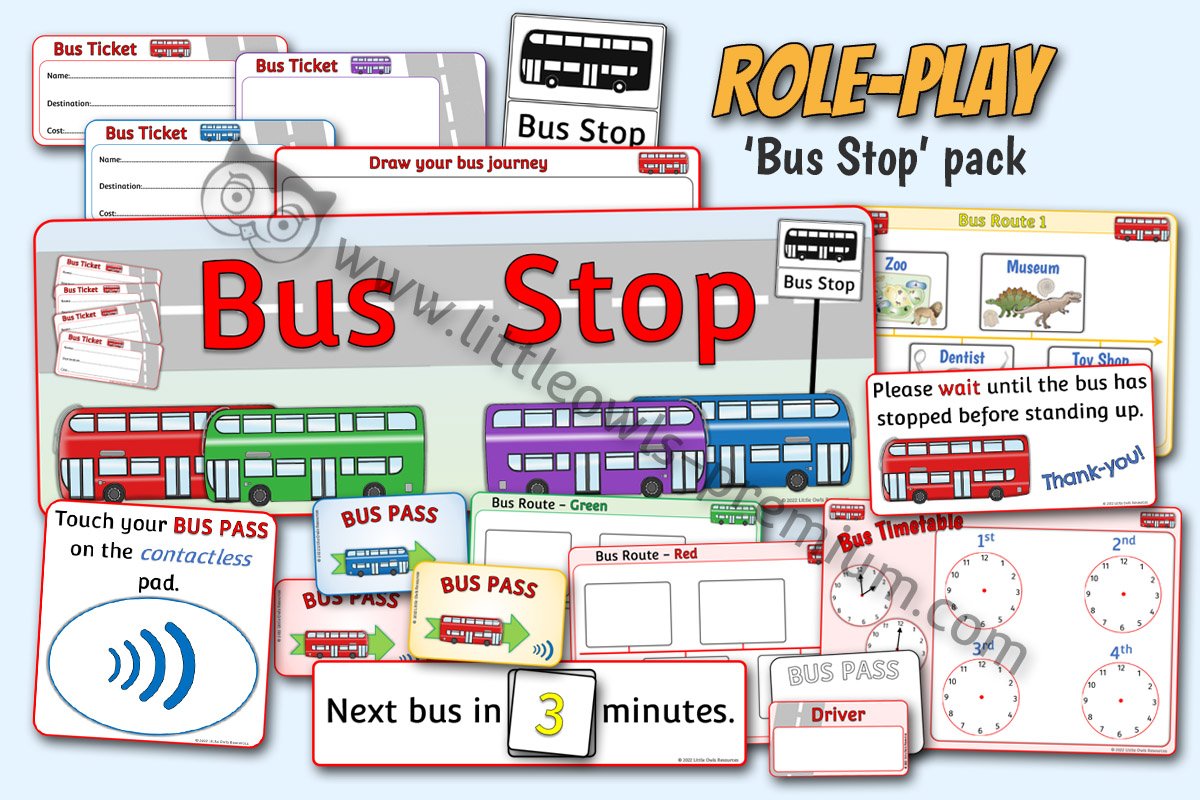
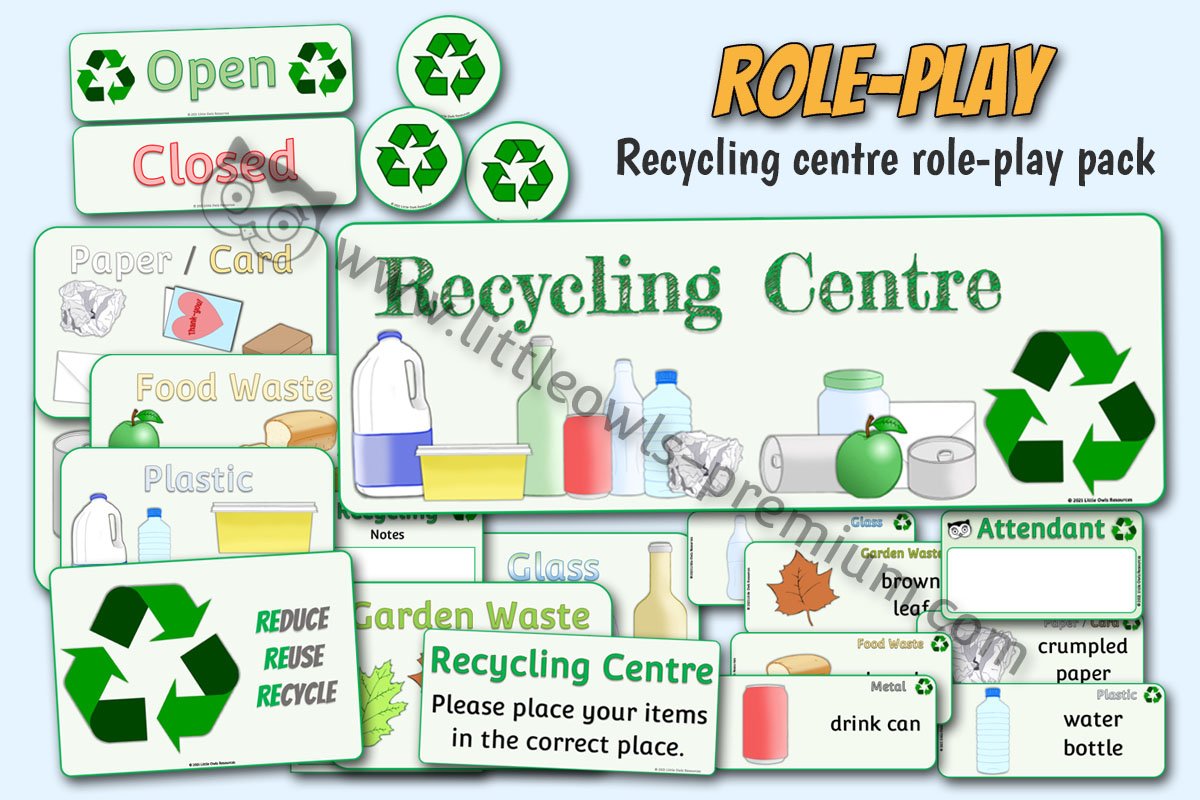
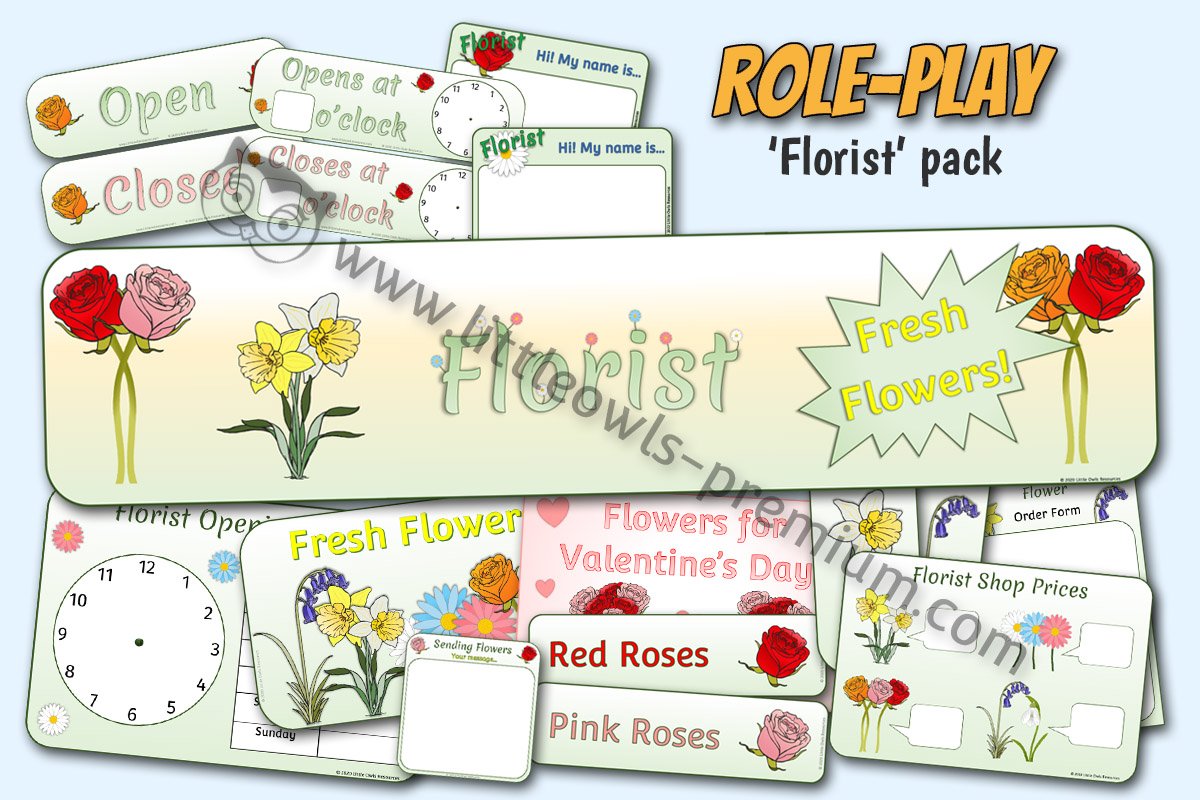
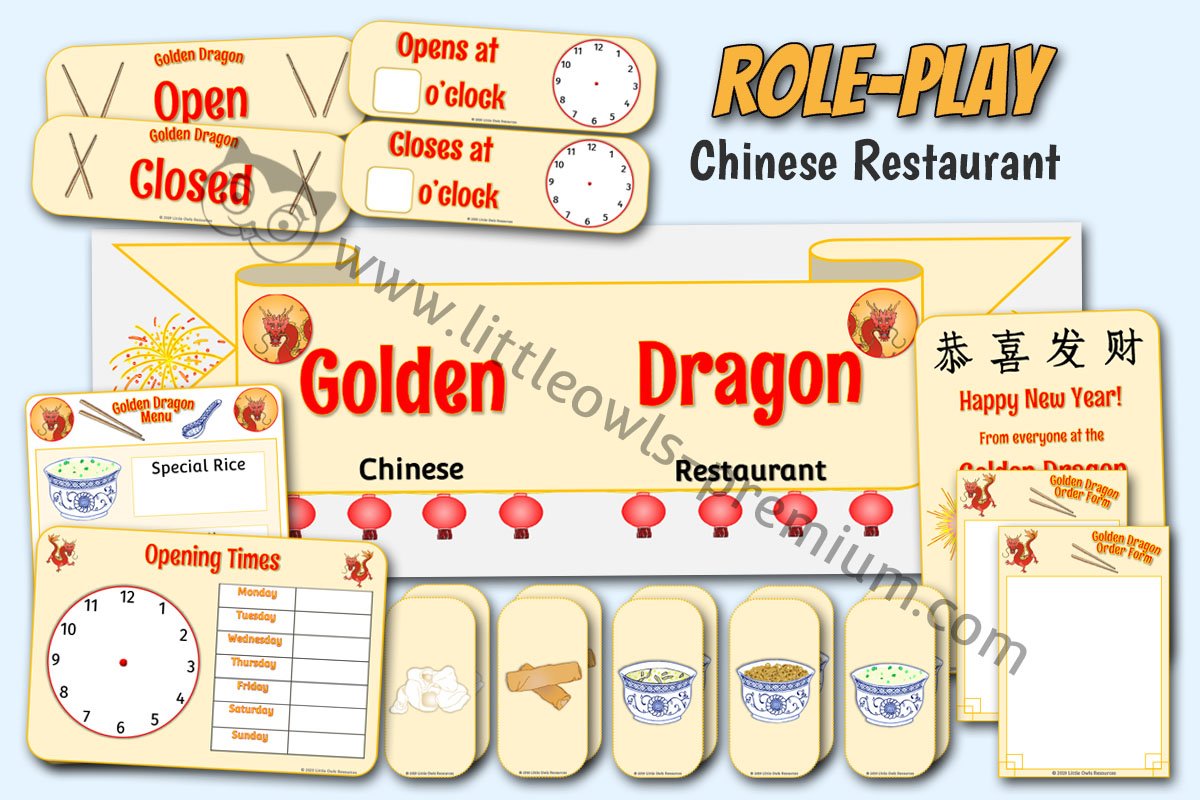
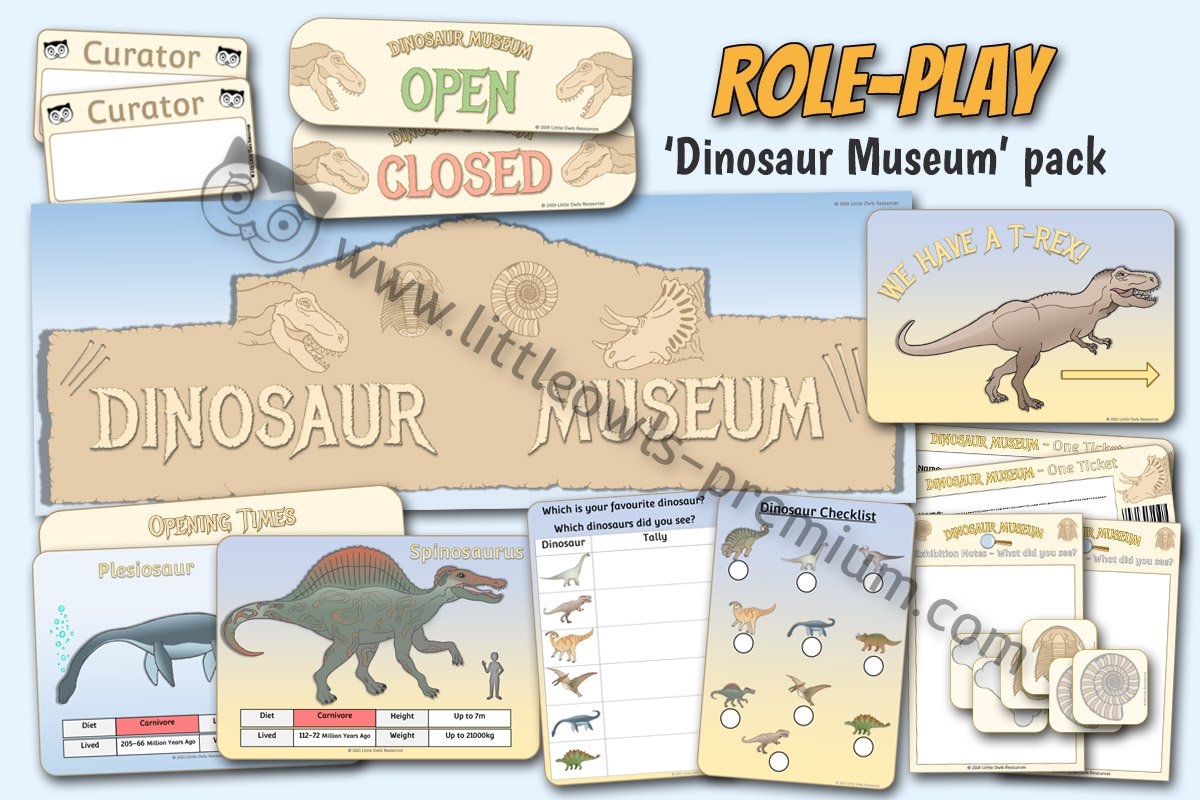
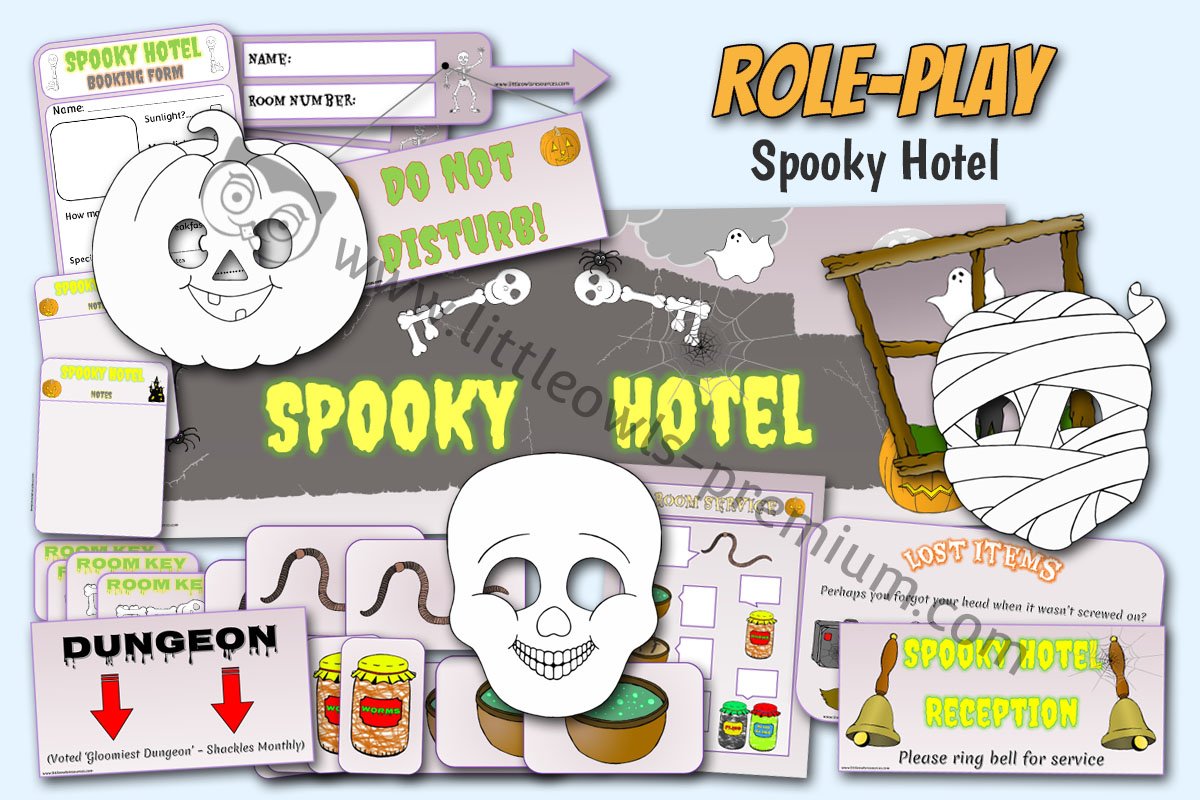
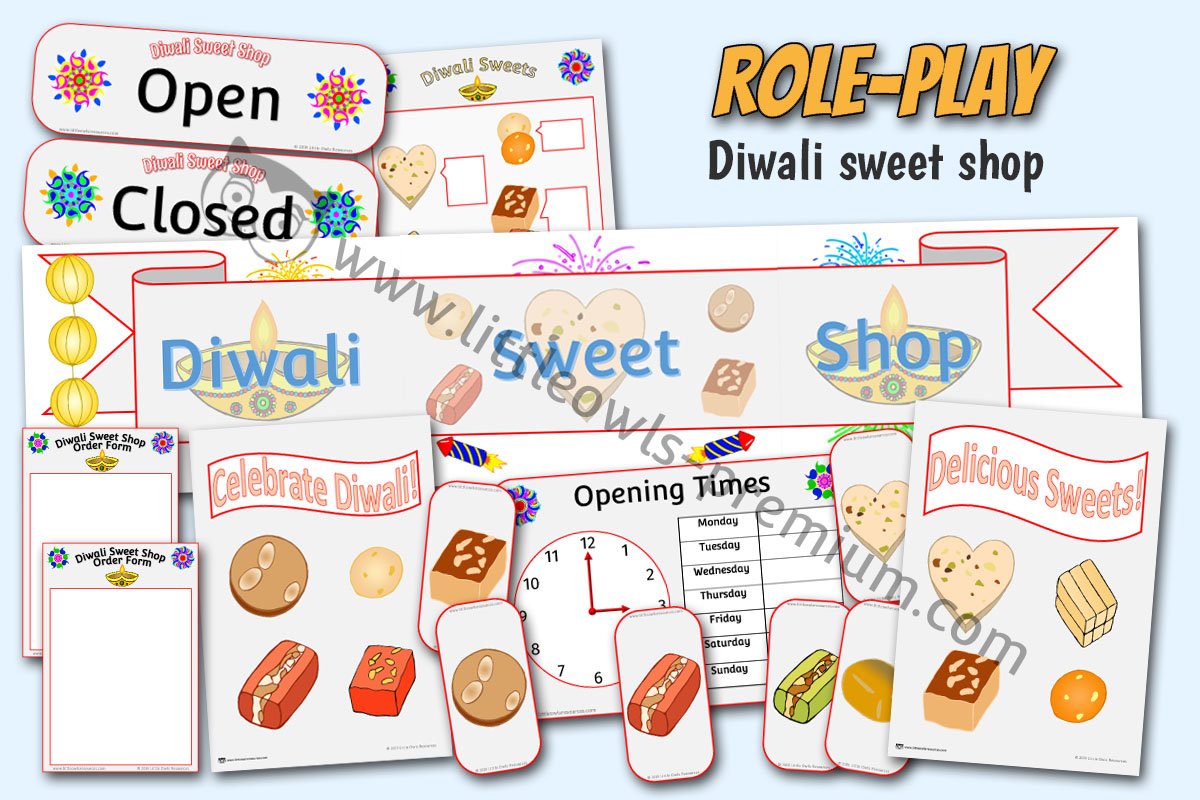
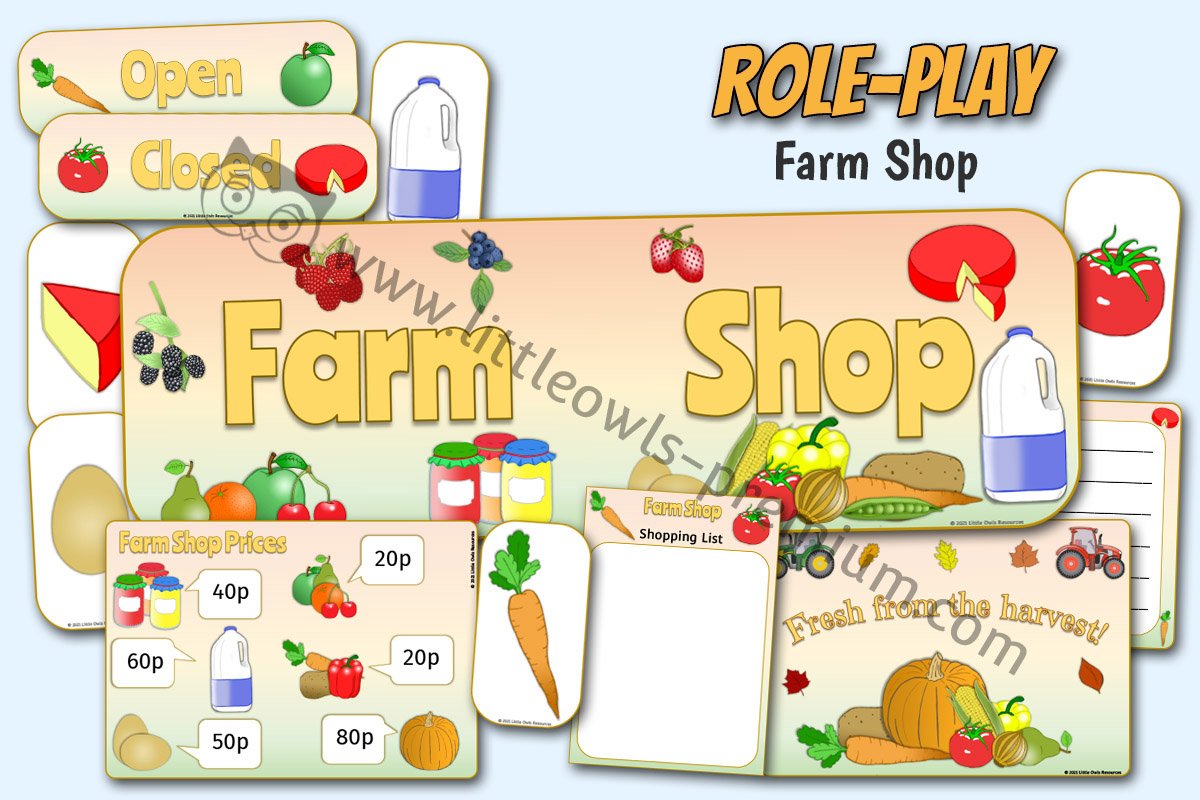
Role-Play Packs
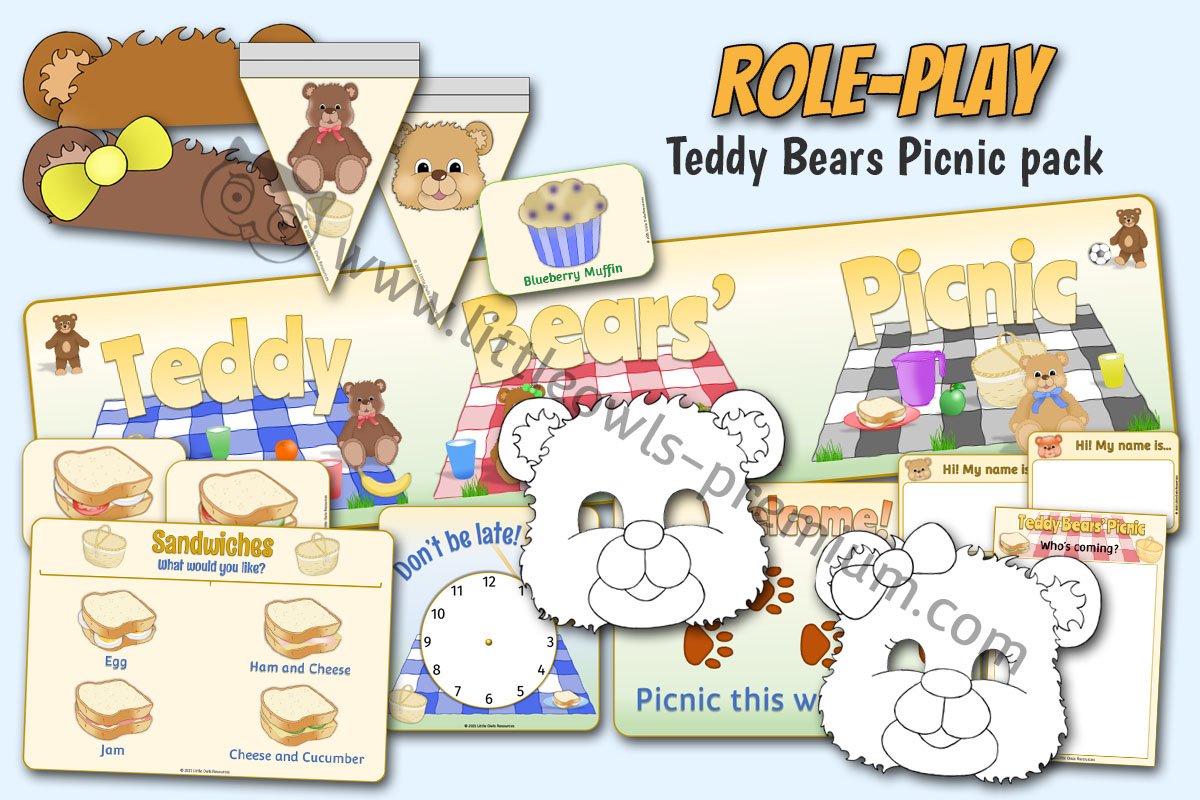
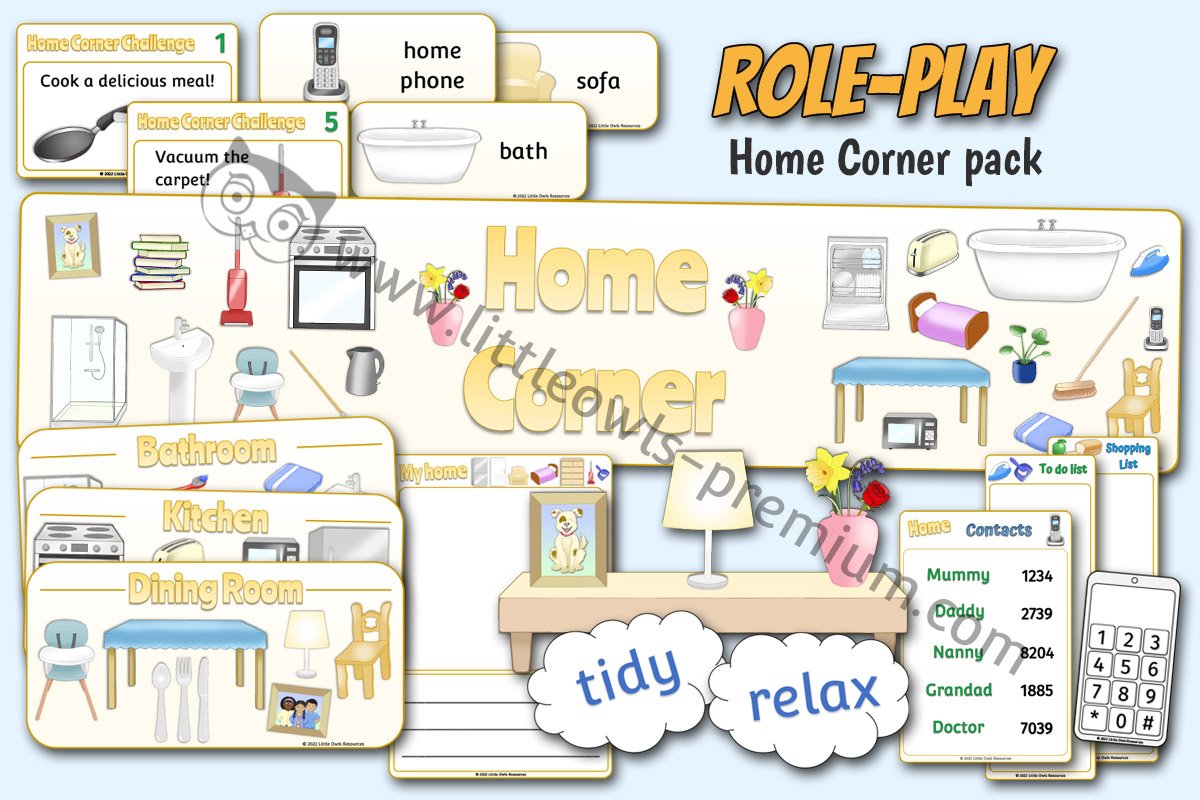
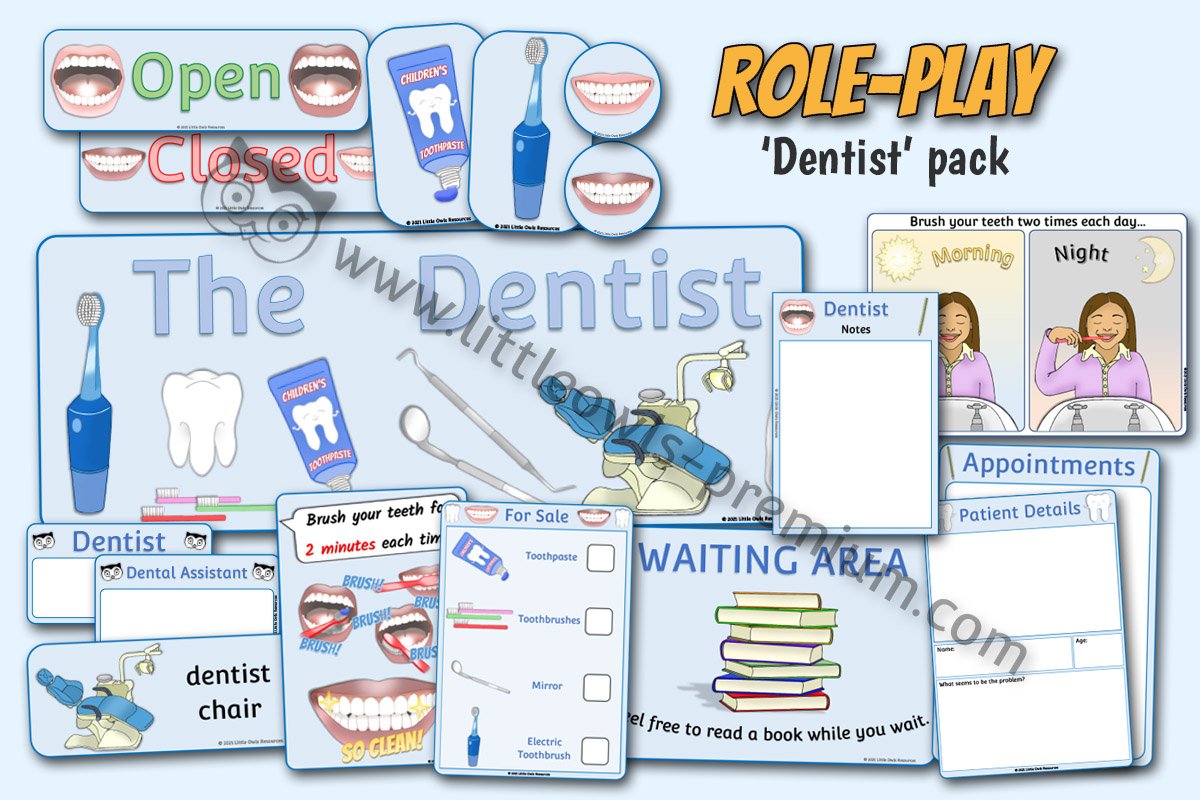
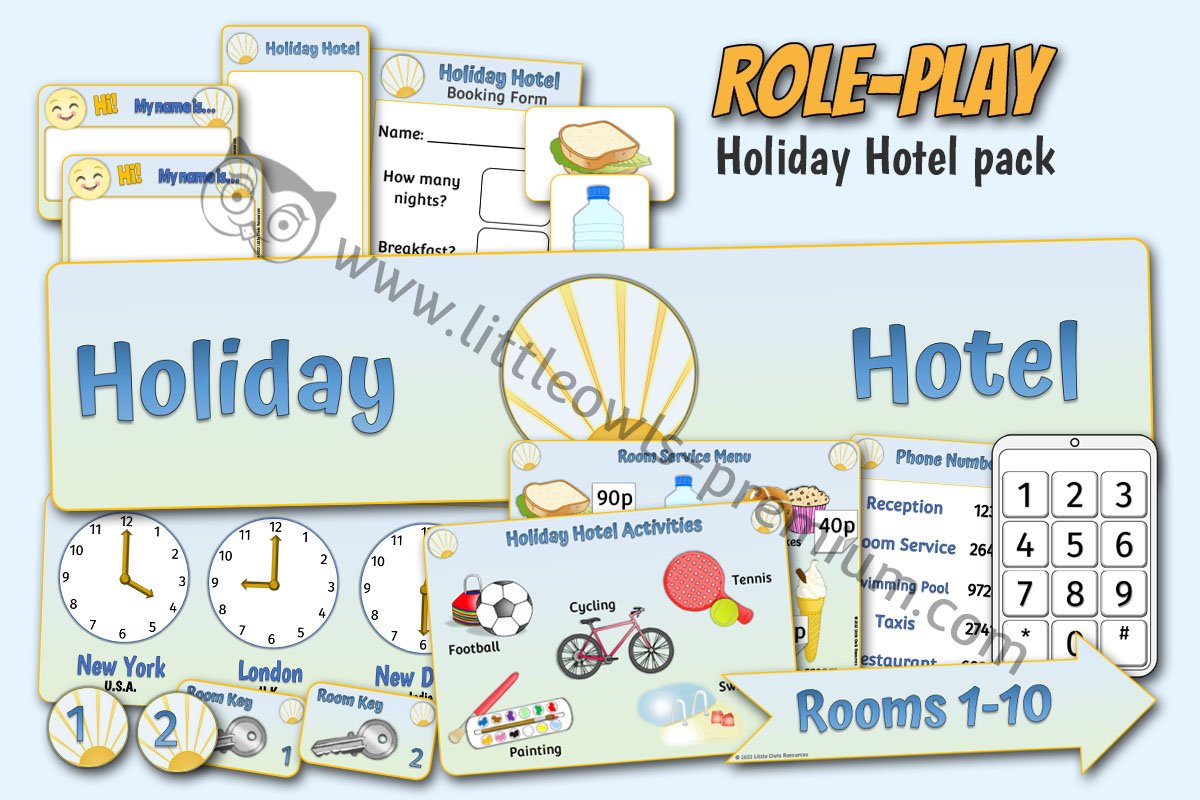
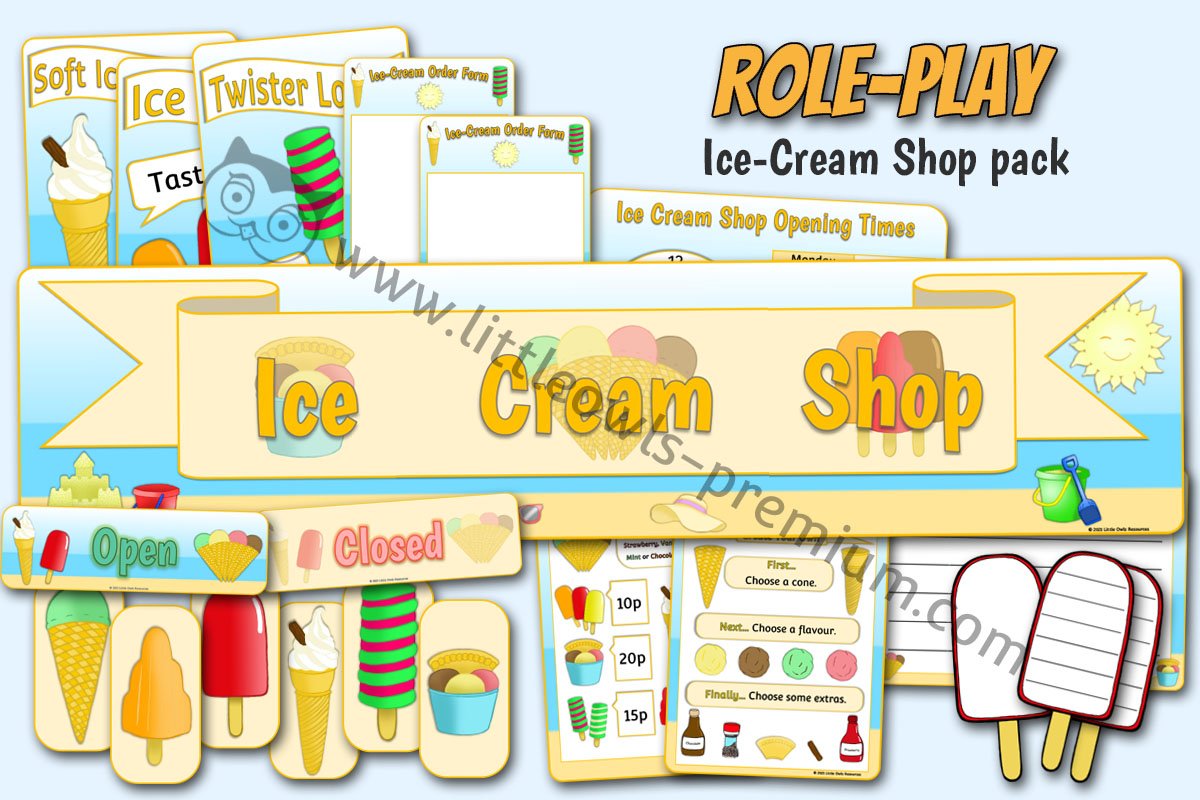
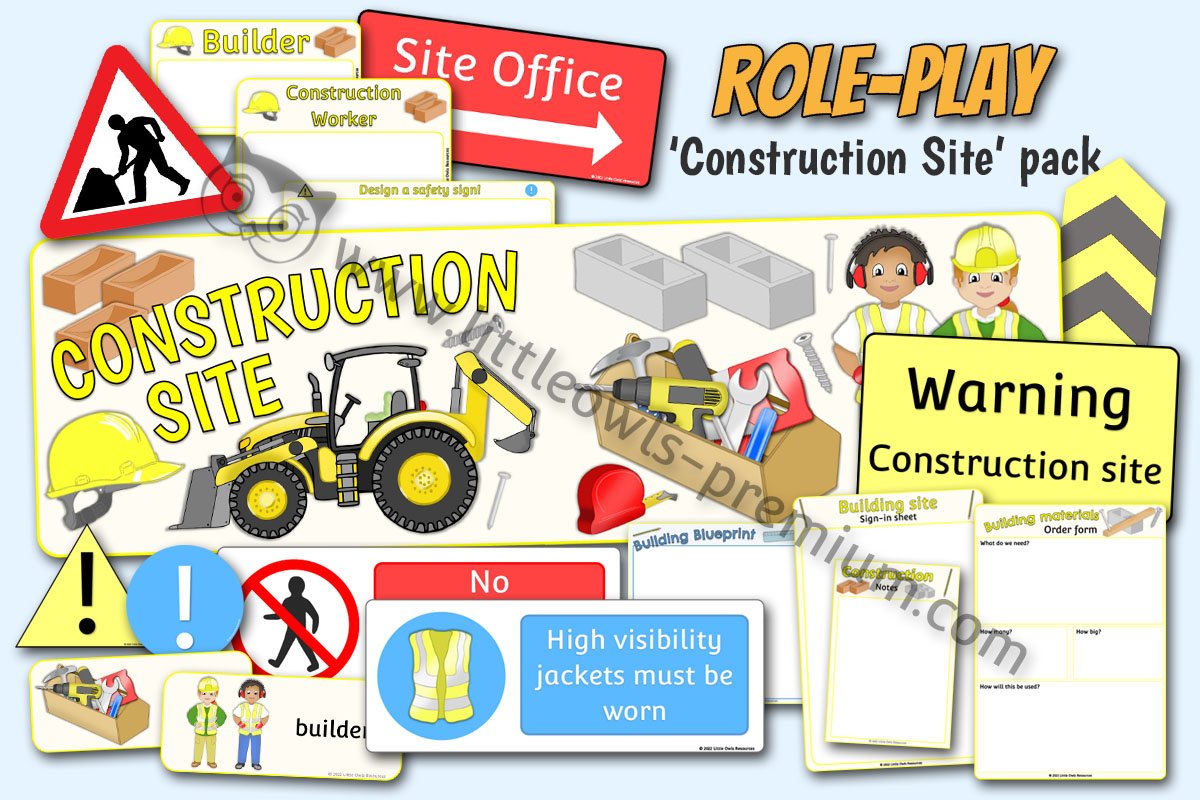
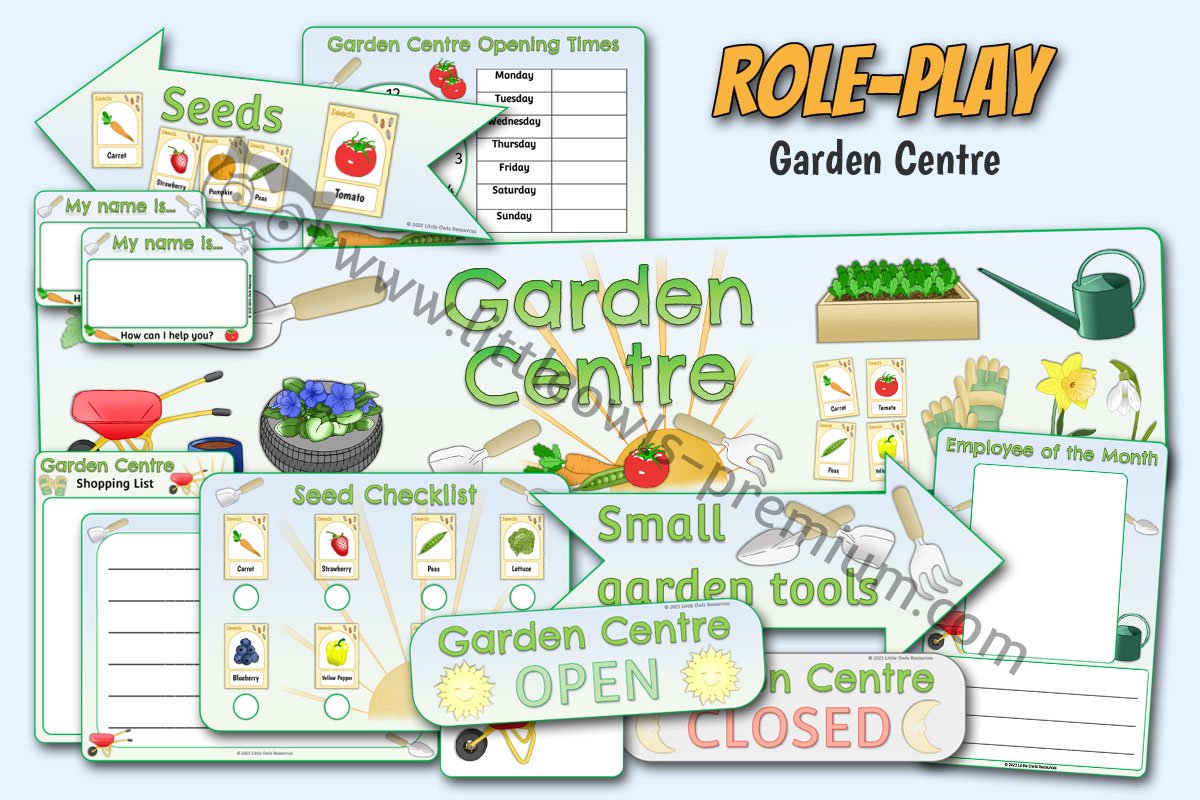
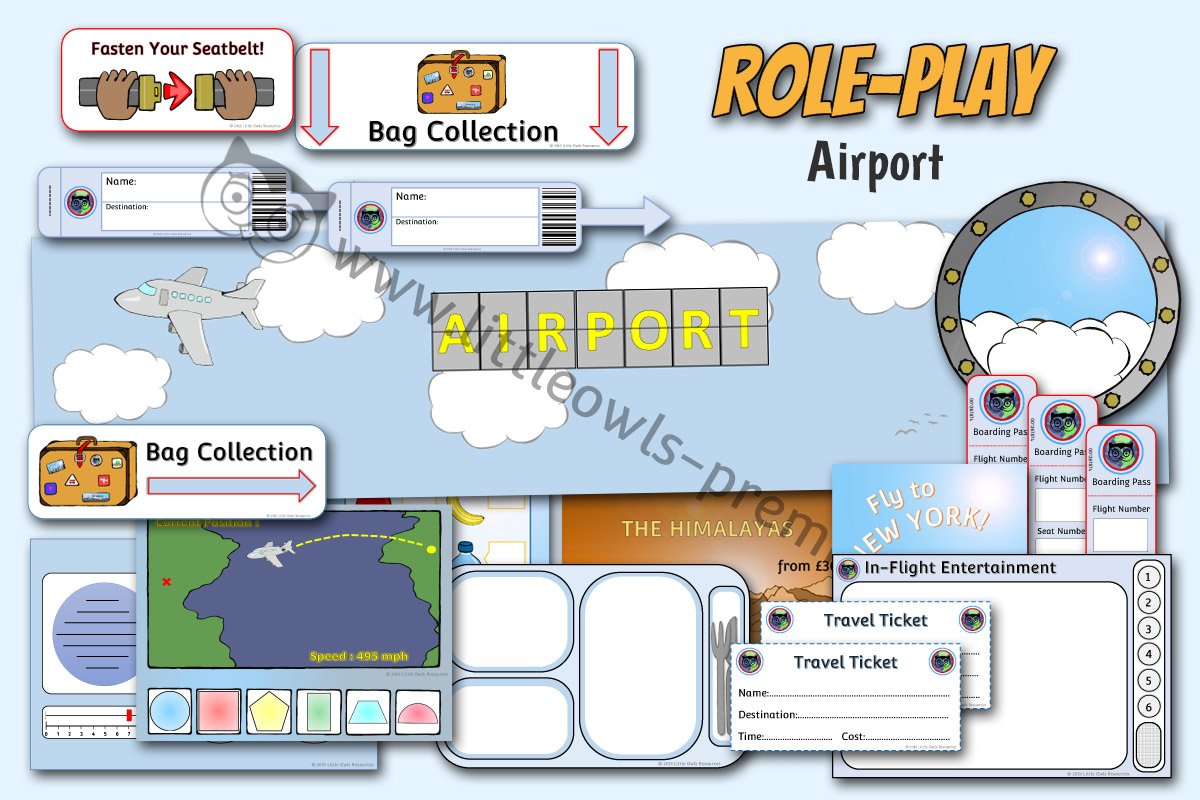
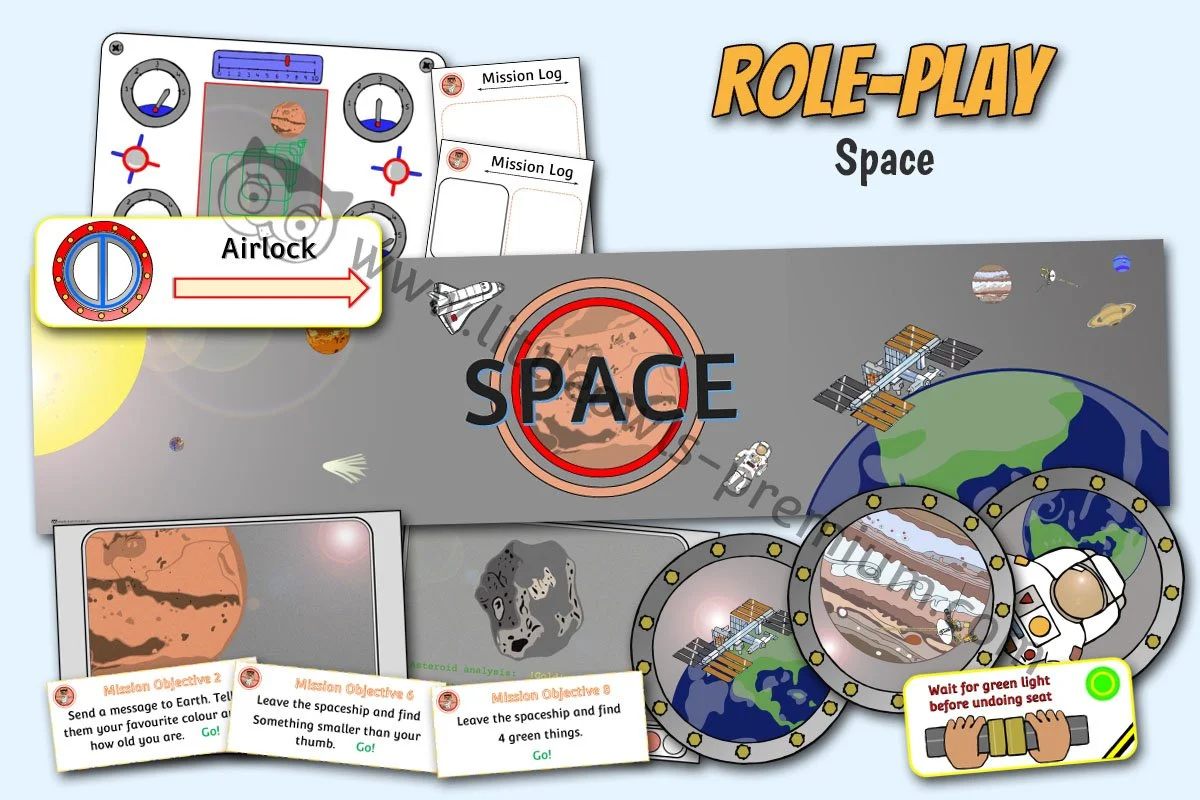
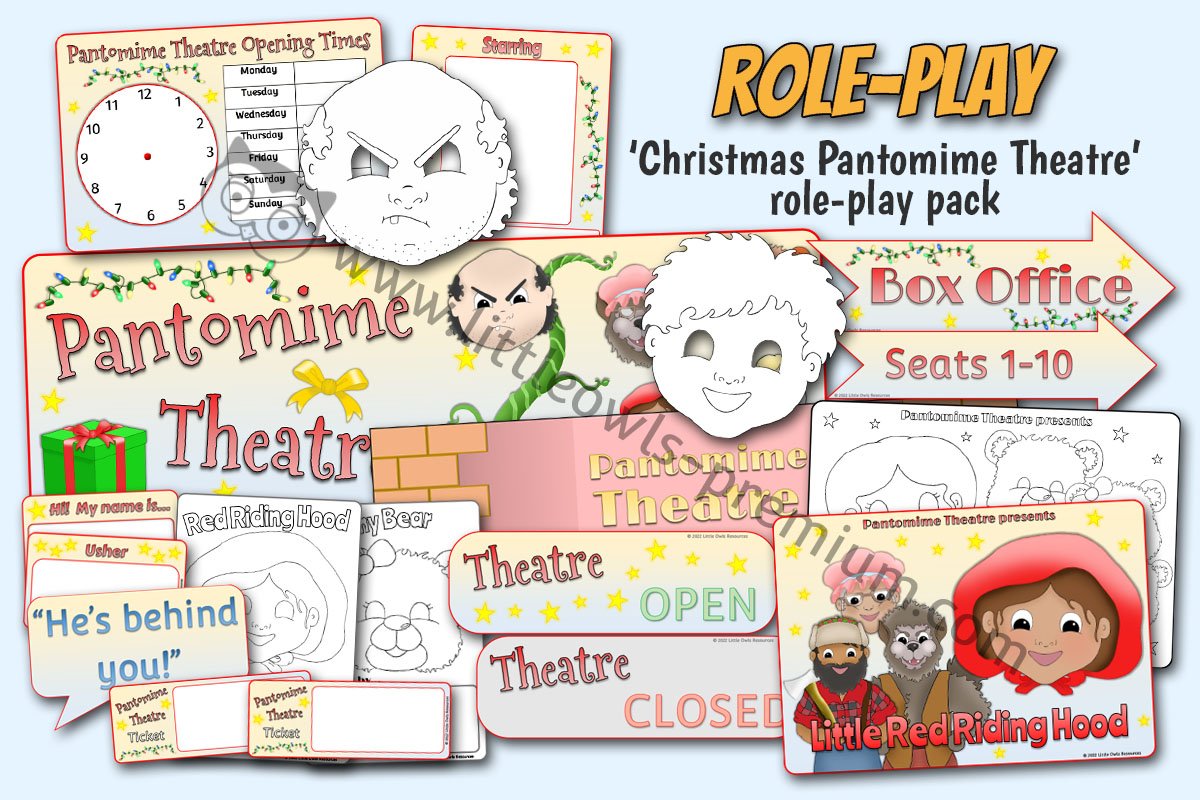
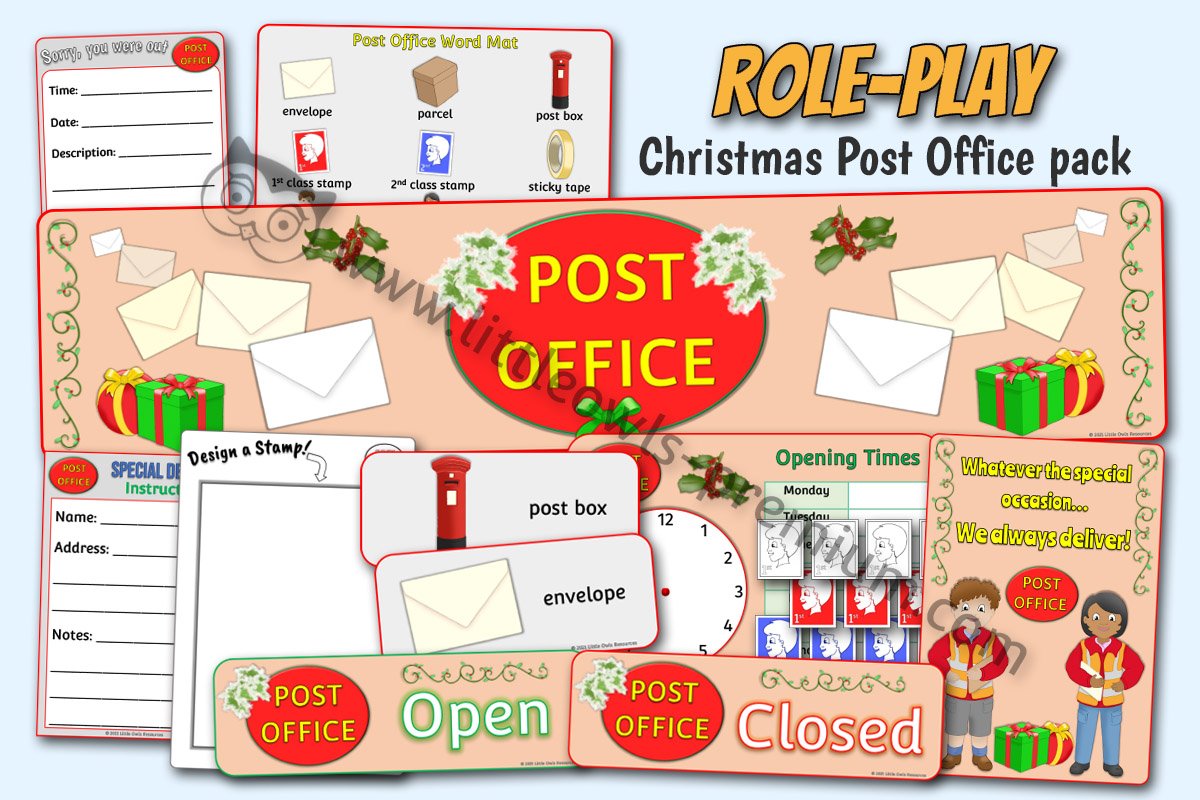
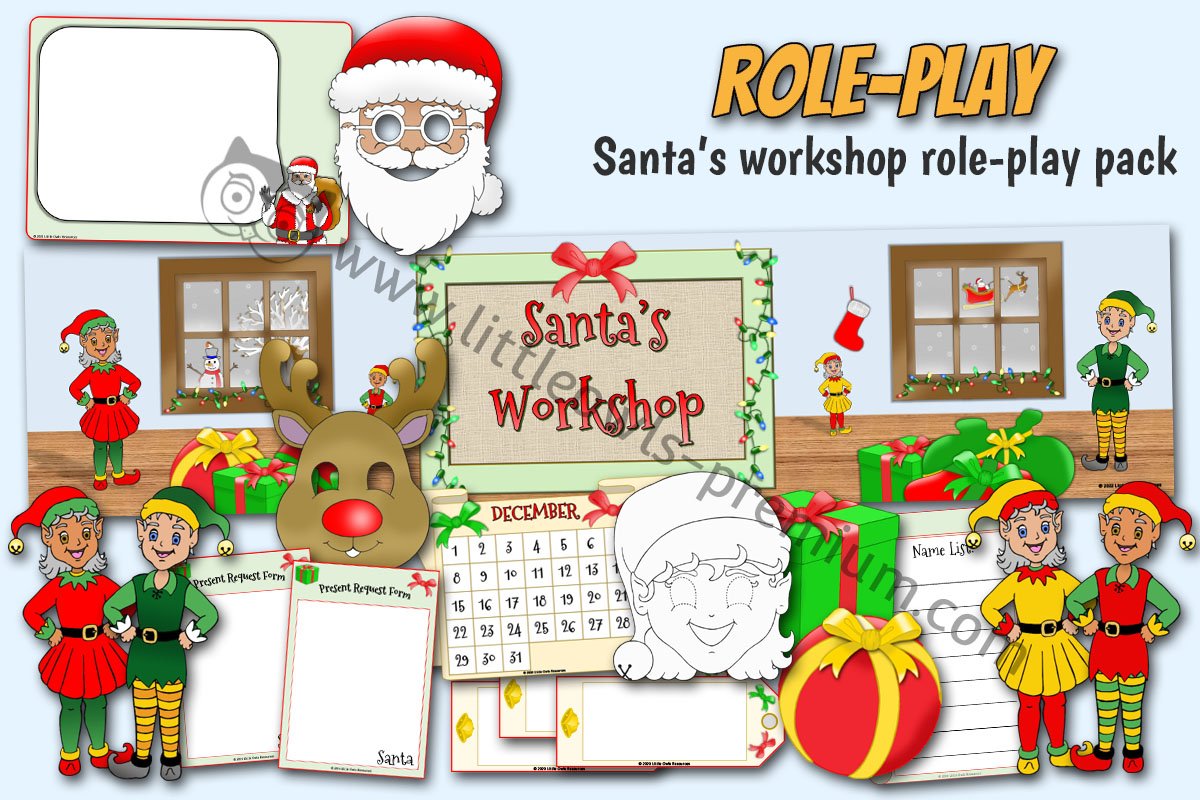
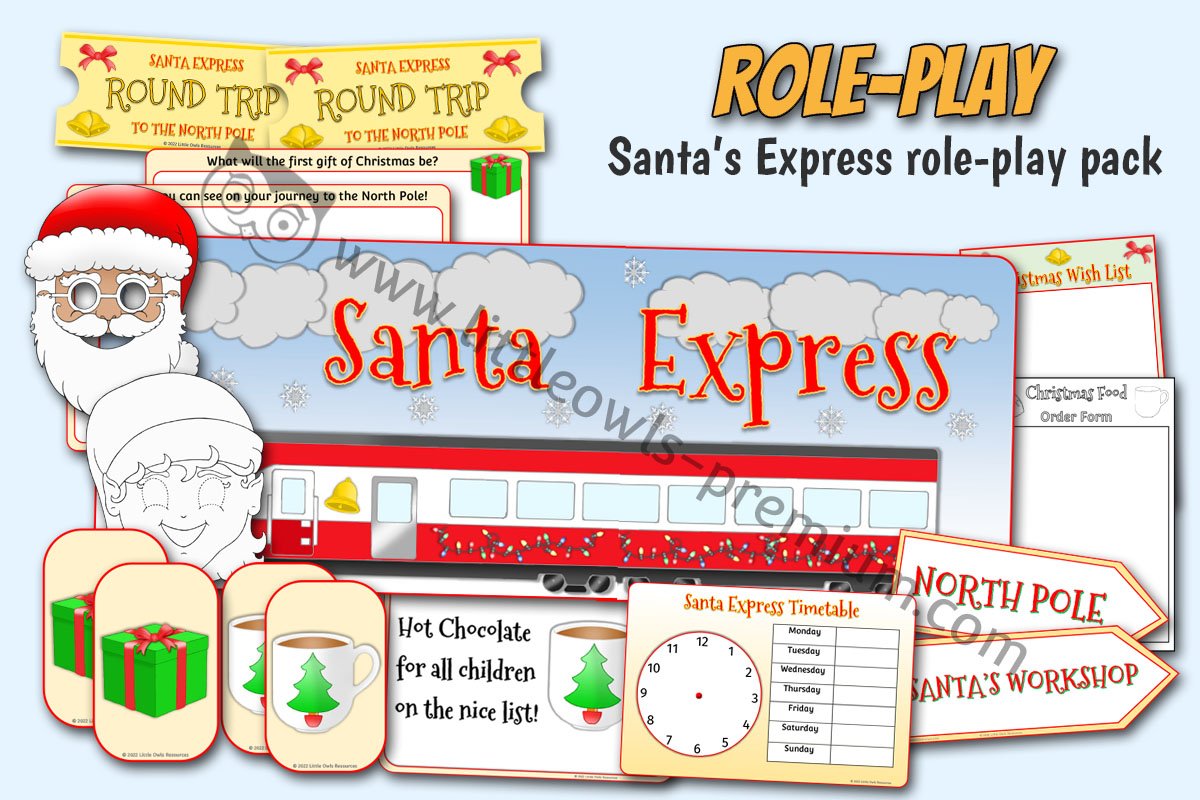
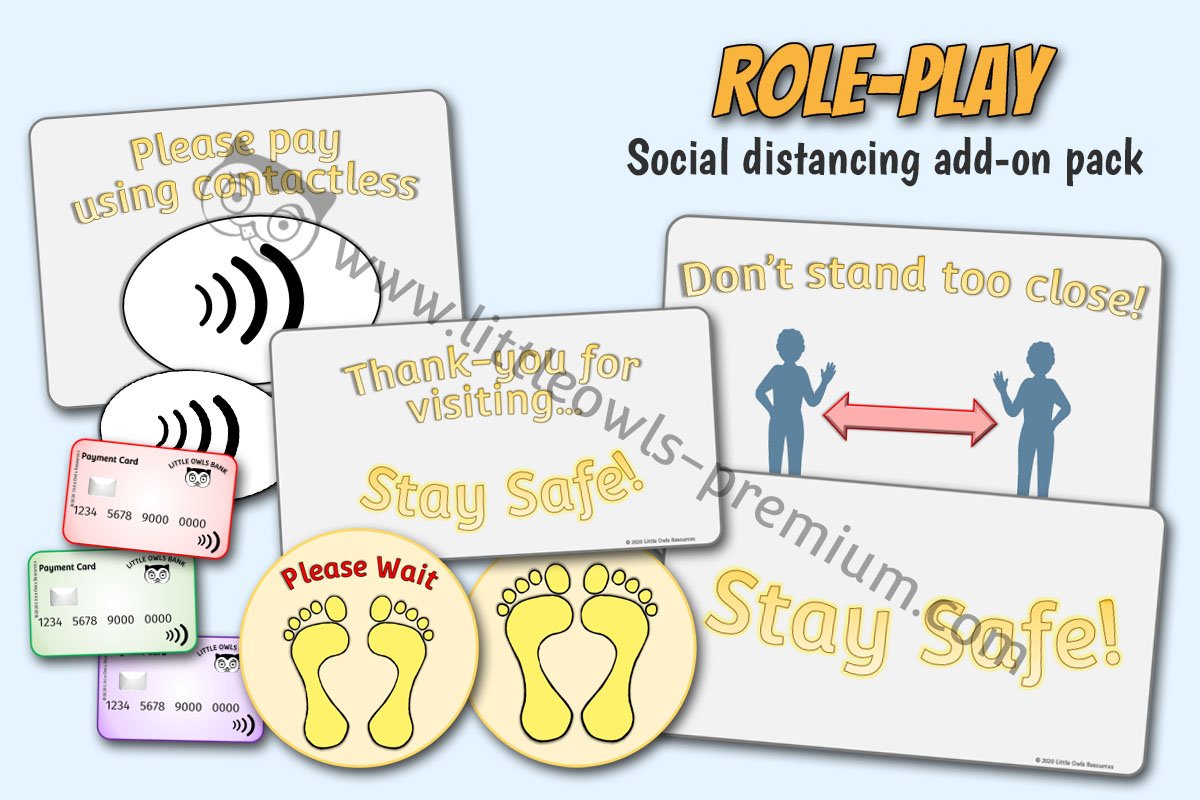
Please use the arrows to the right of the carousel below to browse our role play pack resources. Alternatively, visit our ‘Role-Play Area’ page.

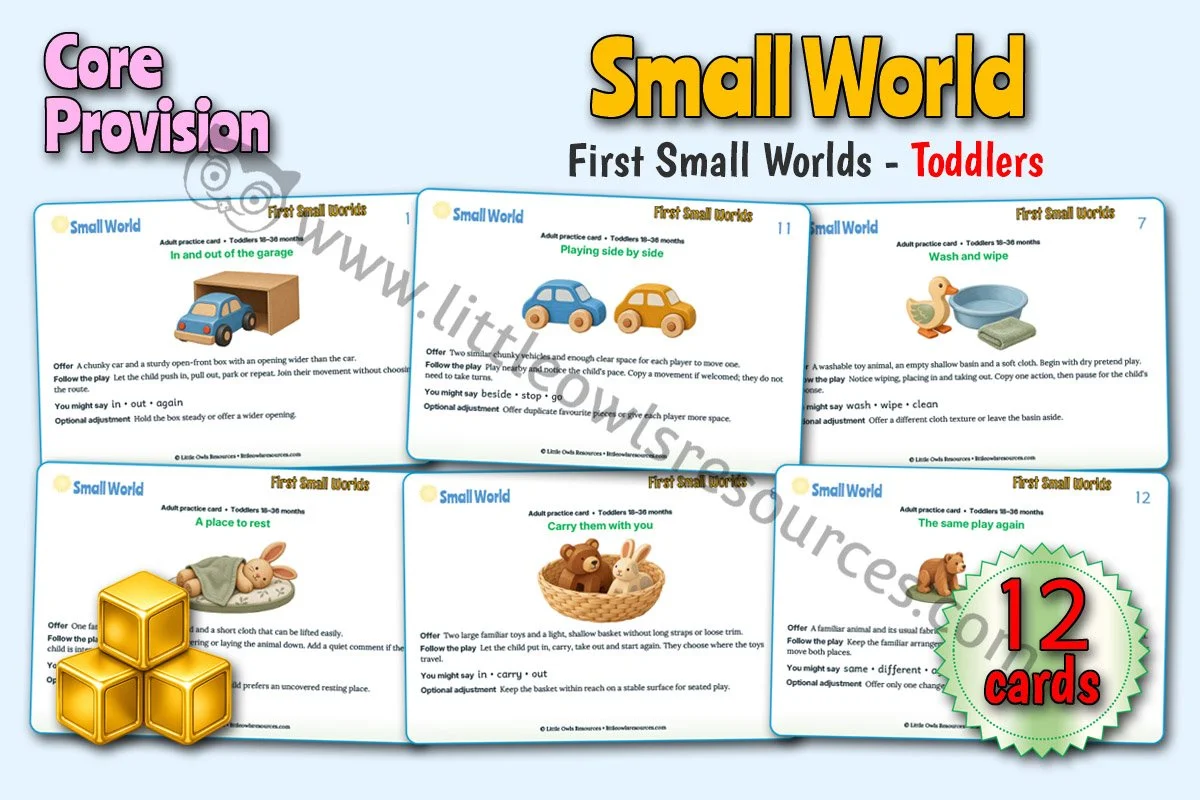
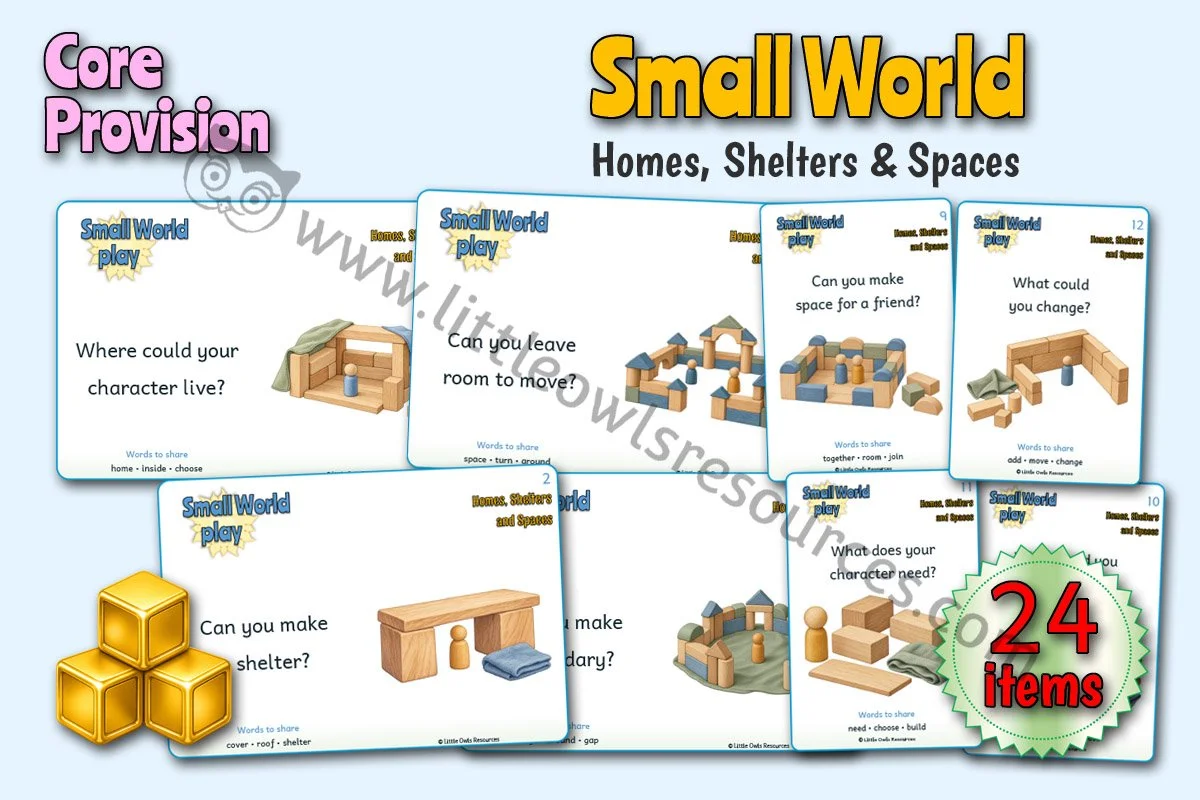
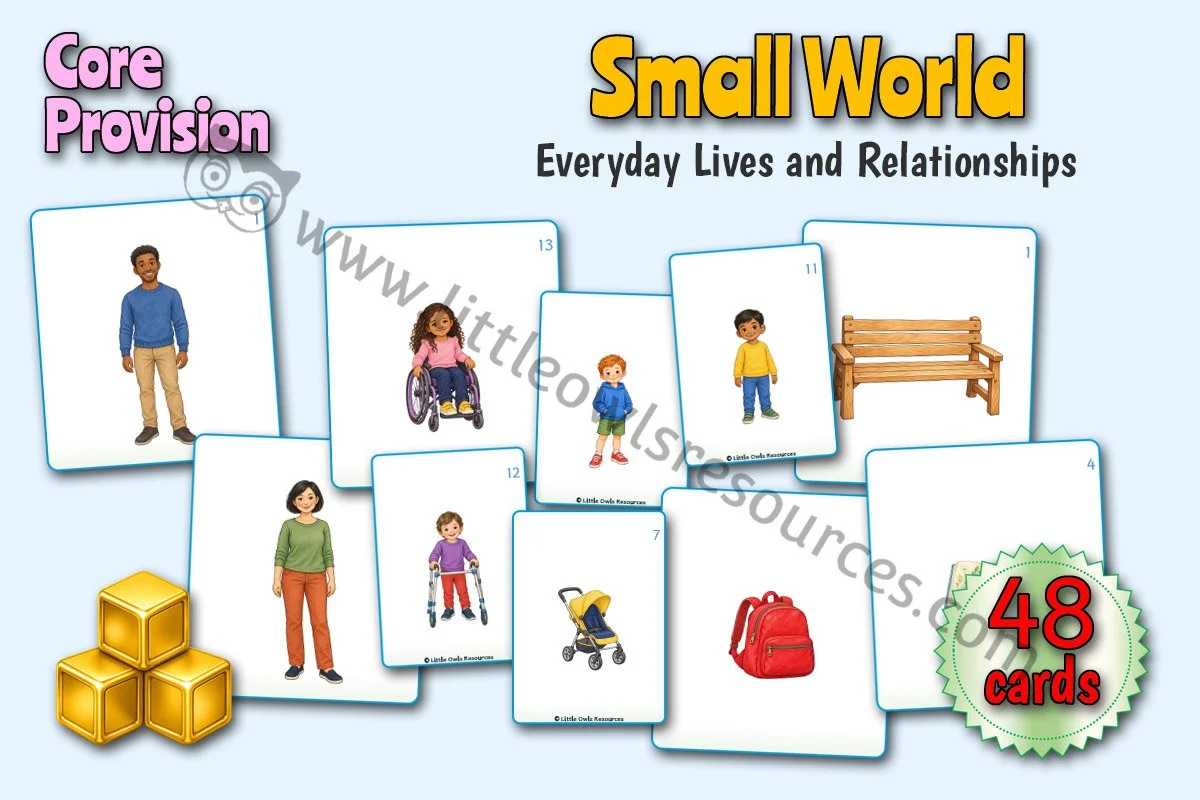
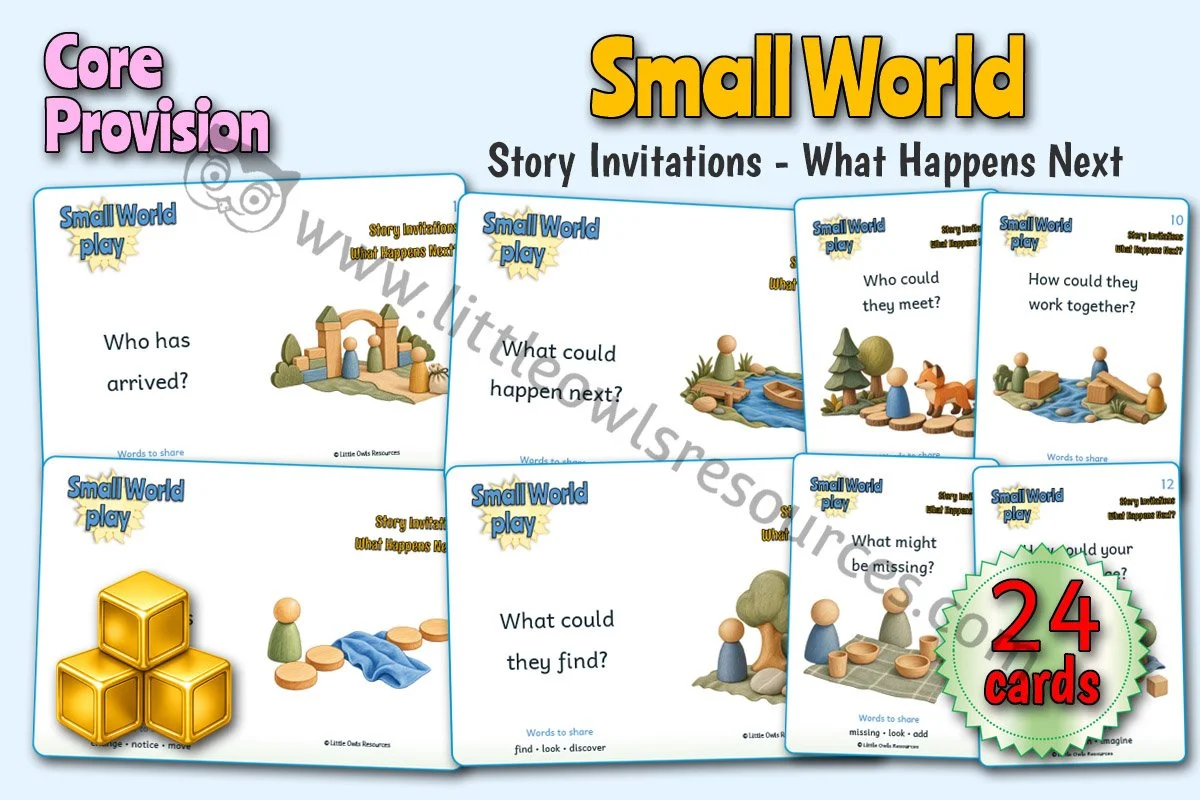
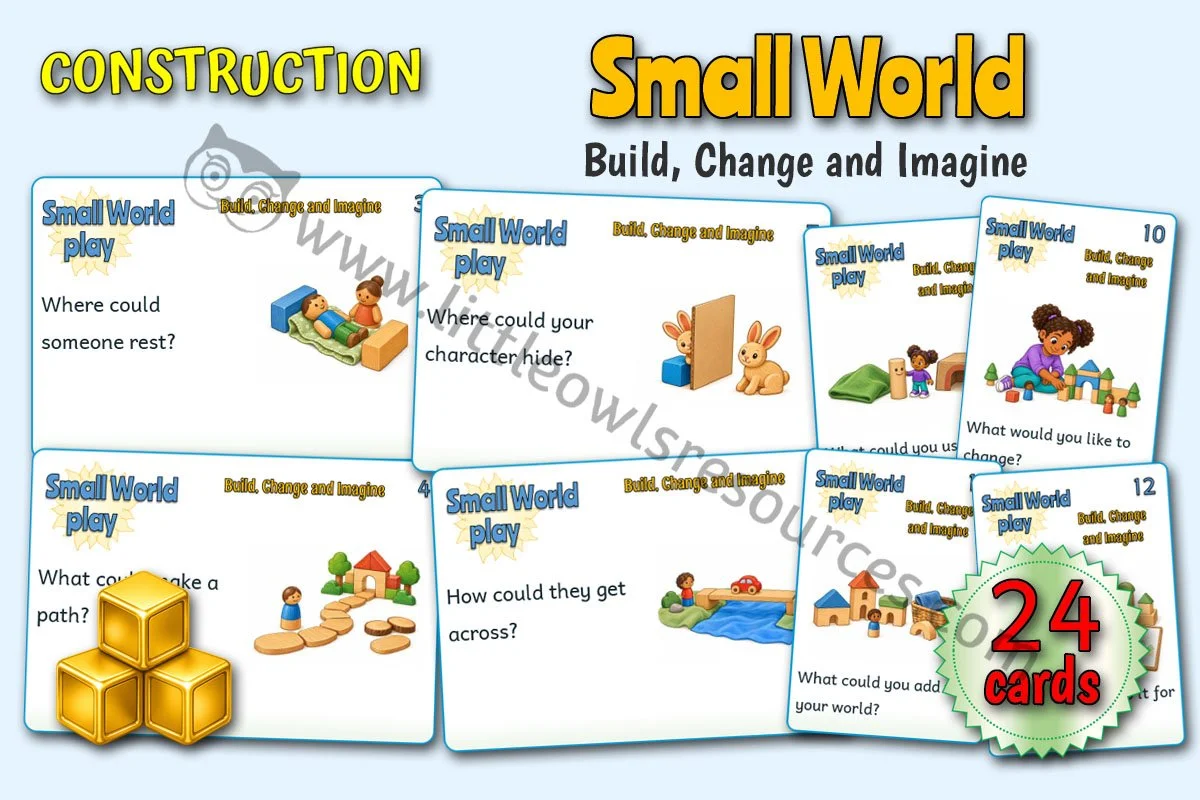
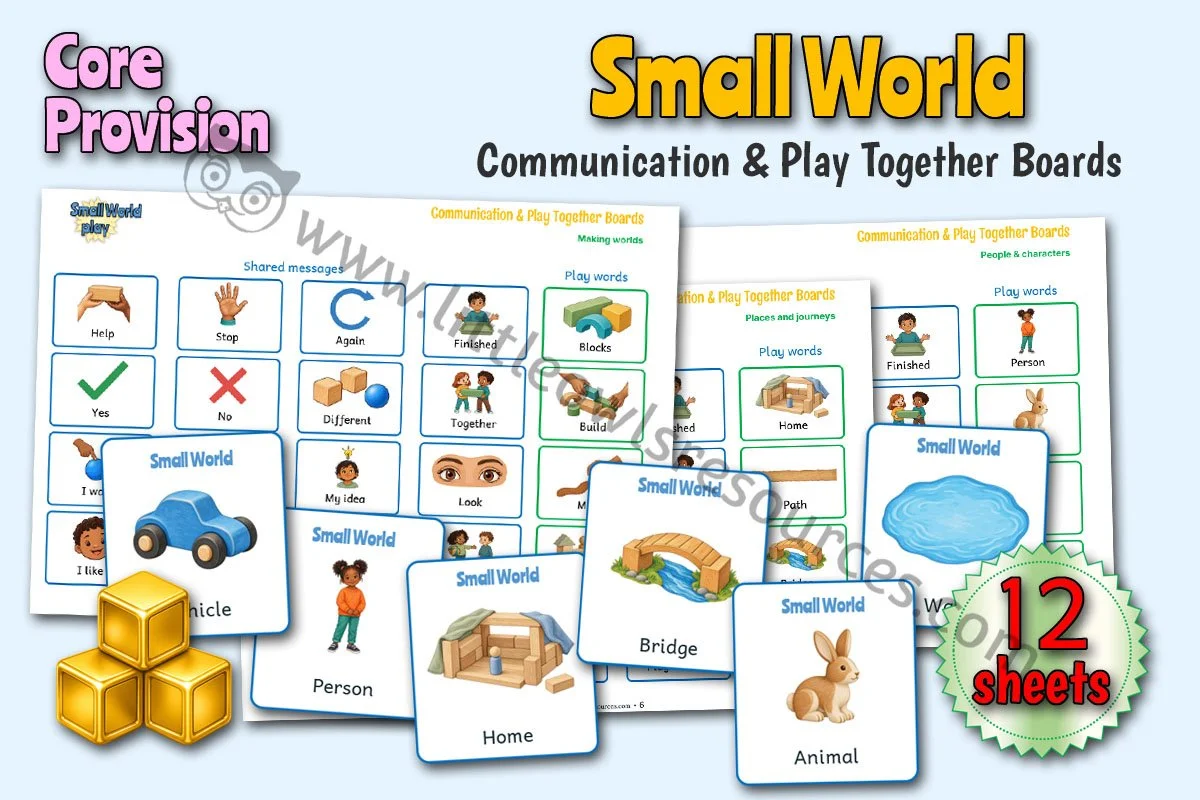
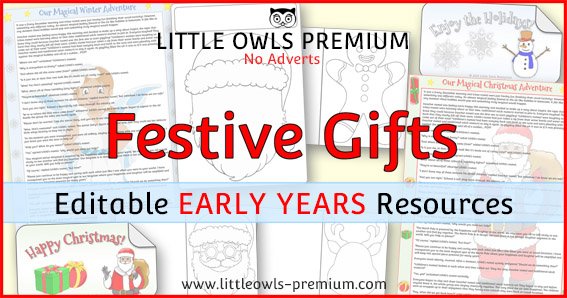
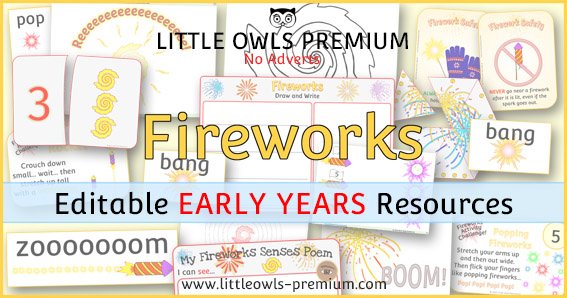
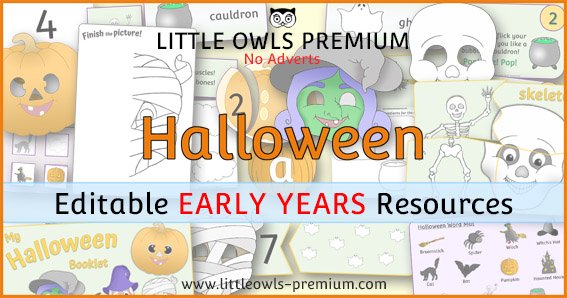
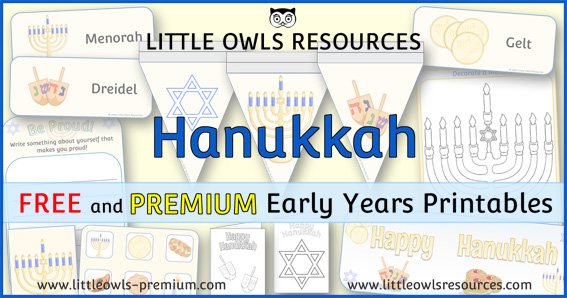
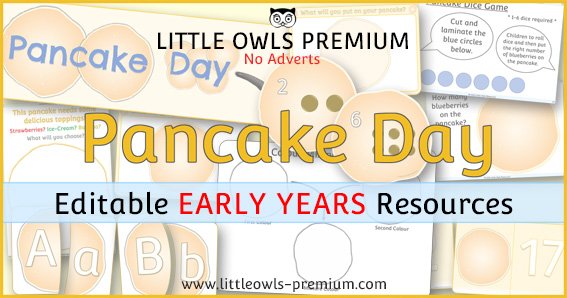
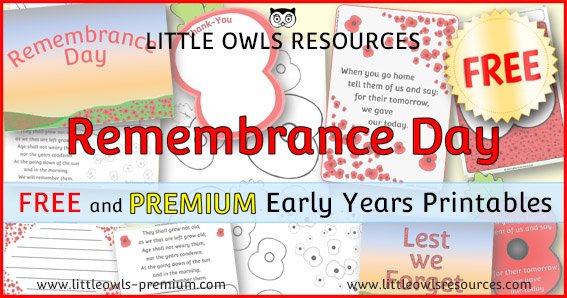
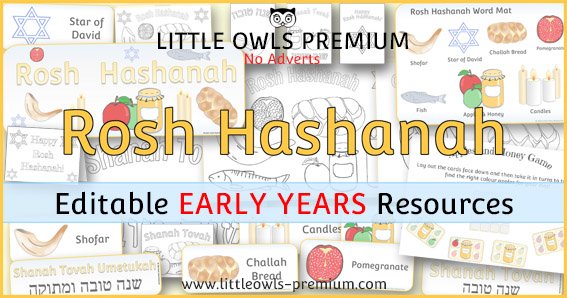
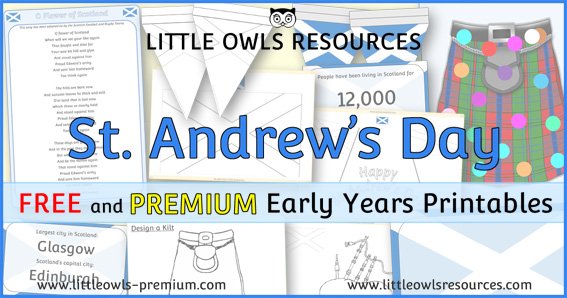
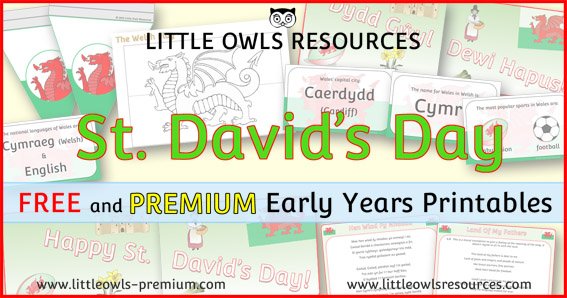
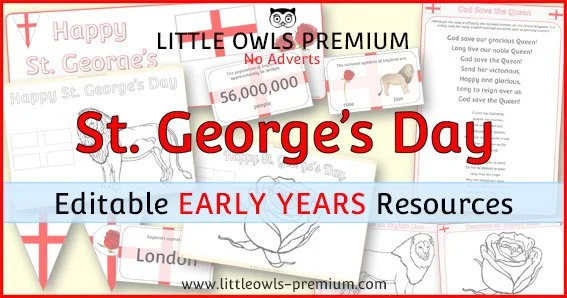
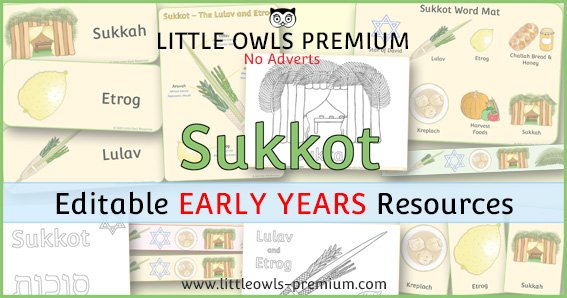
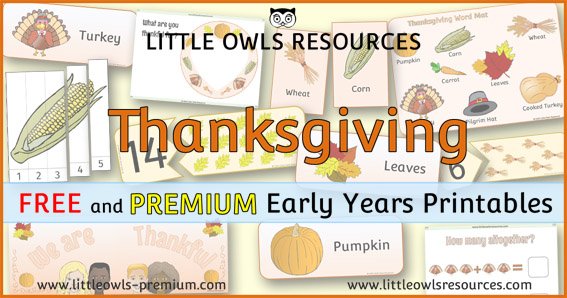
Festivals & Celebrations
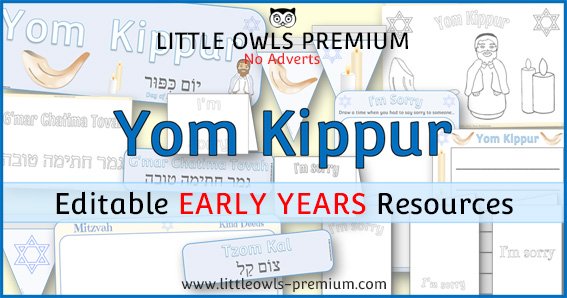
Please use the arrows to the right of the carousel below and select a festival to explore our continuous provision enhancement resources. Alternatively, visit our ‘Festivals & Celebrations Menu Page’.




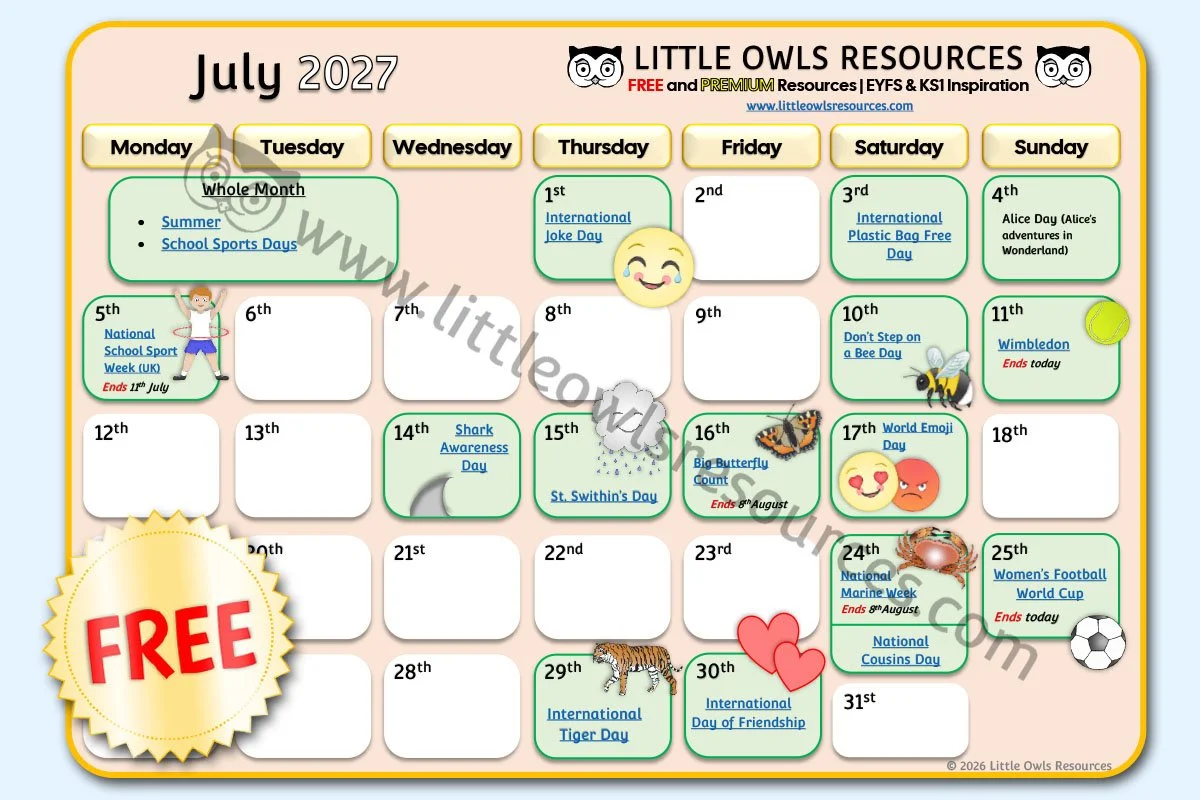
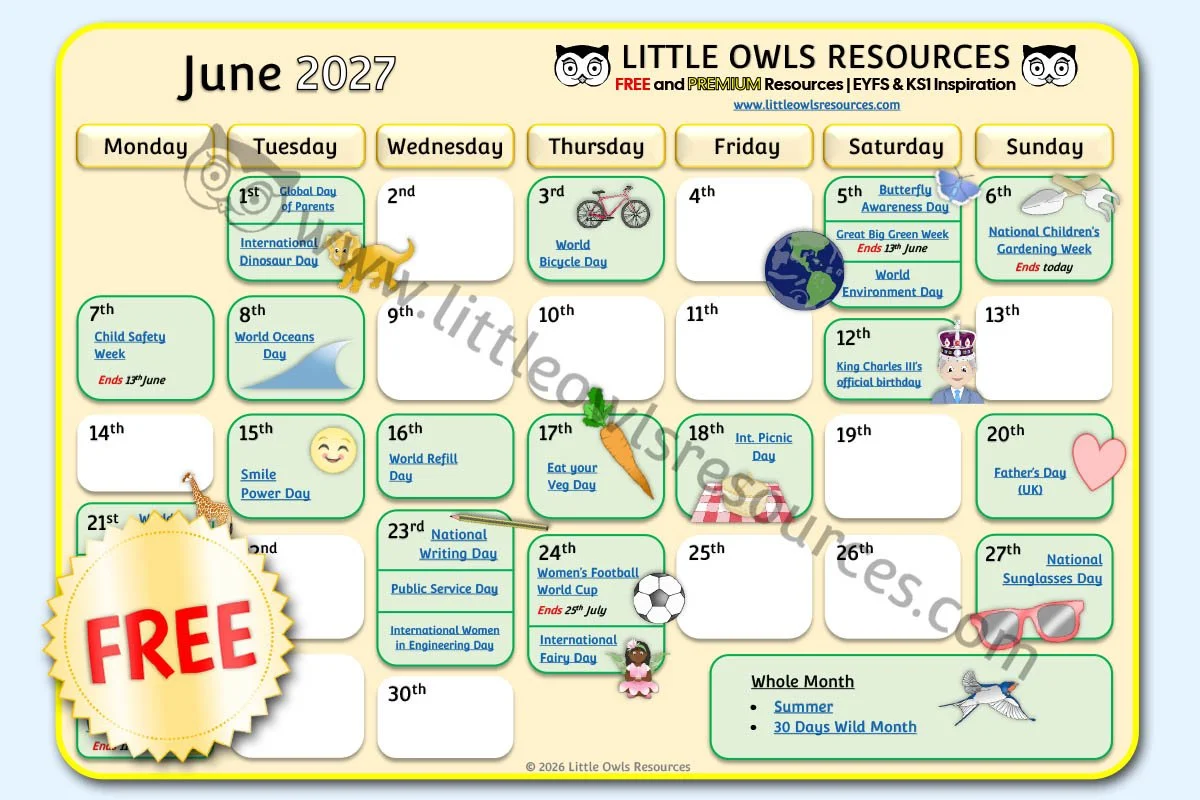
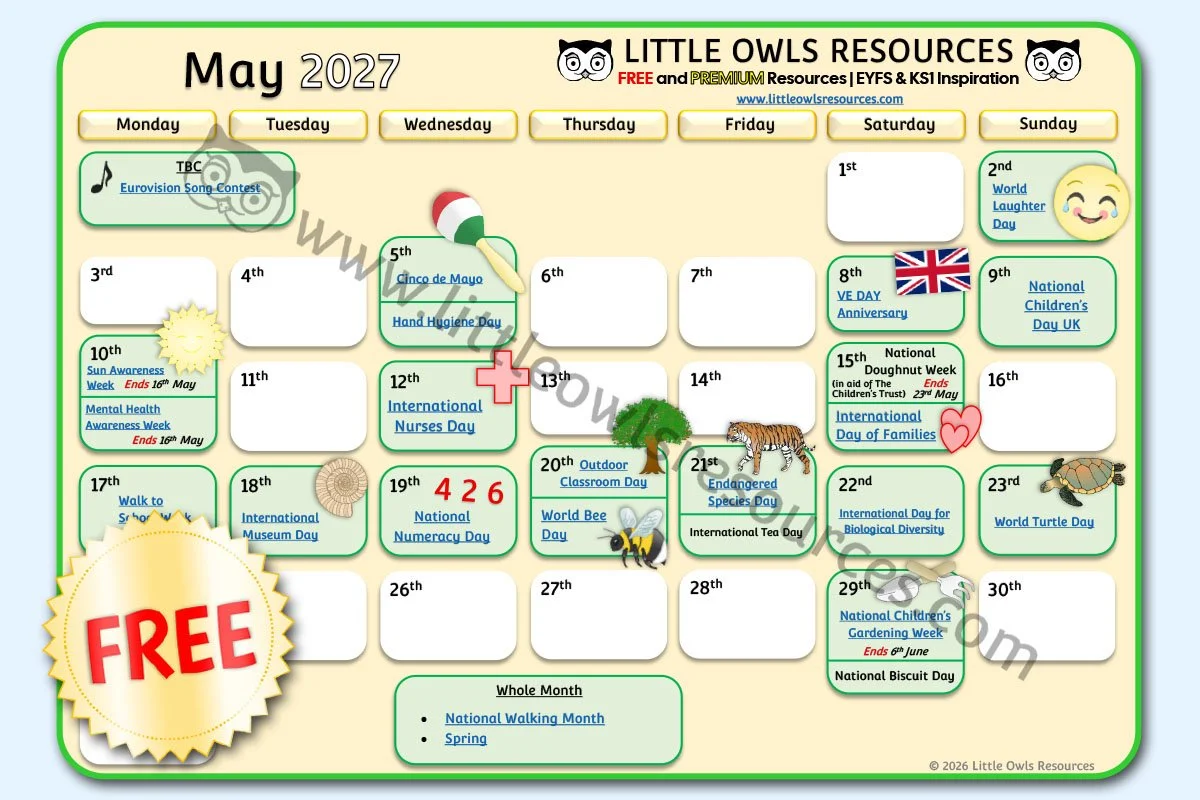
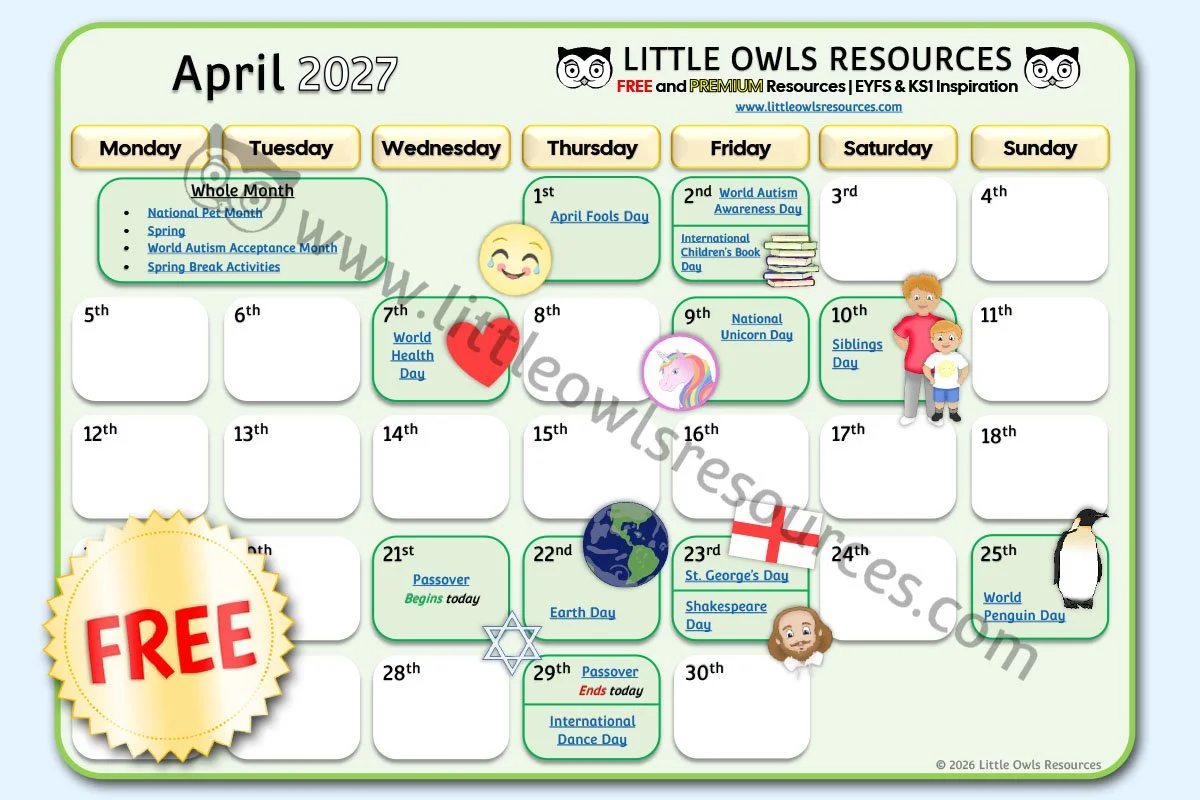
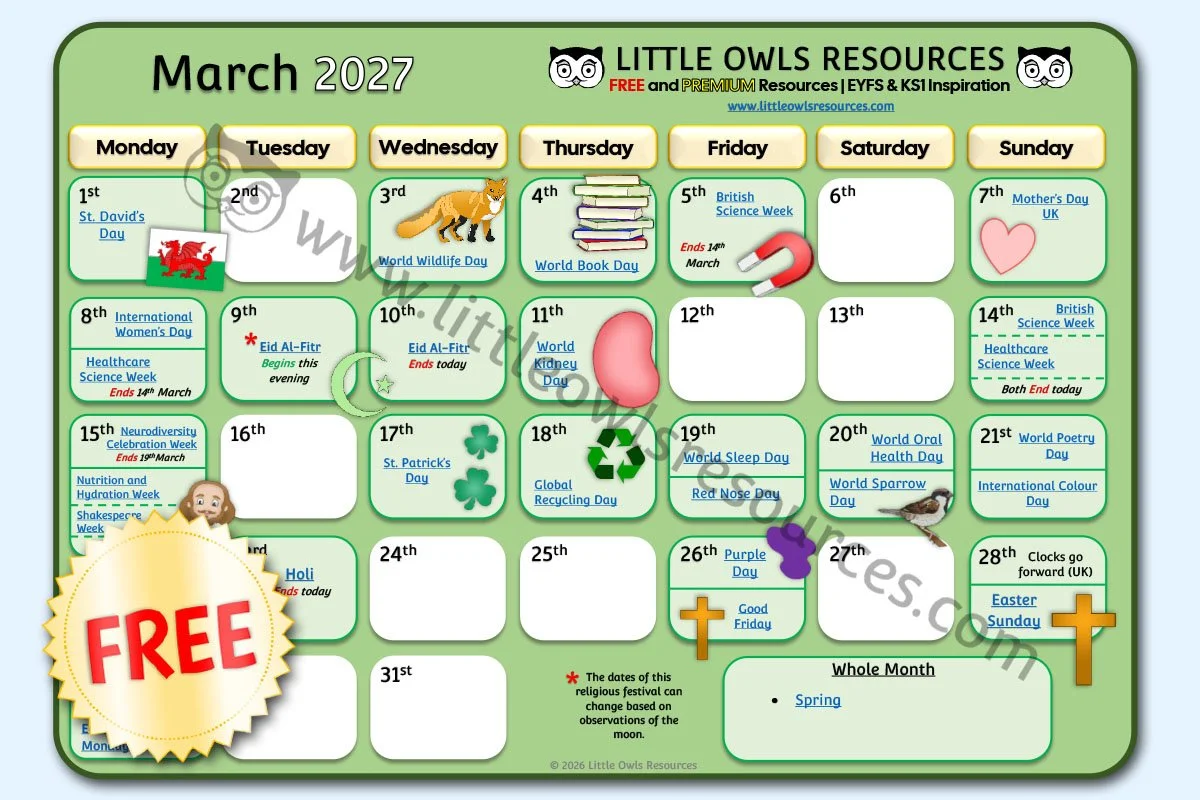
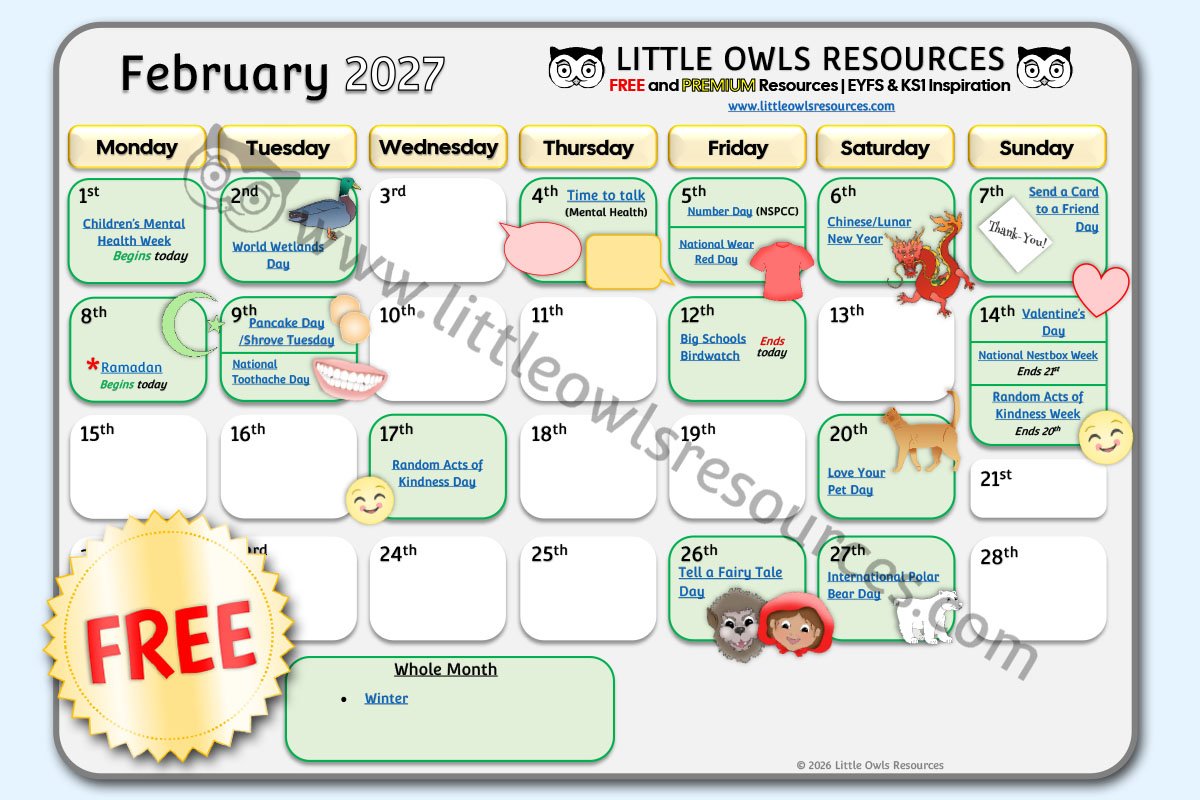
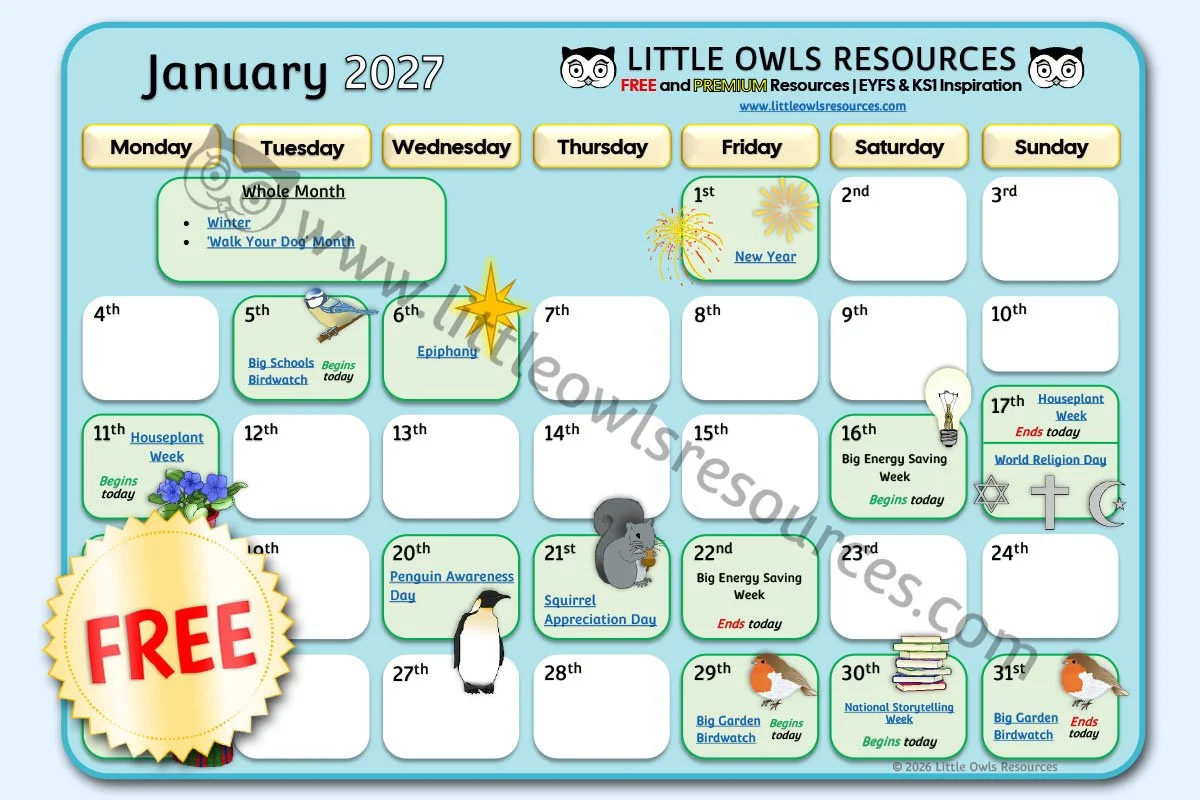
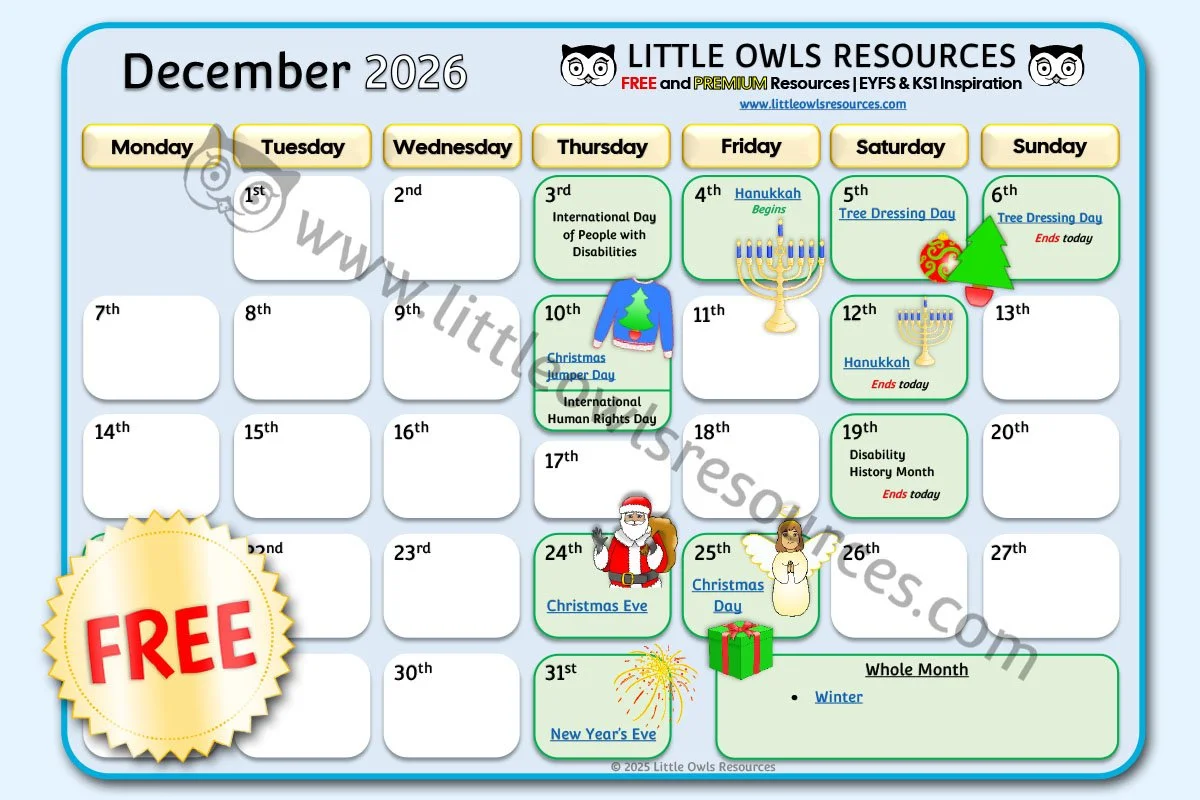
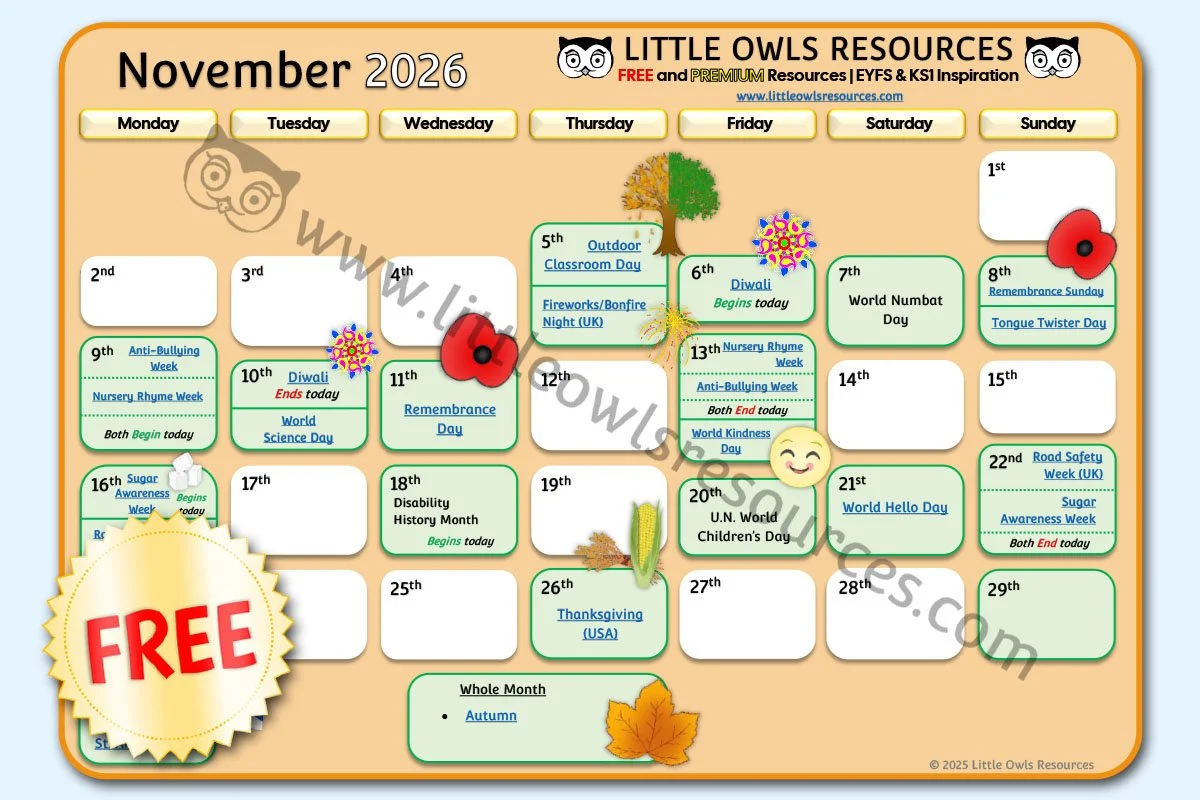
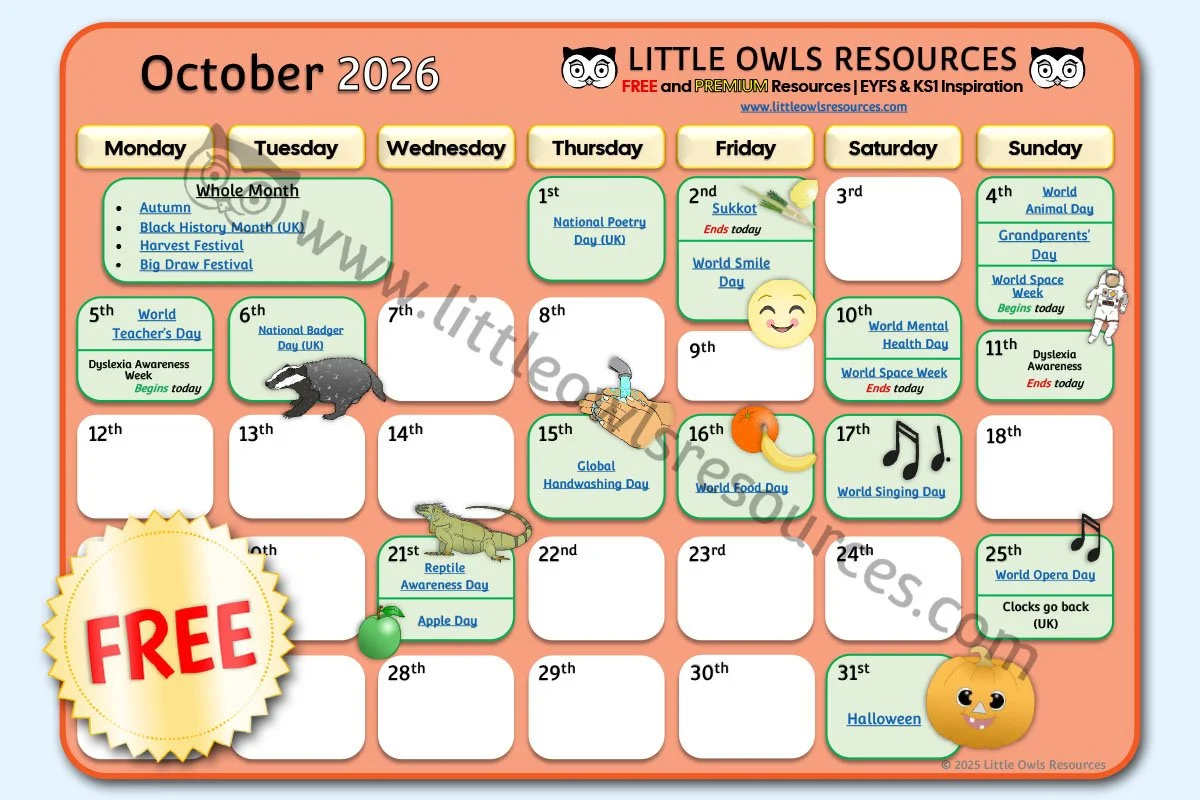
Special Date Calendars
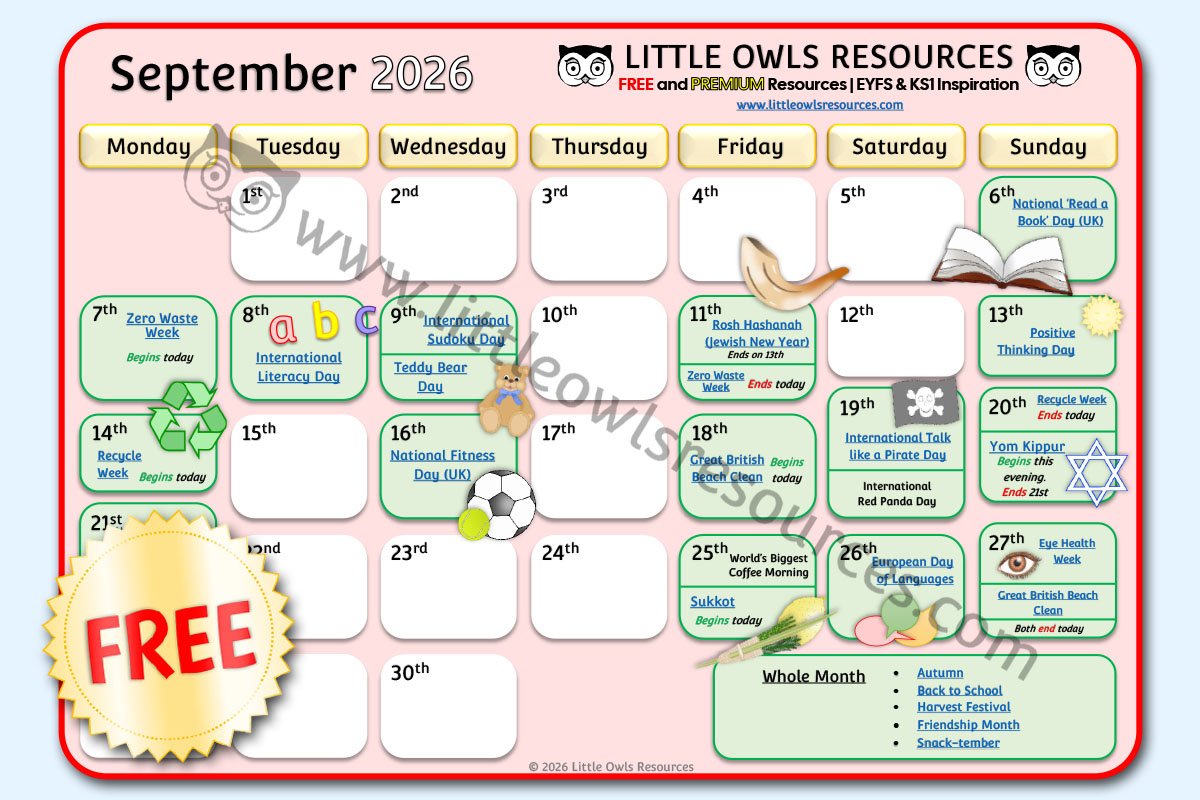
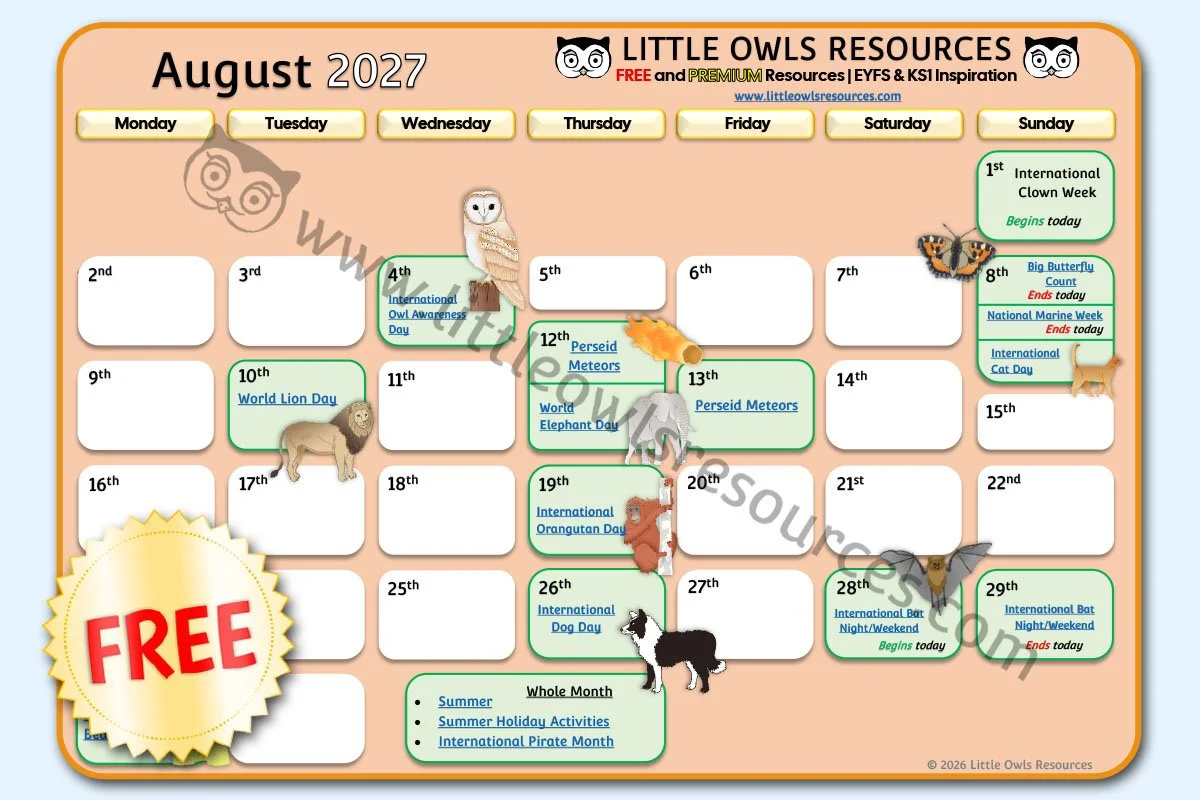
Please use the arrows to the right of the carousel below and select a calendar to explore our continuous provision enhancement ideas & resources. Alternatively, visit our ‘Special Dates Calendar Page’.
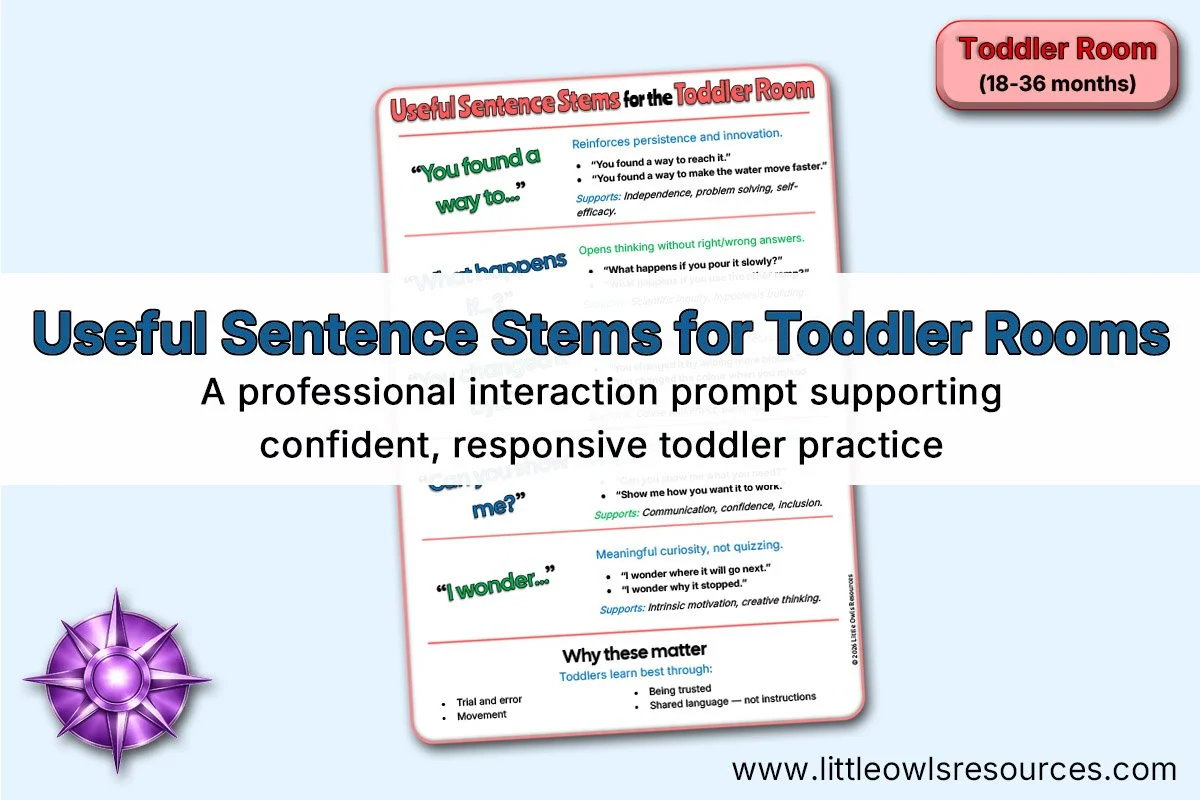
💬 Adult Interaction & Development
Behaviour & Emotional Regulation Guides, Language-First Support & Interaction Guidance


🌈 Area of Learning Invitations & Provocations
Progression Maps & Responsive Adult Focus Sessions
Please note:
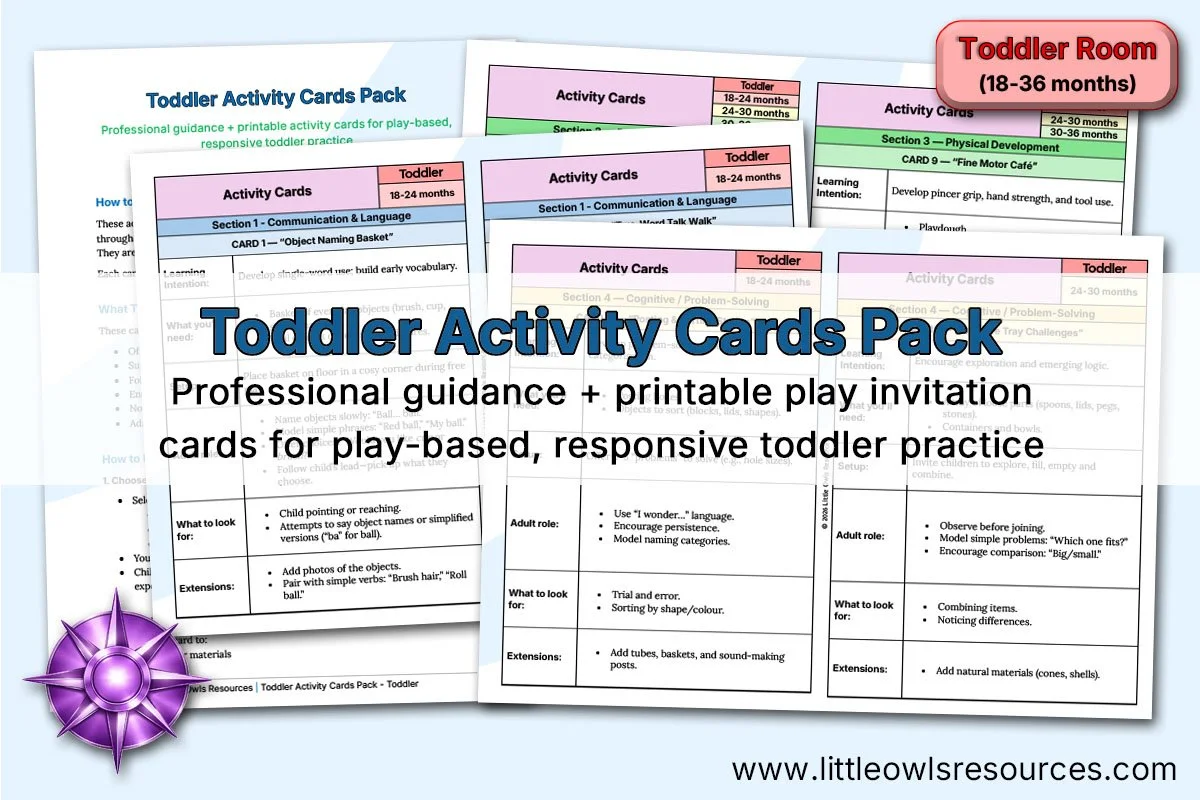
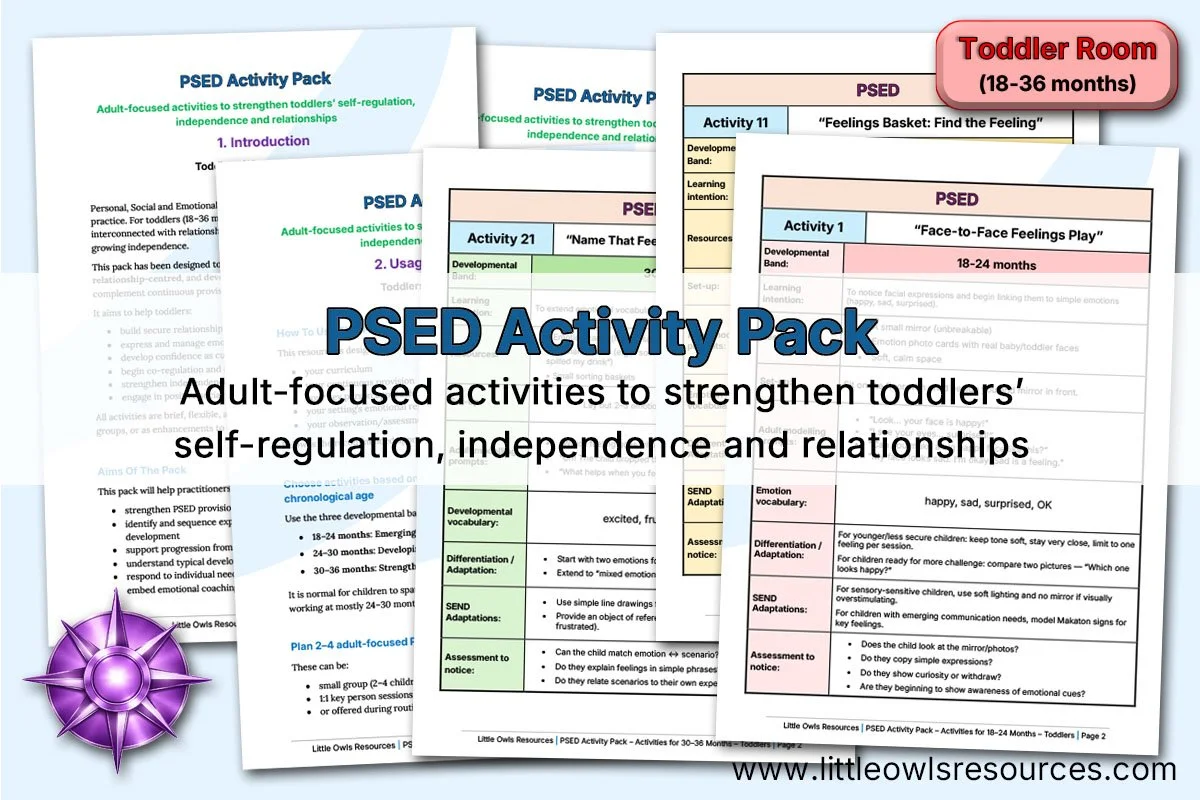
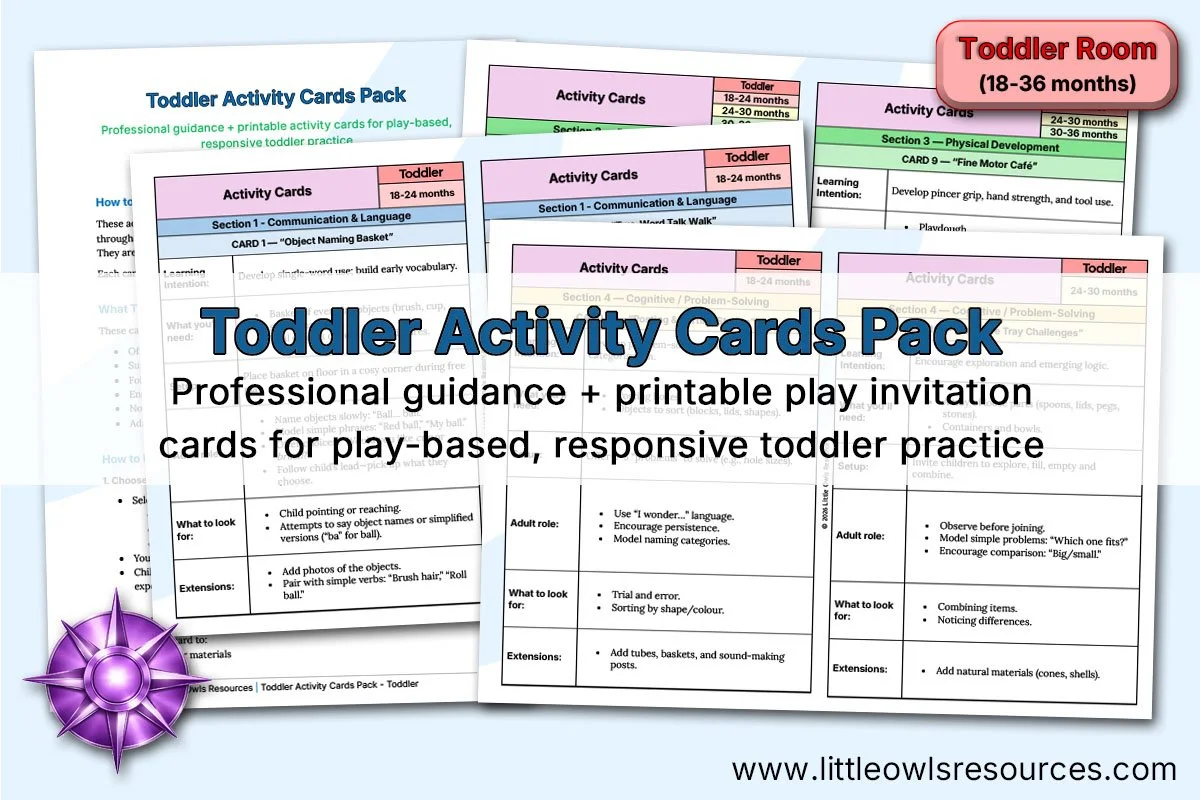
The activities within the following packs are designed to support adult interaction within child-led learning.
In toddler rooms:
📌 Learning is driven by play, relationships and exploration
📌 Adults extend learning through responsive interaction, not formal teaching
📌 Activities are offered as invitations, not expectations.
Children are free to:
▸ Join, leave or adapt experiences
▸ Repeat or ignore them
▸ Lead the direction of play
The role of the adult is to:
✔️ Notice ✔️ Model ✔️ Narrate ✔️ Extend ✔️ Support
The goal is not to complete activities — it is to deepen thinking through interaction.
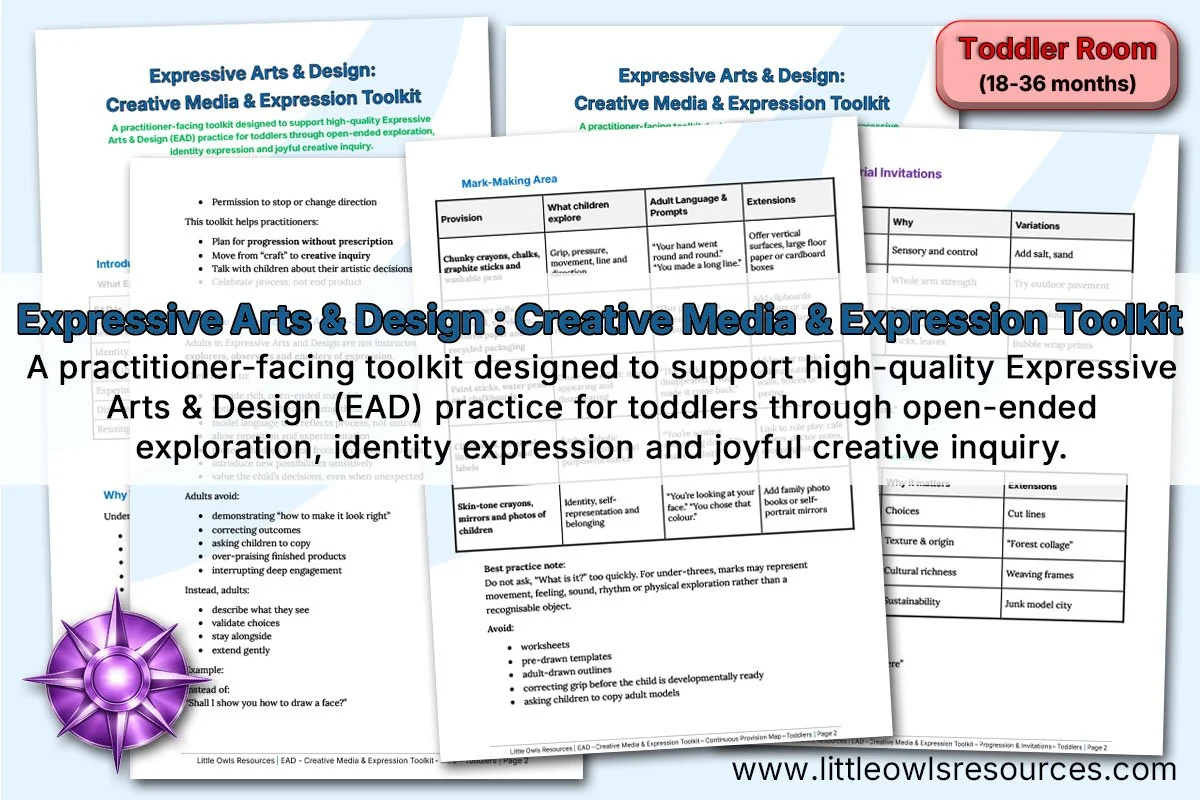
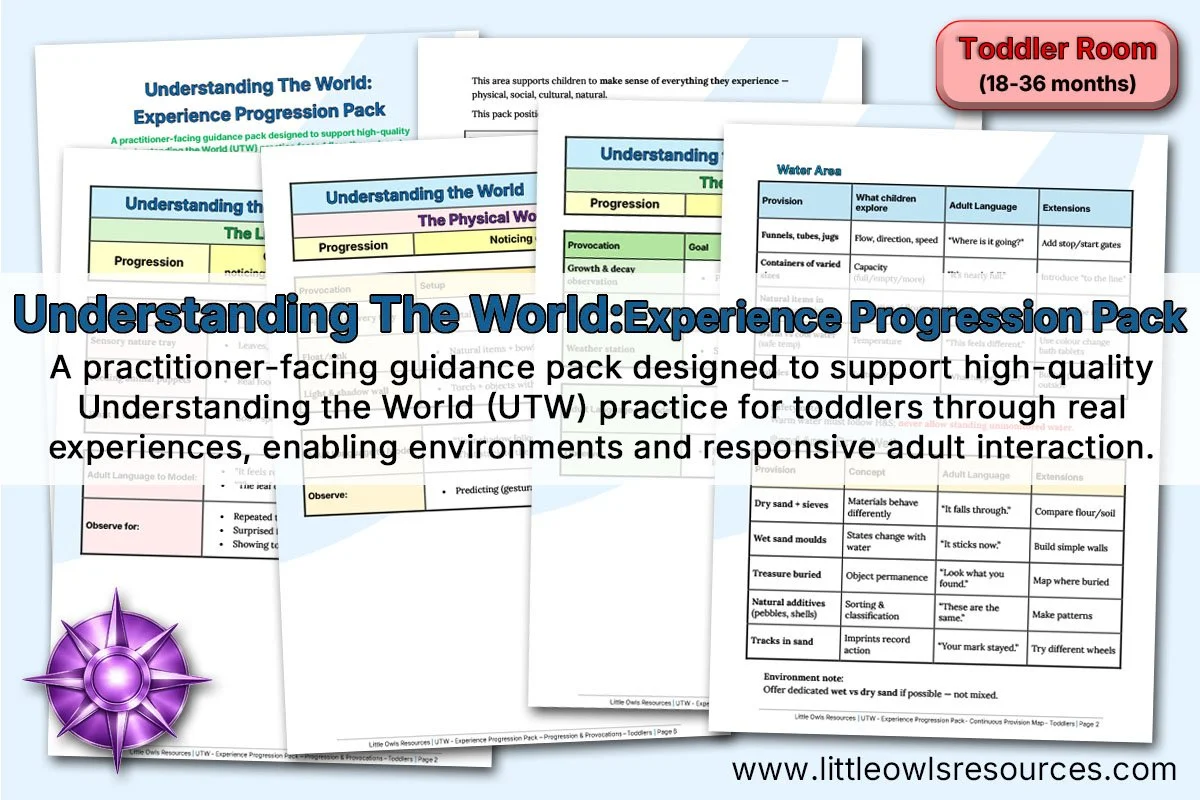

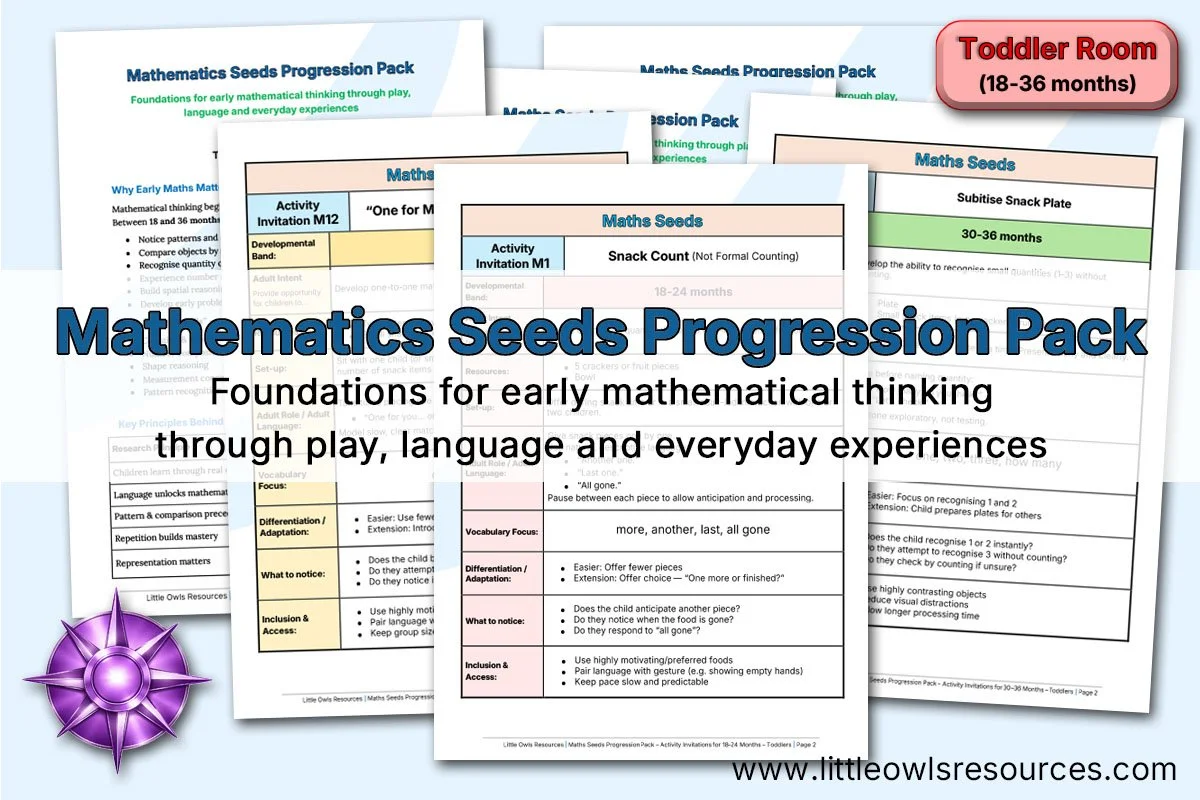
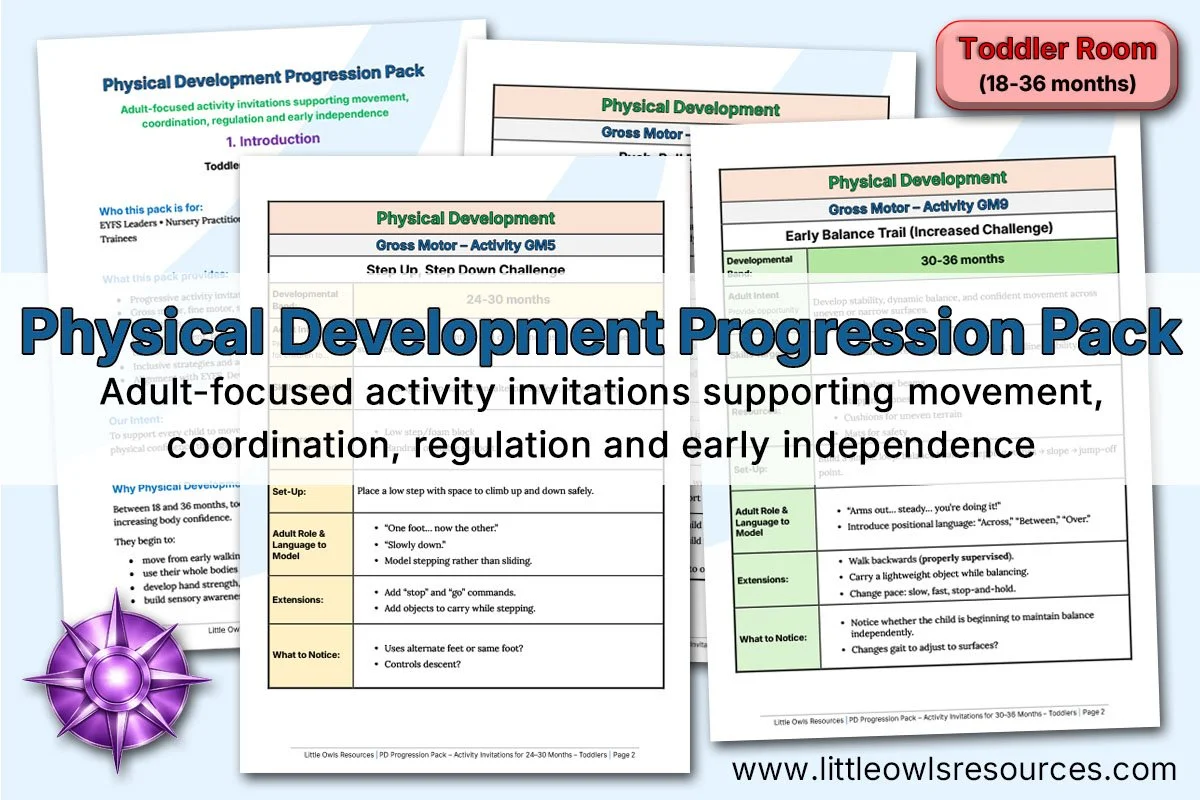
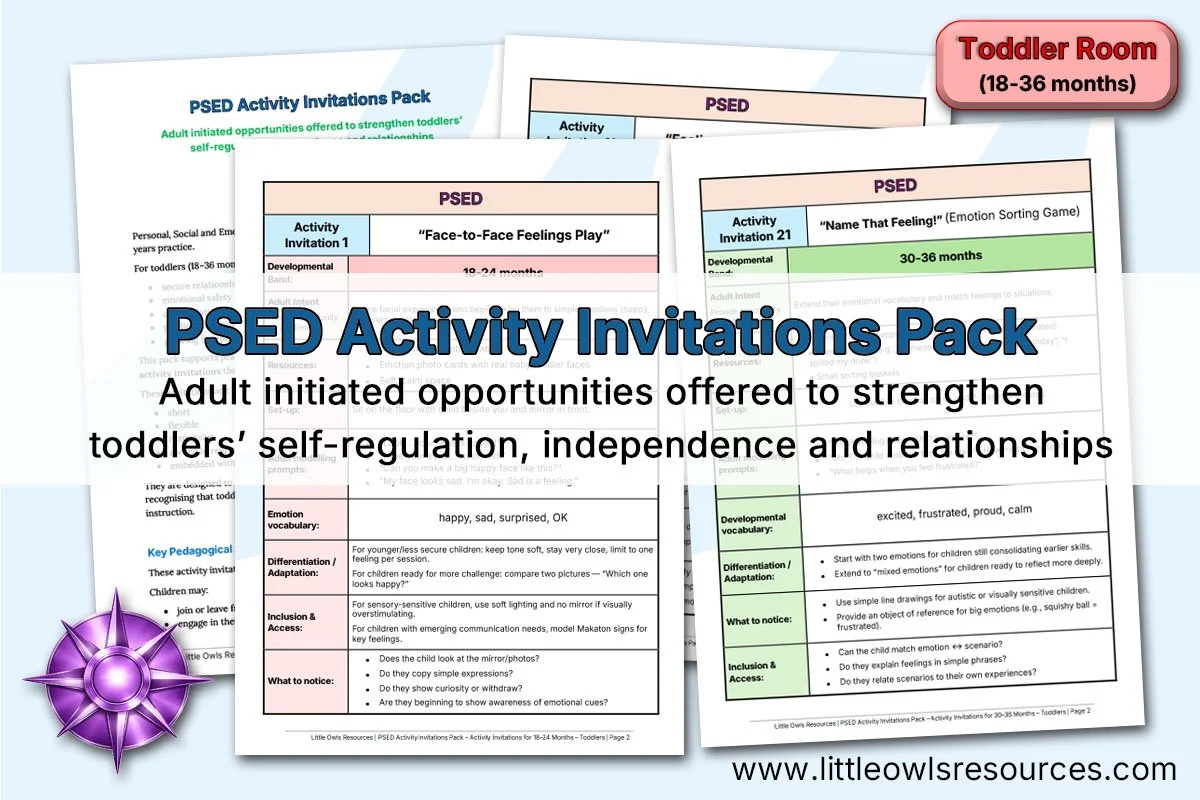


Area of Learning Printable Provision
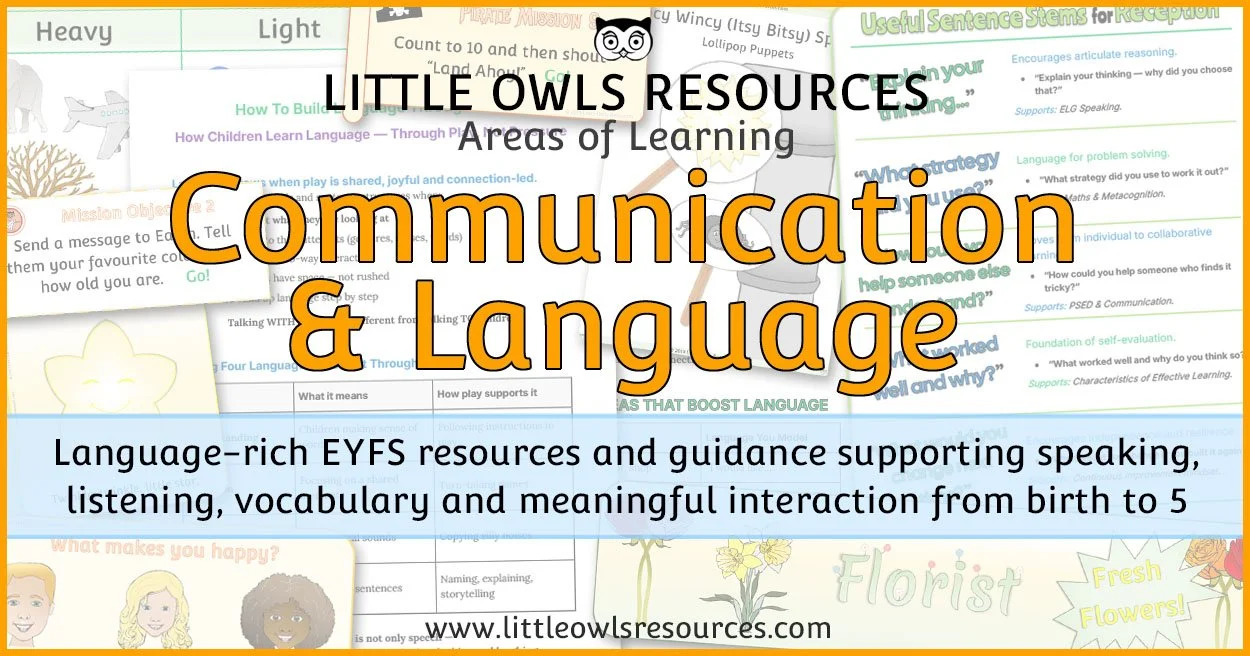
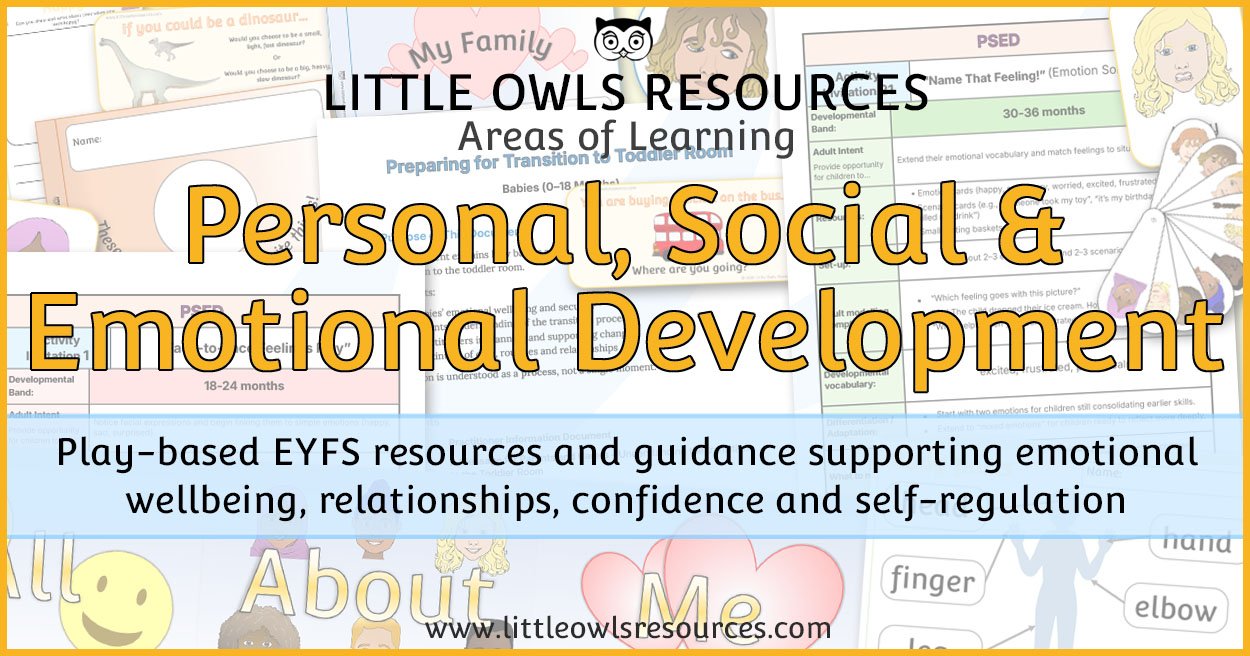
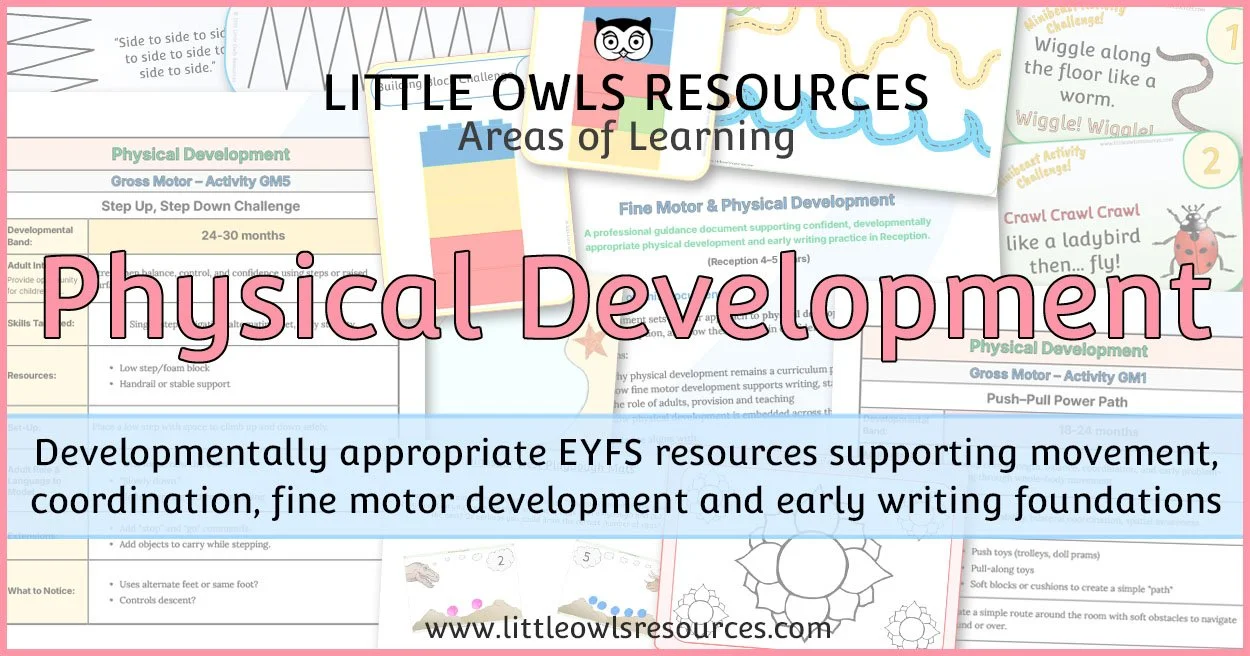
Please use the arrows to the right of the carousel below and select an area of learning to explore our resources.


📘 Statutory & Non-Statutory Guidance Resources
Statutory guidance such as the EYFS Framework, establishes clear expectations that all early years providers must meet in order to support children’s safety, wellbeing, and development. Other documents such as ‘Development Matters’, are non-statutory. This means that guidance within these documents provides flexibility and professional support by offering examples and ideas that practitioners can adapt to suit their setting, children, and community.
Together, these forms of guidance help ensure both consistency and flexibility within early years practice. Please find below some of the materials available on Little Owls Resources to support both mentioned documents:
Development Matters
Areas Of Learning
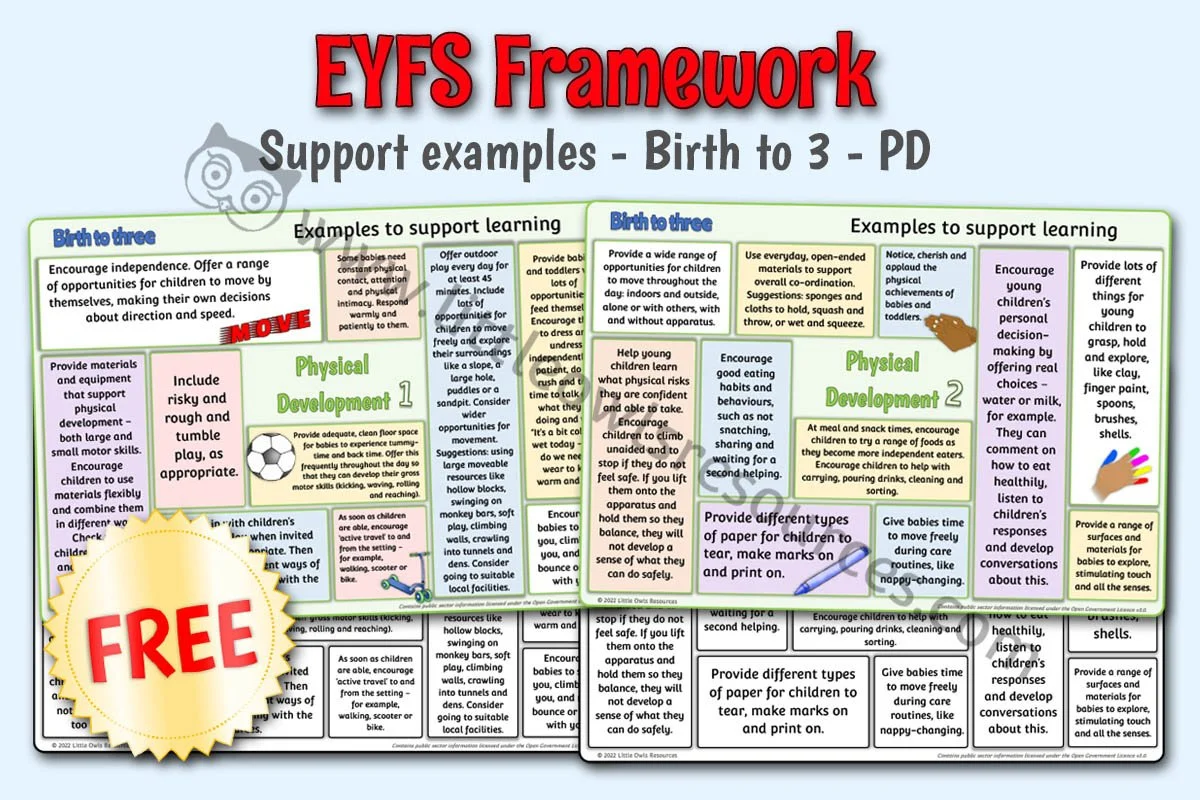
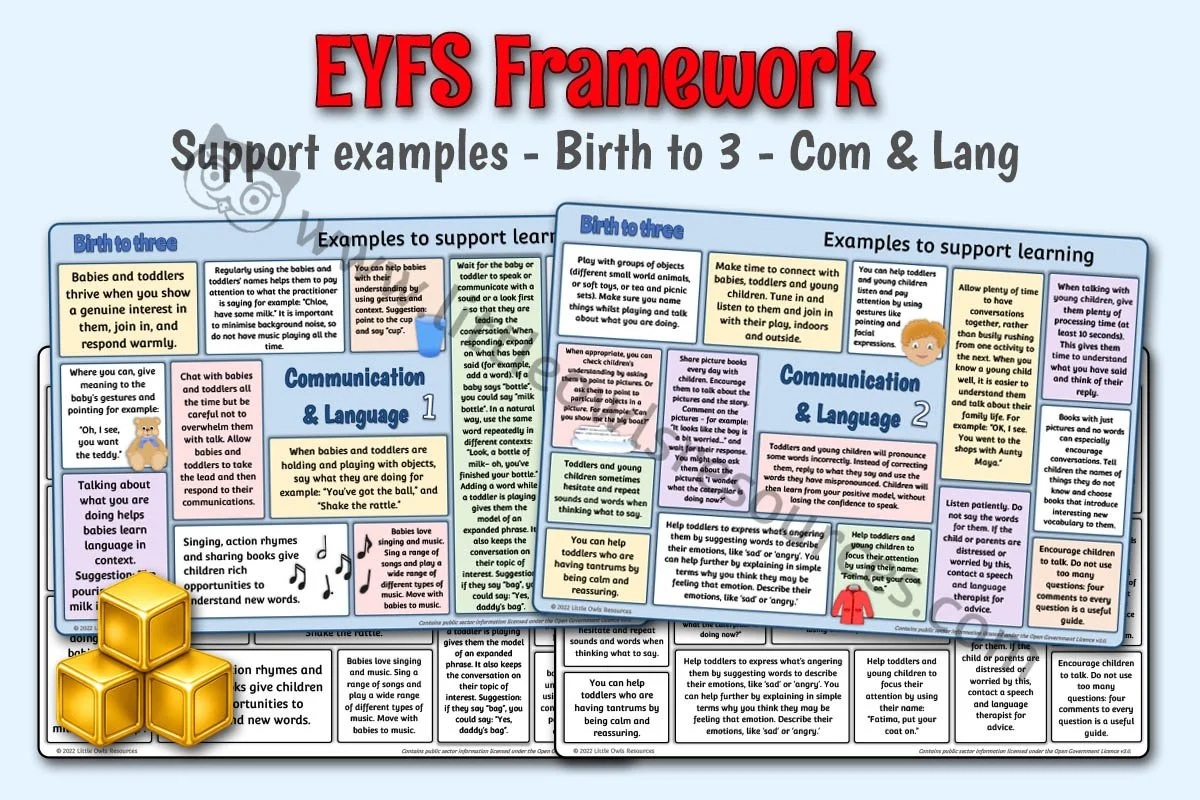
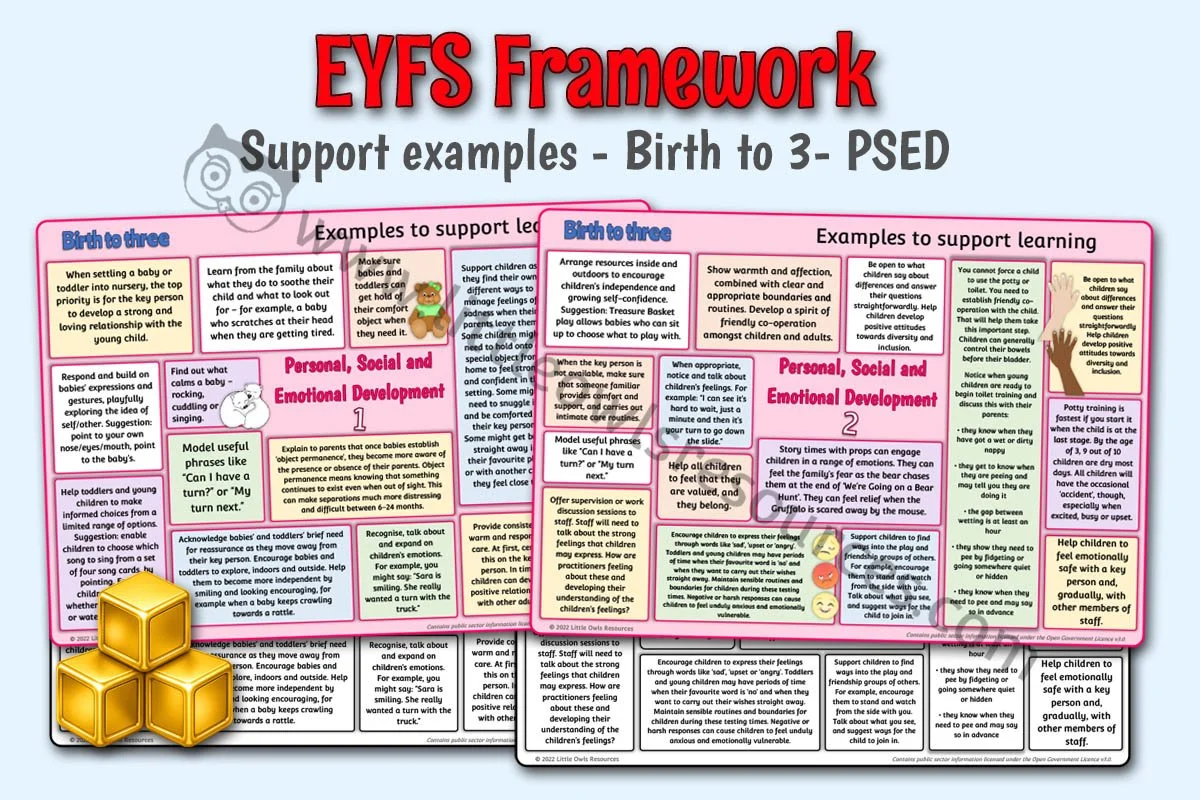
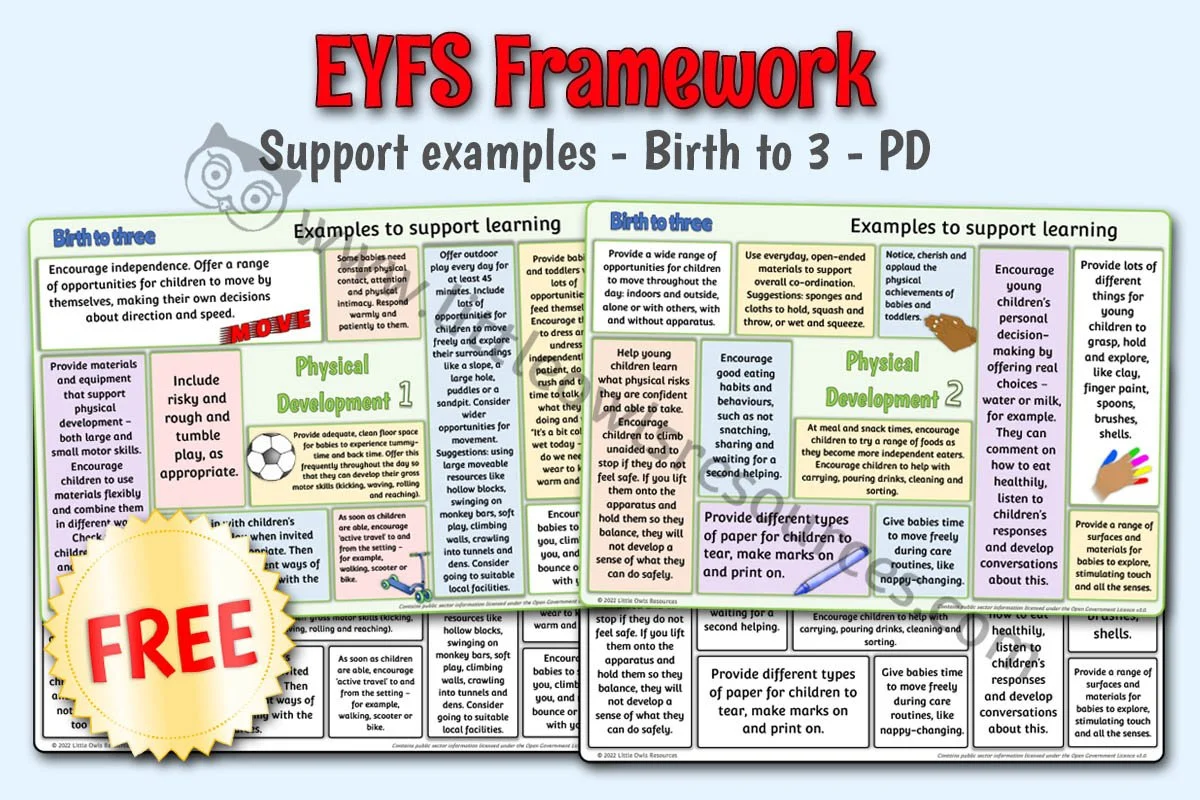
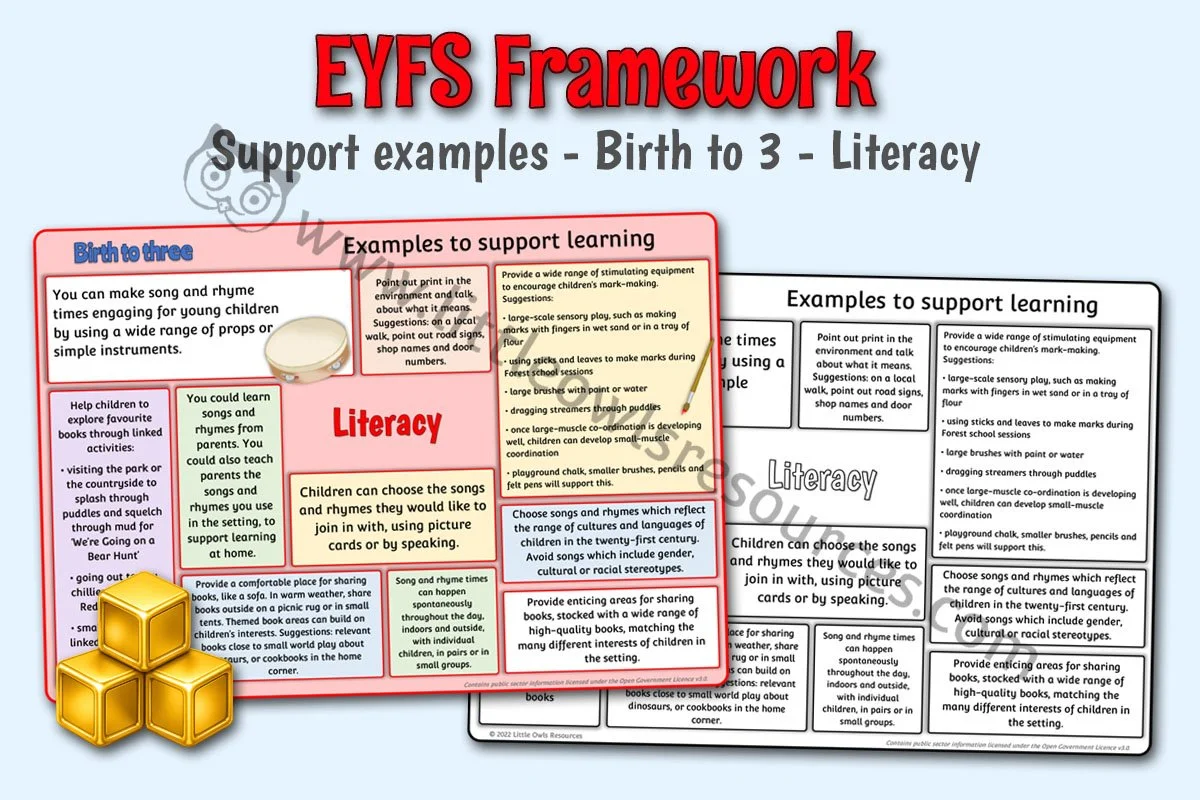
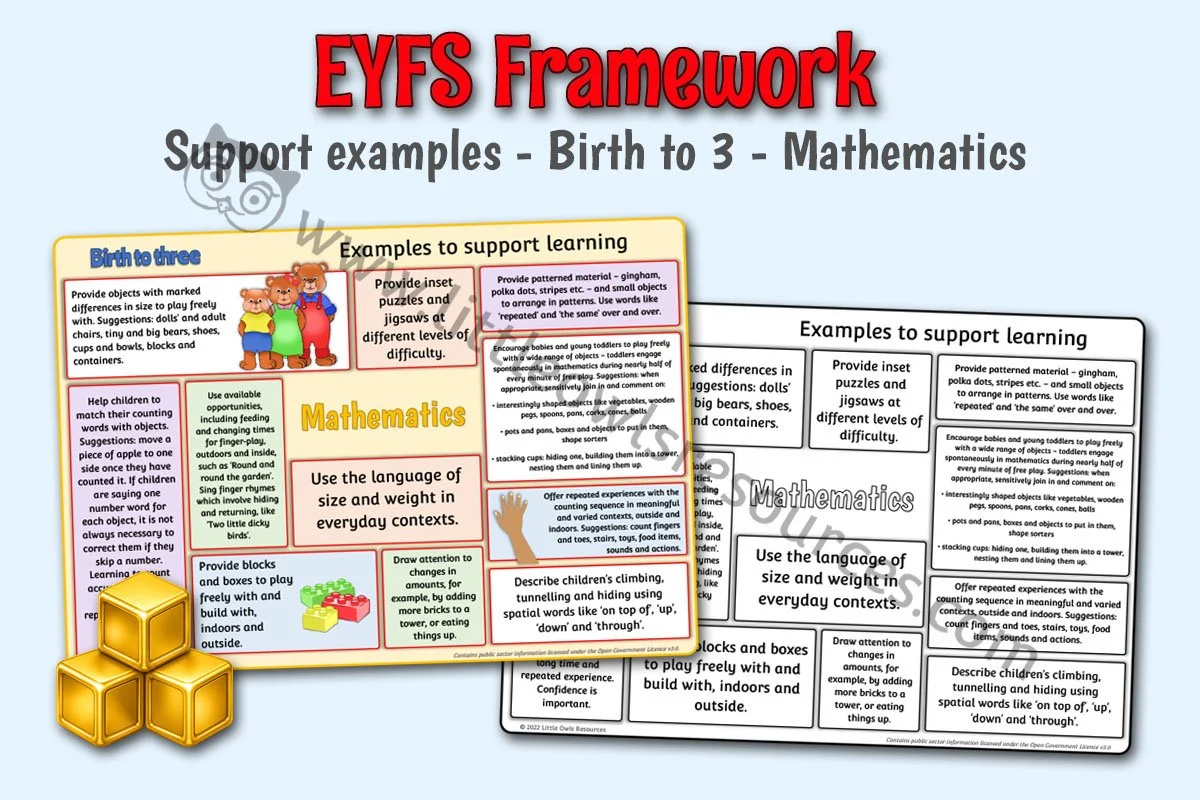
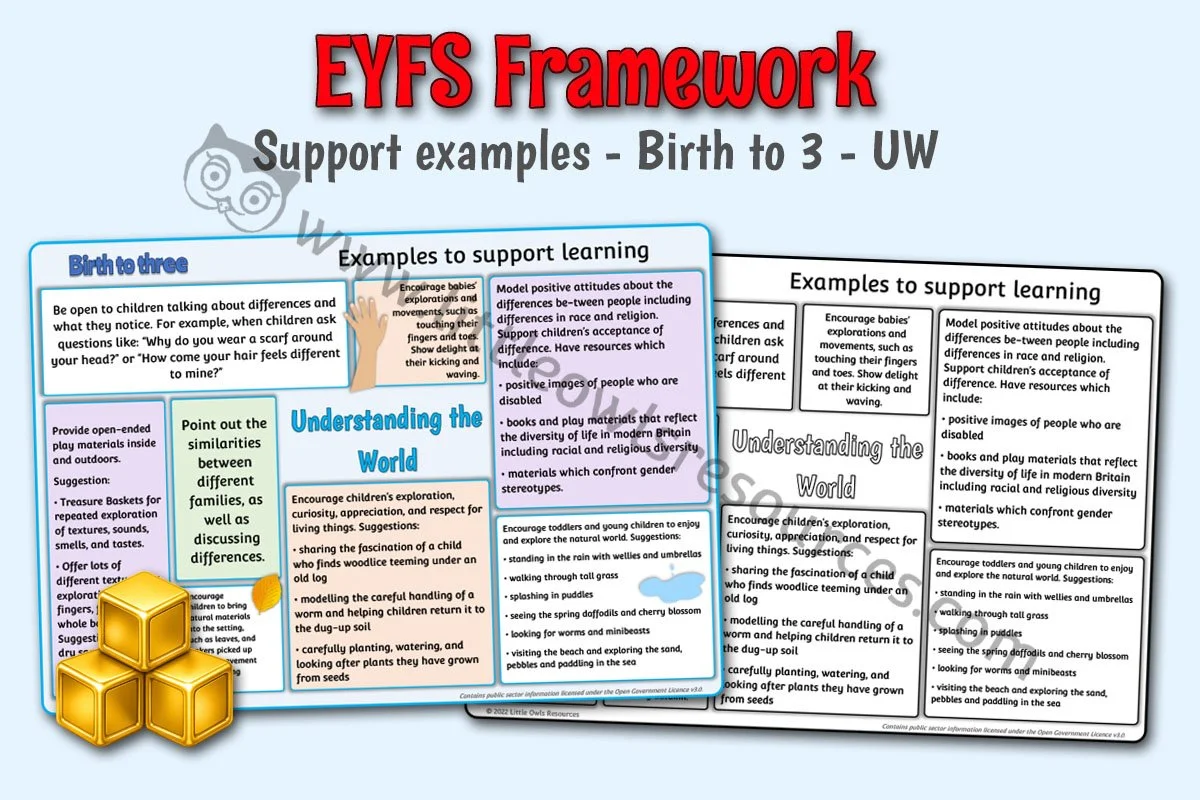
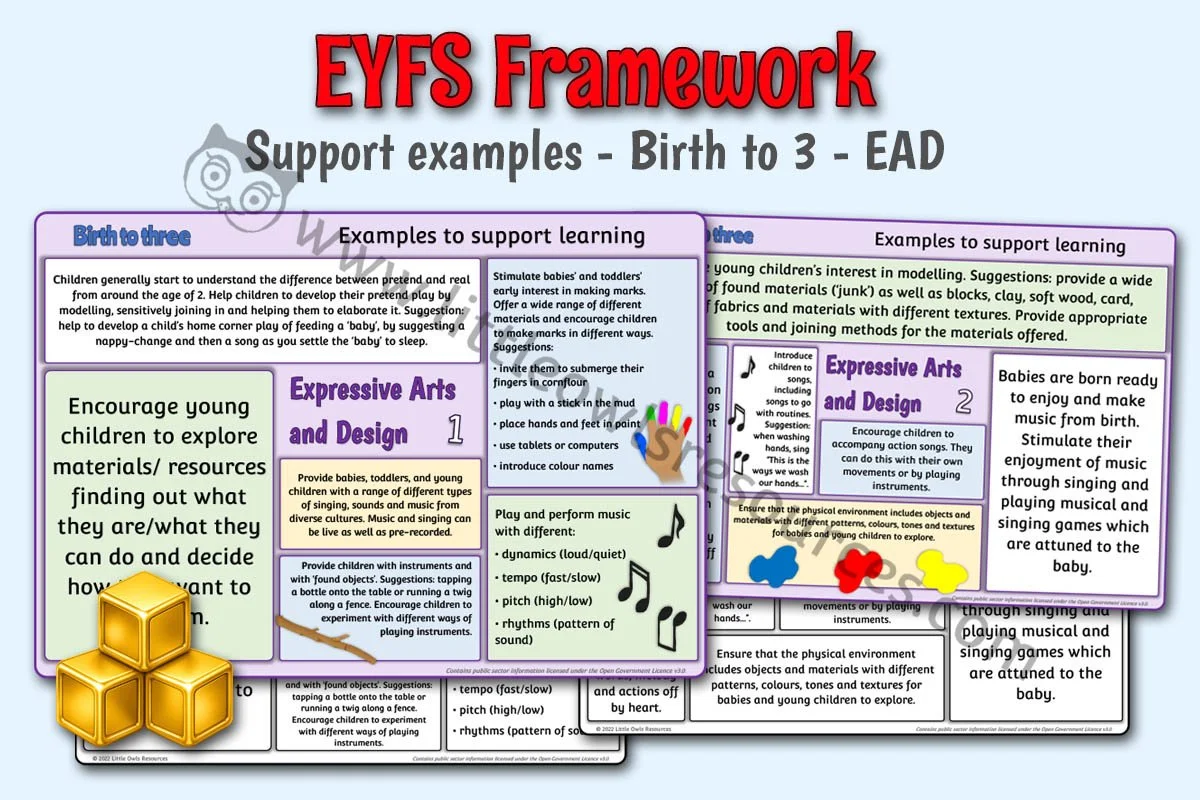
Examples of how to support areas of learning and development for birth to 3 year olds. Extracted from Development Matters; non-statutory curriculum guidance for the early years foundation stage. Includes colour and black and white versions. Files contain public sector information licensed under the Open Government Licence v3.0.
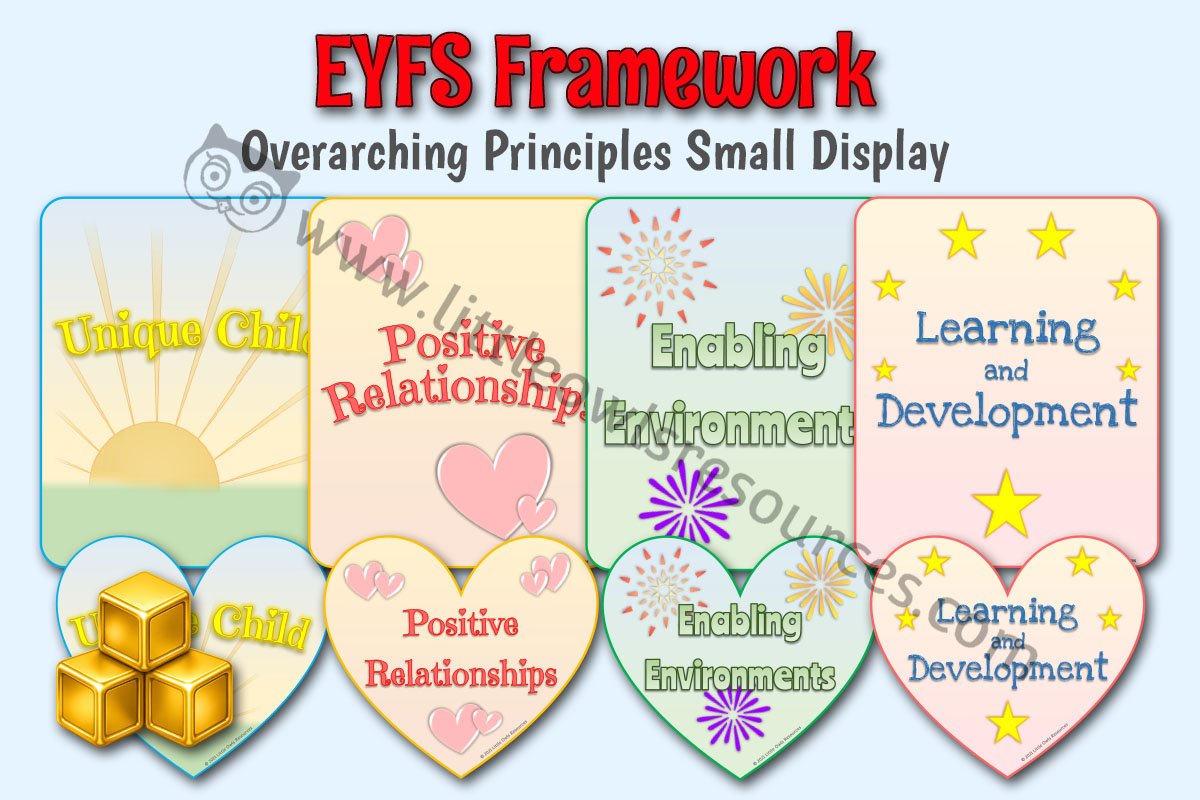
EYFS Framework
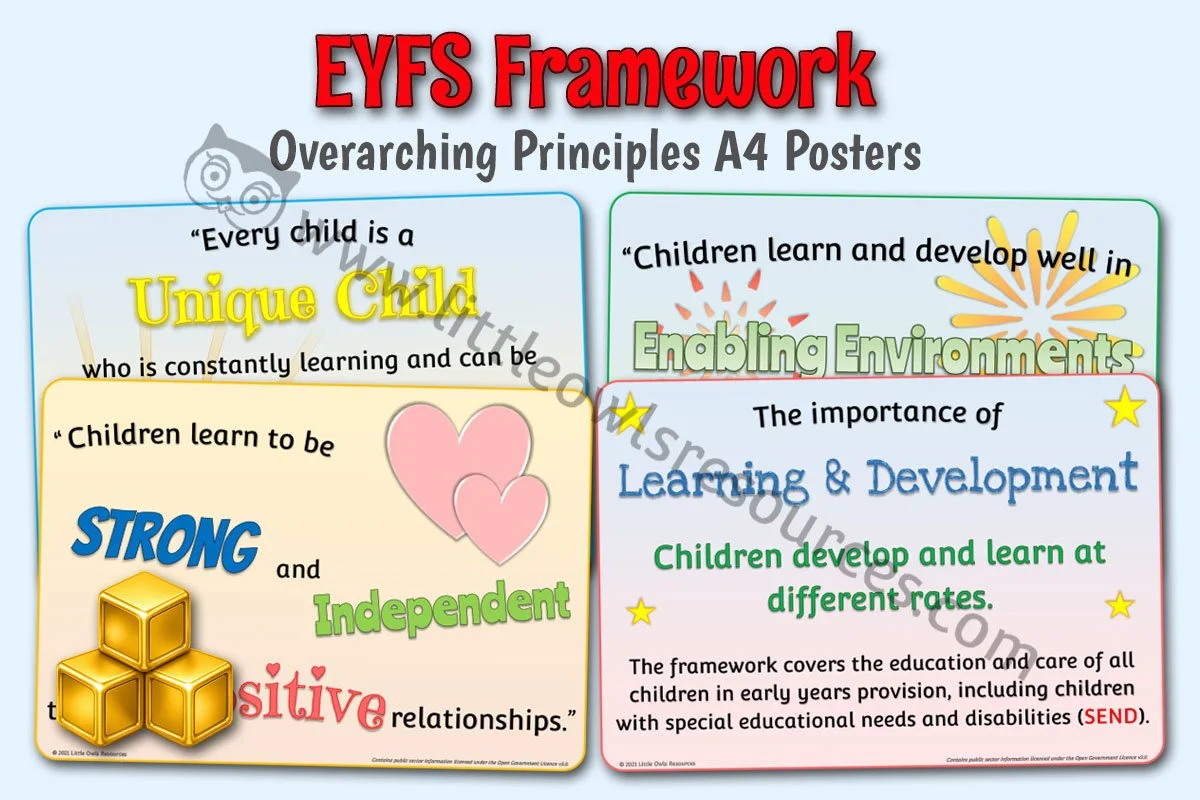
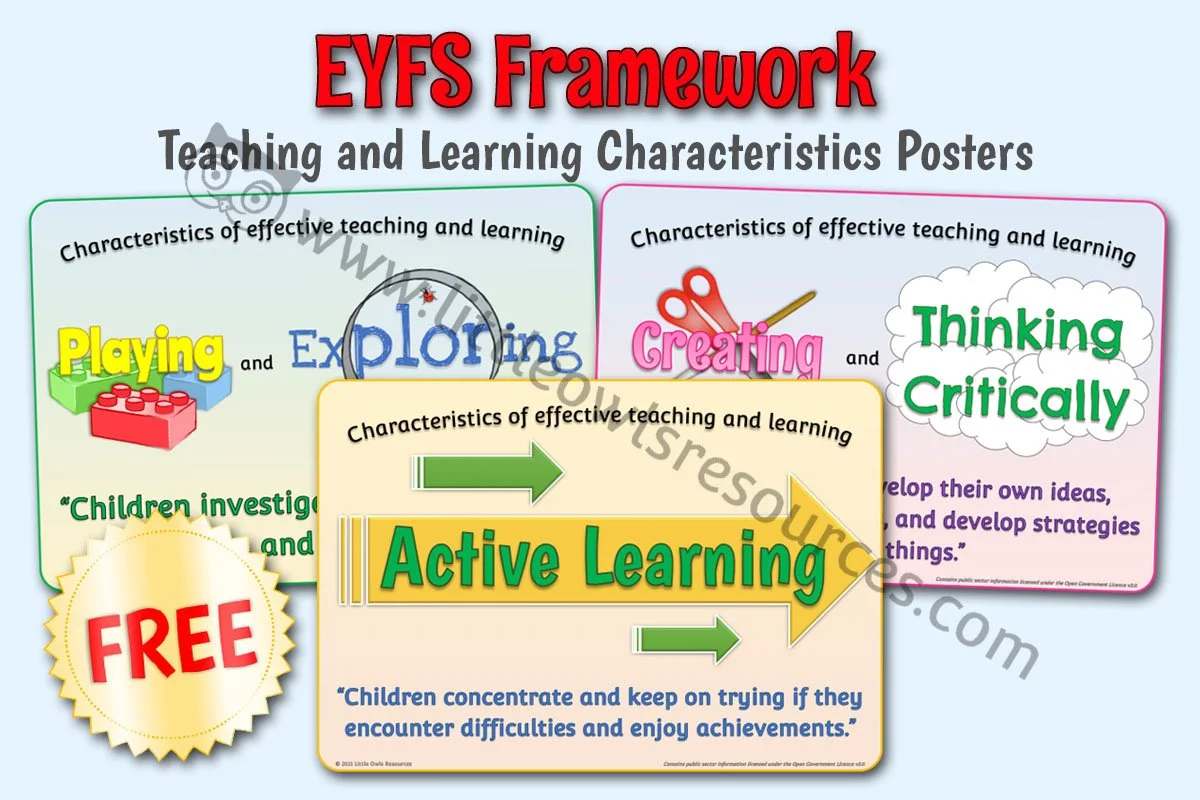
Overarching Principles
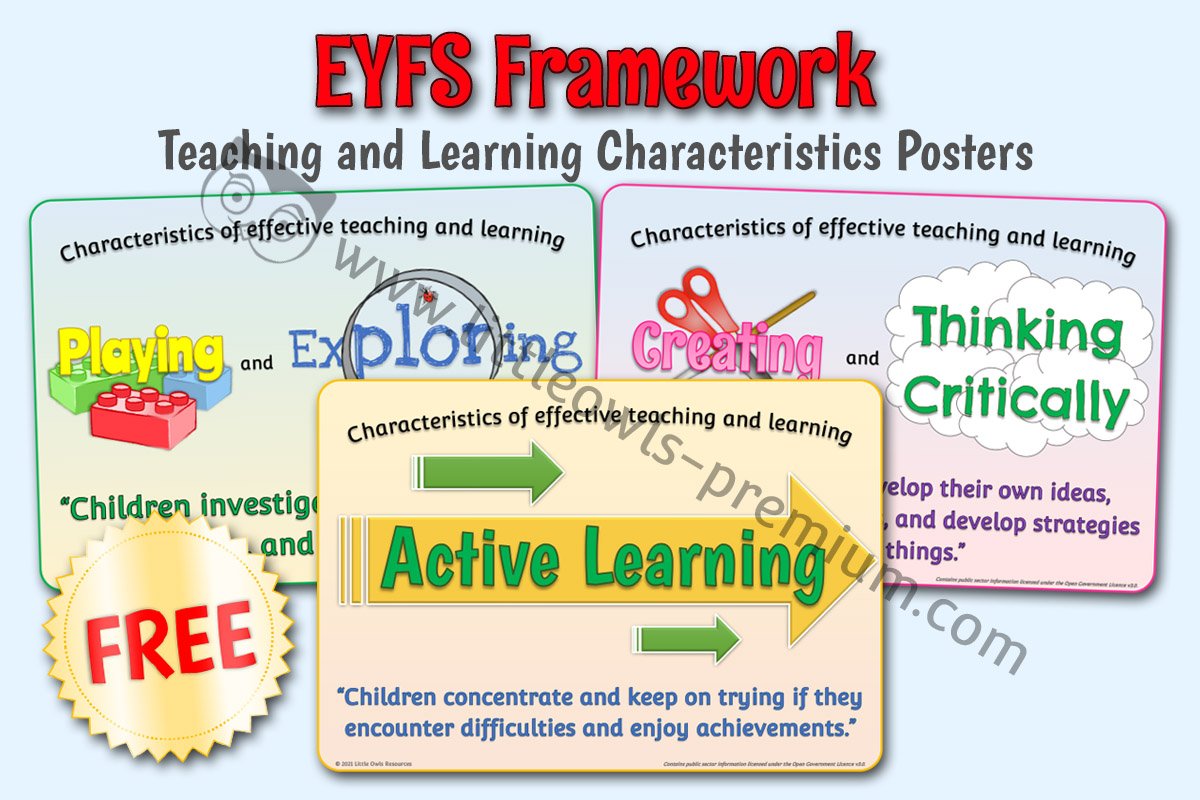
Teaching & Learning Characteristics
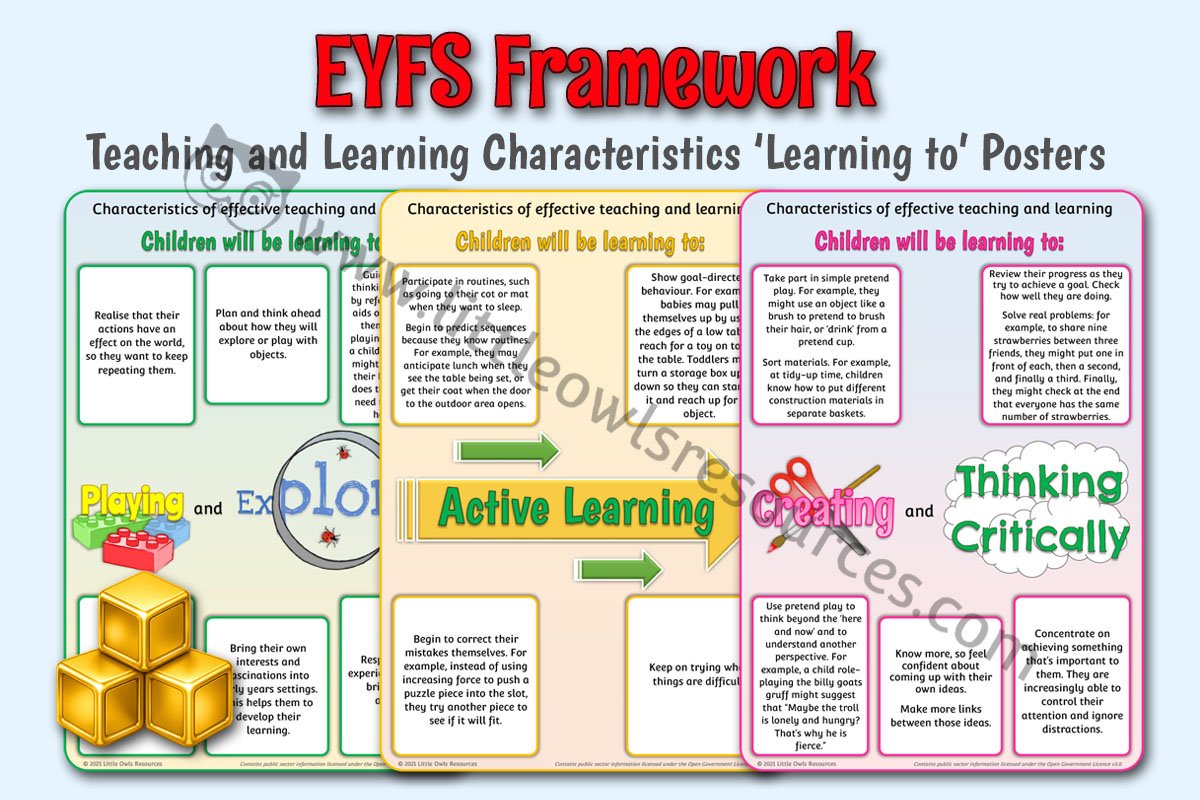
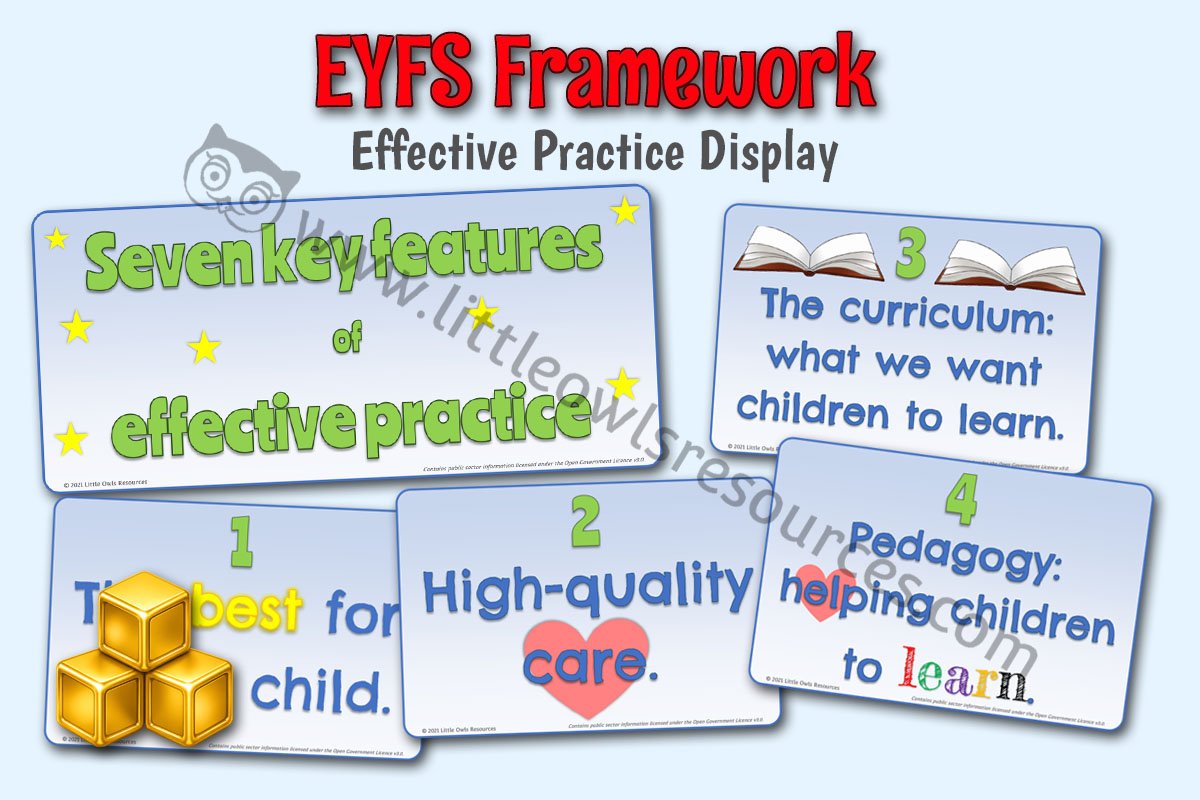
Seven Key Features of Effective Practice
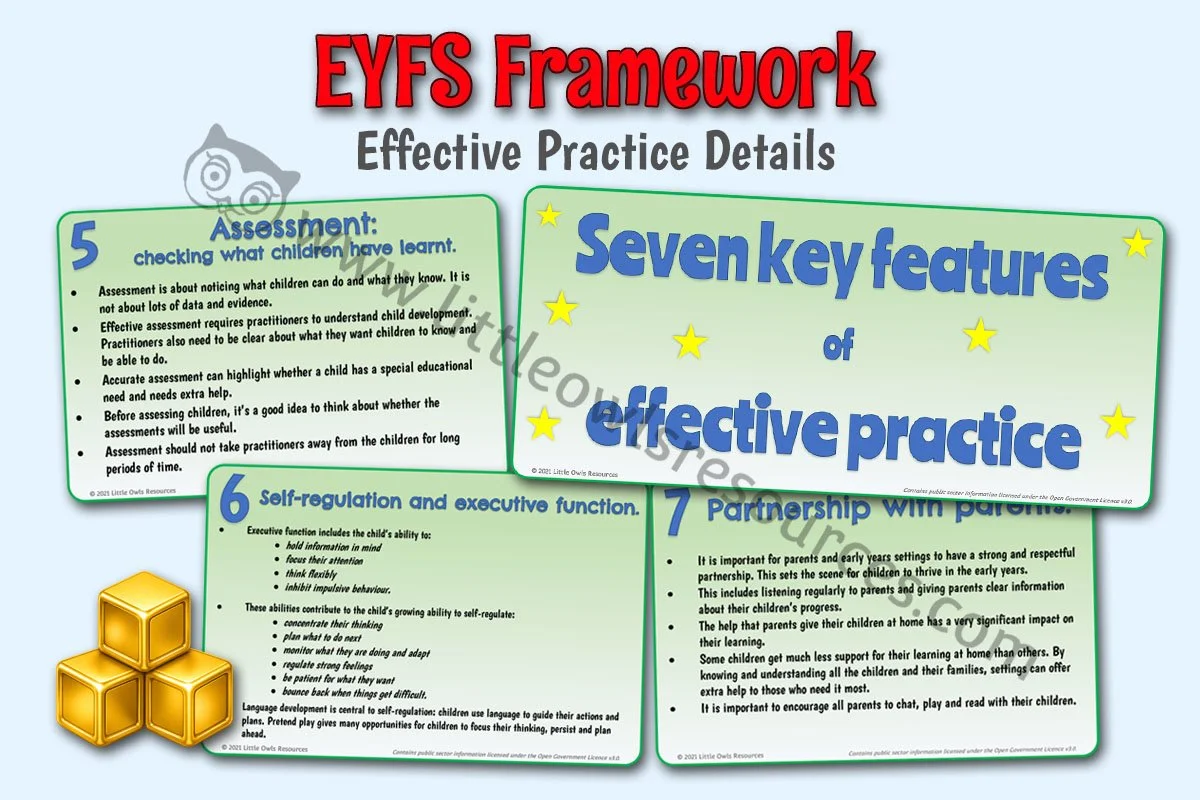
Please find additional resources on our ‘EYFS Framework Support’ page.
➕ Additional Support
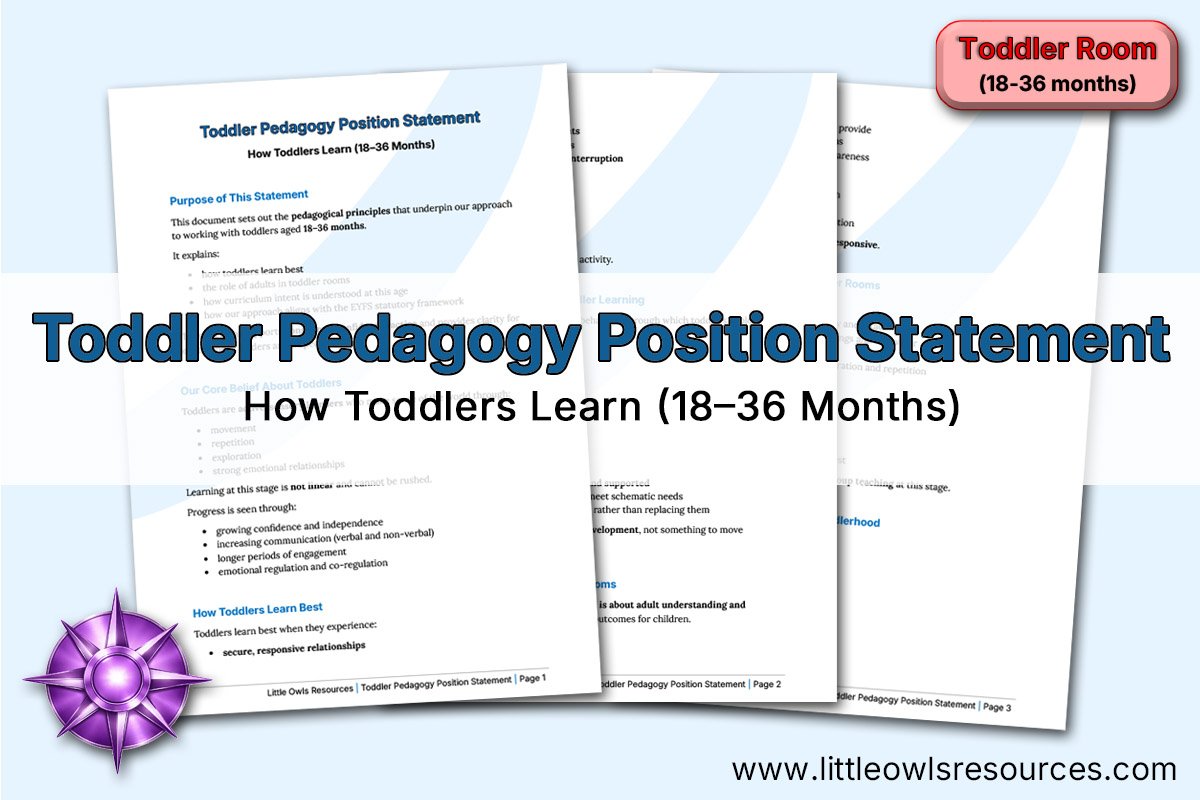
Further support materials for Toddler Room Curriculum & Pedagogy, such as our ‘Why We Learn Outdoors in All Weathers’ parent-facing handout, may by found in our ‘Toddlers (18-36 months) Pathway’.
Further EYFS Planning Support
For additional planning support please see the following pages:
Age pages:
Setting pages:
Generic:
This webpage and documents within it are provided as professional guidance to support effective EYFS practice. They do not replace the EYFS Statutory Framework or other statutory guidance. Practitioners must apply professional judgement and adapt practice to their setting and current requirements.