


Home › EYFS Curriculum & Pedagogy
Read our web document below or download here: DOCX 📝 | PDF 📄
EYFS from Birth to 5
Curriculum Coherence & Pedagogical Throughline
Purpose of This Overview
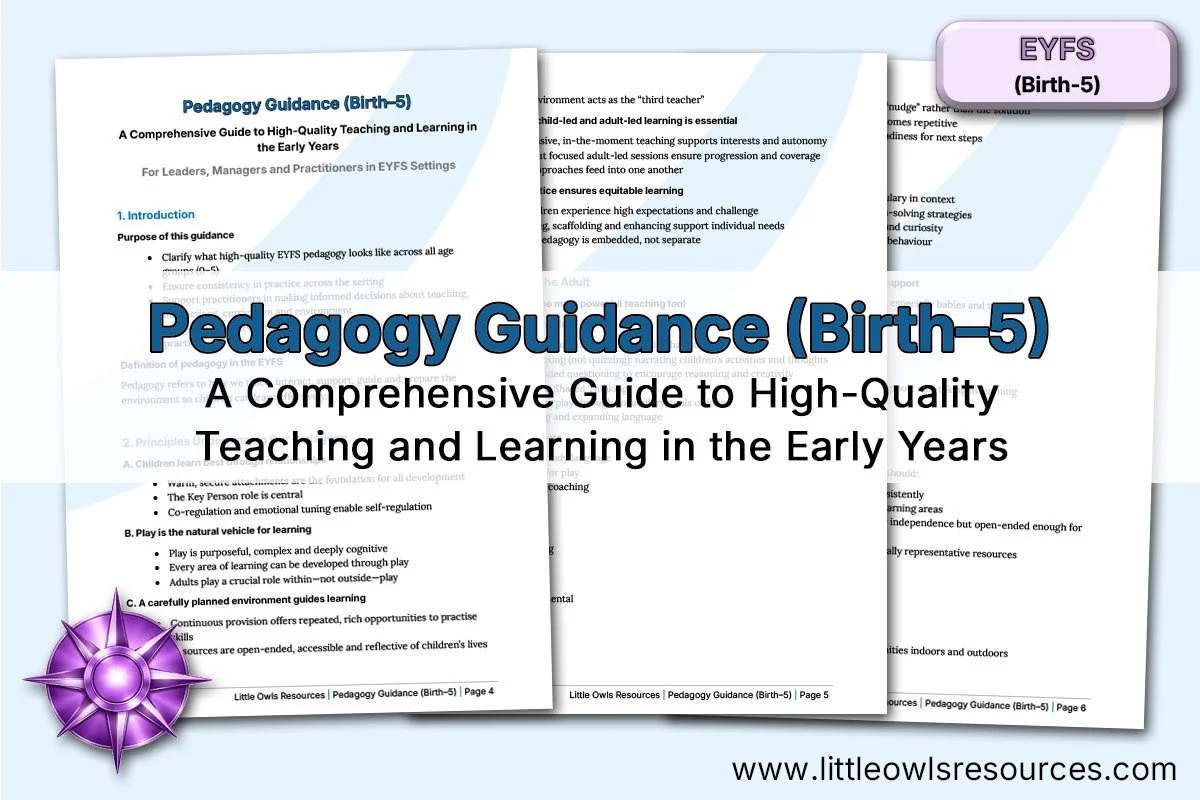
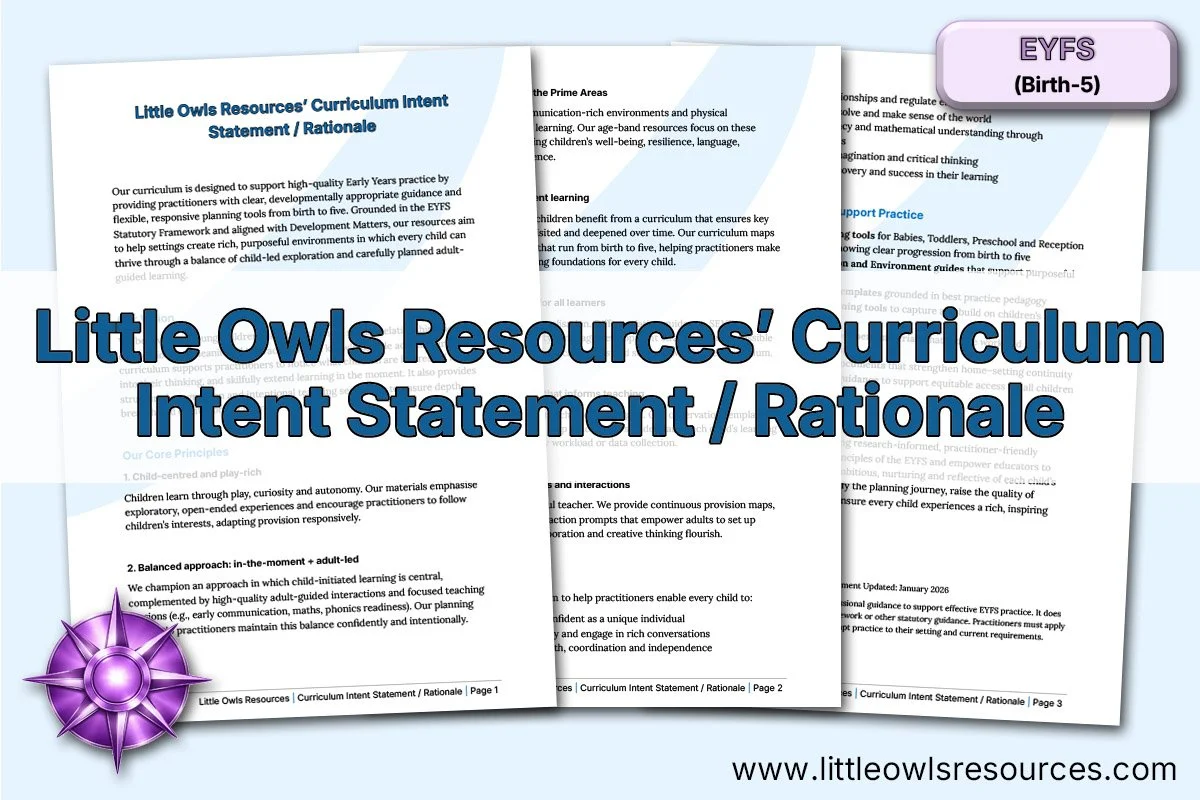
This document explains how our EYFS offer from birth to 5 years is coherent, developmentally appropriate and intentionally sequenced.
It supports:
leaders in articulating curriculum intent and implementation
practitioners in understanding age-phase differences
inspectors in seeing clear progression without formalisation
parents in understanding how learning develops over time
It shows how each age phase is distinct, while forming part of a connected whole.
Our Core Principle: Development Before Formality
Across birth to 5, we believe that:
children develop at different rates
learning is not linear
play, interaction and relationships drive progress
formal outcomes are appropriate only when developmentally ready
Our curriculum therefore:
changes in structure and emphasis as children grow
avoids pushing expectations downwards
builds securely upwards
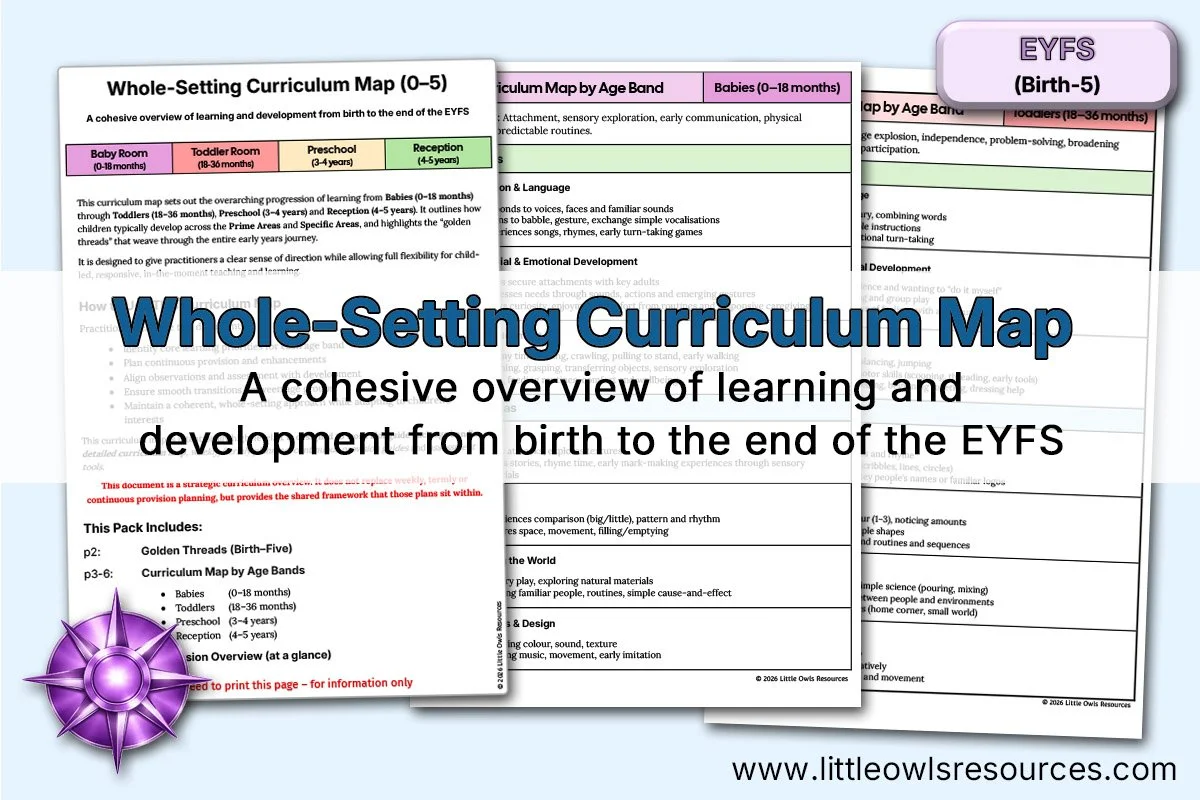
The Four Age Phases in Our EYFS
We organise our EYFS provision into four pedagogically distinct phases:
Babies (0–18 months)
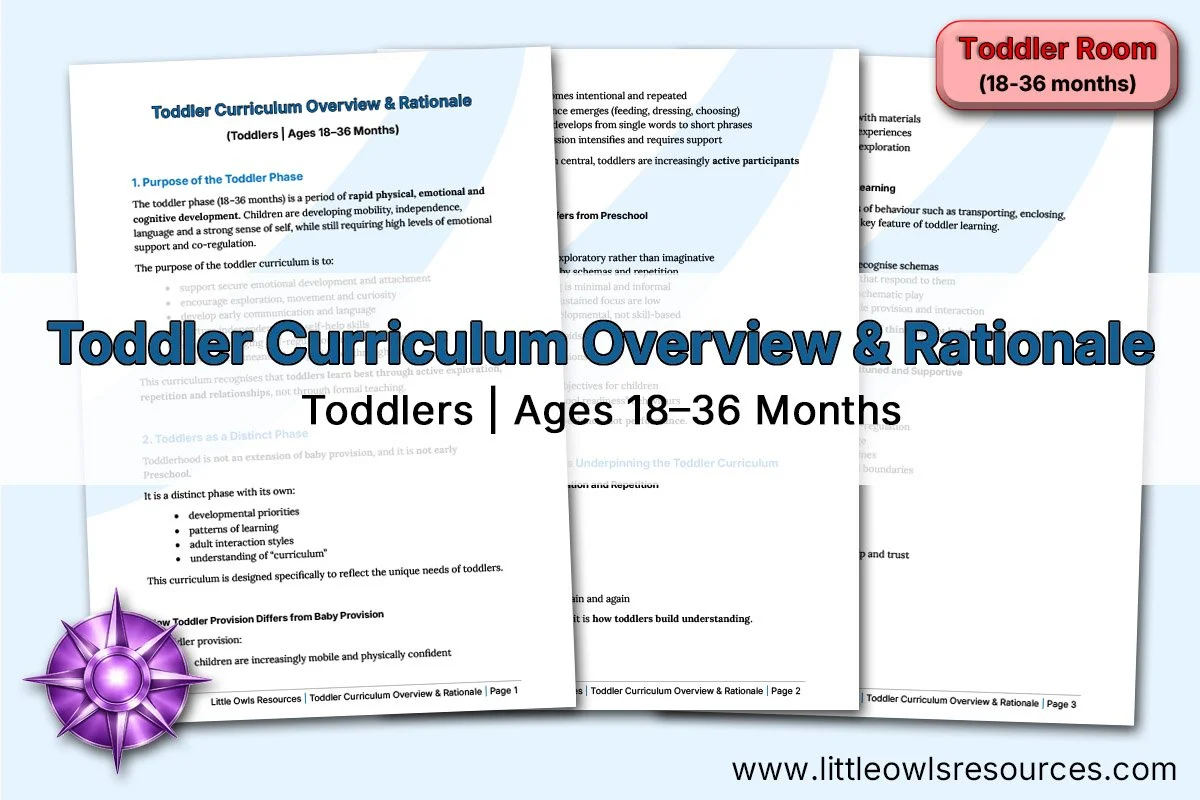
Toddlers (18–36 months)
Preschool (3–4 years)
Reception (4–5 years)
Each phase has:
a different role for adults
a different balance of care, play and teaching
a different understanding of “curriculum”
Phase 1: Babies (0–18 Months)
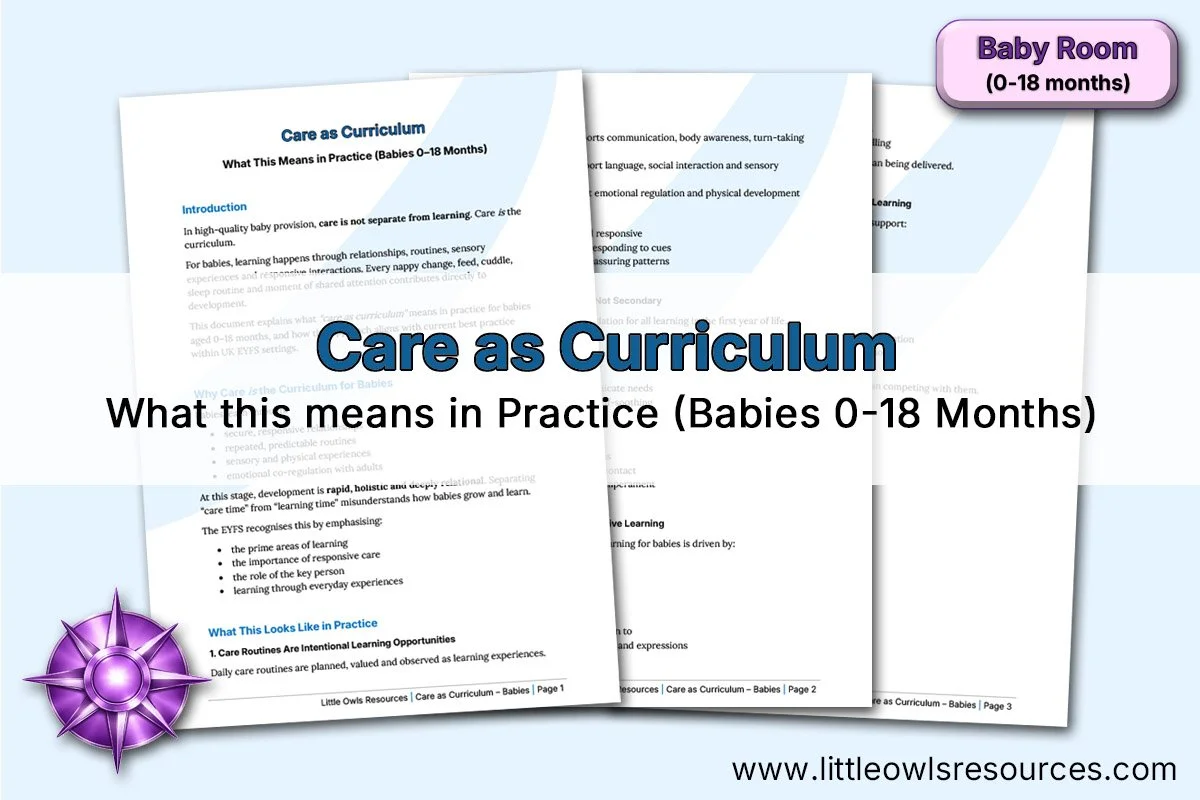
Care Is the Curriculum
Pedagogical focus
secure attachment and emotional regulation
sensory and physical exploration
communication through gaze, gesture and sound
Adult role
responsive caregiving
co-regulation of emotions
narration and attuned interaction
Curriculum understanding
curriculum = environment, routines and adult interaction
no planned activities or expected outcomes
Progress looks like
wellbeing and engagement
curiosity and movement
growing trust and communication signals
This phase lays the emotional and neurological foundations for all later learning.
Phase 2: Toddlers (18–36 Months)
Exploration, Schemas and Emerging Independence
Pedagogical focus
movement and physical exploration
repetition and schematic play
early language and emotional development
Adult role
follow children’s lead
support schemas
model language and co-regulate behaviour
Curriculum understanding
curriculum supports adult understanding
planning is flexible and observation-led
projects/themes are optional shared contexts
Progress looks like
increased independence
longer periods of engagement
growing vocabulary and expressive communication
This phase builds confidence, curiosity and agency.
Phase 3: Preschool (3–4 Years)
Play, Language and Skill Development
Pedagogical focus
imaginative play and shared experiences
language development and vocabulary
early skill-building (phonological awareness, maths, fine motor)
Adult role
balance child-initiated play with short adult-led sessions
extend thinking through talk
scaffold learning through provision
Curriculum understanding
themes can organise learning
progression is supported but not prescribed
assessment remains non-statutory and proportionate
Progress looks like
richer language and play narratives
early reasoning and problem-solving
readiness for more structured learning
This phase bridges exploration and formal learning.
Phase 4: Reception (4–5 Years)
Curriculum, Application and Readiness
Pedagogical focus
statutory EYFS curriculum
systematic teaching (phonics, maths, writing)
application of learning through play
Adult role
deliver high-quality adult-led teaching
guide learning within provision
observe, assess and plan responsively
Curriculum understanding
clear curriculum intent and progression
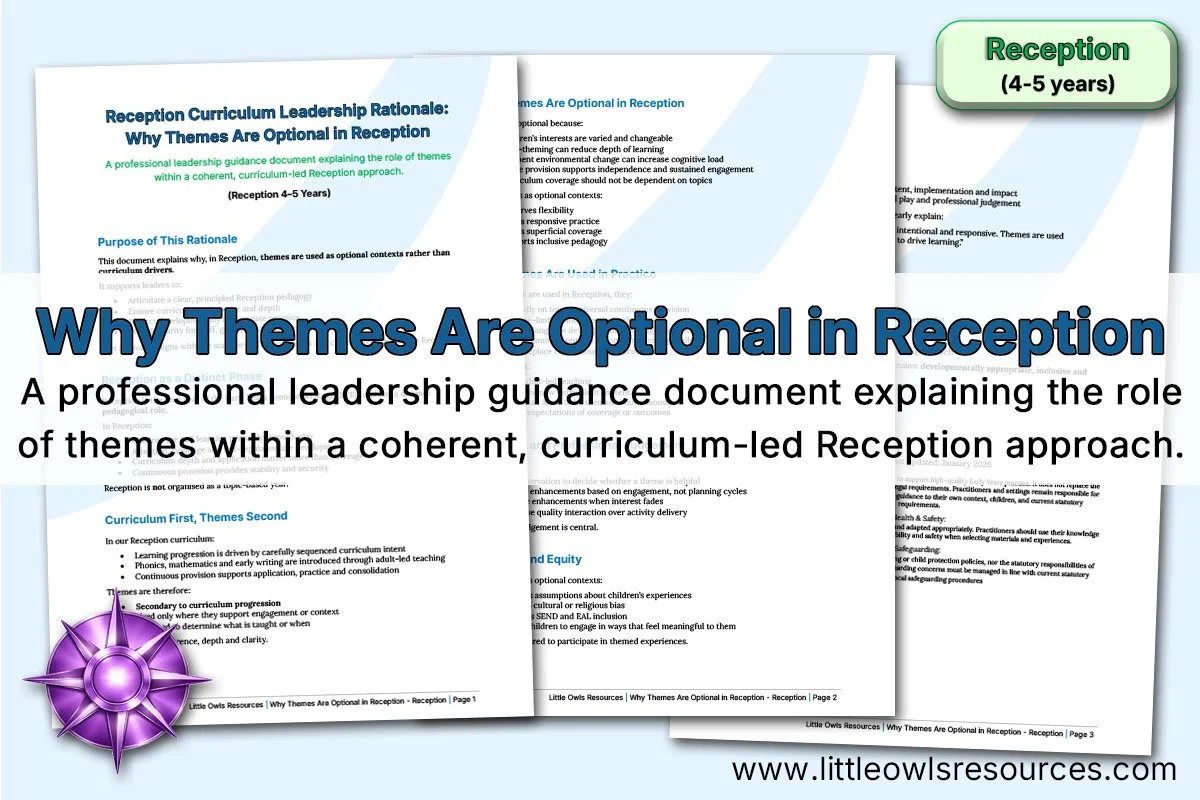
themes optional, not driving learning
explicit alignment with EYFSP
Progress looks like
confident application of taught skills
increasing independence and reflection
readiness for Year 1
This phase completes the EYFS journey, without becoming Year 1.
Progression Across Birth to 5: What Changes — and What Stays the Same
What changes
the balance of adult-led and child-initiated learning
the structure of the curriculum
the role of assessment
the expectations placed on children
What stays the same
the centrality of play
the importance of relationships
the role of language
inclusion and SEND support
observation-led planning
SEND and Inclusion Across All Phases
Across birth to 5:
inclusion is universal, not additional
environments are adapted before expectations
communication is prioritised
early support is relational and preventative
SEND support evolves with the child, but the principles remain consistent.
Why This Coherence Matters
This coherent approach ensures that:
children are not rushed
staff understand why practice changes with age
curriculum decisions are defensible
transitions are smooth and respectful
Ofsted can clearly see intent, implementation and impact
It allows leaders to confidently say:
“Our EYFS curriculum is developmentally sequenced, not content-driven.”
Summary
From birth to 5, our EYFS offer:
respects child development
balances care, play and teaching
builds securely and intentionally
prepares children for the next stage without rushing them
Each phase is complete in its own right, while contributing to a coherent whole.
Little Owls Resources
Document Updated: January 2026
Recommended next read selection
Depending on your setting and age requirements:
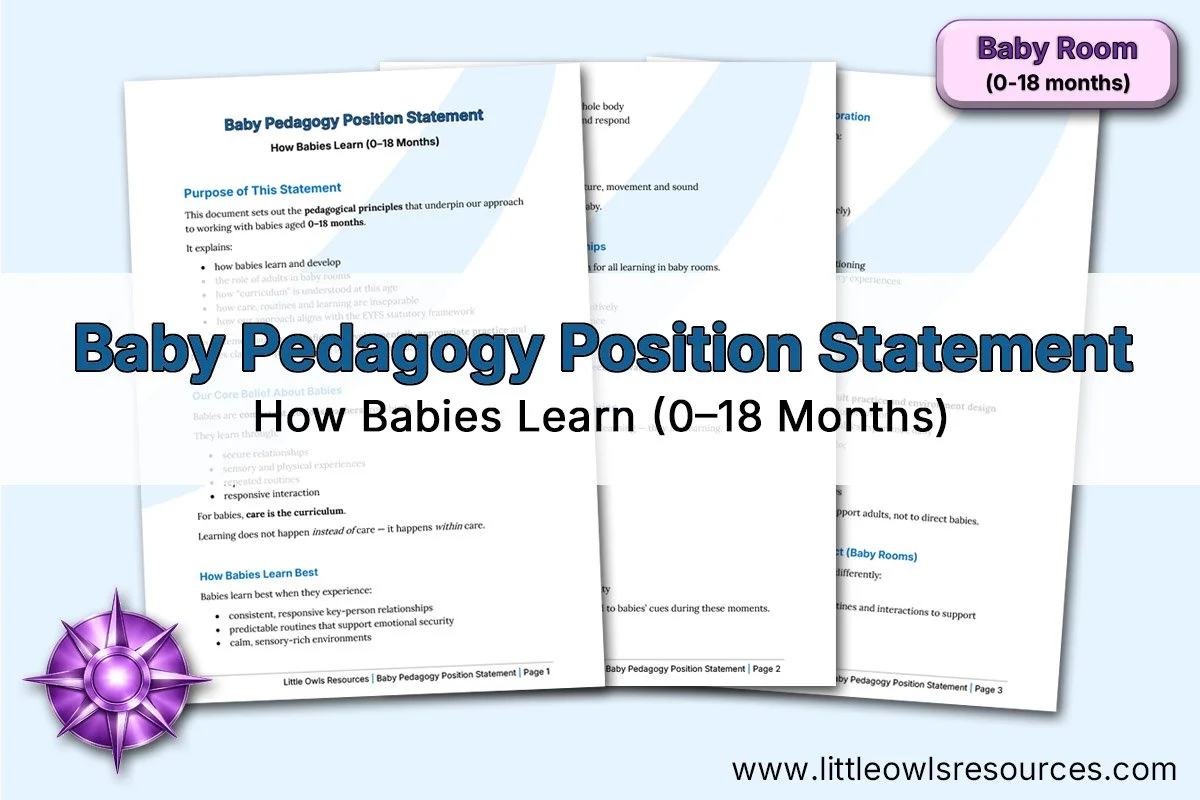
Baby Room Pedagogy Position Statement
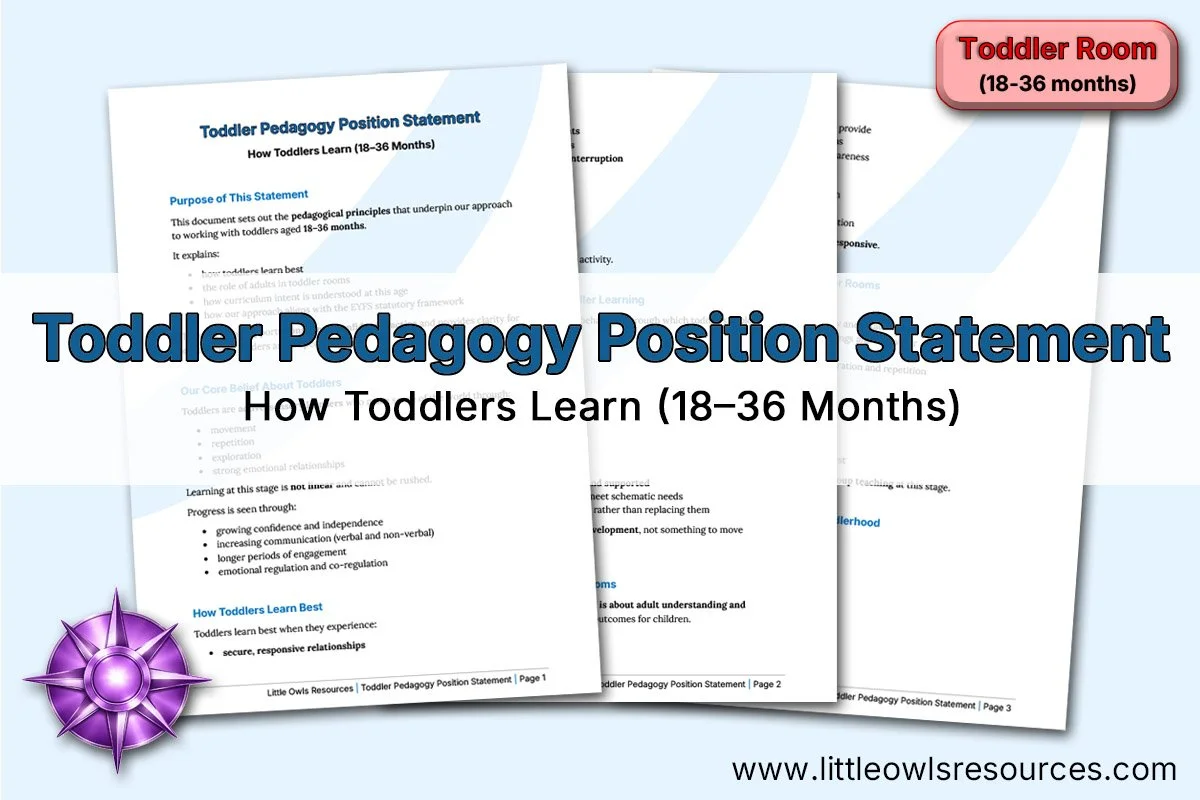
Toddler Pedagogy Position Statement
Preschool Pedagogy Position Statement
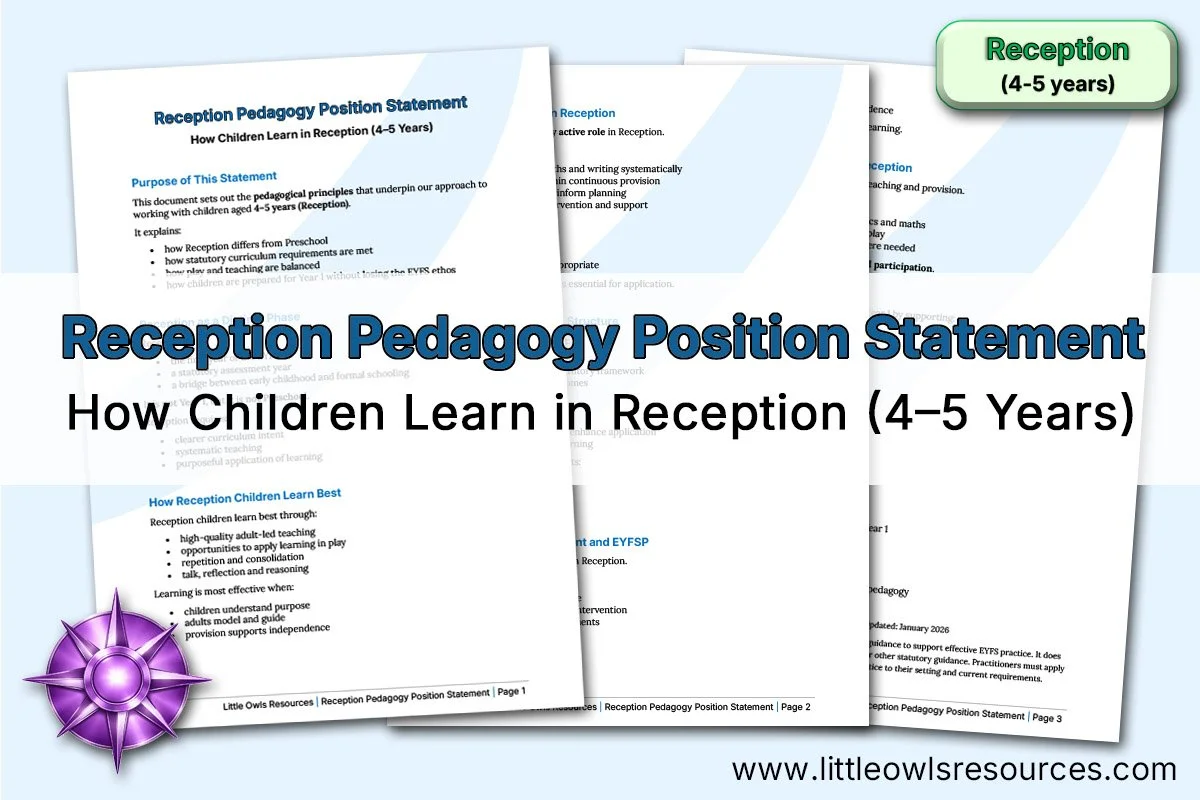
Reception Pedagogy Position Statement
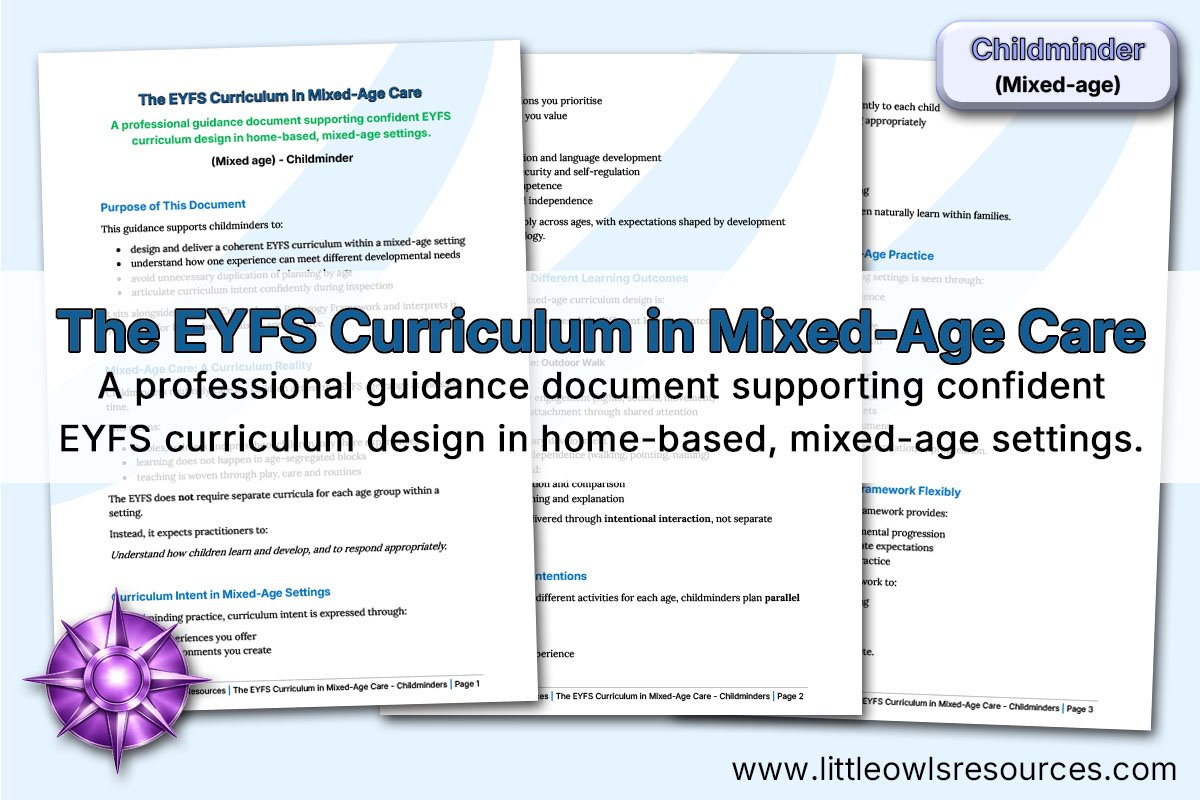
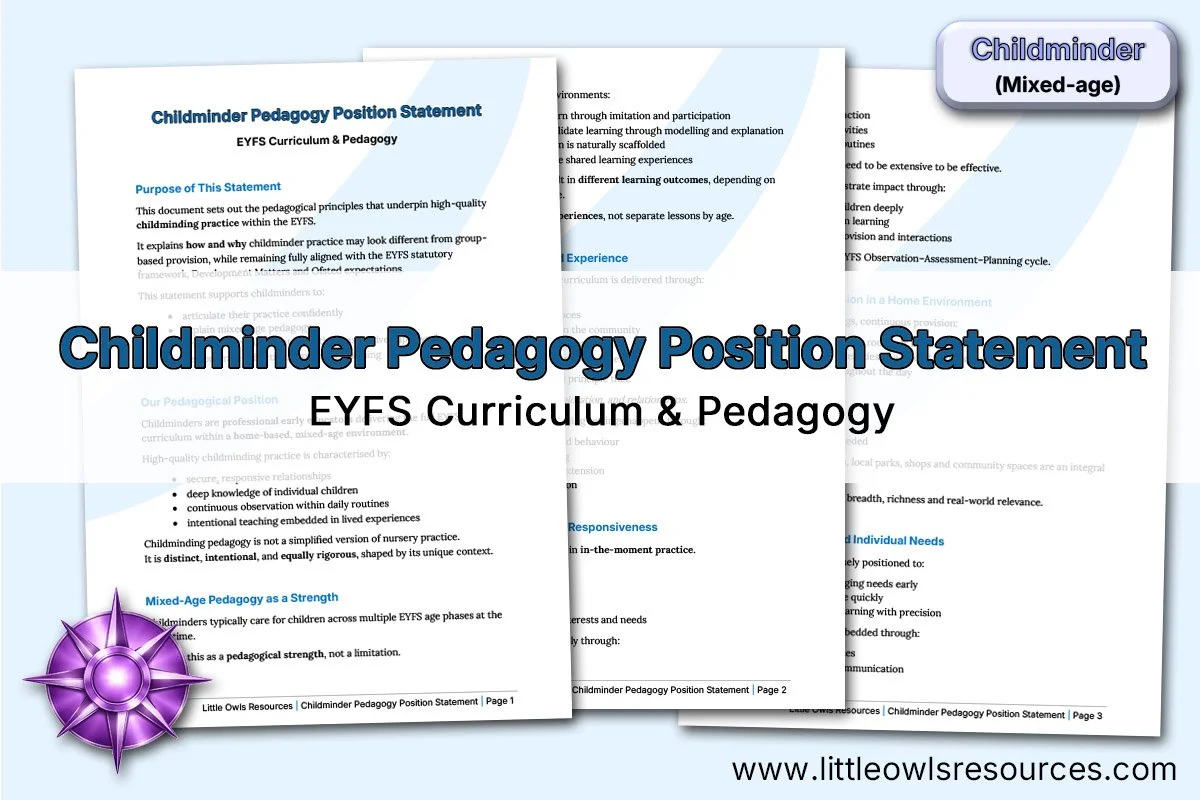
Childminder Pedagogy Position Statement


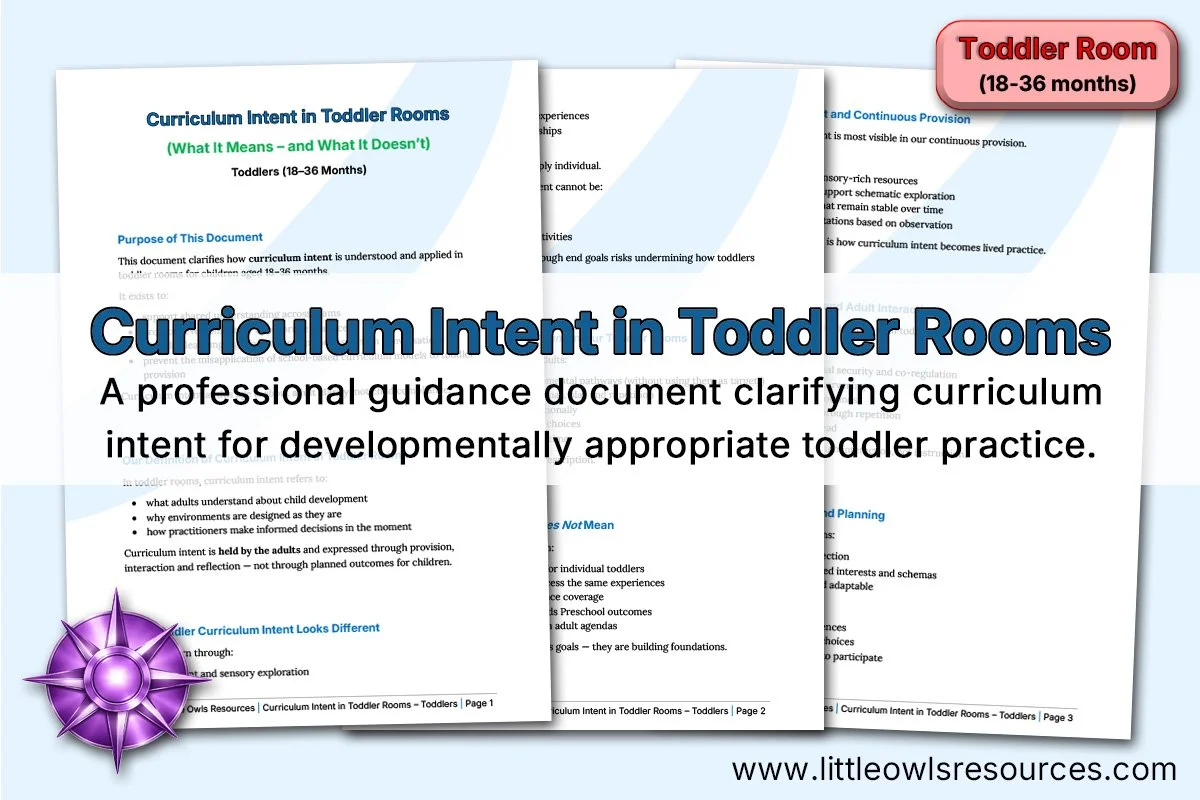

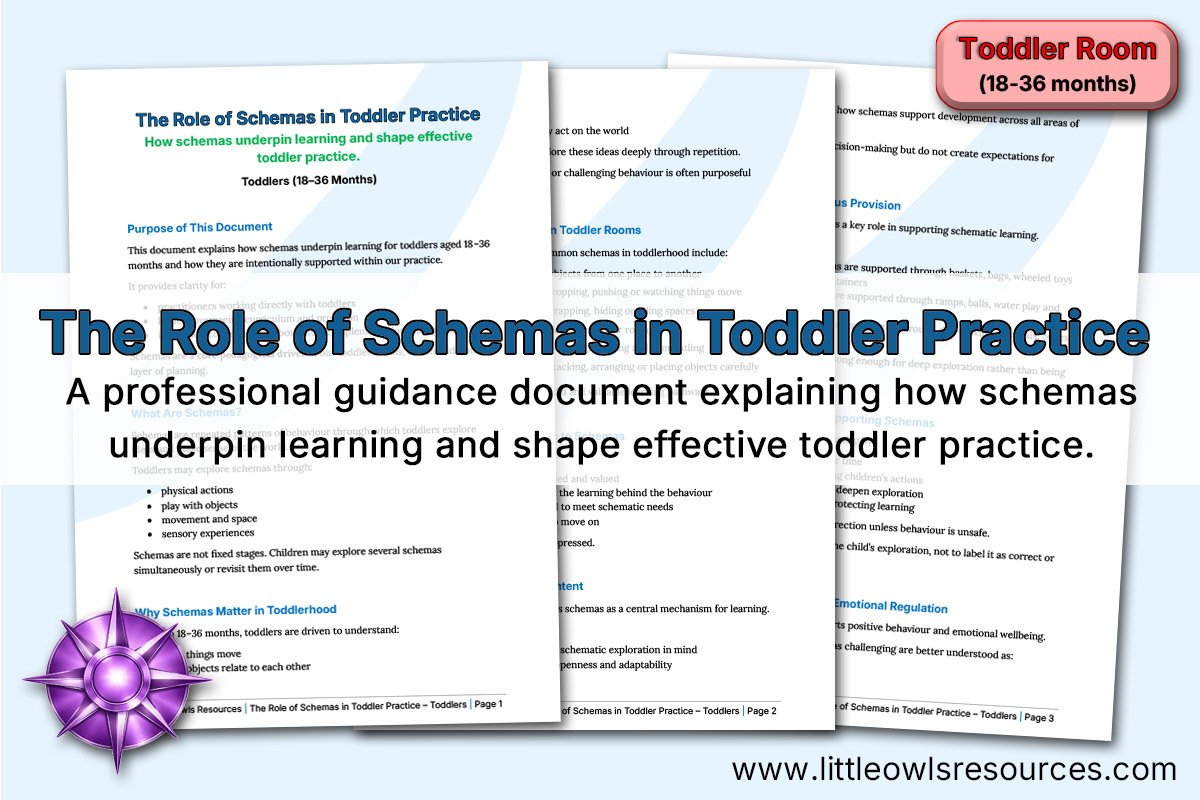


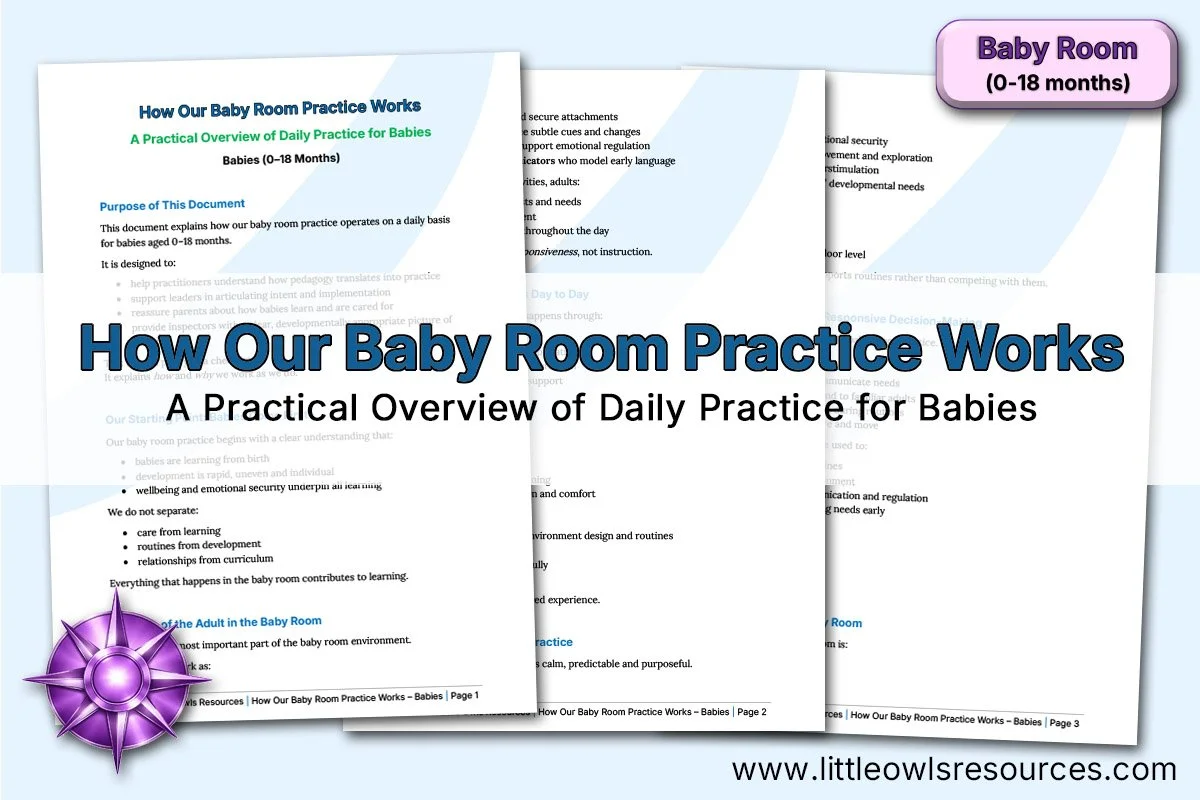



Additional Whole-Setting Guidance | for Professional Members
Explore our whole-setting guidance below, including overarching curriculum and pedagogy documents, early years schemas and EYFS setting policies.
-
-
Early Years Schemas - Practitioner Toolkit | EYFS Birth-5
↪ Schema Cards (definition, behaviours, age-related examples, enabling resources)
↪ Schema Observation & Responsive Provision Planning Template
-
EYFS Group Setting Policies Pack
↪ x 25 Policy Documents
↪ Policy Sign-Off and Confirmation Document
↪ EYFS Setting Policy Folder Contents List
Childminder Setting Policies Pack
↪ x 25 Policy Documents
↪ Childminder Assistant or Volunteer Policy Sign-Off and Confirmation Document
↪ Childminder Policy Folder Contents List
-
↪ Clear, practitioner-friendly explanations of key curriculum and pedagogy terms used throughout our guidance.
Age-Specific Guidance For Children Within Your Care
Select the ages relevant for the children you work with. You do not need to use everything. (Many practitioners use more than one pathway.)
What is Professional Membership?
Find our more about our Professional guidance for confident, reflective EYFS practice (Birth–5)
Latest EYFS Articles & Practical Guides | From Our Blog
Stay informed, get expert advice, and find inspiration from our collection of articles and useful external resources, tailored specifically for EYFS practitioners. We regularly publish in-depth articles to support you with current best practices, regulatory changes, and fresh ideas.





Are you looking for a specific resource or document for your provision?
Use our 🔍 SEARCH Bar located at the top of every page.
Content within the EYFS Curriculum & Pedagogy Membership is provided as professional guidance and support. It reflects current understanding of the EYFS statutory framework, Development Matters and inspection expectations at the time of writing. Practitioners are responsible for applying professional judgement and ensuring practice aligns with current statutory requirements and their specific context.
Updated: January 2026