• Home 🏠
  • About Us
  • Pricing
    • 🌟Printable Resources Hub🌟
    • ↪ Themes
    • ↪ Role Play
    • ↪ Festivals & Celebrations
    • ↪ Special Dates Calendar
    • ↪ Areas of Learning
    • ↪ Organisational Tools
  • EYFS Curriculum & Pedagogy
  • Special Dates Calendar
Menu

Little Owls Resources - Free and Premium Early Years Printables

Street Address
City, State, Zip
Phone Number
Early Years/Preschool/EYFS Printable Activities/Planning/Displays/Paperwork and ideas for Childminders, Preschools, Nursery Practitioners, Teachers and Parents

Your Custom Text Here

Little Owls Resources - Free and Premium Early Years Printables

  • Home 🏠
  • About Us
  • Pricing
  • Printable Resources ⬇
    • 🌟Printable Resources Hub🌟
    • ↪ Themes
    • ↪ Role Play
    • ↪ Festivals & Celebrations
    • ↪ Special Dates Calendar
    • ↪ Areas of Learning
    • ↪ Organisational Tools
  • EYFS Curriculum & Pedagogy
  • Special Dates Calendar

EYFS Curriculum & Pedagogy Glossary | UK Birth-5

January 18, 2026 Stuart Murphy

Home › EYFS Curriculum & Pedagogy


EYFS Curriculum & Pedagogy Glossary

Clear, practical explanations of EYFS curriculum and pedagogy terms — written for early years professionals working across Birth–5.


This glossary has been created to support early years practitioners, leaders and childminders in developing a shared, confident understanding of curriculum, pedagogy and practice within the EYFS.

All definitions are written in plain, UK EYFS-appropriate language, grounded in statutory guidance and current best practice.

Below you will find a catalogue of EYFS Curriculum and Pedagogy terms organised into 13 overarching sections. First select the section and then each term to view corresponding descriptions.

(*Page in Development - Definitions to follow shortly*)


Who This Glossary Is For

  • Early years practitioners and educators

  • EYFS leaders and managers

  • Reception teachers and EYFS leads

  • Childminders and mixed-age practitioners

  • Students and trainees in early years education

Entries are written to support professional understanding, not academic study.


How to Use This Glossary

You can browse the glossary by theme or use it as a reference when planning, reflecting on practice, preparing for inspection or developing professional language.

  • Use definitions to support planning and provision decisions

  • Use shared language to strengthen team discussions and inspection conversations

  • Follow links to related curriculum and pedagogy guidance within the site


Browse terms A–Z

Definitions Coming Soon!

Select a letter to view glossary terms alphabetically, or browse by category below.

 
    • Accessibility in Provision

    • Active Learning

    • Adaptive Teaching (EYFS)

    • Adult-Guided Learning

    • Adult-Led Learning

    • Adult-Led Mini Sessions

    • Alternative Communication

    • Areas of Learning

    • Assessment for Learning (EYFS)

    • Attachment

    • Best Fit Assessment

    • Best-Fit Judgement

    • Care as Curriculum

    • Characteristics of Effective Learning (CoEL)

    • Child-Led Learning

    • Childminder Inspection Readiness

    • Childminder Pedagogy

    • Co-Regulation

    • Coherence (Curriculum)

    • Cognitive Challenge

    • Commenting vs Questioning

    • Continuous Provision

    • Contextual Decision-Making

    • Creating and Thinking Critically

    • Cultural Capital (EYFS-Appropriate)

    • Curriculum Coverage (EYFS)

    • Curriculum Impact

    • Curriculum Implementation

    • Curriculum Intent

    • Curriculum Phase Planning (Reception)

    • Data vs Professional Judgement

    • Deep-Level Engagement

    • Depth vs Breadth

    • Development Matters

    • Developmentally Appropriate Practice

    • Dialogic Talk

    • Early Learning Goals (ELGs)

    • Early Mathematical Thinking

    • Early Reading

    • Early Writing

    • Early Years Foundation Stage (EYFS)

    • Emotional Regulation

    • Enabling Environment

    • English as an Additional Language (EAL)

    • Enhanced Provision

    • Environment Audit

    • Evidence-Informed Practice

    • Evidence-Light Practice

    • Executive Function

    • Flexible Planning

    • Floor-Based Play

    • Focused Observation

    • Free-Flow Play

    • Graduated Response

    • Guided Play

    • Guidance vs Prescription

    • Heuristic Play

    • High-Quality Interactions

    • Home-Based EYFS Provision

    • Inclusive Practice

    • Independence in Learning

    • Indoor Provision

    • In-the-Moment Teaching

    • Inspection-Ready Practice

    • Individualised Curriculum

  • Key Person Approach

    • Language-First Approach

    • Language-Rich Pedagogy

    • Learning Stories

    • Learning Walks

    • Literacy (EYFS Contextualised) (optional label if you wish)

    • Lone Practitioner EYFS Practice

    • Loose Parts

    • Long-Term Curriculum Planning

    • Mark Making

    • Mathematical Talk

    • Measure (EYFS)

    • Medium-Term Planning (EYFS)

    • Metacognition (EYFS-Appropriate)

    • Makaton (Contextual Use)

    • Mixed-Age Planning

    • Mixed-Age Provision

    • Modelling

    • Moderation

    • Narrative Observation

    • Next Steps

    • Number Composition

    • Number Sense

    • Observation (EYFS)

    • Observation–Assessment–Planning (OAP) Cycle

    • Ofsted Childminder Inspection

    • Ofsted Deep Dive (EYFS-Appropriate)

    • Open-Ended Questioning

    • Oracy

    • Orientation Schema

    • Outdoor Provision

    • Over-Assessment

    • Over-Provisioning vs Under-Provisioning

    • Paperwork Reduction (Childminders)

    • Part–Whole Relationships

    • Pattern & Structure

    • Pedagogy

    • Pedagogical Leadership

    • Phase 1 Phonics

    • Phonological Awareness

    • Planning in the Moment

    • Planning Without Paperwork

    • Play Pedagogy

    • Playing and Exploring

    • Positioning Schema

    • Prime Areas

    • Professional Accountability

    • Professional Development (EYFS)

    • Professional Judgement

    • Professional Knowledge of the Child

    • Progress Tracking

    • Provision Mapping

    • Quality Assurance (EYFS)

    • Reasonable Adjustments

    • Reasoning (EYFS)

    • Reception Baseline (Contextual Reference)

    • Reception Pedagogy

    • Reception vs Key Stage 1 Pedagogy

    • Reflective Practice

    • Responsive Care

    • Responsive Planning

    • Resource Rotation

    • Routine as Learning

    • Rotation Schema

    • Safeguarding (Contextual Reference)

    • Schema

    • Schema-Informed Provision

    • Scaffolding

    • Scaffolding for SEND

    • School Readiness (Reframed)

    • Secure Attachment

    • SEND (Special Educational Needs and Disabilities)

    • Sensory Development

    • Sensory Integration

    • Sensory Regulation

    • Settling-In Practices

    • Short-Term Planning

    • Self-Directed Learning

    • Self-Regulation (Early Years)

    • Spatial Awareness

    • Specific Areas

    • Specialist Support

    • Statutory Compliance

    • Statutory vs Non-Statutory Guidance

    • Stretch and Challenge (EYFS-Appropriate)

    • Subitising

    • Supervision (Early Years)

    • Sustained Shared Thinking

    • Systematic Synthetic Phonics (Reception)

    • Targeted Support

    • Teaching Through Play

    • Third Teacher

    • Transition (Daily & Developmental)

    • Transition to Year 1

    • Transcription vs Composition

    • Trajectory Schema

    • Transporting Schema

    • Treasure Baskets

    • Types of Play (EYFS)

    • Universal Continuous Provision

    • Universal Support

  • Writing for Purpose


Browse by category

Categories reflect how terms are used in practice across Birth–5. (Definitions to follow shortly!)

    • Areas of Learning

    • Best Fit Assessment

    • Characteristics of Effective Learning (CoEL)

    • Coherence (Curriculum)

    • Curriculum Impact

    • Curriculum Implementation

    • Curriculum Intent

    • Development Matters

    • Early Learning Goals (ELGs)

    • Early Years Foundation Stage (EYFS)

    • EYFS Statutory Framework

    • EYFSP (Early Years Foundation Stage Profile)

    • Observation–Assessment–Planning (OAP) Cycle

    • Prime Areas

    • Professional Judgement

    • Progression (EYFS)

    • Specific Areas

    • Statutory vs Non-Statutory Guidance

    • Adult-Guided Learning

    • Adult-Led Learning

    • Child-Led Learning

    • Cognitive Challenge

    • Commenting vs Questioning

    • Dialogic Talk

    • Guided Play

    • High-Quality Interactions

    • In-the-Moment Teaching

    • Language-Rich Pedagogy

    • Metacognition (EYFS-Appropriate)

    • Modelling

    • Open-Ended Questioning

    • Pedagogy

    • Play Pedagogy

    • Scaffolding

    • Sustained Shared Thinking

    • Teaching Through Play

    • Attachment

    • Care as Curriculum

    • Co-Regulation

    • Emotional Regulation

    • Floor-Based Play

    • Heuristic Play

    • Key Person Approach

    • Responsive Care

    • Routine as Learning

    • Secure Attachment

    • Sensory Development

    • Sensory Integration

    • Settling-In Practices

    • Self-Regulation (Early Years)

    • Transition (Daily & Developmental)

    • Treasure Baskets

    • Active Learning

    • Creating and Thinking Critically

    • Deep-Level Engagement

    • Enveloping Schema

    • Orientation Schema

    • Playing and Exploring

    • Positioning Schema

    • Repetitive Play

    • Rotation Schema

    • Schema

    • Schema-Informed Provision

    • Trajectory Schema

    • Transporting Schema

    • Types of Play (EYFS)

    • Accessibility in Provision

    • Area-Based Provision

    • Continuous Provision

    • Enabling Environment

    • Enhanced Provision

    • Environment Audit

    • Free-Flow Play

    • Indoor Provision

    • Loose Parts

    • Open-Ended Resources

    • Outdoor Provision

    • Over-Provisioning vs Under-Provisioning

    • Provision Mapping

    • Resource Rotation

    • Third Teacher

    • Universal Continuous Provision

    • Adult-Led Mini Sessions

    • Curriculum Coverage (EYFS)

    • Curriculum Phase Planning (Reception)

    • Depth vs Breadth

    • Flexible Planning

    • Long-Term Curriculum Planning

    • Medium-Term Planning (EYFS)

    • Planning in the Moment

    • Planning Without Paperwork

    • Reception vs Key Stage 1 Pedagogy

    • Responsive Planning

    • Short-Term Planning

    • Assessment for Learning (EYFS)

    • Best-Fit Judgement

    • Data vs Professional Judgement

    • Evidence-Light Practice

    • EYFSP Moderation

    • Focused Observation

    • Learning Stories

    • Moderation

    • Narrative Observation

    • Next Steps

    • Observation (EYFS)

    • Over-Assessment

    • Professional Knowledge of the Child

    • Progress Tracking

    • Adaptive Teaching (EYFS)

    • Alternative Communication

    • Cultural Capital (EYFS-Appropriate)

    • EAL (English as an Additional Language)

    • Graduated Response

    • Inclusive Practice

    • Language-First Approach

    • Makaton (Contextual Use)

    • Reasonable Adjustments

    • Scaffolding for SEND

    • SEND (Special Educational Needs and Disabilities)

    • Sensory Regulation

    • Specialist Support

    • Targeted Support

    • Universal Support

  • Literacy & Communication

    • Early Reading

    • Early Writing

    • Mark Making

    • Oracy

    • Phase 1 Phonics

    • Phonological Awareness

    • Scheme-Compatible Phonics

    • Systematic Synthetic Phonics (Reception)

    • Transcription vs Composition

    • Writing for Purpose

    Mathematics

    • Early Mathematical Thinking

    • Mathematical Talk

    • Measure (EYFS)

    • Number Composition

    • Number Sense

    • Part–Whole Relationships

    • Pattern & Structure

    • Reasoning (EYFS)

    • Spatial Awareness

    • Subitising

    • Developmentally Appropriate Practice

    • Executive Function

    • Independence in Learning

    • Readiness for Formal Learning

    • Reception Baseline (Contextual Reference)

    • Reception Pedagogy

    • School Readiness (Reframed)

    • Self-Directed Learning

    • Stretch and Challenge (EYFS-Appropriate)

    • Transition to Year 1

    • Childminder Inspection Readiness

    • Childminder Pedagogy

    • Home-Based EYFS Provision

    • Individualised Curriculum

    • Lone Practitioner EYFS Practice

    • Mixed-Age Planning

    • Mixed-Age Provision

    • Ofsted Childminder Inspection

    • Paperwork Reduction (Childminders)

    • Planning for Multiple Ages

    • Evidence-Informed Practice

    • EYFS Leadership

    • Inspection-Ready Practice

    • Learning Walks

    • Ofsted Deep Dive (EYFS-Appropriate)

    • Pedagogical Leadership

    • Professional Development (EYFS)

    • Quality Assurance (EYFS)

    • Reflective Practice

    • Staff Induction (EYFS)

    • Supervision (Early Years)

    • Best Practice (EYFS-Contextualised)

    • Contextual Decision-Making

    • Guidance vs Prescription

    • Practitioner Autonomy

    • Professional Accountability

    • Safeguarding (Contextual Reference)

    • Statutory Compliance


Commonly used terms

(Definitions to follow shortly!)

  • Pedagogy

  • Continuous Provision

  • Care as Curriculum

  • In-the-Moment Teaching

  • Sustained Shared Thinking

  • Observation–Assessment–Planning (OAP)

  • Characteristics of Effective Learning


This glossary provides professional guidance informed by the EYFS statutory framework and current best practice. It is intended to support practitioner understanding and does not replace statutory guidance or professional judgement.

Looking for deeper guidance?

Many glossary terms link directly to extended curriculum and pedagogy guidance within our Professional Membership, where concepts are explored in greater depth and applied to practice.

Explore Professional Membership

(Pathways available for 0-18 months | 18-36 months | 3-4 years | 4-5 years | mixed-age)


Whole-Setting Guidance | for Professional Members

Explore our whole-setting guidance below, including overarching curriculum and pedagogy documents, early years schemas and EYFS setting policies.

Start Here:

Read about our EYFS birth-5 curriculum intent & pedagogy:

‘Little Owls Resources’ Curriculum Intent Statement’ or ‘EYFS from Birth to 5 | Curriculum Coherence & Pedagogical Throughline’

    • Little Owls Resources’ Curriculum Intent Statement

    • EYFS from Birth to 5: Curriculum Coherence & Pedagogical Throughline

    • Whole-Setting Curriculum Map (Birth-5): Curriculum Intent & Progression

    • Pedagogy Guidance Document

    • Speech & Language Development - Setting Statement

    • EYFS Inspection-Facing Summaries

  • Early Years Schemas - Practitioner Toolkit | EYFS Birth-5

    ↪ Schema Cards (definition, behaviours, age-related examples, enabling resources)

    ↪ Schema Observation & Responsive Provision Planning Template

    • EYFS Group Setting Policies Pack

      ↪ x 22 Policy Documents

      ↪ Policy Sign-Off and Confirmation Document

      ↪ EYFS Setting Policy Folder Contents List

    • Childminder Setting Policies Pack

      ↪ x 22 Policy Documents

      ↪ Childminder Assistant or Volunteer Policy Sign-Off and Confirmation Document

      ↪ Childminder Policy Folder Contents List

  • EYFS Glossary

    ↪ Clear, practitioner-friendly explanations of key curriculum and pedagogy terms used throughout our guidance.


Looking to explore our age-specific pathways?

Select the pathway that best reflects your role or the age group you work with. You do not need to use everything. (Some practitioners may use more than one pathway.)
Featured
🍼 Babies (0–18 months)

Responsive care, observation and development in the earliest years

🚼 Toddlers (18–36 months)

Development, play and progression in the toddler years

🎨 Preschool (3–4 years)

Curriculum, continuous provision and purposeful teaching

🎓 Reception (4–5 years)

Play-based pedagogy, progression and EYFSP readiness

🏡 Childminders (Birth–5)

Mixed-age pedagogy, planning without overload and inspection confidence


What is Professional Membership?

Find our more about our Professional guidance for confident, reflective EYFS practice (Birth–5)


Alternatively, learn more about and explore our Printable Provision resources:

  • Free Membership

  • Premium Membership

  • Explore our Printable Provision Resources


Latest EYFS Articles & Practical Guides | From Our Blog

Stay informed, get expert advice, and find inspiration from our collection of articles and useful external resources, tailored specifically for EYFS practitioners. We regularly publish in-depth articles to support you with current best practices, regulatory changes, and fresh ideas.
EYFS & KS1 Articles
Major UK Curriculum Shake-Up Announced: What EYFS & KS1 Practitioners Need to Know

A major overhaul of the national curriculum in England has been announced following the publication of the independent Curriculum and Assessment Review. For those working in the Early Years Foundation Stage (EYFS) and Key Stage 1 (KS1), the changes signal a renewed focus on practical life skills, digital literacy, and enriching learning experiences…

Read More →
New Education Inspection Framework | What EYFS Settings Need to Know

The world of early years education is constantly evolving, and with it, the frameworks that guide and assess our invaluable work. Come November 2025, a significant shift will occur as the new Education Inspection Framework (EIF) comes into effect, bringing with it some crucial changes…

Read More →
Revised 2025 EYFS Statutory Framework for Group & School-Based Providers | What You Need to Know

With the new 2025 EYFS Statutory Framework for group and school-based providers coming into effect on 1st September 2025, it's essential to understand the updates to ensure your practice remains compliant, effective…

Read More →
Revised 2025 EYFS Statutory Framework for Childminders | What You Need to Know

As dedicated early years professionals, you play a vital role in nurturing the growth and development of our youngest learners. Keeping up-to-date with the latest guidelines is crucial, and today, July 14, 2025…

Read More →
DfE Press Release | Parents urged to read more to boost children’s life chances

The Education Secretary is calling on parents to lead by example and make reading a daily habit to help reverse the decline in reading for pleasure, to help give kids the best start in life as part of the…

Read More →
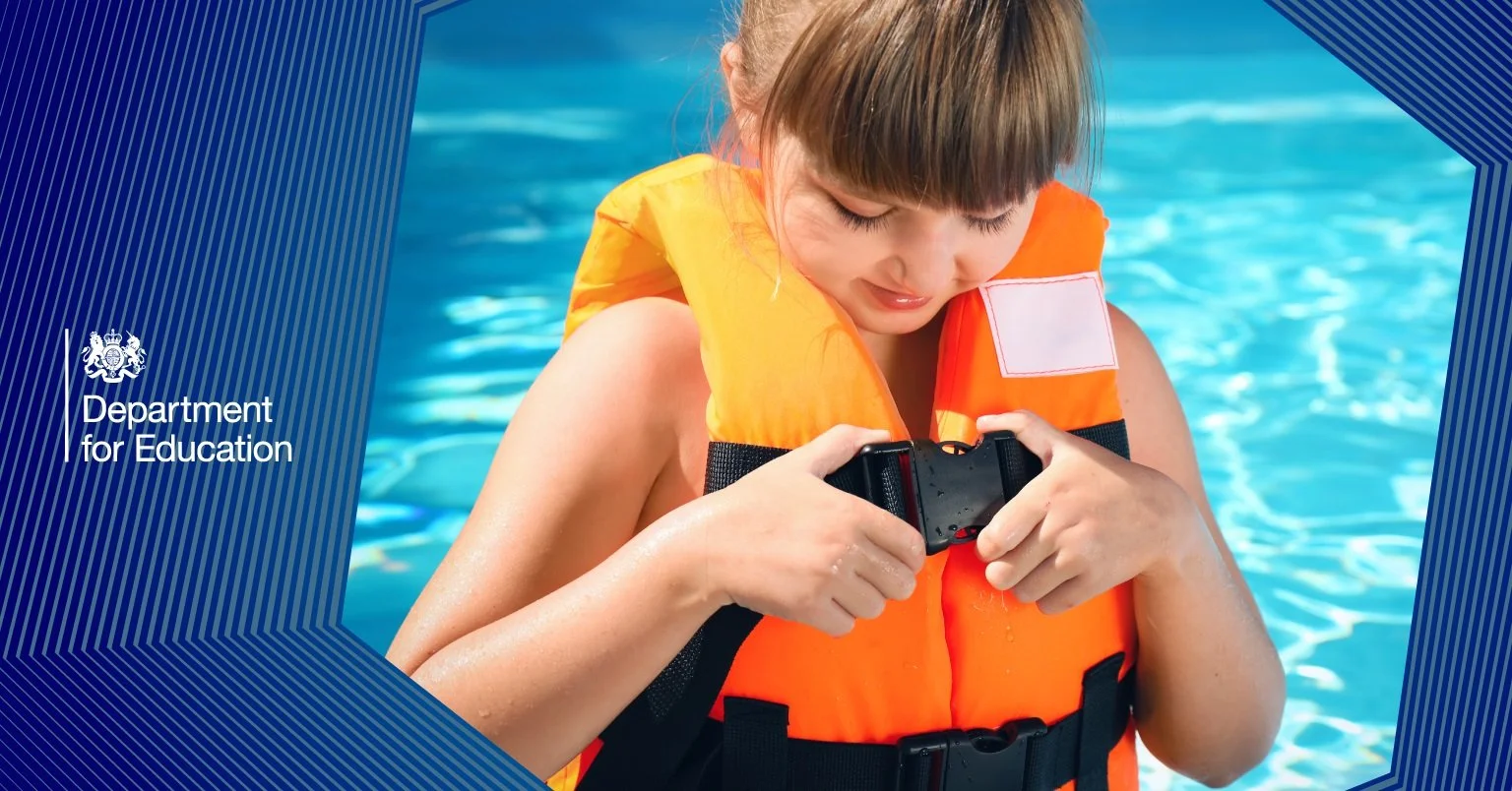
DfE Update | Drowning Prevention Week: what children learn about water safety at school

As we head into summer, it’s especially important that children are prepared with these skills. This year, the Royal Life Saving Society UK's Drowning Prevention Week runs from 14 June to 21…

Read More →
DfE Update | Hot weather and heatwaves: guidance for schools and other education settings

There are several ways that schools can make changes to keep children safe in hot weather, especially as children are more at risk of becoming ill with heat-related issues than adults…

Read More →
 

Are you looking for a specific resource or document for your provision?

Use our 🔍 SEARCH Bar located at the top of every page.

 
In EYFS | 0-5 Years, *Whole-Setting, *Mixed-Age Tags Whole-Setting, EYFS Curriculum & Pedagogy Glossary | UK Birth-5
← Strength-Based Progress Overview | Preschool 3-4 Years (Overview)Mini Theme Pack: Beaches & Coastlines | Preschool Planning (Overview) →

Trusted by over 35,000 members

- early years professionals across nurseries, schools and childminding settings


Contact Little Owls Resources support:

support@littleowlsresources.com

Information

  • About | Testimonials

  • Privacy Policy

  • Cookie Policy

  • Terms & Conditions

  • Help Page

Core Navigation

  • Membership

  • Printable Resources

  • Events Calendar

  • Curriculum & Pedagogy

Thank-you Little Owls Resources members! Our community is growing! 😊


Read our File Format information

Copyright on all of the images, files & resources housed on this website is held by ‘Little Owls Resources’. In downloading any of these resources you are issued a single licence for your own use and the right to grant a limited licence to your students to use the licensed material as part of your teaching and their own use.

Our resources (including the images within them), cannot be shared or sold commercially.

Website powered by Squarespace

Search powered by https://www.sitesearch360.com