

Free Access · Open preview
Scottish Saltire Flag Puzzles
Rebuild the Scottish flag with two two-piece puzzles and one four-piece puzzle, matching the blue-and-white shapes.

Your Custom Text Here
Theme collection · EYFS & KS1
Explore Scotland’s flag, tartan patterns, drawing, making and puzzles, with songs and traditional verse to share.
Choose a few resources that connect with your children and families. Leave room for their own designs, questions and experiences as you explore Scotland together.
St. Andrew’s Day: Monday 30 November 2026
Scotland’s national day is marked each year on 30 November.
Explore 3 free resources ↓
St. Andrew’s Day context & teaching ideas ↓
Find your starting point
Try a resource, activity or age. Choose a result to see its cover here, then open the resource when you are ready. Search includes resources inside the expandable groups and the related pages below.
Search becomes available when JavaScript is enabled. You can always browse using the section choices above.
01 / Explore the theme
3 resources are available with Free Access. Begin with flag matching, colouring or a display banner. Each free resource appears once here; its preview leads to the free download area.
Rebuild the Scottish flag with two two-piece puzzles and one four-piece puzzle, matching the blue-and-white shapes.
Suggested use: Toddlers with adult support · Preschool · Reception

Colour Scottish-themed pictures including kilts, bagpipes and the Saltire flag.
Suggested use: Preschool · Reception · Selected KS1 uses
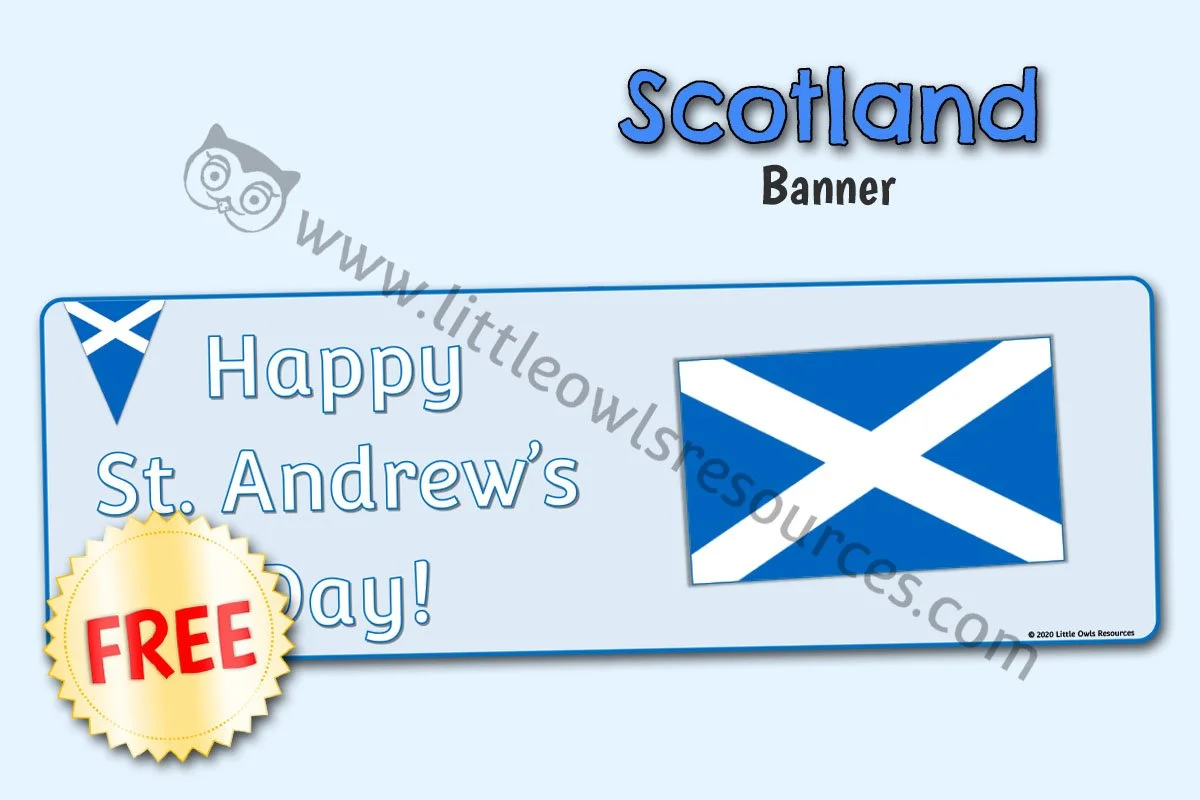
An editable Happy St Andrew’s Day banner with Scottish-themed graphics for decorating a classroom or celebration.
02 / Explore the theme
Explore crossing lines, colours and repeating patterns. Offer drawing, collage and other materials so children can develop their own designs, then choose bunting or a banner for a shared display.

Decorate a bagpipe outline using playdough, loose parts, drawing or collage. The sheet can be laminated for repeated mark making.
Suggested use: Preschool · Reception · Selected KS1 uses
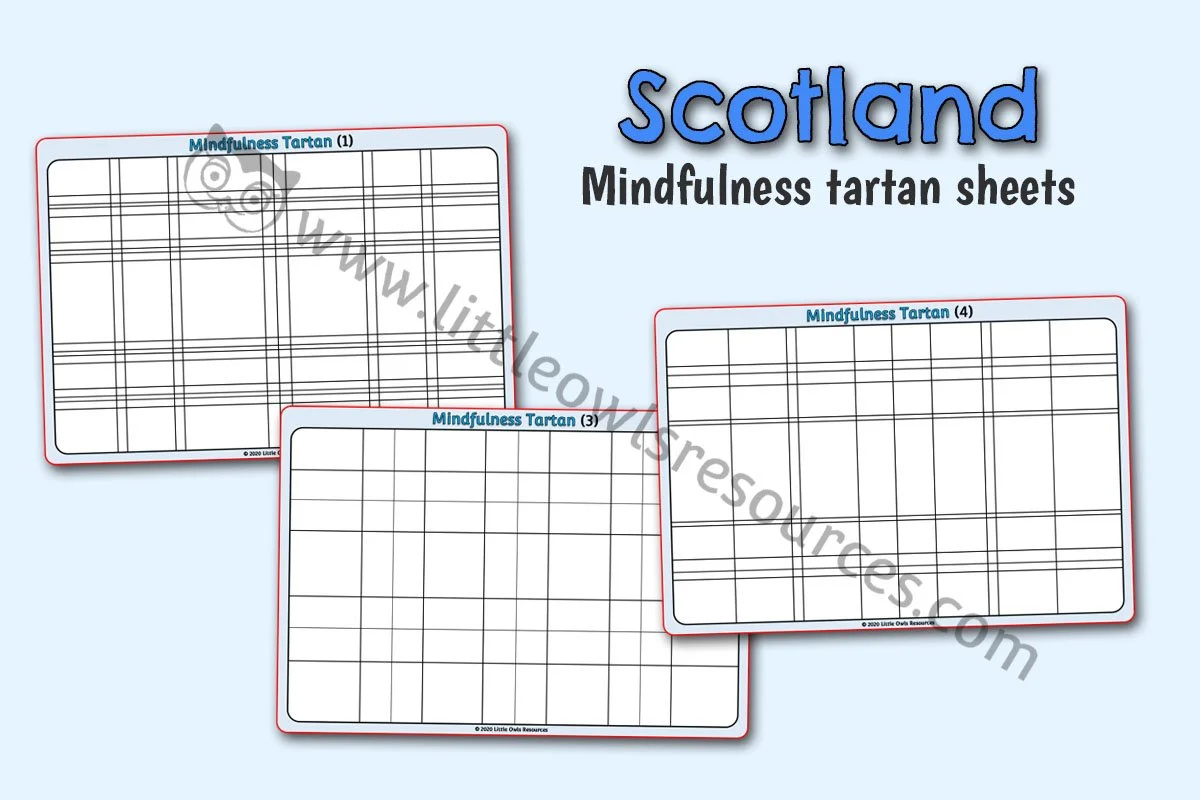
Colour tartan kilt patterns and explore how lines and chosen colours create a design. Suitable for a quiet creative activity.
Suggested use: Reception · Selected KS1 uses
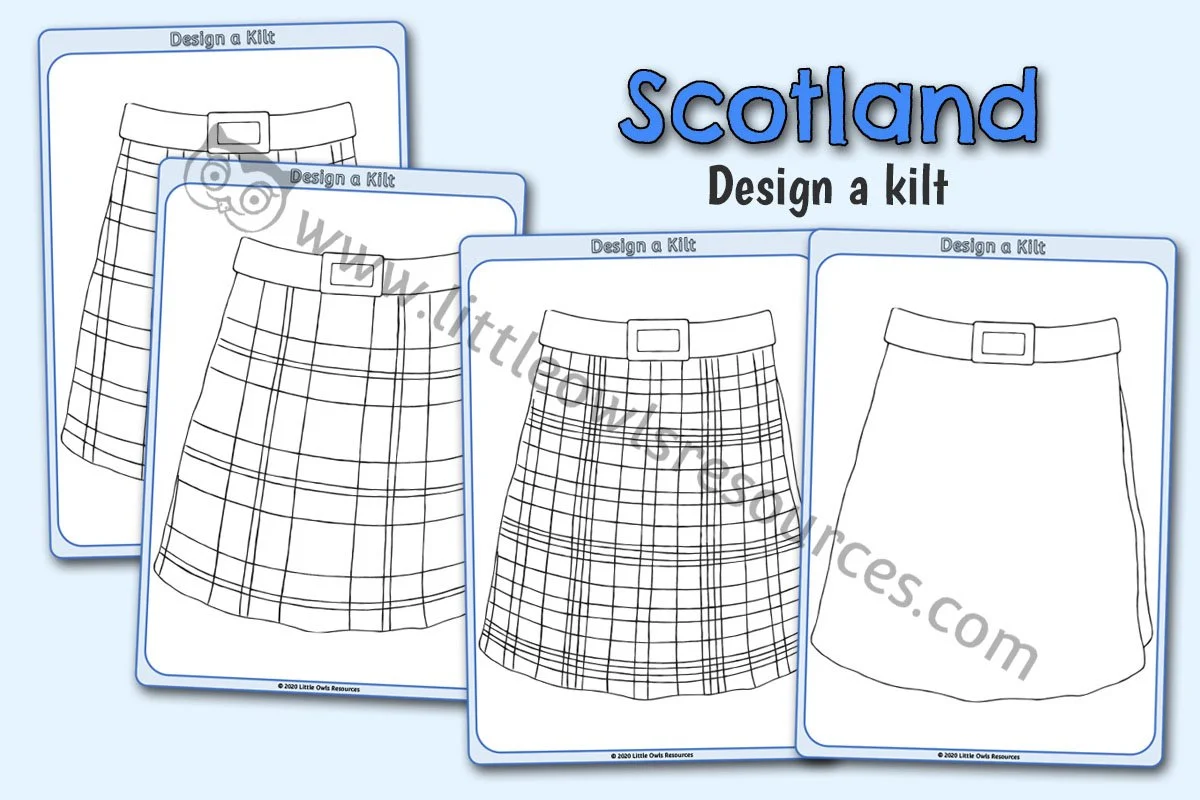
Add colours, lines and patterns to blank kilt outlines to create individual clothing designs inspired by Scottish tartan.
Suggested use: Preschool · Reception · Selected KS1 uses
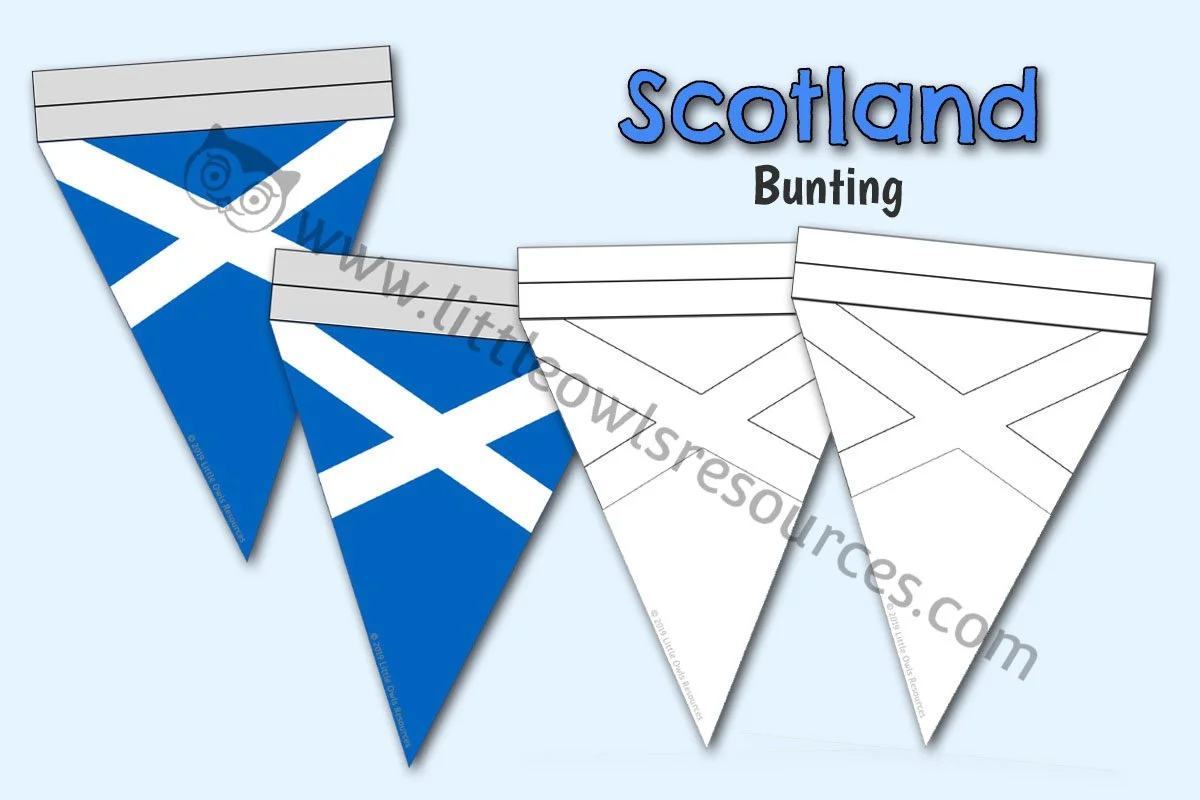
Triangular Saltire bunting in full colour and outline versions. Print a display or invite children to colour individual flags.
Suggested use: Preschool · Reception · Selected KS1 uses

A Saltire outline to colour, paint or collage, with the option to cut out the finished flag for a display or simple craft.
Suggested use: Preschool · Reception · Selected KS1 uses
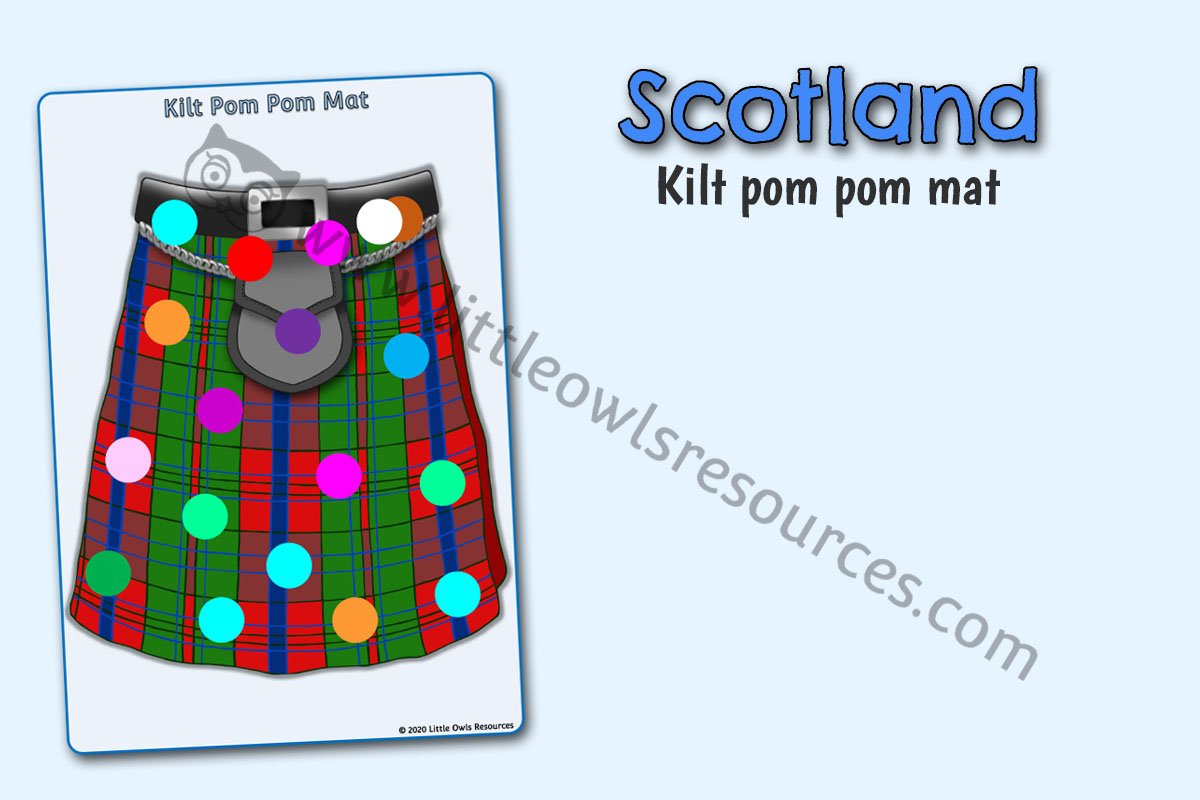
Fill the coloured circular spaces on a kilt mat with pom-poms or other suitable materials to explore colour and careful placement.
Suggested use: Preschool · Reception
03 / Explore the theme
Give marks a purpose: draw something noticed, label a picture or dictate a message. Choose the page layout that offers enough space for the child’s idea.

Portrait Saltire border paper for drawing and writing, with two lined options and a blank sheet in both colour and colouring versions.
Suggested use: Preschool · Reception · Selected KS1 uses
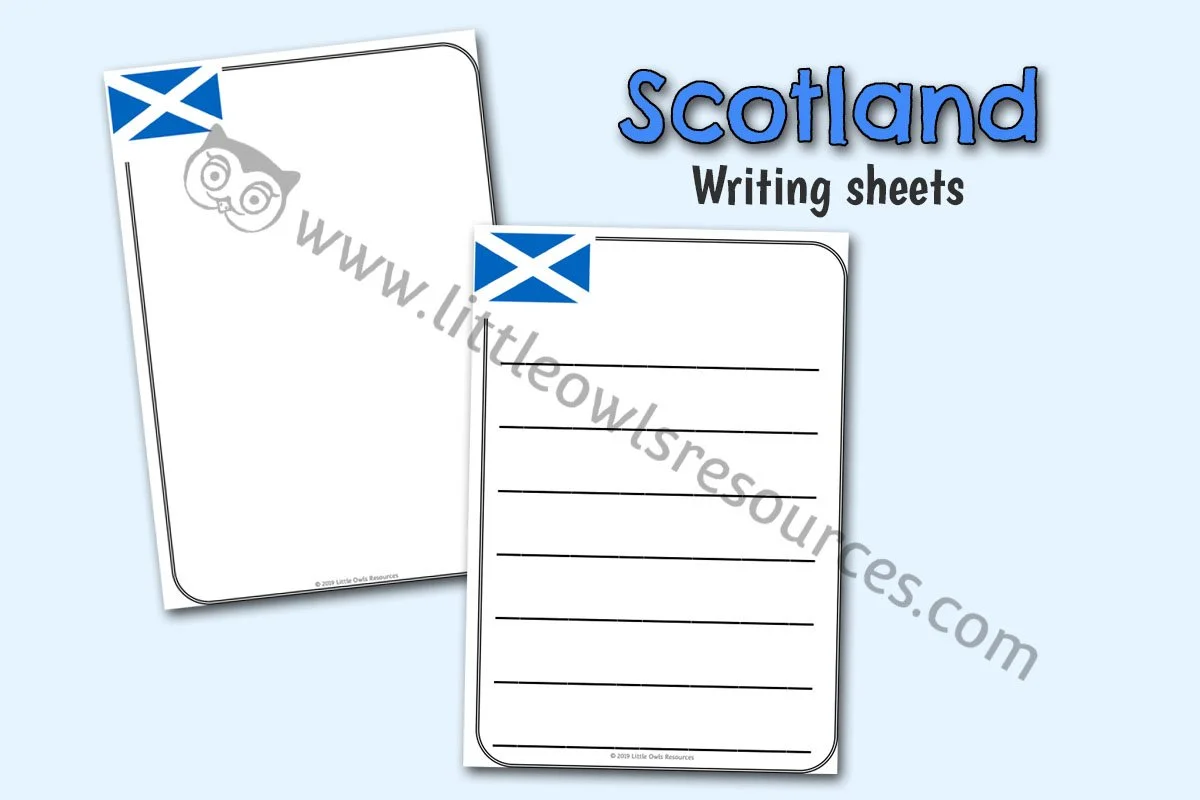
Two sheets with a small Saltire motif in the top-left corner: one lined for writing and one blank for drawing and early marks.
Suggested use: Preschool · Reception · Selected KS1 uses
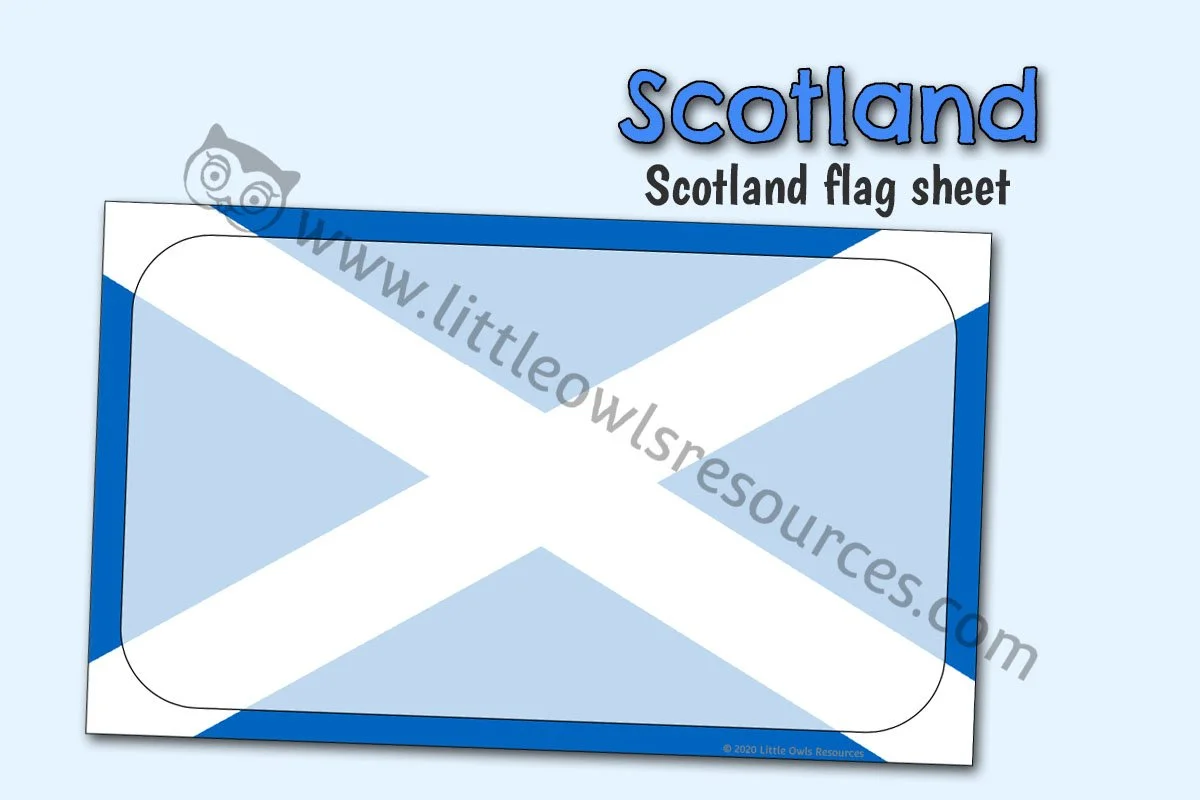
An A4 sheet with a faded Saltire background for drawings, early marks, captions and topic writing.
Suggested use: Preschool · Reception · Selected KS1 uses
04 / Explore the theme
Look carefully at colours, lines and quantities. Begin with a few pieces, choose a suitable number range and invite children to explain how they know that pieces belong together.
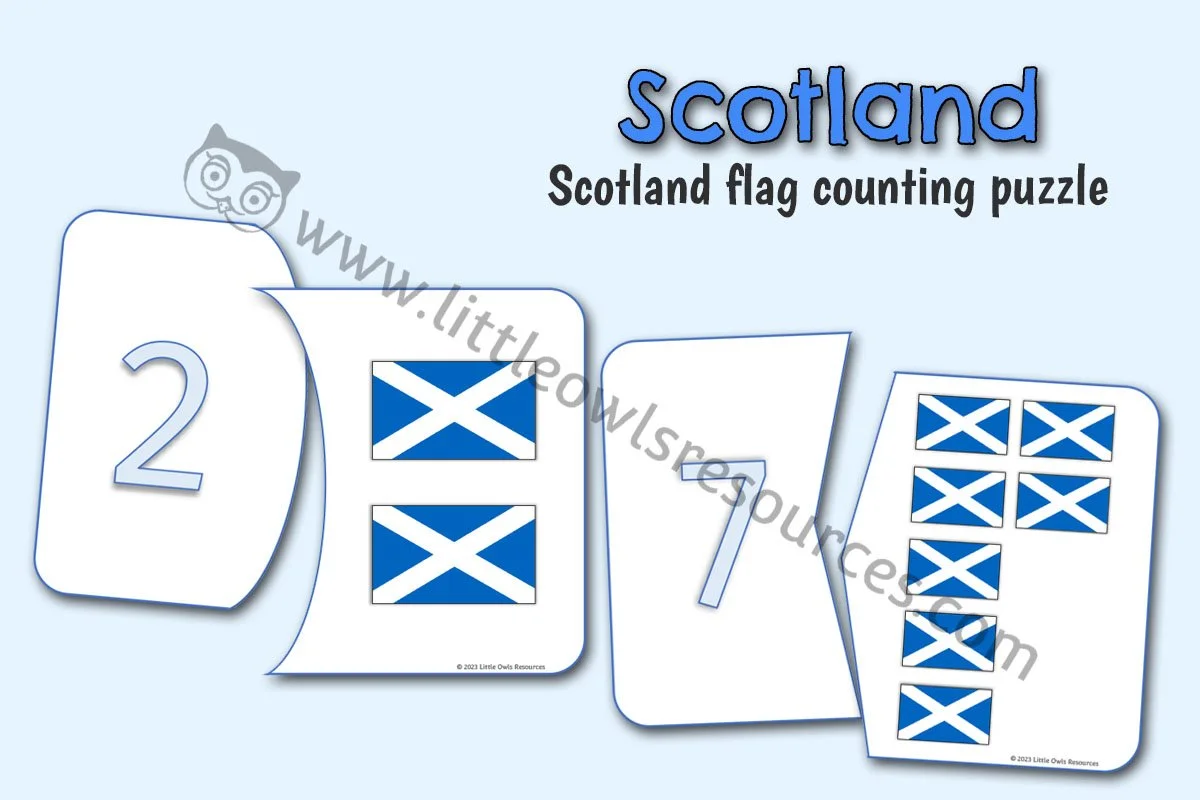
Match numbers 1–10 to the corresponding quantities of Saltire flags, using differently shaped puzzle joins to check each pair.
Suggested use: Preschool · Reception
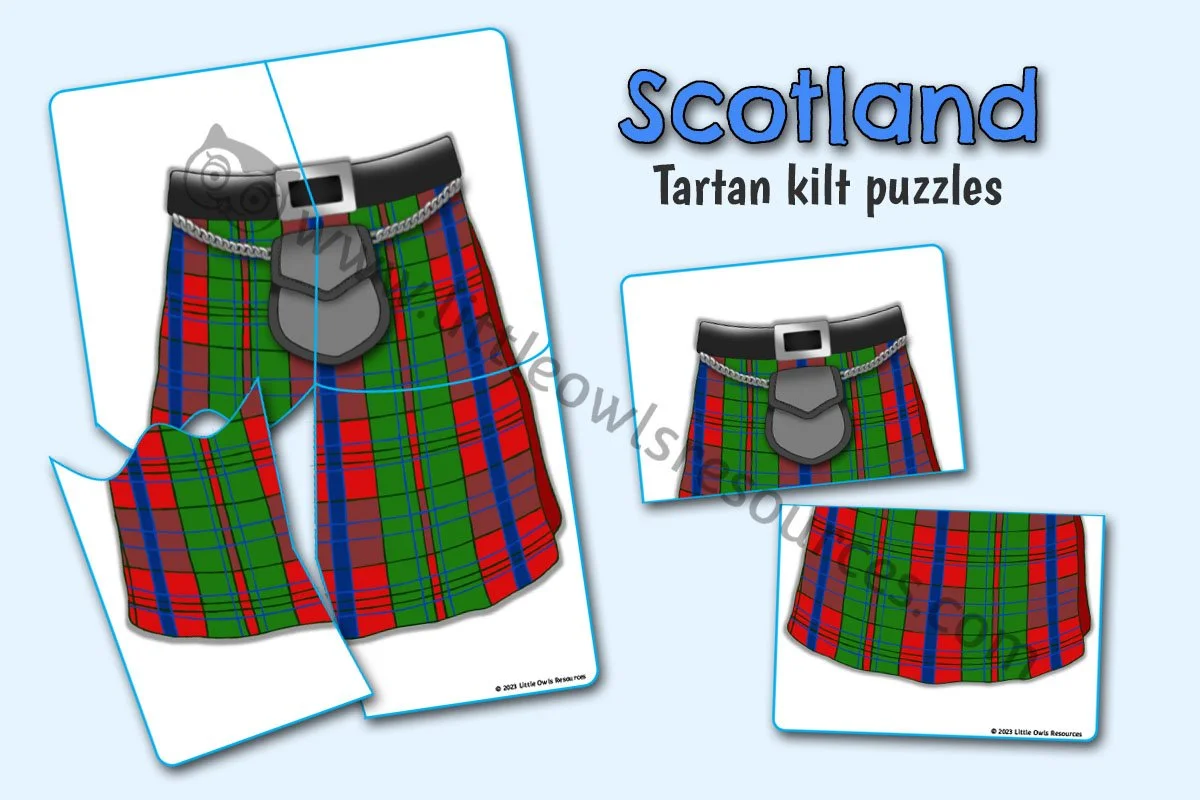
Match tartan colours and patterns with two two-piece kilt puzzles and one four-piece puzzle.
Suggested use: Toddlers with adult support · Preschool · Reception
05 / Explore the theme
Explore selected facts, music and traditional verse with adult support. Use photographs, maps and conversations about present-day Scottish places and people alongside the printed resources.
The Selkirk Grace is a traditional Scots mealtime grace thanking God for food, associated with Robert Burns. Choose how to introduce its religious language for your setting; children can learn about a text without being asked to recite it. The three editions below offer different ways to use it.
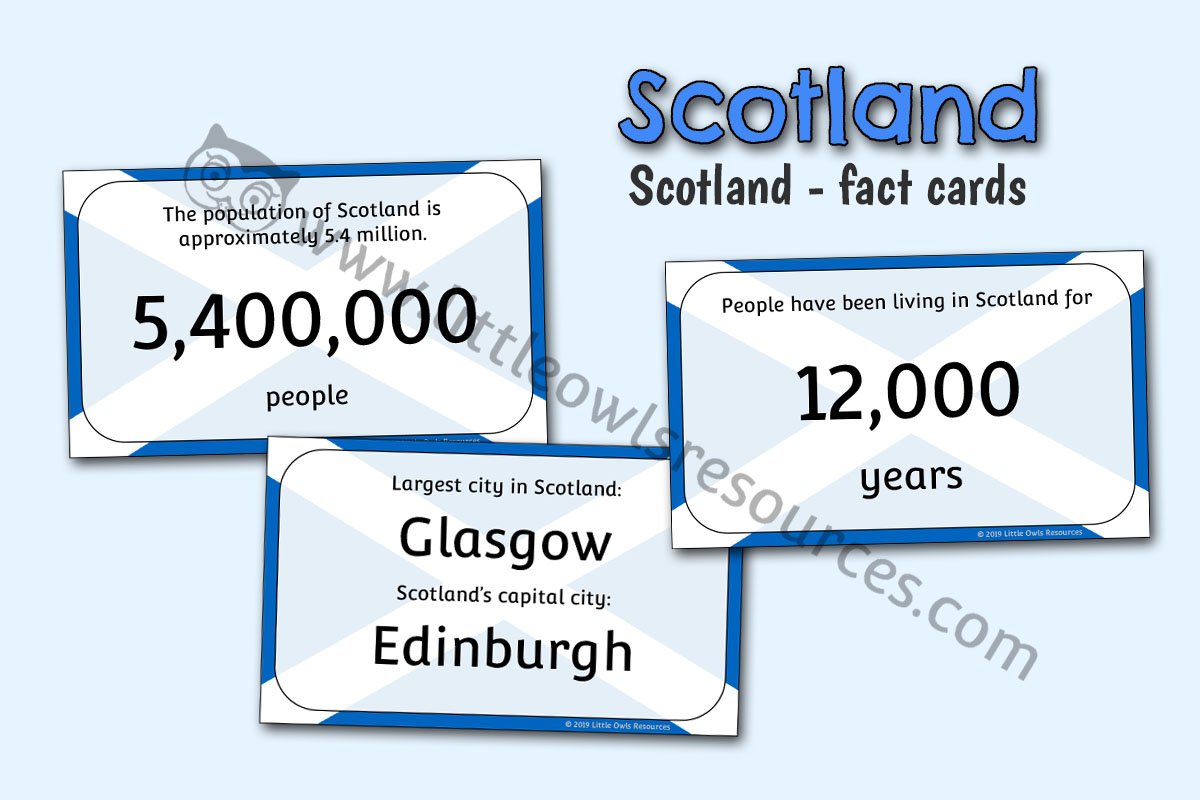
Picture fact cards about Scotland for adult-led discussion and displays. Check changing figures and historical wording before use.
Suggested use: Reception · Selected KS1 uses
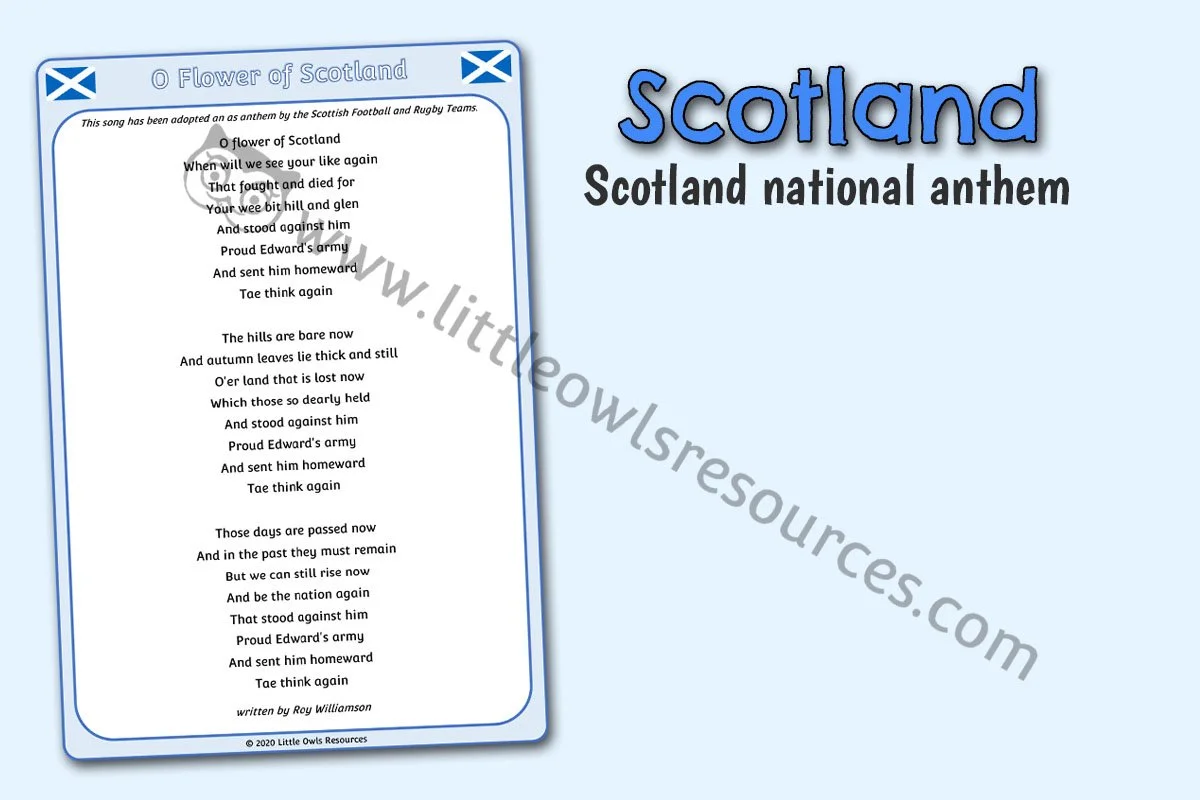
An A4 words poster or handout with Saltire motifs, for adult-led singing and discussion of Scotland’s musical traditions.
Suggested use: Reception · Selected KS1 uses

An A4 words poster or handout for sharing the traditional Scottish song and talking about friendship, remembering and celebrations.
Suggested use: Reception · Selected KS1 uses

A sheet presenting the traditional mealtime grace with space for children to draw their response after an adult-led discussion.
Suggested use: Reception · Selected KS1 uses
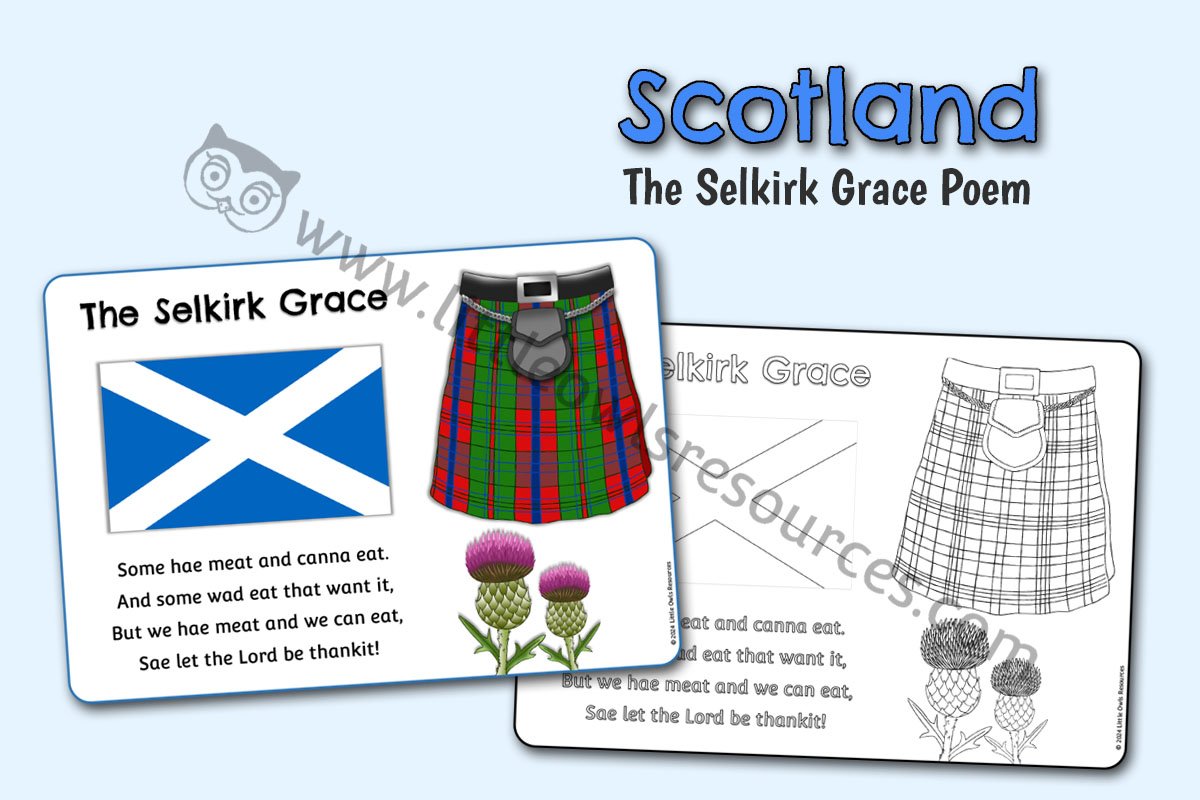
An A4 poster of the traditional mealtime grace, supplied in full colour and a version children can colour.
Suggested use: Reception · Selected KS1 uses
06 / Choose a starting point
These are possible supported uses, guided by children’s interests and experience. Links take you to the resource covers on this page.
Begin with shared looking, simple matching and large marks. Offer a few pieces at a time, suitable materials and an adult alongside.
For babies, focus on responsive play and shared looking; this collection has no dedicated baby planning pack.
Notice lines, colours and repeating patterns. Try decorating, matching or counting small quantities, with plenty of opportunity to talk about choices.
Give drawings, marks and words a purpose. Compare quantities, explain a pattern or record something noticed about Scotland’s flag.
Select suitable vocabulary, texts and ways to record an idea. Children can compare patterns, ask questions about places, or discuss unfamiliar words with an adult.
07 / Keep exploring
Continue an interest in Scotland with Burns Night, explore another occasion or find support for your setting. These optional routes have their own resources and access information.

Explore the Burns Night collection for Scottish patterns, creative activities, songs, poetry and displays.
Explore birthday-themed resources and playful celebration ideas.
Explore the Diwali theme collection and resources for learning about this festival.
Explore the Fireworks collection for colour, sound, movement, creative activities and games.
Browse free Remembrance Day resources for poppy activities, reflection, poetry, drawing, writing and displays.
Browse the Thanksgiving theme collection.
Read EYFS and KS1 activity ideas for greetings, communication and connections.
Read EYFS and KS1 activity ideas linked to food and sugar awareness.
Find EYFS and KS1 activity ideas for kindness and caring for others.

Read EYFS and KS1 activity ideas about kindness, individuality and respectful relationships.

Explore EYFS and KS1 ideas for enjoying nursery rhymes, language and music.
Read EYFS and KS1 activity ideas for exploring, investigating and discovering.
Explore EYFS and KS1 activity ideas for playful language and tongue twisters.
Read EYFS and KS1 ideas for taking play and learning outdoors.
Find EYFS and KS1 activity ideas for talking about road safety.
Visit the EYFS Framework page for framework information and support.
Browse the calendar of EYFS and KS1 events, festivals and celebrations.
Find collections for festivals and celebrations across the year.
Browse the wider collection of themes and topics.
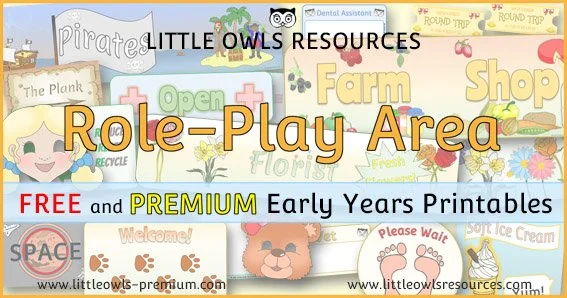
Find resources to support imaginative role play in your setting.
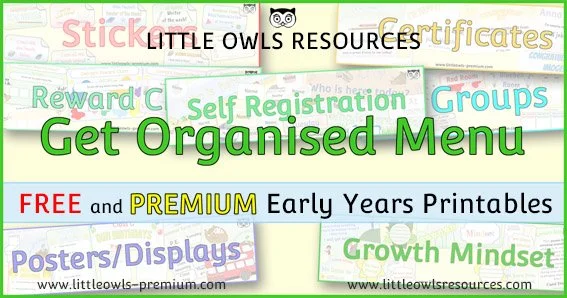
Browse organisational resources and practical tools for your setting.
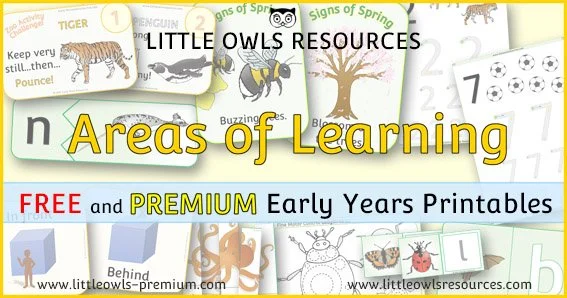
Browse resources through the EYFS areas of learning.
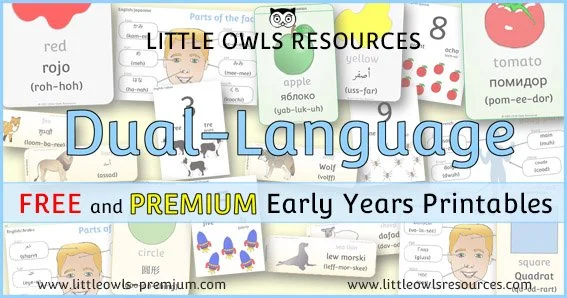
Explore dual-language resources to support communication and inclusion.
08 / Context & ideas
Start with children’s questions, a few relevant resources and different ways to take part.
St. Andrew’s Day is Monday 30 November 2026. It is marked each year on 30 November. The date and weekday are confirmed in the Scottish Government’s calendar.
St. Andrew’s Day is Scotland’s national day, in honour of its patron saint. Scotland’s blue-and-white flag is the Saltire, also called St. Andrew’s Cross. Begin with its colours and crossing lines, then use a map or photographs to explore places and people in Scotland today.
Scotland.org’s introduction to St. Andrew provides background for adults. Families have different experiences and connections with the occasion; invite contributions without expecting everyone to celebrate it.
Look closely at a tartan pattern: which colours, lines and groups repeat? Children can draw, paint or arrange strips of paper to explore their own ideas. A design on a kilt outline is their own pattern; it does not need to reproduce a named clan tartan.
Use kilts, flags and bagpipes as starting points alongside varied images of contemporary Scottish life.
Choose texts for the children and your setting, explain unfamiliar words and allow children to listen, respond or learn about them in different ways. Scots words deserve attention as language, rather than being treated as incorrect English.
Auld Lang Syne is associated with friendship and New Year; it can support a wider exploration of Scottish songs. O Flower of Scotland is heard at Scottish sporting occasions. The Selkirk Grace is a traditional mealtime grace with religious language thanking God for food, associated with Robert Burns.
For adult background, see Scotland.org on Auld Lang Syne and the National Records of Scotland on the Selkirk Grace. The collection includes three distinct grace formats so you can choose one suited to your purpose.
Begin with supported making and simple matching for younger children. Select number ranges, vocabulary, texts and written responses for preschool, Reception and selected KS1 uses. Adults can scribe a child’s ideas, or children can use drawings, gestures or speech.
The age and setting suggestions are possible starting points, rather than a fixed sequence or a curriculum scheme.
The 3 resources in Start with something free use Free Access. The other individual resources use All Access. Each button opens a public preview where you can check the resource before continuing to its download area.
Check the destination for the available file formats and editions. Related collections have their own access information. Search for free to see only the resources labelled Free Access on this page.
All Access membership unlocks every resource on the site. Free Access lets you explore and download a selection of free resources. Explore membership options.
Already a paying member? You have sitewide access. There’s no need to change plans or subscribe again. Read our FAQs.
Resources created by Little Owls Resources.