
All Access · Curriculum & pedagogy
Universal Continuous Provision — Preschool
All Access guidance for preschool provision
View guidance details
Public overview; downloads included with All Access.

Your Custom Text Here
Little Owls Resources · Nursery practice
Care, play and connected practice for babies, toddlers and preschool children
Find practical resources and professional guidance for nursery practitioners, room leaders, SENCOs and managers.
Explore age-appropriate play, communication, everyday care and outdoor discoveries, alongside planning, assessment, family partnerships and support for practice across your setting.
Start with the children you work with or the support you need. Choose what is useful, adapt it to your setting and keep relationships and individual needs at the centre.
Working mainly with 3–4-year-olds? Visit our Preschool Hub for an age-specific starting point →
Free Access & All Access · Browse the covers below before choosing a resource.
Looking for something specific? Search all Little Owls resources →
Browse resources for your age group using the banner buttons, then explore the selected guides, planning support and Curriculum & Pedagogy pathways below.
 Browse baby resources →Search and browse · Birth–18 months
Share moments of attention, movement and exploration, with familiar adults responding to babies’ cues. Our baby packs offer prompts for adults—not printed tasks for babies to complete.
 Browse toddler resources →Search and browse · 18–36 months
Support exploration, repeated actions, movement, emerging pretend play and communication. Offer time to revisit experiences, with adult help for growing independence.
 Browse preschool resources →Search and browse · 3–4 years
Explore communication, stories, early maths, mark making and imaginative play, alongside purposeful adult interaction and teaching.
Enlarge cover ↗All Access guidance for preschool provision
Public overview; downloads included with All Access.
These age bands organise our collections; they are not fixed expectations or instructions about when a child should move rooms. Choose resources and support for the individual children in your setting, including those in mixed-age groups.
All Access includes all age-specific pathways and the printable library. Selected introductory guides are free.
Build on familiar materials, relationships and experiences children can return to. Choose printables that add something useful, rather than replacing play with tasks to finish.
The linked collections span different ages. Select the materials, language and adult support for the children taking part; not every resource will suit every room.
Explore the Continuous Provision & Play hub →
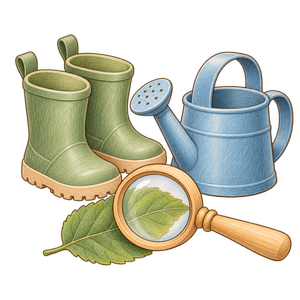
Explore shared outdoor moments, movement, building and noticing nature. Adapt the space and experience for children’s comfort, access and interests.

Offer suitable objects to handle, fill, carry, combine and investigate. Follow children’s choices, with thoughtful material selection and close attention to how they explore.
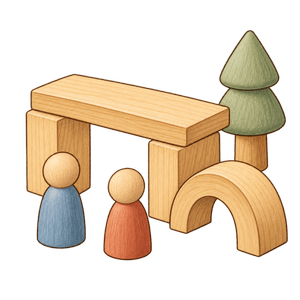
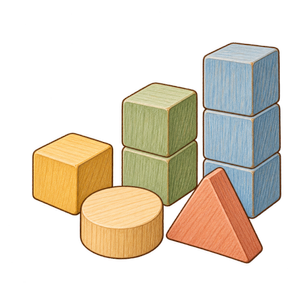
Build, connect, arrange and invent. Choose materials and figures that support exploration, problem solving and emerging stories.
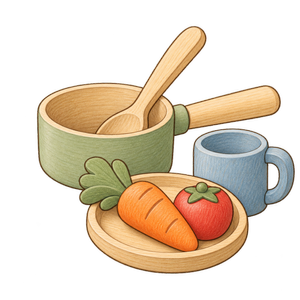
Bring familiar experiences into play, from caring for a doll to making a pretend meal. Add props or useful print when they support children’s ideas.
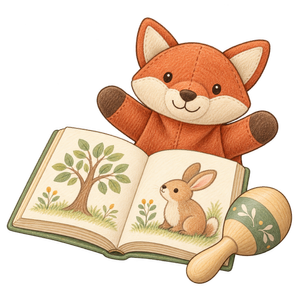
Share books, songs and conversations, leaving time for children’s sounds, words, gestures and other responses. Revisit familiar favourites and follow what captures their attention.
Books & storytelling · Nursery rhymes · Music & Sound Provision
Explore space, size, amount, comparison and pattern through movement, objects and everyday routines. Choose from distinct baby, toddler and preschool resources.

Make room for movement, drawing and exploring suitable tools. For children developing purposeful marks and writing, offer reasons to make a sign, list, picture or message.
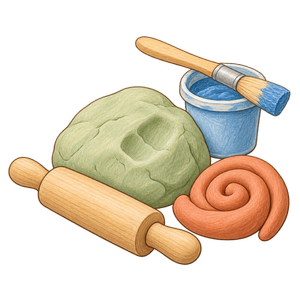
Explore colour, texture, modelling, joining and shaping. Adapt materials for the child and allow different ways to participate, without expecting matching finished products.
Choose materials with care. Consider age suitability, mouthing, allergies, hygiene, access and supervision. Keep small parts and unsuitable objects away from younger children sharing the space, and follow your setting’s risk assessments.
Explore rhyme, syllables and sounds within spoken words alongside conversation and shared books. Our wider phonics collection also includes practice for explicitly taught letter–sound correspondences; select those resources only where they match what children have been taught.
Notice what children return to—carrying, connecting, filling, enclosing, rotating or transforming—and consider how resources, space and interaction might support their investigations.
Use this to understand children’s interests, not to label every action or create another checklist.
Communication & Language · Personal, Social & Emotional Development · Physical Development
Literacy · Mathematics · Understanding the World · Expressive Arts & Design
Connect what you know about your children with the care, learning and experiences you intend to support.
Explore age-specific planning and a shared approach across your nursery. Choose the guidance that helps your decisions, rather than trying to use every document at once.
Find practical starting points for planning across babies, toddlers and preschool children, with routes into provision, observation and everyday practice.
Explore the guidance collection, including age-specific pathways and whole-setting curriculum and teaching guidance.
Included with All Access: the complete Curriculum & Pedagogy Suite, as well as the printable library. Selected introductory documents are free.
 Enlarge cover ↗
A free place to start: explore how your age-specific pathways connect through a shared understanding of care, play and learning.
Free introductory guidance.
A shared approach does not mean identical activities in every room. Explore how learning and adult practice connect while respecting the different experiences needed by babies, toddlers and preschool children.
Curriculum & pedagogy: Whole-Setting Curriculum Map: Birth–5 ↓ · Pedagogy Guidance: Birth–5 ↓
Use everyday interactions to notice children’s interests, understanding and support needs. Record what helps you plan, communicate and follow up—not every moment of play.
Find support for reviewing children’s progress between two and three in communication and language, personal, social and emotional development, and physical development. Work with families and relevant professionals to recognise strengths and agree useful support.
Bring care and learning together. Work with families, your SENCO and other professionals to understand each child’s communication, routines, strengths and support needs.
Build familiar relationships and unhurried routines. Share what comforts a child, how they communicate and what helps them take part in daily life at nursery.
Timetables & routines · Feelings & emotions
Curriculum & pedagogy: Baby Room Welcome & Settling-In Pack
Adapt materials, space, pace and adult support. Use pictures alongside the child’s usual communication system, and follow agreed individual advice. Value home languages without treating learning English as a special educational need.
Picture communication · Dual-language resources · Outdoor communication boards ↓
Listen to families’ perspectives and share children’s interests, experiences and progress. Choose communication tools that support your relationships rather than adding unnecessary recording.
Plan for new relationships, spaces and routines. Share successful approaches with receiving adults, include children’s and families’ perspectives, and adapt support throughout the transition.
Practical transition resources
Curriculum & pedagogy: Baby-to-toddler transition · Toddler-to-preschool transition · Preschool-to-Reception transition
Explore guidance for shared thinking, reflective discussion and reviewing what works across your nursery.
Choose a short section of guidance for induction or a team discussion. Connect it with real examples from your setting, recognising that consistent principles can look different across age groups.
Curriculum & pedagogy: Whole-setting Pedagogy Guidance → ↓
Consider what children can access, how they use materials and where space or interaction could work better. Protect successful provision and choose manageable changes.
Curriculum & pedagogy: Baby environment and resourcing · Toddler provision audit · Preschool environment review
 Enlarge cover ↗
Explore adult interaction, enabling environments and a shared approach across your setting. Use a selected section for reflection, induction or a team discussion.
Public overview; downloads included with All Access.
Find selected organisational resources and policy support. Adapt documents to your setting and check them against current requirements, local procedures and professional advice; a template does not replace these responsibilities.
Practitioner Toolkit · EYFS Framework support resources
Curriculum & pedagogy: Nursery & Preschool Setting Policies Pack
Current official EYFS frameworks — GOV.UK →
The EYFS applies in England. Nurseries should refer to the current framework for group and school-based providers, alongside other requirements relevant to their setting.
A starting point for a team discussion: Choose one familiar routine or play experience. Discuss what children are communicating, what adults currently do and one change worth trying. Return to it together and consider what happened.
Notice changes outdoors, follow an interest or explore a celebration meaningful to your families. Different rooms do not need the same theme, and babies do not need an activity for every calendar date.
Explore ideas from nature, everyday experiences and the children’s interests.
Find starting points linked to stories, animals, familiar experiences and children’s questions.
Look ahead to festivals, celebrations and awareness dates, then choose what is relevant to your setting.
Find flexible planning support for your children, routines and interests.
Explore planning →Choose a practical starting point or a document to support your practice. All the covers below can be viewed before signing in. Select a cover to enlarge it, then use the separate resource link when you are ready.
One paid membership, both collections. All Access includes printable provision and the Curriculum & Pedagogy Suite. The gold building-block and purple-compass symbols identify resource types, not different paid plans.
The selection includes adult guidance as well as practical printables. Open a resource for details; sign in or create a Free Access account when prompted.
 Enlarge cover ↗
Babies · guidance for adults
Explore the learning within everyday care and responsive relationships—not an activity timetable for babies.
Free introductory guidance.
 Enlarge cover ↗
Toddlers · guidance for adults
Understand how the Curriculum & Pedagogy collection fits together and choose a useful place to begin.
Free introductory guidance.
 Enlarge cover ↗
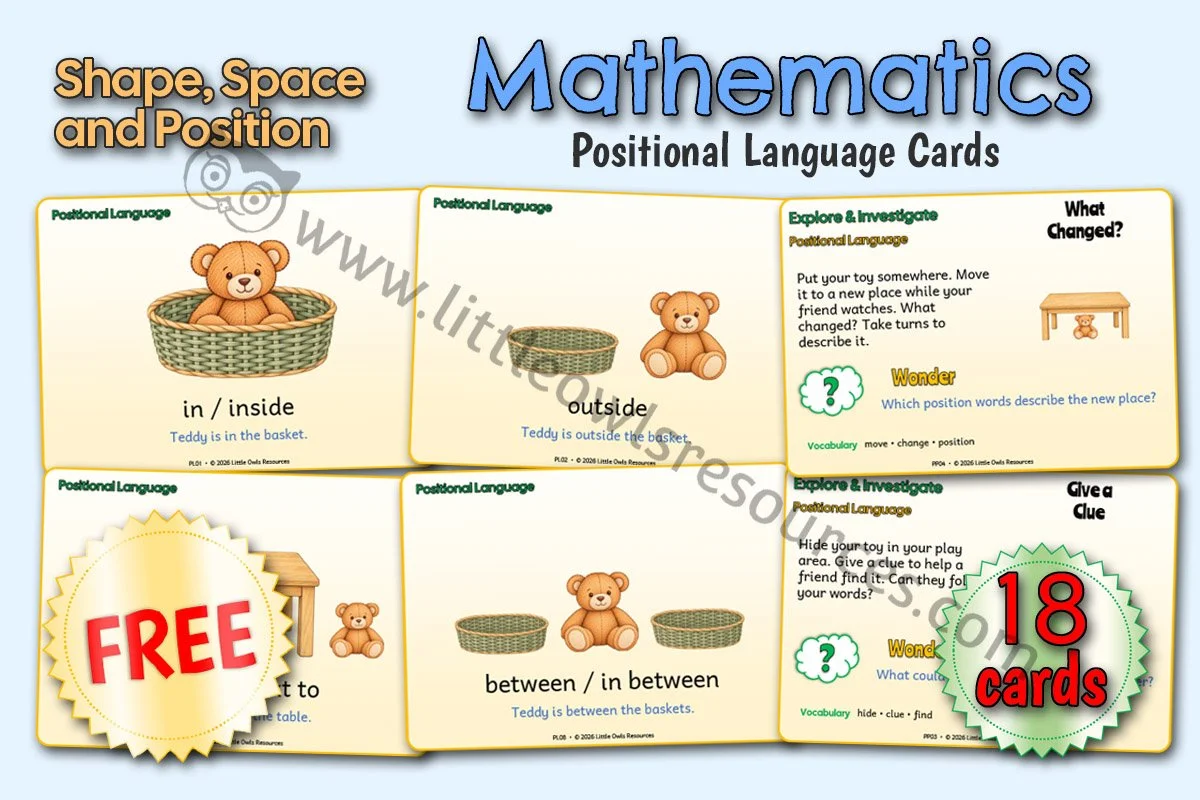
Select for children exploring positional language
Use suitable objects and playful actions to explore words such as “under”, “behind” and “next to”.
A Free Access account may be needed for downloads.
 Enlarge cover ↗
Choose and adapt for the children taking part
Try selected prompts for noticing, moving, making and exploring outdoors. Choose the ideas and materials that suit your children.
A Free Access account may be needed for downloads.
Explore resources for different ages and aspects of nursery practice. Where a pack opens in a members’ collection, its button makes that clear; its cover remains visible here.
 Enlarge cover ↗
Adult companion for babies
Share small outdoor moments with a familiar adult, following the baby’s comfort, attention and ways of moving. These are adult prompts, not activities babies need to complete.
All Access sign-in may be requested on the next page.
 Enlarge cover ↗
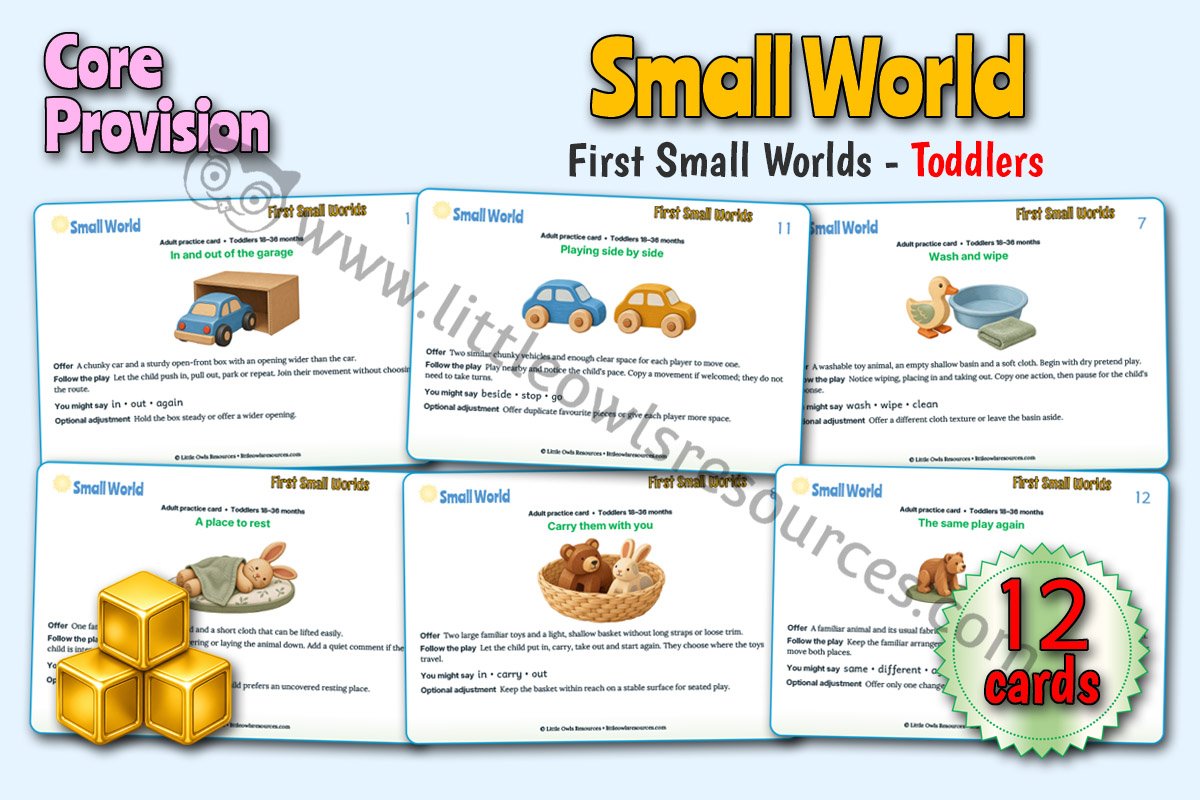
Toddlers 18–36 months · adult supported
Explore first small-world play with familiar people, objects and simple settings. Use the guidance and invitations alongside suitable toys, following children’s repeated actions without expecting a developed story.
All Access sign-in may be requested on the next page.
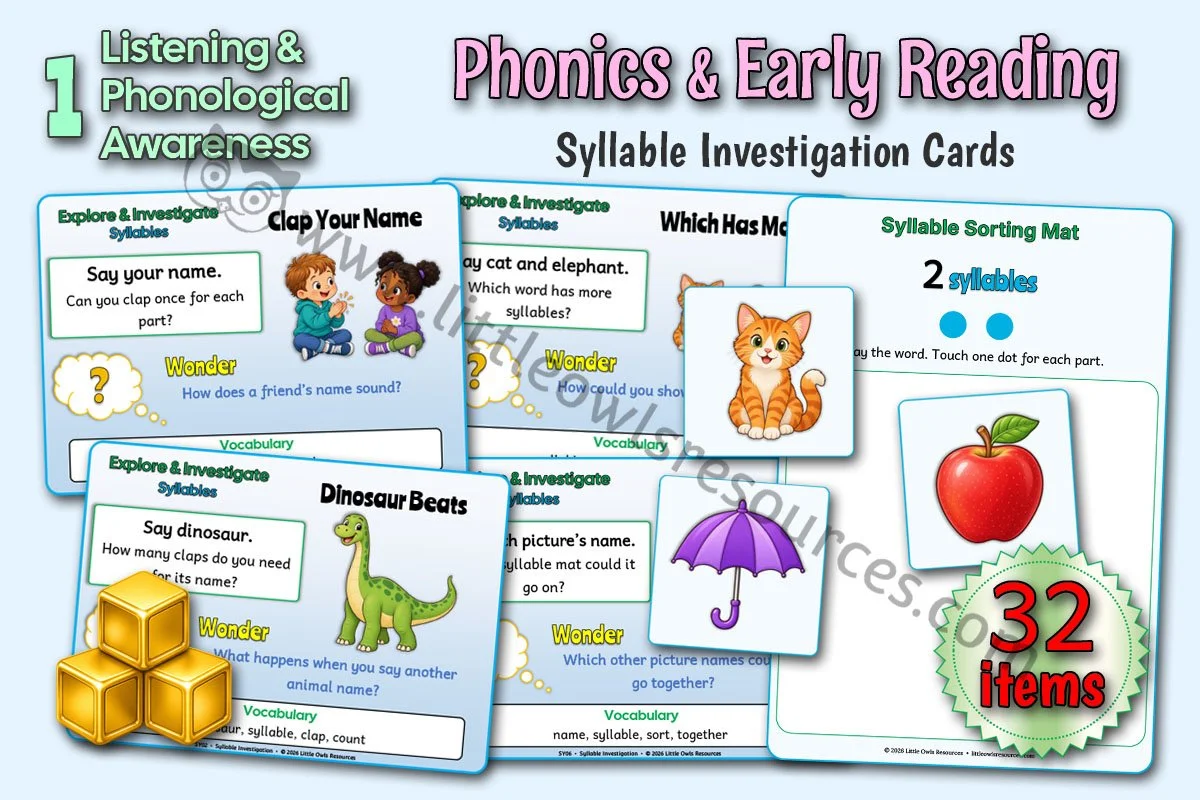 Enlarge cover ↗
Preschool · adult-supported spoken games
Clap names, tap picture words and explore the parts heard in spoken words. These invitations do not require children to read.
All Access sign-in may be requested on the next page.
 Enlarge cover ↗
Select for individual communication needs
Support asking, refusing, commenting and inviting during outdoor play, alongside the child’s usual communication system. Choose the pictures and adult support that are useful to the child.
All Access sign-in may be requested on the next page.
 Enlarge cover ↗
Leaders and practitioners across age groups
Explore a high-level overview connecting learning across the early years. Use it alongside—not instead of—age-specific and everyday planning.
Public overview; downloads included with All Access.
 Enlarge cover ↗
Practitioners reviewing children aged two to three
Bring together practitioner guidance, an editable report template and support for parent partnership and next steps.
Public overview; downloads included with All Access.
All Access membership unlocks every resource on the site. Free Access lets you explore and download a selection of free resources.
Start with selected free resources, introductory guidance and our Special Dates Calendars.
Use the full EYFS & KS1 Printable Provision library and the complete EYFS Curriculum & Pedagogy Suite, including every age-specific pathway and whole-setting guidance.
Already a paying member? You have sitewide access. For more information visit our FAQs.
Need help choosing access or arranging additional login accounts for your team? Contact Little Owls support.
Preschool Hub · Reception Hub · Childminder Hub · Parent Hub
Offering school-age wraparound care? Explore the school-age section of our Childminder Hub →
Guidance and resources support your professional judgement; use them alongside current requirements and advice relevant to your setting.
© Little Owls Resources · Nursery Hub