

🐞 Minibeast Activities for EYFS & KS1 | Ideas, Printables & Nature Exploration
Welcome to the fascinating world of minibeasts! From busy bees and beautiful butterflies to wriggling worms and curious ladybirds, minibeasts provide endless opportunities for children to explore, investigate and connect with nature.
Our collection of Minibeast activities for EYFS and KS1 supports outdoor learning, early science, life cycle investigations, mathematical thinking and creative exploration. Whether children are hunting for bugs in the garden, observing a caterpillar transform into a butterfly or learning how bees help our environment, you'll find printable resources, planning support and inspiring ideas to enrich your provision.
Perfect for Nursery, Preschool, Childminders, Reception and Key Stage 1.
-
Minibeasts are often among the first wild creatures that young children encounter independently. Their accessibility makes them a wonderful vehicle for developing curiosity, observation skills and respect for living things. Through minibeast exploration, children can:
🌍 Develop Understanding of the Natural World
Observe living things in their habitats
Explore life cycles and growth
Learn about biodiversity
🔬 Build Early Scientific Thinking
Investigate and observe
Ask questions
Compare similarities and differences
Record findings
🗣️ Develop Language & Communication
Learn rich new vocabulary
Describe observations
Share discoveries
🤝 Foster Care & Respect
Develop empathy for living things
Learn how to care for habitats
Explore environmental responsibility
📌 Jump to Section

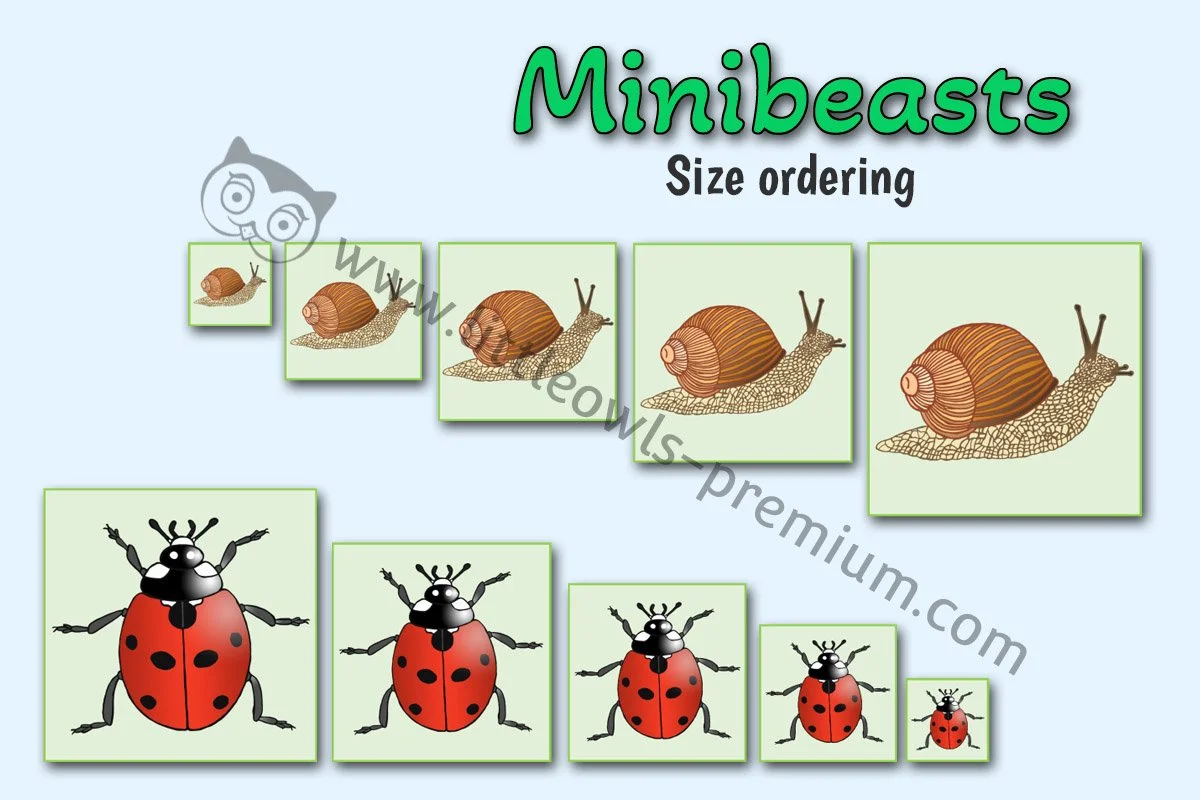
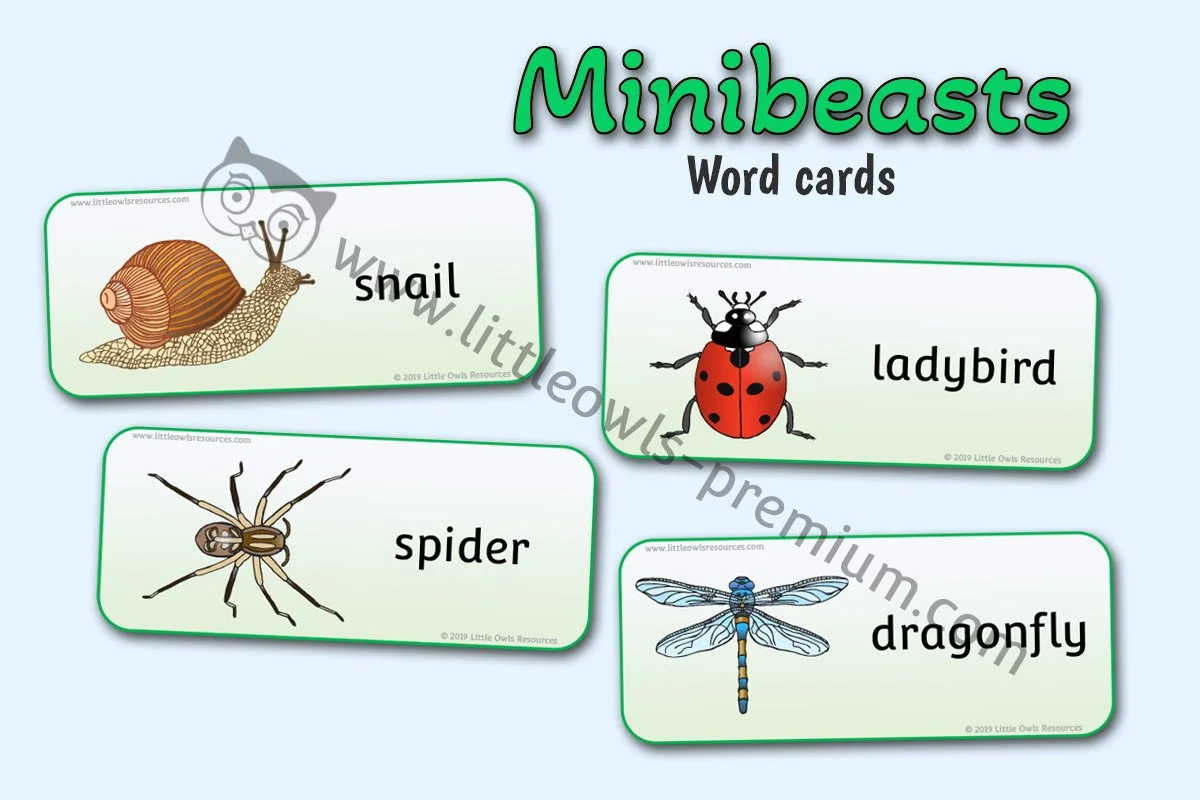
🐞 Free Minibeast Resources
Explore our free sample resources and discover engaging activities linked to minibeasts, life cycles and outdoor exploration.

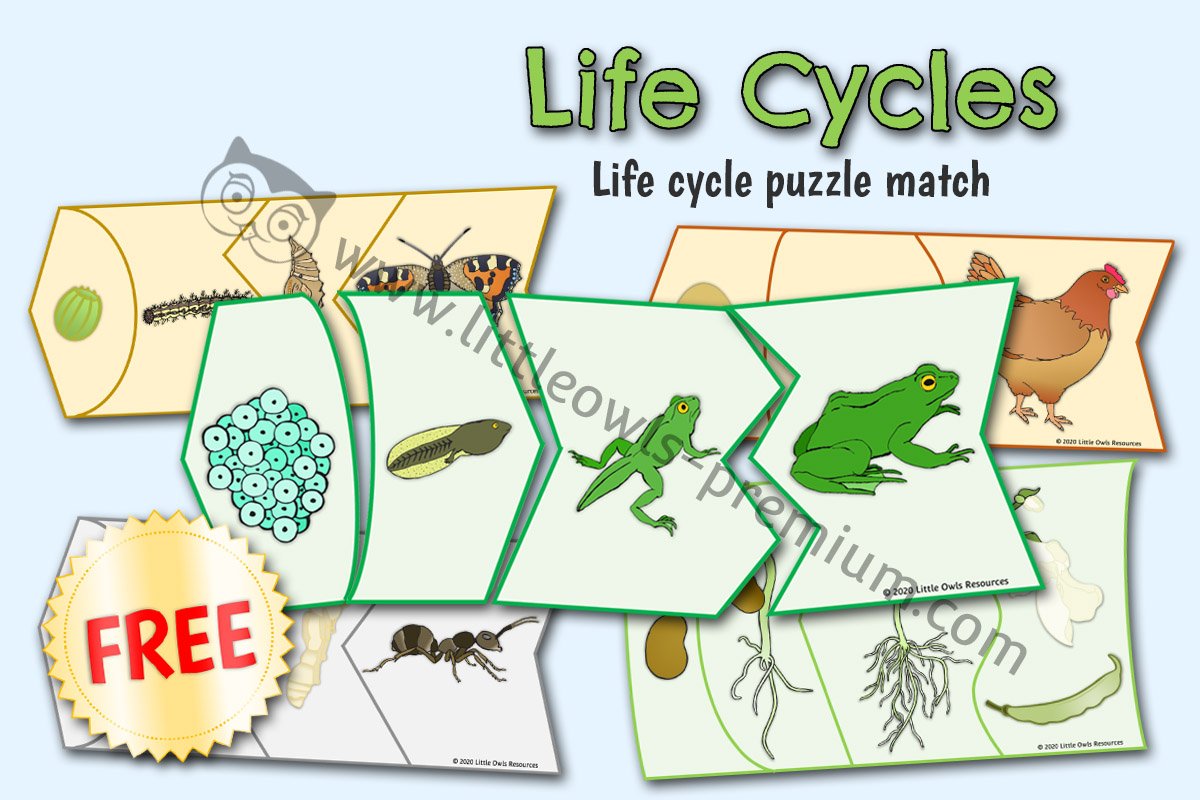


💡 Join as a Free Access member to download the samples above and all other free resources available on Little Owls Resources at no cost. Alternatively, explore all membership options here.

🐝 Minibeast Printable Provision & Teaching Resources
Browse our collection of Minibeast-themed resources designed to support learning across the curriculum.
-
🗣️ Vocabulary & Communication
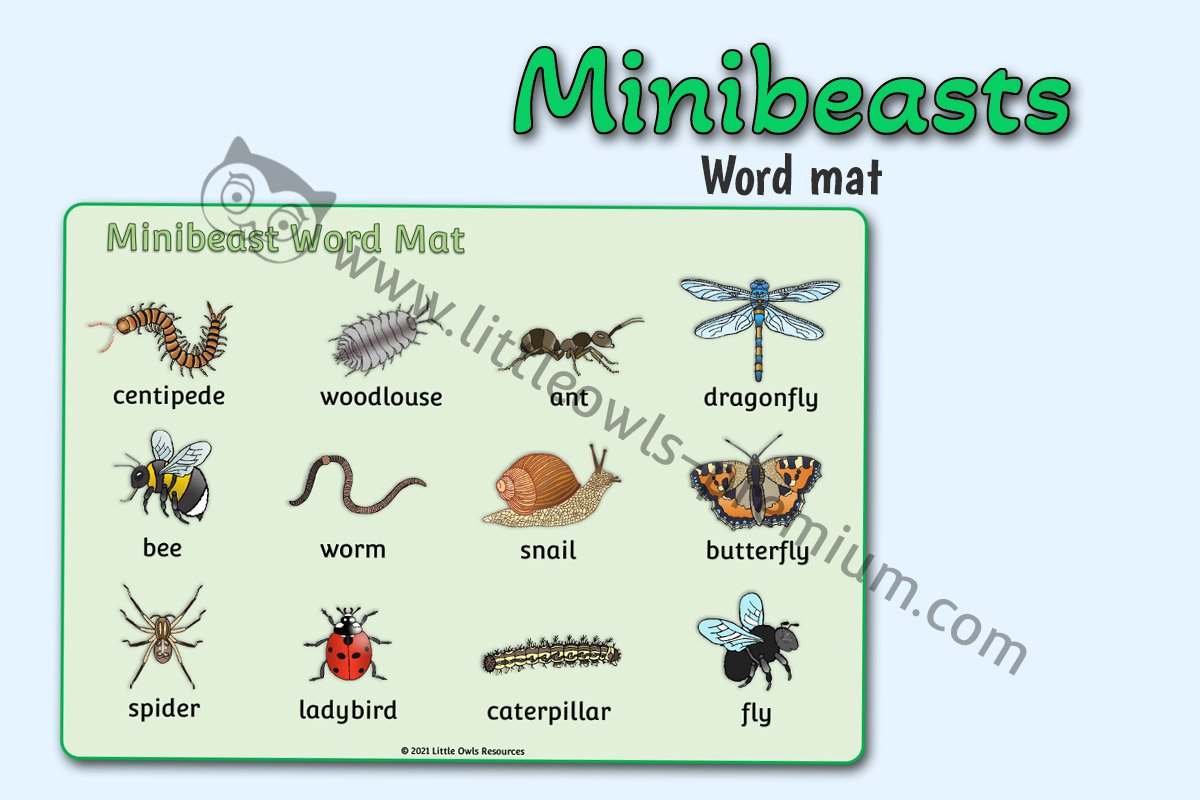
Word Mats
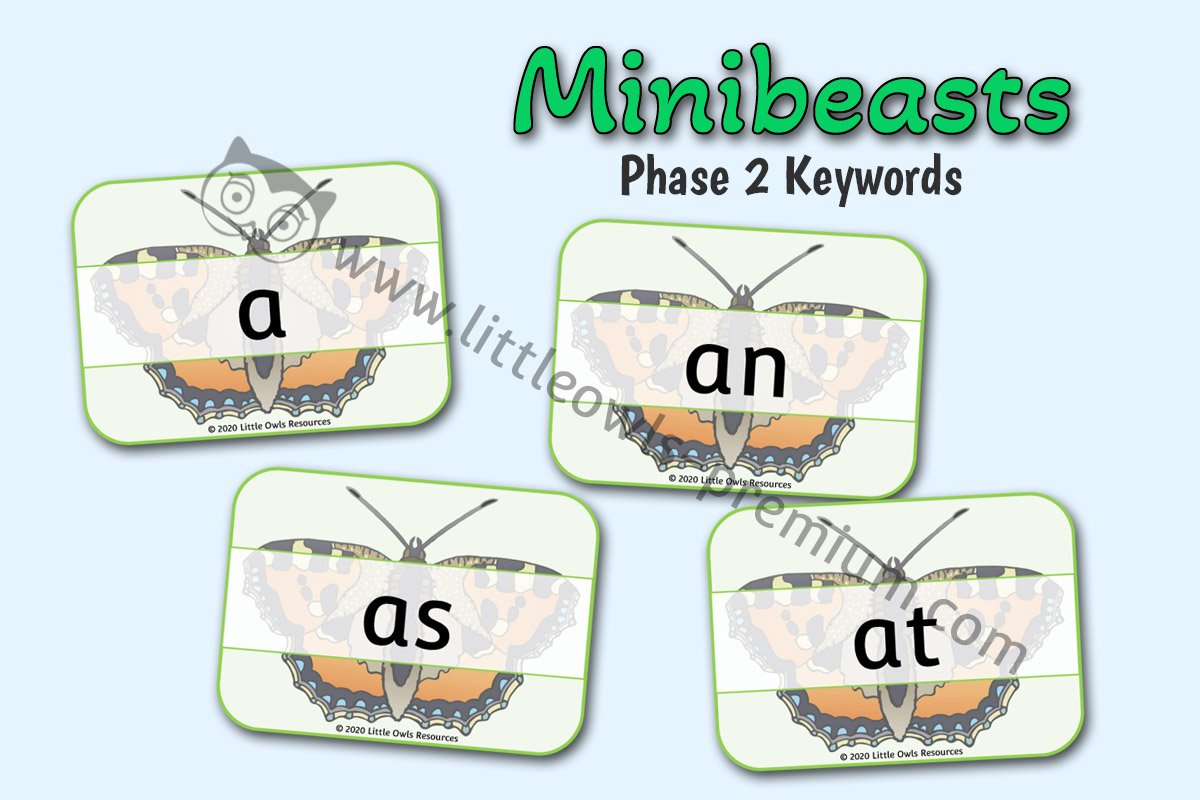
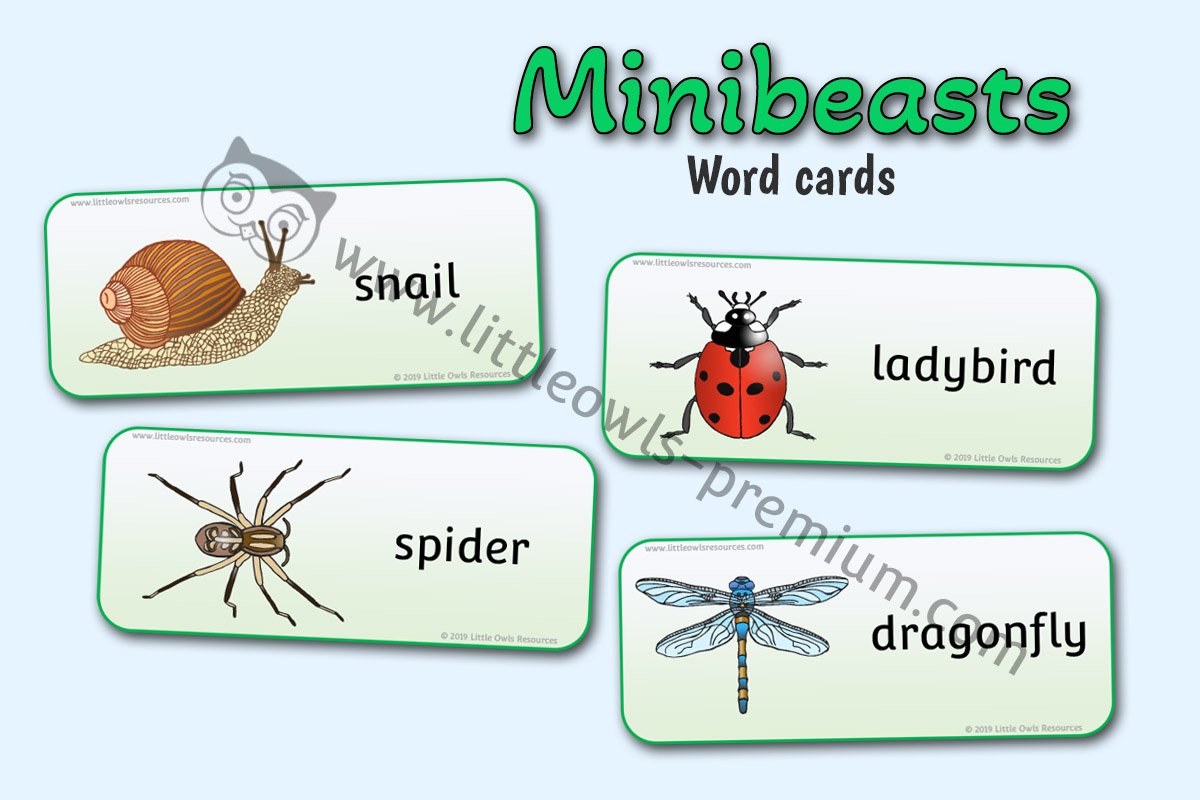
Word Cards
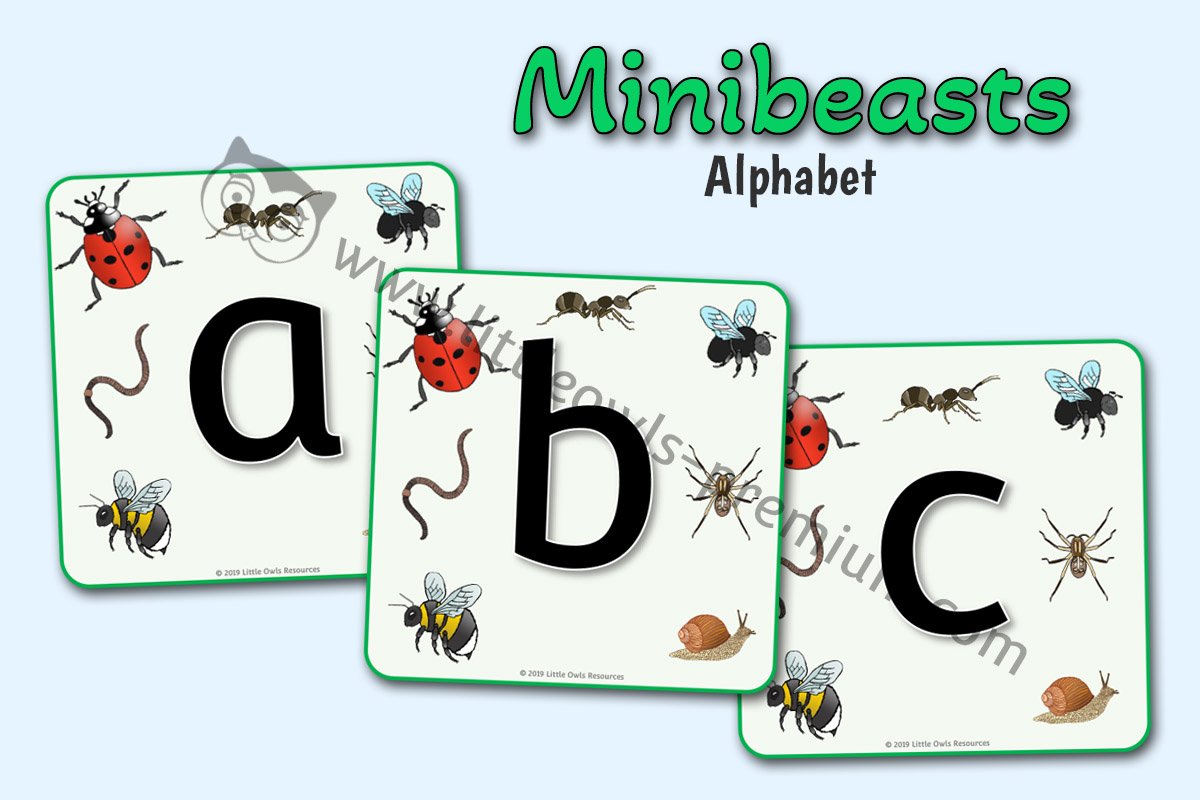
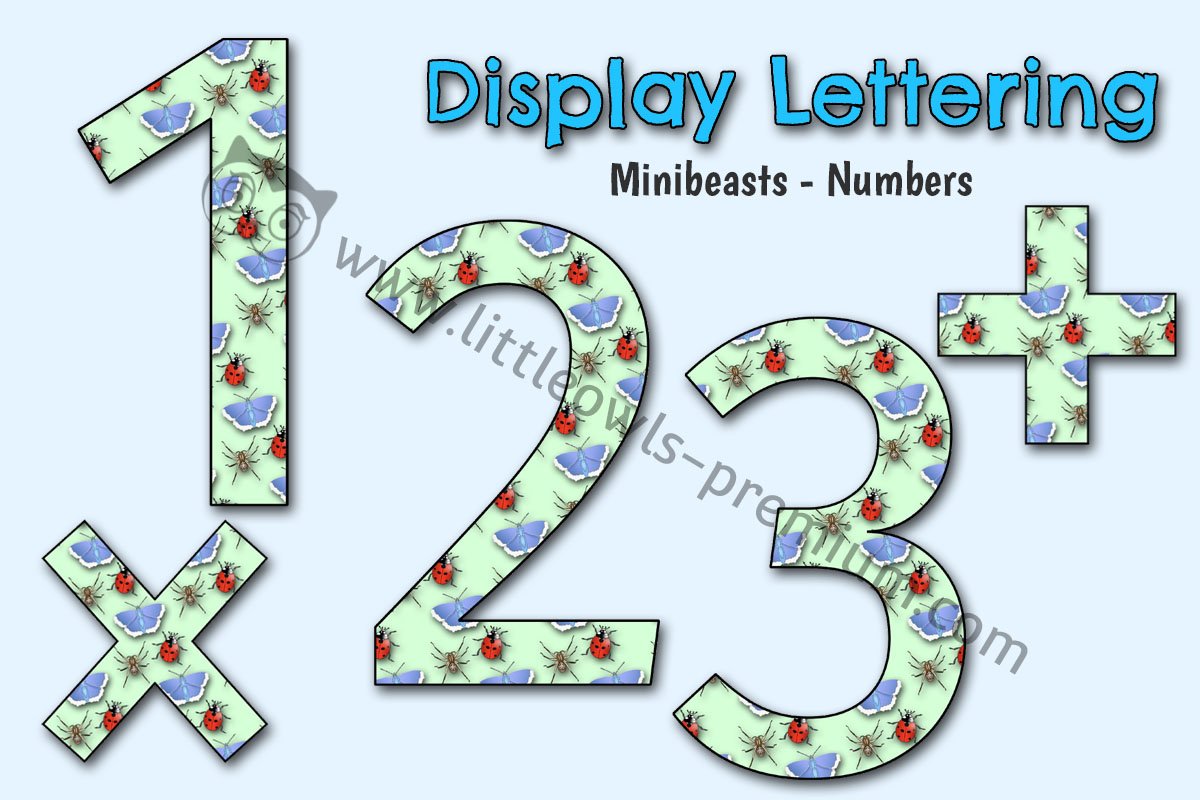
Alphabet Displays
Fact Cards
✏️ Literacy & Mark Making
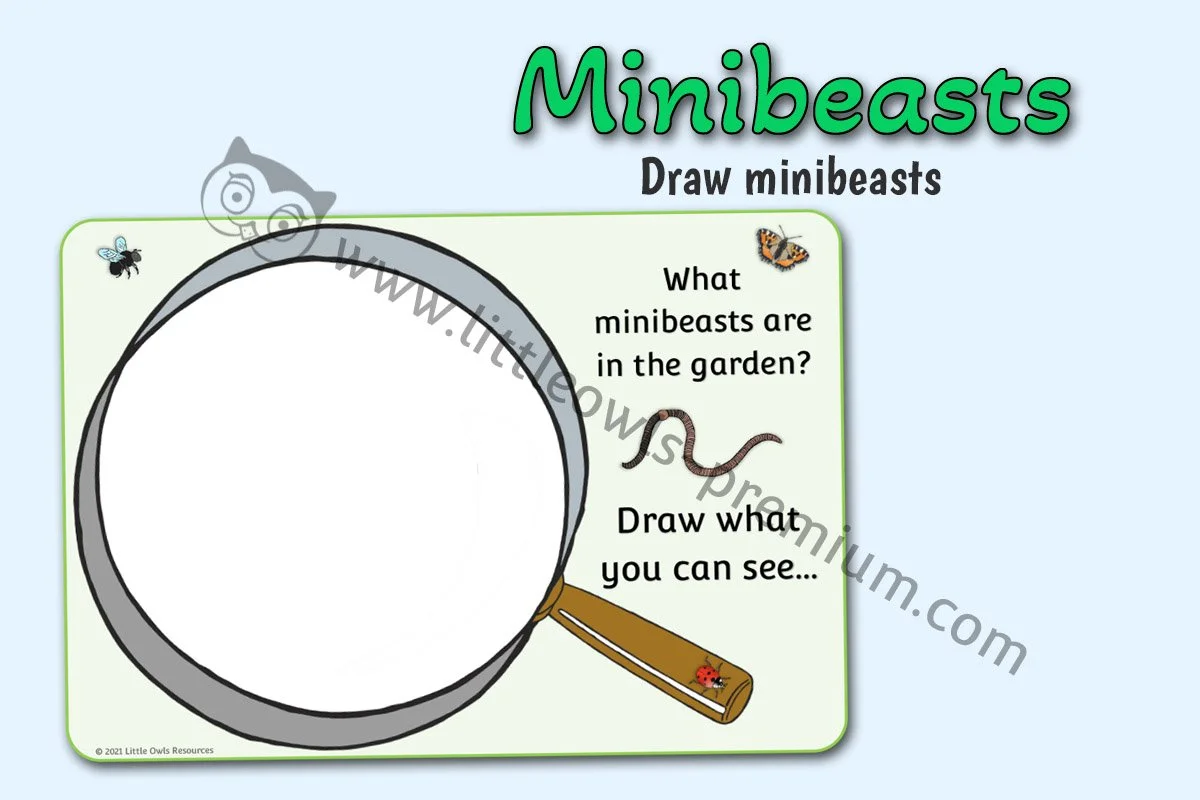
Draw Minibeasts Sheets
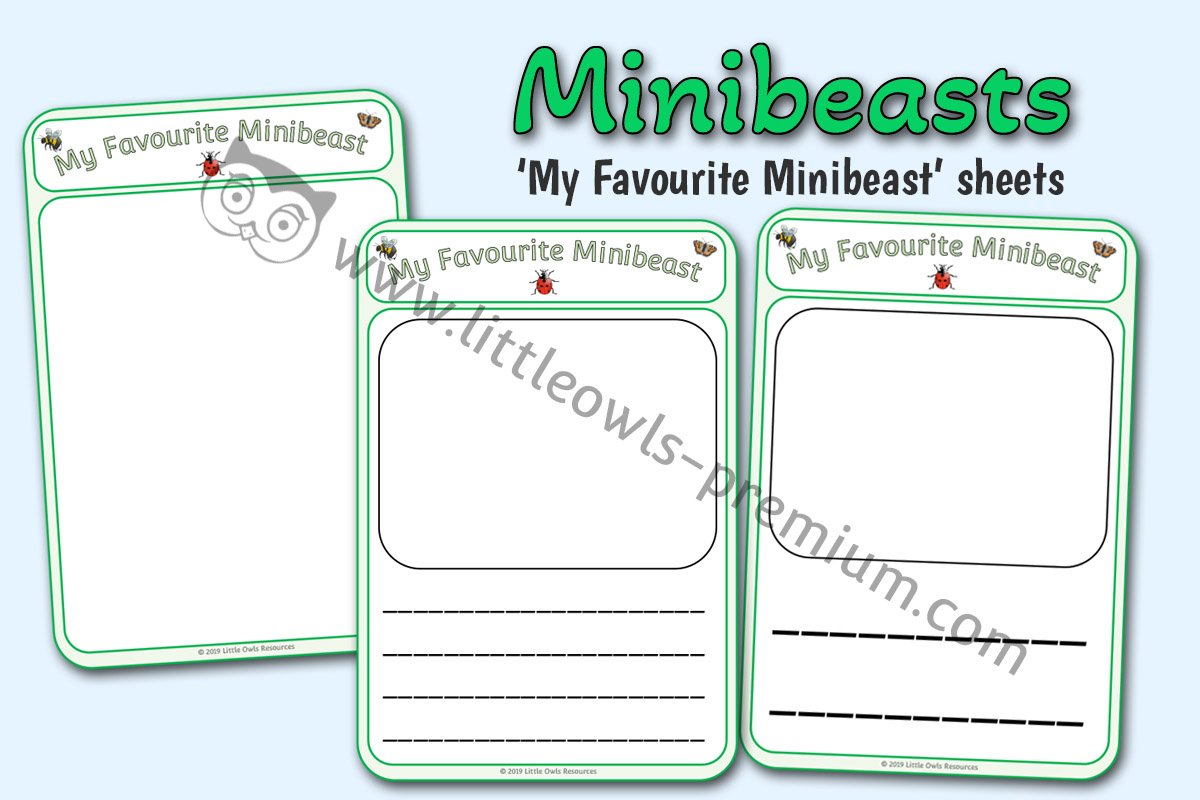
Favourite Minibeast Activities
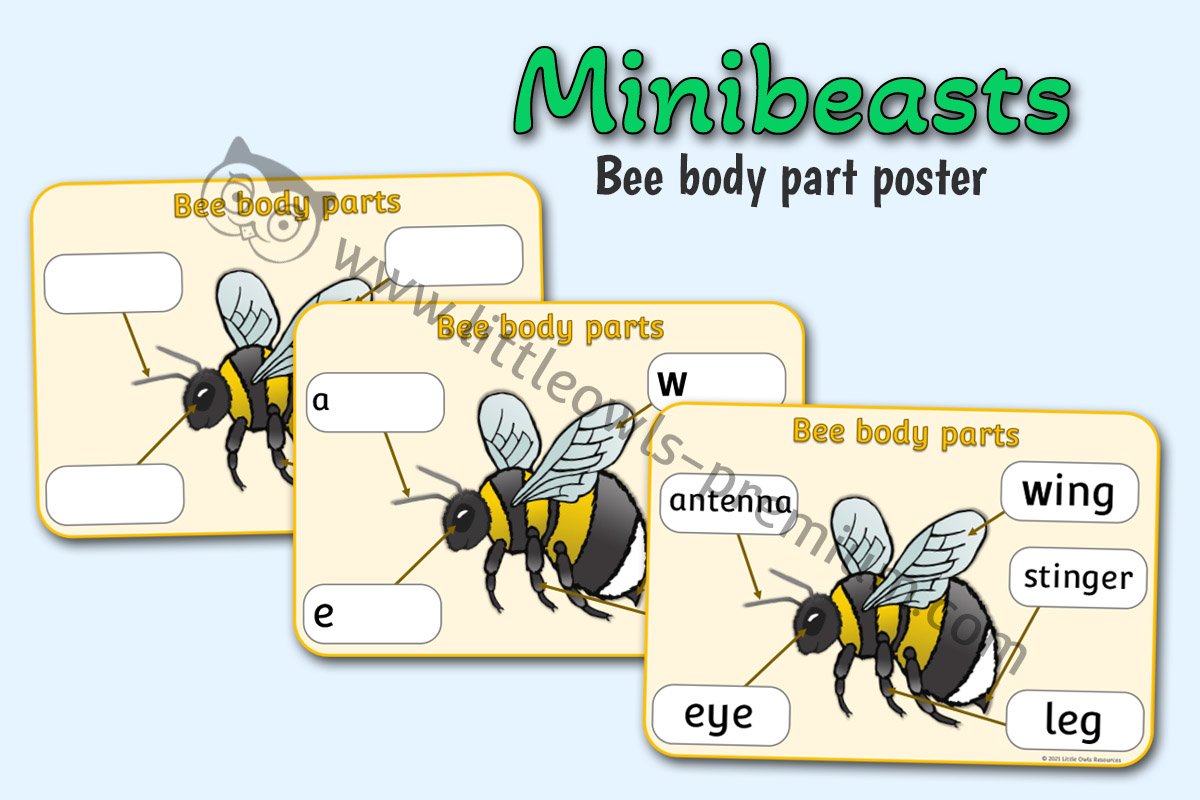
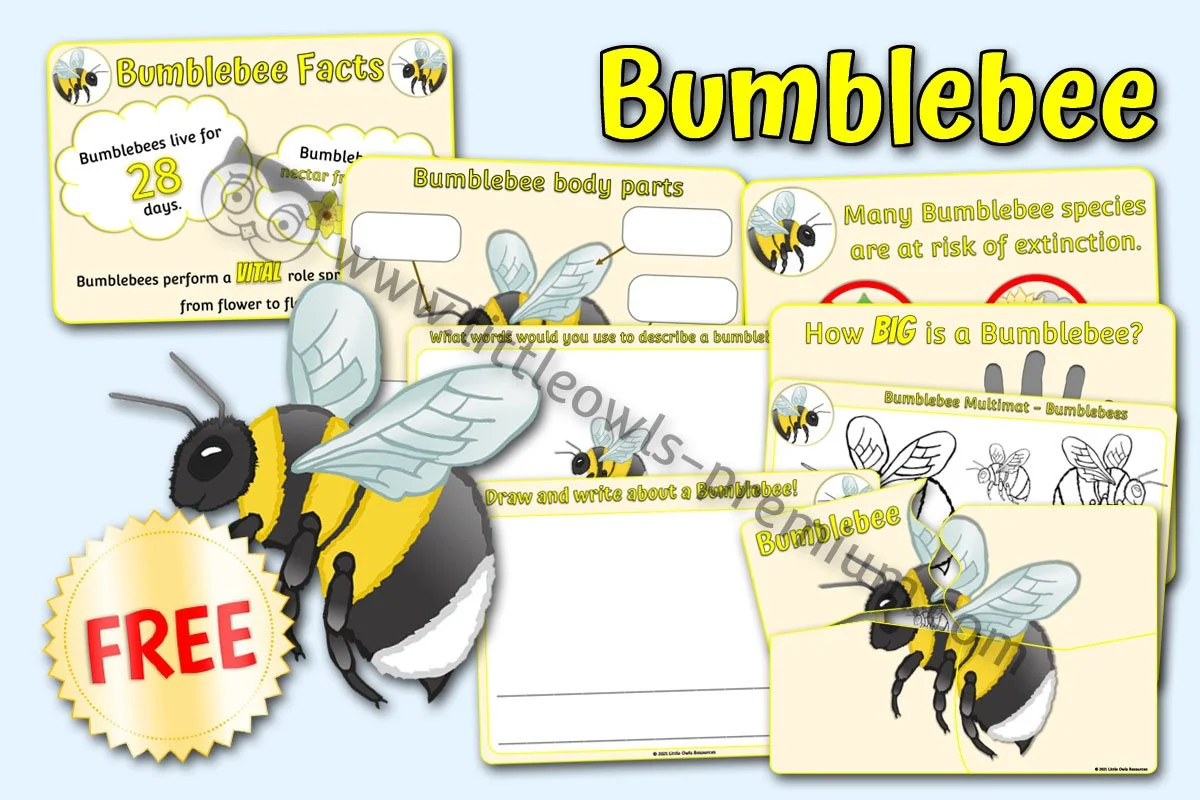
Bee Body Parts Writing Sheets
➗ Maths & Problem Solving
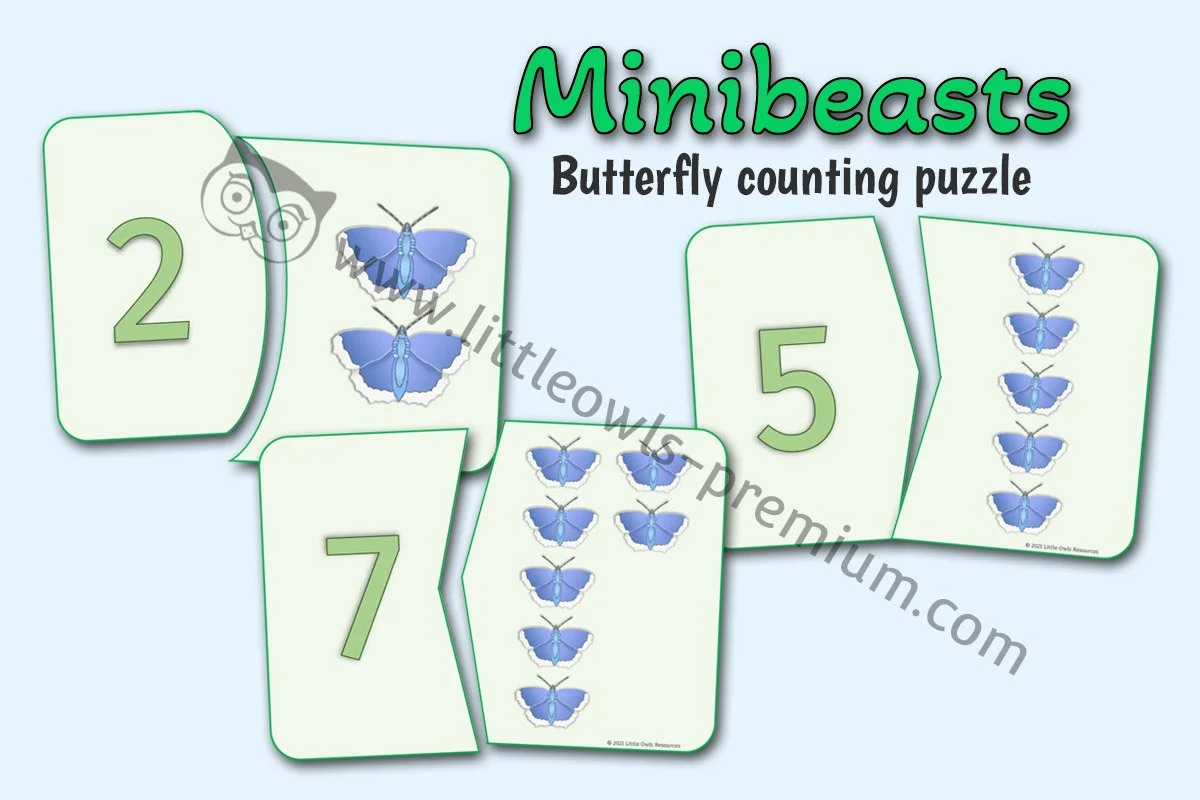
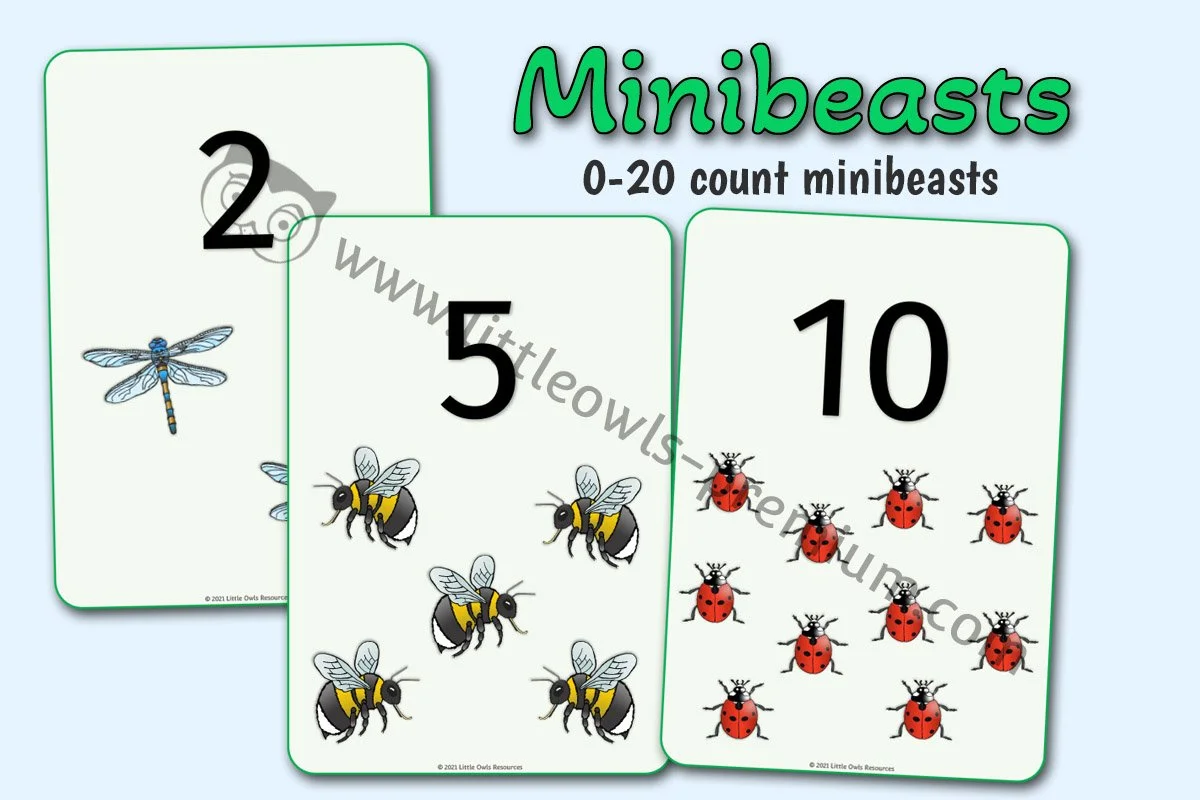
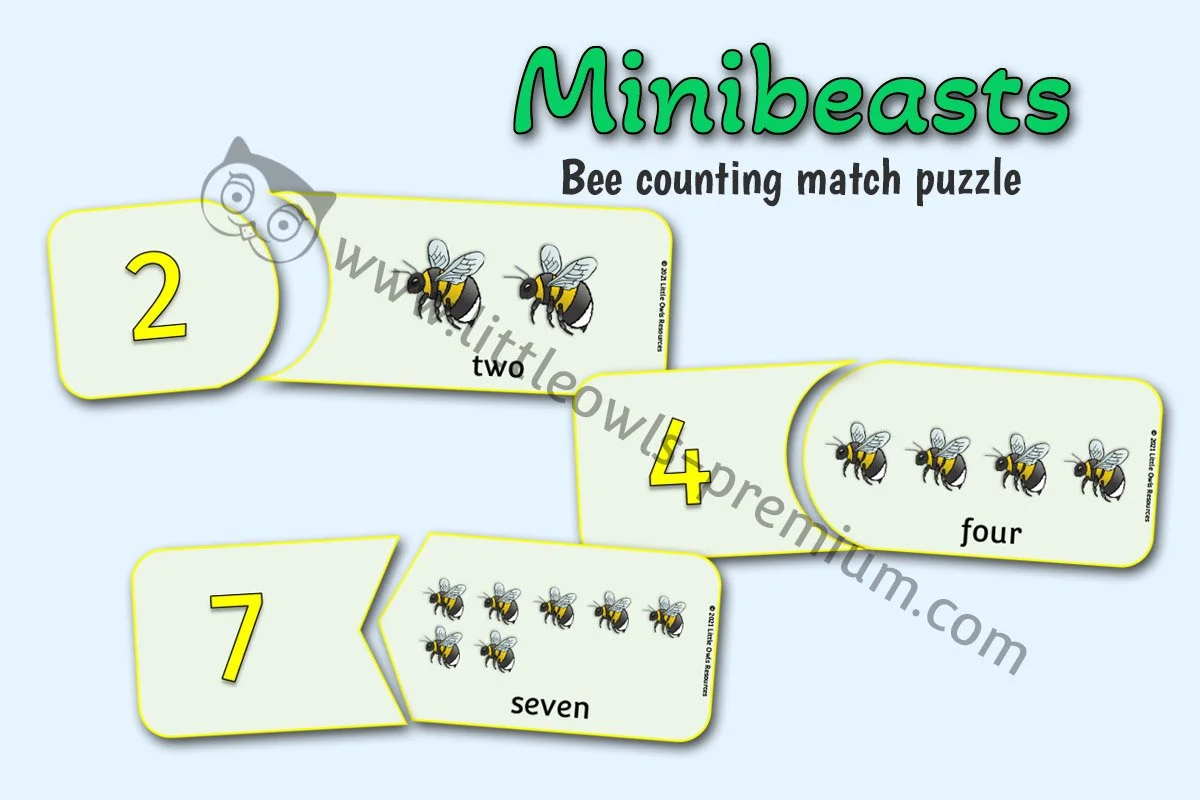
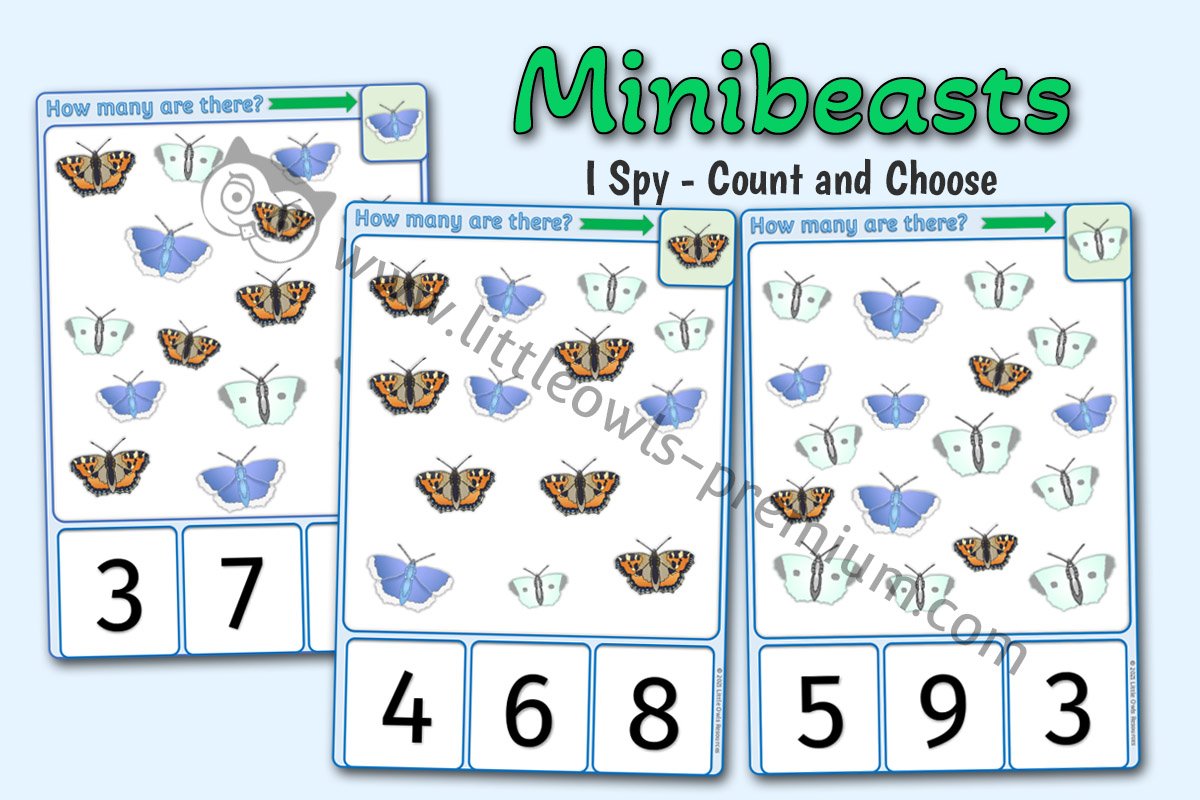
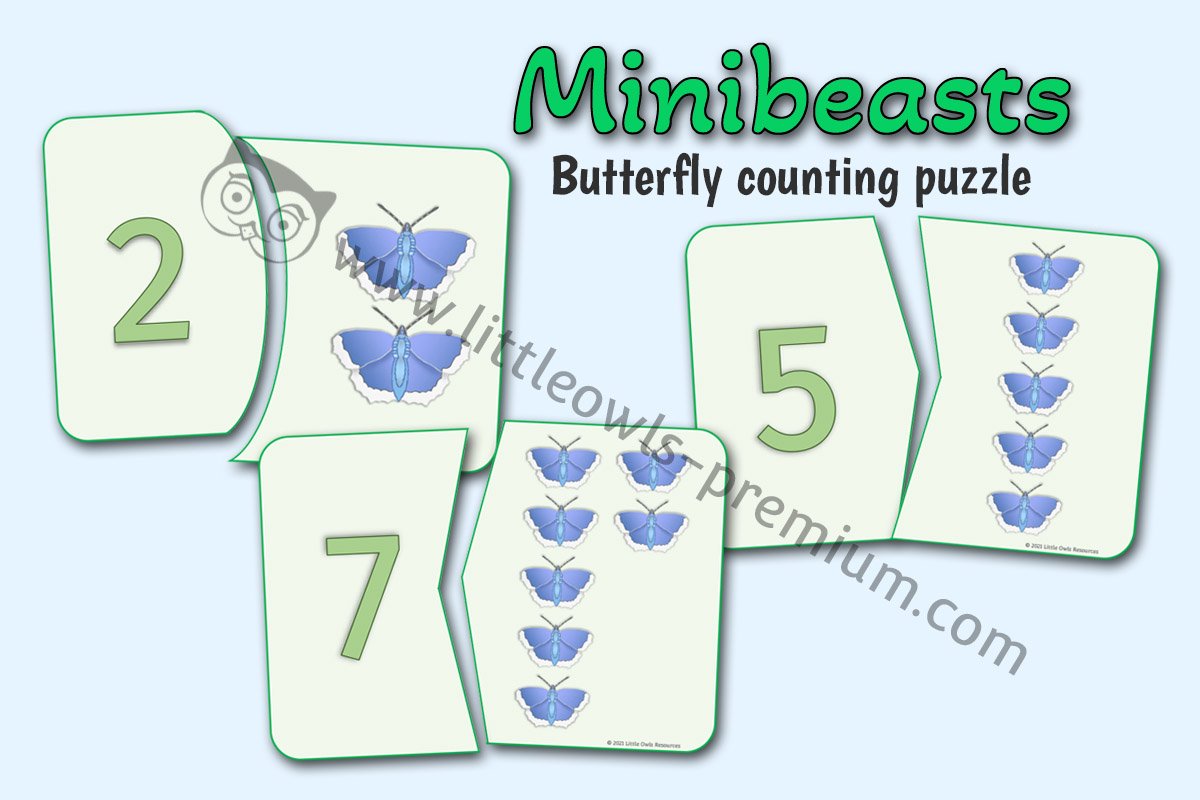
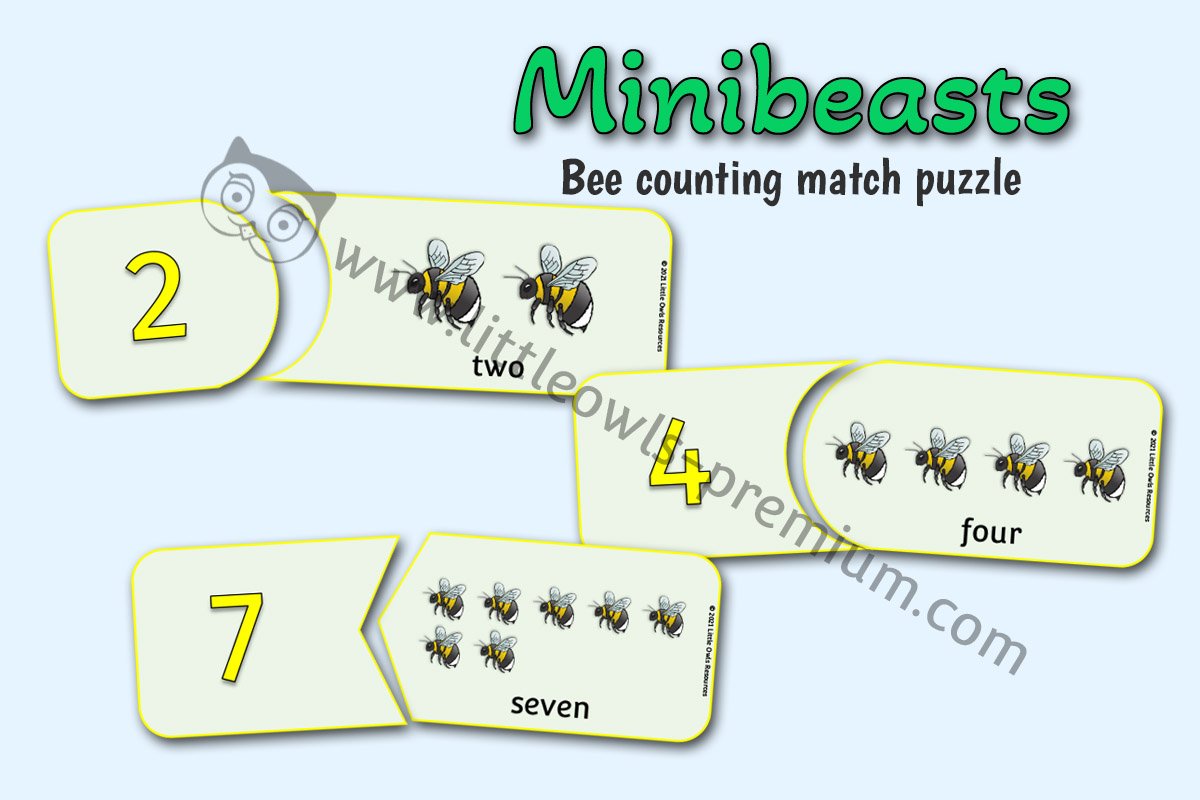
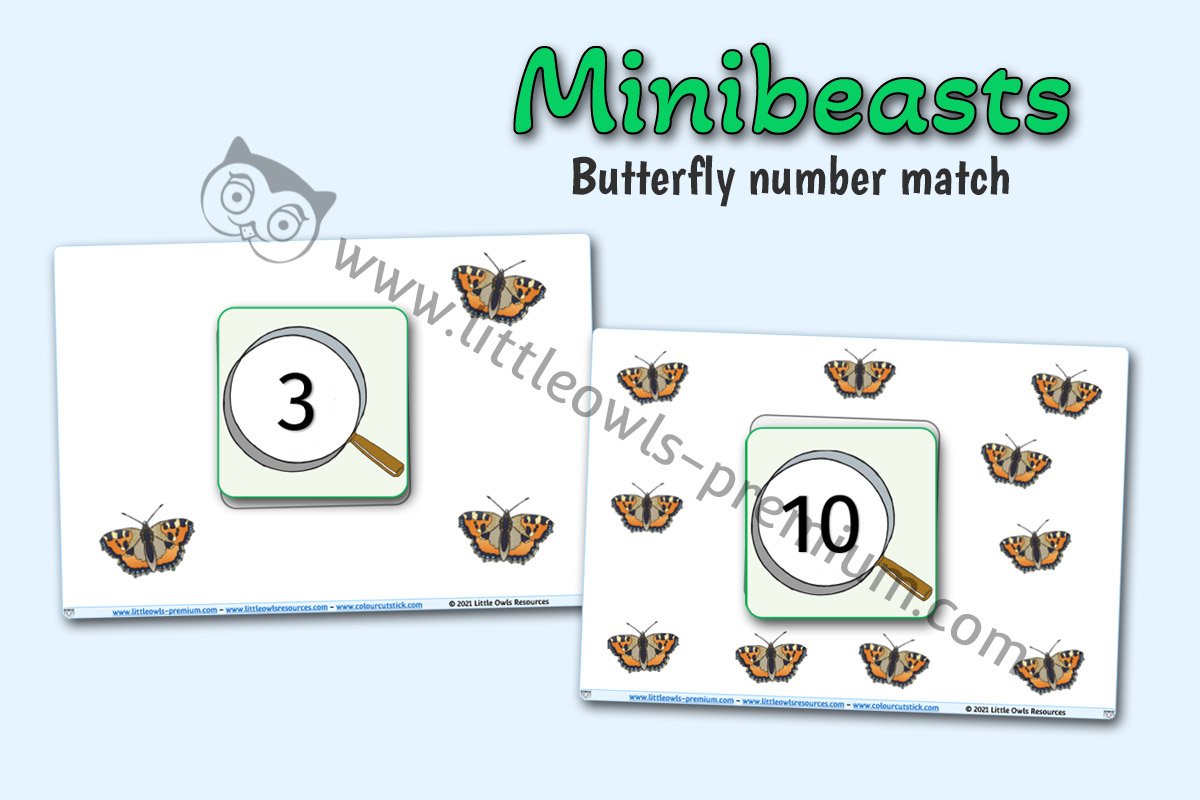
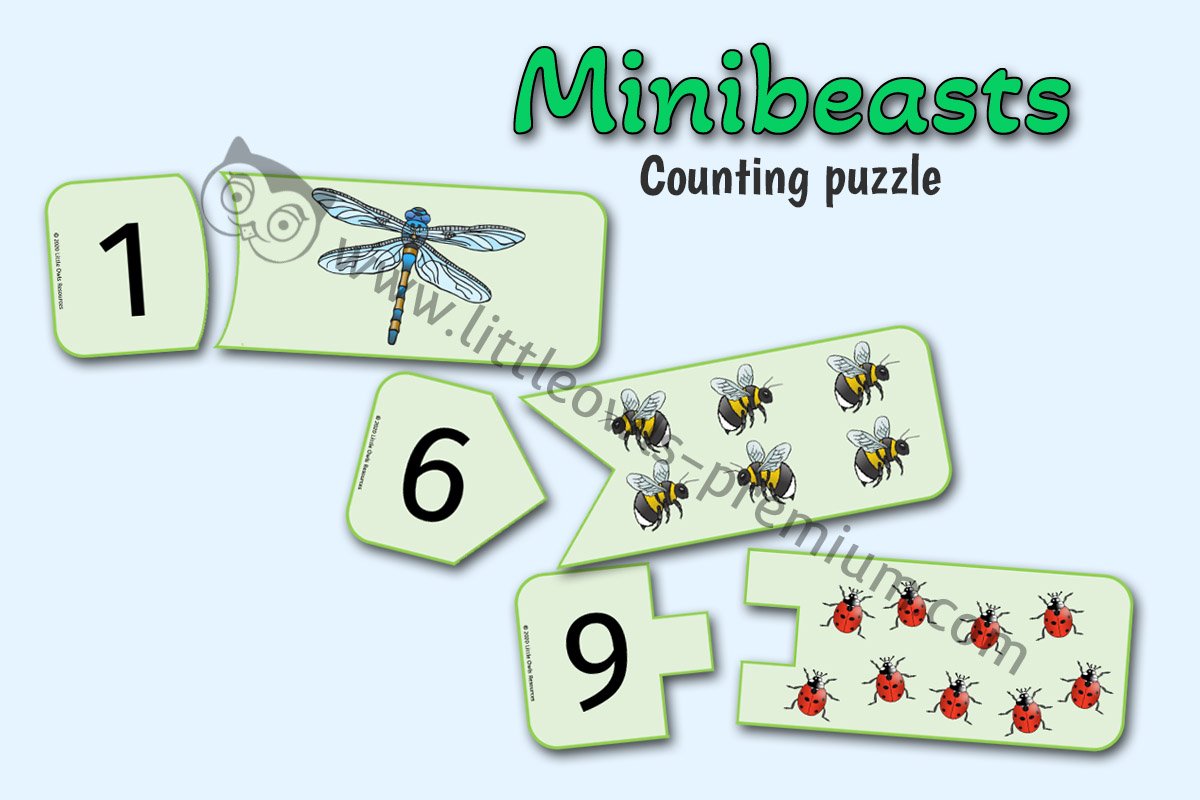
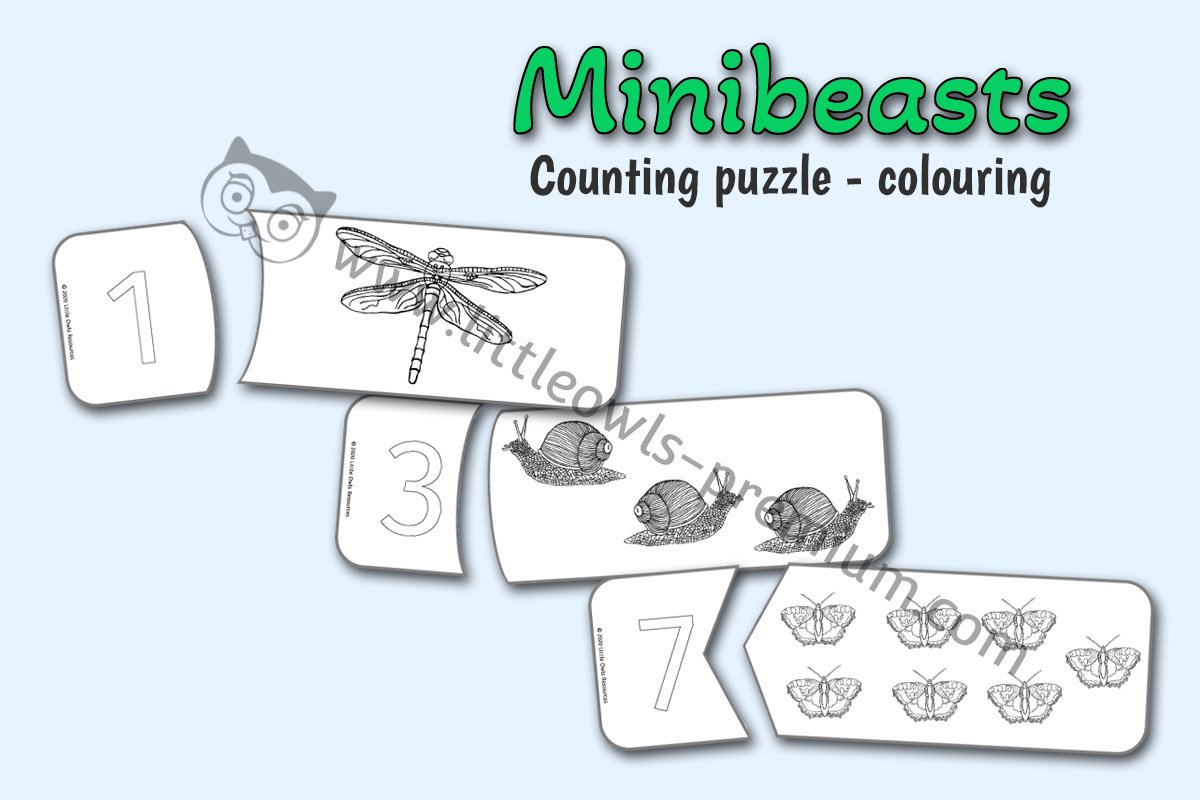
Counting Puzzles
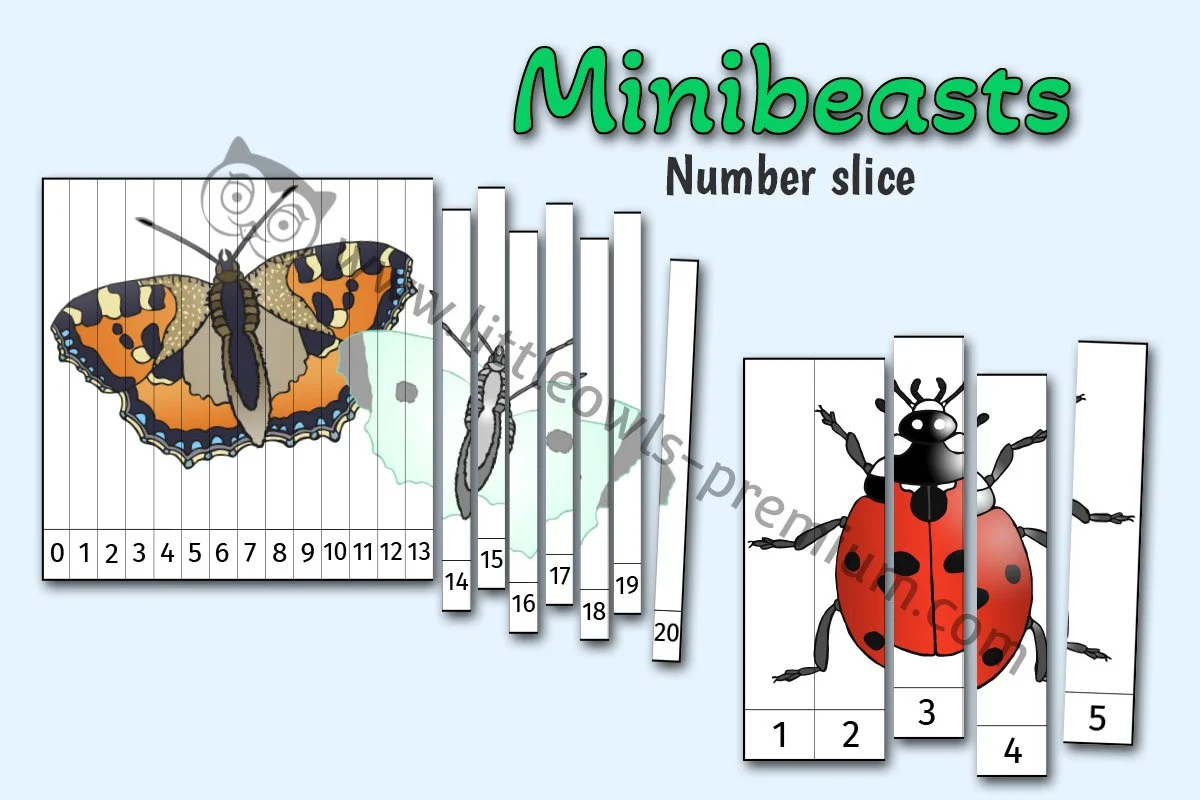
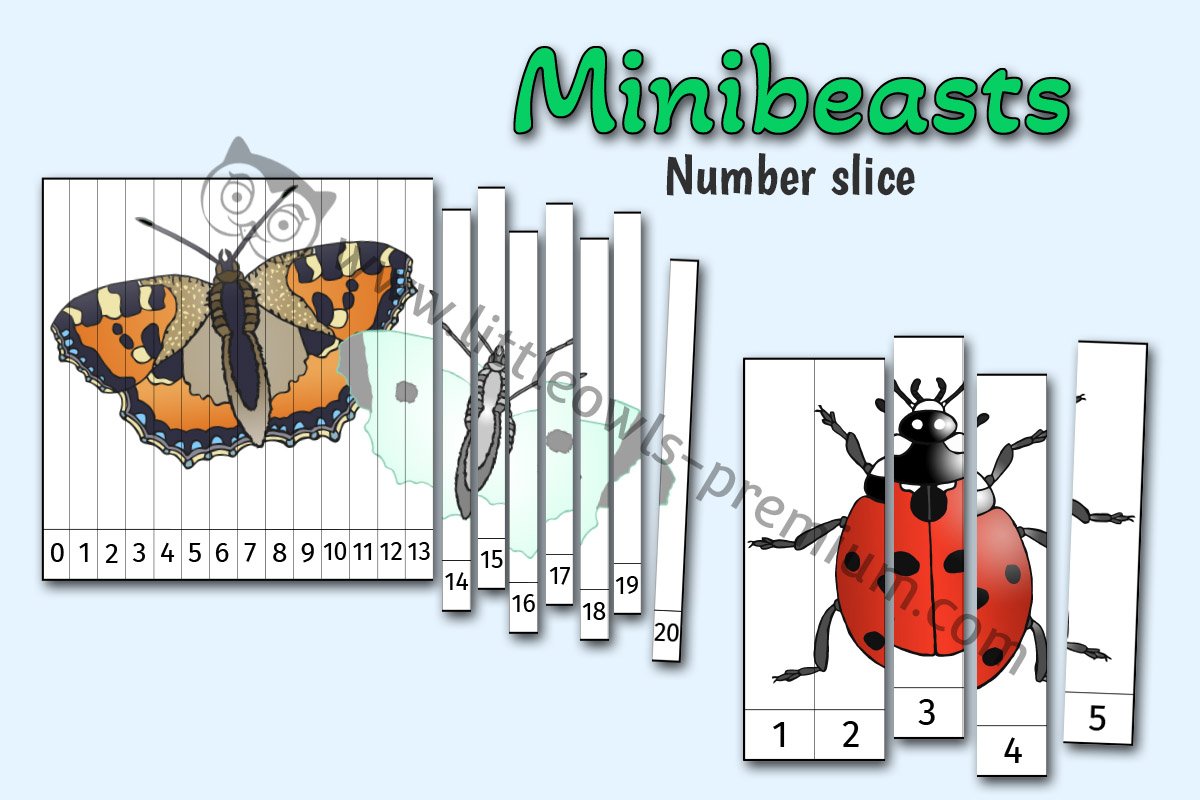
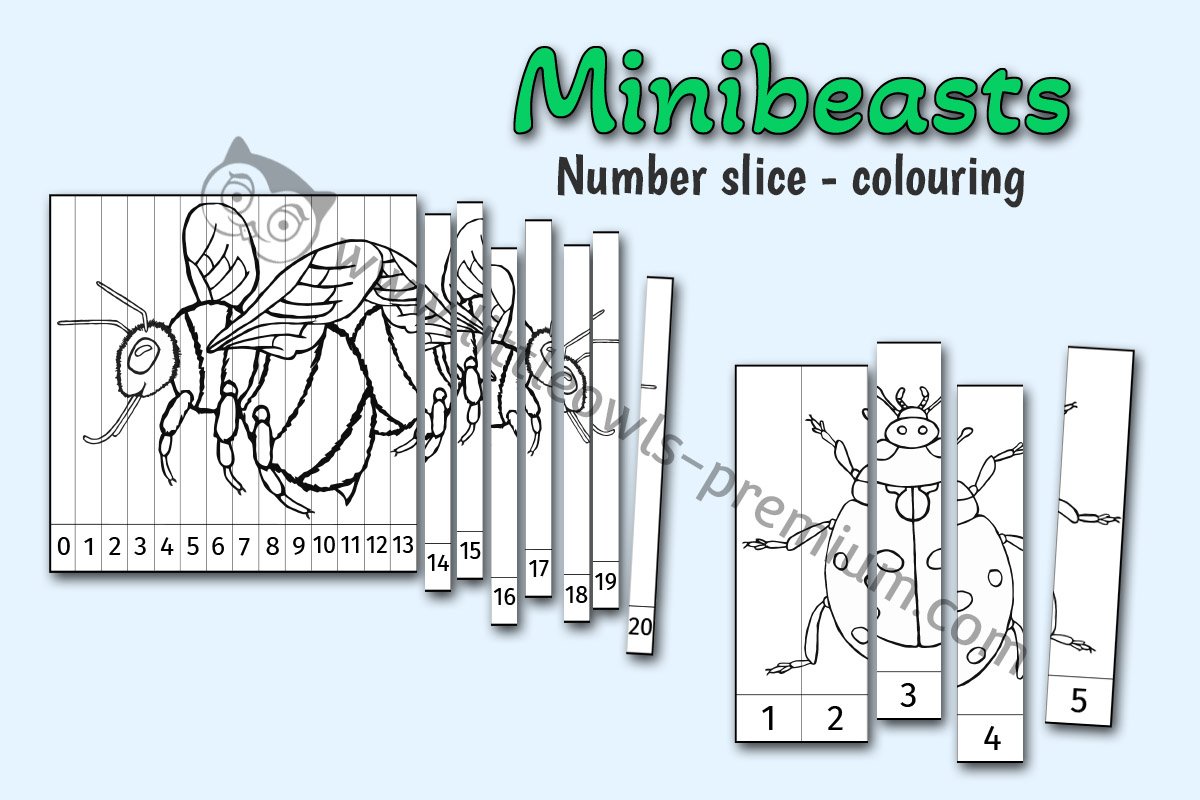
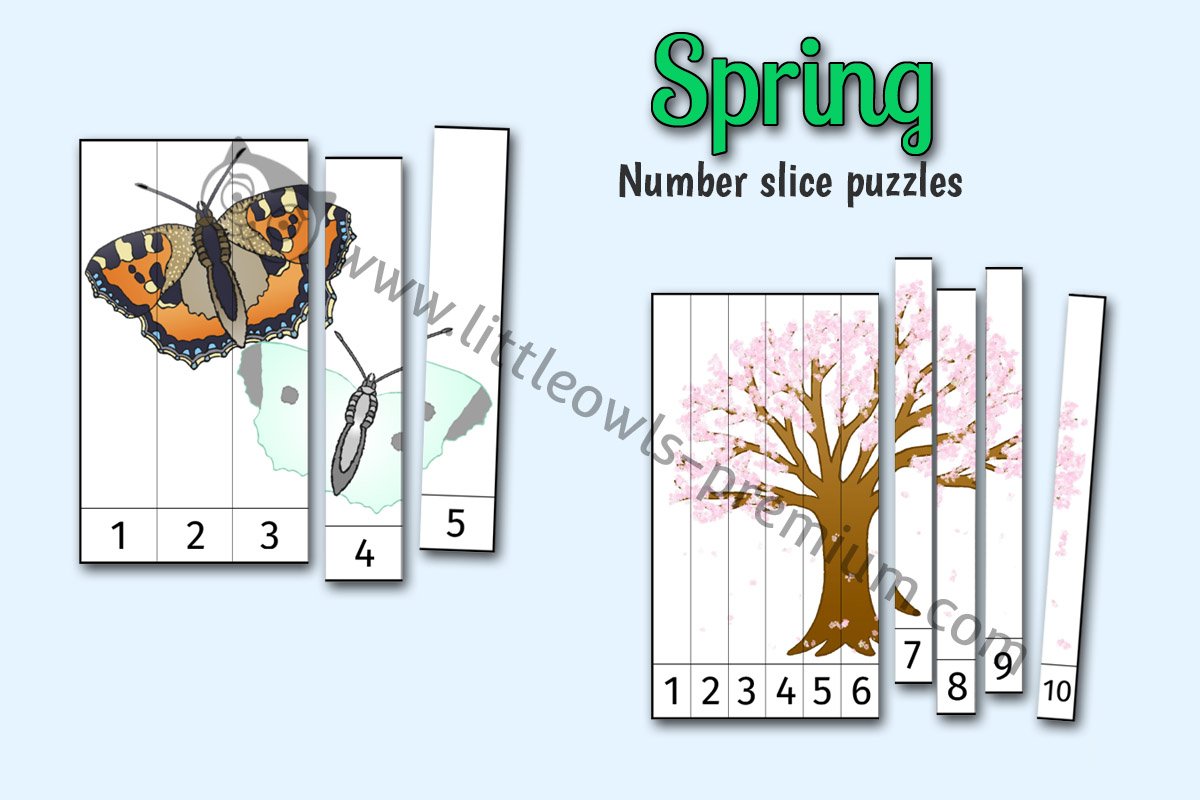
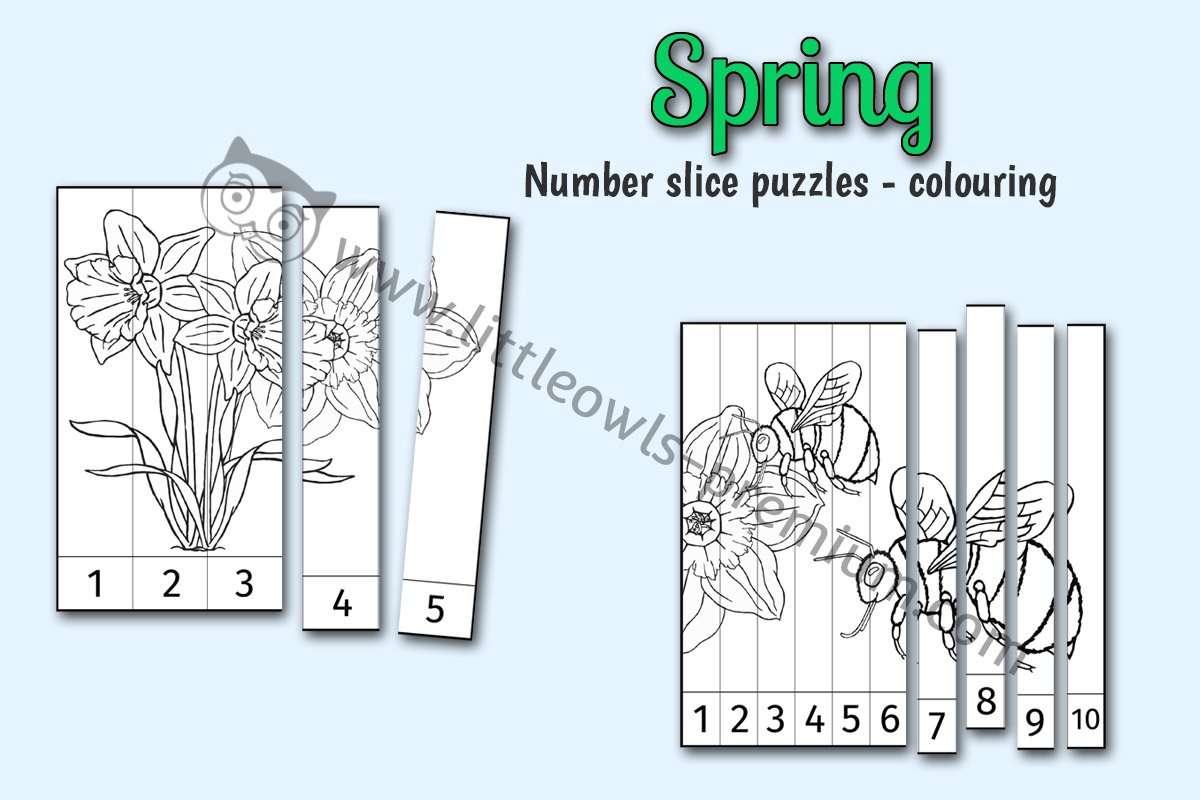
Number Slice Puzzles
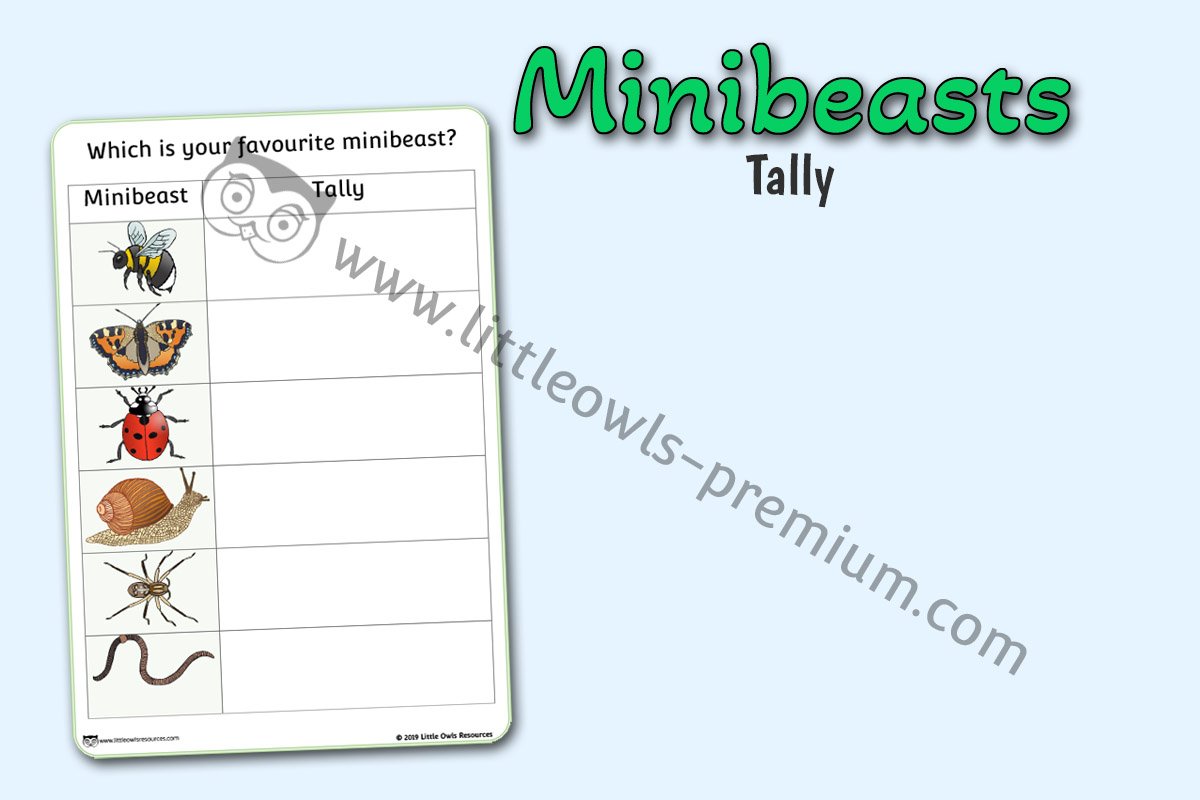
Tally Charts
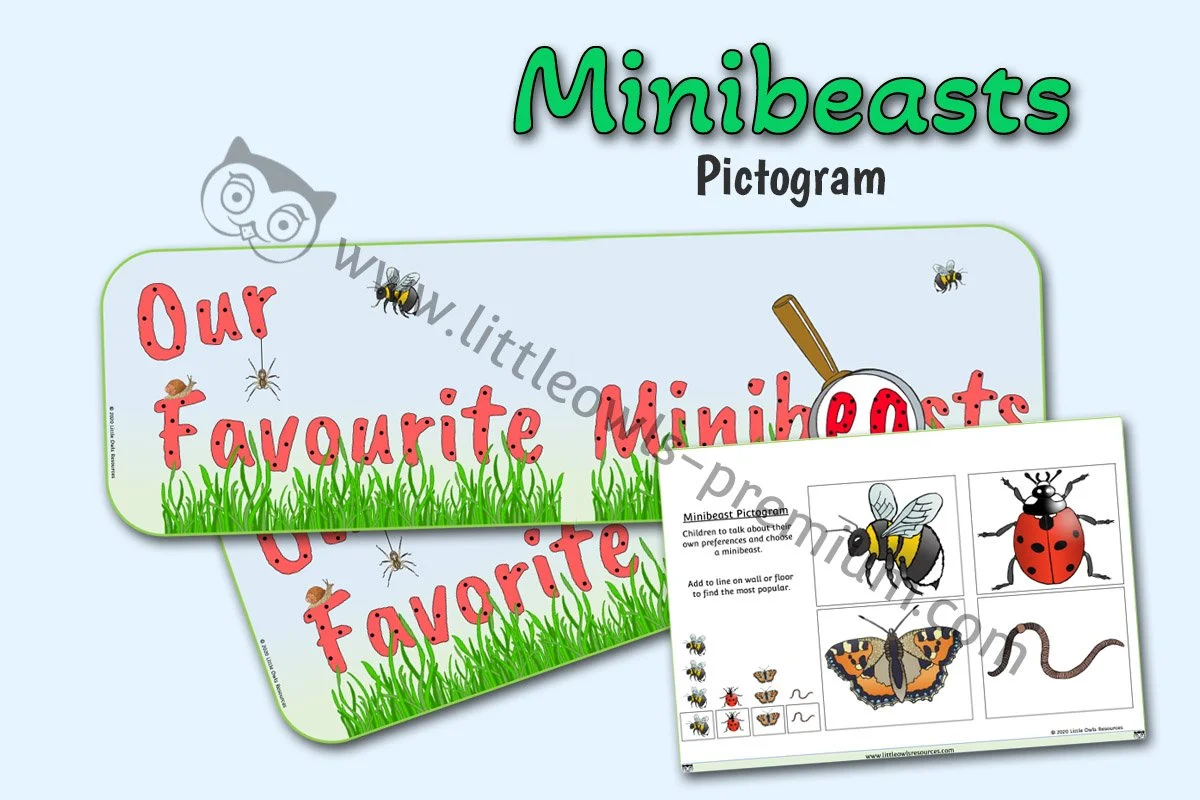
Pictograms
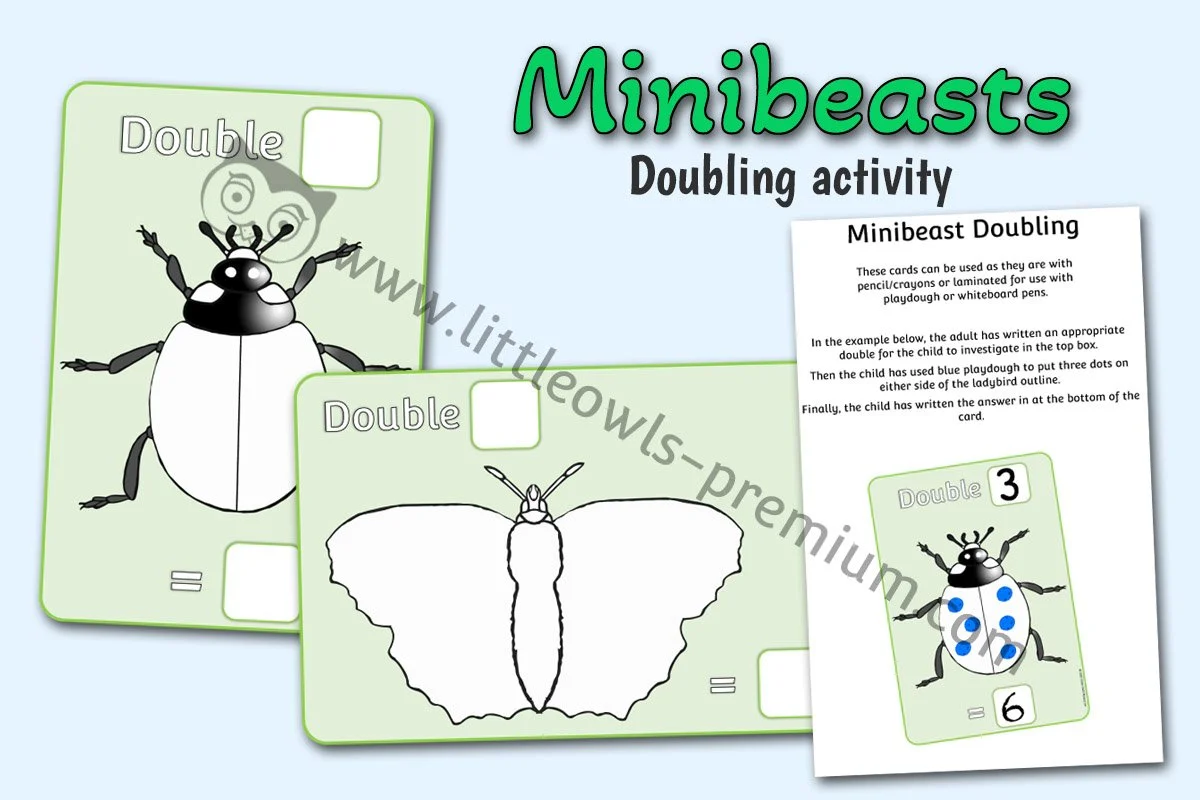
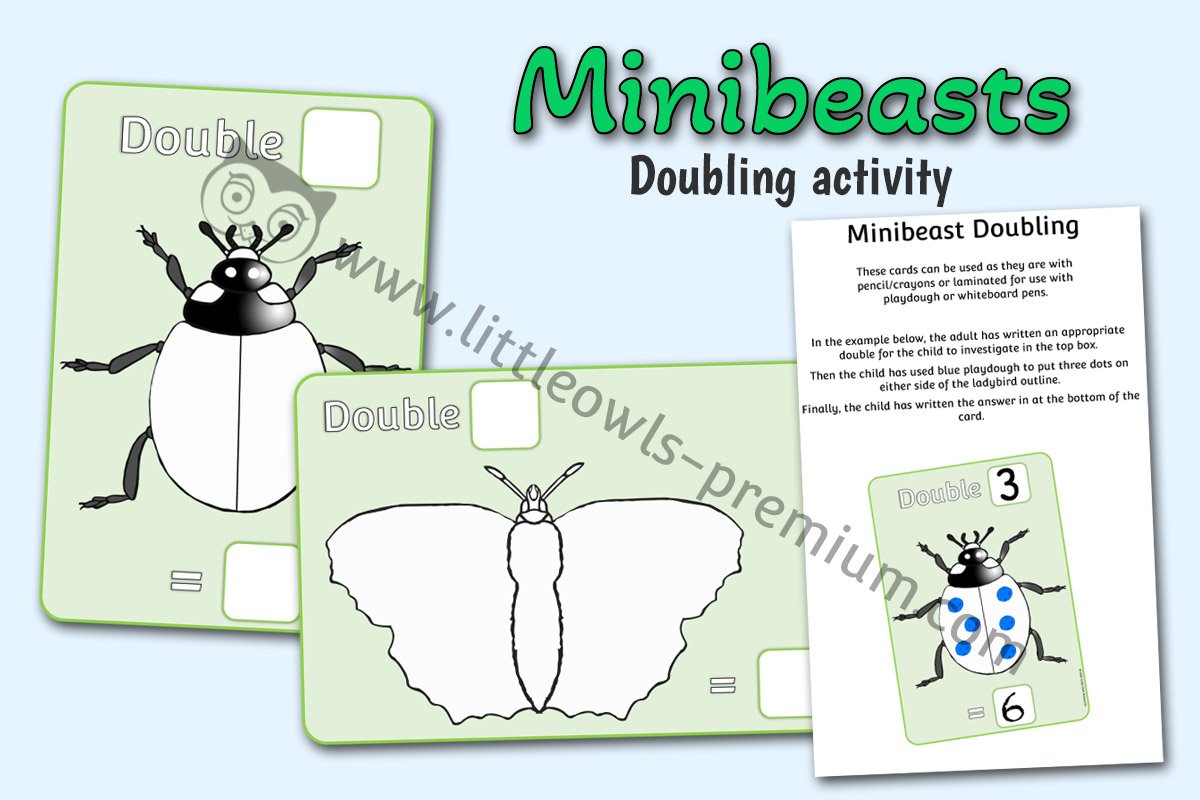
Doubling Activities
🔬 Science & Investigation
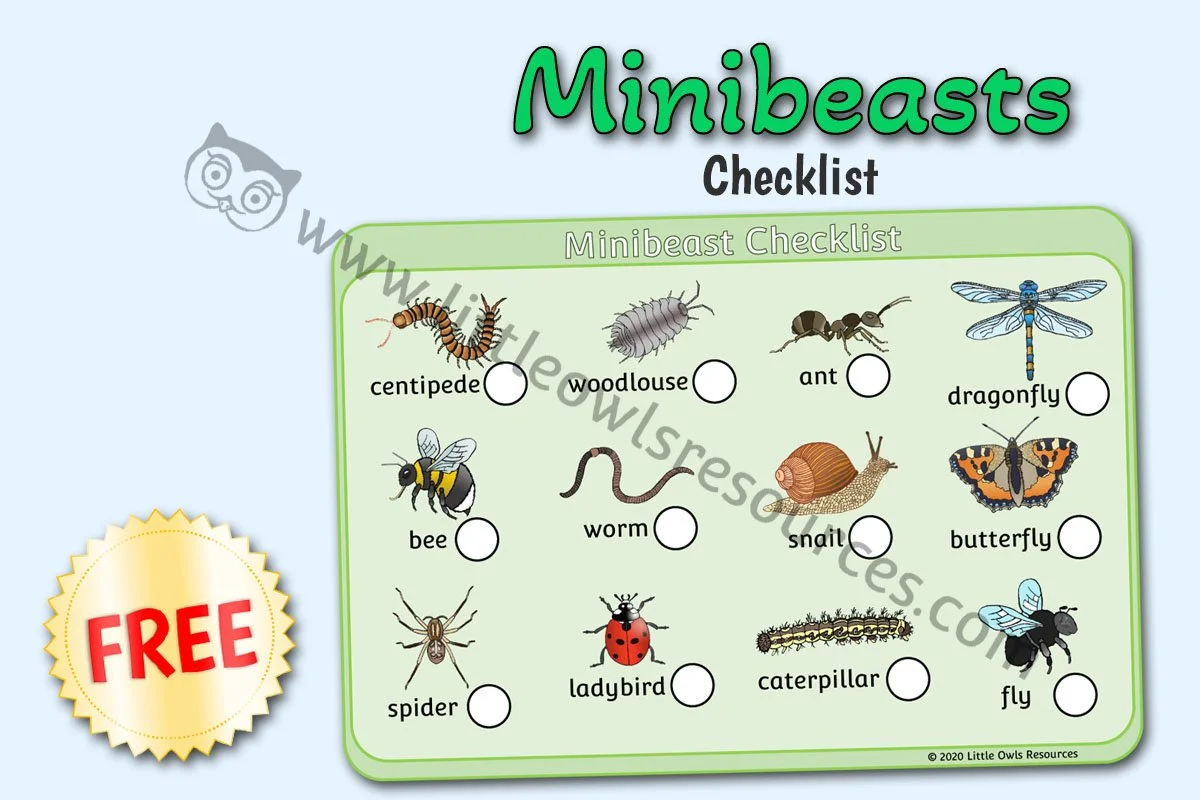
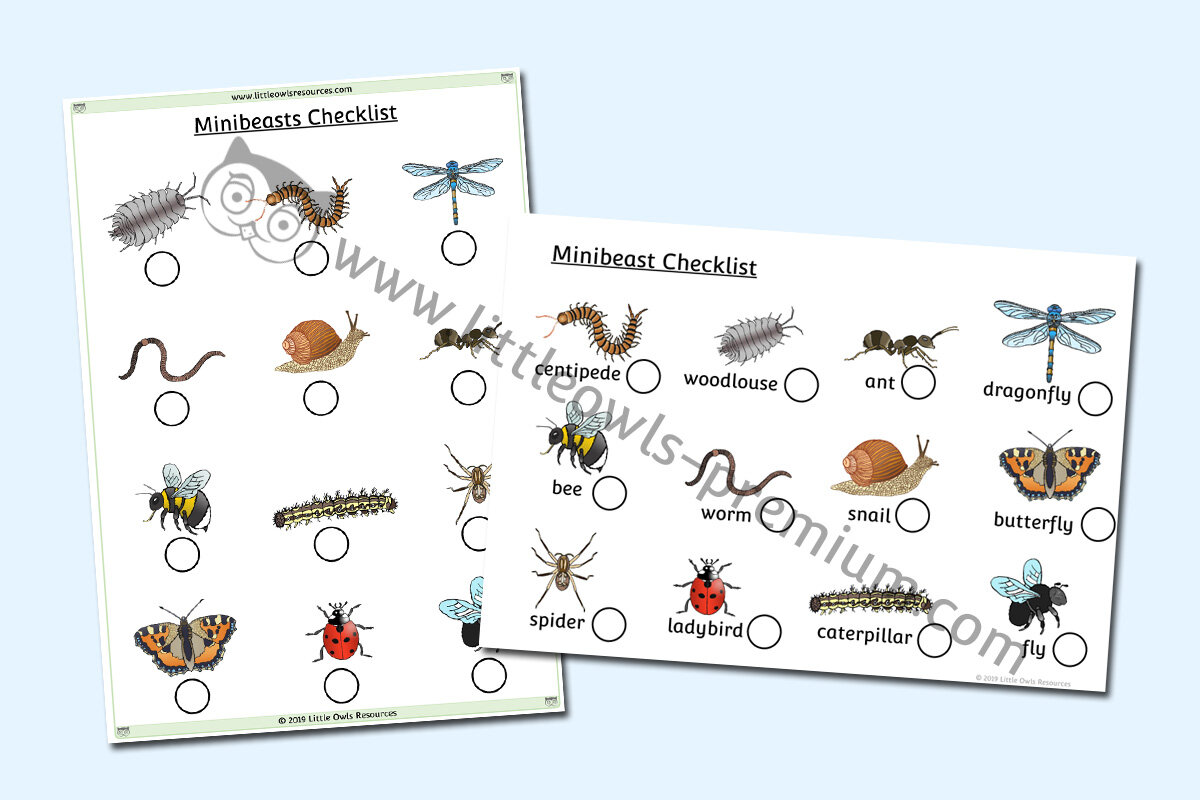
Minibeast Hunt Resources
Fact Cards
Life Cycle Activities
STEM Investigation Packs
🎨 Creative Arts & Design
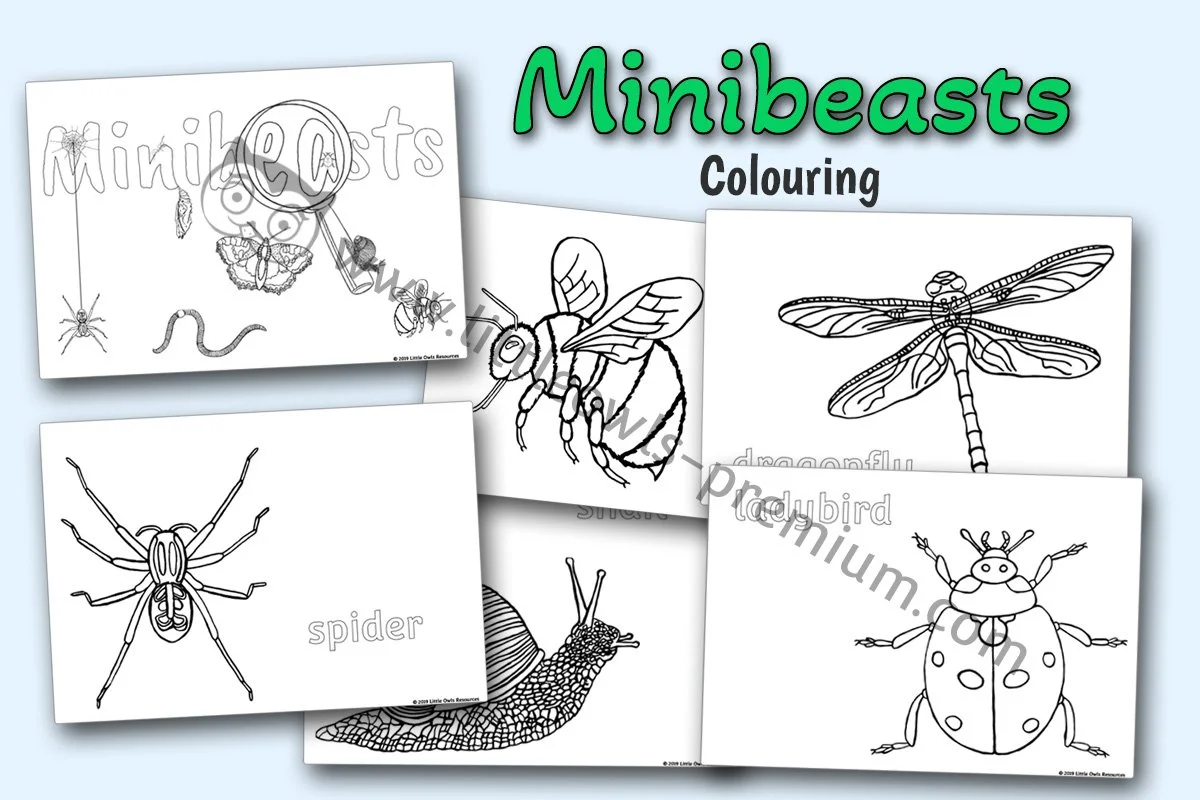
Colouring Resources
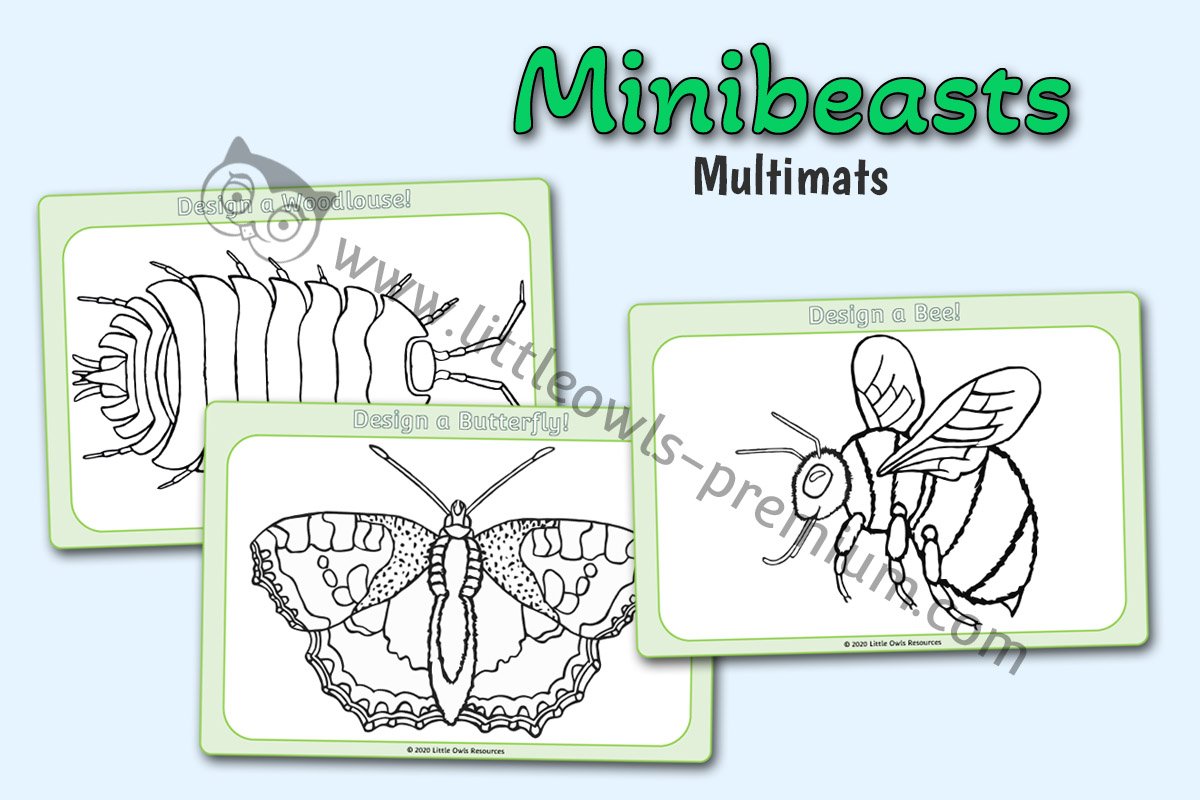
Multimats
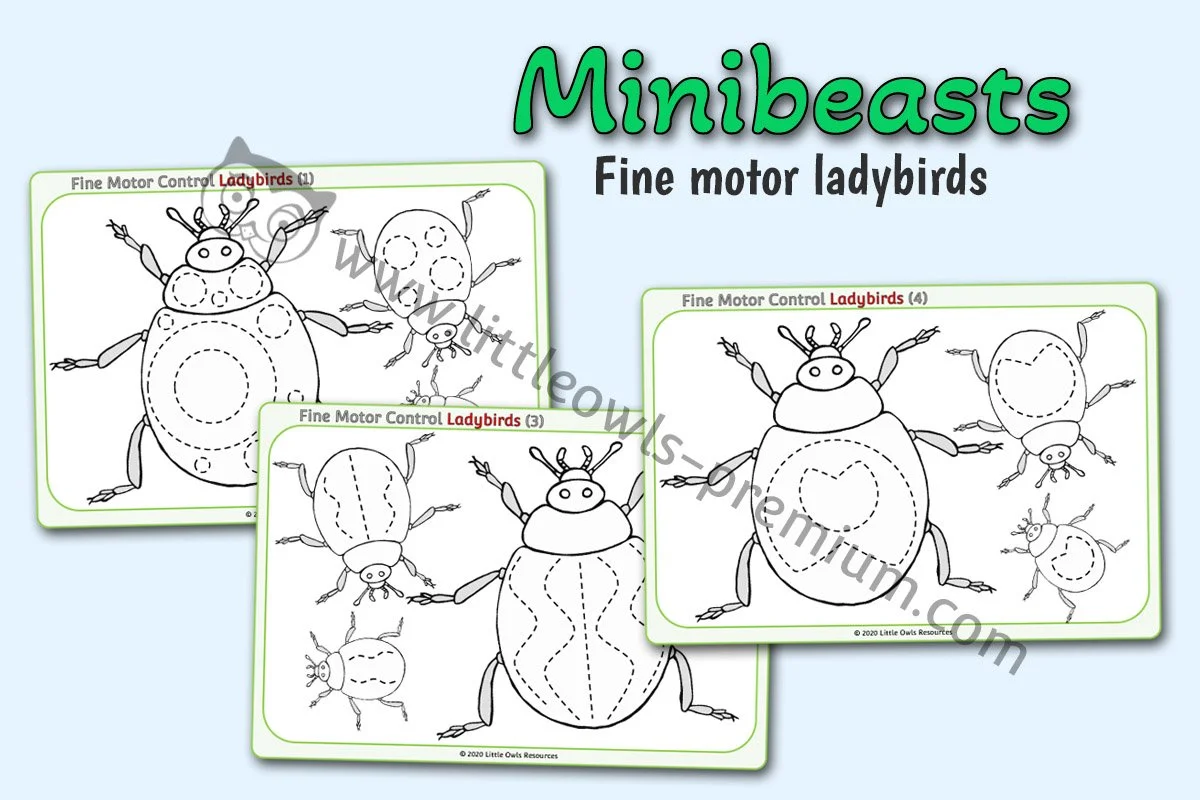
Fine Motor Activities
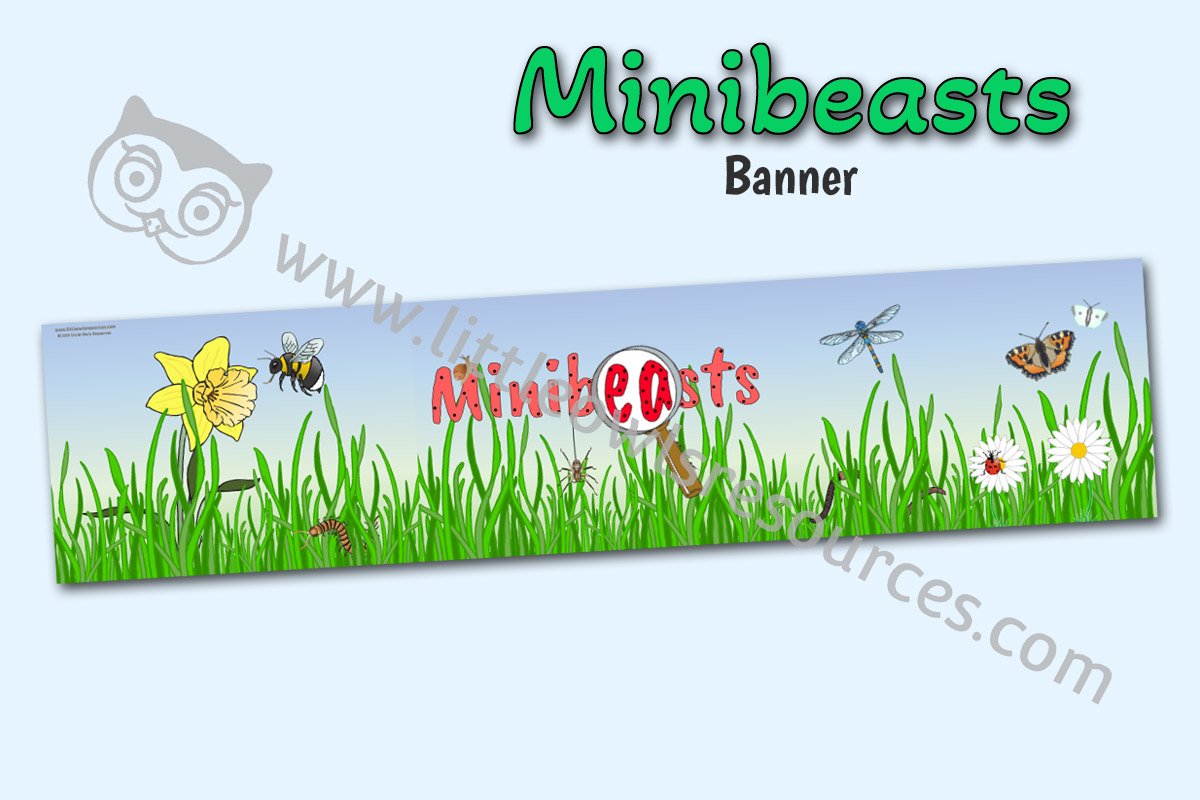
Display Resources
🏃 Physical Development
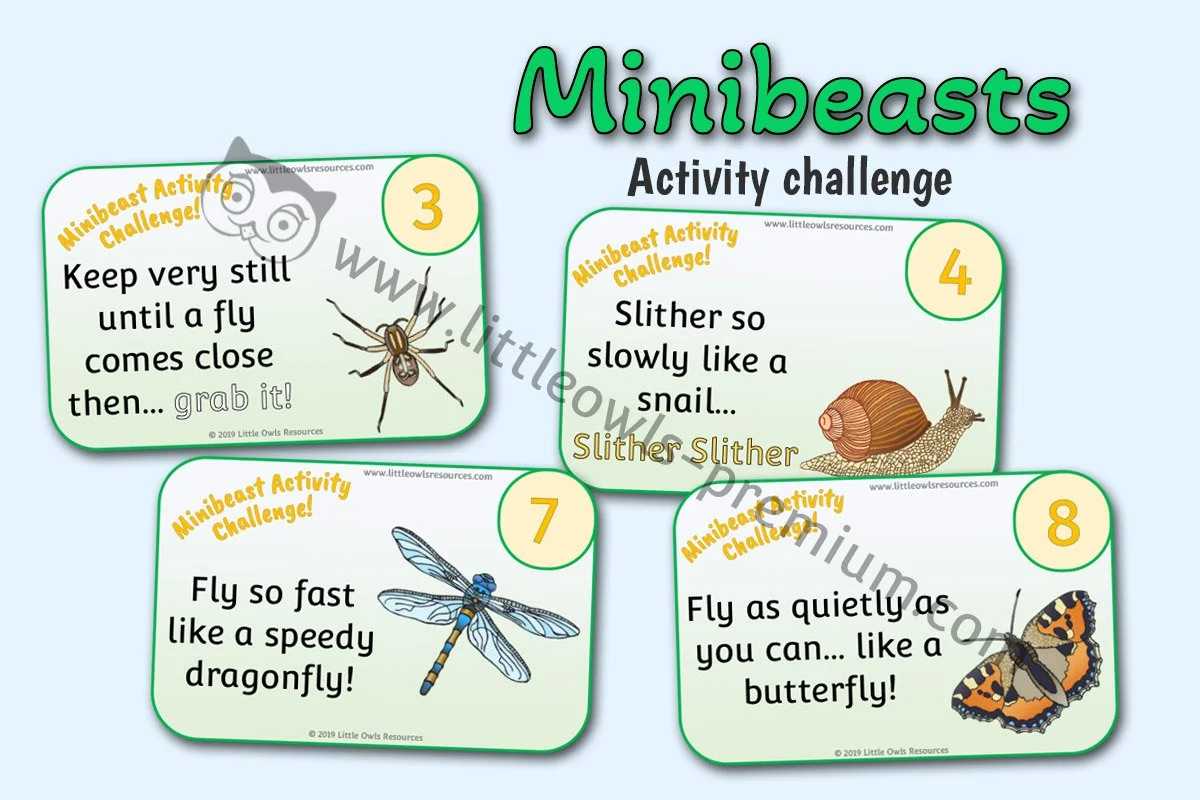
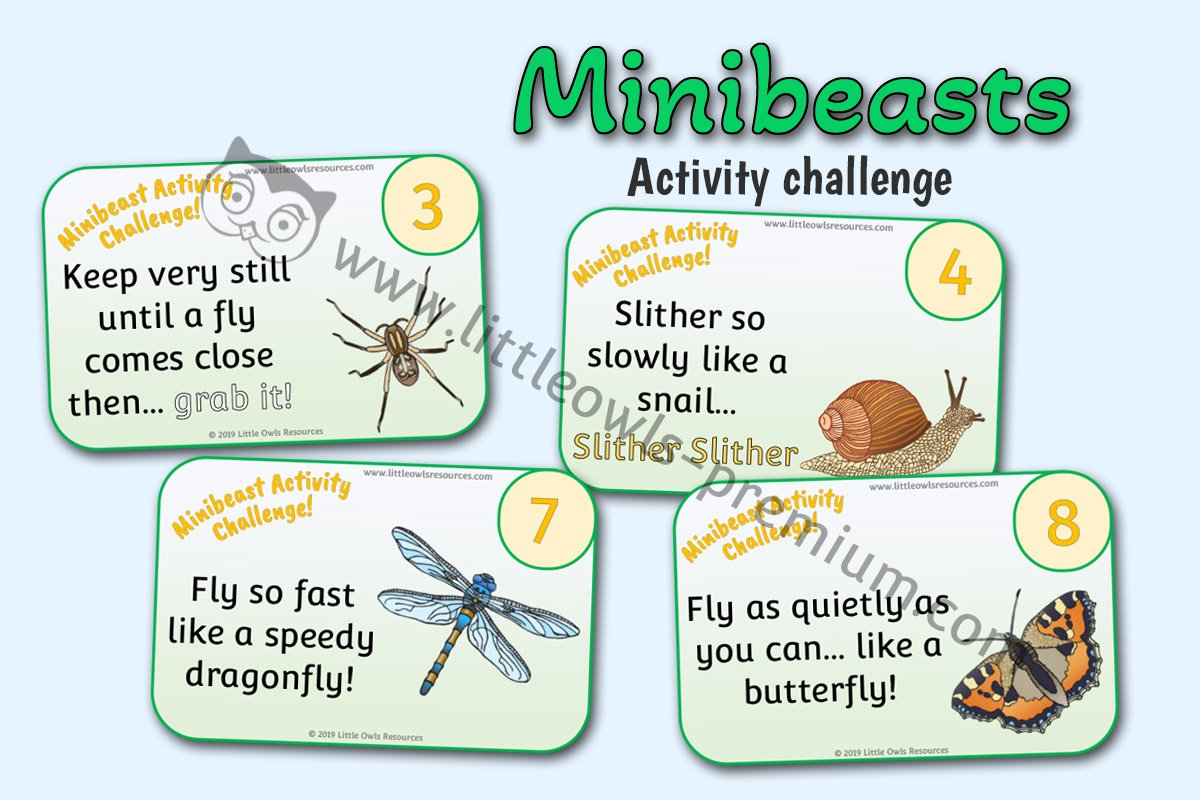
Minibeast Movement Challenge Cards
Outdoor Exploration Activities
💡 All resources include editable (DOCX) and PDF file versions for flexibility in your setting. More file format information here.
Featured Resources

Minibeasts/ Mini beasts Clip Art Pack

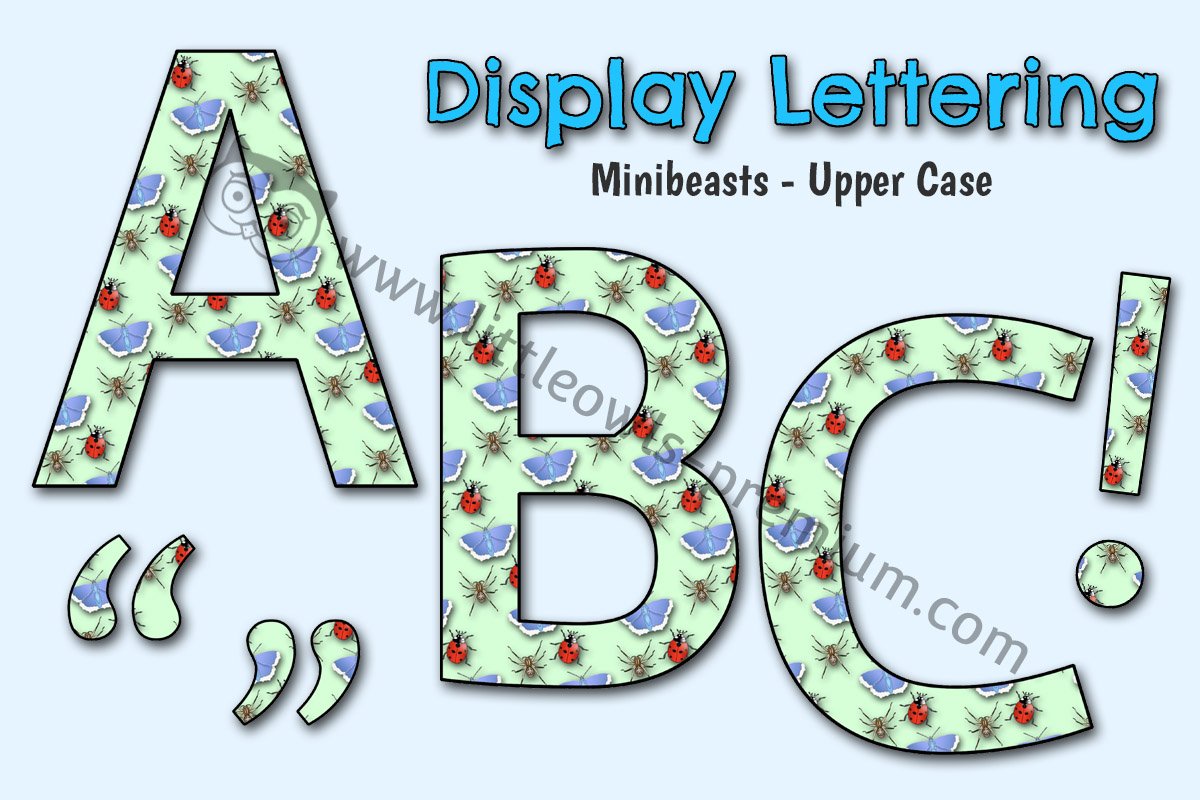
Core Minibeasts Provision
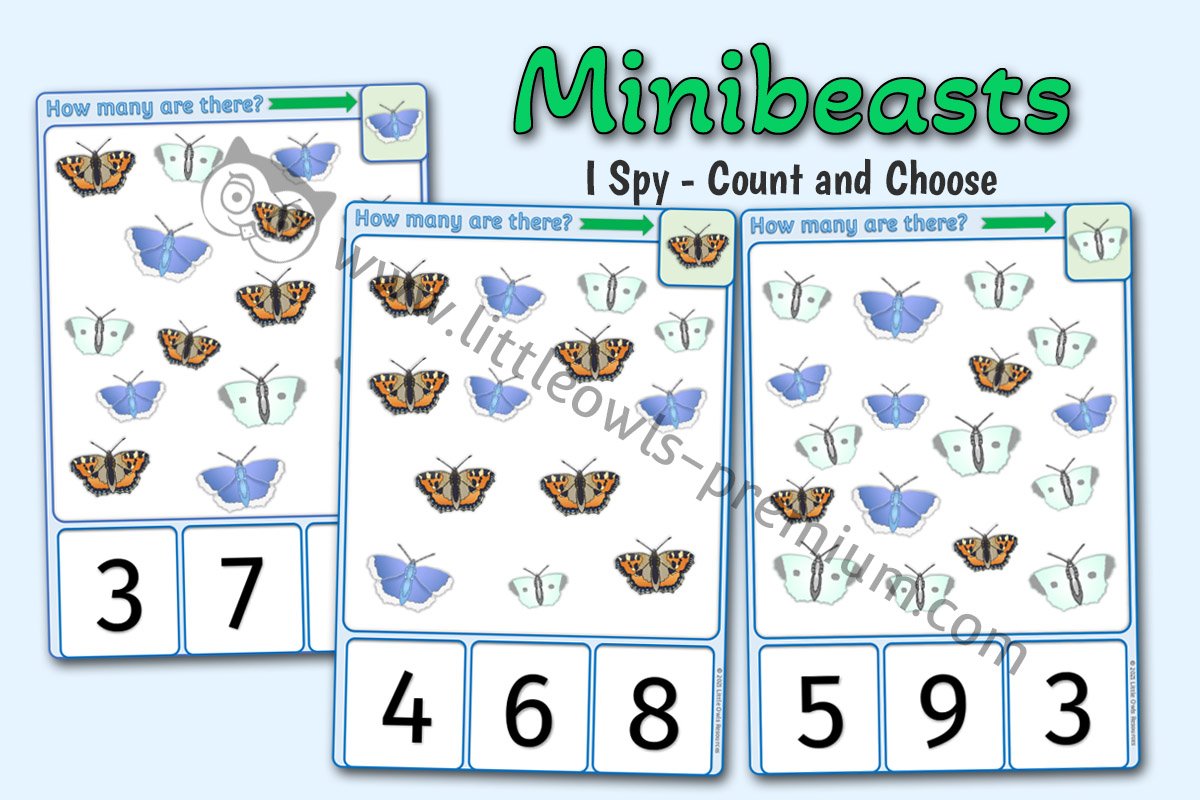
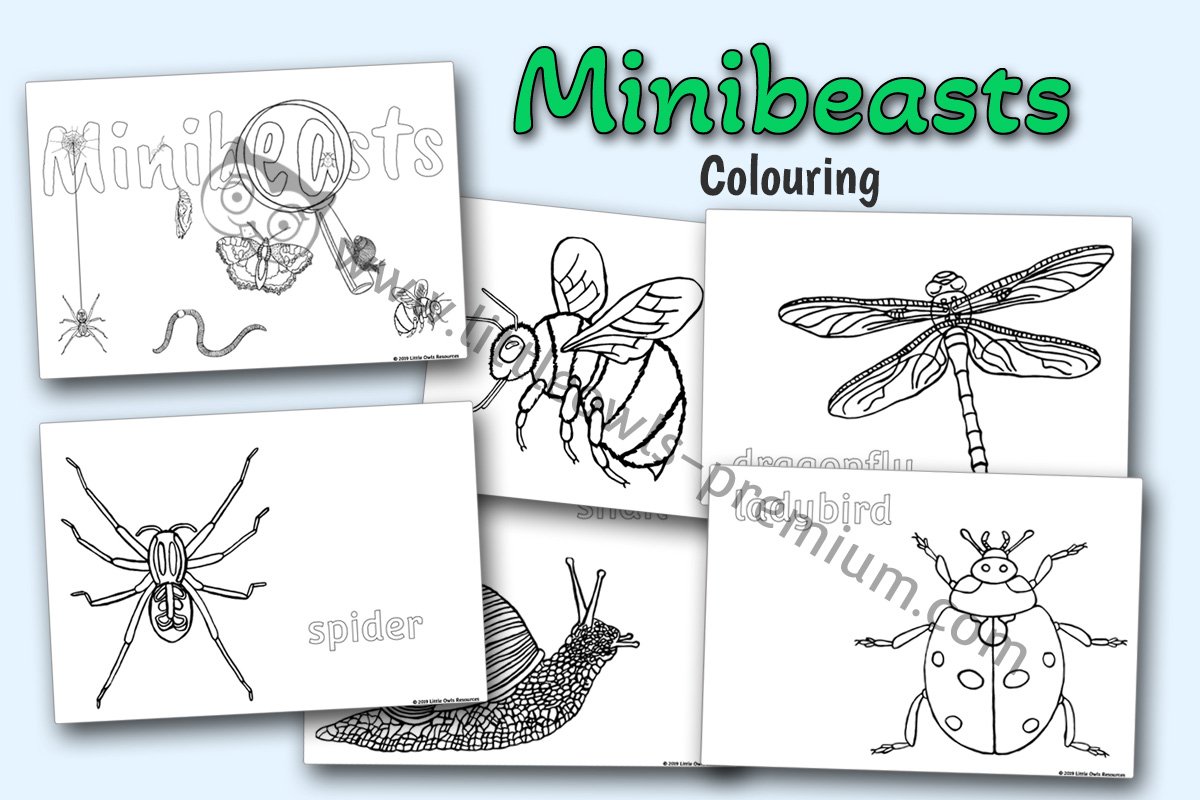
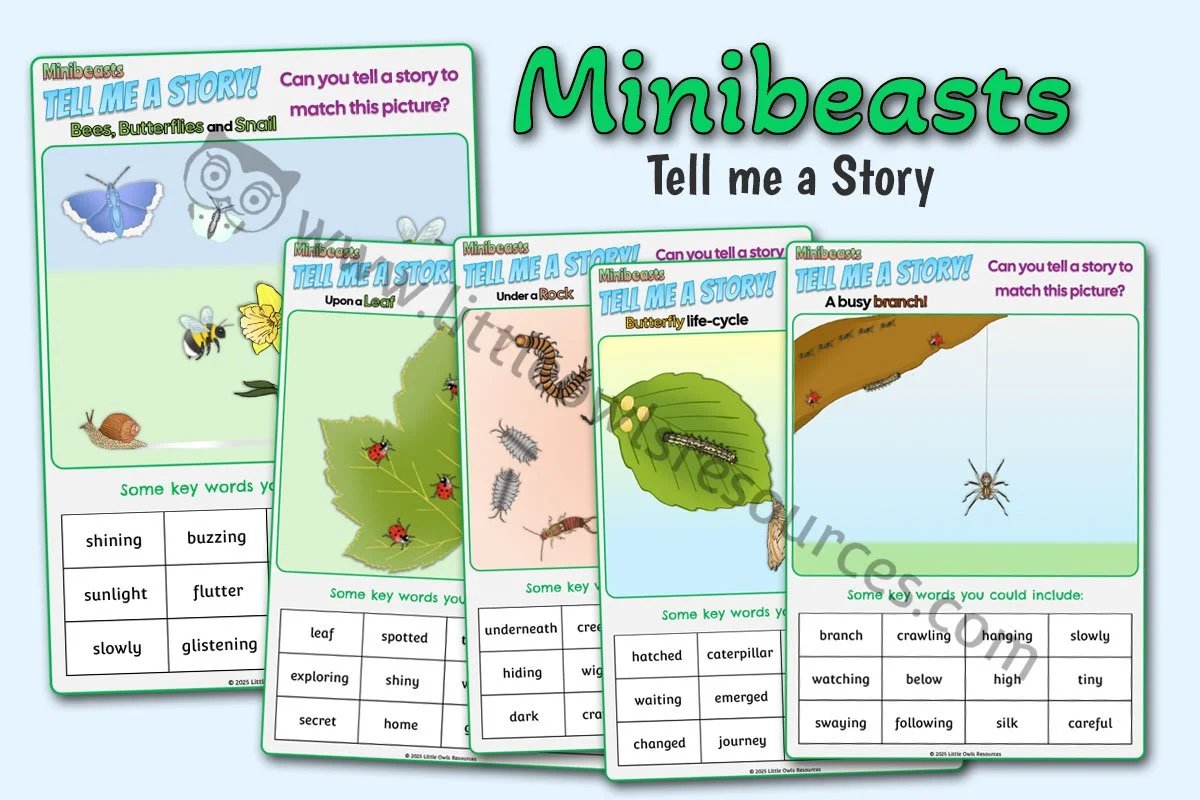

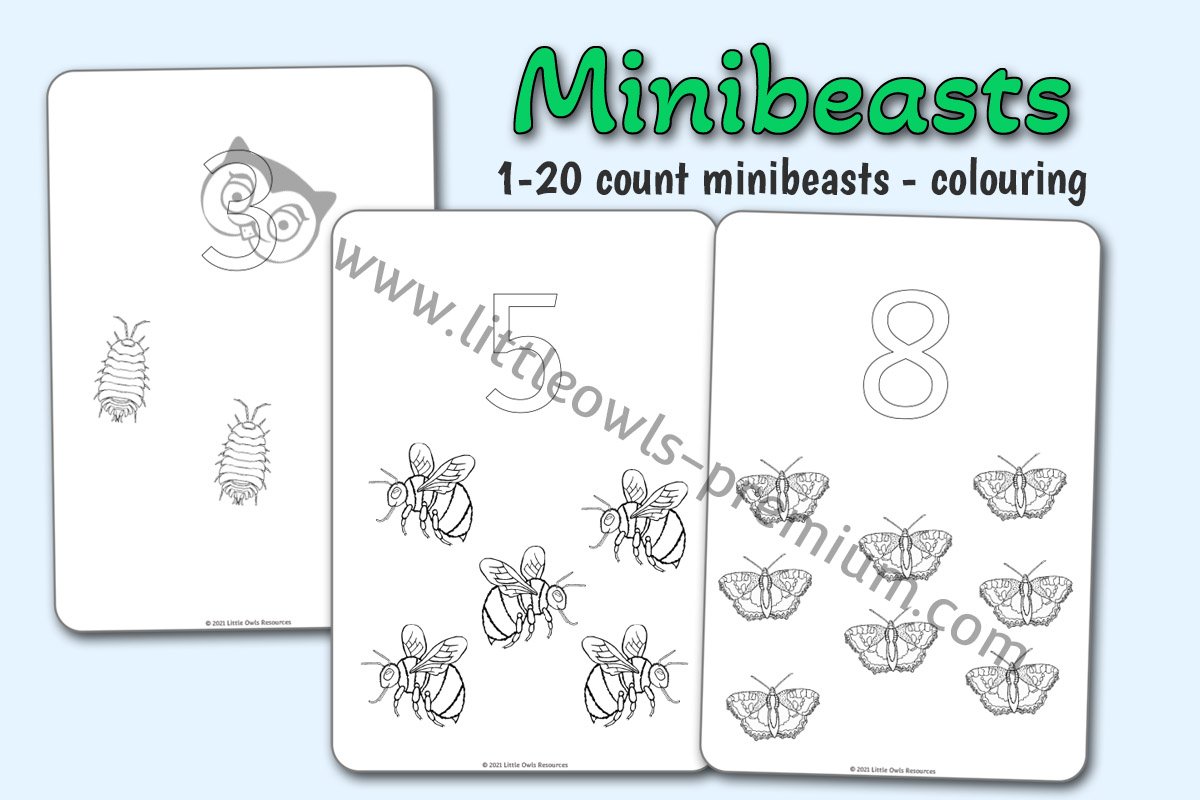
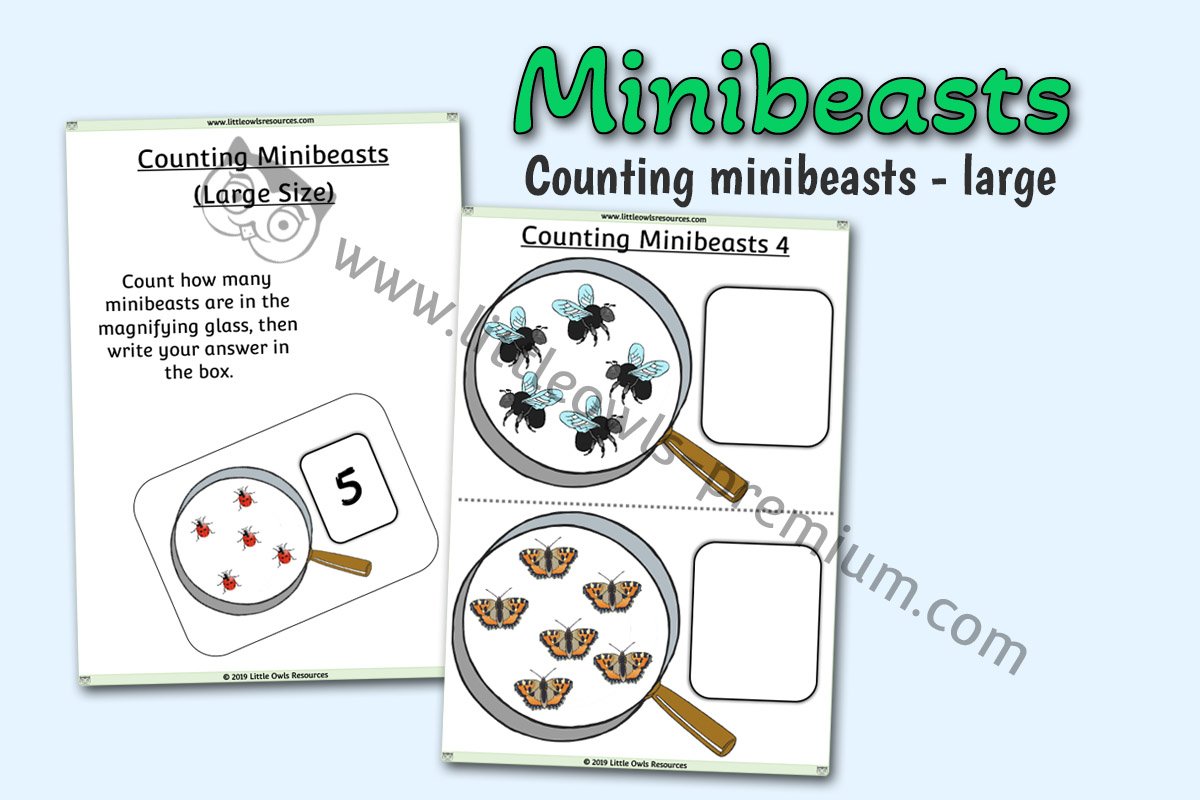
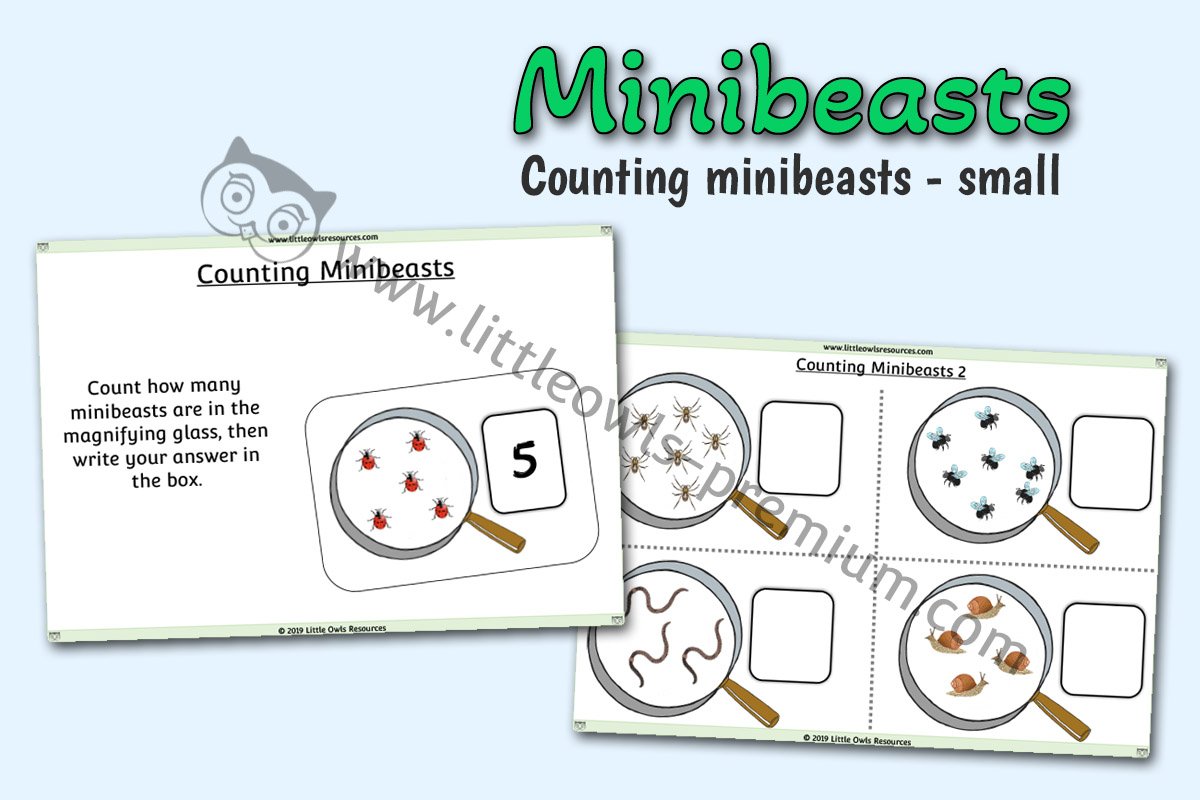
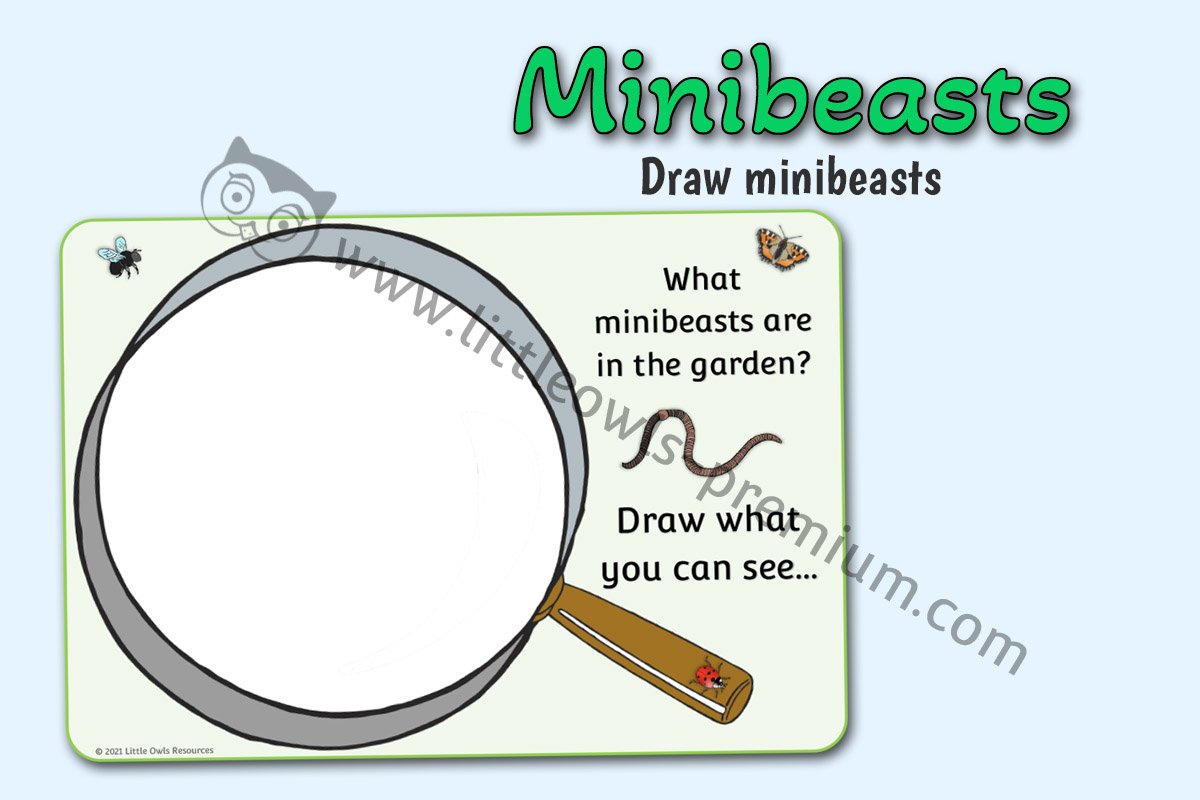
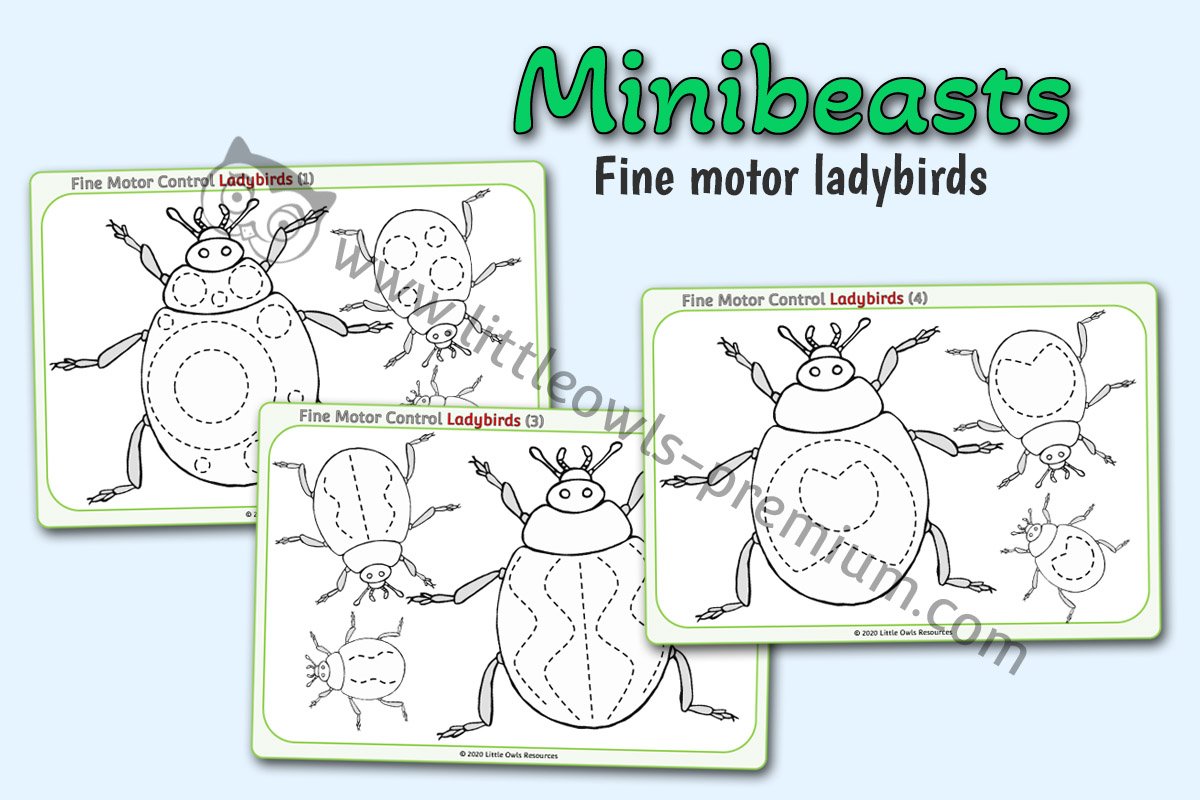
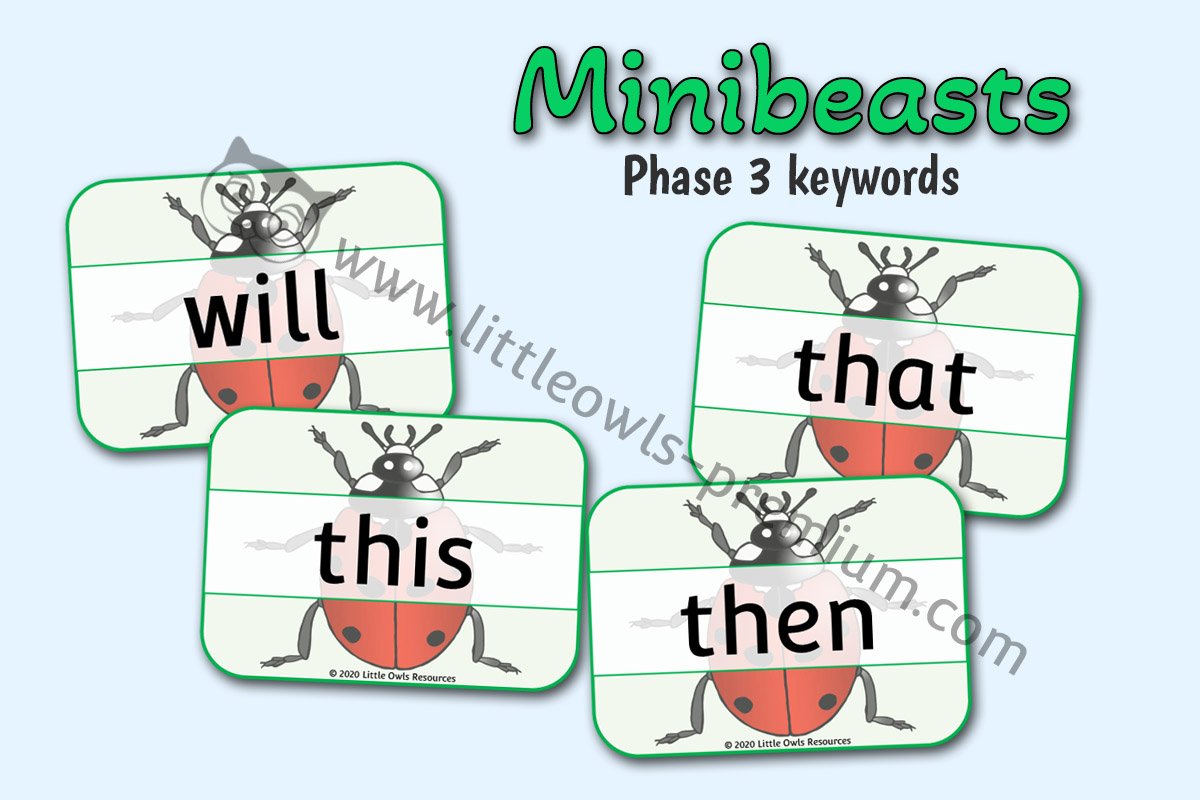
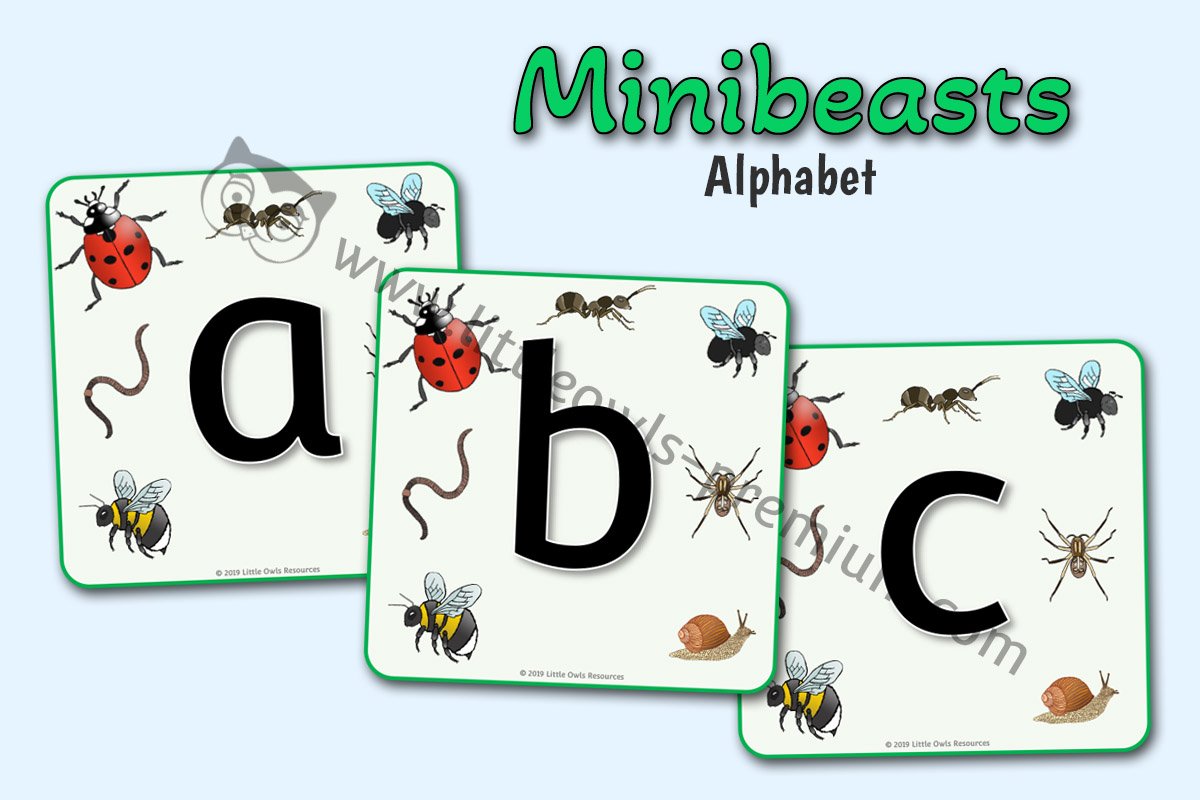
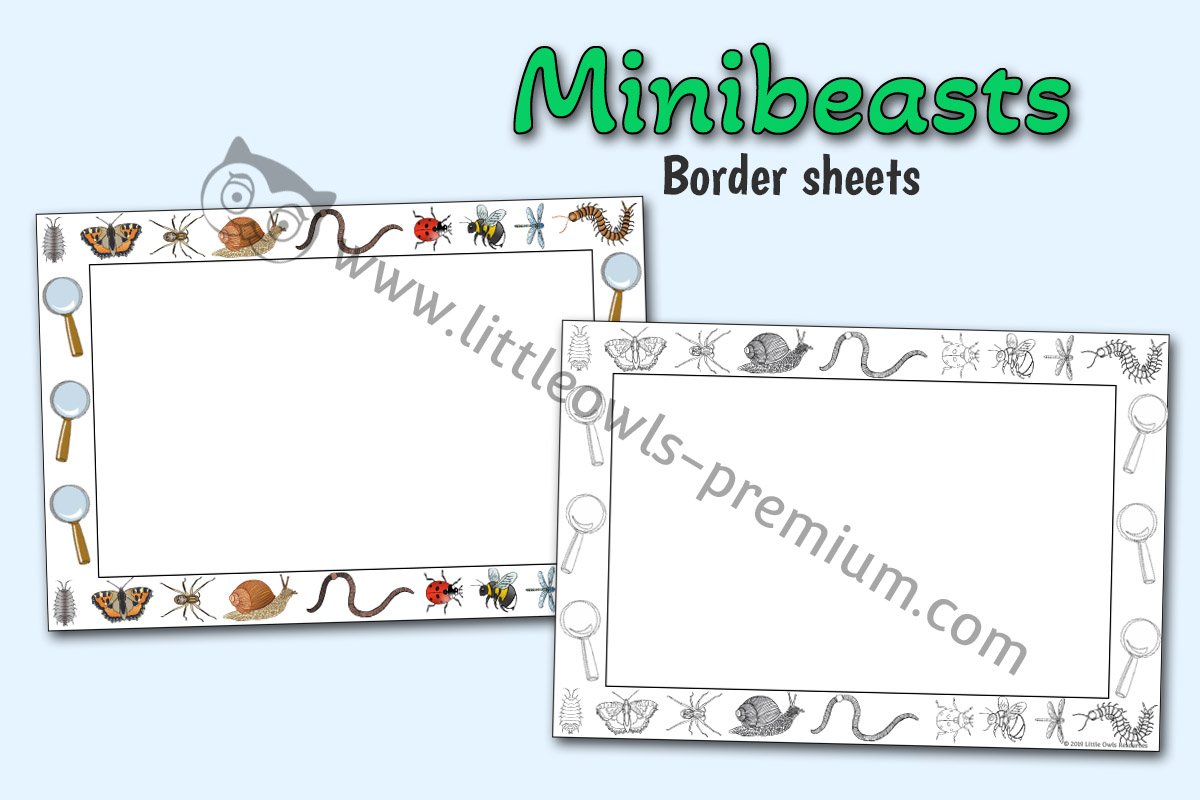

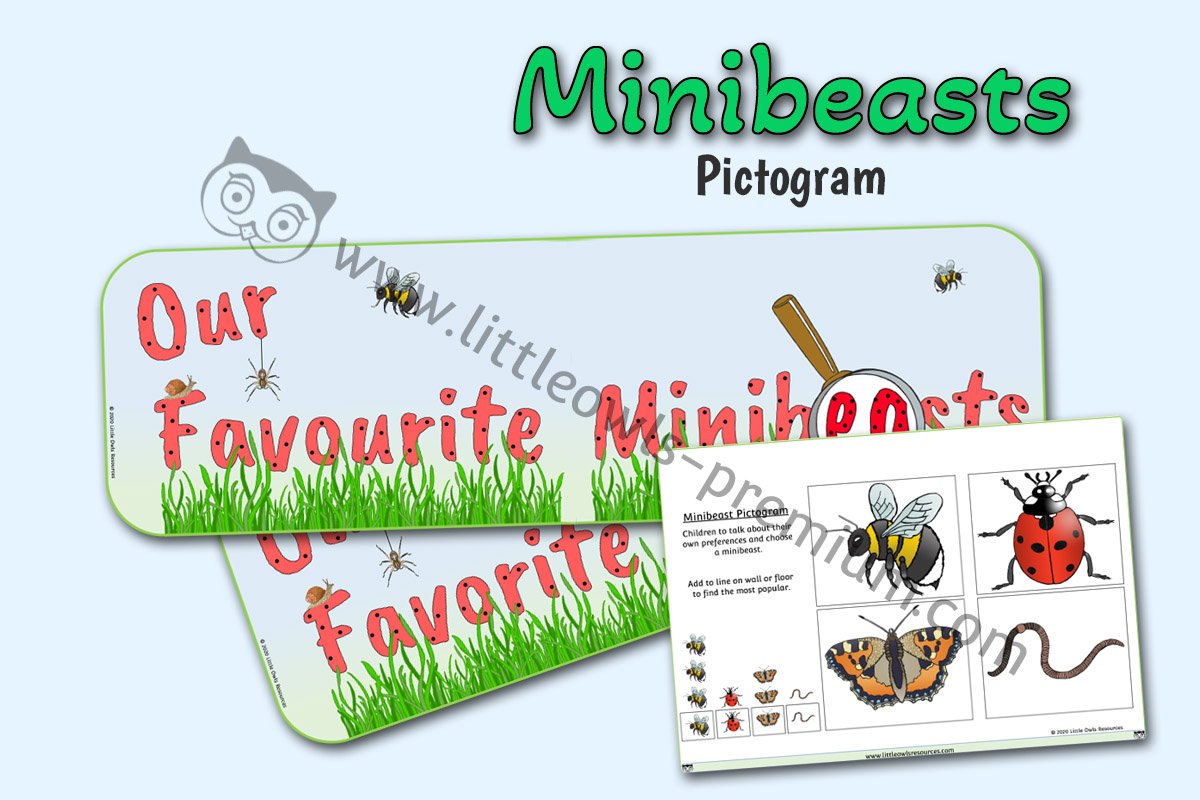
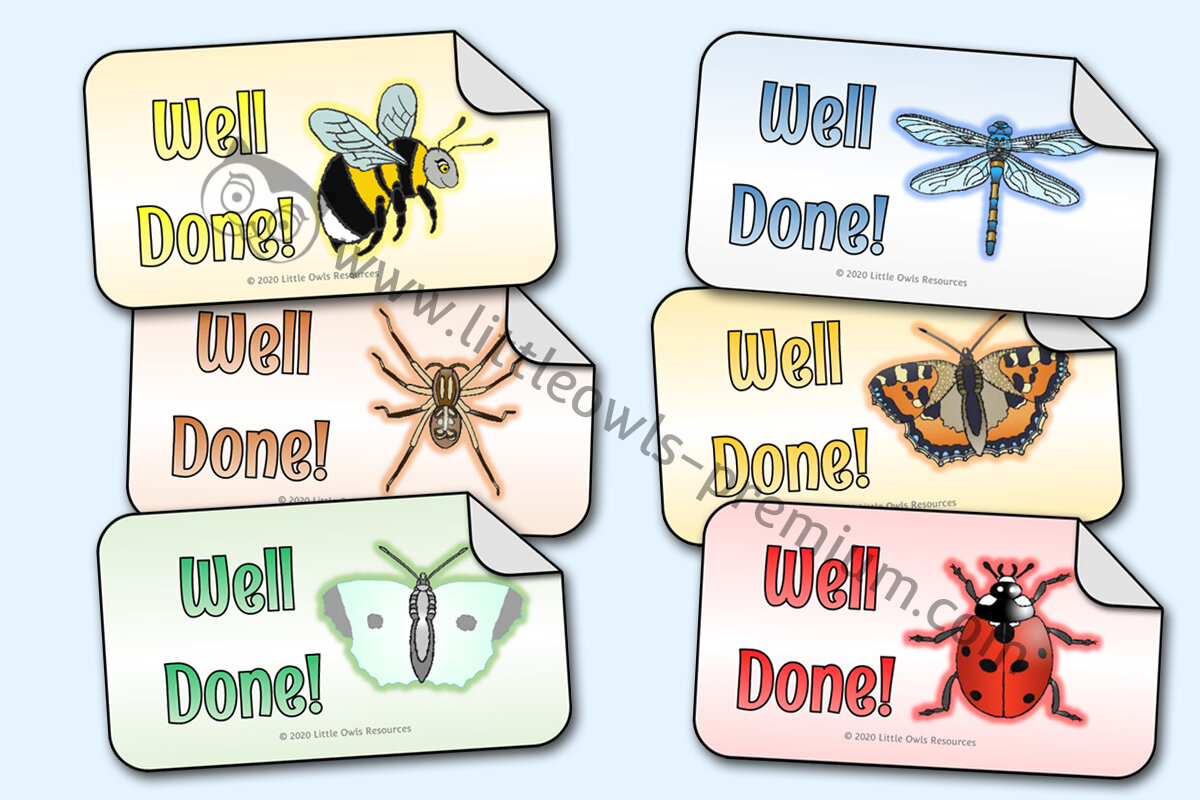
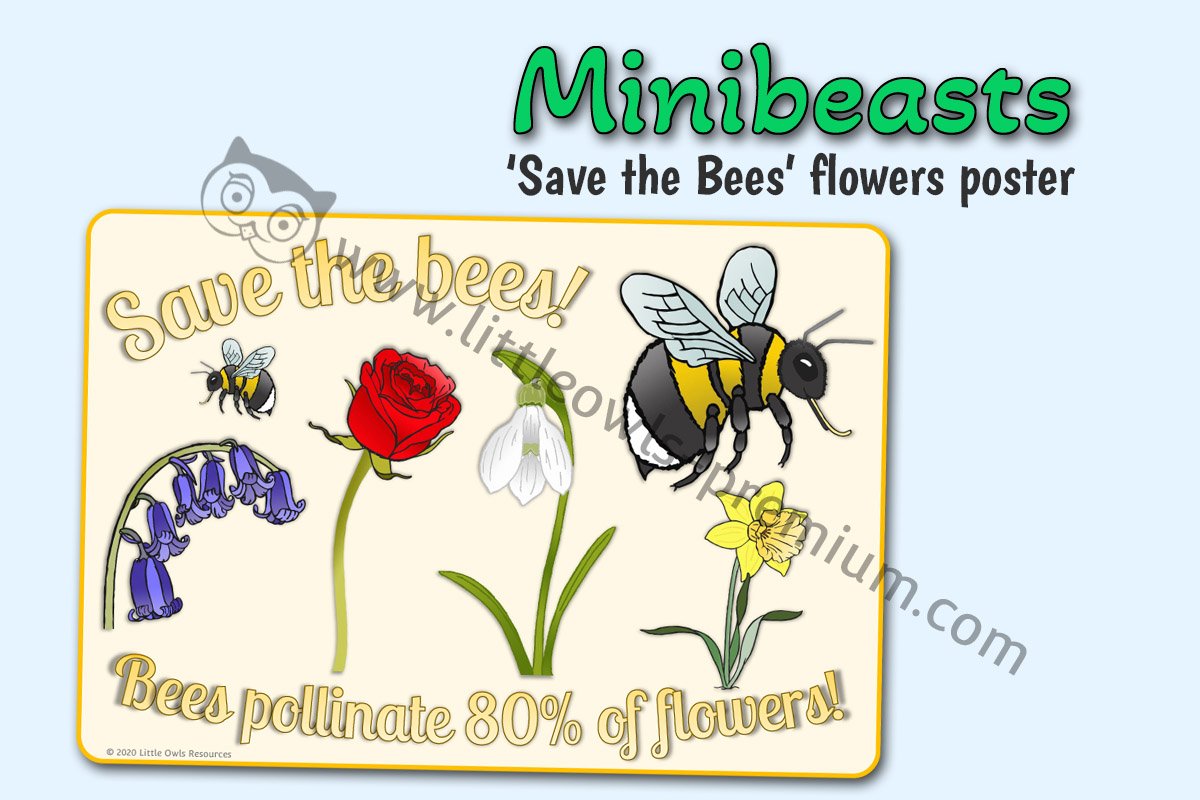

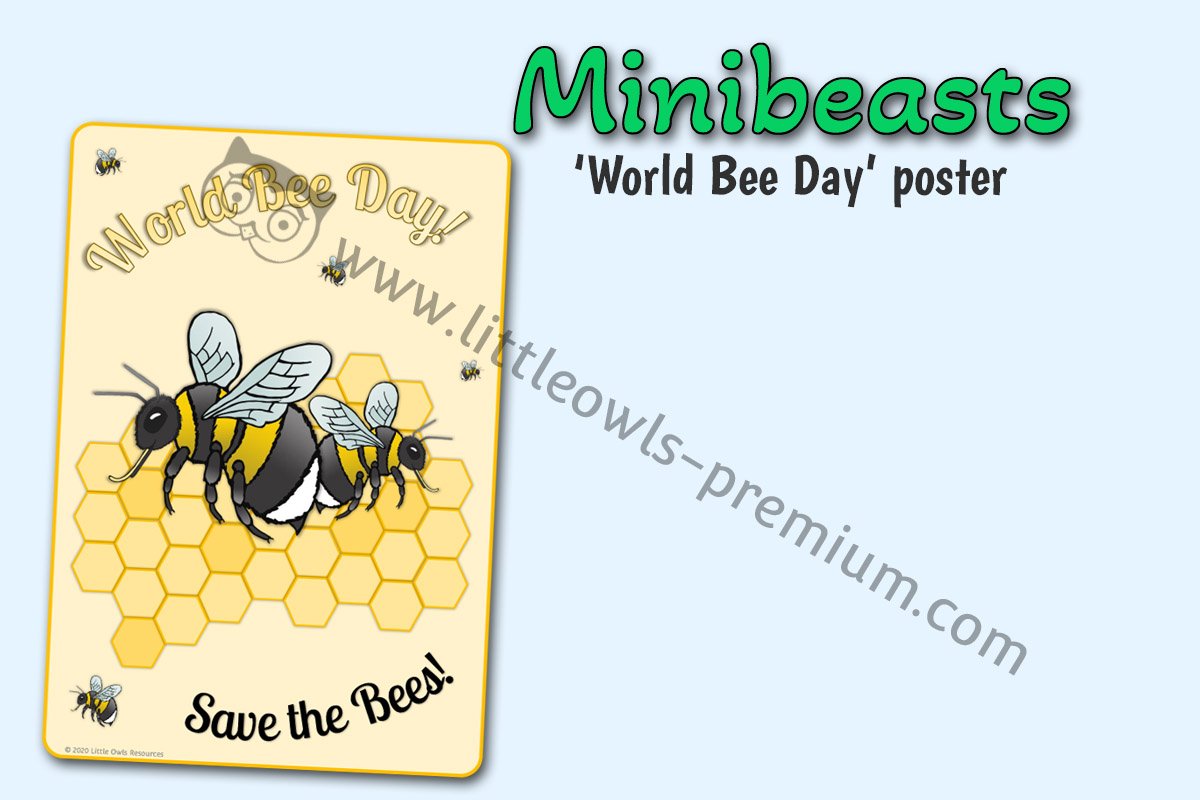
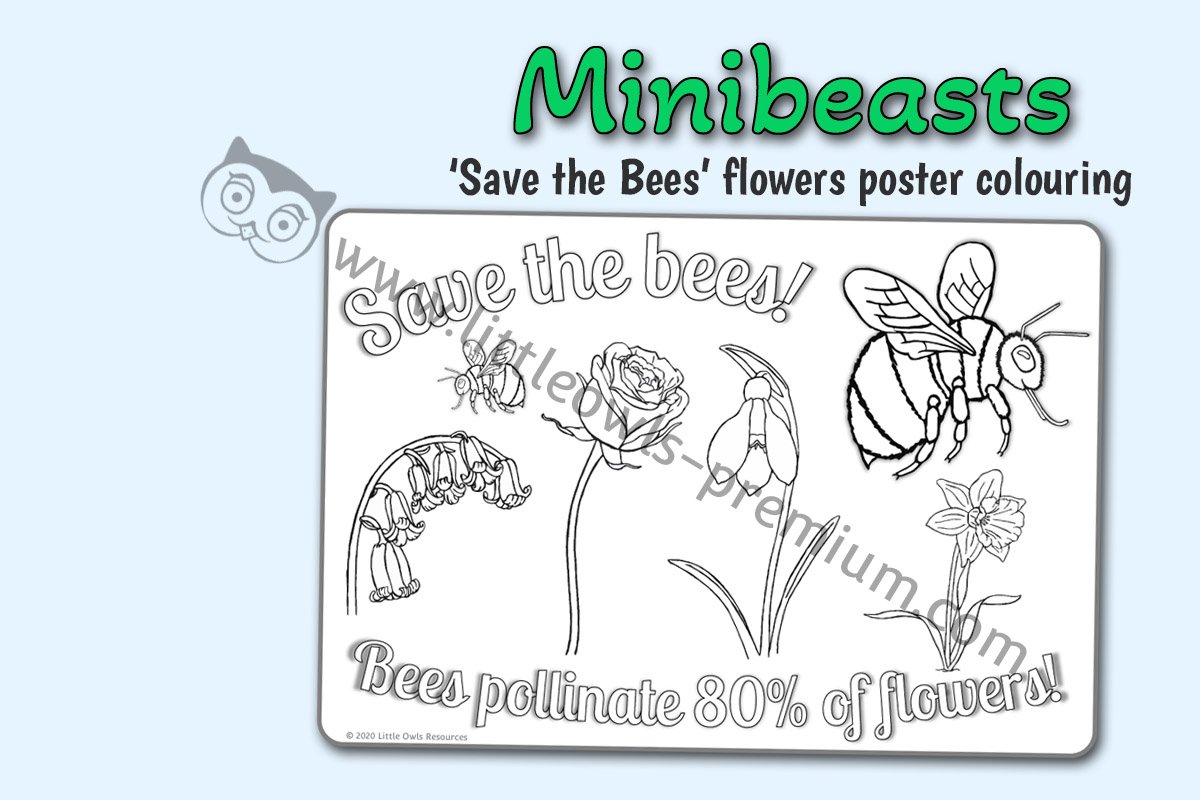
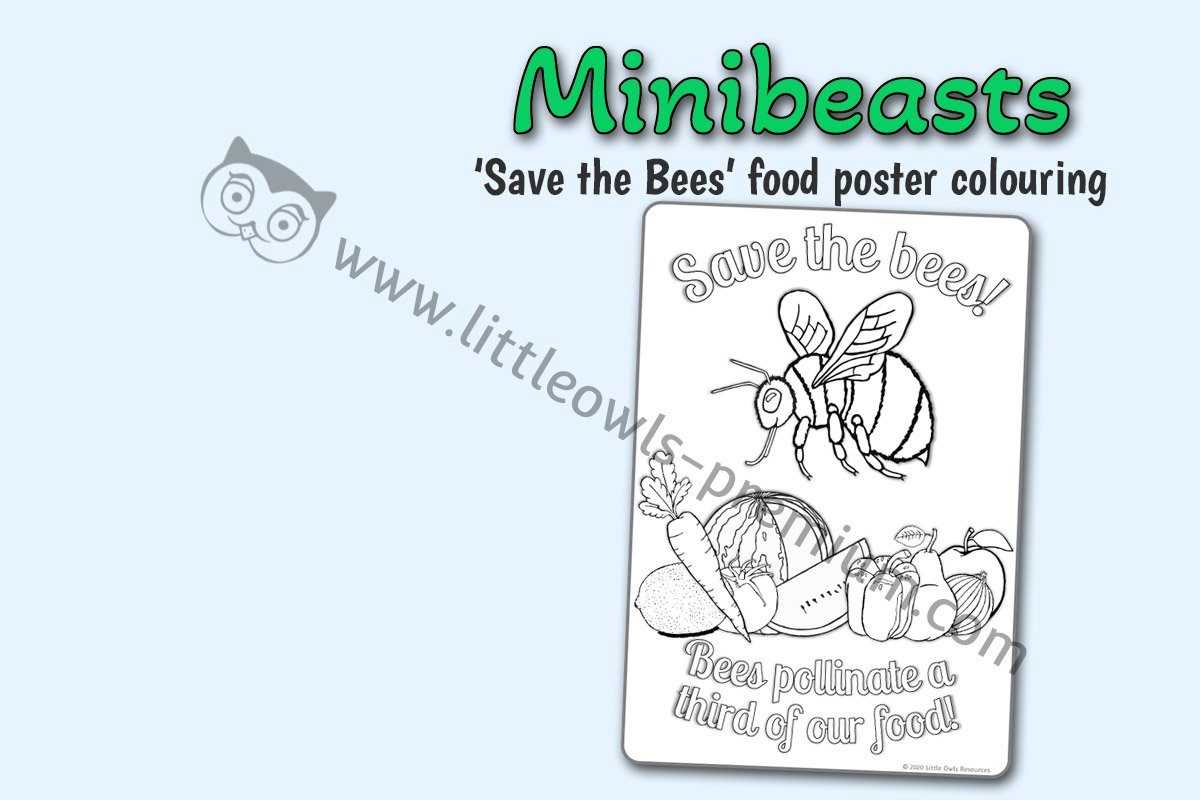
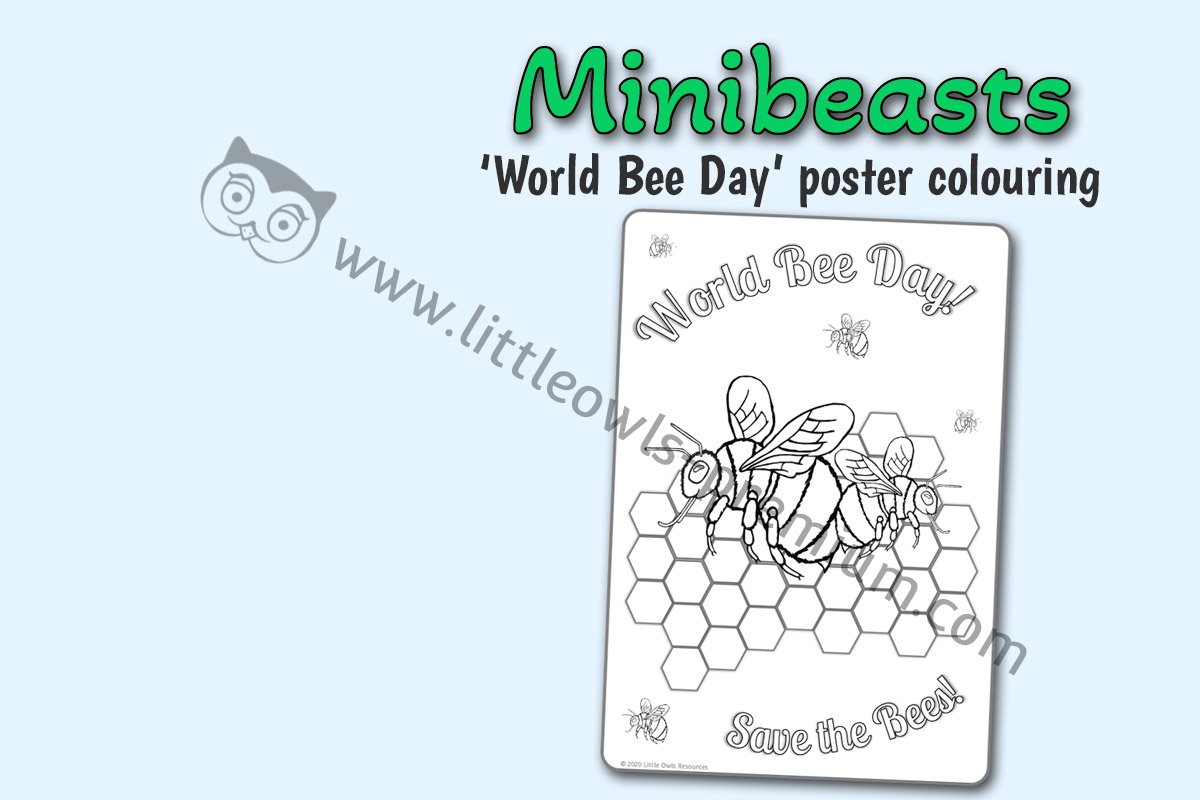

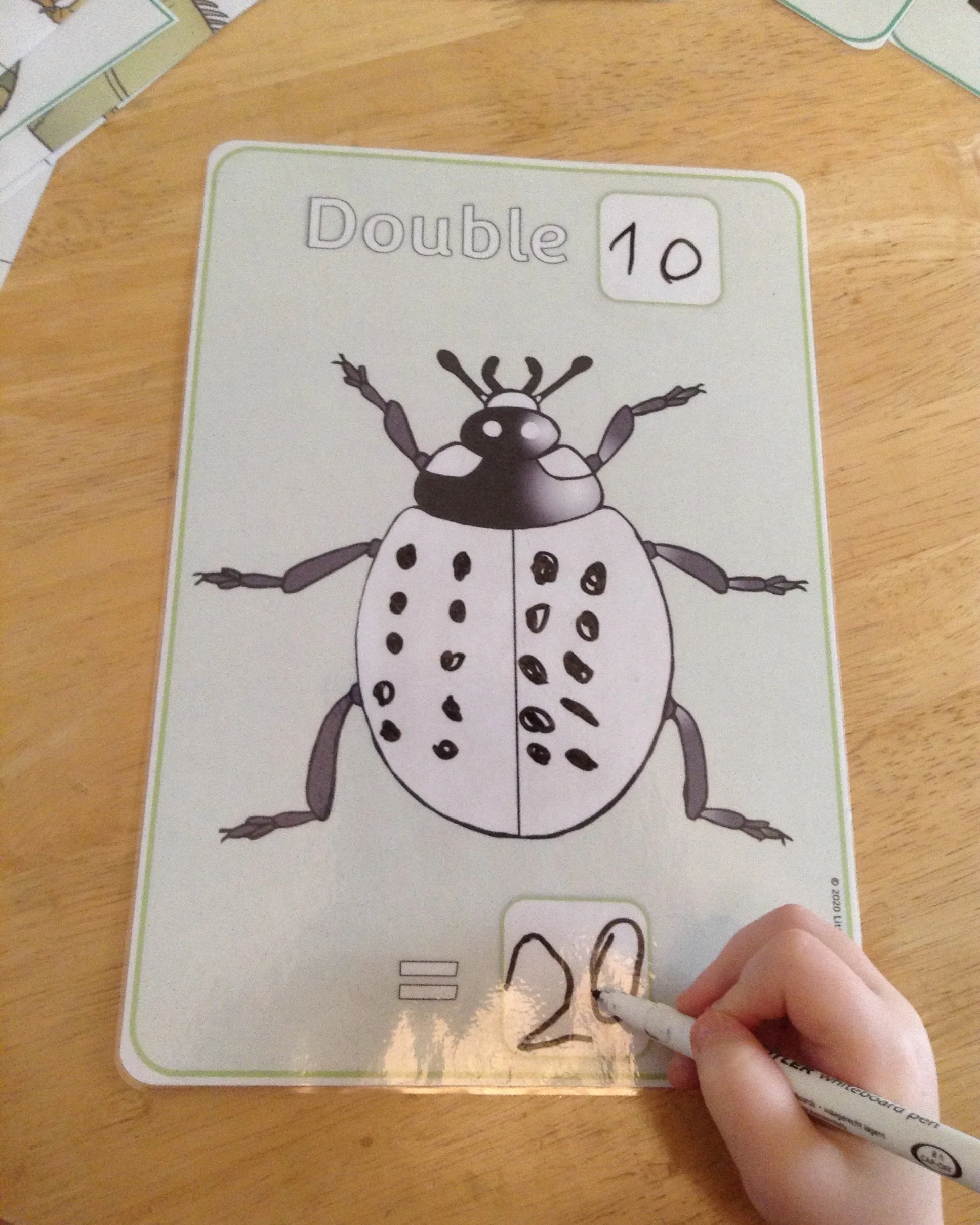
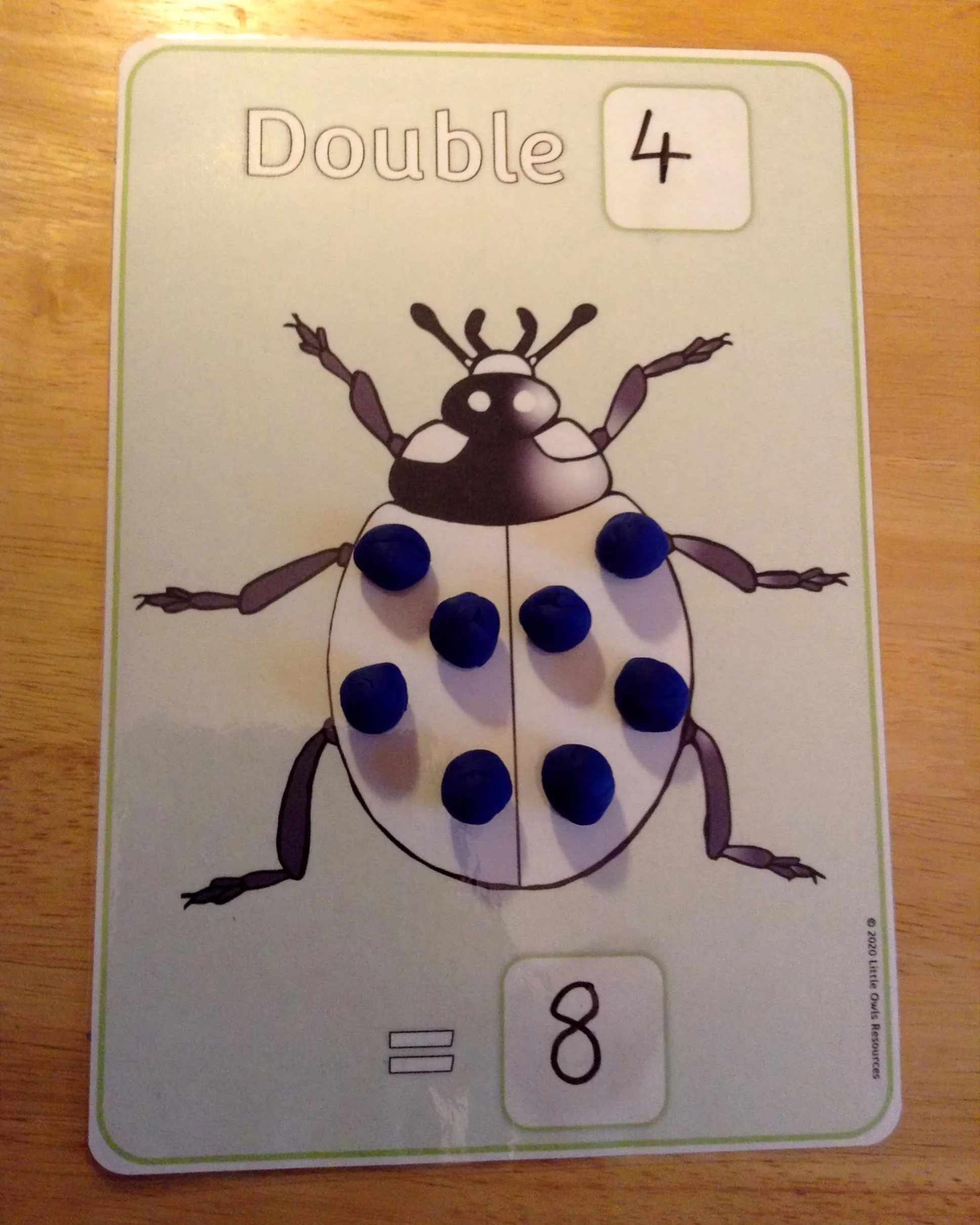
‘Minibeast’ resources in ‘Outdoor Area’…
Including various sizes of ‘Minibeast Investigation Area’ signs.


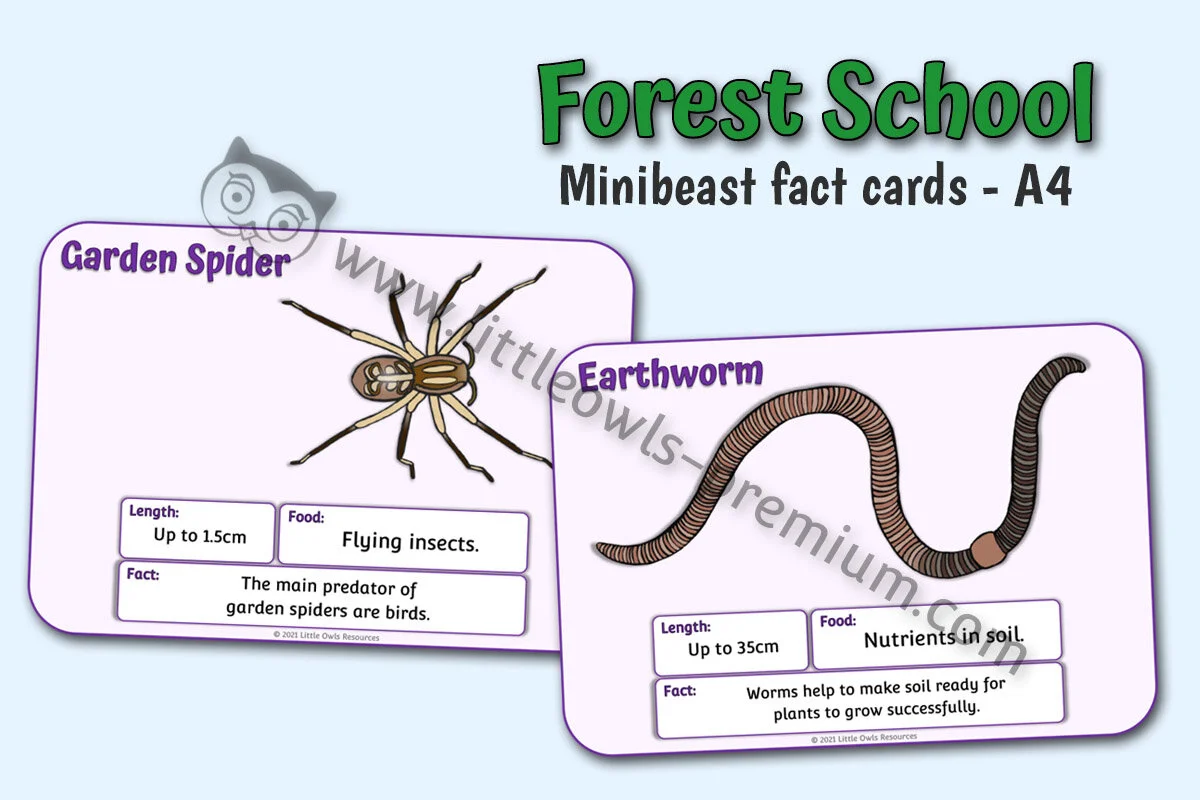
‘Minibeast’ Resources in ‘Forest School’…


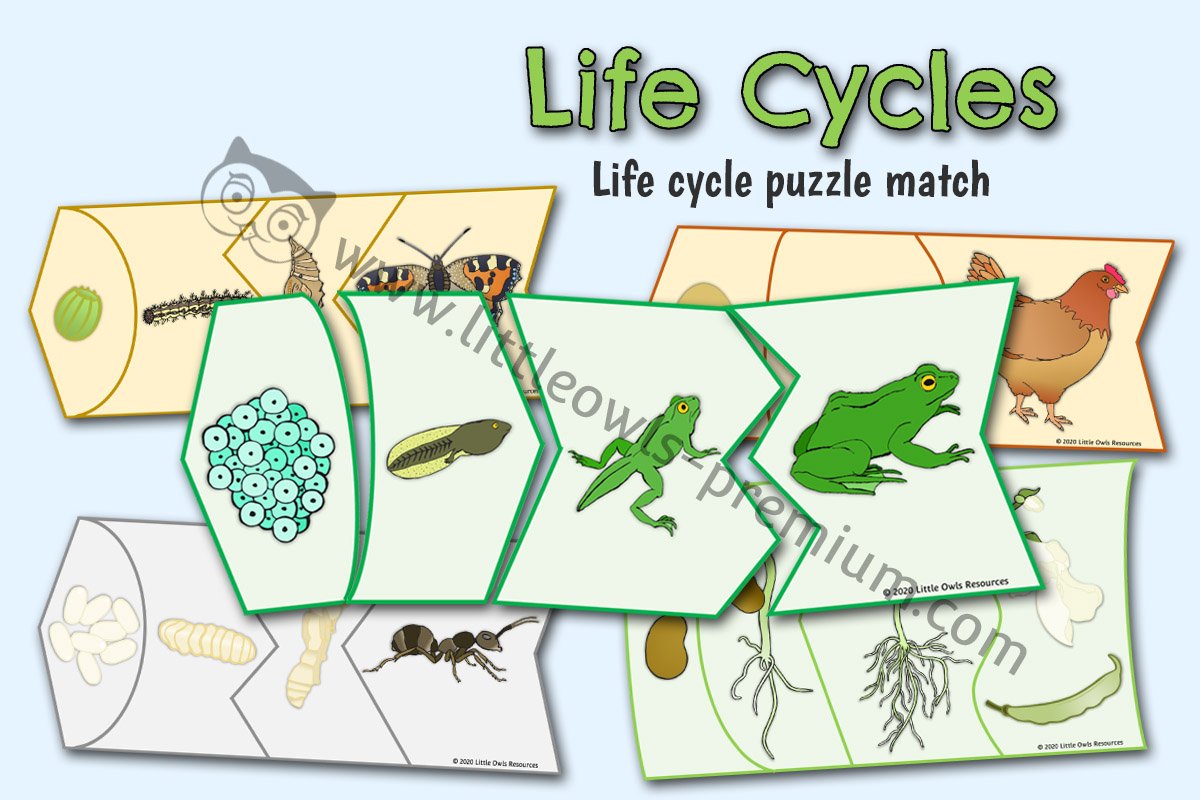
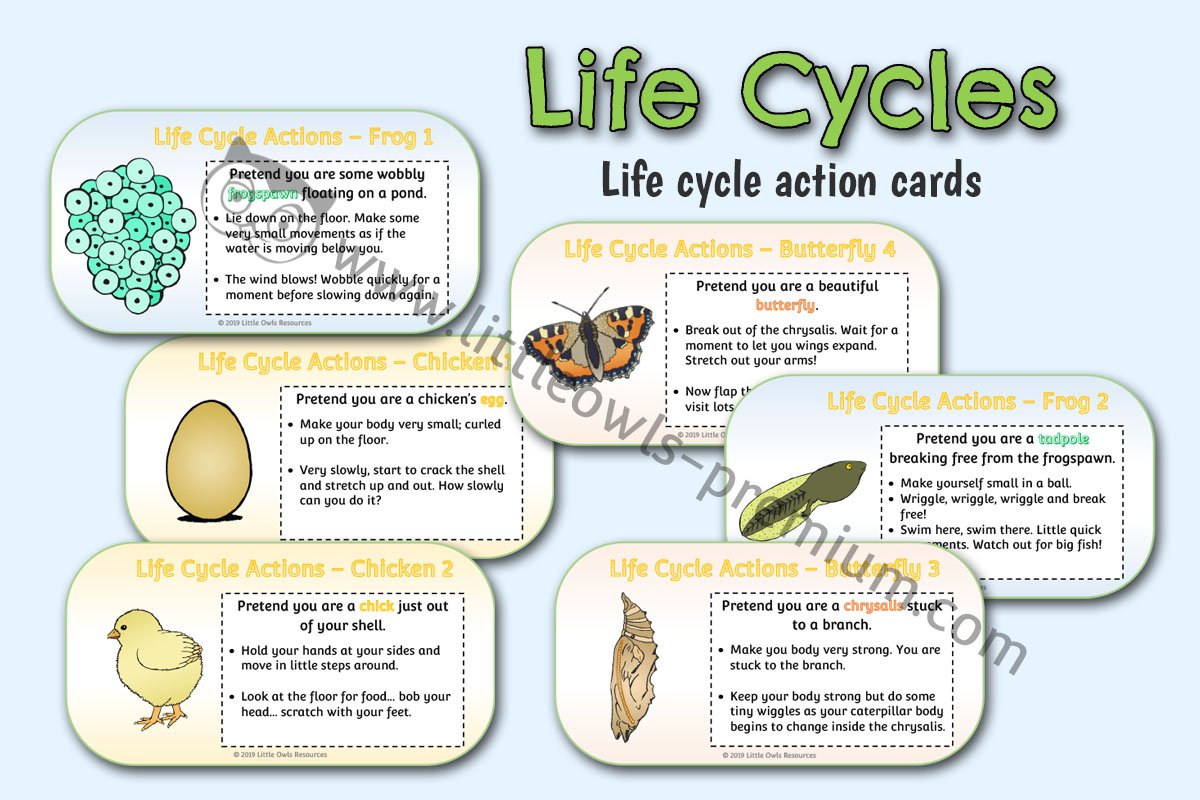
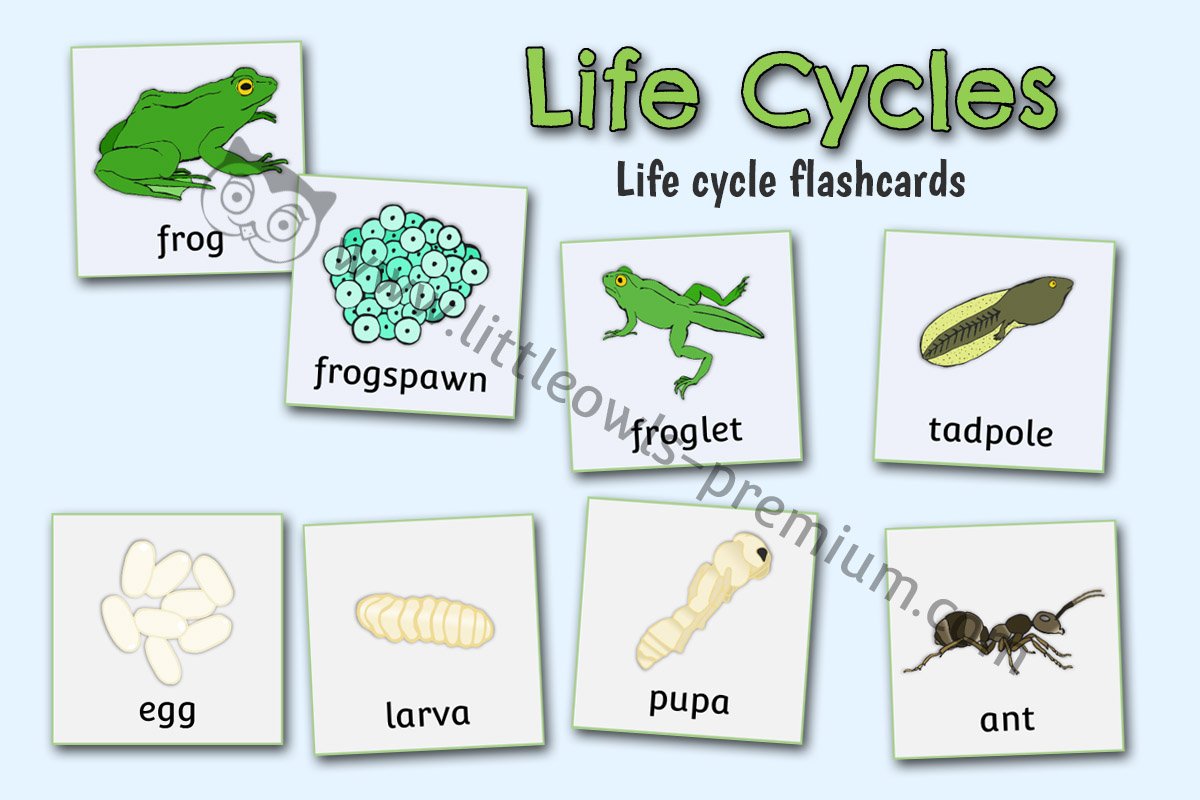
‘Minibeast’ Resources in ‘Life Cycles’…
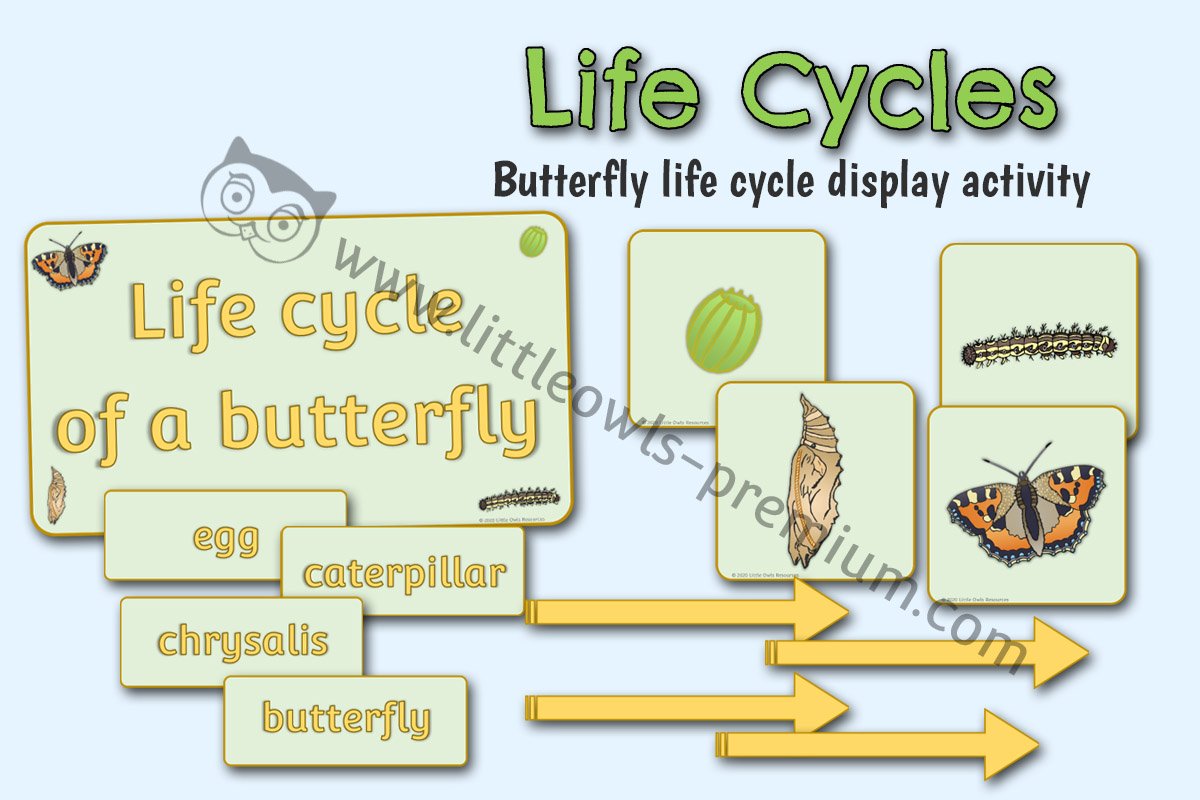
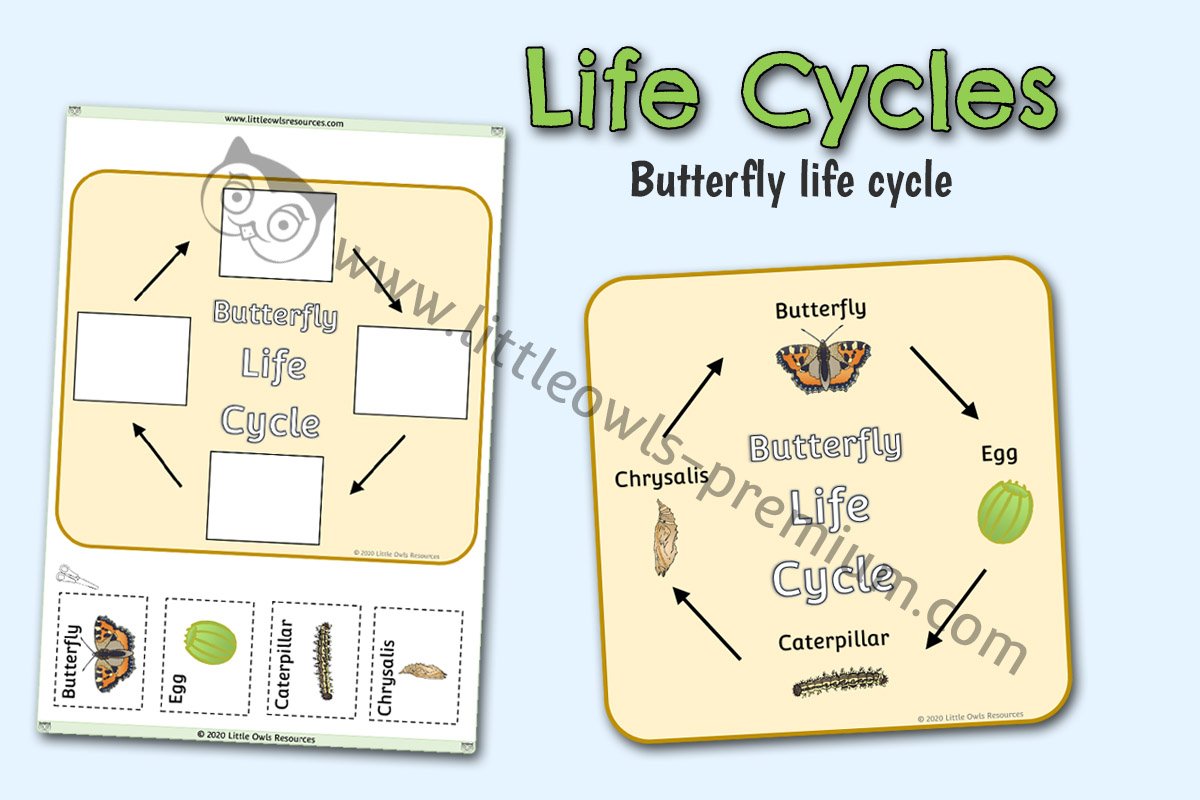
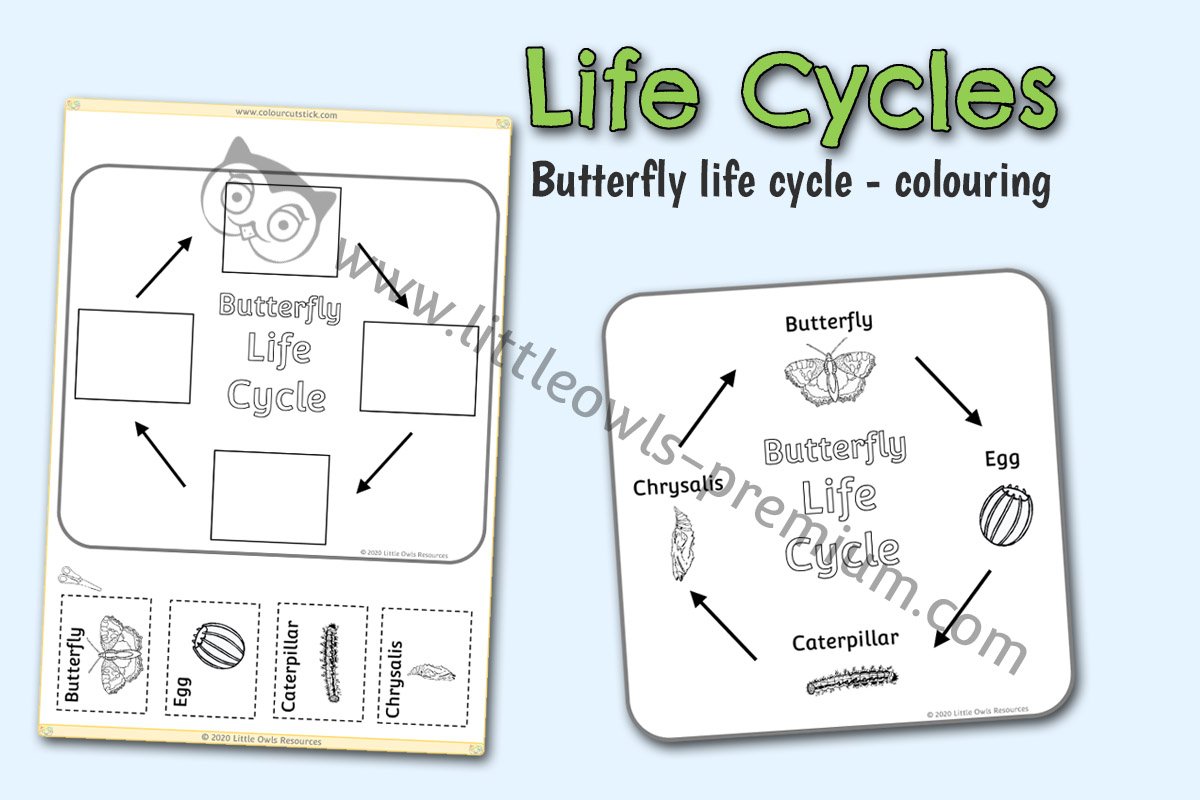
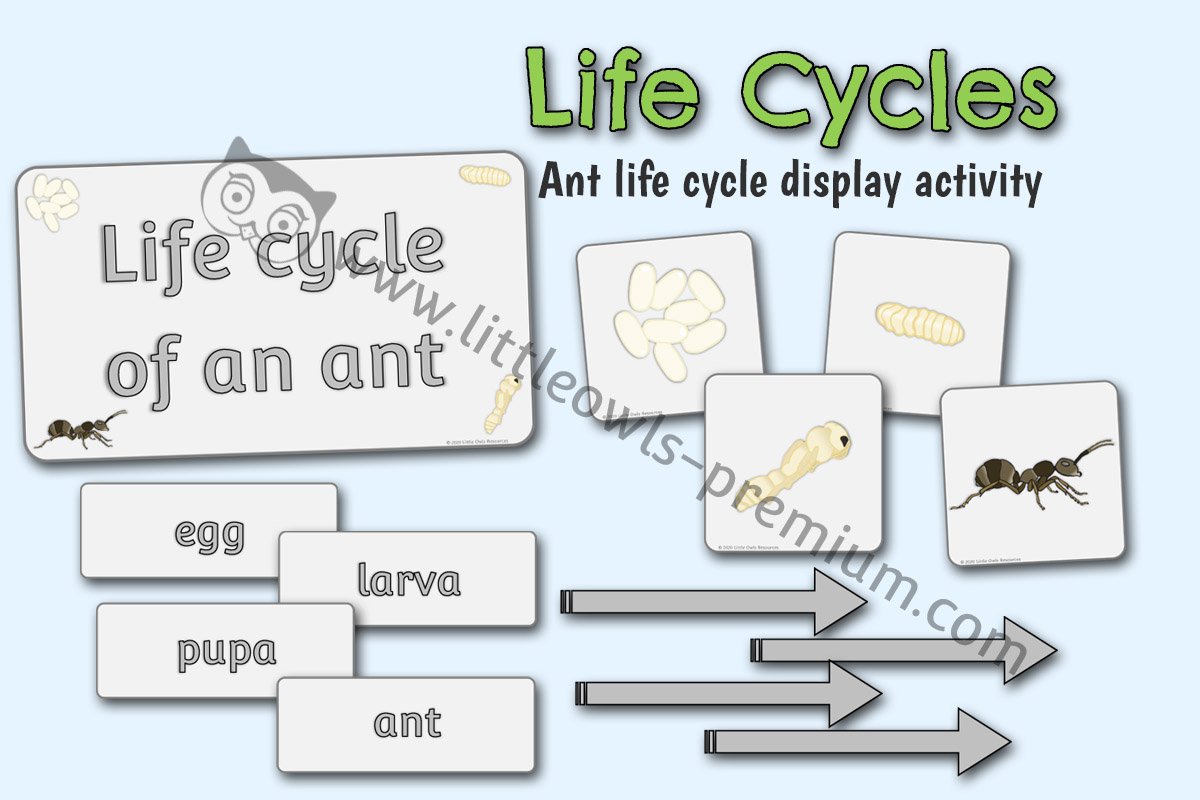
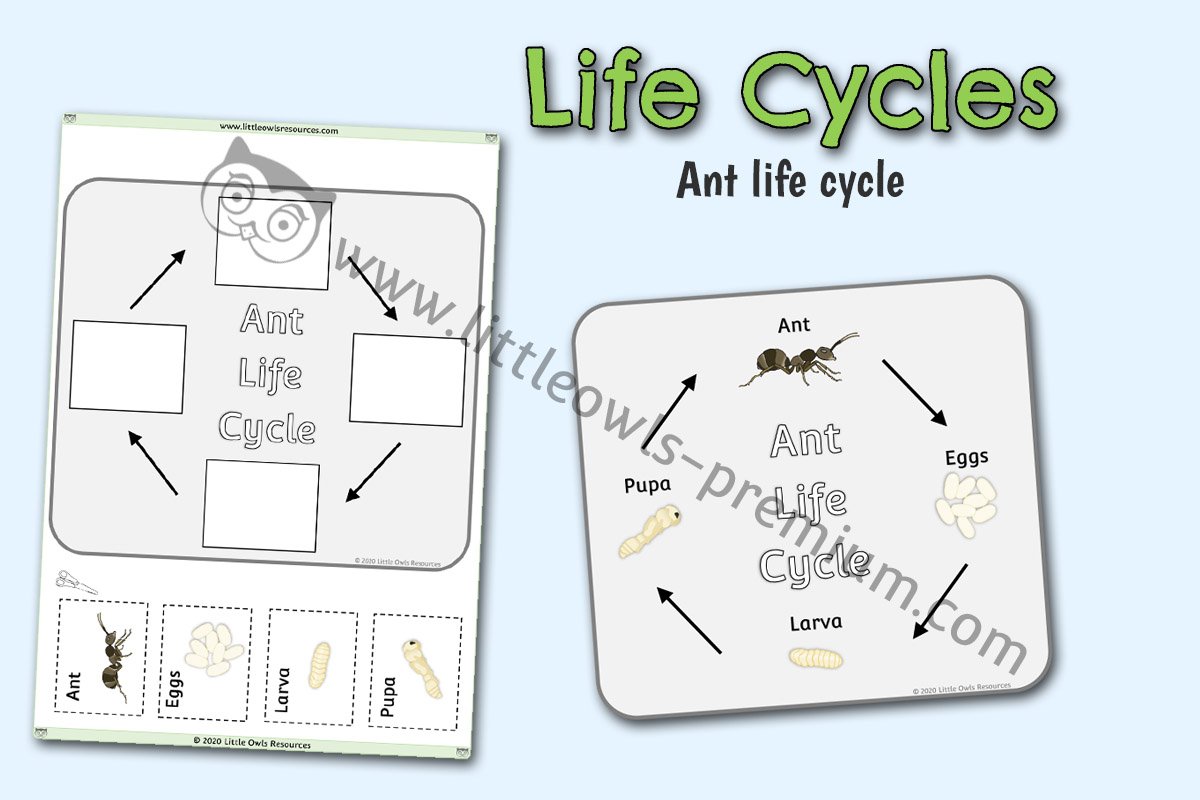
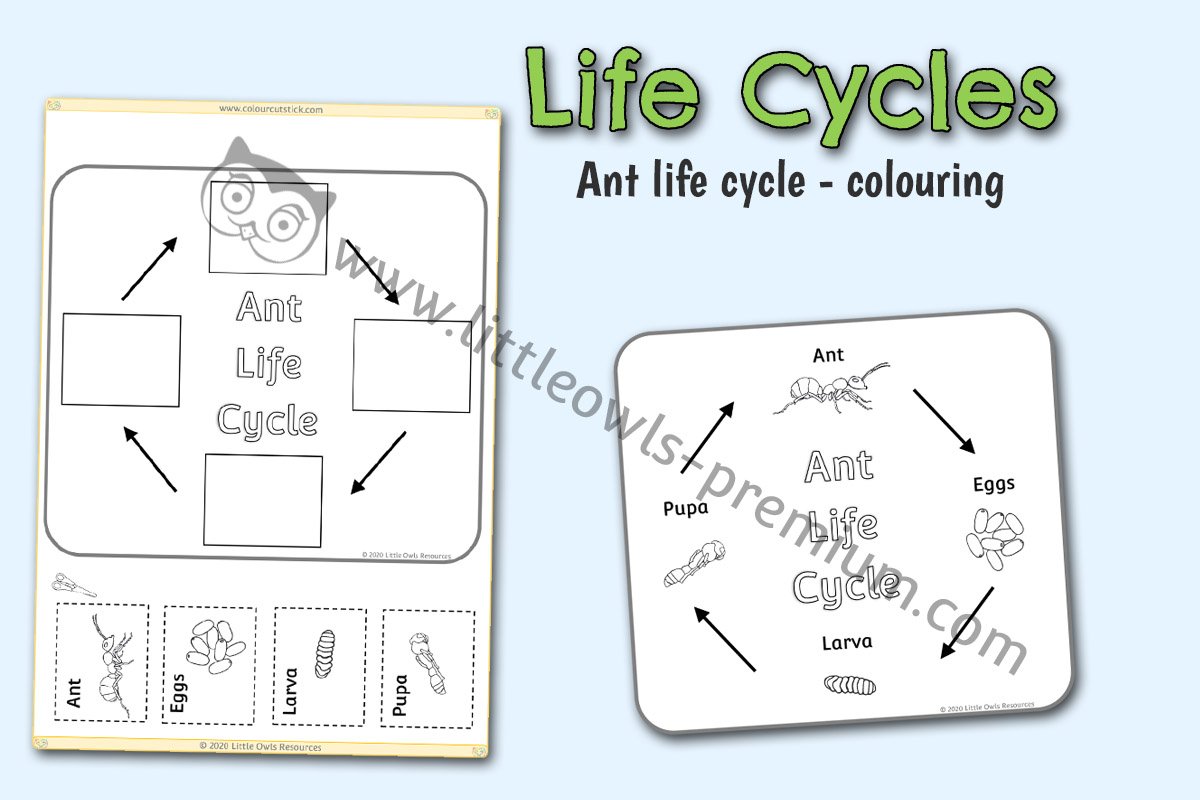
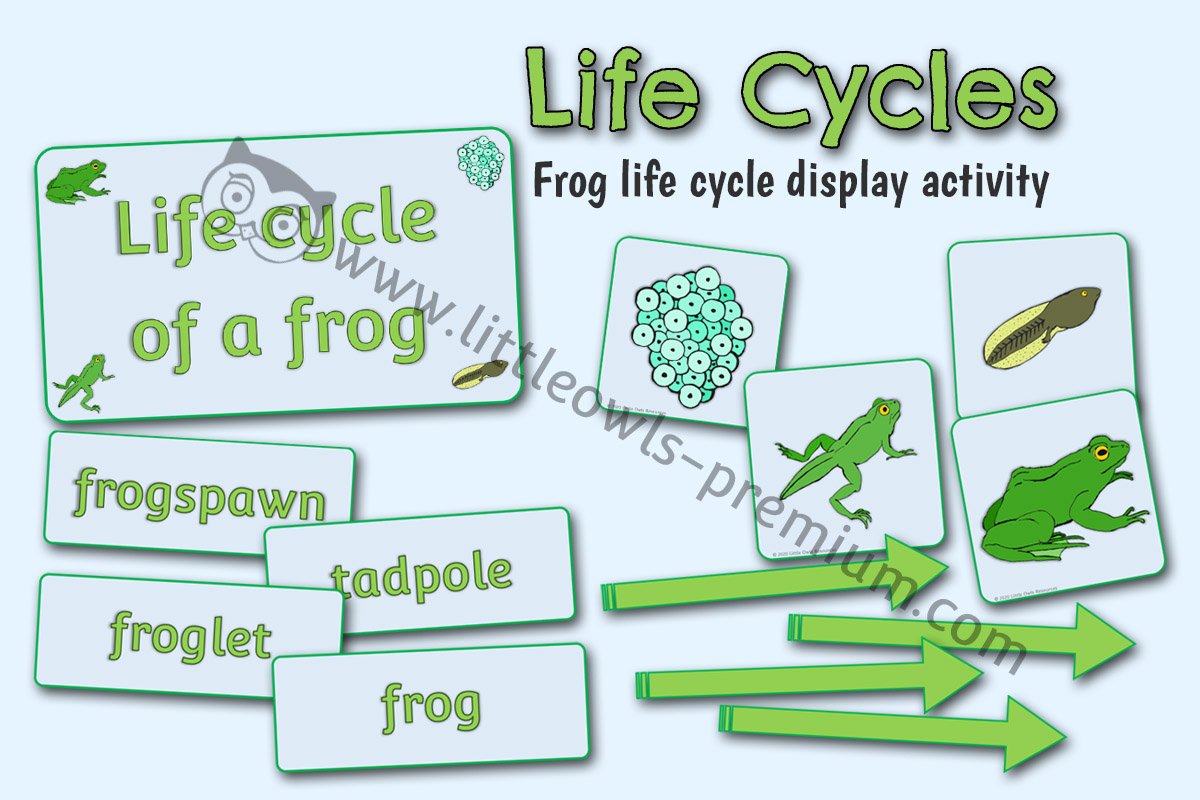
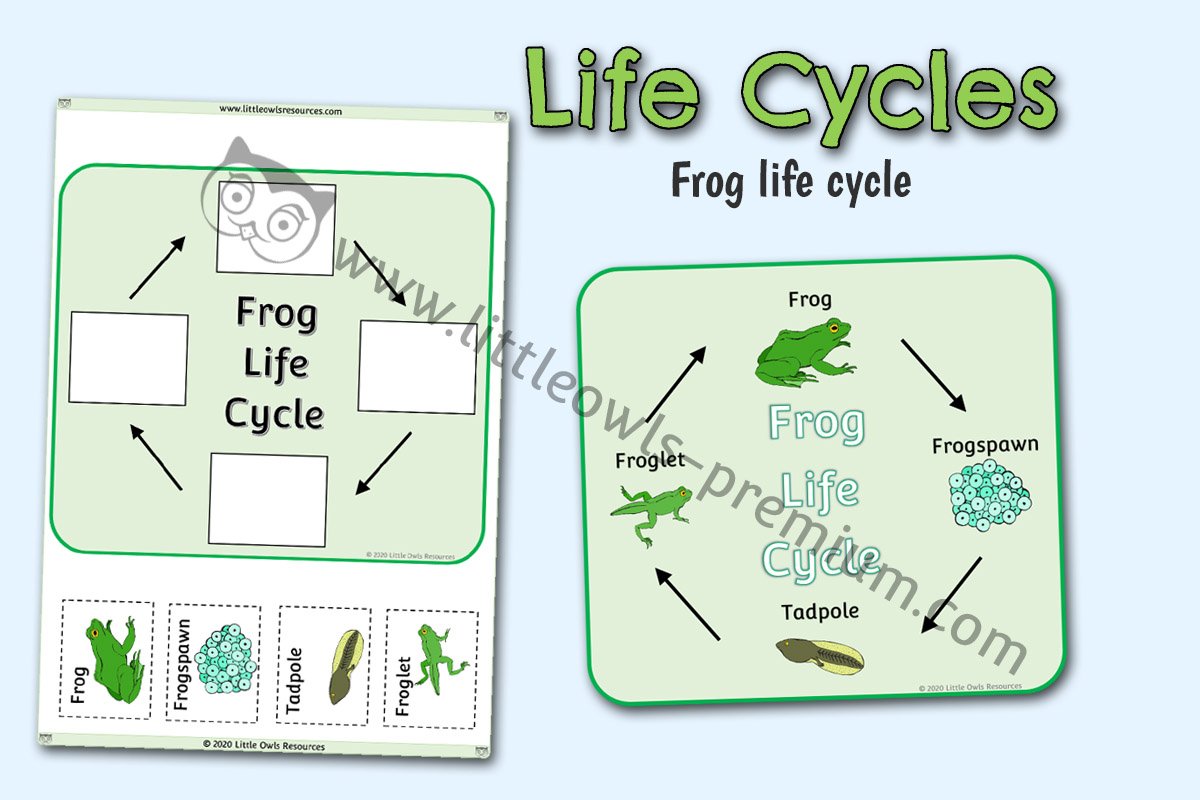
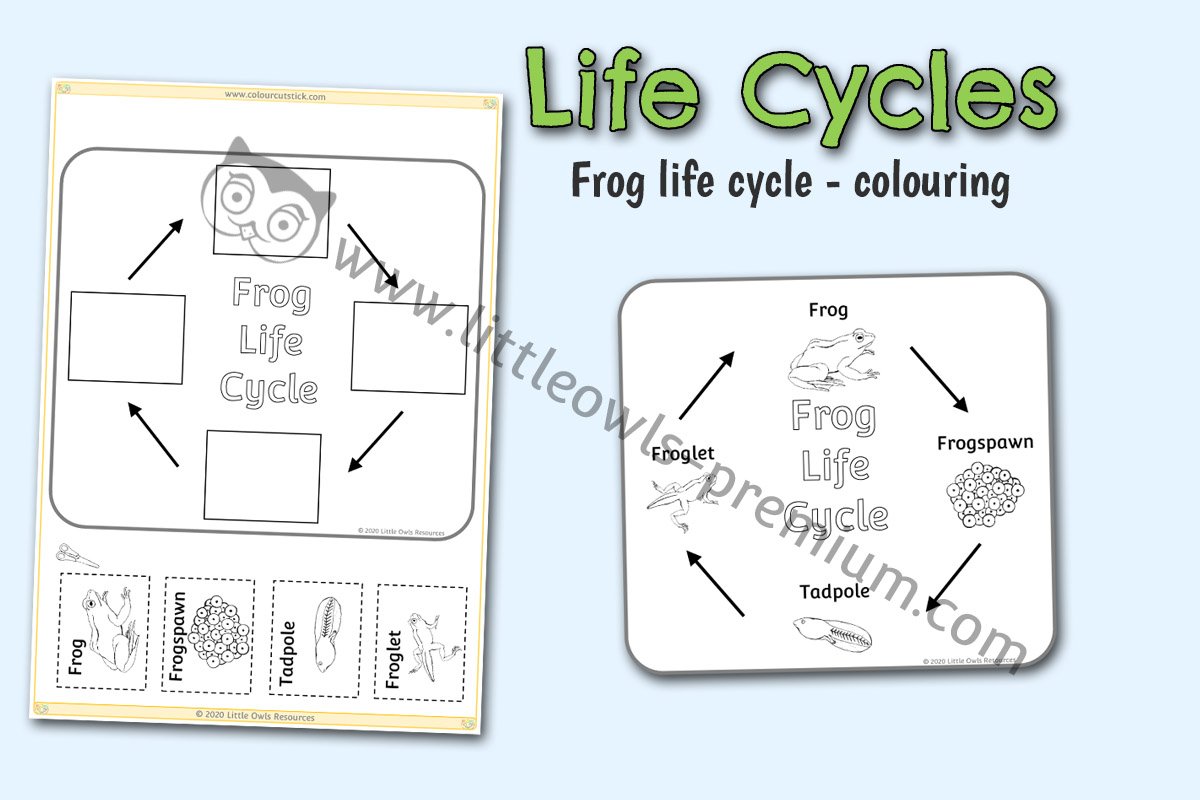
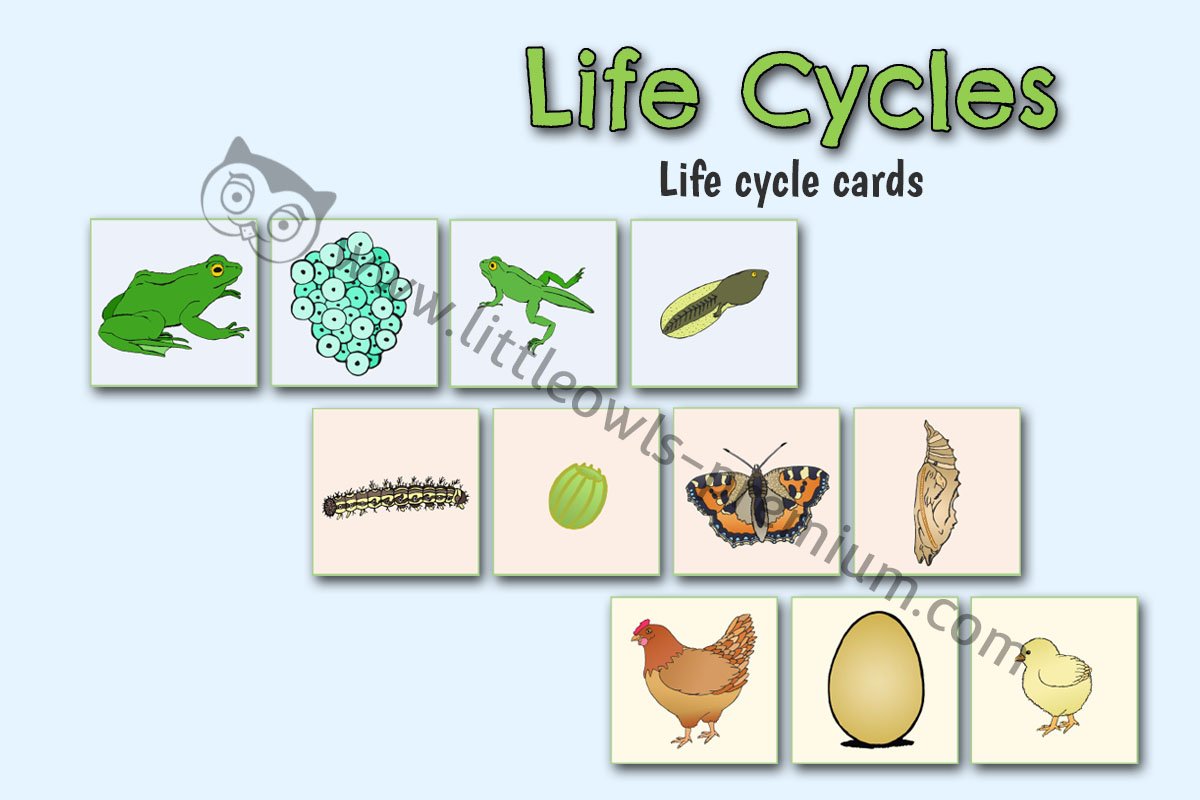
‘Minibeast’ Resources in ‘Science’…


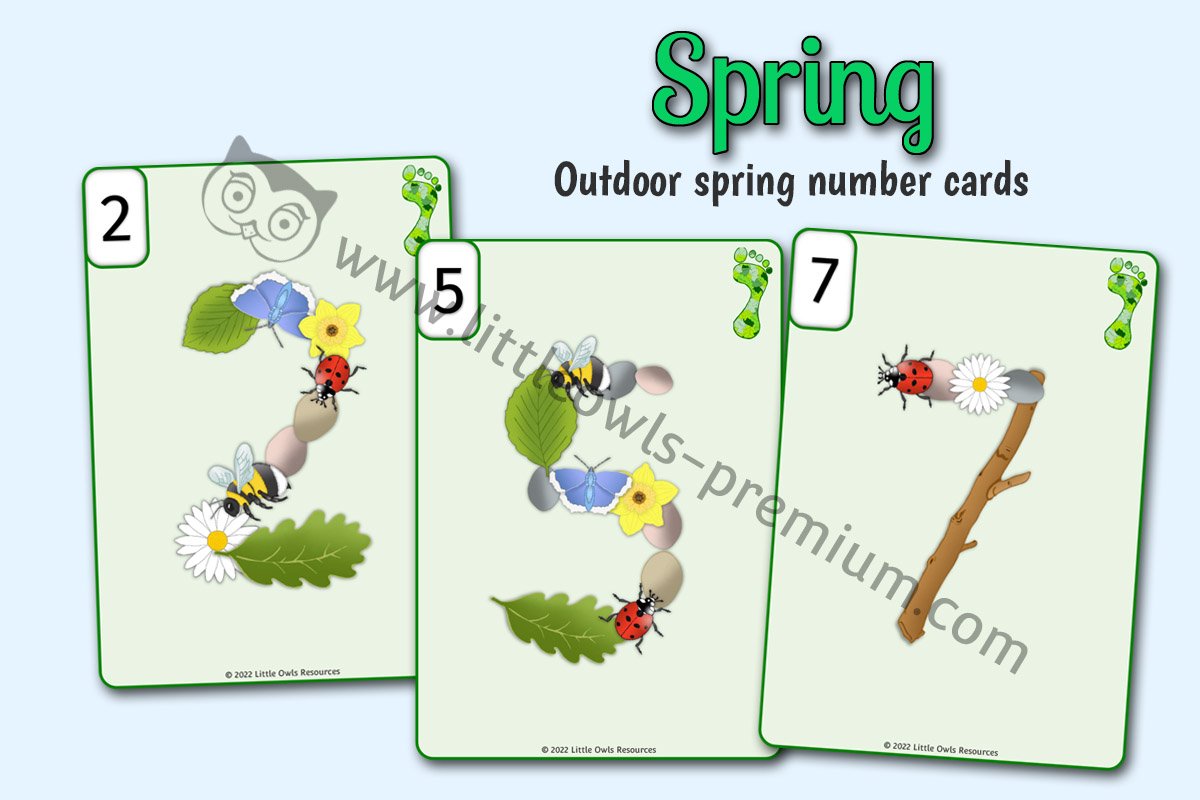
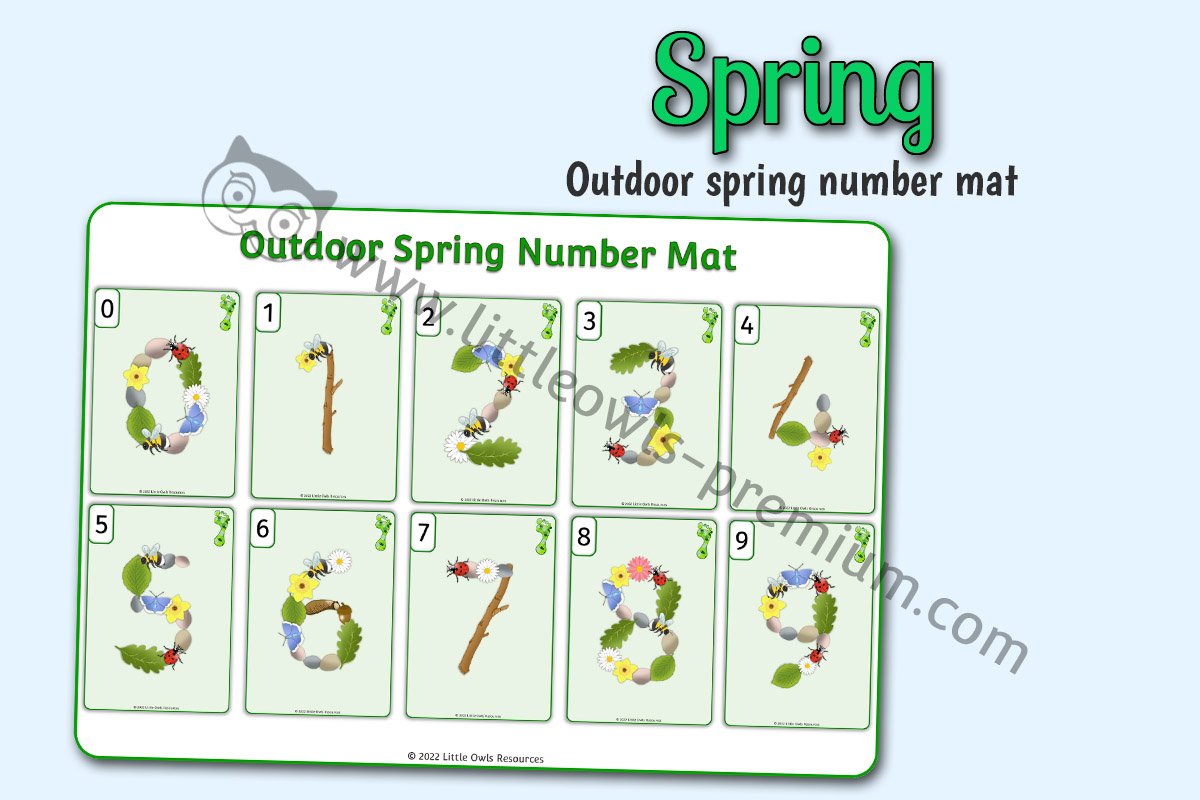
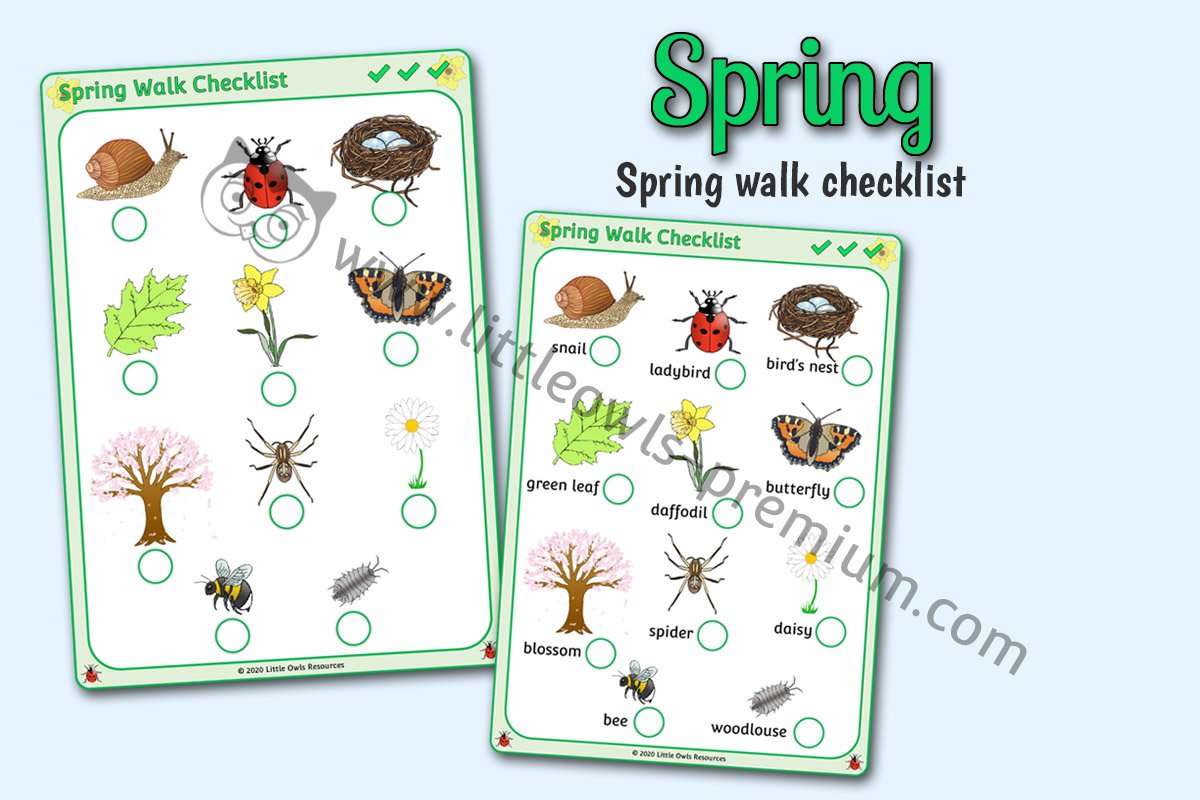
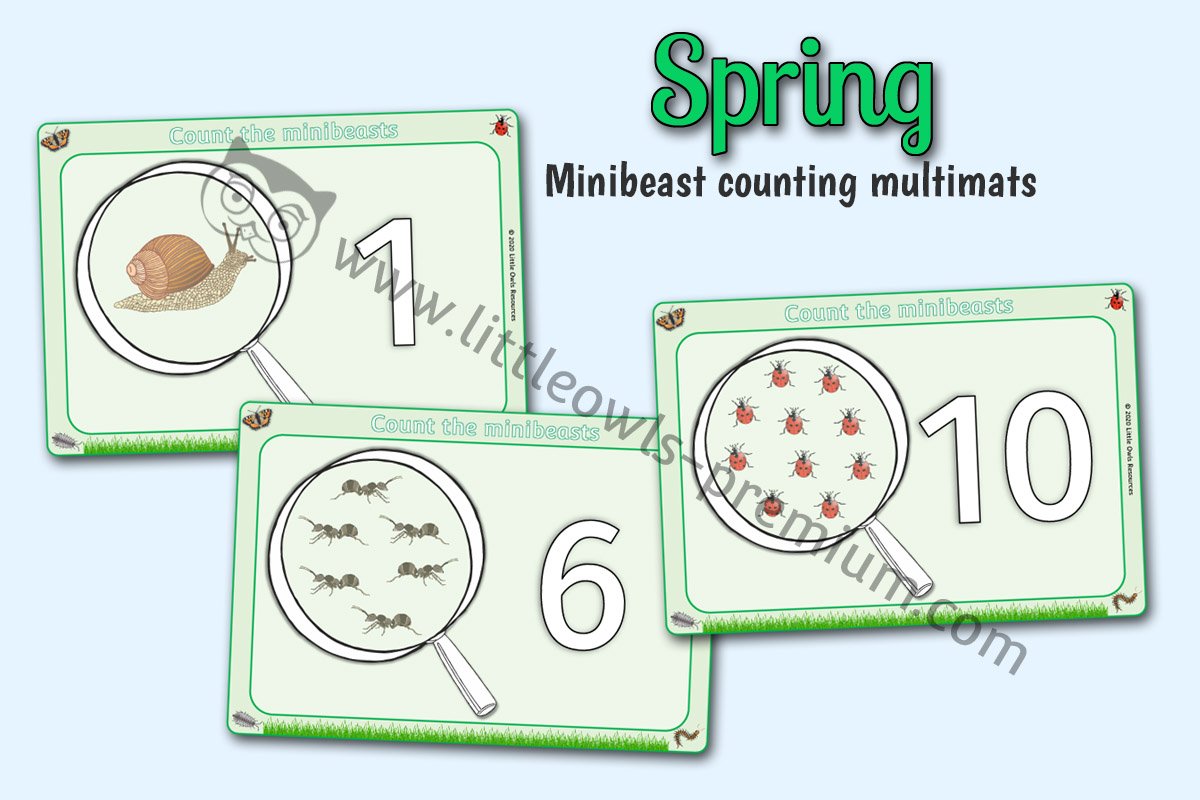
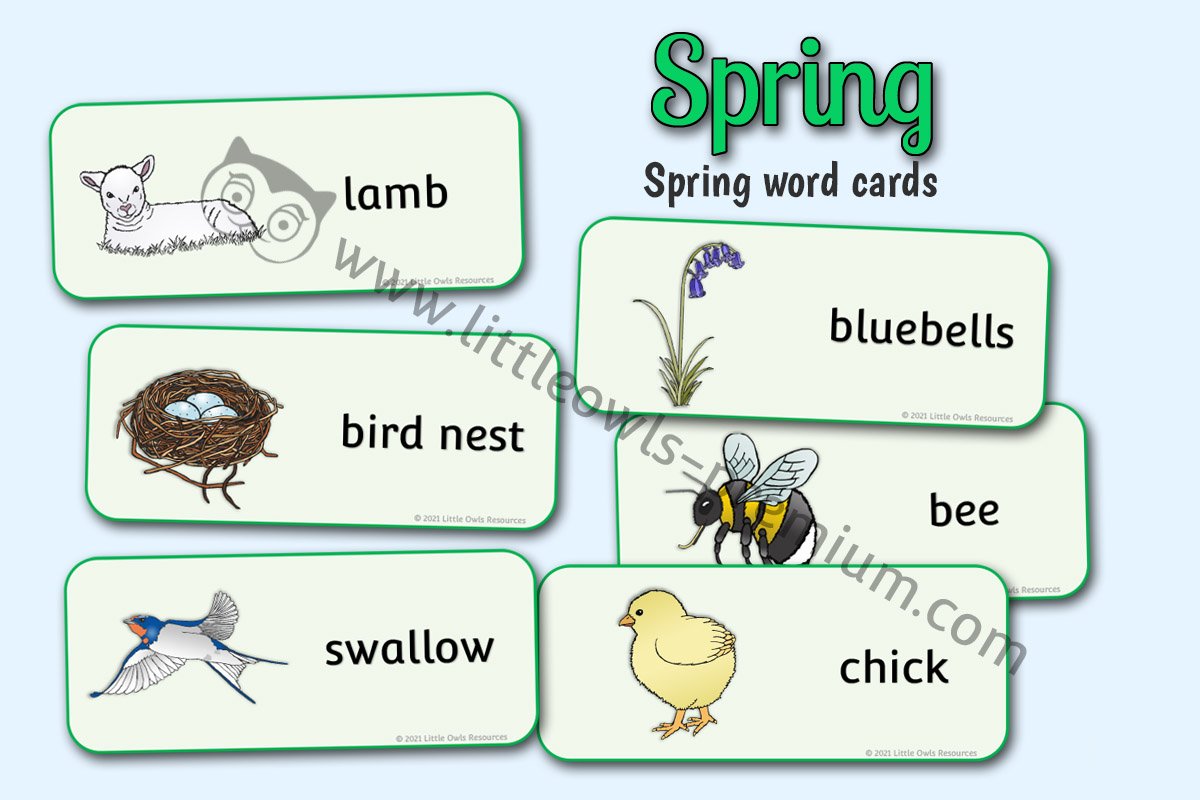
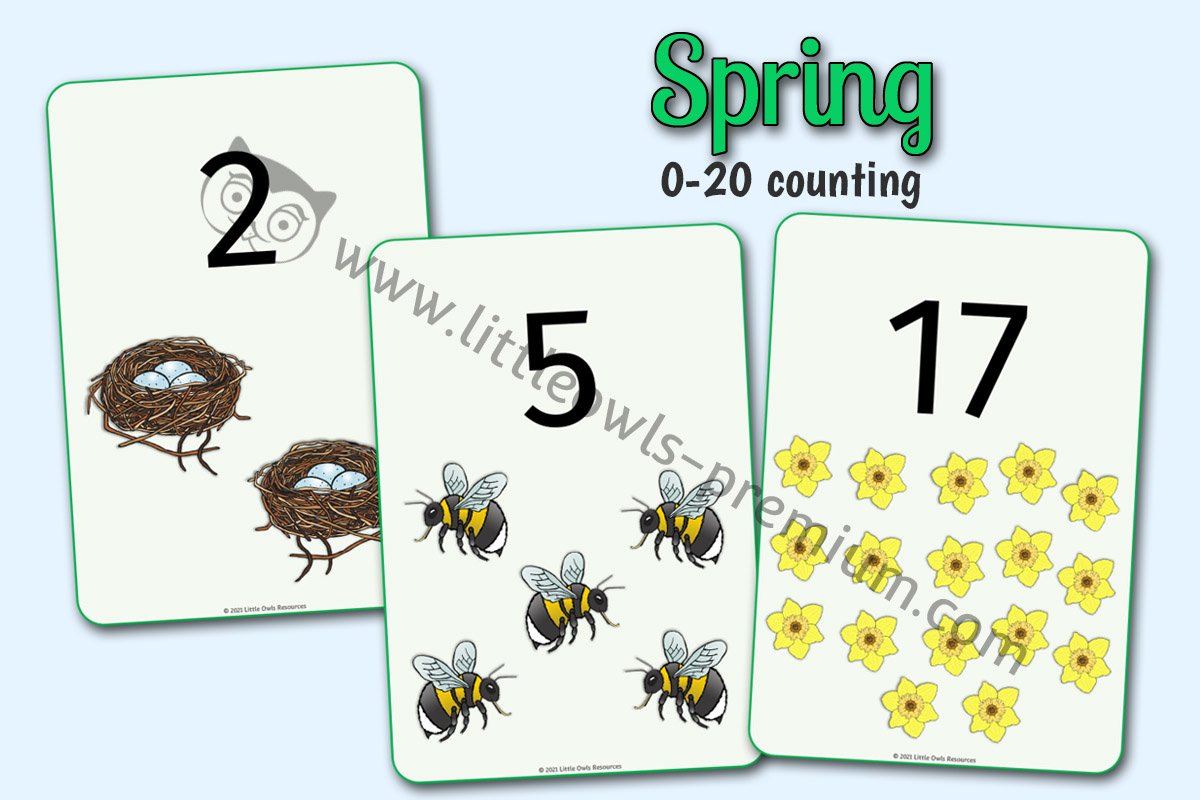
‘Minibeast’ resources in ‘Spring’…
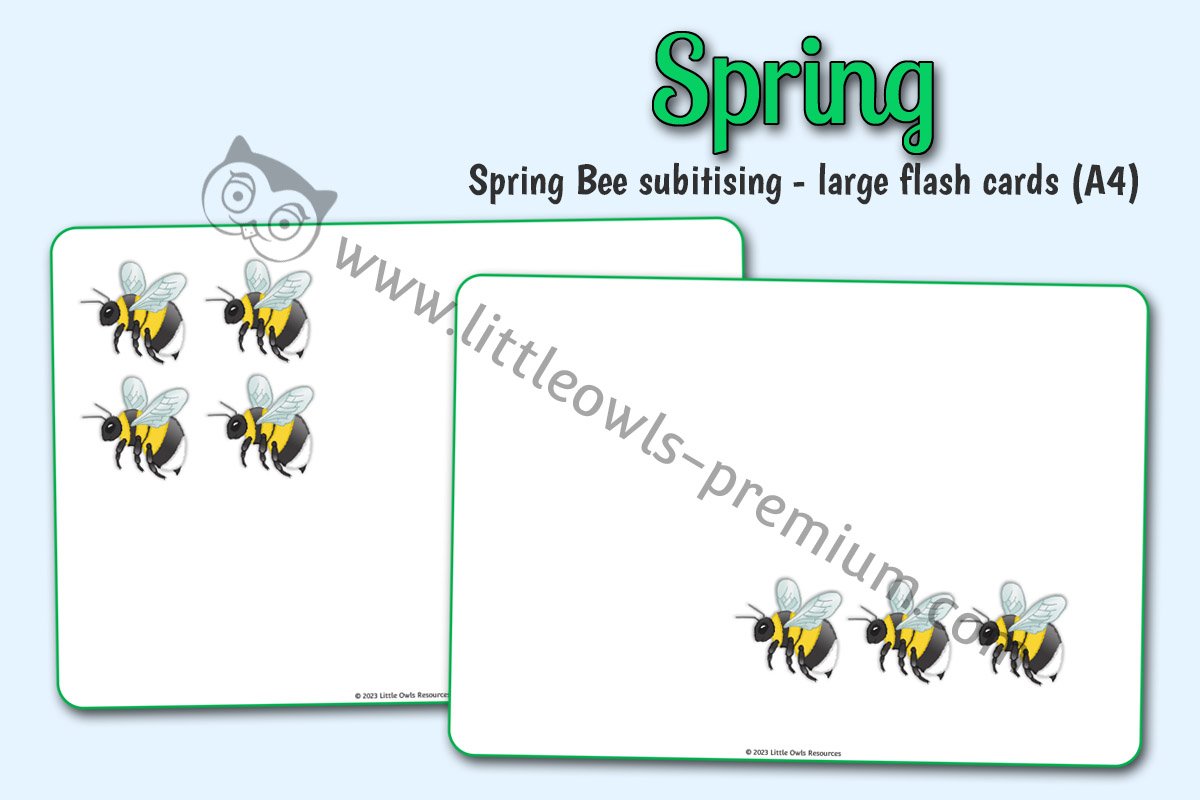
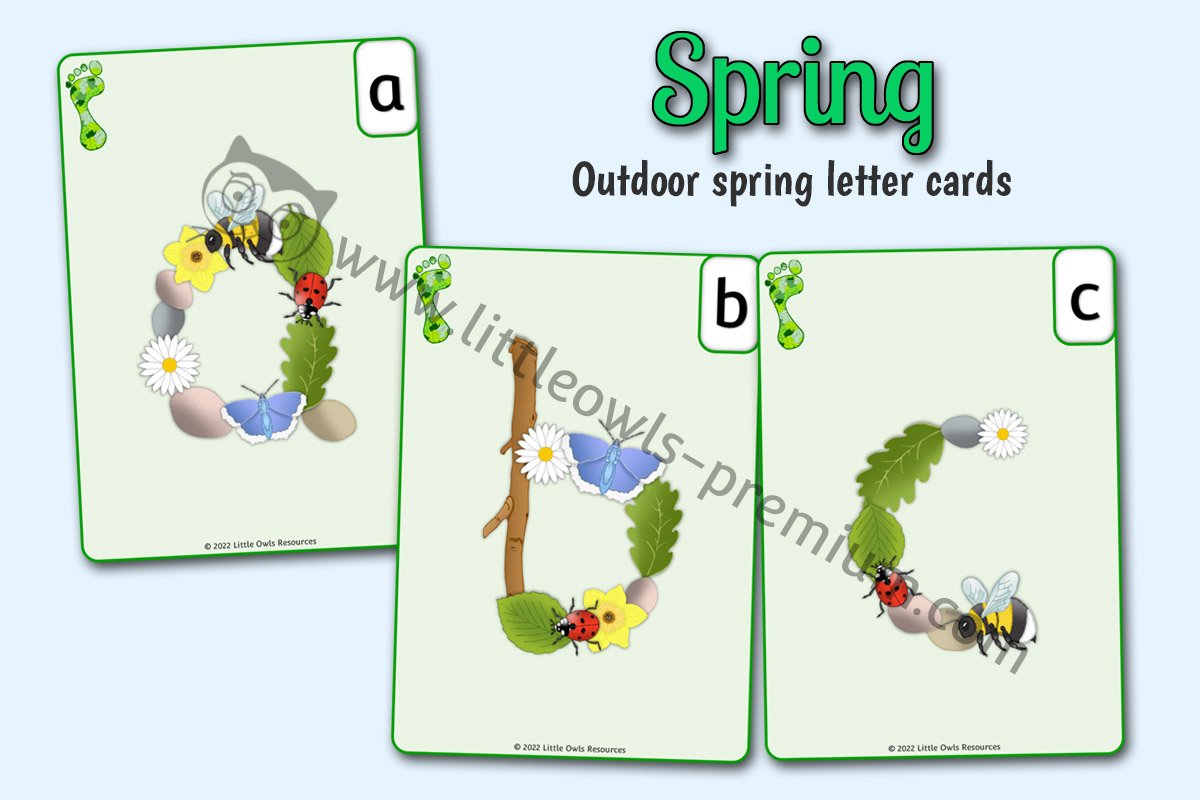
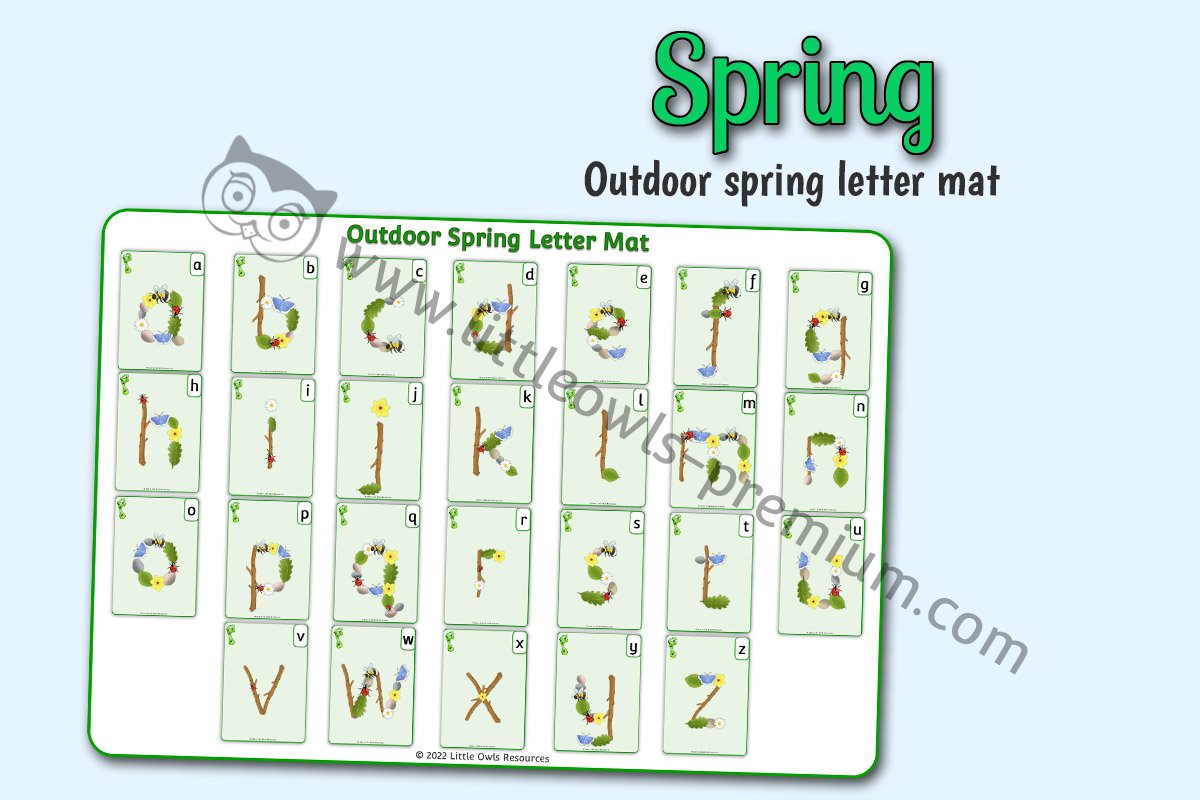
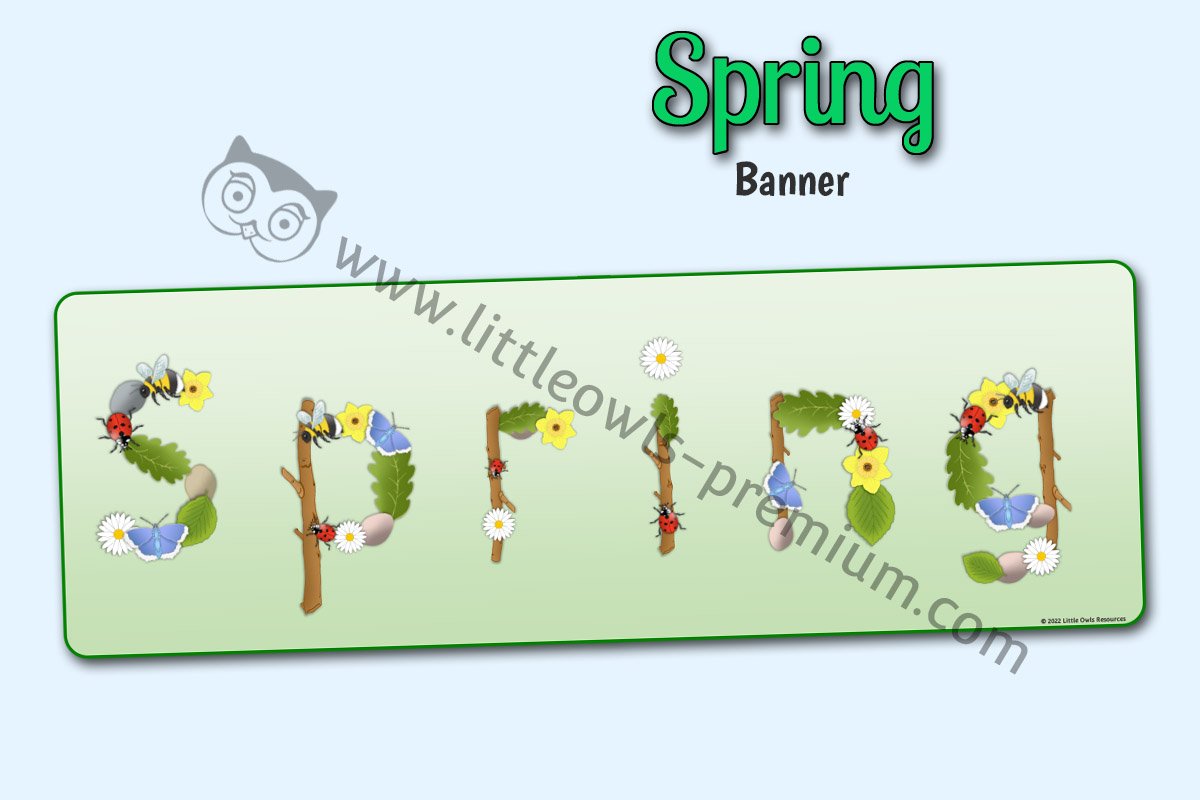



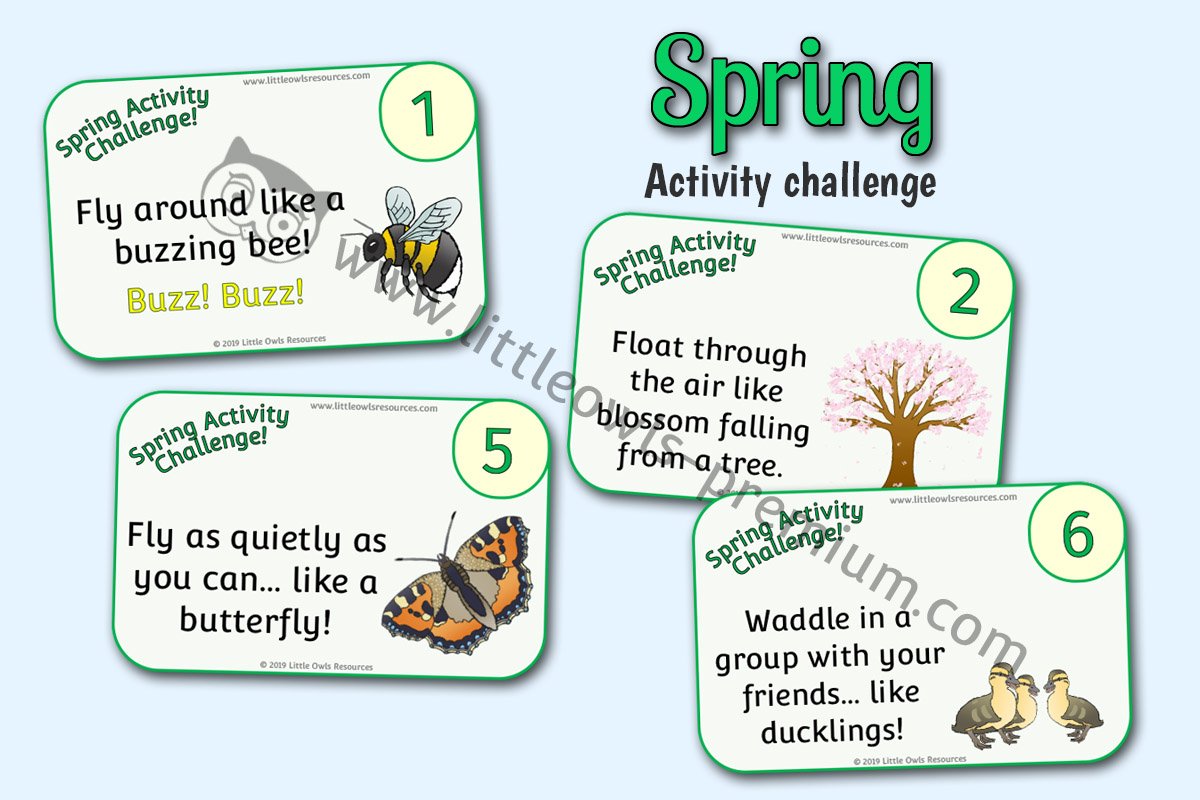



‘Minibeasts’ themed resources available in ‘Nursery Rhymes’…


‘Minibeasts’ themed resources available in our ‘Get Organised’ sections…

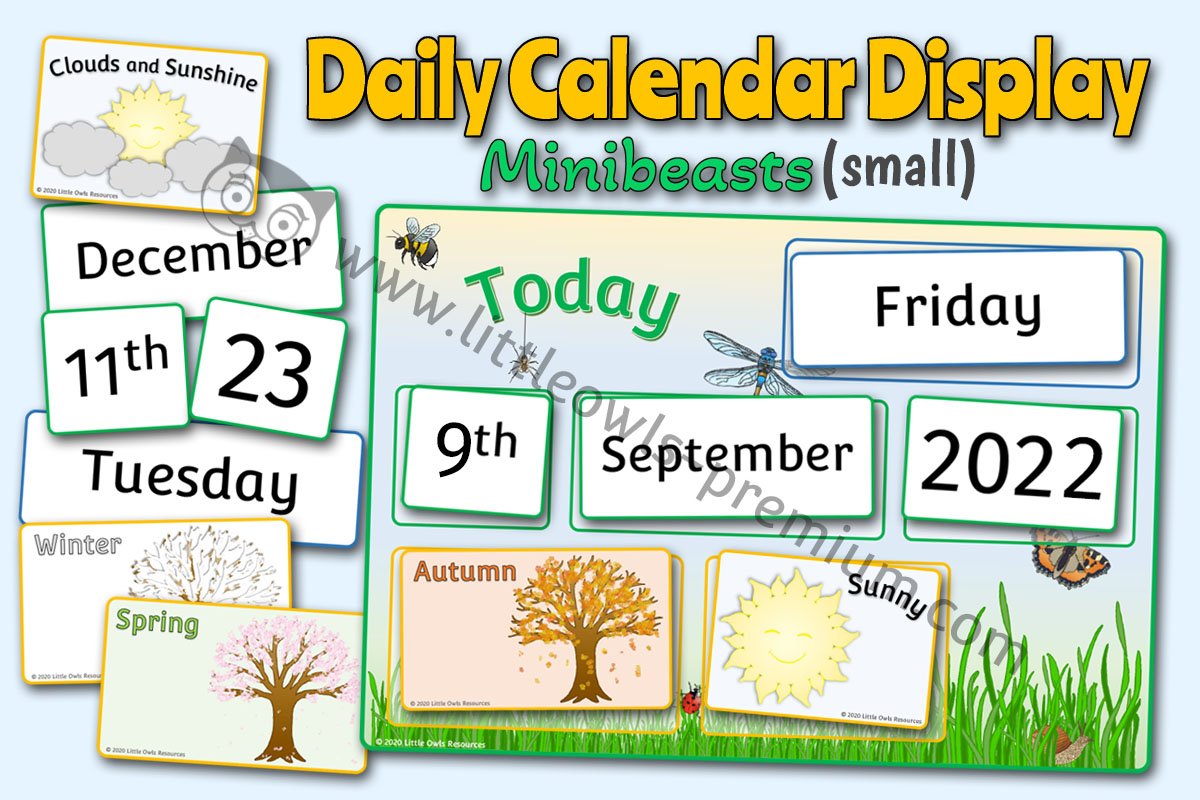
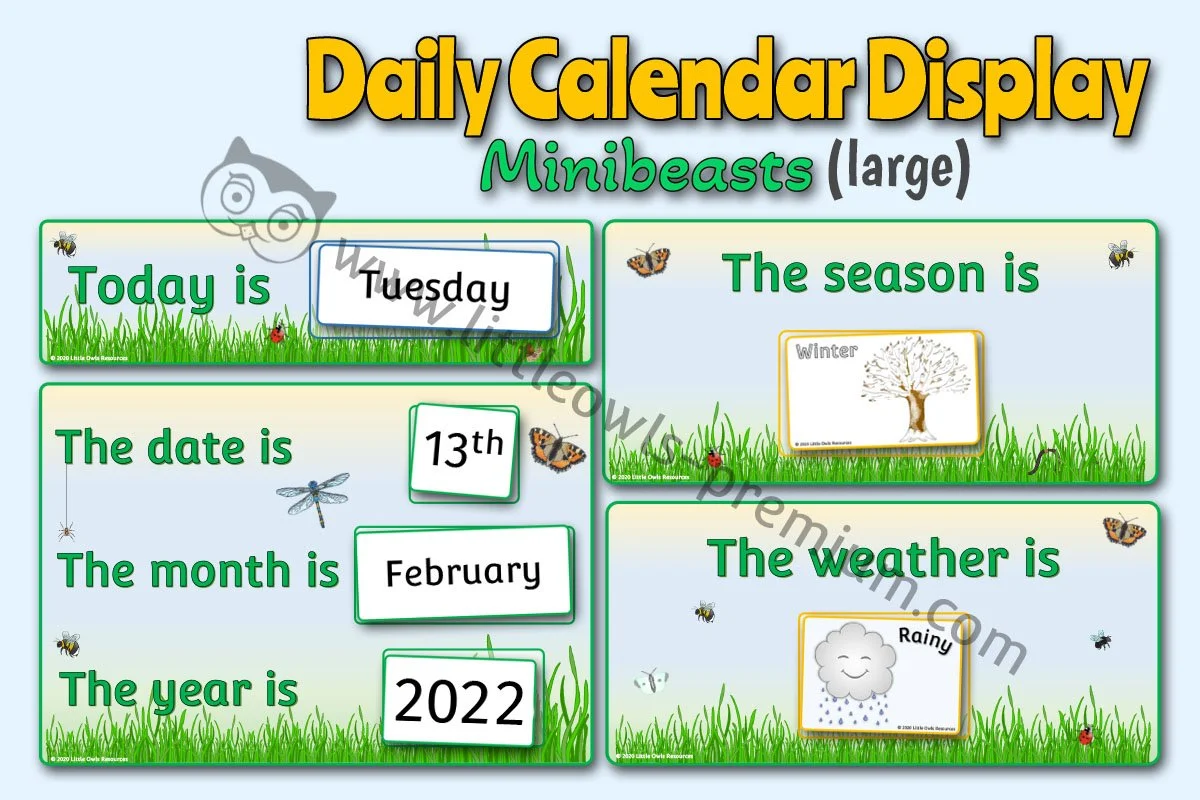
A4 'TODAY' WEATHER CALENDAR - MINIBEASTS THEME

LARGE ‘TODAY’ WEATHER CALENDAR - MINIBEASTS THEME
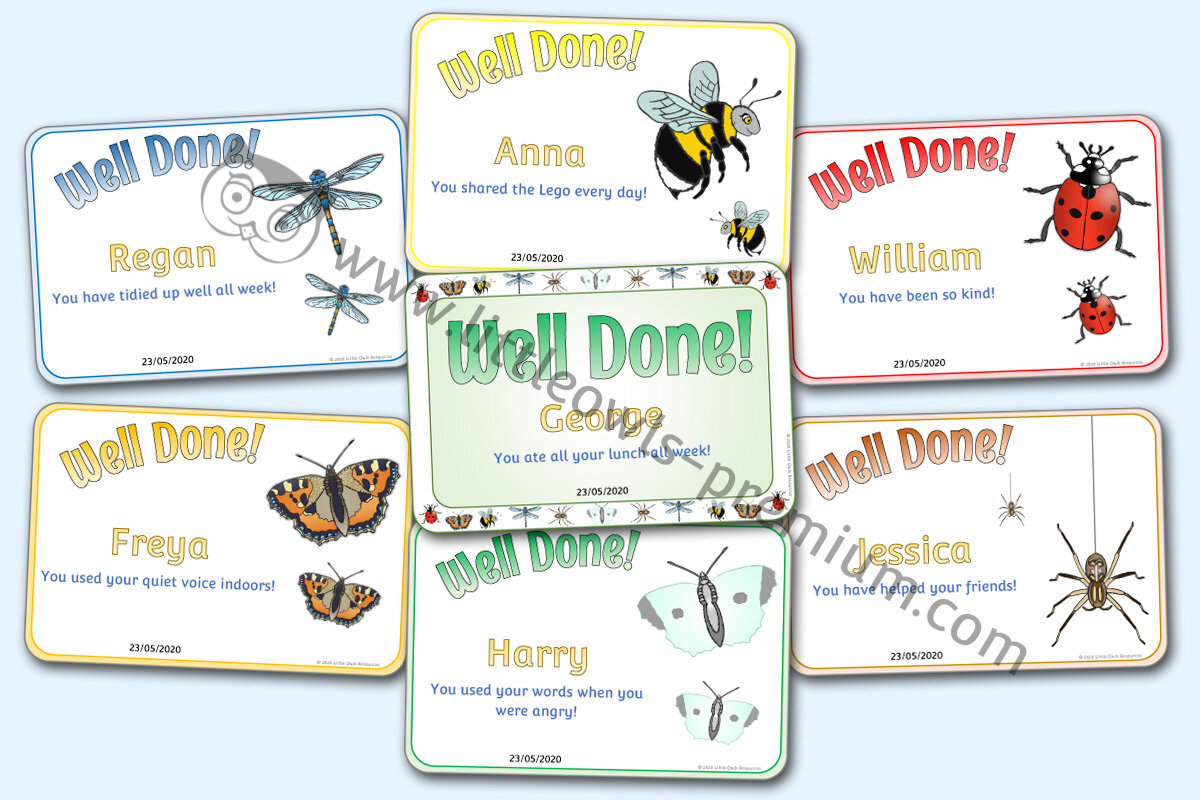
CERTIFICATES

GROUP CHARTS - NURSERY/GROUP SETTING ROOMS

GROUP CHARTS

SELF REGISTRATION DISPLAYS
🧠 Minibeast Planning & Pedagogy Support
Support meaningful learning through our professional planning resources and curriculum guidance.
Premium

Professional
💡 Explore our EYFS Curriculum & Pedagogy Suite for comprehensive planning and guidance (separate pathways for birth-18 months, 18-36 months, 3-4 years & 4-5 years).
Related Theme & Project Planning Support | EYFS Curriculum & Pedagogy
(Documents within this section are available with our Professional Tier Memberships)
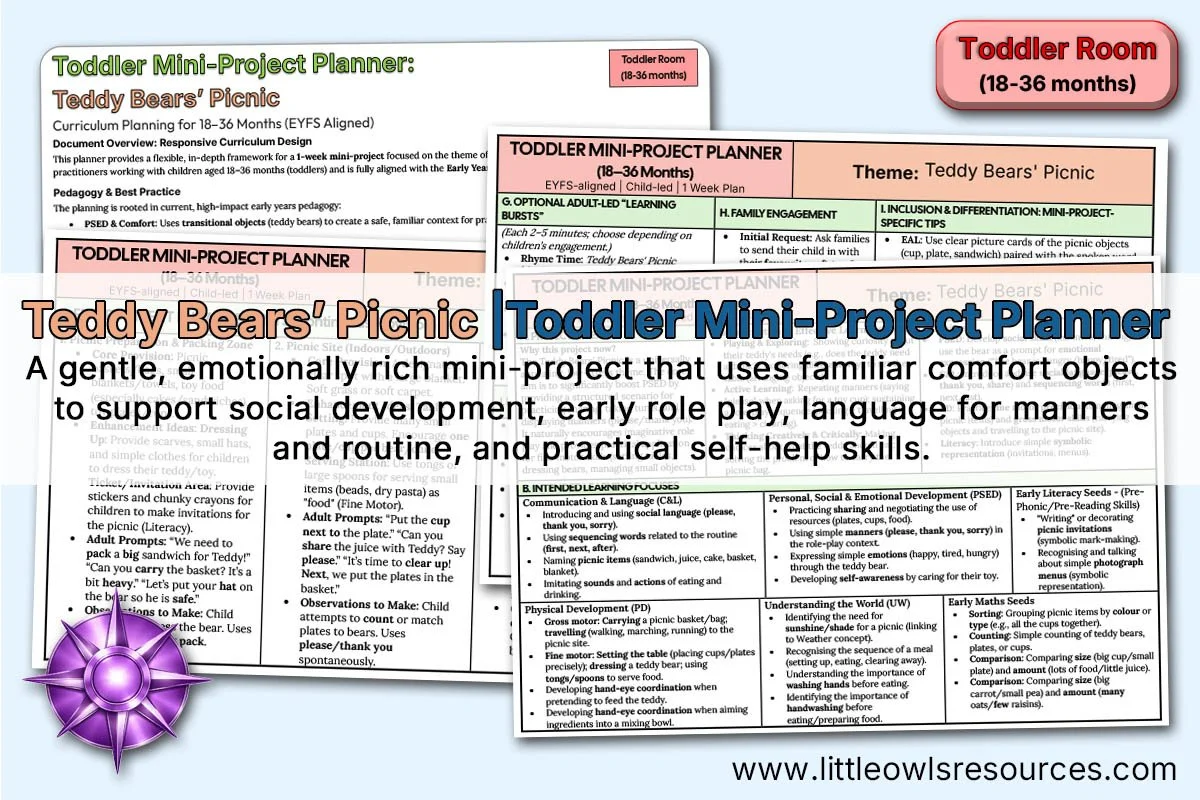
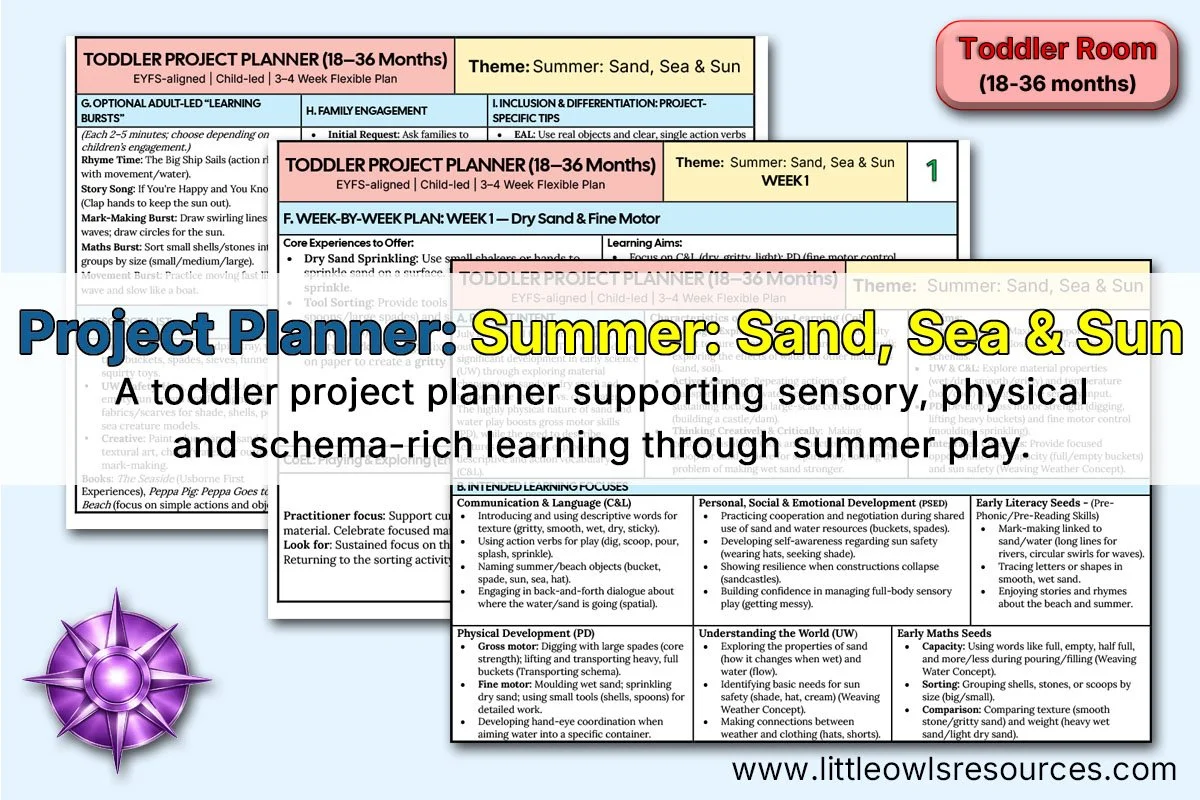
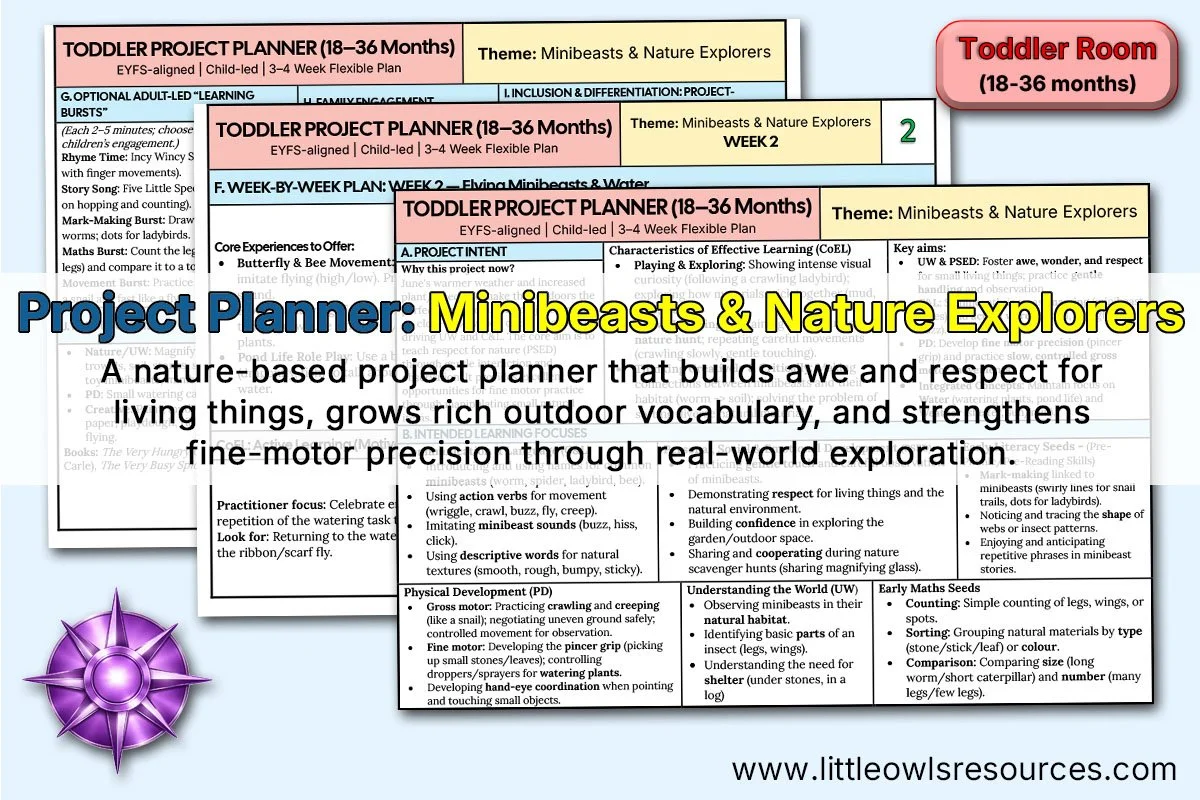

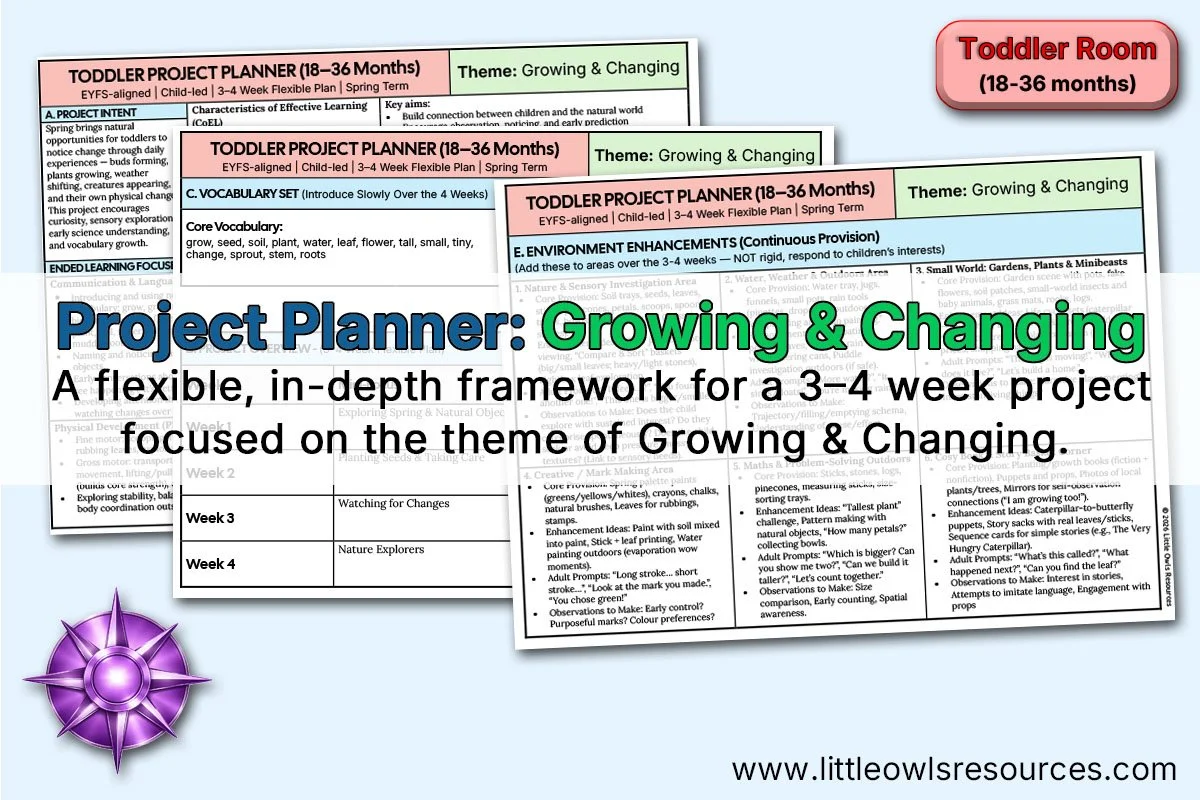
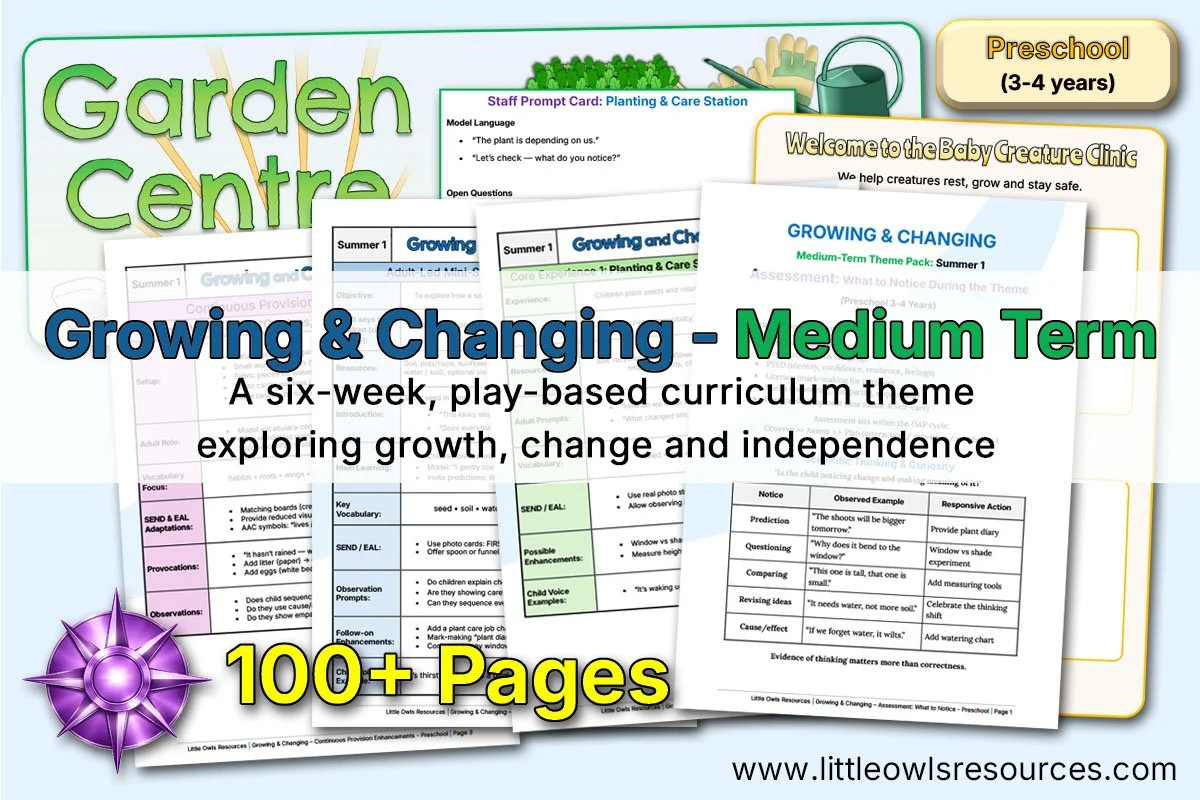
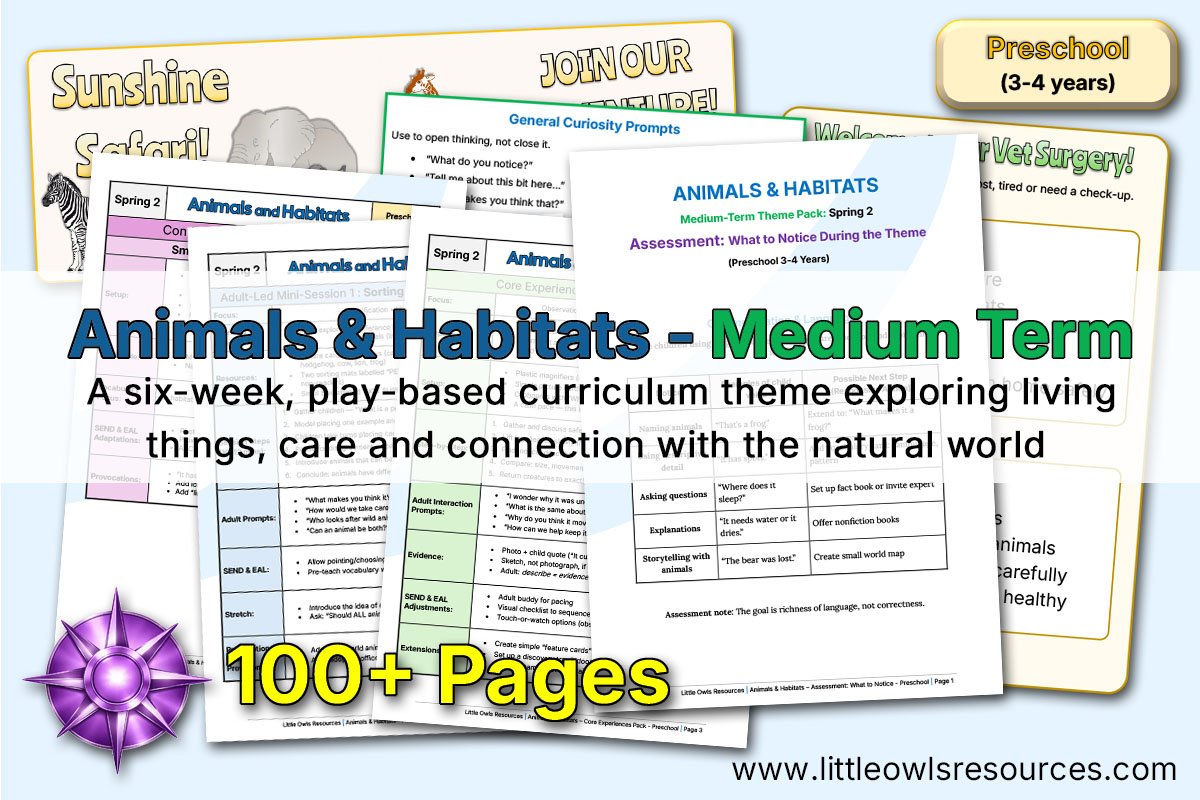

🌿 EYFS Minibeast Ideas (Continuous Provision & Enhancements)
These ideas are designed as open-ended invitations that can be adapted according to children's interests, local environments and discoveries.
🔍 Minibeast Investigation Area
Provide magnifying glasses
Add bug viewers
Offer identification cards
Include clipboards for drawing and recording
Adult Role
Model curiosity and observation, using language such as:
antennae
habitat
wings
crawl
pollinate
Follow children's questions and discoveries.
🌼 Outdoor Exploration & Bug Hunts
Create minibeast search areas
Explore gardens and outdoor spaces
Investigate under logs and stones
Observe habitats respectfully
Adult Role
Support children to notice patterns, ask questions and make connections.
🐛 Small World & Loose Parts Play
Create bug habitats
Build miniature gardens
Add natural materials and loose parts
Encourage storytelling
Adult Role
Extend children's imaginative narratives and scientific thinking.
🦋 Life Cycle Invitations
Caterpillar-to-butterfly exploration
Frog and tadpole investigations
Ant life cycle activities
Sequencing opportunities
Adult Role
Encourage children to notice change over time and revisit previous observations.
✏️ Mark Making & Early Writing
Draw observations
Label minibeasts
Create simple fact books
Record findings
Adult Role
Provide meaningful reasons for mark making and writing within real contexts.
🔬 KS1 Minibeast Activities & Learning Ideas
🧪 Scientific Enquiry
Compare habitats
Observe and classify invertebrates
Investigate life cycles
Explore adaptation and survival
🌍 Environmental Awareness
Investigate pollinators
Learn about endangered species
Explore biodiversity
Discuss habitat protection
✍️ English Activities
Minibeast fact files
Information reports
Observation diaries
Persuasive conservation posters
➗ Maths Opportunities
Conduct surveys
Create tally charts
Produce pictograms
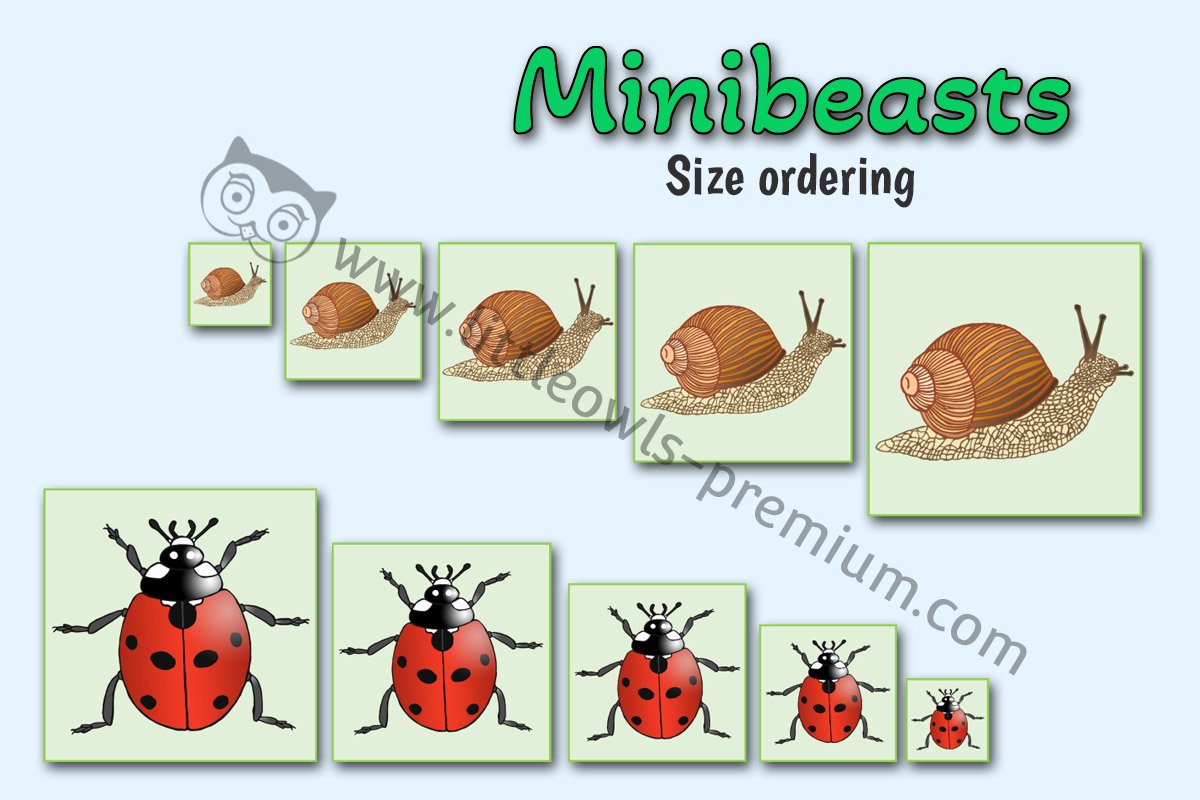
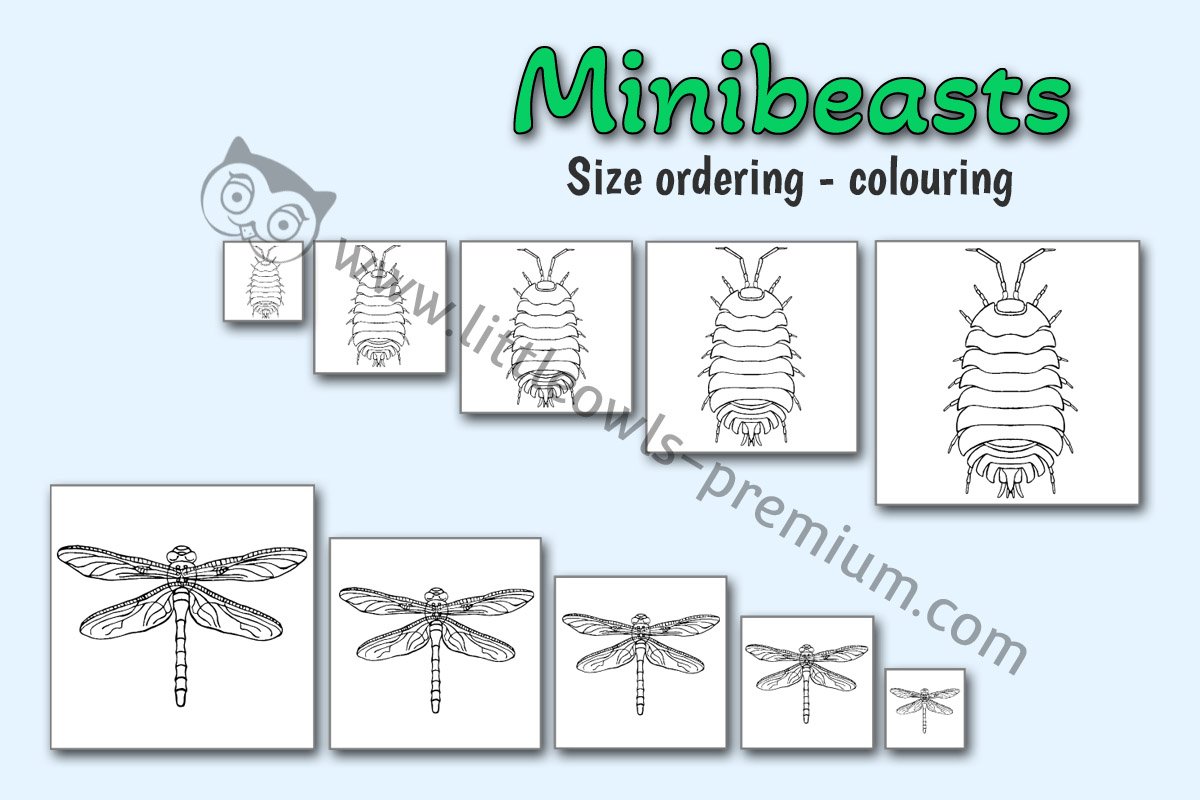
Measure and compare insects
🌍 Curriculum Links (EYFS & KS1)
🟢 EYFS Areas of Learning
Communication & Language
Vocabulary development
Discussion and questioning
Physical Development
Fine motor control
Outdoor exploration
Personal, Social & Emotional Development
Caring for living things
Working collaboratively
Understanding the World
Habitats
Life cycles
Seasonal change
Expressive Arts & Design
Creative responses to nature
Imaginative play
🔵 KS1 National Curriculum Links
Science
Living things and habitats
Animals including humans
Working scientifically
English
Non-fiction writing
Vocabulary development
Speaking and listening
Maths
Statistics
Number
Measurement
Geography
Local environments
Fieldwork and observation
📅 Minibeast Awareness Events & Special Dates
🦋 Butterfly Education and Awareness Day (BEAD)
A fantastic opportunity to learn about butterflies, conservation and life cycles.
🐞 Insect Week
Celebrate the importance of insects through bug hunts, investigations and outdoor learning.
🦋 The Big Butterfly Count
An excellent opportunity to involve children in real-world observation and citizen science.
🐝 World Bee Day
Explore the importance of bees, pollination and environmental care through meaningful, child-friendly activities.
The following blog pages provide additional information and inspiration:


*Bee related games for Preschool, Early Years (EYFS) & Key Stage 1 (KS1) children
1. "Buzz Like a Bee" (Movement and Sound)
This game is all about imitation and understanding the primary sound a bee makes.
How to Play:
Introduce the Bee Sound: Start by asking children, "What sound does a bee make?" Encourage them to make buzzing sounds.
Explain the Action: Tell them that when you say "Buzz like a bee!", they need to move around the space (safely!) while making buzzing noises, perhaps wiggling their bottoms like a bee flying.
"Freeze" or "Go to the Hive": You can add a command like "Freeze!" where everyone stops buzzing and moving, or "Go to the hive!" where they gather in a designated "hive" area (e.g., a hoop, a corner of the room).
Discussion: Afterwards, you can ask questions like, "Why do bees buzz?" (To fly, to communicate), or "Where do bees live?"
Learning Points:
Sound Recognition: Reinforces the distinctive sound of a bee.
Movement: Encourages gross motor skills and imaginative play.
Basic Bee Behaviour: Introduces the idea of bees flying and buzzing.
2. "Find the Flower" (Pollination and Colour Matching)
This game helps children understand the concept of bees visiting flowers to collect nectar/pollen.
How to Play:
Prepare "Flowers": Cut out simple flower shapes from coloured paper (different colours are good). Scatter them around the play area.
Explain the Bee's Job: Tell the children, "You are now busy bees! Your job is to fly around and find flowers. Bees collect special food from flowers."
The "Nectar" Task: You can make it slightly more complex for KS1 by having small coloured pom-poms or beads (representing "nectar" or "pollen") placed on each flower. Children can use tongs or their fingers to "collect" the "nectar" from the flowers and bring it back to a central "hive" pot.
Variations:
Colour Matching: "Only find the yellow flowers!"
Counting: "How many flowers did you visit?"
Team Play: Assign teams to collect nectar from different coloured flowers.
Learning Points:
Pollination Concept: Introduces the idea that bees visit flowers.
Purpose: Helps them understand that bees collect things from flowers (nectar/pollen).
Observation/Matching: Encourages visual discrimination and counting skills.
3. "Bee Communication Dance" (Waggle Dance Introduction)
This is a simplified version of the bee's famous "waggle dance" used to tell other bees where food is.
How to Play:
Tell a Short Story: "Imagine one bee finds a super yummy flower patch far away! How does she tell her friends?"
Demonstrate: Explain that bees do a special dance. Show them a simple "waggle" by wiggling your hips and walking in a small figure-eight shape.
"Follow the Leader": One child (or you) can be the "scout bee" and do the waggle dance, pointing in a direction (e.g., towards a designated "flower patch"). The other "bees" then follow the "scout" to the "flower patch."
Swap Roles: Let different children have a turn being the "scout bee."
Learning Points:
Bee Communication: Introduces the fascinating idea that bees "talk" through dance.
Teamwork: Highlights how bees work together.
Observation: Encourages children to watch and imitate movements.
🌻 Related Topics & Themes
🌿 Nature & Outdoor Learning
🐾 Animals & Living Things
🌸 Seasonal Learning
🌍 Environmental Themes
Pollinators
Conservation
Related themes are available throughout our resource collection.




❓ Minibeast FAQs
What are good minibeast activities for EYFS?
Bug hunts, minibeast investigations, life cycle observations, outdoor exploration and small world play all provide meaningful learning opportunities.
Why are minibeasts important in early years?
Minibeasts help children develop curiosity, scientific thinking, language and respect for living things through real-world experiences.
What can KS1 children learn through a minibeast topic?
Children can investigate habitats, classification, life cycles, adaptation, conservation and environmental awareness.
How do you create a minibeast investigation area?
Provide magnifying glasses, bug viewers, identification cards, clipboards and opportunities for real outdoor exploration.
How can children help bees and butterflies?
Children can plant pollinator-friendly flowers, protect habitats, learn about pollination and develop positive attitudes towards wildlife.
🌟 Explore More
Discover our EYFS Curriculum & Pedagogy Suite
Find out more about membership options


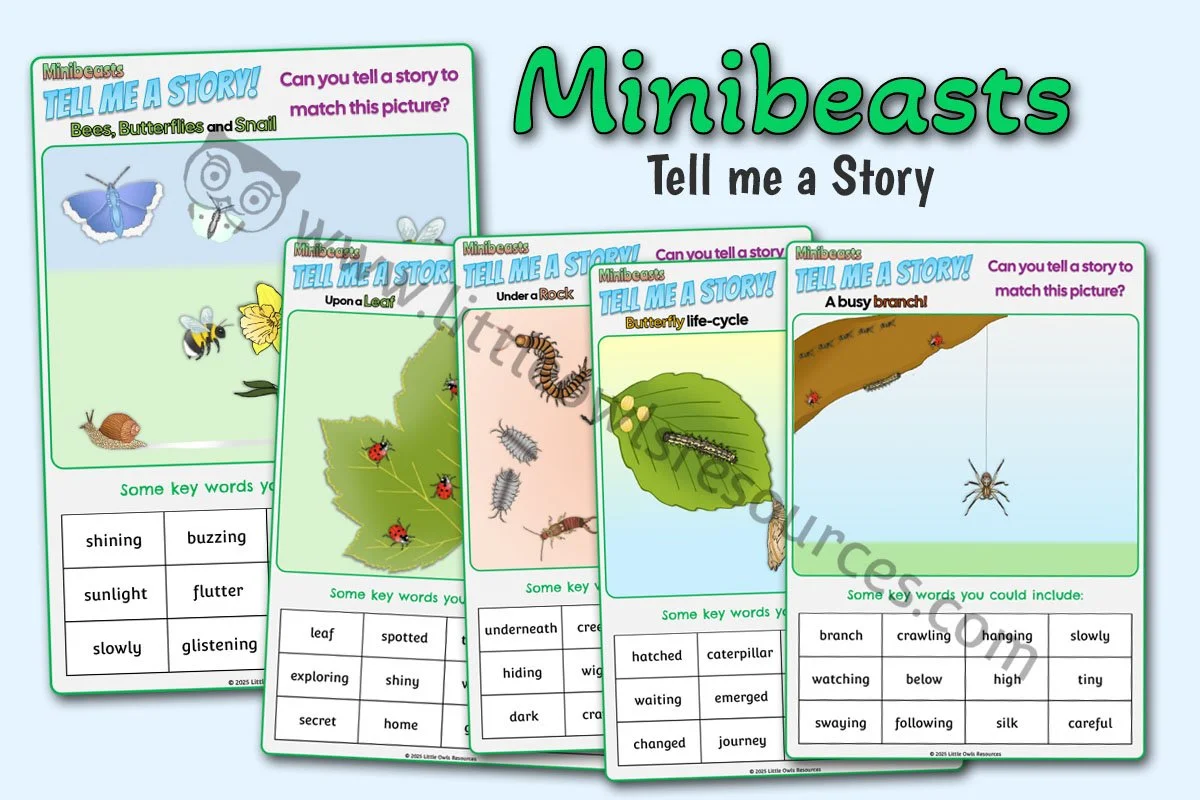
Inspire imagination, vocabulary development and oral storytelling with our wonderful Minibeasts: Tell Me a Story Picture Prompts!
This engaging printable resource has been designed to encourage children to create, tell and rehearse their own stories using carefully illustrated minibeast-themed picture scenes and…