
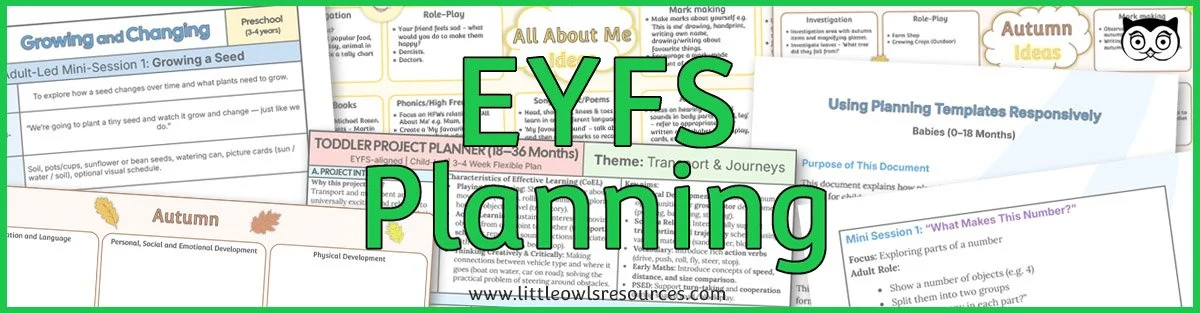
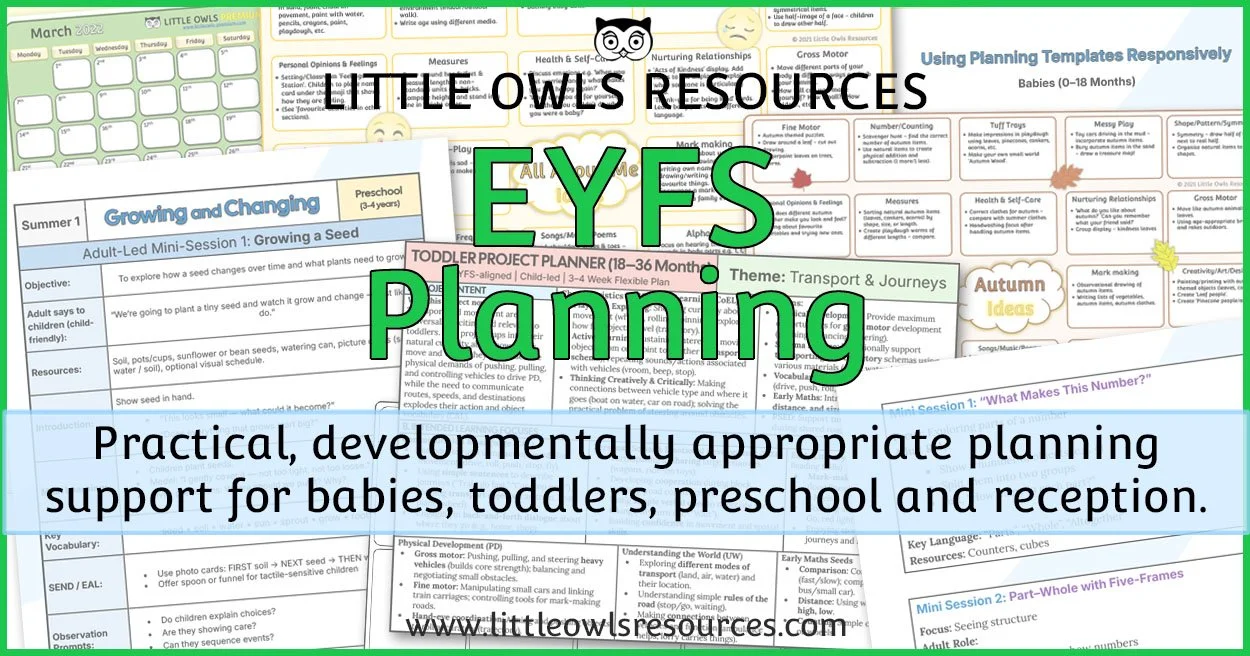
EYFS Planning
Practical, developmentally appropriate planning support for babies, toddlers, preschool and reception.
(Please note: KS1 planning hub in development)
Planning in the Early Years looks different at every stage of development.
This hub brings together our full range of EYFS planning support, including:
age-specific planning guidance
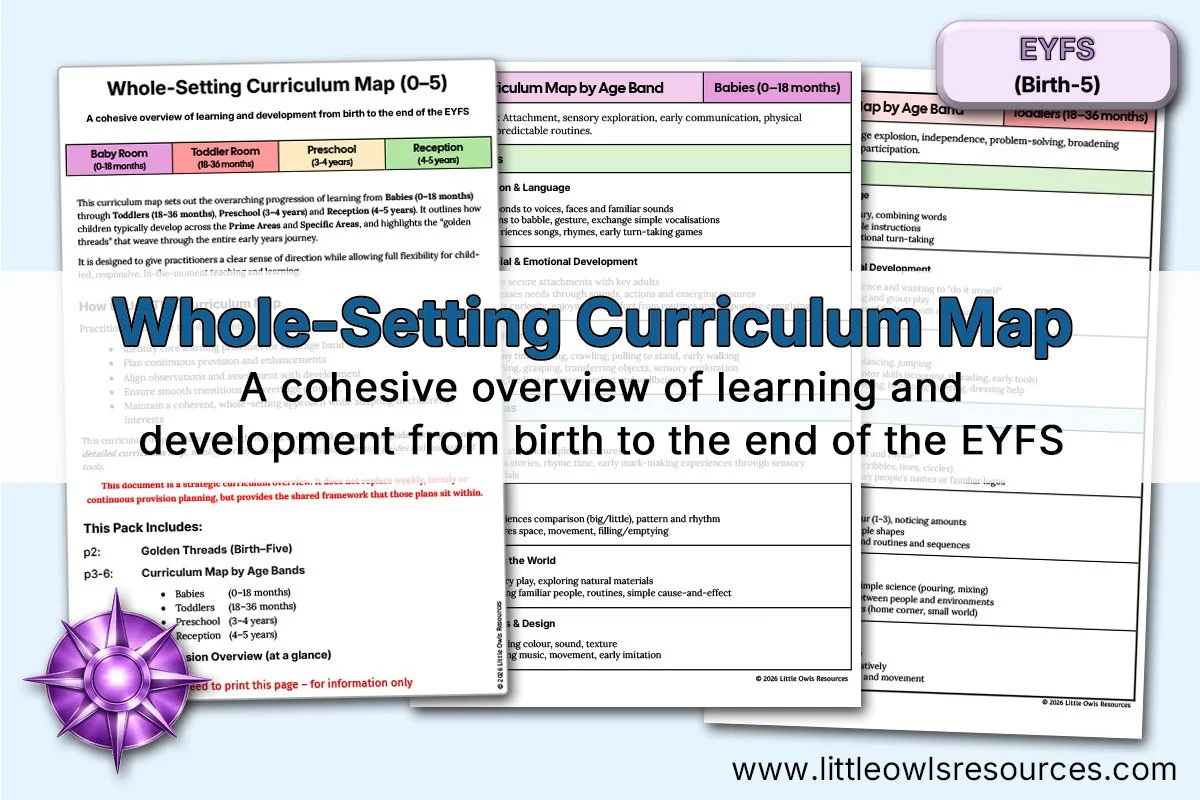
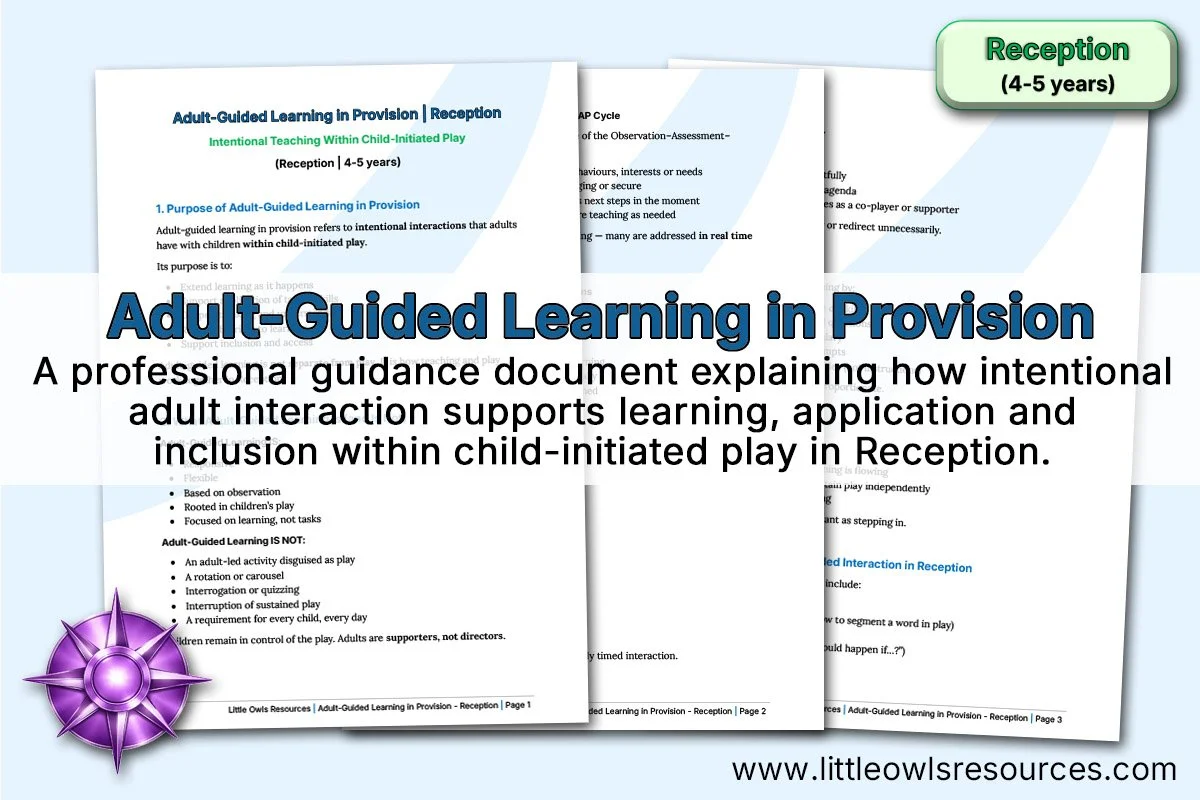
curriculum and pedagogy documents
practical templates and tools
continuous provision resources and idea banks
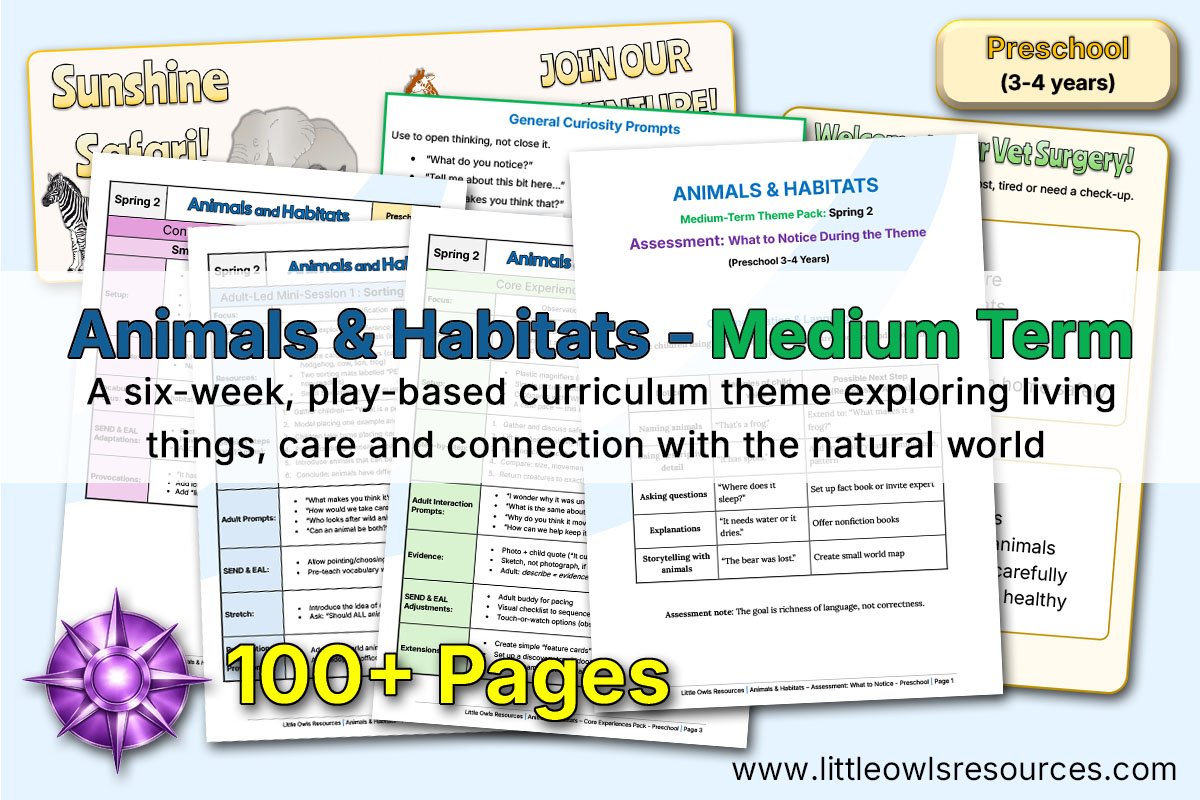
EYFS Curriculum Planning & Guidance Materials
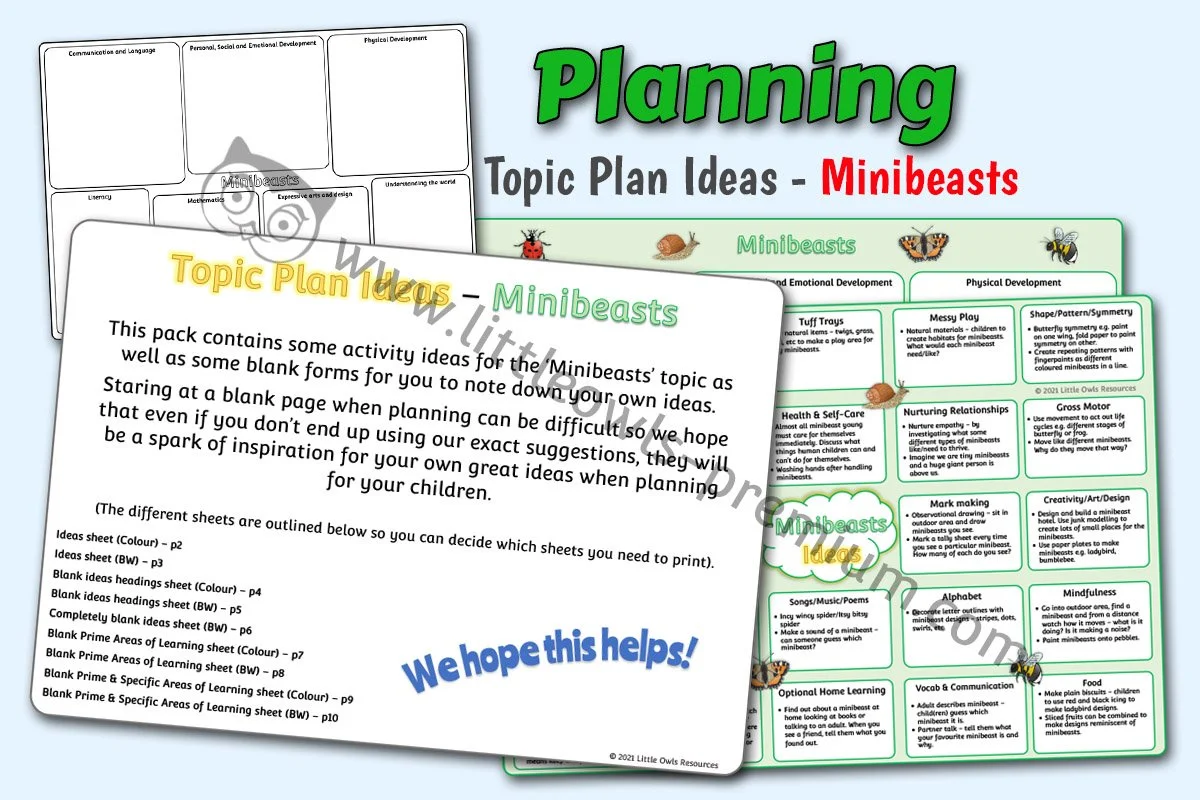
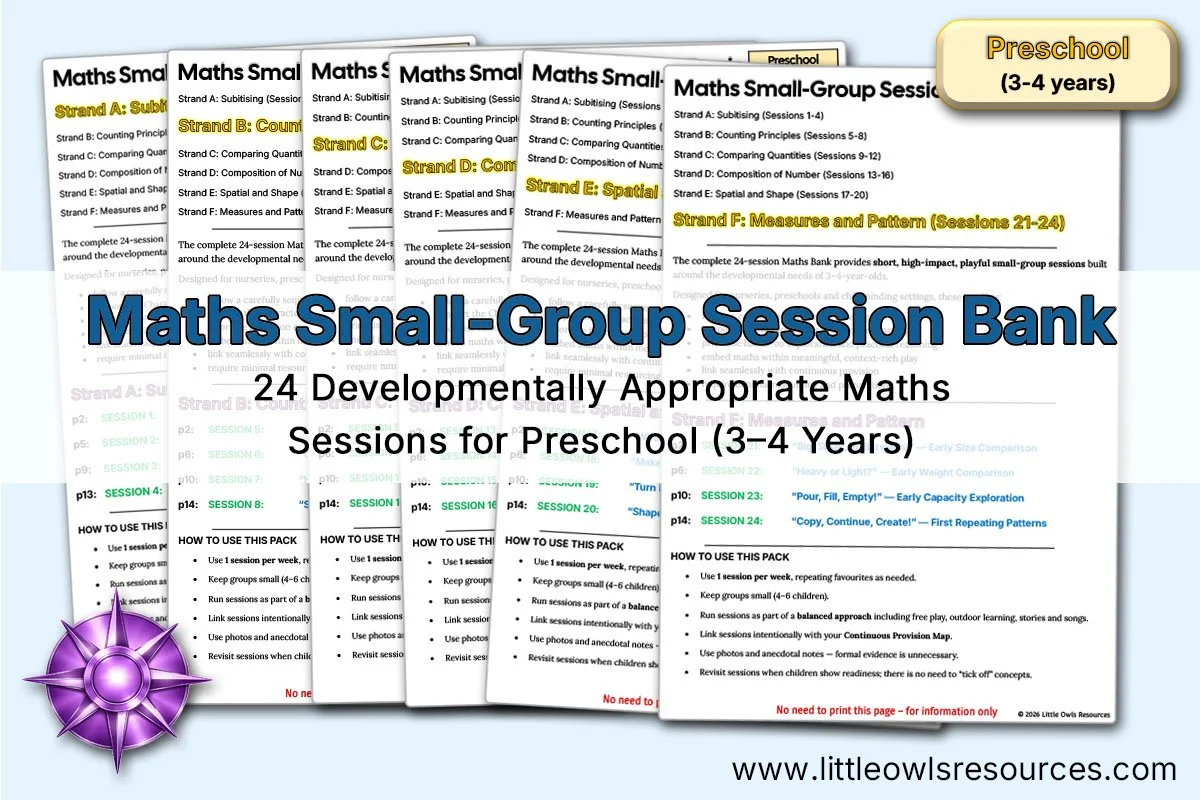
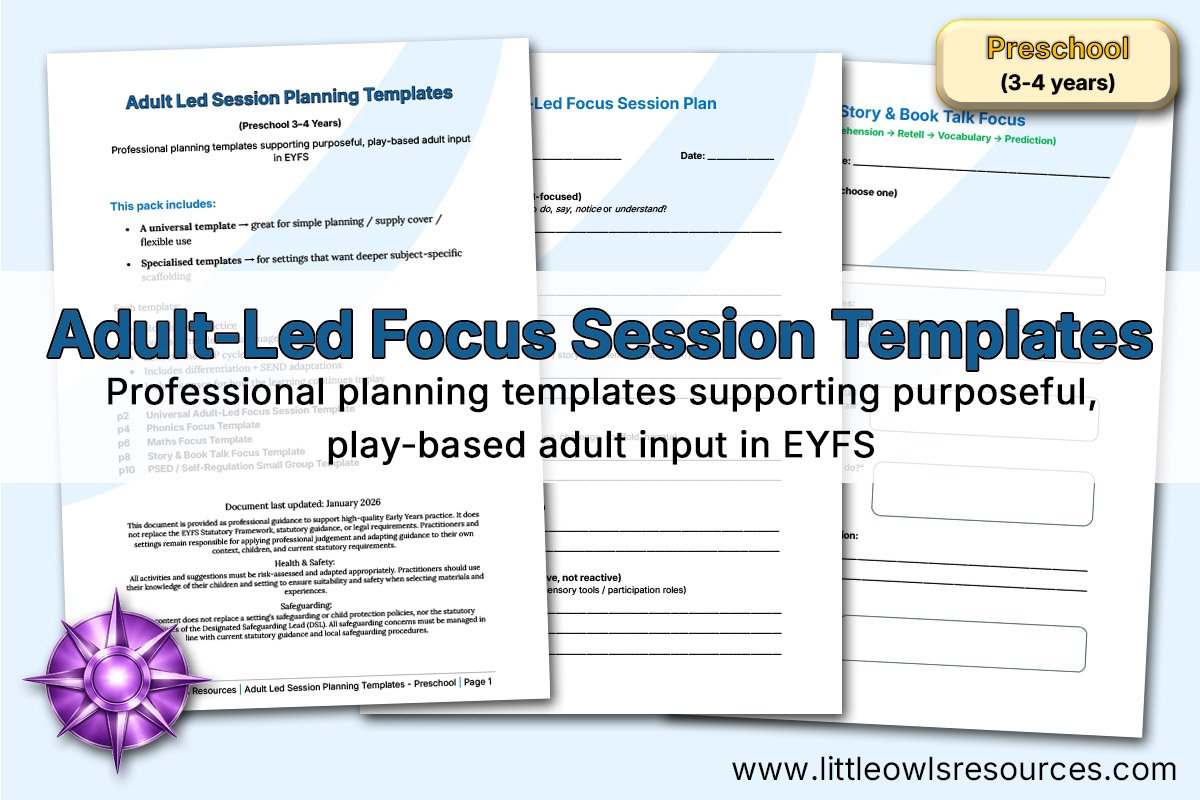
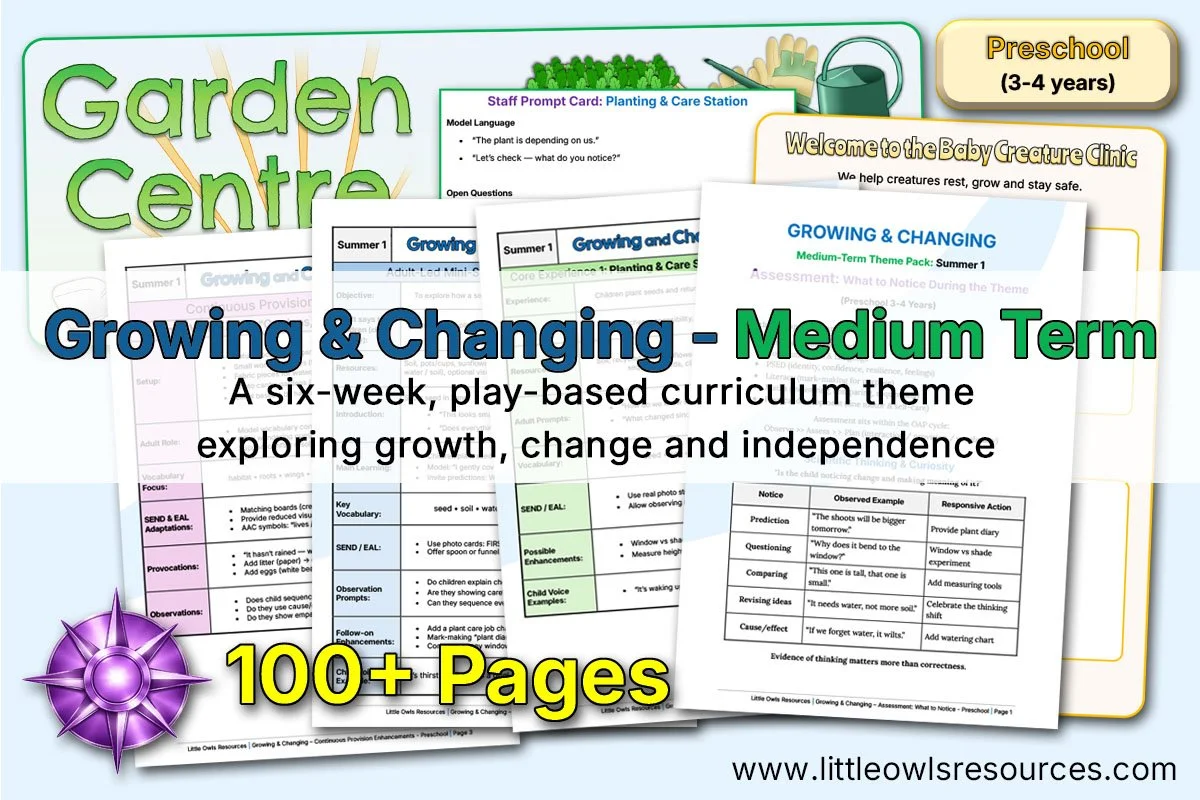
On this page you will find Free Sample Resources, Premium Printable Provision and Professional EYFS Curriculum & Pedagogy Documents. Explore membership options here.









📌 Jump to Section
🧭 Explore Planning by Age & Setting
Start by selecting the age or setting most relevant to you. Each page brings together curriculum guidance, planning tools and practical resources tailored to that stage or setting:
Planning for Babies | 0–18 Months
Care, routines and interaction as the curriculum
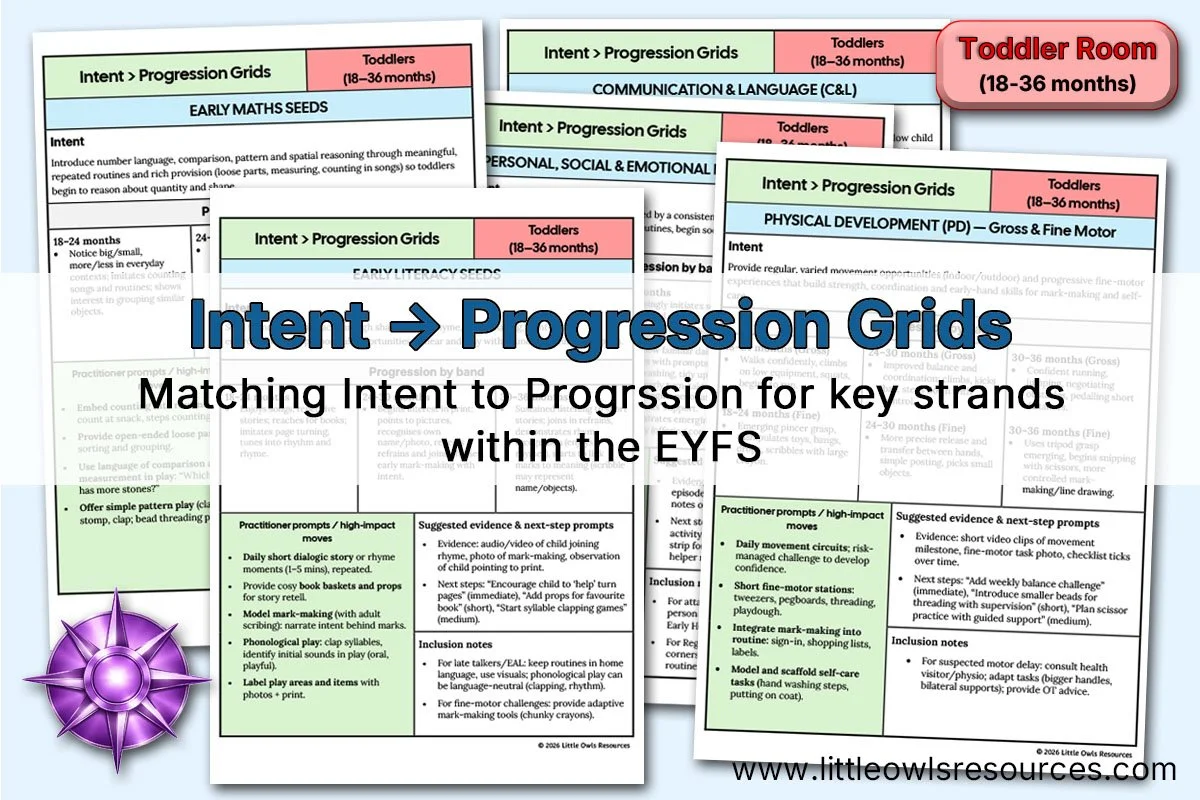
Planning for Toddlers | 18–36 Months
Observation-led planning, schemas and exploration
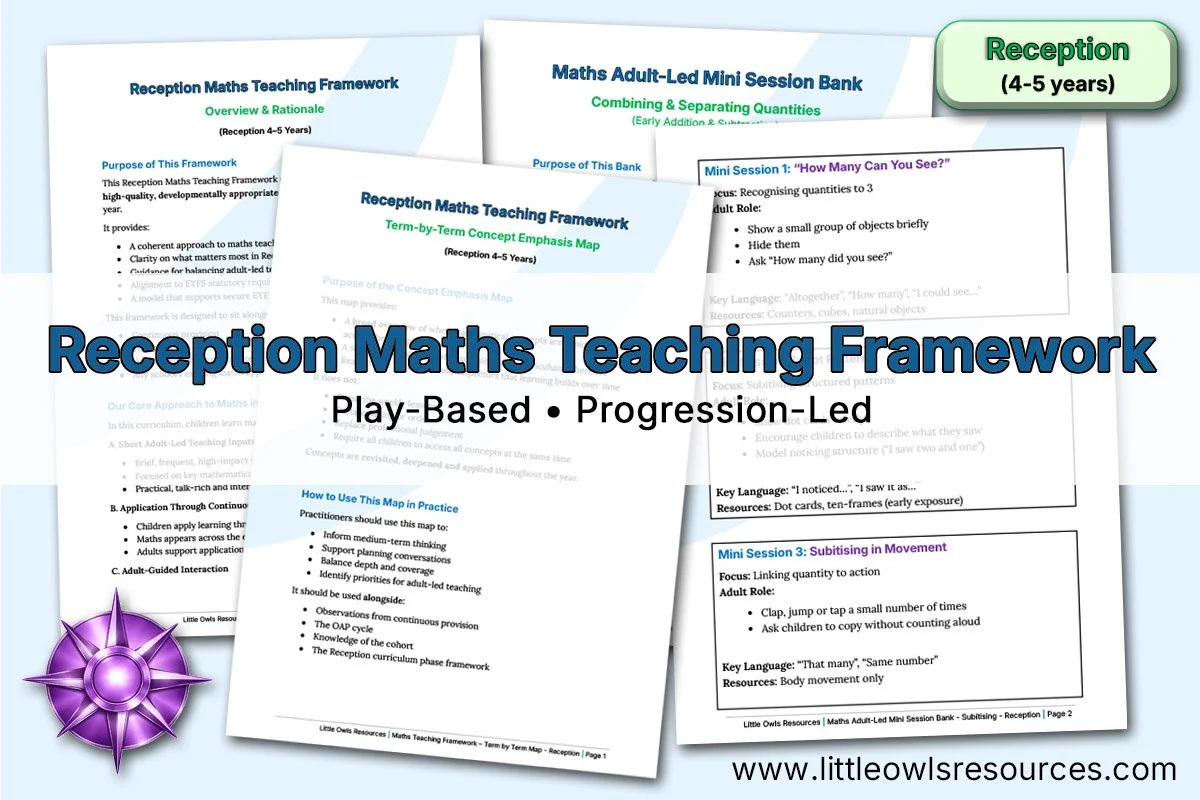
Planning for Reception (4–5 Years)
Curriculum, teaching and school readiness
EYFS Planning for Childminders (Birth–5)
Planning tools & guidance to support mixed-age care
EYFS Planning for Nurseries (Birth–5)
Practical, flexible approach to planning across baby rooms, toddler rooms & preschool provision

❓ What Does ‘Planning’ Mean in the EYFS?
Planning in the Early Years is often misunderstood.
In high-quality EYFS practice:
planning supports adult thinking, not children’s performance
learning is driven by play, interaction and relationships
observation informs decisions — not pre-set activities
development is non-linear and individual
Planning may include:
adapting environments and provision
responding to children’s interests and needs
offering short, purposeful adult-led moments (where appropriate)
reflecting on what is working and what needs to change
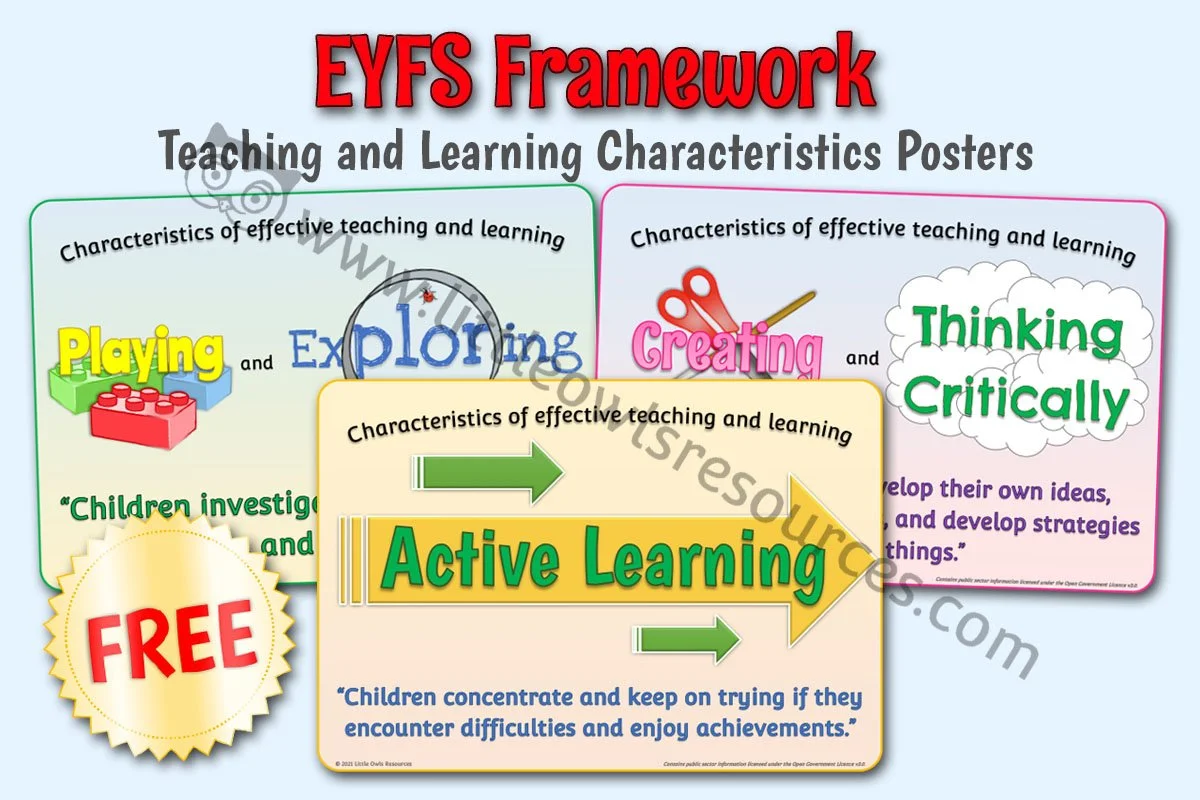
A curriculum is more overarching and denotes what you want the children to learn in the time they are with you. It must be based on the statutory Early Years Foundation Stage (EYFS) Framework, which gives you a basis that you can build on, through the 7 areas of learning.
You can decide how best to deliver those areas by creating a curriculum unique to your setting, providing activities and experiences that deliver those areas of learning.
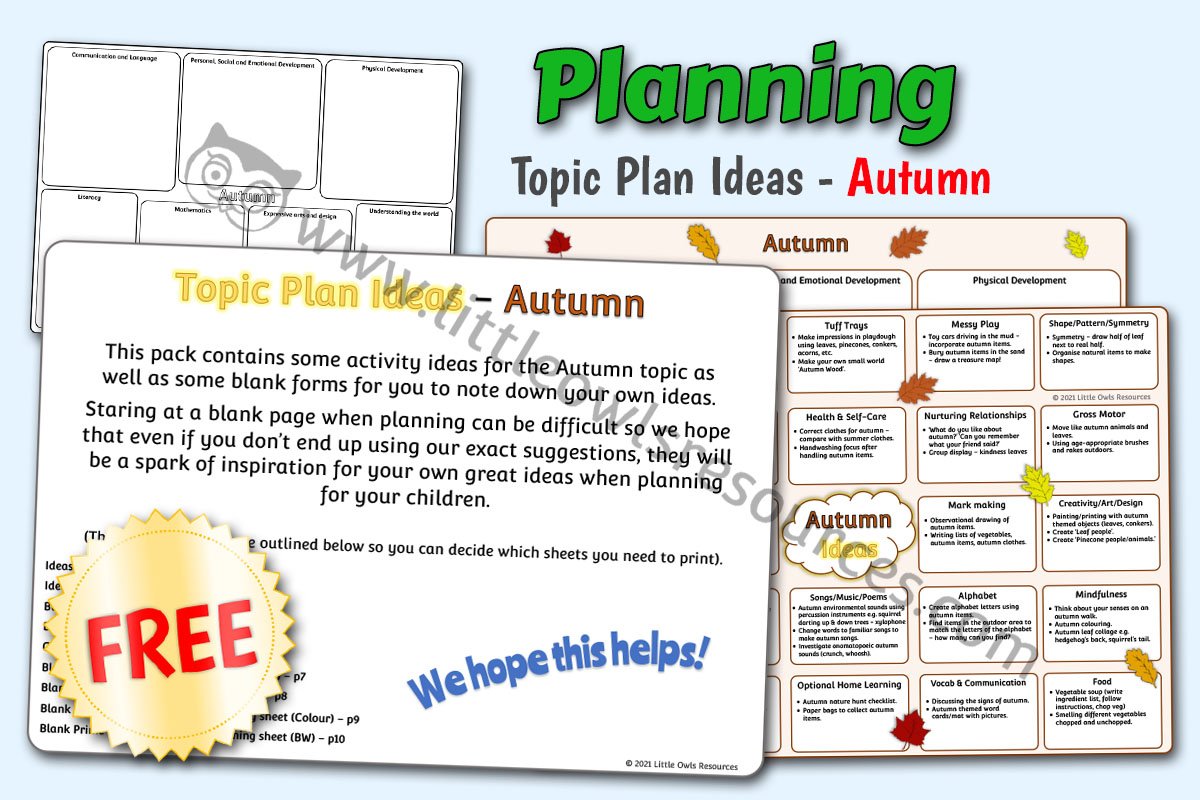
🆓 Free EYFS Birth-5 Planning Resources
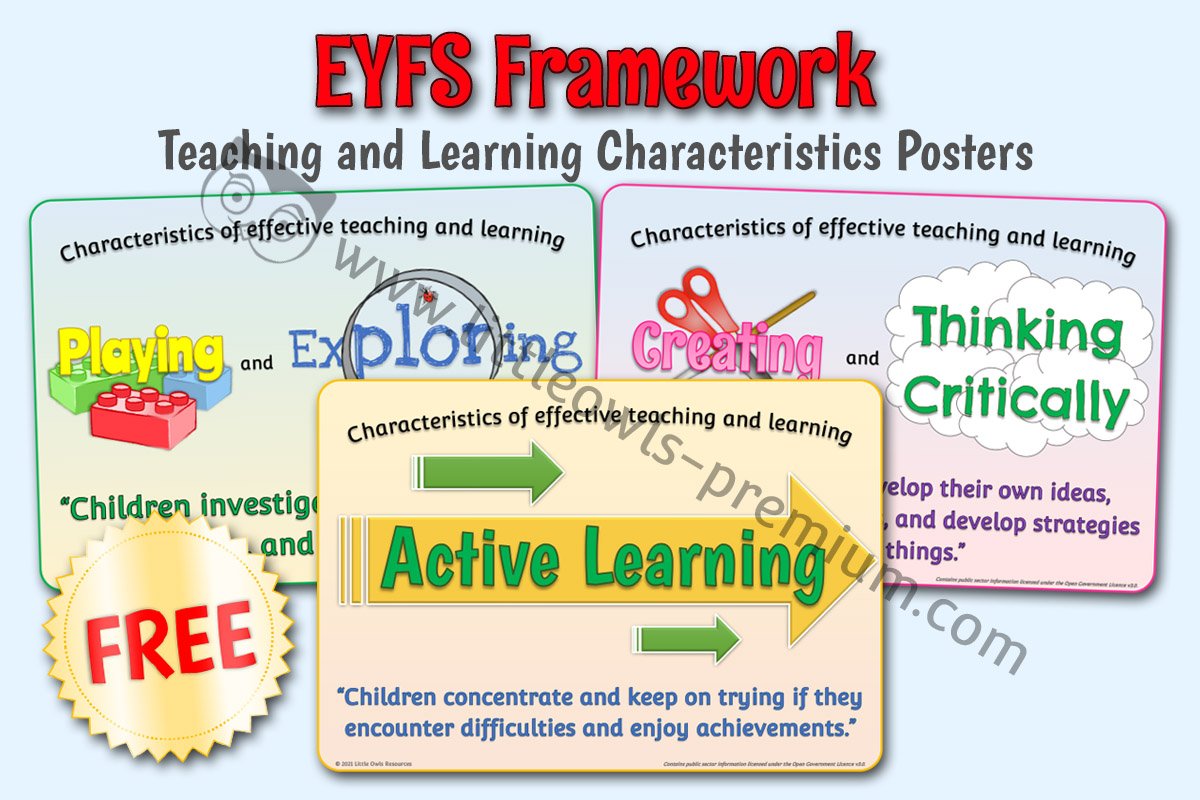
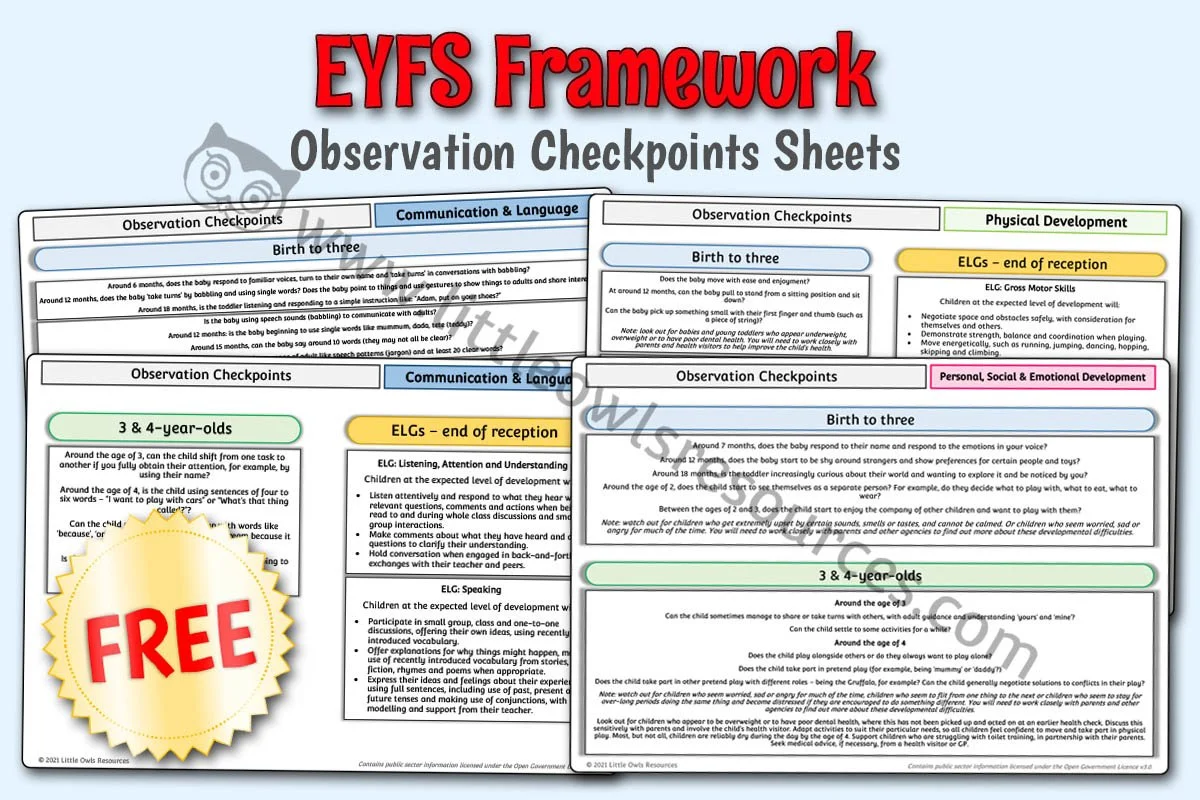
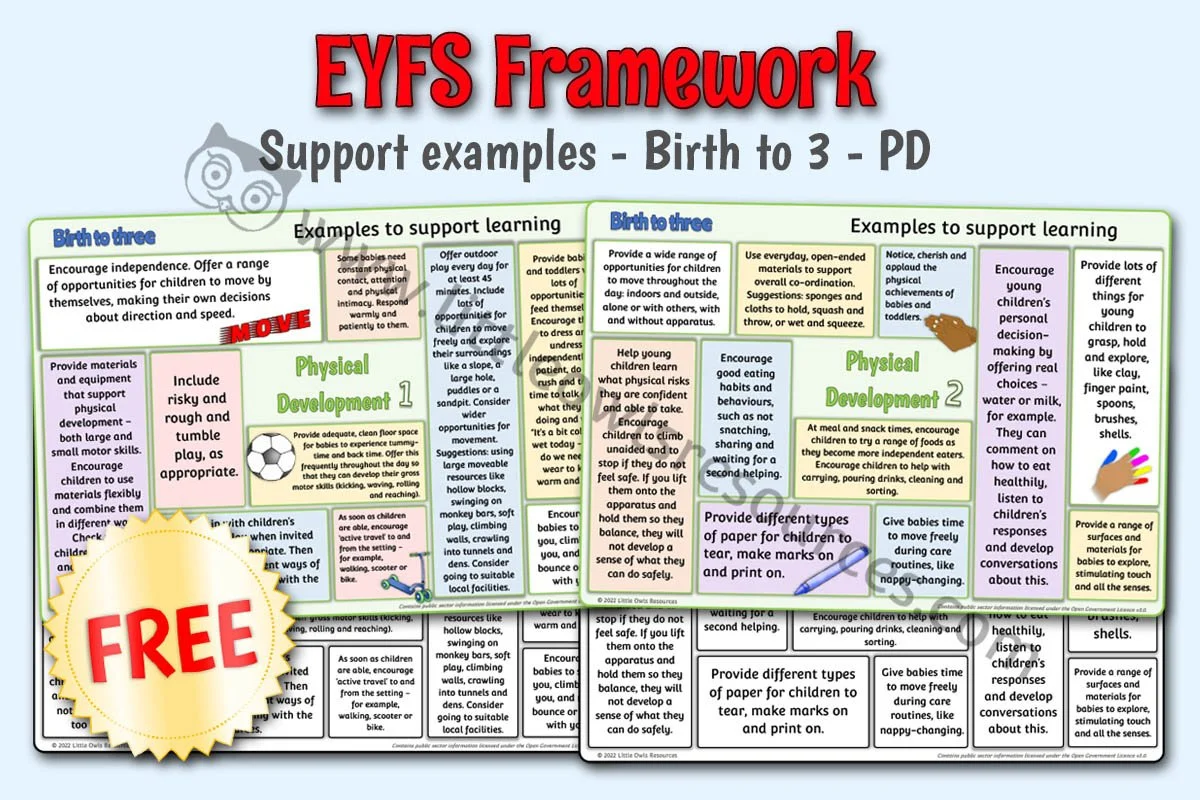
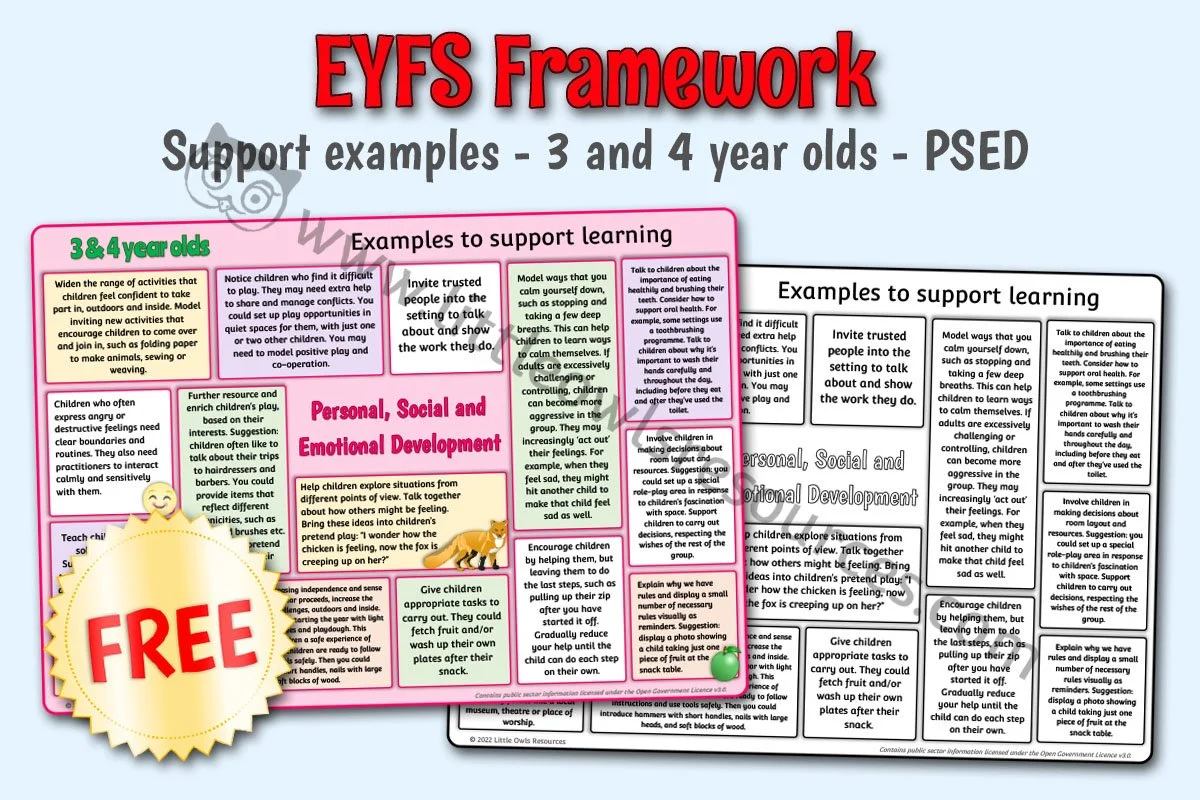
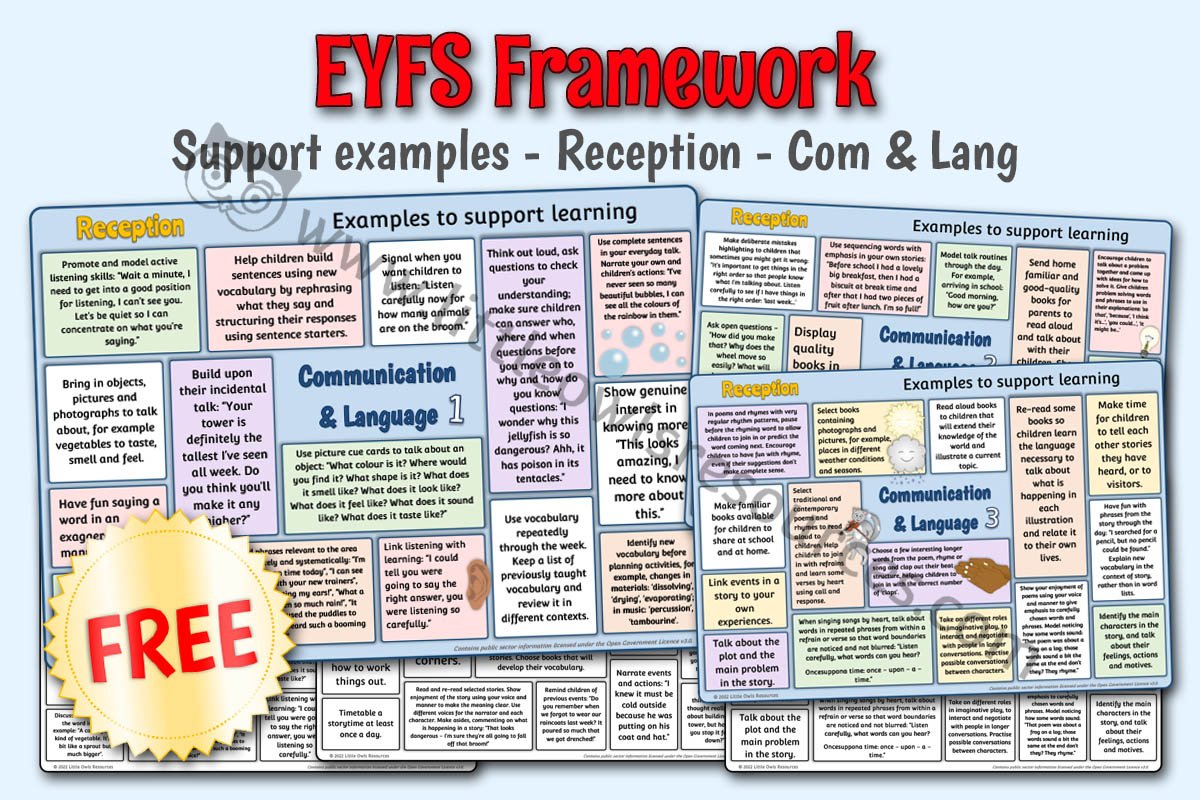
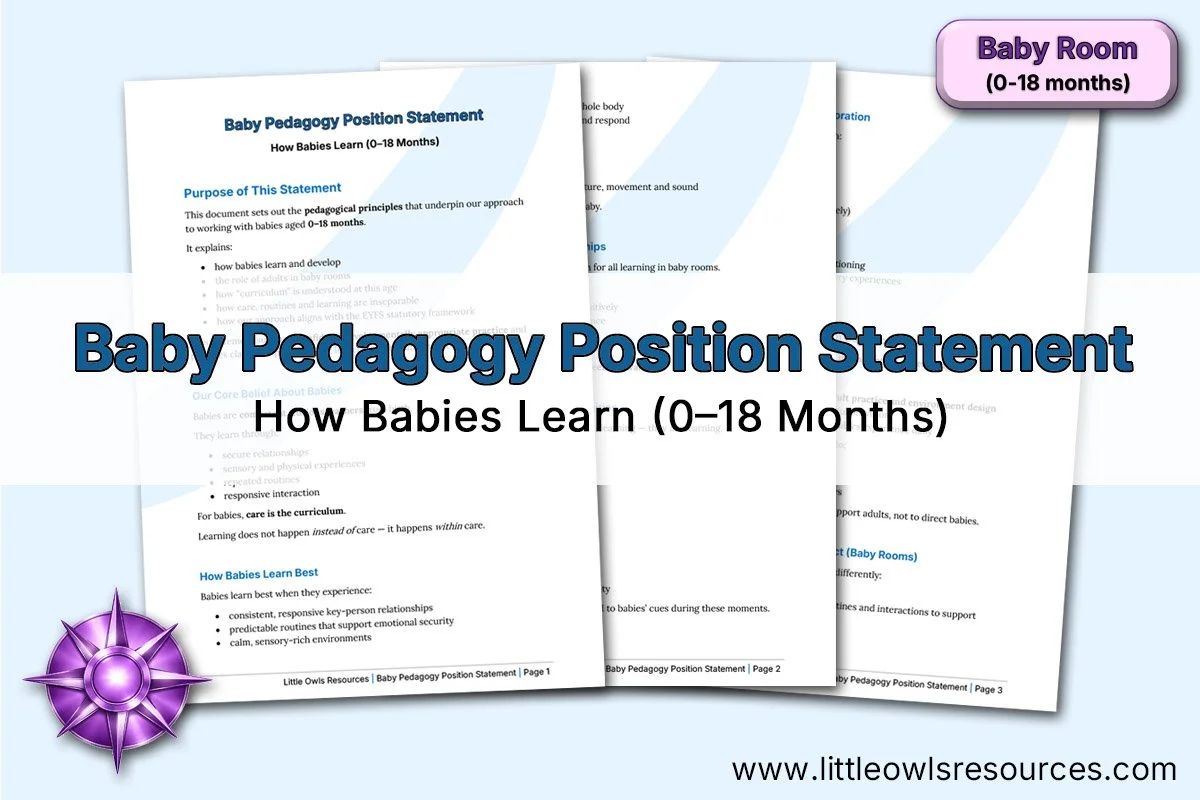
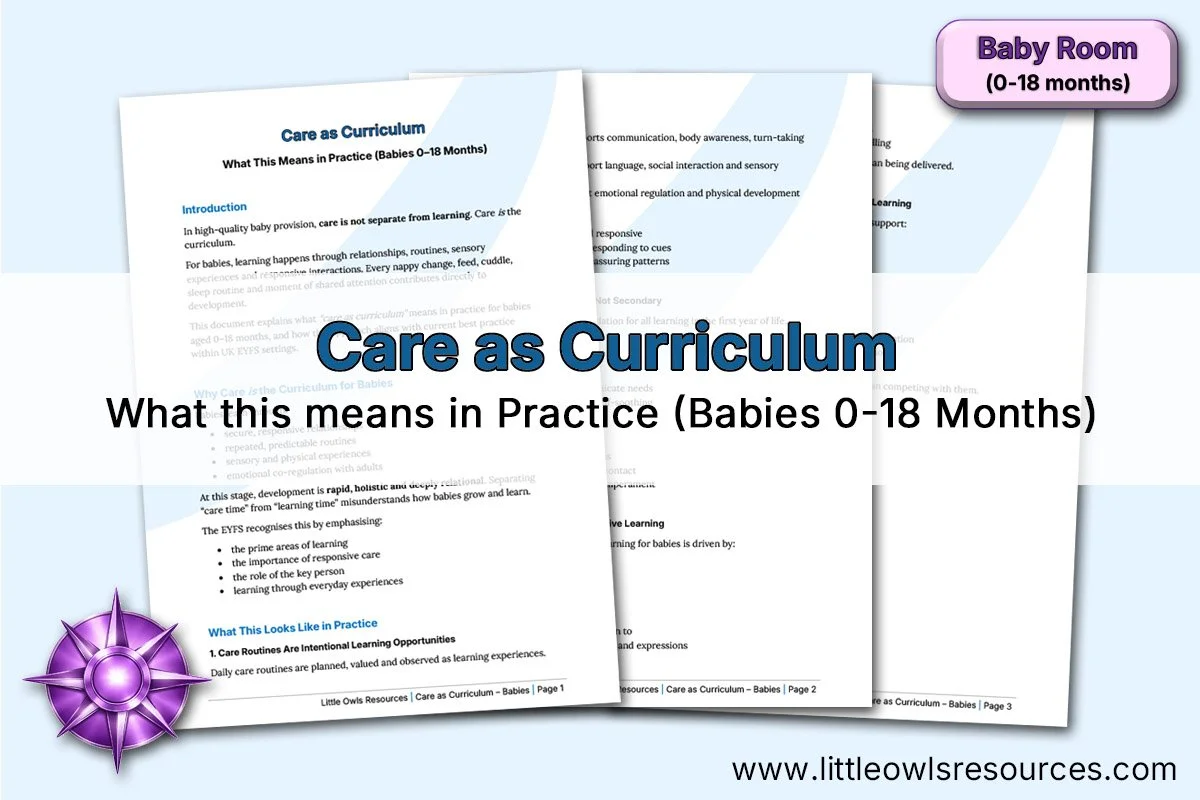
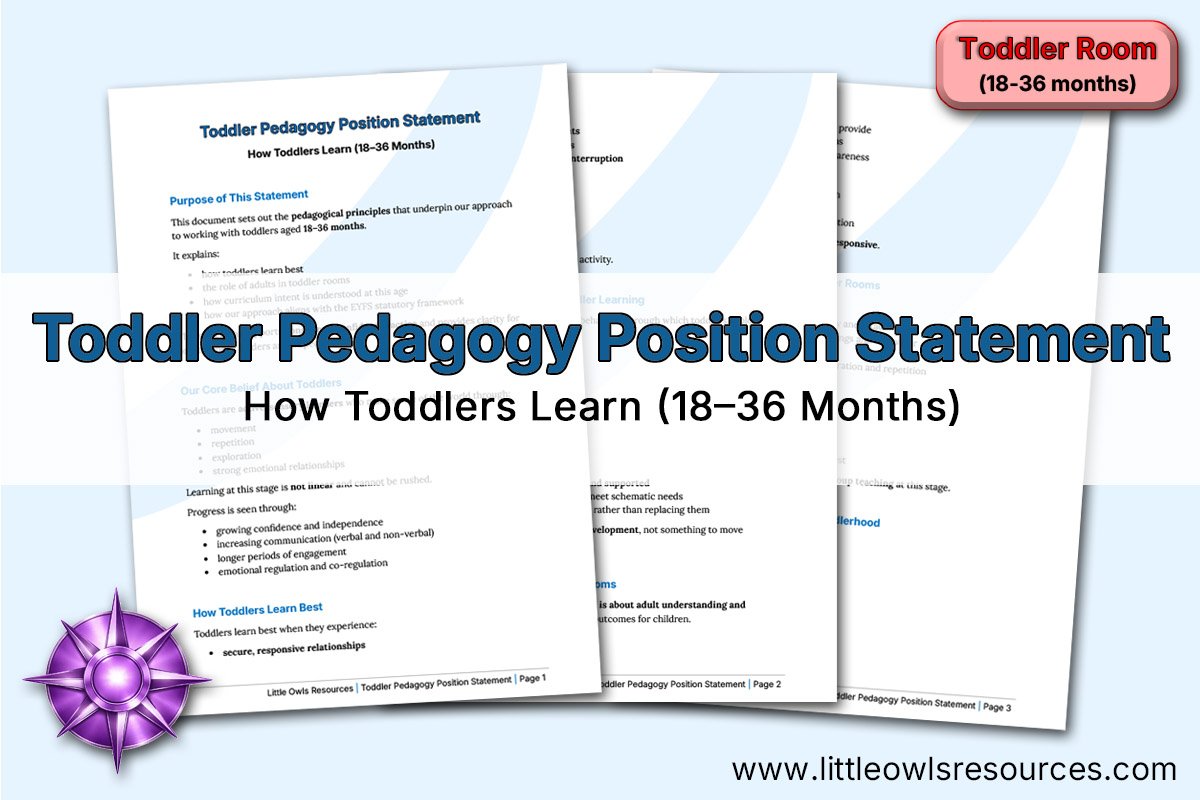
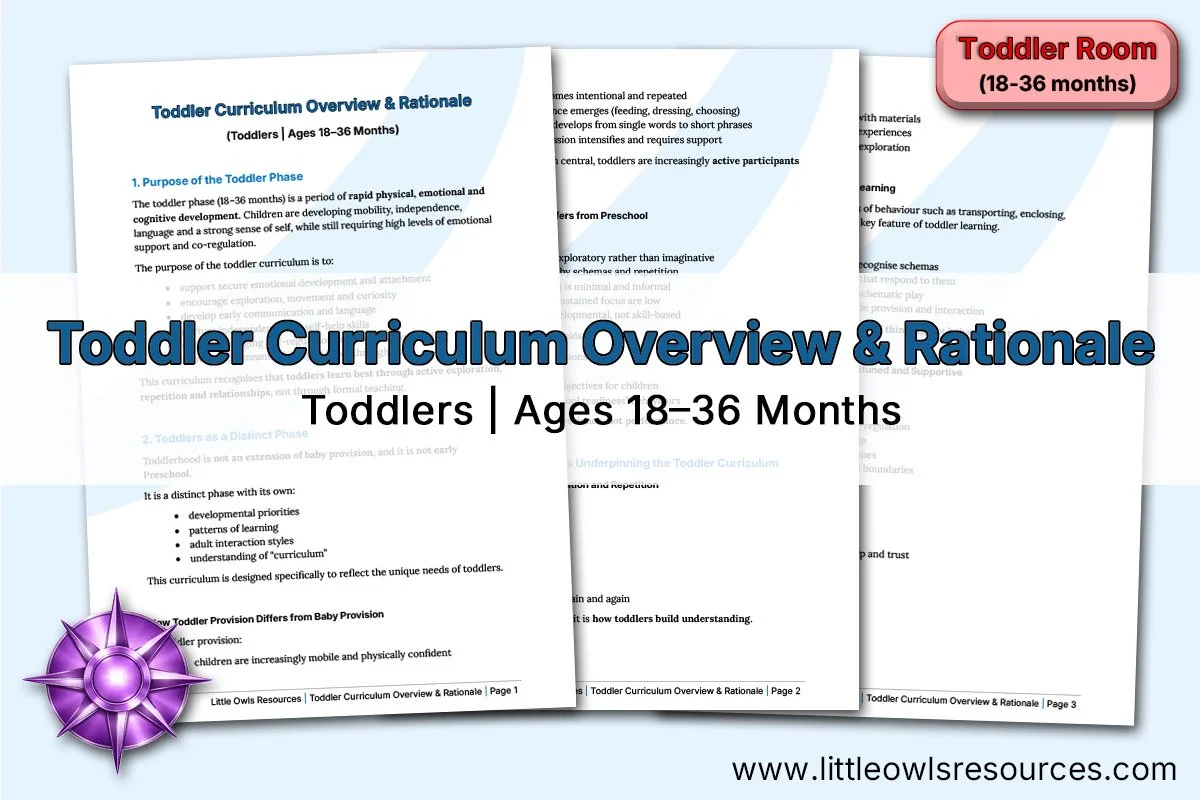
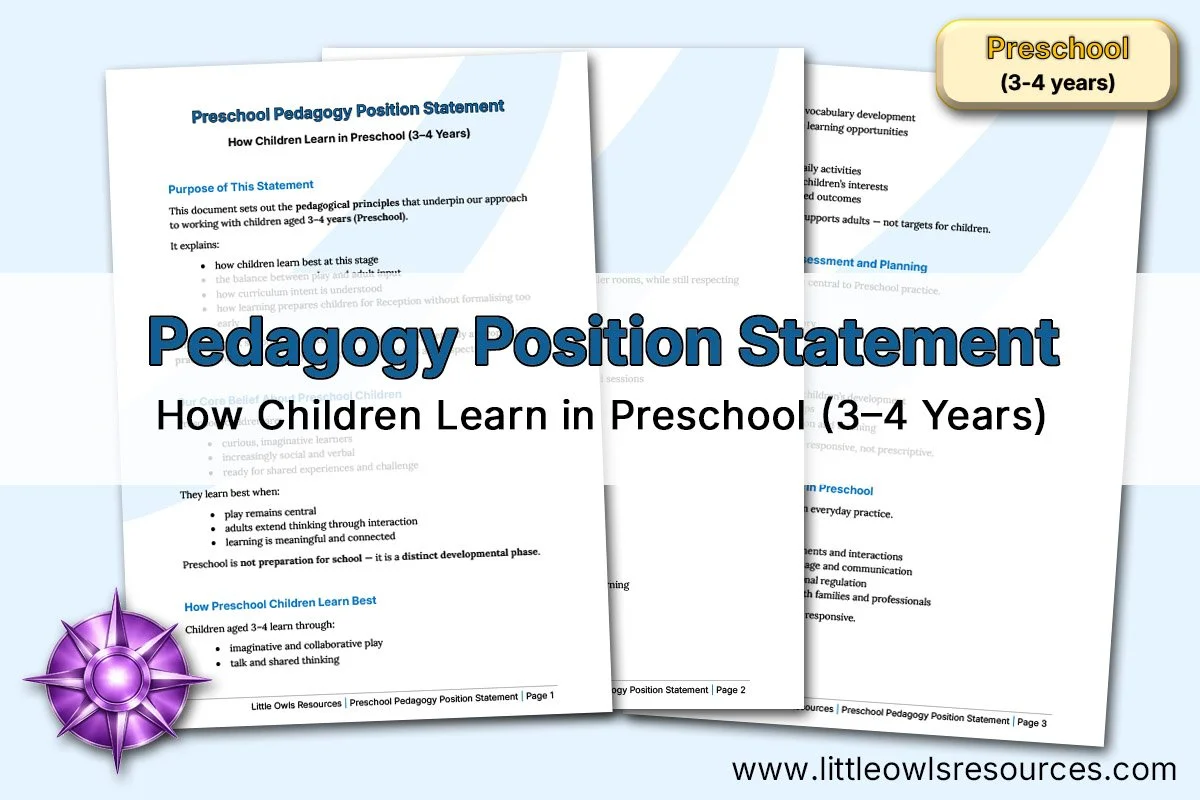
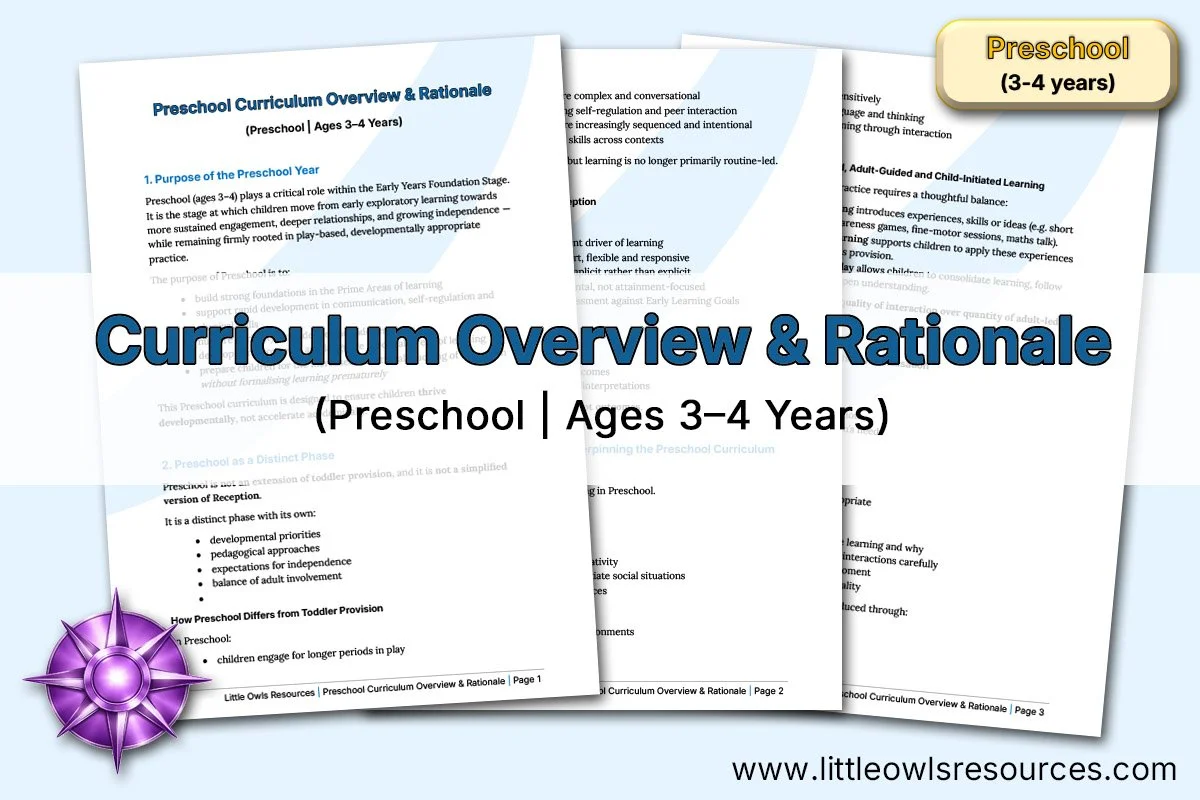

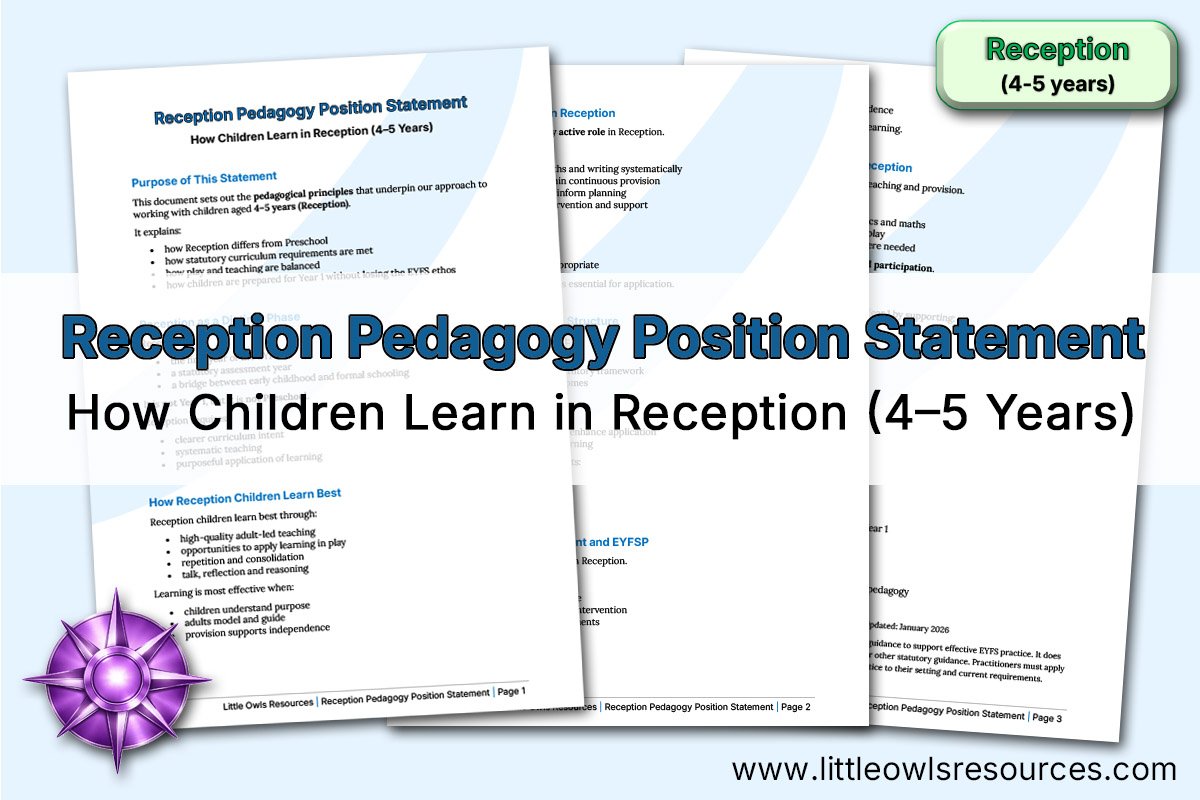
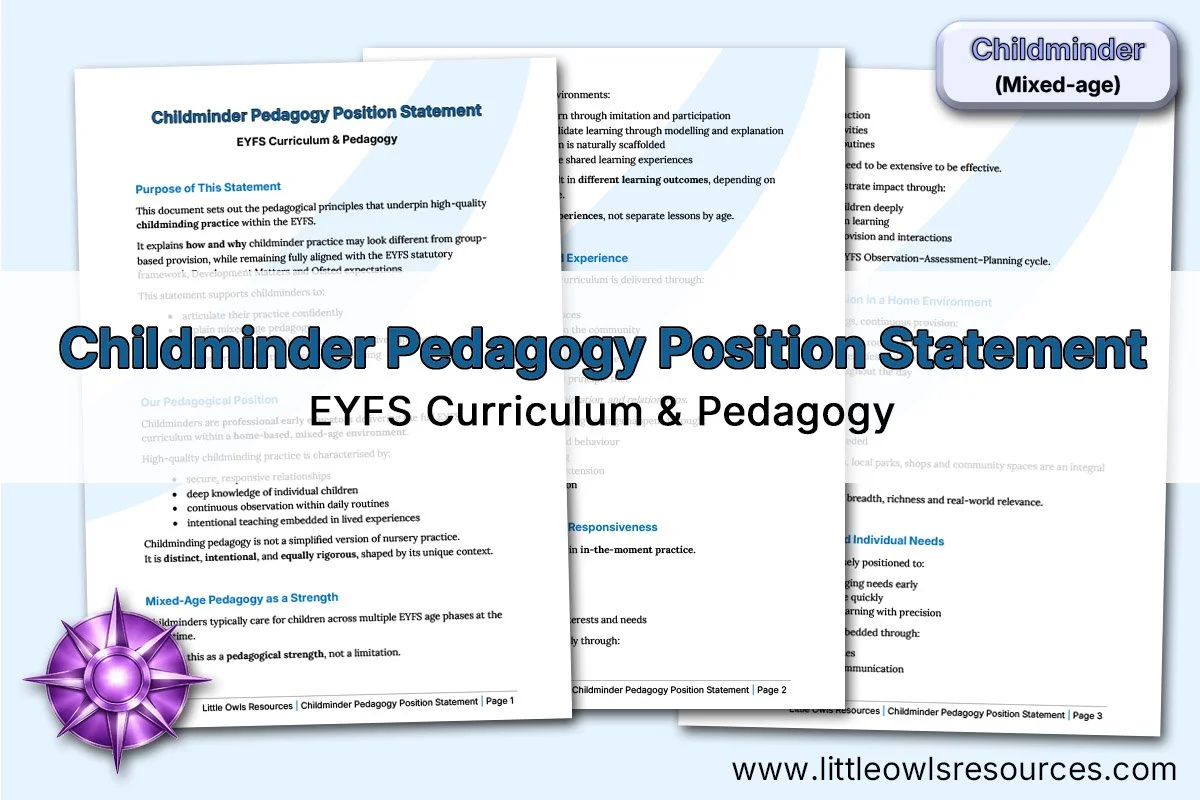
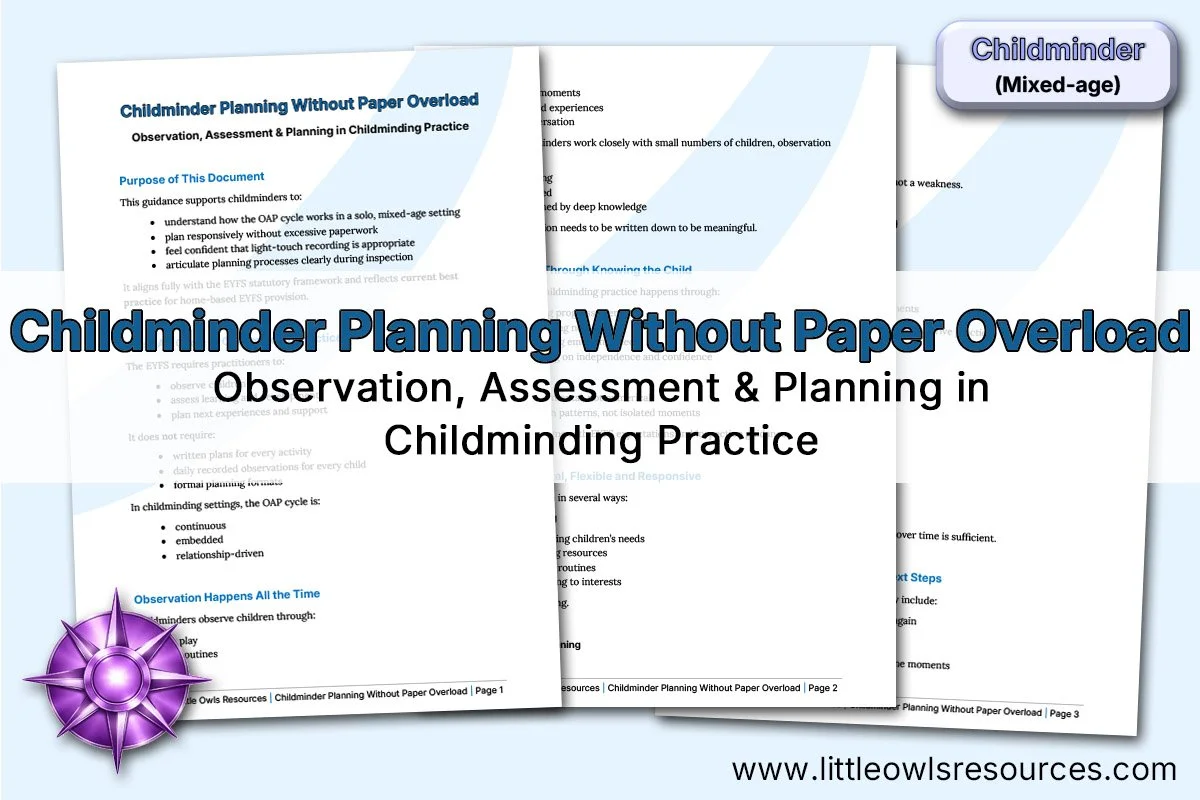


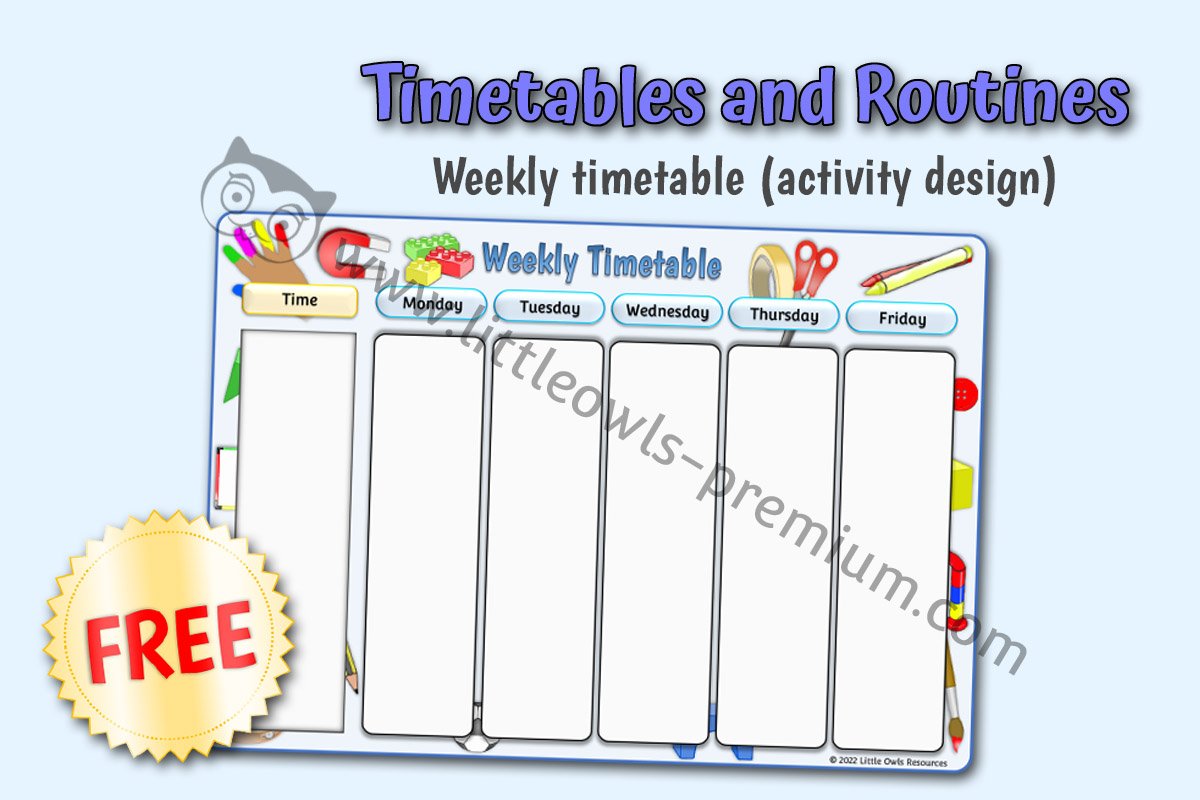
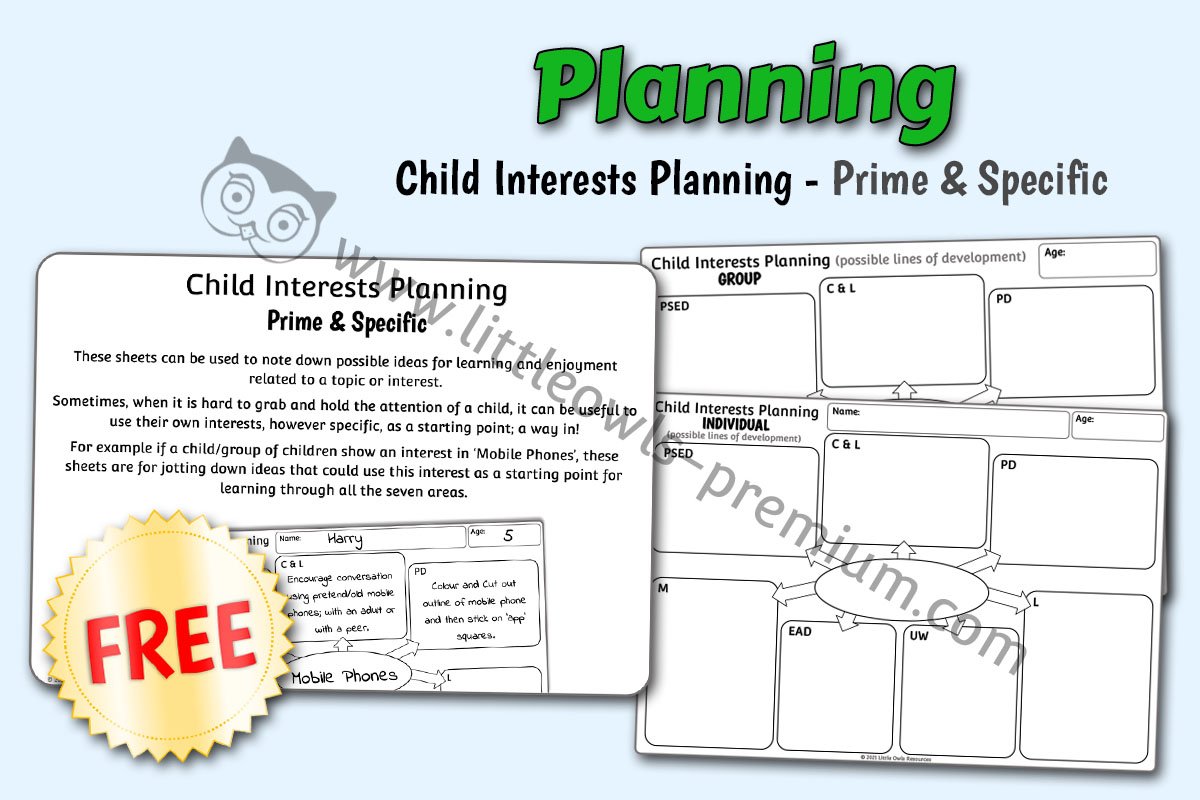

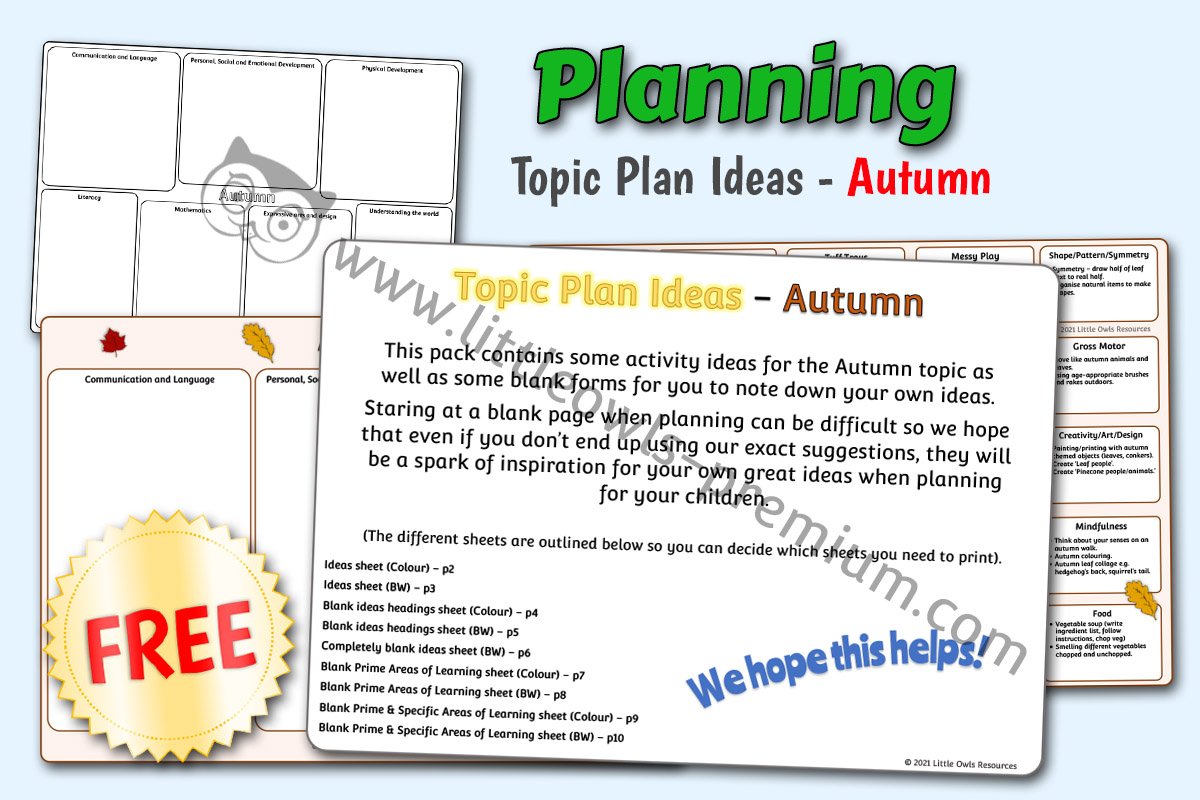
💡 Join as a Free Access member to download the samples above and all other free resources available on Little Owls Resources at no cost. Alternatively, explore all membership options here.
📝 EYFS Planning Tools & Templates
For practitioners who use written planning as part of their reflection and organisation, we provide a range of flexible tools. These tools are designed to:
reduce workload
support consistency
strengthen practitioner confidence
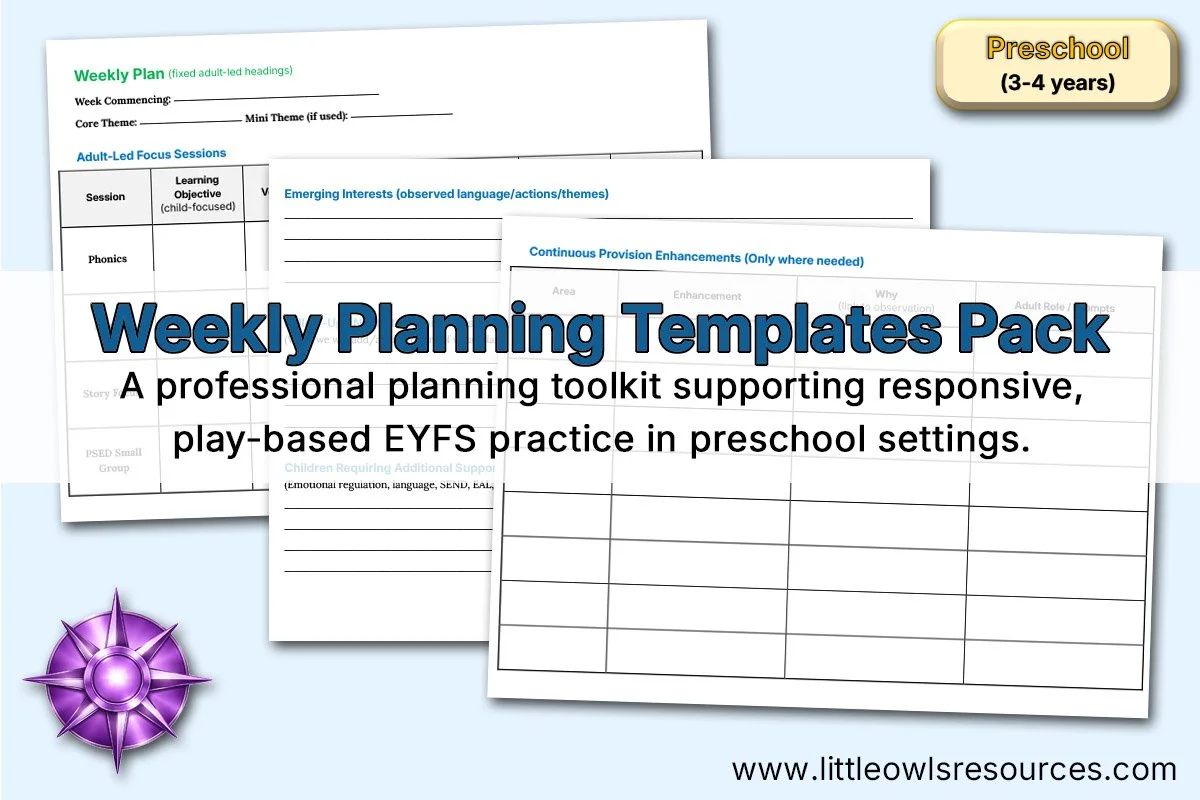
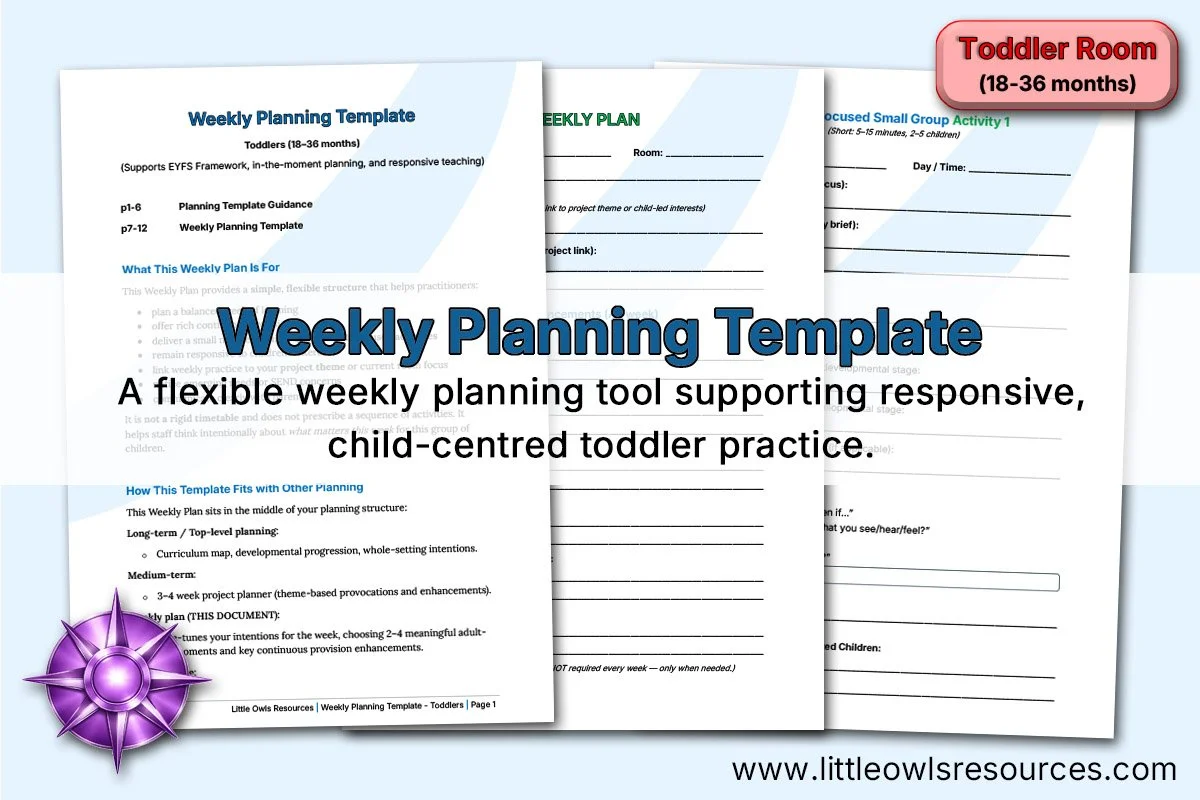
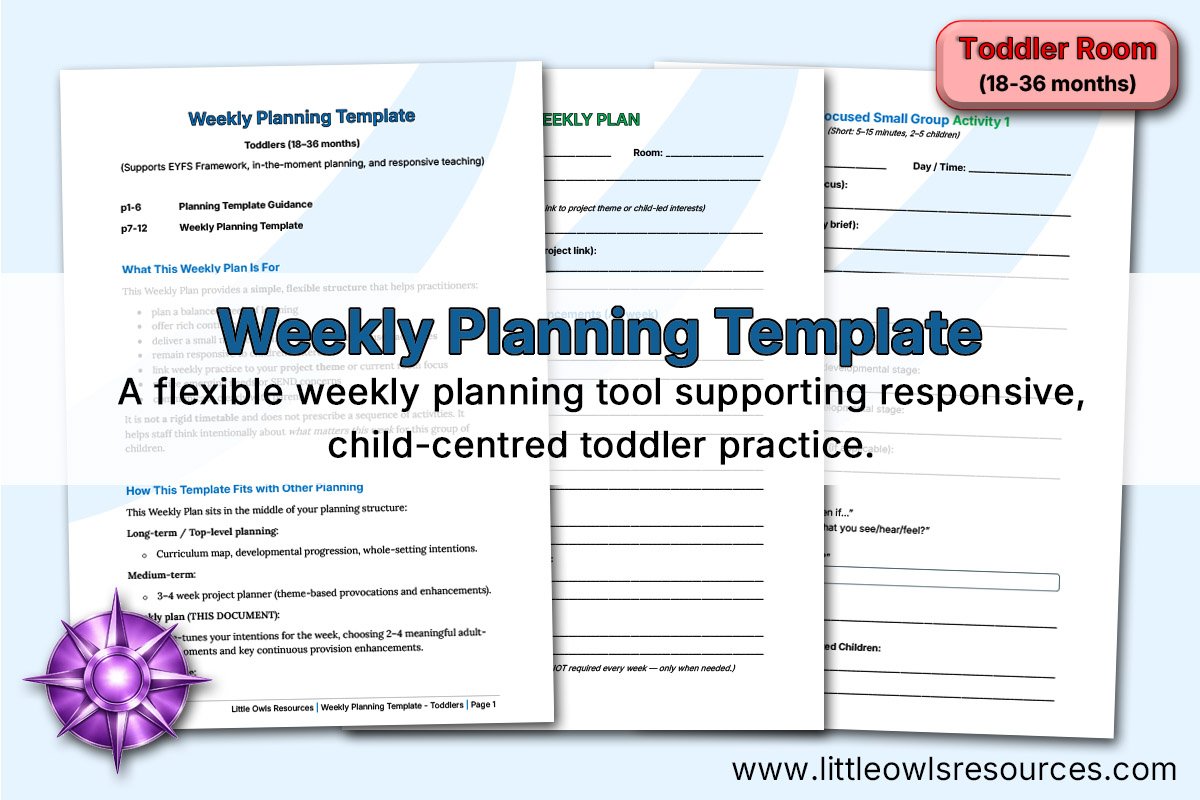
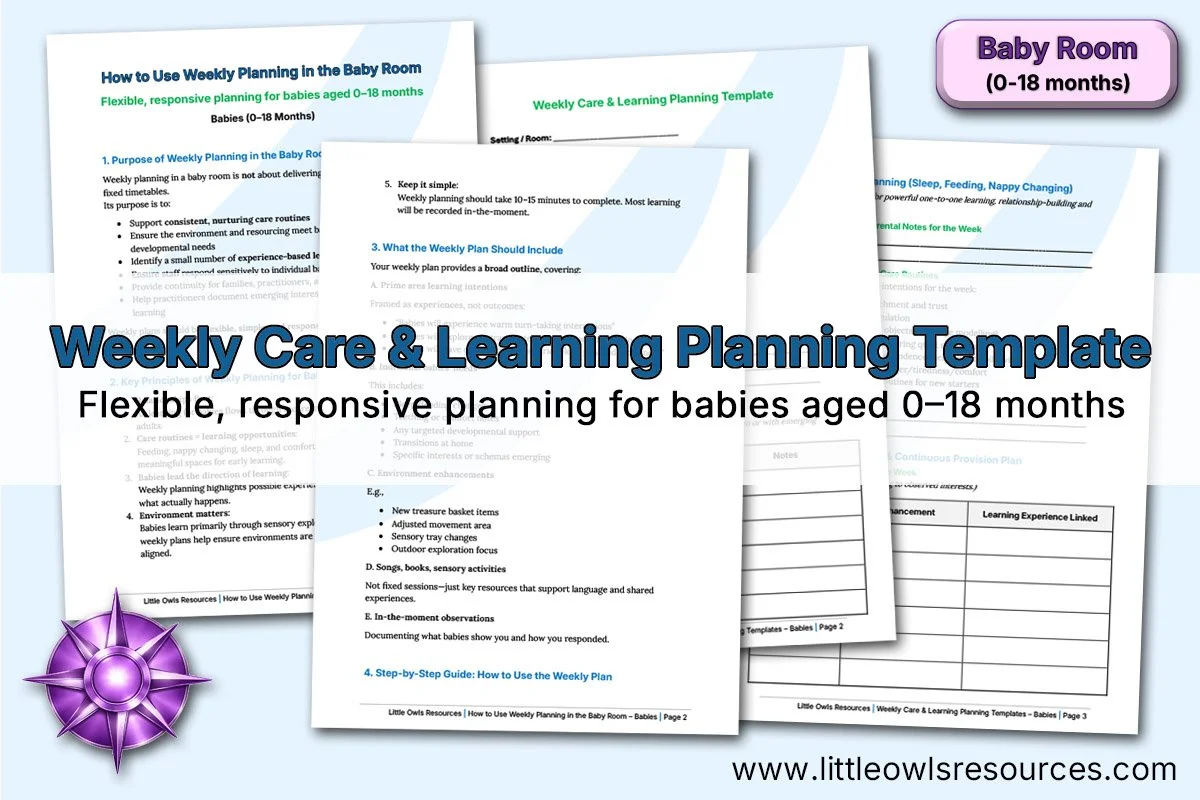
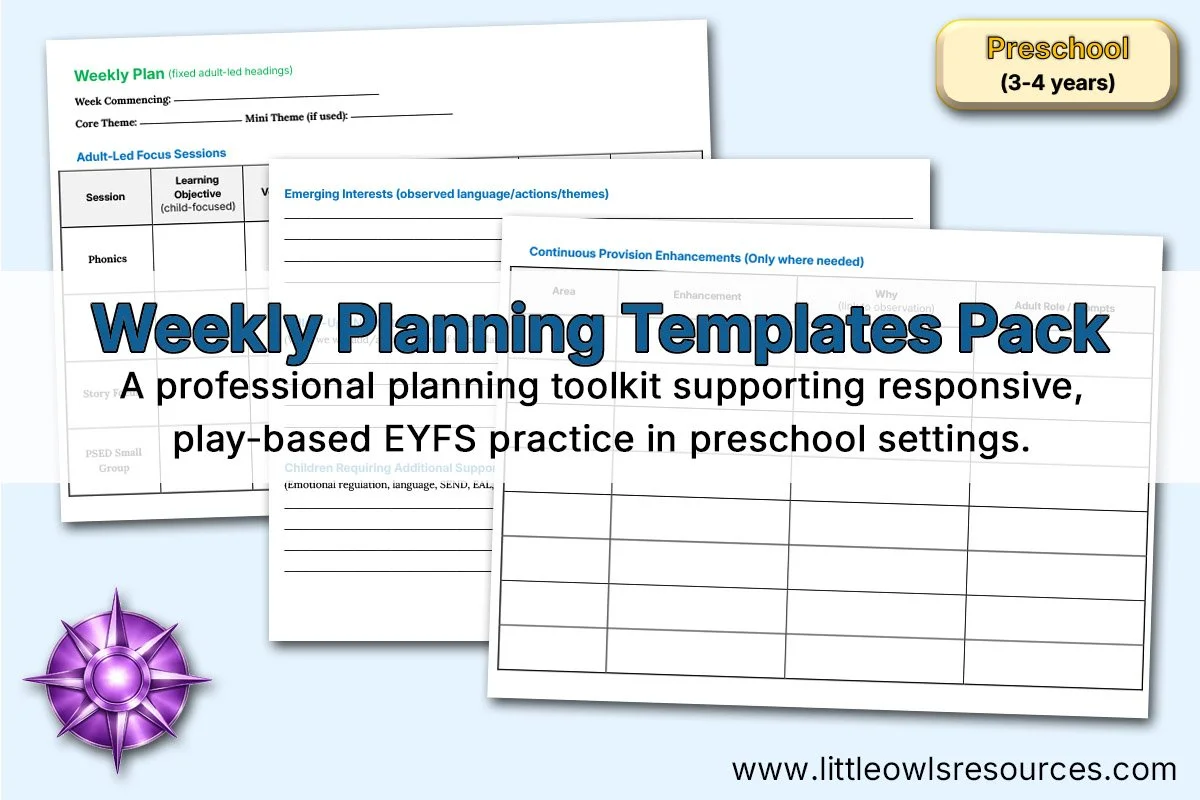
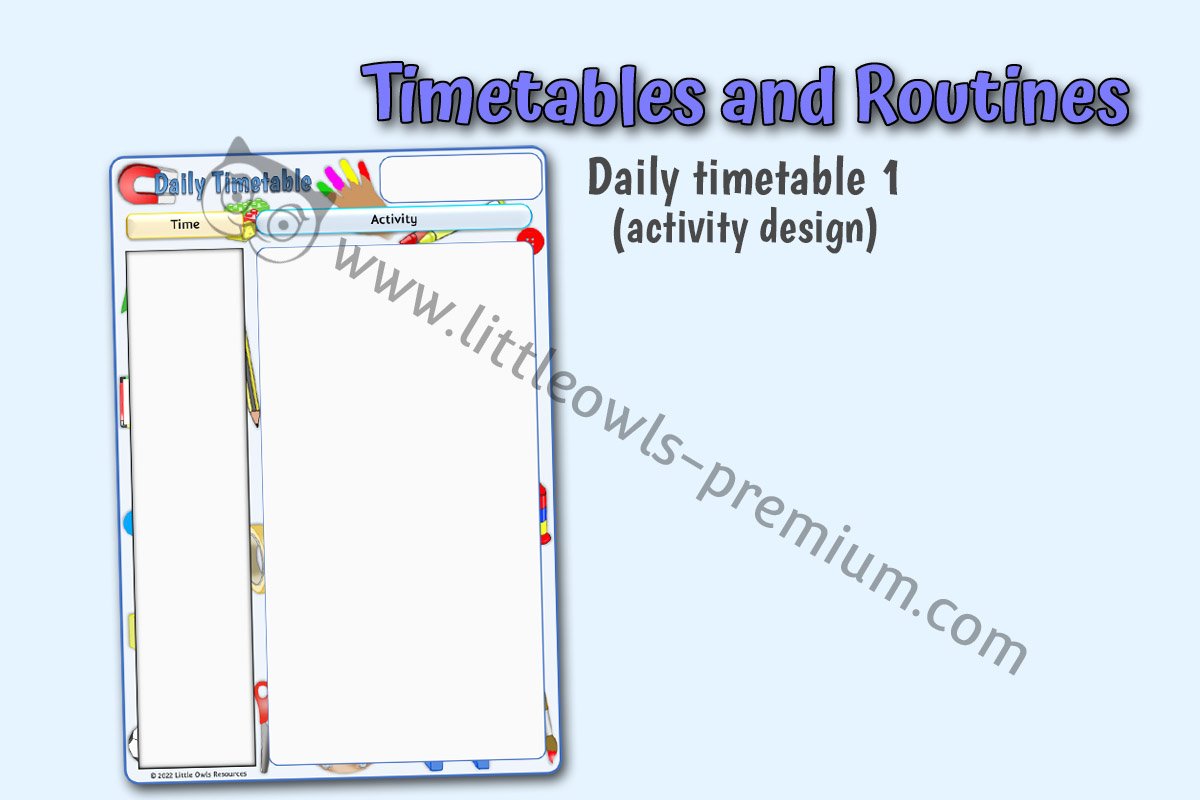
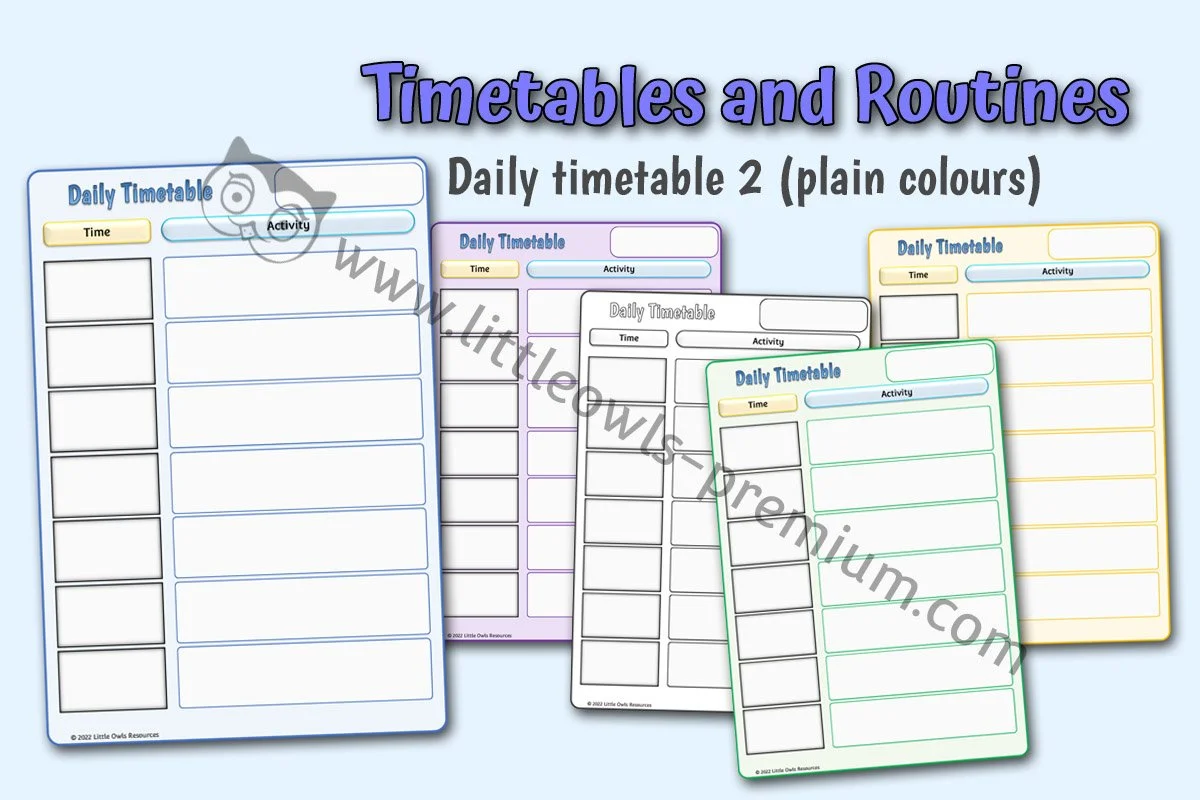
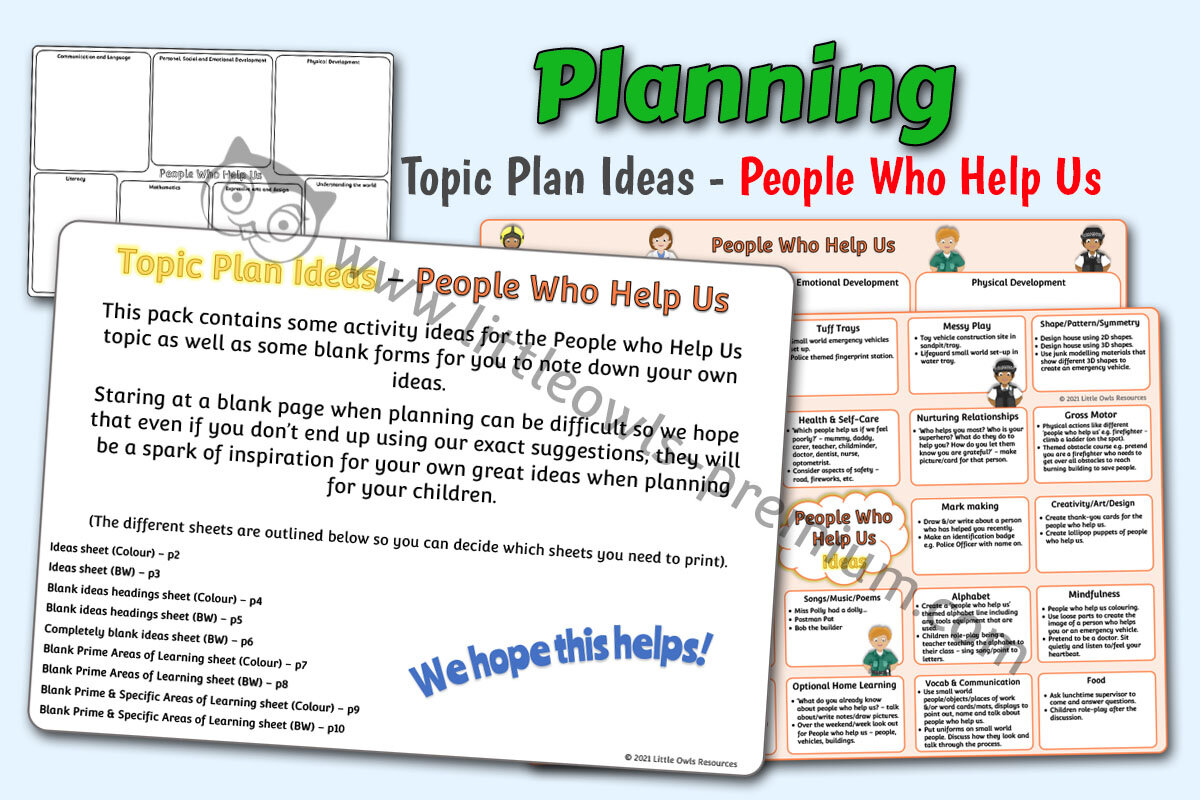
Weekly planning templates | Age-Specific
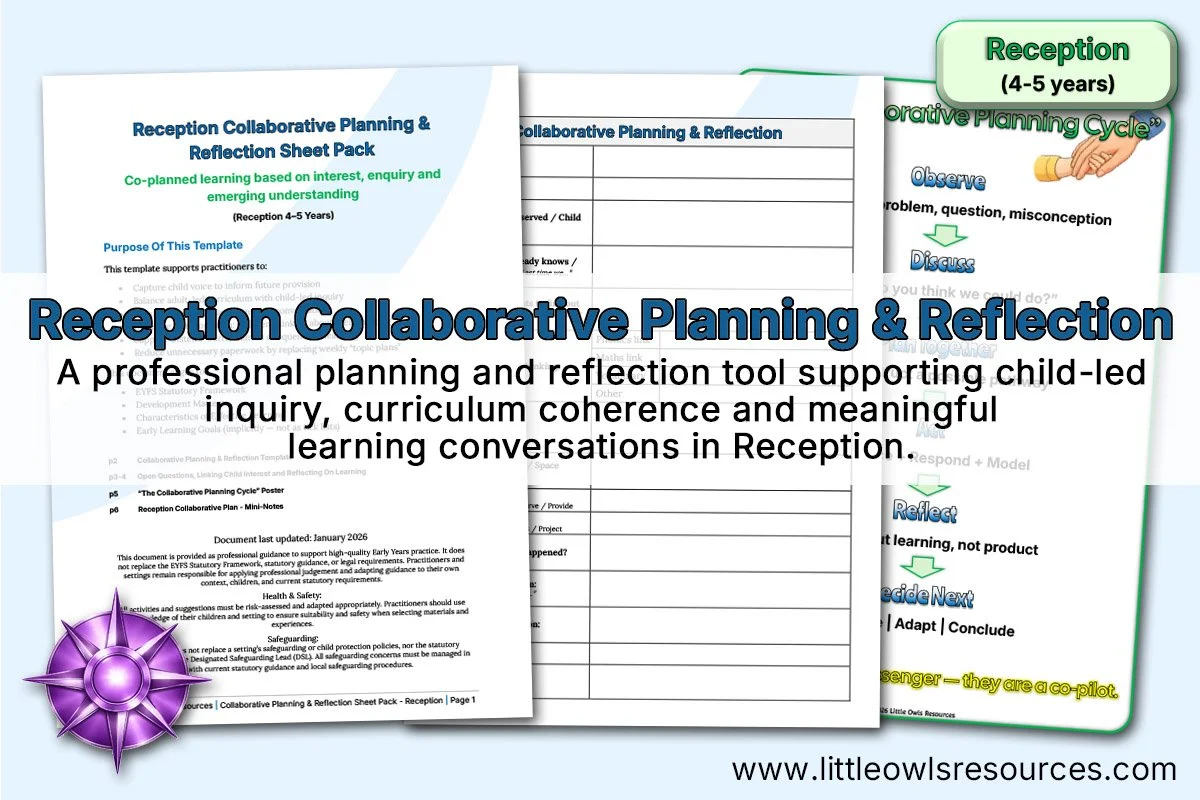

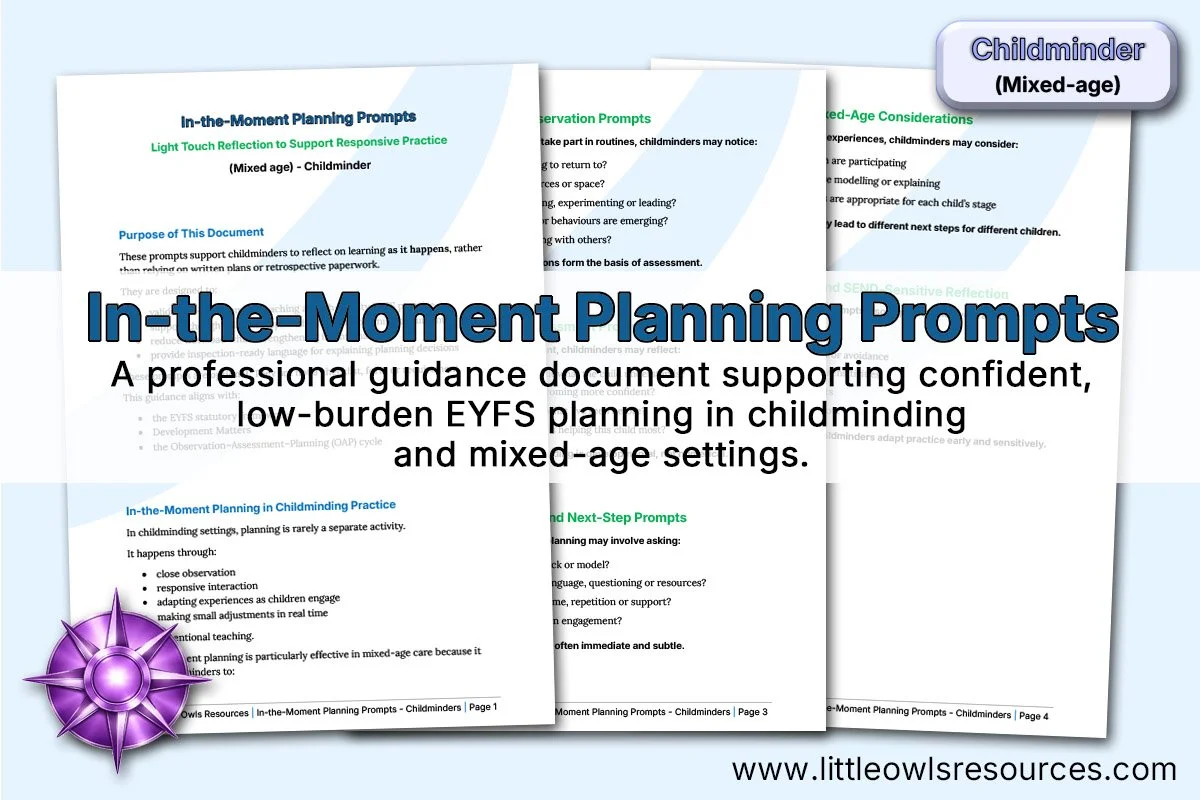
In-the-moment planning prompts | Age-Specific & Generic
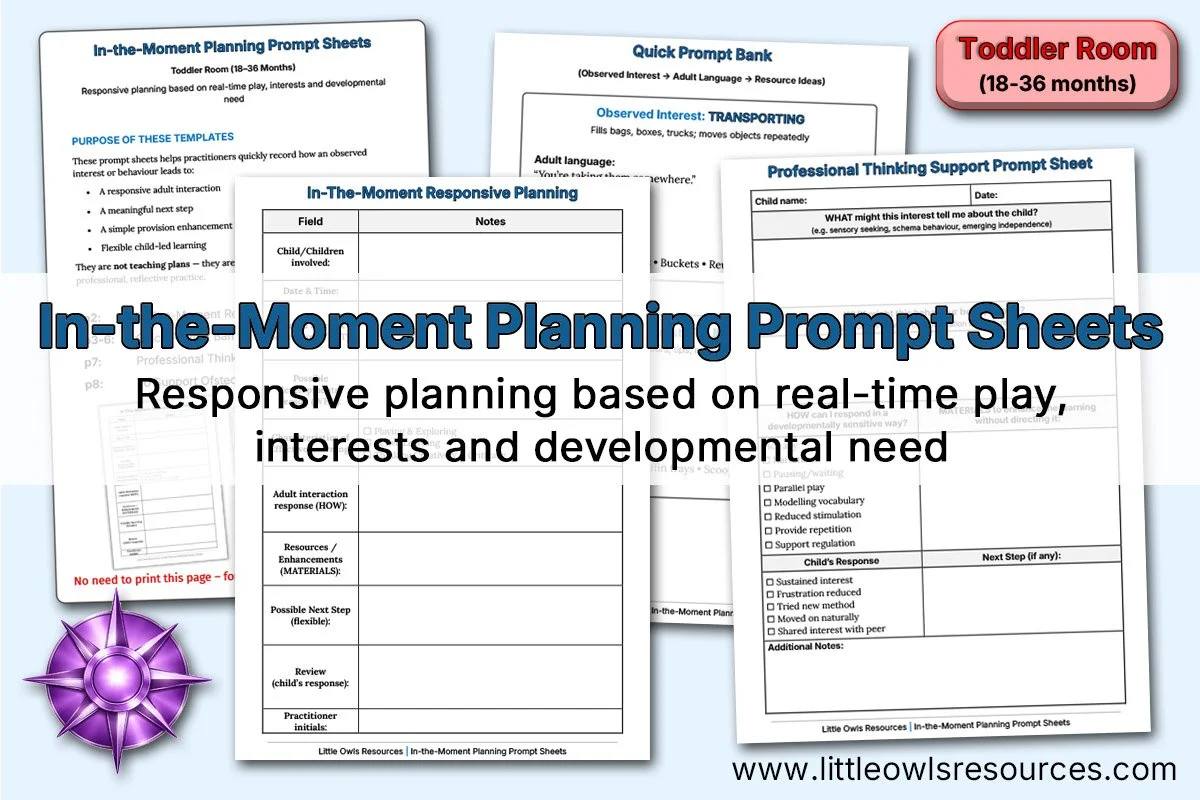
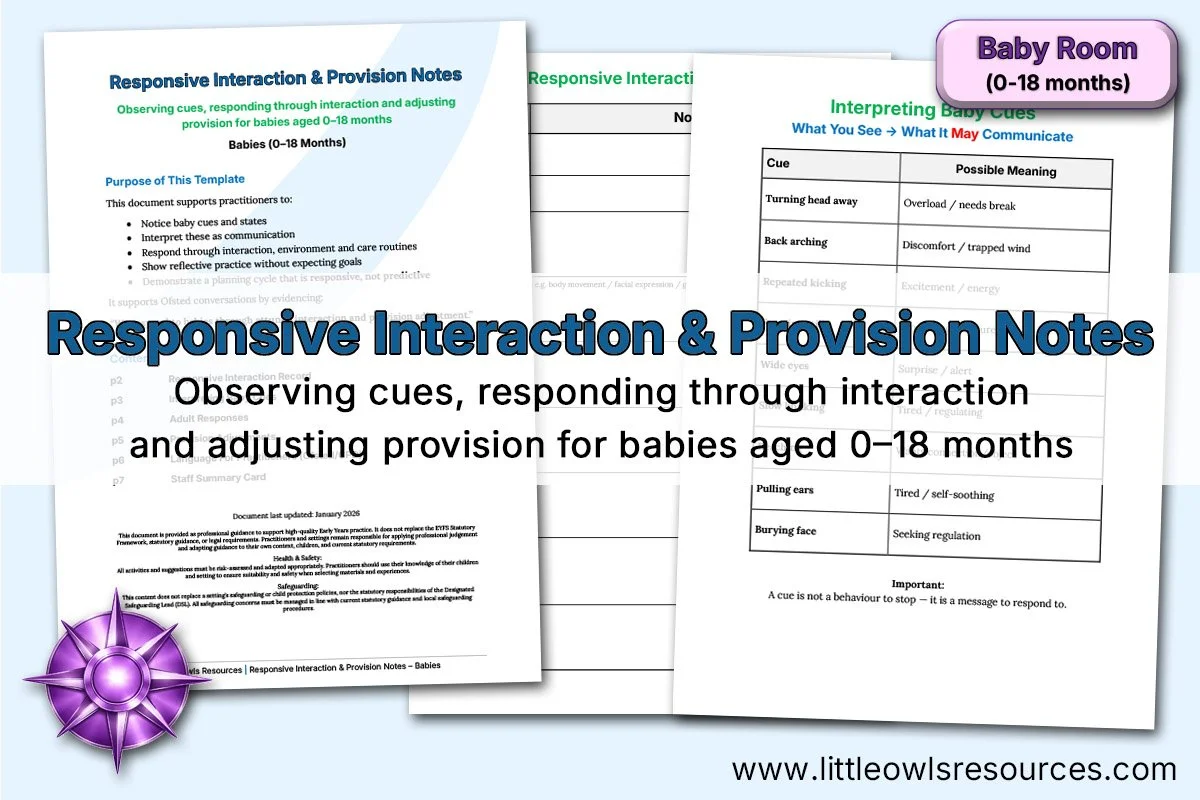


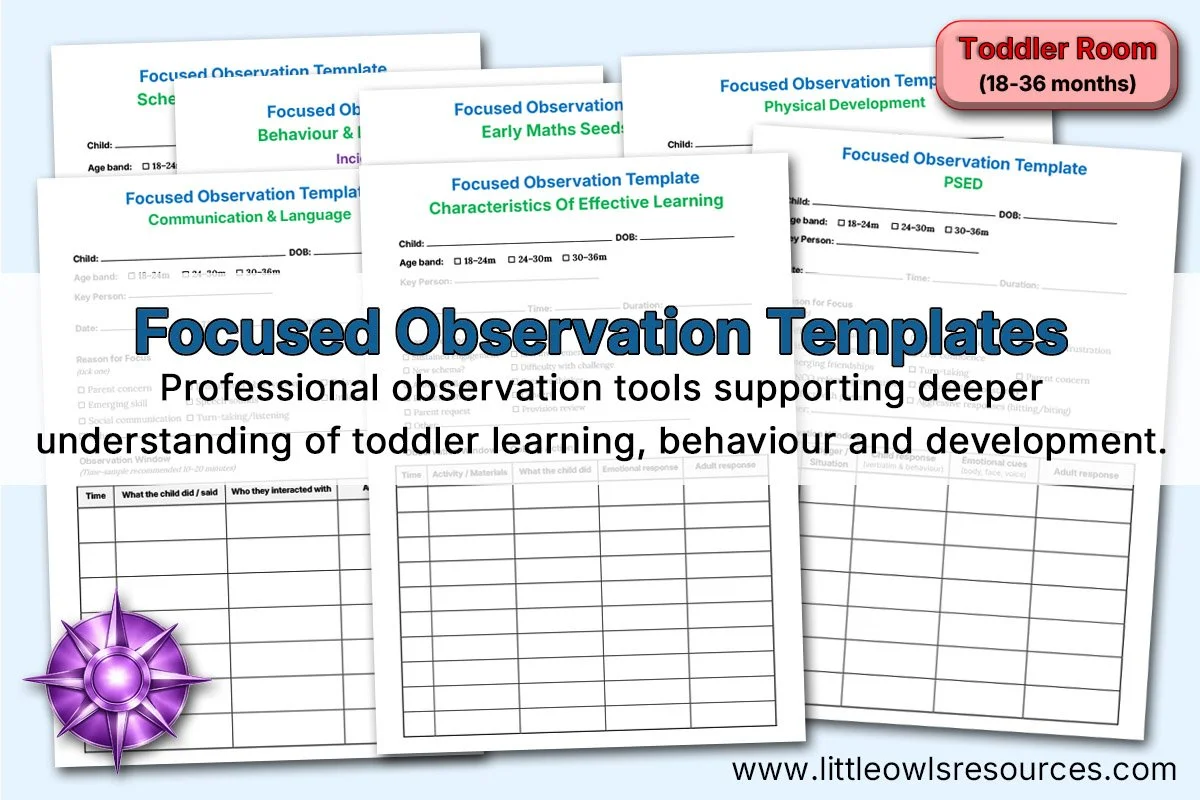
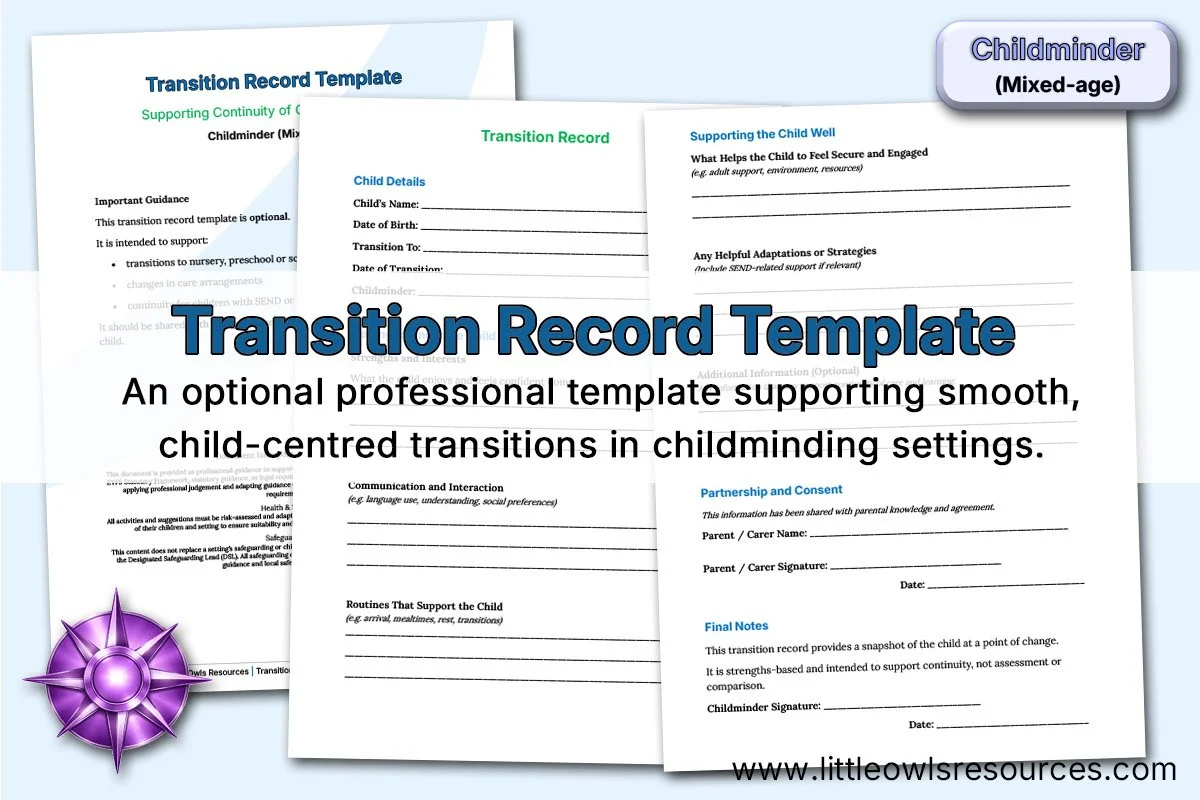
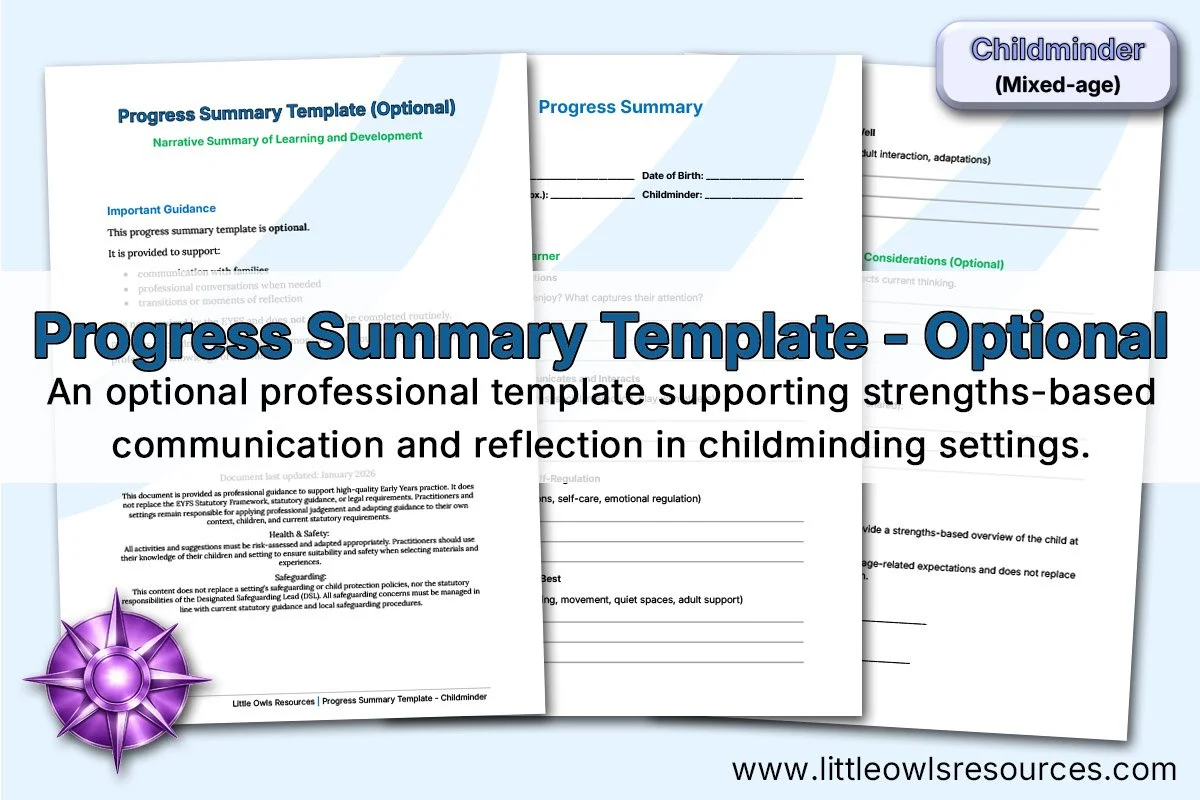
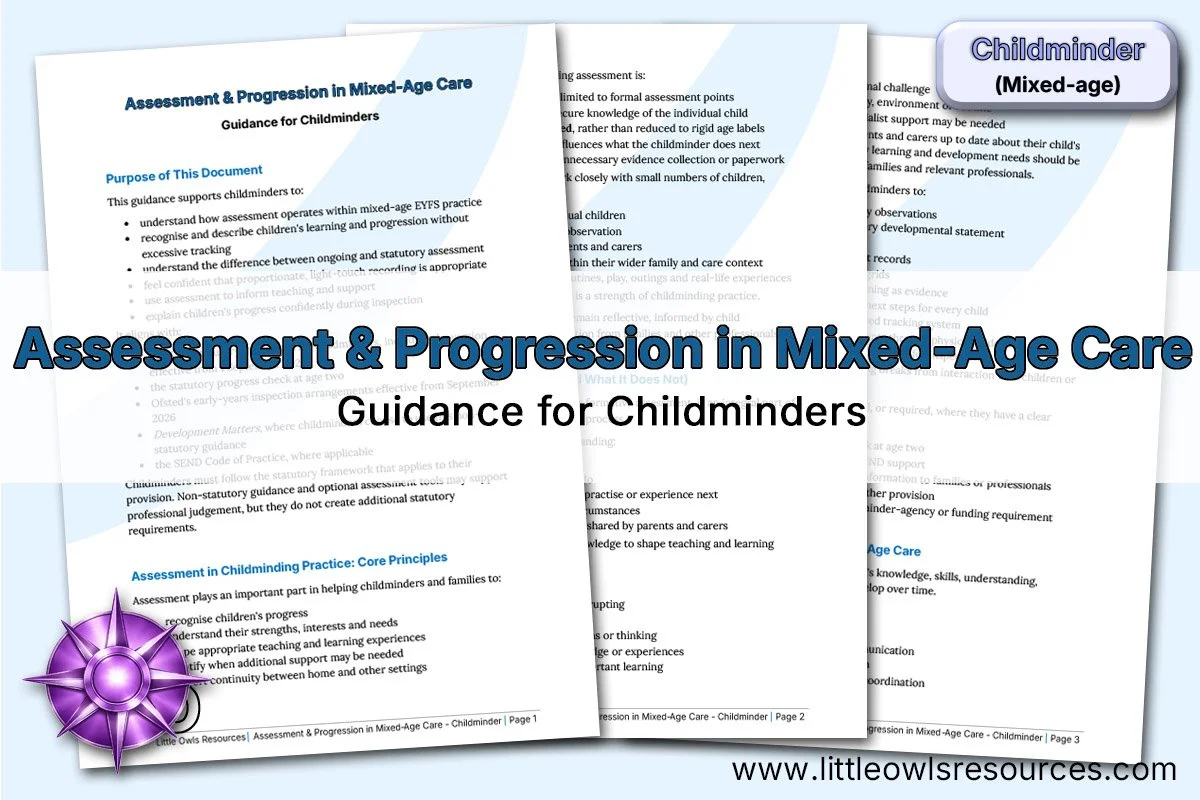
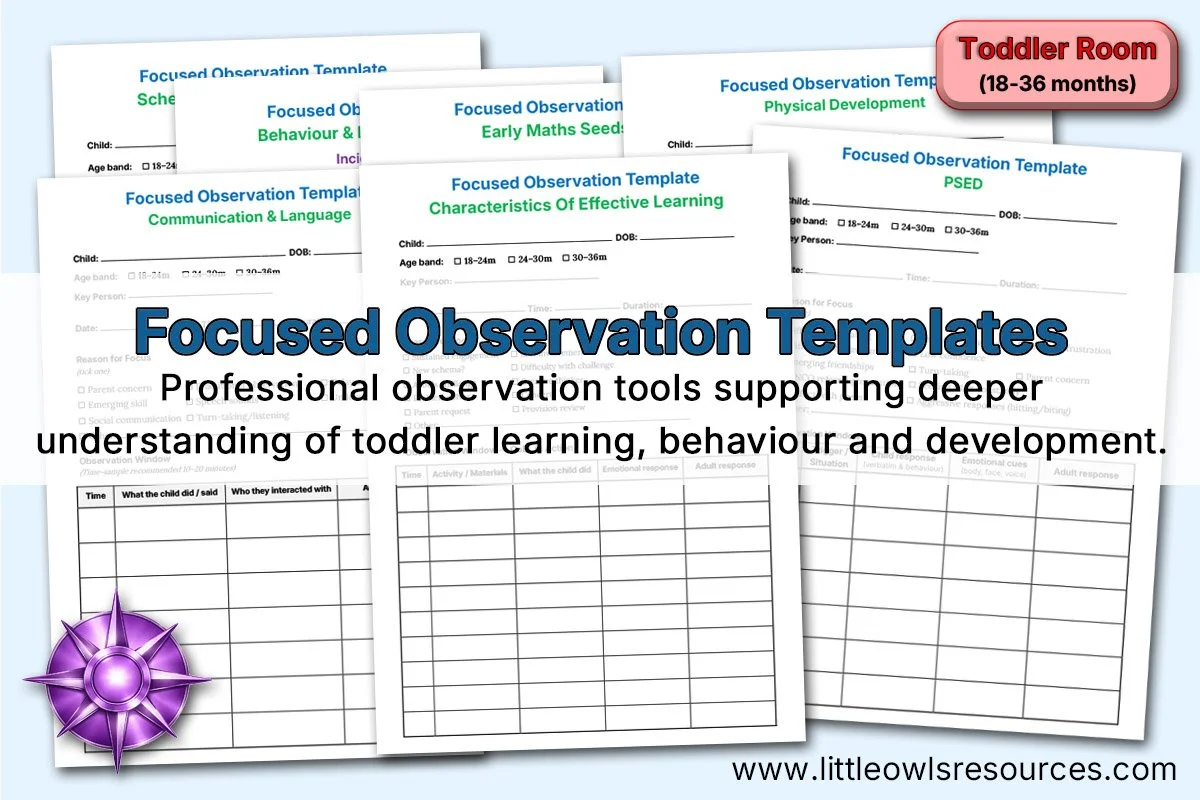
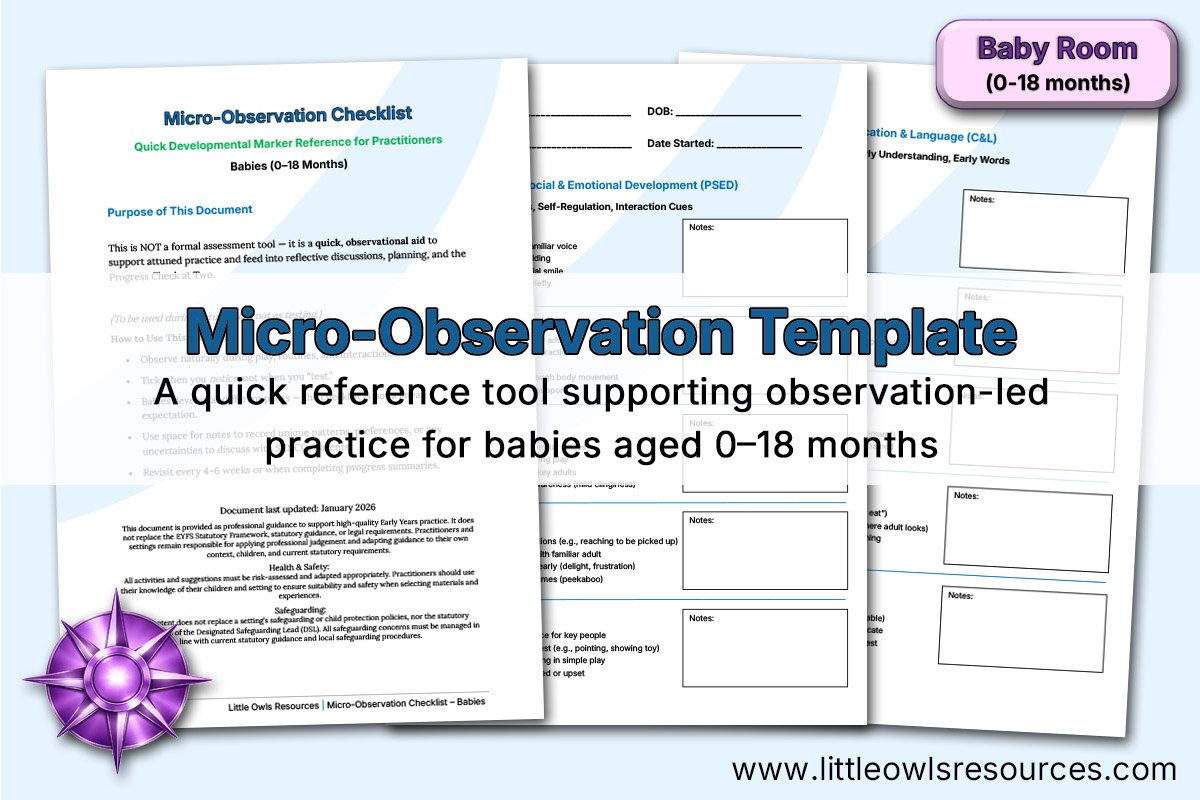
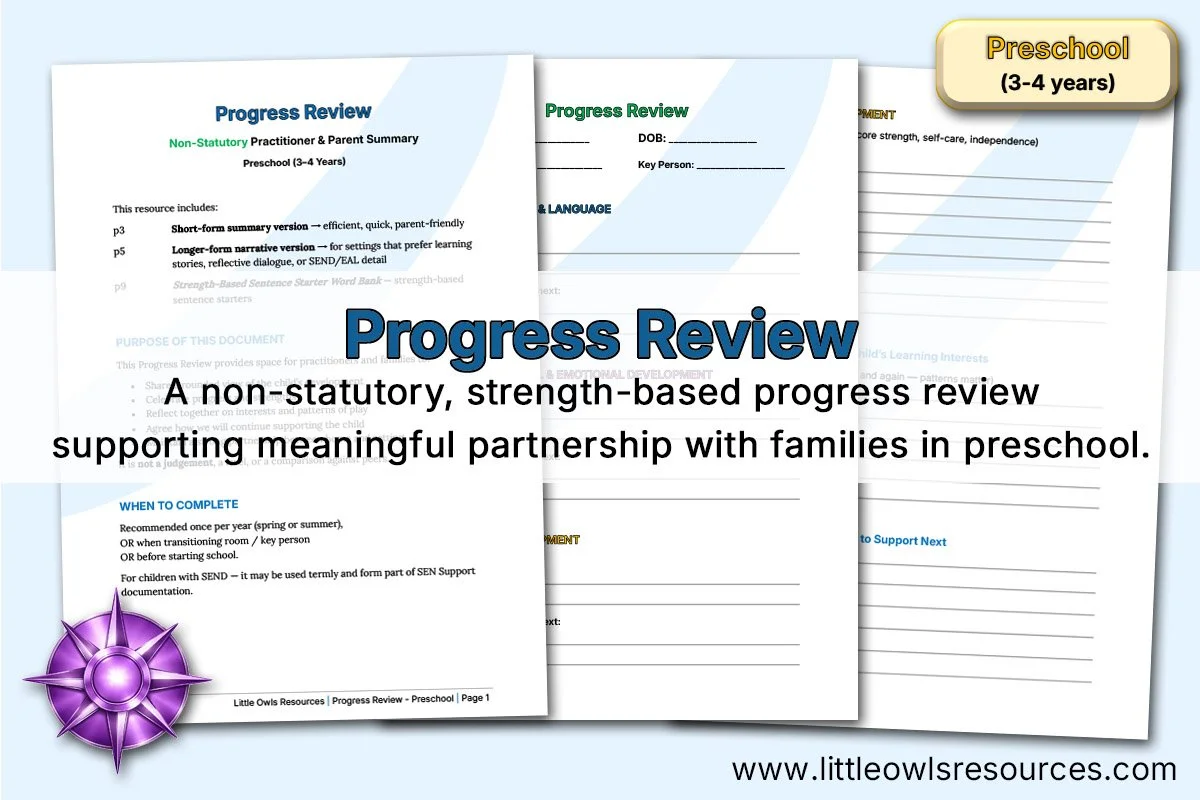
Observation templates, assessment reflection sheets aids & strength-based reports | Age-Specific

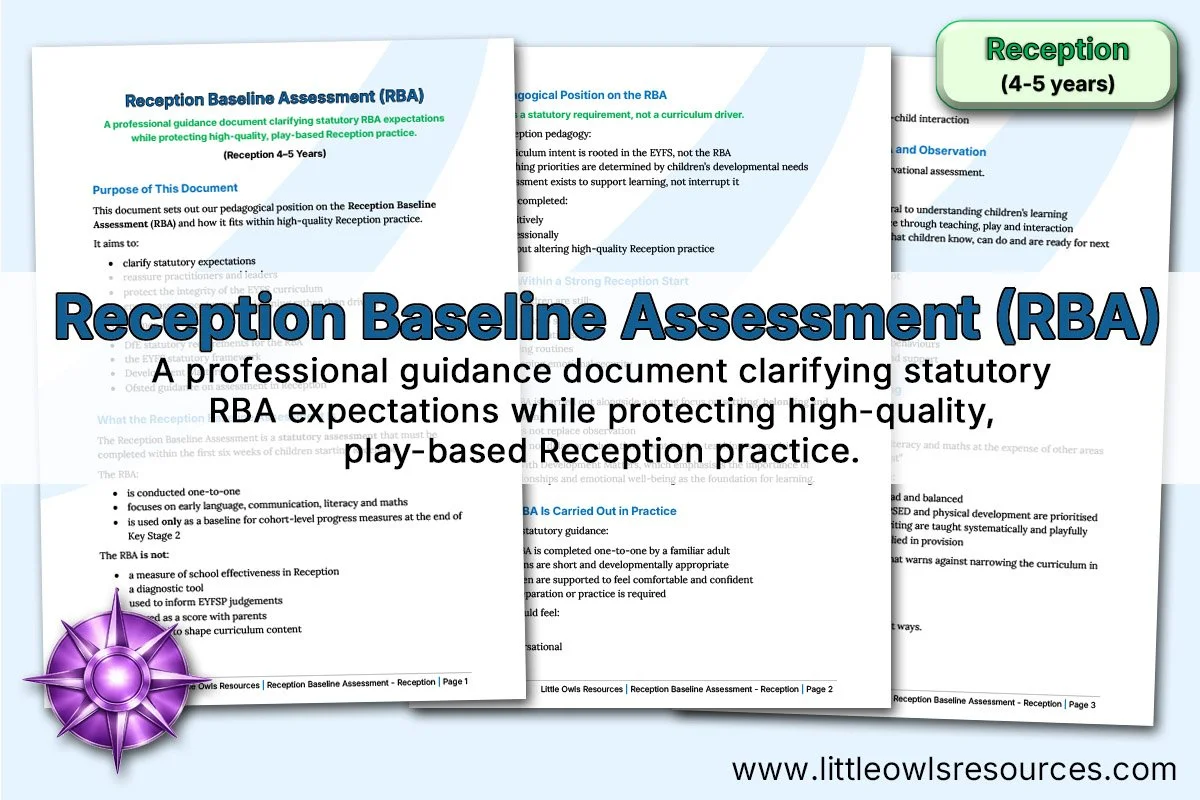

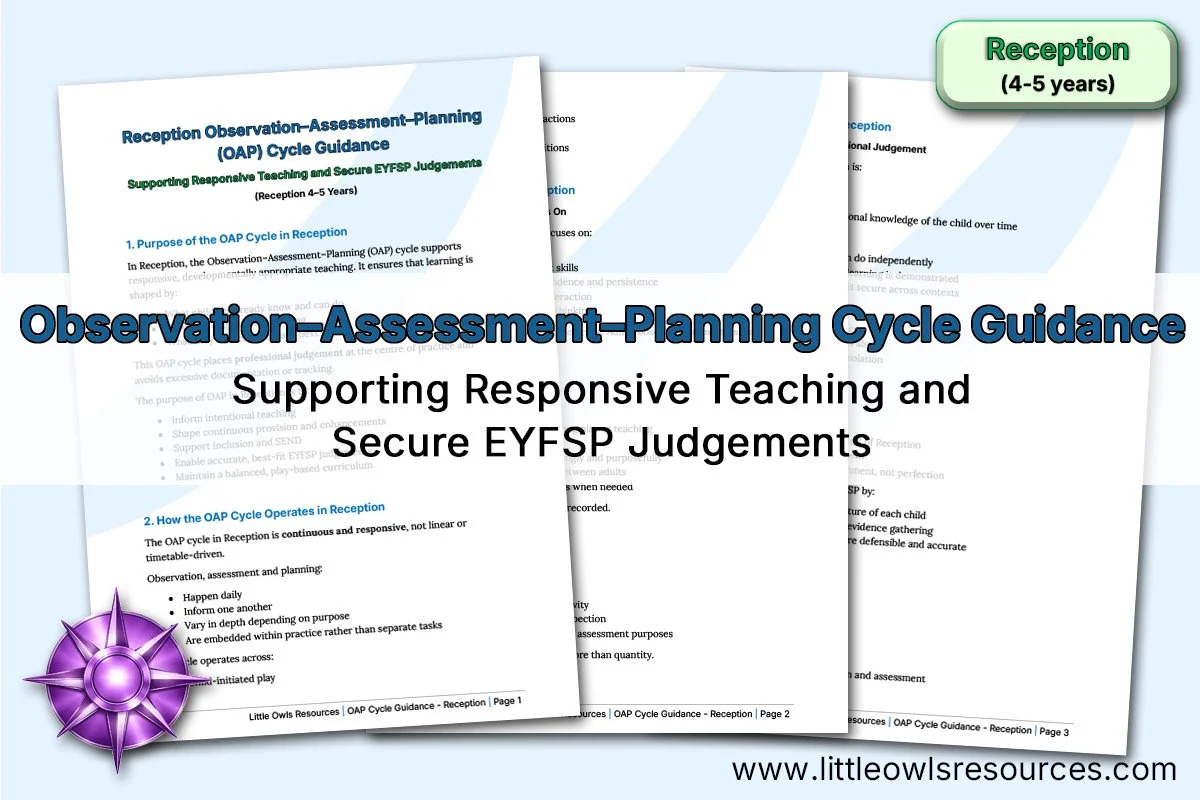







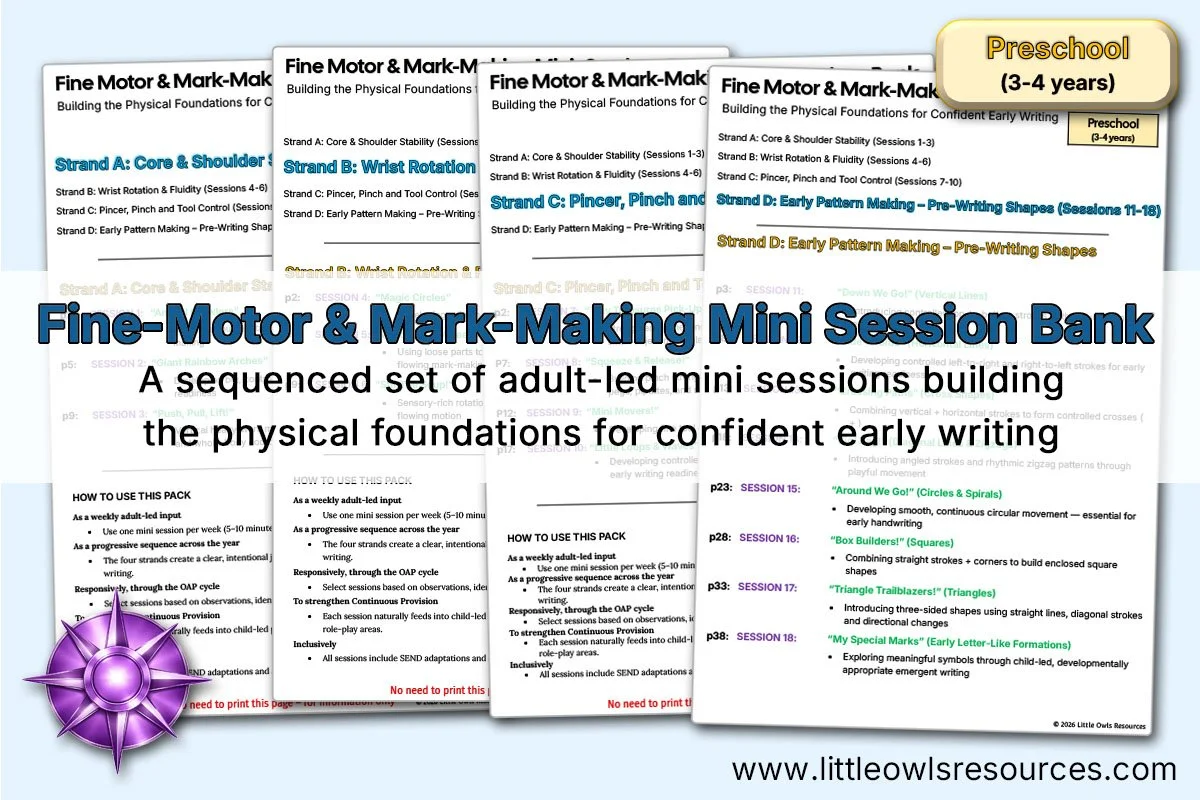
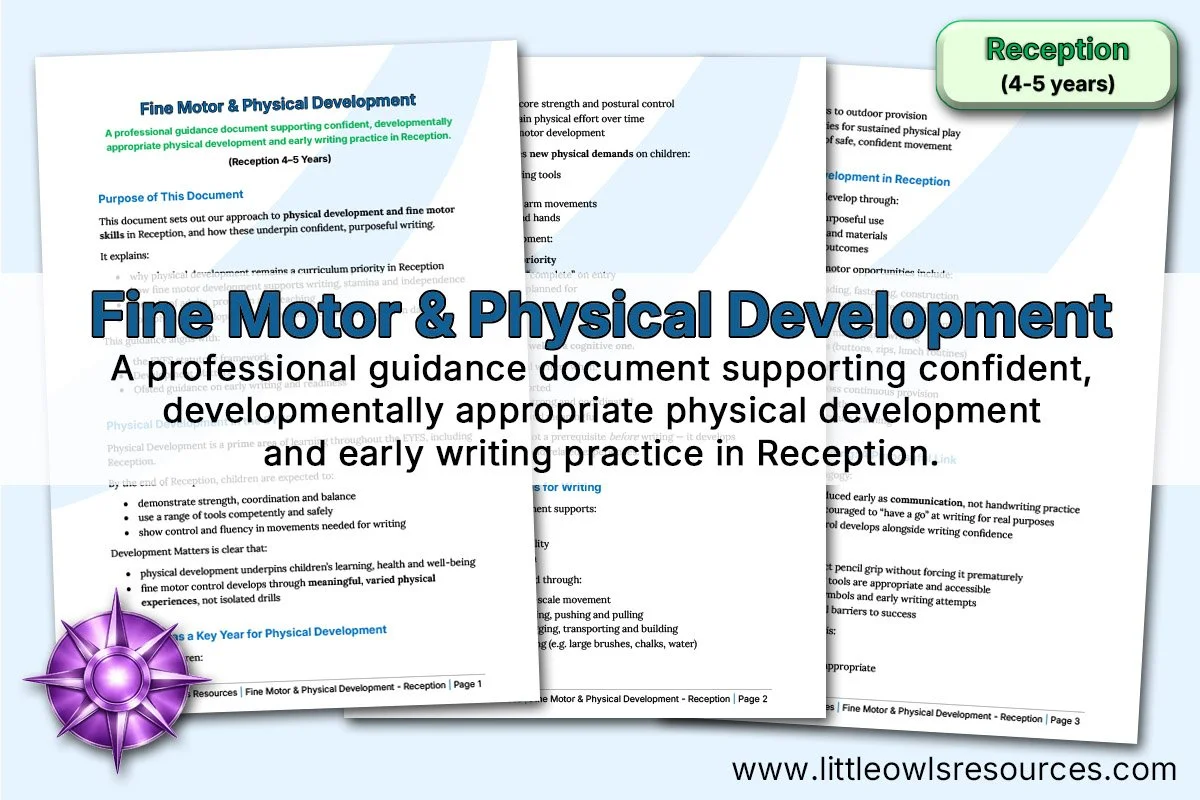
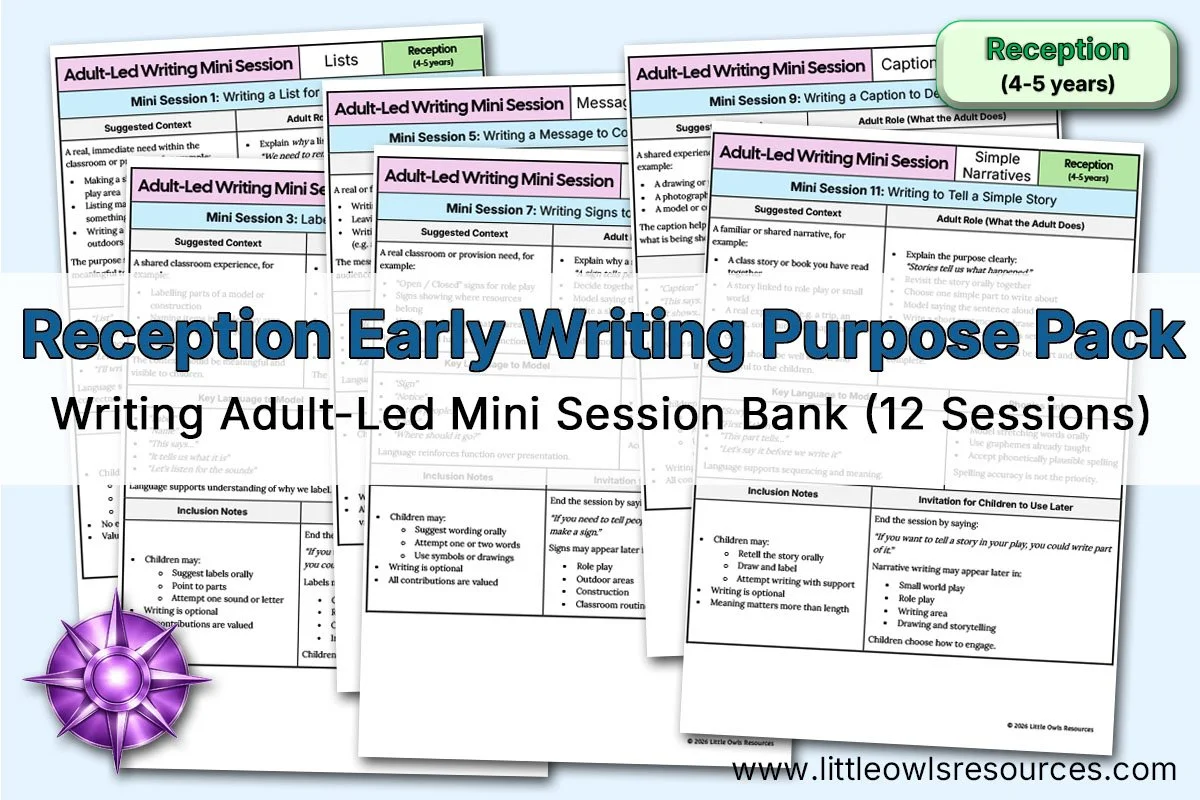
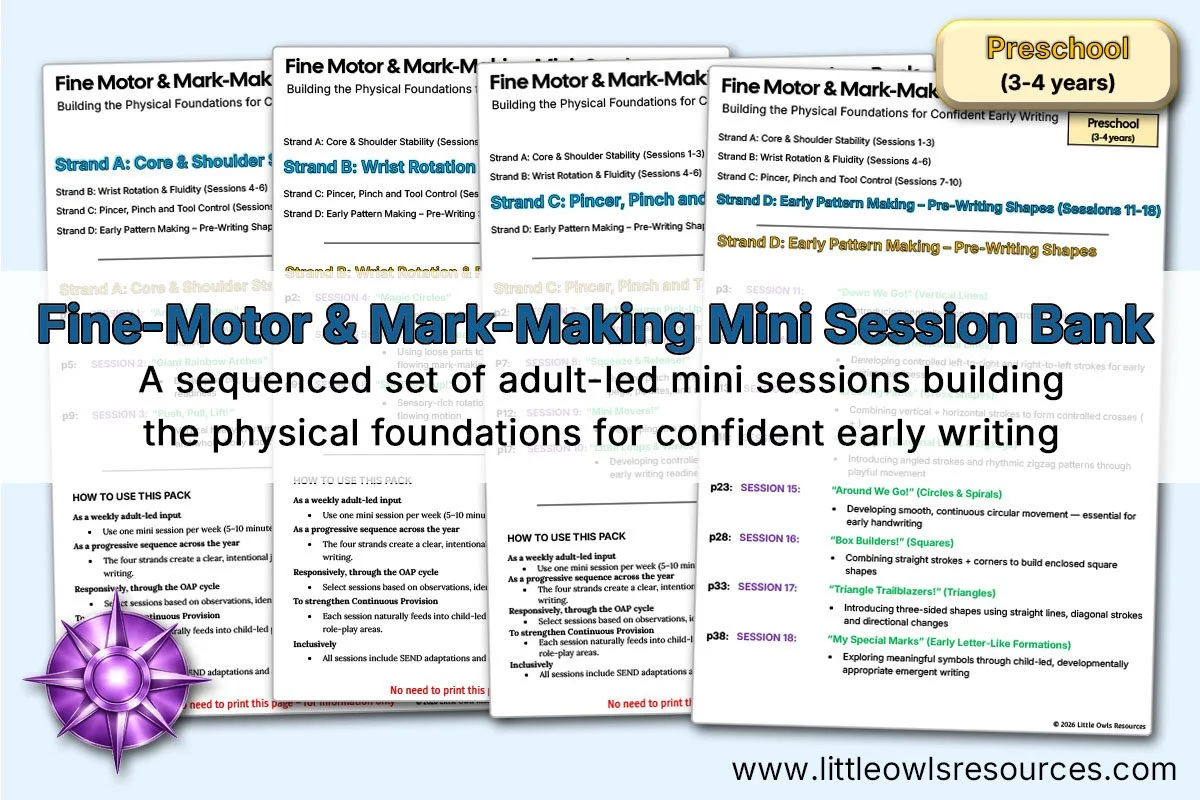
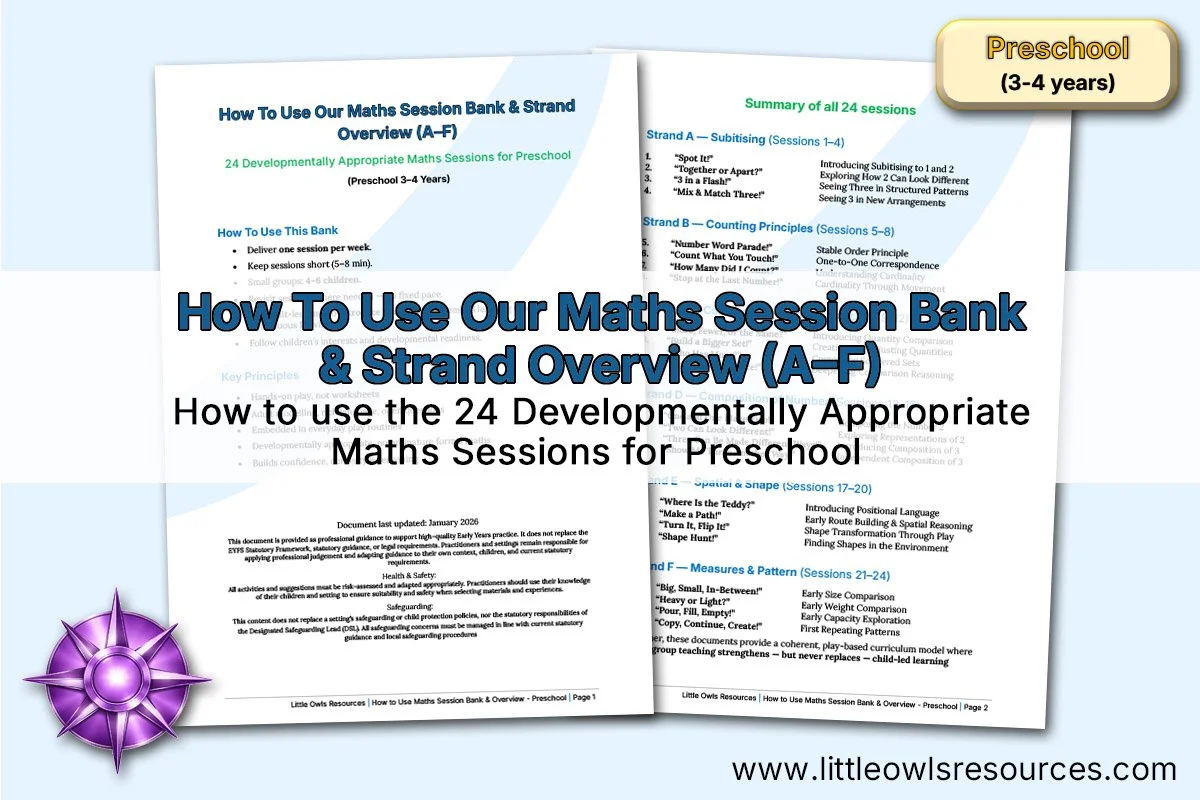
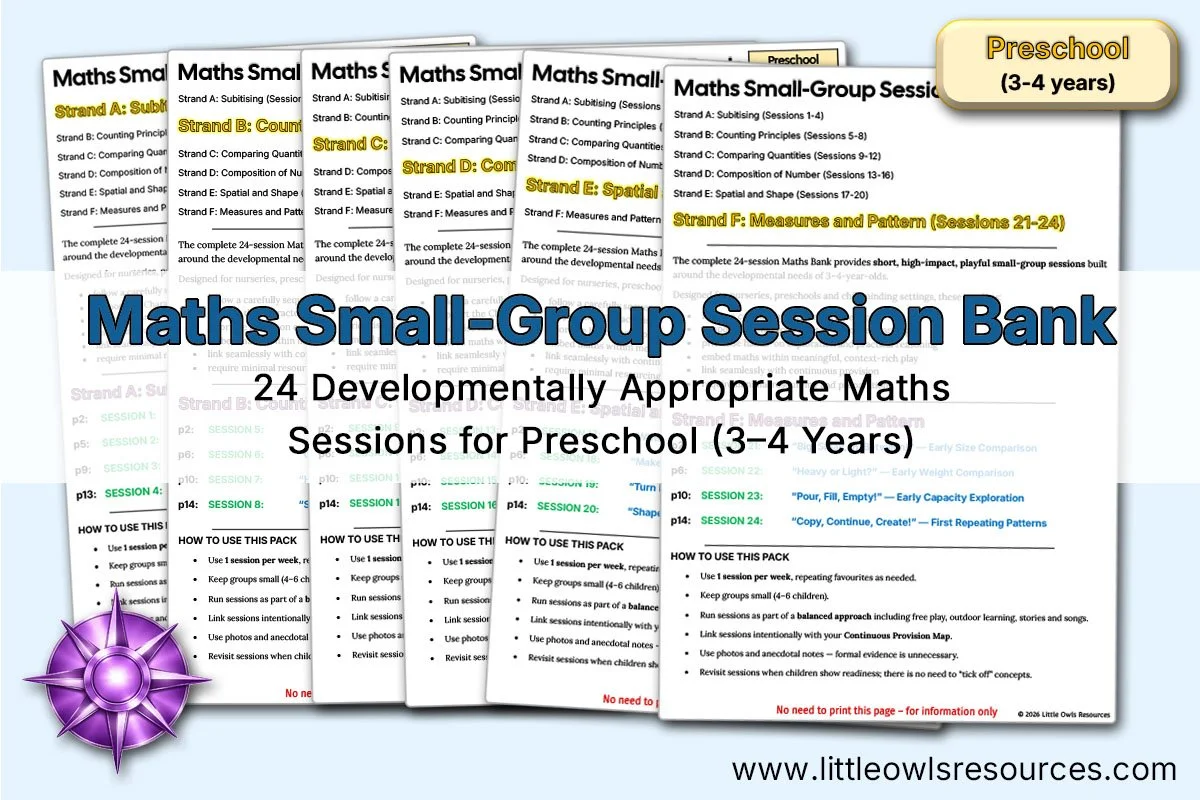
Adult-led session planning templates & session banks (where developmentally appropriate) | Age-Specific
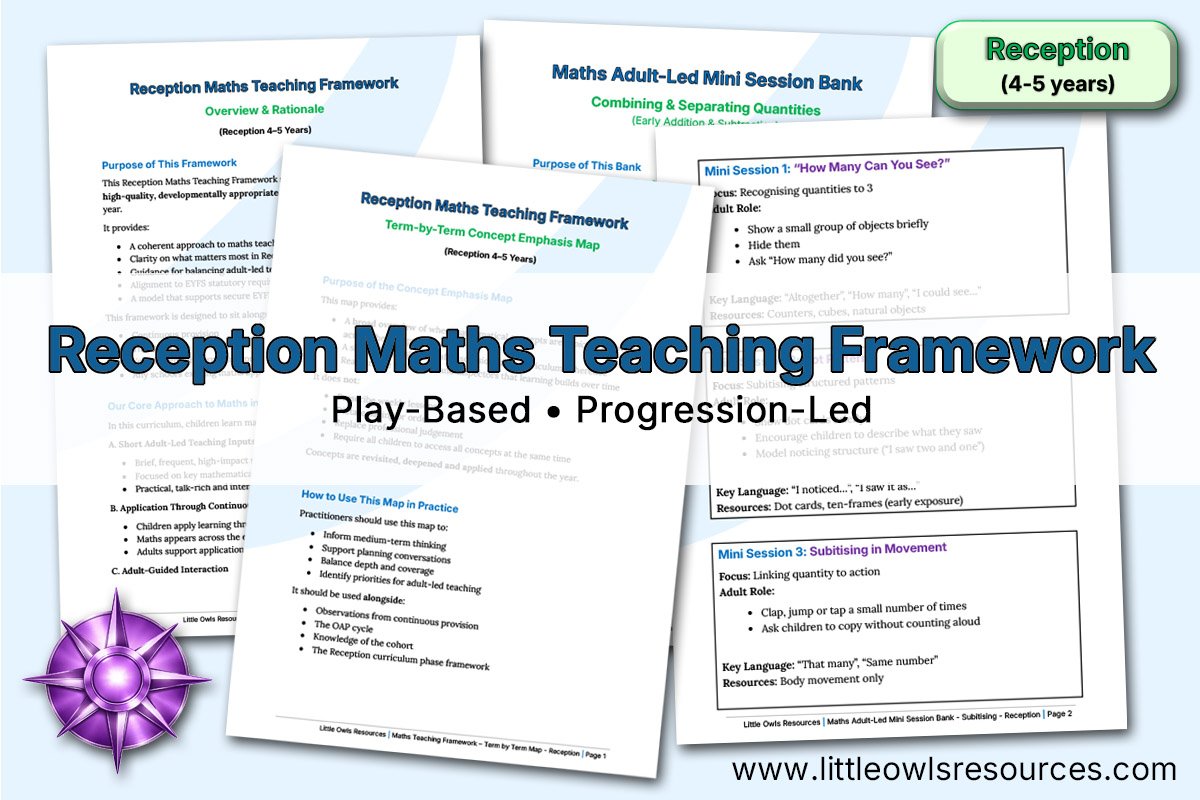
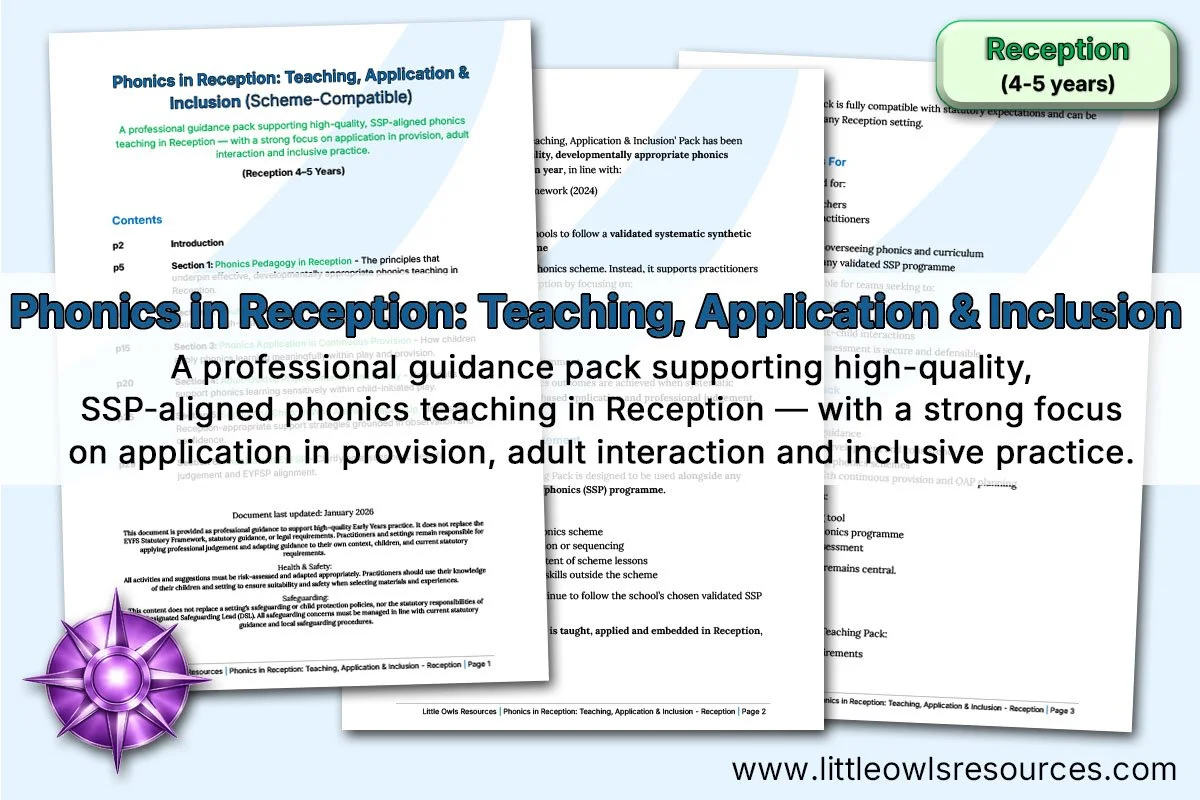
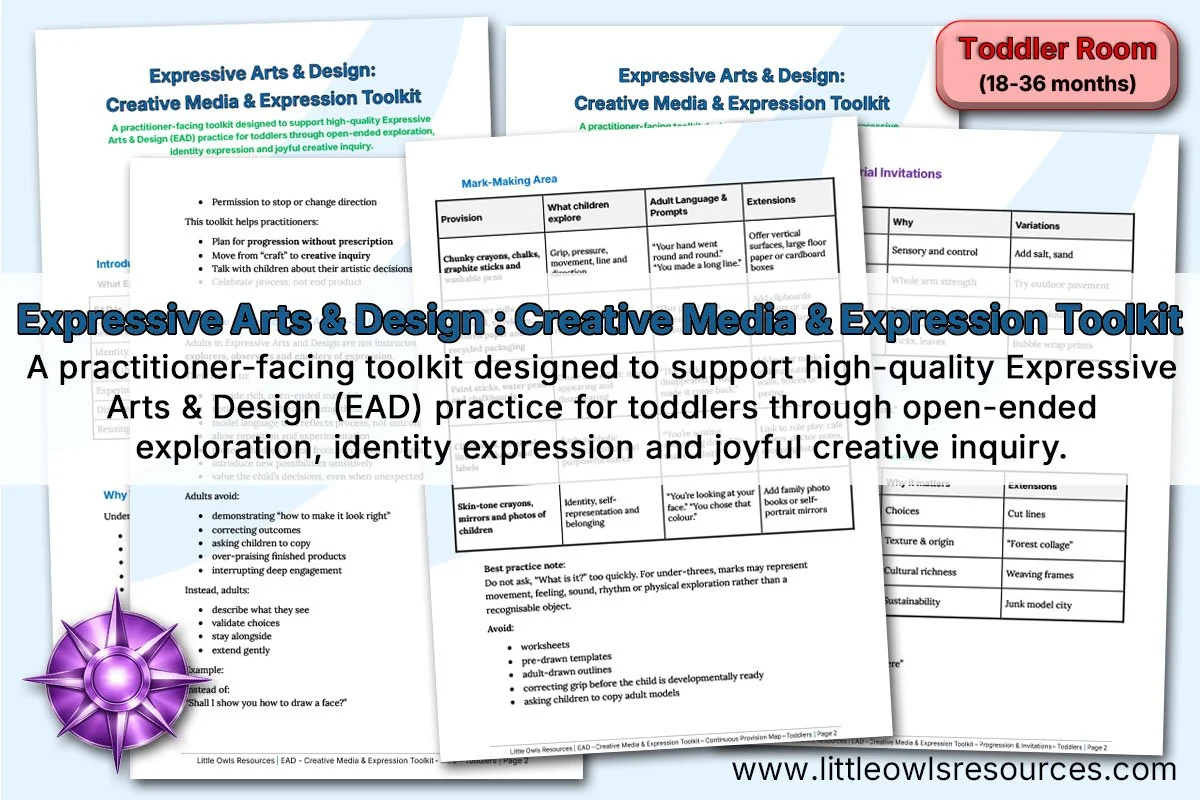
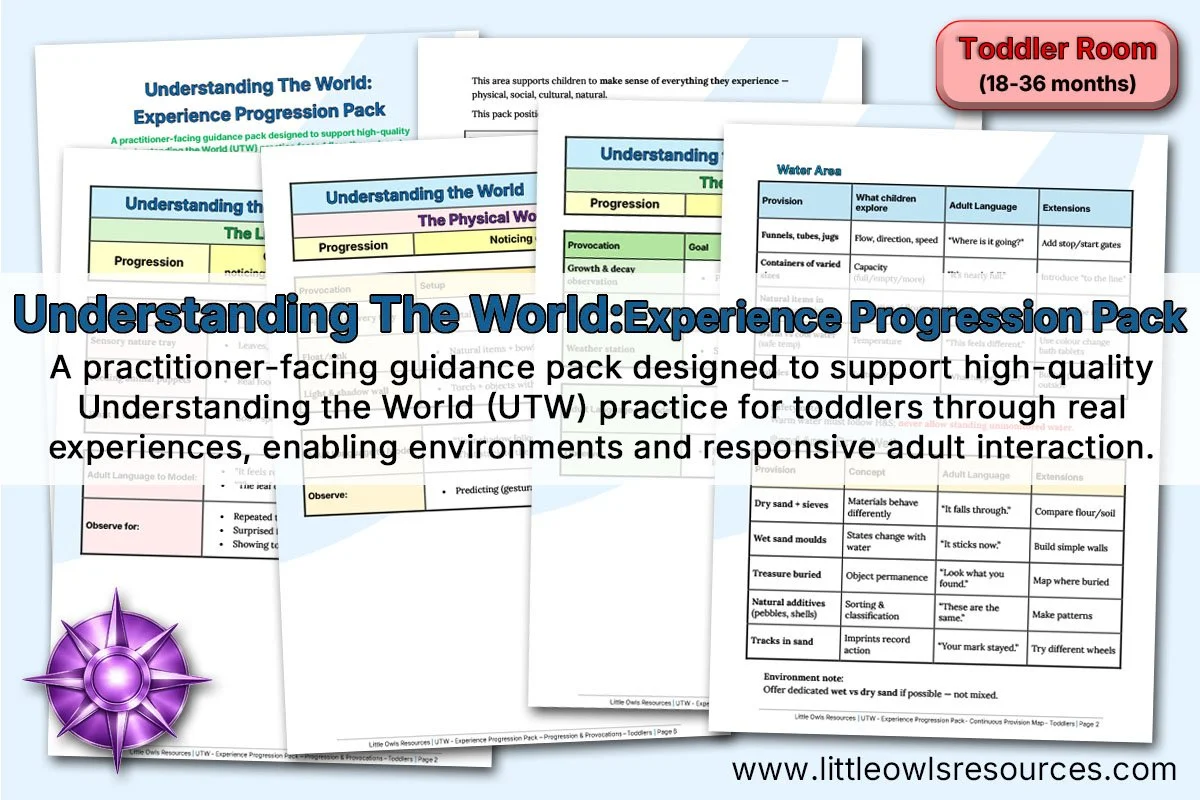

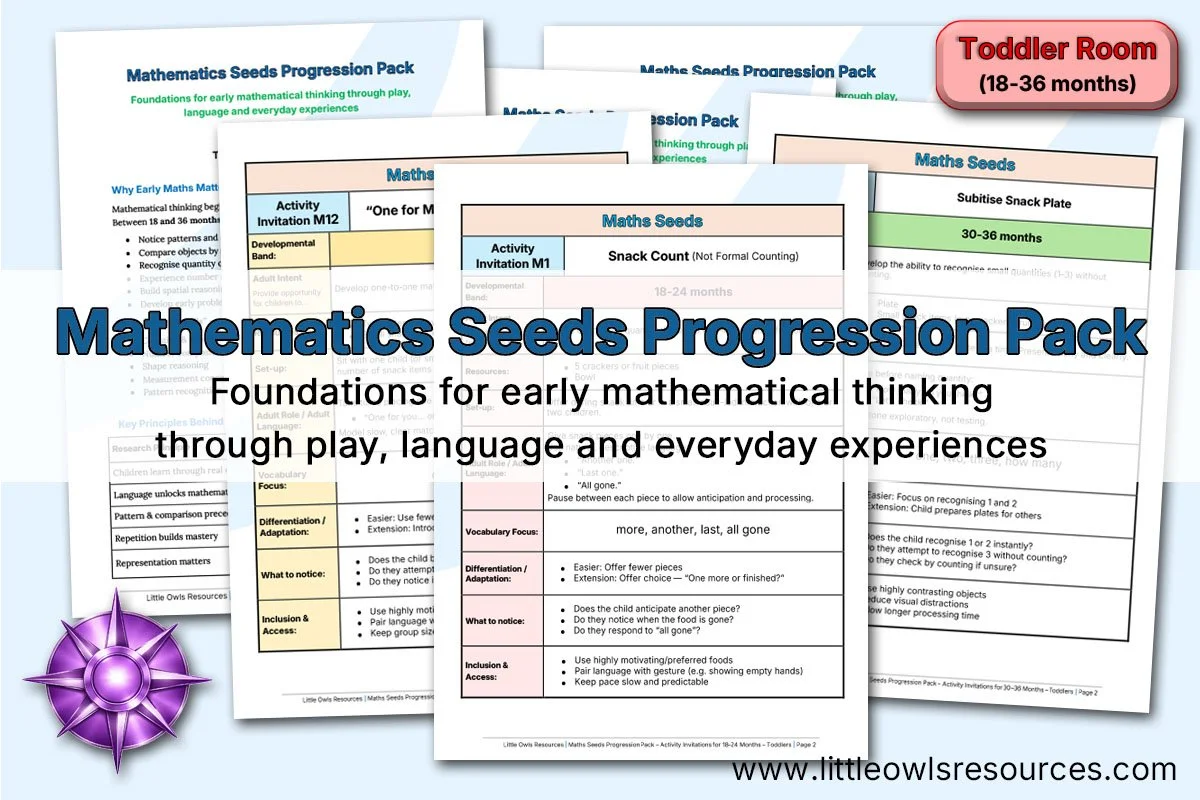
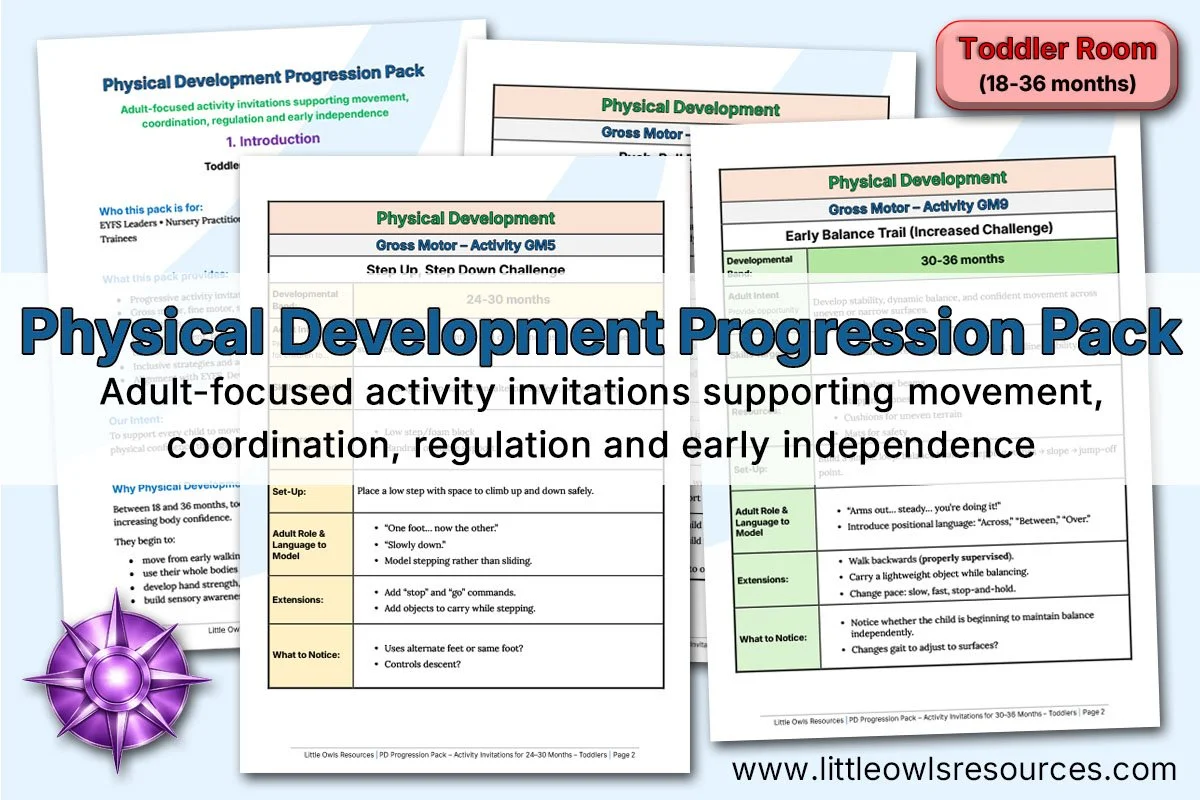
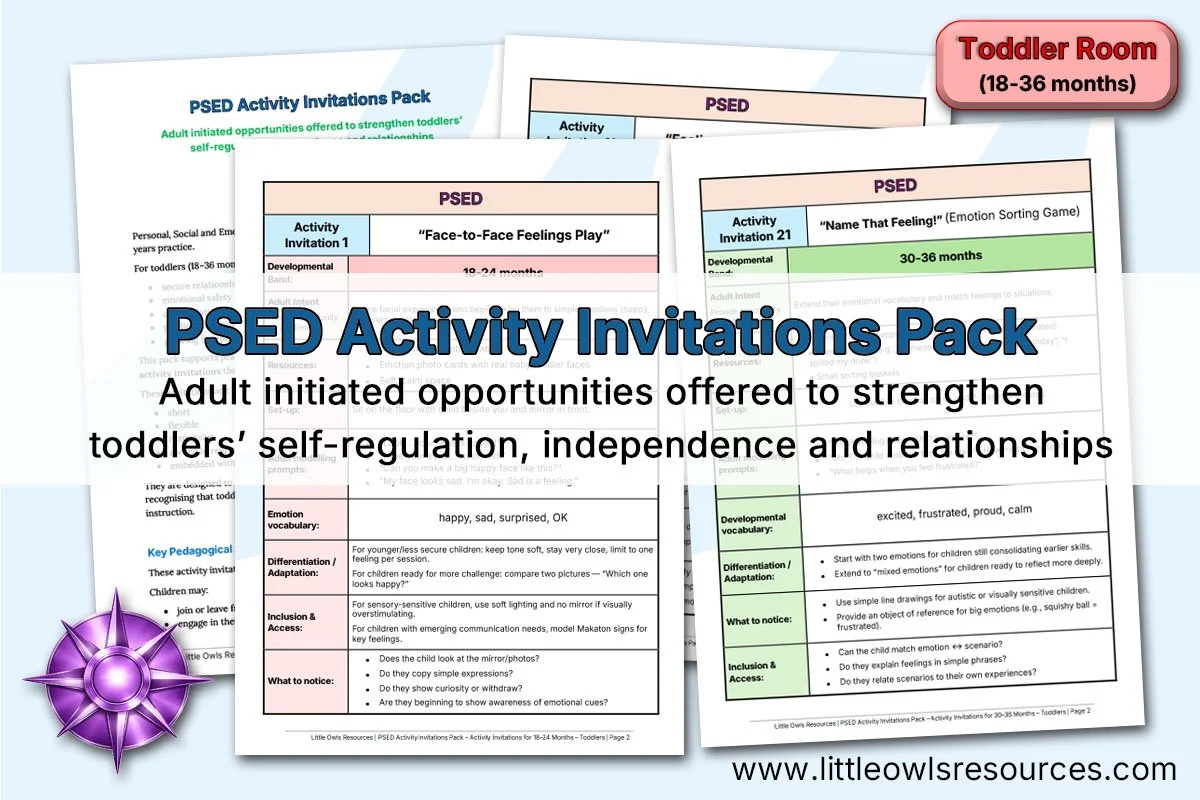

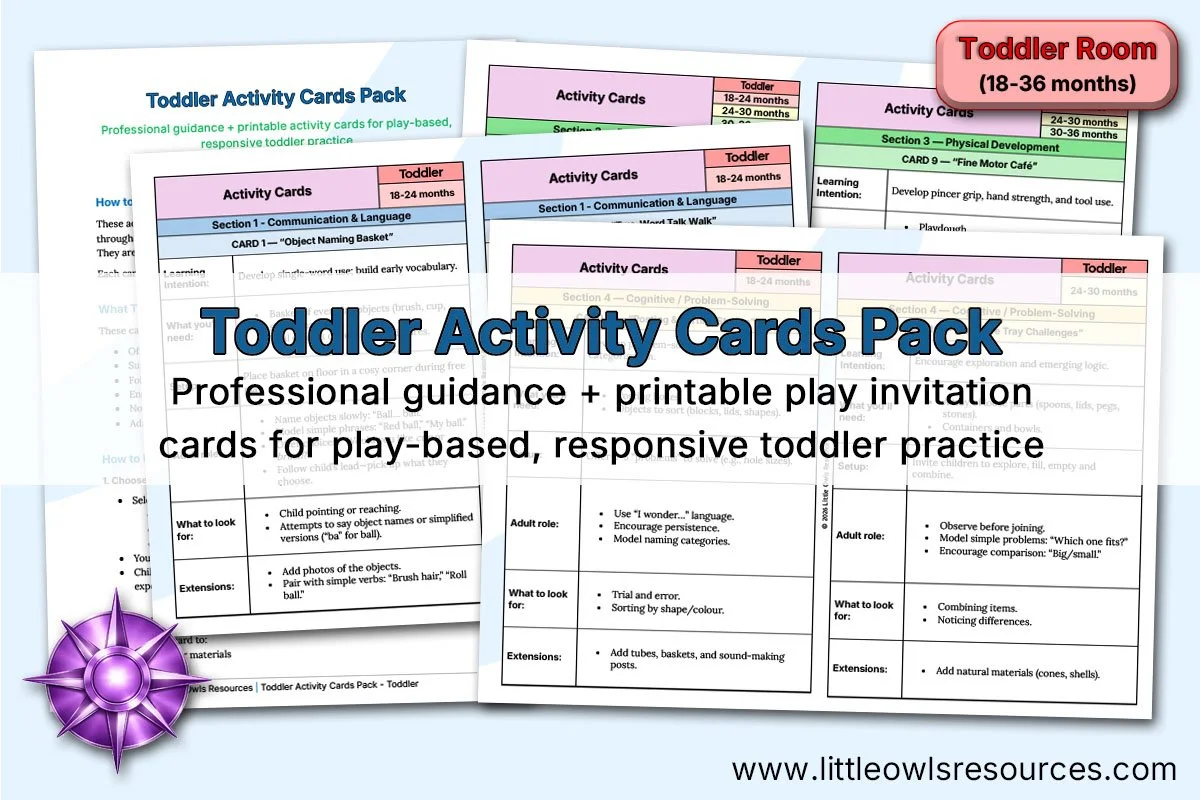


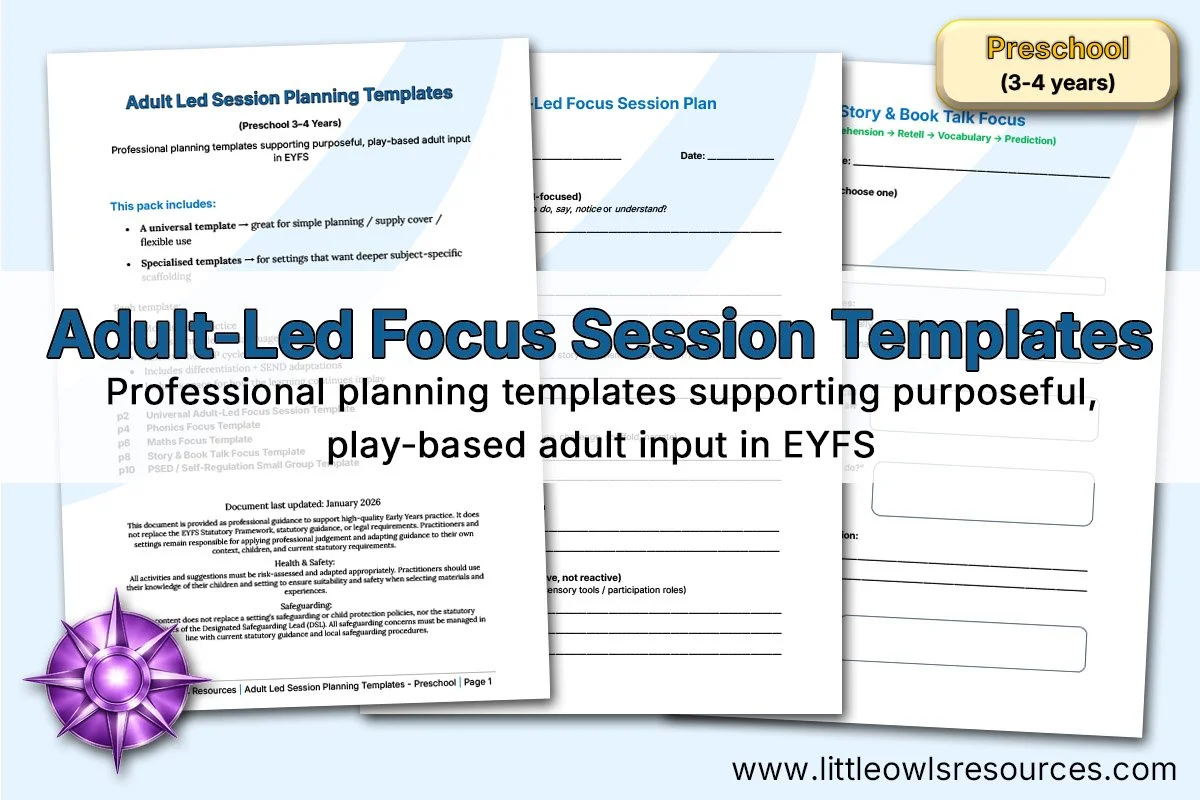
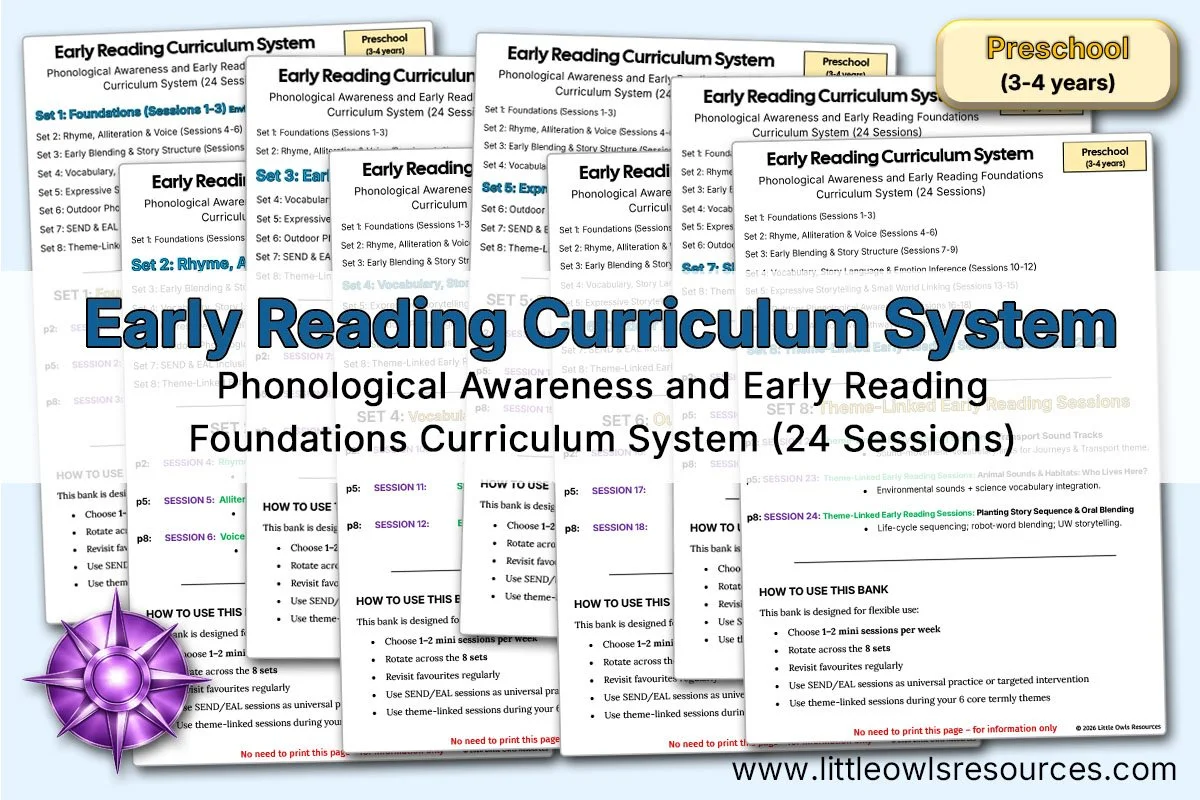

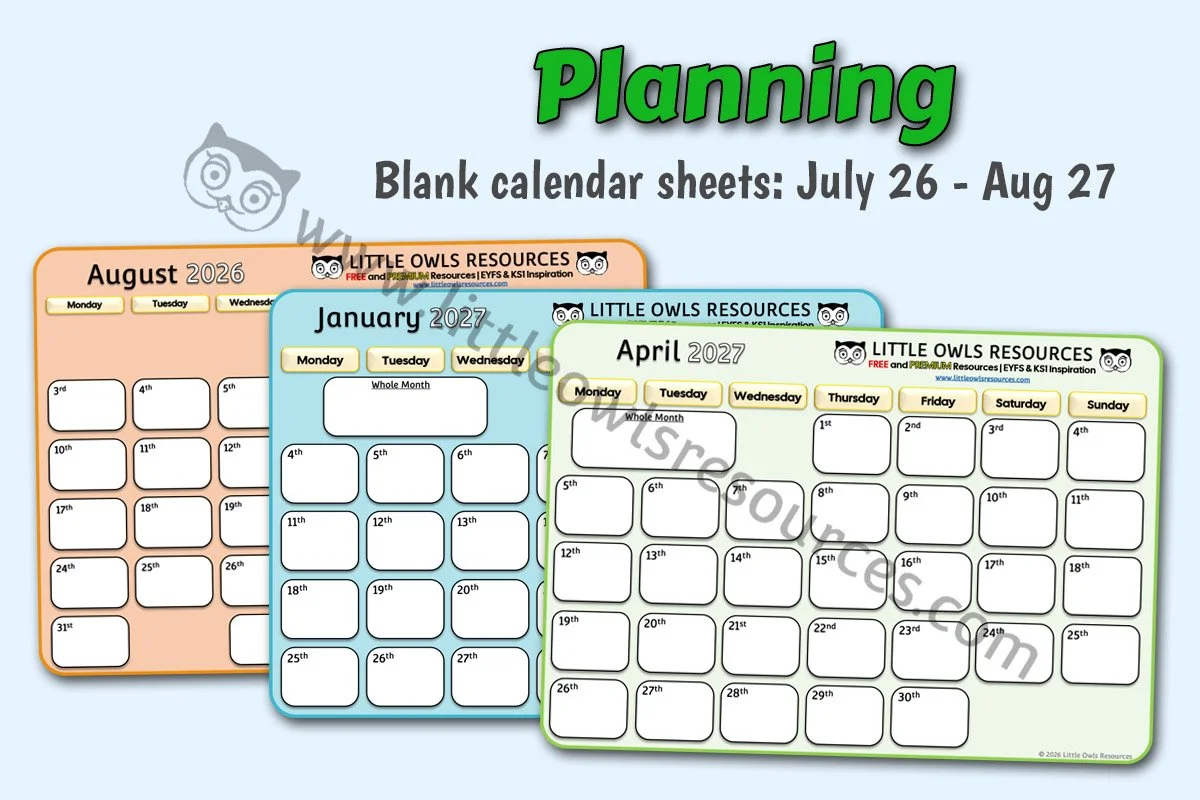
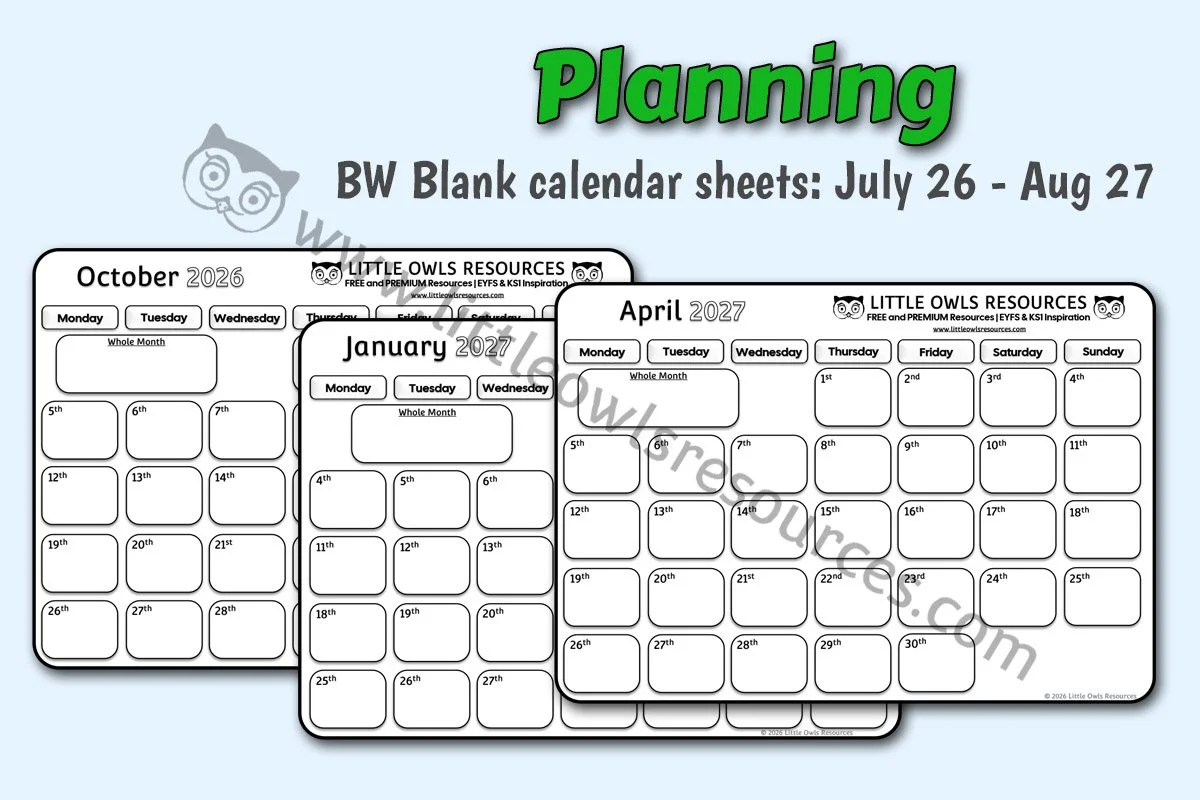
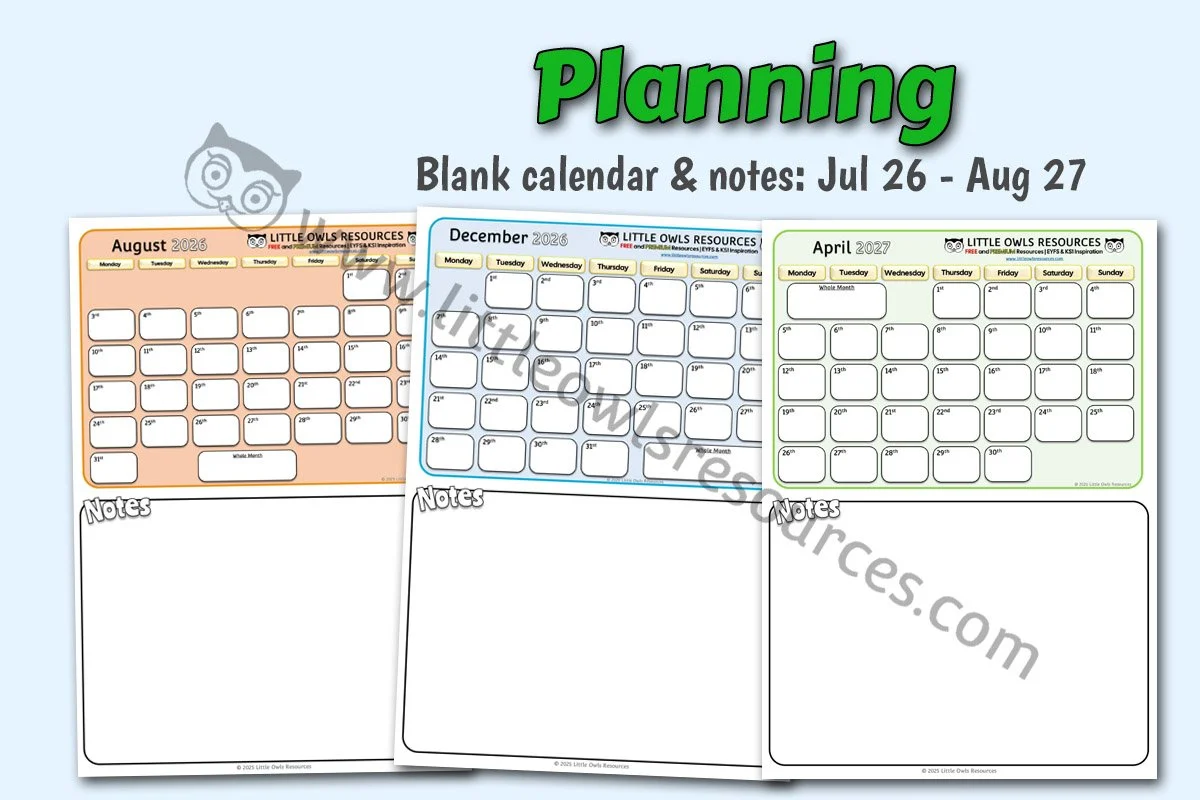
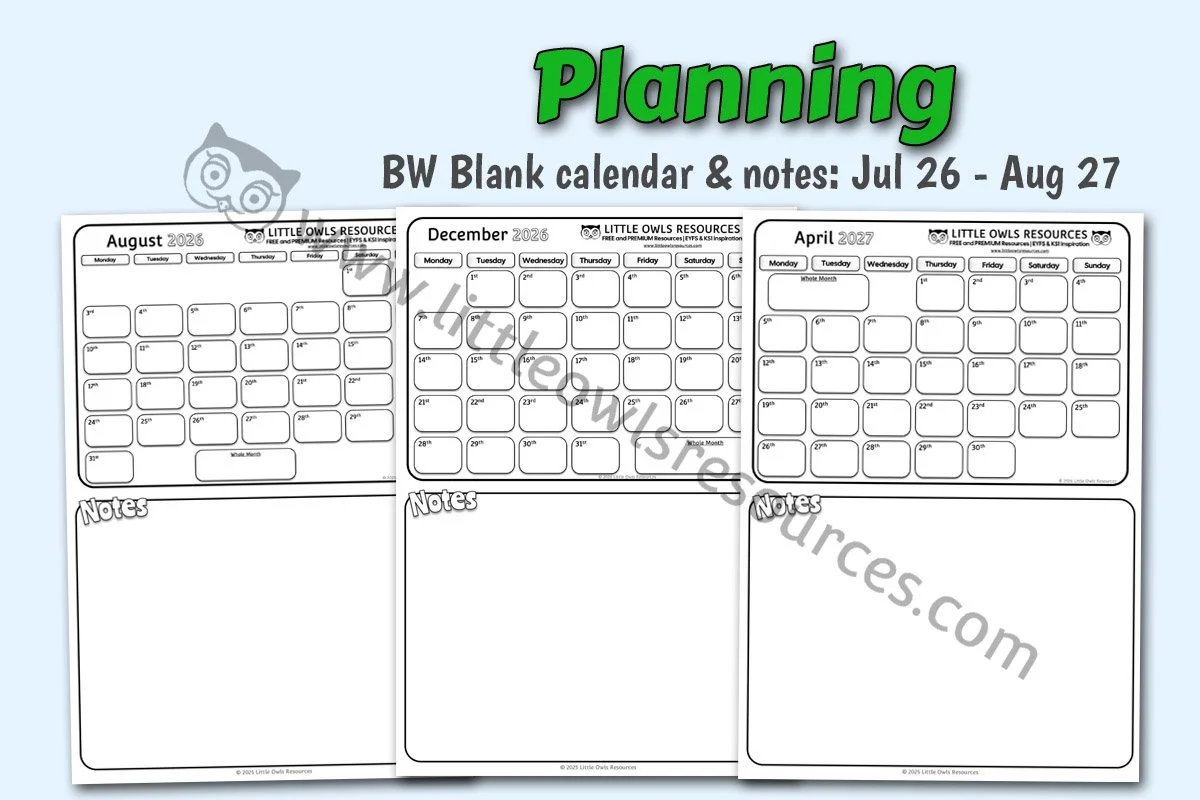
Additional Blank Planning Templates | Generic Birth-5


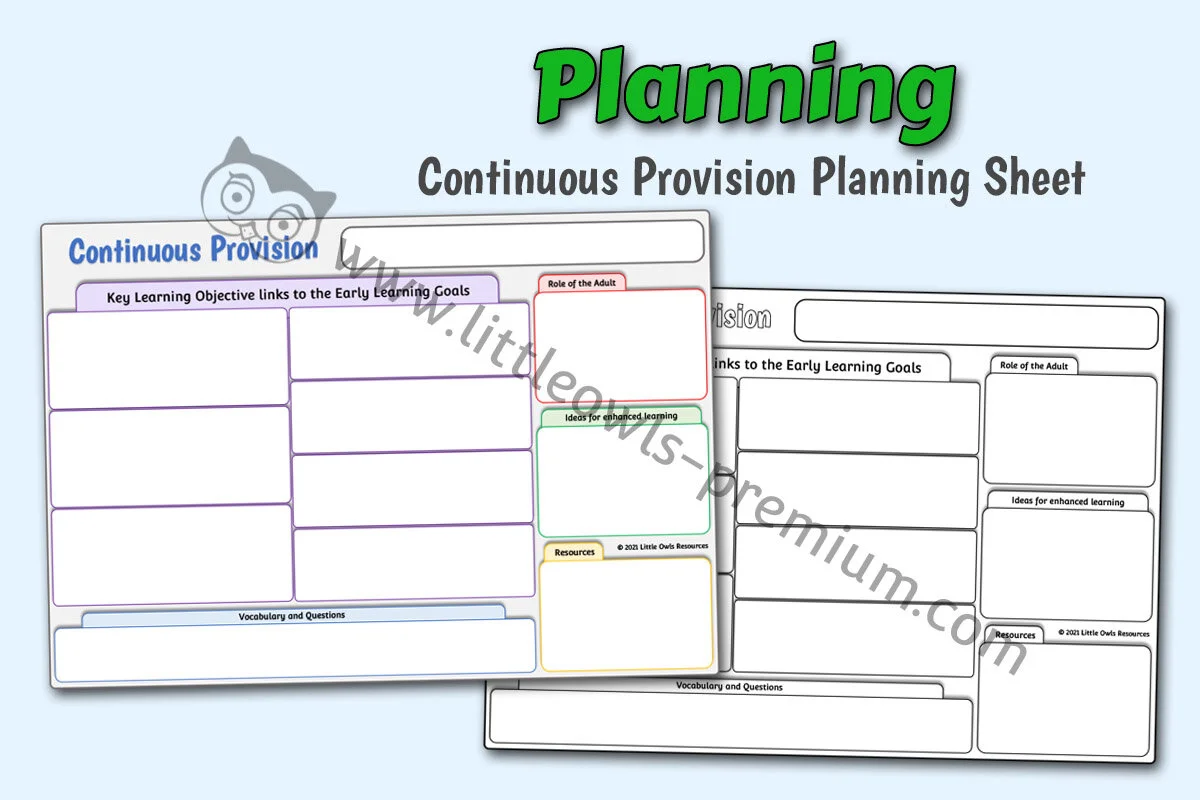



🏡 Continuous Provision & Environment Planning
The environment is a key part of planning in the EYFS.
Explore:
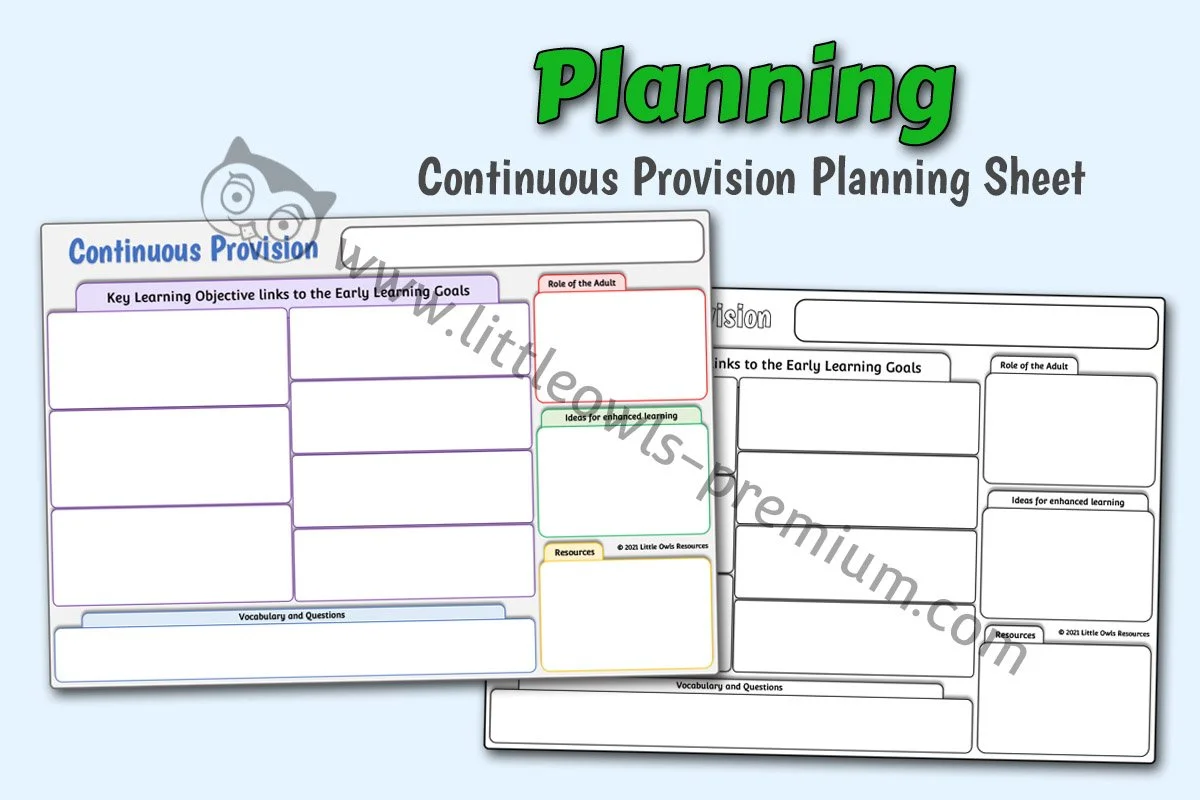
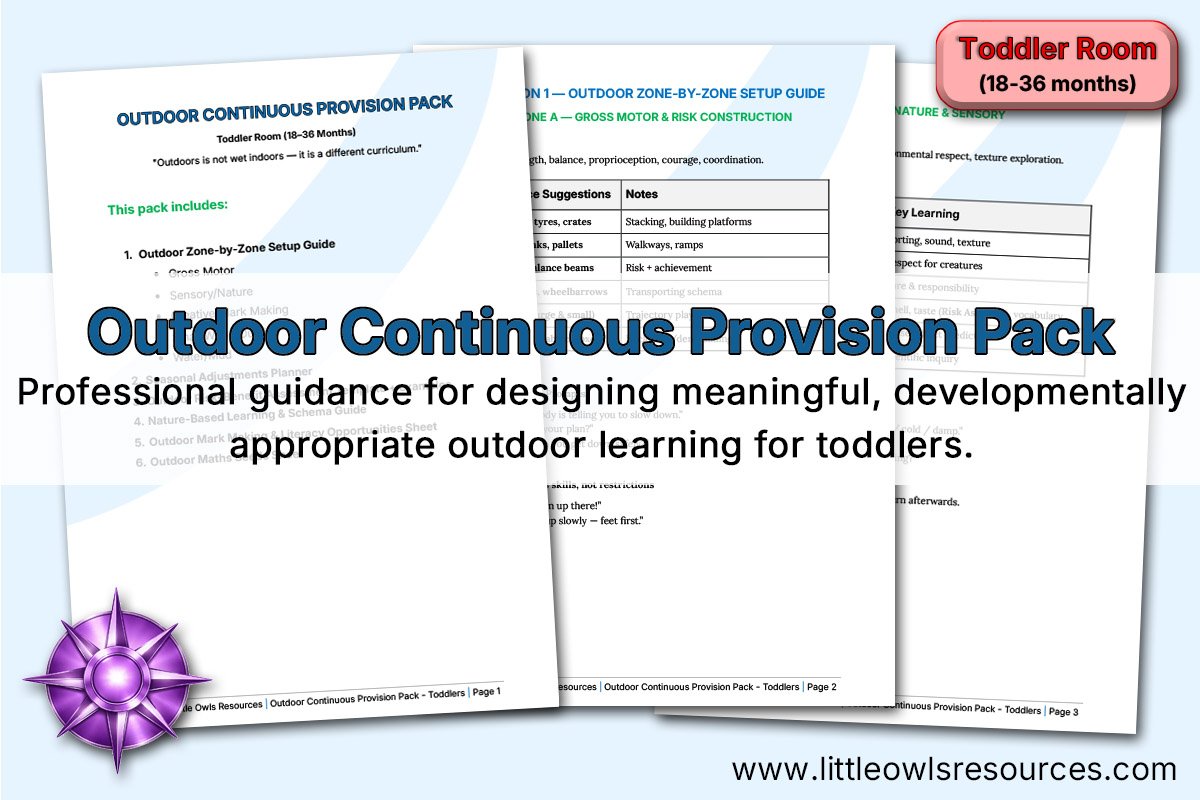
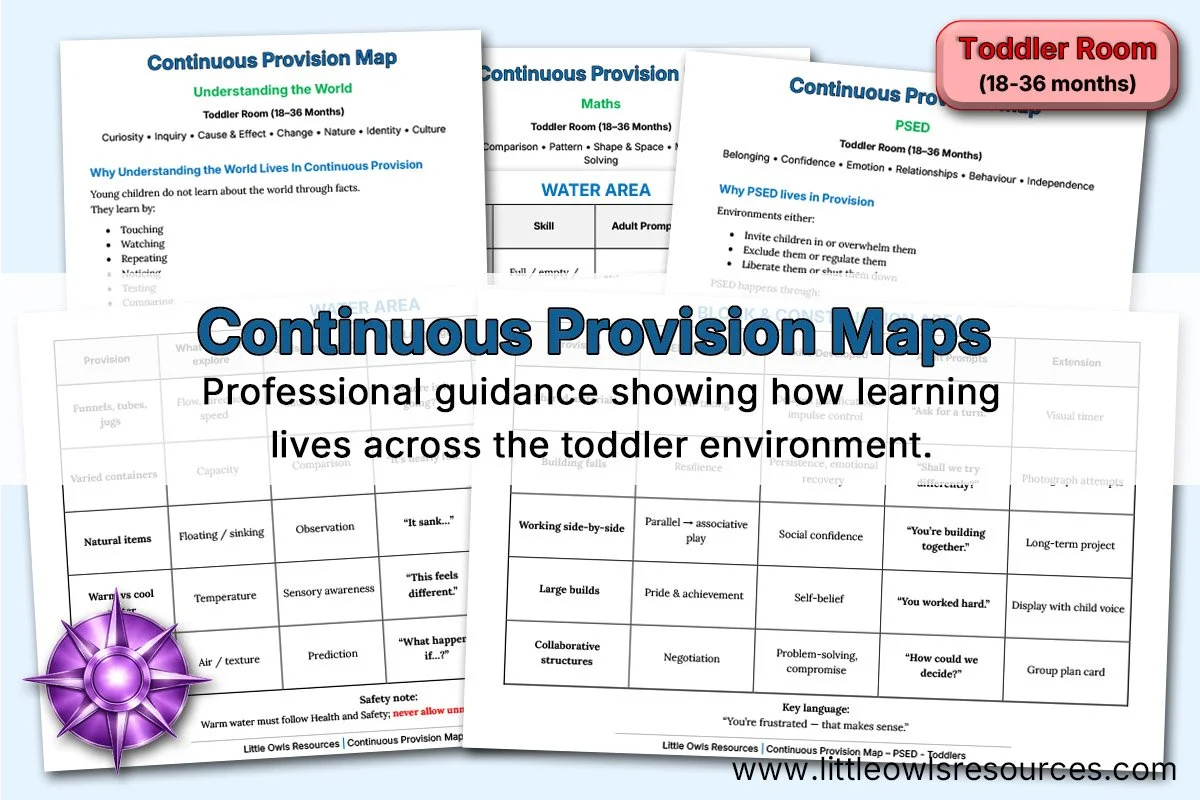
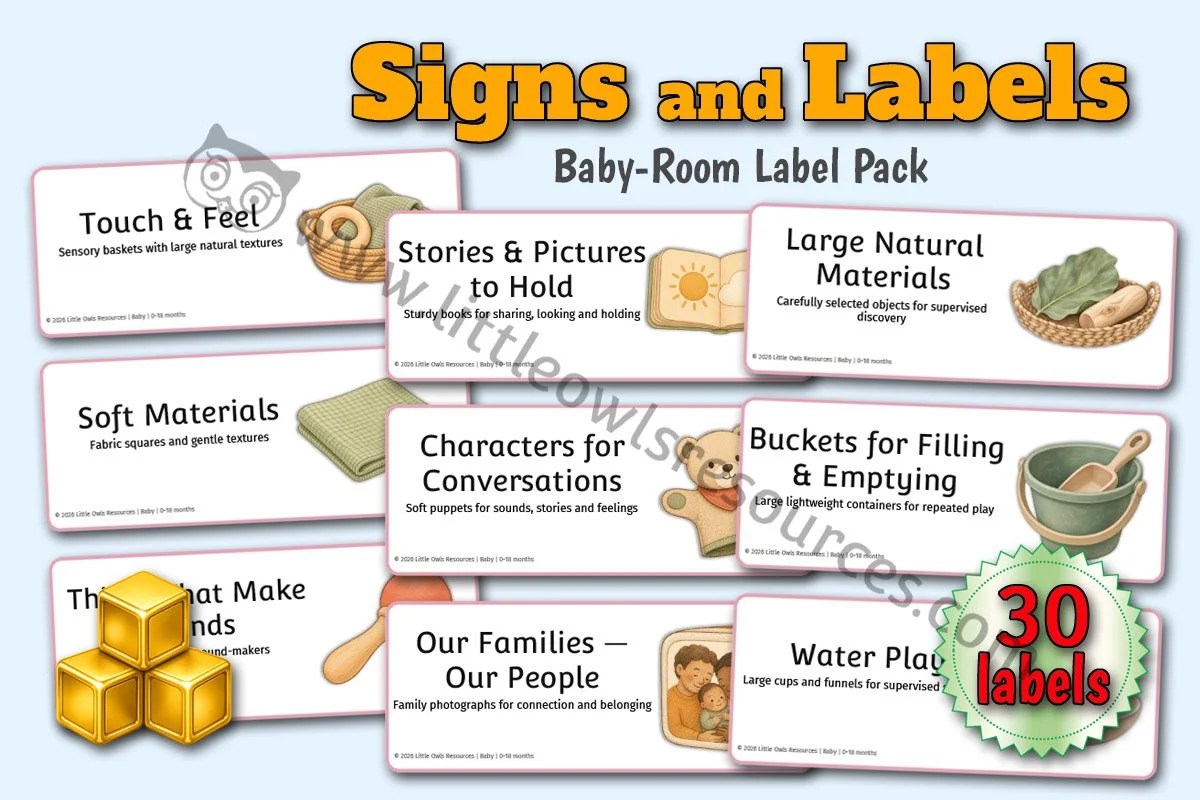
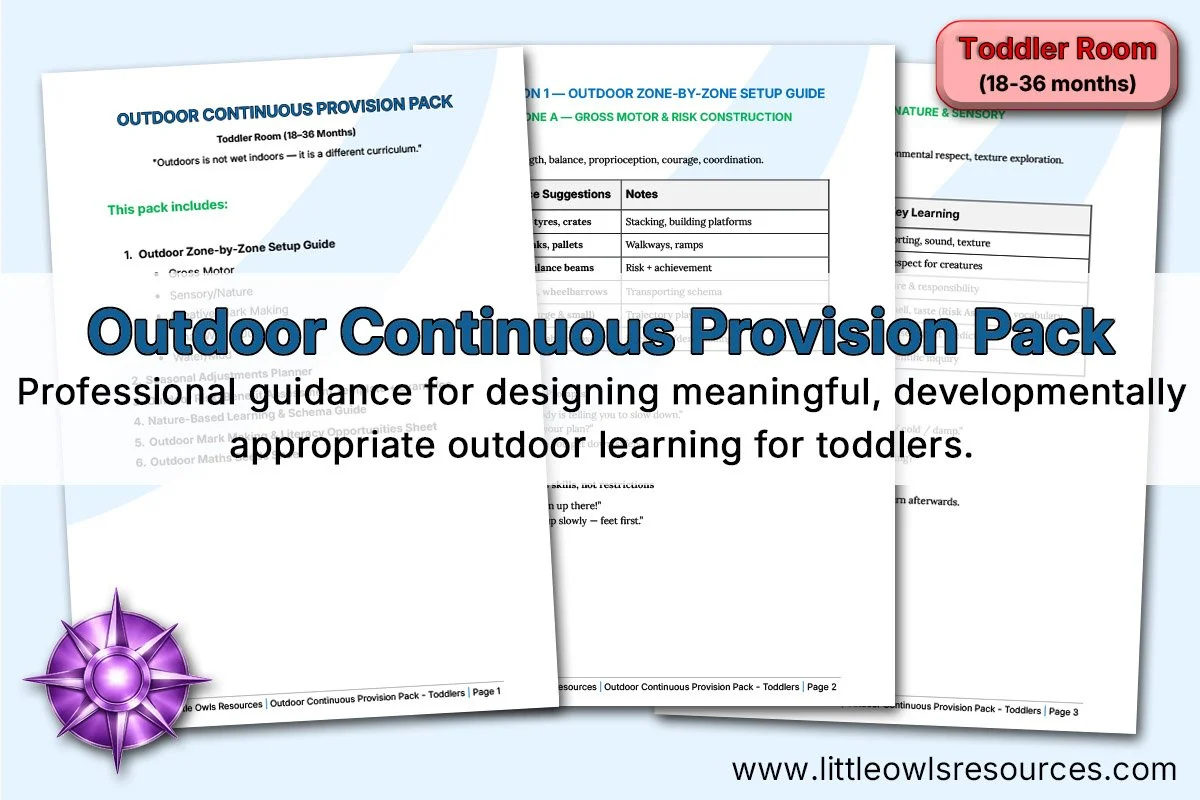
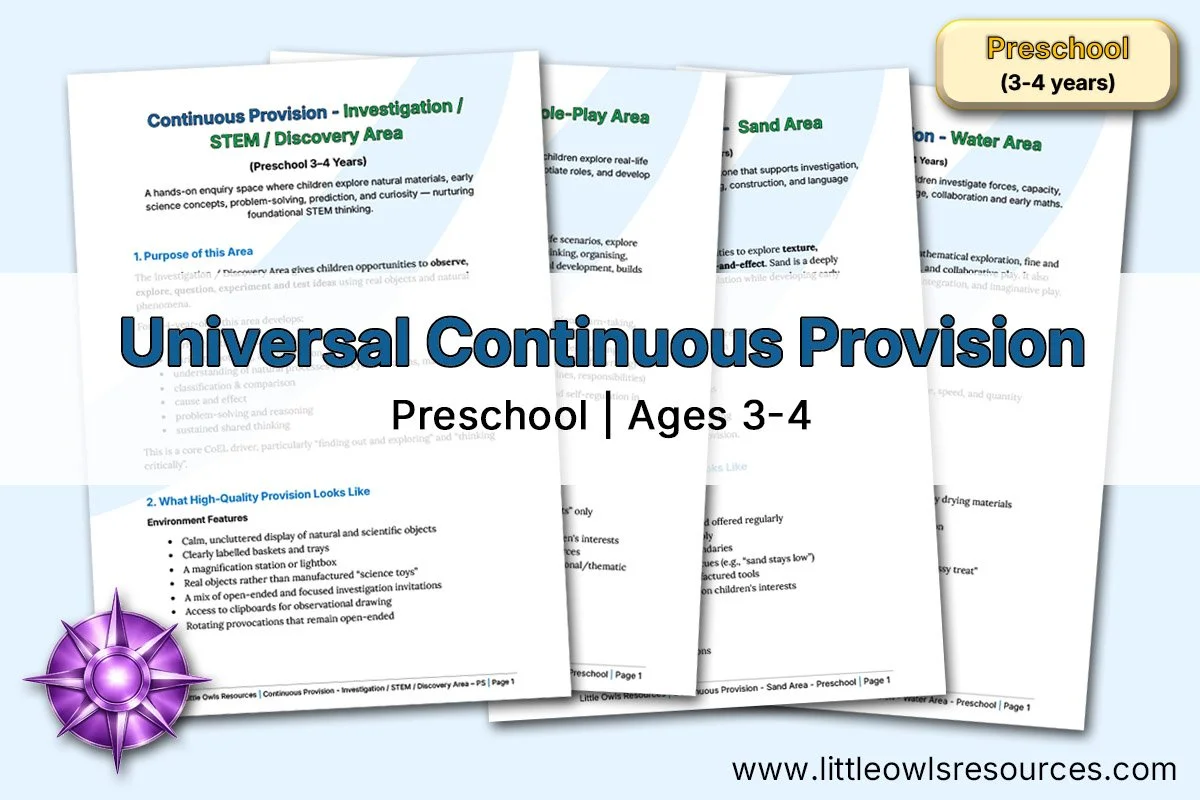
Continuous provision packs by area of learning
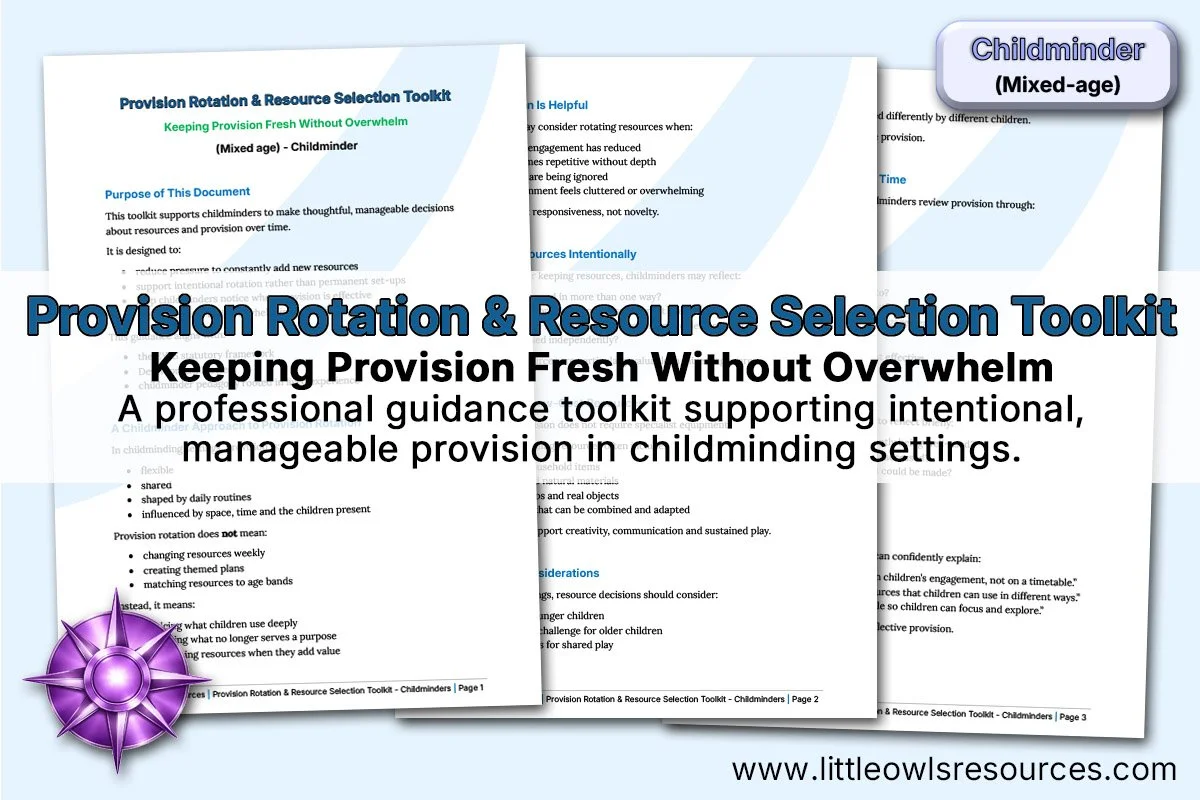
Environment setup guidance
Provision maps and audits
Enhancement ideas and resource lists
These resources help you:
create enabling environments
support independent exploration
respond to children’s interests through provision — not activities
Babies | Birth-18 Months


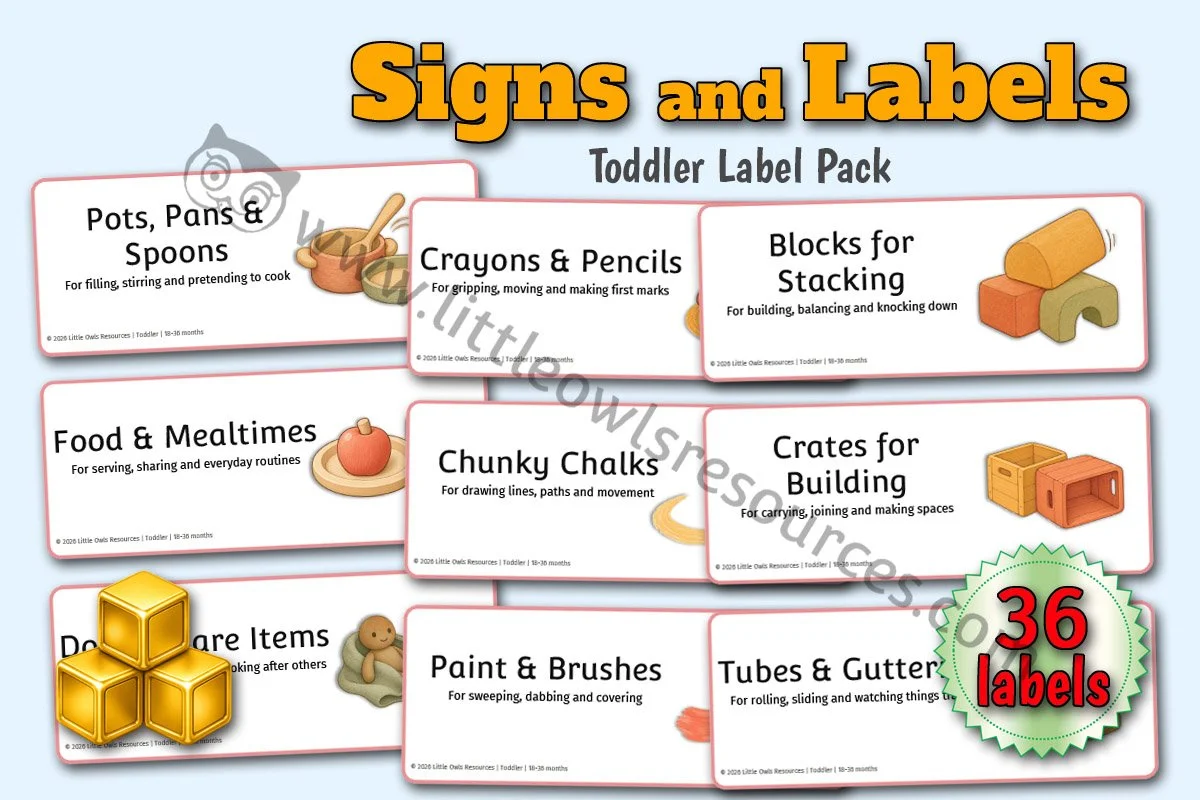
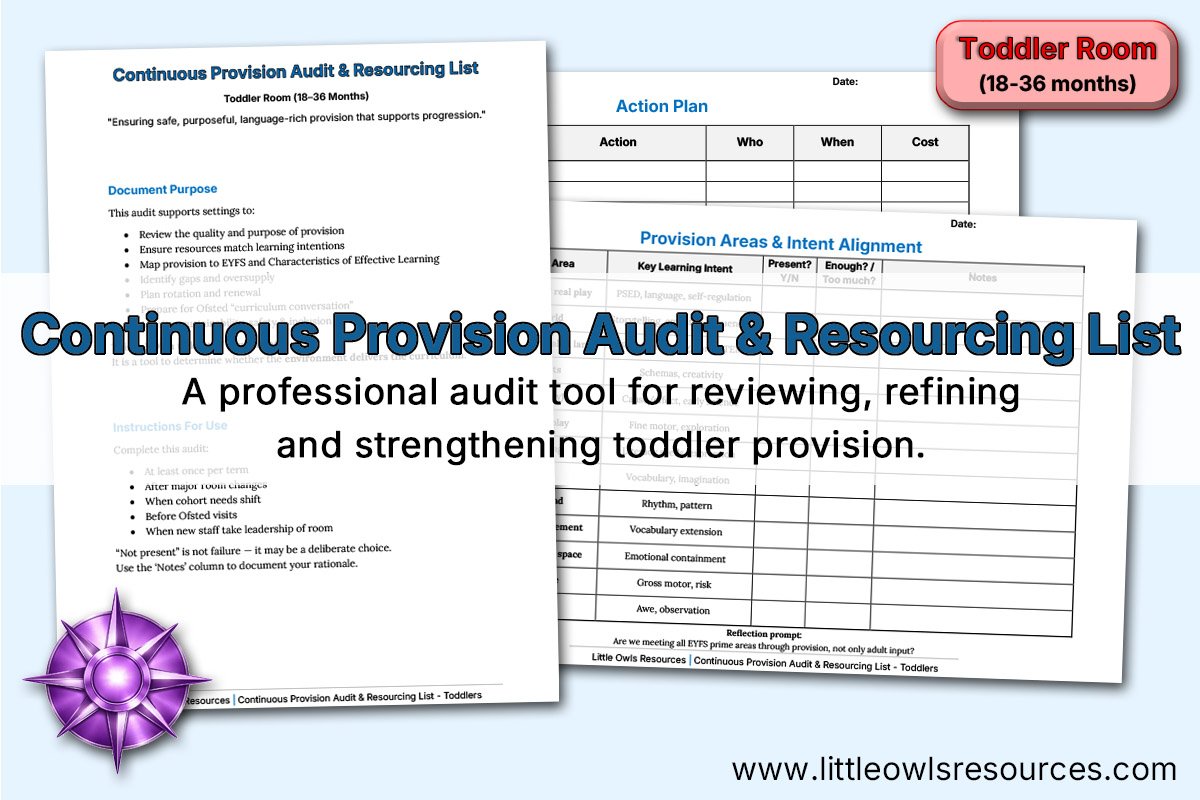
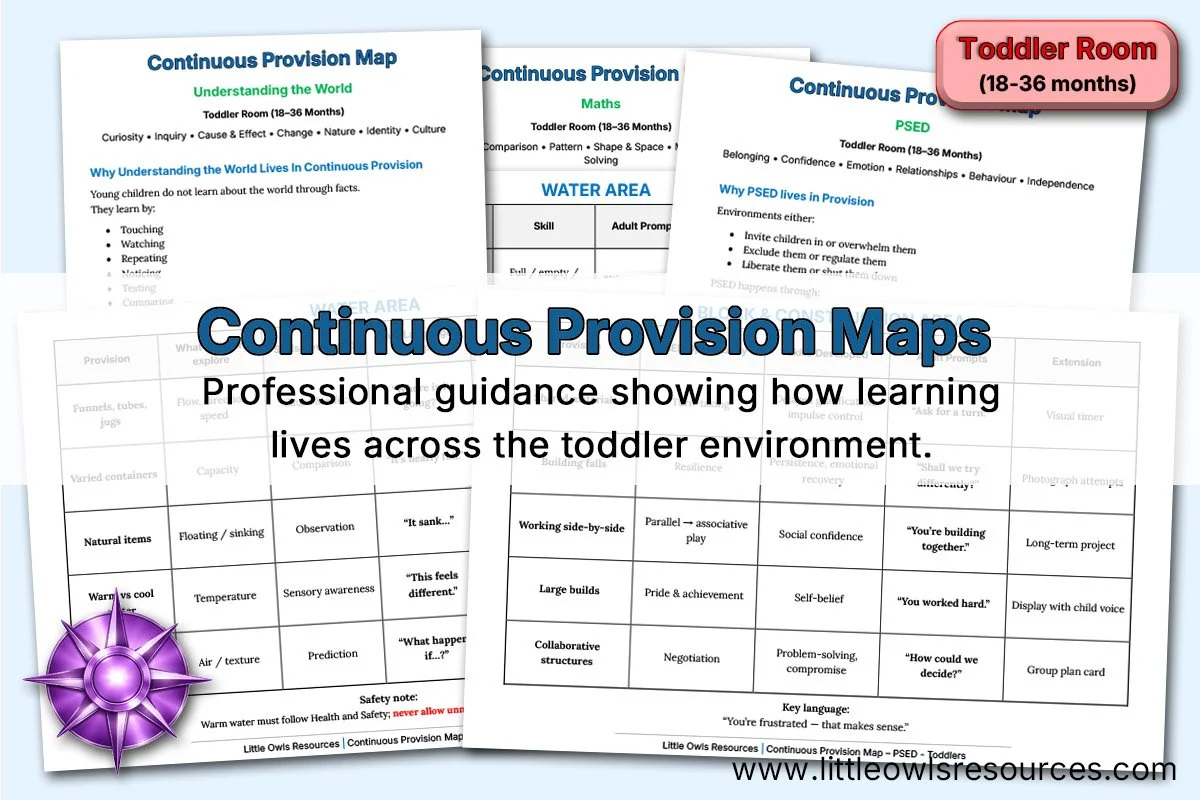
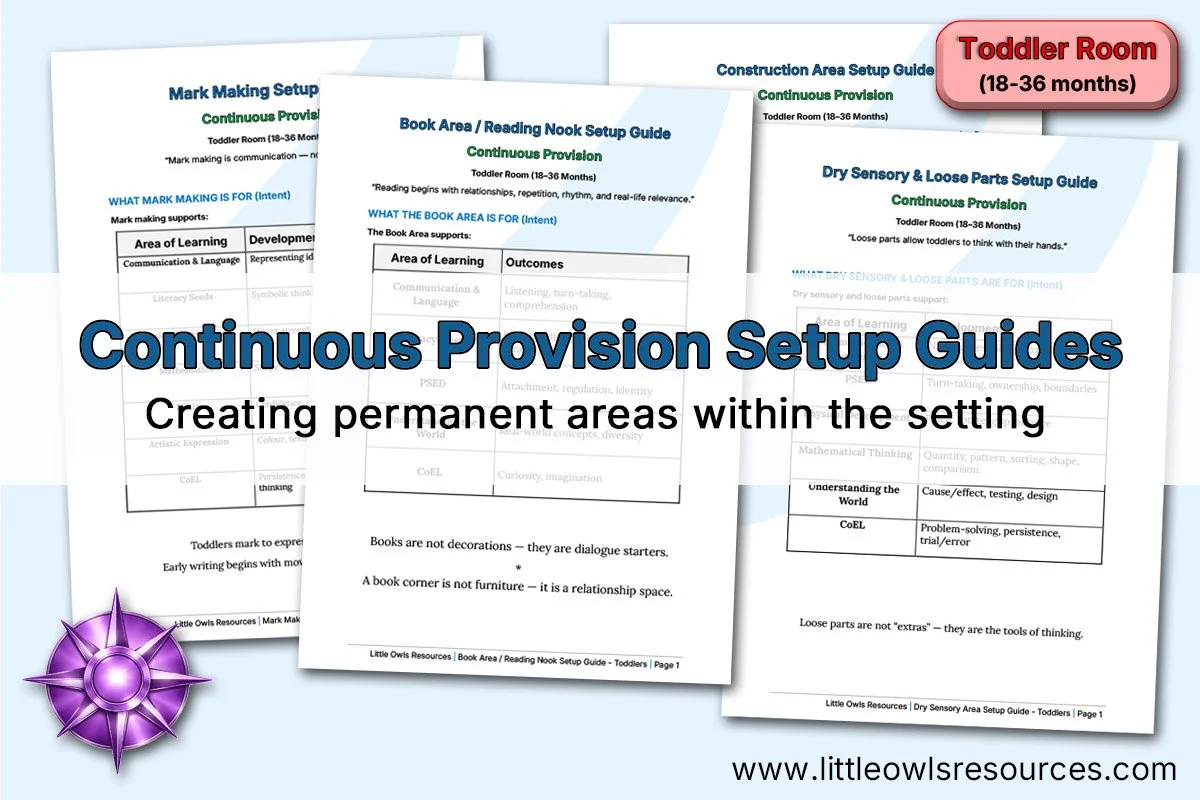
Toddlers | 18-36 Months

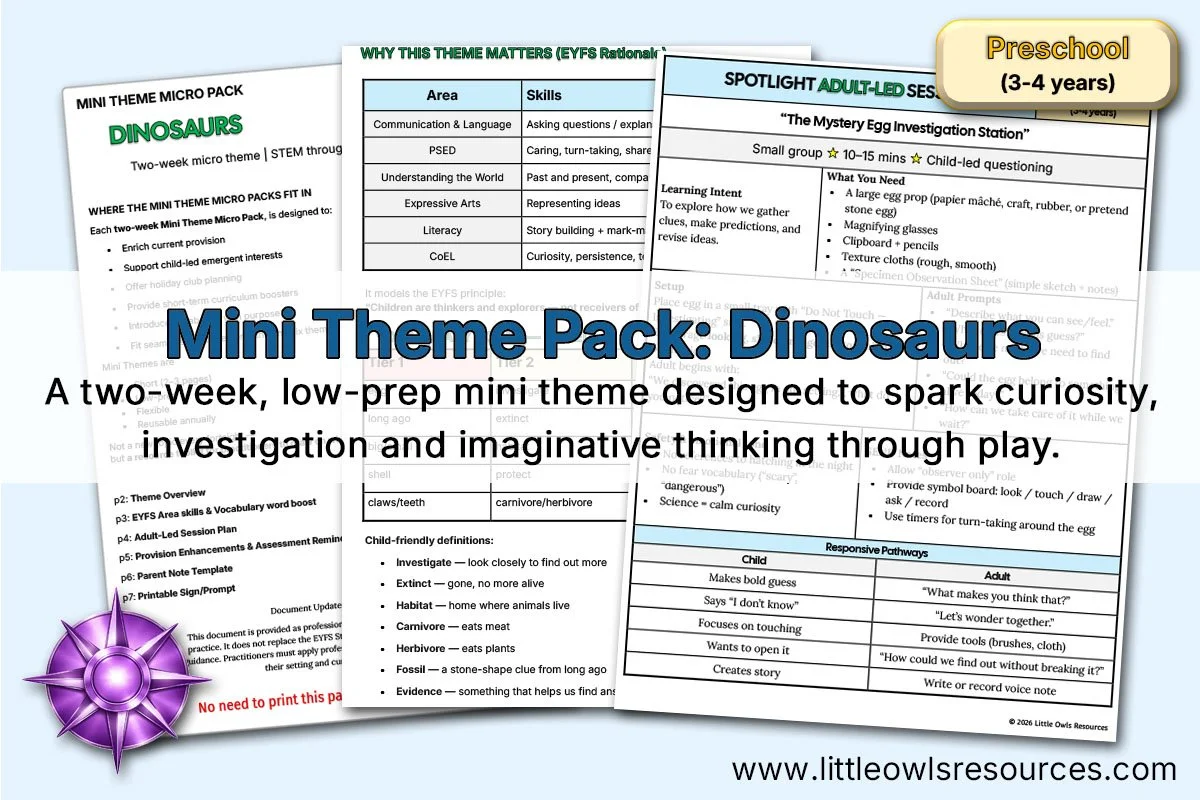
Preschool | 3-4 Years


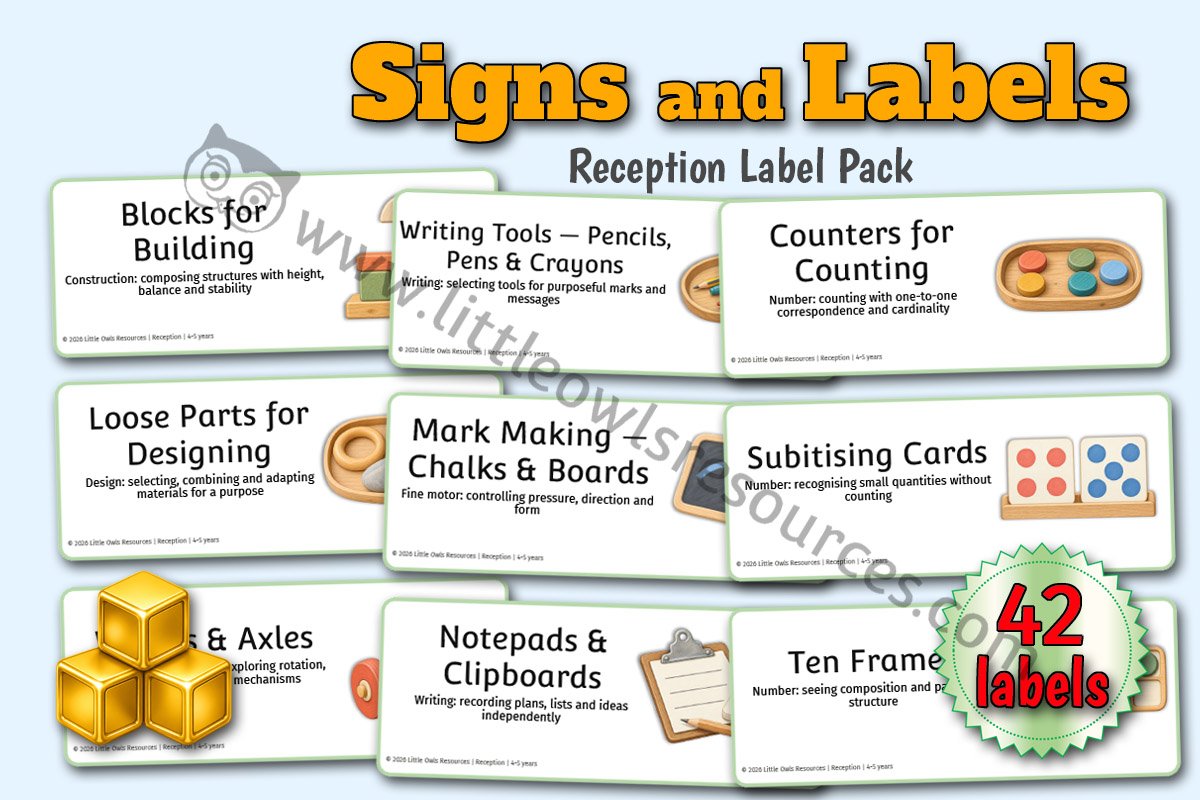
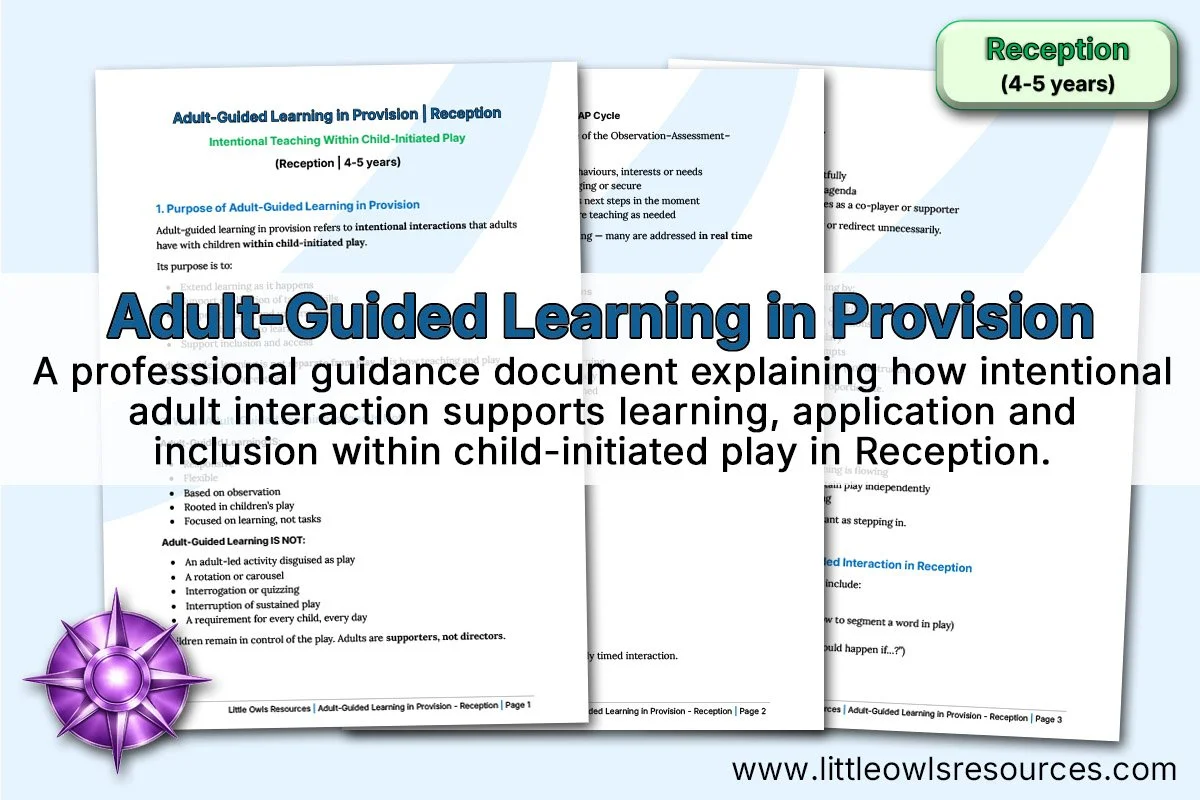
Reception | 4-5 Years
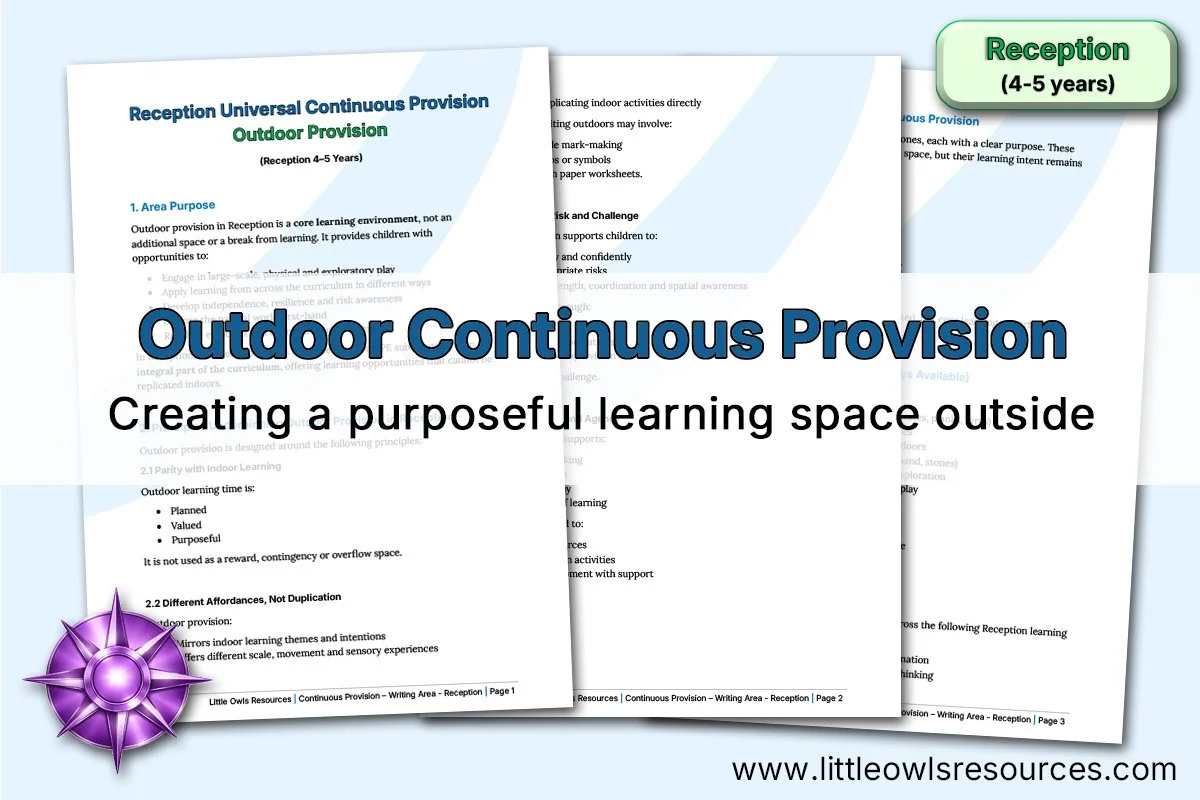
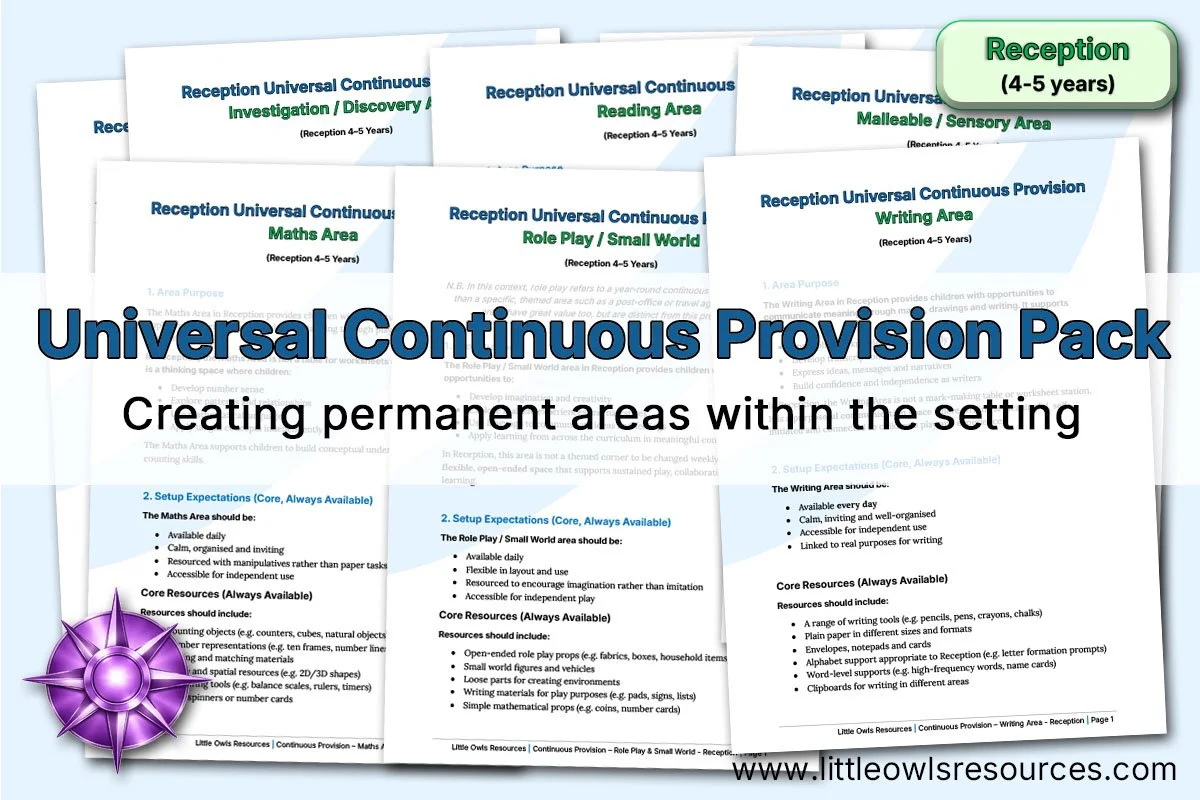
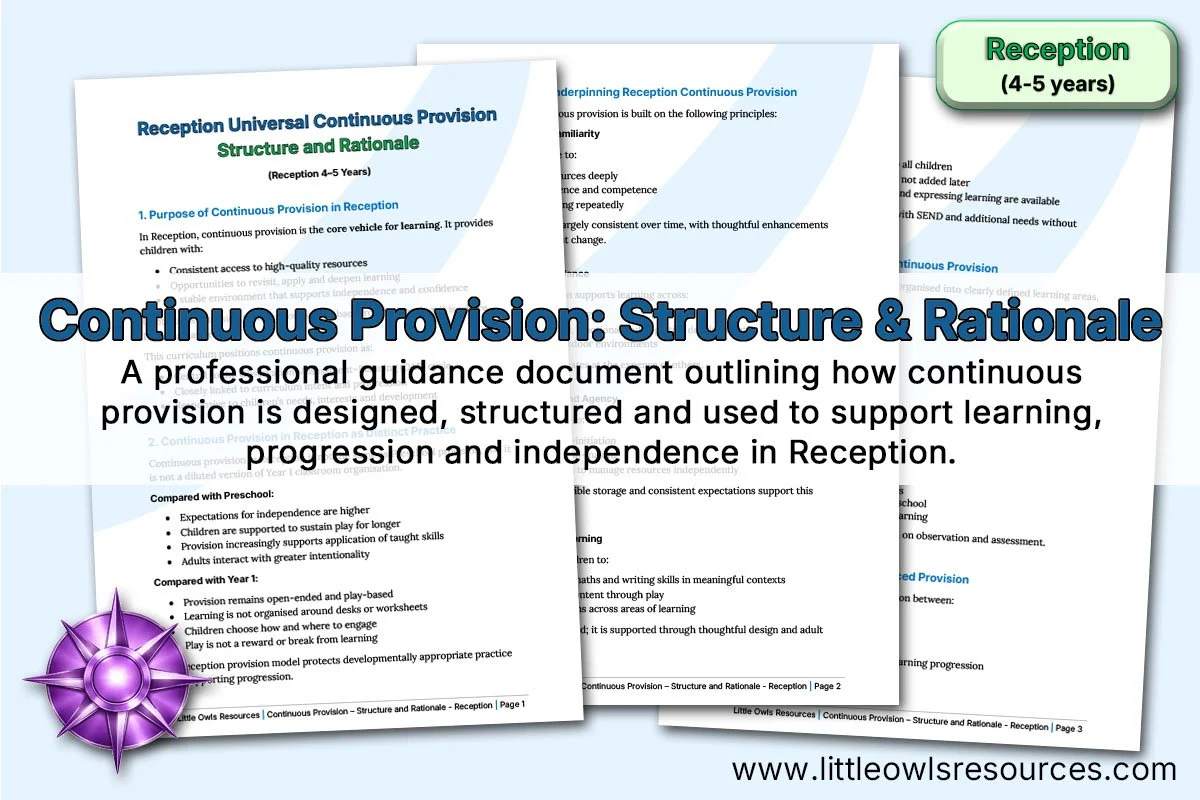
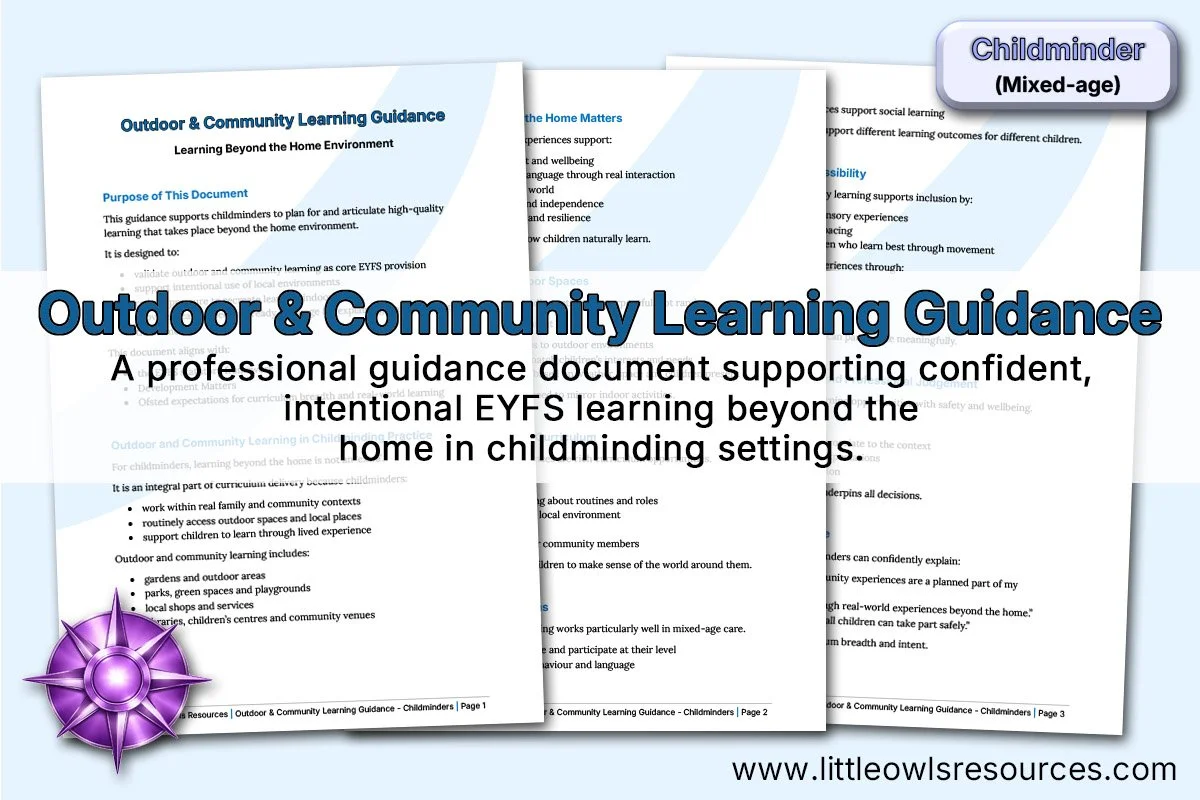
Childminder | Mixed Age Birth-5
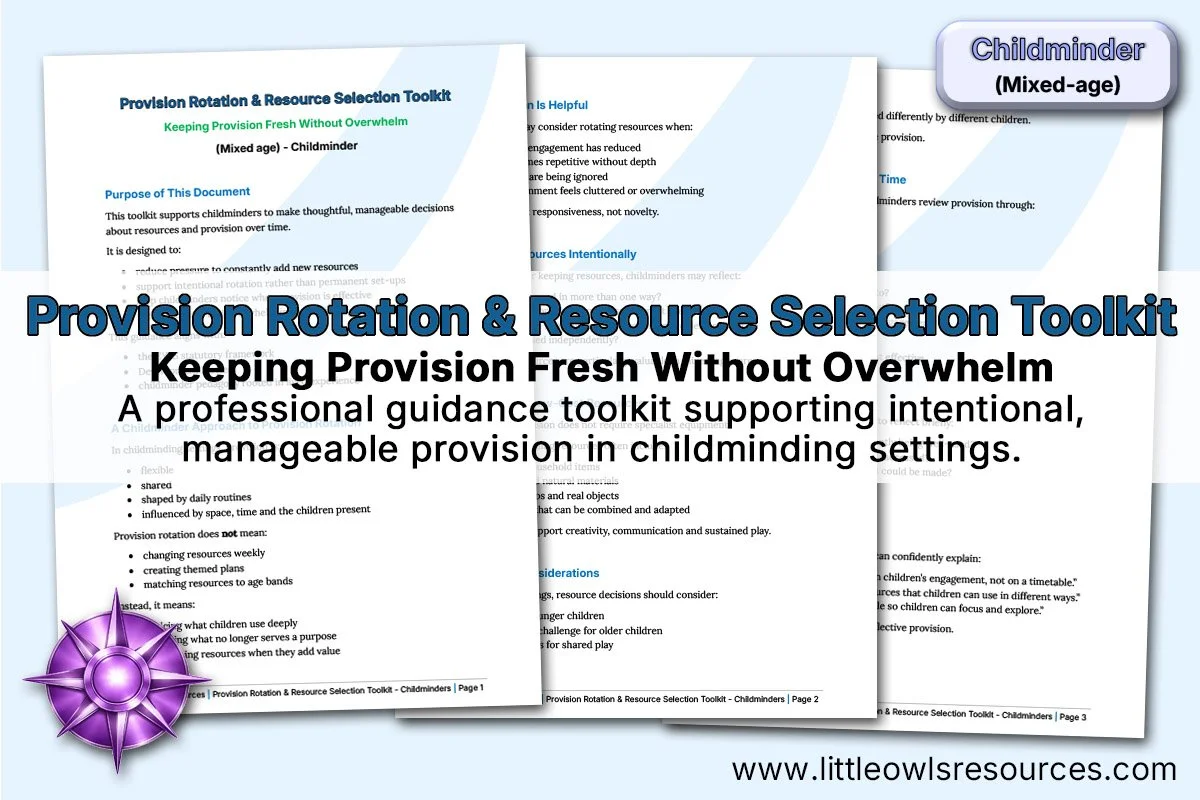
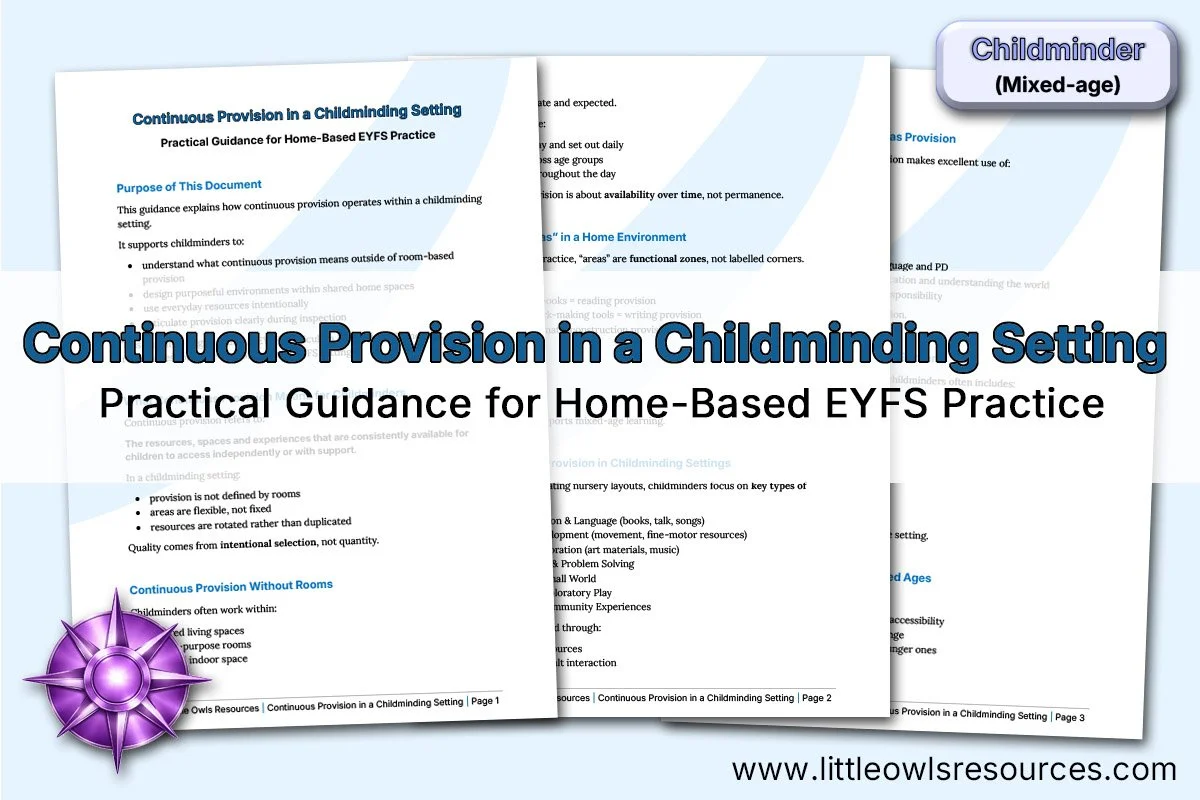
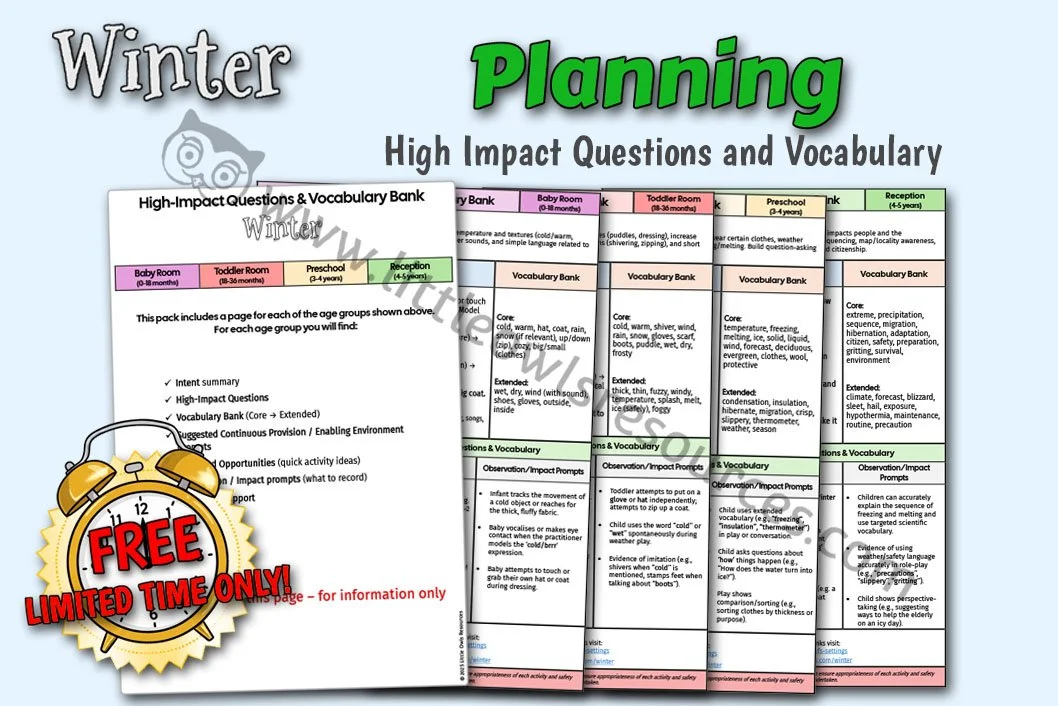
Continuous Provision & Play Areas Printable Resource Hub - Coming Soon!
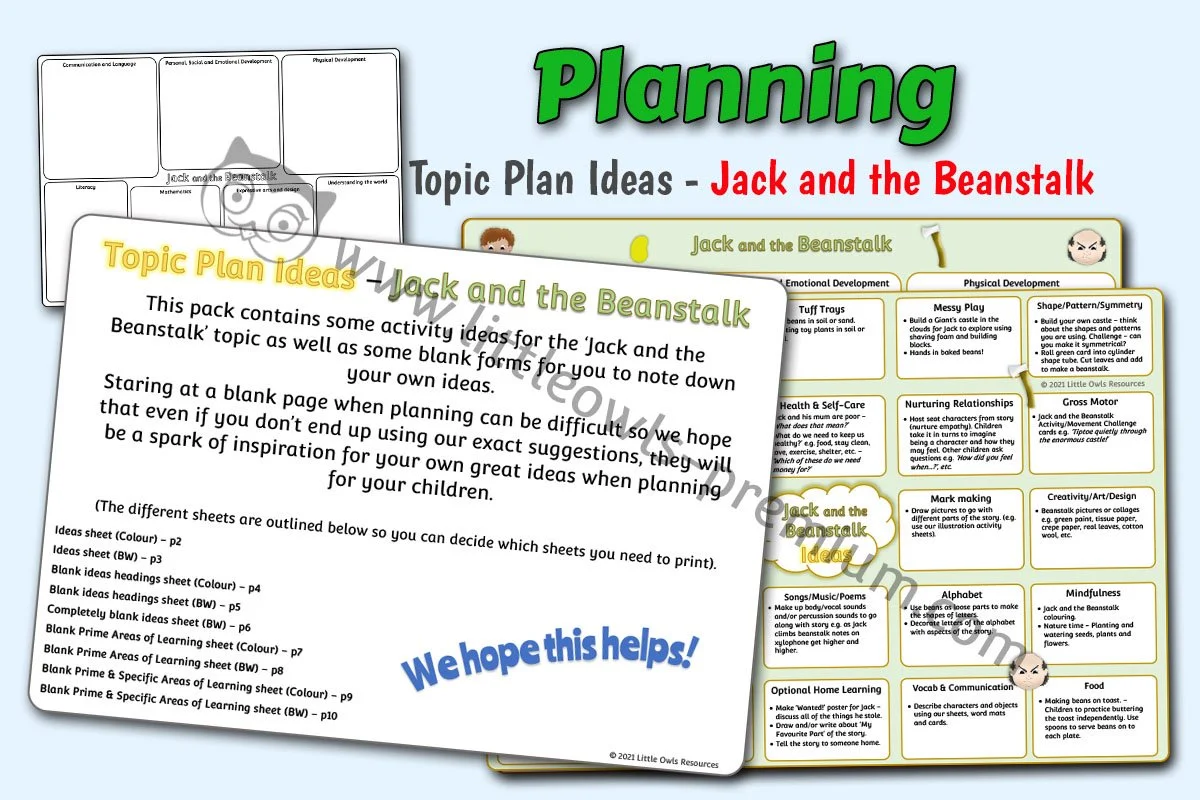
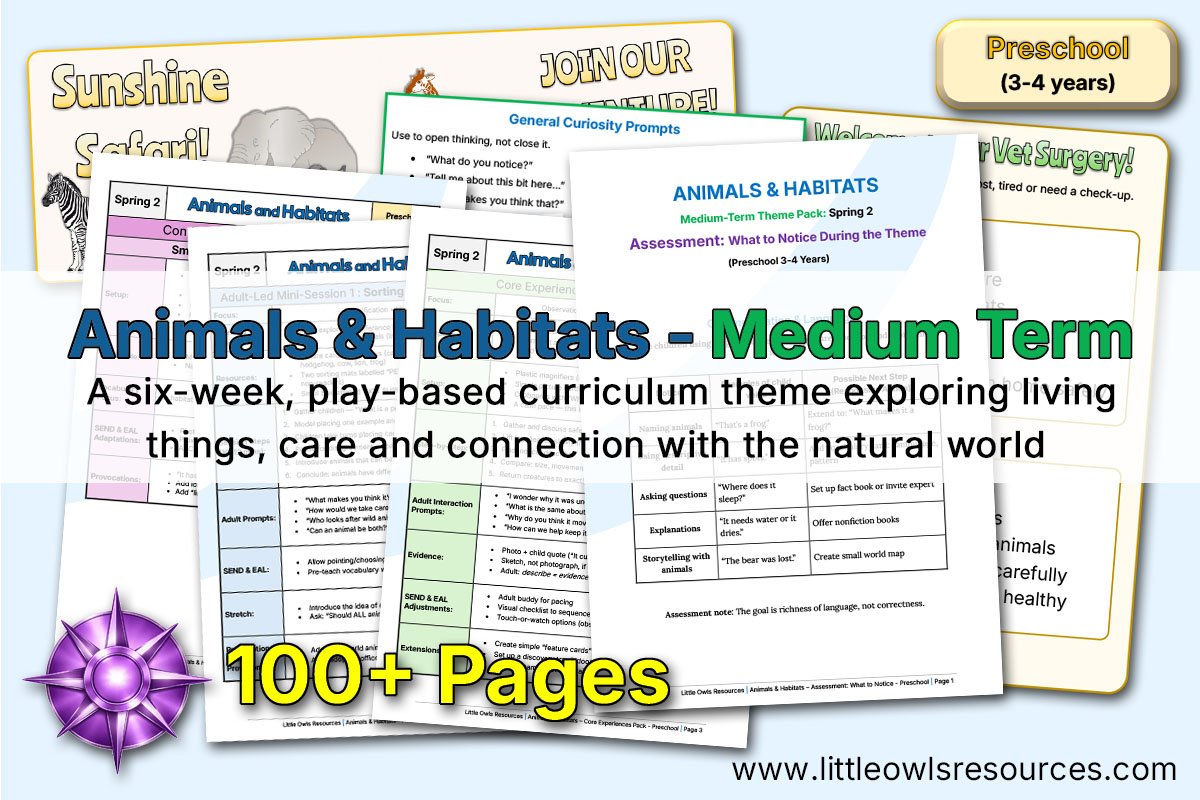
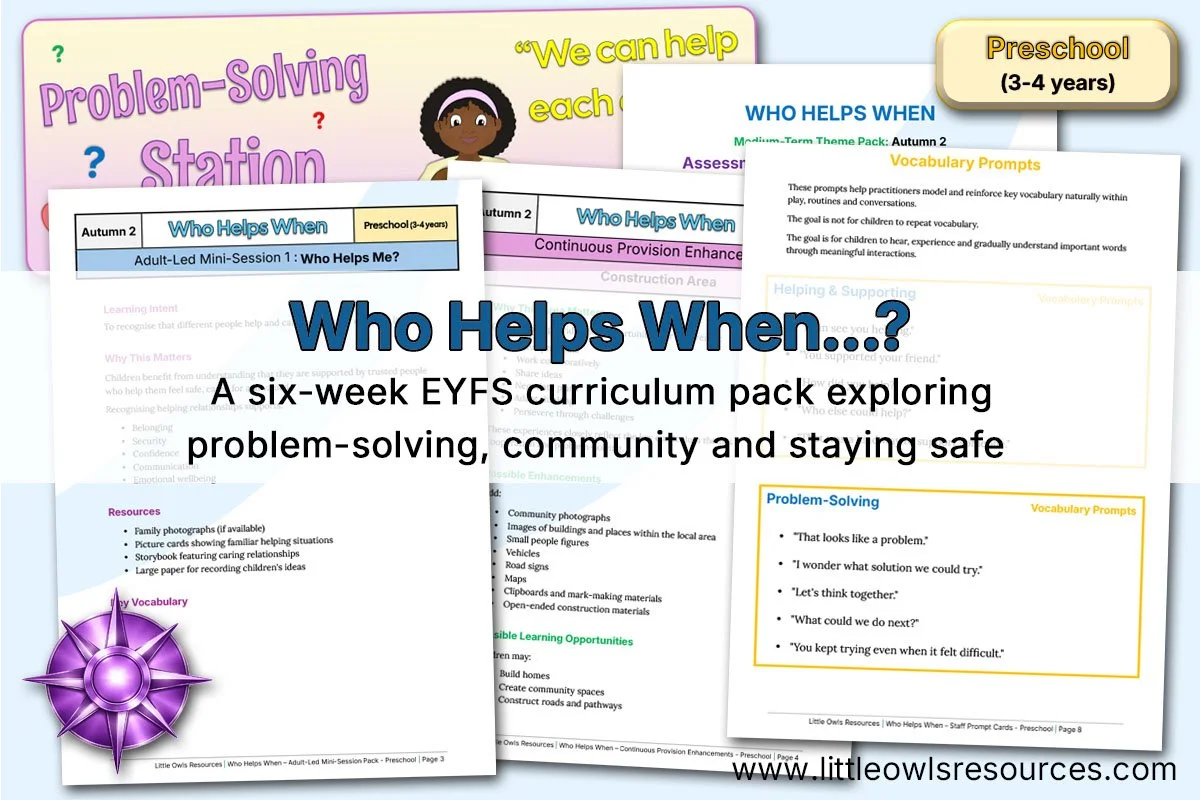
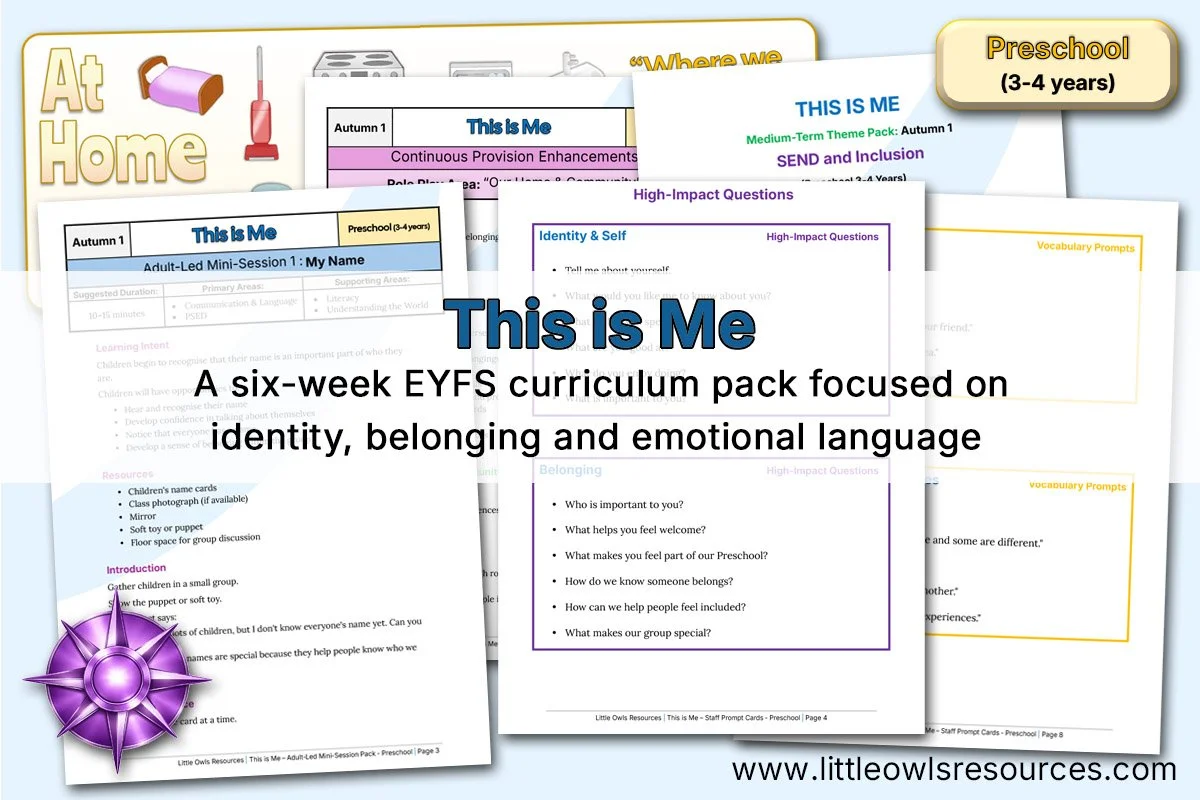
💡 Themes, Topics & Idea Banks
Themes and topics can be useful organisational tools — but they should never drive learning.
We provide:
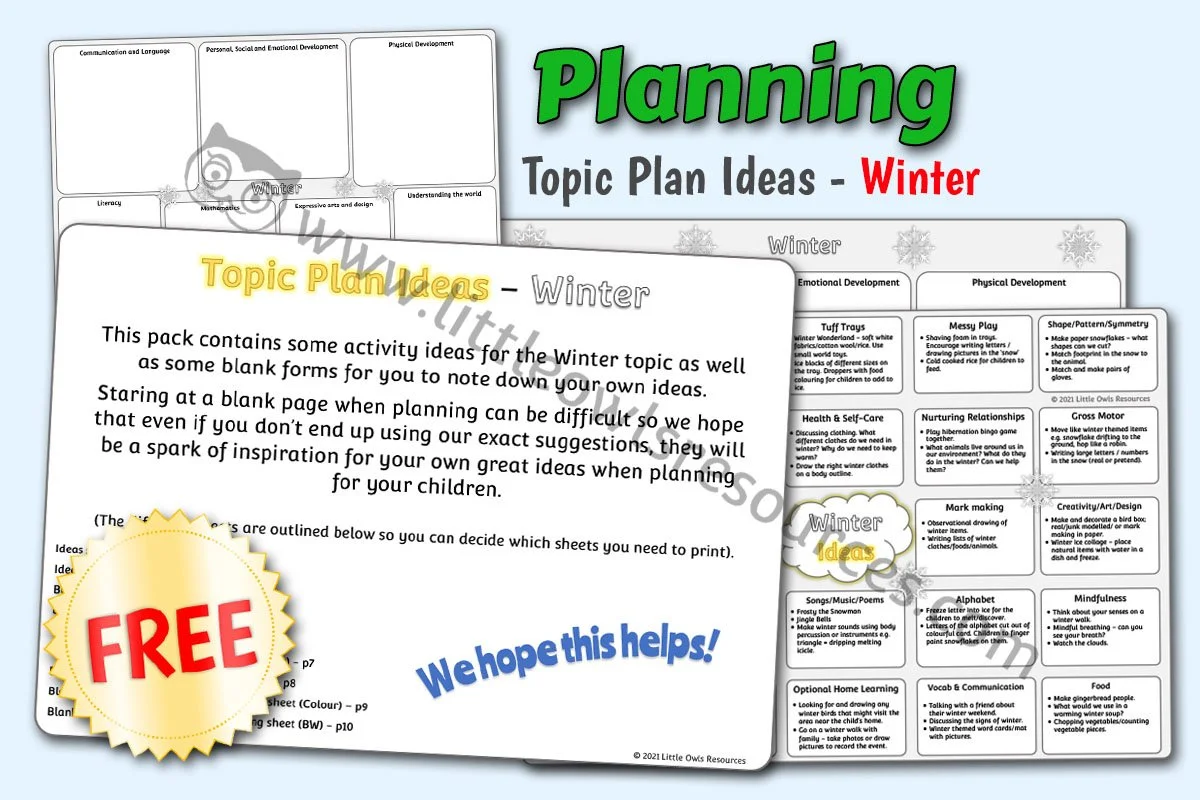
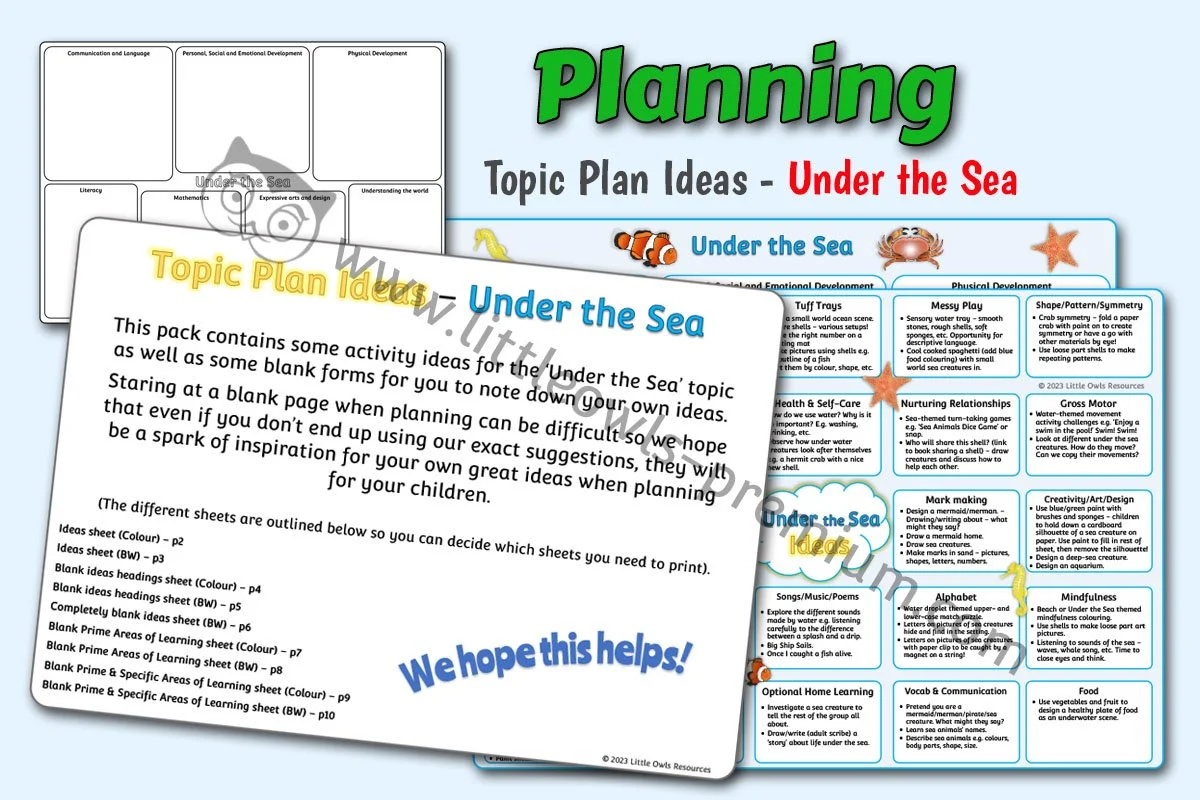
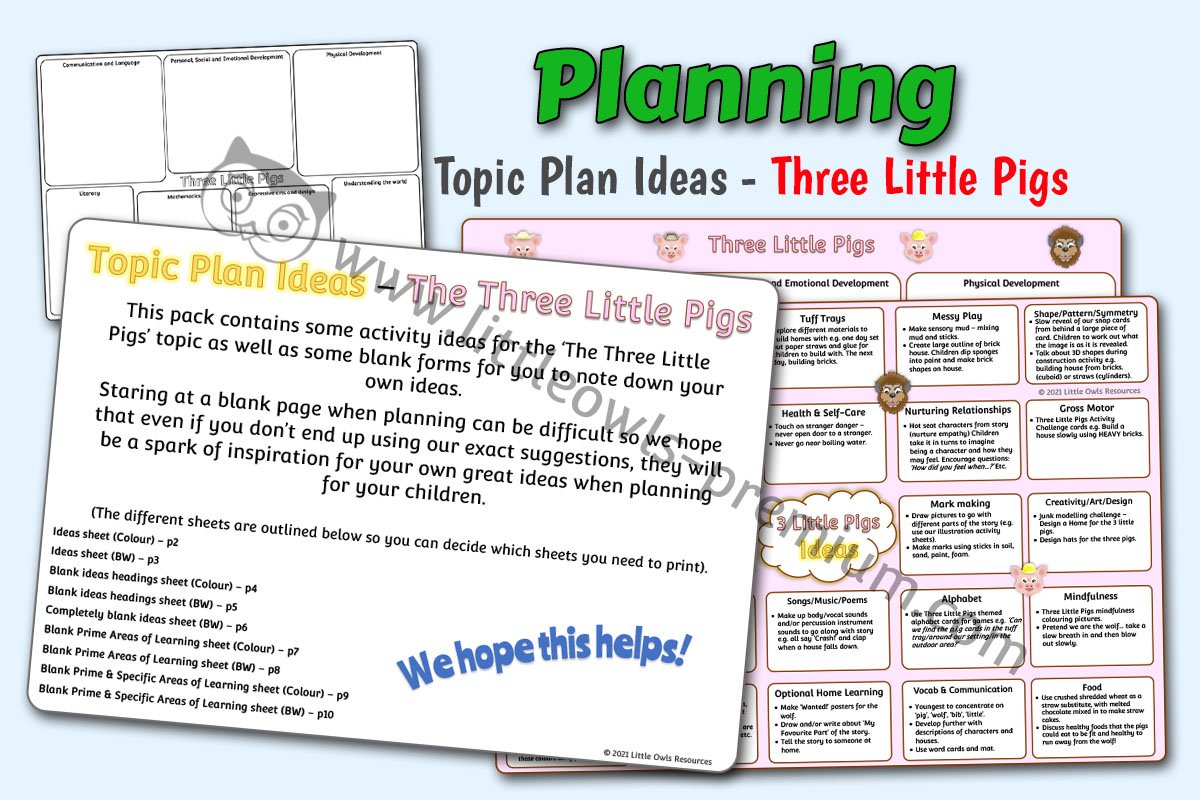
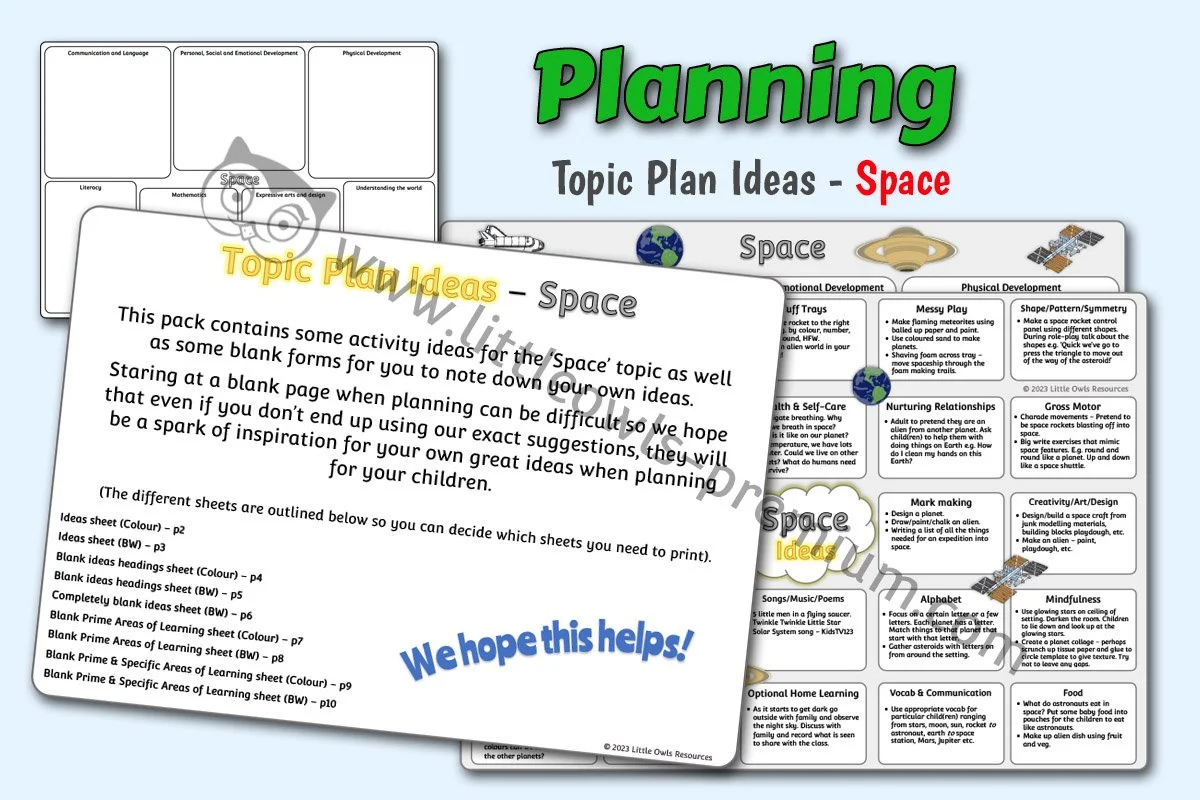
Topic idea maps
Activity idea banks
Themed provision resources
Seasonal and celebration-based ideas
These are designed to:
support practitioner inspiration
enhance provision
provide shared contexts for play and talk
They should always be used:
flexibly
selectively
in response to children’s interests
—not as fixed plans to follow.
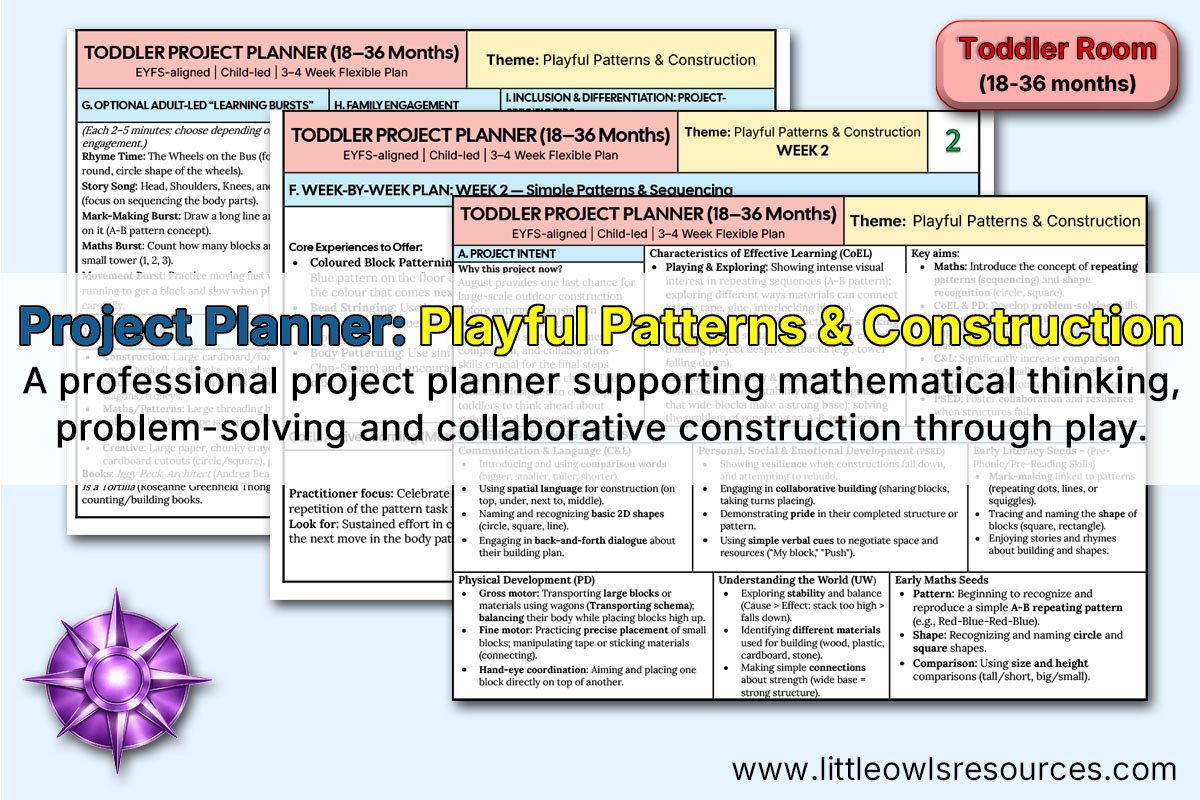
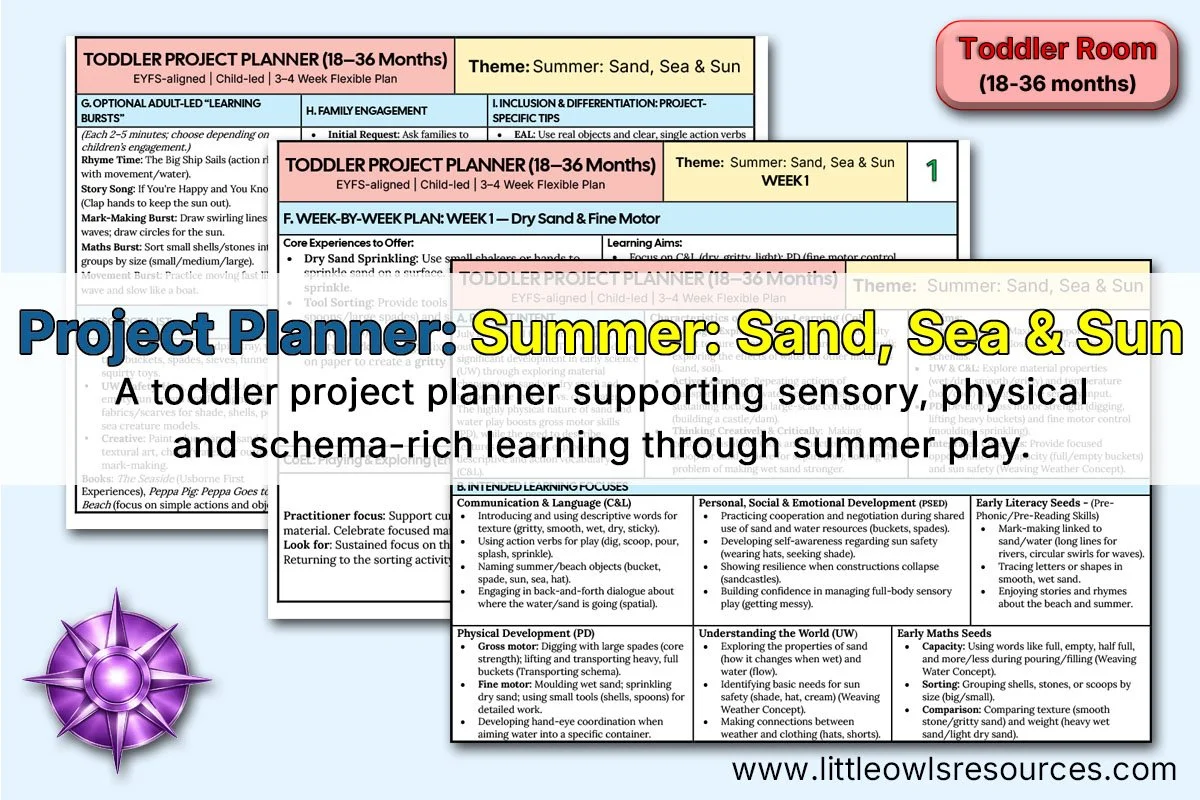
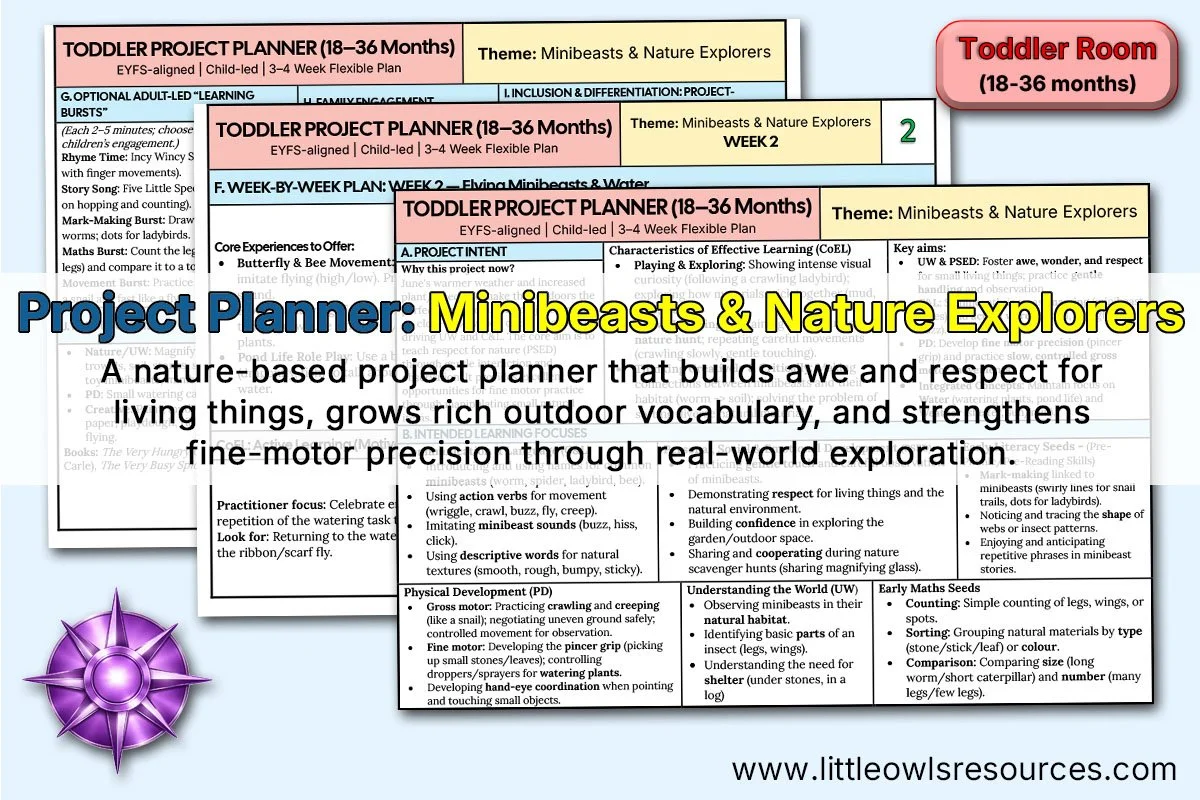
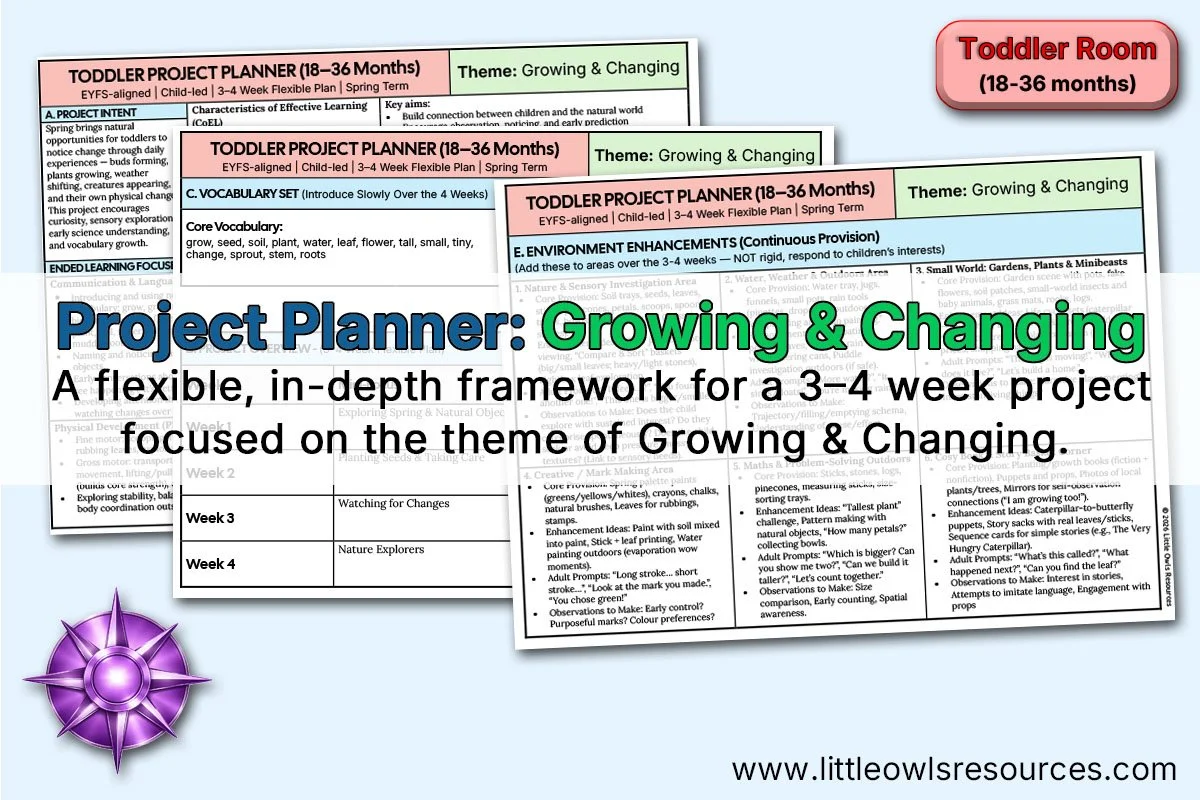
Toddlers | 18-36 Months

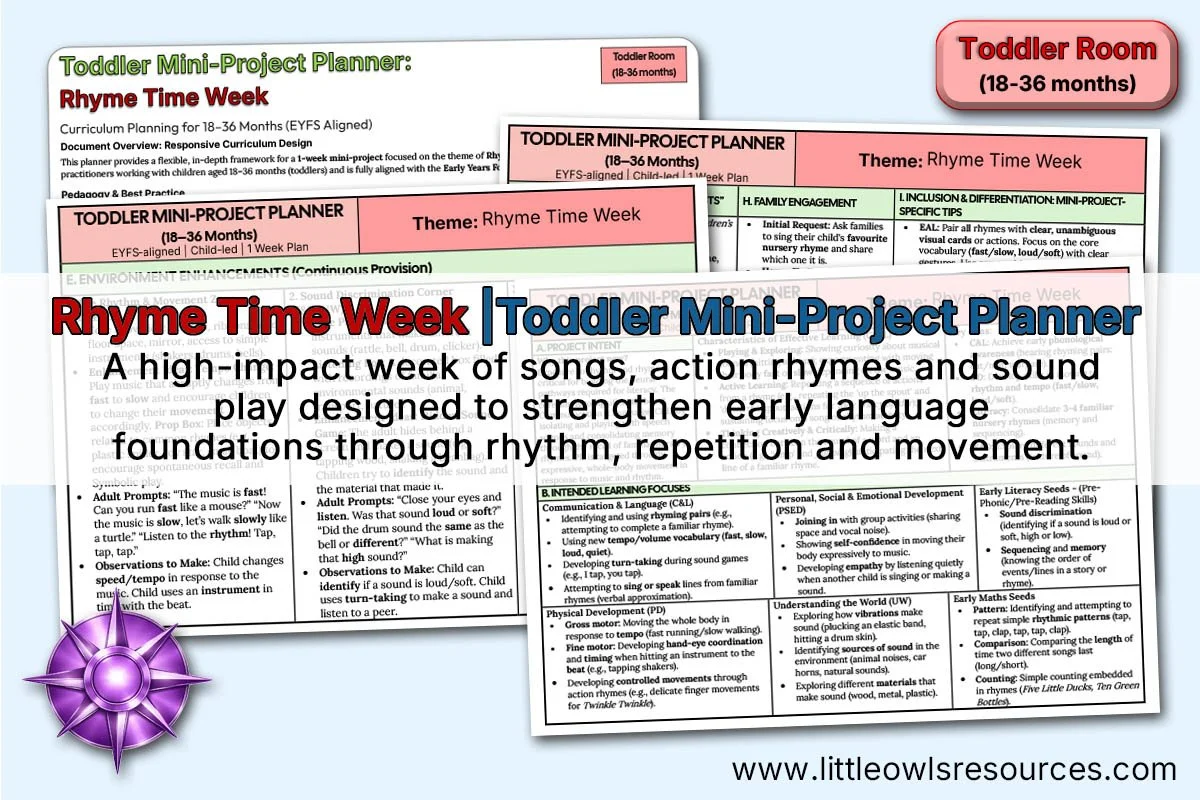
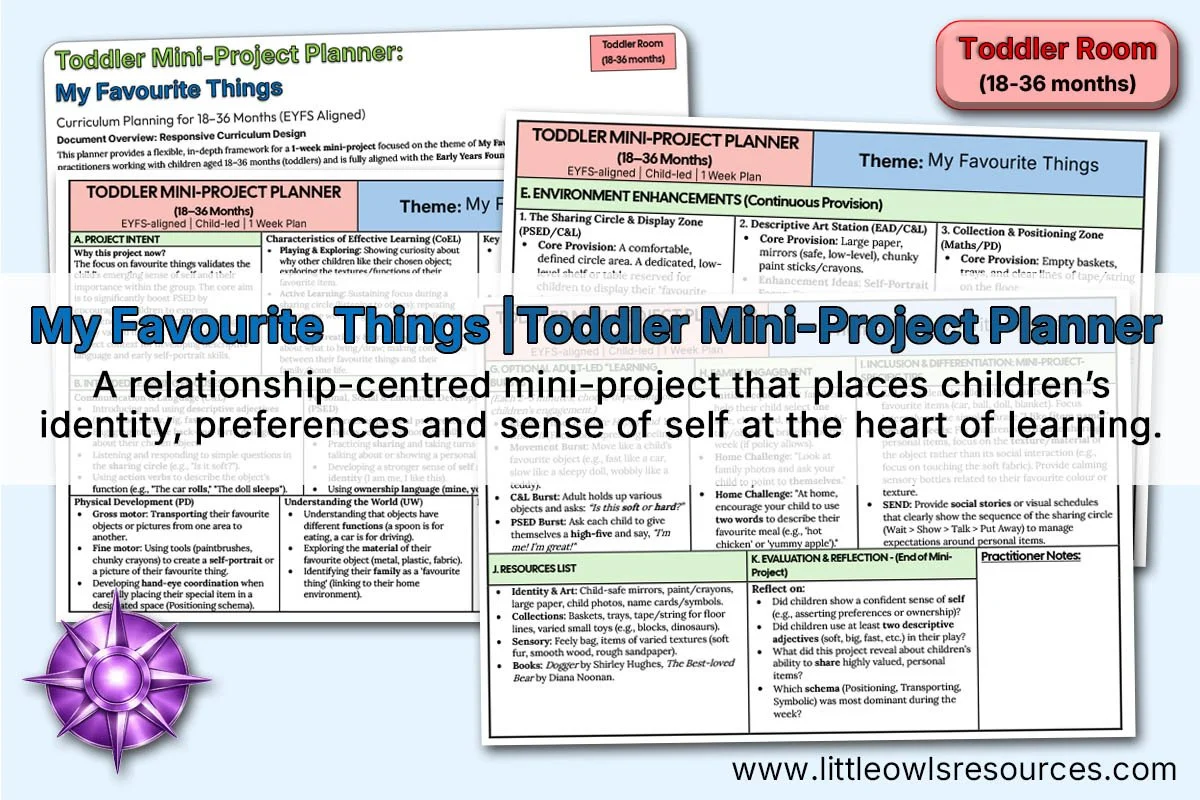
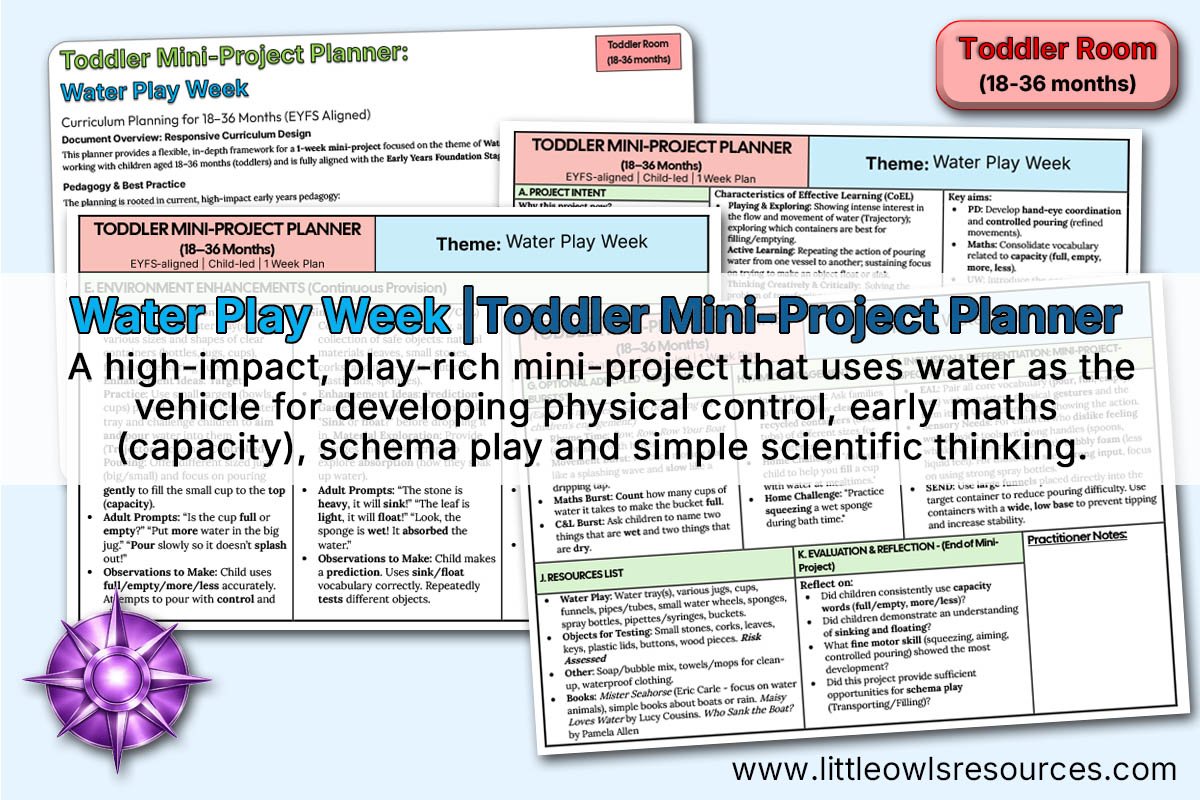
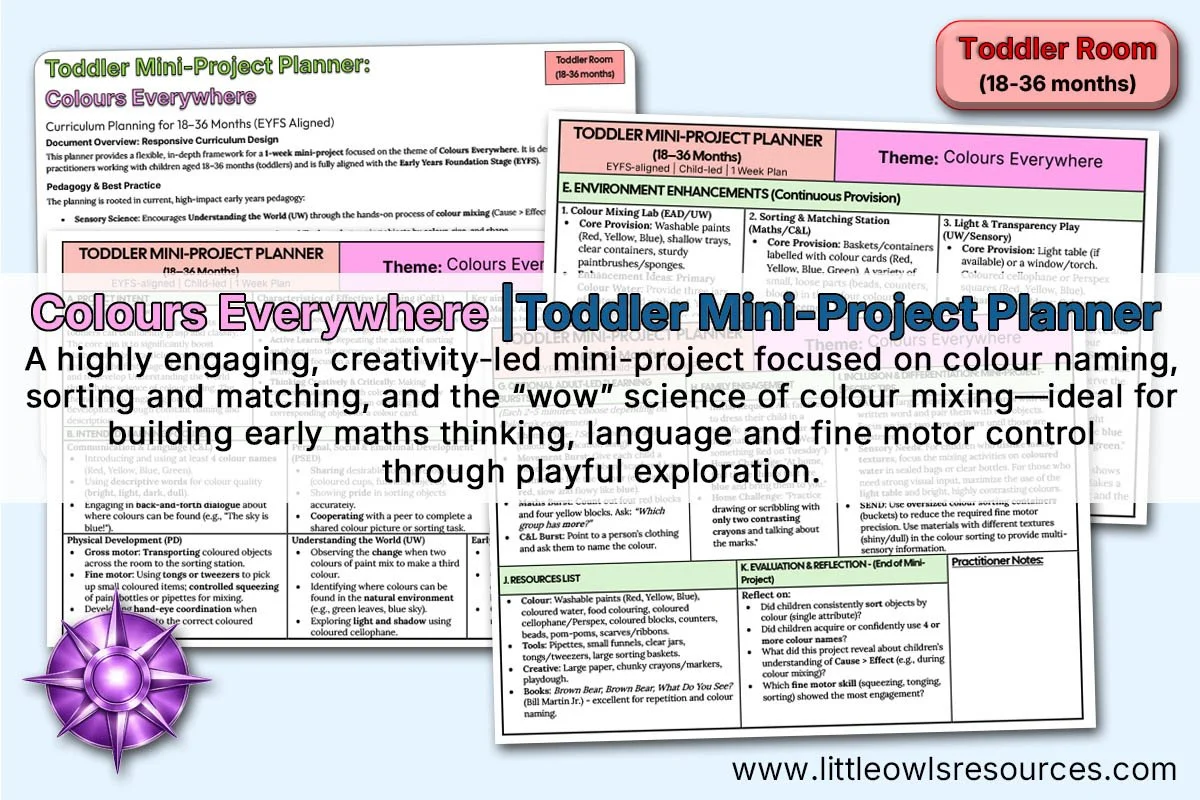
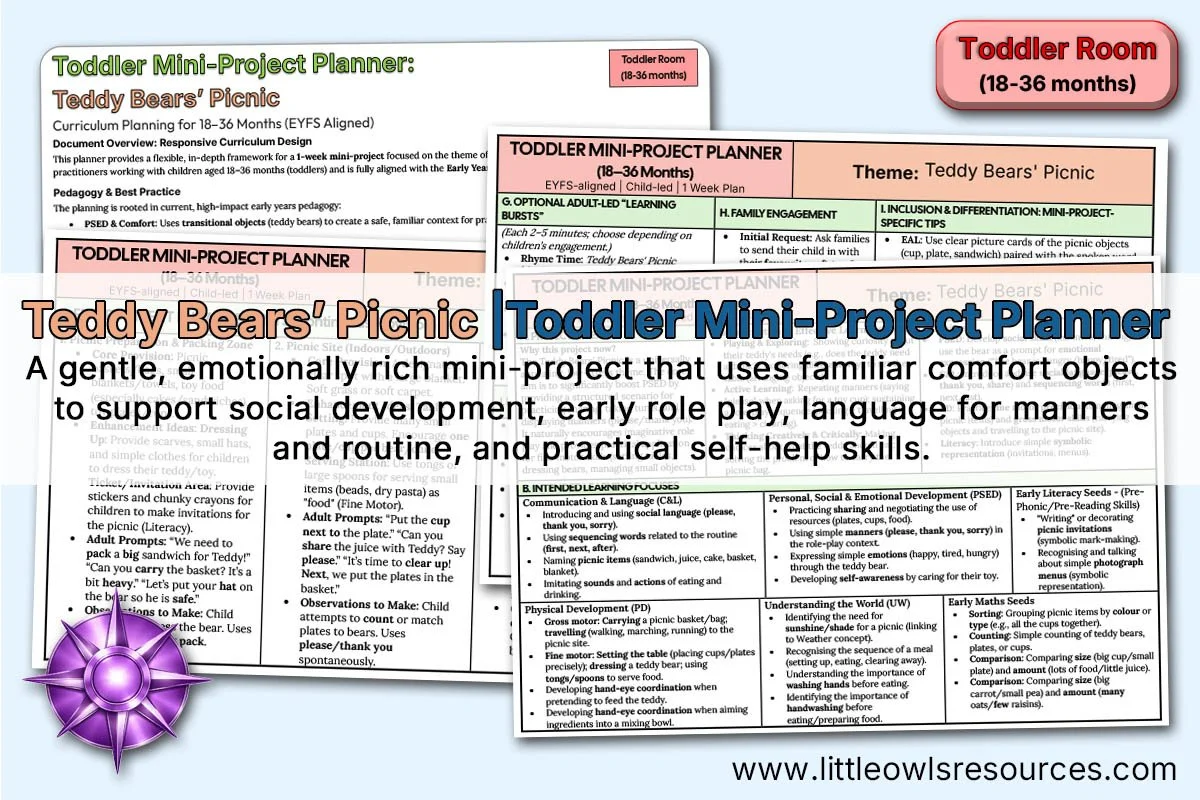
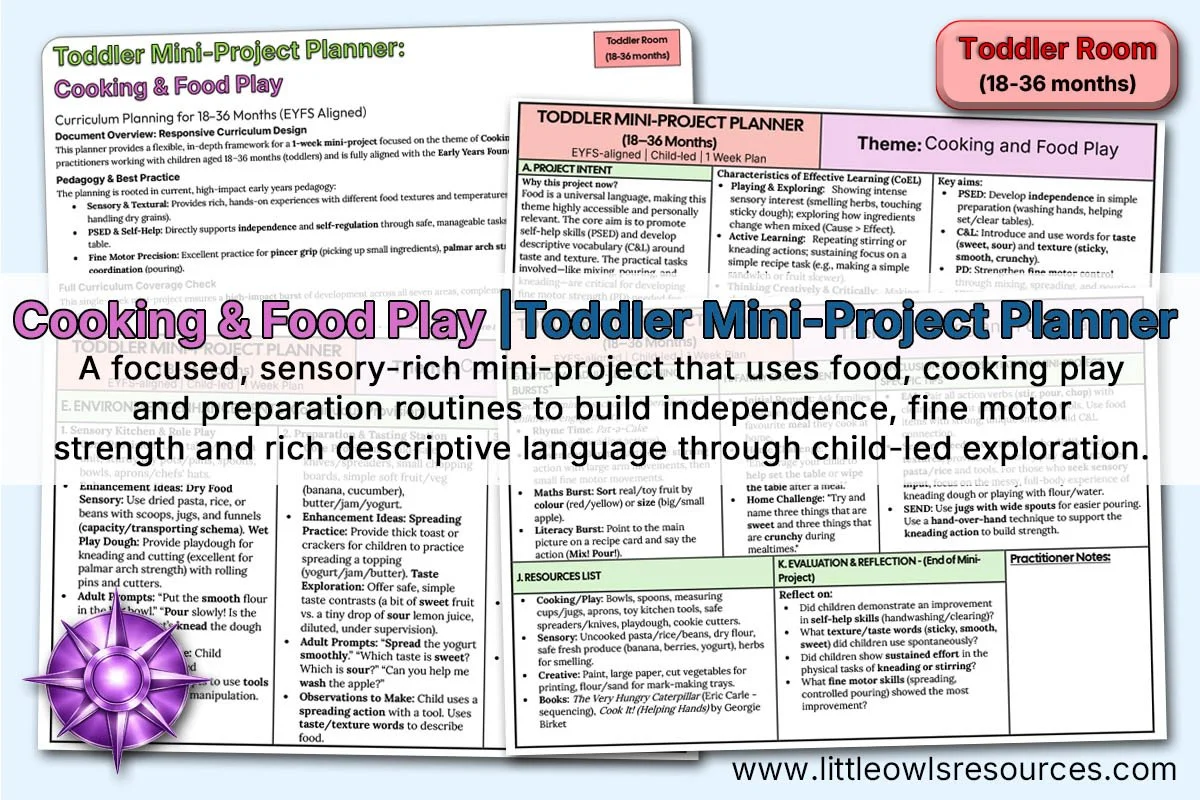



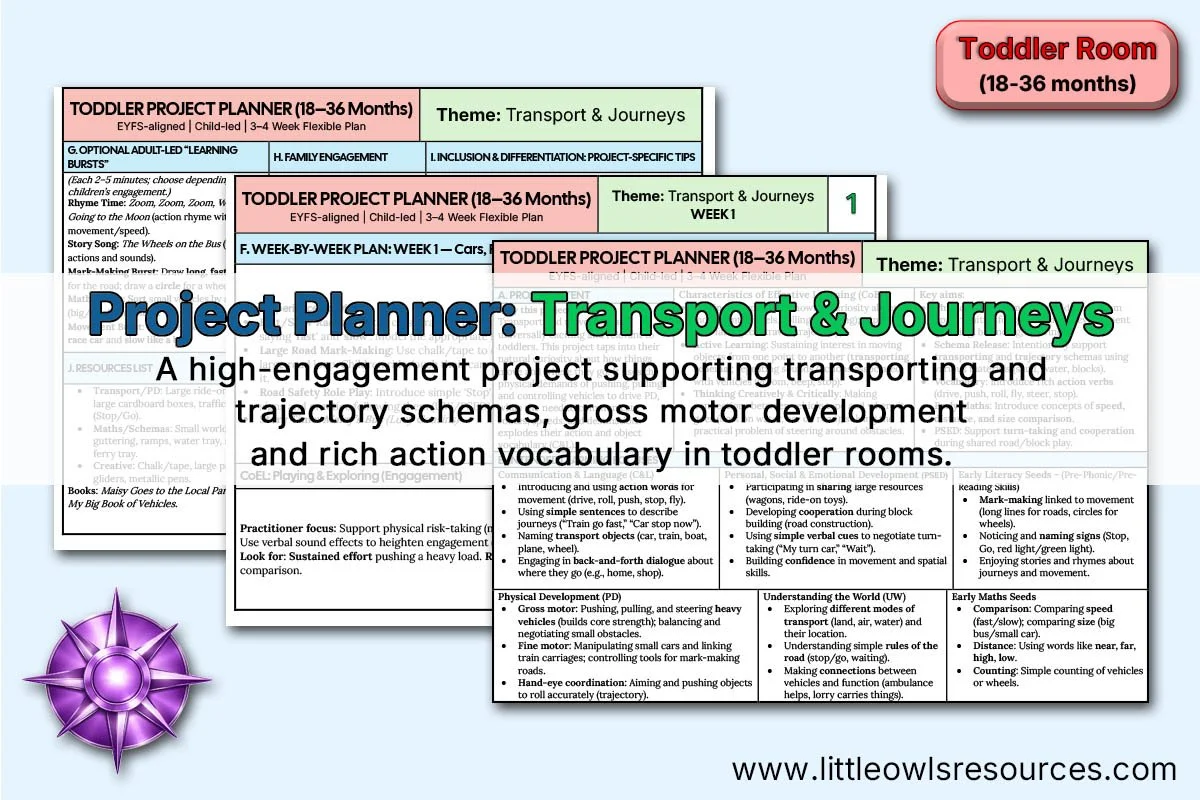
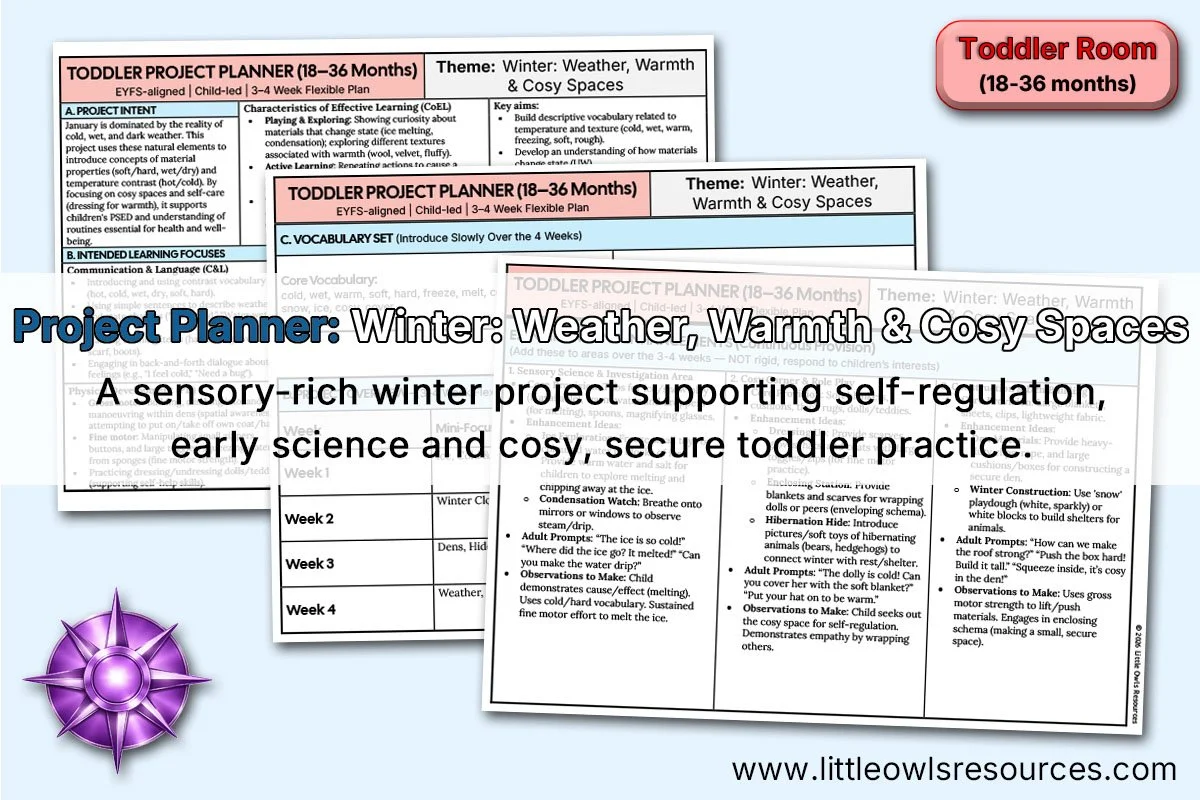

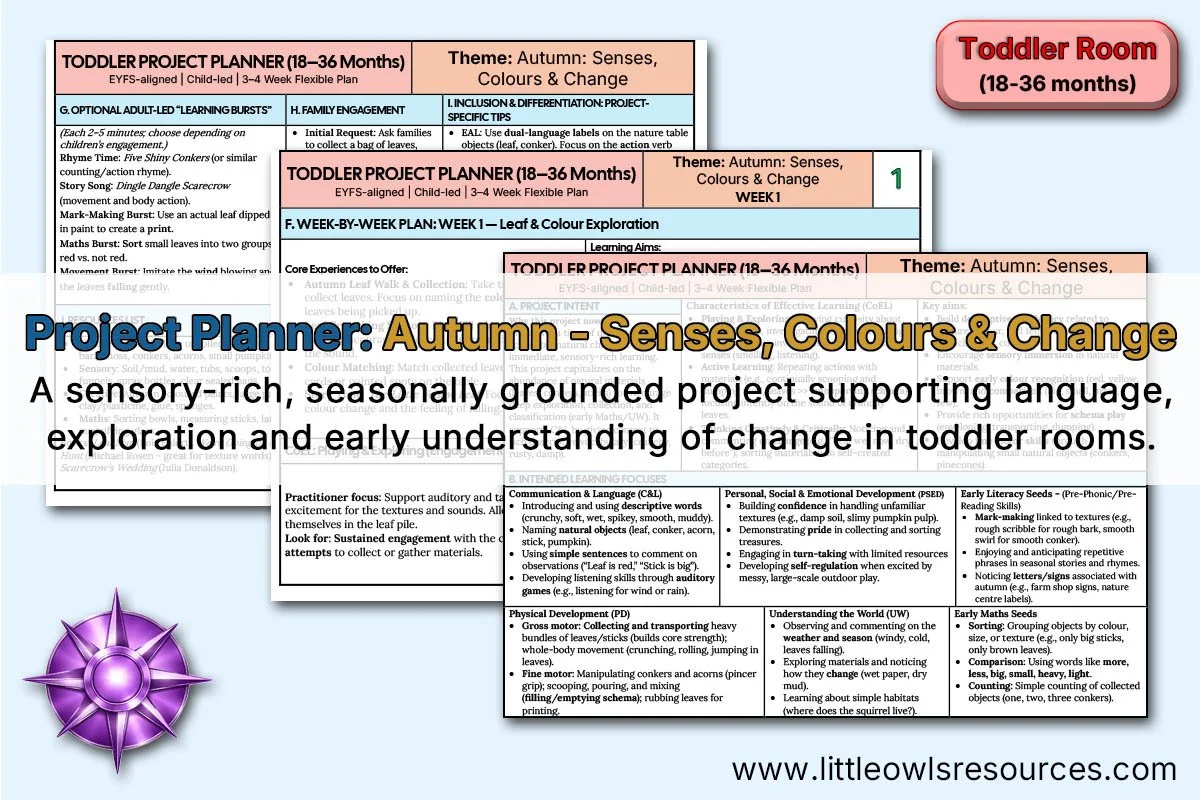
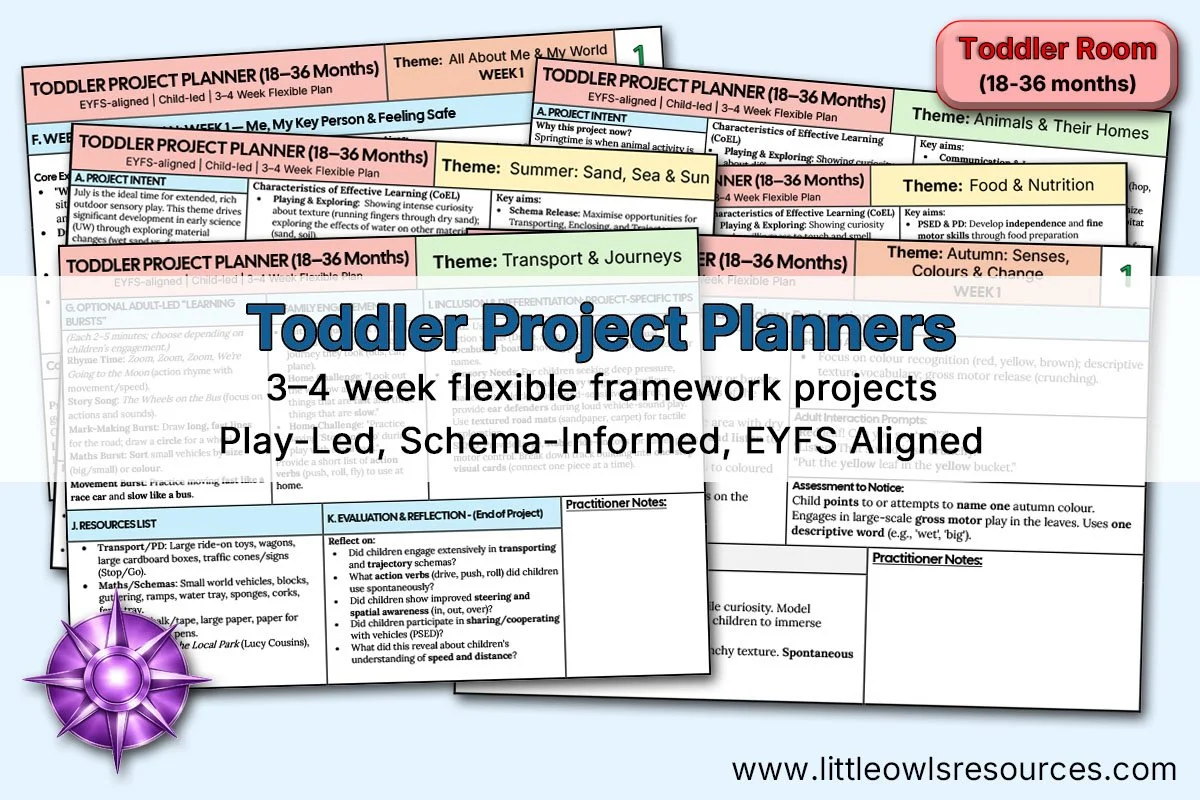


Preschool | 3-4 Years
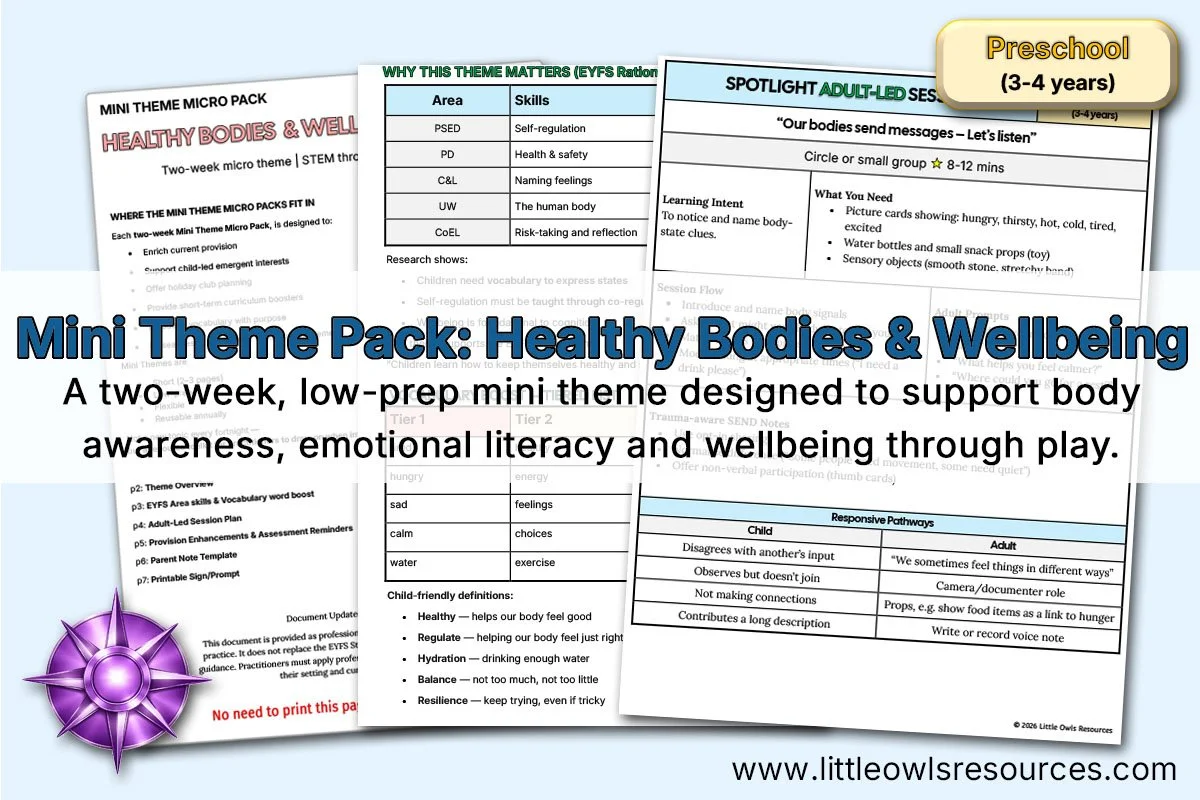
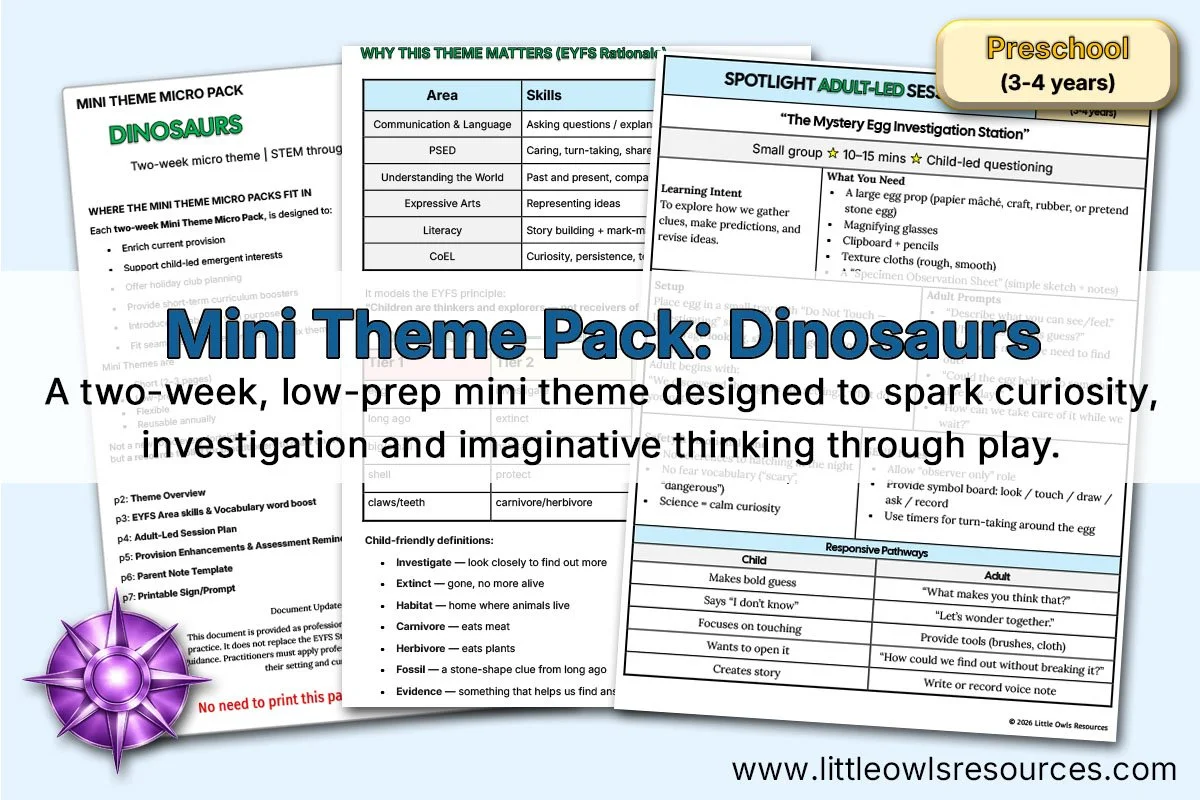
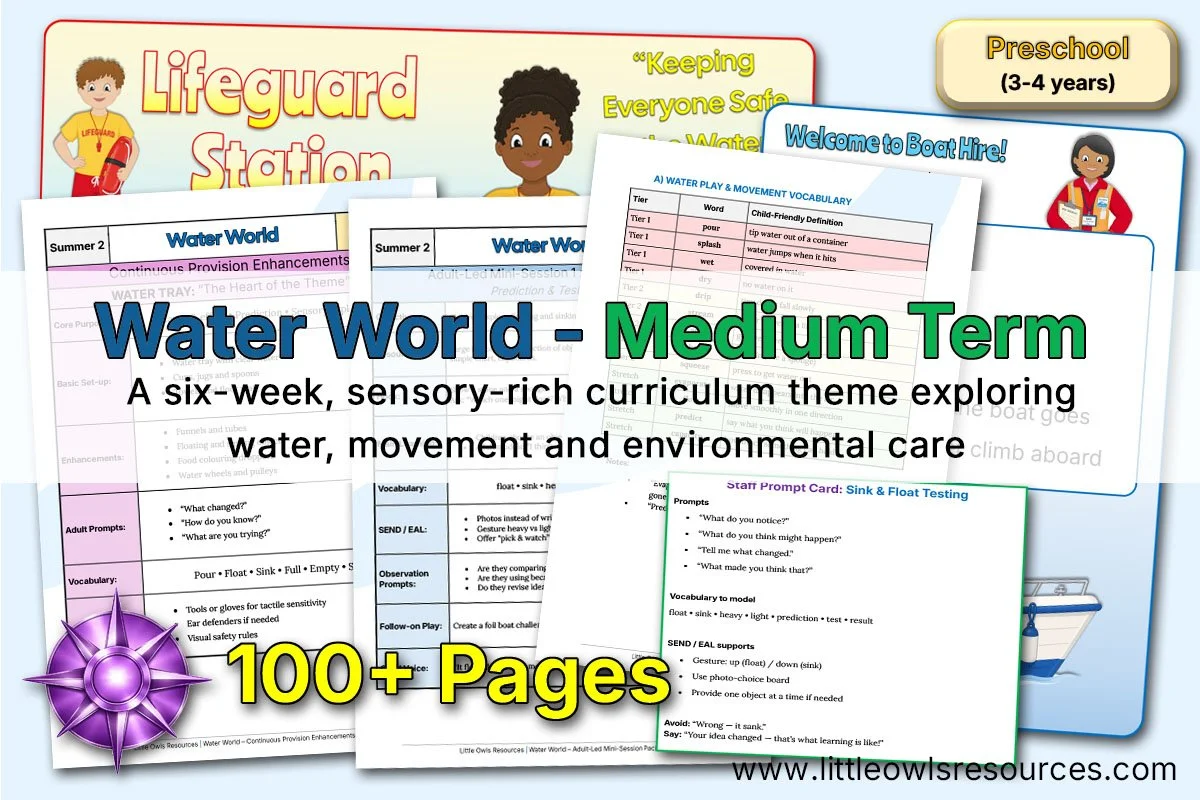
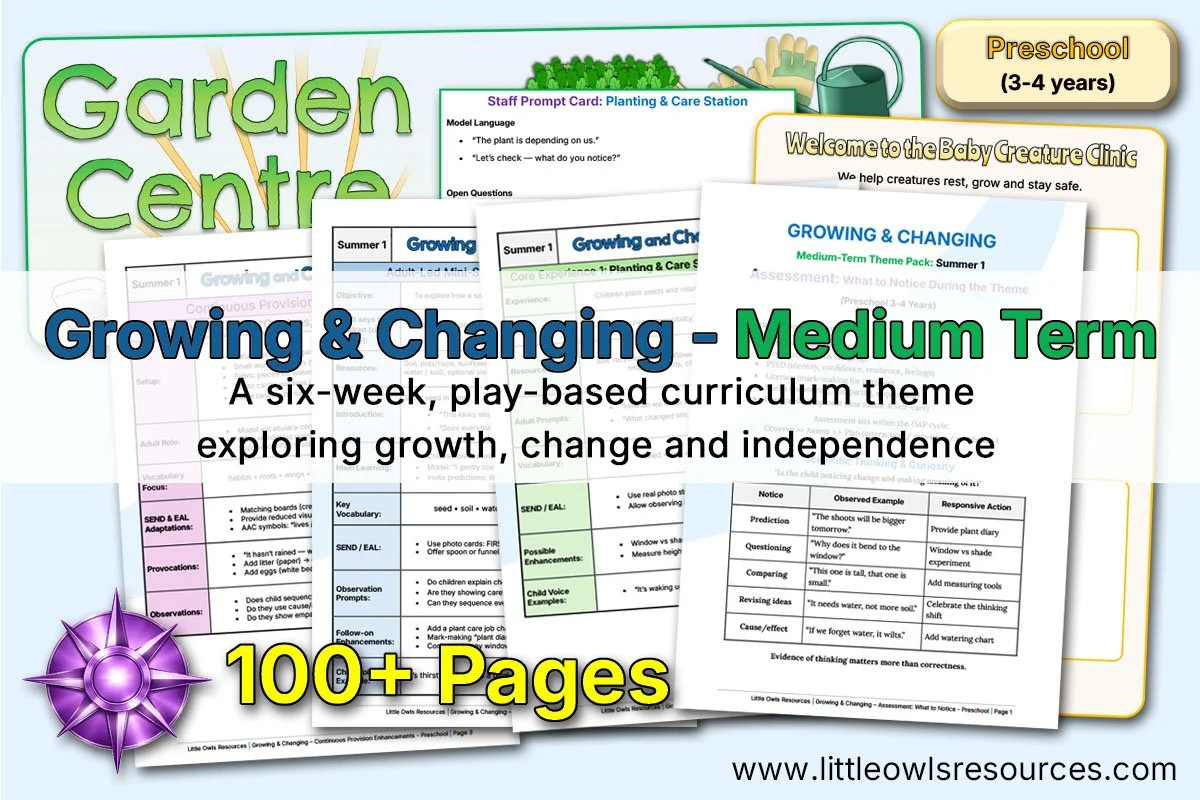

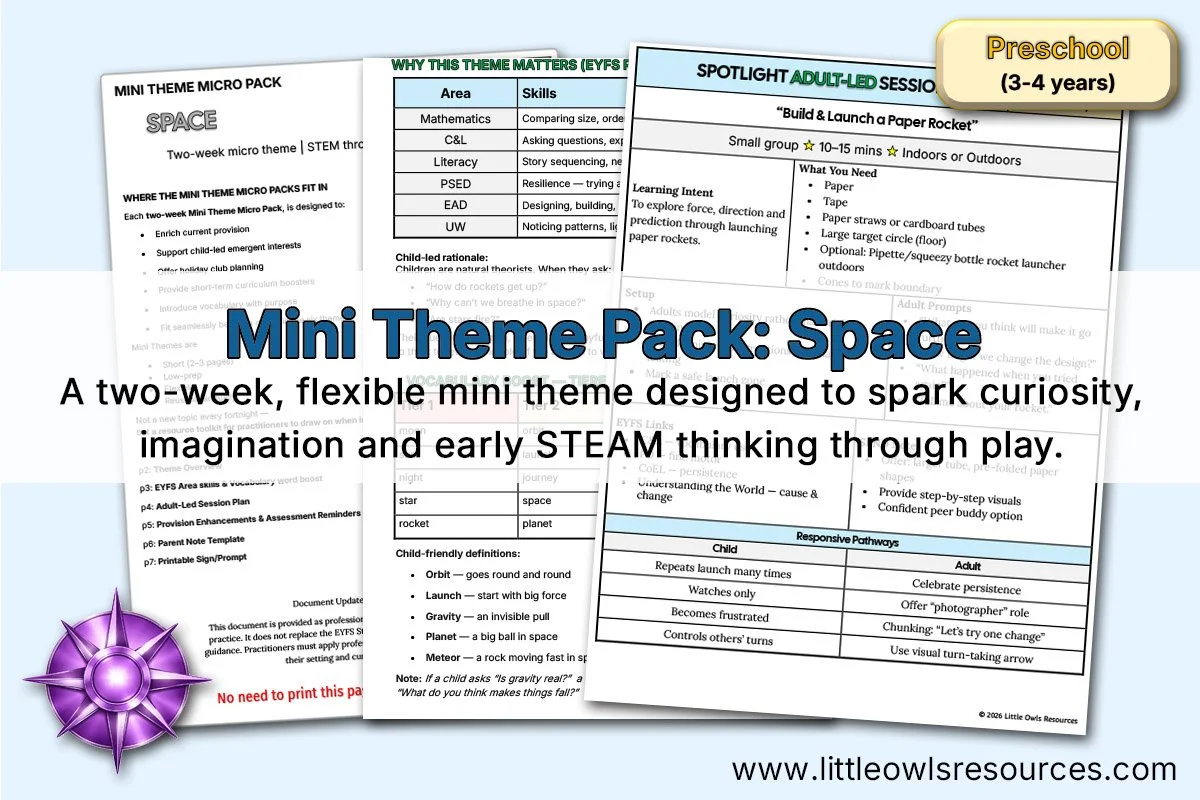
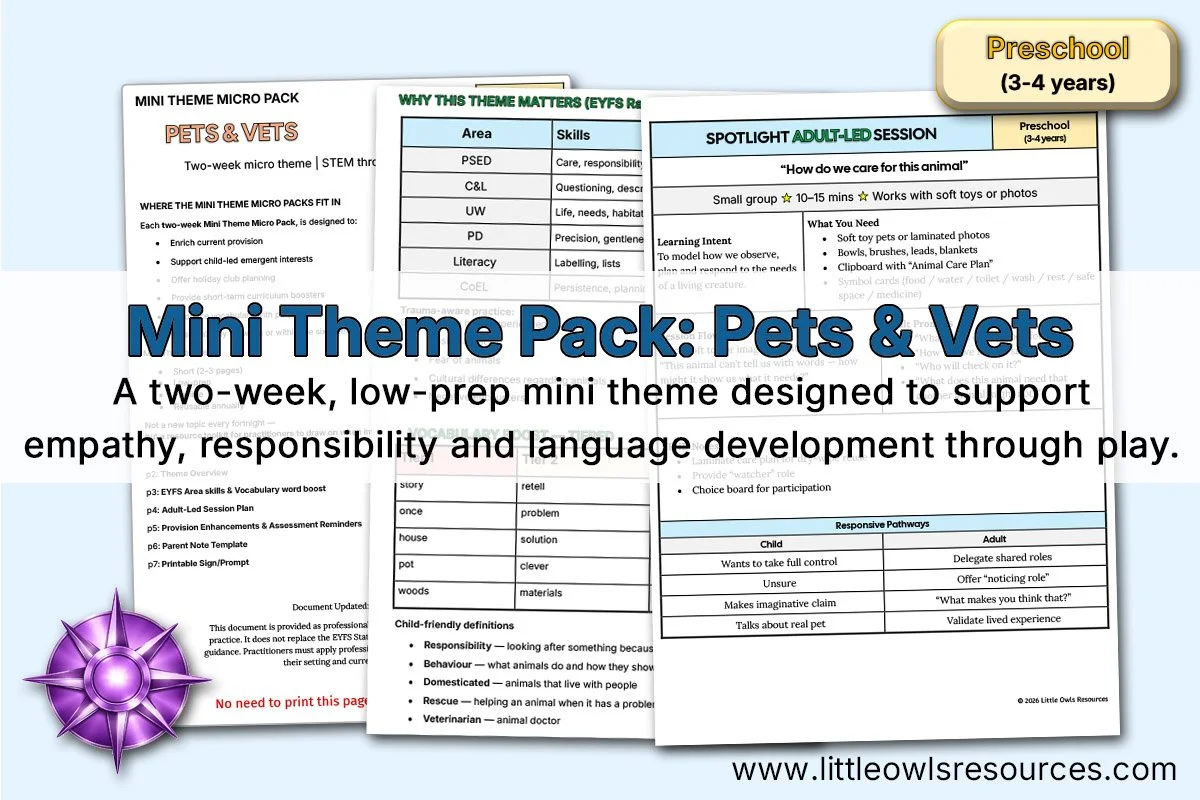

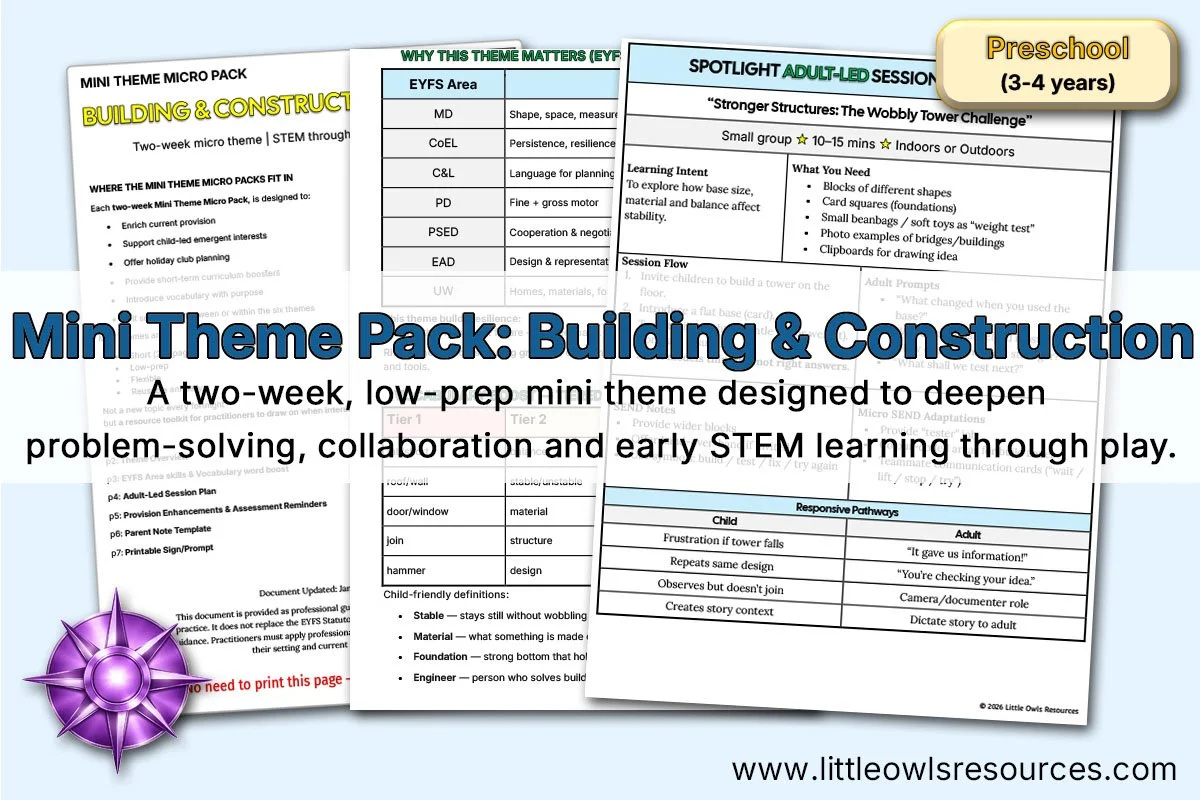

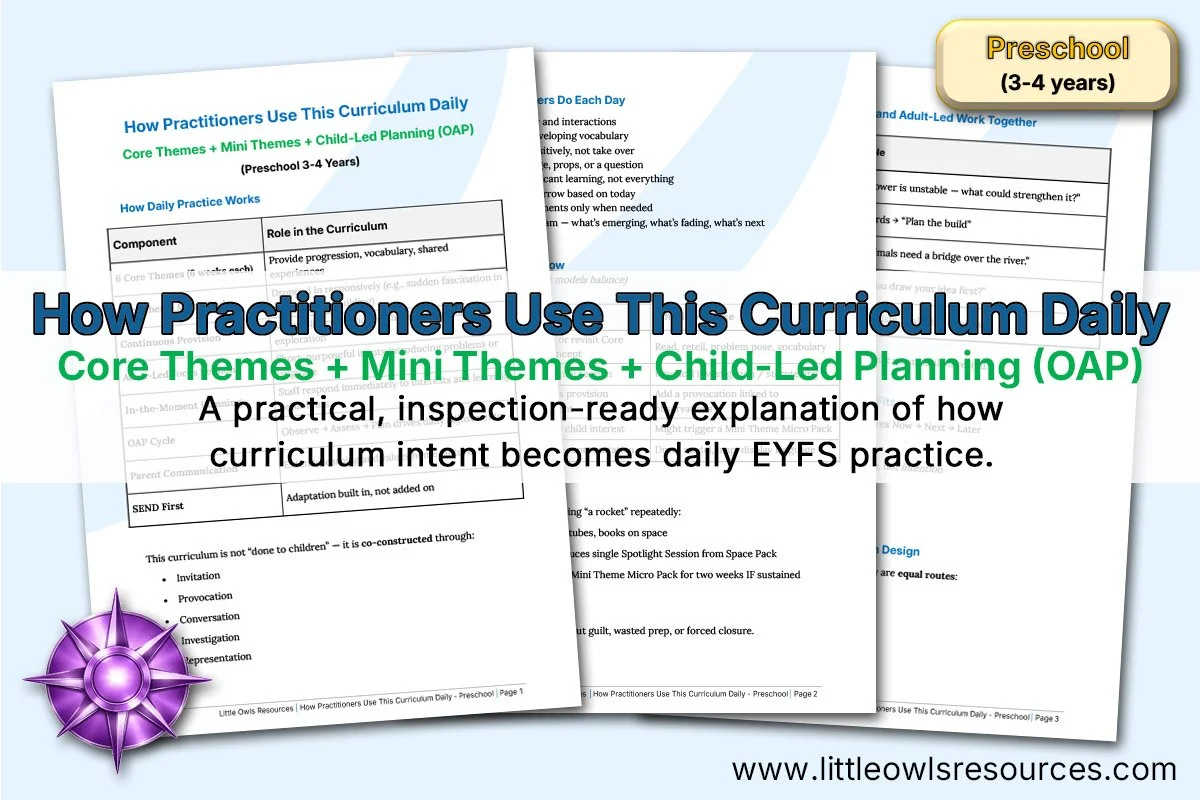
Reception | 4-5 Years
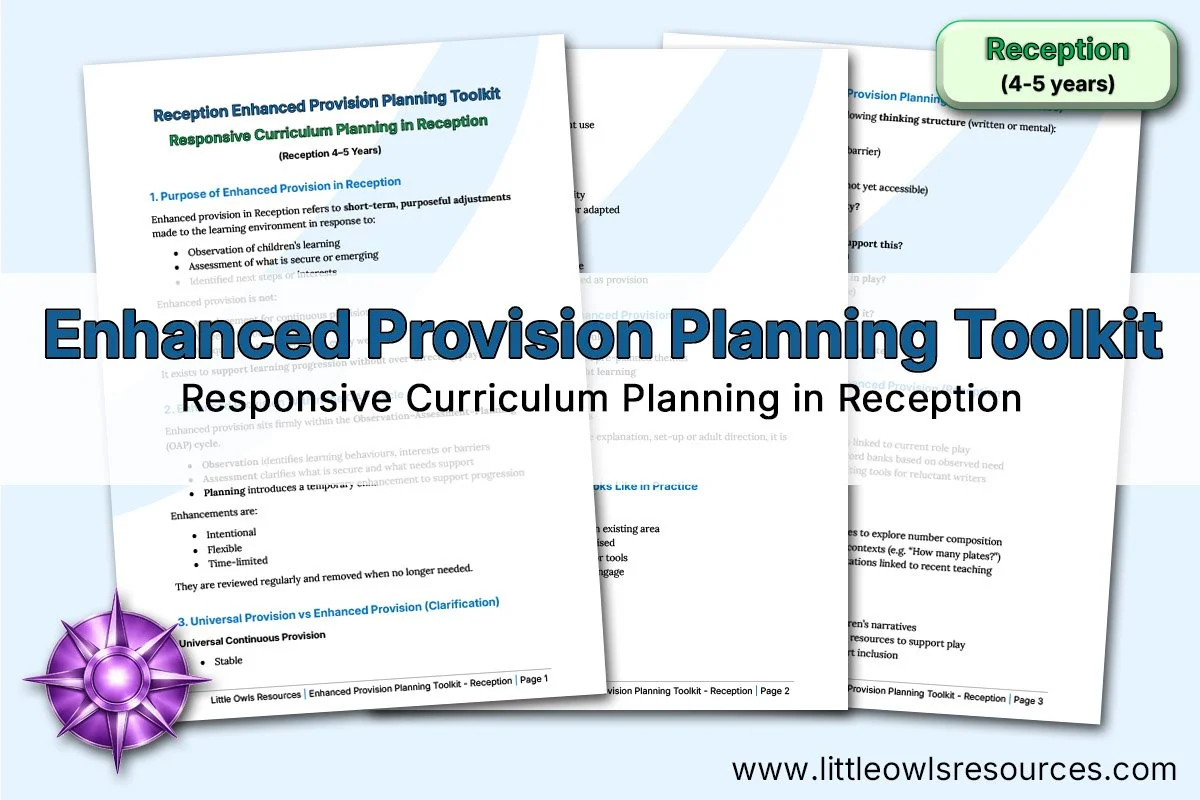
Themed Provision Resources | Birth-5

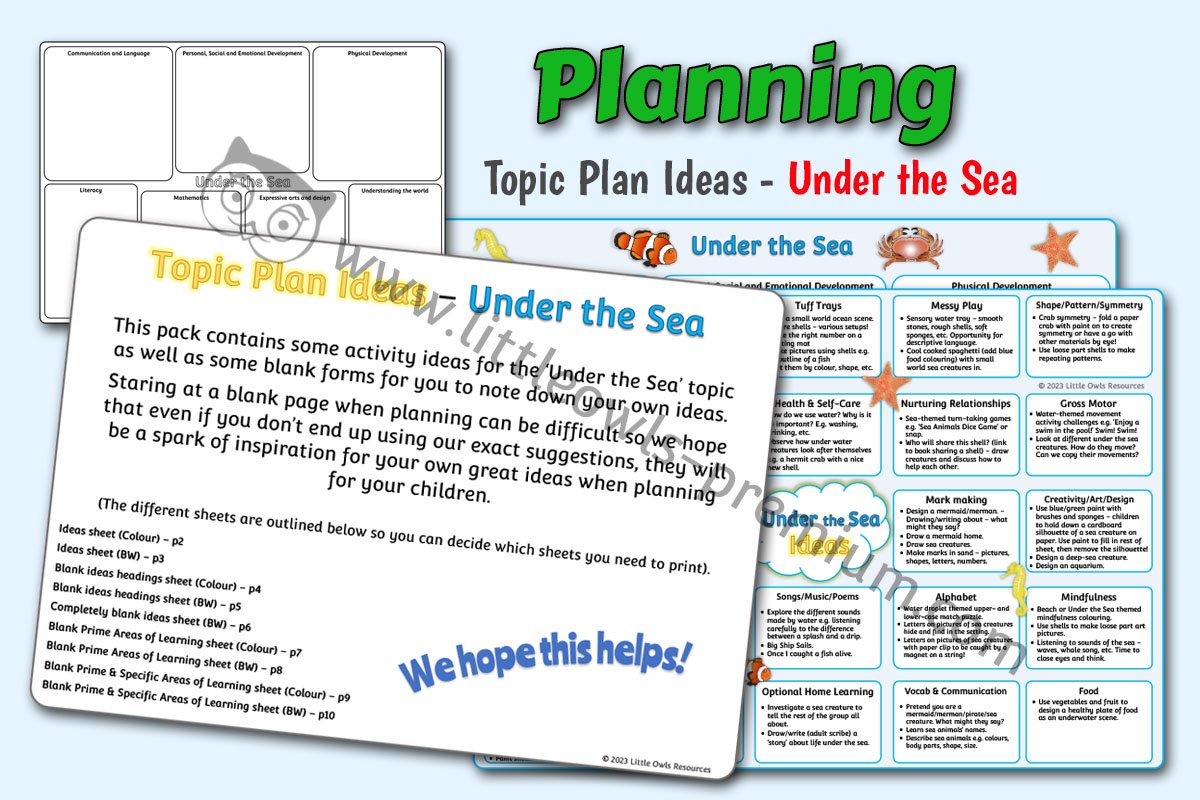
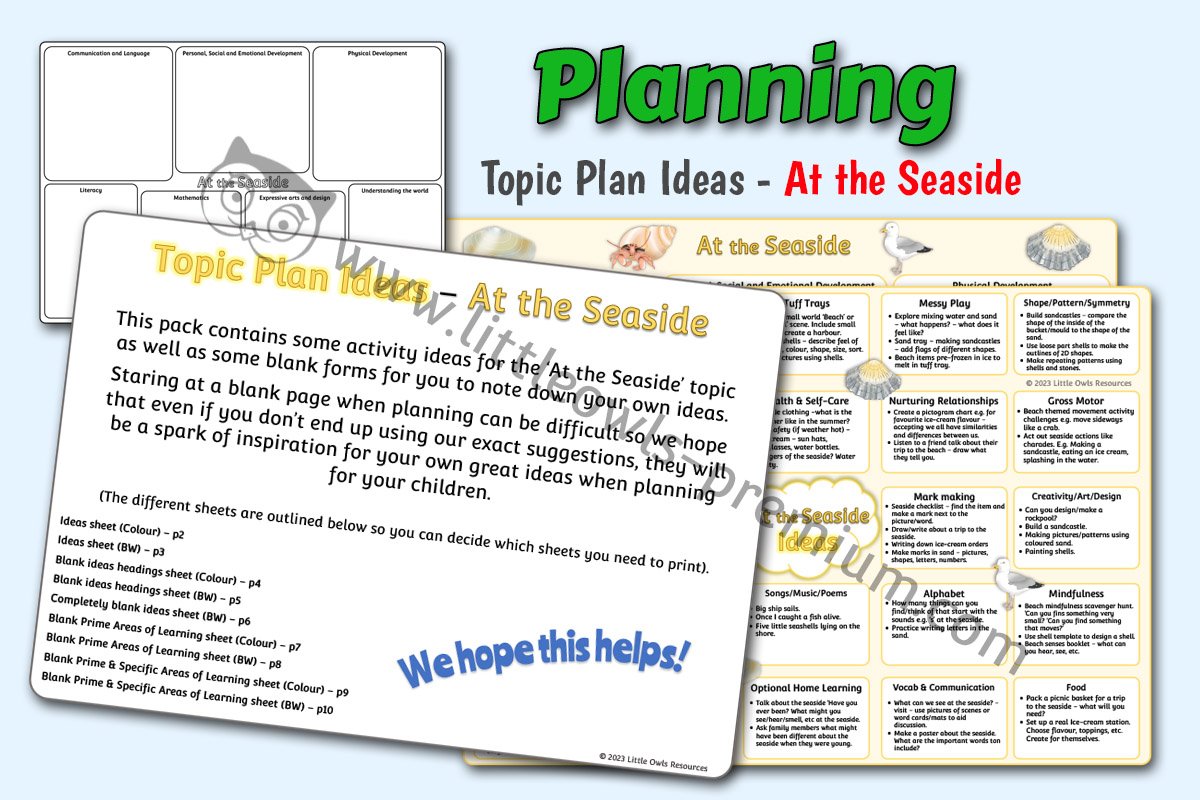
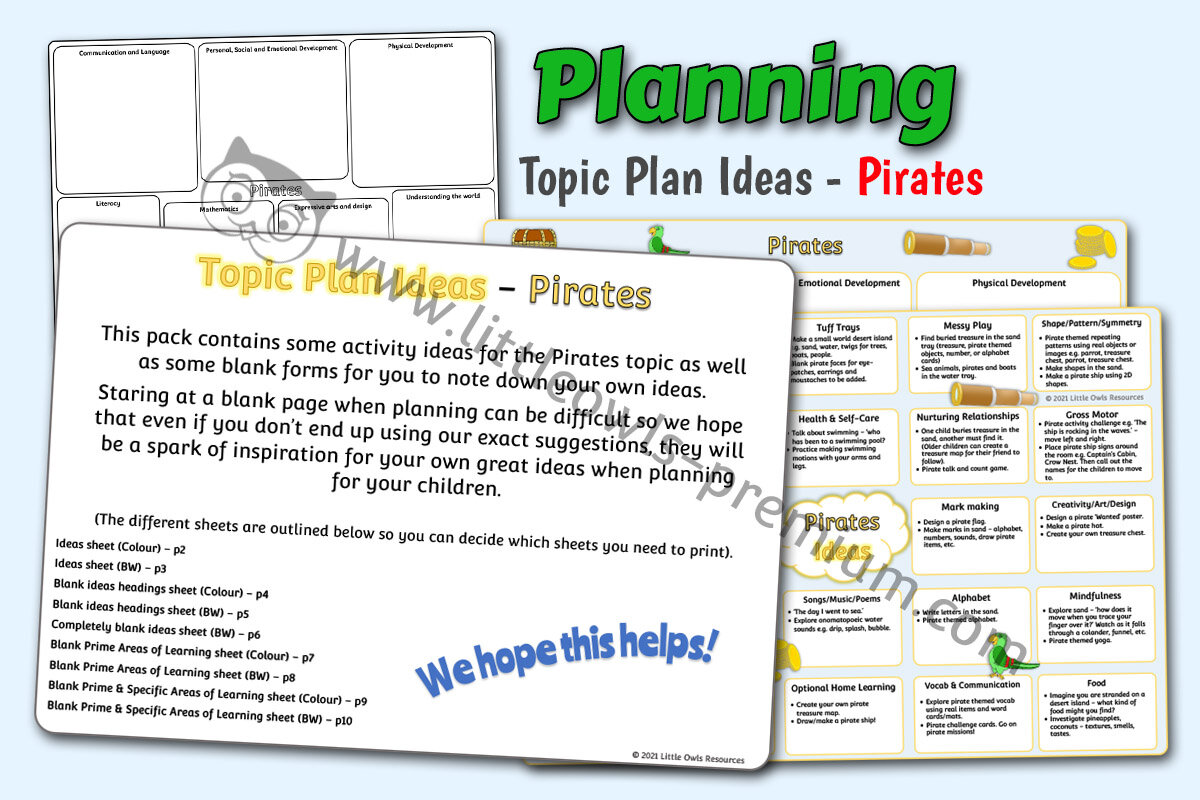

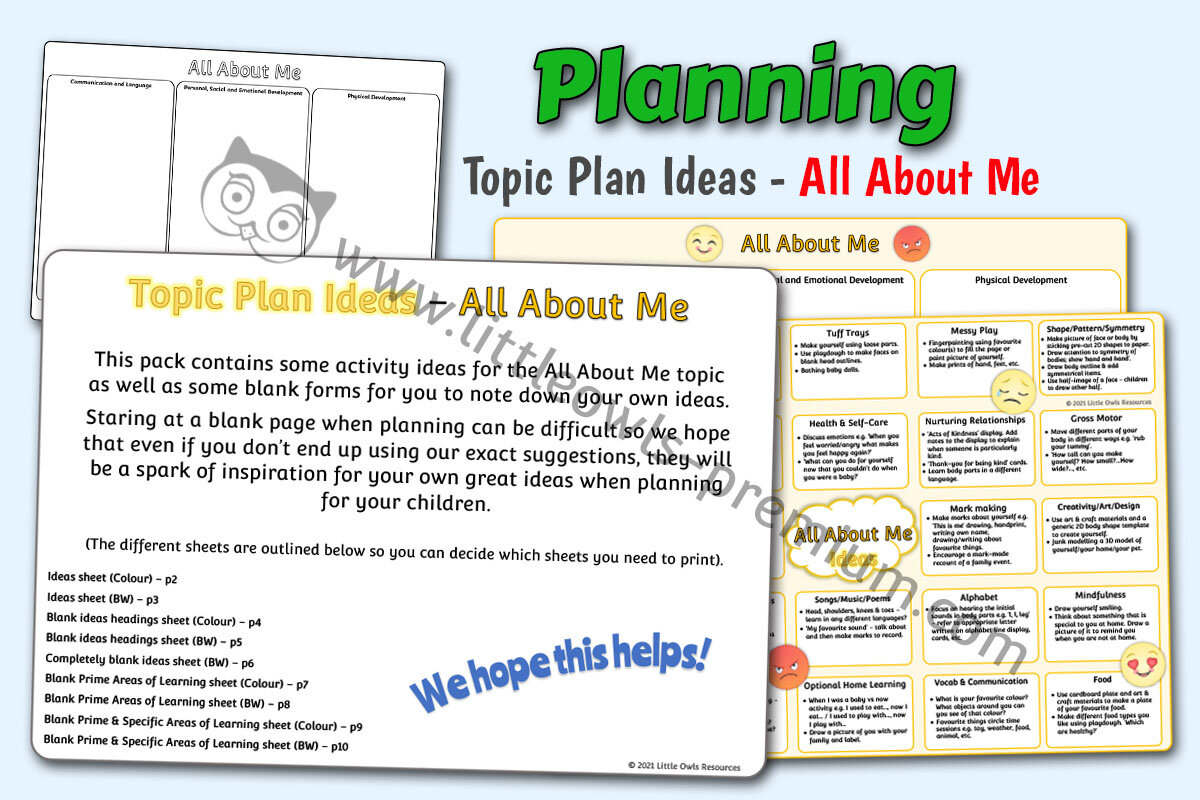








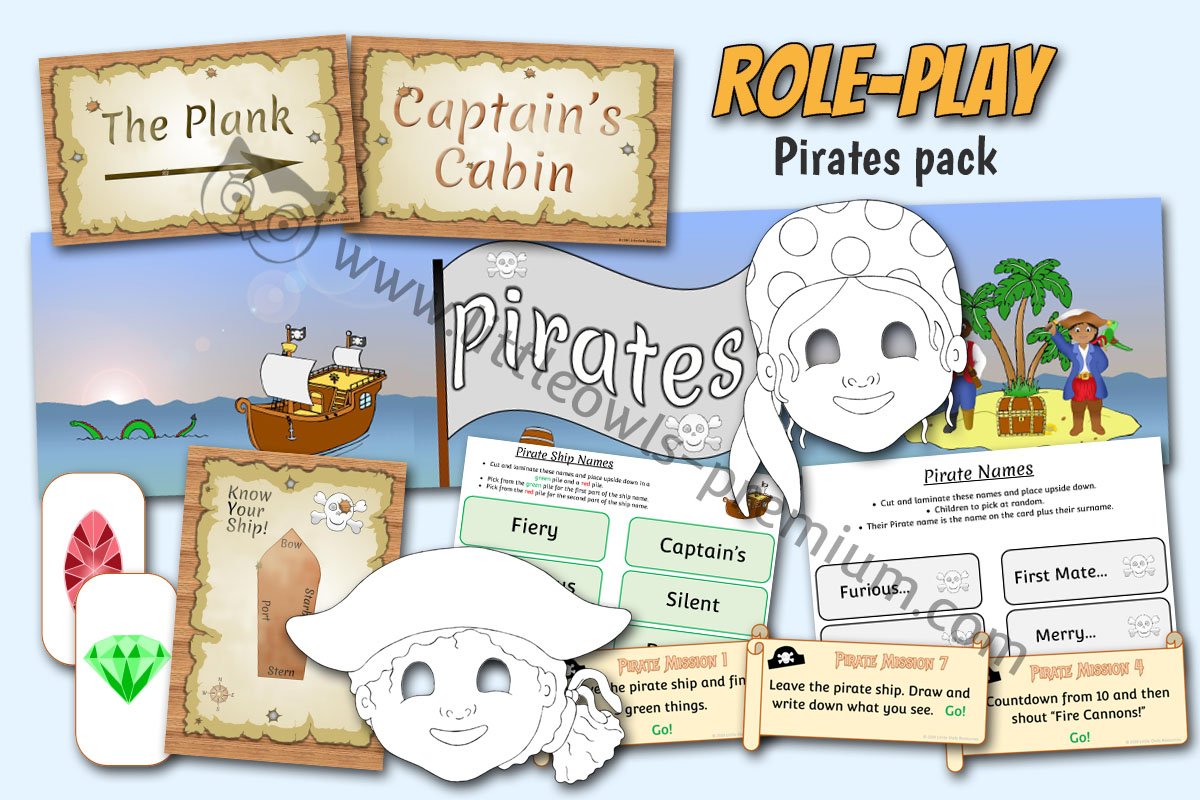
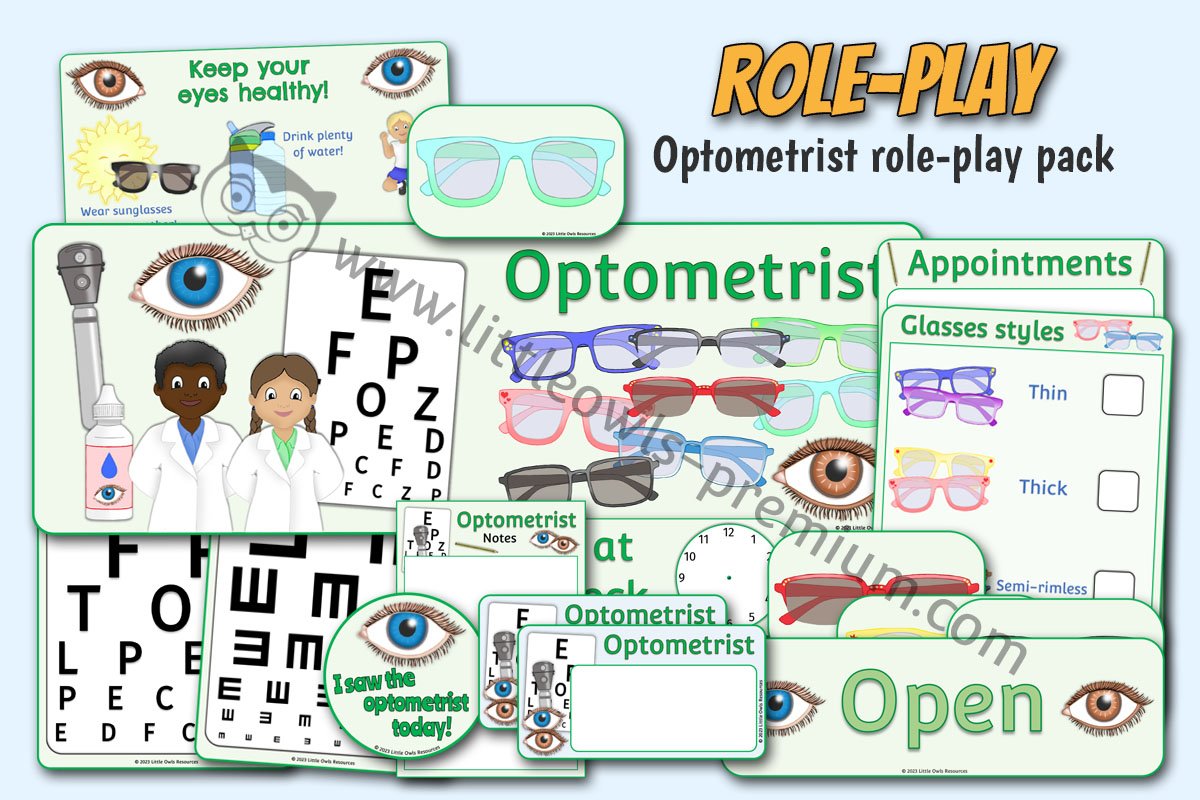
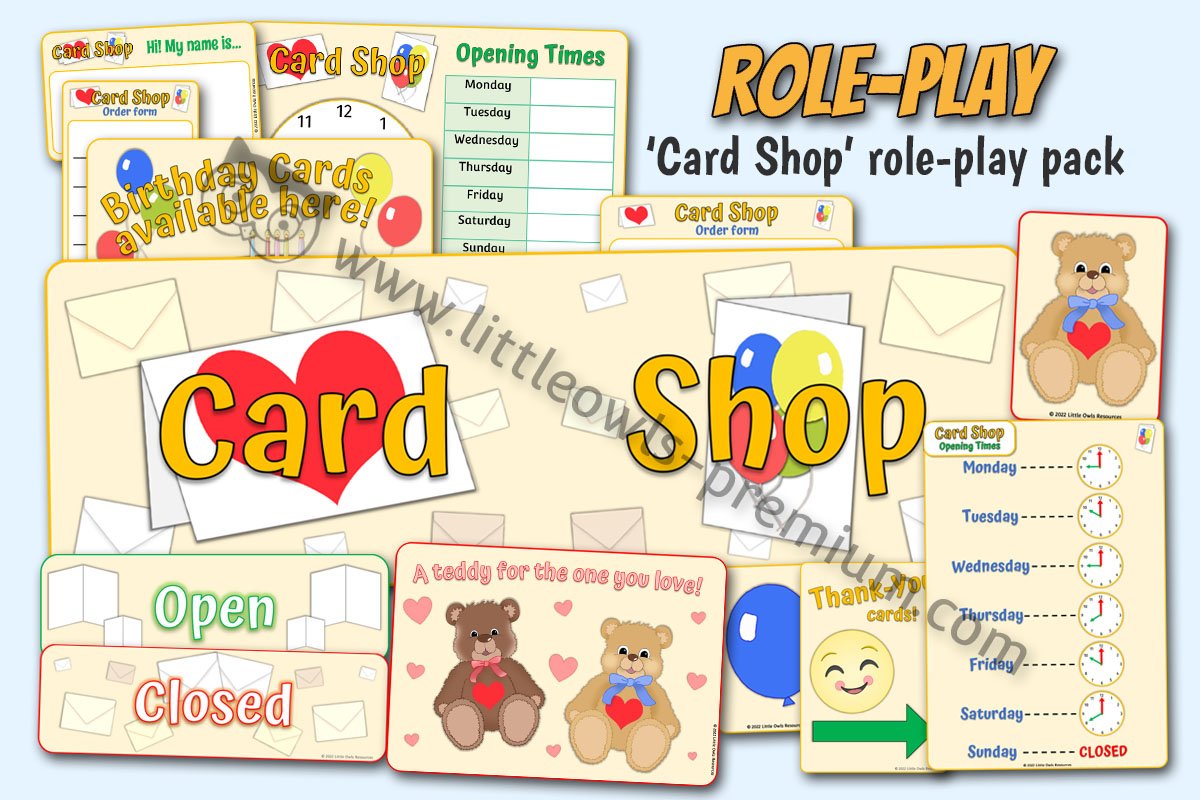
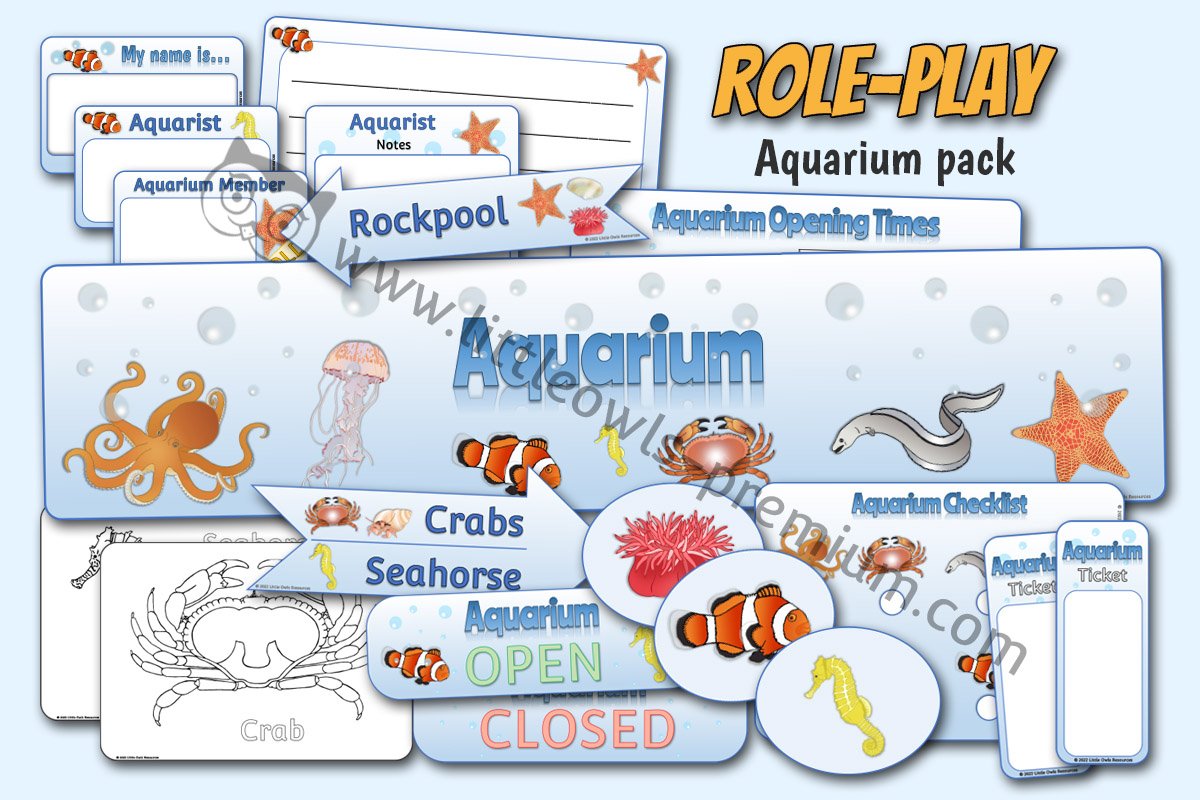
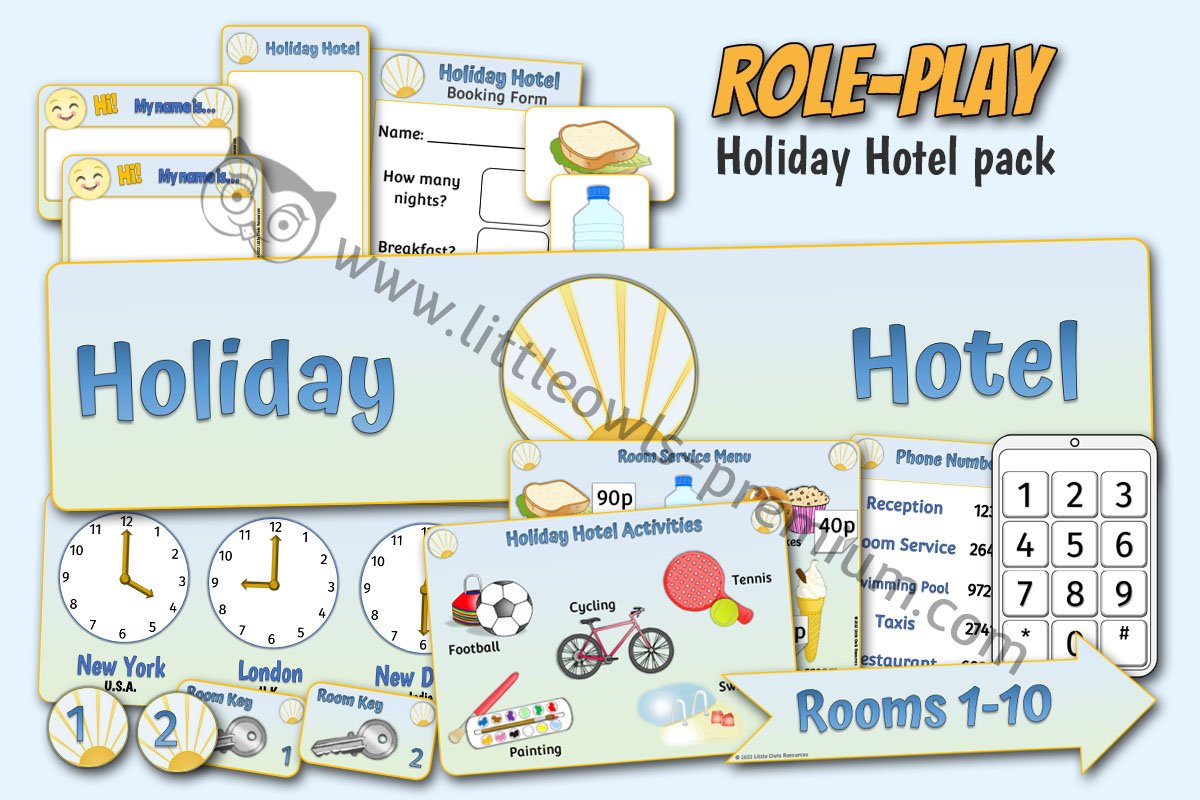
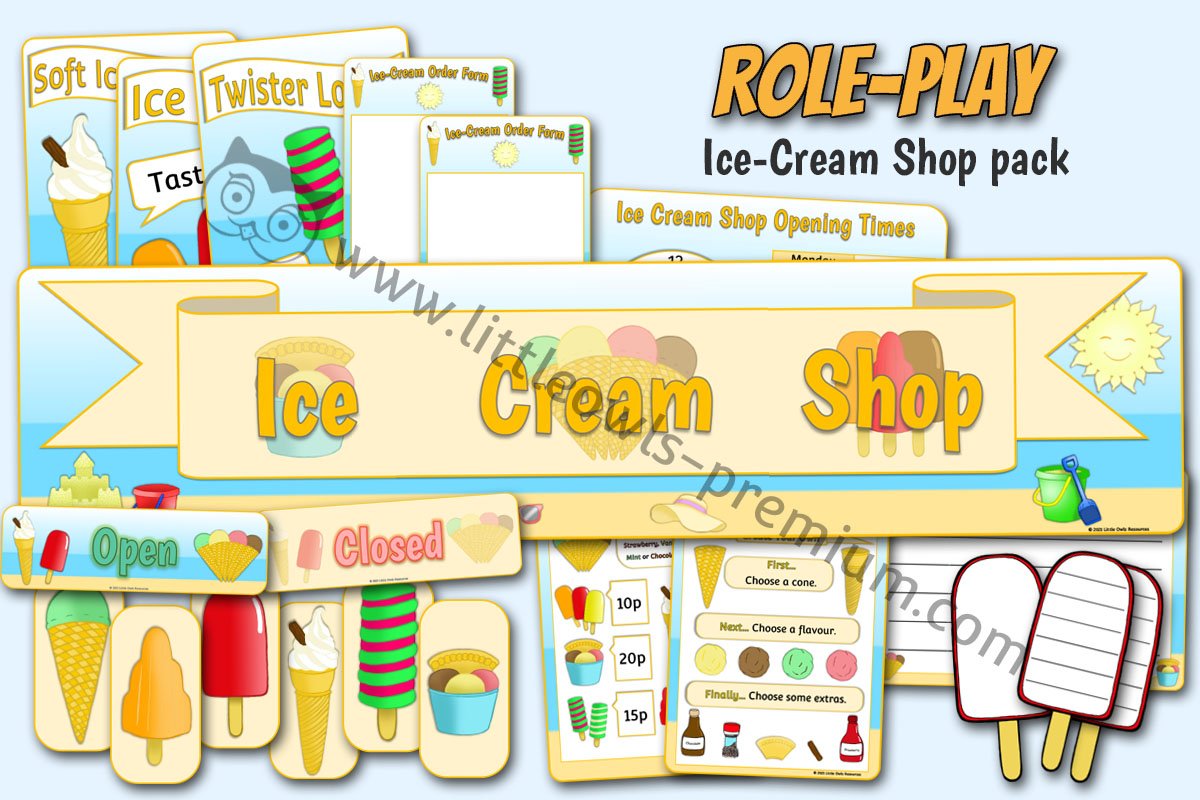
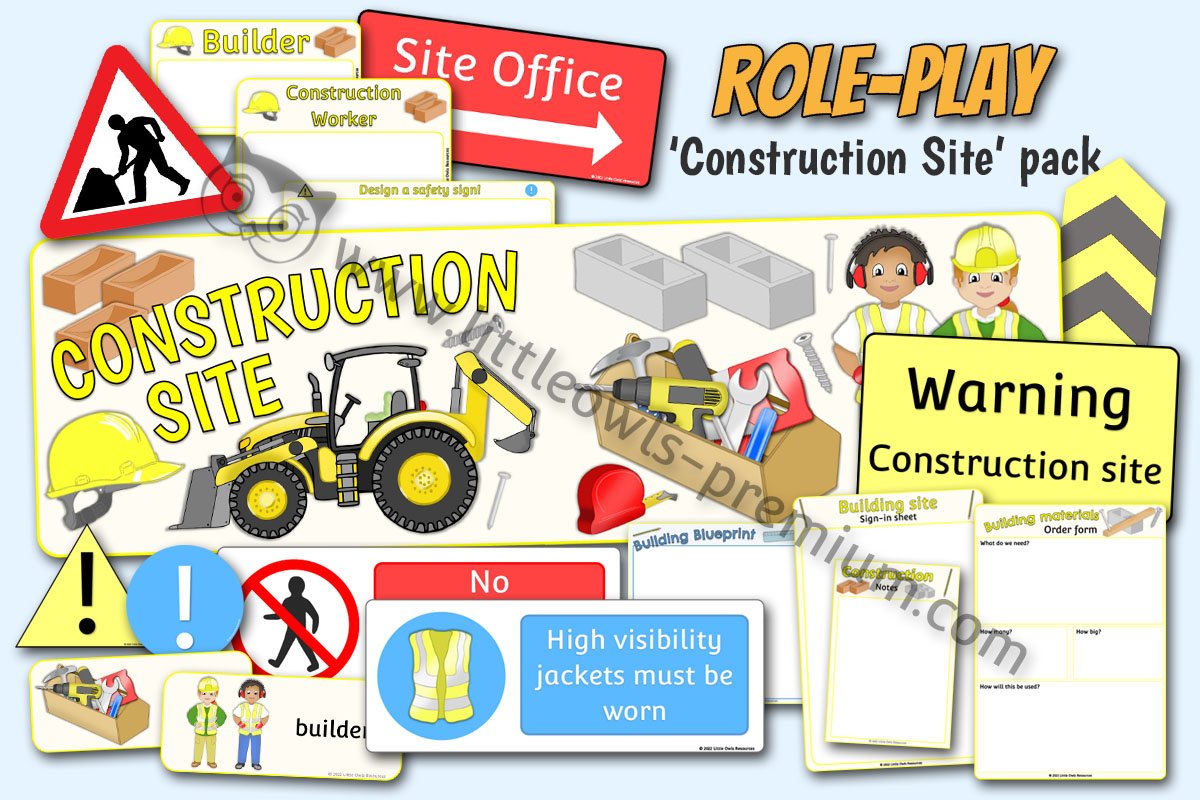
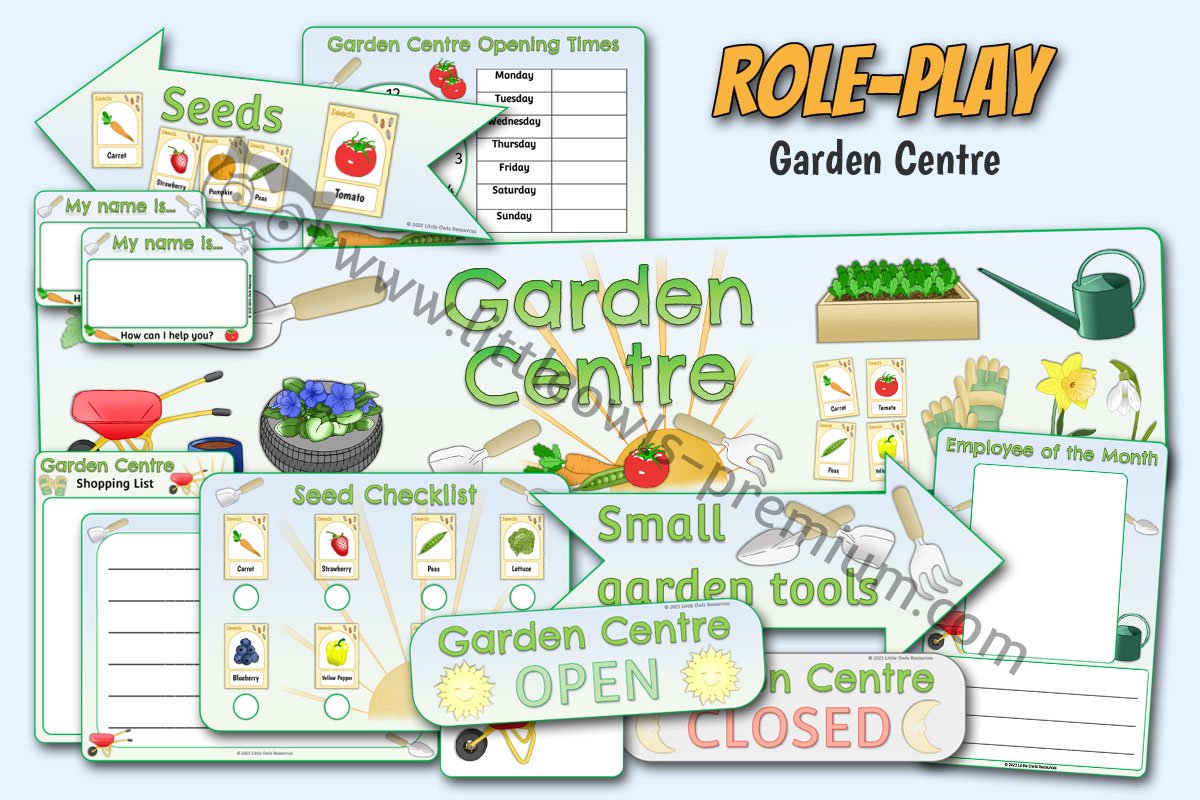
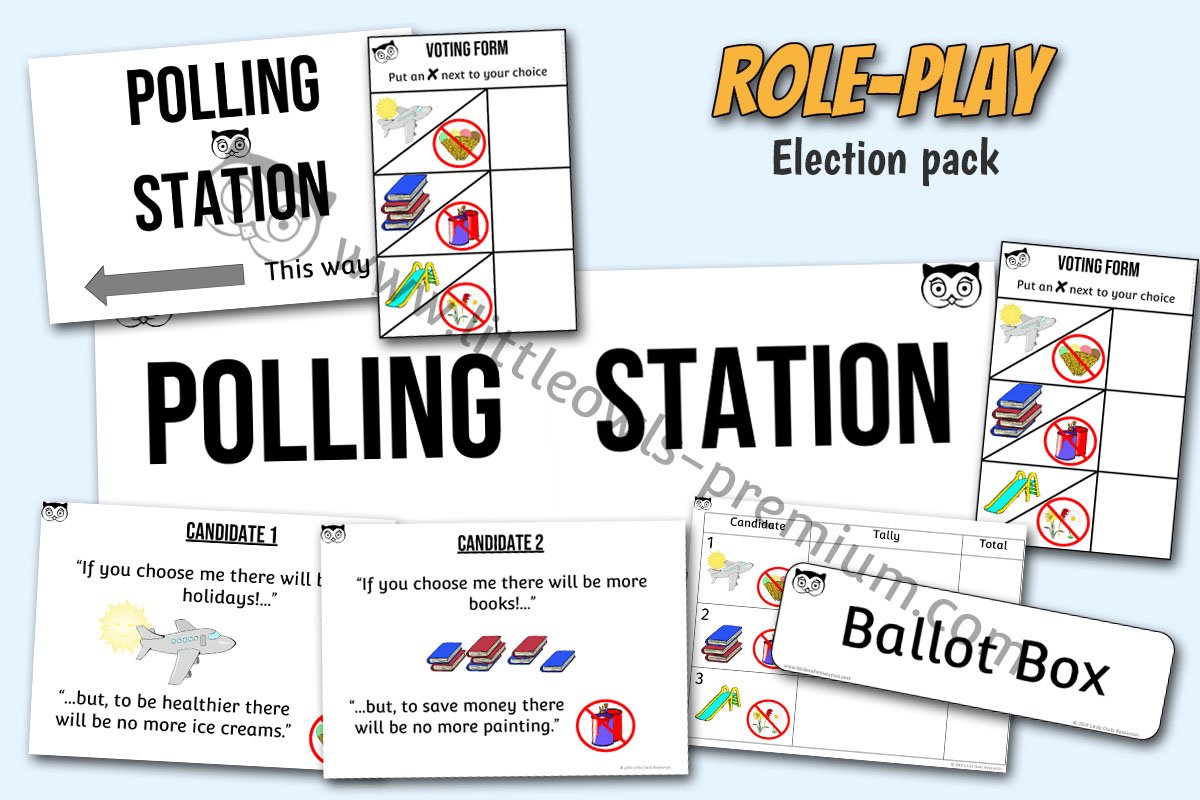
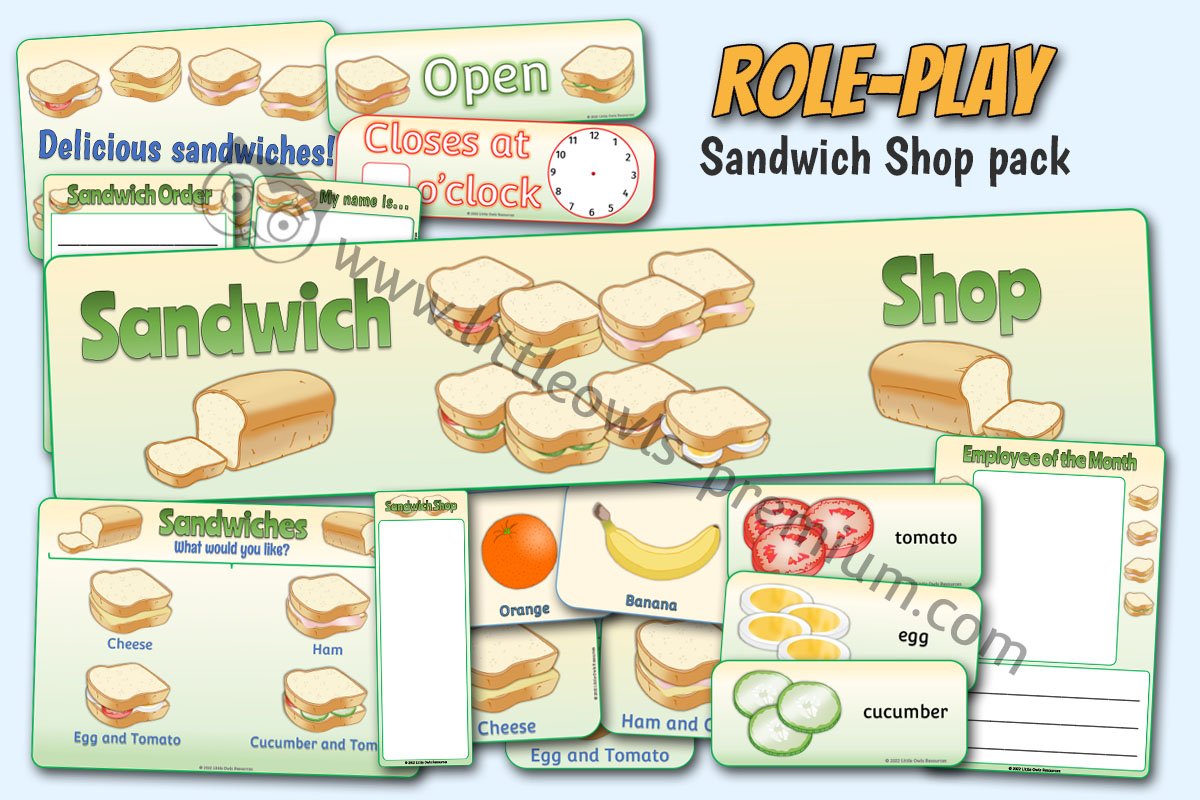
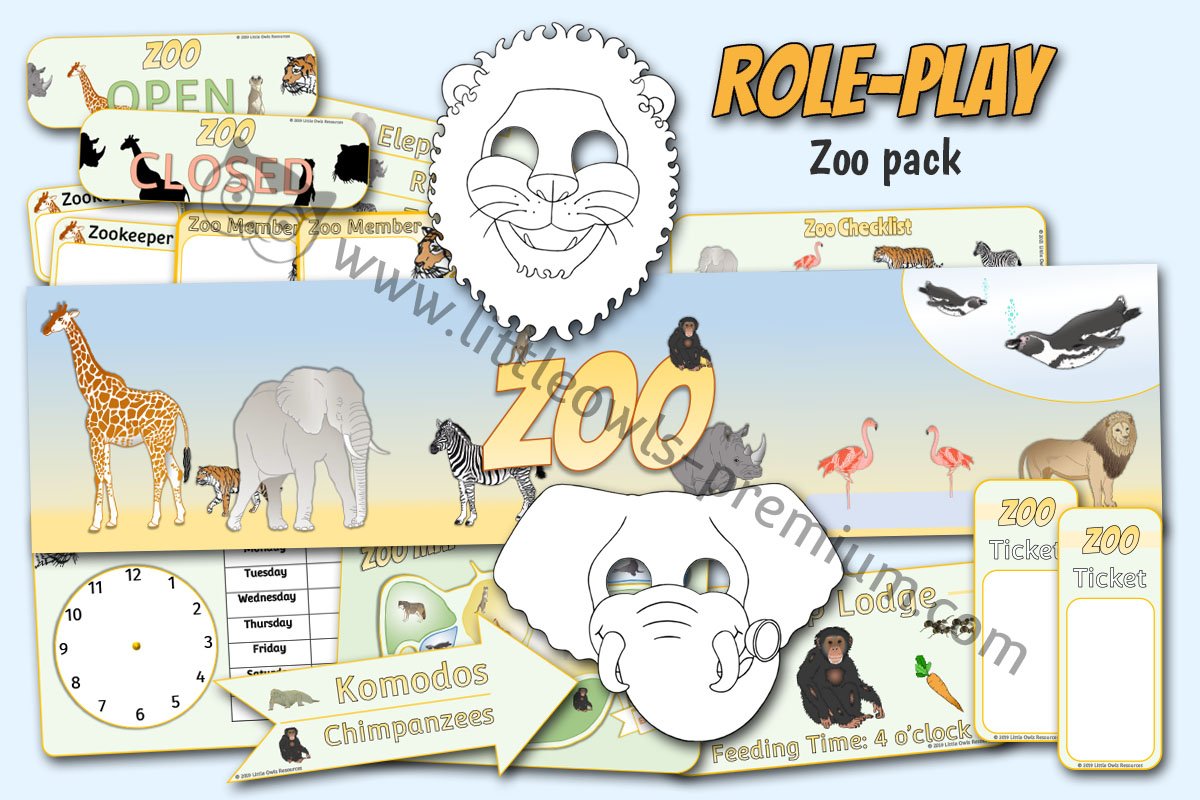
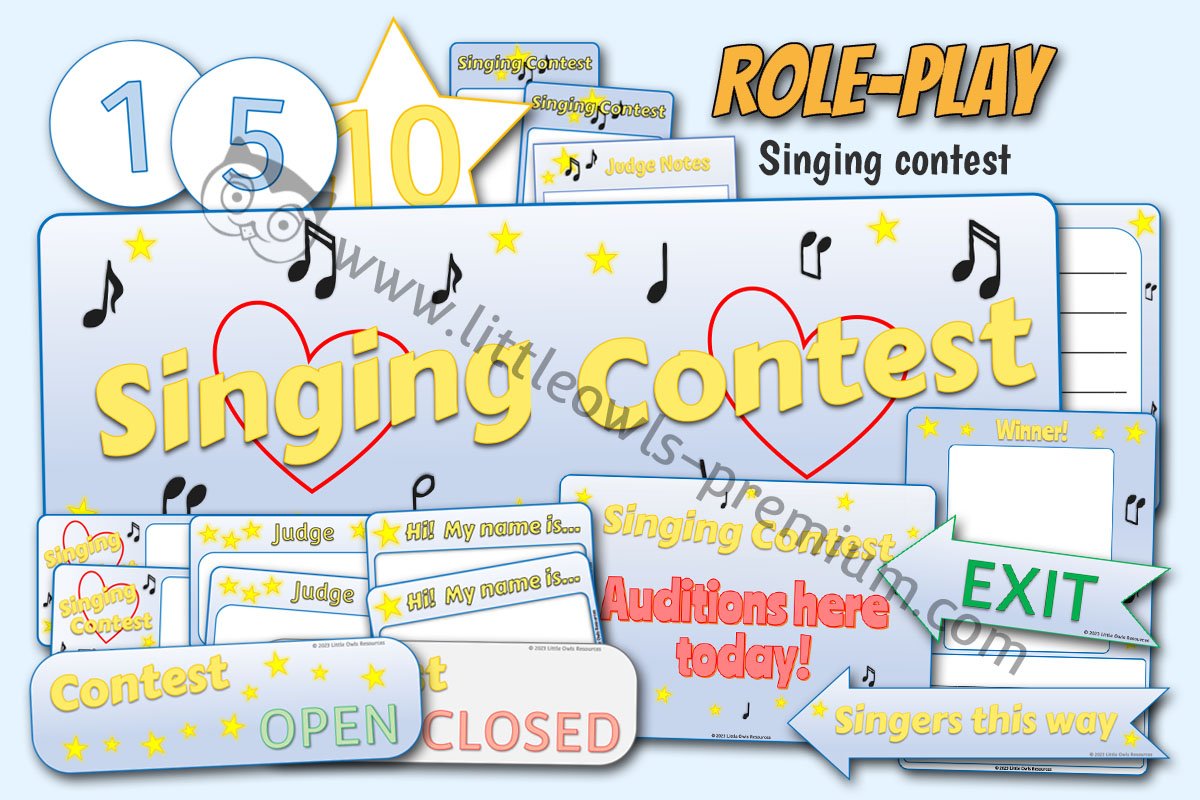
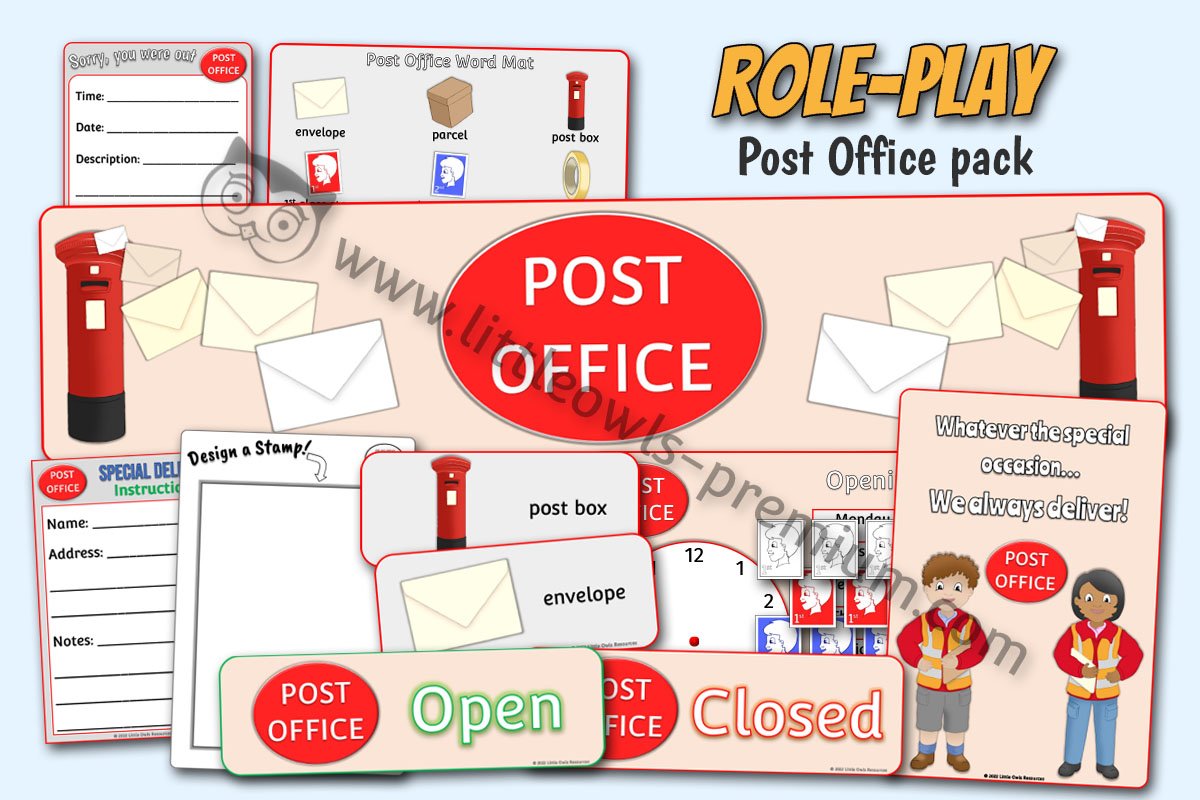
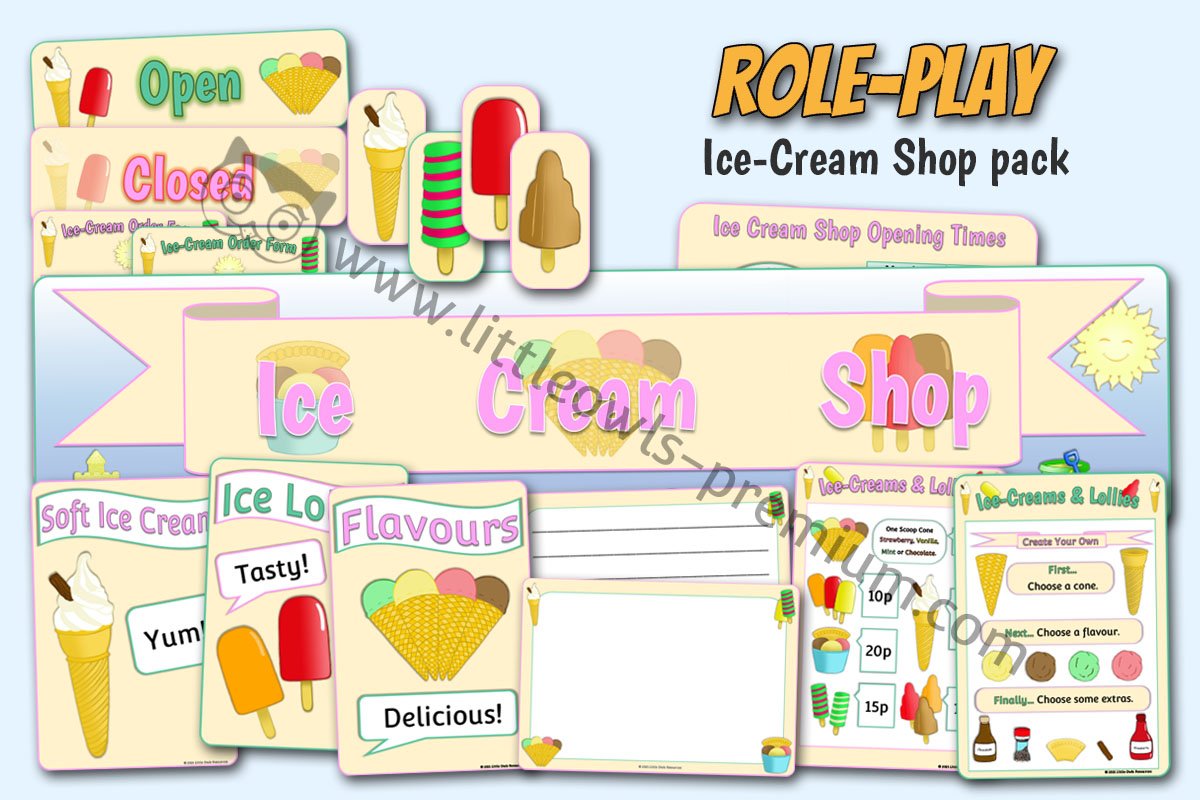
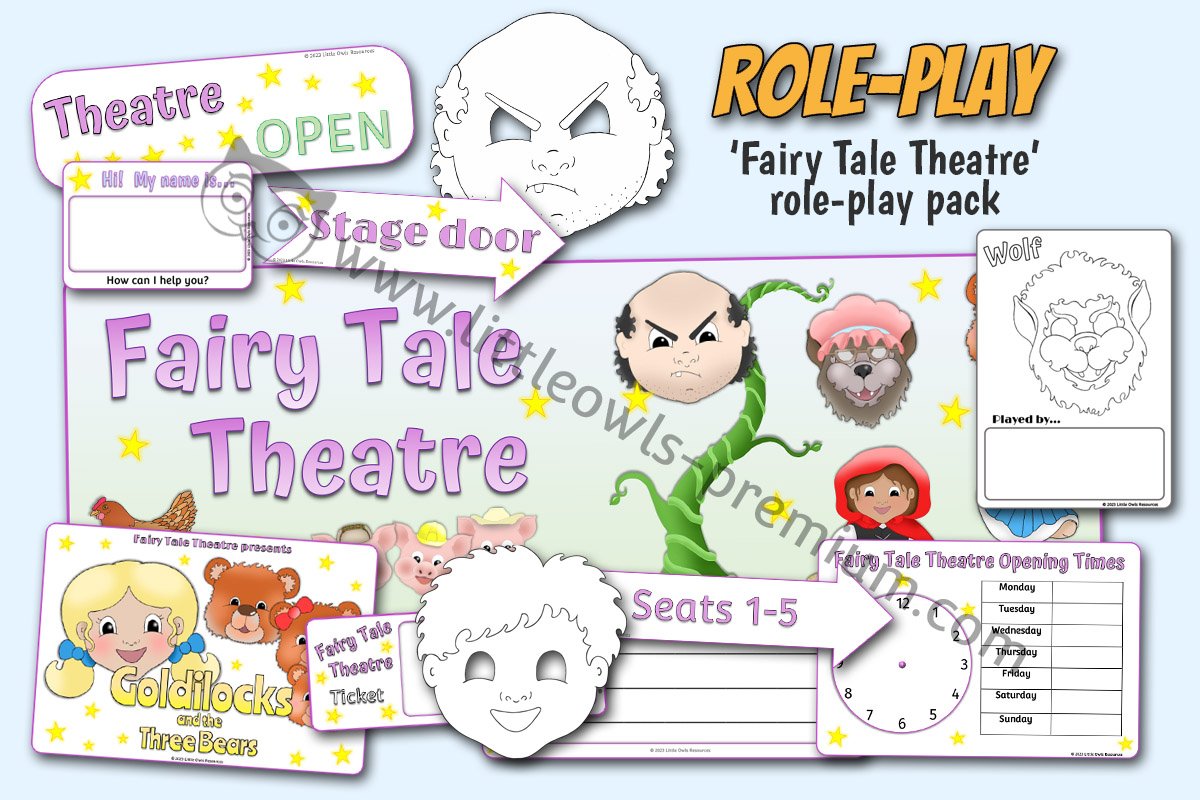
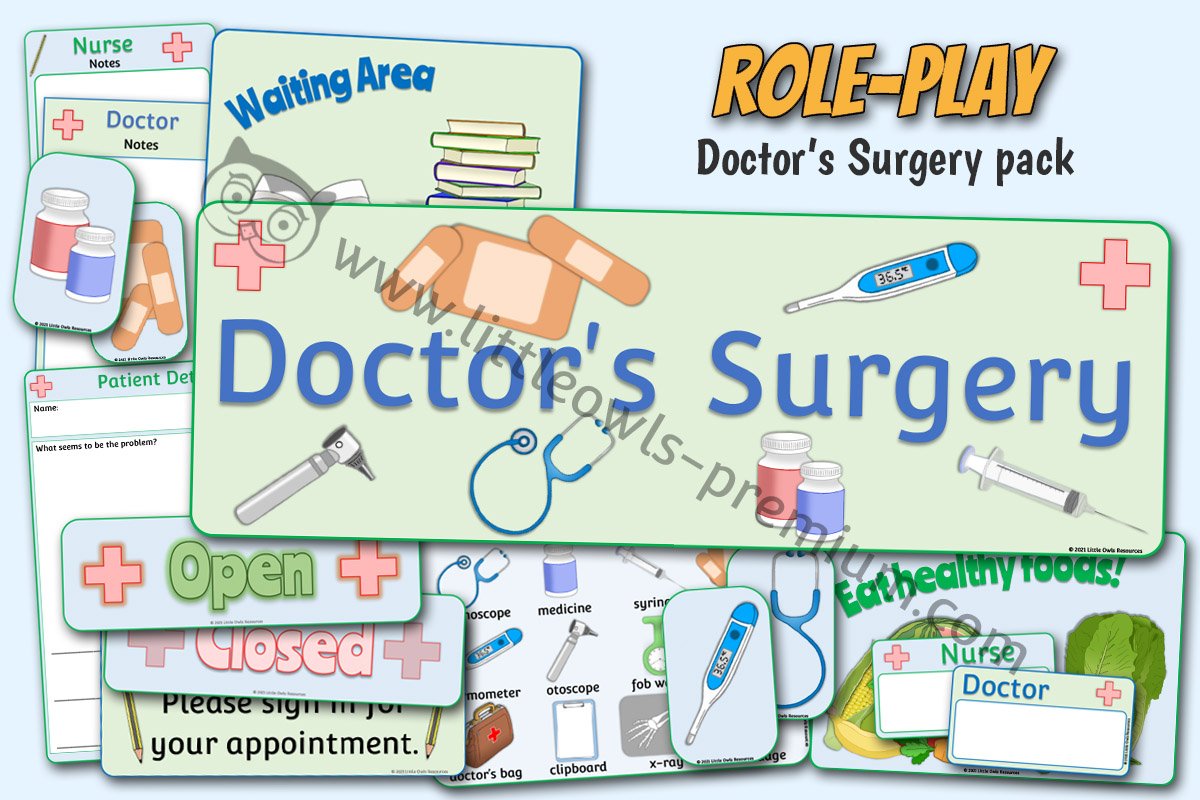
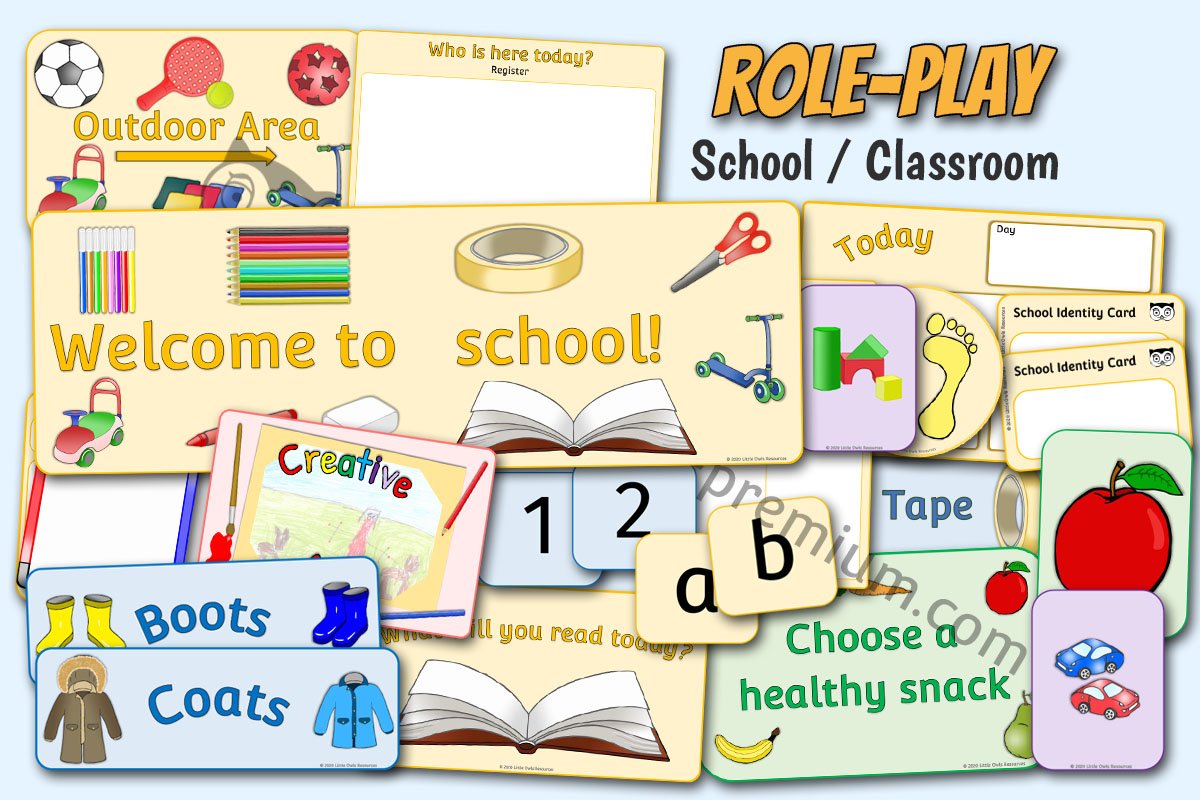
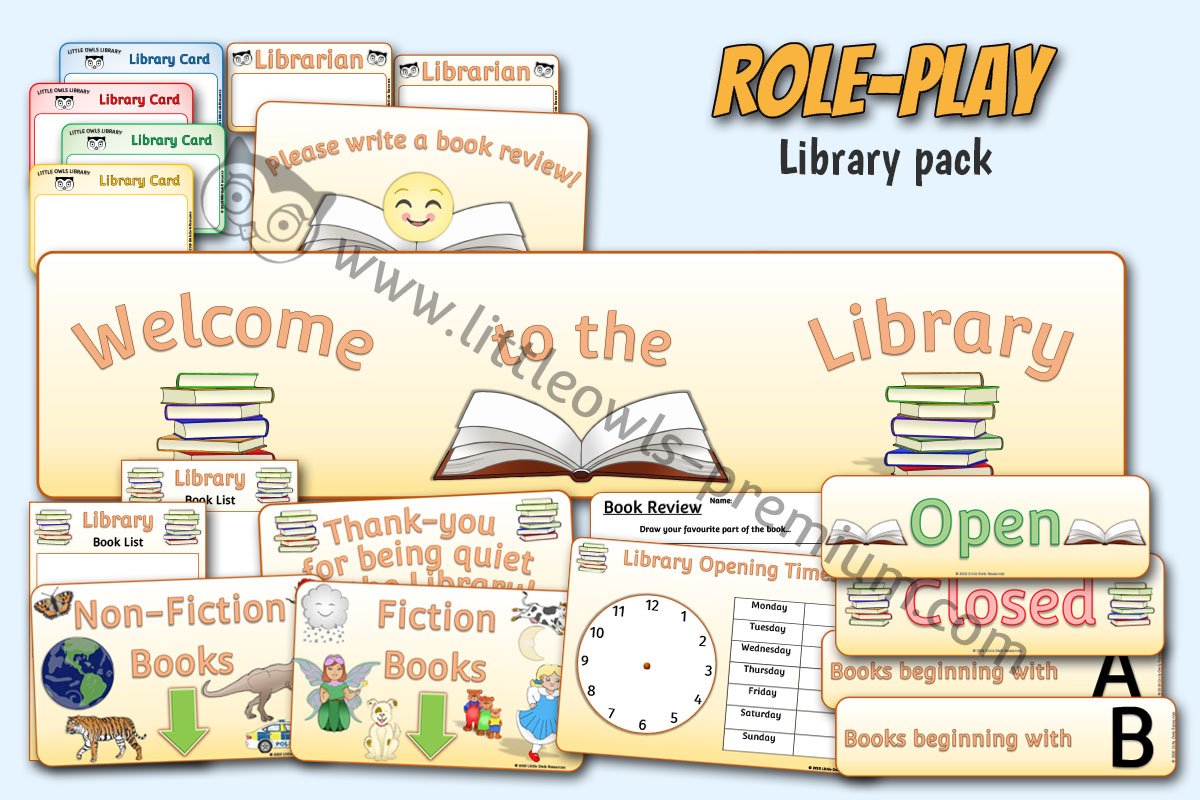
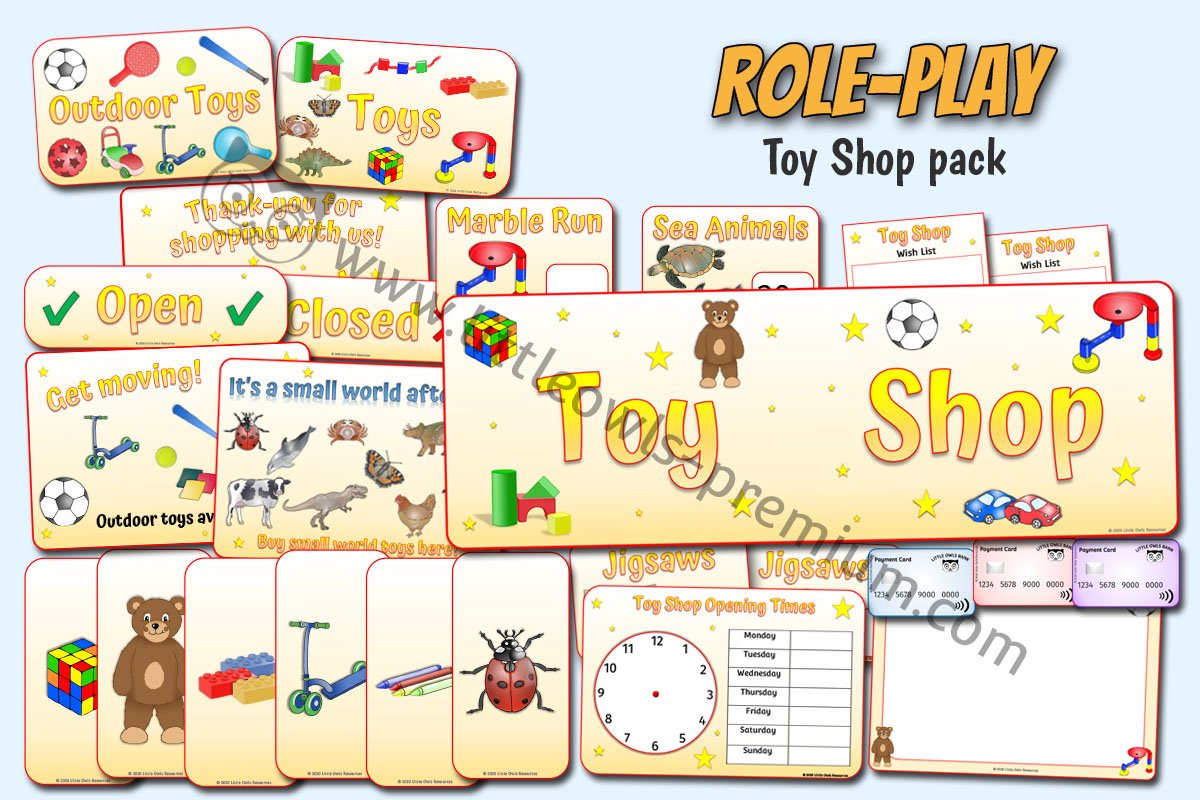
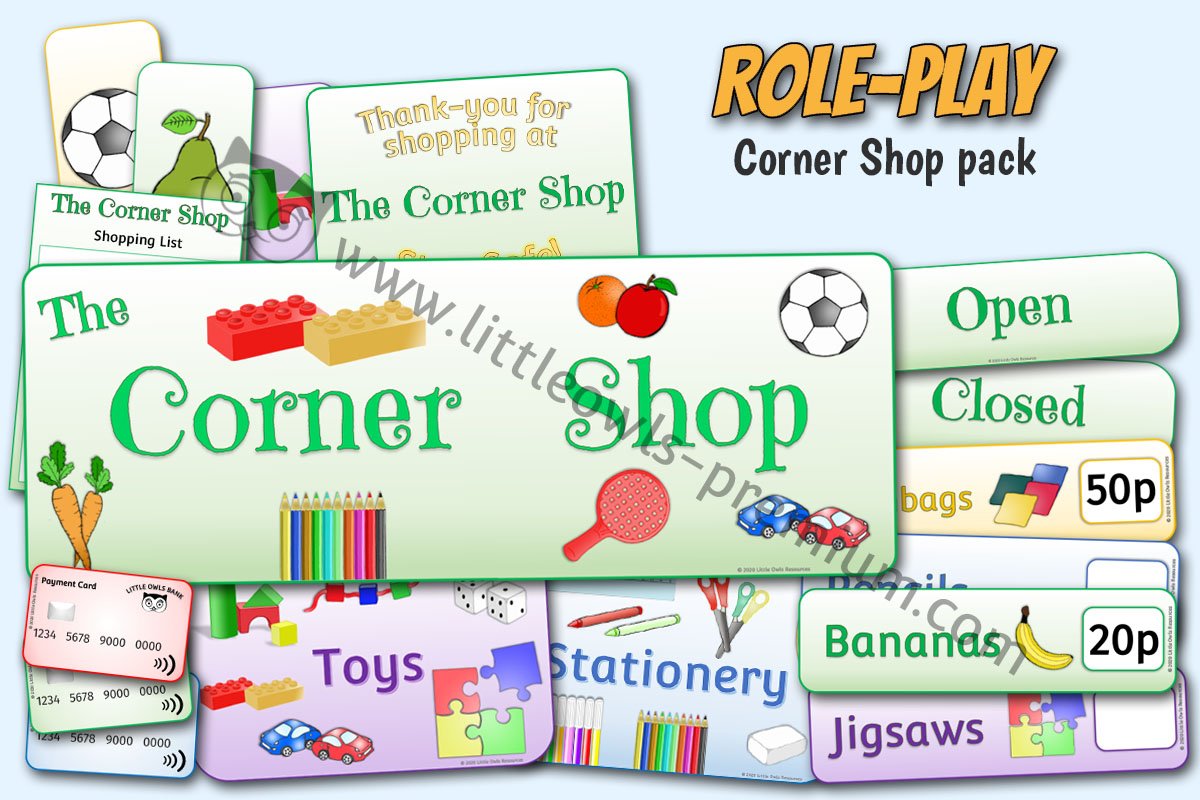
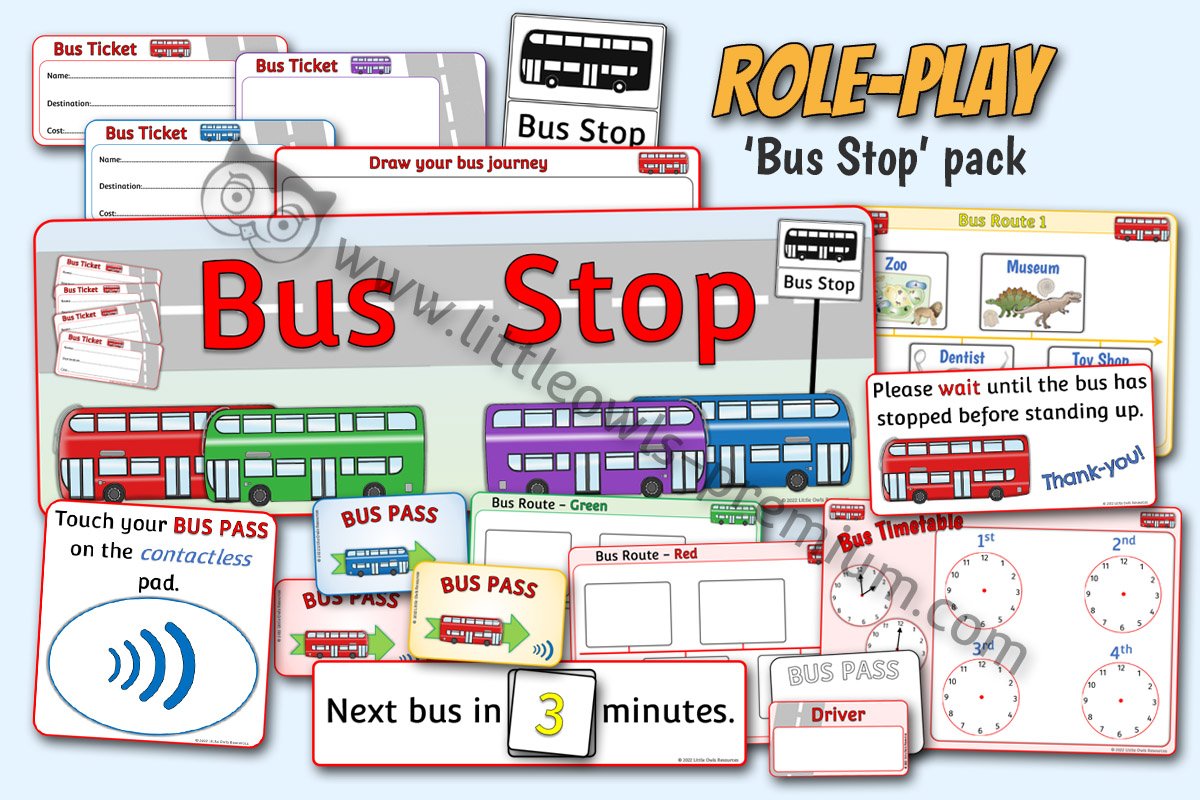
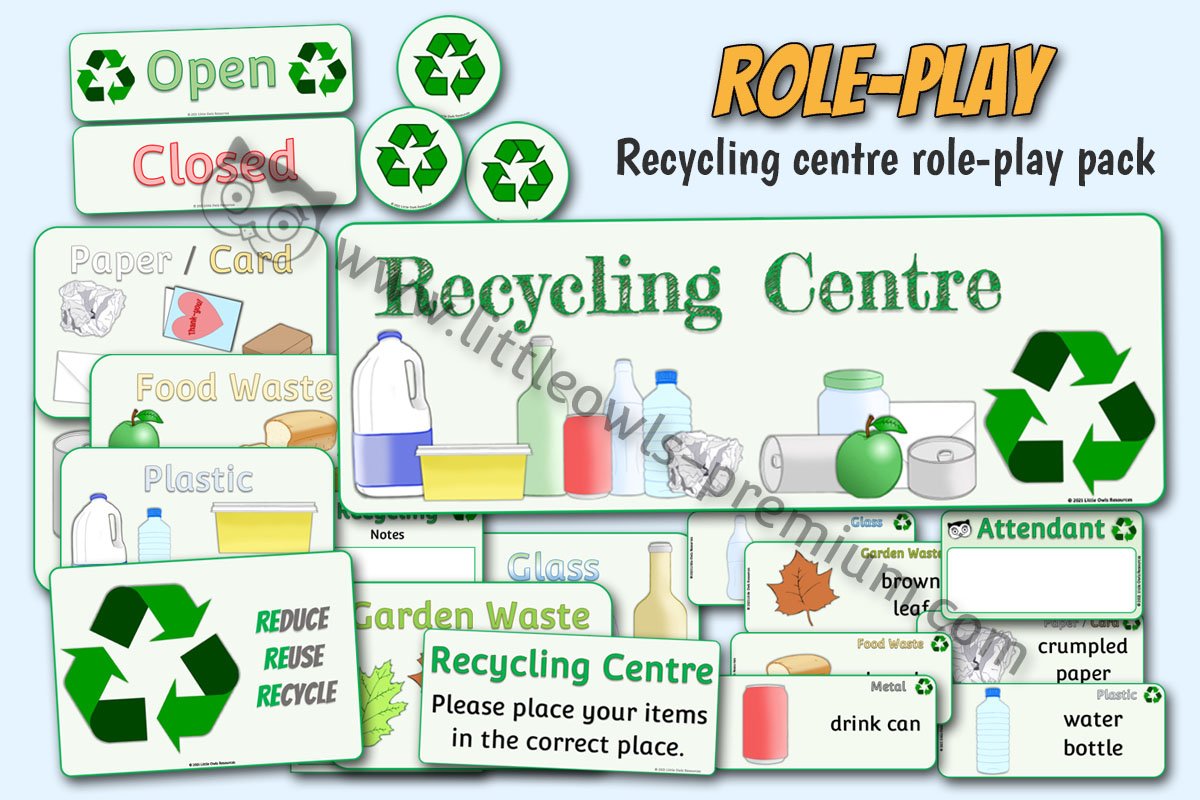
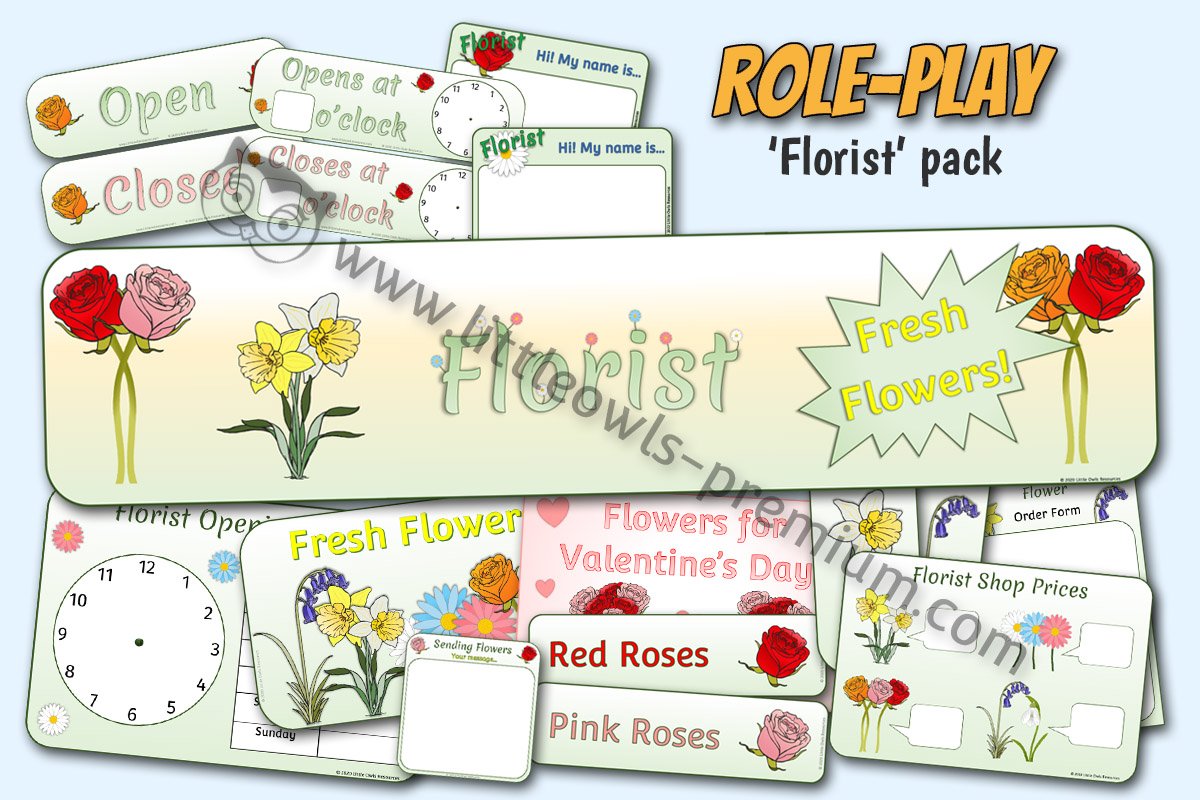
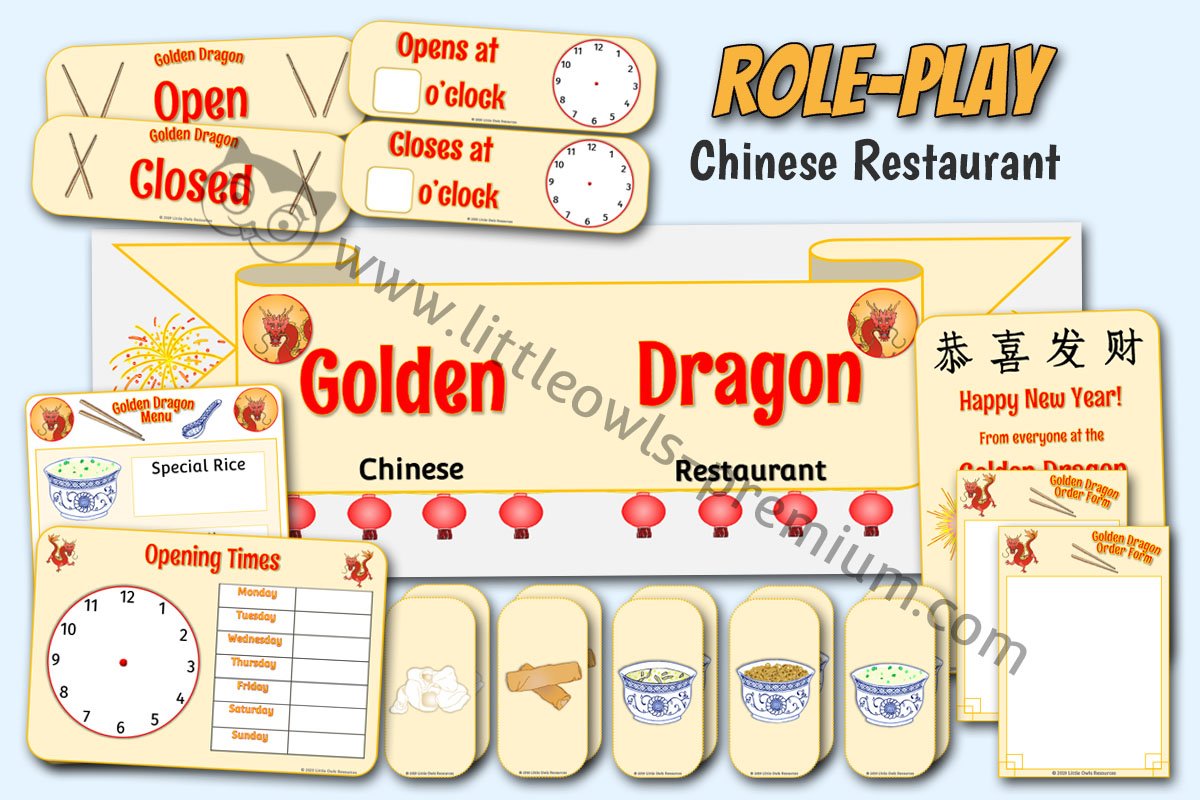
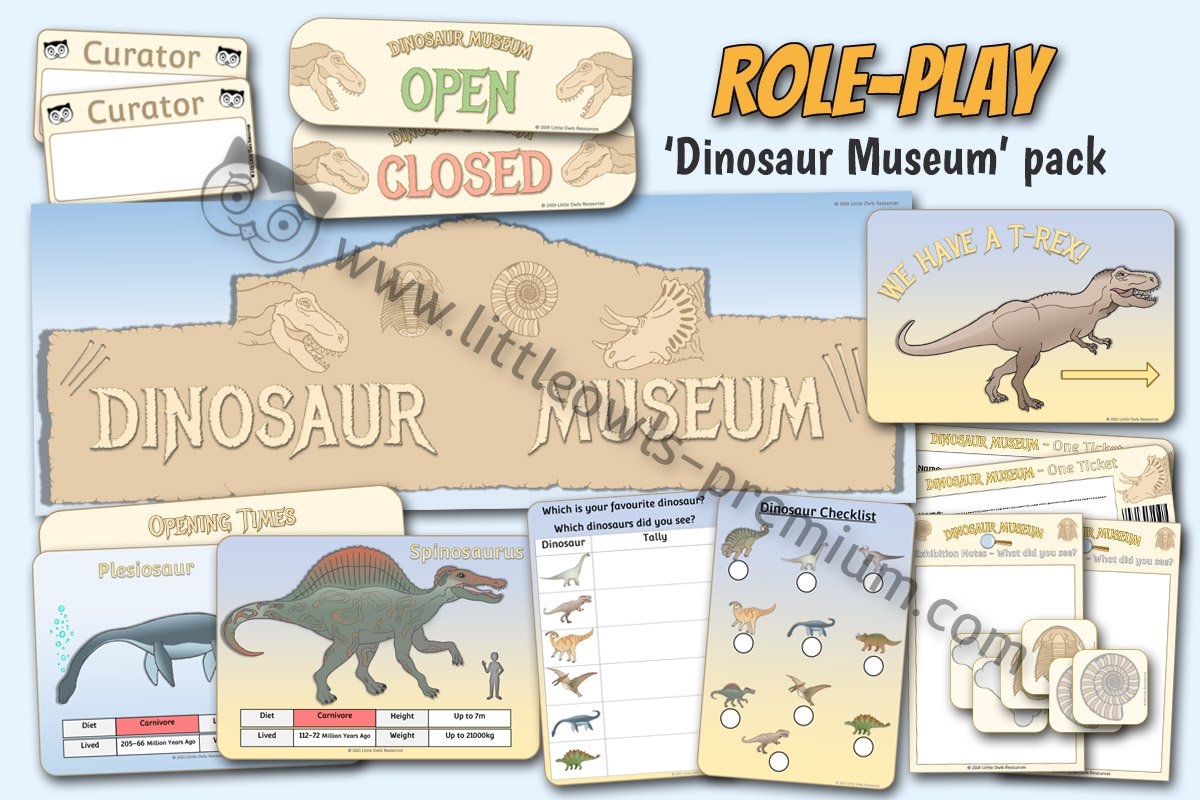
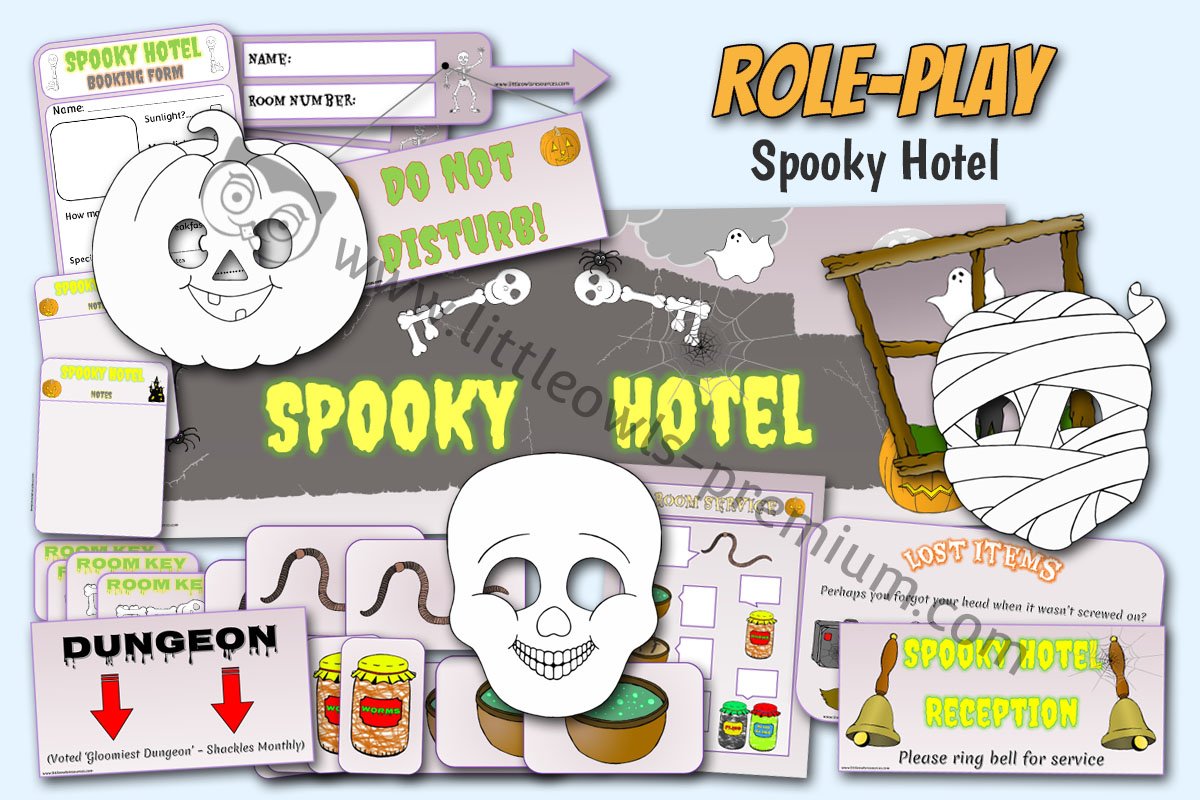
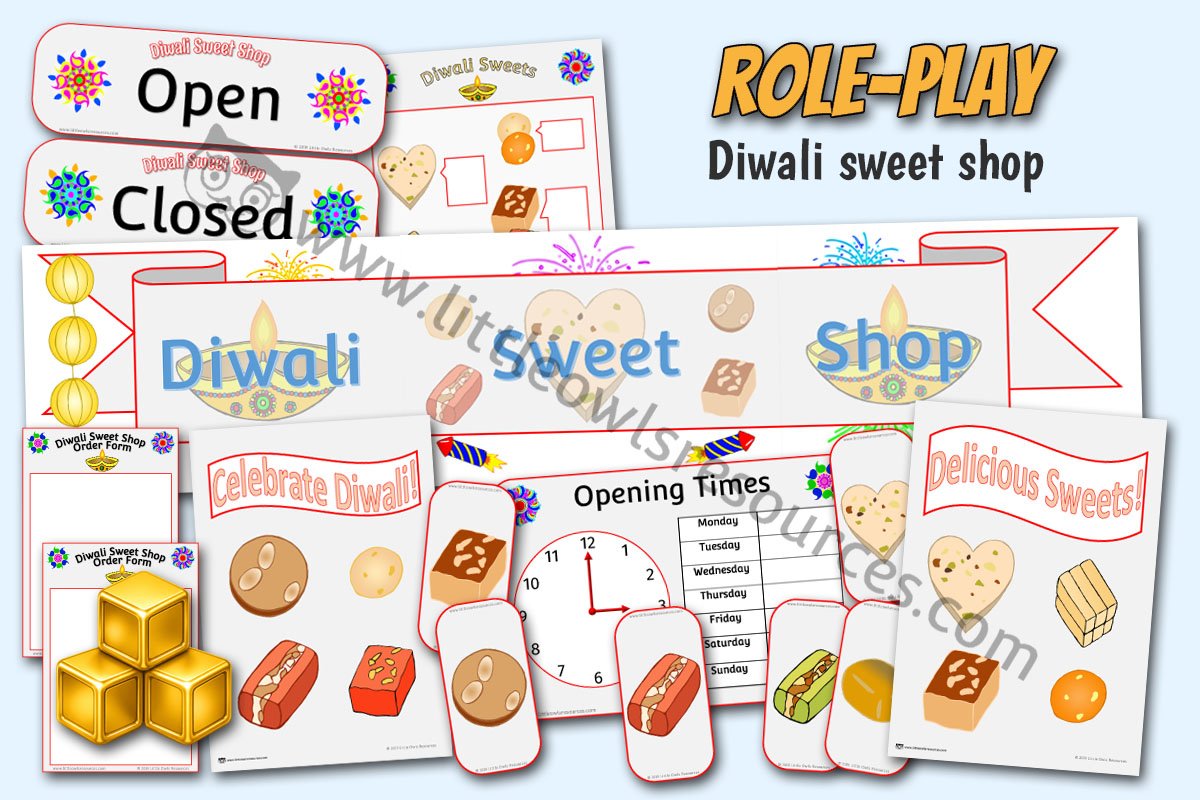
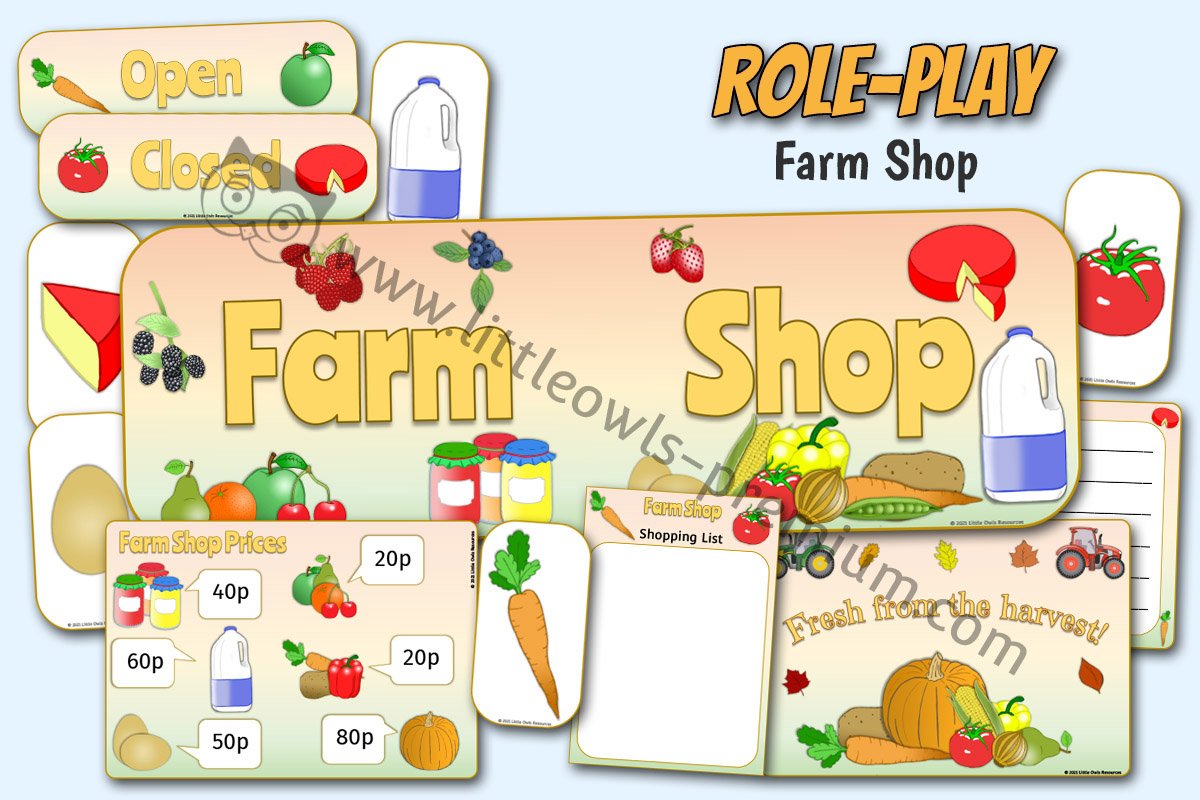
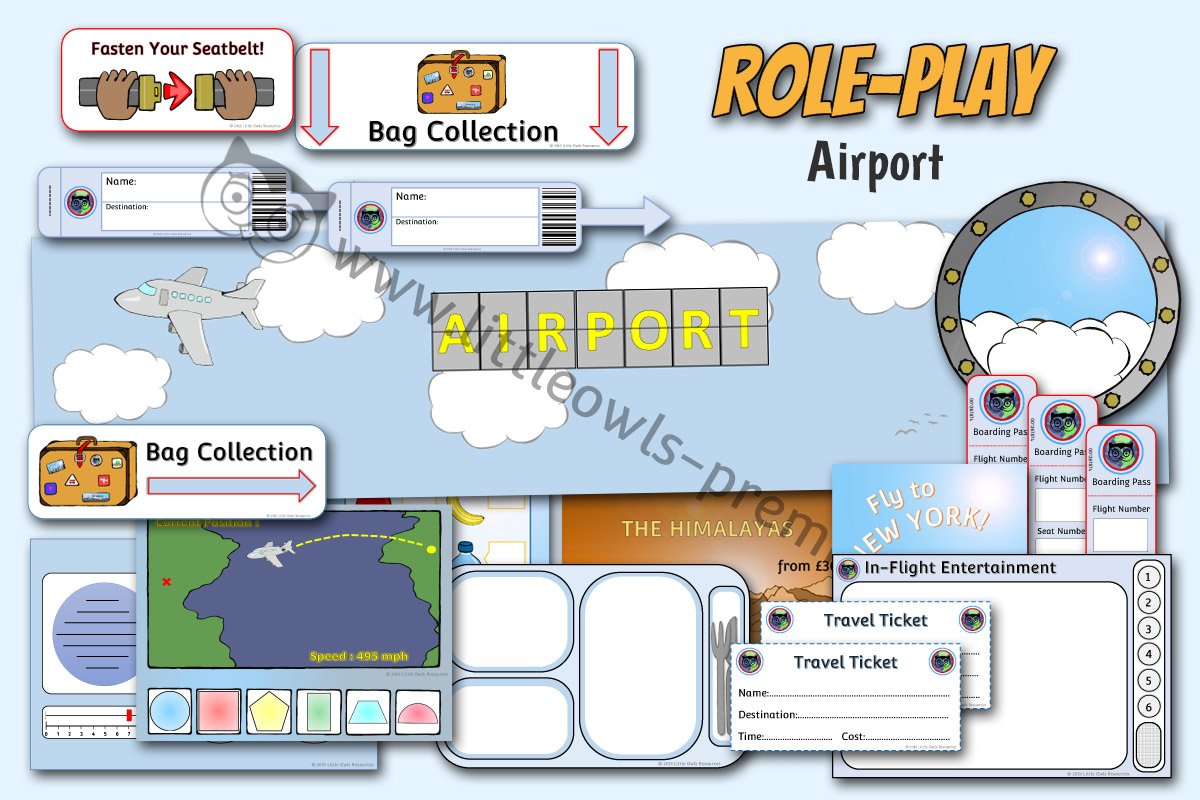
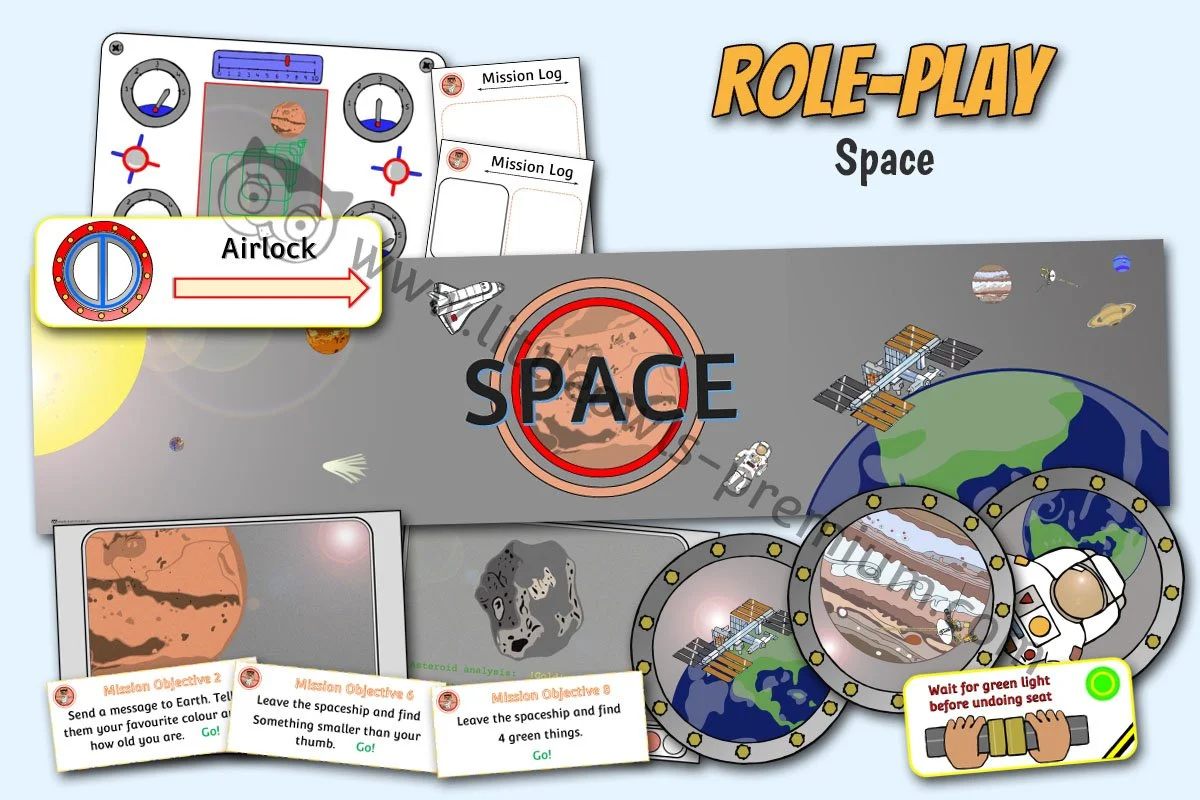
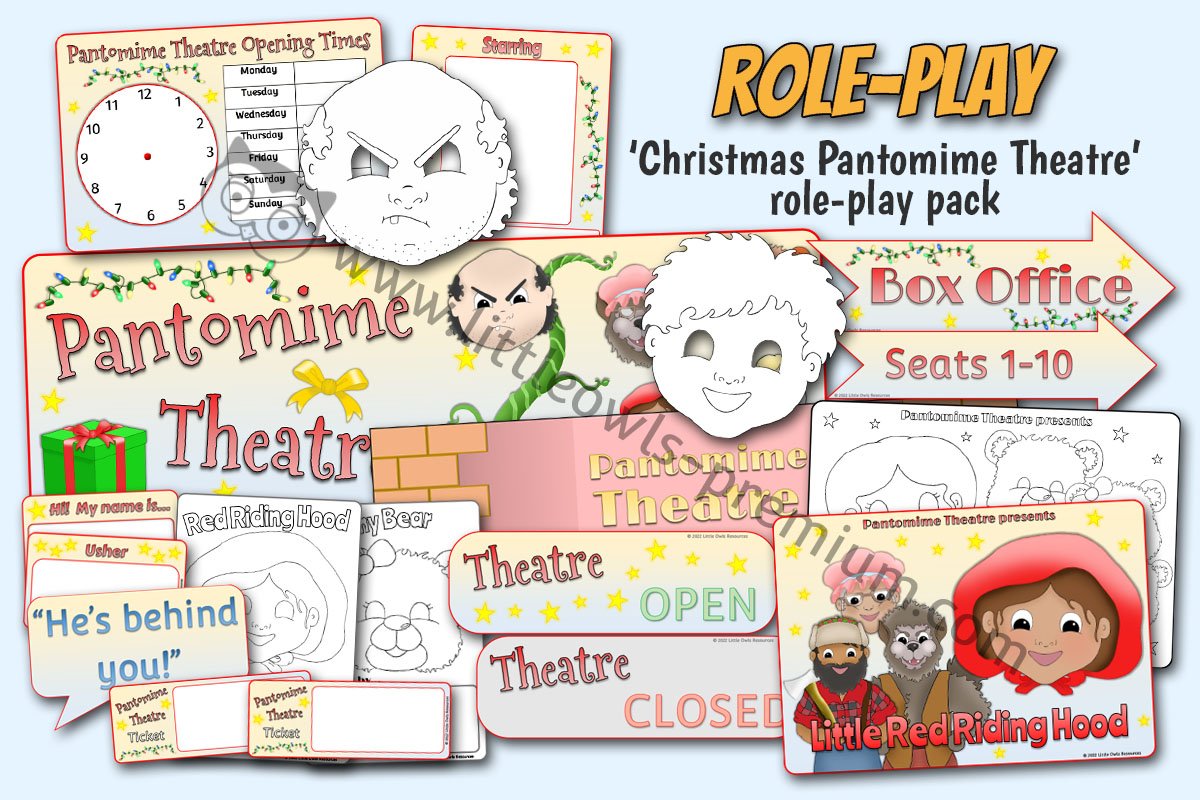
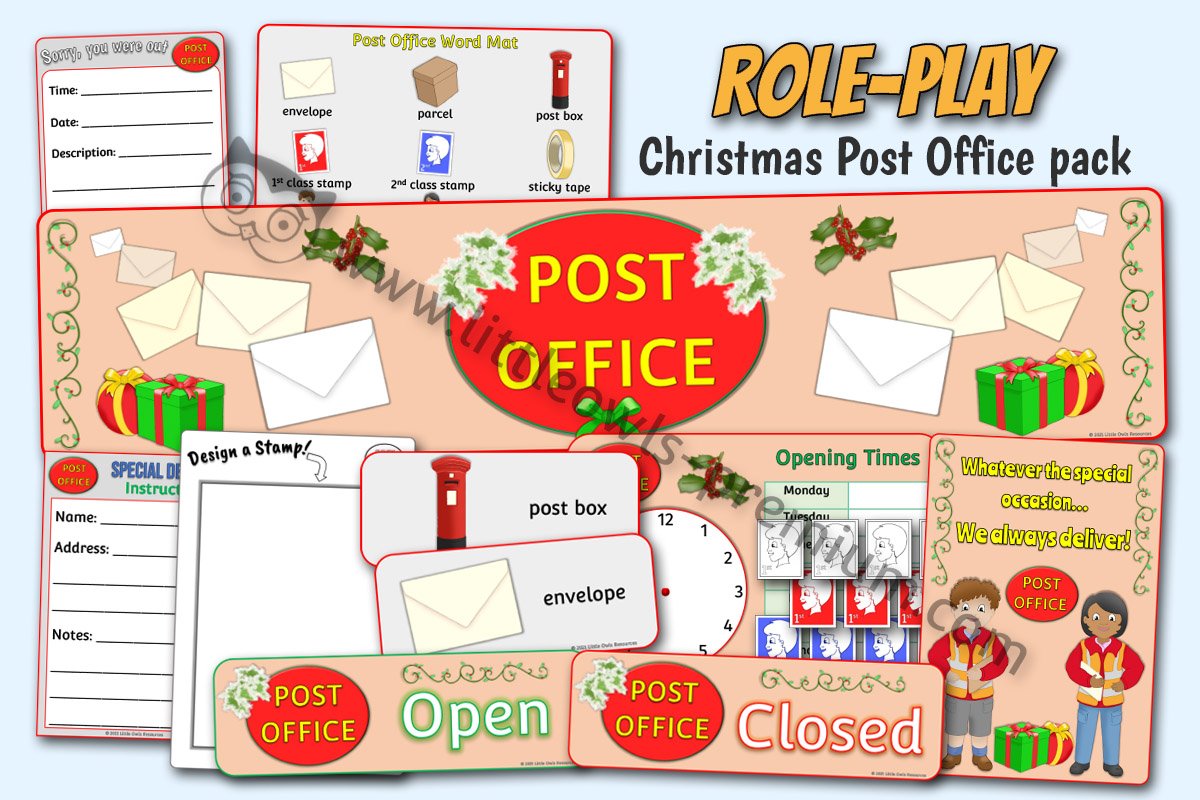
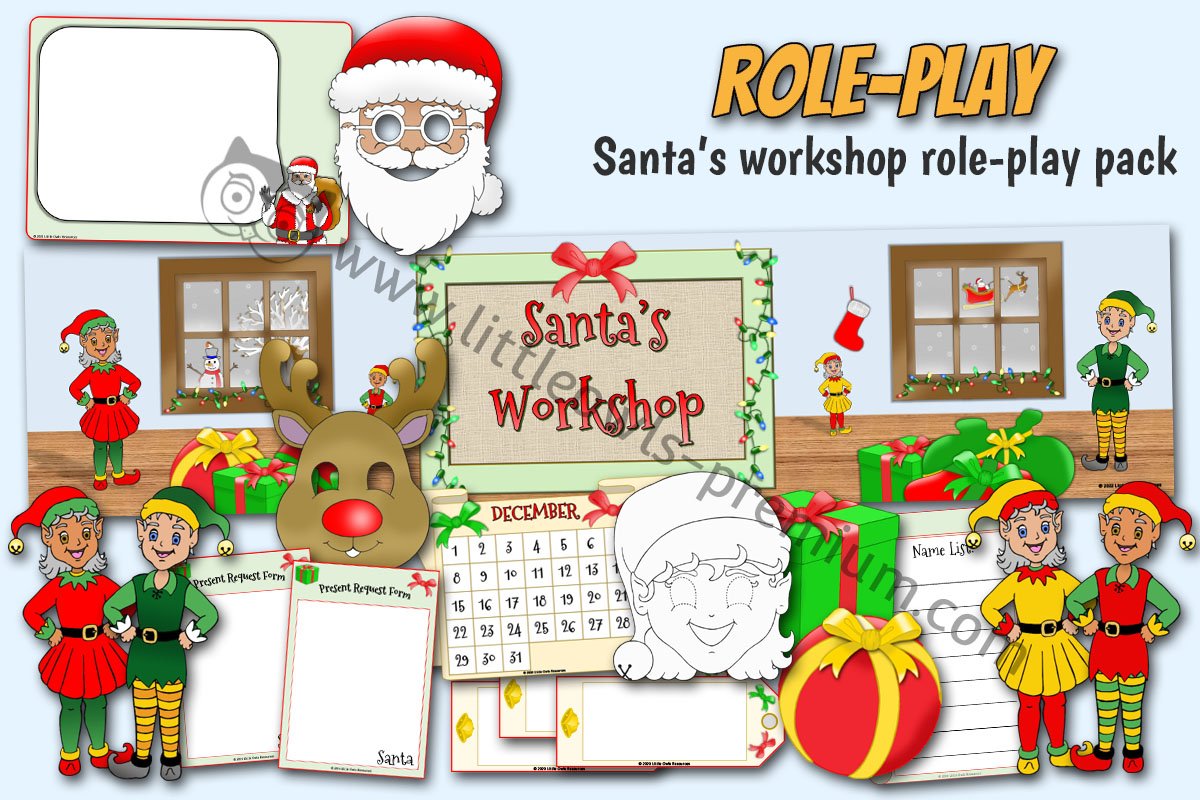
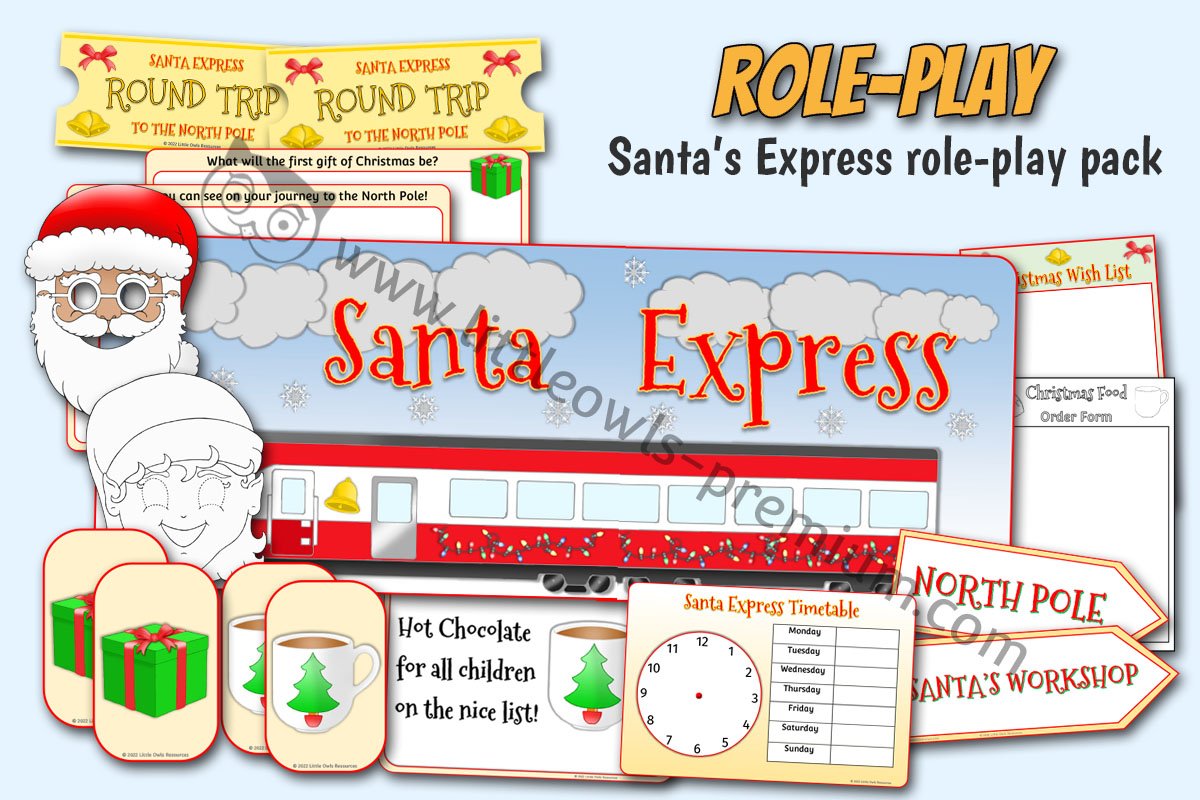
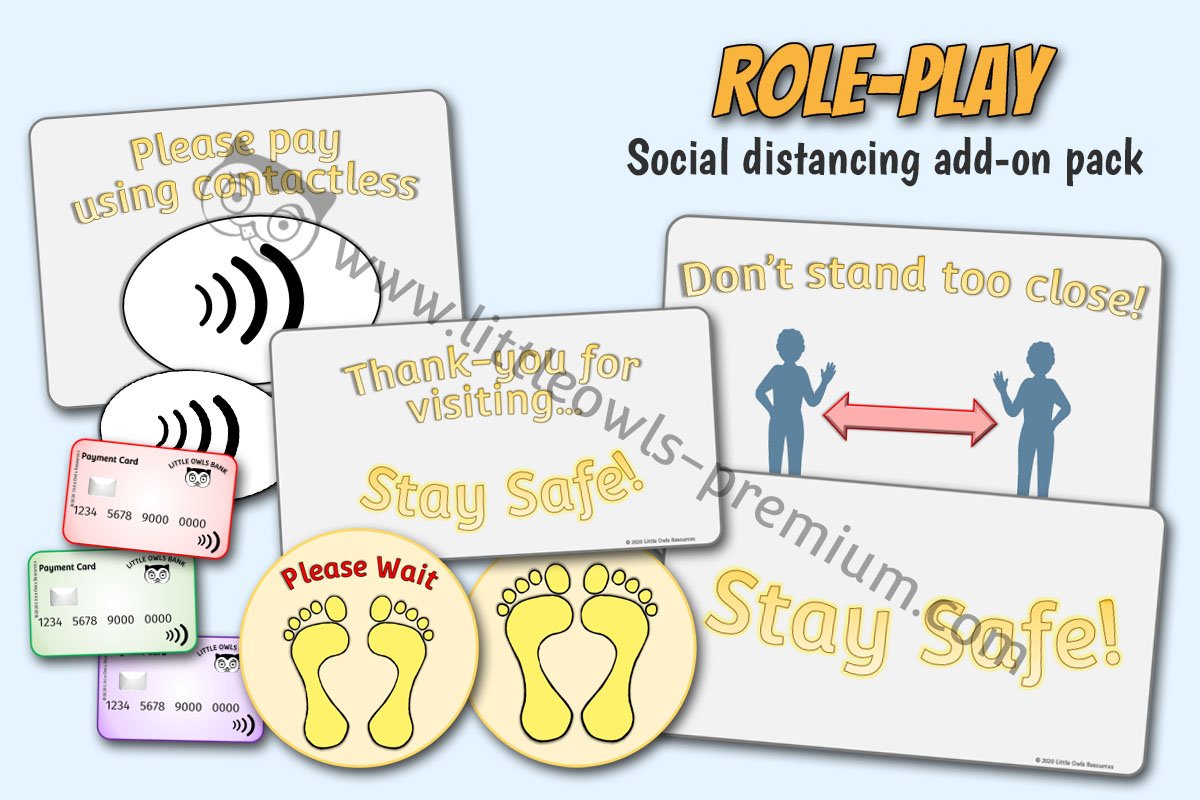
Role-Play Packs
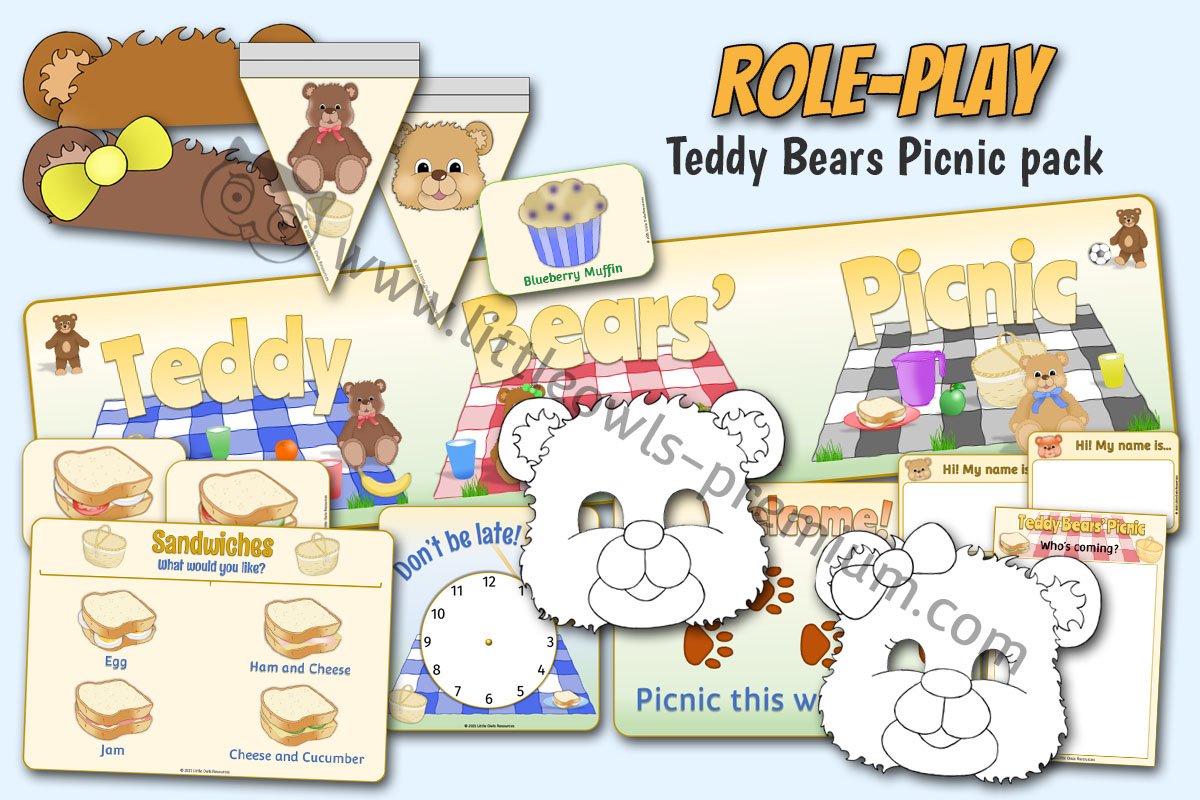
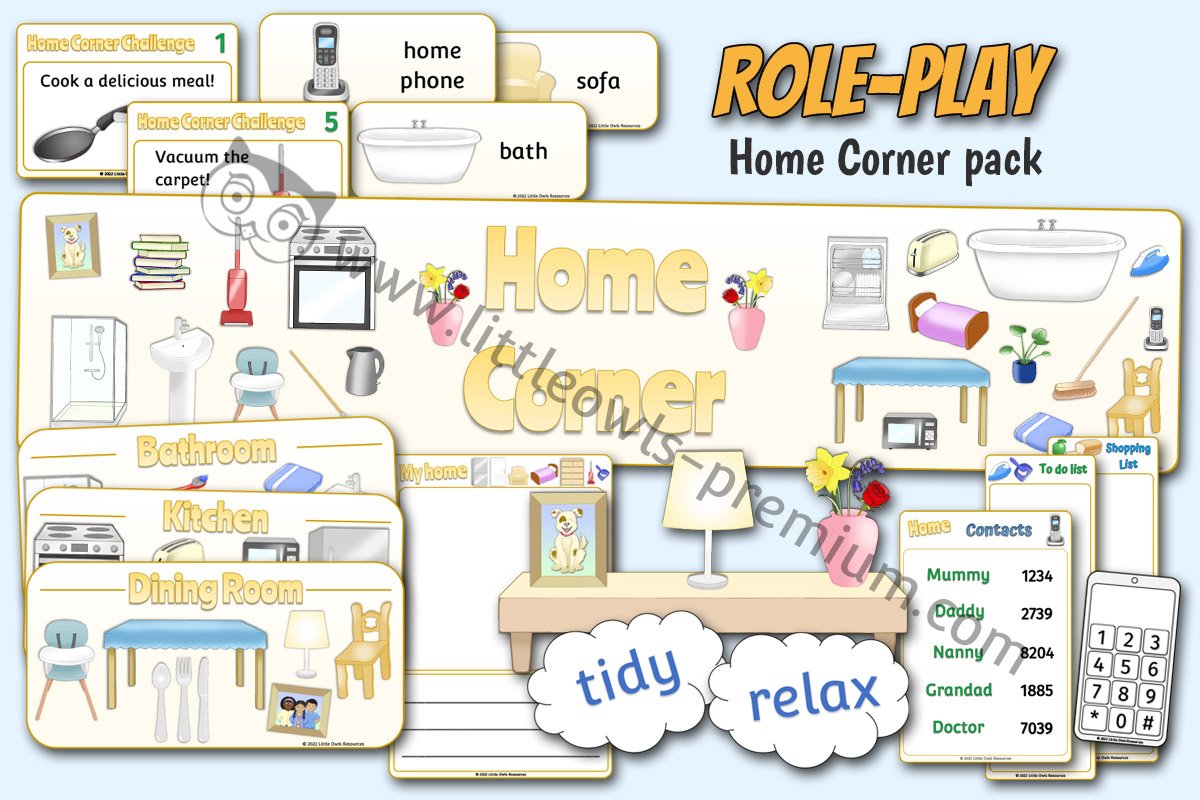
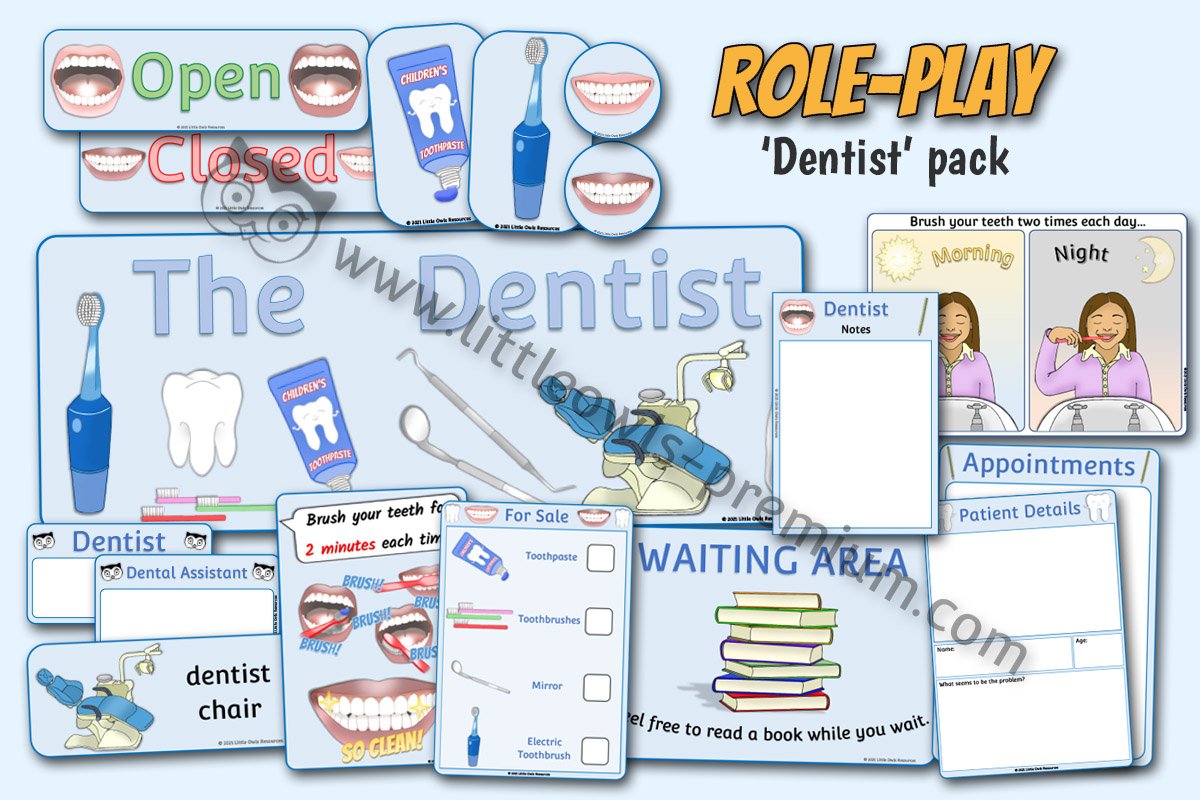
Please use the arrows to the right of the carousel below to browse our role play pack resources. Alternatively, visit our ‘Role-Play Area’ page.

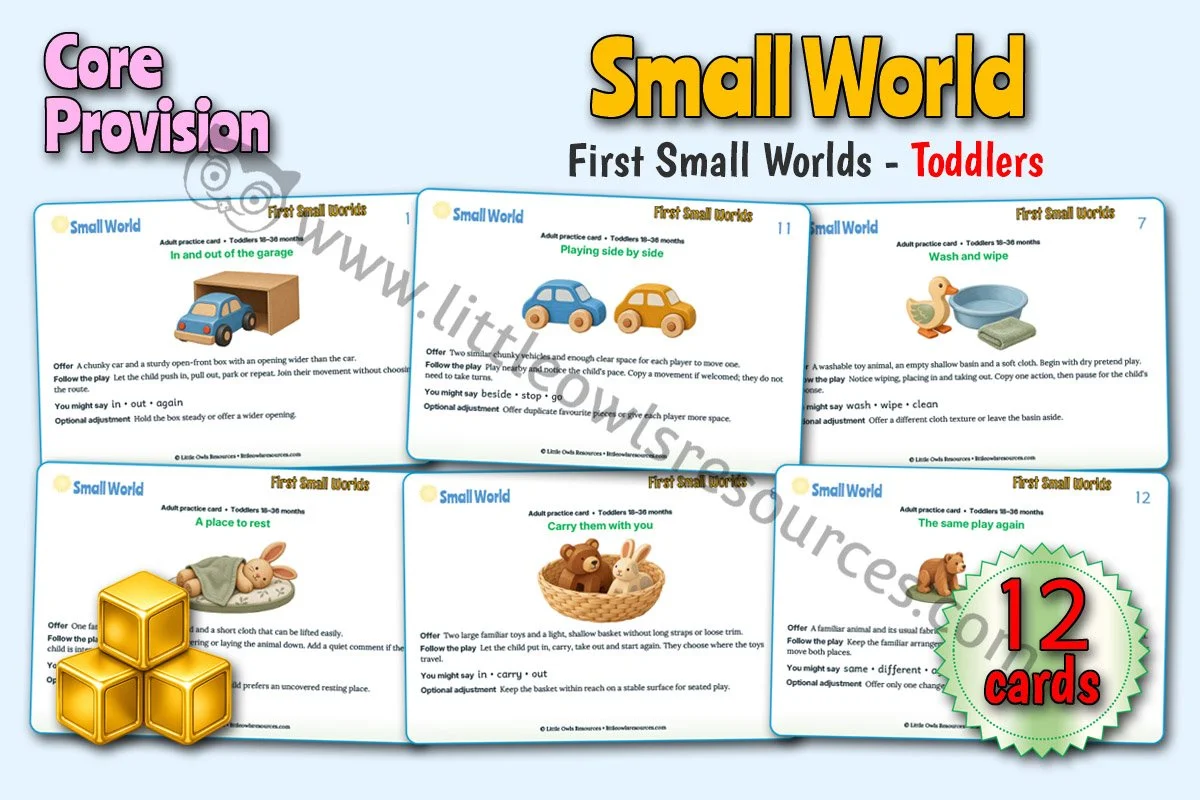
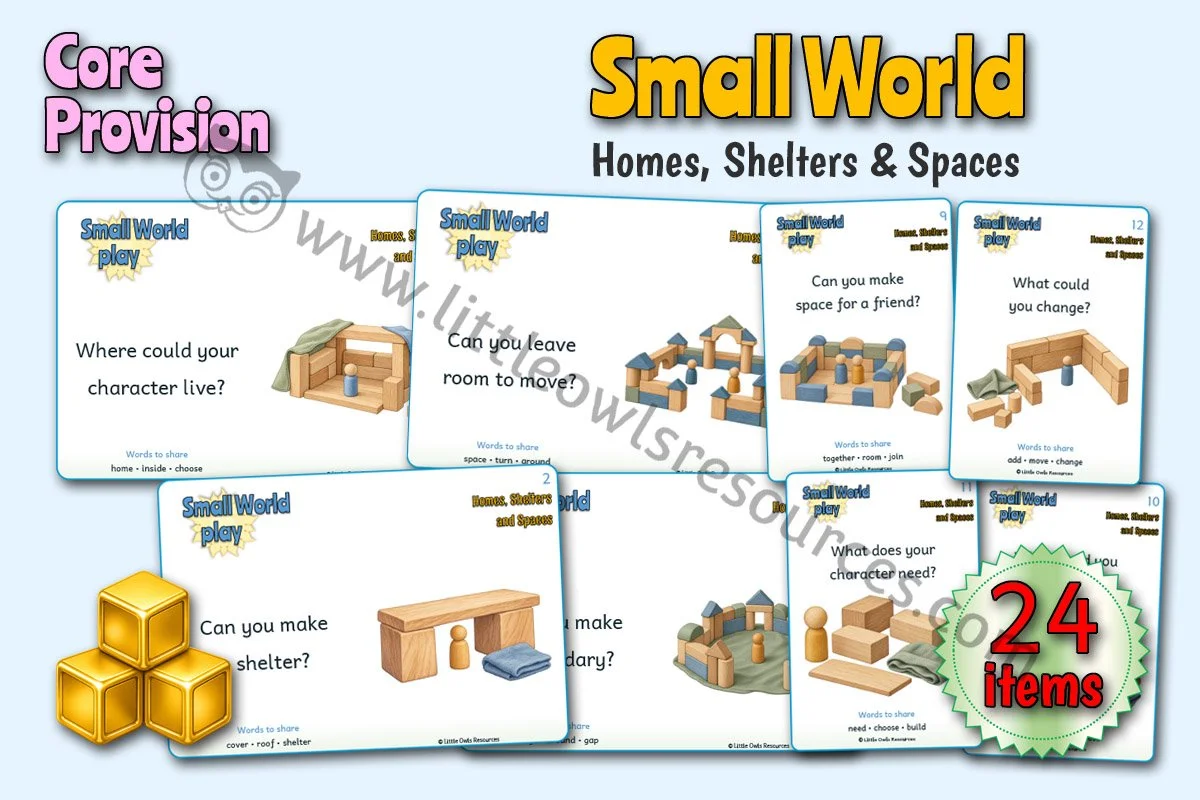
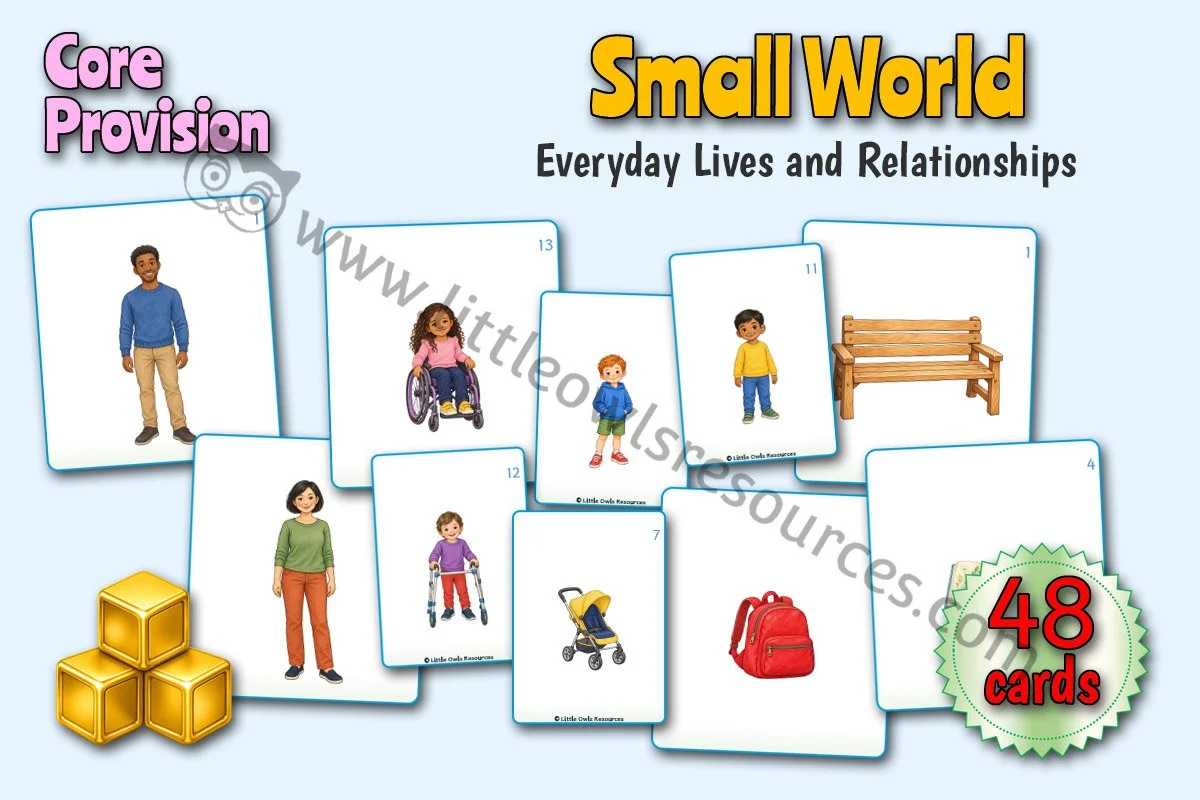
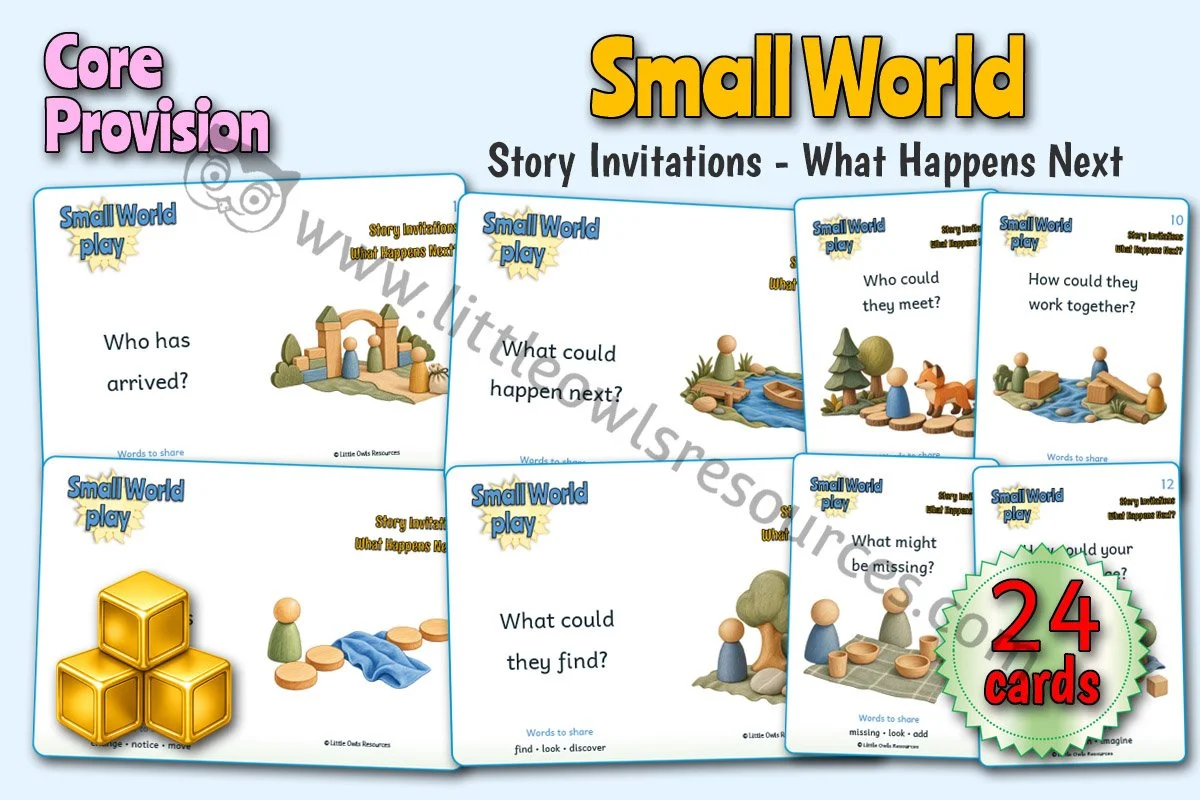


Theme Provision Pages
Please use the arrows to the right of the carousel below and select a theme to explore our continuous provision enhancement resources. Alternatively, visit our ‘Themes Menu Page’.










🌱 Areas of Learning Resources
Browse resources organised by EYFS areas of learning on our hub pages linked below:
Prime Areas
Specific Areas
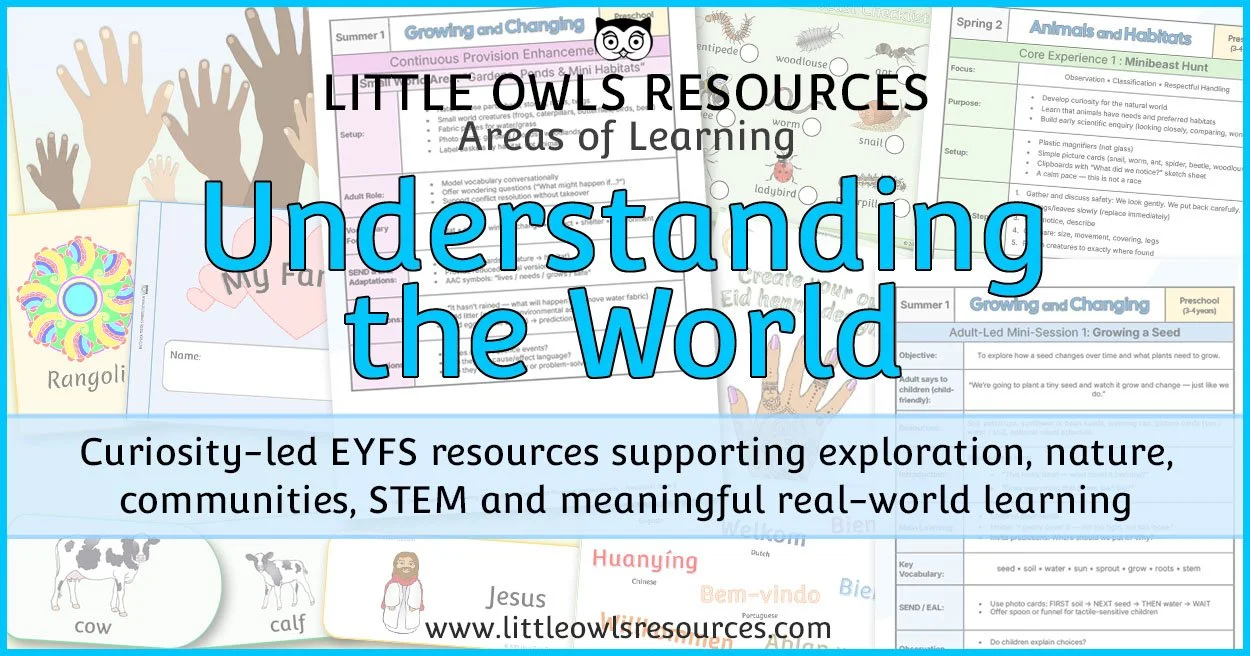
These can be used to:
support provision planning
extend learning in the moment
build staff understanding of development
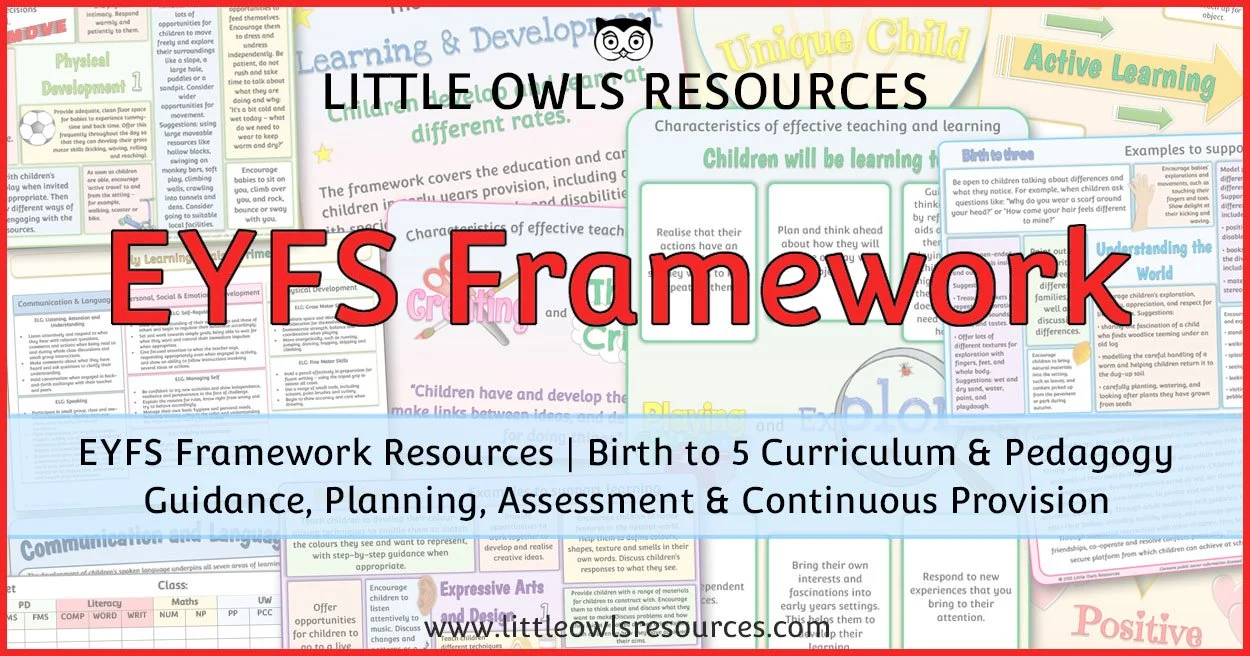
Below are some additional overarching ‘Area of Learning’ resources. (For educational materials that address each of the 7 areas of learning individually, please visit the pages linked above or our ‘Areas of Learning Hub Page’.)
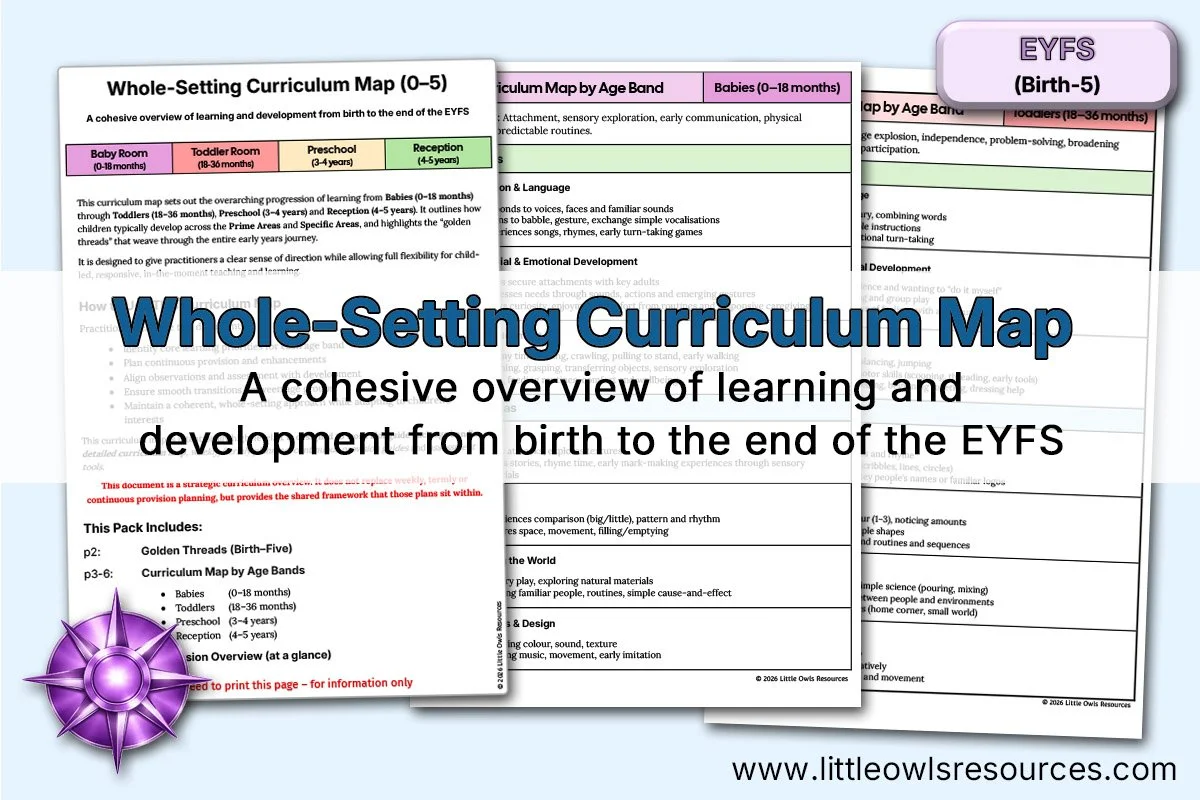
Area of Learning Guidance Materials
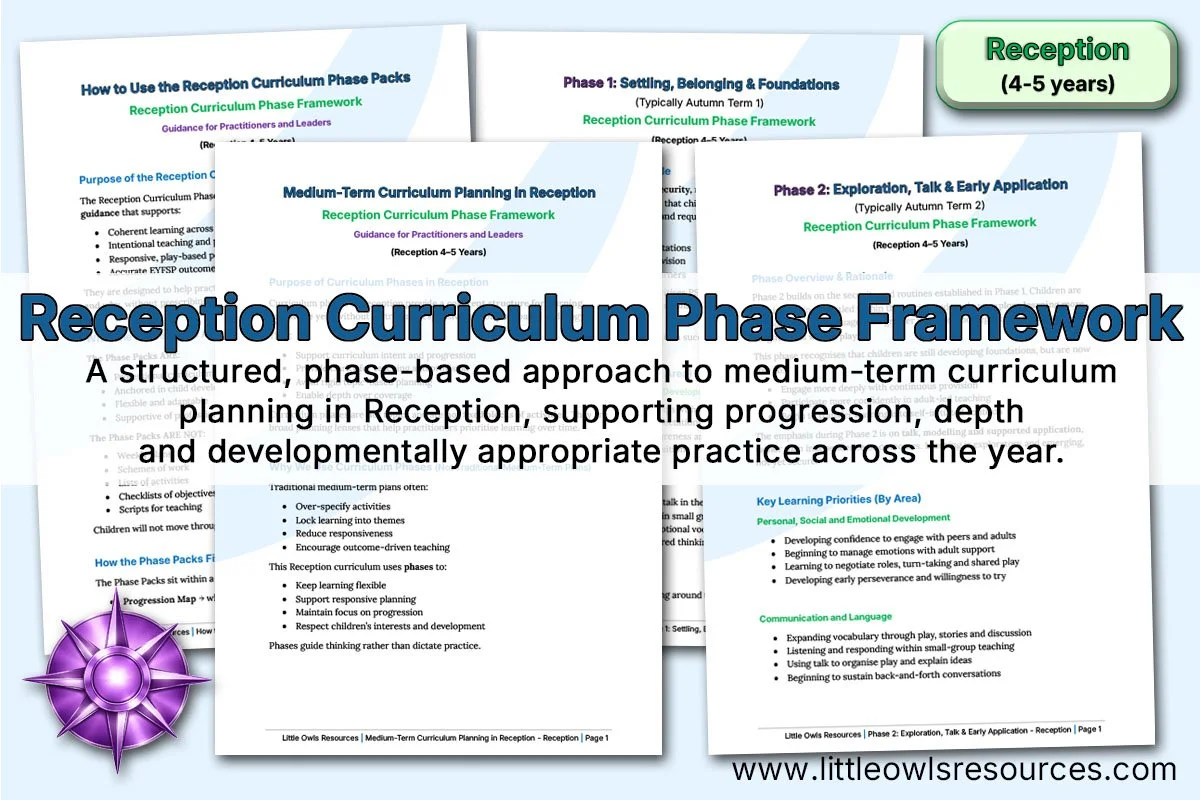
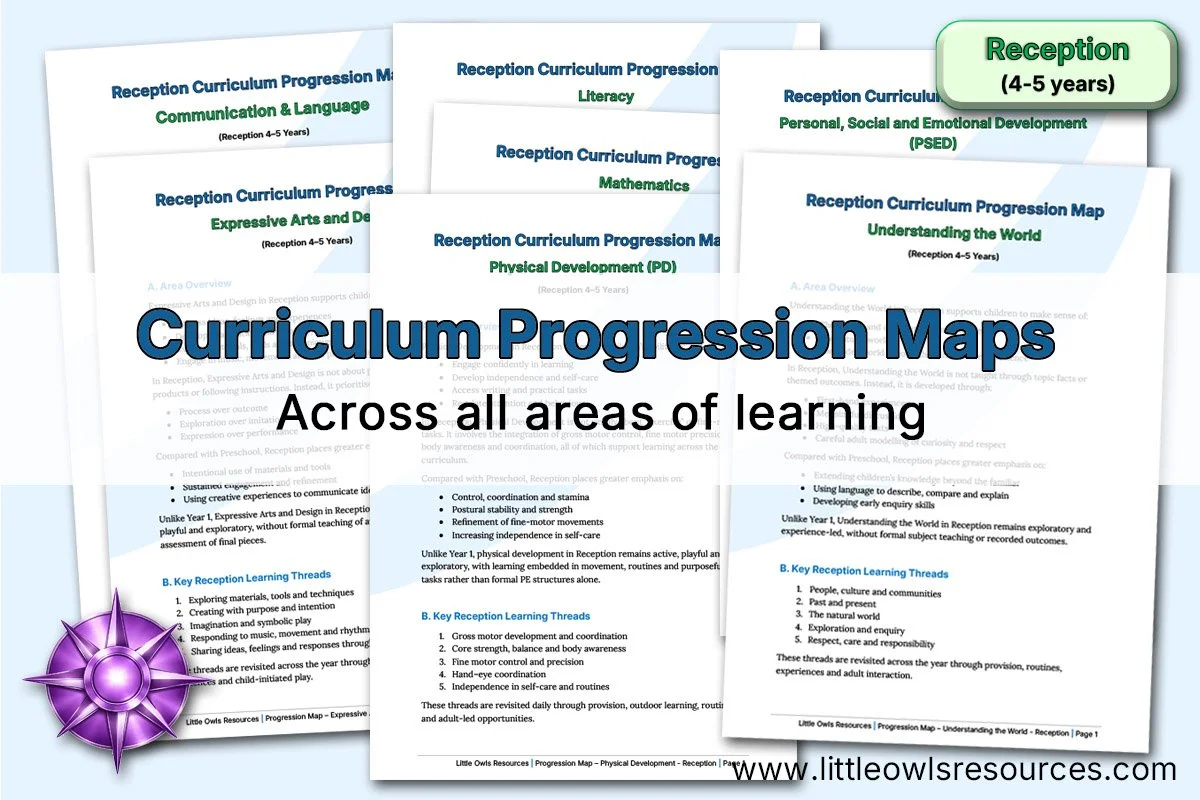

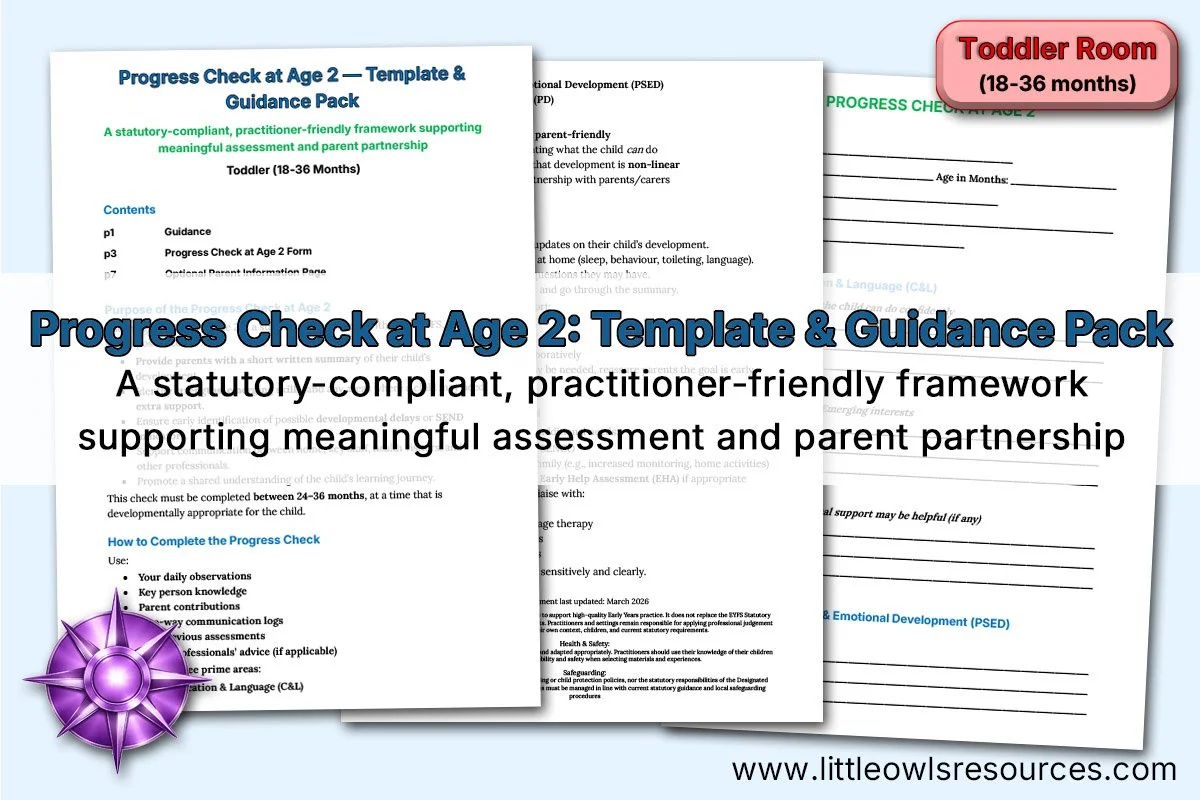


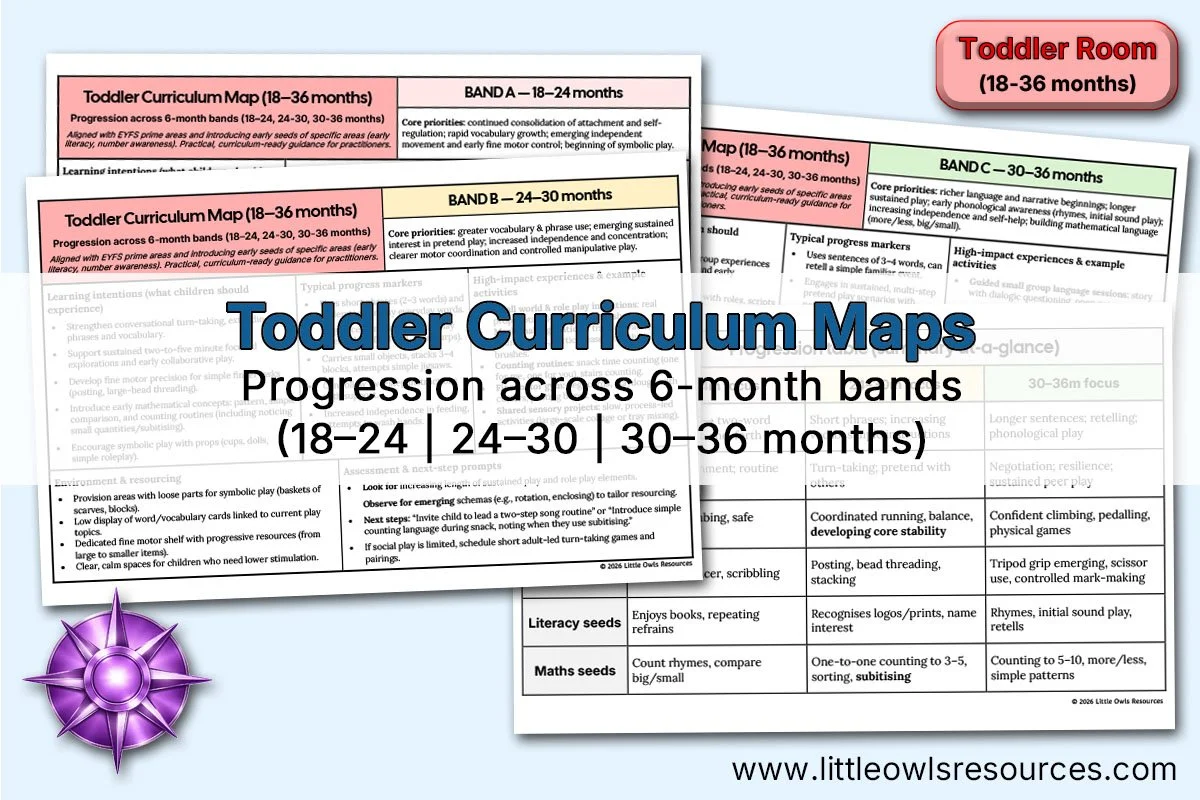


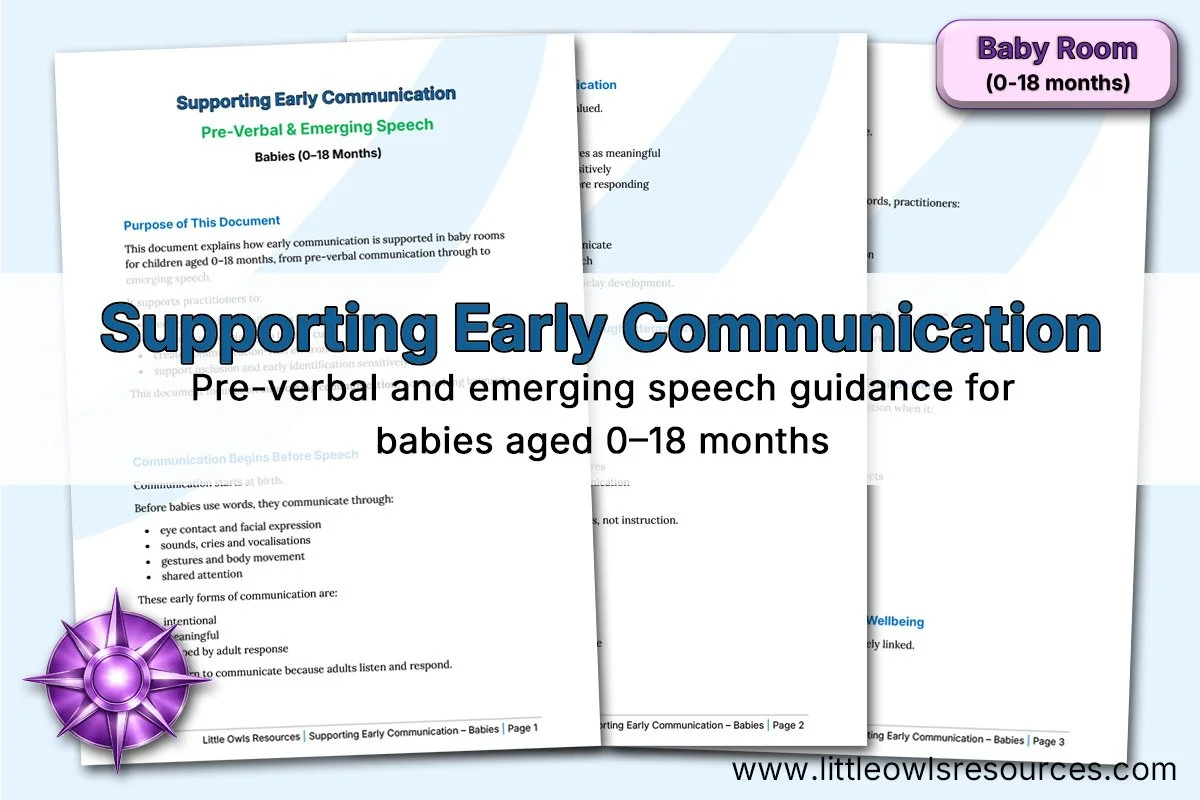
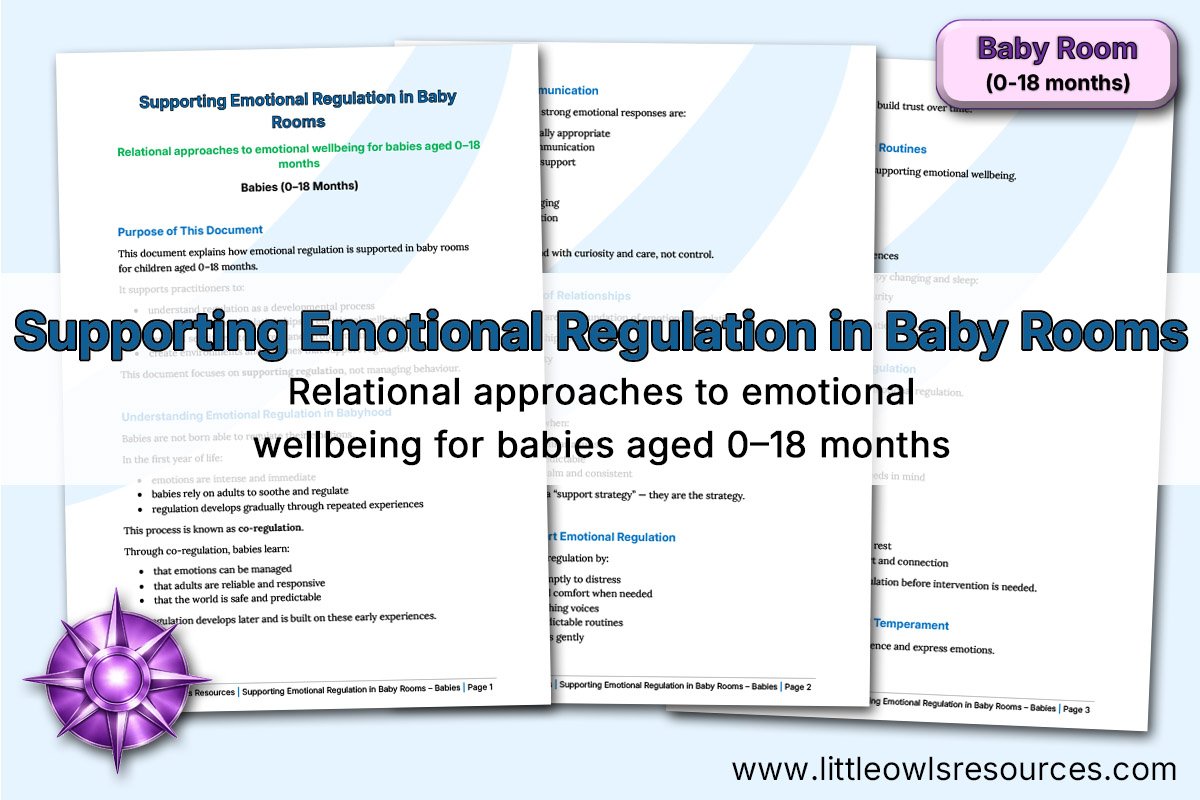


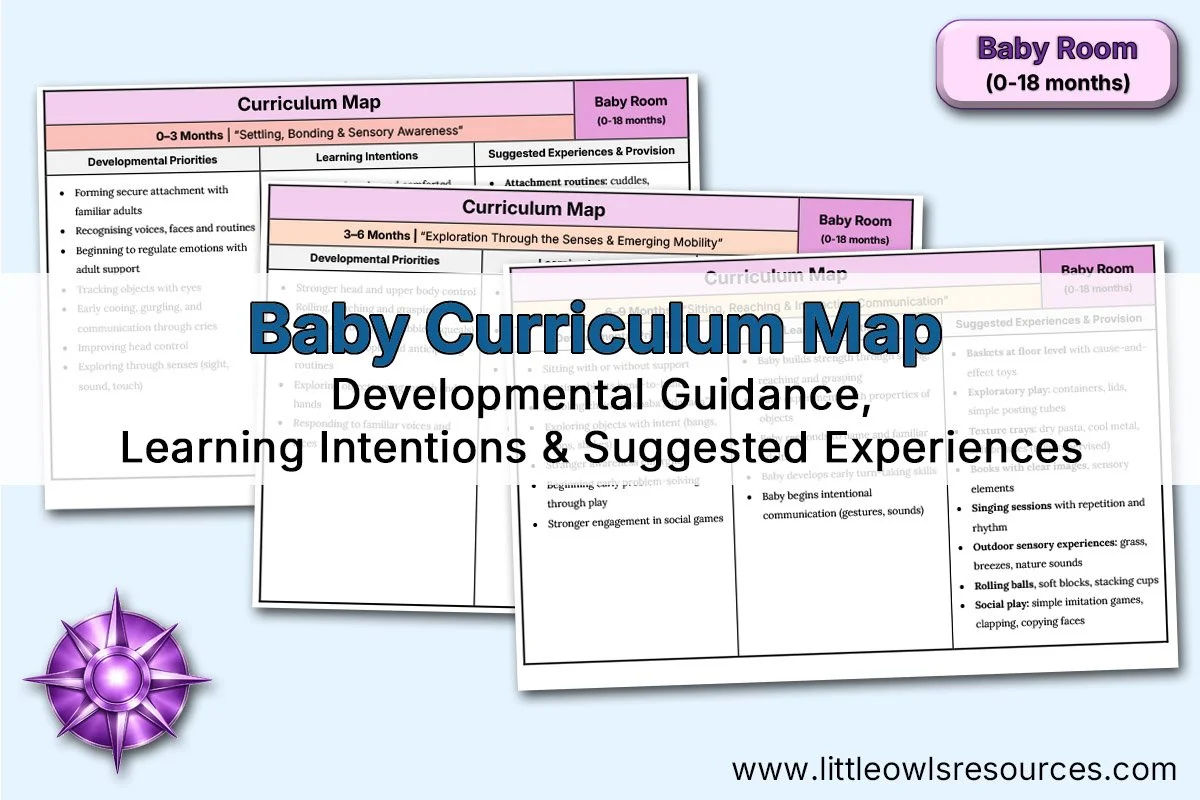
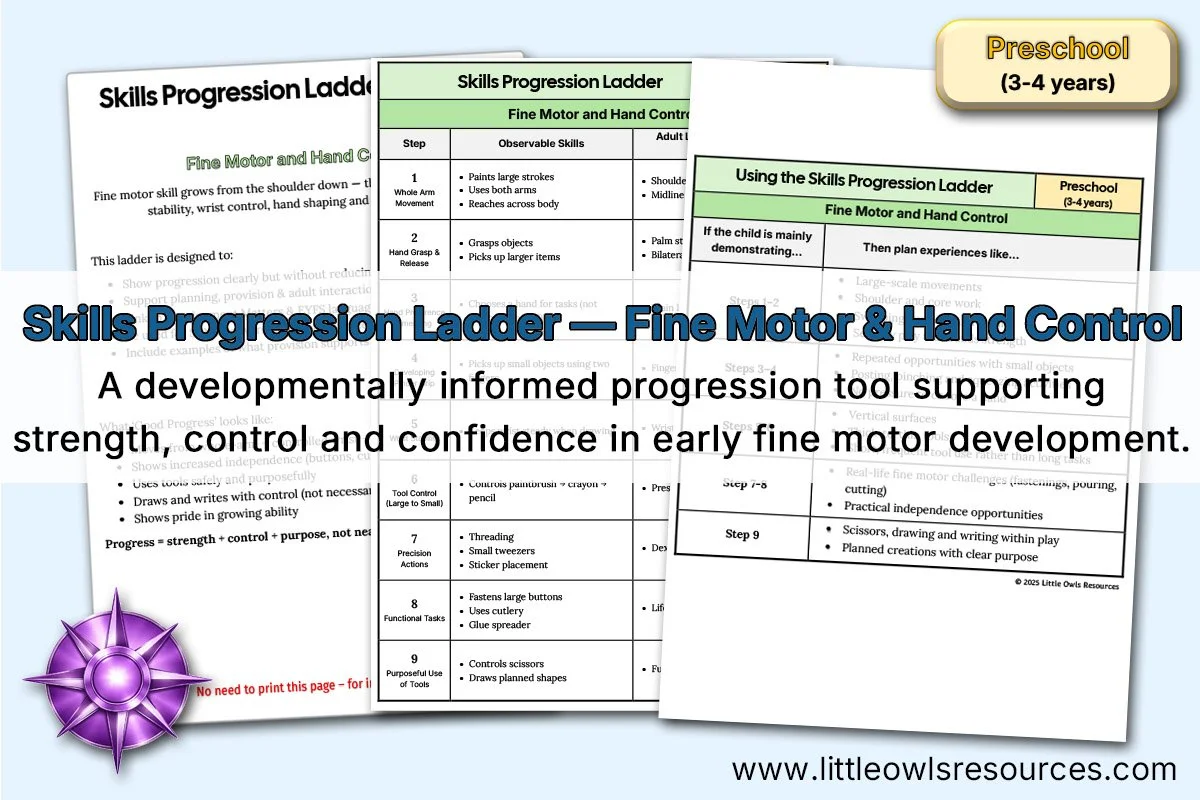
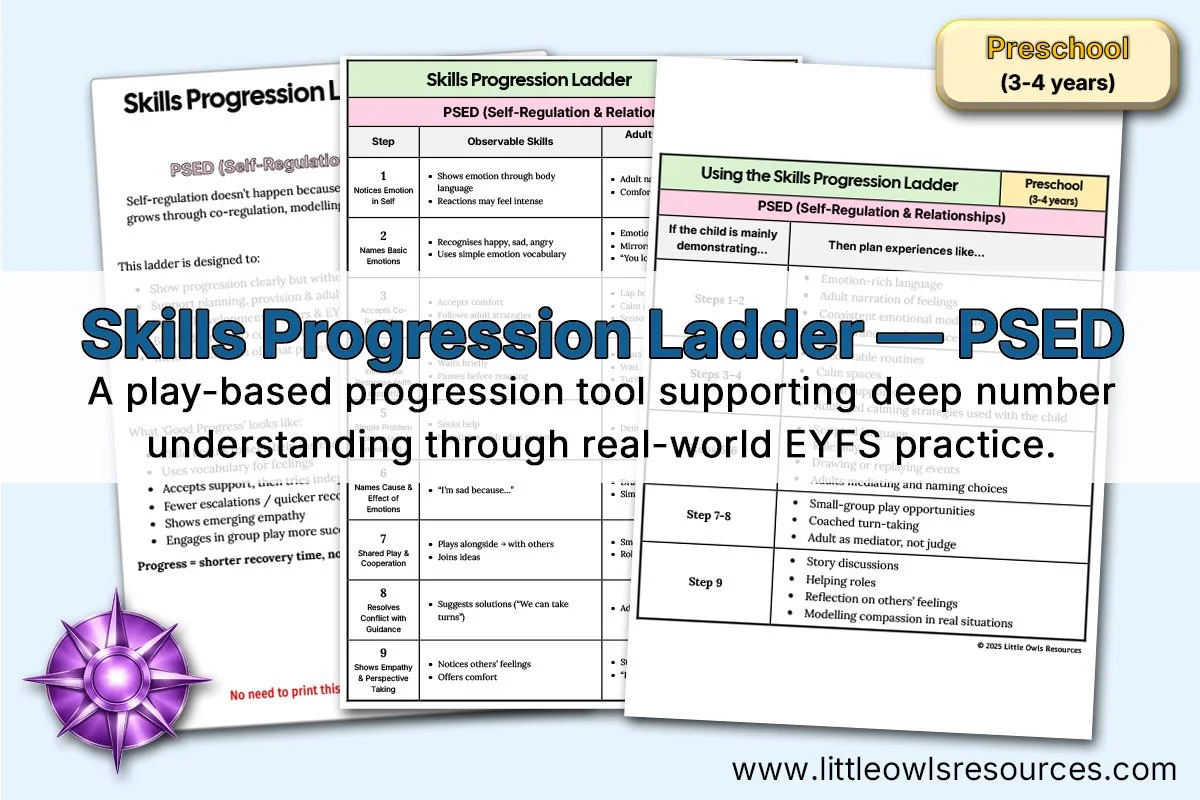


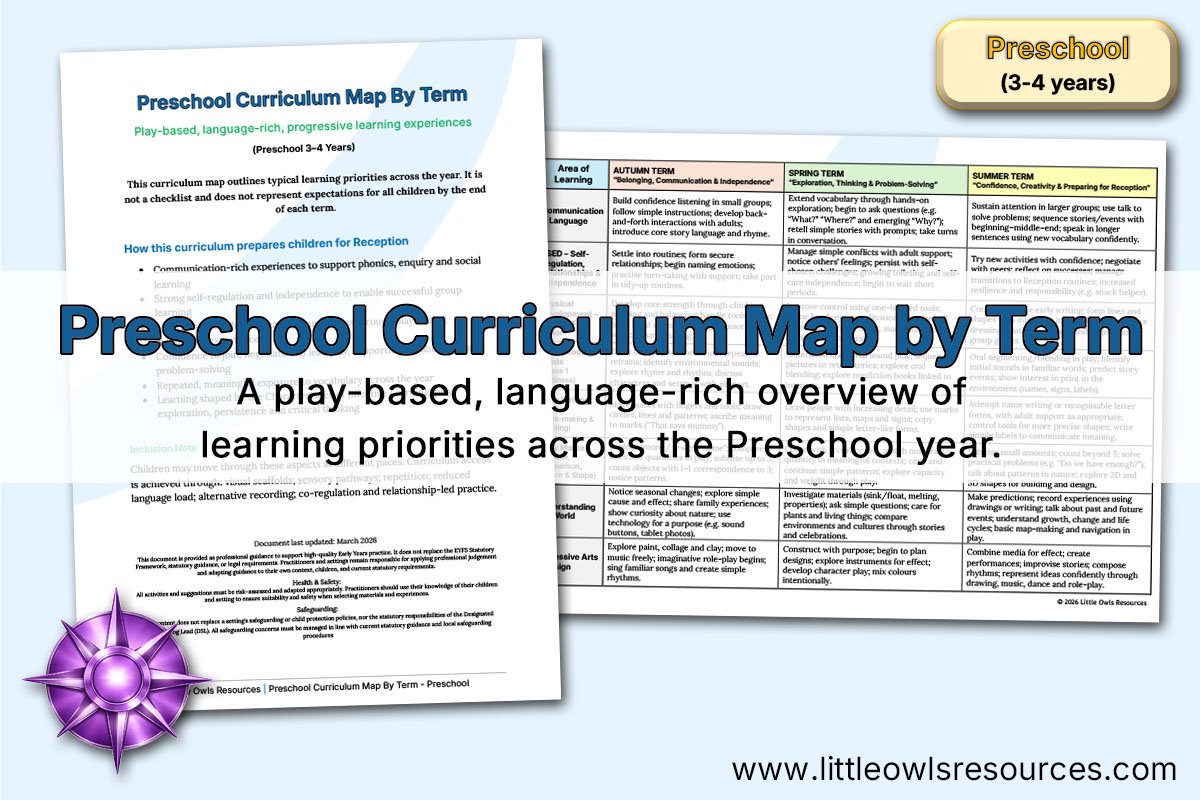
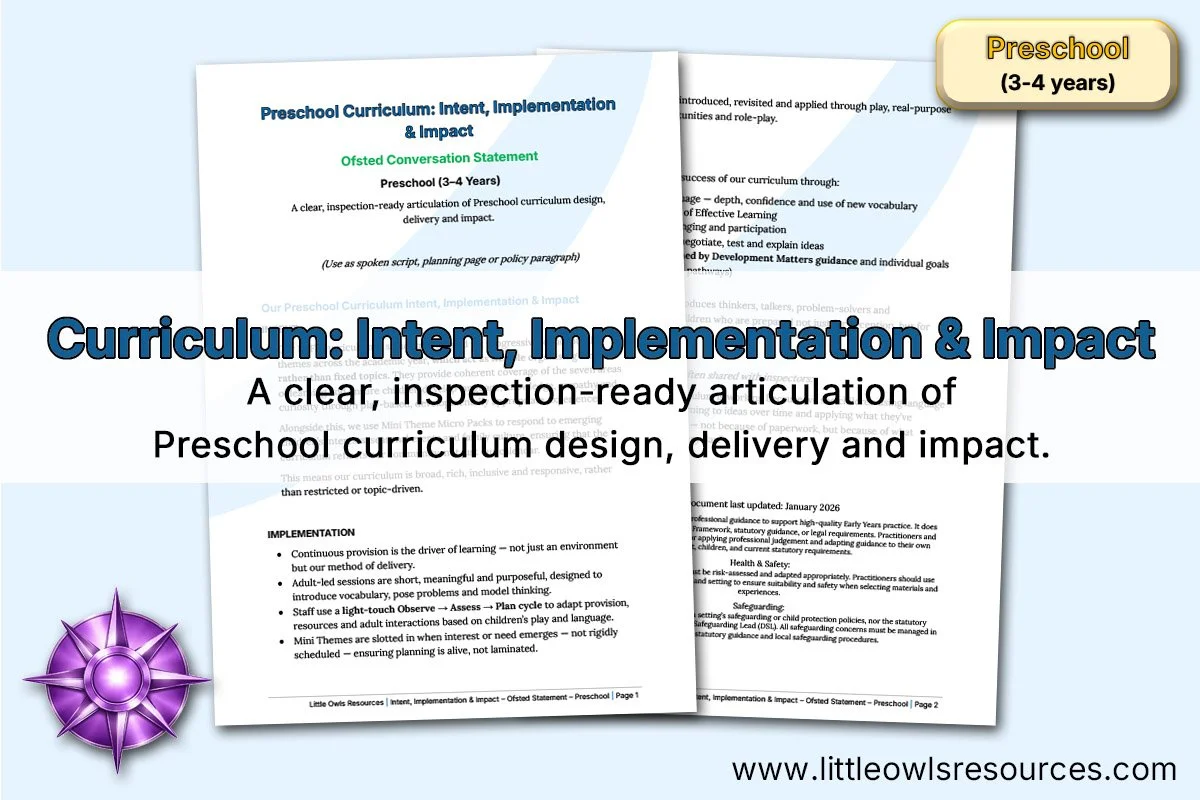

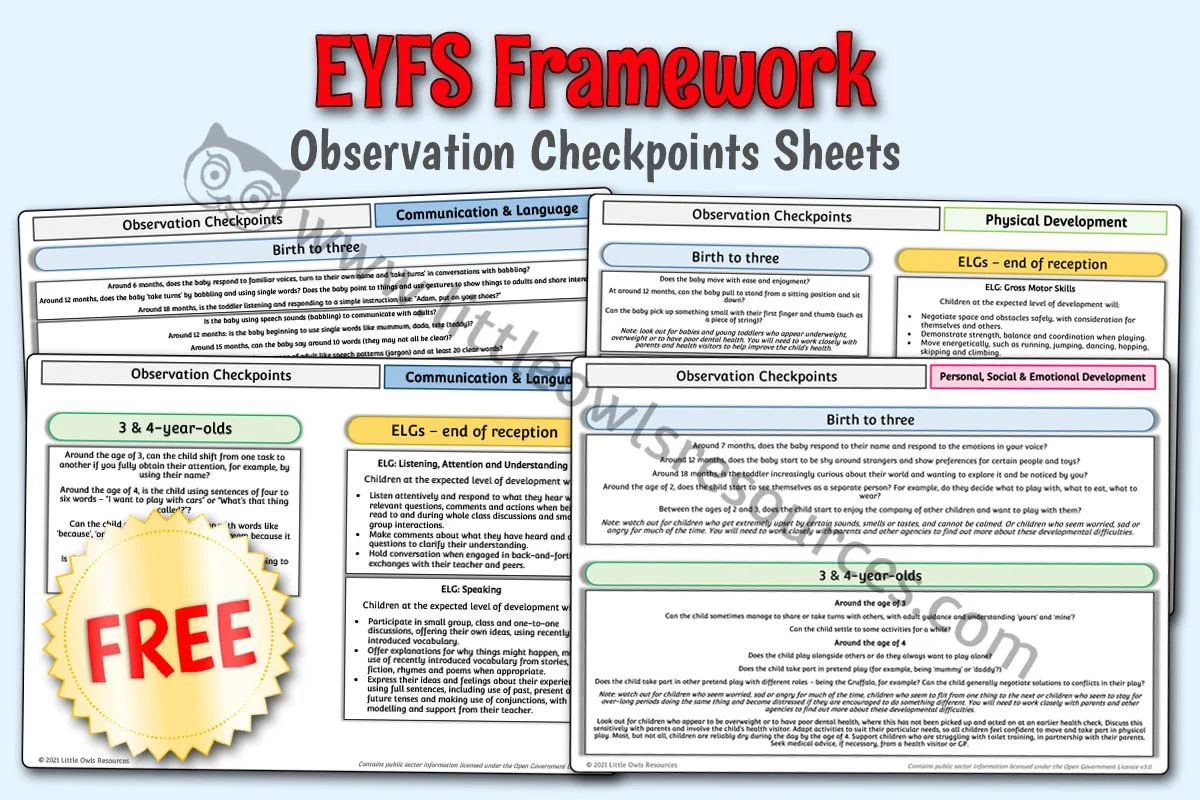
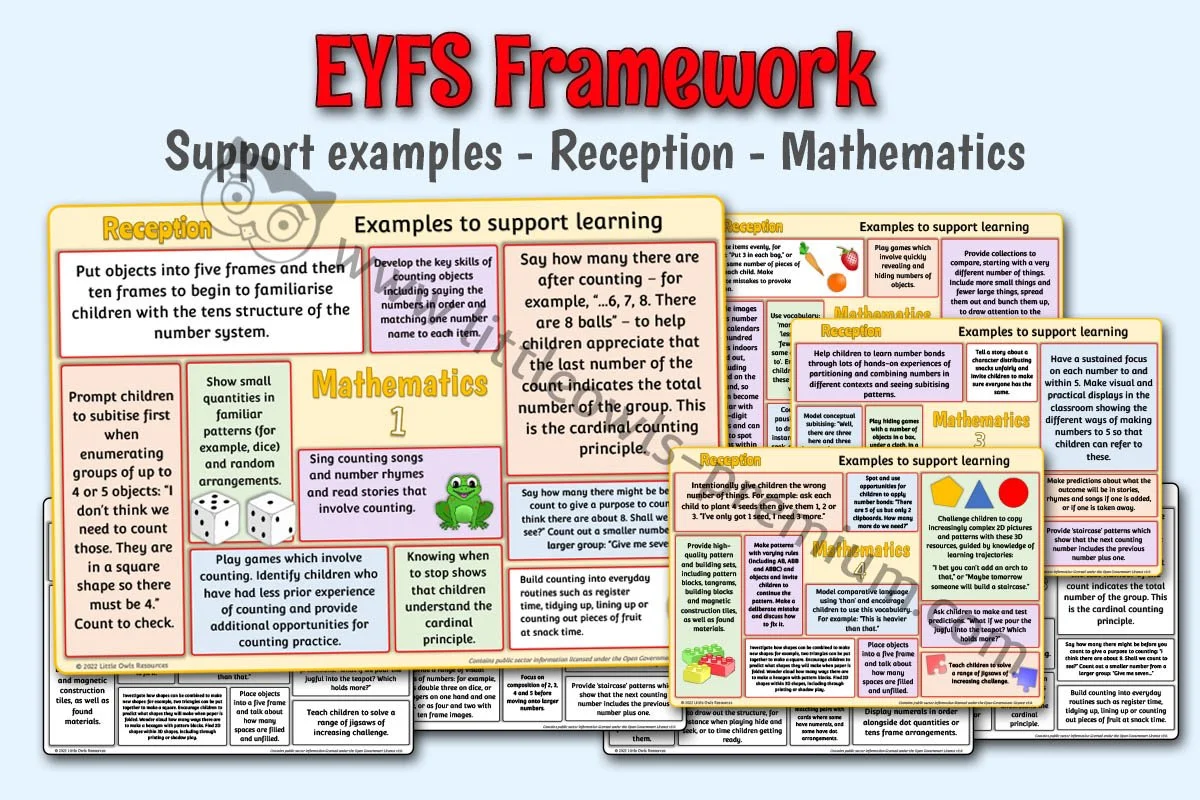
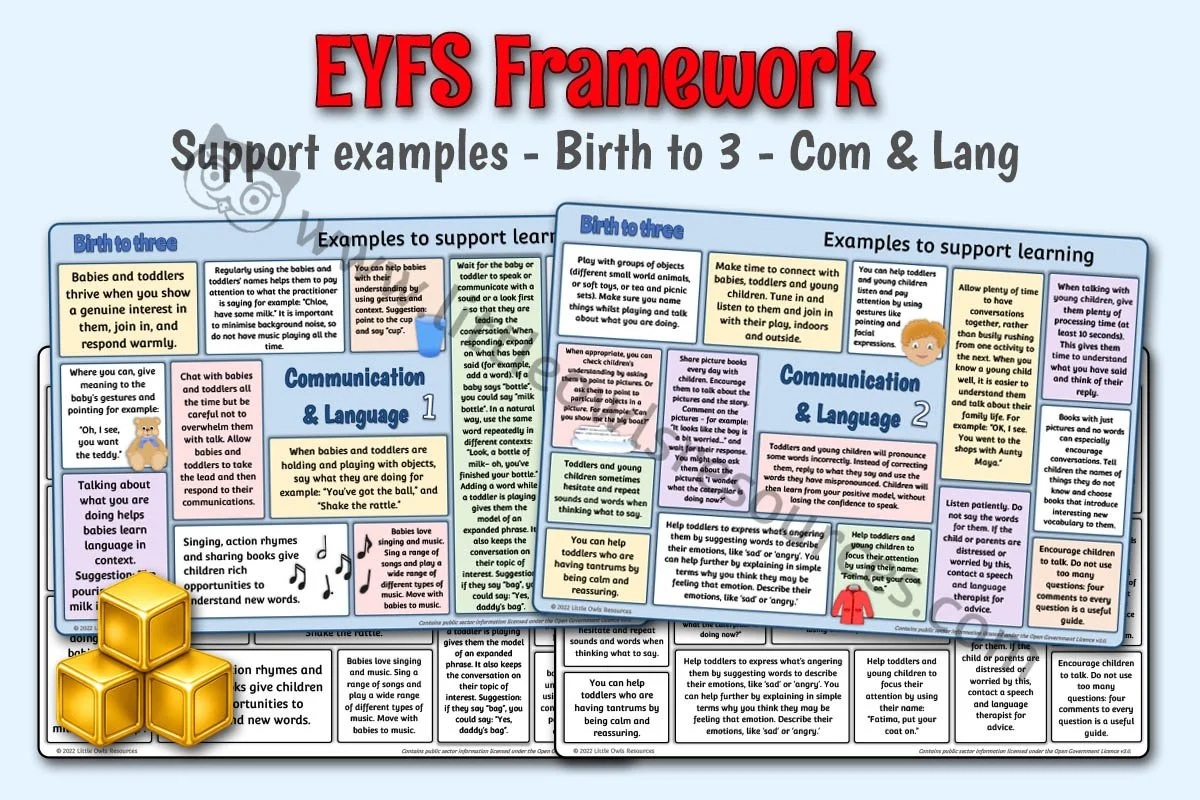
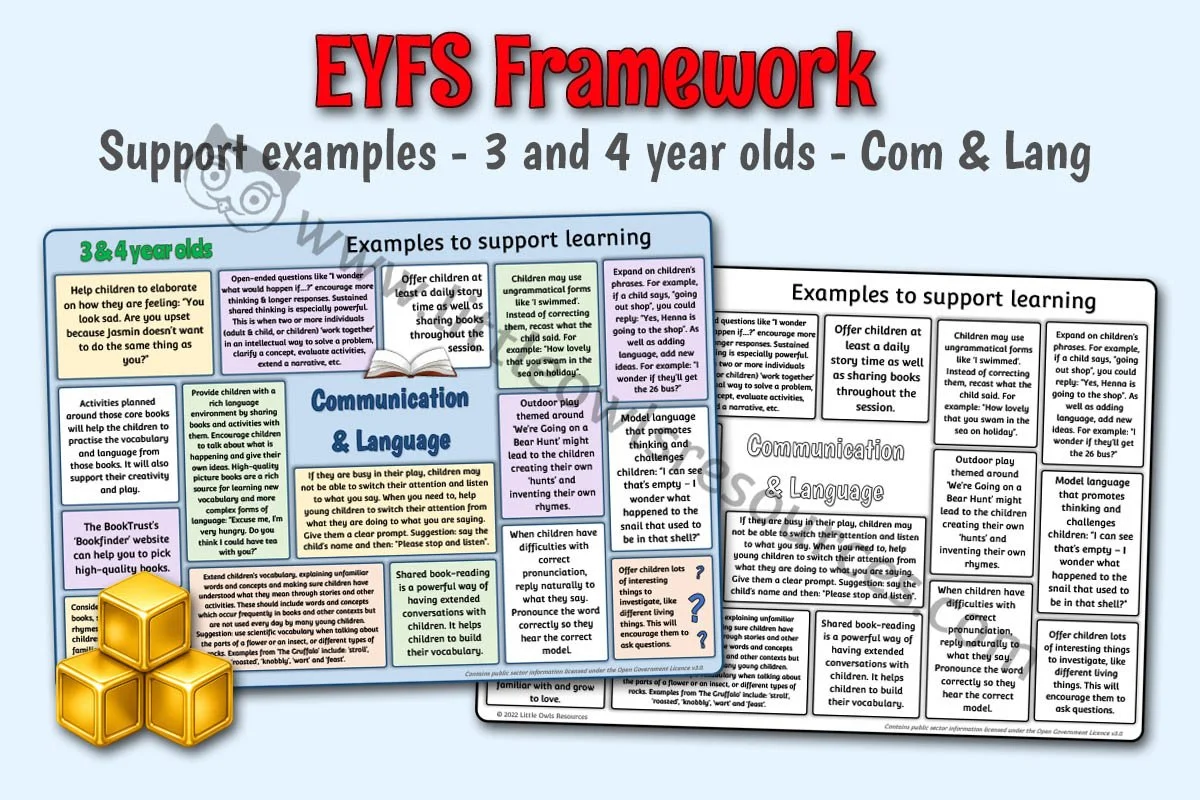
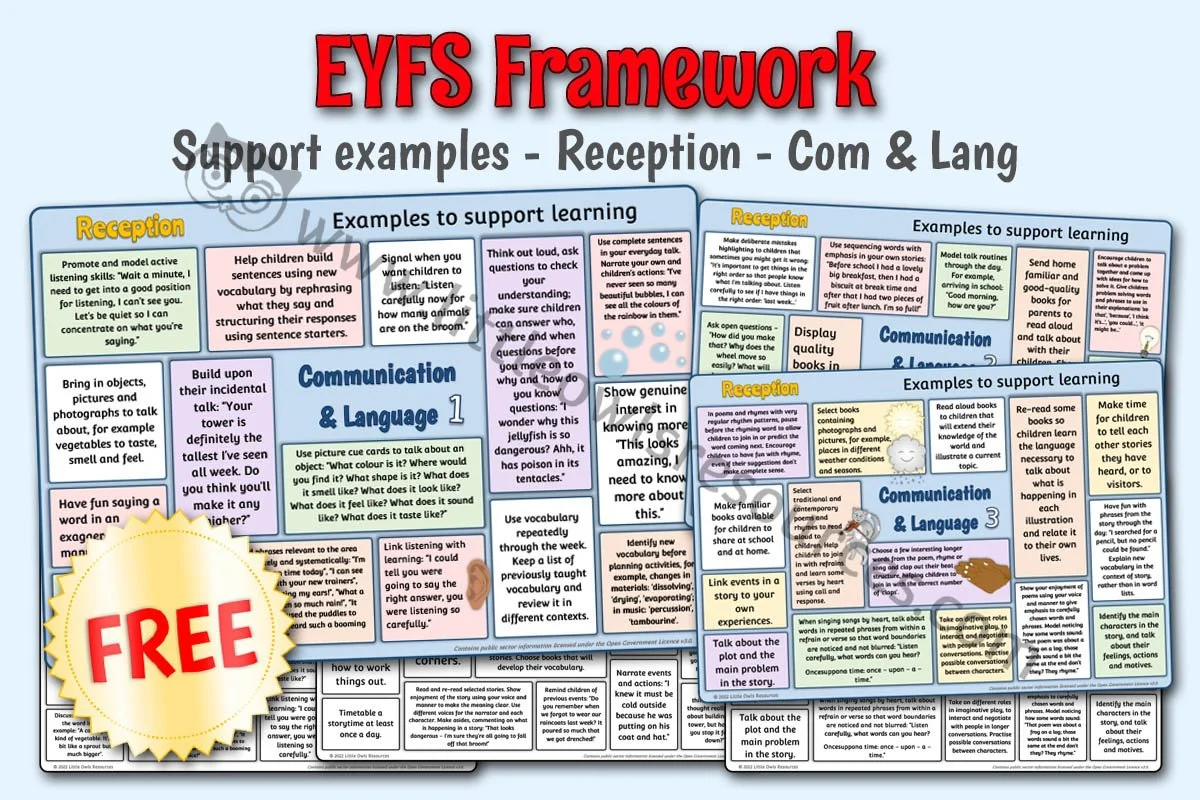
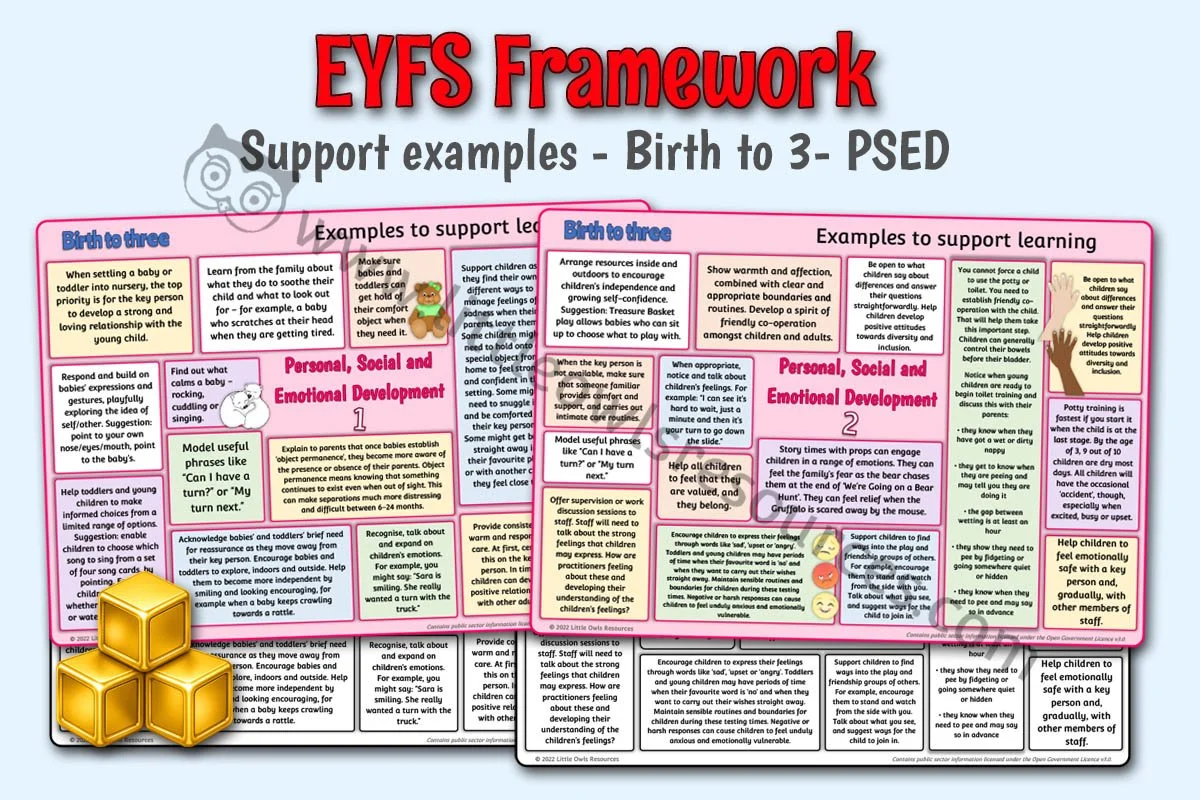
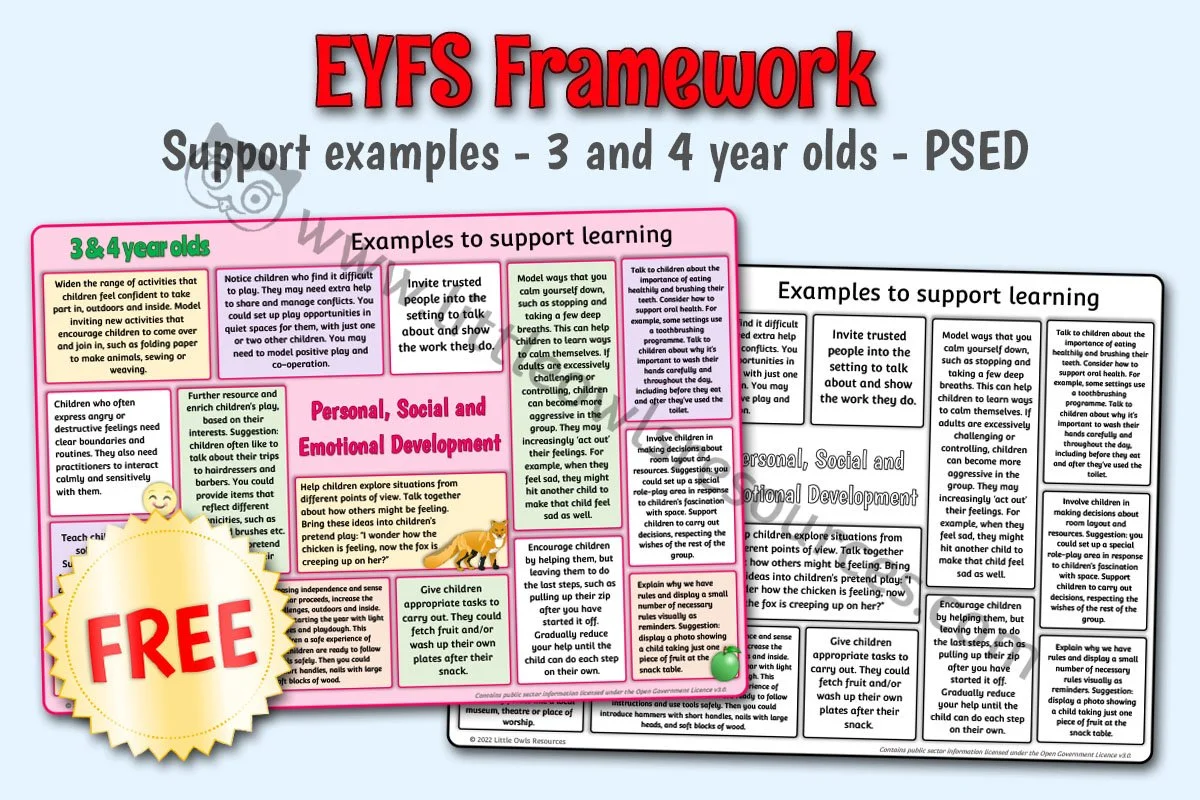
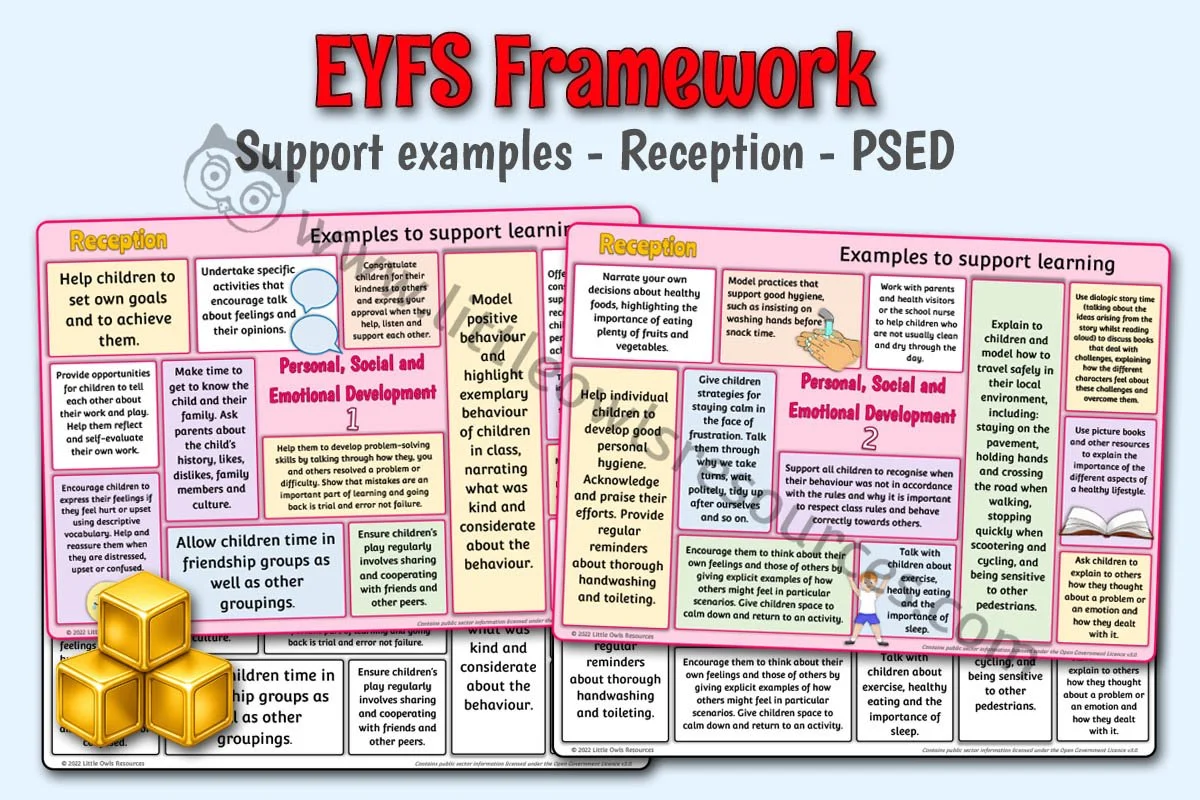
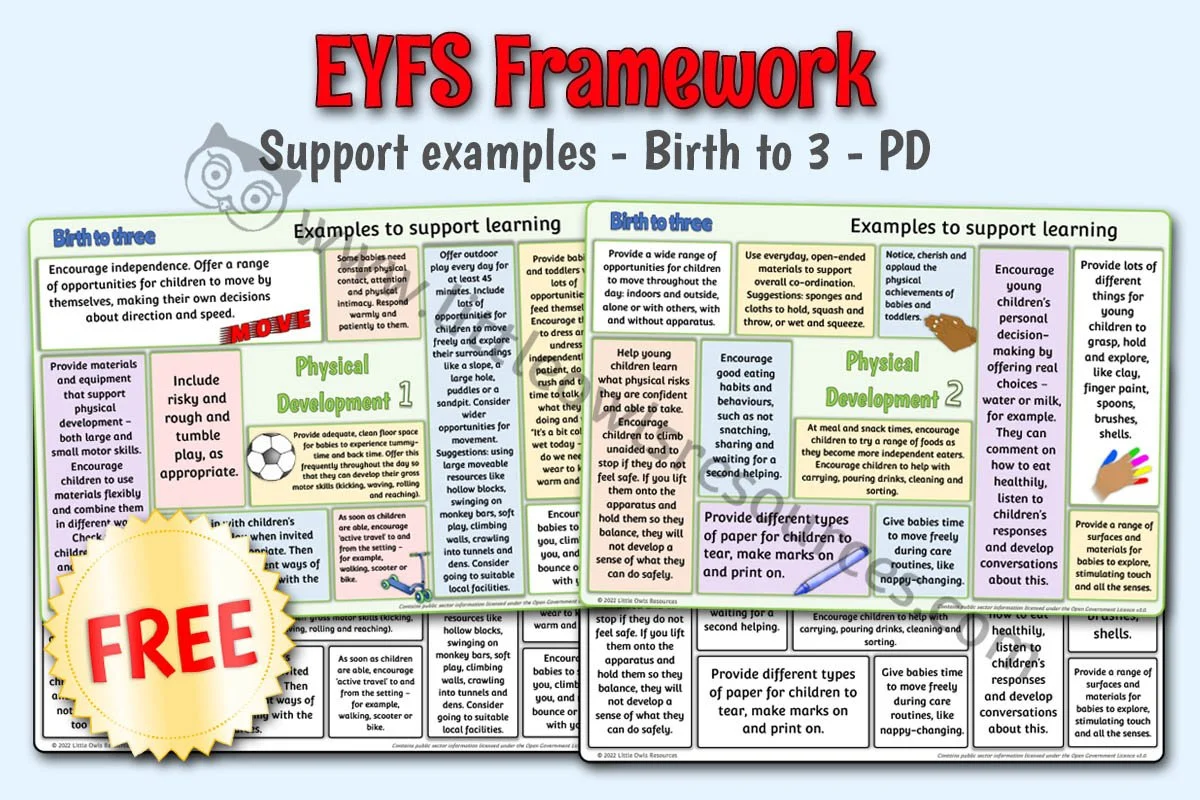
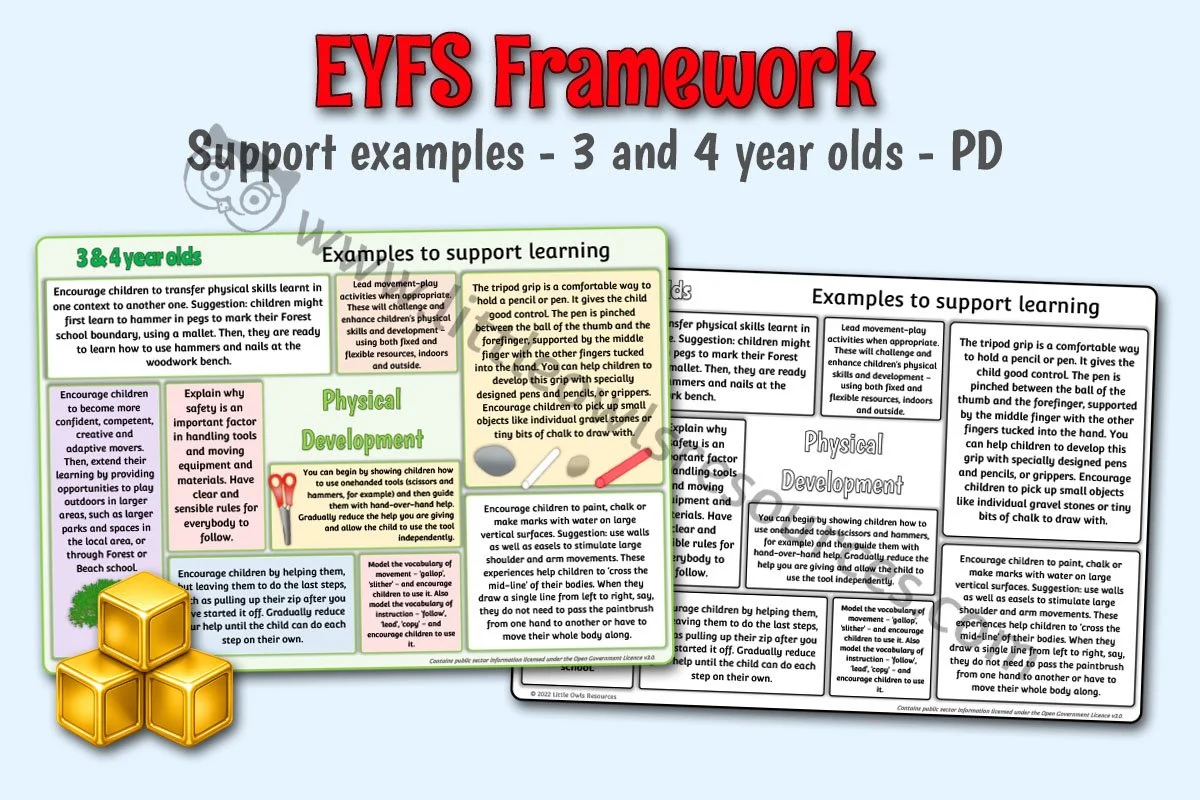
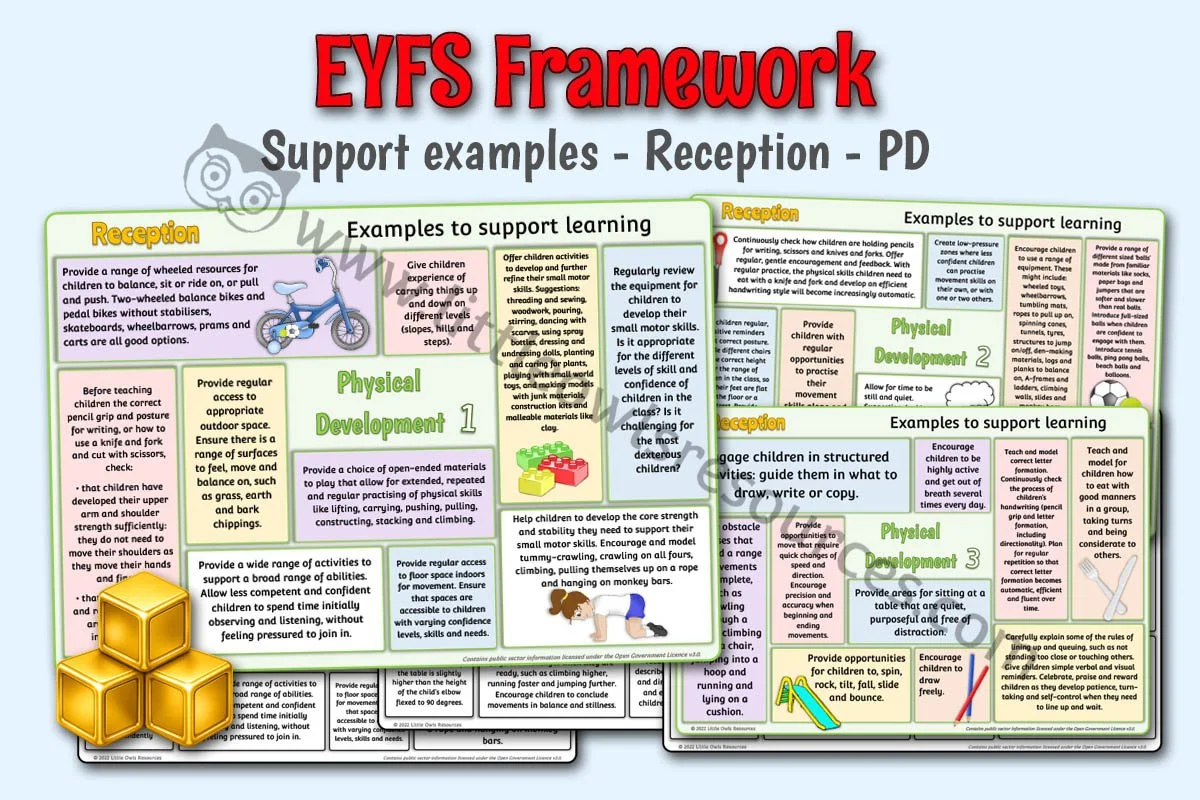
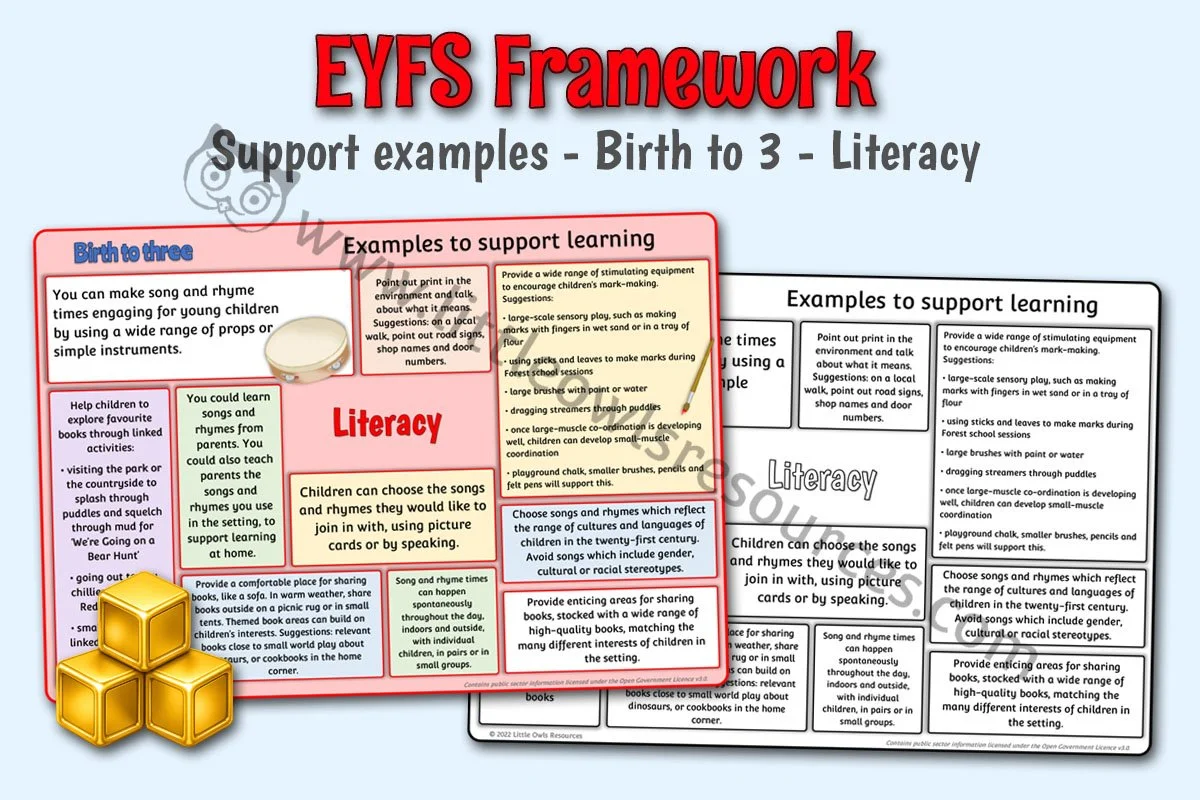
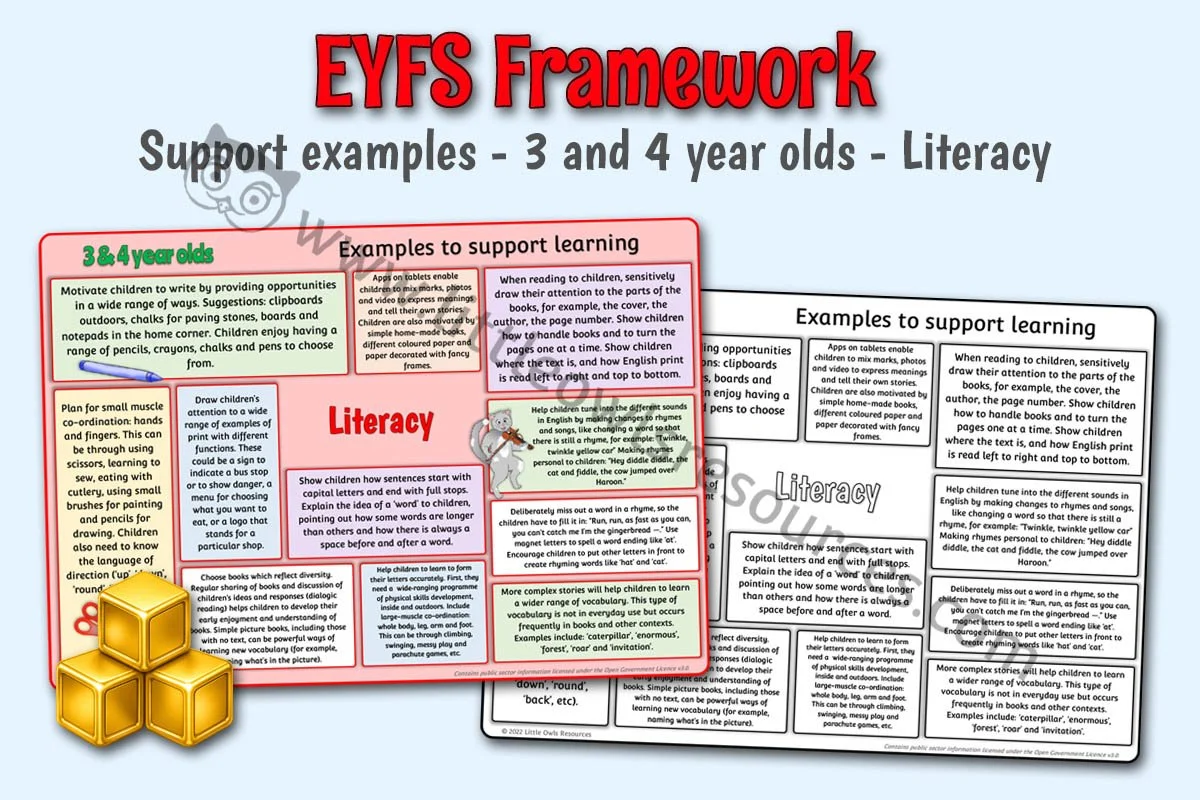
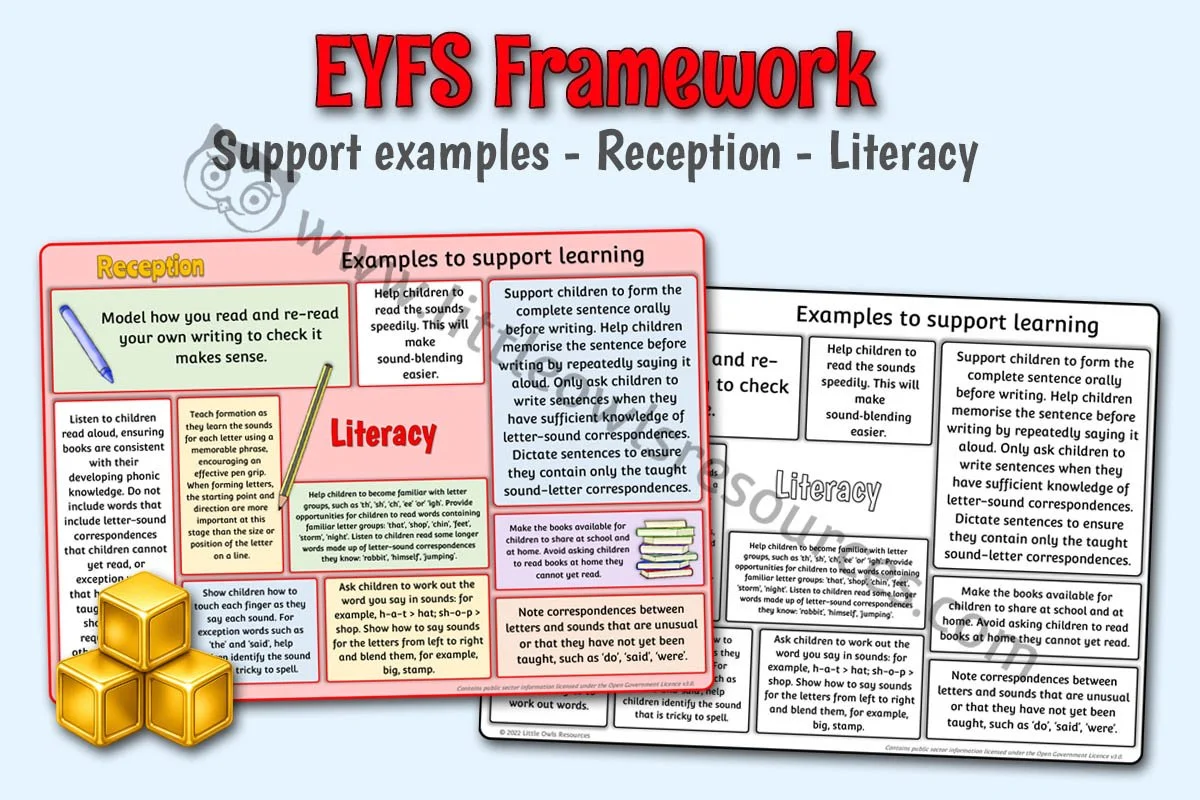
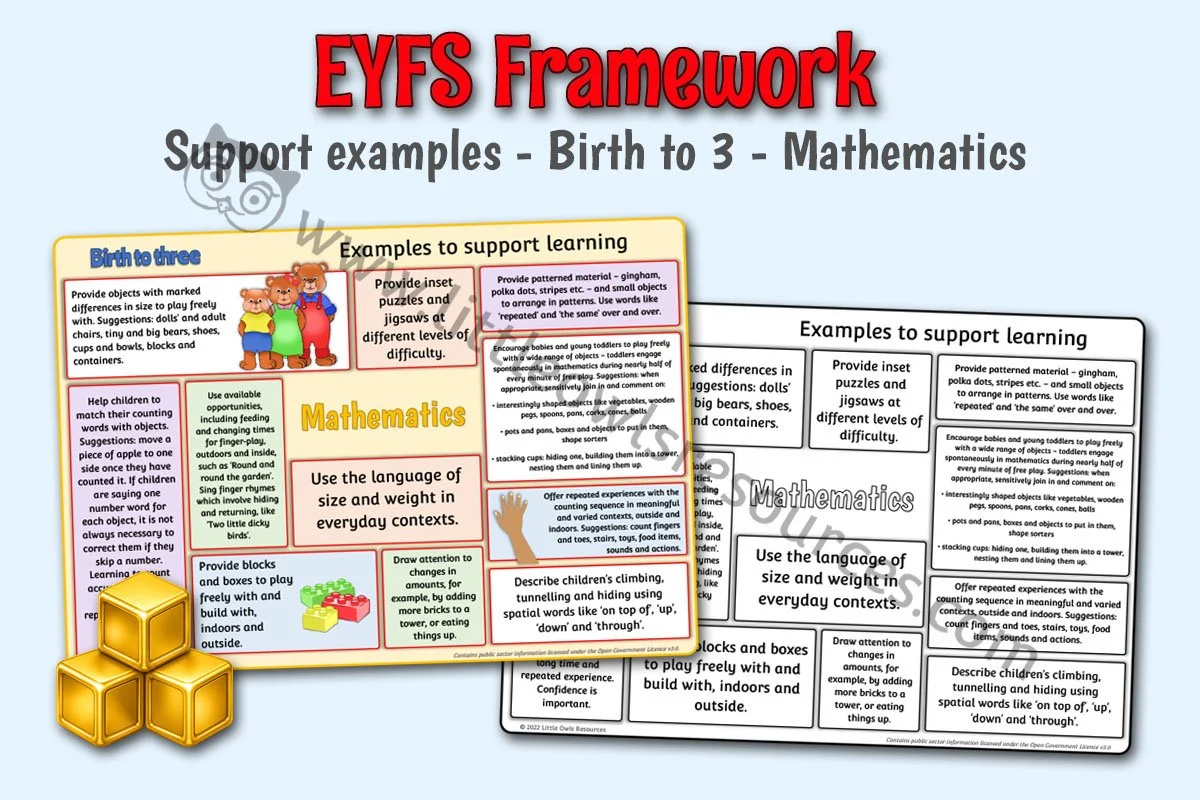
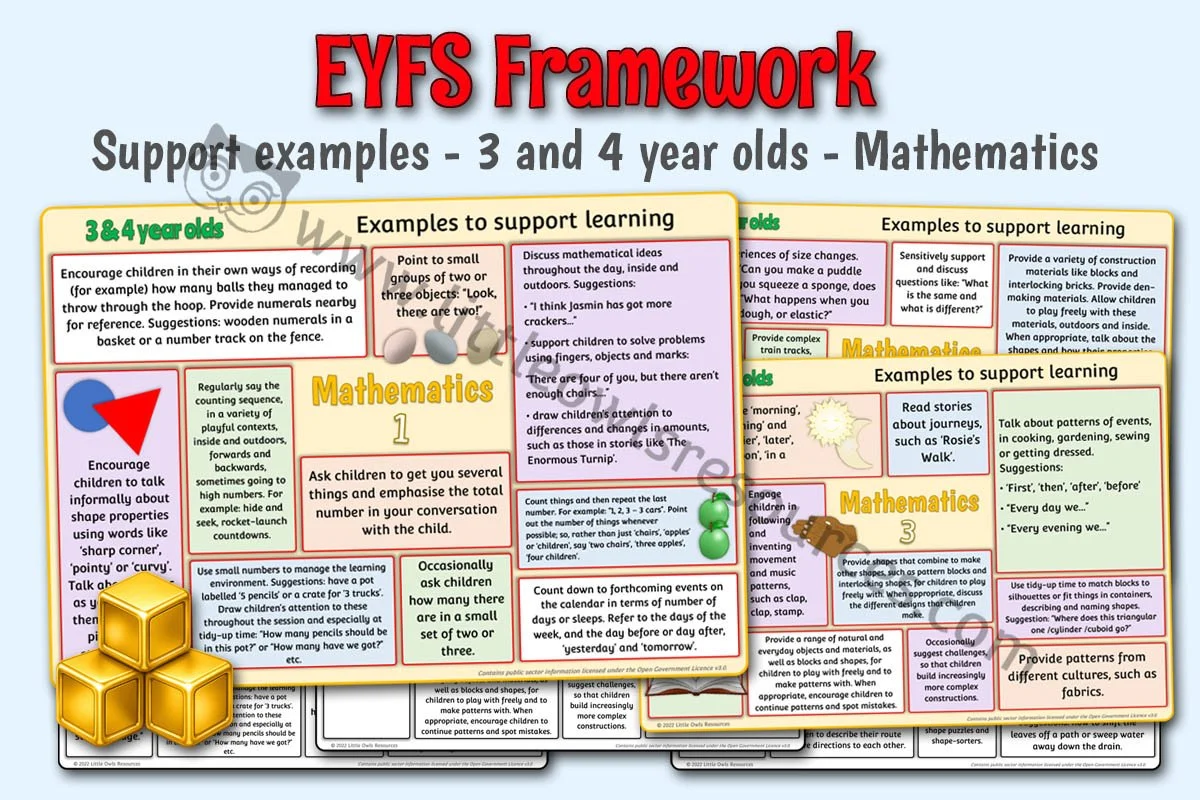
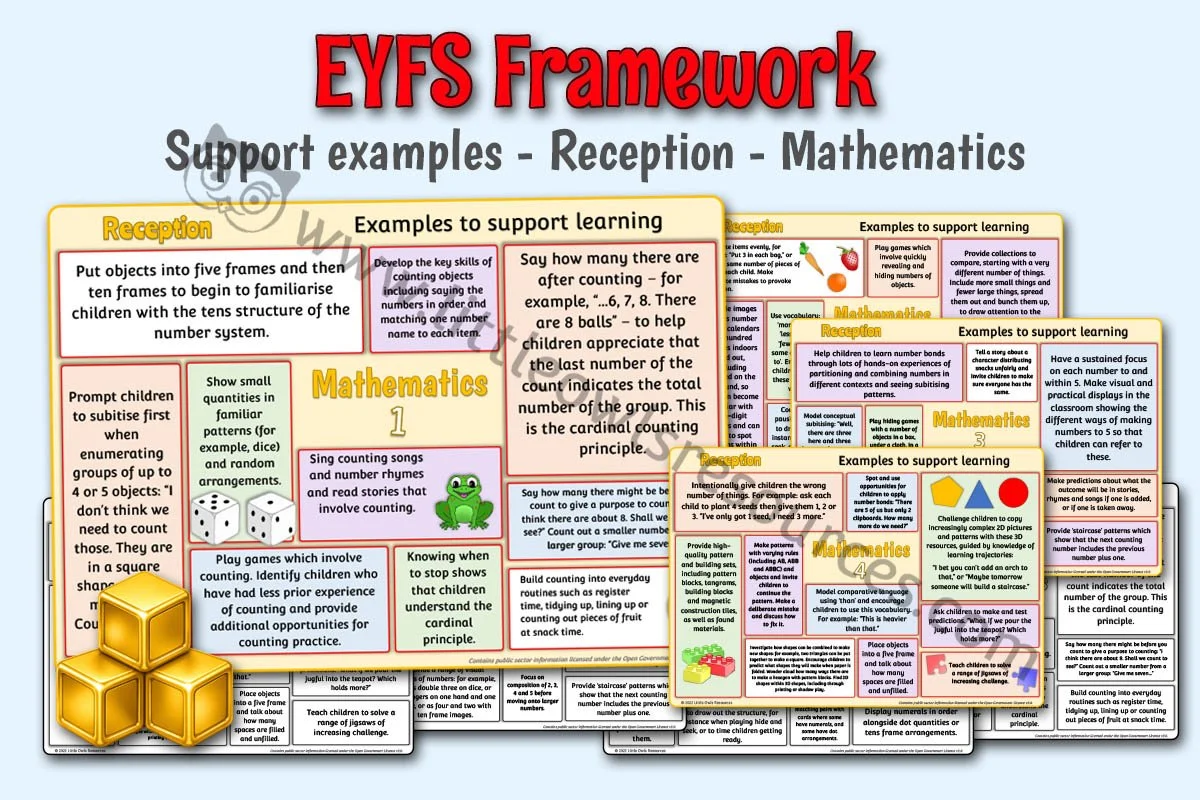
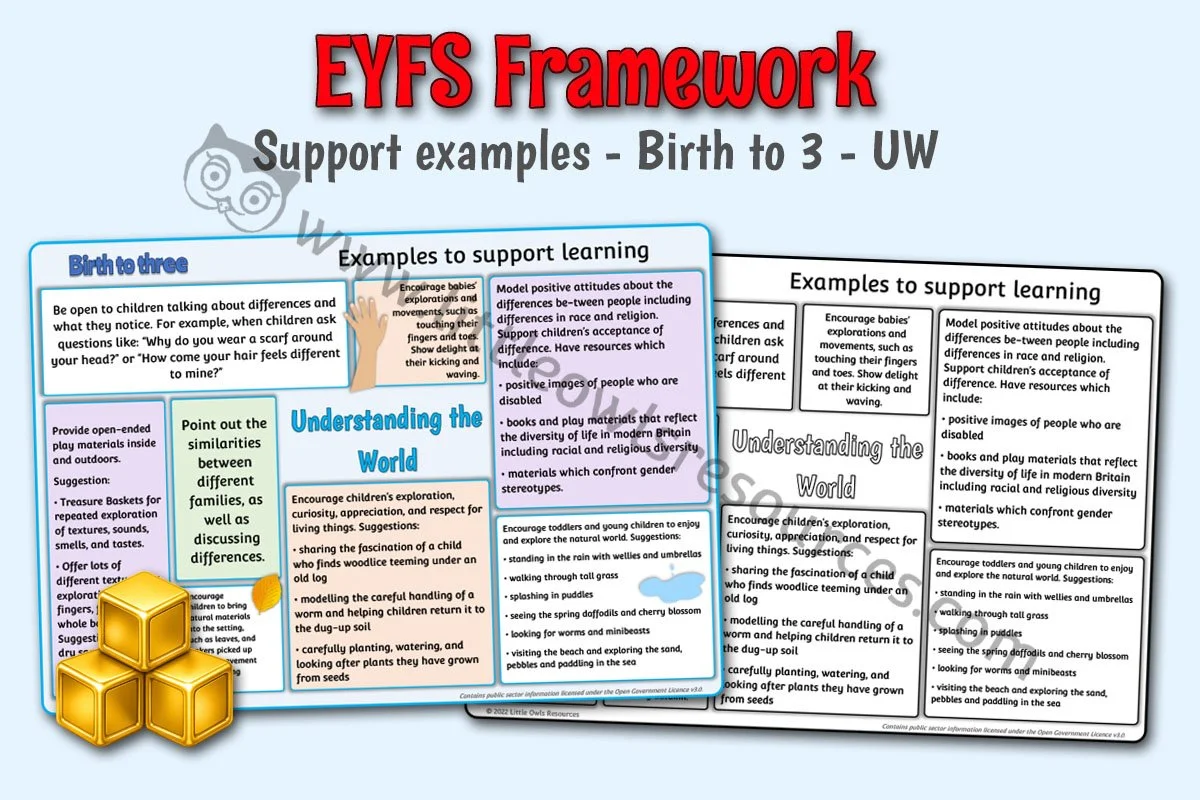
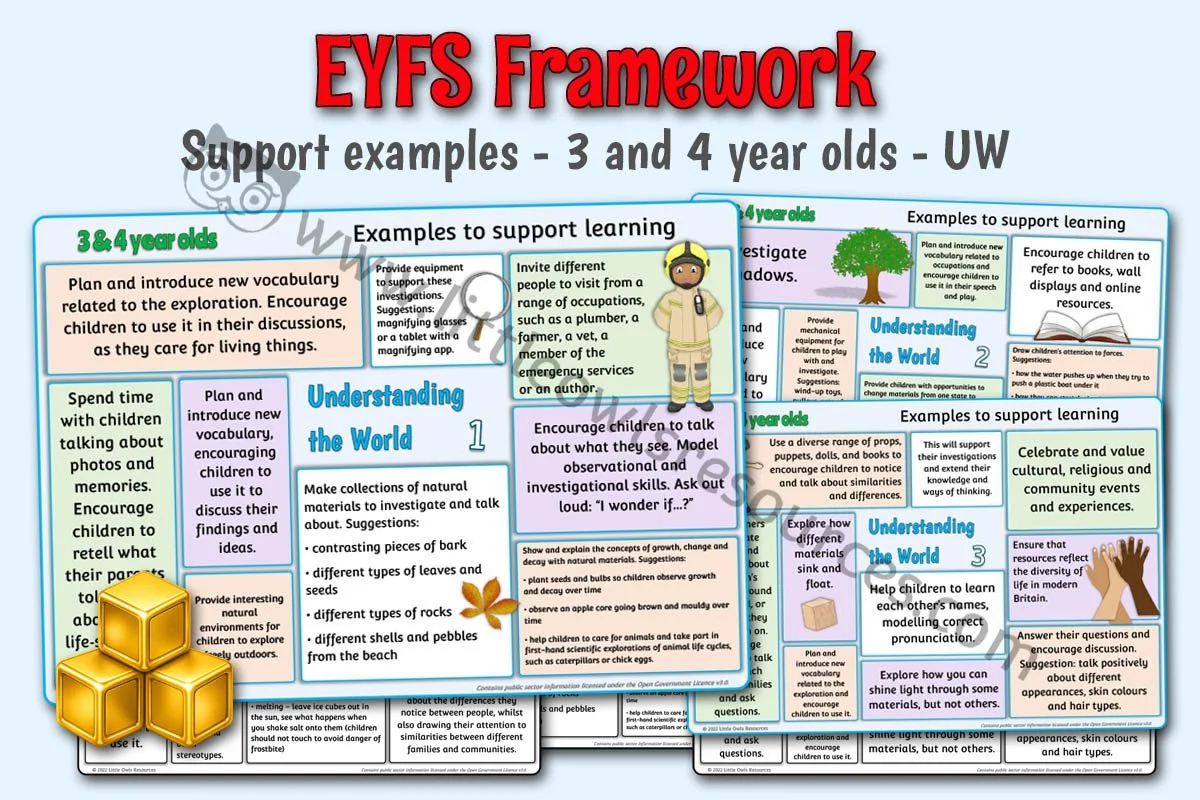
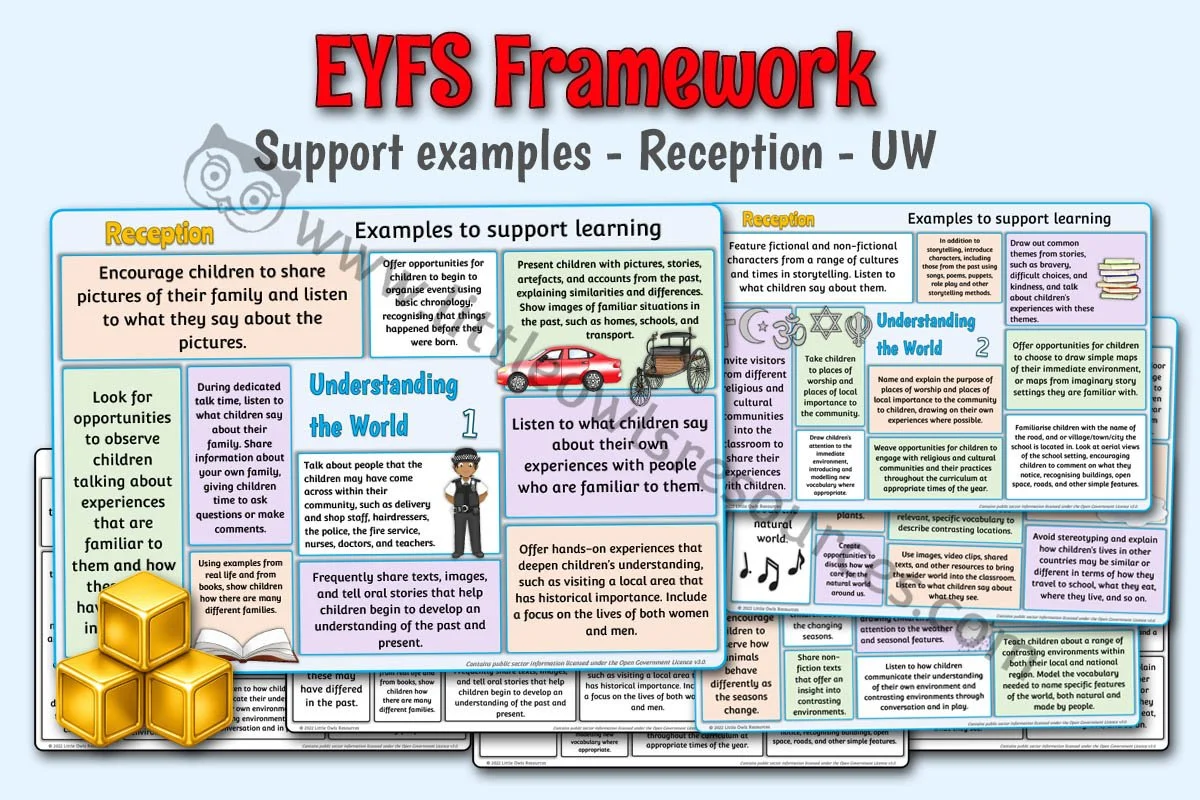
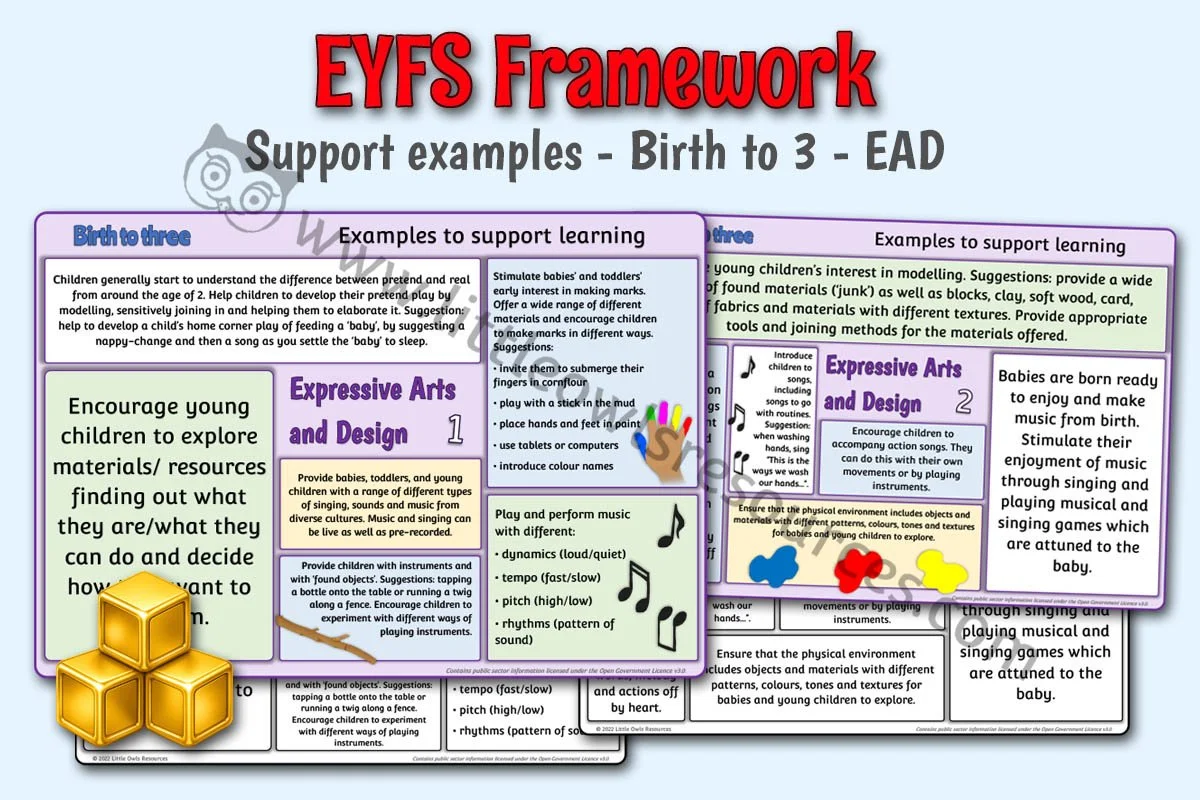
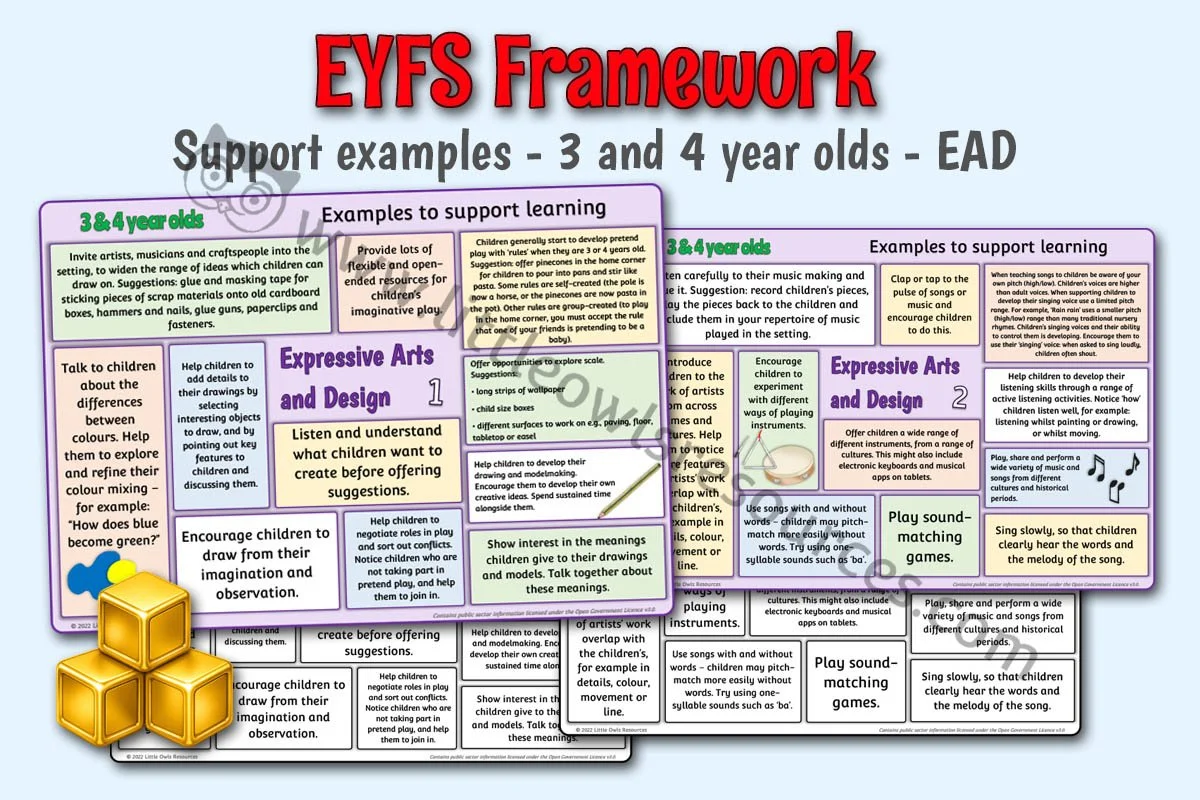
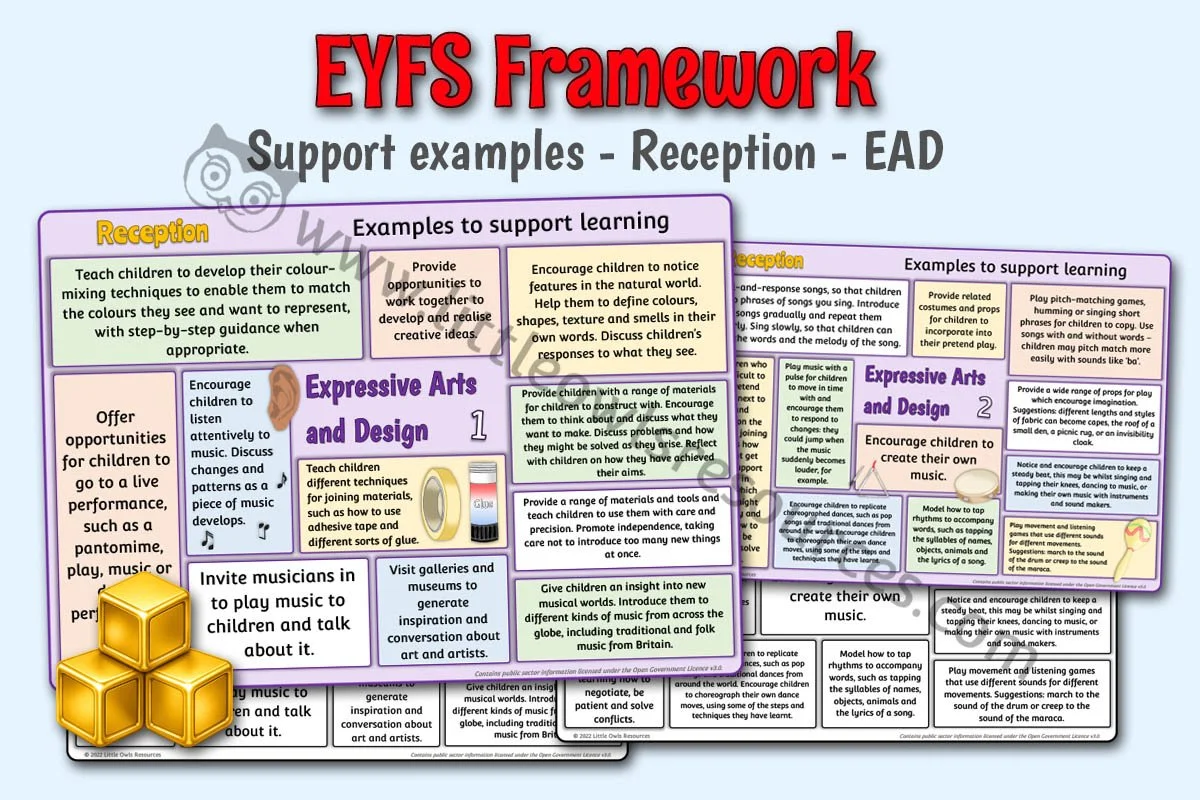
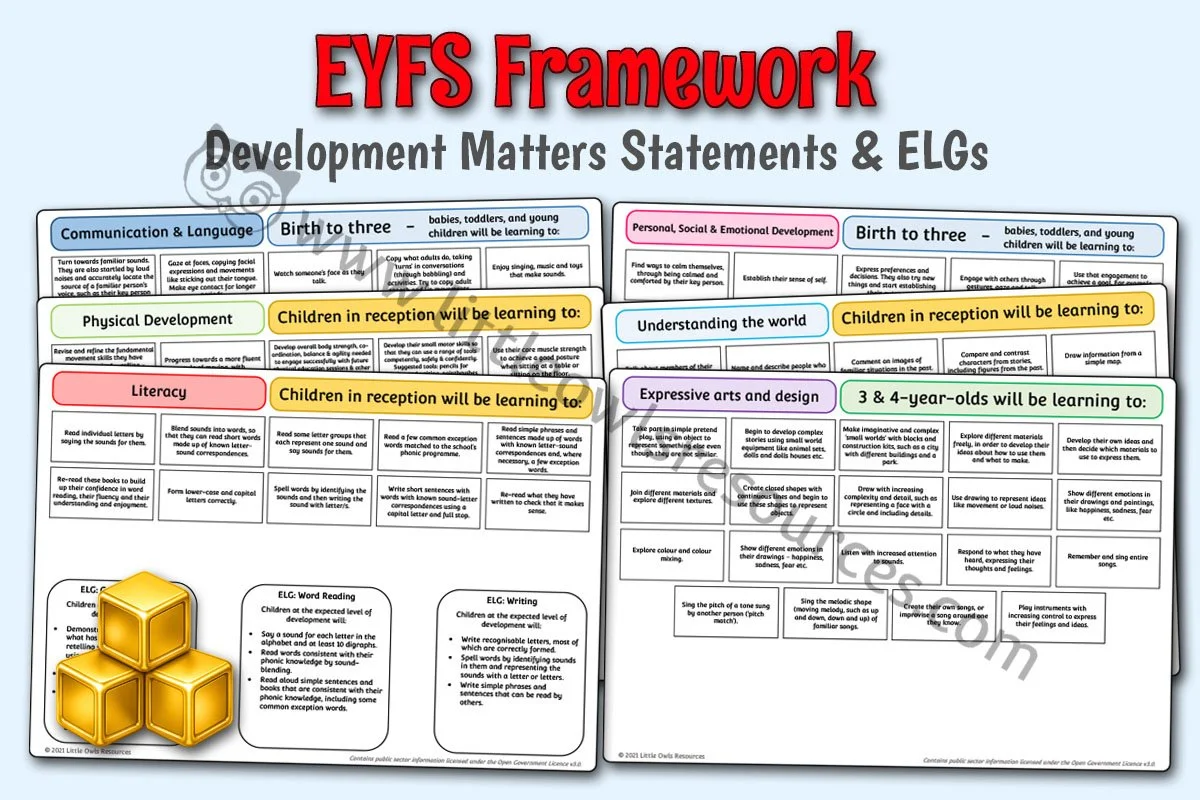
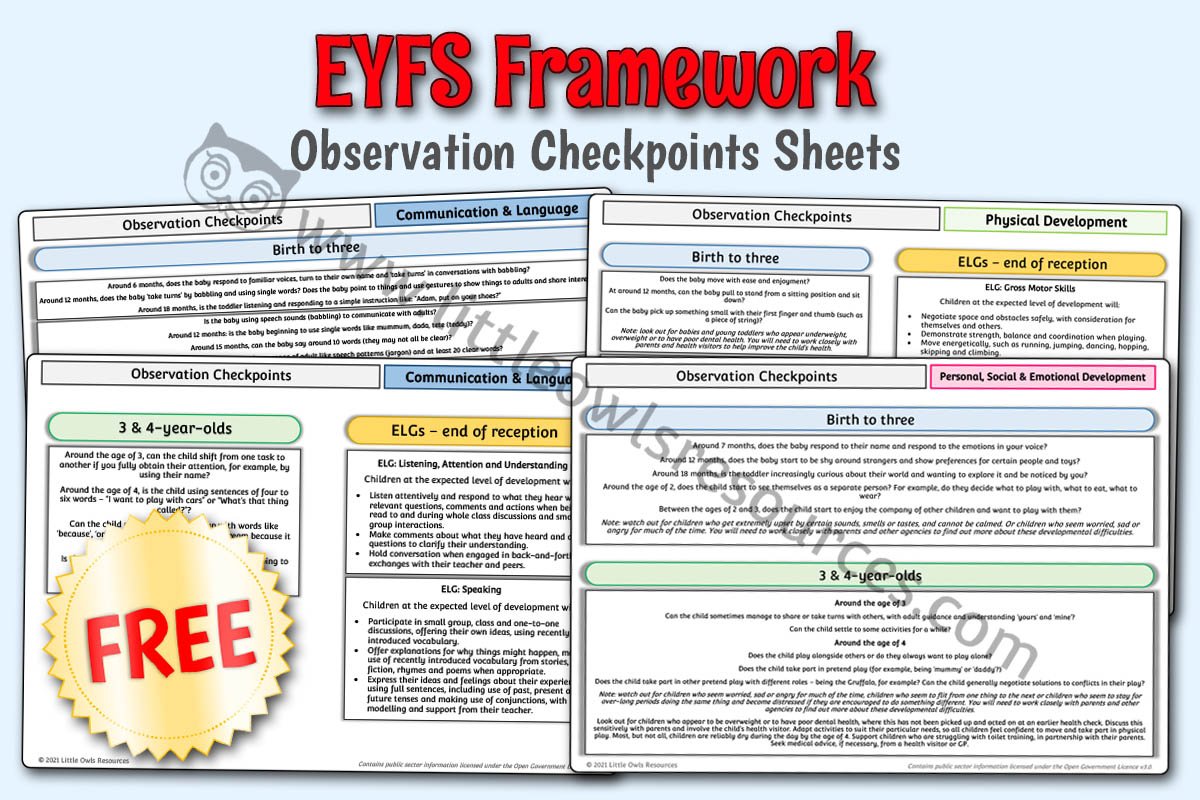
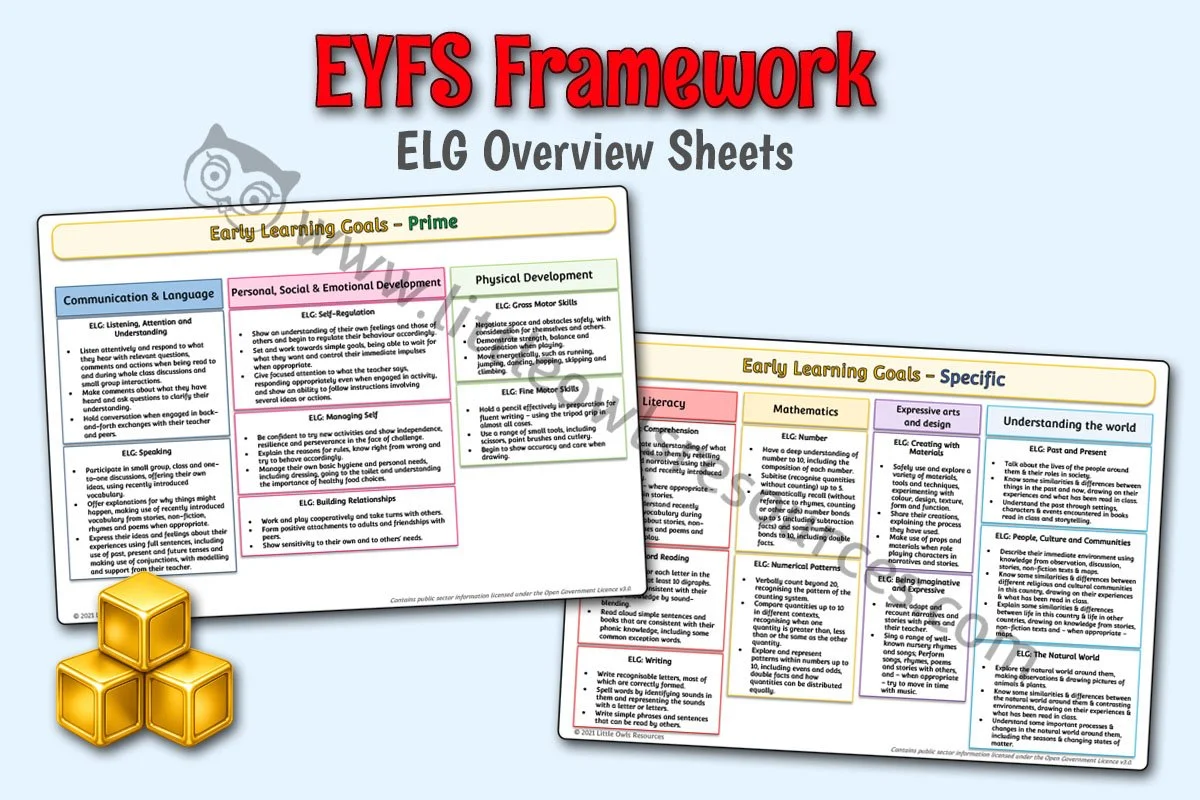
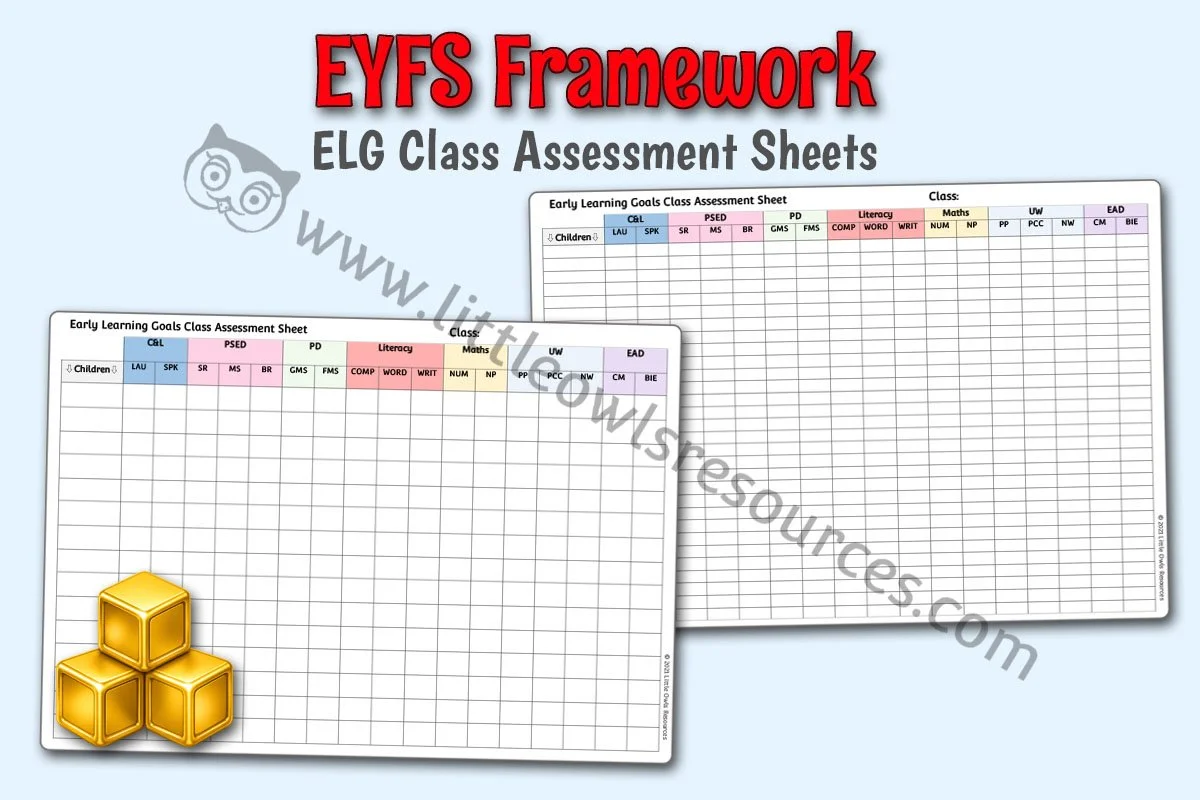
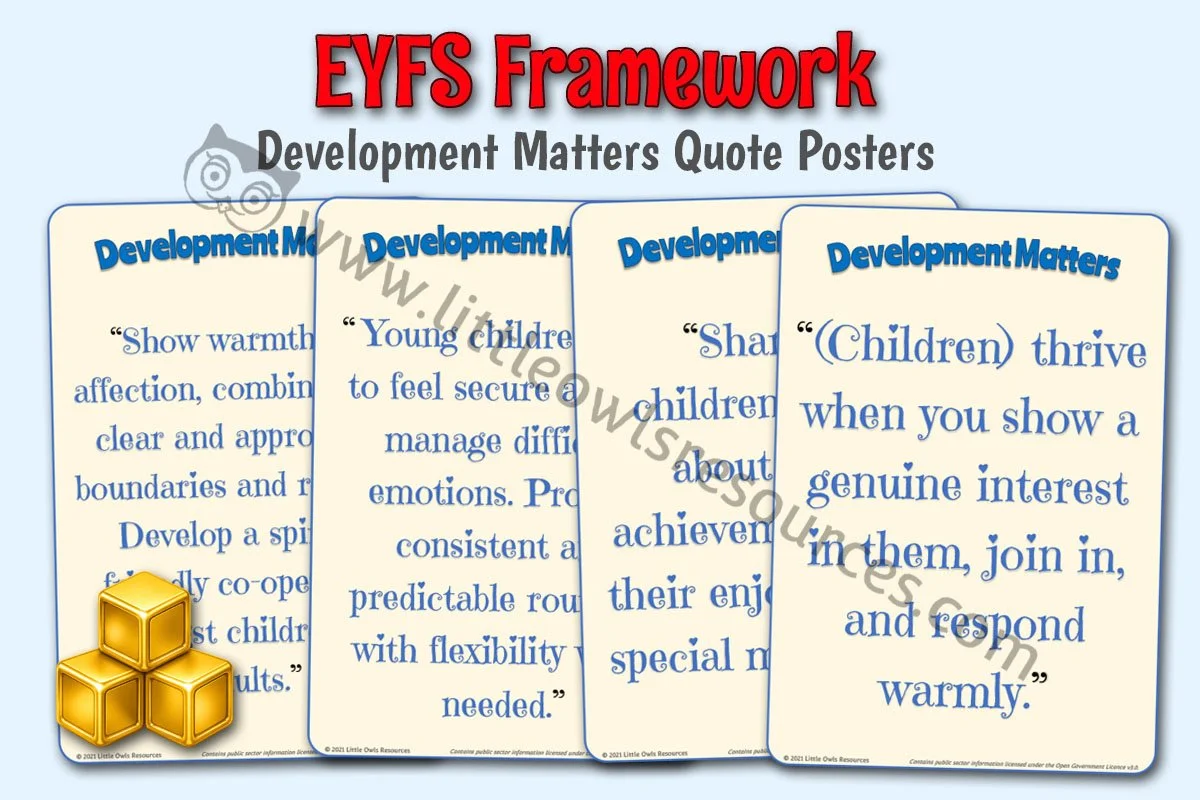
Development Matters Support Examples, Plus ELGs and Checkpoints
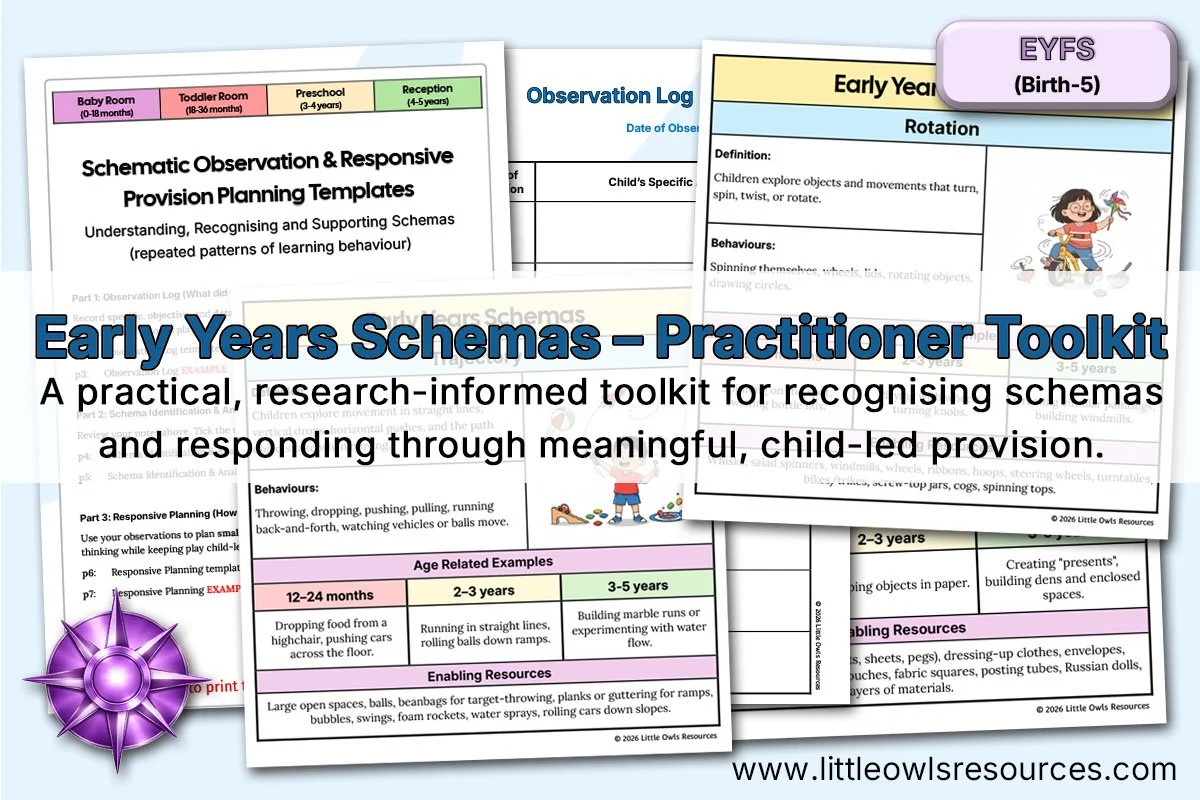
Early Years Schemas
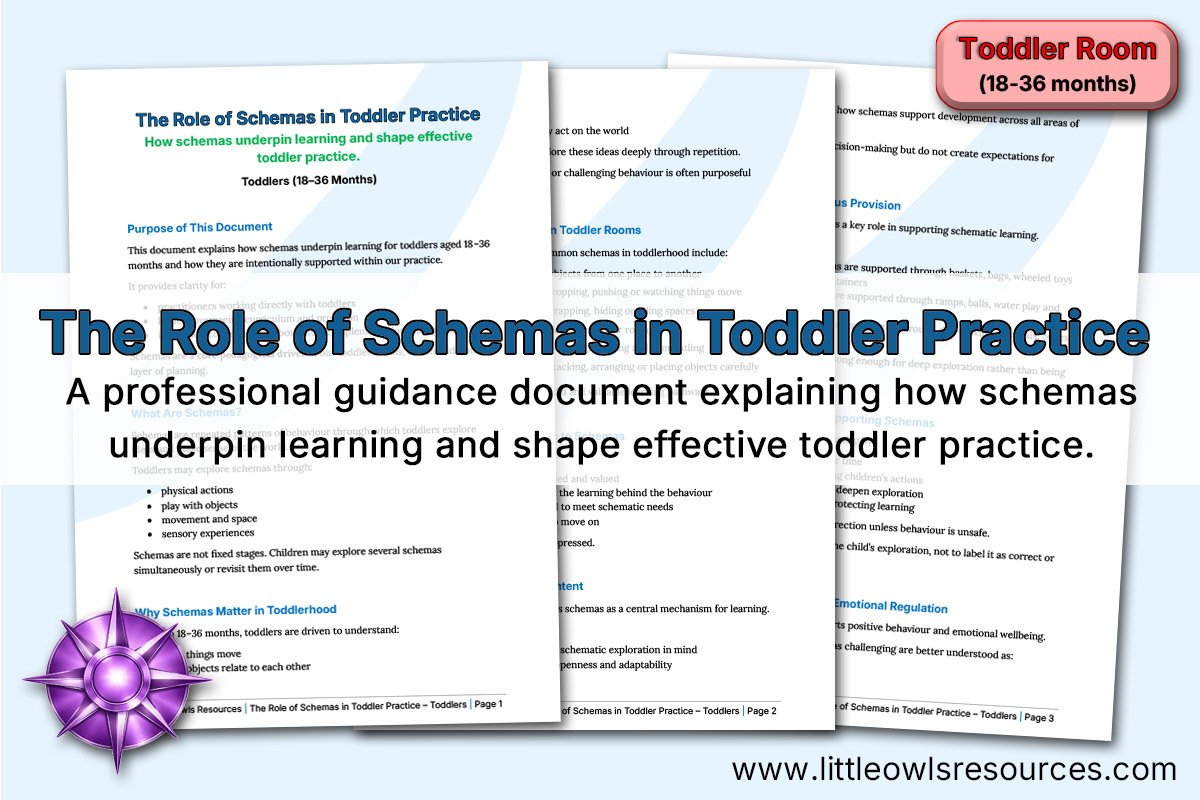
Understanding Schemas in Early Years Practice
Schemas are repeated patterns of behaviour that help children explore ideas, movement, relationships and thinking. Our schema guidance supports practitioners in recognising and responding to children’s schematic play through responsive provision and observation-led practice.
Featured Schema Resources

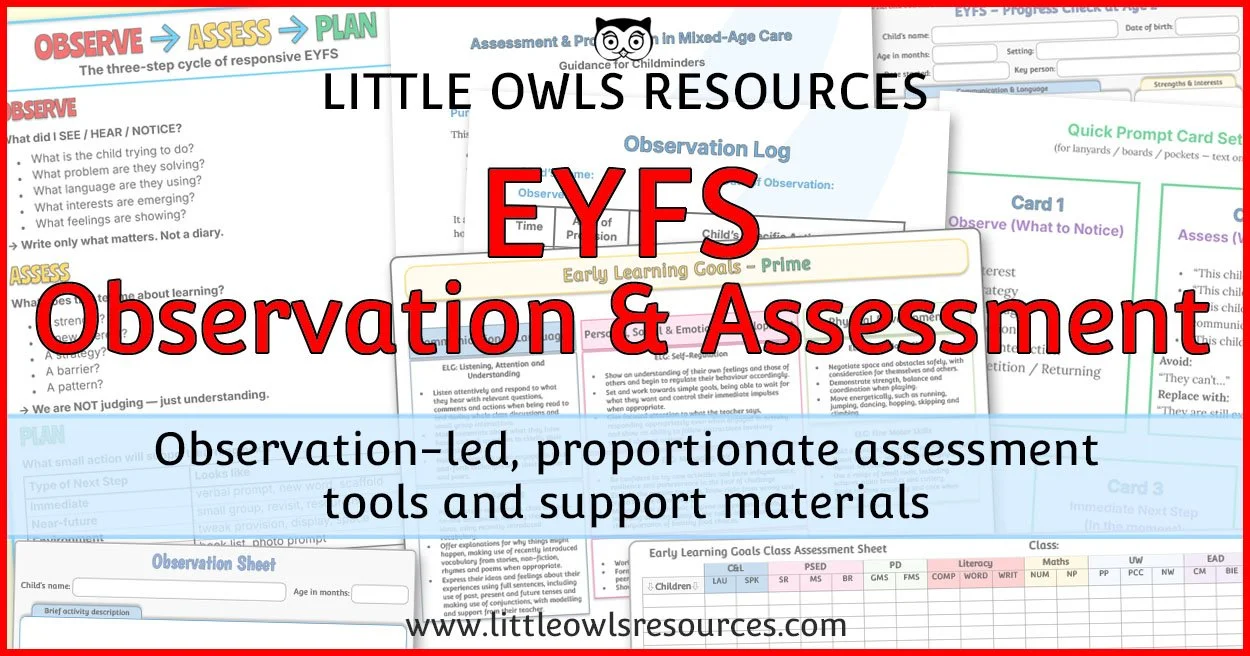
🔍 In-the-Moment Planning & Observation
Effective EYFS planning happens in real time.
Explore:
In-the-moment planning packs
Observation prompts and templates
Responsive interaction guidance
These support practitioners to:
notice and interpret children’s behaviour
respond sensitively and appropriately
adapt provision and interaction in the moment
Please visit the following pages for Age-Specific In-the-Moment Responsive Planning Guidance & Templates:
🤝 SEND & Inclusive Planning in the EYFS
Planning in the Early Years is always inclusive.
Children do not need separate plans to be included — they need environments, interactions and routines that adapt to them.
Inclusive planning in the EYFS means:
observing how each child communicates, engages and regulates
adapting provision before increasing adult direction
responding to sensory, communication and emotional needs
working closely with families and other professionals
noticing patterns over time and responding early
Support may include:
adjusting the environment (noise, layout, resources)
adapting adult interaction and language
providing additional consistency and reassurance
offering alternative ways to engage and communicate
SEND support in the EYFS is:
relational
preventative
responsive
—not based on labels, targets or separate activities.
Please visit the following pages for Age-Specific SEND & Inclusion Planning Guidance & Tools:
SEND & Inclusion Hub - Coming Soon!
In the meantime, related printable resources may be found on the following pages:
🕒 Timetables & Daily Routines
Daily structure supports both children and adults.
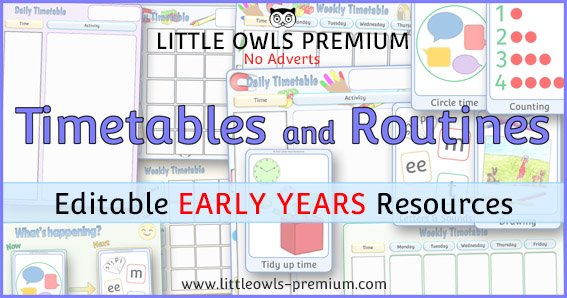
We provide:
visual timetables
routine planning tools
daily flow examples
These help you:
create predictable, calm environments
support transitions
maintain flexibility within structure
Babies (Birth-18 Months) | Care As Curriculum & Daily Routines As Learning Opportunities
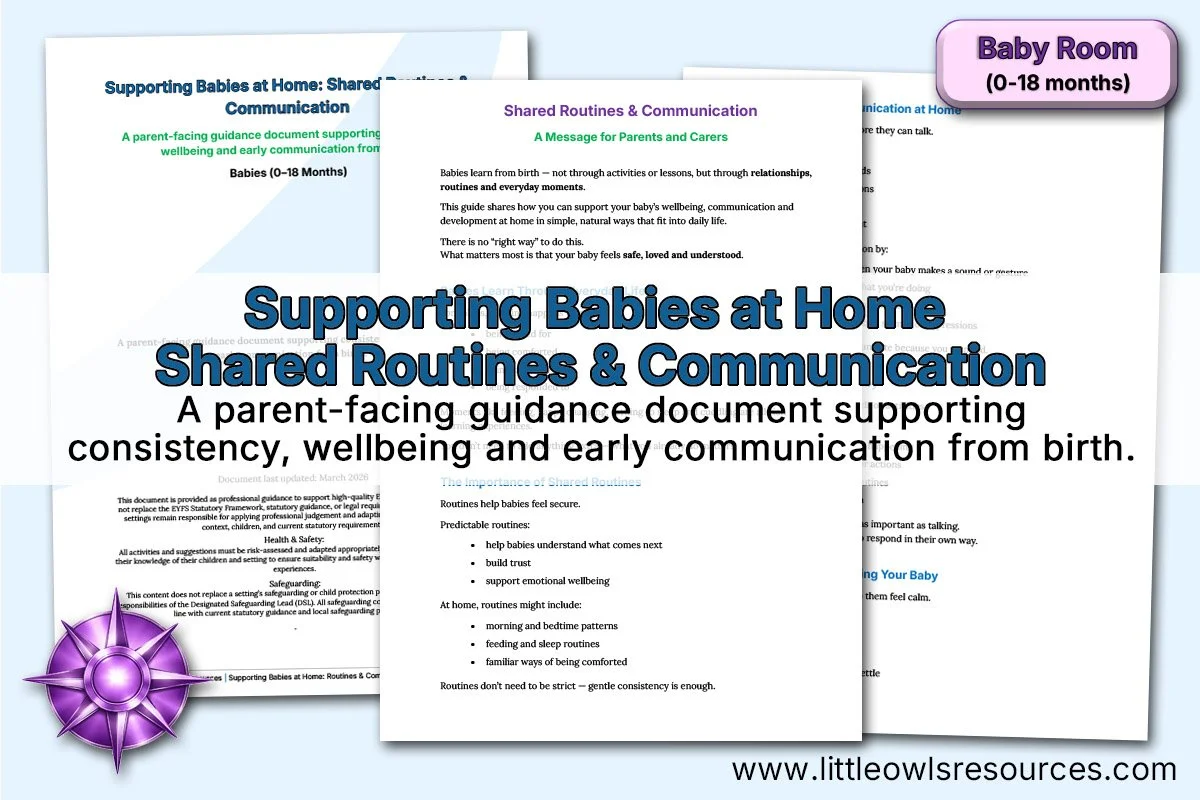

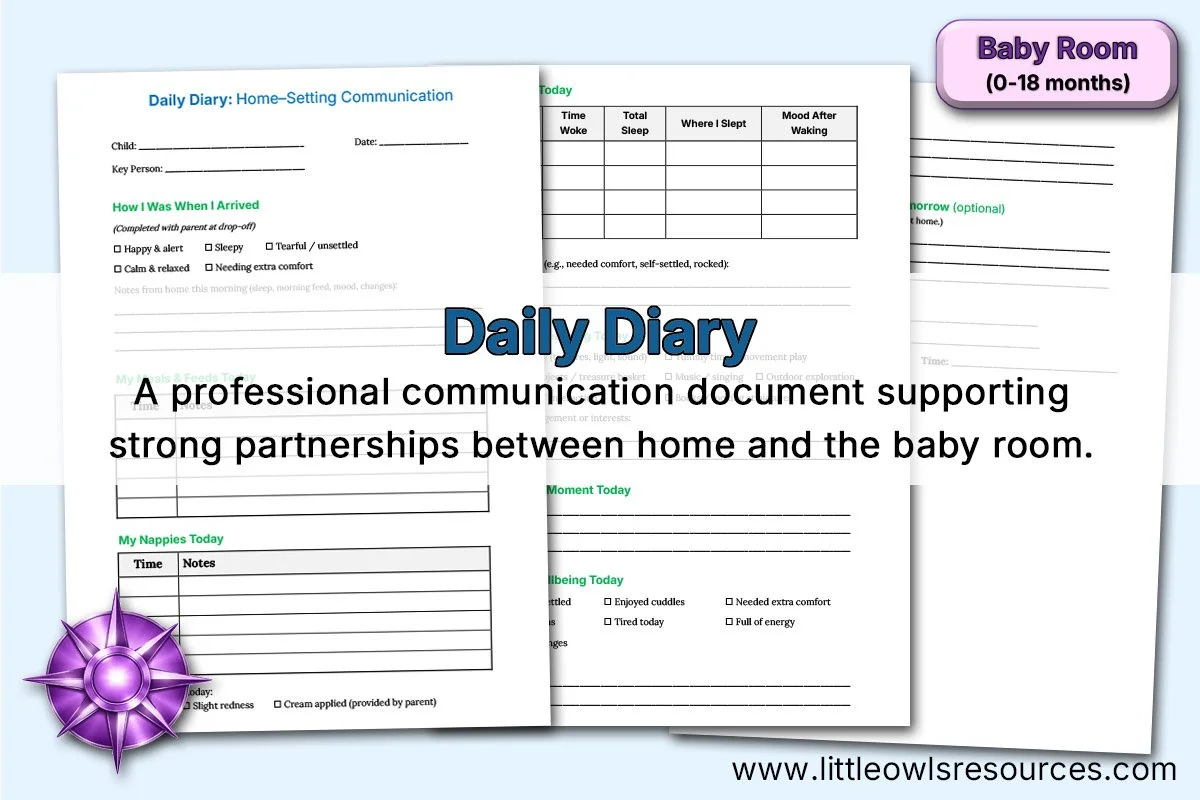


Timetables & Routines Printable Resources | Birth - 5
To view all of our printable provision resources, please visit our ‘Timetables & Routines’ Hub Page.
🍂 Seasonal Planning & Key Dates
The following resources can help you to support:
cultural awareness
inclusive practice
meaningful shared experiences
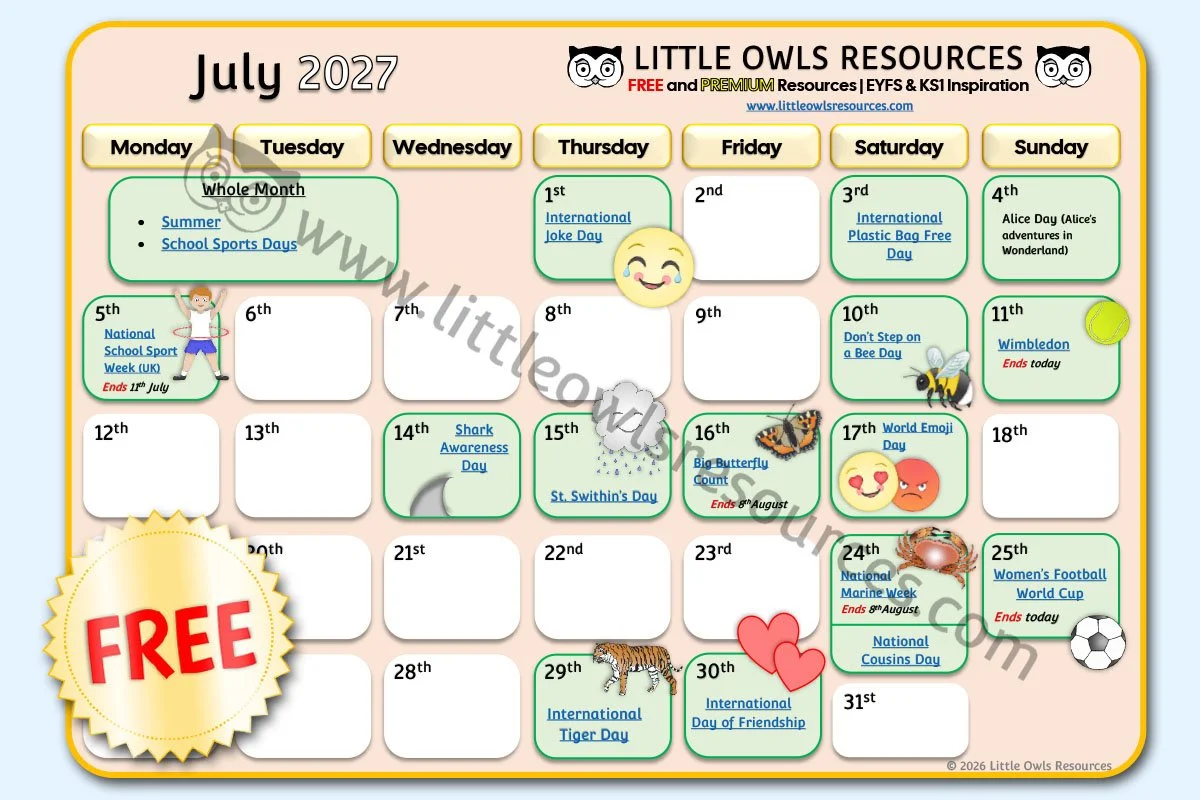
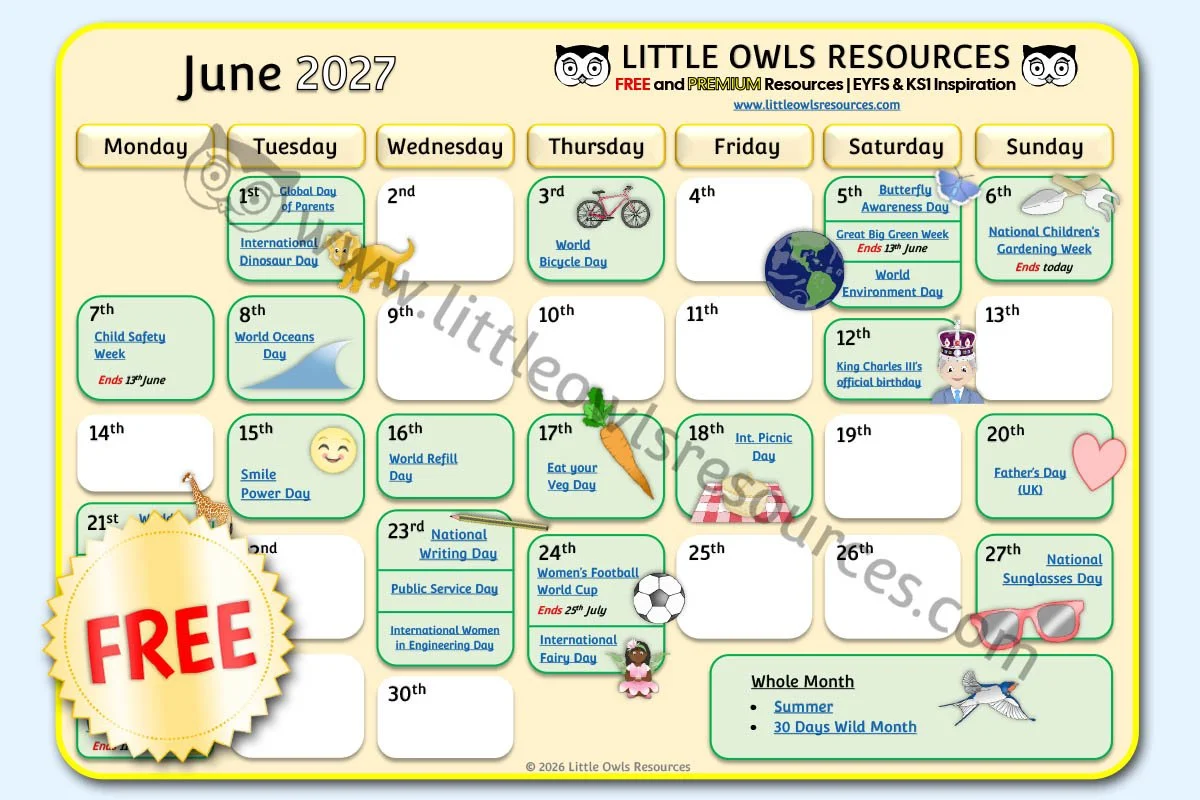
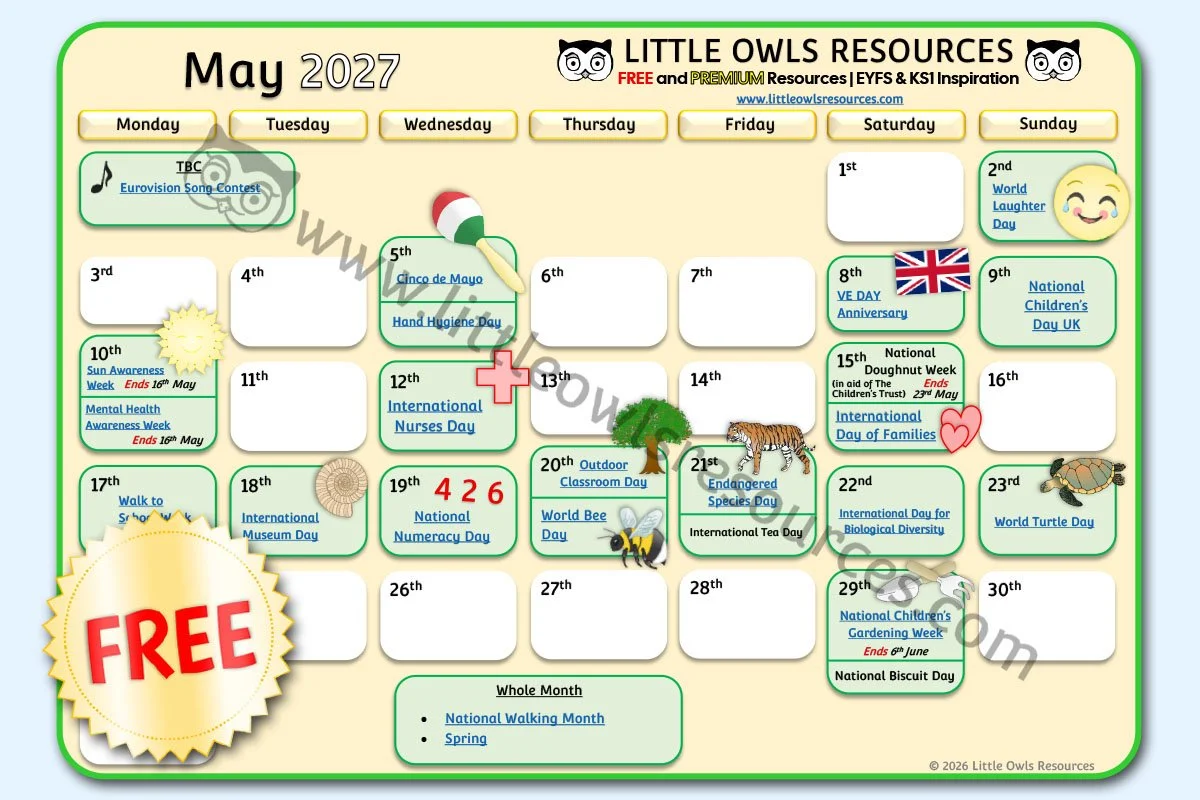
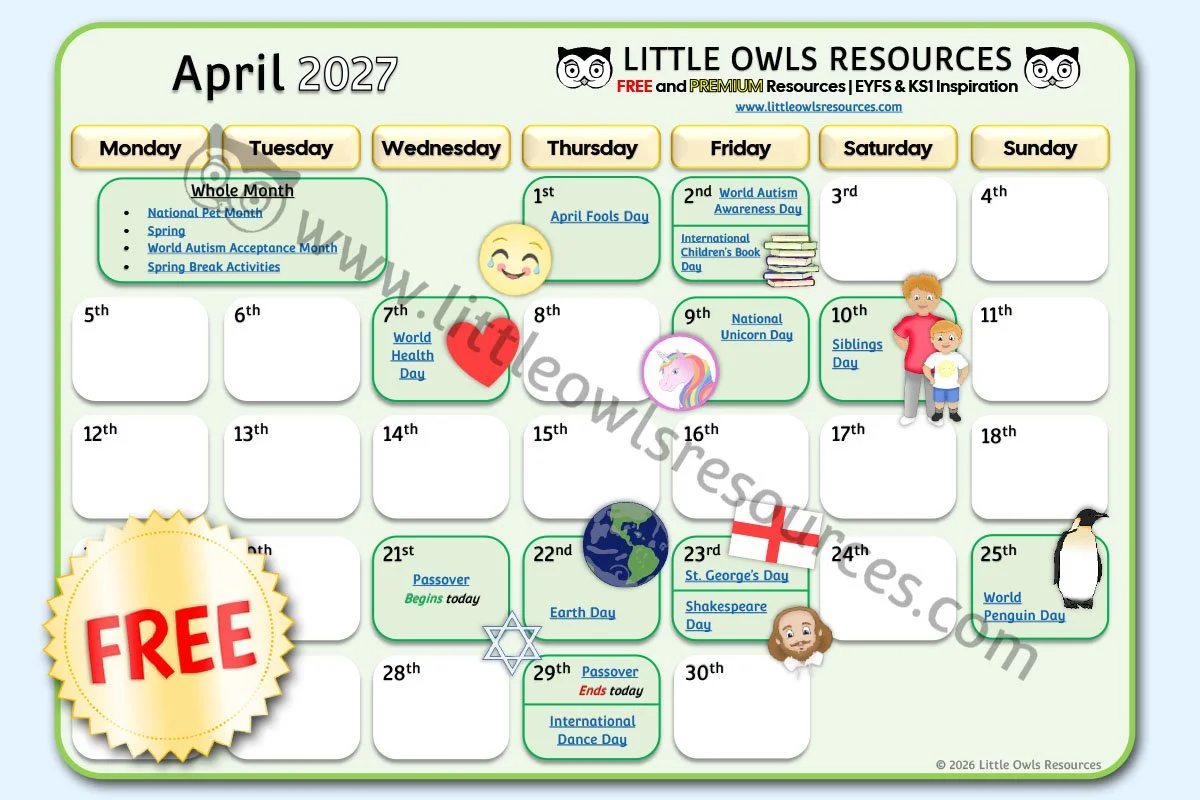
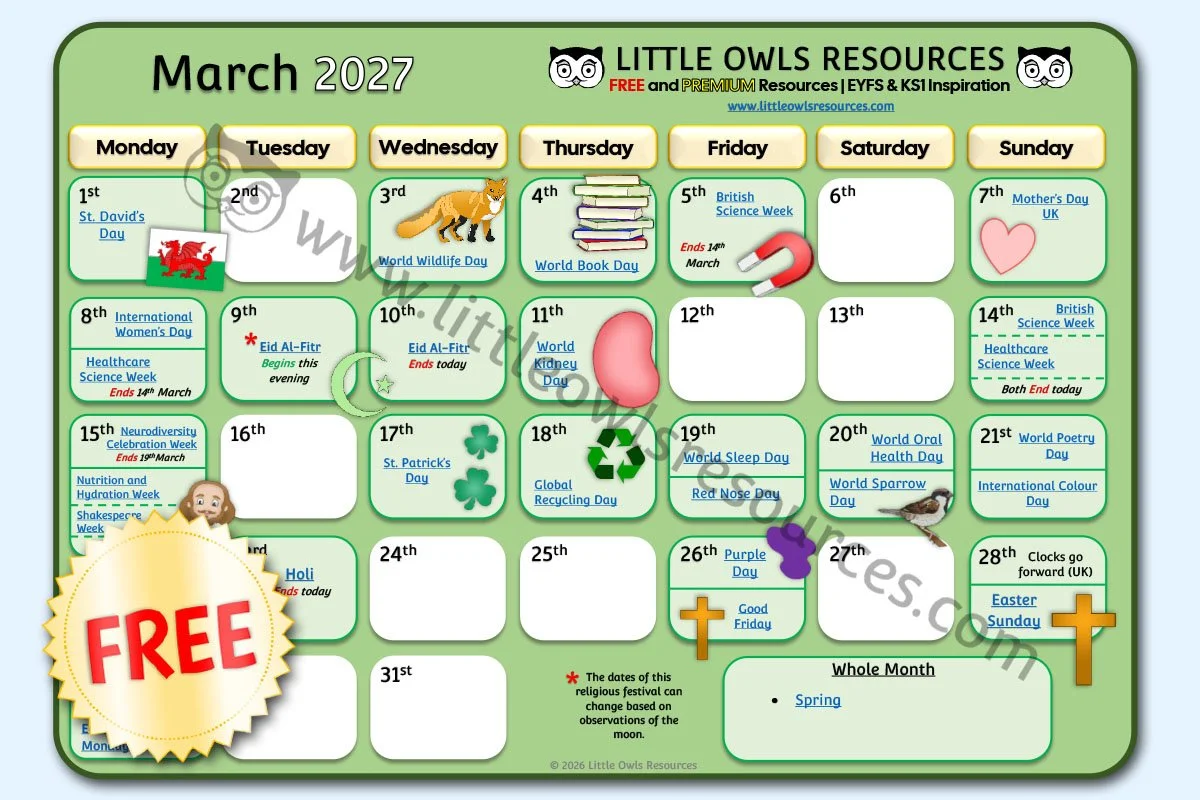
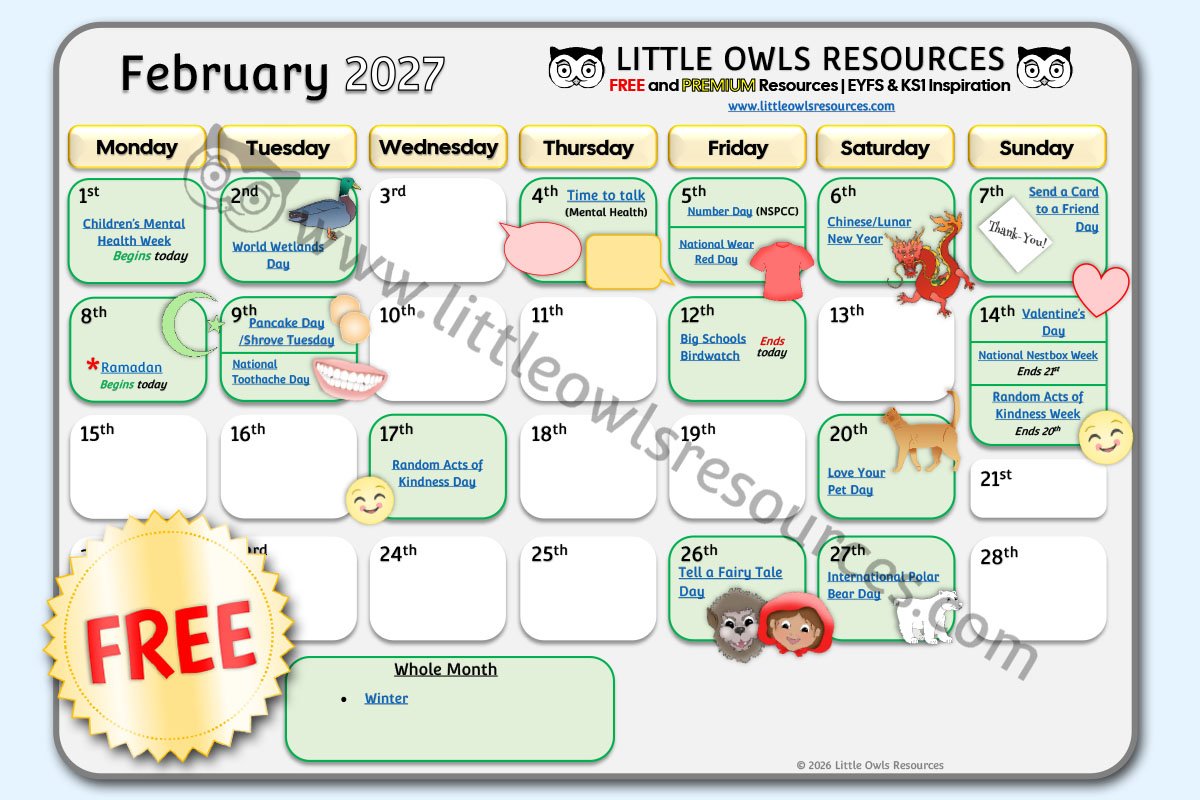
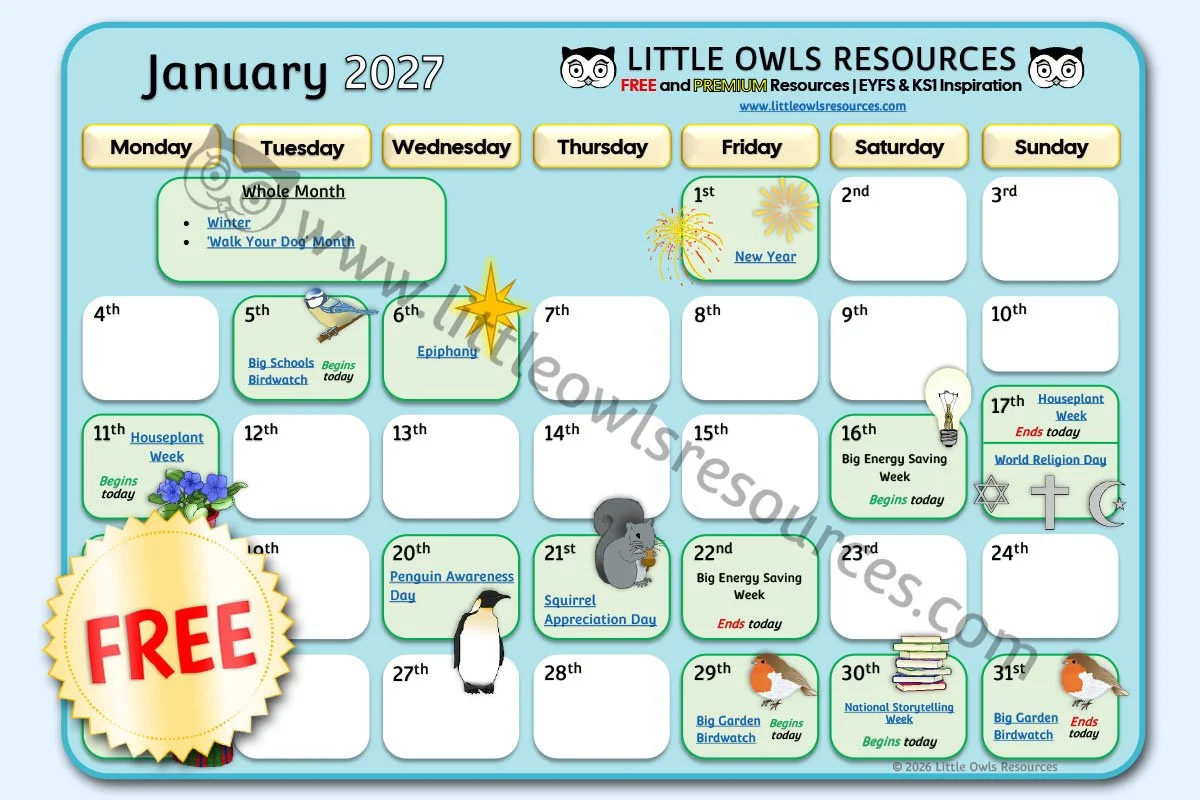
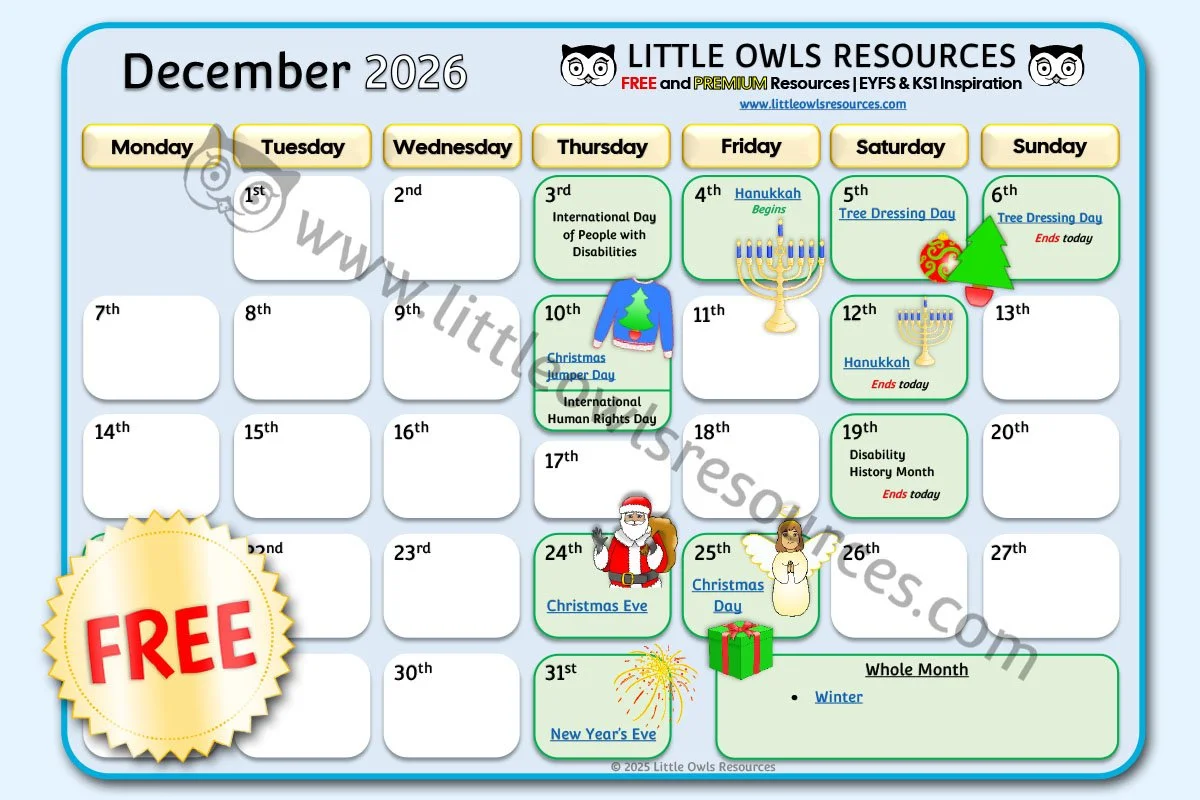
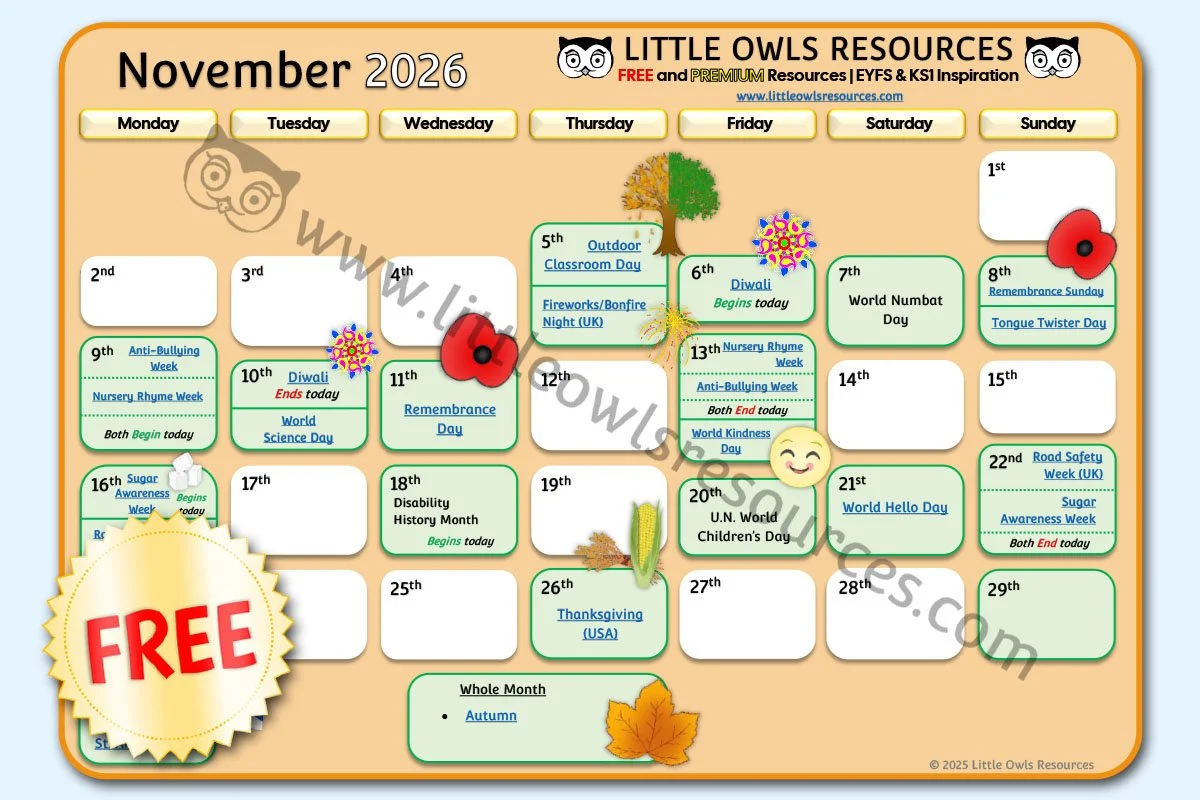
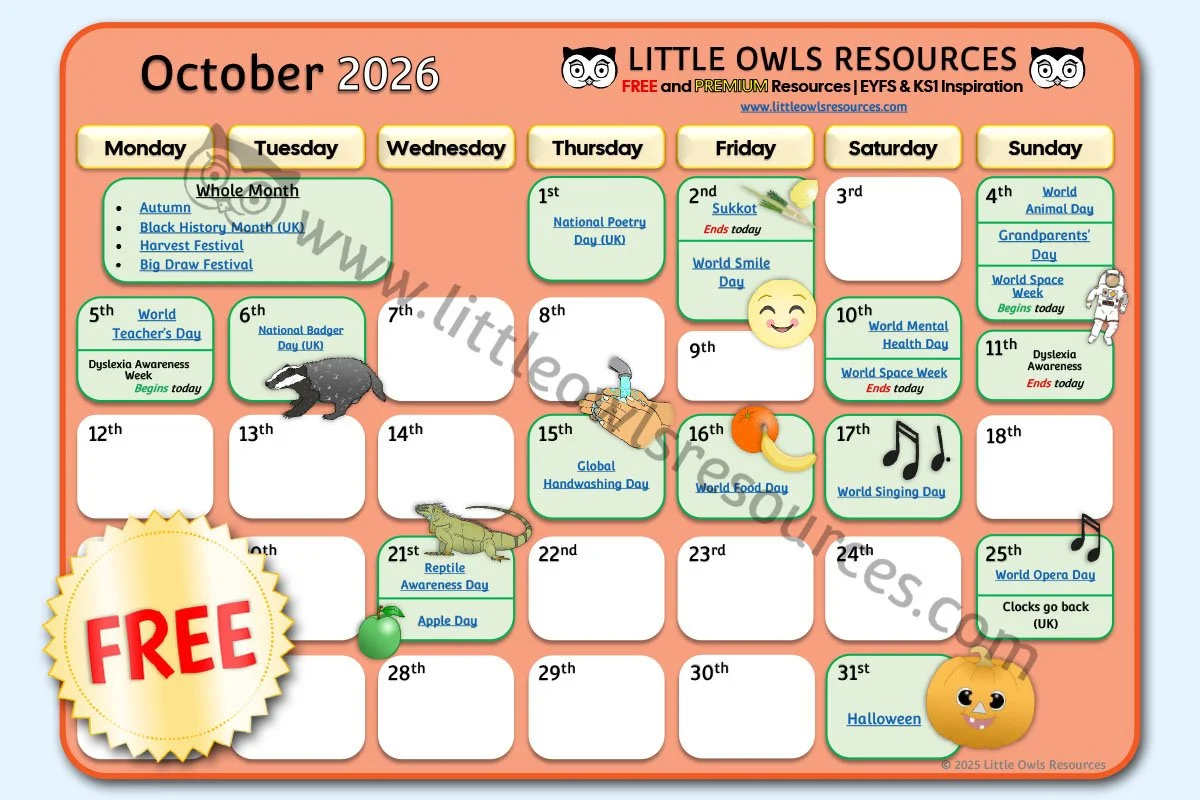
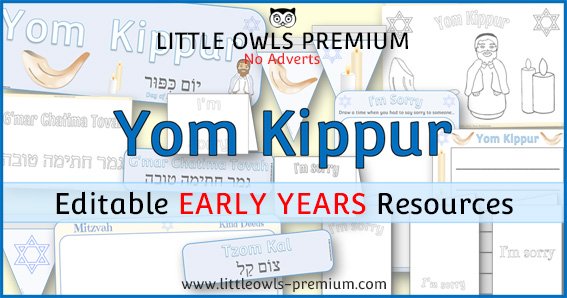
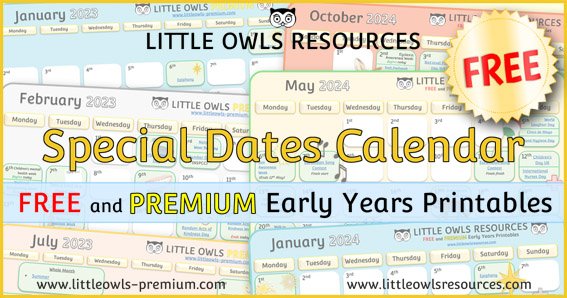
Special Dates Calendars (Free) | Festivals, Celebrations & Awareness Dates
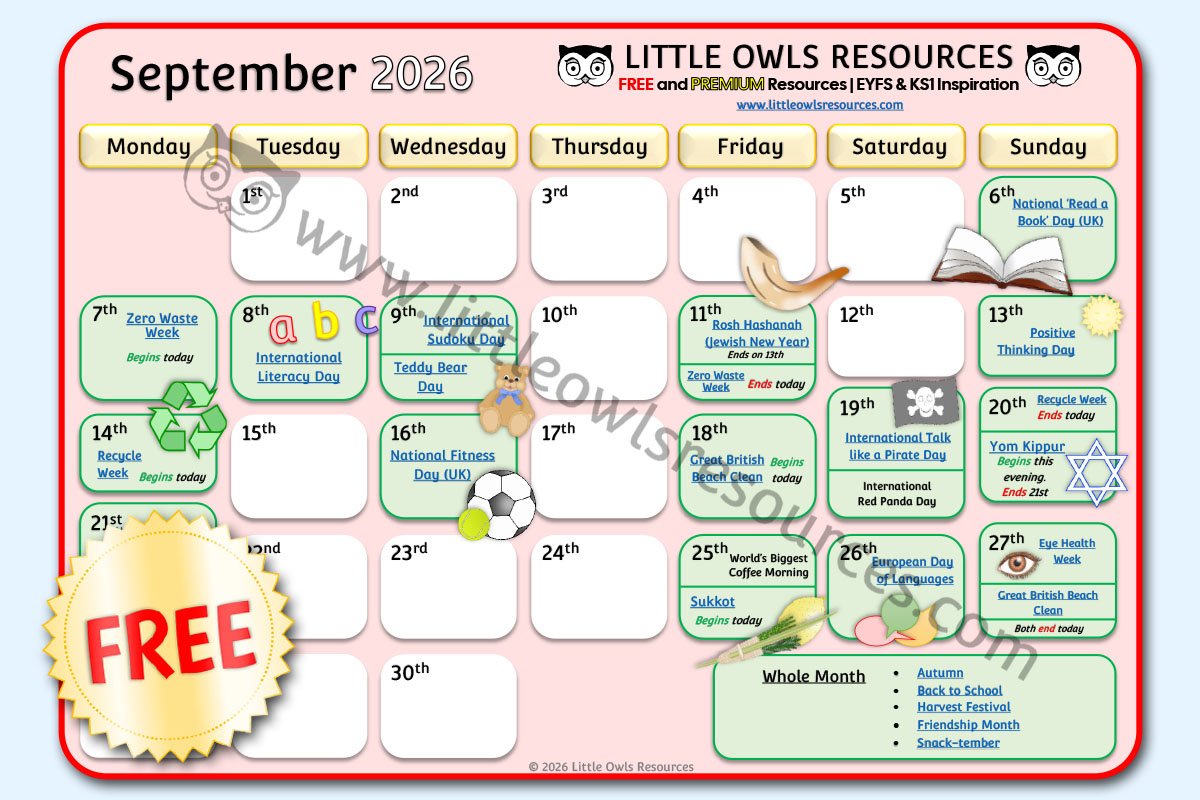
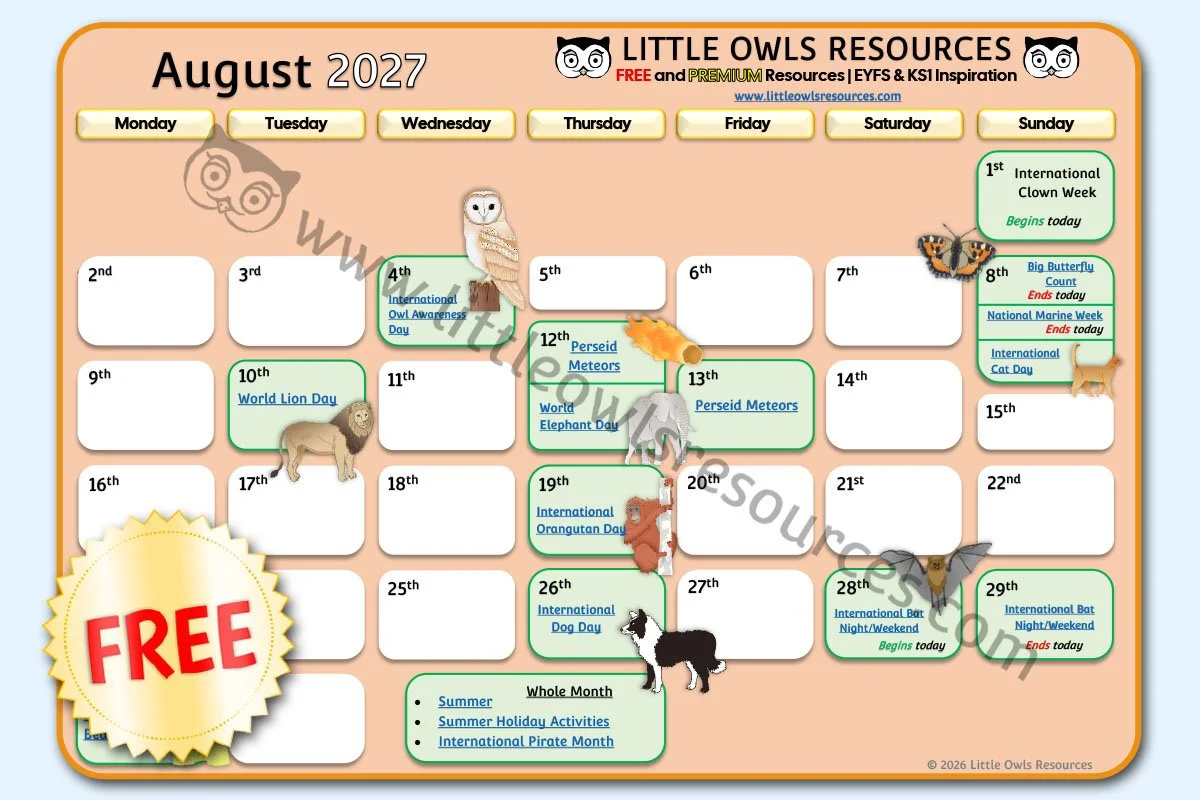
Festivals & Celebrations Provision Pages
Please use the arrows to the right of the carousel below and select a festival to explore our continuous provision enhancement resources. Alternatively, visit our ‘Festivals & Celebrations Menu Page’.
Seasonal Themes
Visit the following Seasonal Hub Pages to explore relevant sub-themes and resources.
⭐ A Final Note on Planning
High-quality EYFS planning is:
flexible
responsive
rooted in relationships
guided by observation
It looks different in every room — and that is exactly how it should be.
Our resources are designed to support your professional judgement — not replace it.
➕ Further Support
Additional support materials for your curriculum planning may be found on the following pages:
Planning by Age:
Setting Planning:
Useful Site Areas:
Related ‘Get Organised’ Pages:
This webpage and documents within it are provided as professional guidance to support effective EYFS practice. They do not replace the EYFS Statutory Framework or other statutory guidance. Practitioners must apply professional judgement and adapt practice to their setting and current requirements.
This page contains public sector information licensed under the Open Government Licence v3.0.