



England EYFS · Specific area of learning
Mathematics through play, patterns and everyday discoveries
Find EYFS maths printable resources, activity ideas and practitioner guidance for babies, toddlers, preschool and Reception. Explore quantities, counting, number relationships, pattern, shape, space and measures through practical experiences and purposeful teaching.
Choose an age to find a useful way to introduce or revisit an idea. Each resource suggestion explains a mathematical purpose: from filling and fitting for younger children to comparing, composing numbers and explaining a solution in Reception.
Find your starting point
Find Mathematics resources
Choose an age, then add an optional search word or learning focus. Results include resources from across Little Owls, with a practical suggestion for the age you select. Open a result to view its resource or collection.
Loading the resource finder…
A few useful places to begin
Browse a small selection of resources and collections.
Maths Treasure Basket Prompts | Babies & Toddlers
Adult-facing cards highlight possible mathematical connections in babies’ and toddlers’ treasure-basket exploration. Use a relevant reminder while following the child’s choices; the cards are not a sequence of activities to complete.
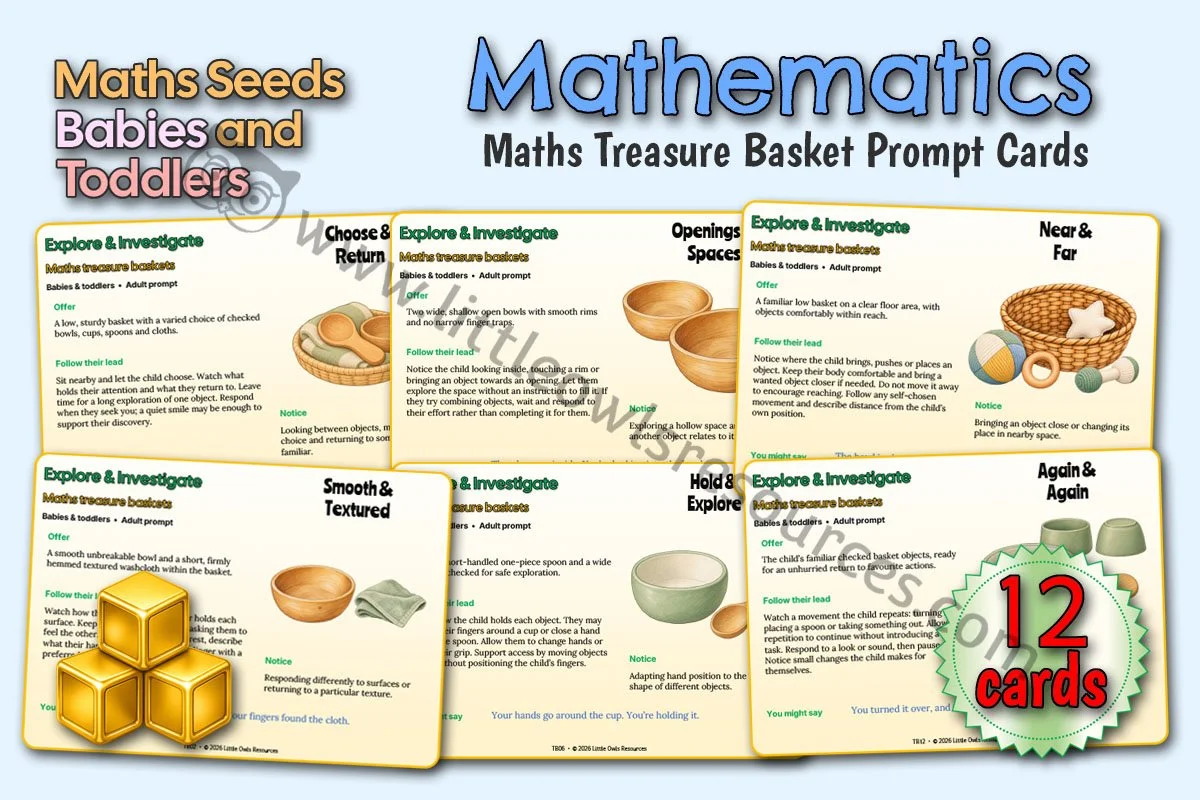
Mathematics: Treasure-basket prompts draw attention to mathematical relationships in babies’ and toddlers’ object exploration.
View guidance →Mathematics Seeds Progression Pack | Toddlers (18–36 Months)
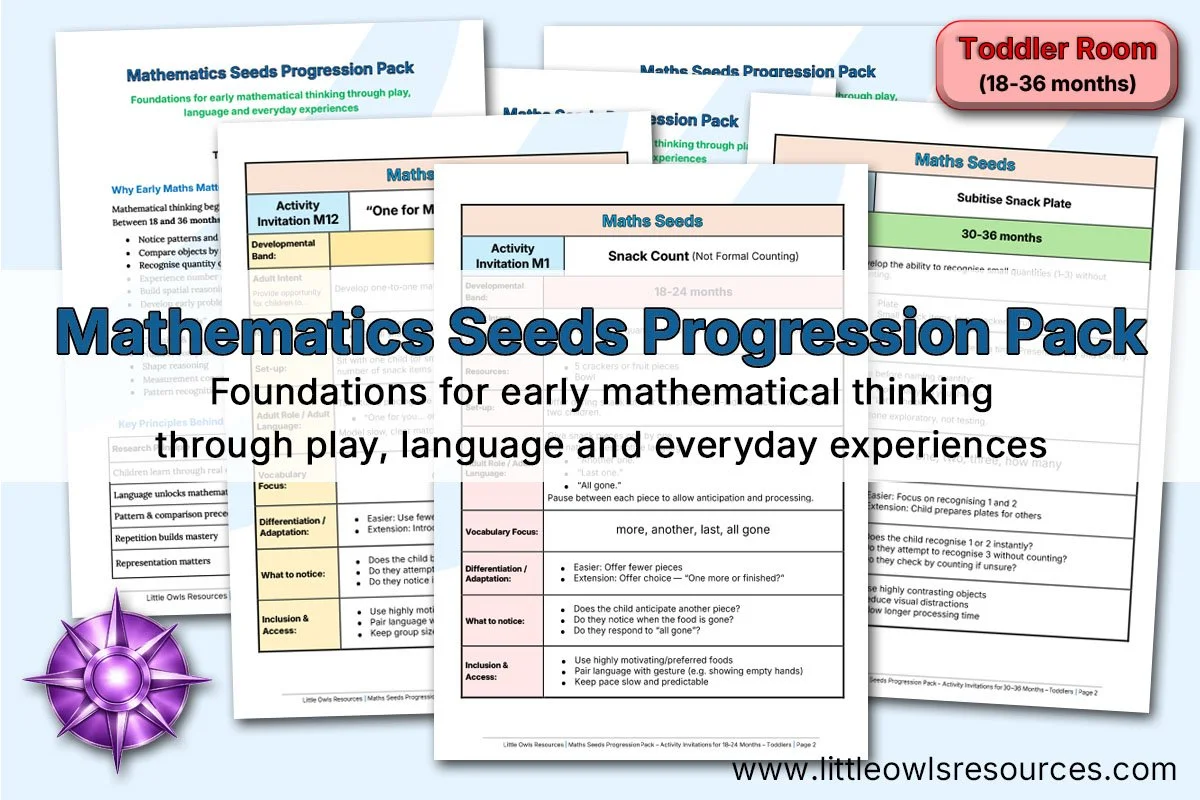
A toddler maths progression pack focuses on comparison, pattern, quantity change, space and measure in everyday play. It helps adults notice mathematical thinking before relying on written numerals or formal counting tasks.

Mathematics: The toddler Mathematics Seeds pack specifically addresses comparison, quantity change, pattern, space and measure.
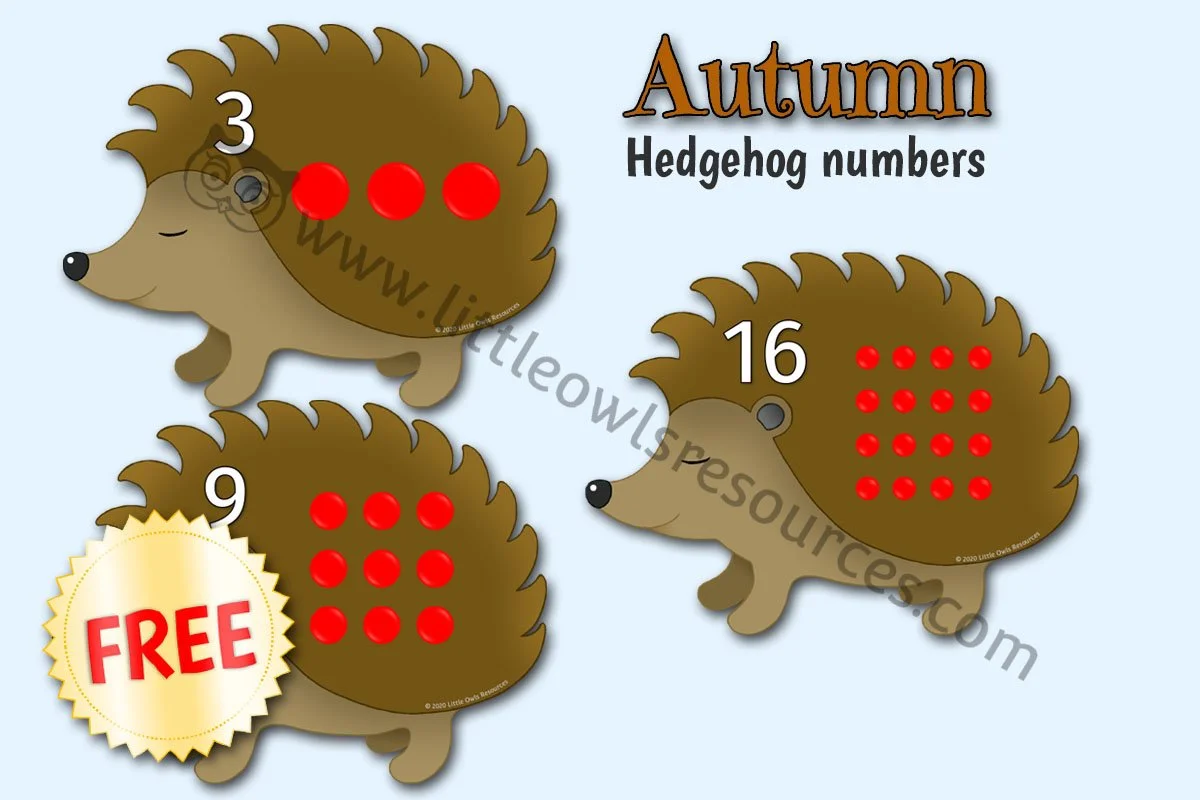
View guidance →Subitising - Turn and Check Cards (A6) (Free Sample)
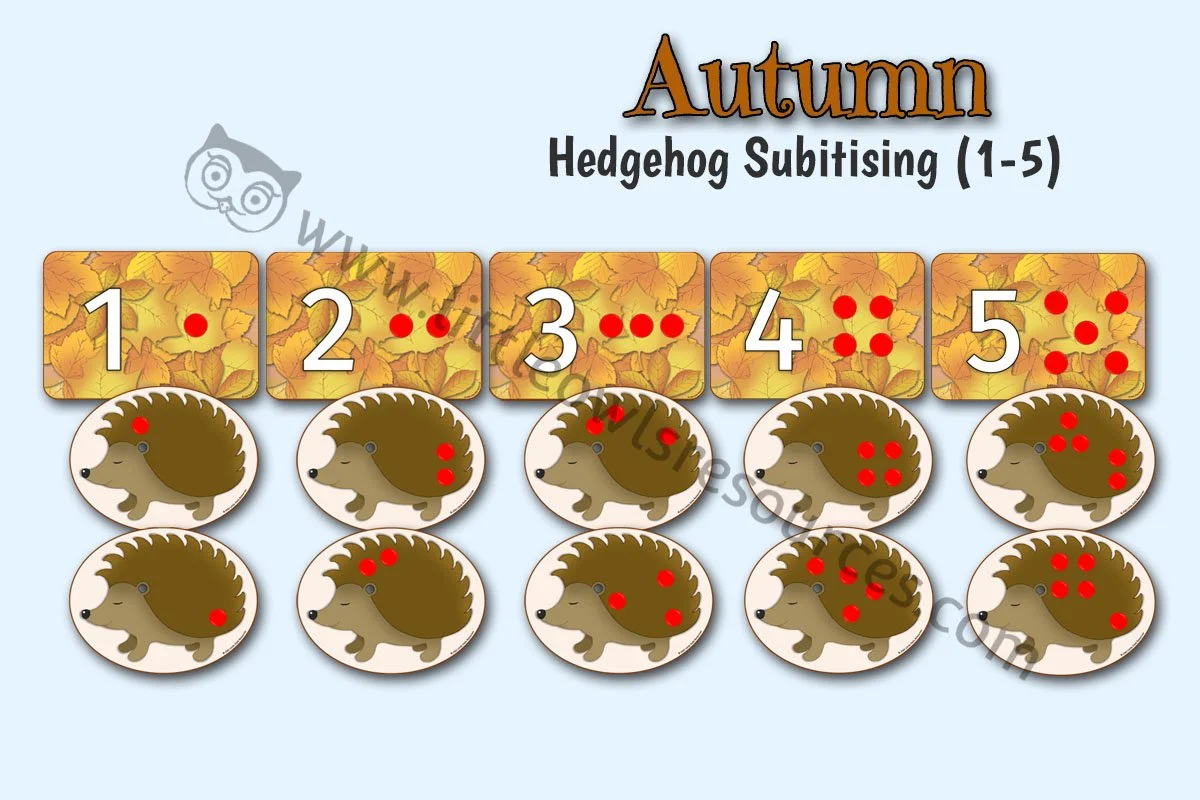
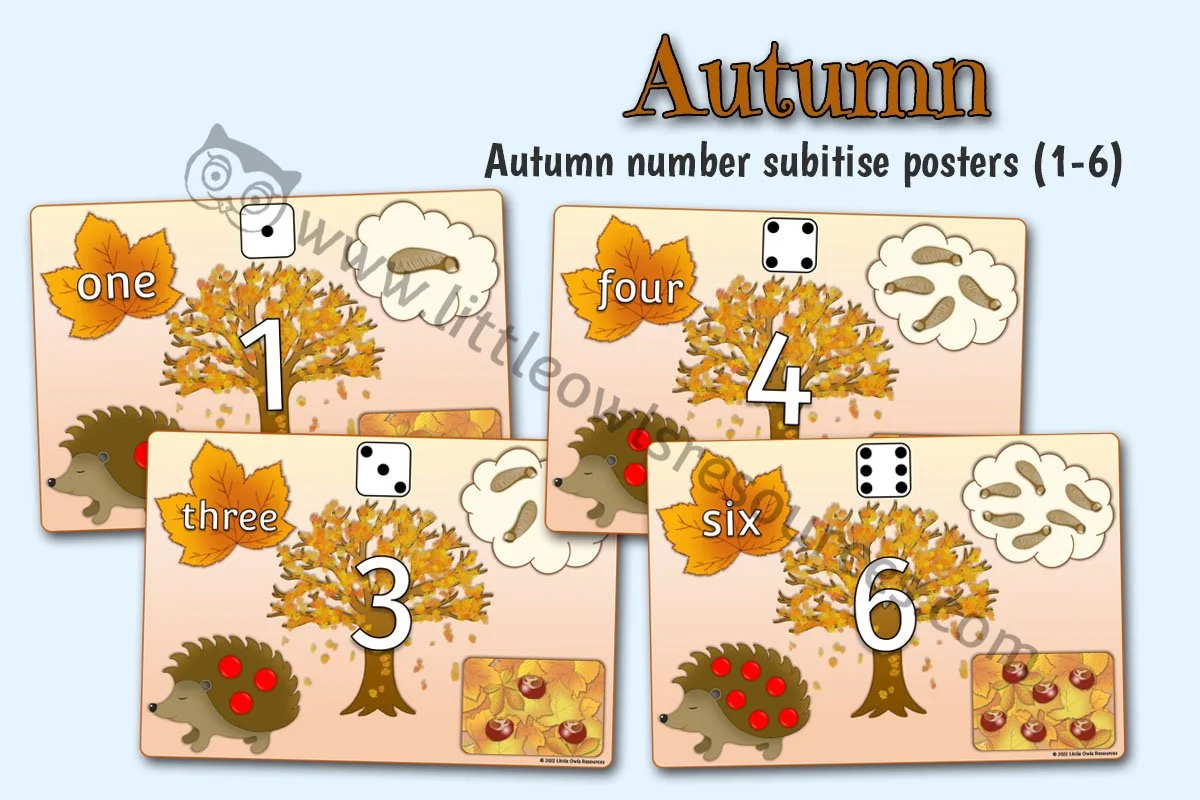
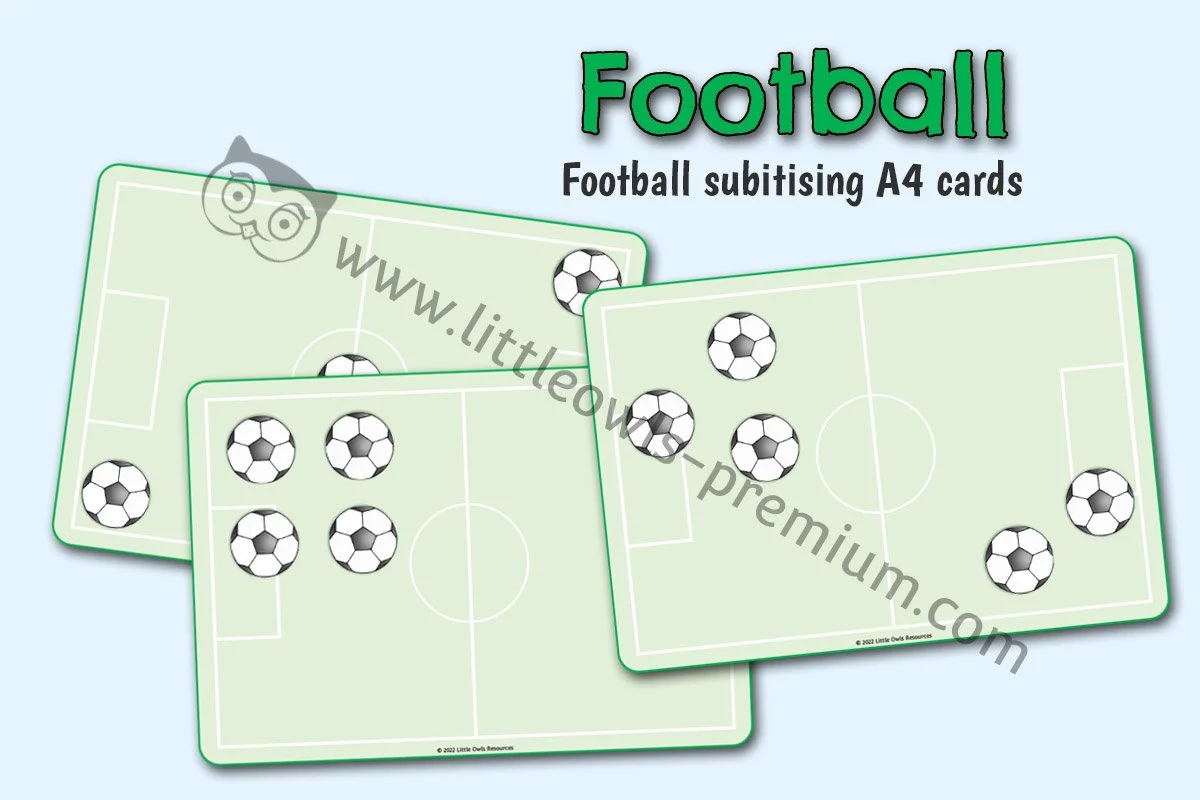
Fold-and-check dot-pattern cards in the size or sample edition named in the title. Children recognise a small quantity without counting, turn to check and discuss how they saw the total.
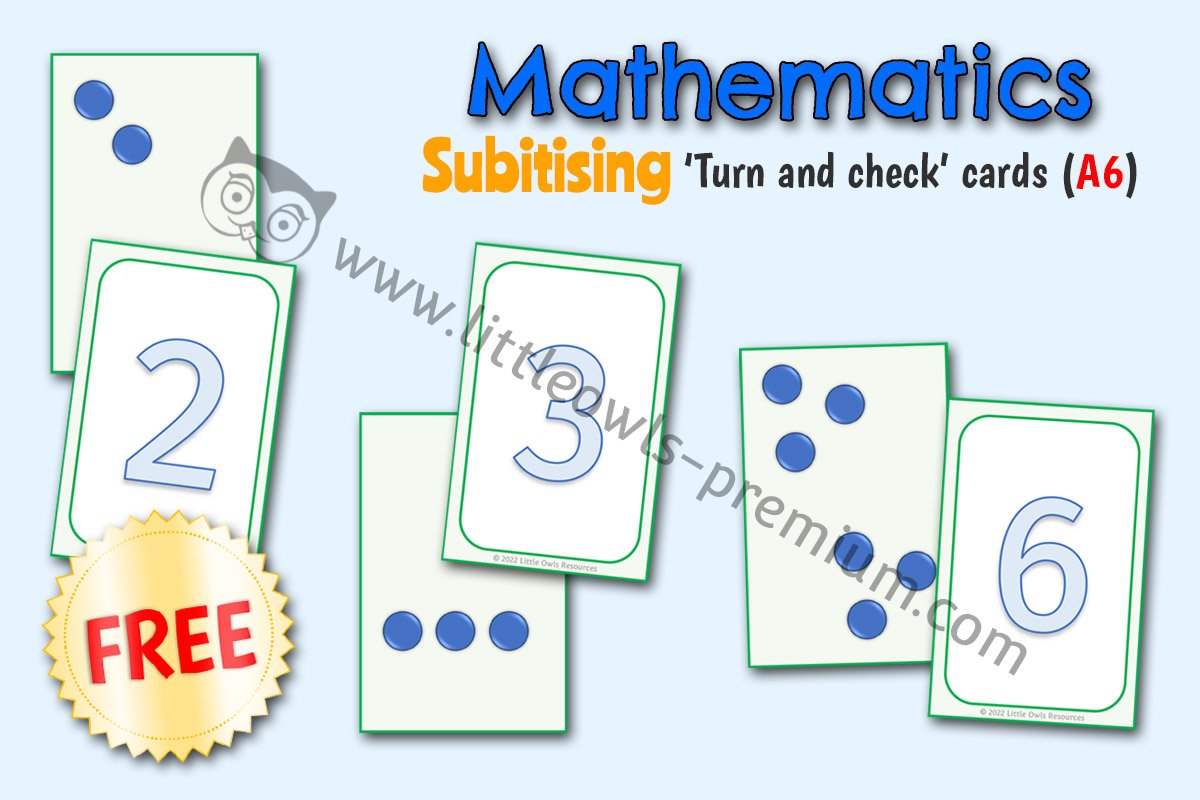
Mathematics: Fold-and-check dot-pattern cards in the size or sample edition named in the title. The quantities, numerals or counting actions provide a concrete connection between a number and the amount it represents.
View free resource →Shape & Spatial Investigation Cards
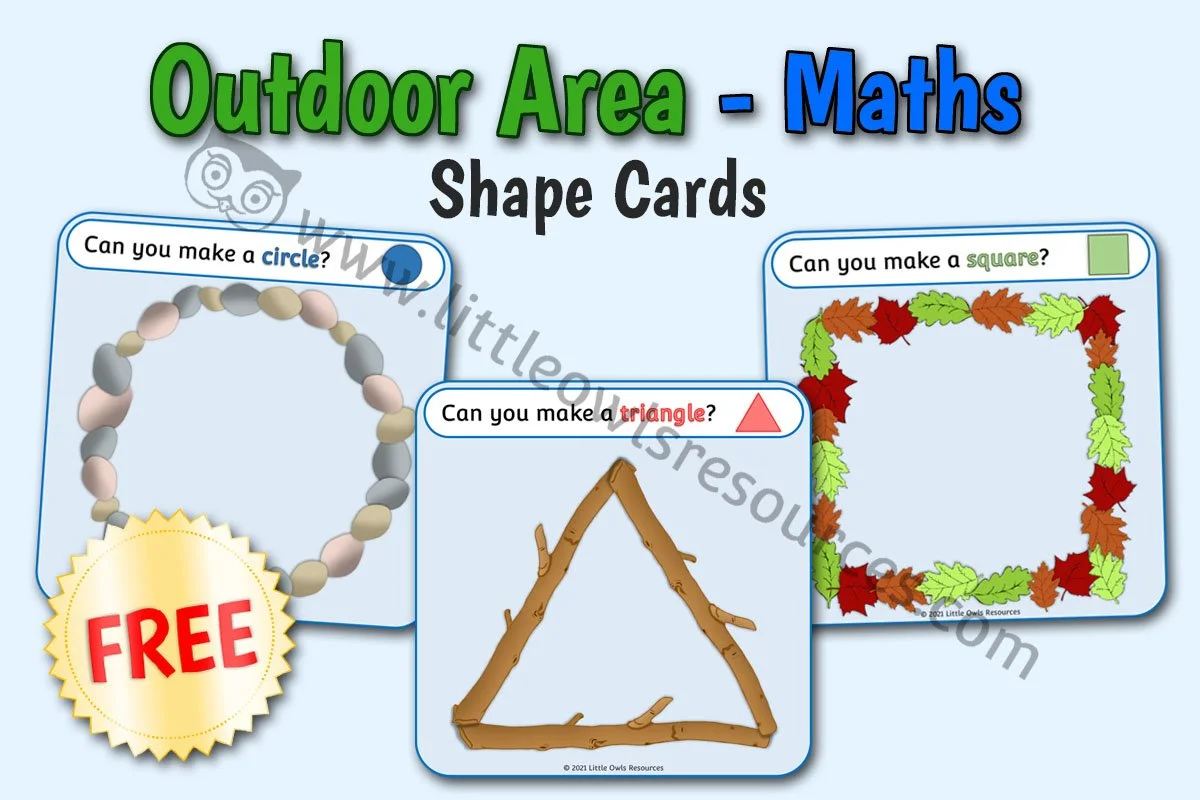
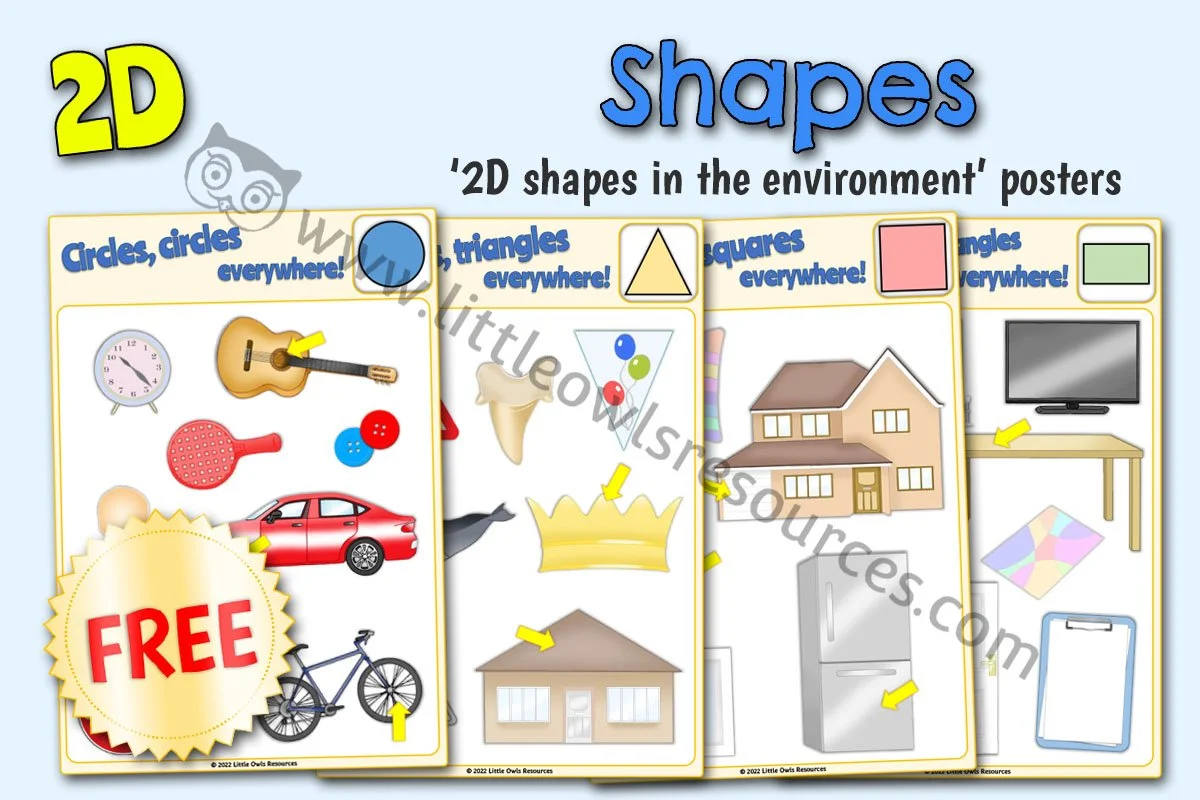
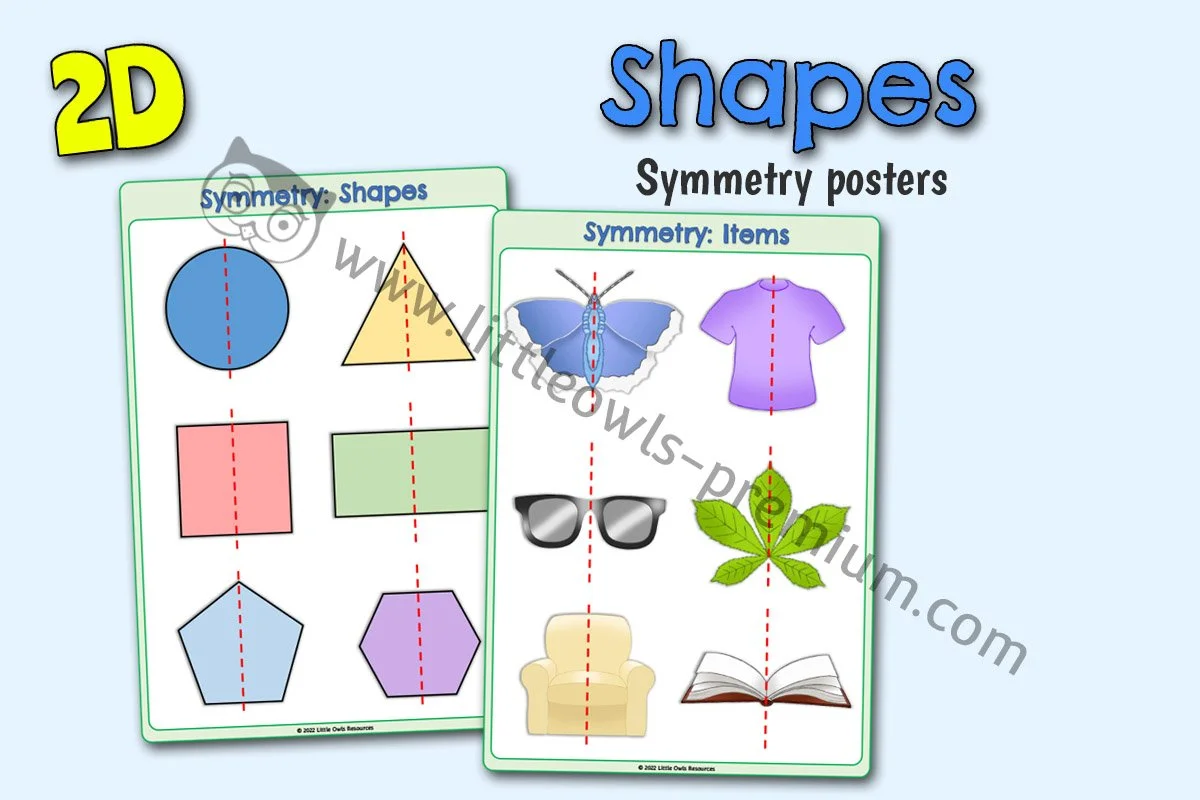
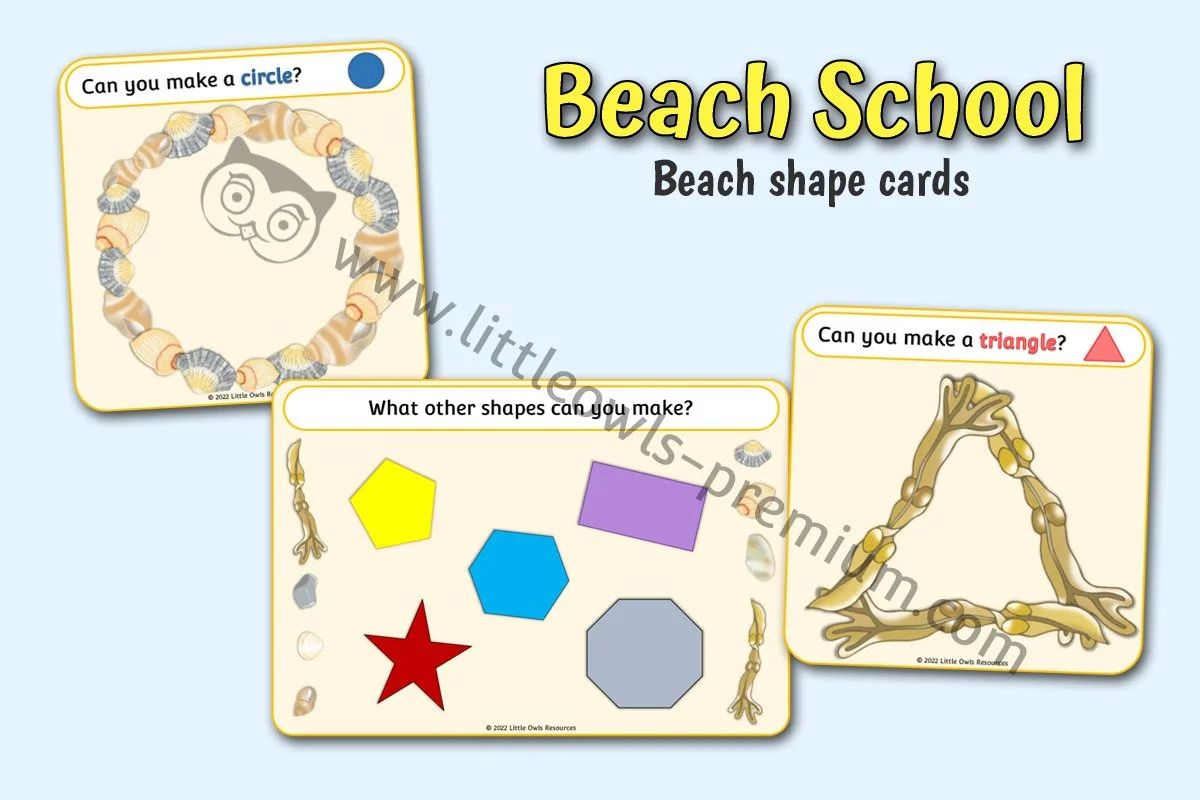
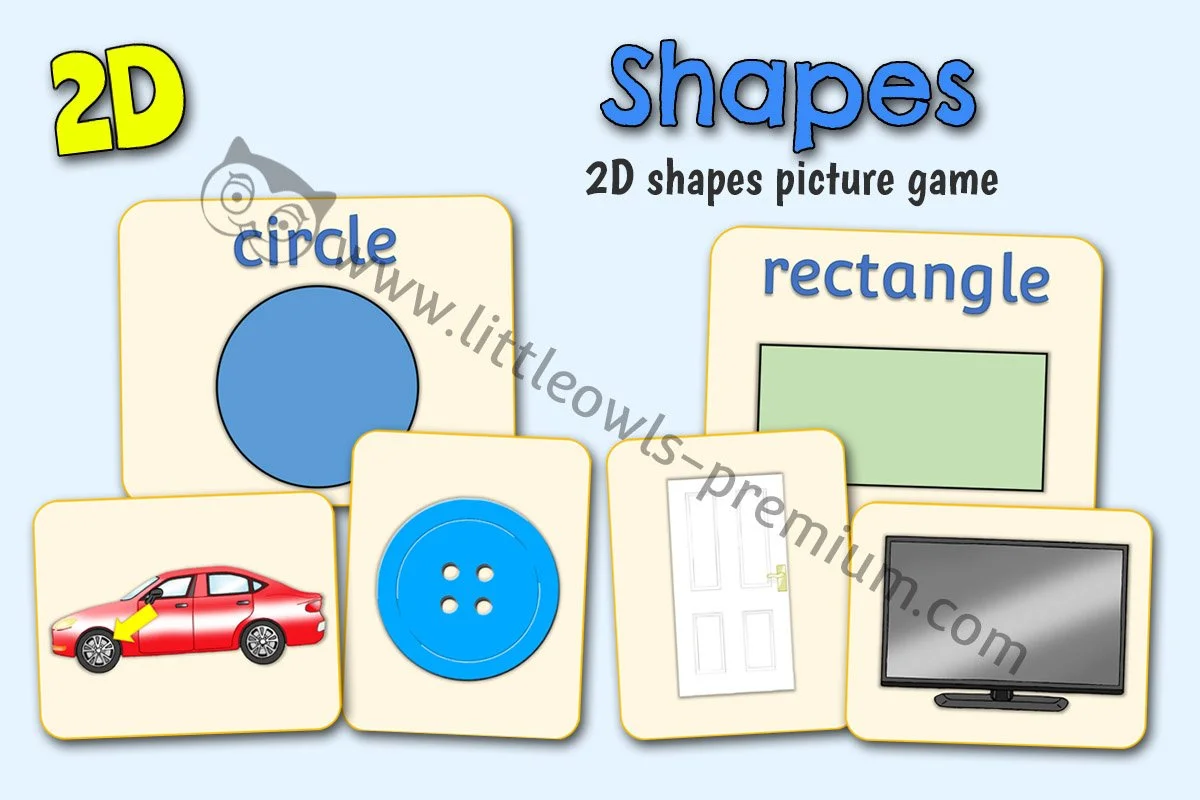
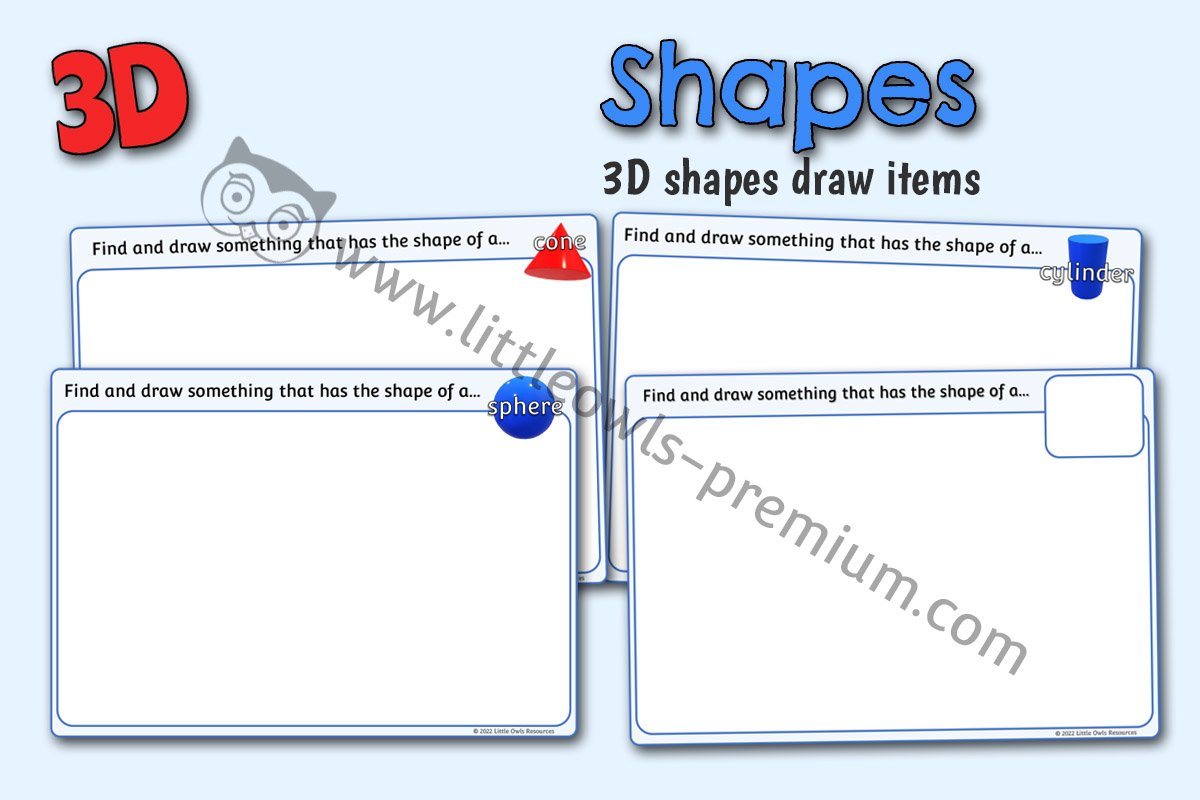
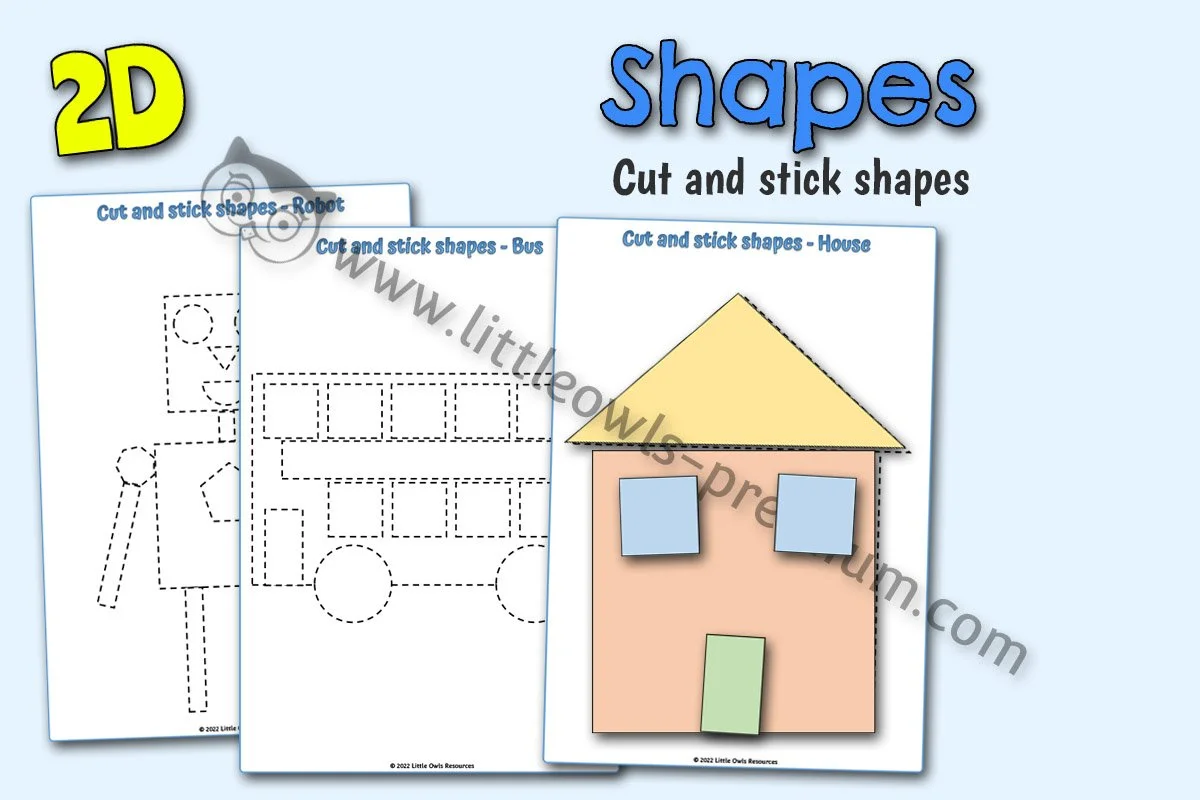
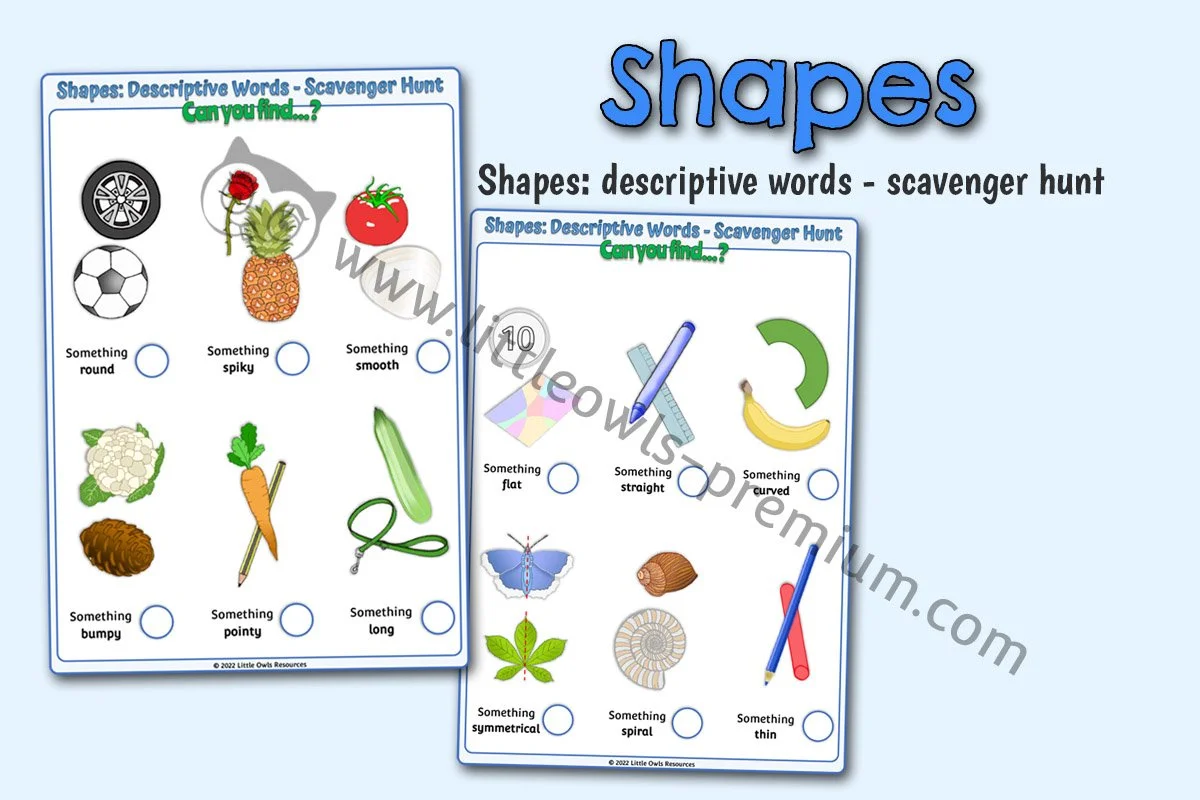
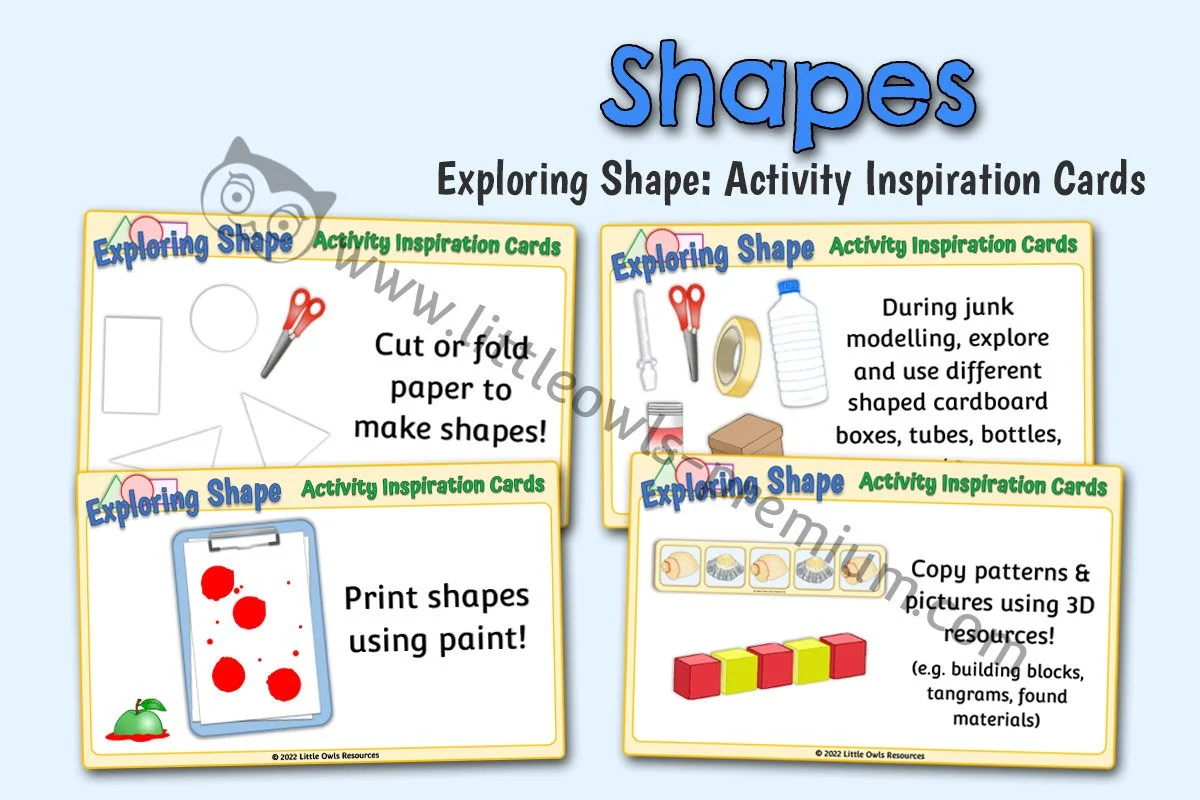
Shape and spatial investigation cards invite children to fit, turn, combine and represent shapes using blocks, tiles, loose parts and everyday objects. Compare what fits and how a changed arrangement affects the result.
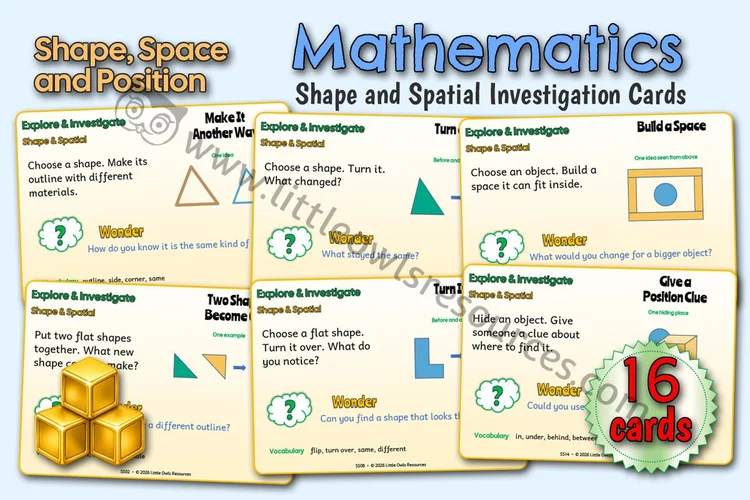
Mathematics: Practical spatial invitations involve fitting, turning, combining and representing shapes.
View resource →Loose Parts Pattern Challenge Cards
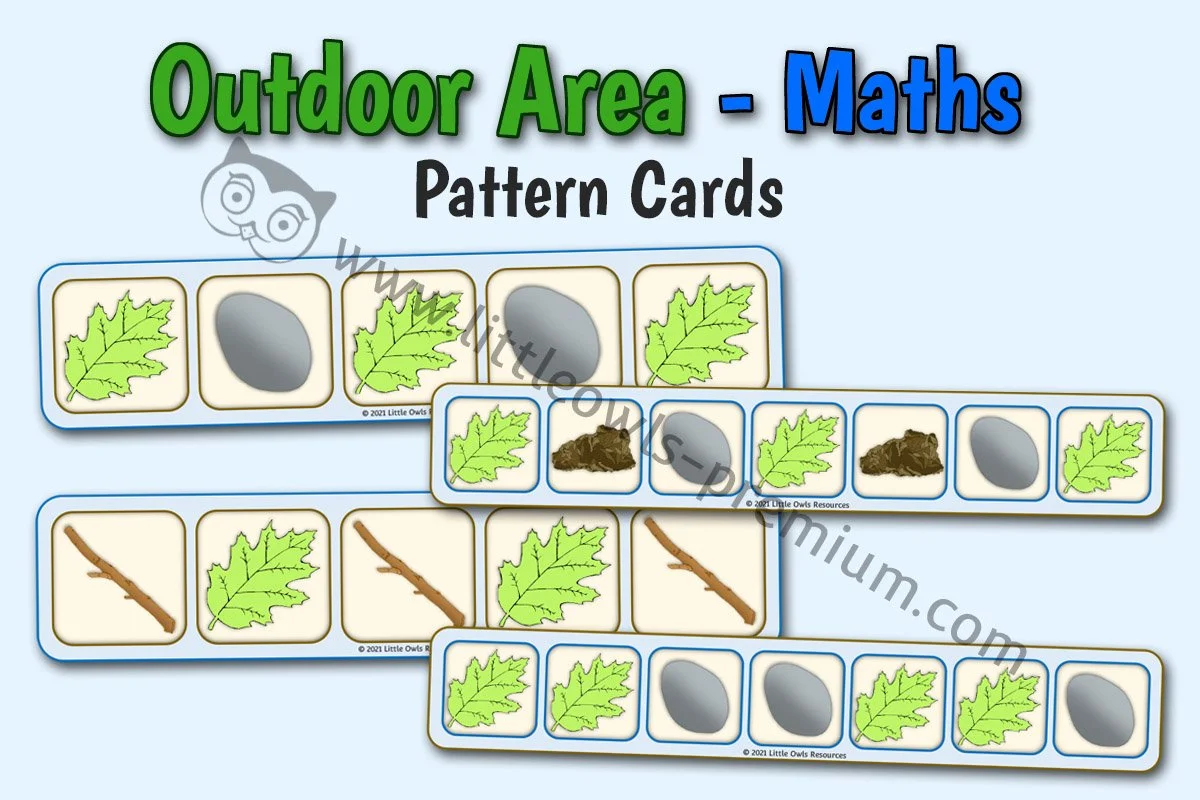
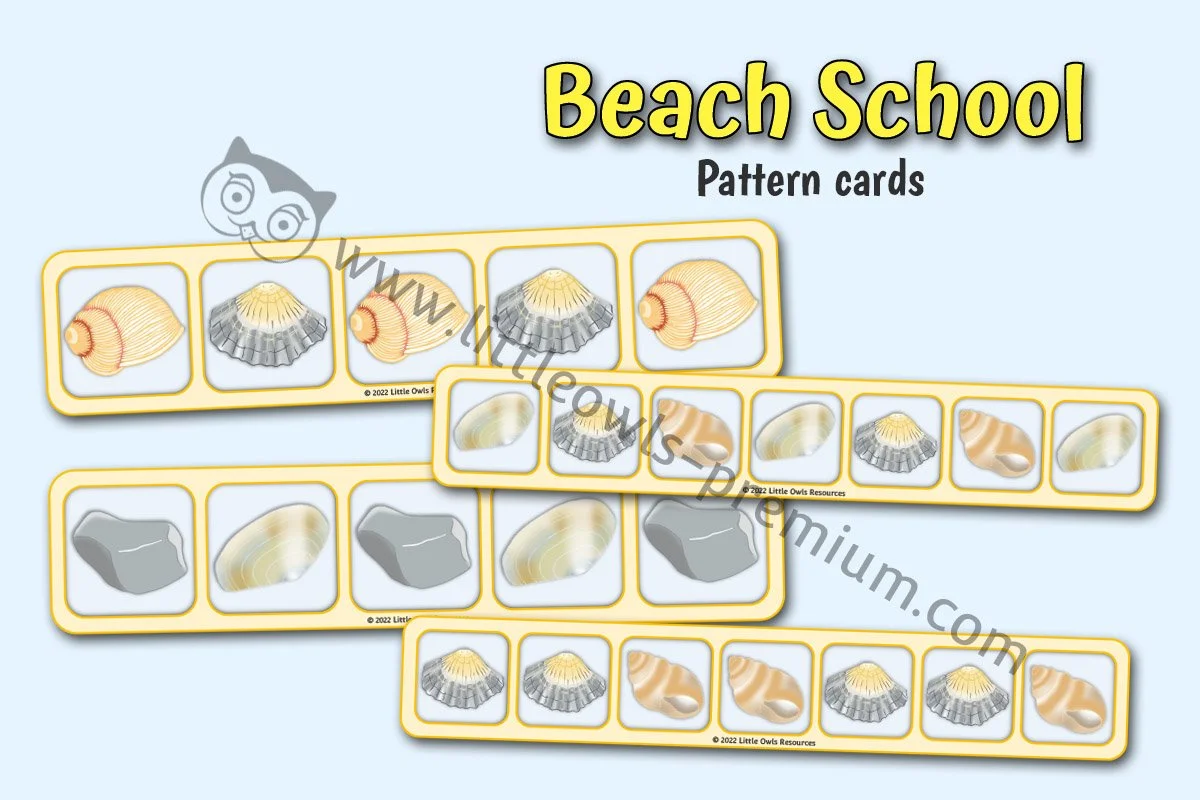
Explore a repeating rule with objects children can move and combine. Offer a relevant invitation alongside blocks or other building materials. Build and discuss a repeating rule using real objects, inviting children to continue, change or explain it.
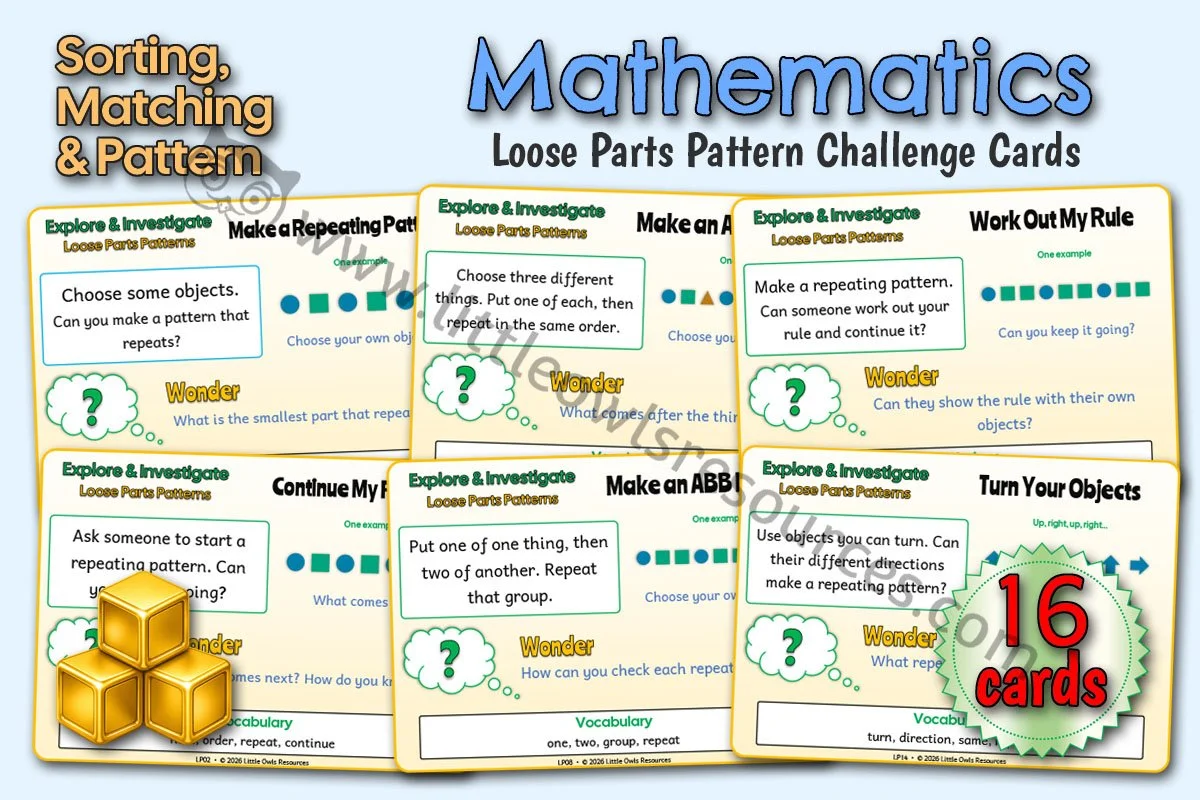
Mathematics: Movable-object challenges let children identify, continue and transform a repeating unit.
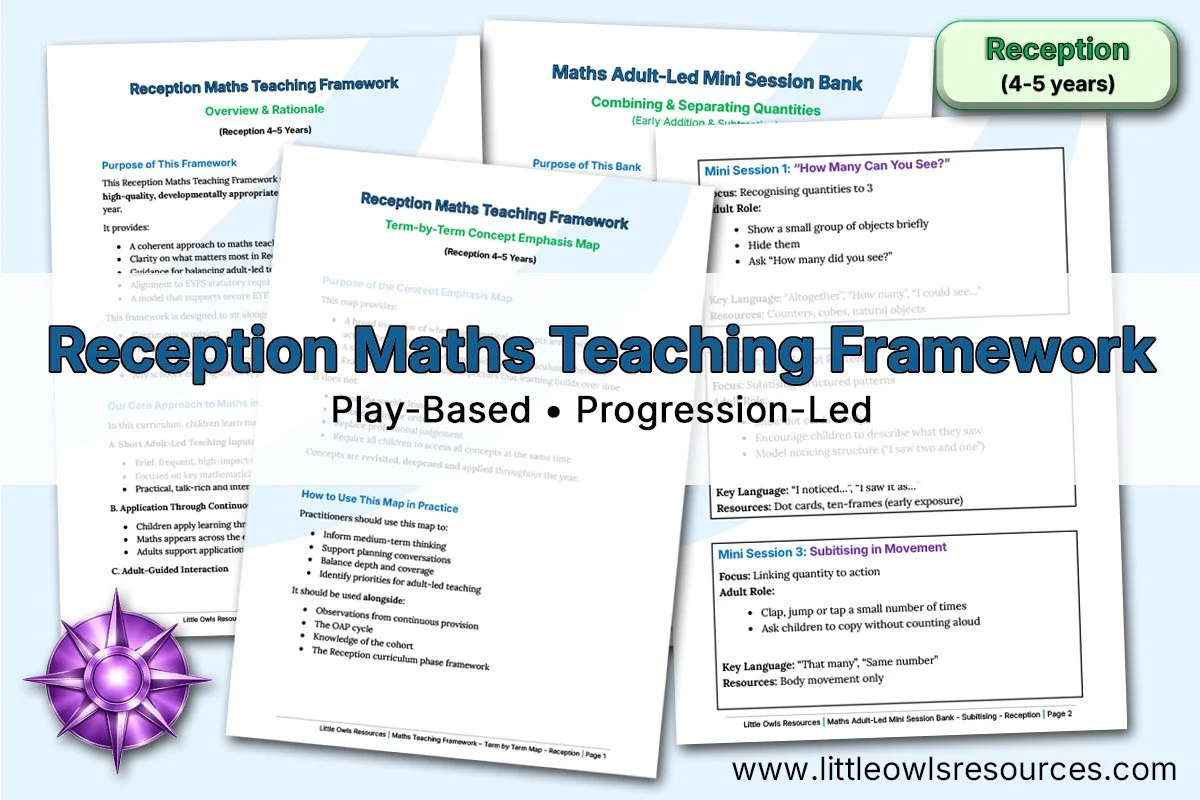
View resource →Reception Maths Teaching Framework | 4-5 Years
A Reception maths framework connects number sense, reasoning and understanding with adult-led teaching and application in play. Use it to consider progression and provision without following a prescribed weekly scheme.

Mathematics: The Reception Maths Teaching Framework gives adults a coherent approach to mathematical teaching and application.
View guidance →Choose a useful route
Useful starting points
Start with something free
Try a small set of dot cards, a practical challenge or a planning sample. Choose the part that helps children explore an idea, with objects they can move and discuss.
Support the adult’s role
Notice the mathematical idea within an activity, choose suitable quantities and model useful language. Find guidance on early number, spatial thinking and progression through everyday provision.
Find adult guidance & planning ↑
See also the EYFS Curriculum & Pedagogy Suite.
Follow an interest
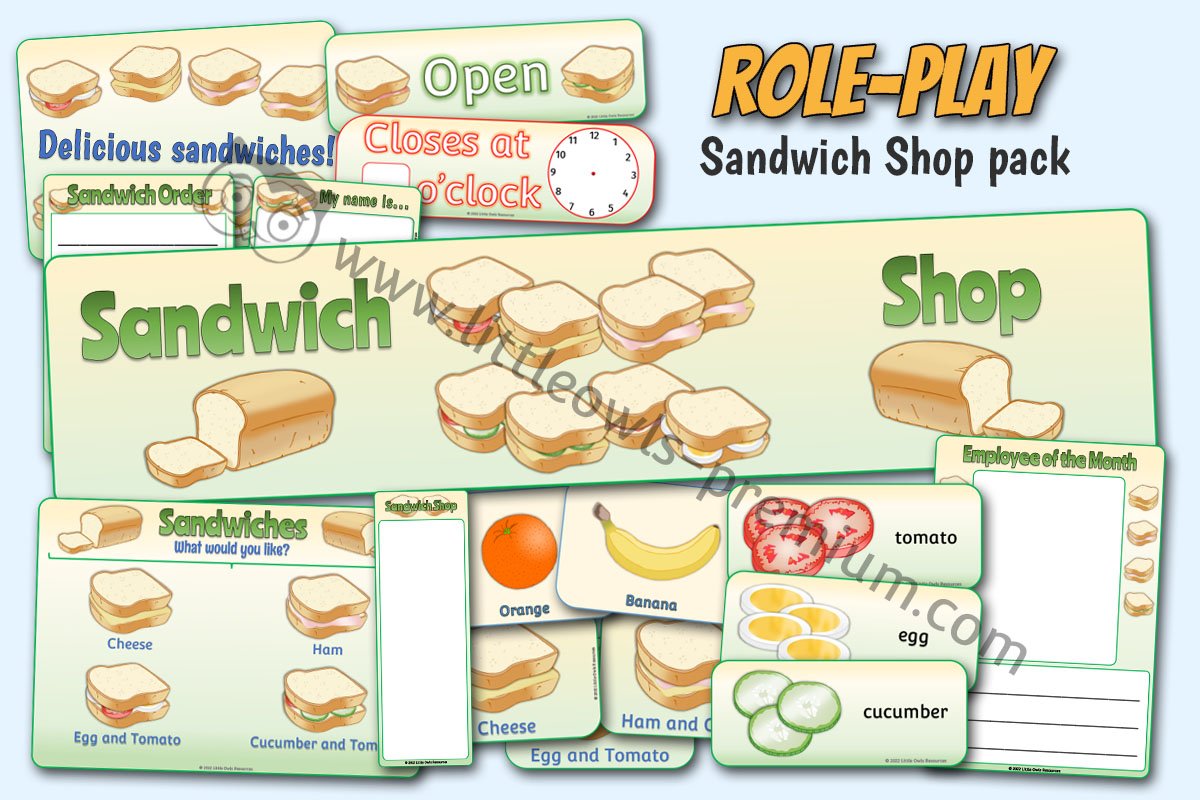
A bridge that needs to span a gap, enough plates for a pretend café or a repeated arrangement of shells can give maths a real purpose. Find a collection that supports the children’s investigation.
Begin with construction, outdoor maths or role play.
Use the resources with your children
Ideas for different ages
Mathematics is a specific EYFS area, with foundations in babies’ and toddlers’ everyday experiences of objects, space, quantity and patterns. These experiences grow through relationships, communication and physical exploration, alongside the emphasis on the prime areas for younger children.
These age groups are browsing routes, not official Development Matters subdivisions or milestones. Each link returns to the finder with that age selected. A card may offer a practical activity, an adaptation or guidance for the adult.
Babies · 0–18 months
Follow an interest in putting a large object into a container, reaching around something or repeating a familiar movement. Let a baby explore suitable objects with you nearby. Adult prompts help you notice and respond; they do not ask babies to recognise numerals or complete counting tasks.
Toddlers · 18–36 months
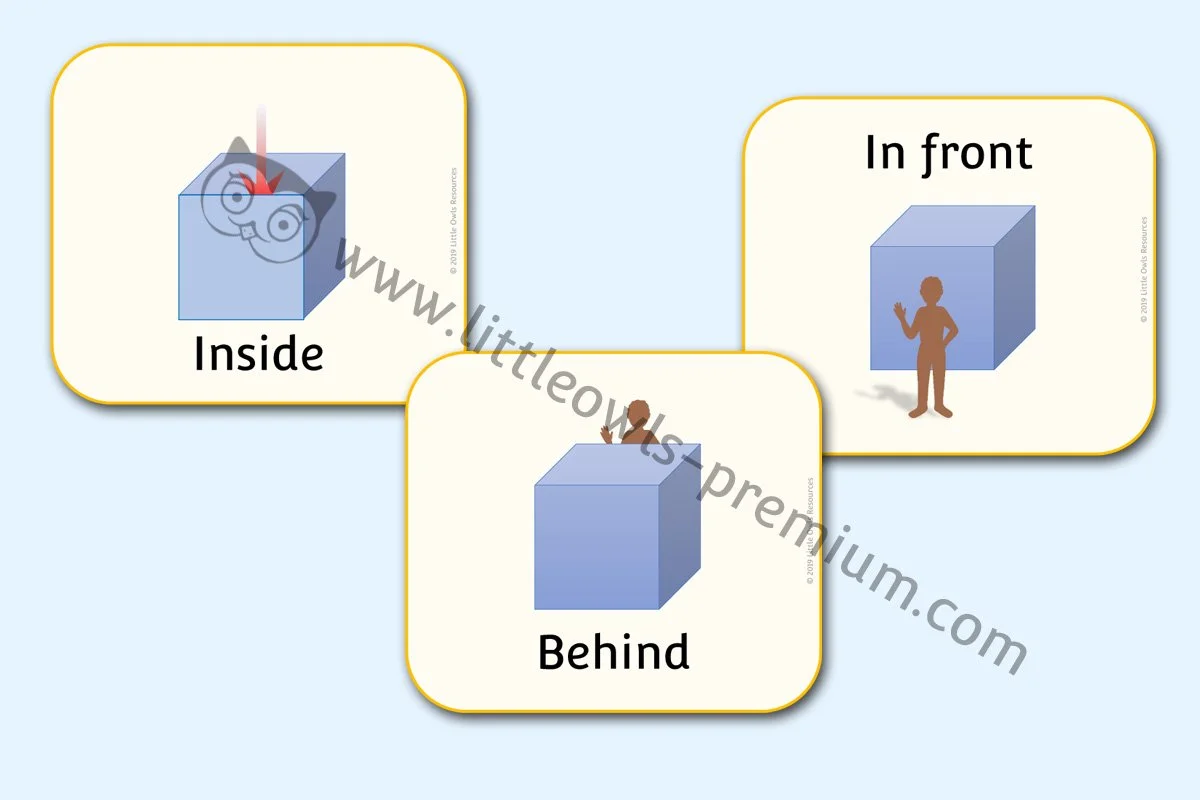
Explore what fits, fill and empty containers, compare a big and a small object or join a familiar number rhyme. Use simple words such as “more”, “inside” and “again” during the activity. Give time to repeat an action and notice what changes.
Preschool · 3–4 years
Notice small amounts, count objects for a purpose and check whether there are enough. Build with shapes, compare lengths and explore a simple repeating pattern. Invite children to show an idea using objects, fingers, movement or marks, without rushing to larger numbers.
Reception · 4–5 years
Deepen understanding of numbers to ten by comparing amounts, spotting small groups and exploring parts that make a whole. Connect objects, pictures and numerals. Keep shape, space, pattern and measures in the curriculum, with time to explain and test ideas in practical play.
Make thinking visible. Children can show a mathematical idea by moving an object, pointing, using their usual communication or making a mark. Welcome home languages and offer accessible materials. Notice their reasoning as well as the answer, and adapt the support to what they understand now.
Practical experiences and connected understanding
Mathematics in the EYFS
The EYFS Mathematics programme combines a secure understanding of number with spatial reasoning, pattern, shape and measures. Our six learning focuses are browsing routes informed by NCETM’s early mathematics concepts. They organise useful resources; they are not six statutory targets or a replacement for your curriculum.
Connect counting with amounts
Move or point to each object once, then use the last count to say how many there are altogether. Sometimes invite children to recognise a small amount without counting: this is subitising. Revisit the same quantity in different arrangements, with time to explain how they saw it.
Compare and compose
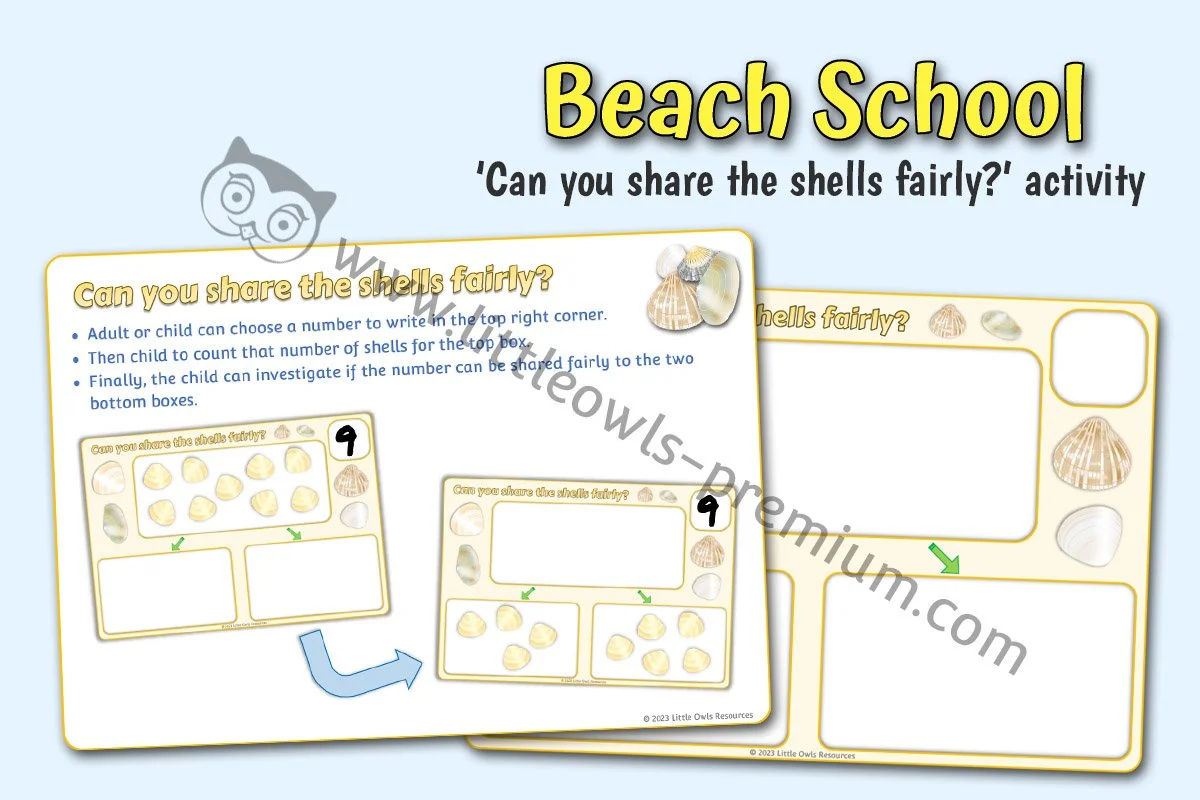
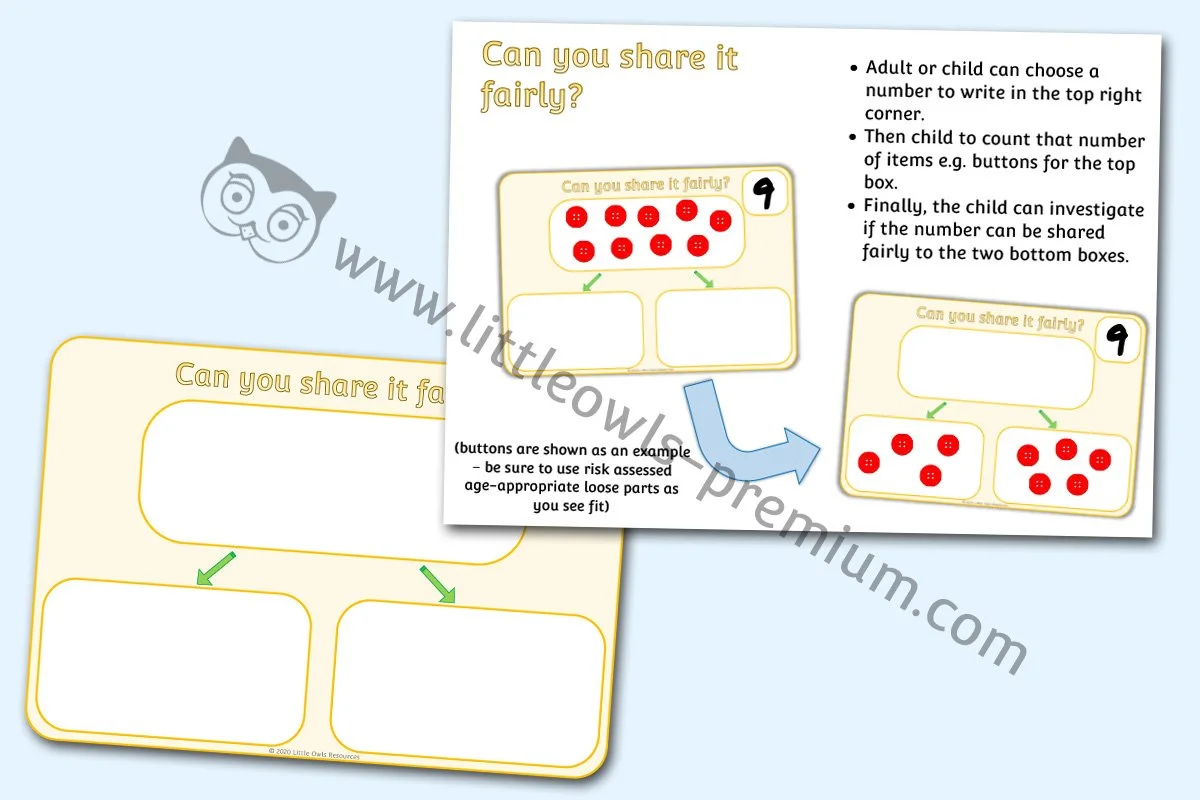
Match objects one to one to see which group has more, fewer or the same number. Explore how a small collection can be split into parts and brought back together. Use real objects before expecting children to interpret or record a calculation.
Think with shapes and patterns
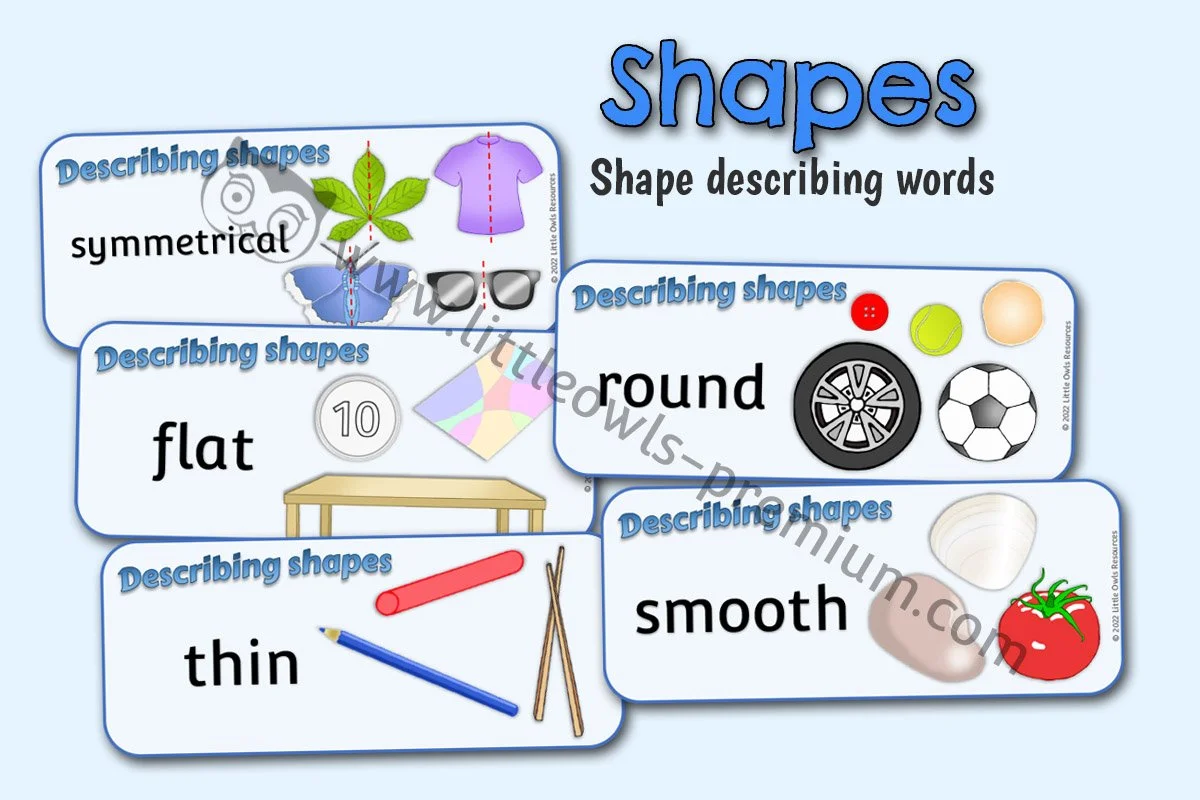
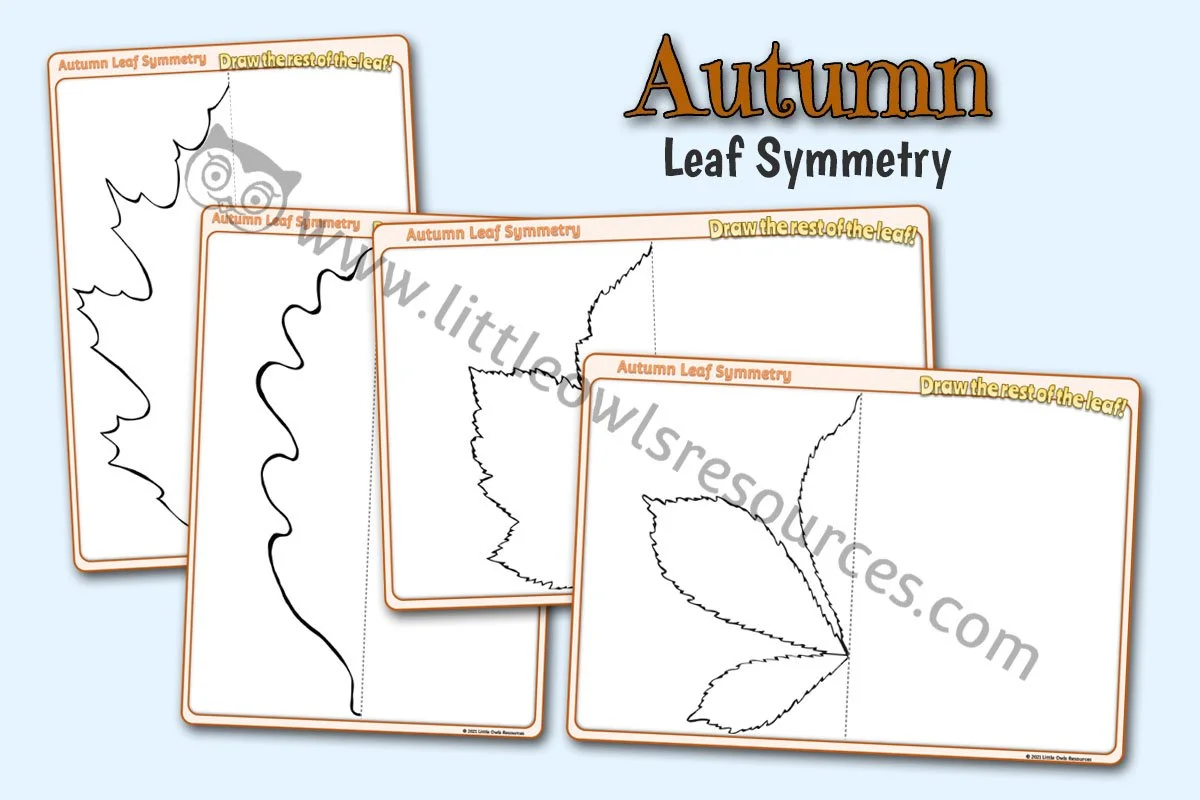
Turn a piece to make it fit, combine shapes or describe a route through a model. For a repeating pattern, help children notice the unit that repeats, then continue or change it. A shape’s properties matter even when its colour, size or orientation changes.
Measure for a purpose
Compare two lengths from the same starting point, investigate which container holds more or find a block tall enough for a model. Begin with the attribute being compared. Introduce tools or repeated units when they help answer the children’s question.
Build Mathematics into continuous provision
Keep useful objects and representations close to the play: matching cups and plates in a café, blocks beside a building plan or containers at the water tray. Join briefly to model a comparison or wonder about a solution. Follow what children do with the idea and return to it in another context.
An idea to try next
Top Picks Inspiration
Explore a changing mix of seasonal and year-round ideas, with practical resources, planning guidance and something free to try. Choose an age, then follow a resource’s suggestion or find more ideas like it.
Top picks for Preschool (3–4 years).
Counting & recognising amounts
Number Slice Puzzles - Colouring
Number Slice Puzzle Activities - Colouring versions. Puzzles available for 1-5 and 1-10 sequencing. Put the numbered strips in order to rebuild the picture, checking the sequence aloud and matching picture details.
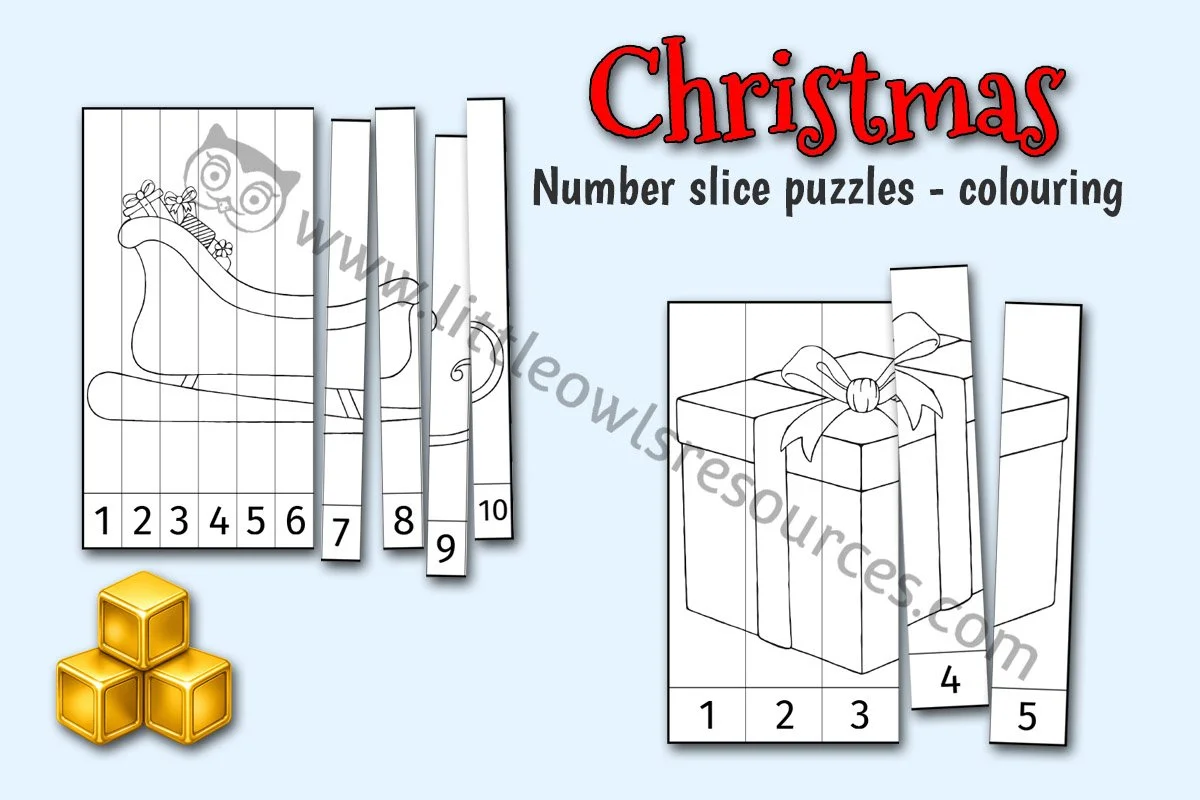
Mathematics: Number Slice Puzzle Activities - Colouring versions. Numbered strips support ordering a familiar sequence and checking neighbouring numerals as the picture is rebuilt.
Using this with preschool children: Decorate a five-strip puzzle, then let an adult cut it. Rebuild its picture while using the printed numerals as clues to the next piece.
View and download resource →Find more Preschool counting & recognising amounts resources ↑Comparing amounts
CHRISTMAS COUNTING PUZZLES (1-20)
Christmas counting puzzles match quantities one to twenty with numerals. Select a suitable range, count each fixed picture once and use the completed match to check the total.
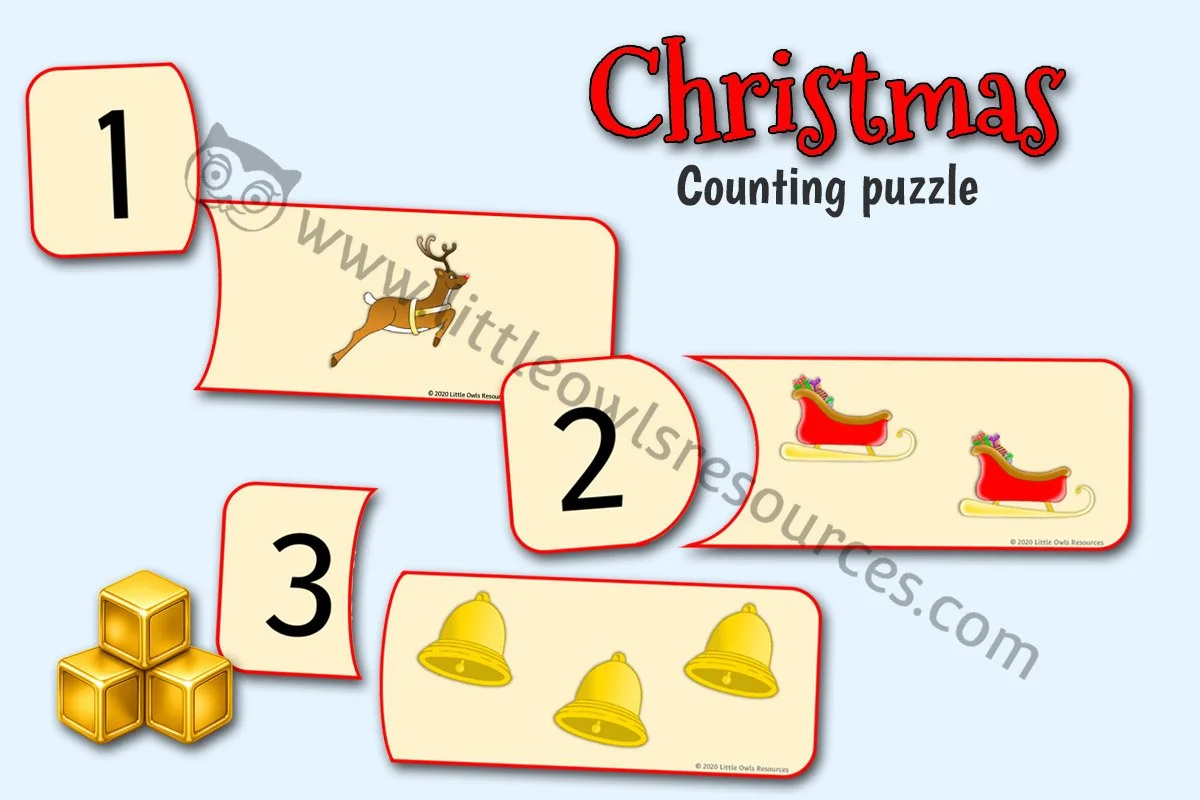
Mathematics: Christmas counting puzzles match quantities one to twenty with numerals. The quantities, numerals or counting actions provide a concrete connection between a number and the amount it represents.
Using this with preschool children: Select Christmas puzzle pairs within one to five and count each pictured group before choosing its numeral. Compare two completed groups by giving every picture a counter partner; notice whether one has a counter left over.
View and download resource →Find more Preschool comparing amounts resources ↑Parts, wholes & number relationships
CHRISTMAS TARGET GAME
Christmas floor targets invite children to aim a suitable soft object and identify the number it lands on. More confident counters can combine scores from several turns.
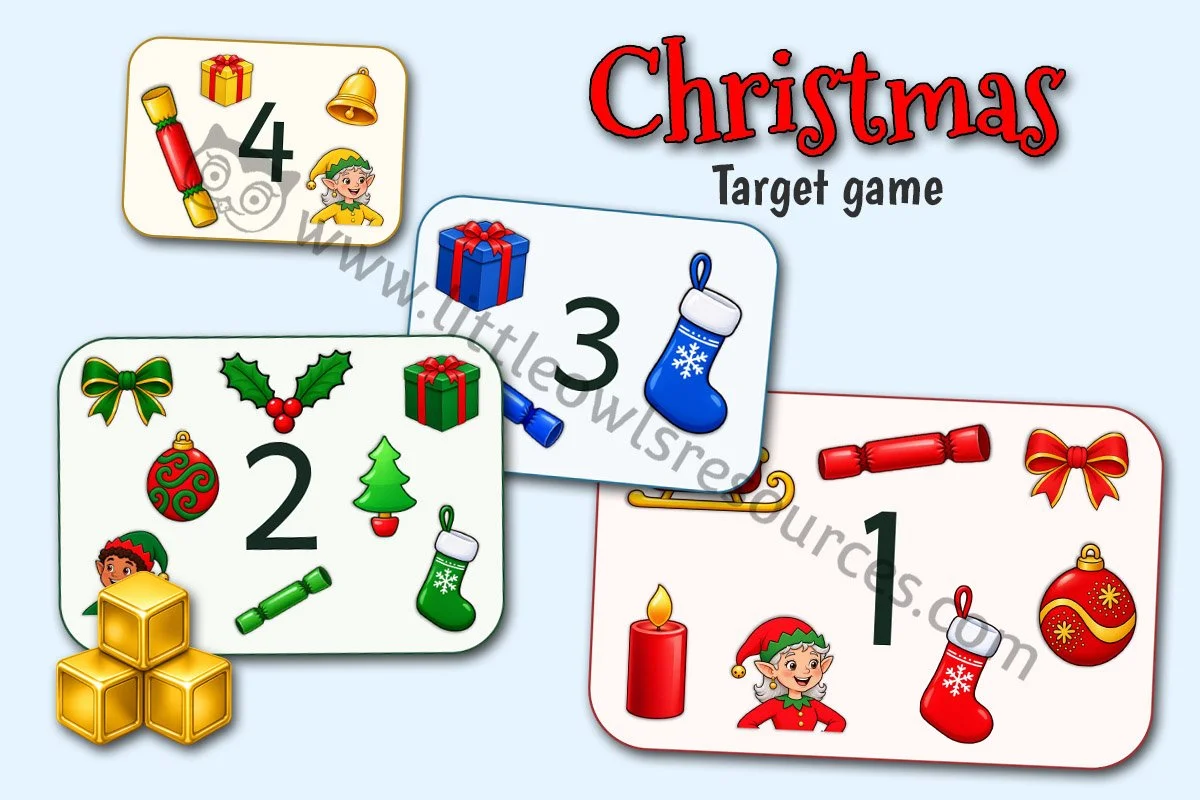
Mathematics: Numbered targets connect movement with recognising amounts and combining small scores.
Using this with preschool children: Choose low-number targets and roll a soft object for two turns. Make a small counter group for each score, then bring the groups together to find the total. Keep this an optional shared investigation for children ready to combine small amounts.
View and download resource →Find more Preschool parts, wholes & number relationships resources ↑Patterns & connections
DIWALI RANGOLI PATTERN PLAYDOUGH MATS
Rangoli-pattern mats for shaping and arranging playdough. Children can explore colours and repeated shapes while practising rolling, pressing and positioning the dough.
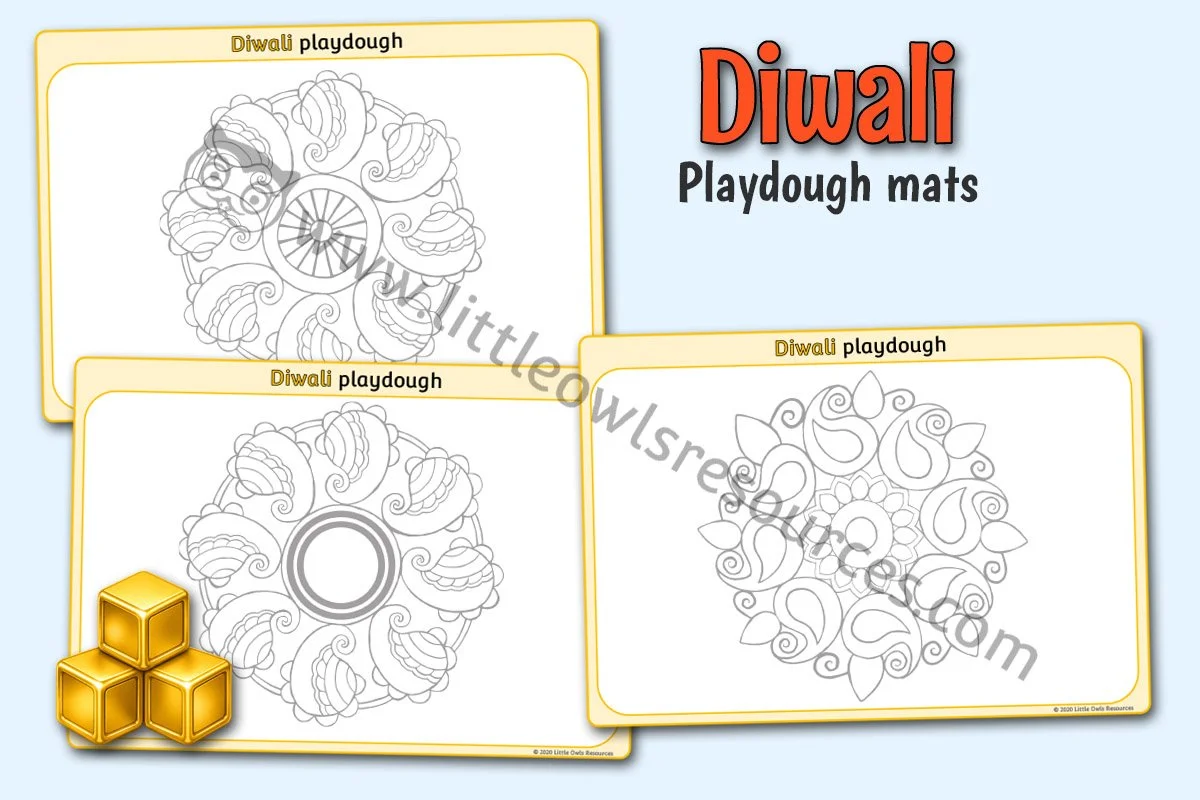
Mathematics: Rangoli mats offer opportunities to recreate spatial arrangements and notice regular features.
Using this with preschool children: Choose a small part of a rangoli mat where a shape recurs. Make that shape in dough and place each instance around the centre, noticing what stays the same and where it goes next. Share the design’s cultural context alongside the activity.
View and download resource →Find more Preschool patterns & connections resources ↑Shape, space & position
CHRISTMAS CUT, STICK AND DECORATE TREE ACTIVITY
Decorations in different sizes can be cut out and arranged on a Christmas-tree outline. Adults can prepare pieces or support cutting, leaving children to choose their own design.
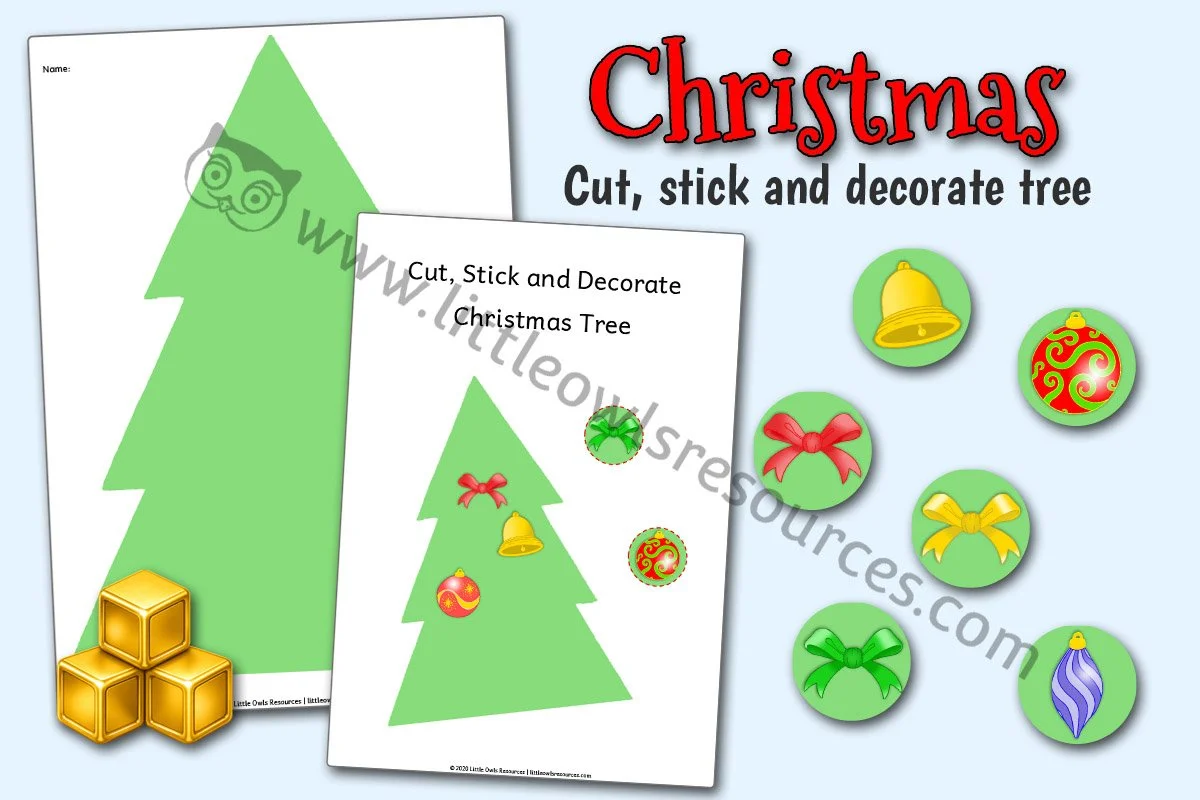
Mathematics: Differently sized tree decorations invite fitting and size decisions within a bounded design.
Using this with preschool children: Choose a large and a small decoration for the tree outline. Try both near the top and explain or show which leaves more room.
View and download resource →Find more Preschool shape, space & position resources ↑Measures & everyday maths
Autumn Woodland Small World: Habitat Invitations
Woodland habitat invitations and building cards prompt places for small-world characters. Combine blocks, fabric and other materials, discuss possible homes and change the setting as the children’s stories develop.

Mathematics: The habitat invitations create a practical reason to fit structures to small-world inhabitants.
Using this with preschool children: Choose a woodland resident and build a shelter that it can enter. Test the doorway with the figure and change the width or height when needed.
View and download resource →Find more Preschool measures & everyday maths resources ↑Curriculum & pedagogy
EYFS FRAMEWORK - Support Examples - 3 and 4 year olds - Mathematics
Development Matters mathematics-support examples for adults working with 3–4-year-olds. Select relevant approaches for children's current mathematical play and thinking.
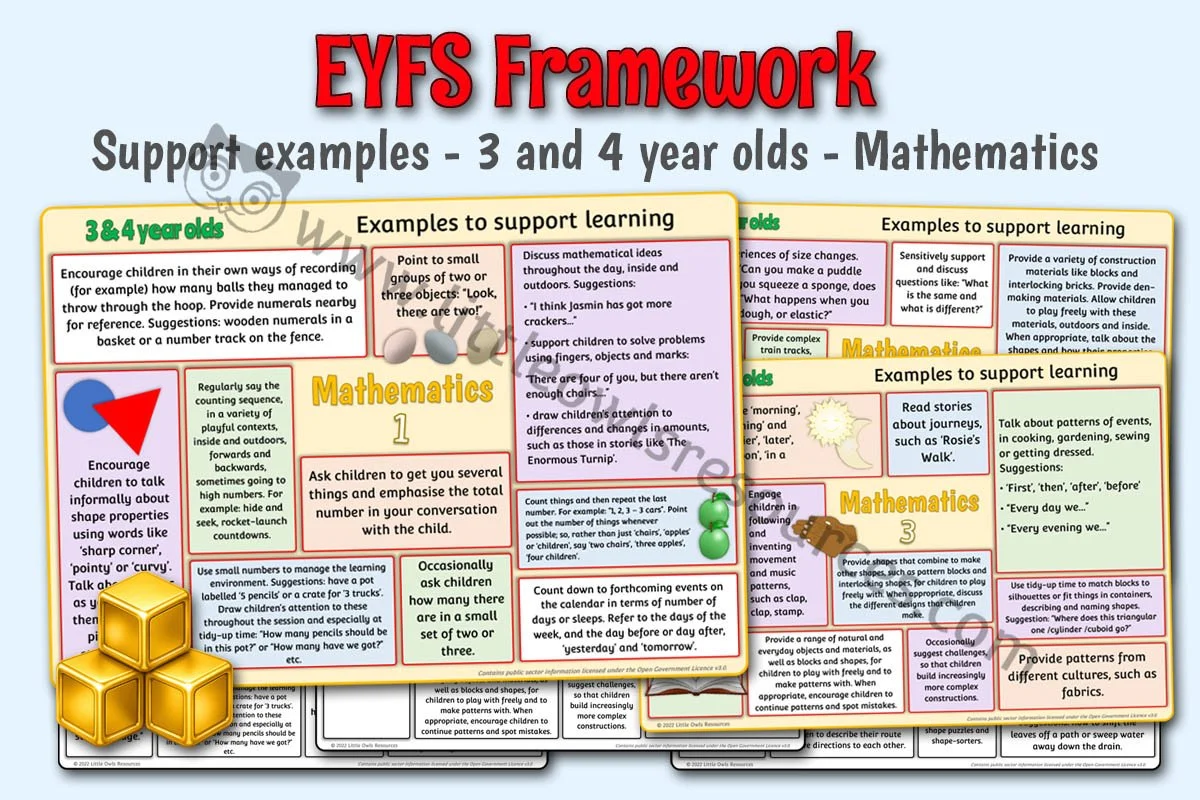
Mathematics: These Development Matters support examples are specifically written for adults working with 3–4-year-olds.
For adults supporting preschool children: Select one mathematics-support example that addresses something children are already exploring. Prepare the concrete materials, try the suggested adult response and review what it makes visible about their thinking.
View and download resource →Find more Preschool planning & guidance ↑A free resource or activity
FIREWORK EXPLOSION - SIZE ORDERING CARDS (FREE SAMPLE)
Firework pictures in different sizes can be compared, sorted and arranged into an order. Use prepared cards for repeated play, talking together about which image is smaller, larger or between two others.
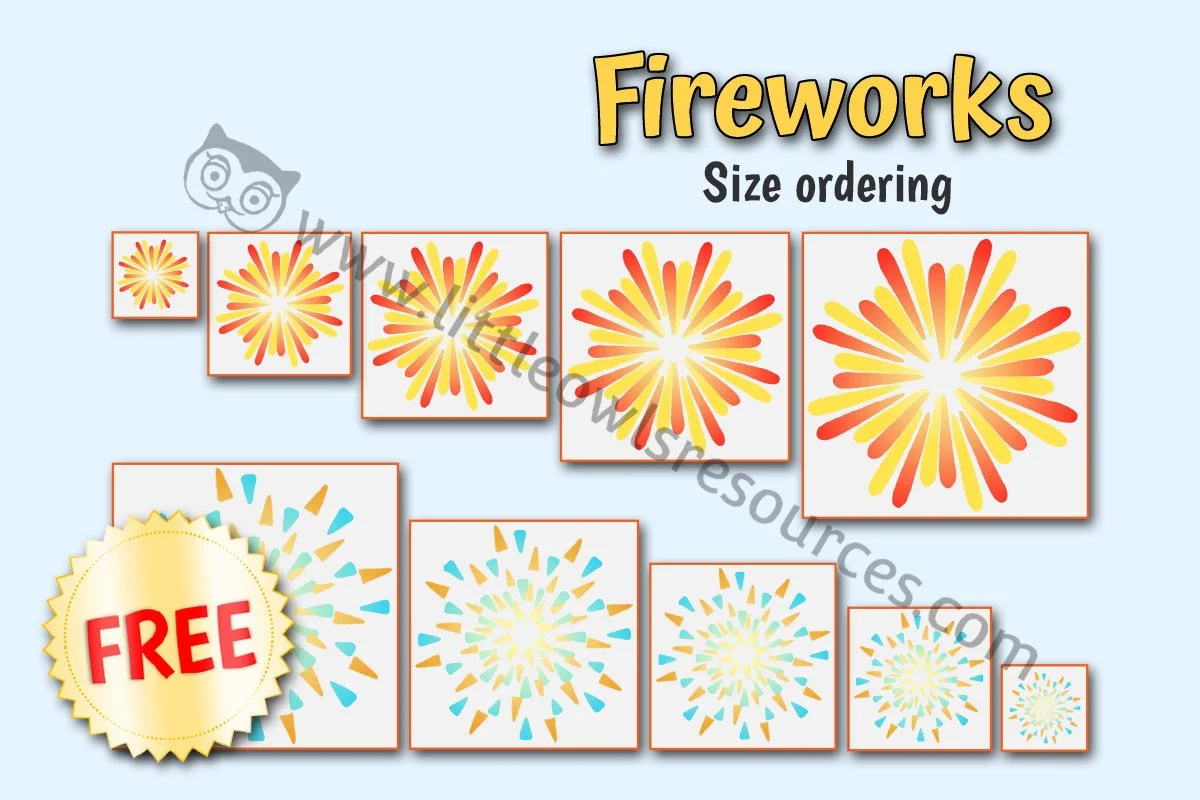
Mathematics: The free firework sample makes a short size sequence available for practical comparison.
Using this with preschool children: Use the sample to create a small size line together. Let children move a picture and explain whether it belongs at an end or between the others.
View free resource →Find more free Preschool resources & activities ↑Give every child a way into the idea
Include every child in Mathematics
Keep the idea, adapt the access
Use larger movable pieces, clear layouts, tactile objects or an adult who moves materials as directed. Reduce visual distraction and the number of examples when useful. A child can compare or solve a spatial problem without first being able to write a numeral or explain it in a sentence.
Make the language meaningful
Demonstrate “fewer”, “between” or “longer” with the objects being used, and connect familiar home-language words where possible. Invite a child to show you, then offer words for what they notice. Keep questioning conversational and allow time to try an idea.
Use the current England EYFS framework for statutory requirements and Development Matters for non-statutory guidance from birth. The Department for Education’s Help for early years providers: Mathematics offers further guidance. NCETM’s six early mathematics concepts provide detail primarily for Reception practice.
Common questions
Why are babies and toddlers included in a specific area of learning?
Development Matters includes Mathematics from birth to three. Younger children encounter spatial relationships, quantity changes, size and patterns through everyday exploration. These foundations grow alongside the prime areas; including them here does not introduce formal counting lessons or numeral-recognition expectations for babies.
Which maths resources should I choose first?
Start with an idea the children are exploring: enough objects for a game, a piece that will fit, a small amount they recognise or a pattern they want to continue. Choose an age and, if useful, a learning focus. Read the practical note to see how that particular resource can help.
What is subitising?
Subitising means recognising how many are in a small group without counting each object. Children may recognise a group directly or see smaller parts within a whole. Keep amounts manageable and explore different arrangements; a timed flashcard test is not required.
Should Reception children move quickly to bigger numbers?
Build secure understanding before increasing the range. A child may recite a long number sequence while still exploring what a small amount means. Counting, comparing, representing and composing a familiar number in different ways can offer more useful learning than a larger-number worksheet.
Does an age suggestion mean every part of a pack is suitable?
No. A suggestion may use a smaller number range, a particular card or an approach for adults. Check the contents and the note’s purpose. An adaptation label identifies a reviewed use of material originally intended for a different age or phase.
Are the six learning focuses the Mathematics early learning goals?
No. They help you browse different mathematical ideas. The Reception Mathematics early learning goals are Number and Numerical Patterns, used for assessment at the end of Reception. The wider curriculum also includes shape, space and measures; the goals do not define the whole curriculum or a checklist for younger children.
What can I access for free?
Free Access includes resources identified as free, alongside public articles, glossary entries and collection pages. A collection may link to both free and All Access downloads. Use the Free Access filter and check the individual card’s label.
Already a paying member? You have sitewide access. No need to change plans. Find out about Free Access and All Access →
Keep exploring
Explore more on Little Owls Resources
Find resources for a specific age, follow an interest or explore support for your setting.