
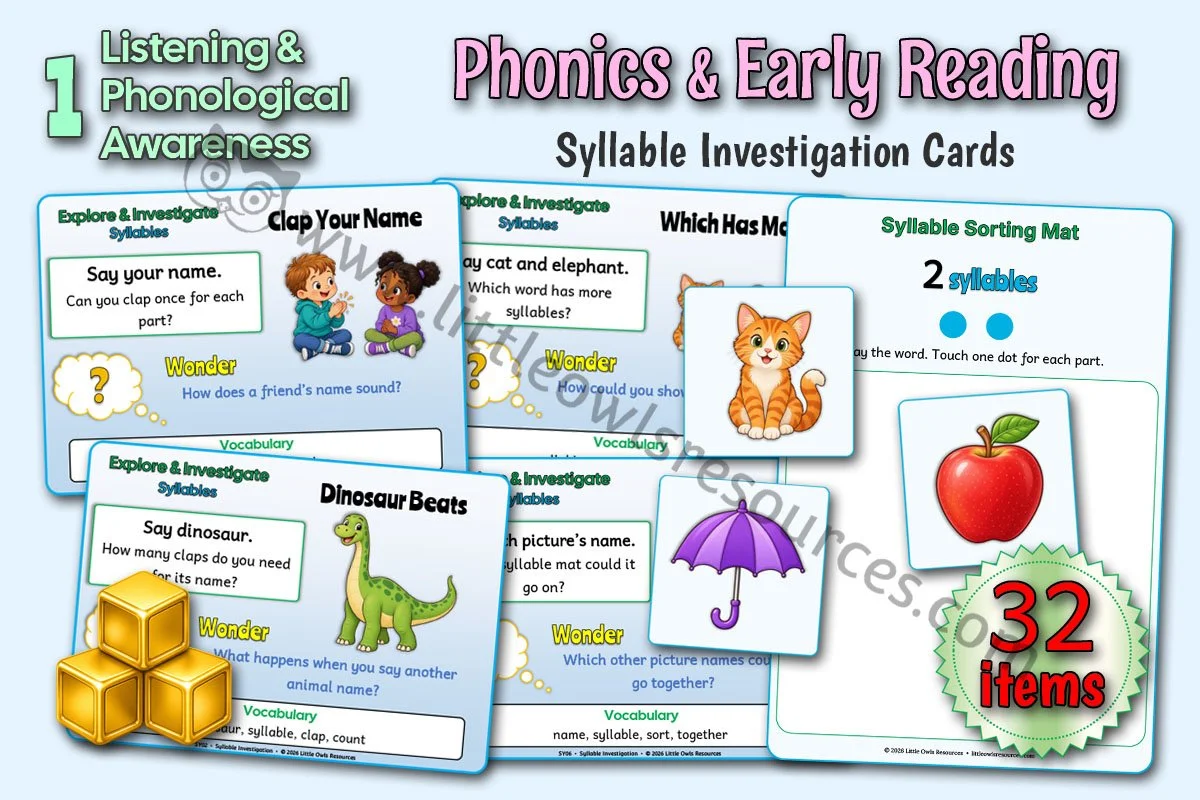
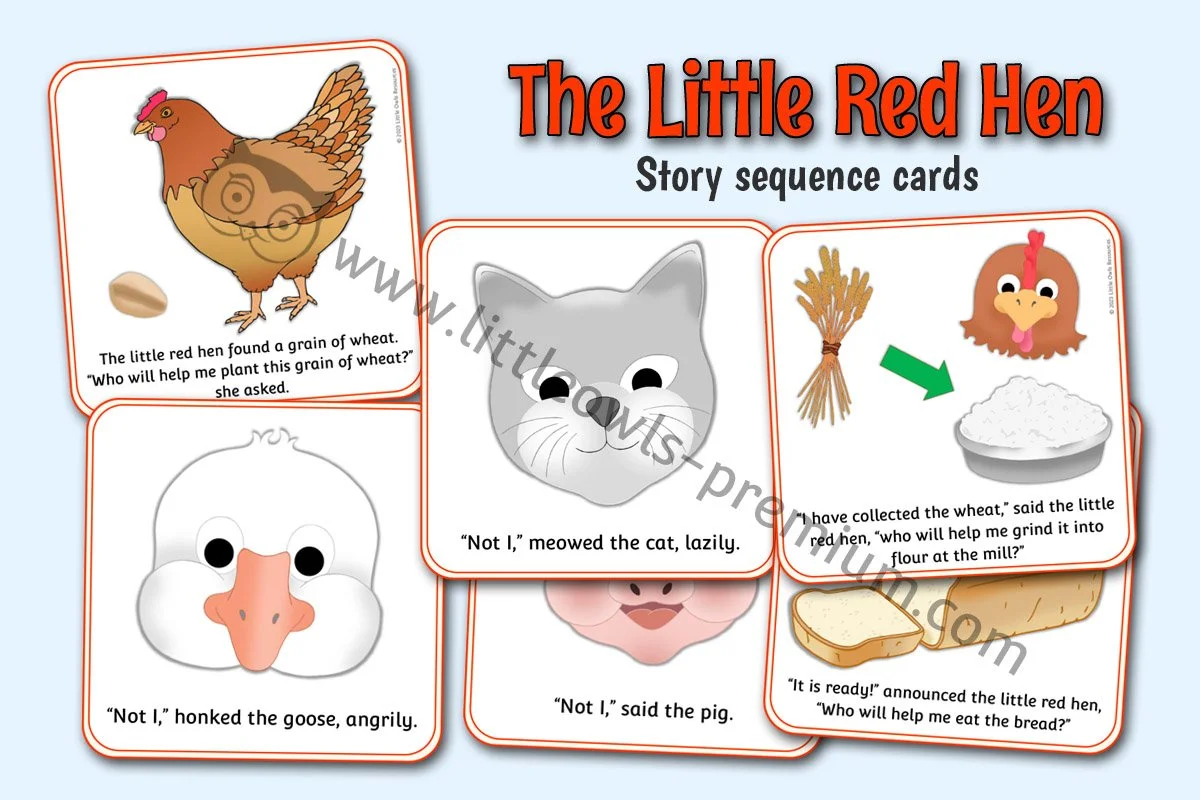

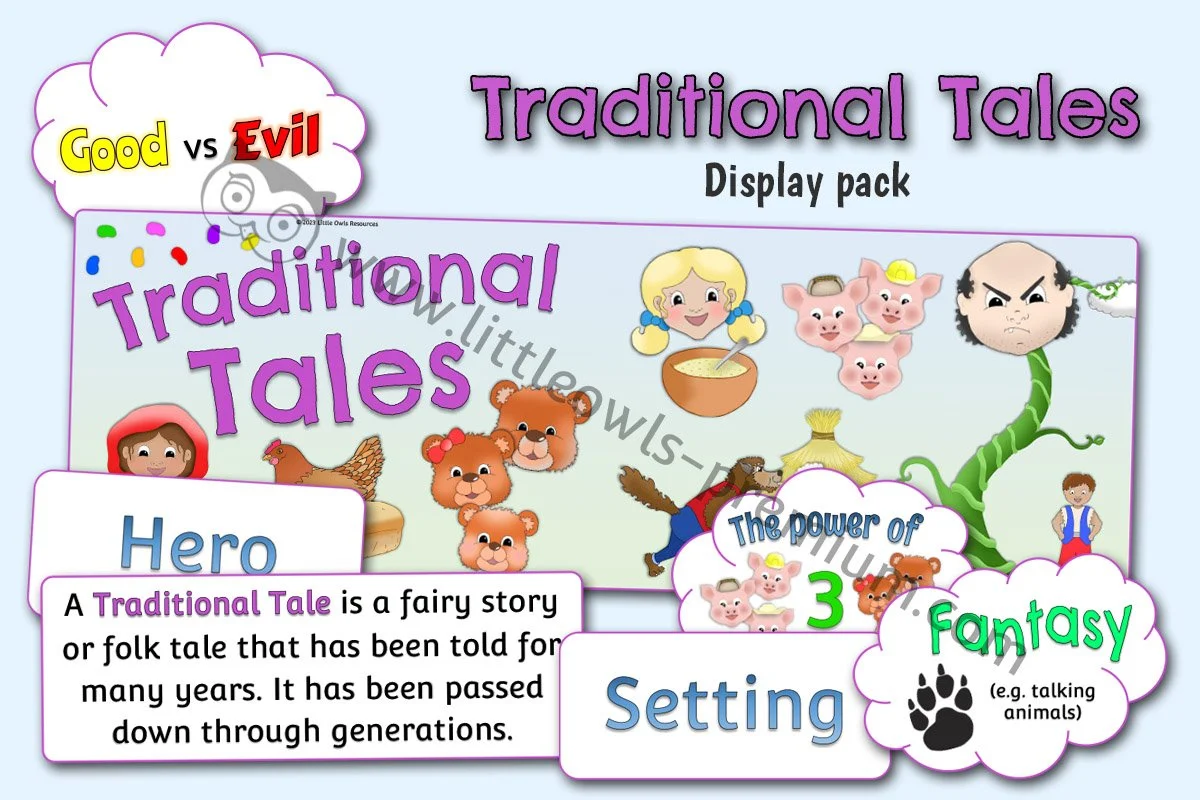
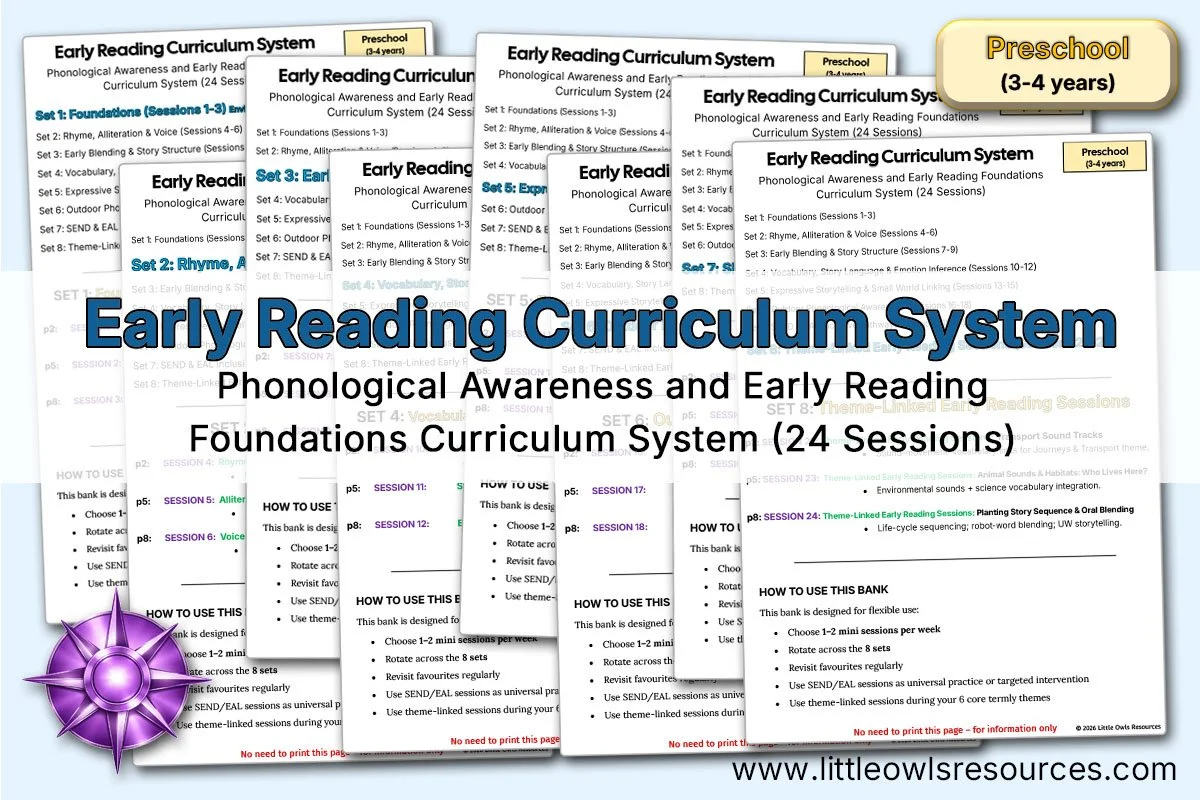

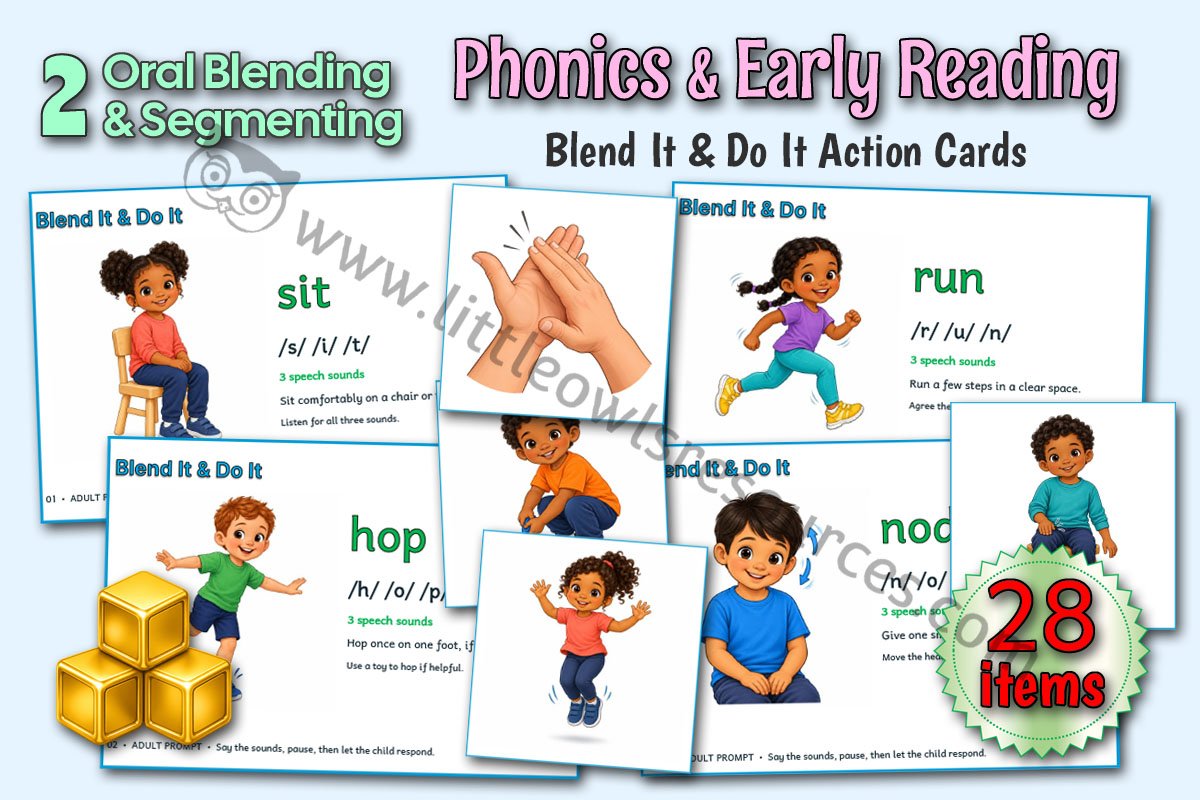
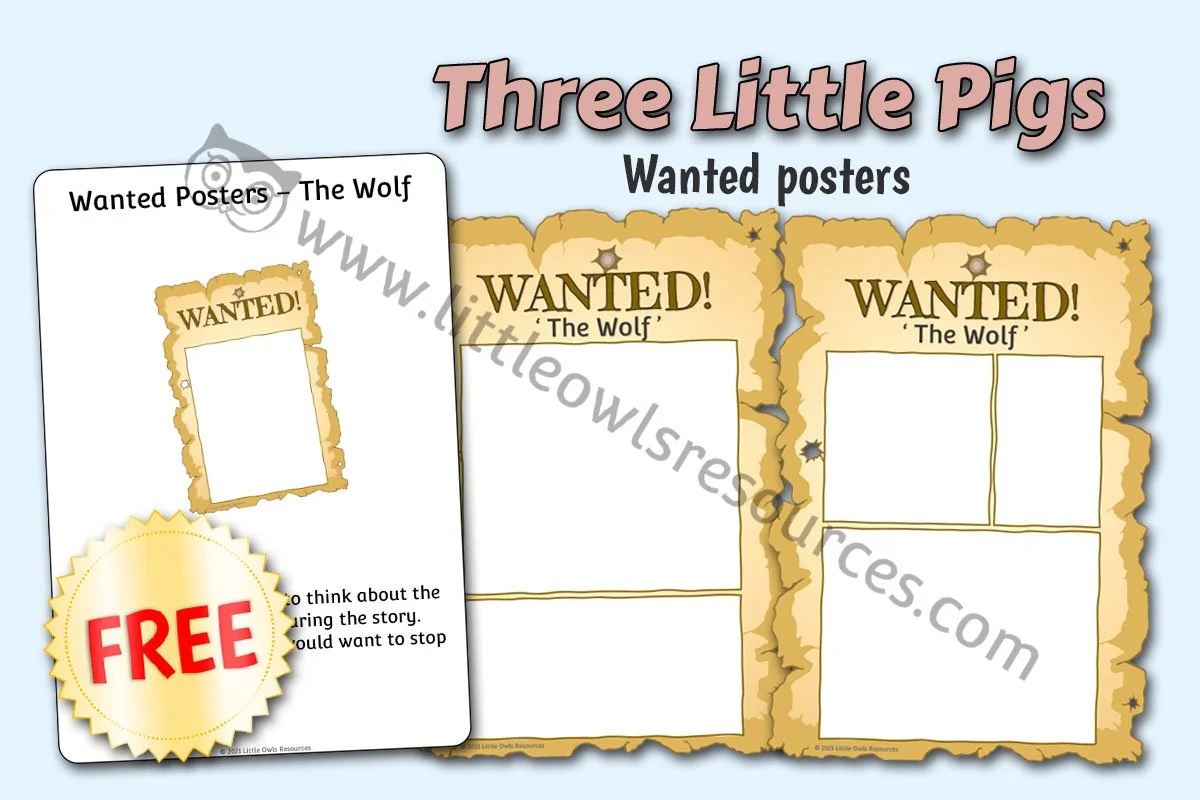
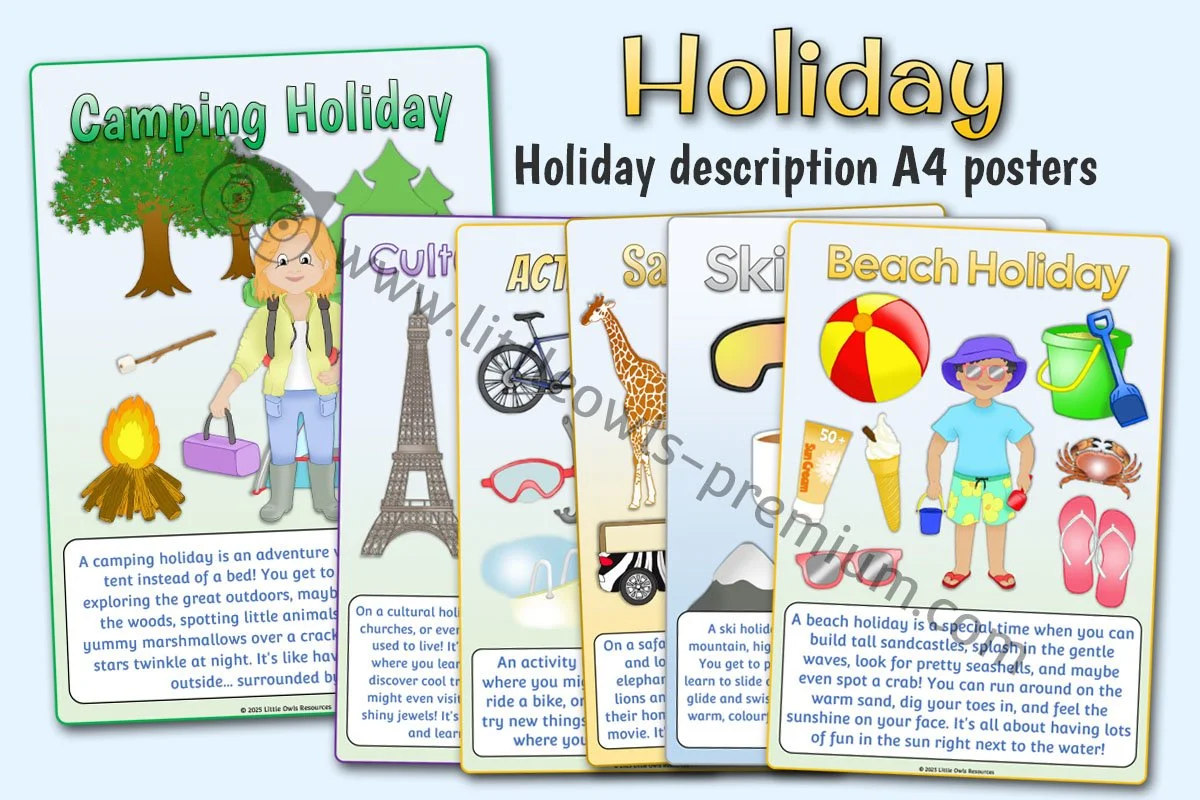
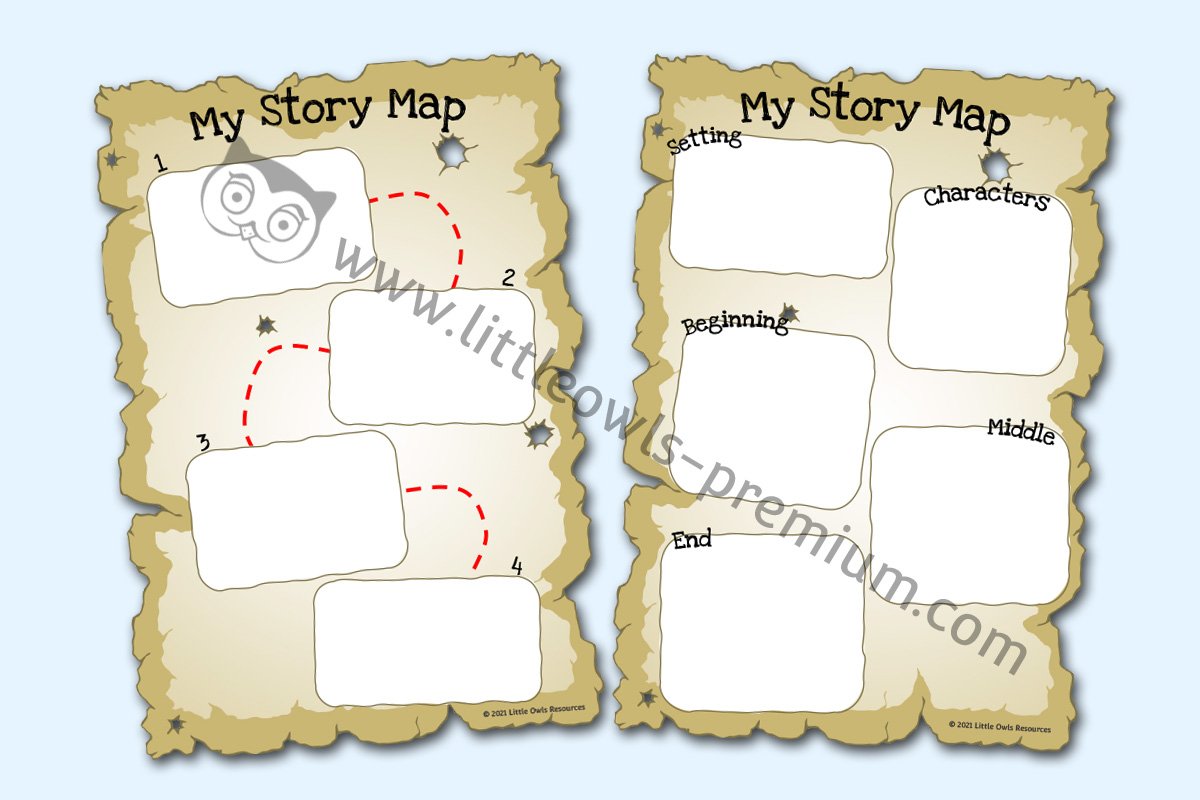

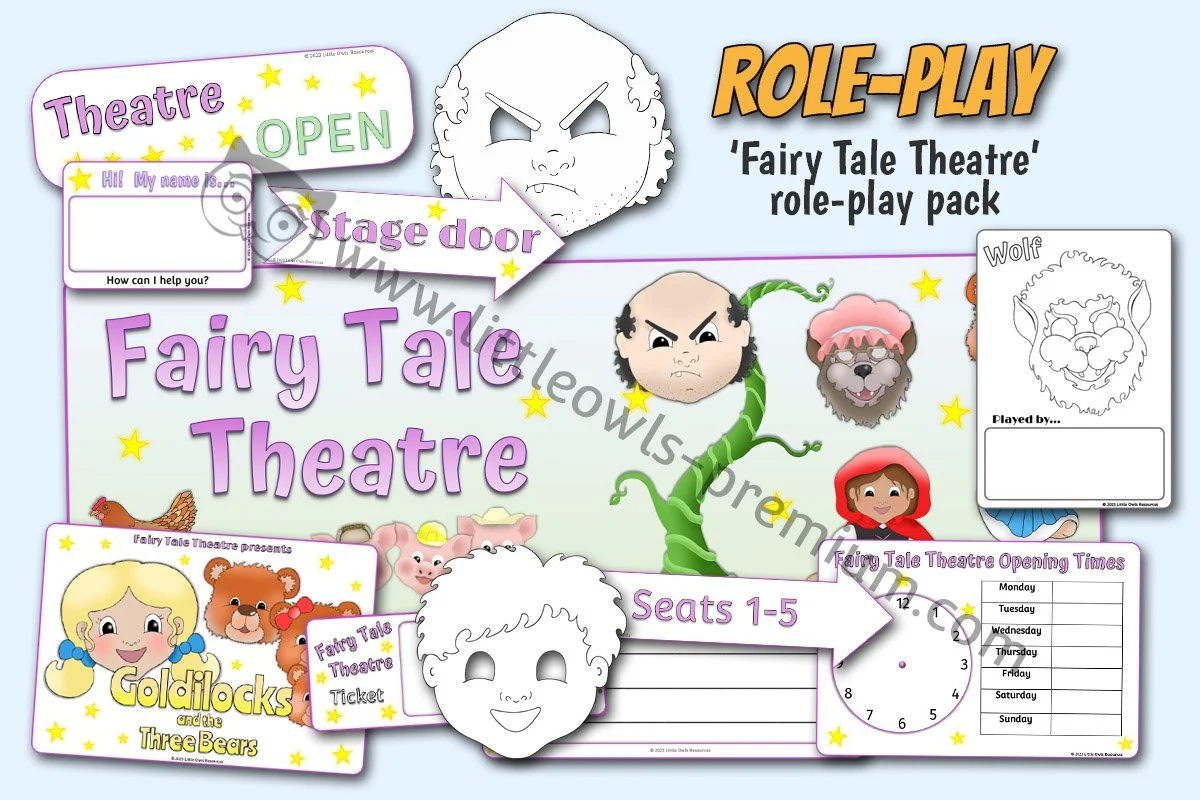
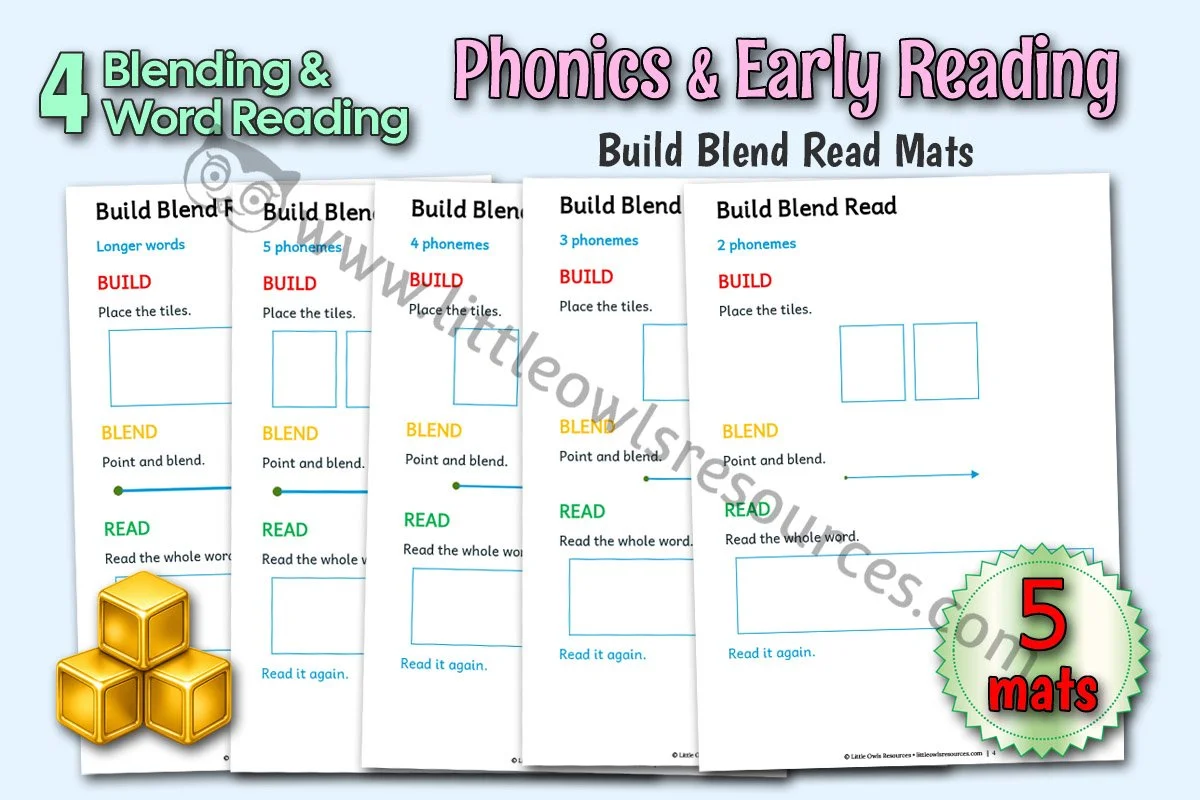
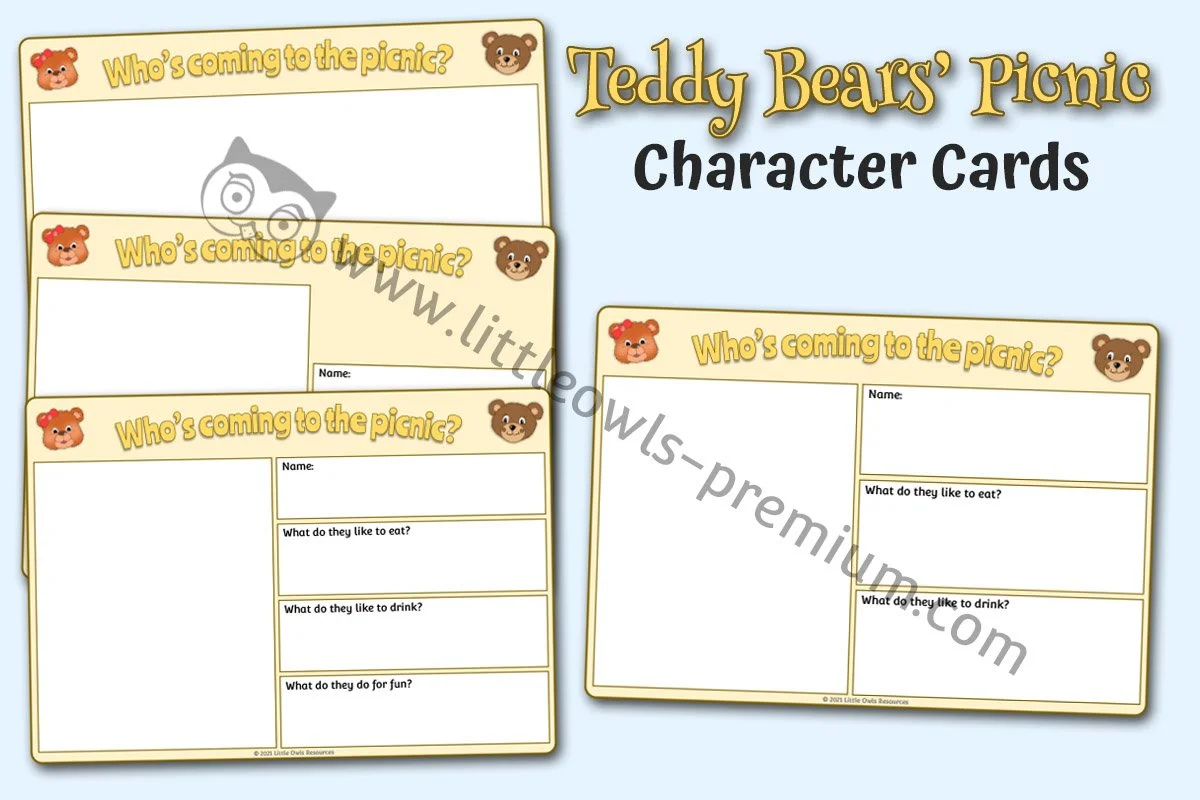
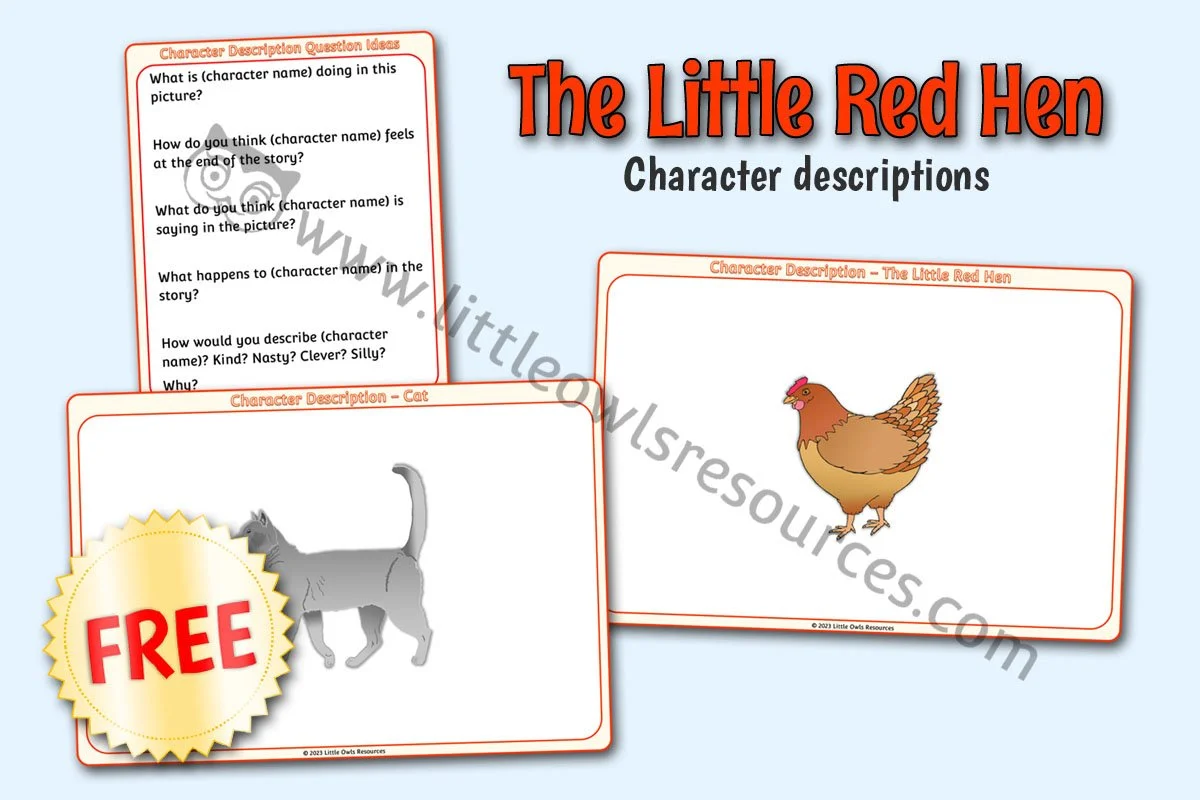



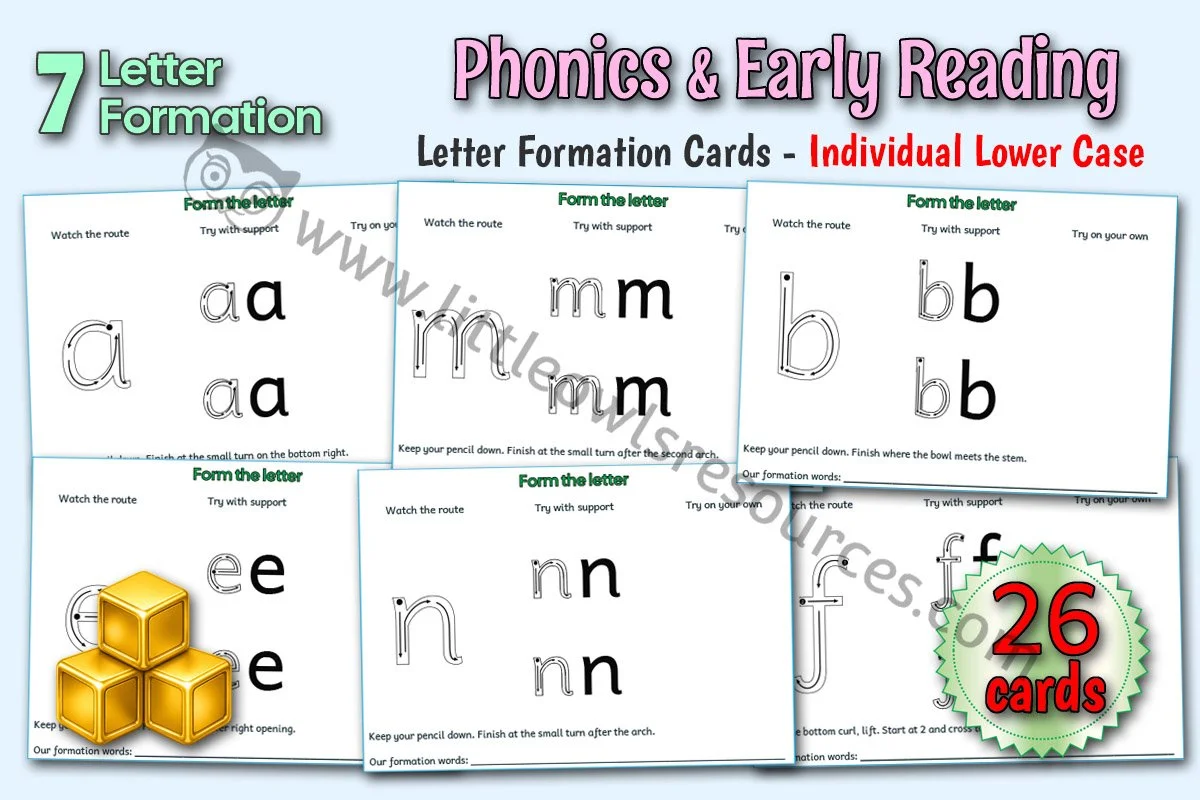
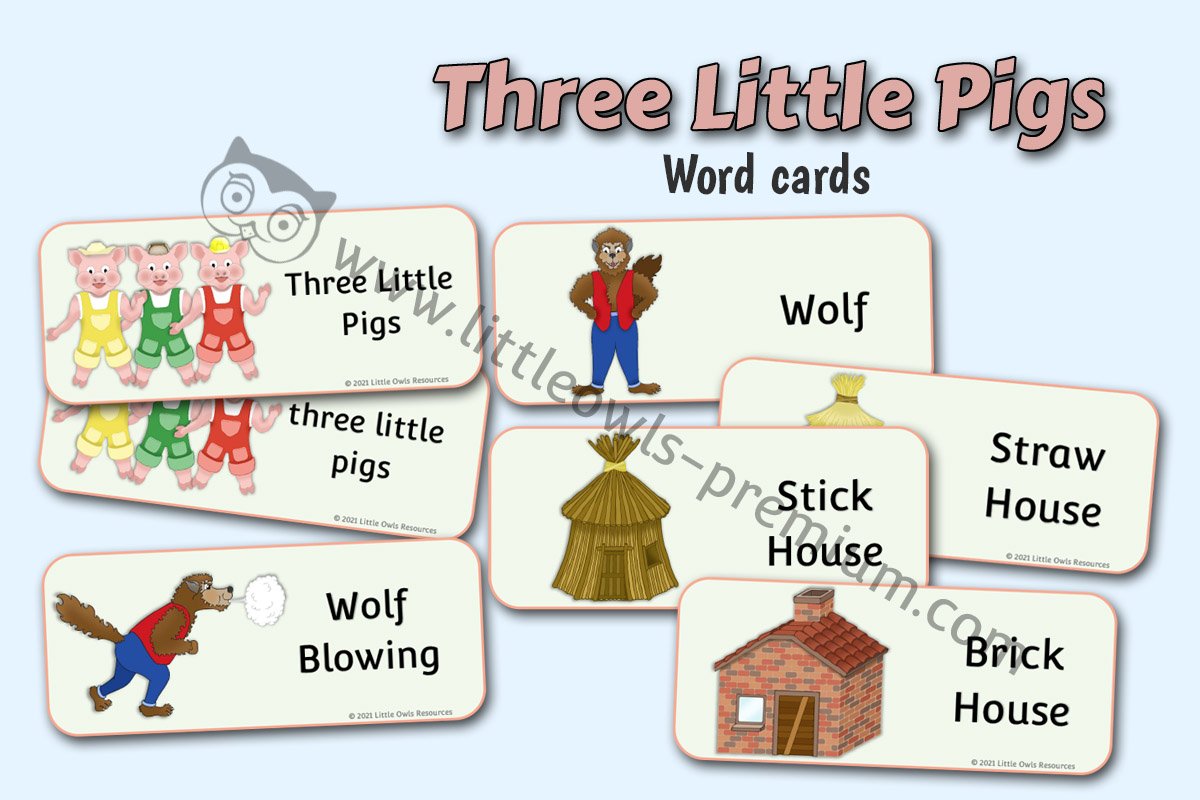
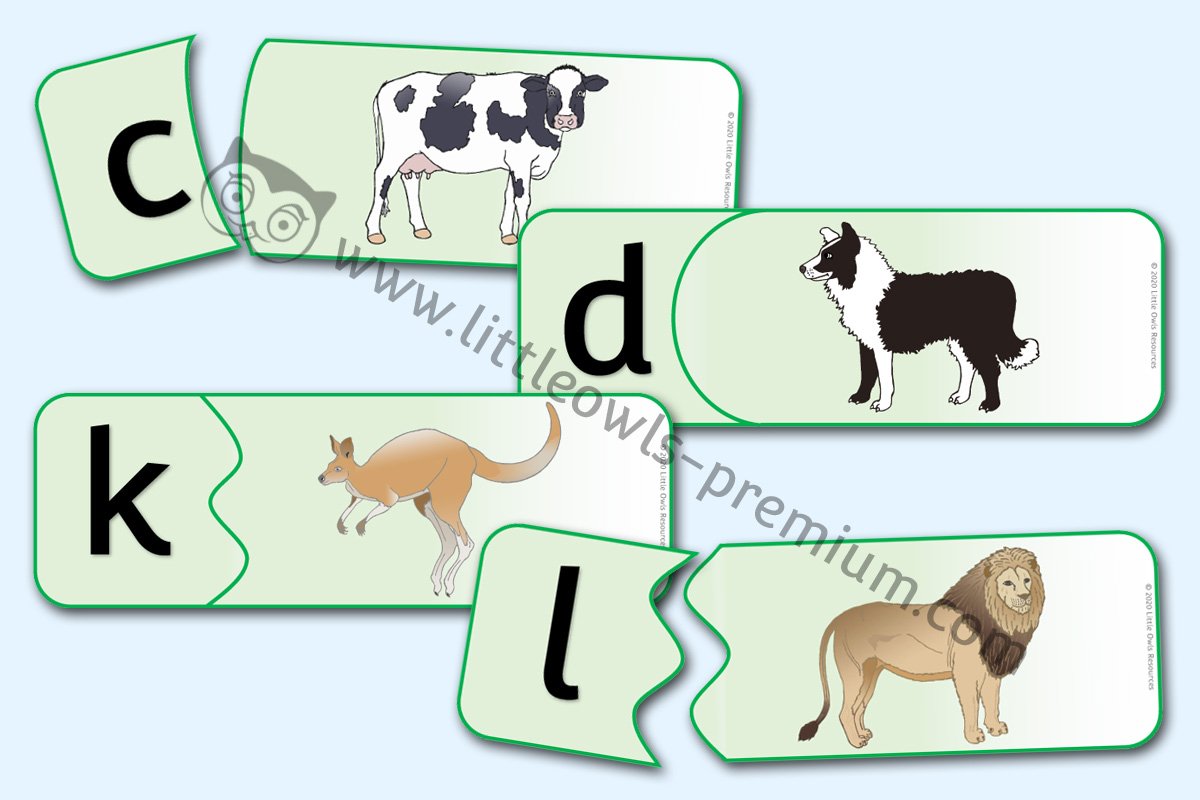
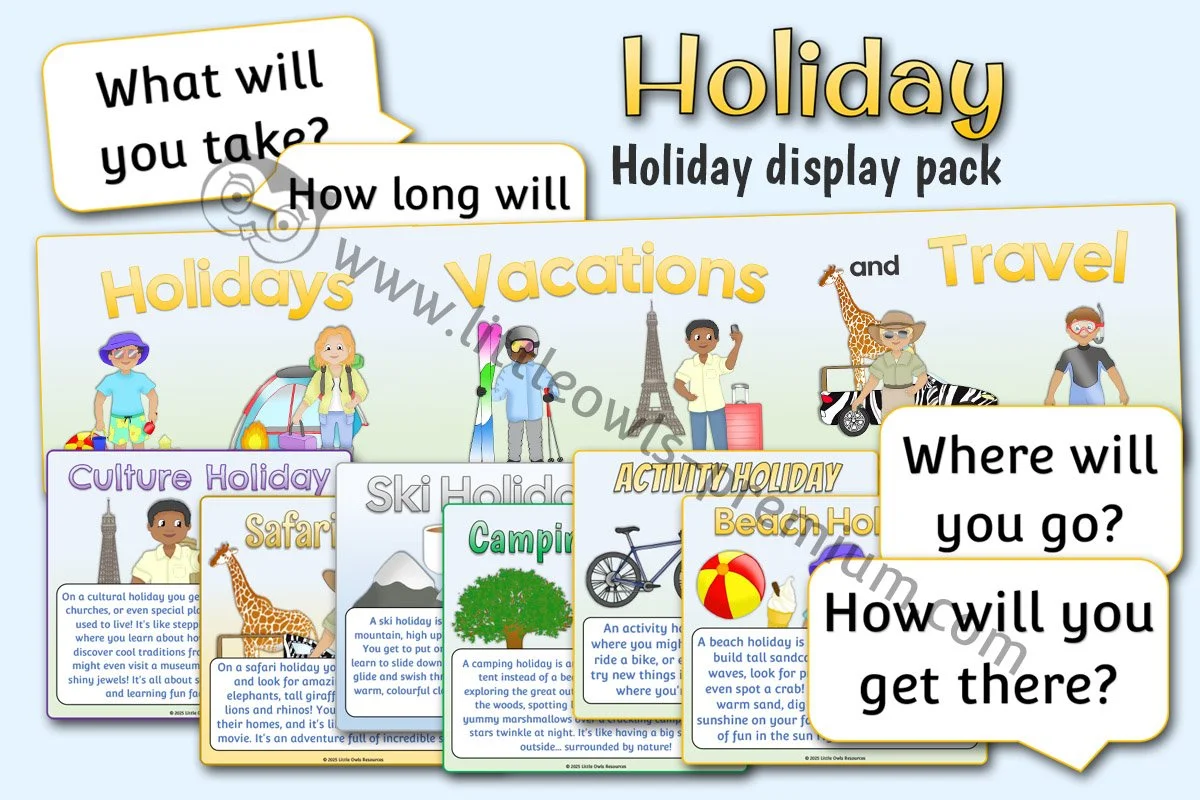
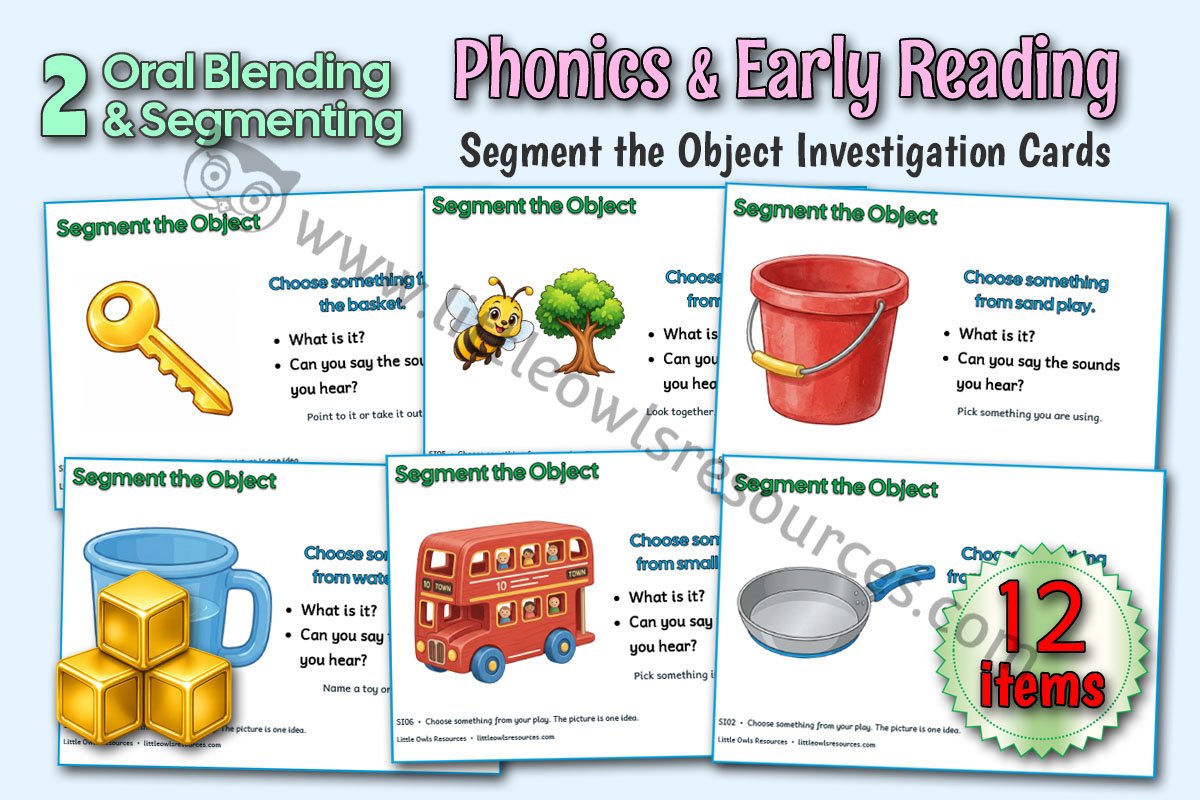
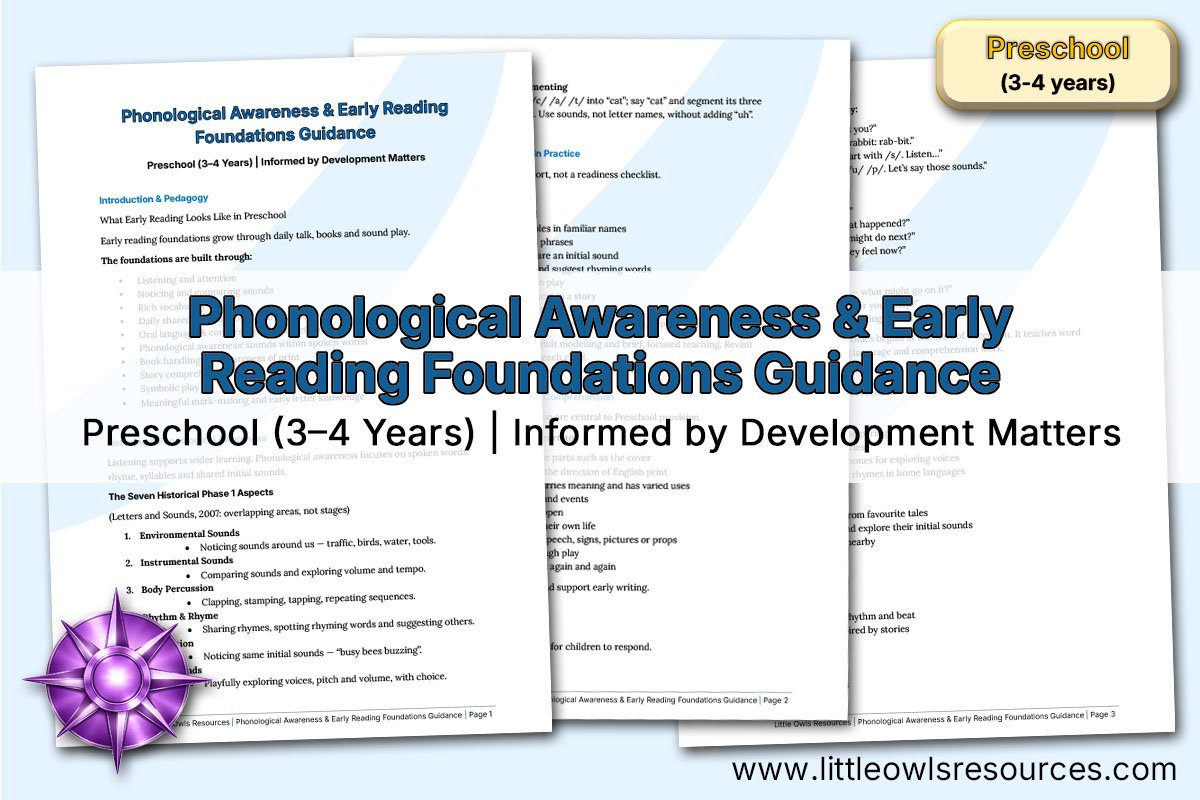
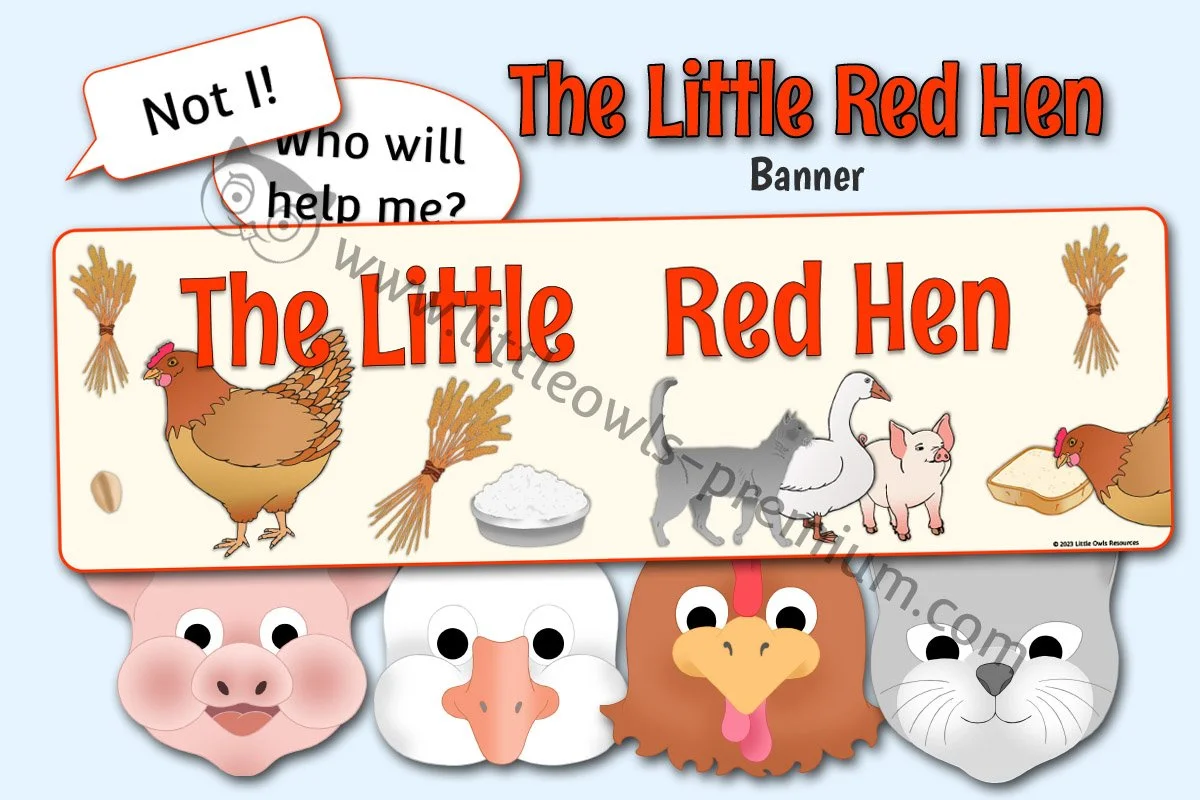
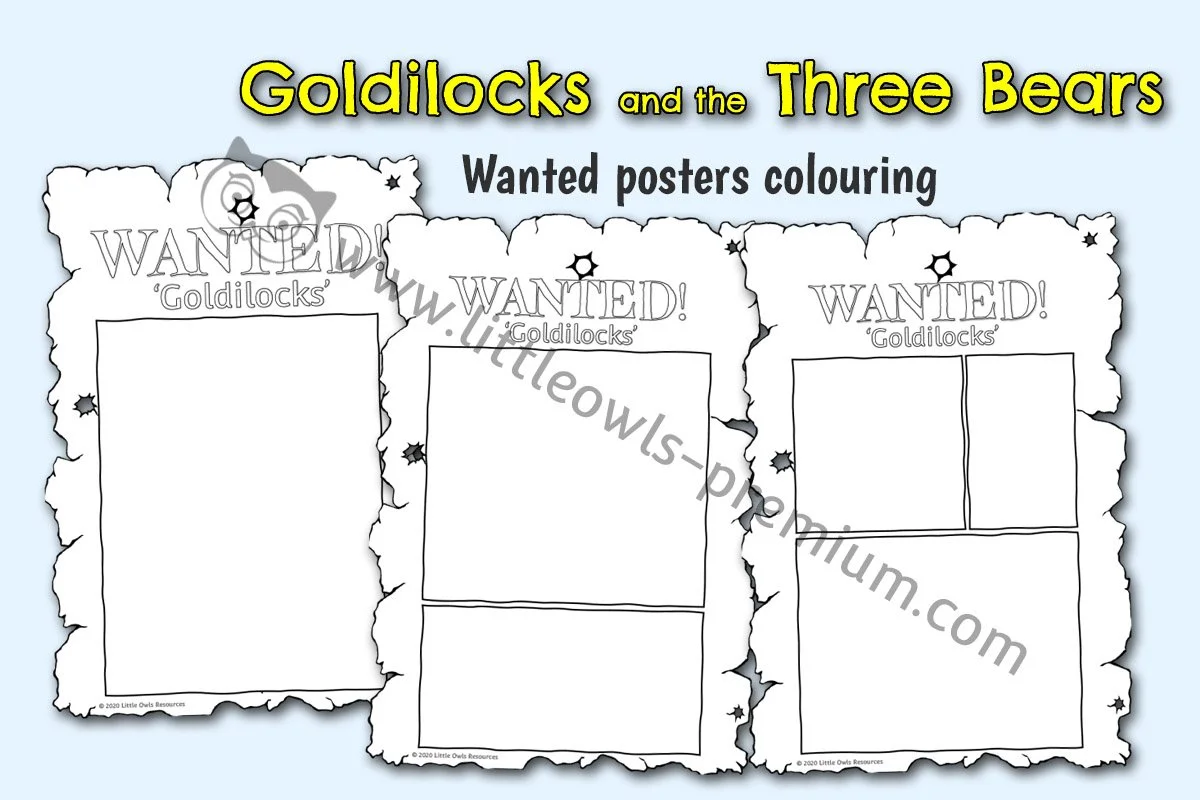
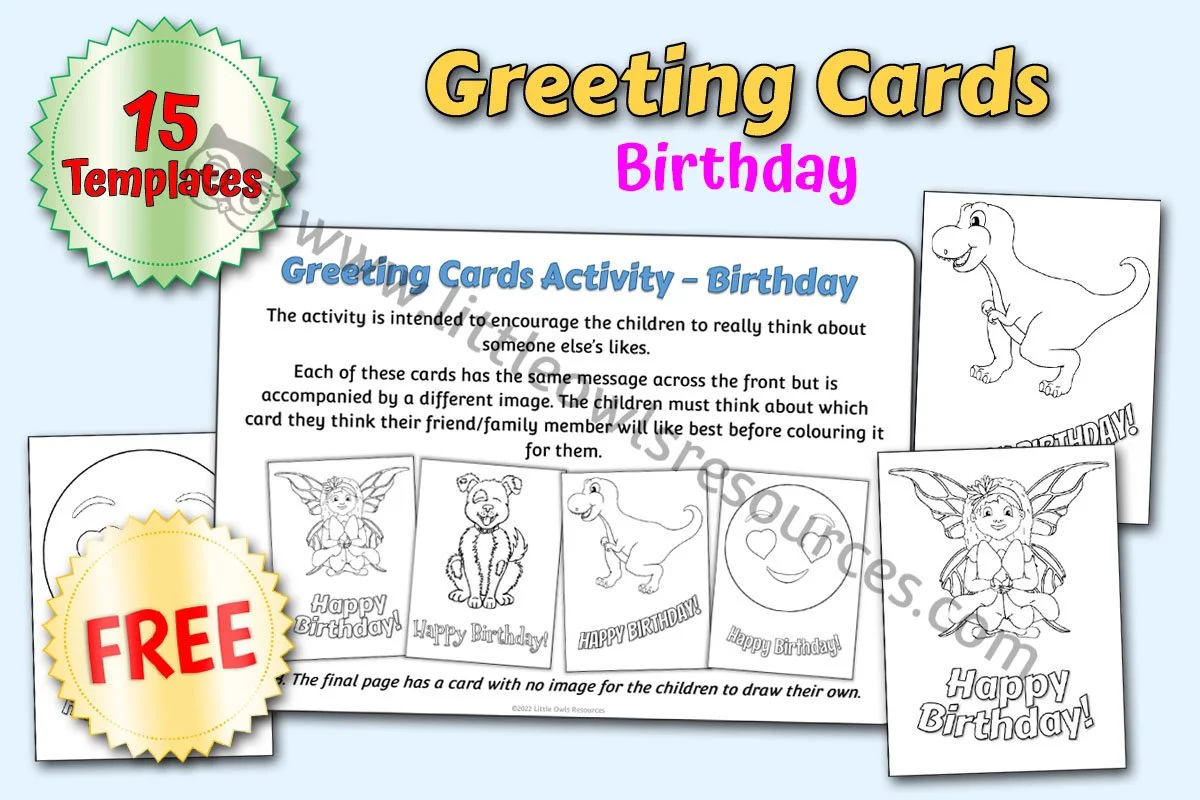

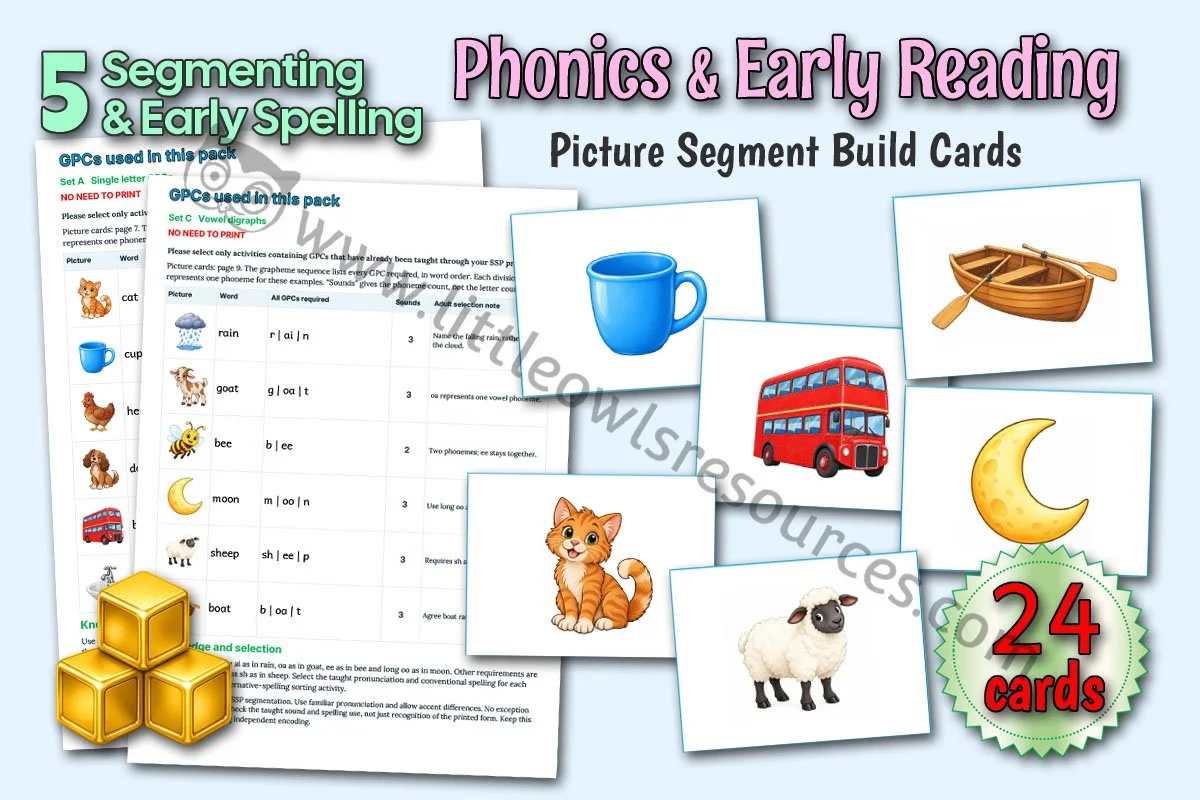
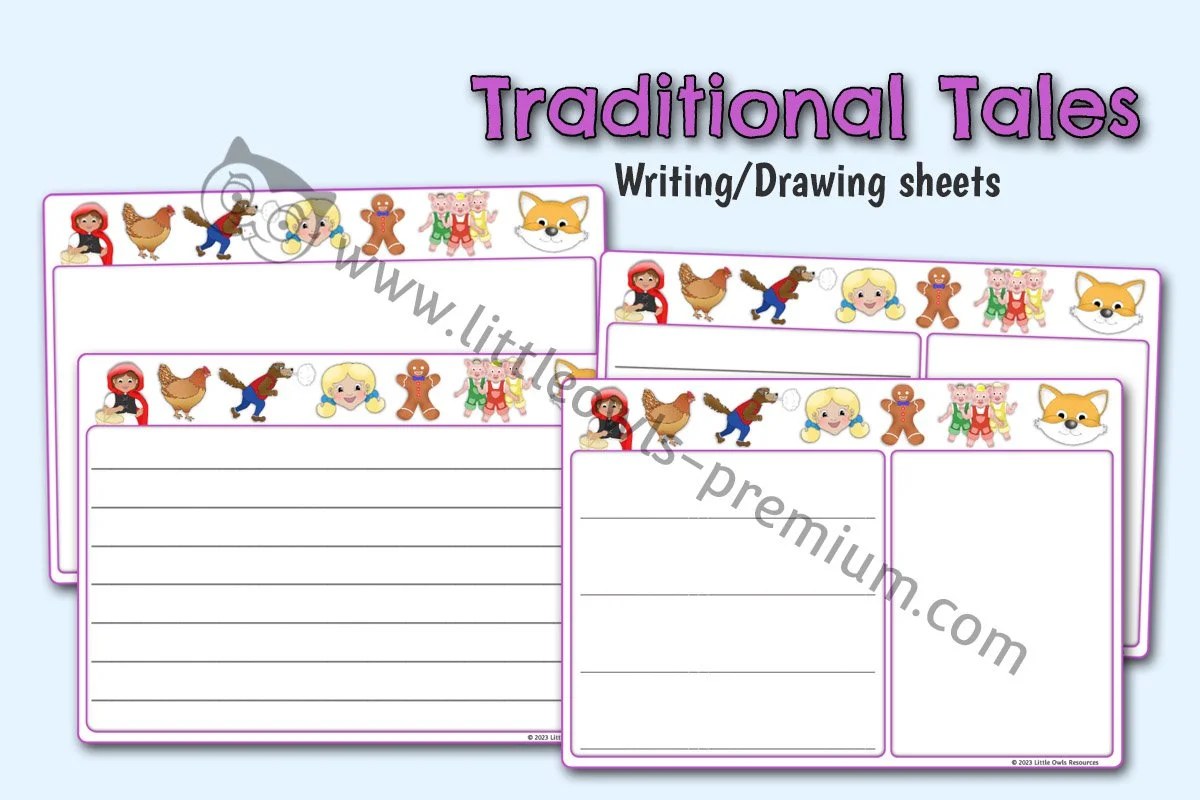
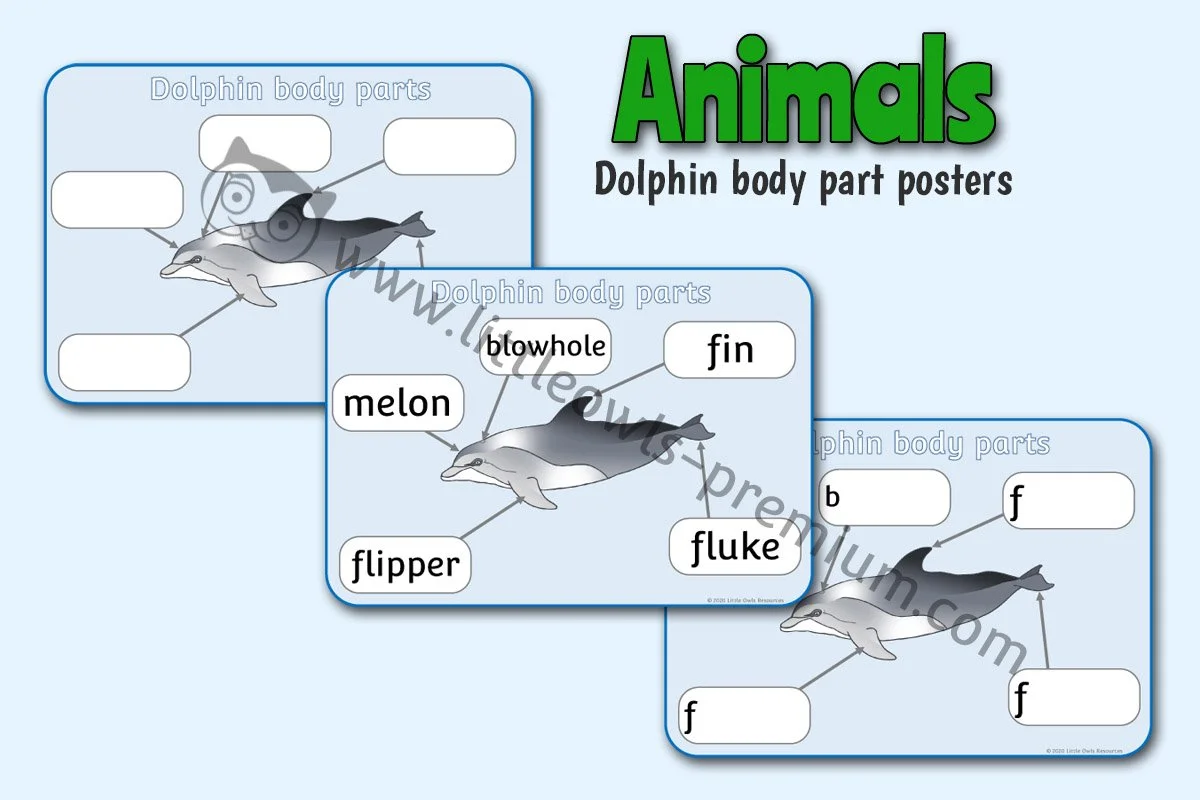

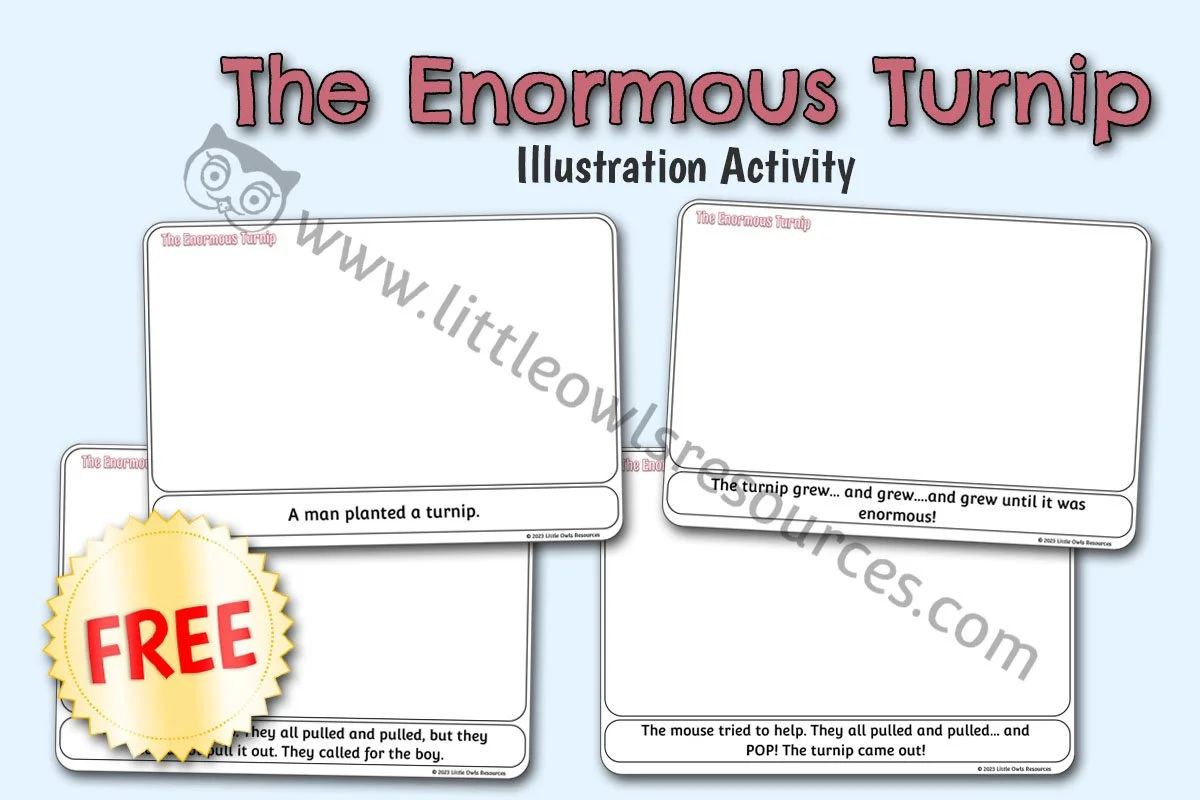
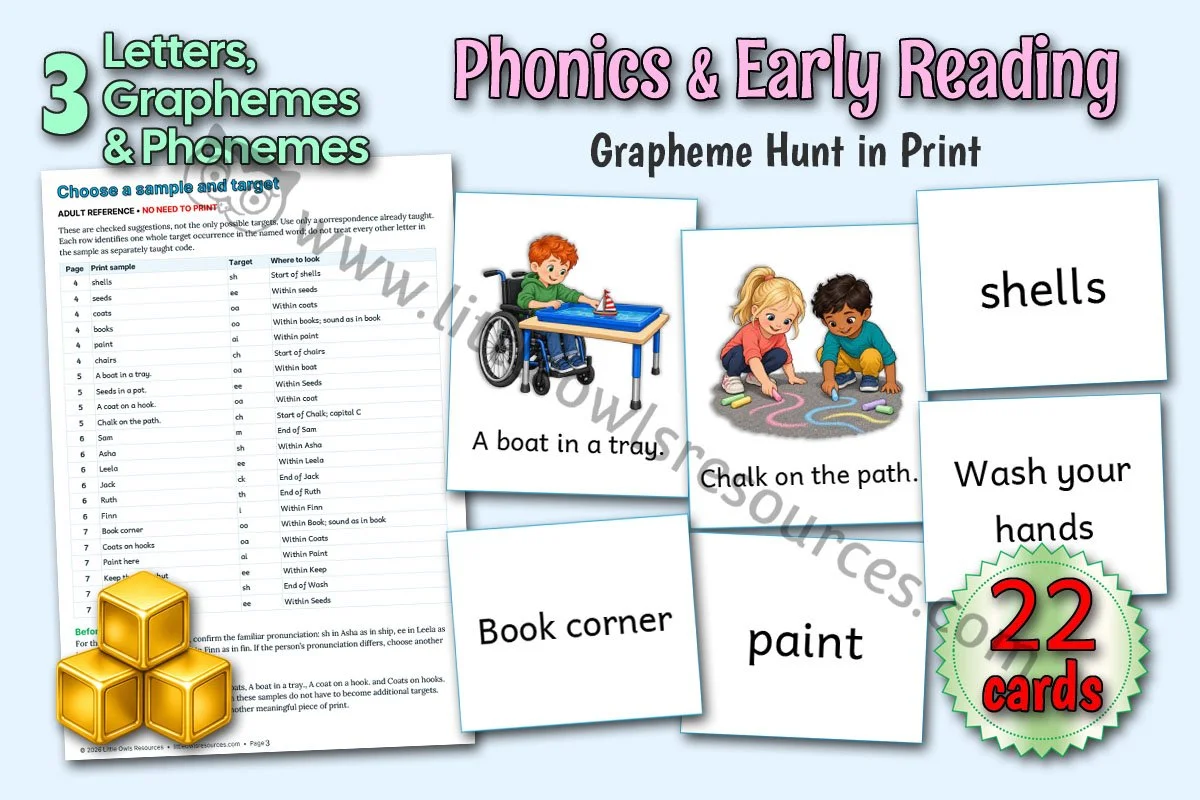
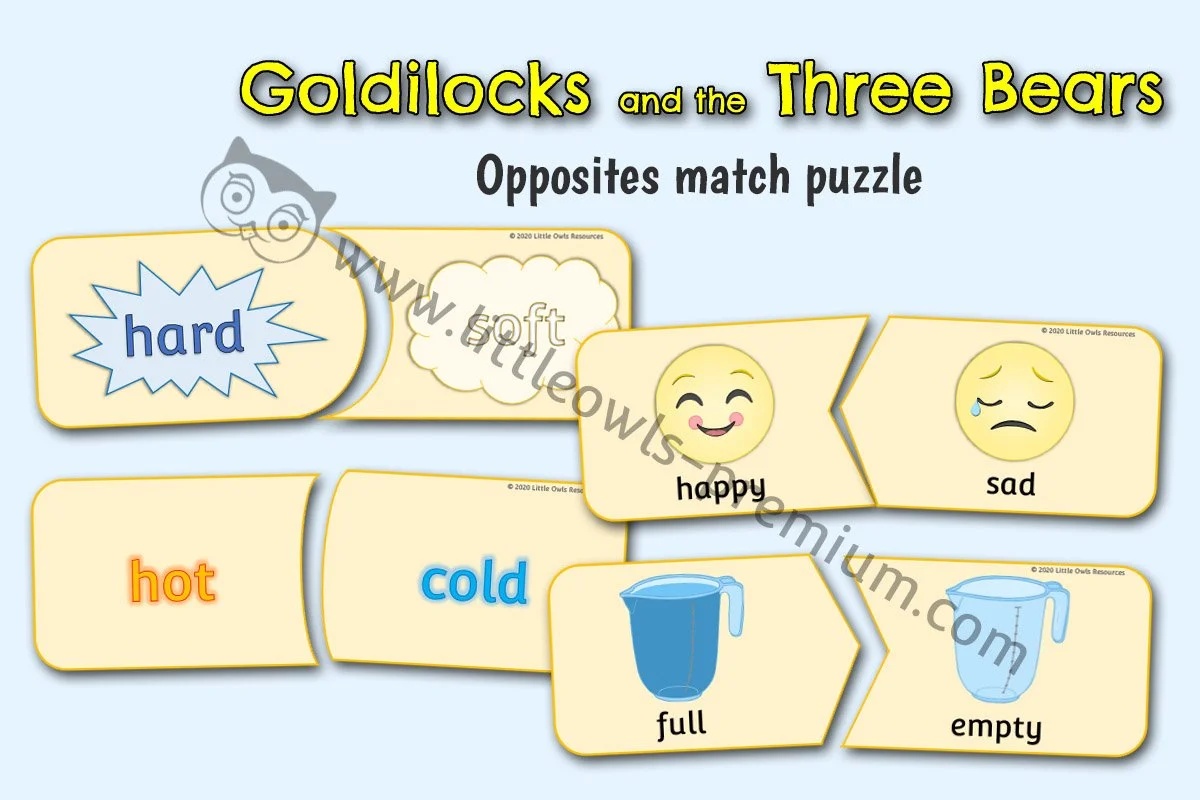
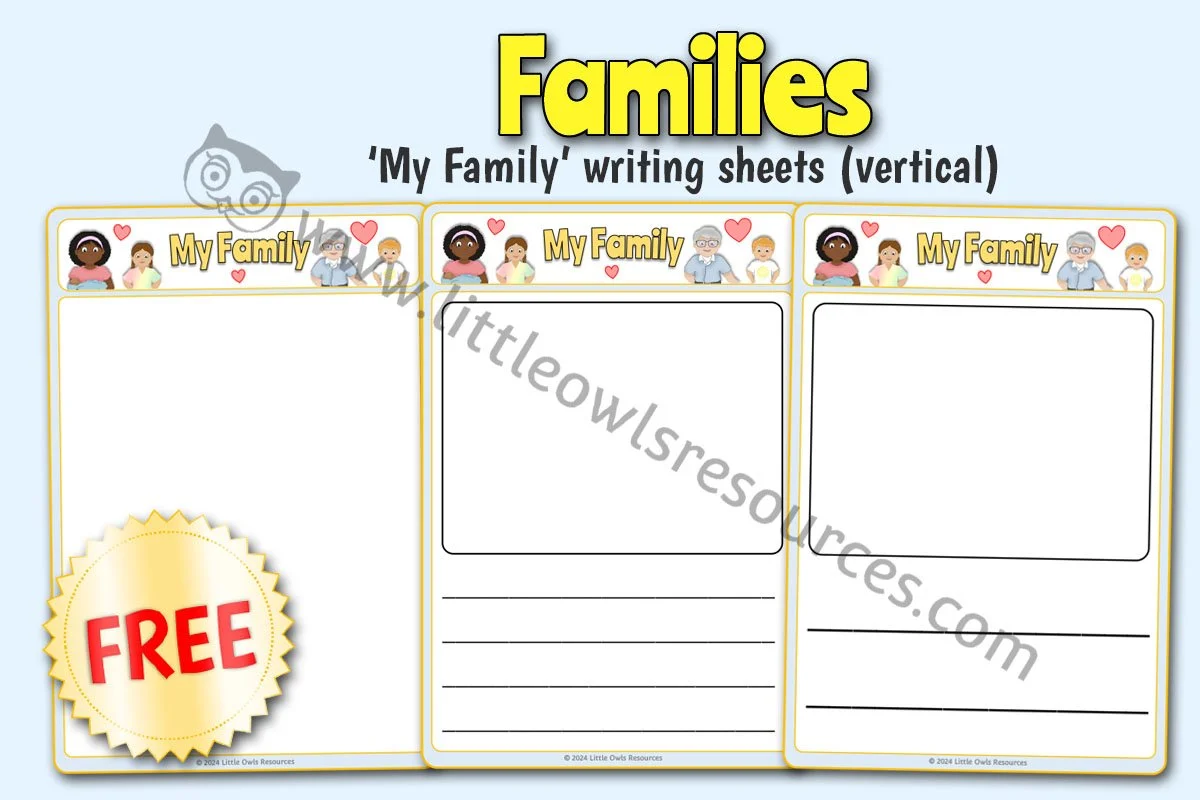
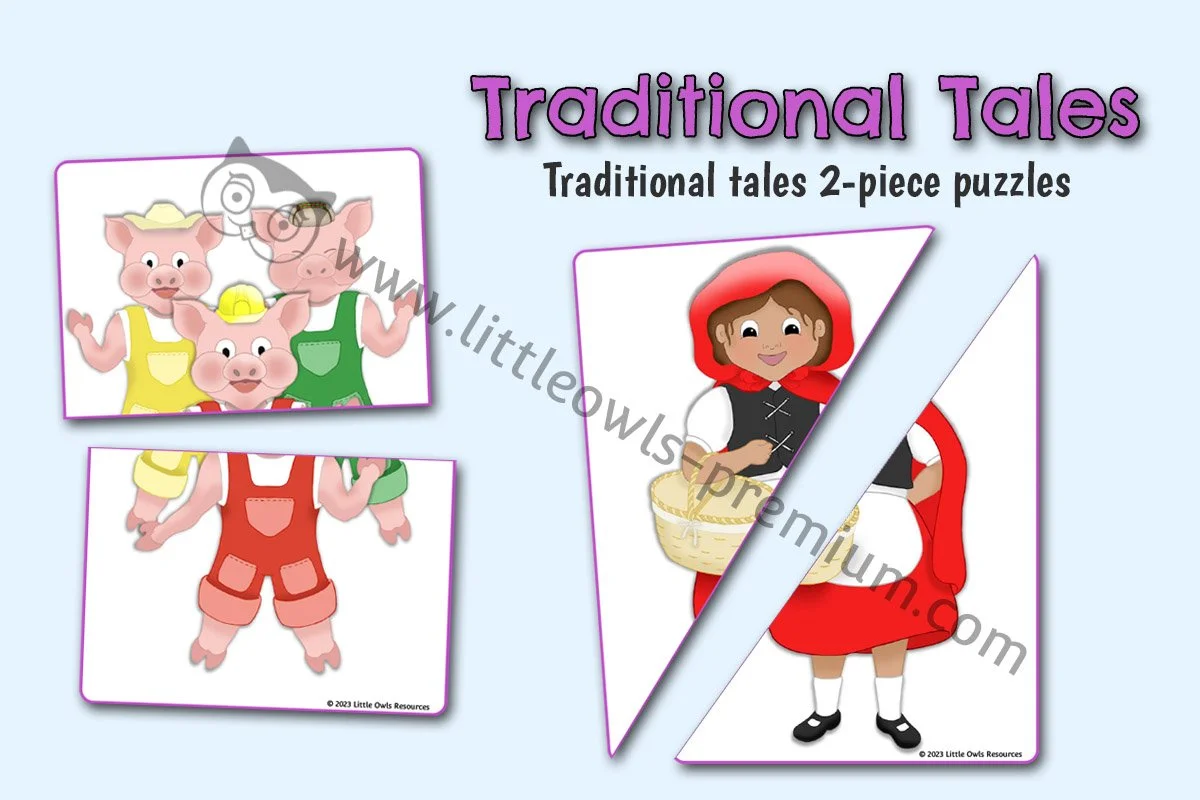
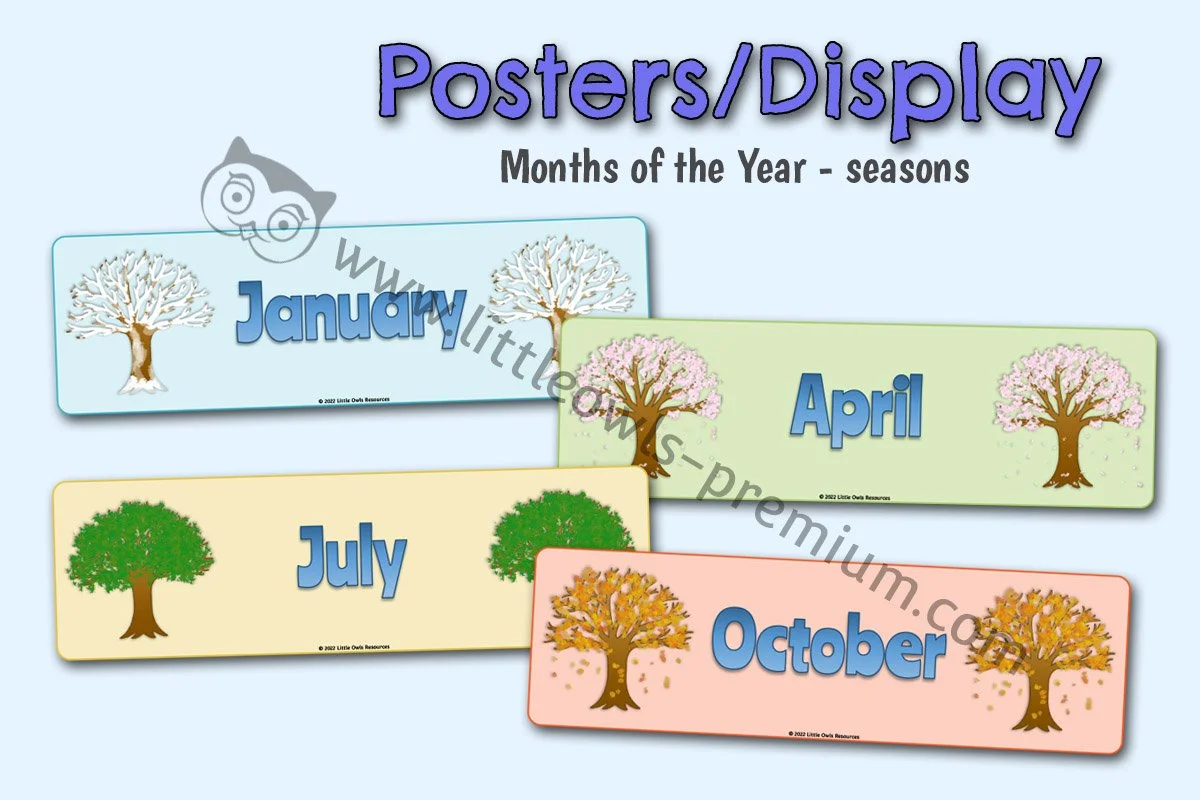
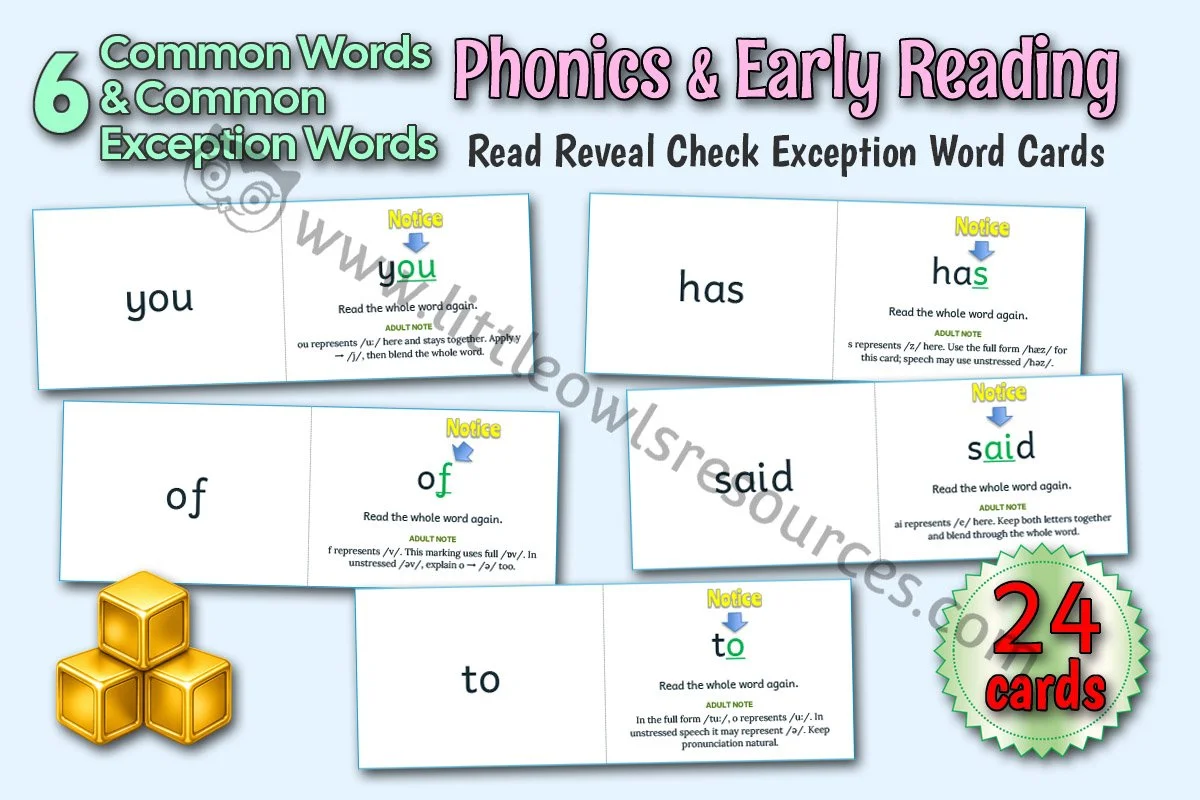
Featured above: small selection of Literacy resources taken from across different areas of Little Owls Resources. Explore more below.
Home › Areas of Learning Menu ›
Literacy activities, displays & planning ideas for reception, preschool, nurseries & childminders
Supporting children’s Literacy development is an important part of high-quality EYFS practice. This page brings together a wide range of EYFS Literacy printable resources, planning documents, guidance packs and play-based activity ideas for toddlers, preschool and Reception children.
Designed for nurseries, preschools, childminders and Reception classrooms, our resources help practitioners support early reading, early writing, mark-making, phonics, vocabulary, storytelling, rhyme, book enjoyment and print awareness through meaningful play and responsive adult interaction. You’ll find practical EYFS Literacy activities, phonics resources, early writing guidance, mark-making ideas, progression tools and printable provision materials aligned with Development Matters and the EYFS Framework.
Whether you are looking for Reception phonics and early writing support, preschool Phase 1 phonics activities, toddler mark-making guidance, or play-based Literacy planning ideas for continuous provision, this page includes both free EYFS printable resources and professional practitioner guidance to support confident, inclusive and developmentally appropriate Literacy practice.
Browse Literacy Provision:
⭐ Free Sample ‘Literacy’ Resources
📘 Core Guidance Surrounding ‘Literacy’ Planning & Provision
What do we mean by ‘Literacy’? | What High-Quality Literacy Practice Looks Like | Literacy Progression in EYFS | Literacy within Continuous Provision Enhancements | Inclusive Literacy Practice | SEND & EAL | Literacy and the Other Areas of Learning
✏️ Mark Making & Early Writing - New provision area
📖 Phonics & Early Reading - New provision area
🖨️ Printable Provision Resources - Search by:
✨ Top Picks
🔤 Key Words & Phrases
🗂️ Topic
📝 Planning Resources
📌 Featured Planning Resources
💡 Development Matters Examples of How to Support ‘Literacy’
Birth to 3
3 and 4 Year Olds
Reception
🧭 Age-Specific Curriculum & Pedagogy Planning Support for ‘Literacy’
Guidance Documents, Fine Motor, Mark Making, Early Writing Purpose Session Banks, Phase 1 Phonics Early Reading Curriculum System, Skills Progression Ladders, High-Impact Questions & Vocabulary, Literacy Seeds Skills Progression Pack
🏡 Continuous Provision | Age-Specific ‘Literacy’ Ideas & Guidance
➕ Further Support
❓ Frequently Asked Questions
🧰 Additional ‘Literacy’ Tools & Guidance
🌈 Additional Areas of Learning
🔐 Find out more about ‘Membership Options’
⭐ Free EYFS ‘Literacy’ Printable Resources
(Click on the images below to find out more)


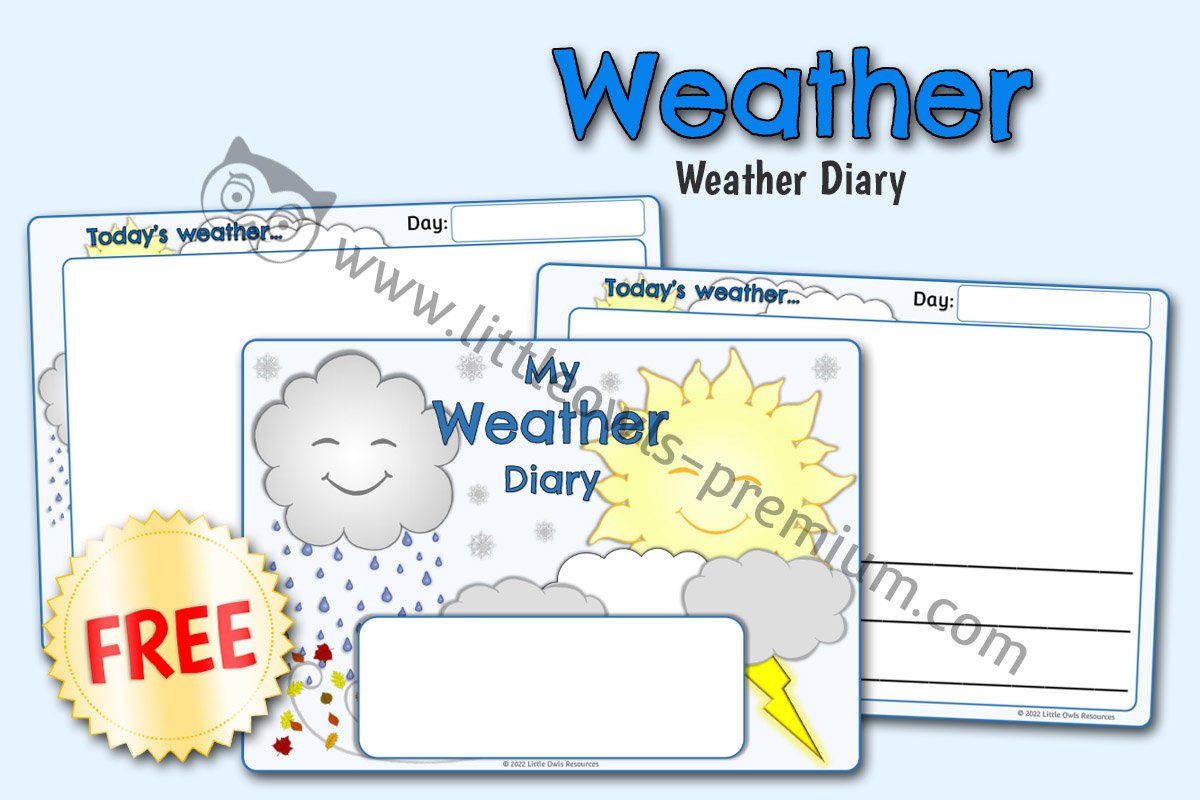


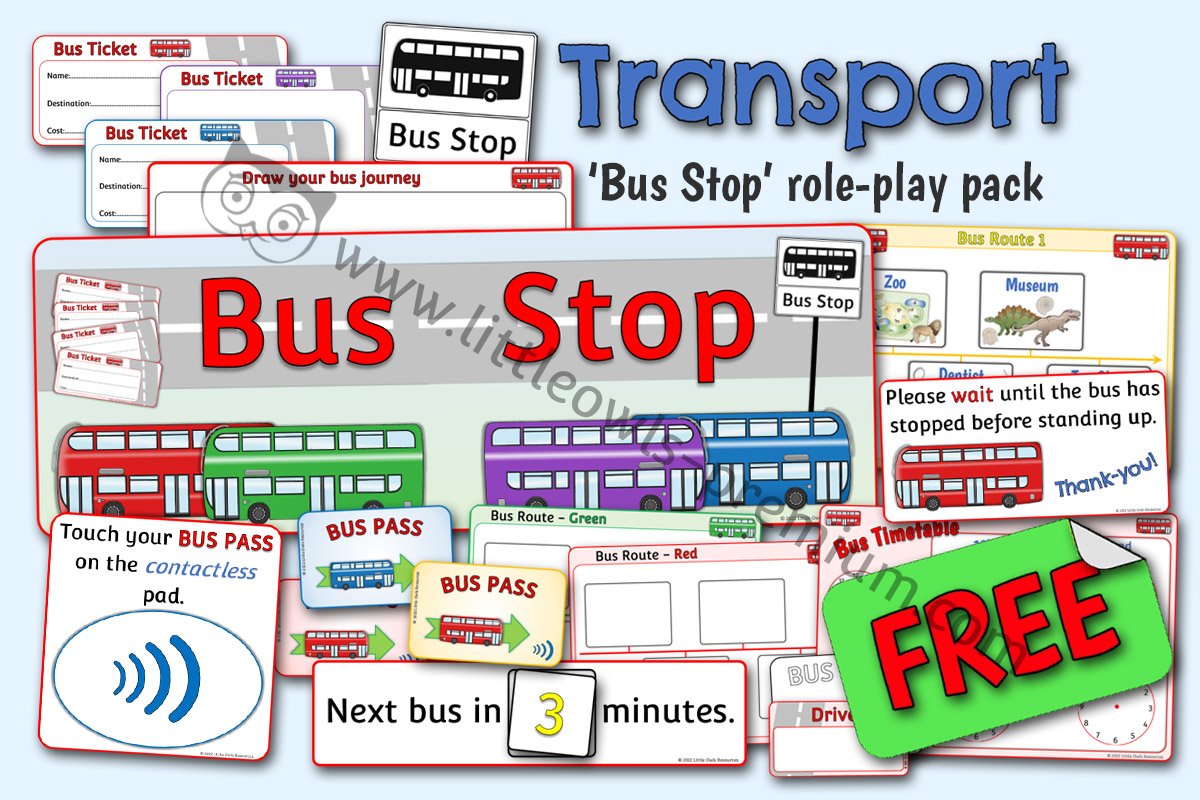

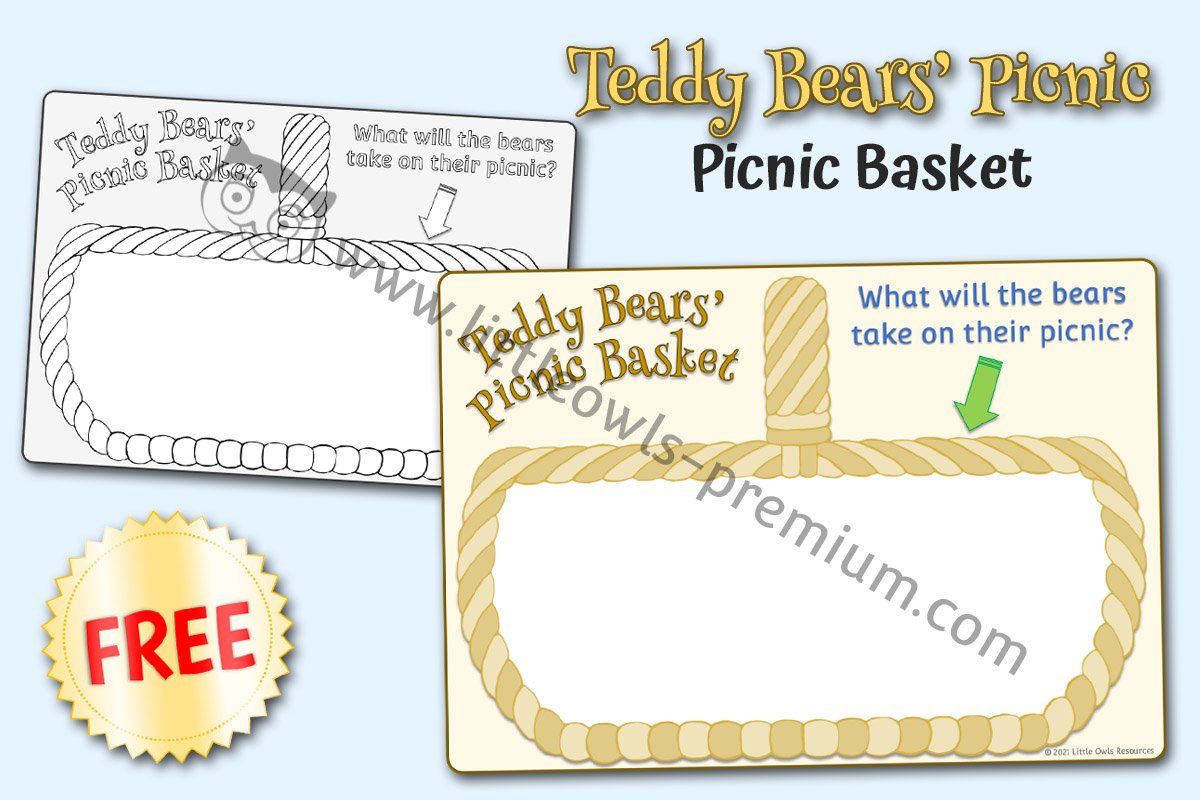






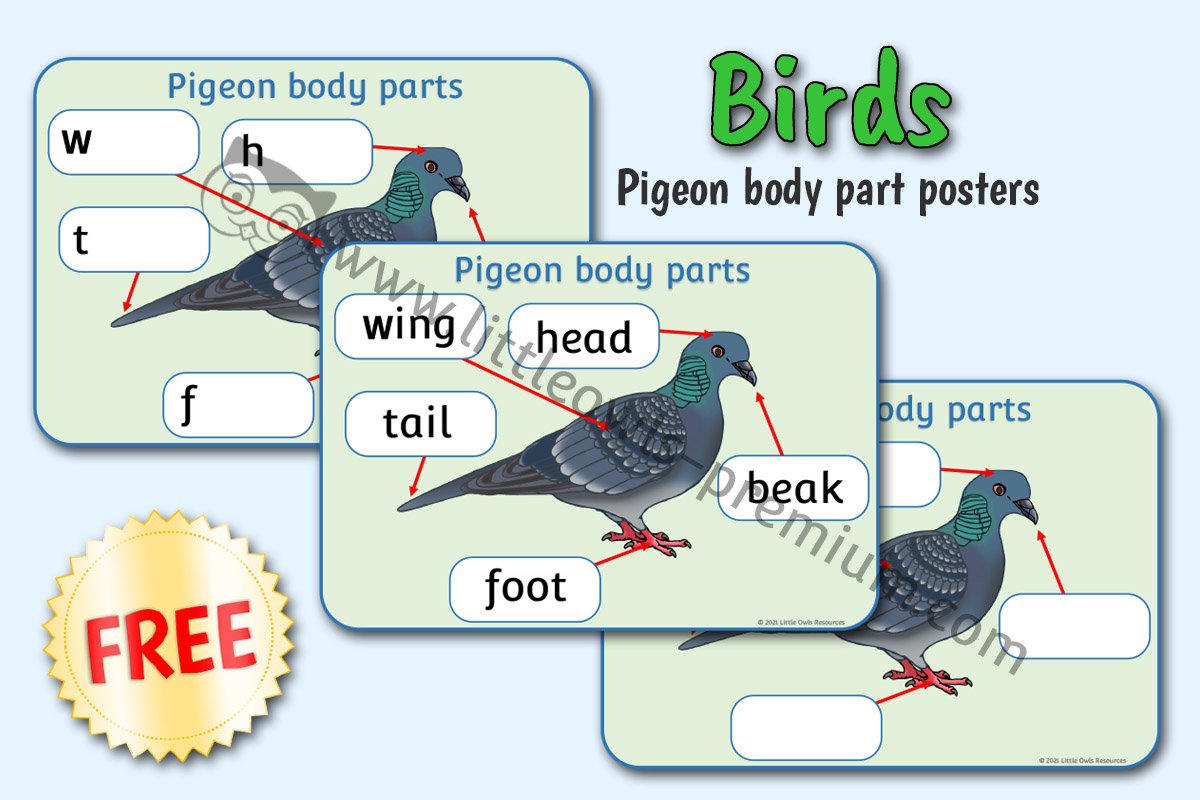

💡 Join as a Free Access member to download the samples above and all other free resources available on Little Owls Resources at no cost. Alternatively, explore all membership options here.
Additional Free Sample Printable Provision can be found at the top of most pages.
📘 Core Guidance Surrounding ‘Literacy’ Planning & Provision
-
“It is crucial for children to develop a life-long love of reading. Reading consists of two dimensions: language comprehension and word reading. Language comprehension (necessary for both reading and writing) starts from birth. It only develops when adults talk with children about the world around them and the books (stories and non-fiction) they read with them, and enjoy rhymes, poems and songs together. Skilled word reading, taught later, involves both the speedy working out of the pronunciation of unfamiliar printed words (decoding) and the speedy recognition of familiar printed words. Writing involves transcription (spelling and handwriting) and composition (articulating ideas and structuring them in speech, before writing)” Development Matters
-
High-quality Literacy practice in the EYFS is rooted in communication, language, storytelling, play, meaningful mark-making and a love of books. Children develop early reading and writing skills best when Literacy is purposeful, playful and connected to real experiences.
Effective Literacy provision includes:
daily access to high-quality books, stories, rhymes and songs
meaningful mark-making opportunities across continuous provision
playful phonological awareness and Phase 1 phonics experiences
developmentally appropriate phonics teaching and application in Reception
adults modelling reading, writing and vocabulary in meaningful contexts
story-rich environments that support imagination and comprehension
opportunities for children to recognise that print carries meaning
early writing experiences linked to real purposes and play
fine motor and physical development opportunities supporting writing readiness
inclusive approaches supporting SEND, EAL and different starting points
Literacy should be embedded throughout continuous provision, role-play, storytelling, mark-making, outdoor learning, child-initiated play and adult-guided learning.
-
Children’s Literacy development grows through communication, shared reading, sound awareness, mark-making, storytelling, phonics and meaningful writing experiences.
Children typically progress from:
enjoying songs, rhymes, stories and repeated language
showing interest in books, pictures and familiar print
joining in with repeated phrases, actions and rhymes
making marks through sensory and physical exploration
noticing environmental print, symbols and signs
developing awareness of rhyme, rhythm, alliteration and sounds
recognising names, familiar words and meaningful print
using marks, symbols and drawings to communicate meaning
applying phonics knowledge to early reading and writing
writing for real purposes with increasing independence and confidence
Children develop Literacy skills at different rates and benefit from playful, language-rich environments that value stories, talk, mark-making, reading and writing as meaningful parts of everyday life.
-
Small enhancements within continuous provision can create meaningful opportunities for Literacy development throughout the day.
Examples may include:
story sacks, puppets and retelling props
mark-making baskets in every provision area
role-play writing materials such as menus, forms, tickets and lists
name cards, labels and environmental print
rhyme and alliteration games
story stones, sequencing cards and picture prompts
outdoor chalkboards, clipboards and message stations
phonics-linked treasure hunts in Reception
book voting stations and recommendation displays
small world storytelling invitations
writing for a purpose, such as maps, signs, captions and labels
Continuous provision should make reading, writing, storytelling and mark-making feel meaningful, useful and enjoyable.
-
Inclusive Literacy provision supports every child to access stories, books, mark-making, phonics and early writing in ways that match their developmental stage, communication needs and interests.
High-quality inclusive practice may include:
visual supports, objects and story props
repeated stories, songs and predictable texts
opportunities to use home languages and dual-language books
adapted mark-making tools and writing surfaces
sensory approaches to early mark-making
additional adult modelling and shared reading support
flexible phonics application based on individual needs
communication-friendly book and writing areas
meaningful, low-pressure opportunities to engage with print
close partnership with families and outside professionals where appropriate
Children benefit from Literacy environments where books, stories, sounds, symbols and writing are accessible, purposeful and enjoyable.
-
Literacy is closely connected to all areas of learning within the EYFS curriculum.
Communication & Language
Strong spoken language, vocabulary, listening and storytelling skills support early reading, comprehension and writing.
Personal, Social & Emotional Development
Books, stories and role-play help children explore emotions, identity, relationships and social understanding.
Physical Development
Fine motor control, hand strength, posture and coordination support mark-making, tool use and early writing.
Mathematics
Stories, songs, symbols, patterns, positional language and mathematical vocabulary support early Literacy and mathematical understanding.
Understanding the World
Non-fiction books, labels, signs, maps and investigation prompts help children connect print with real-world meaning.
Expressive Arts & Design
Storytelling, role-play, music, drawing and creative mark-making all support imagination, narrative and early writing.
Literacy should therefore be woven throughout continuous provision, adult interaction, storytelling, routines and child-initiated play.
-
The guidance and resources on this page are informed by:
the EYFS Statutory Framework
Development Matters
play-based and child-centred EYFS pedagogy
language-rich continuous provision
developmentally appropriate early reading and writing practice
Phase 1 phonics foundations and SSP-aligned Reception phonics
meaningful mark-making and early writing approaches
inclusive approaches supporting SEND, EAL and different starting points
All resources should be adapted to meet the needs of individual children, cohorts and settings.
-
The resources, guidance and printable materials on this page may be useful for:
Nursery practitioners
Preschool practitioners
Reception teachers
Childminders
EYFS leaders and managers
Literacy leads
SENDCos
Early Years students and trainees
Intervention staff
Parents and carers supporting early reading and writing at home
🖨️ Printable Provision Resources
Search our ‘Literacy’ printable provision below.
✨ Top Picks
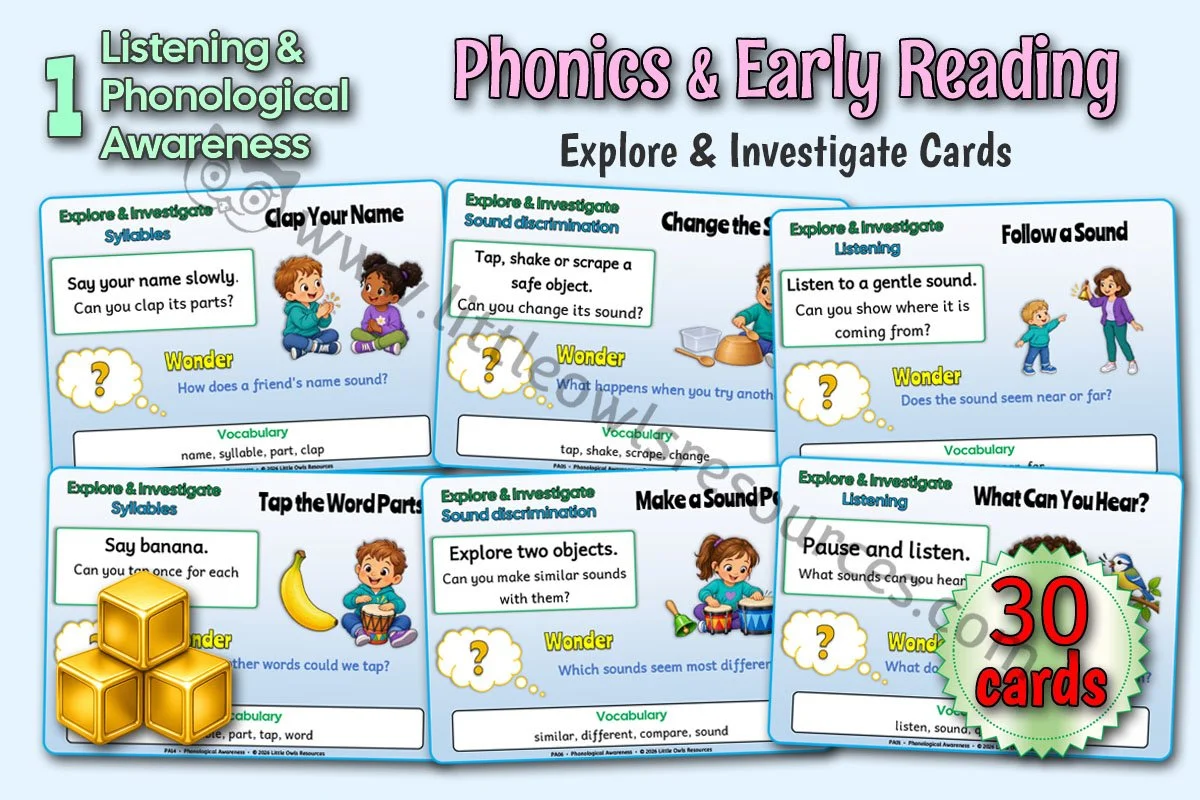
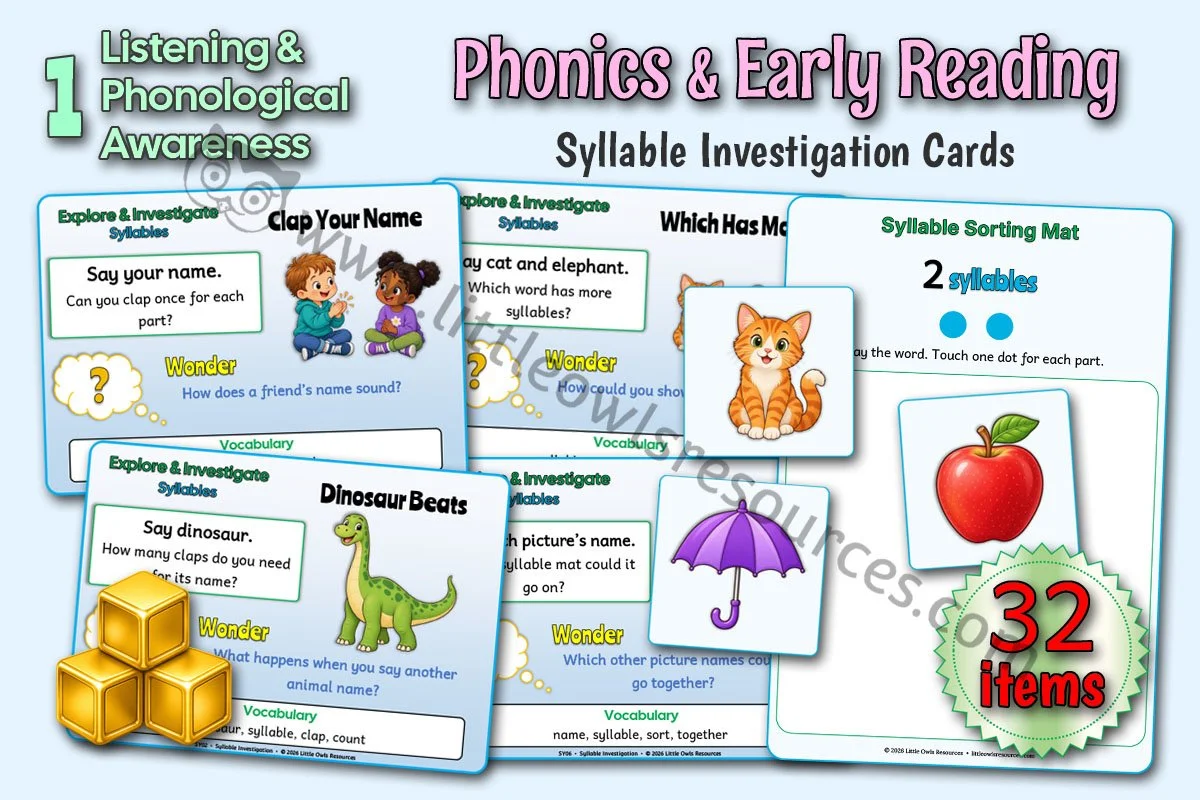
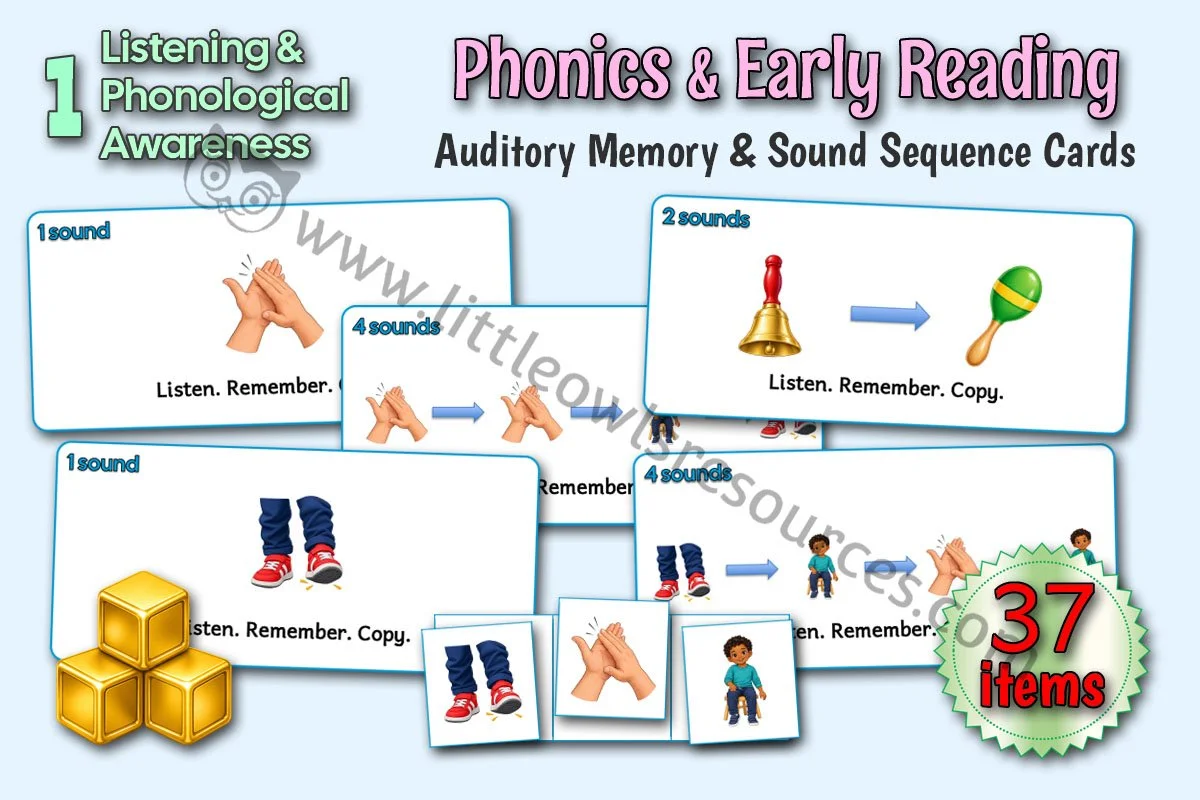
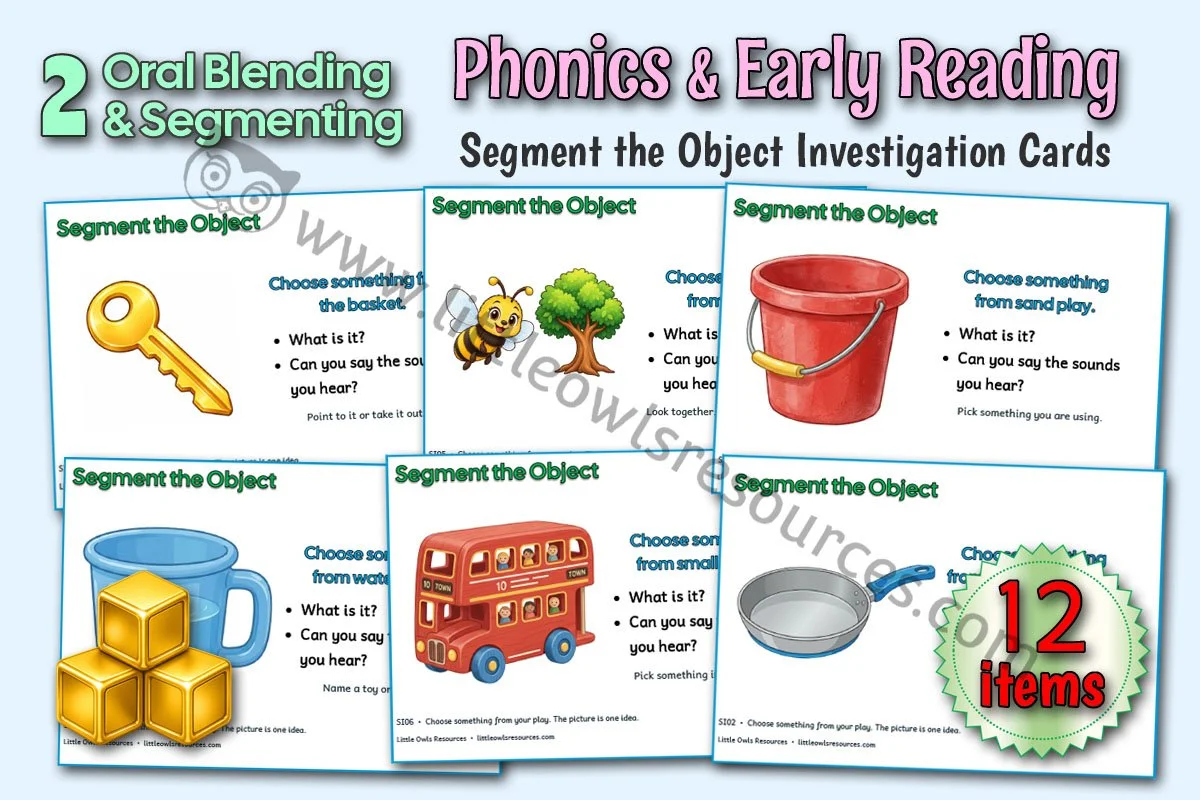
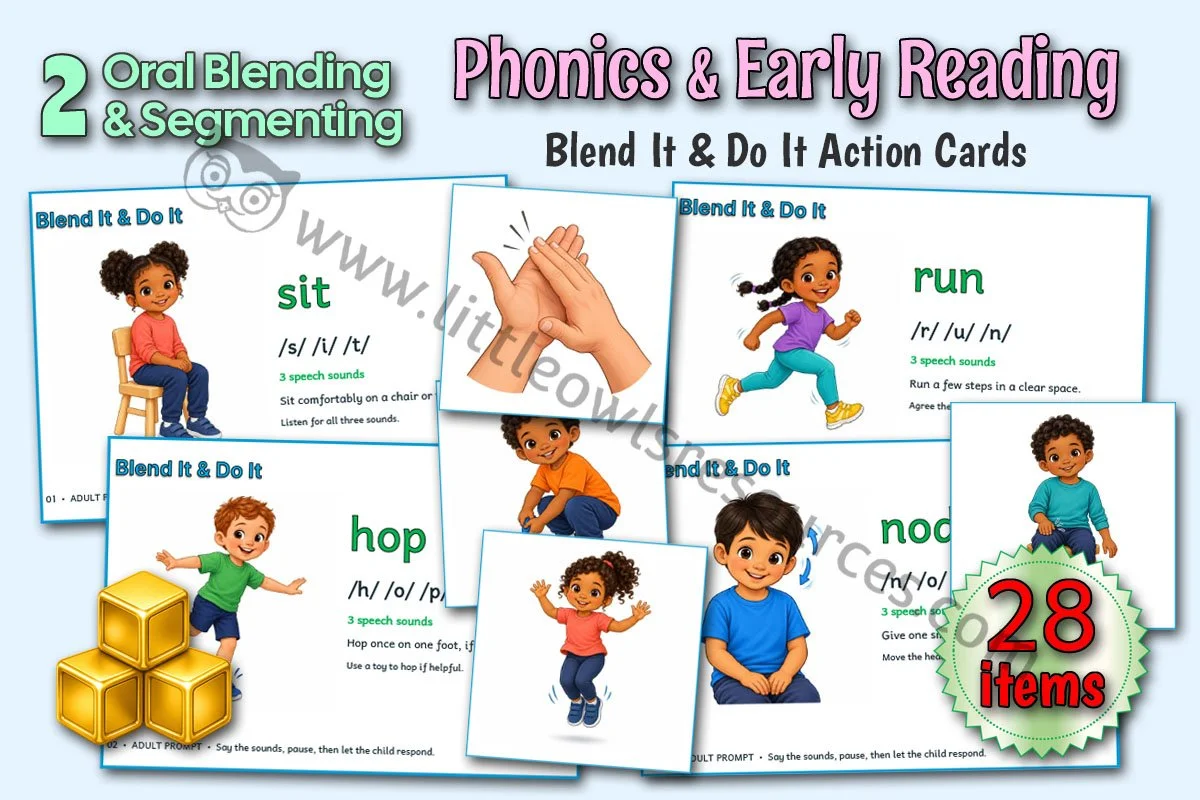
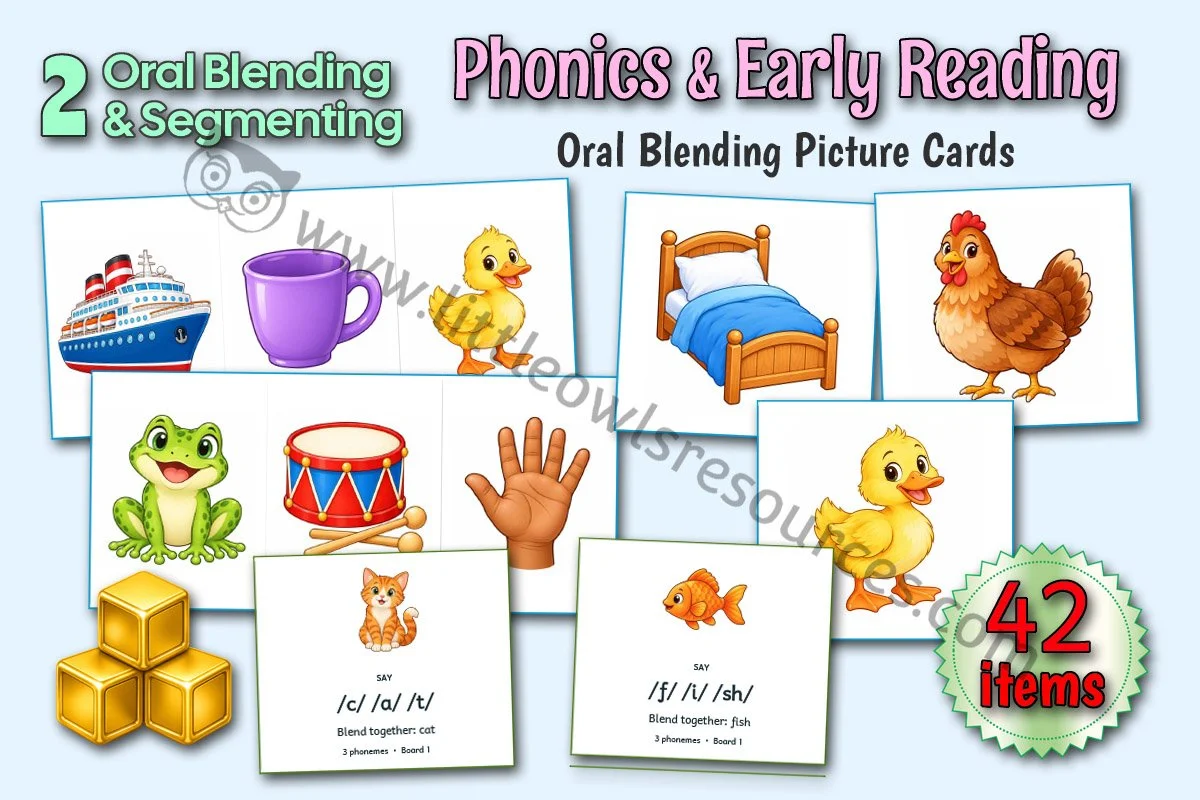
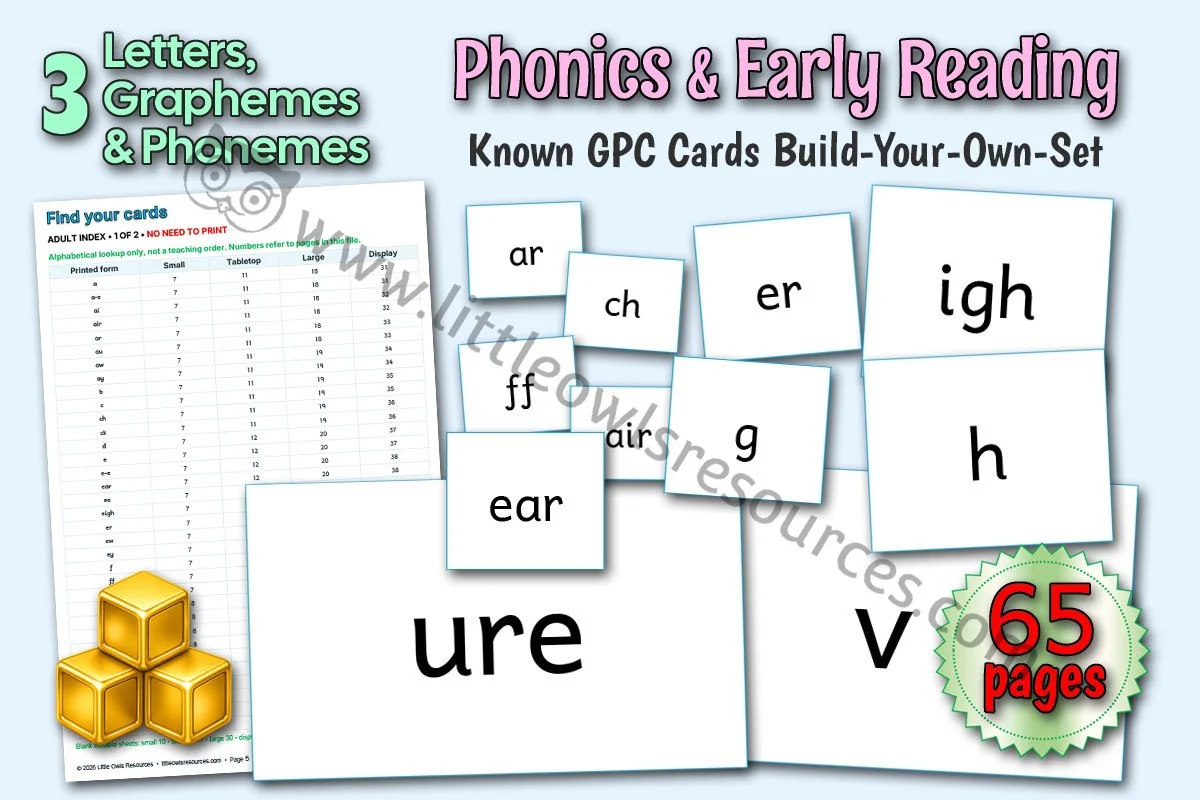
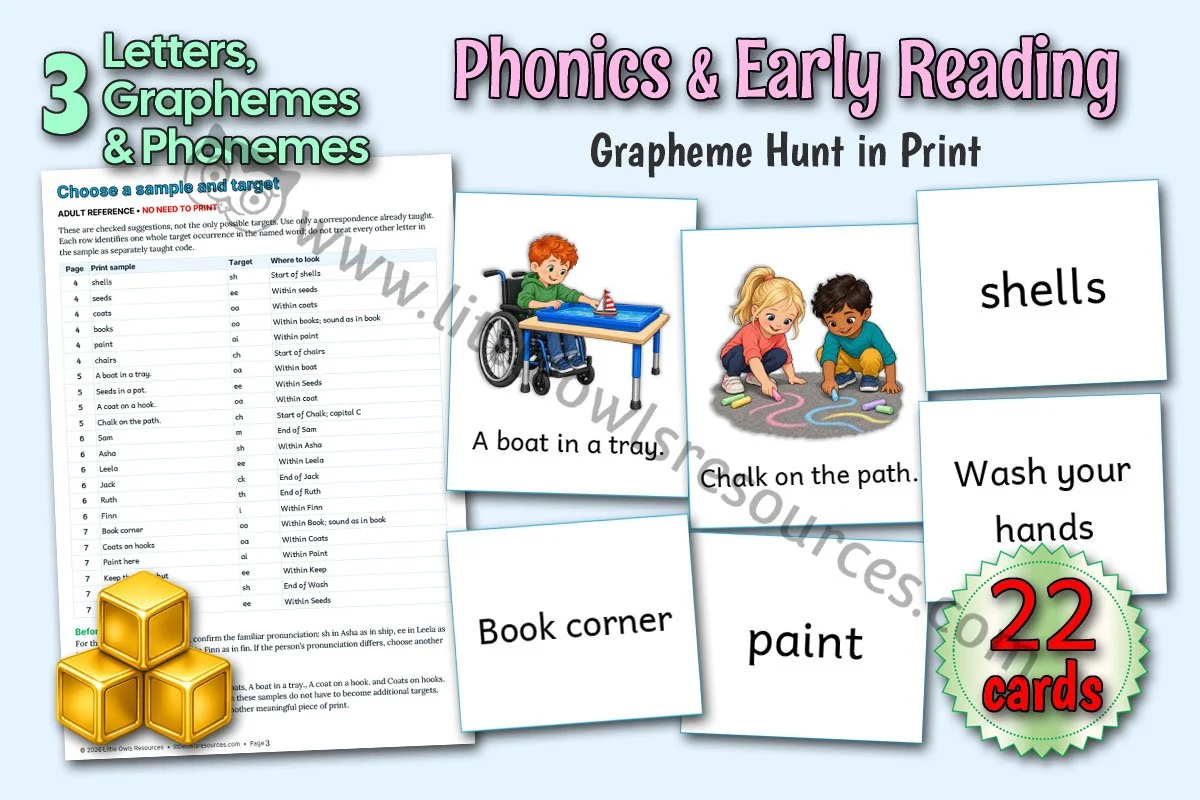
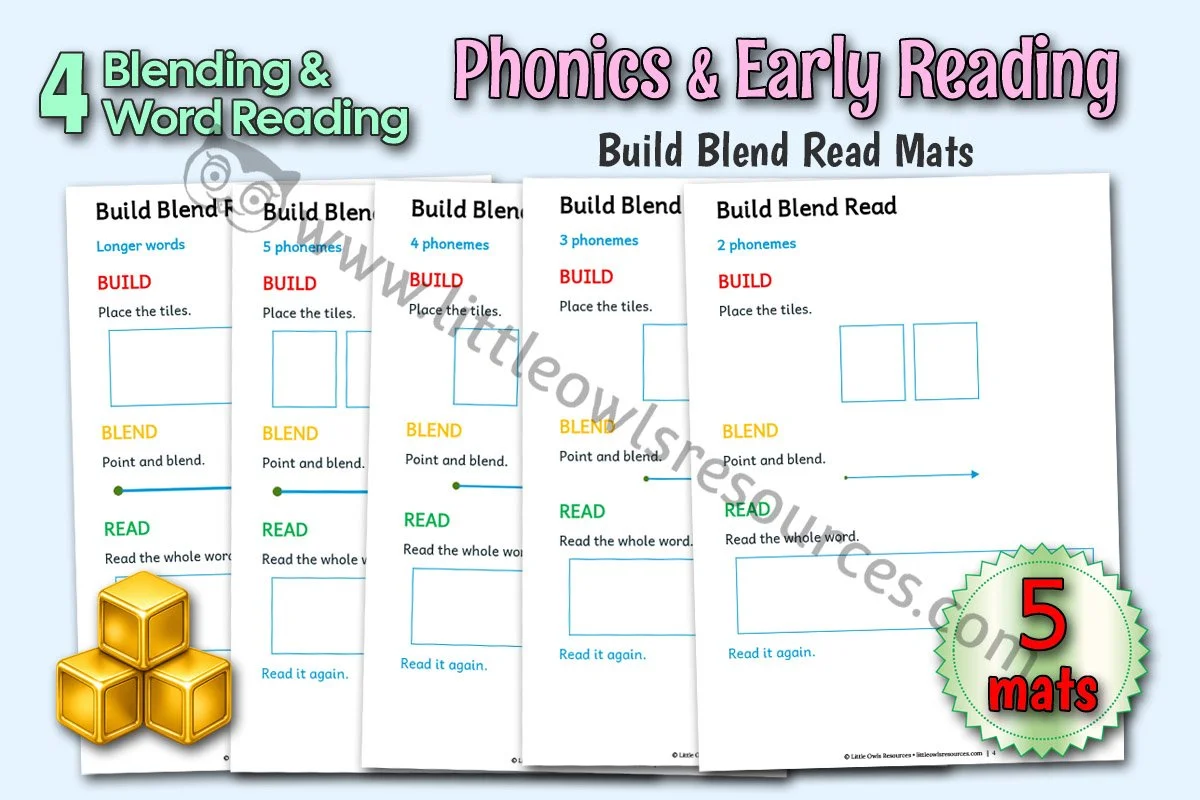
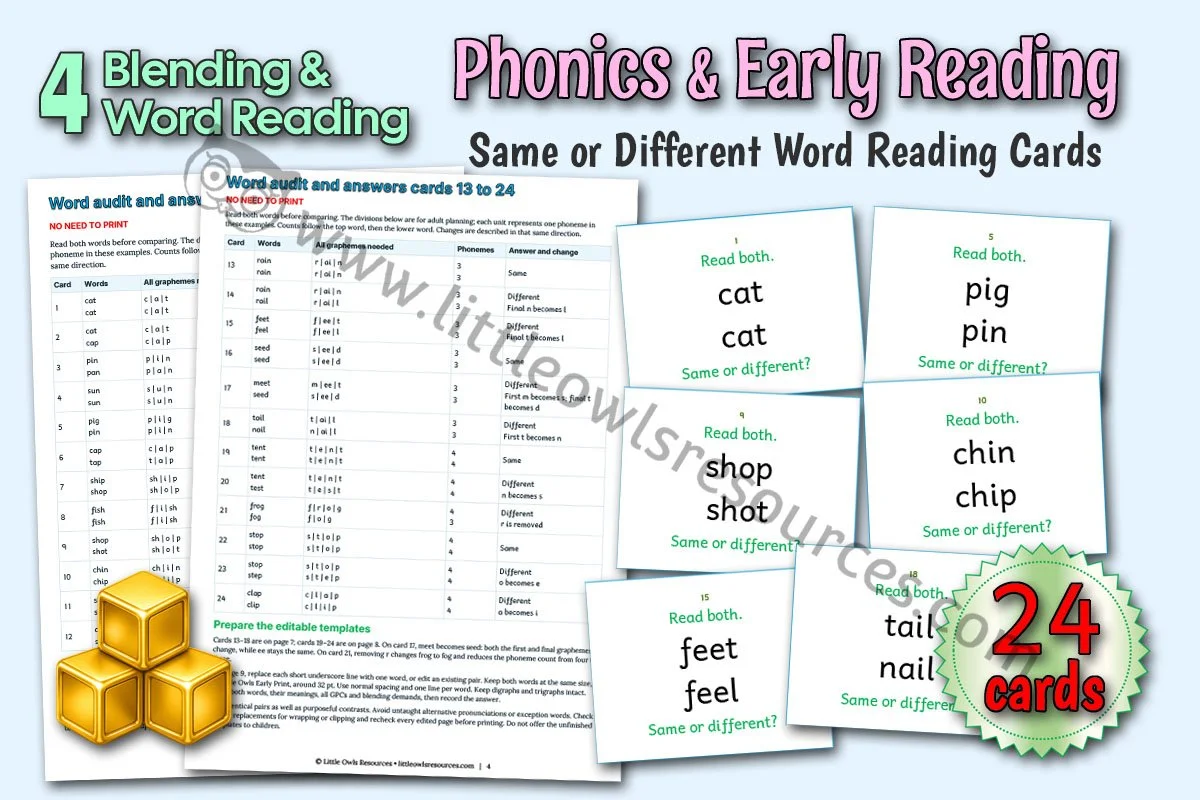
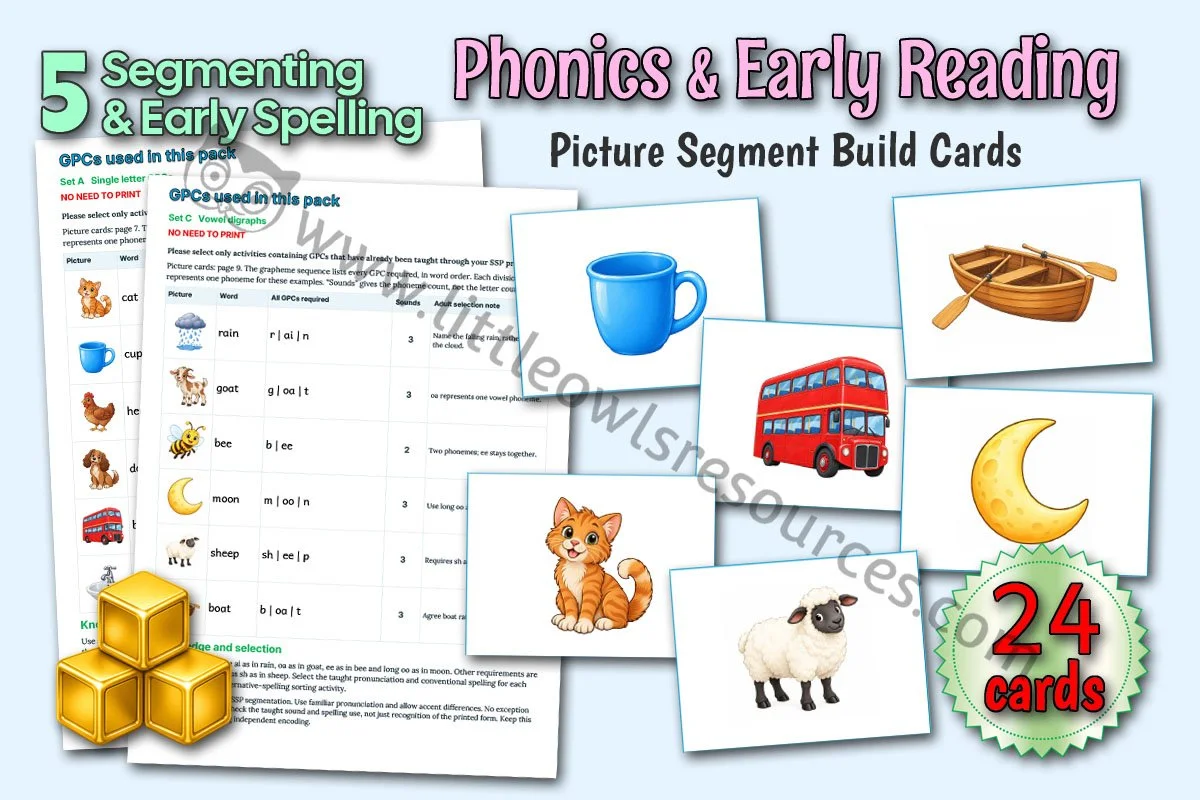
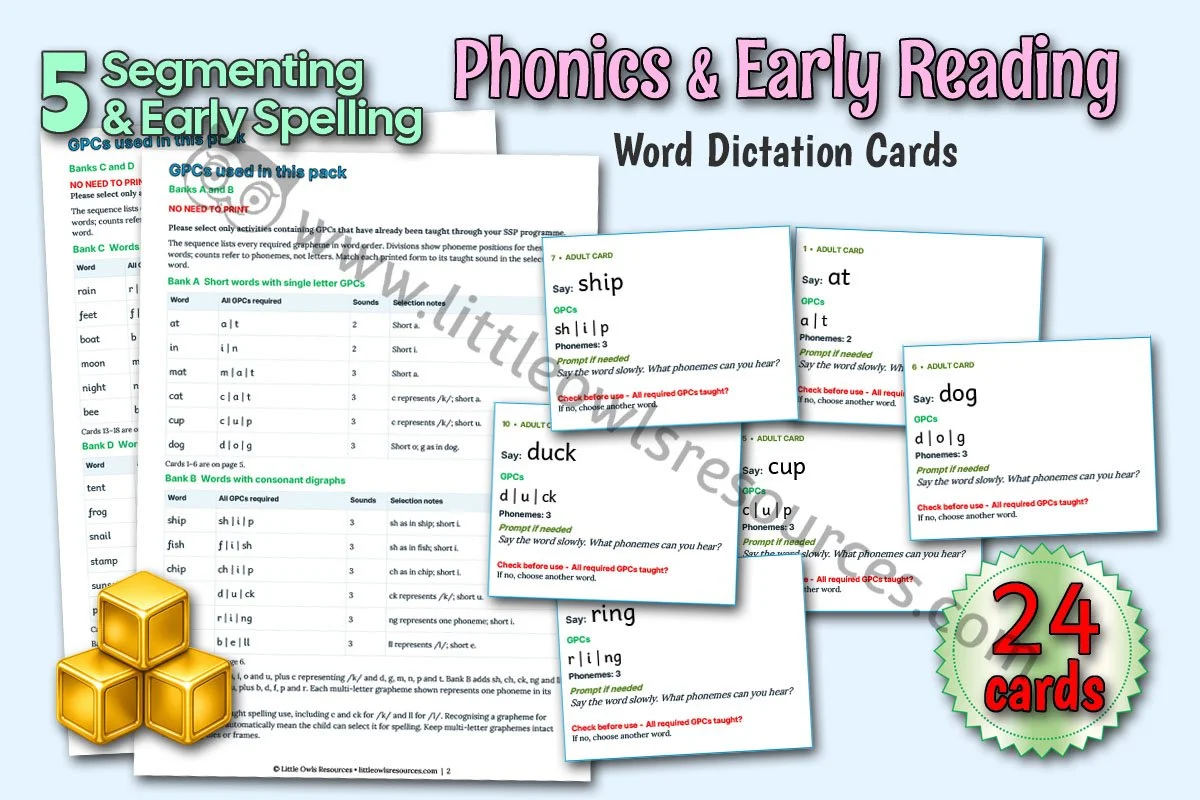
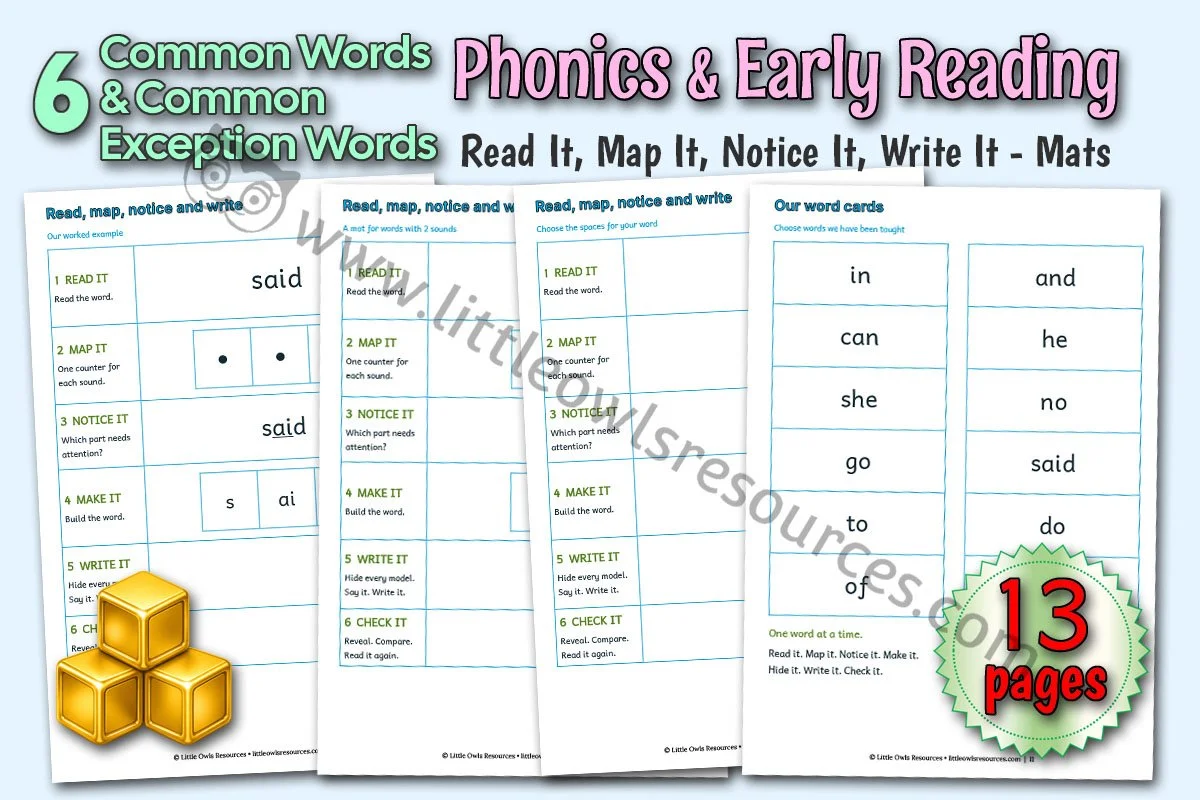
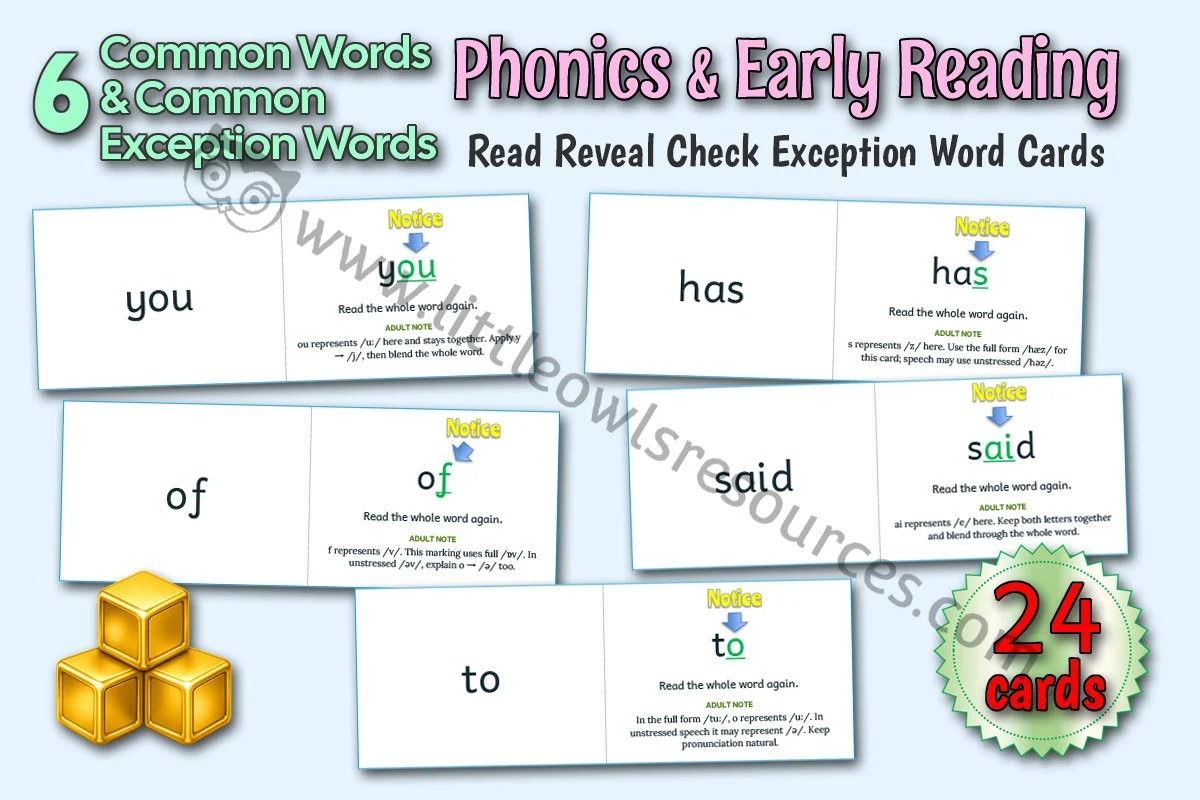
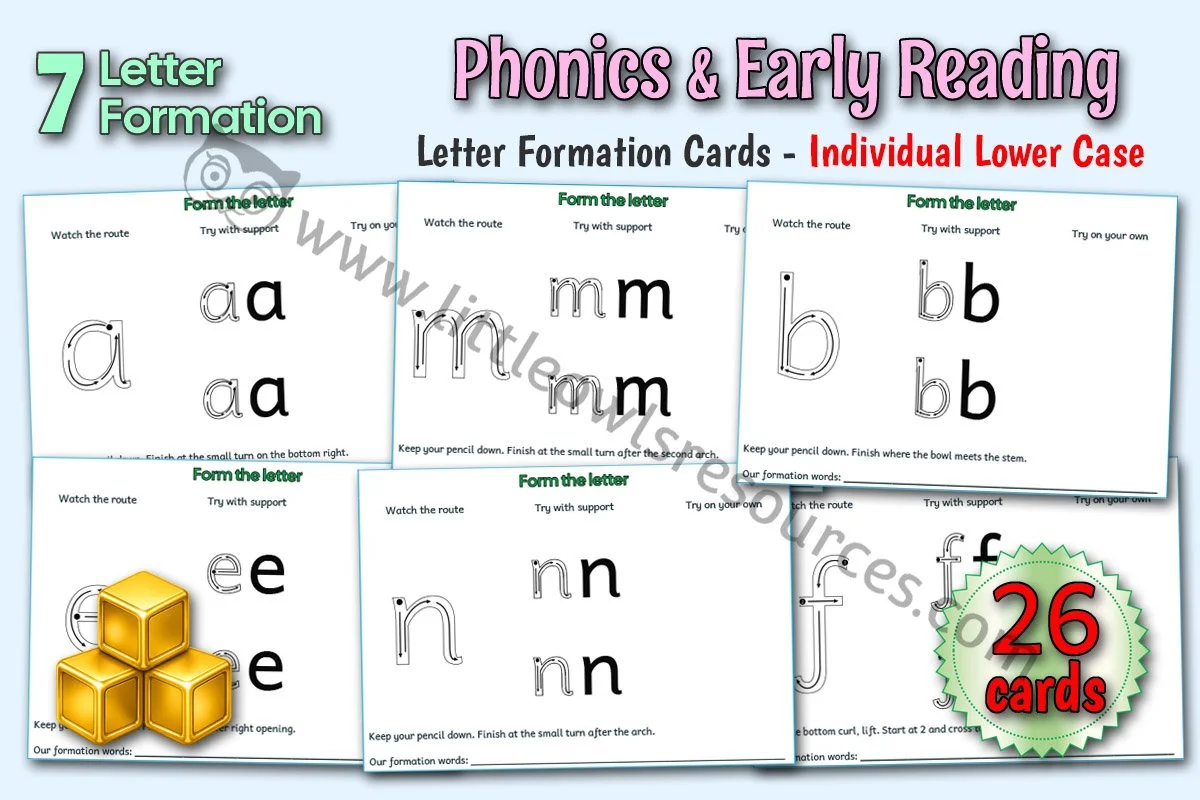
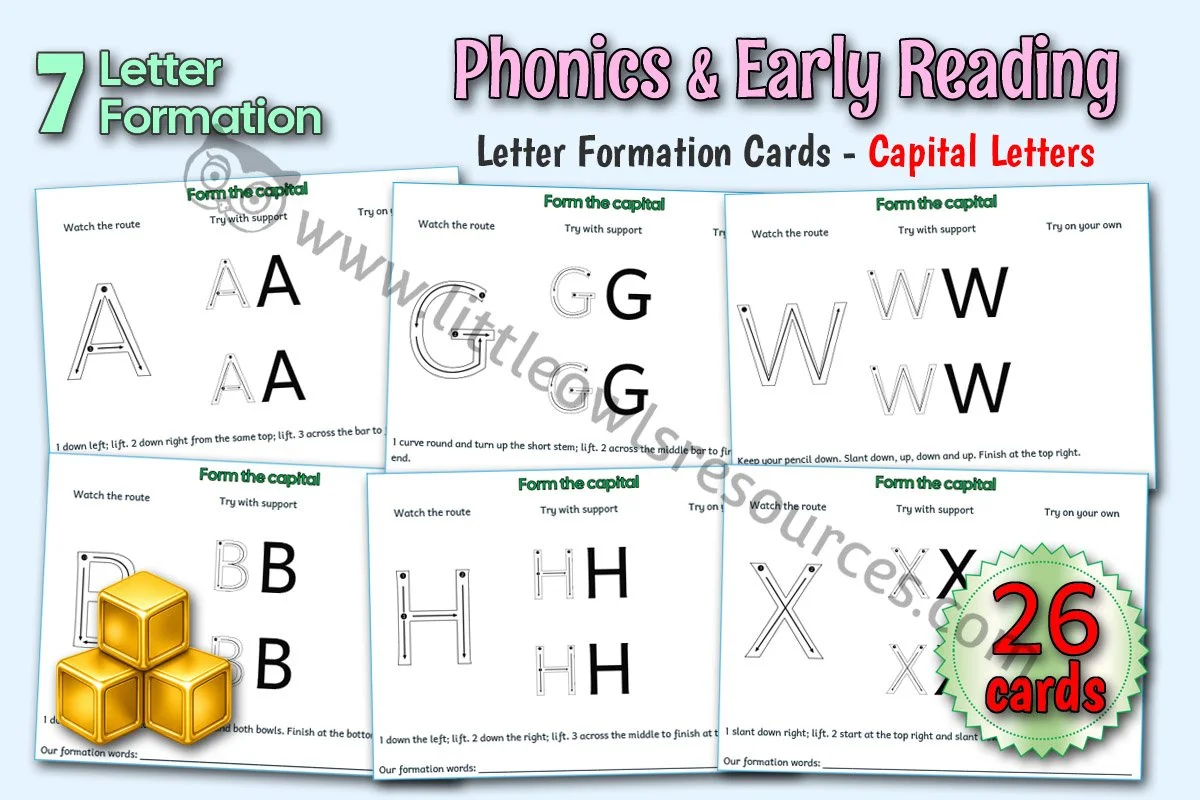
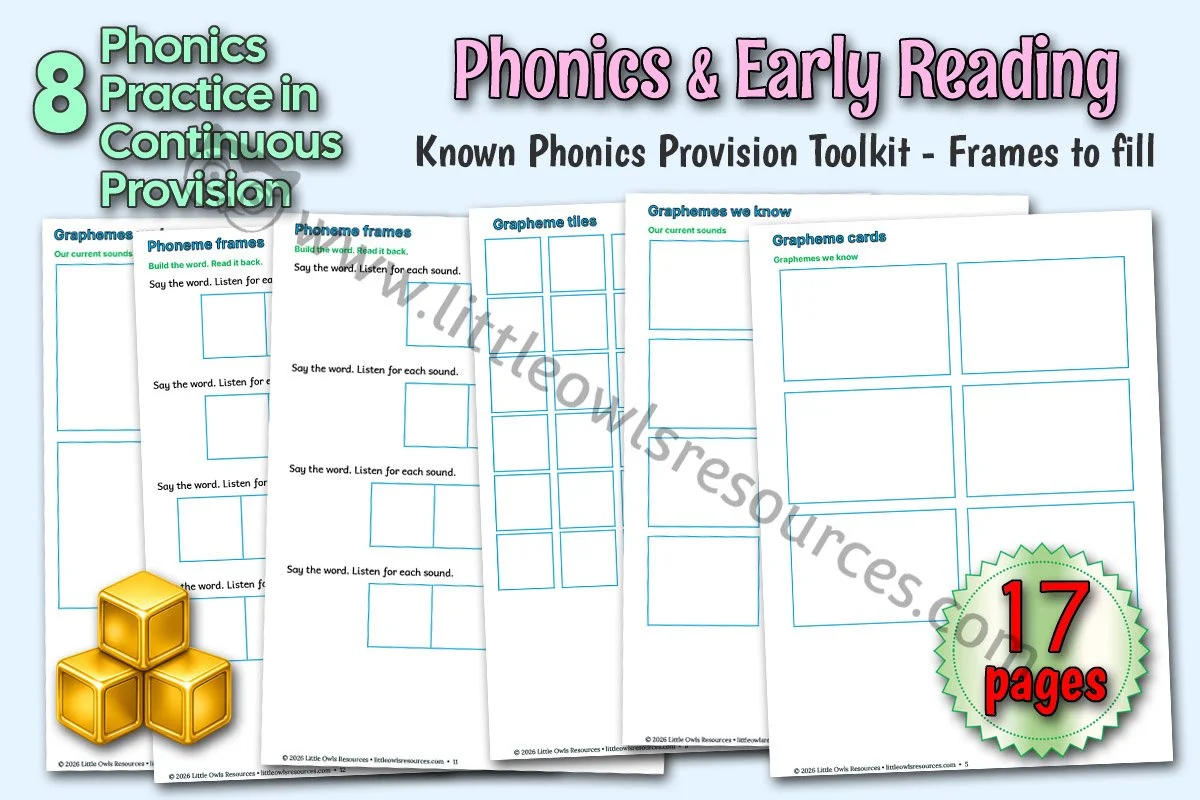
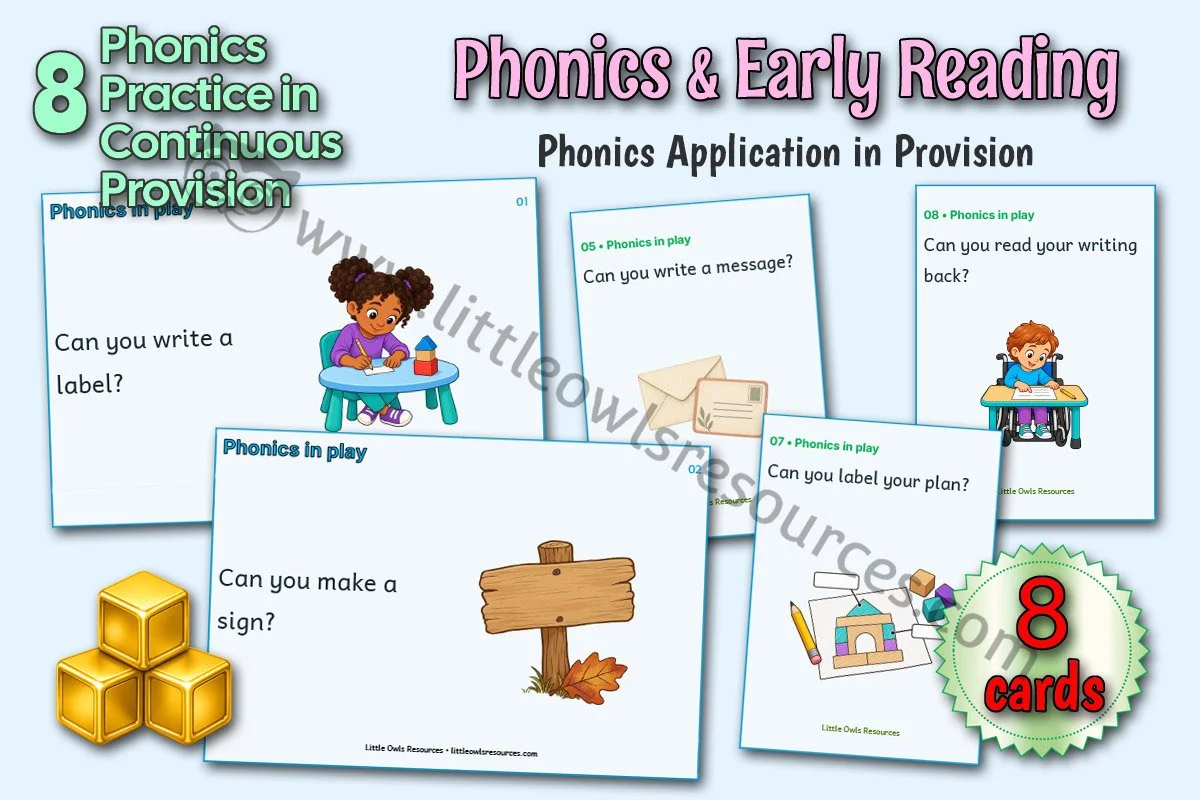
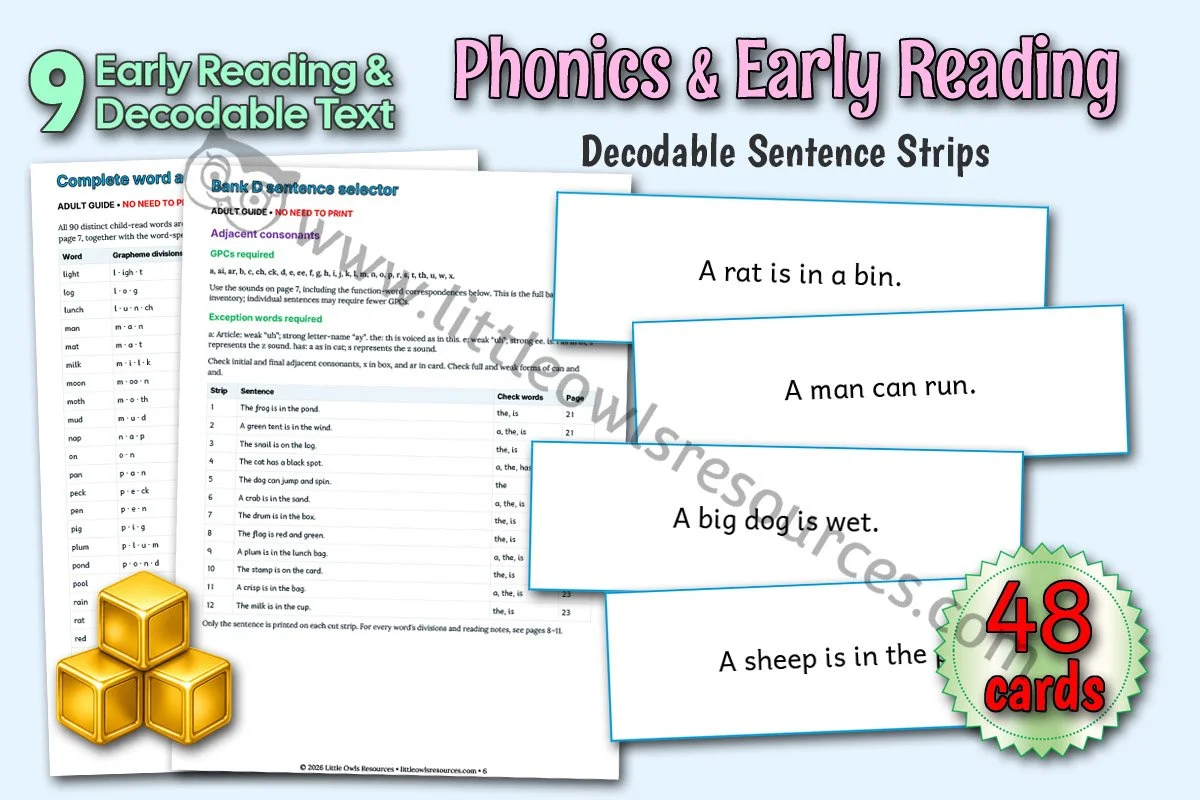
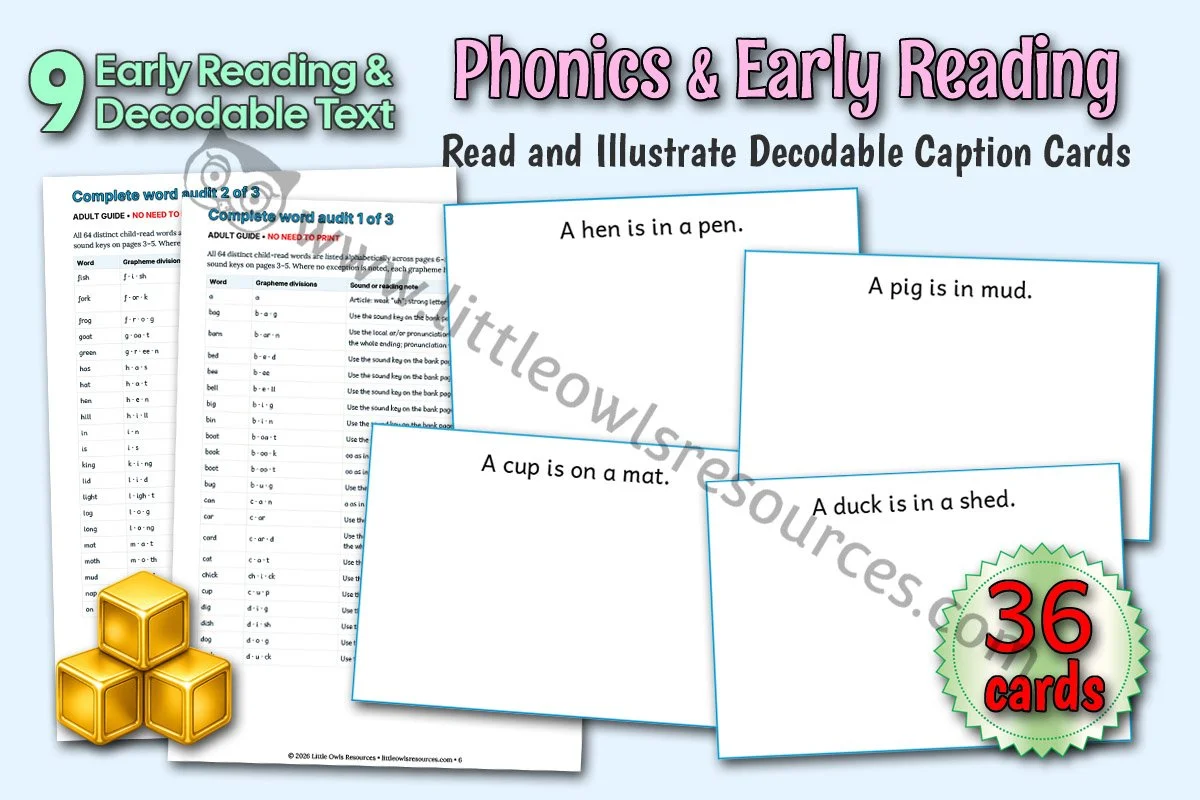
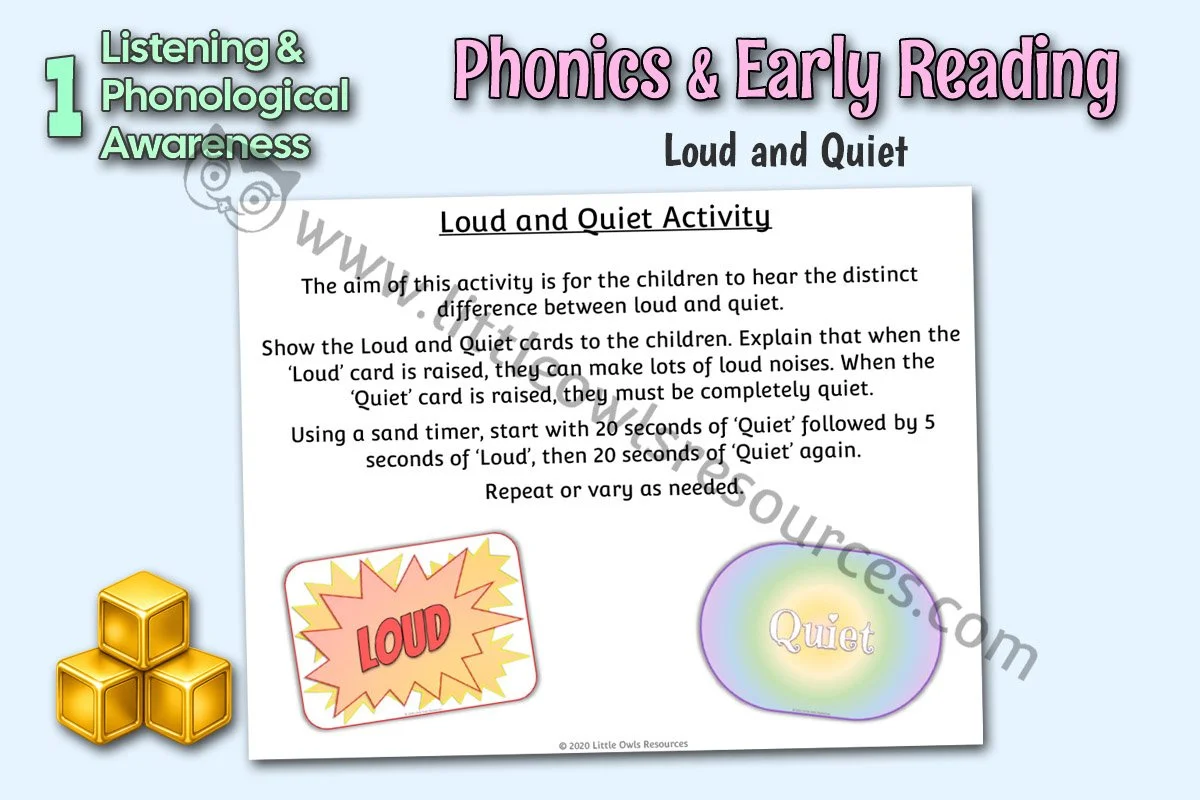
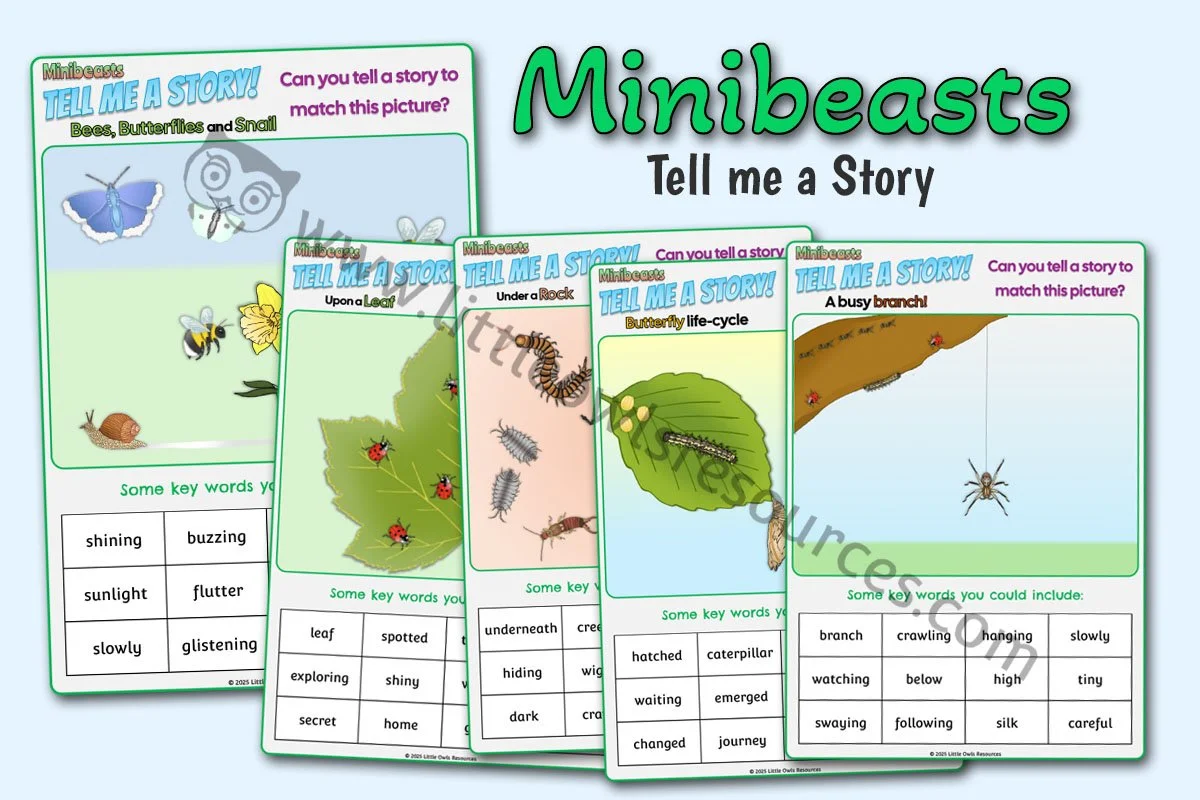


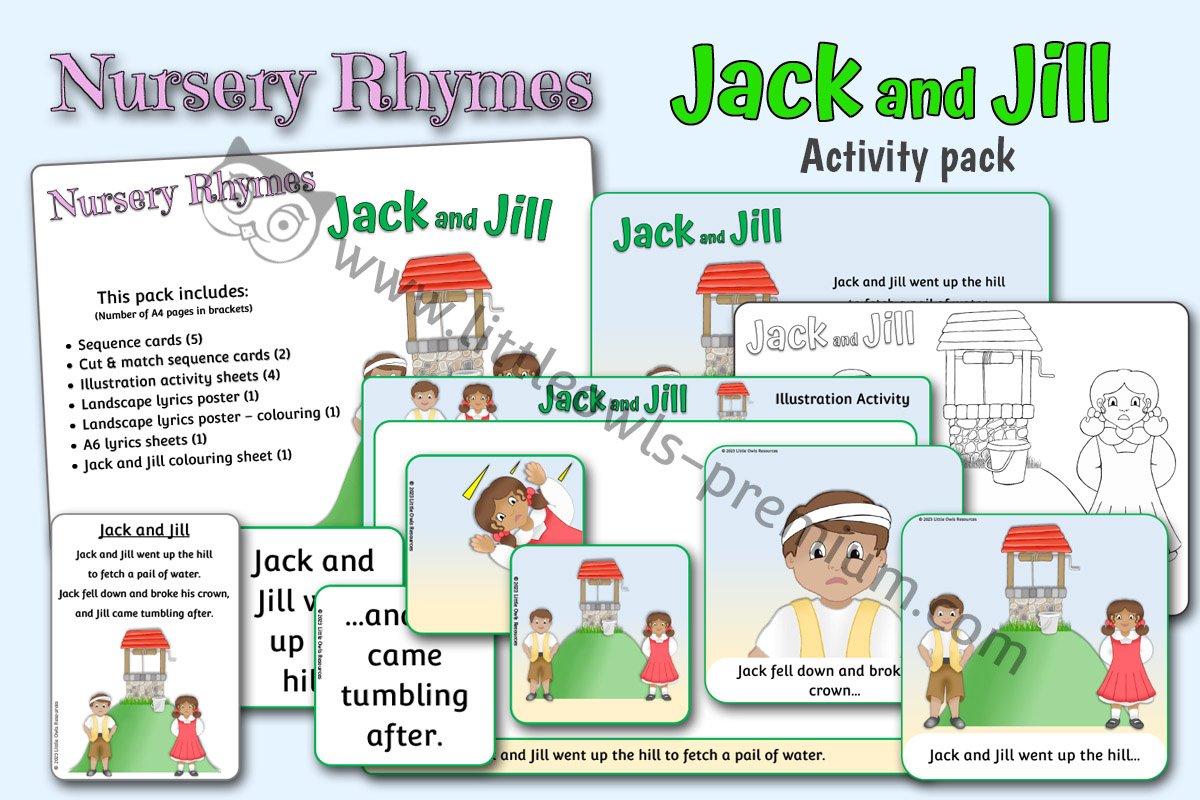
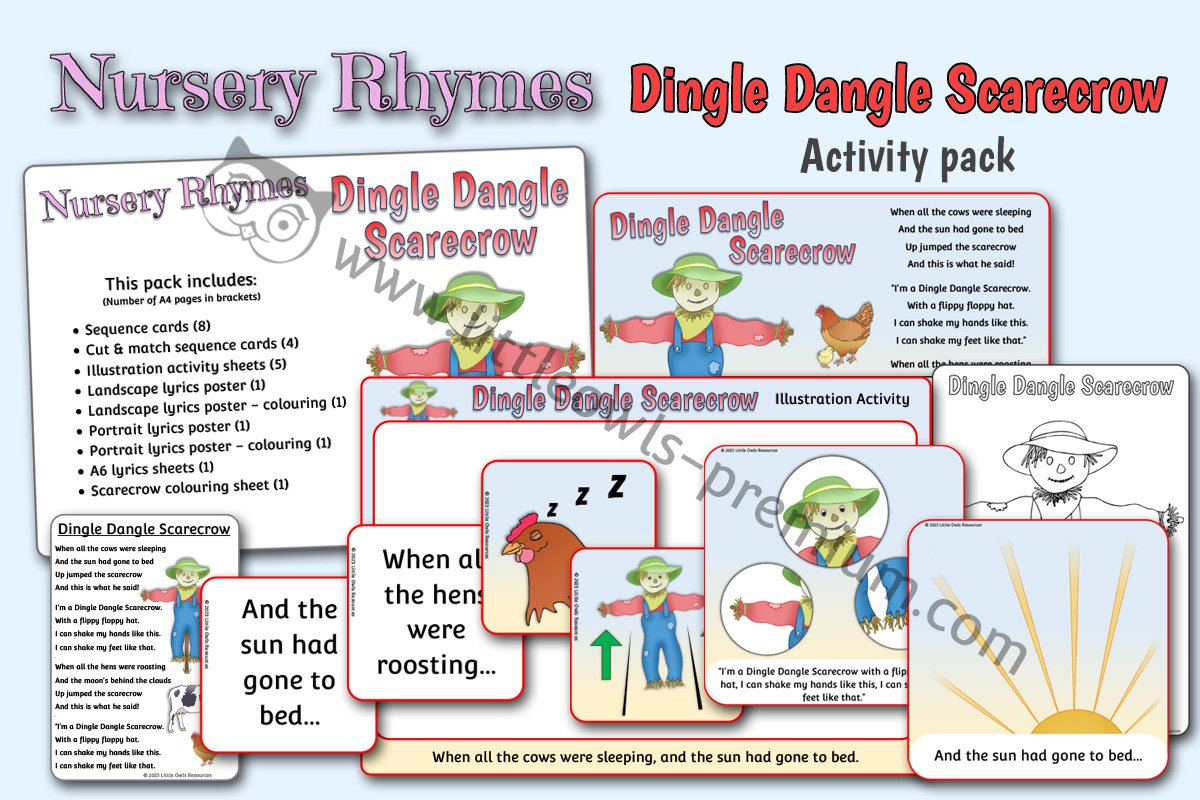

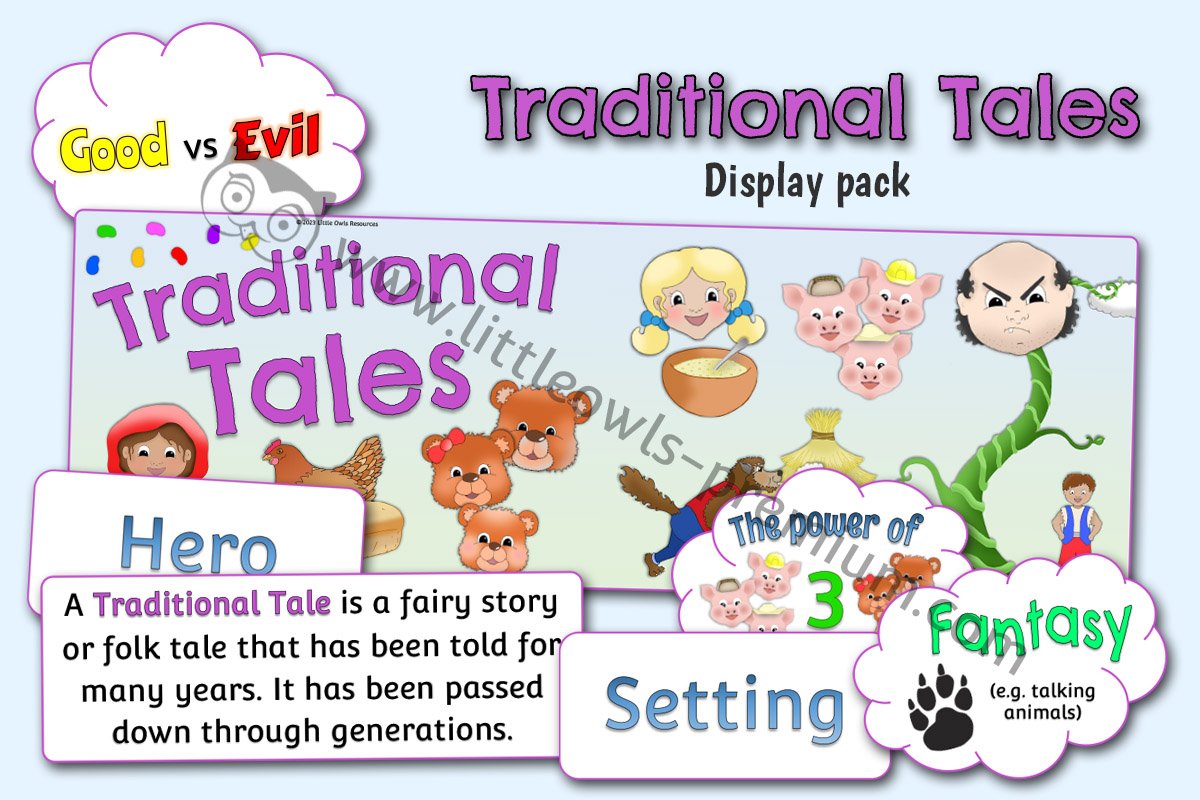
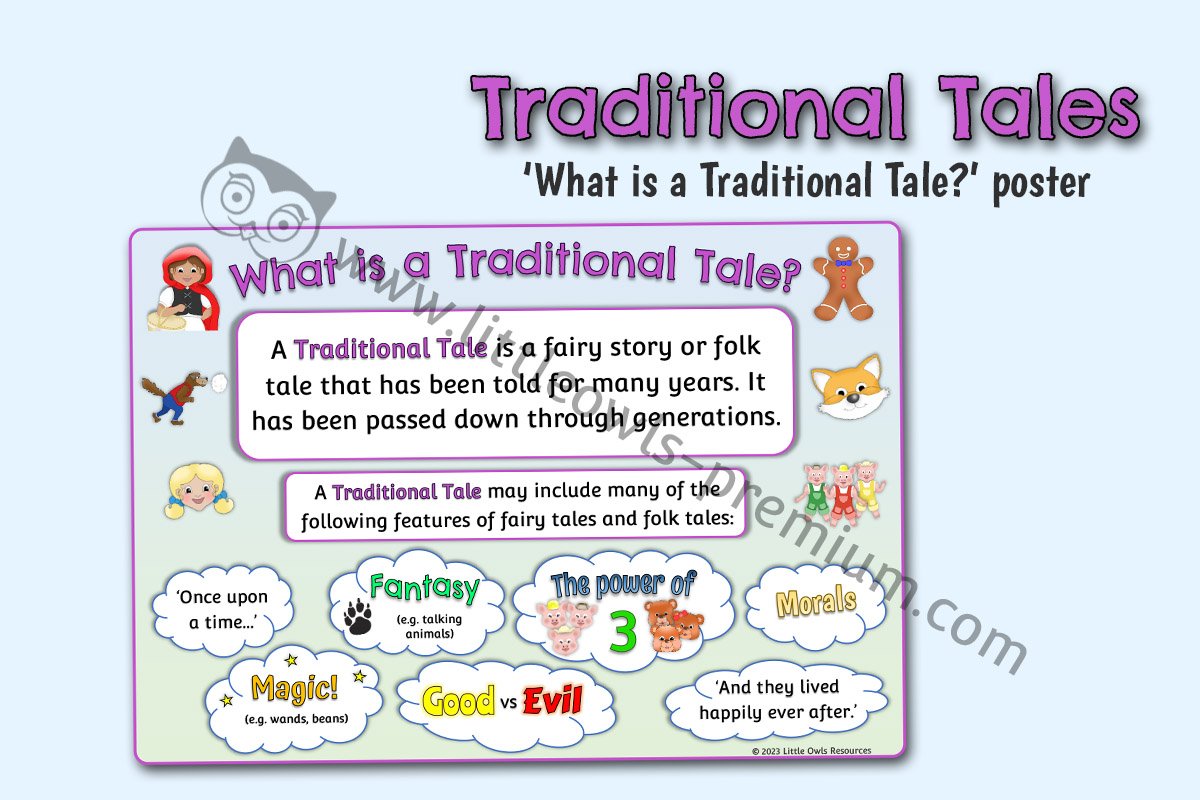
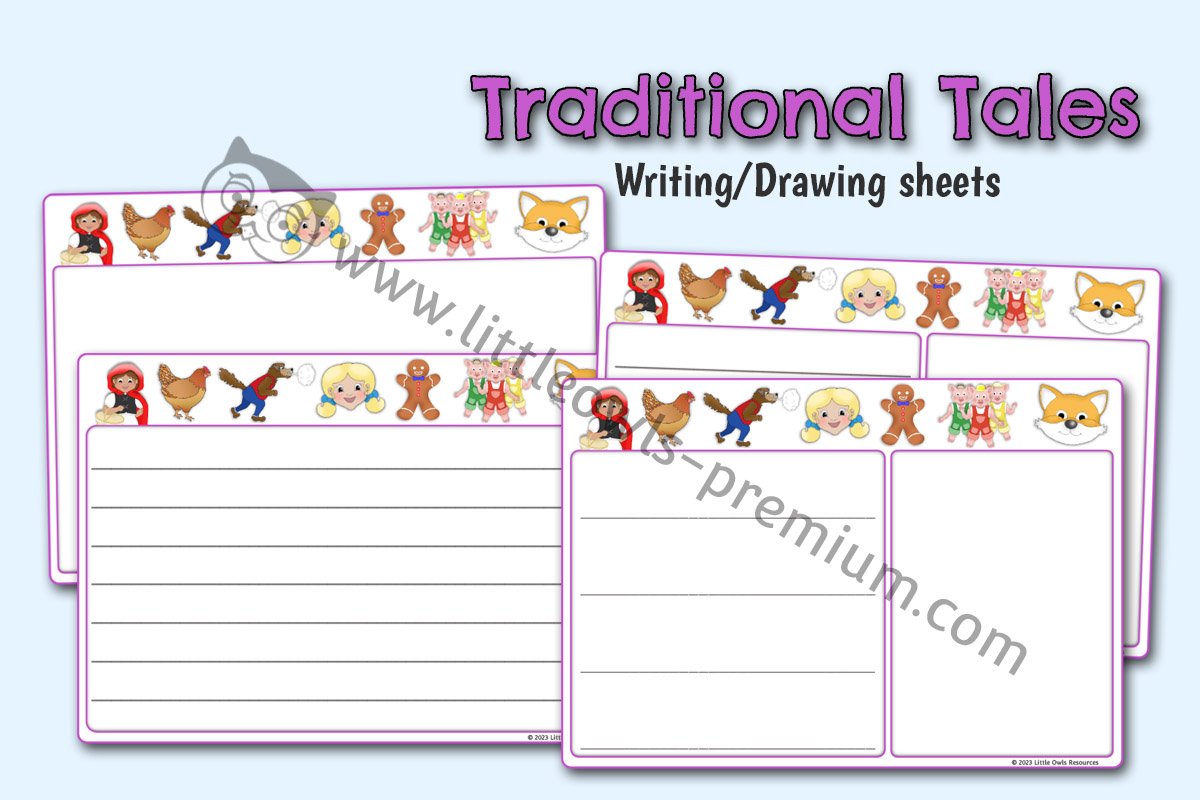
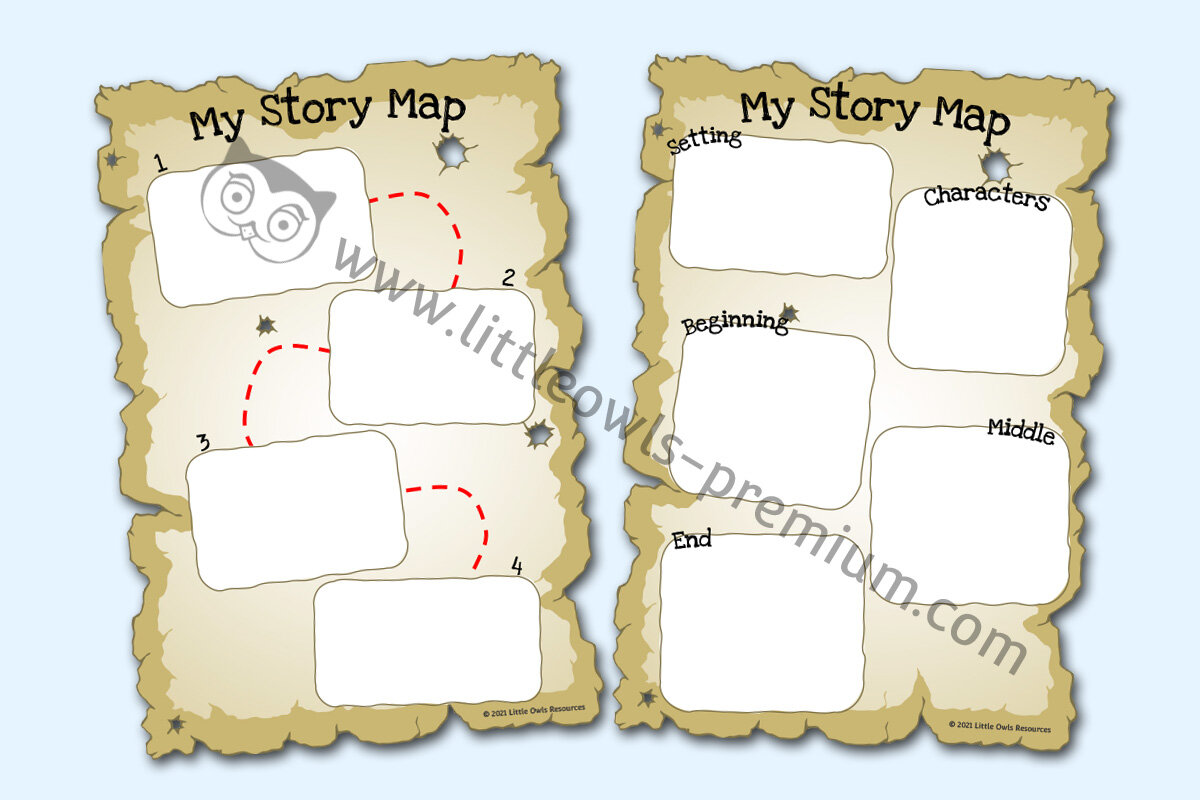
🛠️ Many of the pages linked within this section are currently being development for an improved user experience🛠️
Key Words & Phrases:
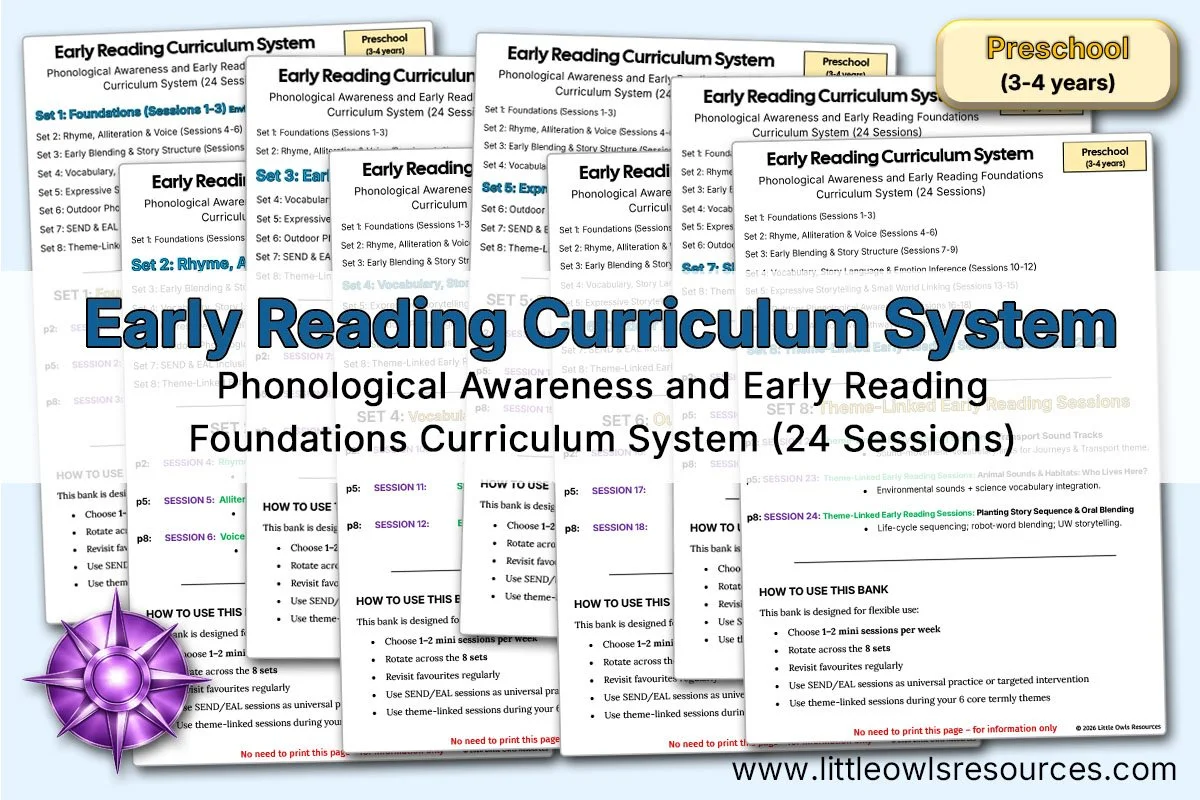
Phonics & Early Reading - New
Letters & Sounds Phonics (Historic - including phases 1-4)
Additional Useful Pages
Topics:
(Premium or Professional members may use the links below to access a selection of resources from within each topic that focus on Literacy skills.)
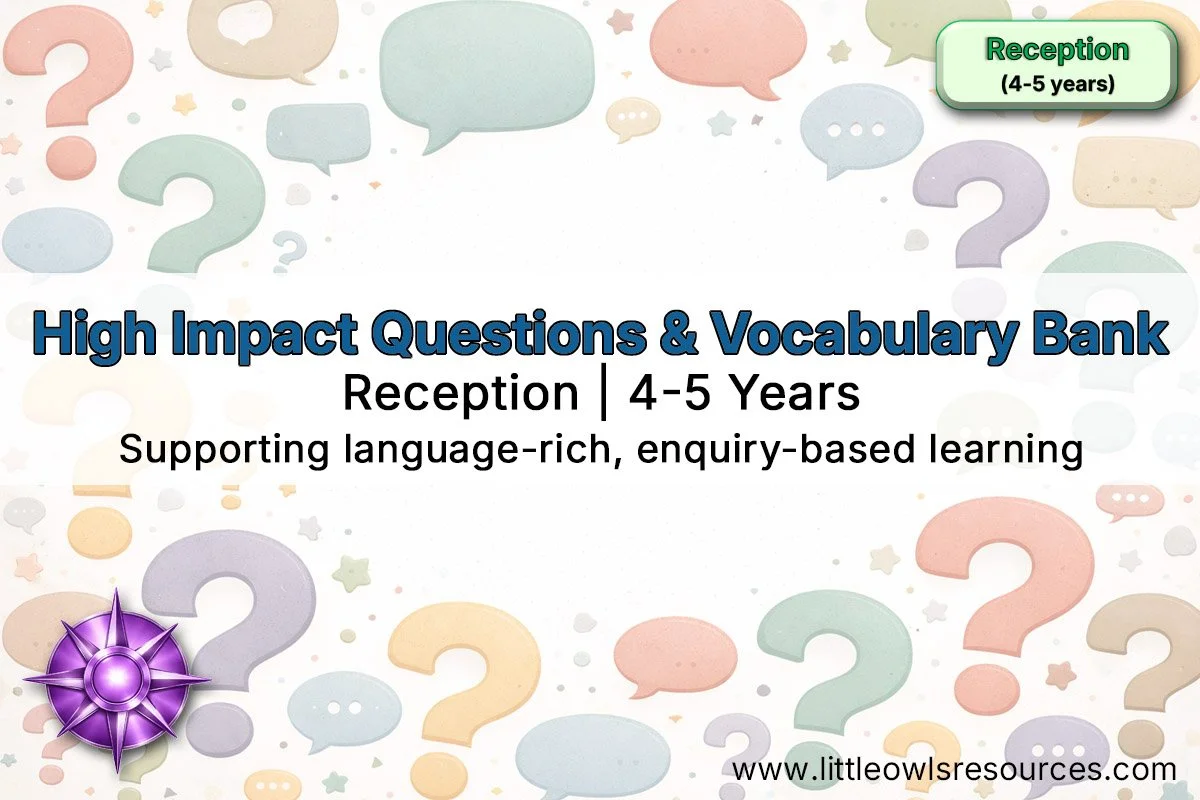
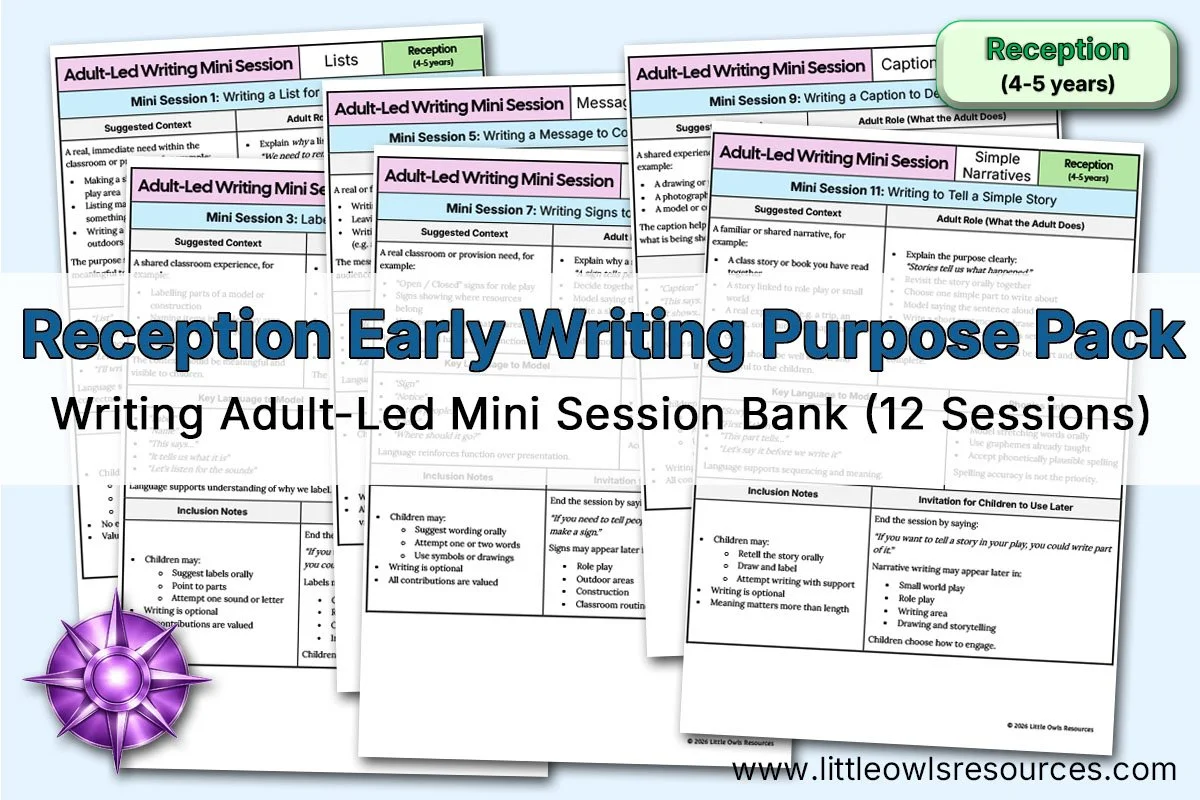



💡 Examples of how to support ‘Literacy’ learning and development
Extracted from Development Matters; non-statutory curriculum guidance for the early years foundation stage. Includes colour and black and white versions.
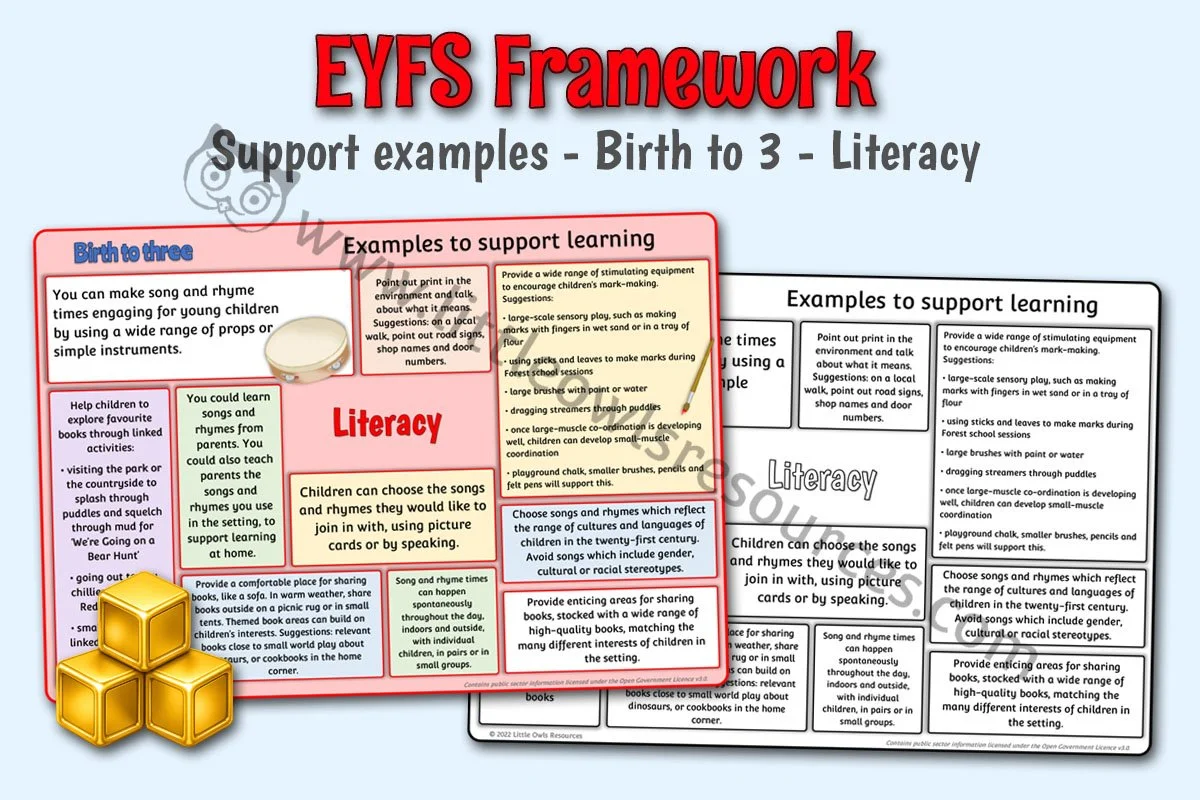
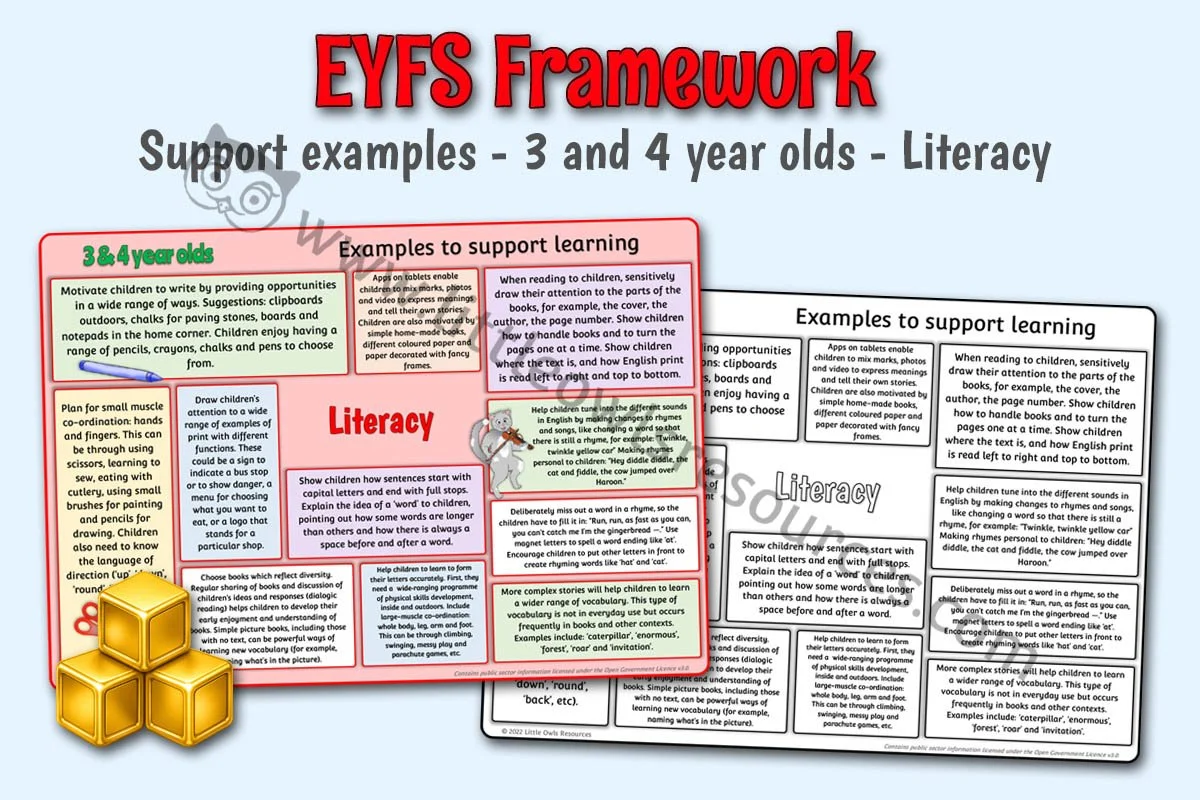
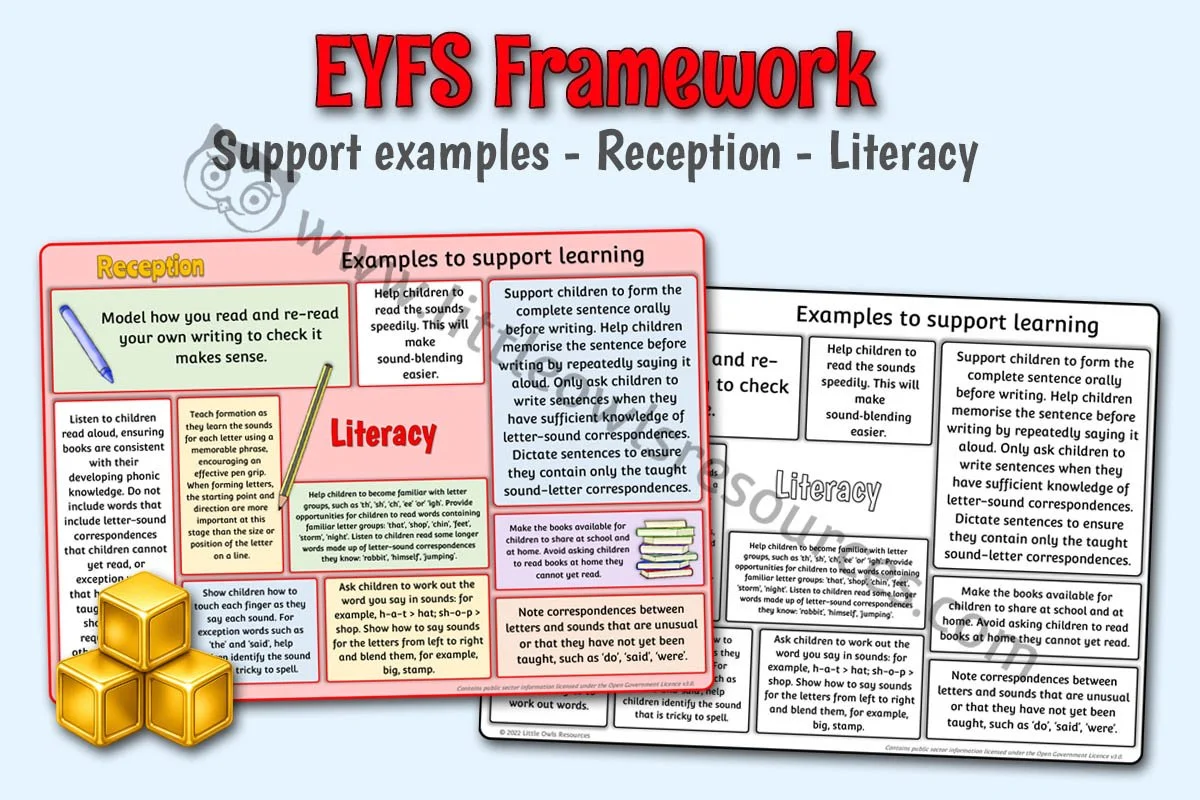
Files contain public sector information licensed under the Open Government Licence v3.0.
Toddlers | 18 - 36 Months
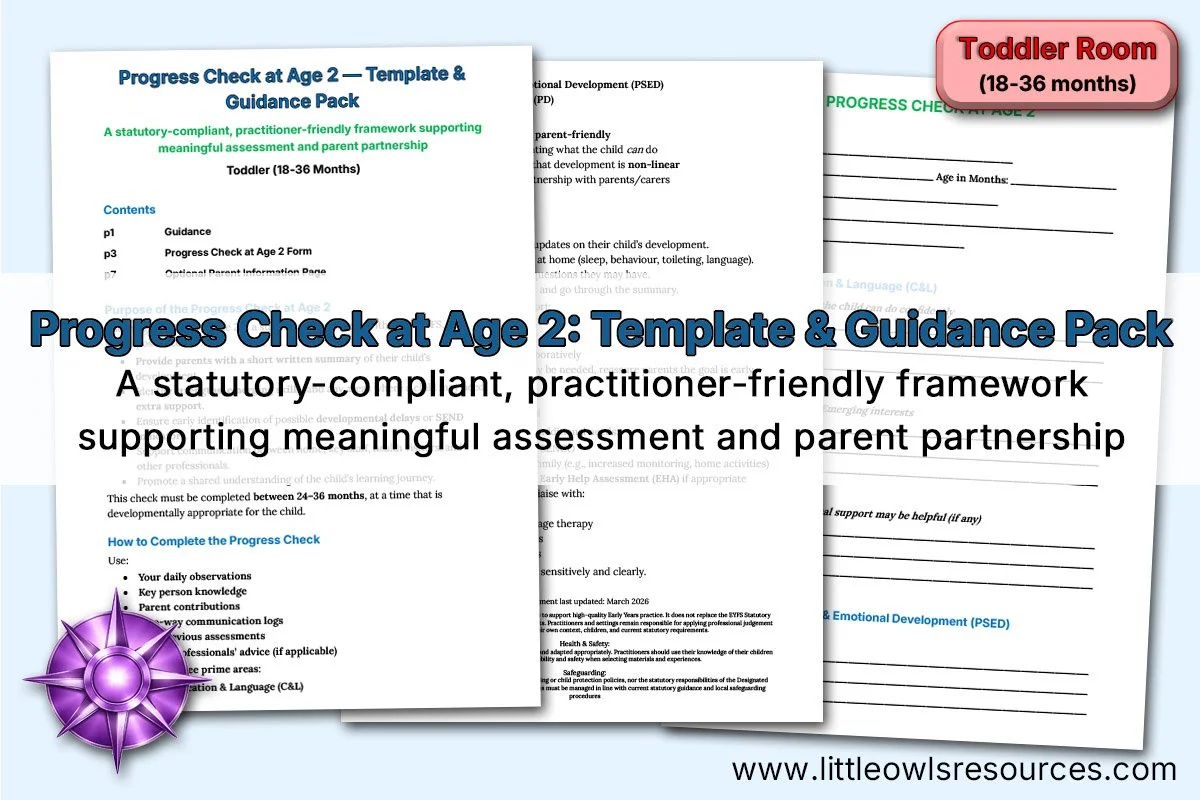
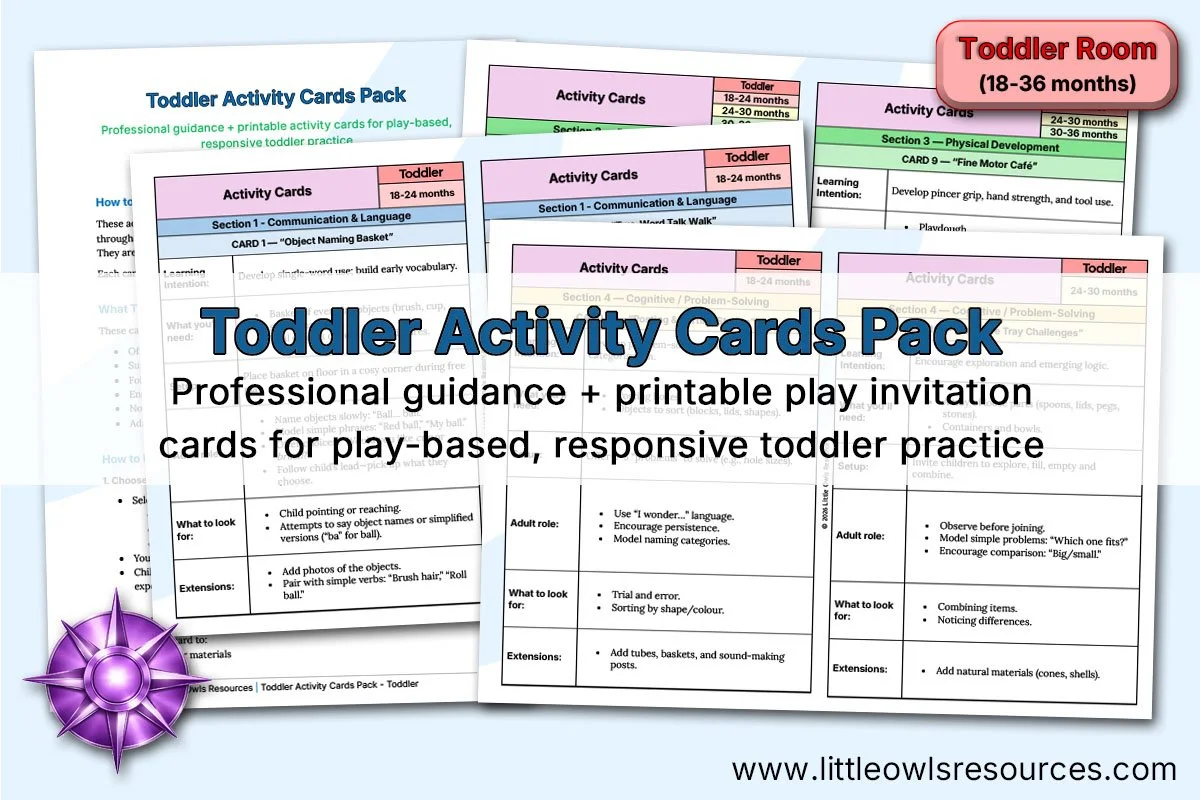
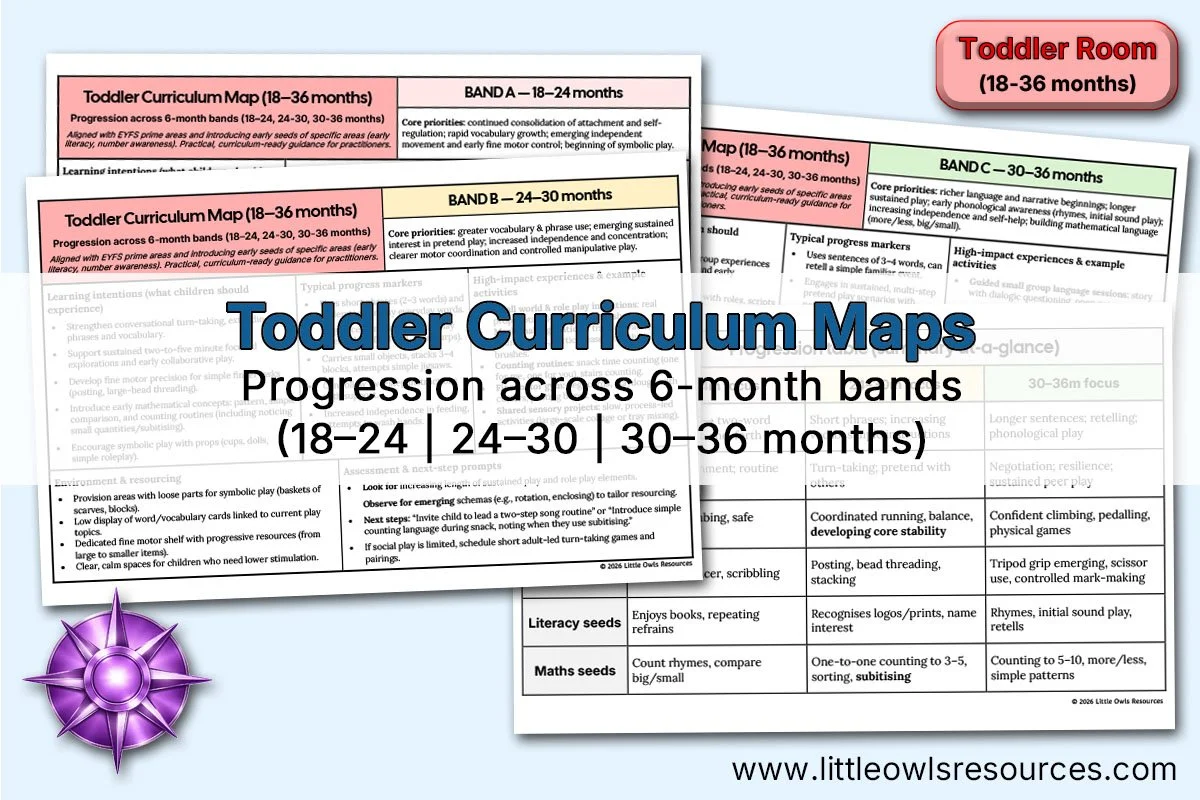
Core Toddler Room ‘Literacy’ Planning Support
Additional Toddler Room Overarching Areas of Learning Support
The following documents include elements of ‘Literacy’ which may be helpful tools within your setting’s OAP Cycle.





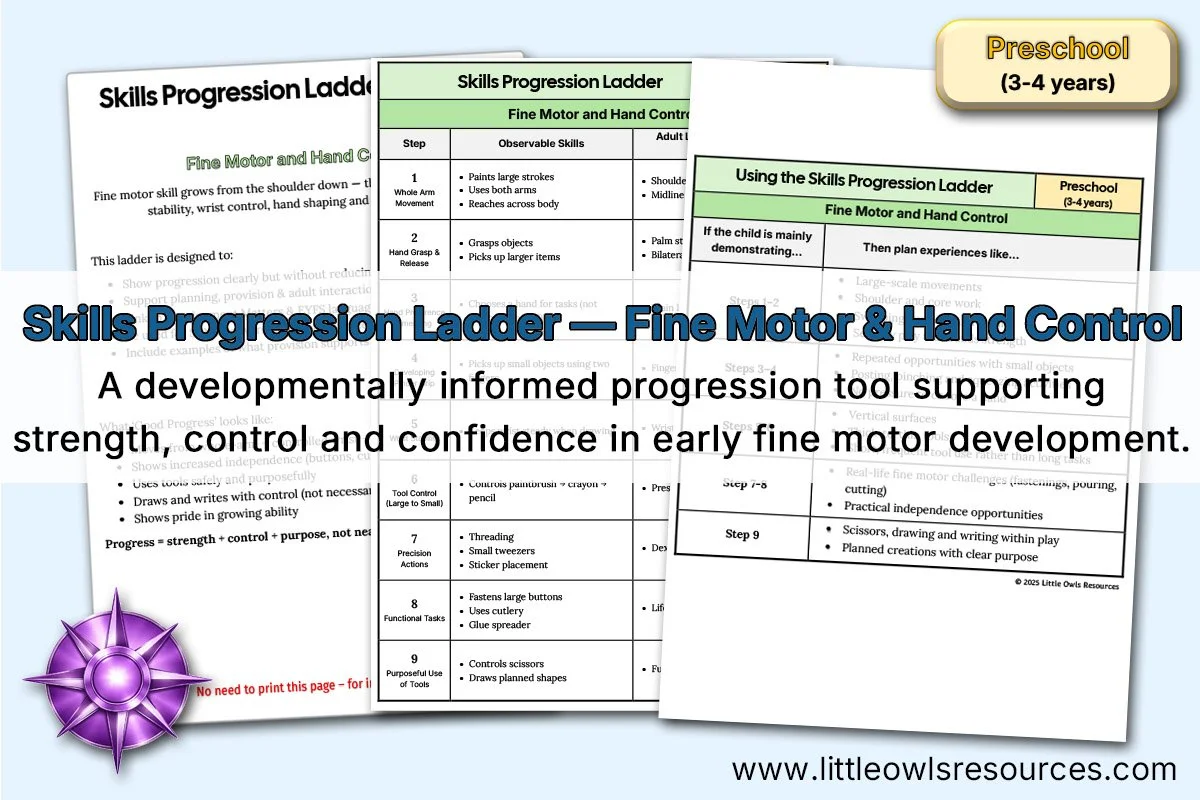


Additional Preschool Overarching Areas of Learning Support
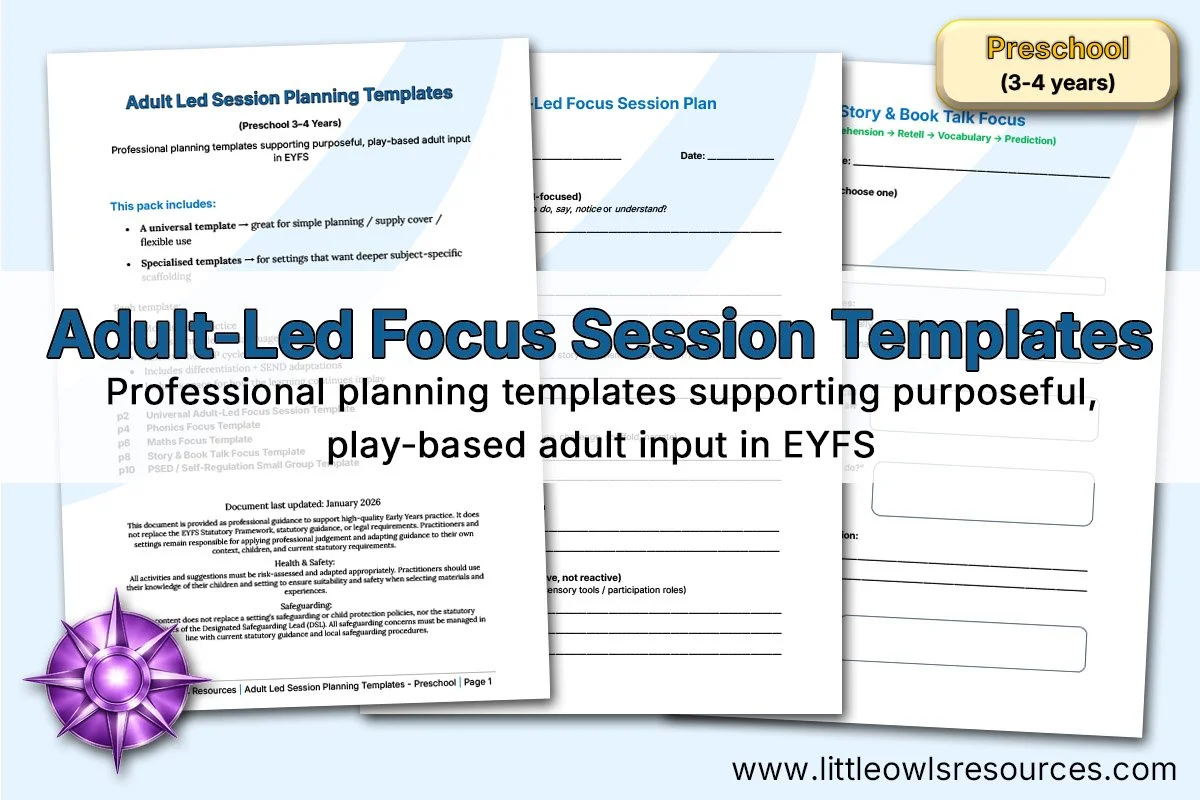
The following documents include elements of ‘Literacy’ which may be helpful tools within your setting’s OAP Cycle.
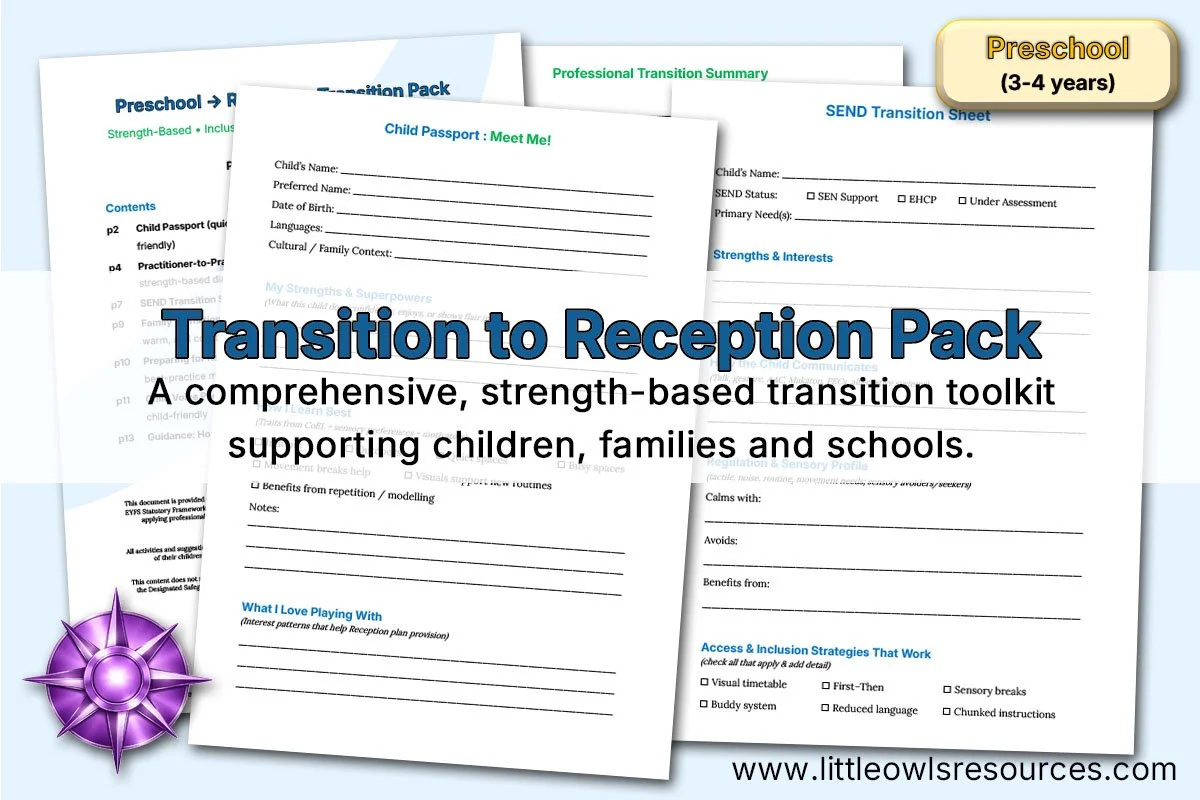

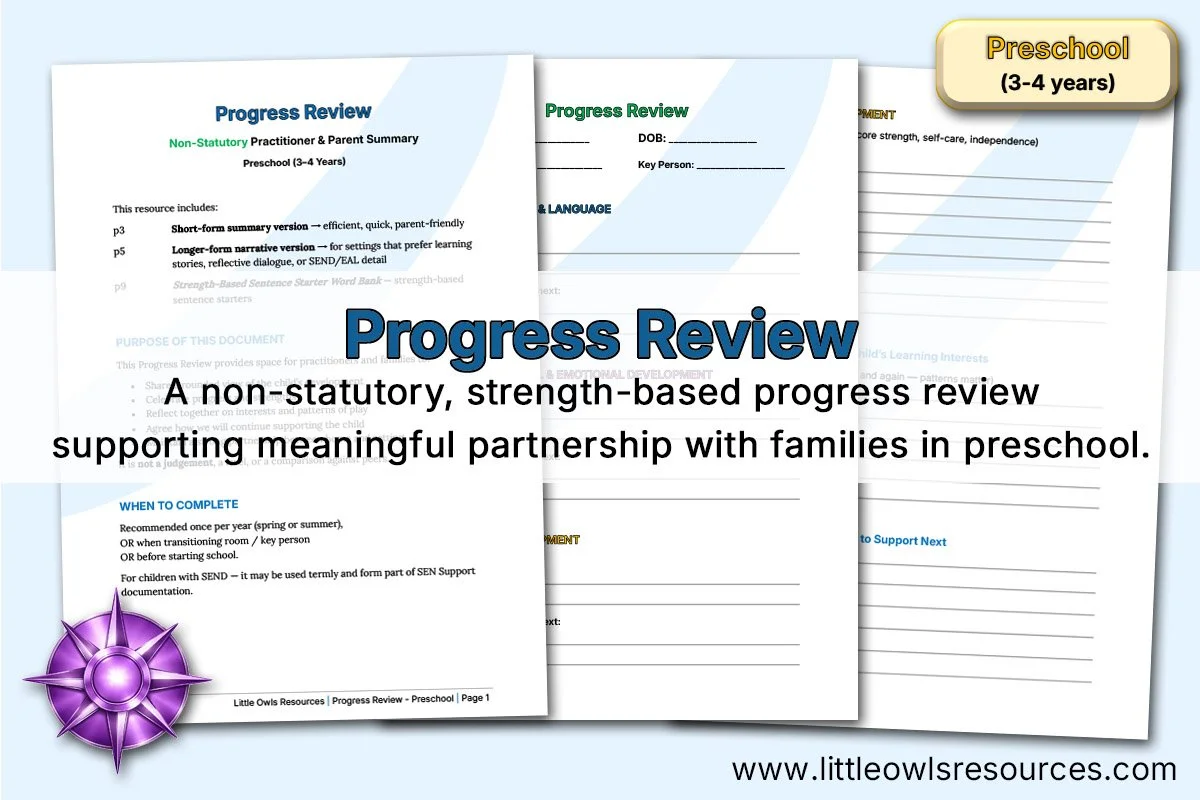


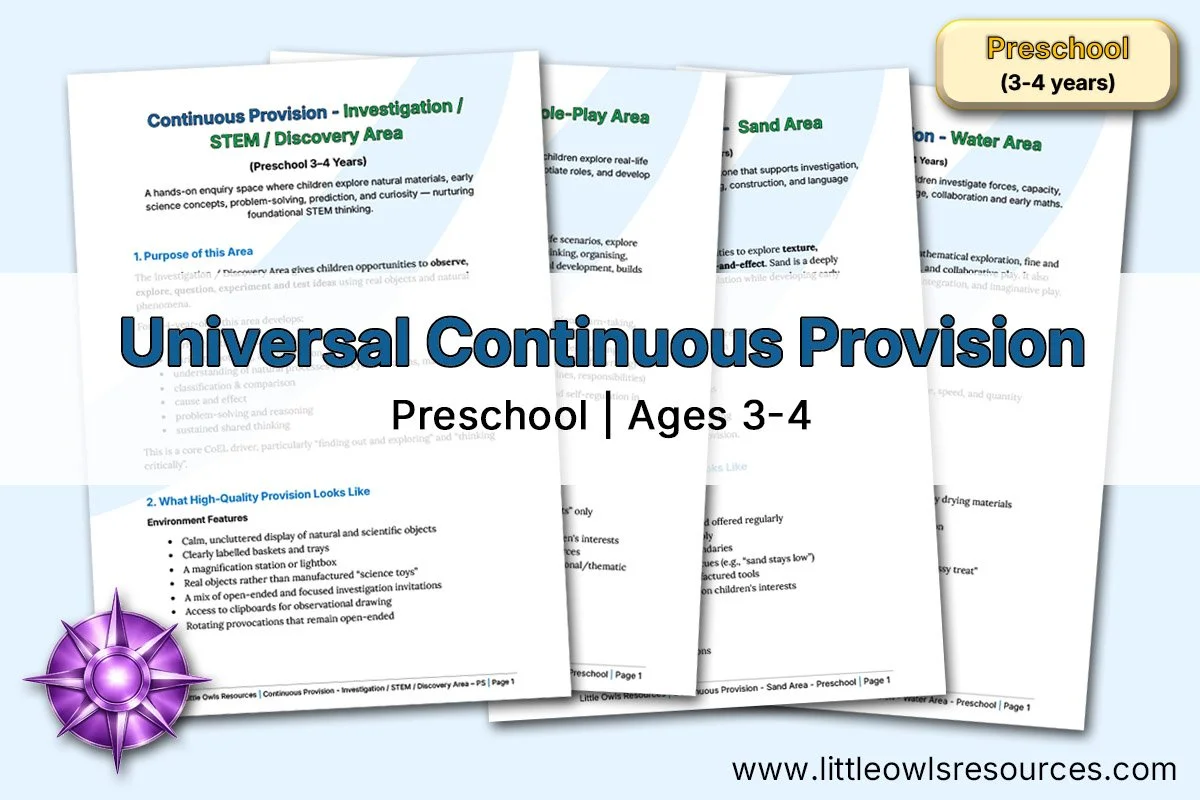


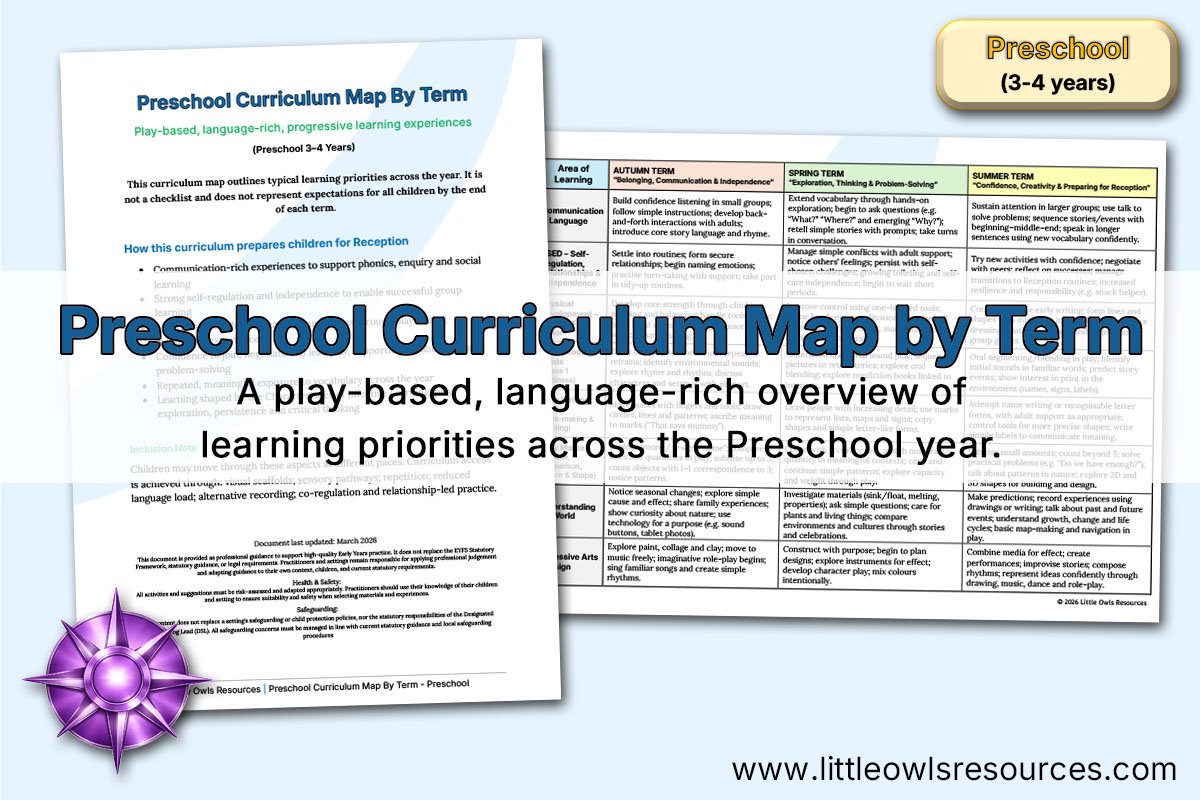

Additional Reception Overarching Areas of Learning Support
The following documents include elements of ‘Literacy’ which may be helpful tools within your setting’s OAP Cycle.
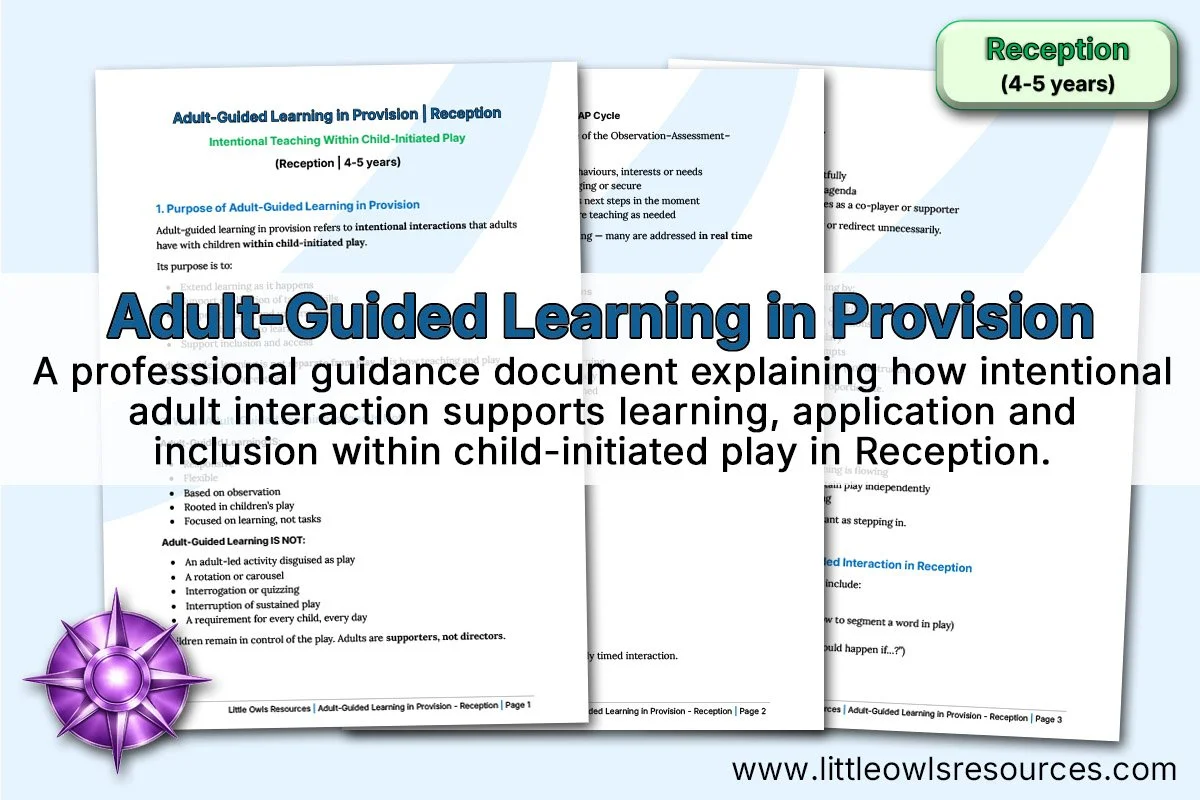
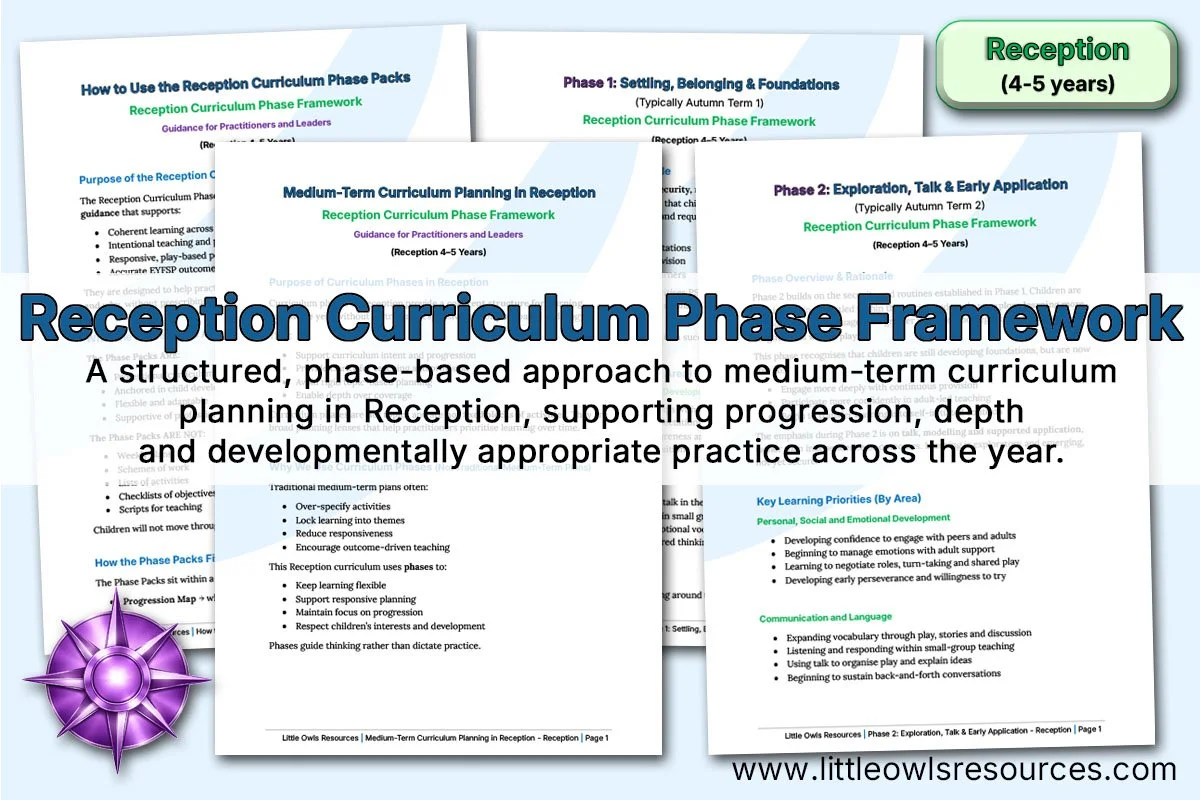
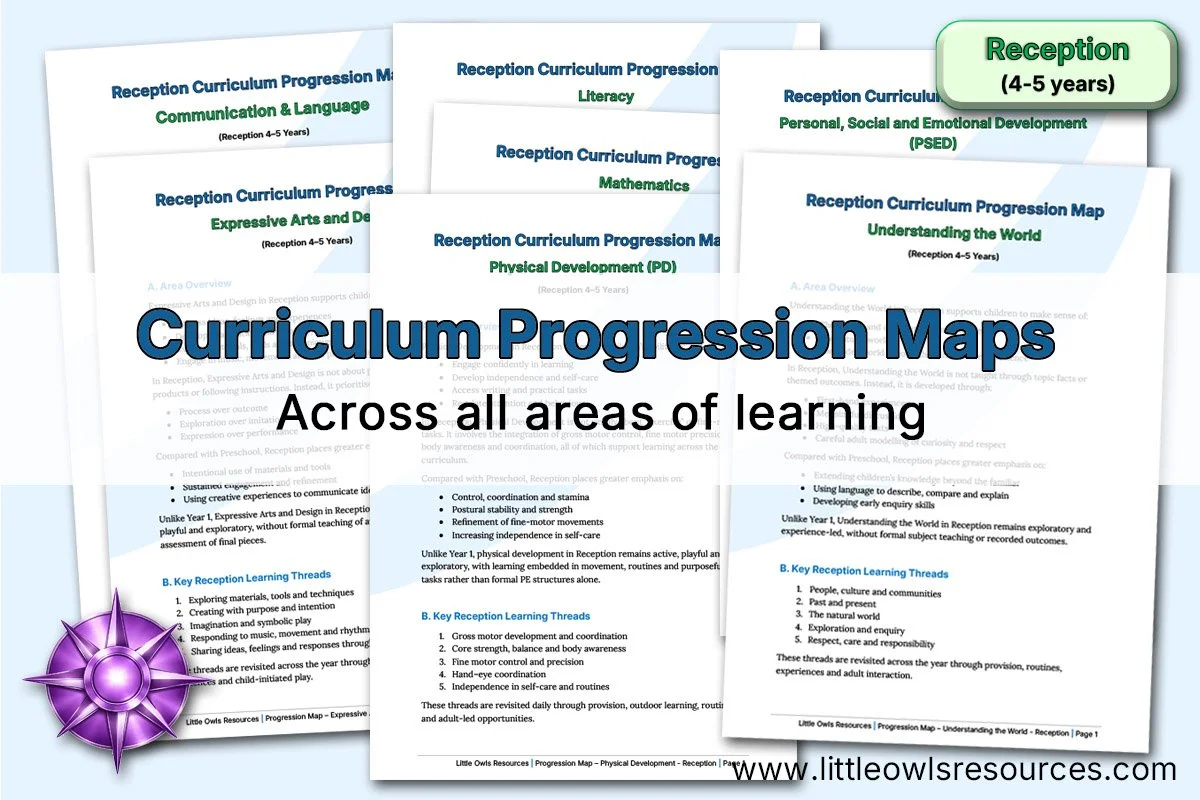
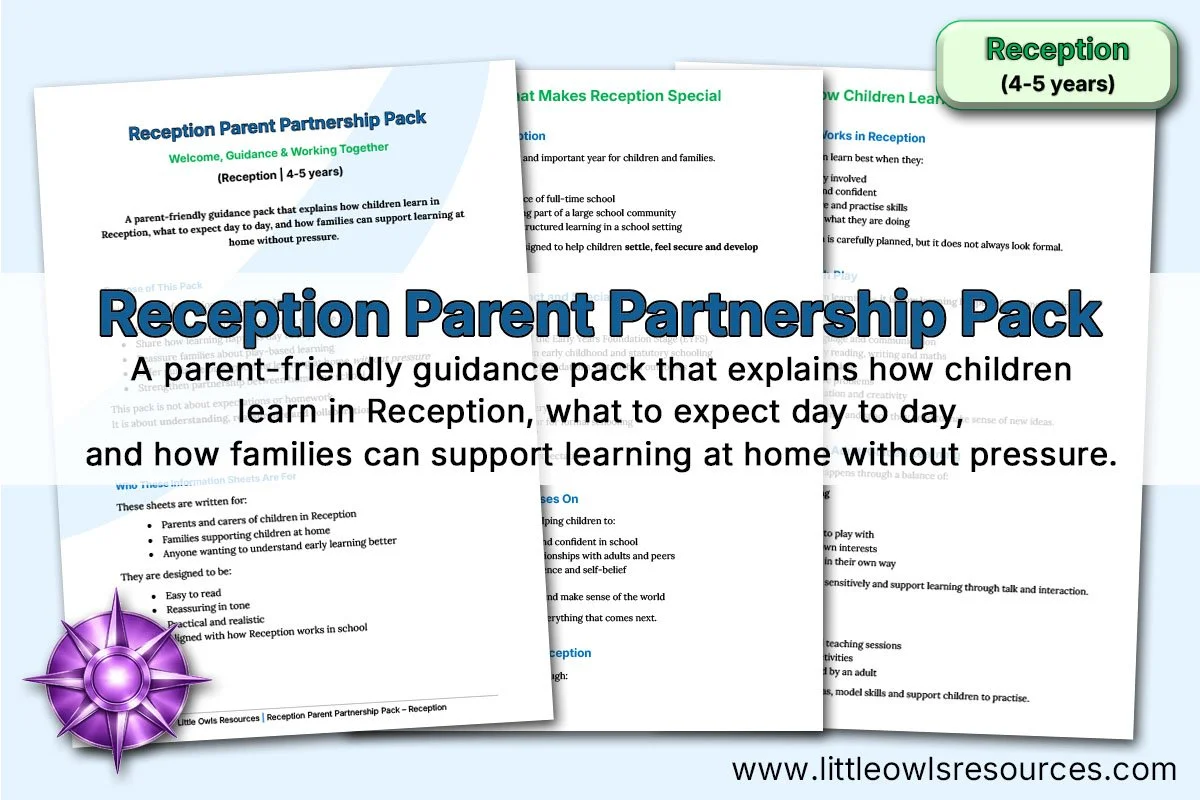
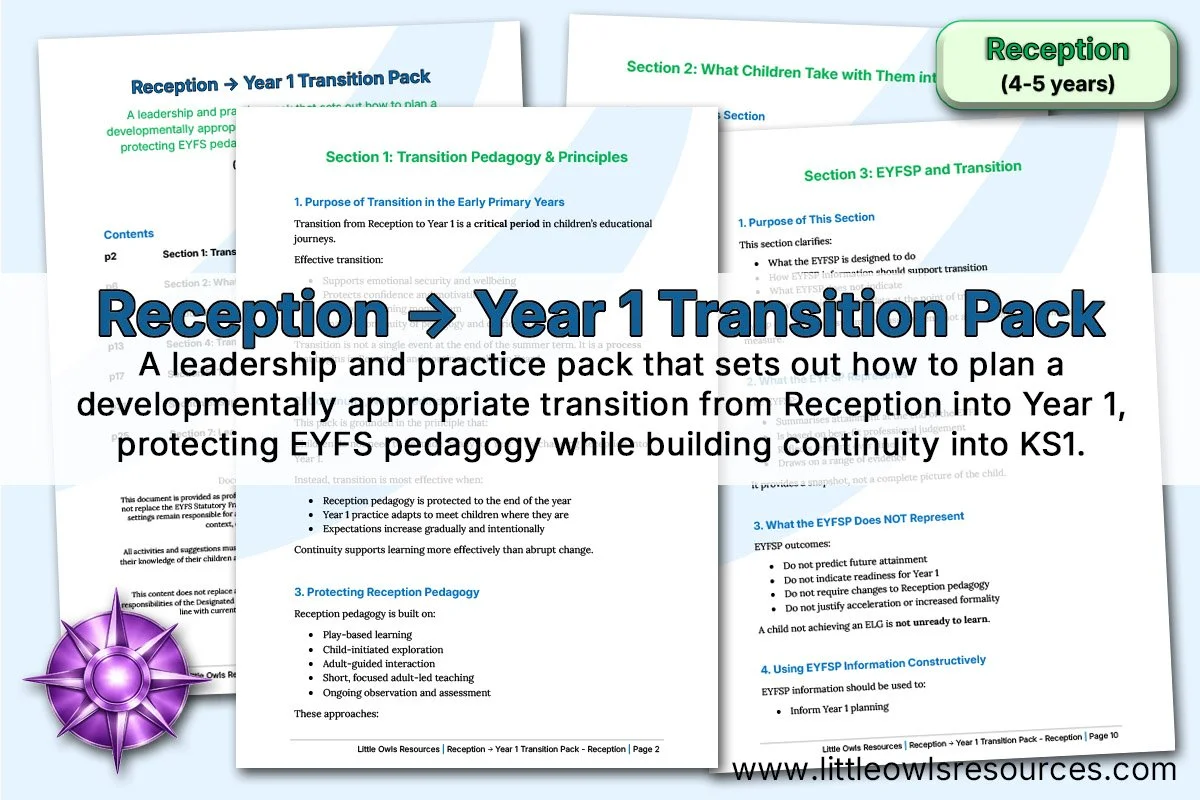
For overarching ‘Area of Learning’ Support such as Curriculum Intent Grids, Development Indicators and Assessment Tools, please visit our ‘Observations & Assessment’ page.
🏡 Literacy within Continuous Provision | Age-Specific Ideas & Guidance
-
Toddler Literacy provision should focus on early foundations: sharing books, enjoying rhymes, noticing sounds, making marks and understanding that symbols and print can carry meaning.
Cosy book areas with familiar stories, songs and picture books
Rhyme baskets with props for repeated songs and nursery rhymes
Large-scale mark-making using chalk, paint, water and chunky tools
Role-play opportunities with menus, lists, bags, phones and notebooks
Environmental print within familiar routines and provision areas
Story sacks and simple props supporting shared attention and language
Sensory mark-making in sand, foam, paint and dough
Adults modelling reading and writing for real purposes during play
Opportunities to hear repeated phrases, rhythm, alliteration and rhyme
Related Guidance:
Continuous Provision Setup Guides | Toddler Room
Small World
Messy / Wet Play
Dry Sensory & Loose Parts
Construction
Role Play / Home Corner
Mark Making
Book Area / Reading Nook
Music & Sound
Outdoor
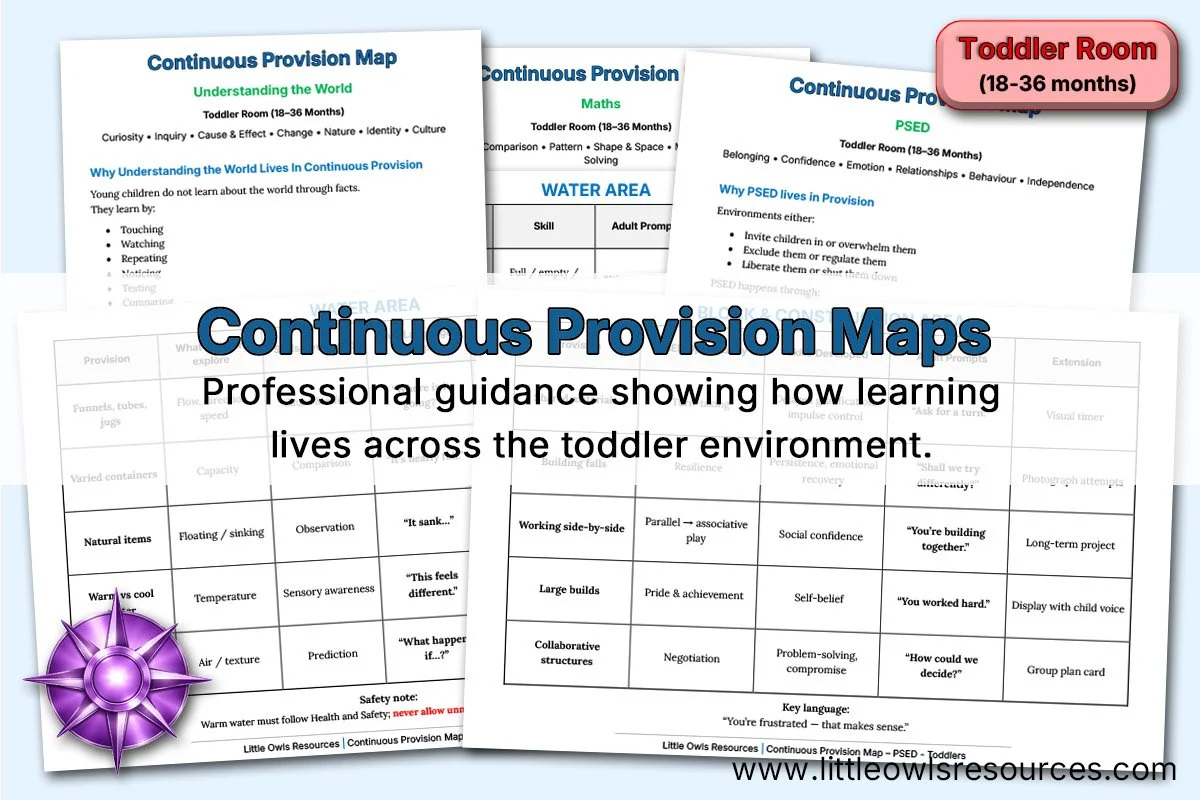
Continuous Provision Maps (18–36 Months)
C&L
PSED
PD
Maths Seeds
Literacy Seeds
UW
EAD
Why Mark Making Matters — Before Writing | Toddlers (18–36 Months)
Literacy Seed Skills Progression Pack | Toddlers (18–36 Months)
-
Preschool Literacy provision should support children’s enjoyment of books, early phonological awareness, mark-making confidence, print awareness and emergent writing through play-based experiences.
Storytelling areas with puppets, props and familiar story resources
Phase 1 phonics activities focused on sound, rhythm, rhyme and alliteration
Meaningful mark-making in role-play, construction and creative areas
Name recognition opportunities within routines and self-registration
Book corners that invite conversation, retelling and independent browsing
Writing materials available across continuous provision
Small group story, rhyme and listening games
Early writing opportunities such as cards, labels, maps, signs and lists
Fine motor activities supporting hand strength and control
Related Guidance:
Universal Continuous Provision Packs (Preschool | 3–4 Years)
Construction Area
Small World Area
Role-Play Area
Writing / Mark-Making Area
Maths Area
Creative Area (Art & Making)
Investigation / STEM / Discovery Area
Book Corner / Reading Den
Fine Motor Station
Water Area
Sand Area
Snack Area / Independence Station
Outdoor Provision Core Zones
Physical play
Gross motor skills
Nature area
Outdoor mark-making
Outdoor maths
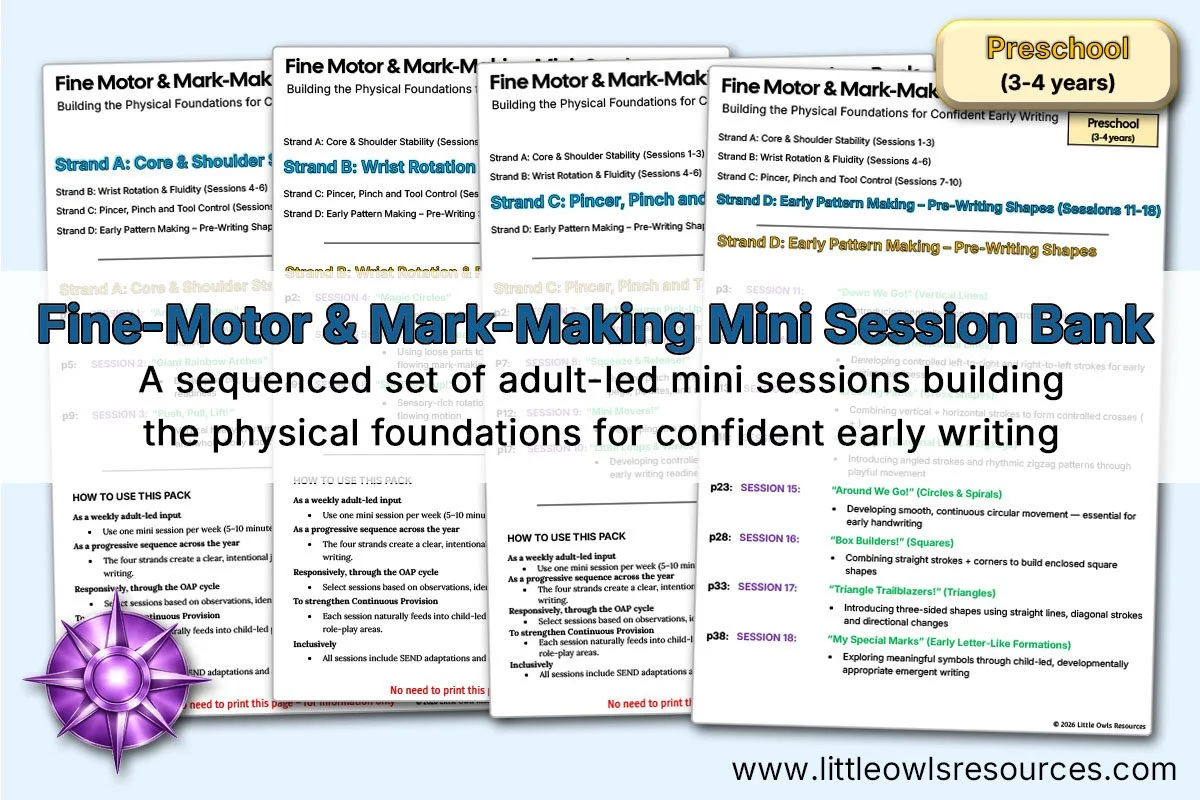
Fine-Motor & Mark-Making Mini Session Bank | Preschool (3–4 Years)
Preschool Skills Progression Ladder: Fine Motor & Hand Control
Early Writing Purpose Mini Session Bank | Preschool (3–4 Years)
-
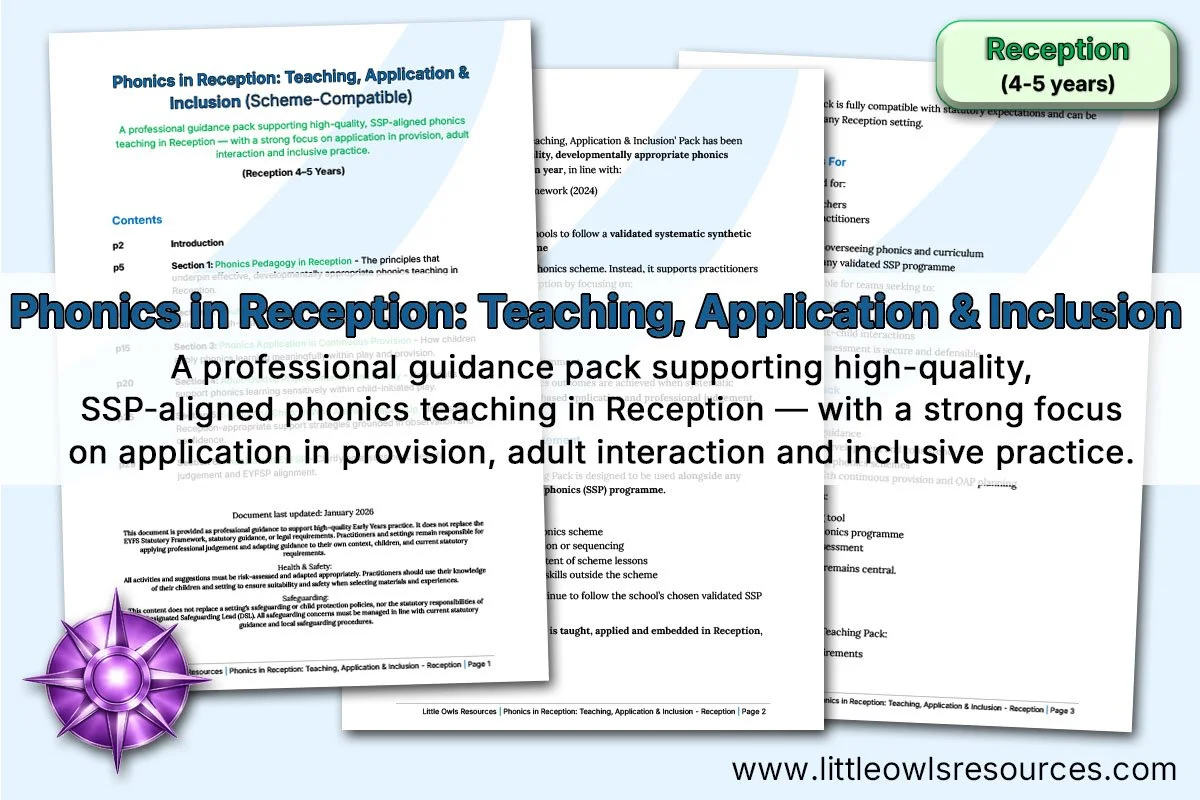
Reception Literacy provision should support children to apply phonics, enjoy reading, develop comprehension, write for meaningful purposes and build confidence as early readers and writers.
Phonics opportunities linked to taught sounds and words
Purposeful writing in role-play, investigation, construction and small world areas
Oral rehearsal before writing through talk, storytelling and sentence modelling
Story mapping, retelling and sequencing opportunities
Vocabulary-rich book areas linked to themes and interests
Writing invitations with real purposes, such as labels, signs, messages and lists
Adult-guided support for applying phonics within play
Opportunities to read and write outdoors and across provision
Fine motor and pencil control activities supporting writing fluency
Related Guidance:
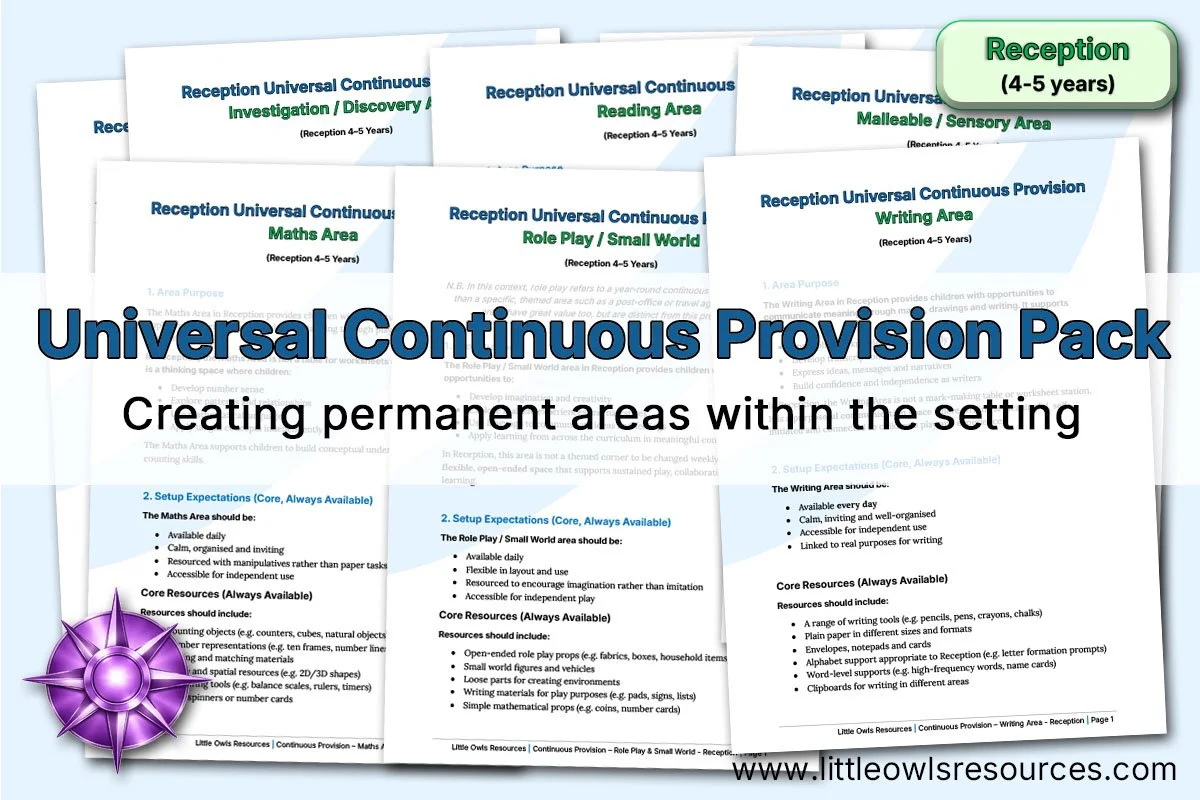
Universal Continuous Provision Pack (Areas listed below)
Construction
Creative
Investigation / Discovery
Maths
Reading
Role Play / Small World
Malleable / Sensory
Writing
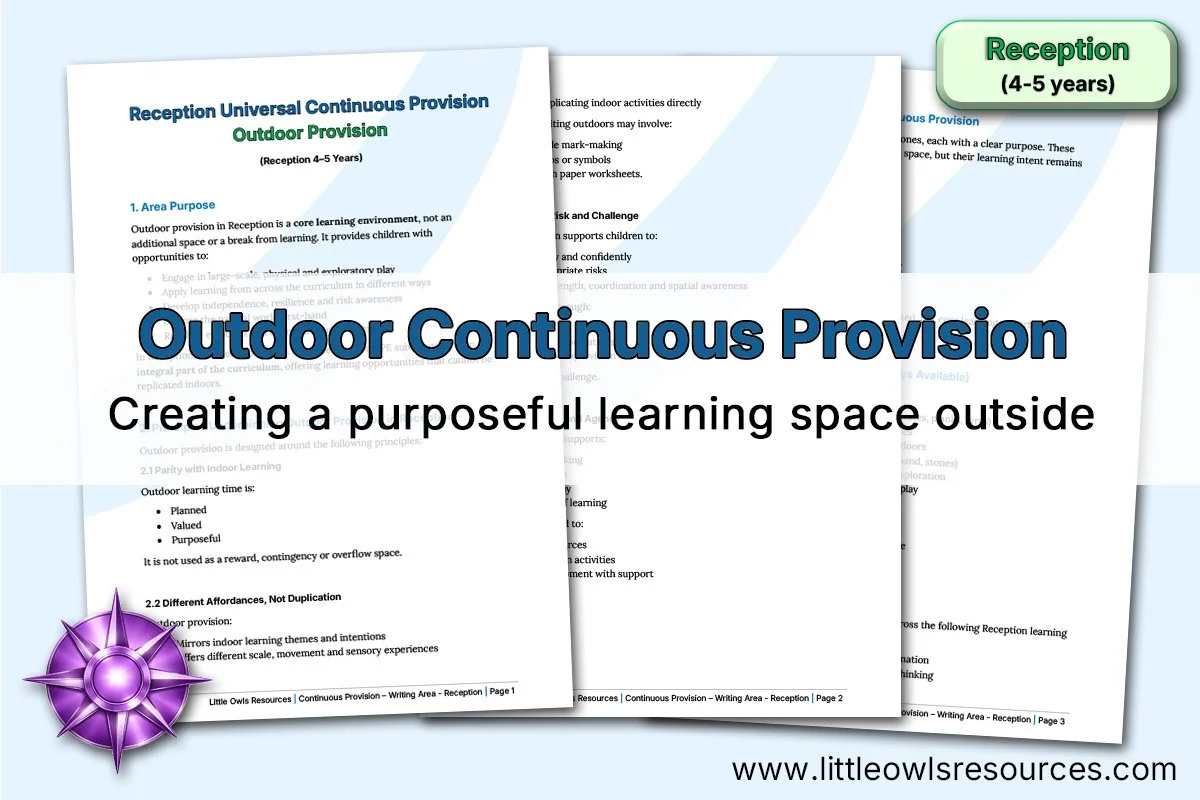
Outdoor Continuous Provision (Reception)
Fine Motor & Physical Development | Foundations for Writing in Reception (4–5 Years)
Reception Optional Theme-Based High-Impact Question & Vocabulary Banks
❓ Frequently Asked Questions About EYFS Literacy
-
Literacy is one of the specific areas of learning within the EYFS. It includes comprehension, word reading and writing.
-
Literacy supports children’s communication, imagination, vocabulary, early reading, writing, comprehension and confidence as learners.
-
Practitioners can support Literacy through story-rich environments, meaningful mark-making, role-play writing, phonics application, book areas, labels, signs and adult modelling.
-
Examples include phonics games, story retelling, writing labels and lists, reading simple words, oral rehearsal, sentence writing, book talk and writing for real purposes in provision.
-
Phase 1 phonics focuses on early listening, sound discrimination, rhythm, rhyme, alliteration, oral blending and phonological awareness before formal phonics teaching.
-
Mark-making helps children understand that marks can carry meaning. It also supports hand control, confidence, communication and the foundations for writing.
-
Fine motor development supports the hand strength, control and coordination children need for using tools, making marks and developing writing confidence.
-
Role-play gives children meaningful reasons to read, write, talk, label, make lists, use signs and explore print within imaginative contexts.
-
Settings can support children through large-scale mark-making, sensory play, fine motor activities, oral storytelling, shared writing and meaningful low-pressure writing opportunities.
-
Reception phonics should be taught systematically and then applied through meaningful opportunities in play, adult interaction, reading, writing and provision-based activities.
🧰 Additional ‘Literacy’ Tools & Guidance
When considering the support you provide for ‘Literacy’ within your setting, you may find resources on the following pages useful.
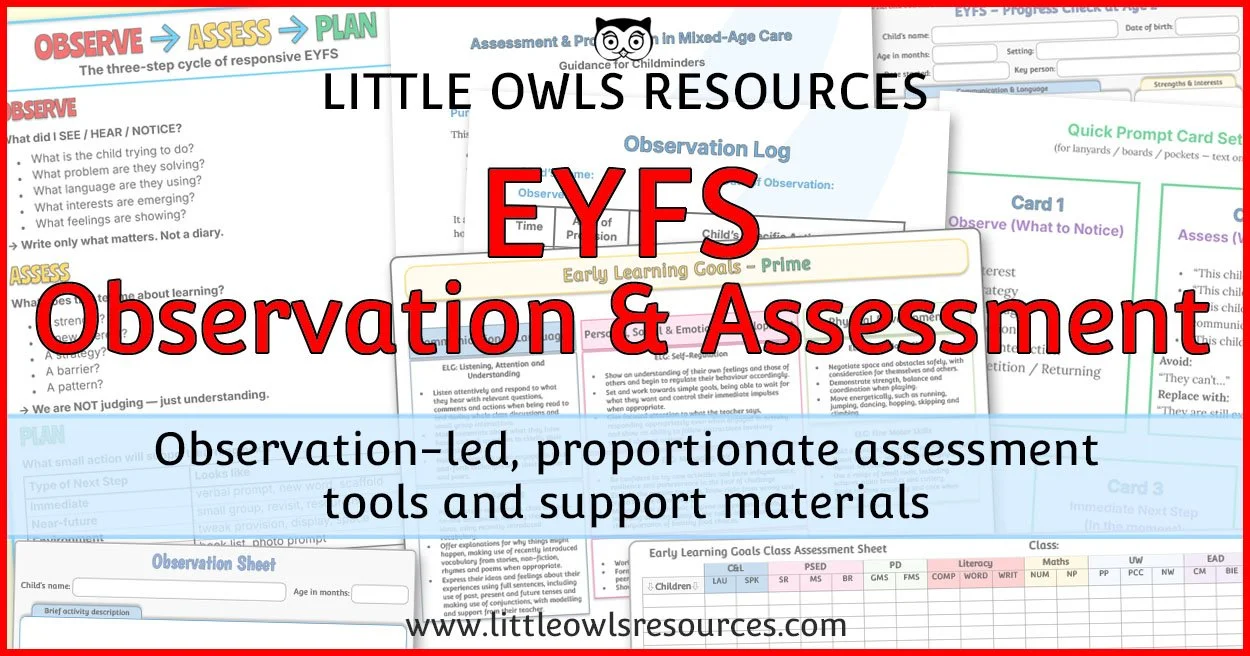
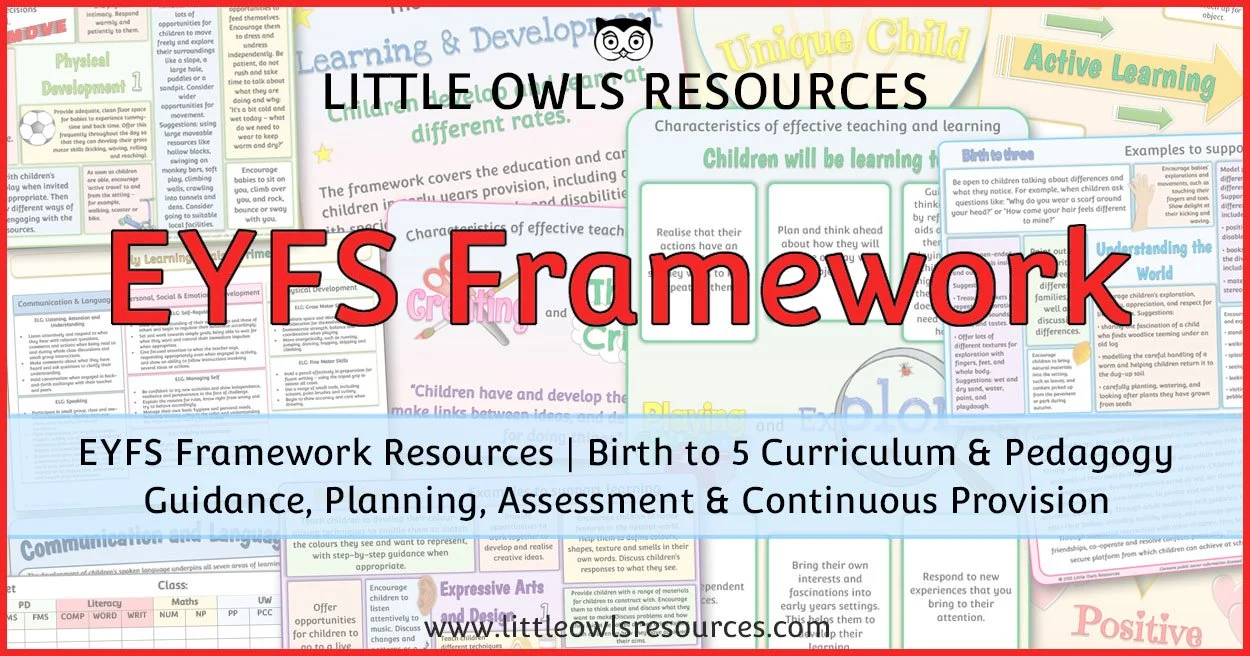
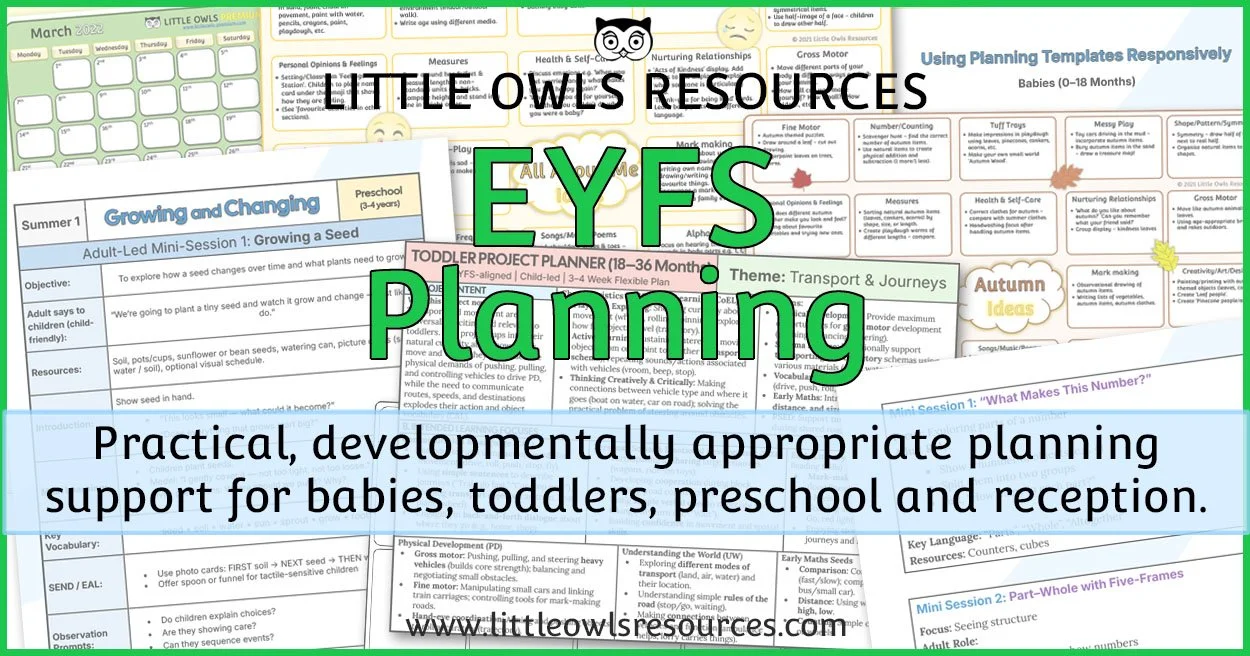
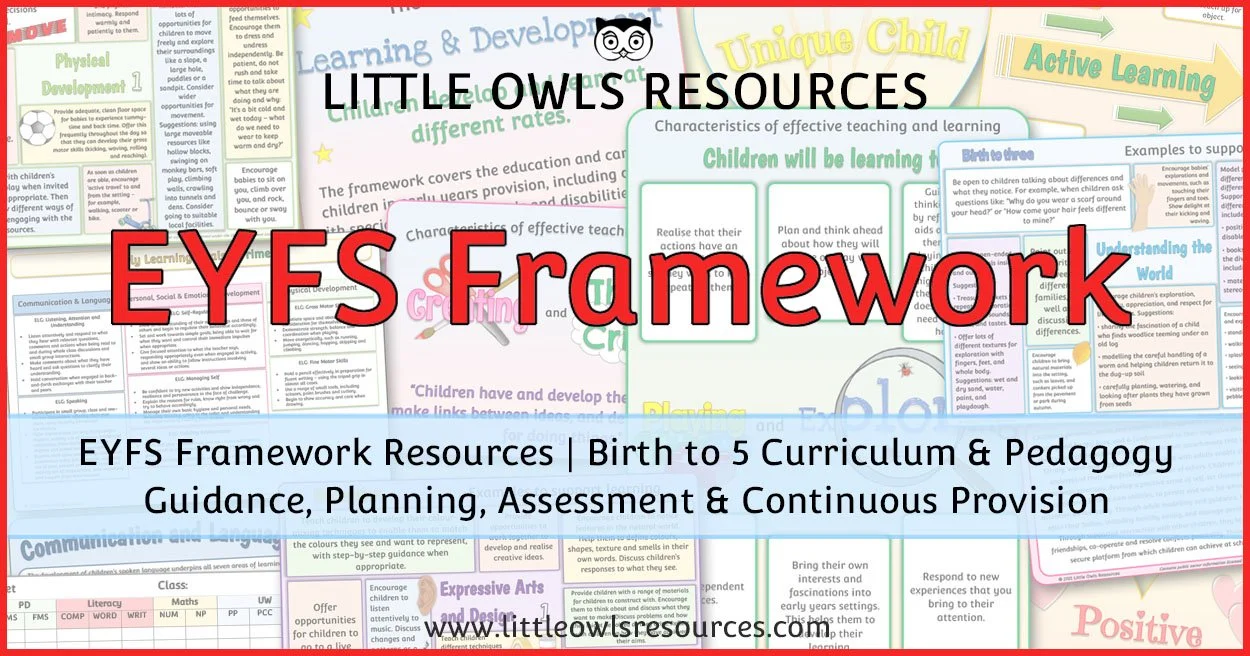
🌈 EYFS Printable Resources & Guidance for Additional Areas of Learning
Prime Areas of Learning
These areas are particularly important for building foundations in communication, wellbeing and physical development.
Specific Areas of Learning
These areas build on and strengthen the prime areas as children grow and develop.
Additional Curriculum Collections on Little Owls Resources
These collections support learning across multiple EYFS areas and are commonly used alongside the statutory framework.
More ways to search on ‘Little Owls Resources’…
(Select the buttons below to visit our menu pages)


This page contains public sector information licensed under the Open Government Licence v3.0.
Set sail on an exciting storytelling adventure with our wonderful Pirates: Tell Me a Story Picture Prompts!
This engaging printable resource has been designed to inspire children's imagination, vocabulary development and oral storytelling through a collection of colourful pirate-themed picture…