


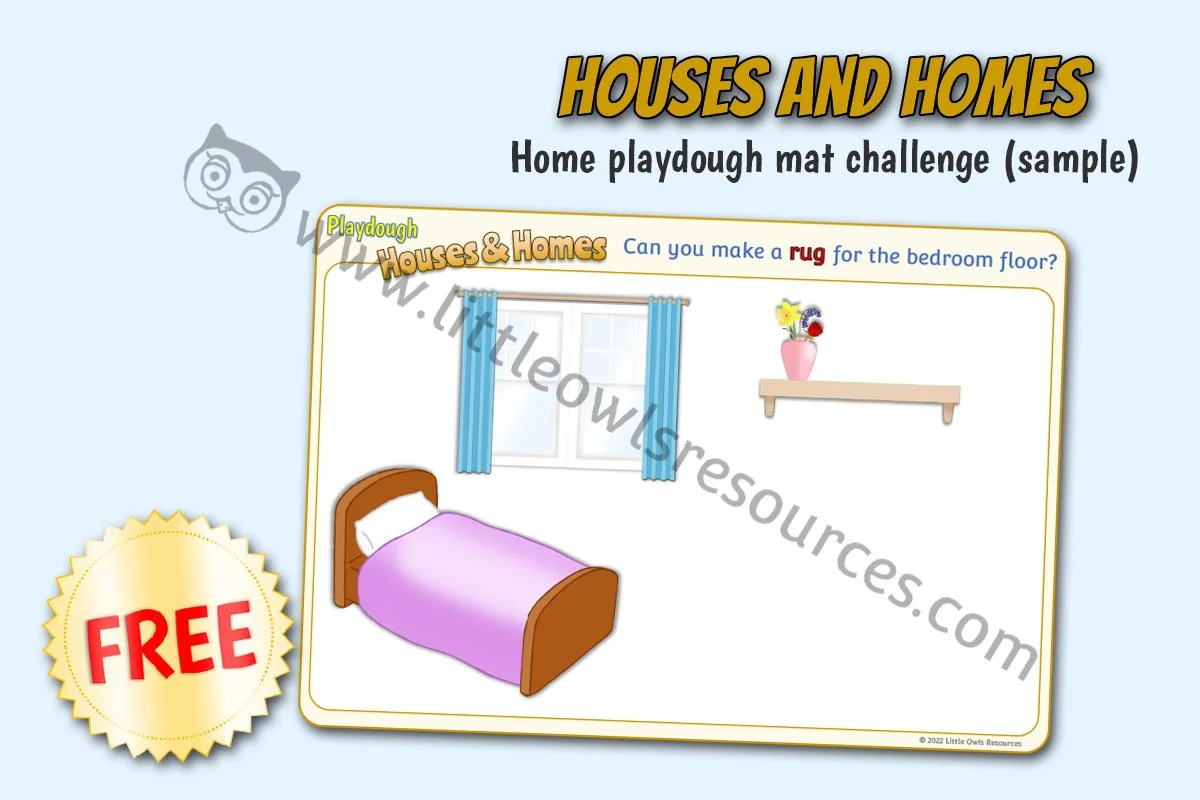
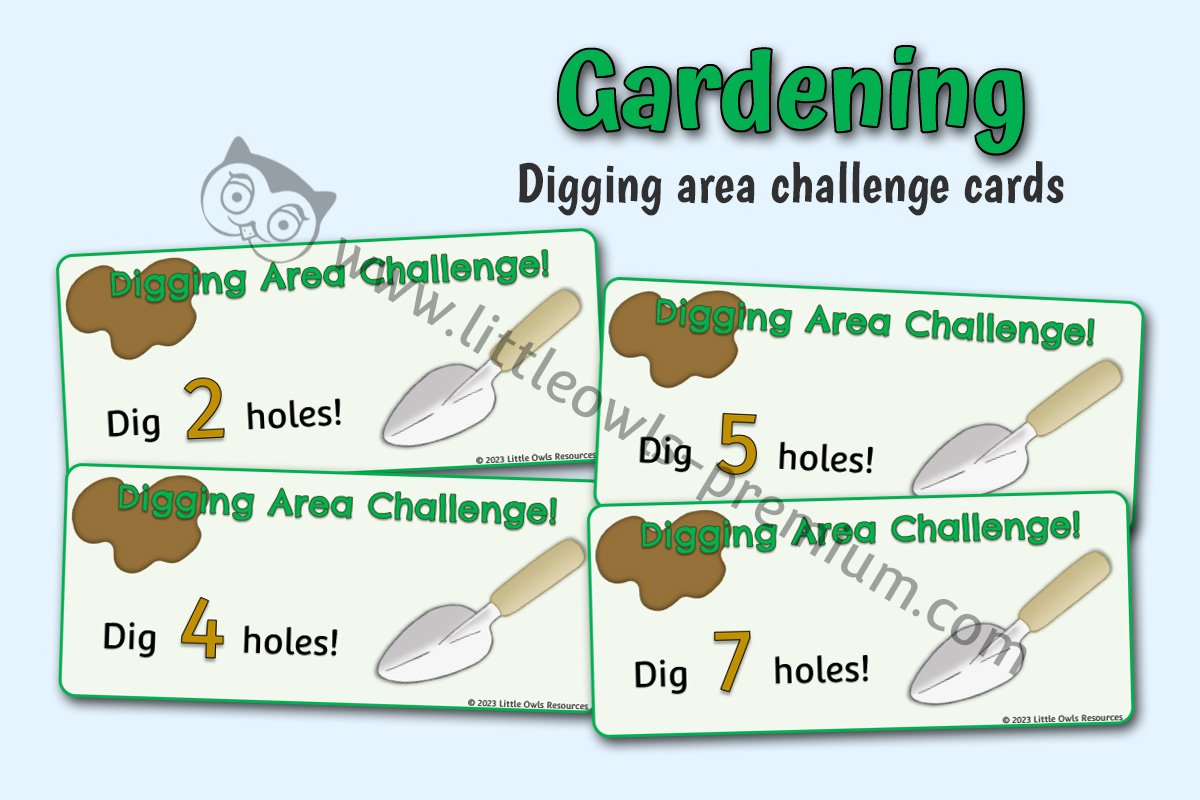
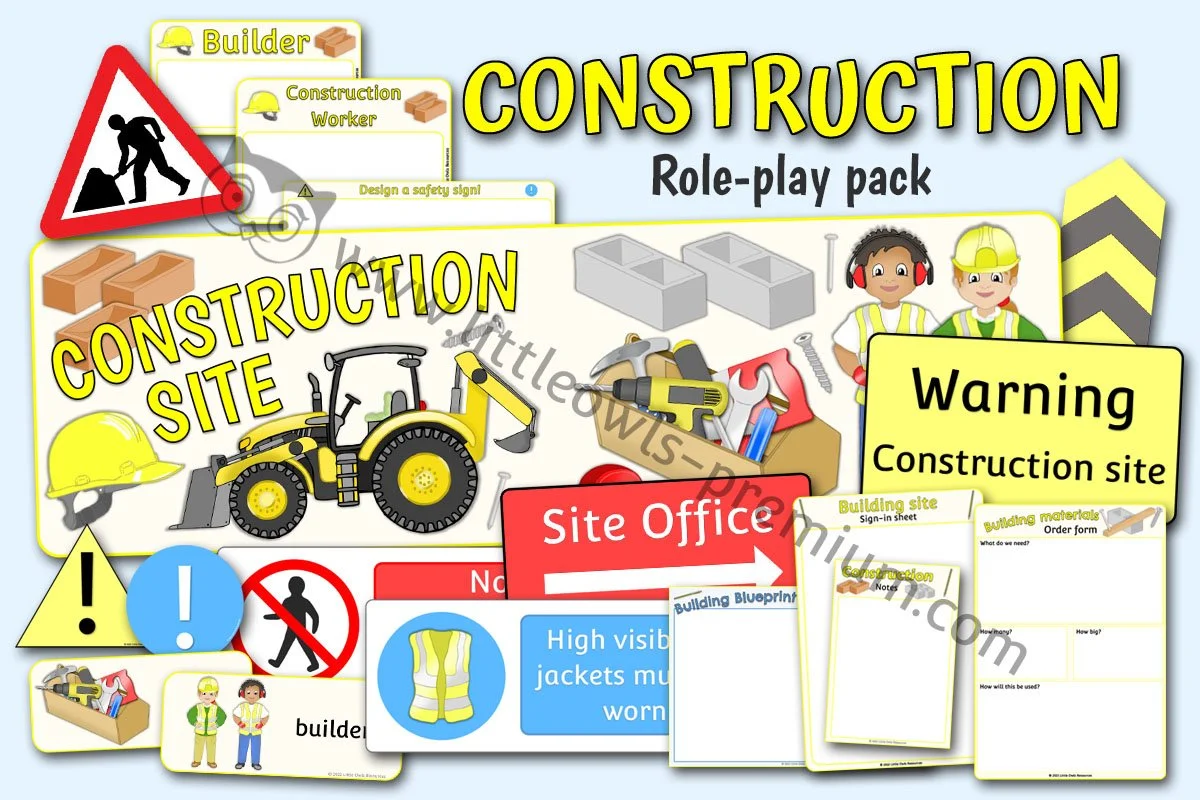
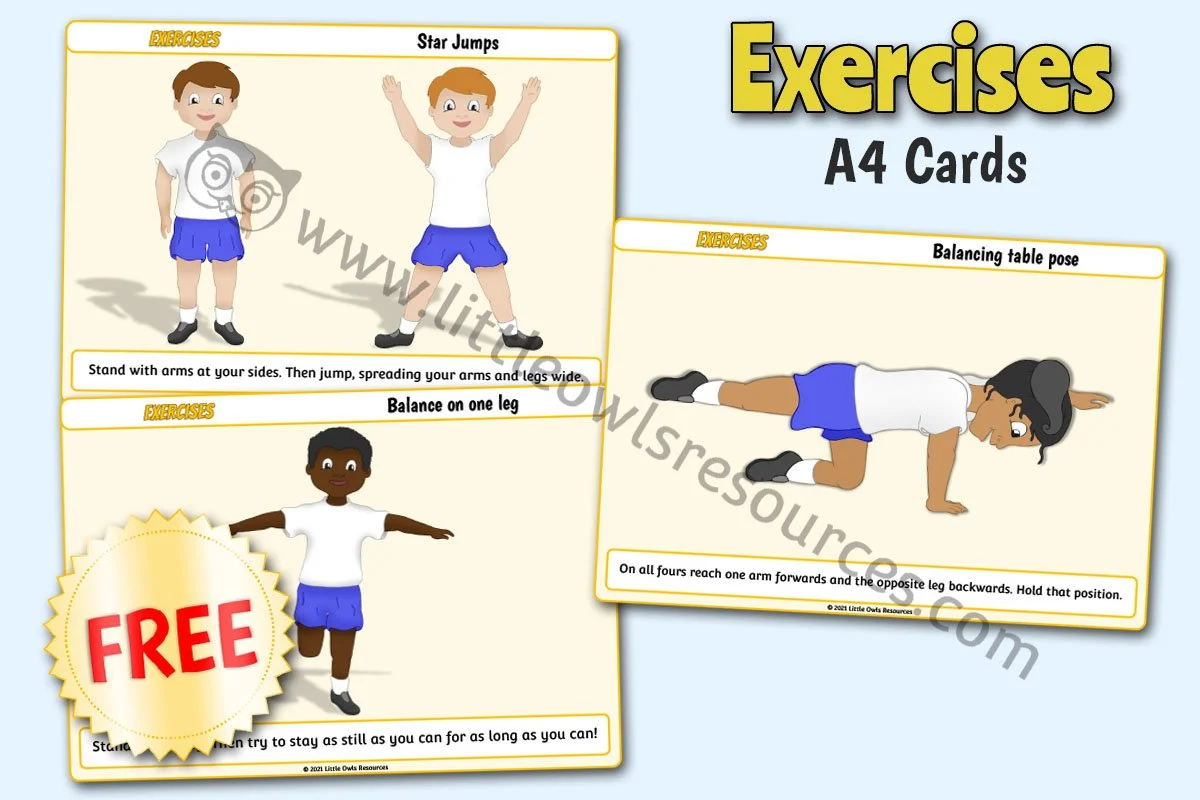
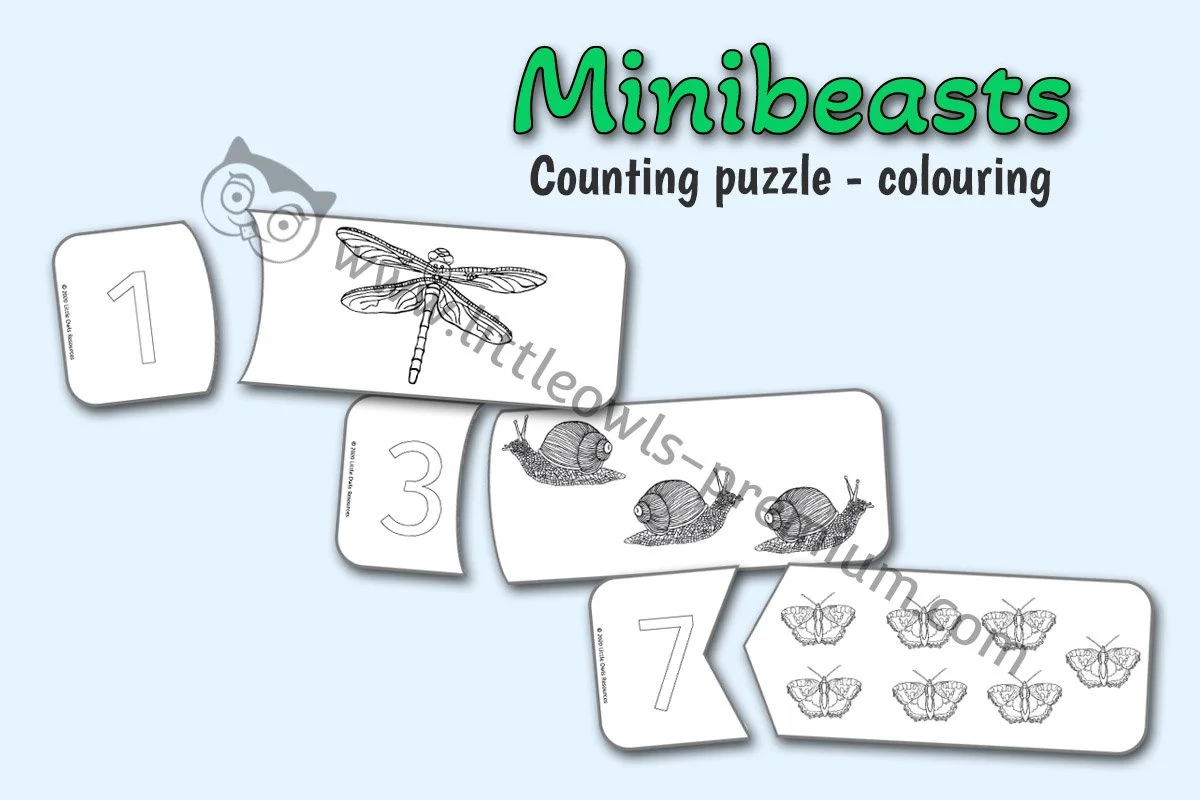

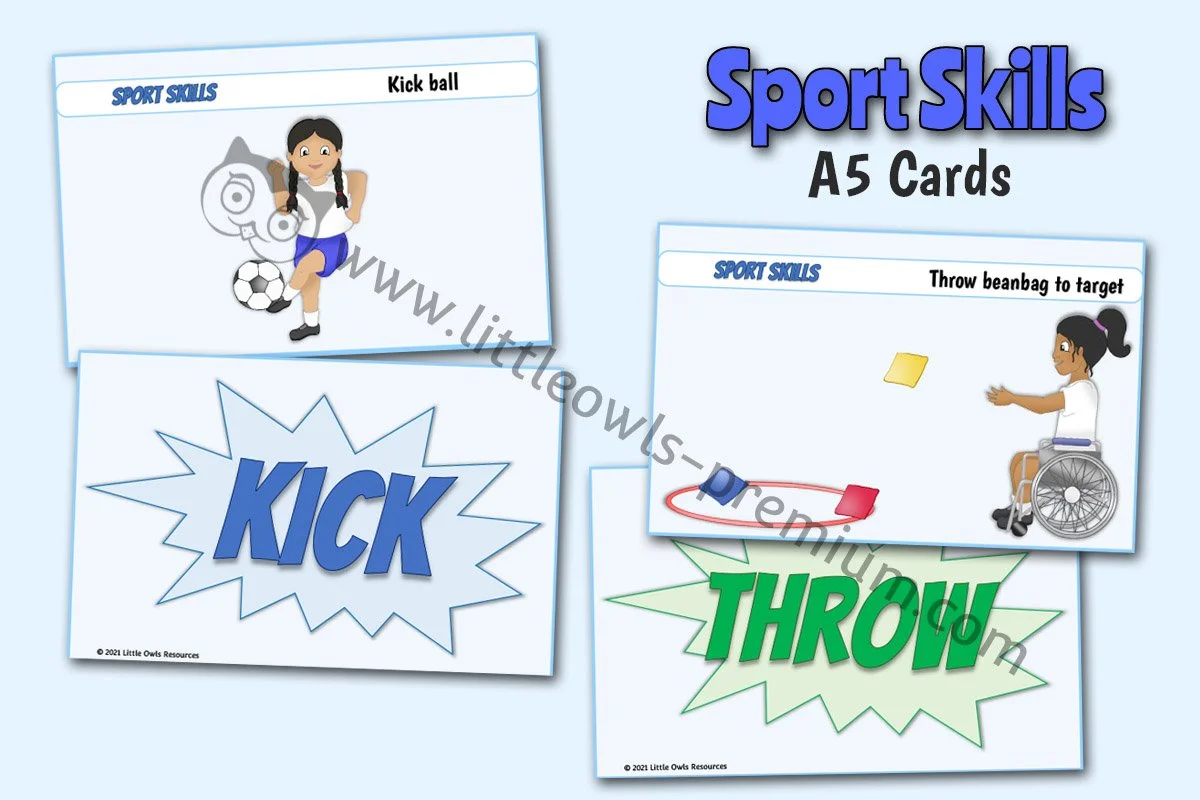
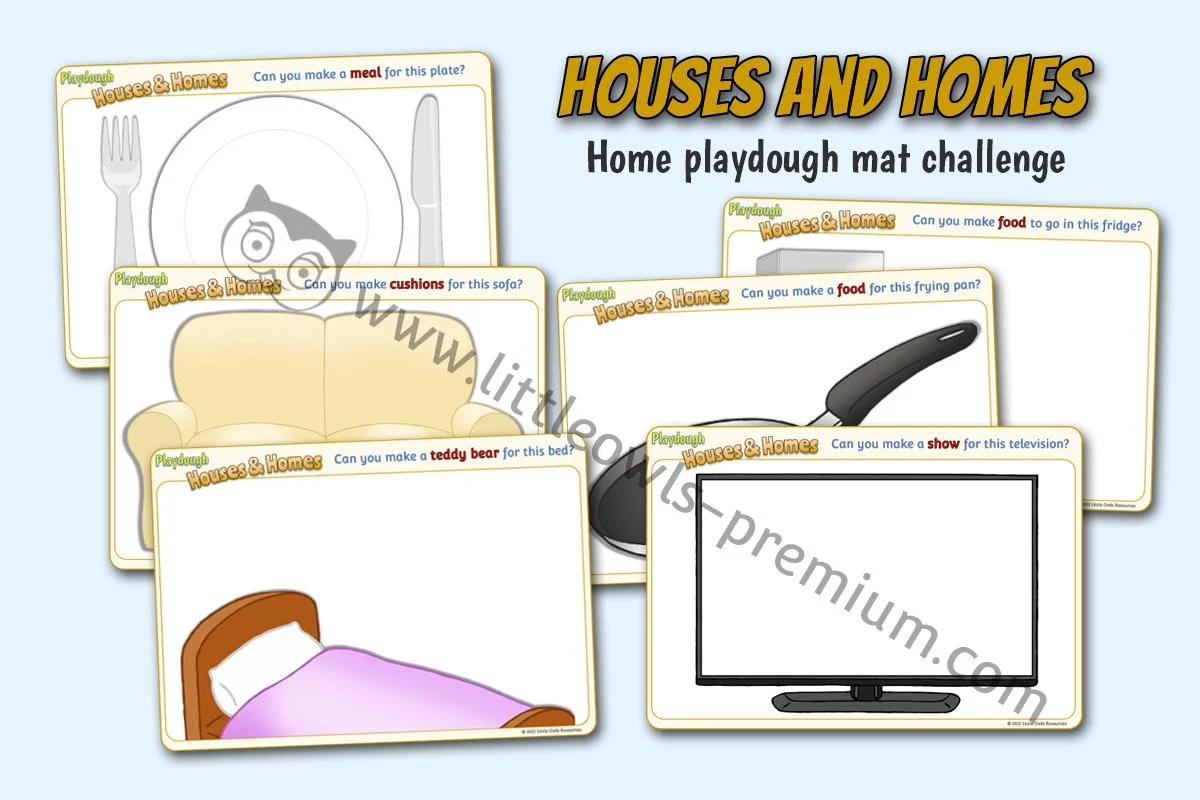
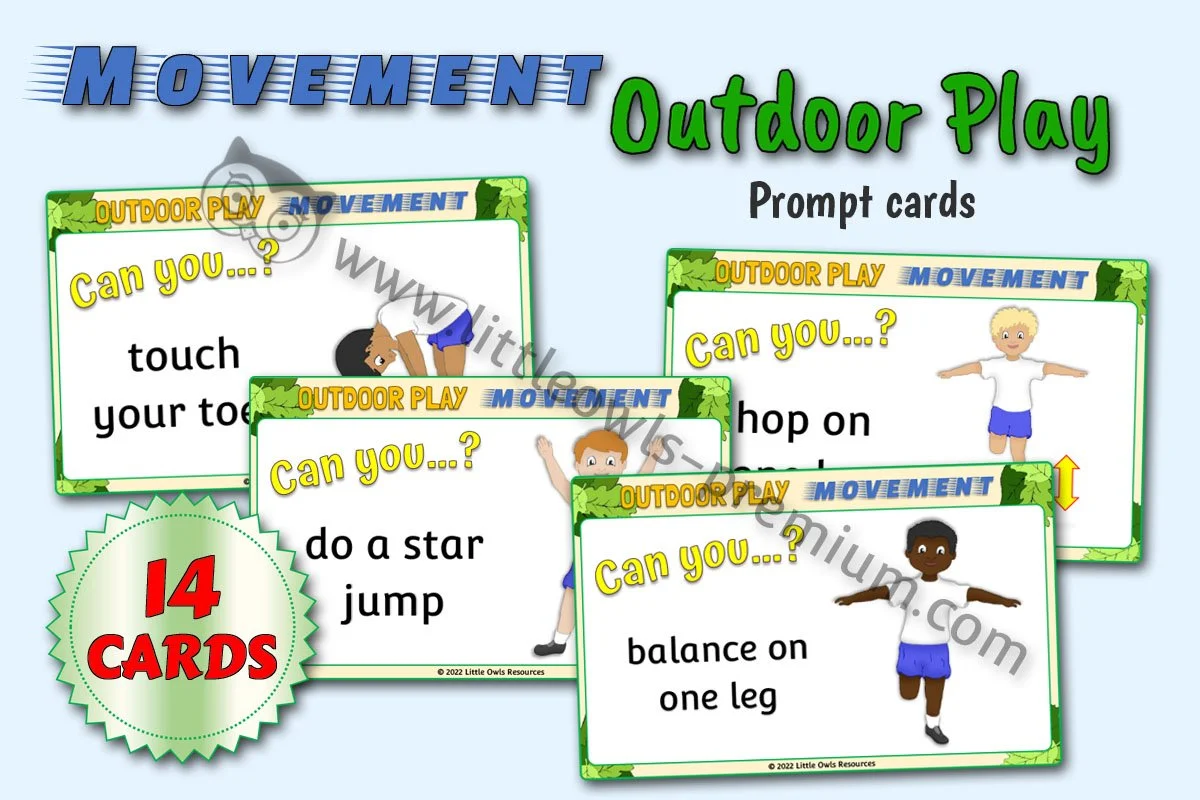

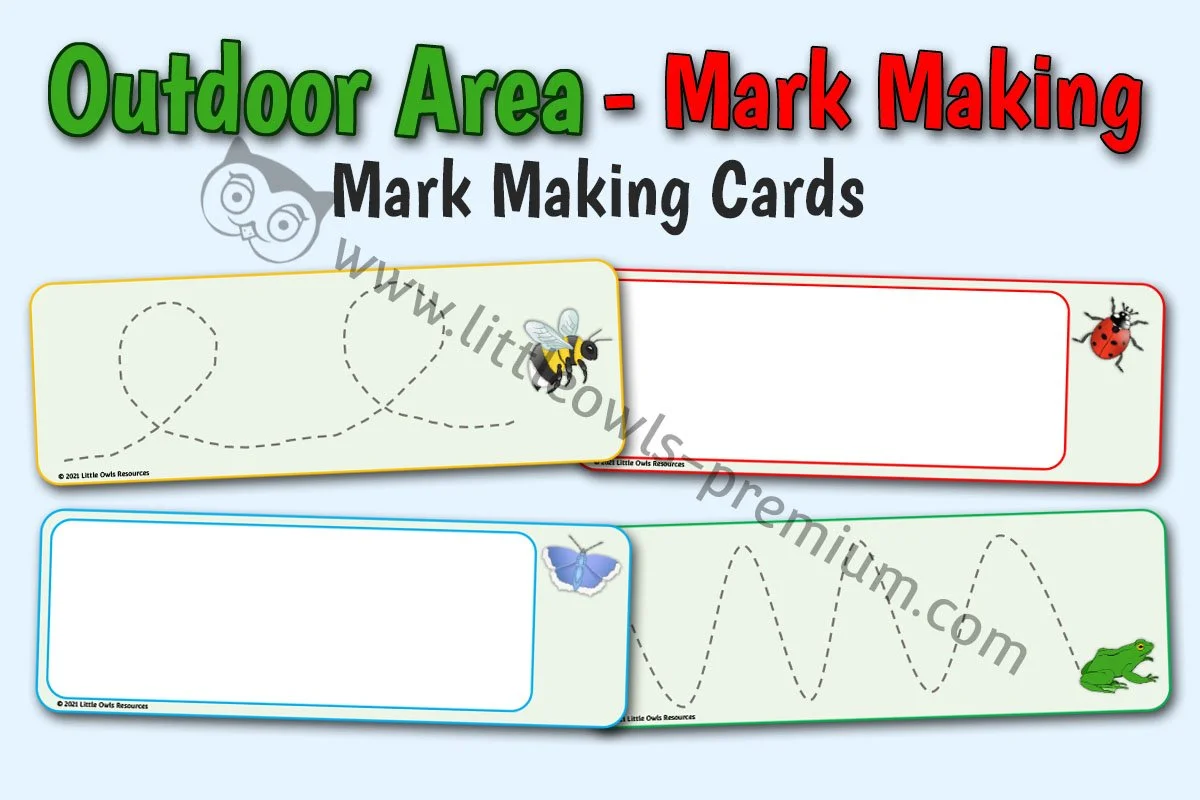
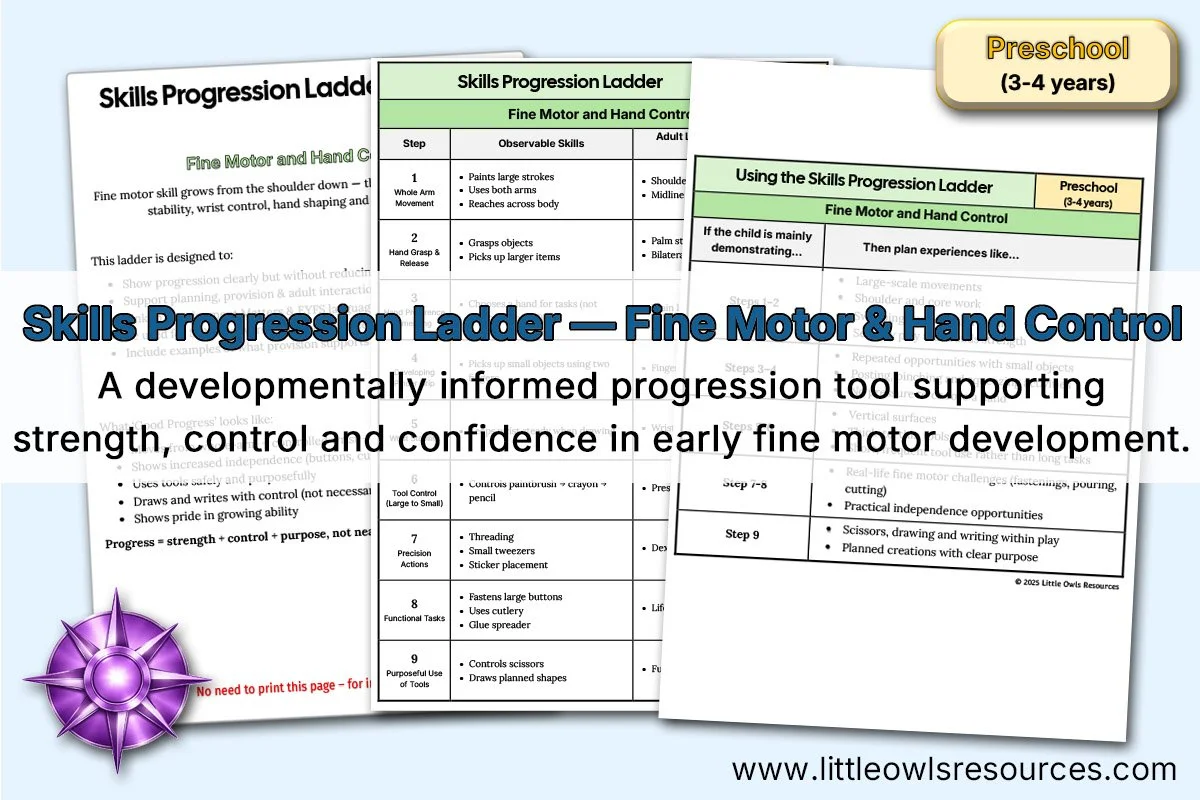
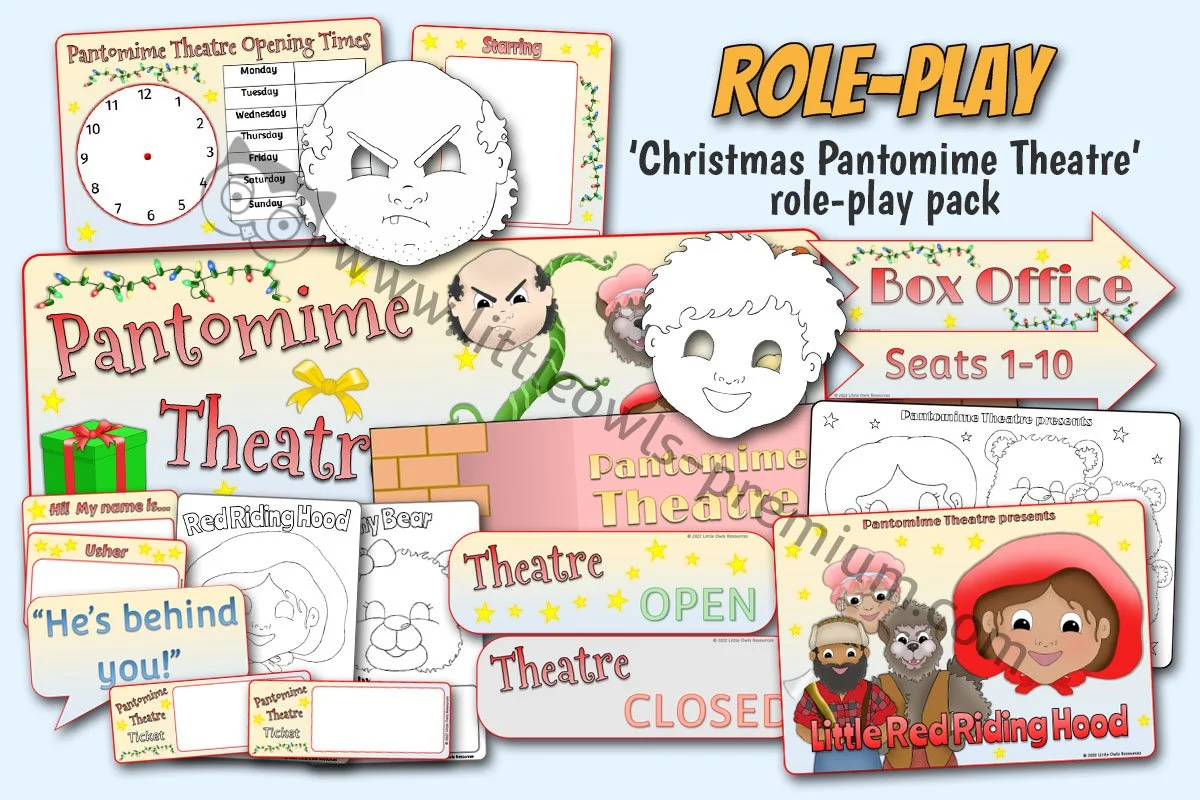
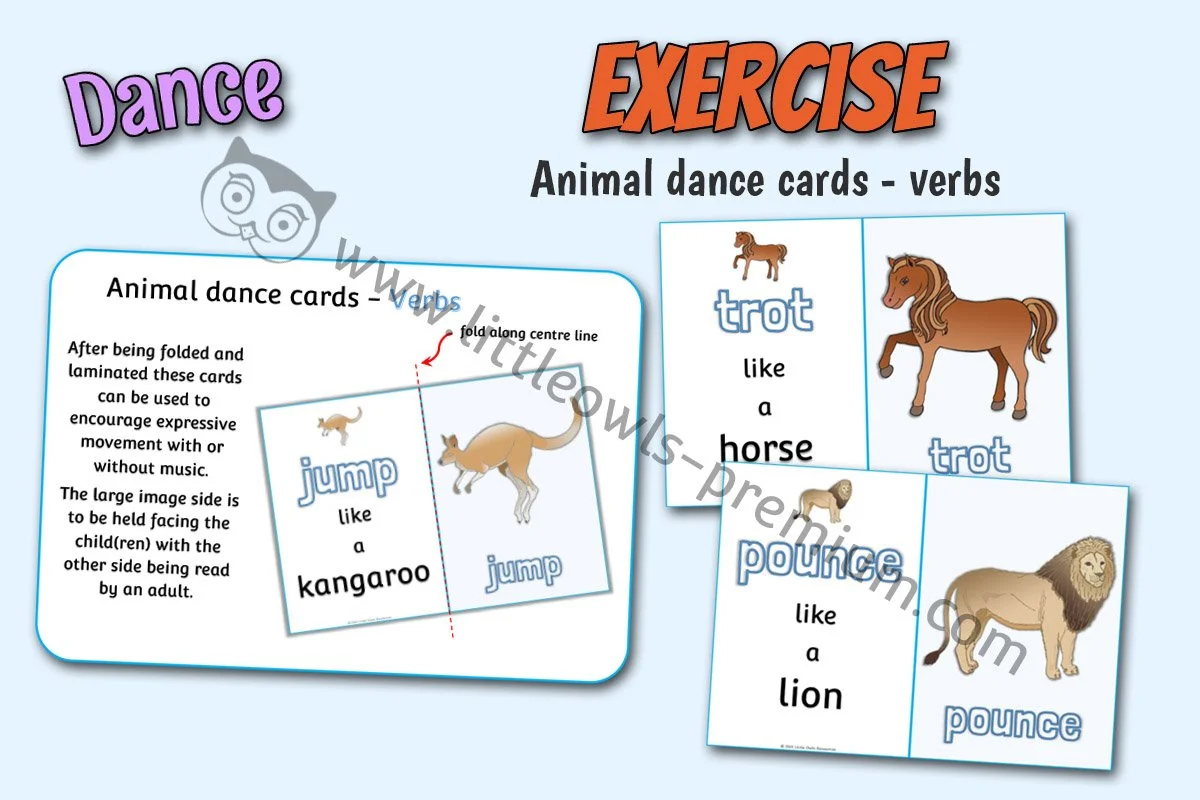
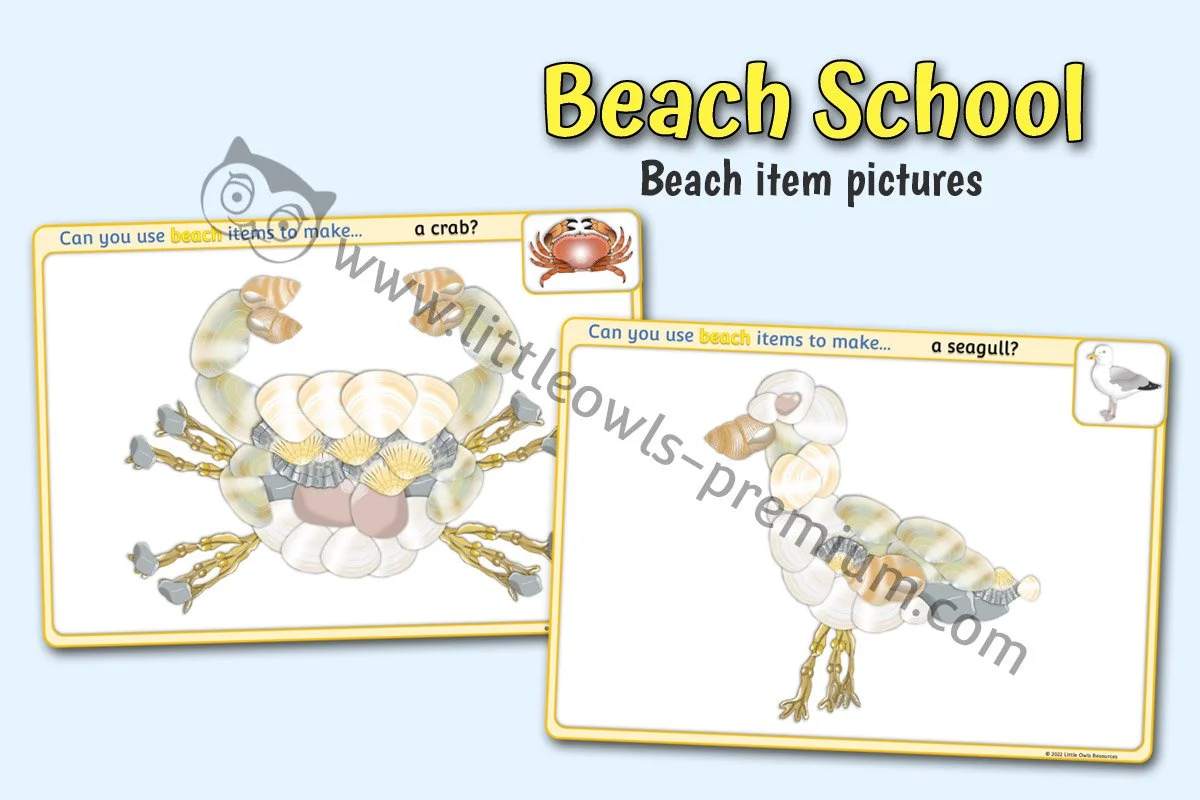

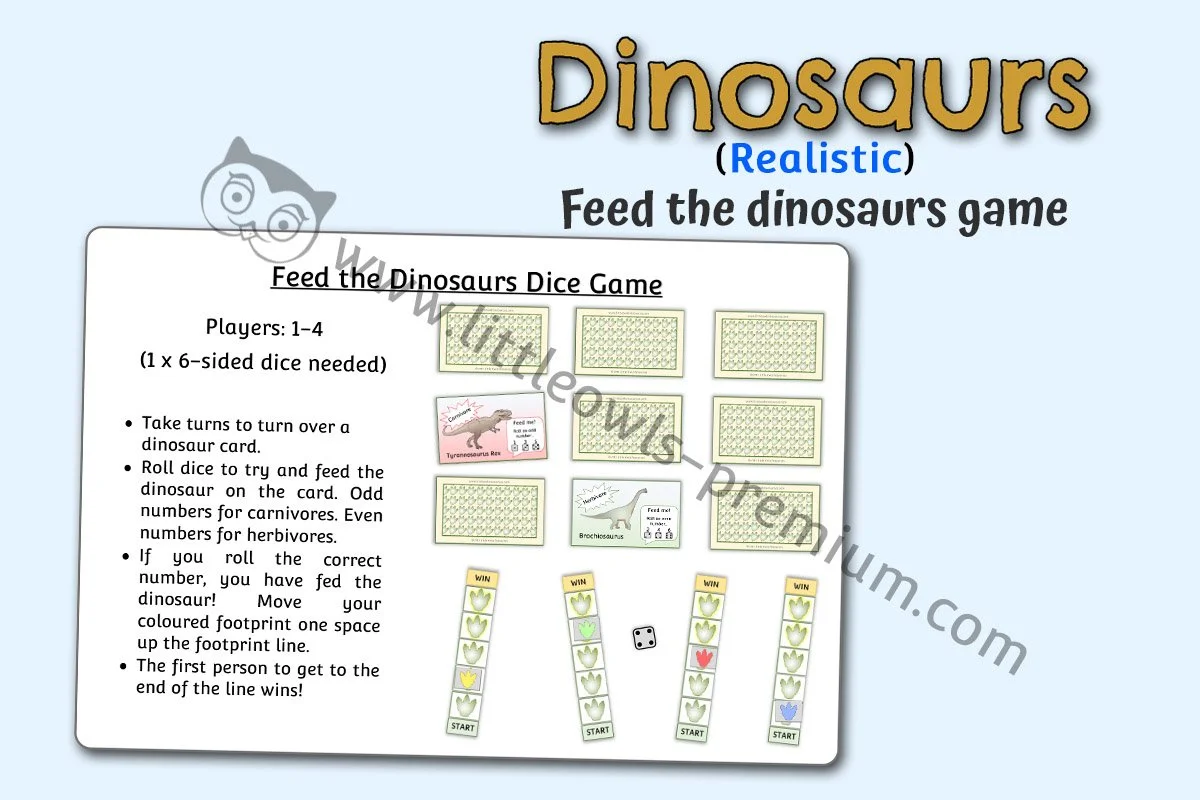
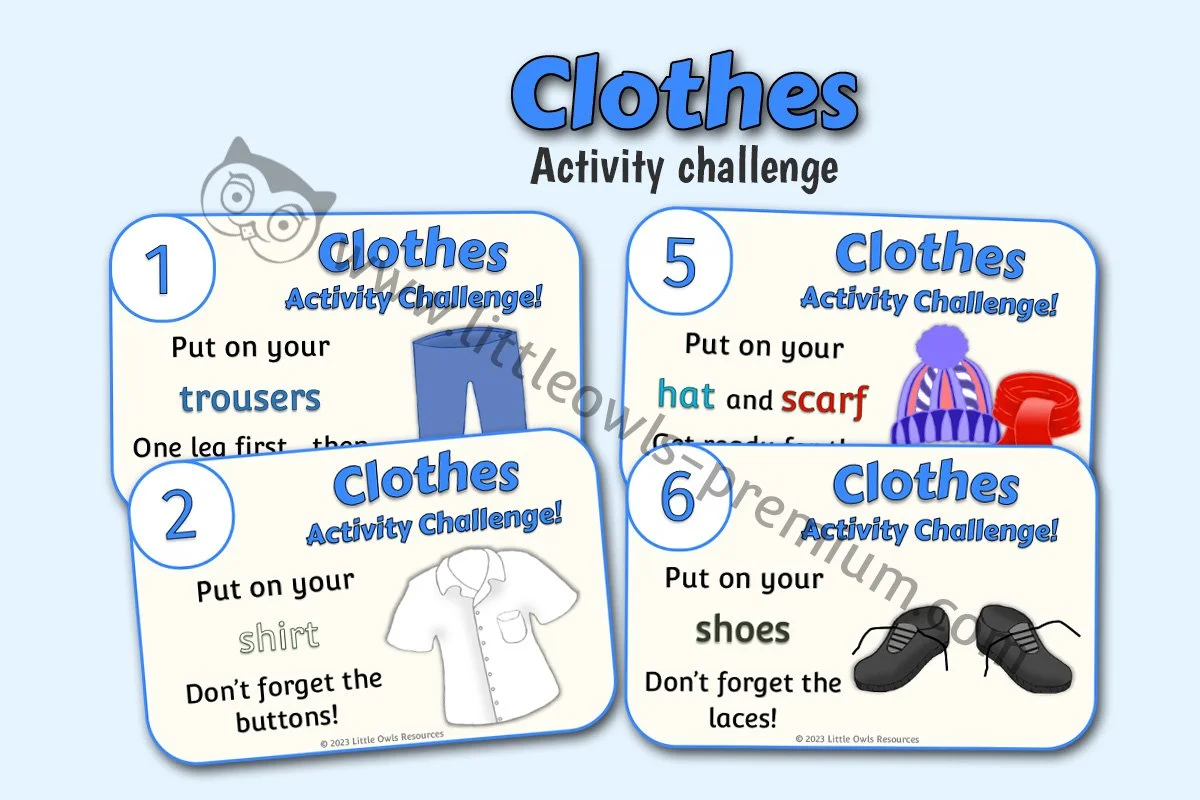
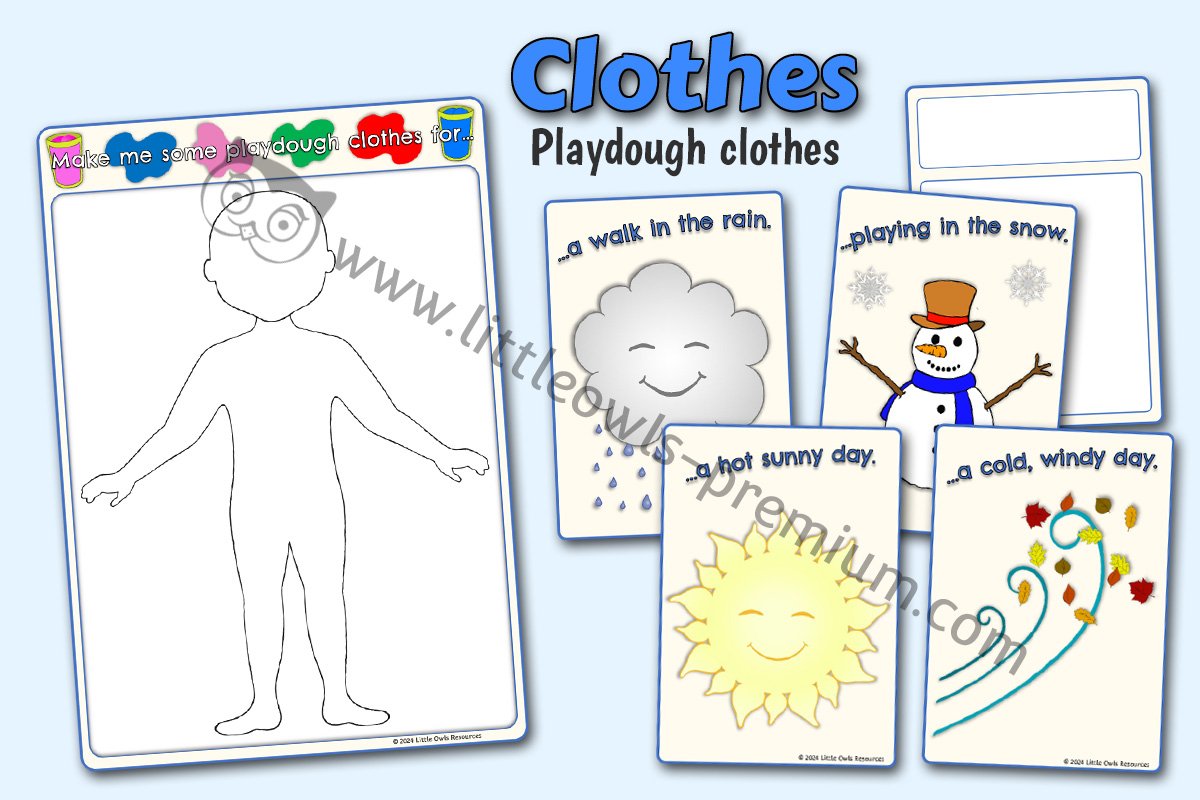


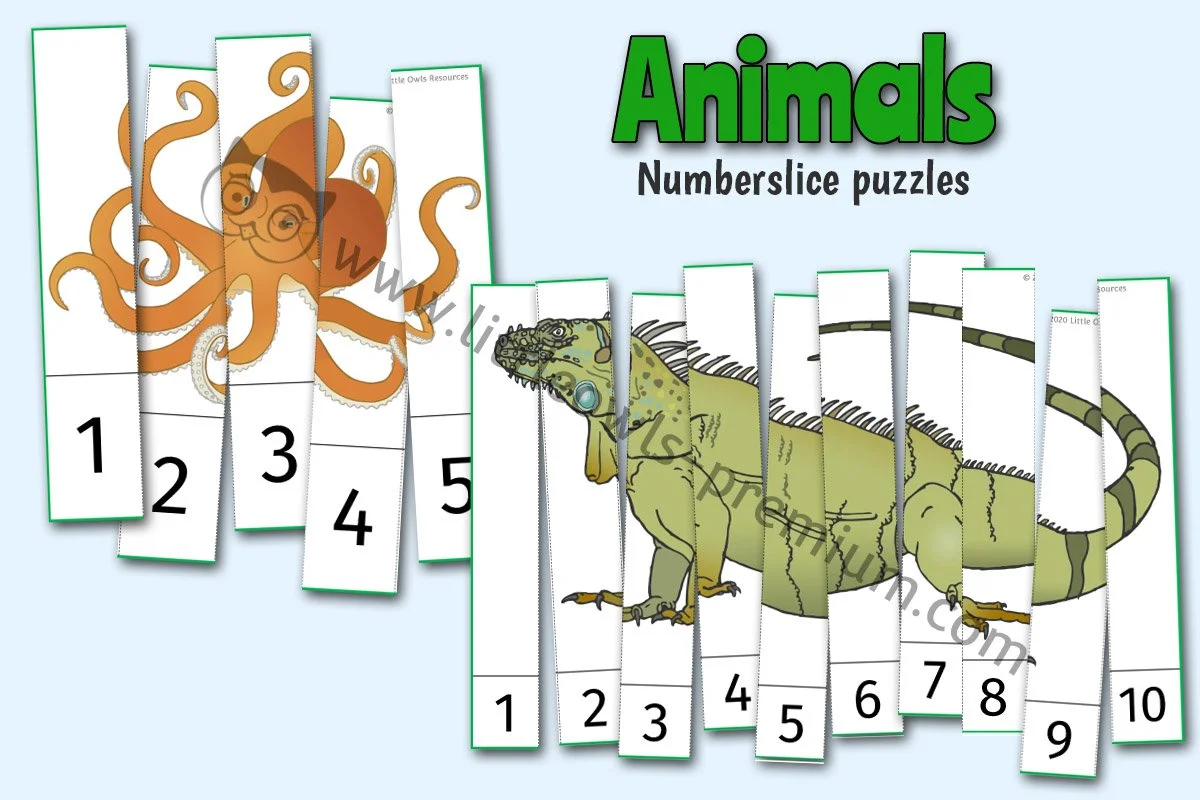
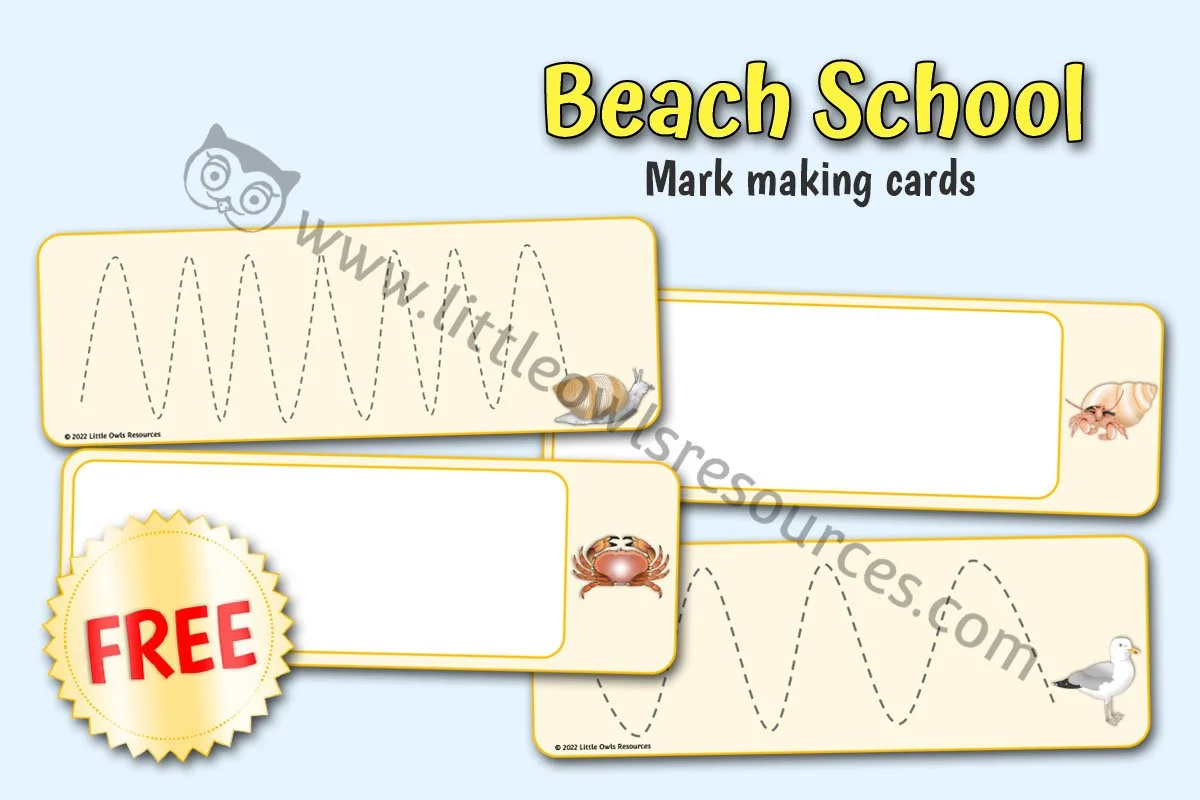
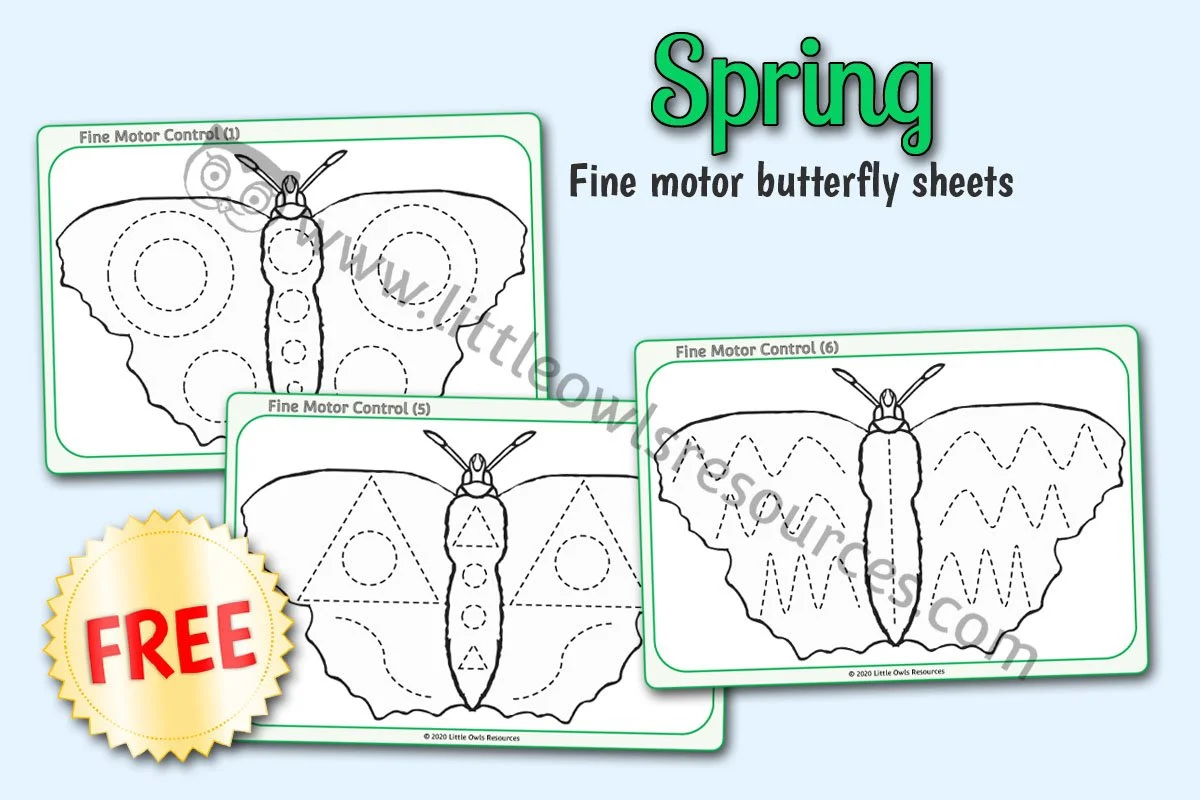
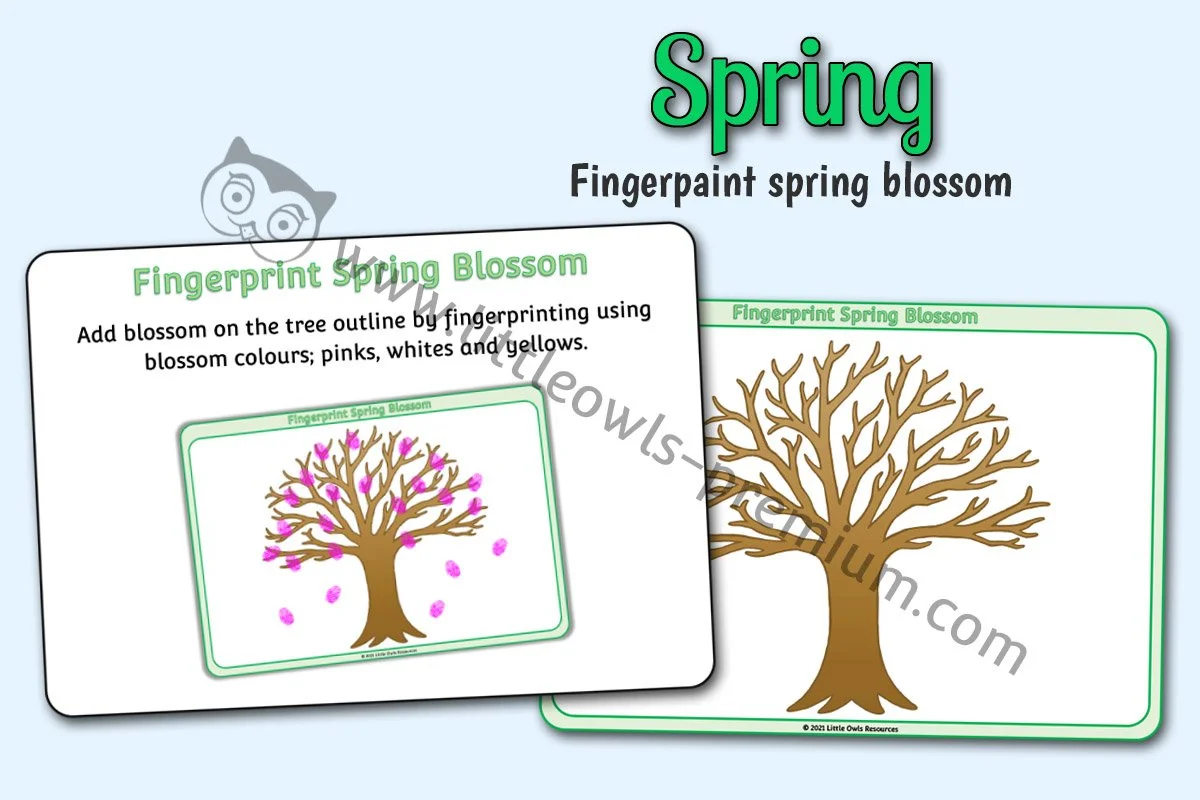
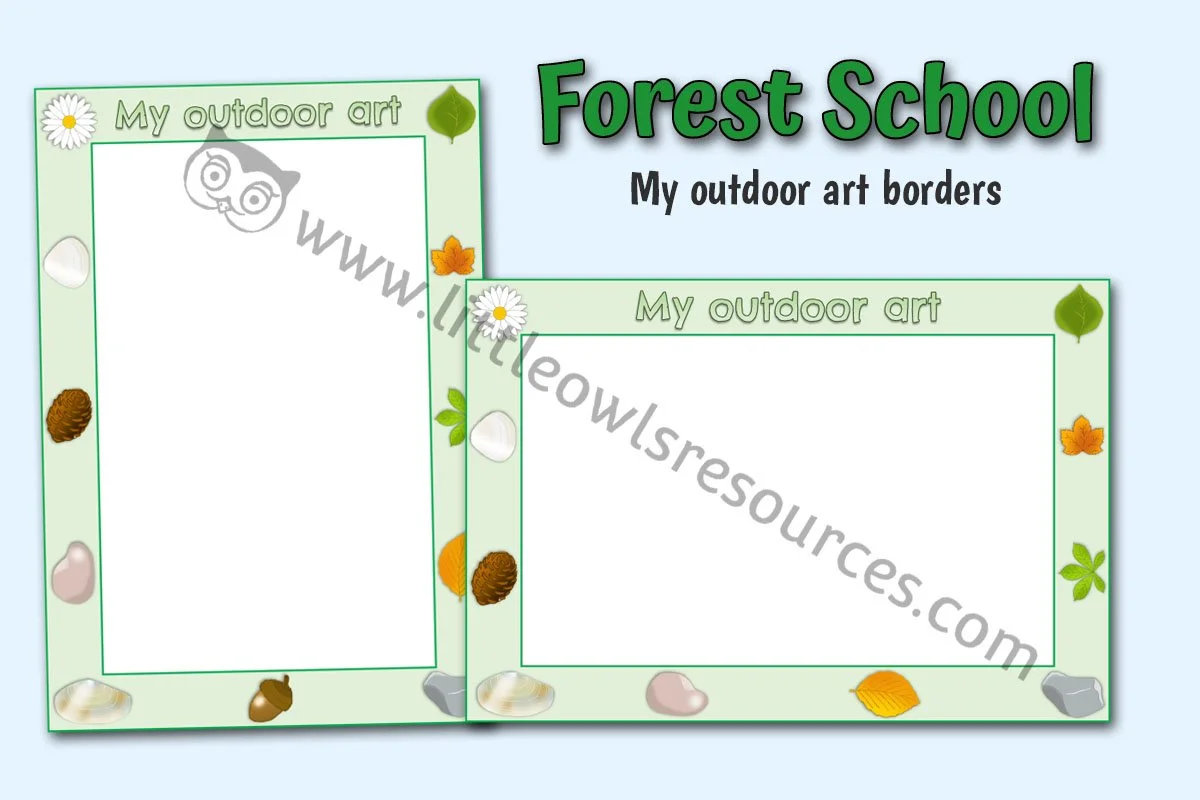
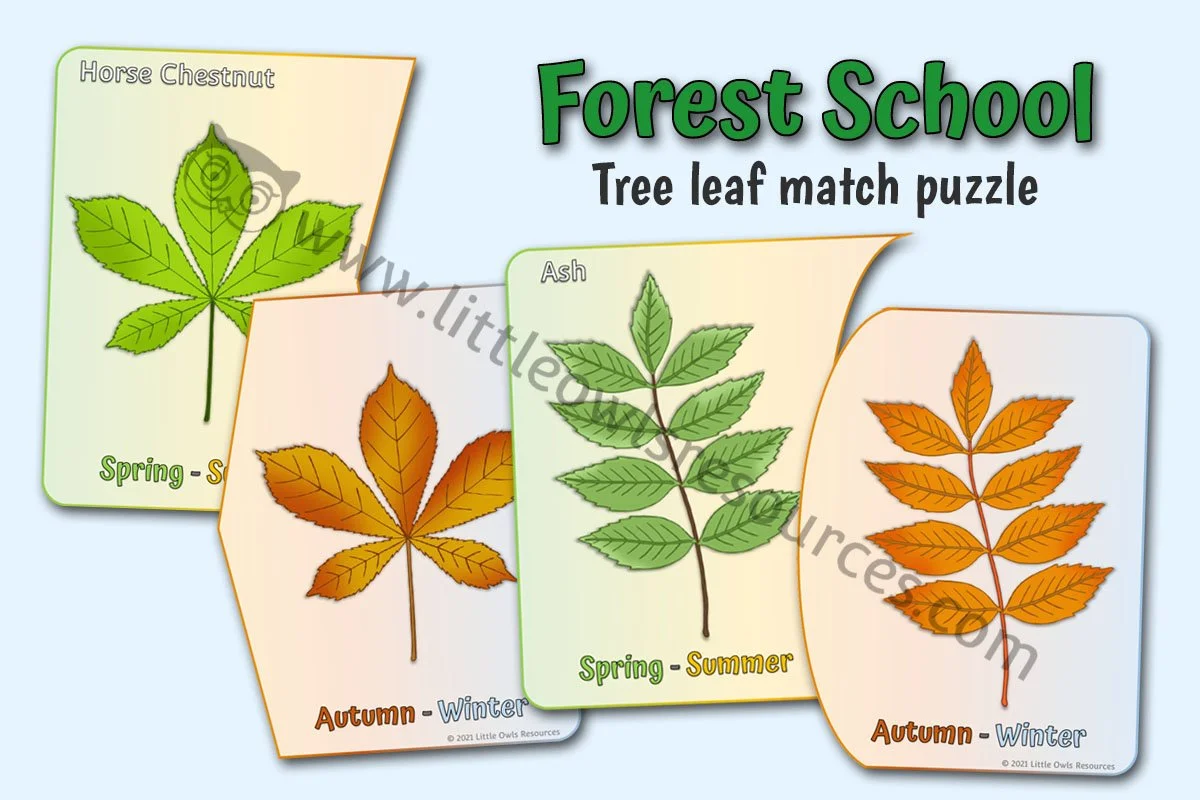
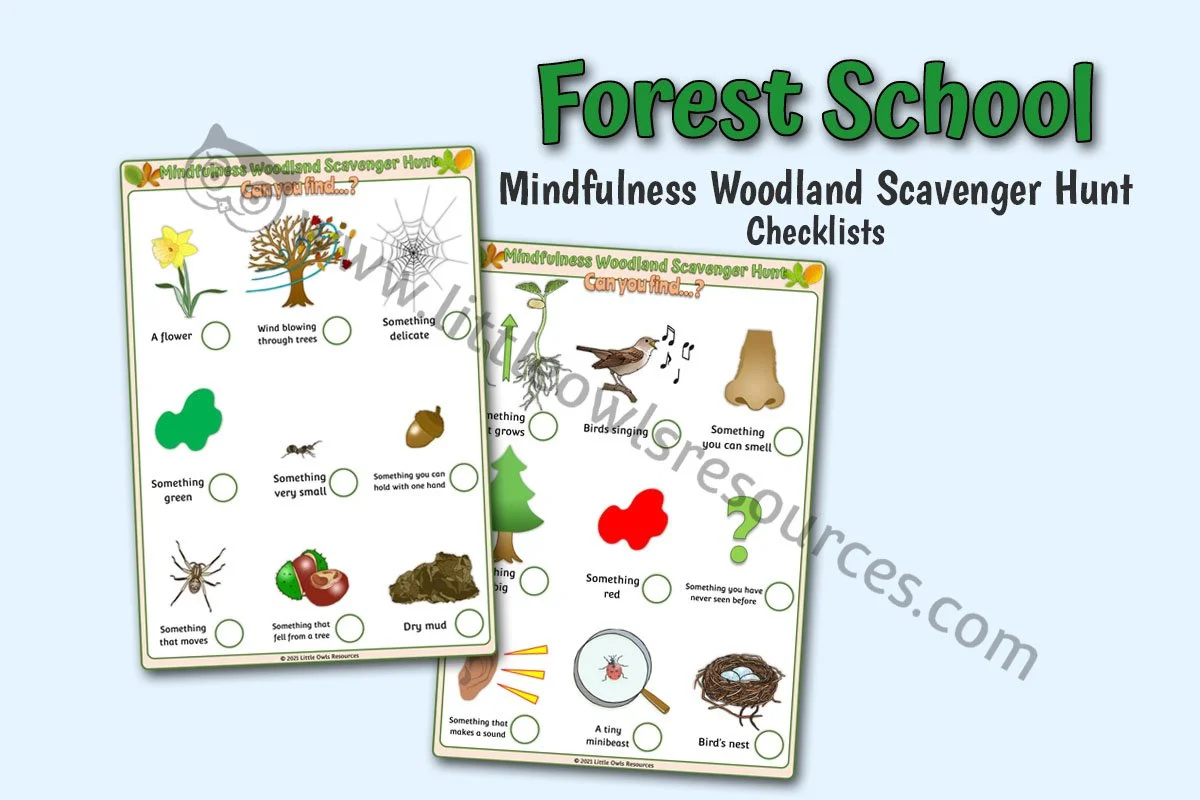
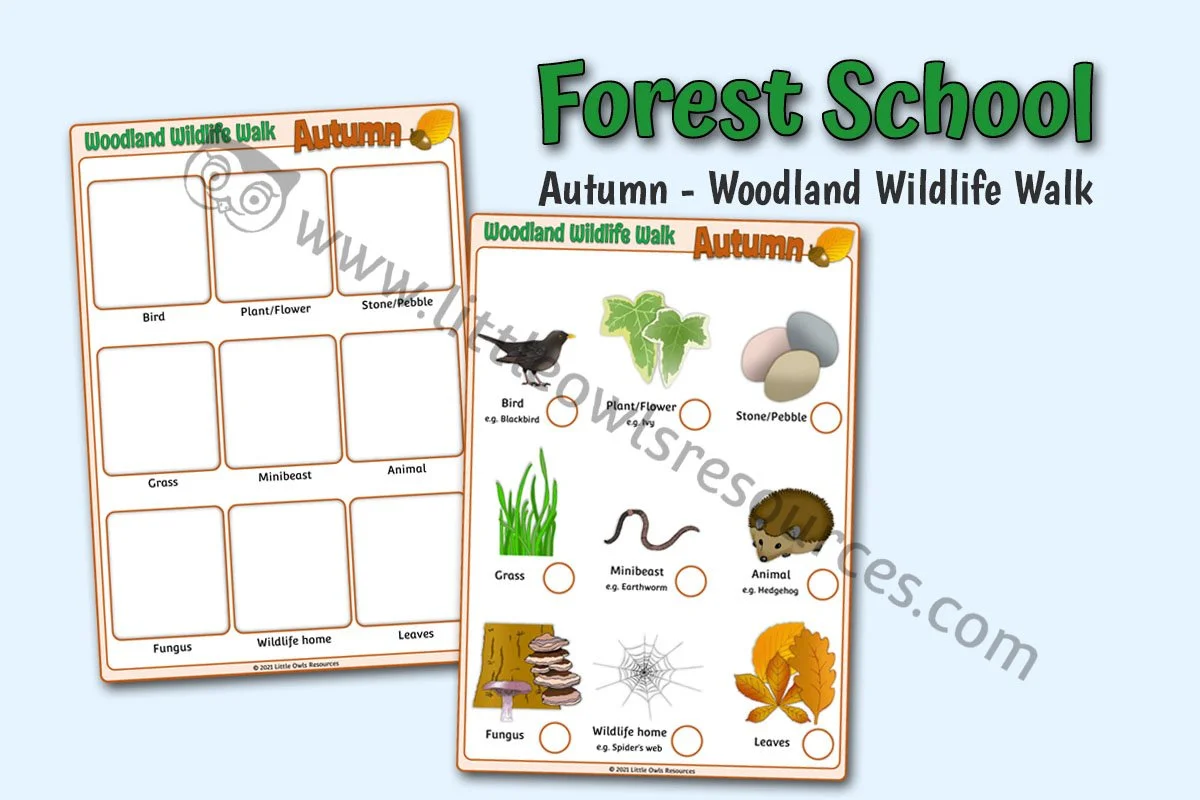
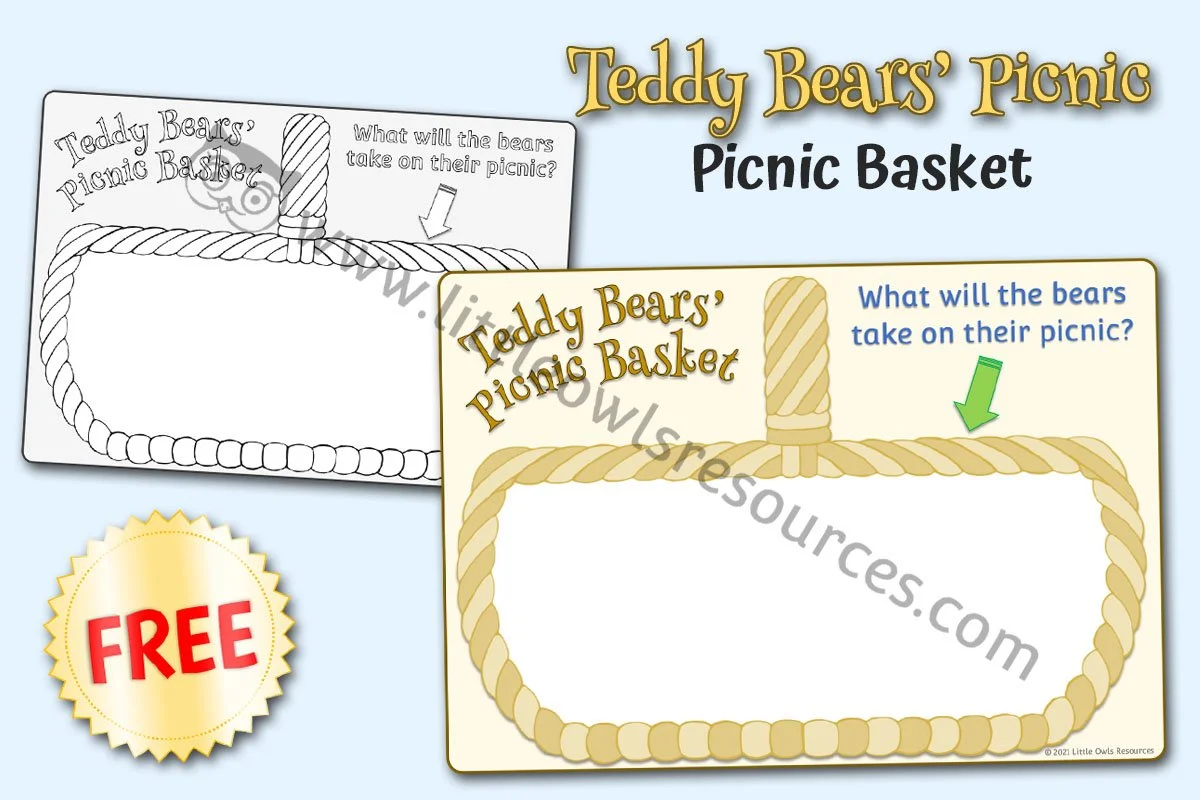
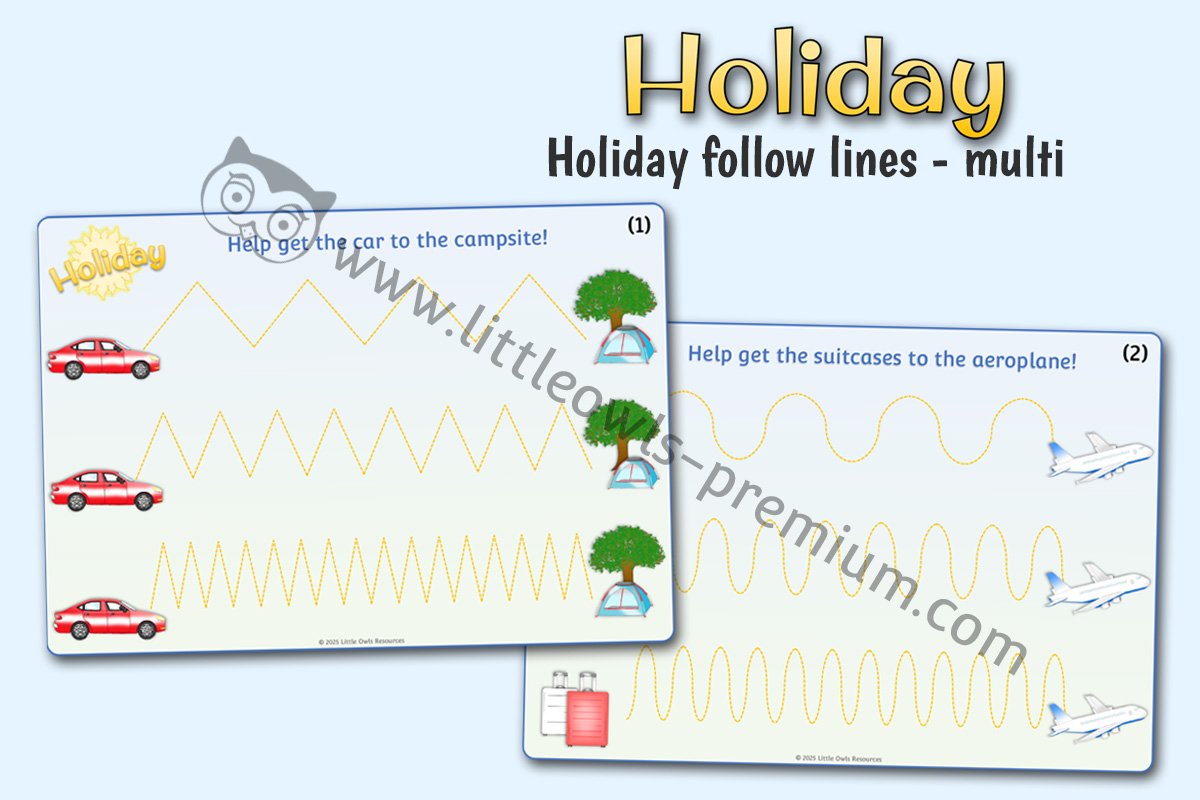
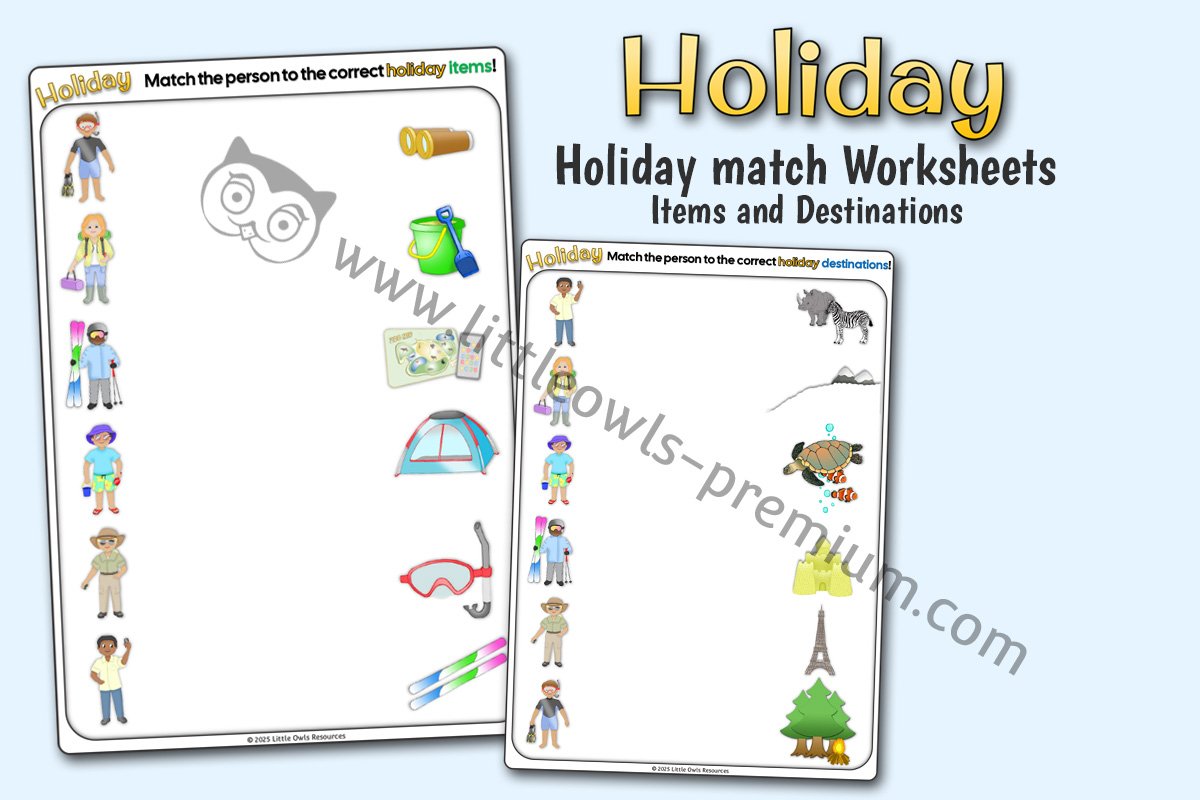

Featured above: small selection of Physical Development resources taken from across different areas of Little Owls Resources. Explore more below.
Home › Areas of Learning Menu ›
Physical Development activities, displays & planning ideas for reception, preschool, nurseries & childminders
Supporting children’s Physical Development is a vital part of high-quality EYFS practice. This page brings together a wide range of EYFS Physical Development printable resources, planning documents, guidance packs and play-based activity ideas for babies, toddlers, preschool and Reception children aged birth to 5 years.
Designed for nurseries, preschools, childminders and Reception classrooms, our resources help practitioners support children’s gross motor movement, fine motor control, coordination, core strength, balance, independence and early writing development through meaningful play, movement and responsive adult interaction. You’ll find practical EYFS Physical Development activities, fine motor resources, outdoor learning ideas, movement-based provision, progression tools and printable materials aligned with Development Matters and the EYFS Framework.
Whether you are looking for Physical Development planning ideas for Reception, toddler gross motor activities, preschool fine motor and mark-making resources, or support for movement and physical exploration in baby rooms, this page includes both free EYFS printable resources and professional practitioner guidance to support confident, inclusive and developmentally appropriate practice across the Early Years Foundation Stage.
Sections on this page:
⭐ Free Sample ‘Physical Development’ Resources
📘 Core Guidance Surrounding ‘Physical Development’ Planning & Provision
What do we mean by ‘Physical Development’? | What High-Quality Physical Development Practice Looks Like | Physical Development Progression in EYFS | Physical Development within Continuous Provision Enhancements | Inclusive Physical Development Practice | SEND & EAL | Physical Development and the Other Areas of Learning
🖨️ Printable Provision Resources - Search by:
✨ Top Picks
🔤 Key Words & Phrases
🗂️ Topic
📝 Planning Resources
📌 Featured Planning Resources
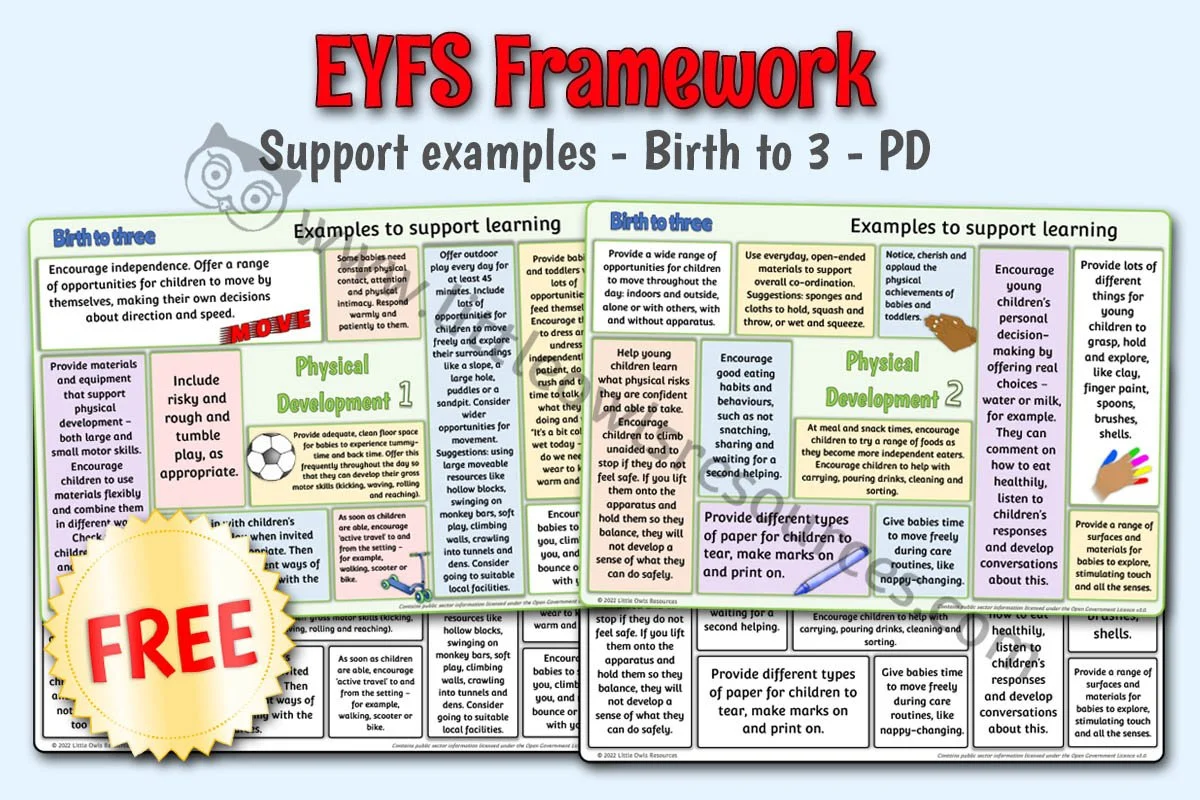
💡 Development Matters Examples of How to Support ‘Physical Development’
Birth to 3
3 and 4 Year Olds
Reception
🧭 Age-Specific Curriculum & Pedagogy Planning Support for ‘Physical Development’
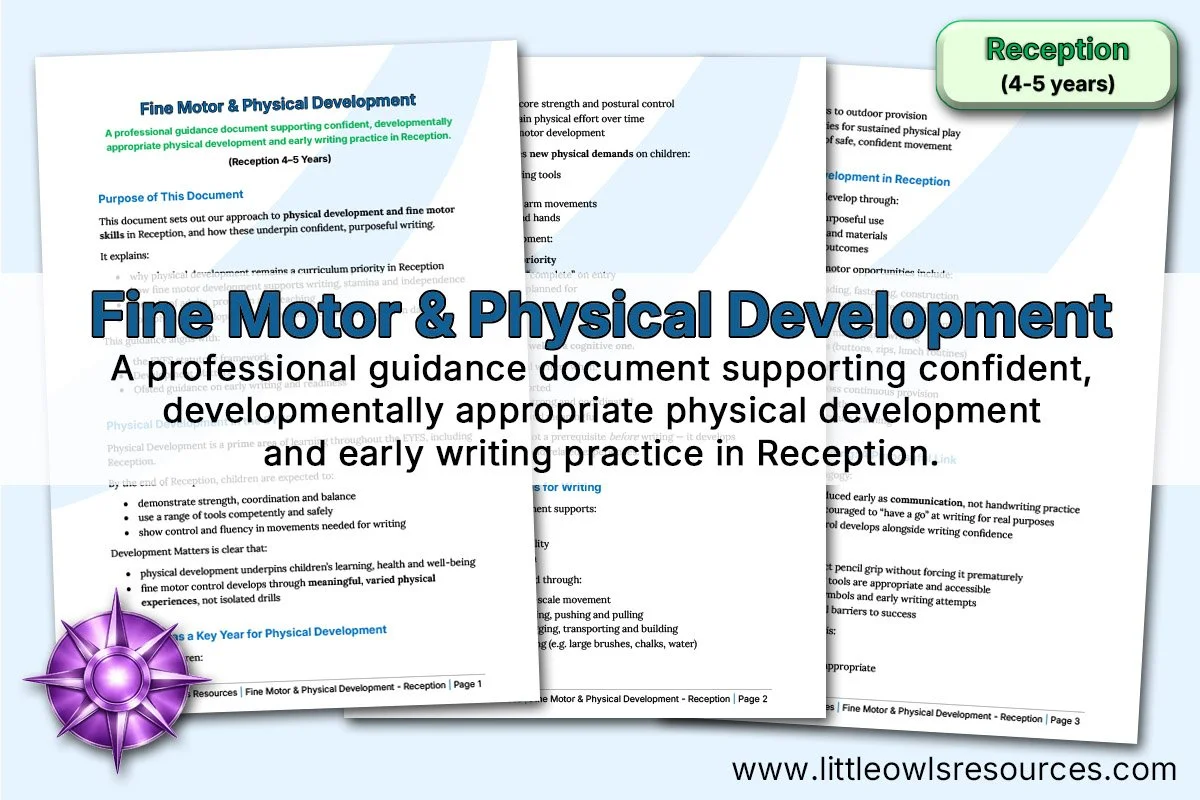
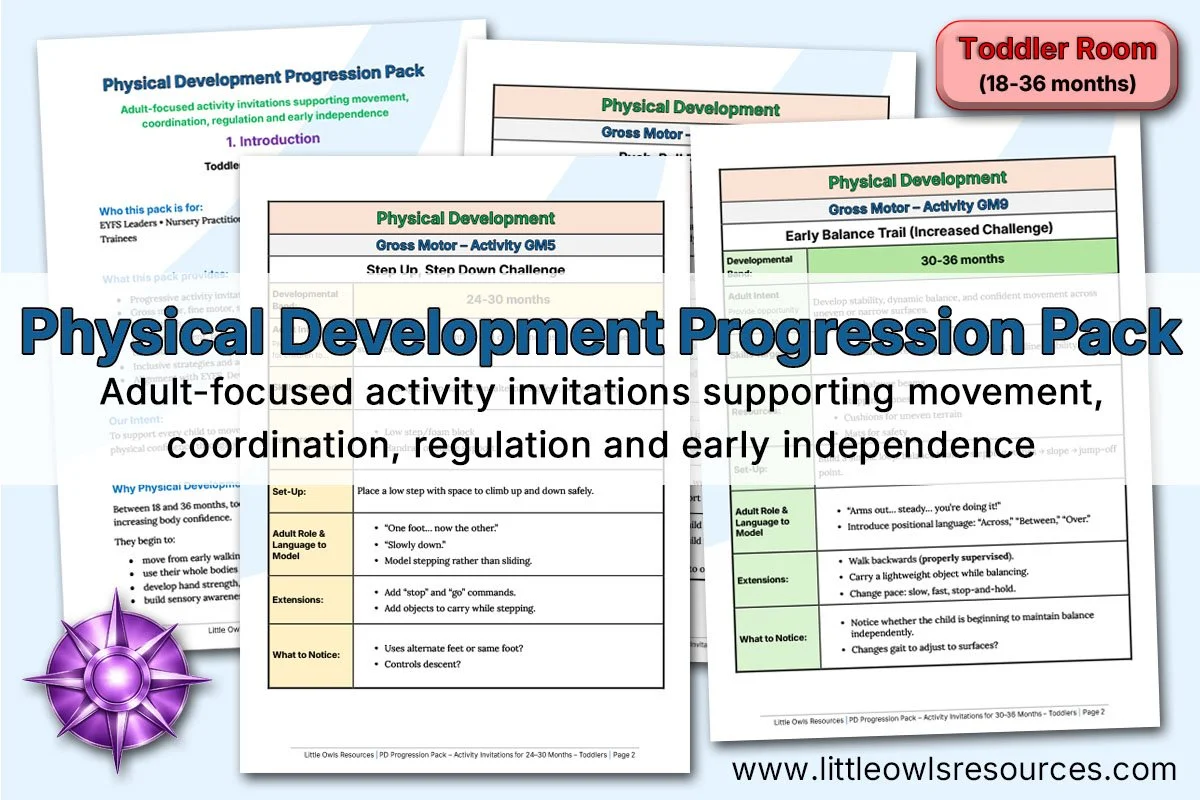
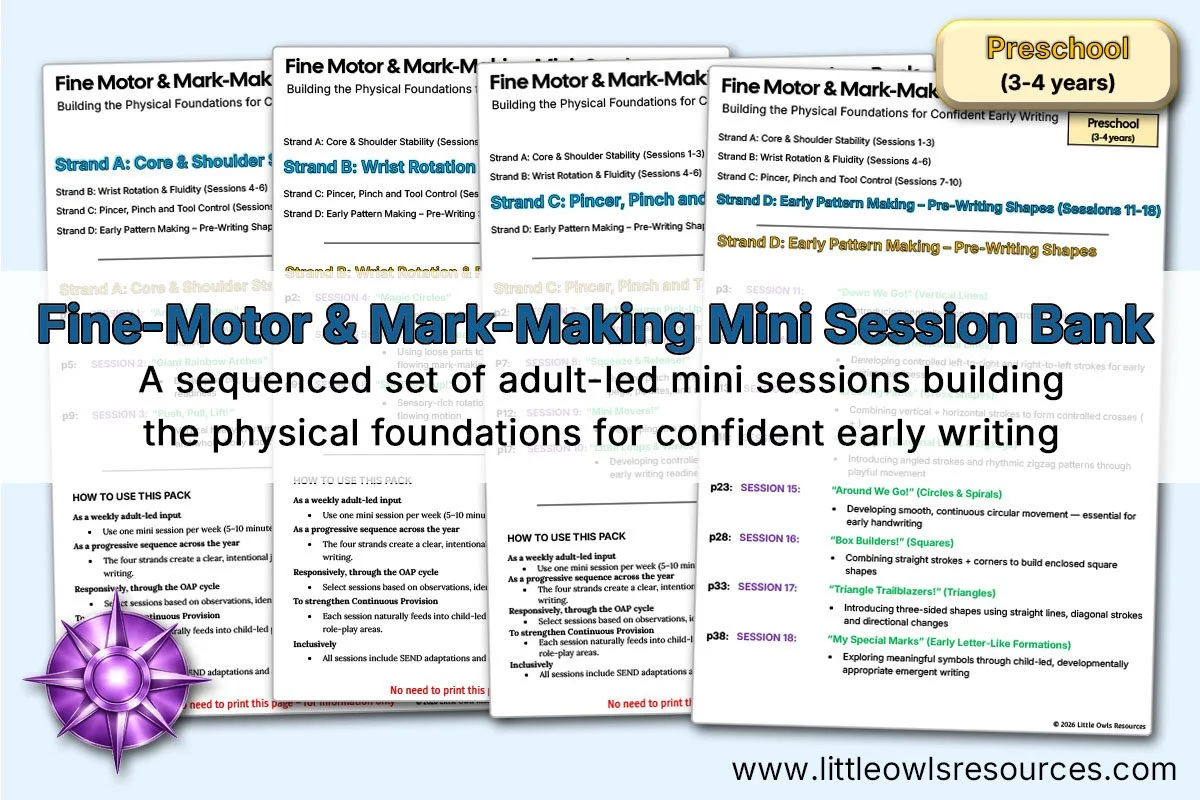
Guidance Documents, Fine Motor, Mark Making & Early Writing Session Banks, Skills Progression Ladders, Why Mark-Making Matters, Physical Development Progression Pack, Outdoor Provision
🏡 Continuous Provision | Age-Specific Ideas & Guidance
➕ Further Support
❓ Frequently Asked Questions
🧰 Additional ‘Physical Development’ Tools & Guidance
🌈 Additional Areas of Learning
🔐 Find out more about ‘Membership Options’

⭐ Free EYFS ‘Physical Development’ Printable Resources
(Click on the images below to find out more)


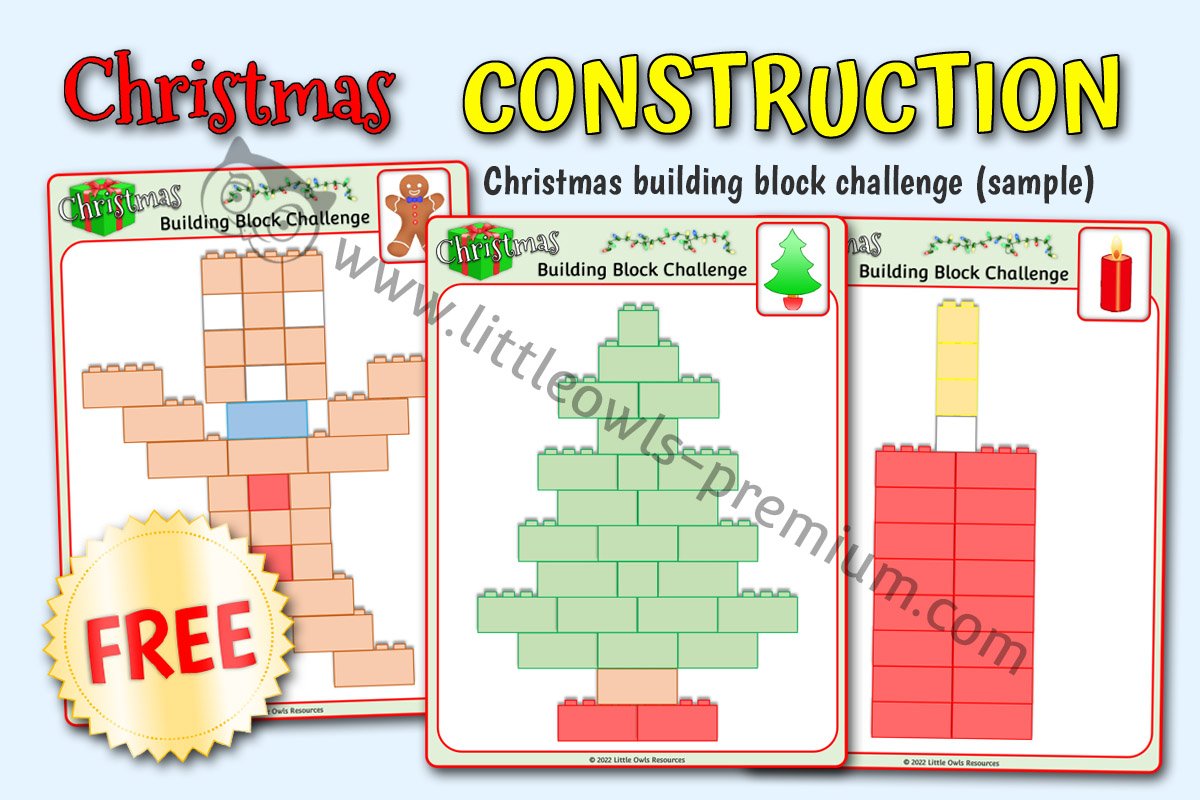


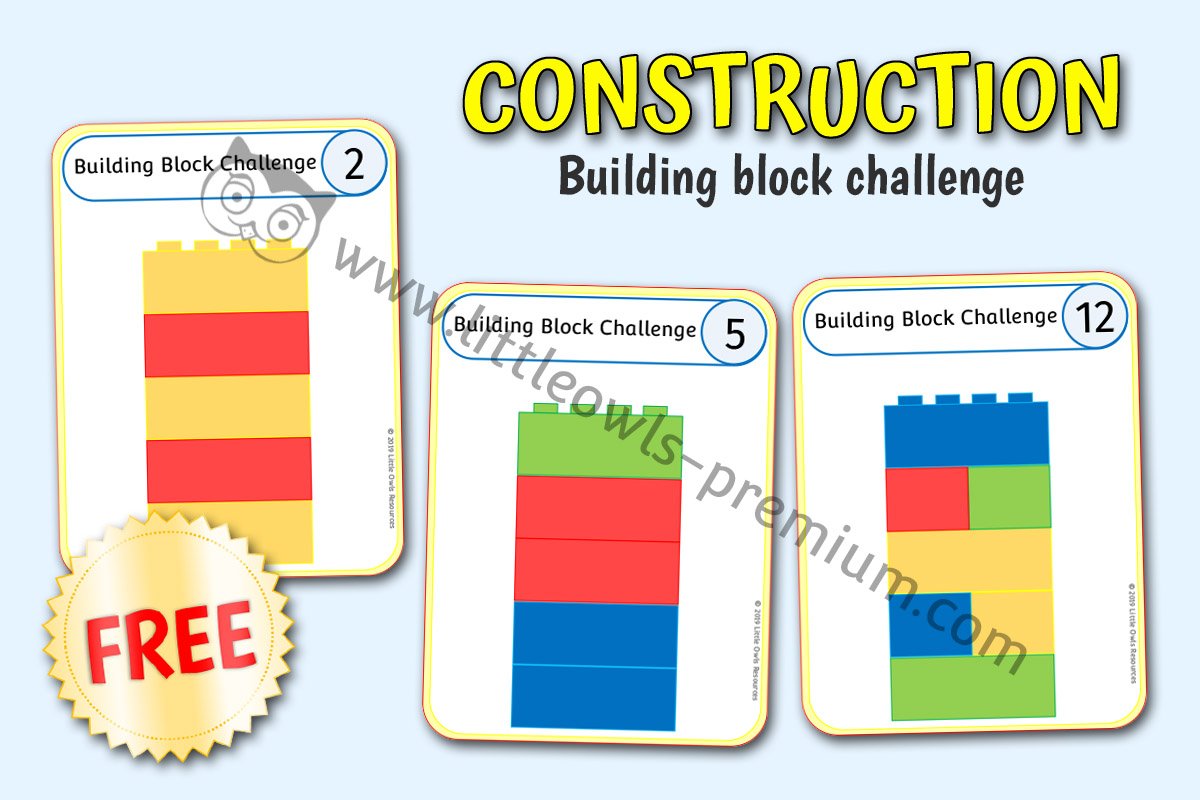
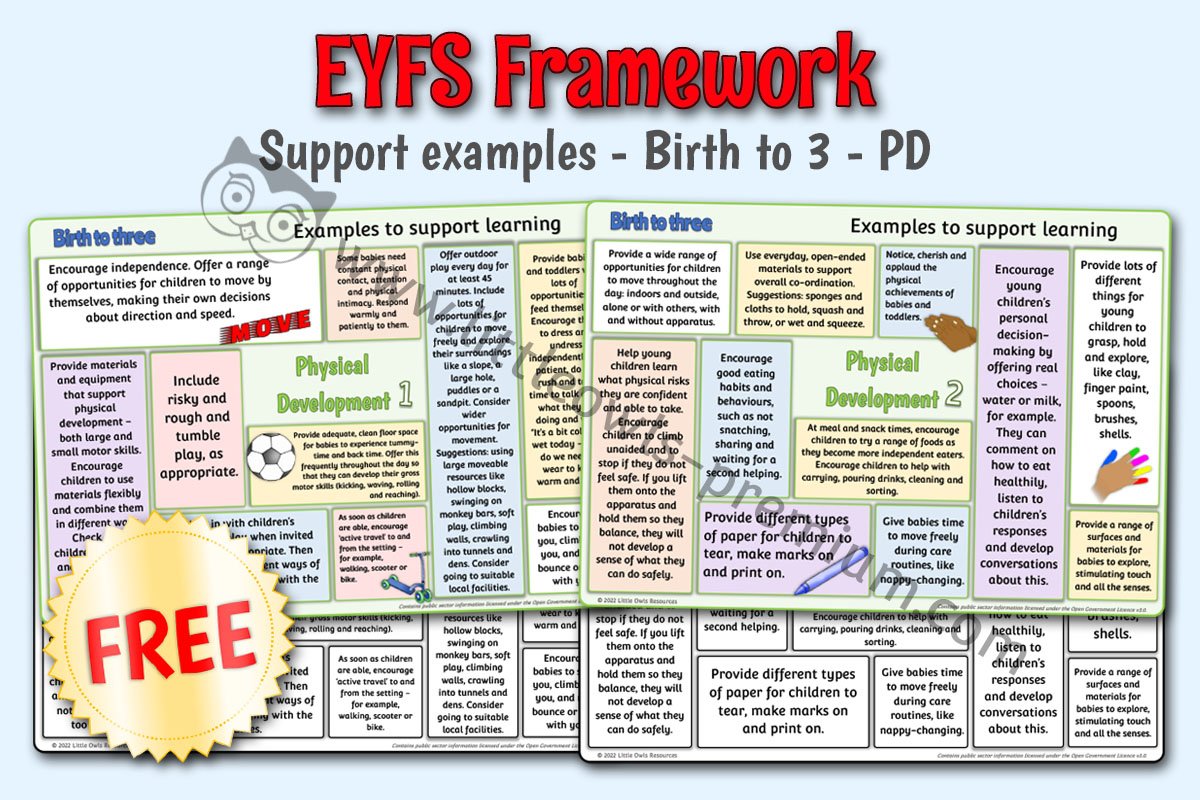






💡 Join as a Free Access member to download the samples above and all other free resources available on Little Owls Resources at no cost. Alternatively, explore all membership options here.
Additional Free Sample Printable Provision can be found at the top of most pages.
📘 Core Guidance Surrounding ‘Physical Development’ Planning & Provision
-
“Physical activity is vital in children’s all-round development, enabling them to pursue happy, healthy and active lives. Gross and fine motor experiences develop incrementally throughout early childhood, starting with sensory explorations and the development of a child’s strength, co-ordination and positional awareness through tummy time, crawling and play movement with both objects and adults. By creating games and providing opportunities for play both indoors and outdoors, adults can support children to develop their core strength, stability, balance, spatial awareness, co-ordination and agility. Gross motor skills provide the foundation for developing healthy bodies and social and emotional well-being. Fine motor control and precision helps with hand-eye co-ordination which is later linked to early literacy. Repeated and varied opportunities to explore and play with small world activities, puzzles, arts and crafts and the practice of using small tools, with feedback and support from adults, allow children to develop proficiency, control and confidence.” Development Matters
-
High-quality Physical Development practice in the EYFS is rooted in movement, play, exploration and developmentally appropriate opportunities for children to build strength, coordination, control and confidence.
Effective Physical Development provision includes:
daily opportunities for active movement and physical exploration
indoor and outdoor environments supporting gross and fine motor development
open-ended play encouraging climbing, balancing, lifting, transporting and coordination
fine motor experiences developing hand strength, dexterity and control
movement-rich routines embedded throughout the day
opportunities for children to develop independence in self-care tasks
responsive adult interaction supporting confidence, perseverance and risk assessment
sensory and physical experiences supporting regulation and wellbeing
developmentally appropriate early writing foundations through play-based experiences
flexible provision responding to children’s physical development needs and interests
Physical Development should be embedded throughout continuous provision, outdoor play, care routines, self-care opportunities and child-initiated learning experiences across the EYFS environment.
-
Children’s Physical Development grows through movement, exploration, play, repetition and opportunities to practise increasingly coordinated physical skills within meaningful contexts.
Children typically progress from:
reflexive movement and sensory exploration
rolling, crawling, sitting and early physical confidence
grasping, reaching and developing hand-eye coordination
walking, climbing and navigating space with increasing control
developing balance, coordination and body awareness
using tools, objects and materials with growing precision
building fine motor strength through play and exploration
developing independence in dressing, feeding and self-care
controlling mark-making tools with increasing confidence
refining pencil control, hand strength and coordination for early writing
Children develop Physical Development skills at different rates and benefit from active, movement-rich environments that support confidence, regulation and exploration.
-
Small enhancements within continuous provision can create meaningful opportunities for Physical Development throughout the day.
Examples may include:
playdough stations with rolling, squeezing and pinching tools
large-scale outdoor mark-making opportunities
obstacle courses using open-ended equipment
threading, posting and finger-strength activities
loose parts play encouraging lifting, transporting and coordination
fine motor challenge cards within provision areas
climbing equipment and balancing resources outdoors
sensory trays supporting grasping and manipulation
cutting stations with a variety of materials and tools
music and movement prompts encouraging physical expression
opportunities for children to carry, stack, build and construct collaboratively
Continuous provision should support movement, coordination, strength, independence and physical confidence across all areas of learning.
-
Inclusive Physical Development provision supports every child to move, explore and participate confidently within safe, responsive and enabling environments.
High-quality inclusive practice may include:
flexible movement opportunities adapted to individual needs
sensory-friendly physical environments
adapted tools, grips and resources where appropriate
opportunities for movement breaks and regulation support
developmentally appropriate expectations for physical skills
visual prompts and demonstrations supporting understanding
accessible outdoor and indoor learning environments
collaborative work with families and outside professionals where needed
open-ended physical experiences supporting participation and confidence
responsive adult support encouraging perseverance and achievement
Children benefit from environments where movement, exploration and physical confidence are valued and supported inclusively.
-
Physical Development supports learning across all seven areas of the EYFS curriculum.
Personal, Social & Emotional Development
Movement, risk-taking and physical achievement help children develop confidence, resilience, self-regulation and wellbeing.
Communication & Language
Children use language during movement play, games, outdoor exploration and collaborative physical experiences.
Literacy
Fine motor development, hand strength and coordination provide important foundations for mark-making and early writing.
Mathematics
Physical play supports spatial awareness, positional language, pattern, measure and problem-solving.
Understanding the World
Children explore space, materials, environments and physical experiences through movement and active investigation.
Expressive Arts & Design
Dance, music, role-play and creative movement experiences support expression, imagination and body control.
Physical Development should therefore be embedded throughout continuous provision, outdoor learning, routines and child-initiated play across the EYFS environment.
-
The guidance and resources on this page are informed by:
the EYFS Statutory Framework
Development Matters
play-based and child-centred EYFS pedagogy
current understanding of gross motor and fine motor development
movement-rich and outdoor learning approaches
developmentally appropriate early writing practice
inclusive and responsive Physical Development provision
developmentally informed practice from birth to five
All resources should be adapted to meet the needs of individual children, cohorts and settings.
-
The resources, guidance and printable materials on this page may be useful for:
Nursery practitioners
Preschool practitioners
Reception teachers
Childminders
EYFS leaders and managers
SENDCos
Early Years students and trainees
Intervention staff
Parents and carers supporting physical development at home
🖨️ Printable Provision Resources
Search our ‘Physical Development’ printable provision below.
✨ Top Picks
This section is currently being developed.


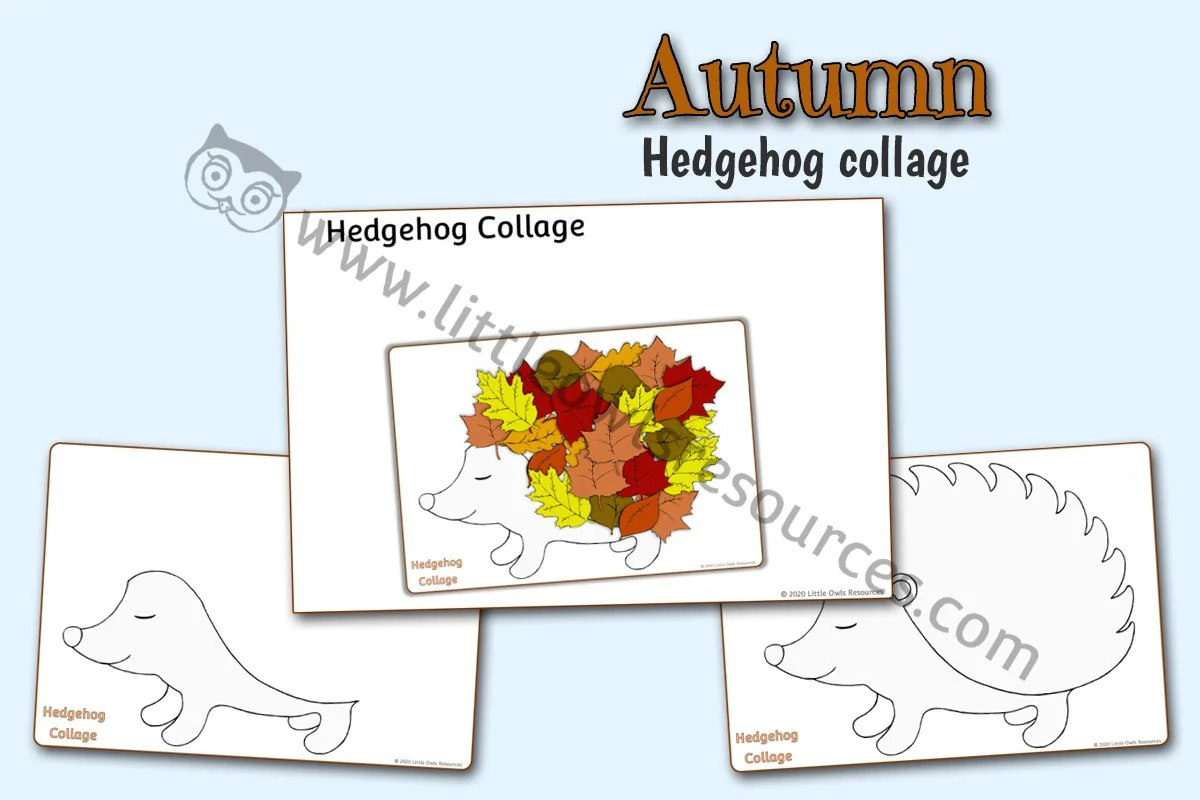


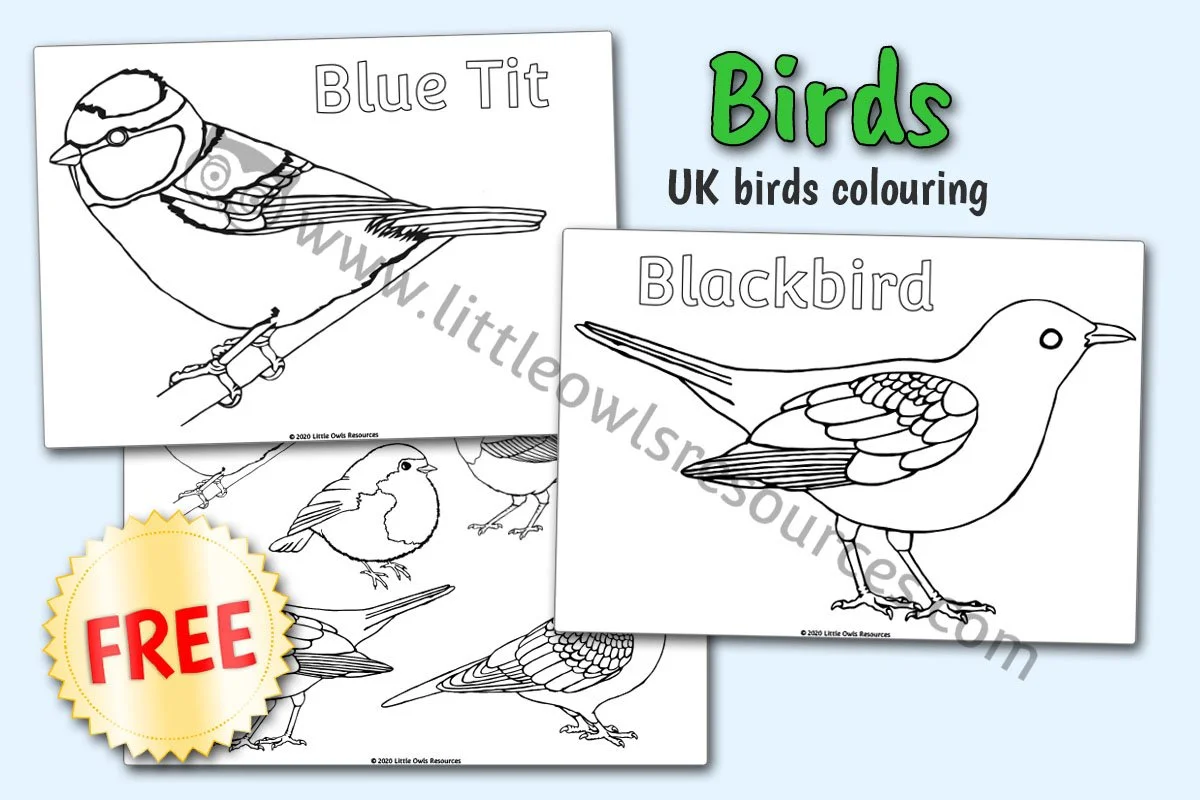
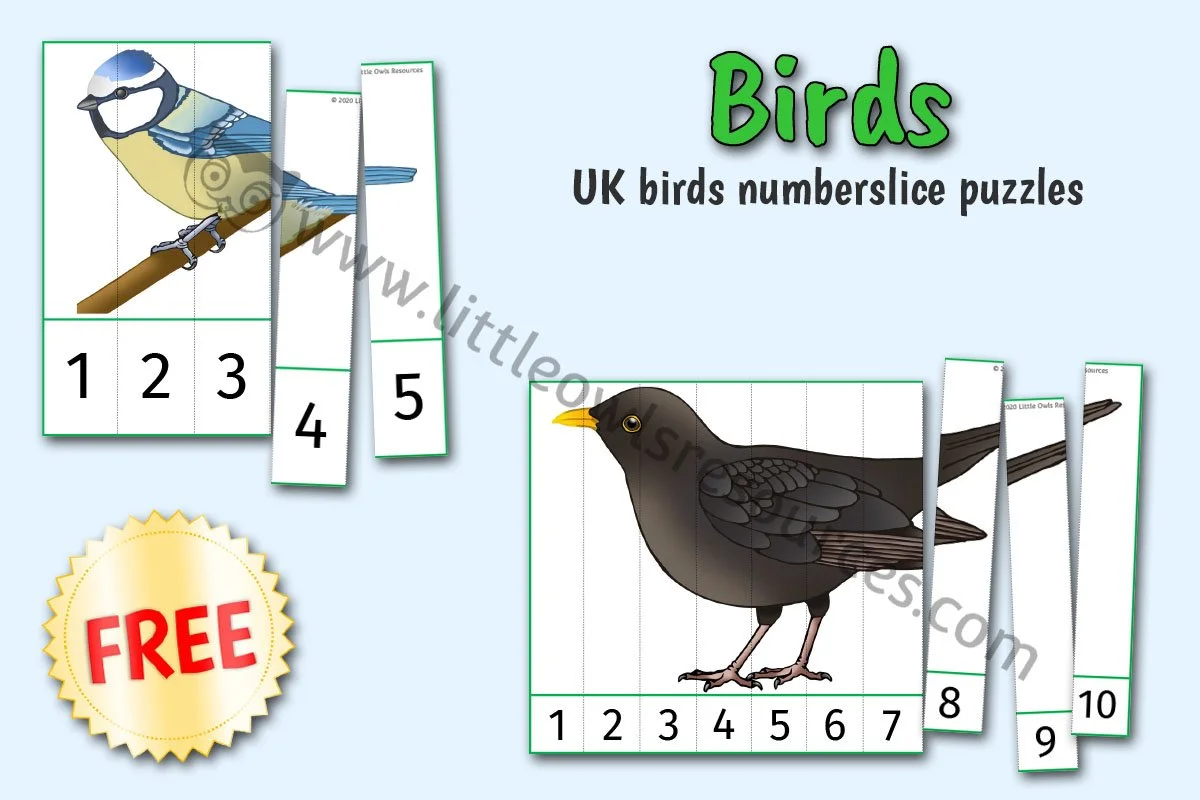

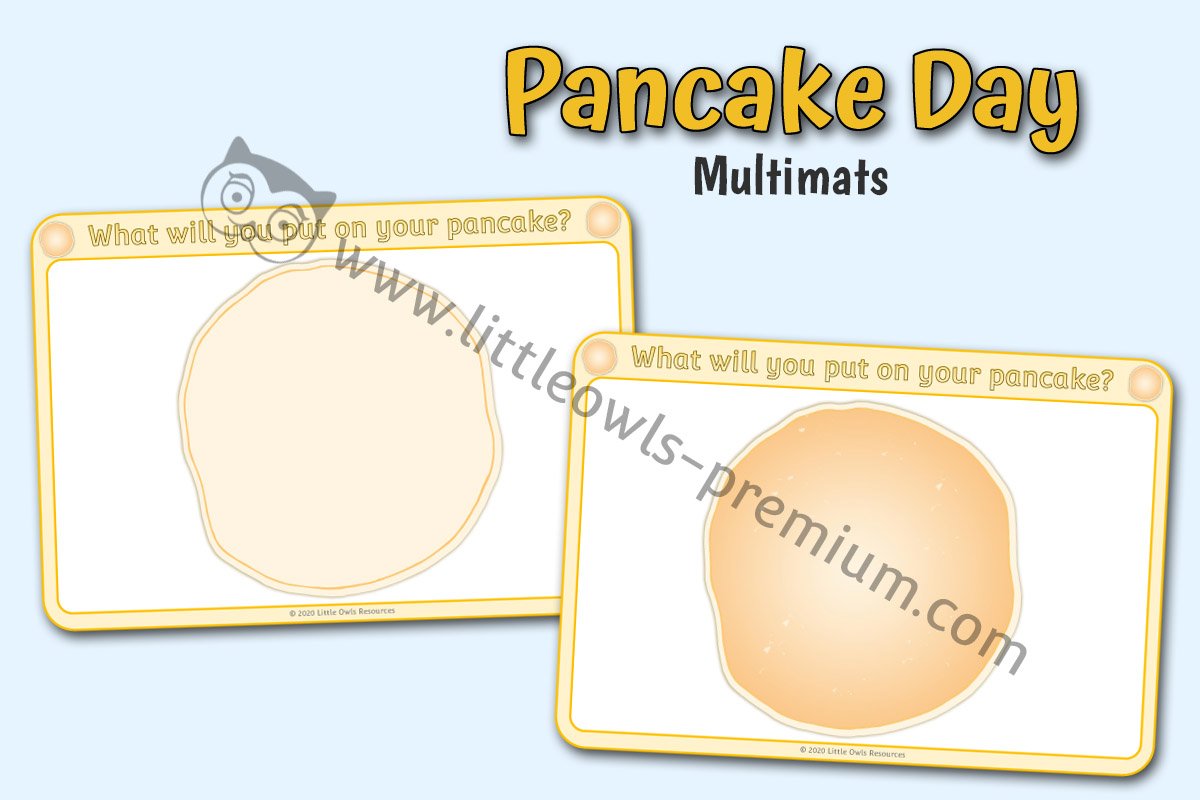
🛠️ Many of the pages linked within this section are currently being development for an improved user experience🛠️
Key Words & Phrases:
Using Tools
(Any text without a link indicates that we are working on this area.)
Additional Useful Pages
Topic:
(Premium or Professional members may use the links below to access a selection of resources from within each topic that focus on Physical Development skills.)



💡 Examples of how to support ‘Physical Development’ learning and development
Extracted from Development Matters; non-statutory curriculum guidance for the early years foundation stage. Includes colour and black and white versions.
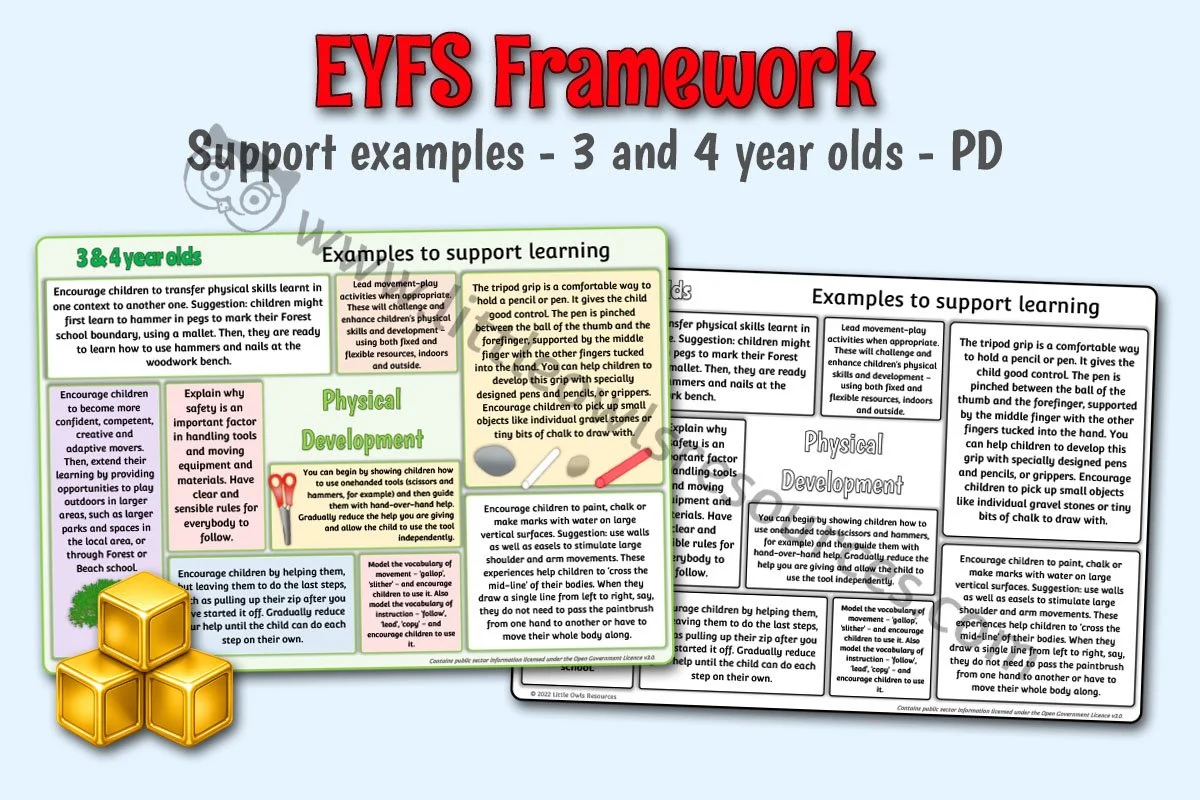
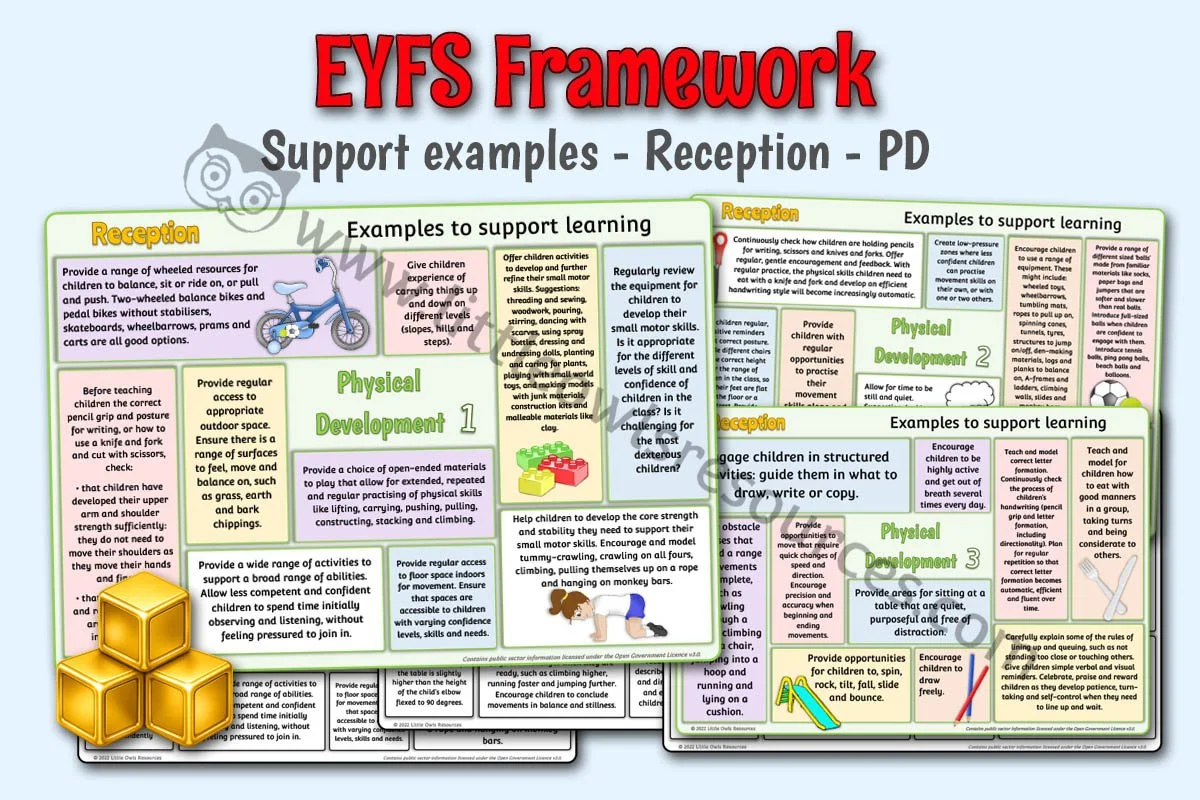
Files contain public sector information licensed under the Open Government Licence v3.0.
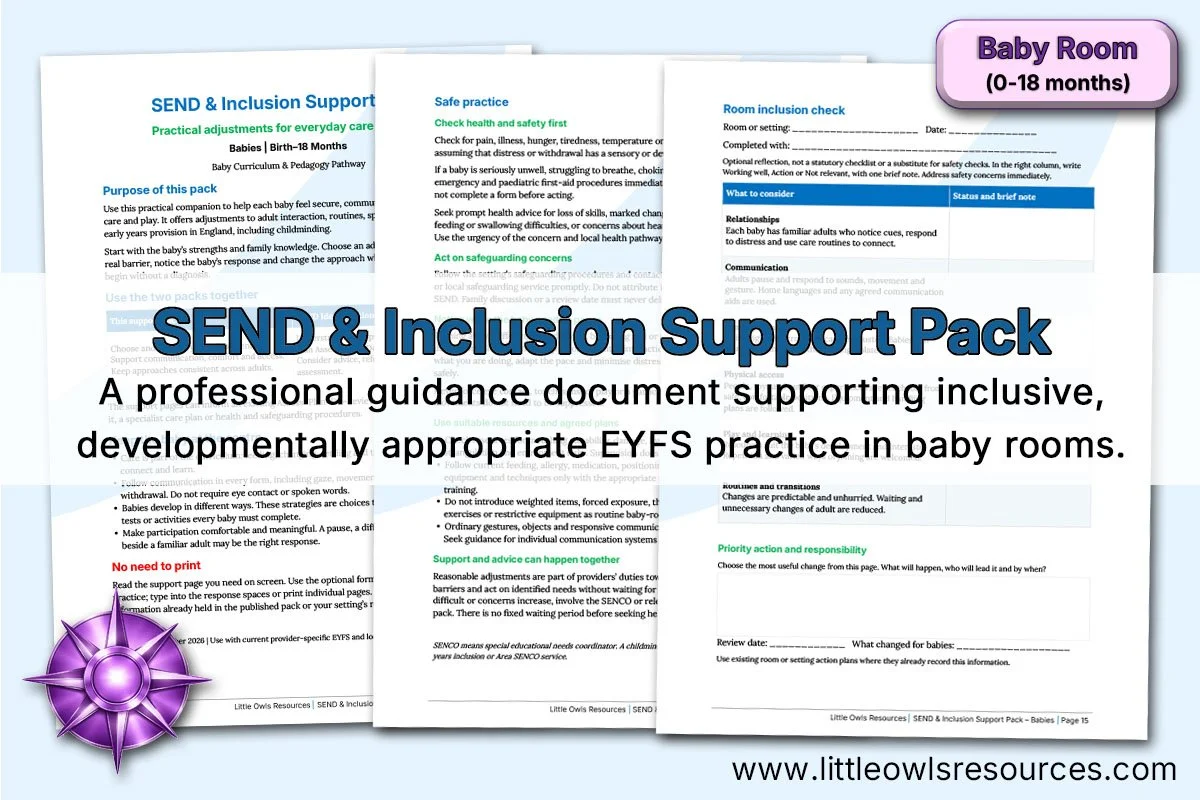
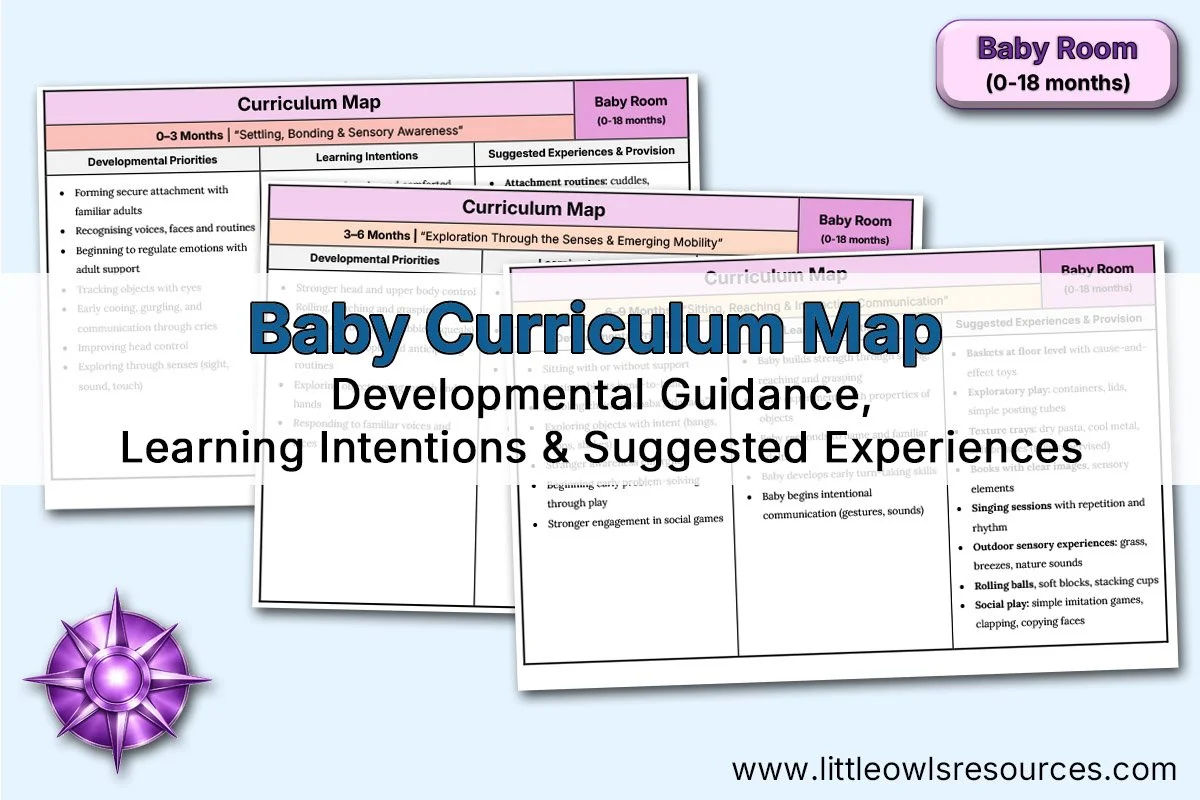
Babies | Birth - 18 Months
Core Baby Room ‘Physical Development’ Planning Support

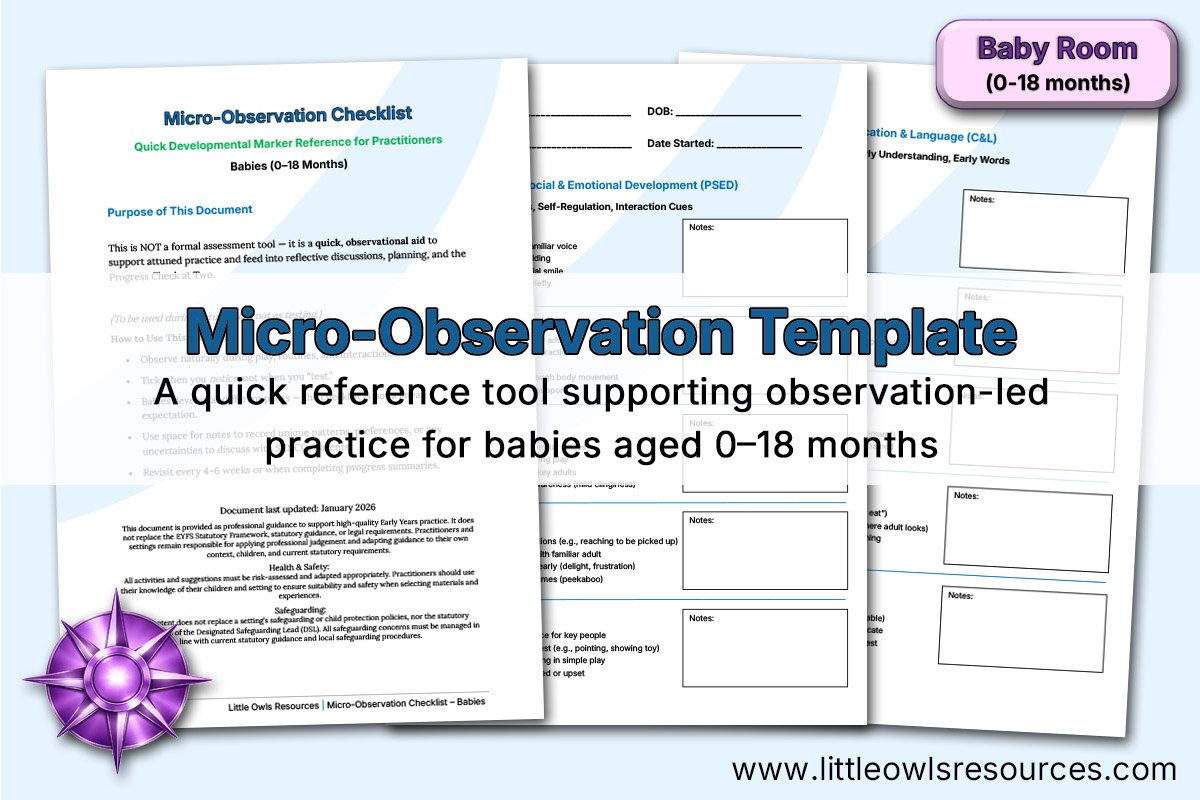

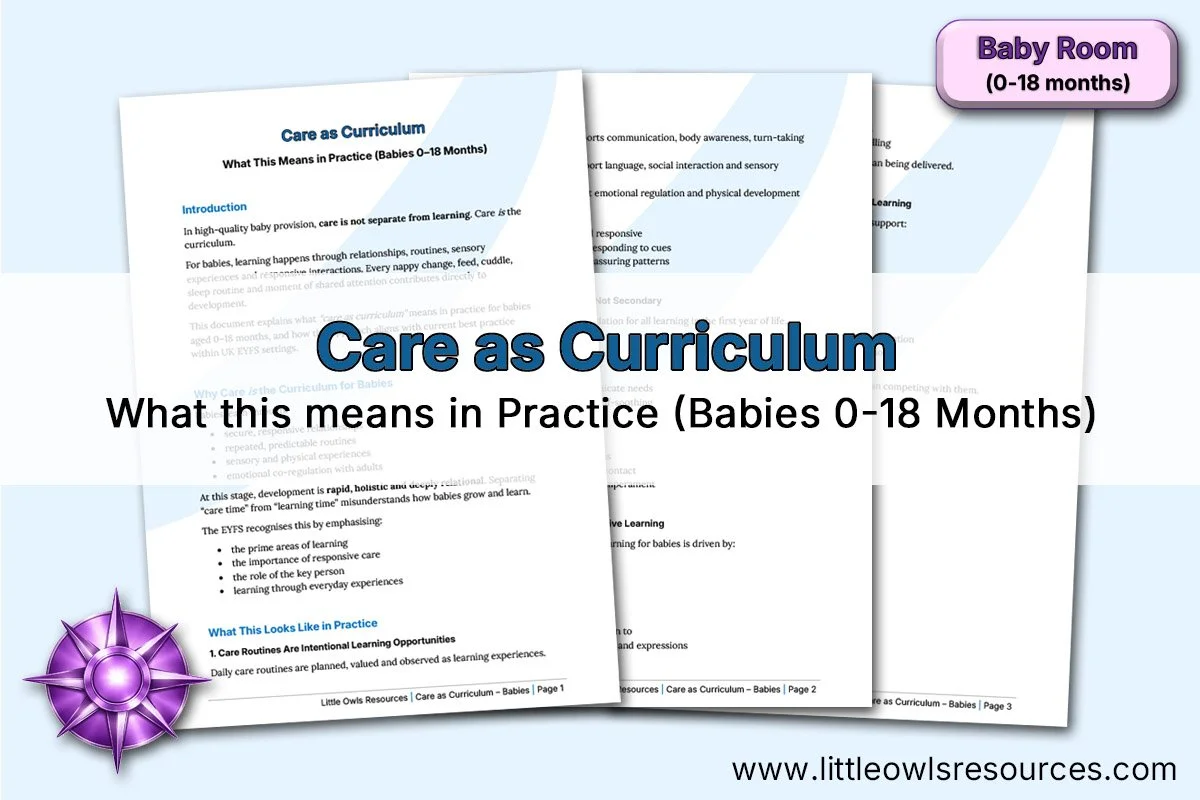
Additional Baby Room Overarching Areas of Learning Support
The following documents include elements of ‘Physical Development’ which may be helpful tools within your setting’s OAP Cycle.


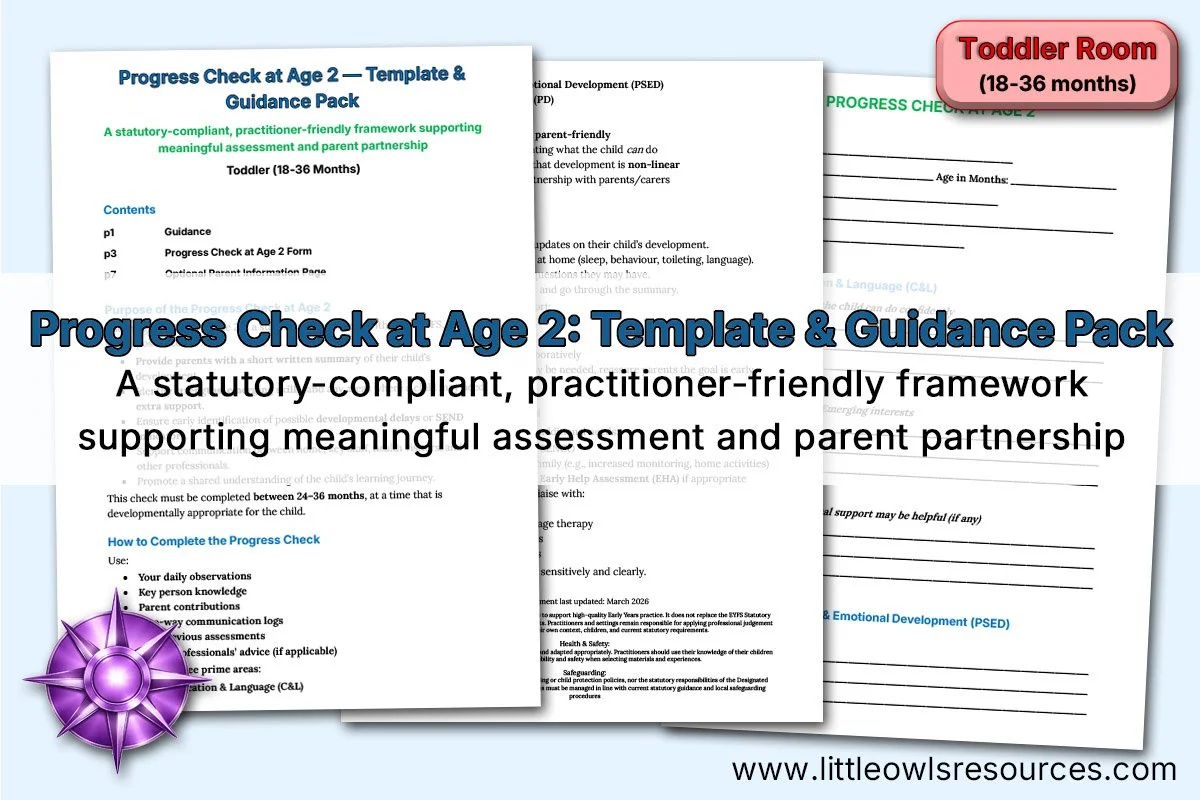
Toddlers | 18 - 36 Months
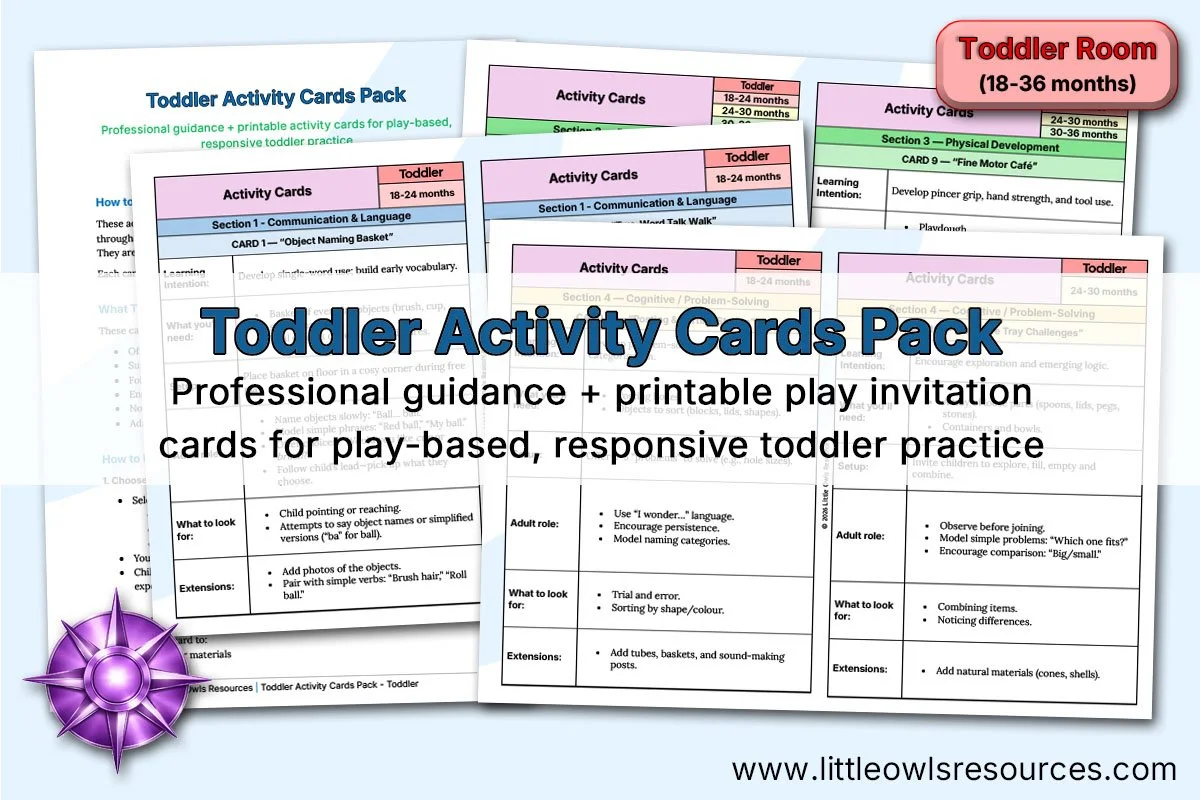
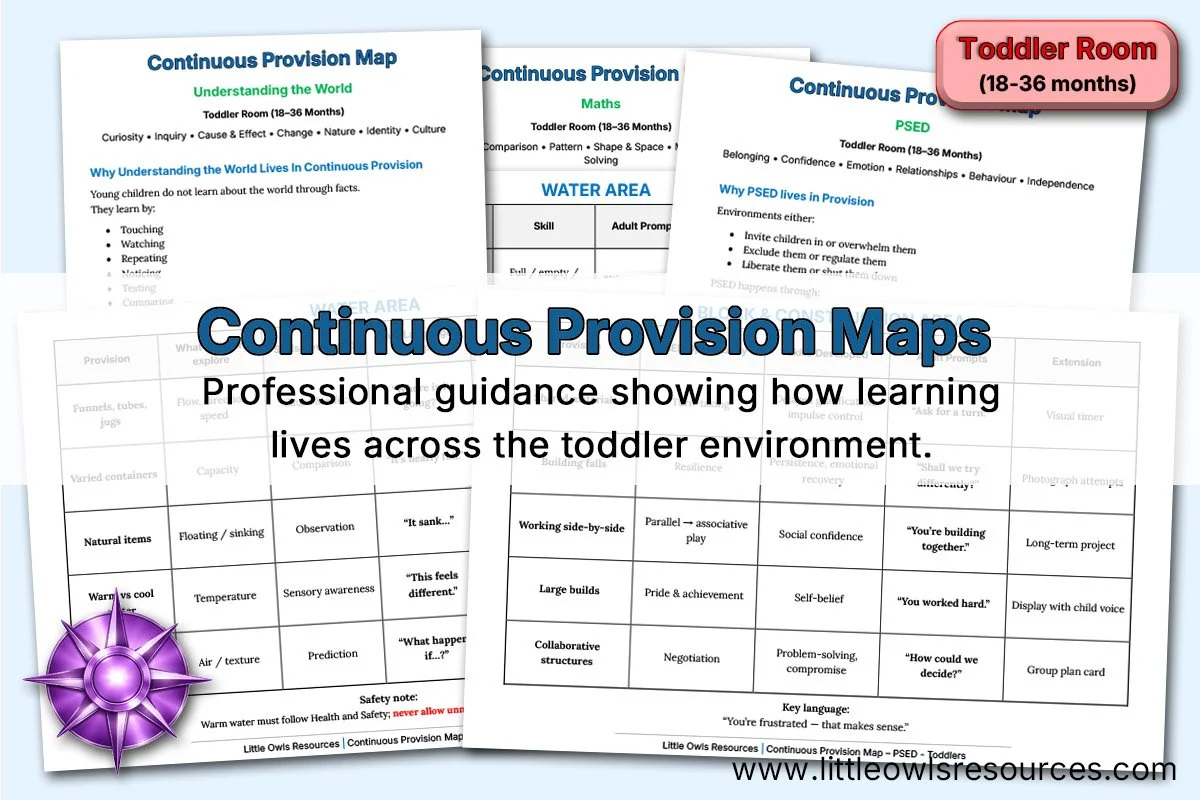
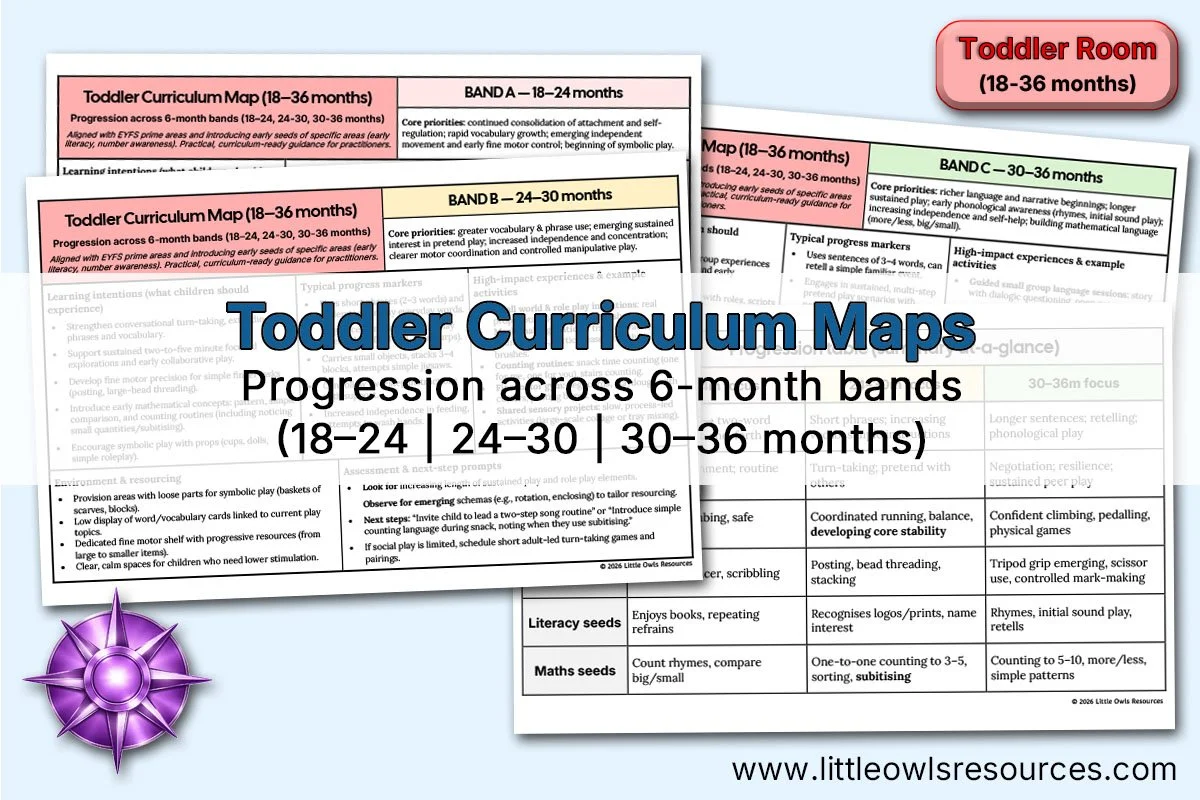
Core Toddler Room ‘Physical Development’ Planning Support

Additional Toddler Room Overarching Areas of Learning Support
The following documents include elements of ‘Physical Development’ which may be helpful tools within your setting’s OAP Cycle.





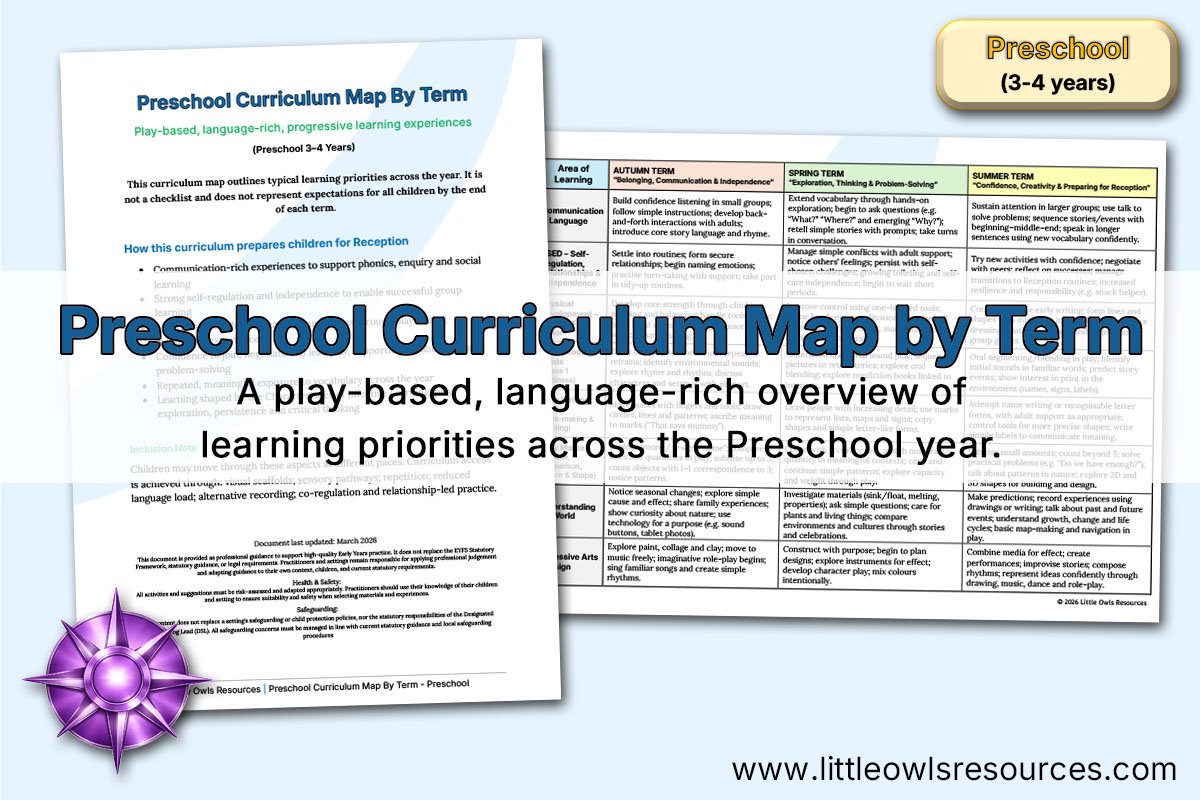
Additional Preschool Overarching Areas of Learning Support
The following documents include elements of ‘Physical Development’ which may be helpful tools within your setting’s OAP Cycle.
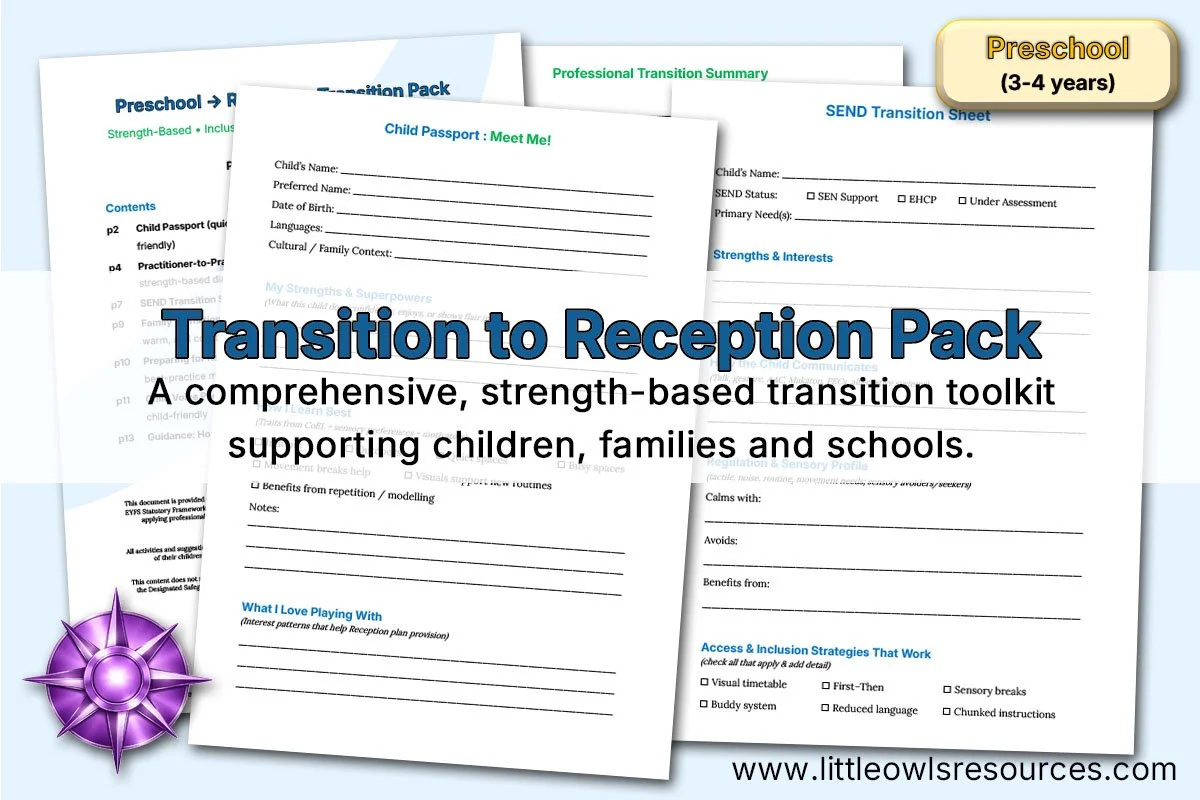

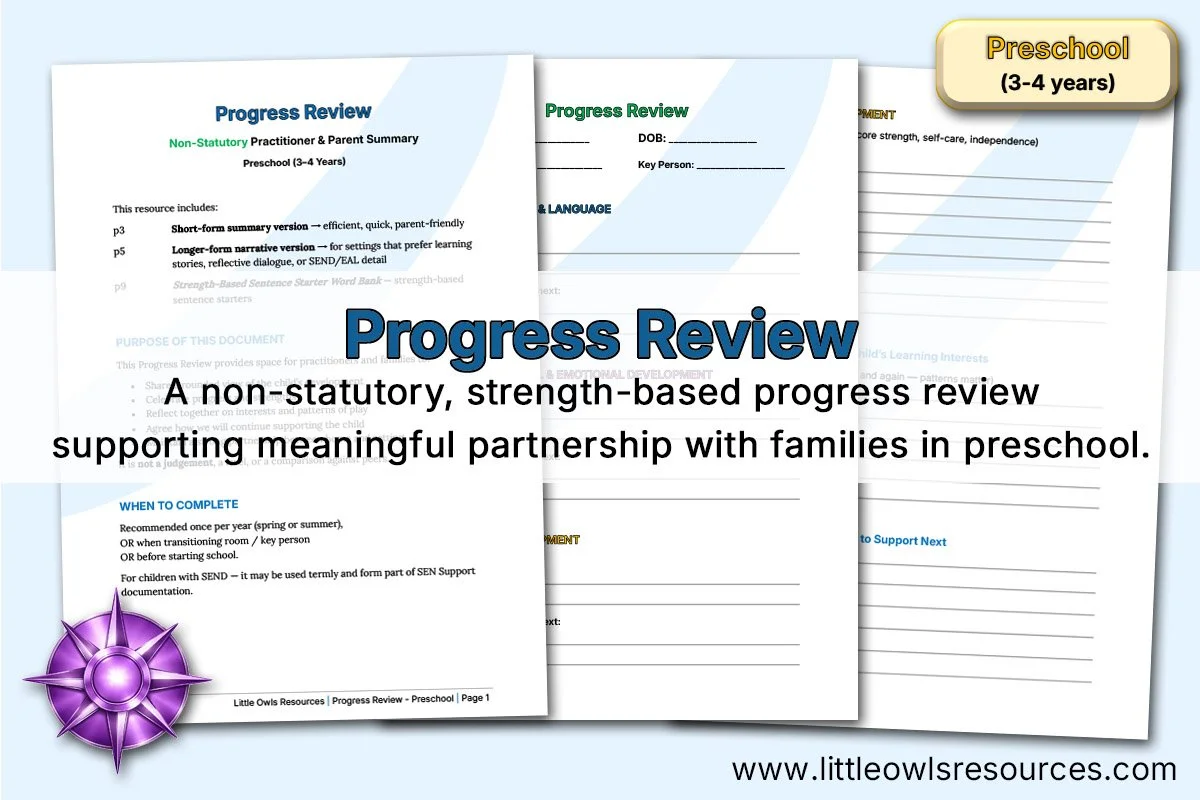

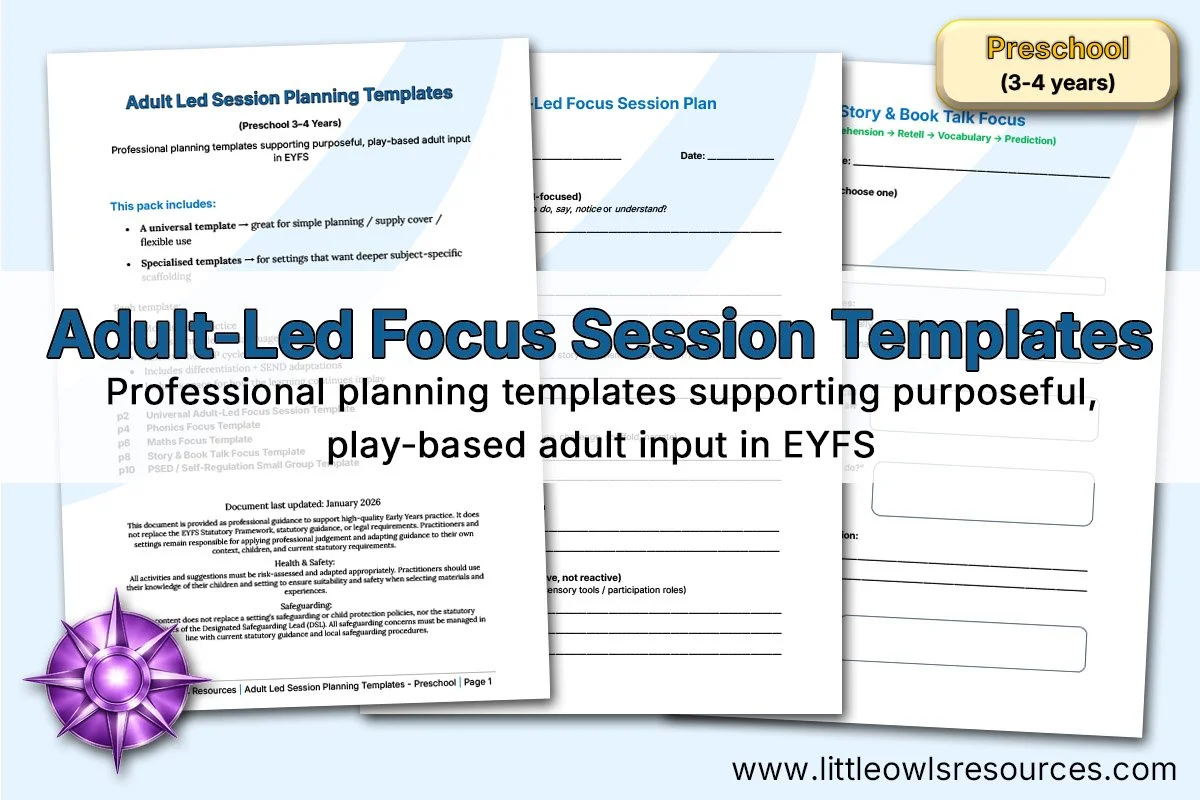





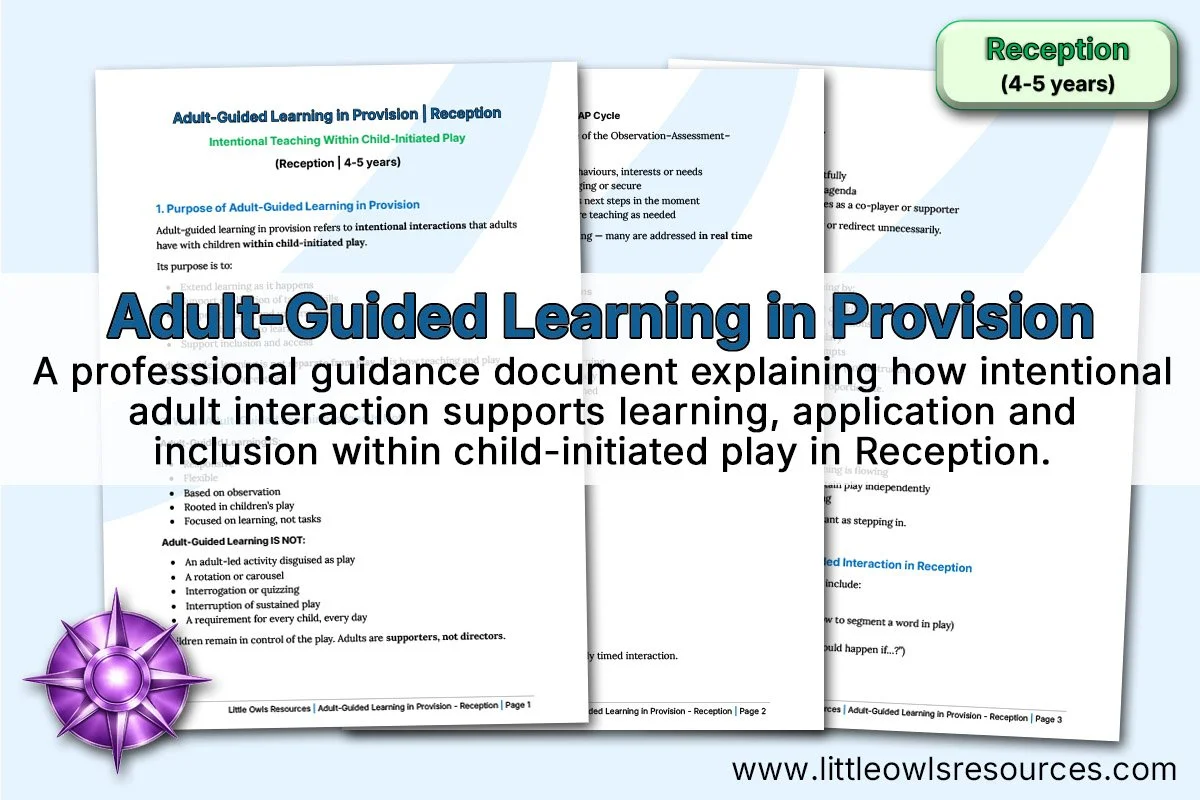
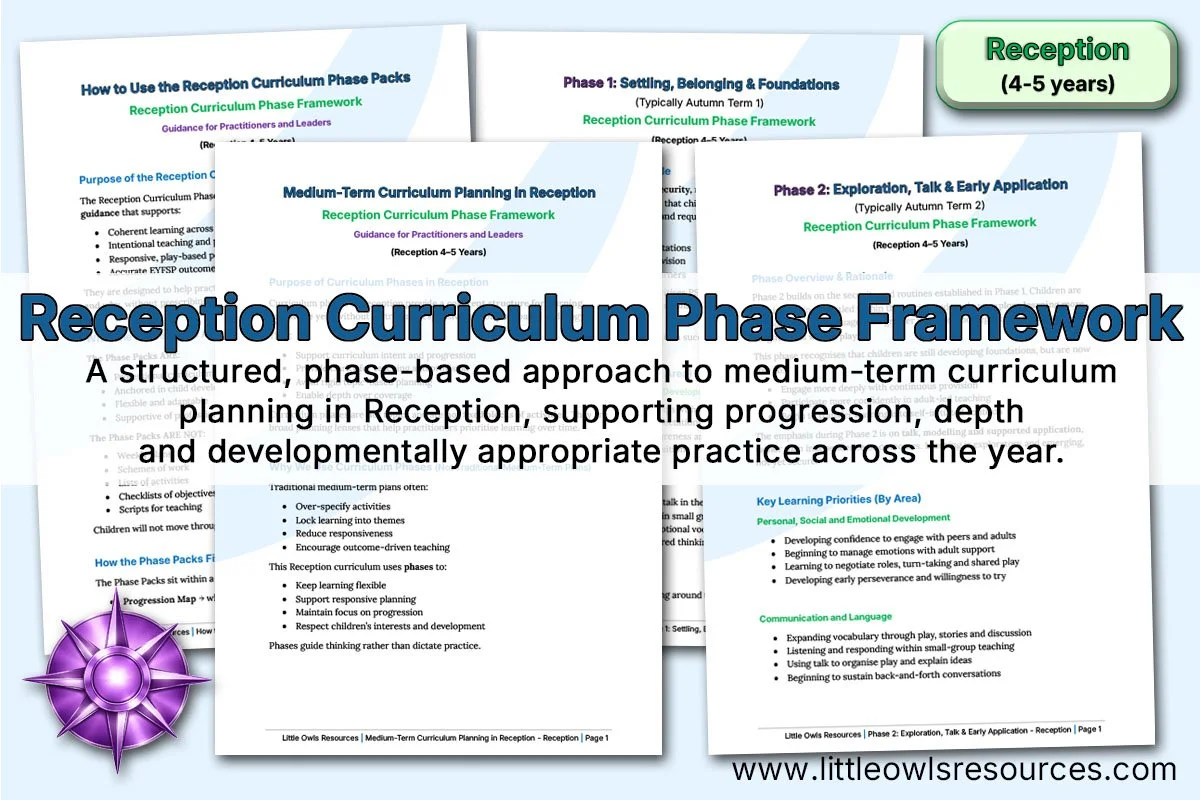
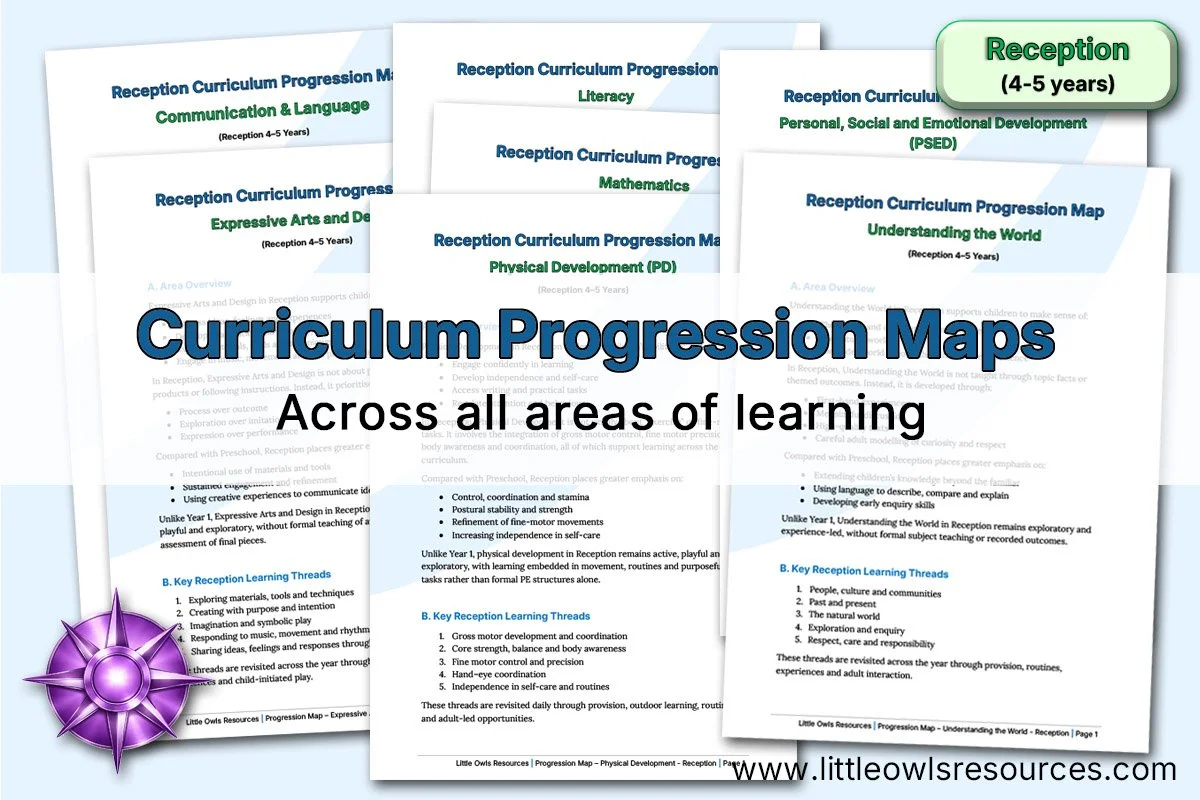
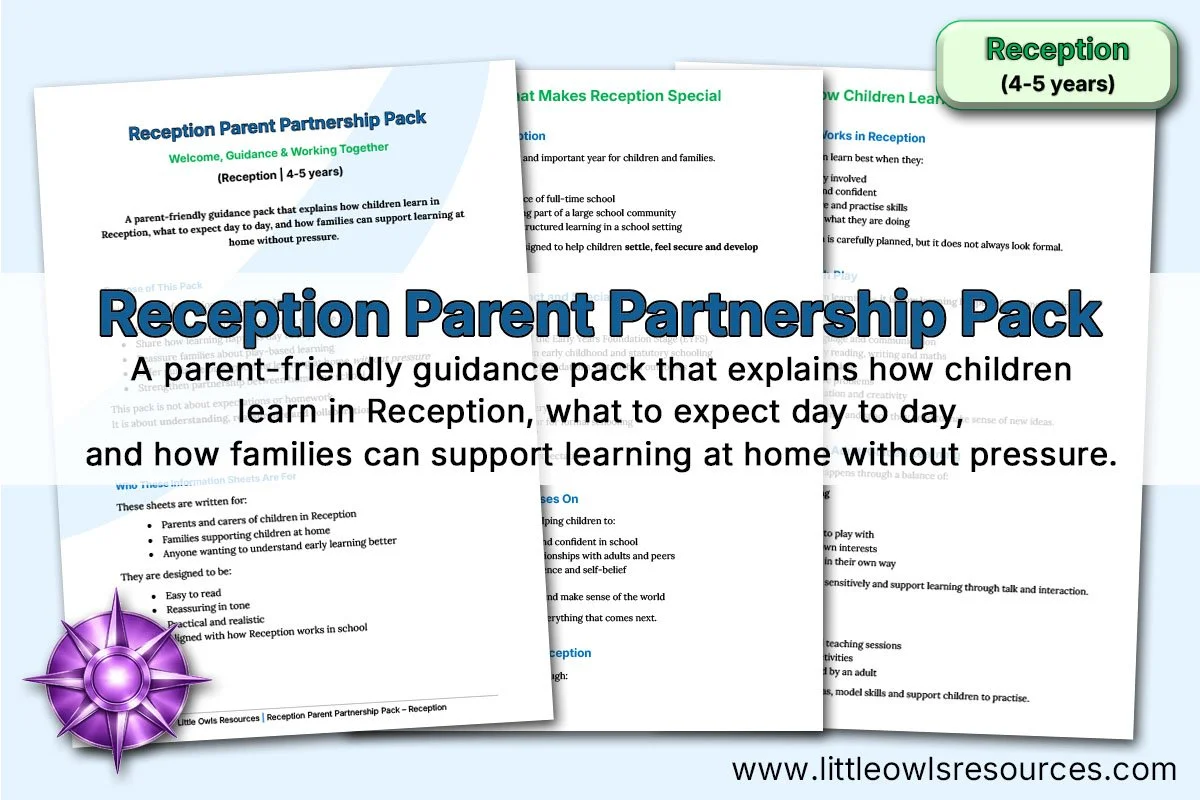
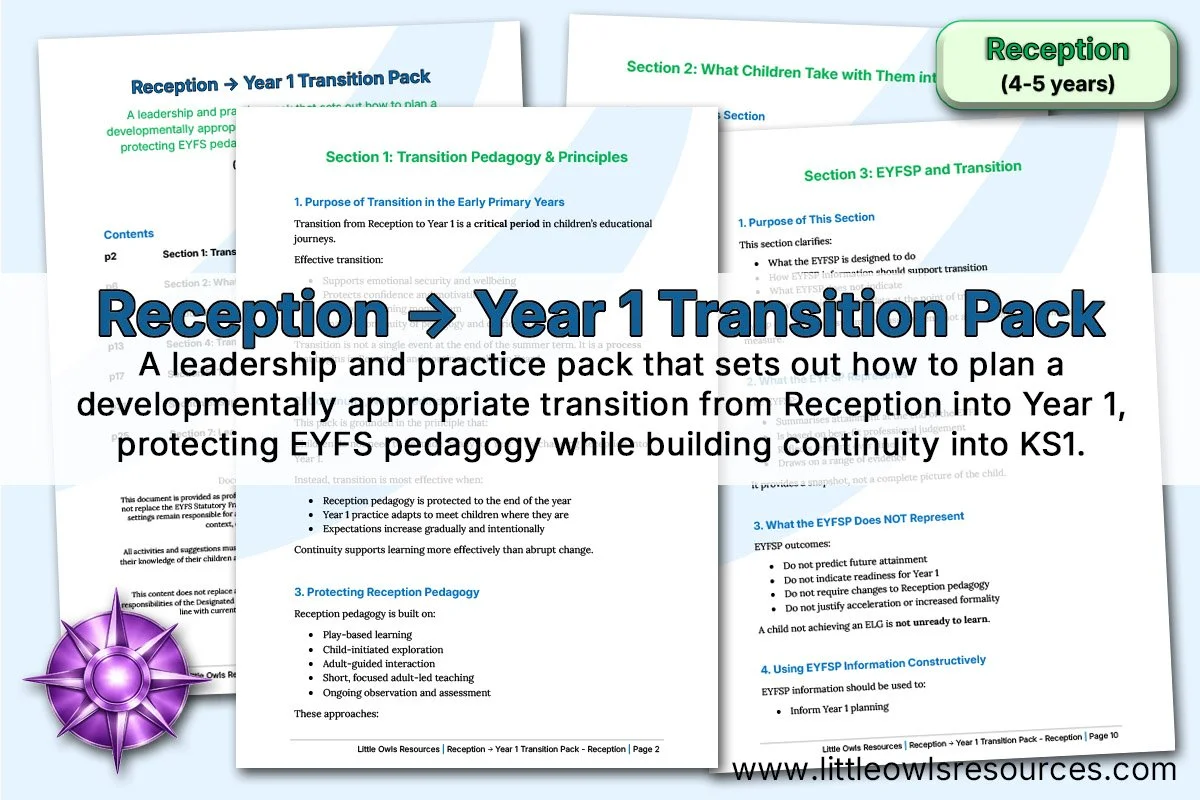
Additional Reception Overarching Areas of Learning Support
The following documents include elements of ‘Physical Development’ which may be helpful tools within your setting’s OAP Cycle.
For overarching ‘Area of Learning’ Support such as Curriculum Intent Grids, Development Indicators and Assessment Tools, please visit our ‘Observations & Assessment’ page.
🏡 Physical Development within Continuous Provision | Age-Specific Ideas & Guidance
-
Physical Development in baby rooms is built through responsive care, movement opportunities and emotionally secure environments that encourage exploration and growing physical confidence.
Safe floor spaces encouraging rolling, crawling, stretching and movement
Treasure baskets and sensory experiences supporting grasping and coordination
Opportunities for reaching, pulling, pushing and exploring safely
Responsive tummy-time experiences supporting core strength development
Low-level mirrors encouraging movement and self-awareness
Music, rhythm and movement experiences supporting body awareness
Opportunities for babies to explore different textures, surfaces and spaces
Daily care routines supporting body awareness, movement and independence
Outdoor experiences encouraging sensory exploration and physical confidence
Related Guidance:
-
Toddler Physical Development provision should support movement, coordination, balance, fine motor strength and growing independence through active, play-based learning experiences.
Climbing, balancing and movement opportunities indoors and outdoors
Large-scale mark-making using paint, chalk, water and brushes
Fine motor invitations using playdough, threading and loose parts
Transporting, carrying and lifting play encouraging coordination and strength
Opportunities for jumping, pushing, pulling and obstacle navigation
Sensory play supporting hand strength and body awareness
Self-care opportunities encouraging independence and coordination
Outdoor learning experiences in all weather conditions
Music and movement sessions encouraging rhythm and body control
Related Guidance:
Continuous Provision Setup Guides | Toddler Room
Small World
Messy / Wet Play
Dry Sensory & Loose Parts
Construction
Role Play / Home Corner
Mark Making
Book Area / Reading Nook
Music & Sound
Outdoor
Continuous Provision Maps (18–36 Months)
C&L
PSED
PD
Maths Seeds
Literacy Seeds
UW
EAD
Physical Development Progression Pack | Toddlers (18–36 Months)
Why Mark Making Matters — Before Writing | Toddlers (18–36 Months)
Why We Learn Outdoors in All Weathers | Toddlers (18–36 Months)
-
Preschool Physical Development provision should support children to develop coordination, control, strength and confidence through purposeful play, movement and increasingly refined fine motor experiences.
Fine motor stations with tweezers, threading, playdough and finger-strength activities
Large-scale outdoor mark-making and movement play
Construction and loose parts play encouraging coordination and control
Scissor skills, cutting and tool-use opportunities within provision
Obstacle courses supporting balance, agility and spatial awareness
Opportunities for children to manage dressing, fastening and self-care tasks
Movement games supporting listening, coordination and body control
Open-ended mark-making invitations linked to imaginative play
Adult-supported activities developing hand strength and pencil control
Related Guidance:
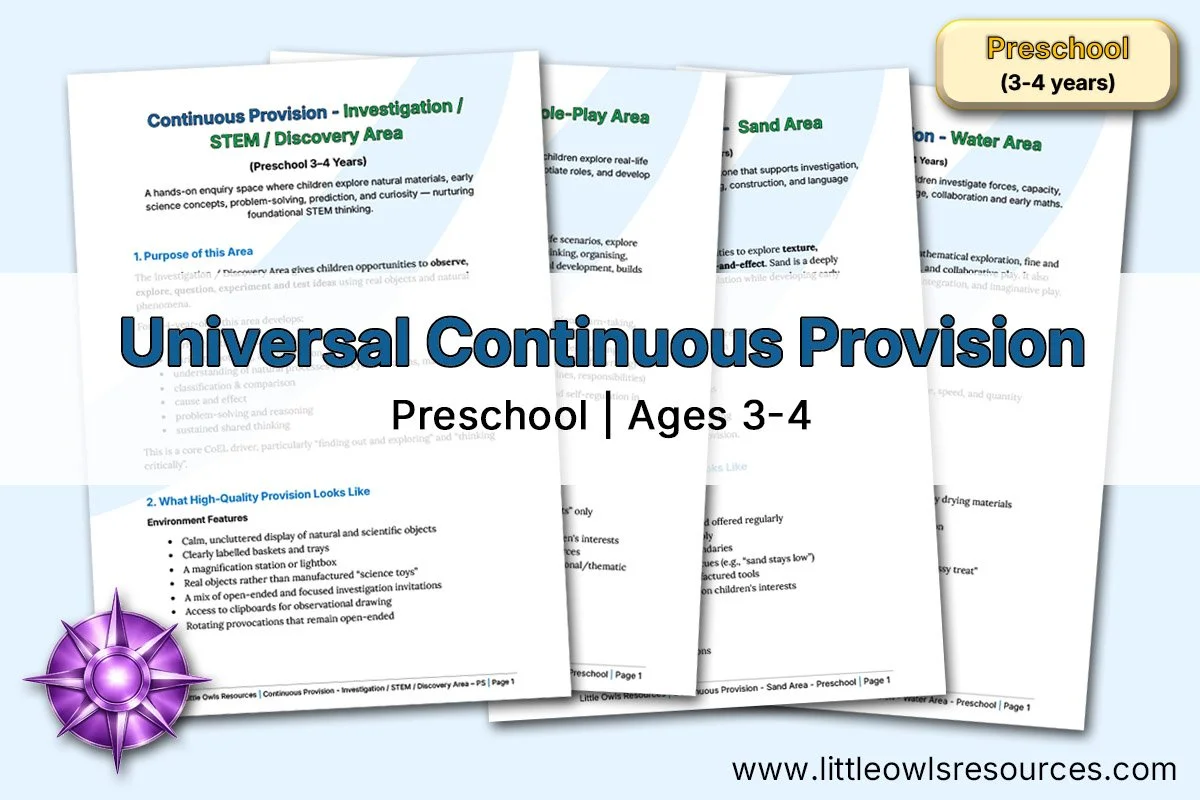
Universal Continuous Provision Packs (Preschool | 3–4 Years)
Construction Area
Small World Area
Role-Play Area
Writing / Mark-Making Area
Maths Area
Creative Area (Art & Making)
Investigation / STEM / Discovery Area
Book Corner / Reading Den
Fine Motor Station
Water Area
Sand Area
Snack Area / Independence Station
Outdoor Provision Core Zones
Physical play
Gross motor skills
Nature area
Outdoor mark-making
Outdoor maths
Fine-Motor & Mark-Making Mini Session Bank | Preschool (3–4 Years)
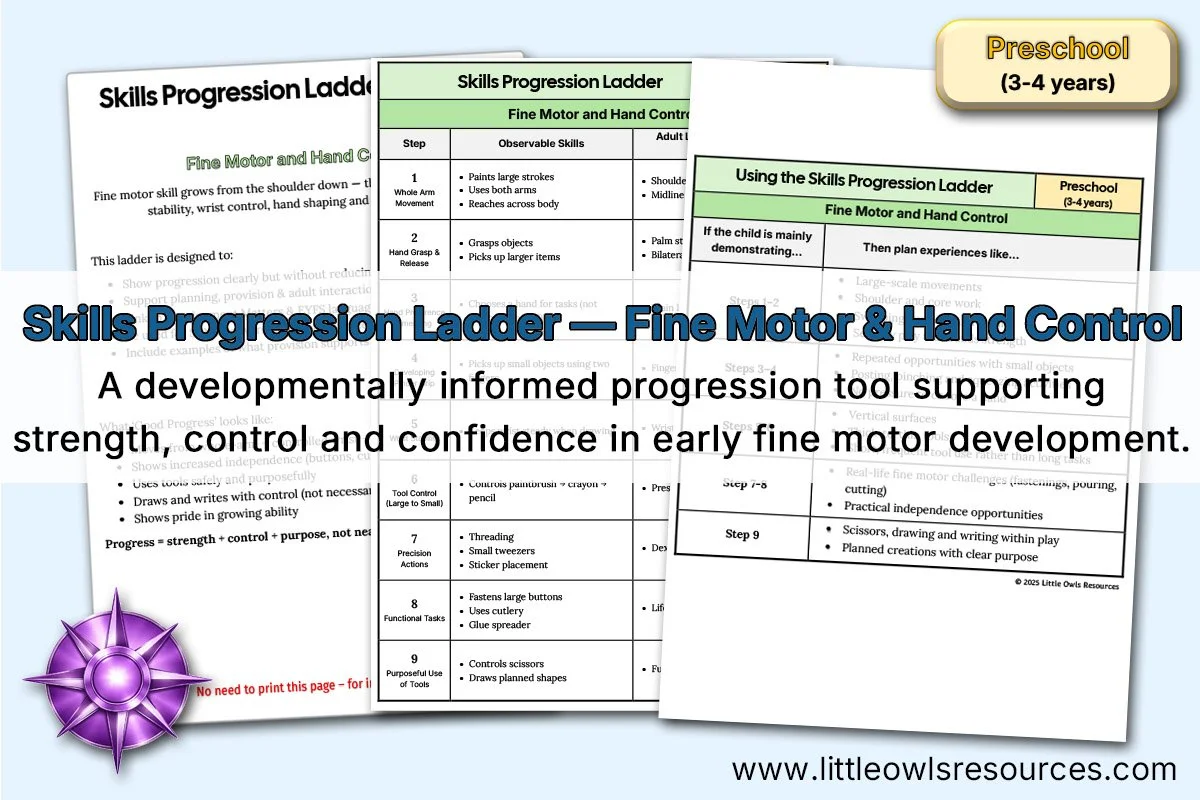
Preschool Skills Progression Ladder: Fine Motor & Hand Control
-
Reception Physical Development provision should support children to build strength, coordination, stamina and fine motor control while developing increasing independence and readiness for writing.
Fine motor challenges embedded throughout continuous provision
Opportunities for large-scale and small-scale mark-making daily
Outdoor provision supporting climbing, balancing, coordination and agility
Tool-use opportunities including scissors, hole punches, paintbrushes and construction materials
Finger-strength and hand-control activities supporting pencil grip development
Collaborative movement games supporting coordination and teamwork
Gross motor movement opportunities throughout the learning day
Self-care routines encouraging independence and responsibility
Adult-guided fine motor sessions linked to early writing development
Related Guidance:
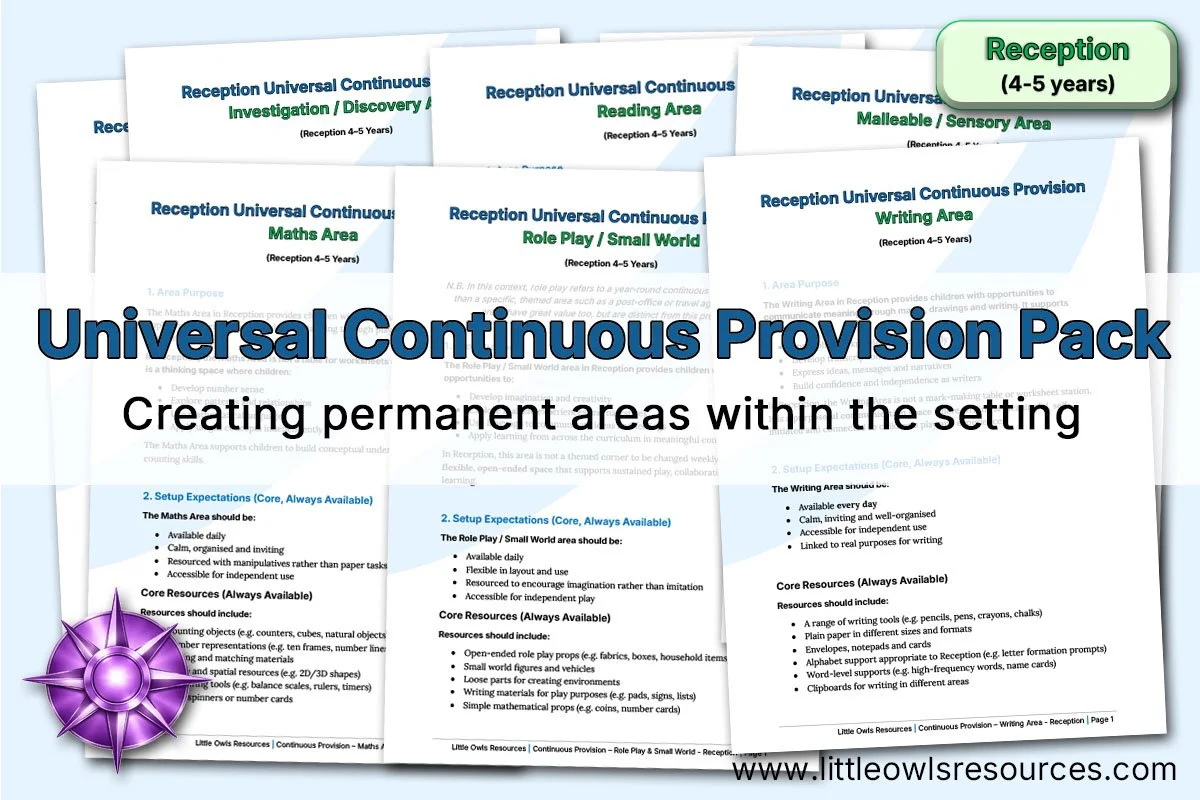
Universal Continuous Provision Pack (Areas listed below)
Construction
Creative
Investigation / Discovery
Maths
Reading
Role Play / Small World
Malleable / Sensory
Writing
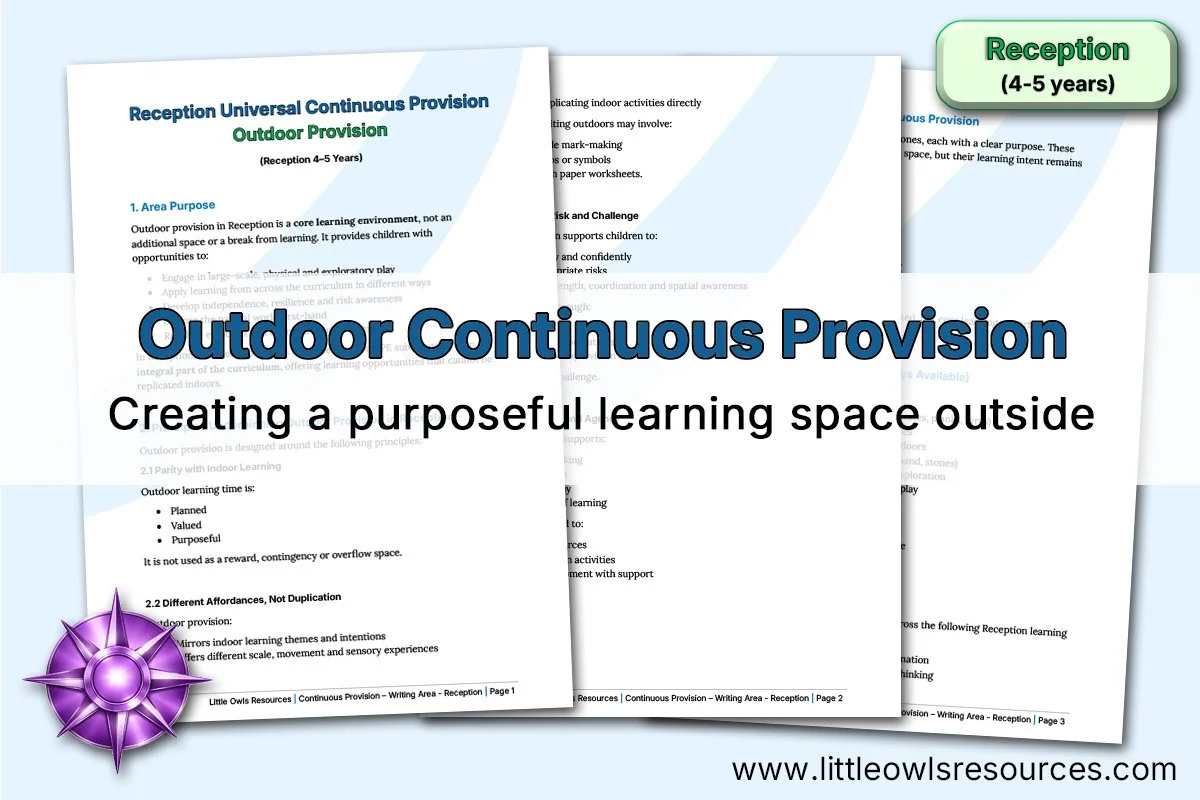
Outdoor Continuous Provision (Reception)
Fine Motor & Physical Development | Foundations for Writing in Reception (4–5 Years)
❓ Frequently Asked Questions About EYFS Physical Development
-
Physical Development is one of the prime areas of learning within the EYFS. It includes gross motor skills, fine motor skills, coordination, movement, self-care and healthy development.
-
Physical Development supports children’s confidence, independence, wellbeing, coordination, regulation and readiness for learning across all areas of development.
-
Practitioners can support Physical Development through active play, outdoor learning, fine motor invitations, movement opportunities, open-ended resources and responsive adult interaction.
-
Examples include obstacle courses, fine motor stations, outdoor climbing, scissor skills, threading, mark-making, balancing activities and movement games.
-
Outdoor learning provides opportunities for climbing, balancing, running, lifting, transporting, risk-taking and large-scale movement that support coordination and physical confidence.
-
Gross motor development relates to large body movements such as climbing, balancing and running. Fine motor development relates to smaller movements involving hands, fingers and coordination needed for tasks such as mark-making and tool use.
-
Children need strong core muscles, shoulder stability, hand strength and coordination before developing confident pencil control and early writing skills.
-
Support may include adapted resources, movement-rich environments, sensory support, targeted fine motor experiences, outdoor play and partnership with families and outside professionals where appropriate.
-
Continuous provision supports Physical Development through daily opportunities for movement, climbing, lifting, balancing, fine motor exploration, mark-making and self-care experiences embedded throughout the environment.
-
Movement supports brain development, wellbeing, coordination, confidence, self-regulation and children’s ability to engage in learning experiences successfully.
🧰 Additional ‘Physical Development’ Tools & Guidance
When considering the support you provide for ‘Physical Development’ within your setting, you may find resources on the following pages useful.
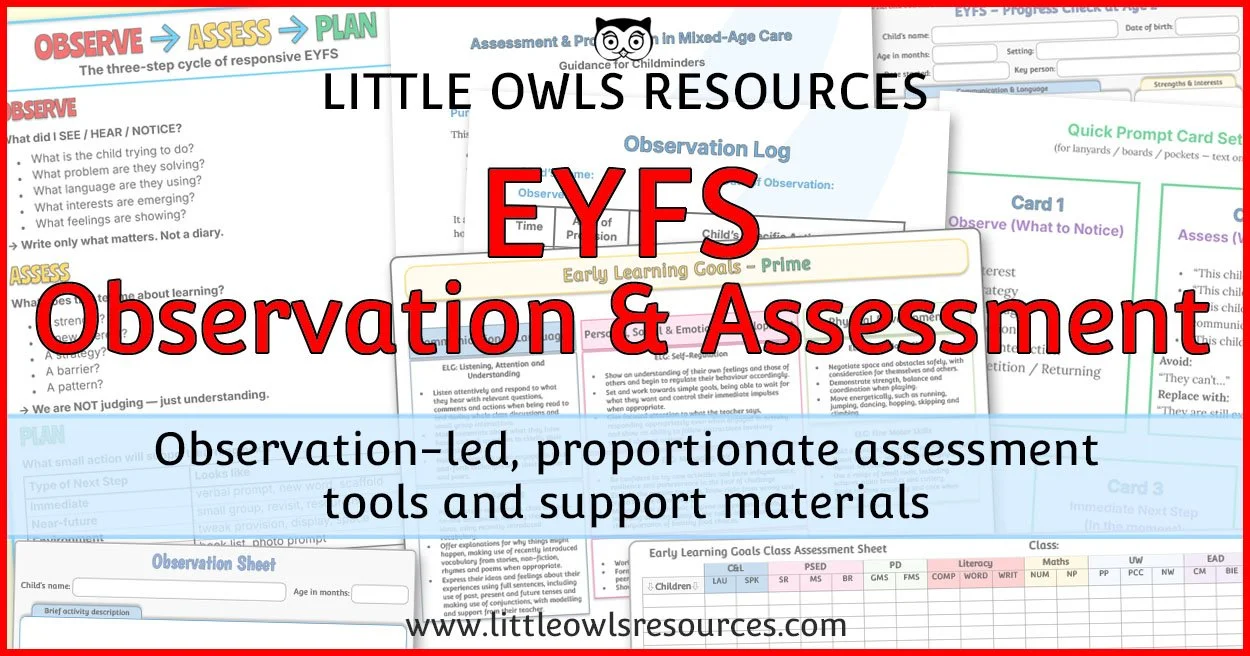
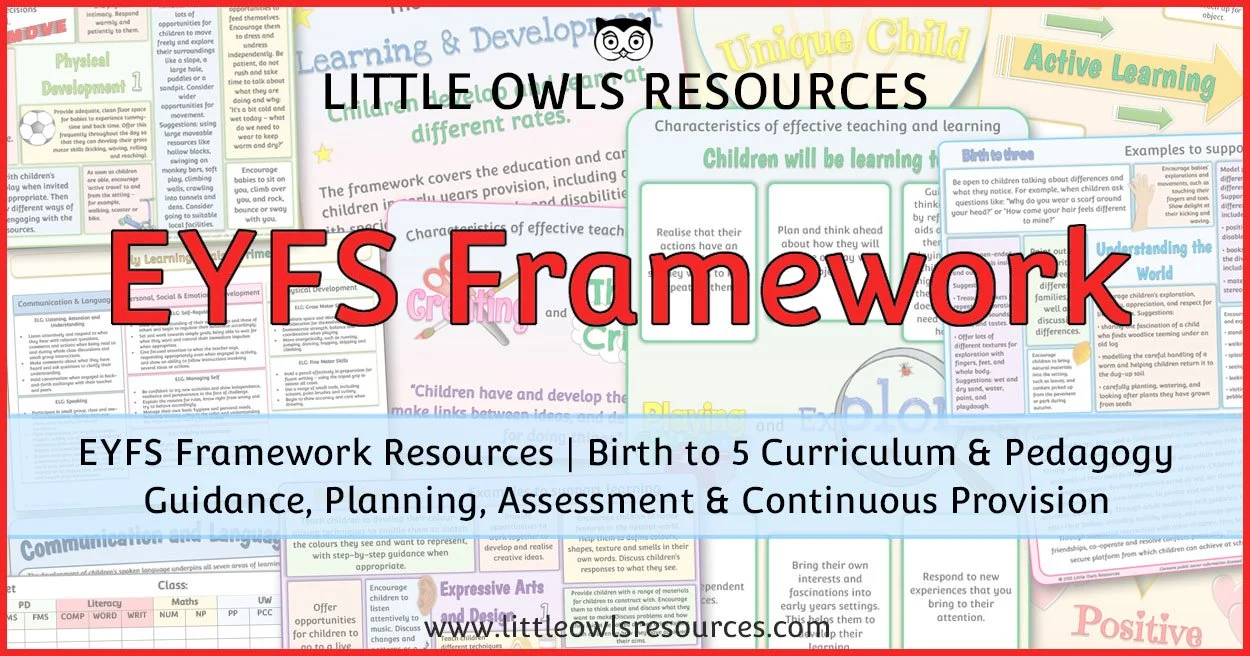
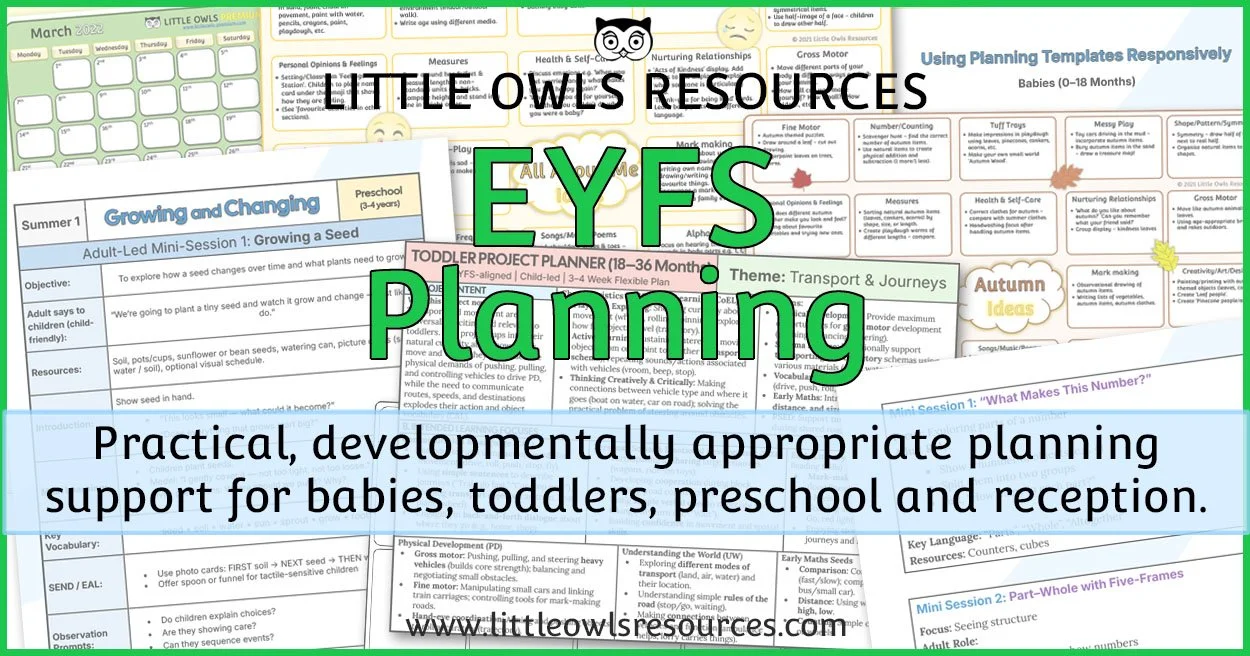
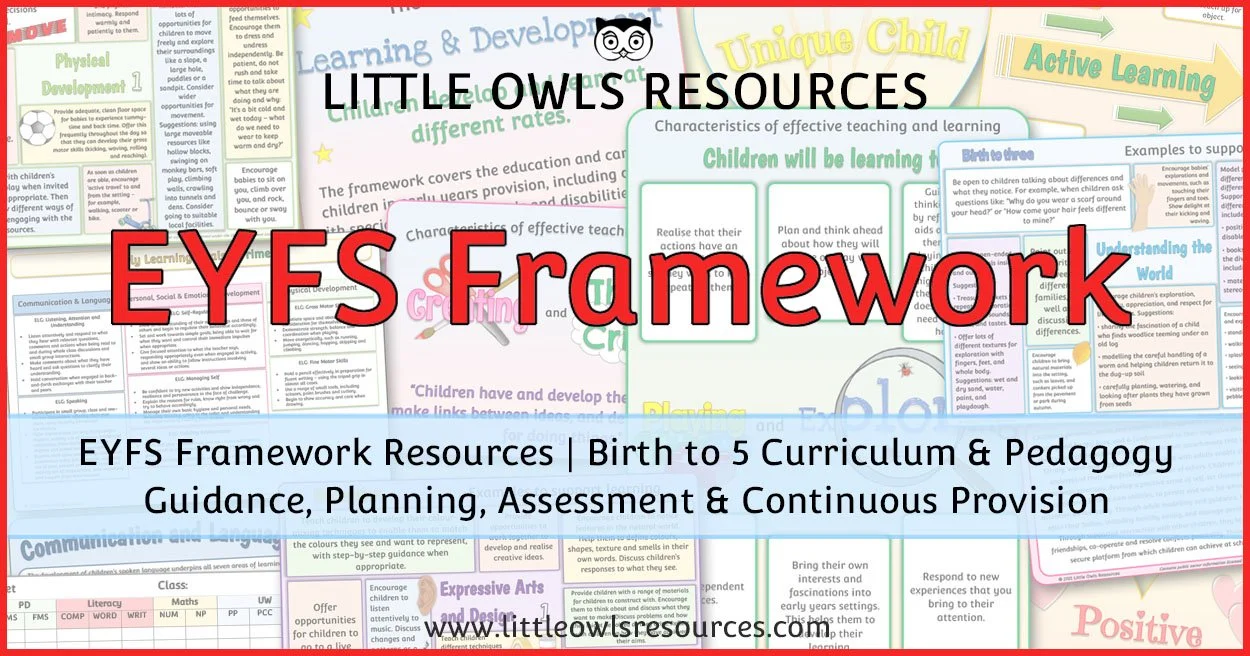
🌈 EYFS Printable Resources & Guidance for Additional Areas of Learning
Prime Areas of Learning
These areas are particularly important for building foundations in communication, wellbeing and physical development.
Specific Areas of Learning
These areas build on and strengthen the prime areas as children grow and develop.
Additional Curriculum Collections on Little Owls Resources
These collections support learning across multiple EYFS areas and are commonly used alongside the statutory framework.
More ways to search on ‘Little Owls Resources’…
(Select the buttons below to visit our menu pages)



This page contains public sector information licensed under the Open Government Licence v3.0.
Encourage curiosity, creativity and problem-solving with our wonderful Outdoor Sand Play Challenge Cards!
These engaging printable challenge cards help transform your outdoor sand area into a rich environment for exploration, investigation and imaginative play. Each…