

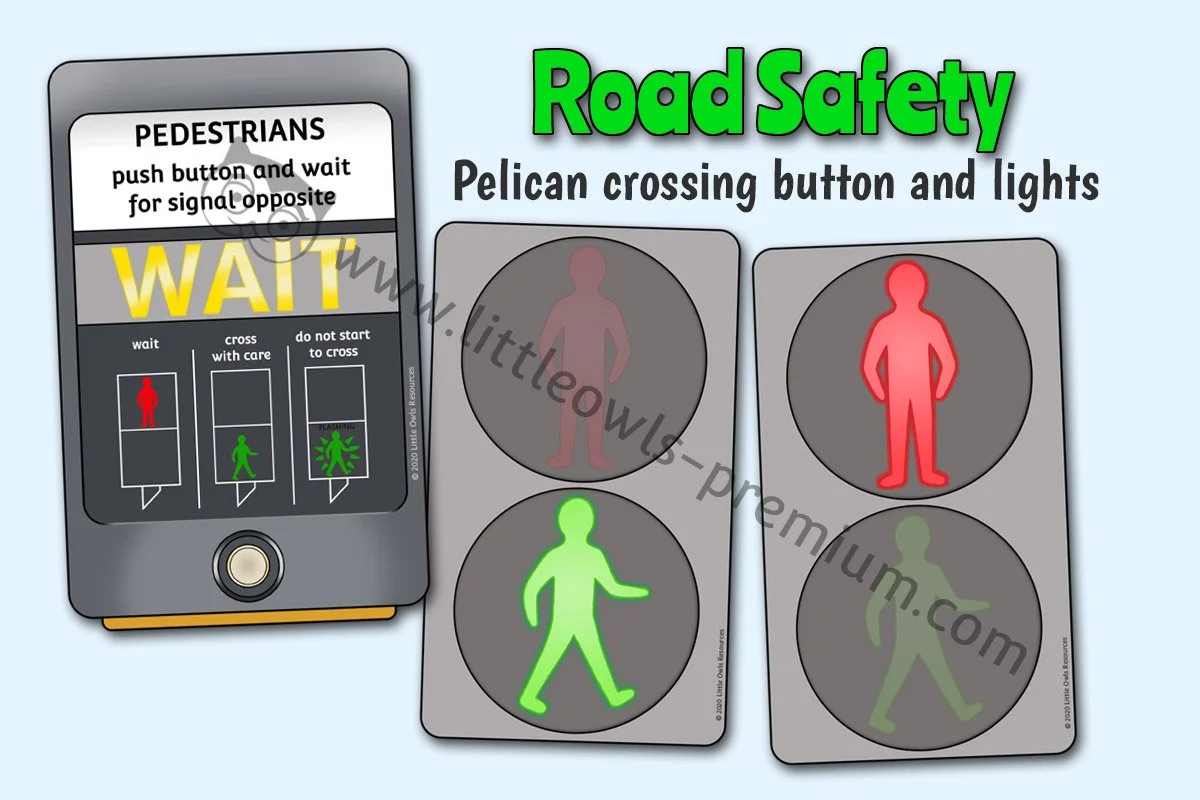
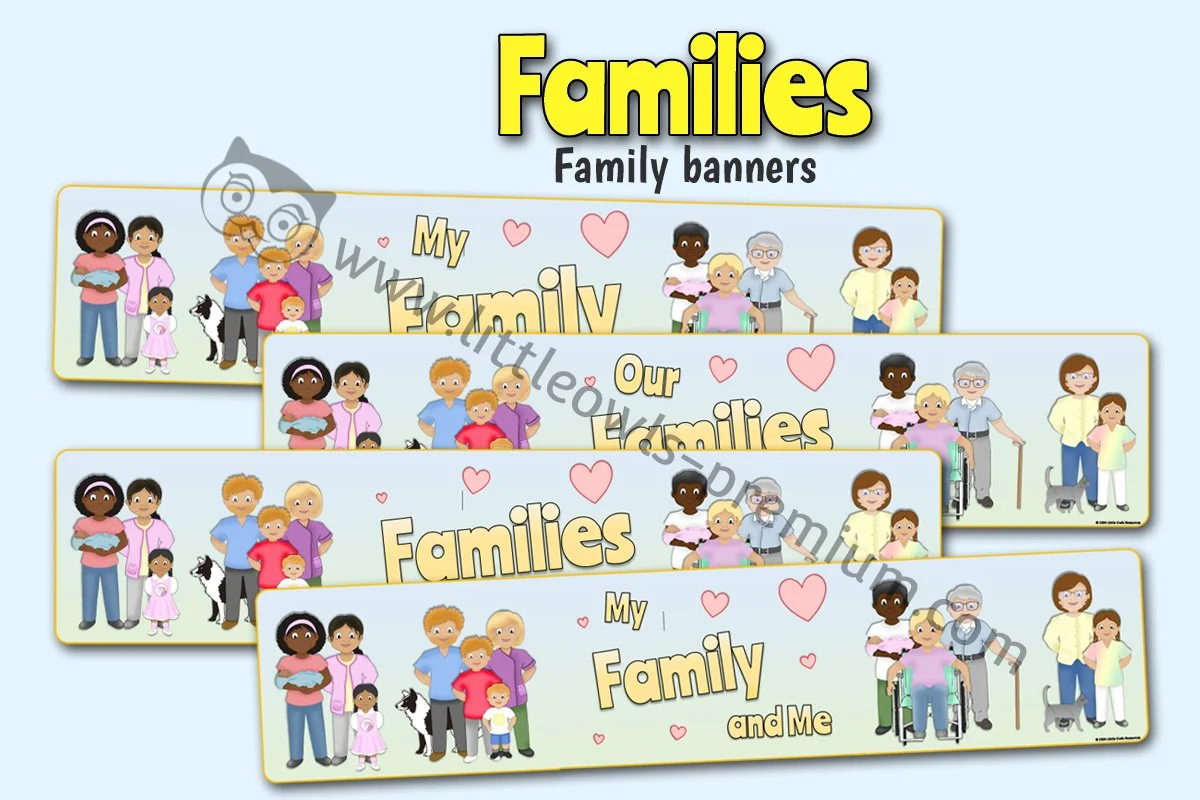
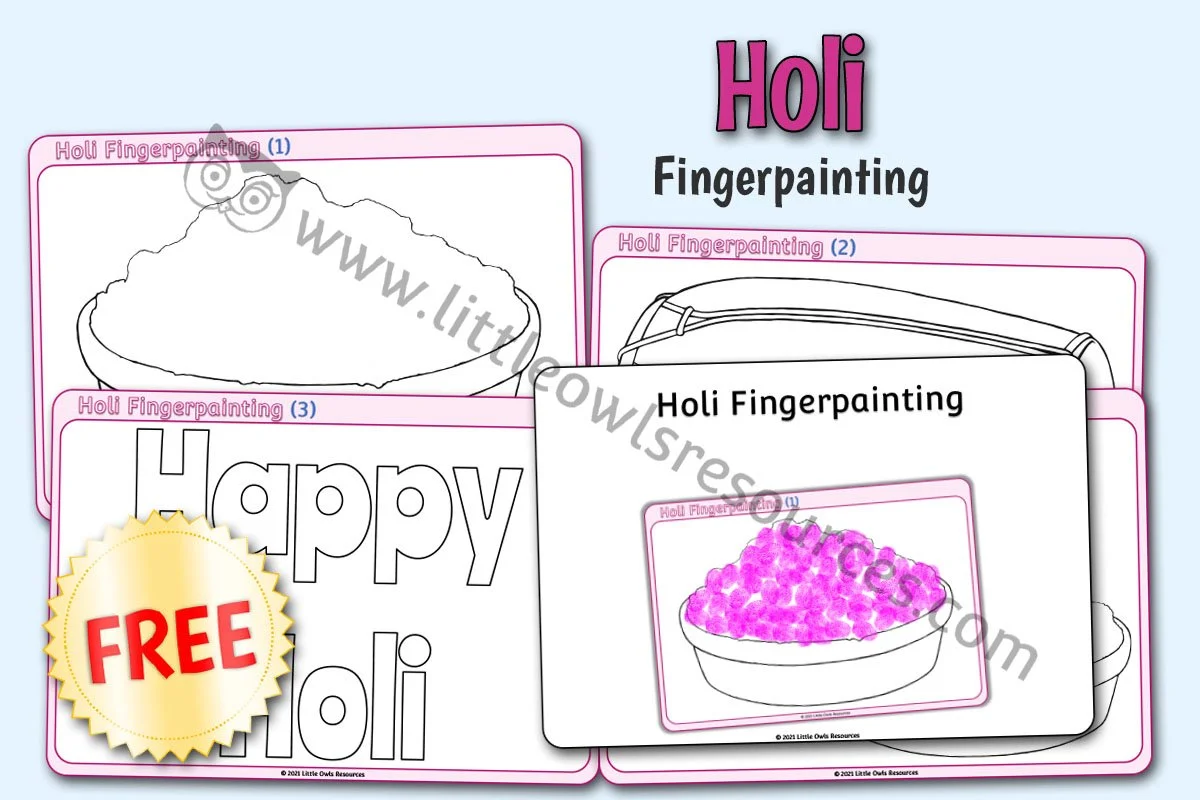
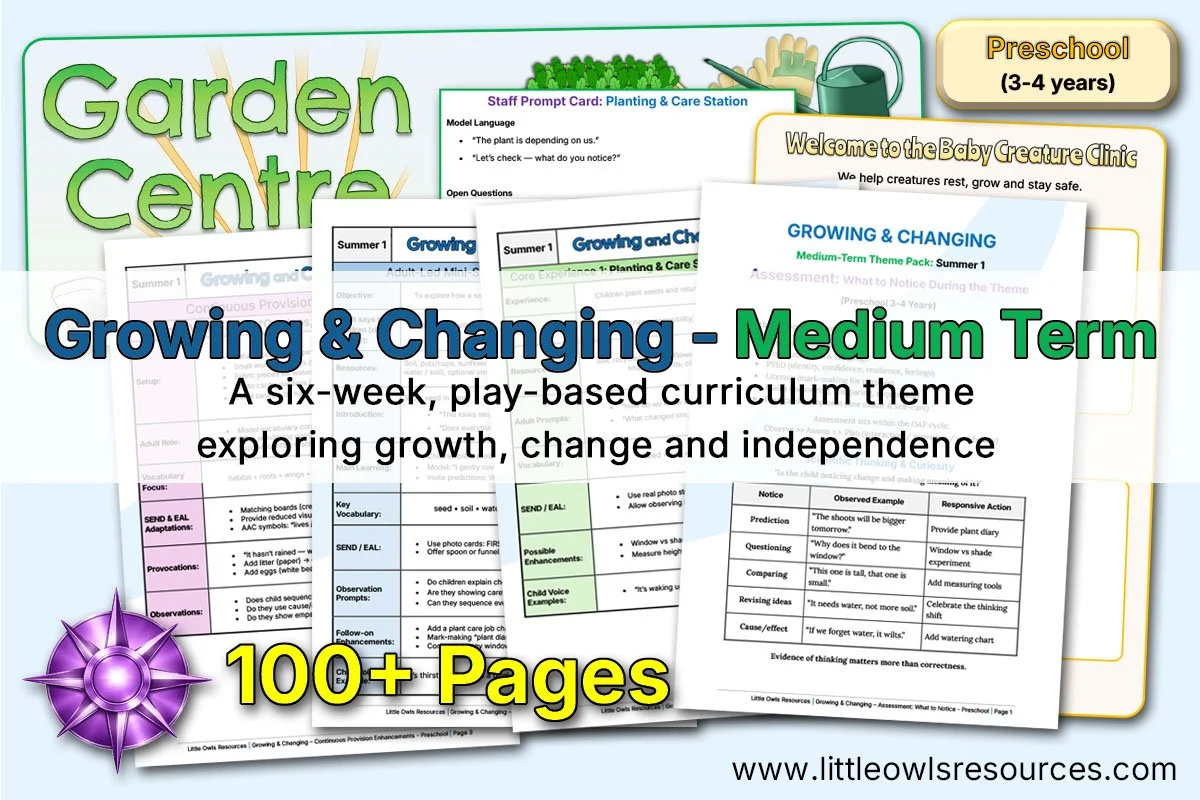
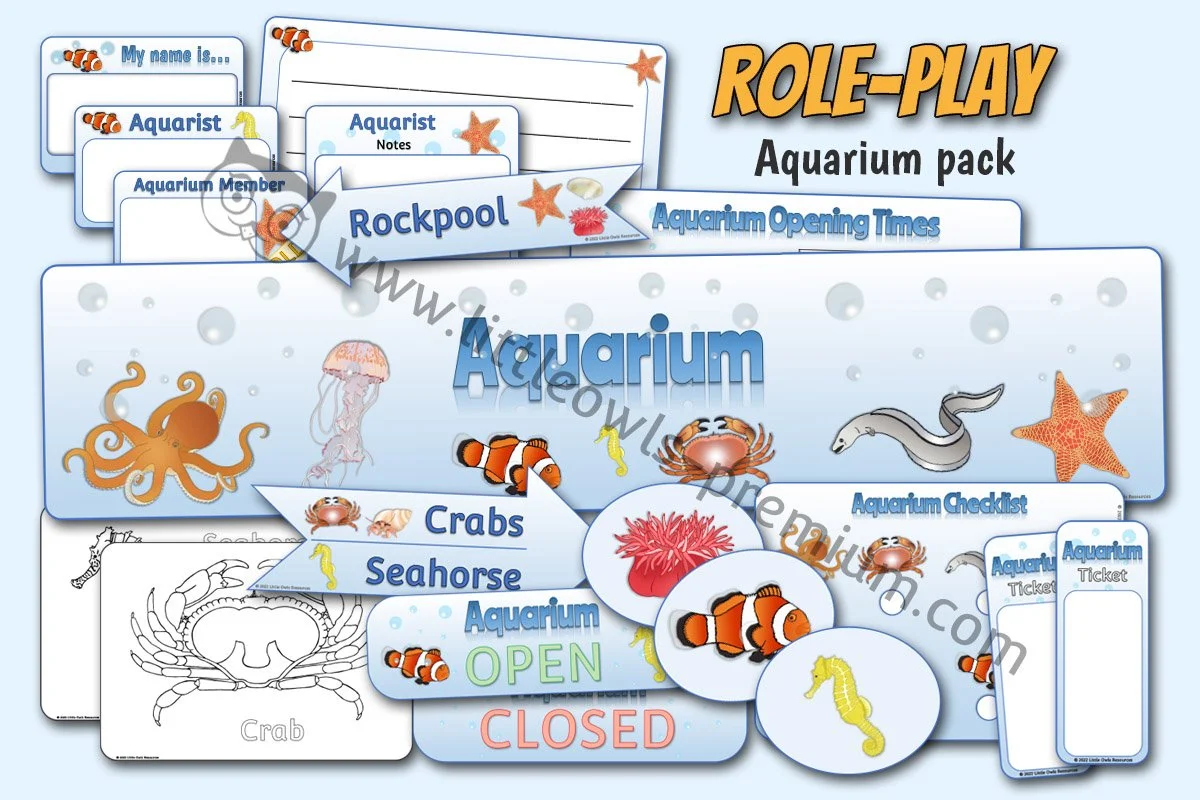
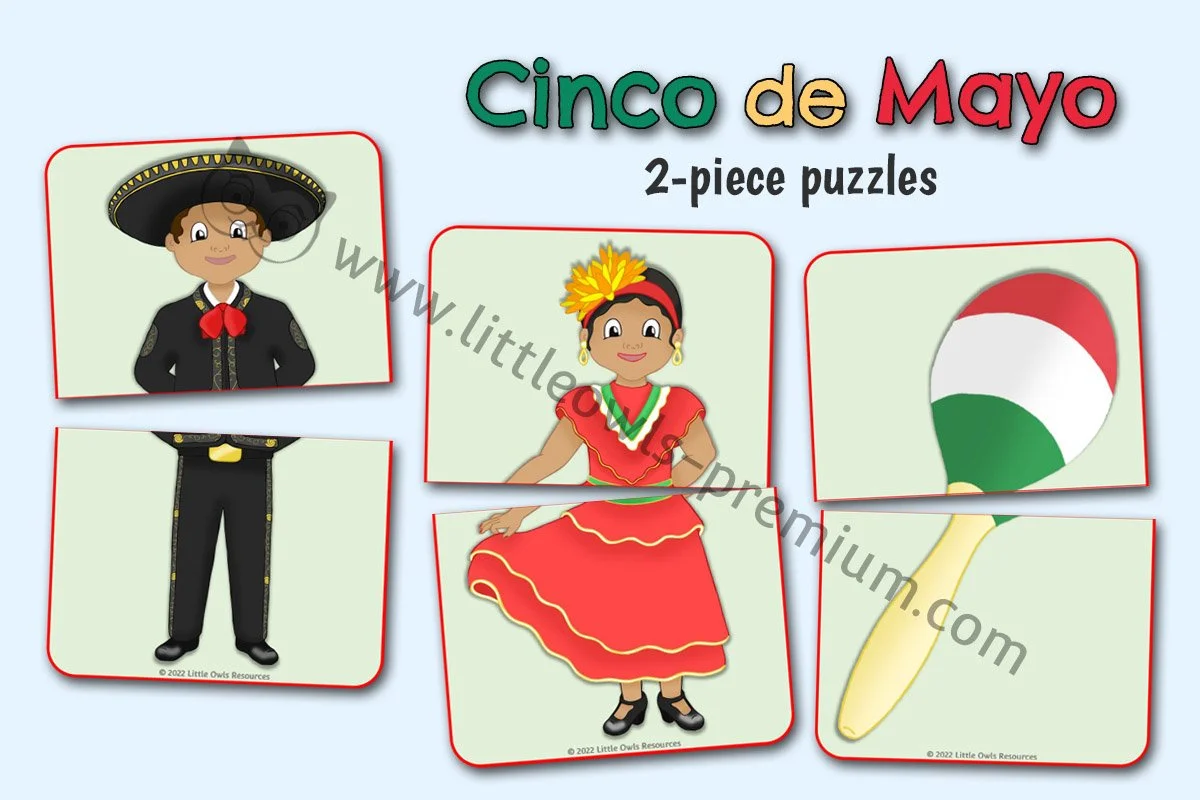
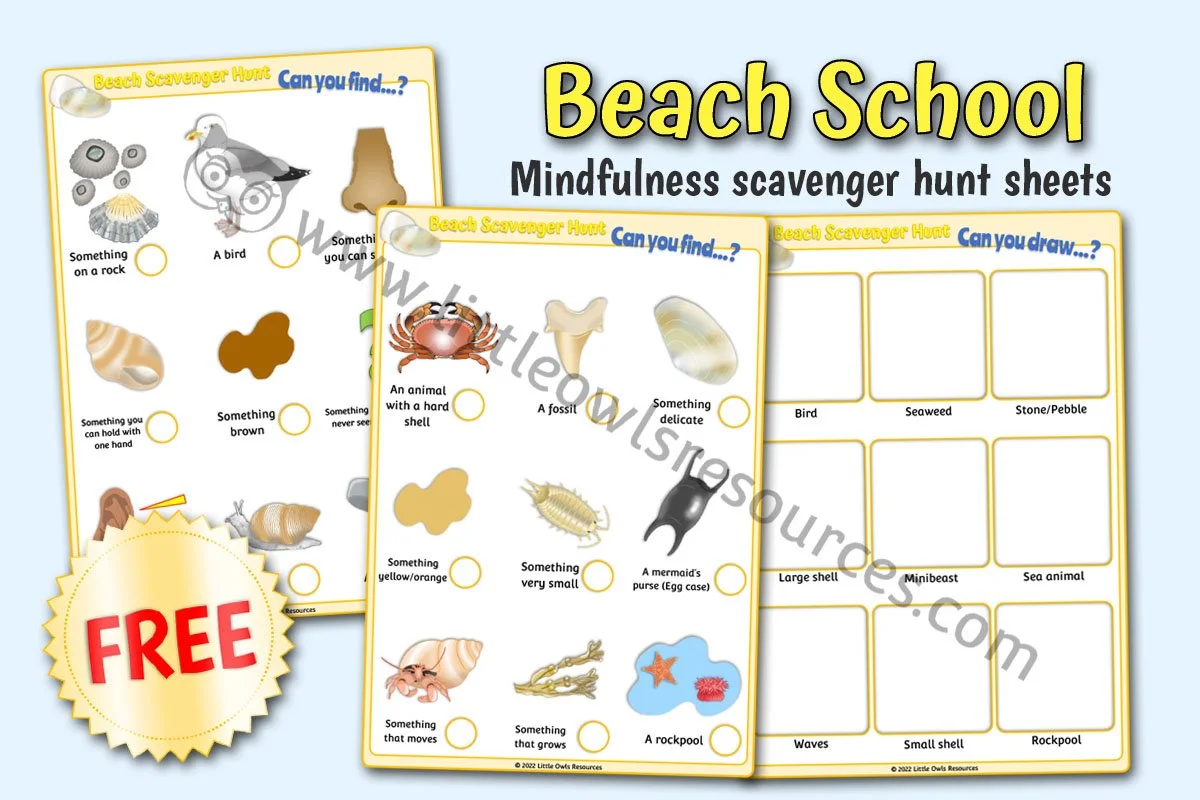
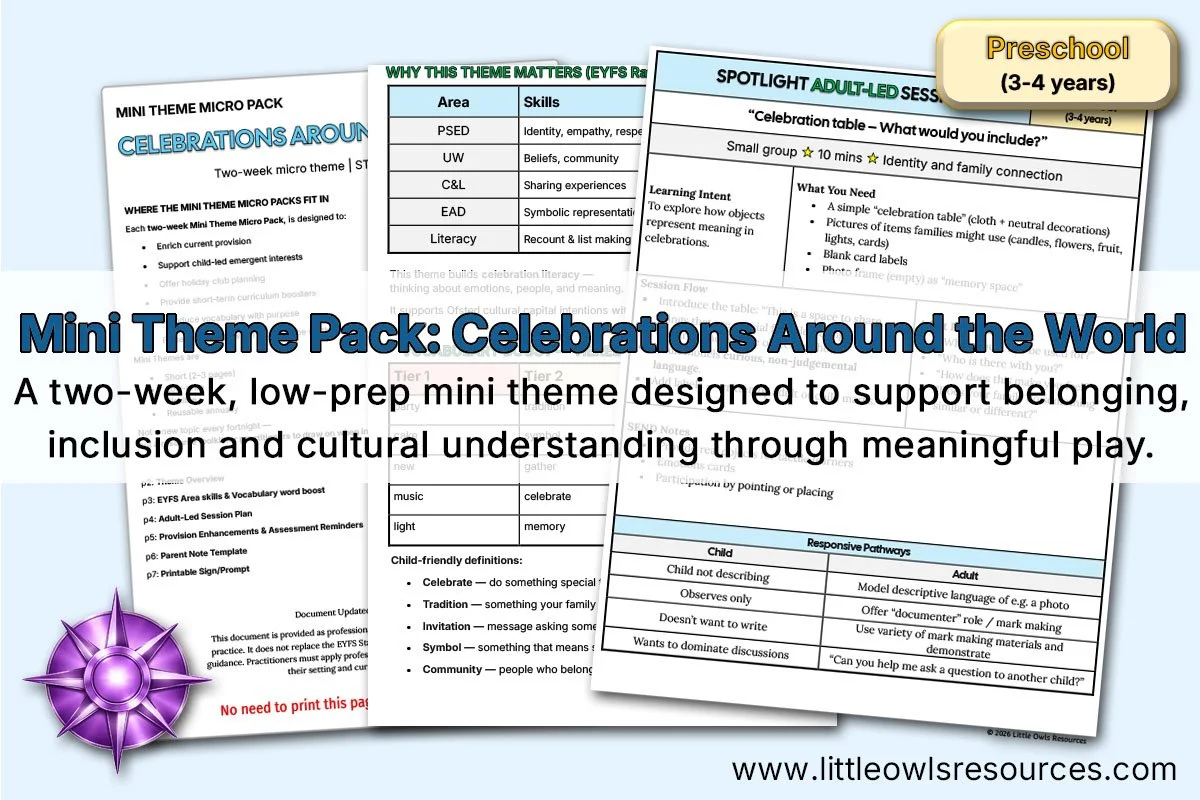
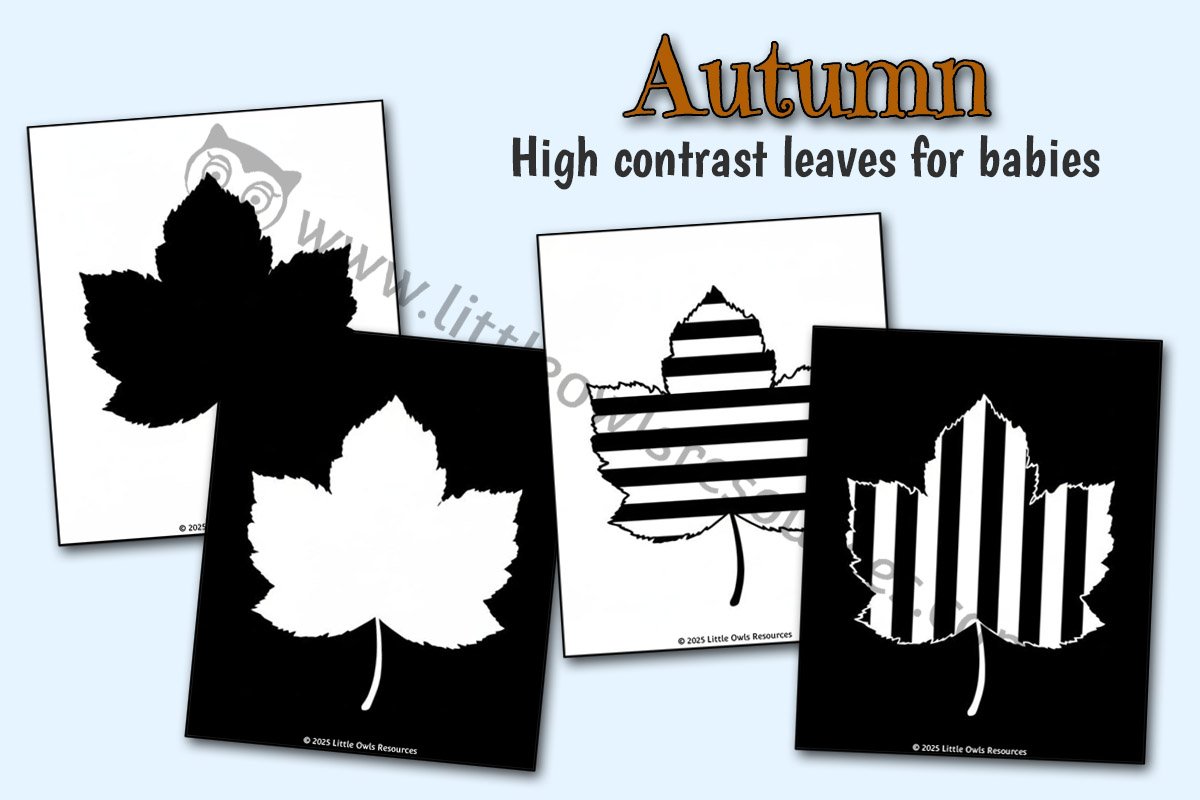
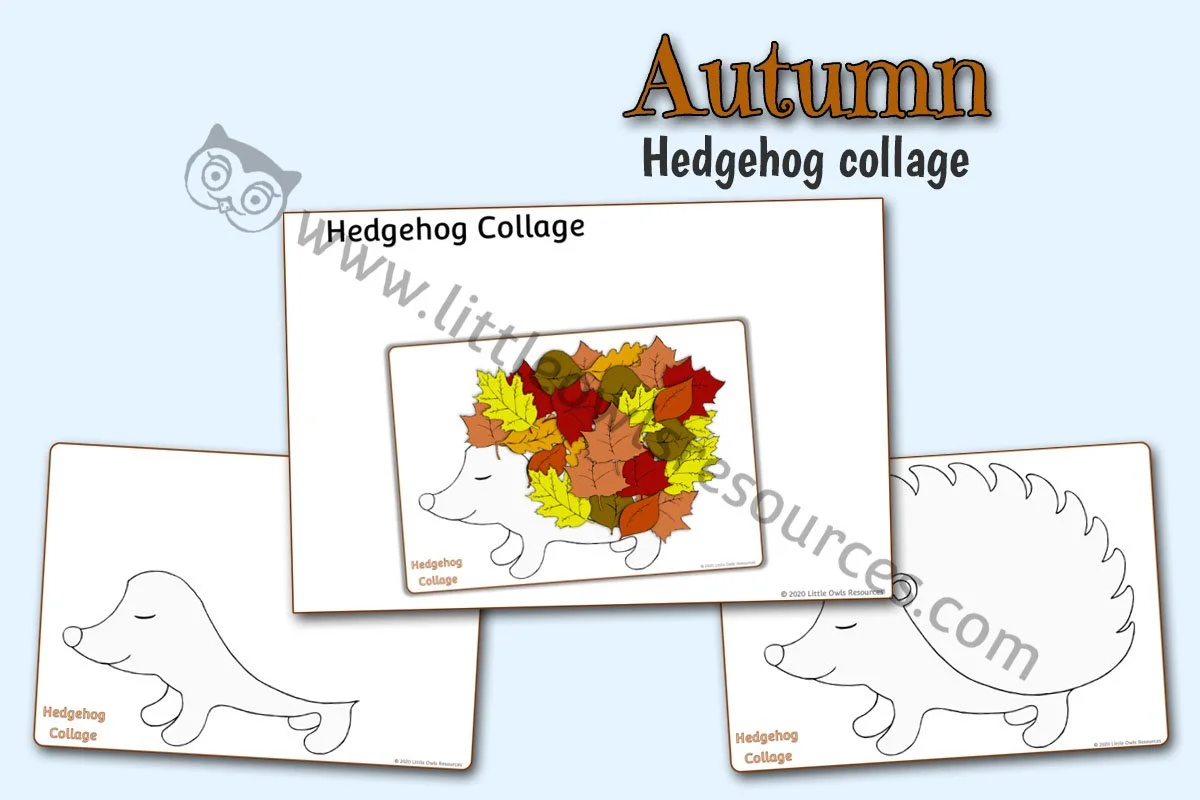
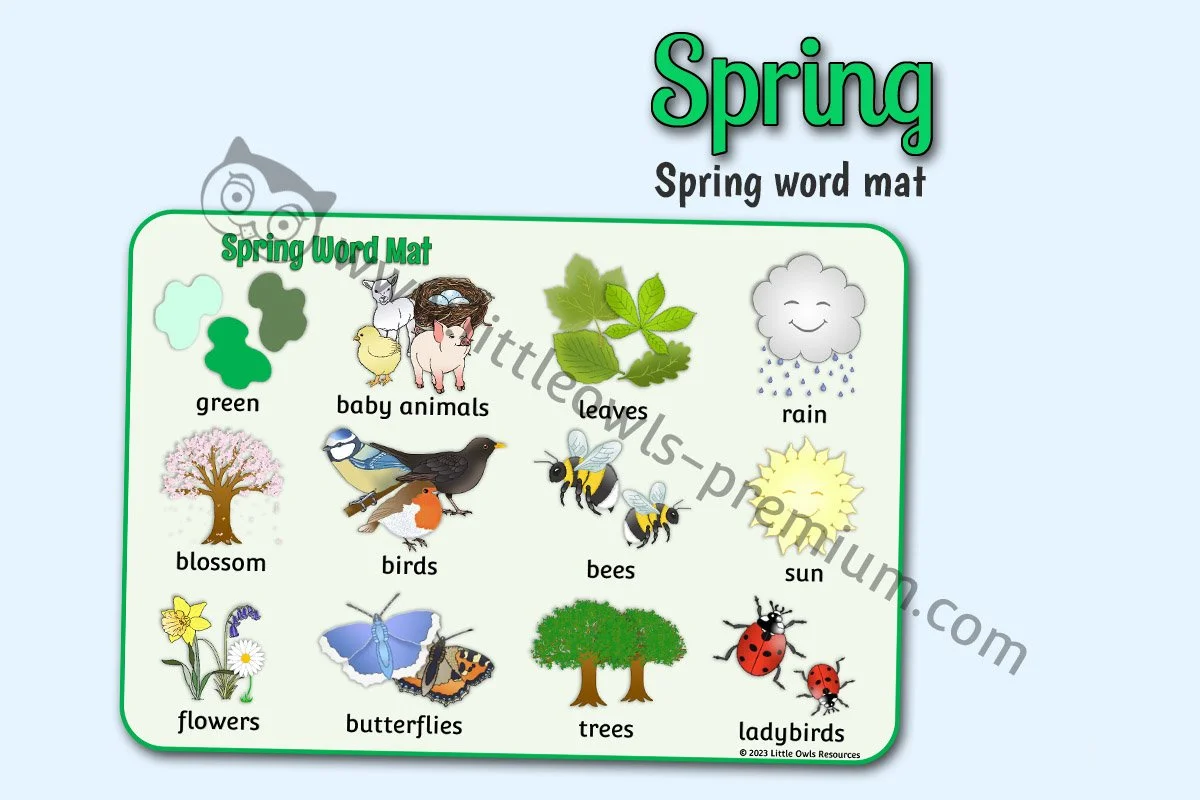
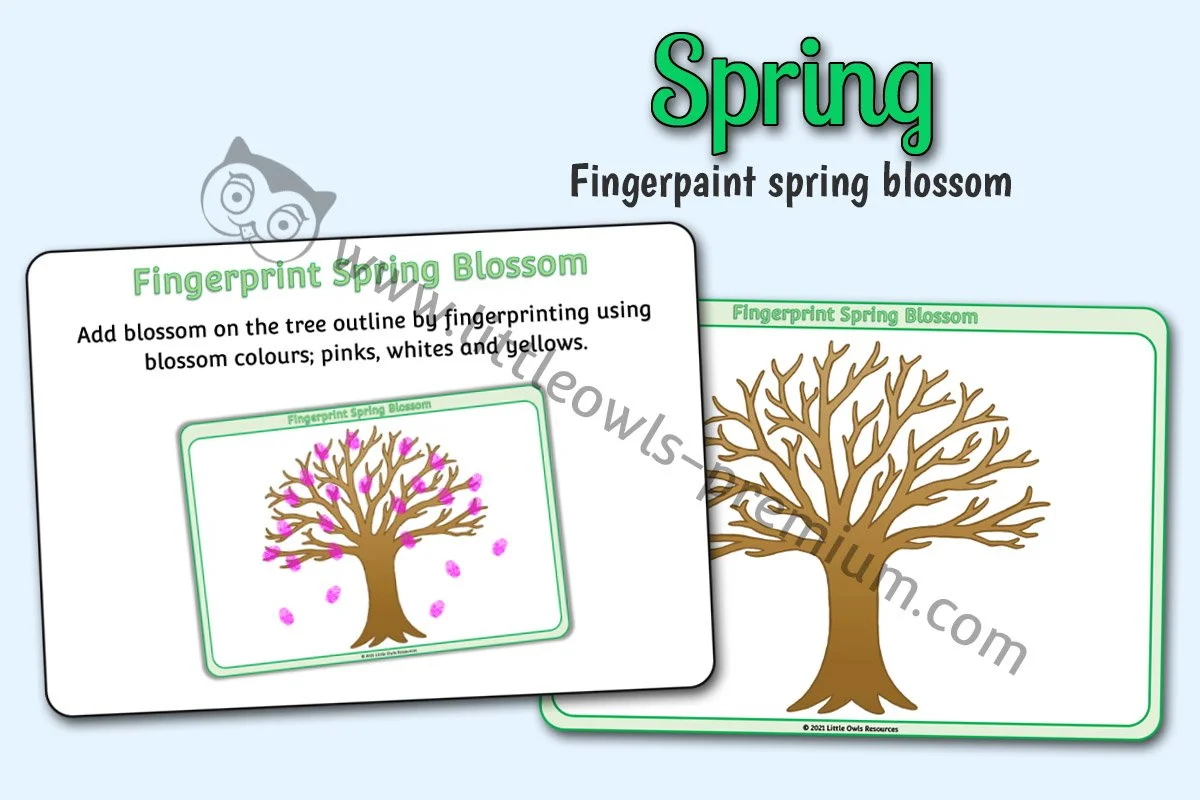
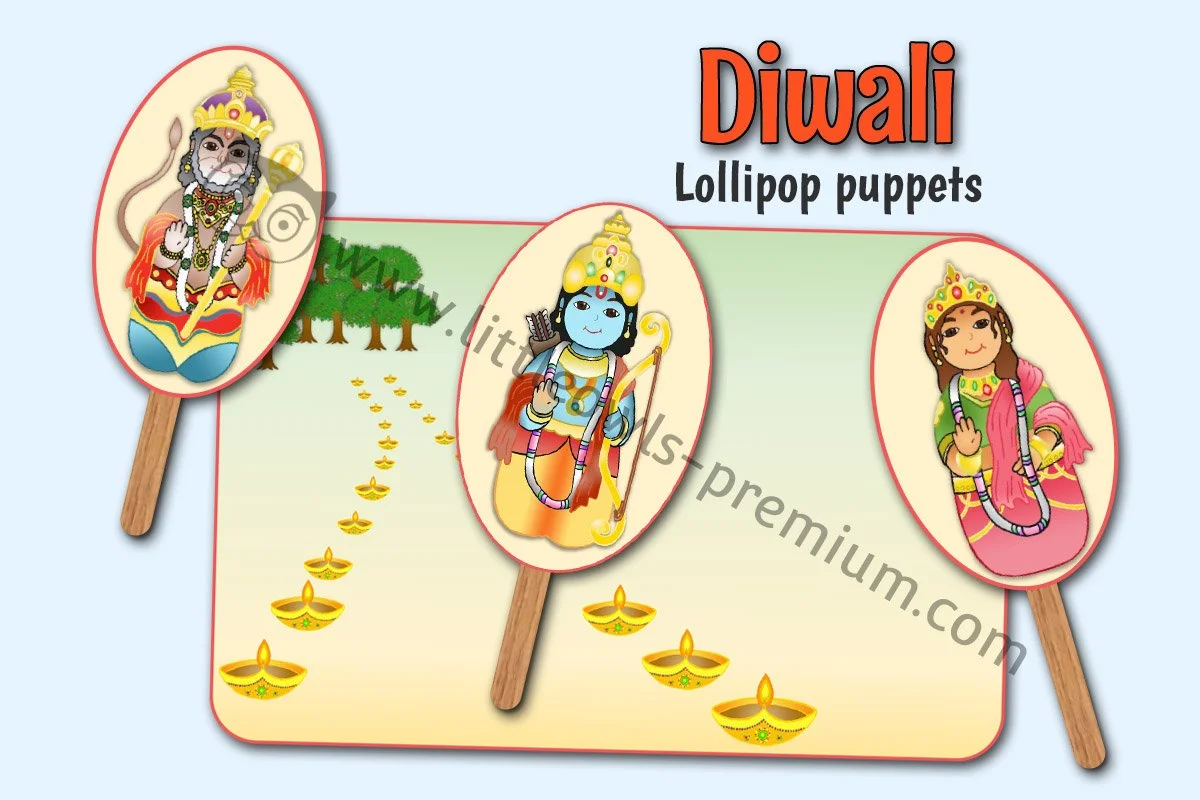
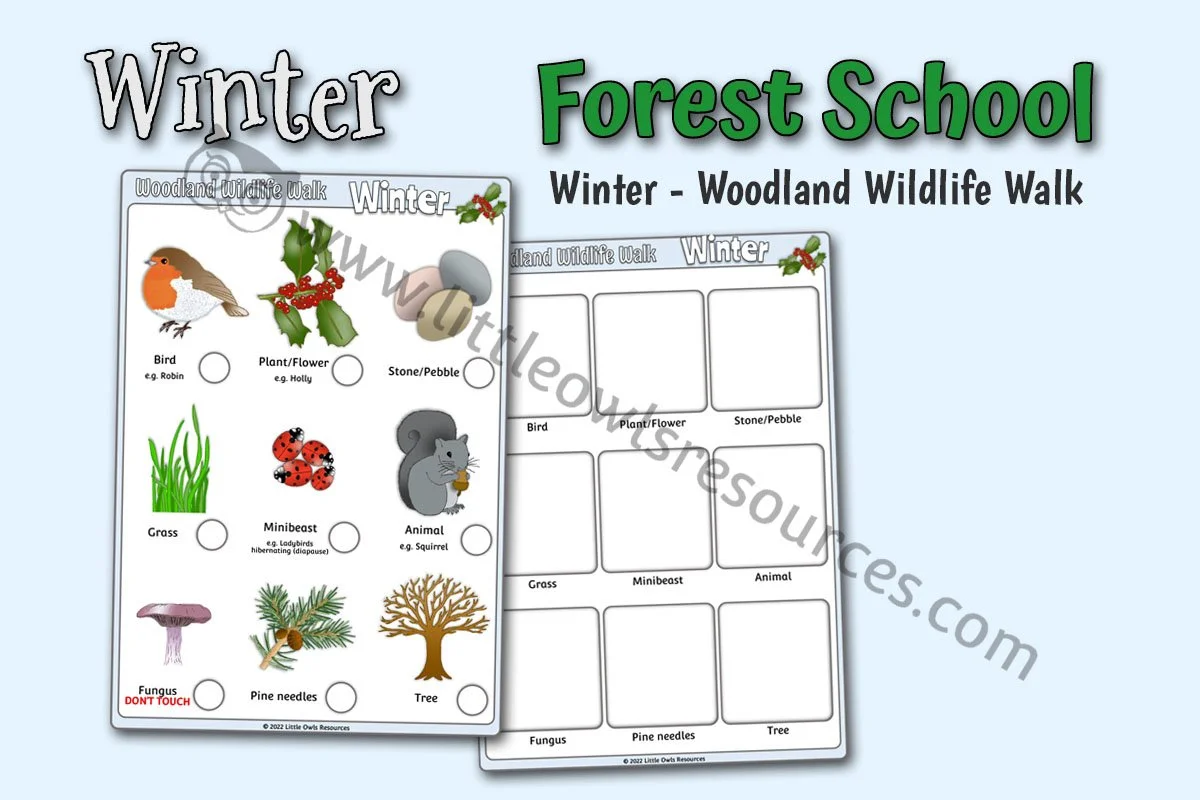

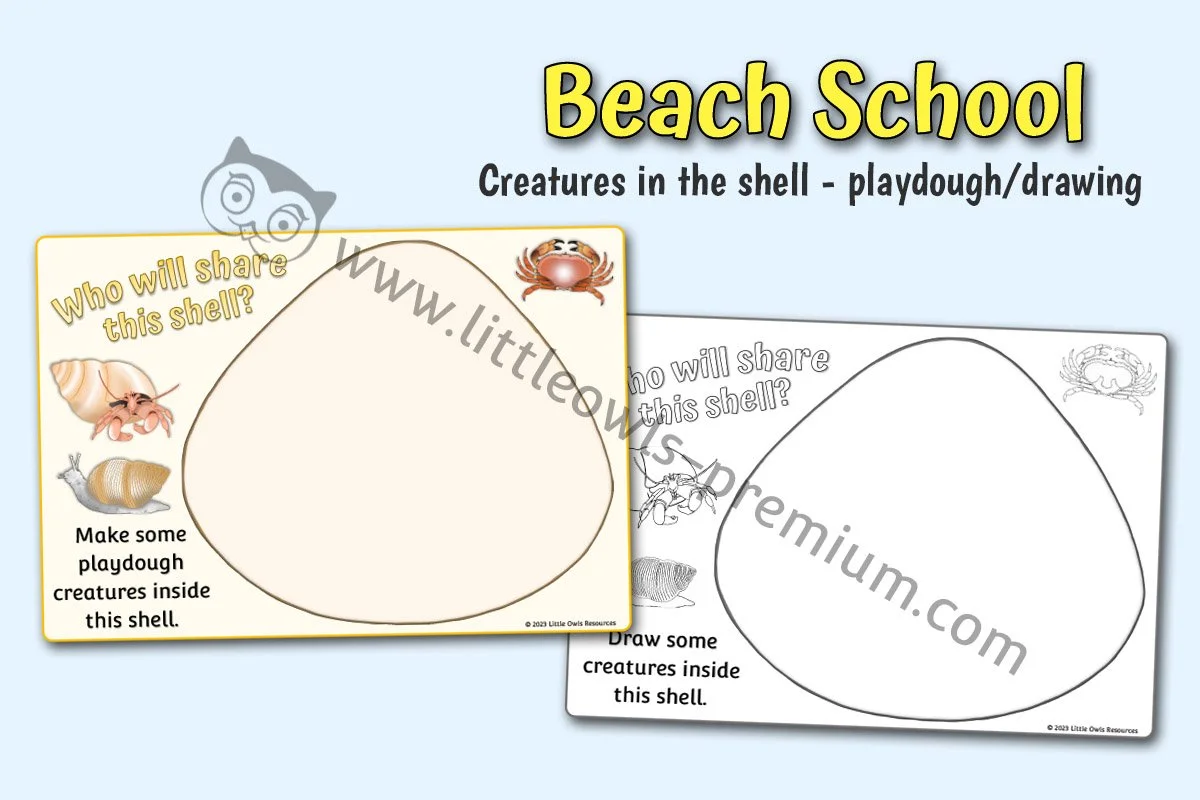
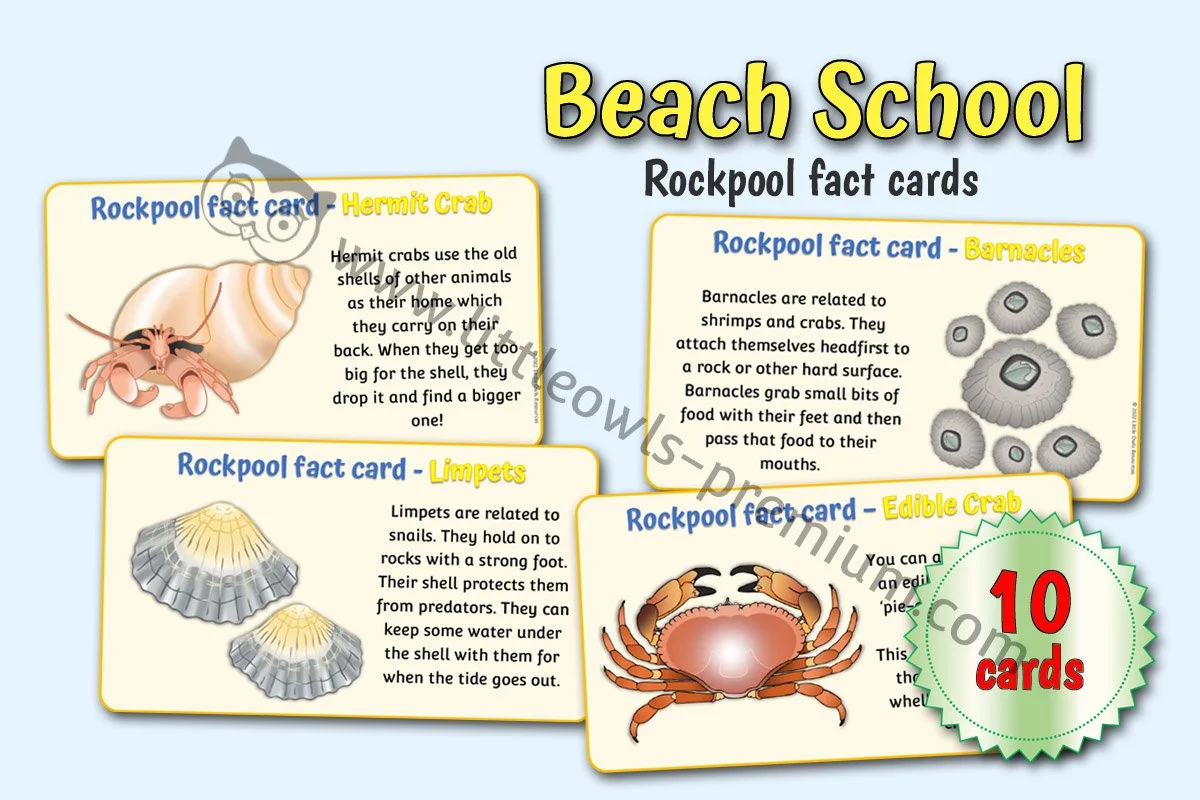
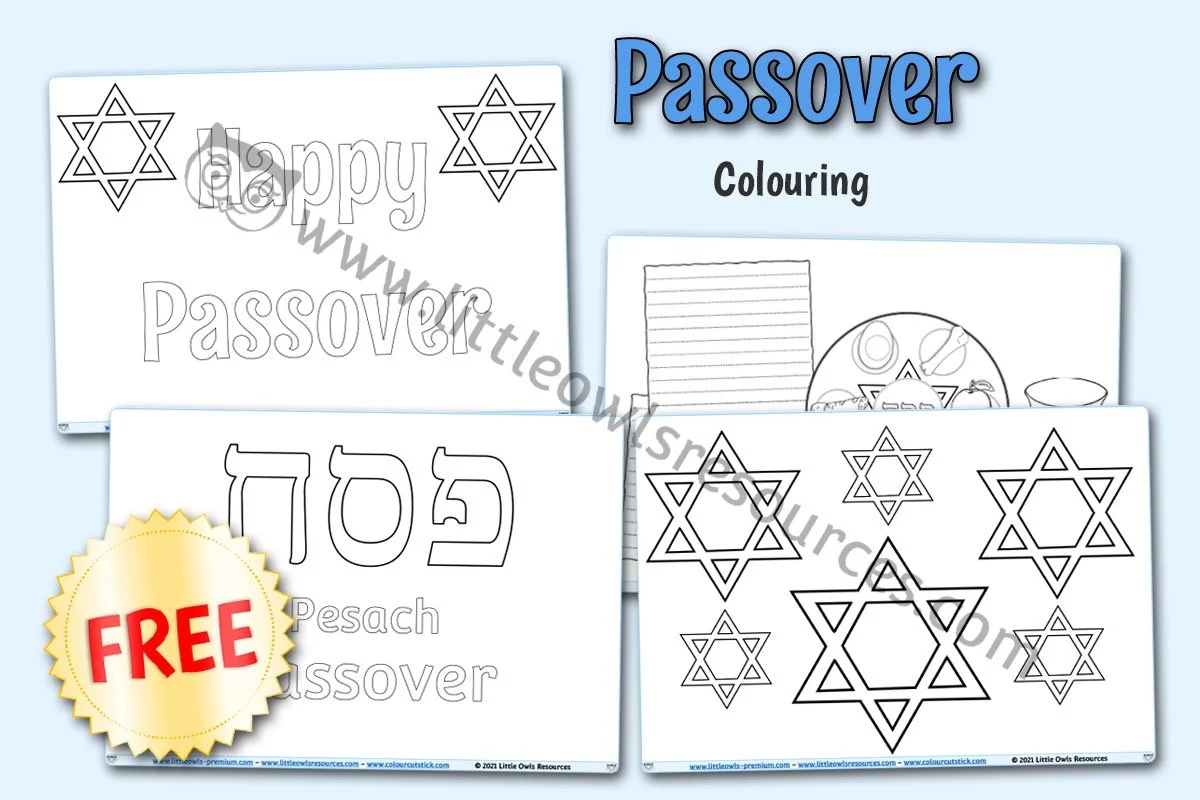
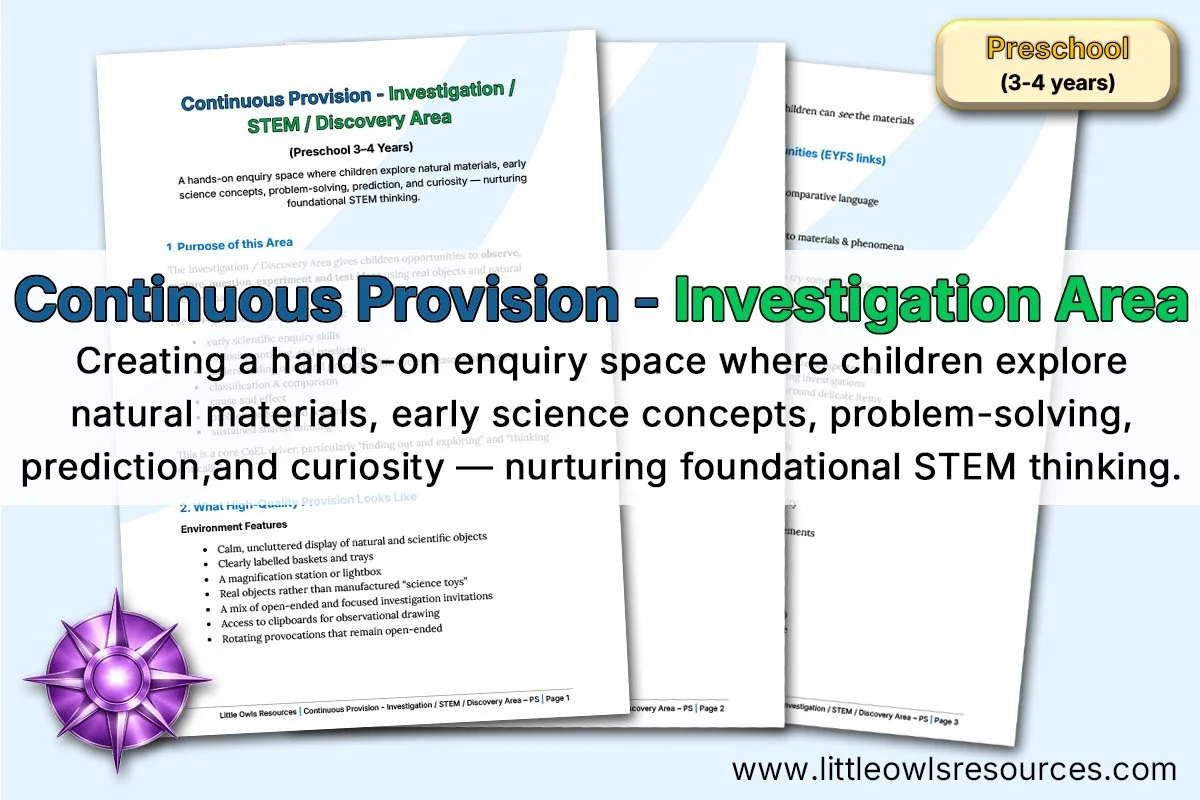
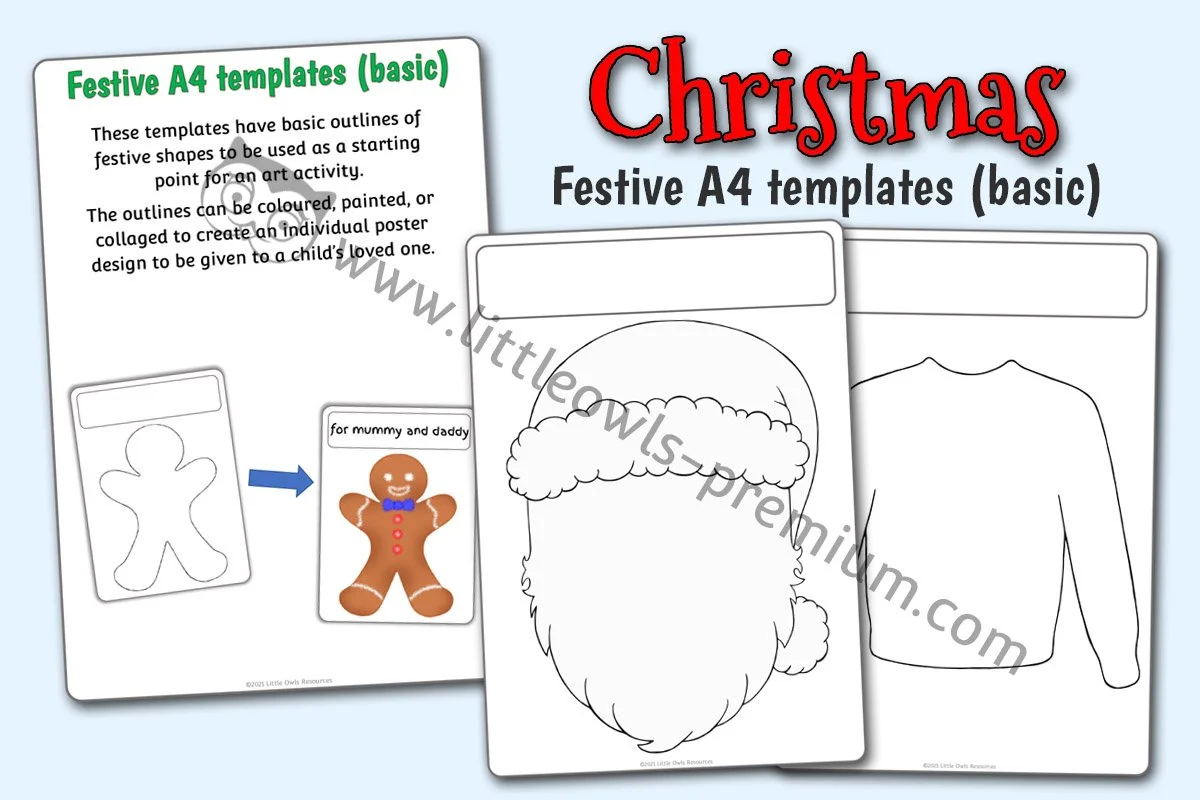
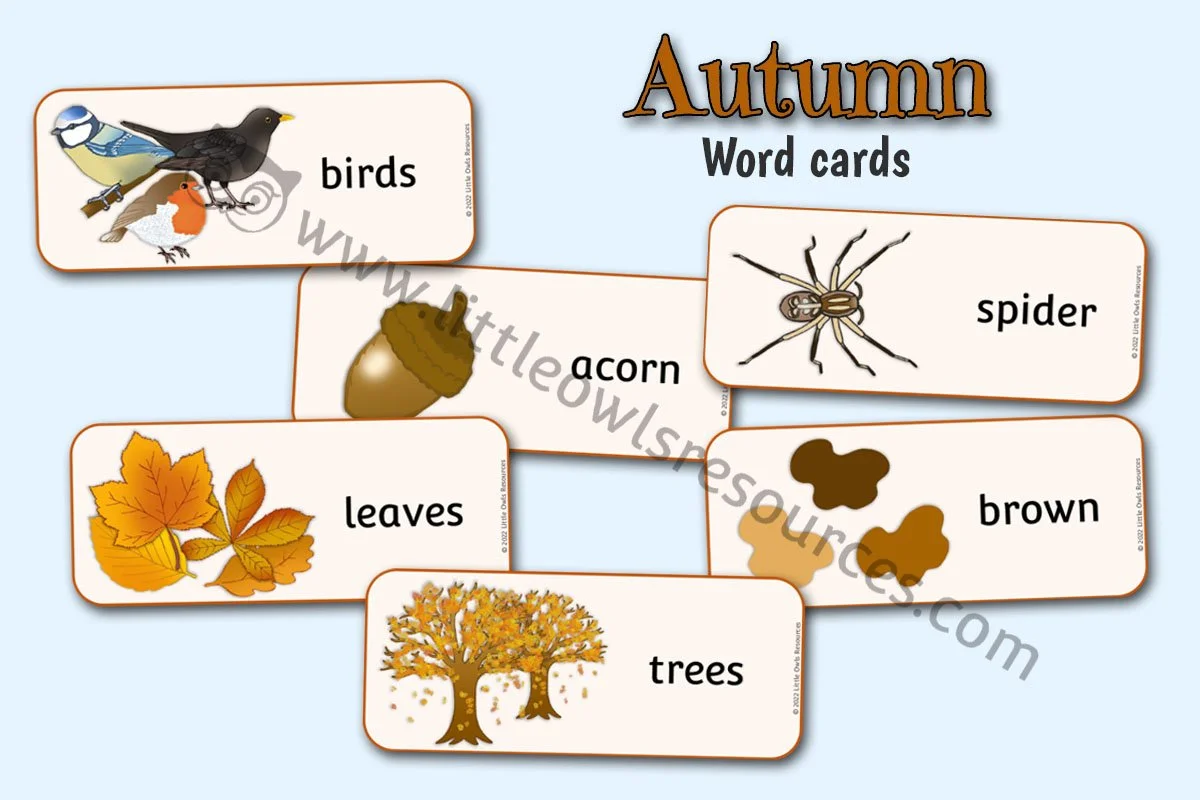
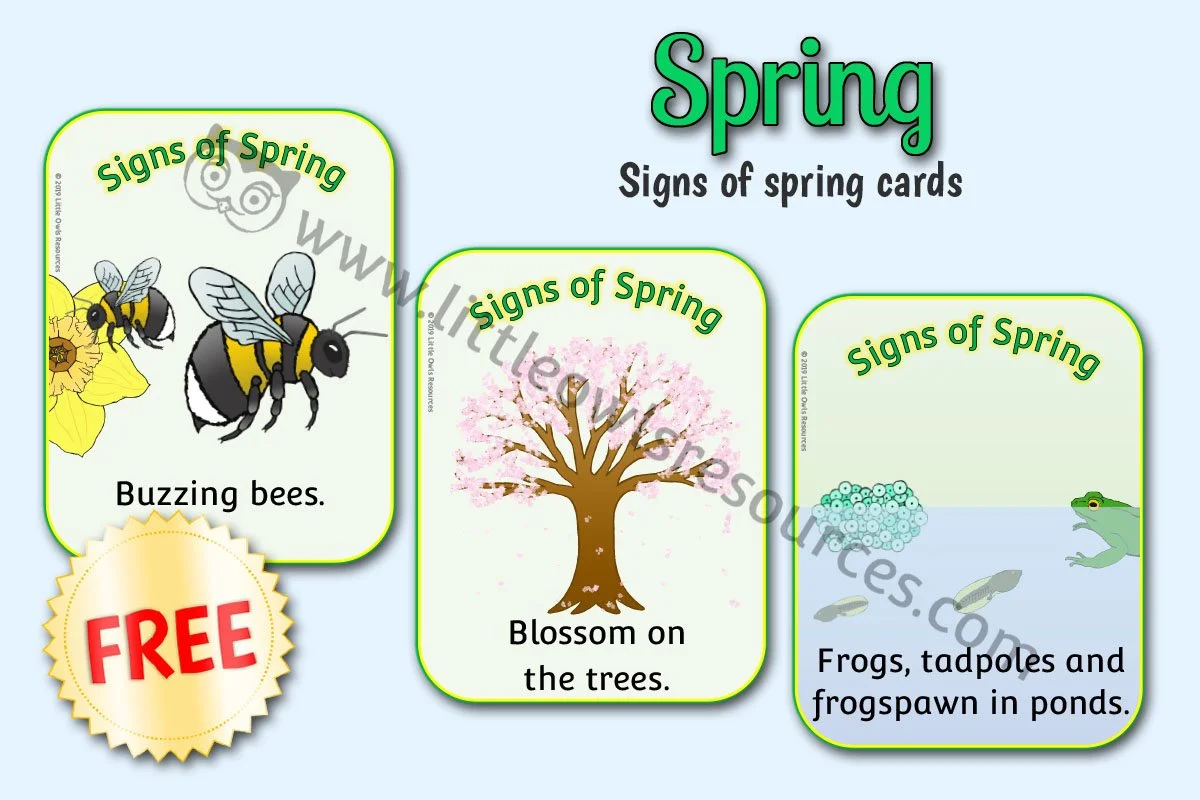
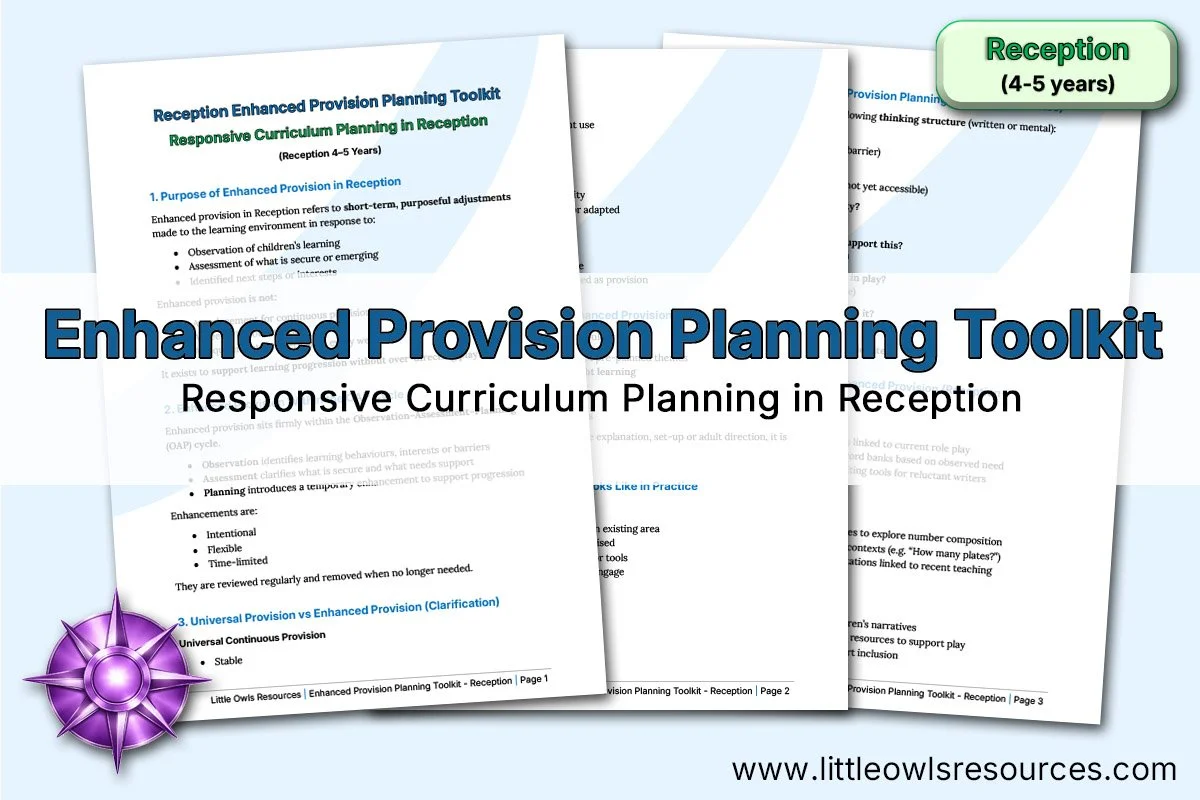

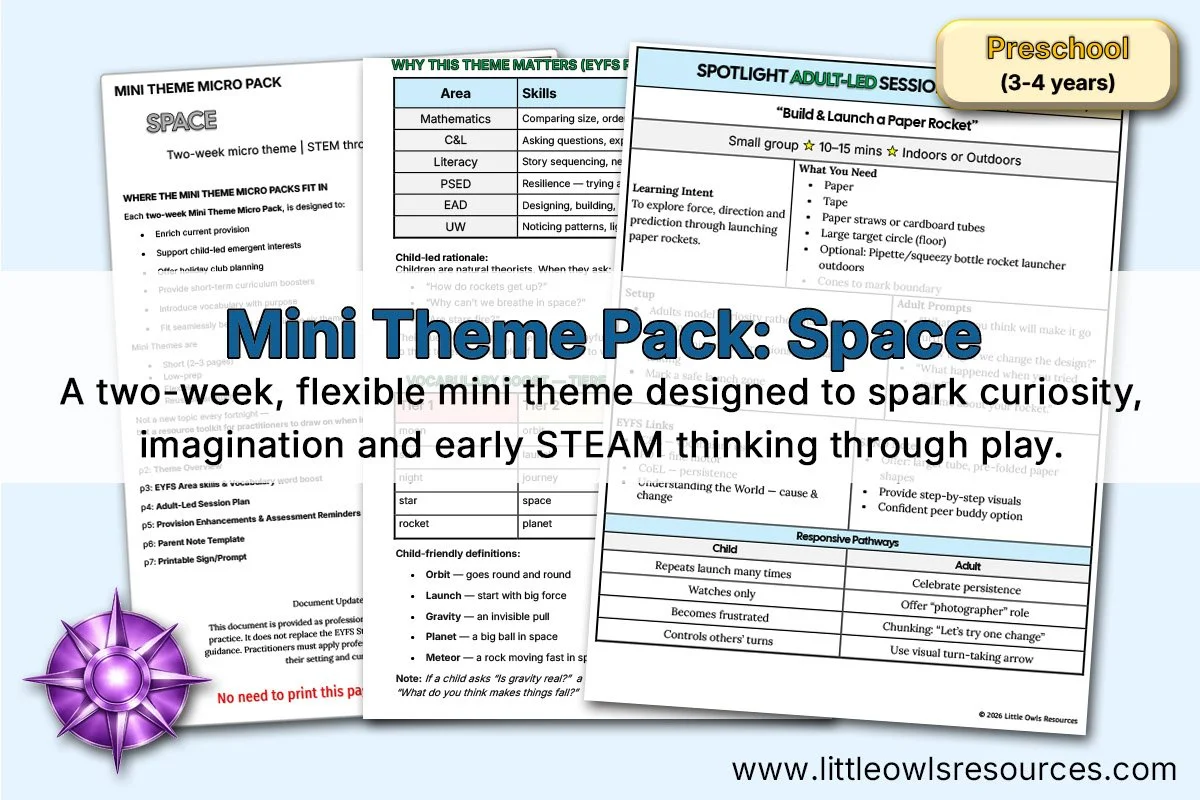
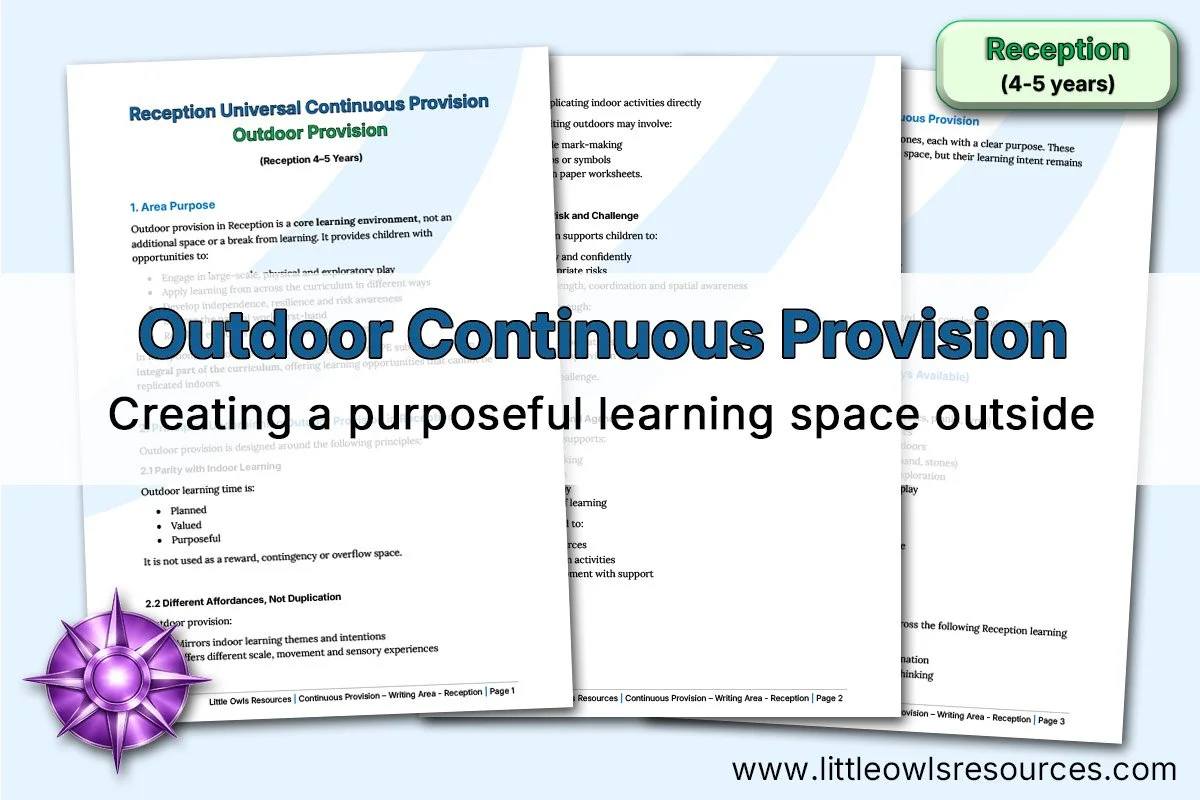

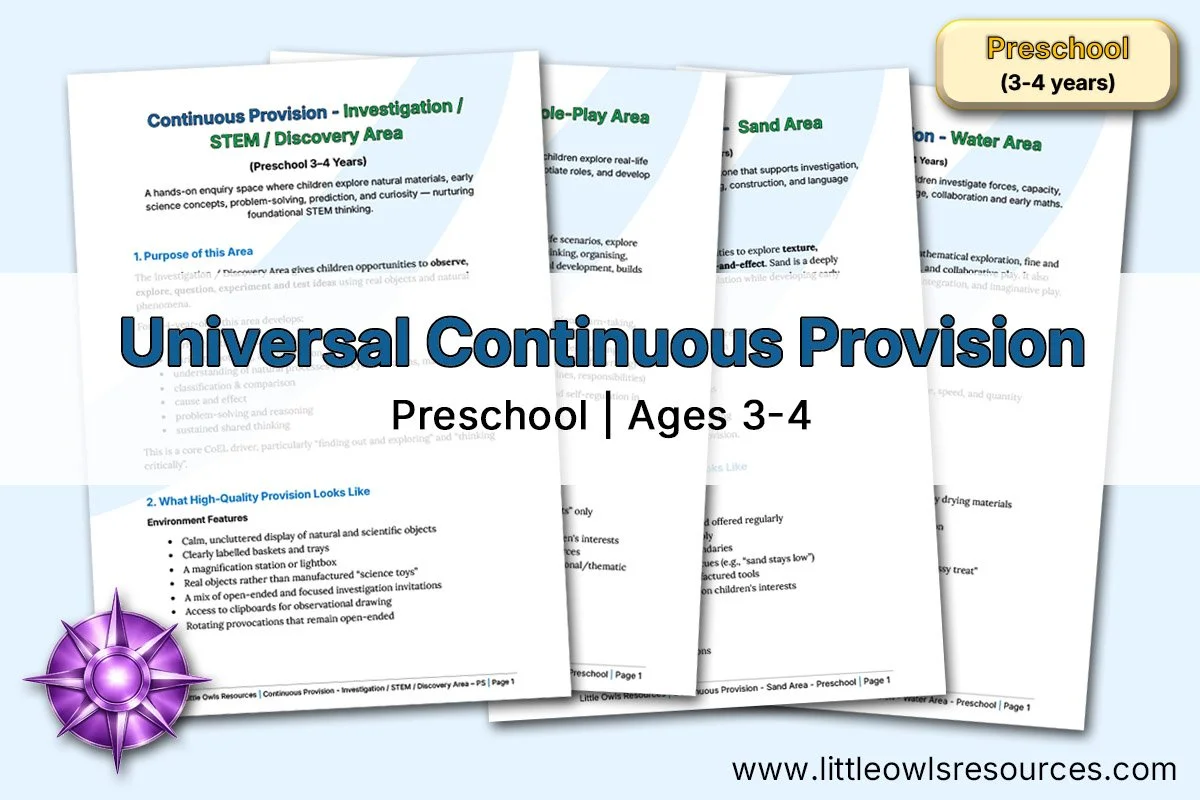
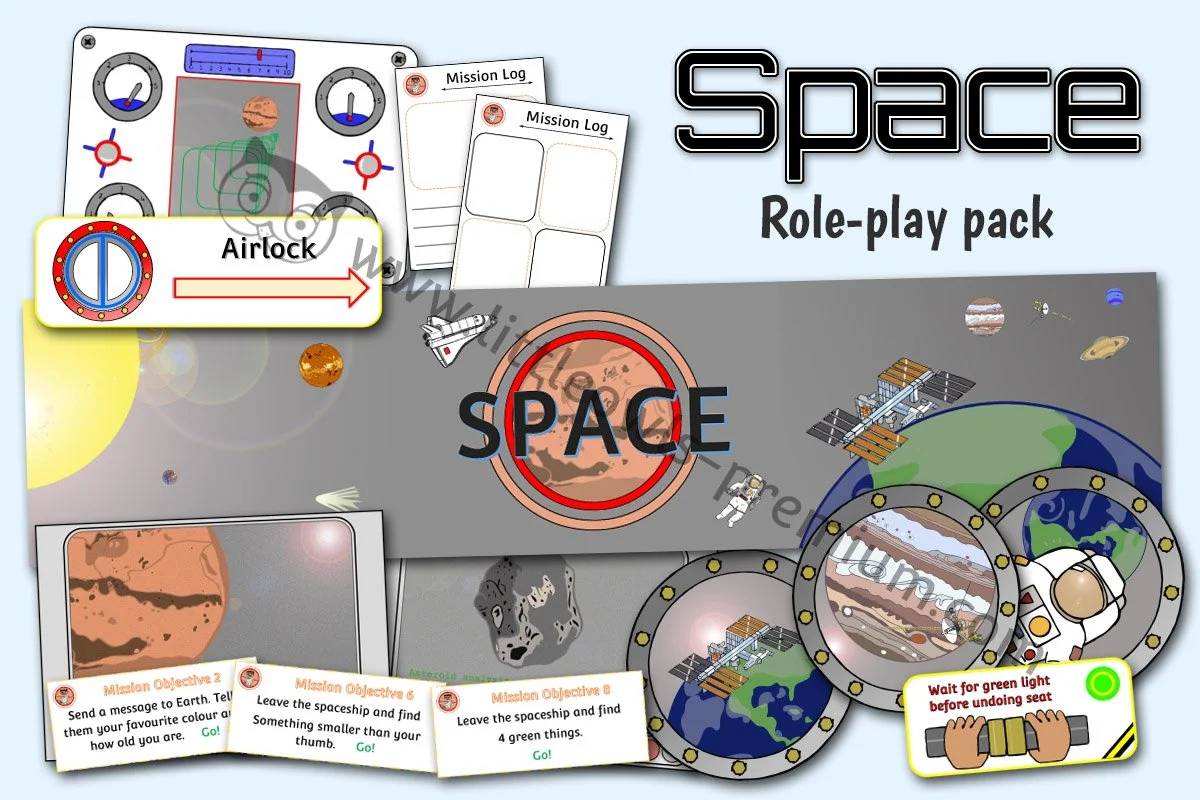
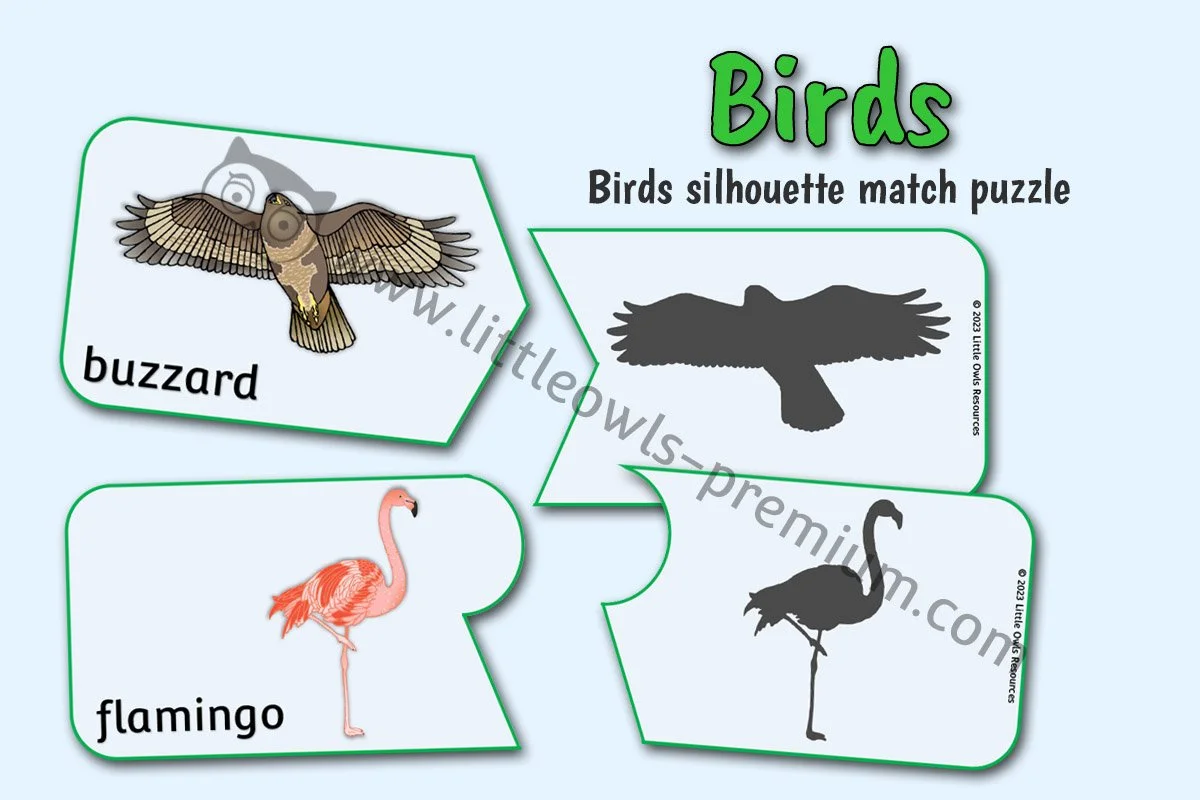
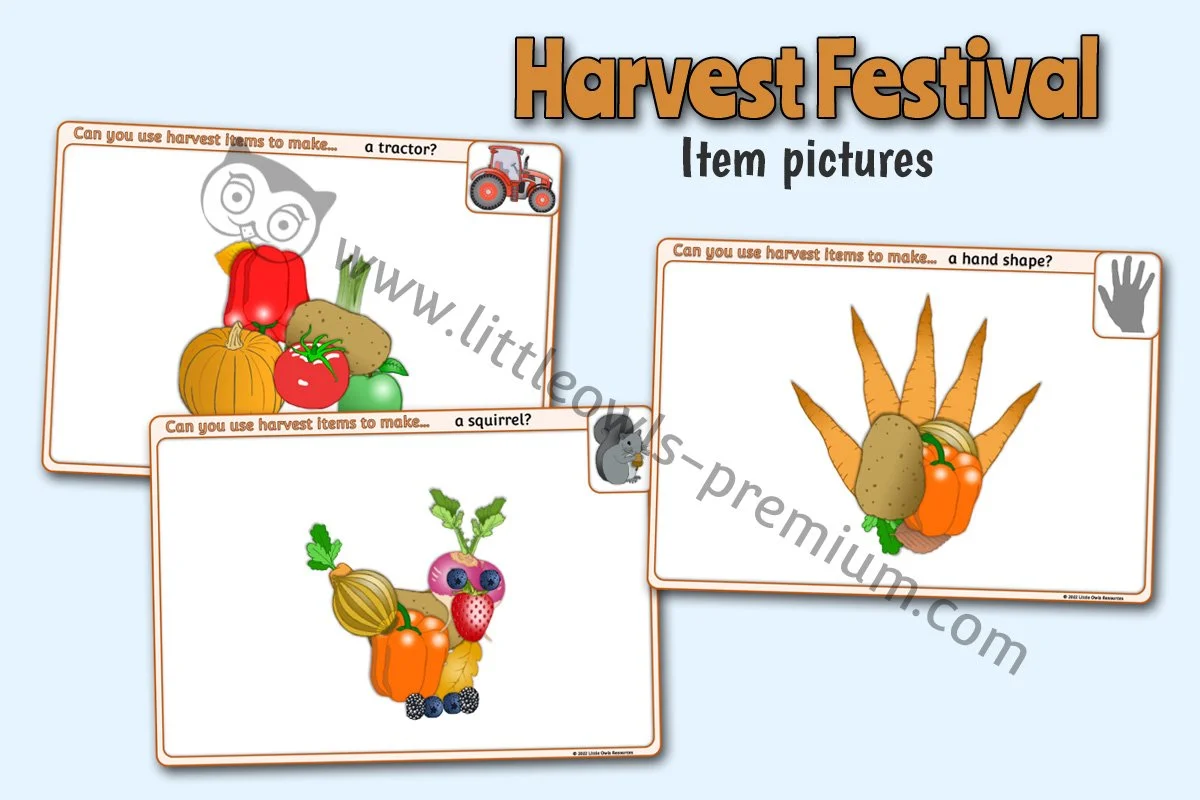
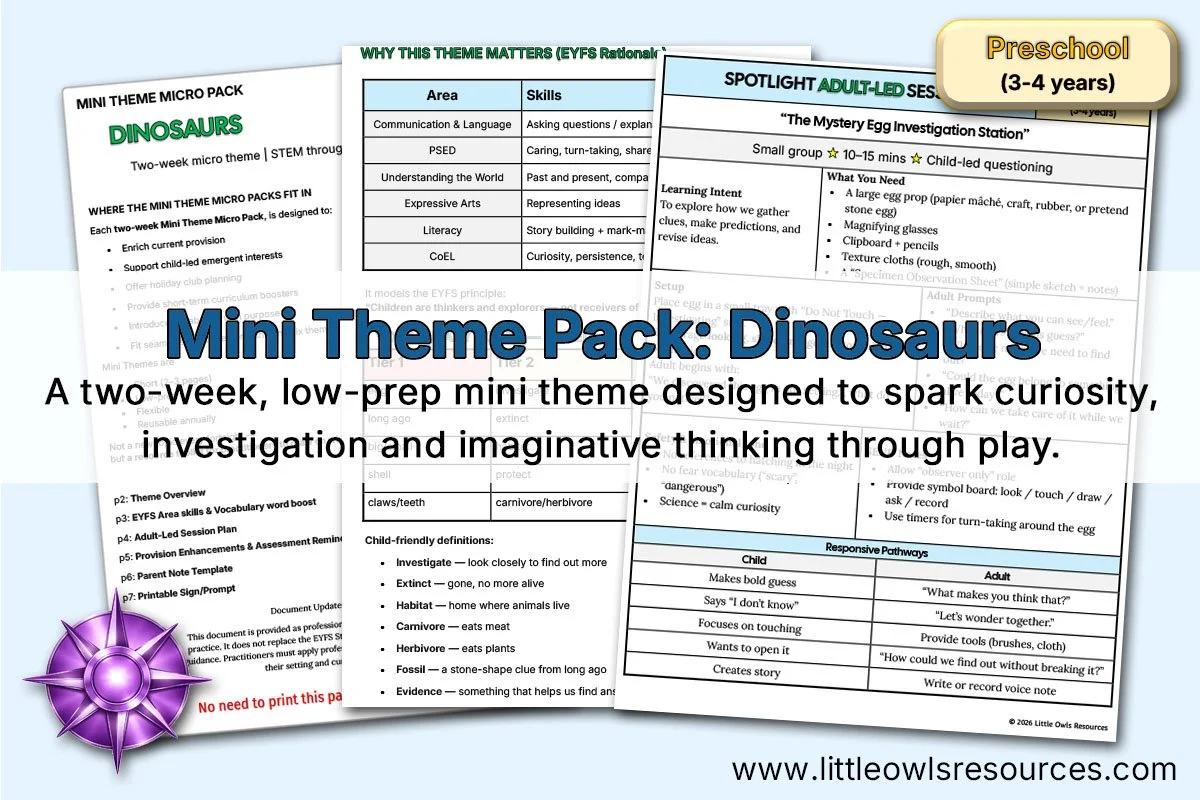
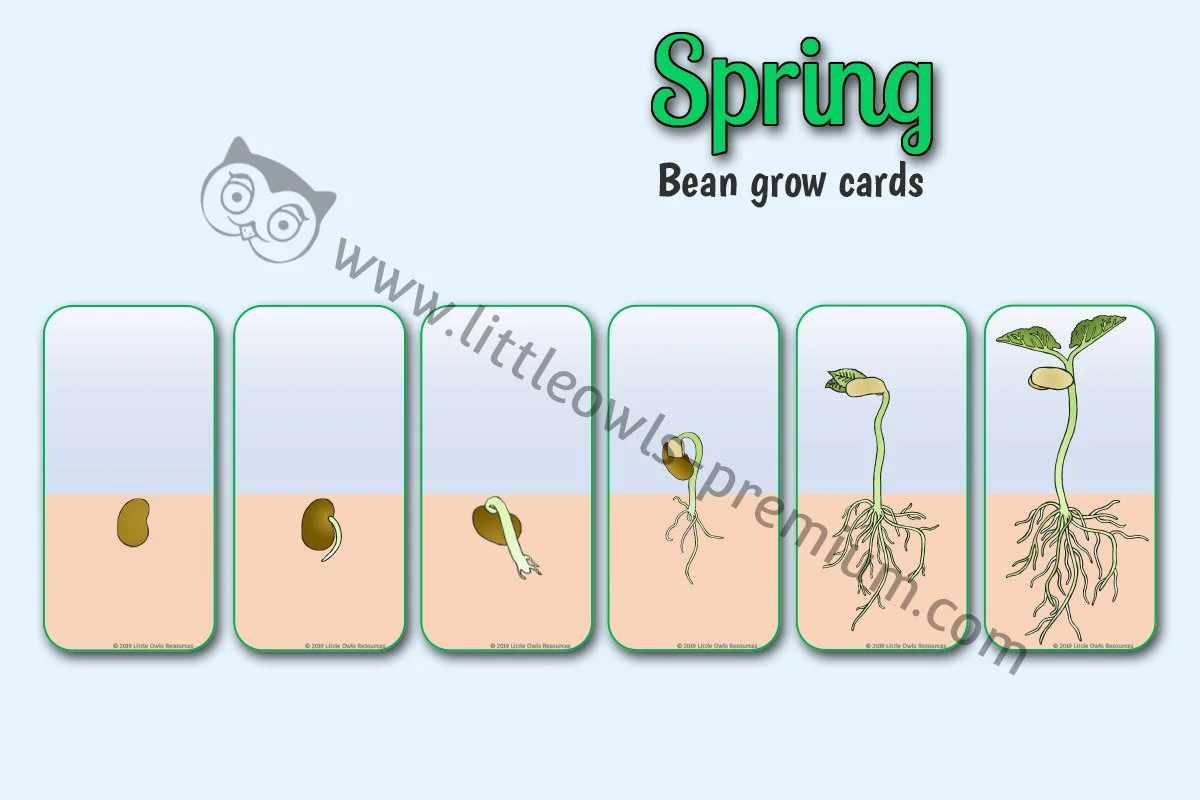
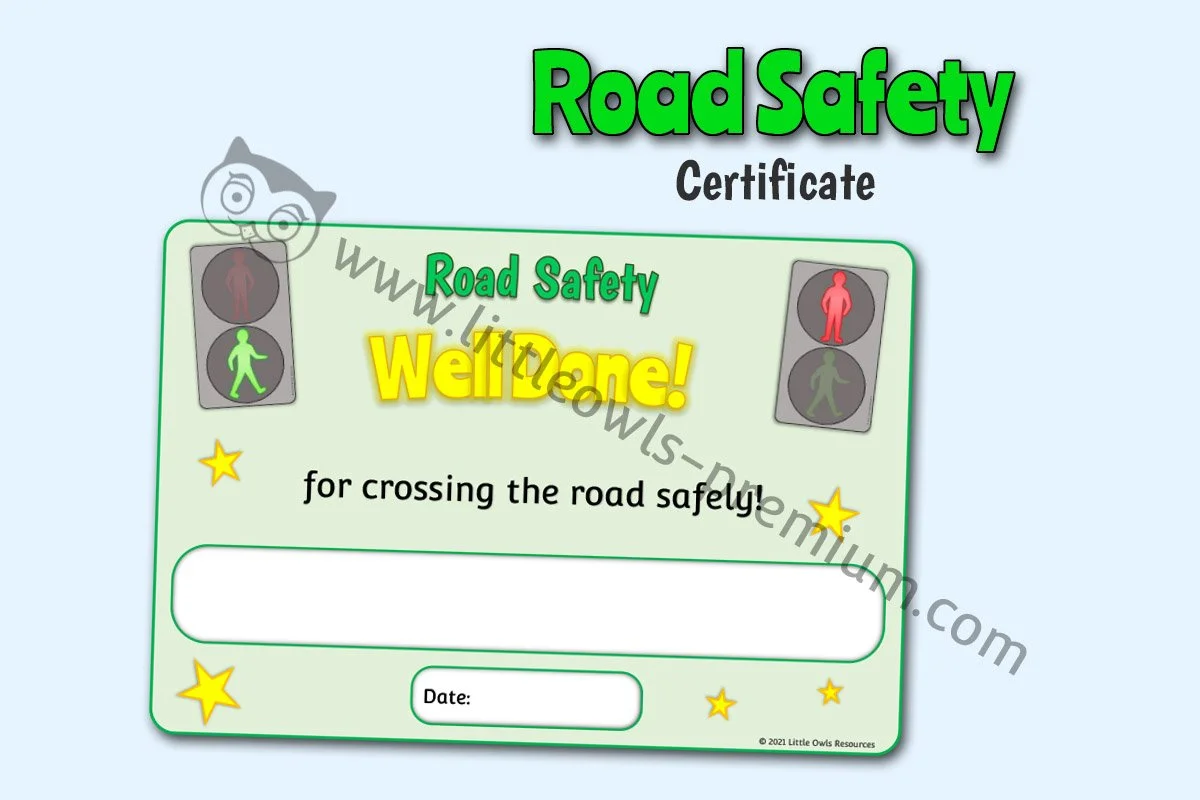
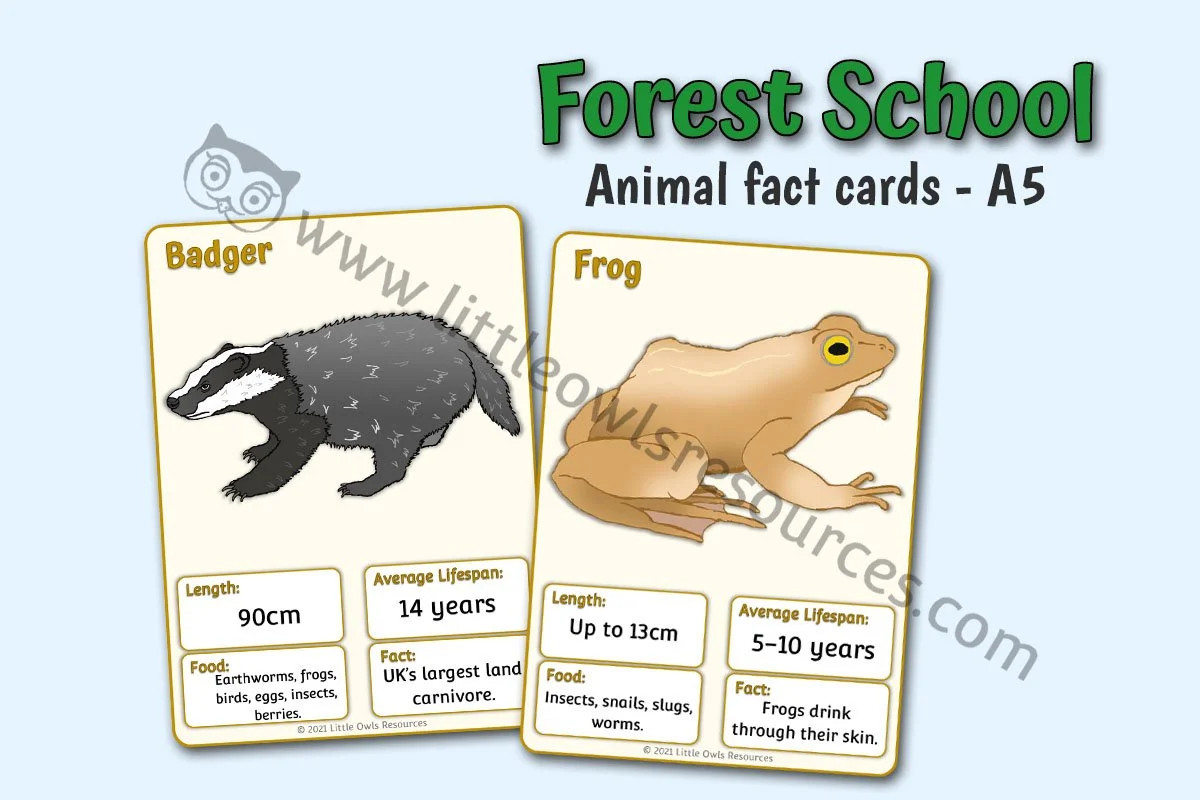
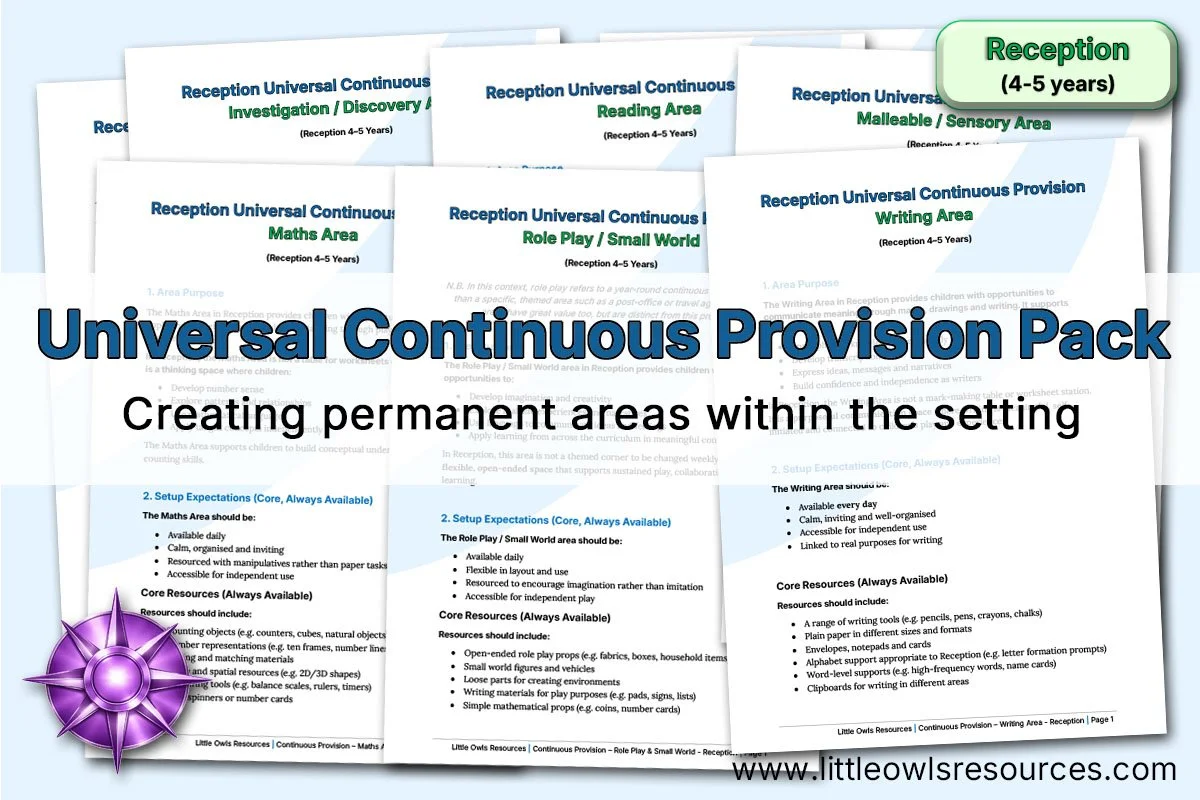

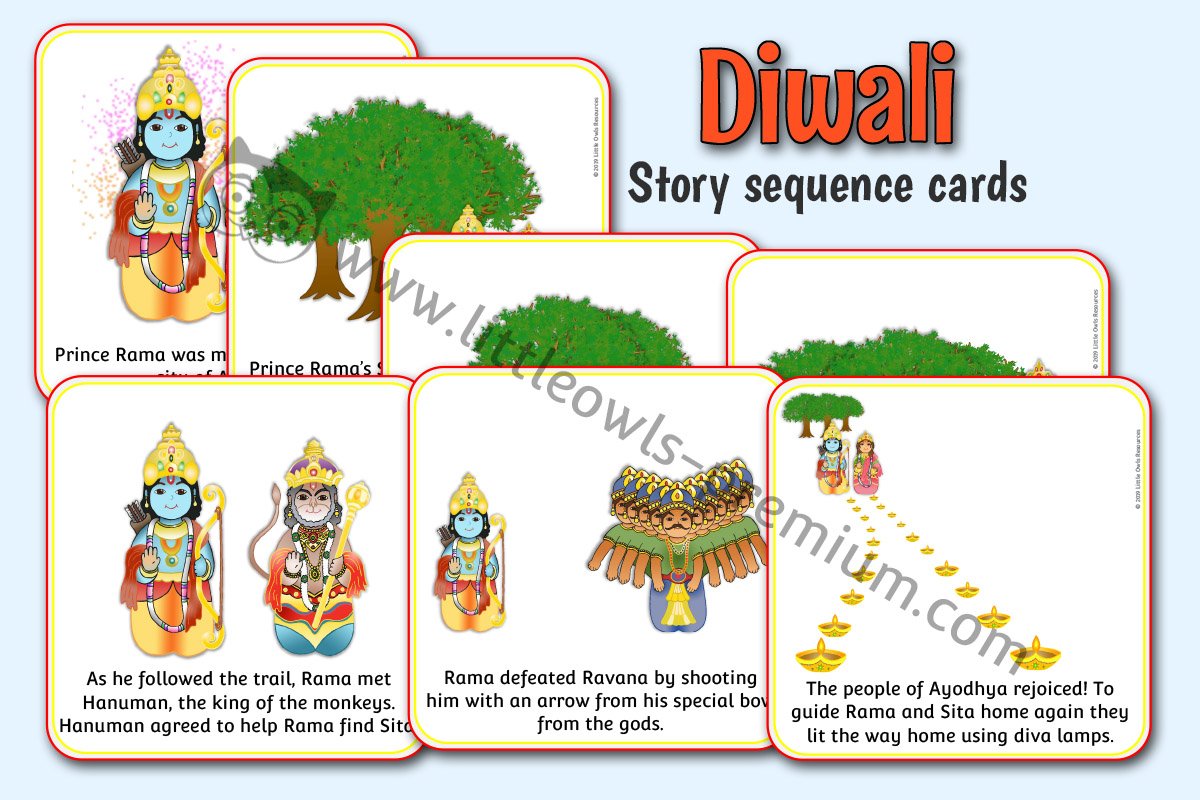
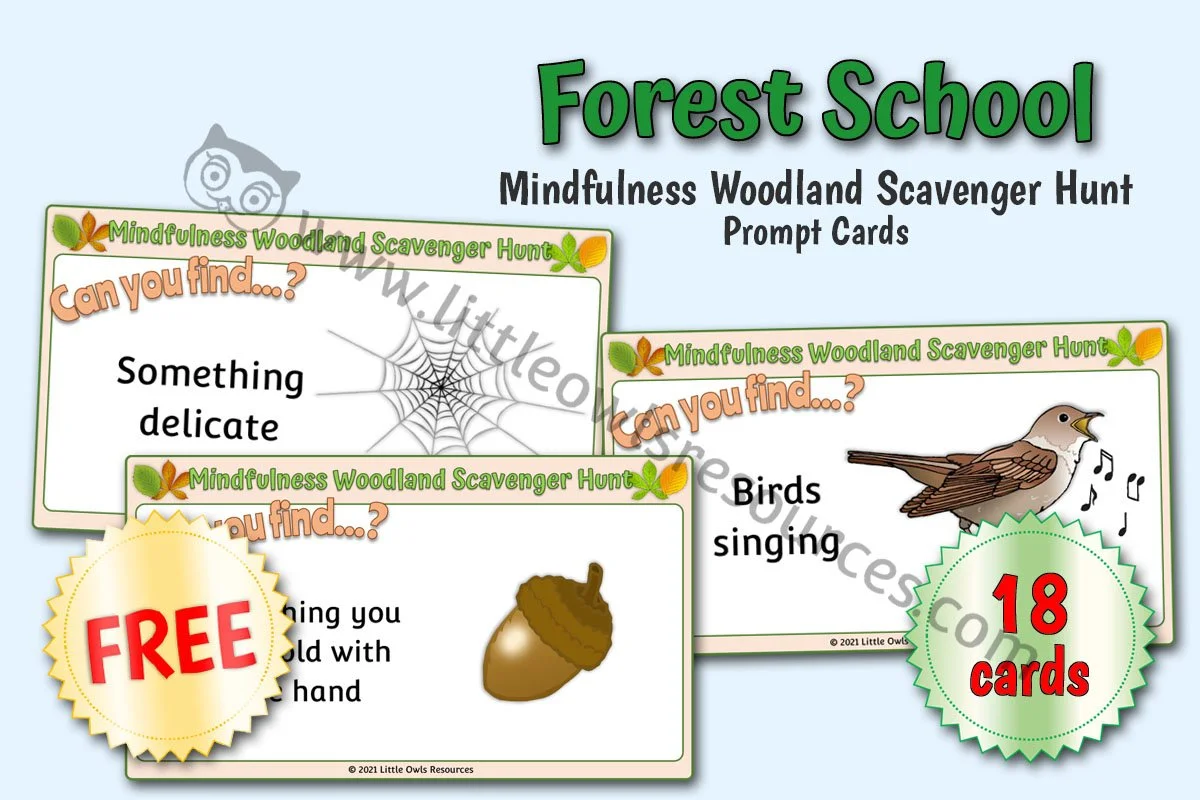

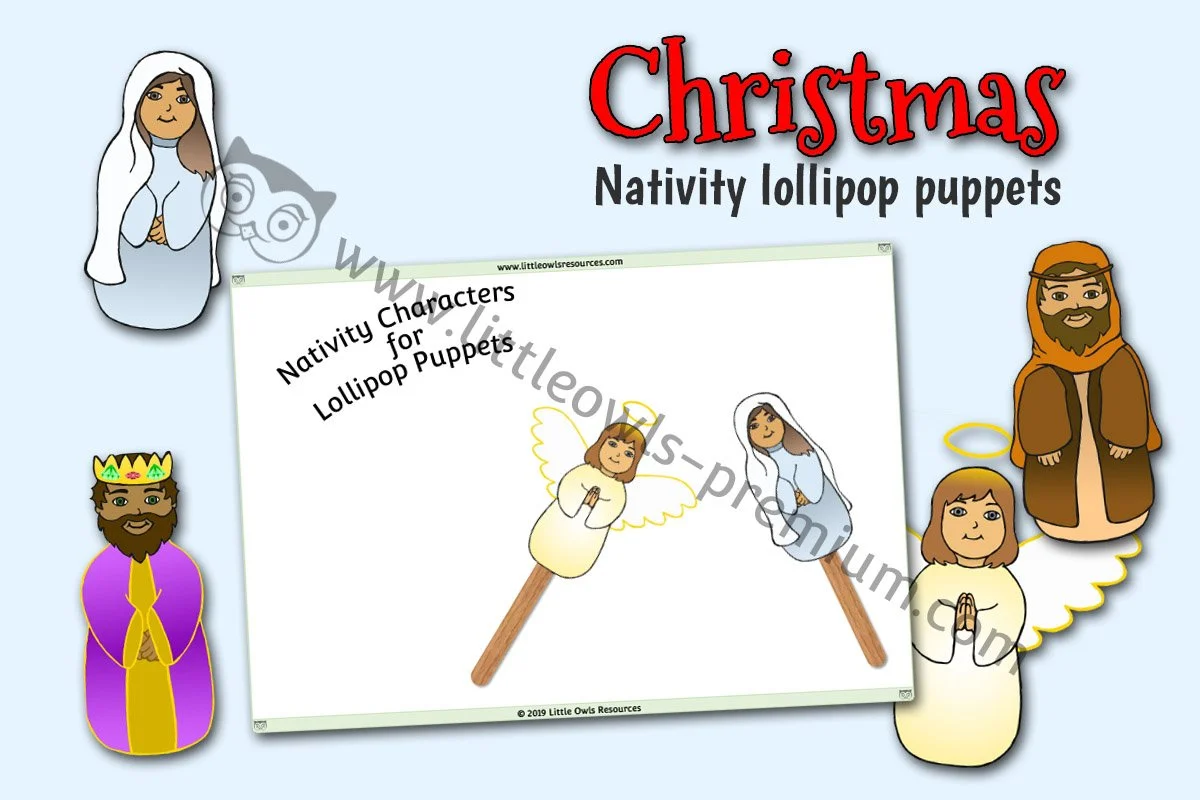
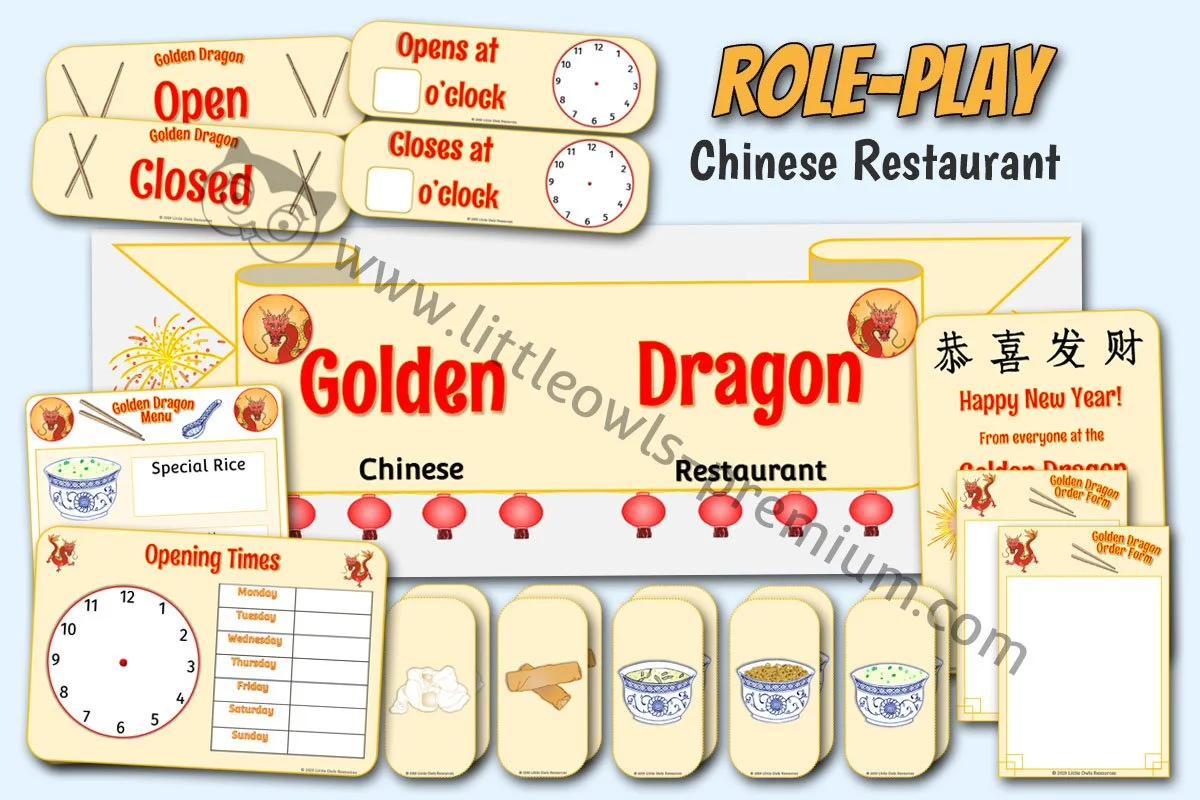
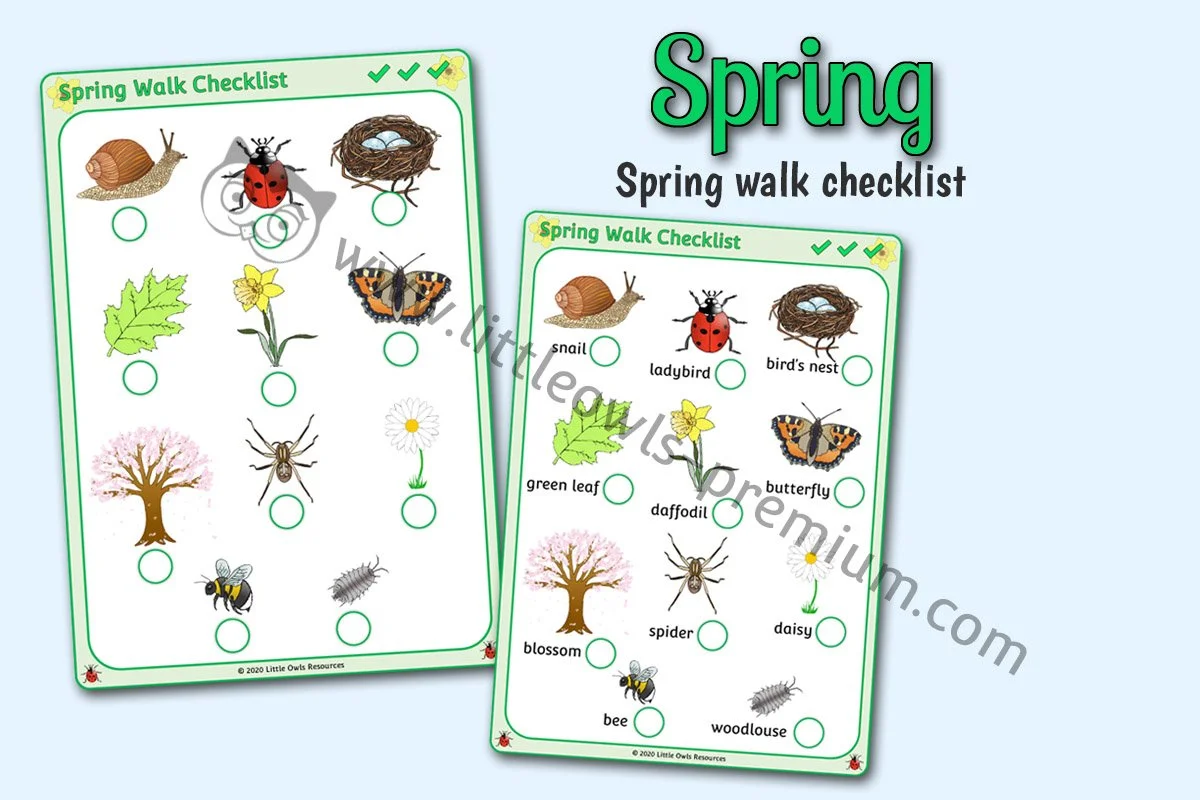
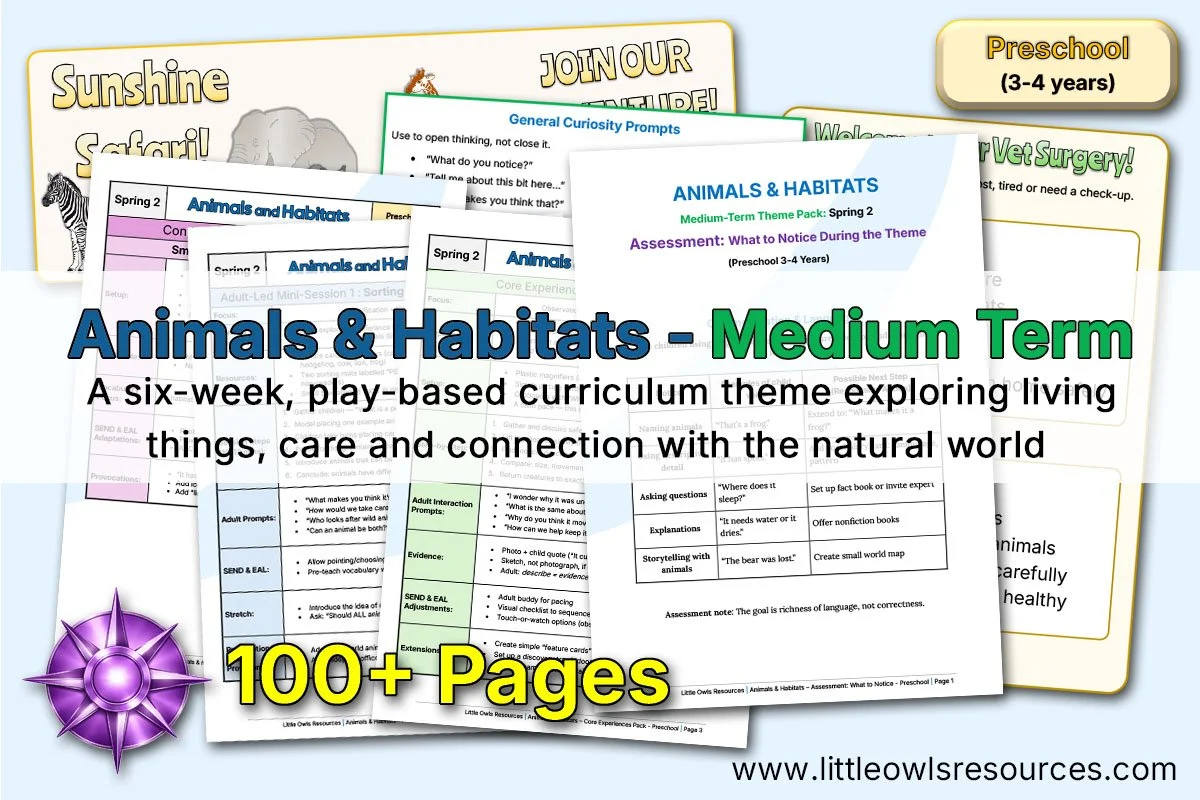
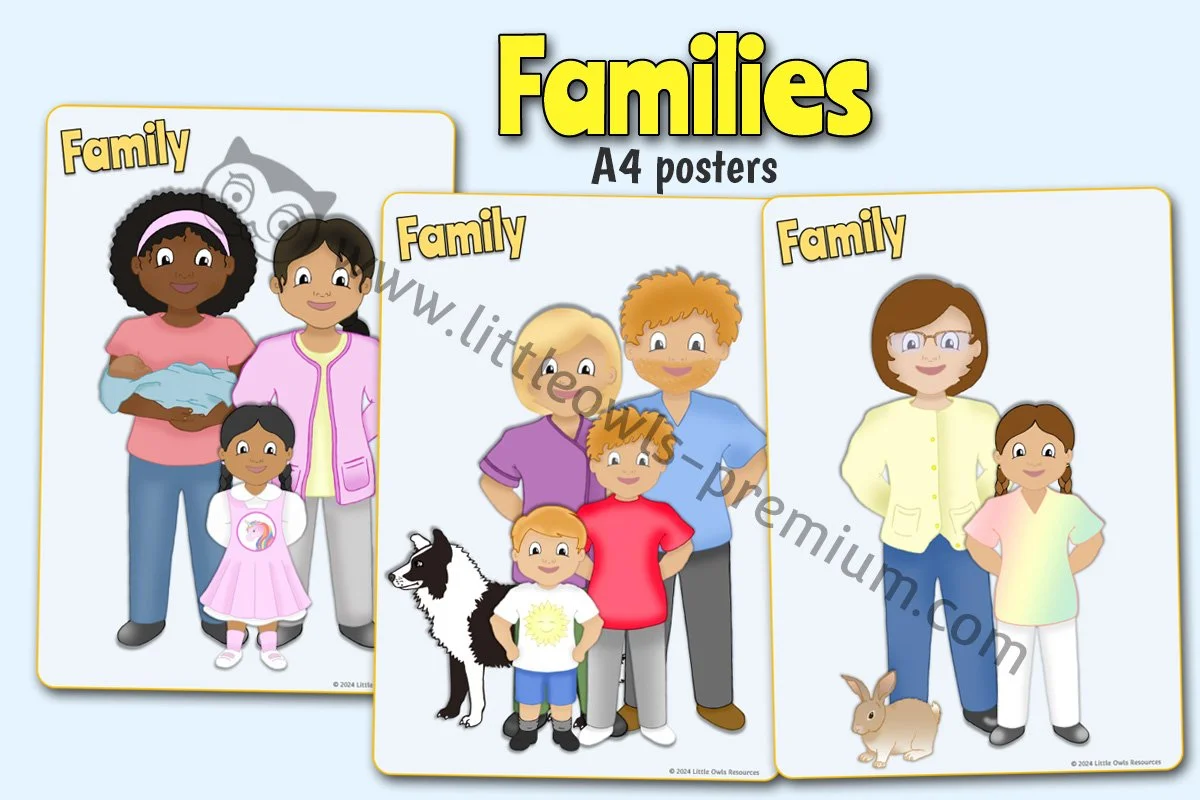
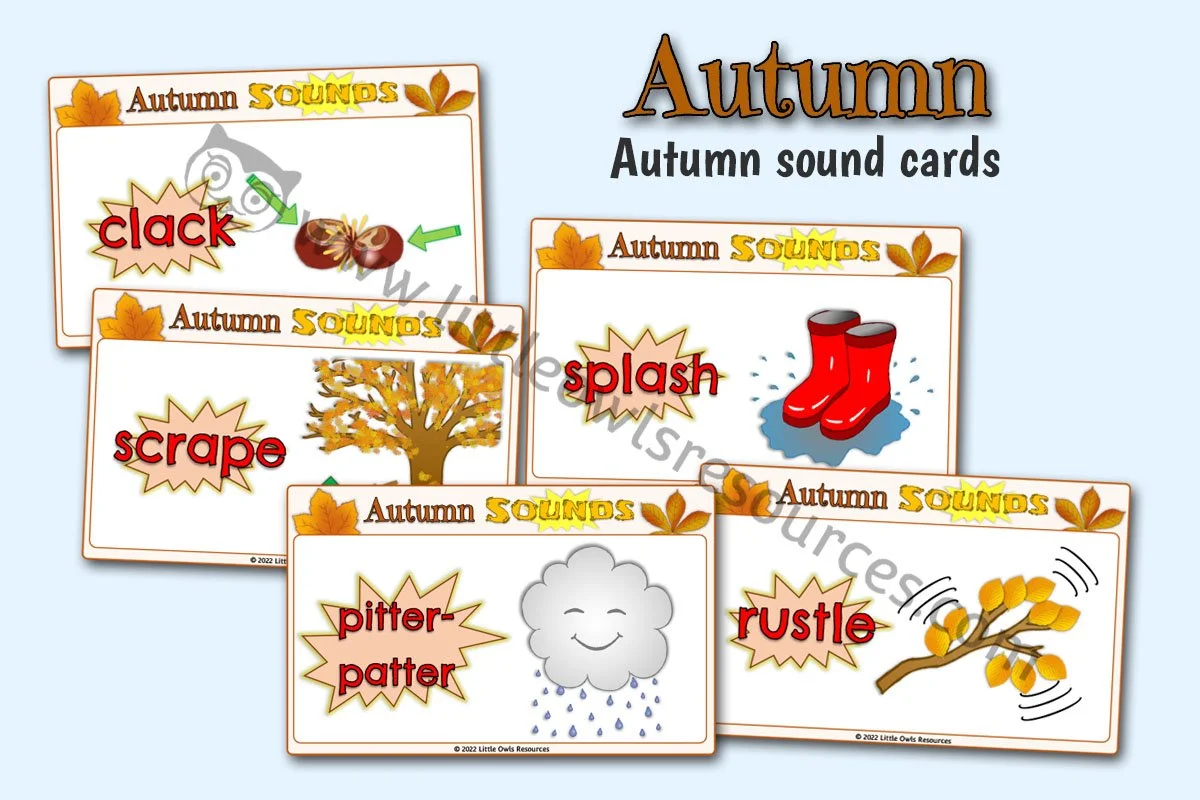
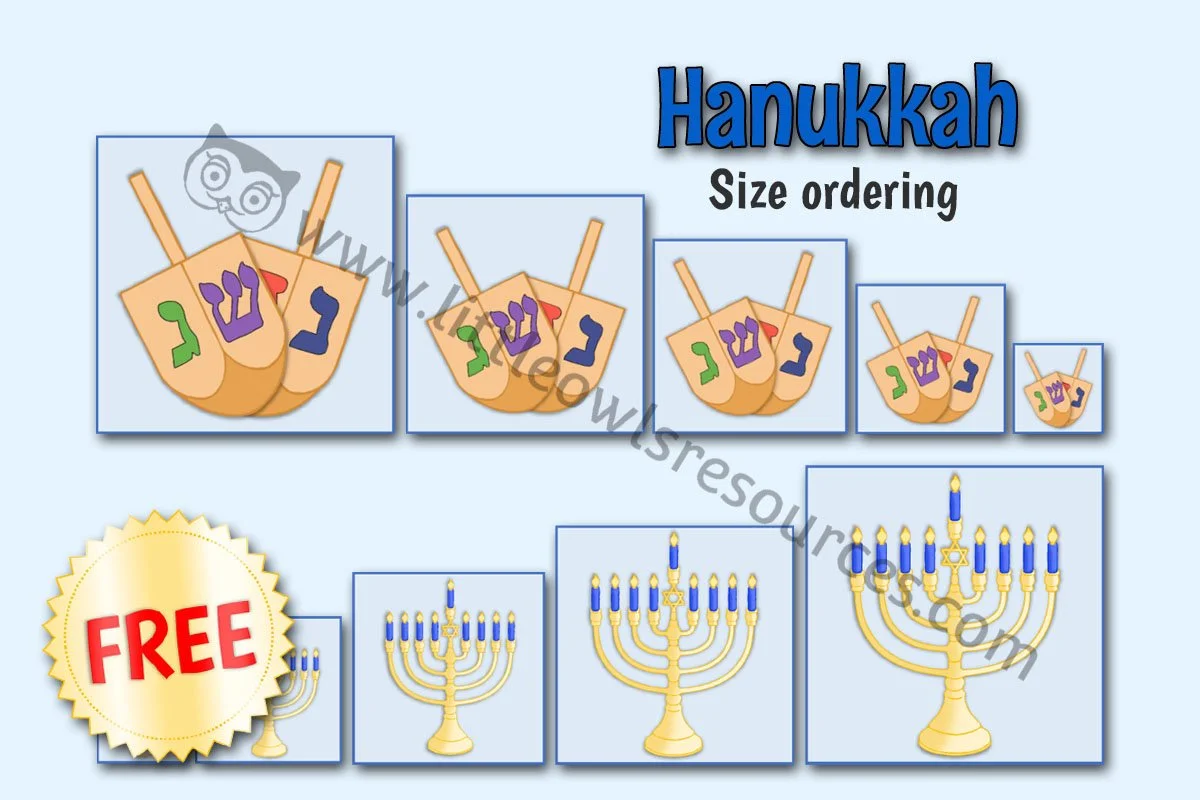
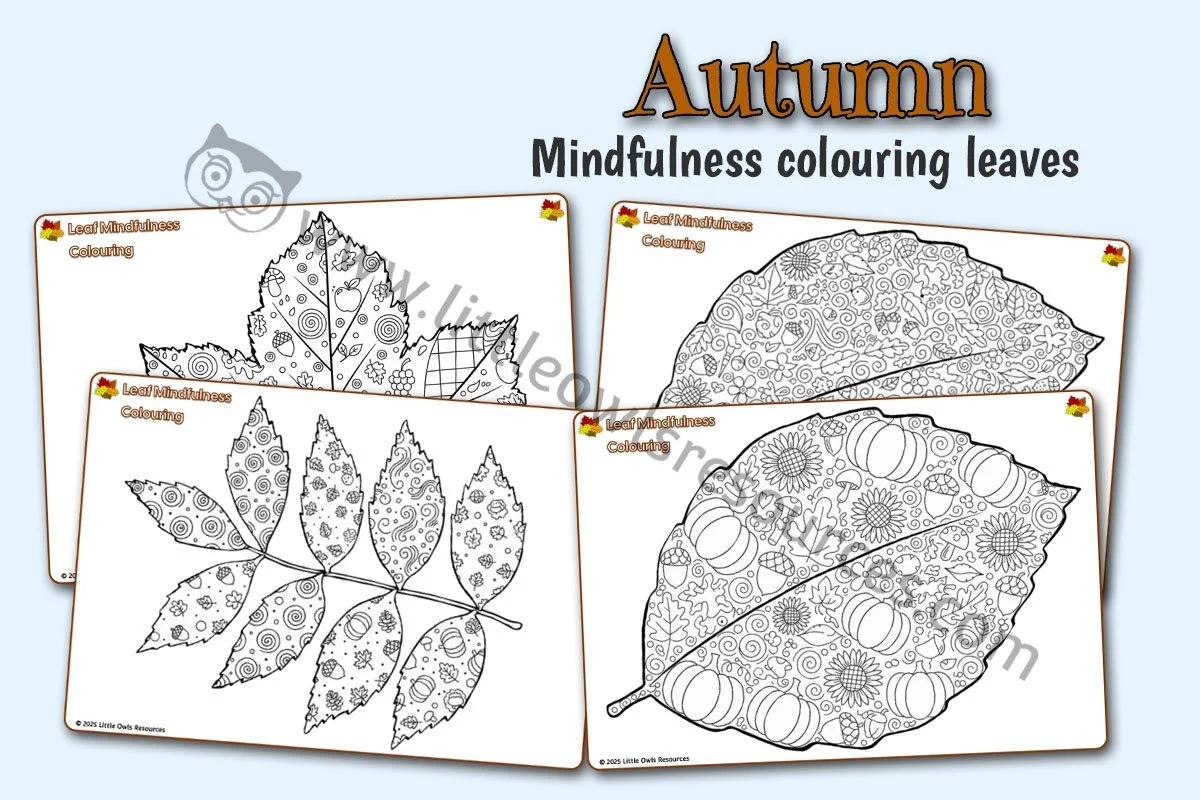
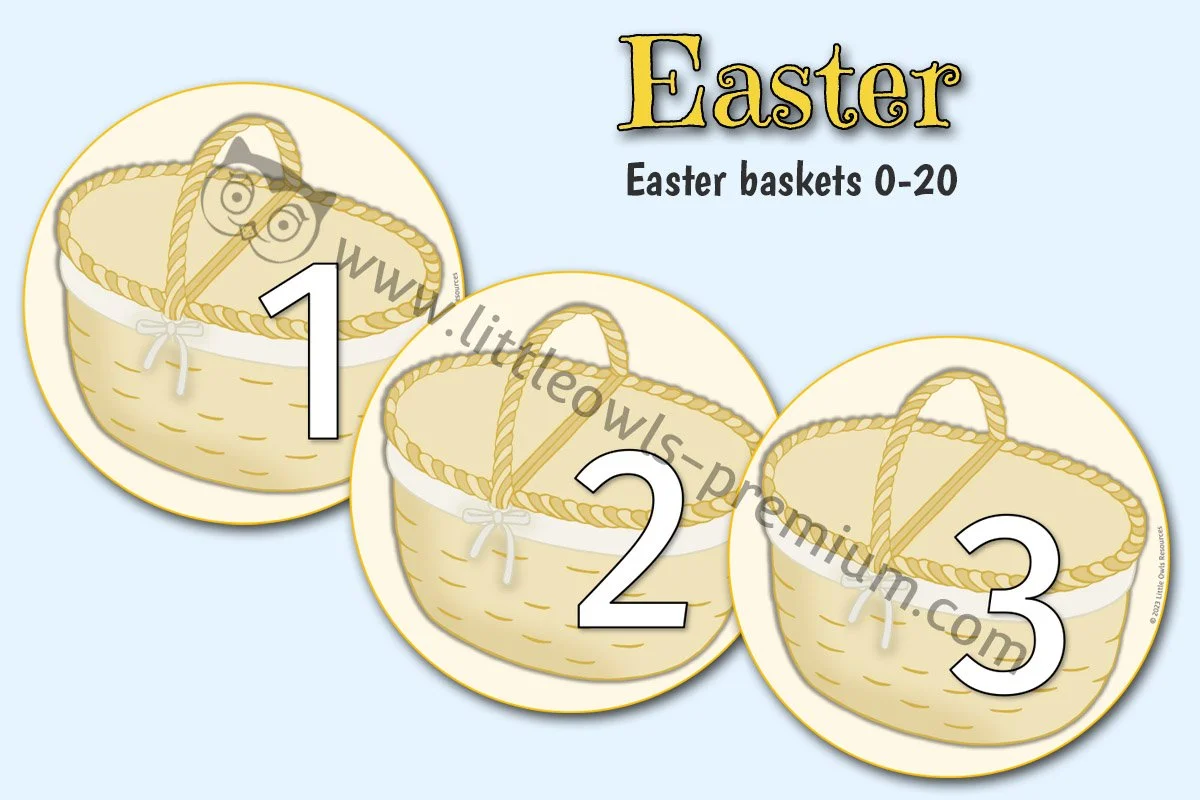
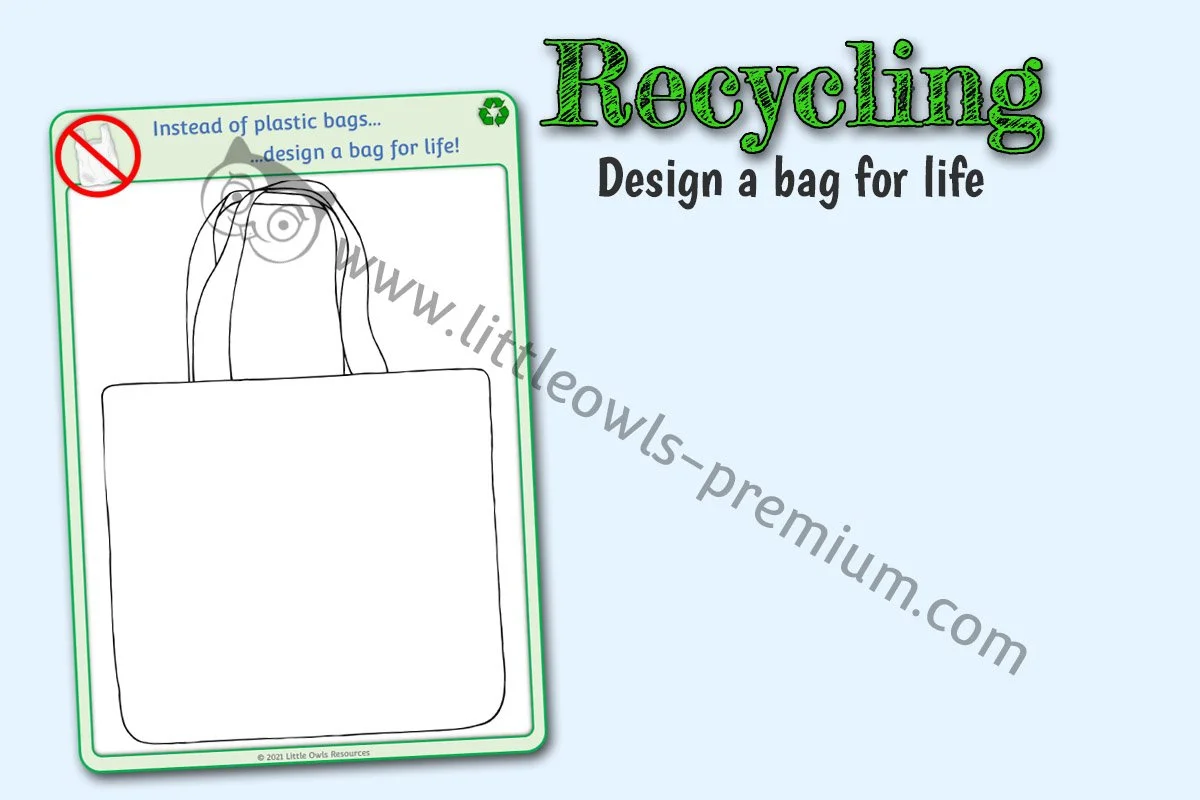
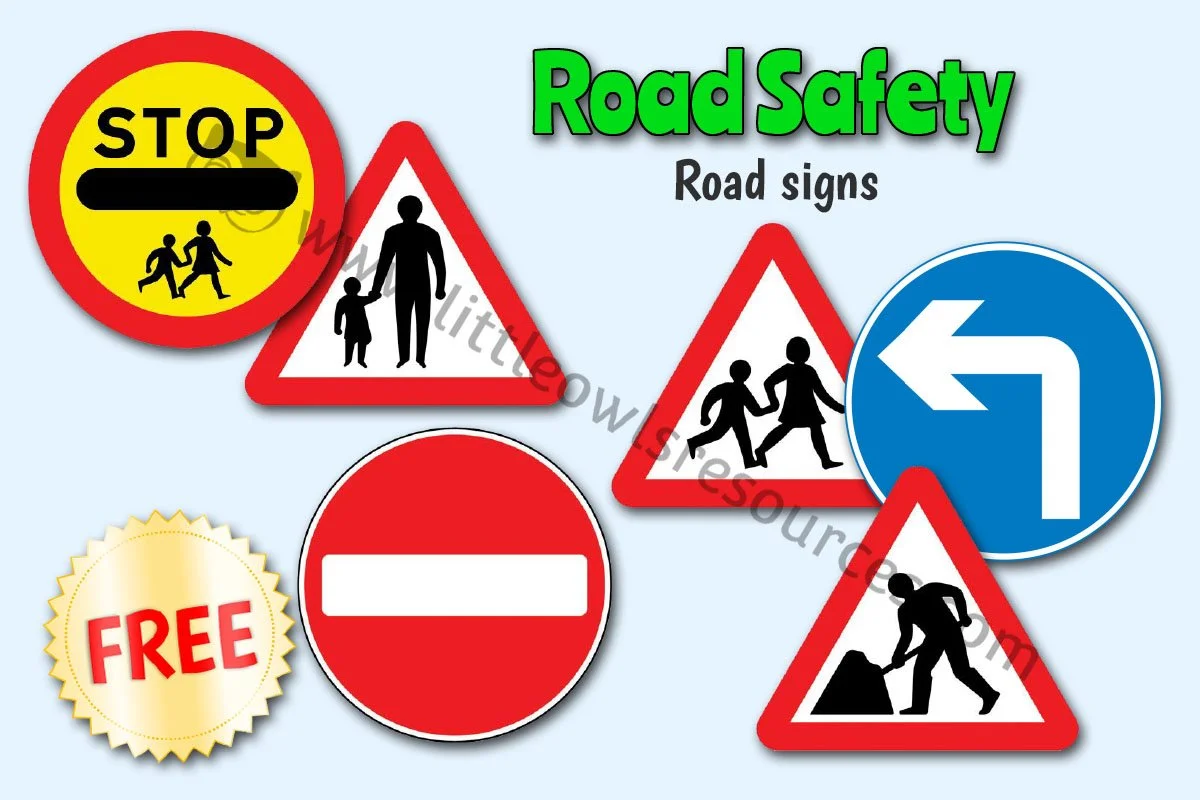
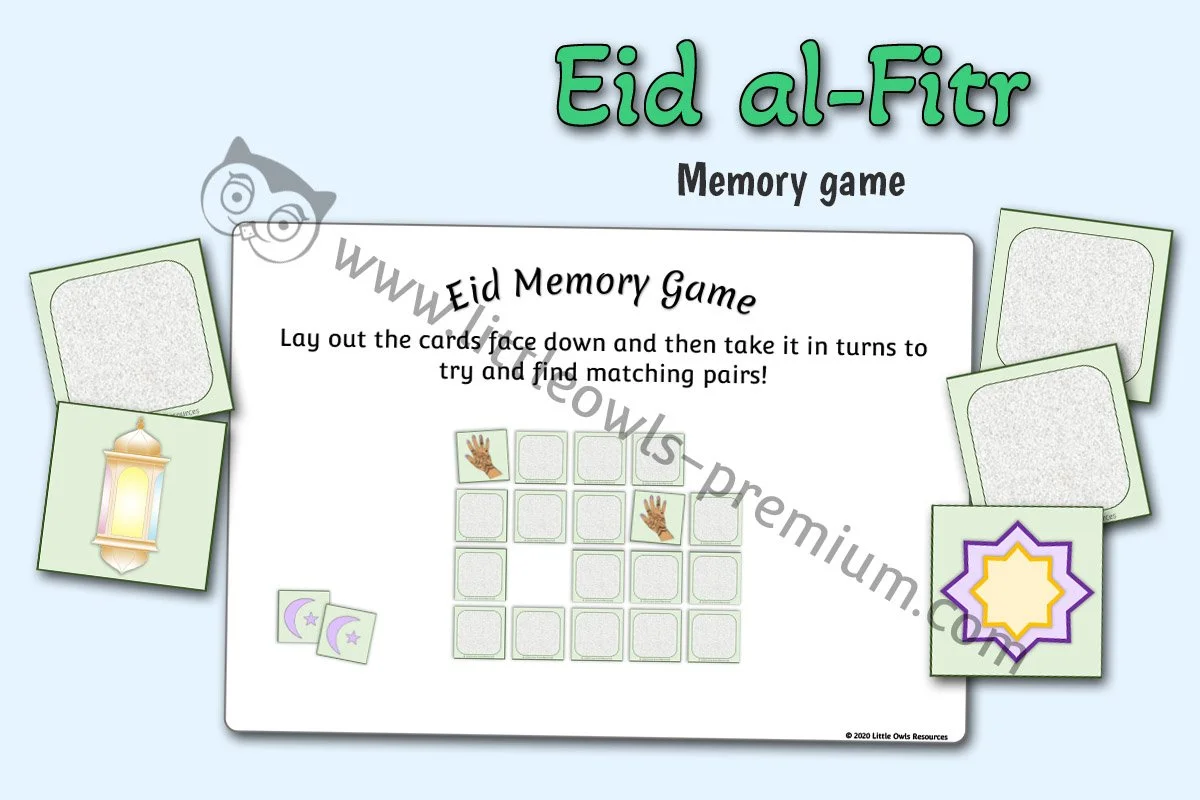

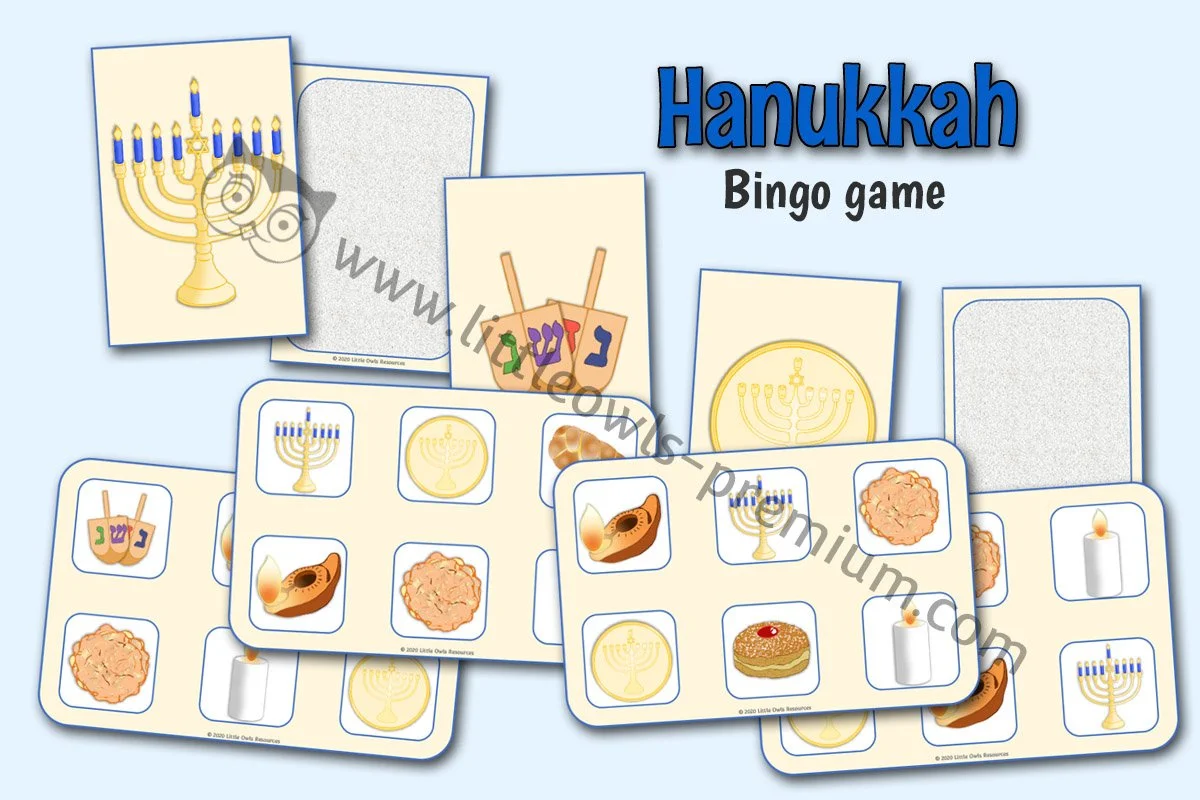
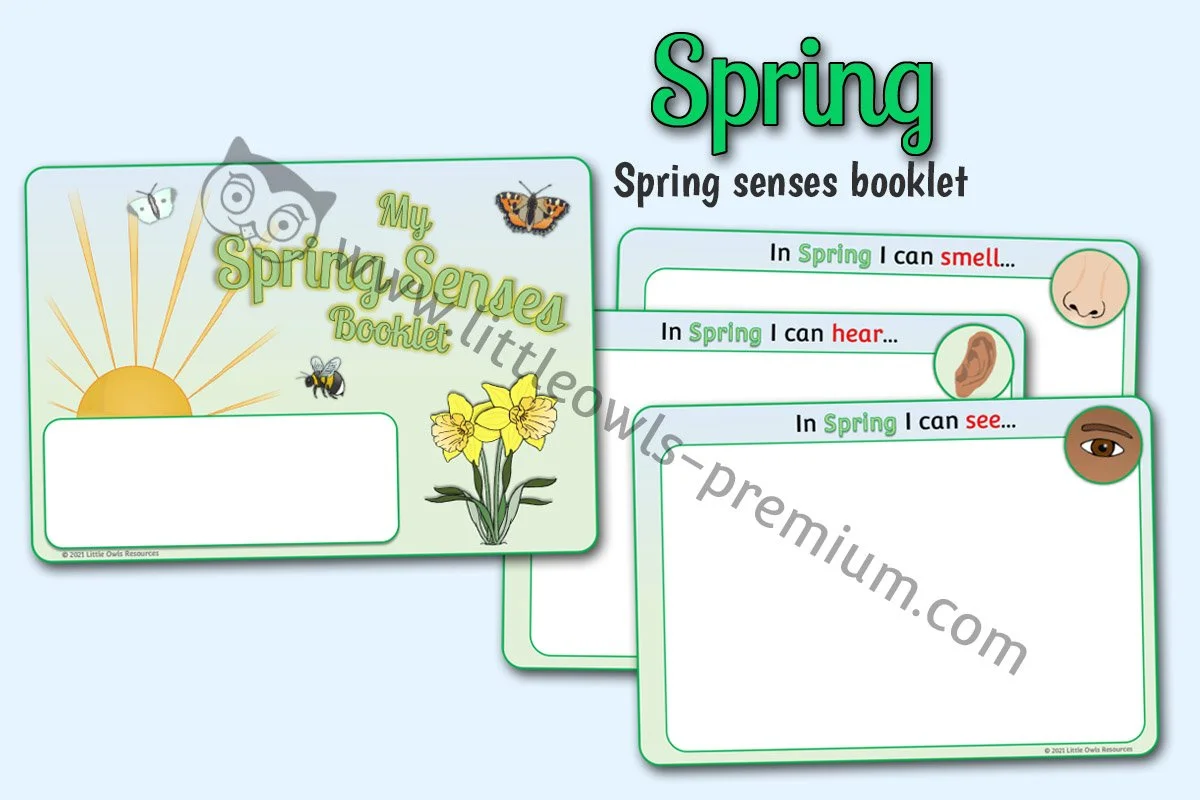
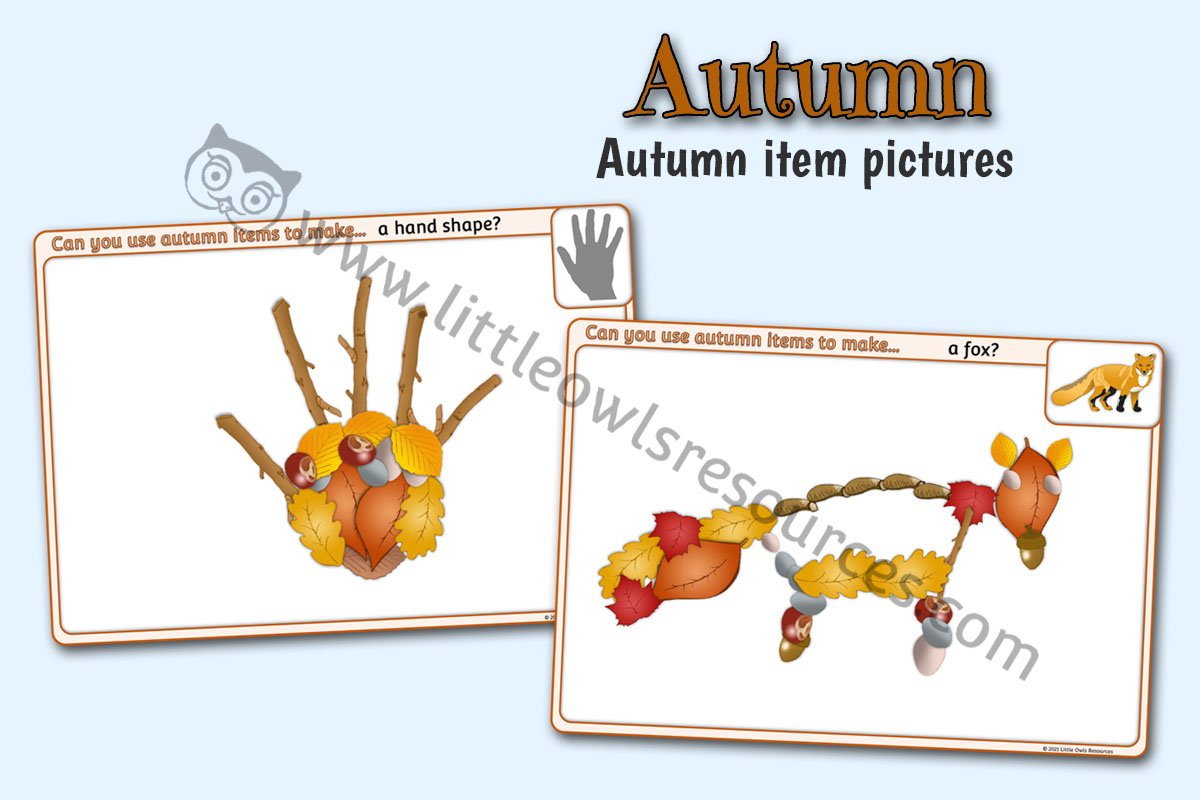
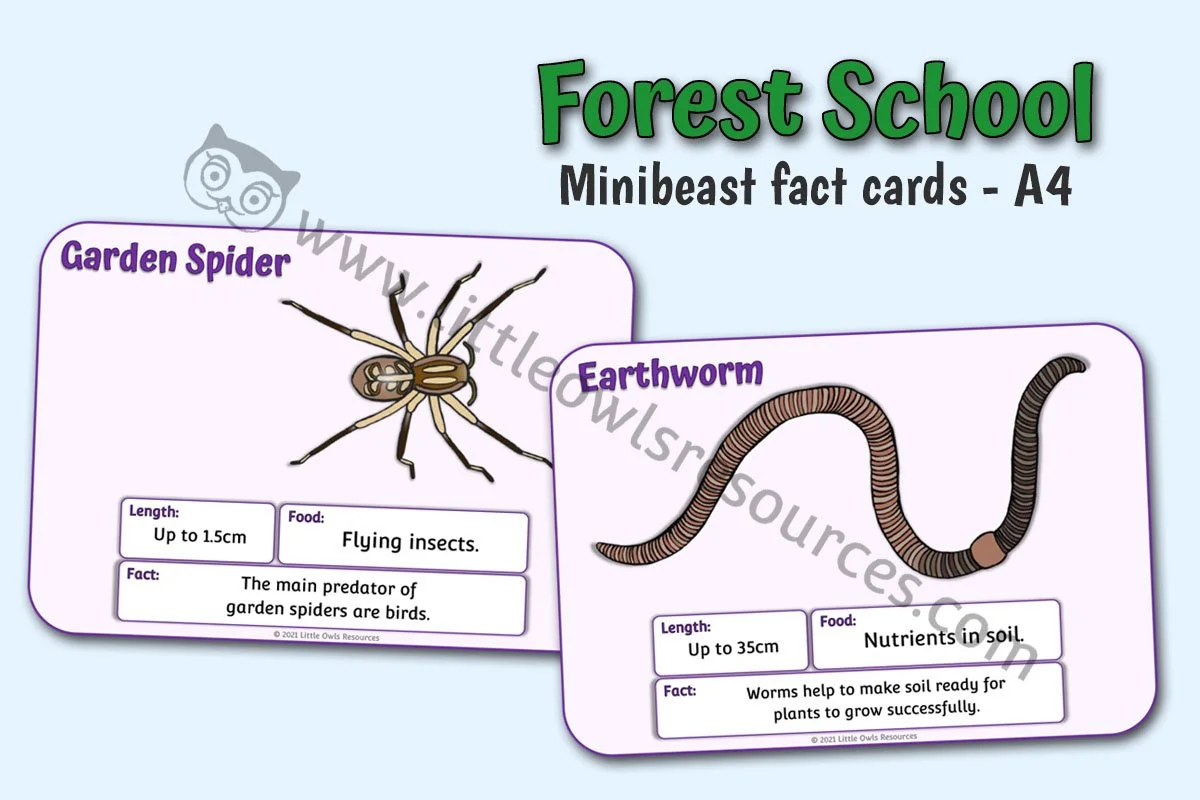
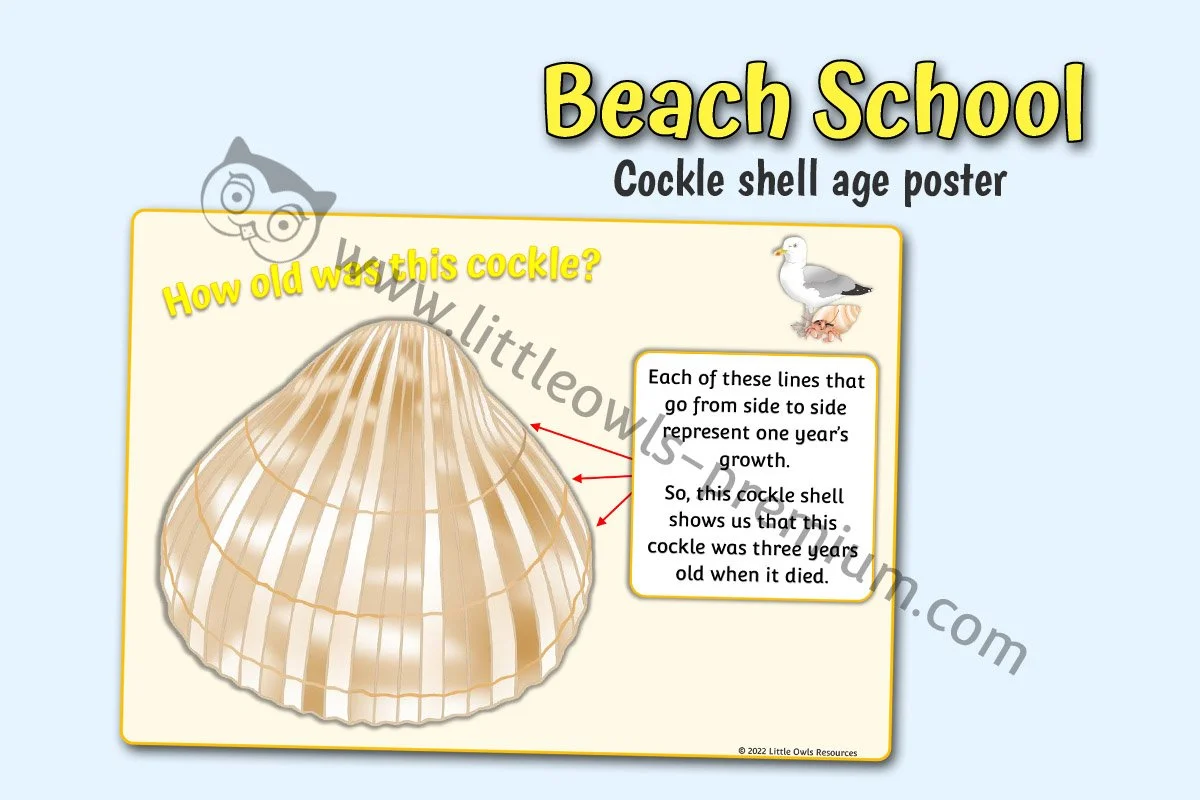
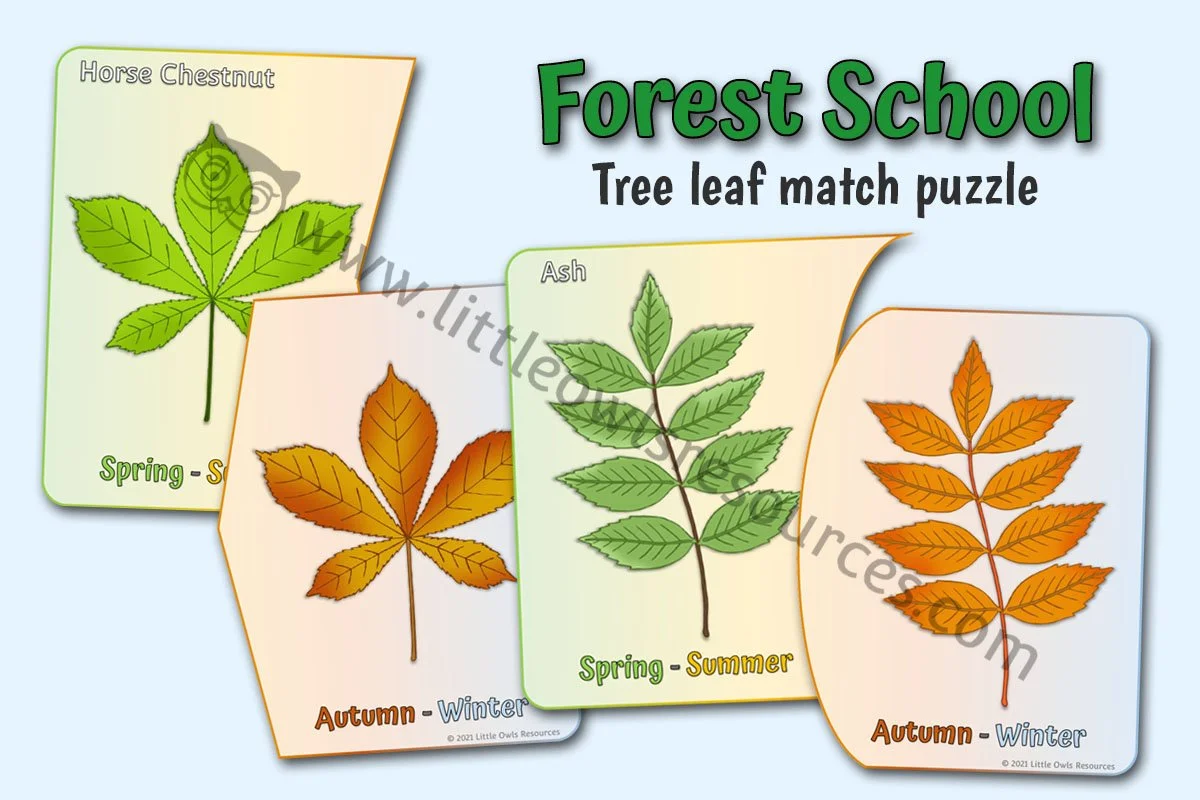
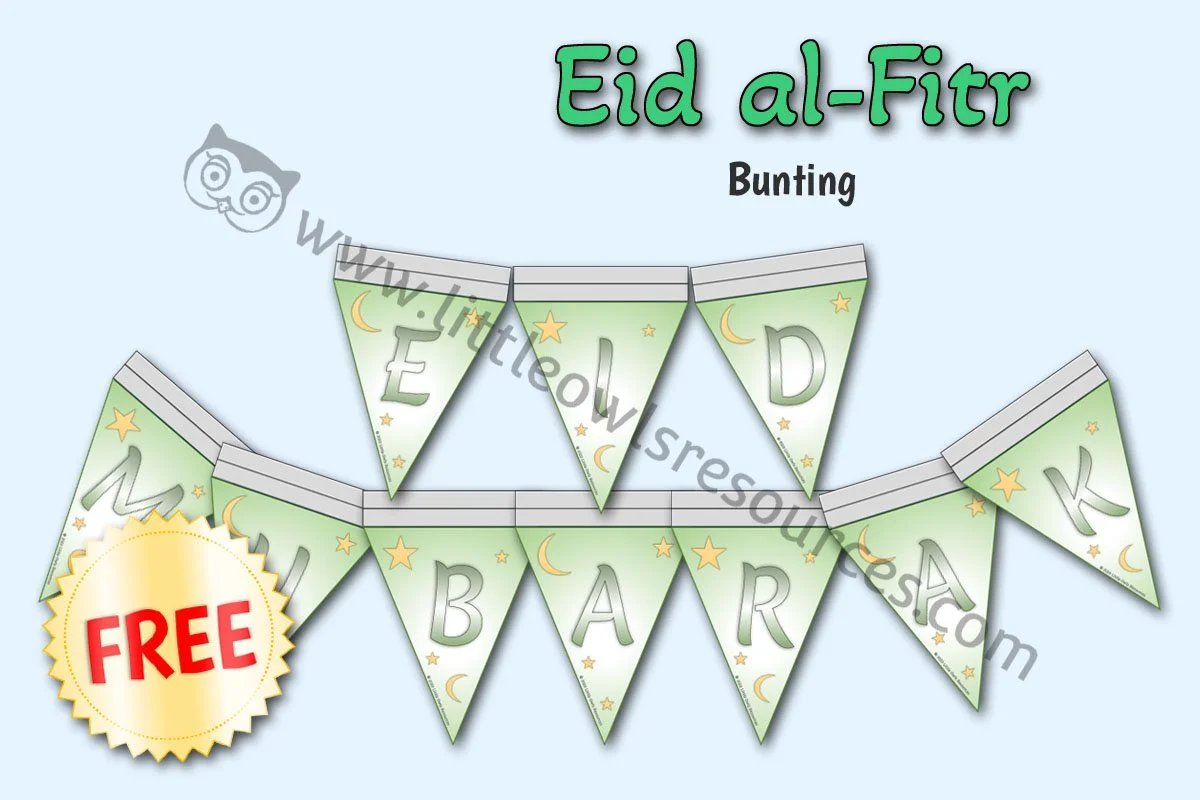
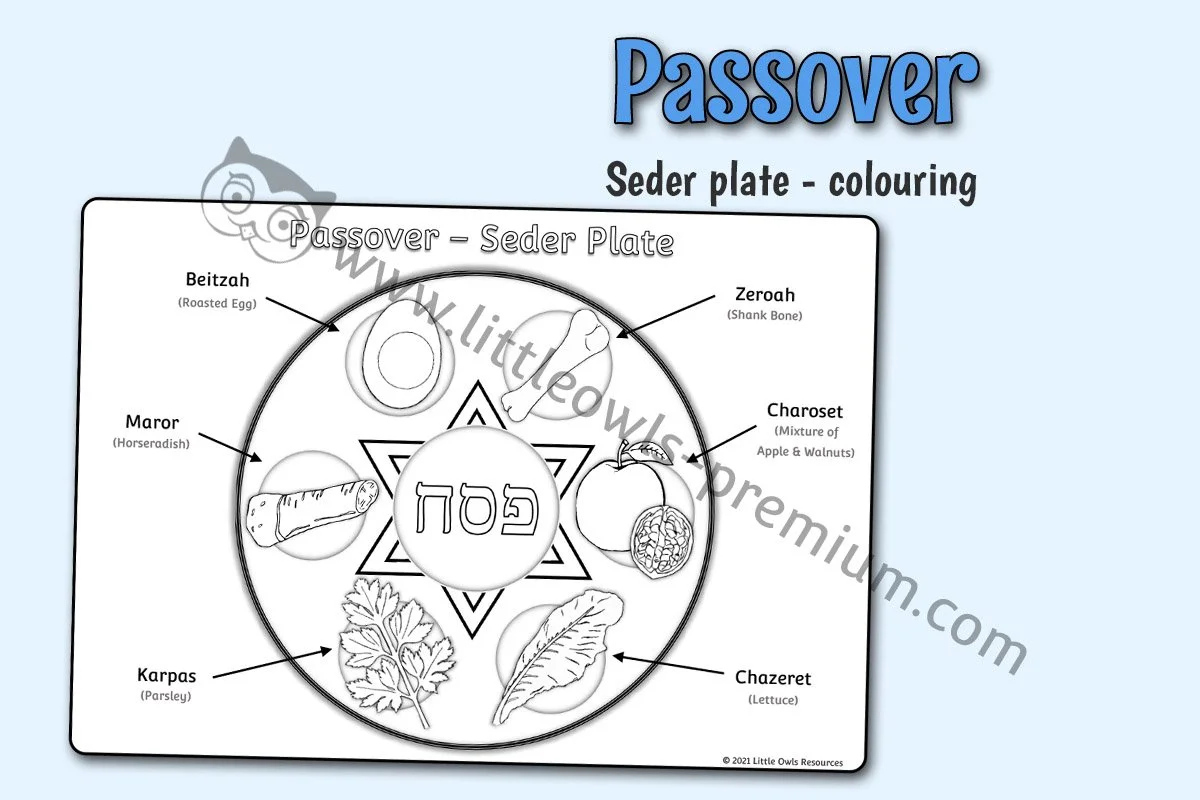
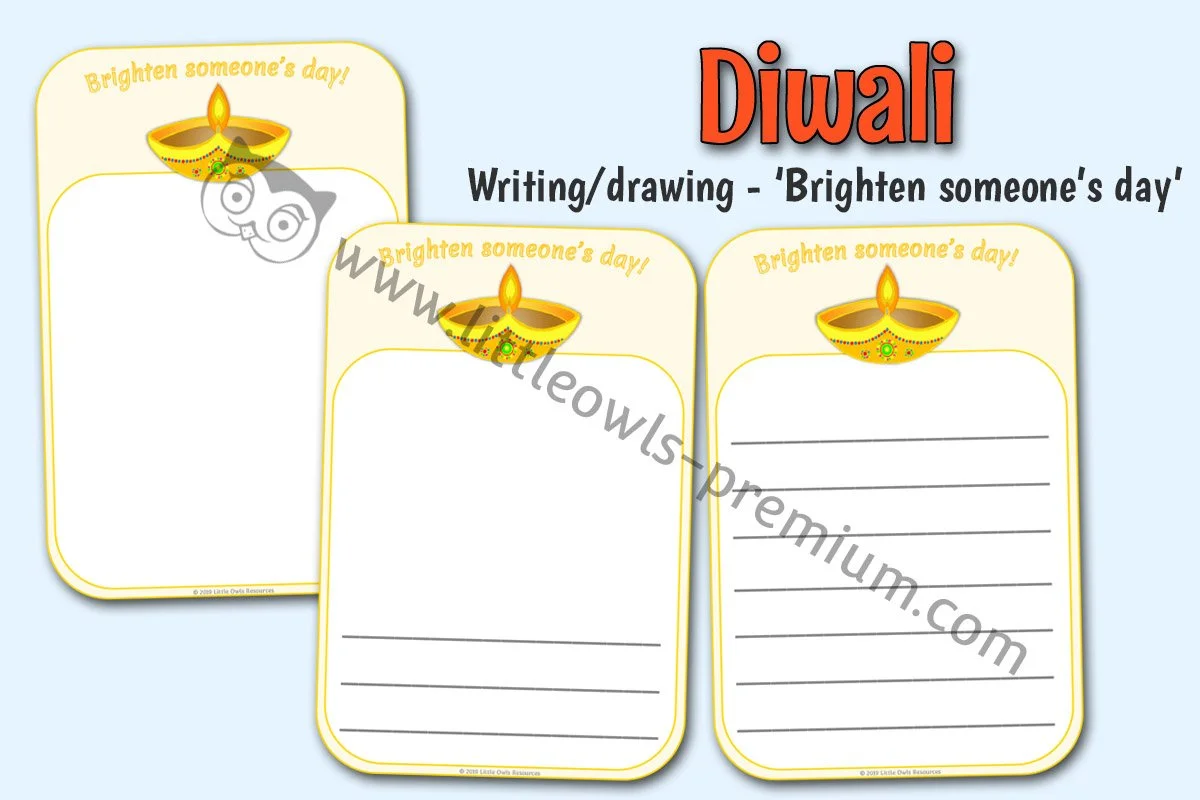
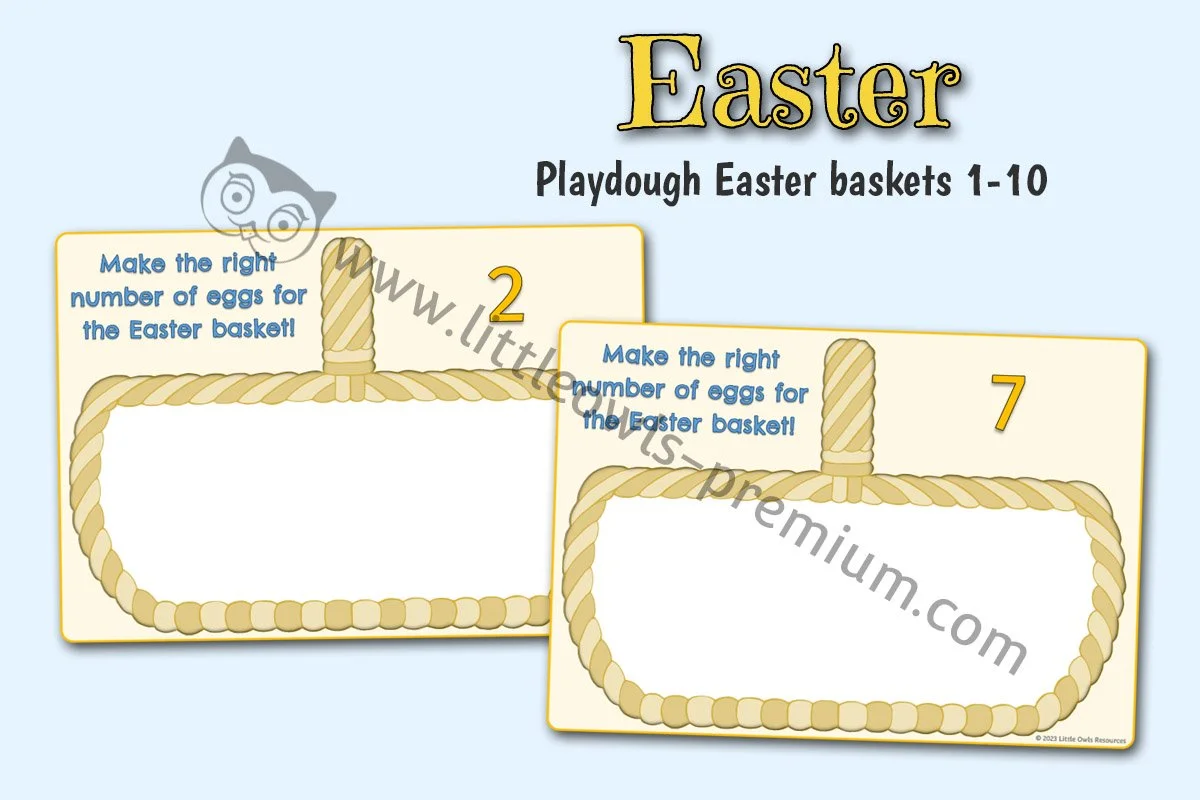
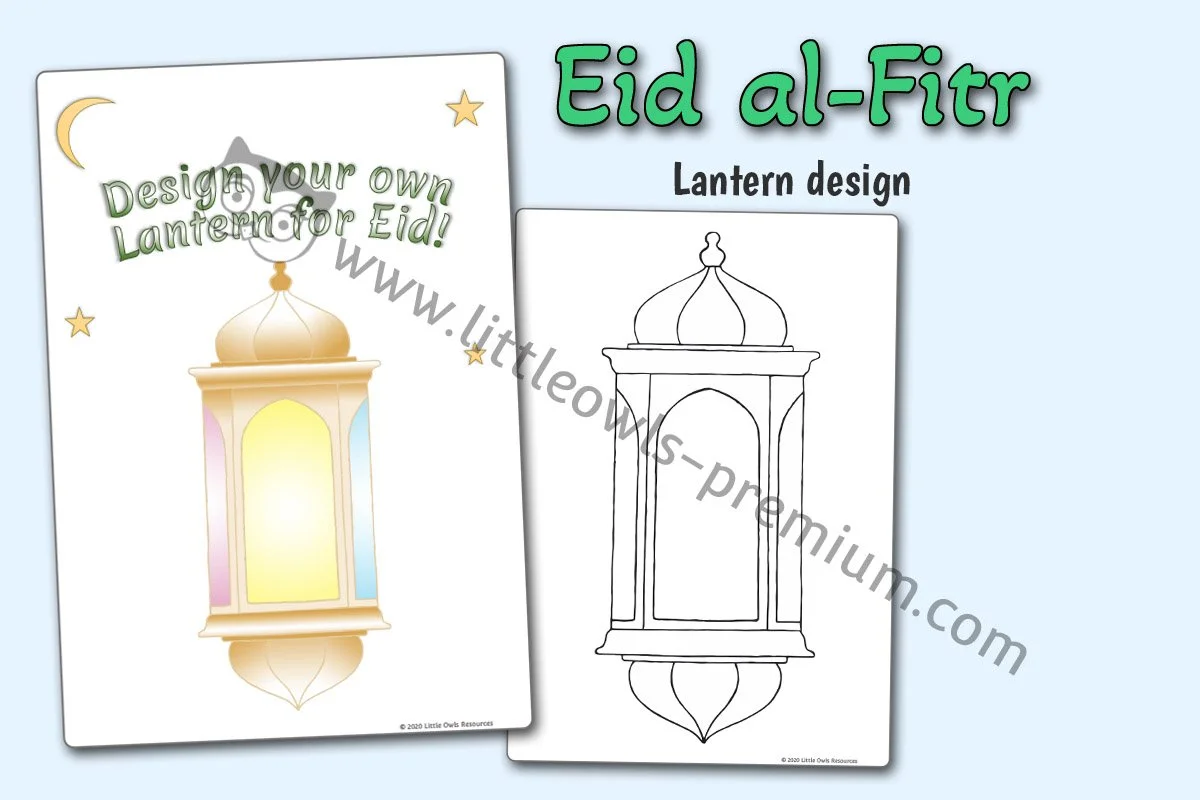
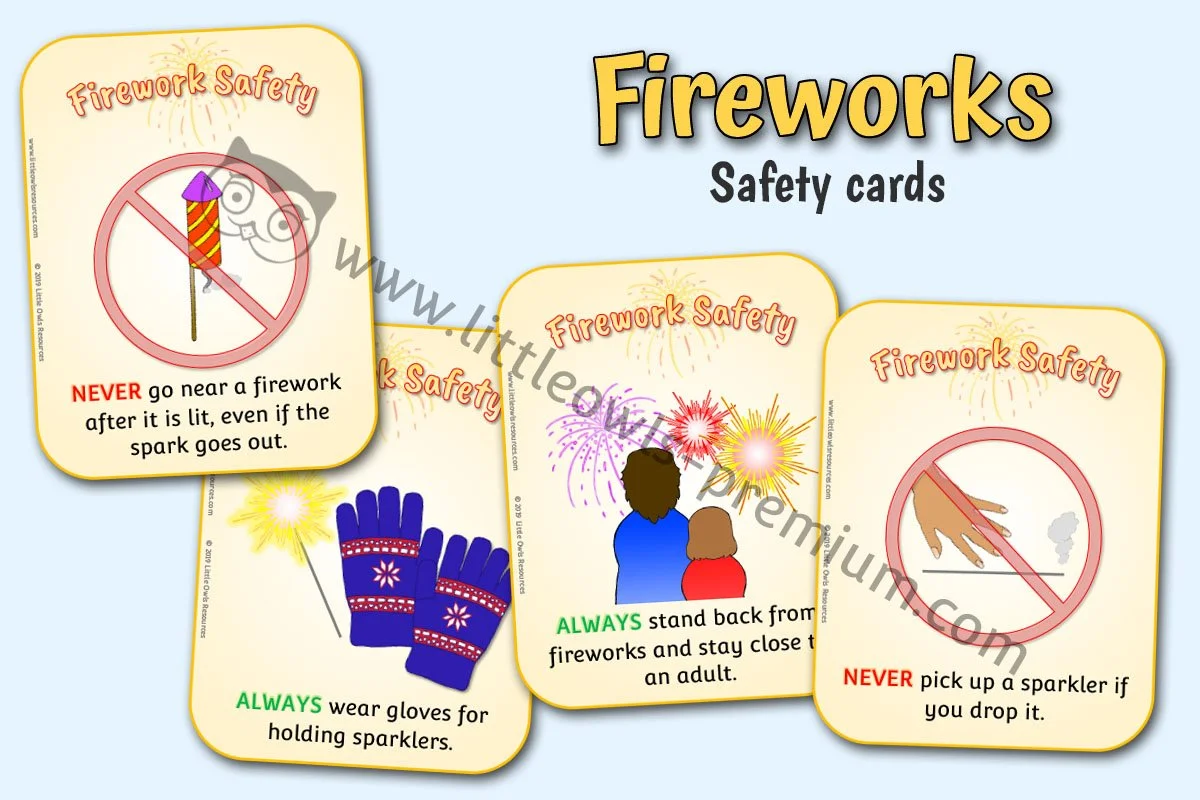
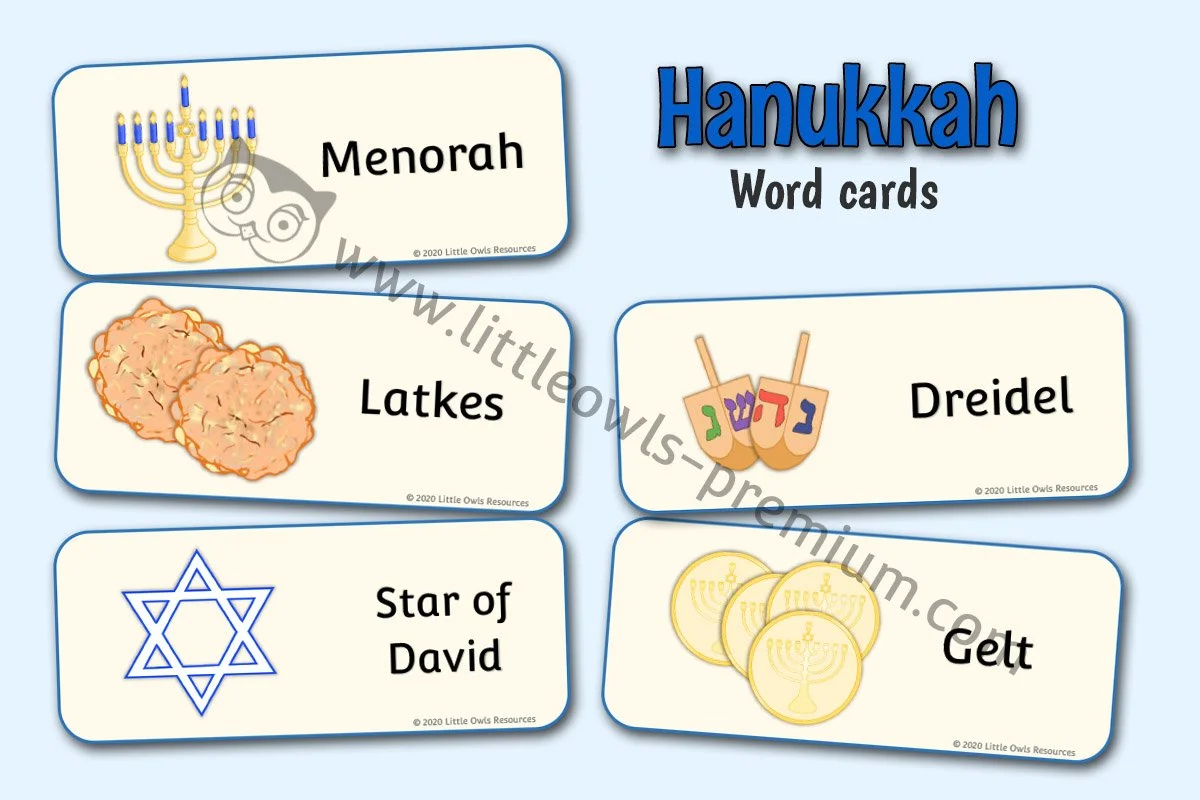
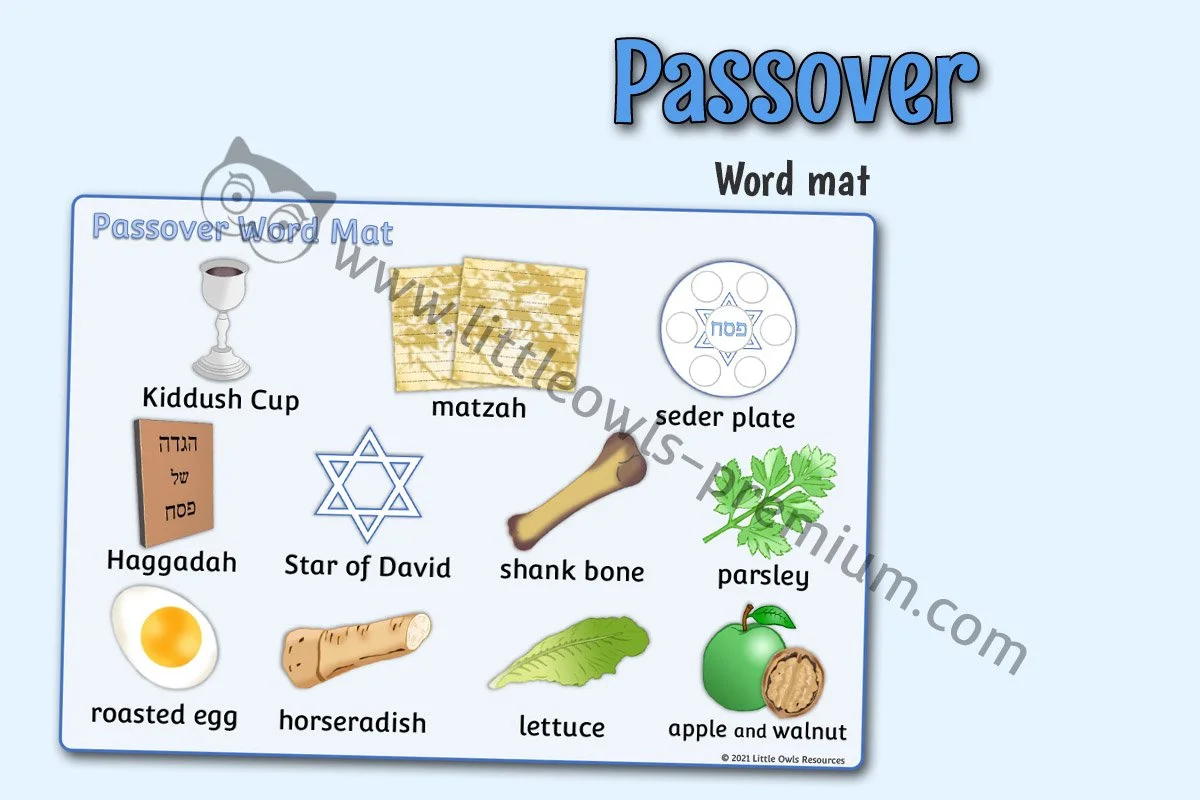
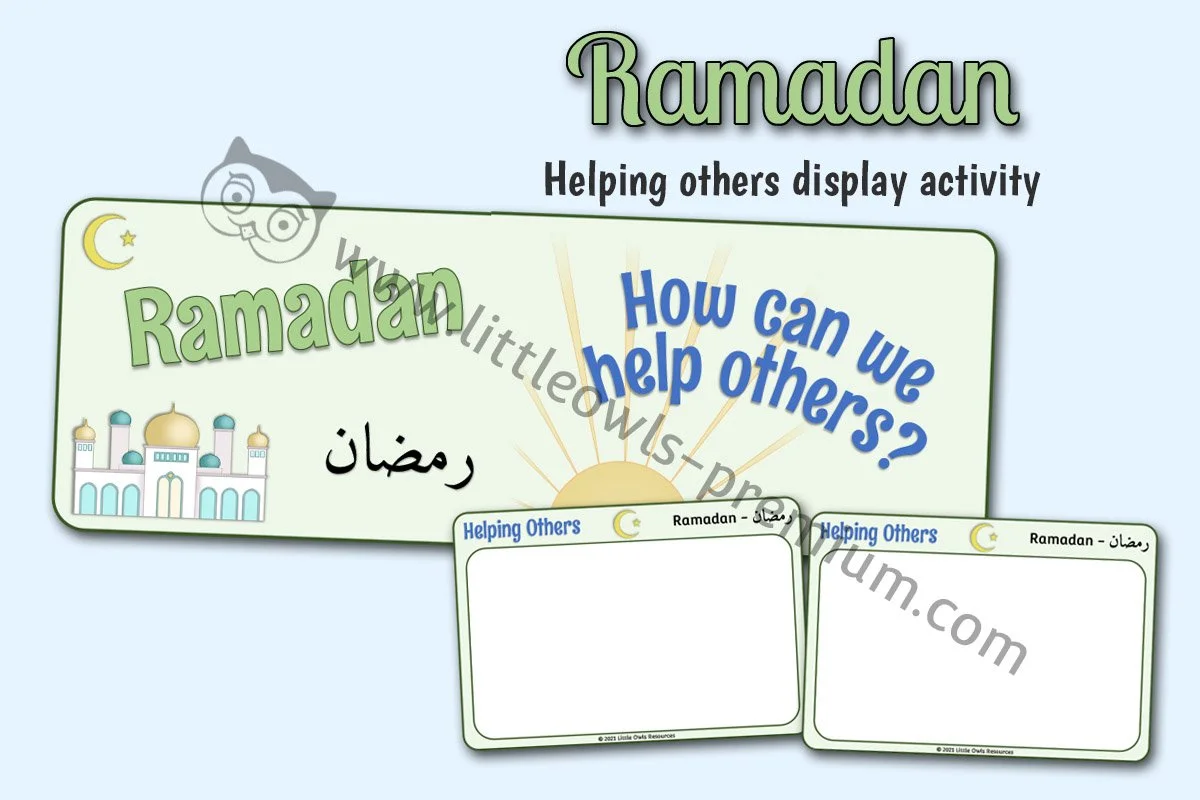
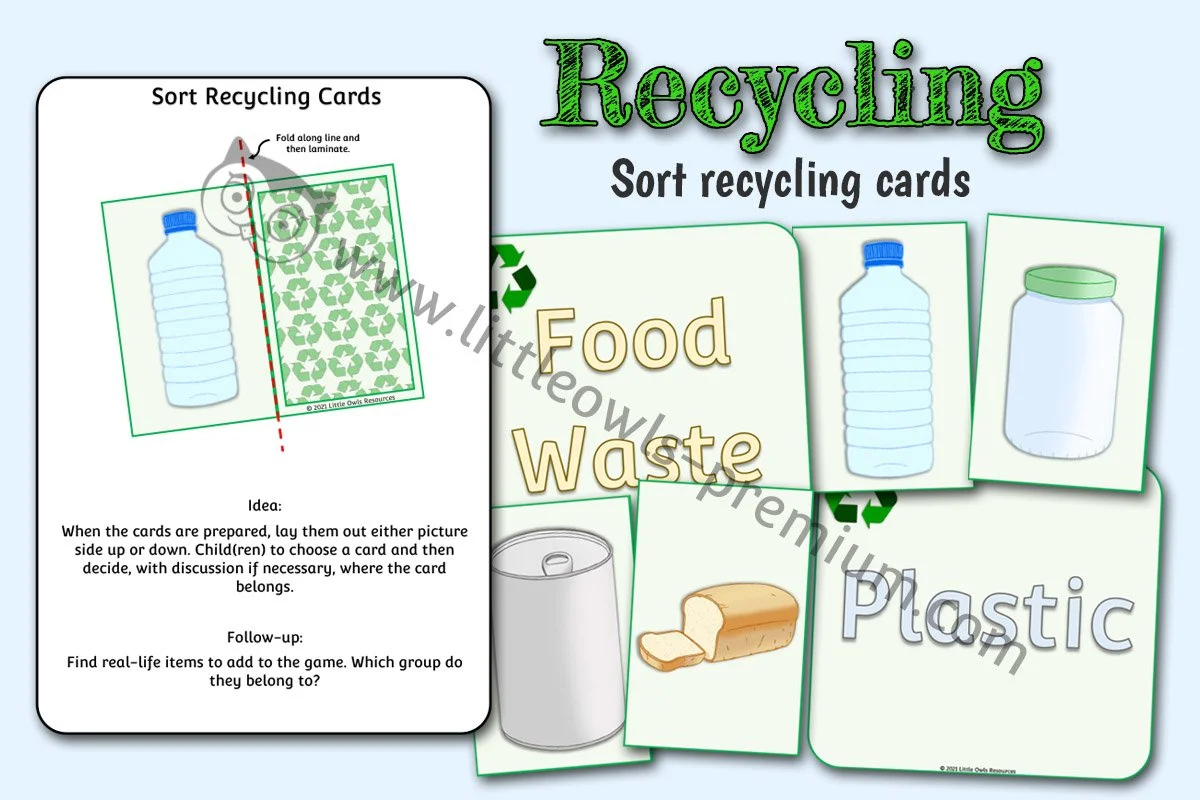
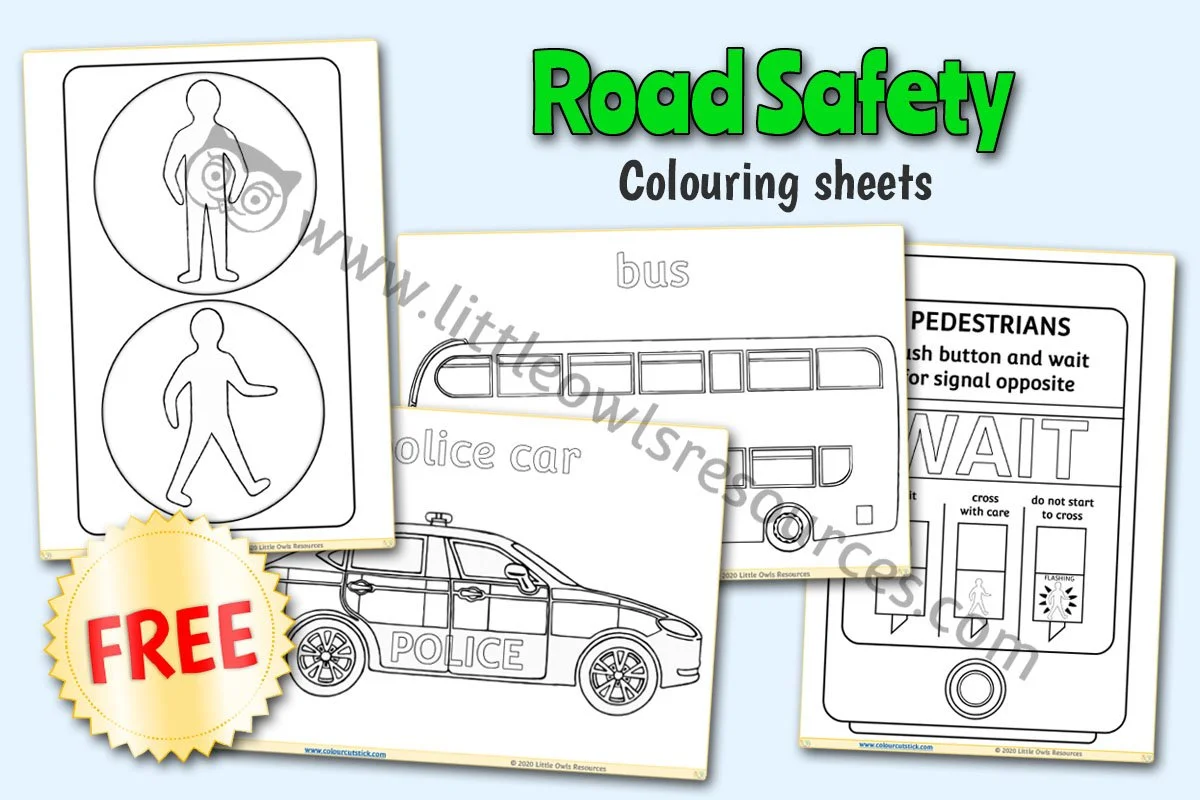
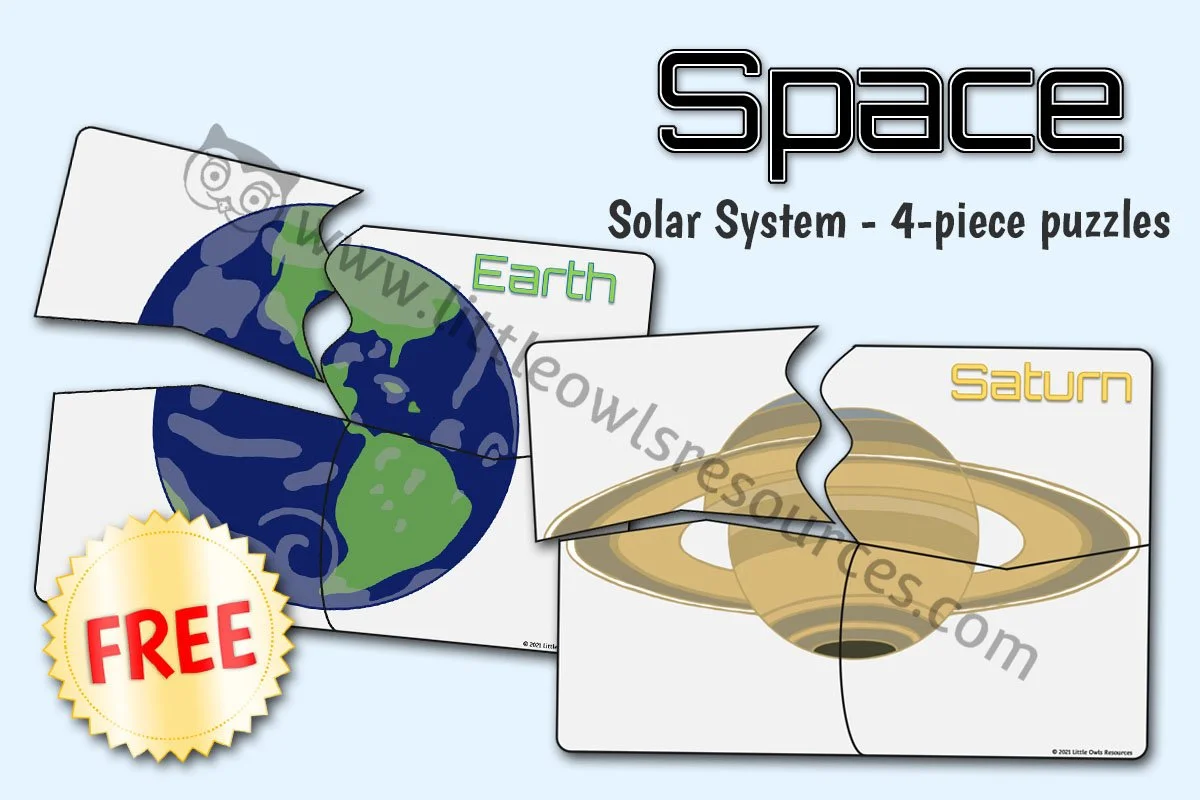
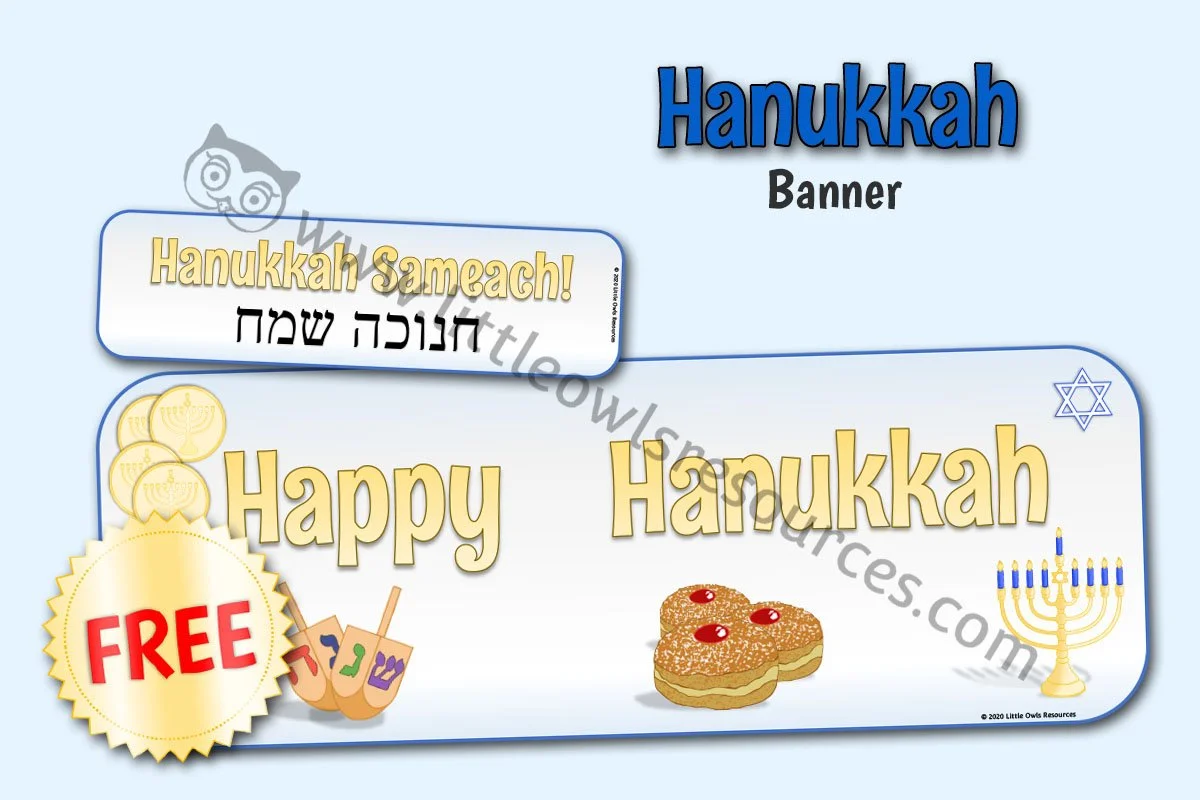
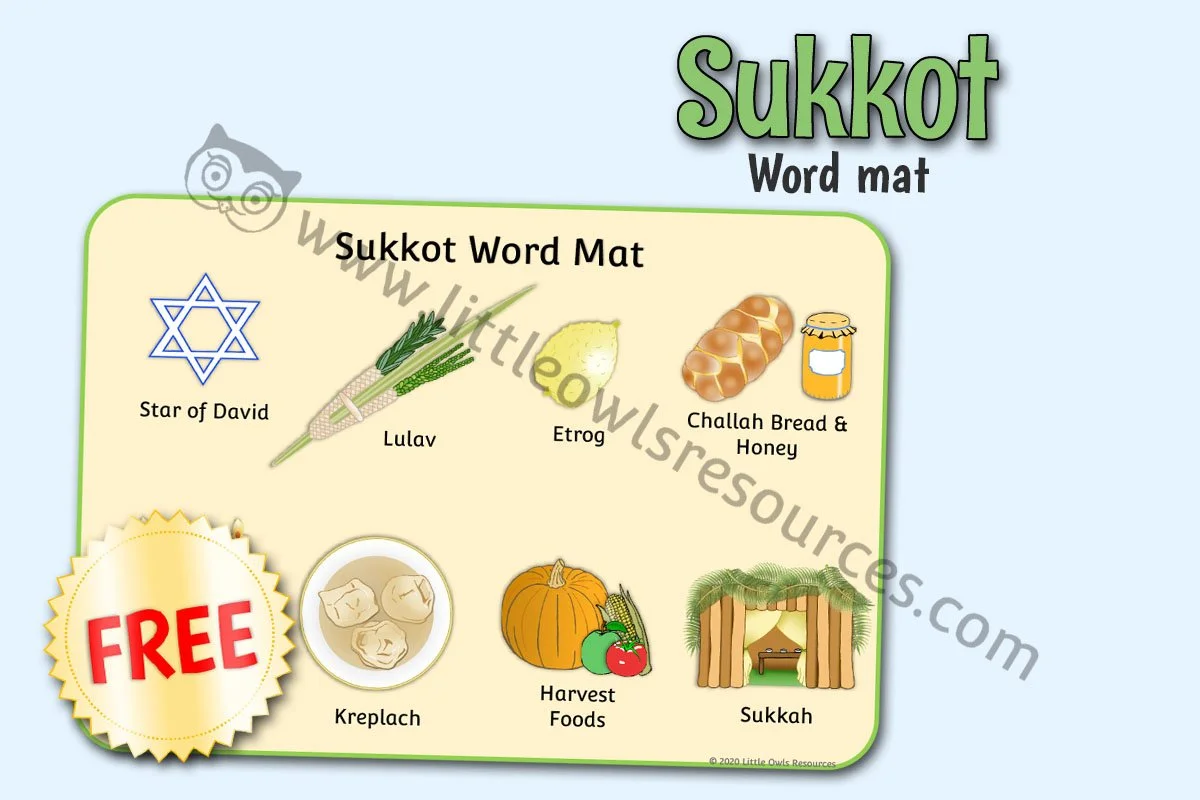
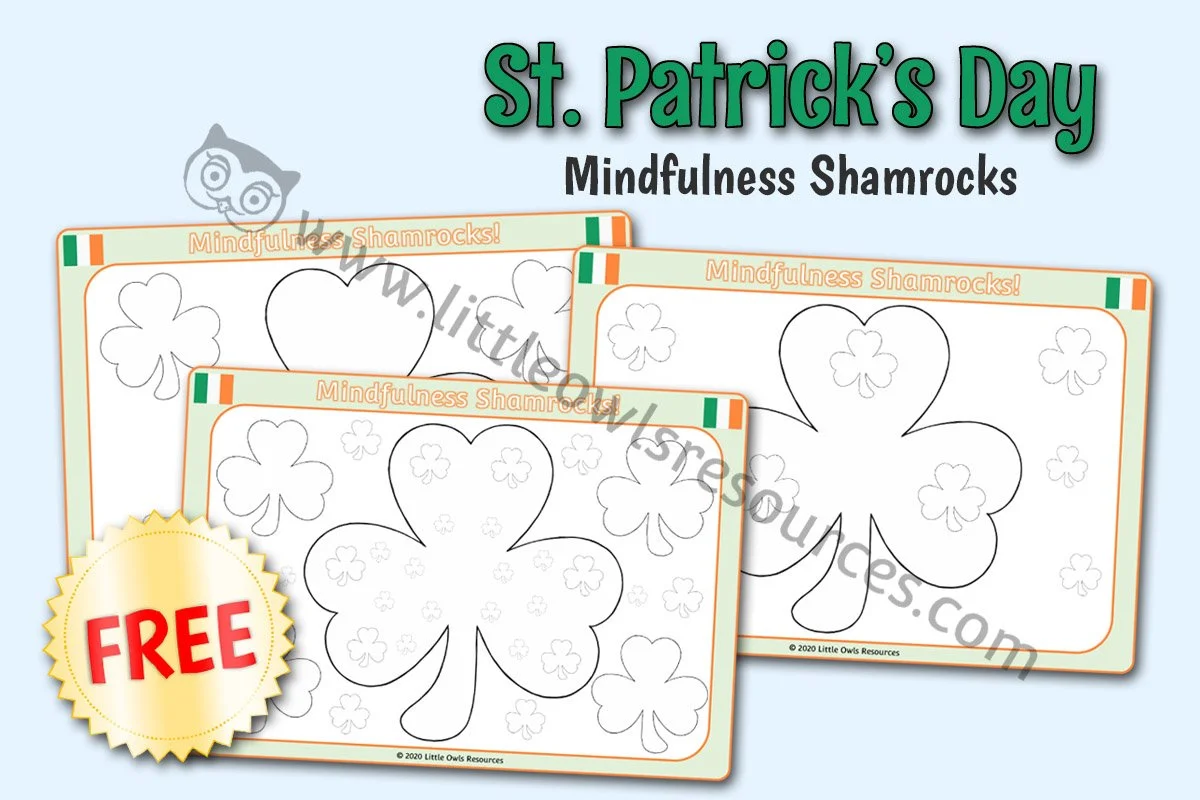
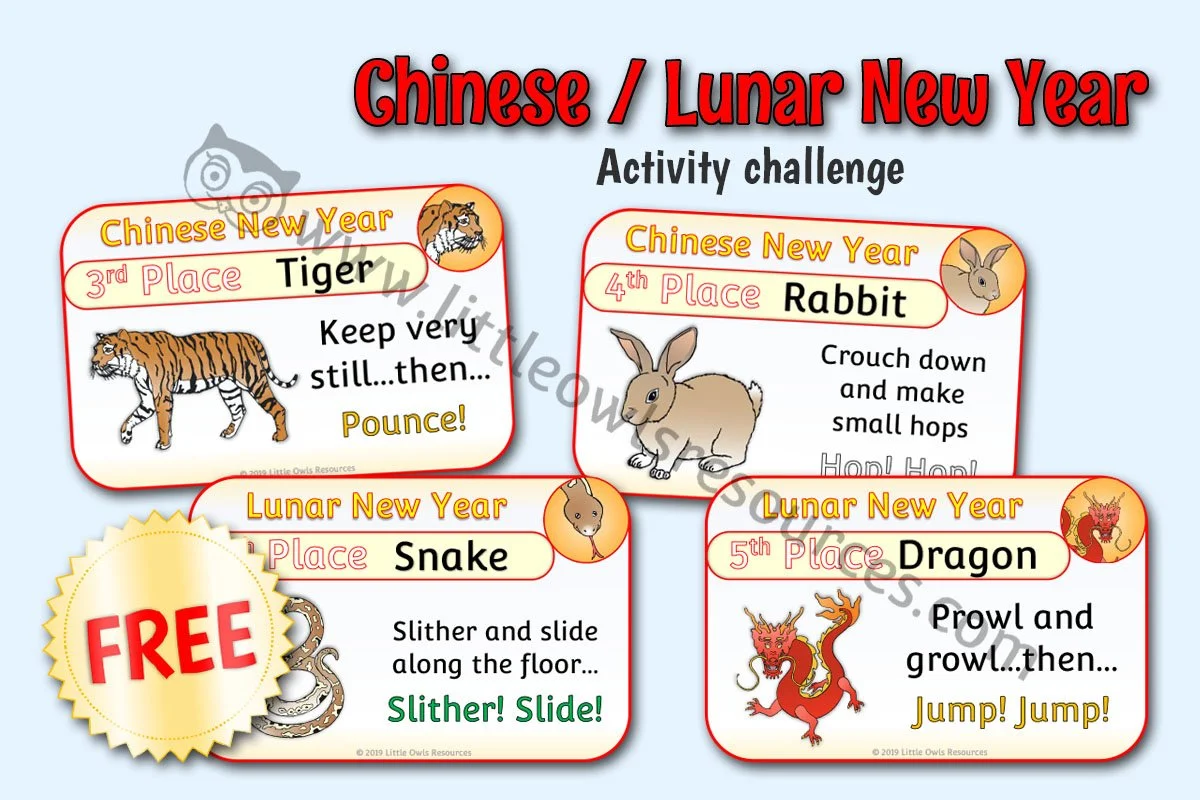
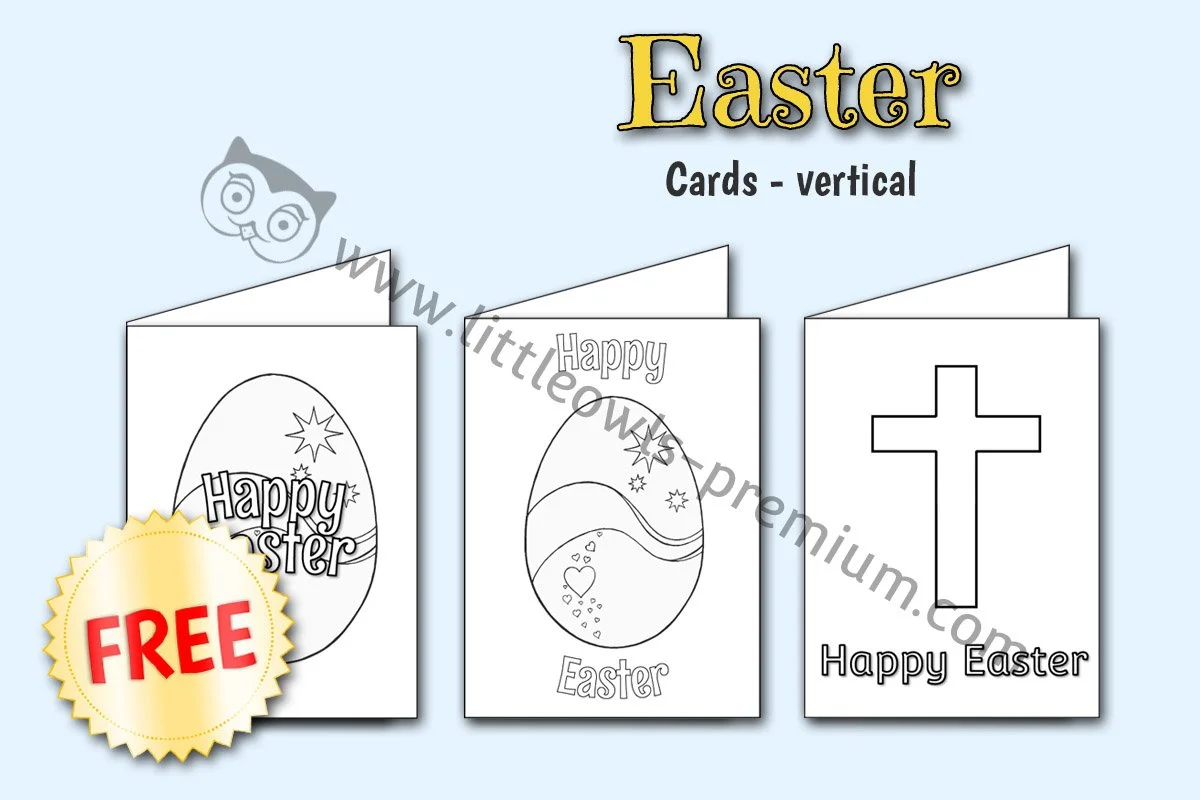
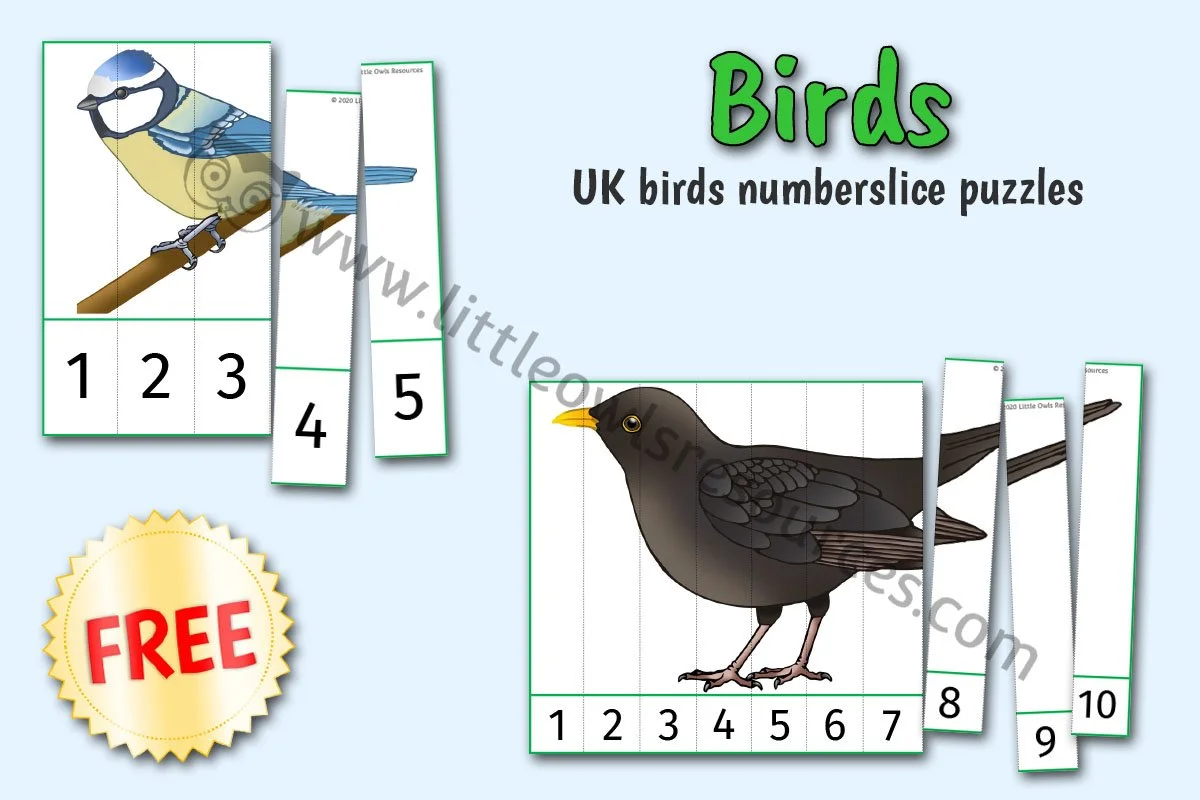
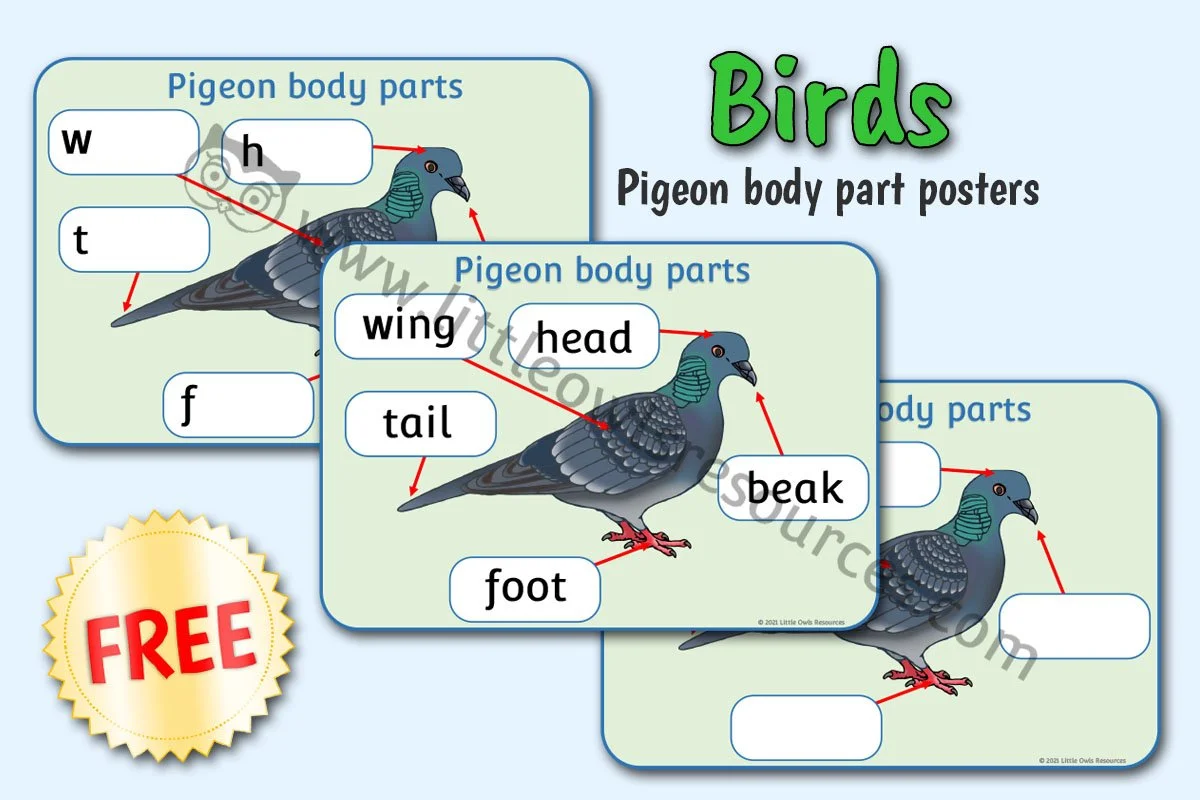
Featured above: small selection of Understanding the World resources taken from across different areas of Little Owls Resources. Explore more below.
Home › Areas of Learning Menu ›
Understanding the World activities, displays & planning ideas for reception, preschool, nurseries & childminders
Supporting children’s Understanding the World development is an important part of high-quality EYFS practice. This page brings together a wide range of EYFS Understanding the World printable resources, planning documents, guidance packs and play-based activity ideas for toddlers, preschool and Reception children.
Designed for nurseries, preschools, childminders and Reception classrooms, our resources help practitioners support children’s curiosity, exploration, early science, nature learning, community awareness, cultural understanding, technology, similarities and differences, and knowledge of the natural world through meaningful play and responsive adult interaction. You’ll find practical EYFS Understanding the World activities, topic resources, themed planning ideas, outdoor learning guidance, STEM resources, continuous provision ideas and printable materials aligned with Development Matters and the EYFS Framework.
Whether you are looking for Reception Understanding the World planning resources, preschool theme packs, toddler project planners, outdoor learning ideas, or printable EYFS topic resources linked to people, places, nature, seasons, festivals and communities, this page includes both free EYFS printable resources and professional practitioner guidance to support confident, inclusive and developmentally appropriate practice.
Sections on this page:
⭐ Free Sample ‘Understanding the World’ Resources
📘 Core Guidance Surrounding ‘Understanding the World’ Planning & Provision
What do we mean by ‘Understanding the World’? | What High-Quality Understanding the World Practice Looks Like | Understanding the World Progression in EYFS | Understanding the World within Continuous Provision Enhancements | Inclusive Understanding the World Practice | SEND & EAL | Understanding the World and the Other Areas of Learning
🖨️ Printable Provision Resources - Search by:
✨ Top Picks
🔤 Key Words & Phrases
🗂️ Topic
📝 Planning Resources
📌 Featured Planning Resources
💡 Development Matters Examples of How to Support ‘Understanding the World’
Birth to 3
3 and 4 Year Olds
Reception
🧭 Age-Specific Curriculum & Pedagogy Planning Support for ‘Understanding the World’
Guidance Documents, Topic & Project Planning Packs, Understanding the World: Experience Progression Pack, Reception Optional Themed Enhancements Ideas Bank
🏡 Continuous Provision | Age-Specific Ideas & Guidance
➕ Further Support
❓ Frequently Asked Questions
🧰 Additional ‘Understanding the World’ Tools & Guidance
🌈 Additional Areas of Learning
🔐 Find out more about ‘Membership Options’
⭐ Free EYFS ‘Understanding the World’ Printable Resources
(Click on the images below to find out more)

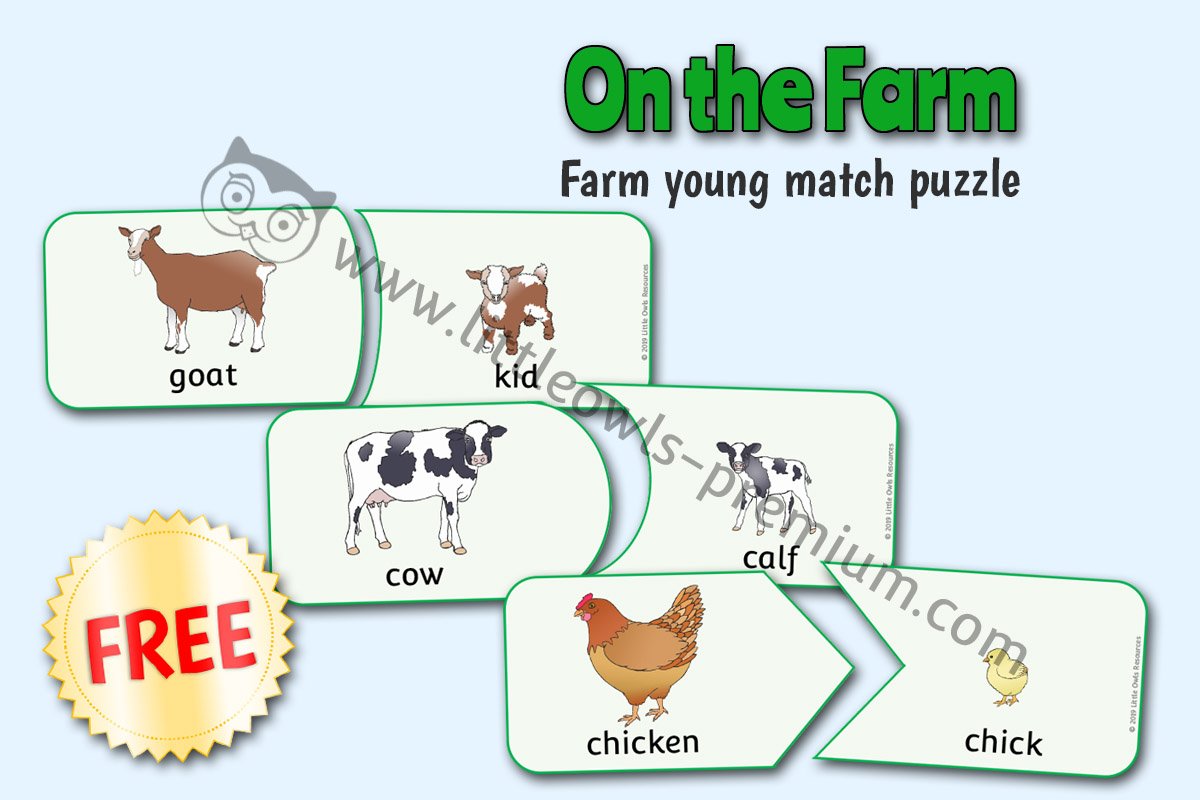
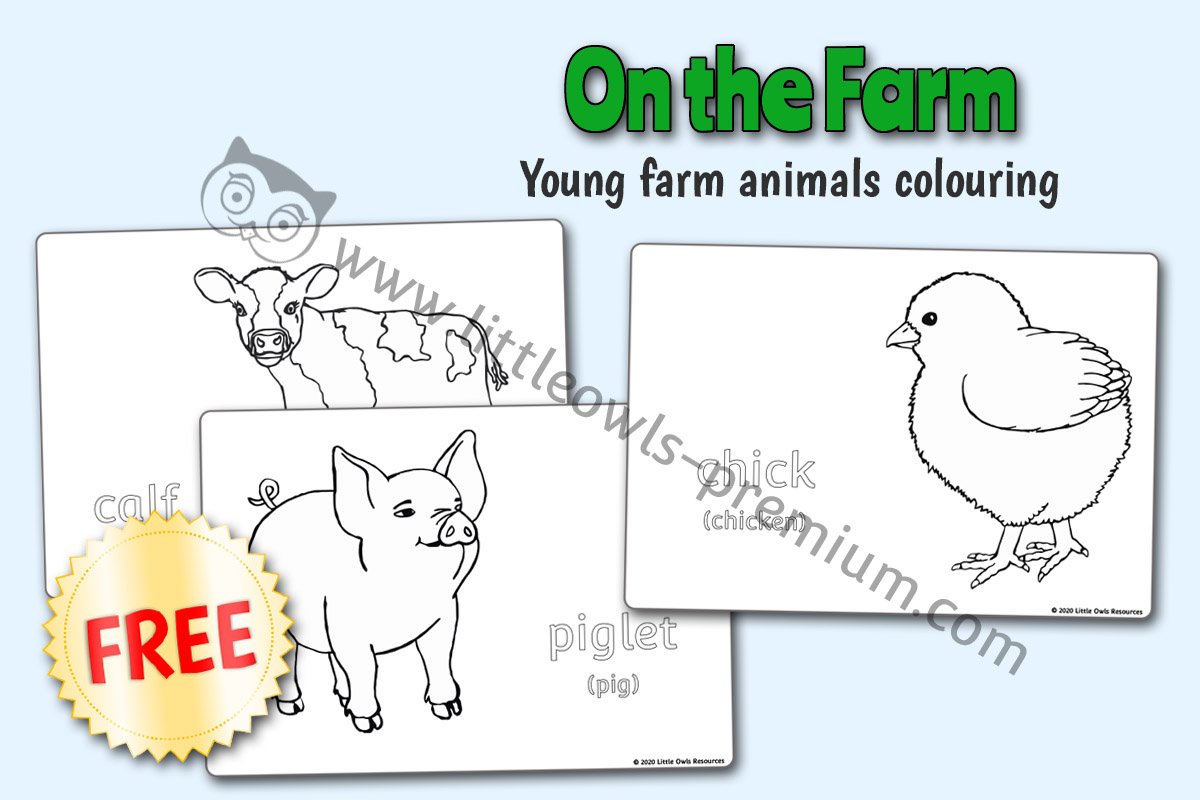


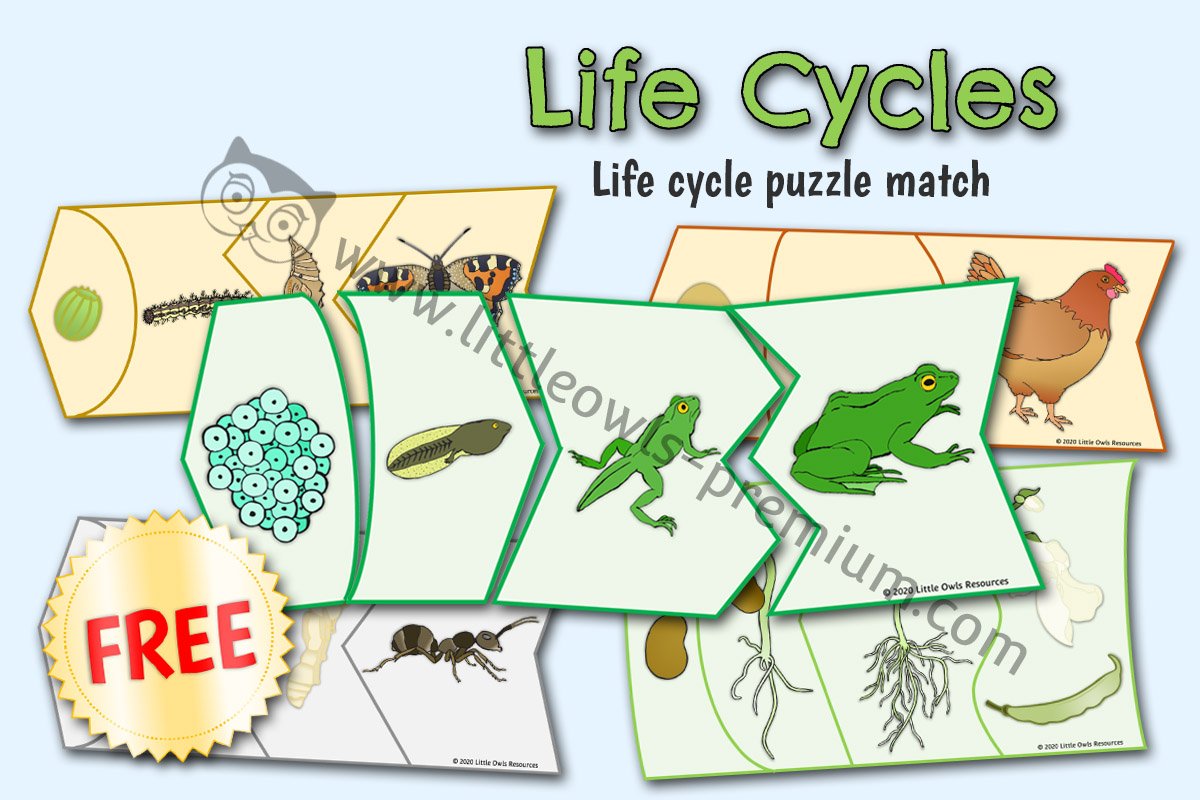

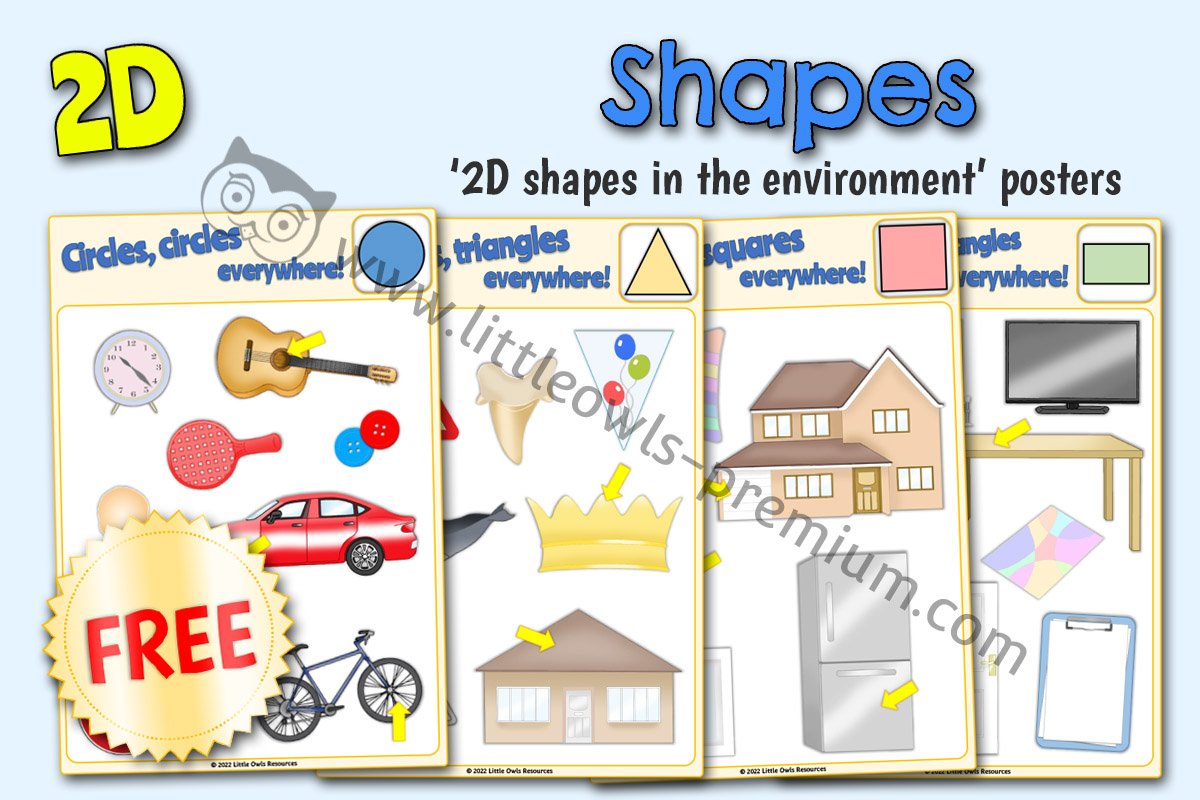

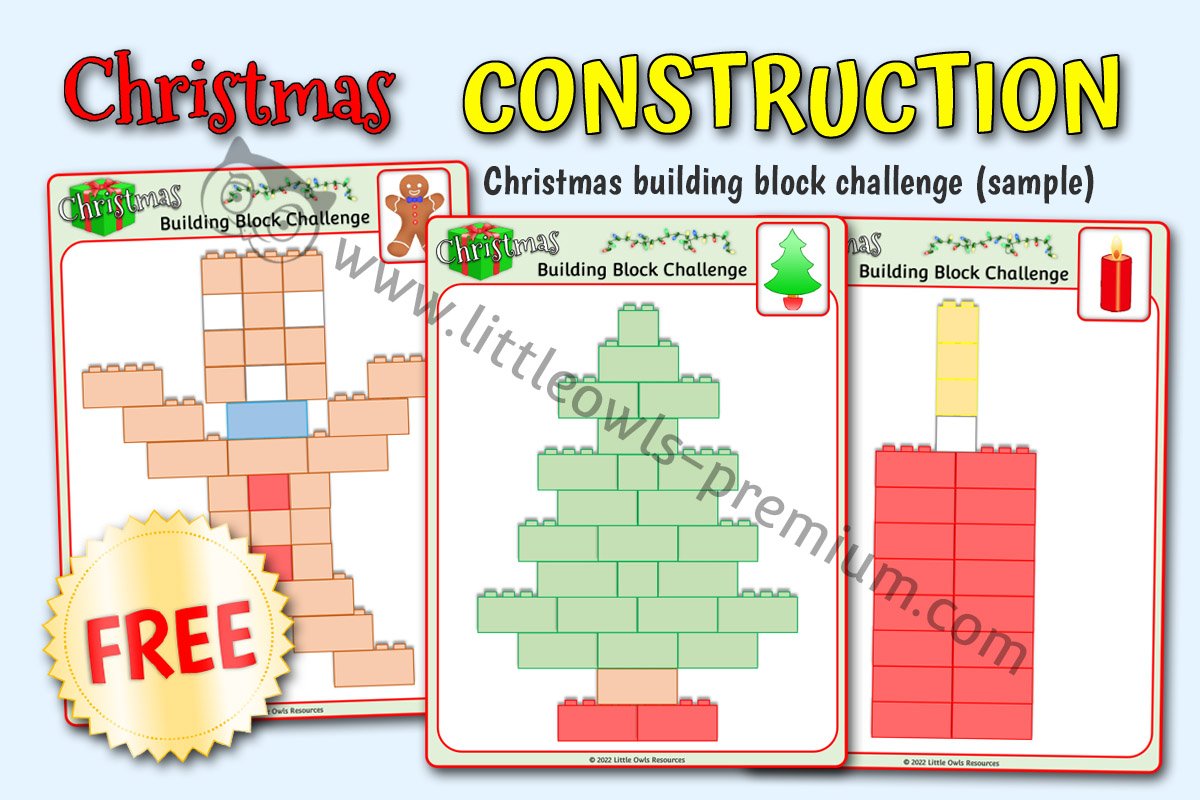


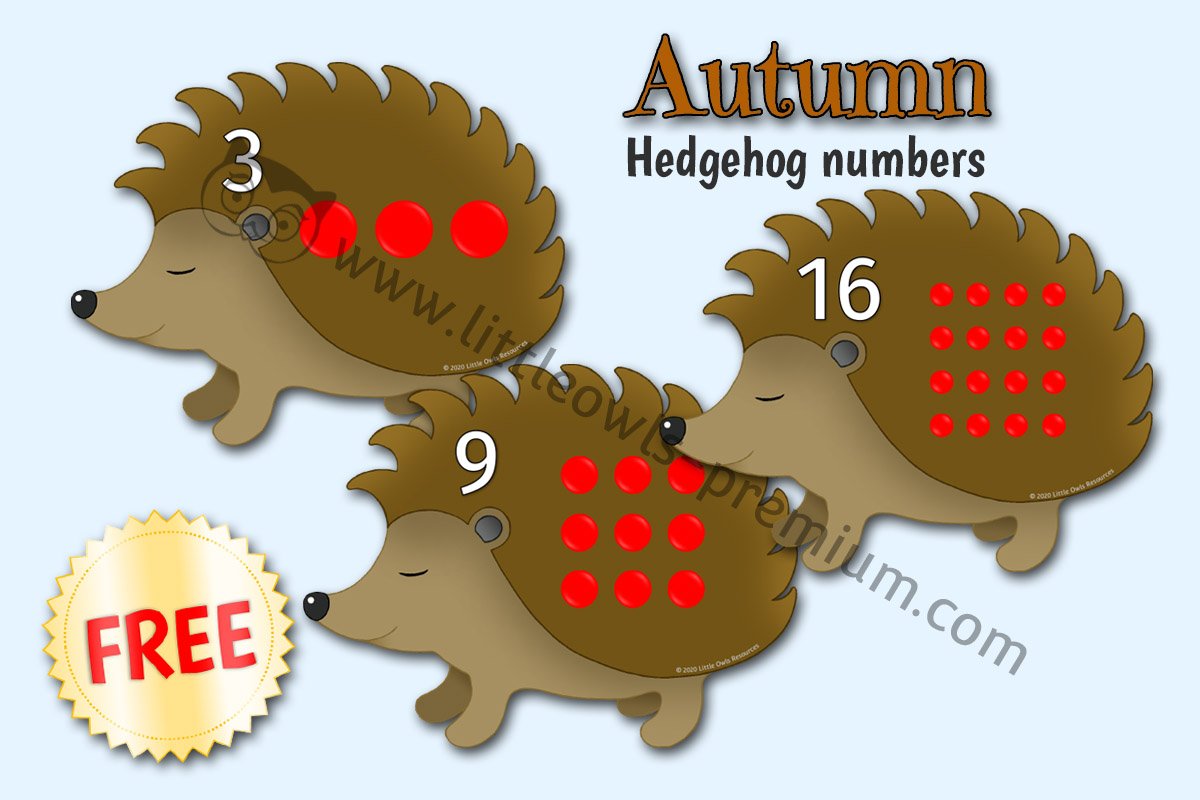


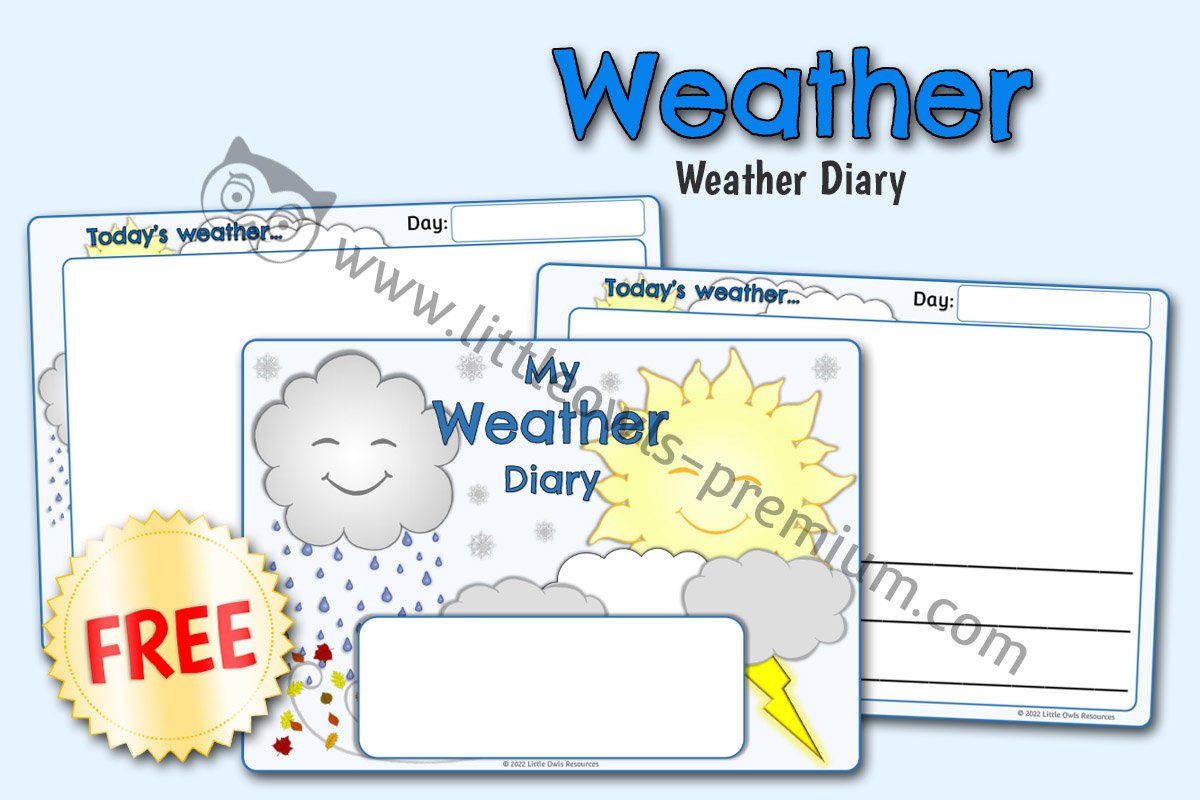


💡 Join as a Free Access member to download the samples above and all other free resources available on Little Owls Resources at no cost. Alternatively, explore all membership options here.
Additional Free Sample Printable Provision can be found at the top of most pages.
📘 Core Guidance Surrounding ‘Understanding the World’ Planning & Provision
-
“Understanding the world involves guiding children to make sense of their physical world and their community. The frequency and range of children’s personal experiences increases their knowledge and sense of the world around them – from visiting parks, libraries and museums to meeting important members of society such as police officers, nurses and firefighters. In addition, listening to a broad selection of stories, non-fiction, rhymes and poems will foster their understanding of our culturally, socially, technologically and ecologically diverse world. As well as building important knowledge, this extends their familiarity with words that support understanding across domains. Enriching and widening children’s vocabulary will support later reading comprehension.” Development Matters
-
High-quality Understanding the World practice in the EYFS is rooted in curiosity, real experiences, exploration, observation, talk and meaningful connections with people, places and the natural world. Children develop knowledge and understanding when they can investigate, ask questions, notice change, compare experiences and make sense of the world around them.
Effective Understanding the World provision includes:
real, first-hand experiences wherever possible
outdoor learning, nature exploration and seasonal observation
opportunities to notice, compare, investigate and ask questions
rich vocabulary linked to people, places, materials, living things and change
inclusive experiences that reflect families, cultures, communities and identities
age-appropriate early science, STEM and investigation opportunities
meaningful use of books, photographs, maps, objects and artefacts
opportunities to explore festivals, celebrations and special times respectfully
responsive adult interaction supporting curiosity, explanation and awe
continuous provision that reflects children’s interests and lived experiences
Understanding the World should be embedded throughout continuous provision, outdoor learning, role-play, small world play, investigation areas, routines, stories, projects and child-initiated exploration.
-
Children’s Understanding the World development grows through real experiences, sensory exploration, language, observation, comparison and opportunities to revisit ideas over time.
Children typically progress from:
noticing familiar people, places, routines and objects
exploring materials, textures, sounds, movement and sensory experiences
showing curiosity about natural objects, animals, weather and everyday events
recognising similarities and differences between people, places and things
talking about family, community, occupations and familiar experiences
observing seasonal change, growth, decay and simple cause and effect
asking questions and making simple predictions
using early scientific and geographical vocabulary
exploring maps, photographs, artefacts, stories and non-fiction texts
making connections between past and present, communities, nature and the wider world
Children develop Understanding the World through meaningful experiences that connect to their lives, interests, families, communities and environment.
-
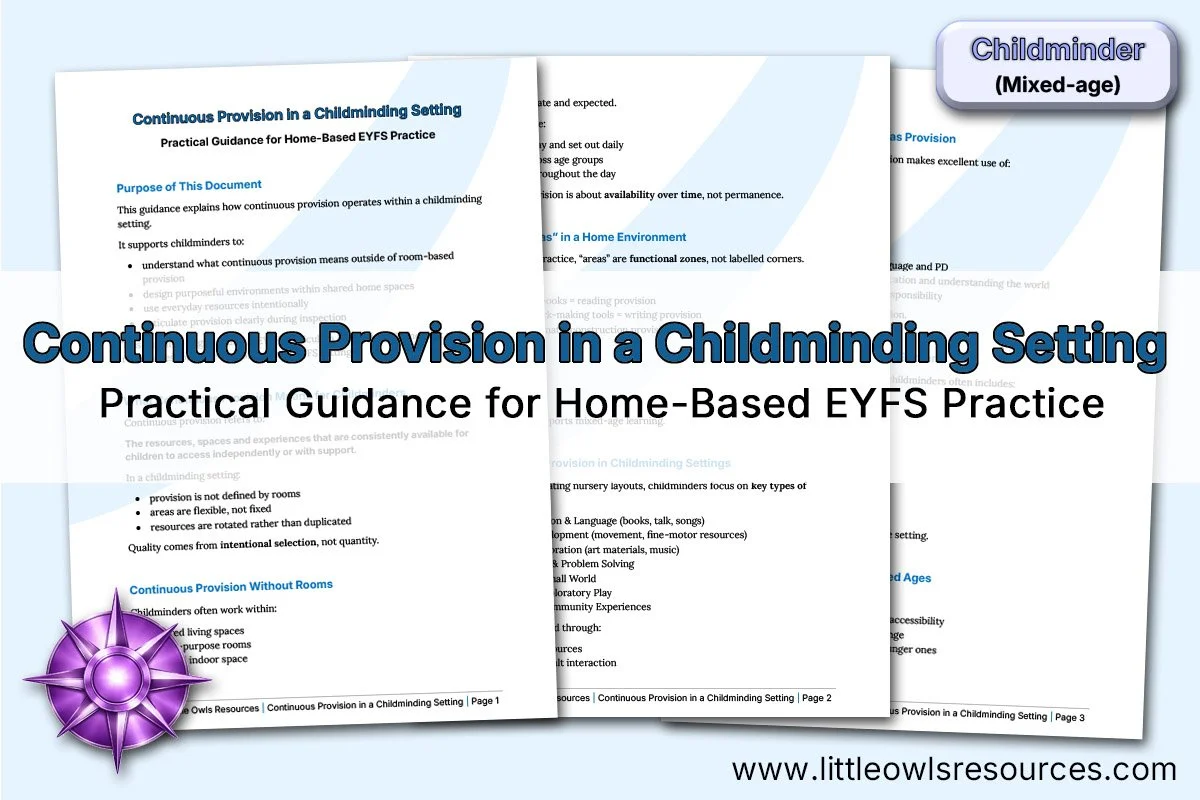
Small enhancements within continuous provision can create meaningful opportunities for Understanding the World development throughout the day.
Examples may include:
seasonal nature trays and investigation baskets
magnifiers, mirrors, torches and simple exploration tools
maps, photographs, postcards and travel resources
small world habitats, communities and journey scenes
planting, growing and caring-for-living-things stations
weather observation charts and outdoor investigation prompts
STEM building challenges with open-ended materials
artefacts, fabrics, utensils and objects from different homes and communities
festival and celebration resources used respectfully and meaningfully
recycling, sorting and environmental care invitations
non-fiction books linked to current interests, animals, places or science
Continuous provision should make curiosity, observation, investigation and discussion visible across the learning environment.
-
Inclusive Understanding the World provision supports every child to explore people, places, communities, nature and change in ways that are meaningful, accessible and respectful.
High-quality inclusive practice may include:
resources that reflect children’s families, cultures, languages and communities
dual-language books, labels and familiar words where appropriate
visual supports, photographs, real objects and sensory experiences
first-hand experiences linked to children’s lives and interests
accessible outdoor and investigation areas
respectful exploration of festivals, celebrations and special times
avoiding stereotypes and tokenistic representations
flexible ways for children to communicate observations and ideas
close partnership with families to understand lived experiences
adapted tools and resources so all children can investigate and participate
Children benefit from environments where their identities are valued and where they can explore the wider world with curiosity, respect and confidence.
-
Understanding the World is closely connected to all areas of learning within the EYFS curriculum.
Communication & Language
Children use language to ask questions, describe observations, explain ideas and talk about experiences.
Personal, Social & Emotional Development
Exploring families, communities, cultures and care for living things supports identity, empathy, belonging and respect.
Physical Development
Outdoor exploration, gardening, building, investigating and handling tools support movement, coordination and independence.
Literacy
Non-fiction books, maps, labels, photographs, stories and information texts help children connect print with real-world knowledge.
Mathematics
Children compare, sort, measure, count, notice patterns and explore spatial relationships through investigation and everyday experiences.
Expressive Arts & Design
Children represent their understanding through drawing, model-making, role-play, music, construction and imaginative storytelling.
Understanding the World should therefore be woven throughout continuous provision, outdoor learning, projects, adult interaction and child-initiated play.
-
The guidance and resources on this page are informed by:
the EYFS Statutory Framework
Development Matters
play-based and child-centred EYFS pedagogy
real-world and first-hand learning experiences
outdoor learning and nature-rich provision
early science, STEM and enquiry-based exploration
inclusive practice reflecting families, cultures, communities and identities
responsive continuous provision and meaningful curriculum themes
All resources should be adapted to meet the needs of individual children, cohorts and settings.
-
The resources, guidance and printable materials on this page may be useful for:
Nursery practitioners
Preschool practitioners
Reception teachers
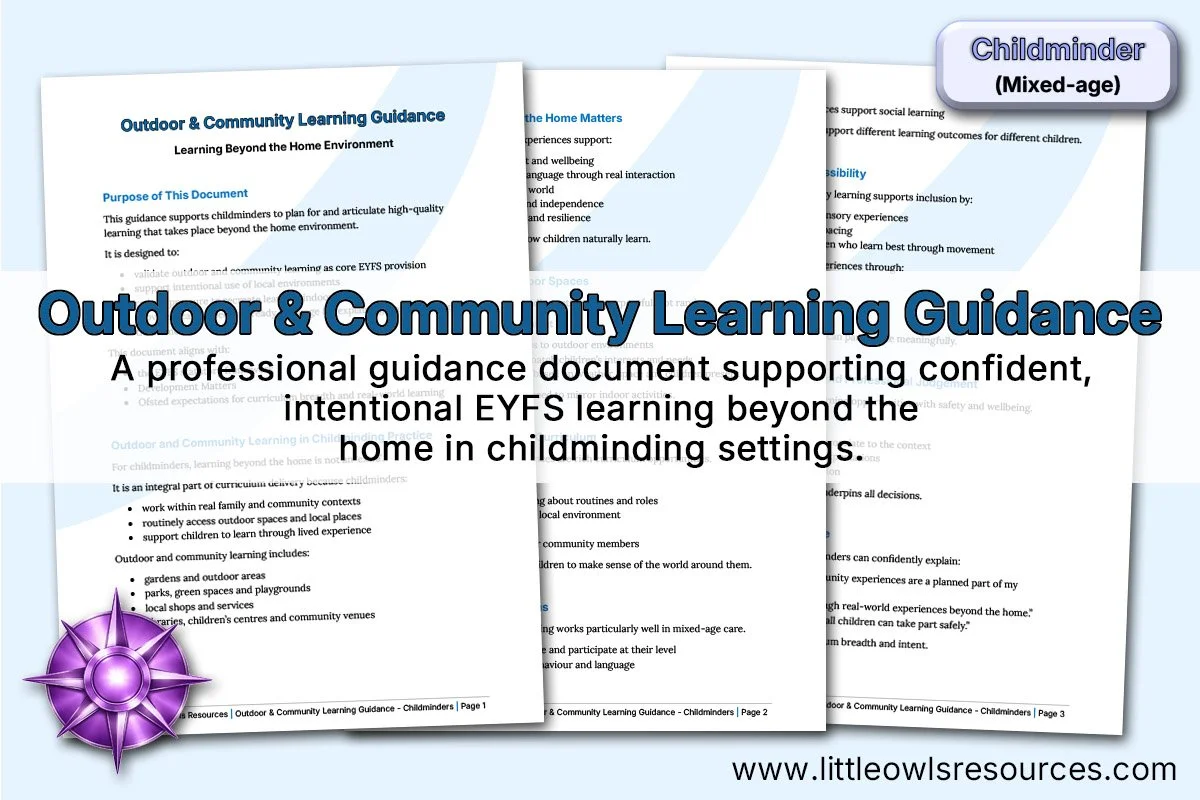
Childminders
EYFS leaders and managers
Curriculum leads
SENDCos
Early Years students and trainees
Intervention staff
Parents and carers supporting learning at home
🖨️ Printable Provision Resources
Search our ‘Understanding the World’ printable provision below.
✨ Top Picks
This section is currently being developed.







🛠️ Many of the pages linked within this section are currently being development for an improved user experience🛠️
Key Words & Phrases:
Similarities & Differences Between Us All - Celebrating Diversity
Looks Closely At Similarities and Differences
Technology
(Any text without a link indicates that we are working on this area.)
Additional Useful Pages
Topic:
(Premium or Professional members may use the links below to access a selection of resources from within each topic that focus on Understanding the World skills.)



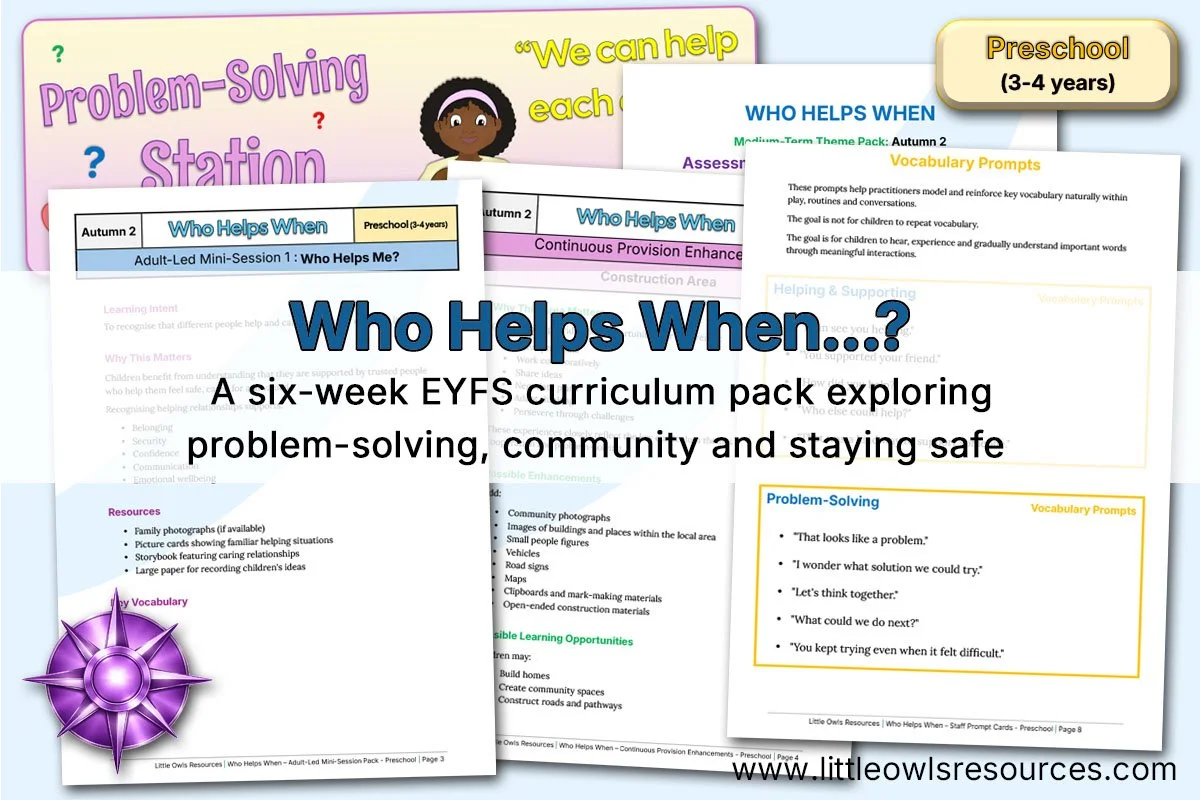

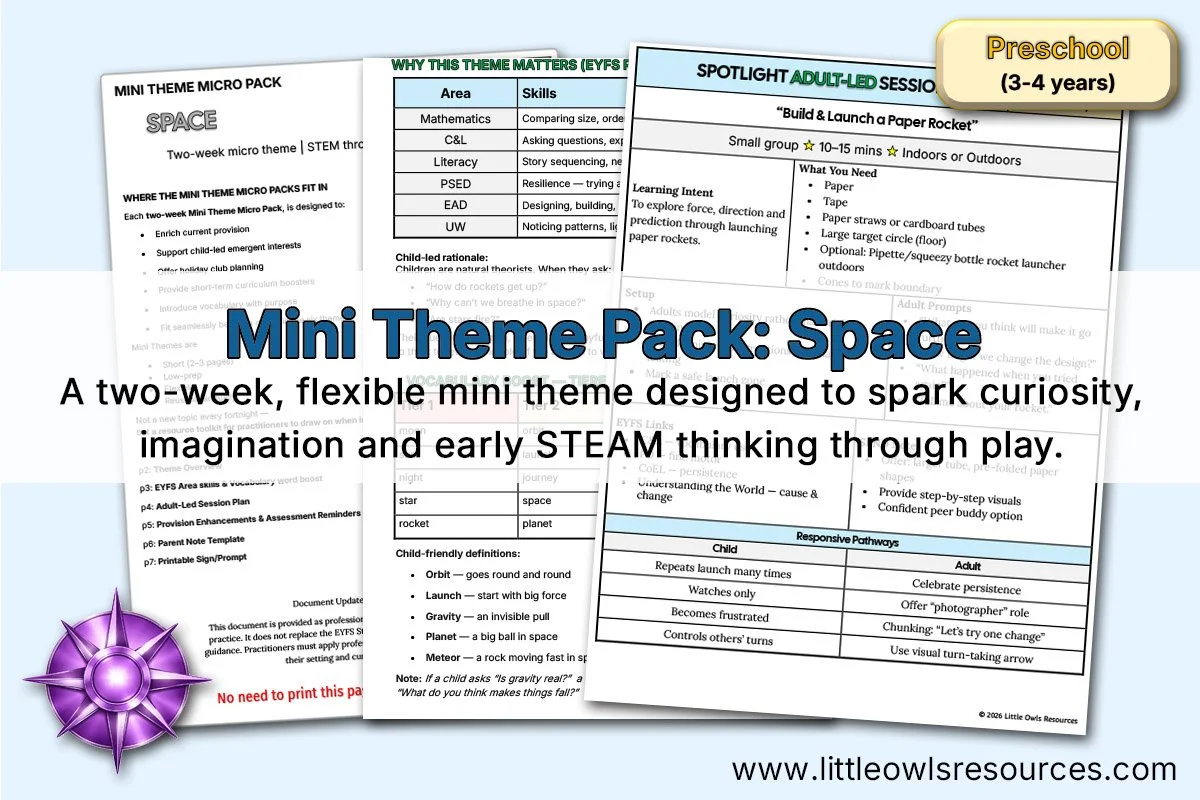


💡 Examples of how to support ‘Understanding the World’ learning and development
Extracted from Development Matters; non-statutory curriculum guidance for the early years foundation stage. Includes colour and black and white versions.
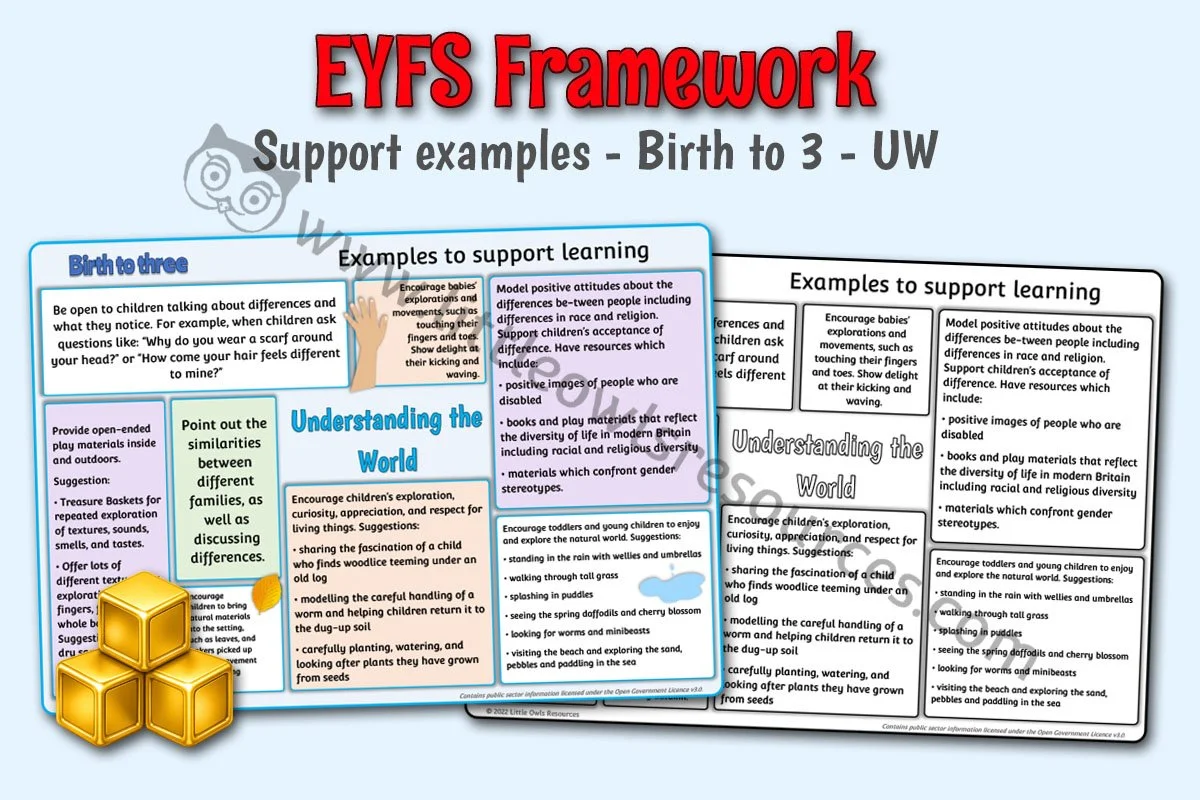
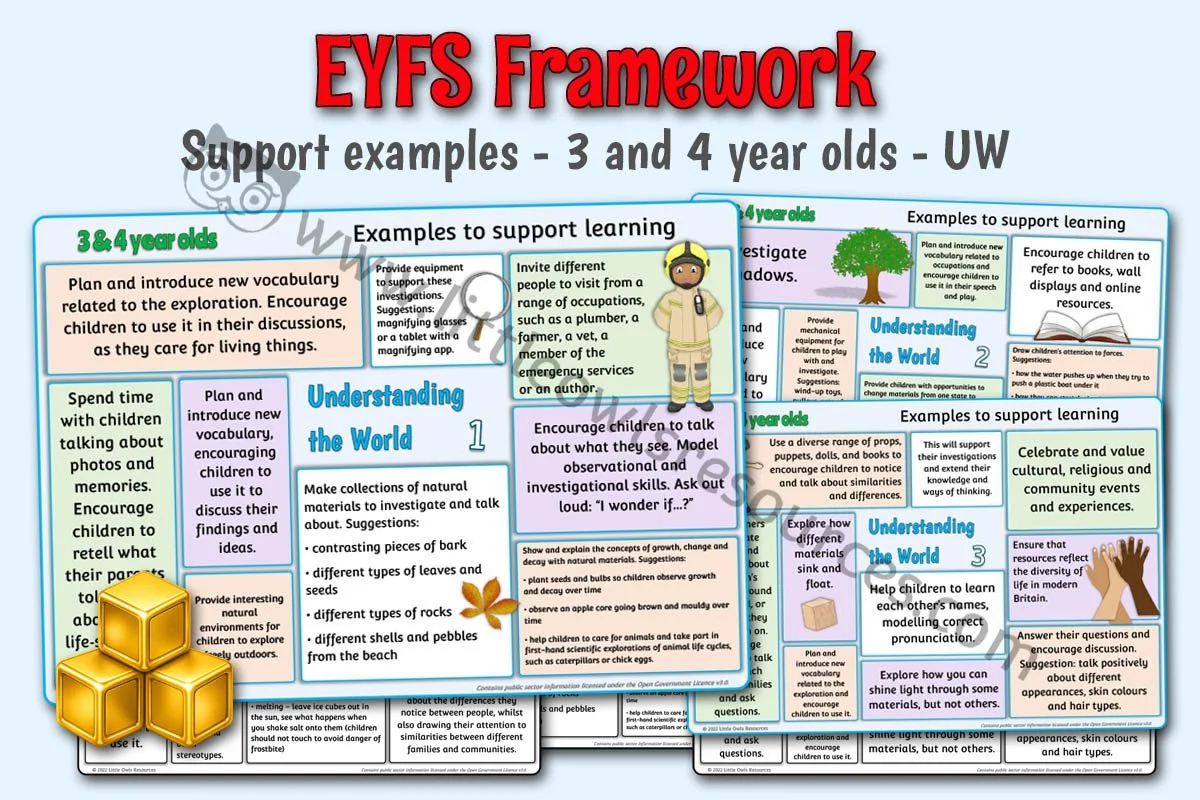
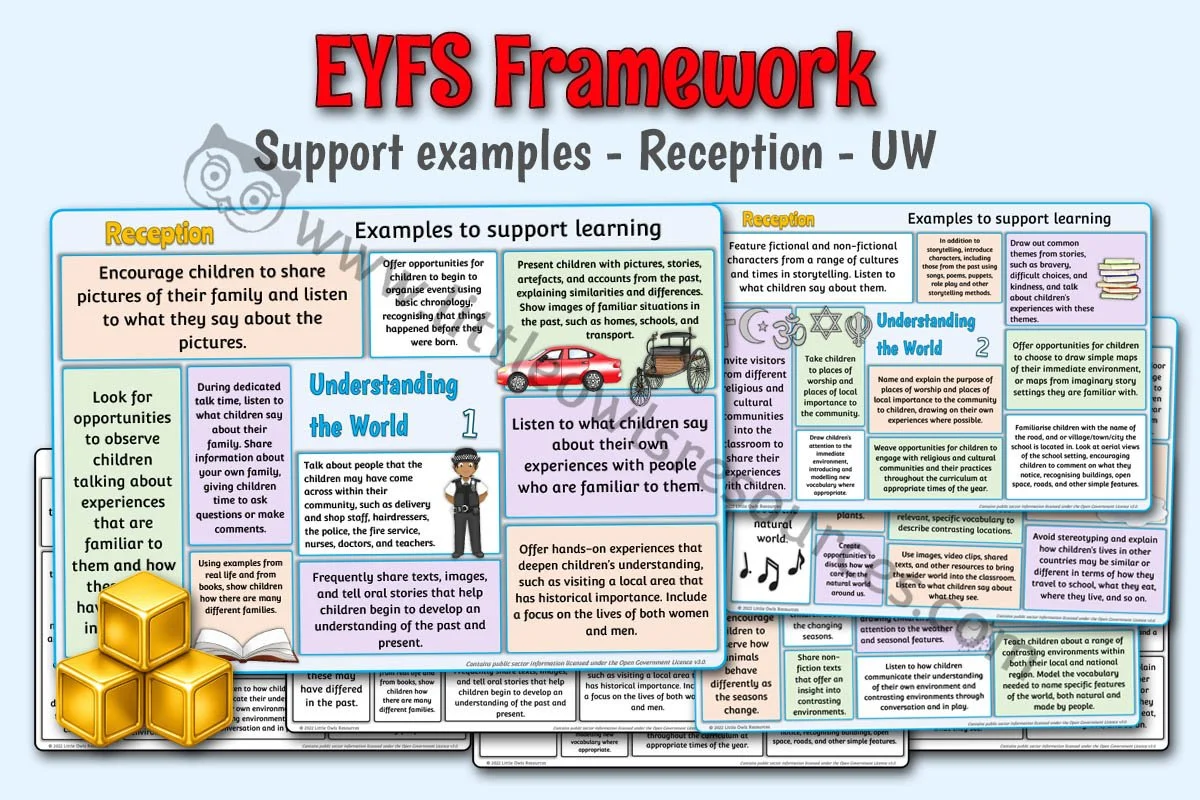
Files contain public sector information licensed under the Open Government Licence v3.0.
🧭 Age-Specific Documents for Supporting ‘Understanding the World’
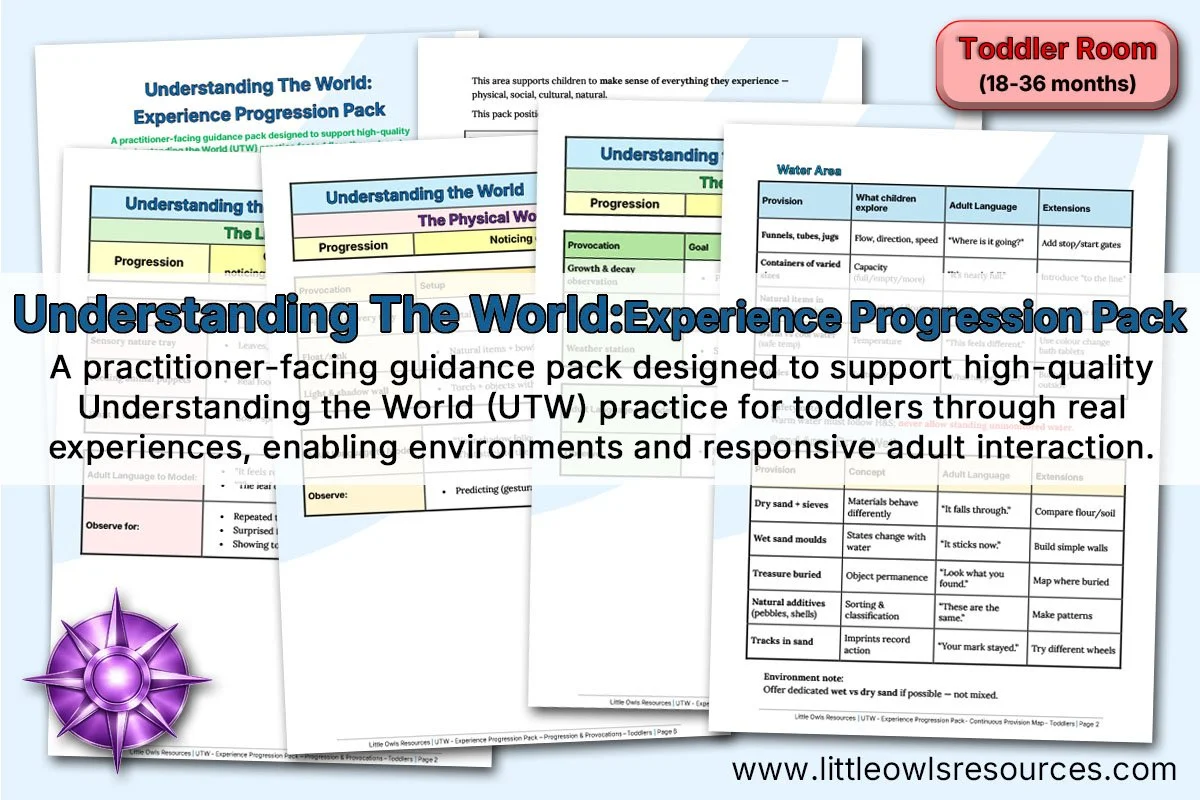
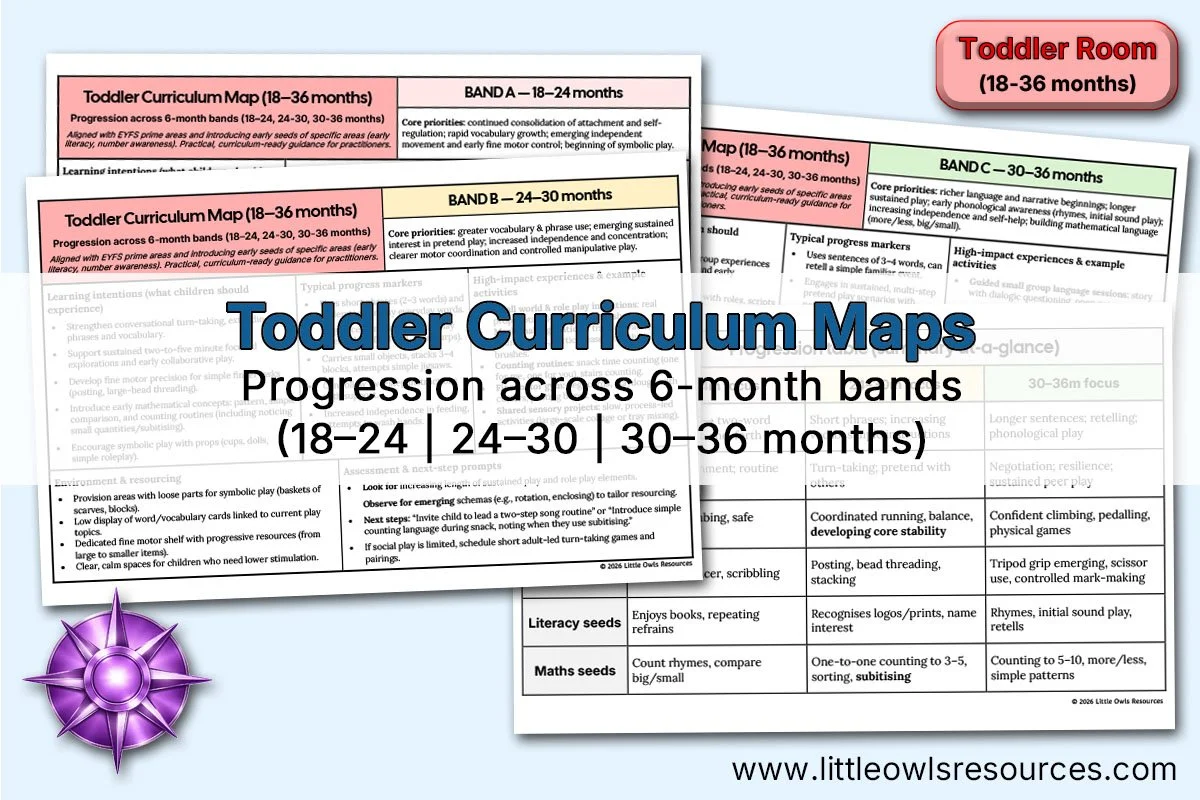
Toddlers | 18 - 36 Months
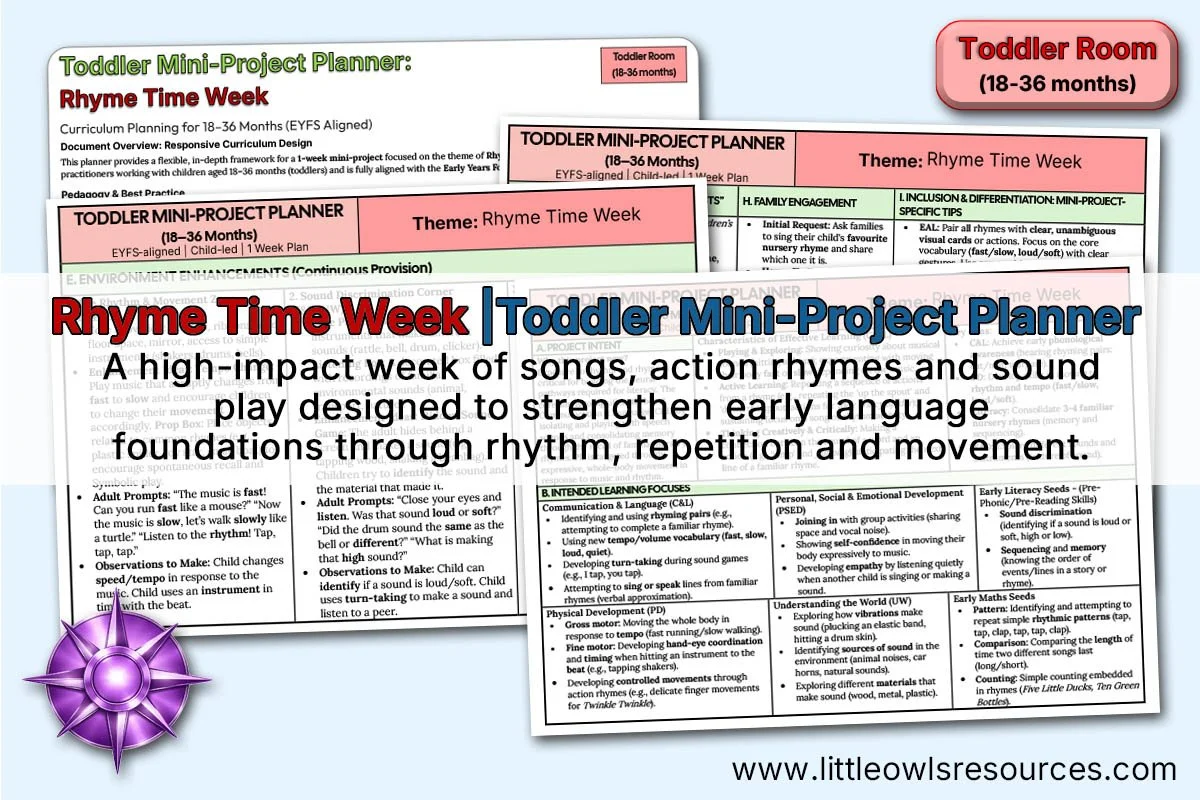
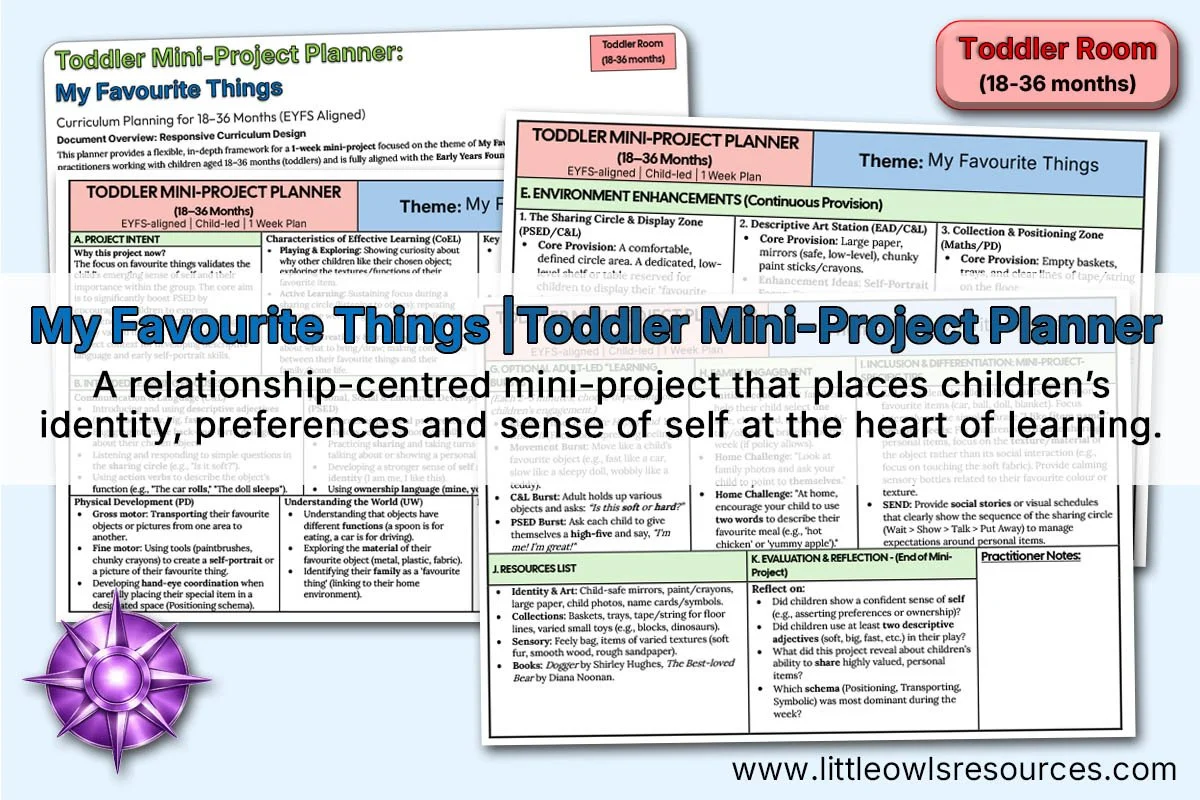
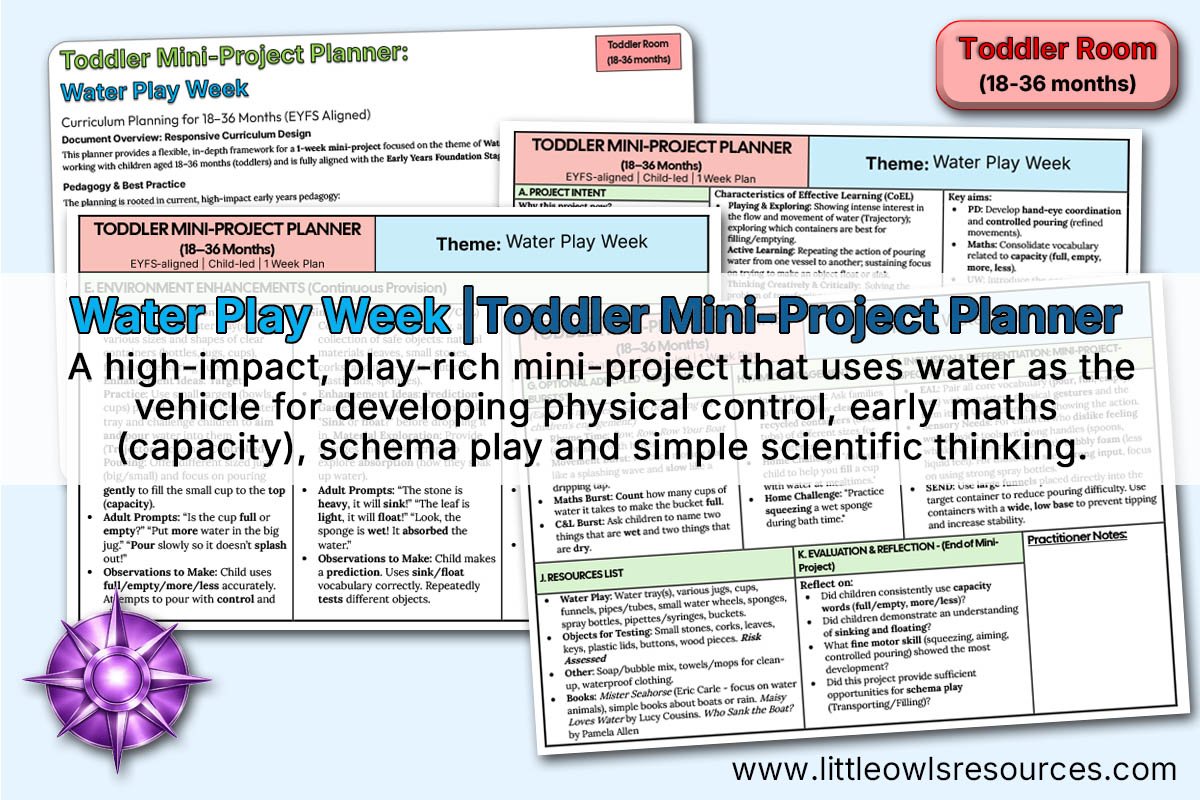
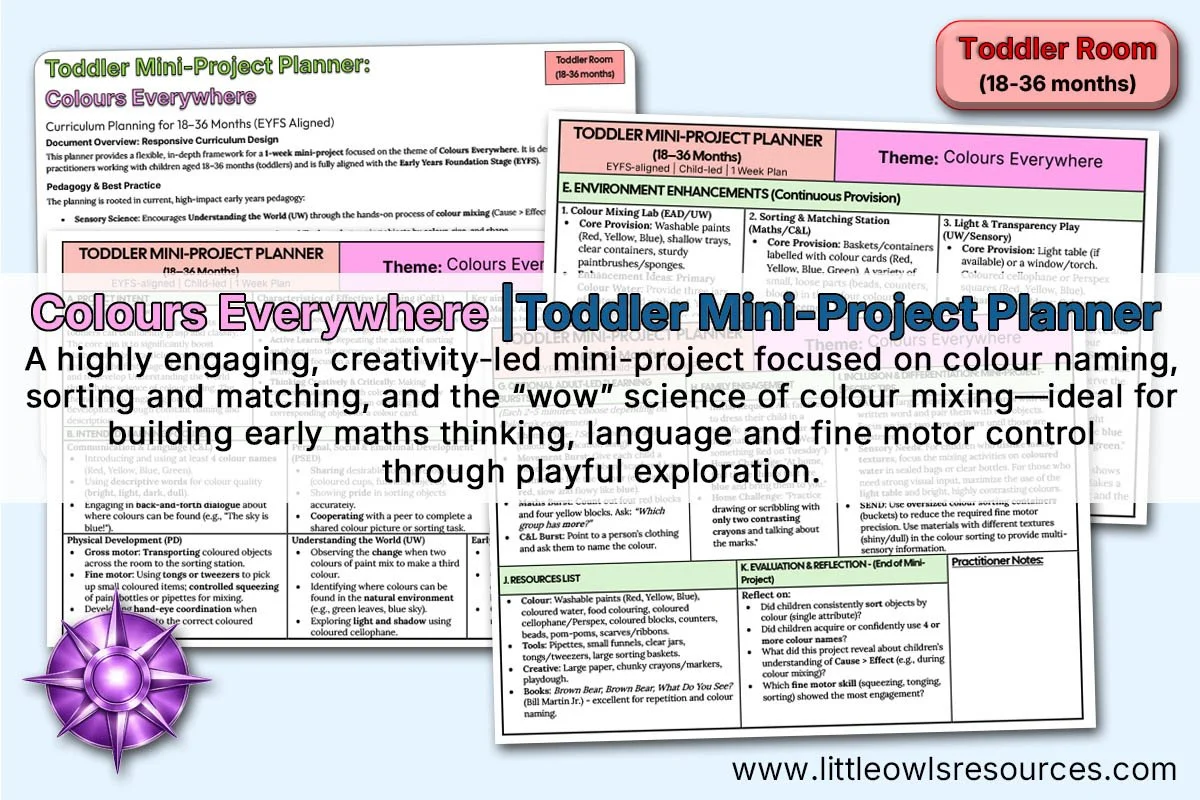
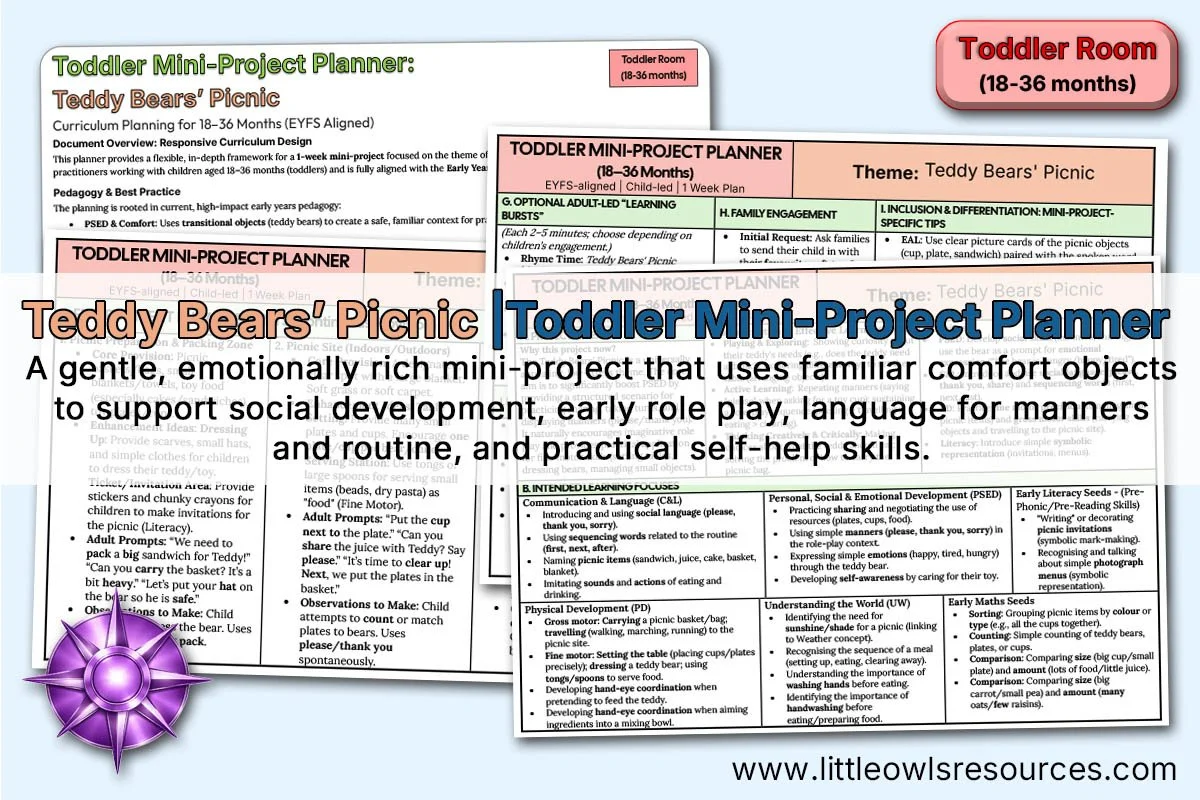
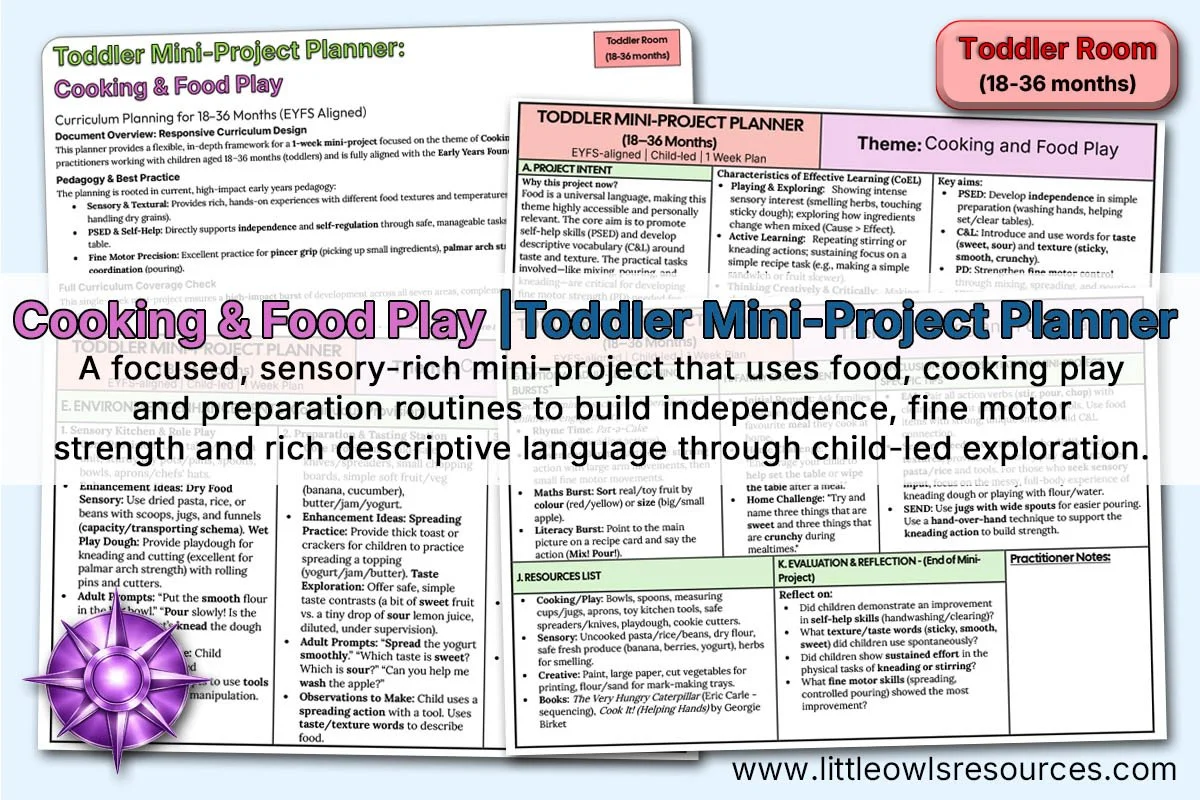
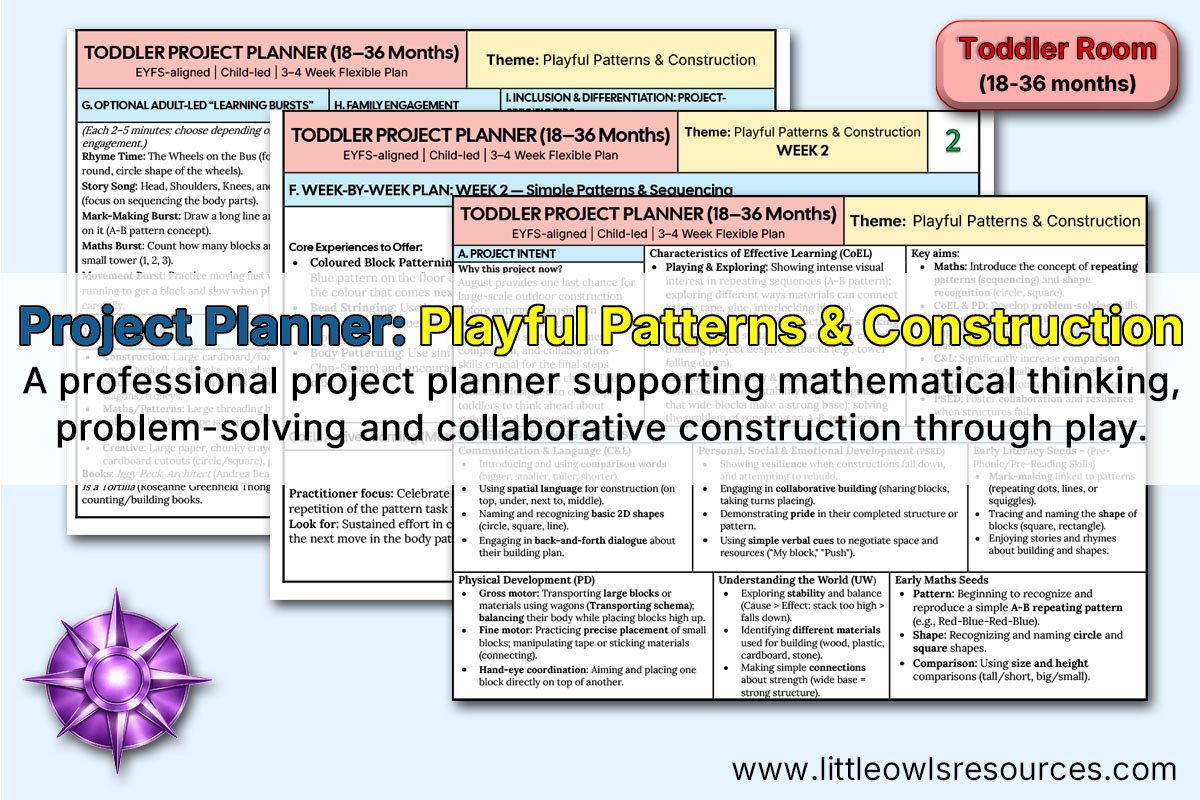
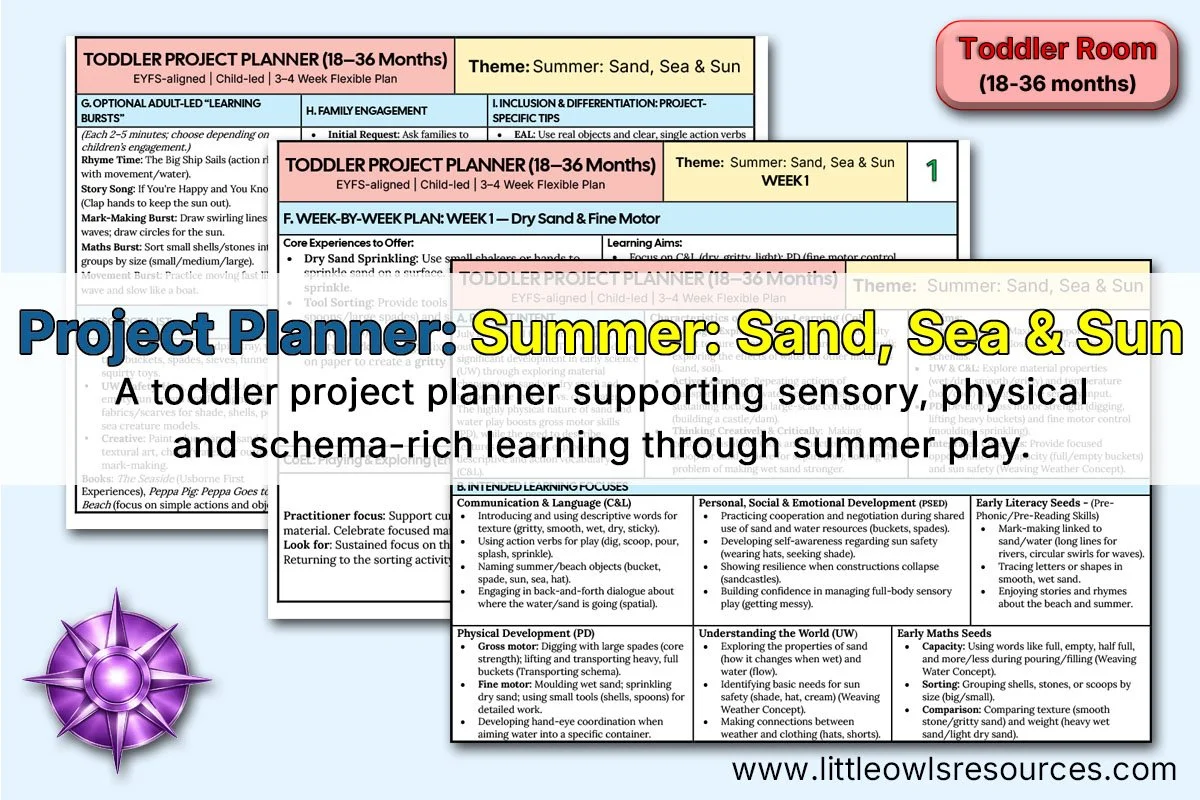
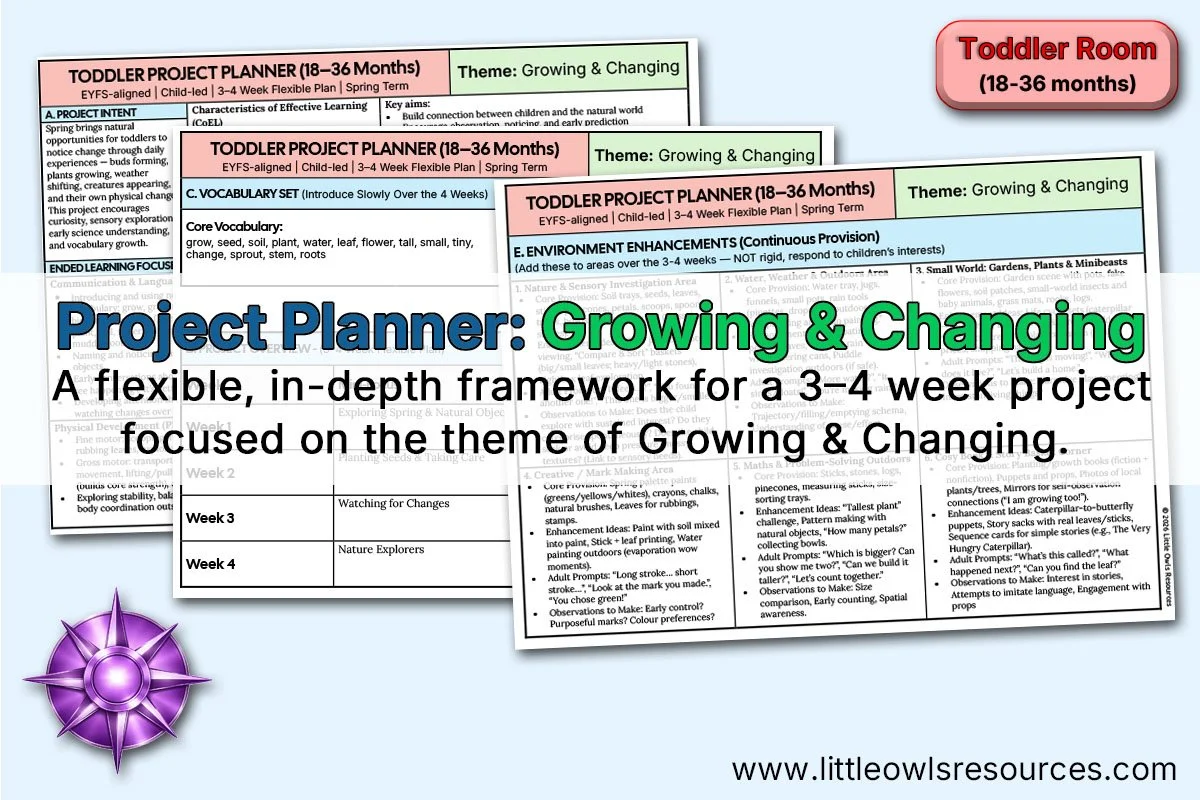
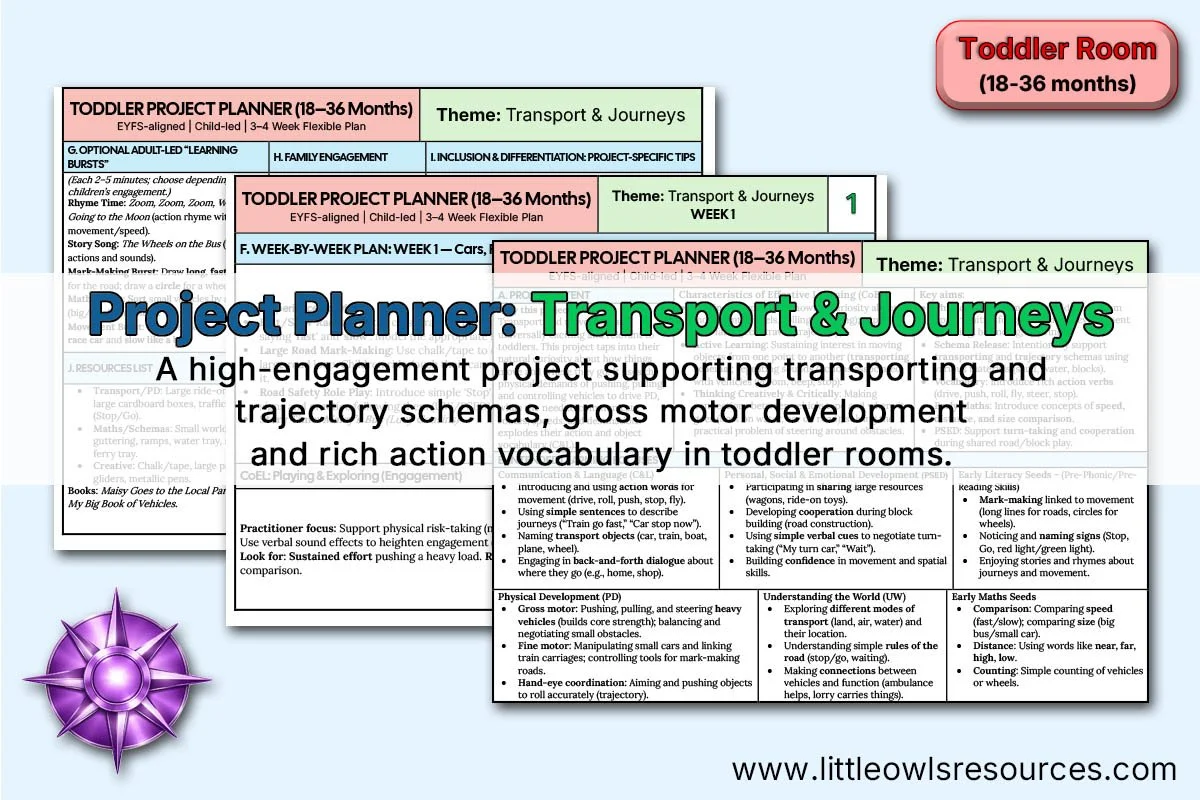
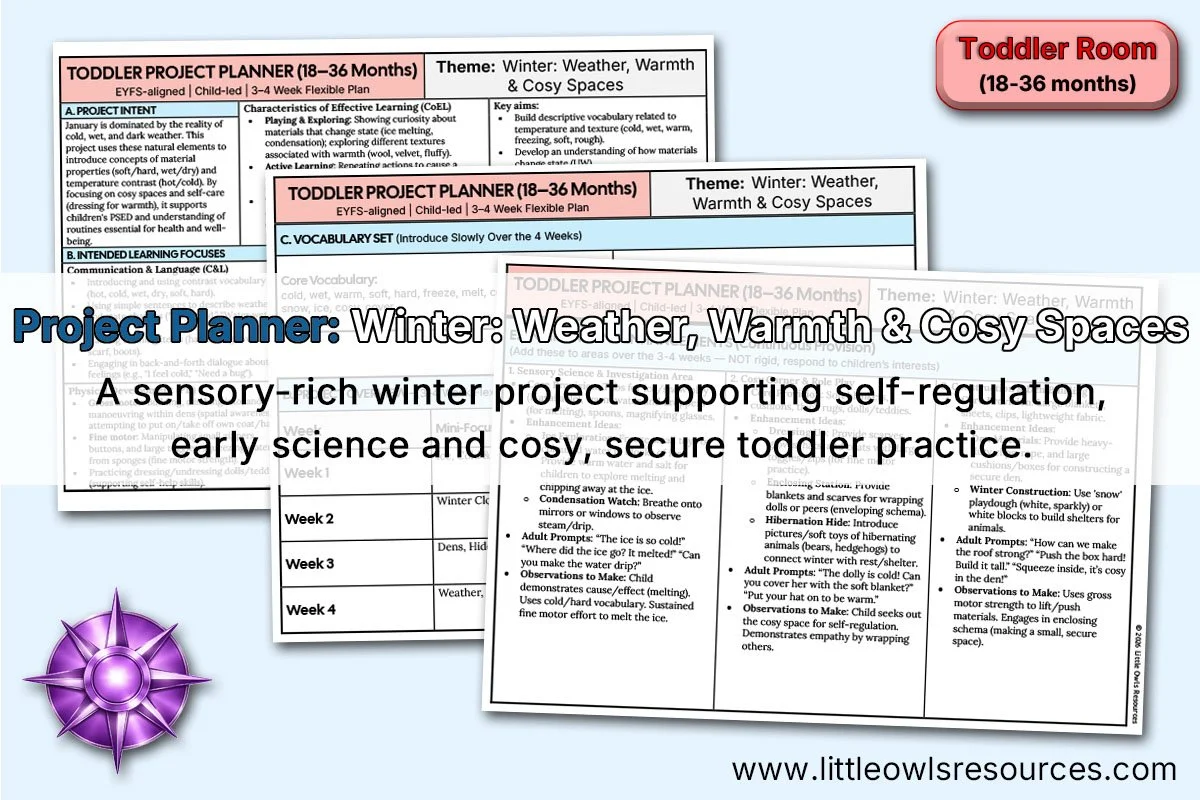
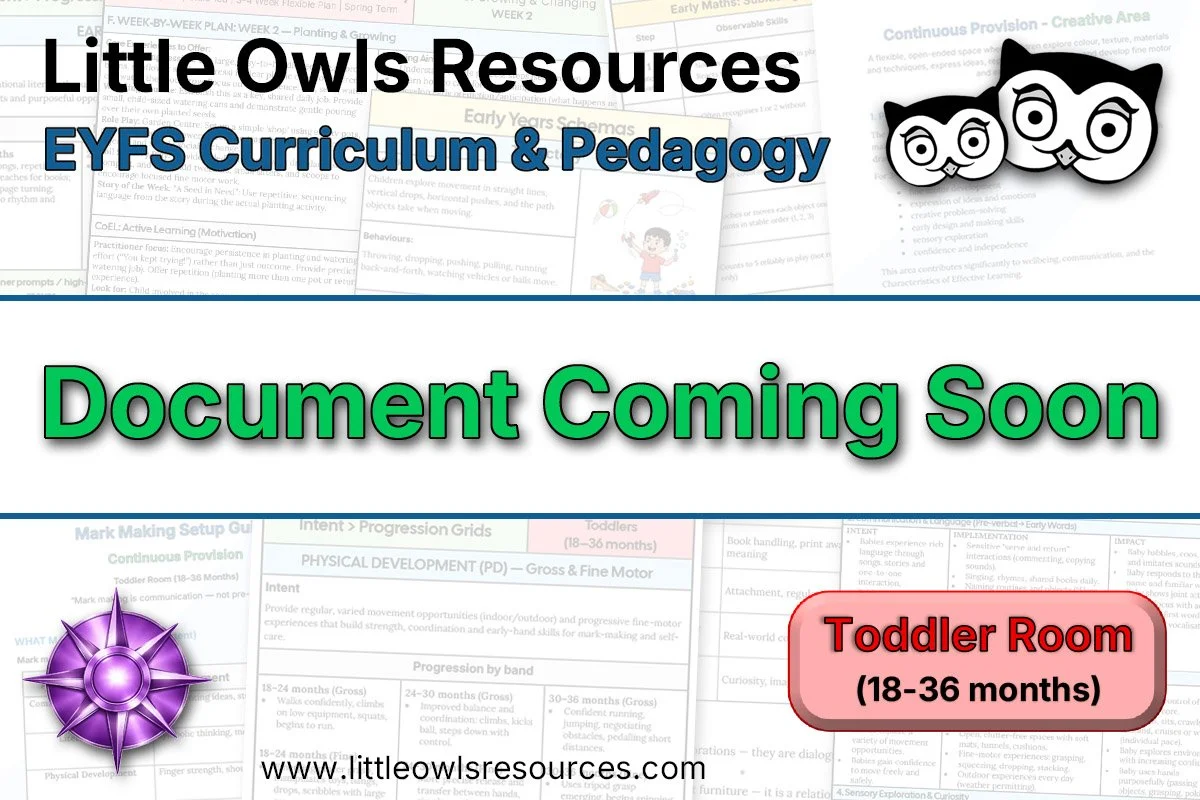
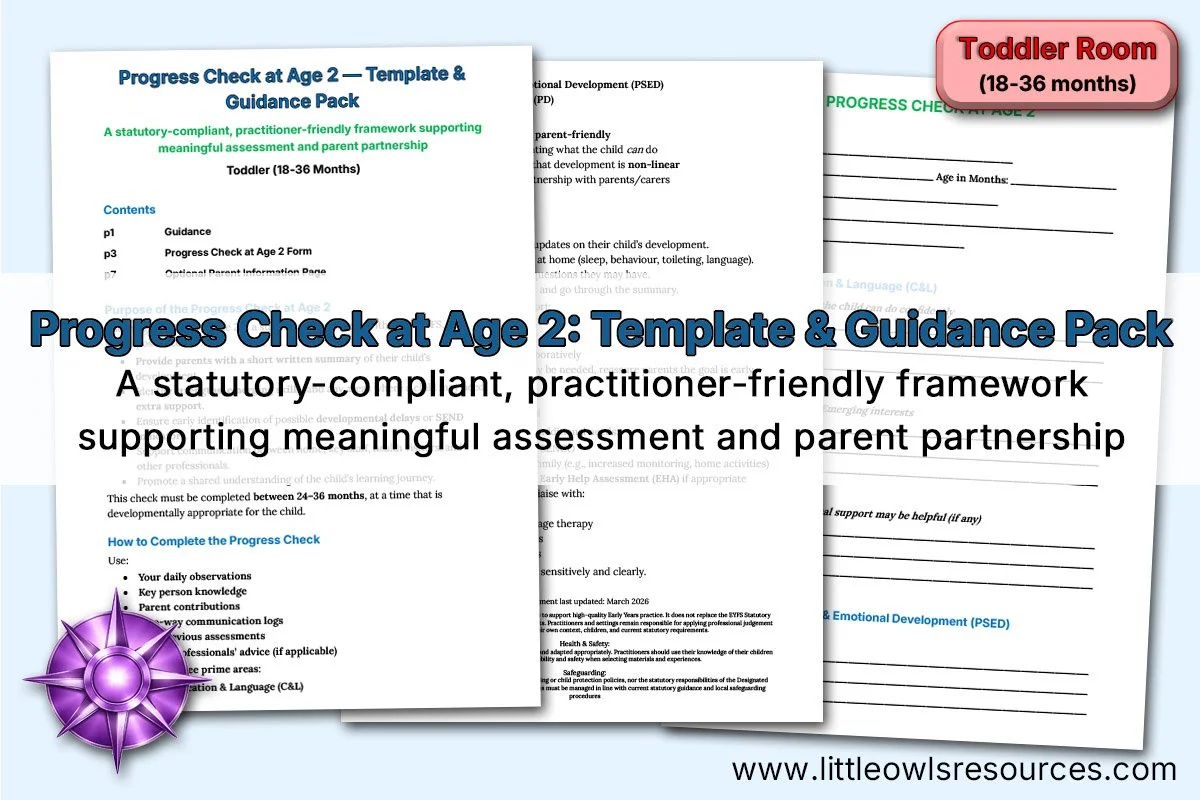
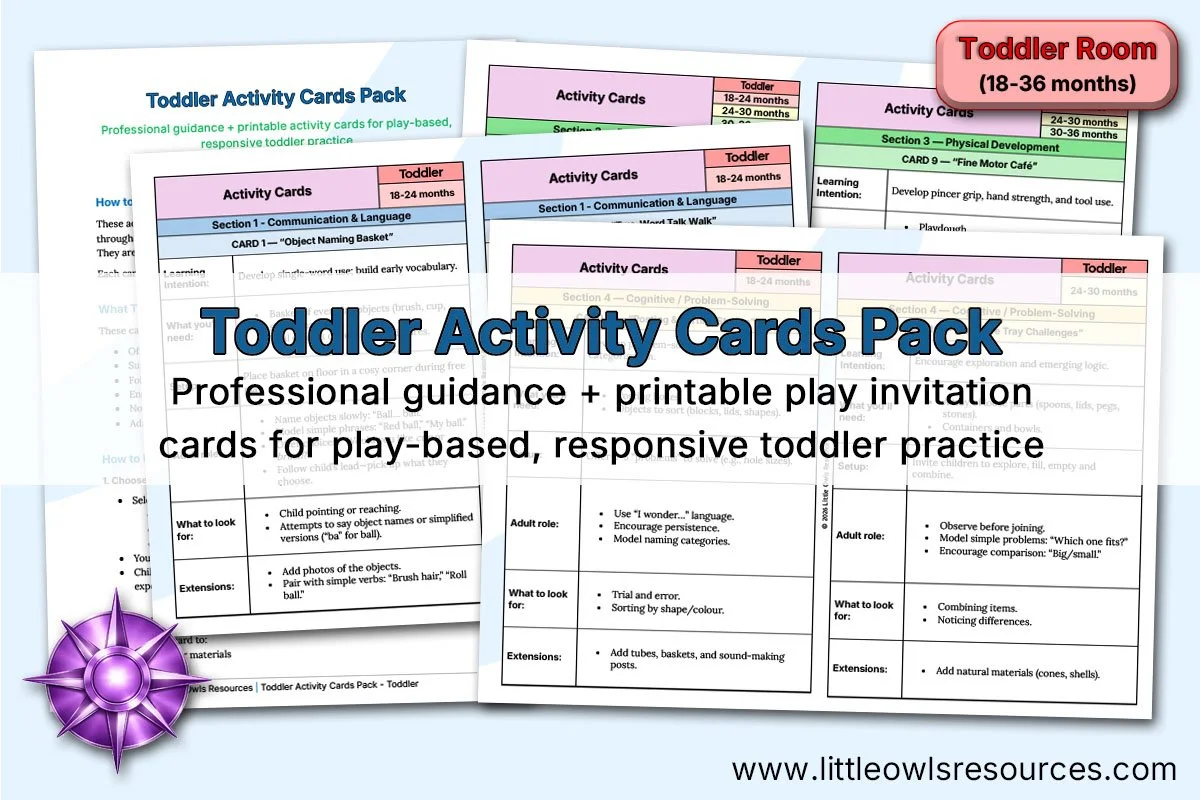
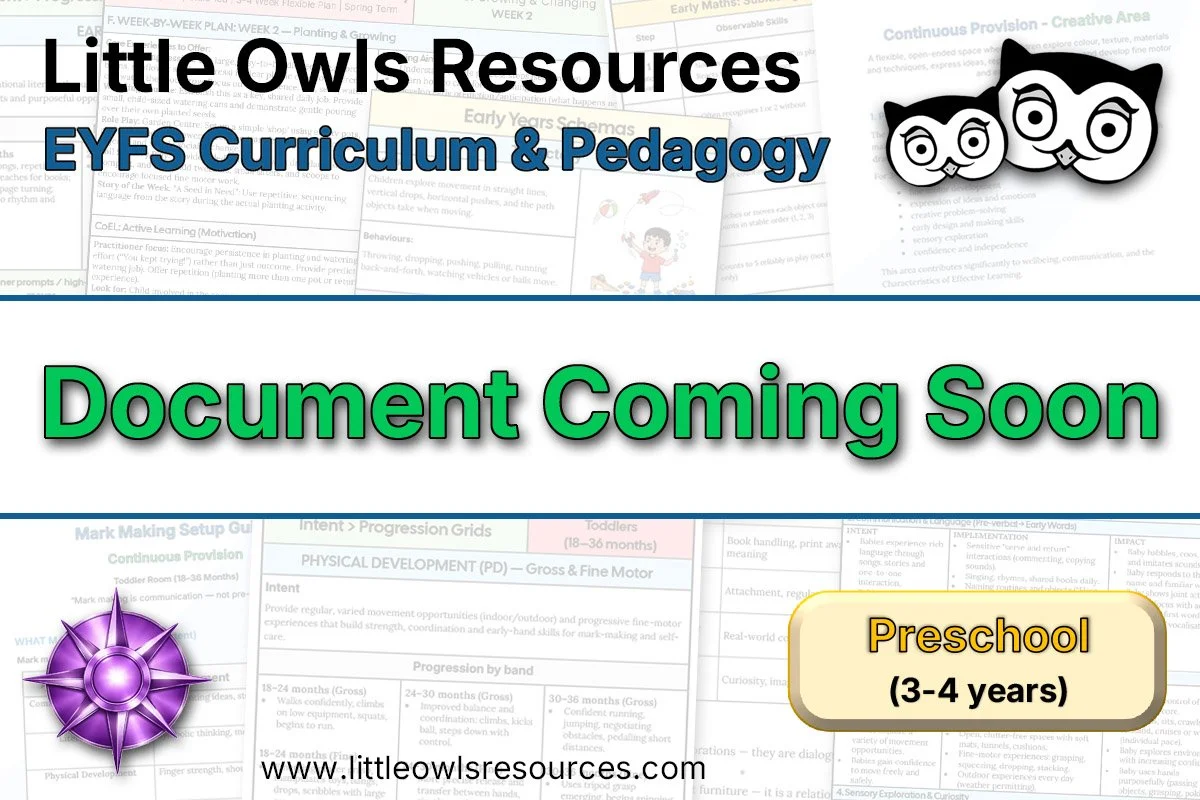
Core Toddler Room ‘Understanding the World’ Planning Support





Additional Toddler Room Overarching Areas of Learning Support
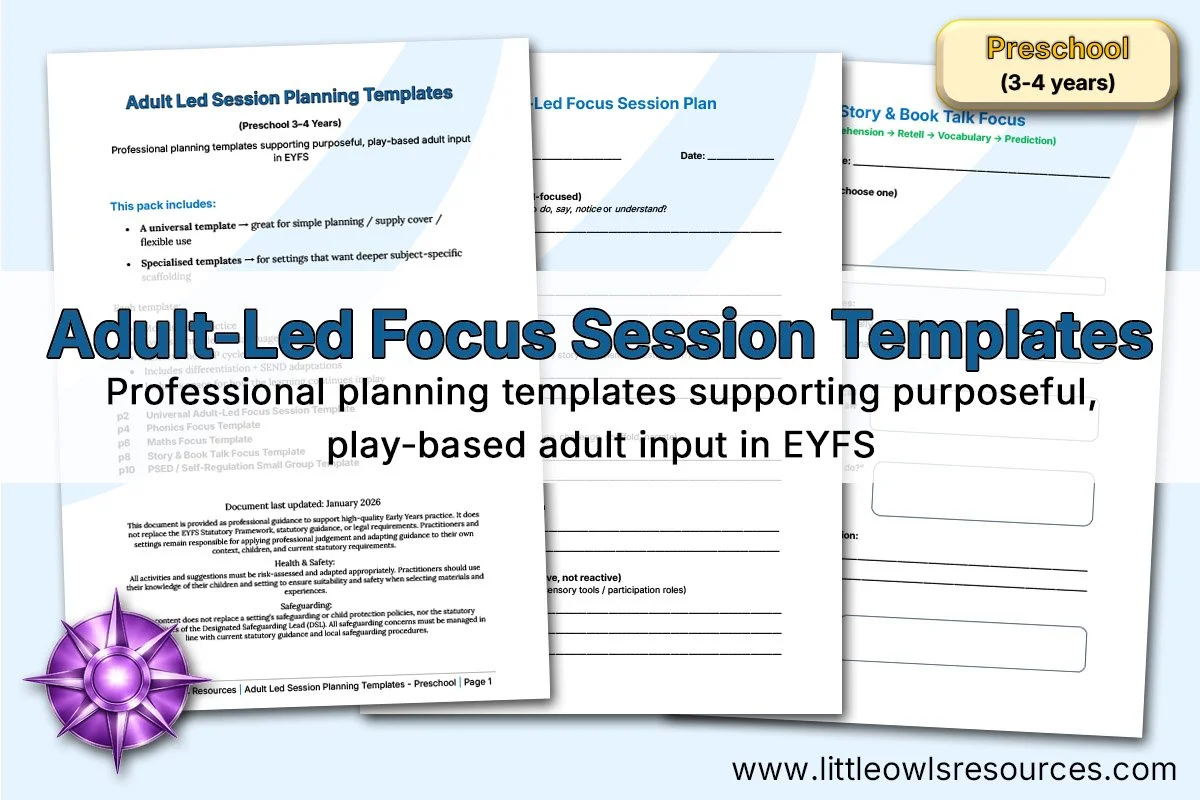
The following documents include elements of ‘Understanding the World’ which may be helpful tools within your setting’s OAP Cycle.




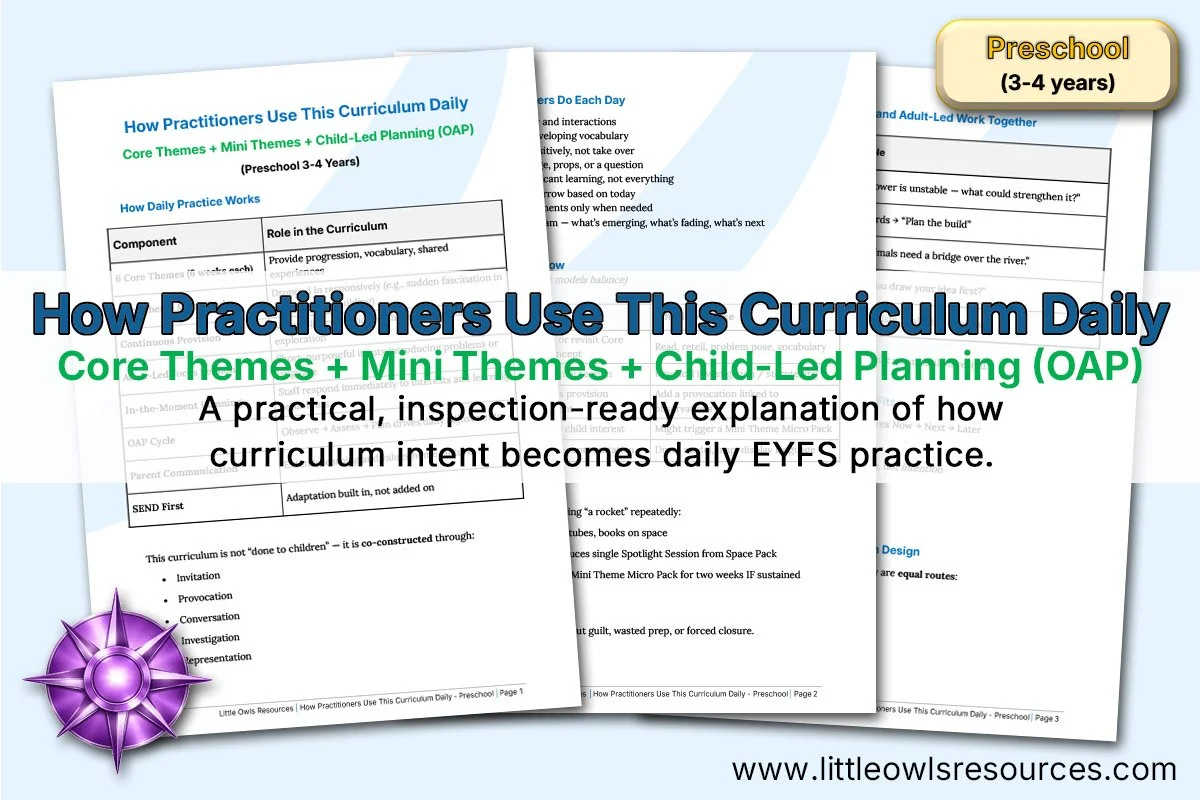
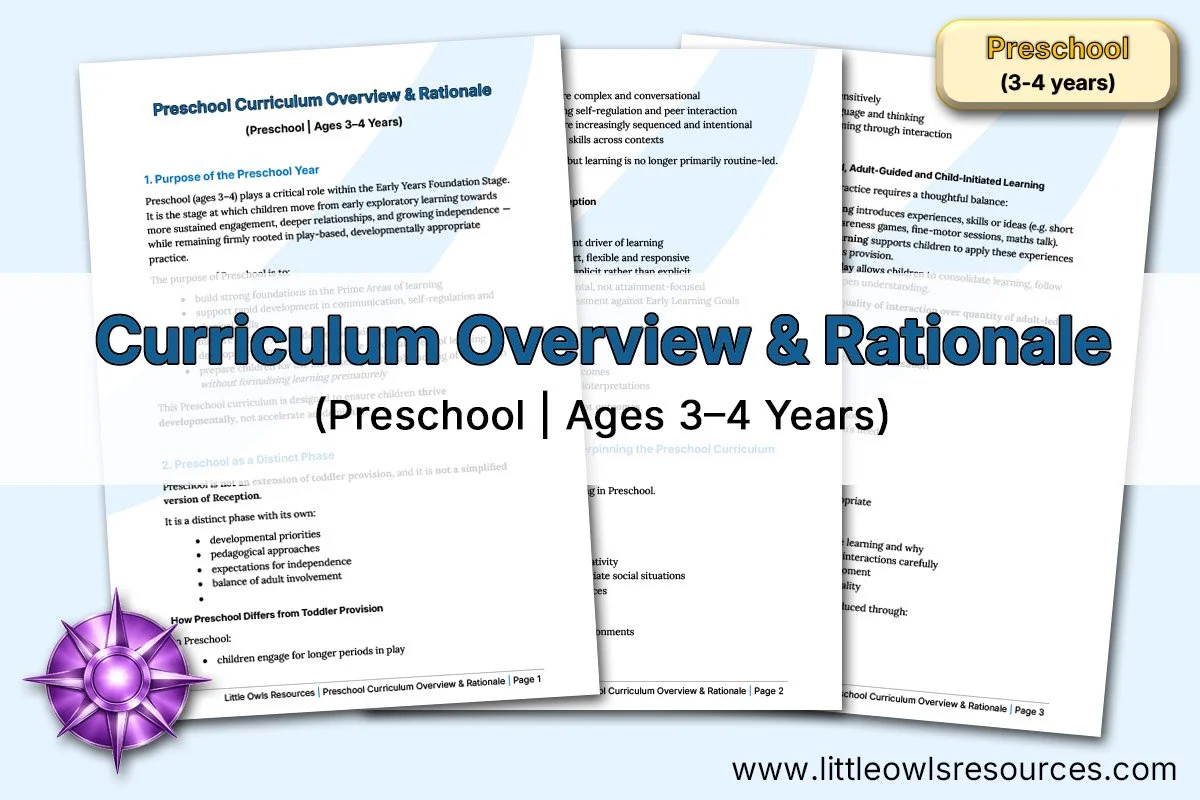
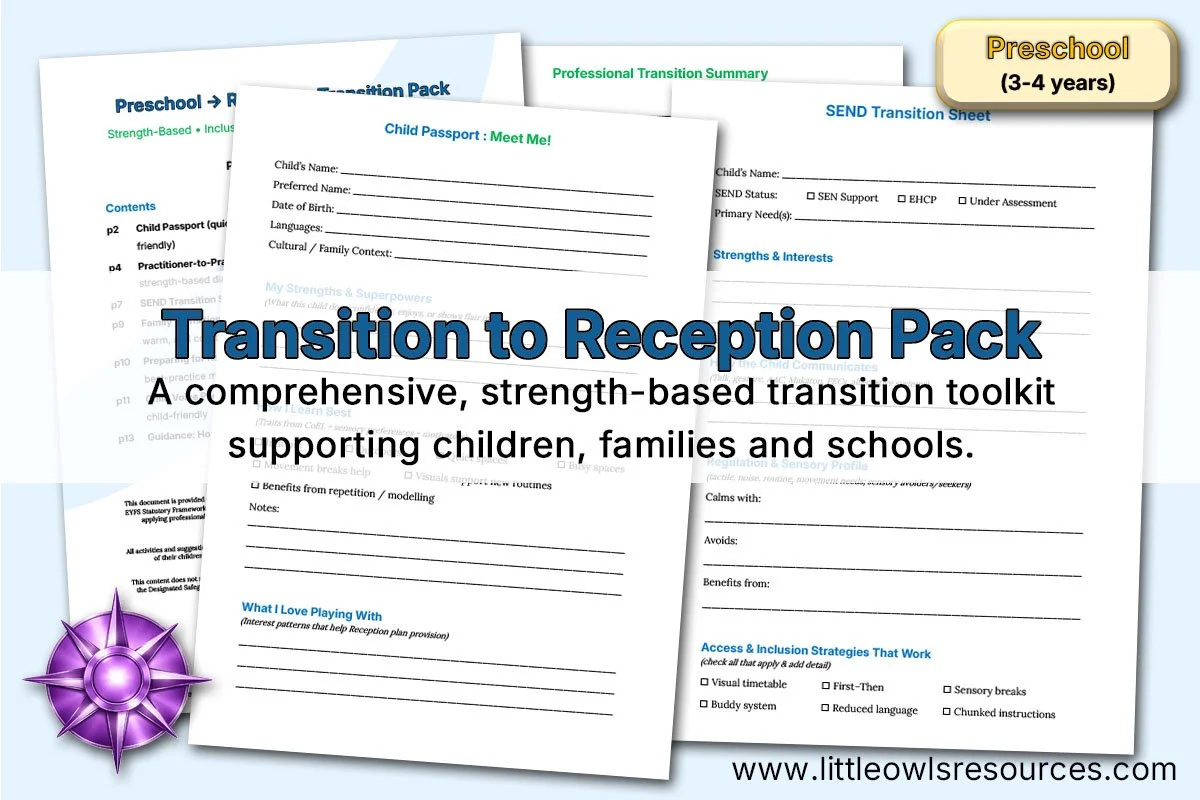
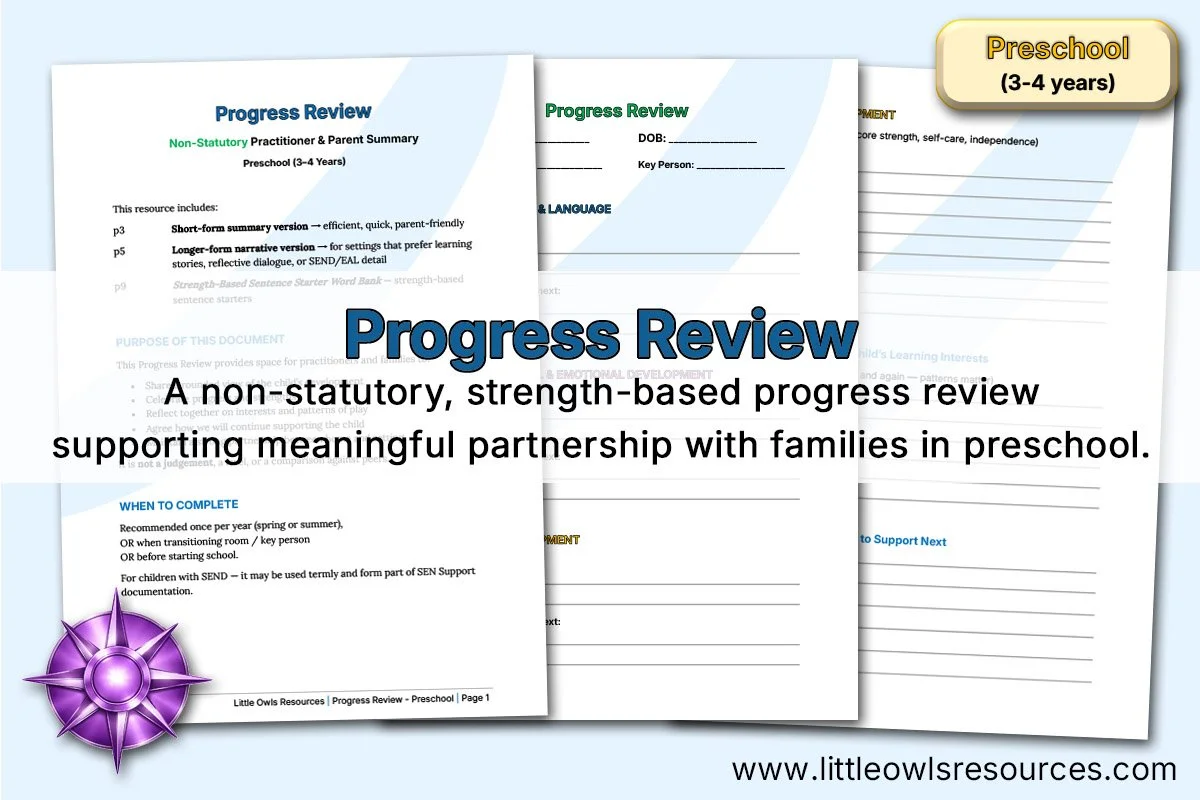
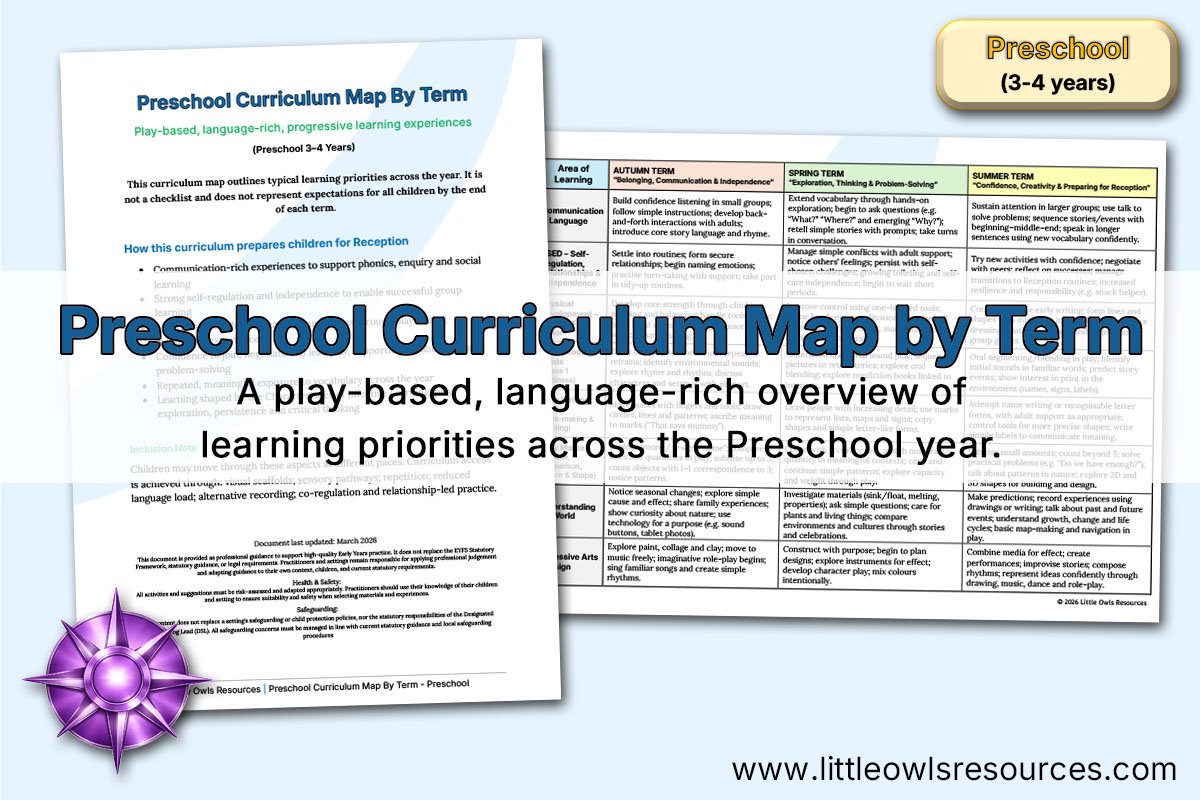
Additional Preschool Overarching Areas of Learning Support
The following documents include elements of ‘Understanding the World’ which may be helpful tools within your setting’s OAP Cycle.






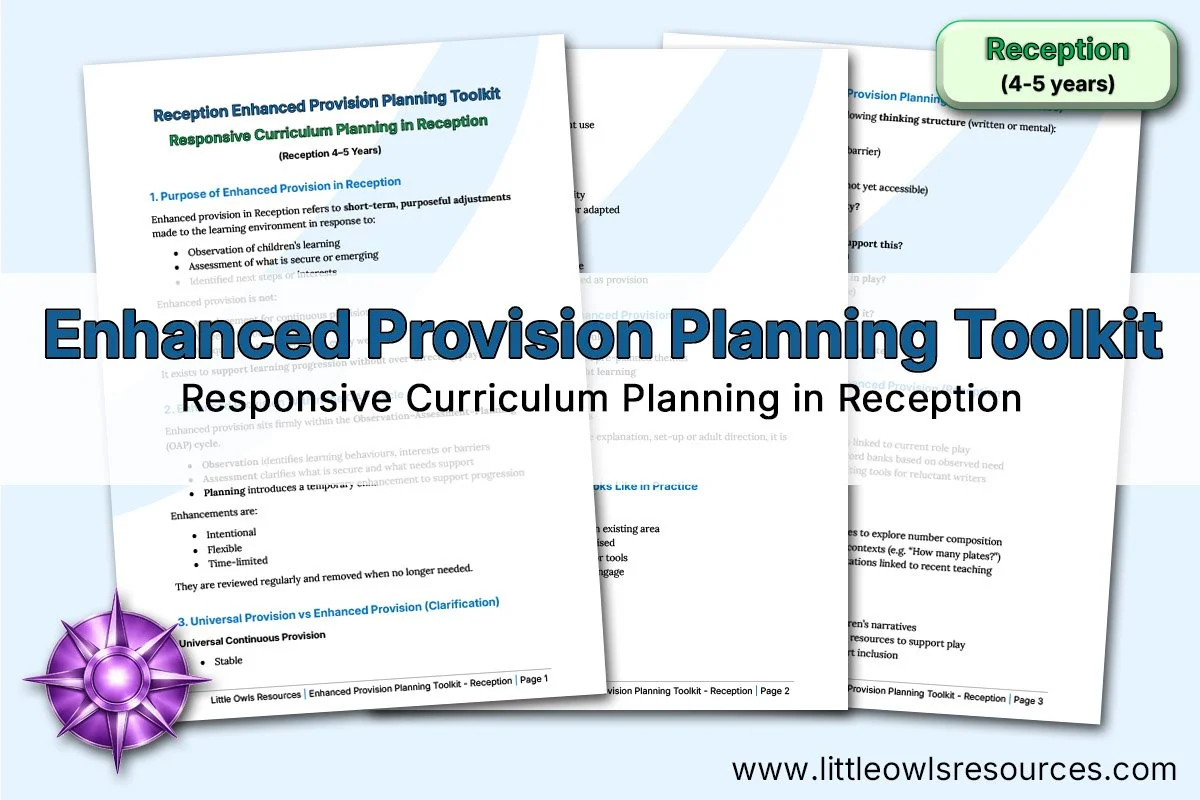
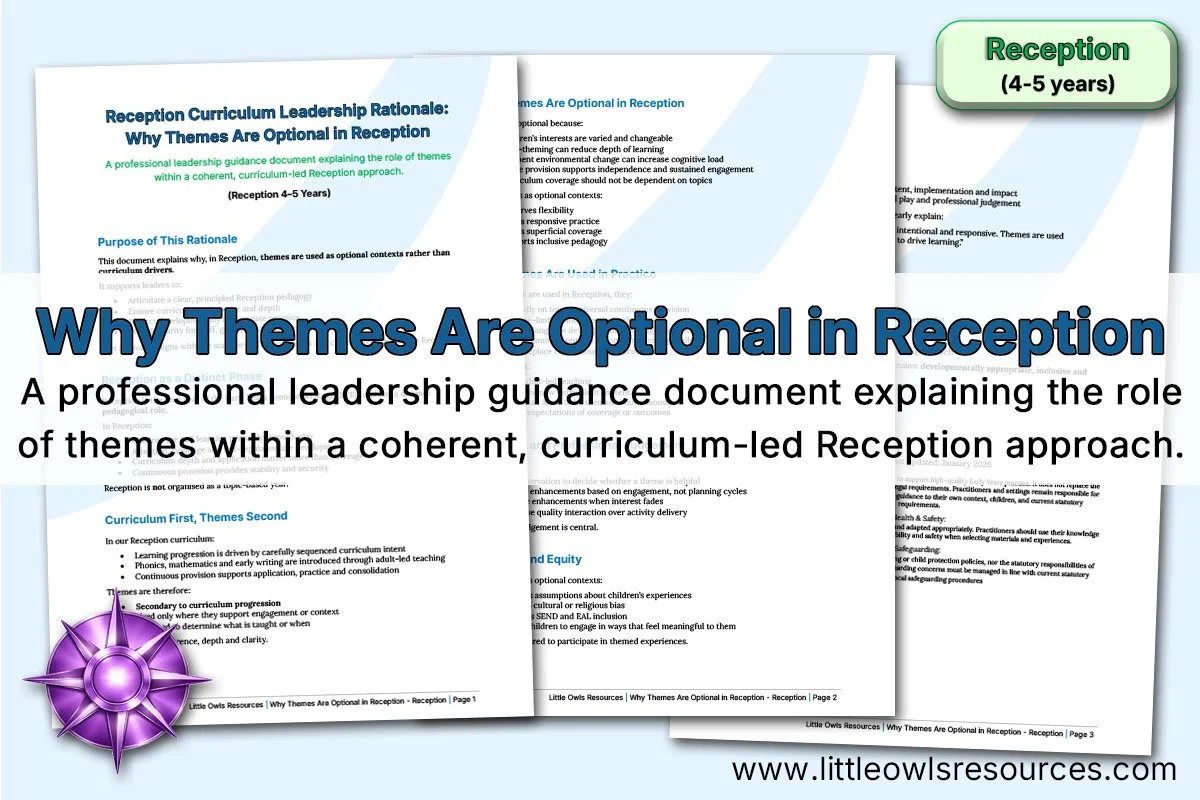
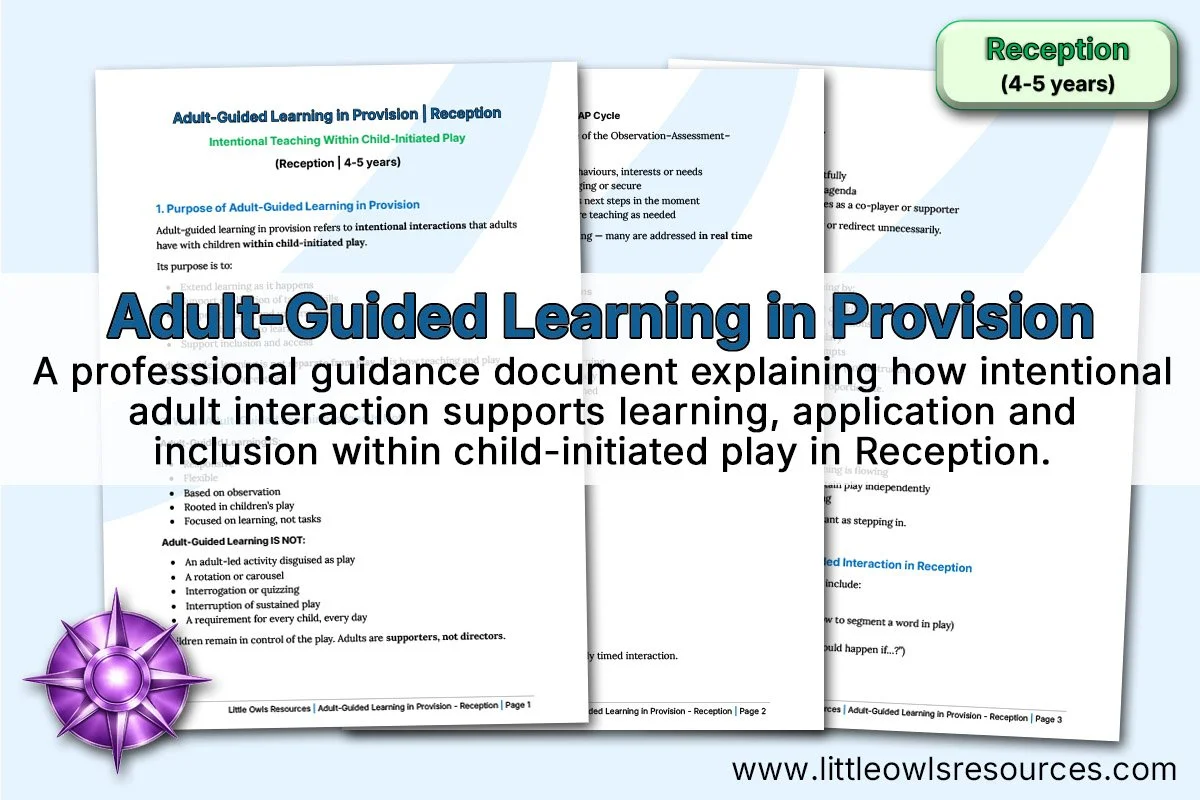
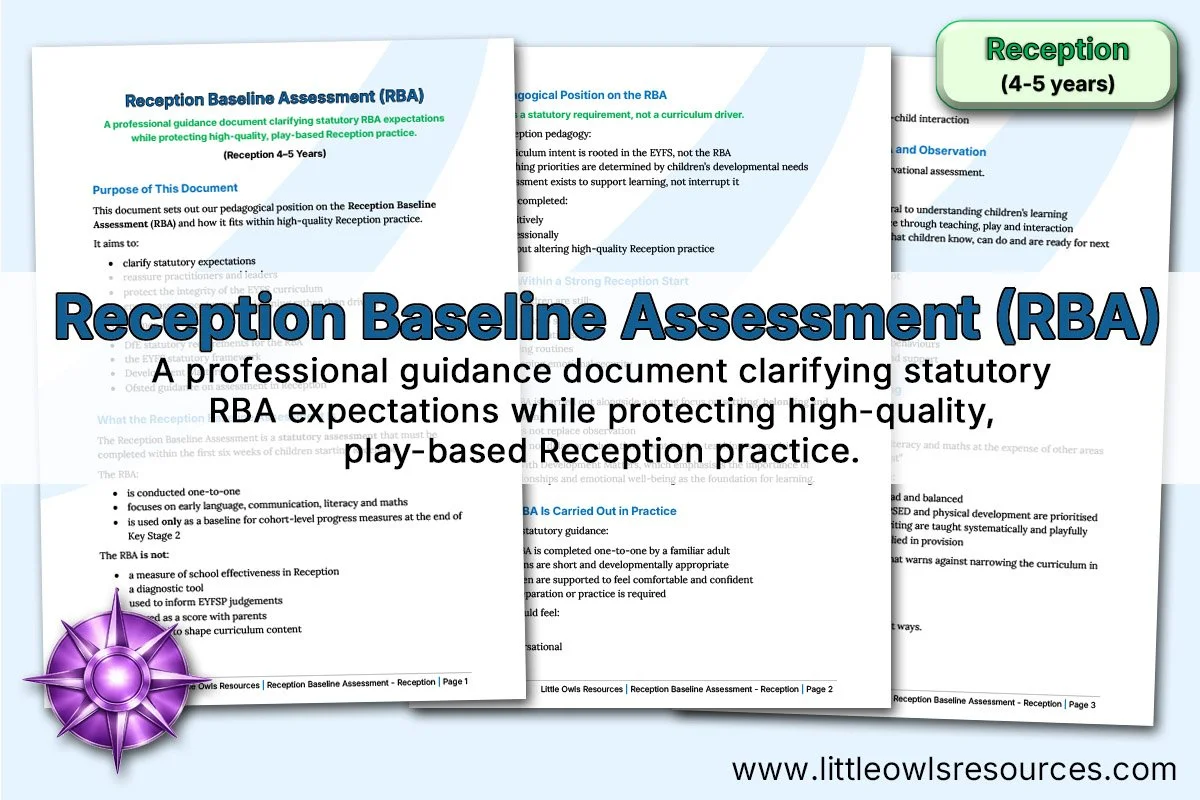
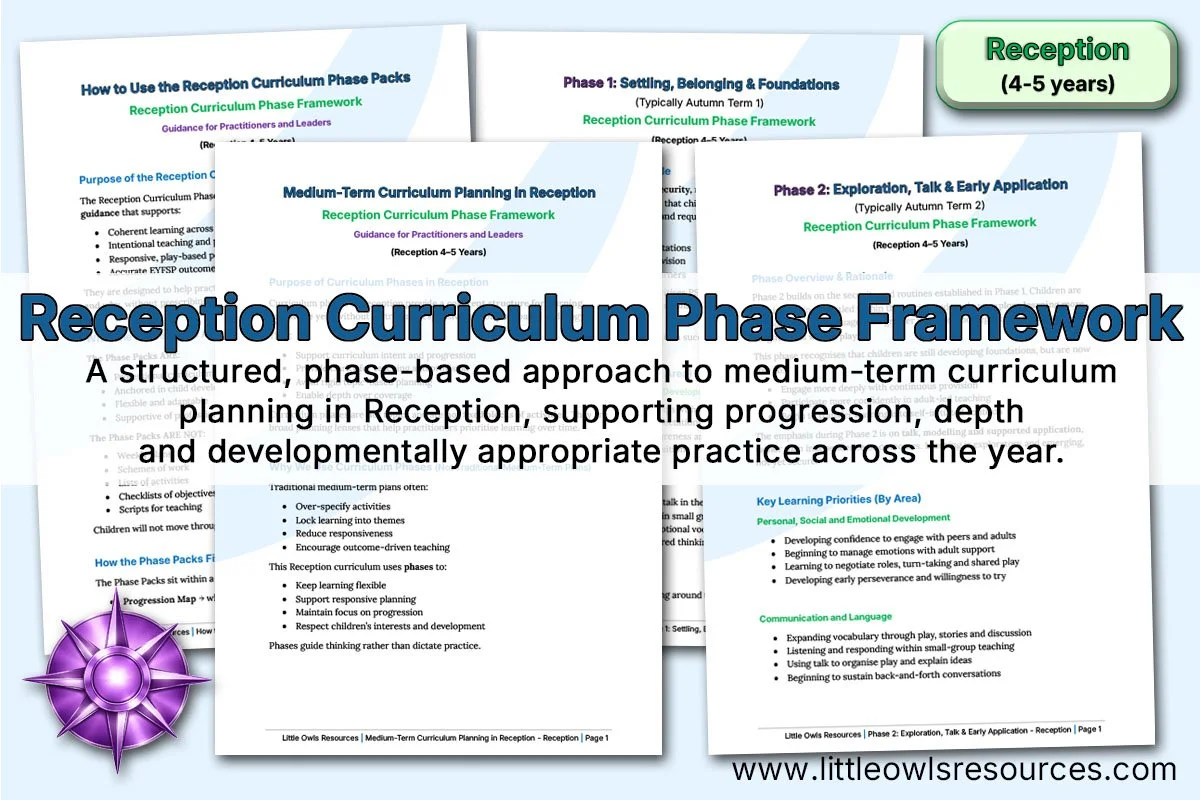
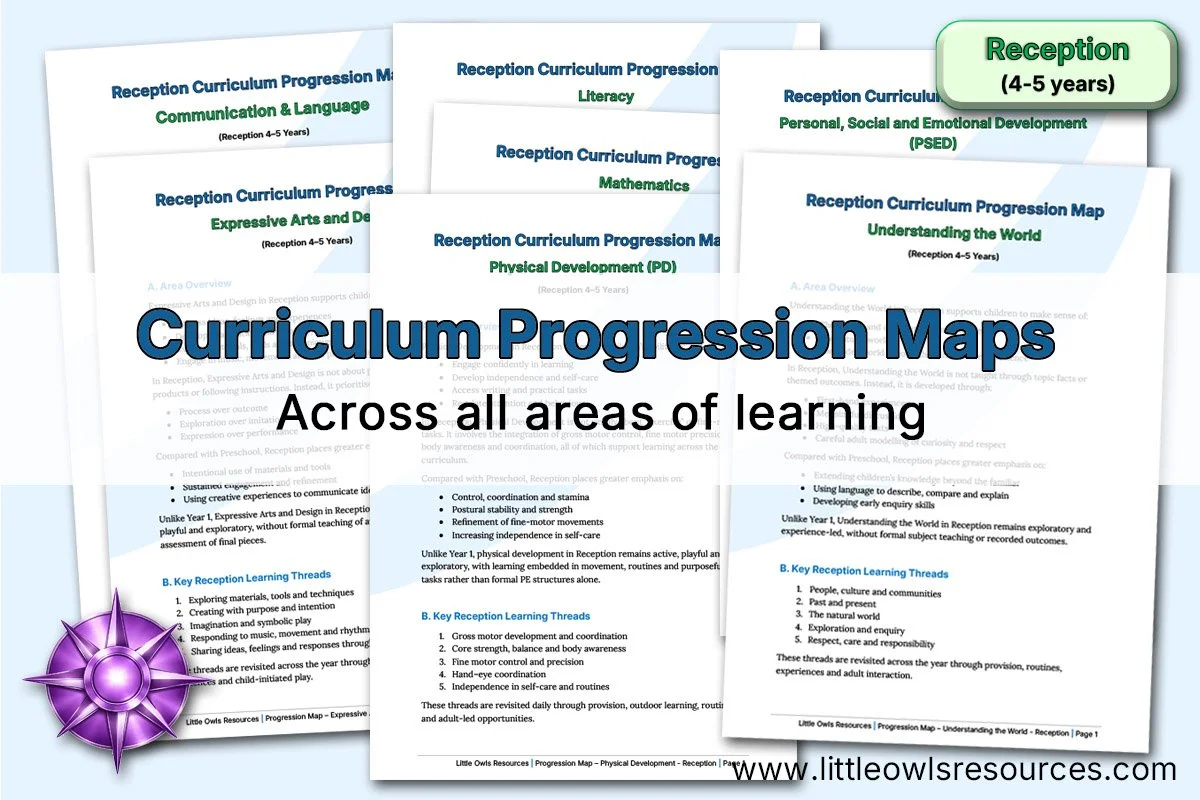
Additional Reception Overarching Areas of Learning Support
The following documents include elements of ‘Understanding the World’ which may be helpful tools within your setting’s OAP Cycle.
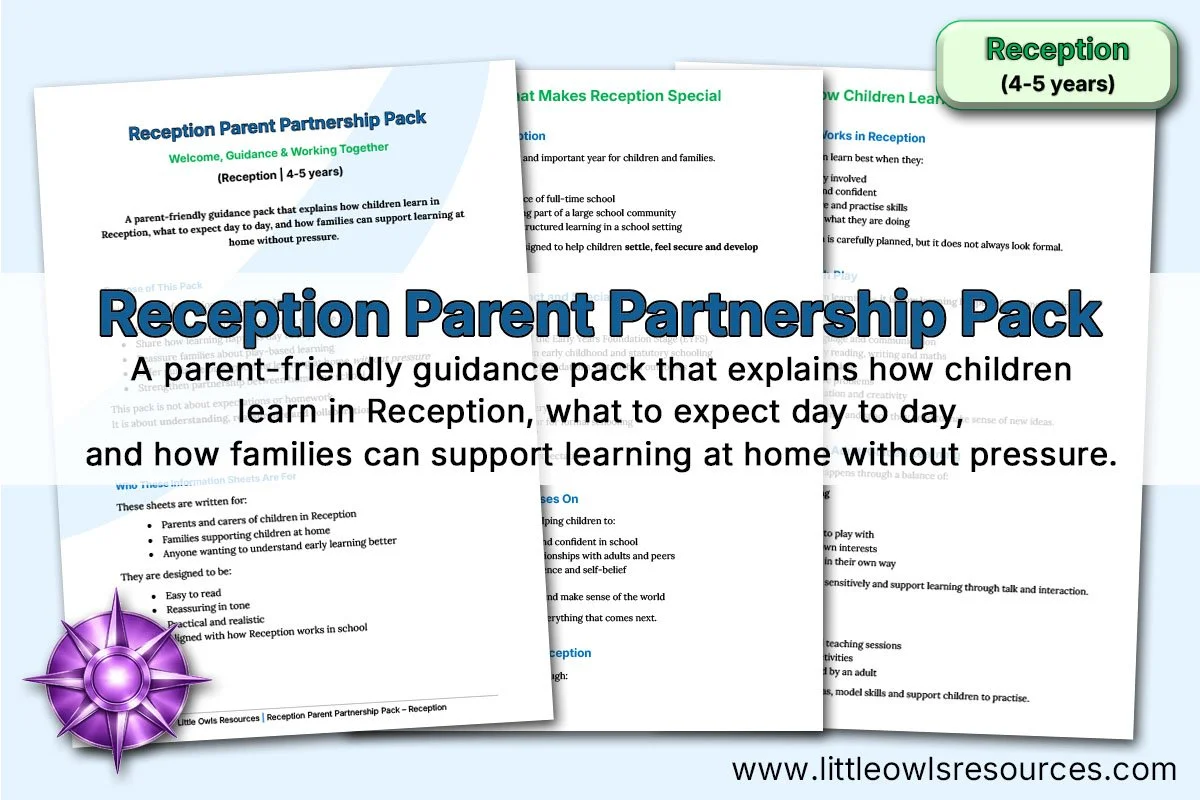
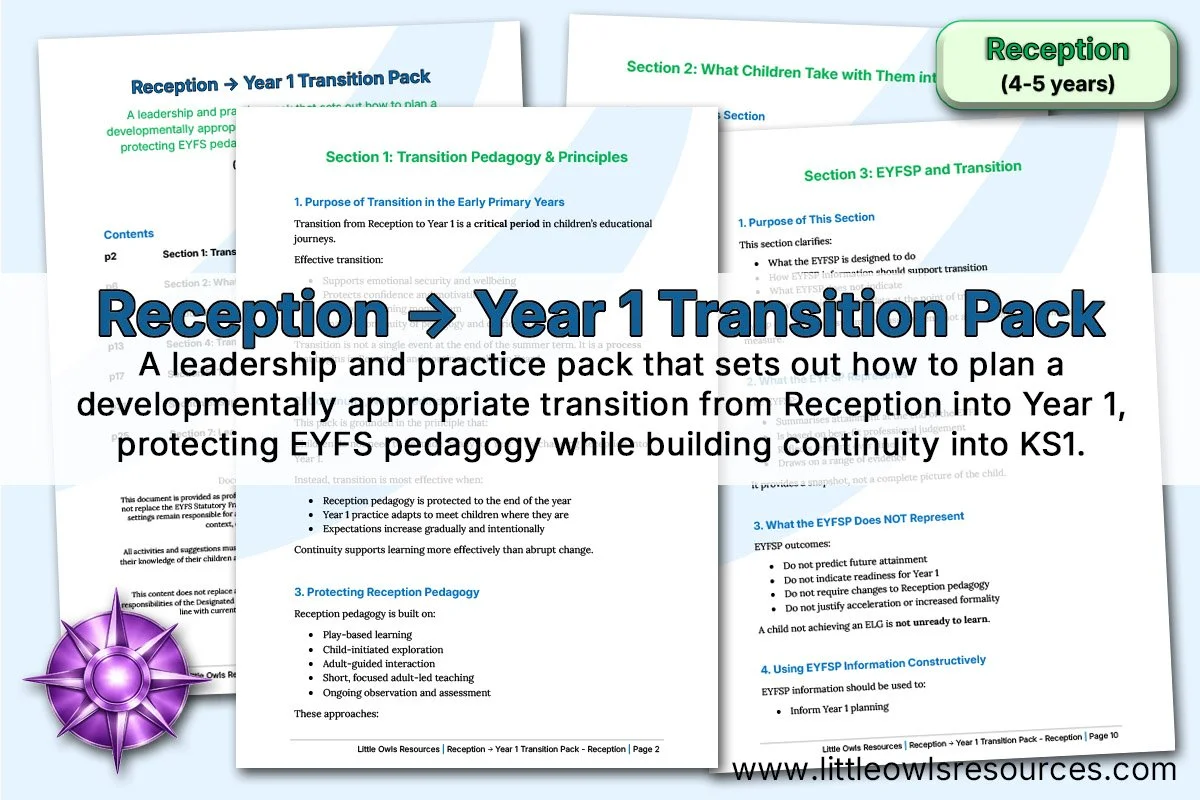
For overarching ‘Area of Learning’ Support such as Curriculum Intent Grids, Development Indicators and Assessment Tools, please visit our ‘Observations & Assessment’ page.
🏡 Understanding the World within Continuous Provision | Age-Specific Ideas & Guidance
-
Toddler Understanding the World provision should focus on real experiences, sensory exploration, familiar people and places, early curiosity and noticing simple changes in everyday life.
Nature baskets with leaves, shells, pine cones, stones and seasonal objects
Water, sand and mud play supporting early exploration of materials
Photographs of families, familiar places and everyday routines
Small world play linked to animals, homes, vehicles and familiar experiences
Weather observation through outdoor play, clothing and sensory experiences
Simple planting, watering and caring for living things
Exploration of light, shadow, colour, sound and movement
Role-play linked to home, food, caring, transport and people who help us
Walks, visits and community experiences supporting real-world learning
Related Guidance:
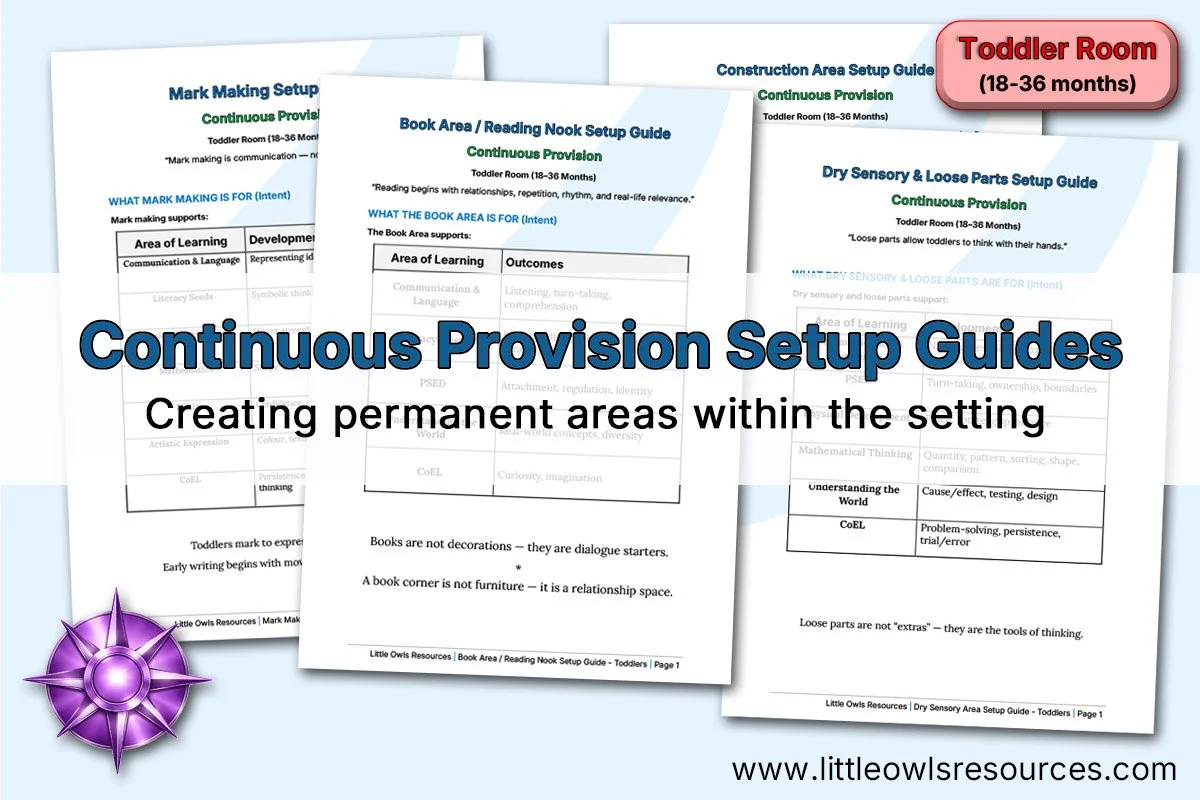
Continuous Provision Setup Guides | Toddler Room
Small World
Messy / Wet Play
Dry Sensory & Loose Parts
Construction
Role Play / Home Corner
Mark Making
Book Area / Reading Nook
Music & Sound
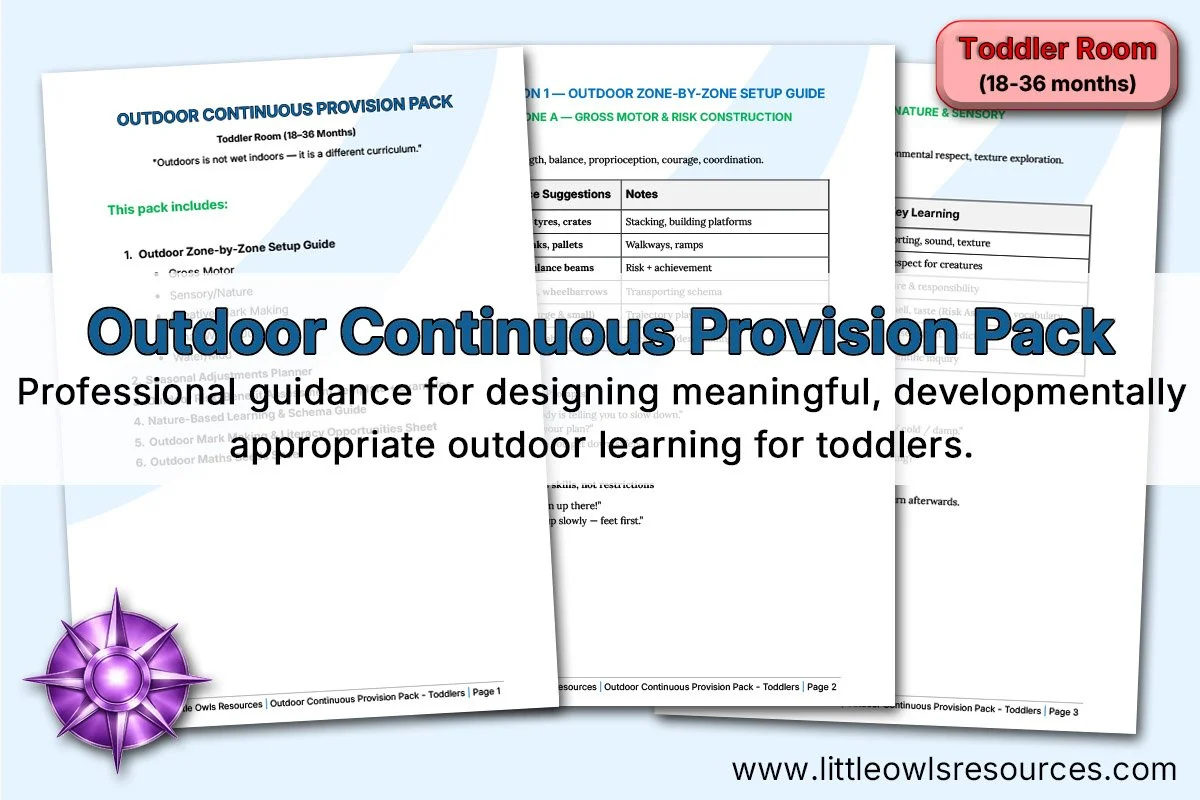
Outdoor
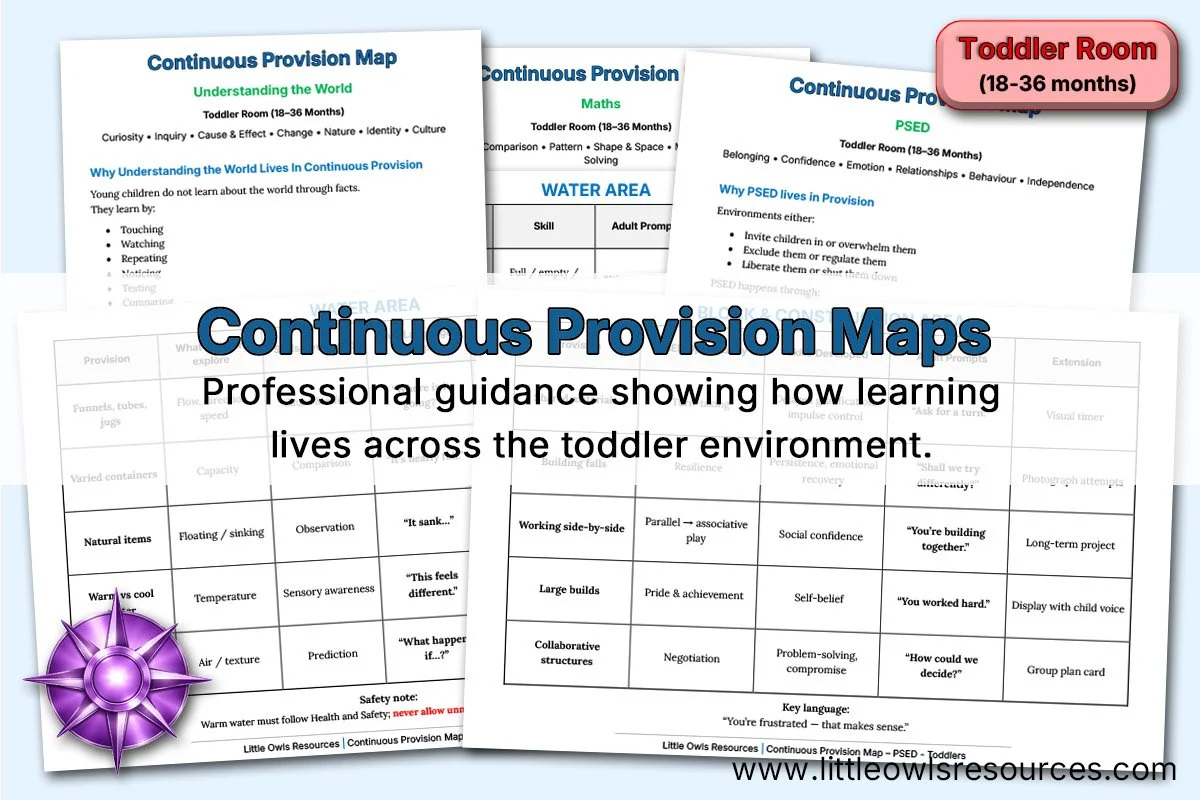
Continuous Provision Maps (18–36 Months)
C&L
PSED
PD
Maths Seeds
Literacy Seeds
UW
EAD
Understanding the World: Curriculum Experience Pack | Toddlers (18–36 Months)
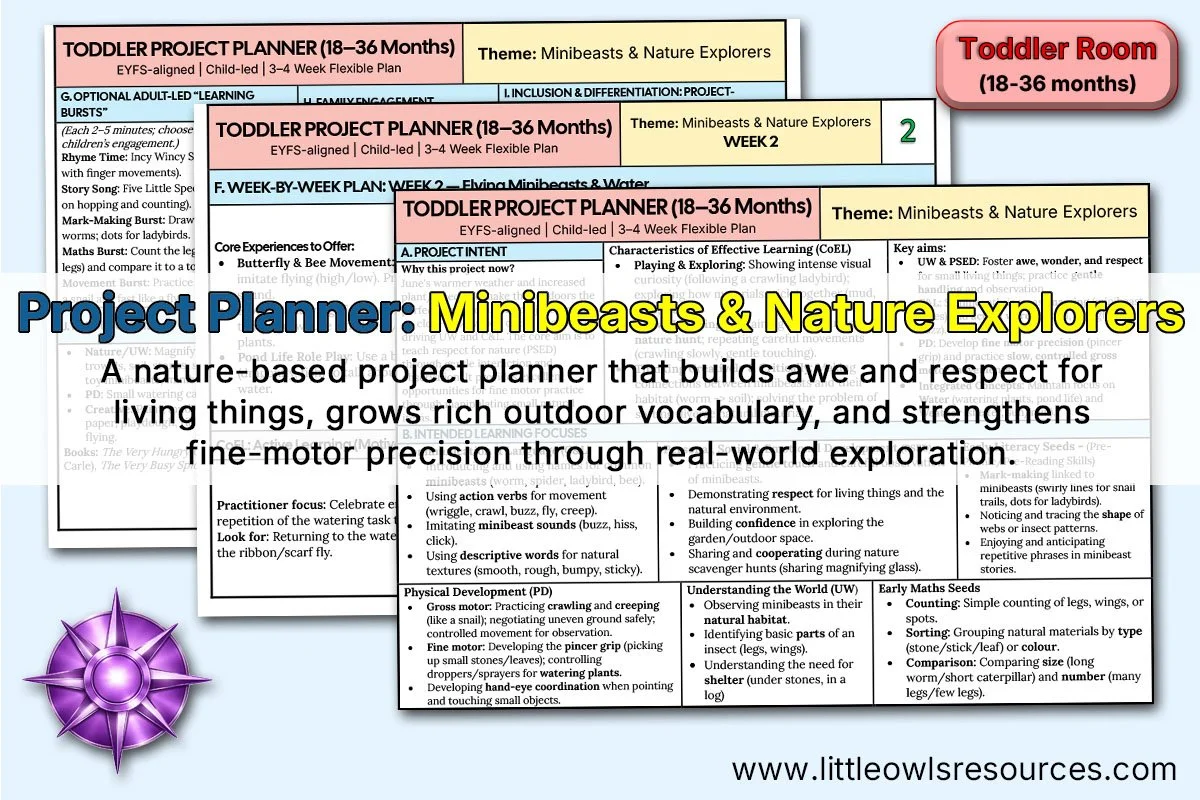
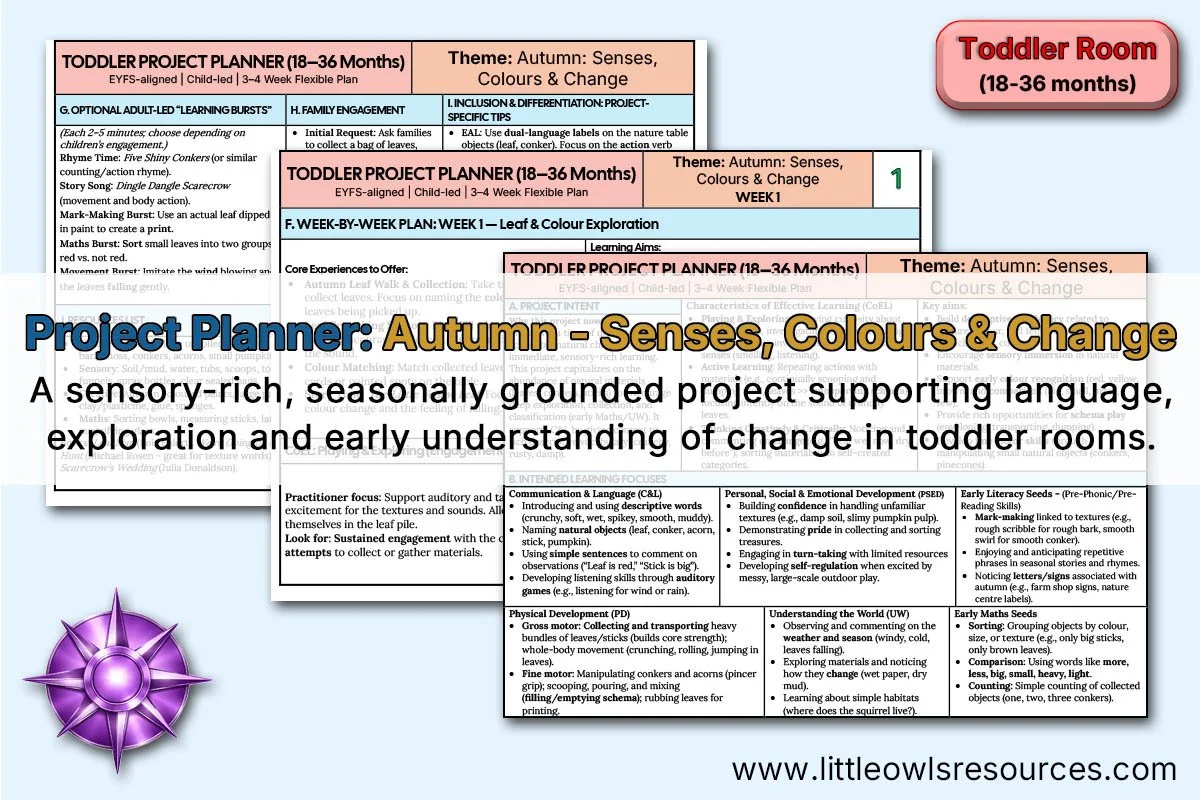
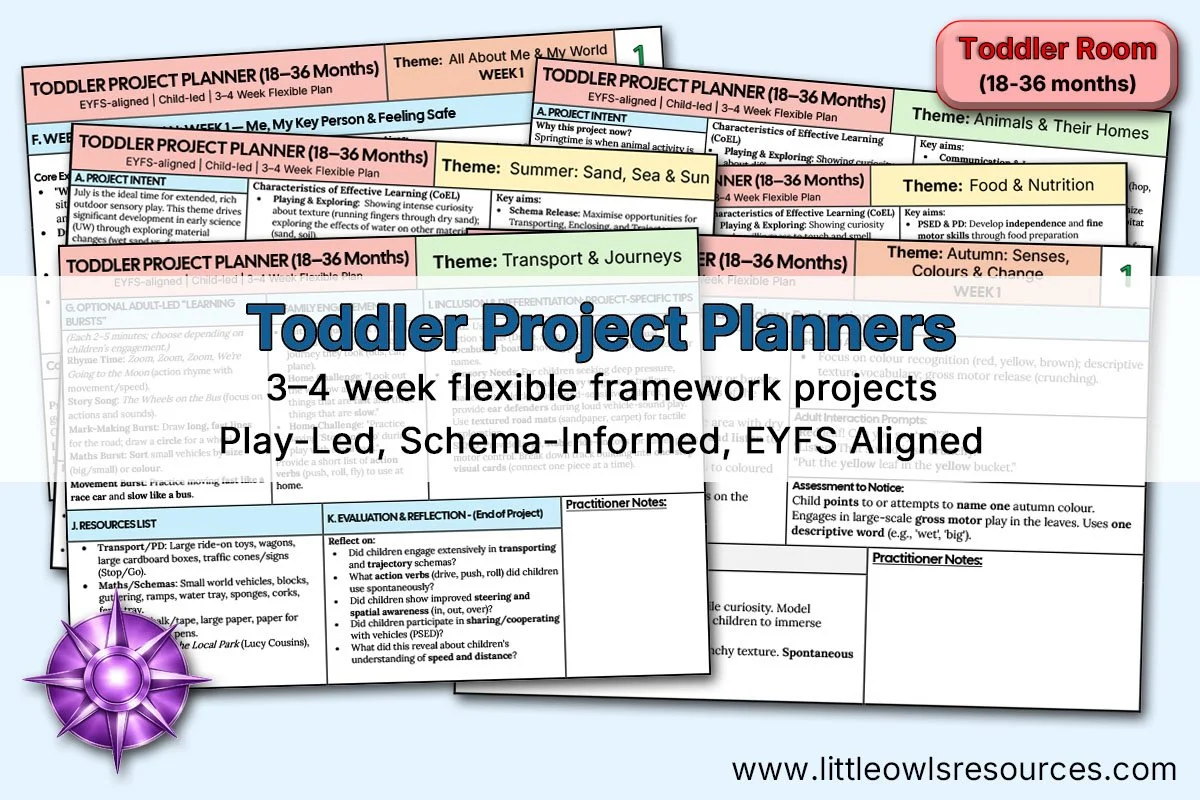
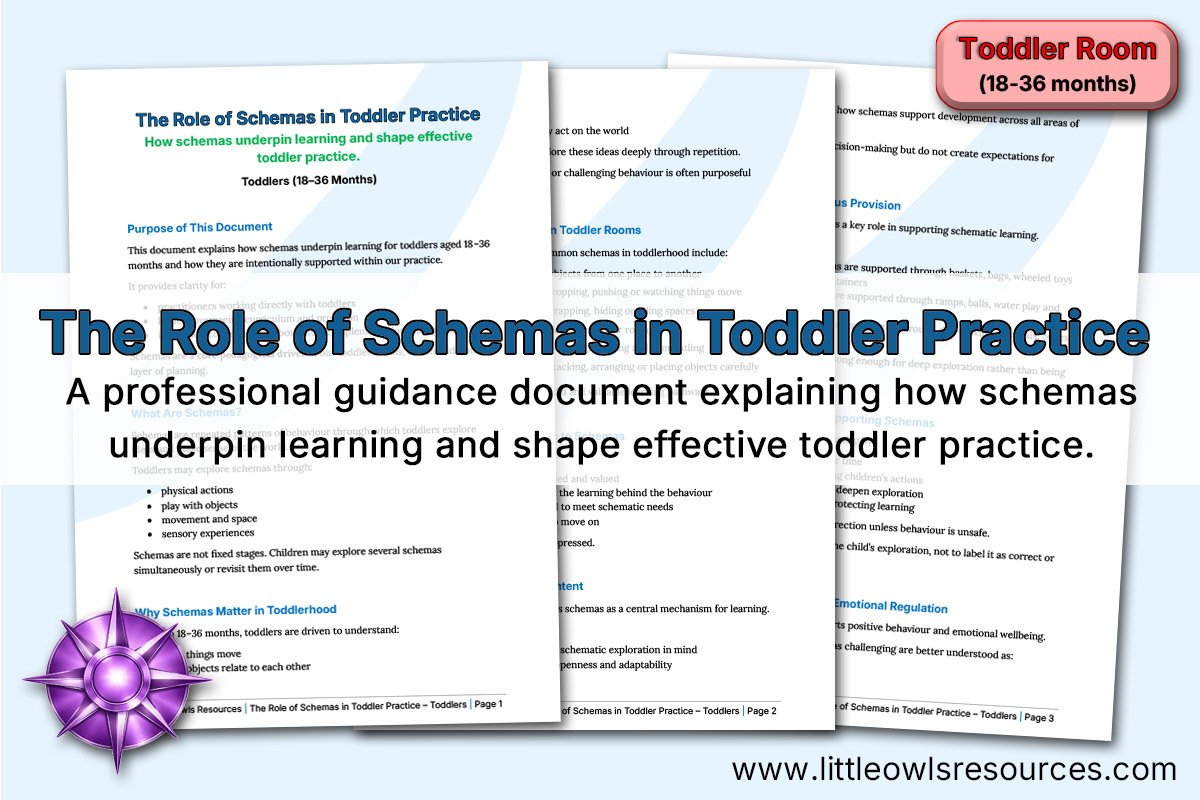
Toddler Project Planners | Play-Led, Schema-Informed, EYFS Aligned
12 × Main Project Planners (3–4 Weeks)
8 × Mini-Project Planners (1 Week)
-
Preschool Understanding the World provision should support children to investigate, compare, talk about experiences, notice similarities and differences, and develop curiosity about people, communities, nature and change.
Investigation areas with magnifiers, natural objects and real artefacts
Seasonal exploration linked to weather, plants, animals and outdoor change
Small world and construction play linked to homes, journeys and communities
Theme-based enhancements exploring animals, habitats, growth and transport
Opportunities to care for plants, observe minibeasts and talk about living things
Maps, photographs and story prompts supporting discussion about places
Resources reflecting families, cultures, festivals, languages and communities
Simple science and STEM invitations involving floating, sinking, mixing or building
Role-play linked to occupations, shops, travel, homes and caring for others
Related Guidance:
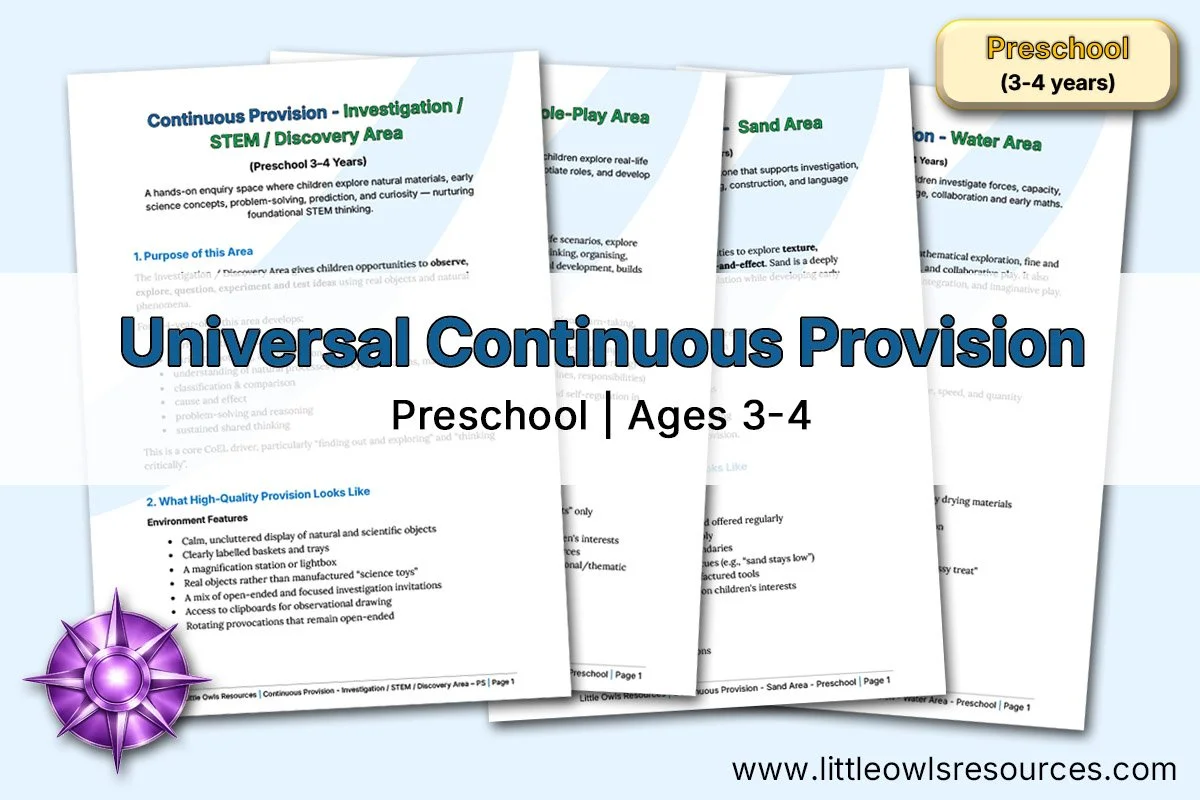
Universal Continuous Provision Packs (Preschool | 3–4 Years)
Construction Area
Small World Area
Role-Play Area
Writing / Mark-Making Area
Maths Area
Creative Area (Art & Making)
Investigation / STEM / Discovery Area
Book Corner / Reading Den
Fine Motor Station
Water Area
Sand Area
Snack Area / Independence Station
Outdoor Provision Core Zones
Physical play
Gross motor skills
Nature area
Outdoor mark-making
Outdoor maths
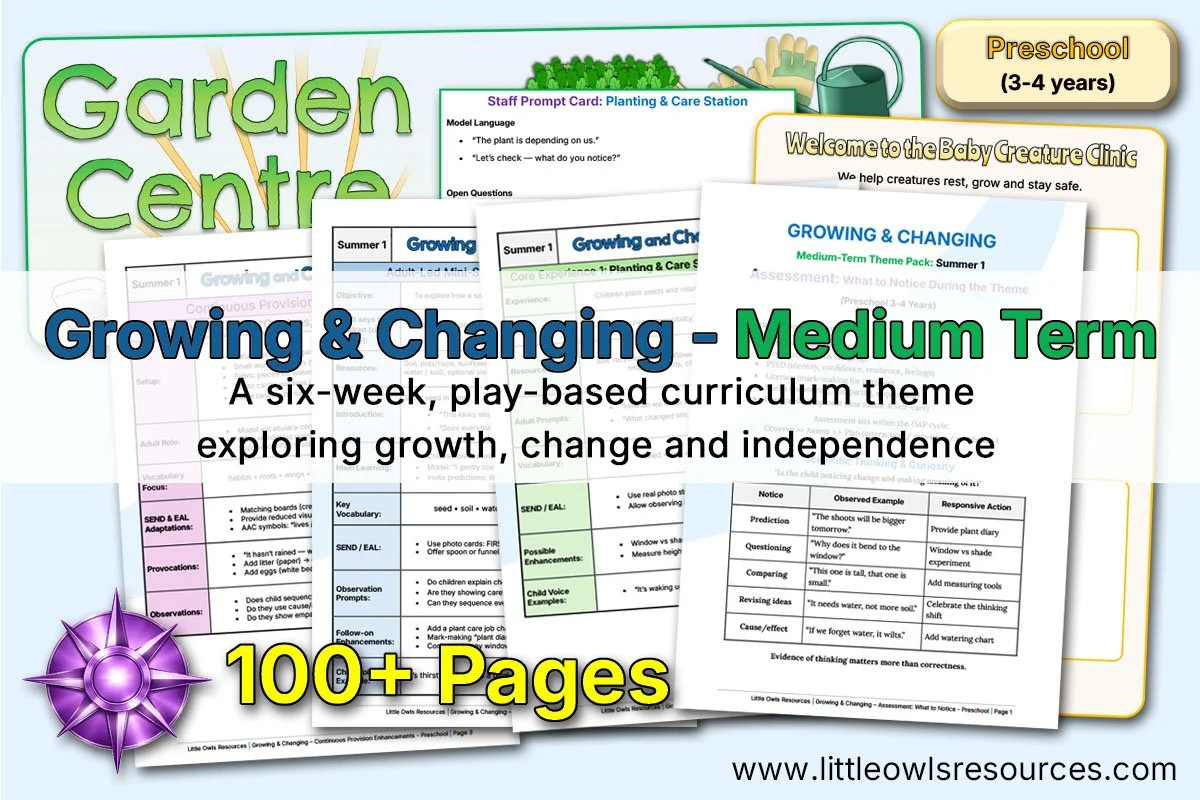
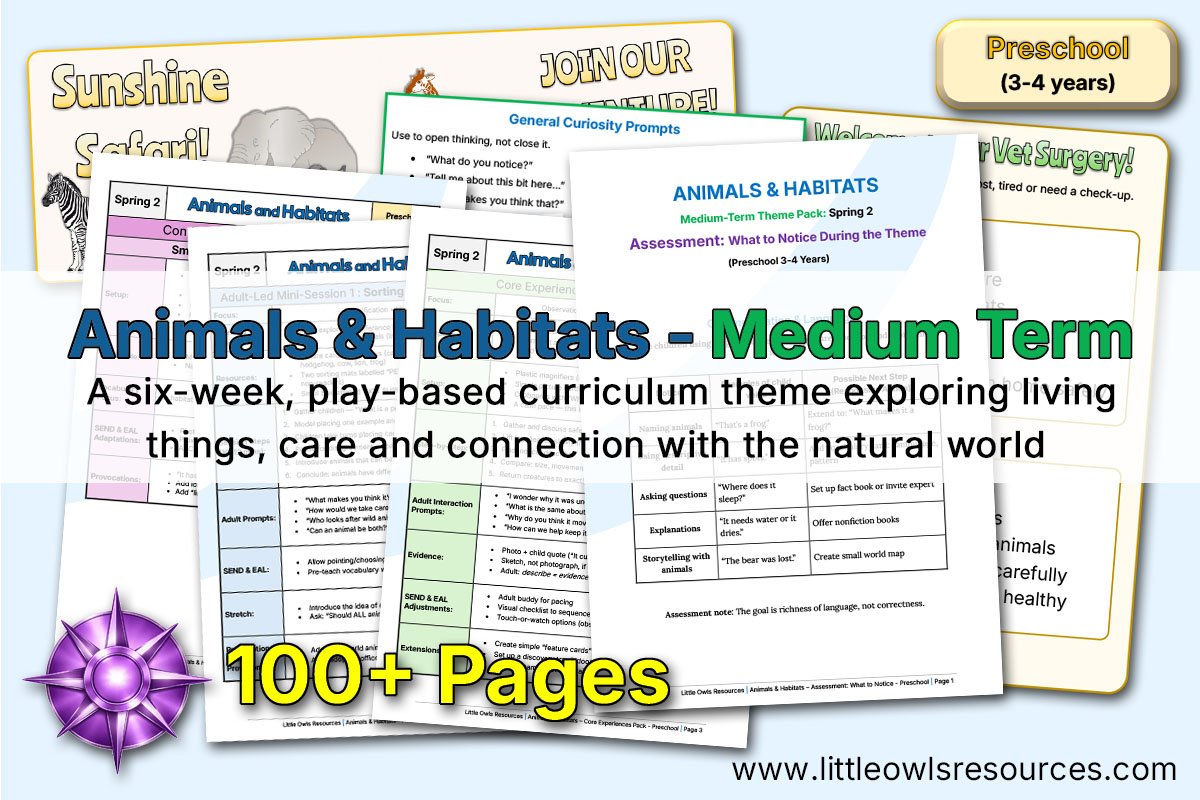
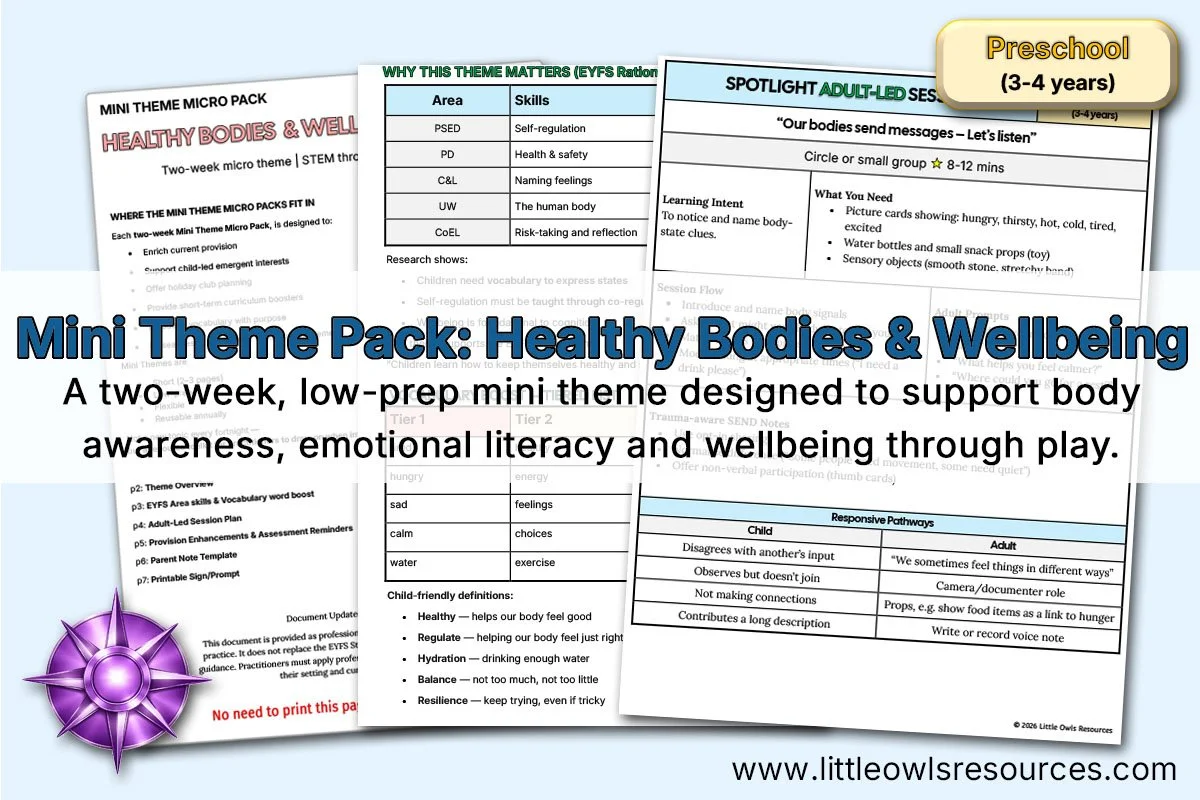
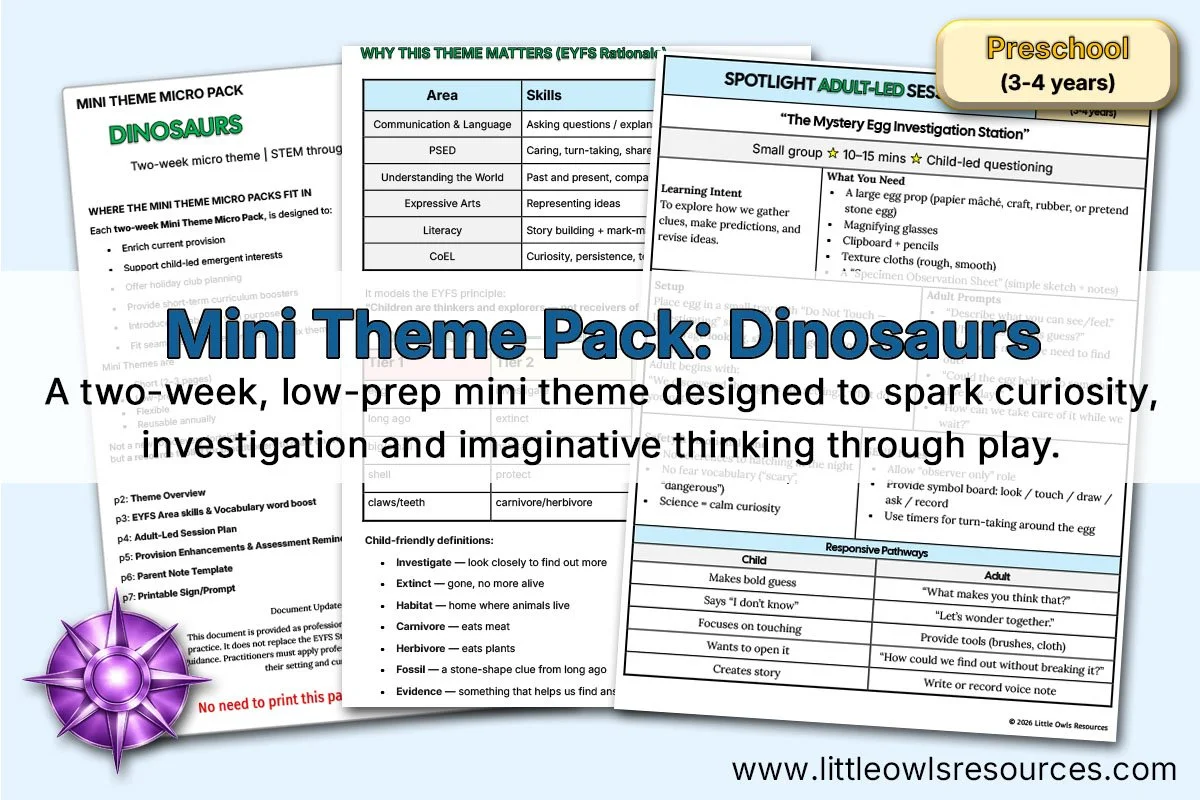
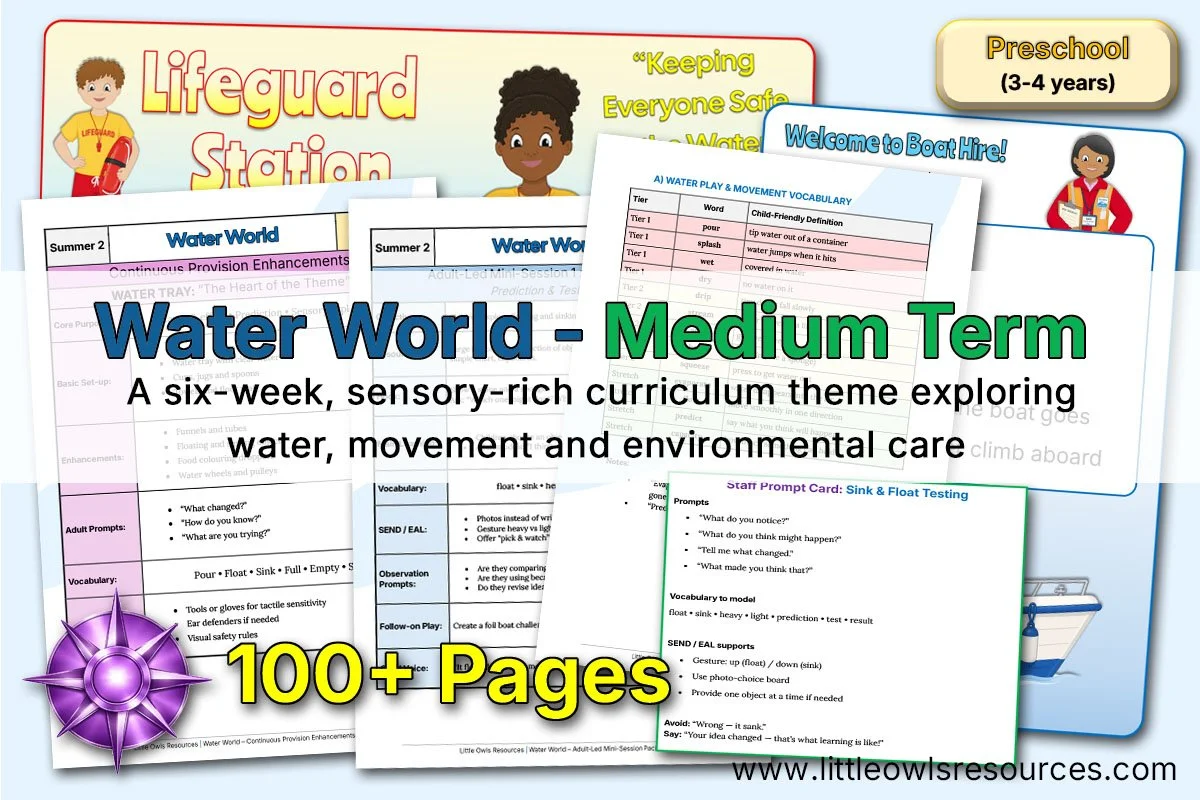
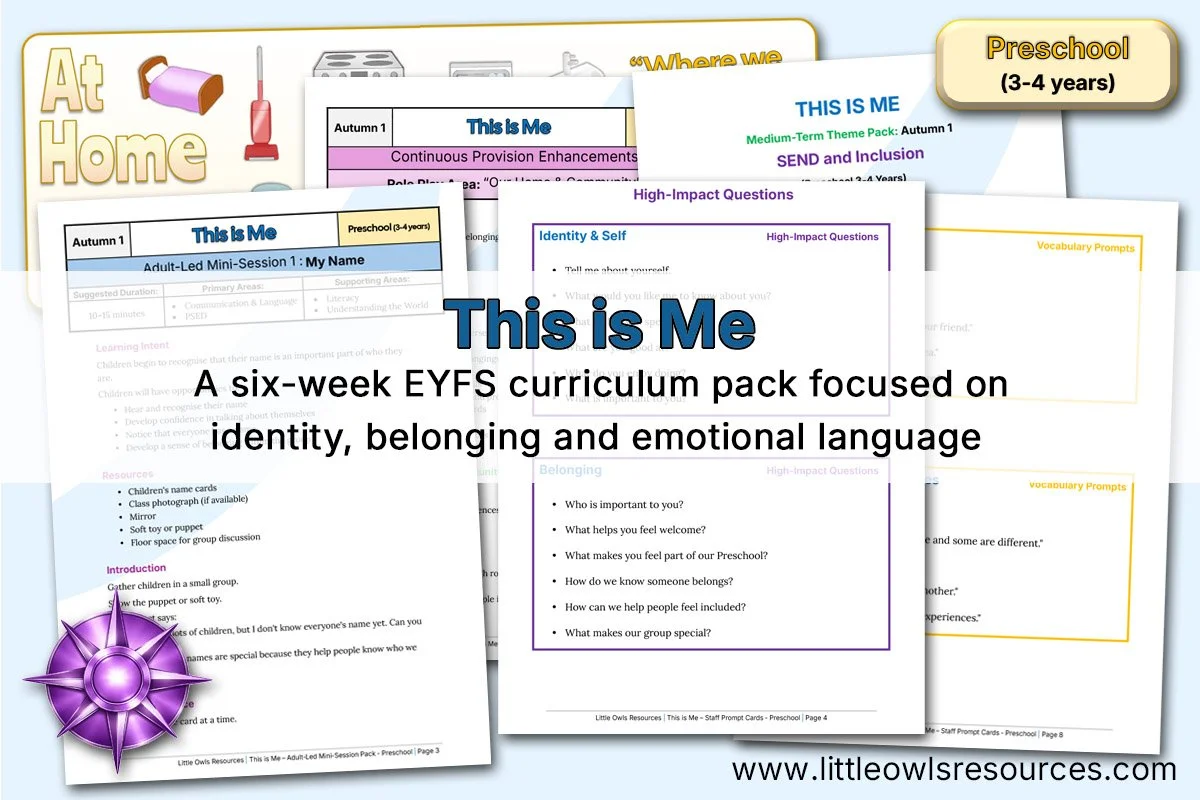
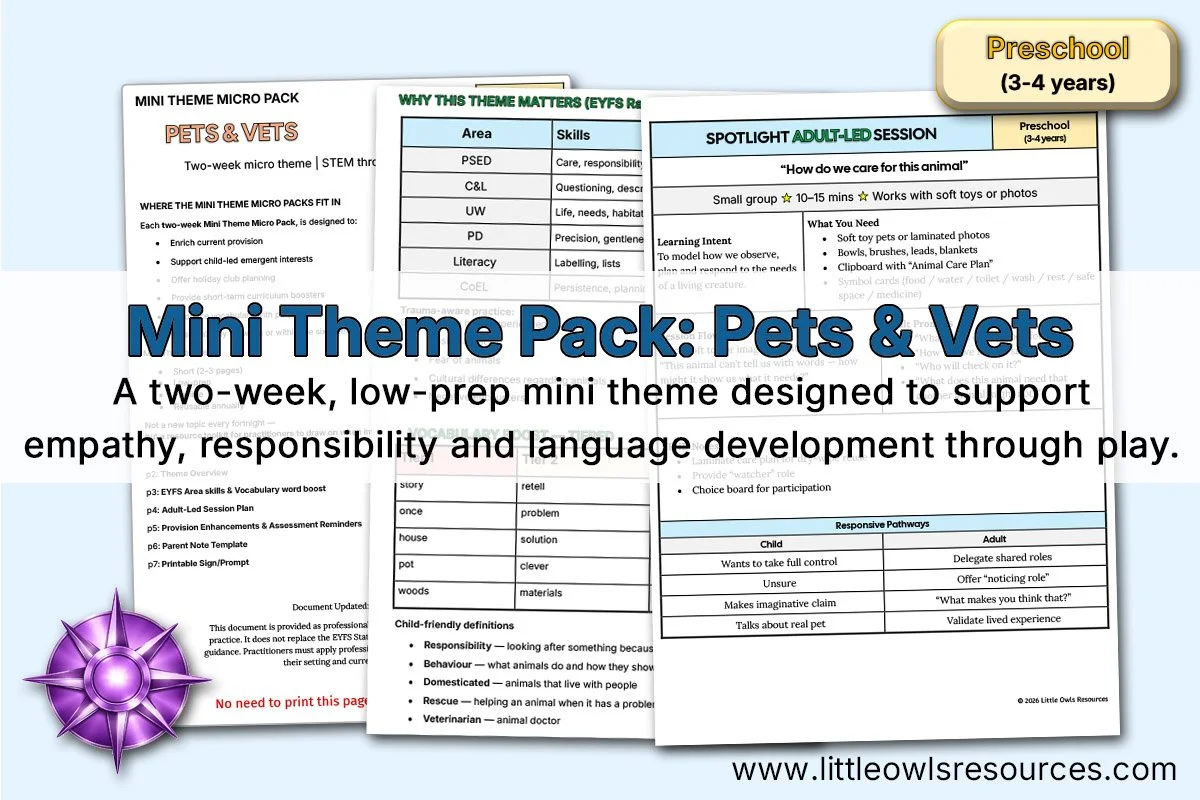
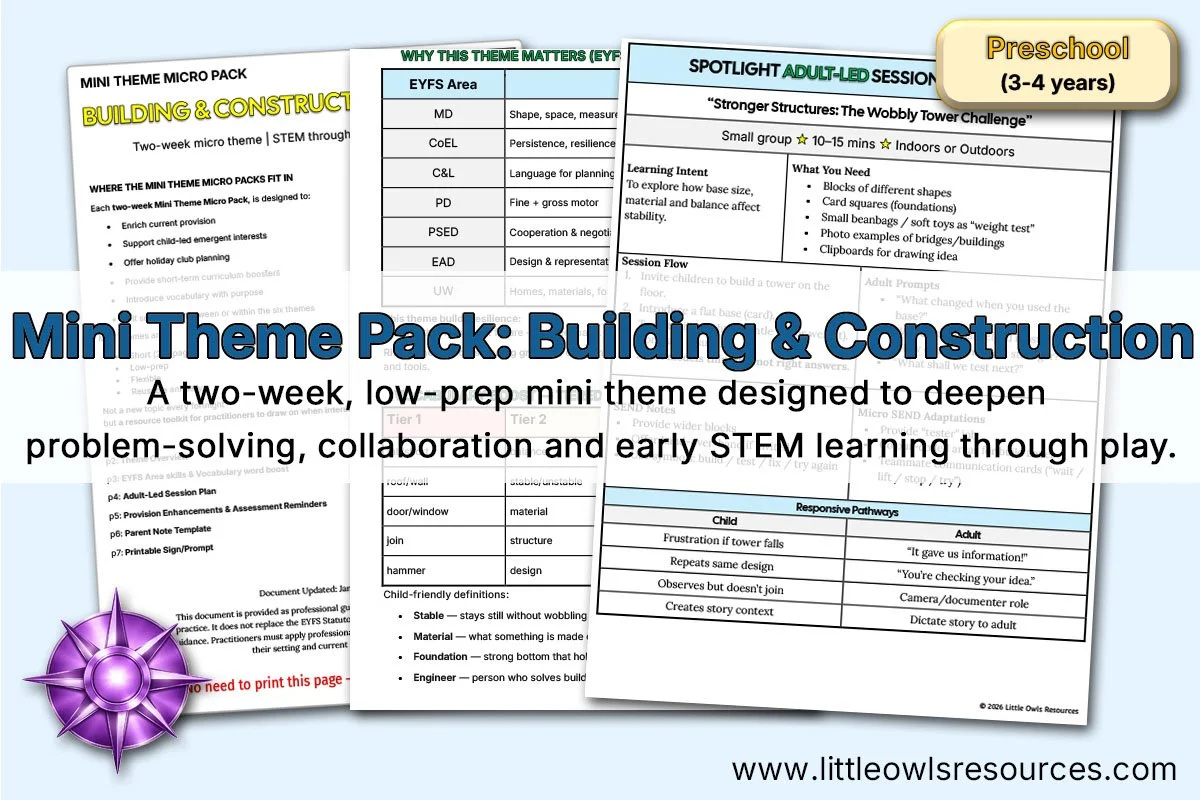
Preschool EYFS Theme Packs | 3–4 Years
Core Preschool Themes (6 Weeks Each)
Optional Mini-Themes (1–2 Weeks)
-
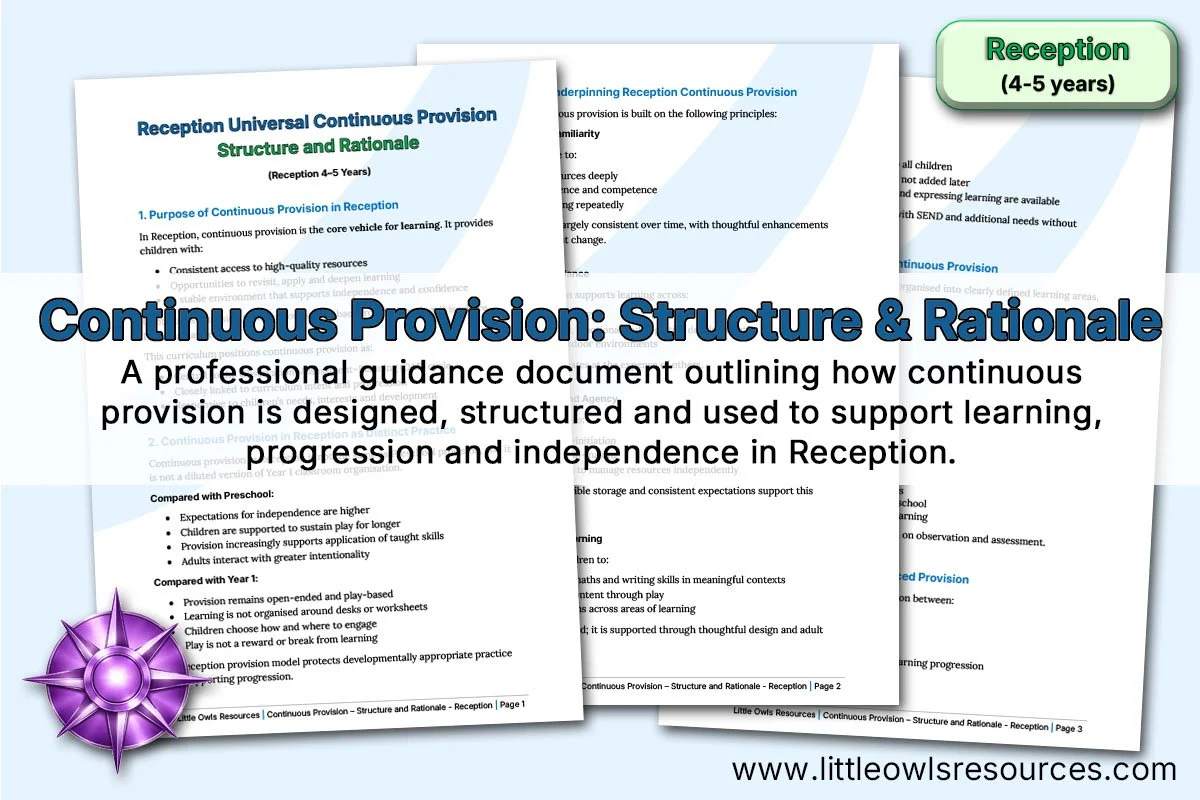
Reception Understanding the World provision should support children to deepen knowledge, make connections, ask questions, observe carefully and talk about people, places, past and present, communities, nature and change.
Investigation stations linked to materials, forces, growth, weather and change
Outdoor provision supporting observation, prediction and recording
Maps, globes, photographs and non-fiction books within provision
Themed enhancements linked to curriculum focus, seasons or children’s interests
Small world resources supporting stories, communities, habitats and journeys
Opportunities to compare past and present through photos, artefacts and stories
STEM challenges involving construction, testing, designing and problem-solving
Nature study, planting, wildlife observation and environmental care
Inclusive resources exploring families, festivals, cultures and communities
Related Guidance:
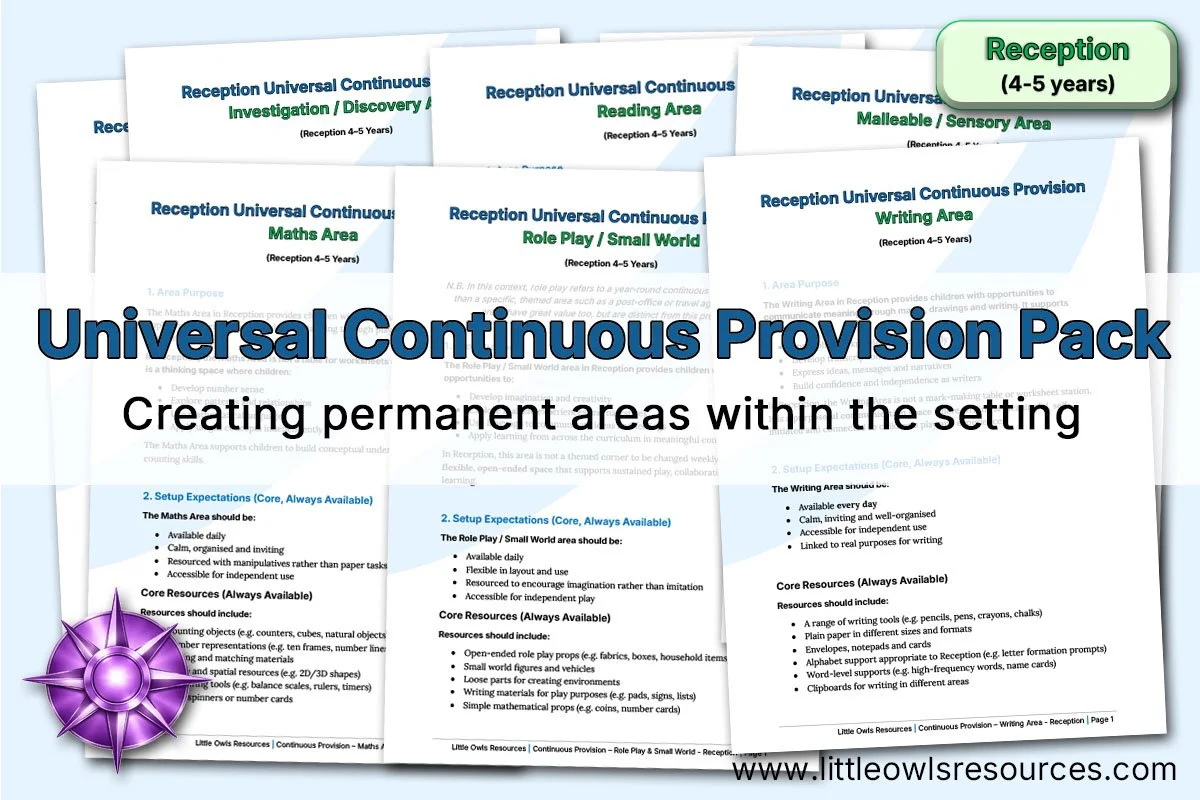
Universal Continuous Provision Pack (Areas listed below)
Construction
Creative
Investigation / Discovery
Maths
Reading
Role Play / Small World
Malleable / Sensory
Writing
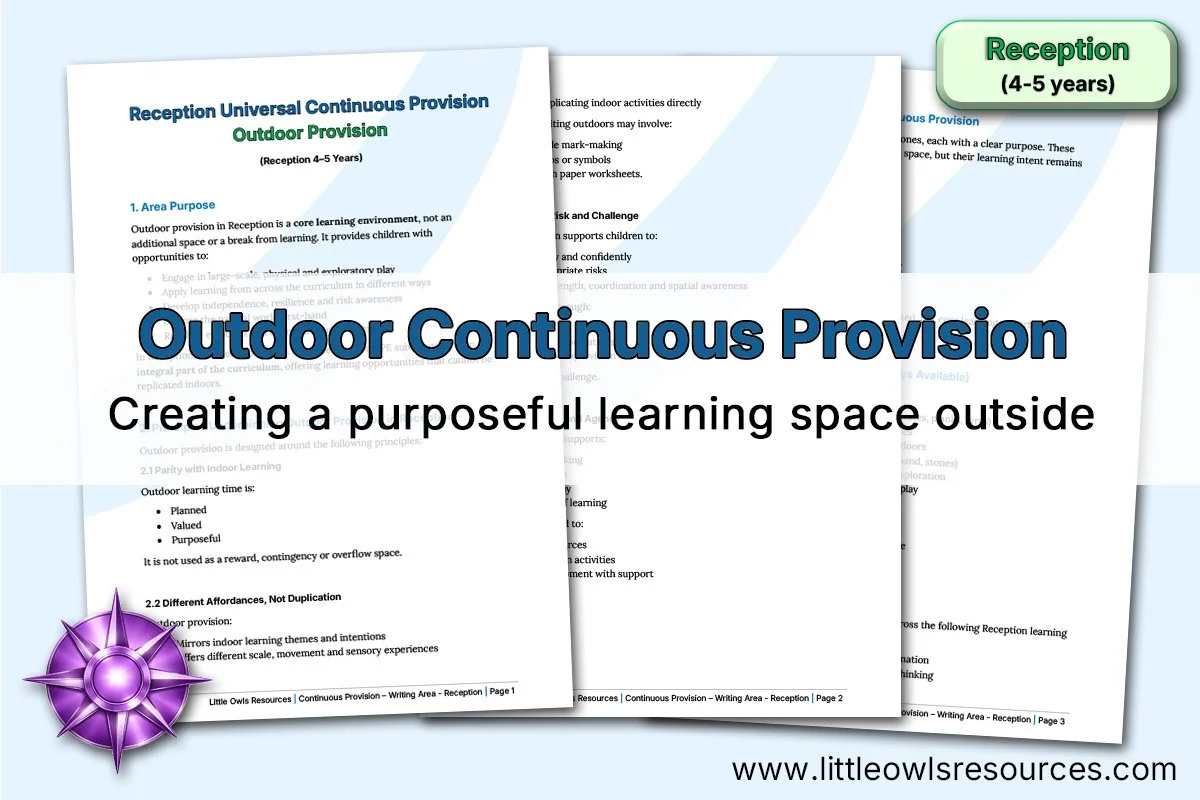
Outdoor Continuous Provision (Reception)
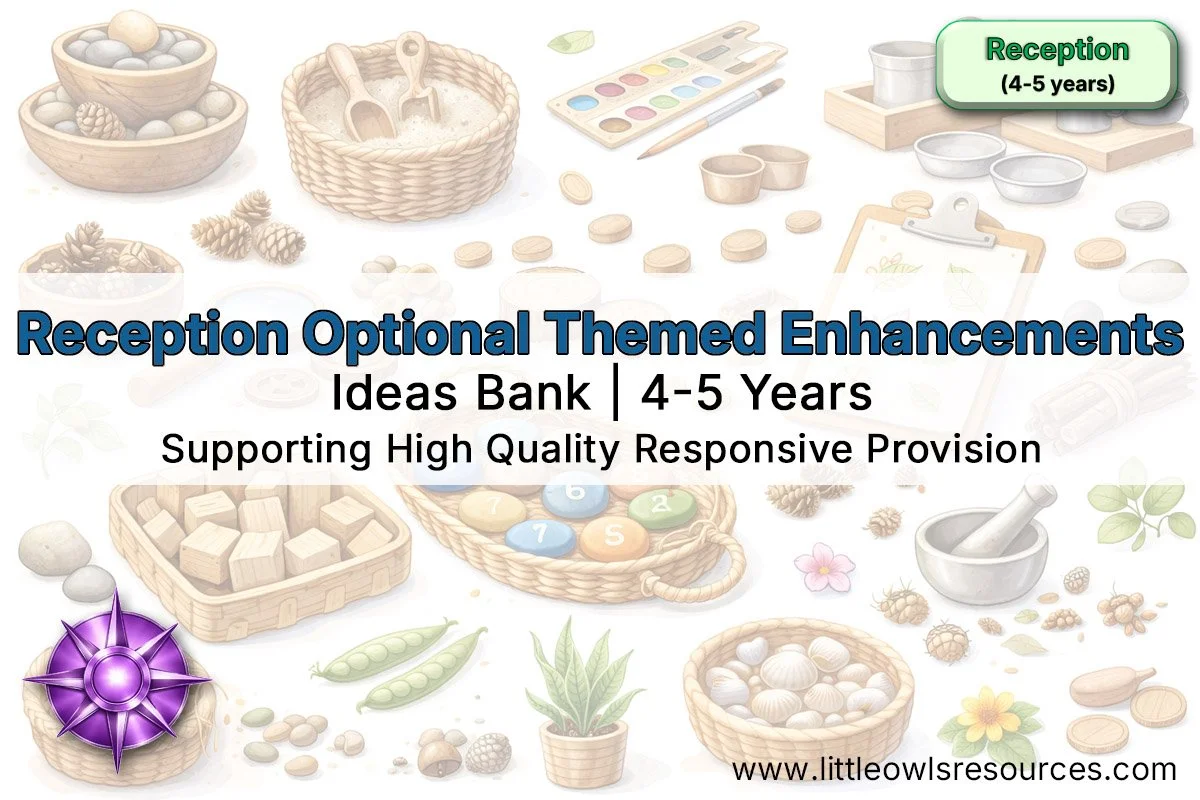
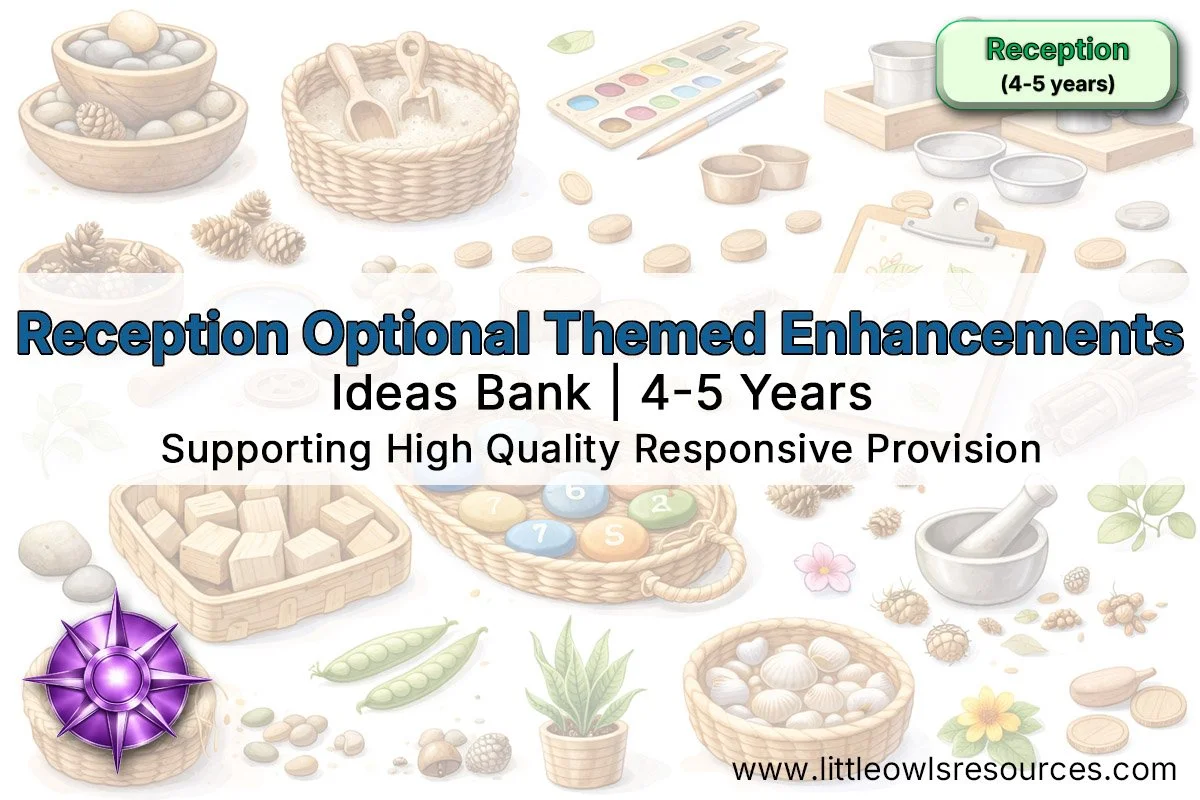
Reception Optional Themed Enhancements - Idea Banks | 4–5 Years
❓ Frequently Asked Questions About EYFS Understanding the World
-
Understanding the World is one of the specific areas of learning within the EYFS. It includes past and present, people, culture and communities, and the natural world.
-
Understanding the World helps children make sense of people, places, communities, nature, change, technology and the wider world through real experiences and exploration.
-
Practitioners can support Understanding the World through investigation areas, outdoor learning, nature exploration, small world play, role-play, STEM challenges, books, artefacts, maps and meaningful discussion.
-
Examples include planting, observing minibeasts, exploring maps, comparing old and new photographs, investigating materials, discussing festivals, building habitats and using themed provision enhancements.
-
Outdoor learning gives children first-hand opportunities to observe weather, seasons, plants, animals, materials, movement, change and the natural environment.
-
Settings can teach festivals and celebrations through accurate resources, family partnership, meaningful stories, real experiences where appropriate, and respectful discussion that avoids stereotypes or tokenism.
-
Role-play helps children explore occupations, family life, community experiences, travel, caring roles, festivals and everyday routines in meaningful ways.
-
Early science in EYFS includes noticing, observing, asking questions, predicting, testing, exploring materials, caring for living things and talking about change.
-
Settings can support diversity by reflecting children’s families, cultures, languages, communities and identities within books, displays, resources, conversations and everyday practice.
-
Themes can provide useful starting points for exploration, but they should remain flexible, responsive and connected to children’s interests, experiences and developmental needs.
🧰 Additional ‘Understanding the World’ Tools & Guidance
When considering the support you provide for ‘Understanding the World’ within your setting, you may find resources on the following pages useful.
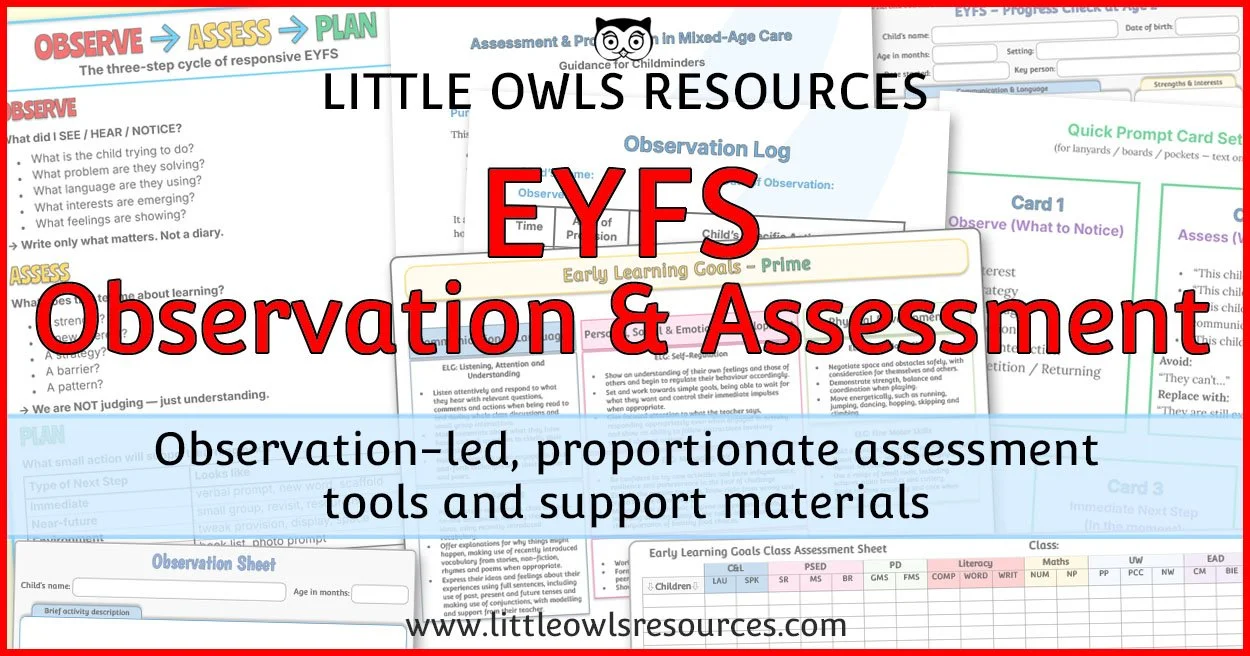
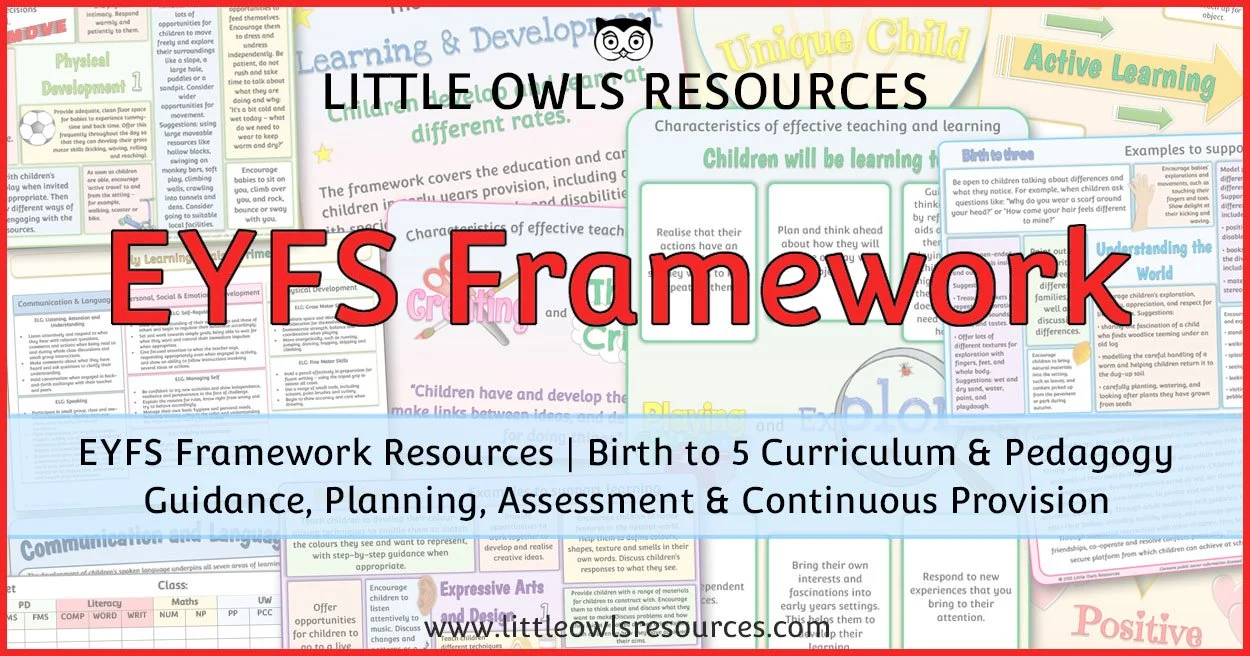
🌈 EYFS Printable Resources & Guidance for Additional Areas of Learning
Prime Areas of Learning
These areas are particularly important for building foundations in communication, wellbeing and physical development.
Specific Areas of Learning
These areas build on and strengthen the prime areas as children grow and develop.
Additional Curriculum Collections on Little Owls Resources
These collections support learning across multiple EYFS areas and are commonly used alongside the statutory framework.
More ways to search on ‘Little Owls Resources’…
(Select the buttons below to visit our menu pages)


This page contains public sector information licensed under the Open Government Licence v3.0.
🌍 Spark your children's curiosity about the changing year with our wonderful Seasons: Sort & Match Activity Cards! This engaging printable resource is perfect for EYFS and KS1 children…