Ramadan - EYFS / Early Years Activities, Displays and Ideas
Date: Monday 8th February - Wednesday 10th March 2027
(The dates of this religious festival can vary based on observations of the moon.)
Sections on this page:
Free Sample Resources
Core ‘Ramadan’ Resources
About ‘Ramadan’
Additional Festivals and Celebrations you may be interested in
Free Sample Resources!
(Click on the images below to find out more.)

Original artwork drawn by Sara Murphy and final digital resources created by Stuart Murphy. COPYRIGHT ON ALL OF THE RESOURCES HOUSED ON THIS WEBSITE IS HELD BY ‘LITTLE OWLS RESOURCES’. OUR RESOURCES (INCLUDING THE IMAGES WITHIN THEM), CANNOT BE SHARED OR SOLD COMMERCIALLY.
DOWNLOAD EDITABLE (DOCX)
DOWNLOAD NON-EDITABLE (PDF)
DOWNLOAD NON-EDITABLE (Zipped JPEGs)
<<-BACK TO ‘RAMADAN’ TOPIC MENU PAGE

A selection of Ramadan Card Templates (vertical). These cards could be used as part of a focused adult led activity or left out as a more child led invitation to play activity.
Original artwork drawn by Sara Murphy and final digital resources created by Stuart Murphy. COPYRIGHT ON ALL OF THE RESOURCES HOUSED ON THIS WEBSITE IS HELD BY ‘LITTLE OWLS RESOURCES’. OUR RESOURCES (INCLUDING THE IMAGES WITHIN THEM), CANNOT BE SHARED OR SOLD COMMERCIALLY.
DOWNLOAD EDITABLE (DOCX)
DOWNLOAD NON-EDITABLE (PDF)
DOWNLOAD NON-EDITABLE (Zipped JPEGs)
<<-BACK TO ‘RAMADAN’ TOPIC MENU PAGE
<<-BACK TO ‘GREETING CARDS’ MENU
Original artwork drawn by Sara Murphy and final digital resources created by Stuart Murphy. COPYRIGHT ON ALL OF THE RESOURCES HOUSED ON THIS WEBSITE IS HELD BY ‘LITTLE OWLS RESOURCES’. OUR RESOURCES (INCLUDING THE IMAGES WITHIN THEM), CANNOT BE SHARED OR SOLD COMMERCIALLY.
DOWNLOAD EDITABLE (DOCX)
DOWNLOAD NON-EDITABLE (PDF)
DOWNLOAD NON-EDITABLE (Zipped JPEGs)
<<-BACK TO ‘RAMADAN’ TOPIC MENU PAGE
If you are not a member already, become a ‘Free Access’ member here. This will give you access to resources within the ‘Free Sample Resources’ sections at the top of most pages and ‘Special Dates Calendars’. Some whole topics are even free! Find out more about all of our membership options here. If you are already a member… thank-you!
Please note that both Editable (docx file) and non-editable (pdf file) versions are available for all Ramadan topic resources. (Editable files require Microsoft Word to work at optimum level and Non-Editable files require a pdf viewer.)

Click on the thumbnail images below for further details…


Original artwork drawn by Sara Murphy and final digital resources created by Stuart Murphy. COPYRIGHT ON ALL OF THE RESOURCES HOUSED ON THIS WEBSITE IS HELD BY ‘LITTLE OWLS RESOURCES’. OUR RESOURCES (INCLUDING THE IMAGES WITHIN THEM), CANNOT BE SHARED OR SOLD COMMERCIALLY.
DOWNLOAD EDITABLE (DOCX)
DOWNLOAD NON-EDITABLE (PDF)
DOWNLOAD NON-EDITABLE (Zipped JPEGs)
<<-BACK TO ‘RAMADAN’ TOPIC MENU PAGE
Original artwork drawn by Sara Murphy and final digital resources created by Stuart Murphy. COPYRIGHT ON ALL OF THE RESOURCES HOUSED ON THIS WEBSITE IS HELD BY ‘LITTLE OWLS RESOURCES’. OUR RESOURCES (INCLUDING THE IMAGES WITHIN THEM), CANNOT BE SHARED OR SOLD COMMERCIALLY.
DOWNLOAD EDITABLE (DOCX)
DOWNLOAD NON-EDITABLE (PDF)
DOWNLOAD NON-EDITABLE (Zipped JPEGs)
<<-BACK TO ‘RAMADAN’ TOPIC MENU PAGE

Original artwork drawn by Sara Murphy and final digital resources created by Stuart Murphy. COPYRIGHT ON ALL OF THE RESOURCES HOUSED ON THIS WEBSITE IS HELD BY ‘LITTLE OWLS RESOURCES’. OUR RESOURCES (INCLUDING THE IMAGES WITHIN THEM), CANNOT BE SHARED OR SOLD COMMERCIALLY.
DOWNLOAD EDITABLE (DOCX)
DOWNLOAD NON-EDITABLE (PDF)
DOWNLOAD NON-EDITABLE (Zipped JPEGs)
<<-BACK TO ‘RAMADAN’ TOPIC MENU PAGE

Original artwork drawn by Sara Murphy and final digital resources created by Stuart Murphy. COPYRIGHT ON ALL OF THE RESOURCES HOUSED ON THIS WEBSITE IS HELD BY ‘LITTLE OWLS RESOURCES’. OUR RESOURCES (INCLUDING THE IMAGES WITHIN THEM), CANNOT BE SHARED OR SOLD COMMERCIALLY.
DOWNLOAD EDITABLE (DOCX)
DOWNLOAD NON-EDITABLE (PDF)
DOWNLOAD NON-EDITABLE (Zipped JPEGs)
<<-BACK TO ‘RAMADAN’ TOPIC MENU PAGE

Original artwork drawn by Sara Murphy and final digital resources created by Stuart Murphy. COPYRIGHT ON ALL OF THE RESOURCES HOUSED ON THIS WEBSITE IS HELD BY ‘LITTLE OWLS RESOURCES’. OUR RESOURCES (INCLUDING THE IMAGES WITHIN THEM), CANNOT BE SHARED OR SOLD COMMERCIALLY.
DOWNLOAD EDITABLE (DOCX)
DOWNLOAD NON-EDITABLE (PDF)
DOWNLOAD NON-EDITABLE (Zipped JPEGs)
<<-BACK TO ‘RAMADAN’ TOPIC MENU PAGE

Original artwork drawn by Sara Murphy and final digital resources created by Stuart Murphy. COPYRIGHT ON ALL OF THE RESOURCES HOUSED ON THIS WEBSITE IS HELD BY ‘LITTLE OWLS RESOURCES’. OUR RESOURCES (INCLUDING THE IMAGES WITHIN THEM), CANNOT BE SHARED OR SOLD COMMERCIALLY.
DOWNLOAD EDITABLE (DOCX)
DOWNLOAD NON-EDITABLE (PDF)
DOWNLOAD NON-EDITABLE (Zipped JPEGs)
<<-BACK TO ‘RAMADAN’ TOPIC MENU PAGE

Why not set up an invitation to play using these ‘Dual Language English/Arabic Ramadan Counting Puzzles’?
Select those appropriate for your children (1-10 available) and allow them to match the number with the corresponding number of stars. Each pair has a different way of connecting as a puzzle for the children to match and so even if they haven’t learnt what the number looks like yet, but are beginning to say the numbers in order, this can be a fun way to introduce them to new challenges.
Once the puzzles are complete, why not line the numbers up in order and count together? If your children would enjoy a further challenge, leave out a number and see if they can spot which one is missing from the sequence.
Original artwork drawn by Sara Murphy and final digital resources created by Stuart Murphy. COPYRIGHT ON ALL OF THE RESOURCES HOUSED ON THIS WEBSITE IS HELD BY ‘LITTLE OWLS RESOURCES’. OUR RESOURCES (INCLUDING THE IMAGES WITHIN THEM), CANNOT BE SHARED OR SOLD COMMERCIALLY.
DOWNLOAD EDITABLE (DOCX)
DOWNLOAD NON-EDITABLE (PDF)
DOWNLOAD NON-EDITABLE (Zipped JPEGs)
<<-BACK TO ‘RAMADAN’ TOPIC MENU PAGE

A selection of Ramadan Card Templates (vertical). These cards could be used as part of a focused adult led activity or left out as a more child led invitation to play activity.
Original artwork drawn by Sara Murphy and final digital resources created by Stuart Murphy. COPYRIGHT ON ALL OF THE RESOURCES HOUSED ON THIS WEBSITE IS HELD BY ‘LITTLE OWLS RESOURCES’. OUR RESOURCES (INCLUDING THE IMAGES WITHIN THEM), CANNOT BE SHARED OR SOLD COMMERCIALLY.
DOWNLOAD EDITABLE (DOCX)
DOWNLOAD NON-EDITABLE (PDF)
DOWNLOAD NON-EDITABLE (Zipped JPEGs)
<<-BACK TO ‘RAMADAN’ TOPIC MENU PAGE

An aspect of Ramadan is helping others.
Following a discussion about occasions when the children may have helped someone, they can either draw their experiences on the display sheets or think of ways in general that people can help each other.
Original artwork drawn by Sara Murphy and final digital resources created by Stuart Murphy. COPYRIGHT ON ALL OF THE RESOURCES HOUSED ON THIS WEBSITE IS HELD BY ‘LITTLE OWLS RESOURCES’. OUR RESOURCES (INCLUDING THE IMAGES WITHIN THEM), CANNOT BE SHARED OR SOLD COMMERCIALLY.
DOWNLOAD EDITABLE (DOCX)
DOWNLOAD NON-EDITABLE (PDF)
DOWNLOAD NON-EDITABLE (Zipped JPEGs)
<<-BACK TO ‘RAMADAN’ TOPIC MENU PAGE
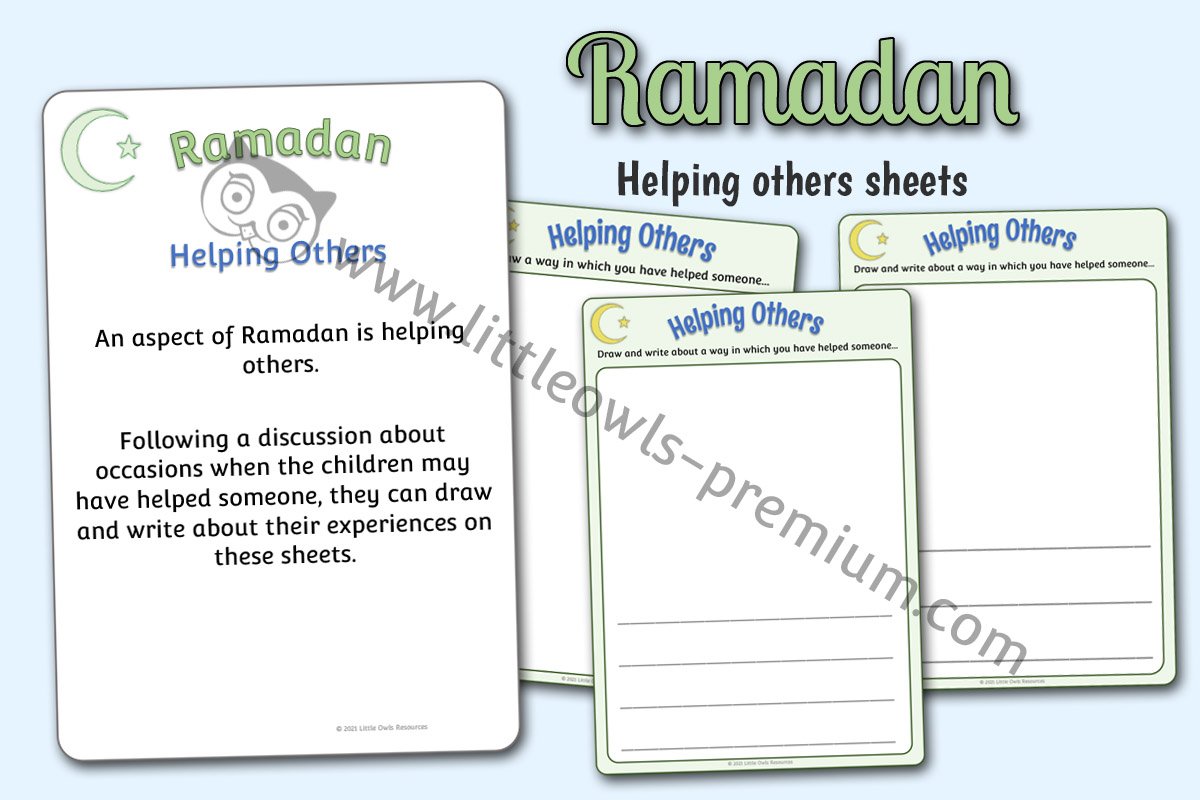
An aspect of Ramadan is helping others.
Following a discussion about occasions when the children may have helped someone, they can draw and write about their experiences on these differentiated sheets.
Original artwork drawn by Sara Murphy and final digital resources created by Stuart Murphy. COPYRIGHT ON ALL OF THE RESOURCES HOUSED ON THIS WEBSITE IS HELD BY ‘LITTLE OWLS RESOURCES’. OUR RESOURCES (INCLUDING THE IMAGES WITHIN THEM), CANNOT BE SHARED OR SOLD COMMERCIALLY.
DOWNLOAD EDITABLE (DOCX)
DOWNLOAD NON-EDITABLE (PDF)
DOWNLOAD NON-EDITABLE (Zipped JPEGs)
<<-BACK TO ‘RAMADAN’ TOPIC MENU PAGE

Once laminated these Ramadan Multimats are ideal to be used as reusable playdough or loose part mats. Alternatively, use them in conjunction with whiteboard pens.
Without lamination these sheets may also be used with mark making tools or art and craft materials such as collage or fingerpainting.
(buttons are shown as an example – be sure to use risk assessed age-appropriate loose parts as you see fit)
Original artwork drawn by Sara Murphy and final digital resources created by Stuart Murphy. COPYRIGHT ON ALL OF THE RESOURCES HOUSED ON THIS WEBSITE IS HELD BY ‘LITTLE OWLS RESOURCES’. OUR RESOURCES (INCLUDING THE IMAGES WITHIN THEM), CANNOT BE SHARED OR SOLD COMMERCIALLY.
DOWNLOAD EDITABLE (DOCX)
DOWNLOAD NON-EDITABLE (PDF)
DOWNLOAD NON-EDITABLE (Zipped JPEGs)
<<-BACK TO ‘RAMADAN’ TOPIC MENU PAGE

Original artwork drawn by Sara Murphy and final digital resources created by Stuart Murphy. COPYRIGHT ON ALL OF THE RESOURCES HOUSED ON THIS WEBSITE IS HELD BY ‘LITTLE OWLS RESOURCES’. OUR RESOURCES (INCLUDING THE IMAGES WITHIN THEM), CANNOT BE SHARED OR SOLD COMMERCIALLY.
DOWNLOAD EDITABLE (DOCX)
DOWNLOAD NON-EDITABLE (PDF)
DOWNLOAD NON-EDITABLE (Zipped JPEGs)
<<-BACK TO ‘RAMADAN’ TOPIC MENU PAGE

Original artwork drawn by Sara Murphy and final digital resources created by Stuart Murphy. COPYRIGHT ON ALL OF THE RESOURCES HOUSED ON THIS WEBSITE IS HELD BY ‘LITTLE OWLS RESOURCES’. OUR RESOURCES (INCLUDING THE IMAGES WITHIN THEM), CANNOT BE SHARED OR SOLD COMMERCIALLY.
DOWNLOAD EDITABLE (DOCX)
DOWNLOAD NON-EDITABLE (PDF)
DOWNLOAD NON-EDITABLE (Zipped JPEGs)
<<-BACK TO ‘RAMADAN’ TOPIC MENU PAGE
About ‘Ramadan’
What is Ramadan?
Ramadan is a very special month for Muslim families all over the world. It is a time for being extra kind, thinking of others, and spending time with family and friends.
What Happens During Ramadan?
The Crescent Moon: Ramadan begins when a tiny sliver of the crescent moon appears in the night sky.
Fasting: Grown-ups and older children go without food or water during the day while the sun is up. This helps them think about people who might be hungry and teaches them how to be patient.
Kindness and Giving: It is a time for charity. Families often give toys, clothes, or money to people who need help.
Special Meals: Before the sun comes up, families eat a meal called Suhoor. When the sun goes down, they break their fast together with a meal called Iftar, often starting with sweet, chewy dates.
Celebrating Eid al-Fitr
When the month of Ramadan finishes, there is a giant celebration called Eid al-Fitr (the Festival of Breaking the Fast).
Dressing Up: People wear their very best, sparkliest clothes.
Gifts: Children often receive small gifts or money from their elders.
Feasting: There are lots of delicious treats and sweets to share!
Top Tip for Teachers: This is a lovely opportunity to talk about "feelings" (how it feels to be hungry or patient) and the importance of helping our friends.
A More Detailed Look
Ramadan is the ninth month of the Islamic lunar calendar and is considered the holiest month in Islam. It is observed as a month of fasting, prayer, reflection, and community. Muslims around the world fast from dawn (Fajr) to sunset (Maghrib), refraining from food, drink, smoking, and negative actions such as lying or arguing. The fast is broken each day with a meal called iftar, and the pre-dawn meal before fasting begins is called suhoor.
Fasting during Ramadan is one of the Five Pillars of Islam and is obligatory for all adult Muslims, except for those who are sick, pregnant, menstruating, traveling, or otherwise exempt. Those who miss fasts due to illness or travel must make them up later, while those unable to fast permanently can provide charity (fidya) instead. The main purpose of Ramadan is to grow spiritually, strengthen self-discipline, and increase Taqwa (God-consciousness) while developing empathy for those who are less fortunate.
The month concludes with Eid al-Fitr, a major Islamic festival that marks the end of fasting. It is celebrated with a special communal prayer (Salat al-Eid), feasting, family gatherings, and giving to charity (Zakat al-Fitr), ensuring that the less fortunate can also partake in the celebrations.
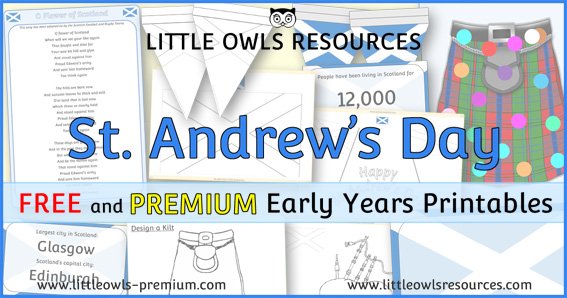
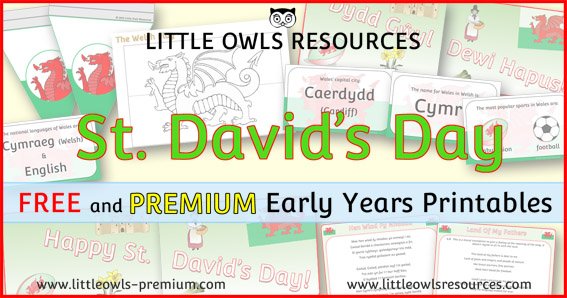
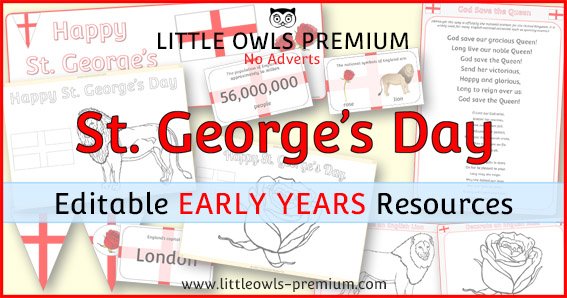
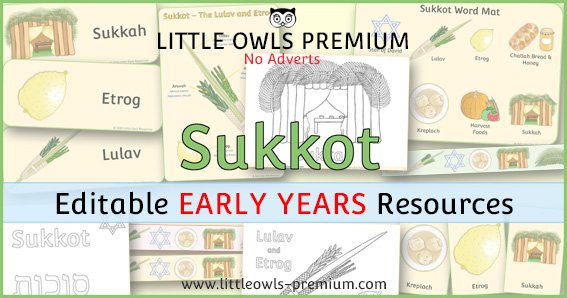
Festivals & celebrations you may be interested in…



Search ‘Little Owls Resources’ using the following menu buttons…
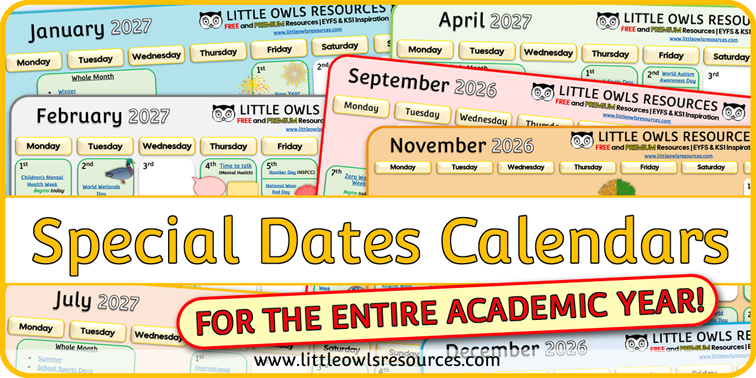
Click here to visit our ‘Special Dates Calendar’ page for an entire year of key EYFS & KS1 events, festivals & celebrations.