
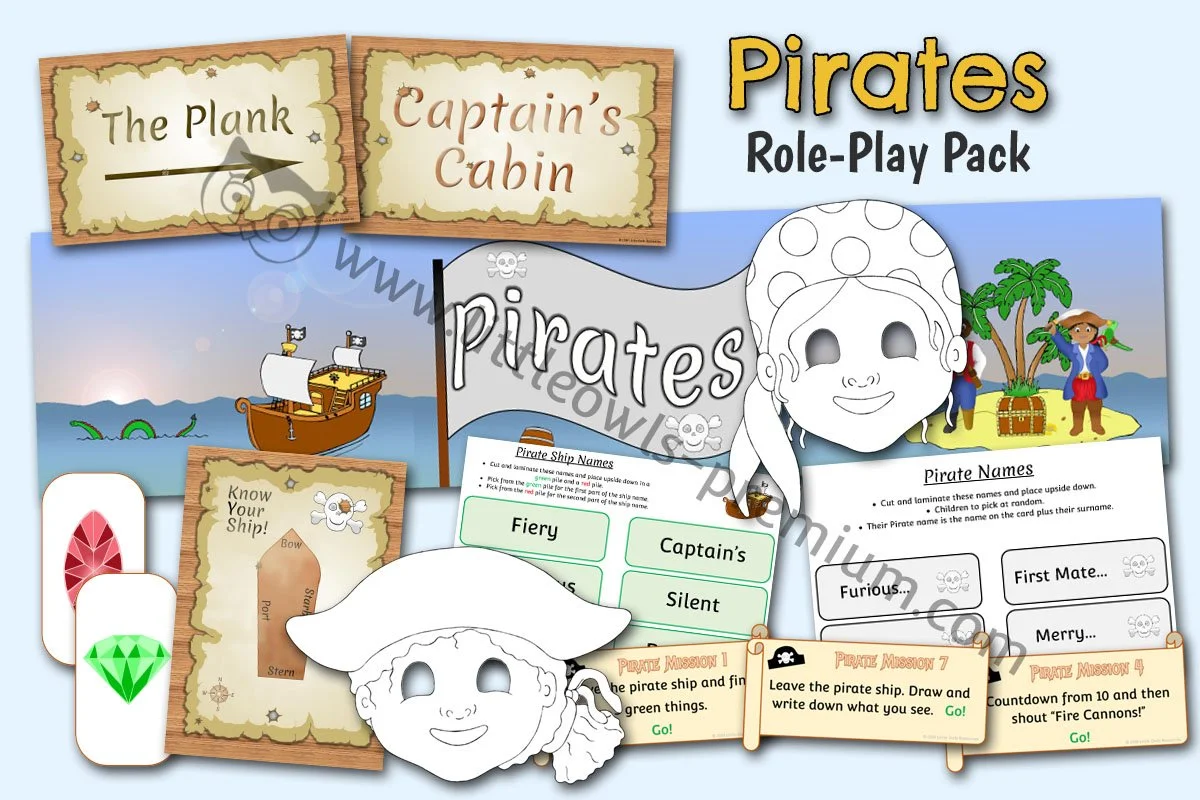
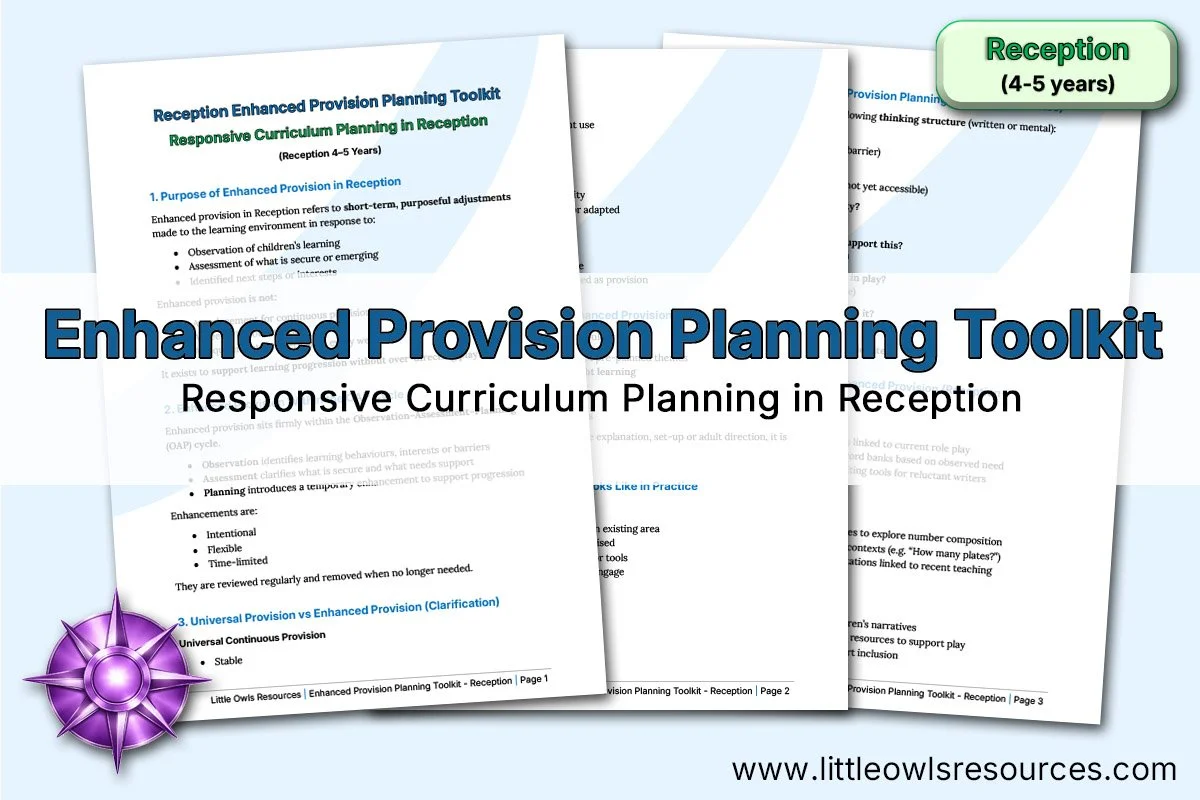
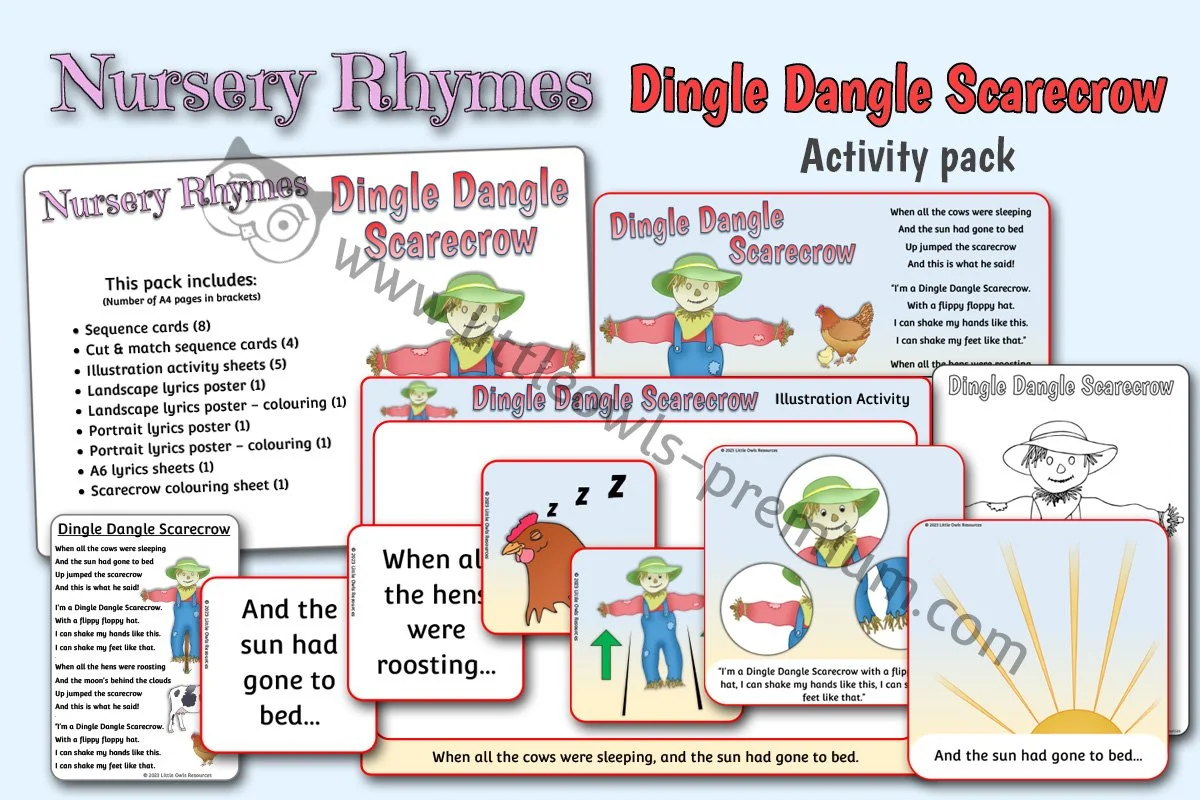
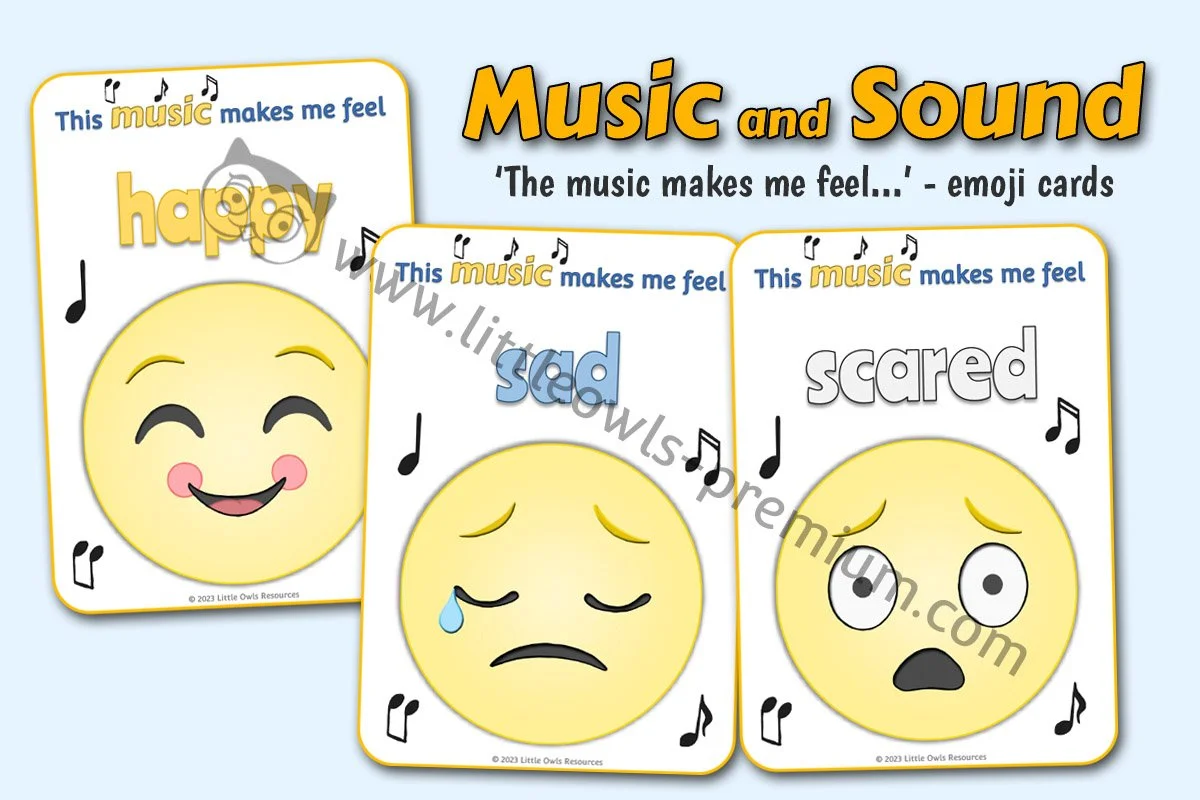
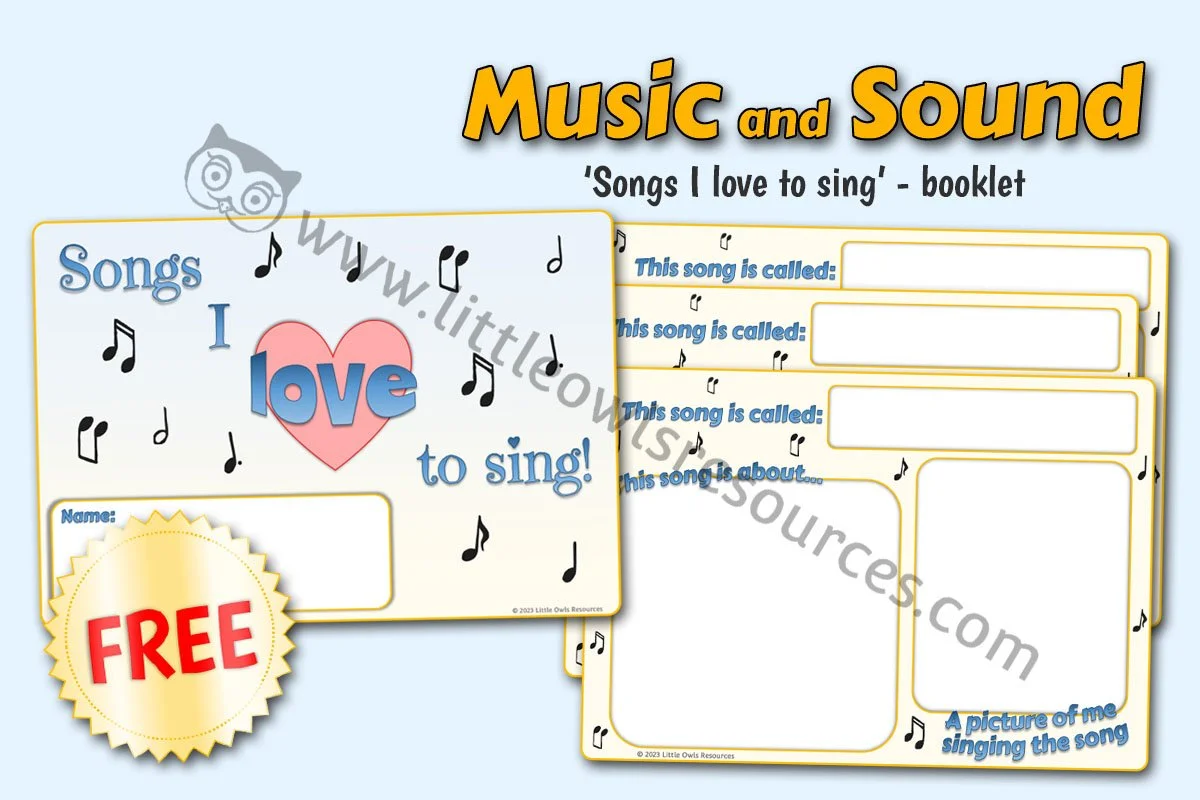

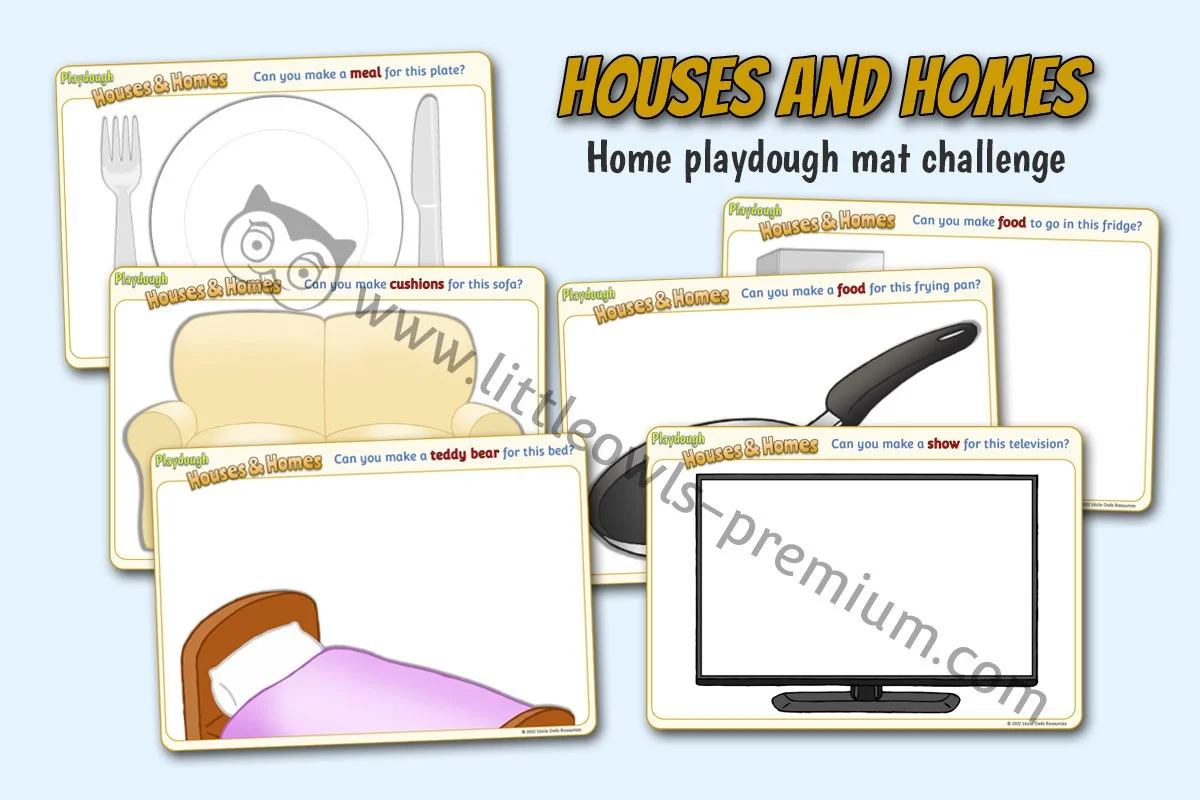
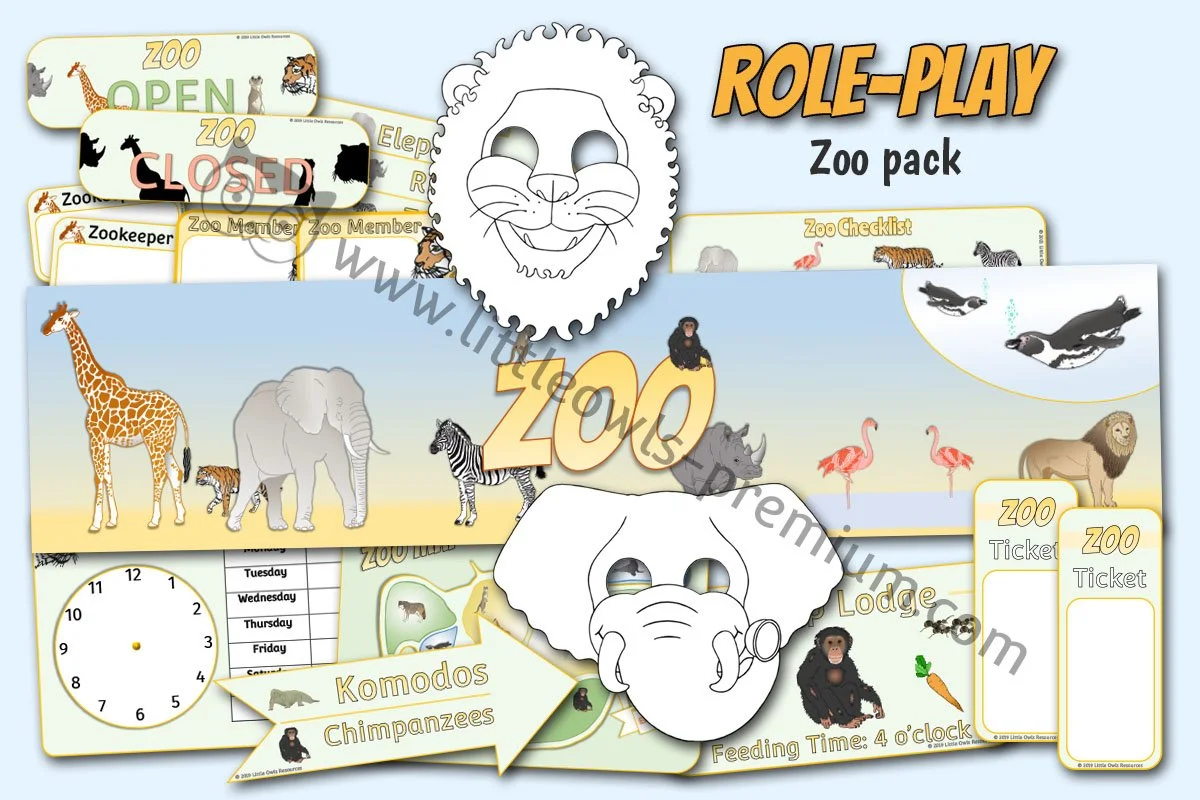
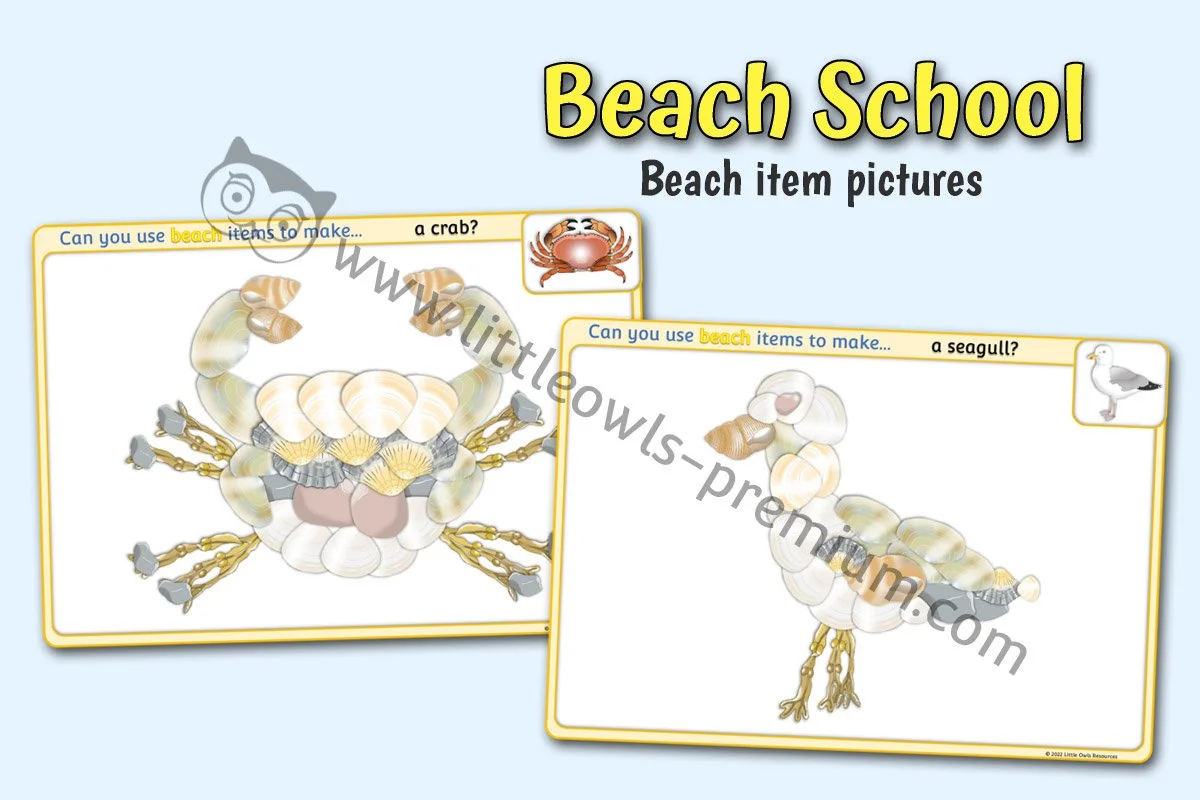
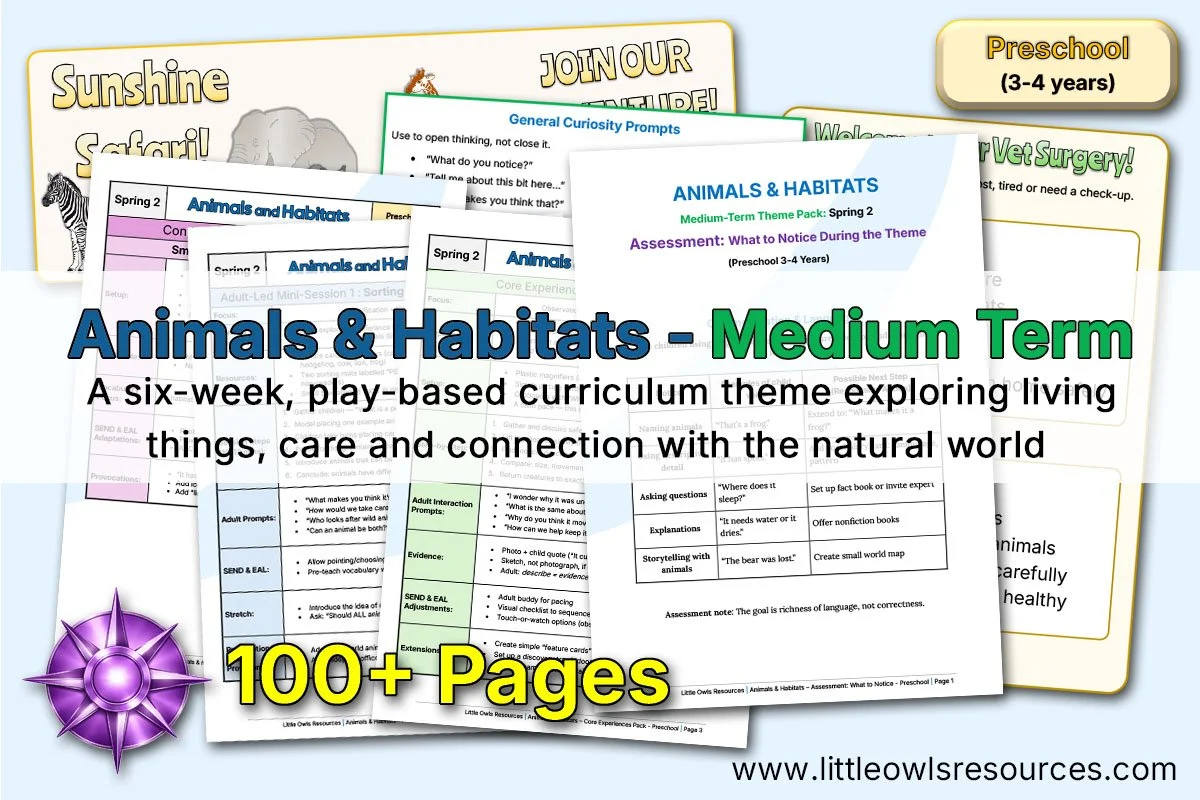
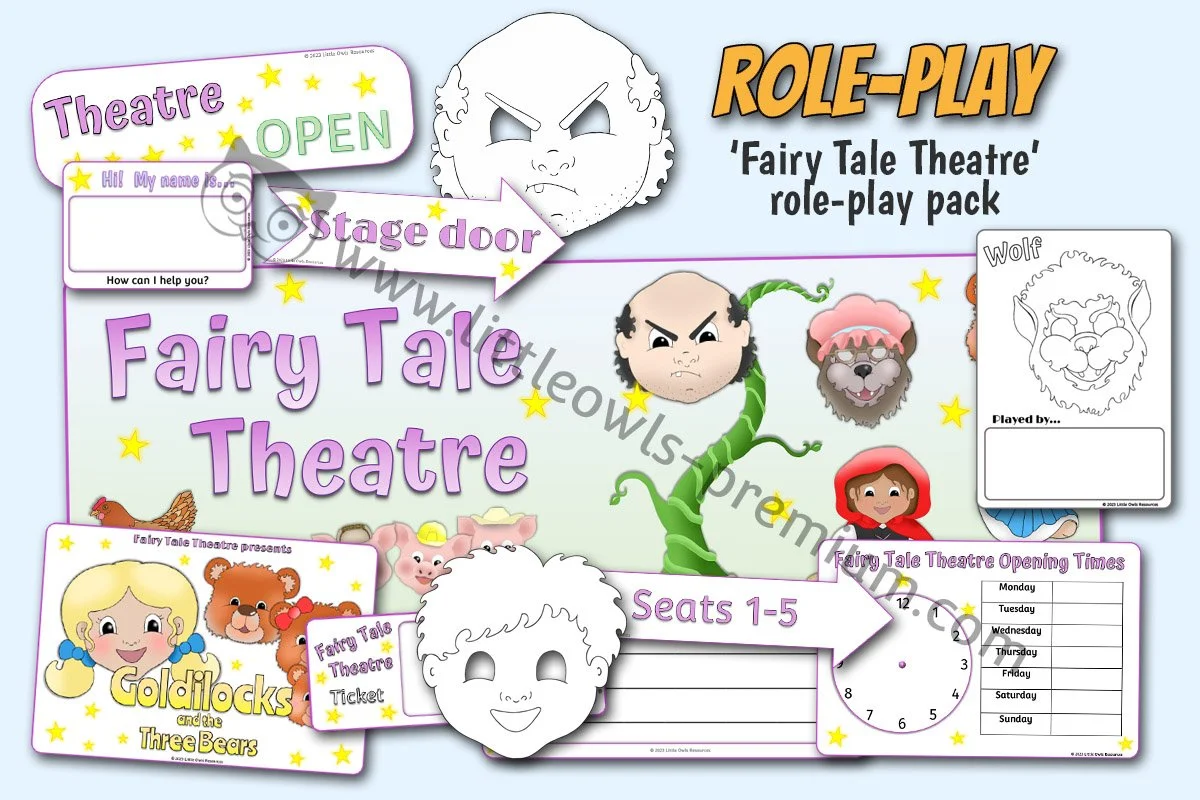
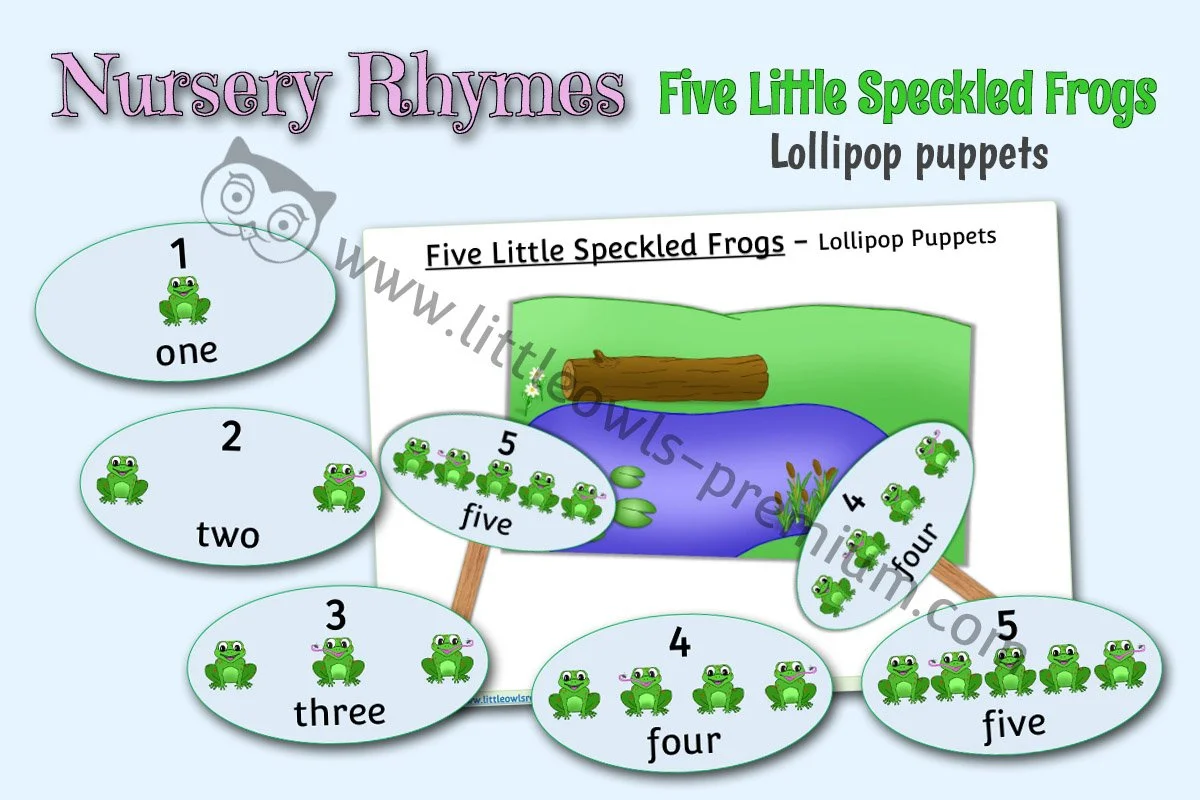
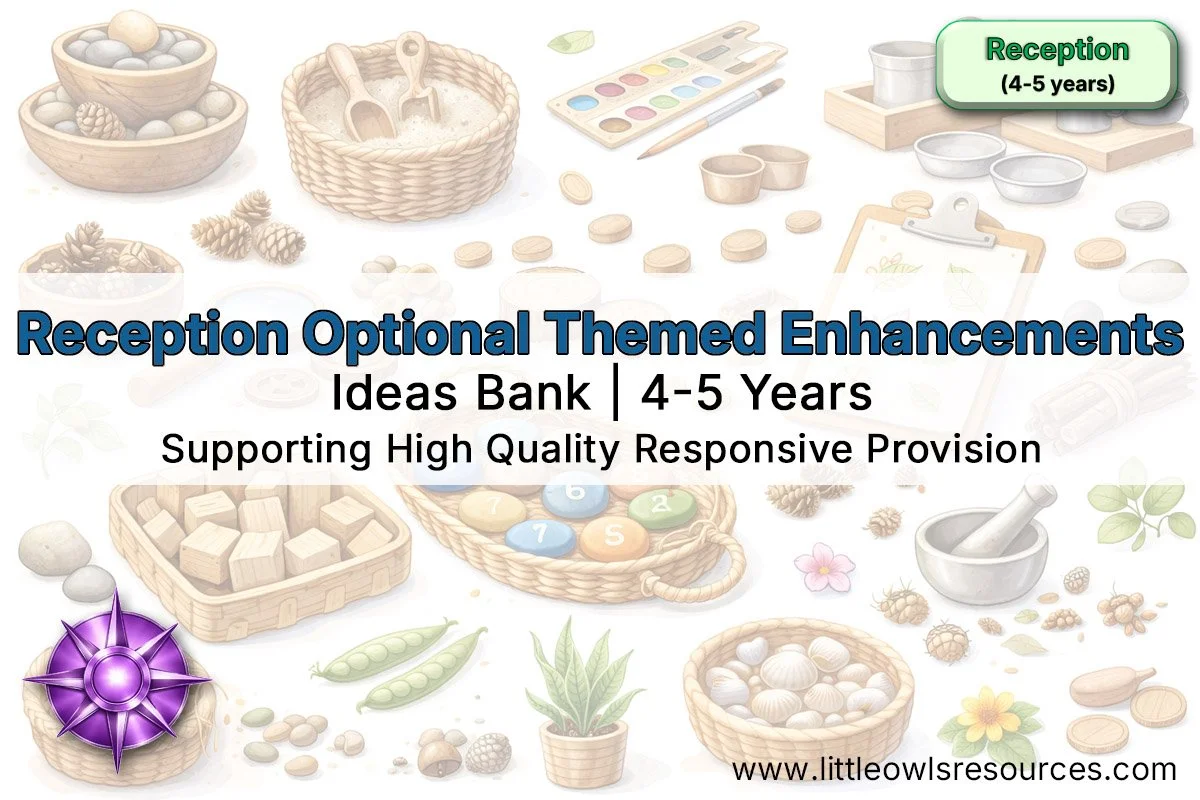
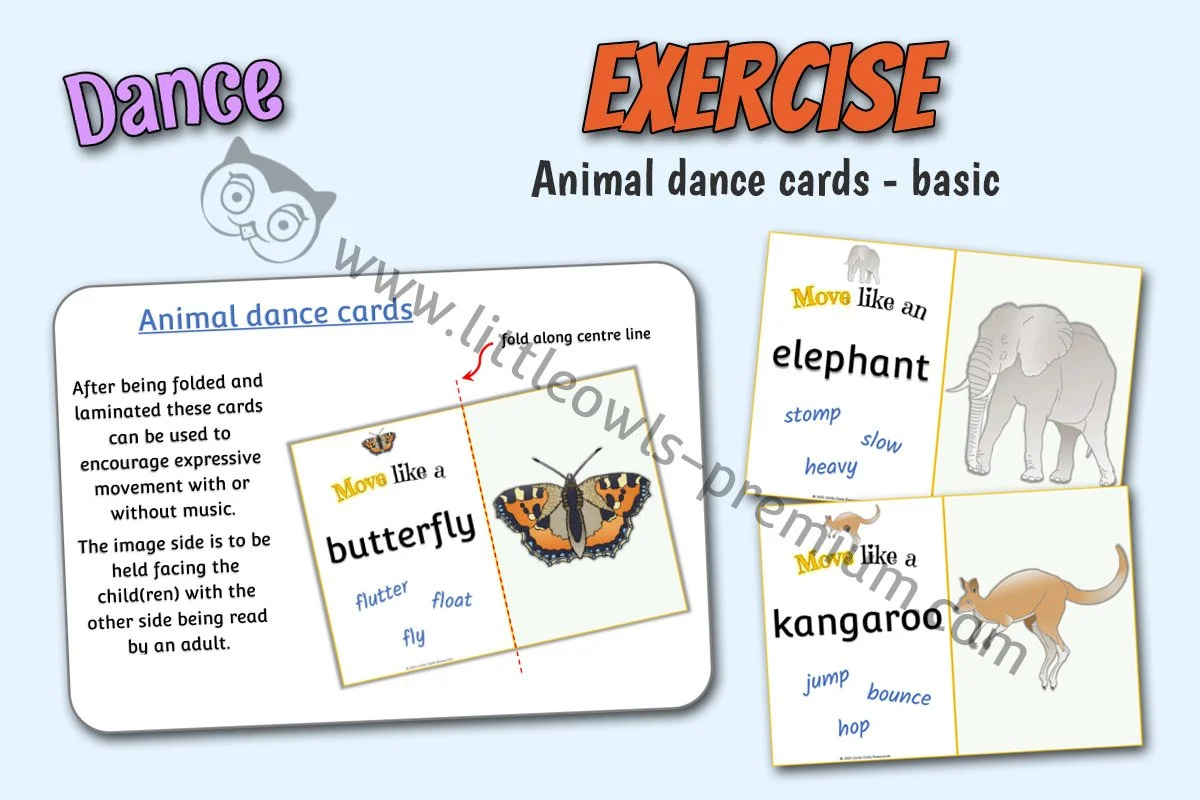
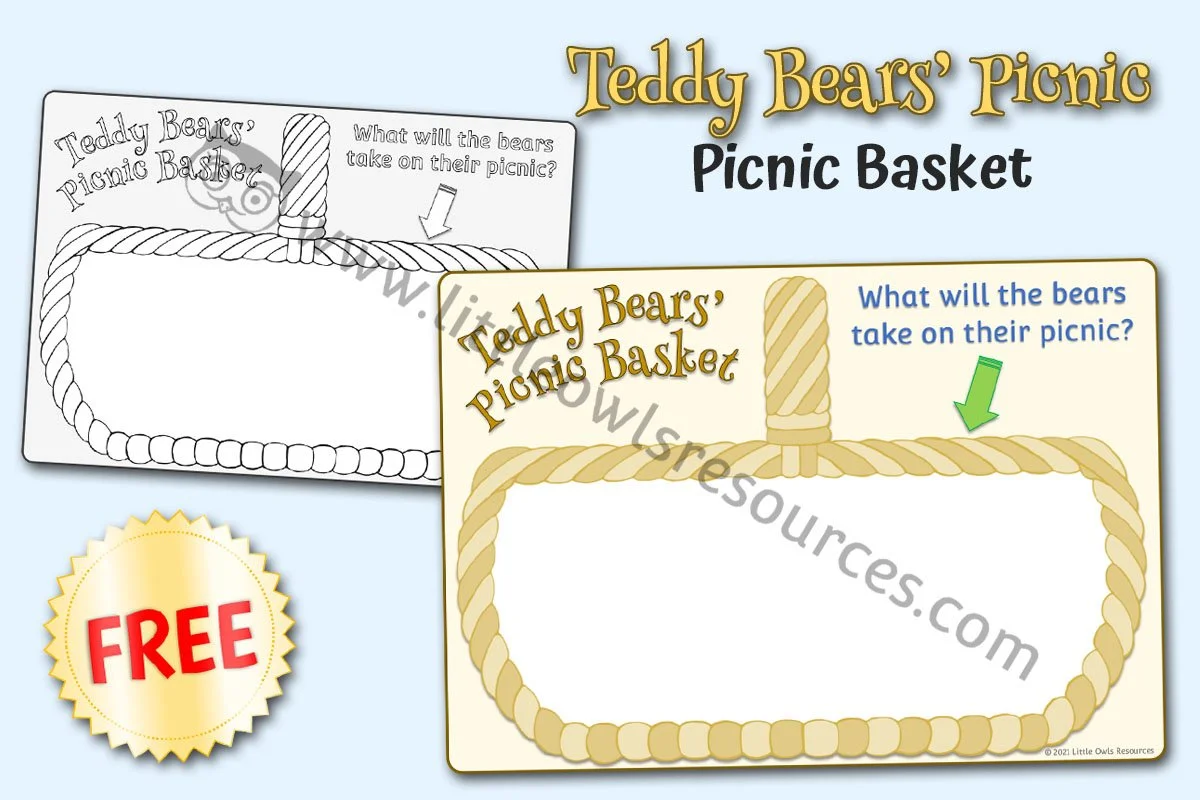


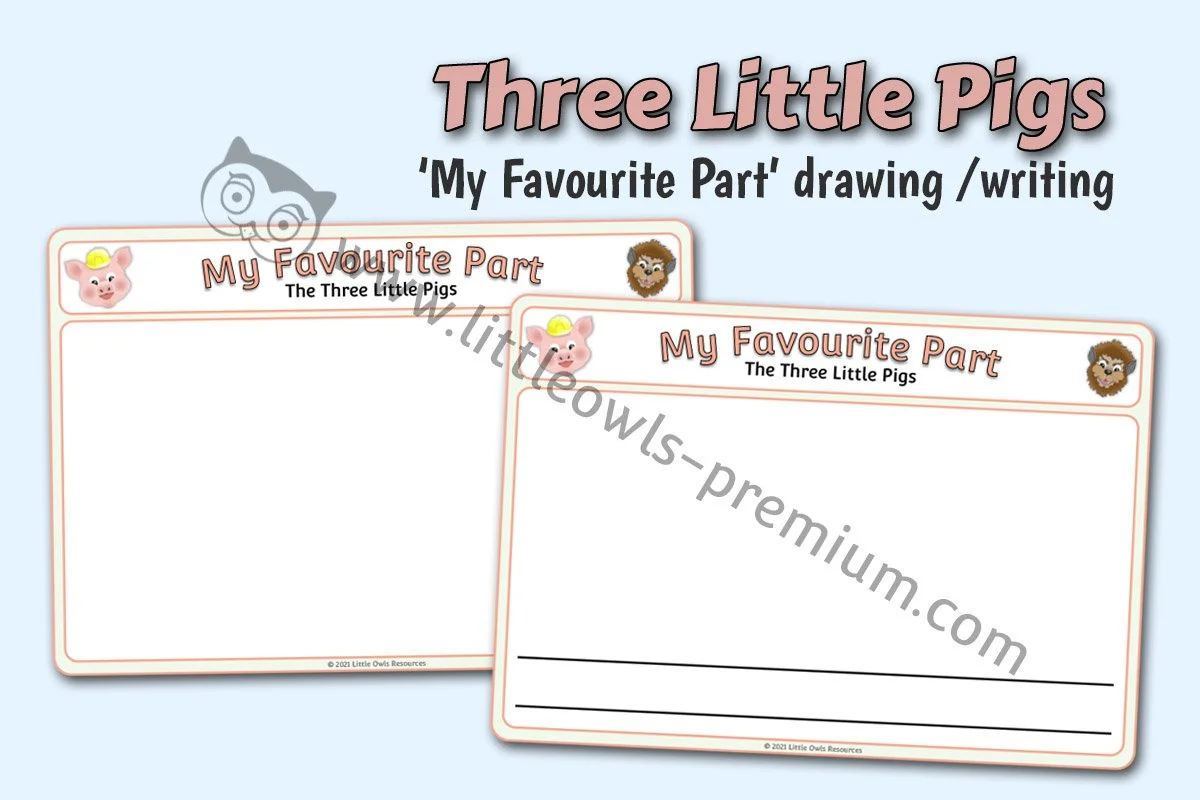
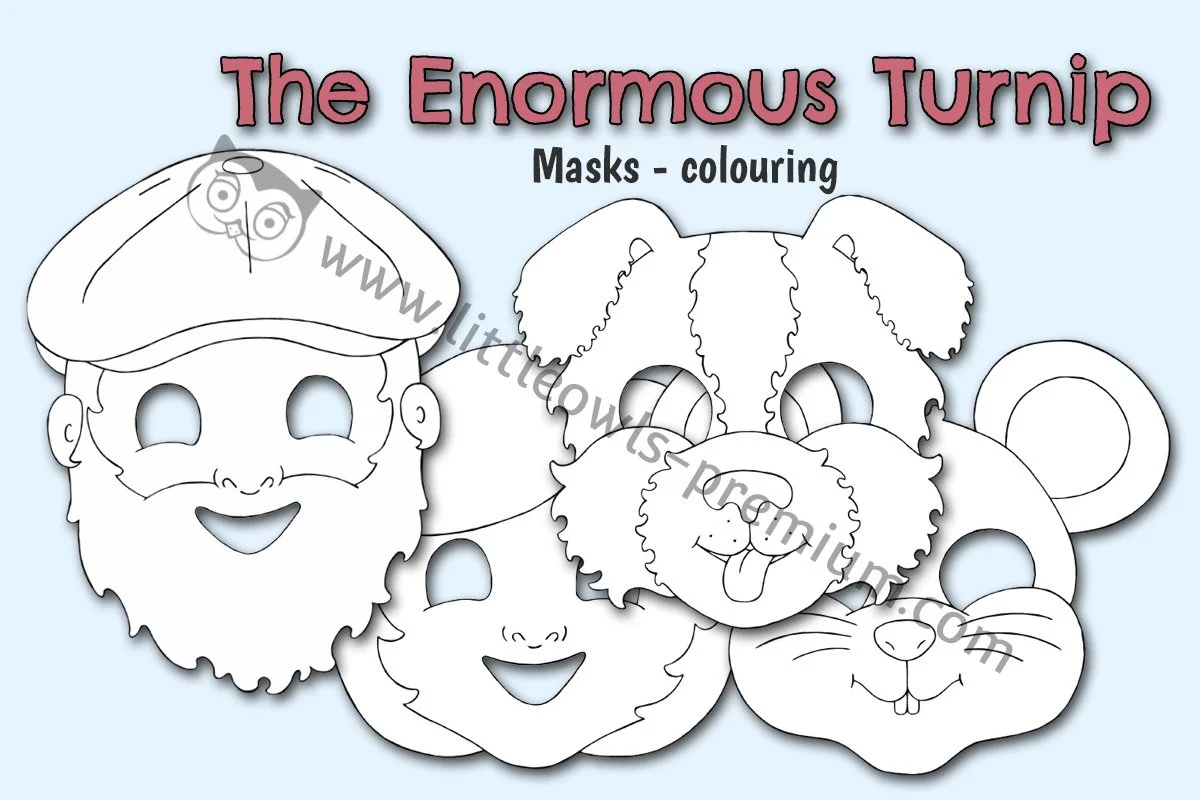
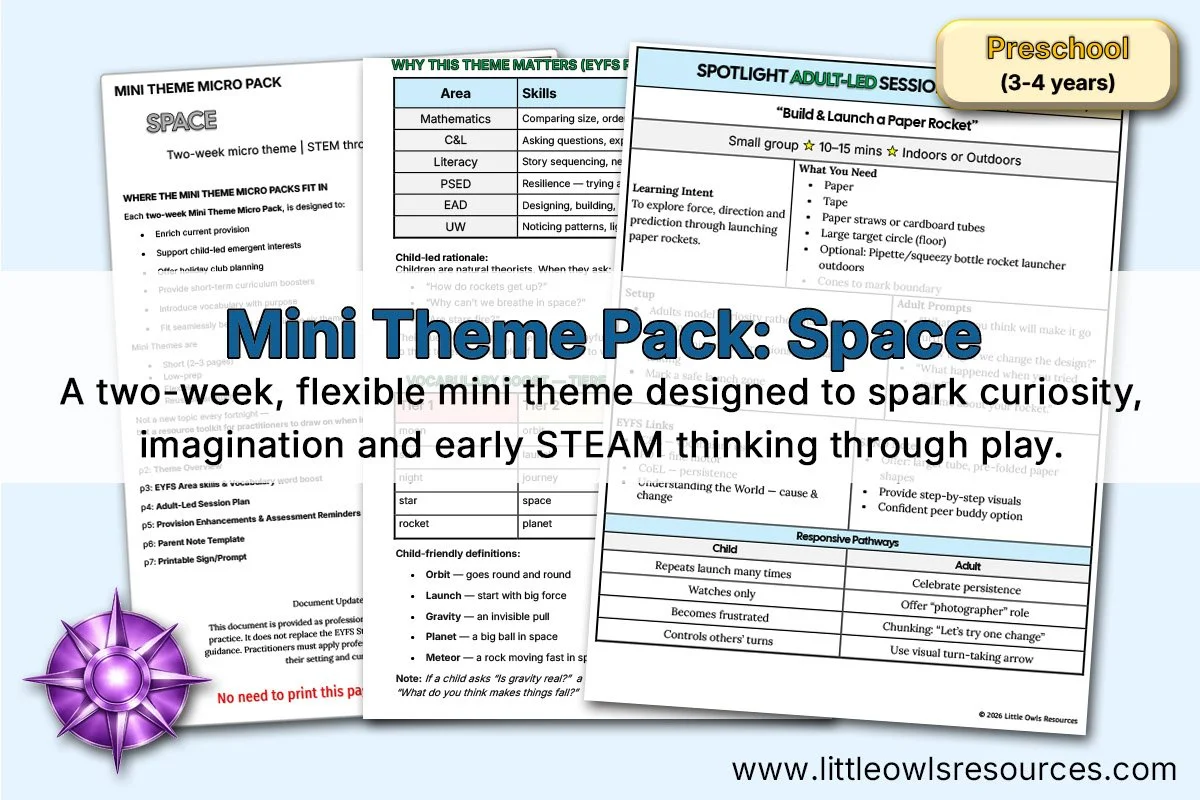
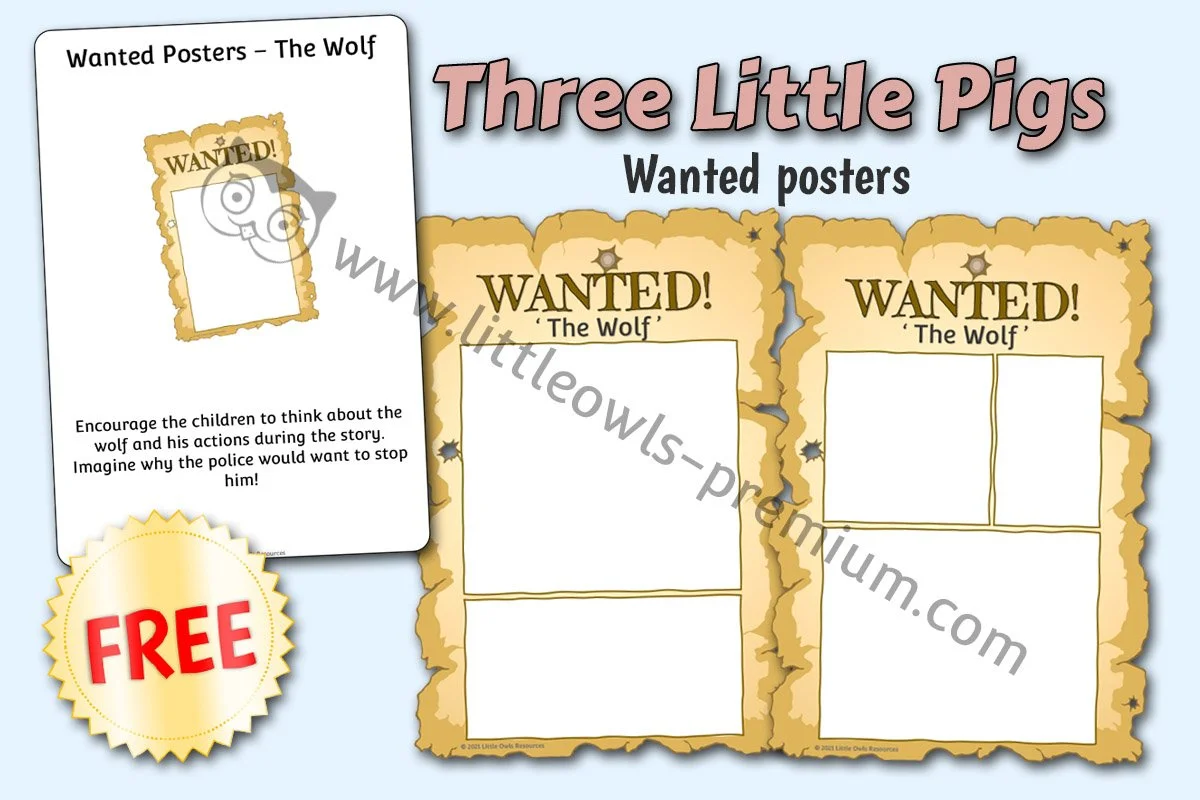
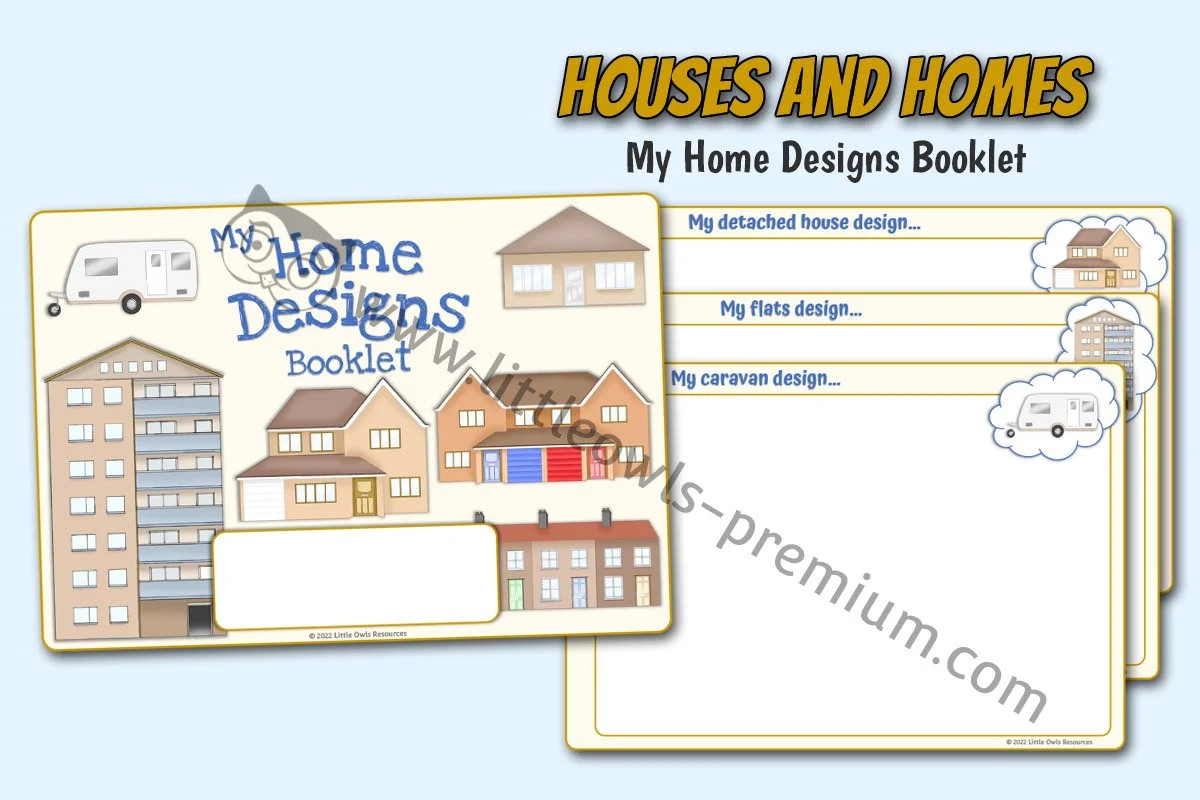

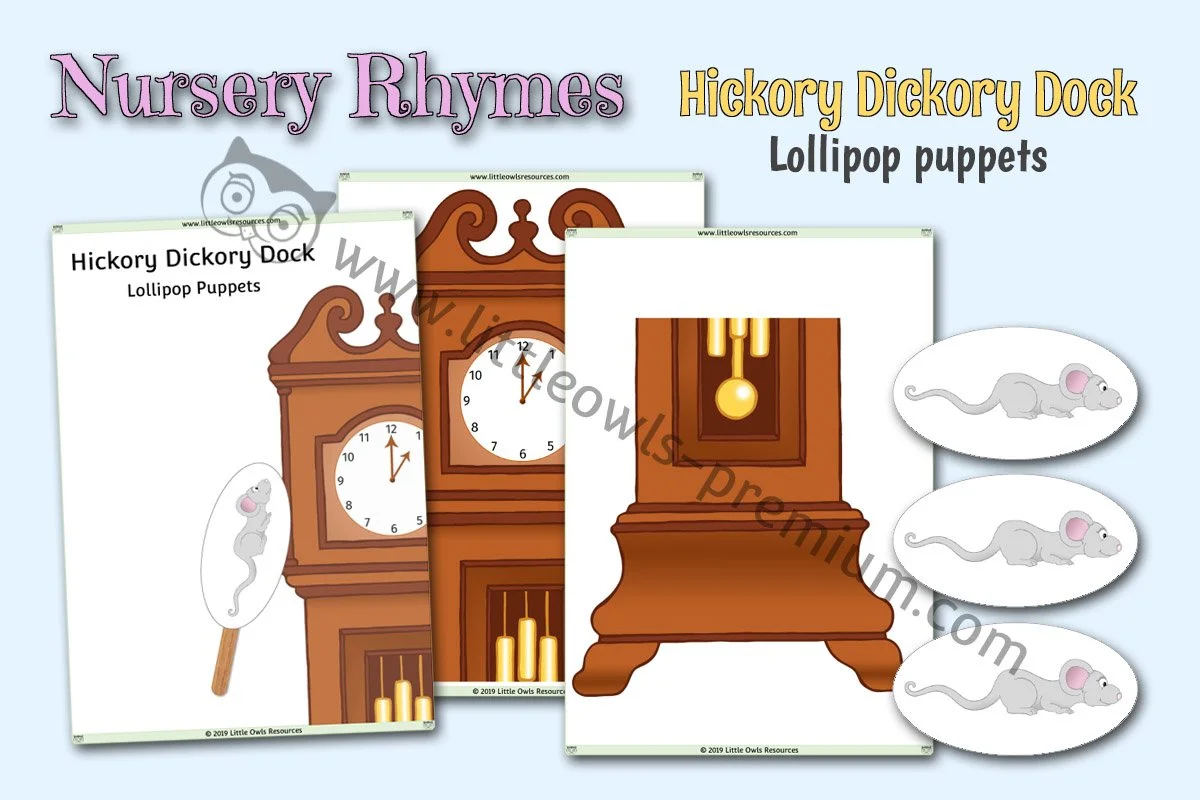
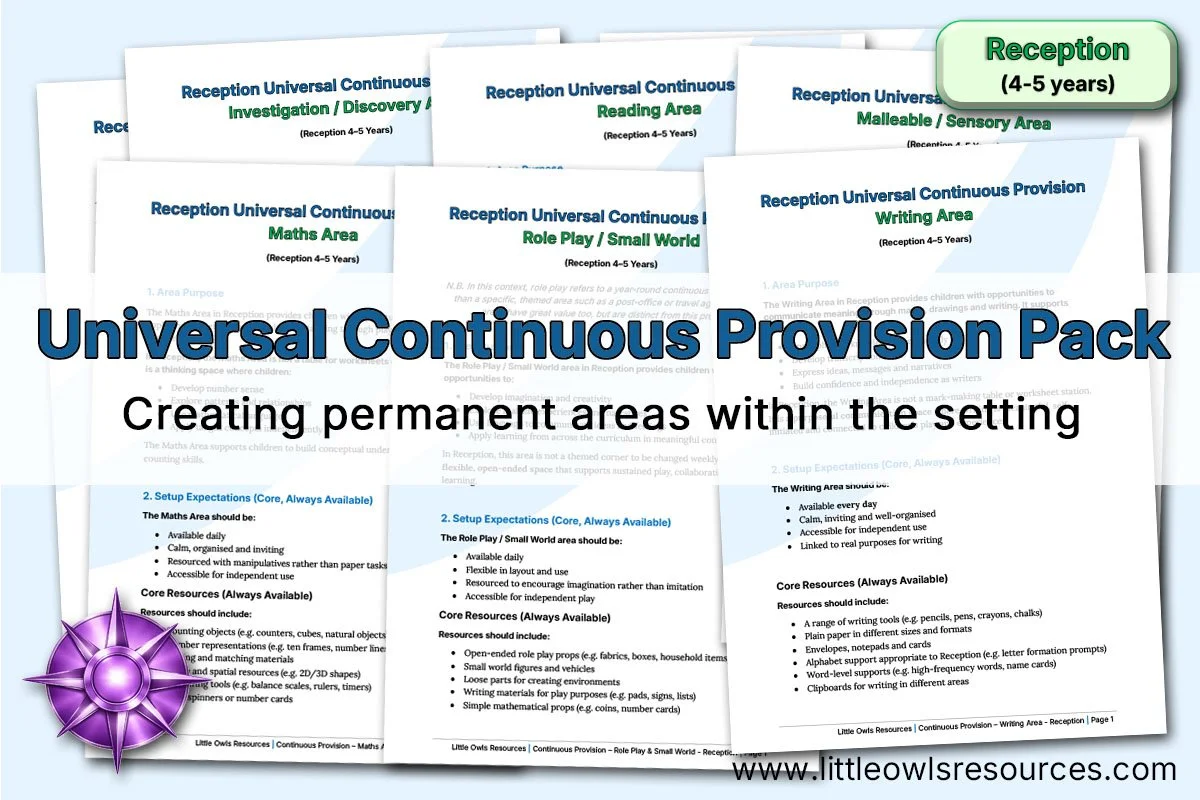
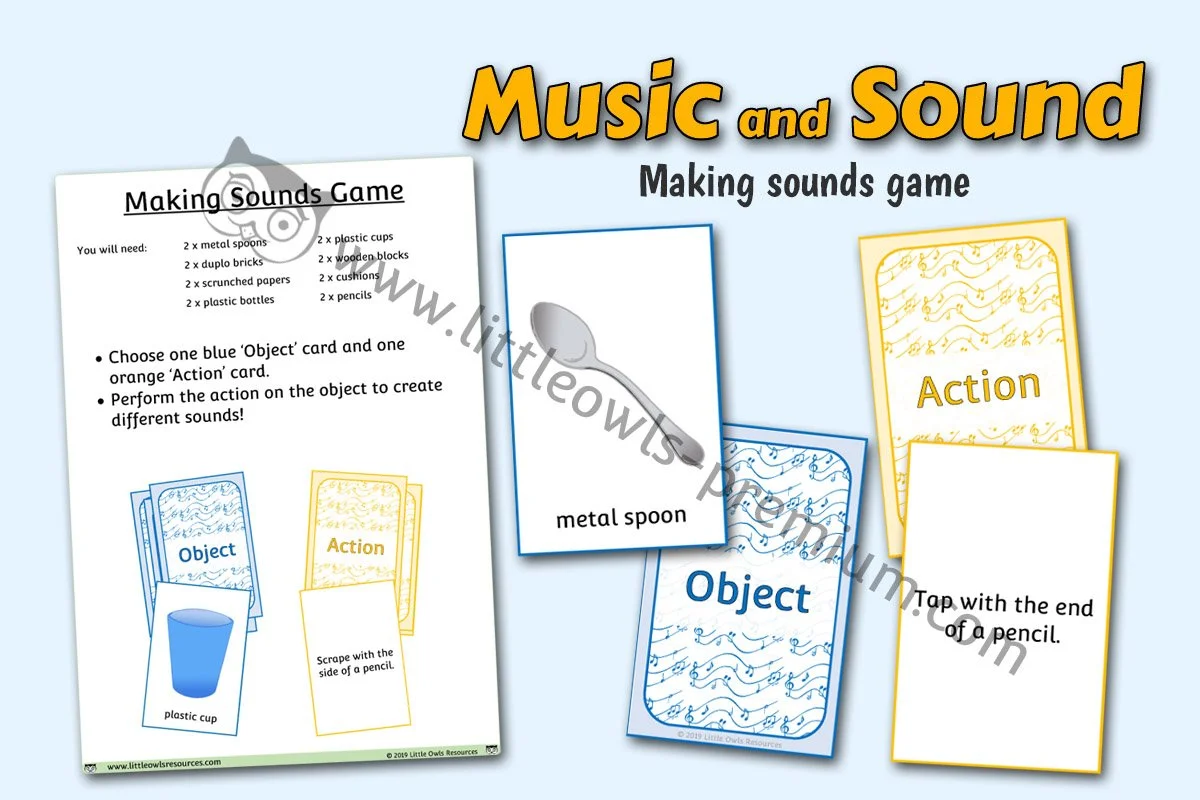
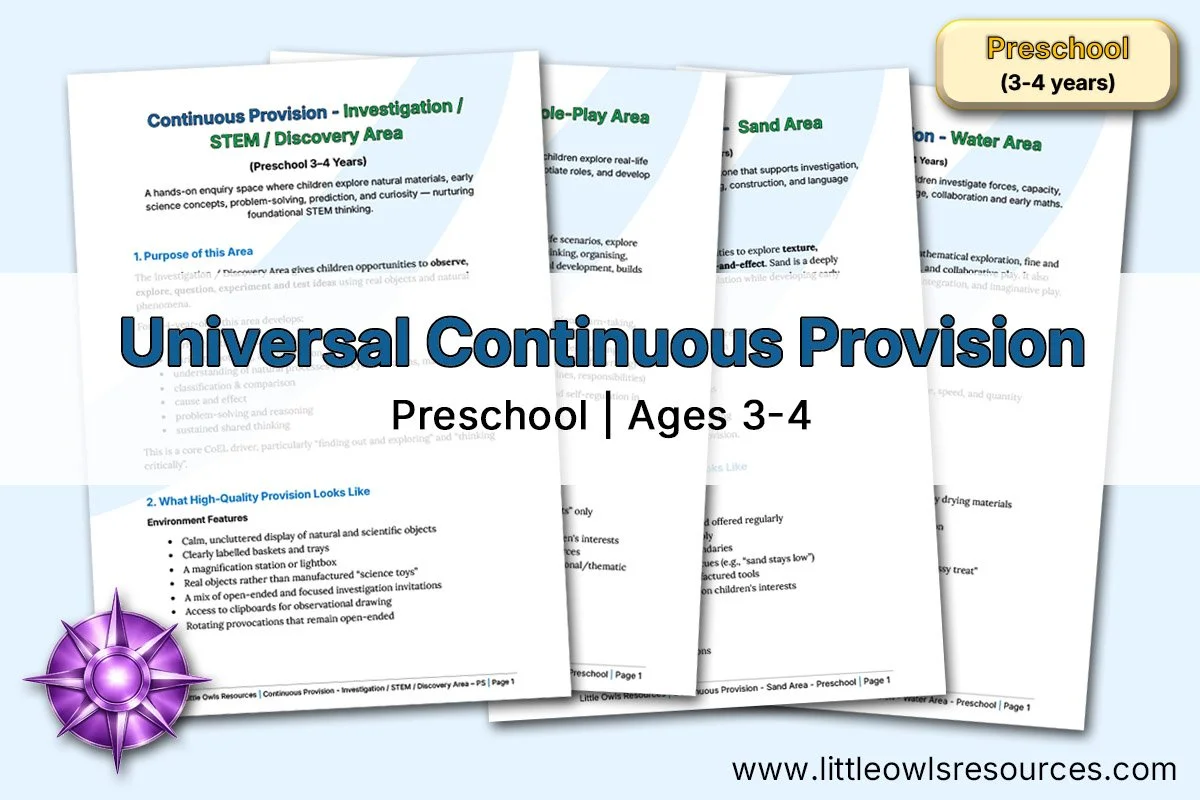
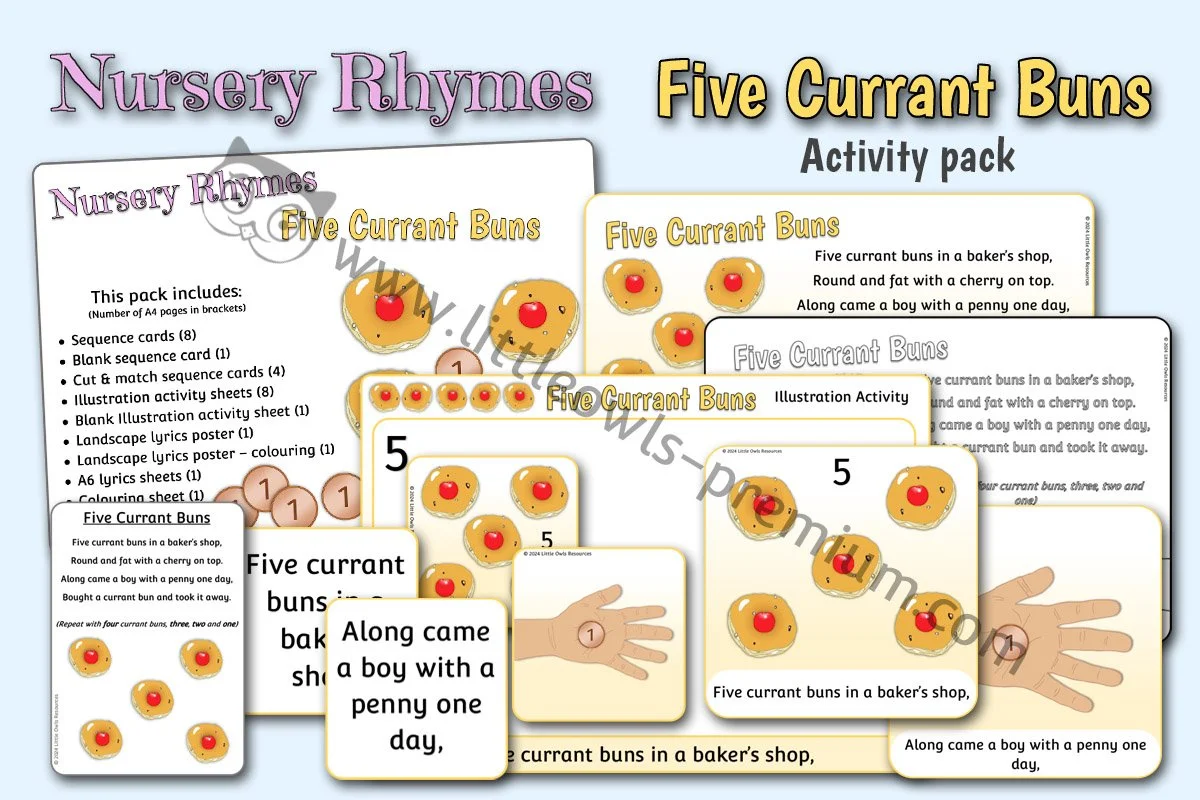

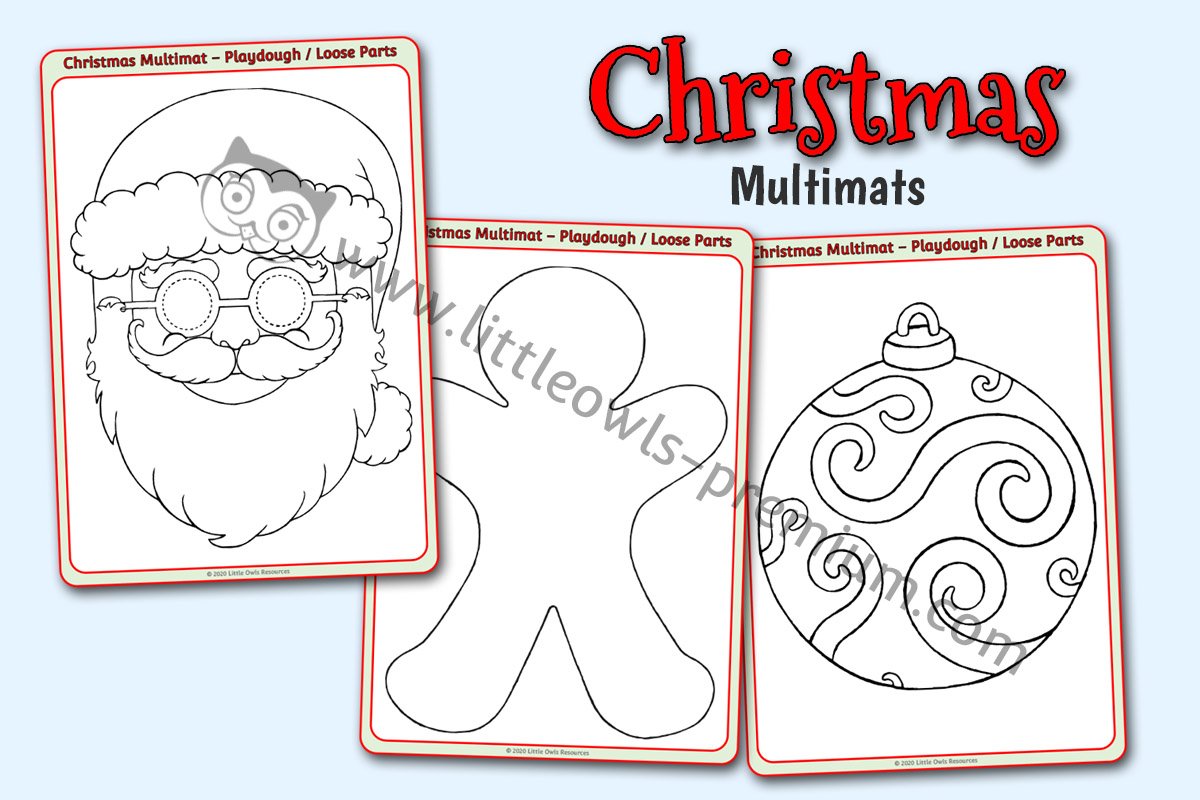
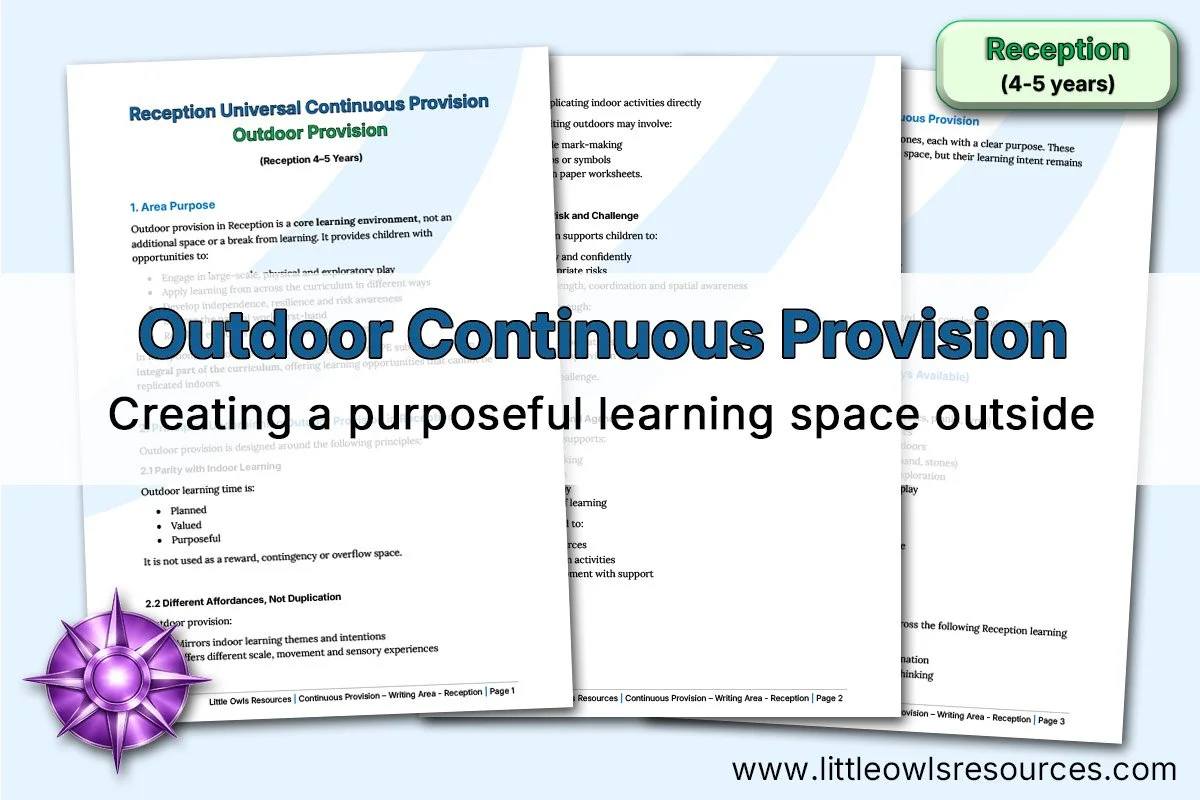
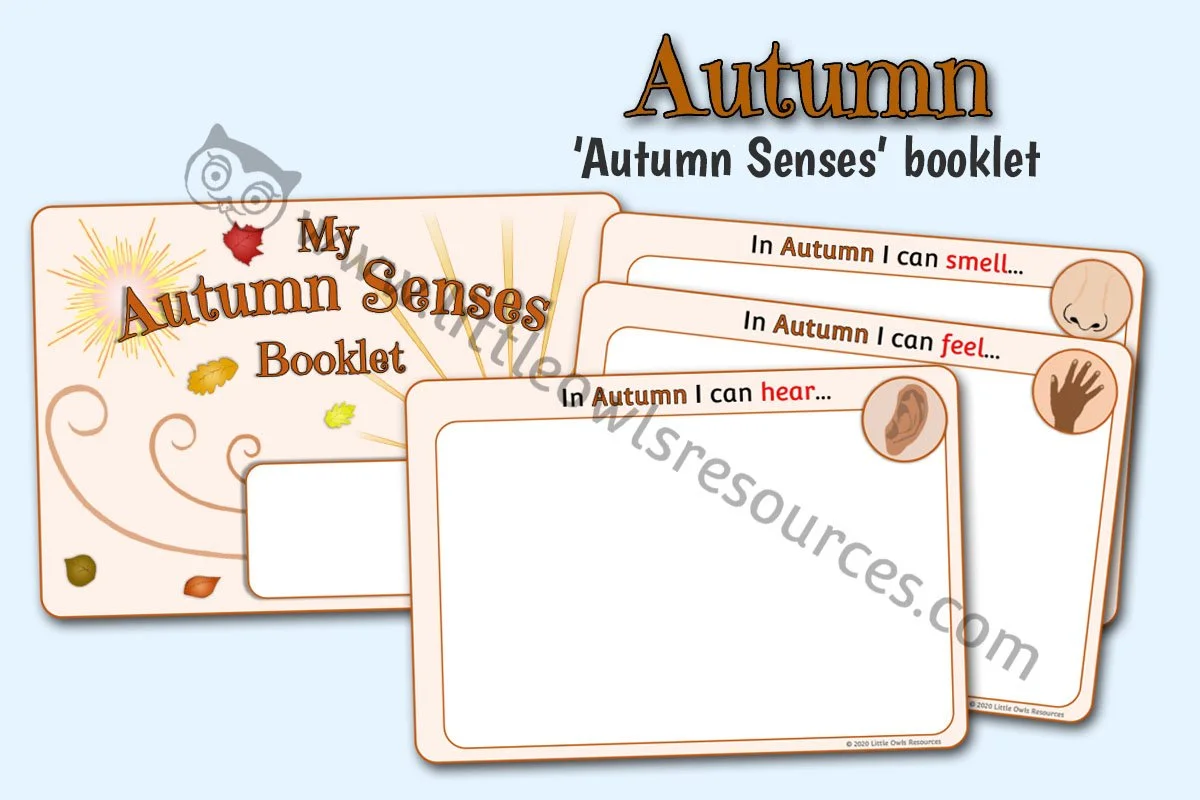
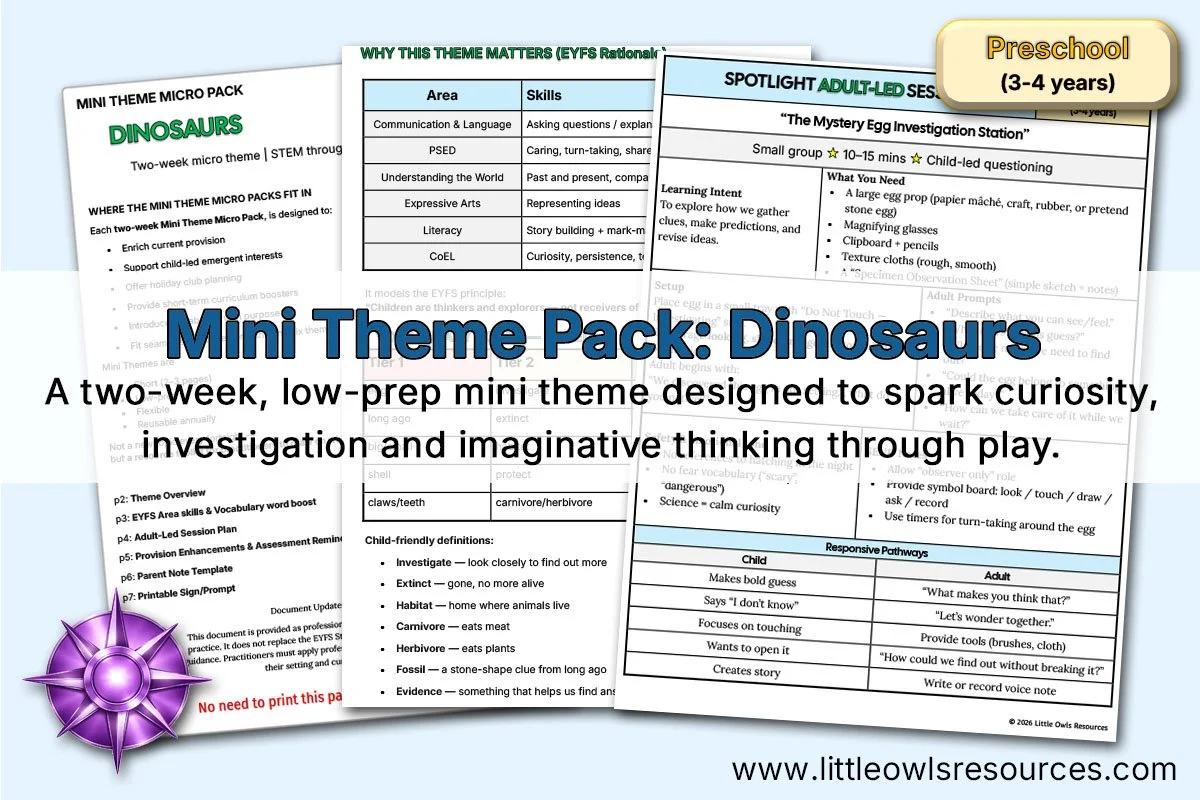
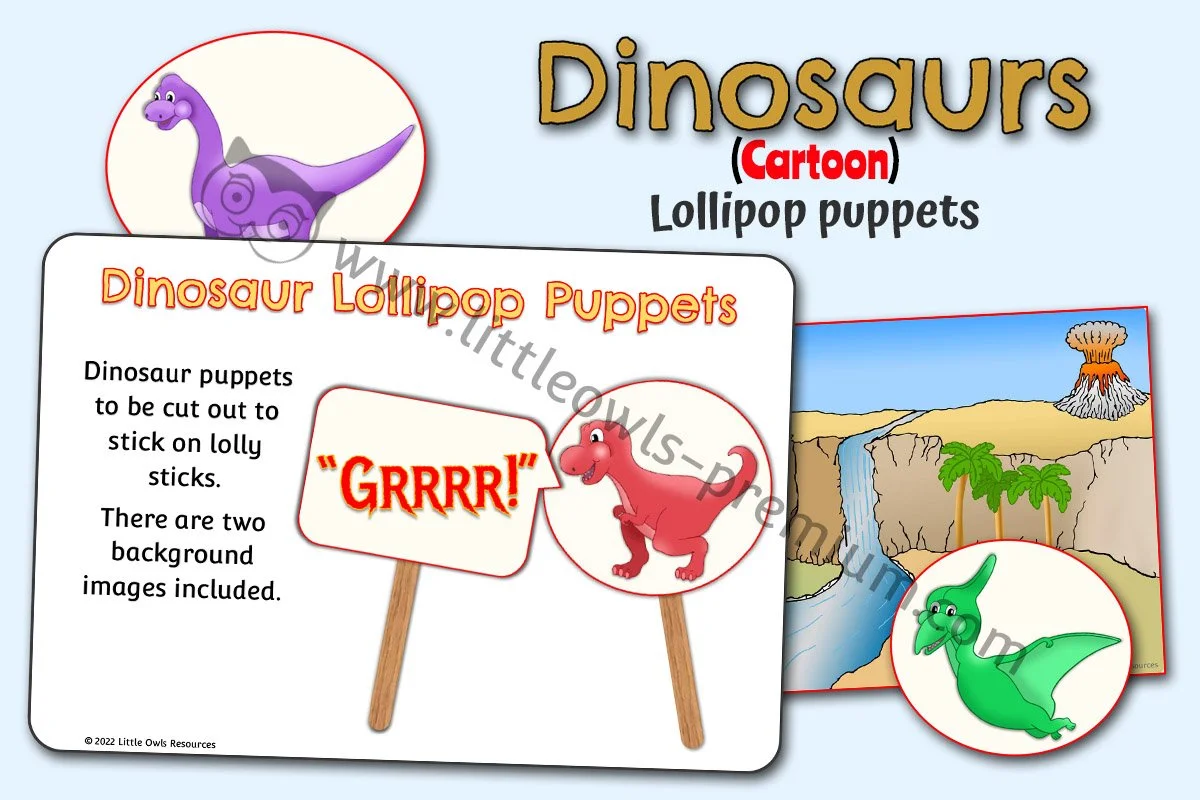

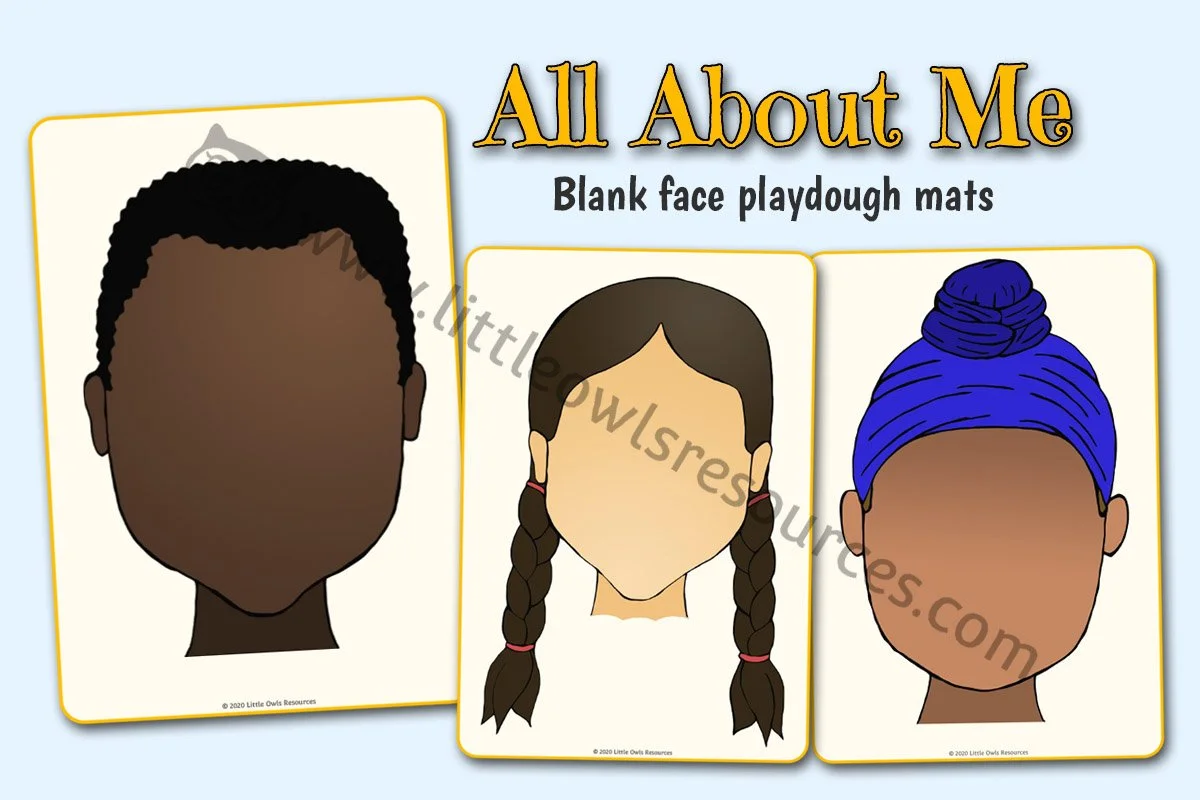
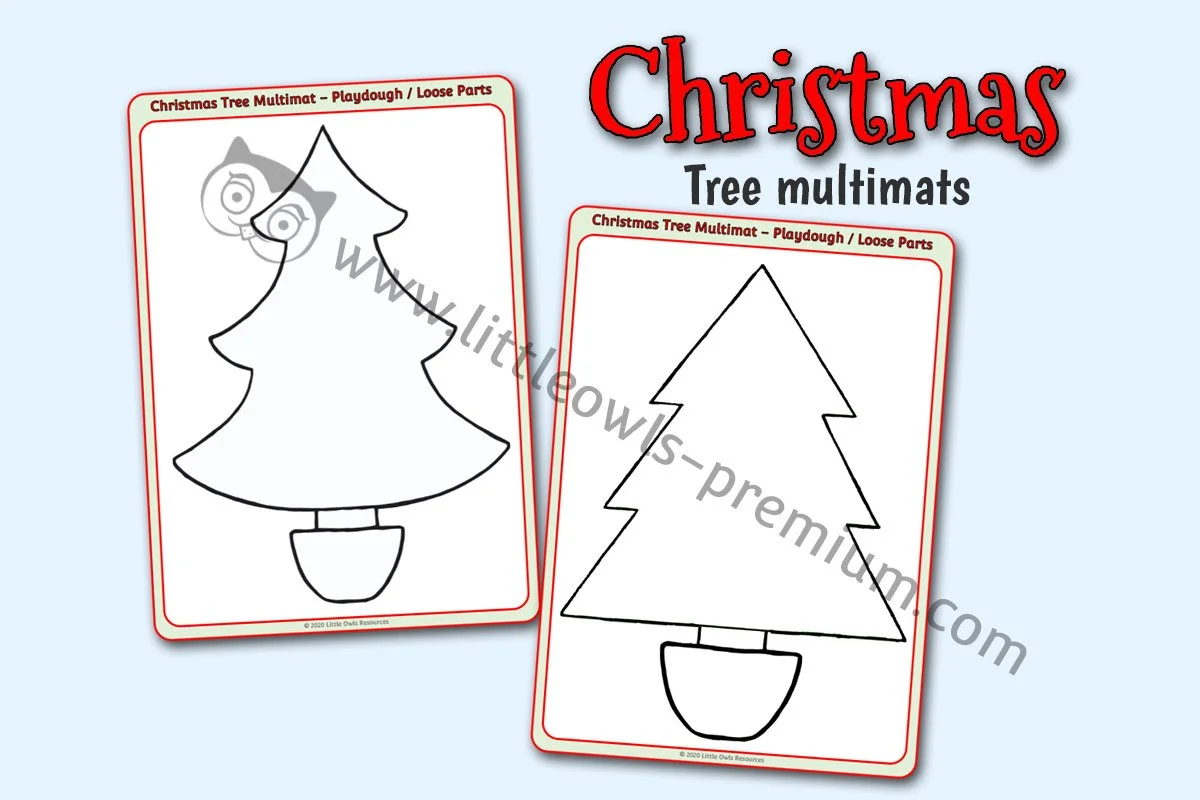

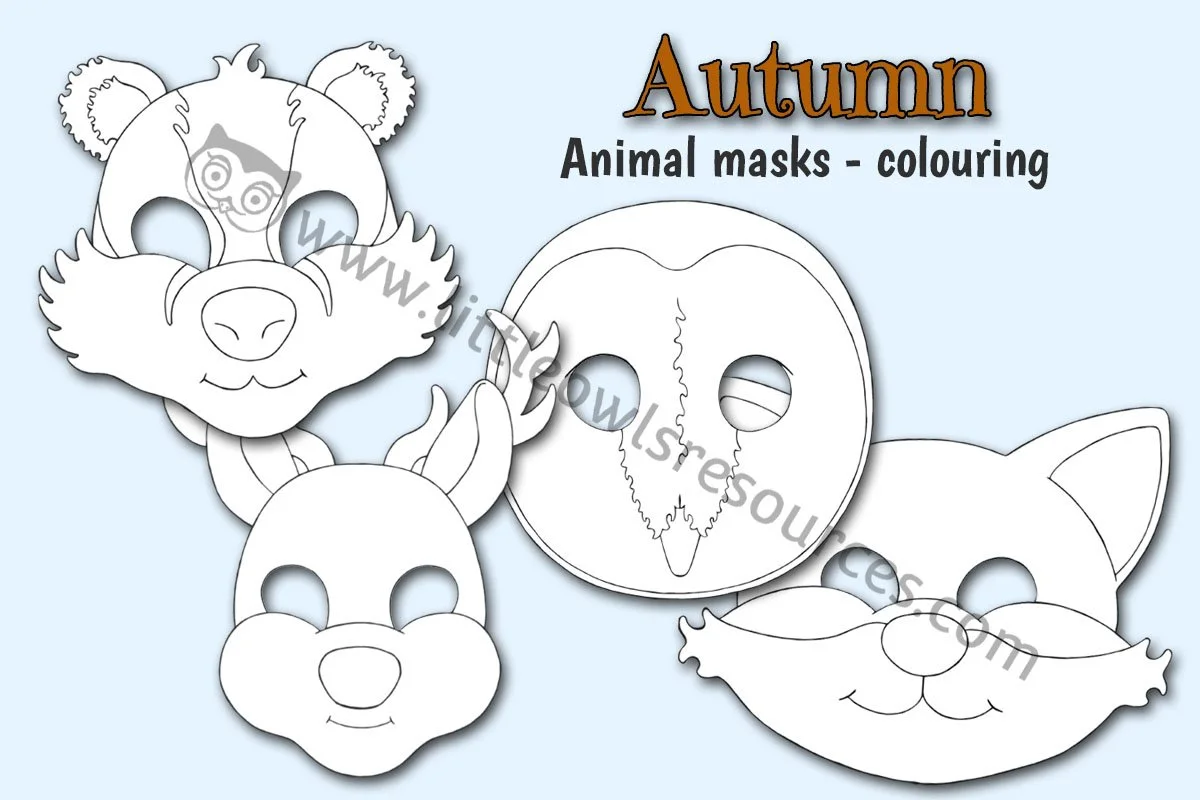
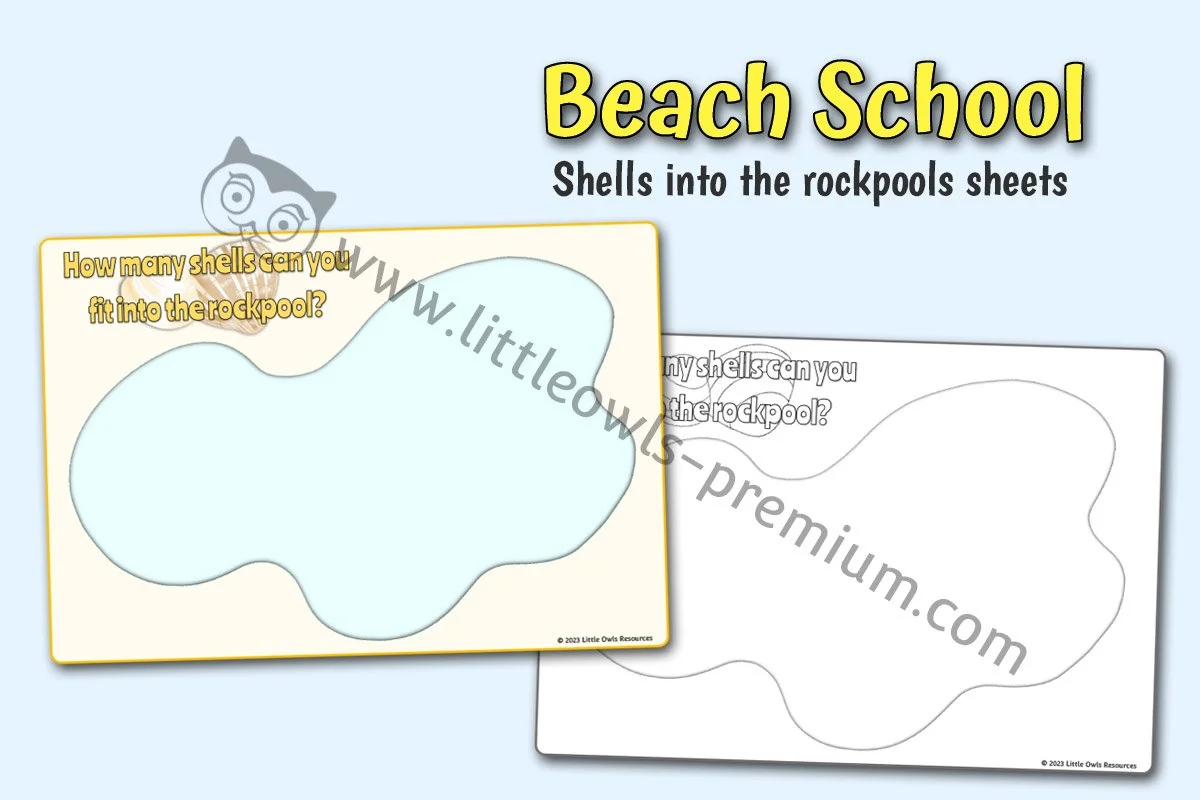
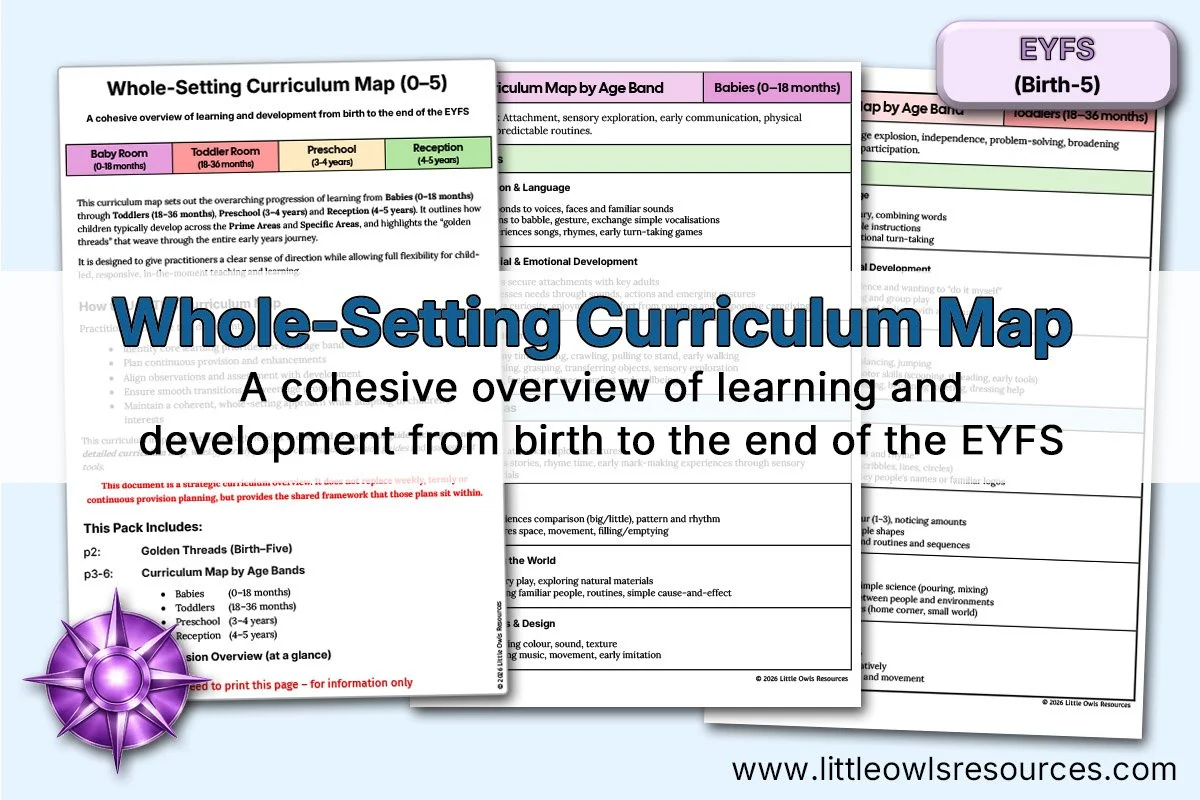
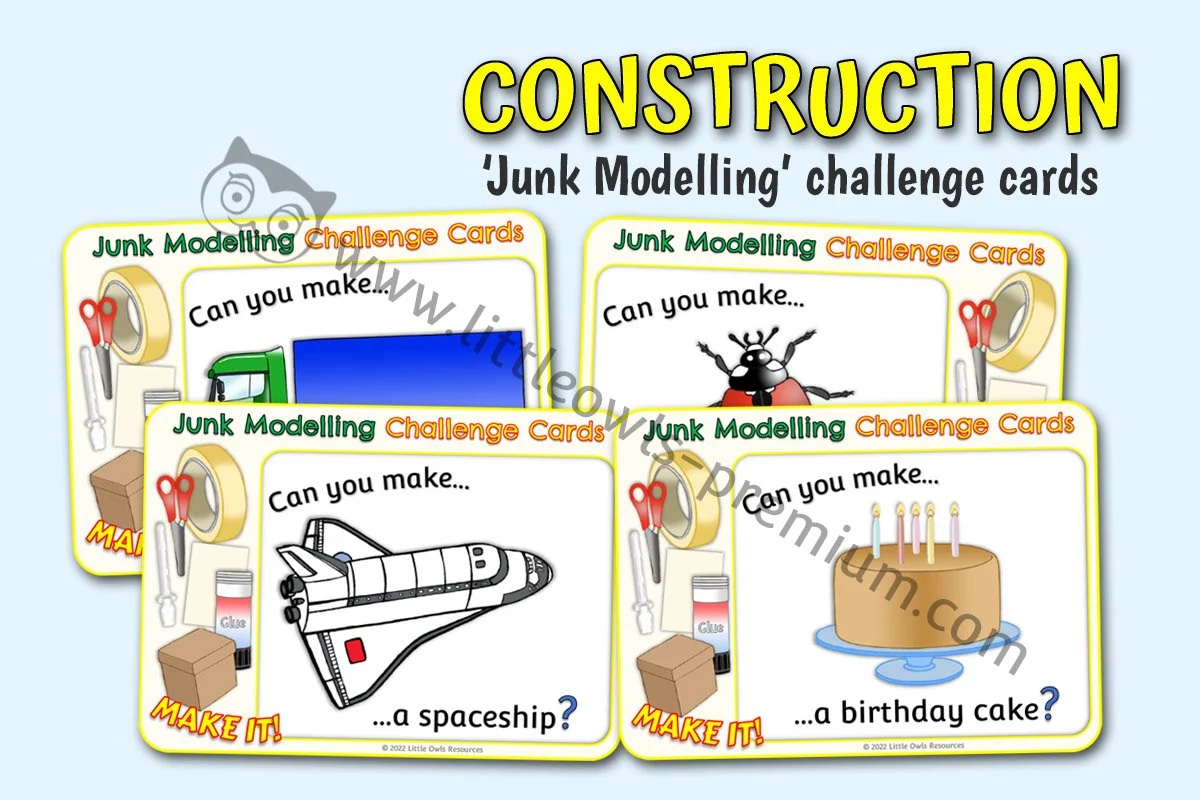

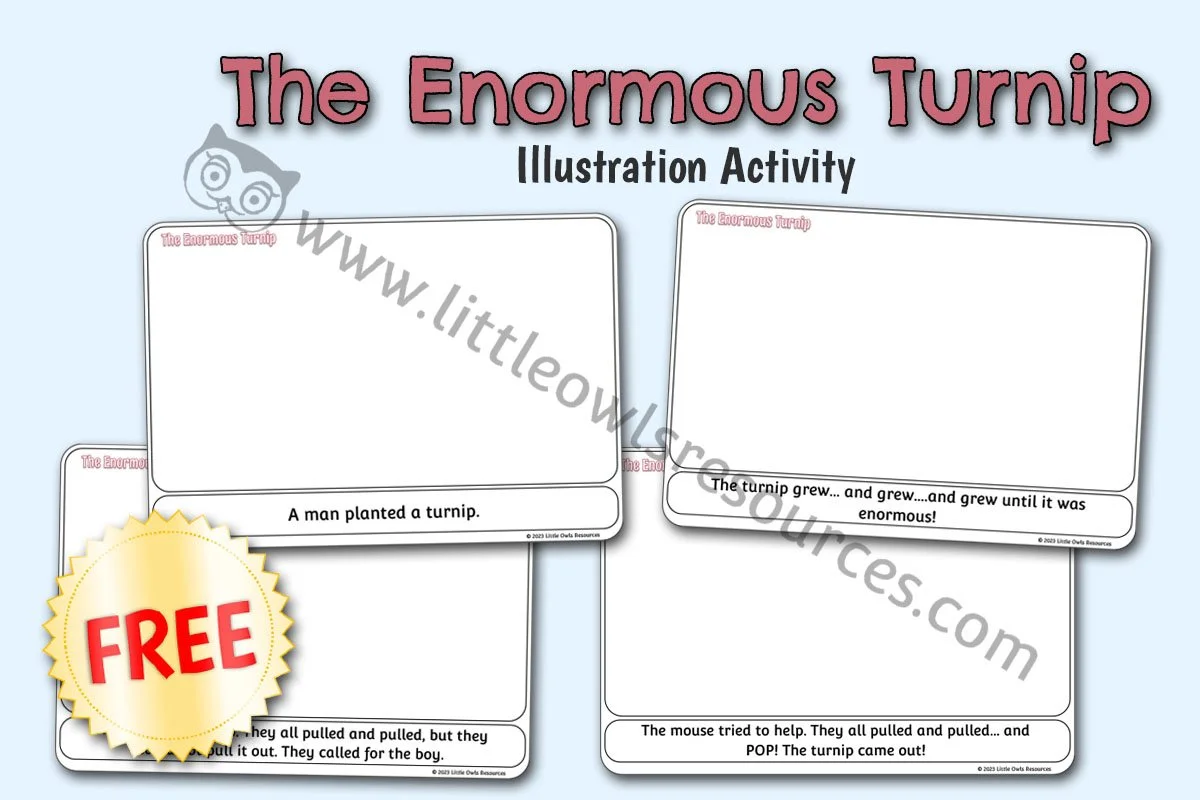
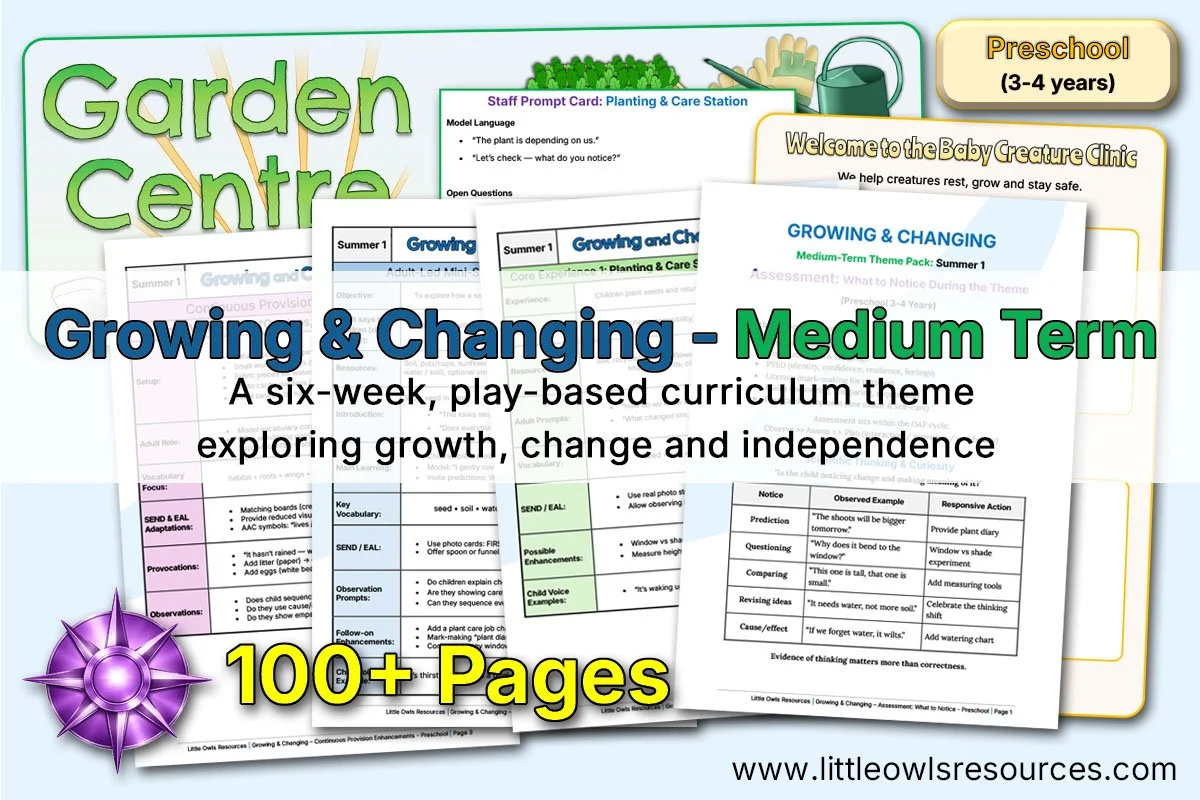
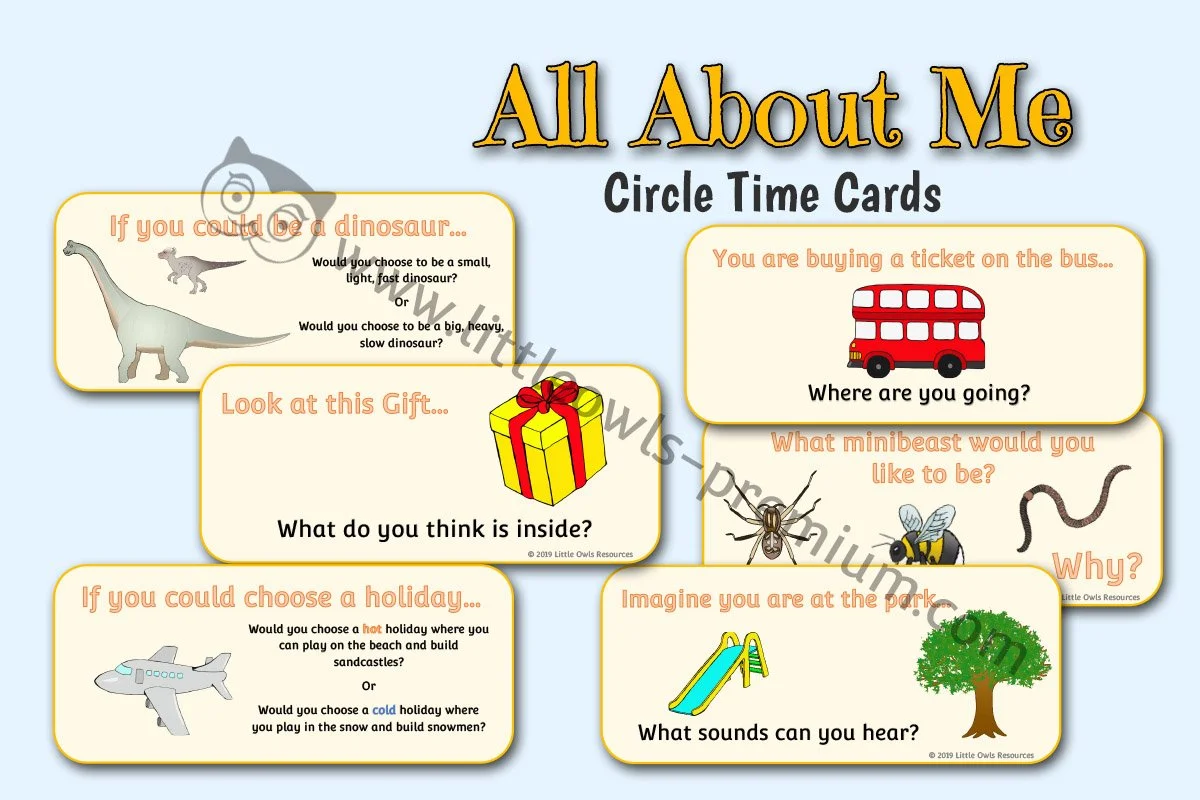
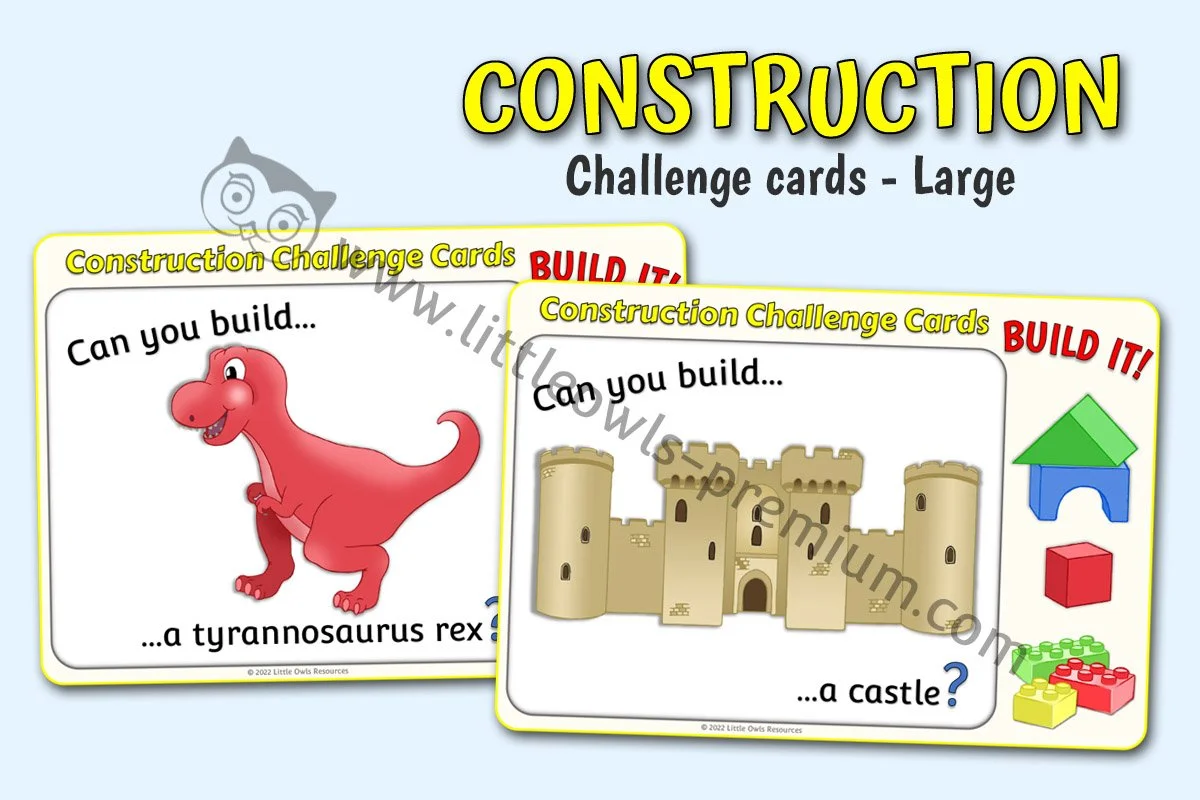
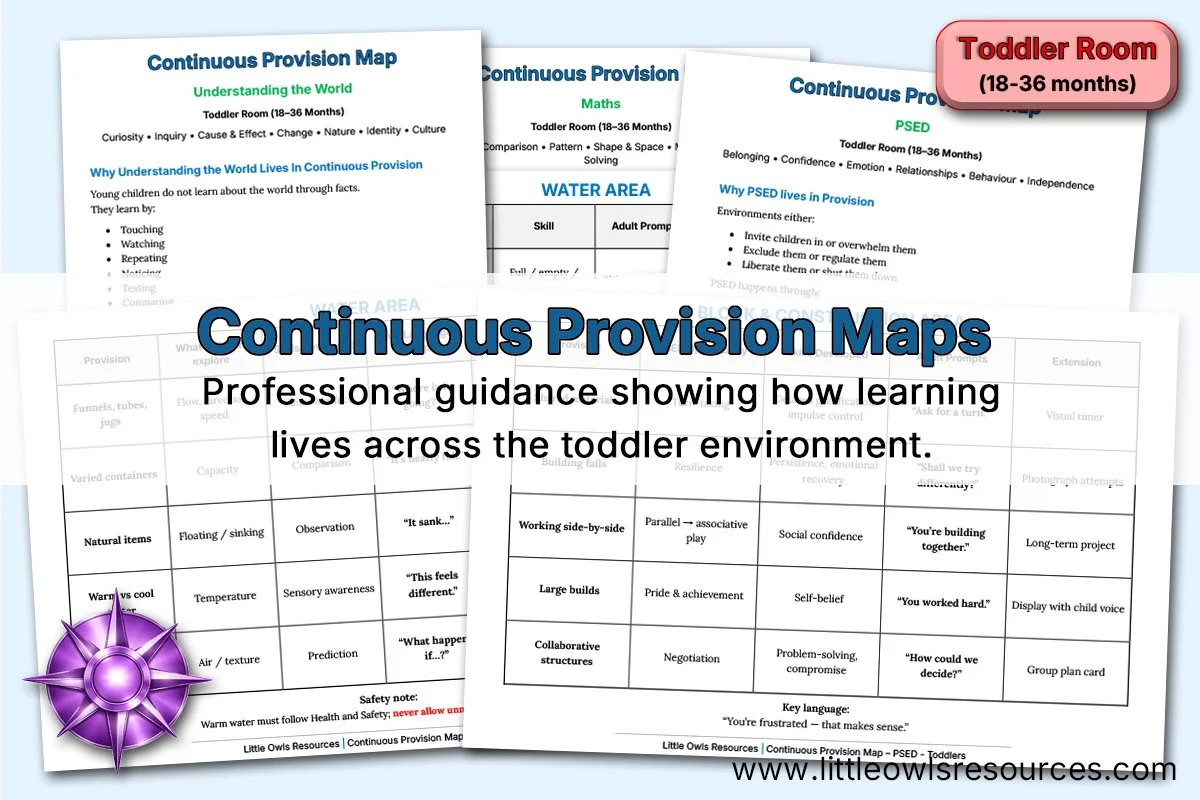

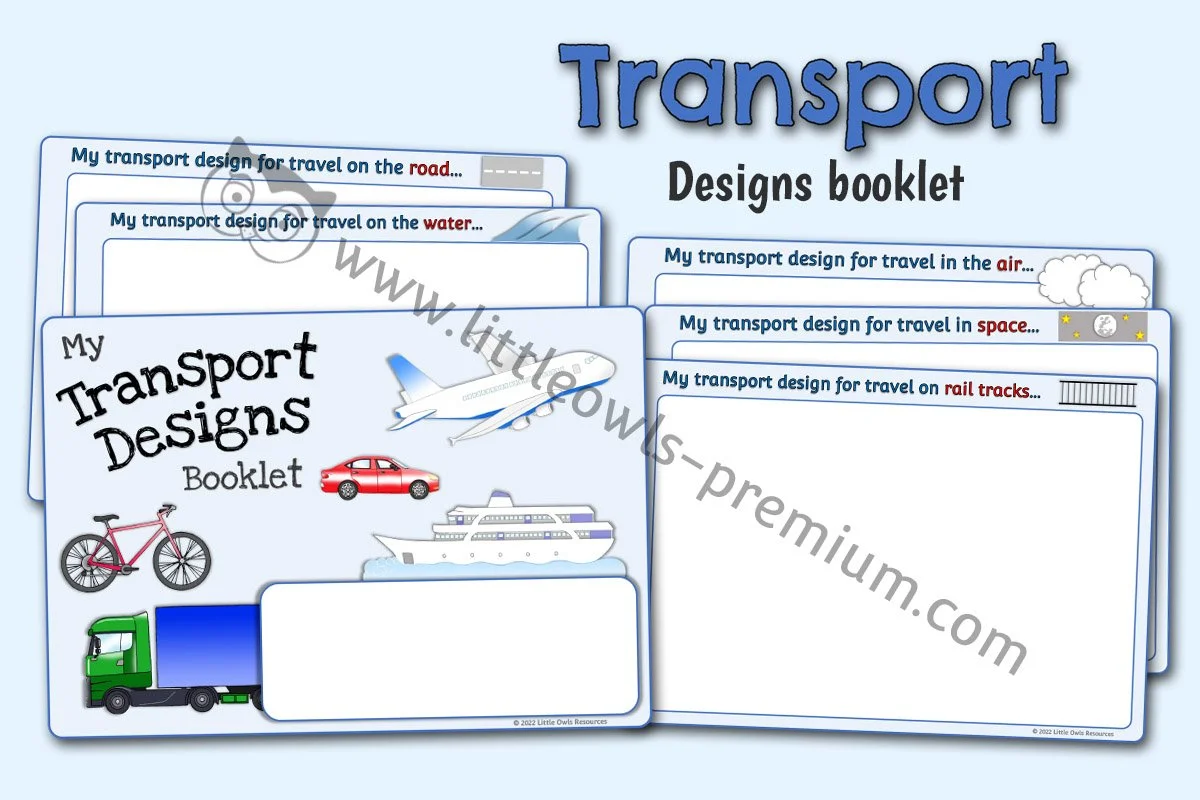
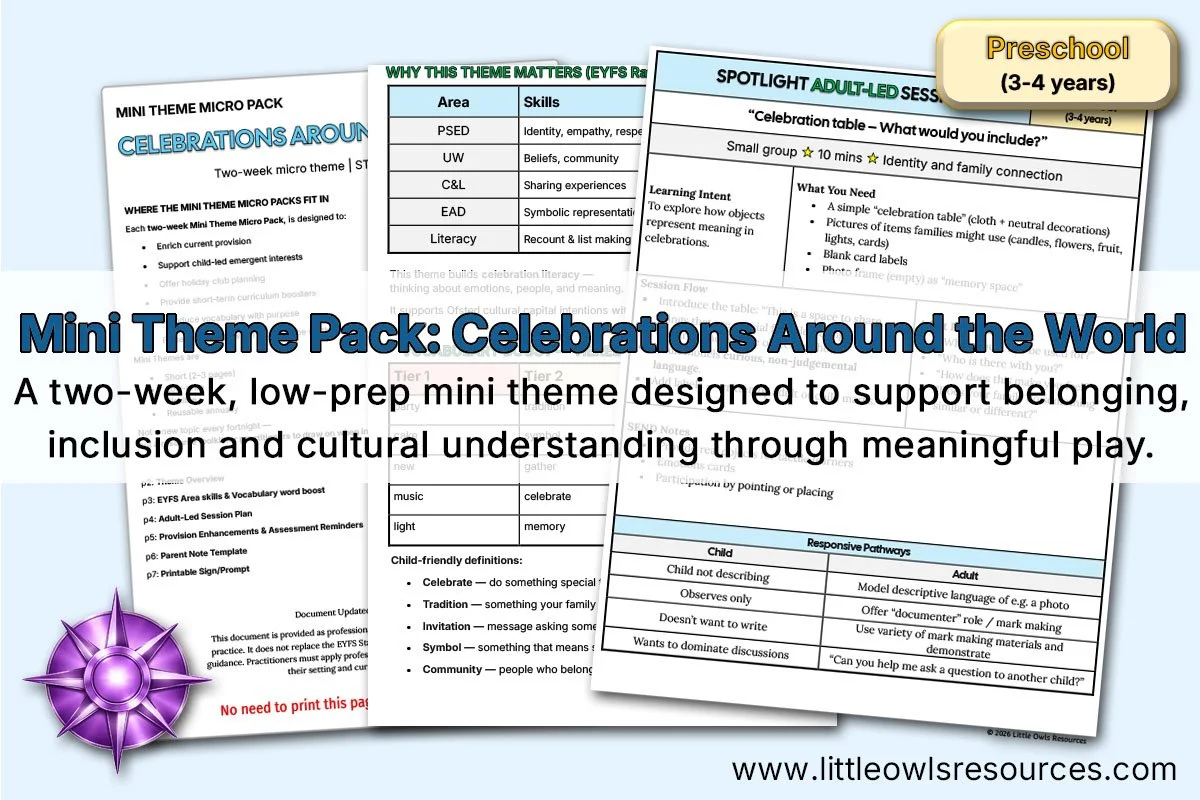
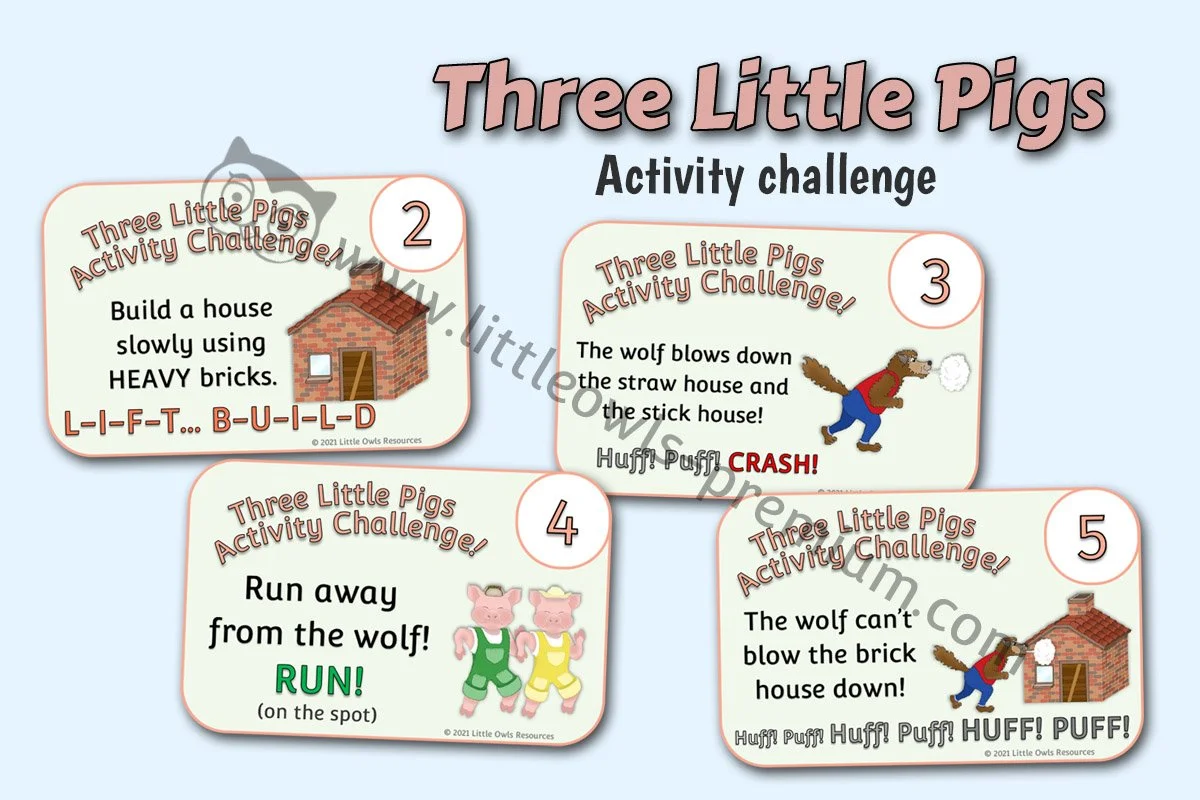
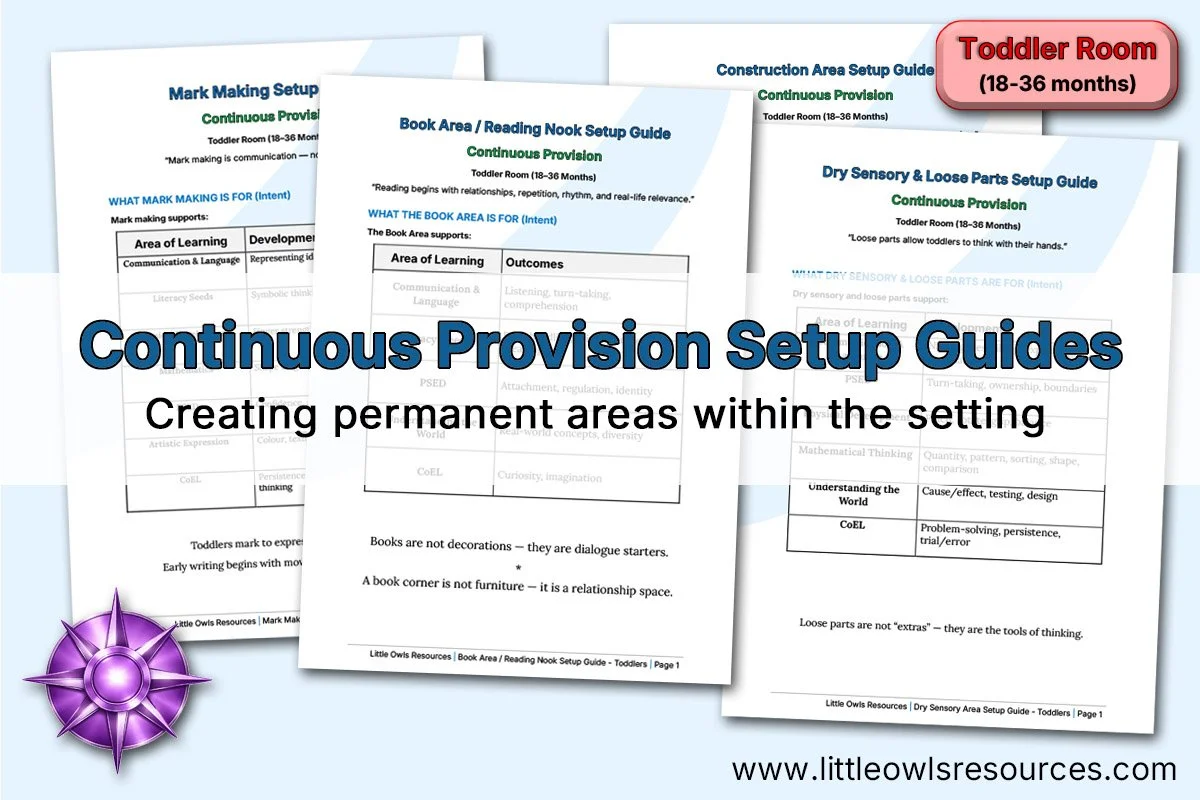
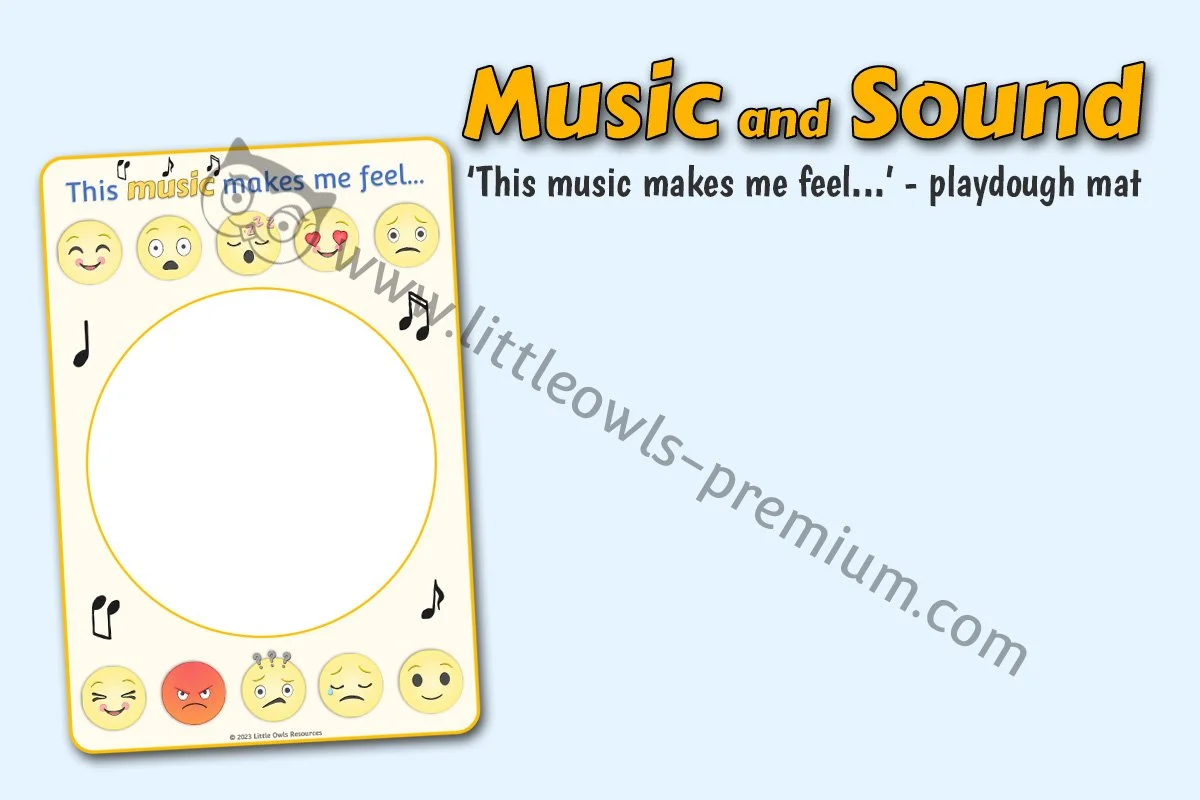
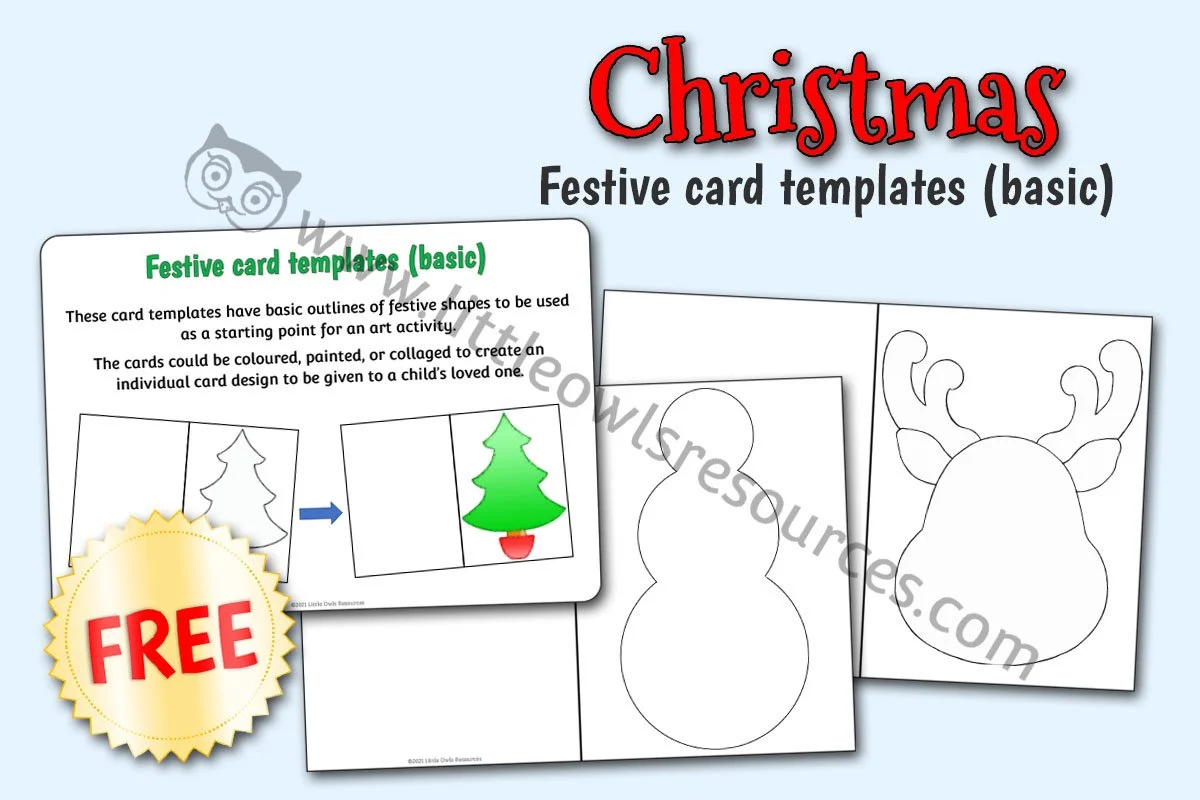
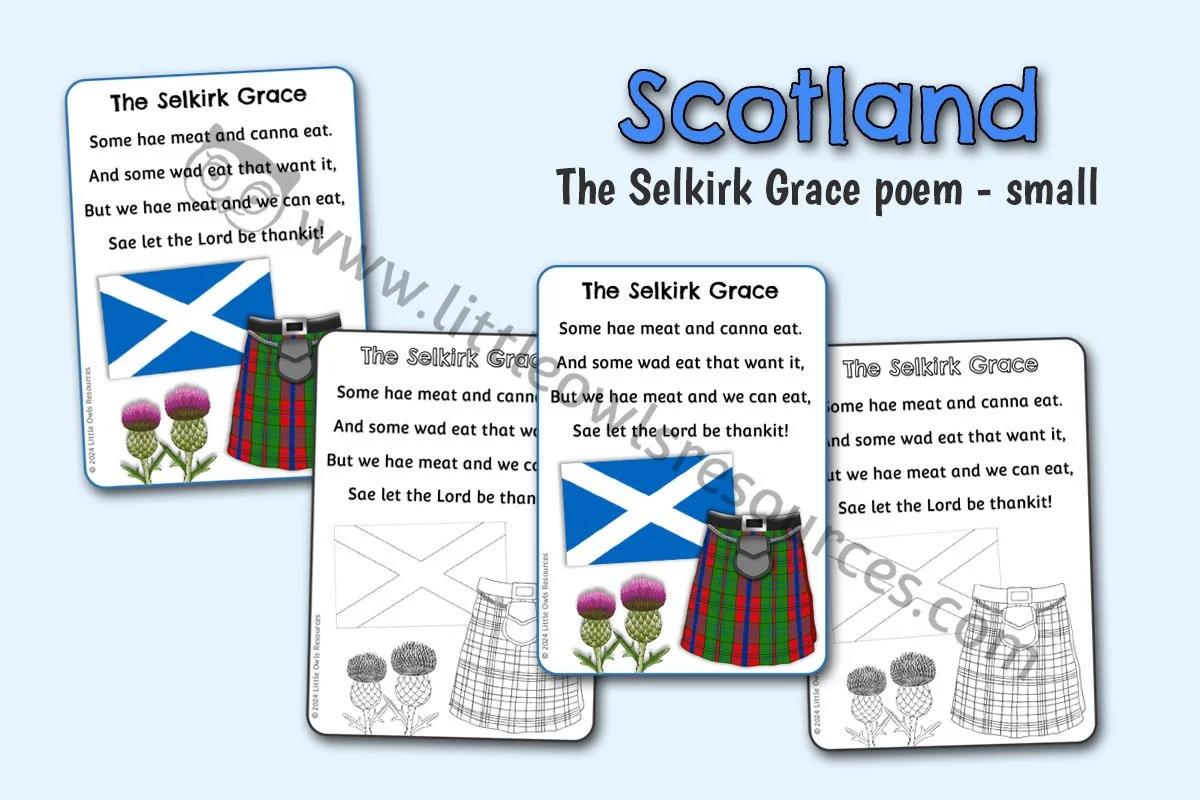
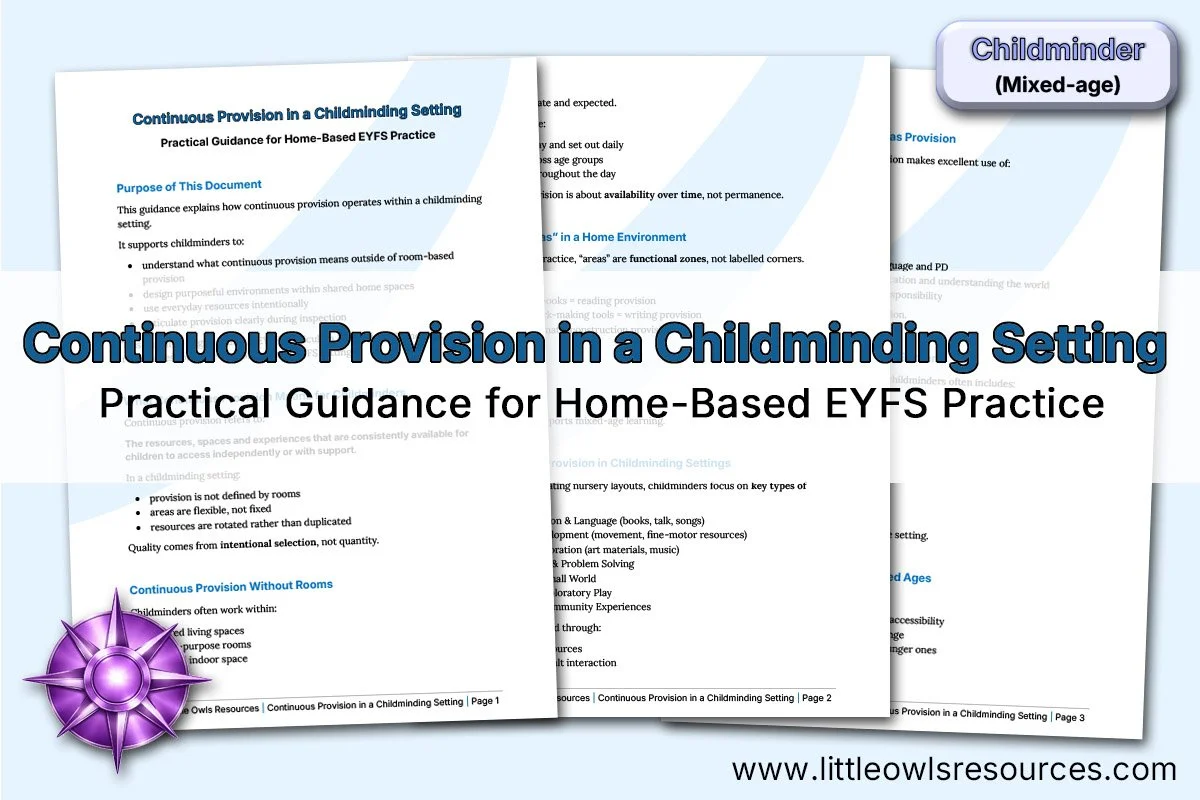
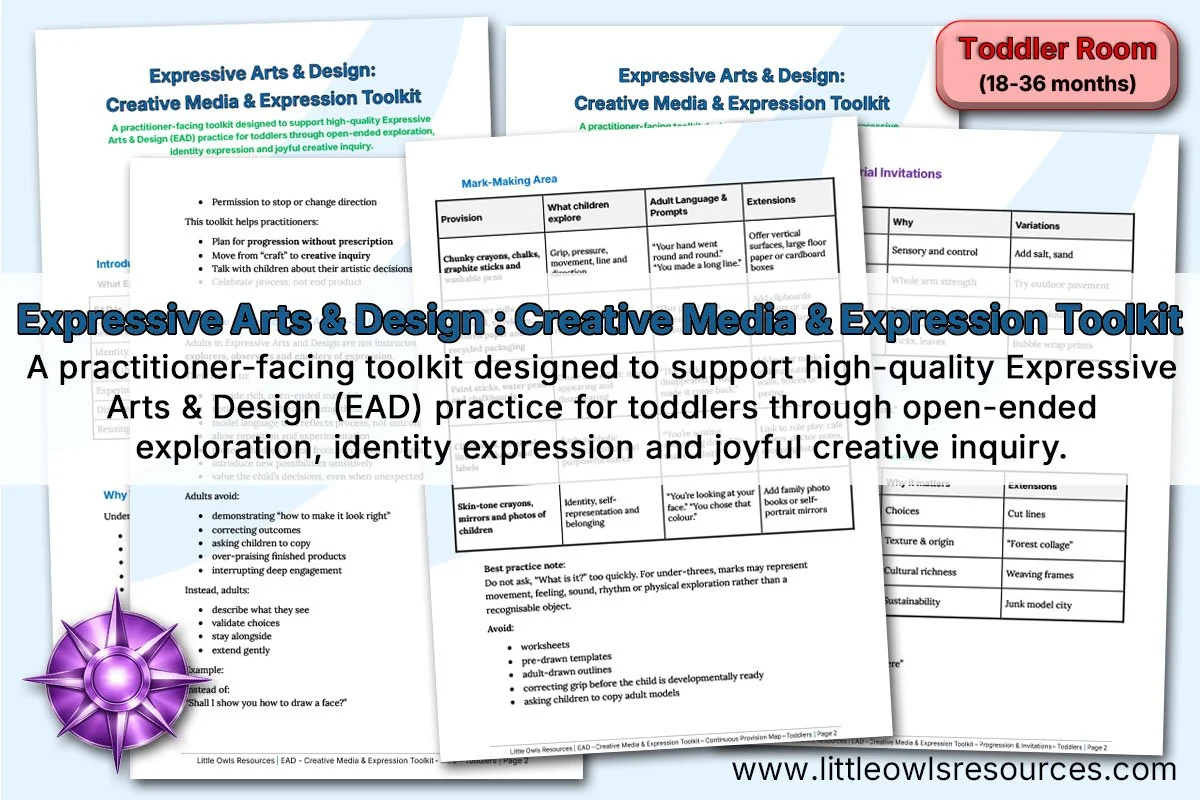
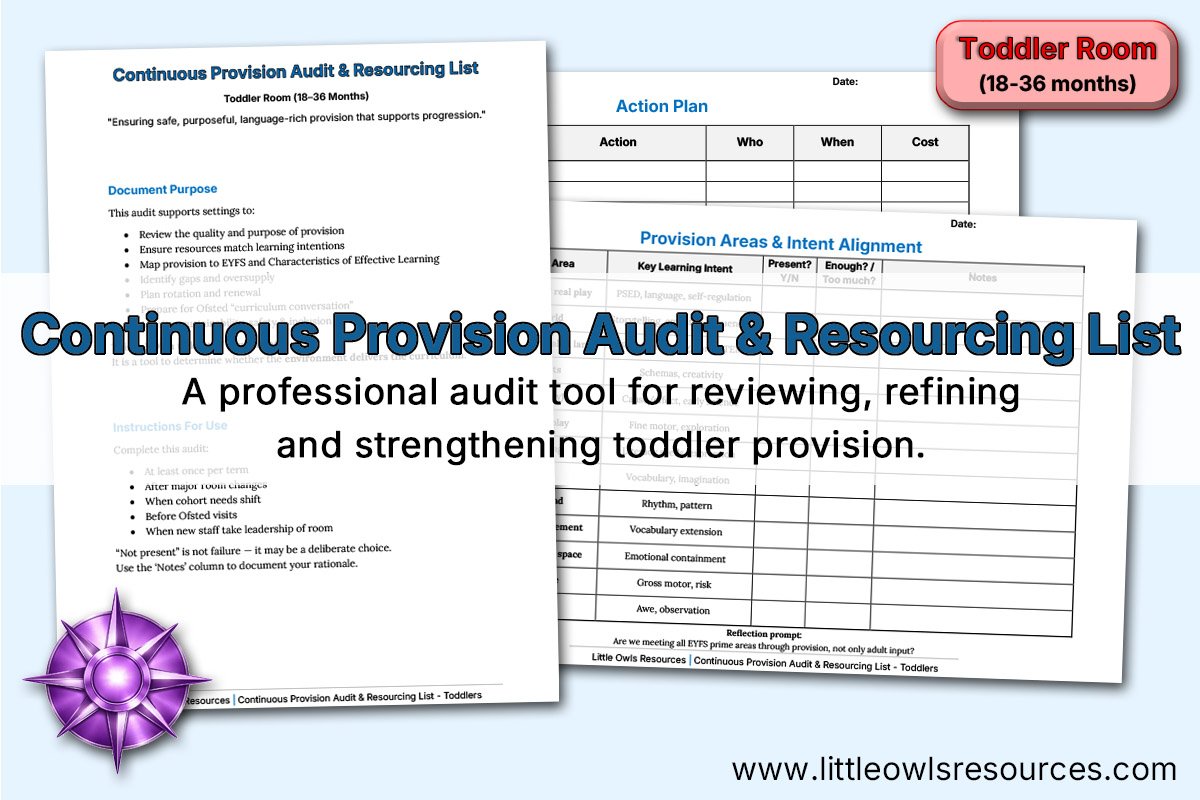
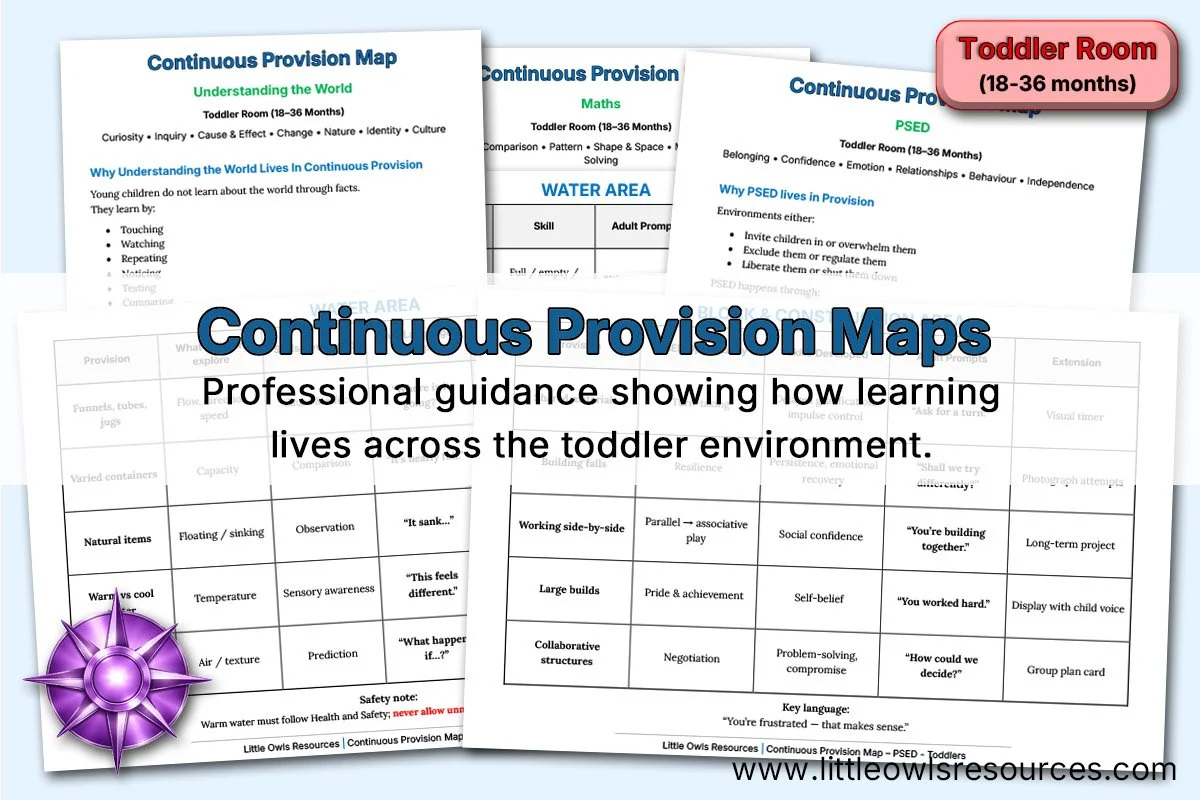
Featured above: small selection of Expressive Arts & Design resources taken from across different areas of Little Owls Resources. Explore more below.
Home › Areas of Learning Menu ›
Expressive Arts & Design activities, displays & planning ideas for reception, preschool, nurseries & childminders
Supporting children’s creativity, imagination and self-expression is a vital part of high-quality EYFS practice. This page brings together a wide range of EYFS Expressive Arts & Design printable resources, planning documents, continuous provision guidance and play-based creative learning ideas for toddlers, preschool and Reception children aged 18 months to 5 years.
Designed for nurseries, preschools, childminders and Reception classrooms, our resources help practitioners create inspiring, open-ended environments that support art, design, music, movement, role play, storytelling, construction, creative exploration and imaginative thinking through meaningful play experiences. You’ll find practical EYFS Expressive Arts & Design activities, continuous provision resources, creative area guidance, loose parts inspiration, role-play materials, outdoor learning ideas and practitioner support documents aligned with Development Matters and the EYFS Framework.
Whether you are looking for toddler creative exploration ideas, preschool art and design planning, Reception imaginative provision inspiration, or guidance for developing expressive arts and creativity through continuous provision, this page includes both free EYFS printable resources and professional practitioner guidance to support confident, developmentally appropriate practice across the Early Years Foundation Stage.
Sections on this page:
⭐ Free Sample ‘Expressive Arts & Design’ Resources
📘 Core Guidance Surrounding ‘Expressive Arts & Design’ Planning & Provision
What do we mean by ‘Expressive Arts & Design’? | What High-Quality Expressive Arts & Design Practice Looks Like | Expressive Arts & Design Progression in EYFS | Expressive Arts & Design within Continuous Provision Enhancements | Inclusive Expressive Arts & Design Practice | SEND & EAL | Expressive Arts & Design and the Other Areas of Learning
🖨️ Printable Provision Resources - Search by:
✨ Top Picks
🔤 Key Words & Phrases
🗂️ Topic
📝 Planning Resources
📌 Featured Planning Resources
💡 Development Matters Examples of How to Support ‘Expressive Arts & Design’
Birth to 3
3 and 4 Year Olds
Reception
🧭 Age-Specific Curriculum & Pedagogy Planning Support for ‘Expressive Arts & Design’
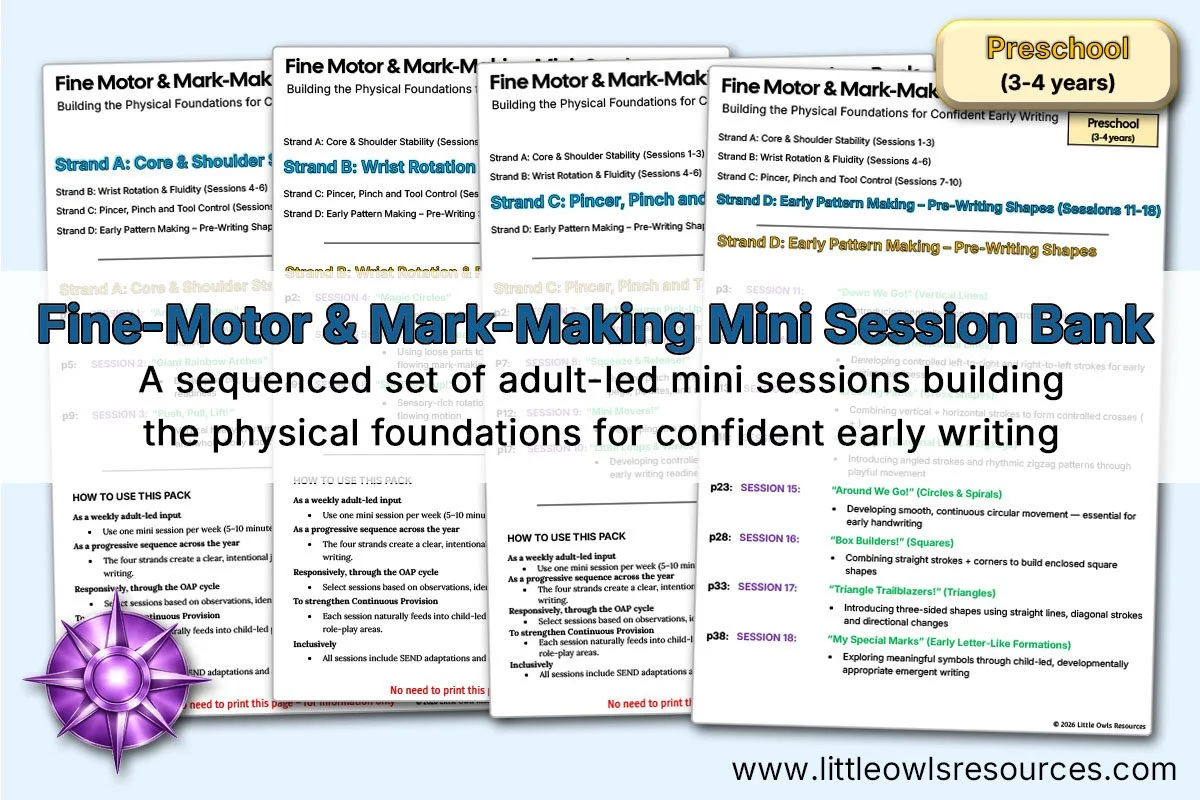
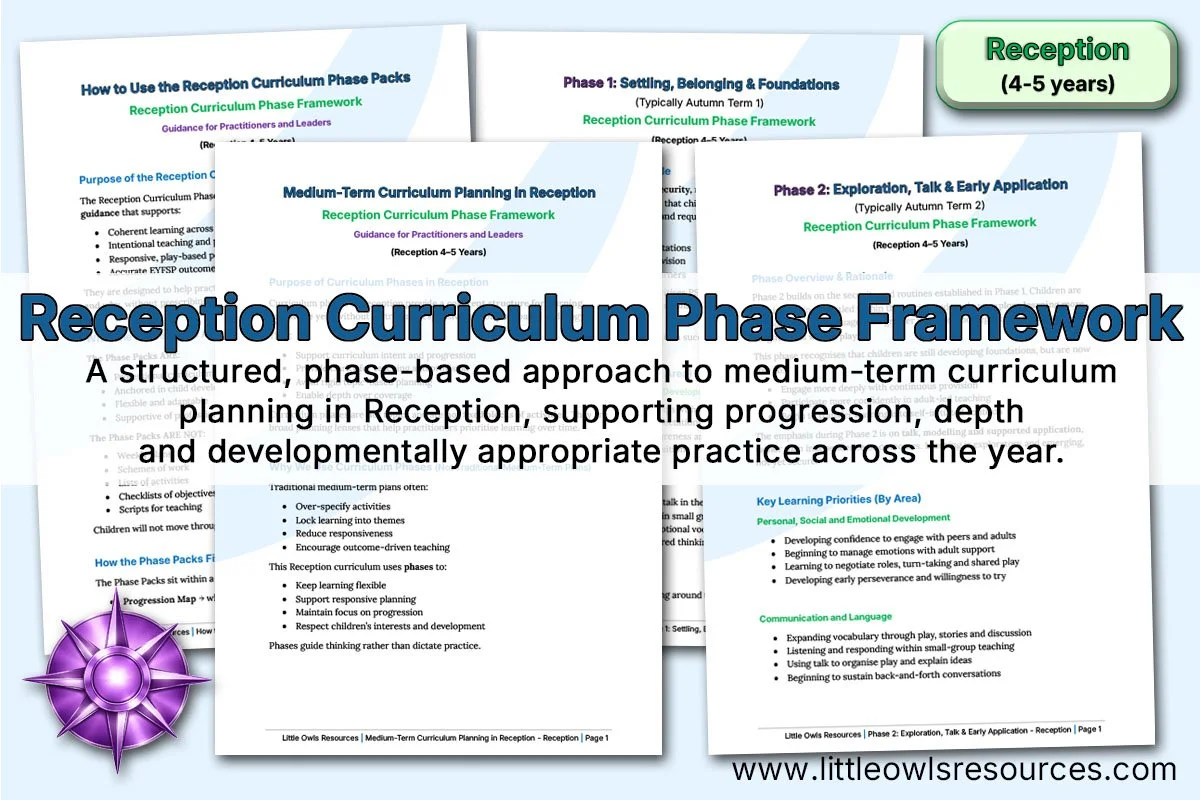
Guidance Documents, Fine Motor & Mark Making Session Banks, Expressive Arts & Design: Creative Media & Expression Toolkit, Progression Maps
🏡 Continuous Provision | Age-Specific Ideas & Guidance
➕ Further Support
❓ Frequently Asked Questions
🧰 Additional ‘Expressive Arts & Design’ Tools & Guidance
🌈 Additional Areas of Learning
🔐 Find out more about ‘Membership Options’
⭐ Free EYFS ‘Expressive Arts & Design’ Printable Resources
(Click on the images below to find out more)


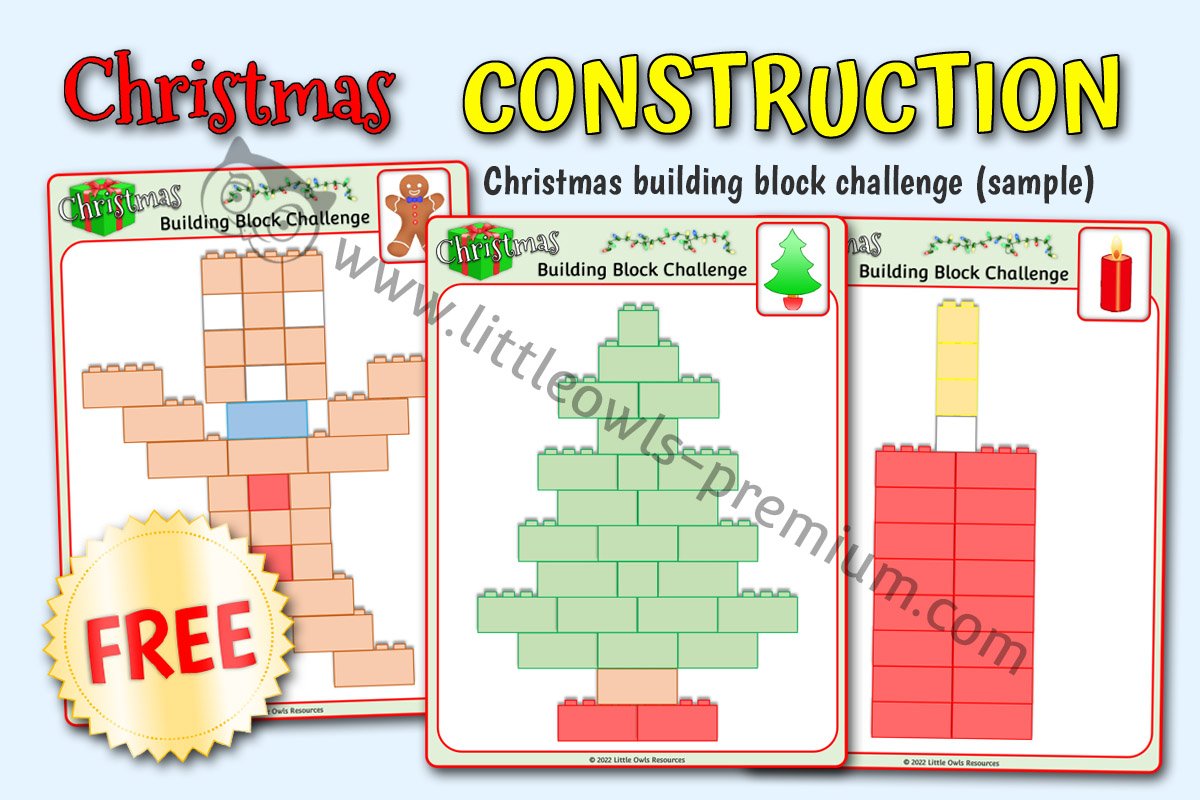


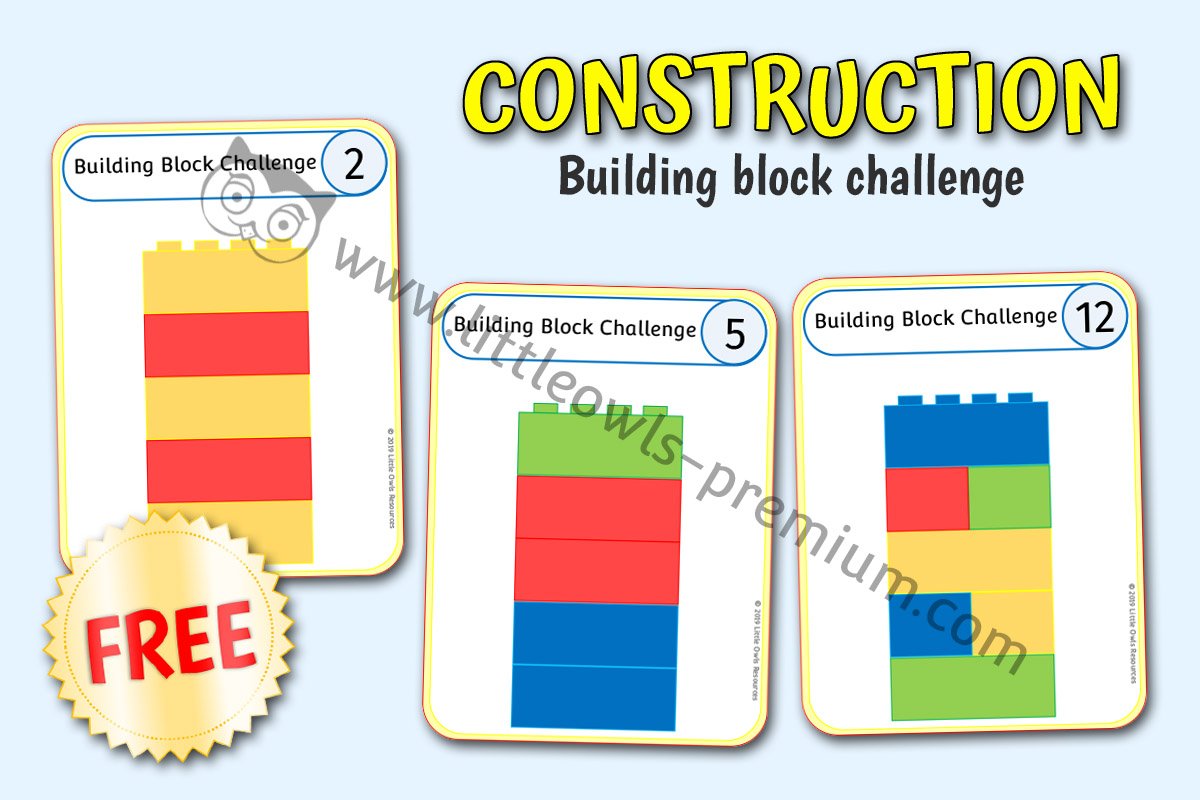
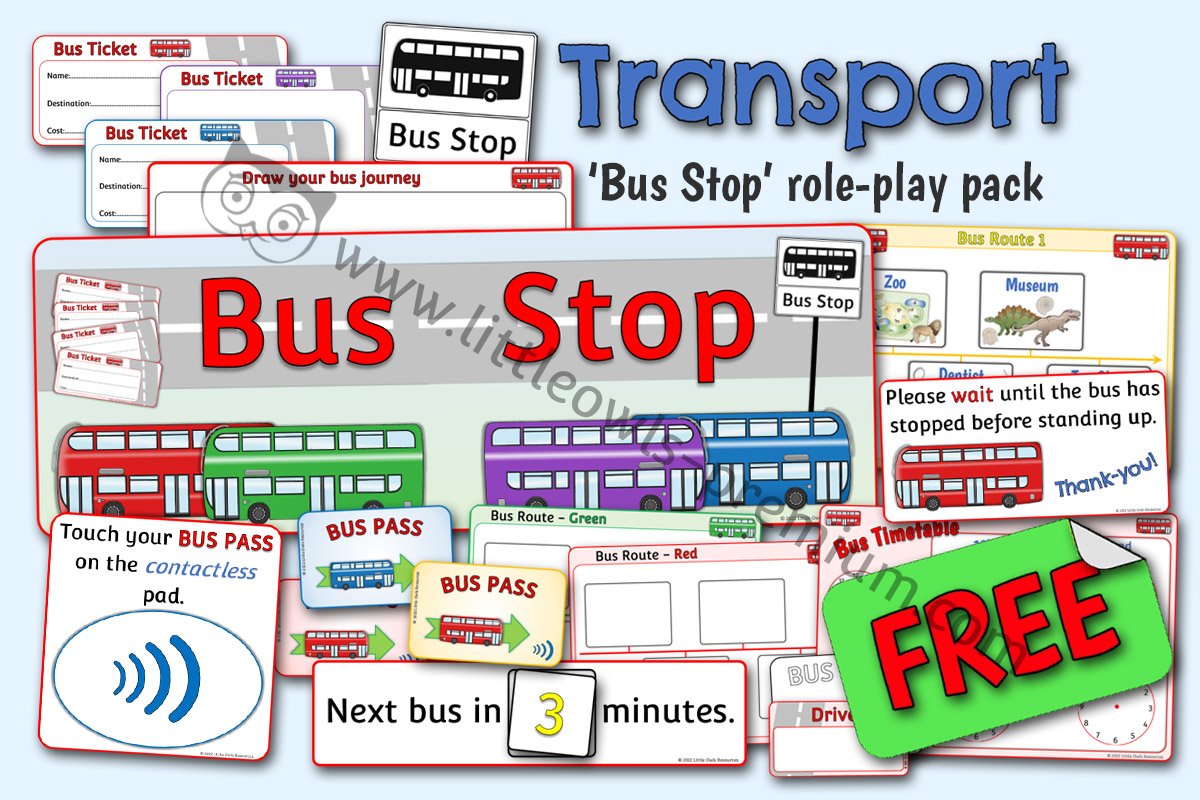

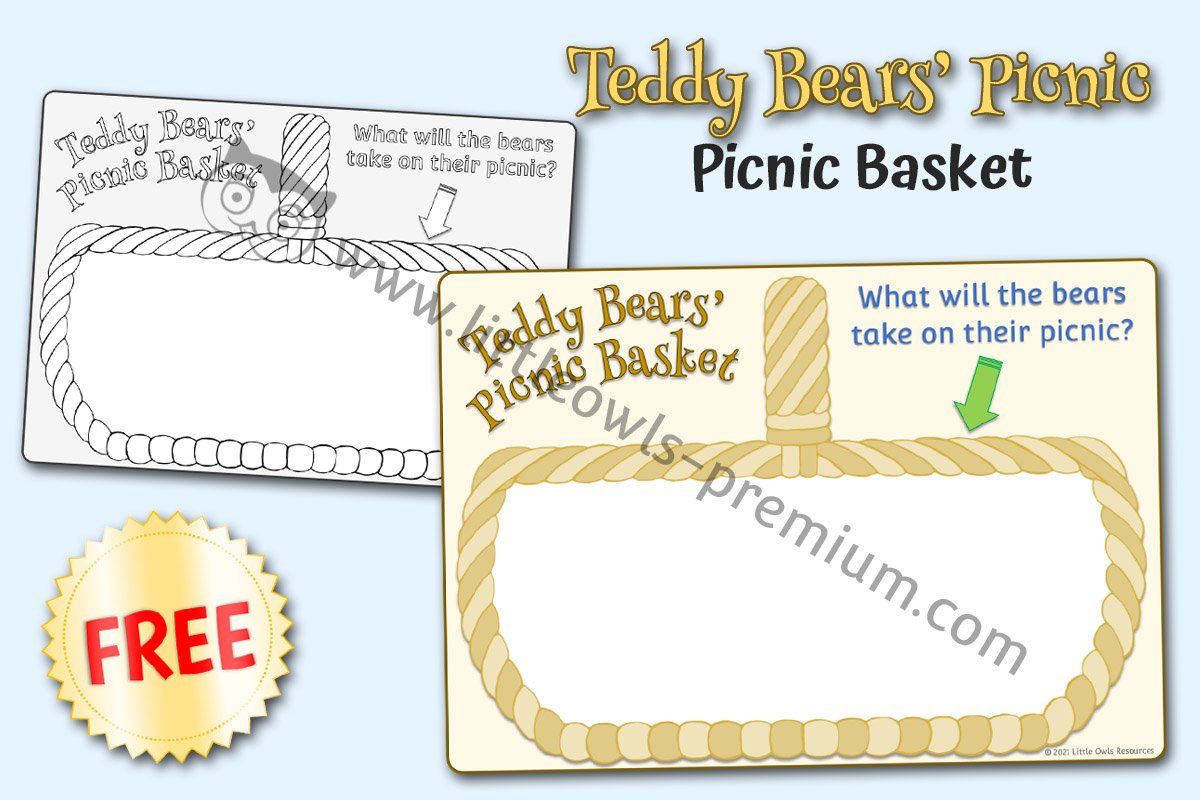


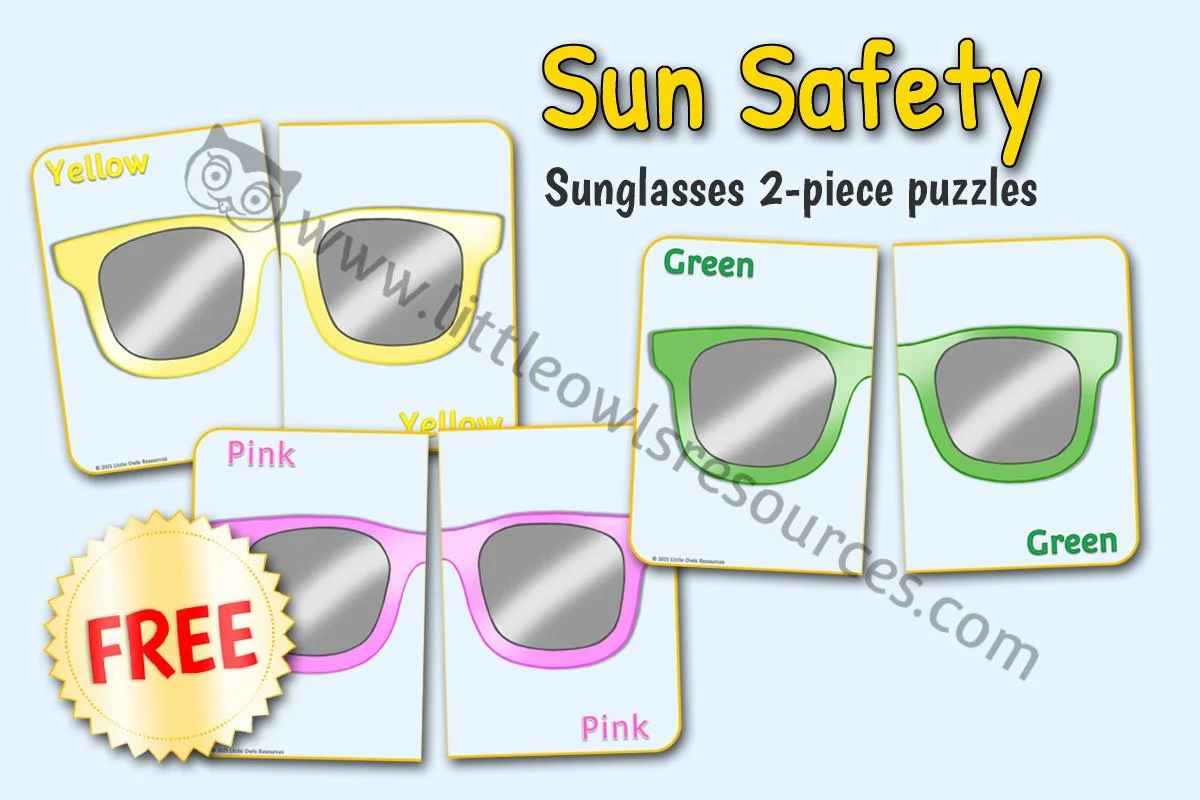
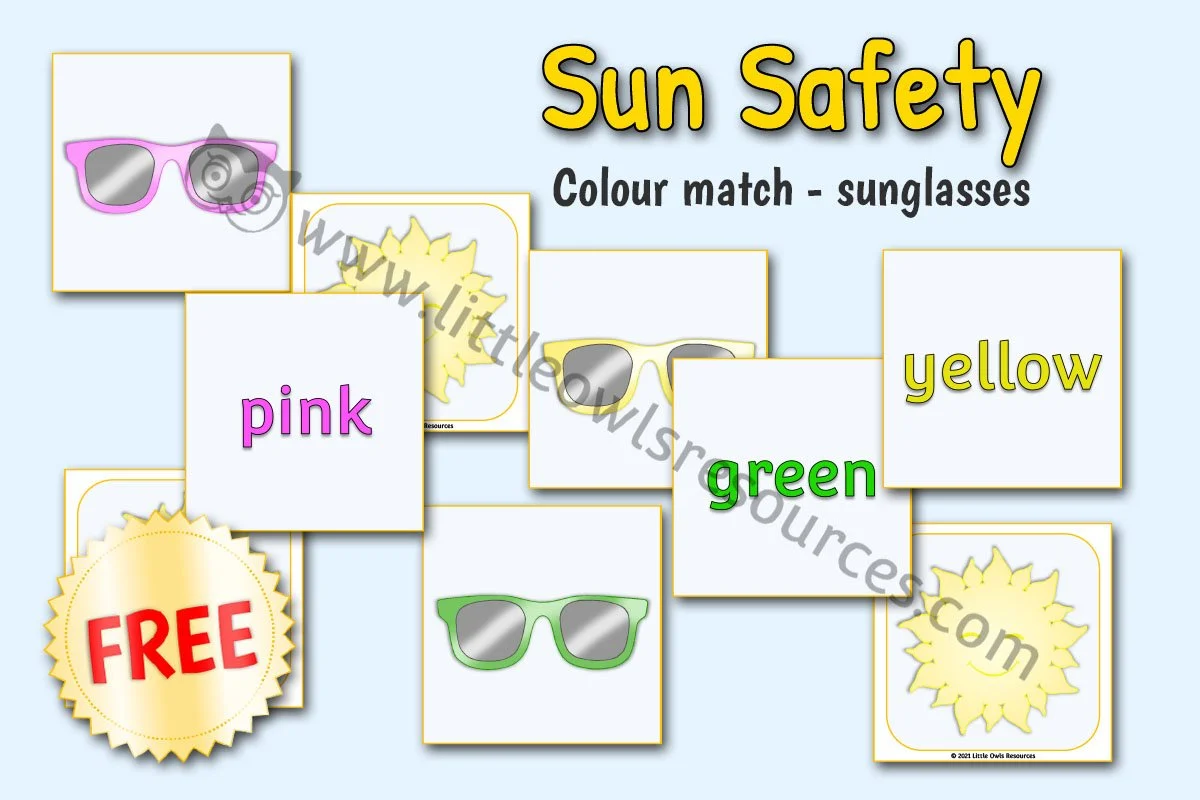
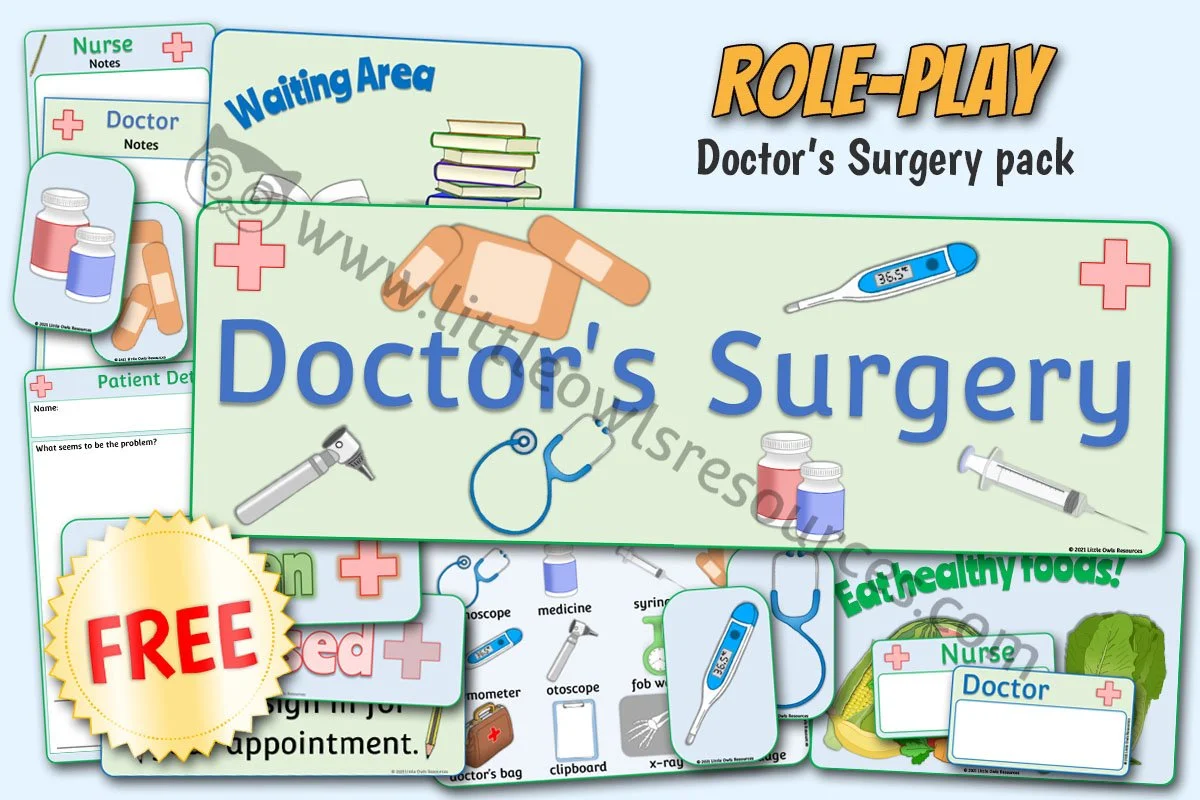
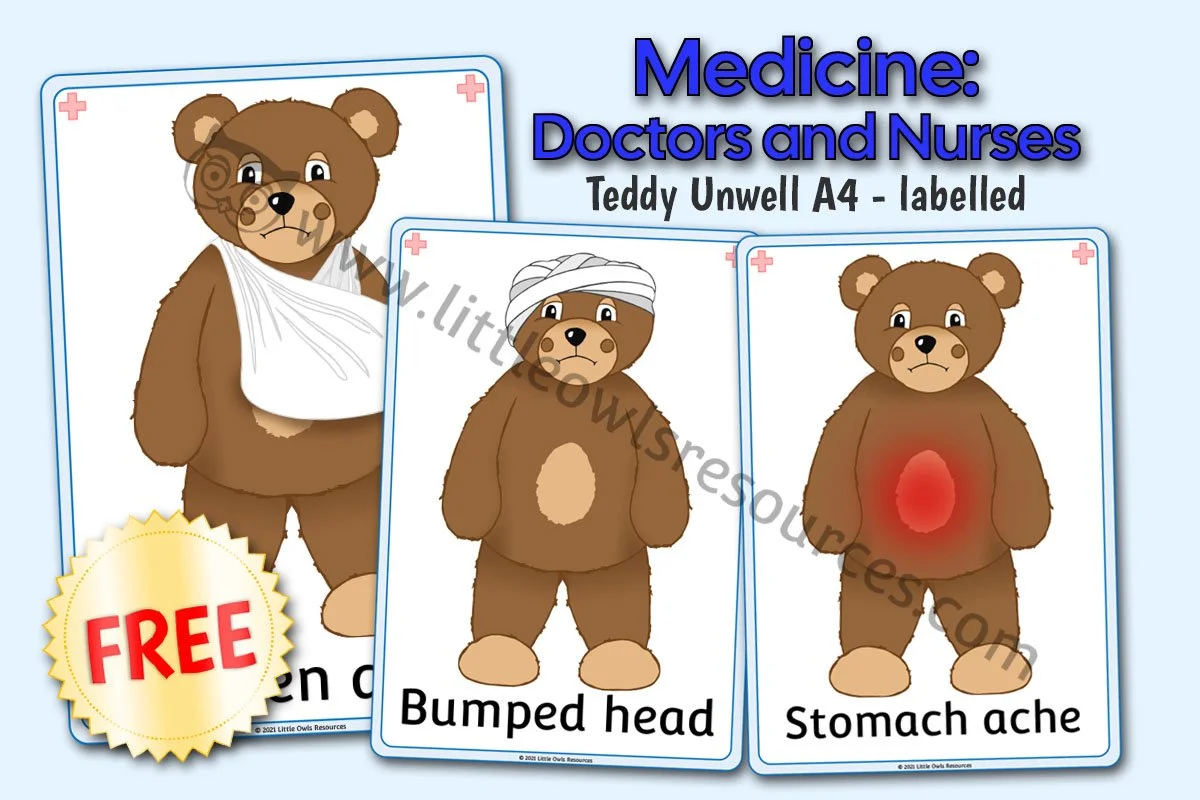

💡 Join as a Free Access member to download the samples above and all other free resources available on Little Owls Resources at no cost. Alternatively, explore all membership options here.
Additional Free Sample Printable Provision can be found at the top of most pages.
📘 Core Guidance Surrounding ‘Expressive Arts & Design’ Planning & Provision
-
“The development of children’s artistic and cultural awareness supports their imagination and creativity. It is important that children have regular opportunities to engage with the arts, enabling them to explore and play with a wide range of media and materials. The quality and variety of what children see, hear and participate in is crucial for developing their understanding, self-expression, vocabulary and ability to communicate through the arts. The frequency, repetition and depth of their experiences are fundamental to their progress in interpreting and appreciating what they hear, respond to and observe.” Development Matters
-
High-quality Expressive Arts & Design practice in the EYFS is rooted in creativity, imagination, open-ended exploration, sensory experience and opportunities for children to express ideas in many different ways. Children develop confidence and creative thinking when they can experiment, revisit, combine materials, explore sounds, move freely, imagine roles and represent their experiences through play.
Effective Expressive Arts & Design provision includes:
open-ended access to creative materials and loose parts
opportunities to explore colour, texture, shape, sound, movement and form
process-led art experiences rather than adult-directed outcomes
music, rhythm, rhyme, singing and sound exploration
imaginative role-play, small world play and storytelling
construction, model-making and design opportunities
adult interaction that values children’s ideas and creative decisions
outdoor creative experiences using natural and large-scale materials
inclusive resources that reflect children’s identities, cultures and interests
continuous provision that encourages experimentation, collaboration and self-expression
Expressive Arts & Design should be embedded throughout continuous provision, creative areas, role-play, music, movement, construction, storytelling, outdoor learning and child-initiated exploration.
-
Children’s Expressive Arts & Design development grows through sensory exploration, imitation, imagination, repetition, experimentation and opportunities to represent ideas in different ways.
Children typically progress from:
exploring materials, sounds, movement and sensory experiences
responding to music, rhythm, songs, colours and textures
imitating familiar actions, roles, sounds and movements
making marks, patterns and simple representations
engaging in early pretend play and small world play
choosing materials and exploring how they can be used
creating with increasing intention and confidence
developing imaginative stories, roles and collaborative play
combining media, materials, movement, music and narrative
explaining ideas, adapting creations and expressing meaning through creative choices
Children develop Expressive Arts & Design through environments that value experimentation, imagination, sensory exploration, process, individuality and joy.
-
Small enhancements within continuous provision can create meaningful opportunities for Expressive Arts & Design development throughout the day.
Examples may include:
open-ended creative trolleys with accessible art and design materials
loose parts collections for pattern, collage, construction and transient art
music baskets with instruments, sound-makers and rhythm prompts
story baskets with puppets, masks, fabric and small world props
role-play enhancements linked to children’s interests and experiences
large-scale mark-making stations indoors and outdoors
natural materials for outdoor art, sculpture and imaginative play
mirrors, fabrics and dressing-up resources for movement and role-play
construction design prompts using blocks, tubes, boxes and recycled materials
clay, dough and modelling materials for sensory and fine motor exploration
display spaces that value children’s process, voice and creative decisions
Continuous provision should make creativity, imagination, movement, sound, design and self-expression visible across the learning environment.
-
Inclusive Expressive Arts & Design provision supports every child to express ideas, explore materials and participate creatively in ways that are meaningful, accessible and respectful.
High-quality inclusive practice may include:
open-ended resources that allow different forms of participation
sensory-friendly creative materials and spaces
adapted tools, grips, surfaces and mark-making resources where needed
opportunities to express ideas without relying only on spoken language
music, movement, gesture, visual prompts and objects of reference
resources that reflect children’s families, cultures, languages and identities
dual-language songs, stories and creative experiences where appropriate
flexible expectations around outcomes, pace and engagement
adult support that follows children’s interests and communication cues
close partnership with families to understand children’s experiences, preferences and strengths
Children benefit from creative environments where their ideas are valued, their identities are reflected and there are many ways to participate, communicate and express meaning.
-
Expressive Arts & Design is closely connected to all areas of learning within the EYFS curriculum.
Communication & Language
Children use language to describe ideas, tell stories, negotiate roles, respond to music and talk about creative choices.
Personal, Social & Emotional Development
Creative play supports confidence, emotional expression, identity, collaboration, self-esteem and relationships.
Physical Development
Painting, drawing, modelling, construction, dance, movement and tool use support fine motor control, coordination, strength and body awareness.
Literacy
Storytelling, role-play, puppets, songs, rhymes, mark-making and narrative play support early reading, writing and comprehension.
Mathematics
Pattern, shape, symmetry, rhythm, spatial awareness, construction and design all support early mathematical thinking.
Understanding the World
Children represent experiences, communities, nature, places, materials and observations through art, music, movement, model-making and imaginative play.
Expressive Arts & Design should therefore be woven throughout continuous provision, adult interaction, storytelling, outdoor learning, routines and child-initiated play.
-
The guidance and resources on this page are informed by:
the EYFS Statutory Framework
Development Matters
play-based and child-centred EYFS pedagogy
process-led and open-ended creative practice
expressive arts, music, movement and imaginative play
continuous provision and enabling environments
inclusive practice reflecting children’s cultures, identities and interests
responsive adult interaction that values children’s ideas and choices
All resources should be adapted to meet the needs of individual children, cohorts and settings.
-
The resources, guidance and printable materials on this page may be useful for:
Nursery practitioners
Preschool practitioners
Reception teachers
Childminders
EYFS leaders and managers
Curriculum leads
SENDCos
Early Years students and trainees
Intervention staff
Parents and carers supporting creativity at home
🖨️ Printable Provision Resources
Search our ‘Expressive Arts & Design’ printable provision below.
✨ Top Picks
This section is currently being developed.
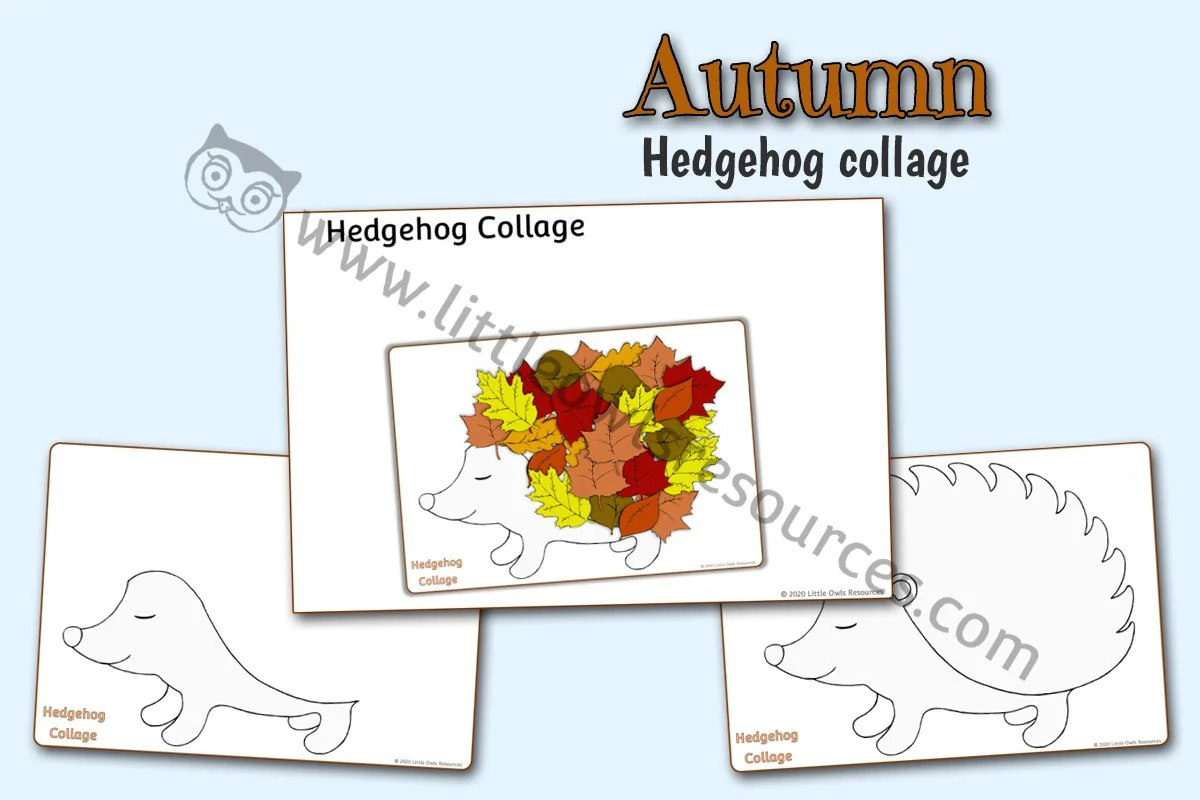


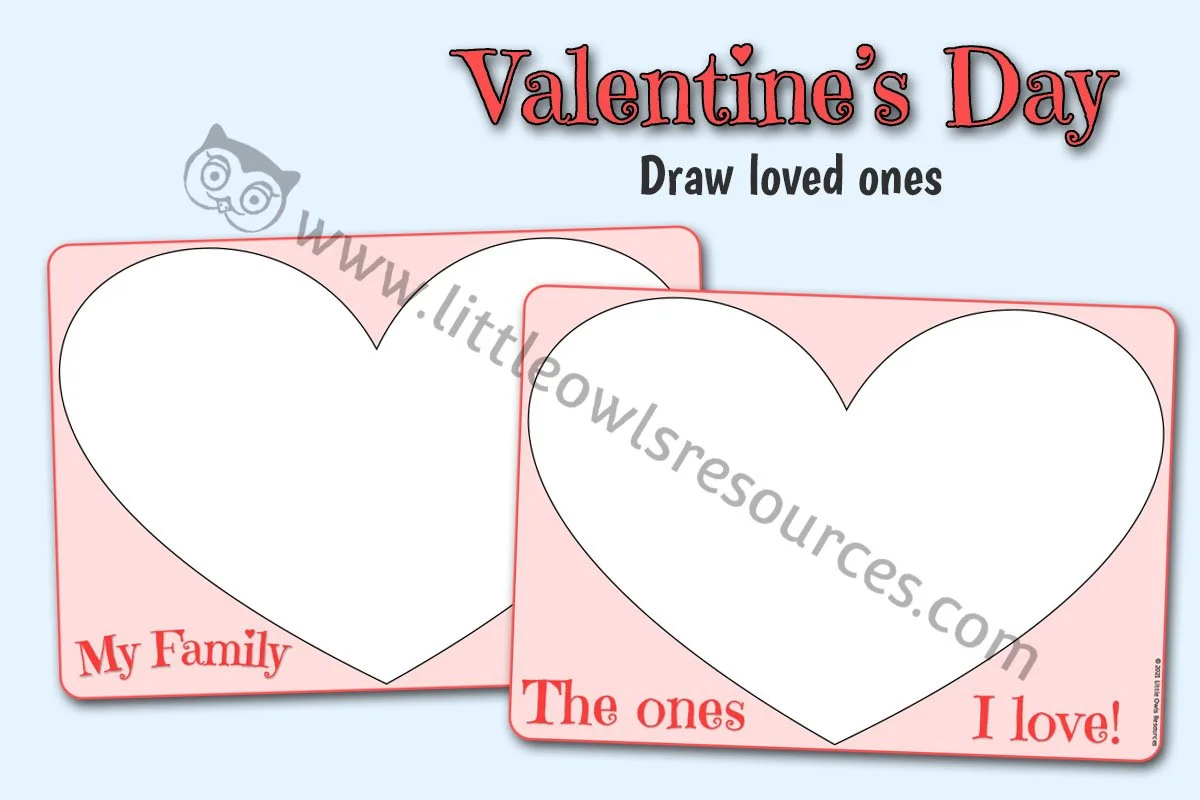
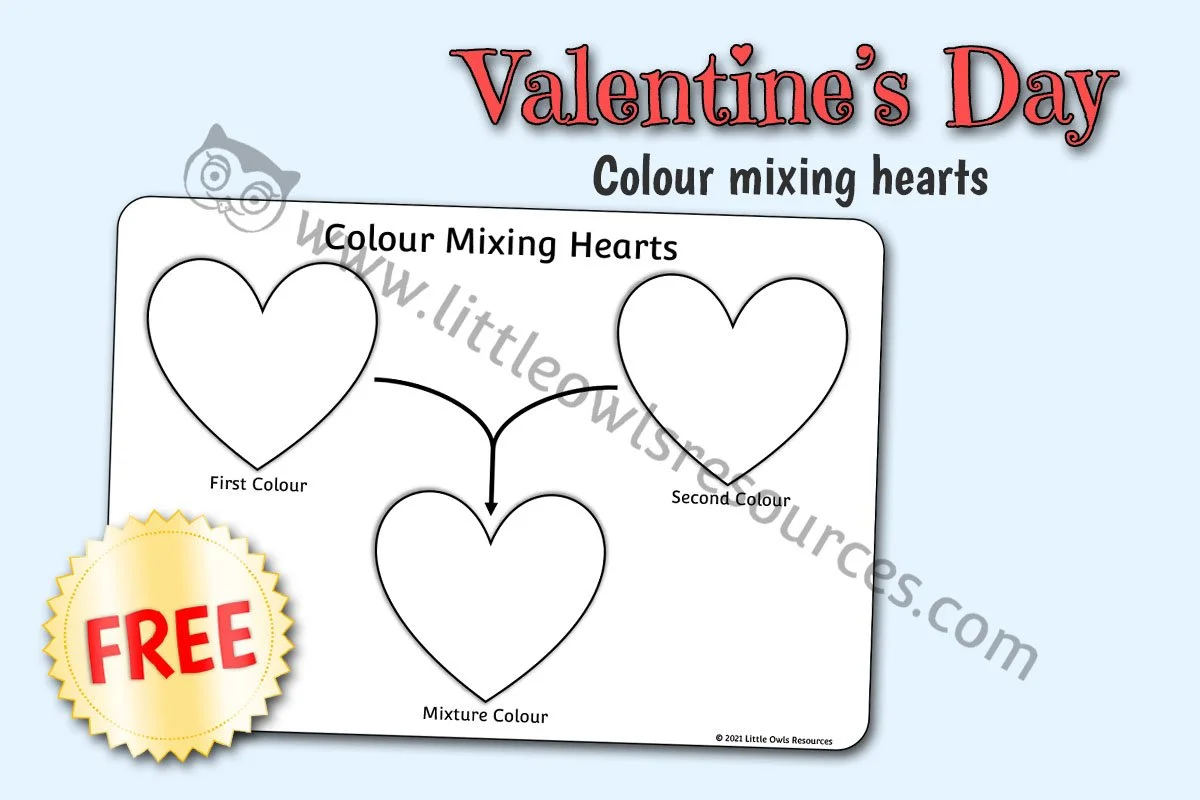
🛠️ Many of the pages linked within this section are currently being development for an improved user experience🛠️
Key Words & Phrases:
Textures
Using Tools
Music/Sound (Songs & Musical Instruments soon)
(Any text without a link indicates that we are working on this area.)
Additional Useful Pages
Topic:
(Premium or Professional members may use the links below to access a selection of resources from within each topic that focus on Expressive Arts & Design skills.)

💡 Examples of how to support ‘Expressive Arts & Design’ learning and development
Extracted from Development Matters; non-statutory curriculum guidance for the early years foundation stage. Includes colour and black and white versions.
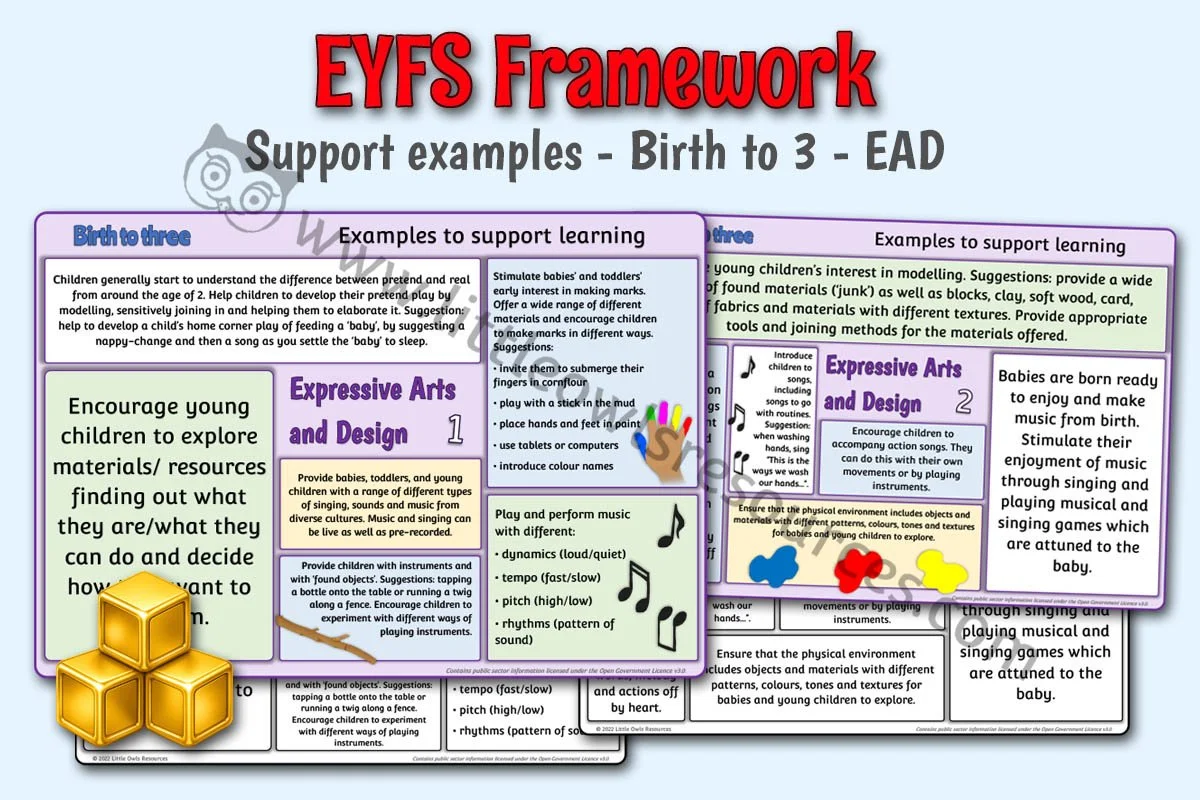
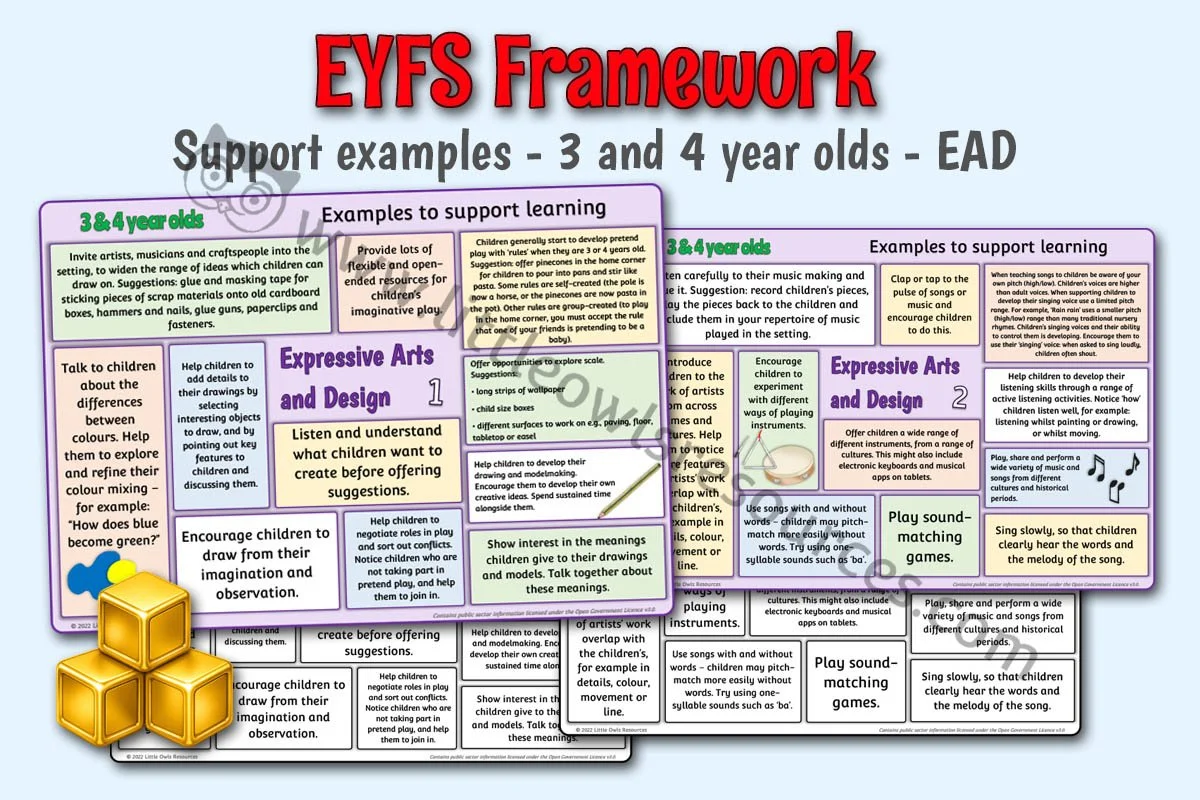
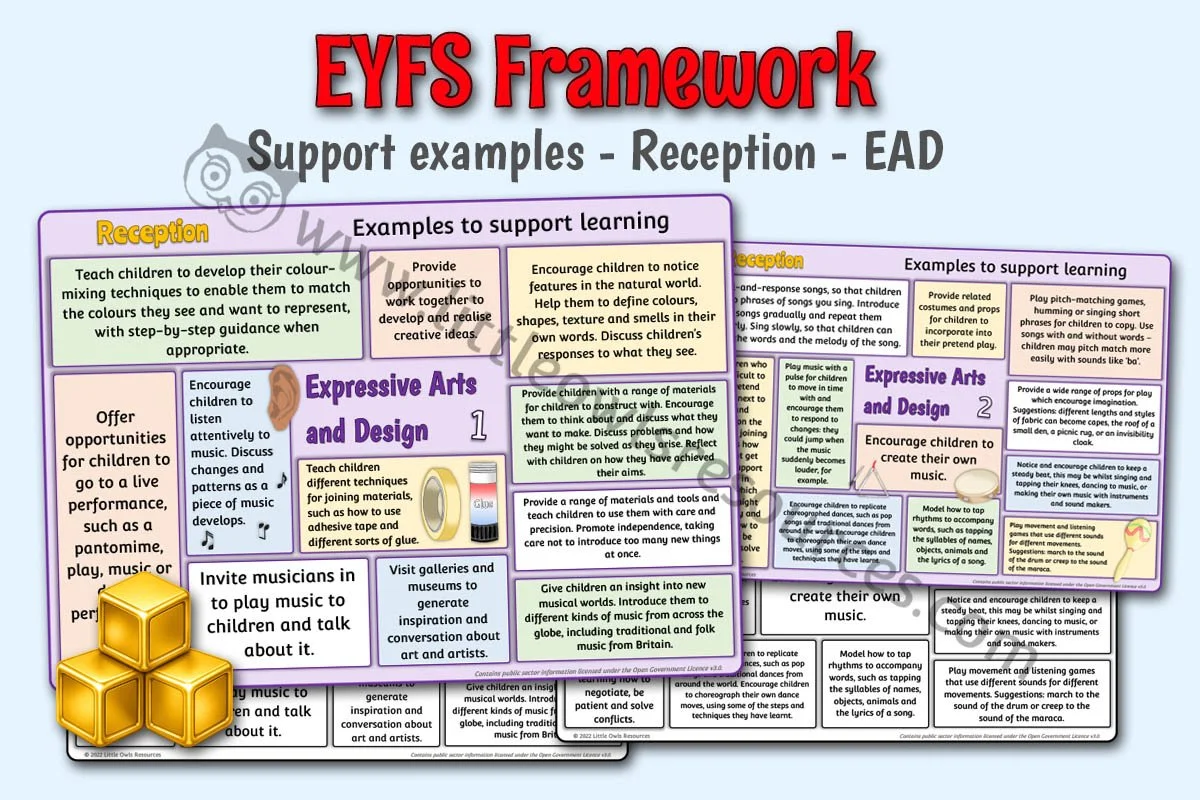
Files contain public sector information licensed under the Open Government Licence v3.0.
🧭 Age-Specific Documents for Supporting ‘Expressive Arts & Design’
Toddlers | 18 - 36 Months
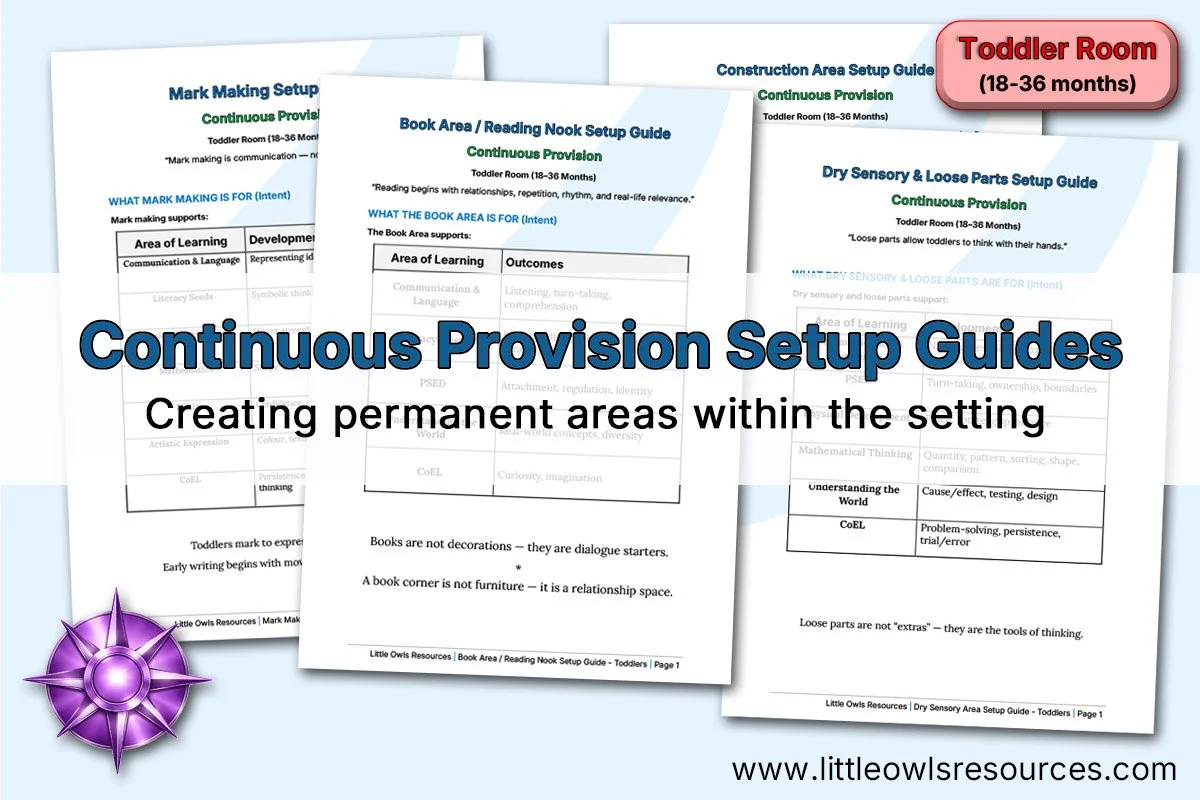
Toddler Room ‘Expressive Arts & Design’ Planning Support

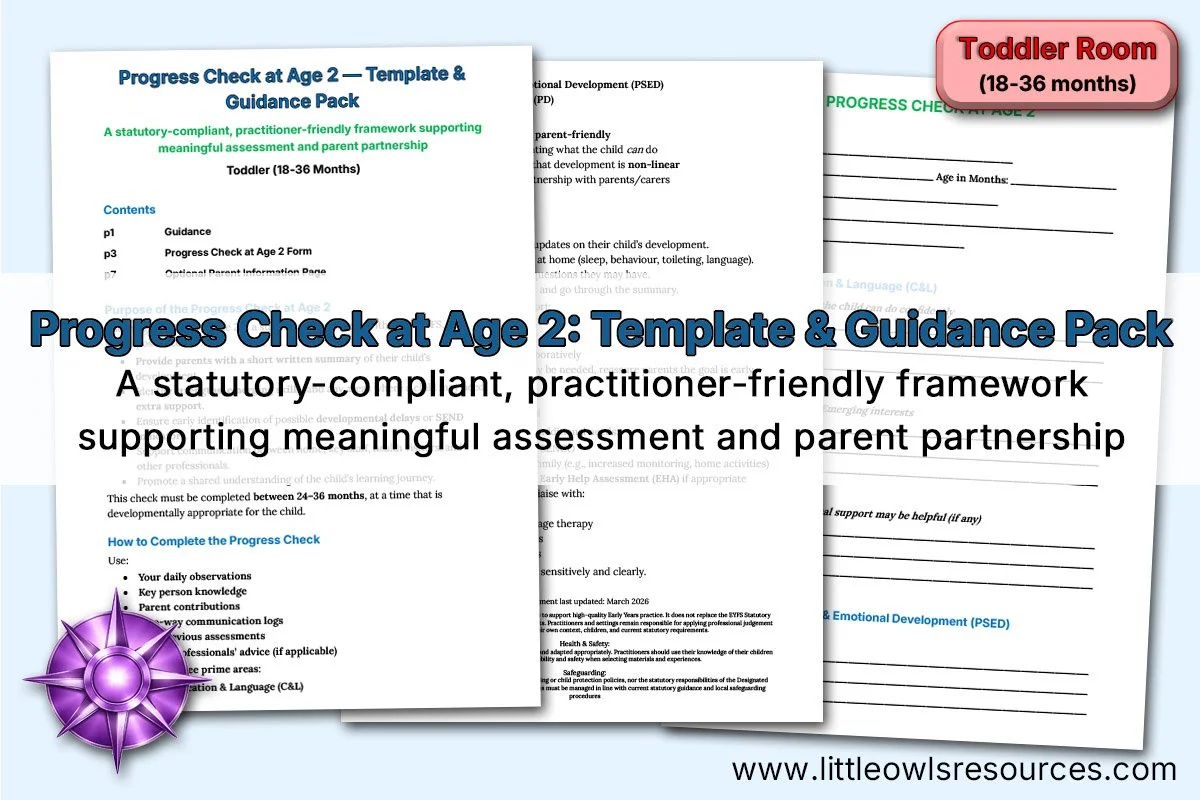

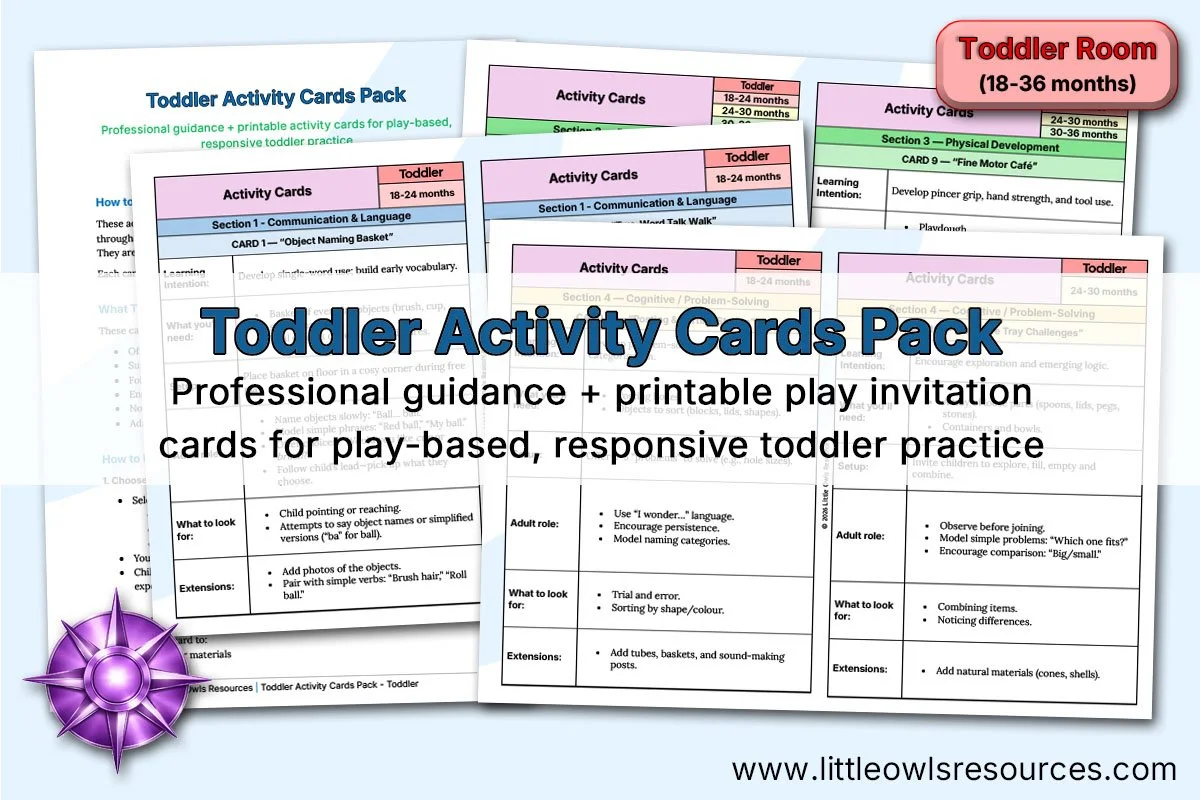


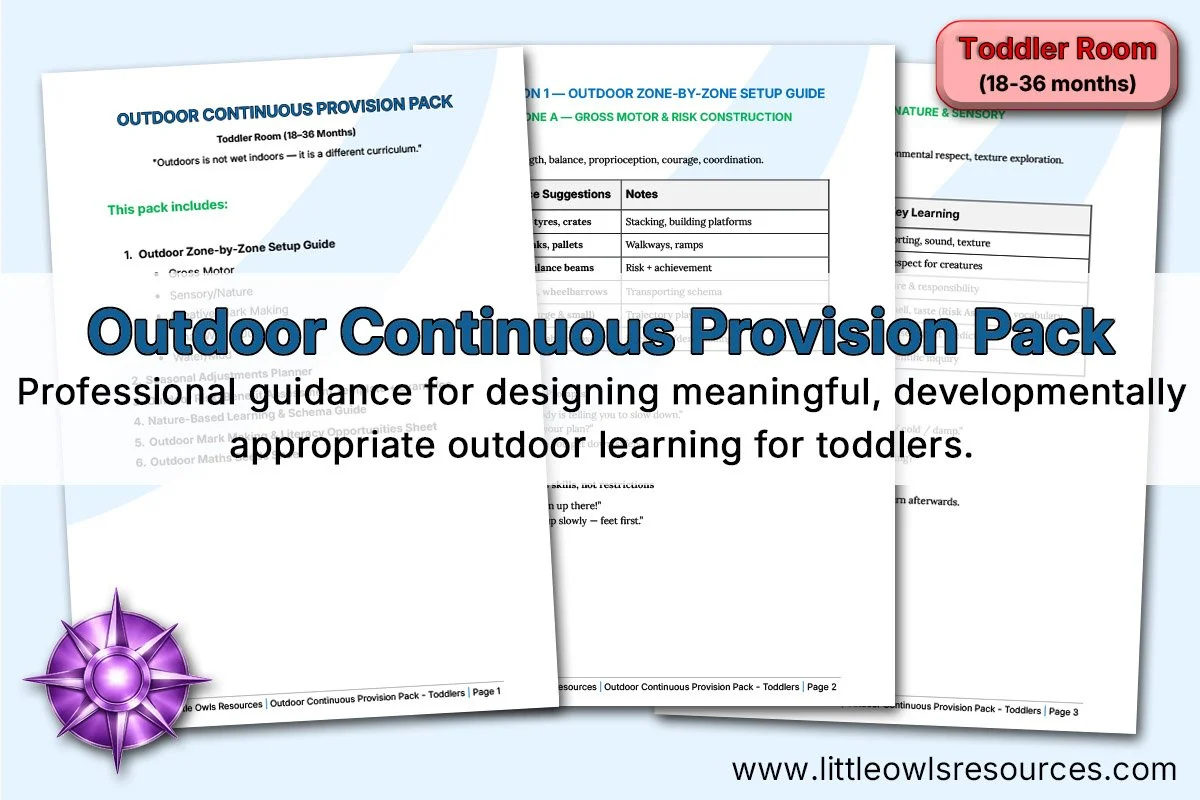
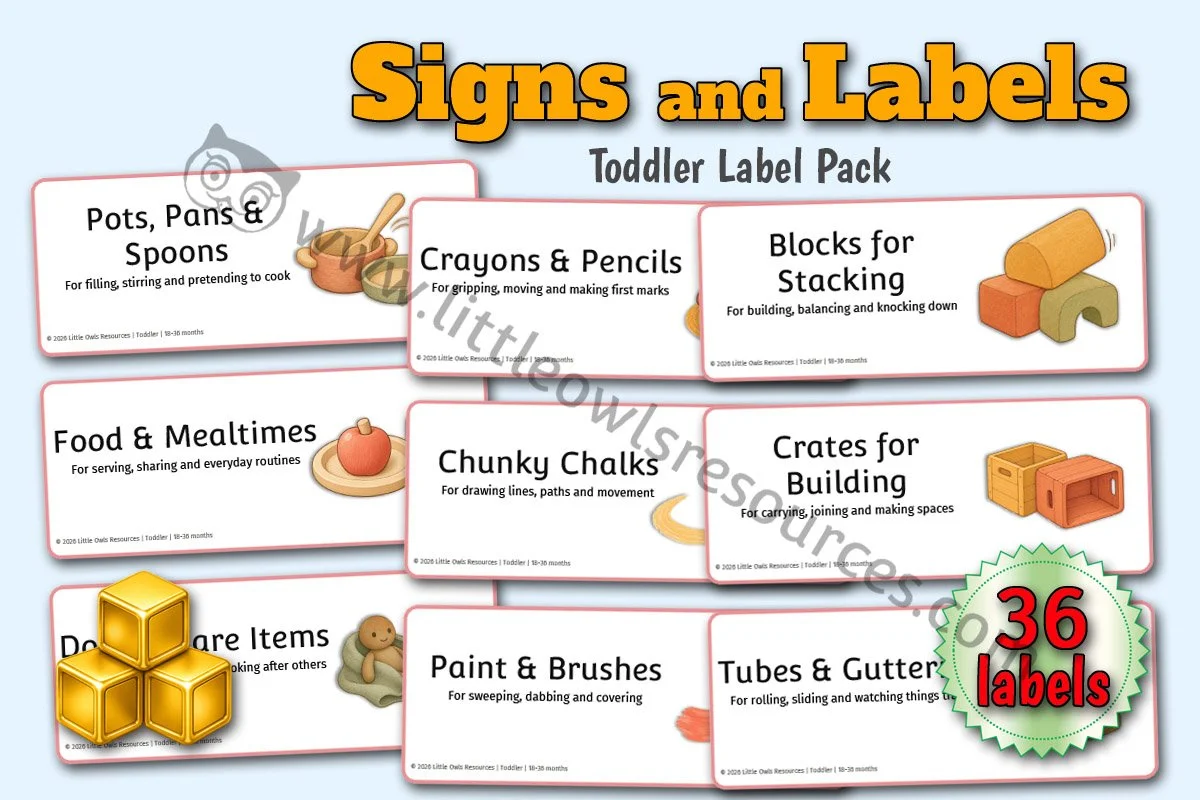


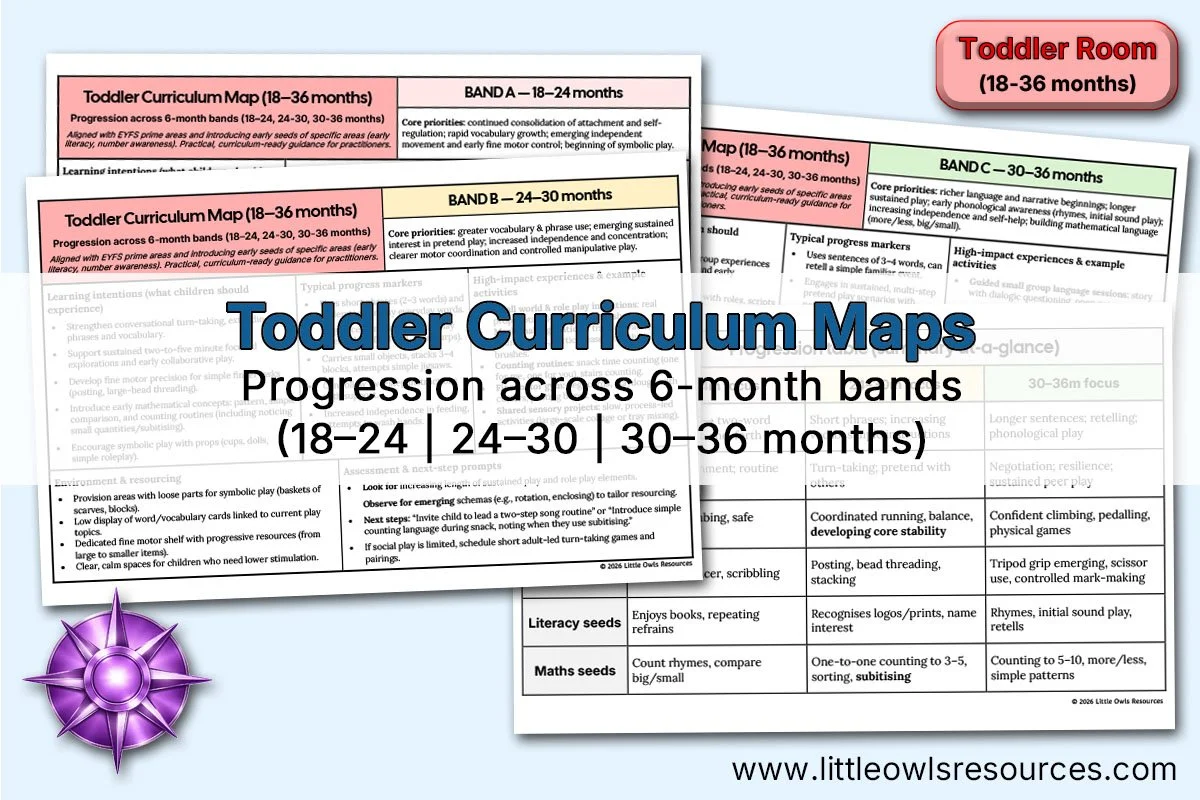
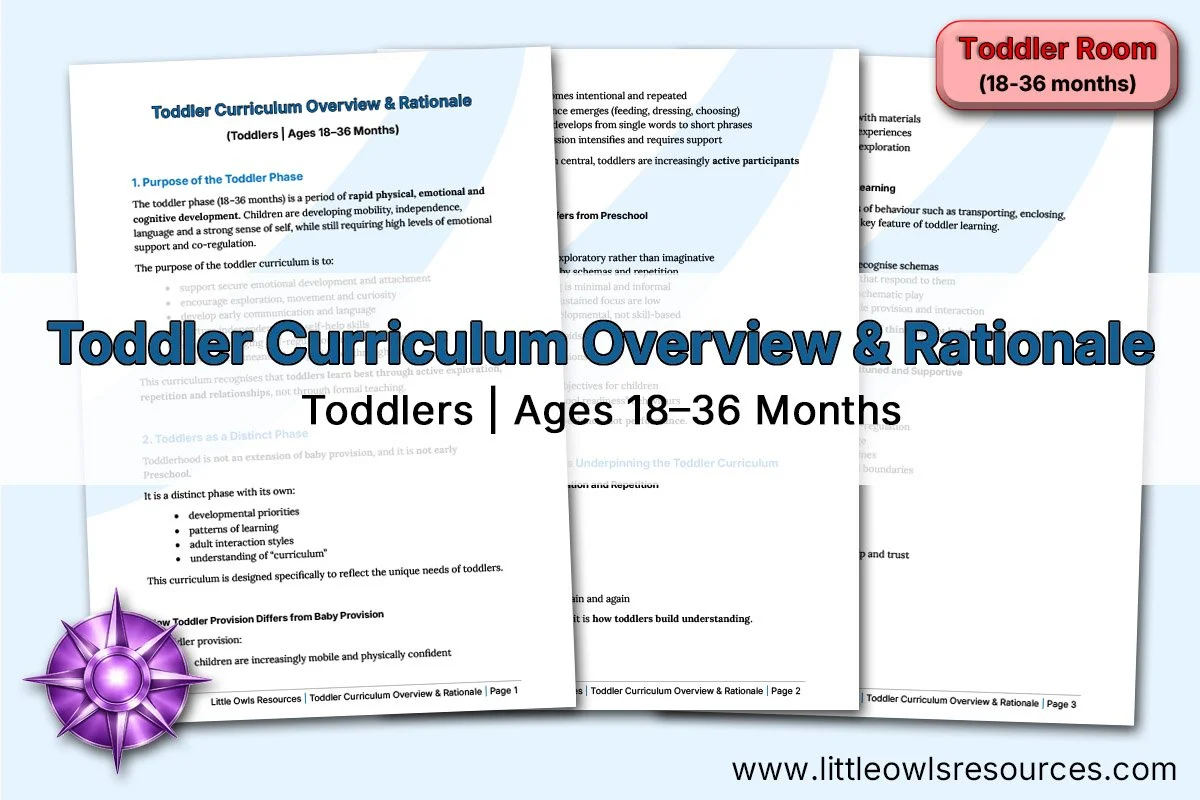
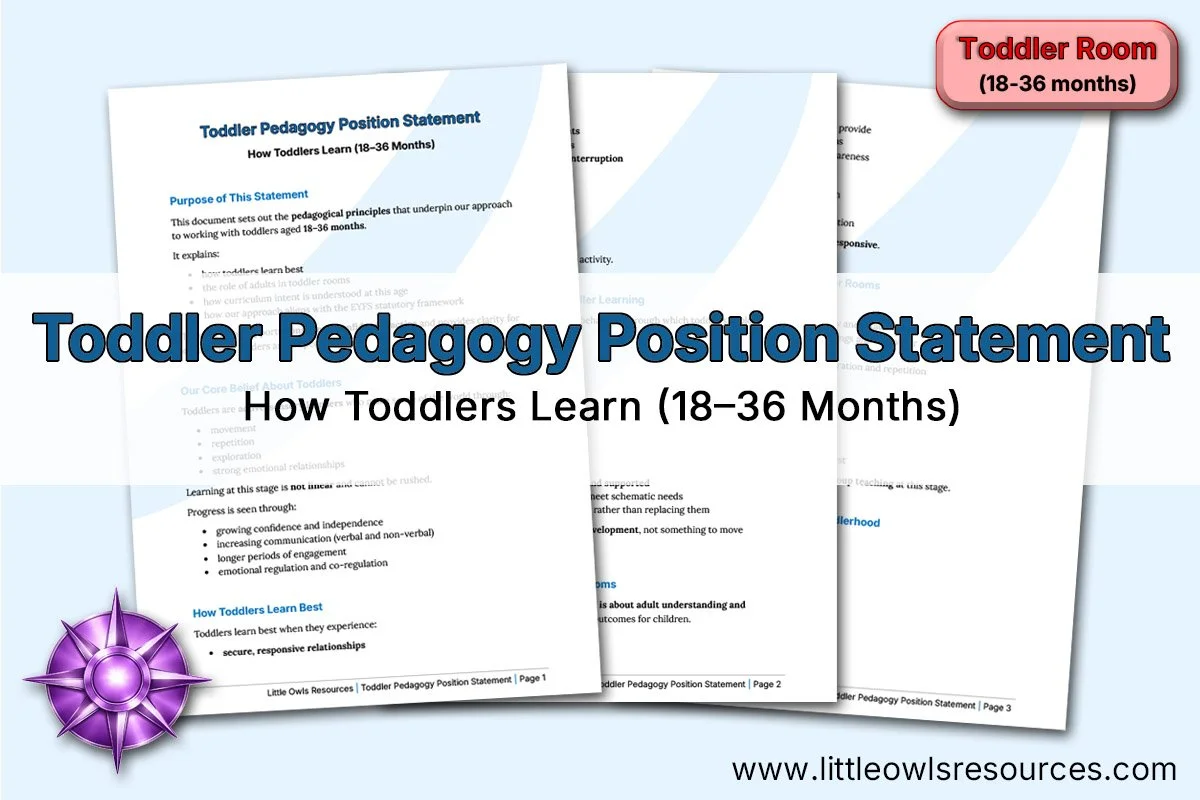
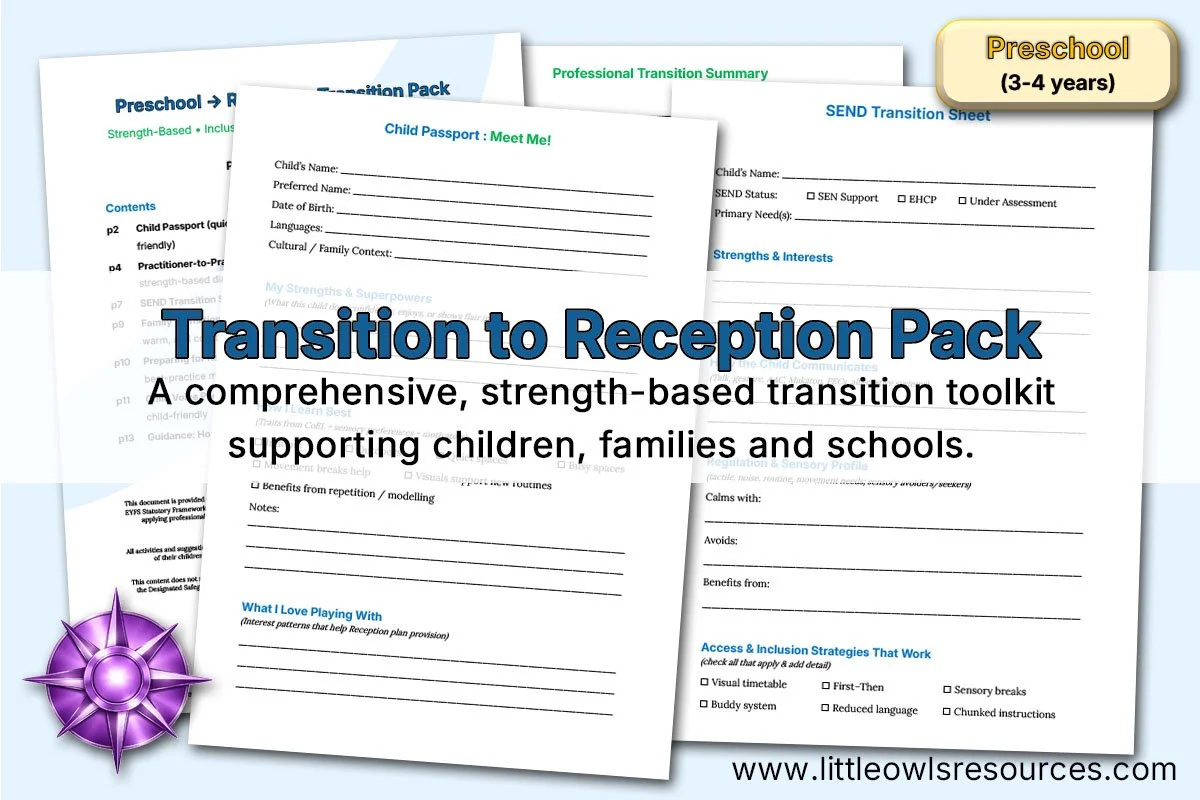

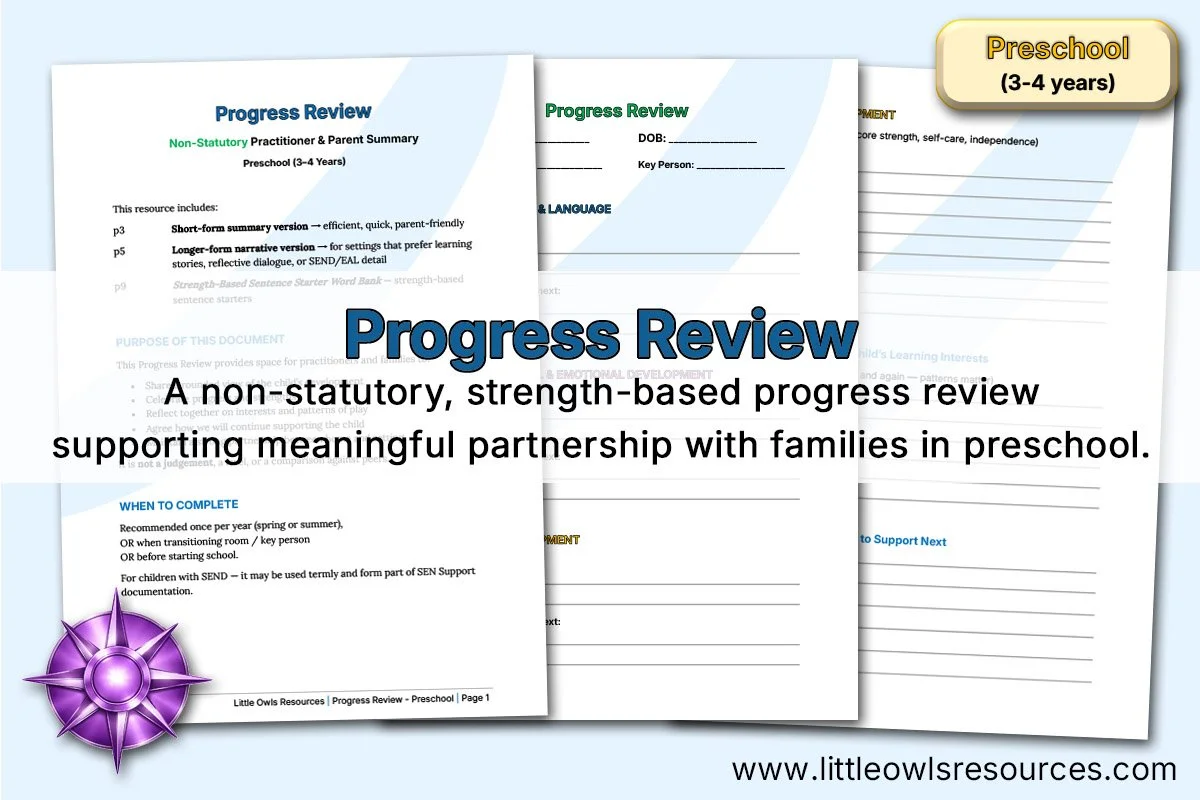





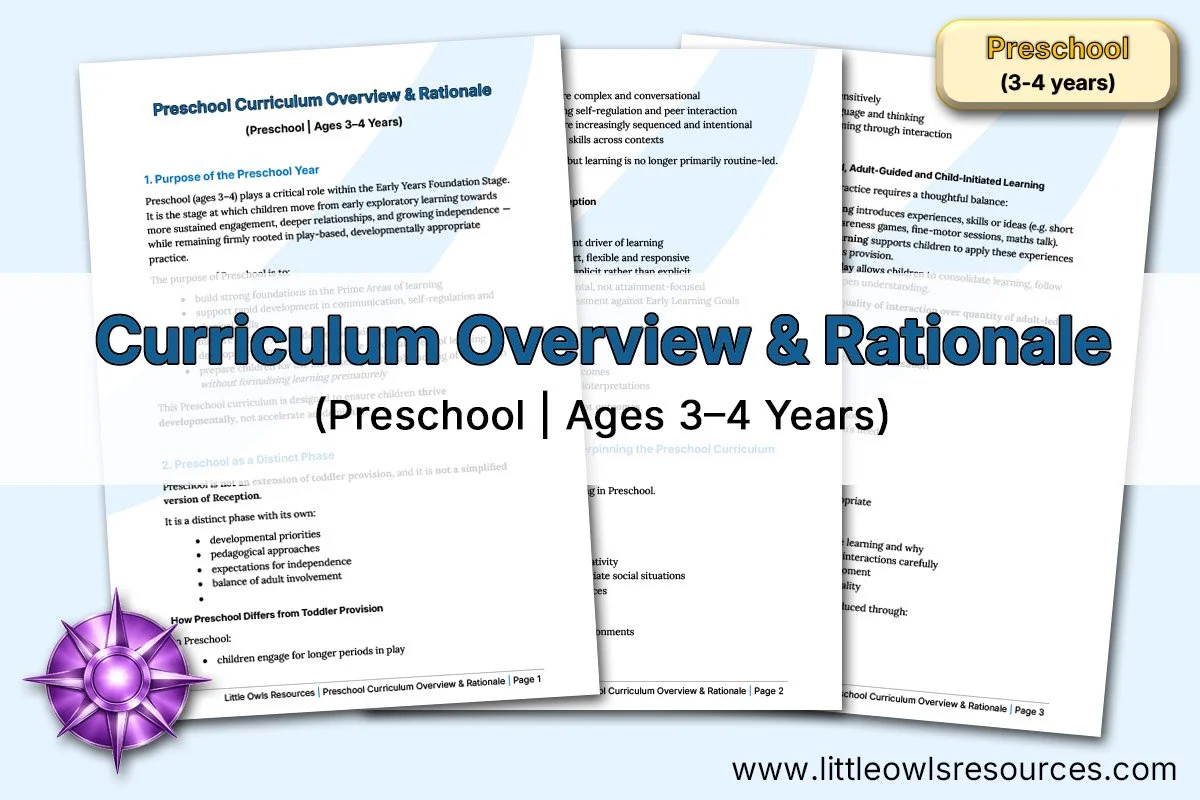
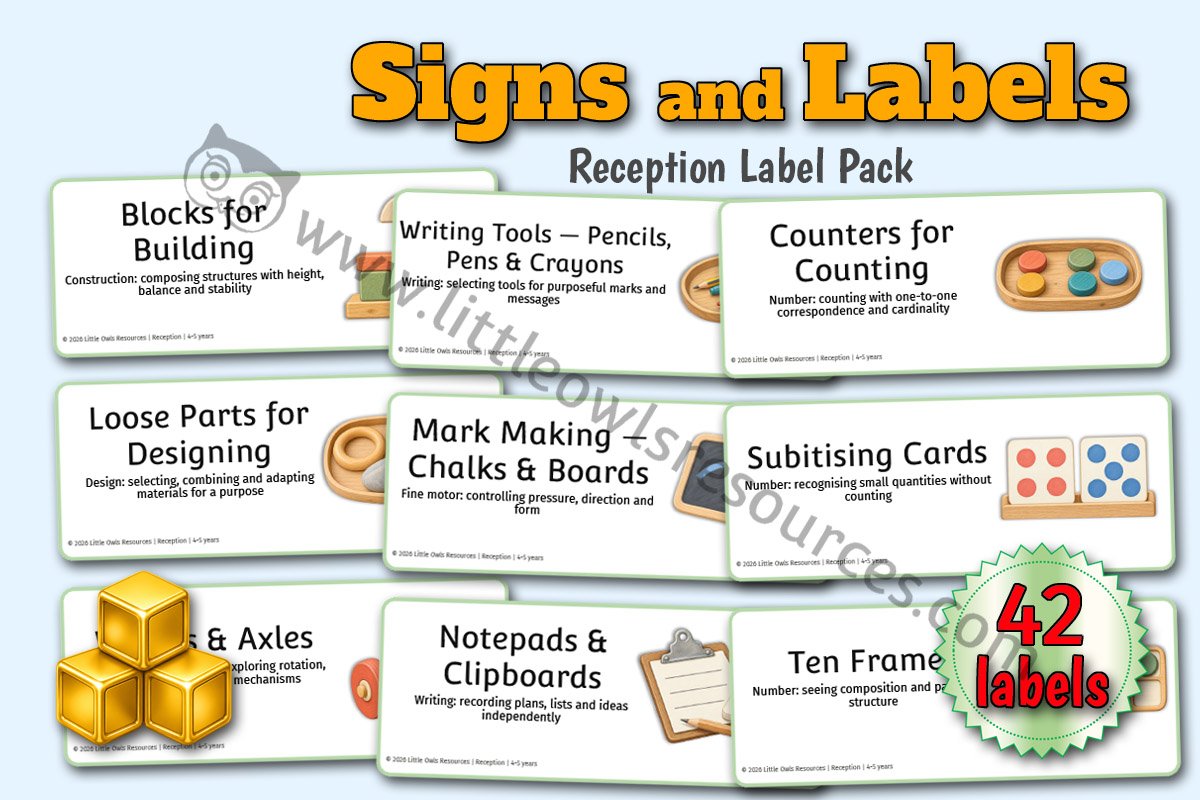
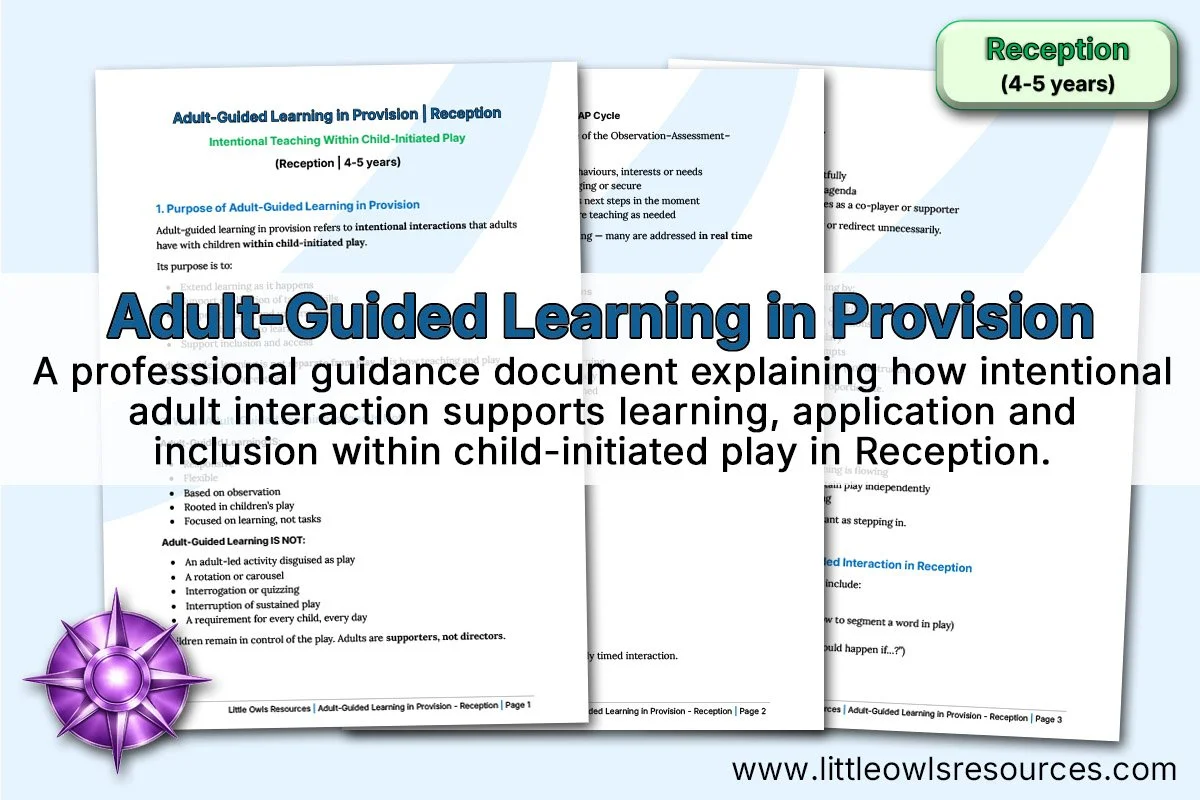
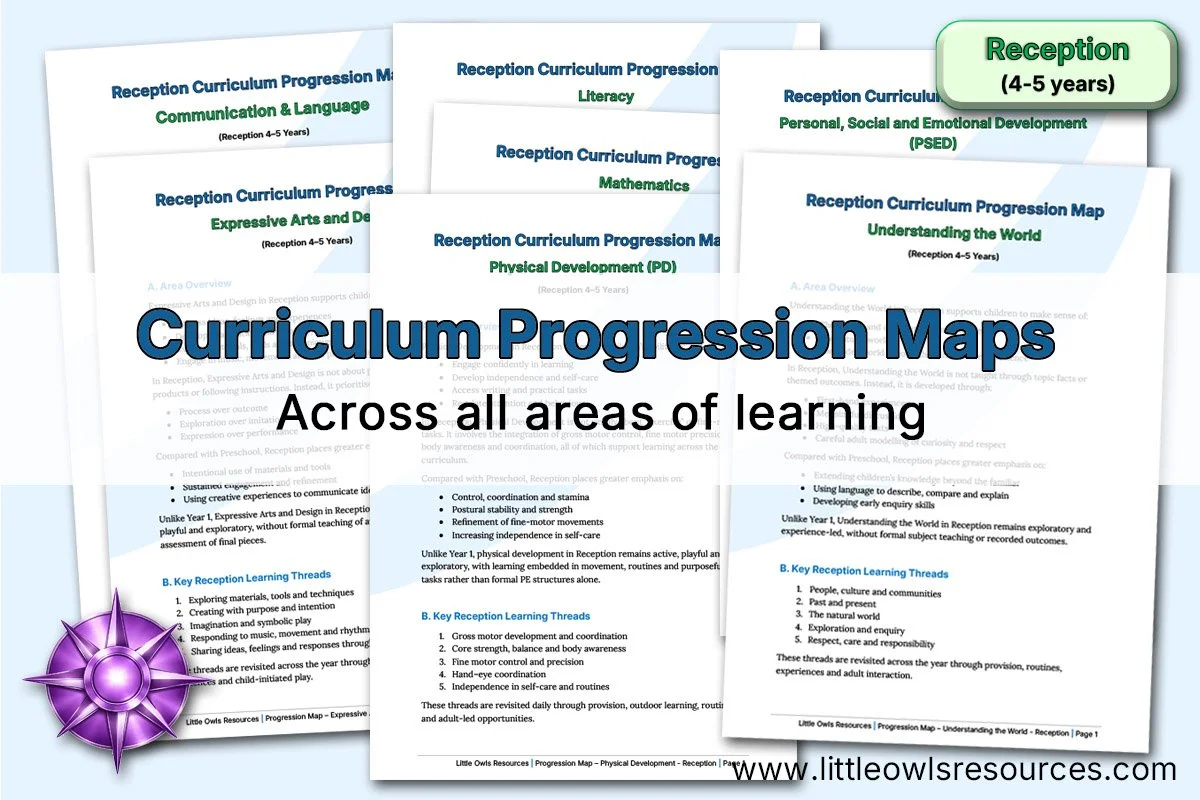
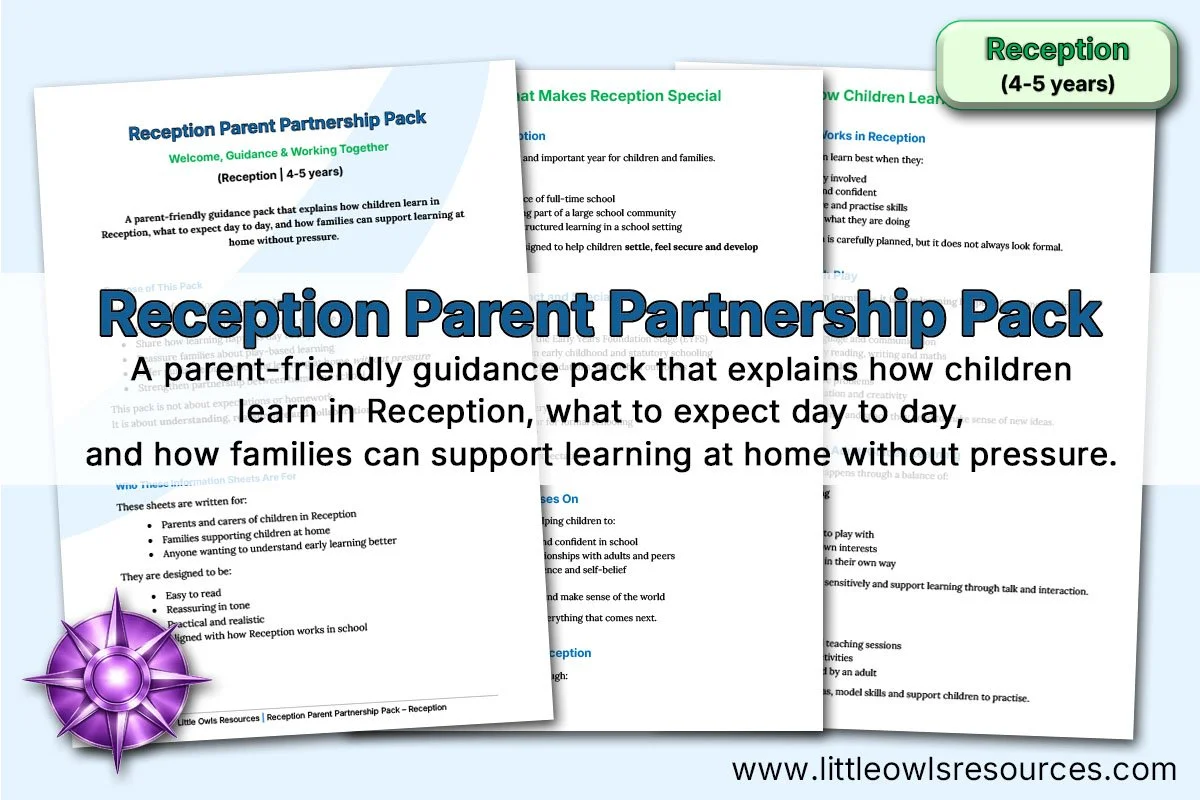
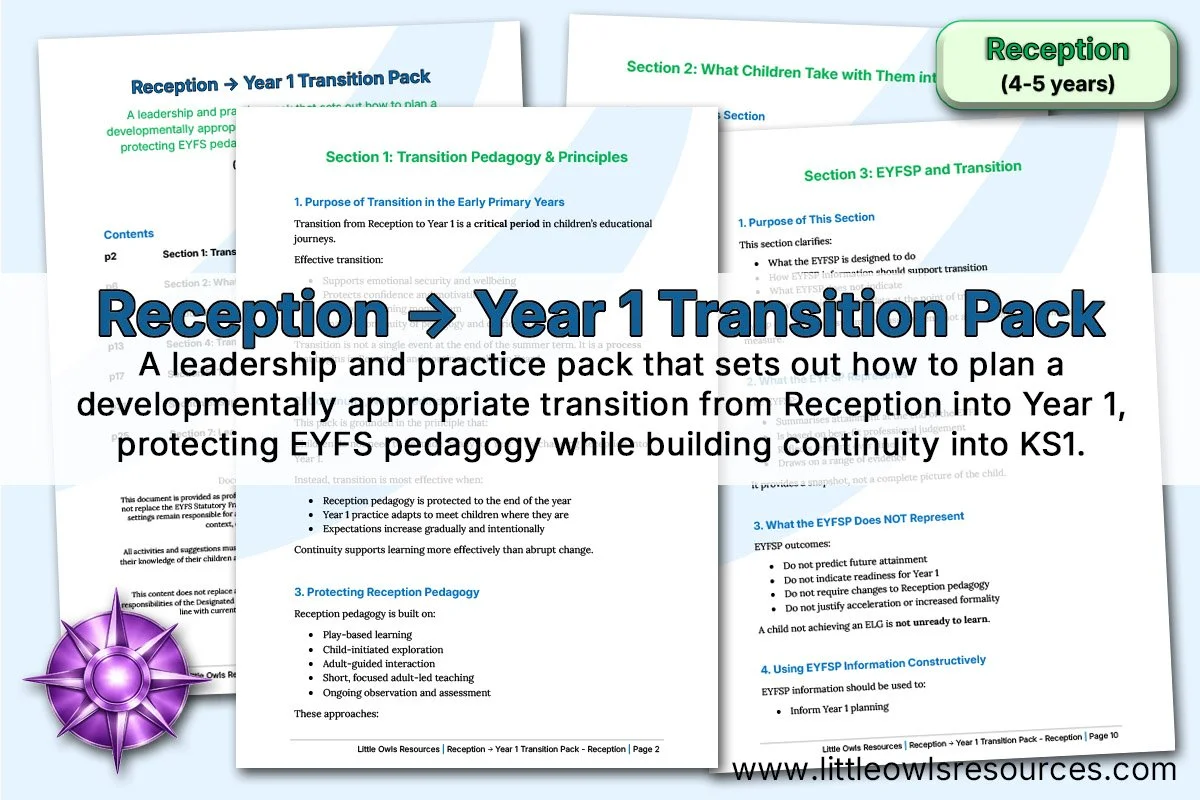
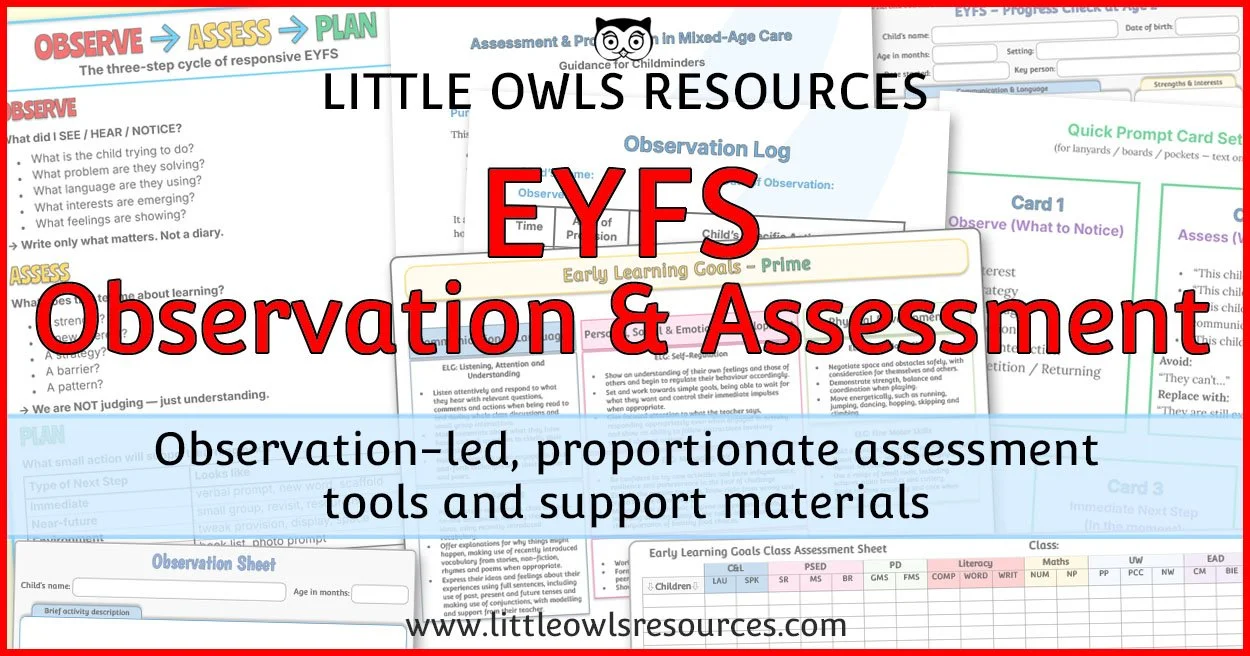
For overarching ‘Area of Learning’ Support such as Curriculum Intent Grids, Development Indicators and Assessment Tools, please visit our ‘Observations & Assessment’ page.
🏡 Expressive Arts & Design within Continuous Provision | Age-Specific Ideas & Guidance
-
Toddler Expressive Arts & Design provision should focus on sensory exploration, joyful creativity, movement, sound, imitation, identity and early imaginative play.
Open-ended mark-making with chunky tools, paint, chalk, water and natural materials
Sensory creative exploration using dough, fabric, textured materials and safe loose parts
Music baskets with shakers, bells, drums and sound-making objects
Action songs, nursery rhymes and movement experiences
Simple role-play linked to home, caring, food, dressing up and familiar routines
Large-scale outdoor creative play using water, mud, leaves, sticks and brushes
Opportunities to explore colour mixing, texture, shape and pattern
Small world play with familiar people, animals and vehicles
Adults joining children’s play through imitation, narration and shared enjoyment
Related Guidance:
Continuous Provision Setup Guides | Toddler Room
Small World
Messy / Wet Play
Dry Sensory & Loose Parts
Construction
Role Play / Home Corner
Mark Making
Book Area / Reading Nook
Music & Sound
Outdoor
Continuous Provision Maps (18–36 Months)
C&L
PSED
PD
Maths Seeds
Literacy Seeds
UW
EAD
Toddler Project Planners | Play-Led, Schema-Informed, EYFS Aligned
12 × Main Project Planners (3–4 Weeks)
8 × Mini-Project Planners (1 Week)
Expressive Arts & Design: Creative Media & Expression Toolkit | Toddlers (18–36 Months)
-
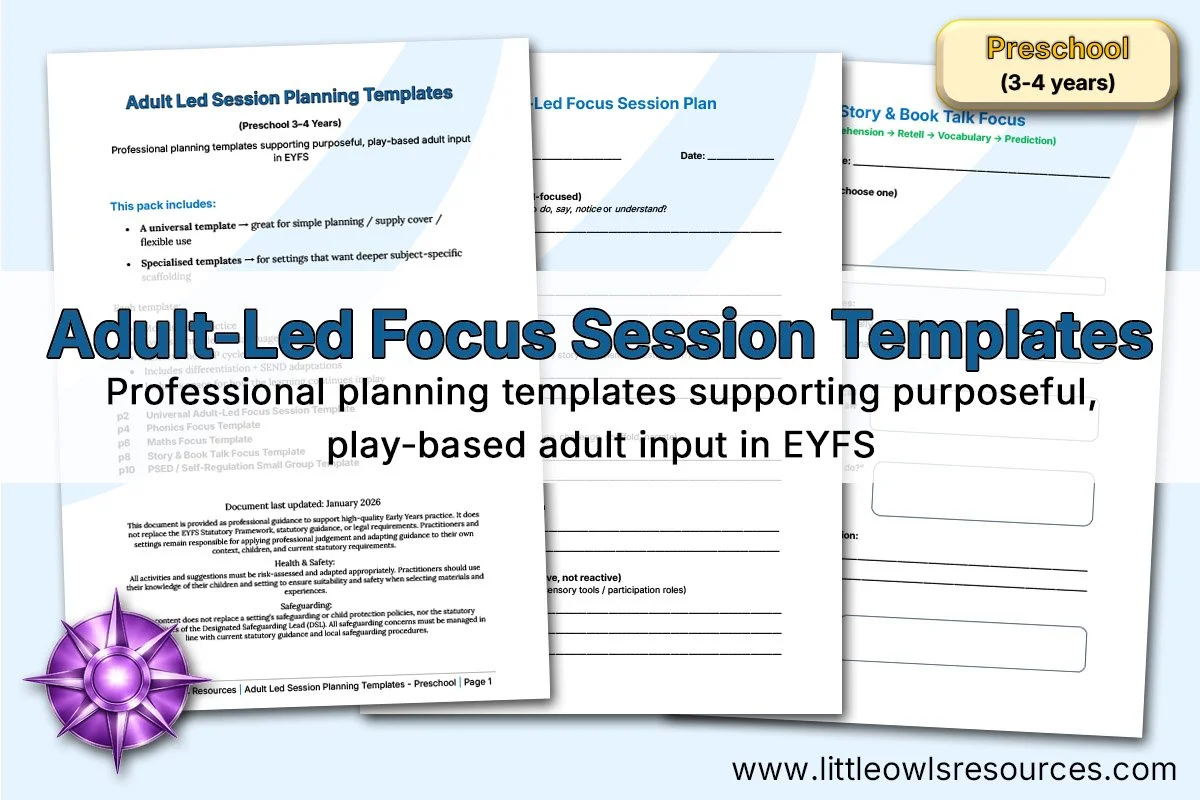
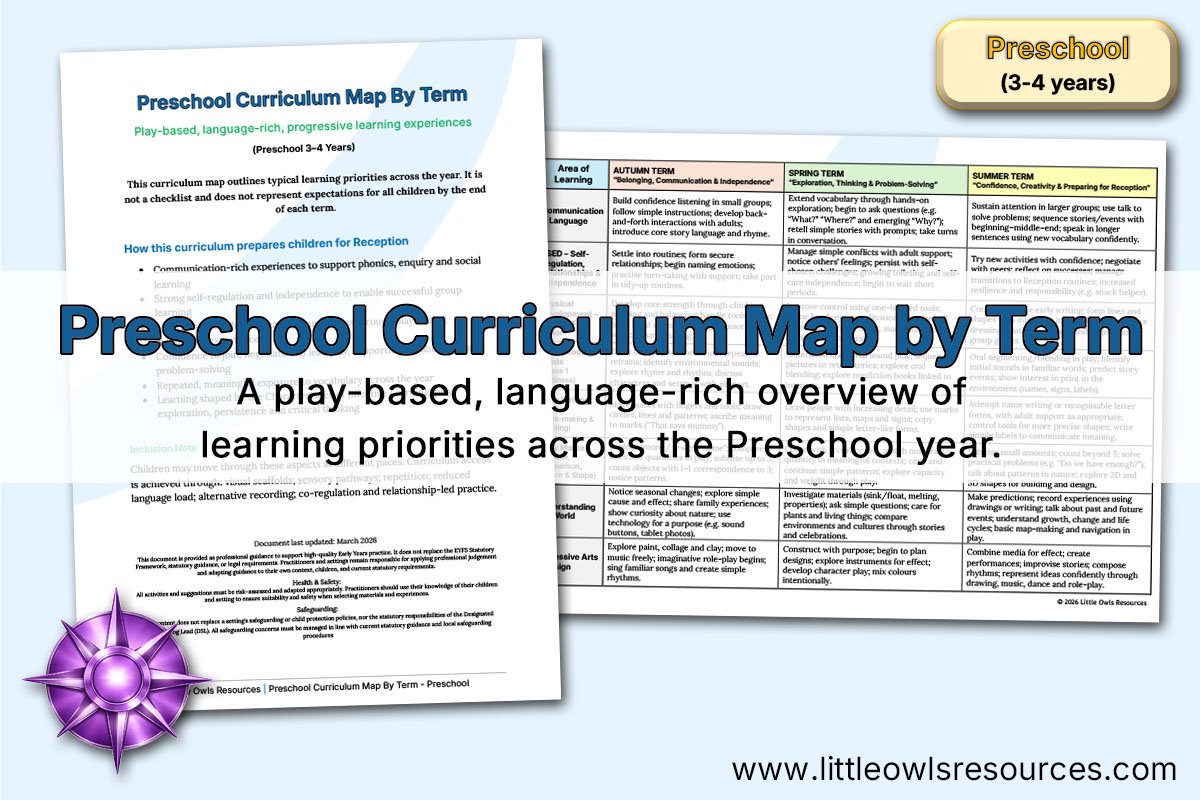
Preschool Expressive Arts & Design provision should support children to explore materials, develop imaginative play, express ideas, create with increasing intention and collaborate creatively with others.
Creative areas with open-ended resources for drawing, painting, collage and modelling
Role-play spaces that reflect children’s interests, homes, communities and stories
Music and movement opportunities using instruments, rhythm, dance and action songs
Construction and loose parts play supporting design, problem-solving and representation
Storytelling areas with puppets, masks, props and small world resources
Outdoor creative provision using large-scale mark-making, mud, water and natural materials
Opportunities to revisit and develop creative ideas over time
Art and design invitations linked to themes, seasons, stories or children’s fascinations
Adults supporting children to talk about their choices, ideas and processes
Related Guidance:
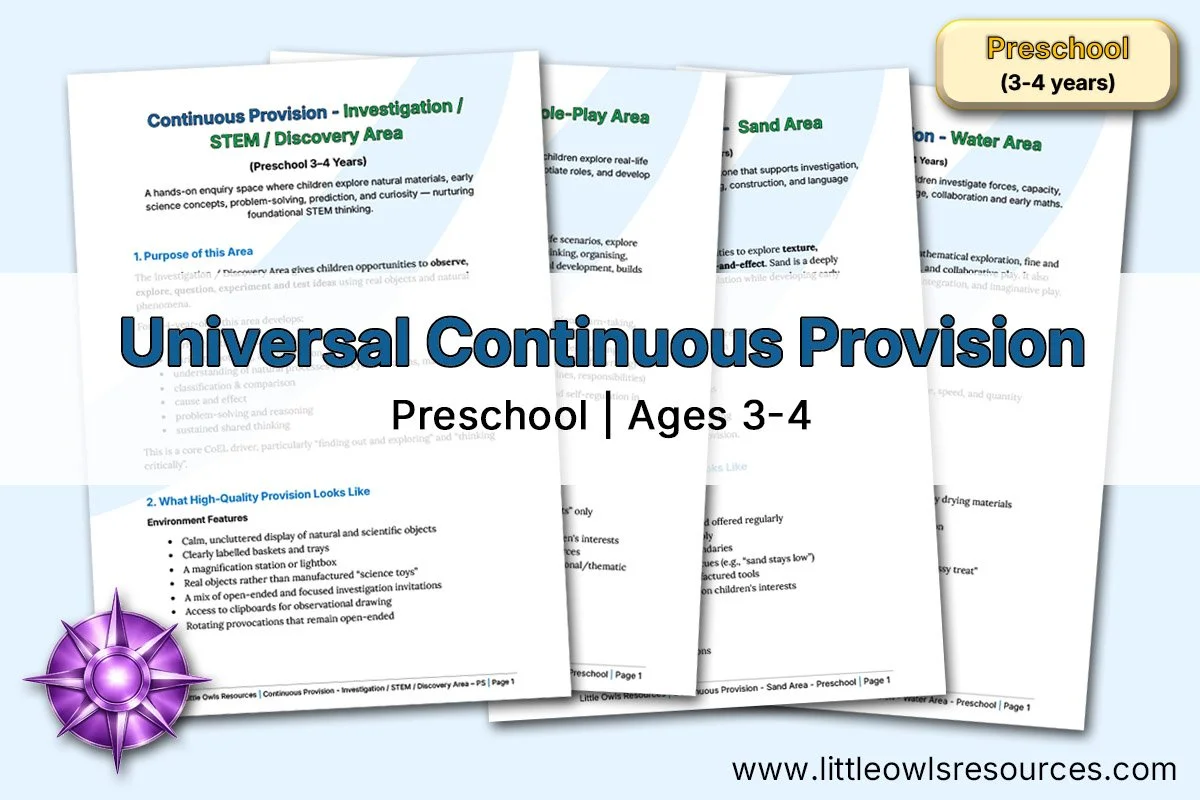
Universal Continuous Provision Packs (Preschool | 3–4 Years)
Construction Area
Small World Area
Role-Play Area
Writing / Mark-Making Area
Maths Area
Creative Area (Art & Making)
Investigation / STEM / Discovery Area
Book Corner / Reading Den
Fine Motor Station
Water Area
Sand Area
Snack Area / Independence Station
Outdoor Provision Core Zones
Physical play
Gross motor skills
Nature area
Outdoor mark-making
Outdoor maths
Preschool EYFS Theme Packs | 3–4 Years
Core Preschool Themes (6 Weeks Each)
Optional Mini-Themes (1–2 Weeks)
-
Reception Expressive Arts & Design provision should support children to refine creative skills, develop imagination, represent ideas, perform, design, construct and make purposeful choices about materials and techniques.
Creative workshops with accessible art, craft, design and construction materials
Role-play and small world areas supporting stories, themes, communities and imaginative narratives
Music and movement opportunities linked to rhythm, performance, dance and expression
Themed enhancements that inspire creative thinking without over-directing outcomes
Construction and model-making opportunities involving planning, adapting and evaluating
Storytelling, puppet play and drama linked to books, interests and curriculum themes
Outdoor creative experiences using large-scale materials, natural resources and movement
Opportunities for children to explain, adapt and reflect on their creative choices
Adult-guided support that extends children’s ideas while preserving child-led creativity
Related Guidance:
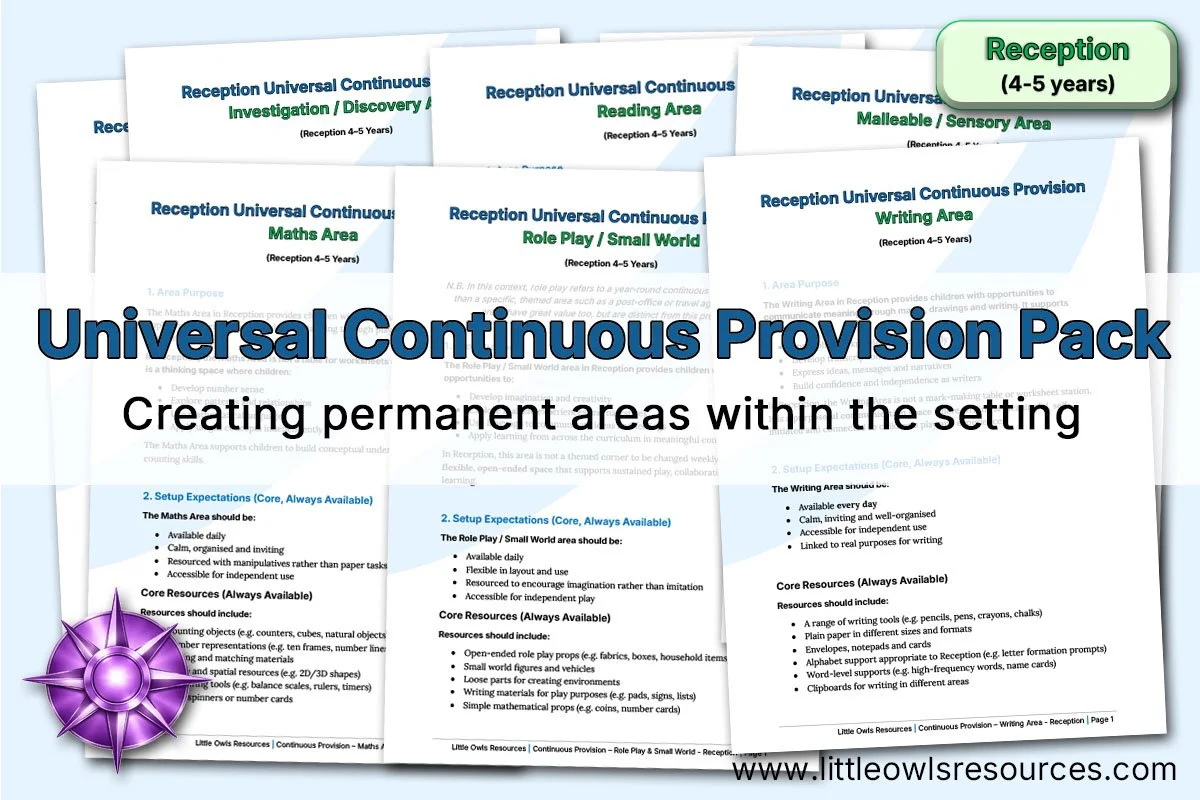
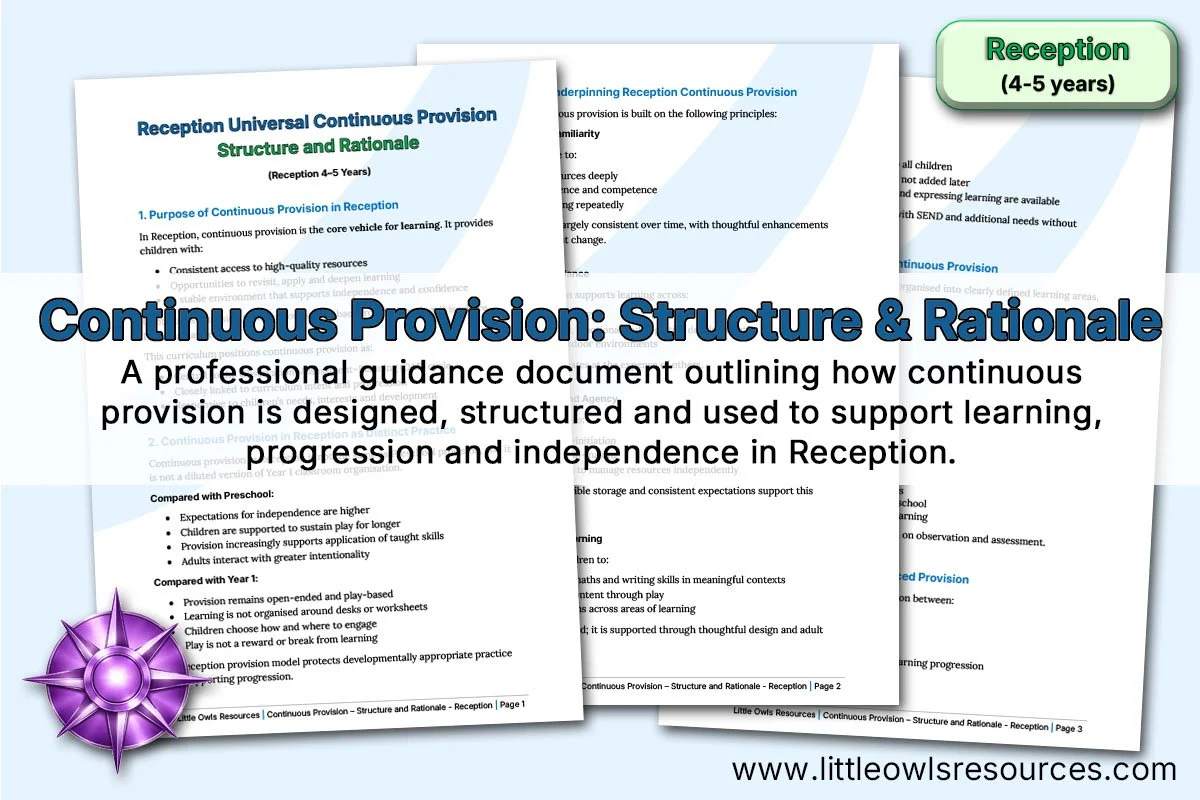
Universal Continuous Provision Pack (Areas listed below)
Construction
Creative
Investigation / Discovery
Maths
Reading
Role Play / Small World
Malleable / Sensory
Writing
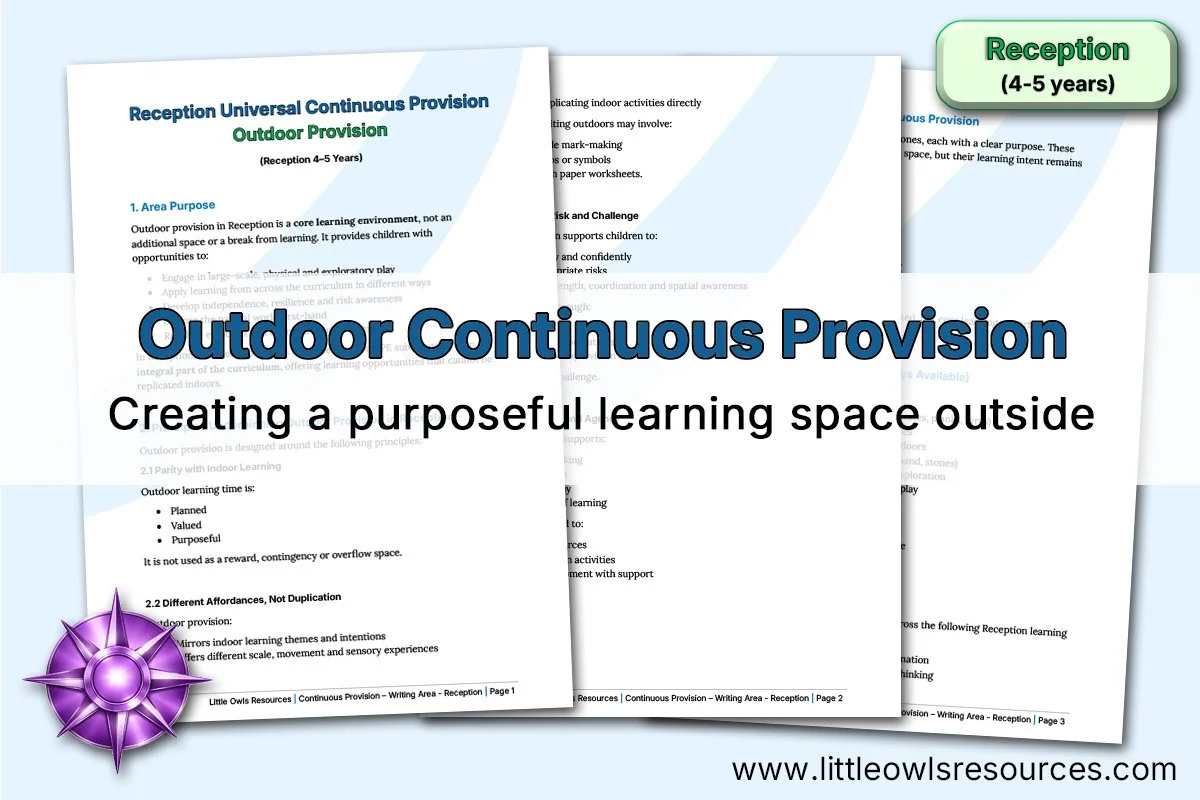
Outdoor Continuous Provision (Reception)
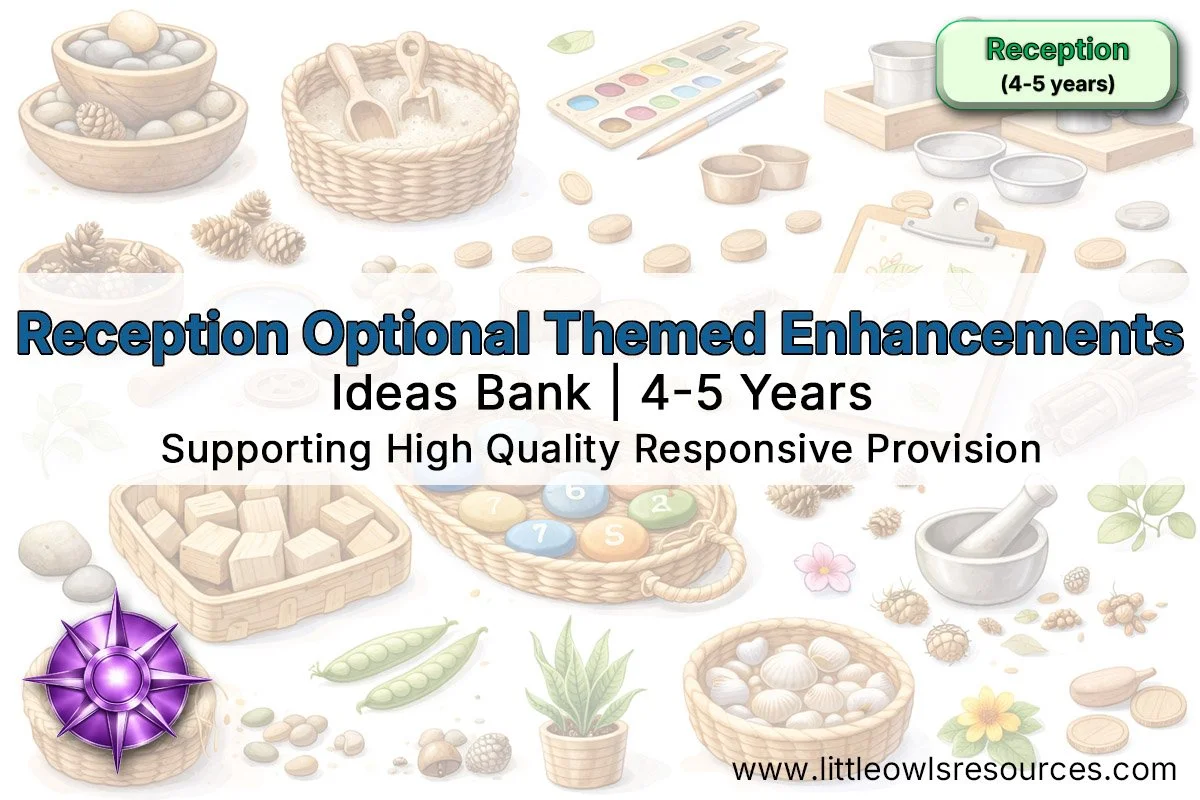
Reception Optional Themed Enhancements - Idea Banks | 4–5 Years
❓ Frequently Asked Questions About EYFS Expressive Arts & Design
-
Expressive Arts & Design is one of the specific areas of learning within the EYFS. It includes creating with materials and being imaginative and expressive.
-
Expressive Arts & Design helps children develop creativity, imagination, confidence, communication, fine motor skills, problem-solving, emotional expression and the ability to represent ideas in different ways.
-
Practitioners can support Expressive Arts & Design through open-ended creative materials, role-play, music, movement, construction, storytelling, outdoor creative experiences and responsive adult interaction.
-
Examples include role-play, storytelling with props, painting, collage, model-making, construction, music-making, dance, puppets, creative workshops and themed provision enhancements.
-
Process-led art focuses on exploration, experimentation and children’s creative choices rather than producing identical adult-directed outcomes.
-
Music and movement support rhythm, listening, coordination, emotional expression, confidence, creativity, language and social interaction.
-
Role-play helps children imagine, create stories, express feelings, explore roles, use language creatively and represent real or imagined experiences.
-
Settings can provide open-ended materials, allow children to make choices, value the creative process, avoid fixed outcomes and support children to revisit, adapt and explain their ideas.
-
Settings can support creativity through adapted tools, sensory materials, flexible ways to participate, visual supports, music, movement, adult modelling and child-led creative opportunities.
-
Themes can inspire ideas and resources, but they should remain flexible, open-ended and responsive to children’s interests so that creativity is not limited by adult-directed outcomes.
🧰 Additional ‘Expressive Arts & Design’ Tools & Guidance
When considering the support you provide for ‘Expressive Arts & Design’ within your setting, you may find resources on the following pages useful.
🌈 EYFS Printable Resources & Guidance for Additional Areas of Learning
Prime Areas of Learning
These areas are particularly important for building foundations in communication, wellbeing and physical development.
Specific Areas of Learning
These areas build on and strengthen the prime areas as children grow and develop.
Additional Curriculum Collections on Little Owls Resources
These collections support learning across multiple EYFS areas and are commonly used alongside the statutory framework.
More ways to search on ‘Little Owls Resources’…
(Select the buttons below to visit our menu pages)


This page contains public sector information licensed under the Open Government Licence v3.0.
😊✂️ Spark your children's imagination and creativity with our wonderful All About Me: 'Can you make...' Junk Modelling Challenge Cards! This engaging printable resource is perfect for EYFS and KS1 children…