
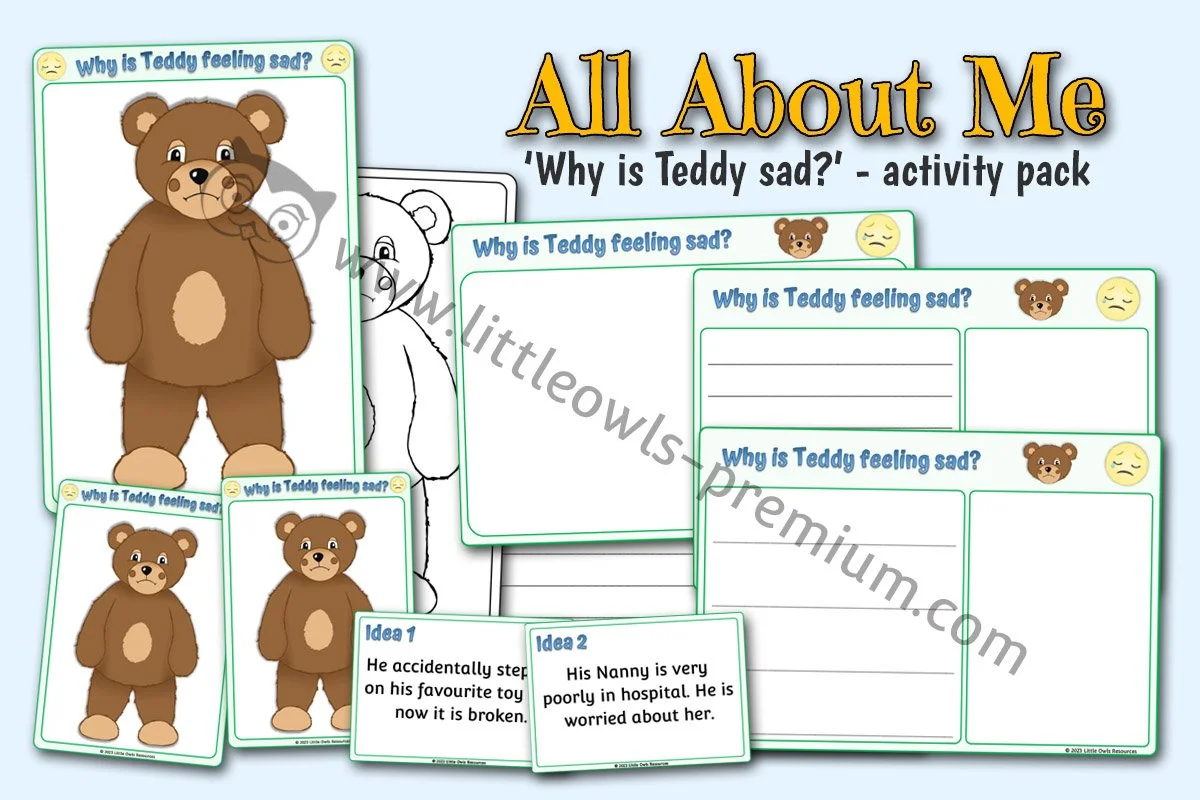
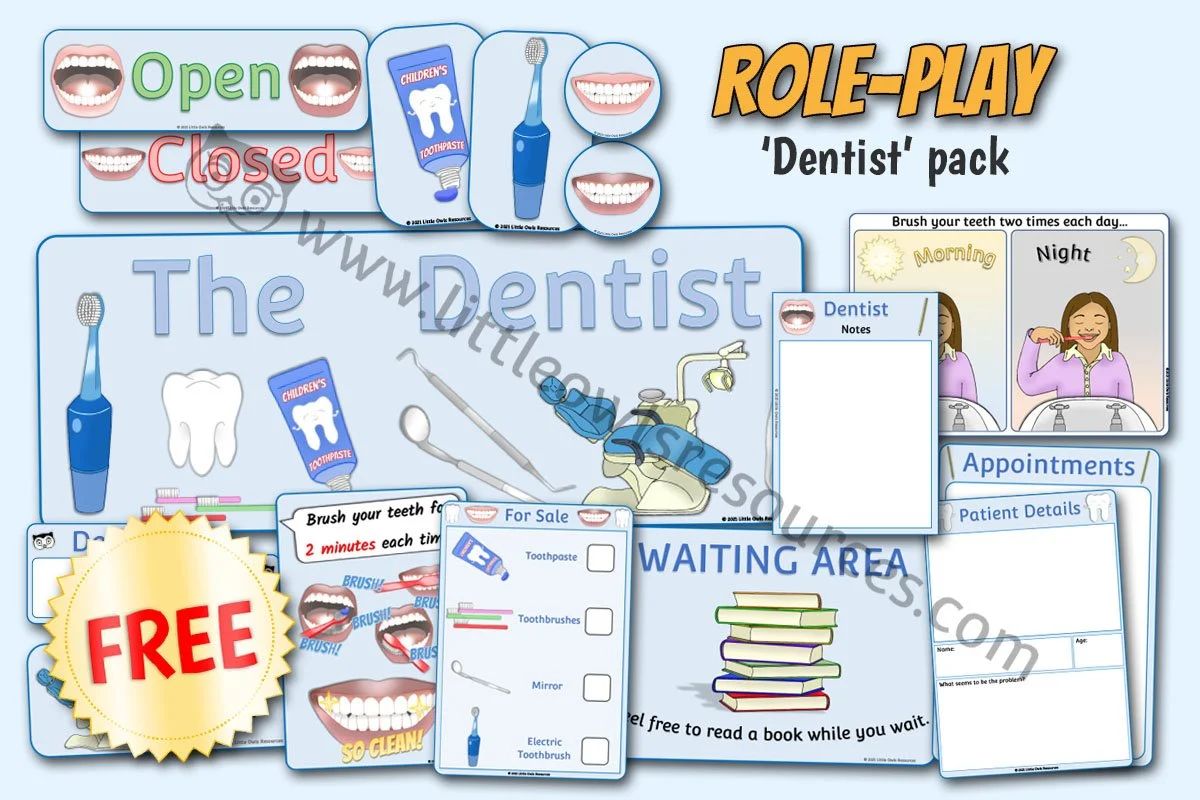
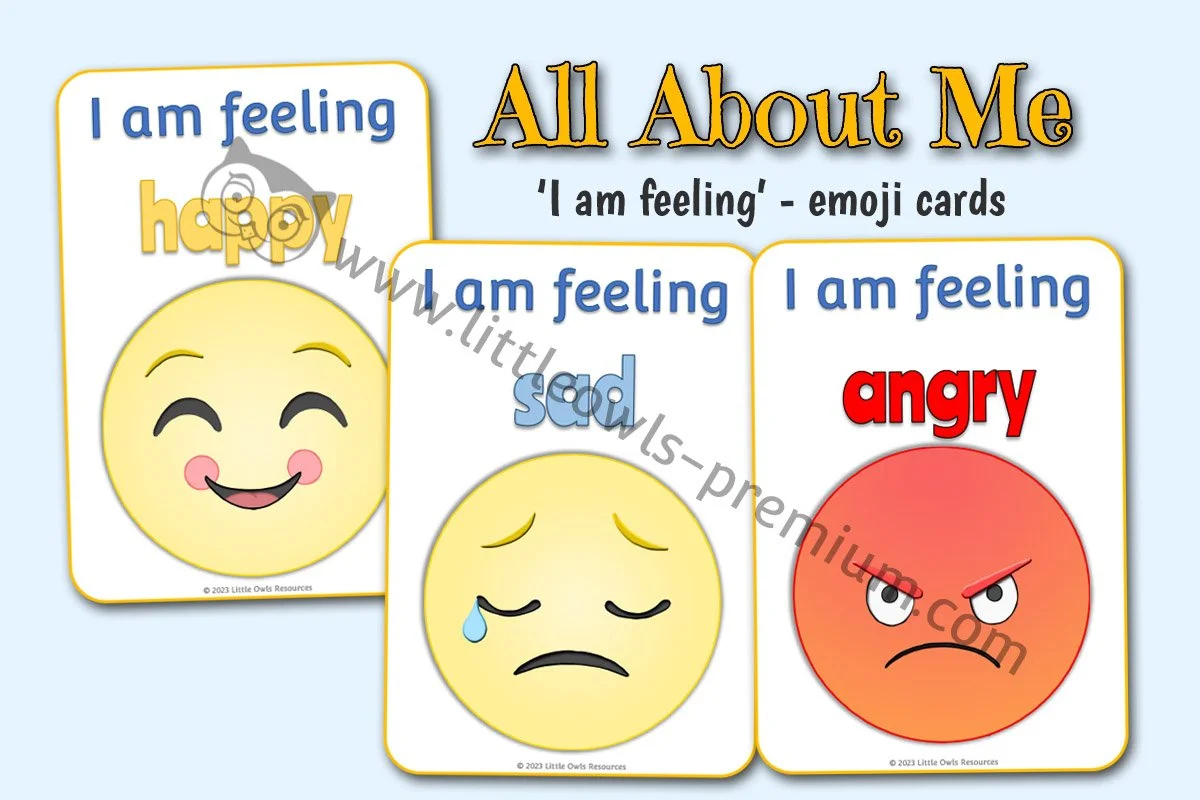


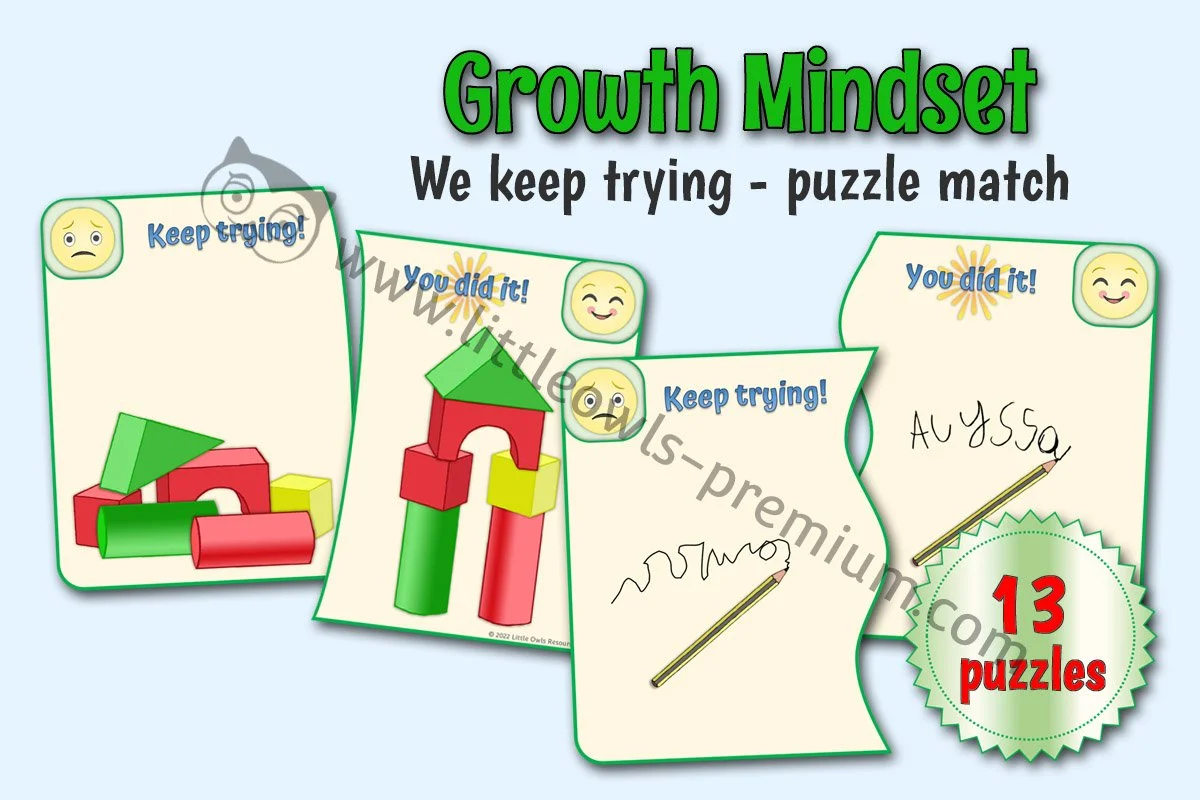
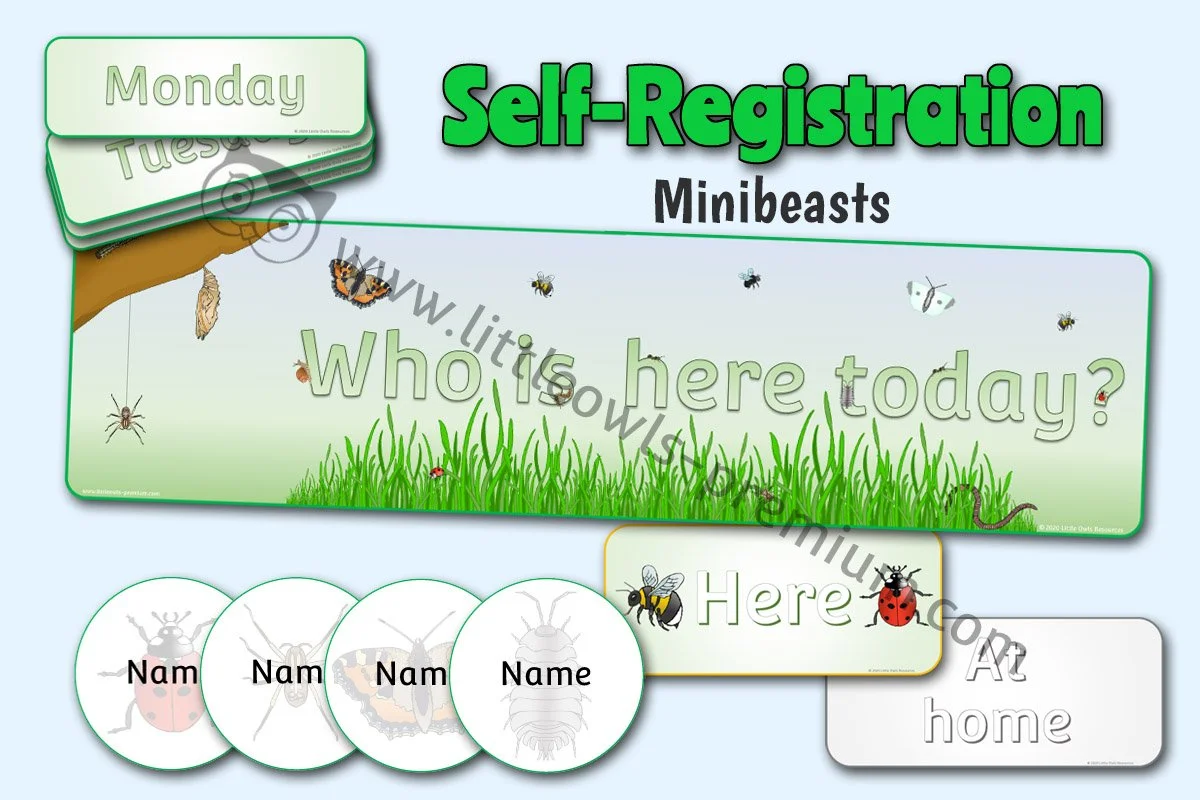
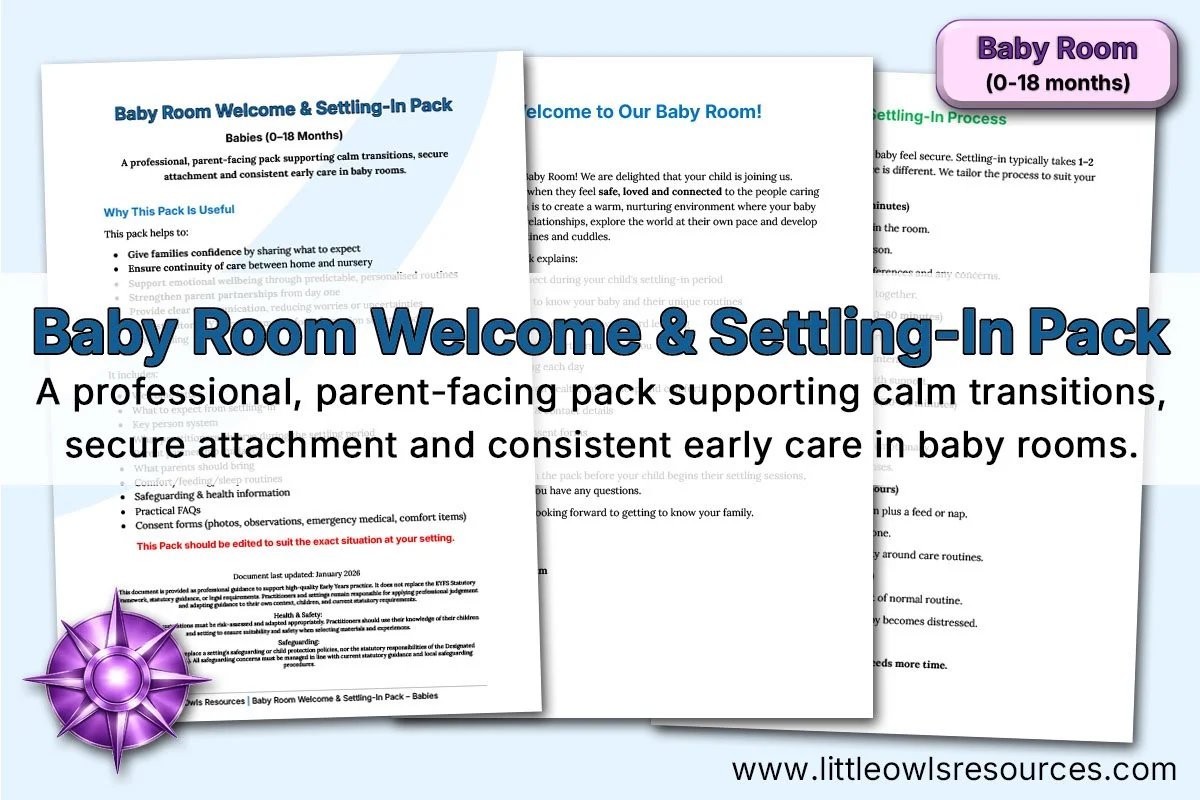
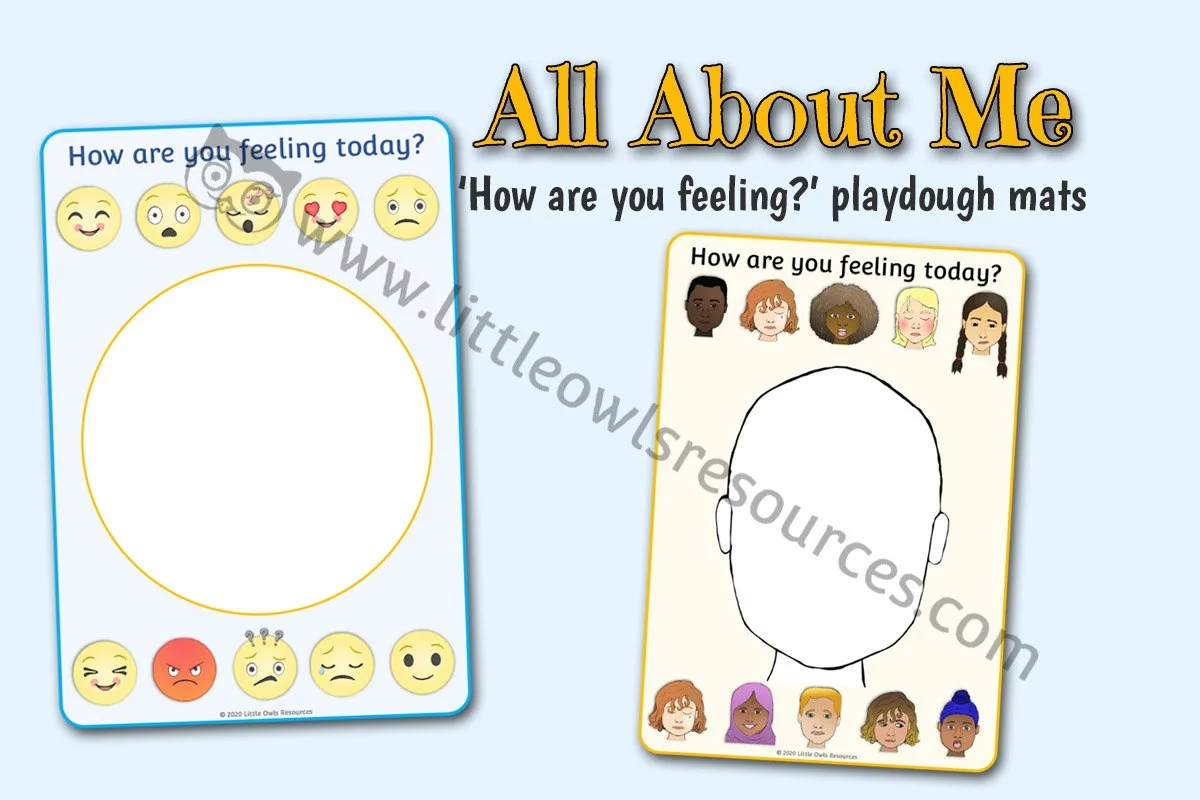
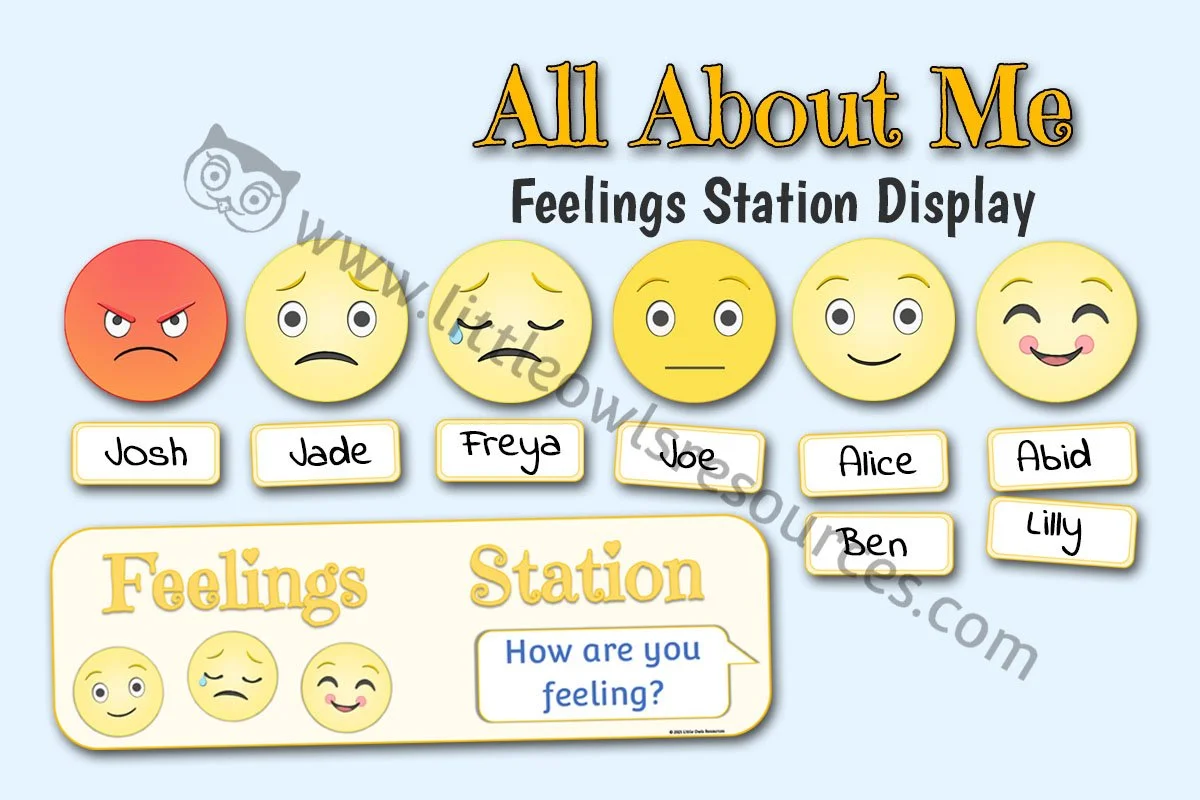
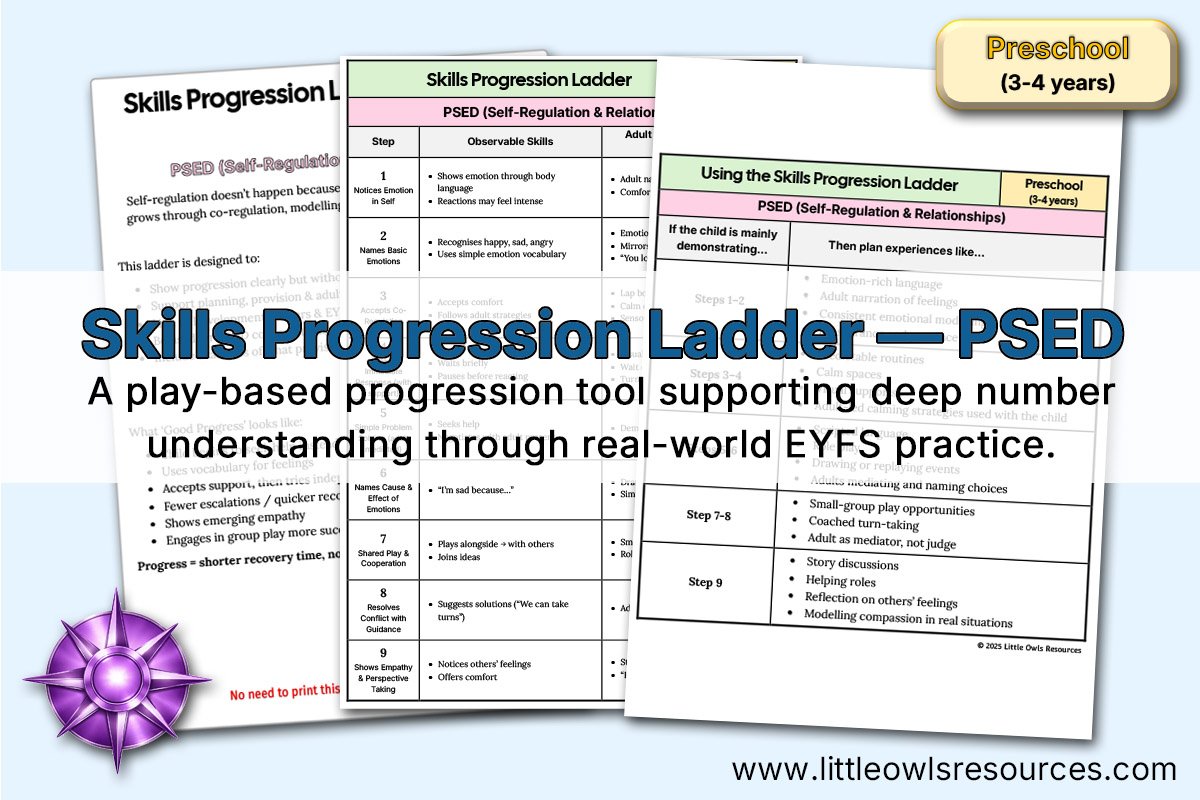


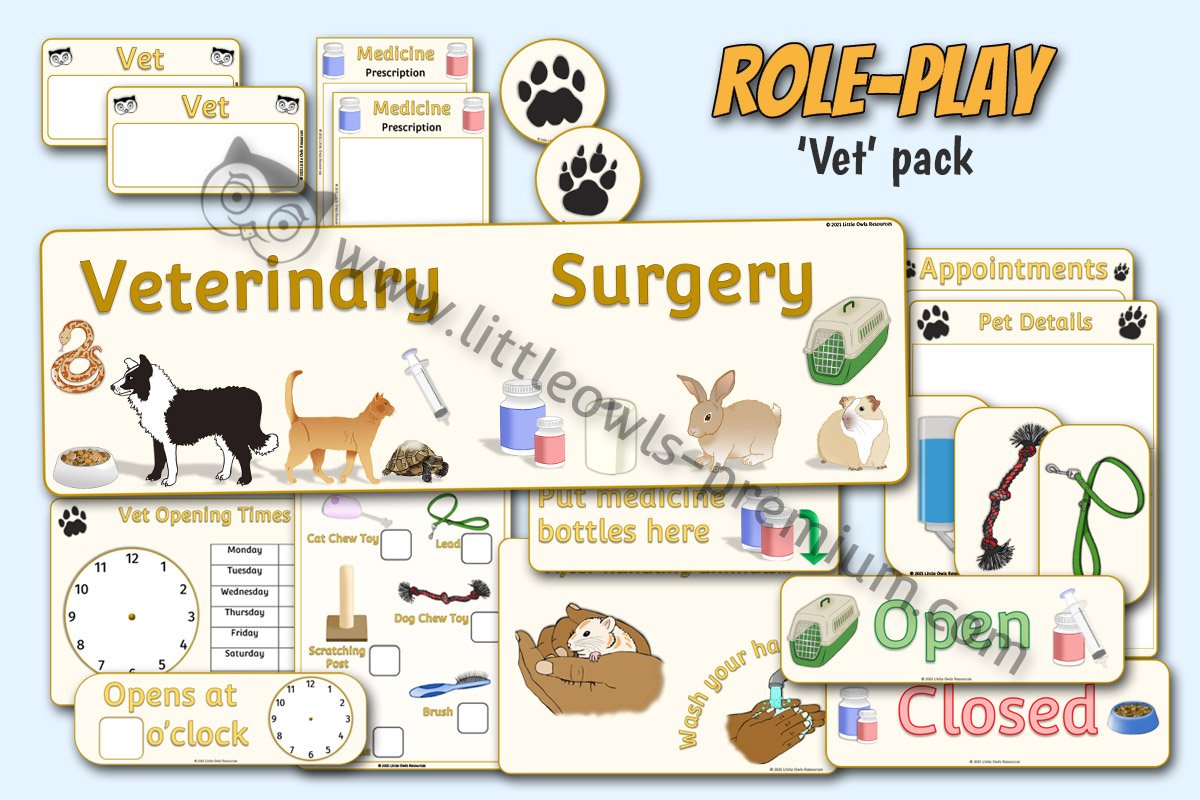
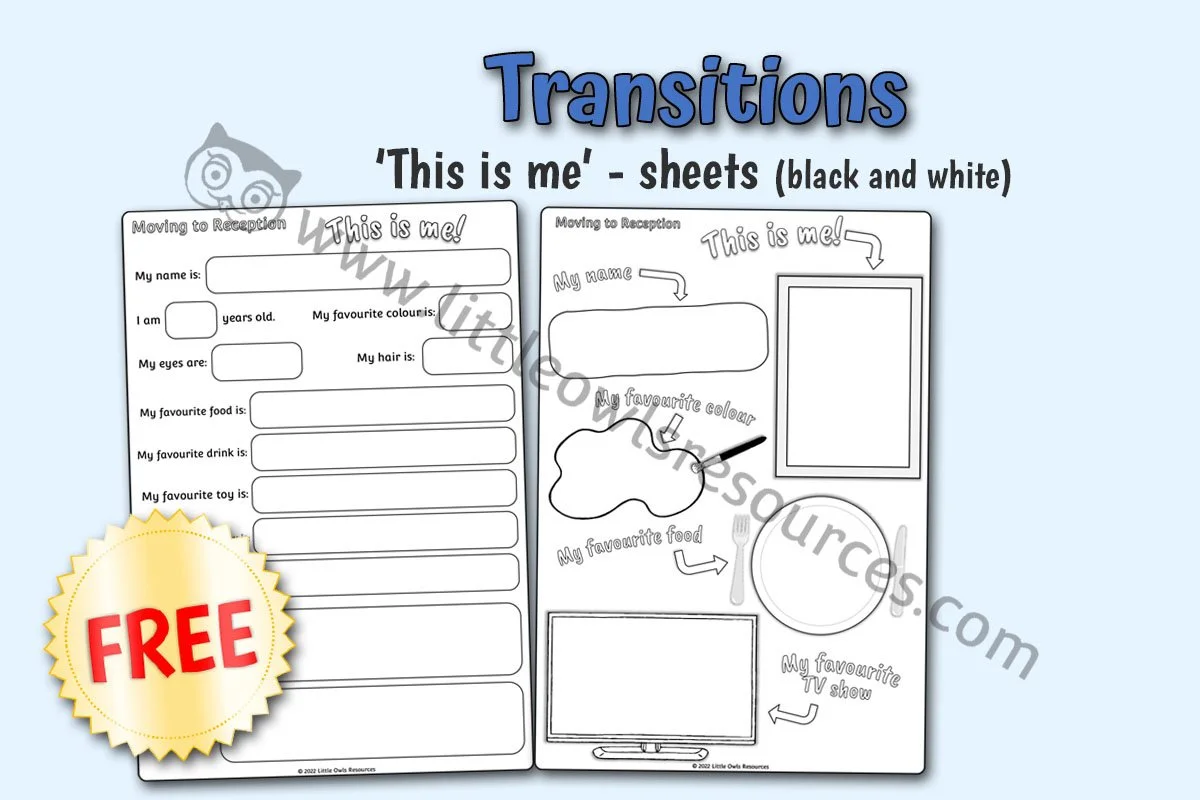
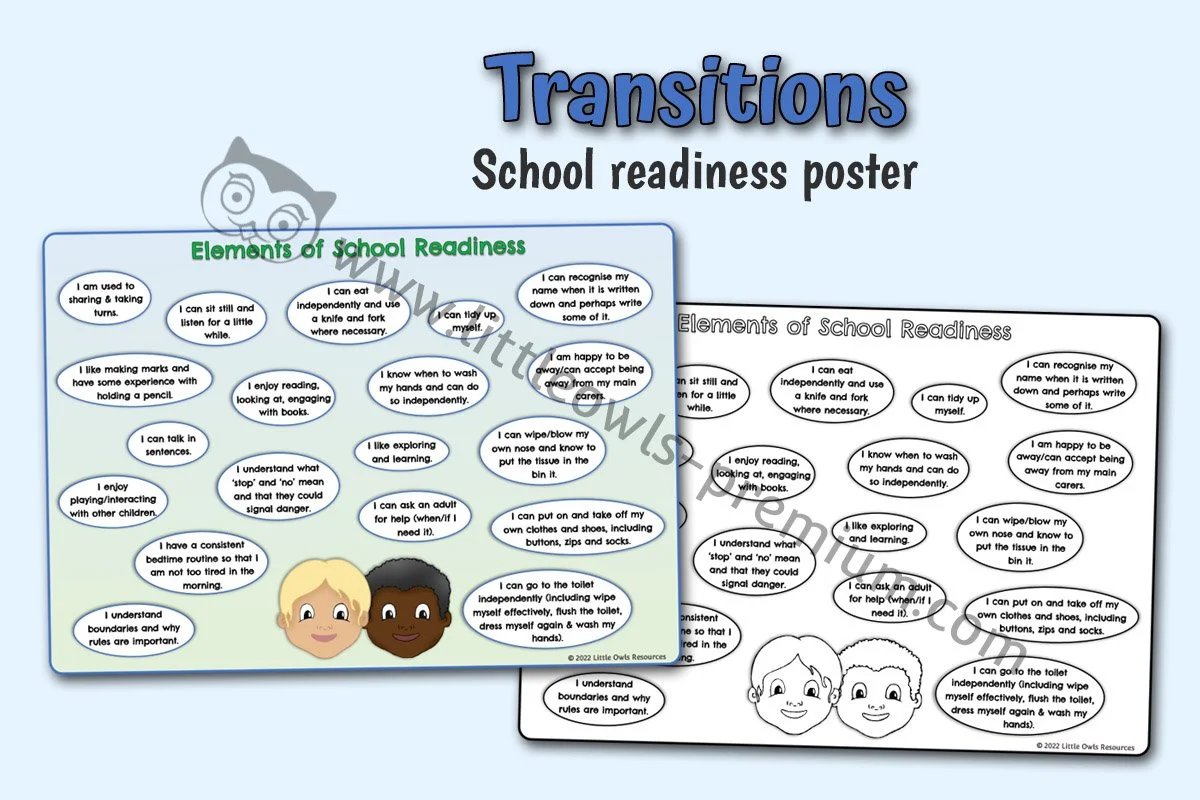

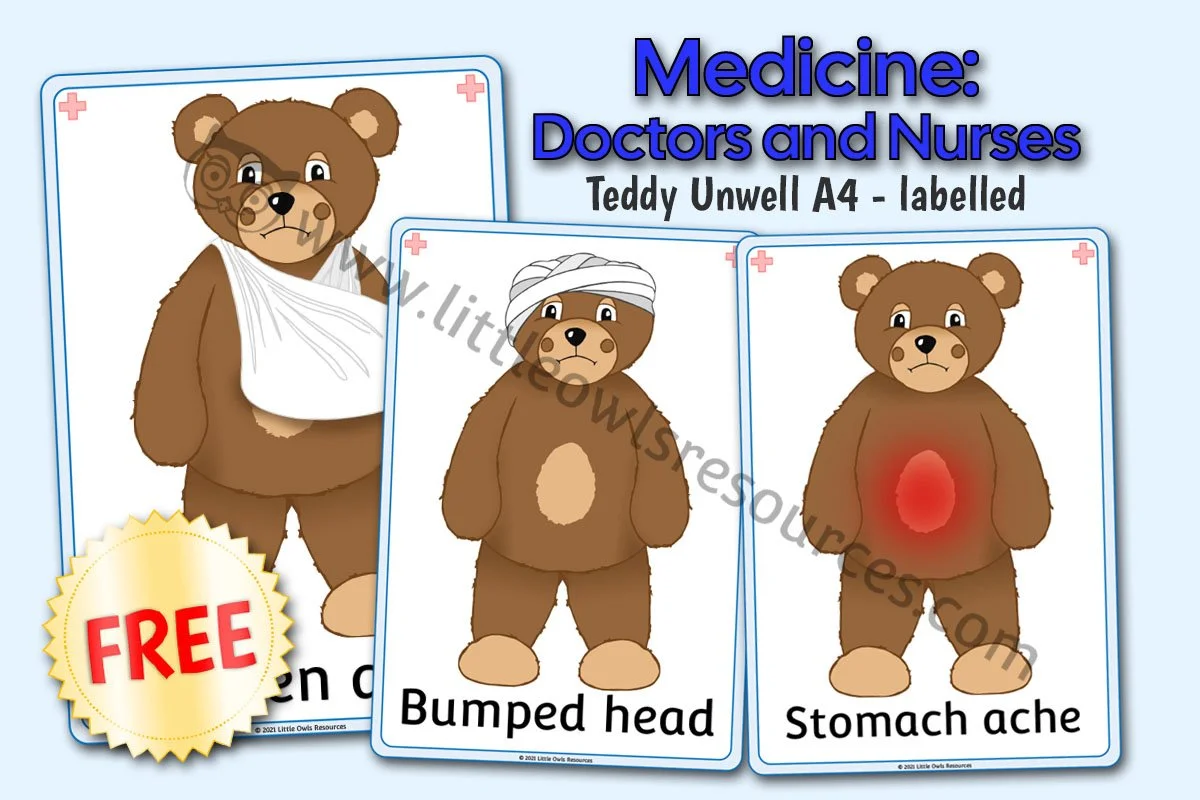
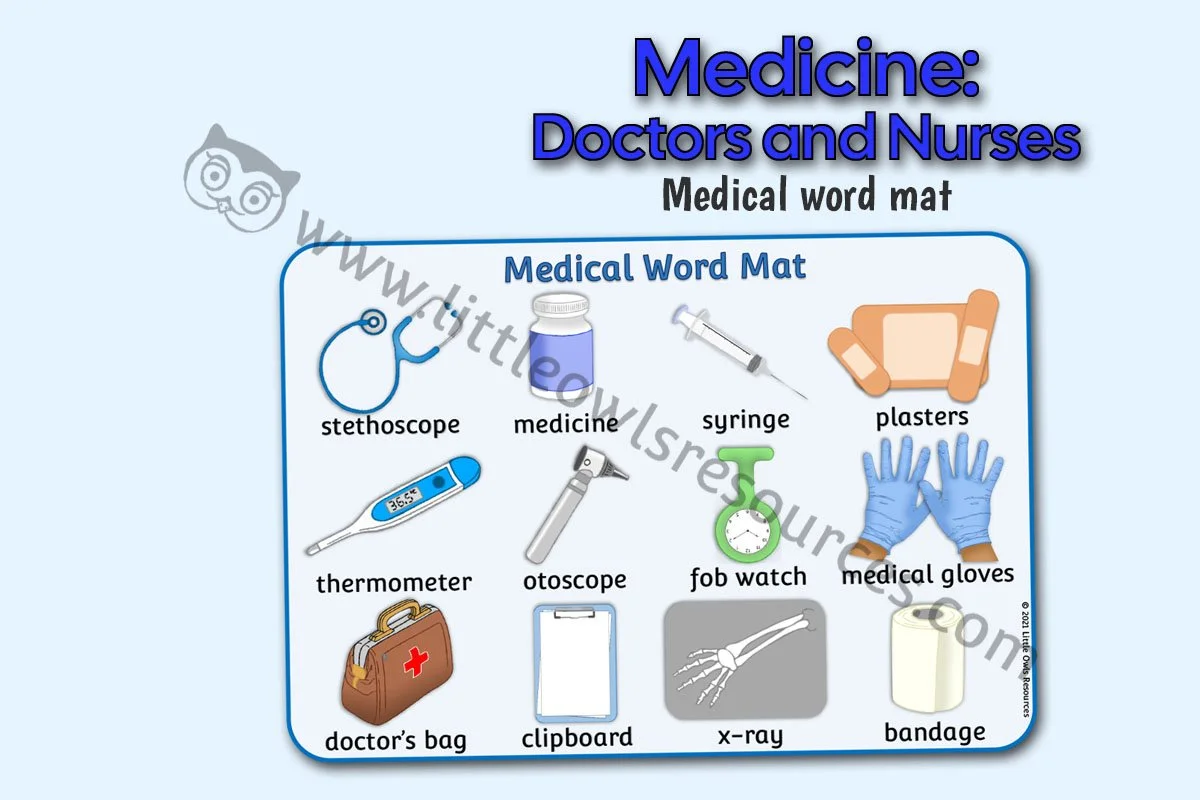
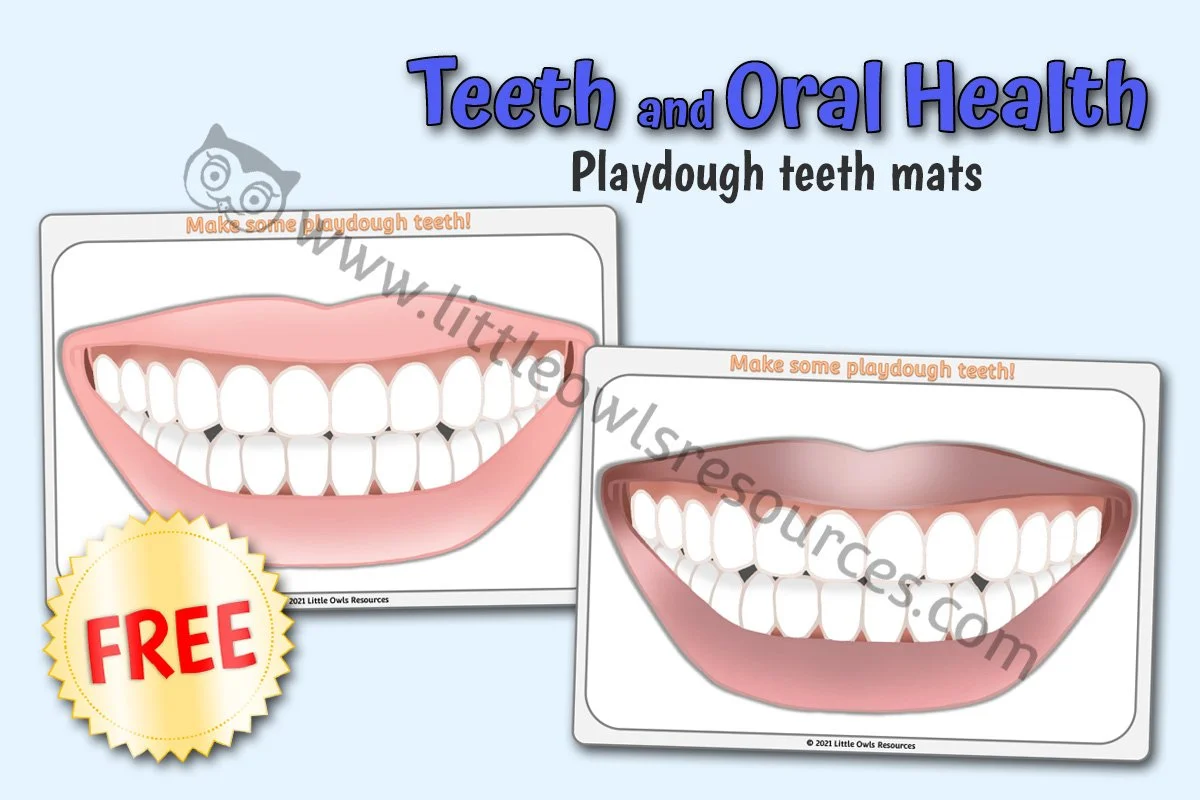
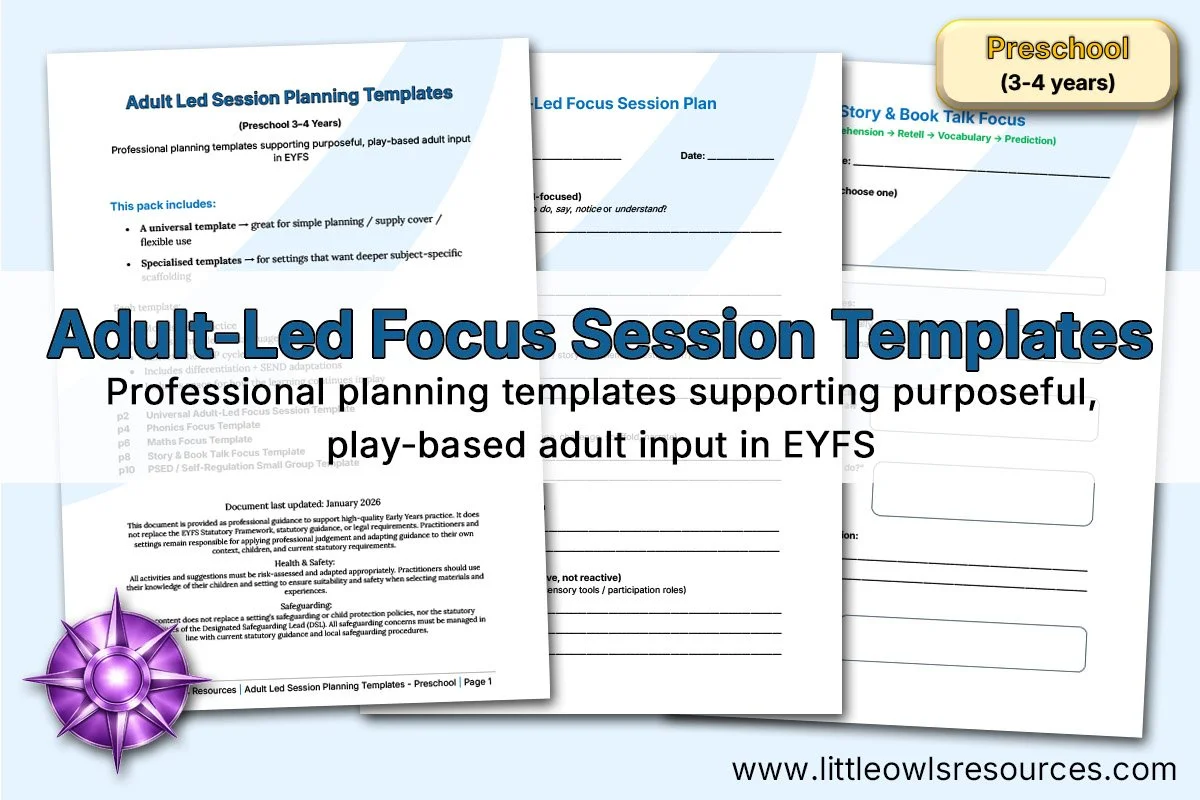
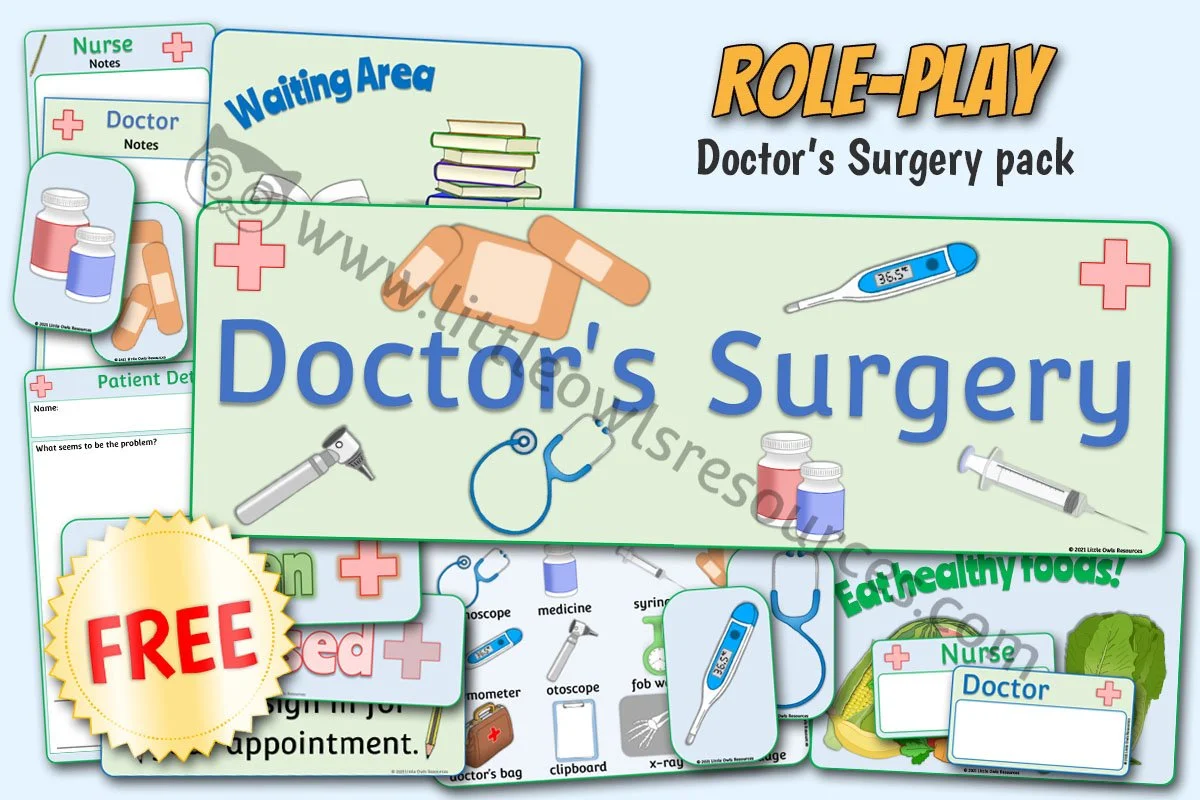
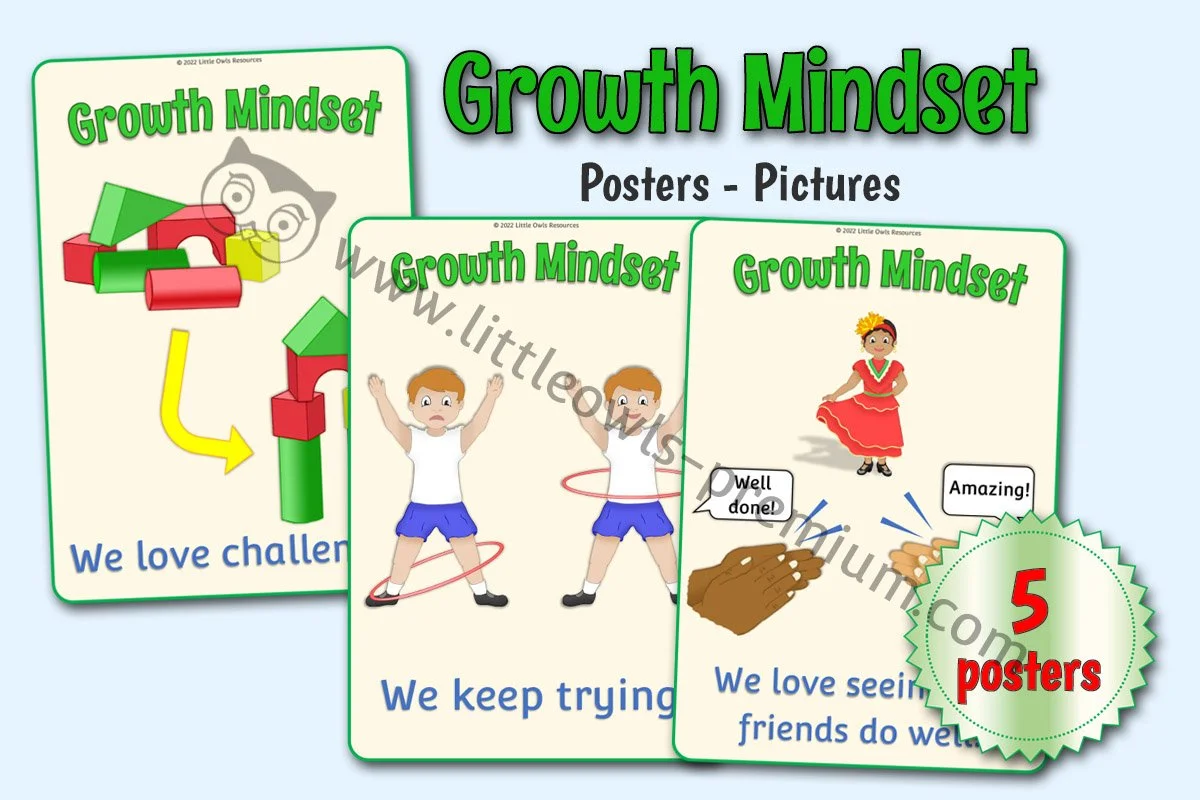
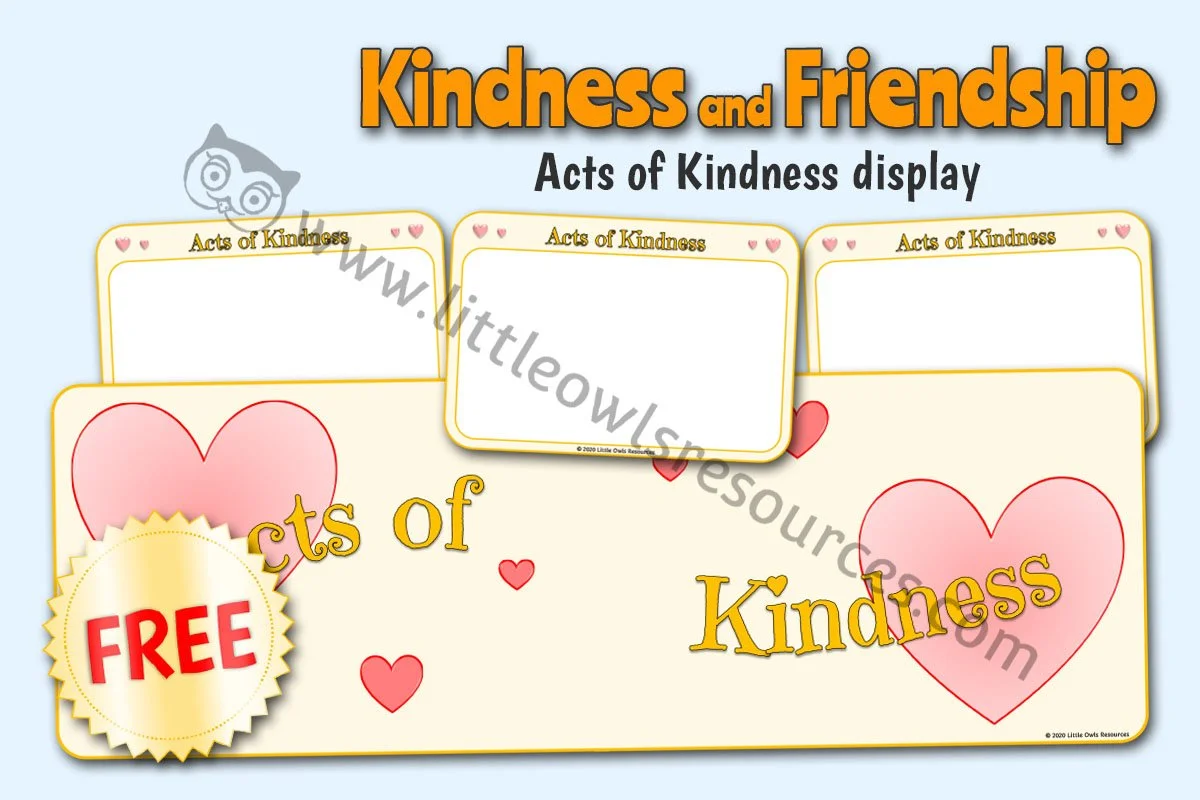
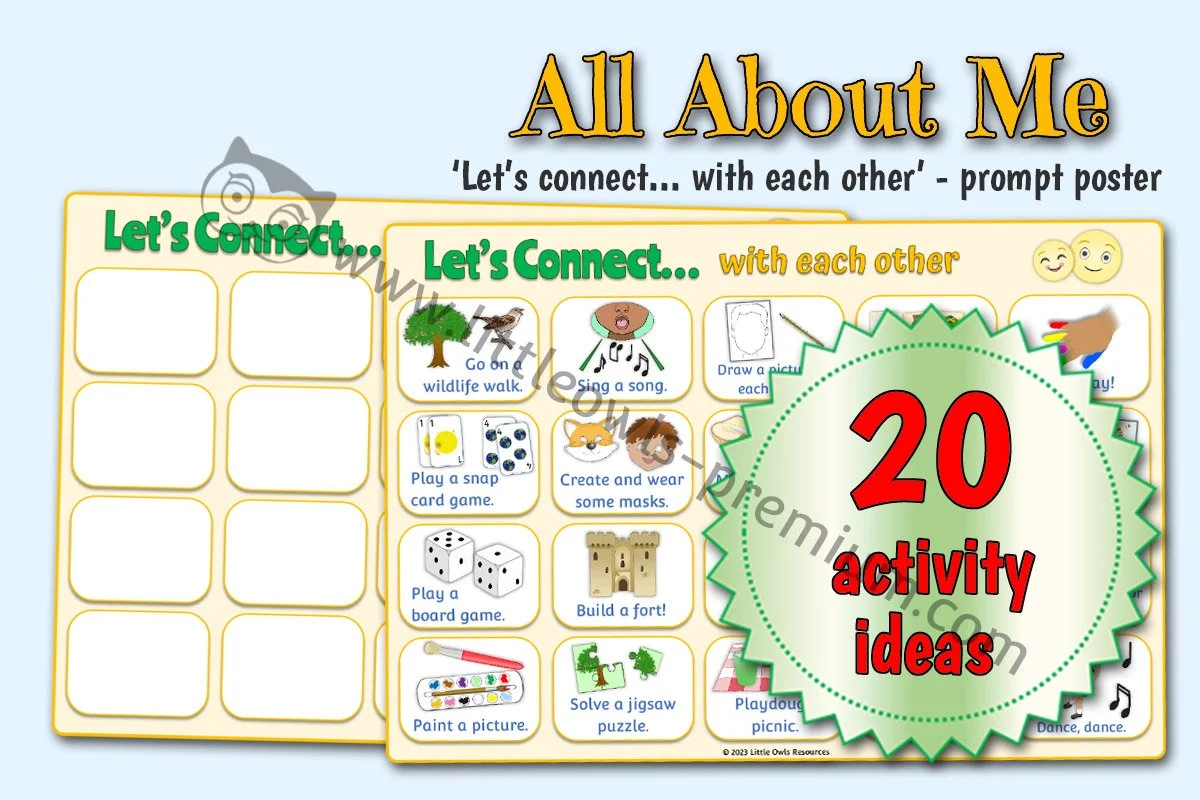
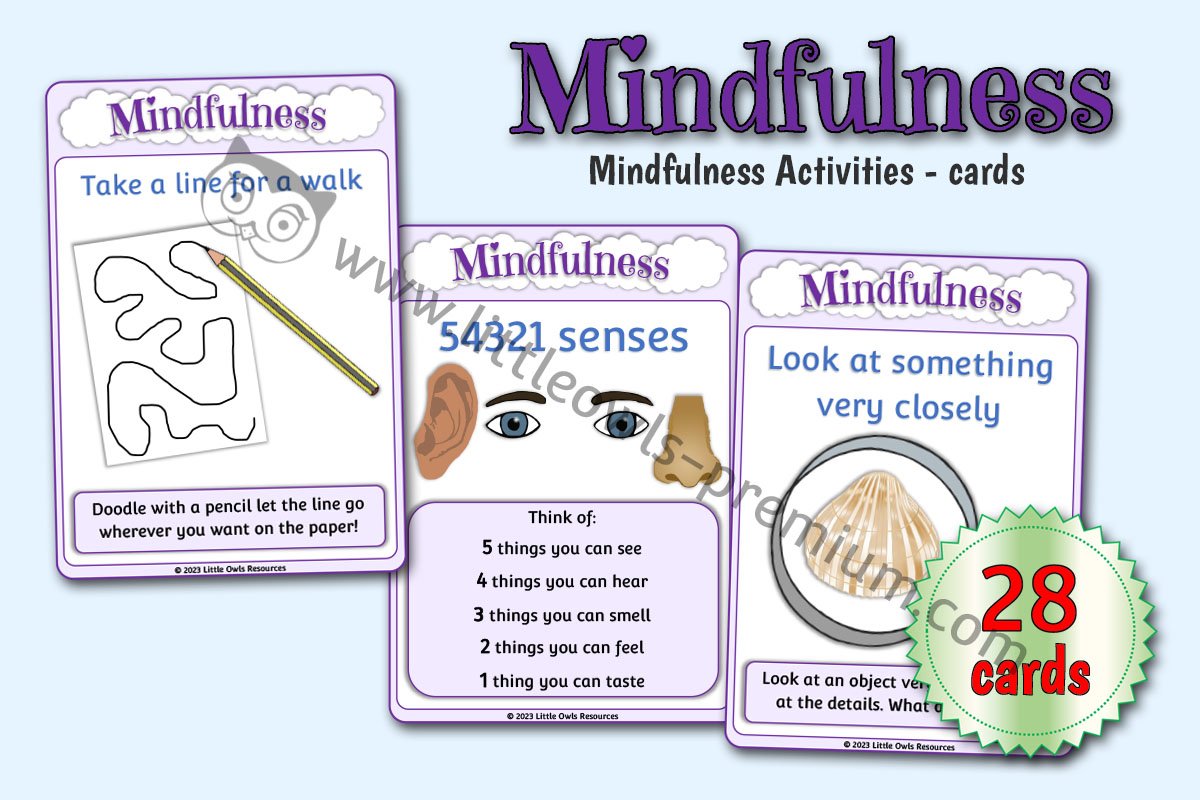
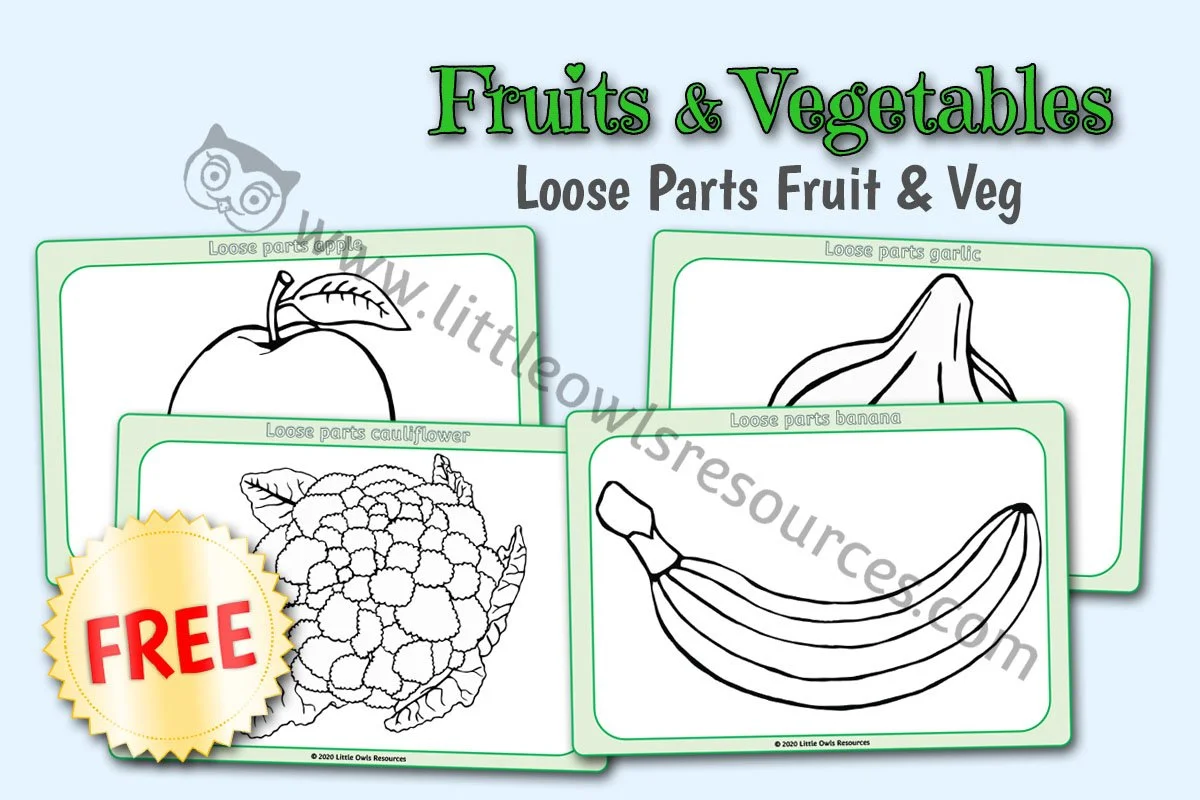
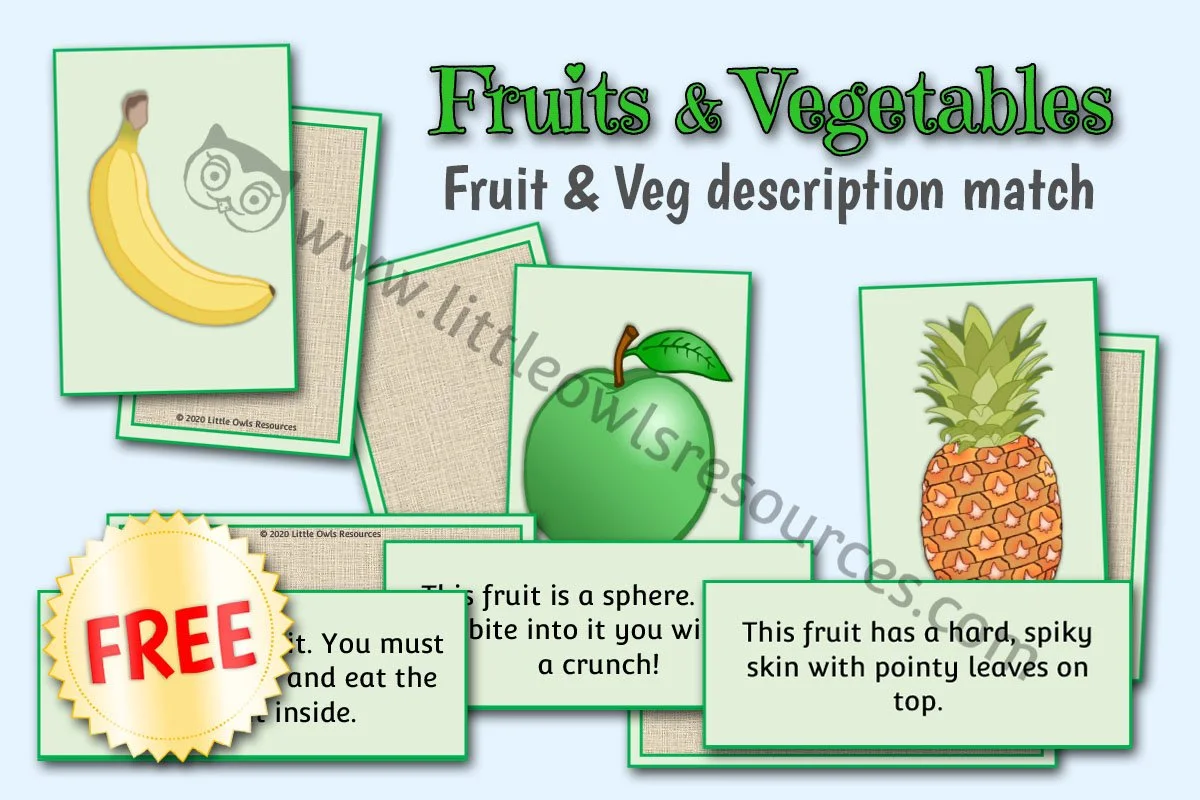
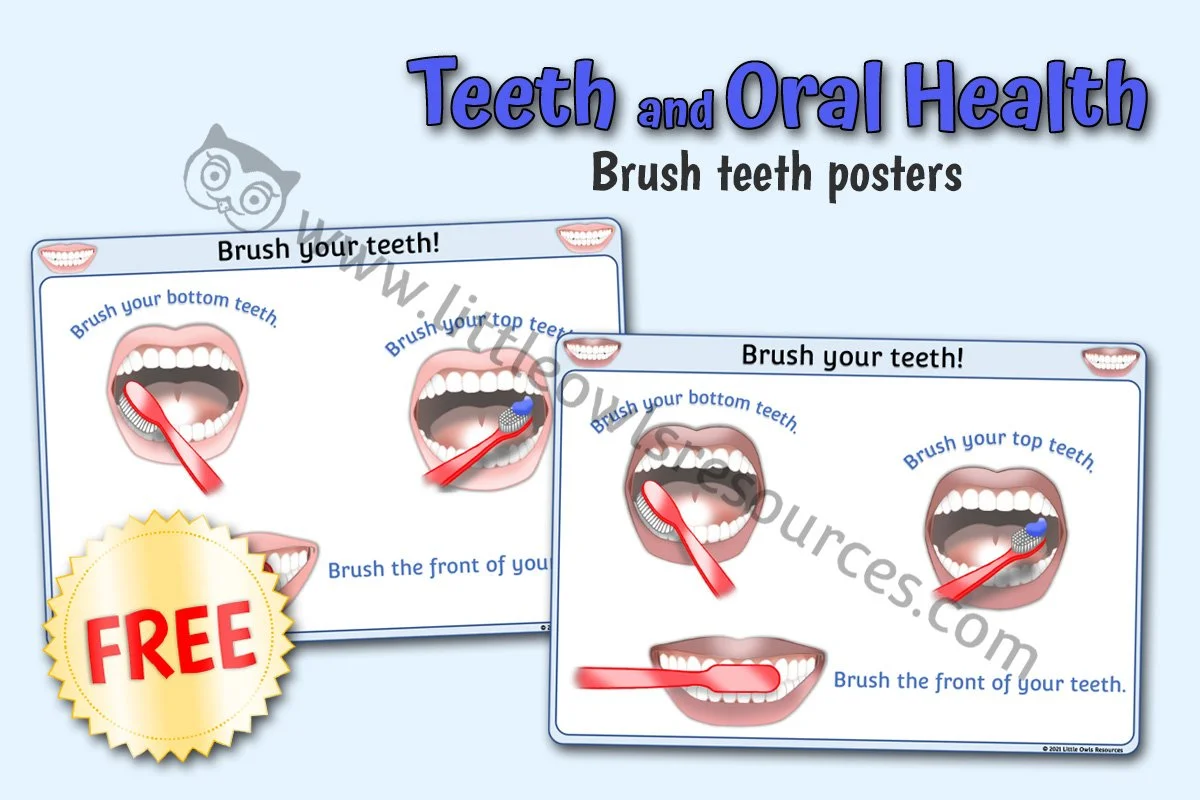
Featured above: small selection of PSED resources taken from across different areas of Little Owls Resources. Explore more below.
Home › Areas of Learning Menu ›
PSED activities, displays & planning ideas for reception, preschool, nurseries & childminders
Supporting children’s Personal, Social and Emotional Development is a vital part of high-quality EYFS practice. This page brings together a wide range of EYFS PSED printable resources, planning documents, guidance packs and play-based activity ideas for babies, toddlers, preschool and Reception children aged birth to 5 years.
Designed for nurseries, preschools, childminders and Reception classrooms, our resources help practitioners support children’s emotional wellbeing, self-regulation, confidence, independence, friendships, behaviour, transitions and positive relationships through meaningful play, routines and responsive adult interaction. You’ll find practical EYFS PSED activities, emotional regulation resources, transition support, wellbeing tools, progression guidance and printable provision materials aligned with Development Matters and the EYFS Framework.
Whether you are looking for PSED planning ideas for Reception, toddler emotional regulation activities, preschool friendship and turn-taking resources, or support for secure attachment and settling-in within baby rooms, this page includes both free EYFS printable resources and professional practitioner guidance to support confident, inclusive and developmentally appropriate practice across the Early Years Foundation Stage.
Sections on this page:
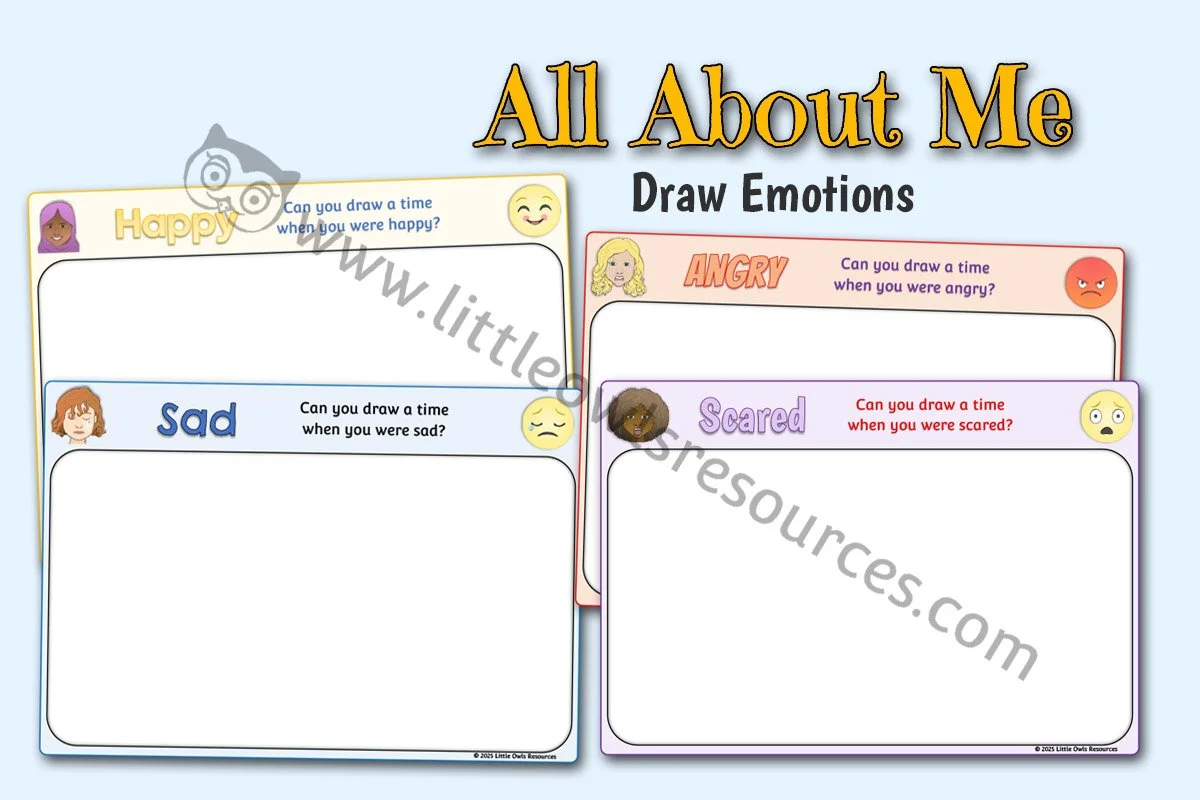
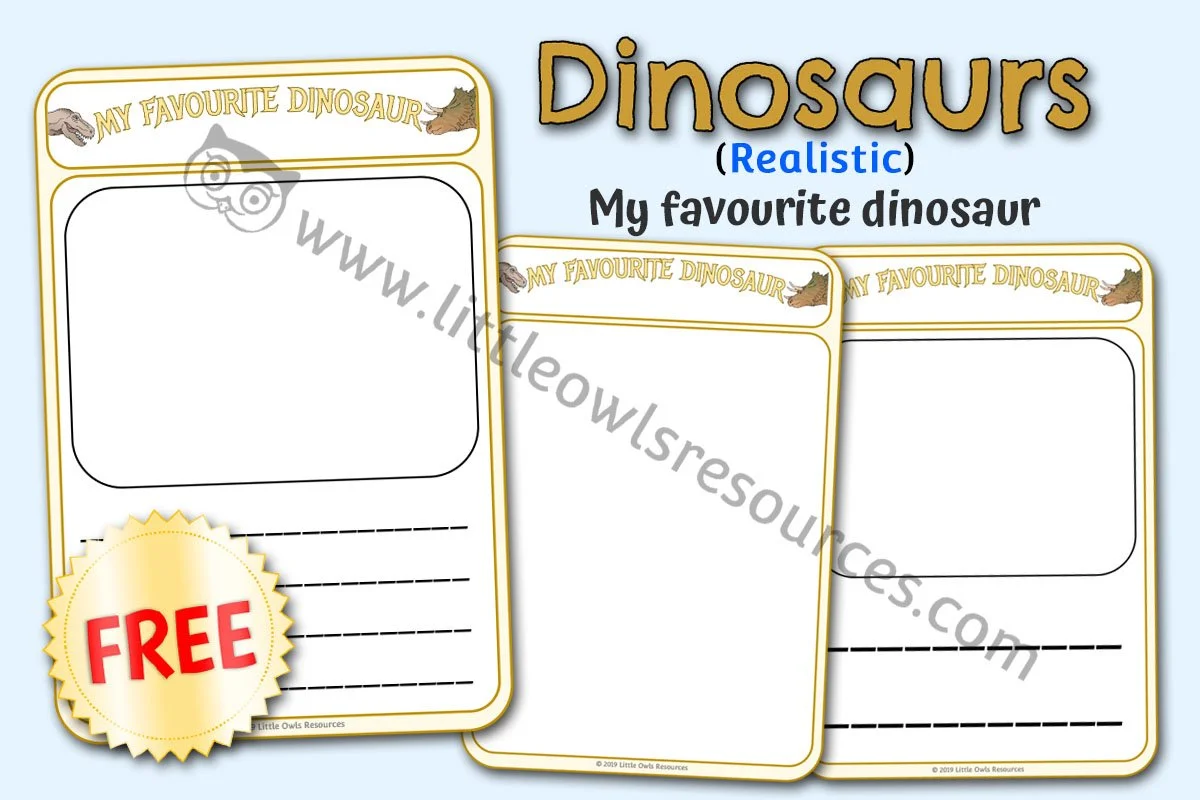
⭐ Free Sample ‘PSED’ Printable Resources
📘 Core Guidance Surrounding ‘PSED’ Planning & Provision
What do we mean by ‘PSED’? | What High-Quality Personal, Social & Emotional Development (PSED) Practice Looks Like | Personal, Social & Emotional Development Progression in EYFS | Personal, Social & Emotional Development within Continuous Provision Enhancements | Inclusive Personal, Social & Emotional Development Practice | SEND & EAL | Personal, Social & Emotional Development and the Other Areas of Learning
🖨️ Printable Provision Resources - Search by:
✨ Top Picks
🔤 Key Words & Phrases
🗂️ Topic
📝 Planning Resources
📌 Featured Planning Resources
💡 Development Matters Examples of How to Support ‘PSED’ learning and development
Birth to 3
3 and 4 Year Olds
Reception
🧭 Age-Specific Curriculum & Pedagogy Planning Support for ‘PSED’
Guidance Documents, Session Banks, Invitations, Skills Progression Ladders, Transitions, Behaviour & Regulation
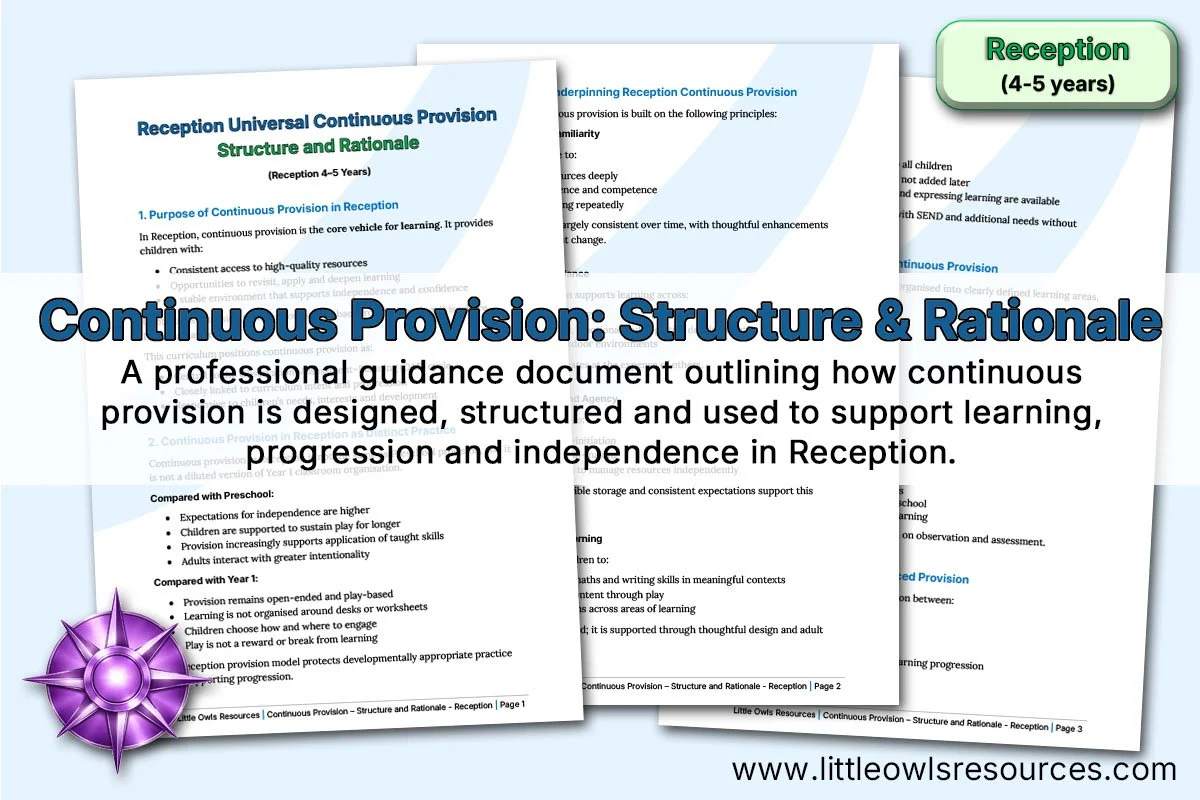
🏡 Continuous Provision | Age-Specific Ideas & Guidance
➕ Further Support
❓ Frequently Asked Questions
🧰 Additional ‘PSED’ Tools & Guidance
🌈 Additional Areas of Learning
🔐 Find out more about ‘Membership Options’
⭐ Free EYFS ‘Personal, Social & Emotional Development’ Printable Resources
(Click on the images below to find out more)


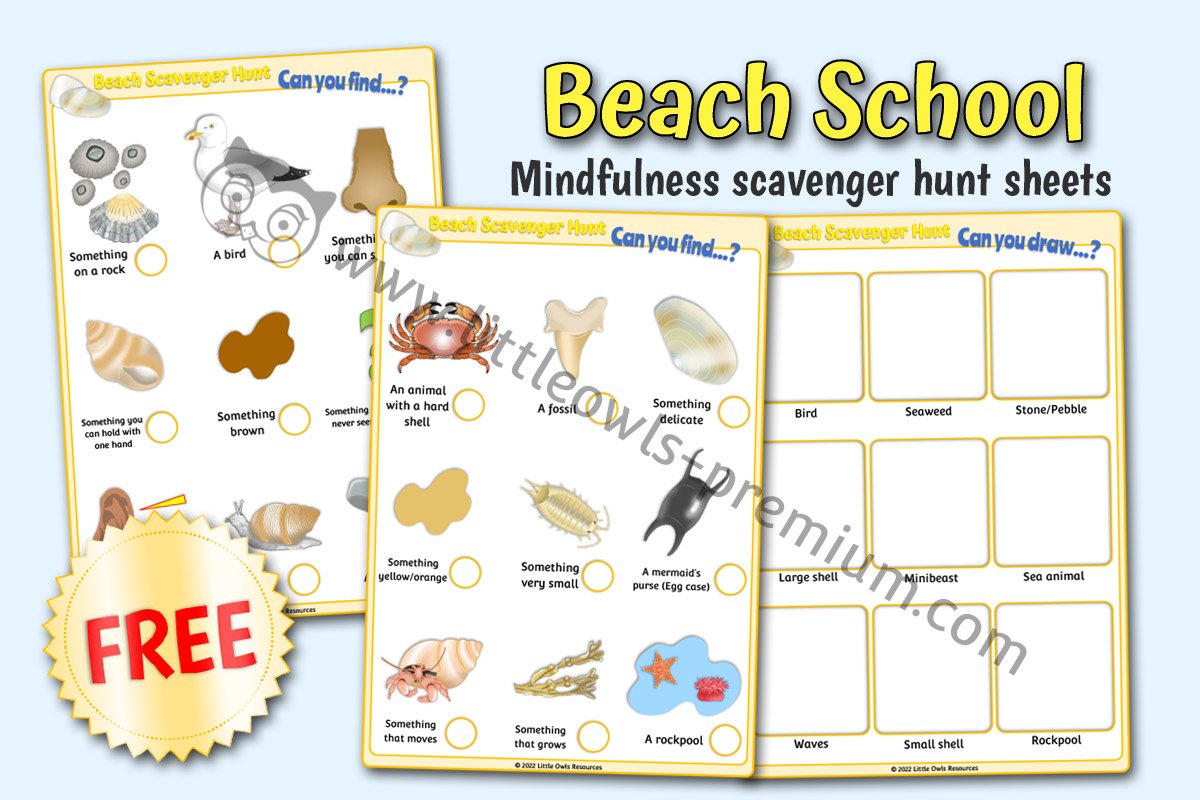


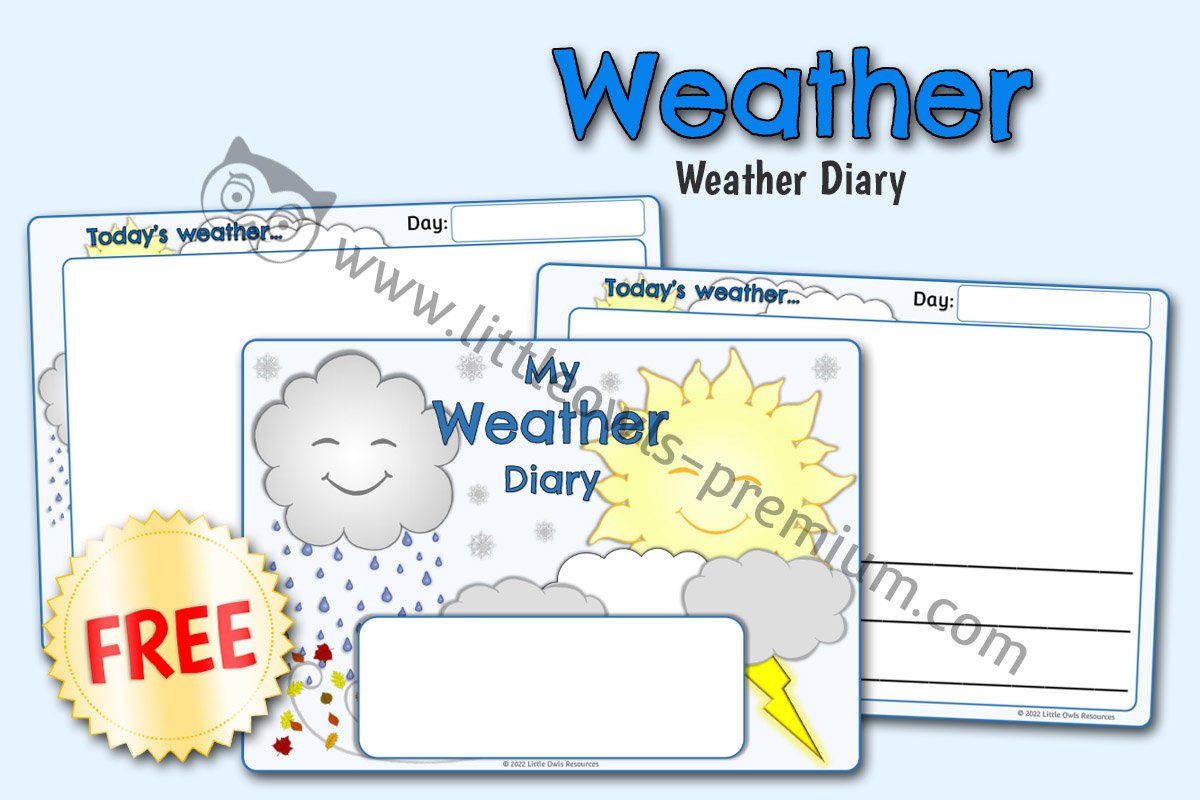

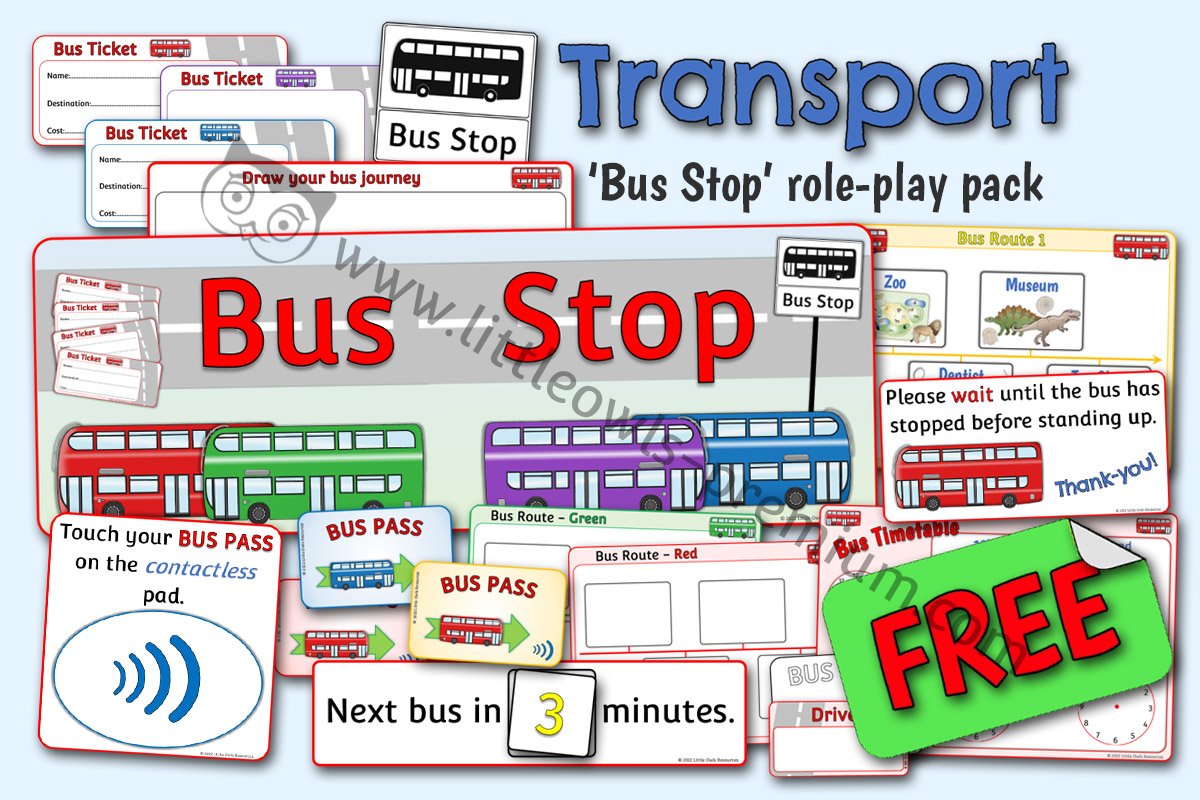


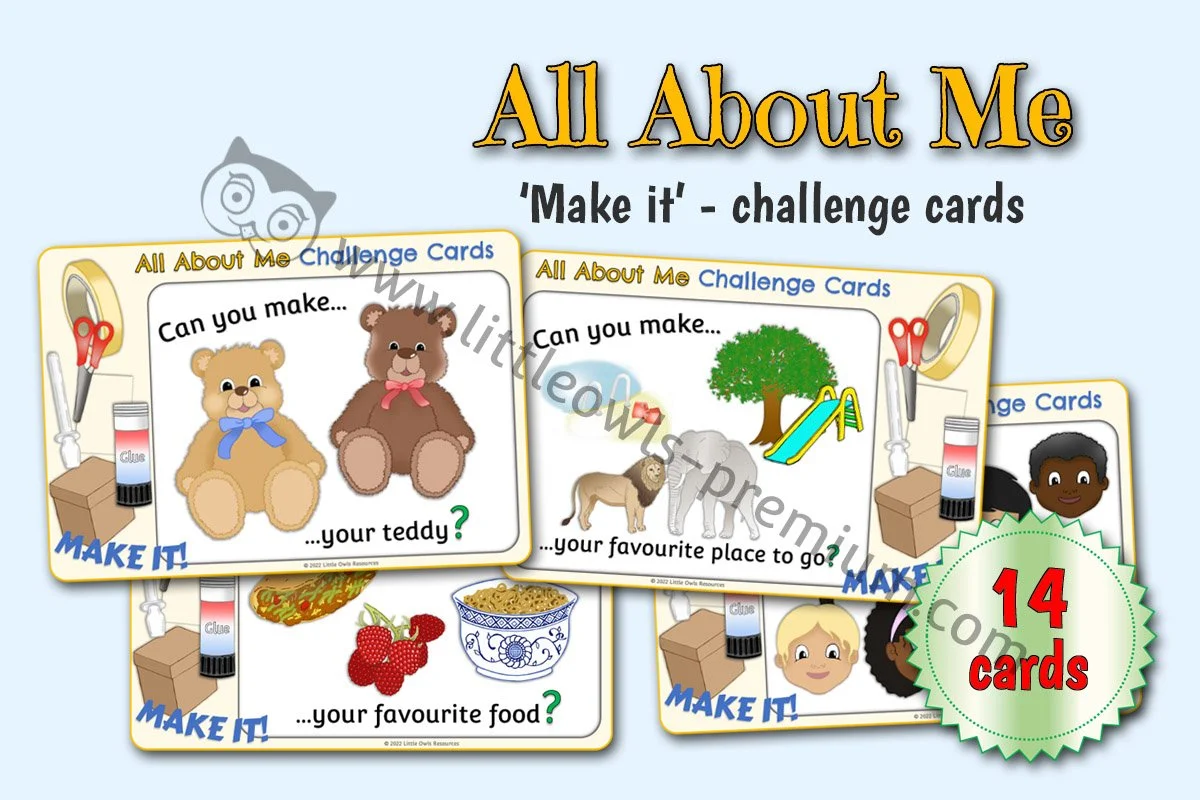
💡 Join as a Free Access member to download the samples above and all other free resources available on Little Owls Resources at no cost. Alternatively, explore all membership options here.
Additional Free Sample Printable Provision can be found at the top of most pages.
📘 Core Guidance Surrounding ‘Personal, Social & Emotional Development’ Planning & Provision
-
“Children’s personal, social and emotional development (PSED) is crucial for children to lead healthy and happy lives, and is fundamental to their cognitive development. Underpinning their personal development are the important attachments that shape their social world. Strong, warm and supportive relationships with adults enable children to learn how to understand their own feelings and those of others. Children should be supported to manage emotions, develop a positive sense of self, set themselves simple goals, have confidence in their own abilities, to persist and wait for what they want and direct attention as necessary. Through adult modelling and guidance, they will learn how to look after their bodies, including healthy eating, and manage personal needs independently. Through supported interaction with other children they learn how to make good friendships, co-operate and resolve conflicts peaceably. These attributes will provide a secure platform from which children can achieve at school and in later life.” Development Matters
-
High-quality Personal, Social & Emotional Development practice in the EYFS is rooted in secure relationships, emotionally responsive interaction and developmentally appropriate expectations. Children develop confidence, resilience, self-regulation and social understanding through warm, consistent relationships and meaningful play experiences.
Effective PSED provision includes:
emotionally secure, nurturing relationships with trusted adults
consistent routines and predictable environments
responsive support for emotional regulation and wellbeing
opportunities for children to develop independence and self-confidence
play experiences that encourage cooperation, negotiation and turn-taking
calm, relational approaches to behaviour support
adults modelling empathy, kindness and respectful communication
opportunities for children to express thoughts, feelings and preferences
environments that promote belonging, inclusion and emotional safety
responsive planning that recognises children’s emotional and developmental needs
Personal, Social & Emotional Development should be woven throughout continuous provision, transitions, routines, care practices and child-initiated play across the EYFS environment.
-
Children’s Personal, Social & Emotional Development grows through secure relationships, emotionally responsive experiences, consistent routines and opportunities to interact, communicate and explore within safe environments.
Children typically progress from:
forming secure attachments with familiar adults
expressing needs and emotions through gestures, sounds and behaviour
developing confidence to explore with adult reassurance
beginning to play alongside others
developing awareness of routines, boundaries and expectations
expressing preferences, choices and emotions more independently
learning to cooperate, share and take turns
beginning to regulate emotions and behaviour with support
developing resilience, confidence and independence
forming friendships and understanding the feelings of others
managing personal care, transitions and challenges with increasing confidence
Children develop Personal, Social & Emotional skills at different rates and require emotionally secure, relational environments that support wellbeing, belonging and positive self-esteem.
-
Small enhancements within continuous provision can create meaningful opportunities for Personal, Social & Emotional Development throughout the day.
Examples may include:
emotion mirrors and feeling cards
family photograph displays promoting belonging and identity
calming baskets and cosy regulation spaces
friendship benches and collaborative games
role-play props linked to home, community and everyday experiences
turn-taking games and cooperative challenges
books exploring emotions, kindness and relationships
visual routines and self-registration systems
reflection prompts encouraging children to talk about feelings and experiences
celebration displays recognising children’s achievements and efforts
mindfulness and relaxation resources within quiet spaces
Continuous provision should support emotional security, confidence, independence and positive relationships across all areas of learning.
-
Inclusive PSED provision supports every child to feel safe, valued, respected and included within the learning environment.
High-quality inclusive practice may include:
emotionally responsive and relationship-led interactions
predictable routines and visual supports
calm, regulation-friendly environments
sensory support and safe retreat spaces where needed
consistent language and behavioural expectations
support for transitions and unfamiliar situations
close partnership with families and carers
celebration of cultural identity, home languages and family experiences
developmentally appropriate expectations for behaviour and self-regulation
flexible approaches recognising differing emotional and communication needs
Children benefit from environments where emotional wellbeing, belonging and respectful relationships are prioritised throughout everyday practice.
-
Personal, Social & Emotional Development supports learning across all seven areas of the EYFS curriculum.
Communication & Language
Children use language to express feelings, build relationships, negotiate during play and develop confidence within social situations.
Physical Development
Physical wellbeing, movement and self-care all contribute to confidence, independence and emotional regulation.
Literacy
Stories, conversations and role-play help children explore emotions, relationships, empathy and social understanding.
Mathematics
Collaborative problem-solving and shared play experiences support turn-taking, resilience and confidence.
Understanding the World
Children develop awareness of people, communities, similarities, differences and relationships through meaningful experiences and discussion.
Expressive Arts & Design
Creative play, storytelling, music and imaginative experiences support emotional expression, confidence and self-identity.
Personal, Social & Emotional Development should therefore be embedded throughout continuous provision, routines, relationships and everyday interactions across the EYFS environment.
-
The guidance and resources on this page are informed by:
the EYFS Statutory Framework
Development Matters
attachment-aware and relational EYFS practice
play-based and child-centred pedagogy
current understanding of emotional wellbeing and self-regulation in early childhood
inclusive and developmentally appropriate approaches to behaviour support
responsive continuous provision and in-the-moment interaction
developmentally informed practice from birth to five
All resources should be adapted to meet the needs of individual children, cohorts and settings.
-
The resources, guidance and printable materials on this page may be useful for:
Nursery practitioners
Preschool practitioners
Reception teachers
Childminders
EYFS leaders and managers
SENDCos
Early Years students and trainees
Intervention staff
Parents and carers supporting emotional wellbeing at home
🖨️ Printable Provision Resources
Search our ‘Personal, Social & Emotional Development’ printable provision below.
✨ Top Picks
This section is currently being developed.



🛠️ Many of the pages linked within this section are currently being development for an improved user experience🛠️
Key Words & Phrases:
Conflict Resolution
Talk About Own Abilities
Cooperates with Boundaries, Routines & Behavioural Expectations
(Any text without a link indicates that we are working on this area.)
Additional Useful Pages
Topics:
(Premium or Professional members may use the links below to access a selection of resources from within each topic that focus on PSED skills.)
📝 Planning Resources
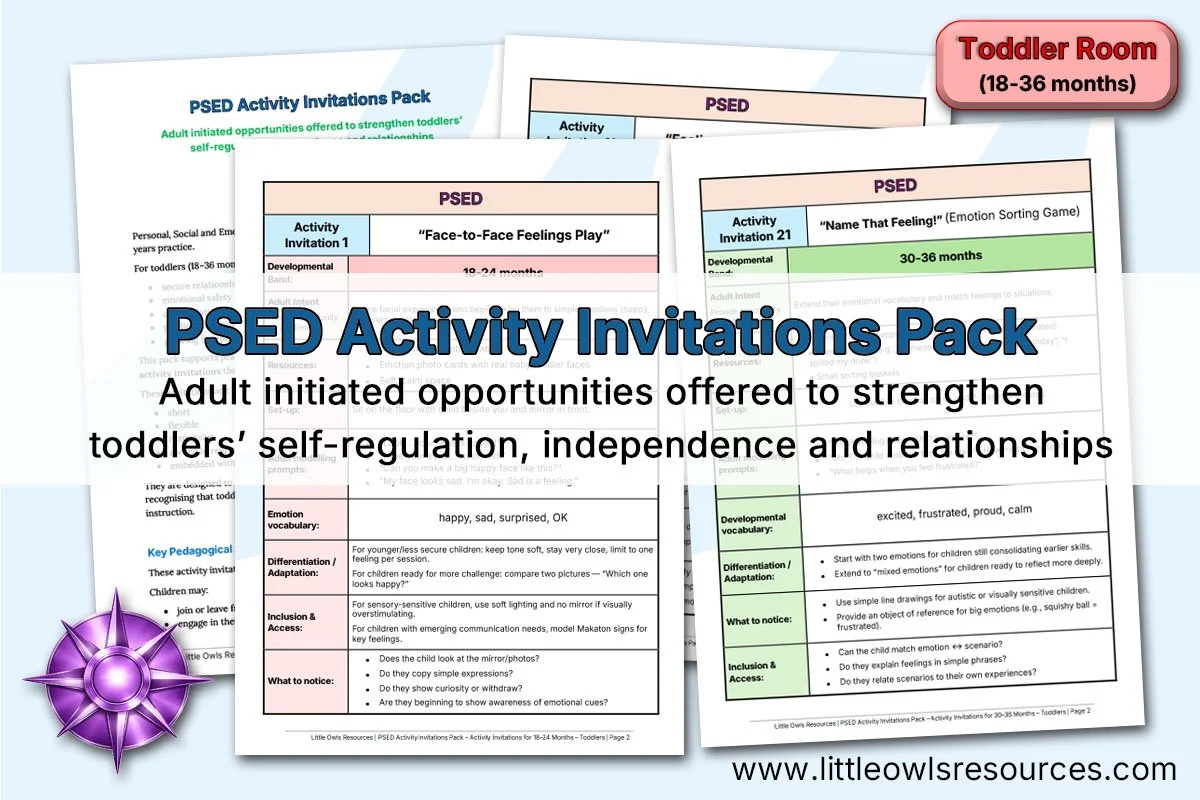
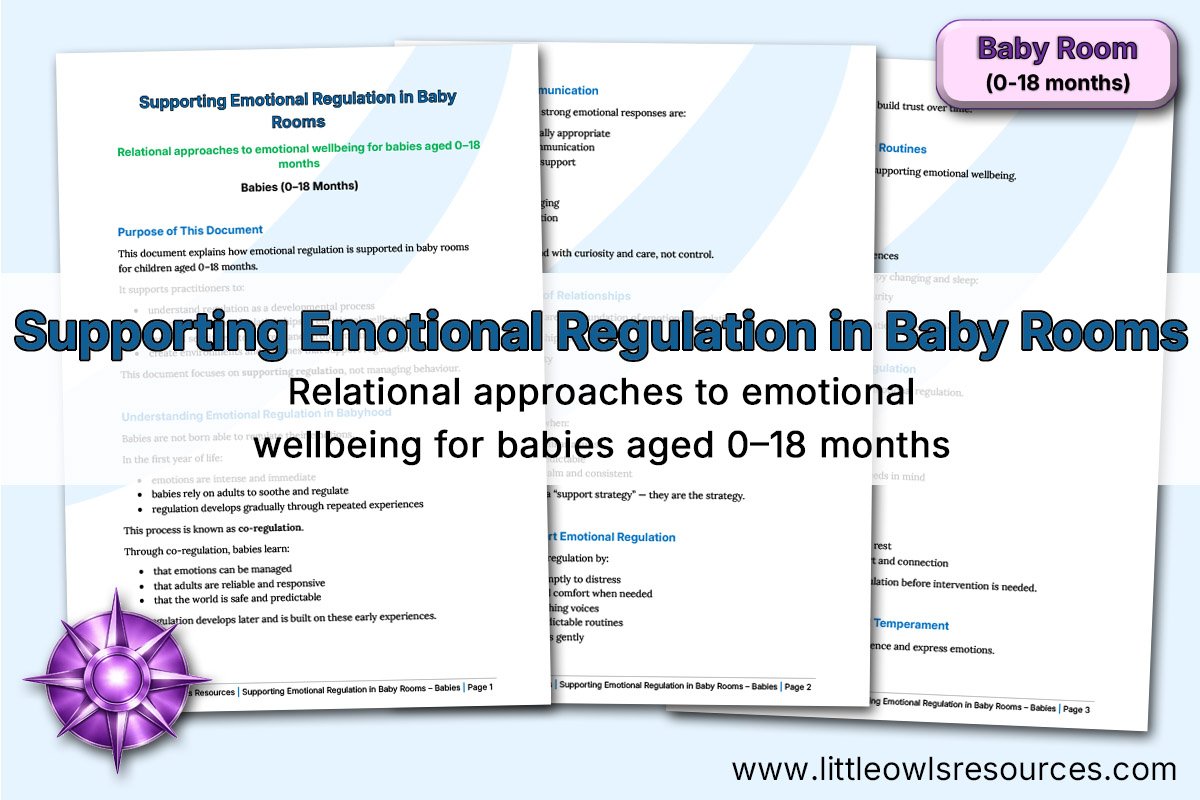
📌 Featured EYFS Personal, Social & Emotional Development (PSED) planning resources



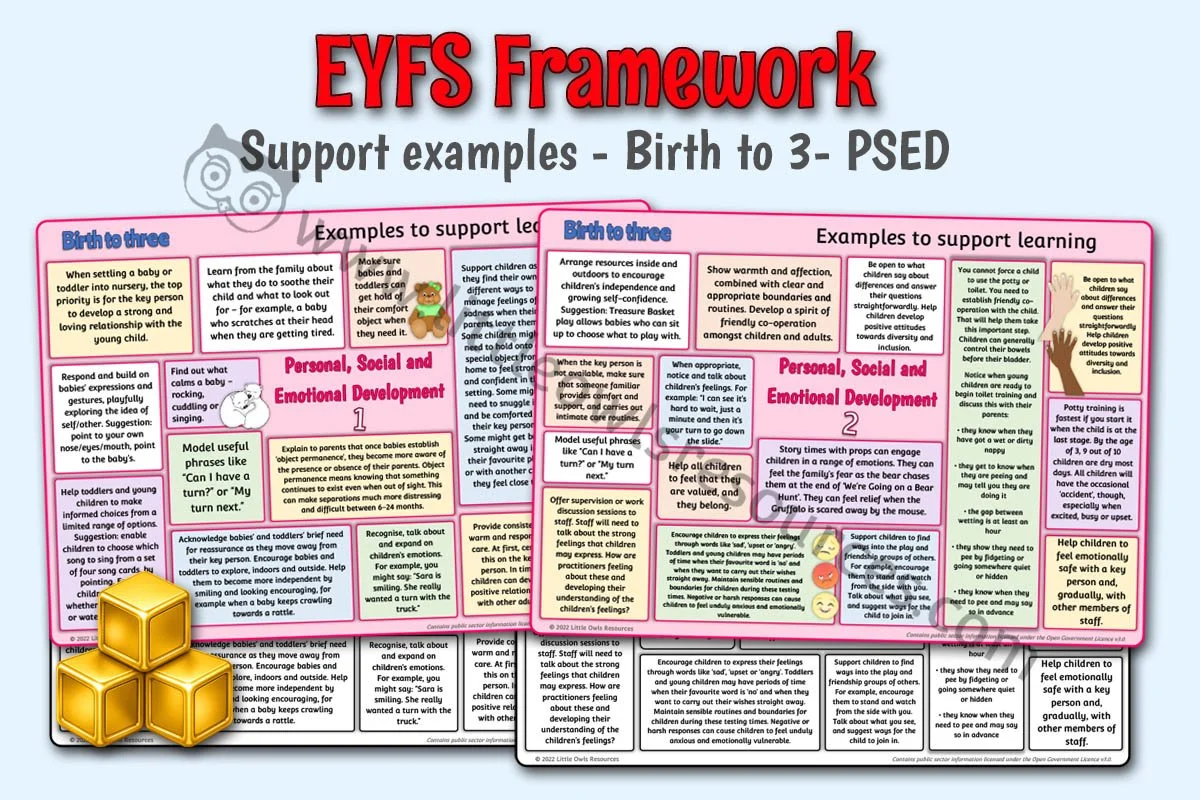
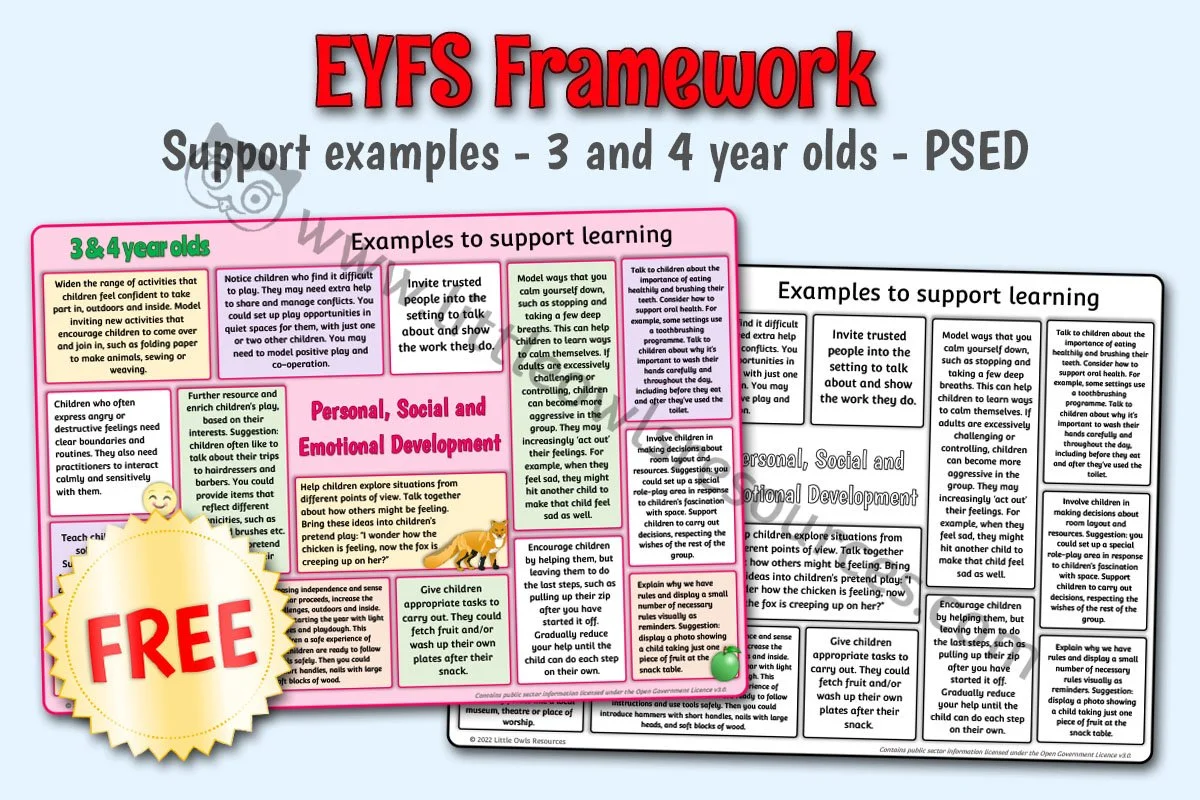
💡 Examples of how to support ‘Personal, Social & Emotional Development’
Extracted from Development Matters; non-statutory curriculum guidance for the early years foundation stage. Includes colour and black and white versions.
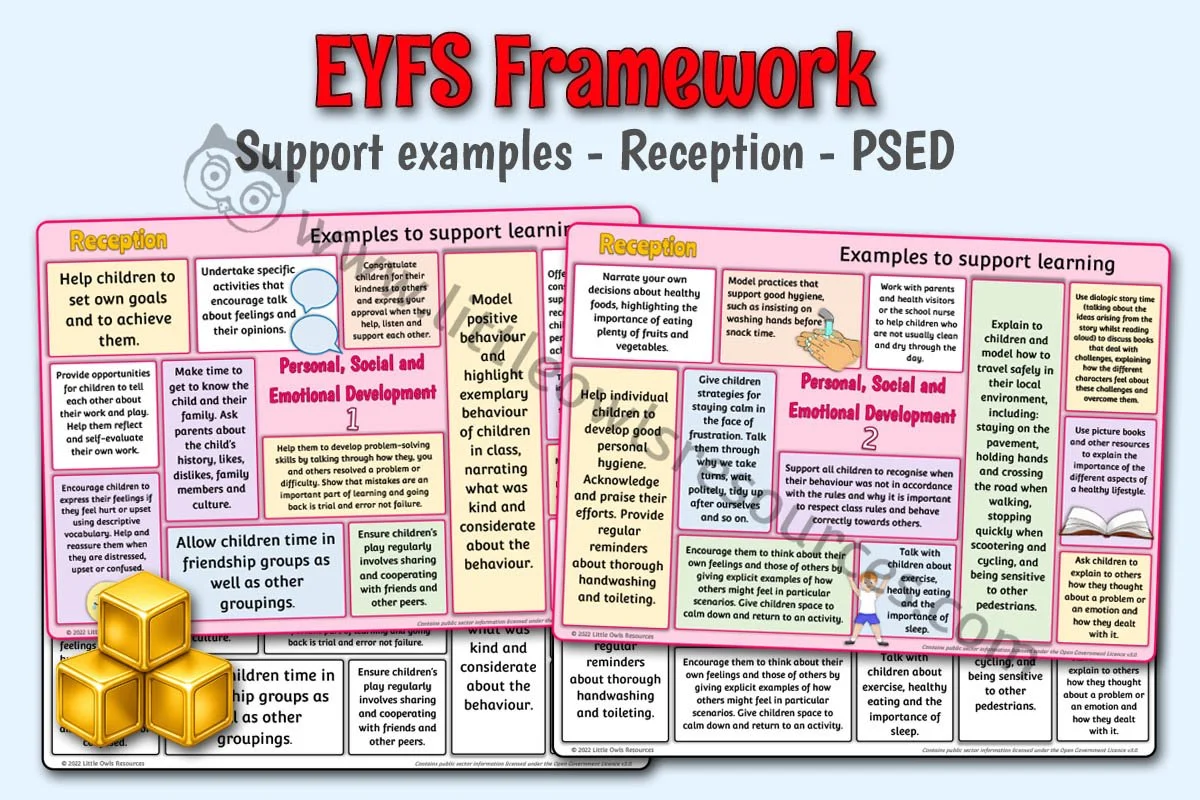
Files contain public sector information licensed under the Open Government Licence v3.0.
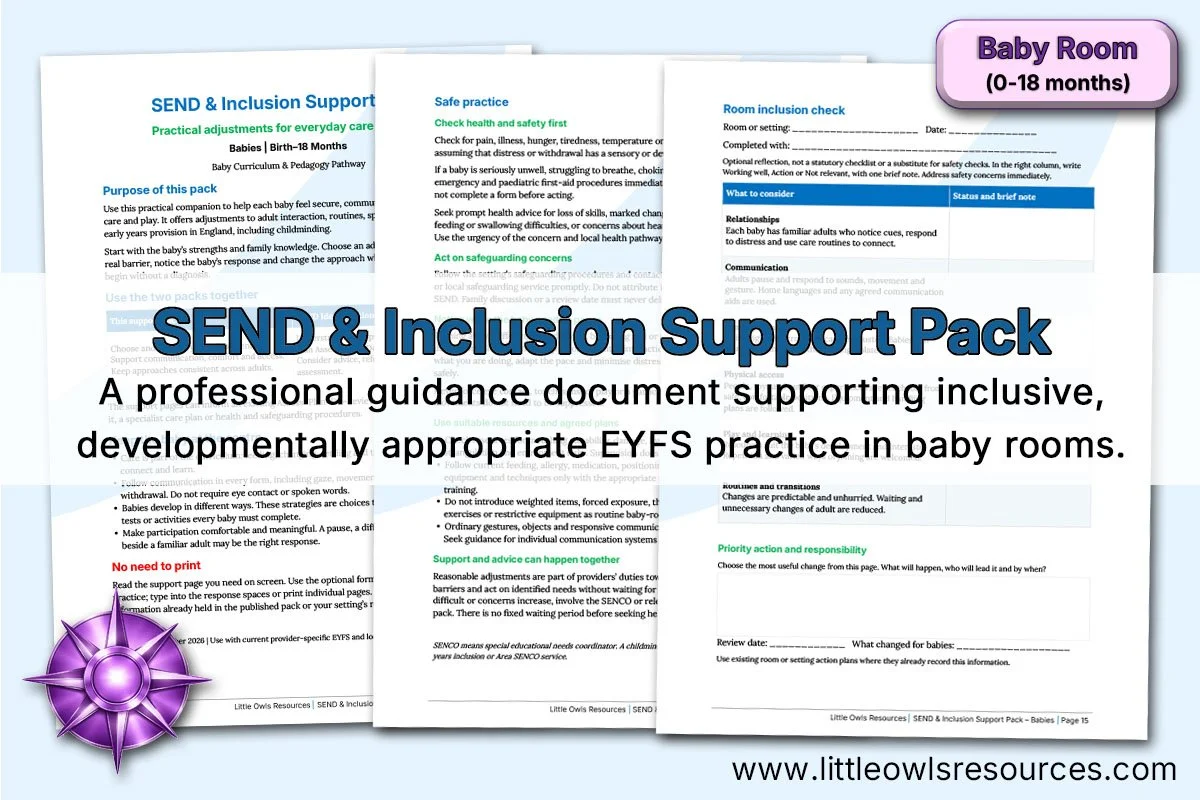
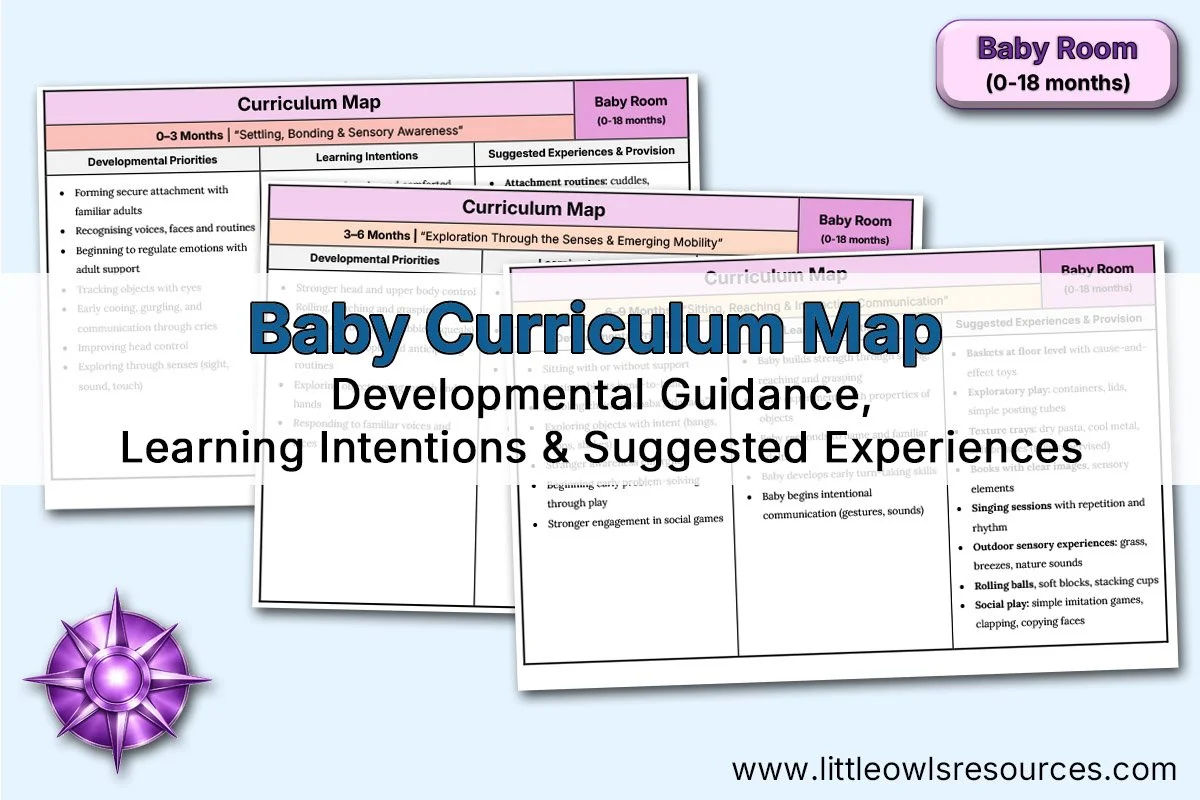
Babies | Birth - 18 Months
Core Baby Room ‘Personal, Social & Emotional Development’ Planning Support

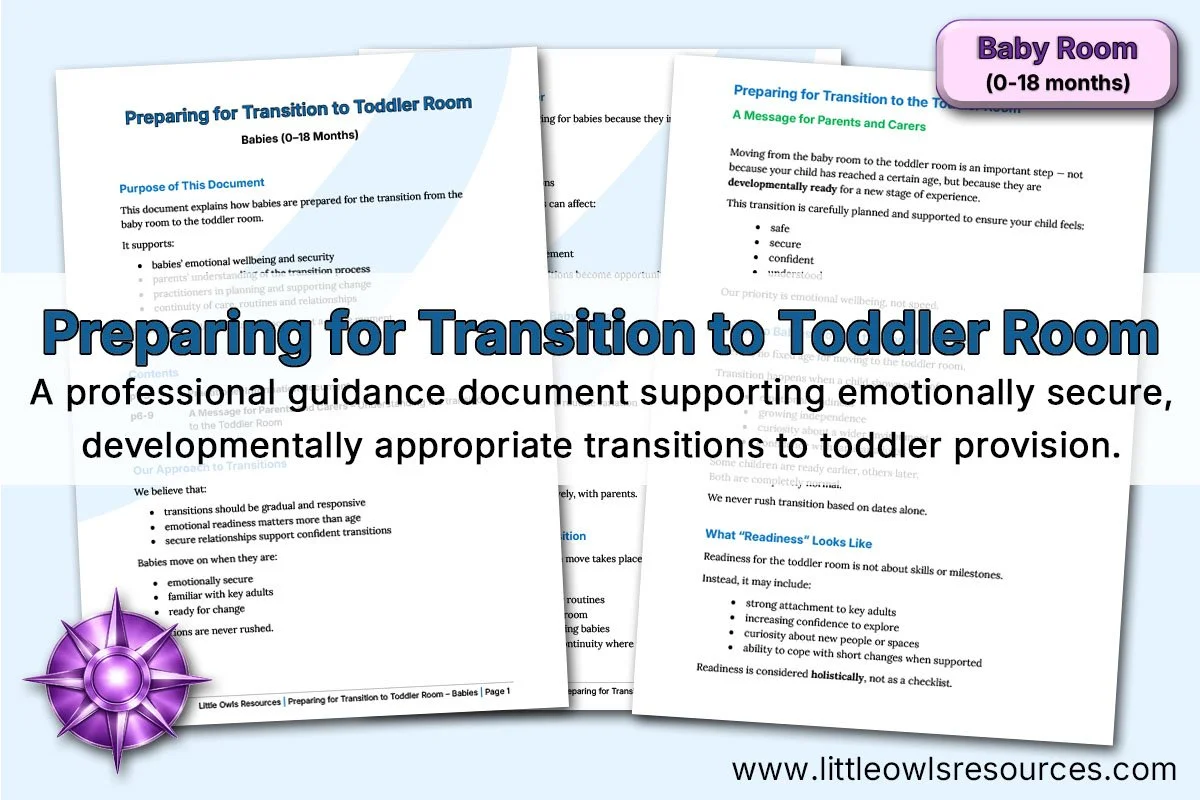


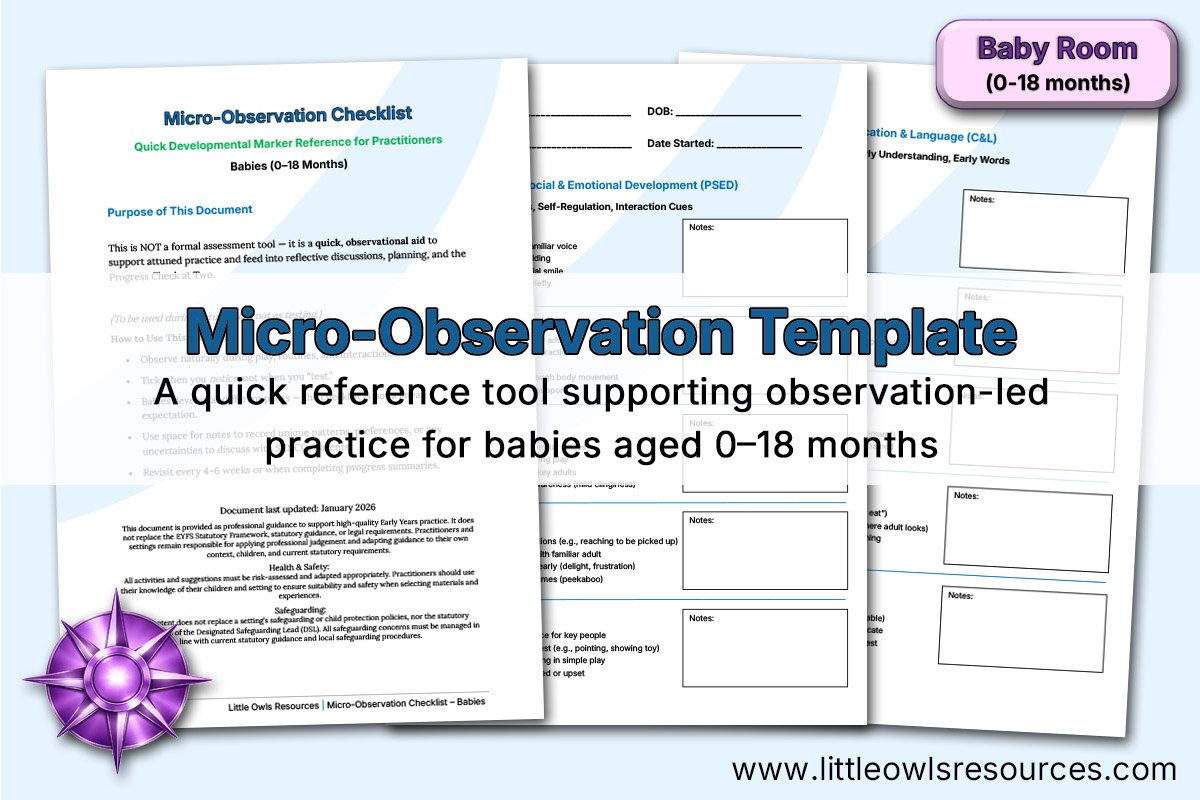


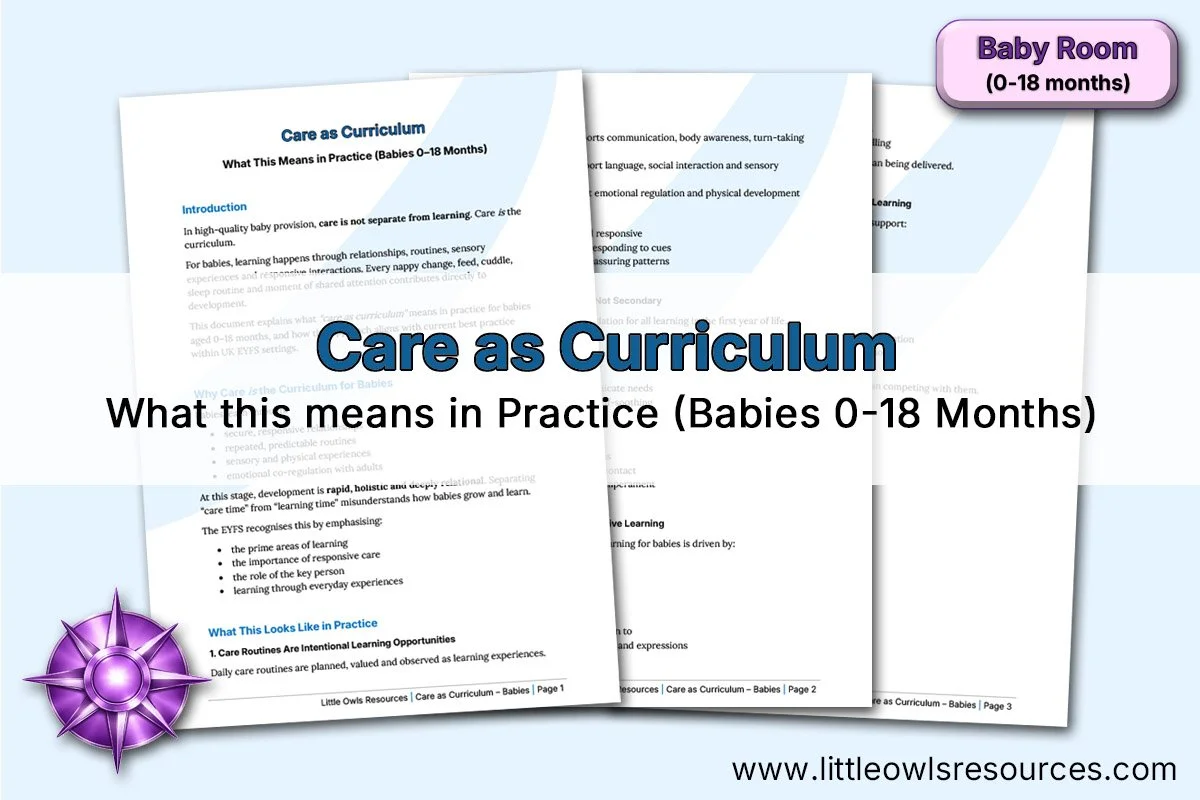
Additional Baby Room Overarching Areas of Learning Support
The following documents include elements of ‘Personal, Social & Emotional Development’ which may be helpful tools within your setting’s OAP Cycle.


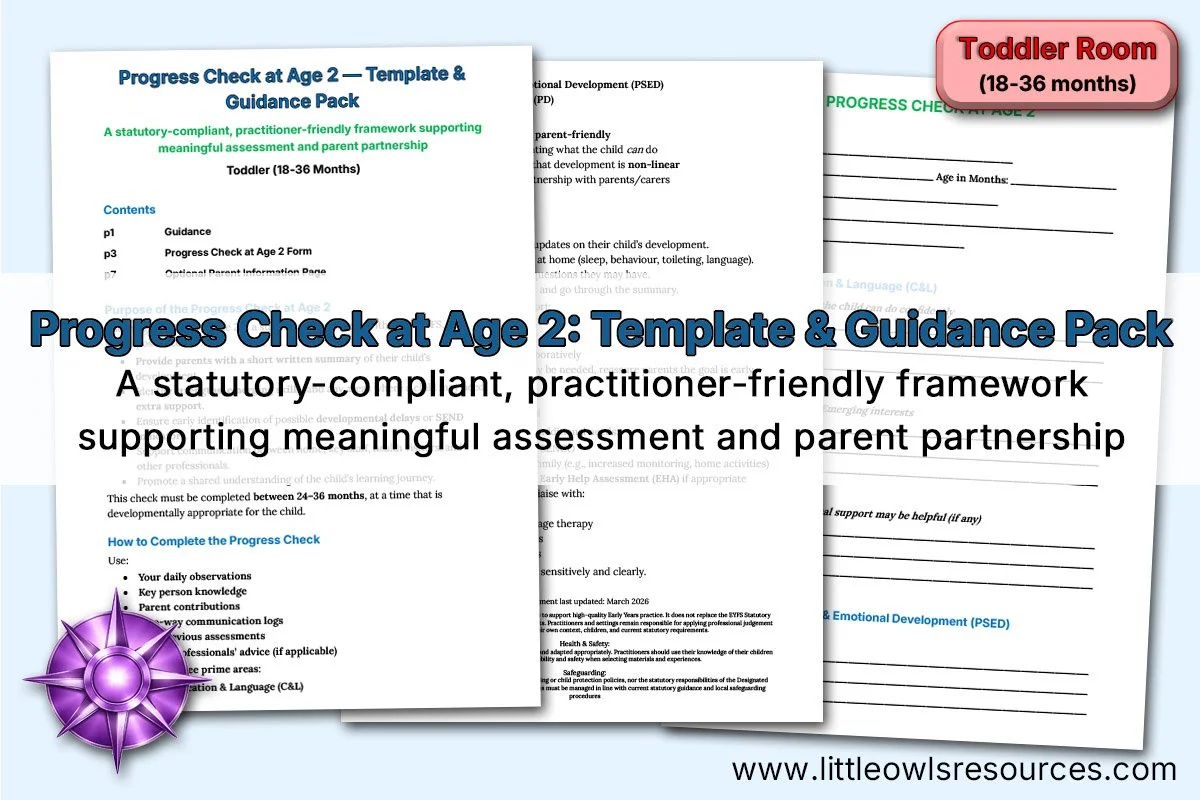
Toddlers | 18 - 36 Months
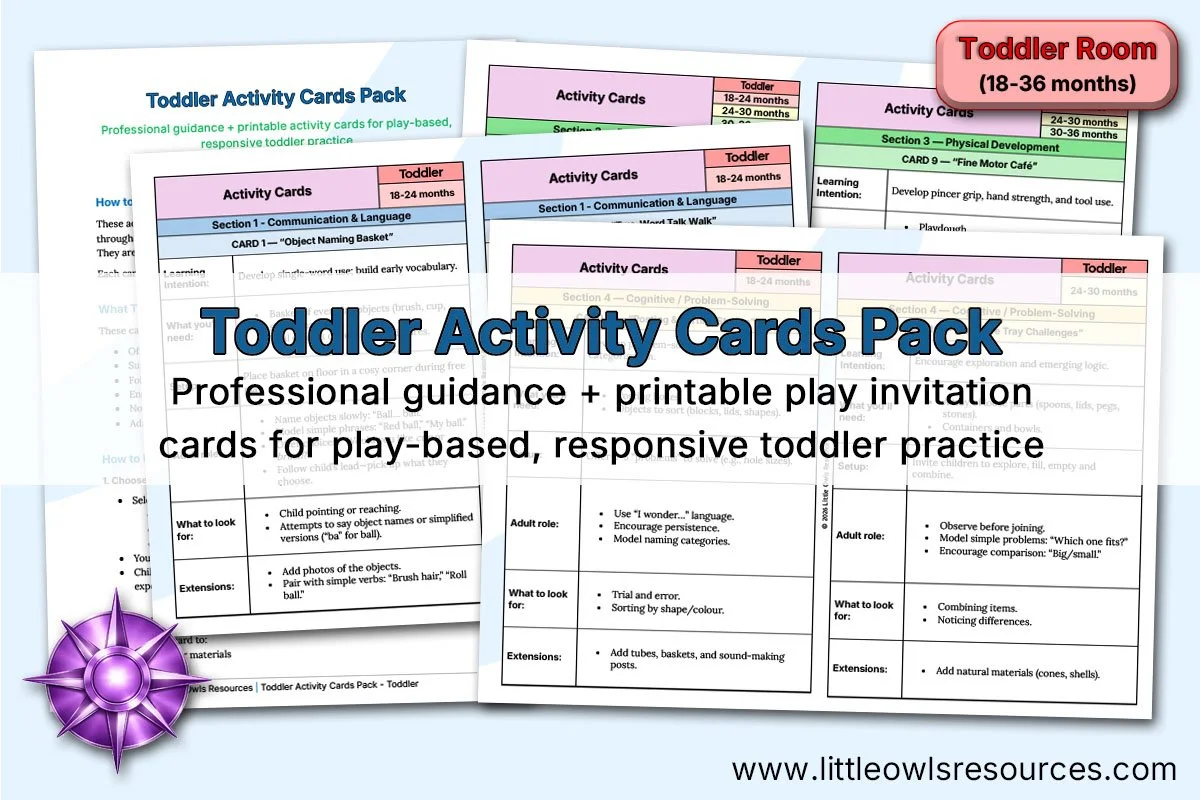
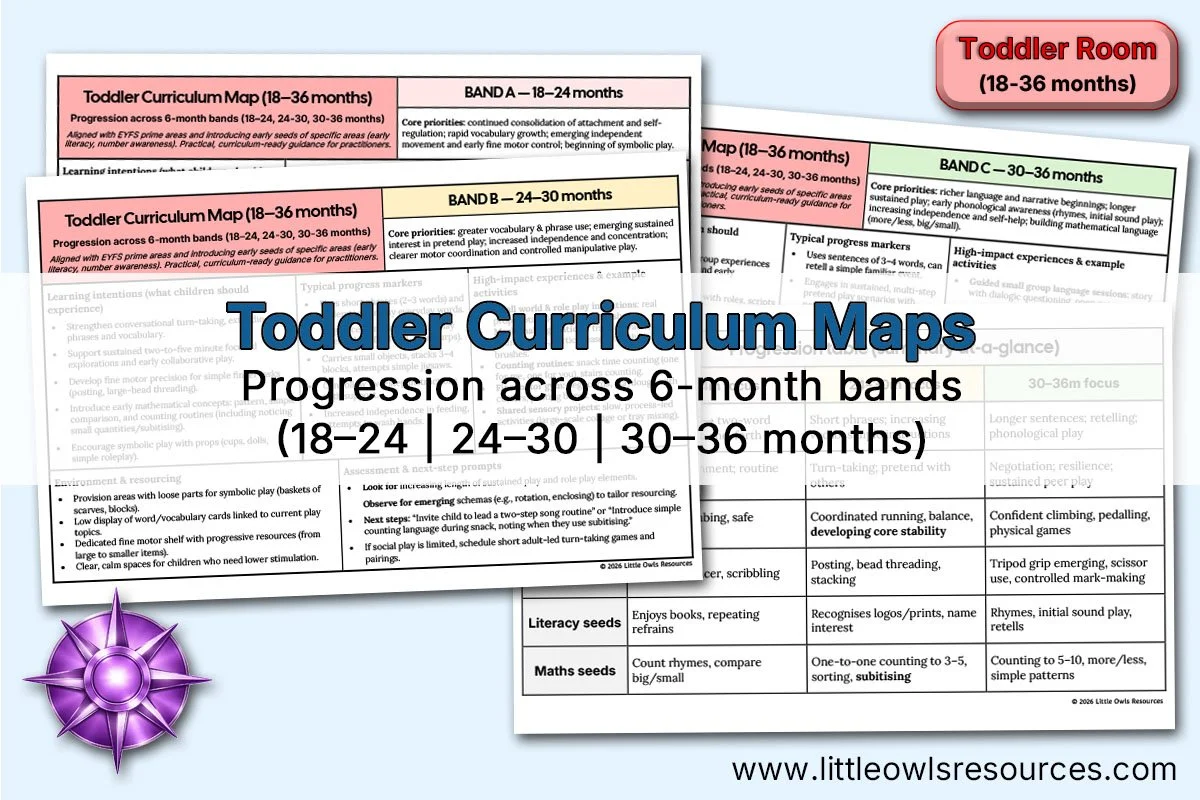
Core Toddler Room ‘Personal, Social & Emotional Development’ Planning Support

Additional Toddler Room Overarching Areas of Learning Support
The following documents include elements of ‘Personal, Social & Emotional Development’ which may be helpful tools within your setting’s OAP Cycle.



Preschool | 3 - 4 Years
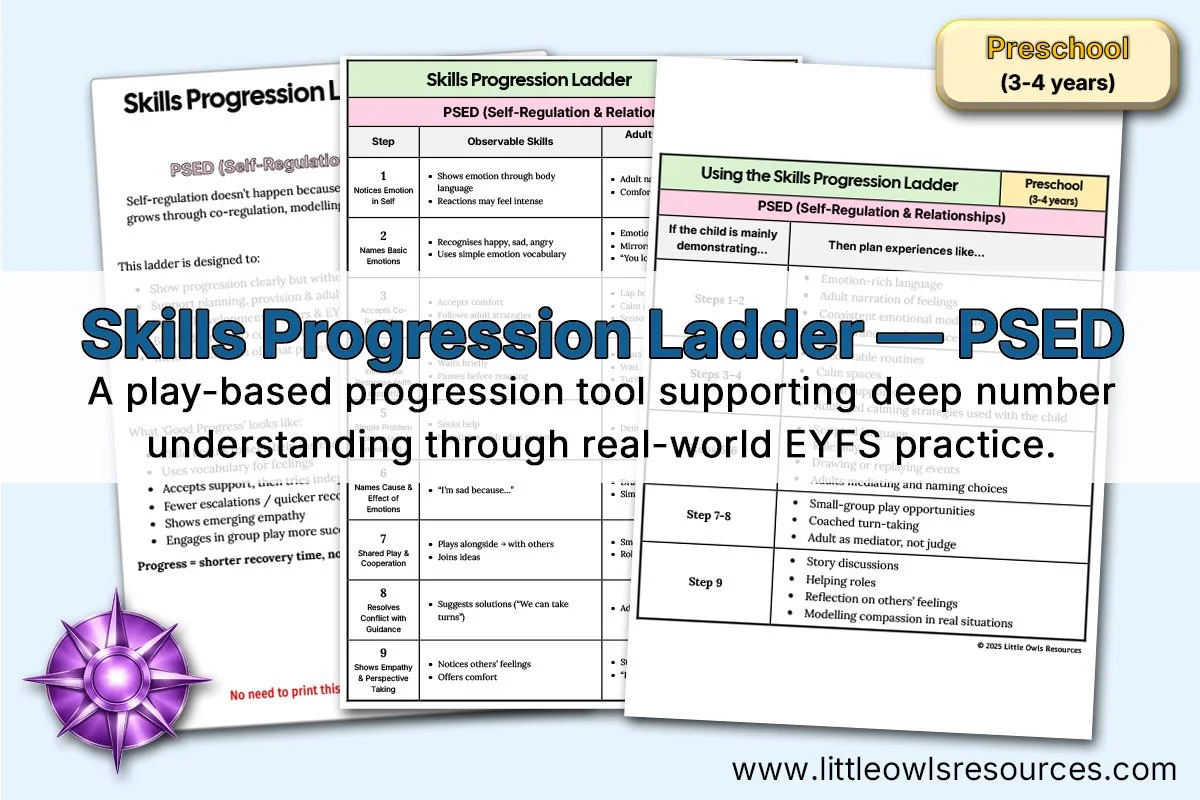
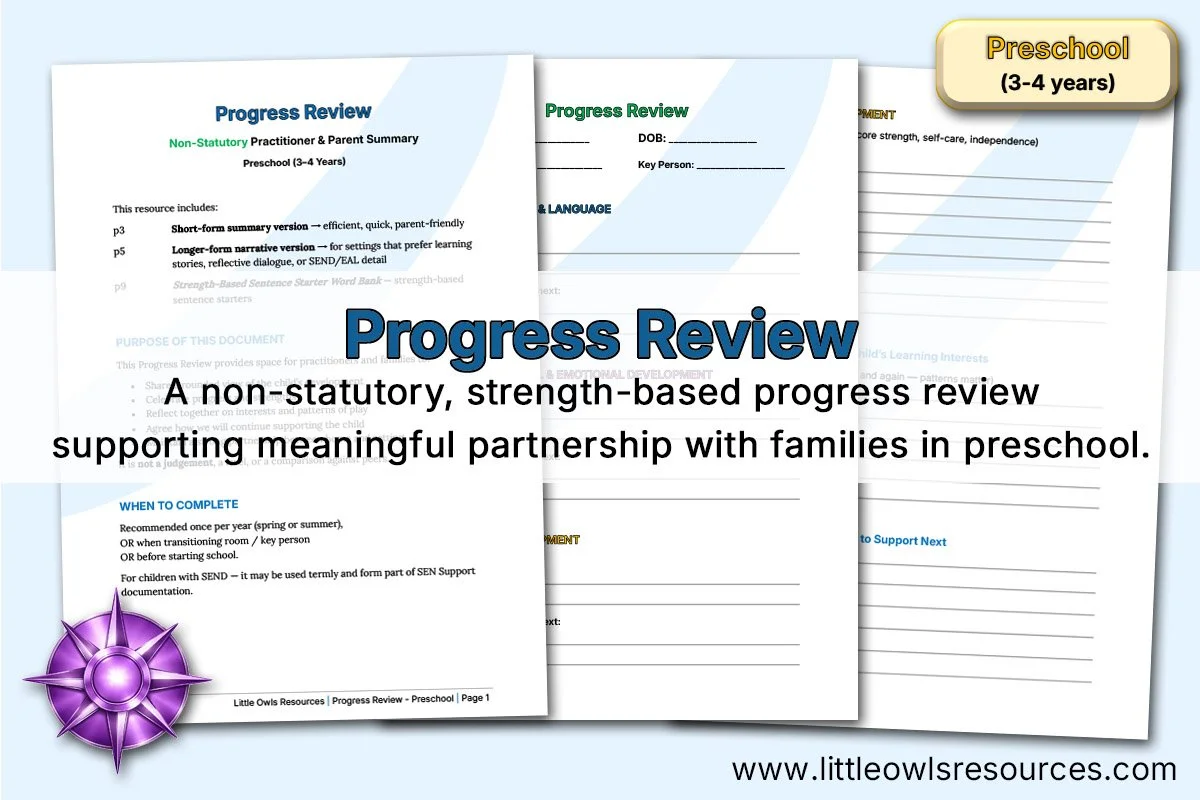
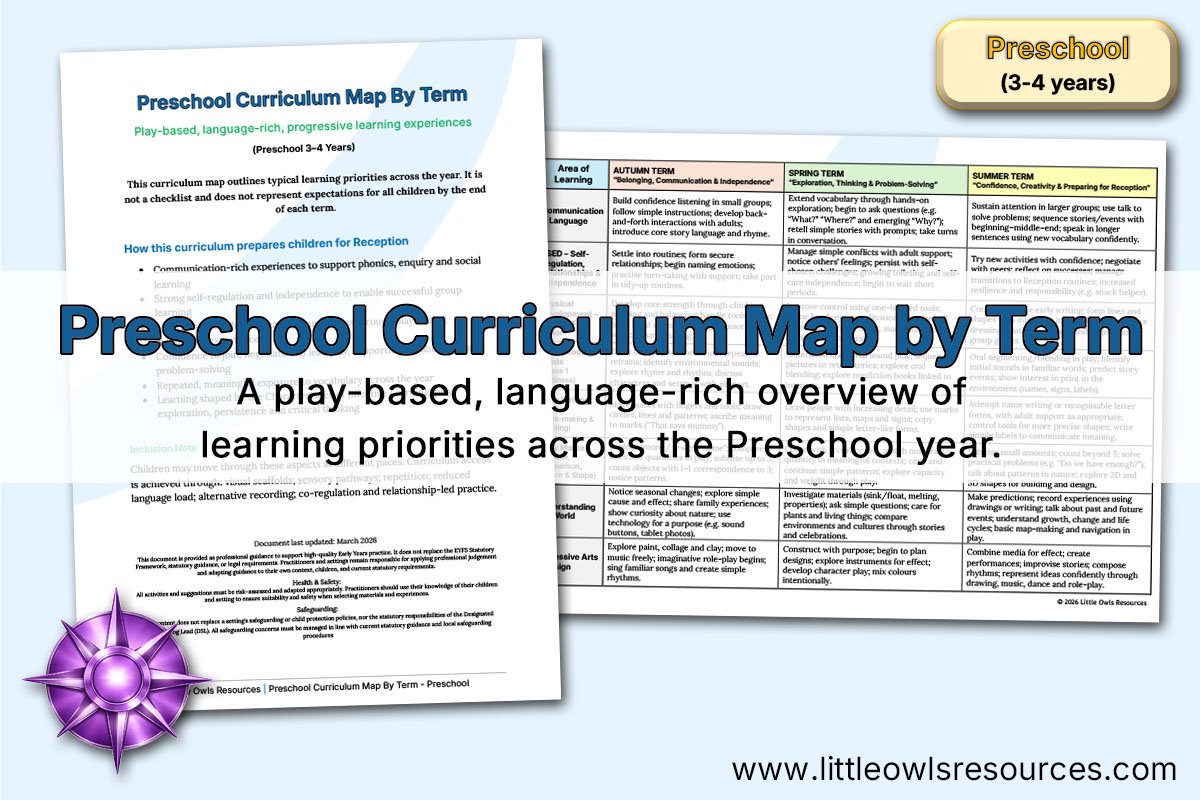
Core Preschool ‘Personal, Social & Emotional Development’ Planning Support
Additional Preschool Overarching Areas of Learning Support
The following documents include elements of ‘Personal, Social & Emotional Development’ which may be helpful tools within your setting’s OAP Cycle.






Reception | 4 - 5 Years
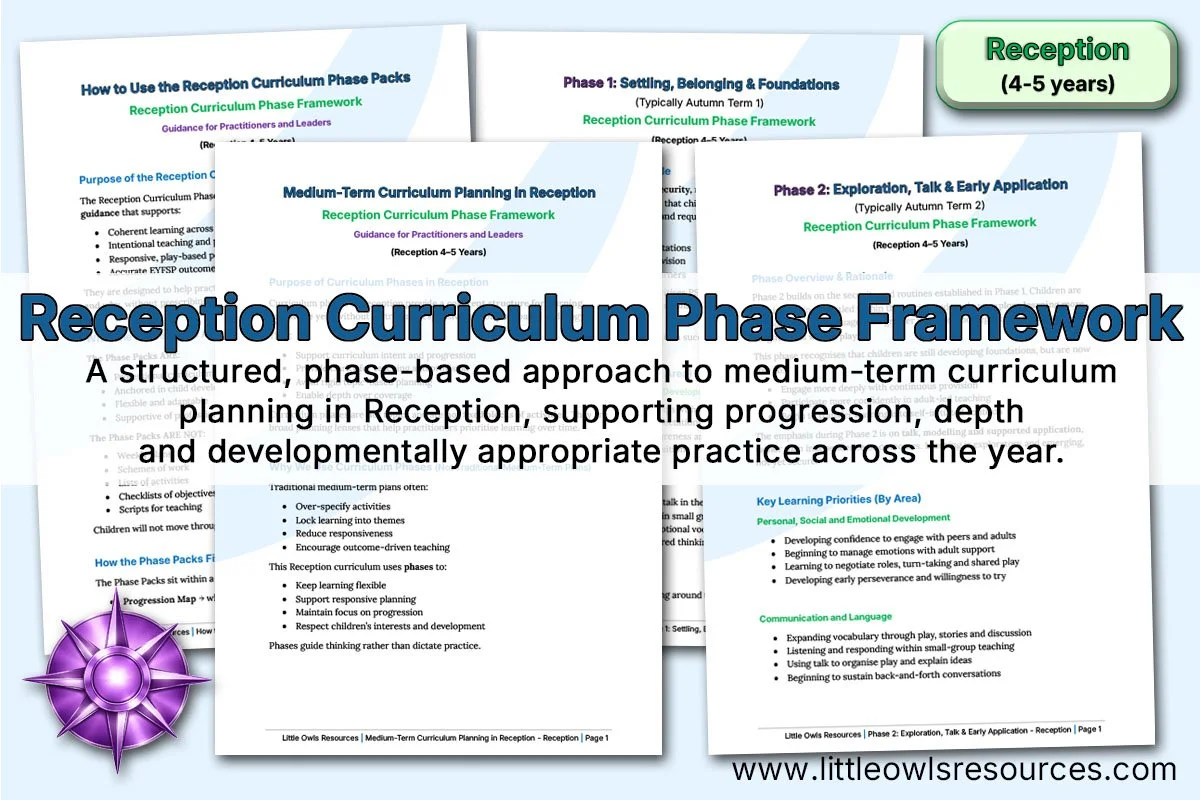
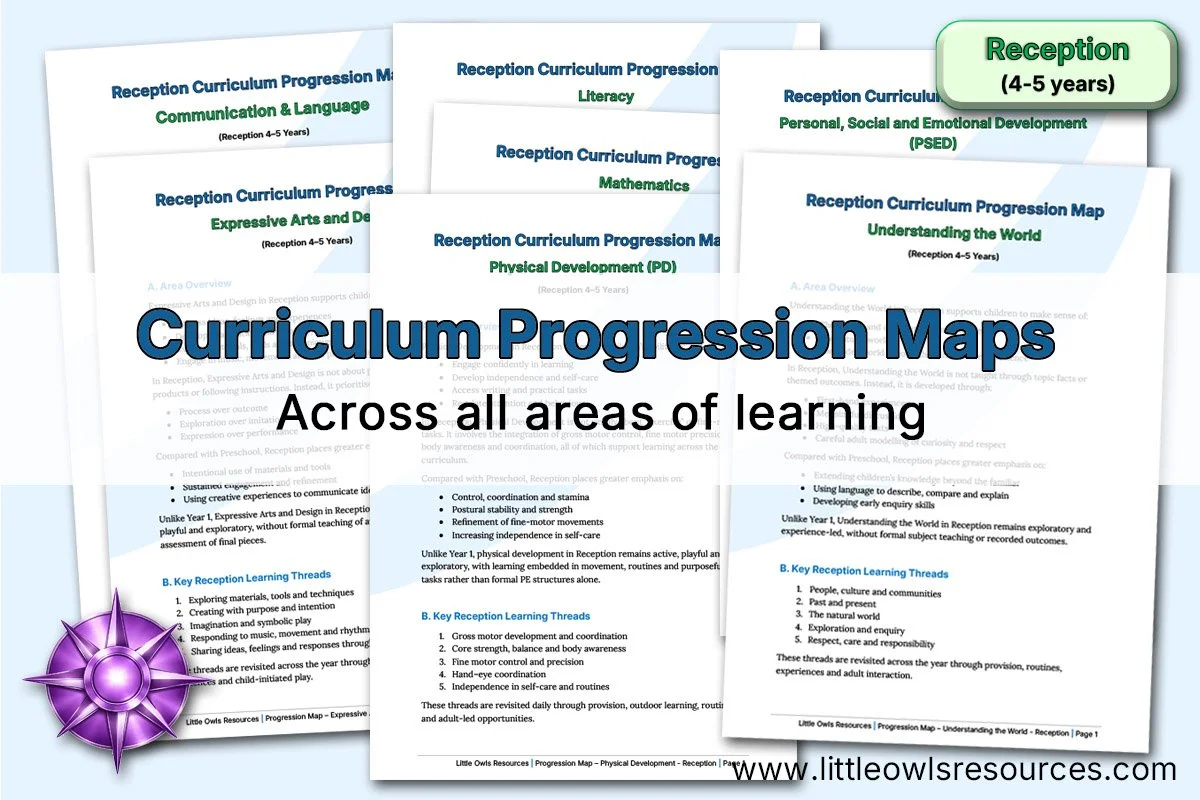
Core Reception ‘Personal, Social & Emotional Development’ Planning Support
Additional Reception Overarching Areas of Learning Support
The following documents include elements of ‘Personal, Social & Emotional Development’ which may be helpful tools within your setting’s OAP Cycle.
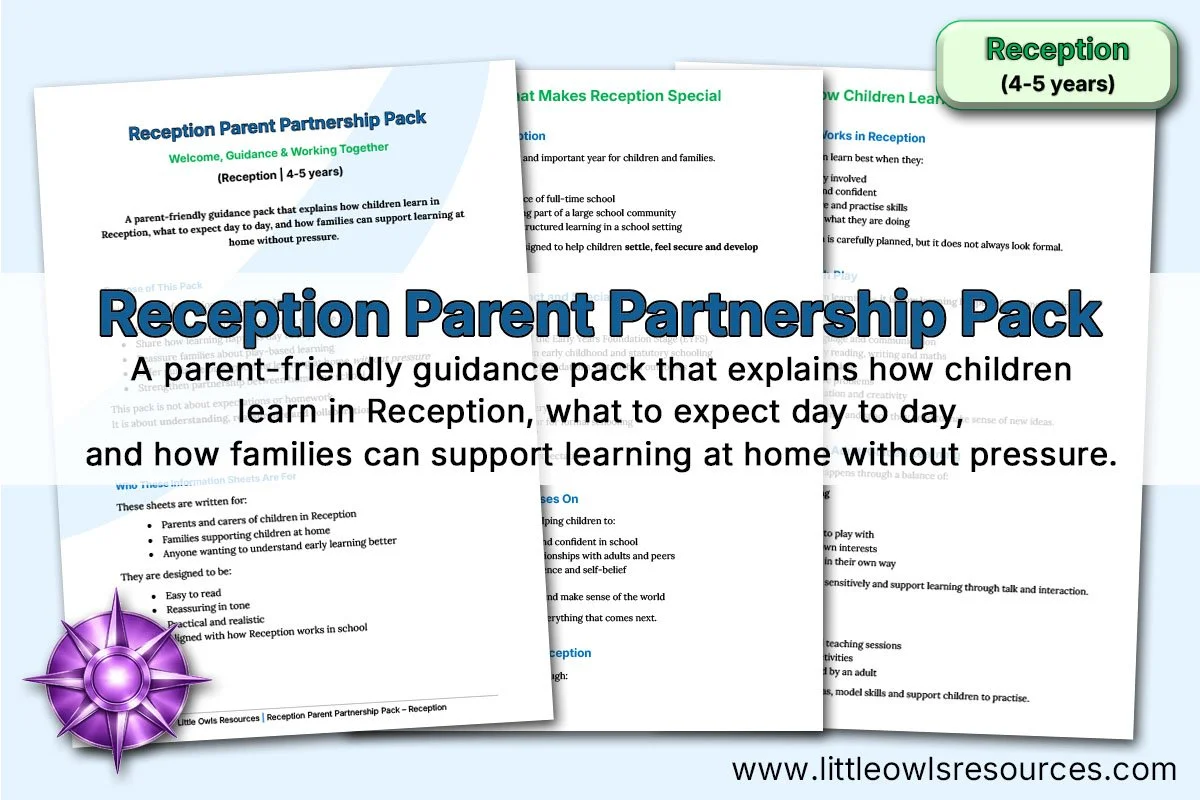
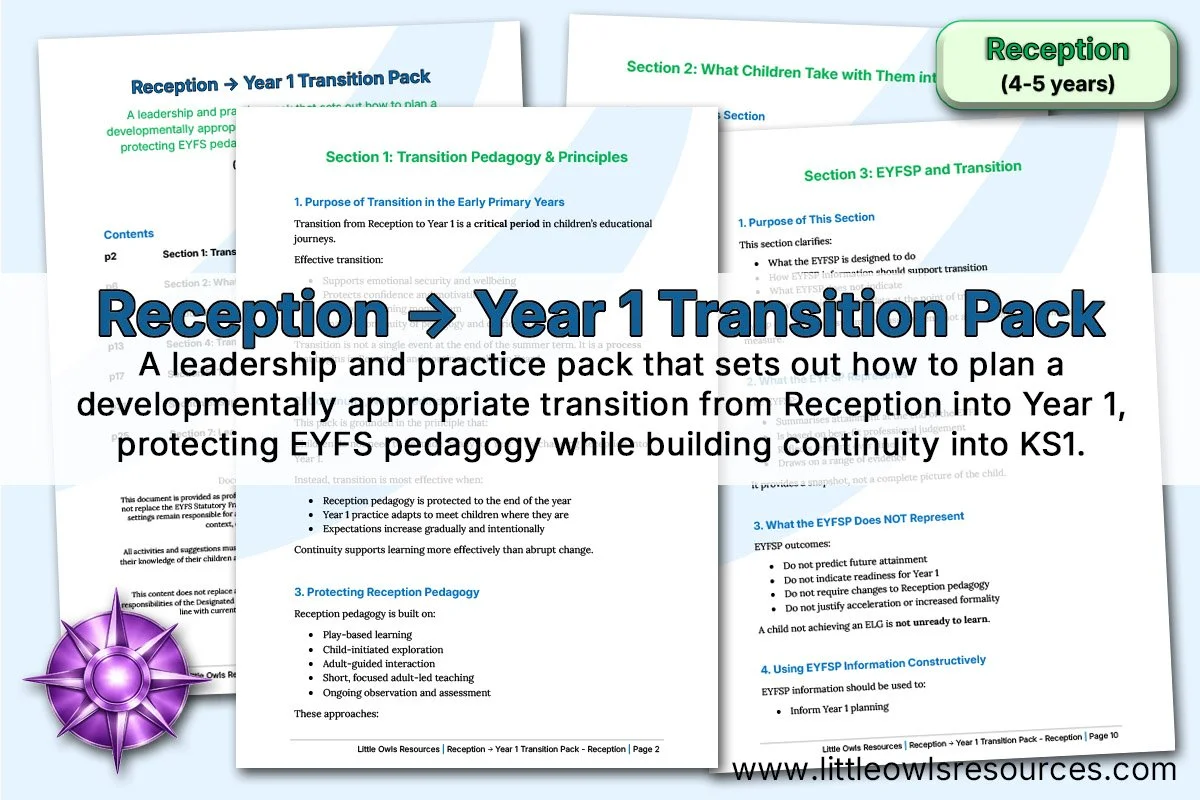
For overarching ‘Area of Learning’ Support such as Curriculum Intent Grids, Development Indicators and Assessment Tools, please visit our ‘Observations & Assessment’ page.
🏡 PSED within Continuous Provision | Age-Specific Ideas & Guidance
-
Personal, Social & Emotional Development in baby rooms is built through secure attachment, responsive care and emotionally available interactions. Consistent routines and trusting relationships help babies feel safe, valued and ready to explore.
Familiar adults responding sensitively to cues, gestures and emotional needs
Cosy spaces supporting calm connection, comfort and shared attention
Mirror play encouraging self-awareness and recognition
Treasure baskets and sensory play supporting confidence and curiosity
Predictable routines helping babies feel emotionally secure
Gentle singing, face-to-face interaction and soothing communication
Emotion-rich language modelled during care routines and play
Opportunities for babies to explore safely with close adult support
Photographs of familiar people and family connections within the environment
Related Guidance:
-
Toddler PSED provision should support developing independence, emotional expression, social interaction and early self-regulation through responsive relationships and meaningful play opportunities.
Small-group play encouraging turn-taking and cooperation
Role-play areas supporting familiar routines and social experiences
Emotion cards, mirrors and feeling prompts within provision
Opportunities for safe risk-taking and growing independence
Snack and mealtime routines encouraging belonging and conversation
Calming spaces supporting regulation and emotional recovery
Adult support for naming emotions and solving simple conflicts
Repetitive routines and visual supports promoting security and confidence
Open-ended play opportunities encouraging choice-making and autonomy
Related Guidance:
Continuous Provision Setup Guides | Toddler Room
Small World
Messy / Wet Play
Dry Sensory & Loose Parts
Construction
Role Play / Home Corner
Mark Making
Book Area / Reading Nook
Music & Sound
Outdoor
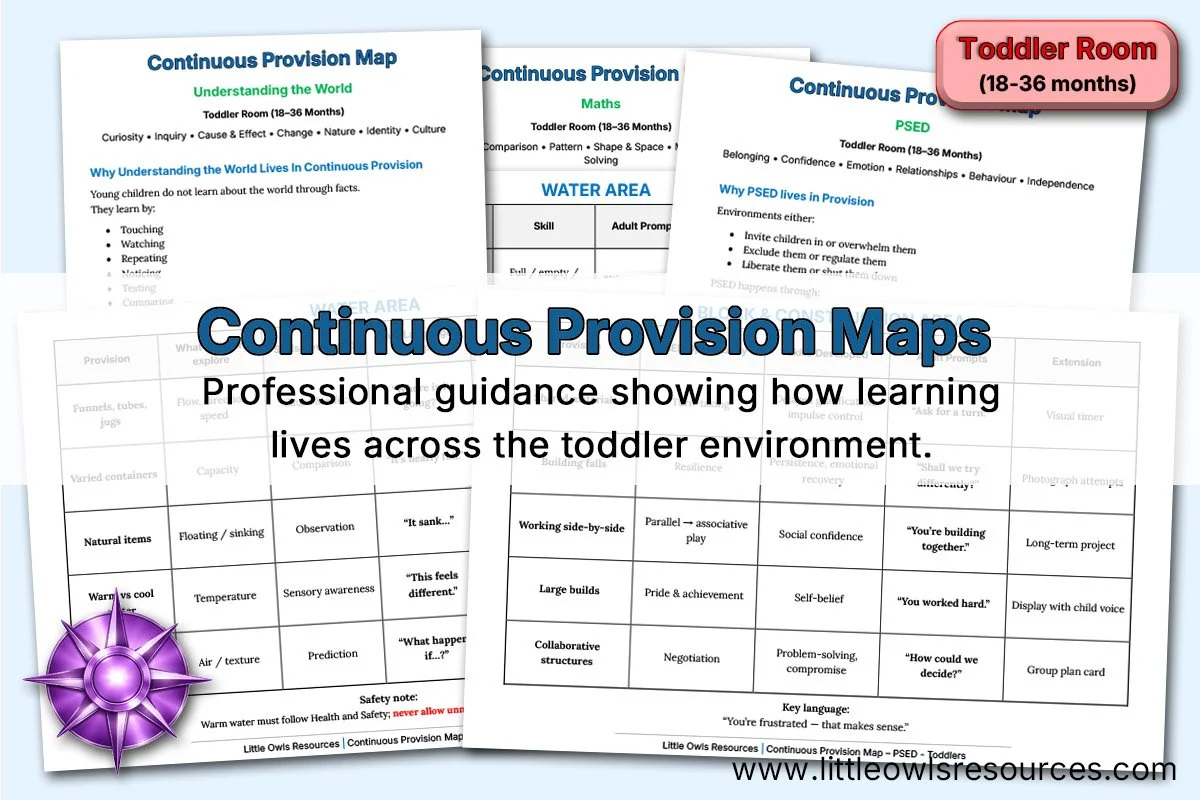
Continuous Provision Maps (18–36 Months)
C&L
PSED
PD
Maths Seeds
Literacy Seeds
UW
EAD
-
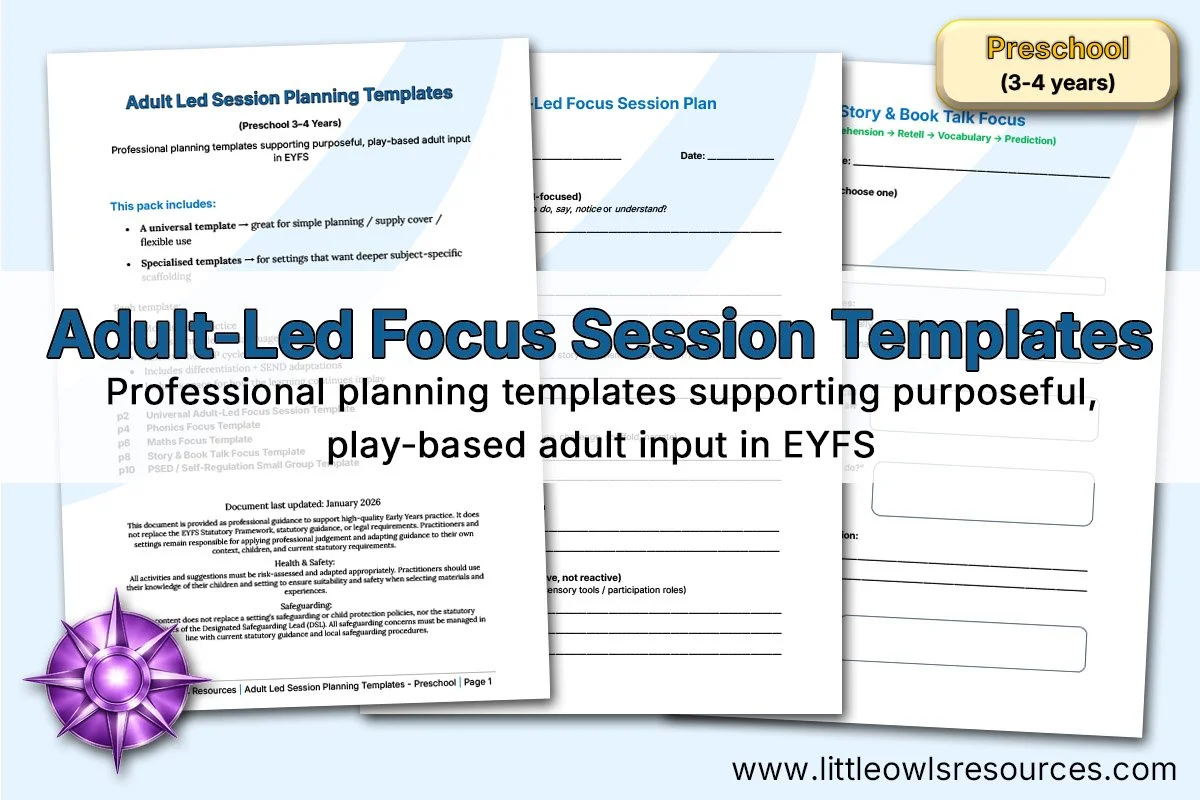
Preschool PSED provision should encourage confidence, cooperation, resilience and emotional understanding through play-based learning, secure relationships and responsive adult support.
Role-play opportunities encouraging collaboration and negotiation
Circle-time experiences promoting listening, turn-taking and belonging
Small-group games supporting cooperation and social confidence
Opportunities for children to express opinions, preferences and ideas
Visual emotion supports and calming strategies within provision
Collaborative construction and creative projects encouraging teamwork
Books and storytelling supporting empathy and emotional understanding
Open-ended play opportunities encouraging resilience and problem-solving
Adults modelling respectful communication and conflict resolution
Related Guidance:
Preschool Skills Progression Ladder: PSED – Self-Regulation & Relationships
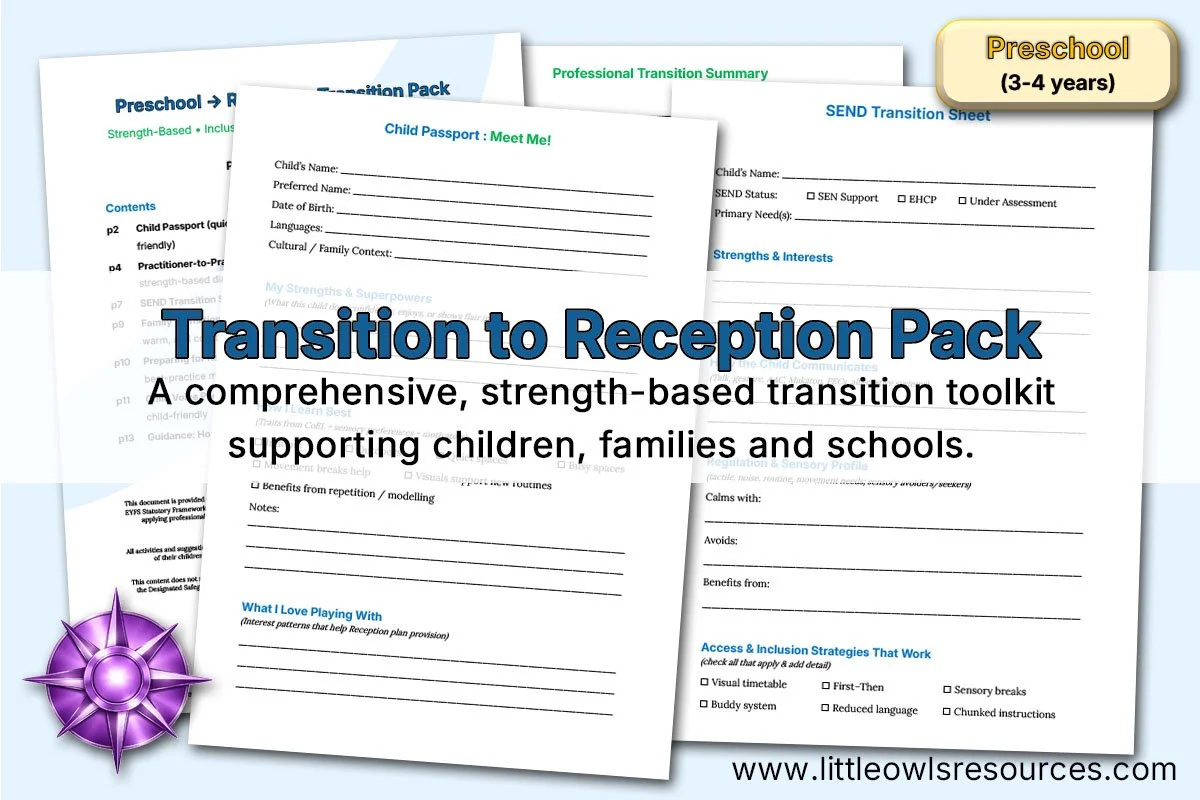
Transition to Reception Pack | Preschool (3–4 Years) → Reception
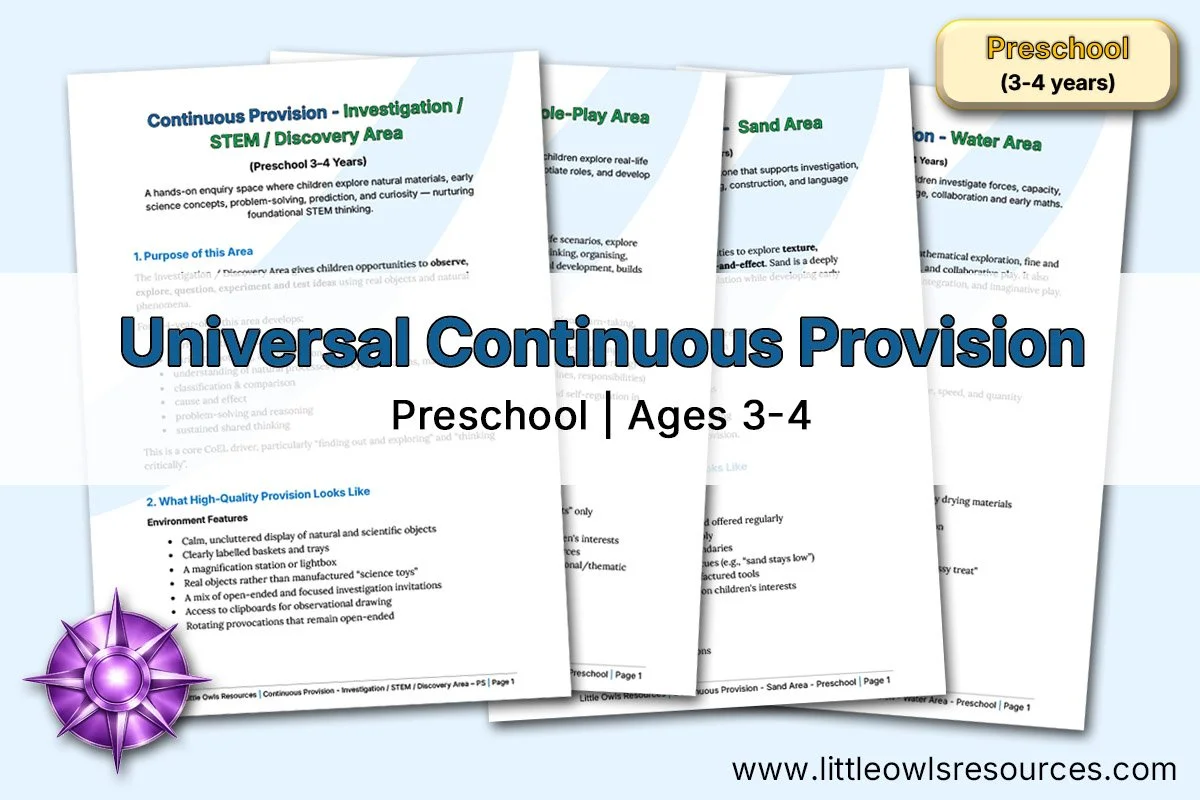
Universal Continuous Provision Packs (Preschool | 3–4 Years)
Construction Area
Small World Area
Role-Play Area
Writing / Mark-Making Area
Maths Area
Creative Area (Art & Making)
Investigation / STEM / Discovery Area
Book Corner / Reading Den
Fine Motor Station
Water Area
Sand Area
Snack Area / Independence Station
Outdoor Provision Core Zones
Physical play
Gross motor skills
Nature area
Outdoor mark-making
Outdoor maths
-
Reception PSED provision should support children to become increasingly independent, emotionally aware and socially confident within a play-based, language-rich learning environment.
Collaborative play opportunities supporting teamwork and communication
Self-registration and independence routines embedded within provision
Emotion check-ins and wellbeing discussions throughout the day
Open-ended challenges encouraging resilience and perseverance
Opportunities for children to reflect on feelings, behaviour and learning
Small-group discussion opportunities promoting confidence and listening
Visual supports encouraging self-management and responsibility
Adult-guided support for problem-solving, friendship and conflict resolution
Calm regulation spaces supporting emotional wellbeing and self-regulation
Related Guidance:
Self-Regulation & Learning Behaviours in Reception | 4–5 Years
Universal Continuous Provision Pack (Areas listed below)
Construction
Creative
Investigation / Discovery
Maths
Reading
Role Play / Small World
Malleable / Sensory
Writing
Outdoor Continuous Provision (Reception)
❓ Frequently Asked Questions About EYFS Personal, Social & Emotional Development (PSED)
-
Personal, Social & Emotional Development is one of the prime areas of learning within the EYFS. It includes self-regulation, managing self and building relationships.
-
Strong PSED supports children’s wellbeing, confidence, resilience, emotional regulation, relationships and readiness for learning across all areas of development.
-
Practitioners can support emotional regulation through warm relationships, predictable routines, modelling emotional language, calm environments and responsive adult interaction.
-
Examples include collaborative games, emotion discussions, role-play, group problem-solving, wellbeing check-ins, turn-taking activities and opportunities for independence within continuous provision.
-
Continuous provision supports PSED through opportunities for cooperation, choice-making, independence, relationship-building, emotional expression and self-regulation within meaningful play experiences.
-
Role-play helps children explore emotions, relationships, routines, empathy, cooperation and social situations through imaginative play and shared interaction.
-
Self-regulation refers to children’s growing ability to manage emotions, attention, behaviour and responses with increasing independence and support.
-
Behaviour support in EYFS should be relational, developmentally appropriate and focused on emotional understanding, co-regulation, consistency and secure relationships.
-
Children benefit from gradual transitions, familiar routines, strong parent partnerships, visual supports, emotionally available adults and consistent communication.
-
Settings can support wellbeing through secure relationships, inclusive environments, emotionally responsive practice, play-based learning and opportunities for children to feel safe, valued and connected.
🧰 Additional ‘PSED’ Tools & Guidance
When considering the support you provide for ‘Personal, Social & Emotional Development’ within your setting, you may find resources on the following pages useful.
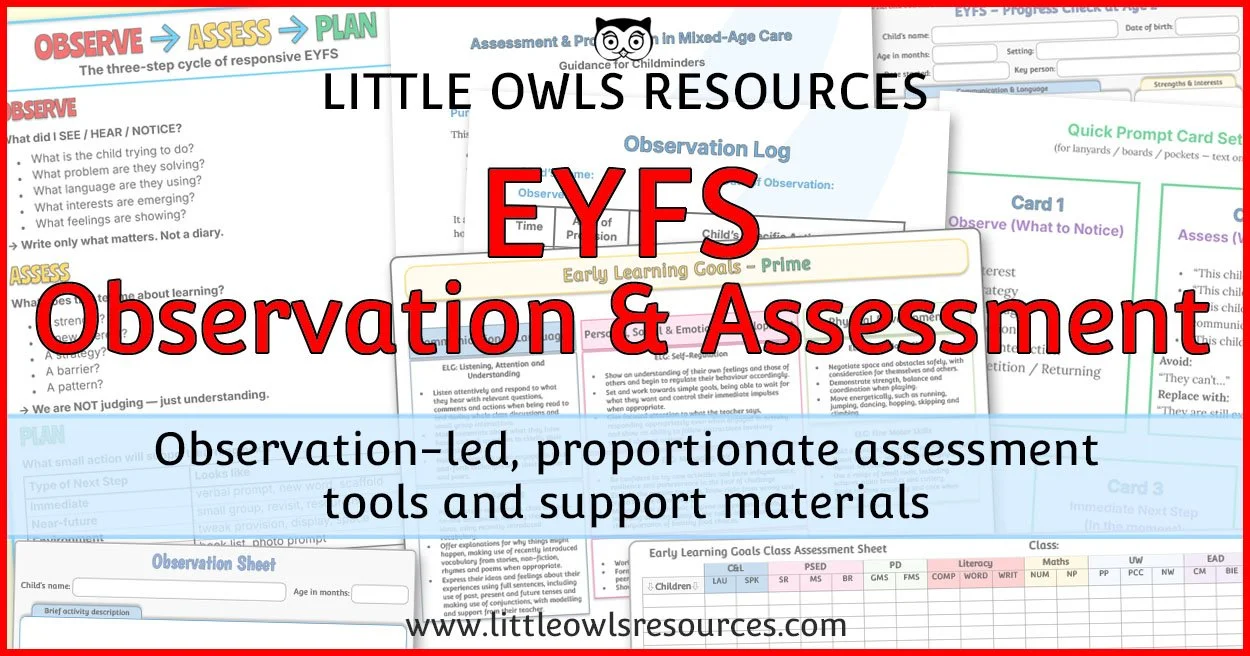
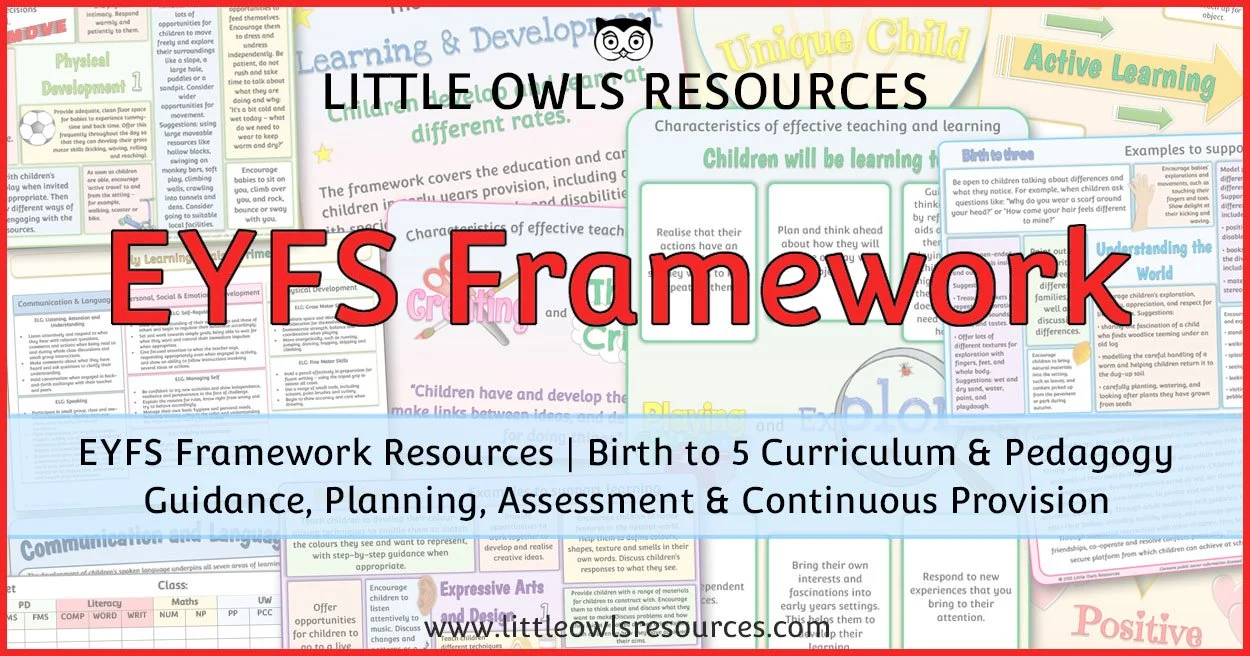
🌈 EYFS Printable Resources & Guidance for Additional Areas of Learning
Prime Areas of Learning
These areas are particularly important for building foundations in communication, wellbeing and physical development.
Specific Areas of Learning
These areas build on and strengthen the prime areas as children grow and develop.
Additional Curriculum Collections on Little Owls Resources
These collections support learning across multiple EYFS areas and are commonly used alongside the statutory framework.
More ways to search on ‘Little Owls Resources’…
(Select the buttons below to visit our menu pages)


This page contains public sector information licensed under the Open Government Licence v3.0.
😊 Gain insight into the daily feelings of the children in your care with our wonderful 'How are you feeling?' Playdough Mats! This engaging printable resource is perfect for EYFS and KS1 children…