

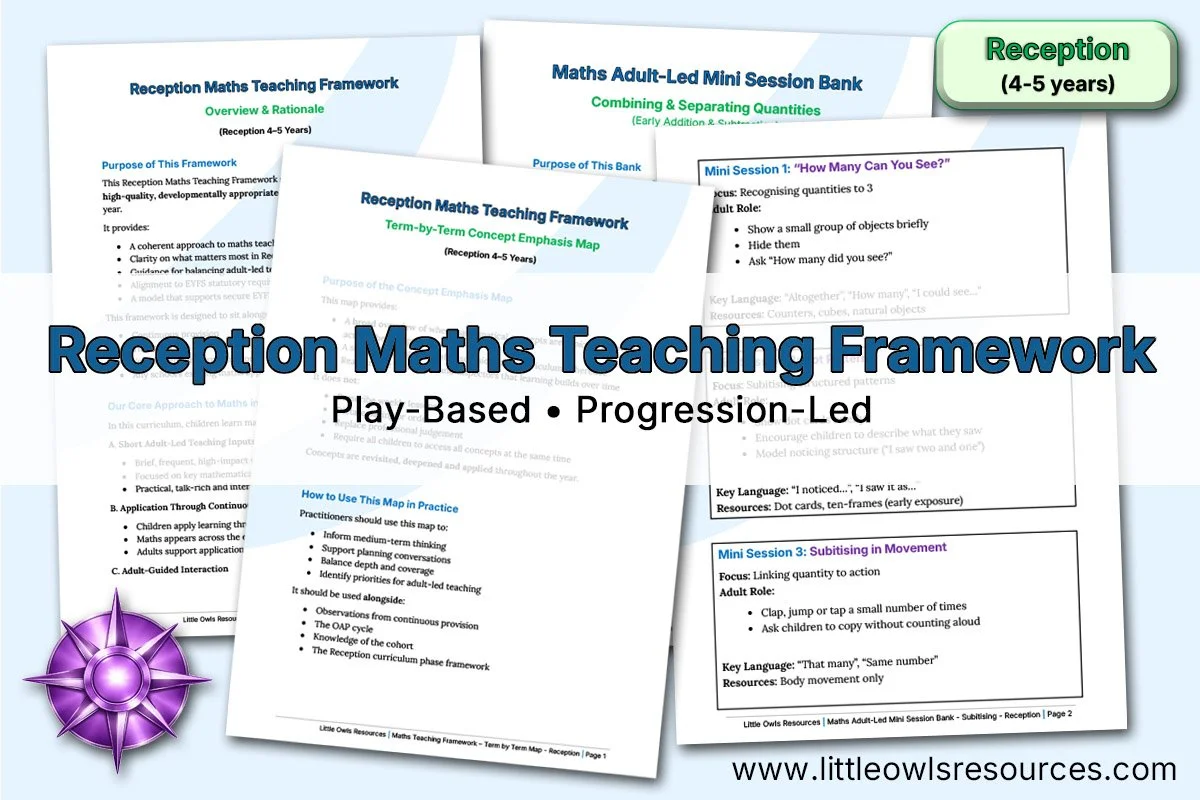
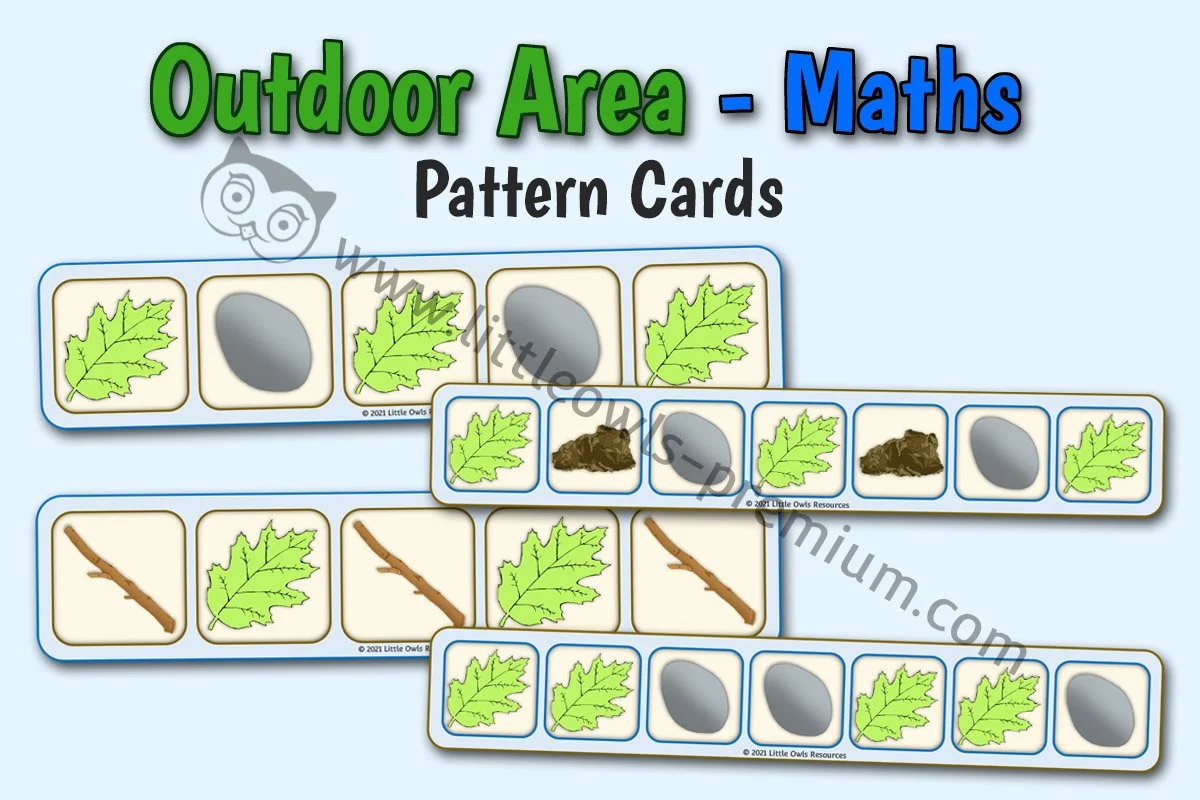
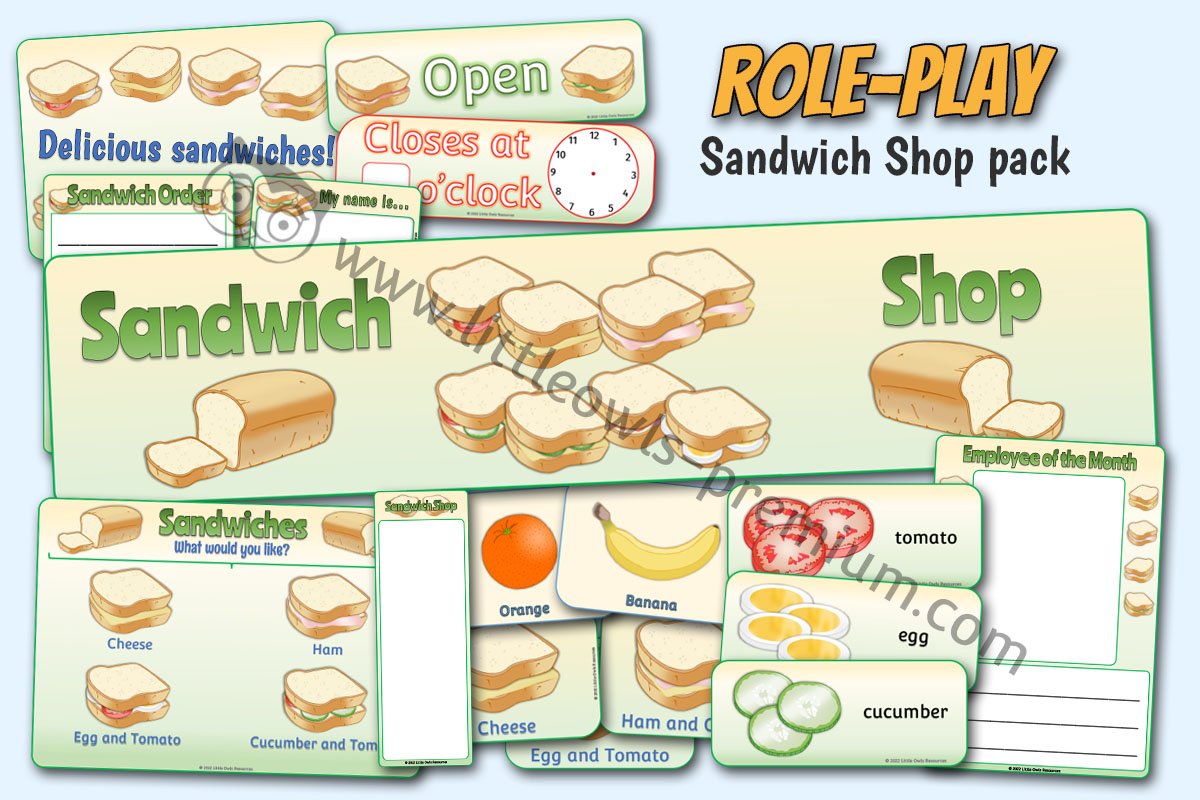
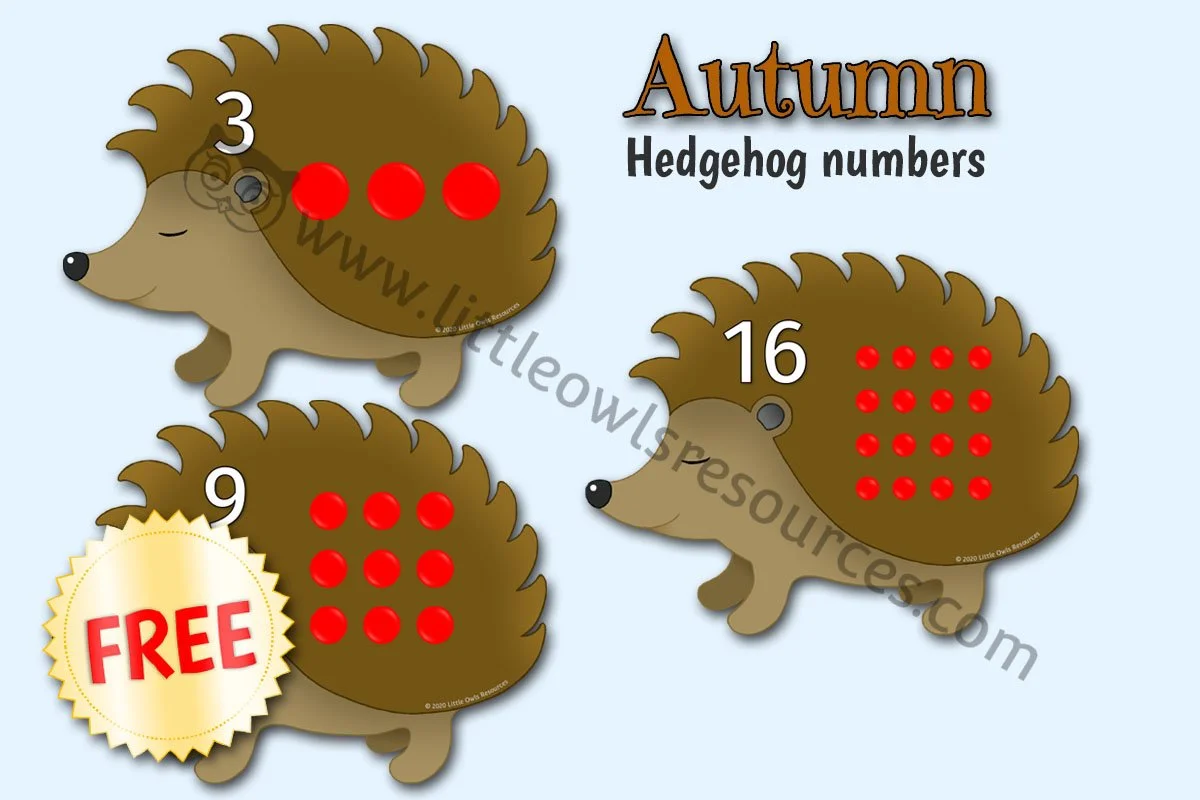
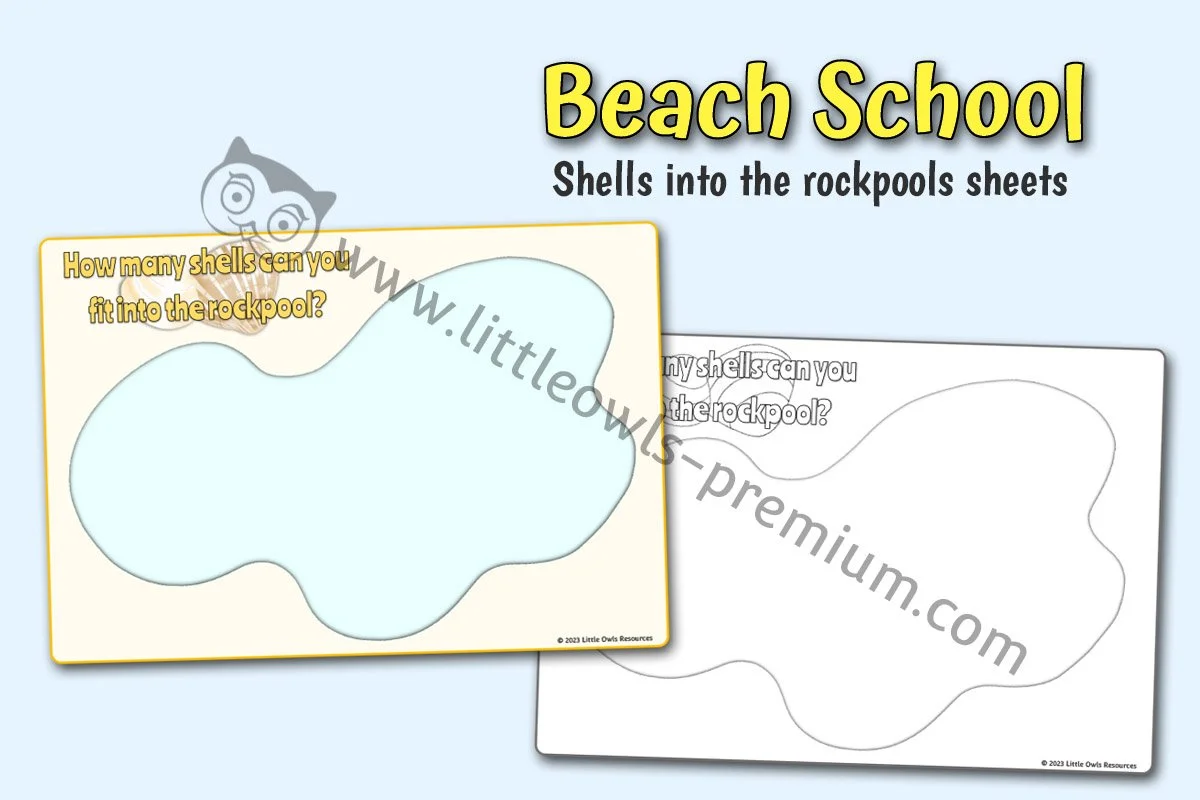

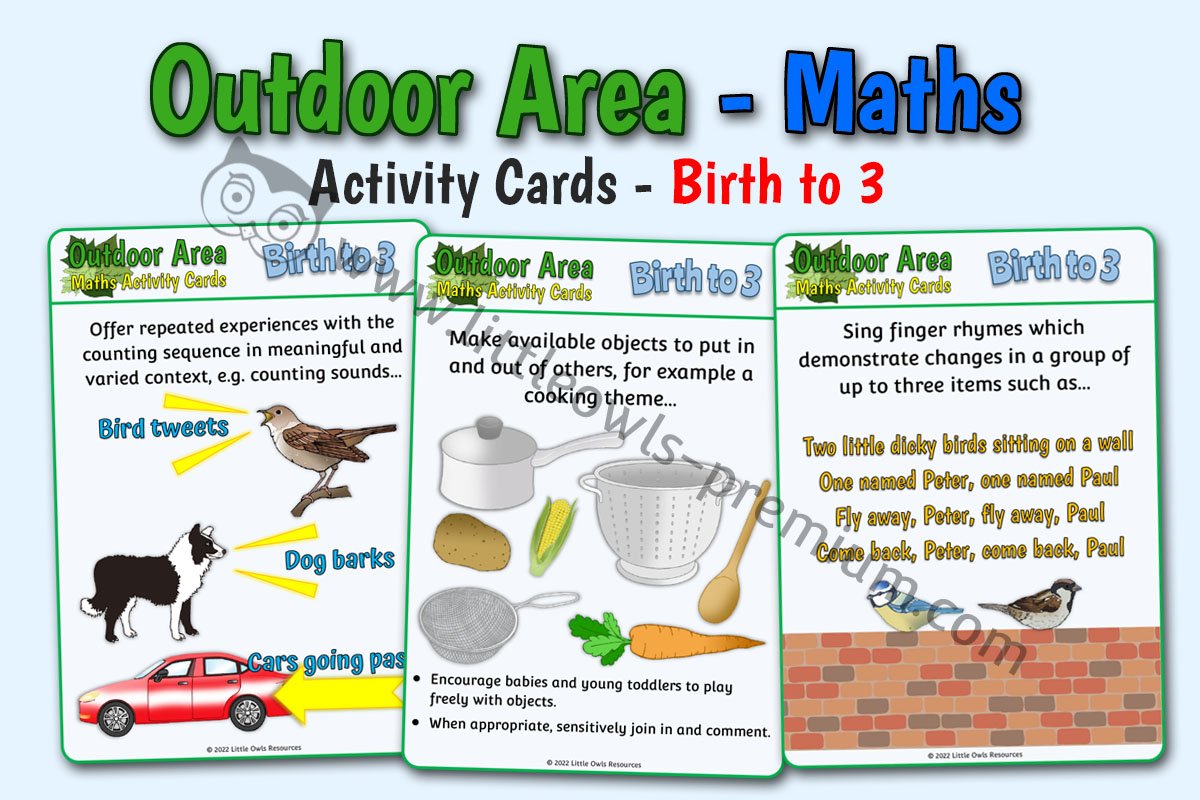
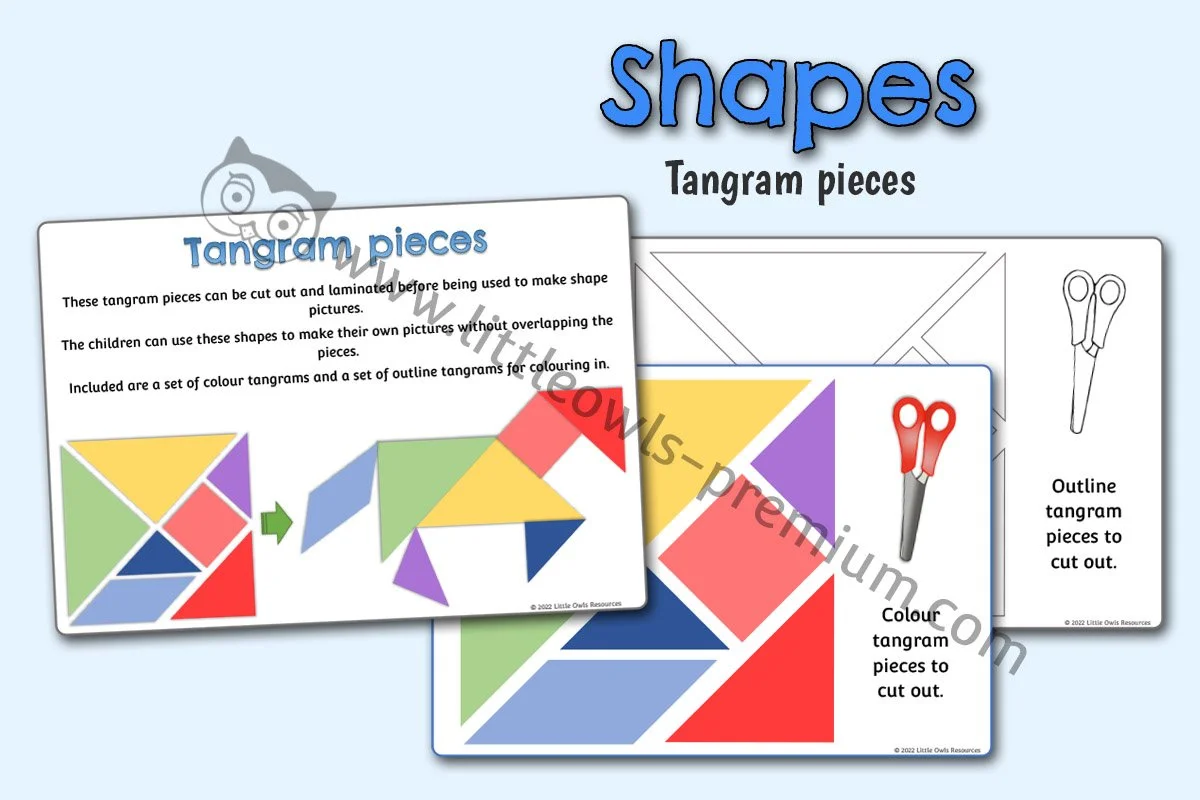
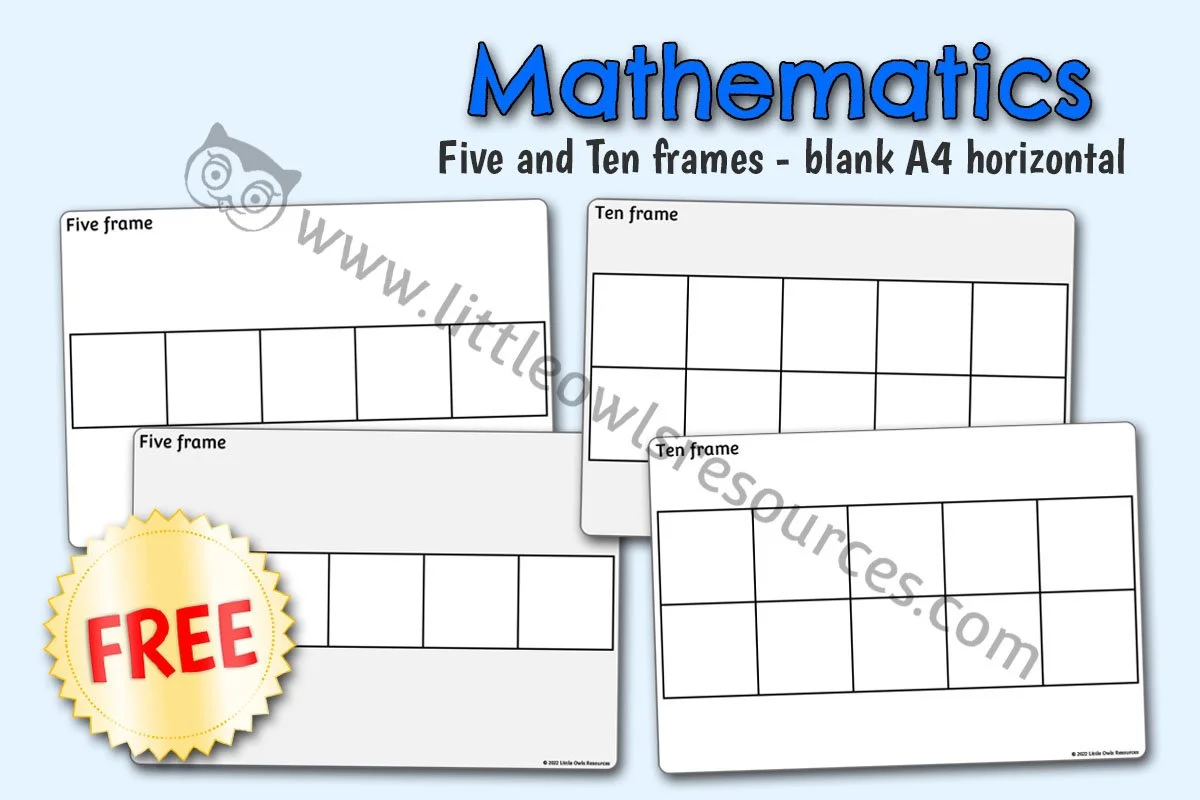
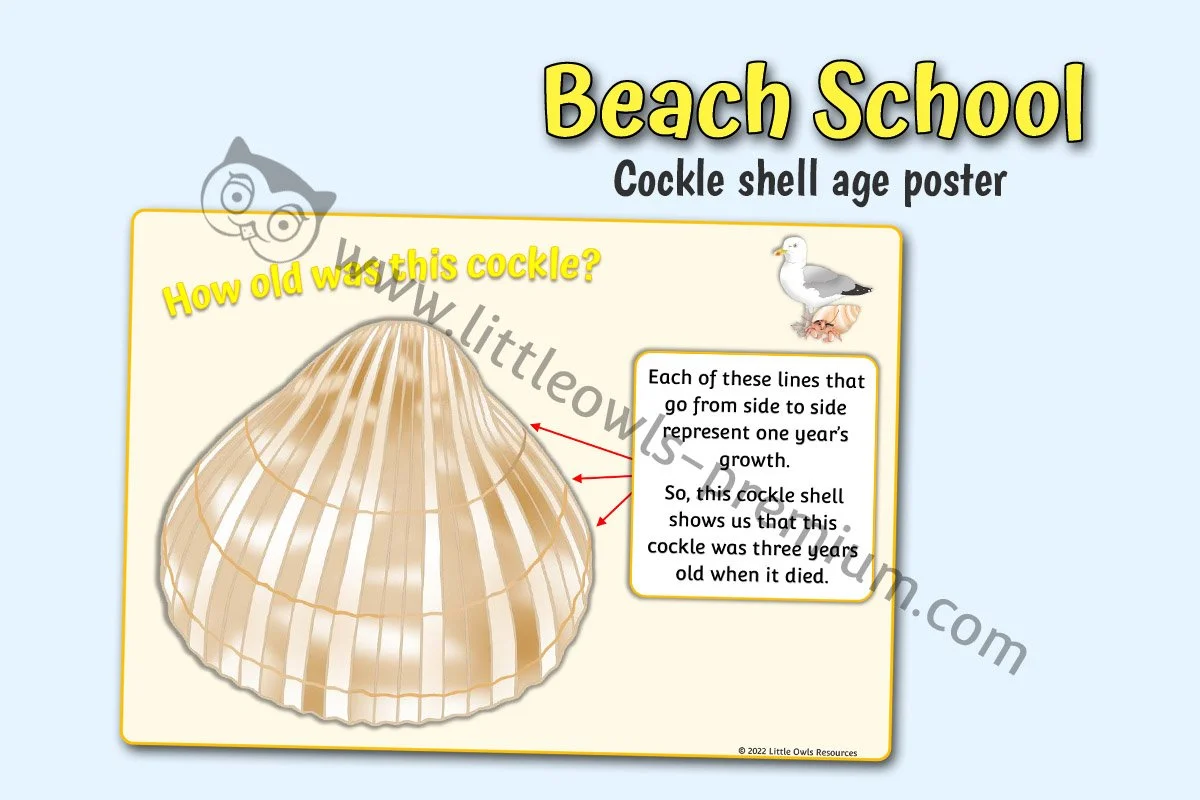
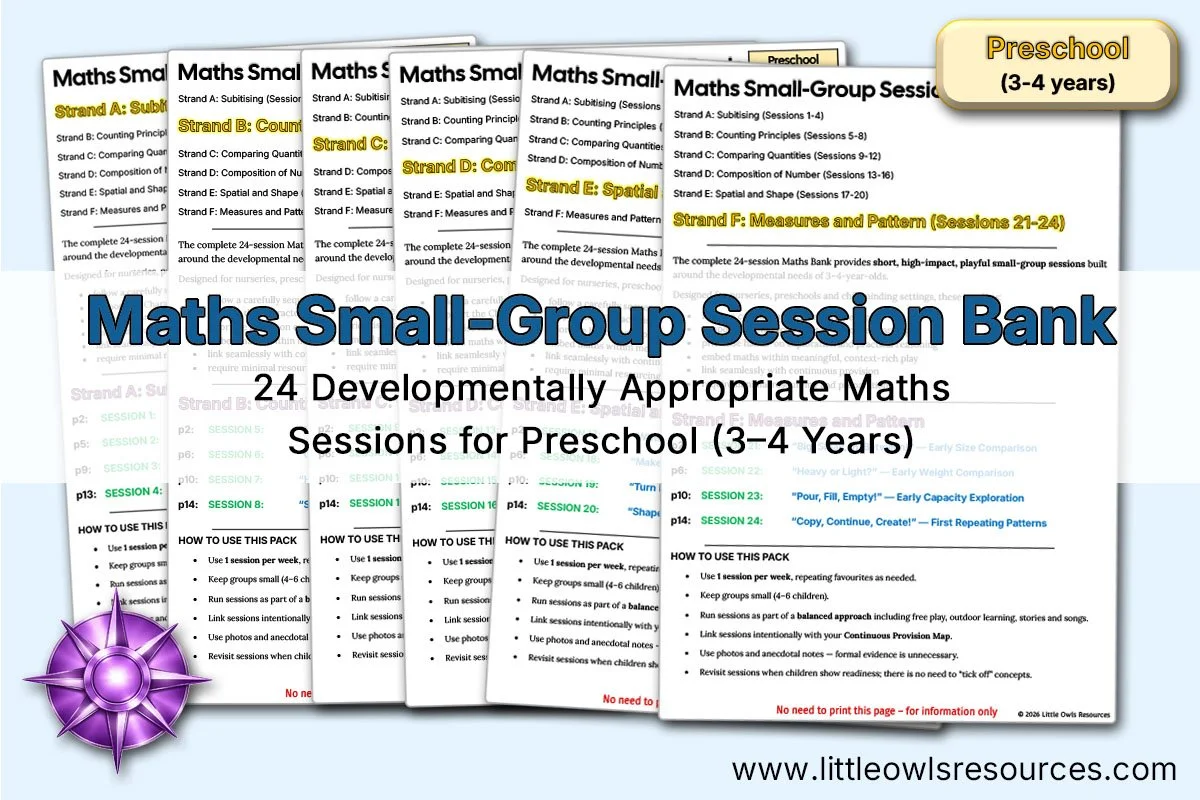
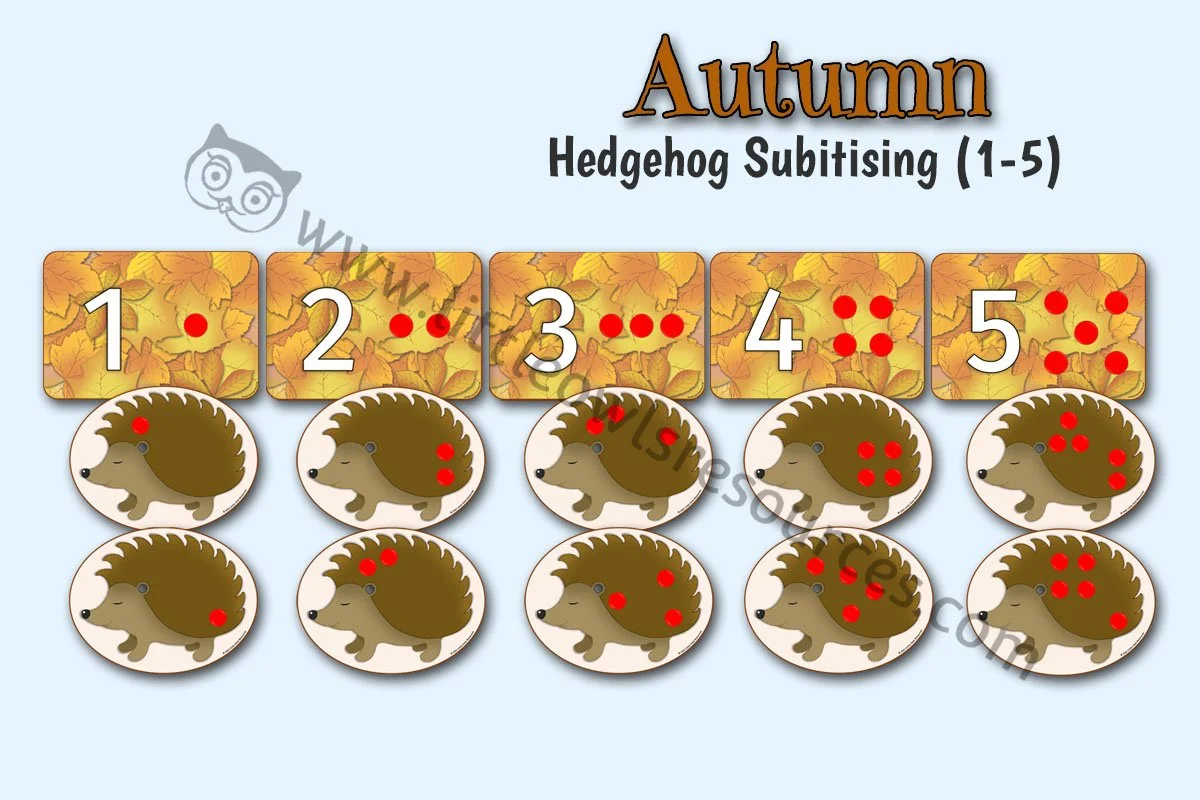
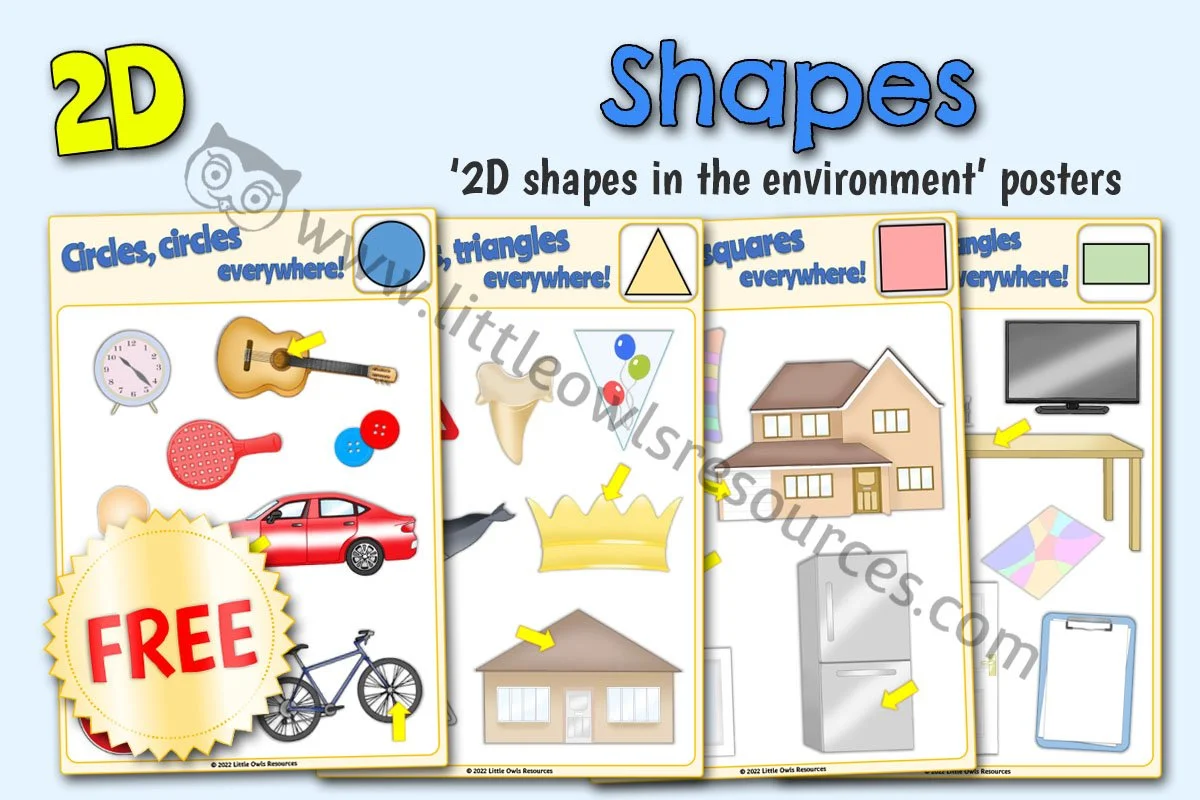
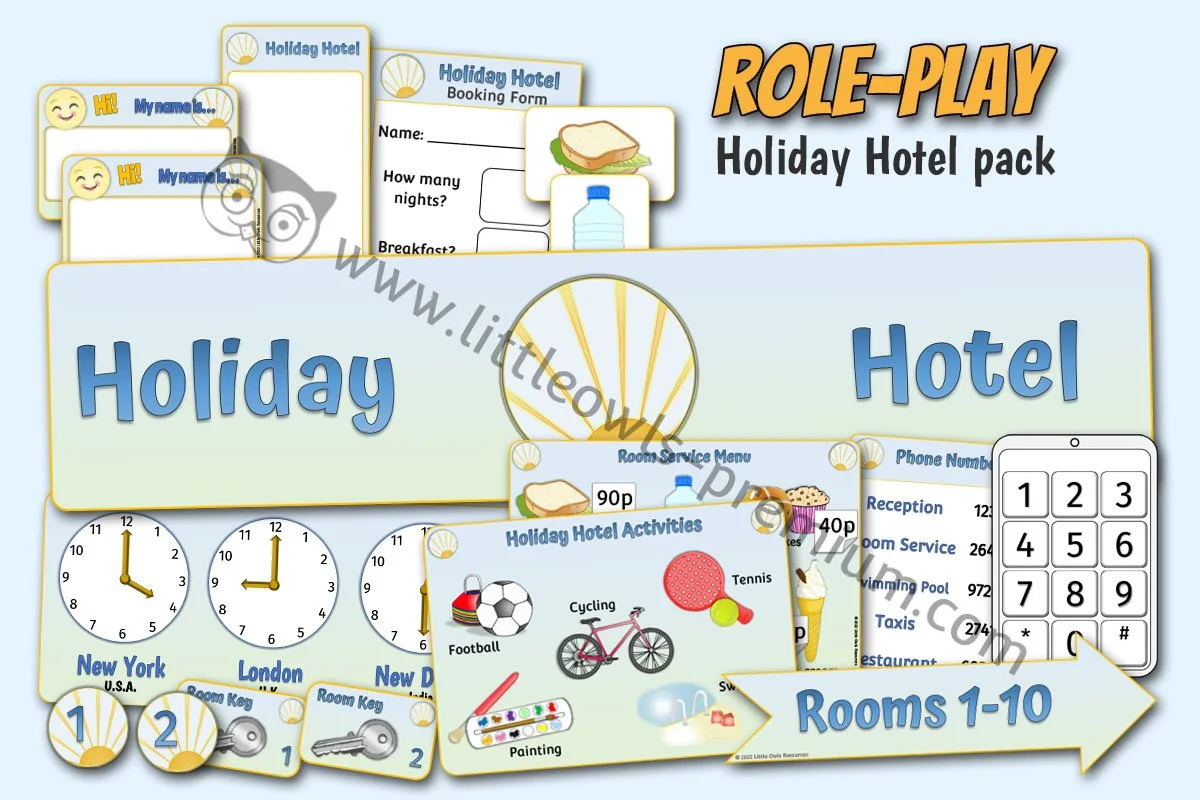
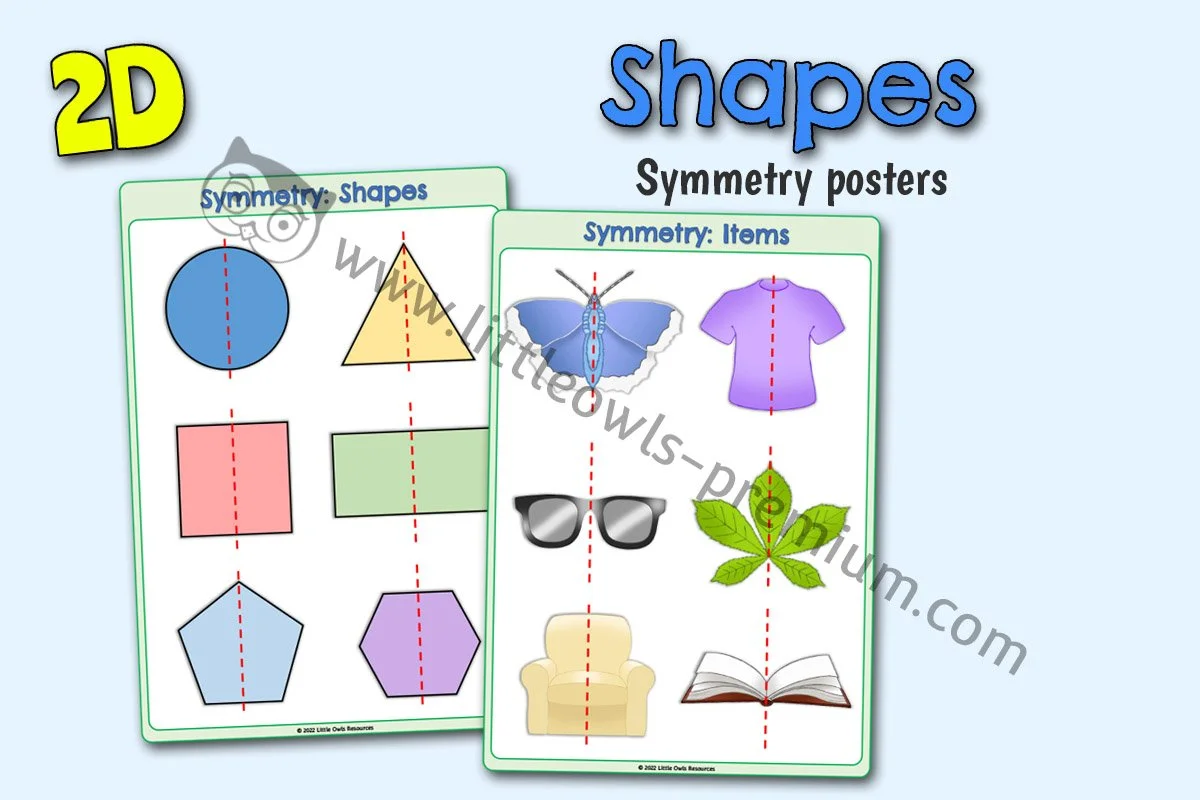

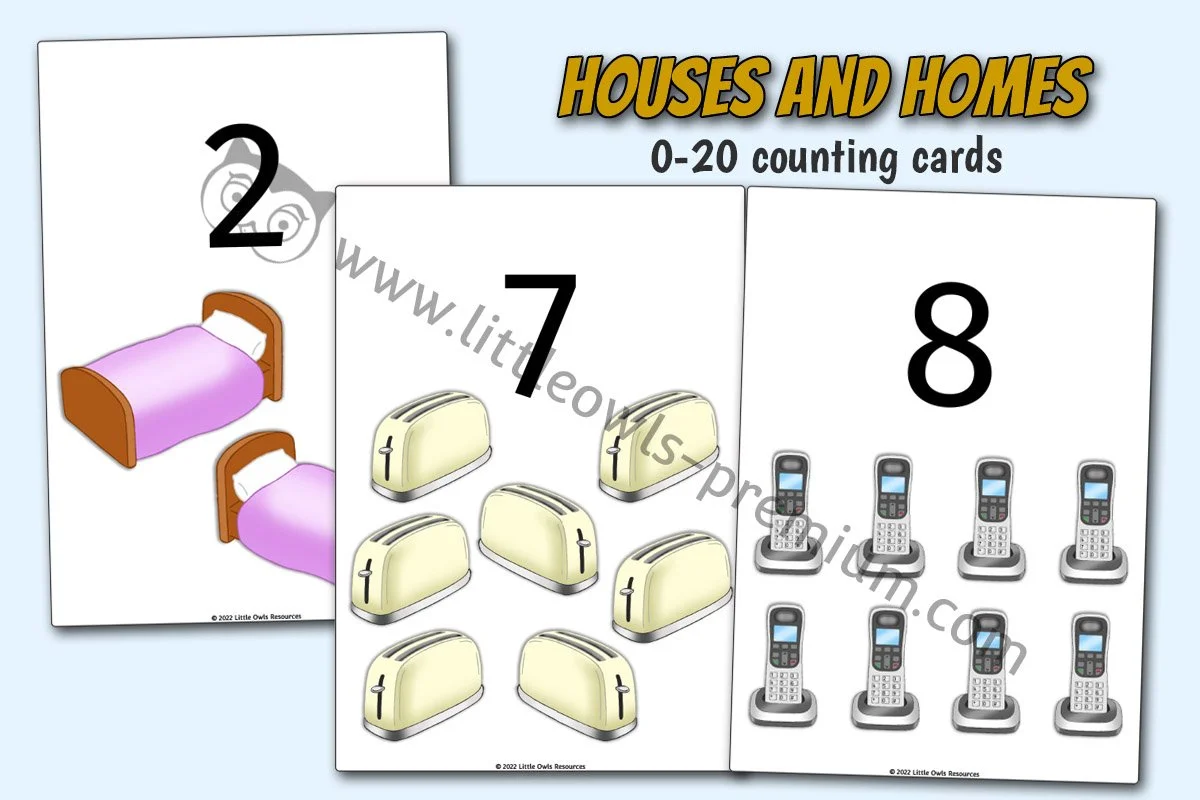
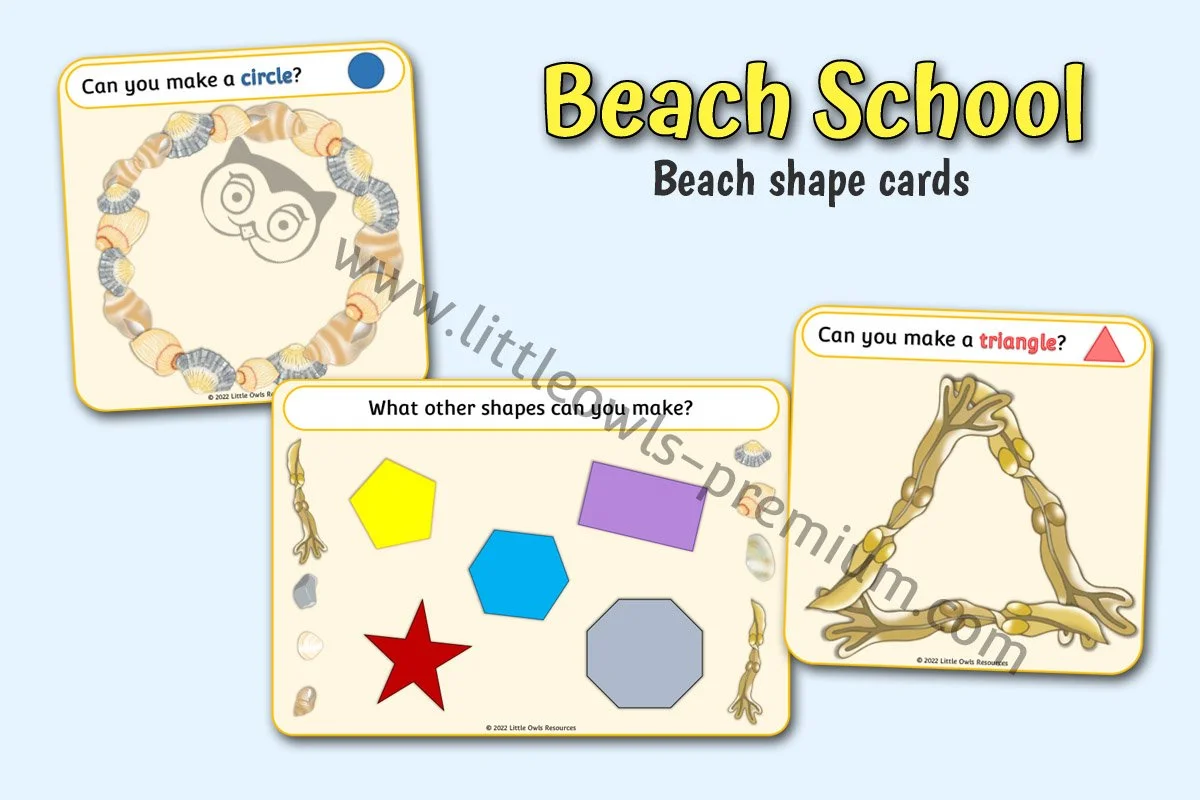
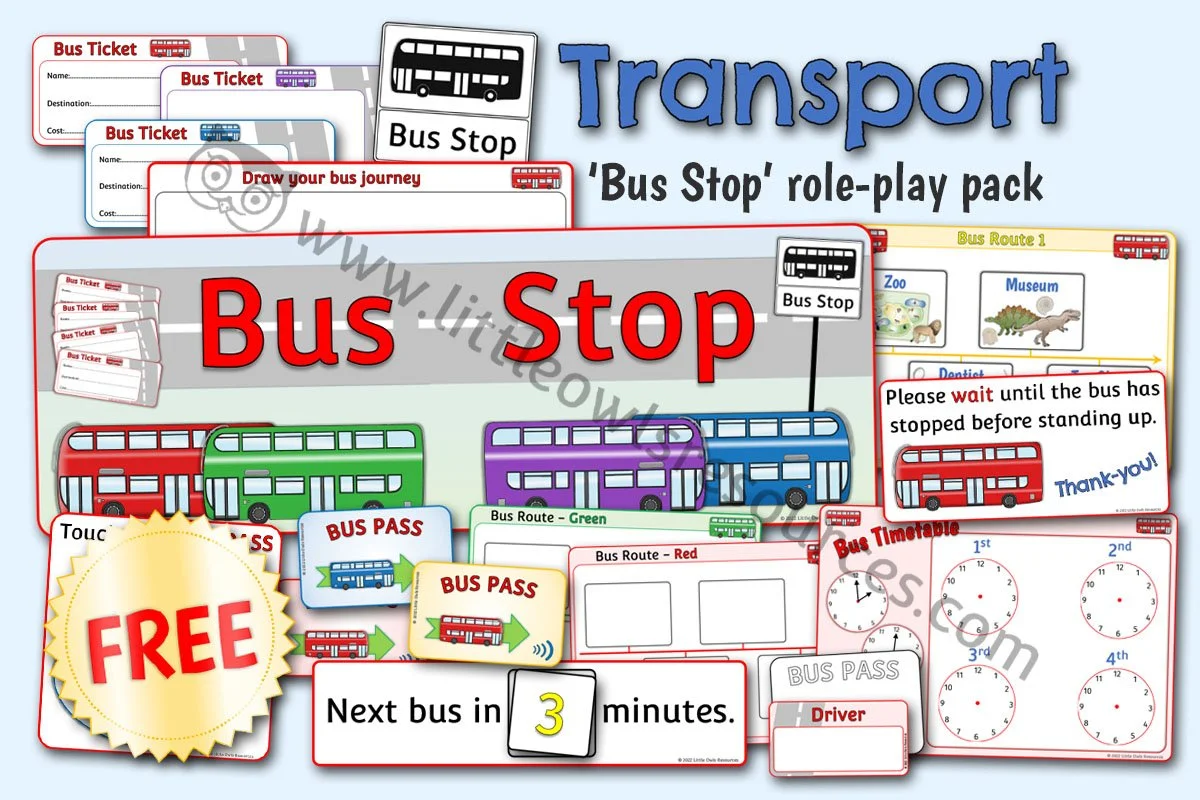
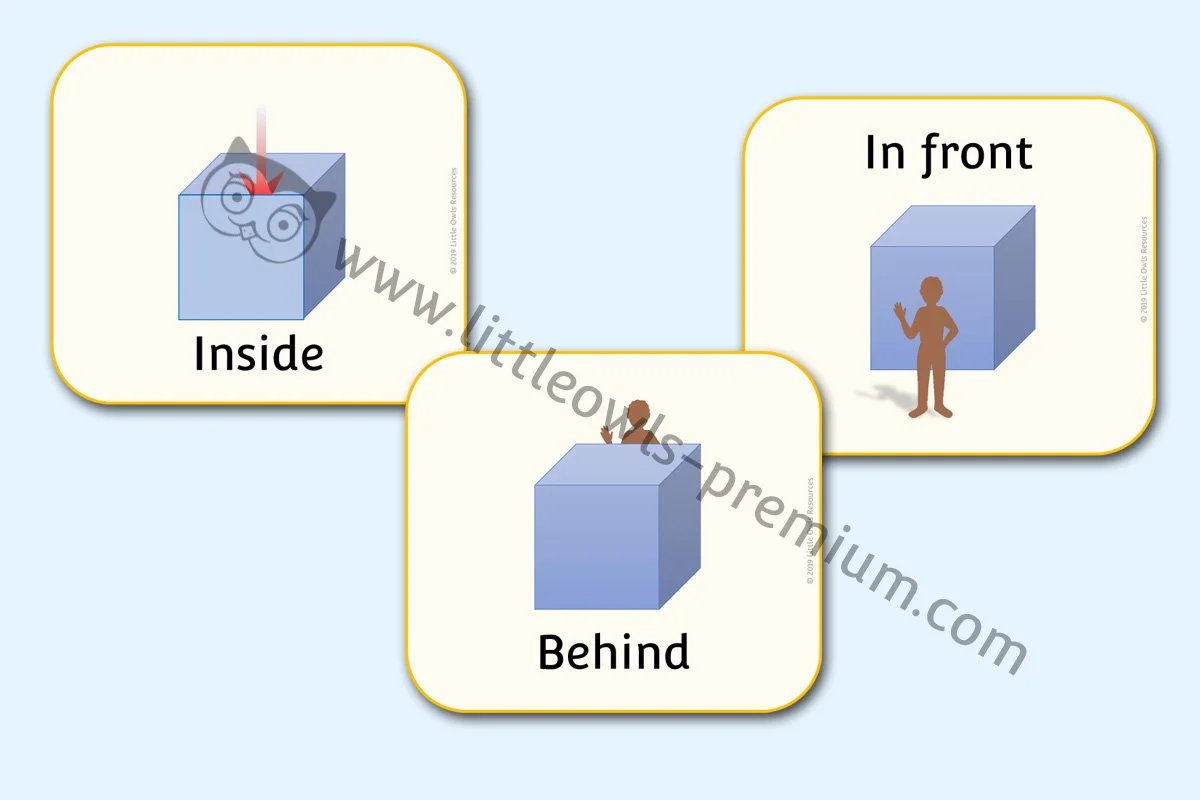
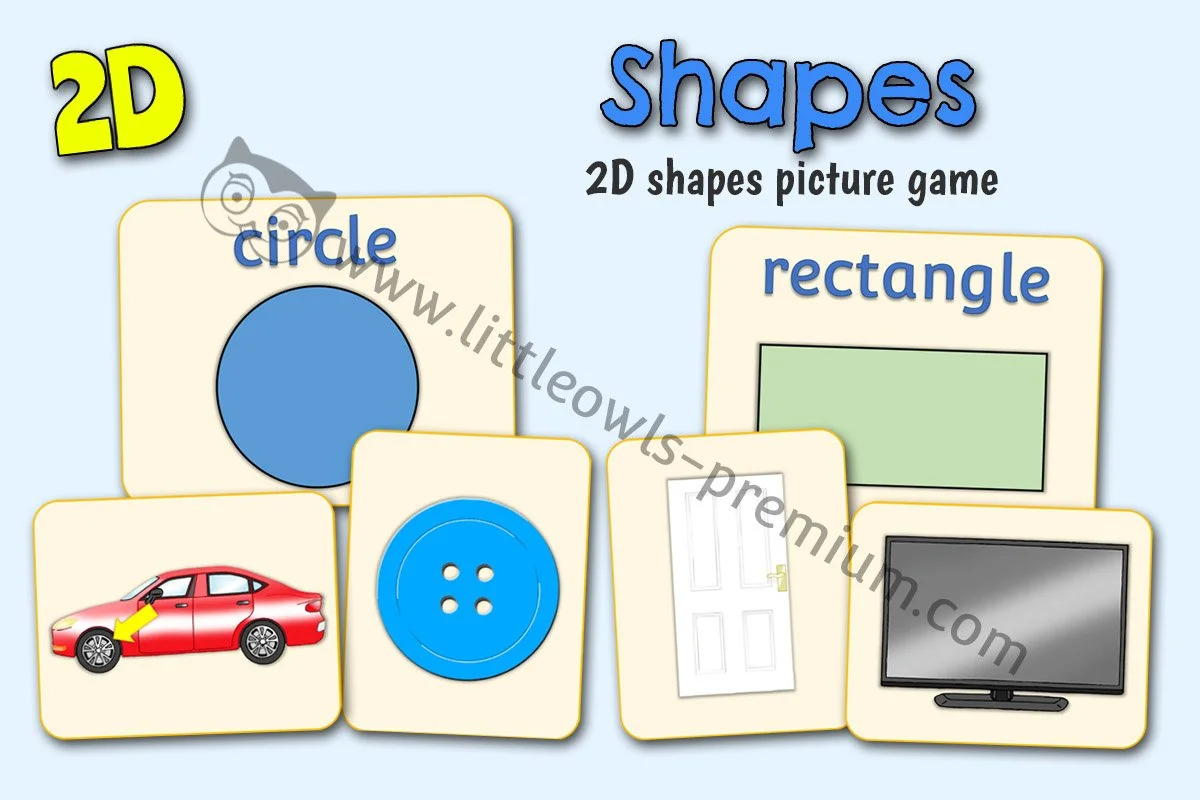
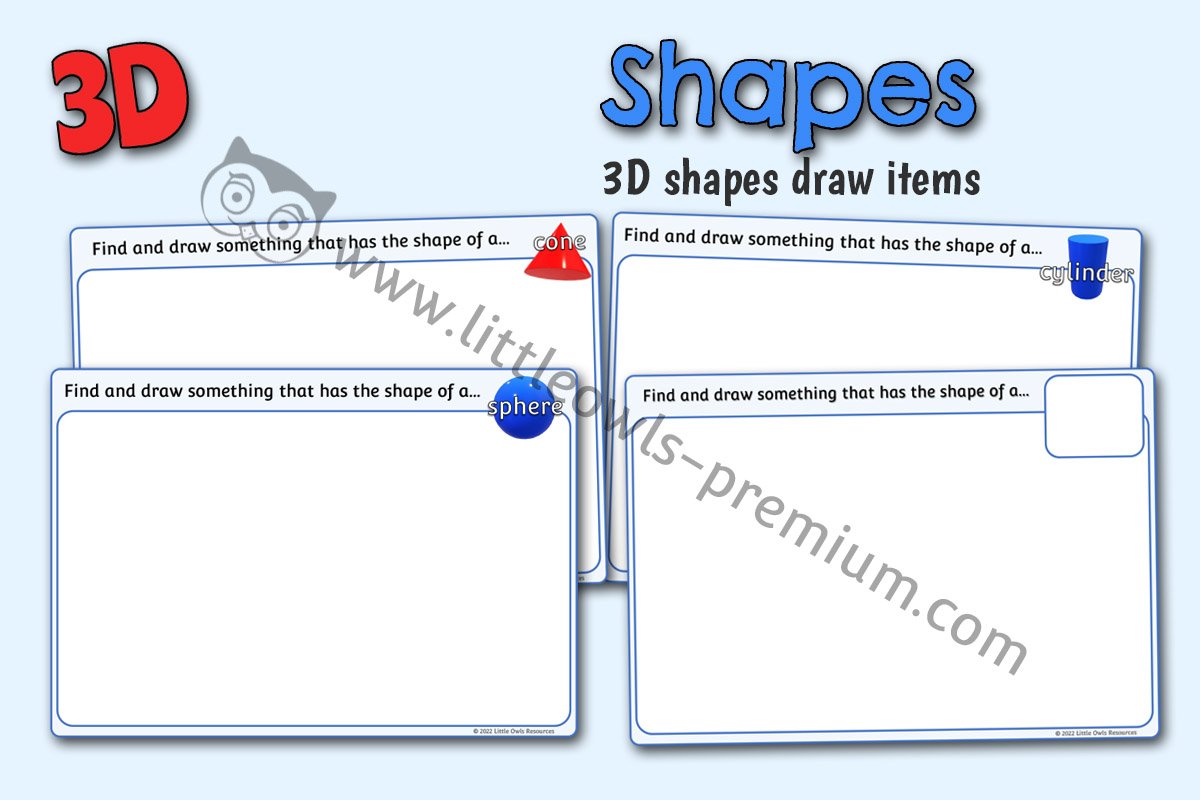
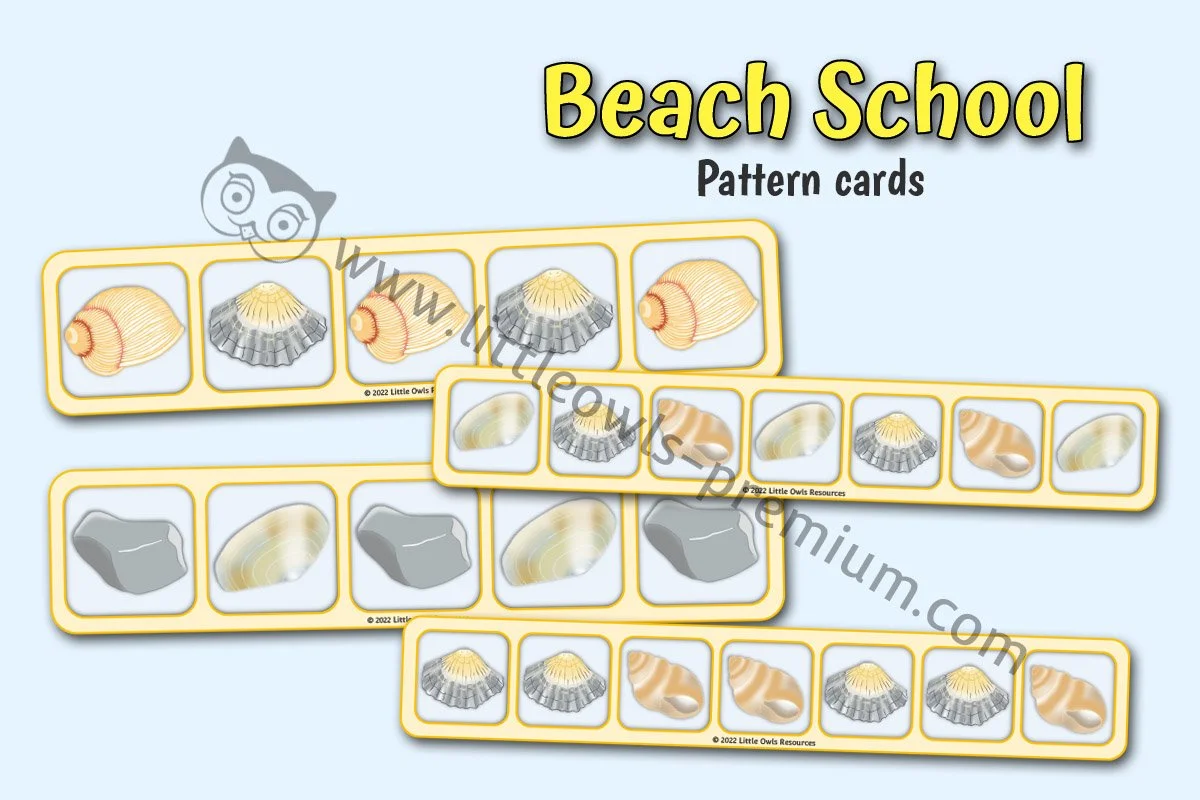
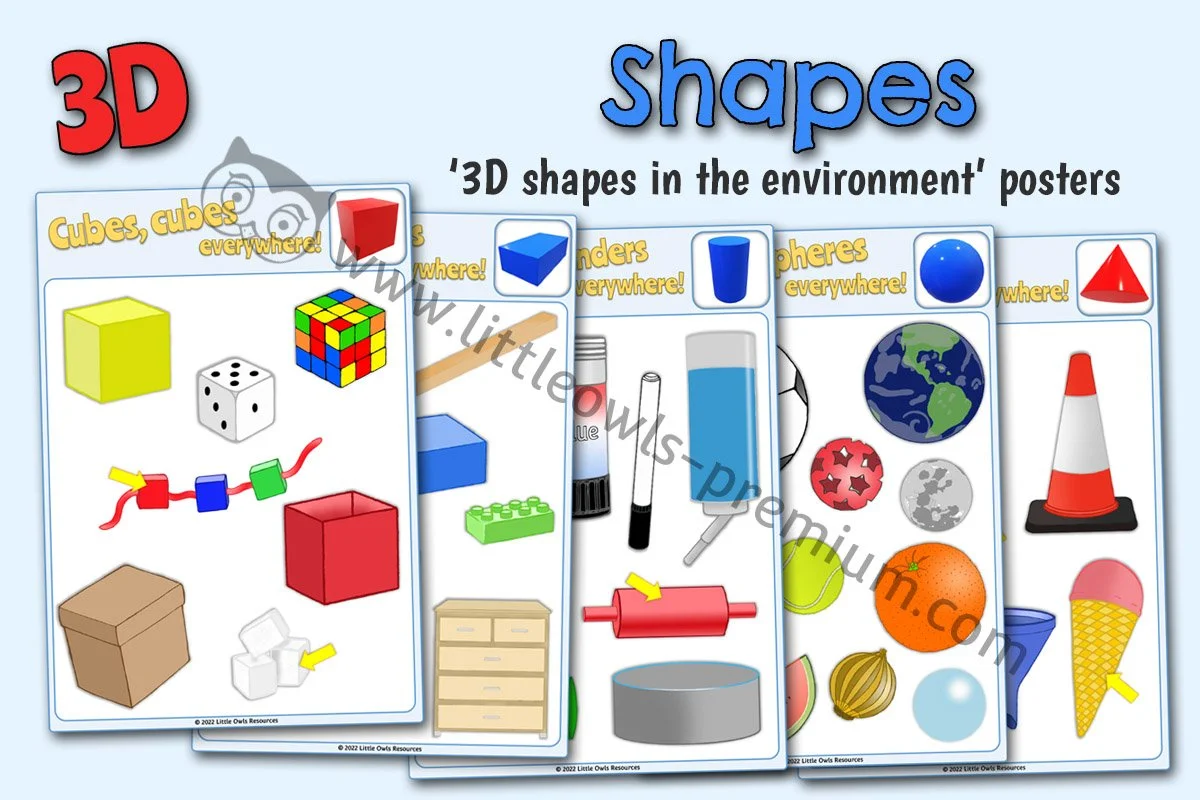
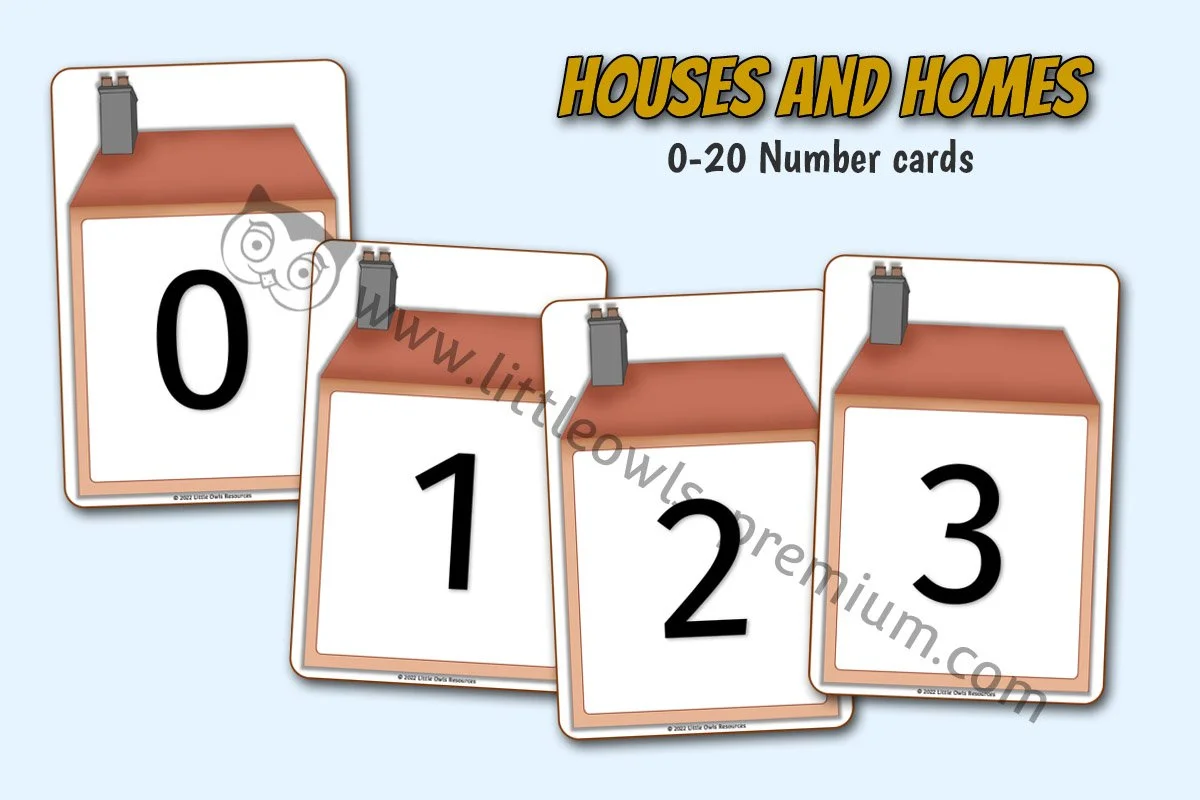
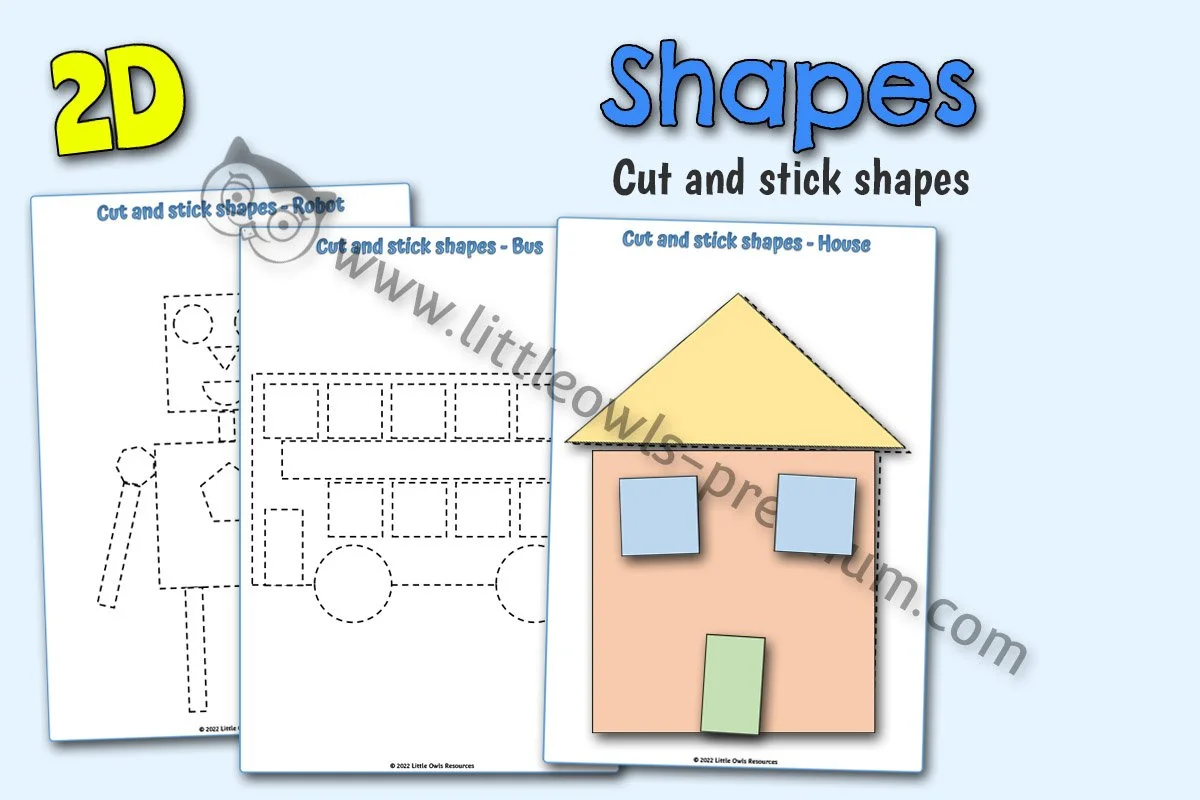
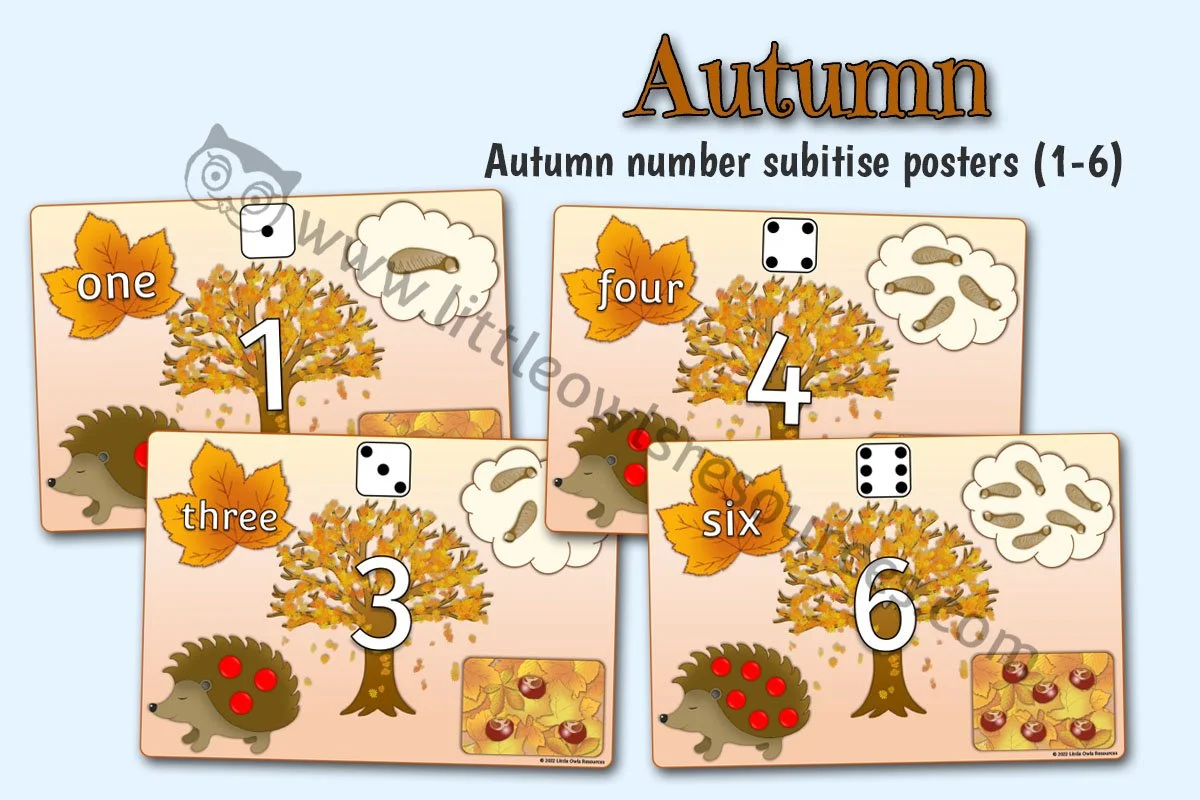
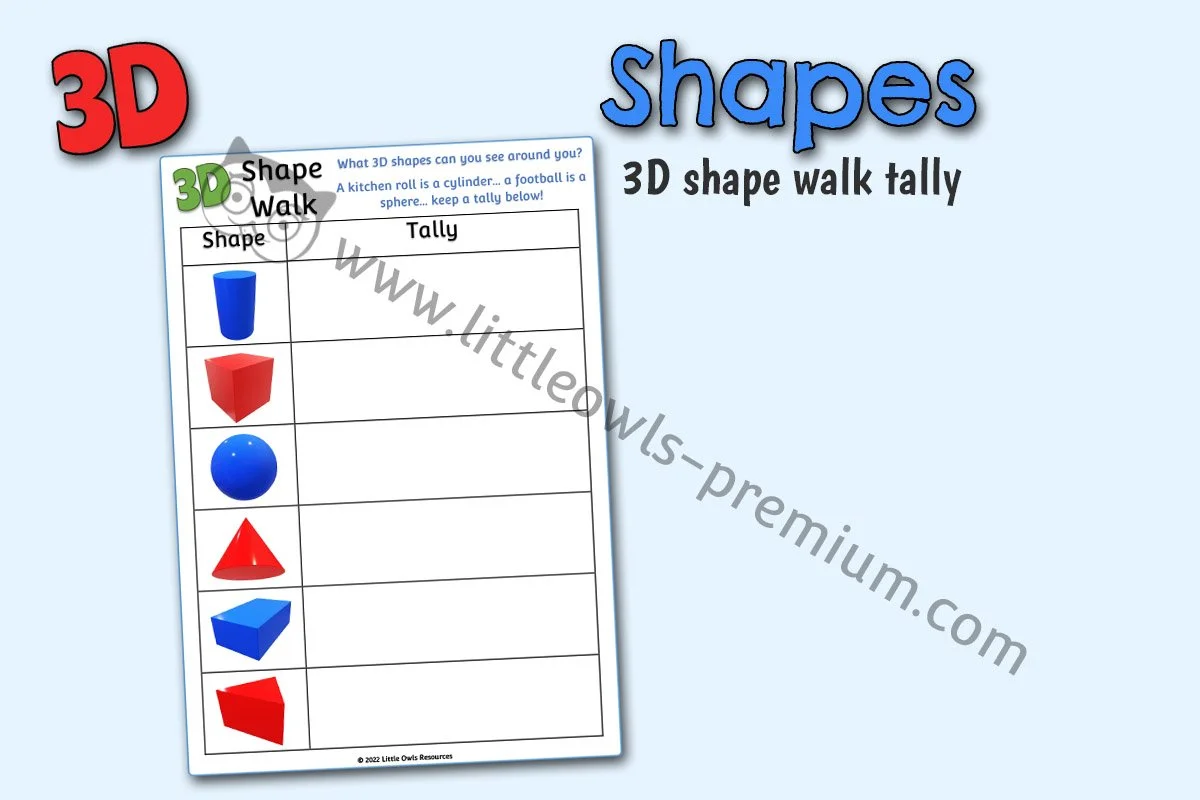
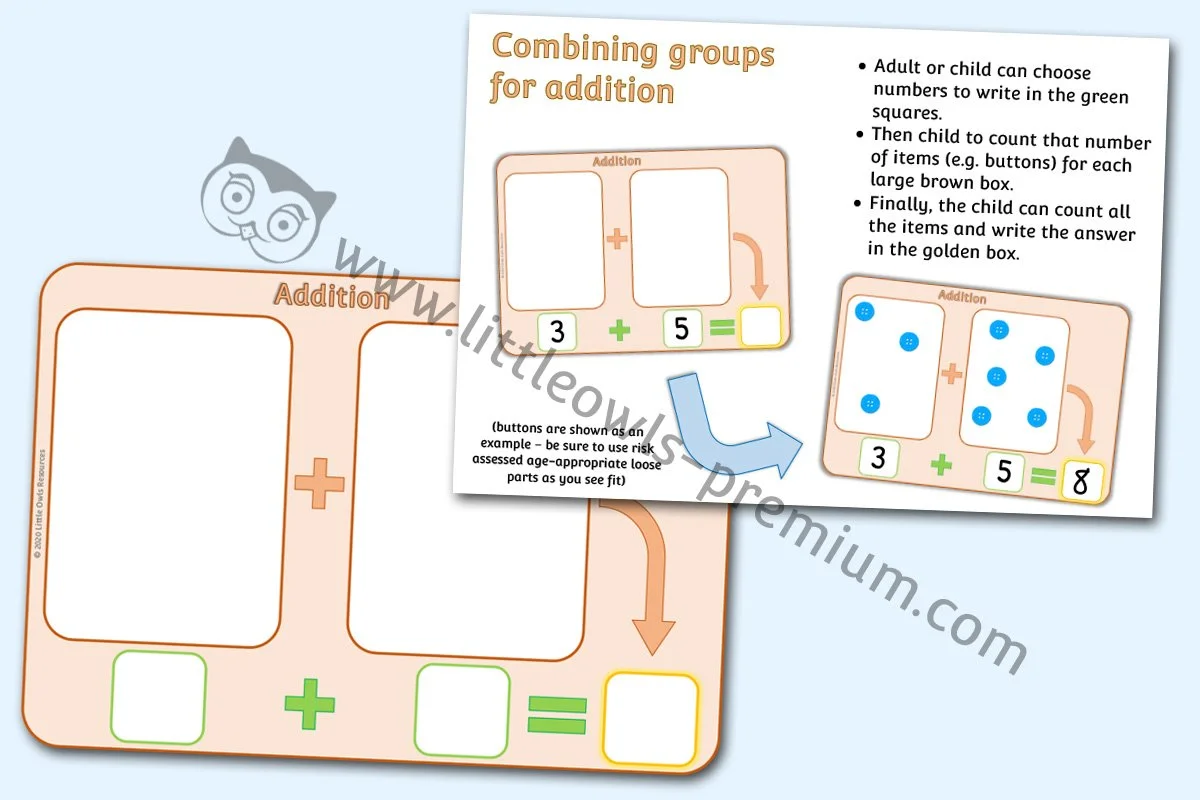
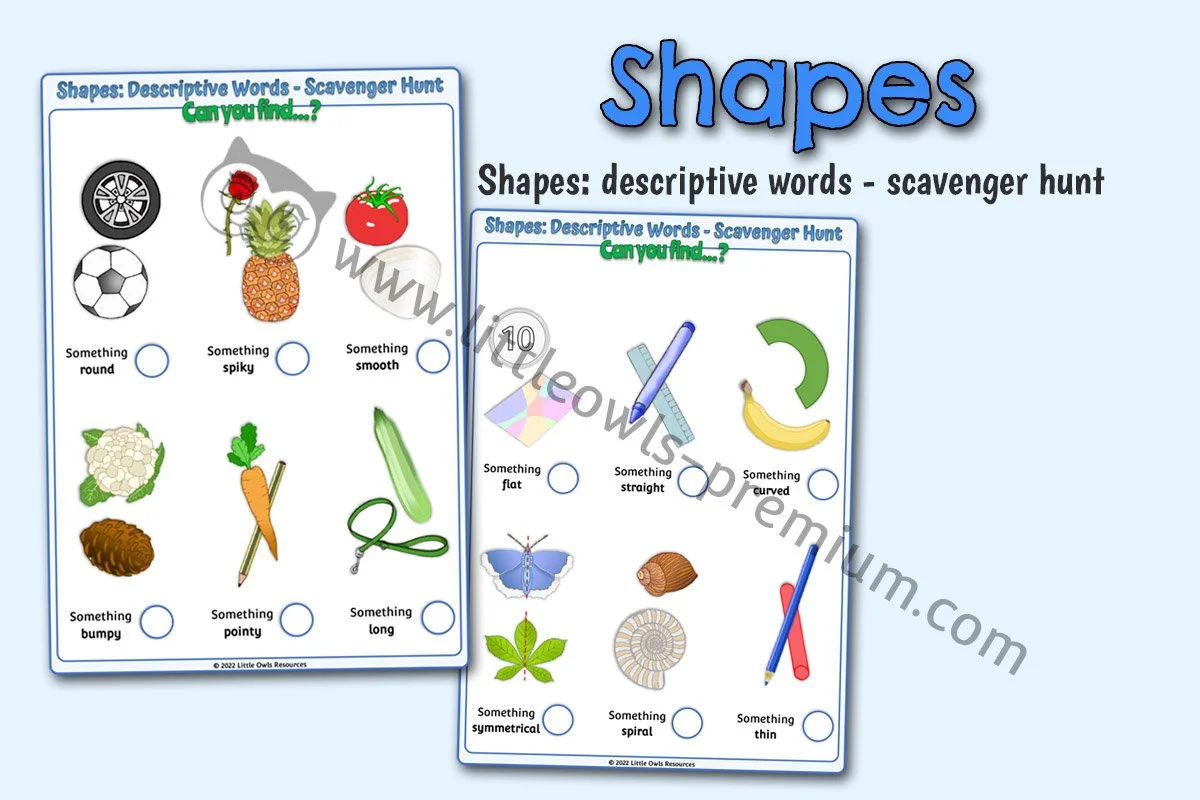
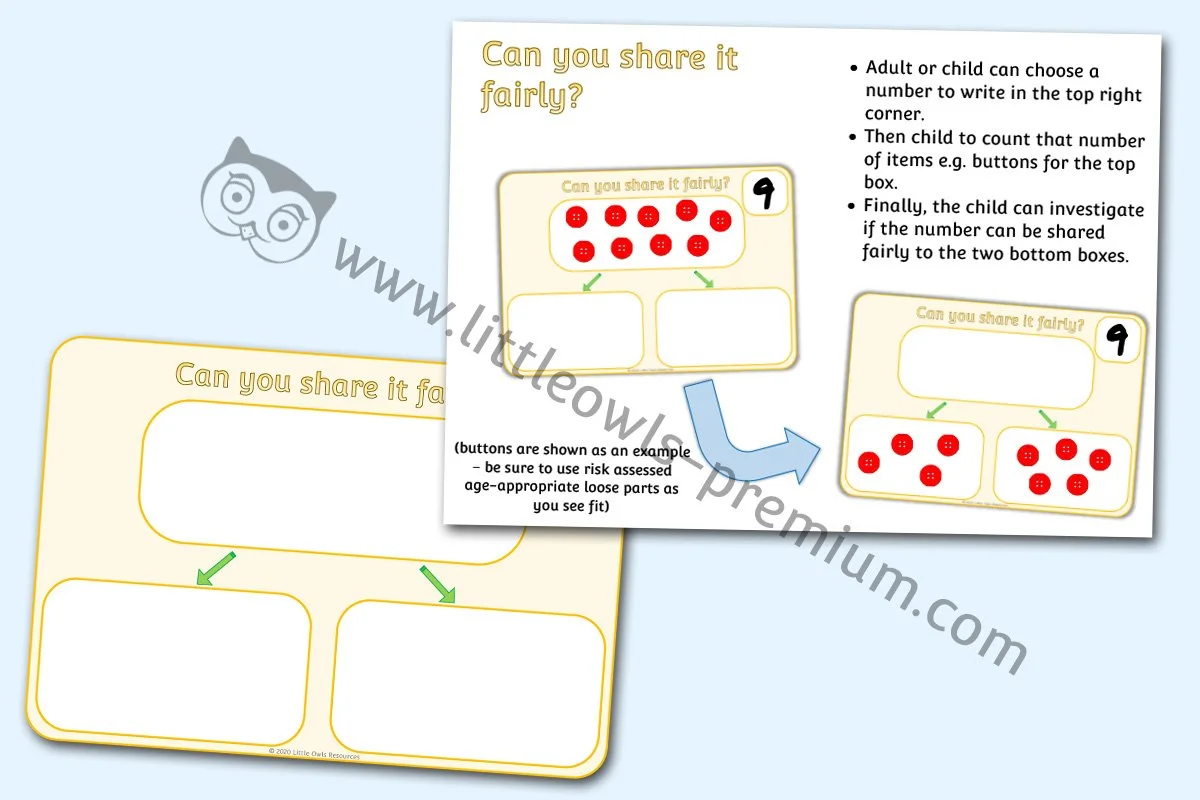
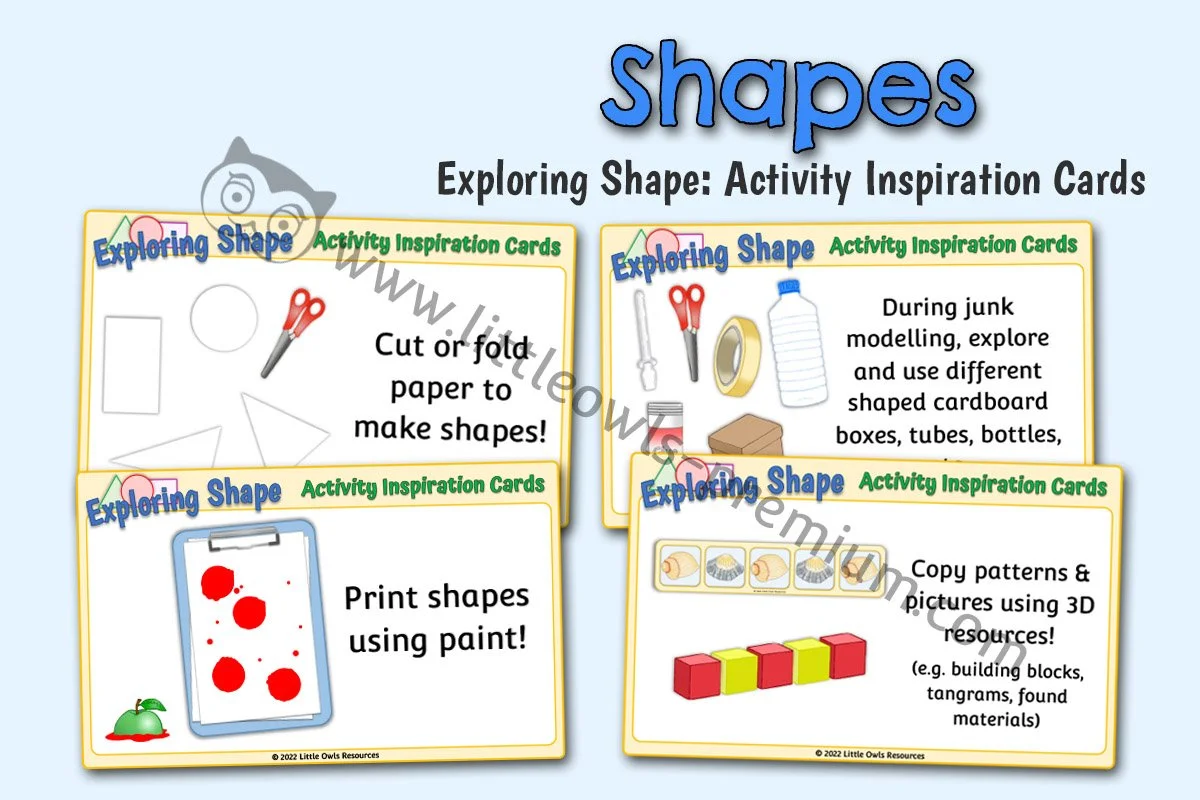
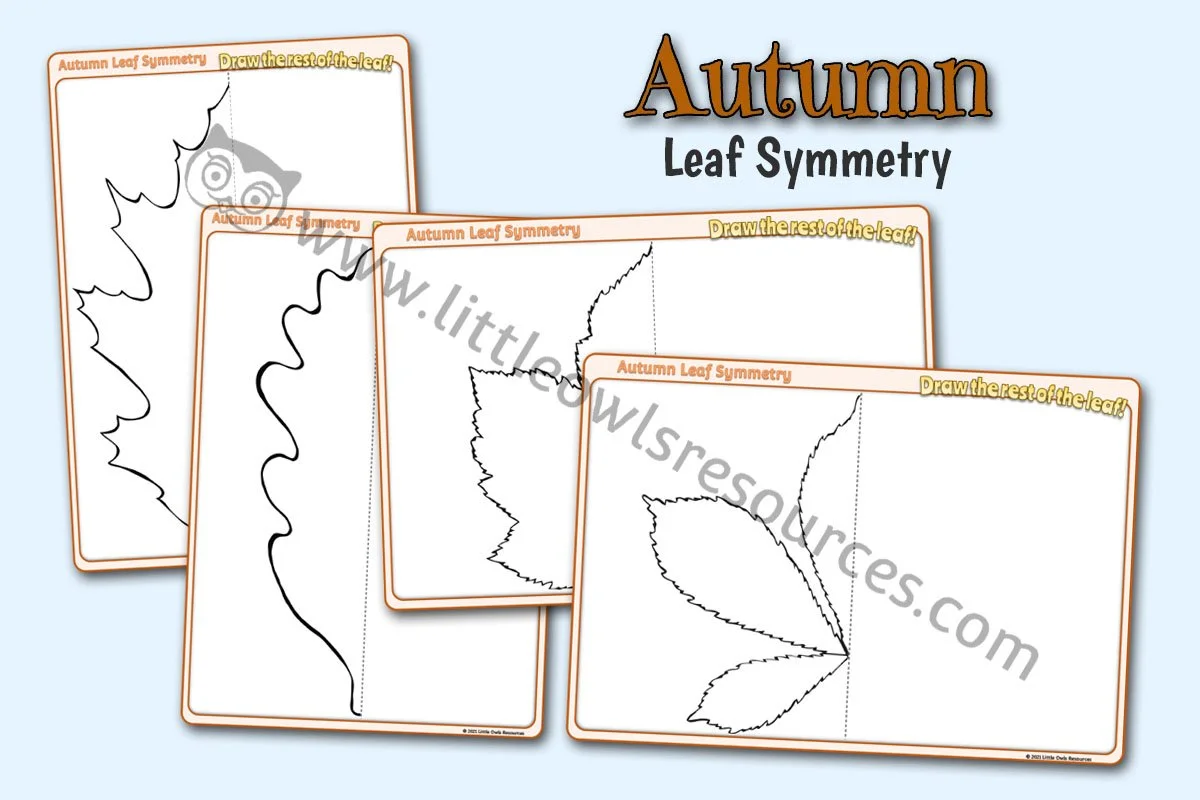
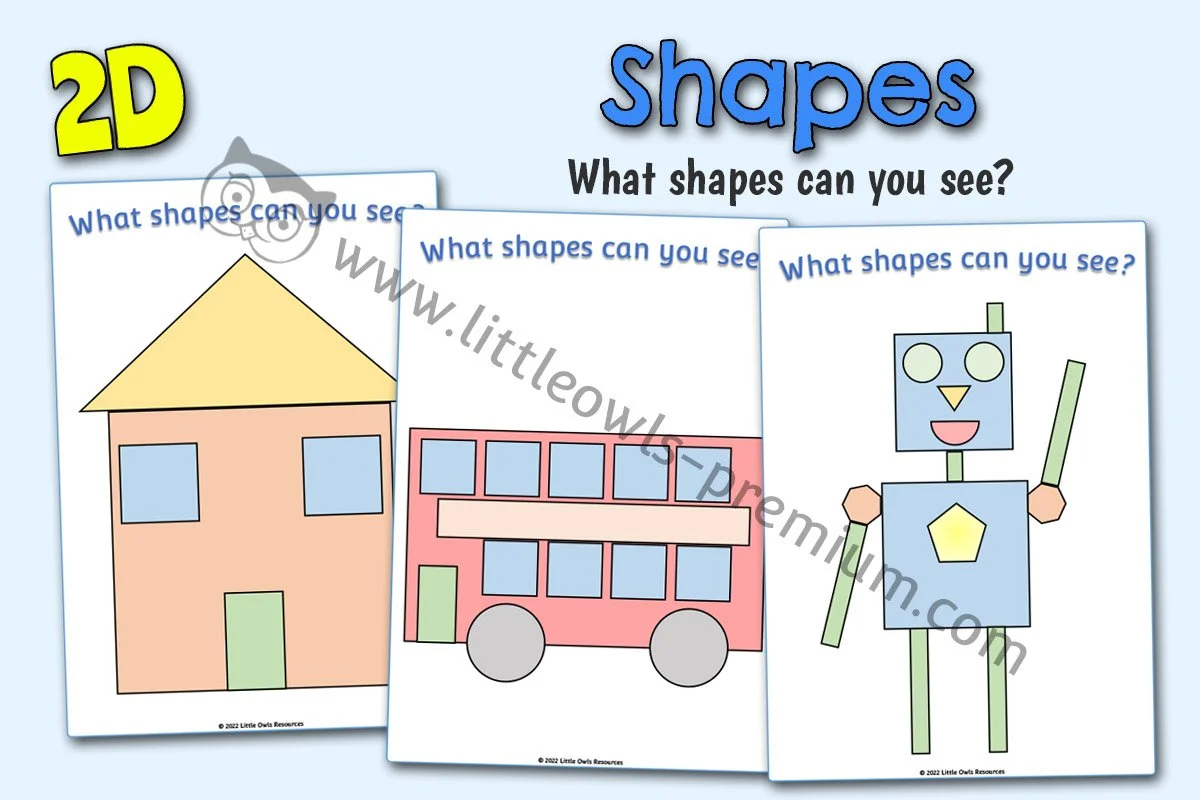
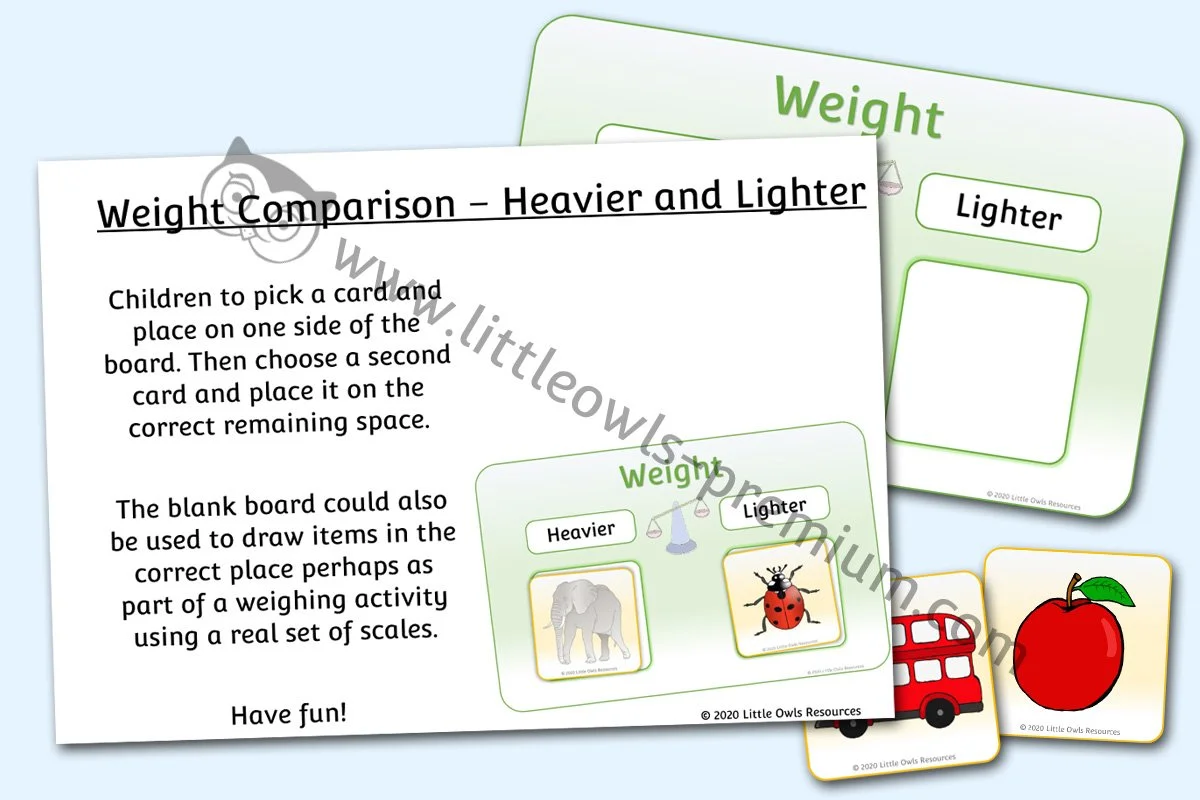
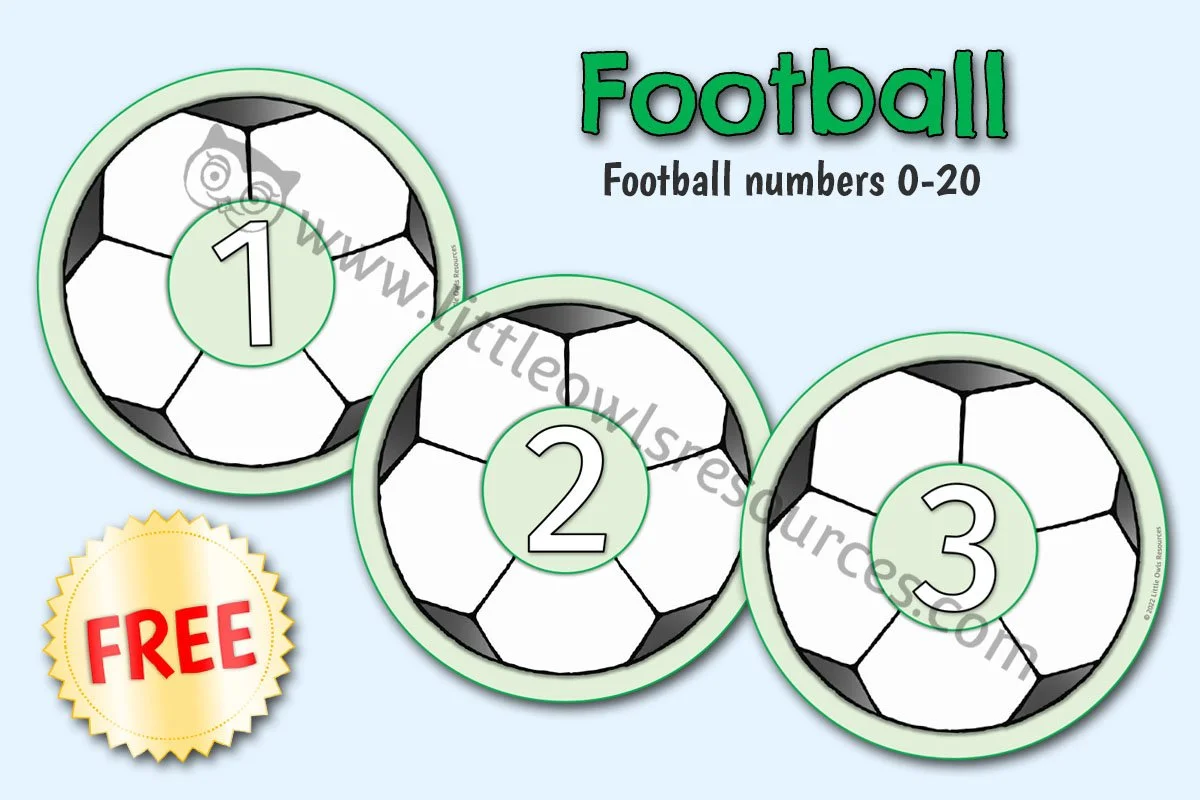
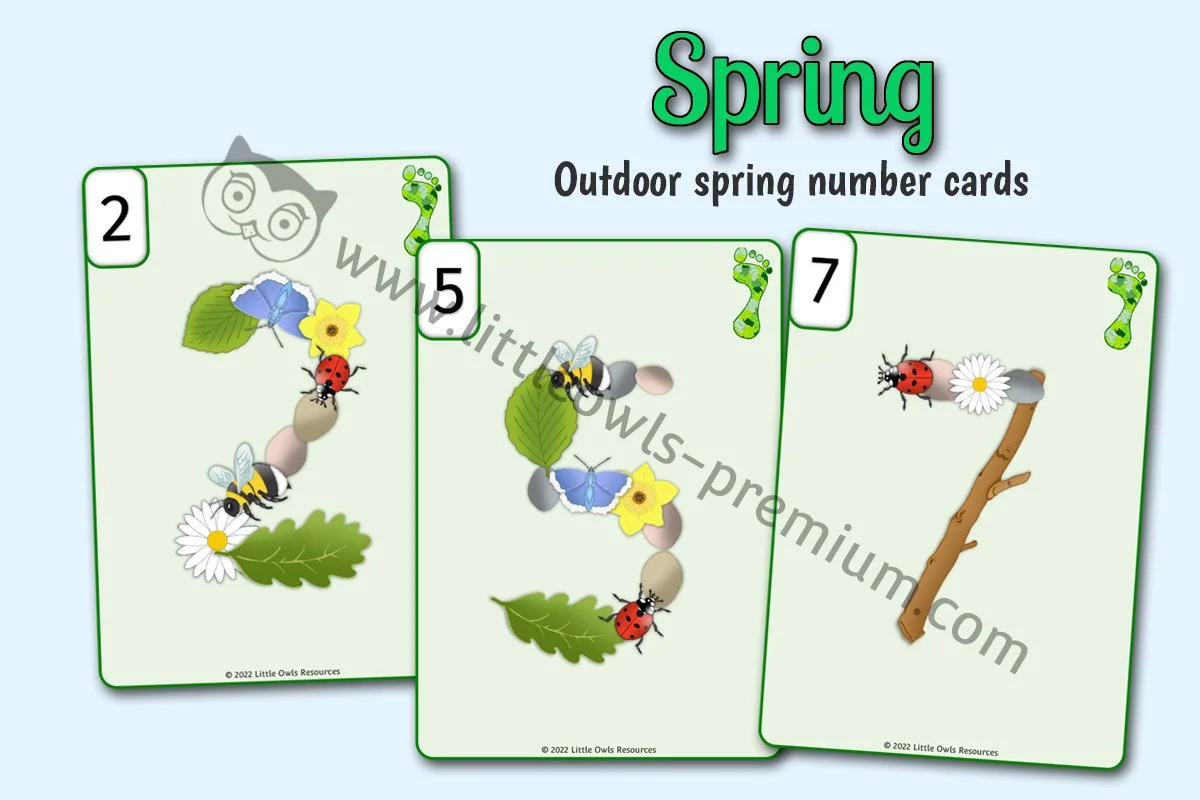
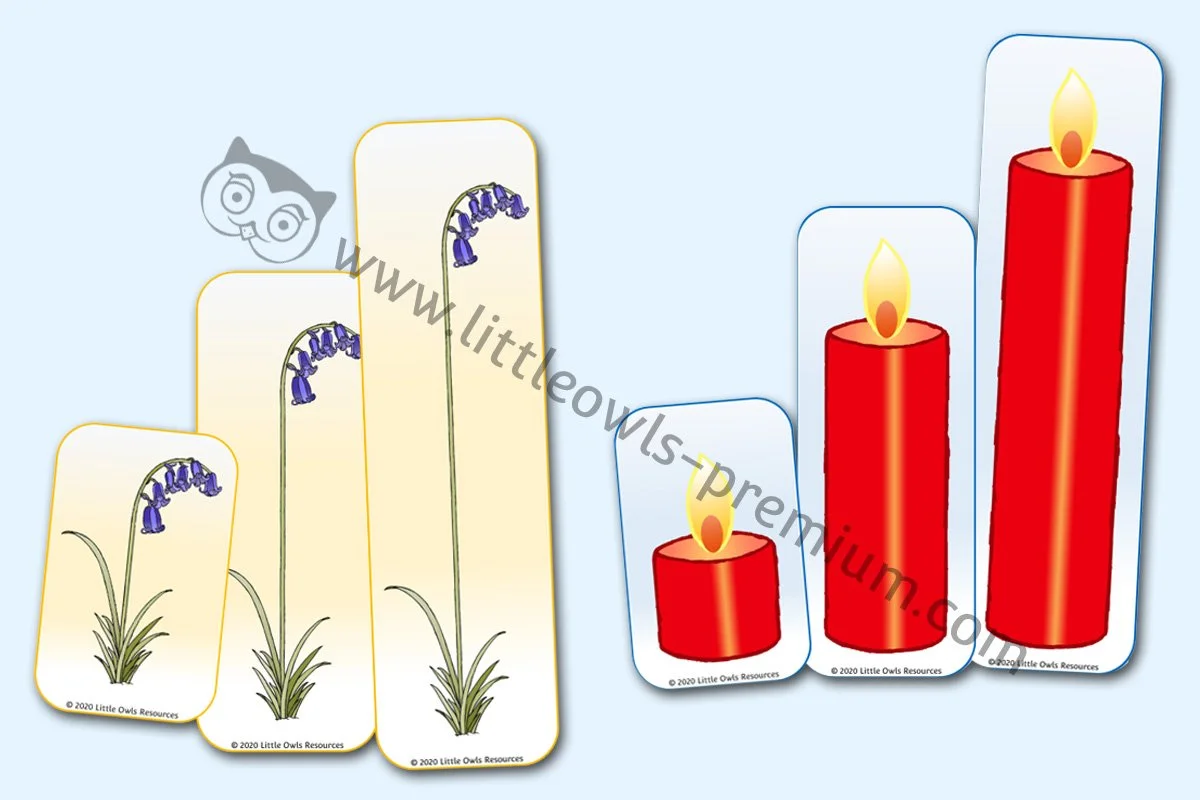
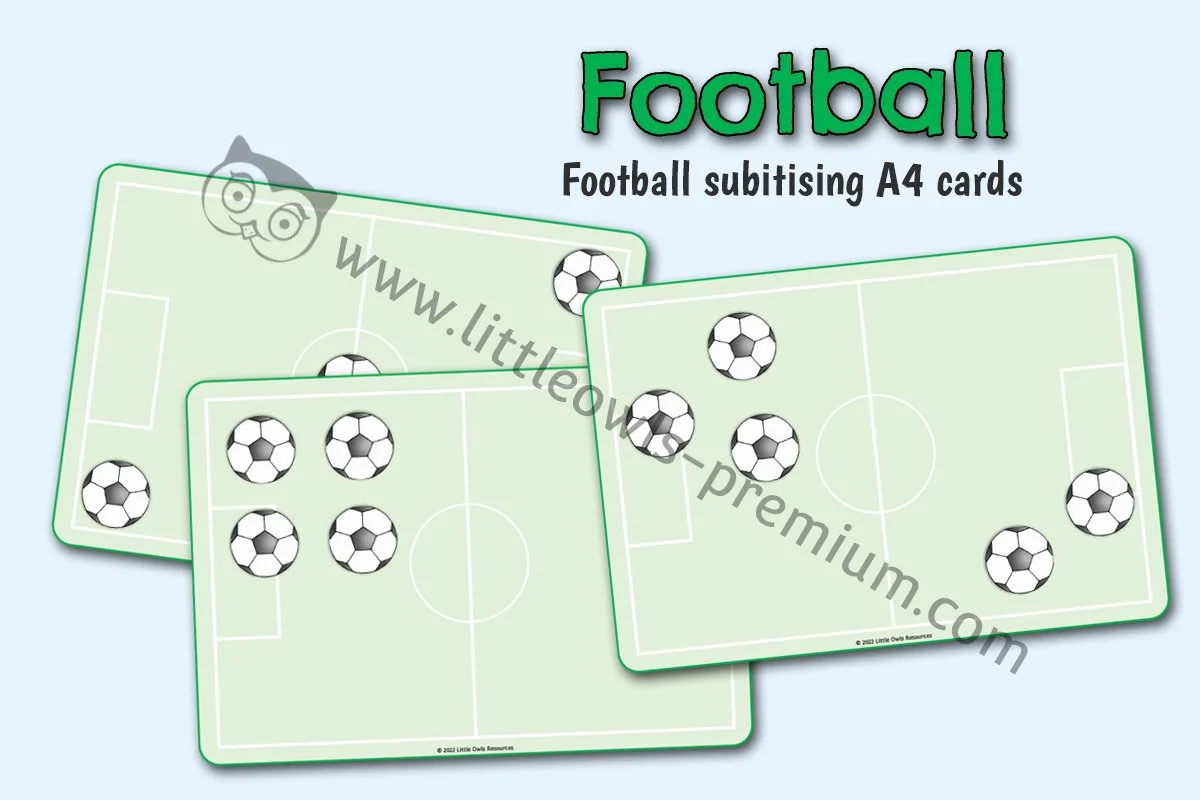
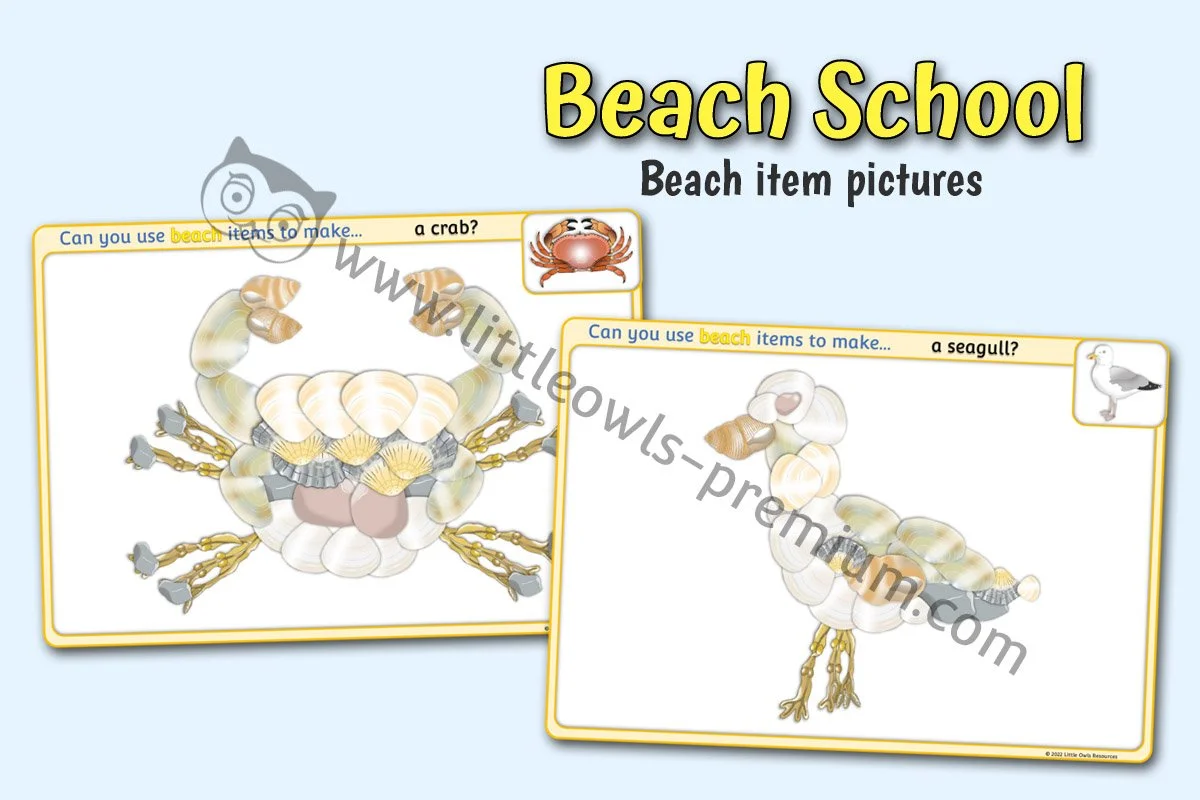
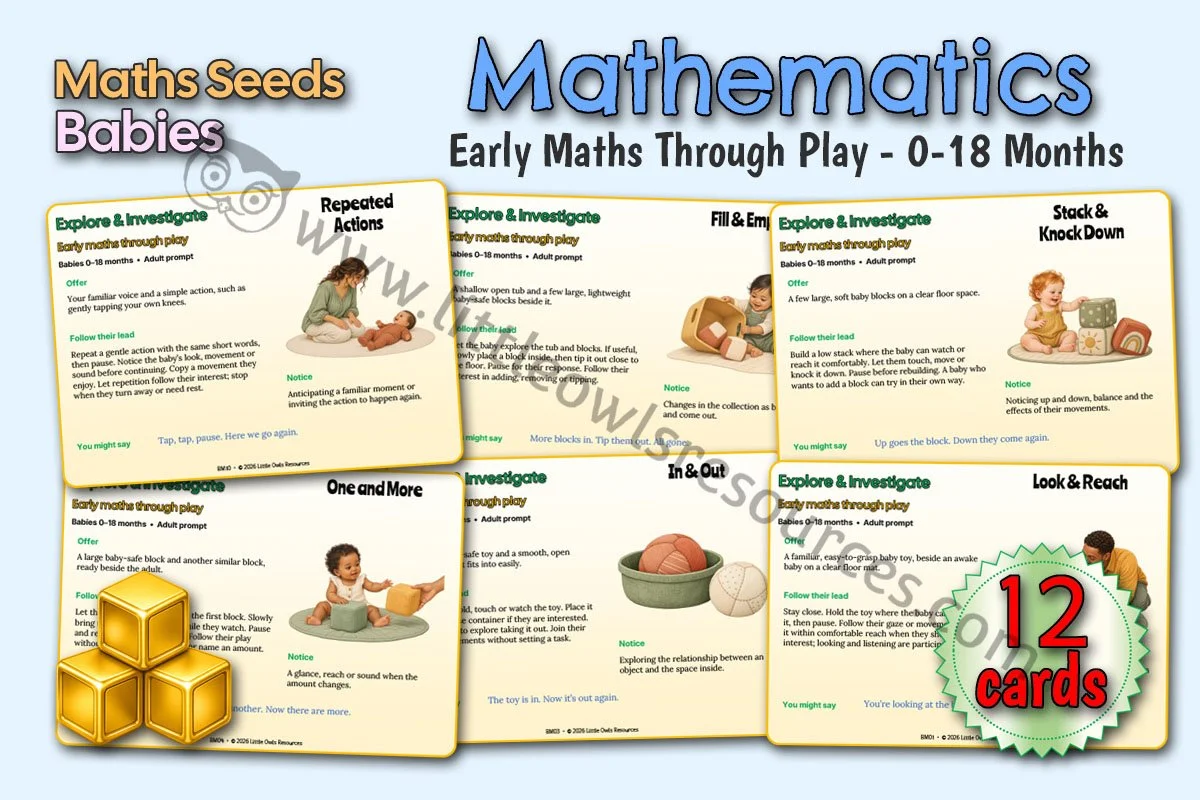
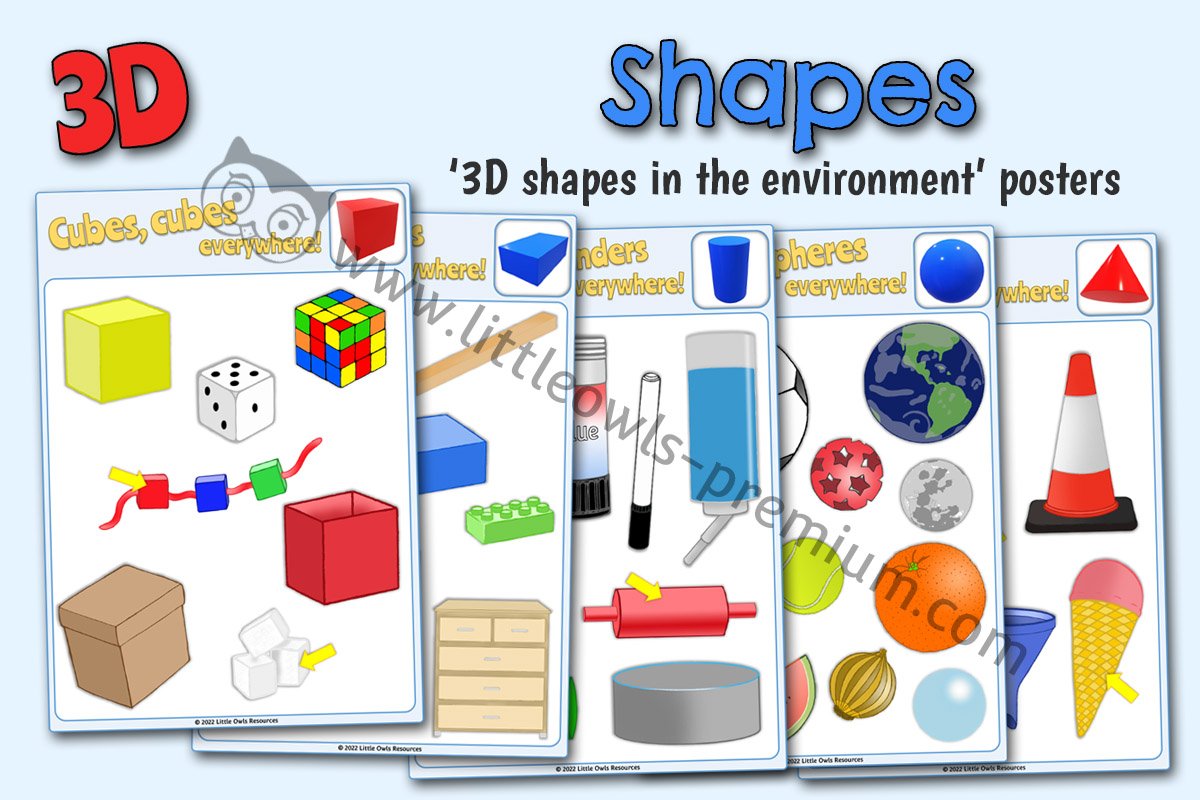
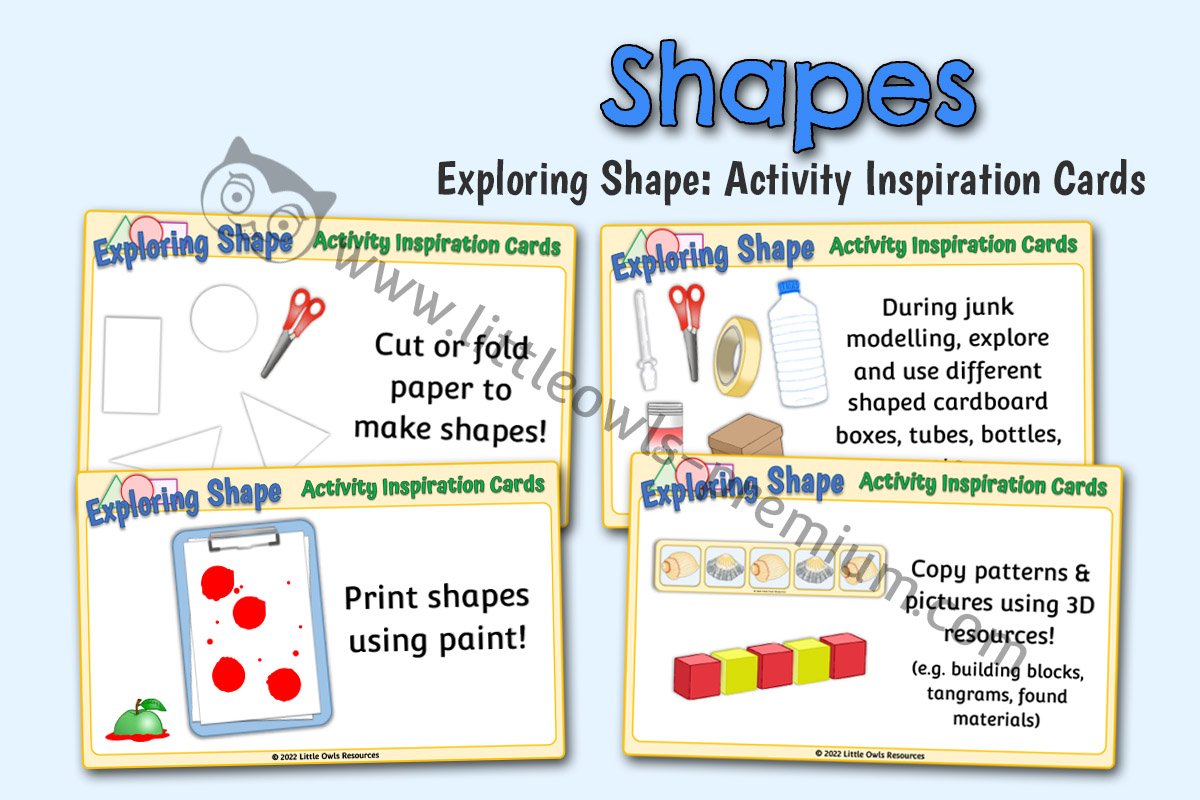
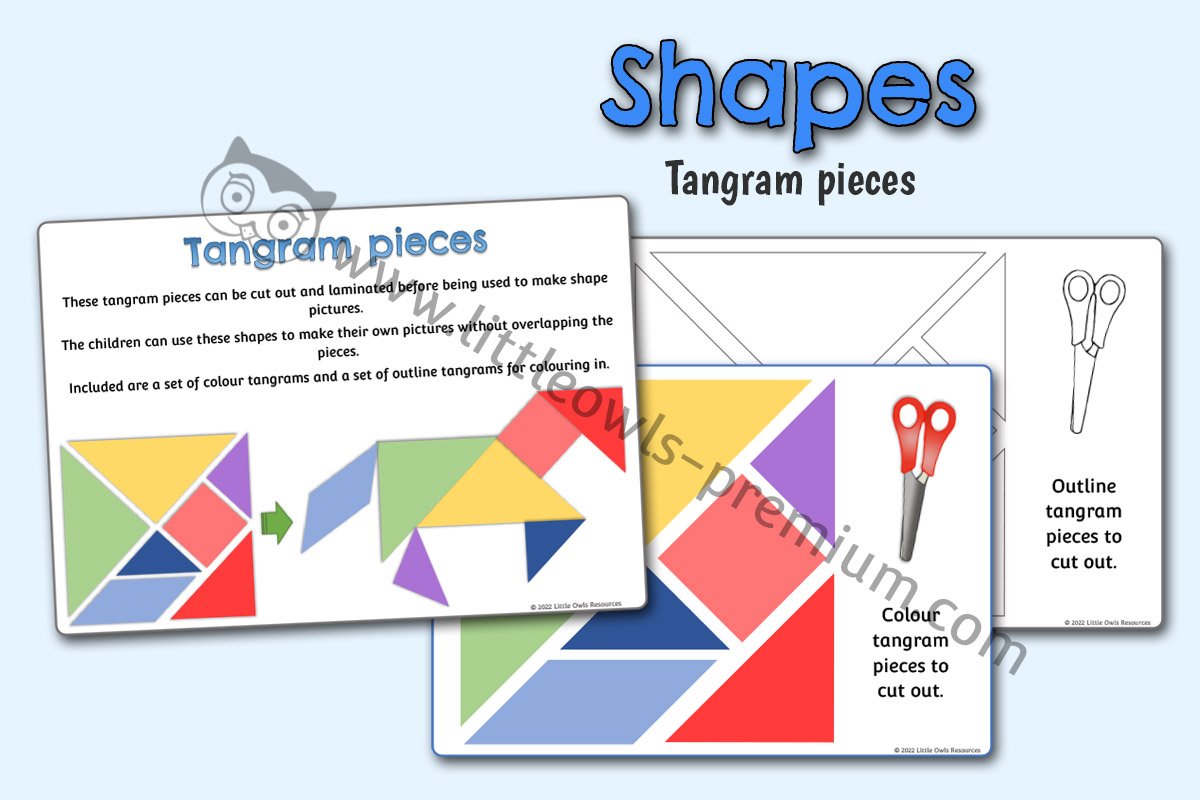
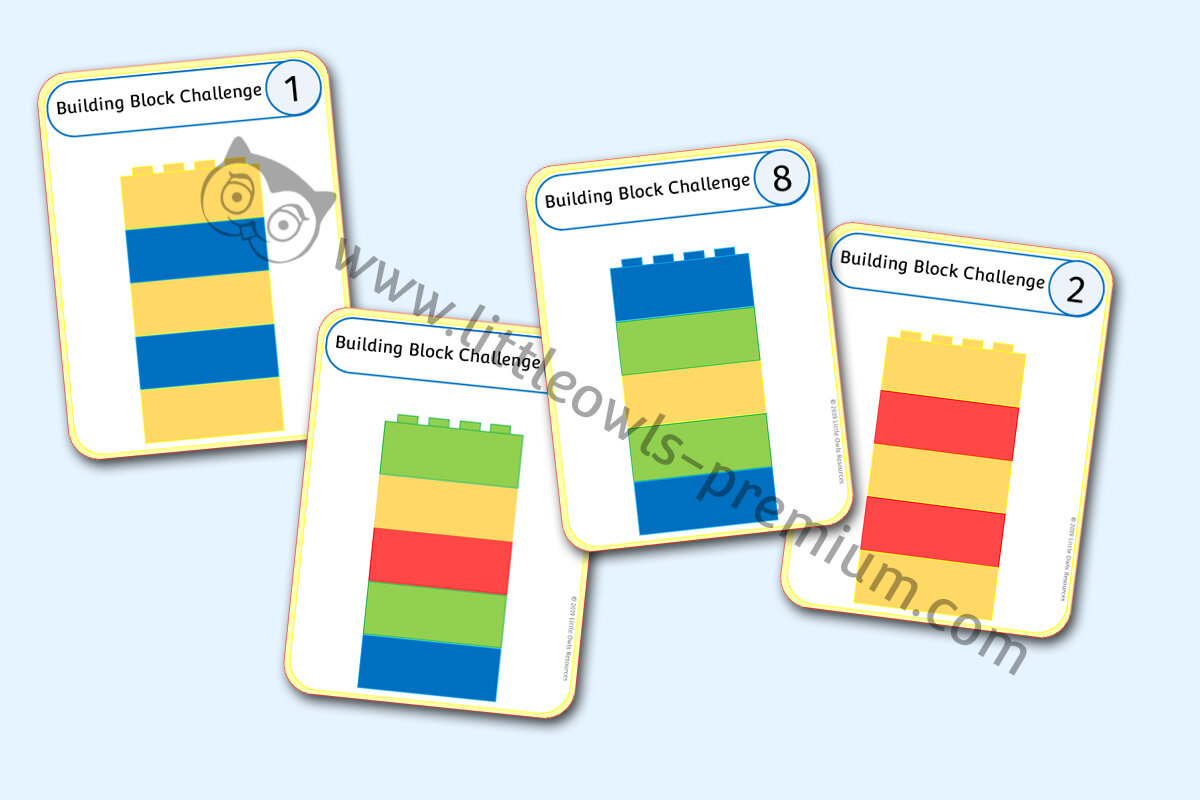
Featured above: small selection of Maths resources taken from across different areas of Little Owls Resources. Explore more below.
Home › Areas of Learning Menu ›
Mathematics activities, displays & planning ideas for reception, preschool, nurseries & childminders
Supporting children’s Mathematics development is an important part of high-quality EYFS practice. This page brings together a wide range of EYFS Mathematics printable resources, planning documents, guidance packs and play-based activity ideas for toddlers, preschool and Reception children.
Designed for nurseries, preschools, childminders and Reception classrooms, our resources help practitioners support early mathematical thinking, number sense, counting, subitising, comparing quantities, shape, space, measure, pattern and problem-solving through meaningful play and responsive adult interaction. You’ll find practical EYFS Mathematics activities, early number resources, maths planning guidance, progression tools, outdoor maths ideas and printable provision materials aligned with Development Matters and the EYFS Framework.
Whether you are looking for Reception maths planning resources, preschool small-group maths sessions, toddler early maths activities, or play-based Mathematics ideas for continuous provision, this page includes both free EYFS printable resources and professional practitioner guidance to support confident, inclusive and developmentally appropriate maths practice.
Sections on this page:
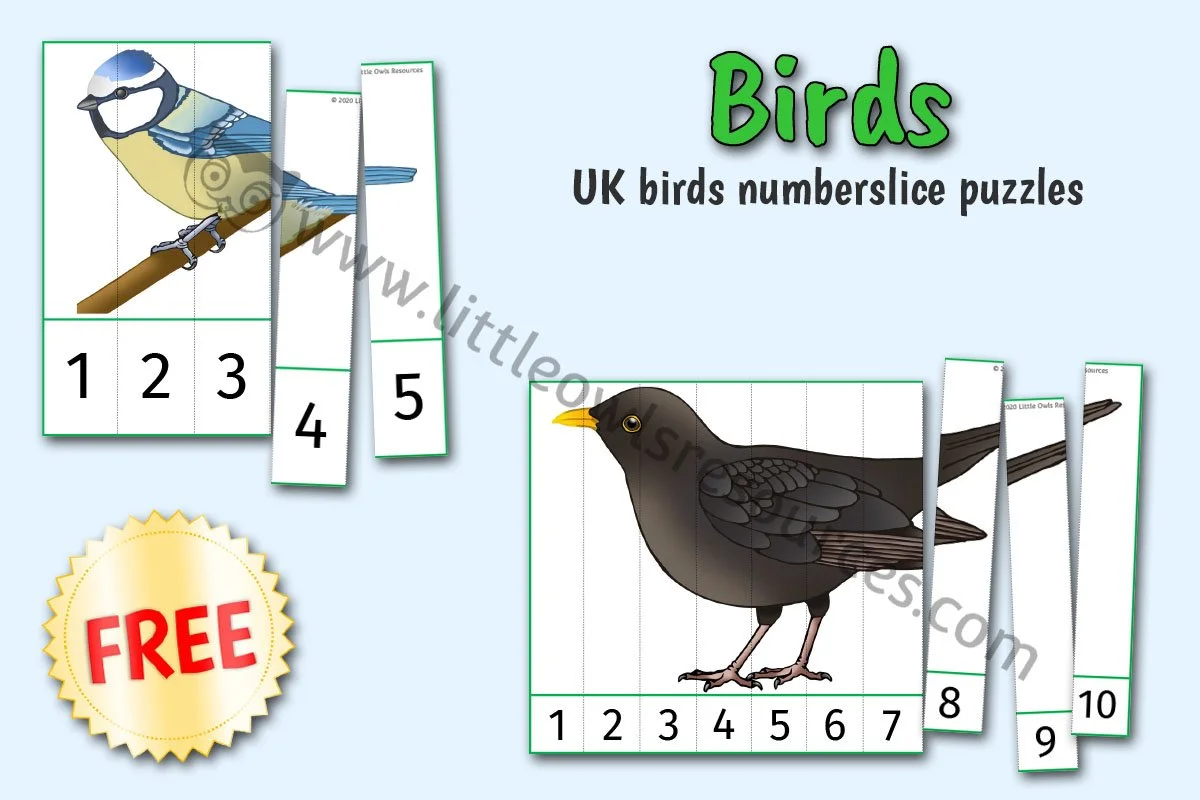
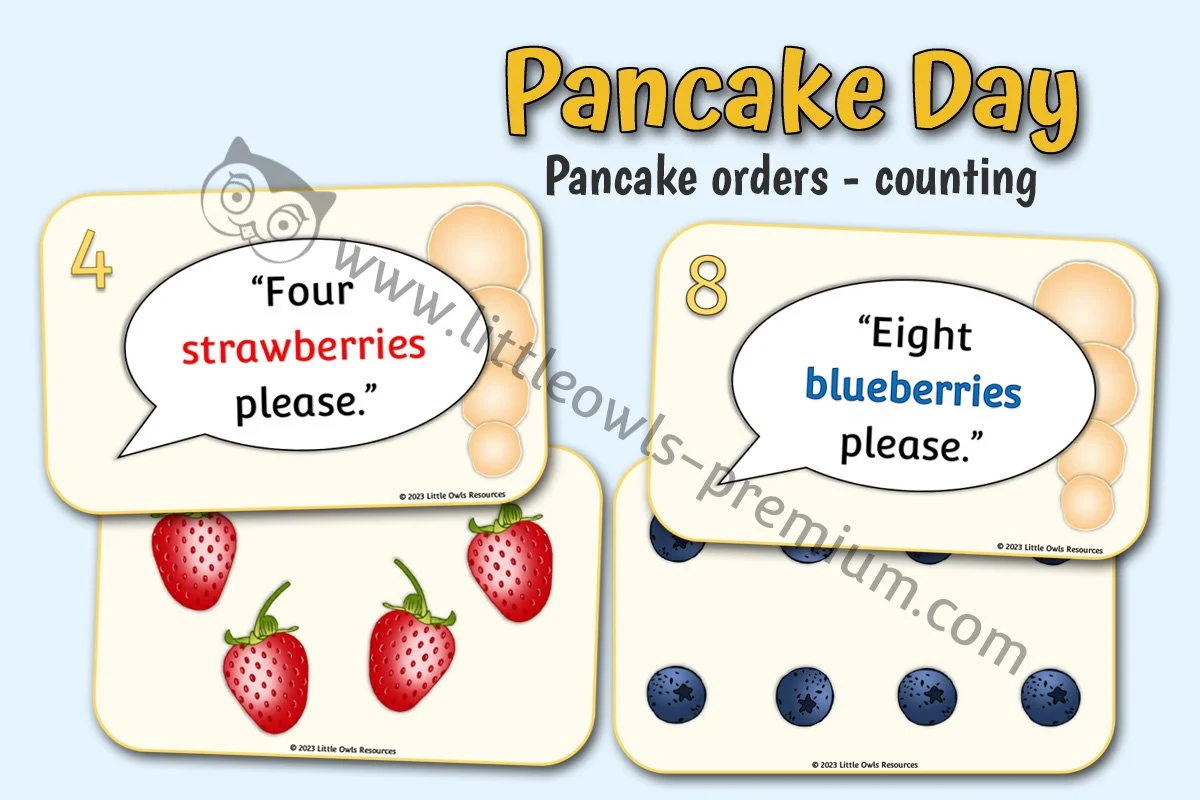
⭐ Free Sample ‘Maths’ Resources
📘 Core Guidance Surrounding ‘Mathematics’ Planning & Provision
What do we mean by ‘Mathematics’? | What High-Quality Mathematics Practice Looks Like | Mathematics Progression in EYFS | Mathematics within Continuous Provision Enhancements | Inclusive Mathematics Practice | SEND & EAL | Mathematics and the Other Areas of Learning
🧺 Maths Continuous Provision
🖨️ Printable Provision Resources - Search by:
✨ Top Picks
🌱 Age
🔤 Key Areas, Words & Phrases
🗂️ Themes & Topics
📝 Planning Resources
📌 Featured Planning Resources
💡 Development Matters Examples of How to Support ‘Mathematics’
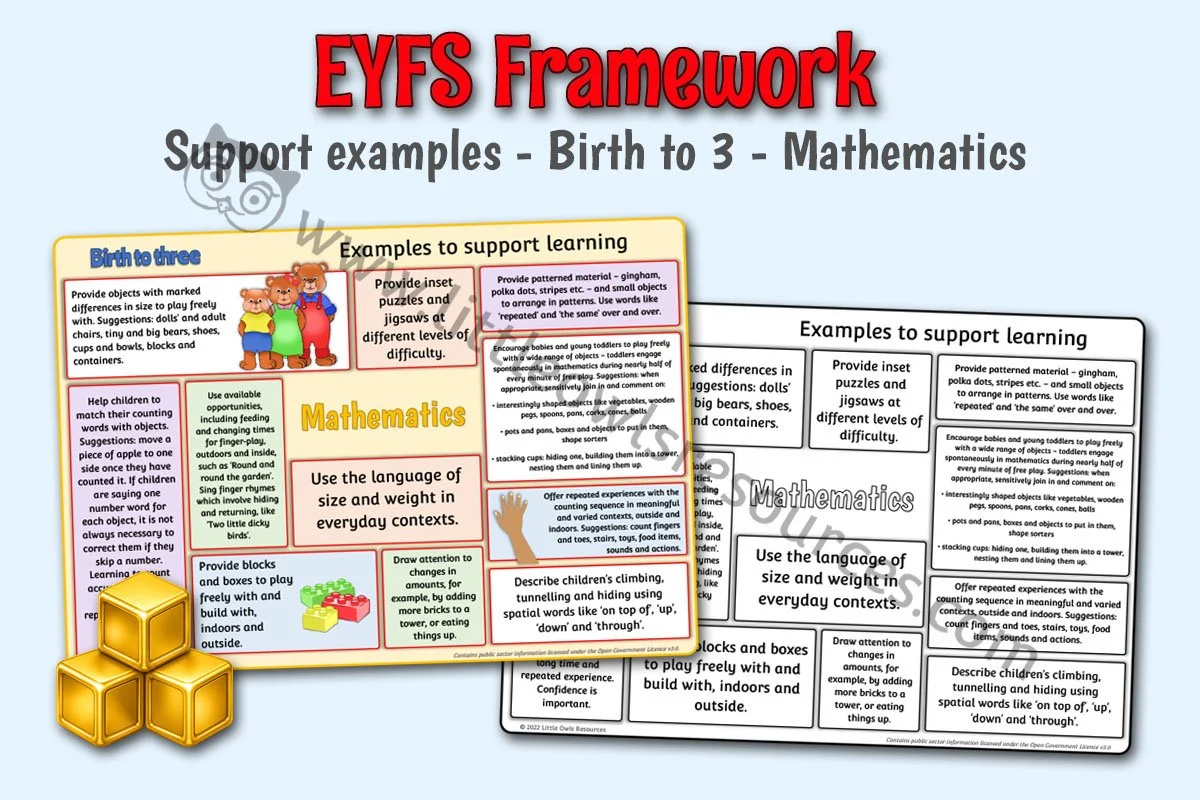
Birth to 3
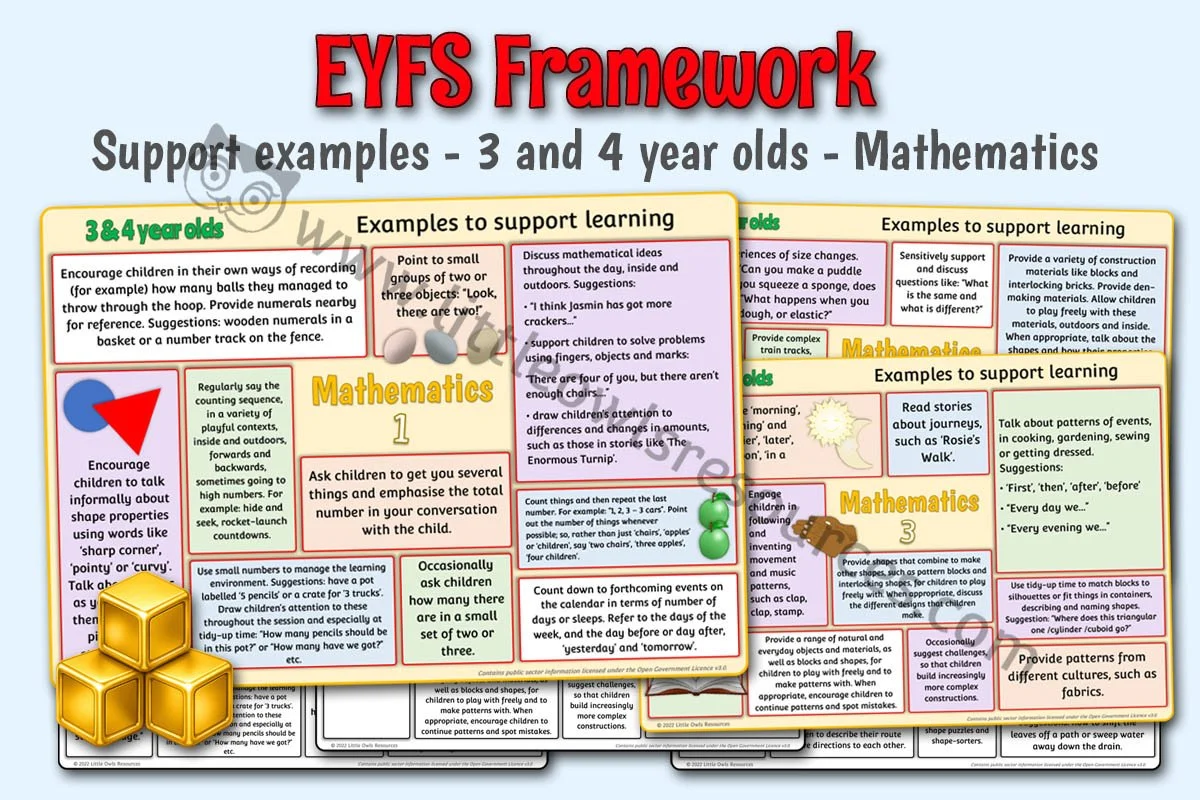
3 and 4 Year Olds
Reception
🧭 Age-Specific Curriculum & Pedagogy Planning Support for ‘Mathematics’
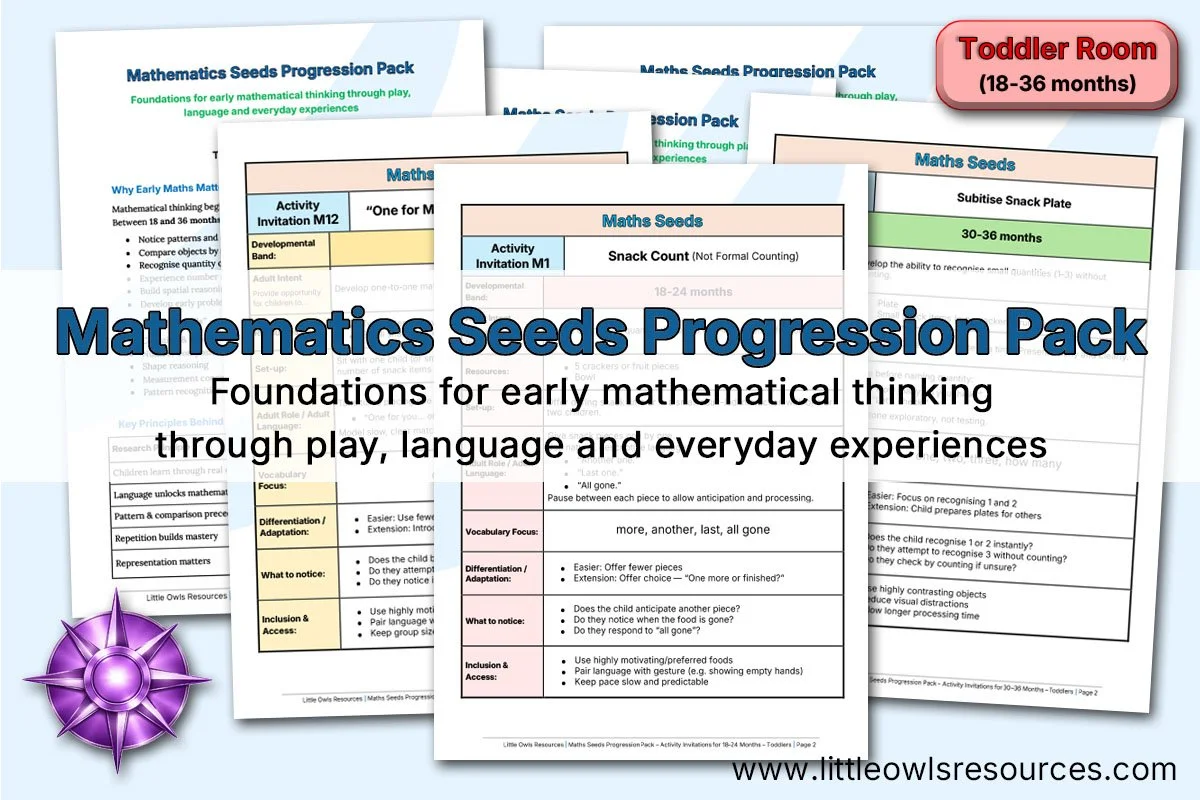
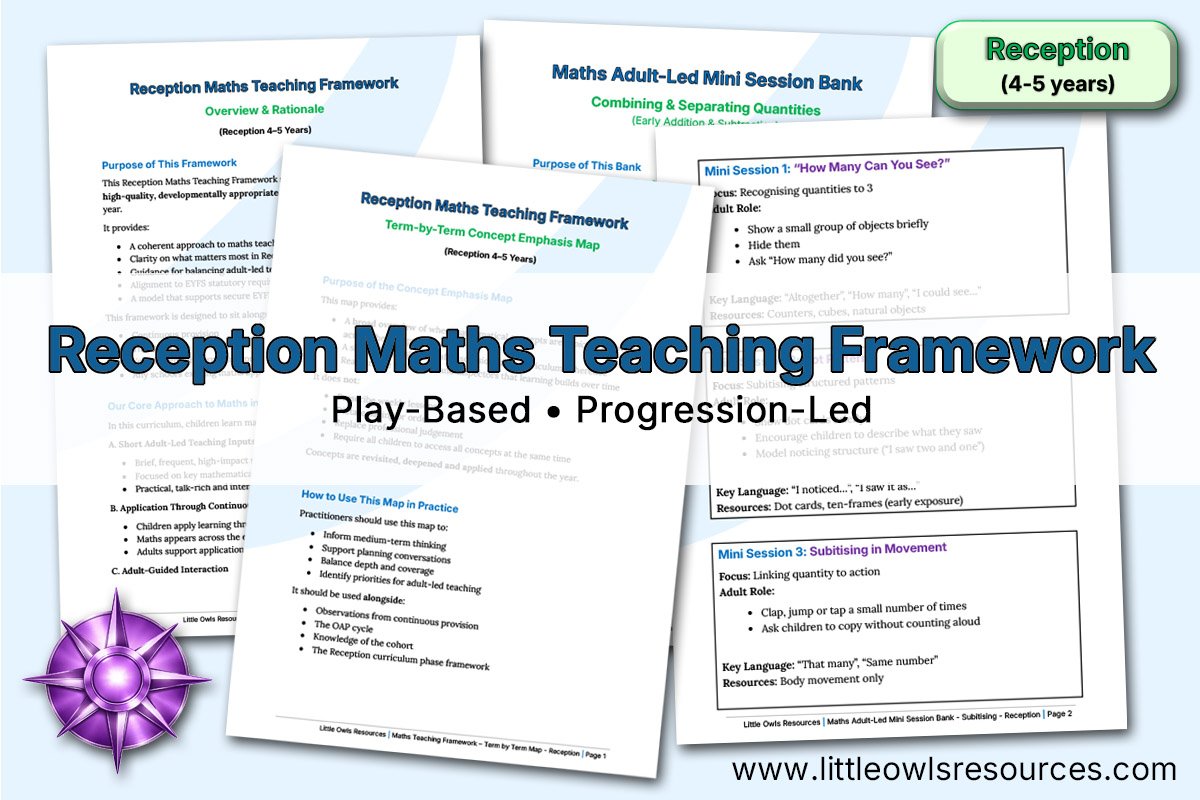
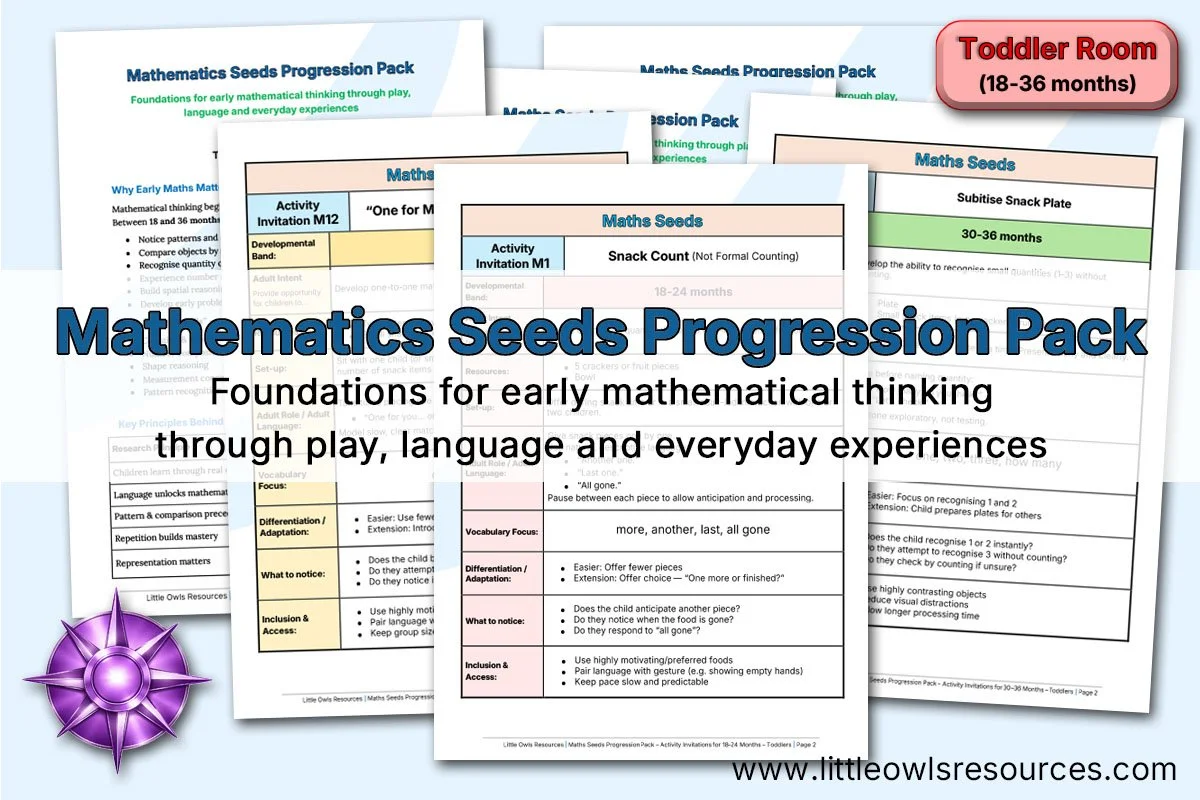
Guidance Documents, Session Banks, Skills Progression Ladders, Mathematics Seeds Progression Pack, Reception Maths Teaching Framework
🏡 Age-Specific Ideas & Guidance
➕ Further Support
❓ Frequently Asked Questions
🧰 Additional ‘Maths’ Tools & Guidance
🌈 Additional Areas of Learning
🔐 Find out more about ‘Membership Options’
🏫 KS1 Mathematics
⭐ Free EYFS ‘Mathematics’ Printable Resources
(Click on the images below to find out more)

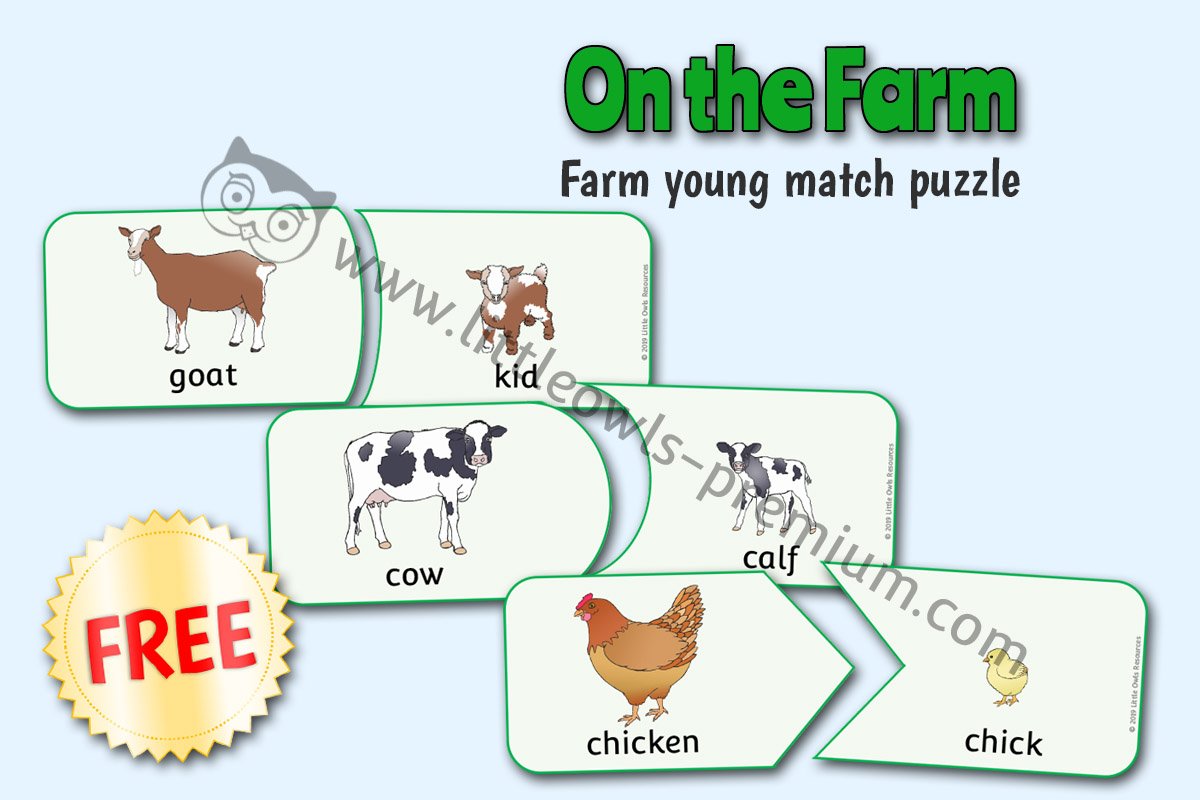

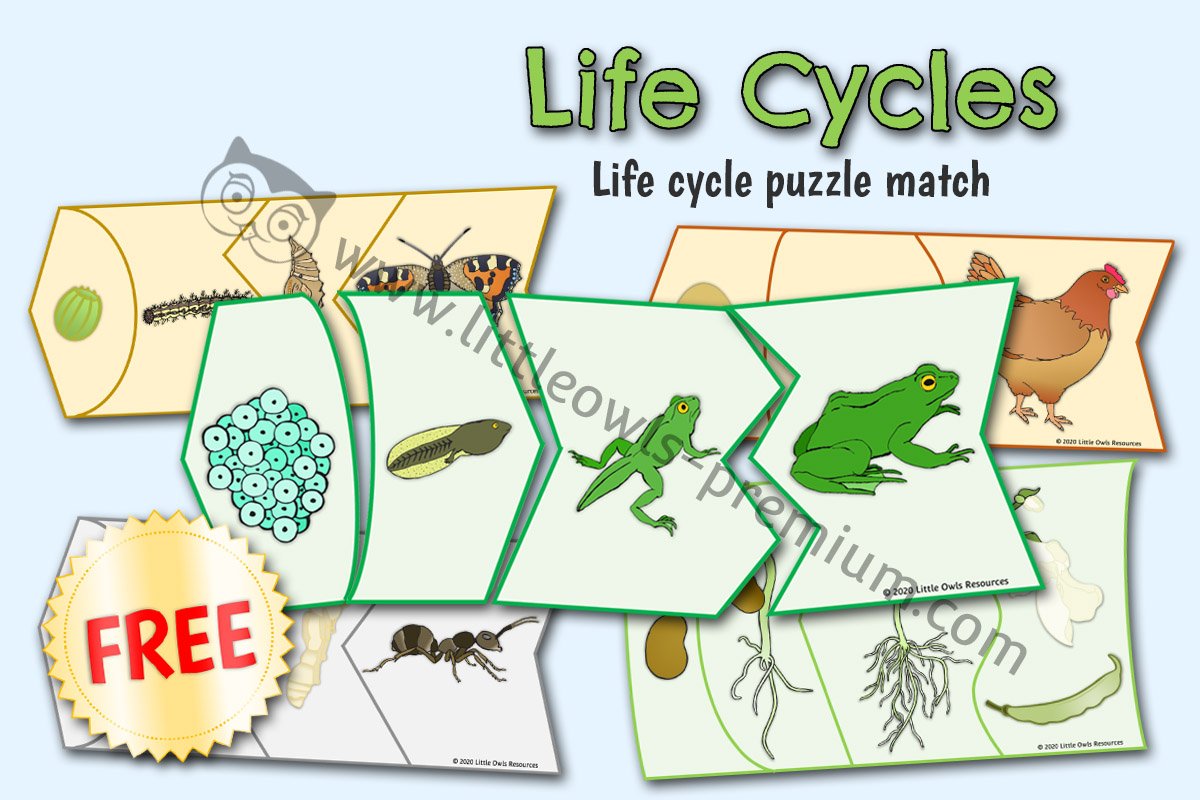
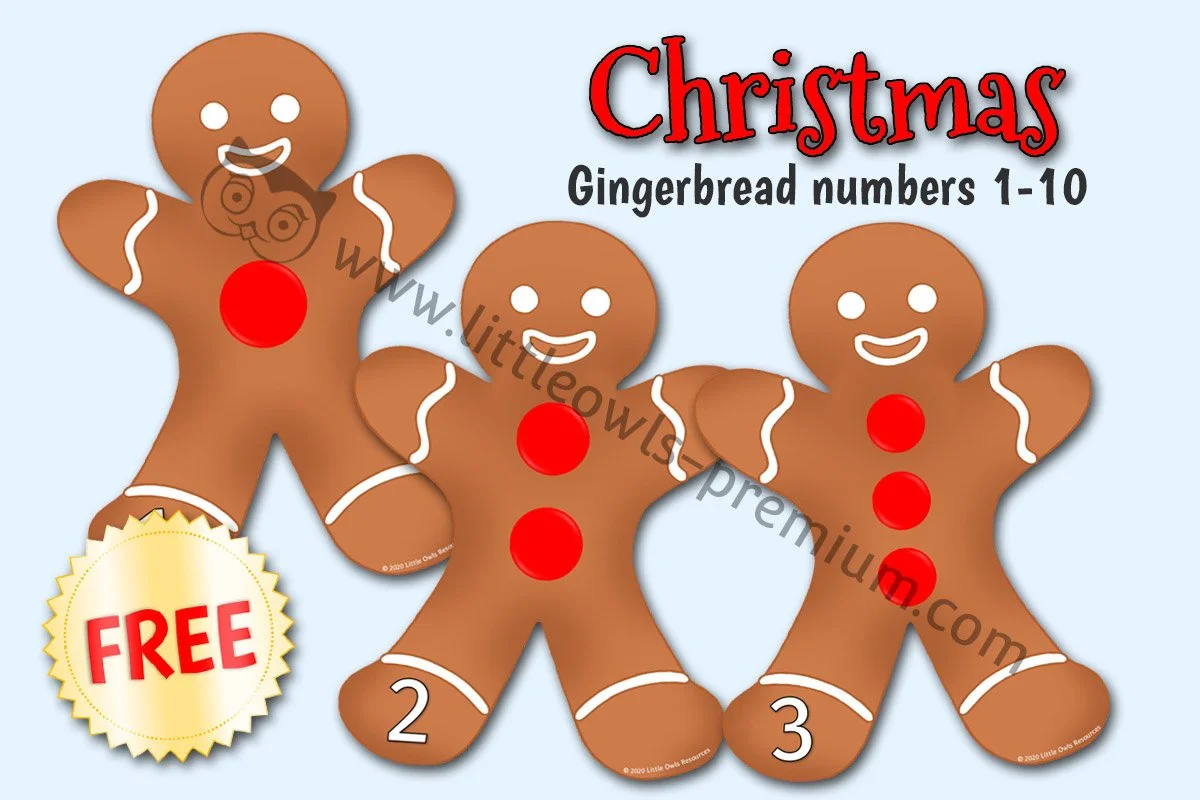

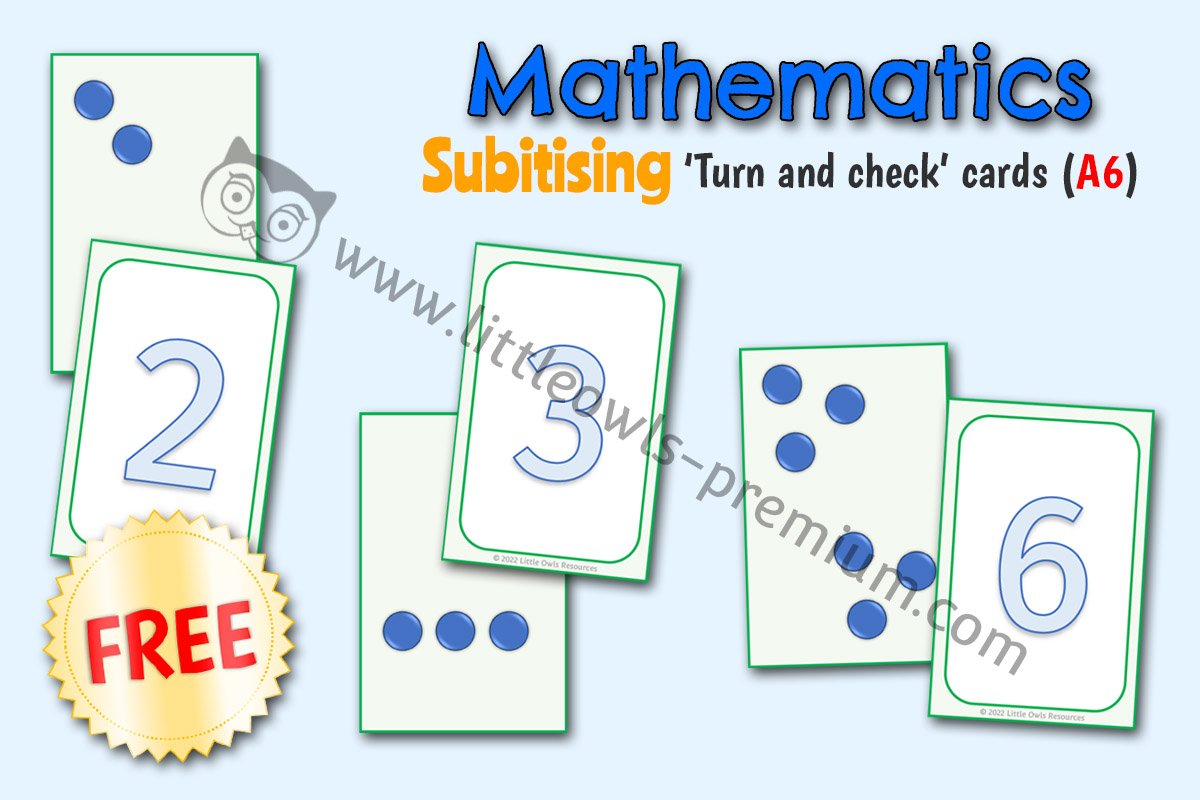


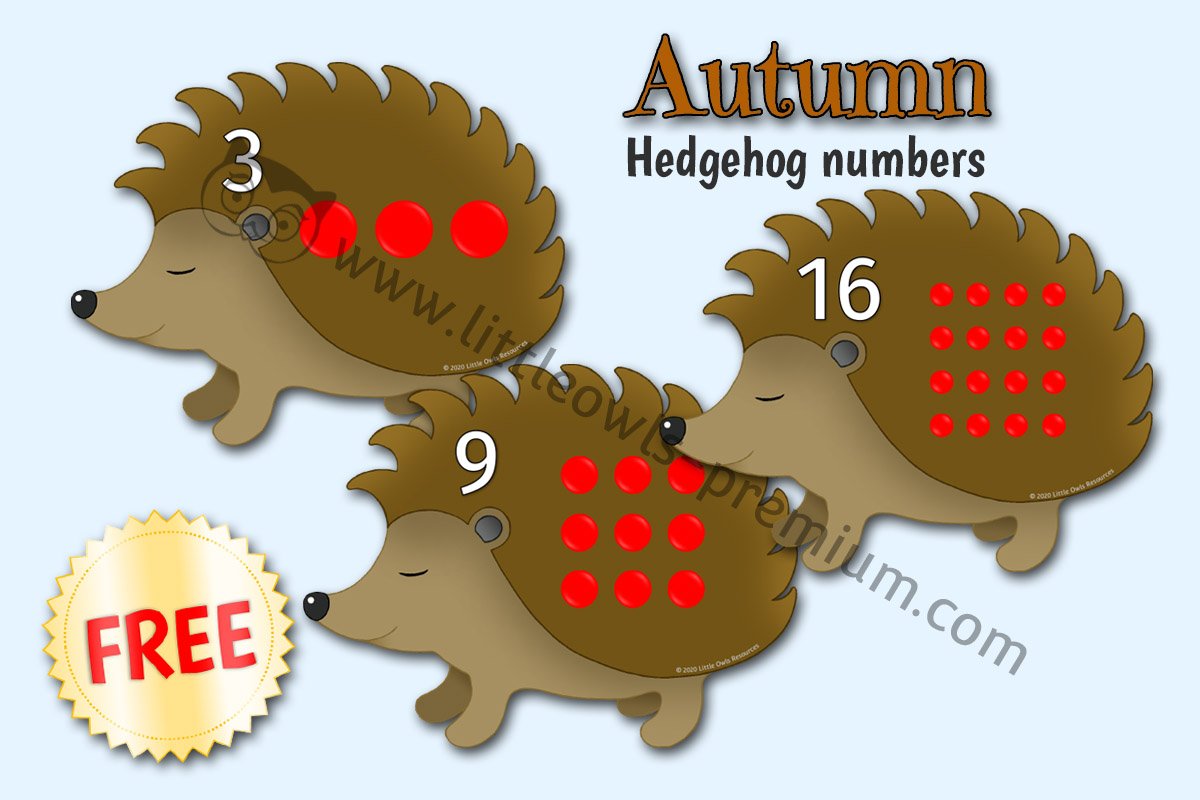



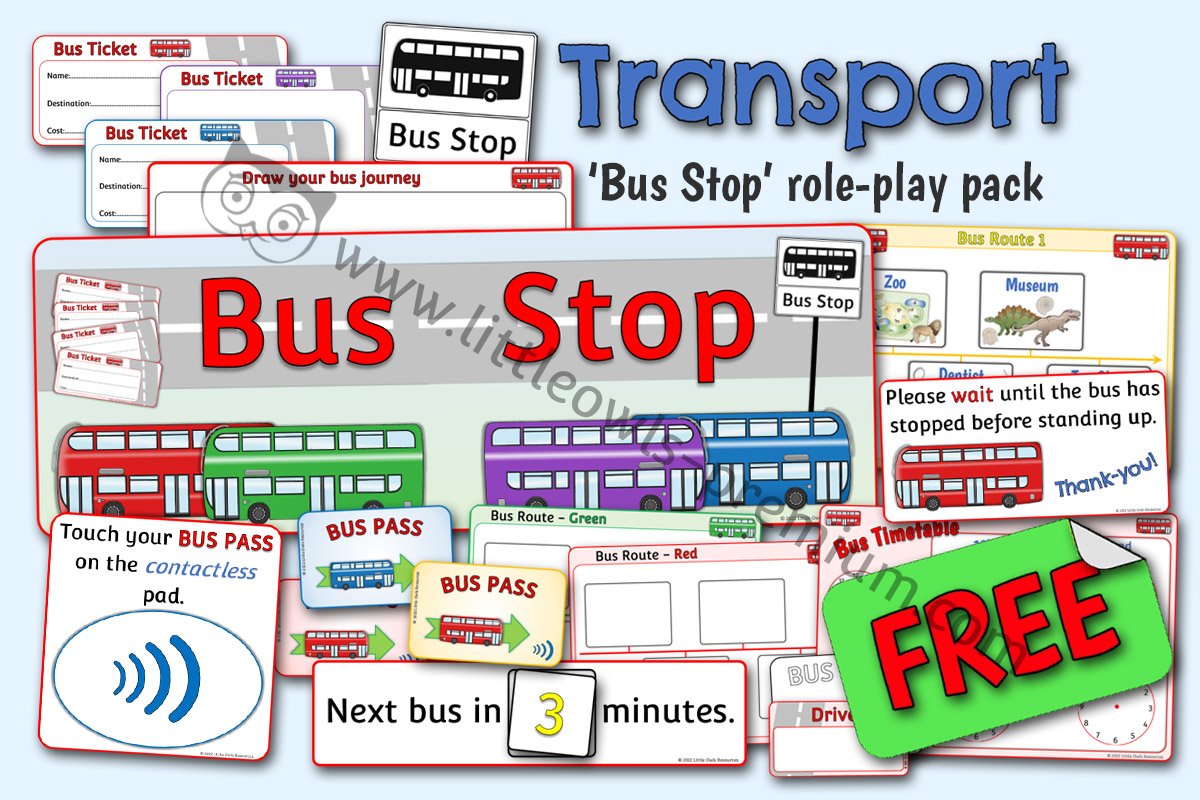




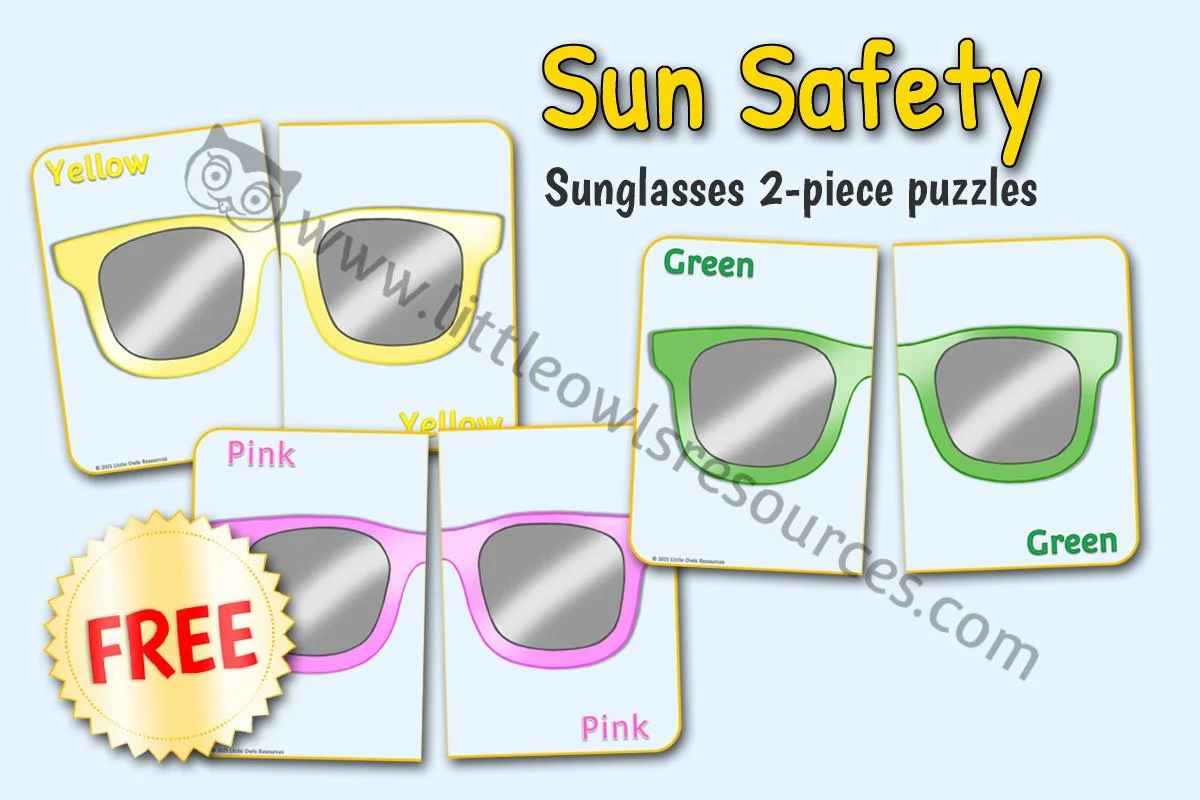
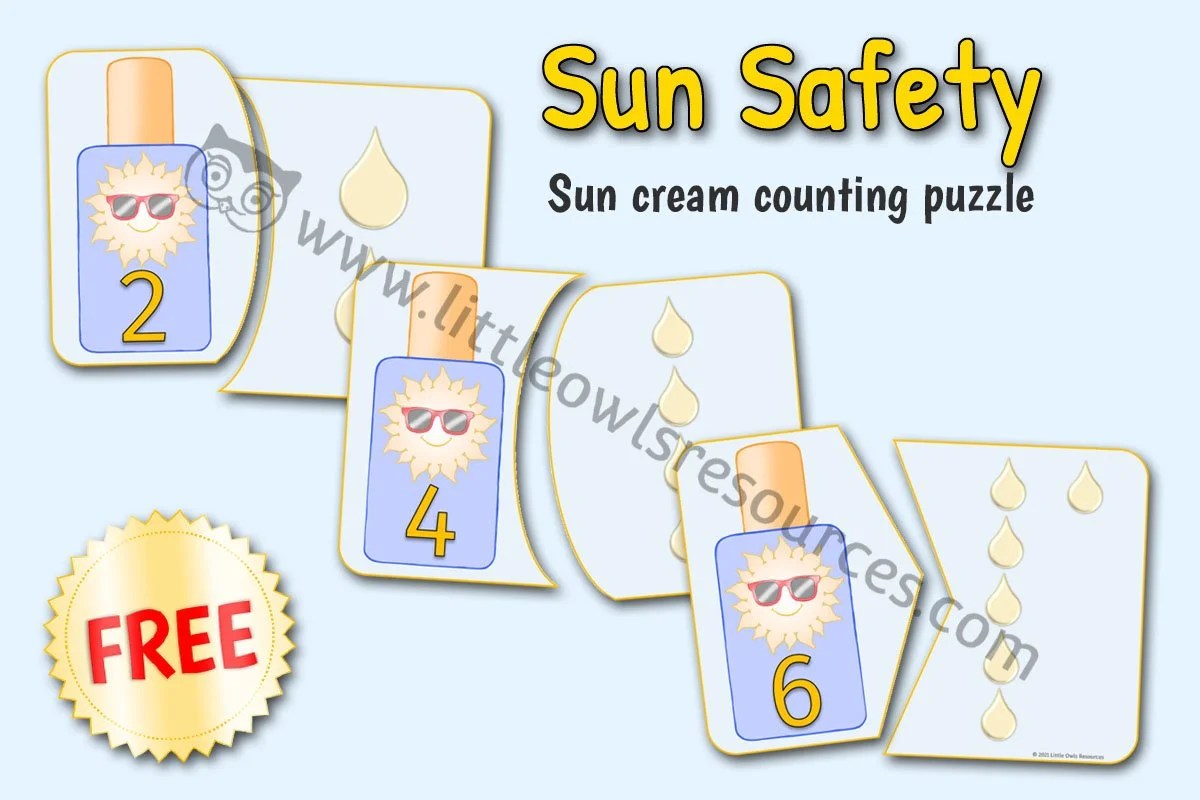
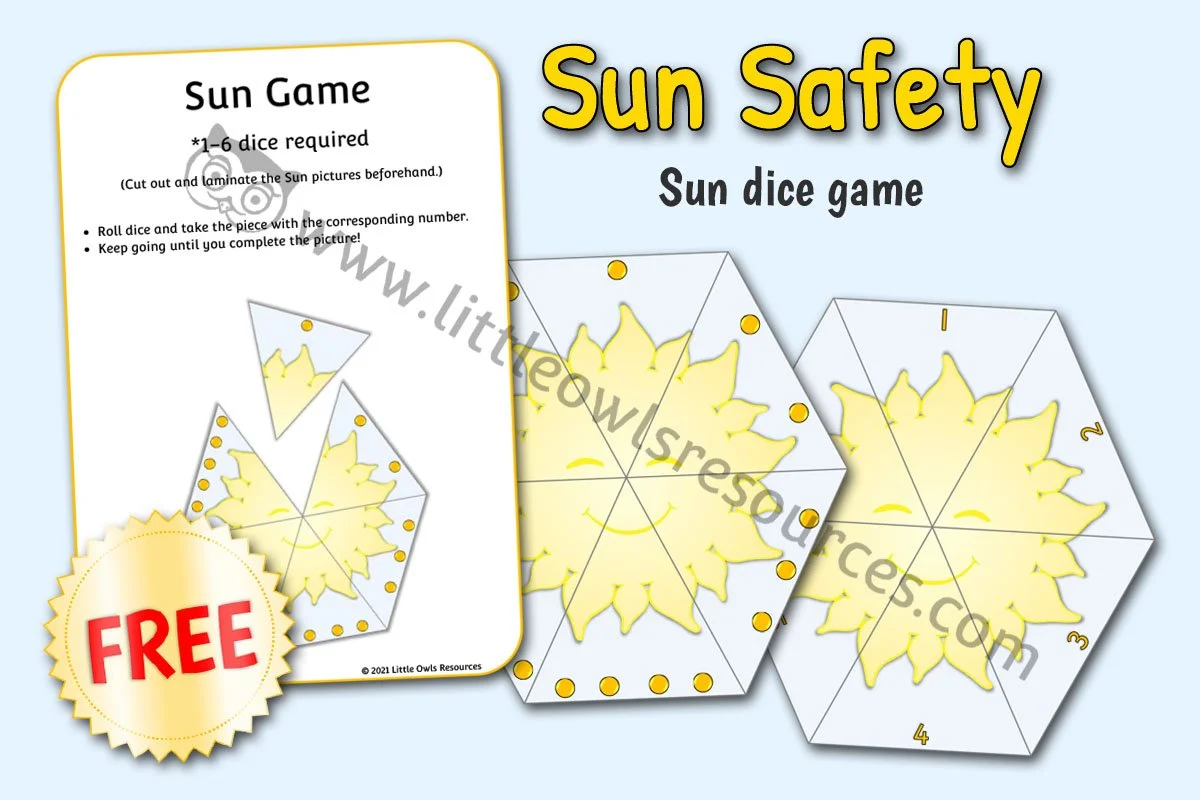
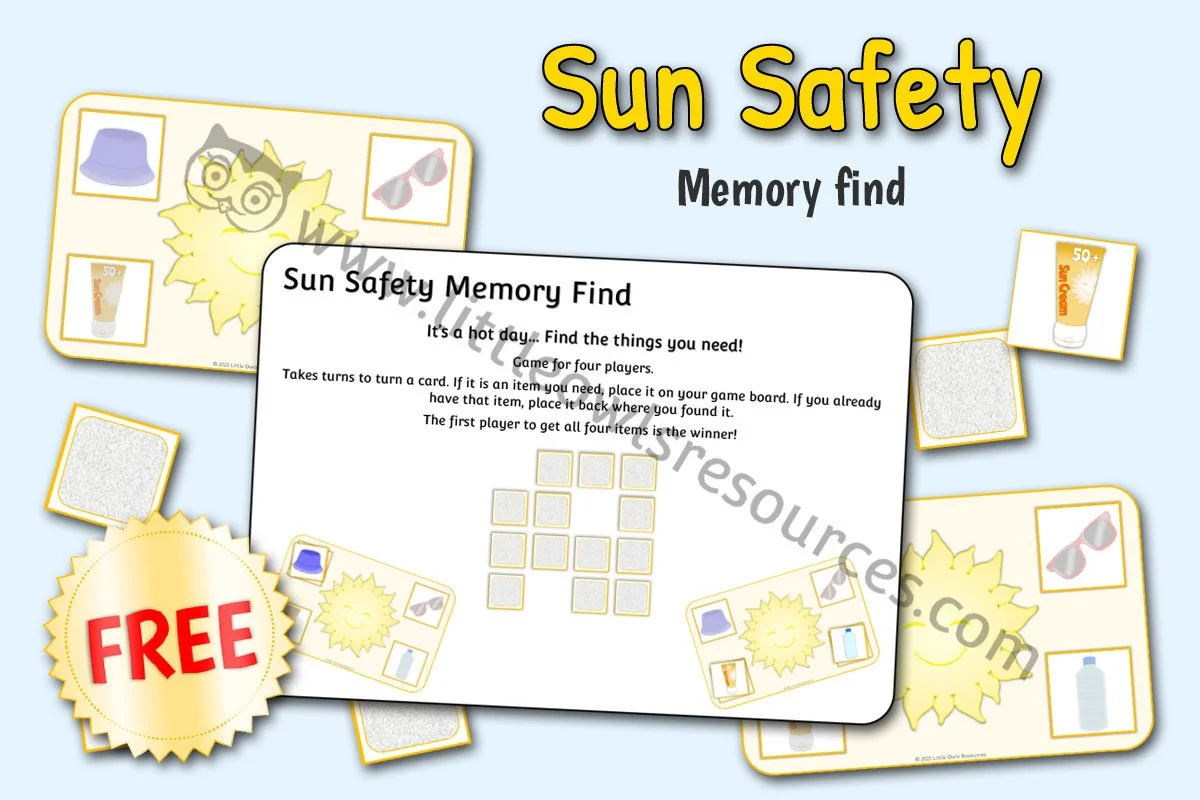
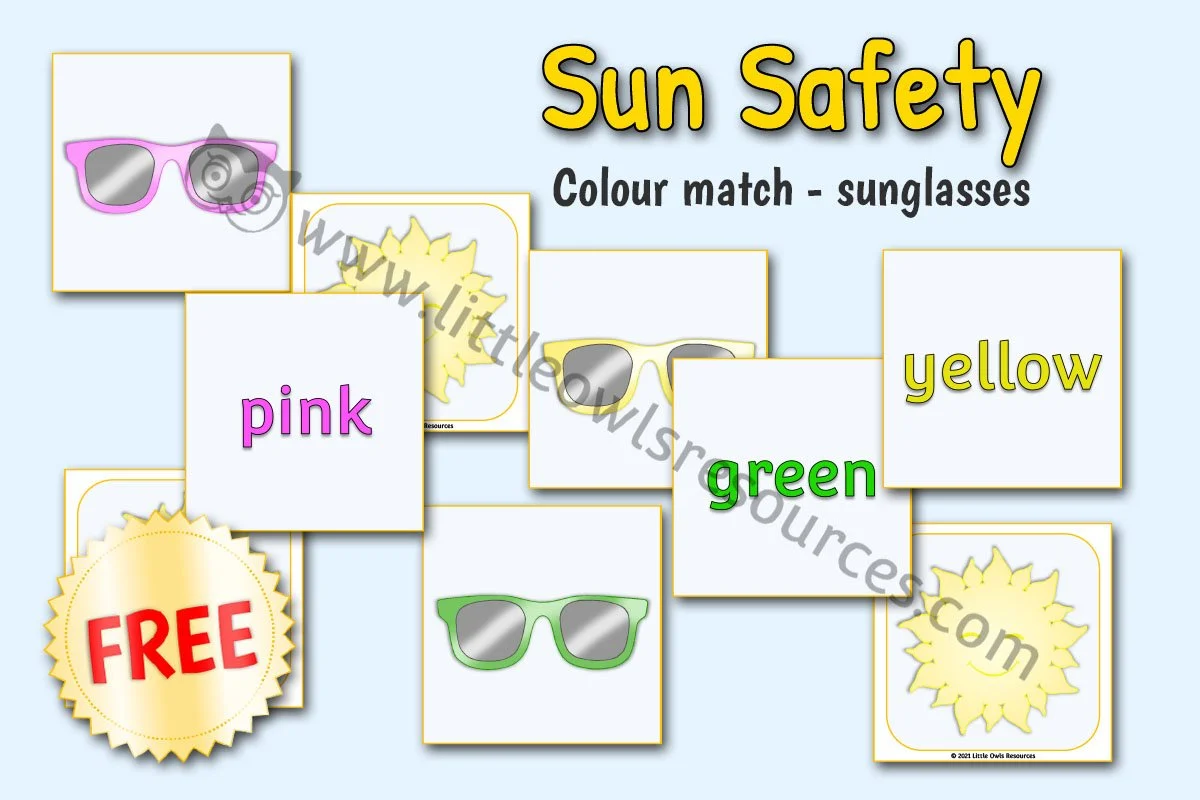
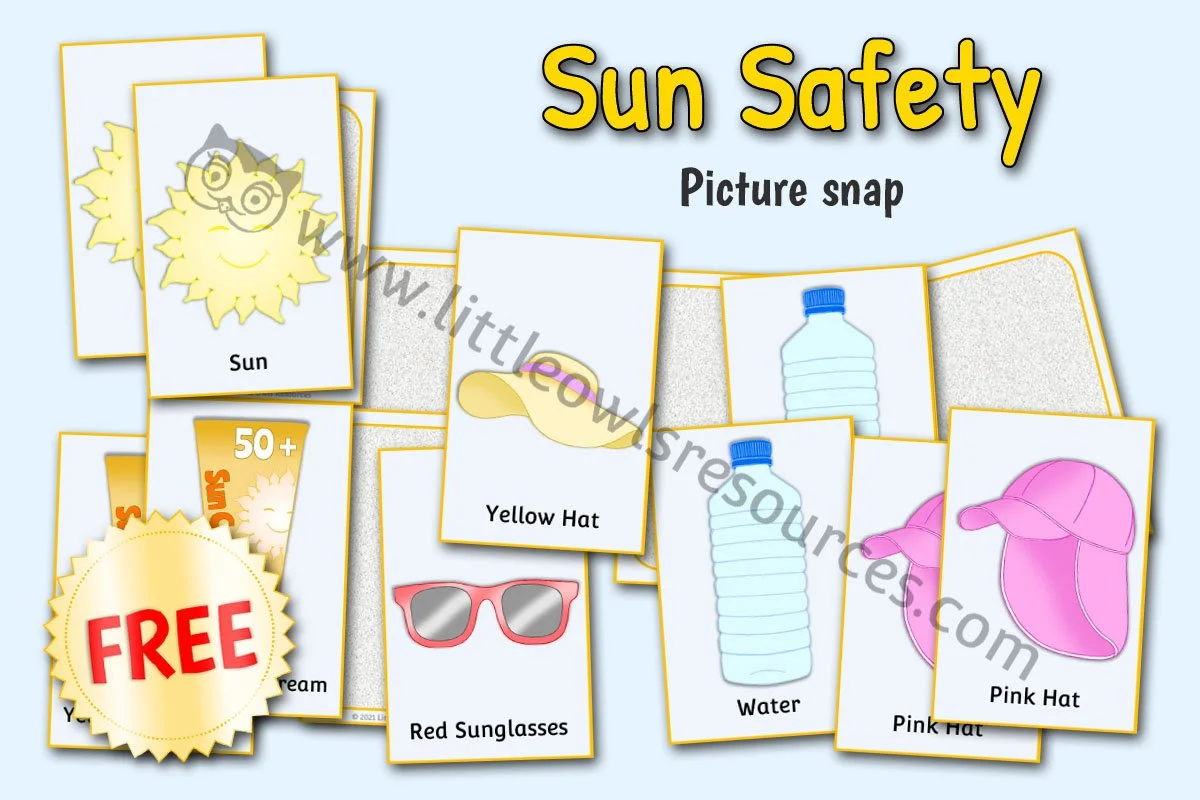

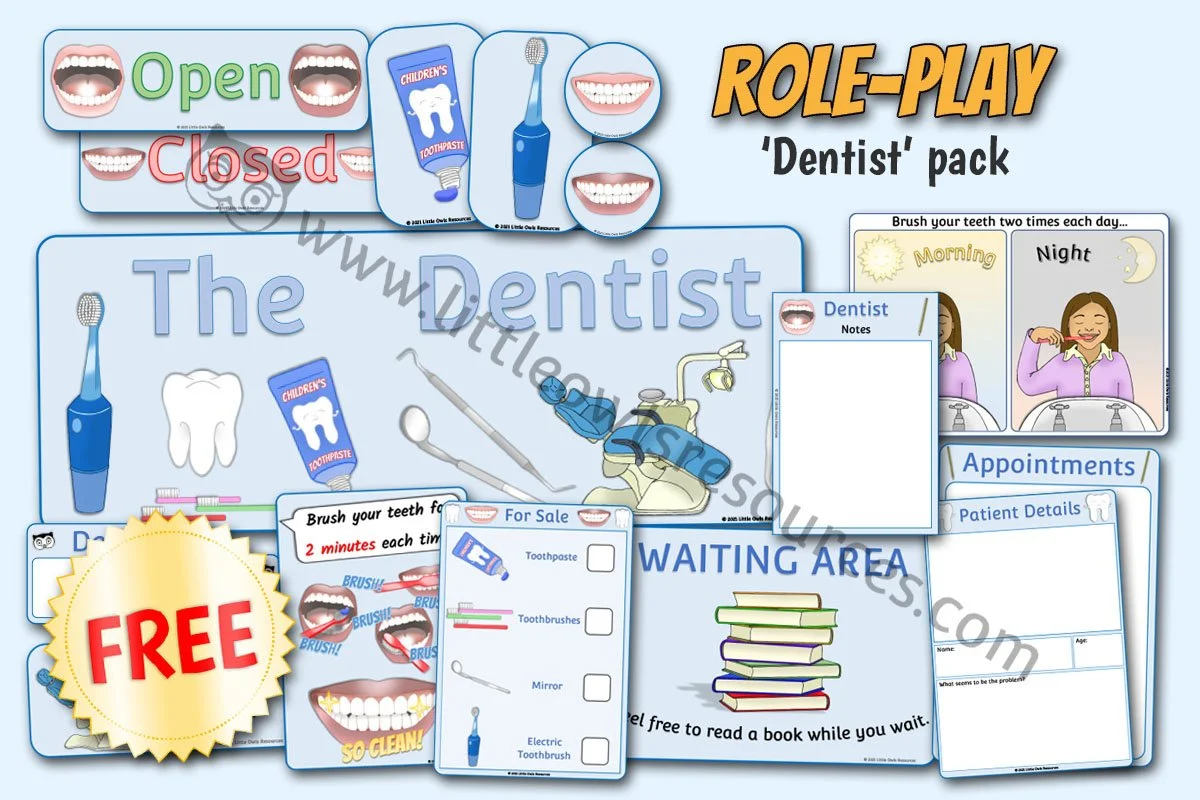

💡 Join as a Free Access member to download the samples above and all other free resources available on Little Owls Resources at no cost. Alternatively, explore all membership options here.
Additional Free Sample Printable Provision can be found at the top of most pages.
📘 Core Guidance Surrounding ‘Mathematics’ Planning & Provision
-
“Developing a strong grounding in number is essential so that all children develop the necessary building blocks to excel mathematically. Children should be able to count confidently, develop a deep understanding of the numbers to 10, the relationships between them and the patterns within those numbers. By providing frequent and varied opportunities to build and apply this understanding - such as using manipulatives, including small pebbles and tens frames for organising counting - children will develop a secure base of knowledge and vocabulary from which mastery of mathematics is built. In addition, it is important that the curriculum includes rich opportunities for children to develop their spatial reasoning skills across all areas of mathematics including shape, space and measures. It is important that children develop positive attitudes and interests in mathematics, look for patterns and relationships, spot connections, ‘have a go’, talk to adults and peers about what they notice and not be afraid to make mistakes.” Development Matters
-
High-quality Mathematics practice in the EYFS is rooted in play, exploration, talk, real-life experiences and meaningful problem-solving. Children develop strong mathematical understanding when they have repeated opportunities to notice, compare, count, sort, build, represent, describe and reason within everyday contexts.
Effective Mathematics provision includes:
meaningful mathematical language modelled throughout the day
practical, hands-on experiences with objects, quantities and patterns
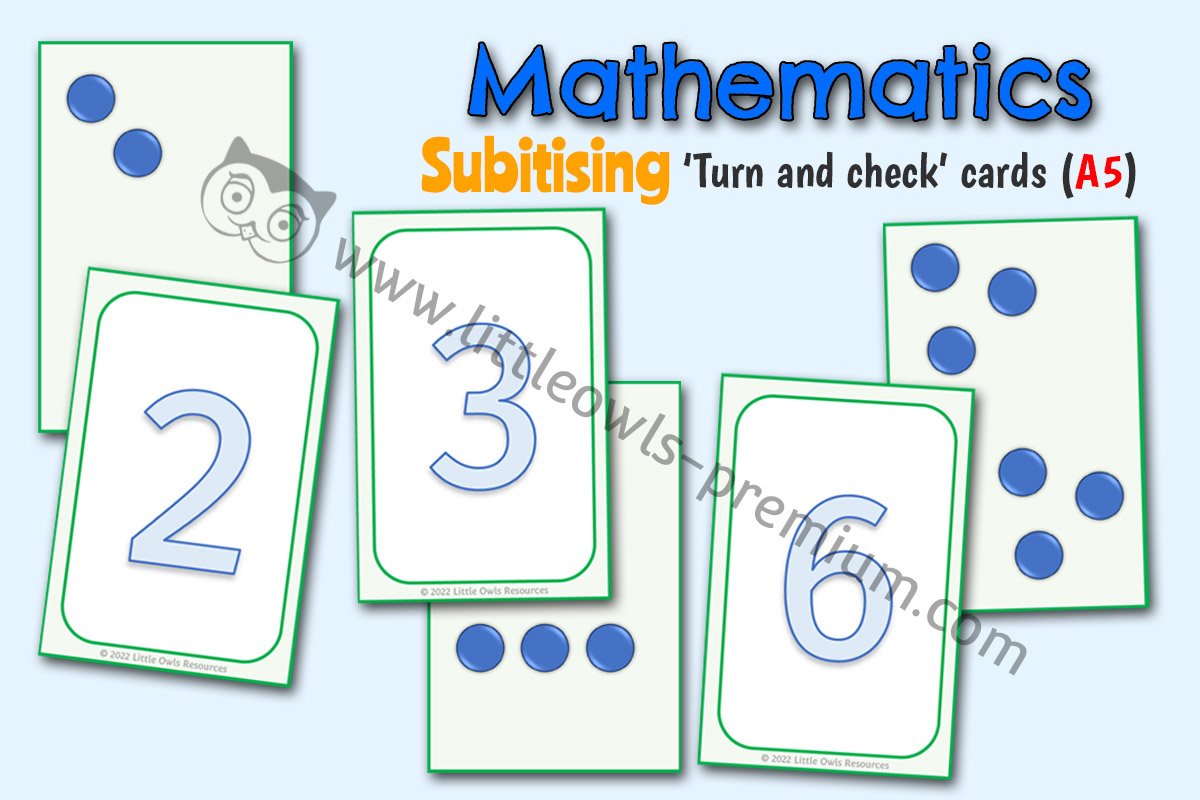
opportunities to subitise, count, compare and compose numbers
playful exploration of shape, space, measure and pattern
maths-rich continuous provision indoors and outdoors
adults modelling curiosity, reasoning and problem-solving
repeated opportunities to revisit key mathematical ideas
real-life maths through routines, snack time, tidy-up and transitions
small-group adult-guided teaching alongside child-initiated exploration
inclusive approaches supporting SEND, EAL and different starting points
Mathematics should be embedded throughout continuous provision, routines, construction, role-play, outdoor learning, songs, stories, games and child-initiated play.
-
Children’s Mathematics development grows through play, talk, repetition, exploration and meaningful opportunities to notice and solve problems.
Children typically progress from:
noticing amounts, patterns, shapes and routines
using early mathematical language such as more, gone, big and small
matching, sorting and grouping objects
joining in with number songs, rhymes and counting routines
comparing quantities using practical experiences
recognising small quantities without counting
counting objects with increasing accuracy
exploring shape, space, pattern and measure through play
understanding that numbers can be composed in different ways
solving practical mathematical problems and explaining thinking
Children develop mathematical understanding at different rates and benefit from practical, playful and language-rich environments where maths is part of everyday life.
-
Small enhancements within continuous provision can create meaningful opportunities for Mathematics development throughout the day.
Examples may include:
counting collections and loose parts baskets
dice, dominoes and subitising games
number lines, numerals and quantity cards
shape blocks, pattern blocks and construction materials
measuring tapes, rulers, scales and containers
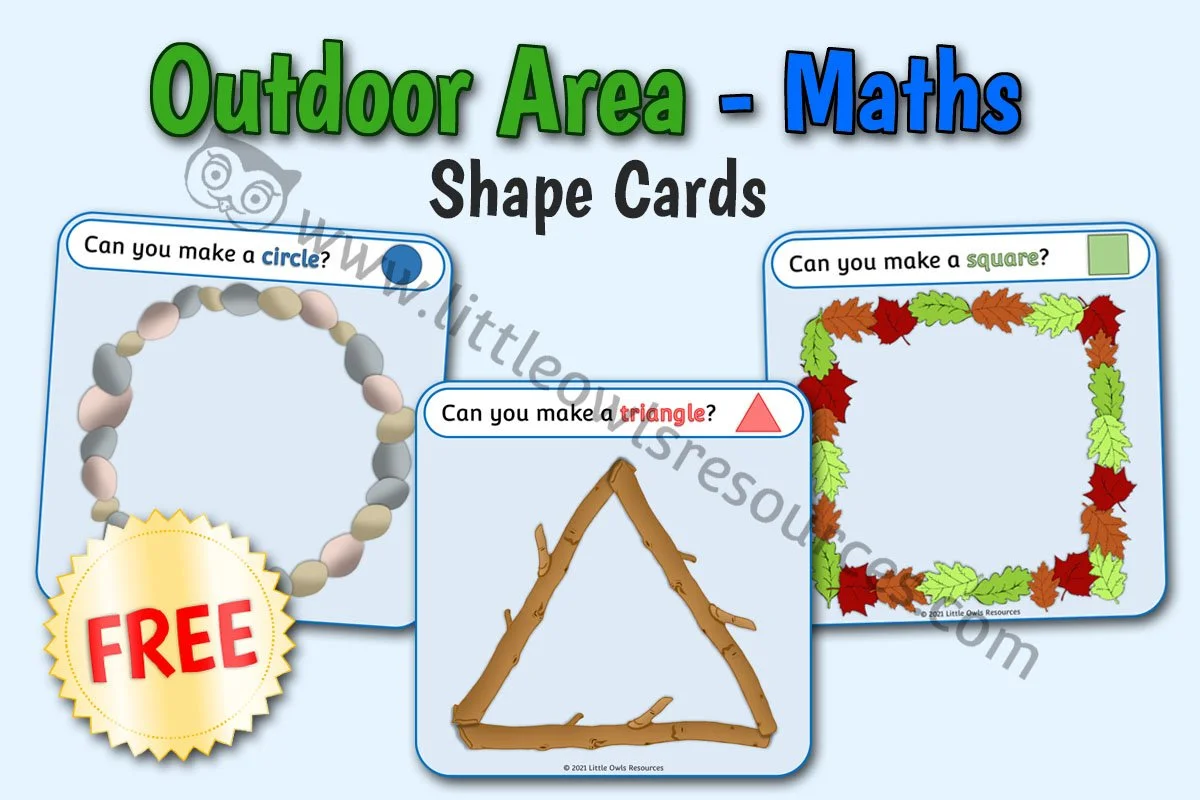
outdoor maths trails and number hunts
sorting trays and classification resources
role-play money, tickets, menus and price labels
pattern-making resources using beads, natural objects or blocks
sand and water tools for exploring capacity and comparison
STEM challenges encouraging prediction, testing and problem-solving
Continuous provision should make mathematical thinking meaningful, practical and visible across the learning environment.
-
Inclusive Mathematics provision supports every child to access early mathematical ideas through hands-on experiences, clear language, repetition and meaningful play.
High-quality inclusive practice may include:
concrete objects and visual representations
repeated routines and familiar mathematical language
gestures, modelling and demonstrations
practical, low-pressure maths experiences
opportunities to explore maths through movement and sensory play
adapted resources and accessible manipulatives
mathematical language supported by visuals and real objects
time for children to revisit and consolidate ideas
small-group or adult-guided support where helpful
celebrating different ways of noticing, representing and solving problems
Children benefit from maths environments where exploration, talk, trial and error, and practical problem-solving are valued.
-
Mathematics is closely connected to all areas of learning within the EYFS curriculum.
Communication & Language
Children use language to compare, explain, predict, reason and describe mathematical ideas.
Personal, Social & Emotional Development
Maths games and collaborative problem-solving support turn-taking, resilience, confidence and cooperation.
Physical Development
Movement, construction, outdoor play and fine motor activities support spatial awareness, coordination and mathematical exploration.
Literacy
Stories, rhymes, symbols, mark-making and mathematical vocabulary support early mathematical understanding.
Understanding the World
Children use maths to investigate materials, compare objects, explore patterns, observe changes and make sense of real-world experiences.
Expressive Arts & Design
Pattern, shape, symmetry, rhythm, construction and design all support mathematical thinking through creative exploration.
Mathematics should therefore be woven throughout continuous provision, routines, adult interaction, outdoor learning and child-initiated play.
-
The guidance and resources on this page are informed by:
the EYFS Statutory Framework
Development Matters
play-based and child-centred EYFS pedagogy
practical and concrete mathematical exploration
early number sense, subitising and counting development
shape, space, measure and pattern-rich provision
adult-guided mathematical talk and reasoning
inclusive approaches supporting SEND, EAL and different starting points
All resources should be adapted to meet the needs of individual children, cohorts and settings.
-
The resources, guidance and printable materials on this page may be useful for:
Nursery practitioners
Preschool practitioners
Reception teachers
Childminders
EYFS leaders and managers
Maths leads
SENDCos
Early Years students and trainees
Intervention staff
Parents and carers supporting early maths at home
🖨️ Printable Provision Resources
Search our ‘Mathematics’ printable provision below.
✨ Top Picks
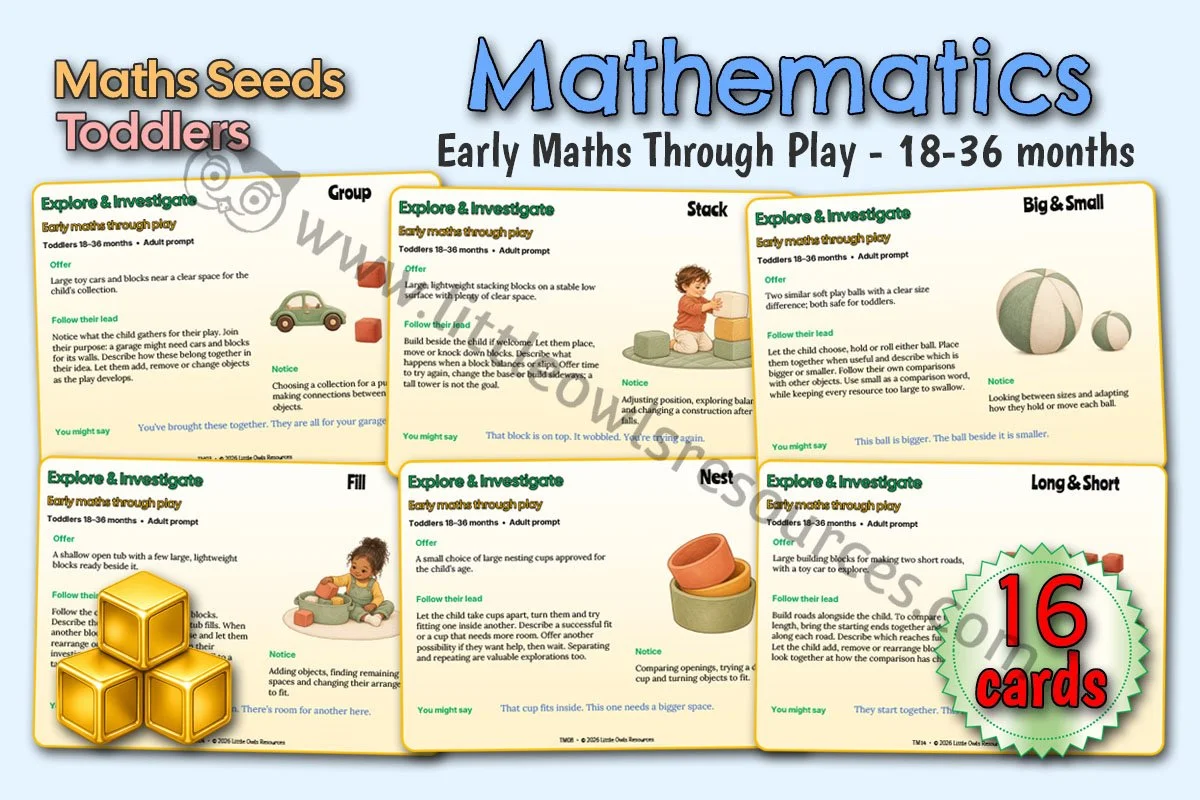
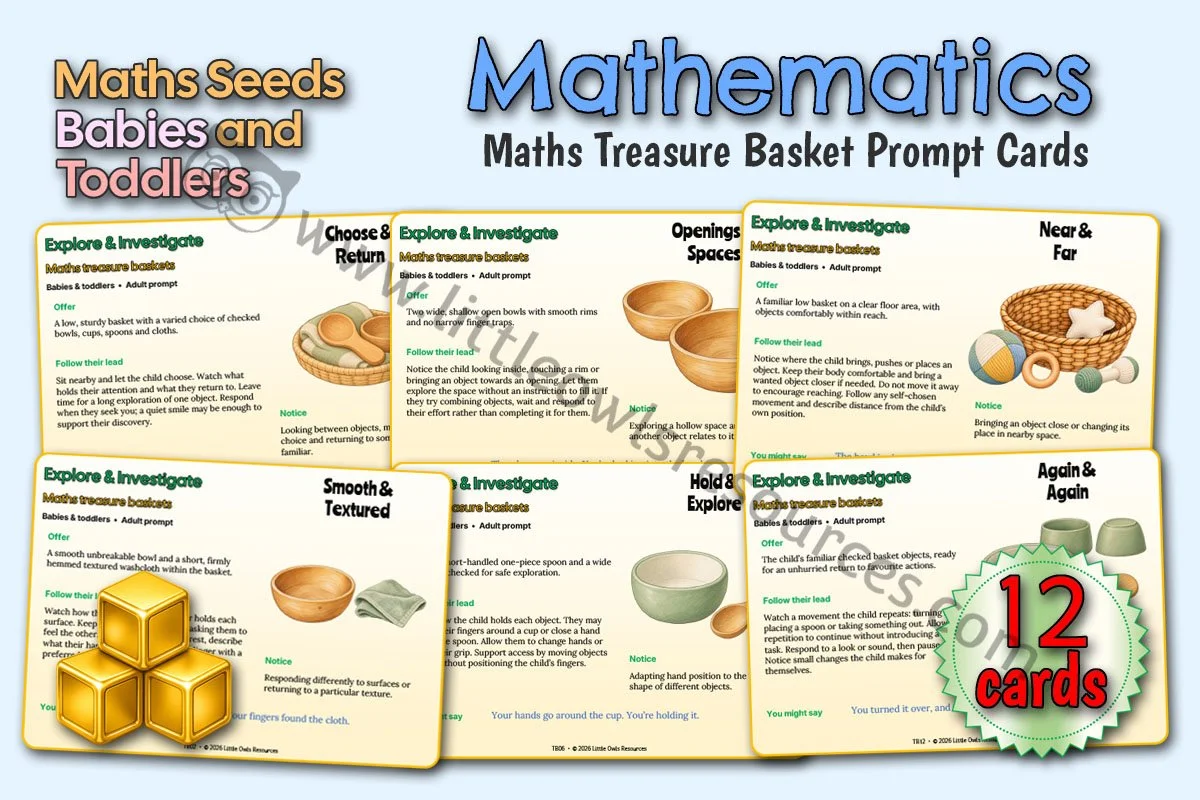
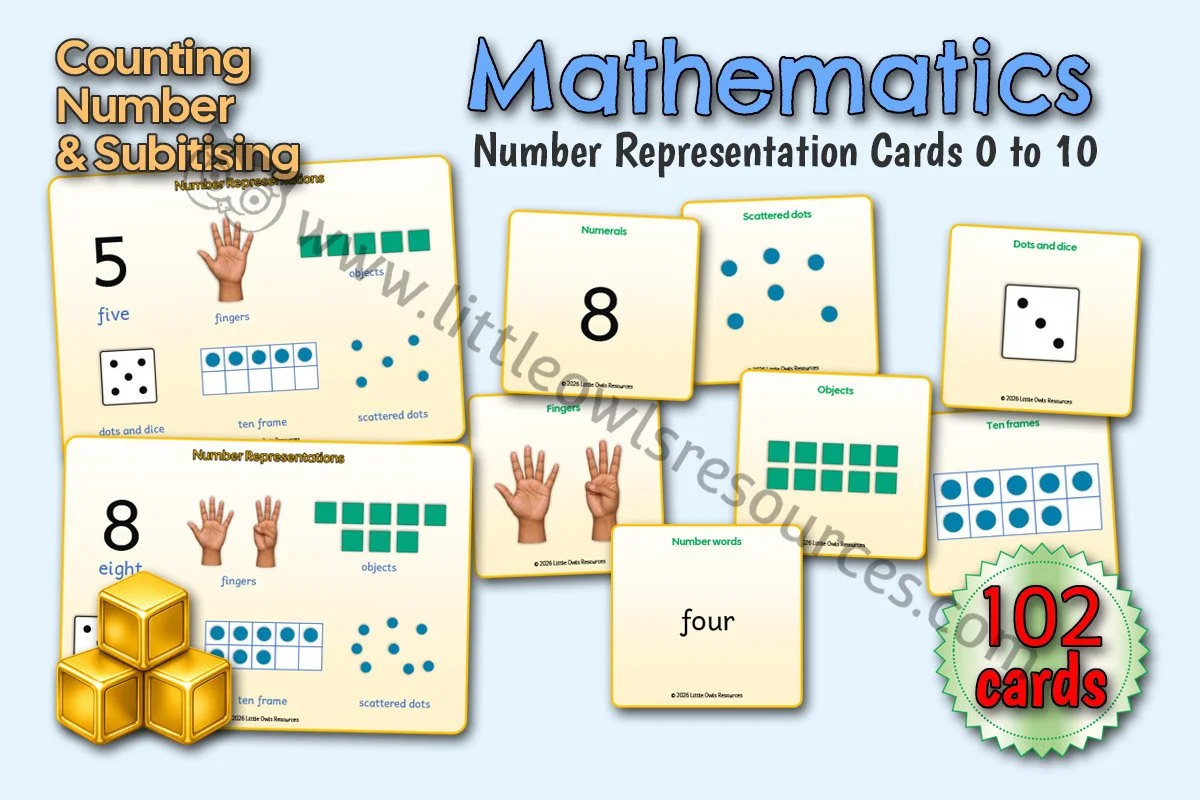
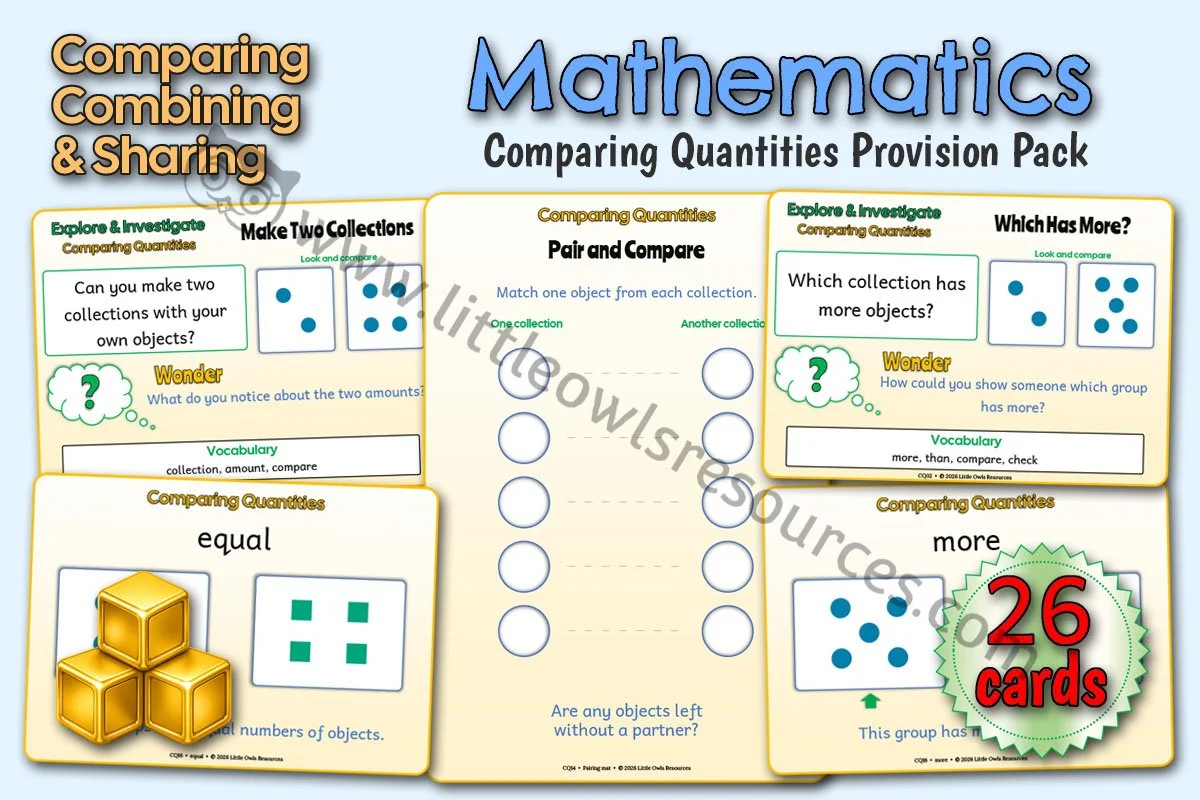
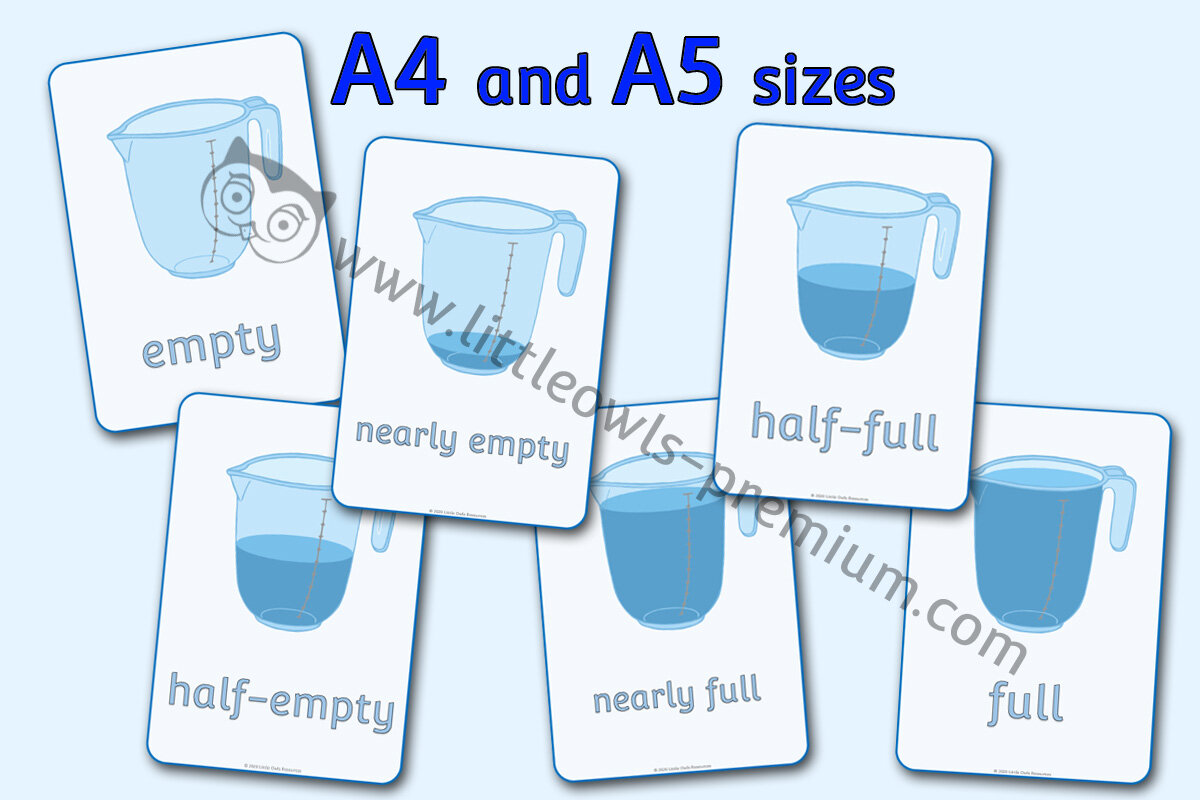
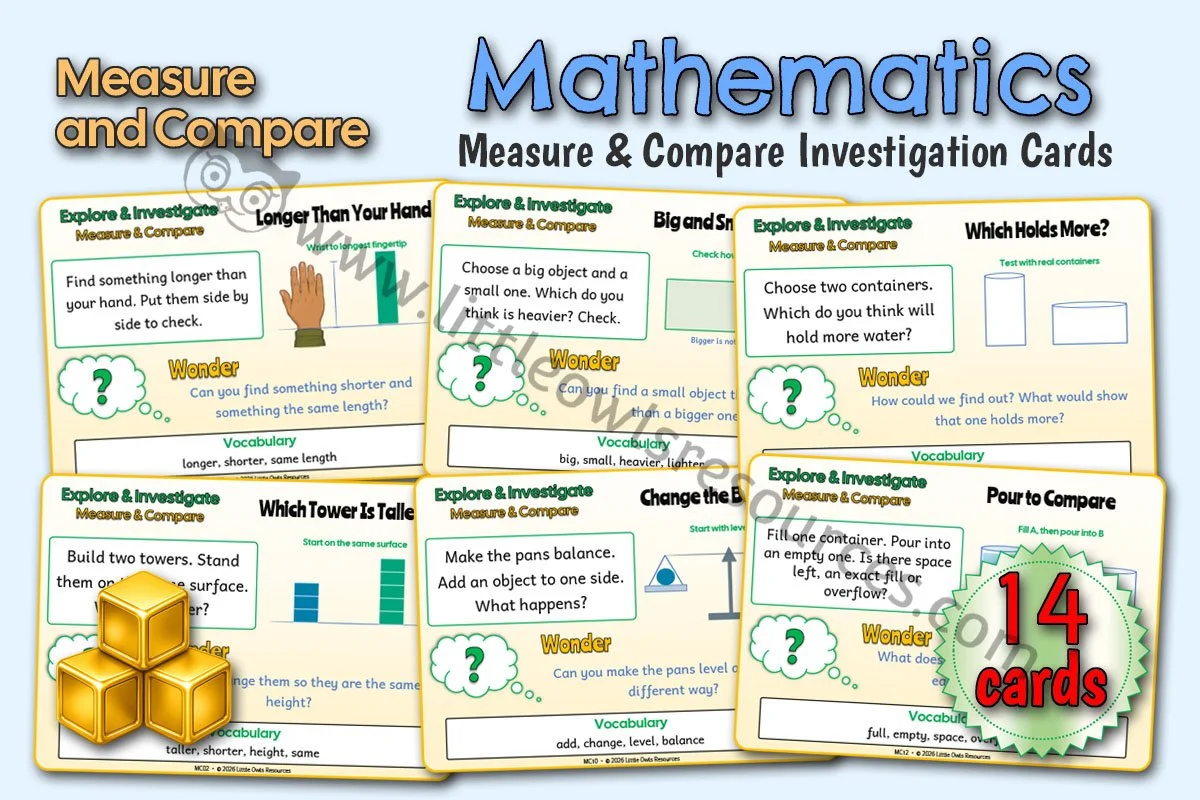
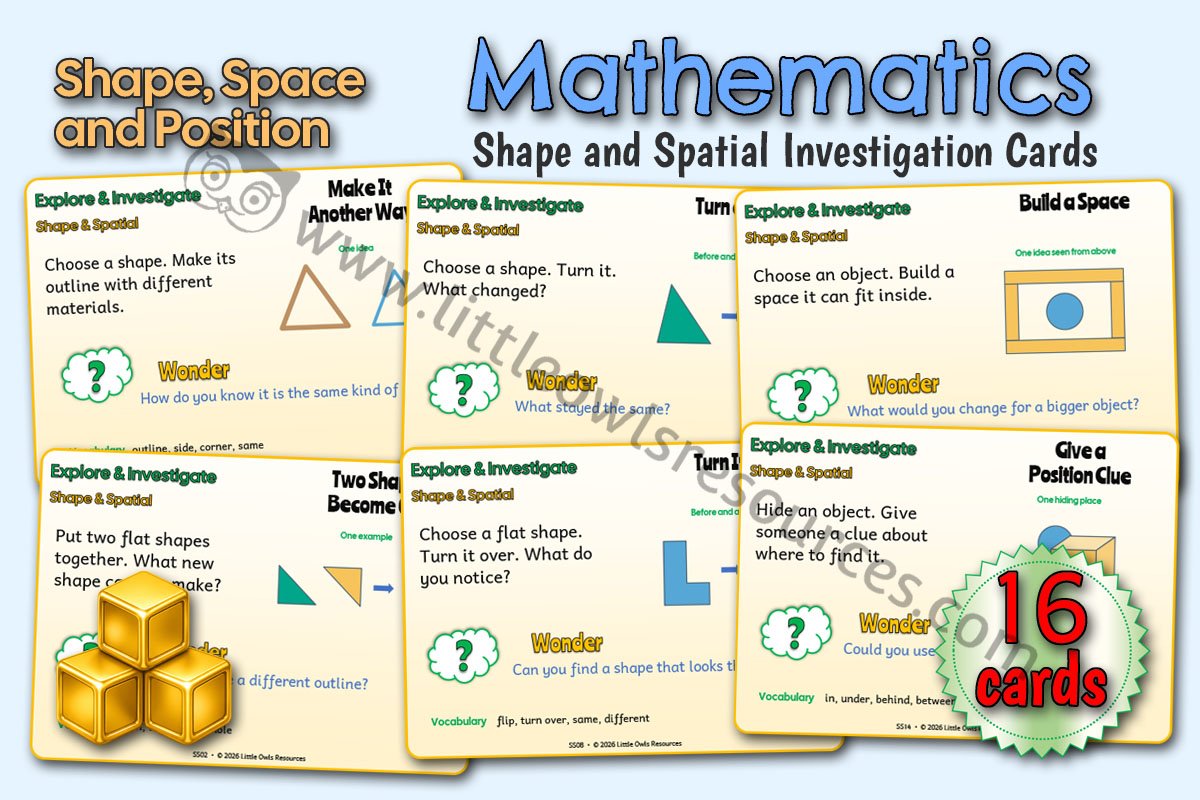
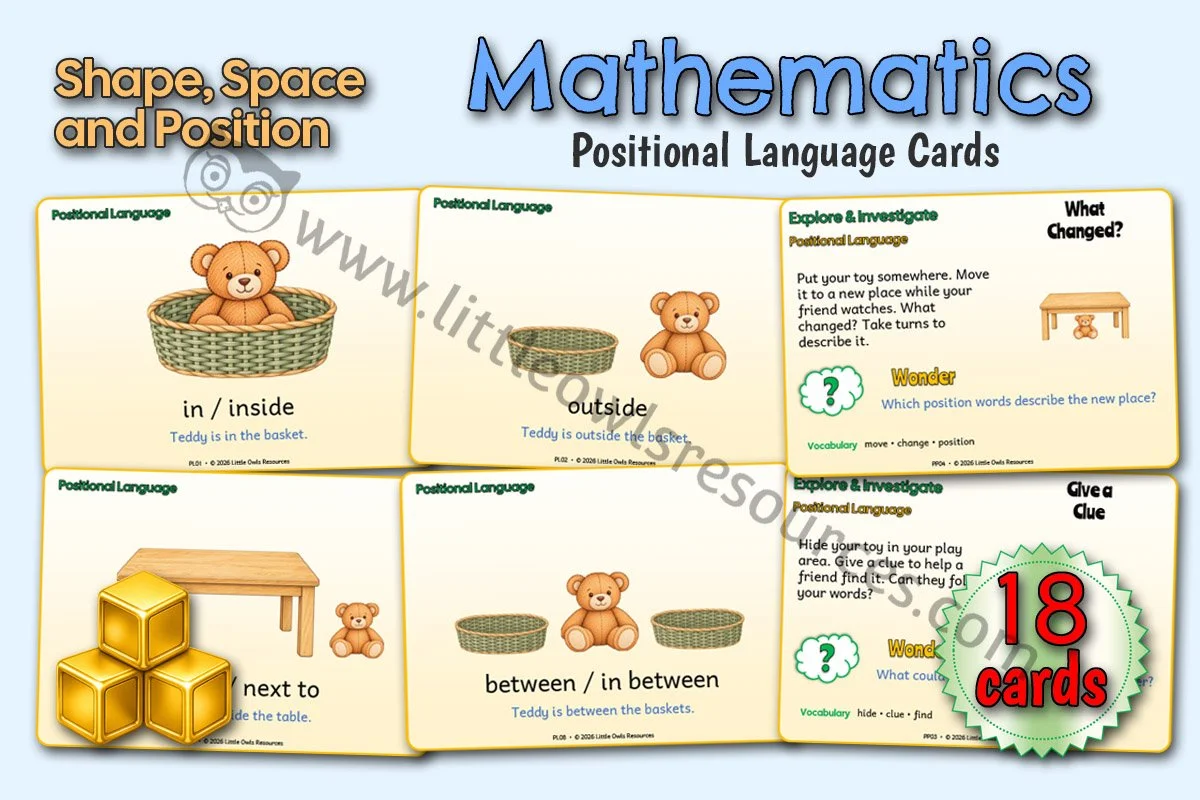
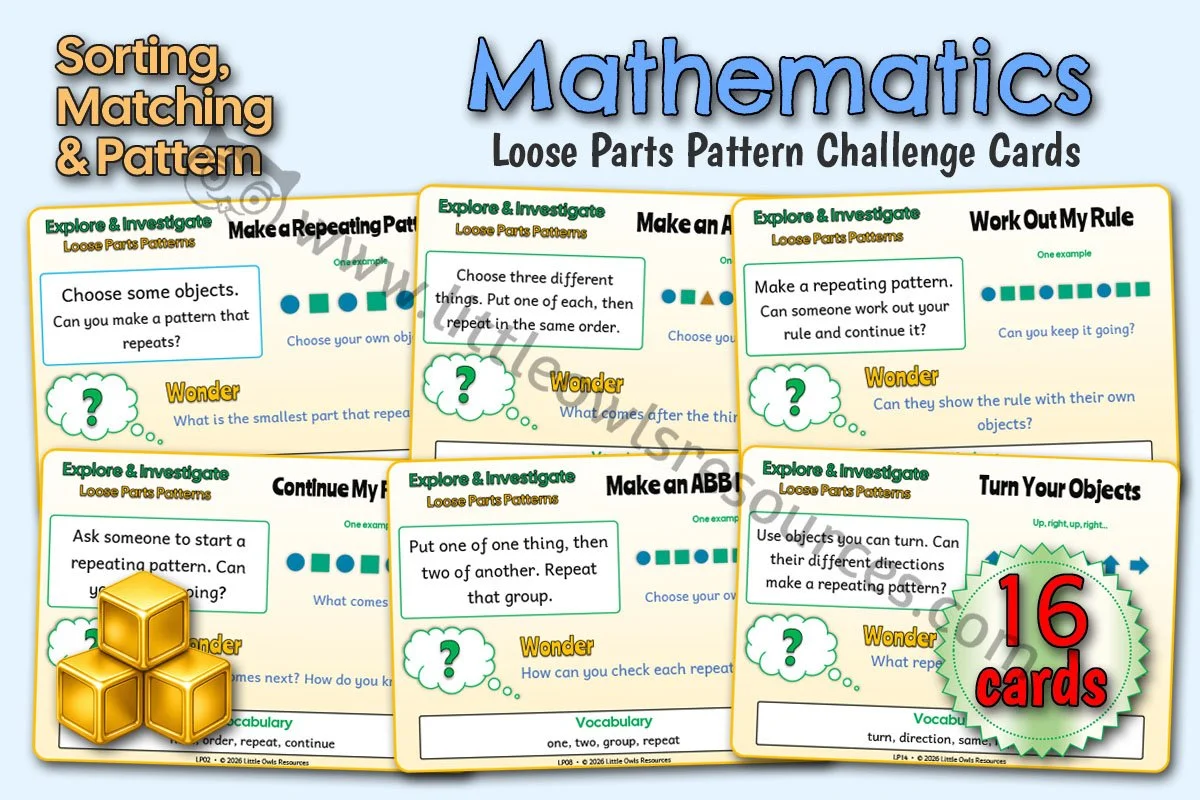
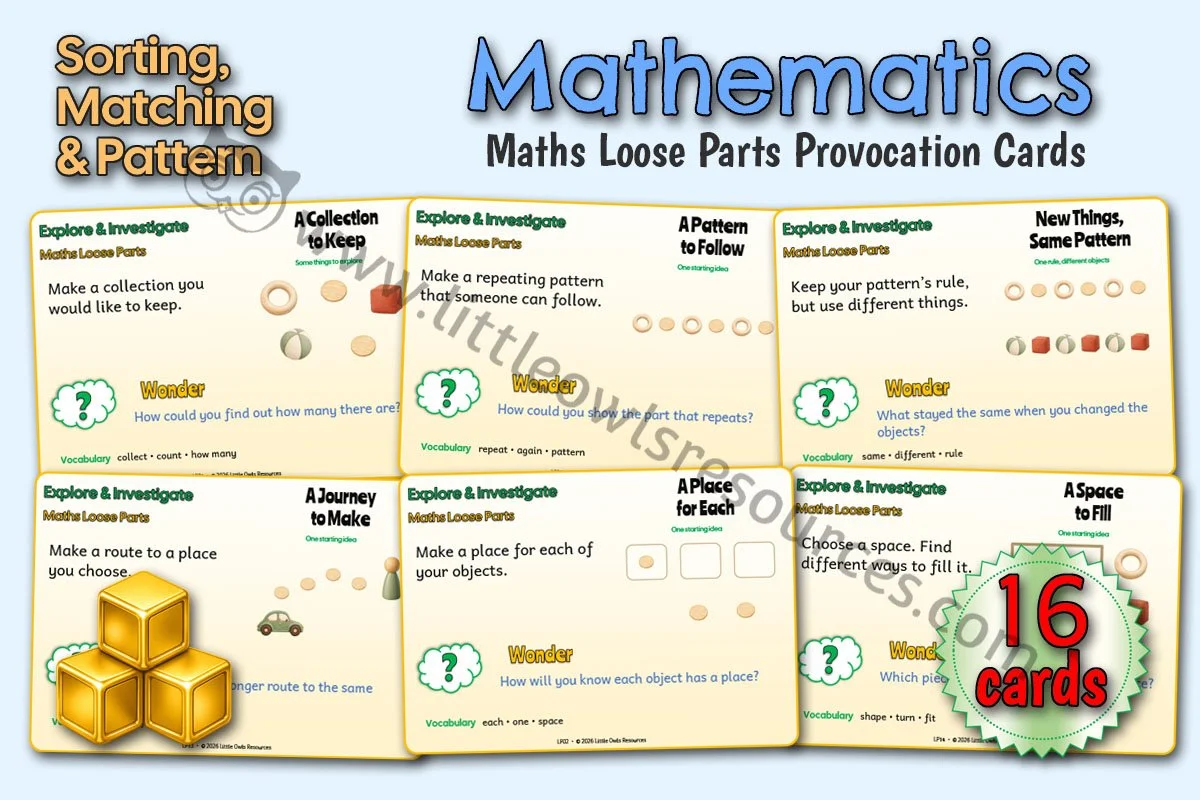
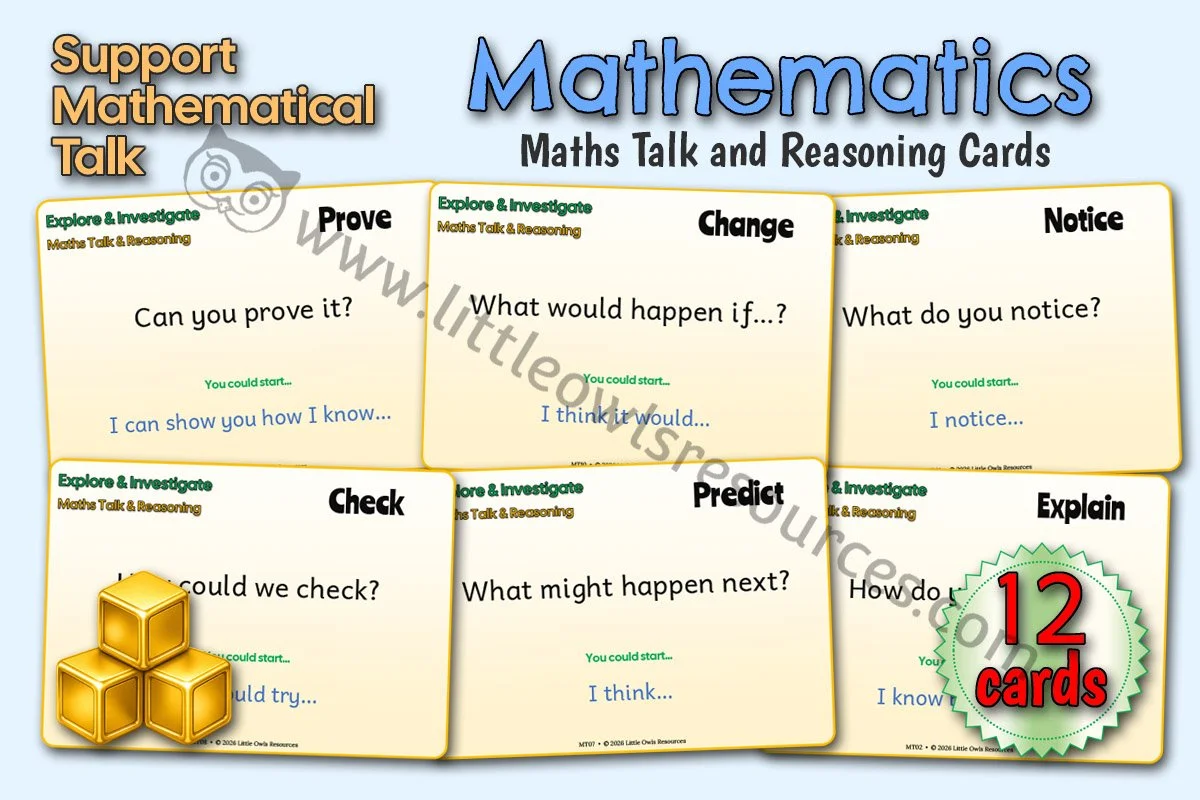
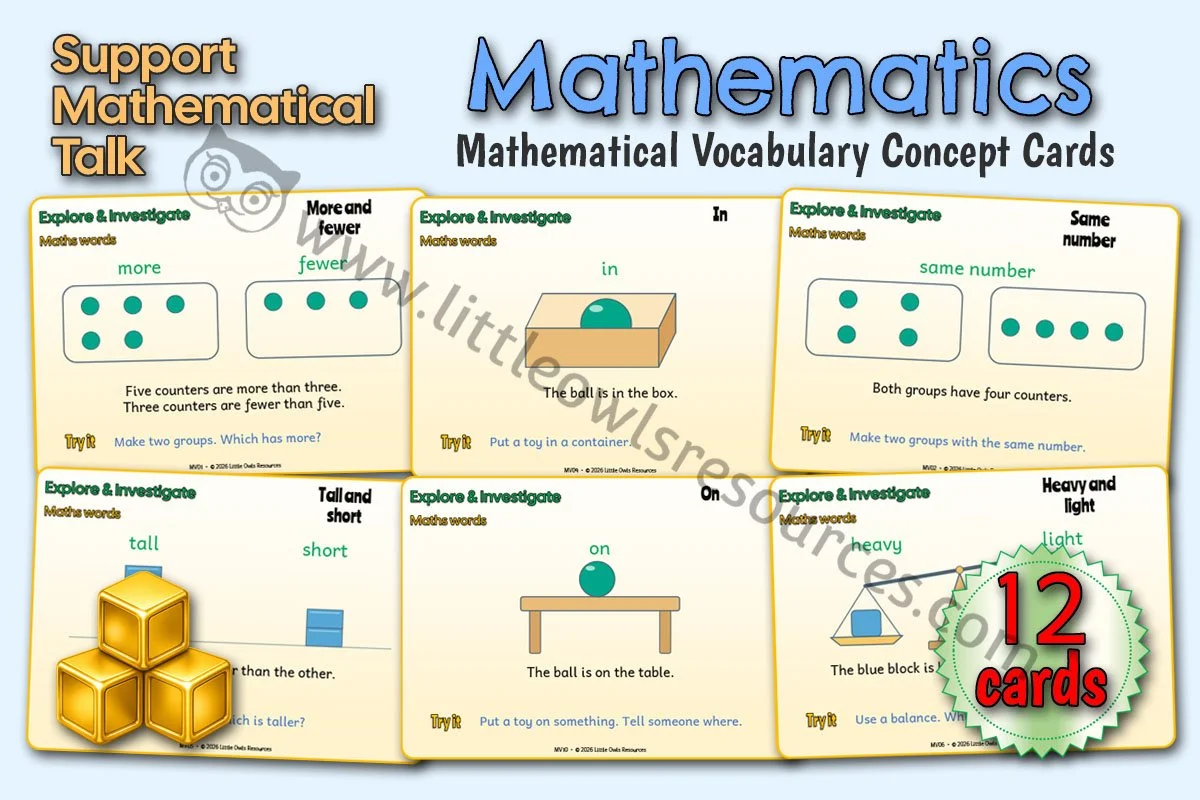
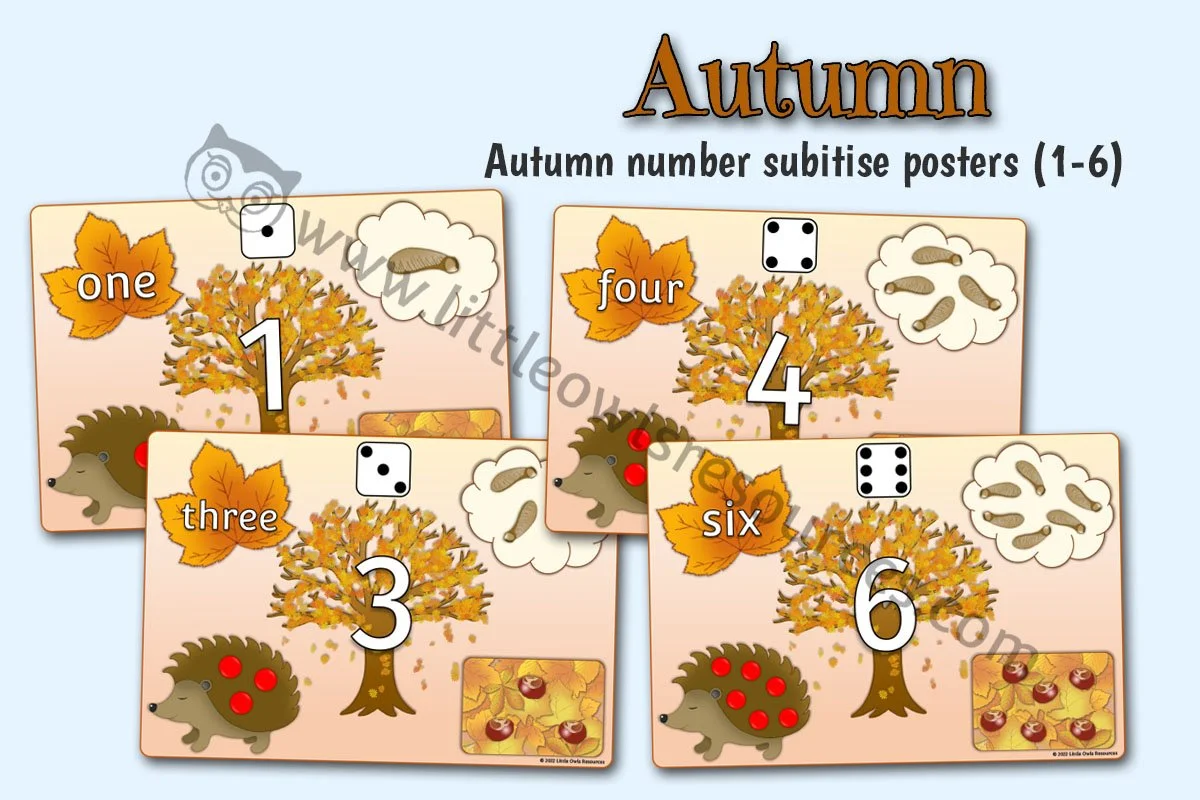


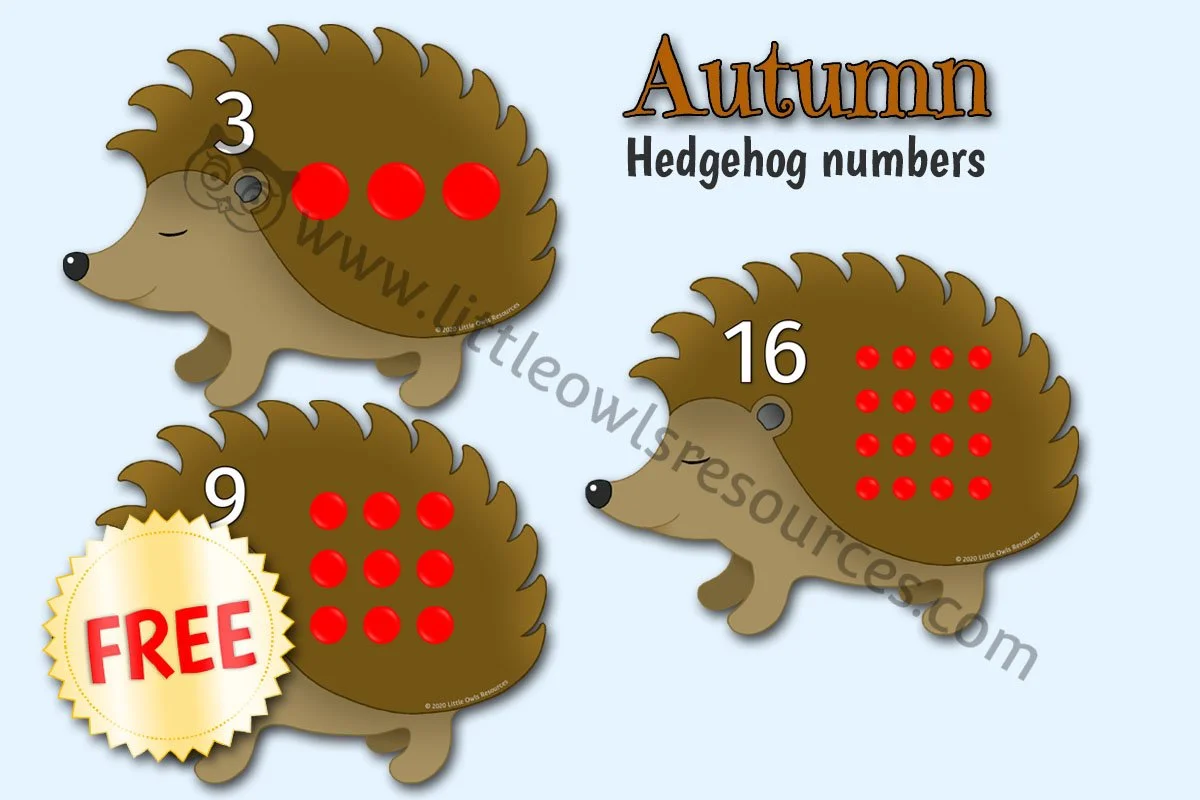

Choose Maths Provision by Age
Core EYFS Mathematical Provision Areas:
Additional Key Words & Phrases:
🛠️ Many of the pages linked within this section are currently being development for an improved user experience🛠️
Additional Useful Pages:
Topics:
(Premium or Professional members may use the links below to access a selection of resources from within each topic that focus on Maths skills.)


💡 Examples of how to support ‘Mathematics’ learning and development
Extracted from Development Matters; non-statutory curriculum guidance for the early years foundation stage. Includes colour and black and white versions.
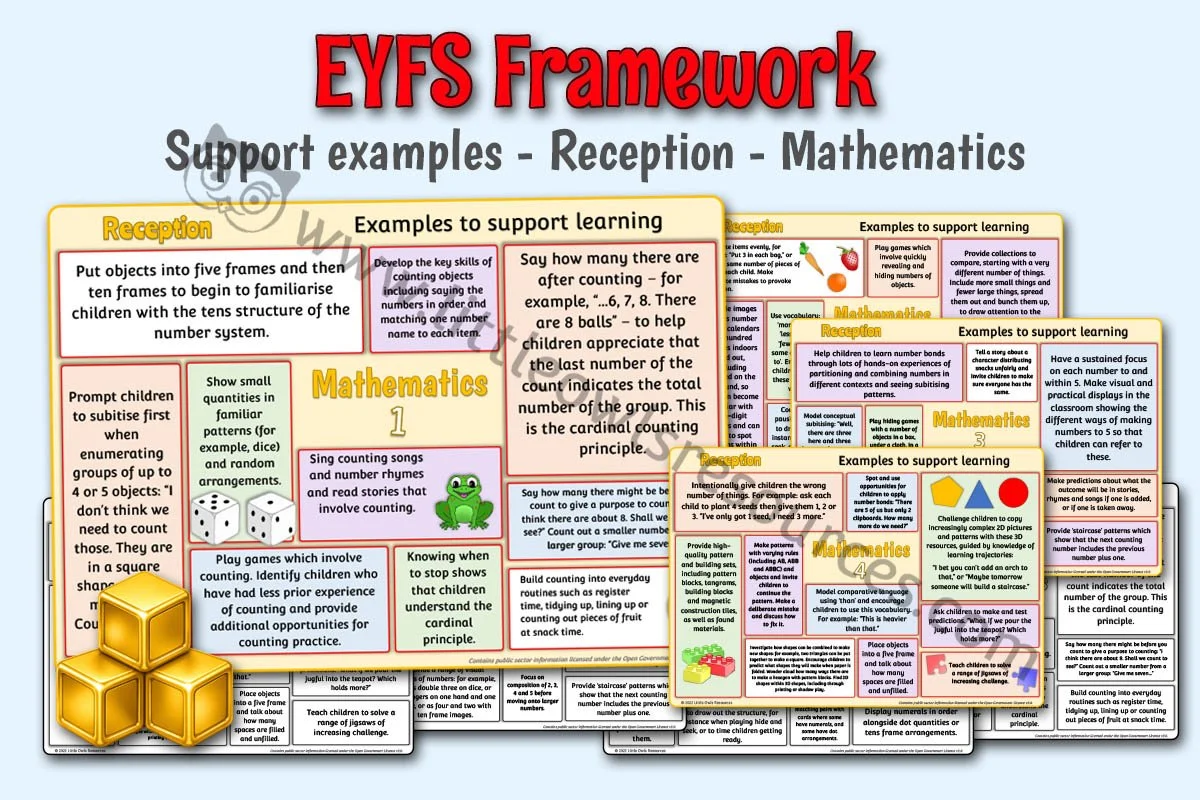
Files contain public sector information licensed under the Open Government Licence v3.0.
Toddlers | 18 - 36 Months
Core Toddler Room ‘Mathematics’ Planning Support
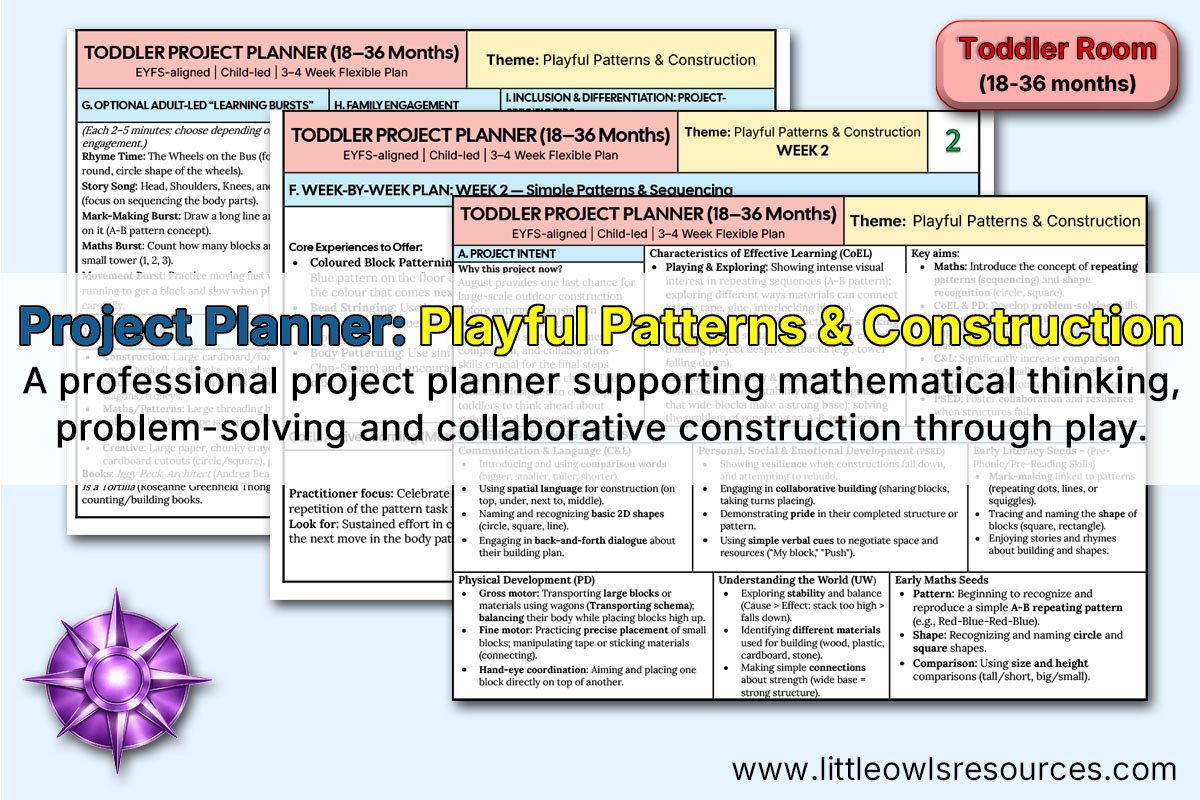
Additional Toddler Room Overarching Areas of Learning Support
The following documents include elements of ‘Mathematics’ which may be helpful tools within your setting’s OAP Cycle.

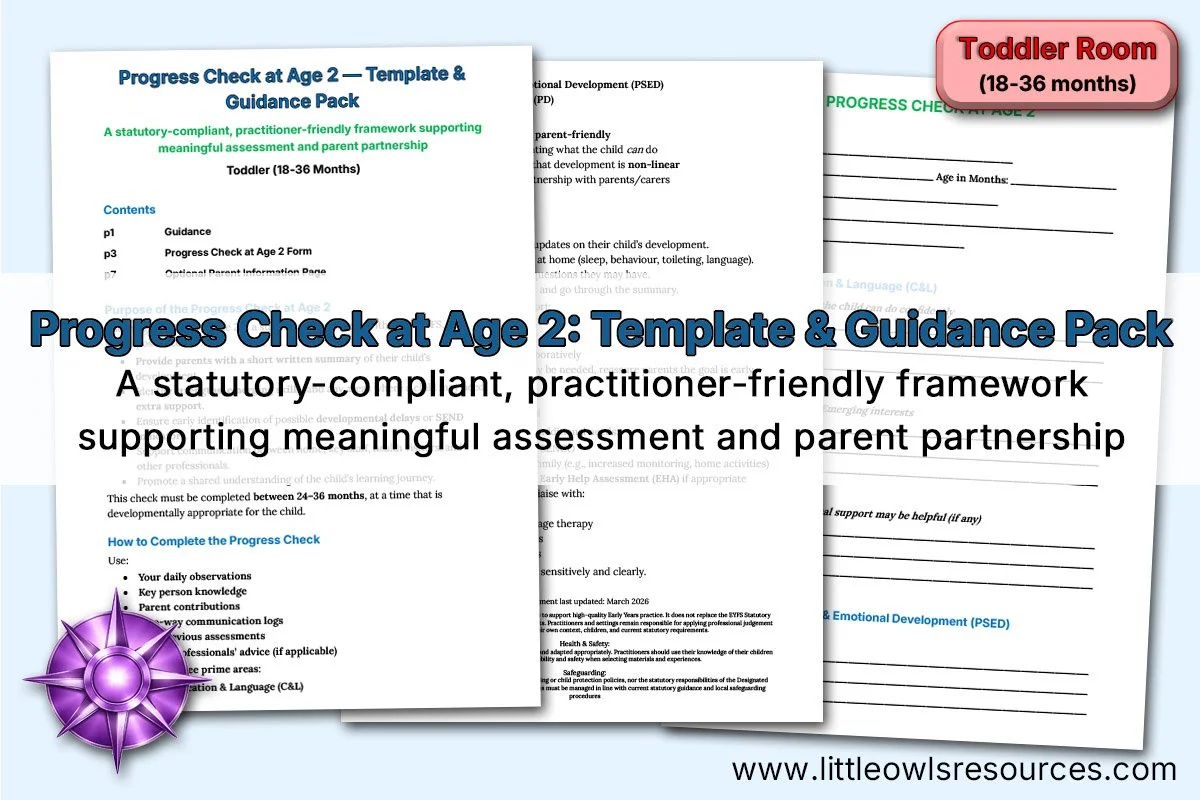
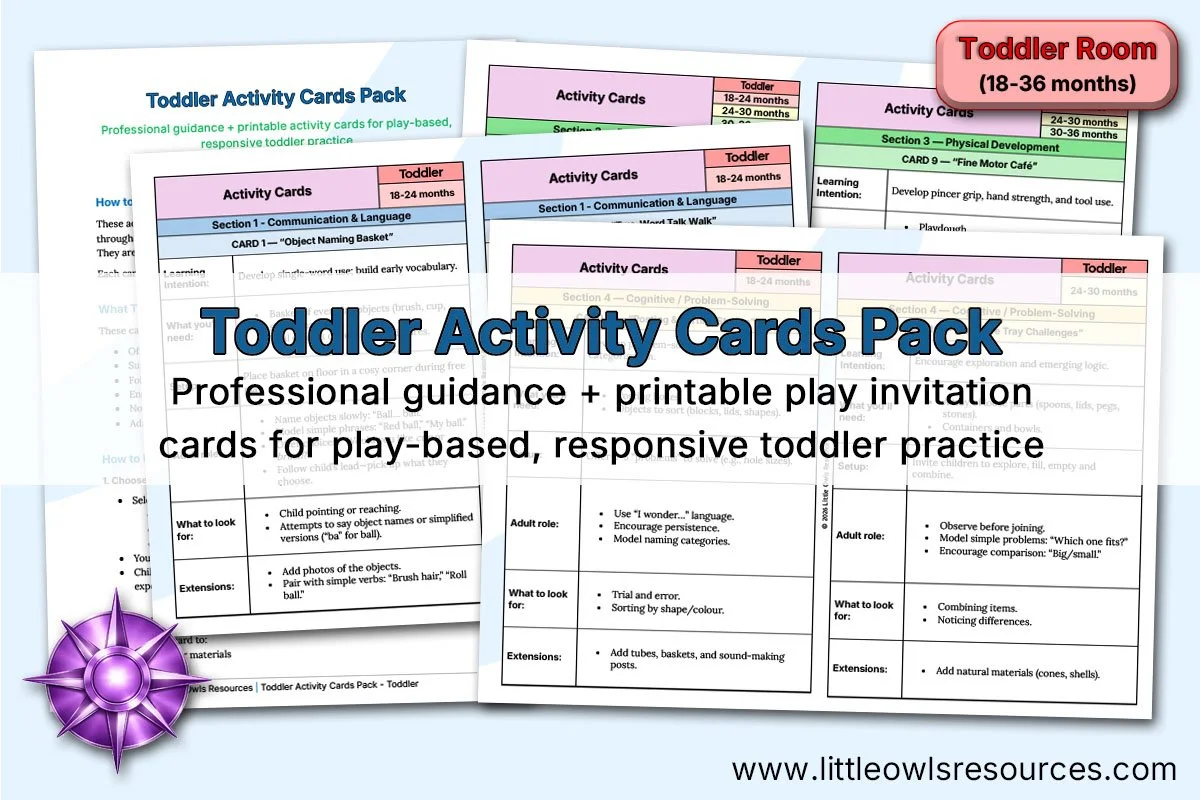

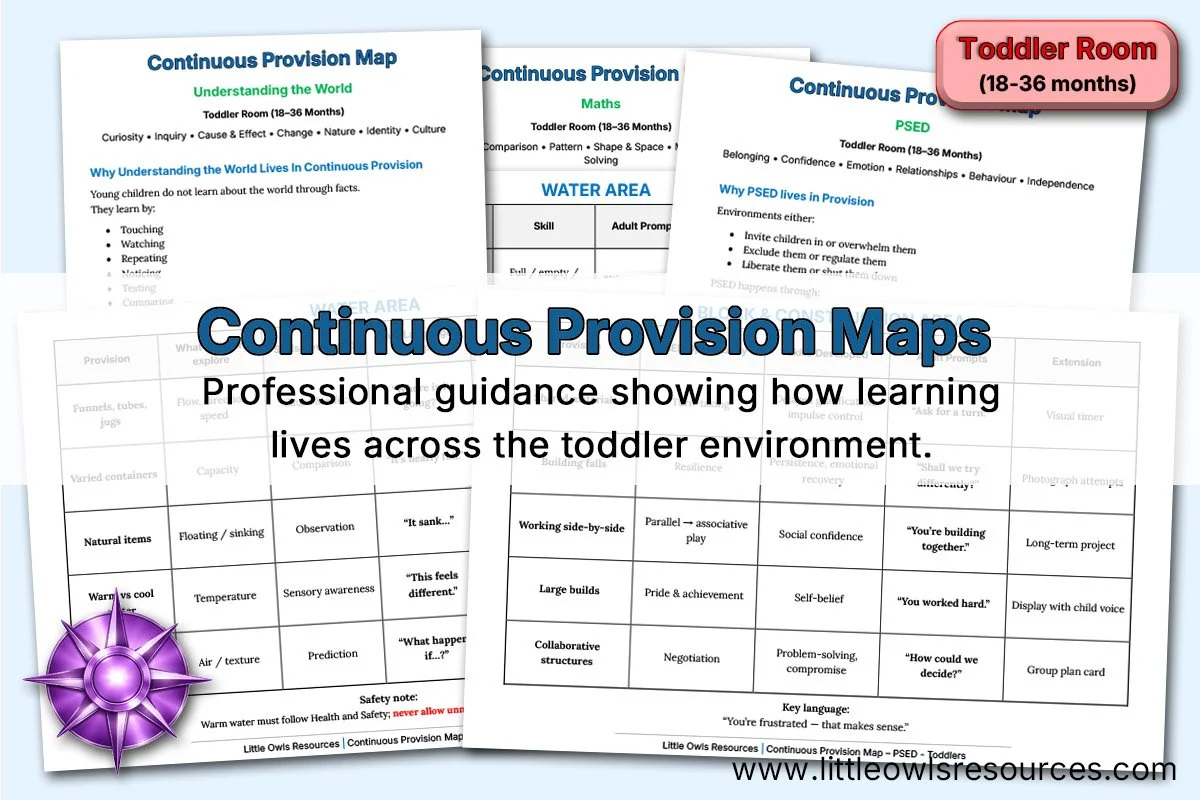


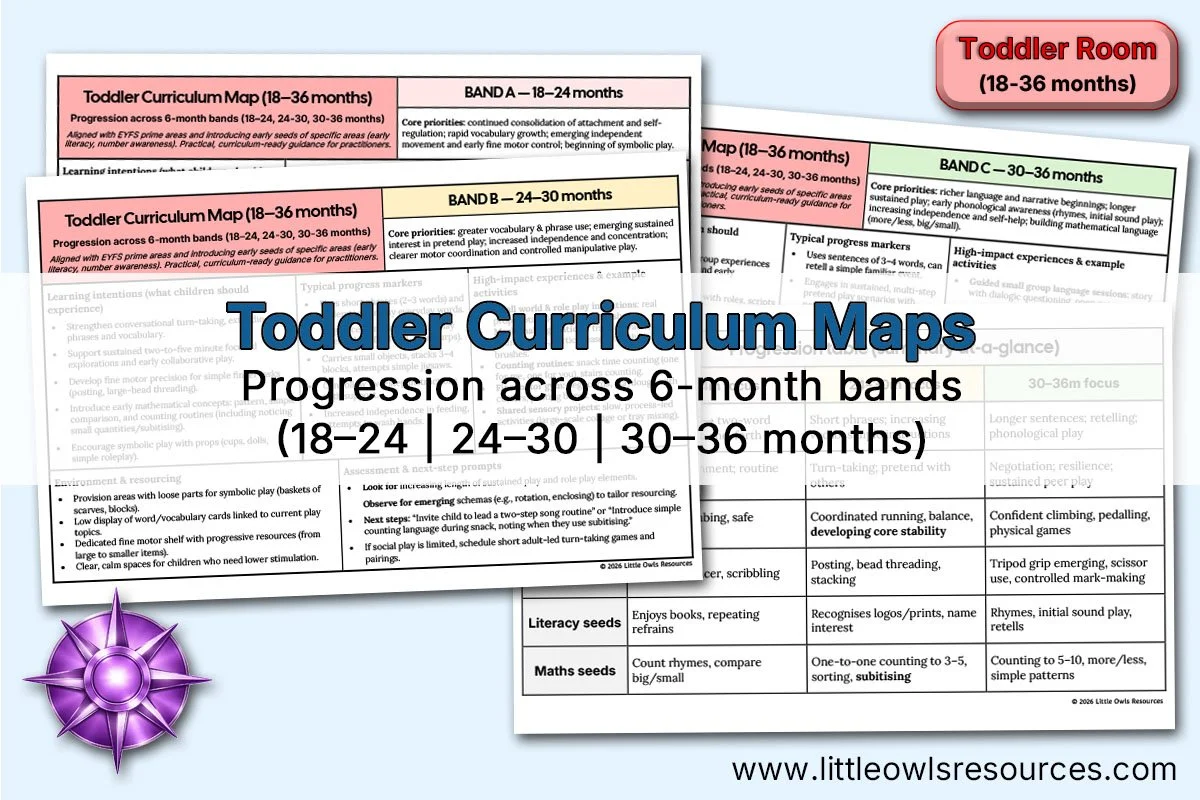
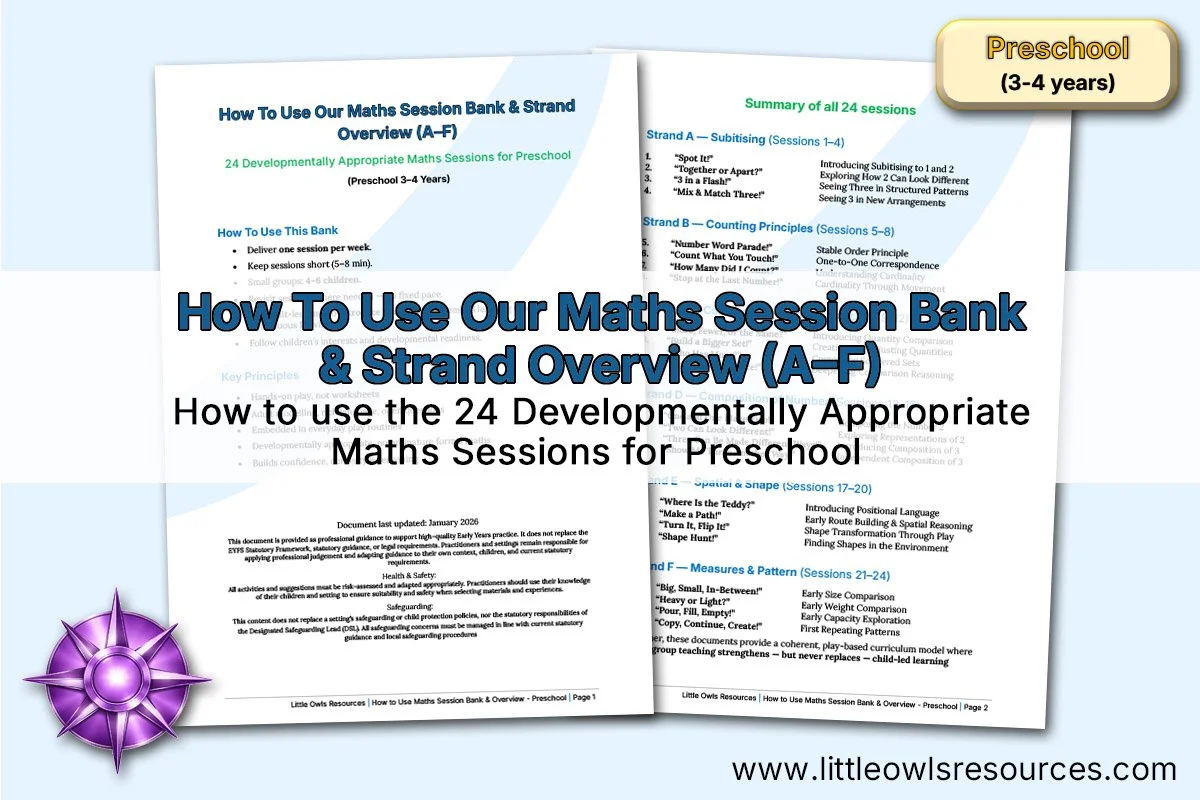
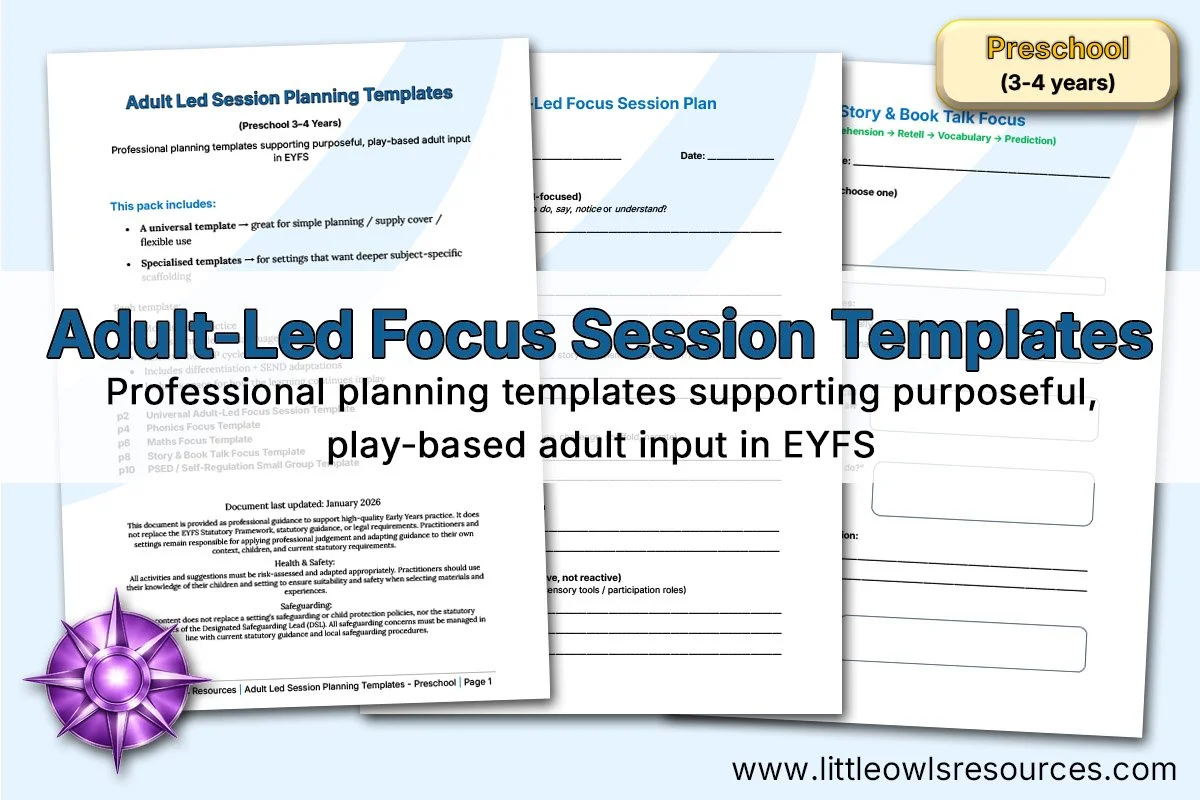
Additional Preschool Overarching Areas of Learning Support
The following documents include elements of ‘Mathematics’ which may be helpful tools within your setting’s OAP Cycle.
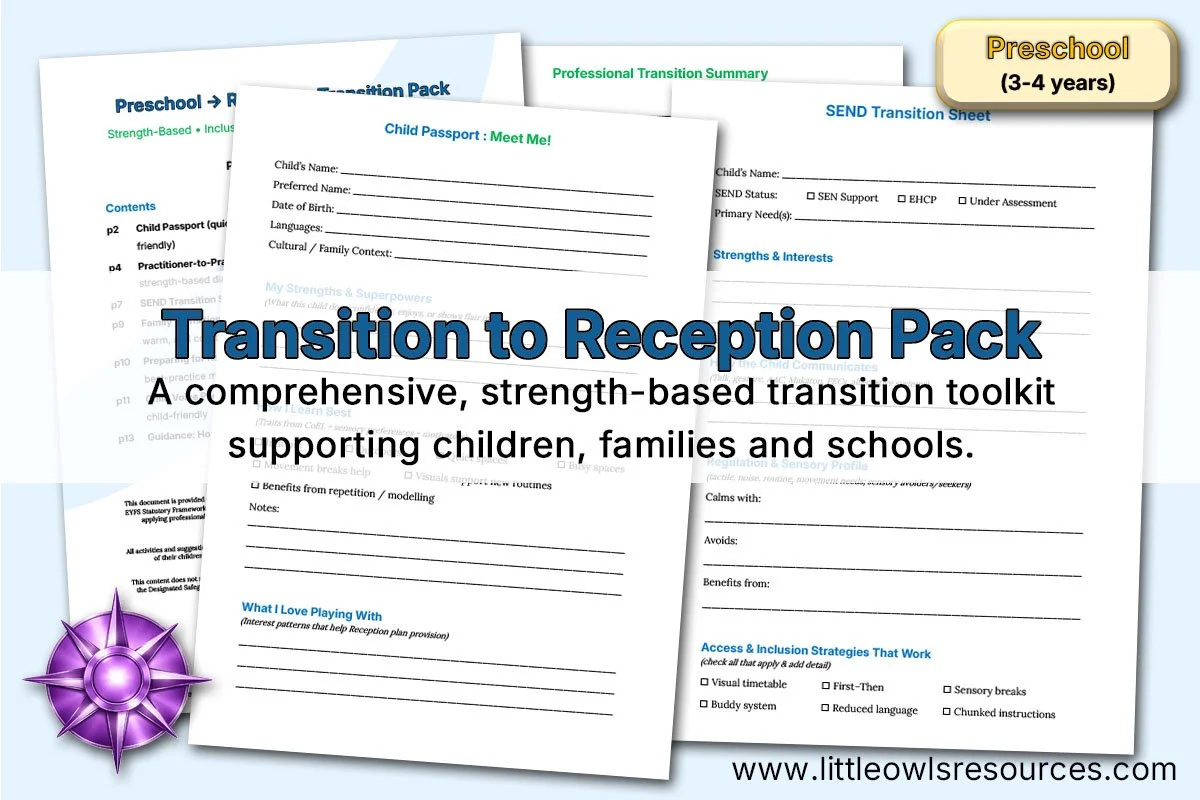

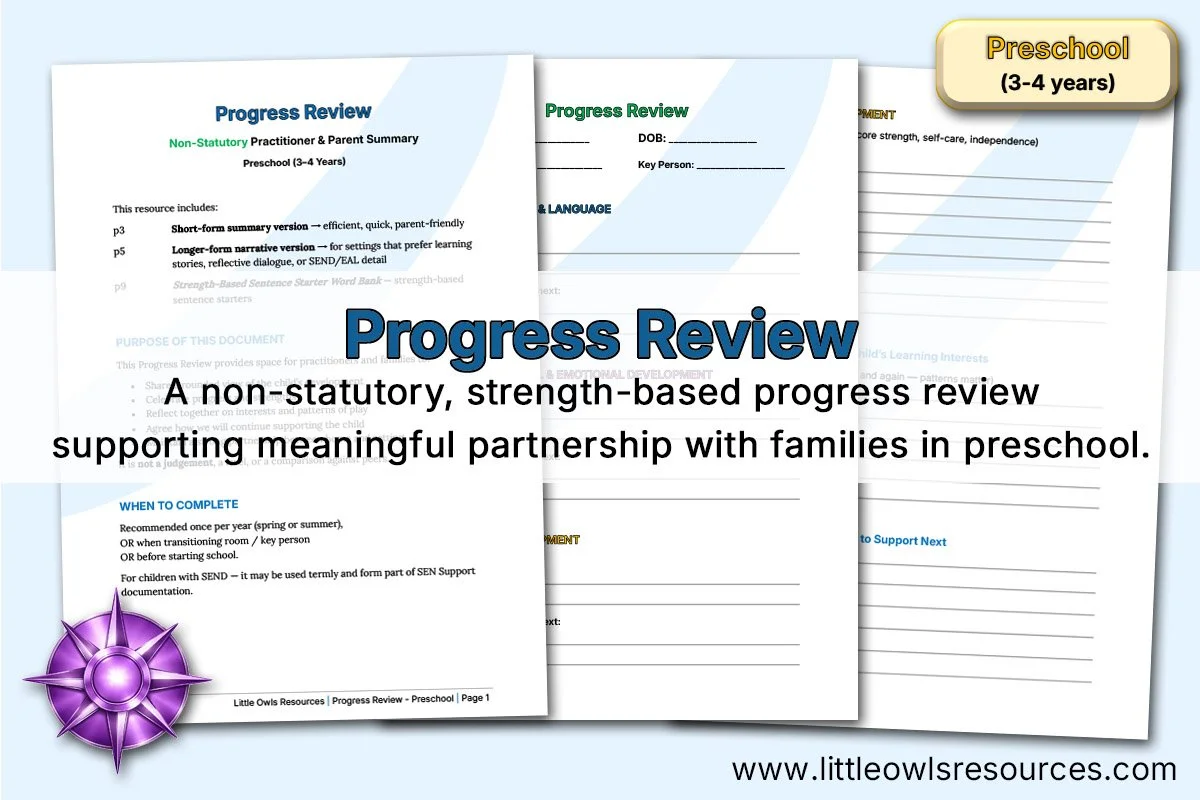


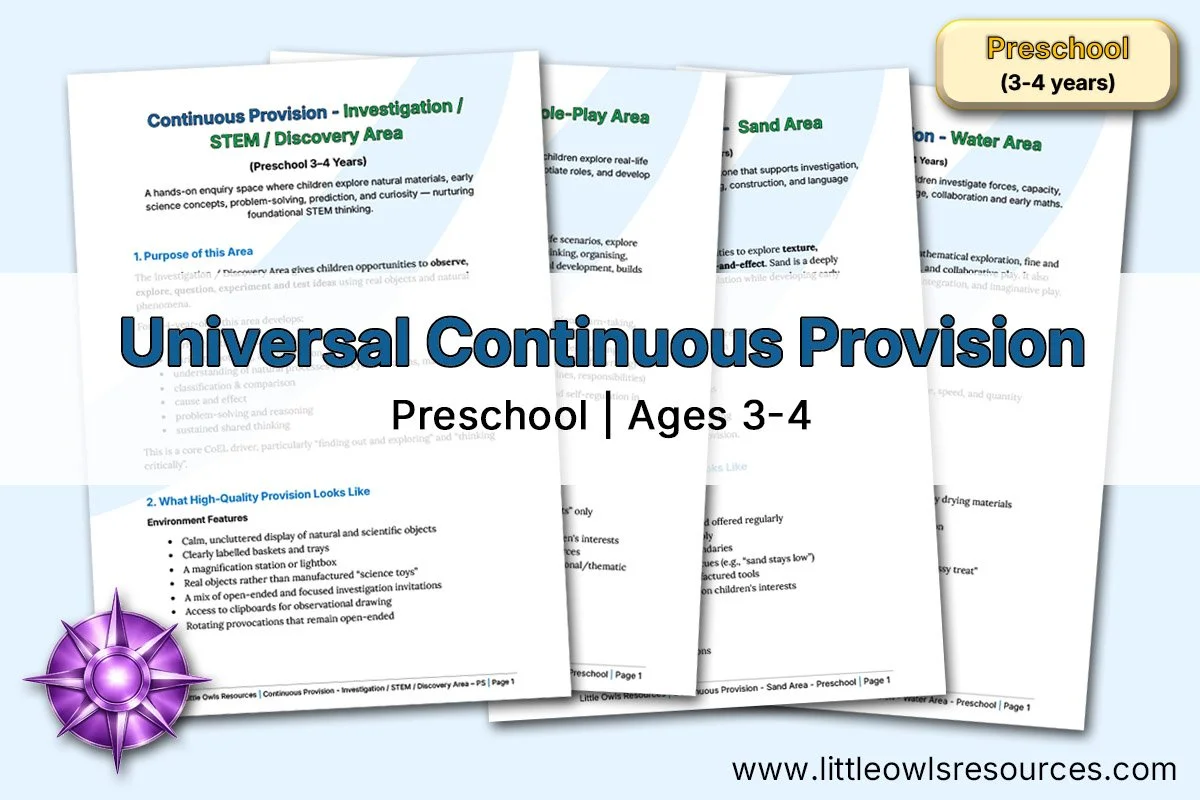


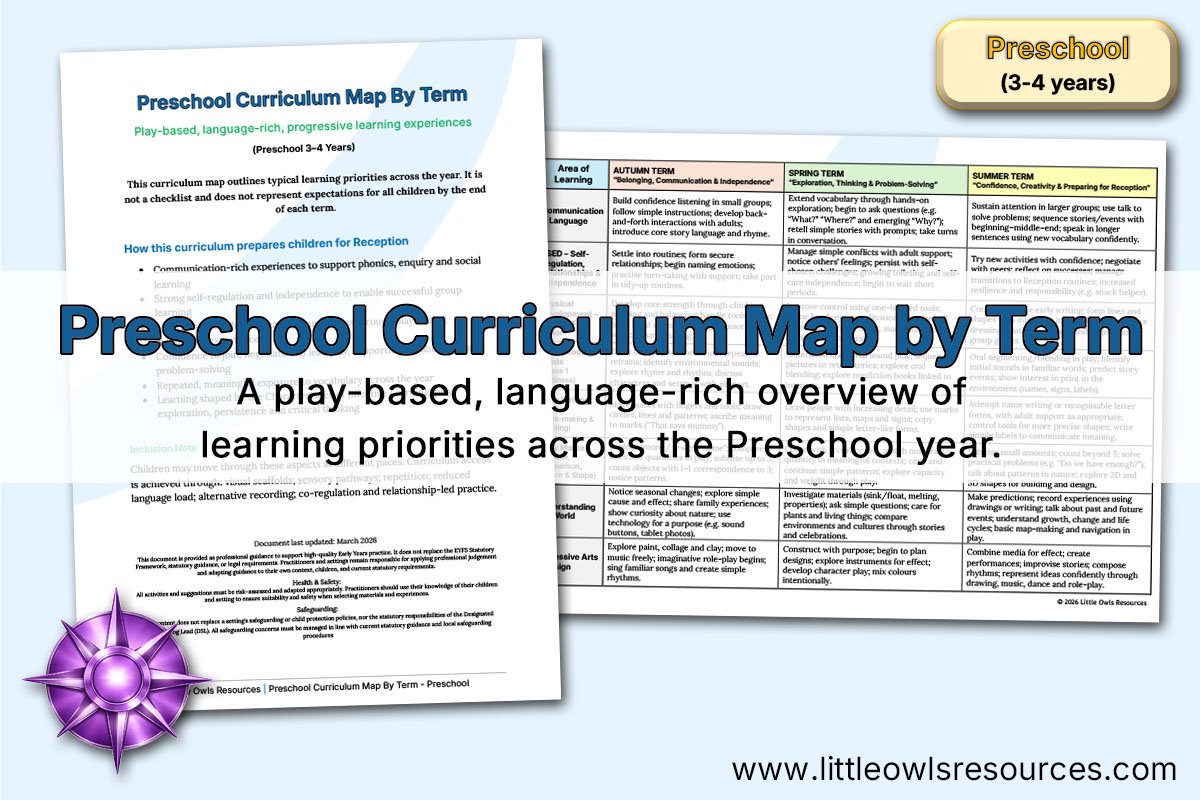

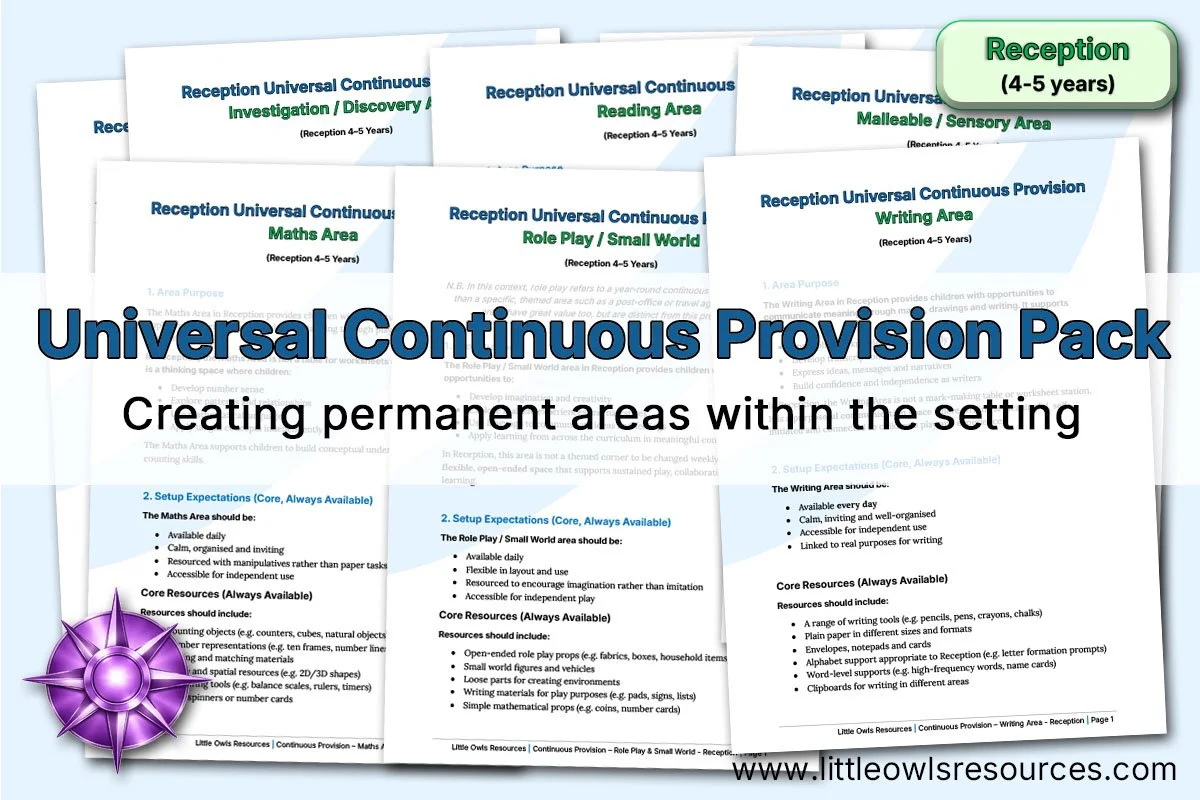
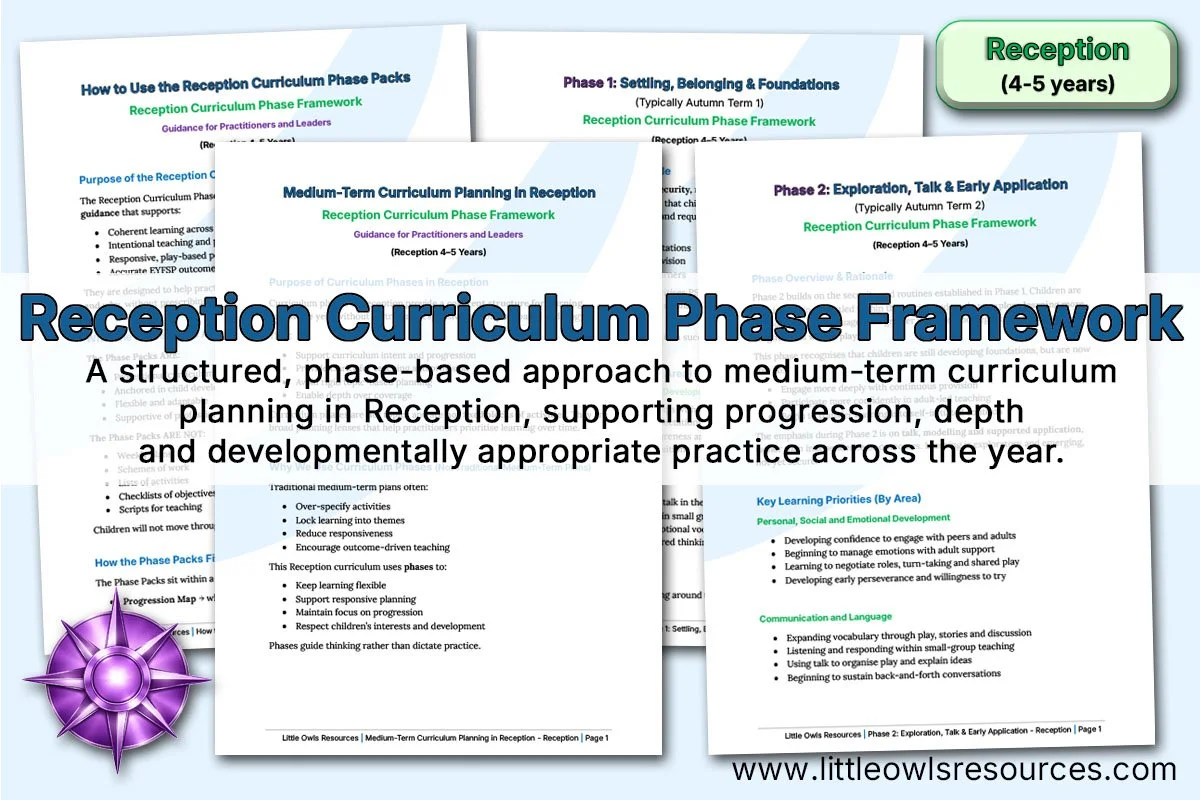
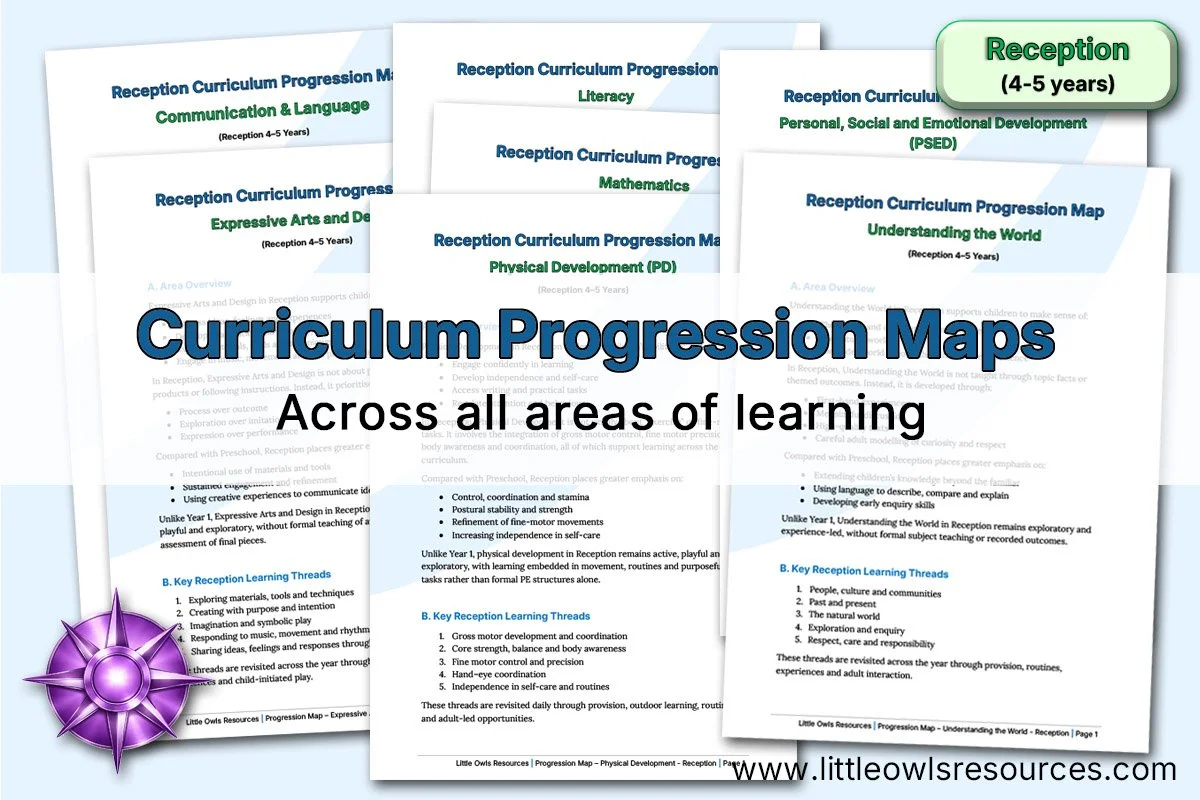
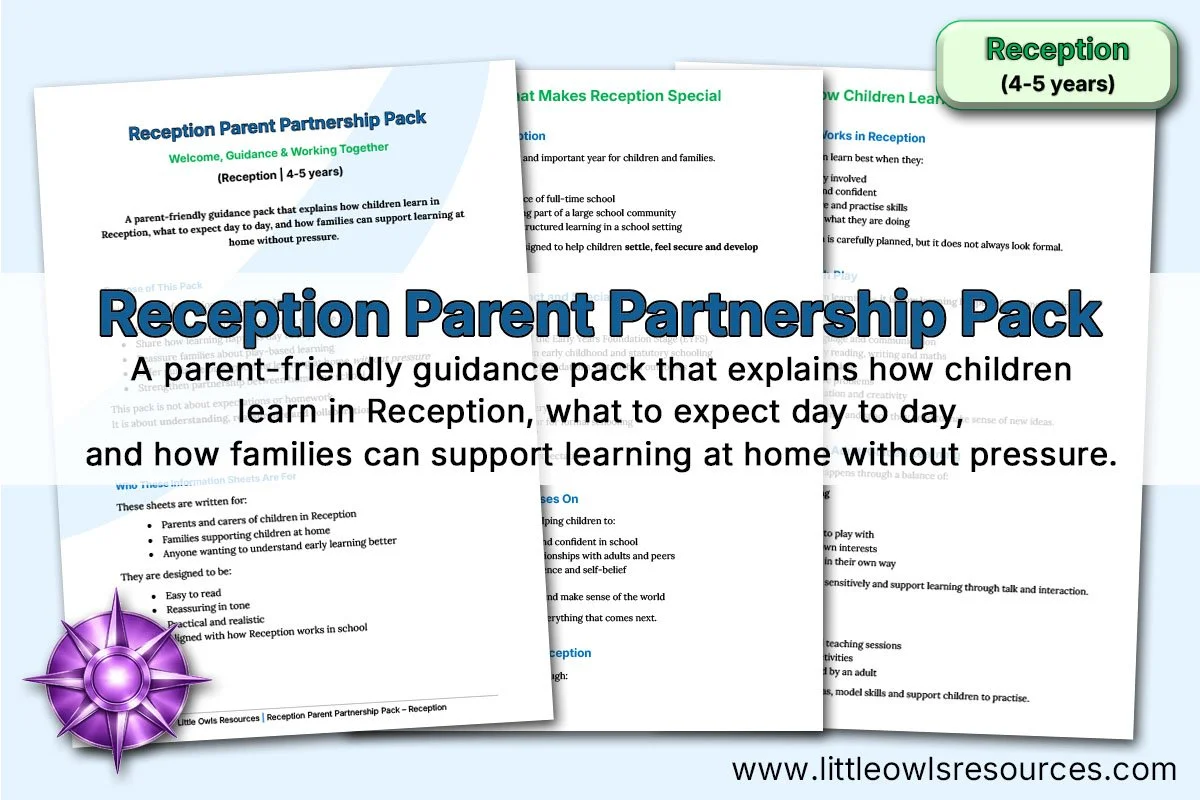
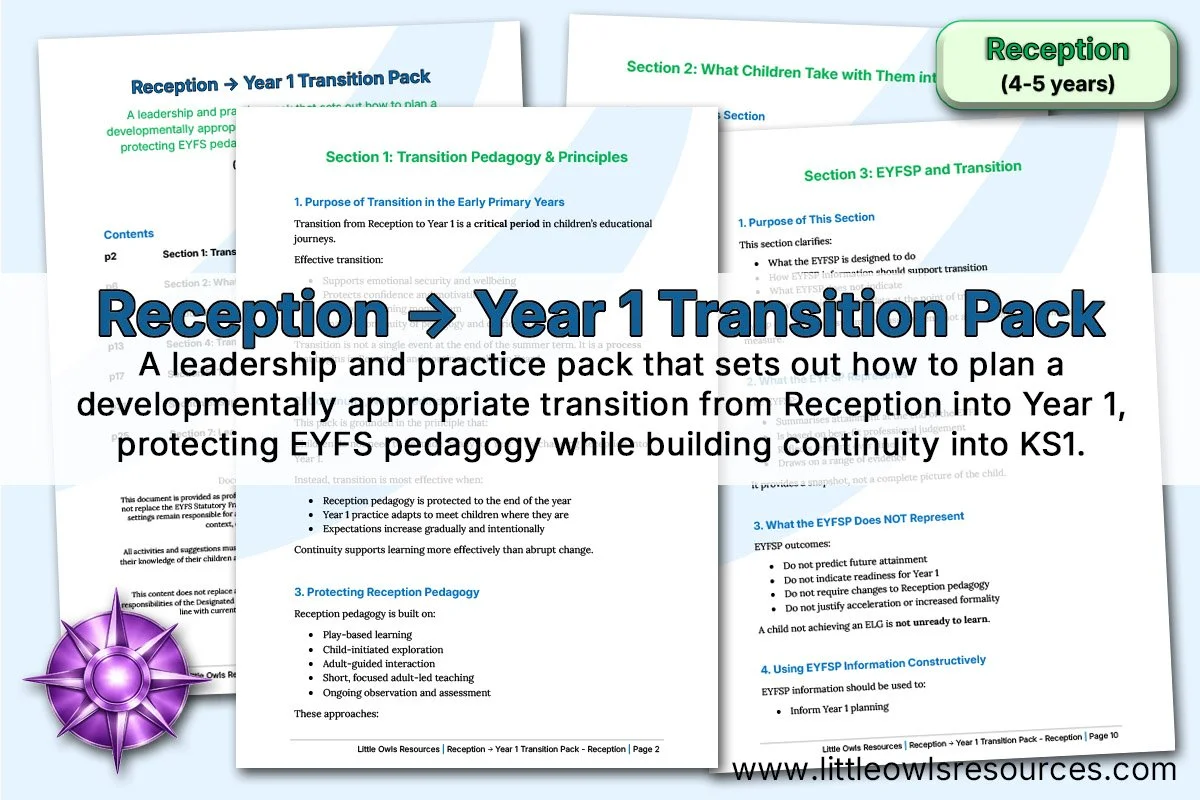
Additional Reception Overarching Areas of Learning Support
The following documents include elements of ‘Mathematics’ which may be helpful tools within your setting’s OAP Cycle.
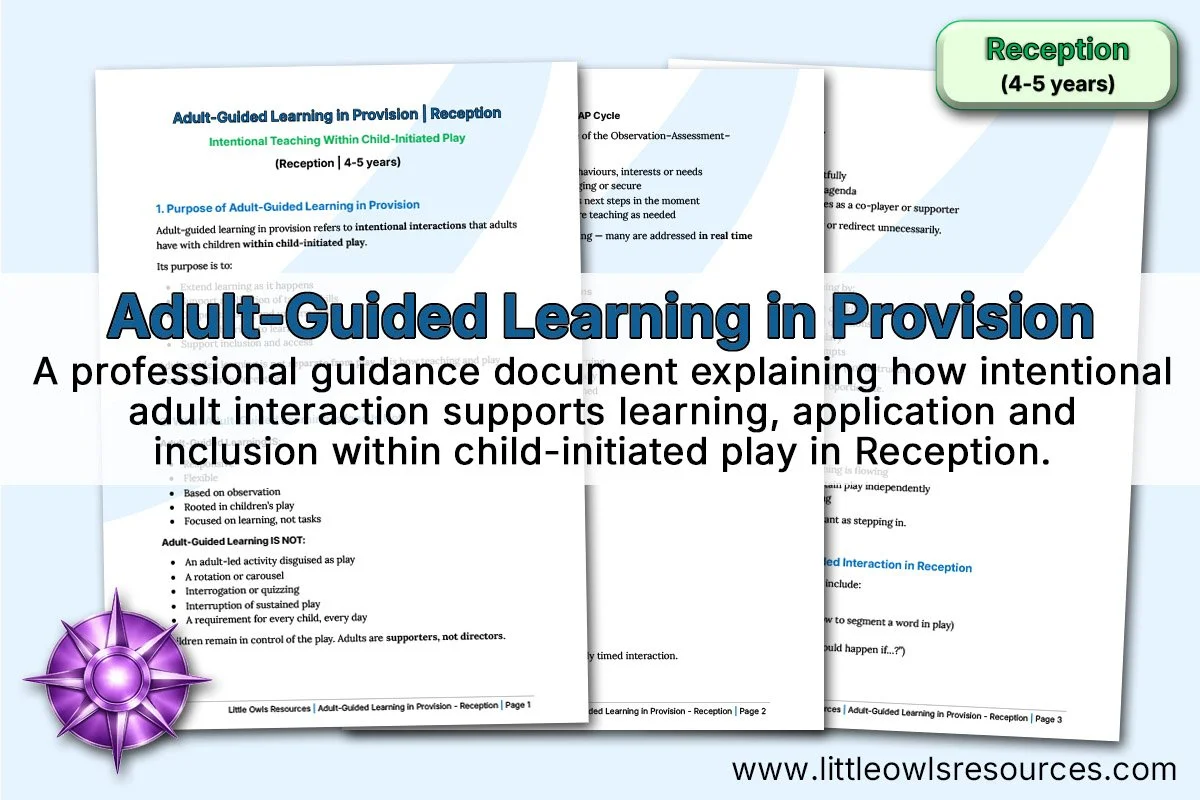
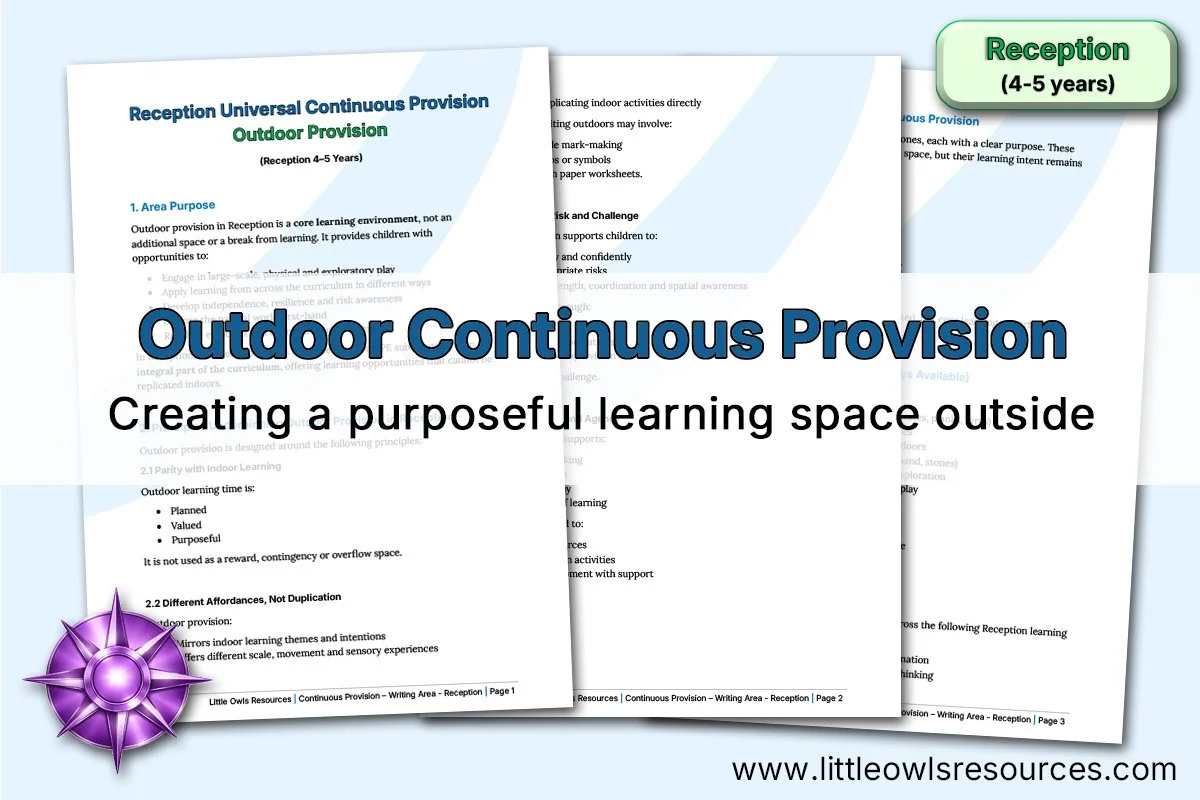
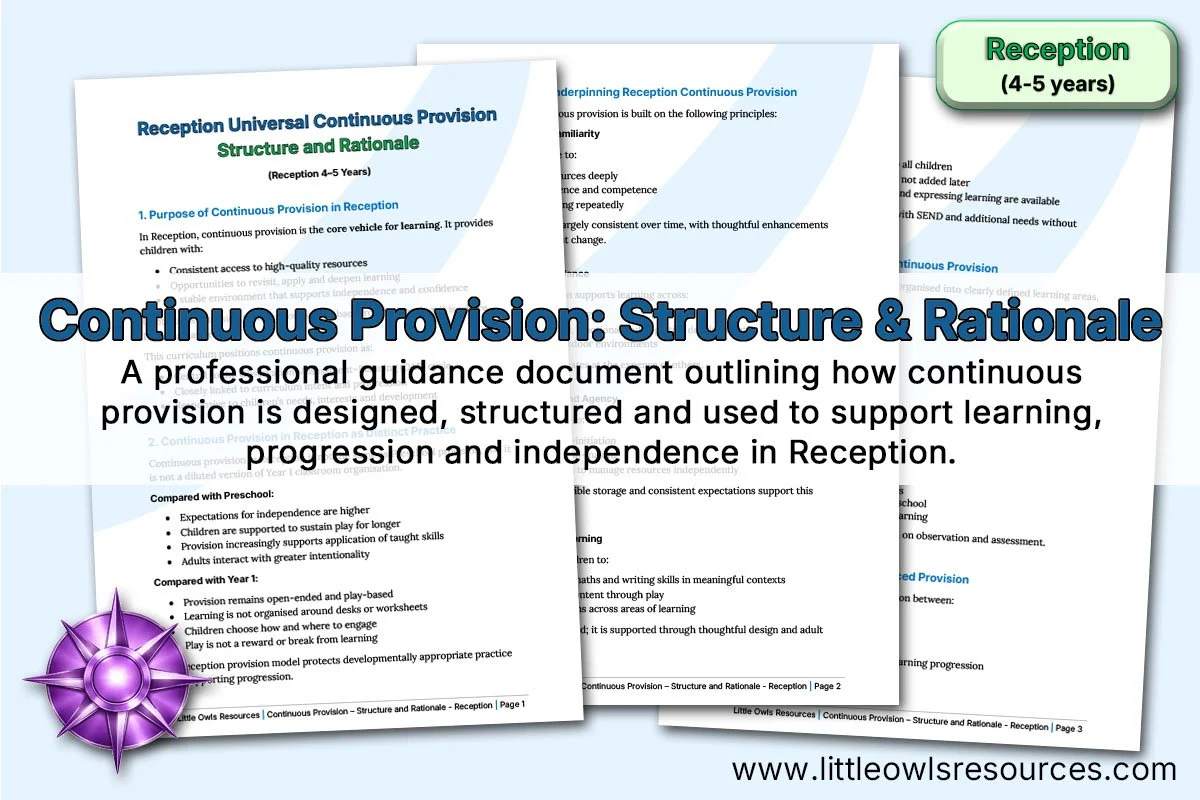
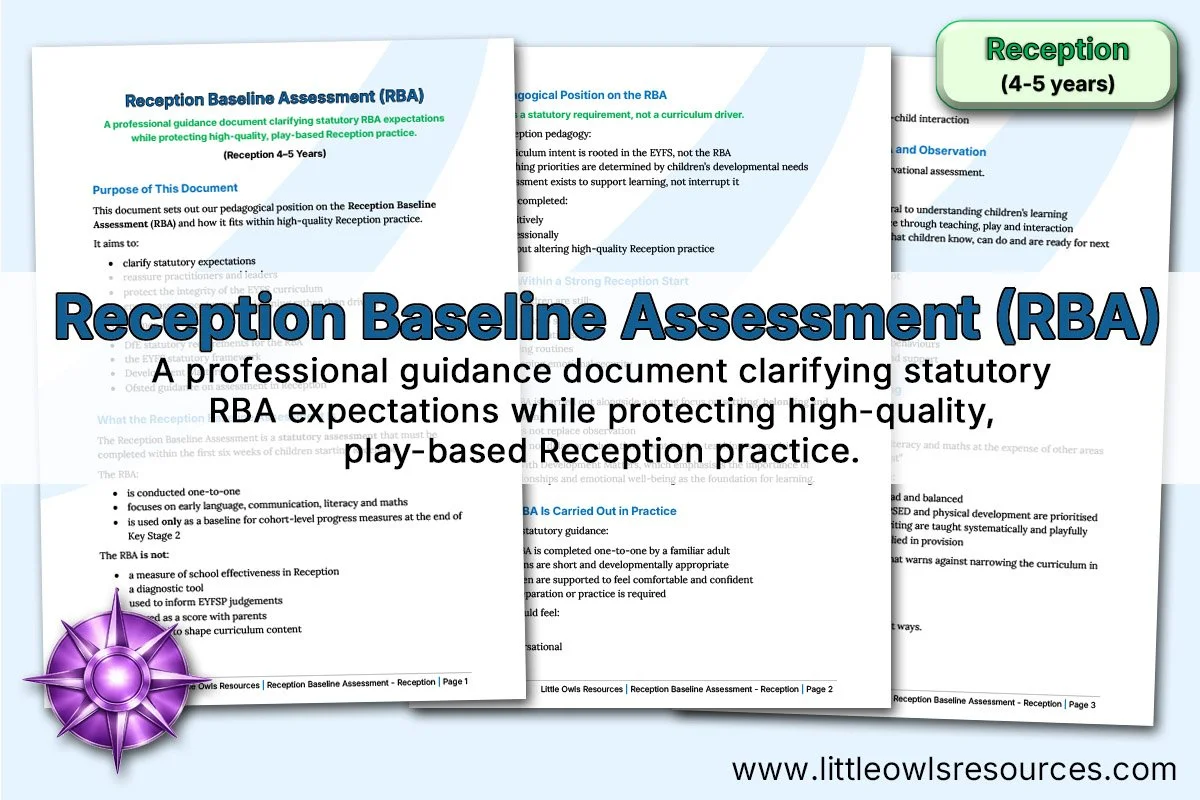
For overarching ‘Area of Learning’ Support such as Curriculum Intent Grids, Development Indicators and Assessment Tools, please visit our ‘Observations & Assessment’ page.
🏡 Mathematics within Continuous Provision | Age-Specific Ideas & Guidance
-
Toddler Mathematics provision should focus on early mathematical awareness through play, movement, language, routines and everyday experiences.
Sorting and matching objects by colour, size, type or interest
Filling, emptying and comparing capacity in water and sand play
Counting during routines, songs, snack time and tidy-up
Exploring “more”, “all gone”, “big”, “small”, “full” and “empty”
Building, stacking and knocking down blocks
Posting, nesting and fitting objects into spaces
Pattern and rhythm through songs, clapping and movement
Comparing quantities during play, such as “more cars” or “fewer bears”
Outdoor maths through collecting, transporting, lining up and grouping objects
Related Guidance:
Continuous Provision Setup Guides | Toddler Room
Small World
Messy / Wet Play
Dry Sensory & Loose Parts
Construction
Role Play / Home Corner
Mark Making
Book Area / Reading Nook
Music & Sound
Outdoor
Continuous Provision Maps (18–36 Months)
C&L
PSED
PD
Maths Seeds
Literacy Seeds
UW
EAD
Mathematics Seeds Progression Pack | Toddlers (18–36 Months)
-
Preschool Mathematics provision should support children to explore number, pattern, shape, space and measure through practical, play-based experiences.
Subitising games using dice, fingers, objects and natural materials
Counting collections in construction, small world and investigation areas
Comparing quantities using language such as more, fewer, same and equal
Exploring shape through building, rotating, fitting and creating
Pattern-making with loose parts, beads, blocks and natural objects
Measuring through water, sand, cooking, blocks and outdoor play
Number-rich role-play using menus, tickets, prices and phones
Sorting and classifying objects by different properties
Small-group maths games supporting talk, reasoning and confidence
Related Guidance:
Universal Continuous Provision Packs (Preschool | 3–4 Years)
Construction Area
Small World Area
Role-Play Area
Writing / Mark-Making Area
Maths Area
Creative Area (Art & Making)
Investigation / STEM / Discovery Area
Book Corner / Reading Den
Fine Motor Station
Water Area
Sand Area
Snack Area / Independence Station
Outdoor Provision Core Zones
Physical play
Gross motor skills
Nature area
Outdoor mark-making
Outdoor maths
Preschool Skills Progression Ladder: Early Maths - Subitising, Counting & Comparing
Preschool Skills Progression Ladder: Early Maths - Pattern, Shape & Spatial Awareness
-
Reception Mathematics provision should support children to deepen number understanding, reason mathematically and apply taught concepts within meaningful play and everyday contexts.
Number composition activities using manipulatives, frames and real objects
Subitising opportunities embedded in games and routines
Counting, comparing and ordering quantities across provision
Shape and spatial reasoning through construction, blocks and small world play
Pattern exploration through art, music, movement and loose parts
Measuring length, height, weight, time and capacity in real contexts
Outdoor maths challenges involving movement, routes, scoring and collecting
Problem-solving prompts within role-play, STEM and investigation areas
Adult-guided maths talk supporting reasoning, explanation and confidence
Related Guidance:
Universal Continuous Provision Pack (Areas listed below)
Construction
Creative
Investigation / Discovery
Maths
Reading
Role Play / Small World
Malleable / Sensory
Writing
Outdoor Continuous Provision (Reception)
❓ Frequently Asked Questions About EYFS Mathematics
-
Mathematics is one of the specific areas of learning within the EYFS. It includes number, numerical patterns, shape, space, measure, pattern and mathematical problem-solving.
-
Mathematics supports children’s problem-solving, reasoning, language, confidence, independence and ability to make sense of the world around them.
-
Practitioners can support Mathematics through counting collections, construction, role-play, outdoor maths, sorting, pattern-making, measuring, subitising games and meaningful mathematical talk.
-
Examples include subitising games, counting objects, comparing quantities, number composition activities, shape challenges, pattern-making, measuring investigations and outdoor maths problems.
-
Subitising is the ability to recognise a small quantity without counting. It helps children develop strong number sense and understand how numbers are composed.
-
Toddlers develop early maths through everyday play such as filling and emptying, sorting, matching, building, counting songs, comparing sizes and using words such as more, gone, big and small.
-
Outdoor play supports Mathematics through movement, collecting, counting, measuring, comparing, building, mapping, positional language and problem-solving in real contexts.
-
Role-play gives children meaningful reasons to use numbers, money, measures, time, lists, tickets, menus, quantities and mathematical language within imaginative contexts.
-
Settings can support children through practical resources, repetition, visual support, adult modelling, small-group interaction, concrete experiences and playful low-pressure maths opportunities.
-
Reception maths should include planned teaching alongside opportunities for children to apply mathematical ideas through play, routines, adult interaction and problem-solving across provision.
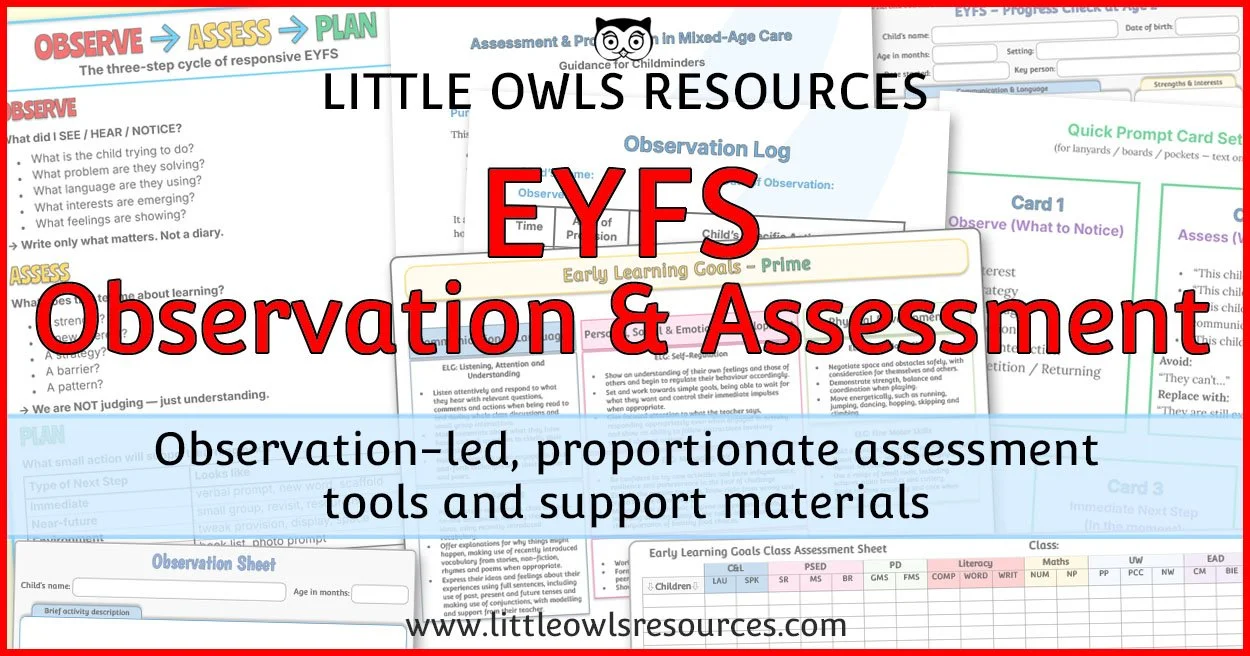
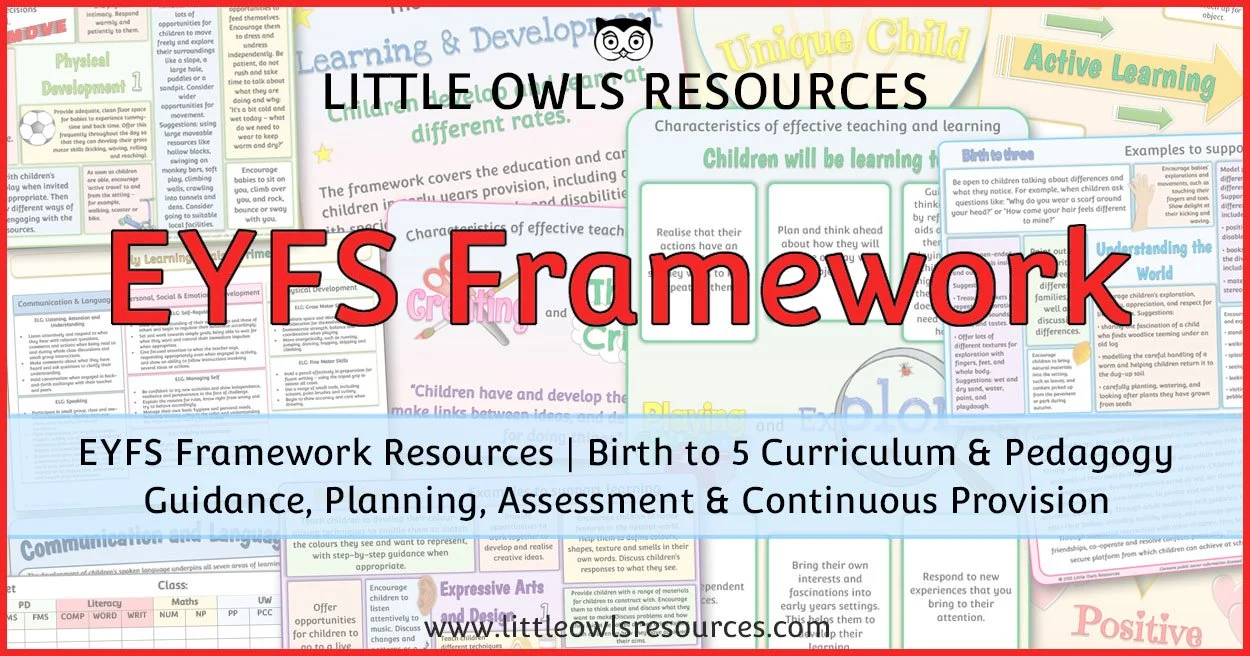
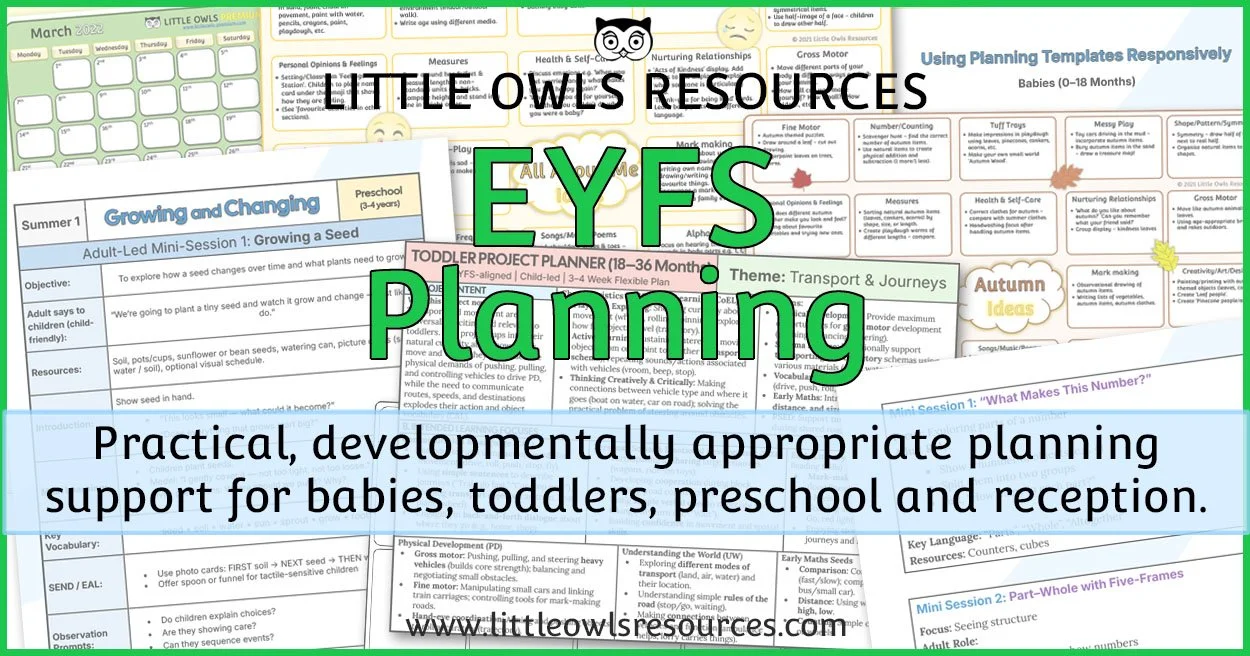
🧰 Additional ‘Mathematics’ Tools & Guidance
When considering the support you provide for ‘Mathematics’ within your setting, you may find resources on the following pages useful.
🌈 EYFS Printable Resources & Guidance for Additional Areas of Learning
Prime Areas of Learning
These areas are particularly important for building foundations in communication, wellbeing and physical development.
Specific Areas of Learning
These areas build on and strengthen the prime areas as children grow and develop.
Additional Curriculum Collections on Little Owls Resources
These collections support learning across multiple EYFS areas and are commonly used alongside the statutory framework.
More ways to search on ‘Little Owls Resources’…
(Select the buttons below to visit our menu pages)


This page contains public sector information licensed under the Open Government Licence v3.0.
🌍 Spark your children's curiosity about the changing year with our wonderful Seasons: Sort & Match Activity Cards! This engaging printable resource is perfect for EYFS and KS1 children…