
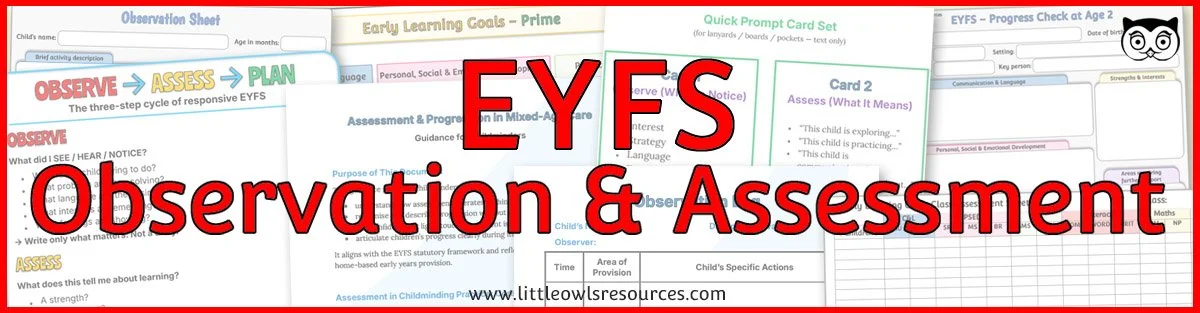
EYFS Observation & Assessment
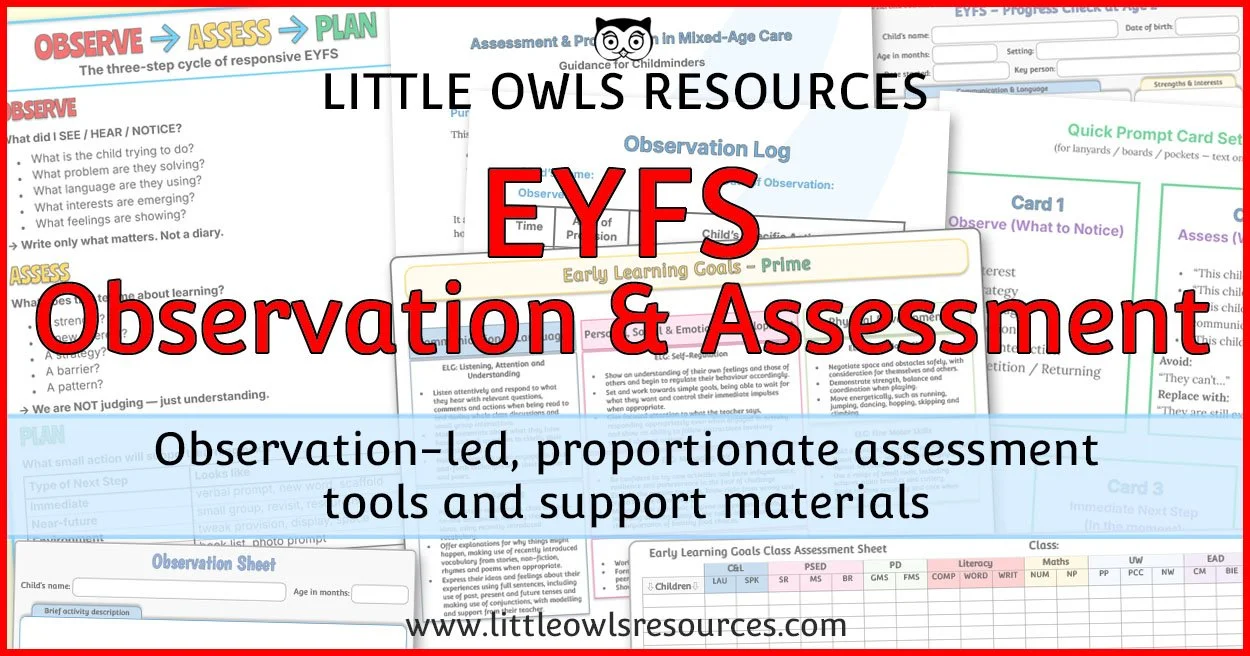
Observation-led, proportionate assessment tools & support materials for babies, toddlers, preschool and reception.

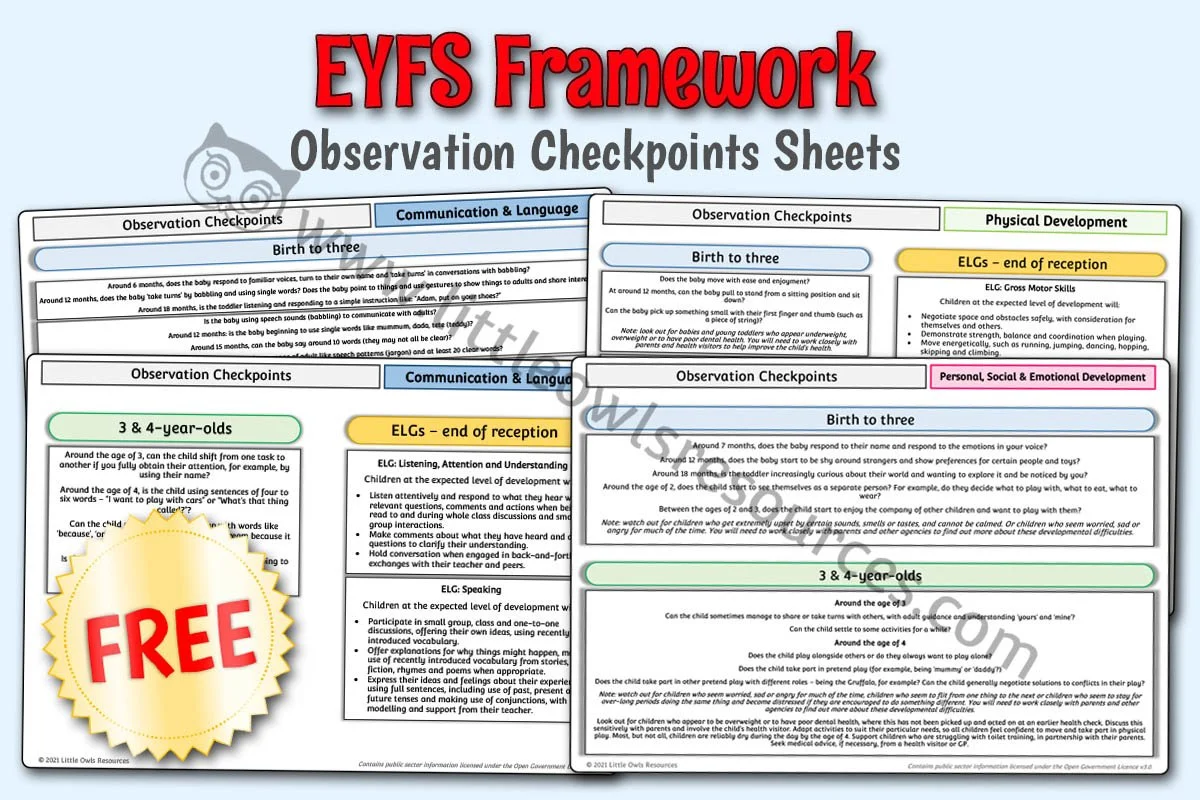
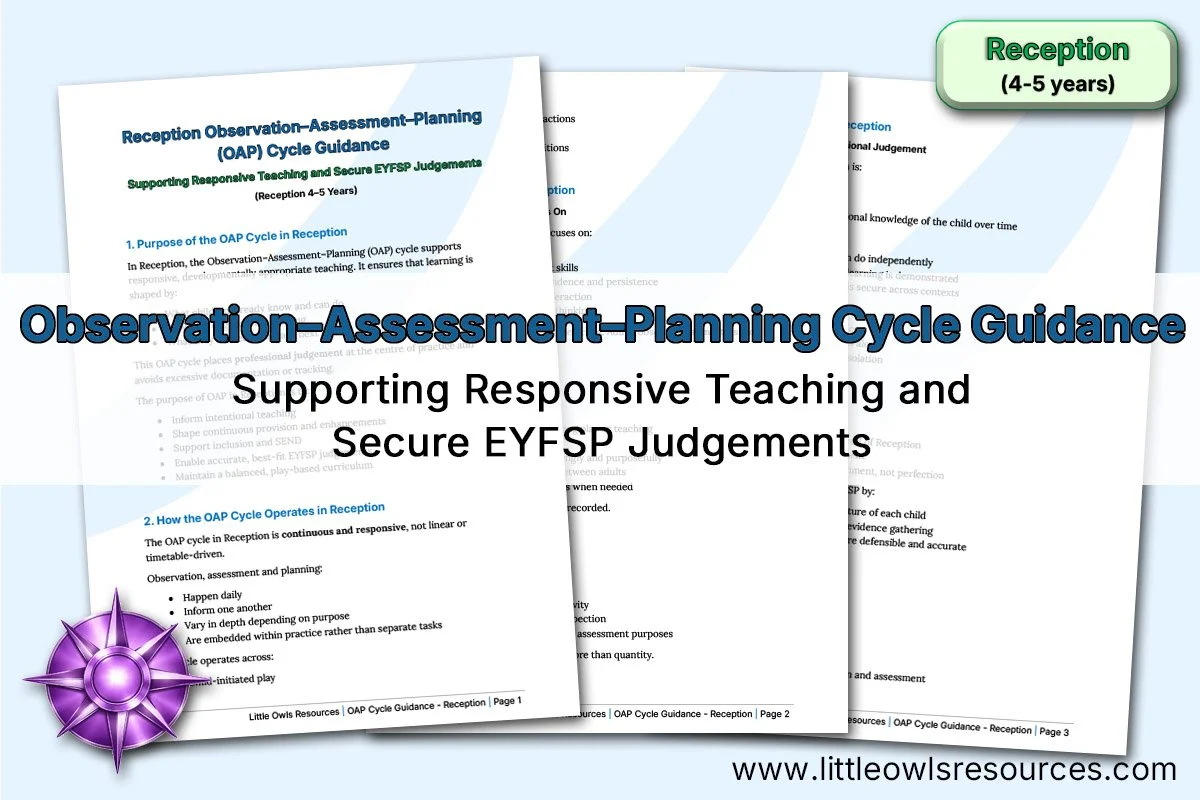
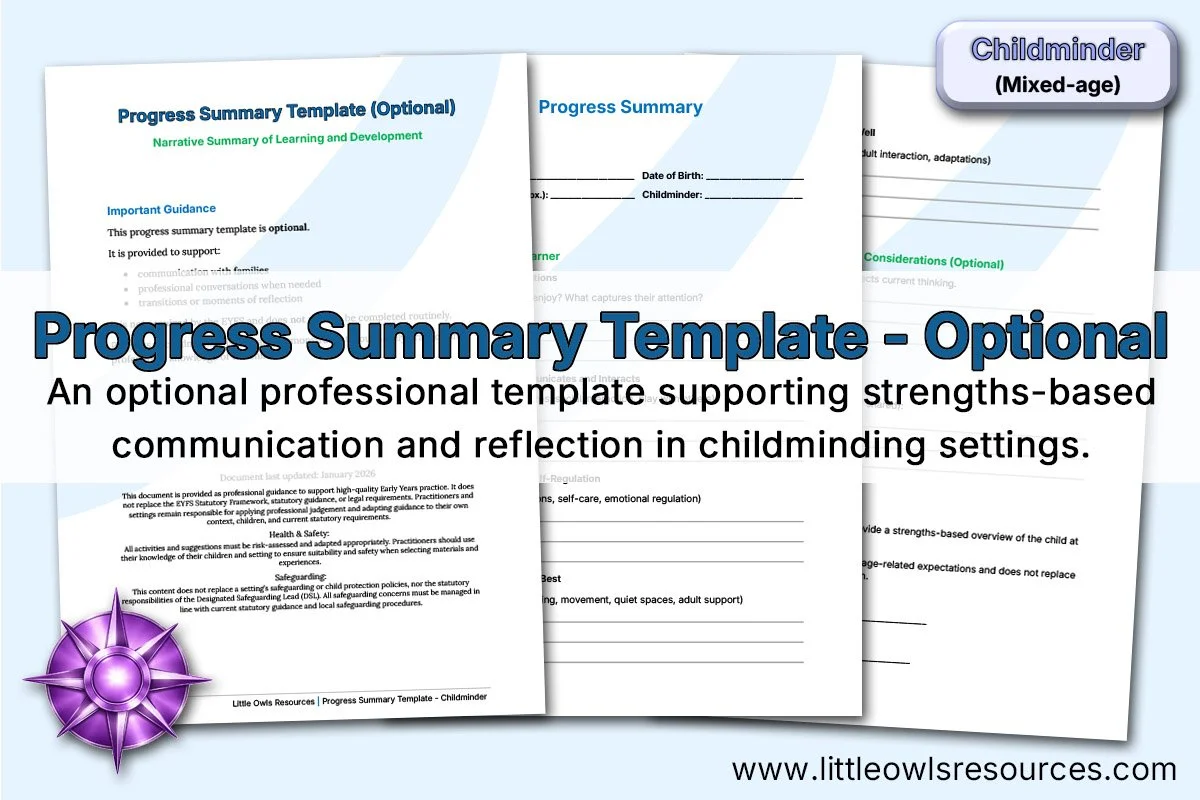
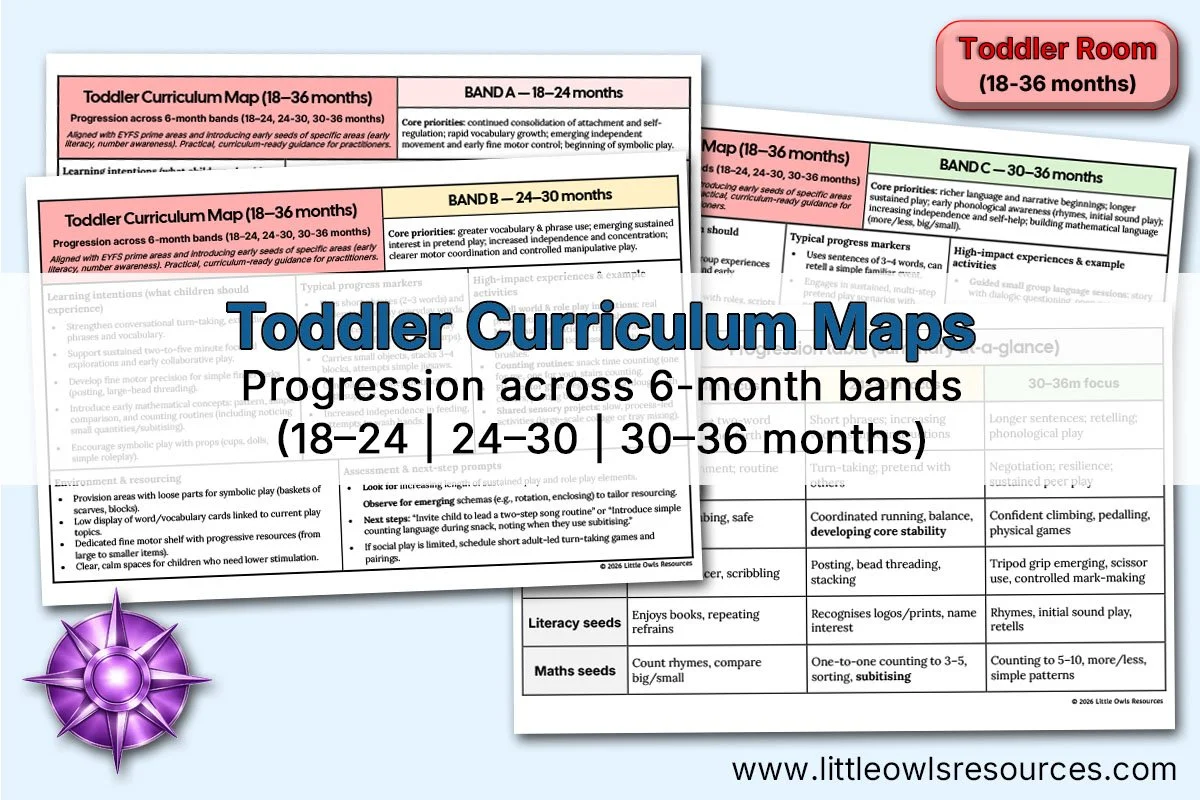

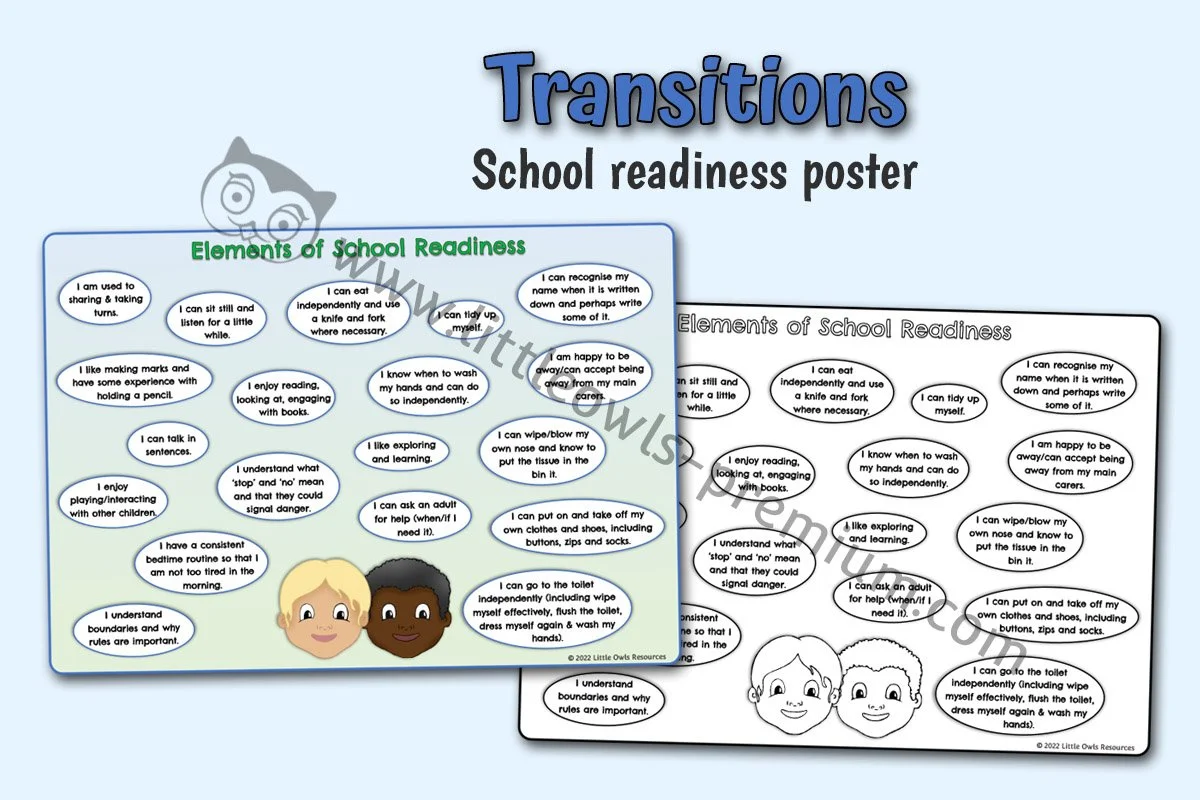


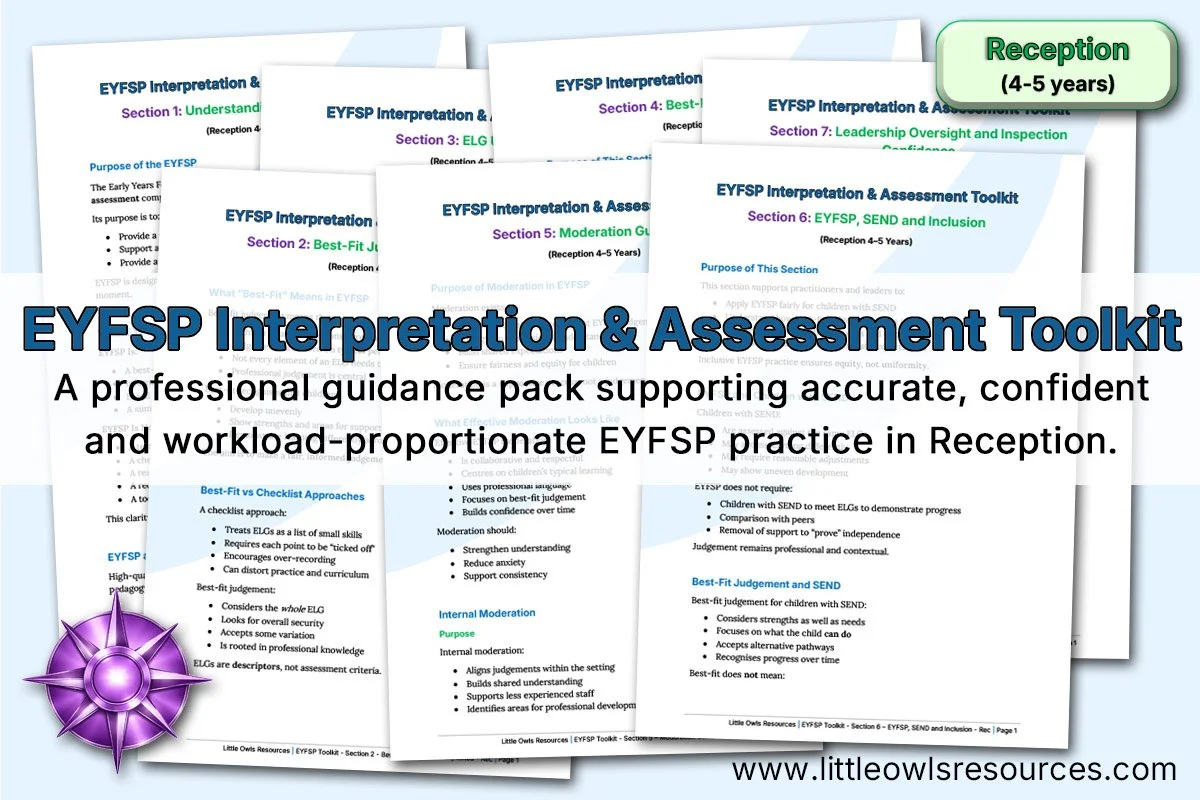


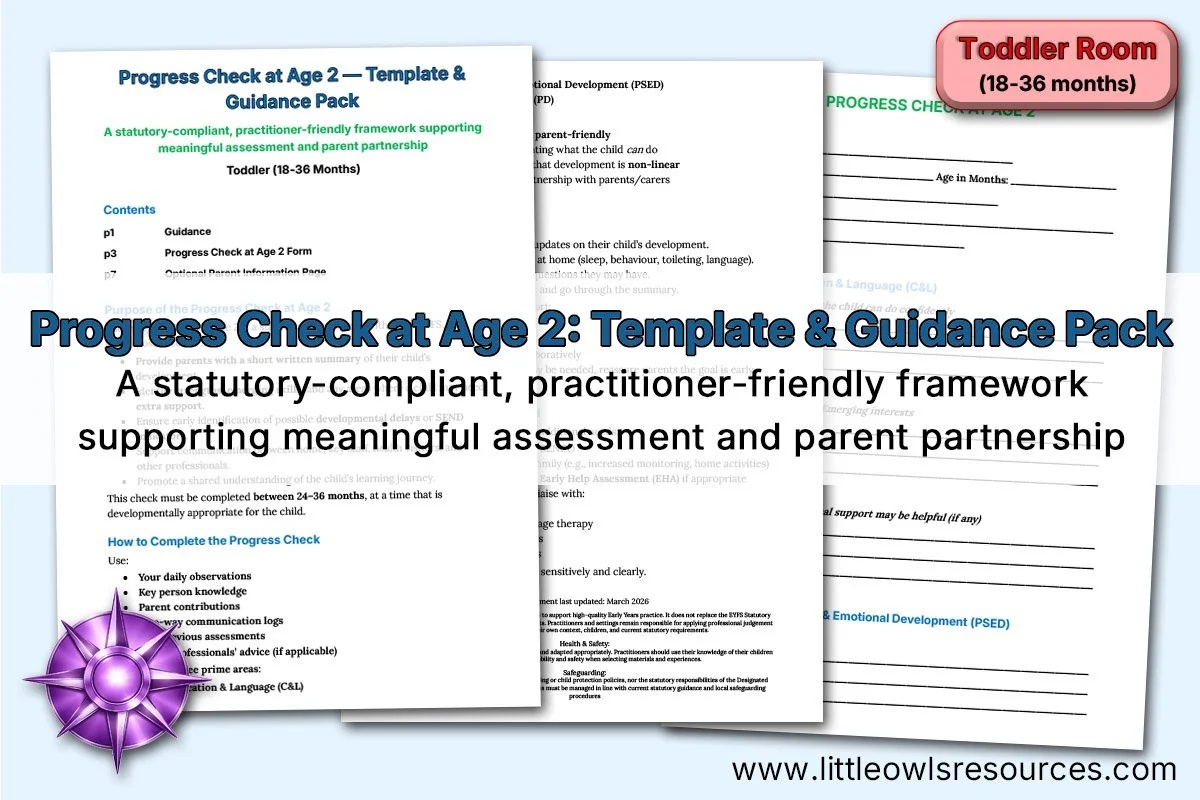
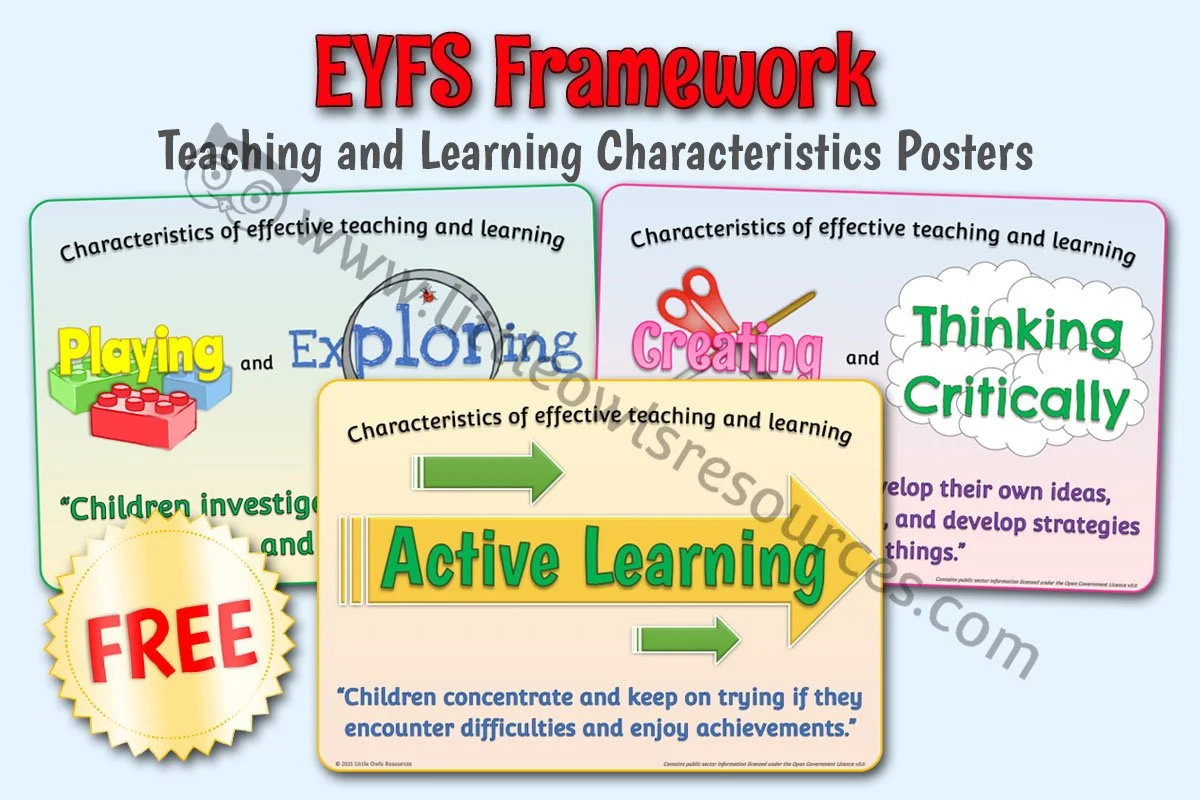

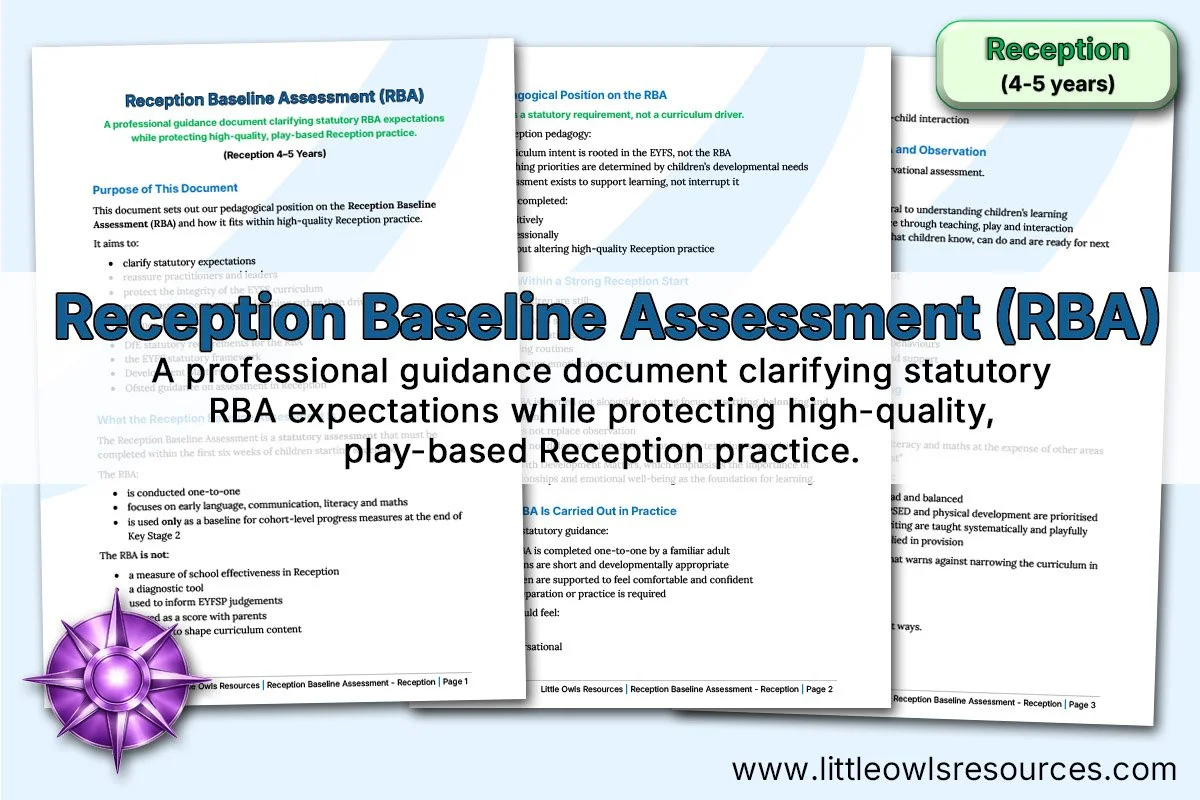
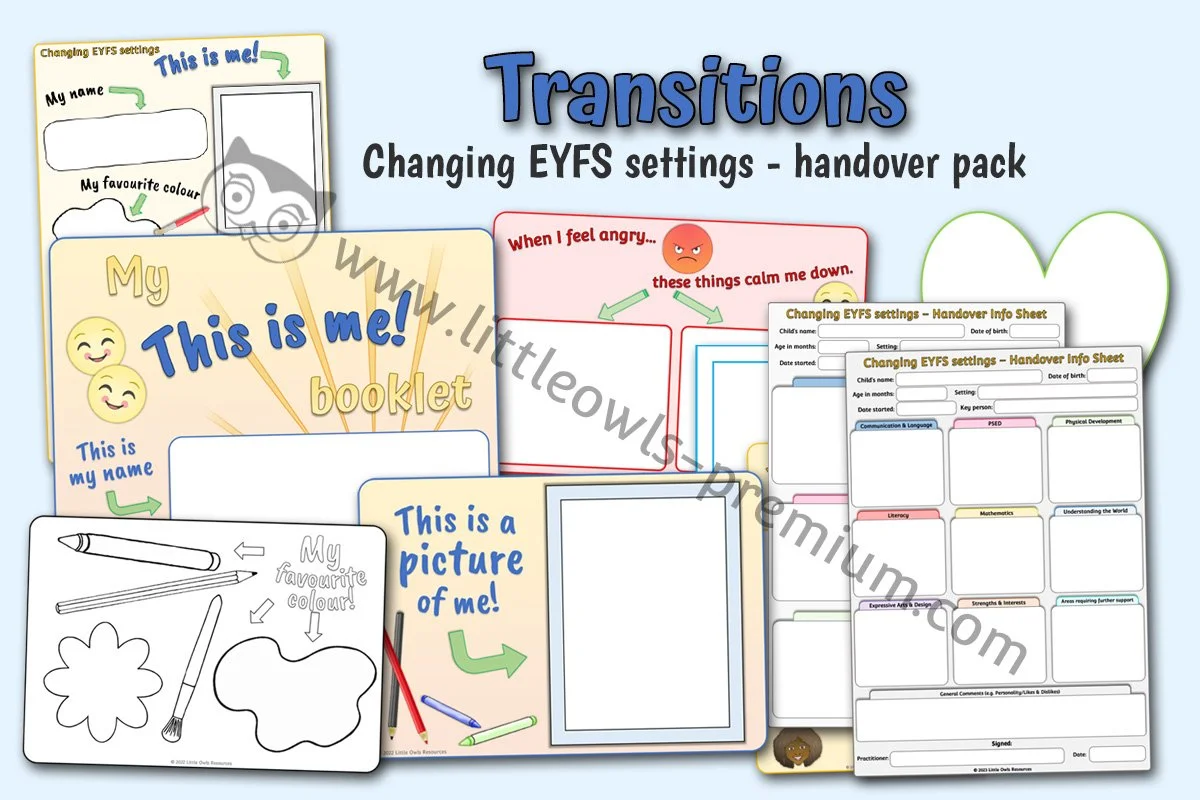

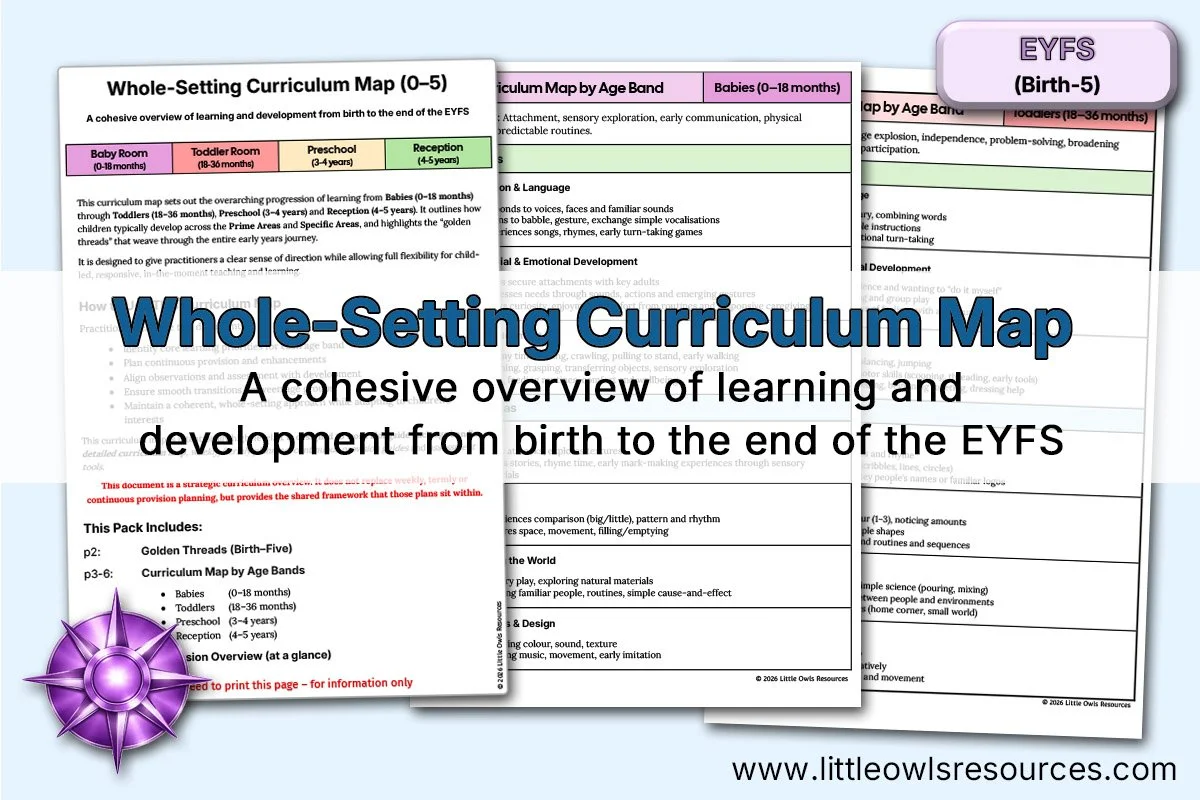
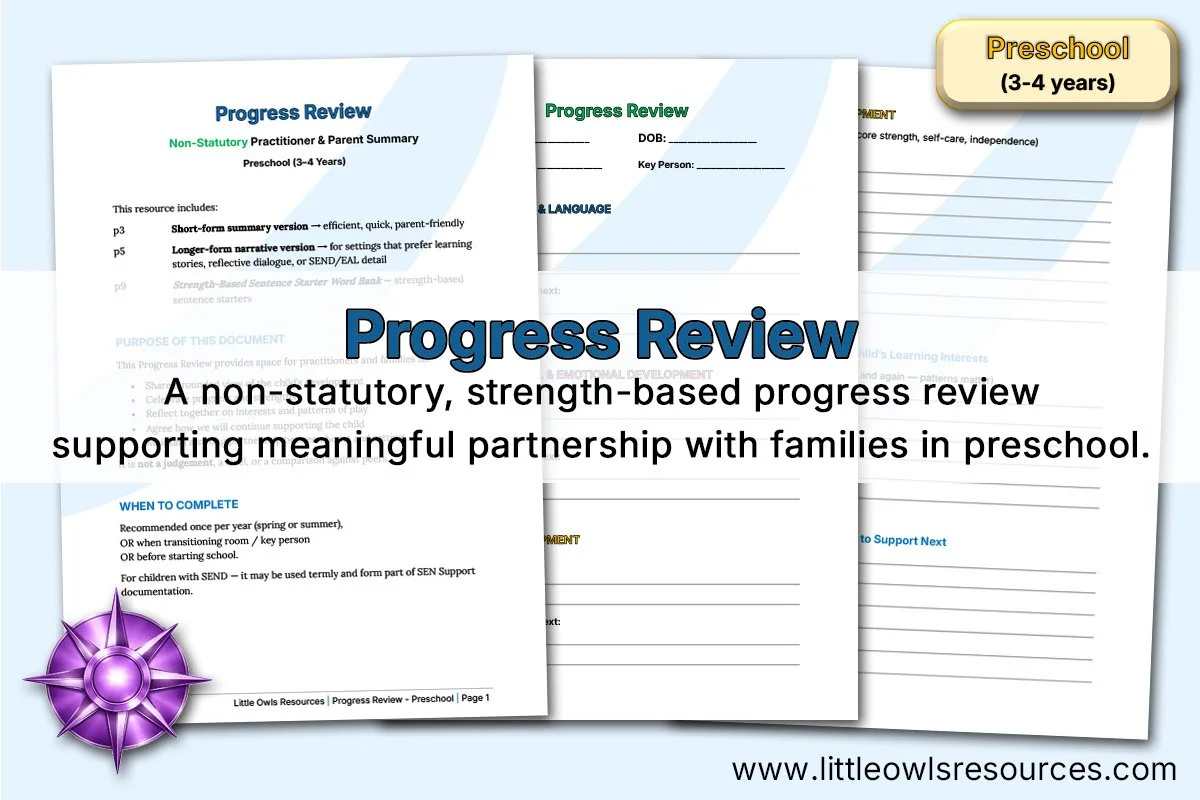
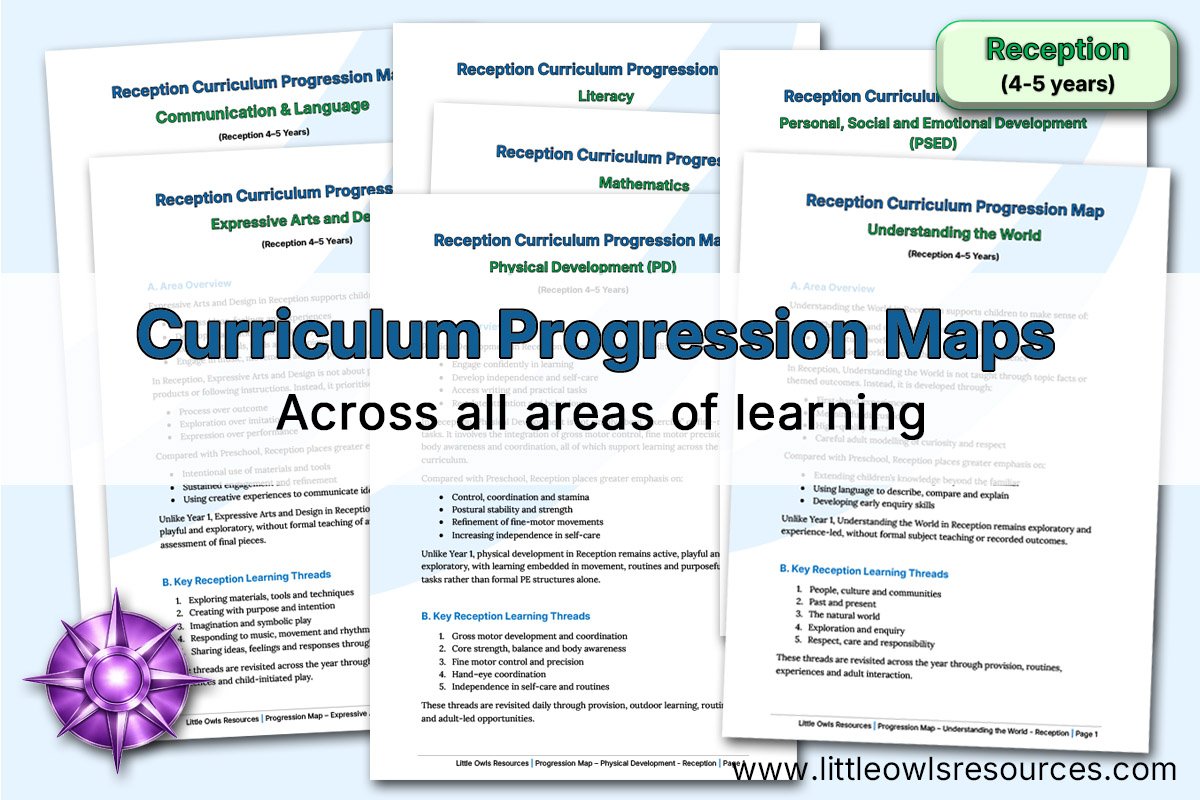

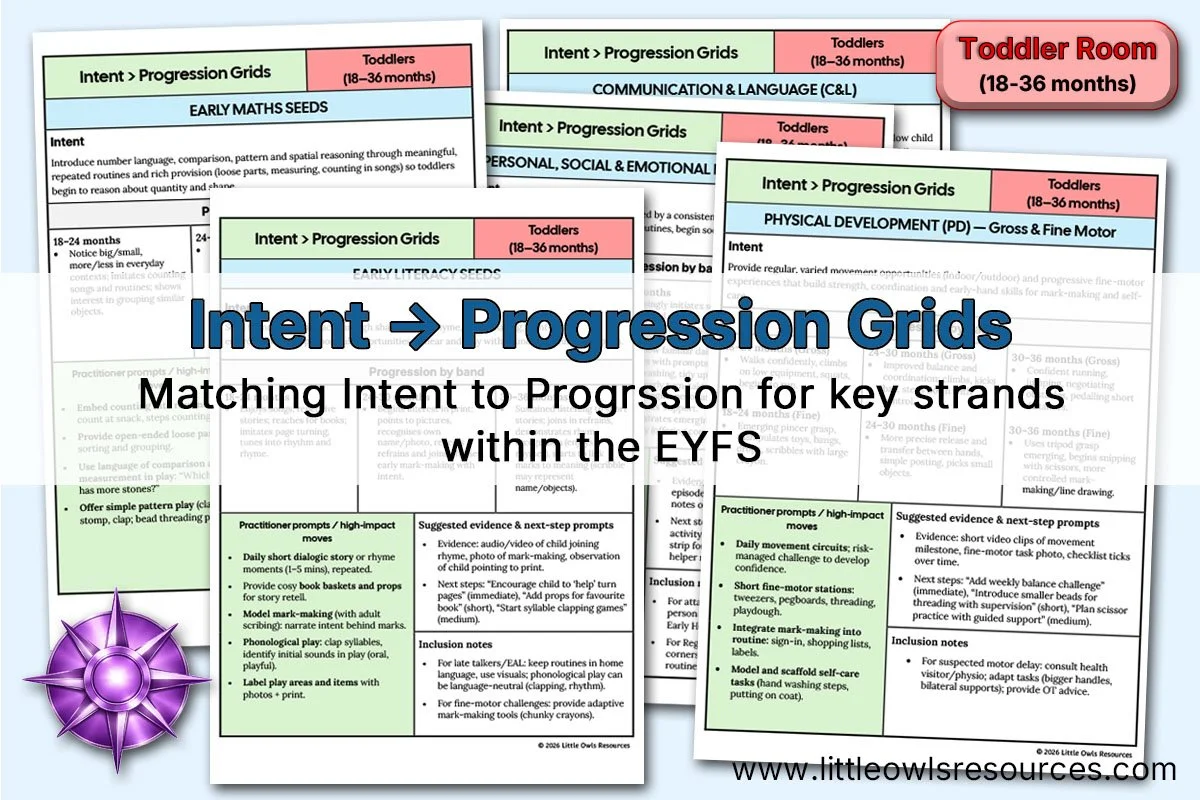

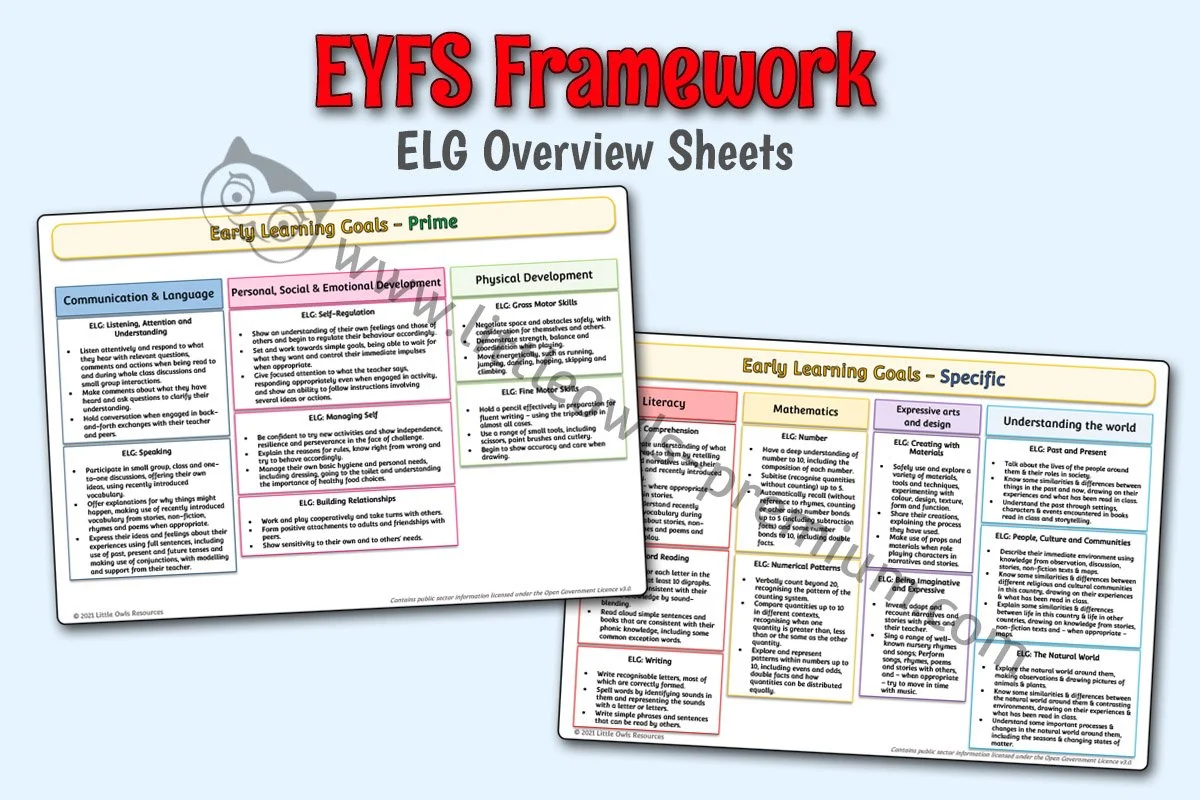

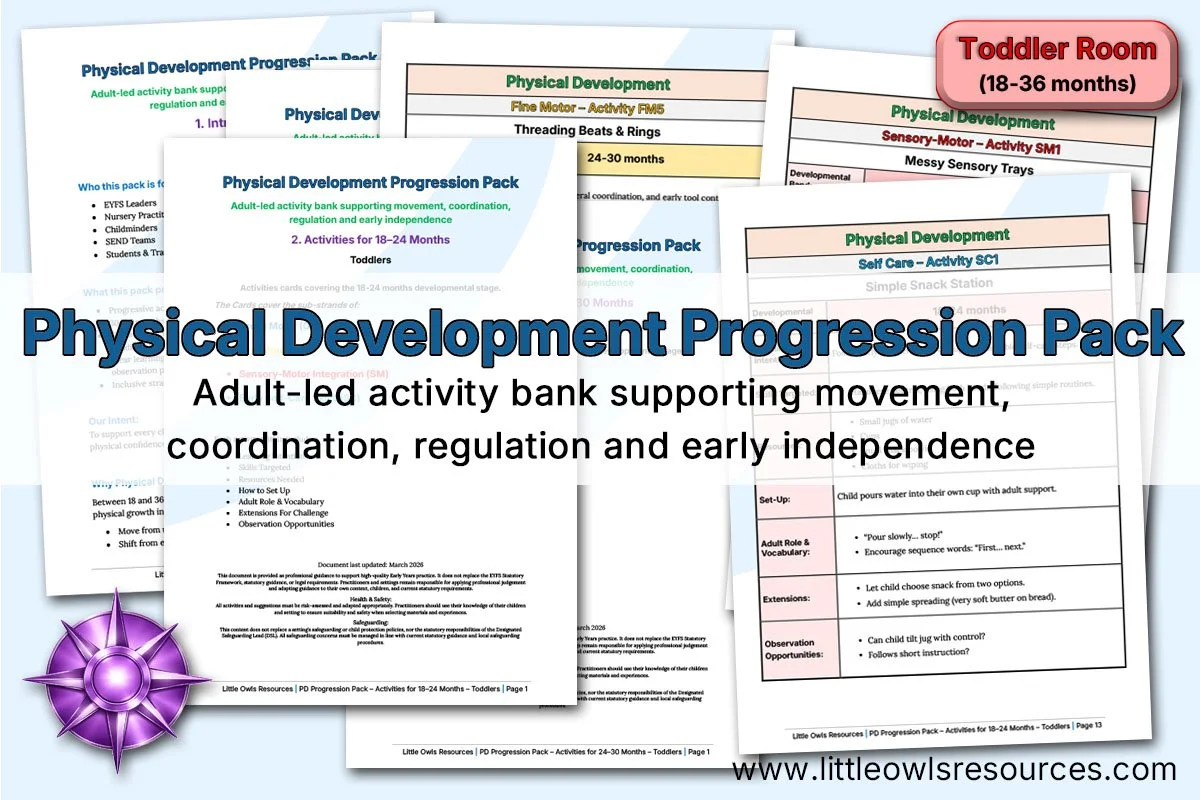


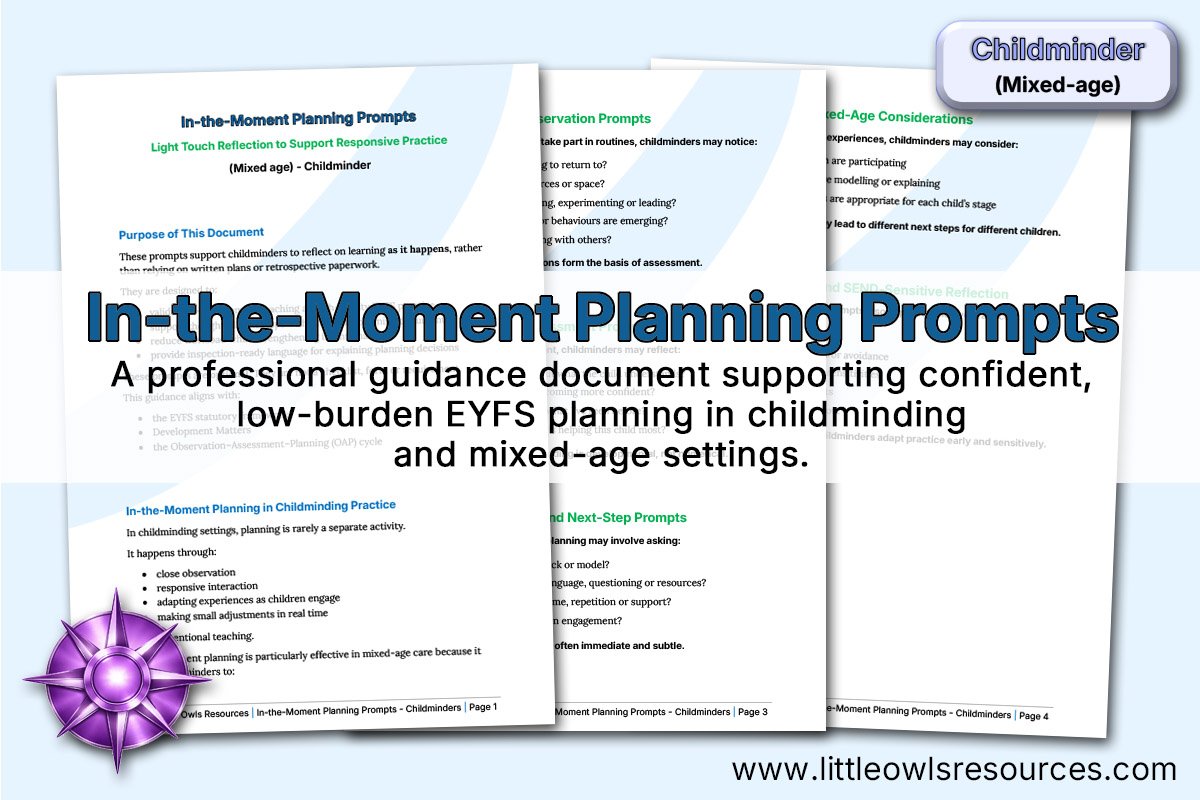
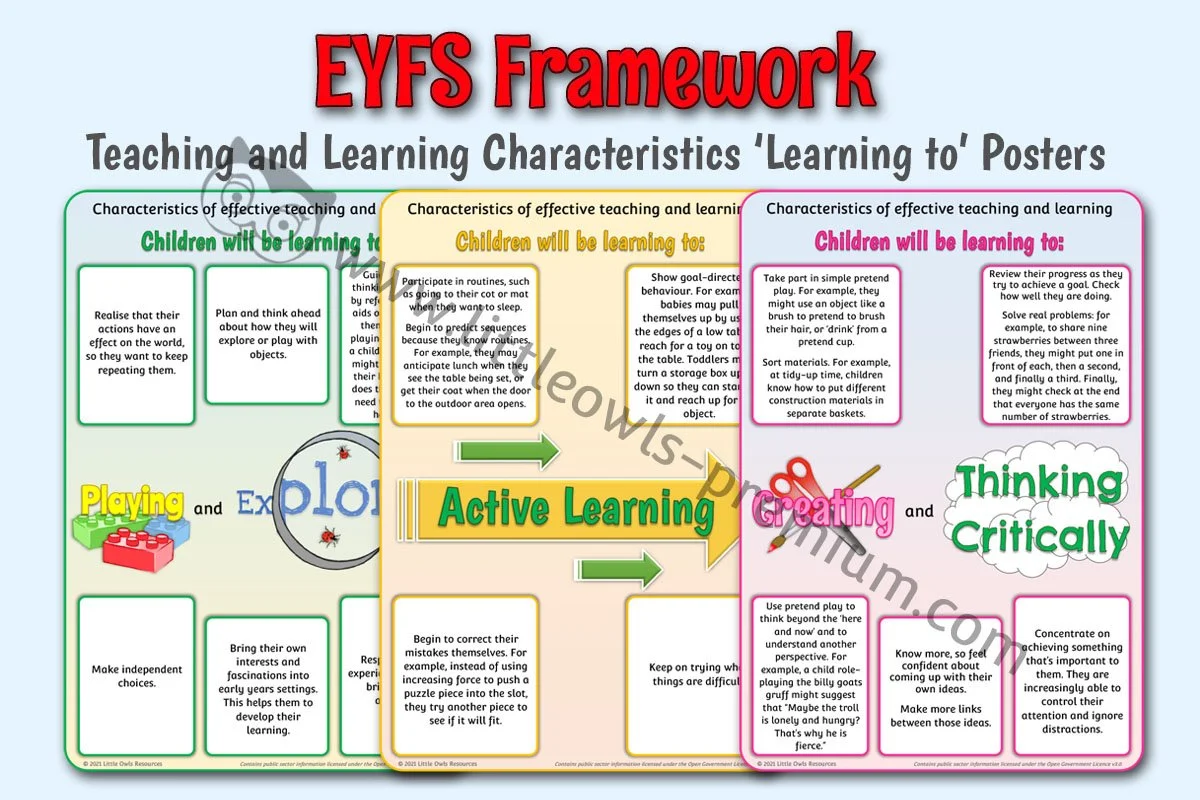
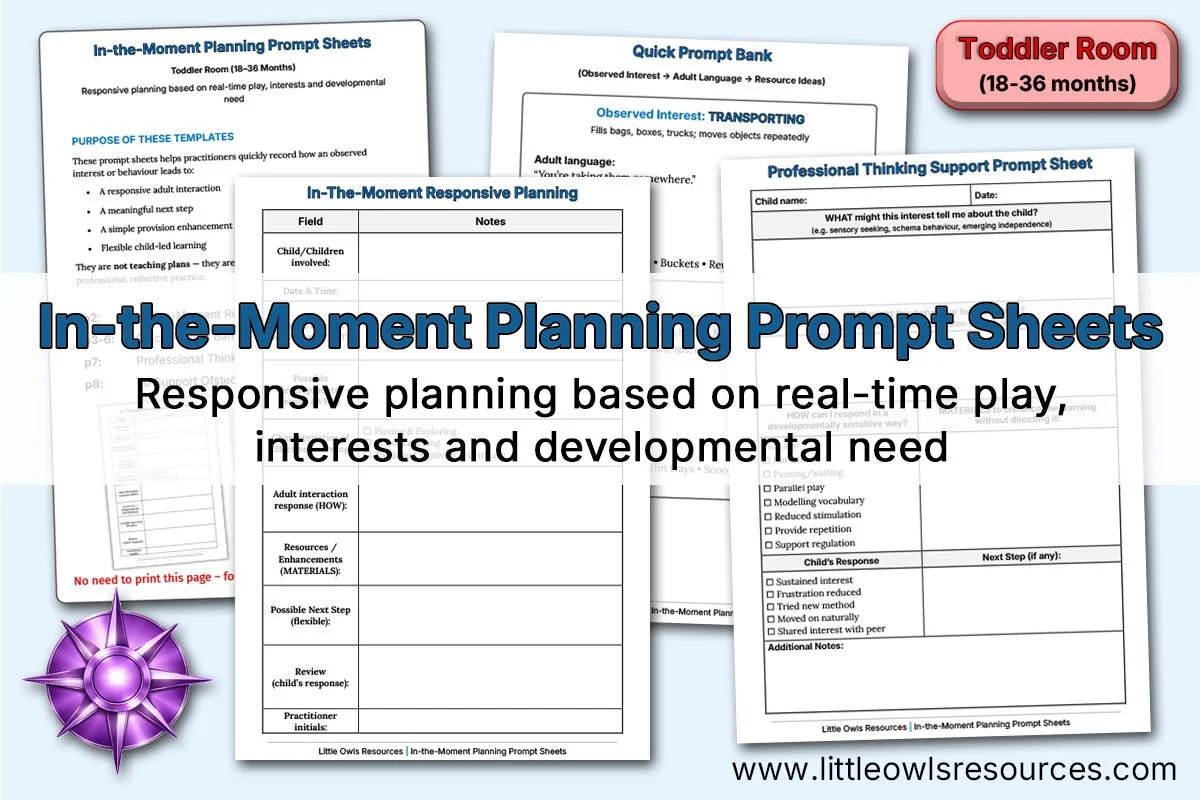
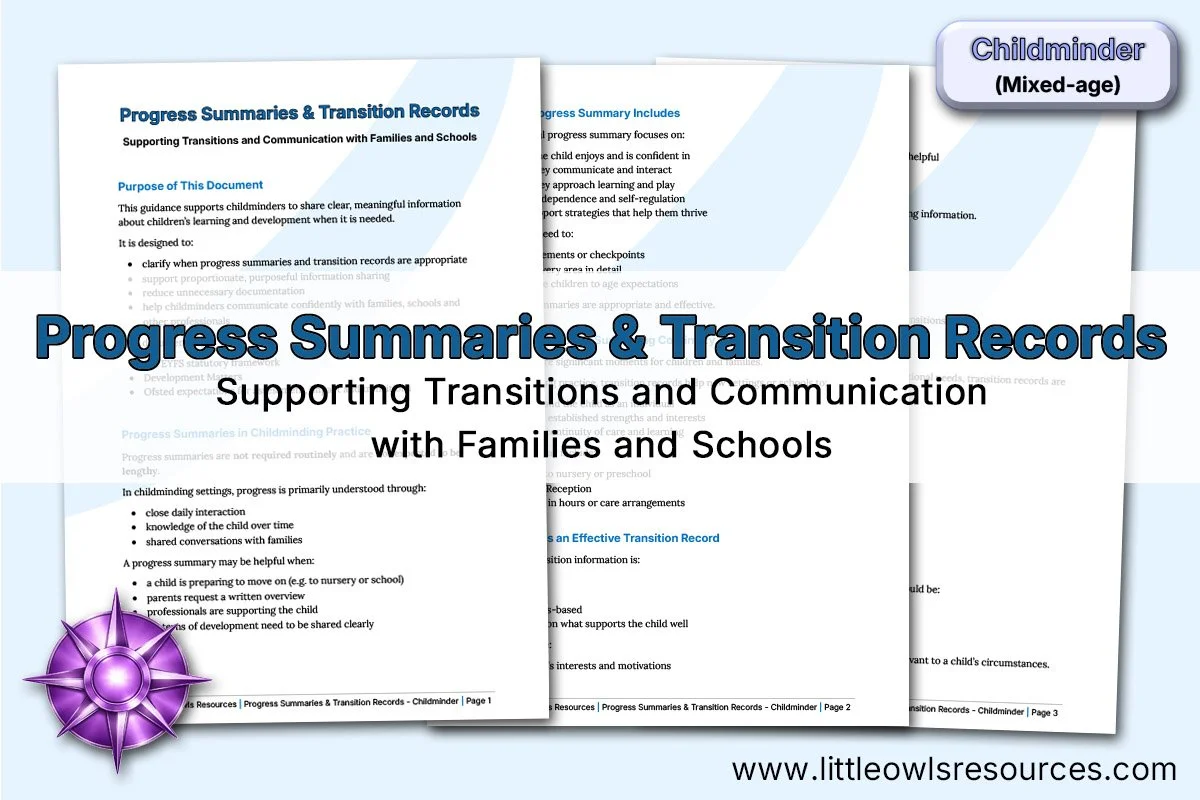


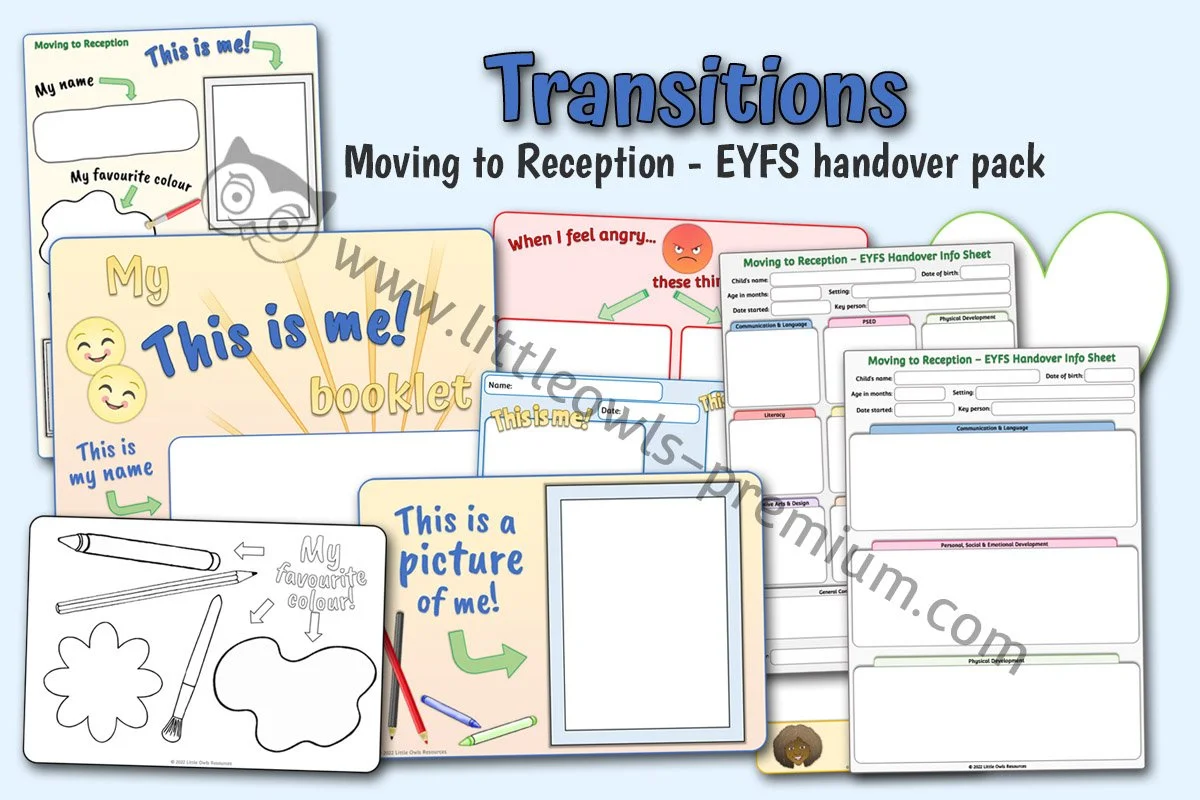

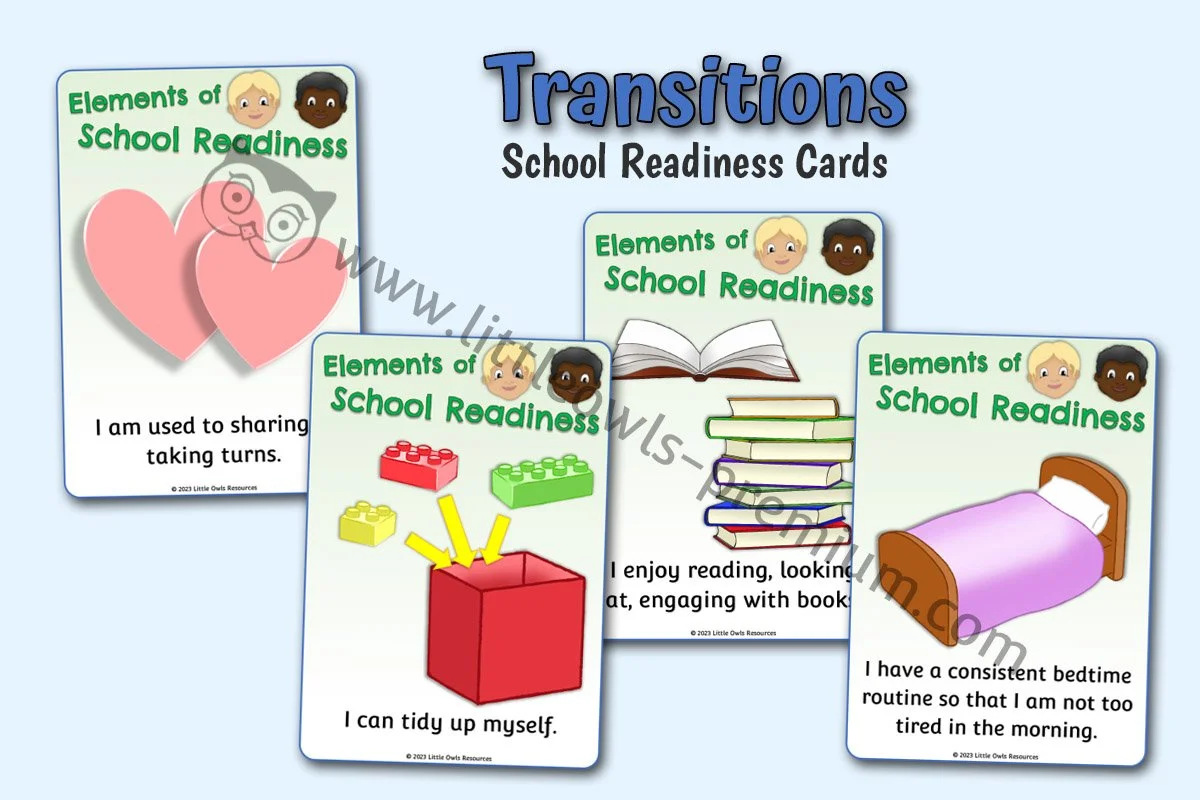

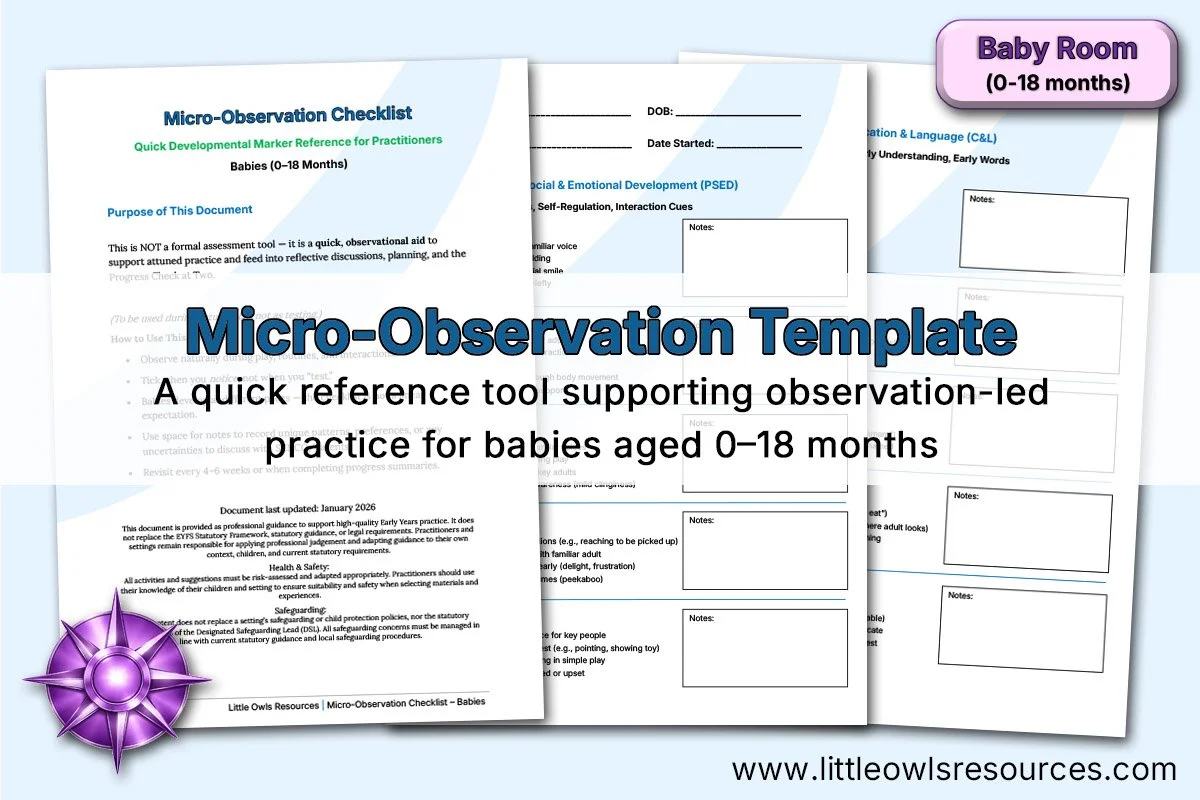
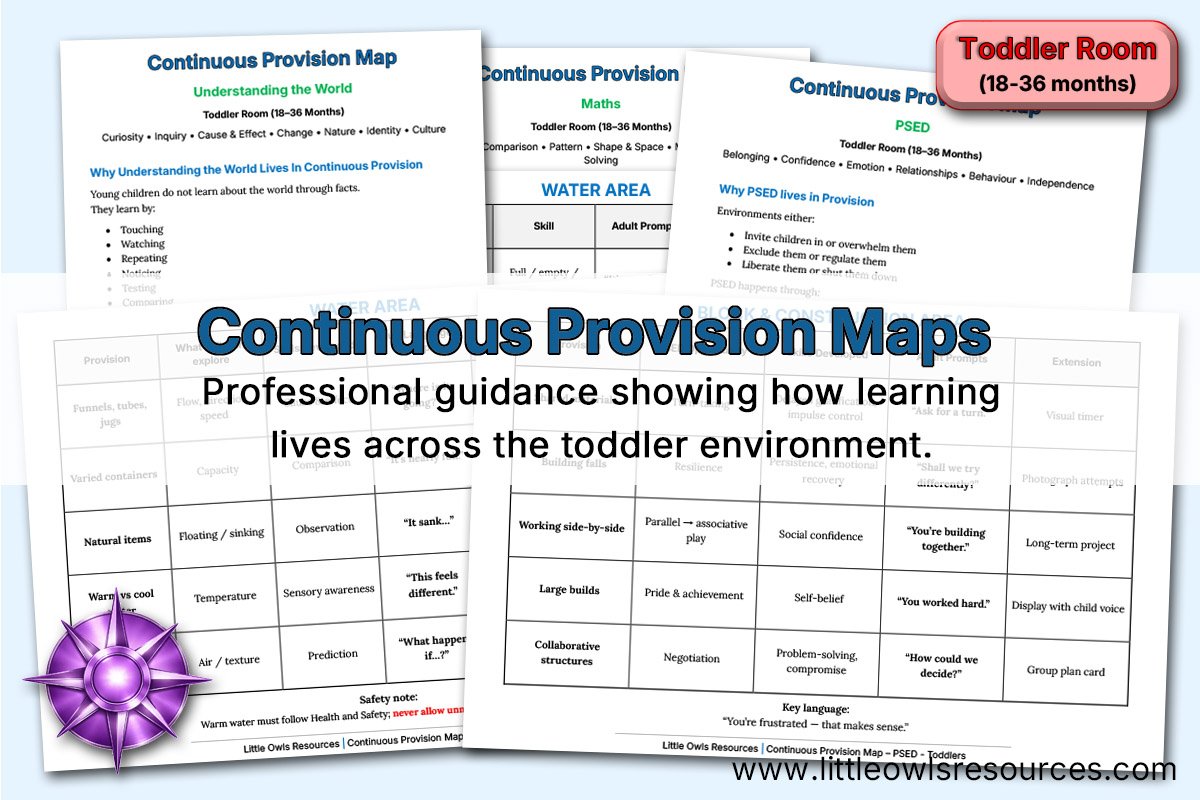
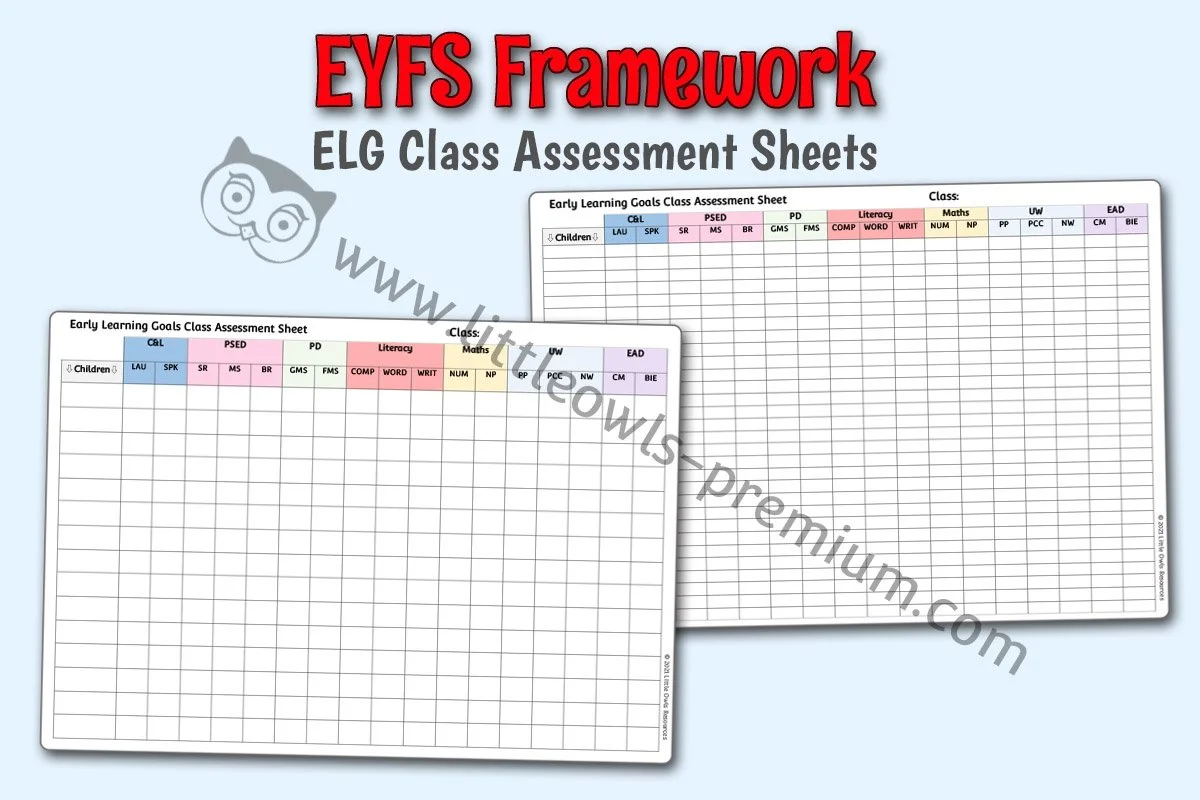

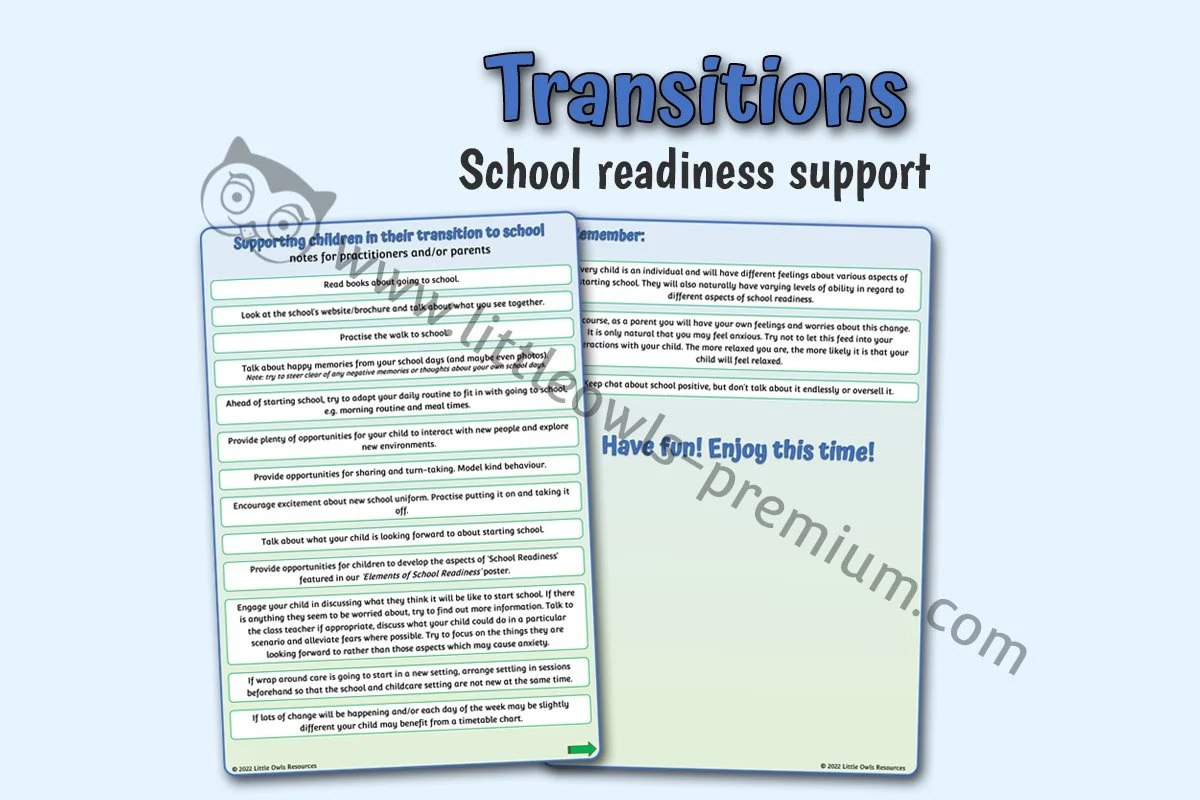
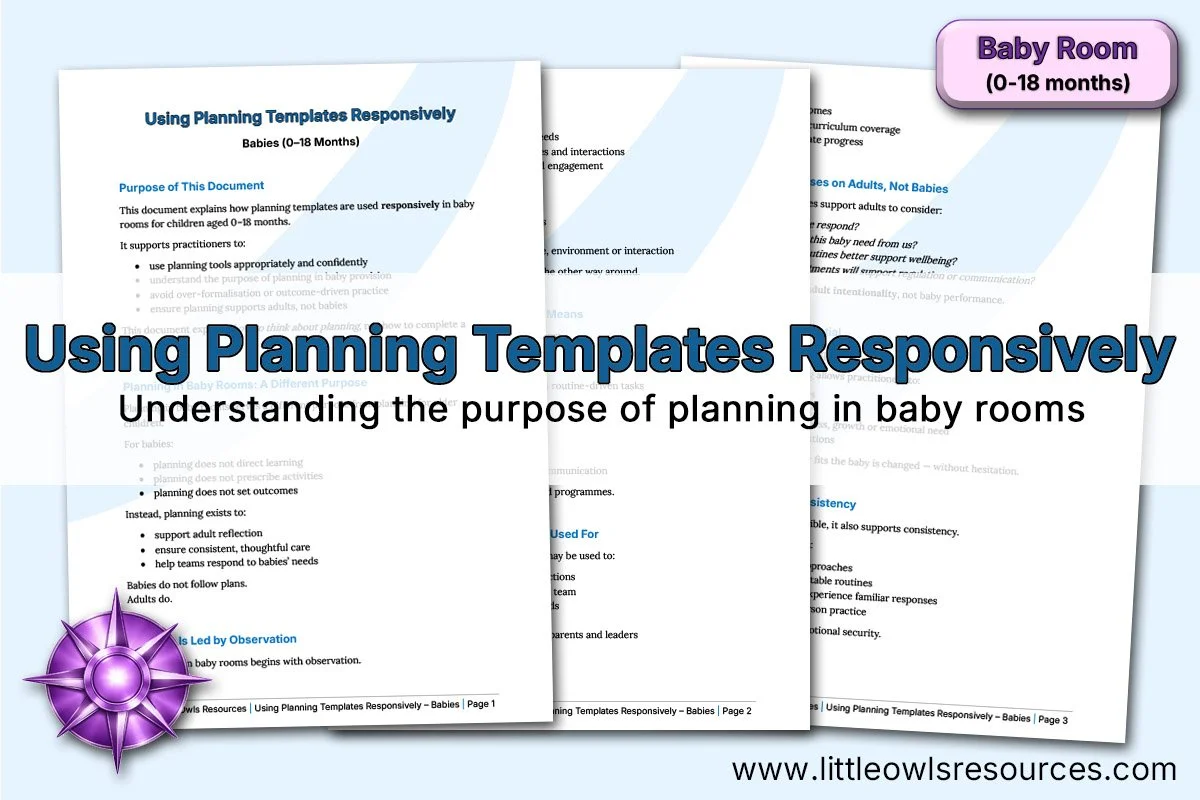
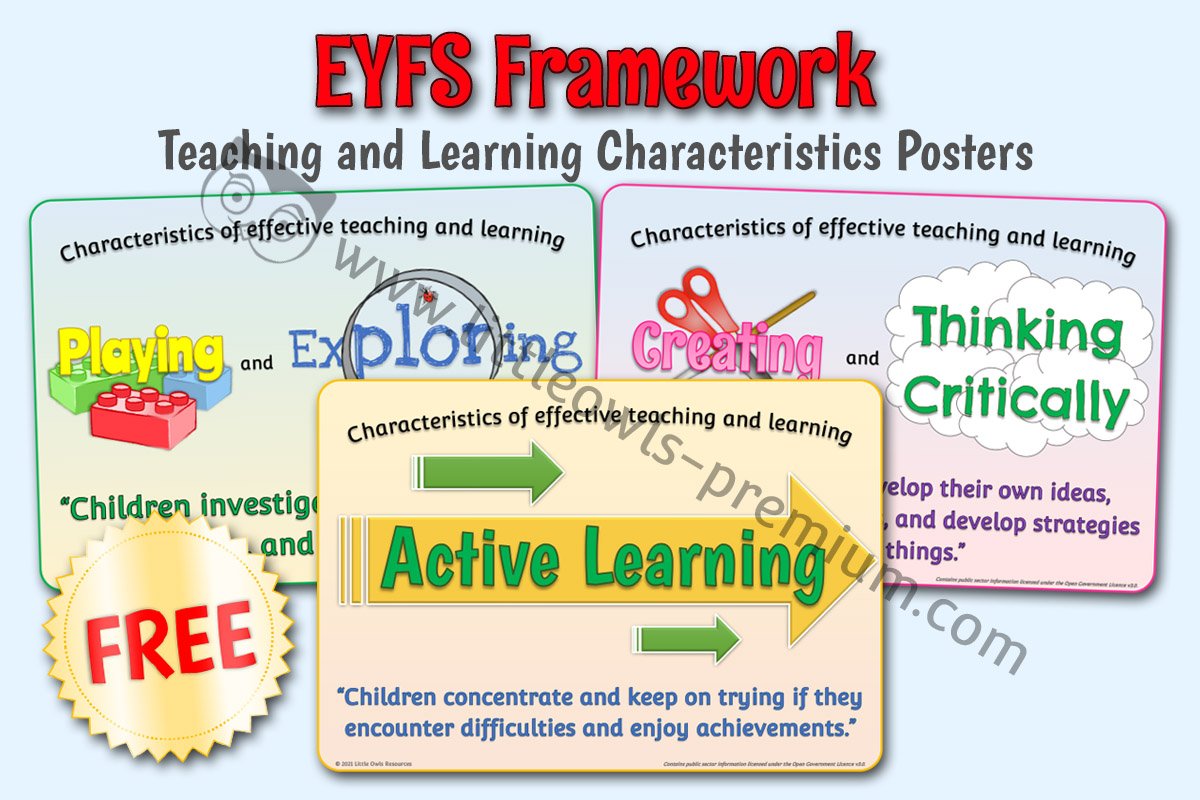
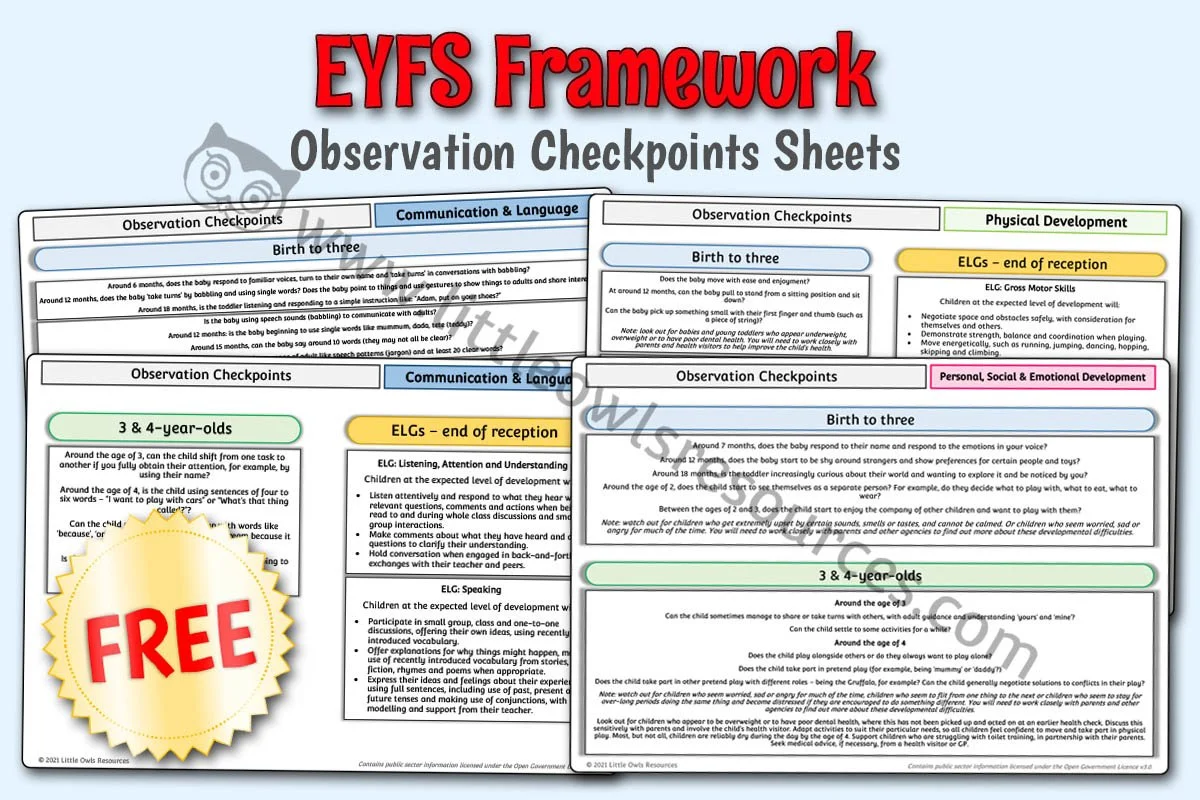
Above is a small selection of our EYFS observation & assessment resources.
In the Early Years, observation and assessment are about understanding children — not measuring them.
High-quality practice is:
observation-led
responsive
focused on wellbeing, engagement and development over time
This hub brings together:
↪ age-specific observation and assessment guidance
↪ practical templates and tools
↪ statutory assessment support
↪ curriculum and progression references
EYFS Curriculum Observation & Assessment Materials
📌 Jump to Section
❓ What Does Observation & Assessment Mean in the EYFS?
🧭 Observation & Assessment by Age & Stage
👀 Observation & Responsive Planning
🔄 The Observation–Assessment–Planning Cycle (OAP)
📘 Statutory Assessment Requirements
🌉 Transitions & Progress Summaries
🎒 School Readiness in the EYFS
🎯 Intent, Implementation & Impact
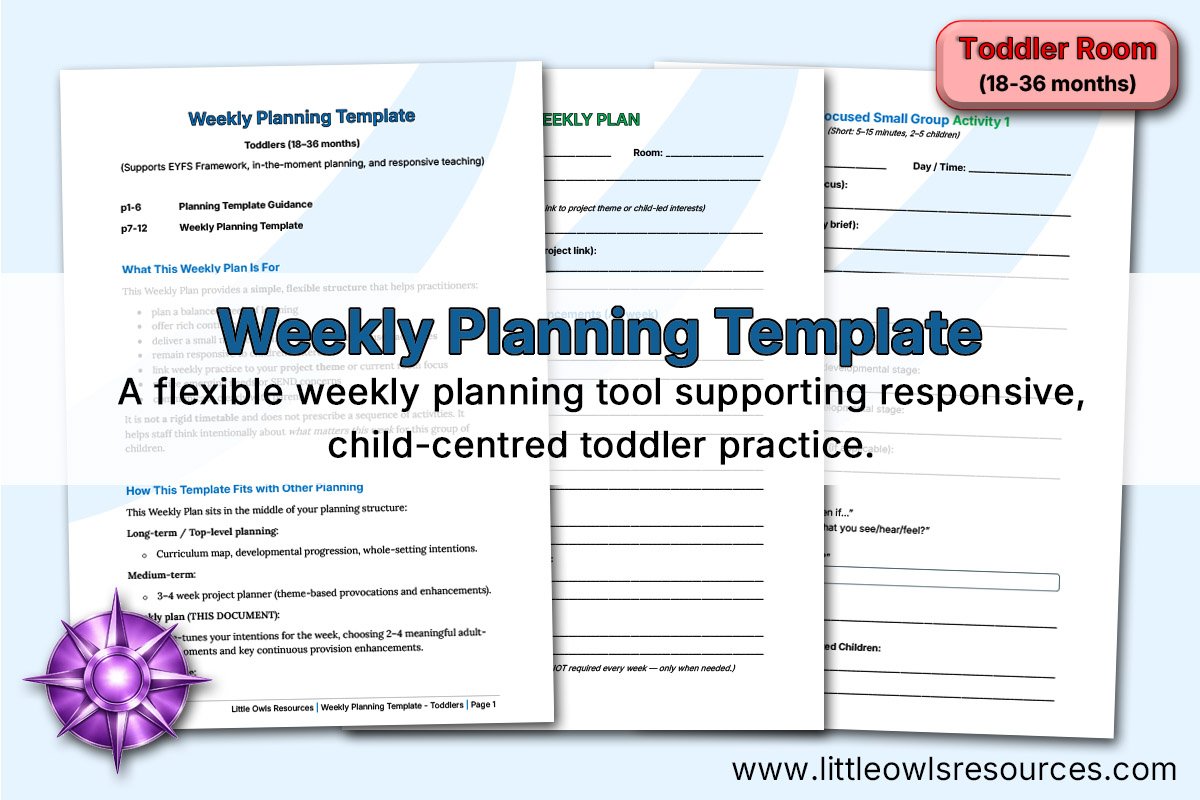
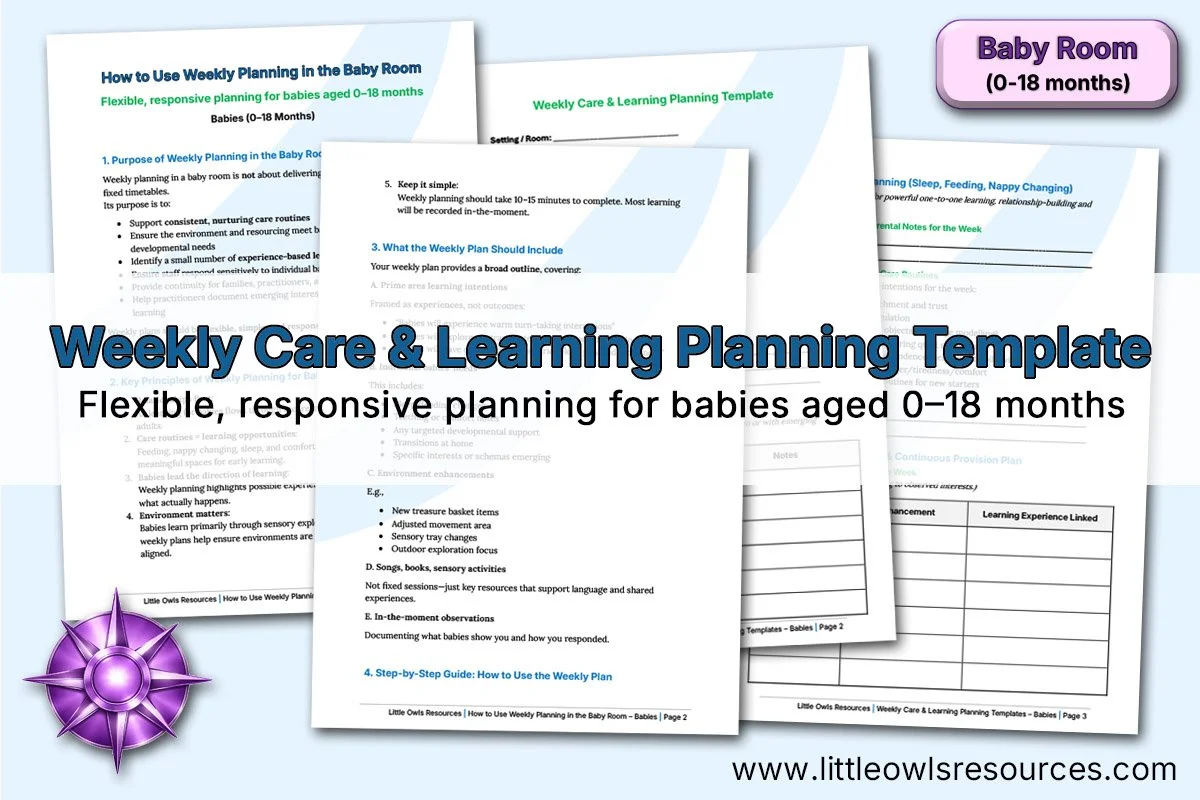
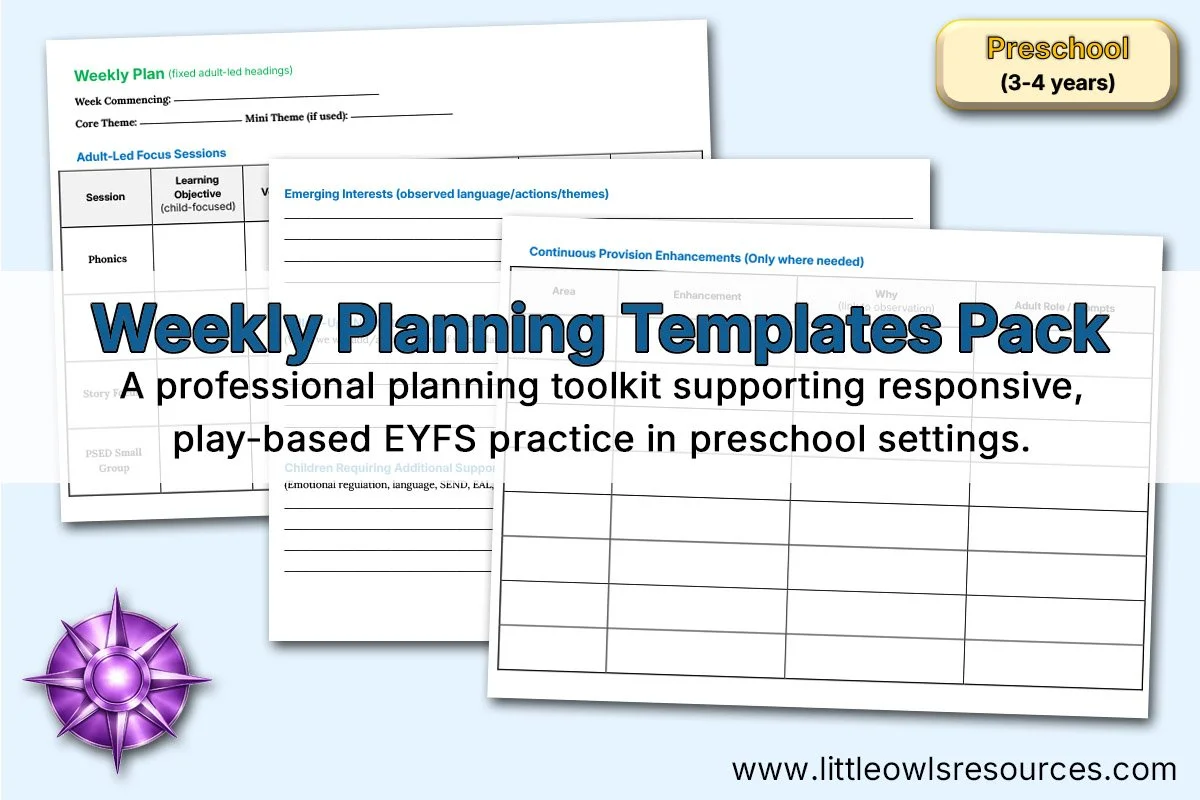
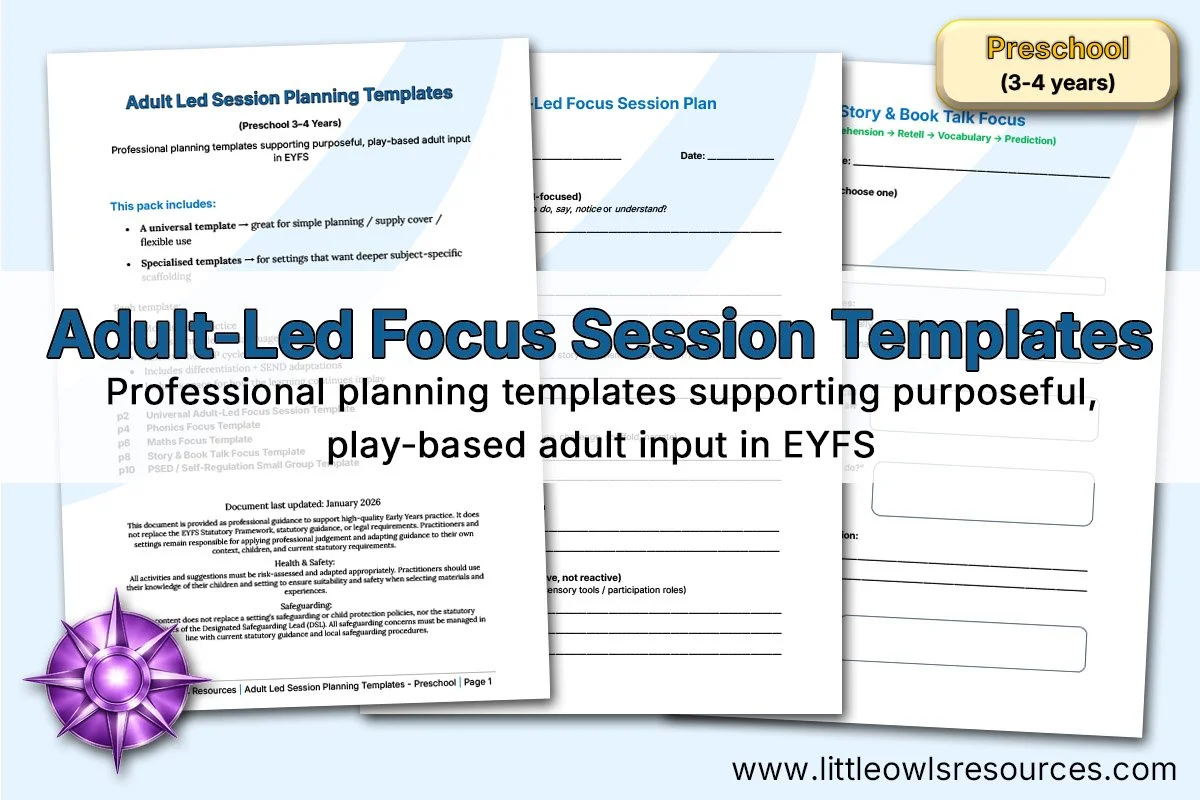
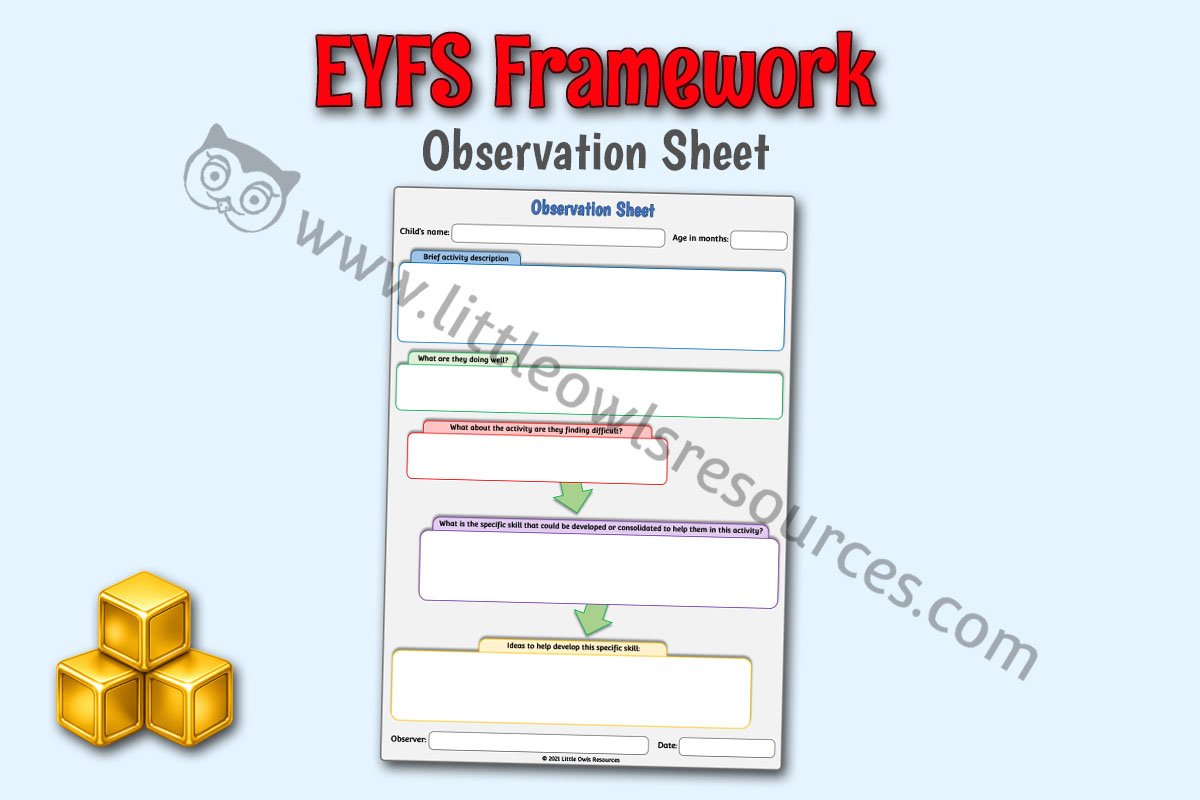
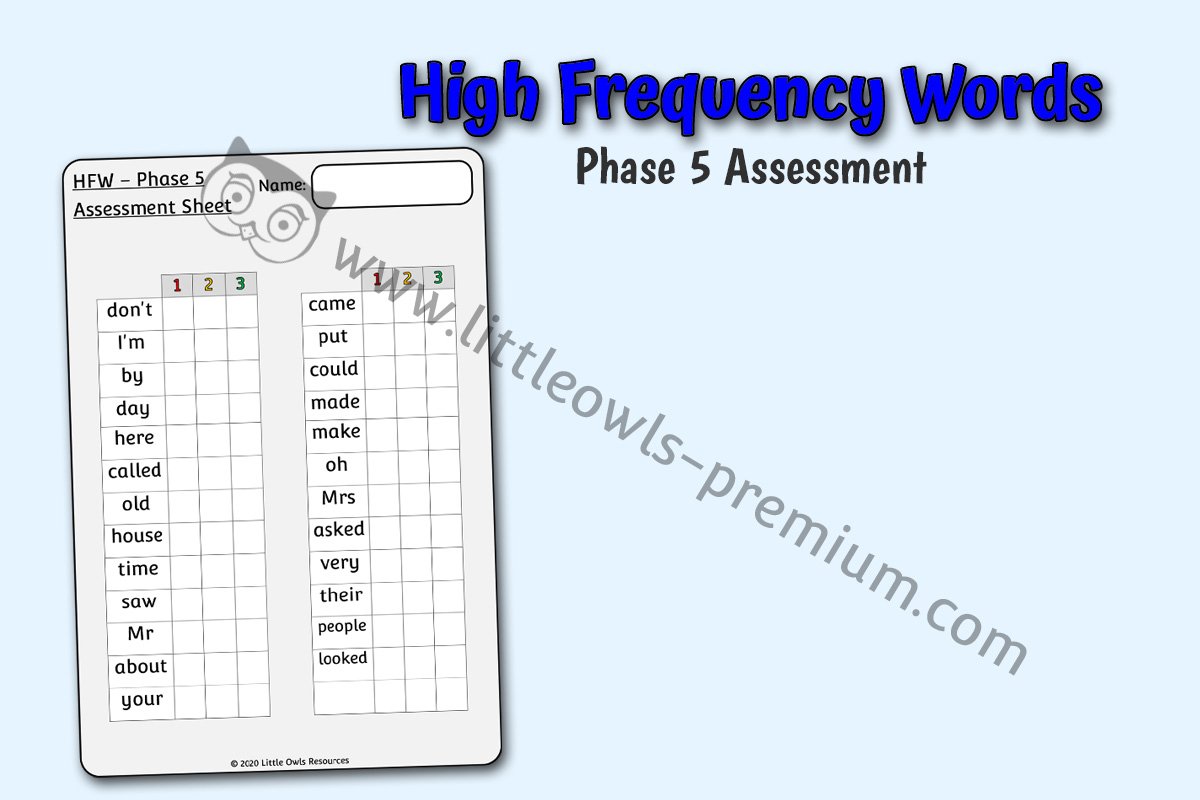
📝 Observation & Assessment Templates
🤝 SEND & Inclusive Observation
⭐ Final Positioning Statement
🔤 EYFS Terminology Glossary
🧰 Additional Planning Support Materials
➕ Further Support
❓ What Does Observation & Assessment Mean in the EYFS?
In the EYFS:
observation is continuous and part of everyday interaction
assessment is proportionate and meaningful
development is non-linear and individual
Observation helps practitioners to:
understand how children are feeling and learning
notice patterns over time
respond through interaction, routines and provision
Assessment is used to:
support understanding
identify when additional support may be helpful
communicate with families and professionals
It is not used to:
track children against rigid expectations
produce excessive evidence
compare children
Free EYFS Observation & Assessment Resources
(Click on the image below to find out more)
-
If you are not a member already, become a ‘Free Access’ member here. This will give you access to resources within the ‘Free Sample Resources’ sections at the top of most topic provision pages plus all ‘Special Dates Calendars’.
Find out more about all of our membership options here.
If you are already a member… thank-you!

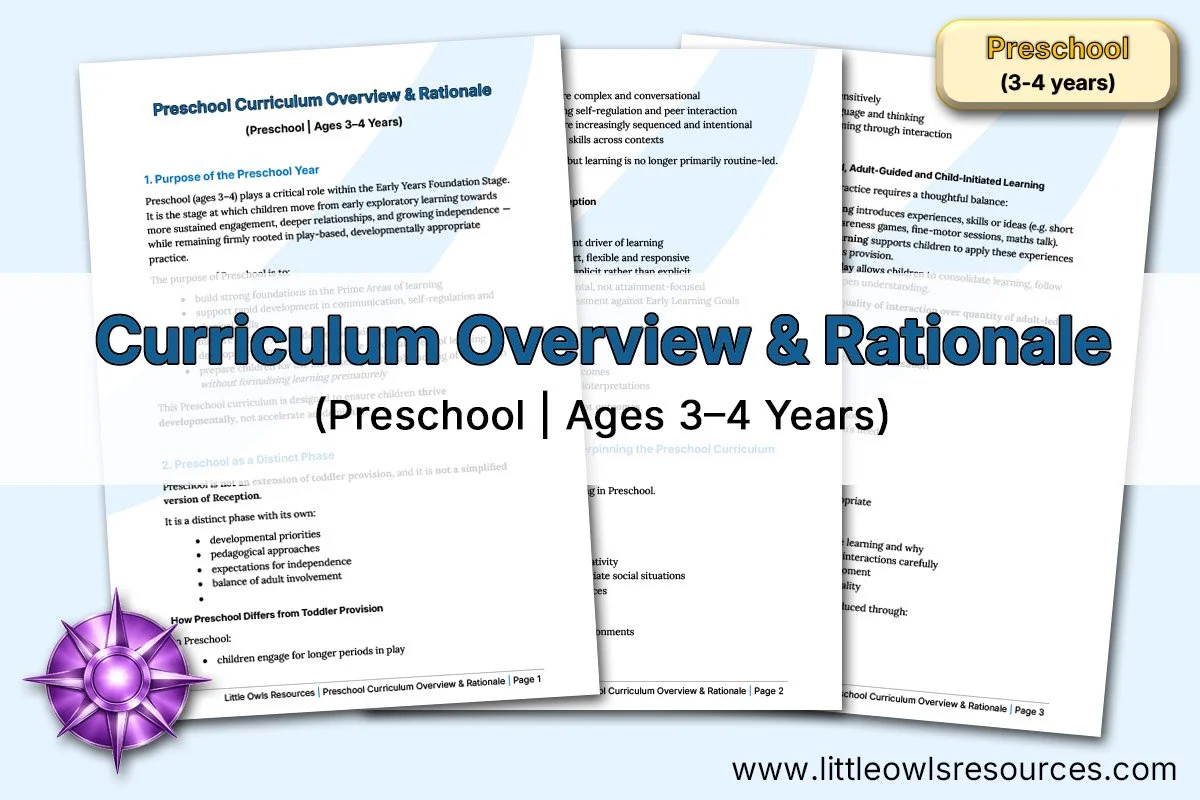
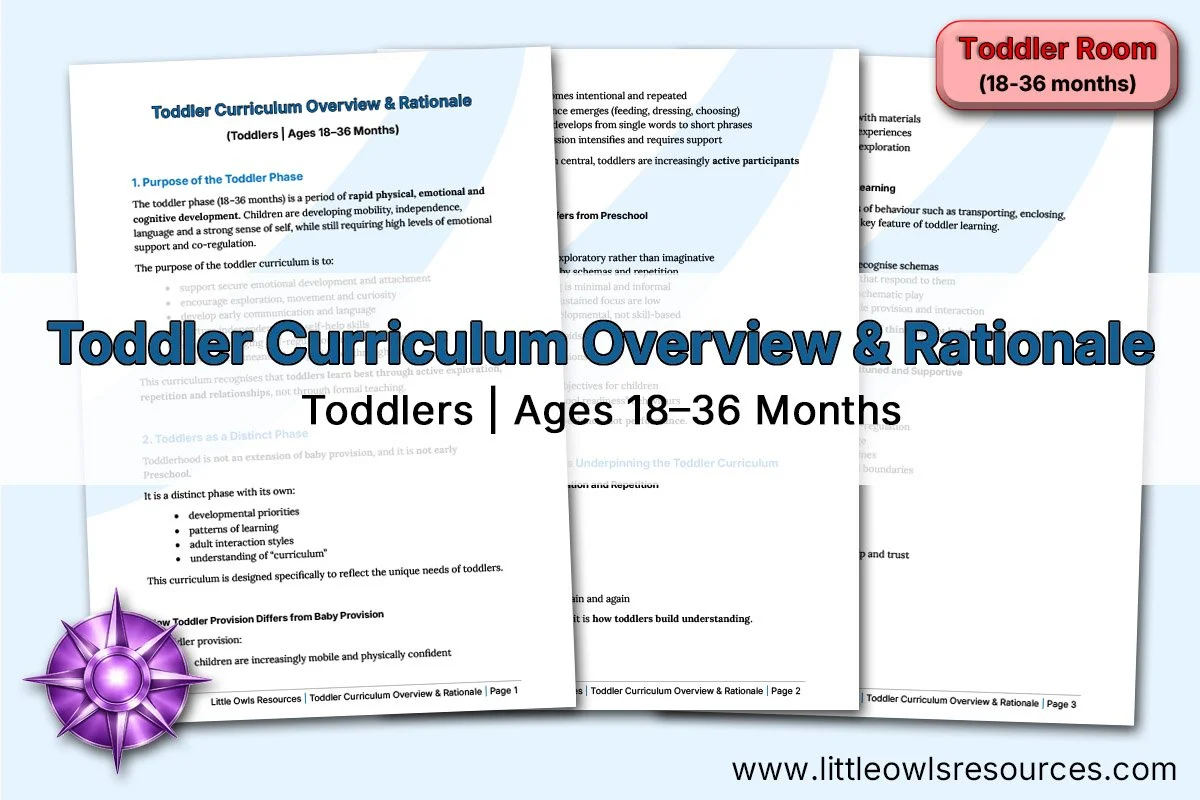
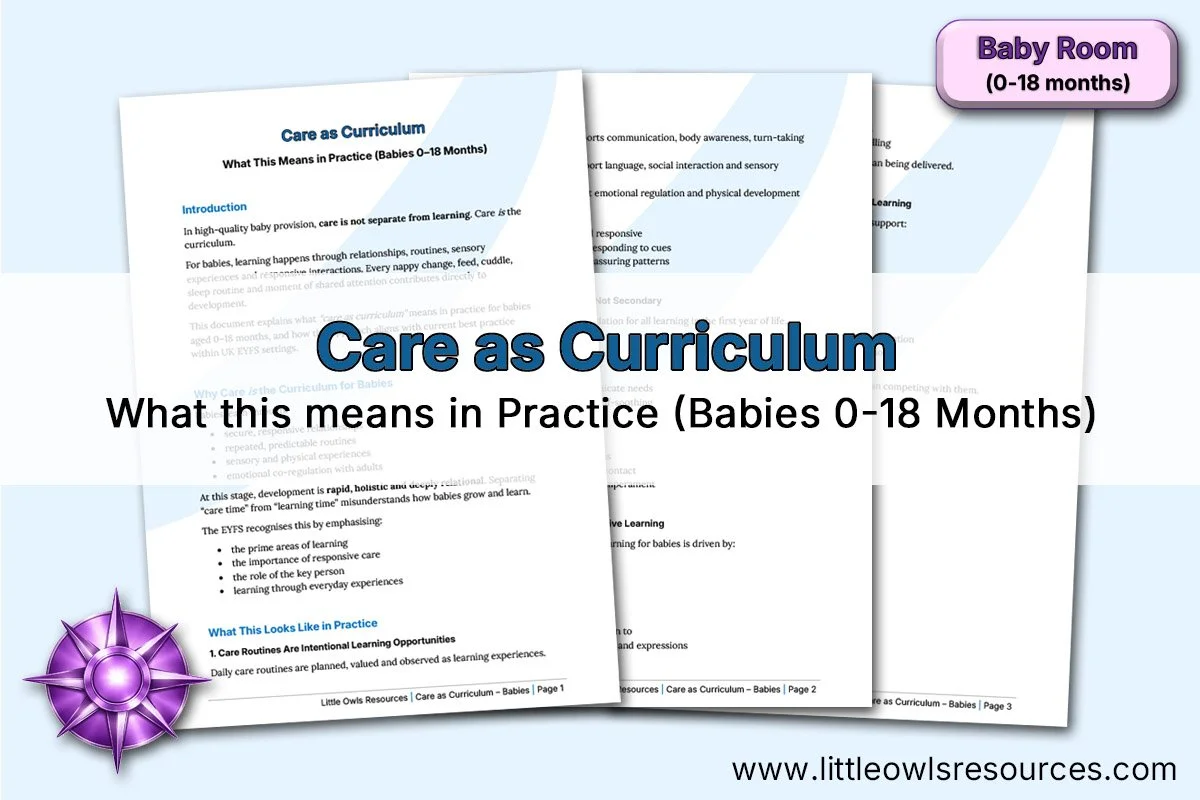
🧭 EYFS Observation & Assessment Guidance & Tools by Age & Stage

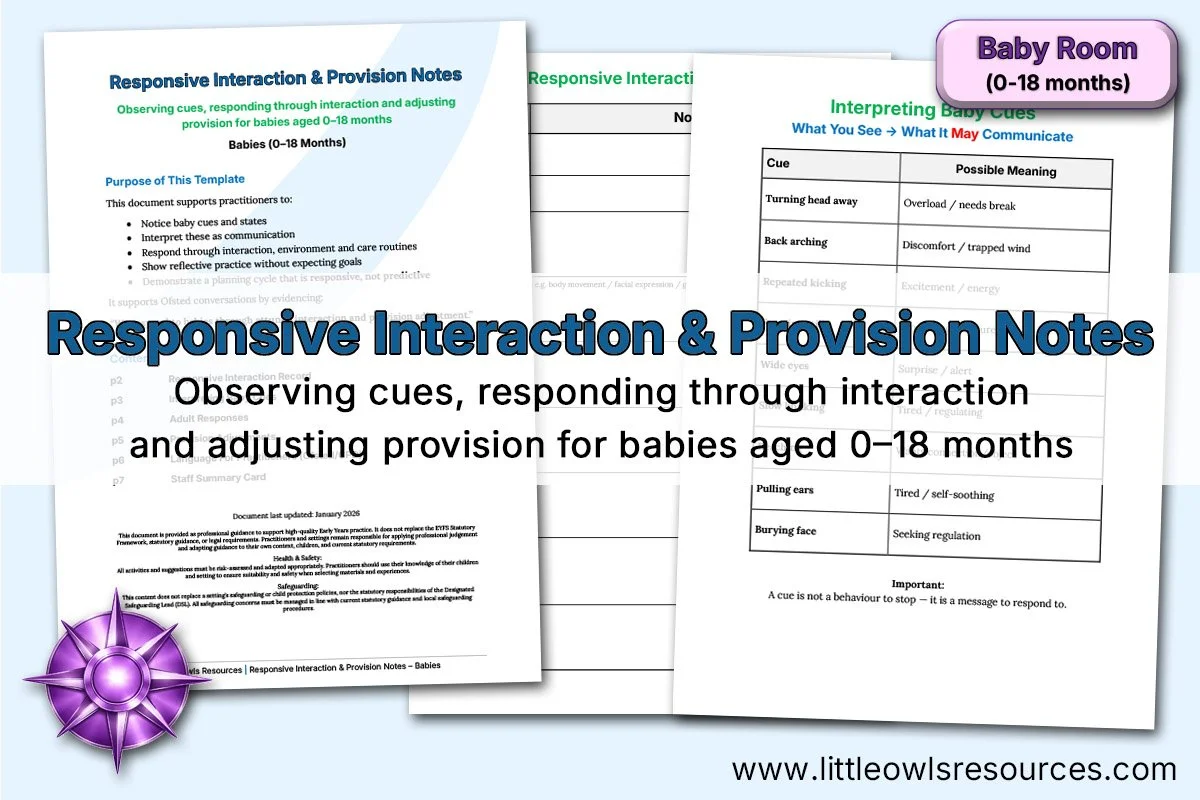

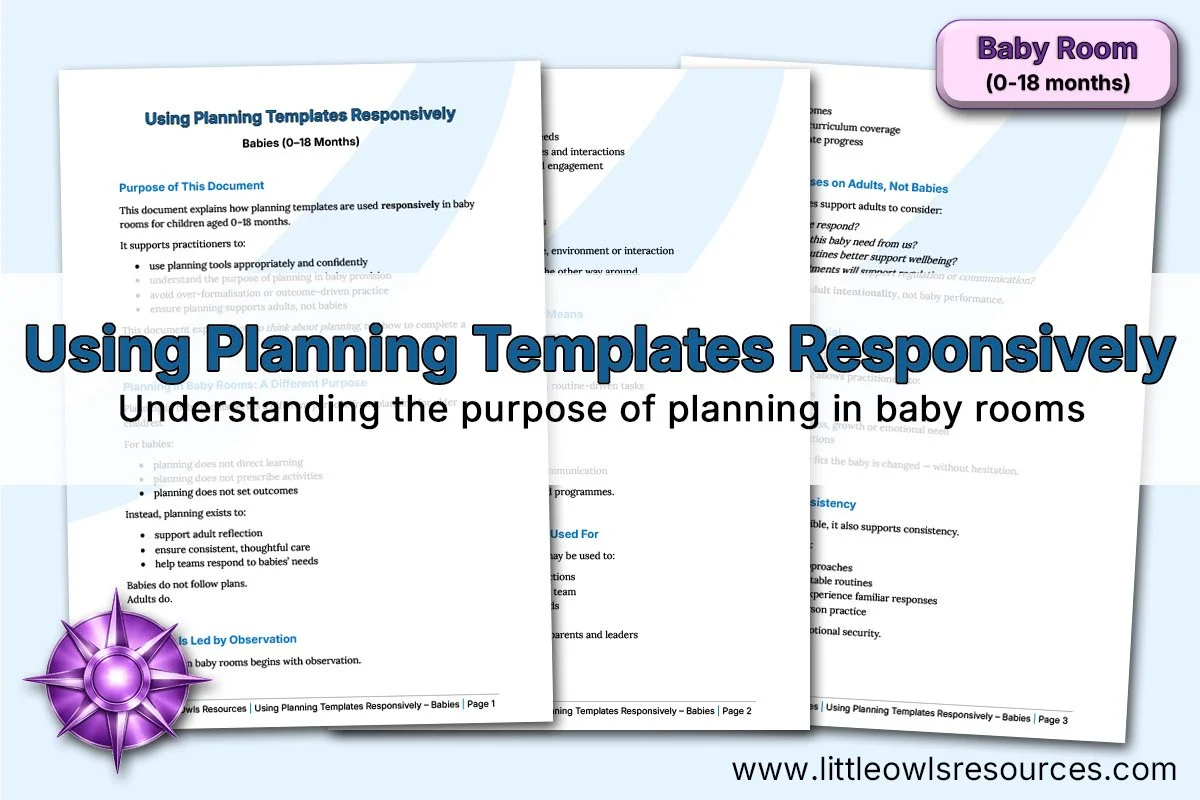




Toddler Room | 18 - 36 Months


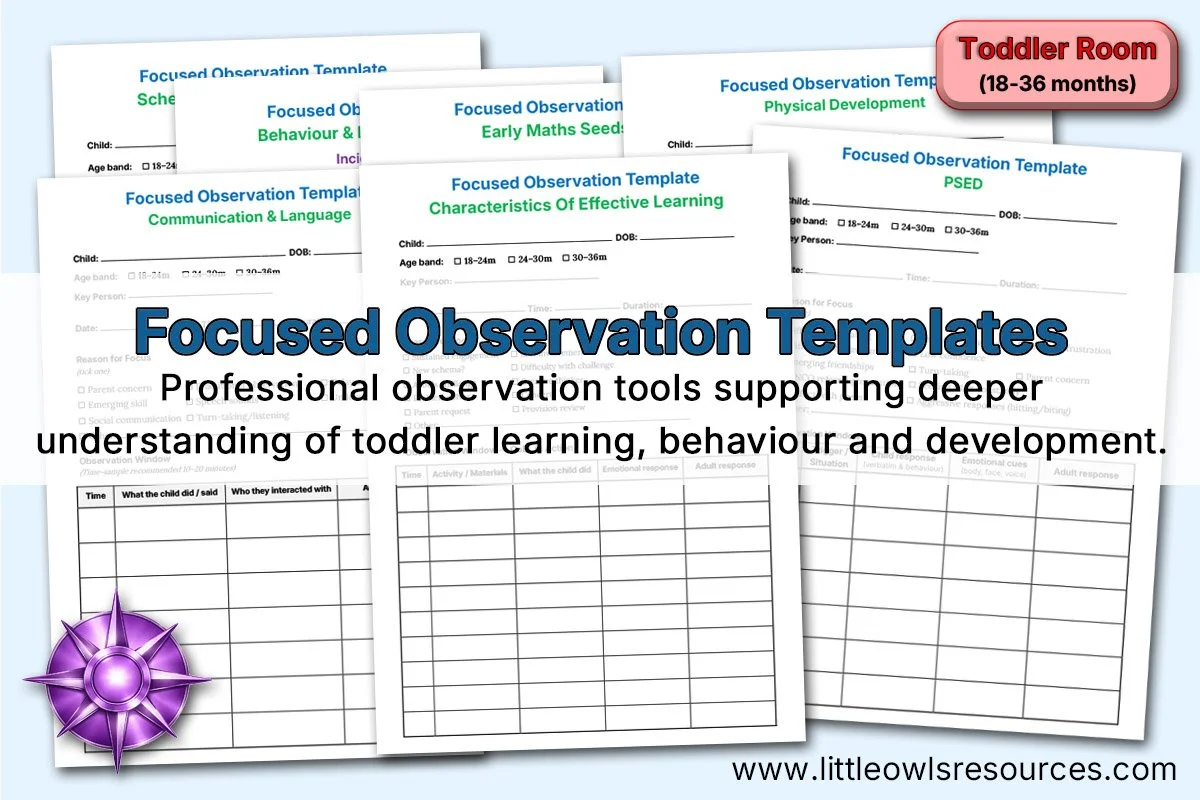

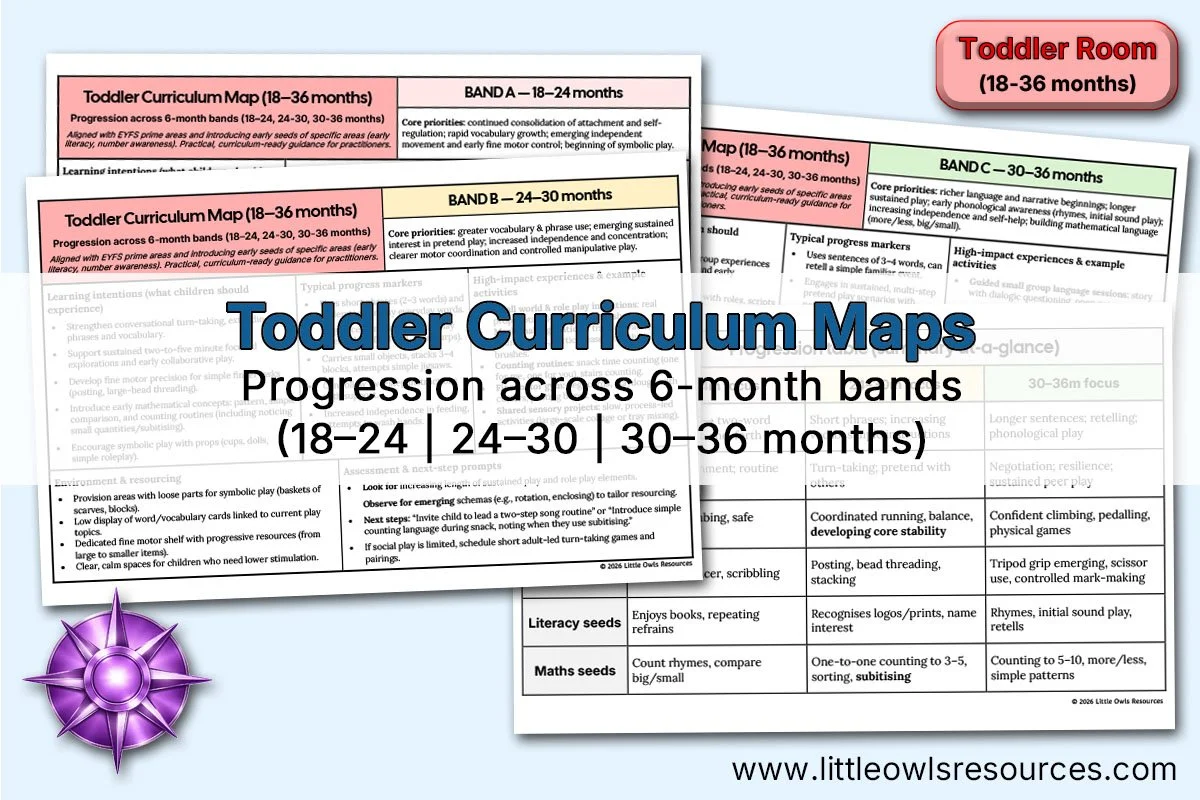
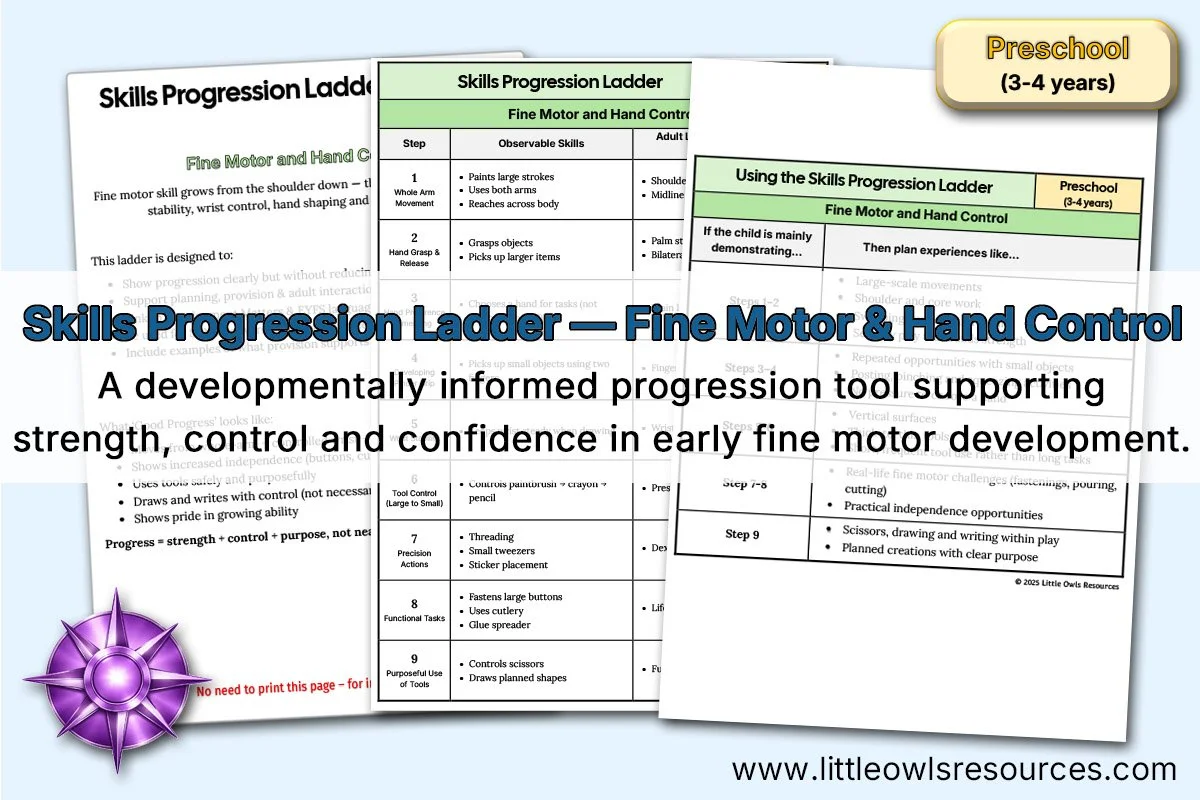
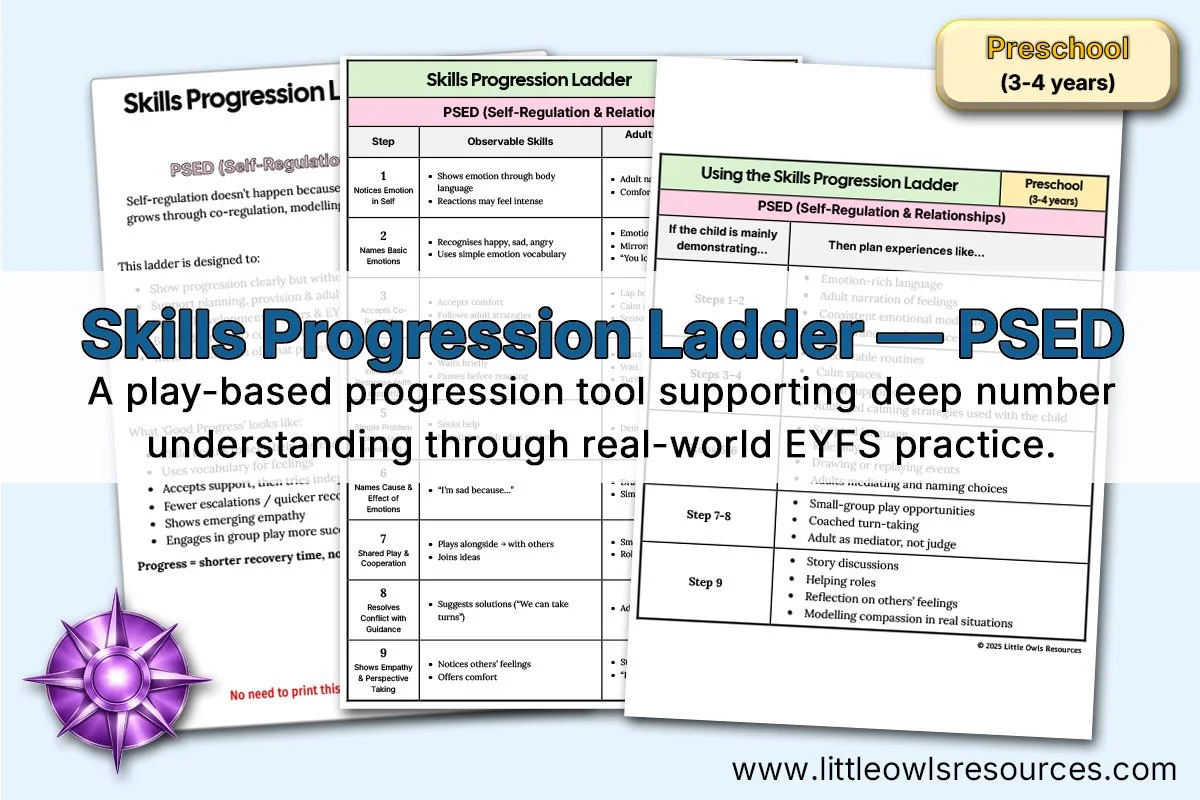
Preschool | 3 - 4 Years
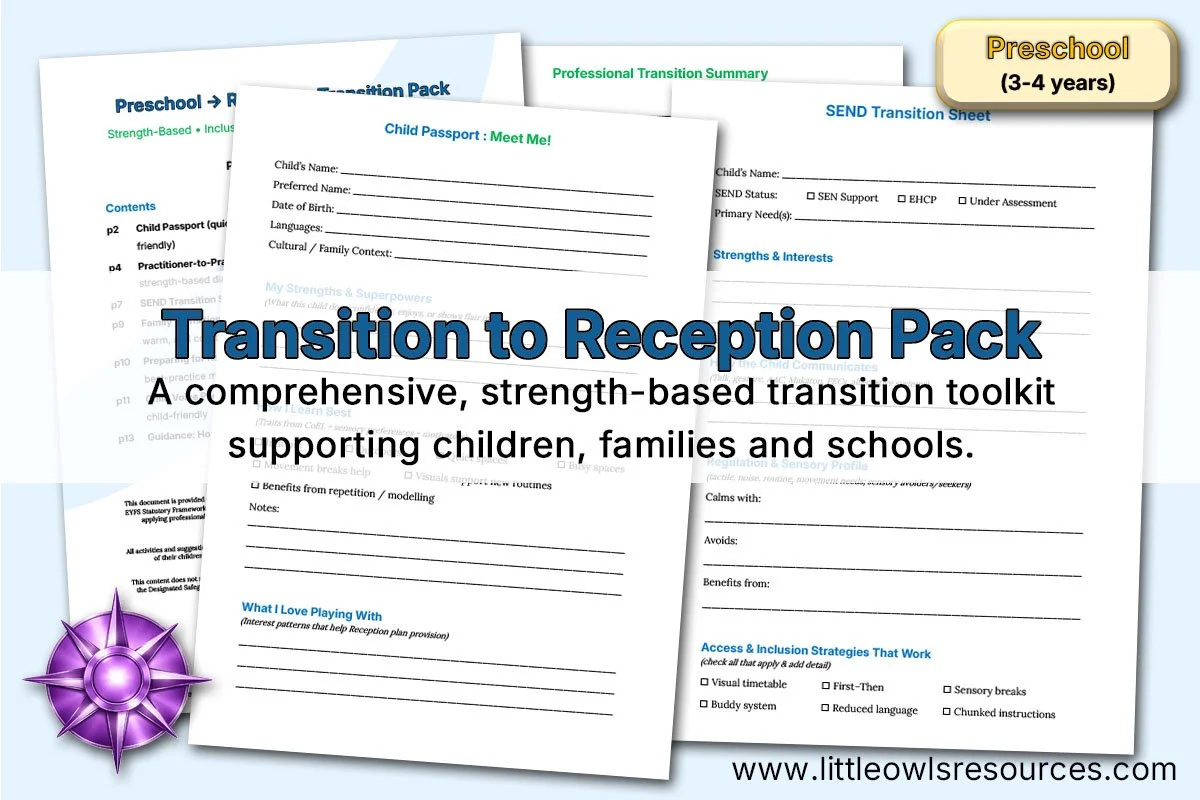

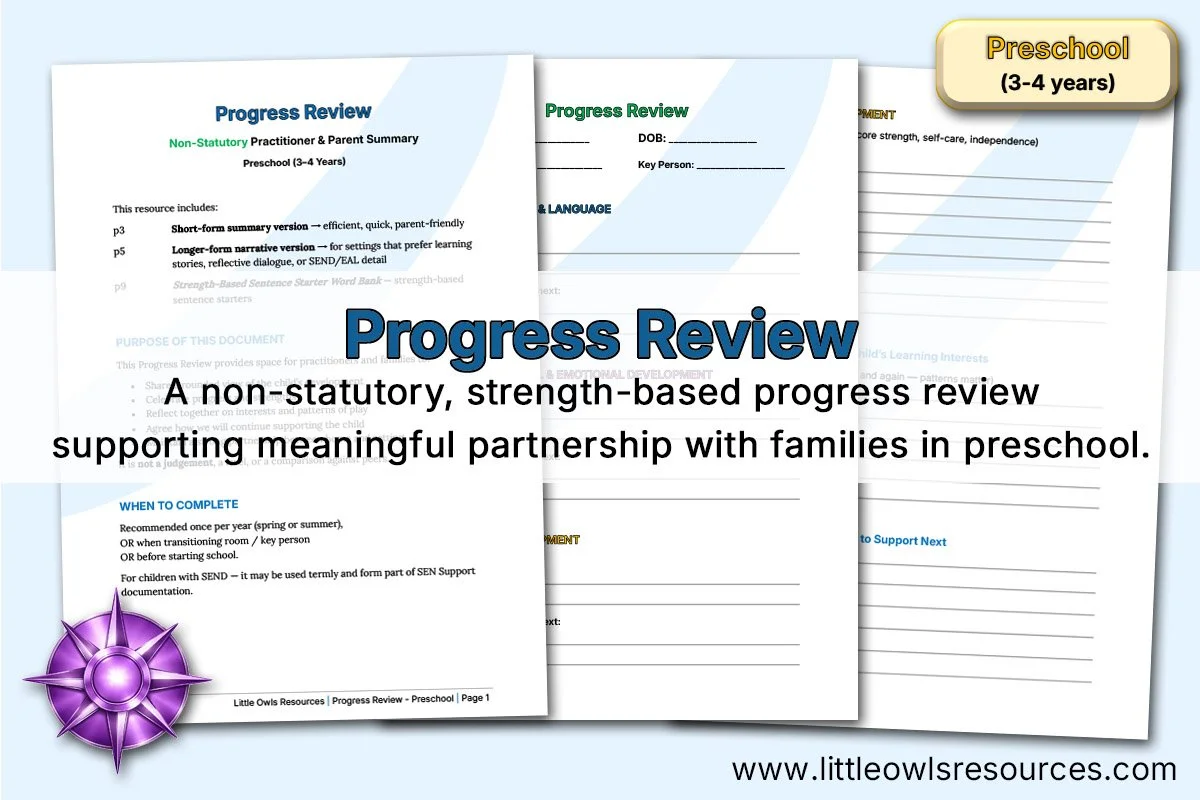




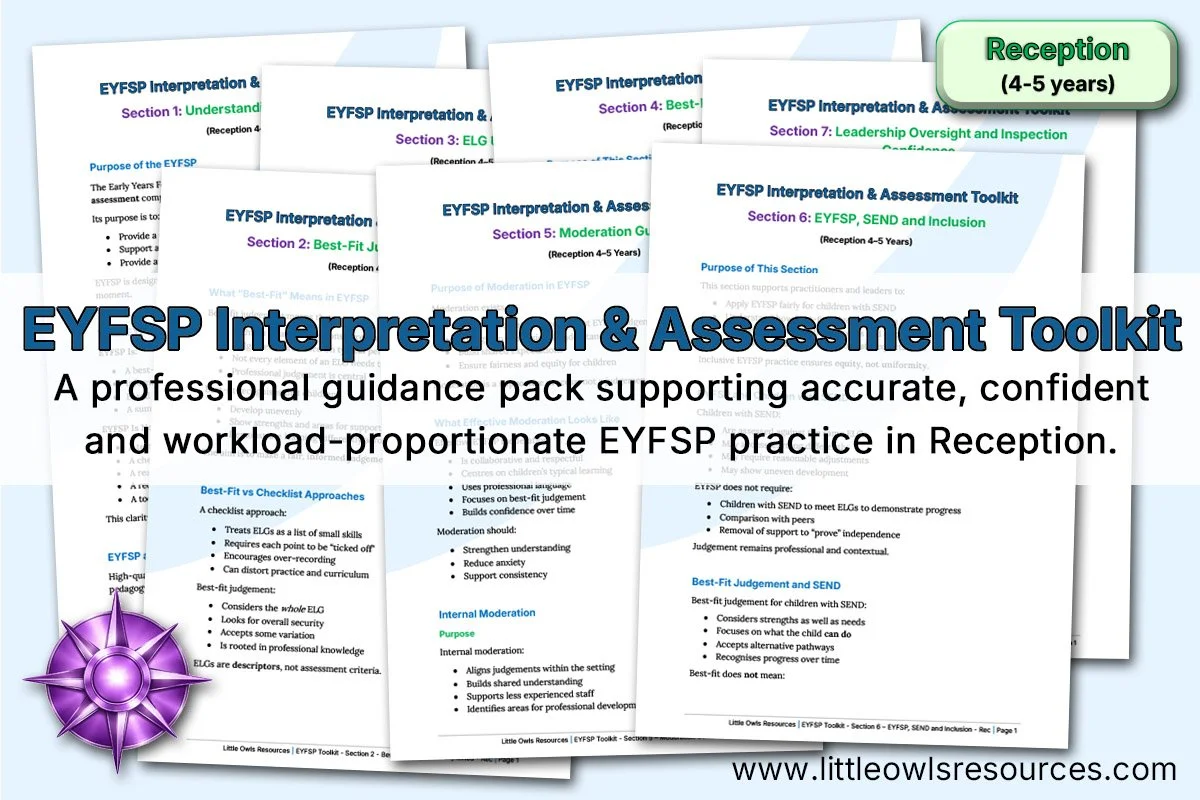
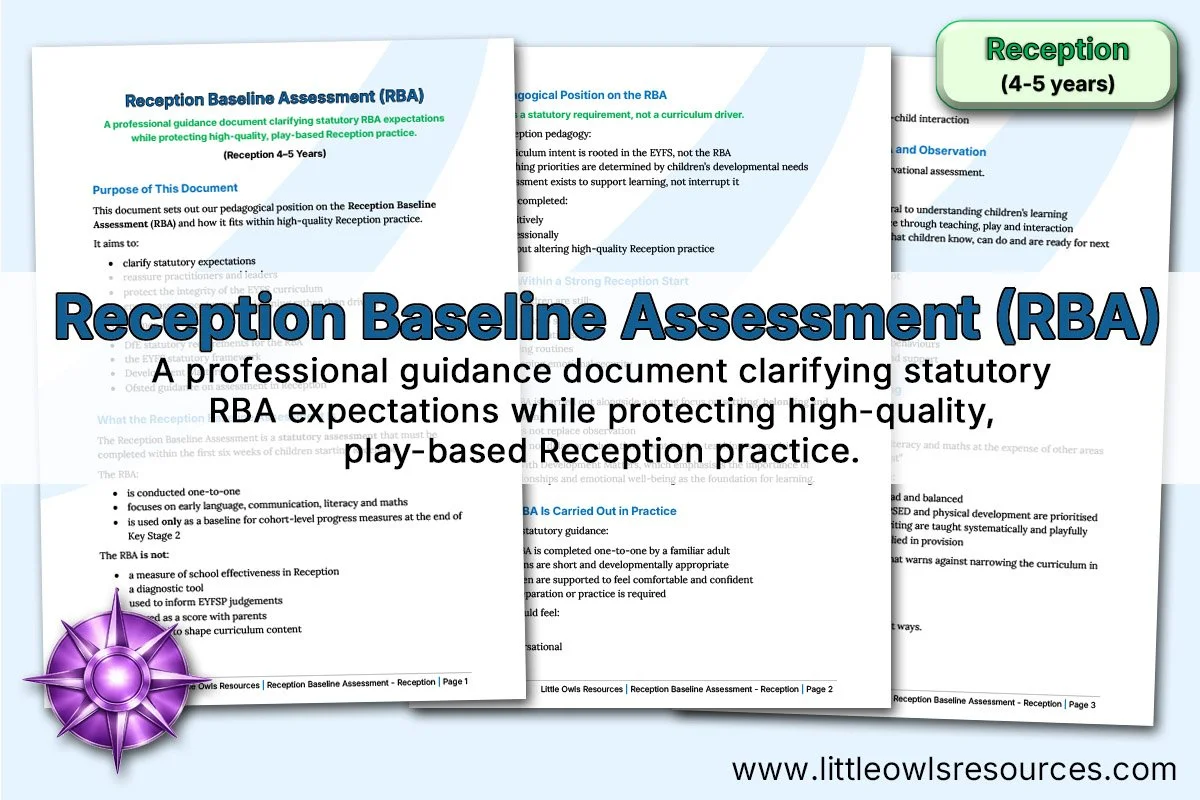
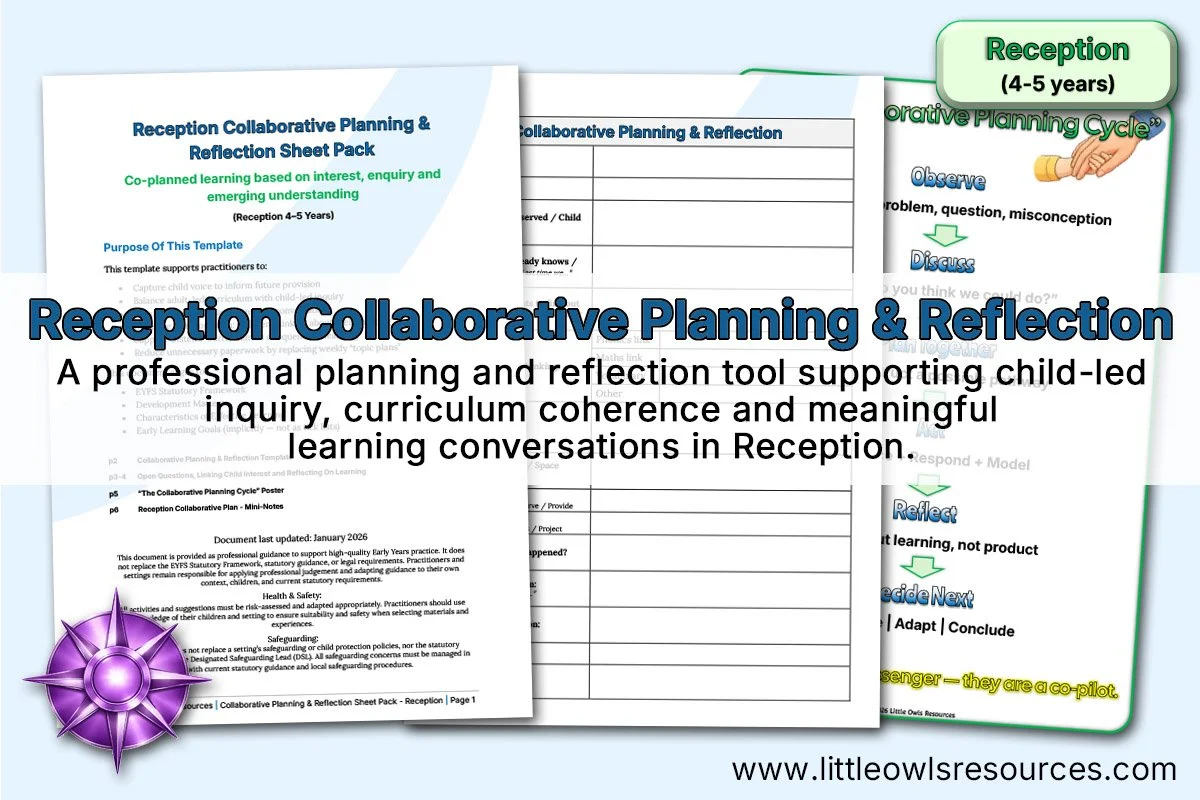
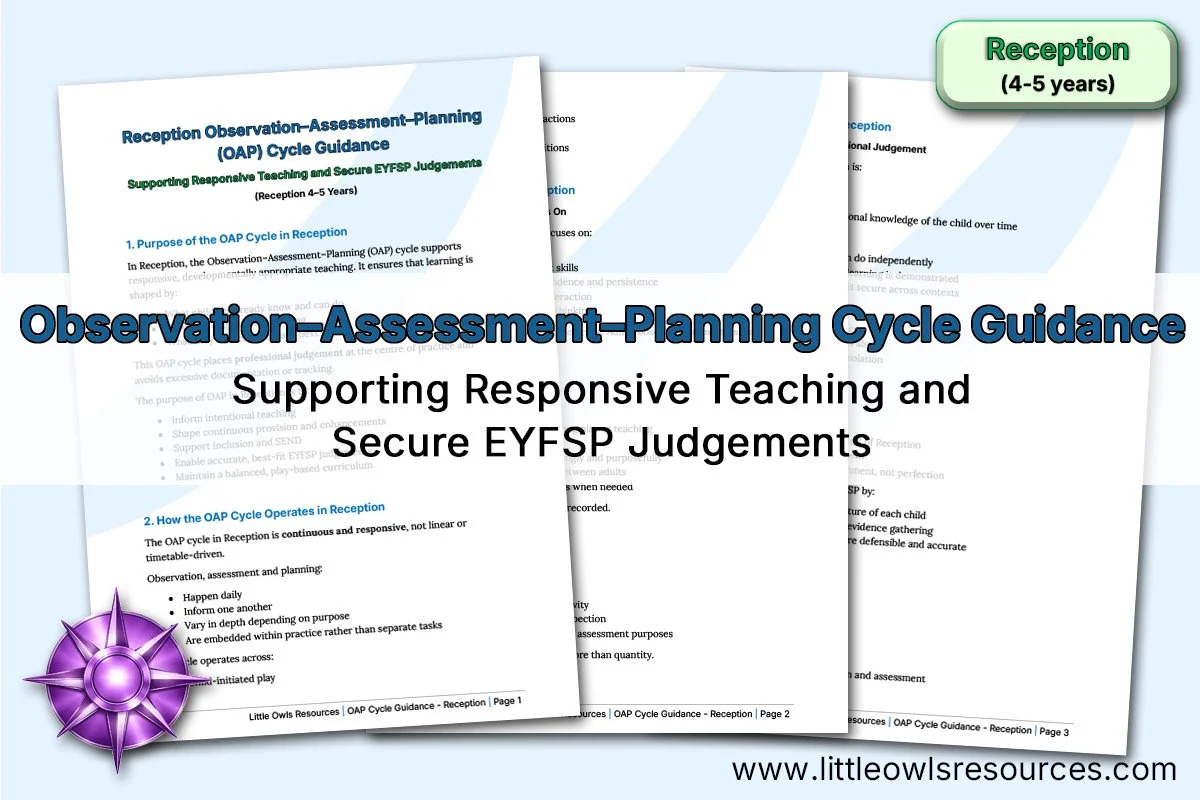
Reception | 4 - 5 Years
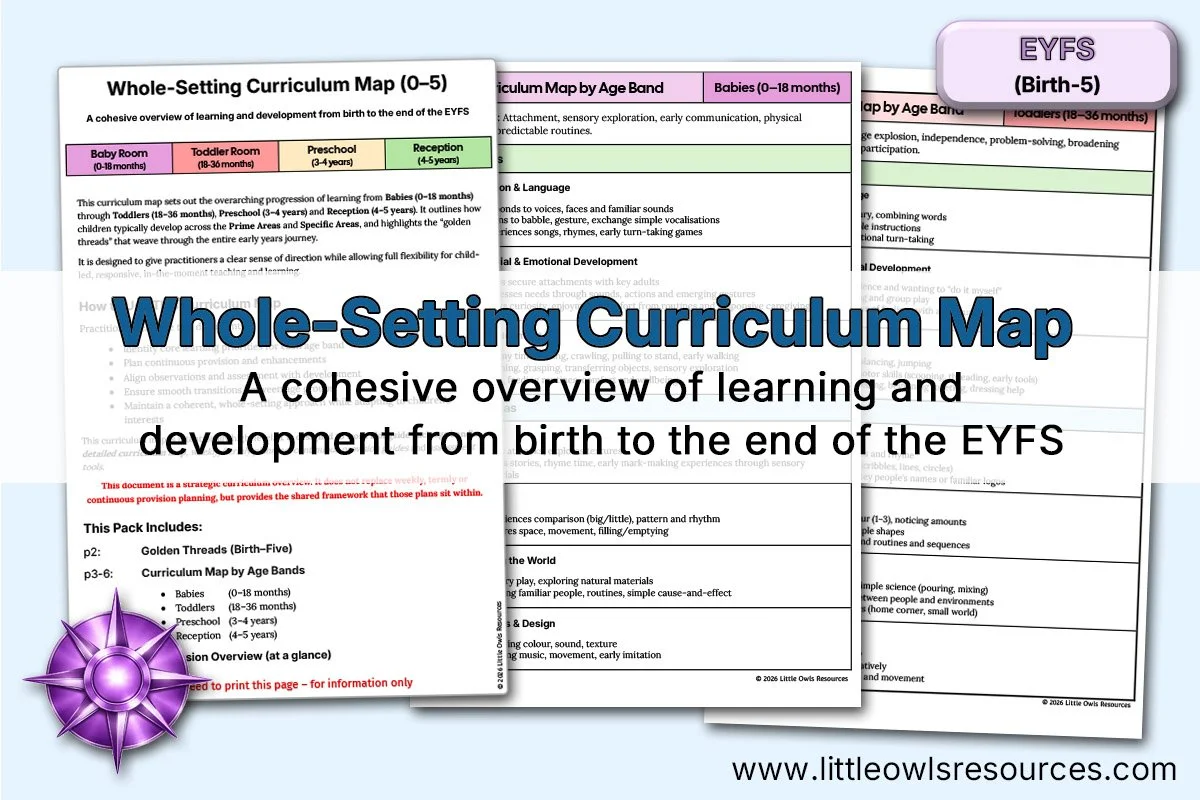
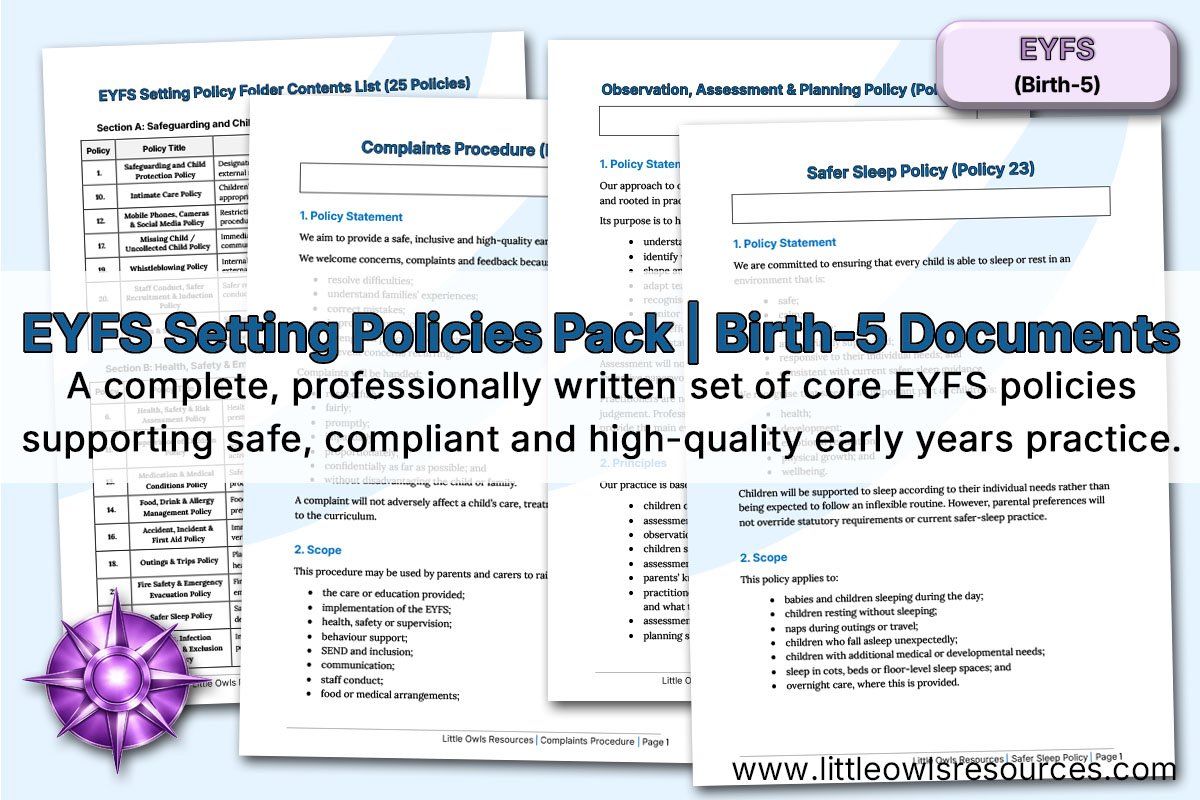
EYFS | Birth - 5

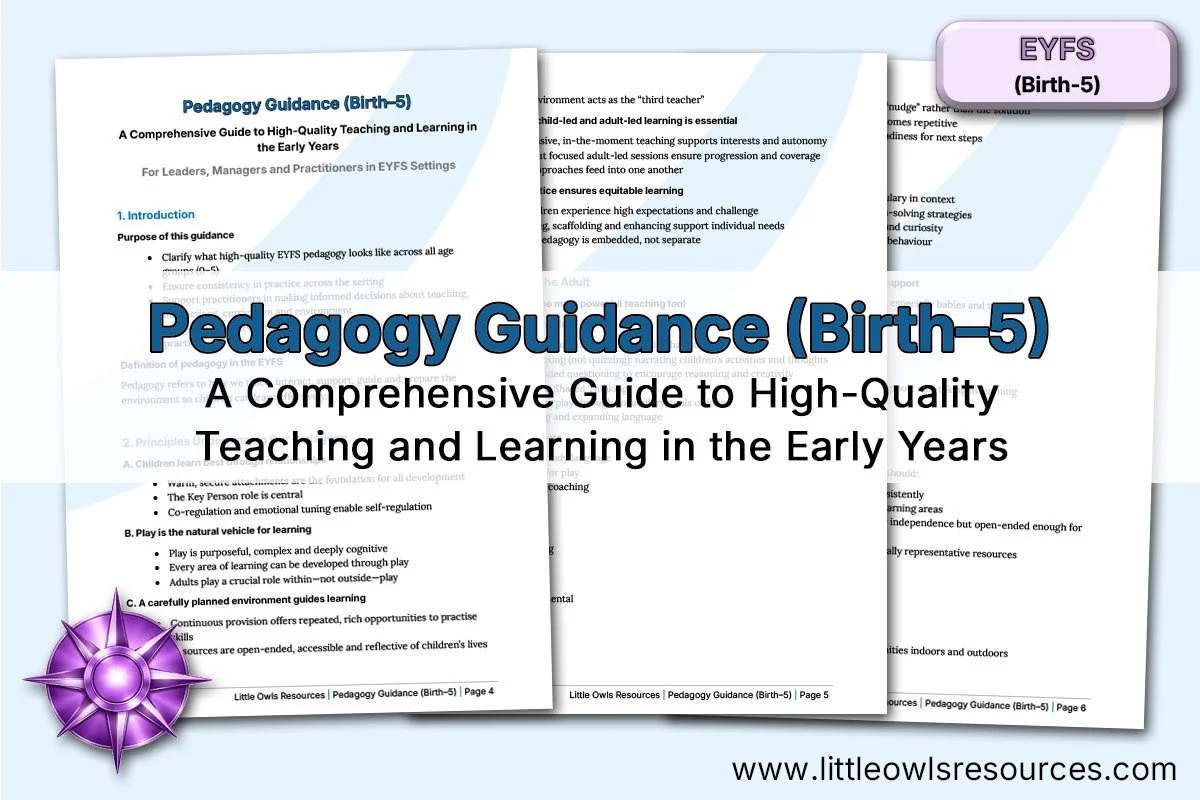
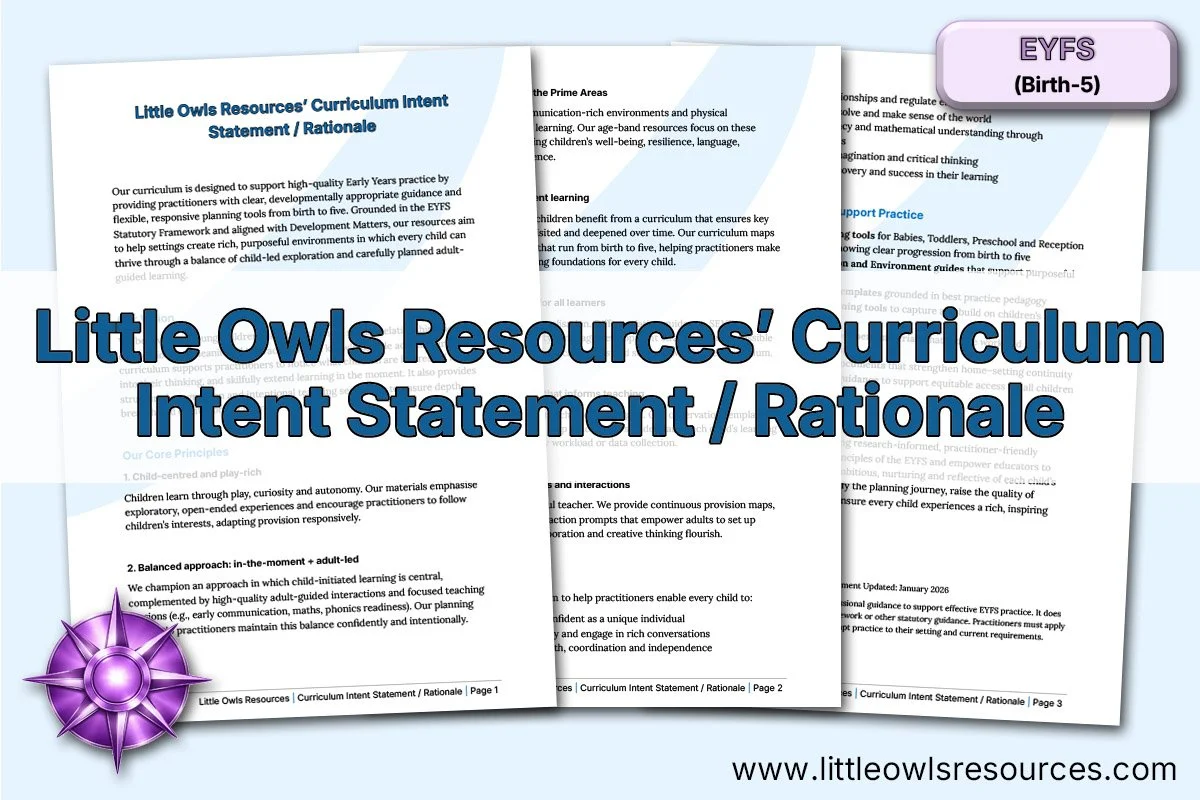
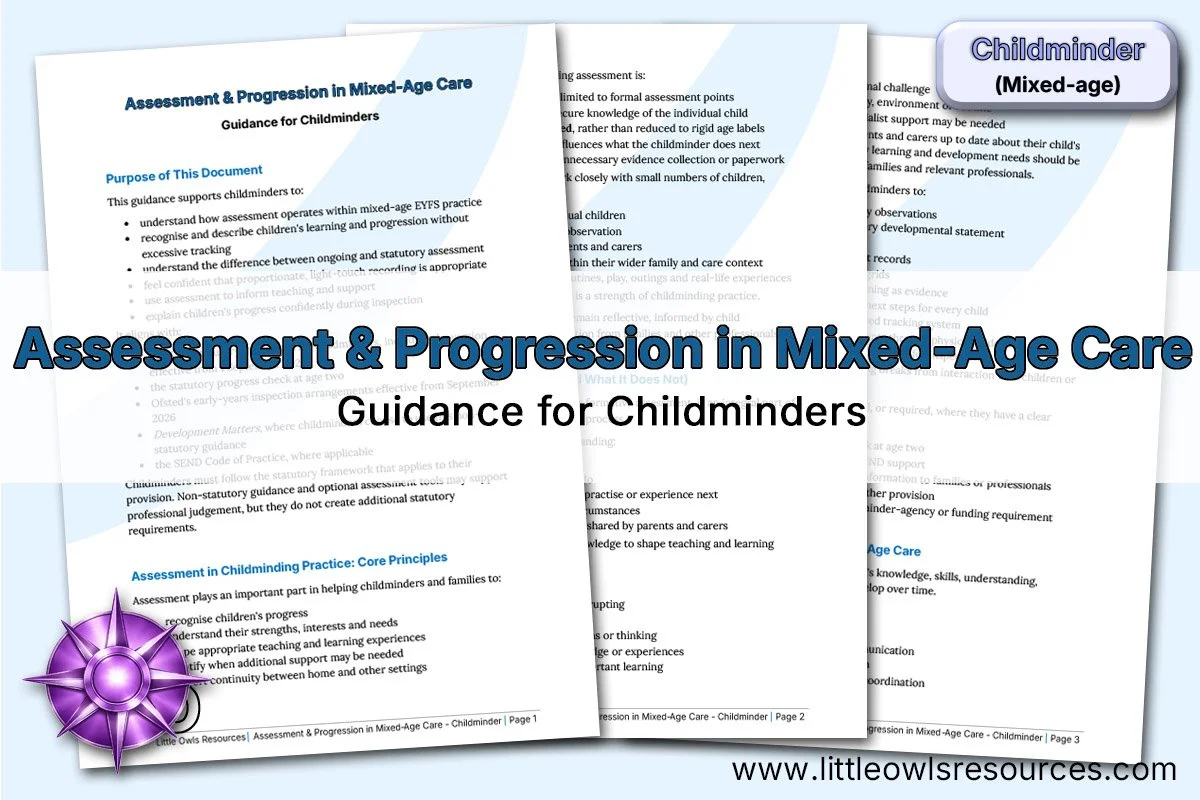
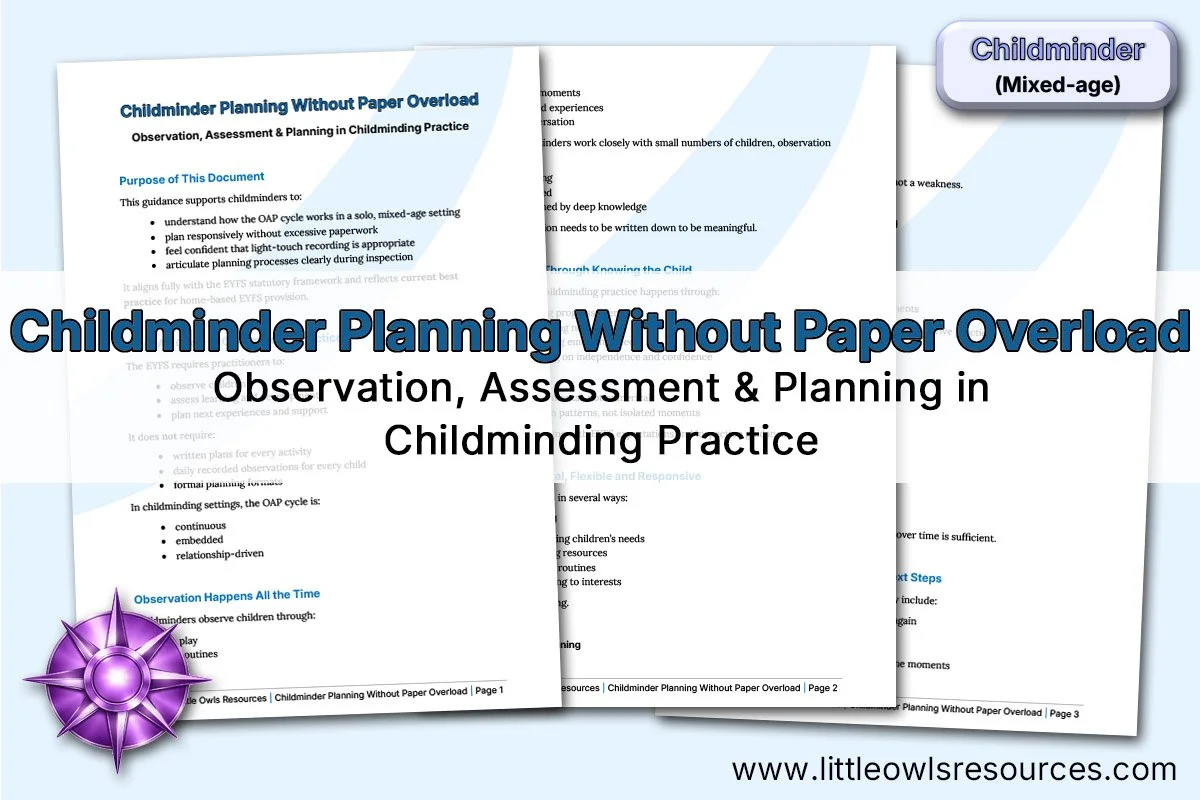
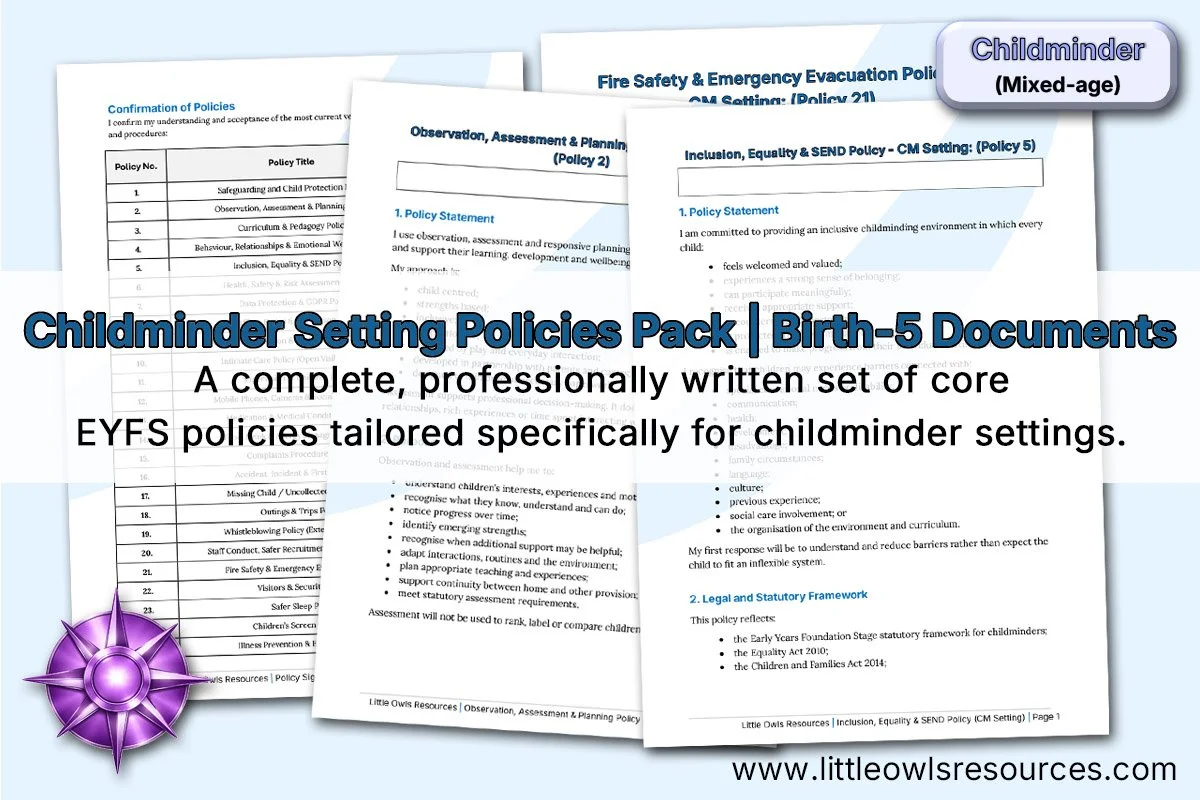
Childminder | Mixed-Age

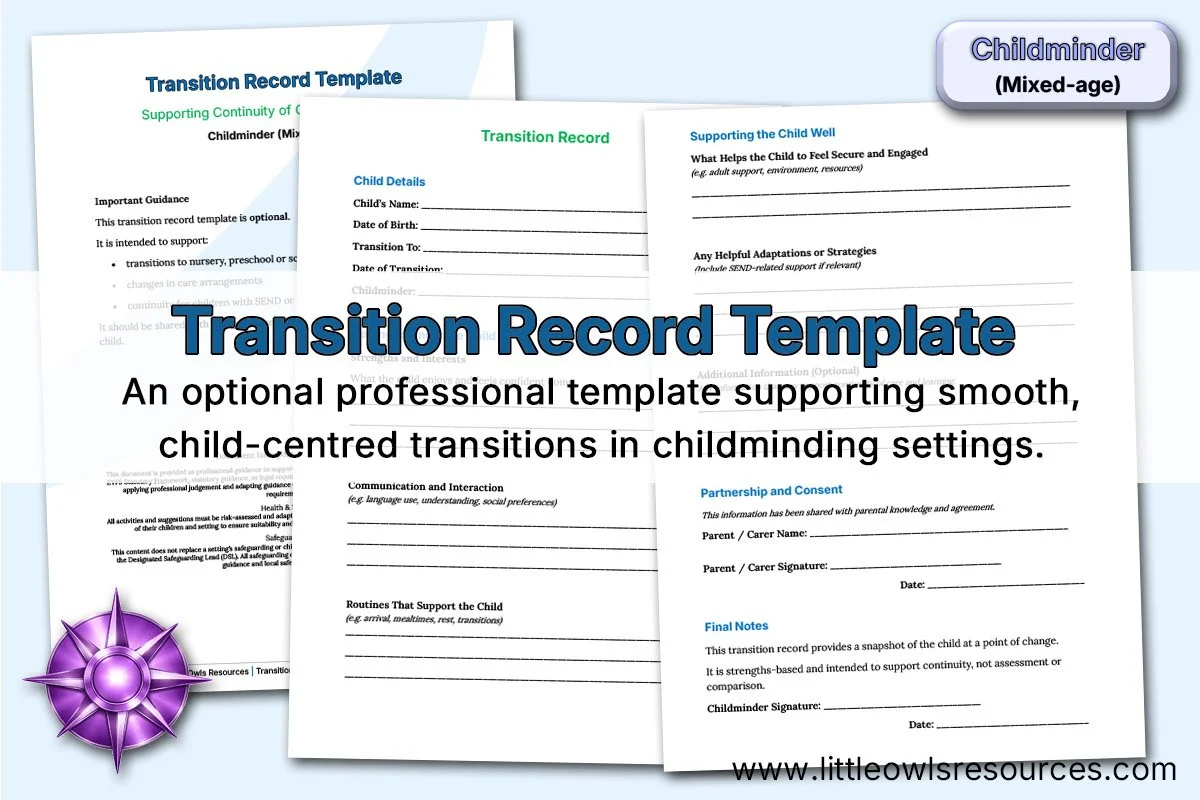
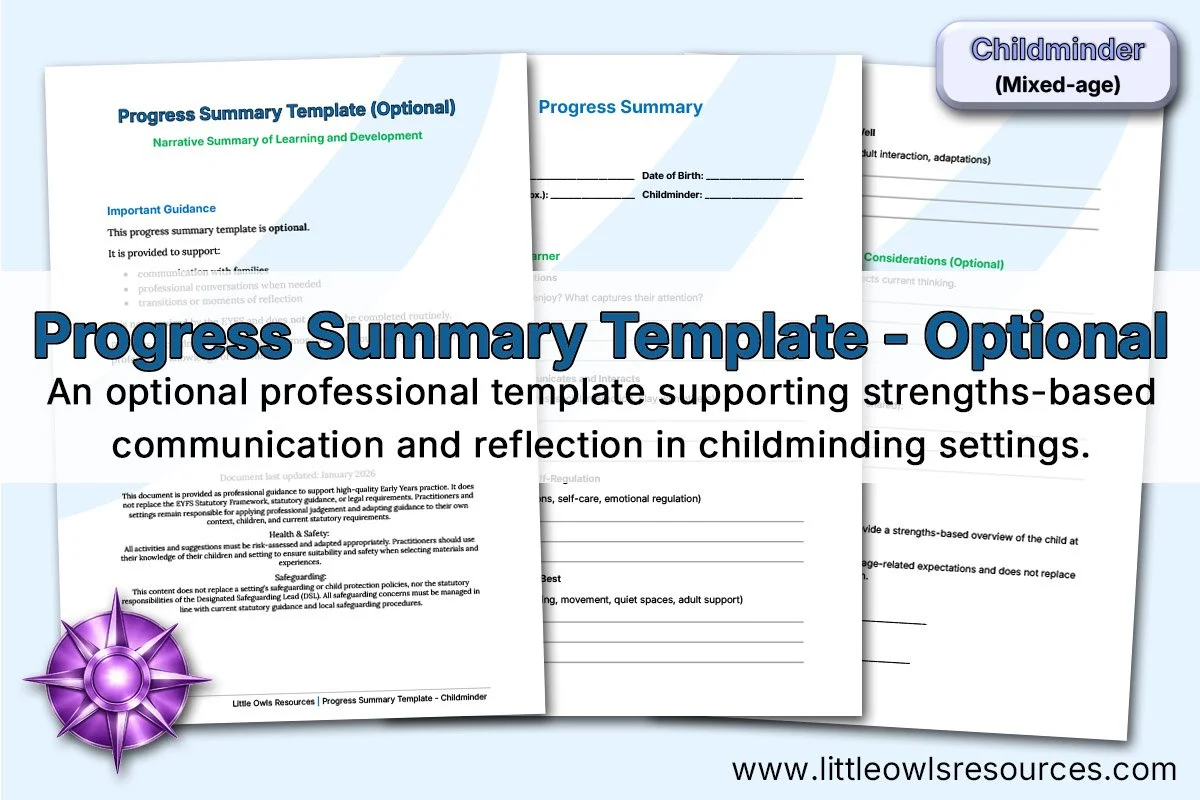

👀 Observation & Responsive Planning
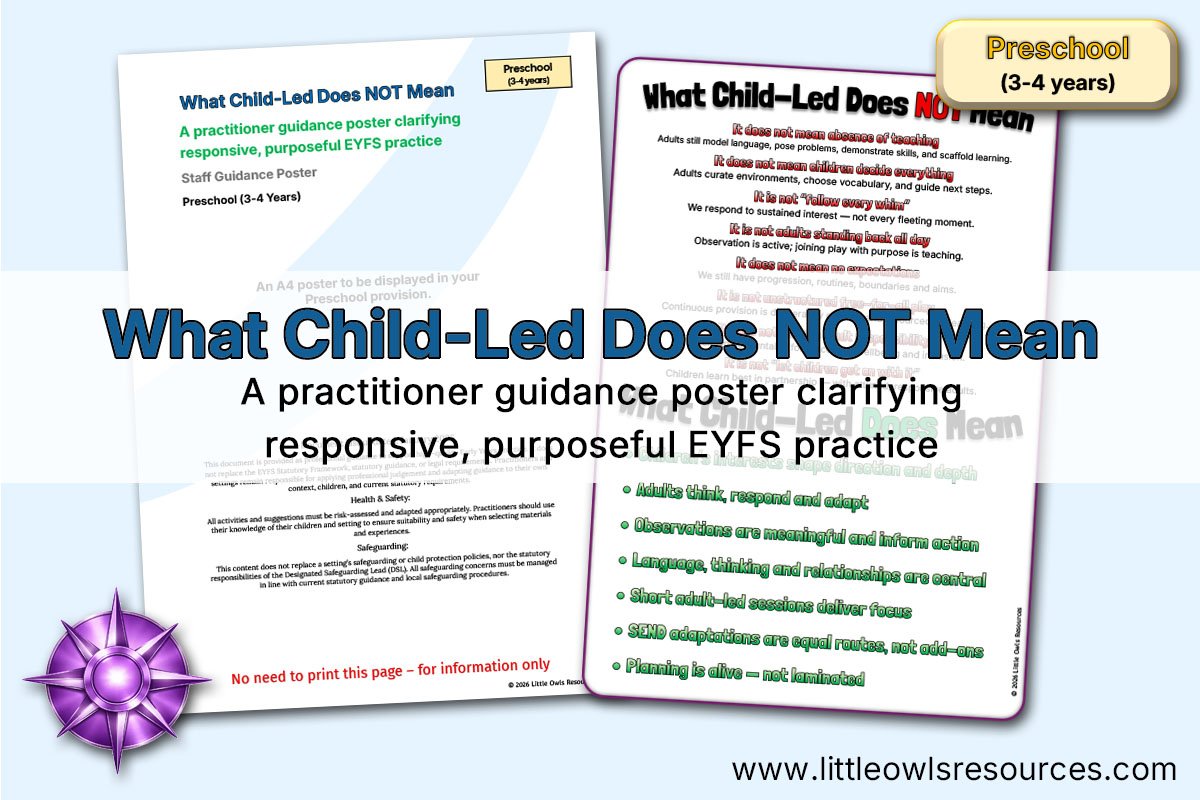
Observation is only meaningful when it leads to action. Balancing the three roles of Facilitator, Co-Play Partner, and Observer — creates a cycle of notice → respond → extend, the heart of in-the-moment responsive planning.
Explore:
narrative observation templates
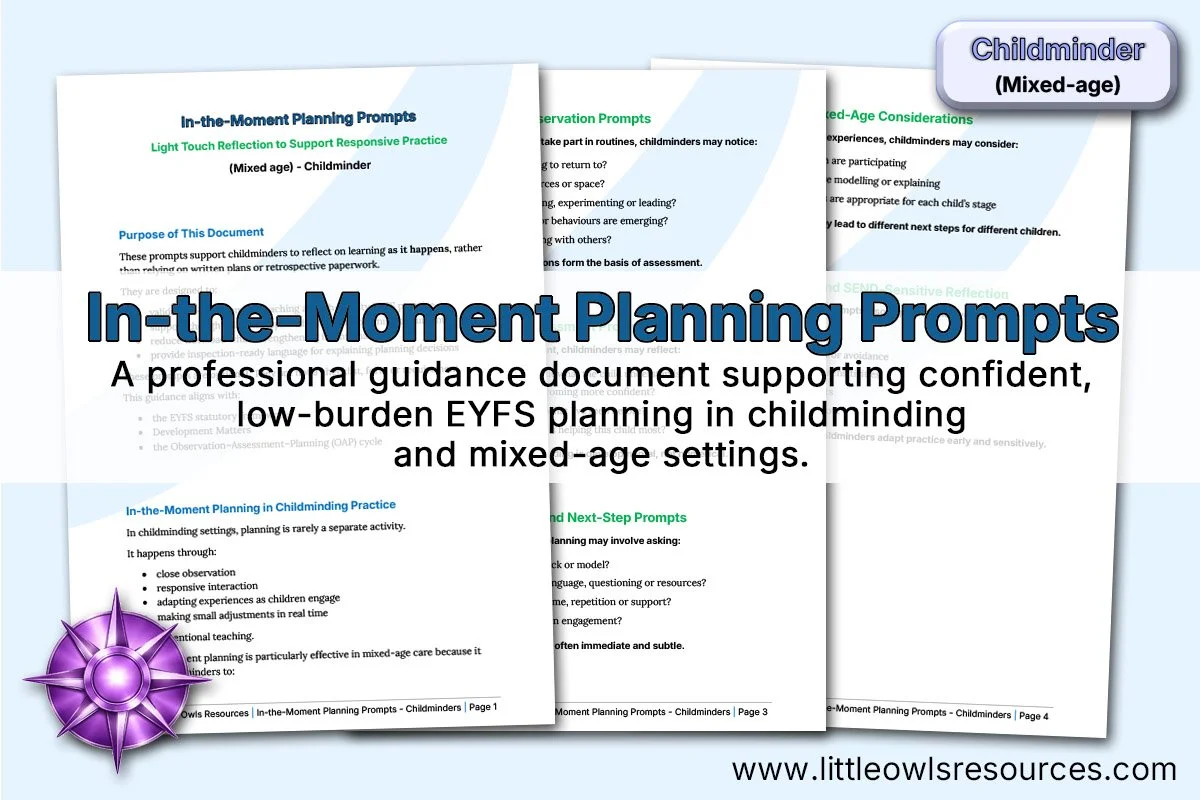
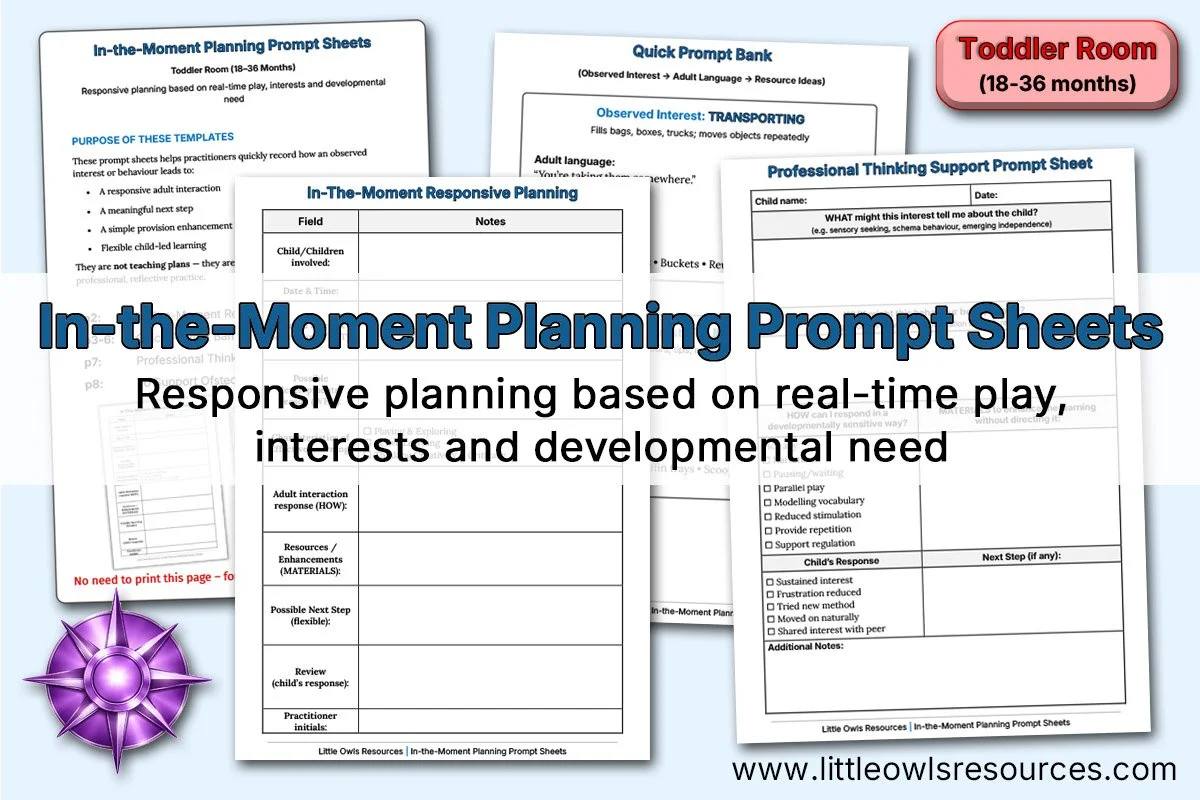
in-the-moment observation prompts
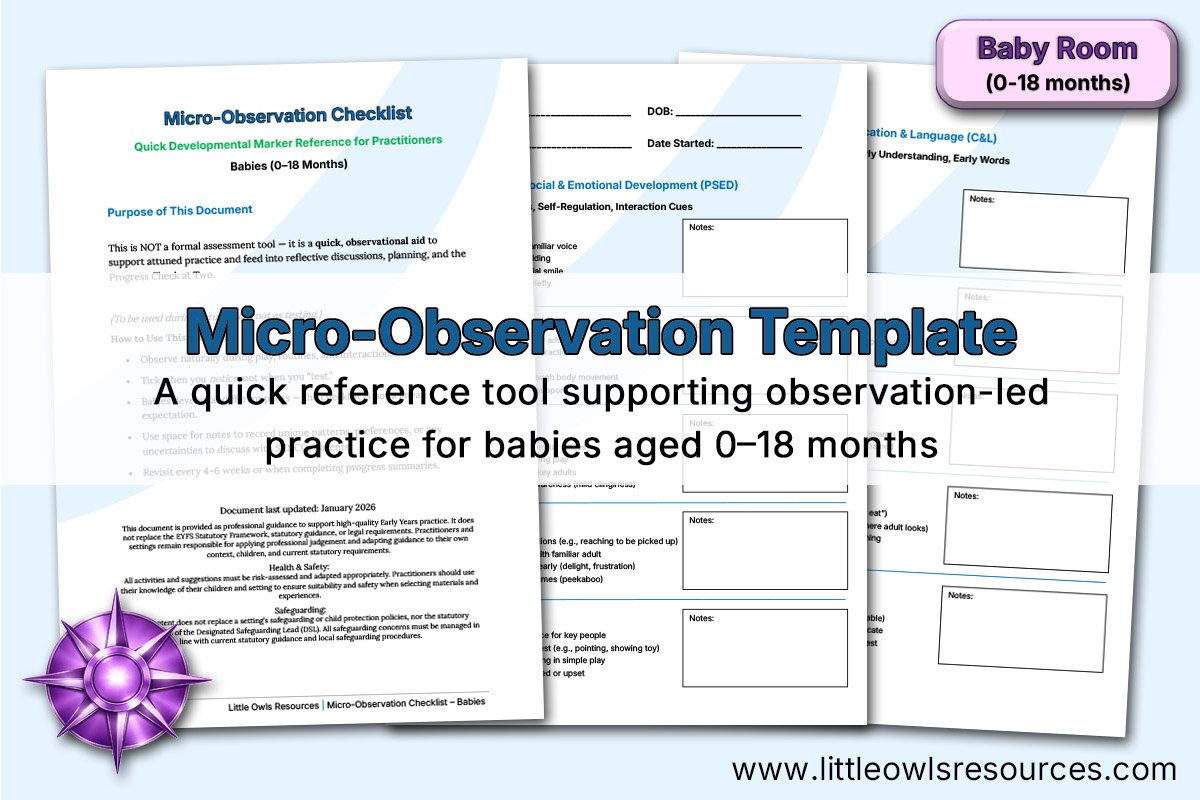
micro-observation tools
responsive planning formats
These support practitioners to:
notice subtle cues and behaviours
interpret communication and engagement
respond through interaction, environment and care




🔄 The Observation–Assessment–Planning Cycle (OAP)
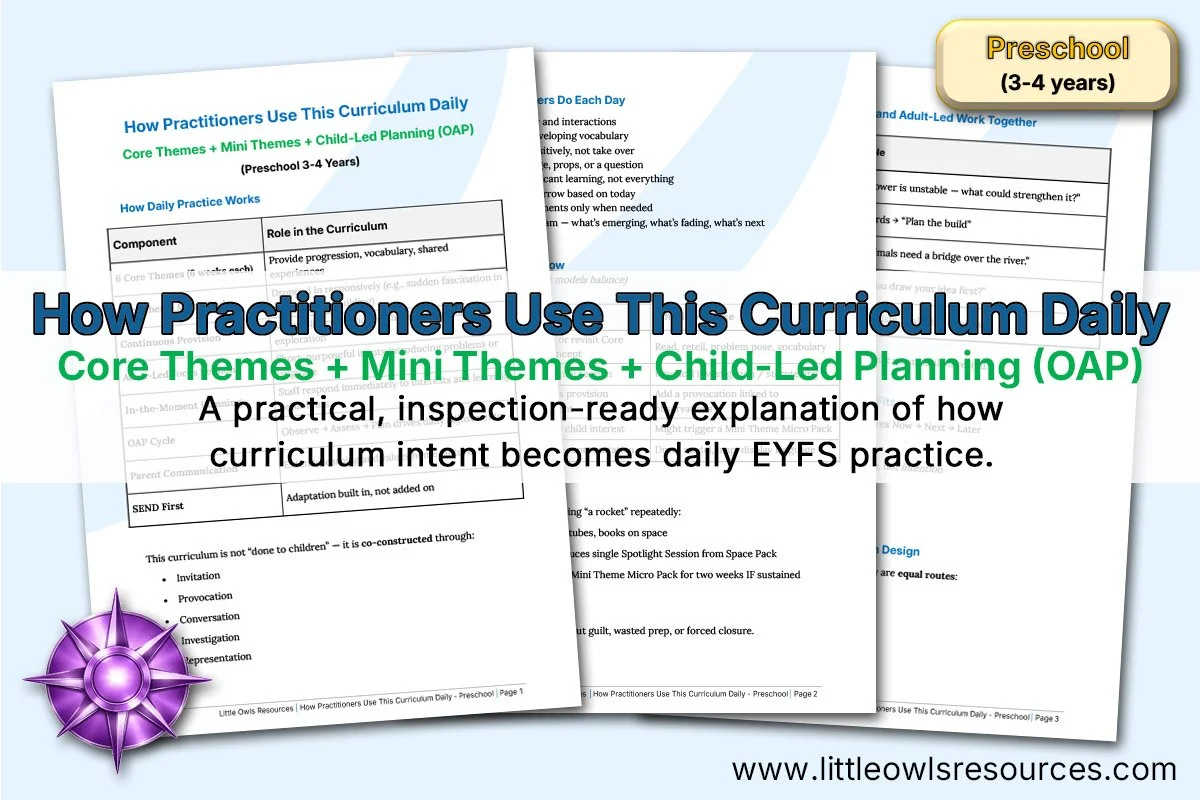
The OAP cycle supports reflective, responsive practice.
Observe → notice what children do, say and communicate
Assess → interpret meaning and patterns
Plan → respond through provision, interaction and routines
In high-quality EYFS practice:
this cycle is ongoing
it is not always written down
it prioritises responsiveness over paperwork
Further information regarding the OAP Cycle may be found on our EYFS Glossary entry page: ‘Observation–Assessment–Planning (OAP) Cycle | EYFS’
📘 Statutory Assessment Requirements
We provide guidance and tools to support statutory responsibilities, including:
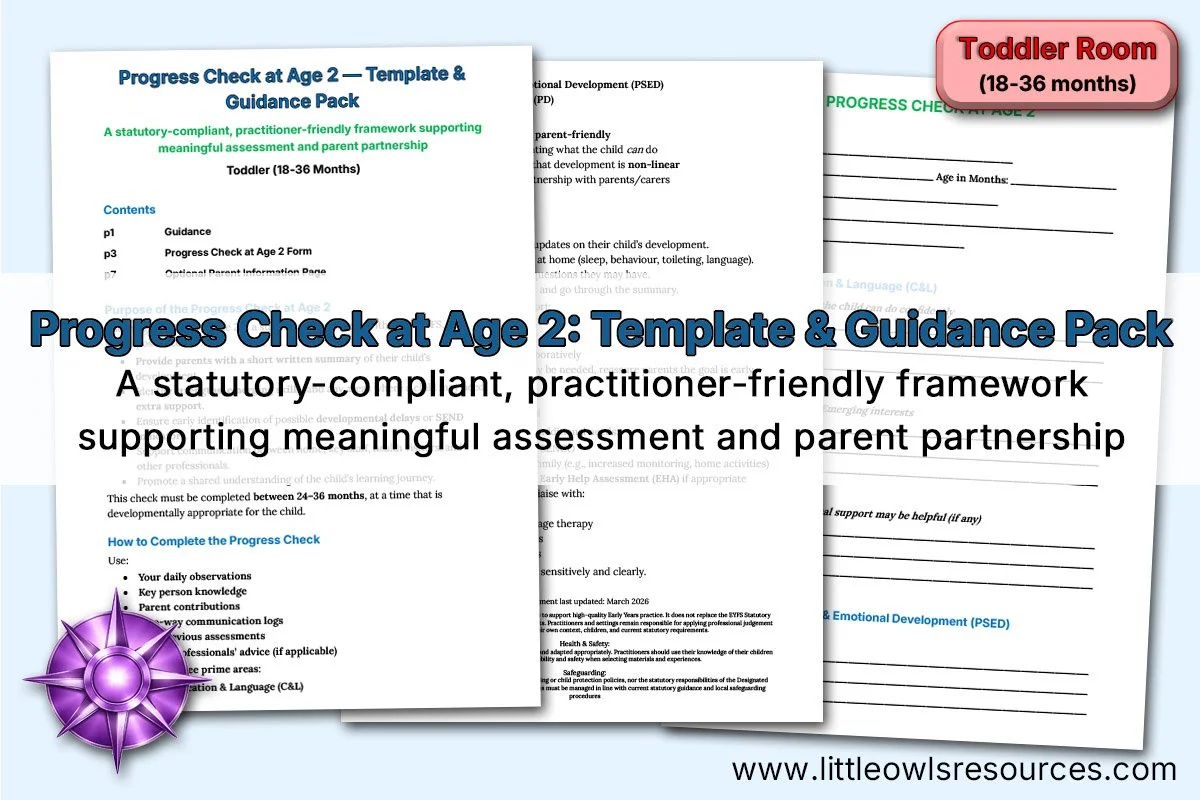
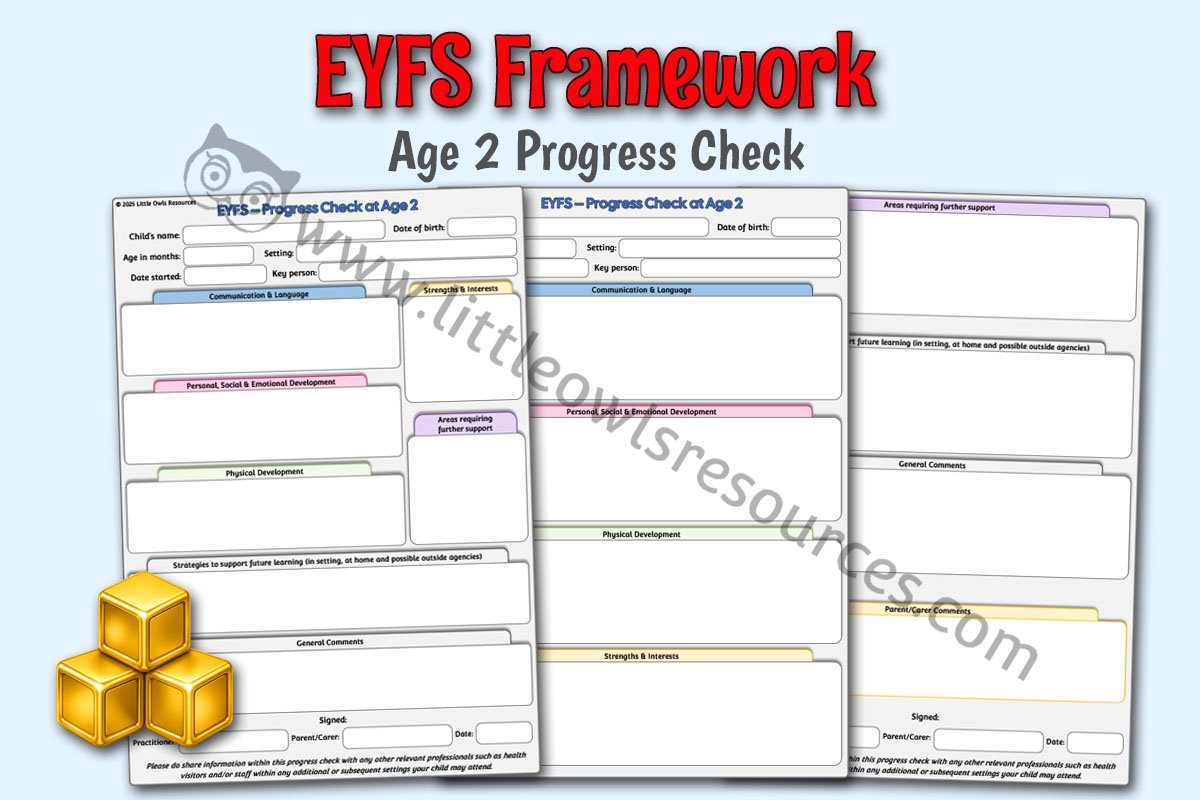
✔ Progress Check at Age 2 EYFS
report templates
practitioner guidance
parent communication support
✔ Reception Baseline Assessment (RBA) England
understanding purpose
what practitioners need to know
how it fits within practice
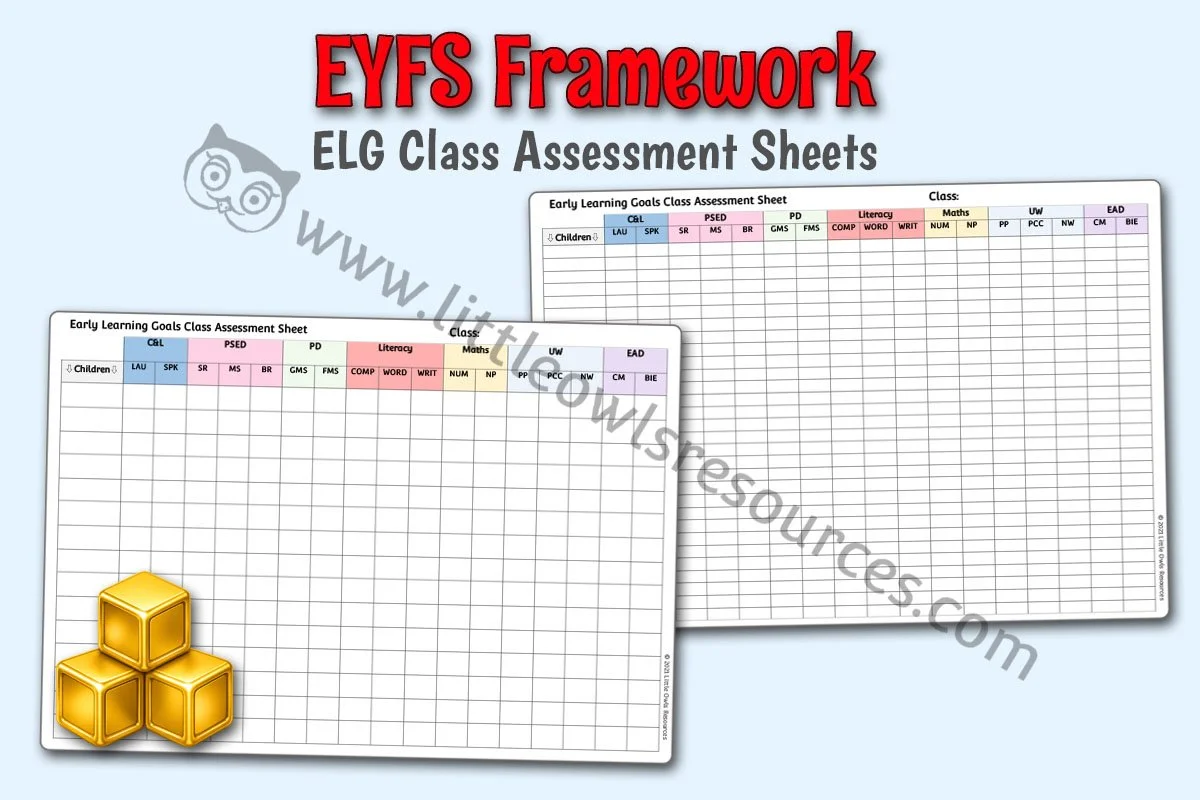
✔ Early Years Foundation Stage Profile (EYFSP)
ELG interpretation
best-fit assessment
moderation support
reporting guidance
Statutory assessment is only one part of understanding children — not the whole picture.
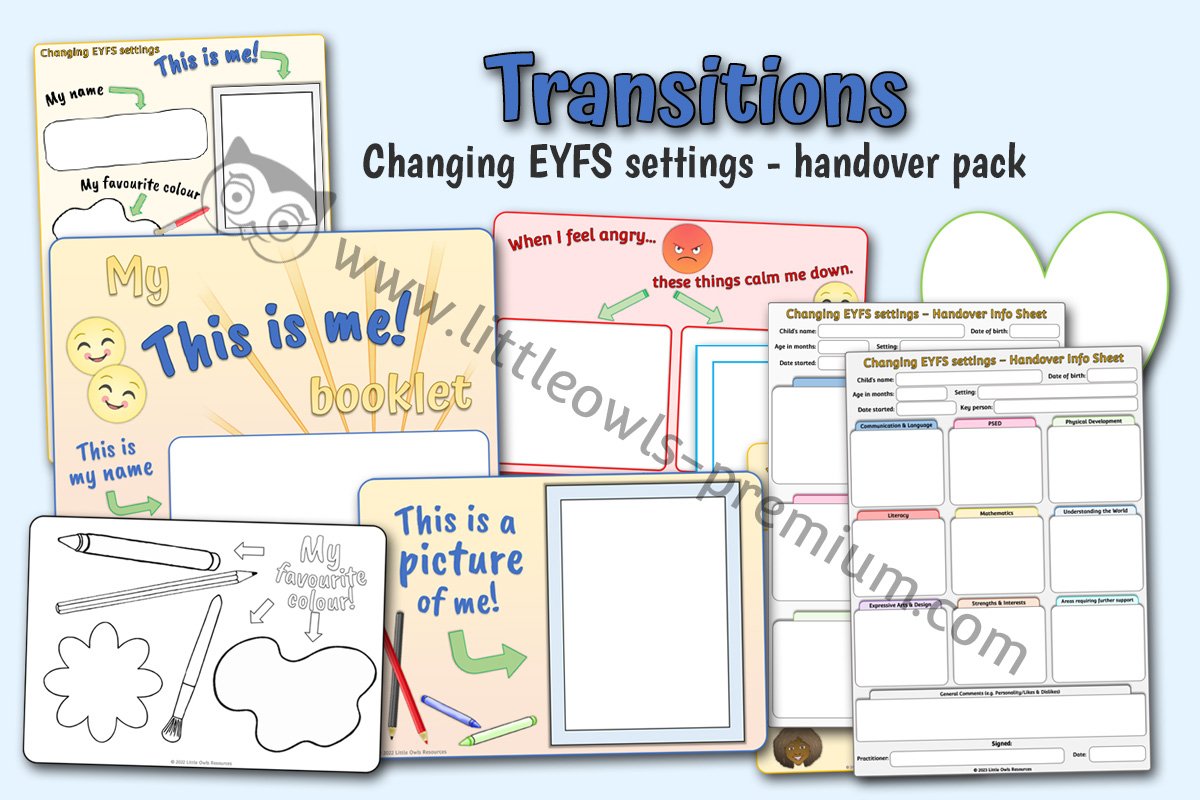
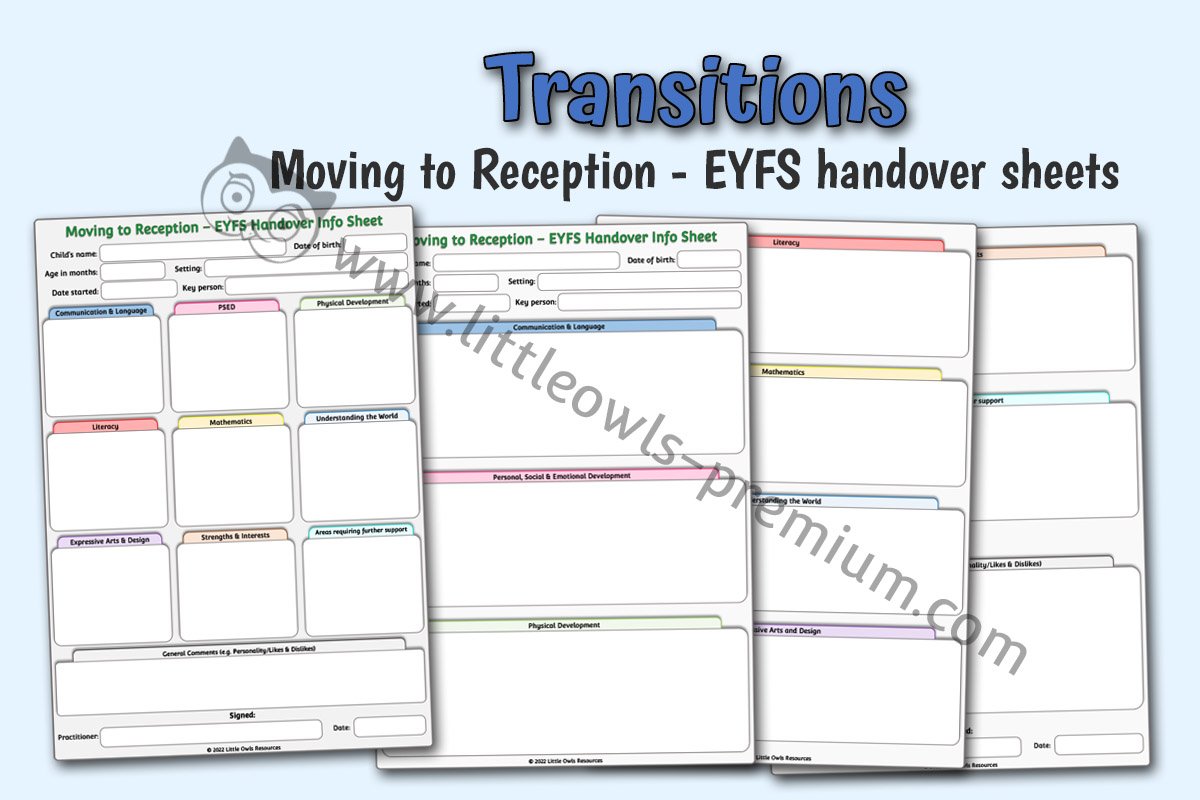
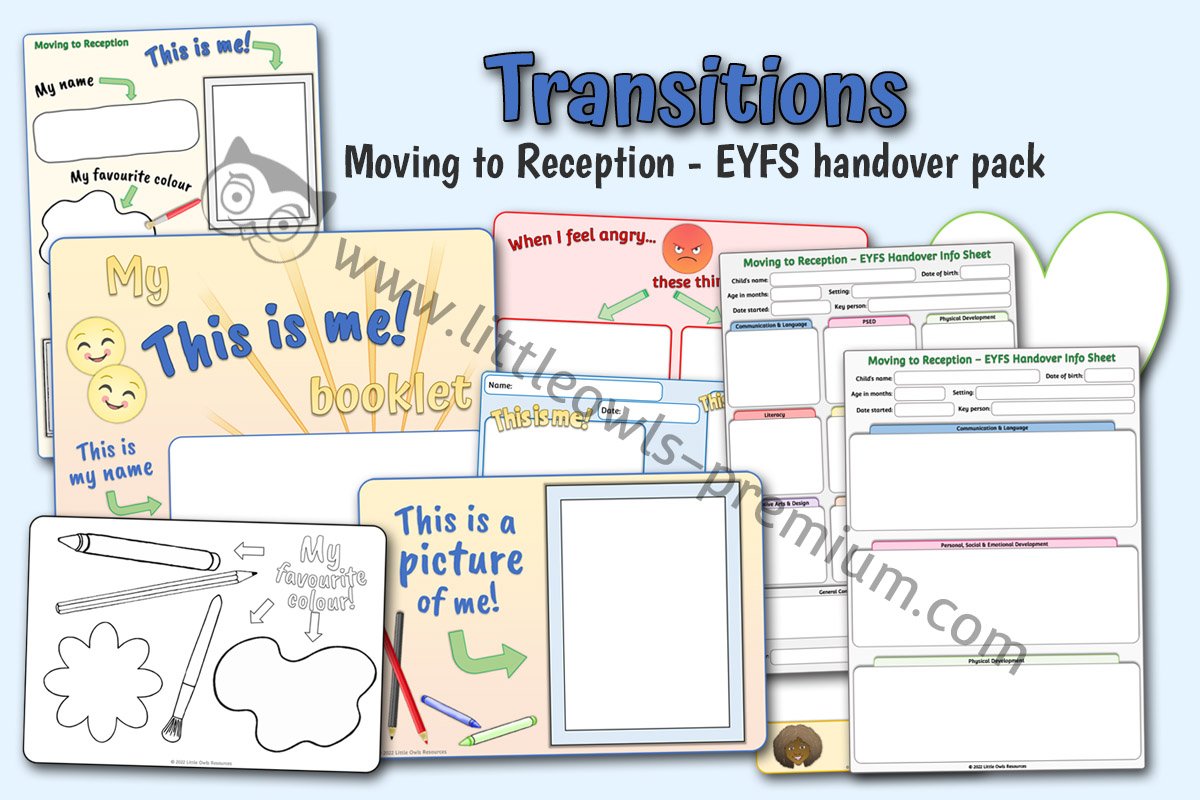
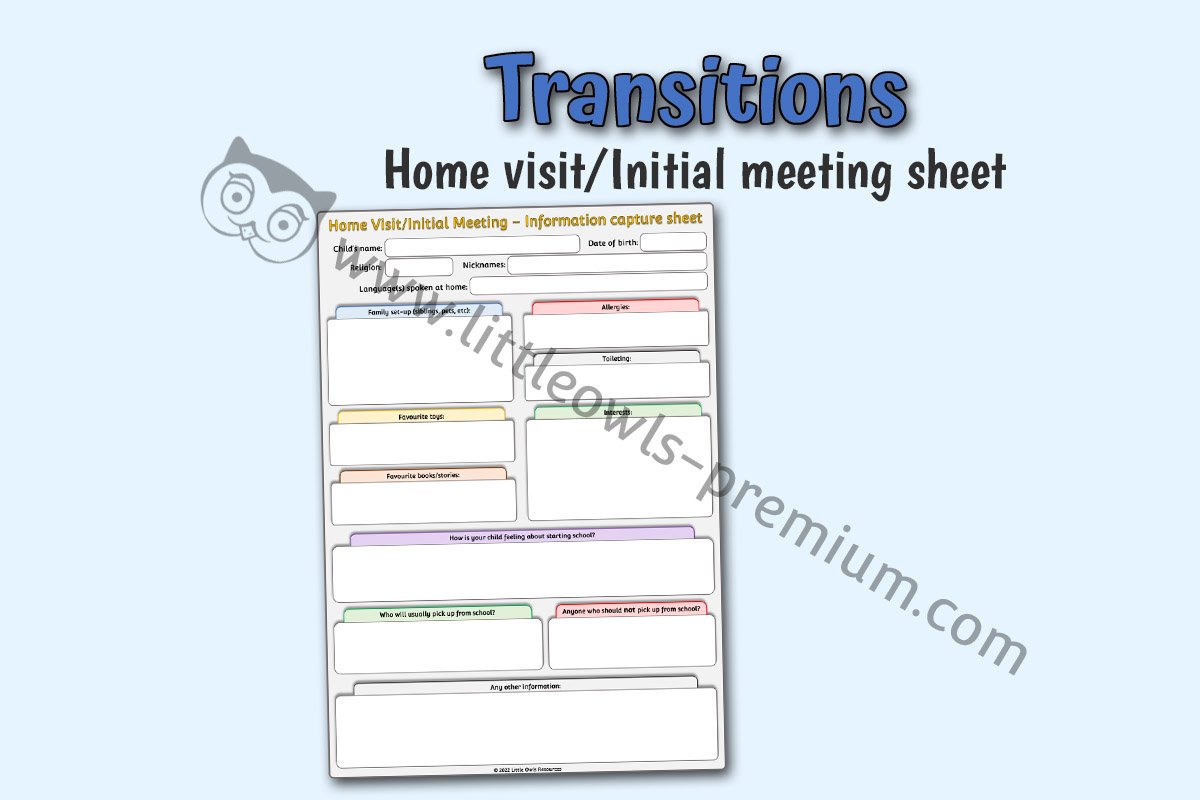
🌉 Transitions & Progress Summaries
Observation and assessment support smooth transitions between:
rooms
settings
home and school
Explore:
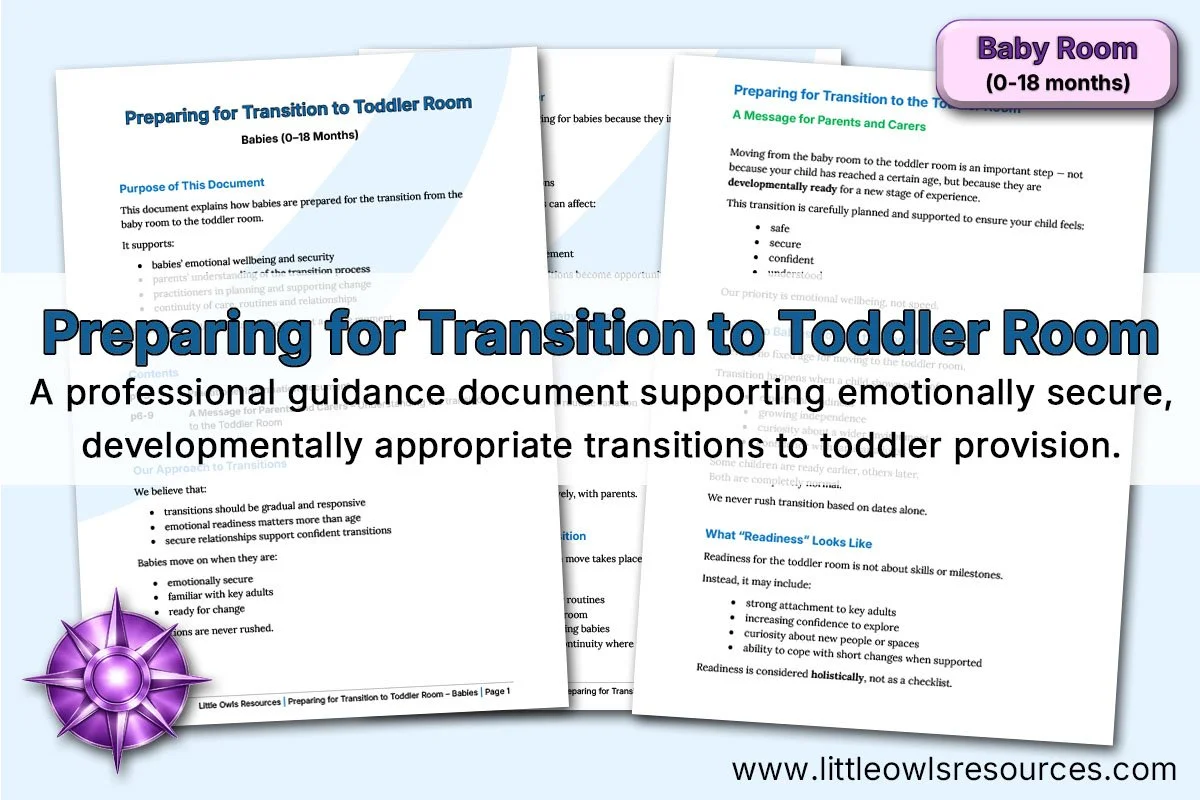
transition record templates
progress summaries
handover documents
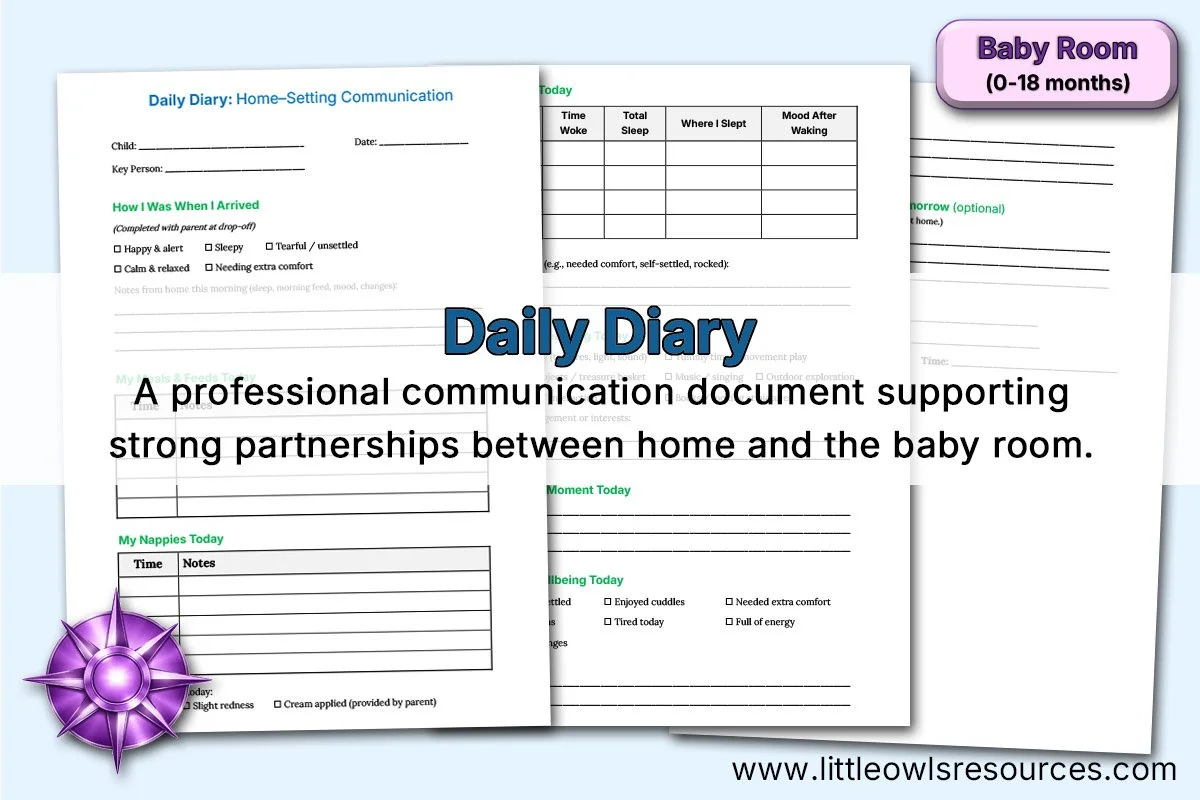
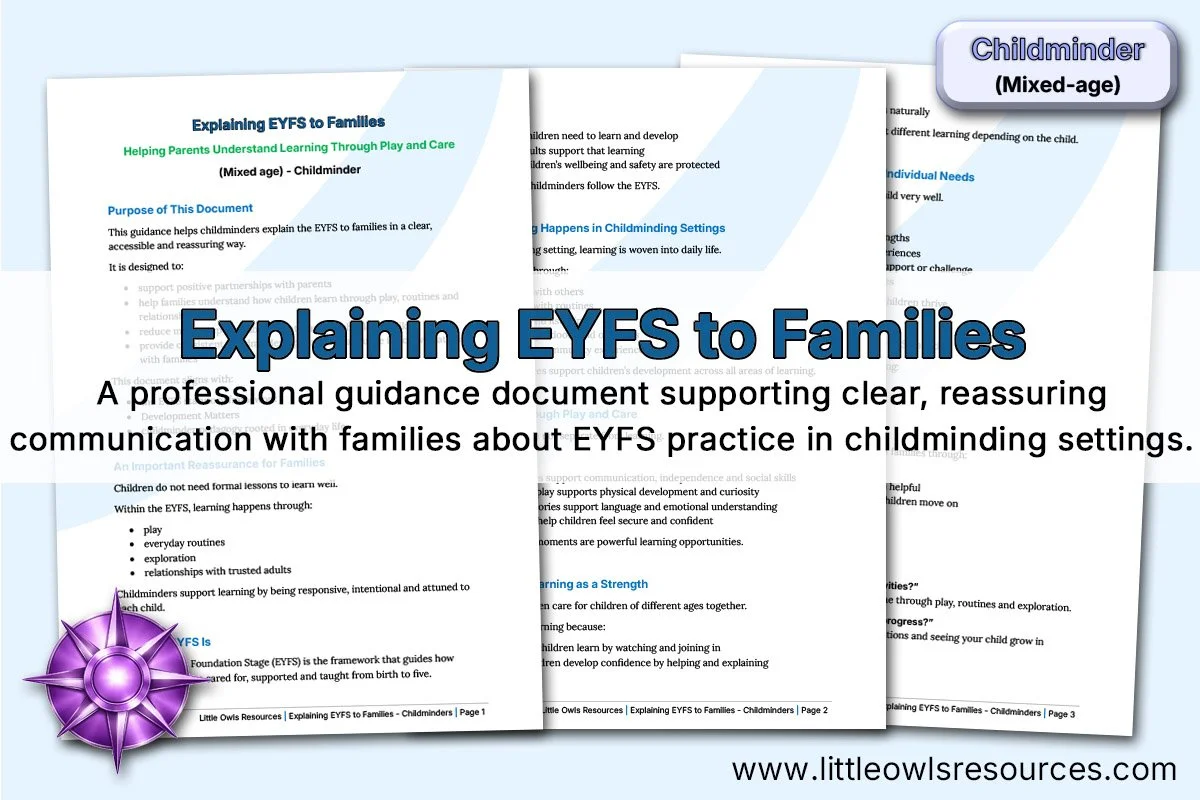
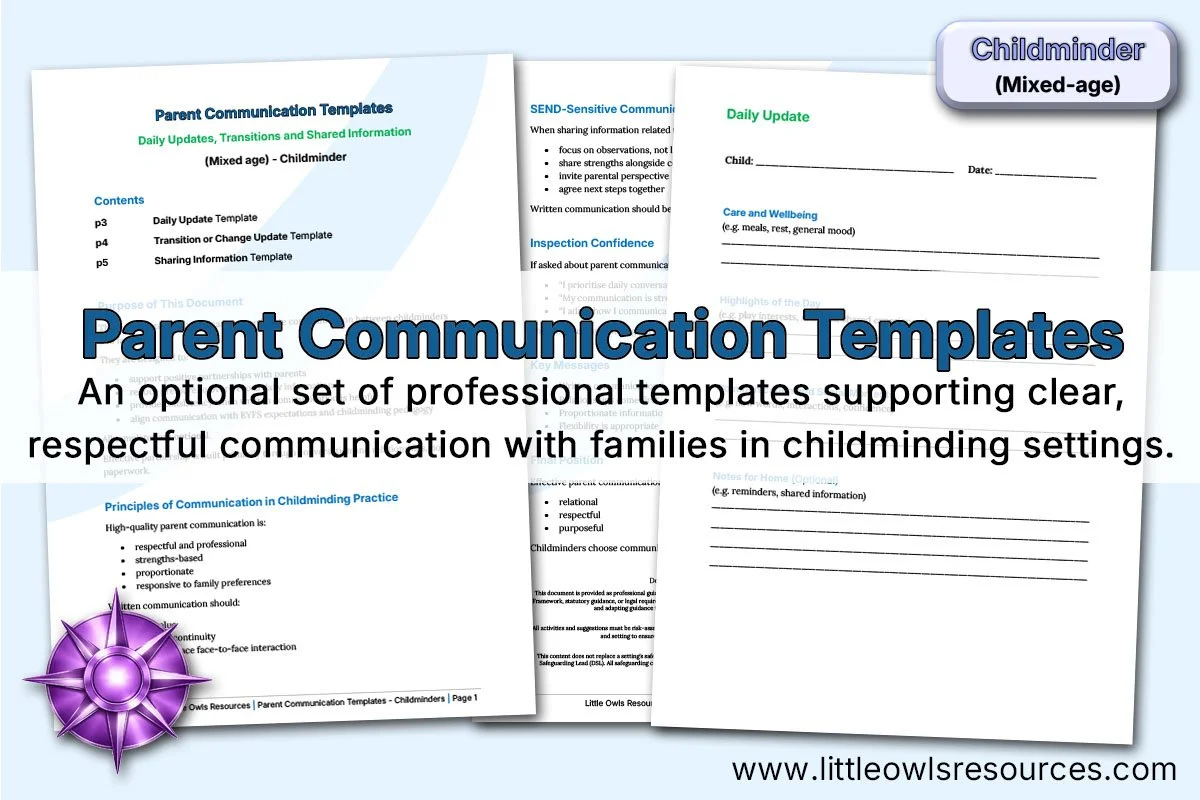
family communication tools
These ensure:
continuity of care
shared understanding
supportive transitions for children and families
Transitions



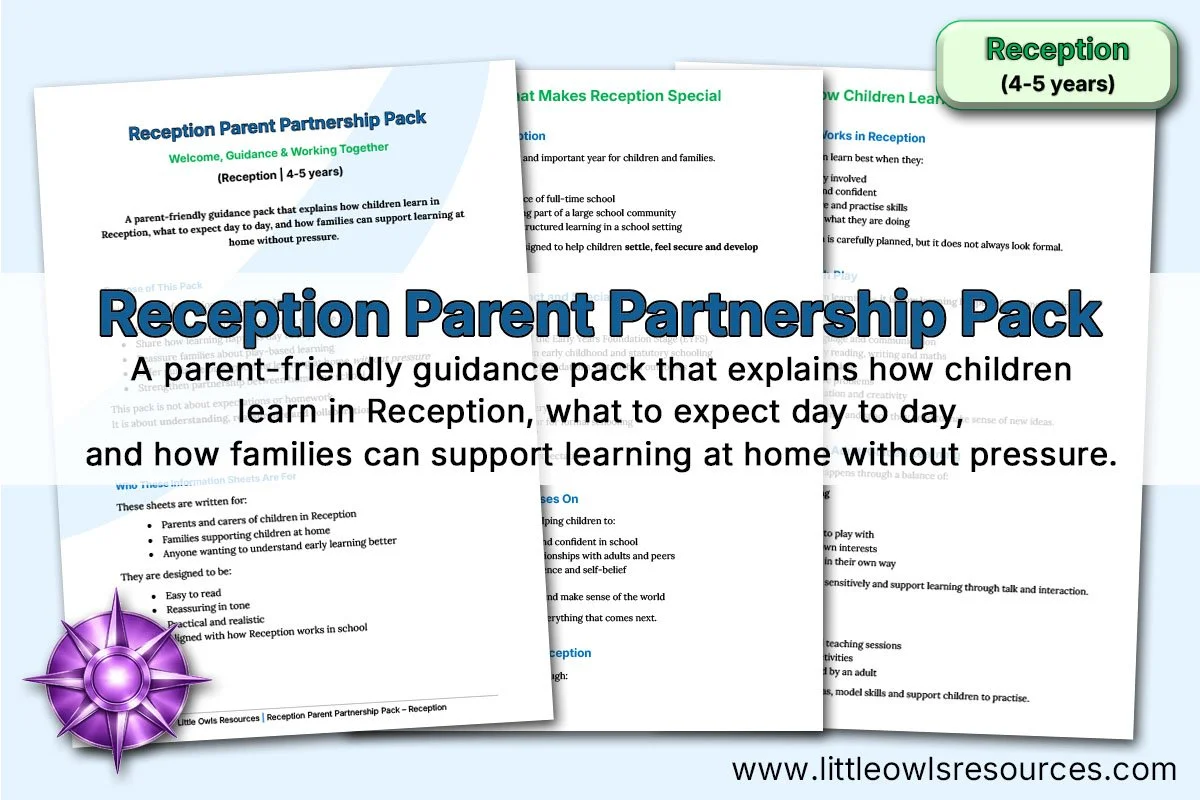
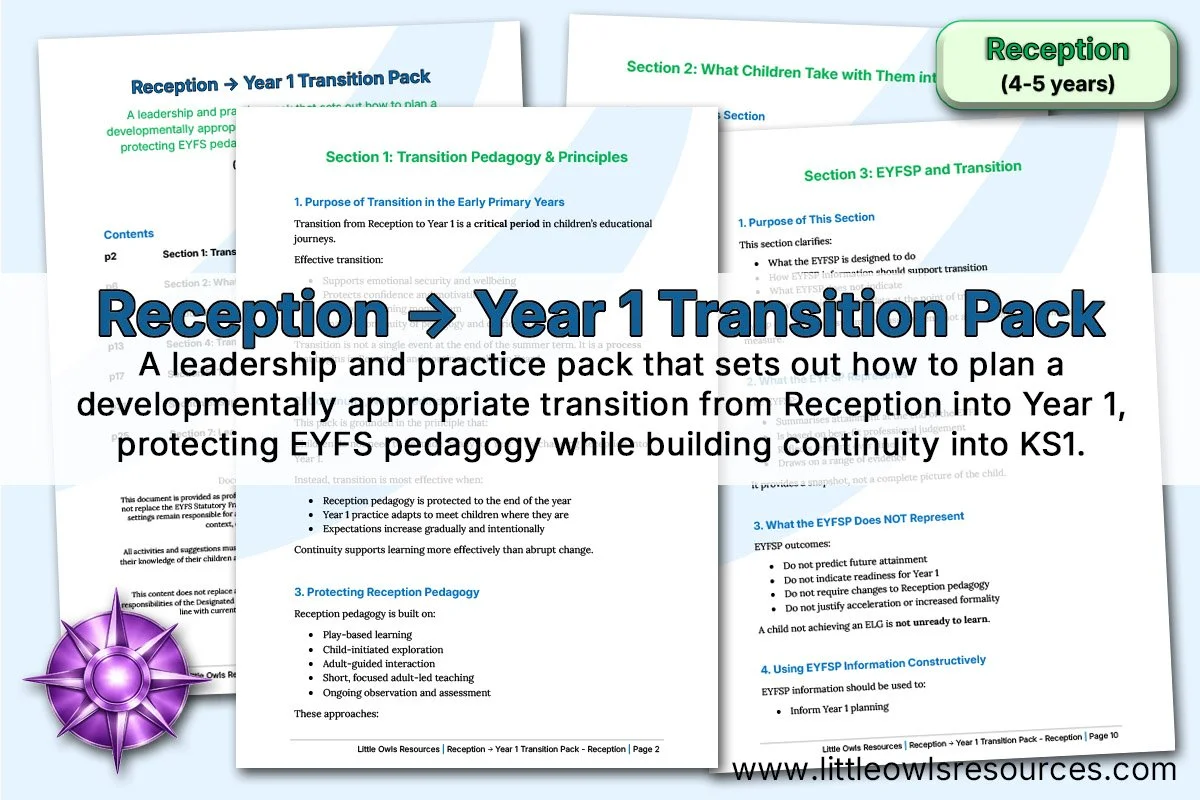
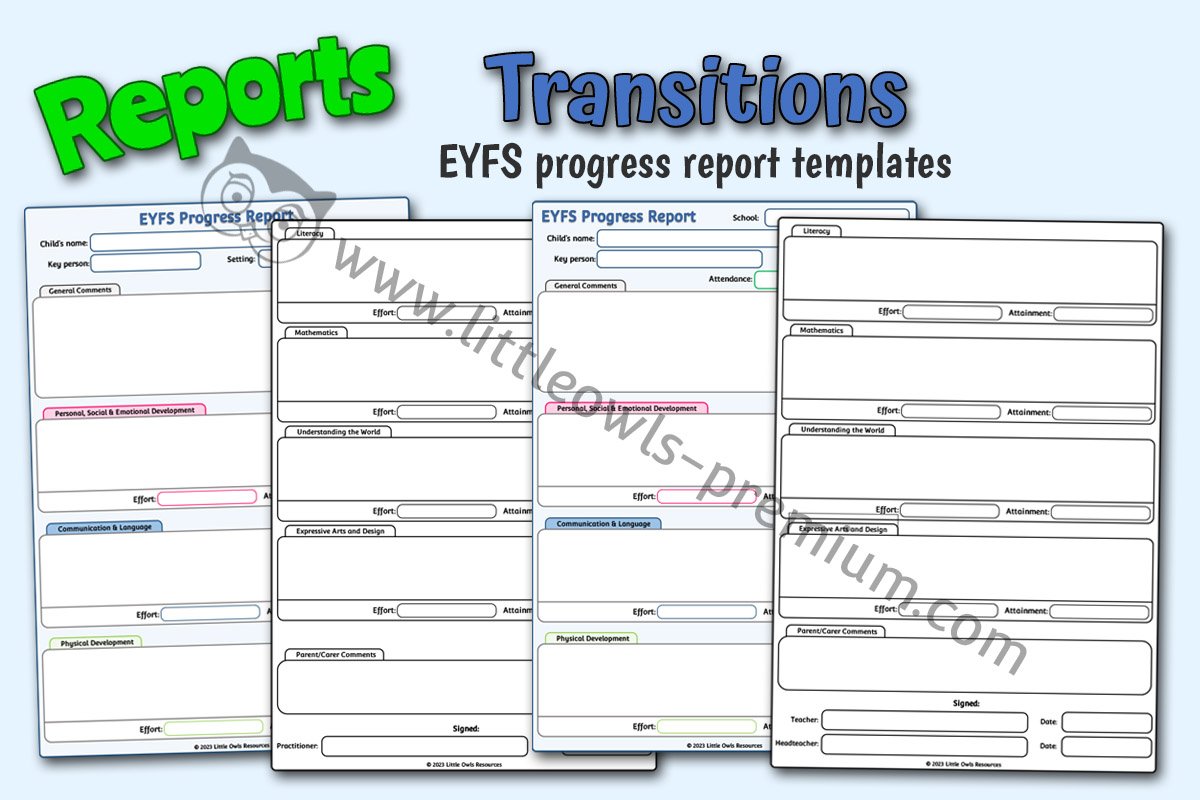
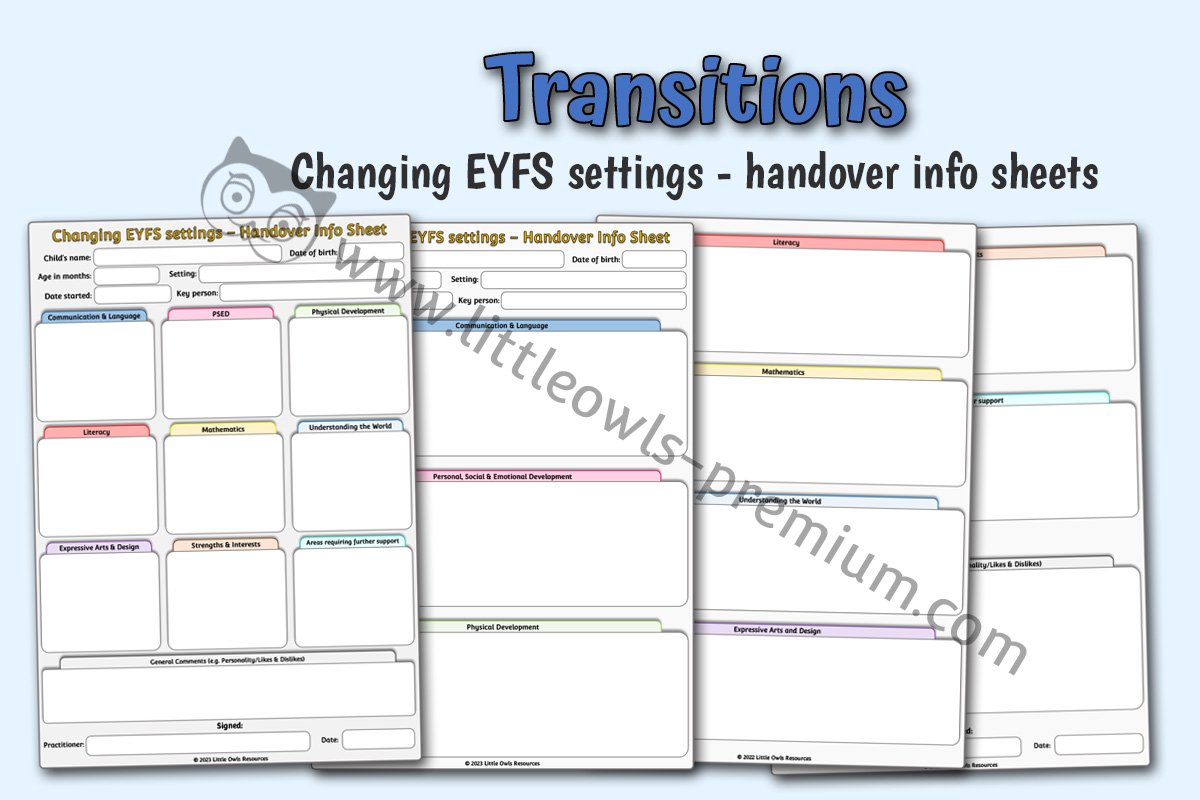
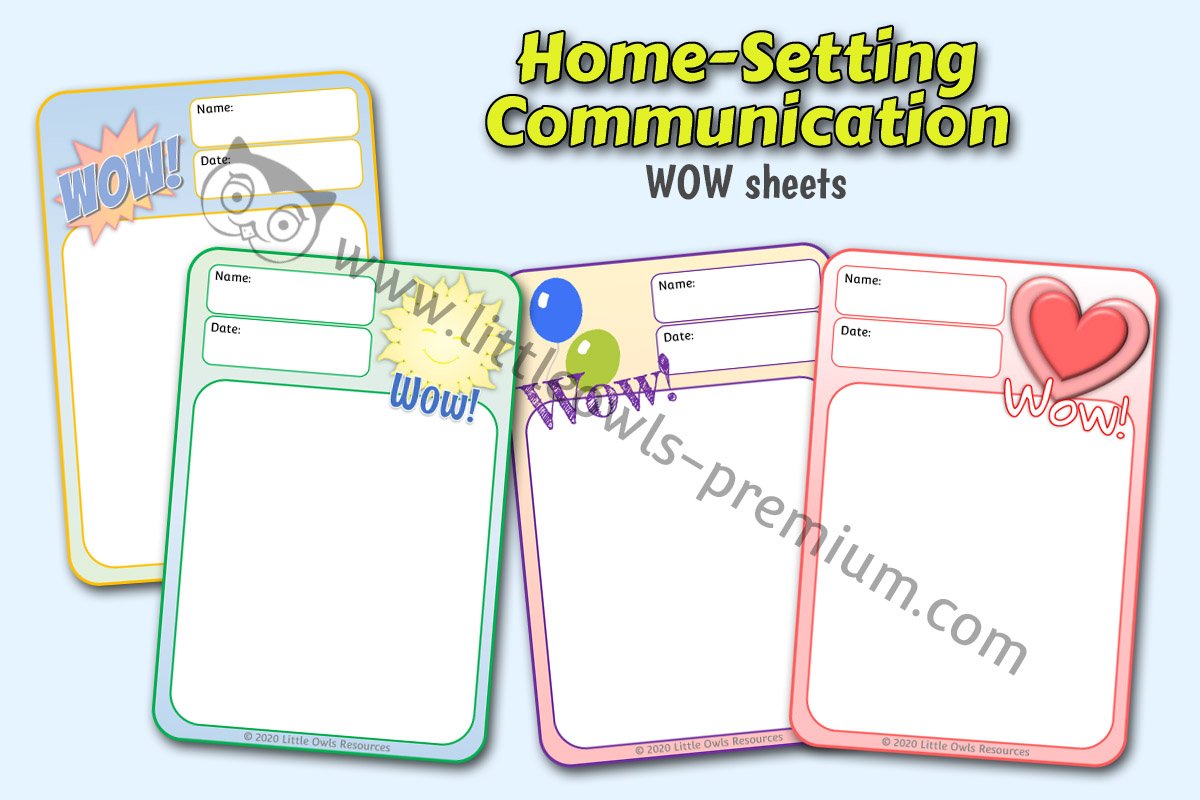
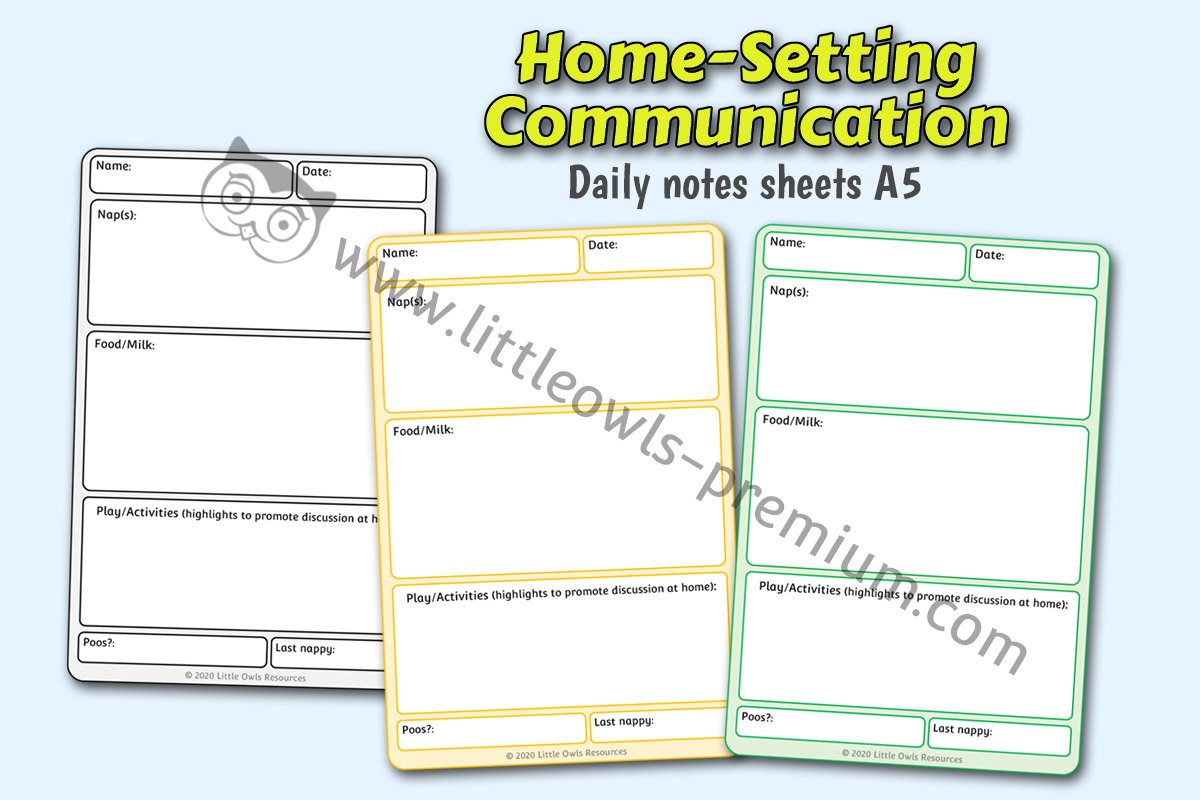
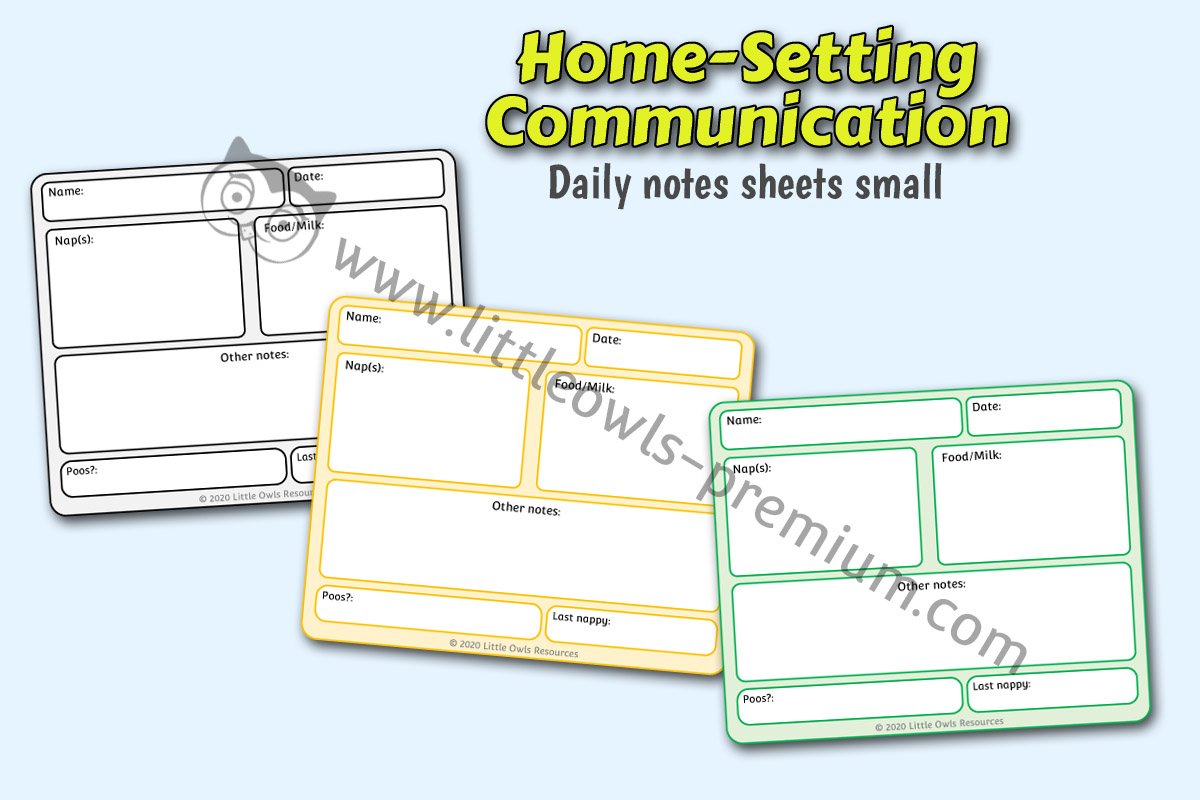
Parent Communication


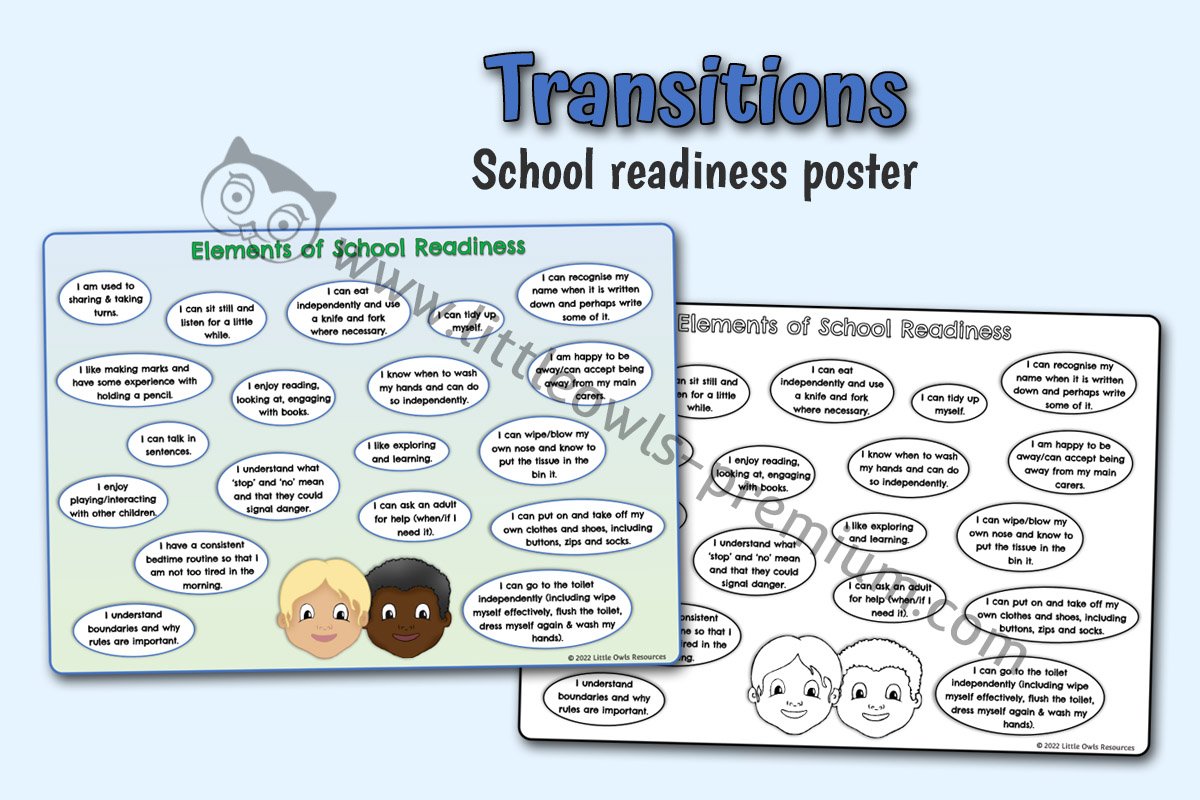
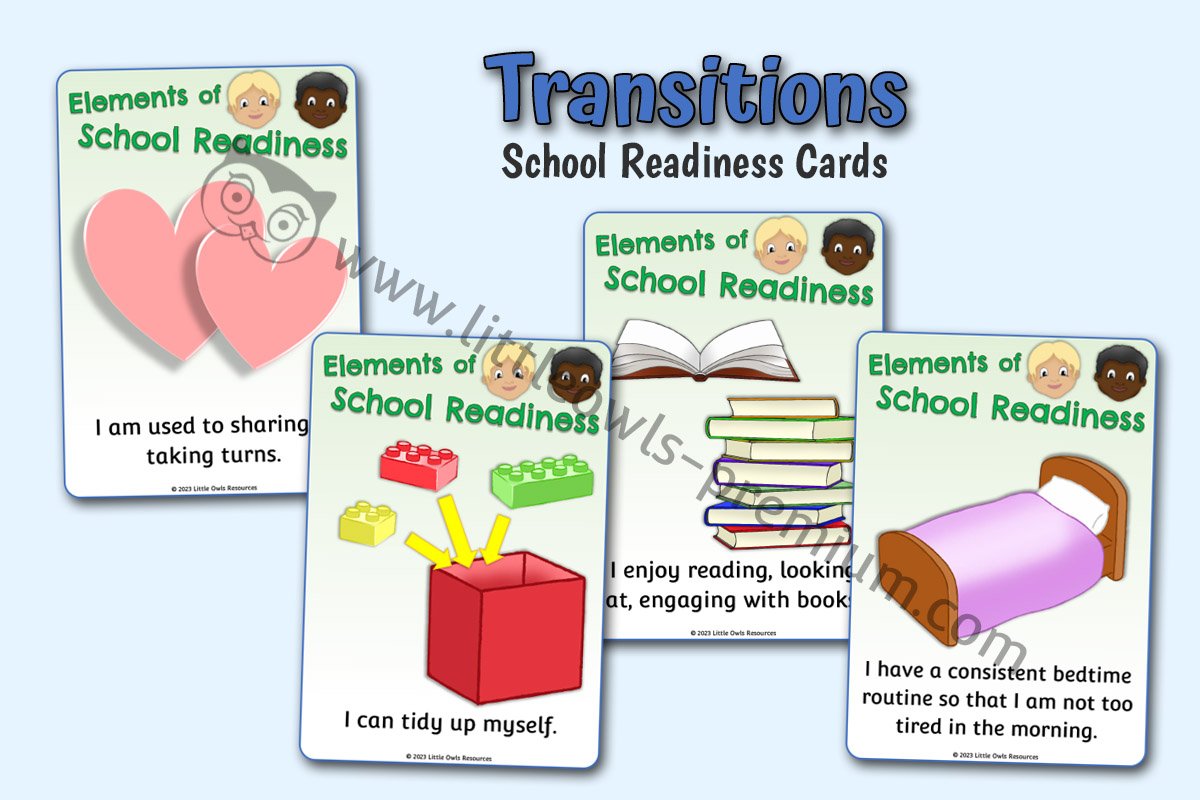
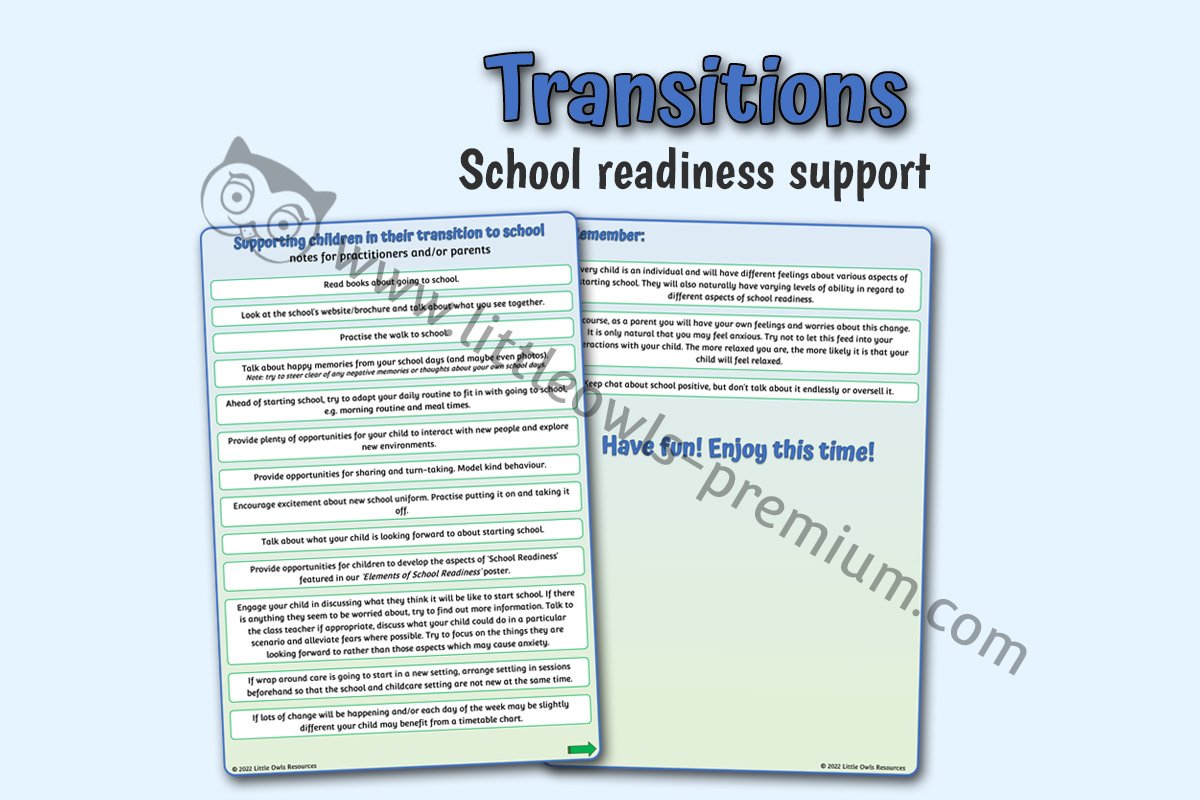
🎒 School Readiness in the EYFS
School readiness is not about academic targets.
It is about:
emotional security
communication and language
independence and confidence
curiosity and engagement
Our resources support practitioners to:
articulate school readiness clearly
avoid inappropriate expectations
communicate confidently with parents and inspectors
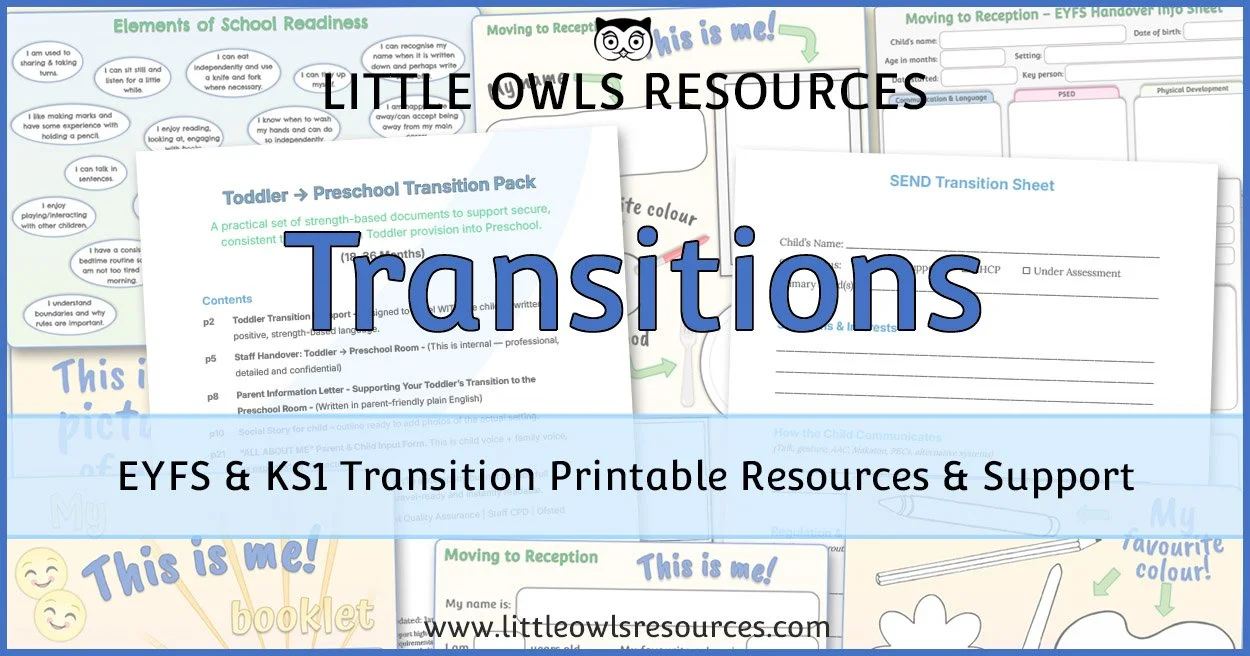
Transition Packs
School Readiness Posters, Prompts & Handouts
EYFS Transition Pedagogy, Throughline & Developmental Milestones Documents

🎯 Intent, Implementation & Impact
Observation and assessment help practitioners understand the impact of their provision.
Explore:
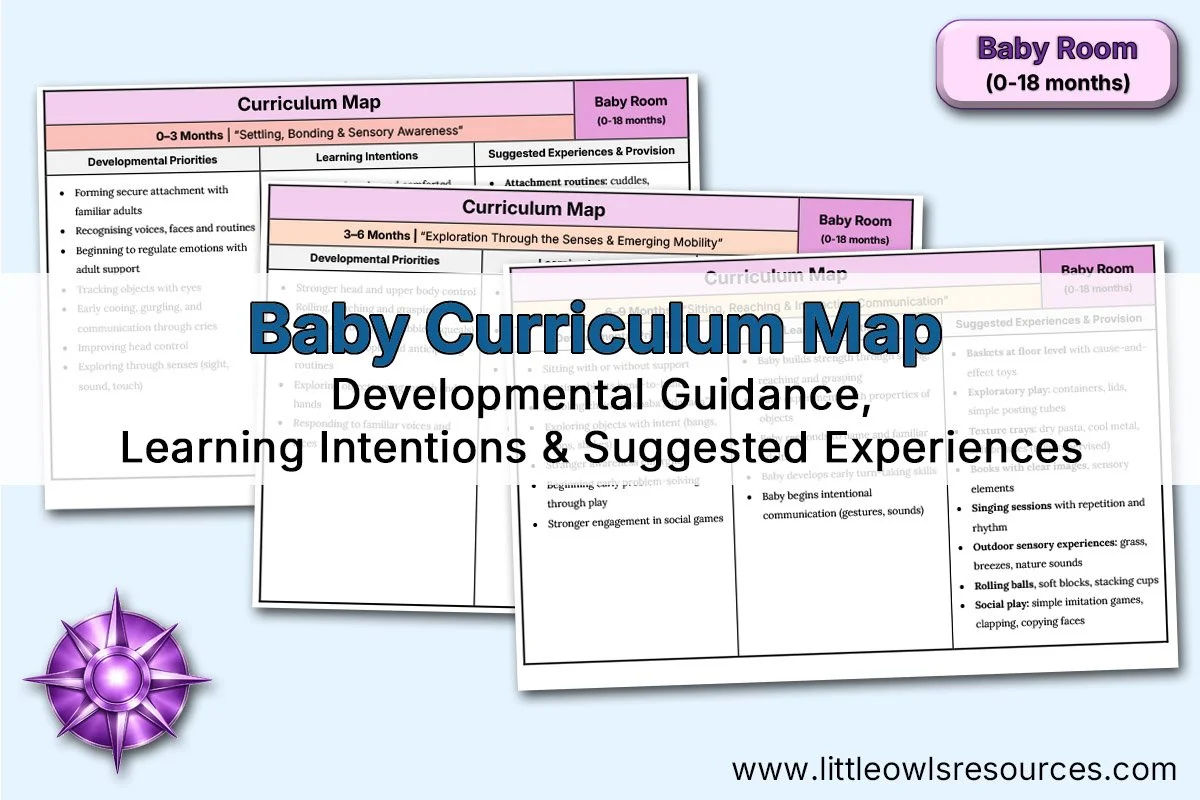
curriculum maps
intent → implementation → impact grids
progression ladders
practitioner reference tools
These support:
curriculum clarity
inspection conversations
professional reflection
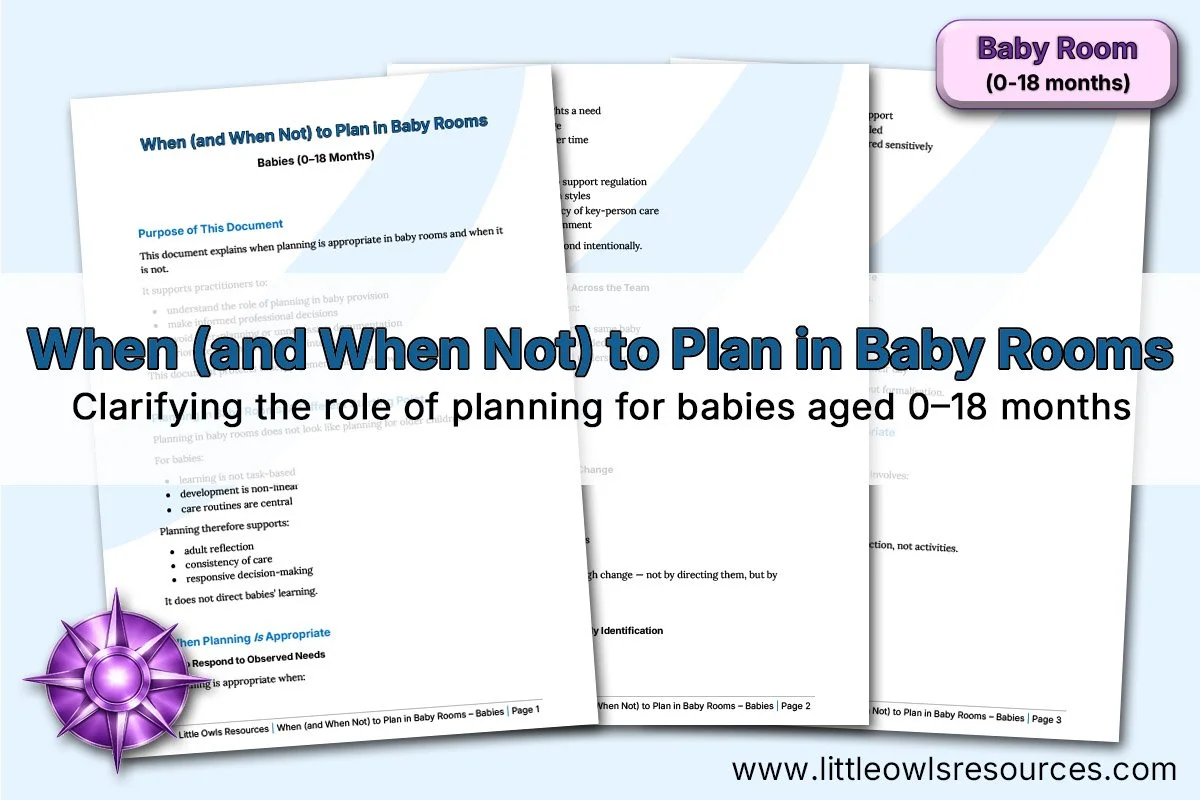
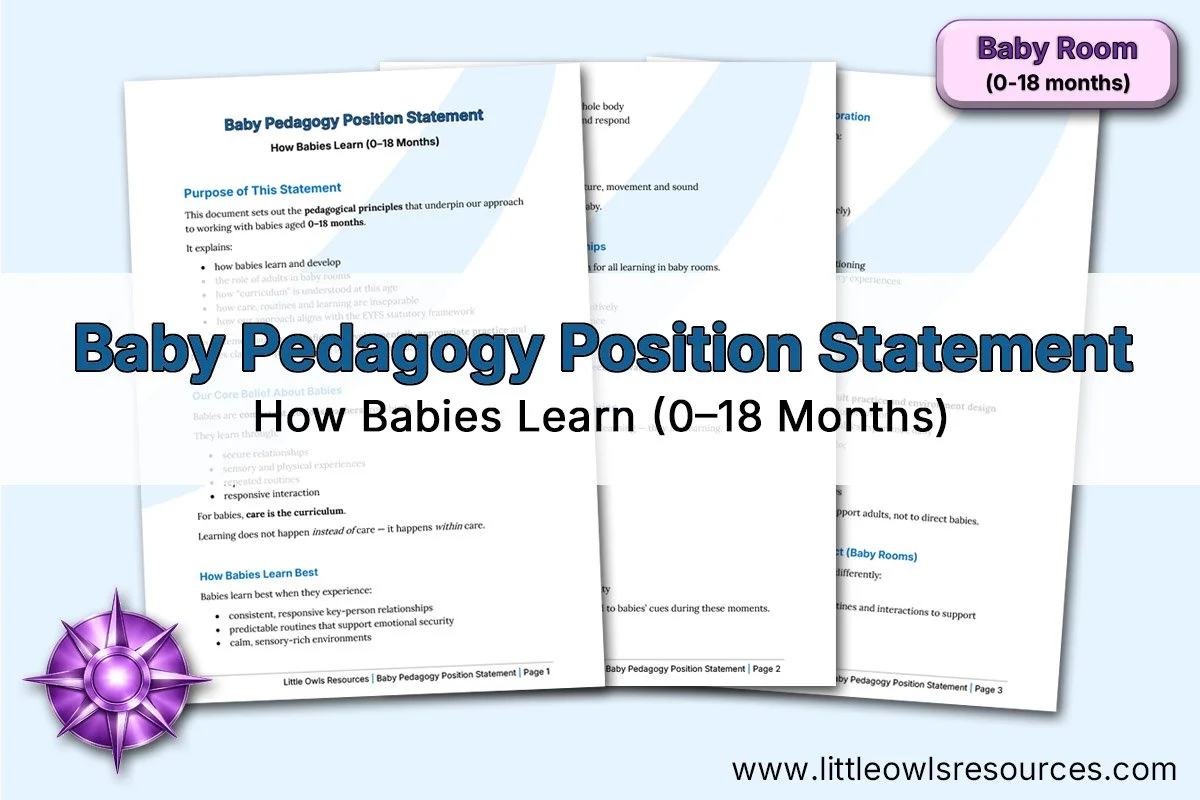
Babies | Birth - 18 Months

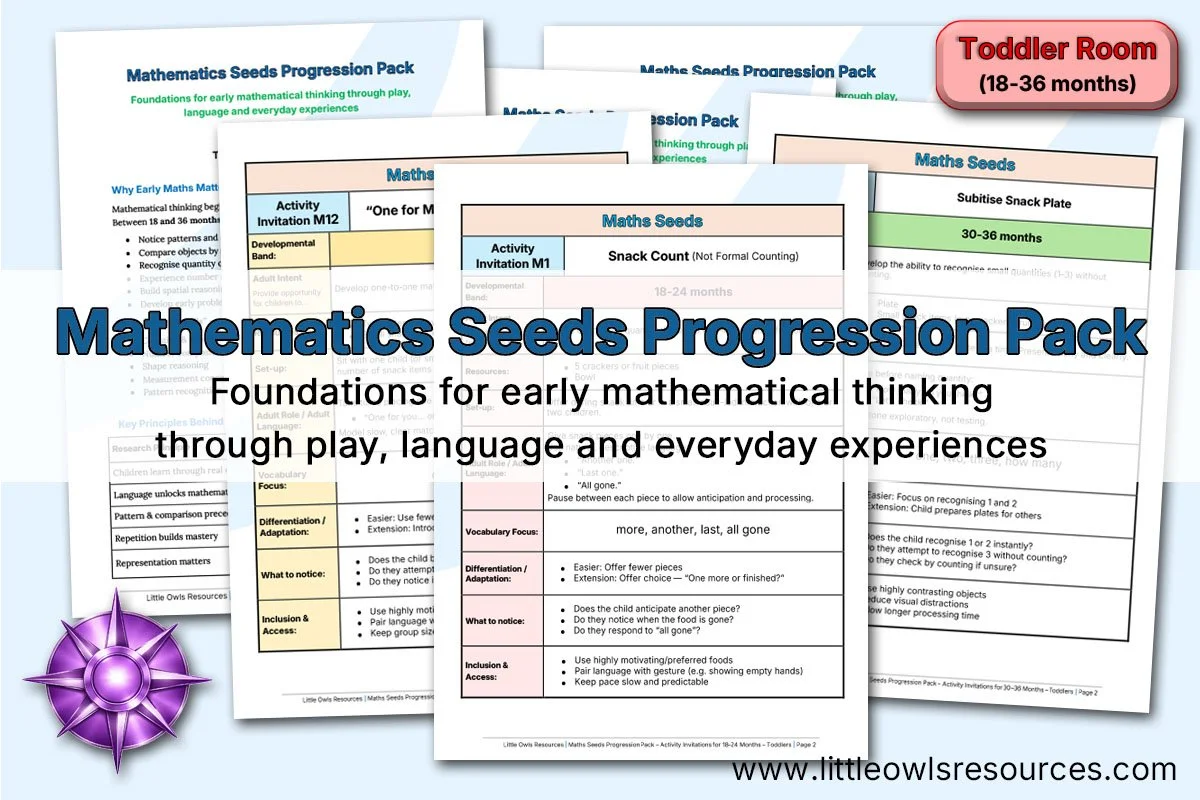
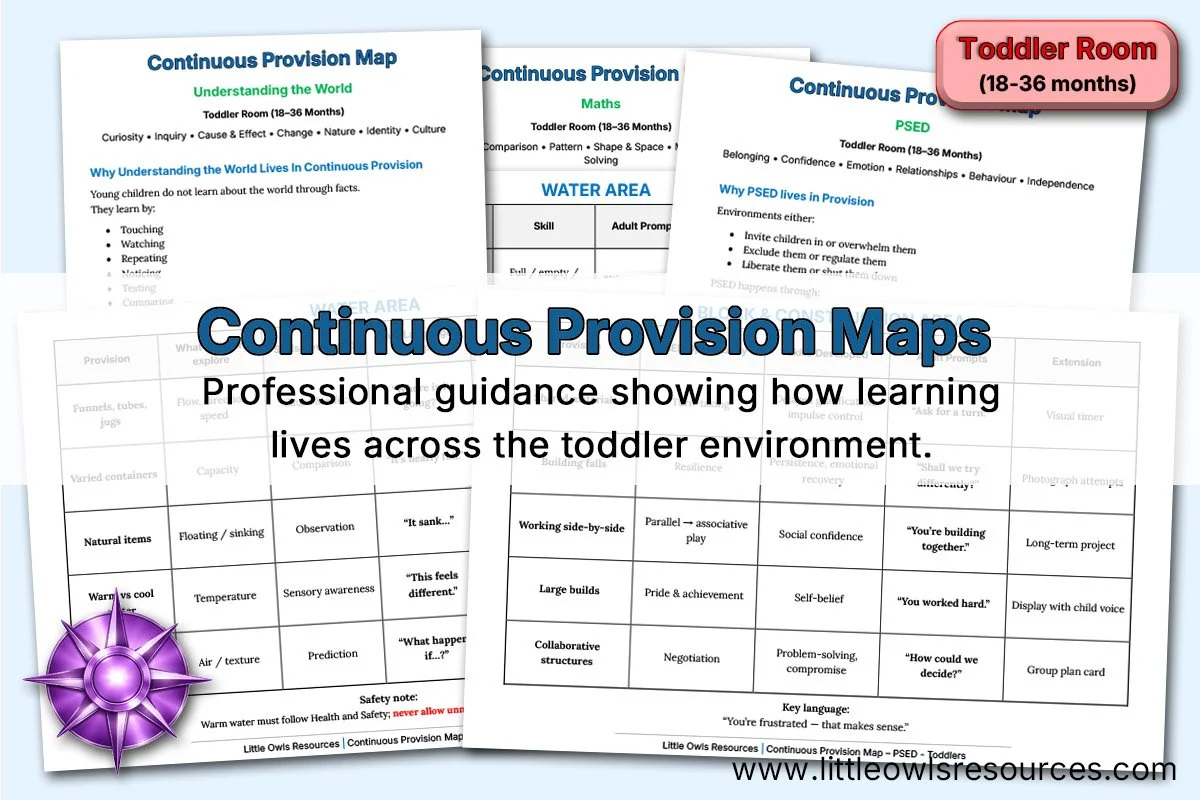
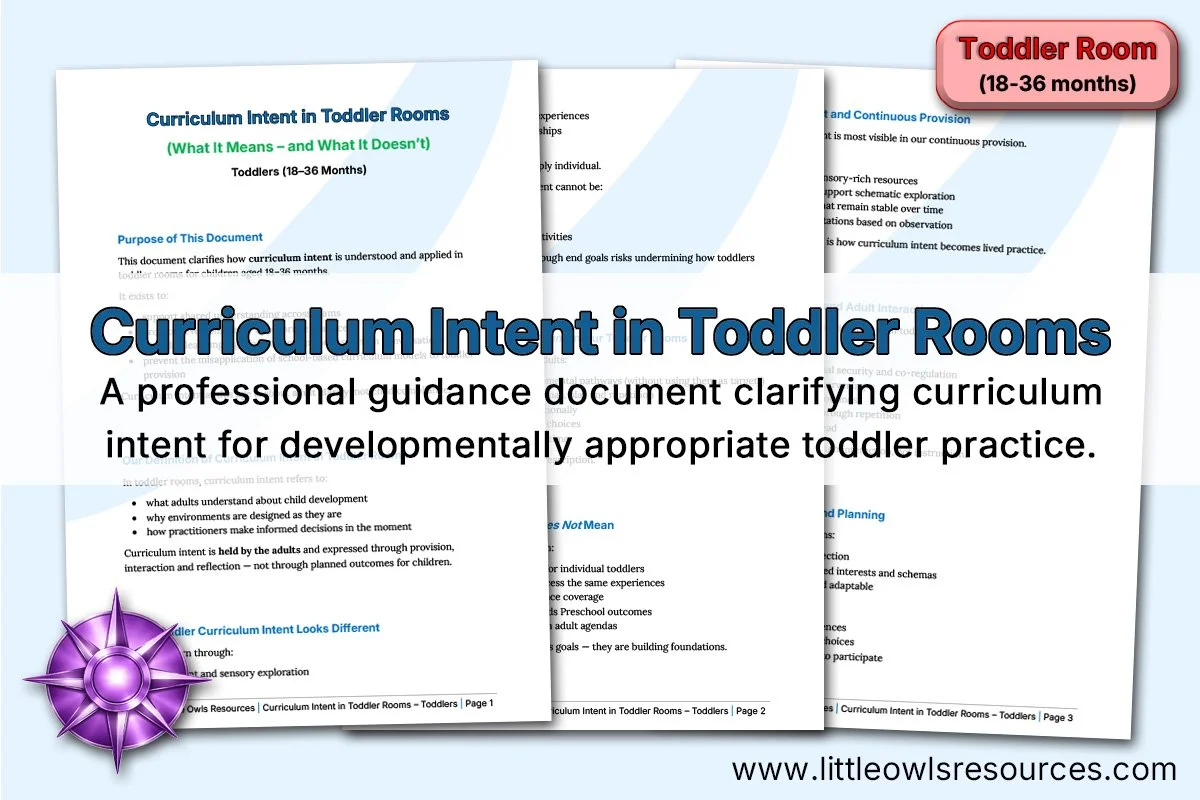
Toddlers | 18 - 36 Months



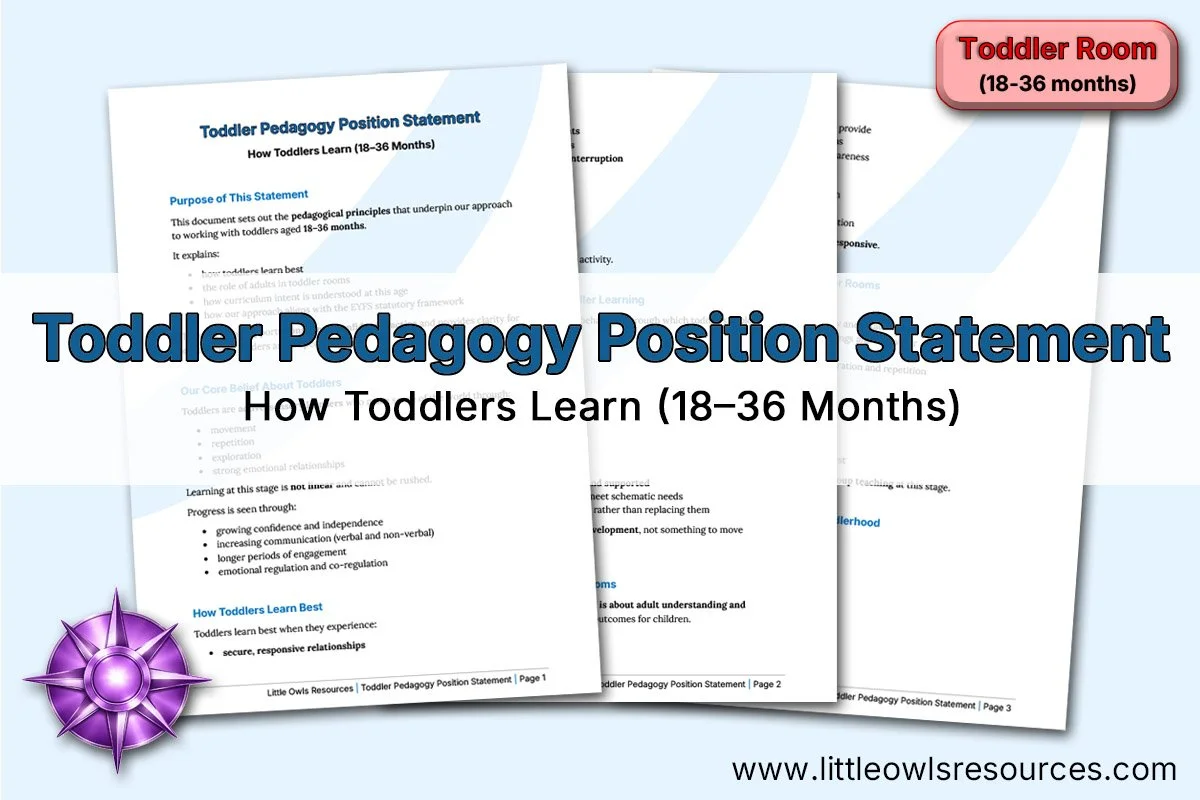
Preschool | 3 - 4 Years
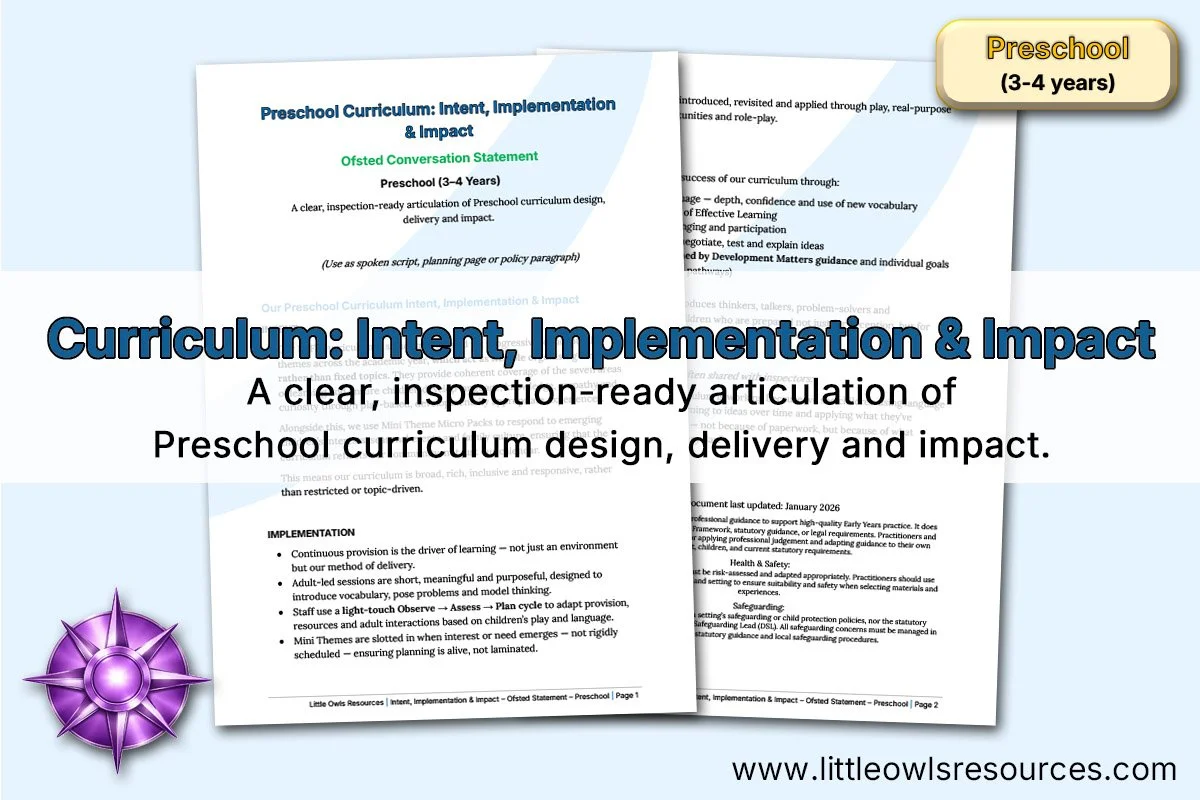
Reception | 4 - 5 Years

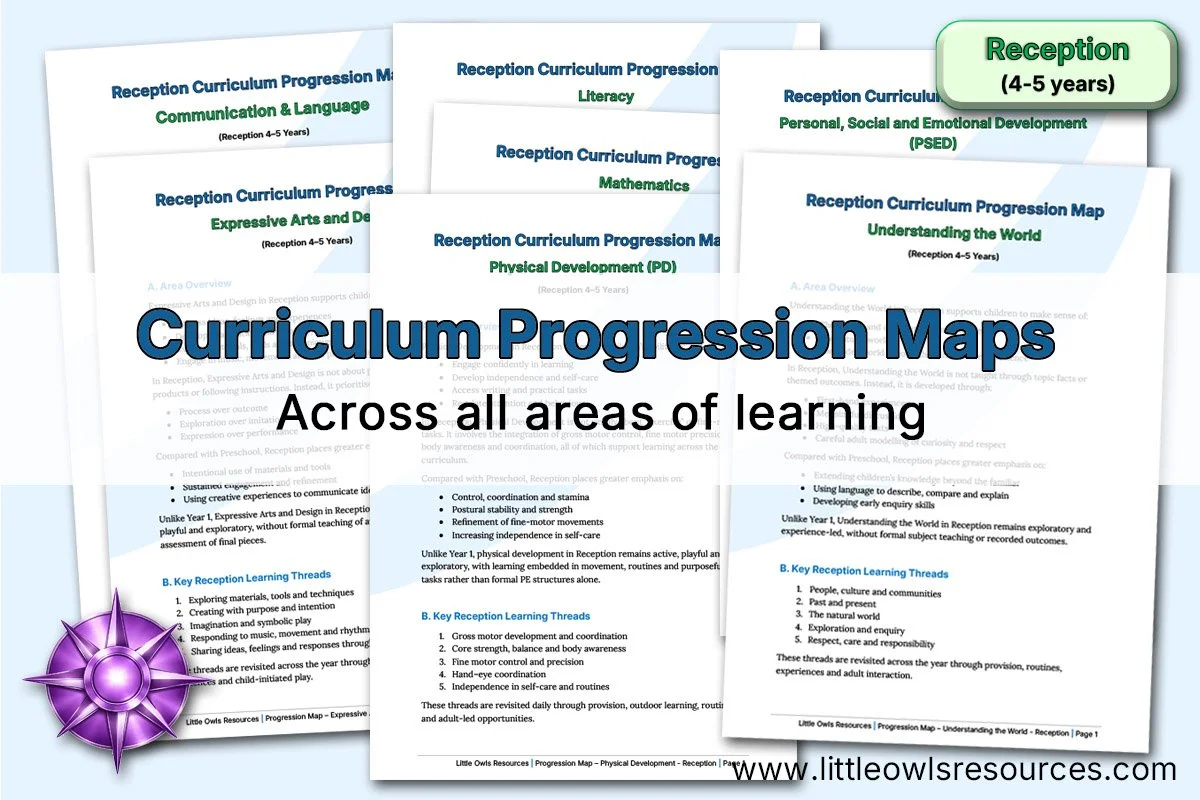
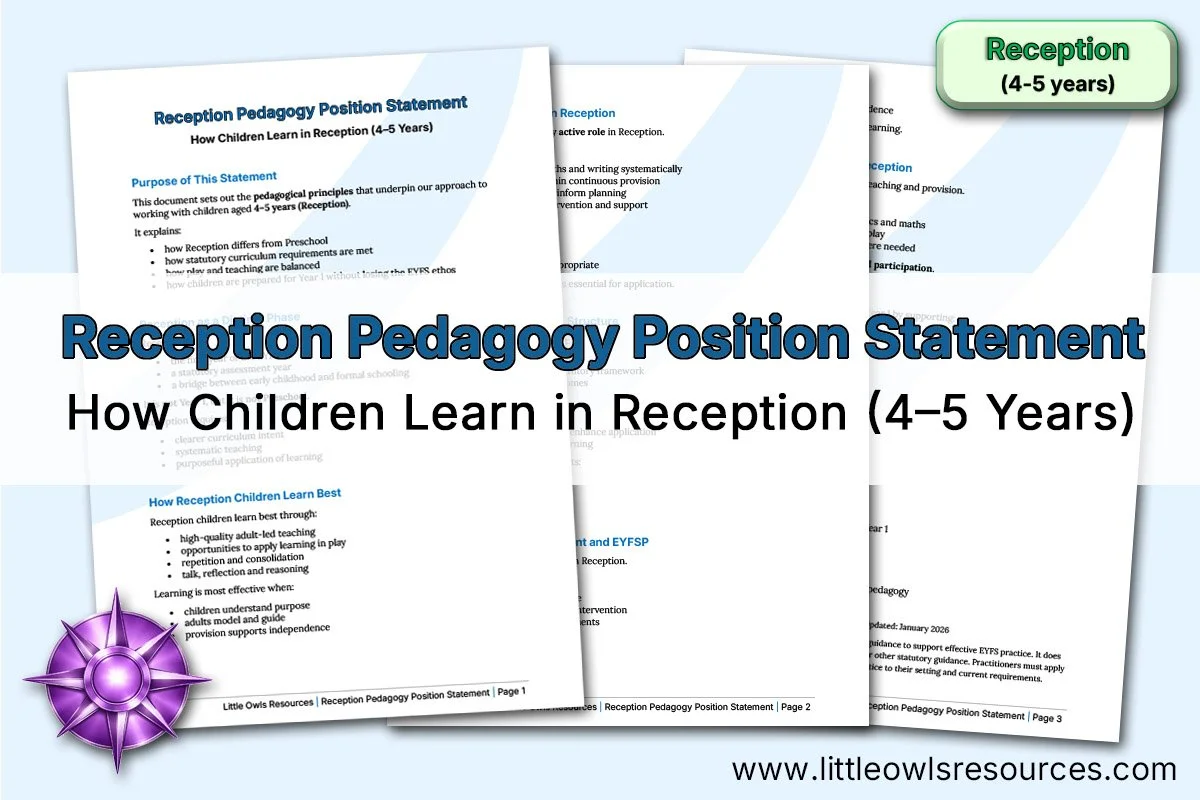
EYFS Mixed Age
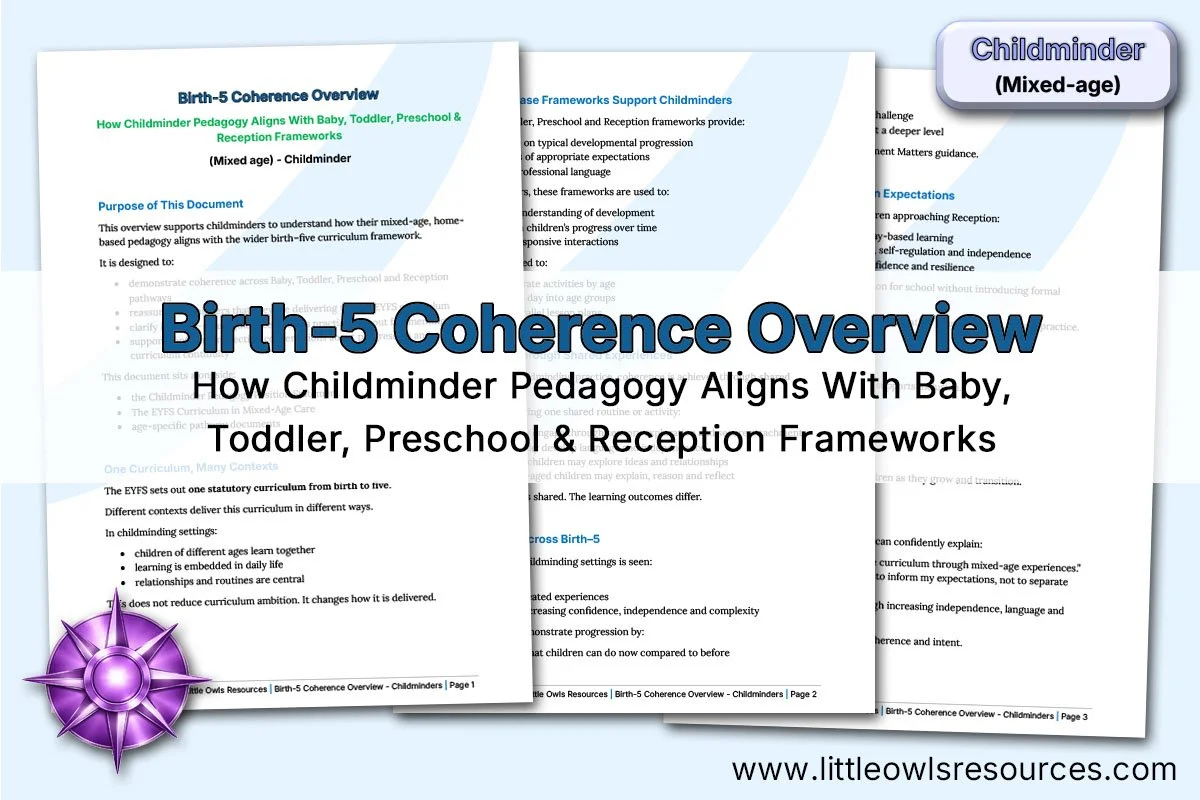
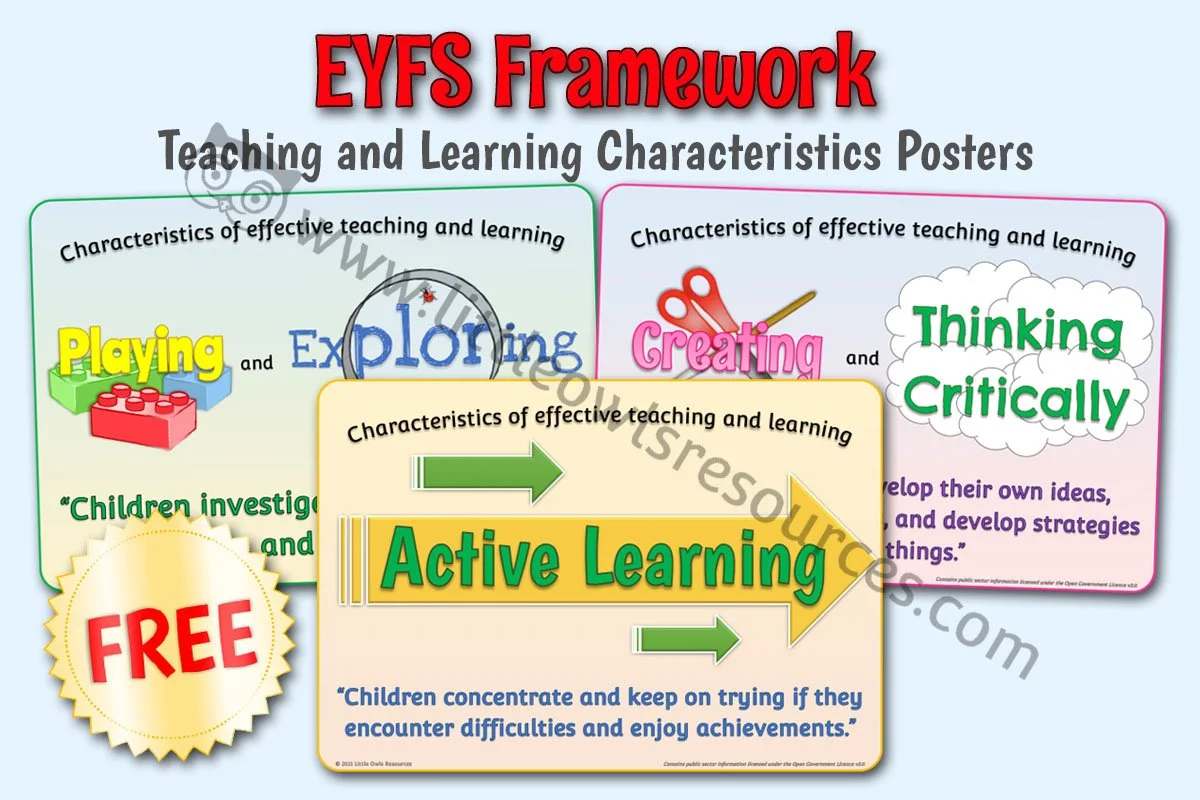
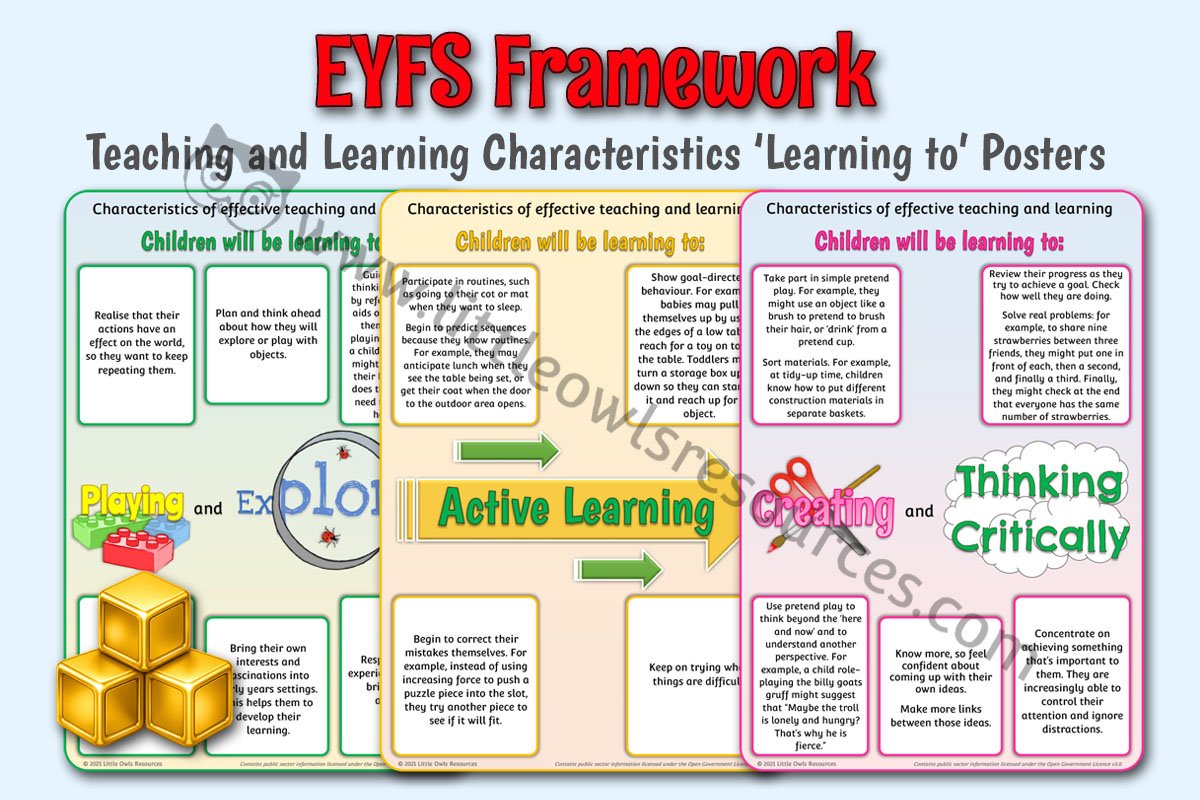
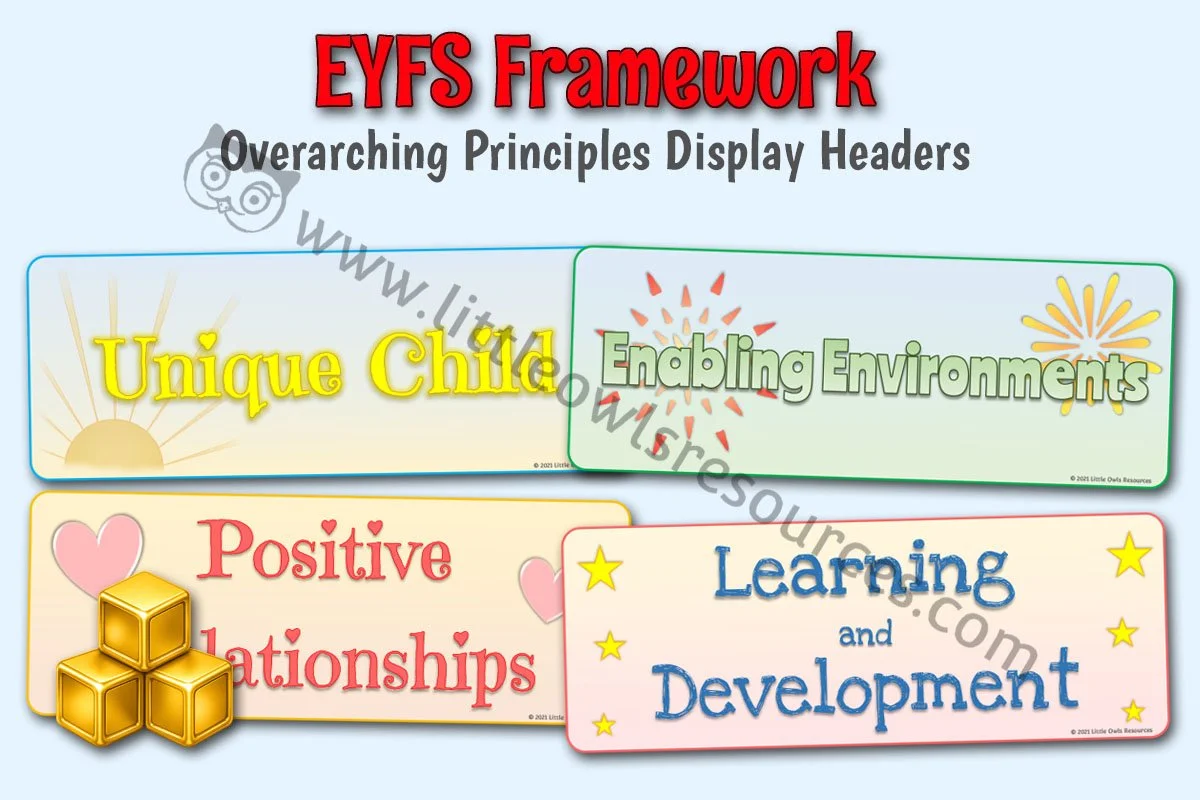
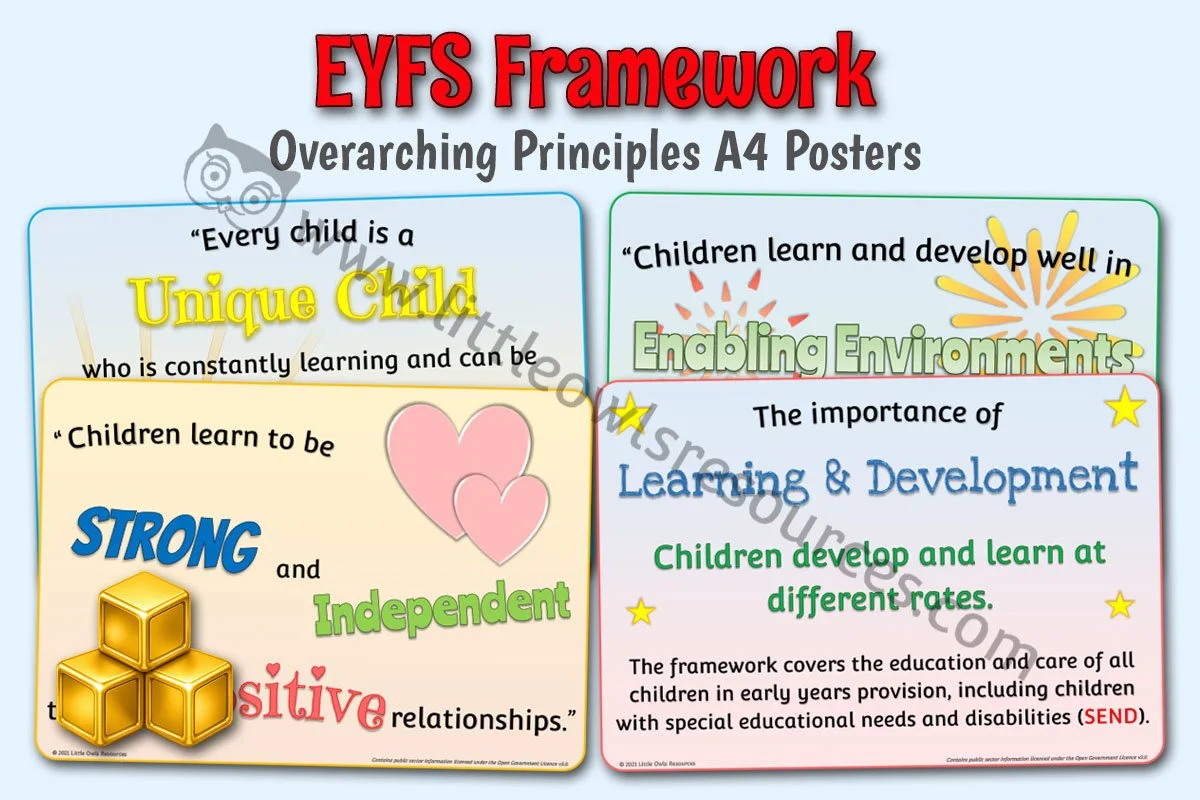
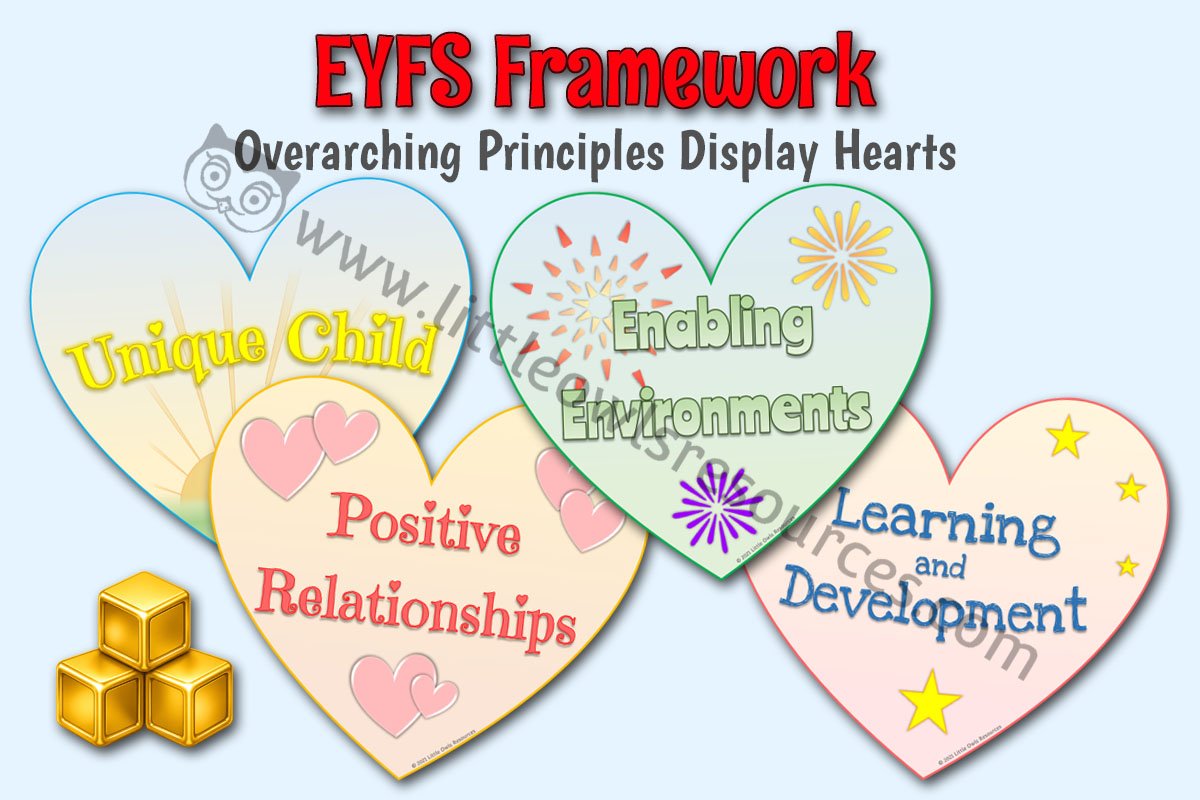
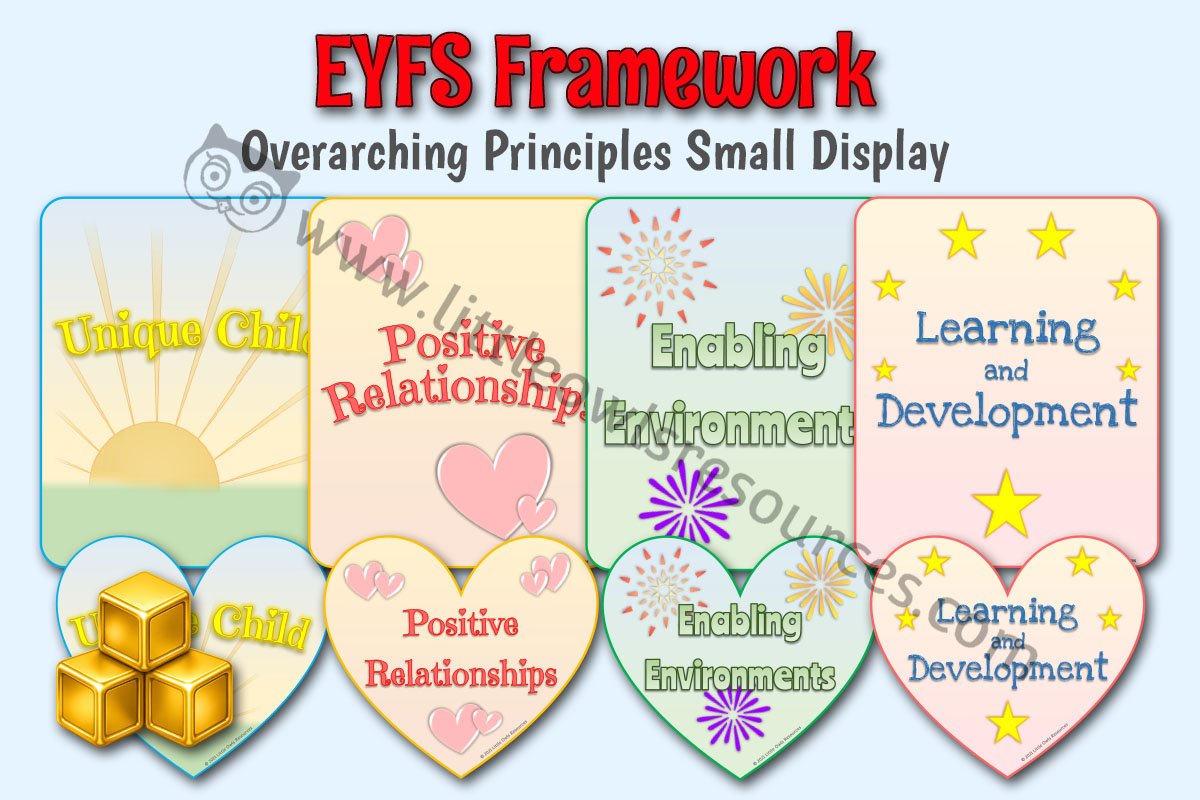
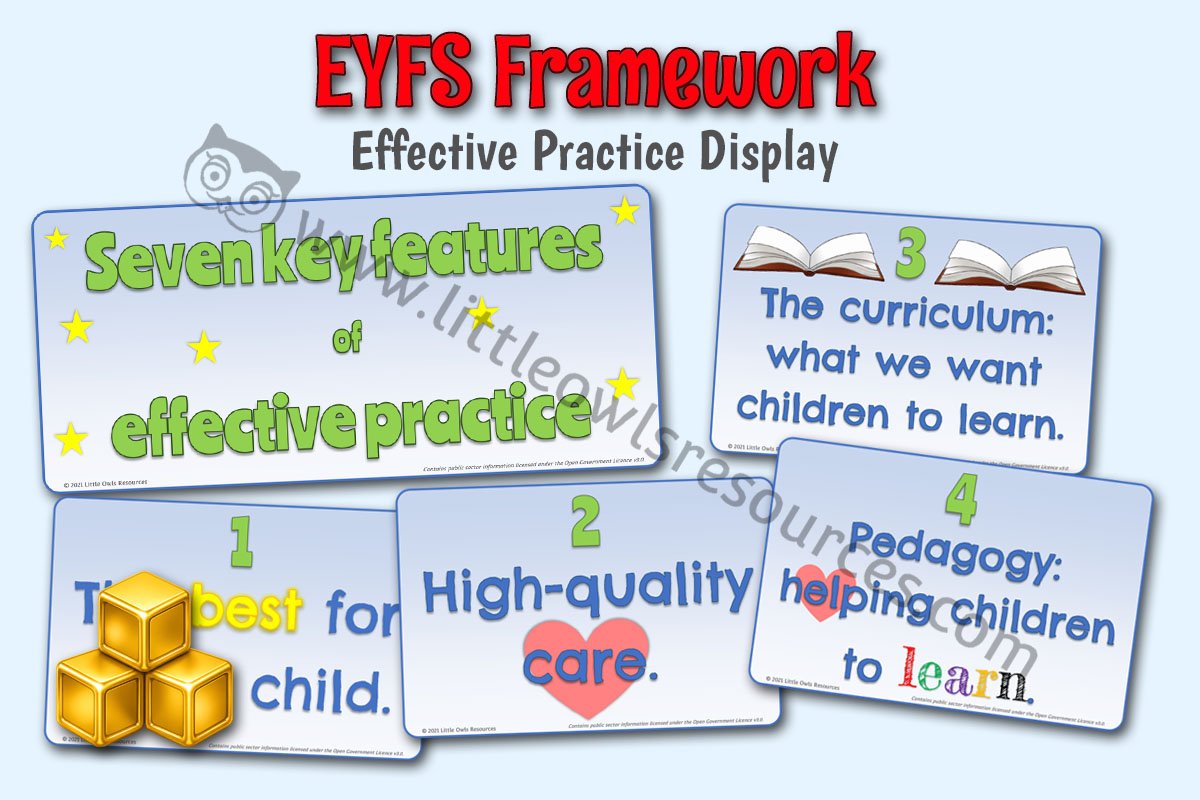
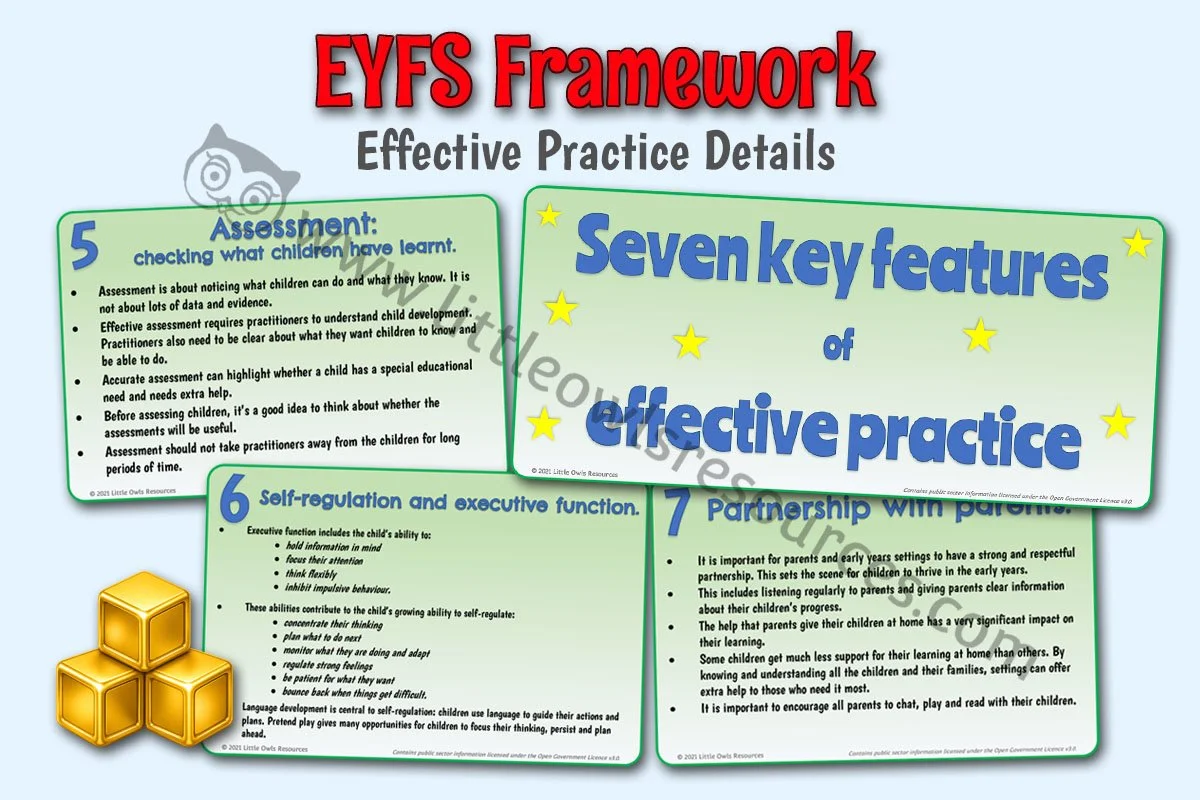
Observation Checkpoints & ELGs, plus Teaching & Learning Characteristics, Overarching Principles & Key Features of Effective Practice Prompts
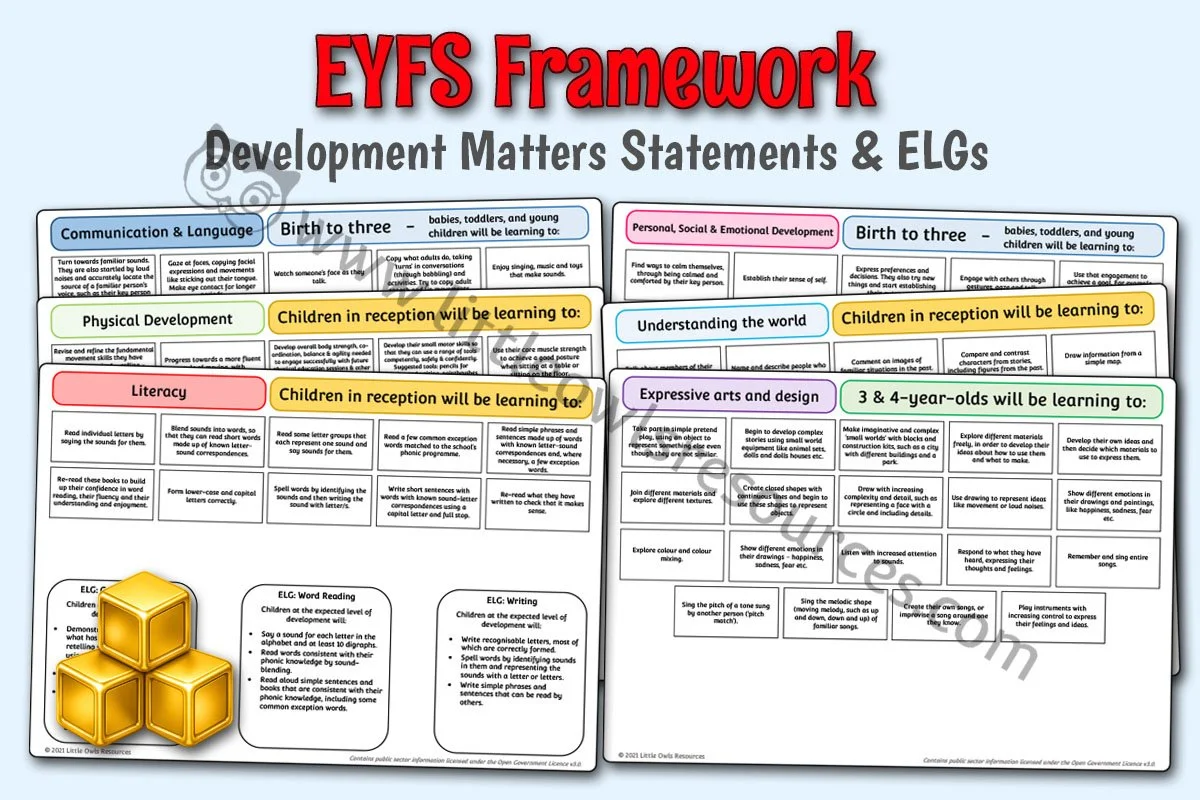
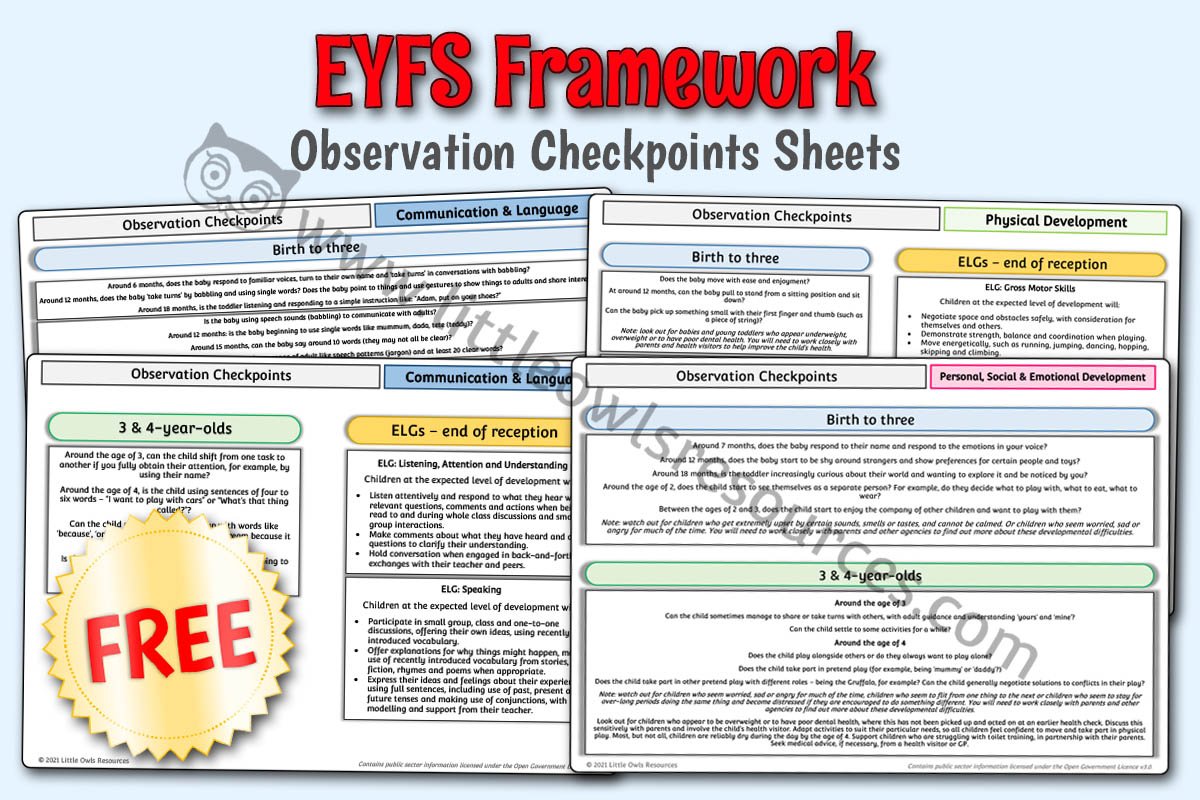
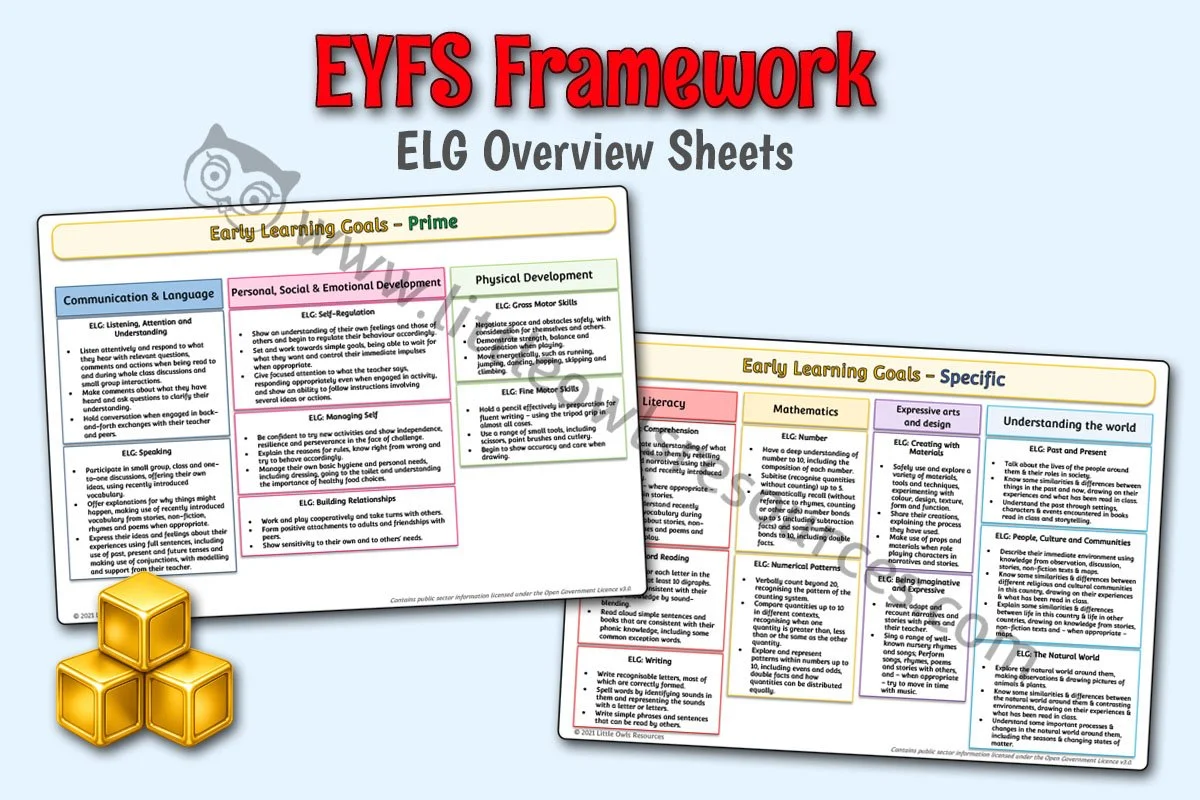
📝 Observation & Assessment Templates
Browse practical resources including:
observation templates
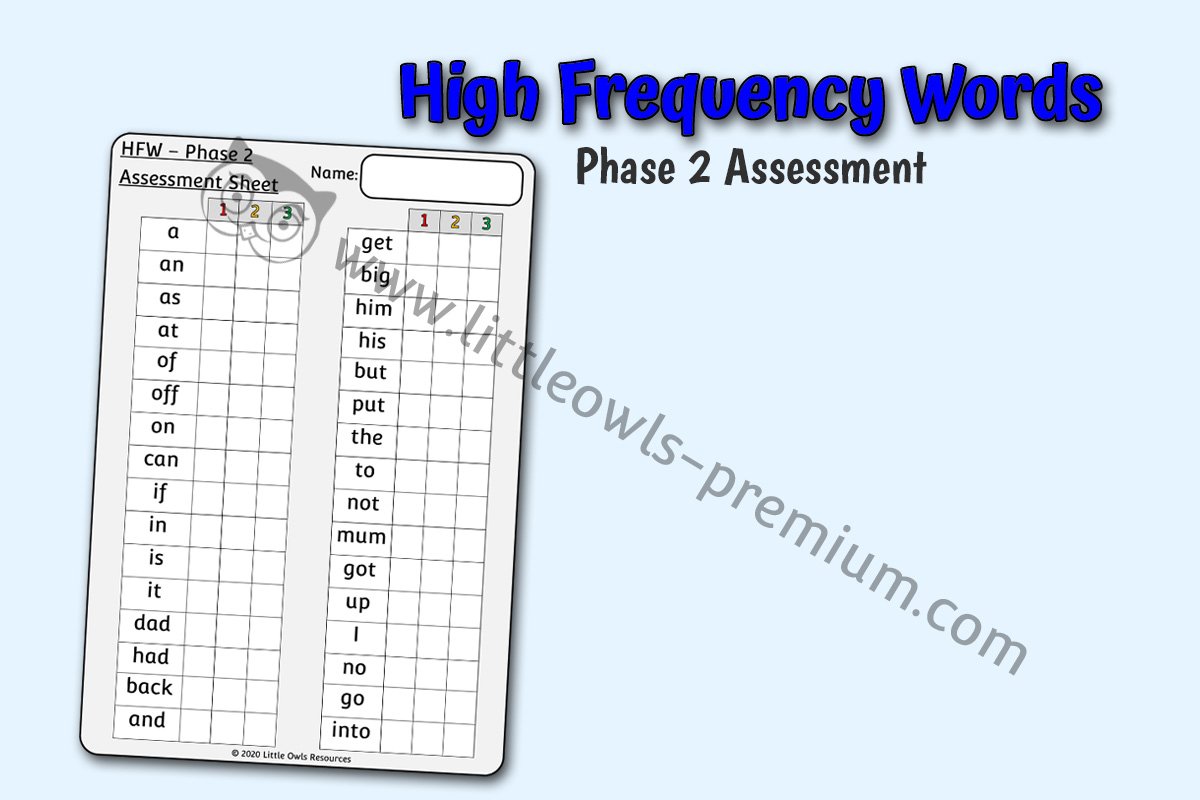
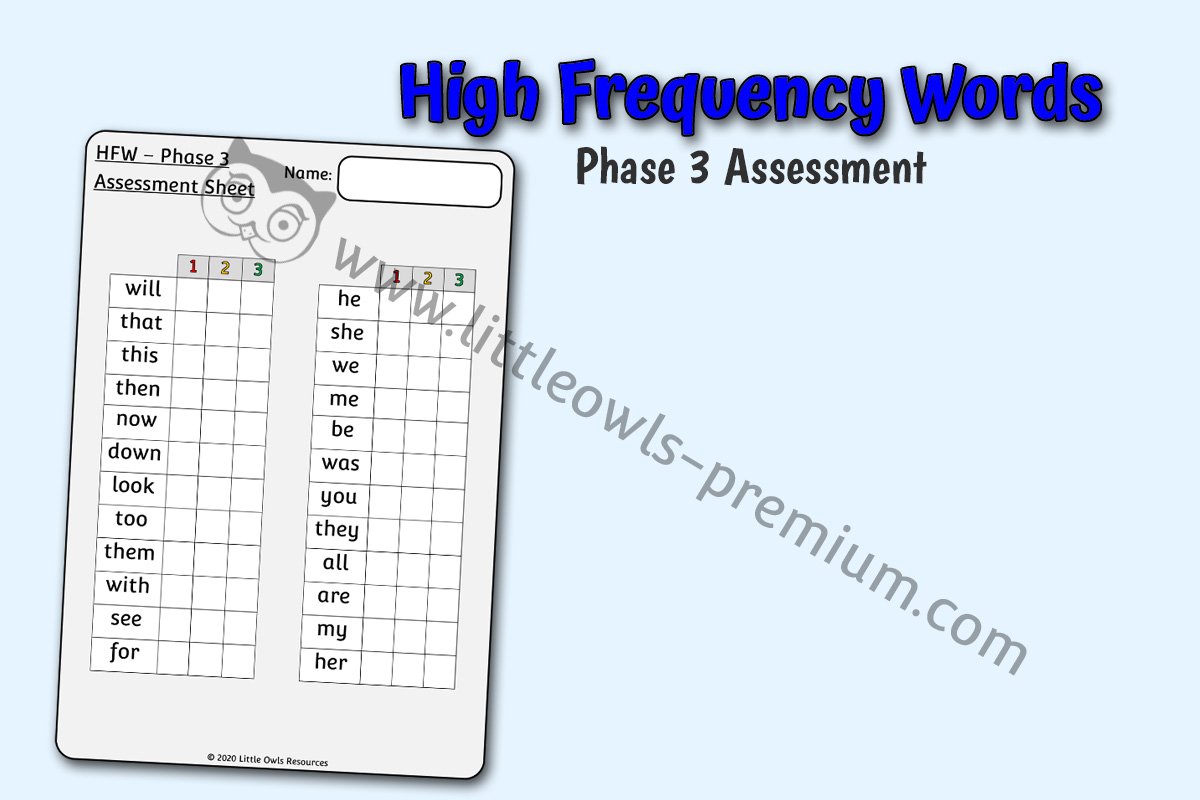
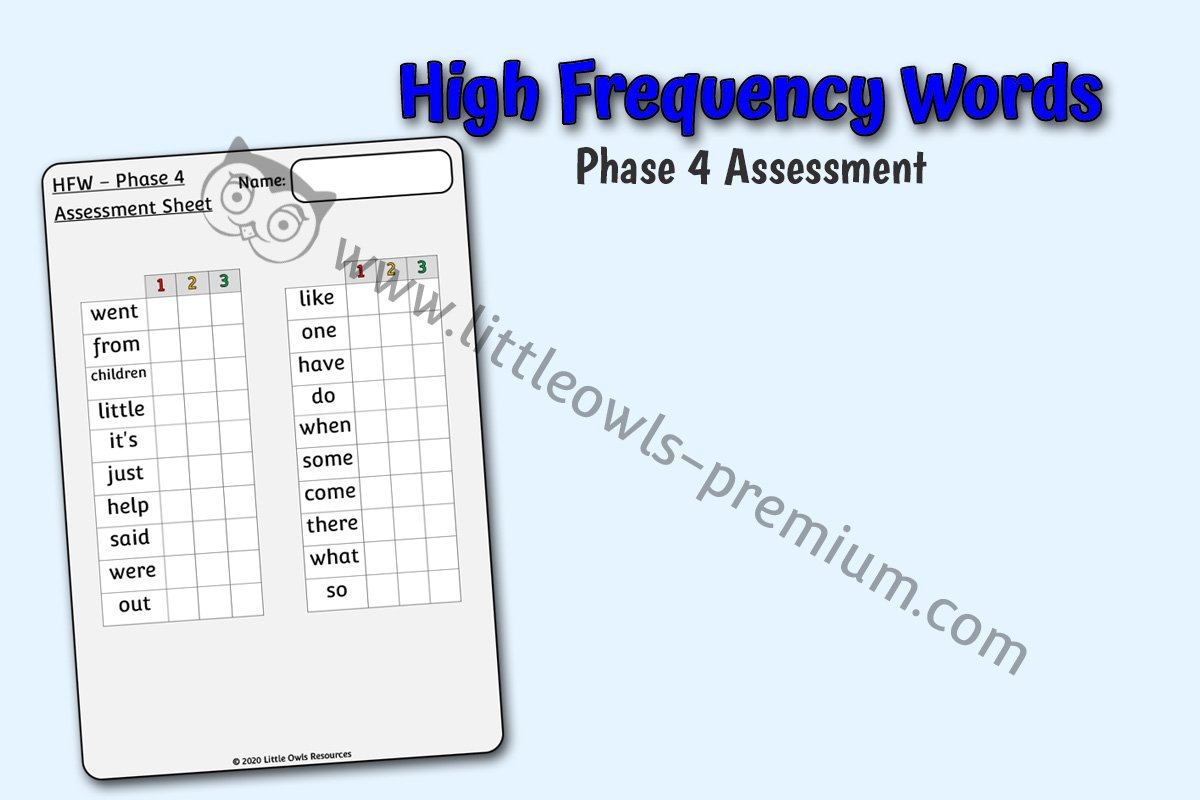
assessment formats
reflection sheets
reporting templates
All tools are:
optional
flexible
designed to reduce workload


🤝 SEND & Inclusive Observation
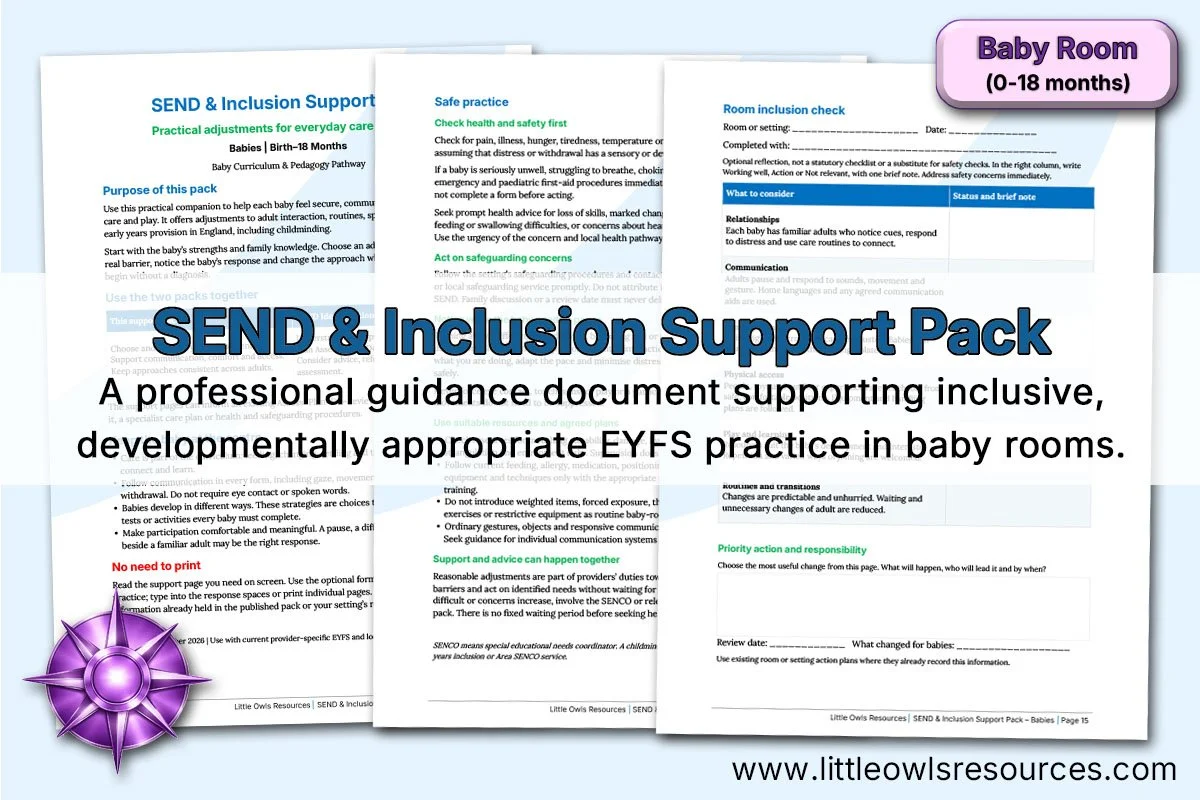
Observation plays a key role in early identification.
Inclusive assessment means:
noticing patterns over time
valuing all forms of communication
adapting provision and interaction
working closely with families
Support is:
relational
preventative
non-diagnostic



⭐ A Final Note
Effective observation and assessment:
prioritise understanding over measurement
support responsive, high-quality practice
remain proportionate and purposeful
Your professional judgement is central. Our resources are here to support it — not replace it.
➕ Related Site Areas You May Be Interested In

Search ‘Little Owls Resources’ using the following menu buttons


Content on this website is provided as professional guidance and support. It reflects current understanding of the EYFS statutory framework, Development Matters and inspection expectations at the time of writing. Practitioners are responsible for applying professional judgement and ensuring practice aligns with current statutory requirements and their specific context.
Updated: April 2026