







Planning in Reception is where the EYFS curriculum becomes most clearly defined — but it should never become formal, rigid or “Year 1-like.”
Children aged 4–5 are:
ready for more structured learning
increasingly independent
developing stronger language and thinking skills
beginning to apply what they know
Planning reflects this by:
👉 balancing systematic teaching with meaningful play and application
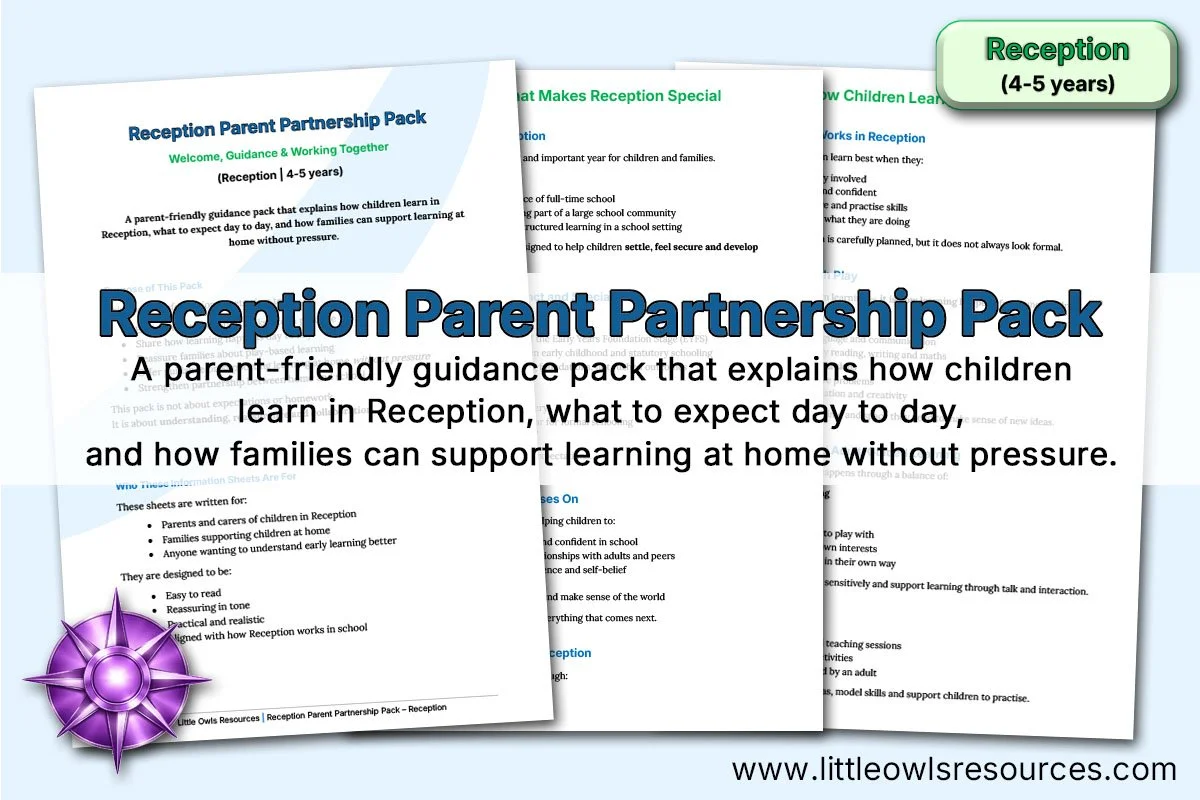
EYFS Reception (4-5 Years) Curriculum Planning & Guidance Materials
On this page you will find Free Sample Resources, Premium Printable Provision and Professional EYFS Curriculum & Pedagogy Documents specifically designed for Reception. Explore membership options here.
📌 Jump to Section
🆓 Free EYFS Reception Planning Resources
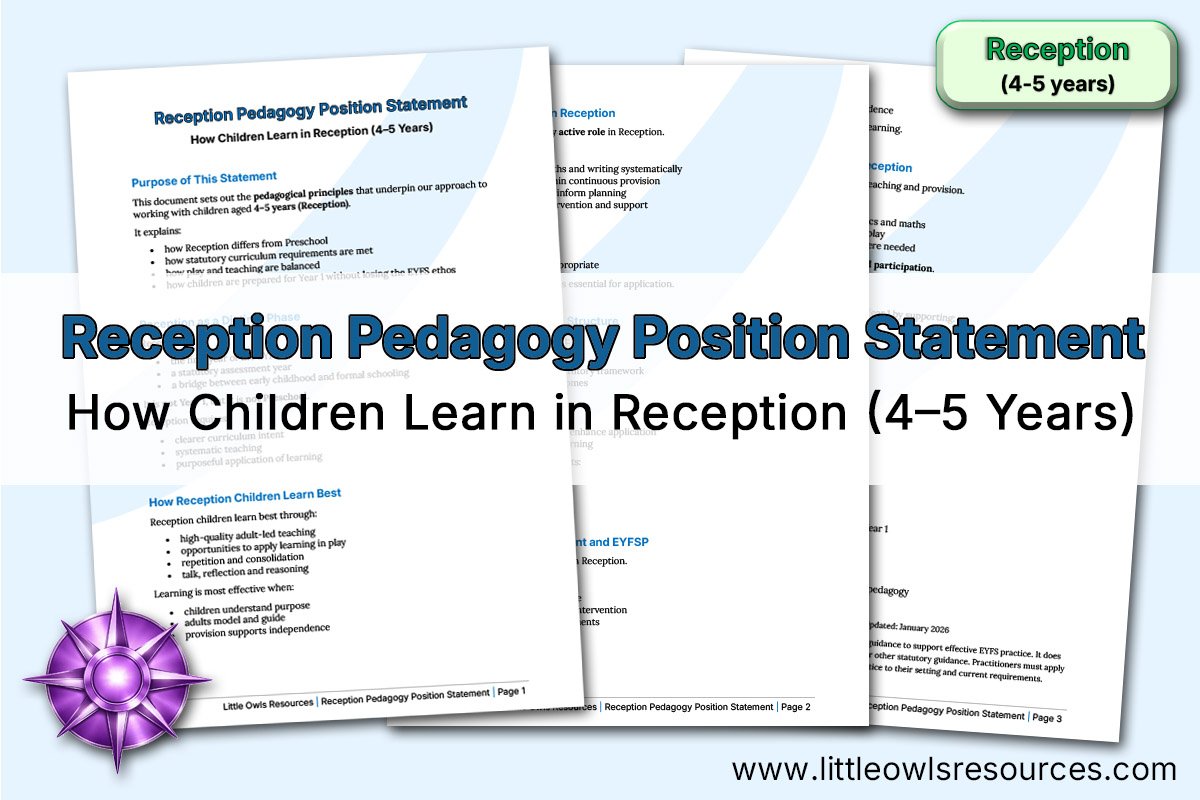
🎓 Reception Planning Pedagogy
Your FAQs & Supporting Guidance Documents
🧭 Curriculum & Progression
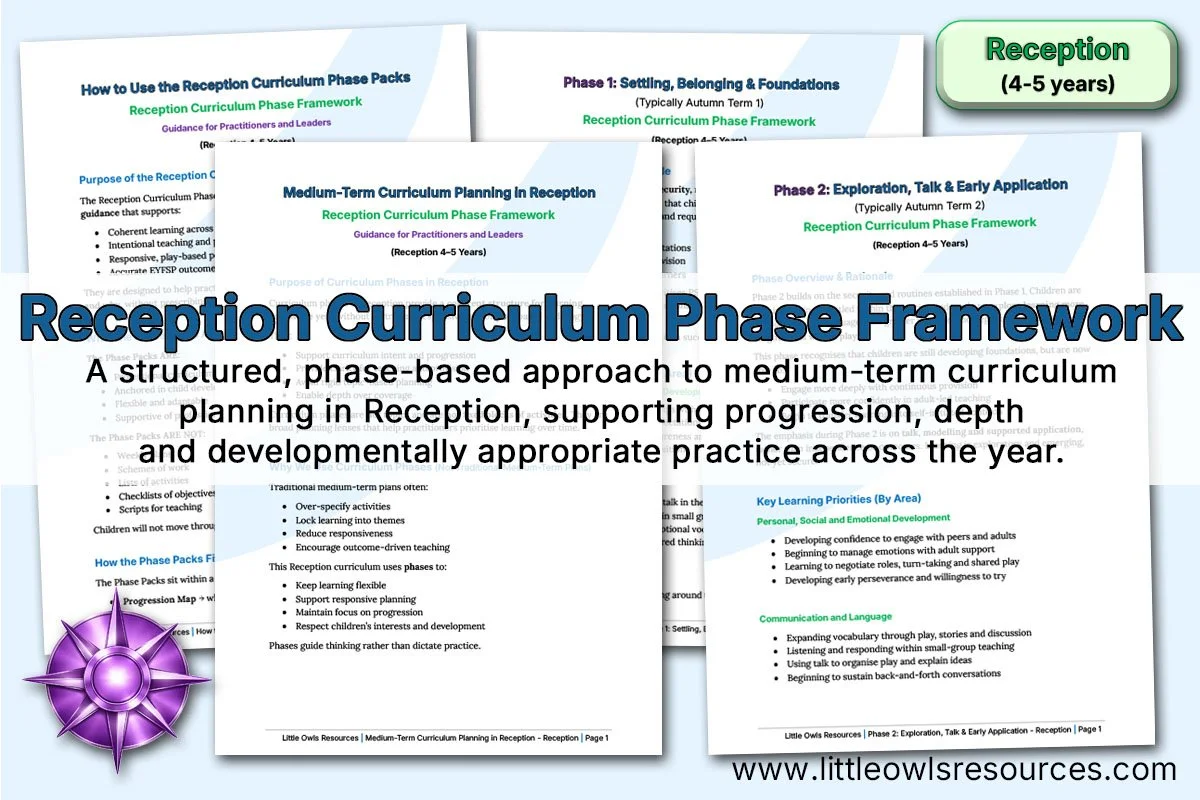
Reception Curriculum Phase Framework & Progression Maps Across All Areas Of Learning
🔍 Observation, Assessment & Planning
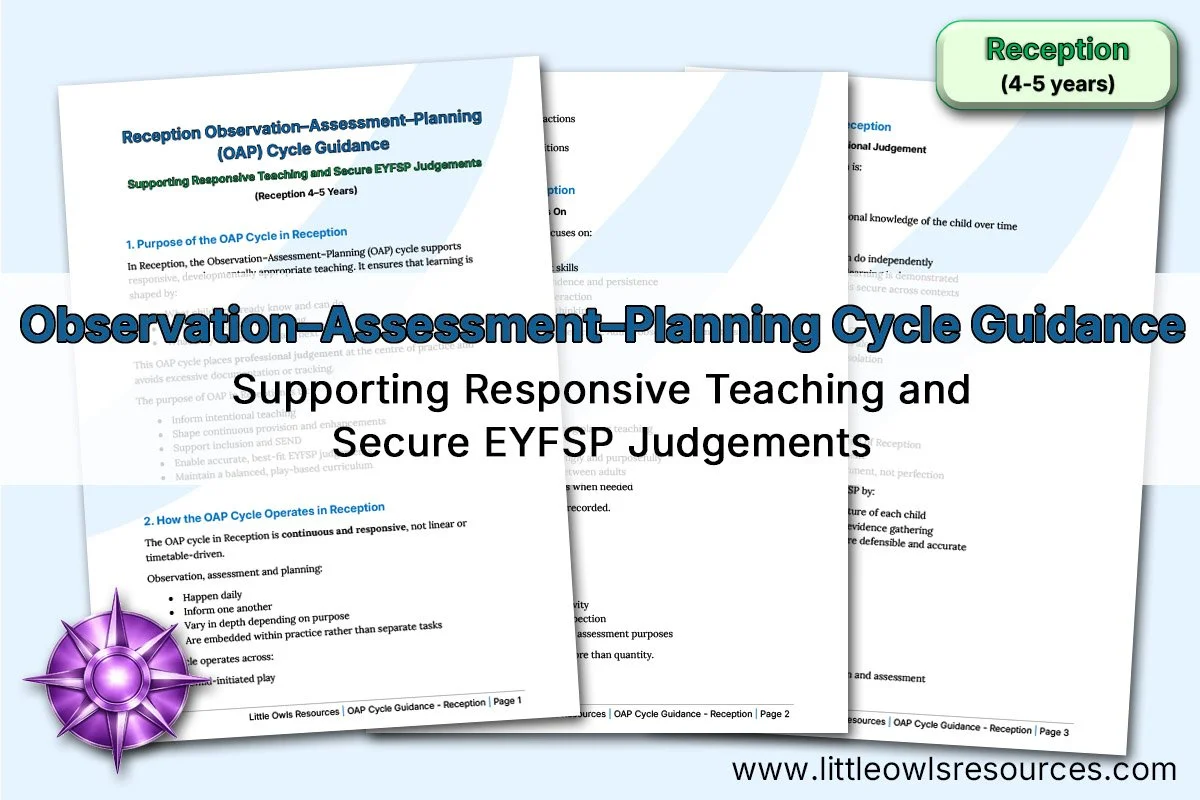
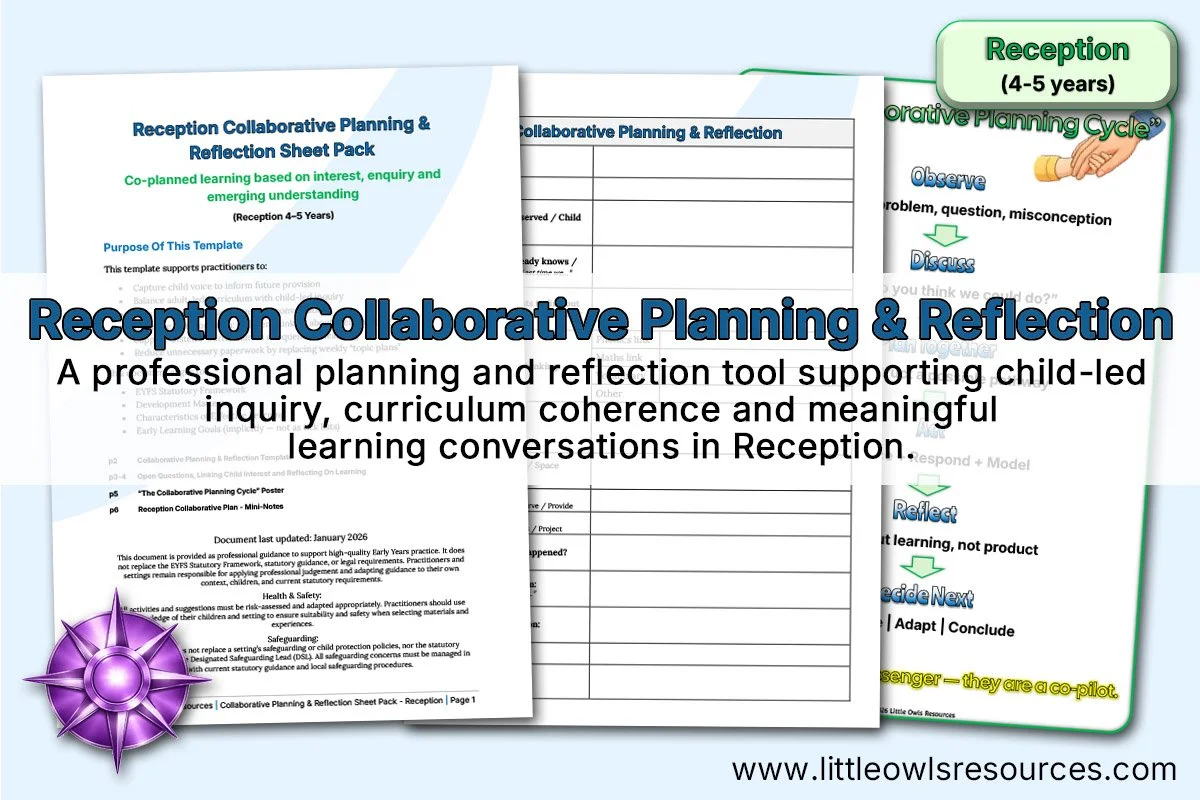
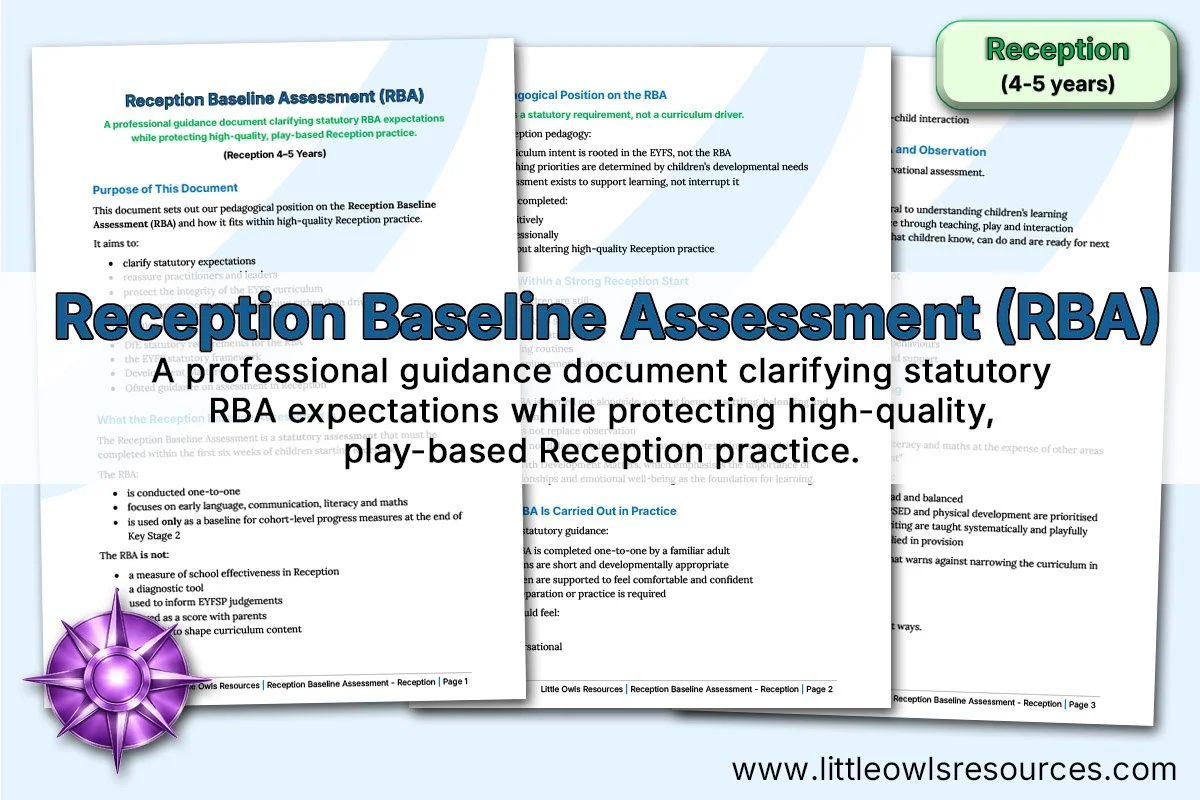
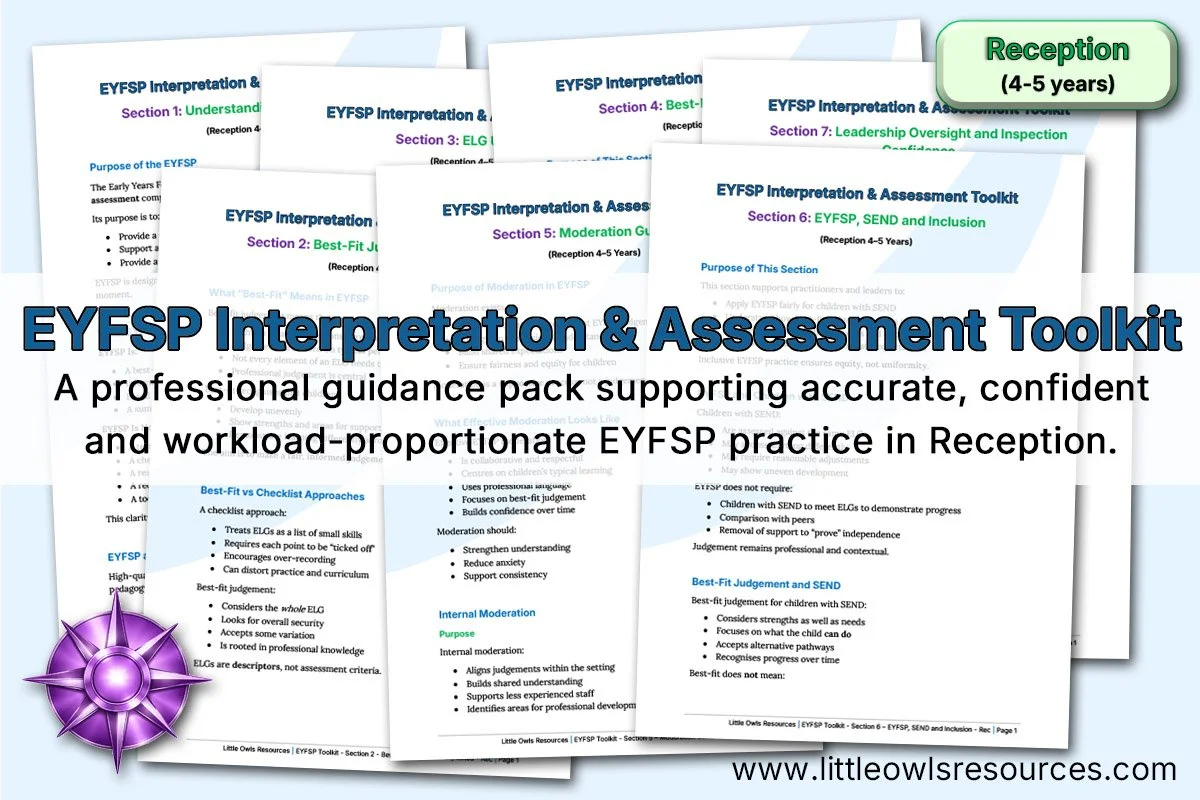
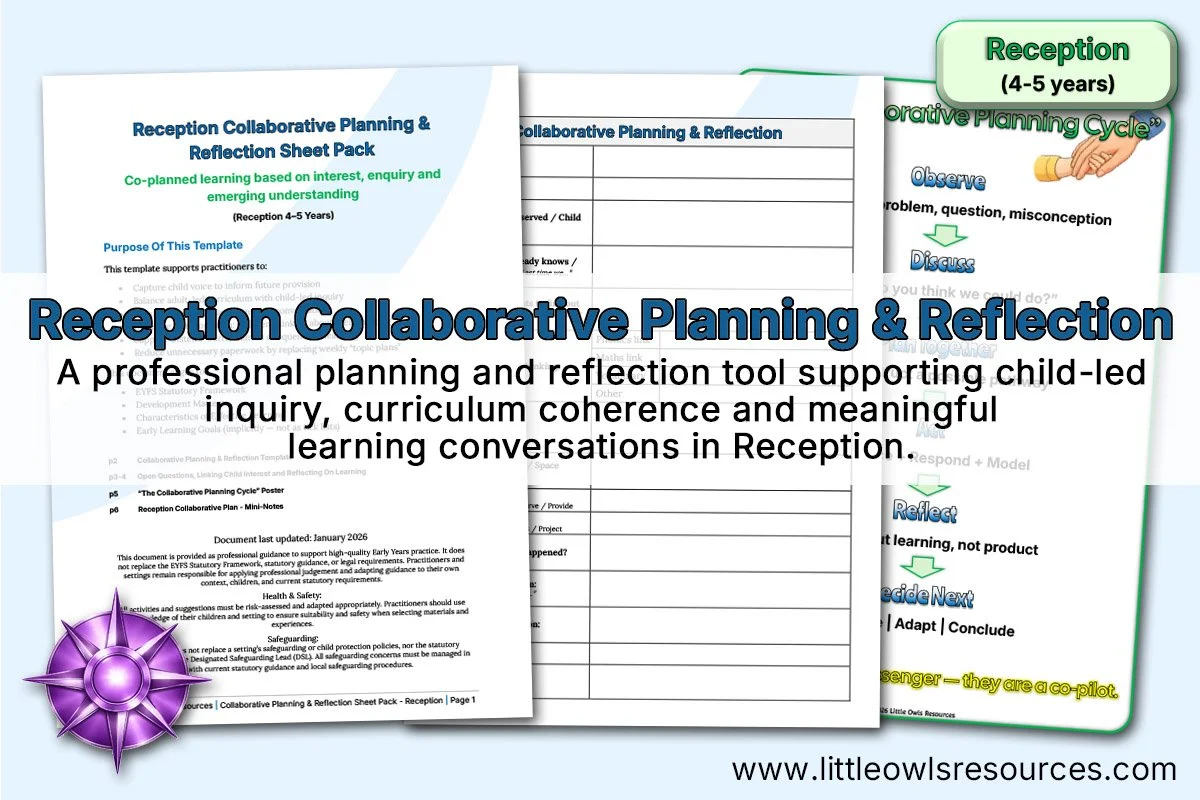
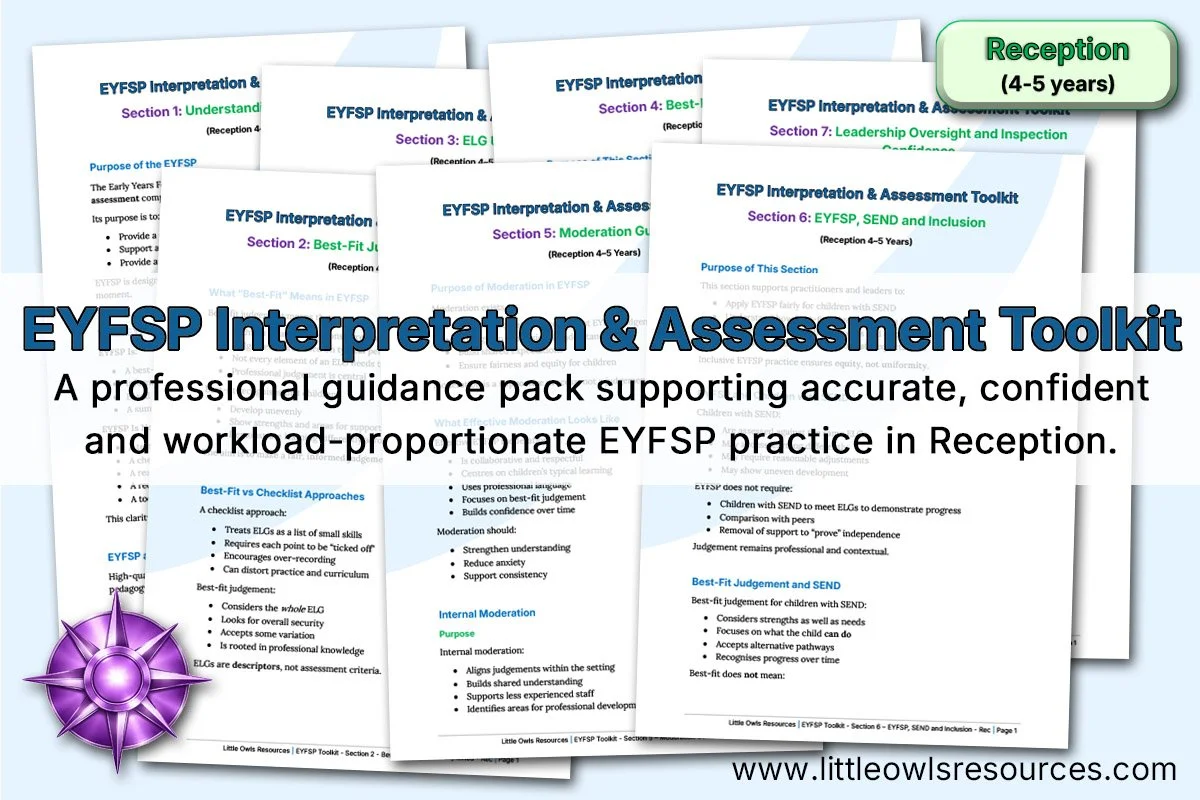
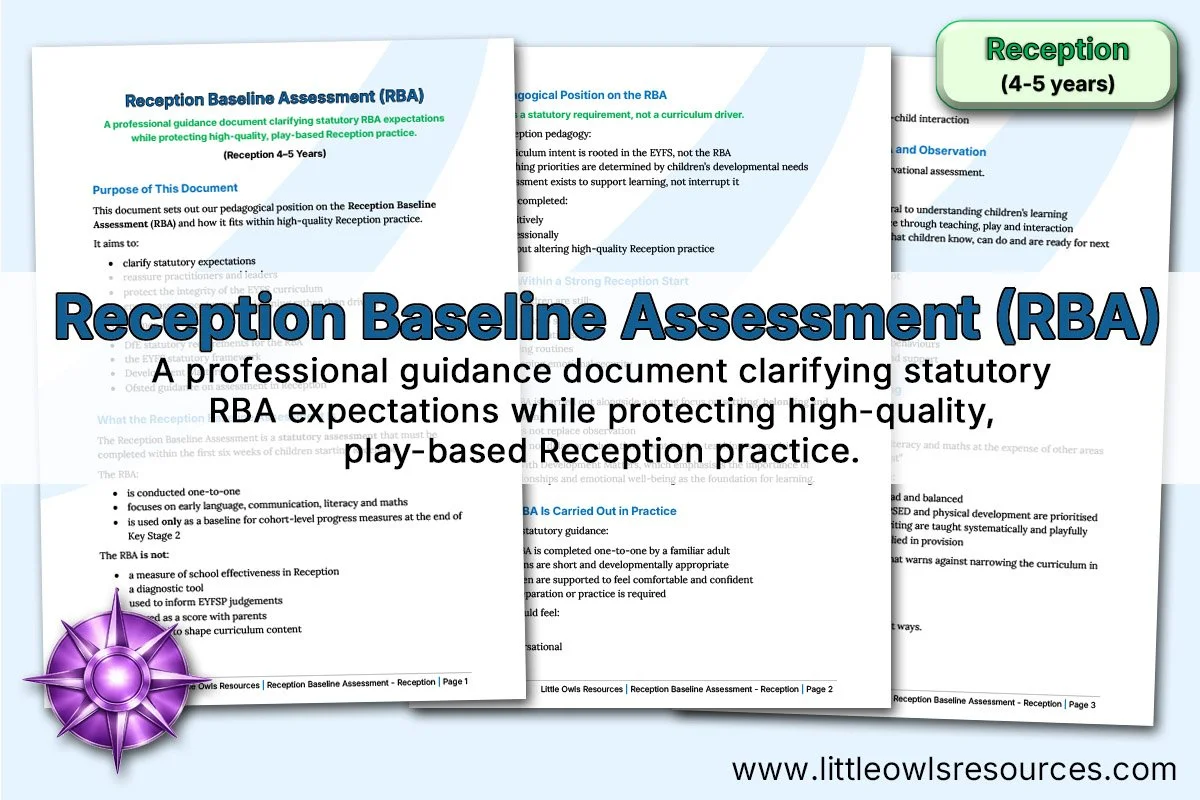
OAP Cycle Guidance, Collaborative Planning Tools, Plus EYFSP & RBA Support
🏡 Continuous Provision
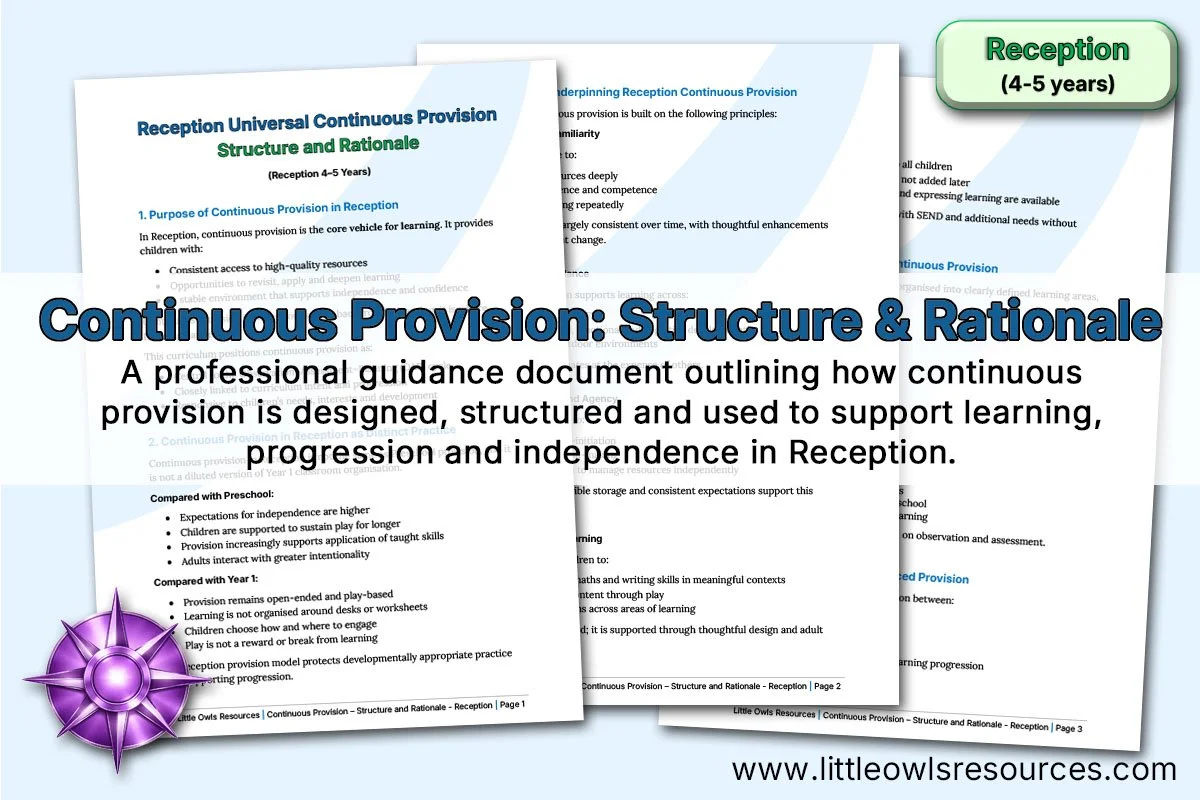
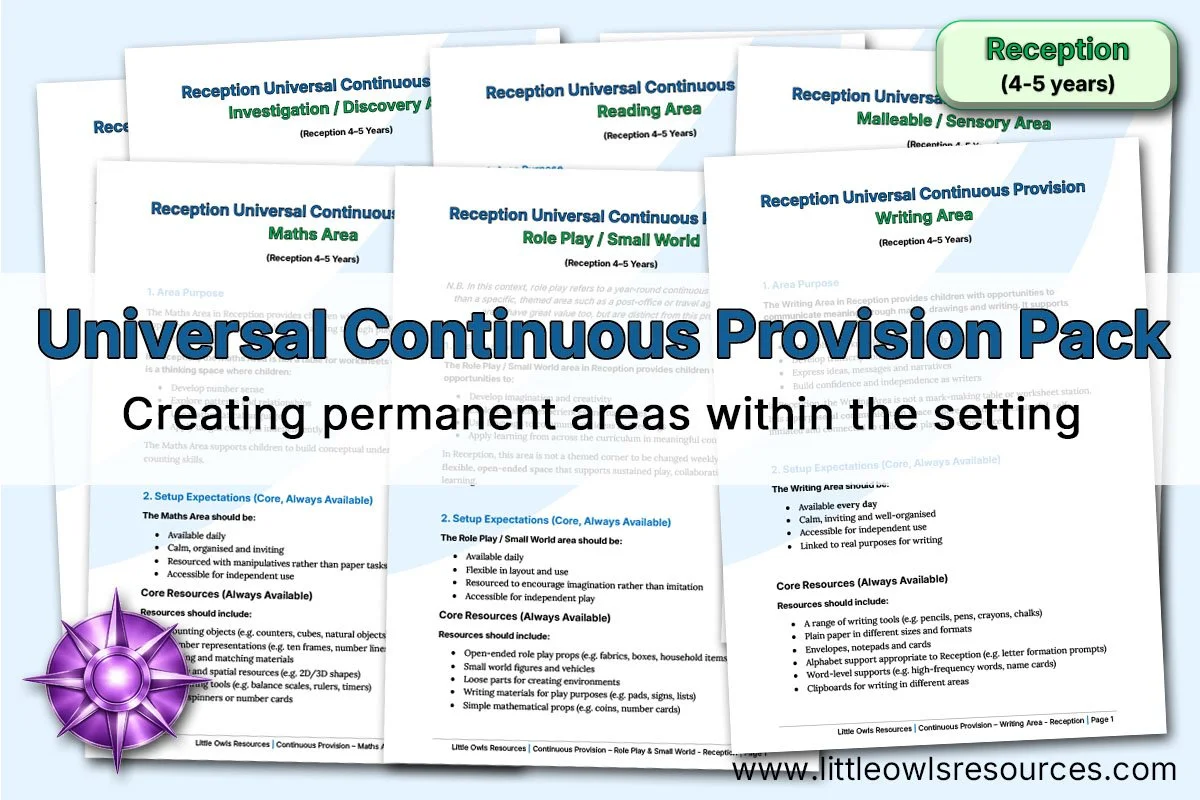
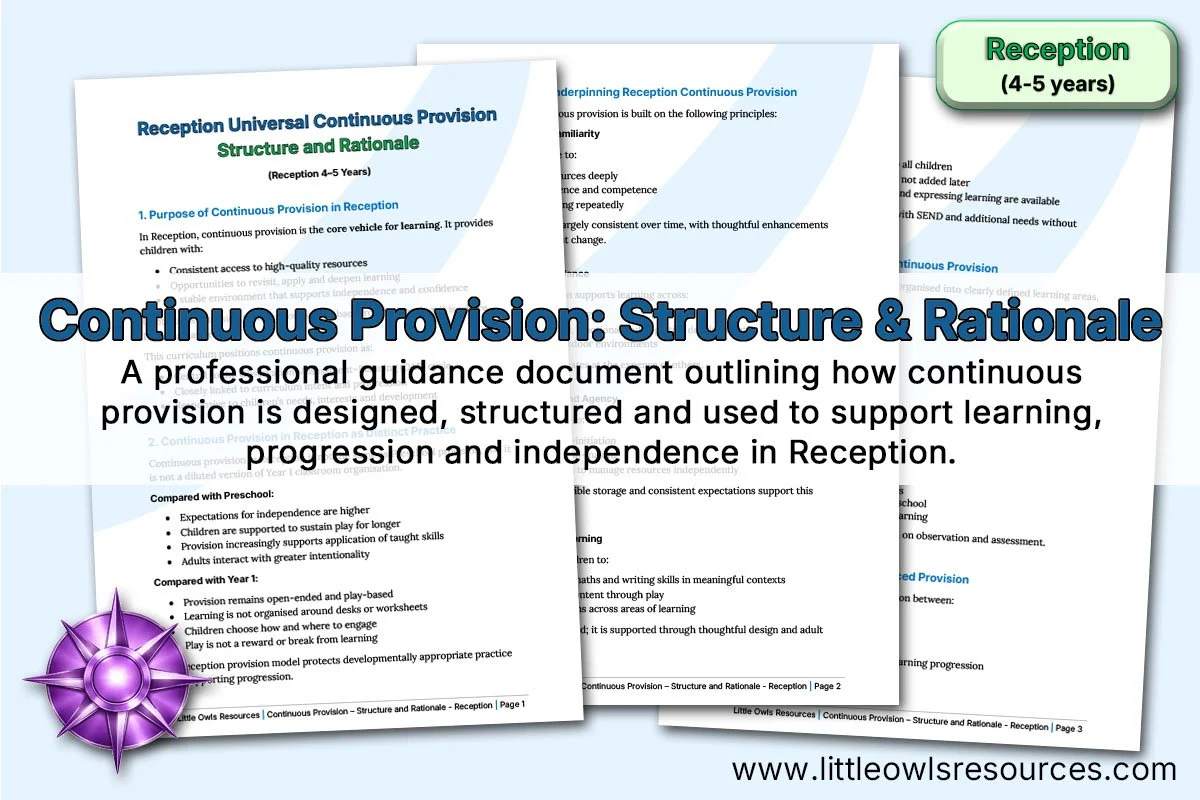
Universal Continuous Provision Area Packs, Adult-Guided Learning Strategies & Printable Resources
👩🏫 Adult-Led Teaching
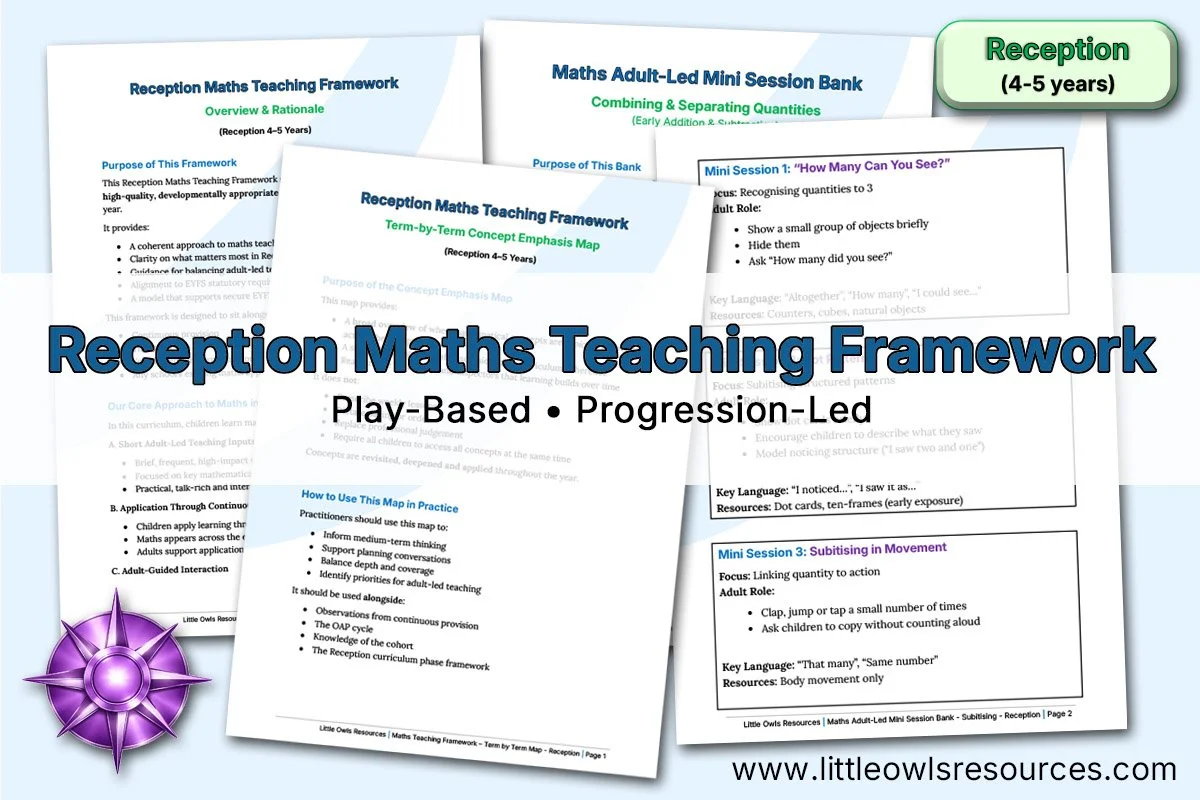
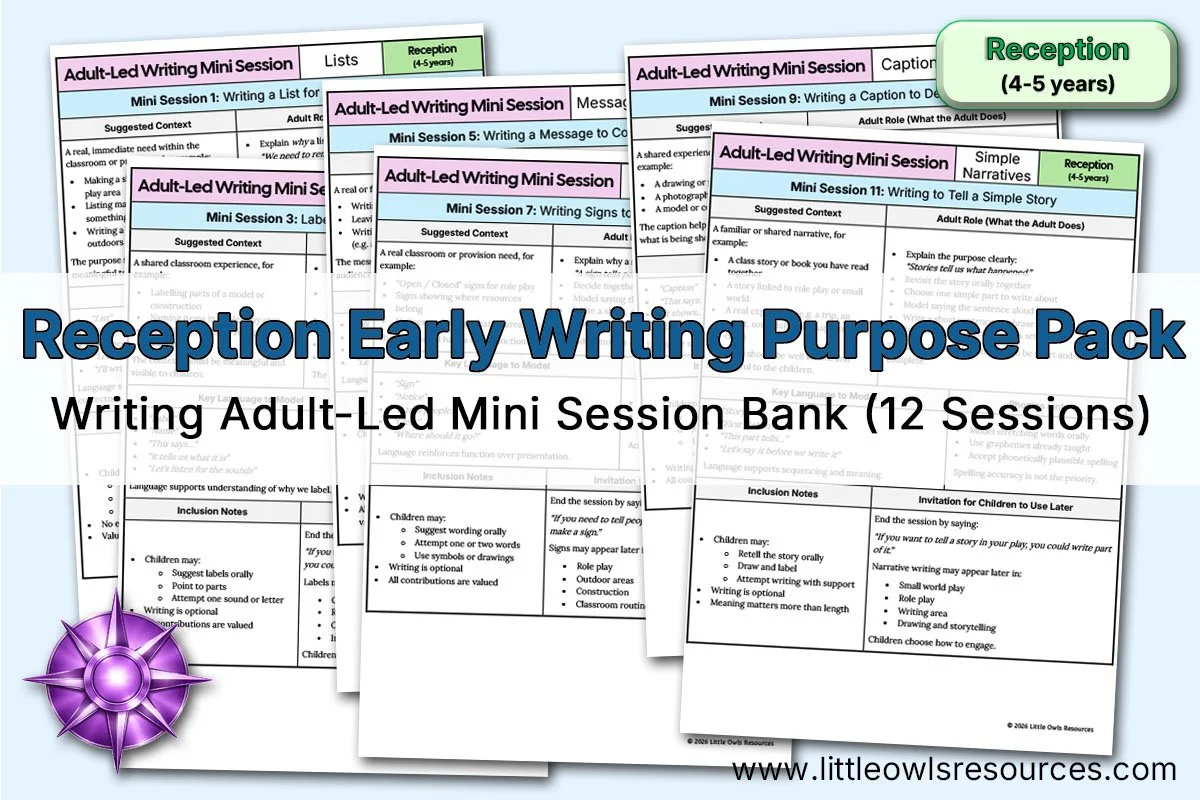
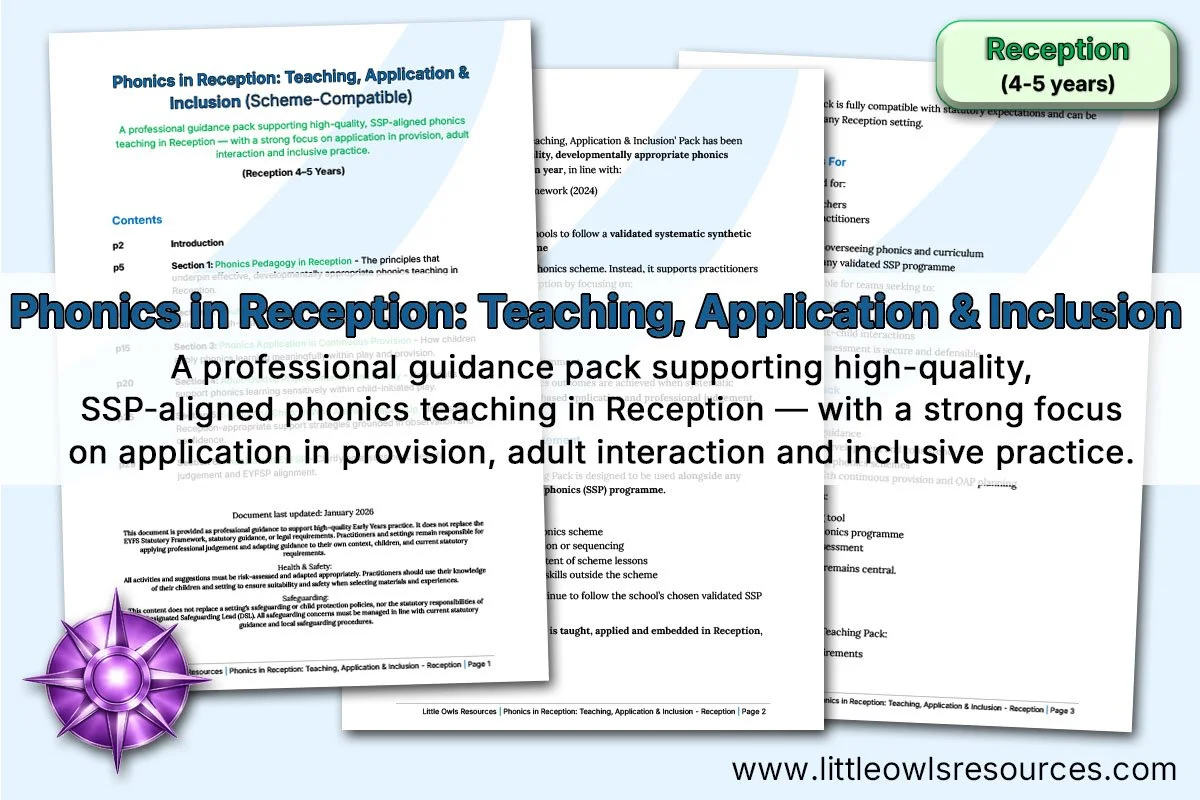
Maths Teaching Framework and Session Banks, Fine Motor & Physical Development Pack, Early Writing Mini-Sessions Bank & Phonics Teaching and Application Guidance
✨ Enhanced Provision
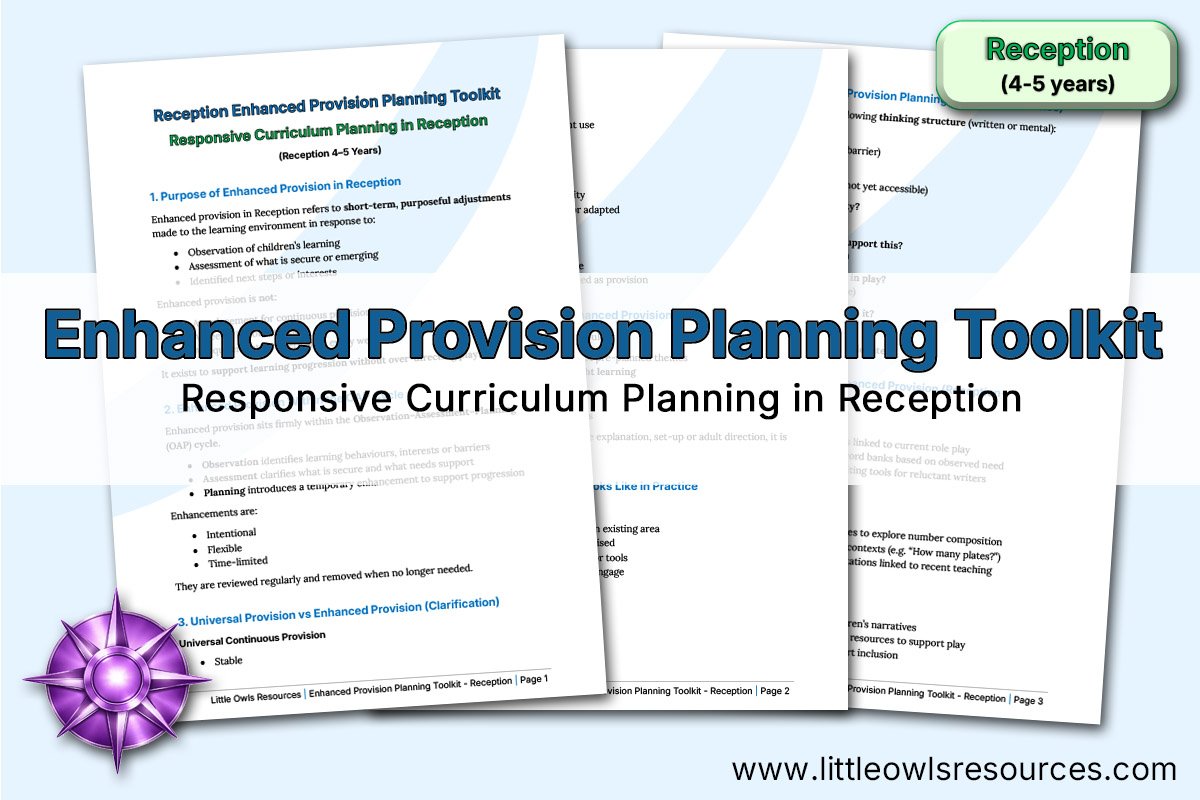
Enhancement Planning Tools, Themed Idea Banks & Resources, Role-Play Packs, Festivals & Special Dates
🤝 SEND & Inclusion
Reception SEND and Inclusion Toolkit
⭐ Leadership & Inspection
Reception Leadership & Inspection Readiness Packs & Inspection-Facing Summaries
📘 Statutory & Non-Statutory Guidance Resources
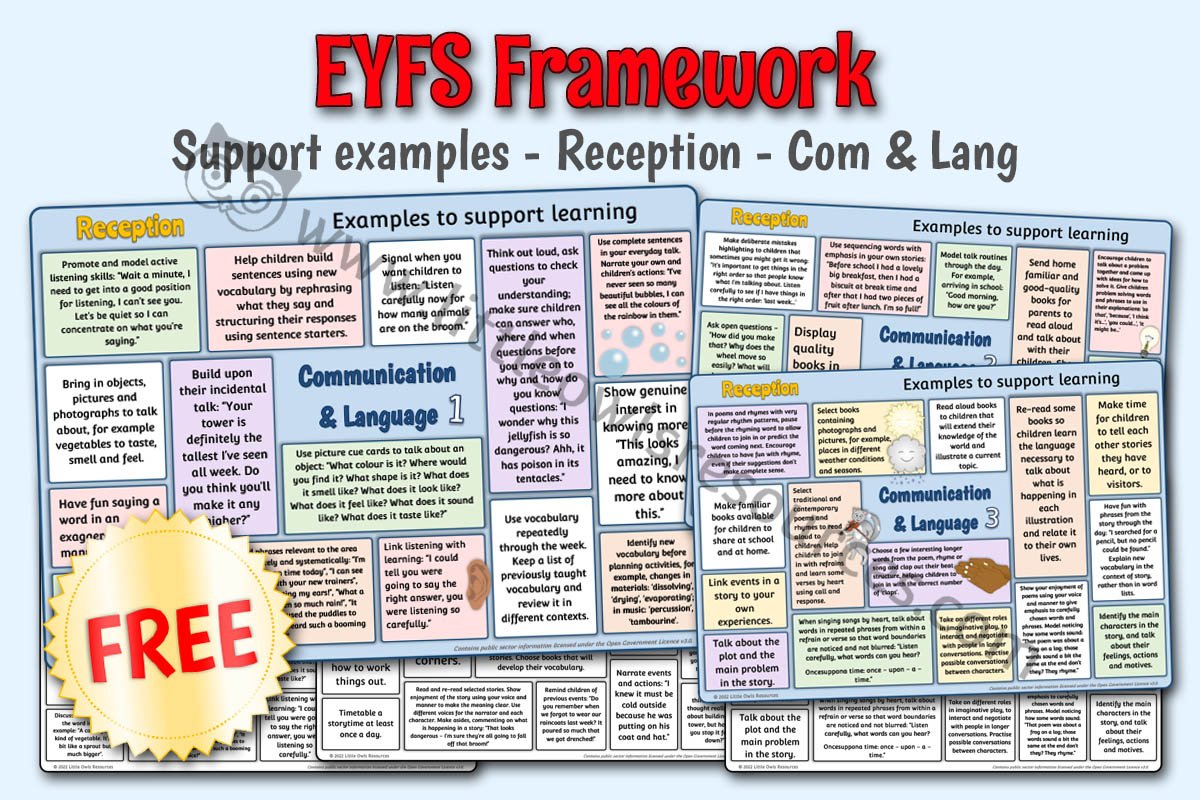
EYFS Framework & Development Matters Printable Support Examples & Ethos Displays
➕ Additional Support
🆓 Free EYFS Reception Planning Resources
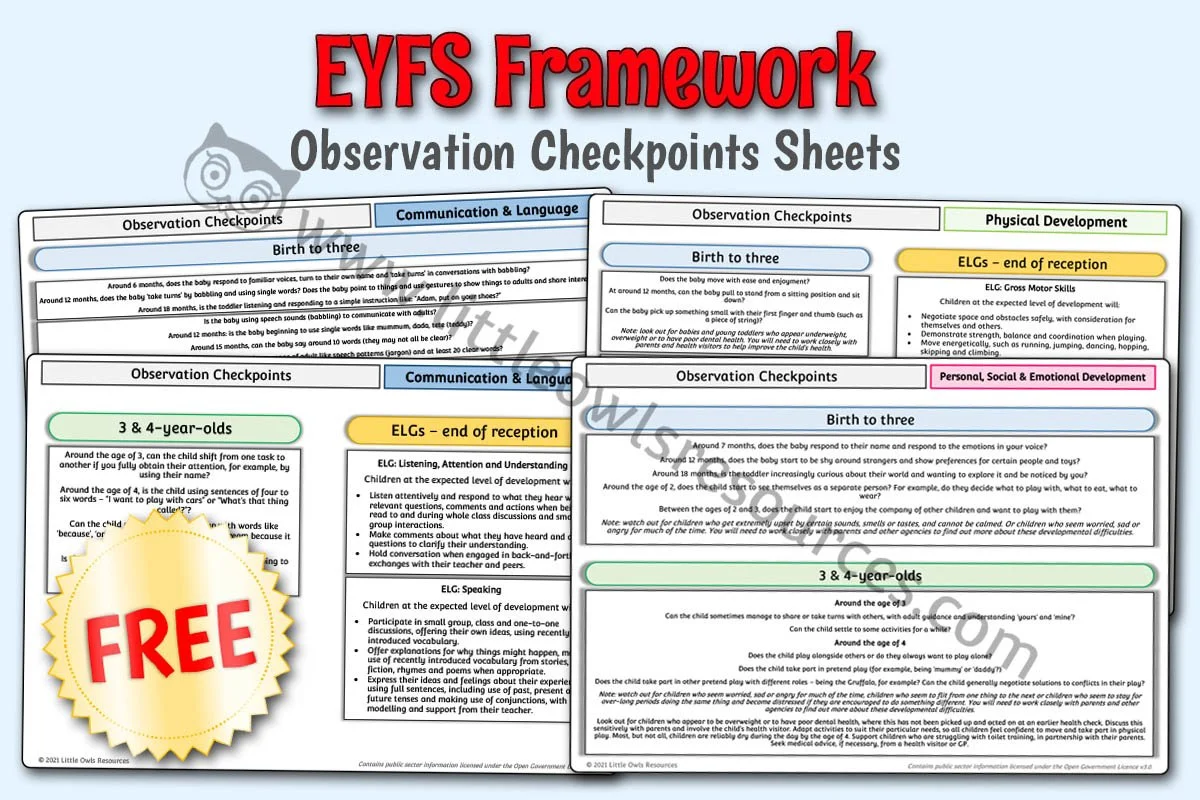



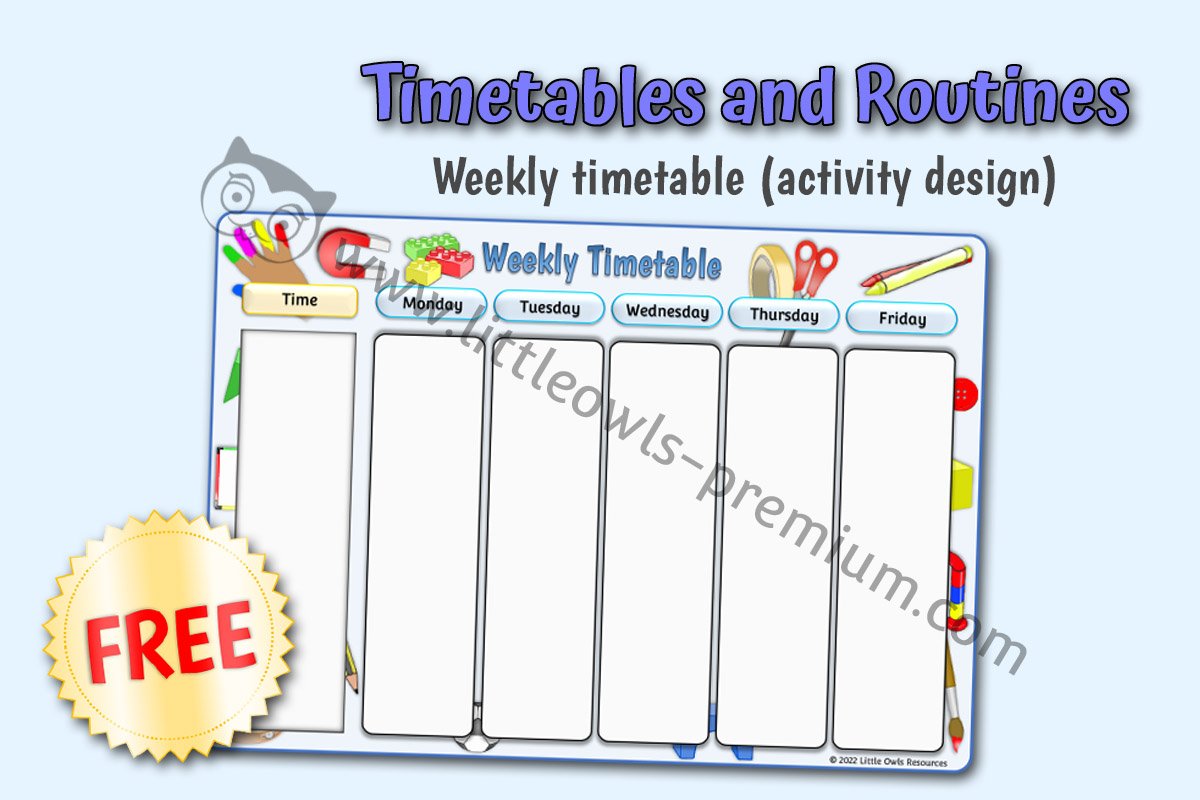
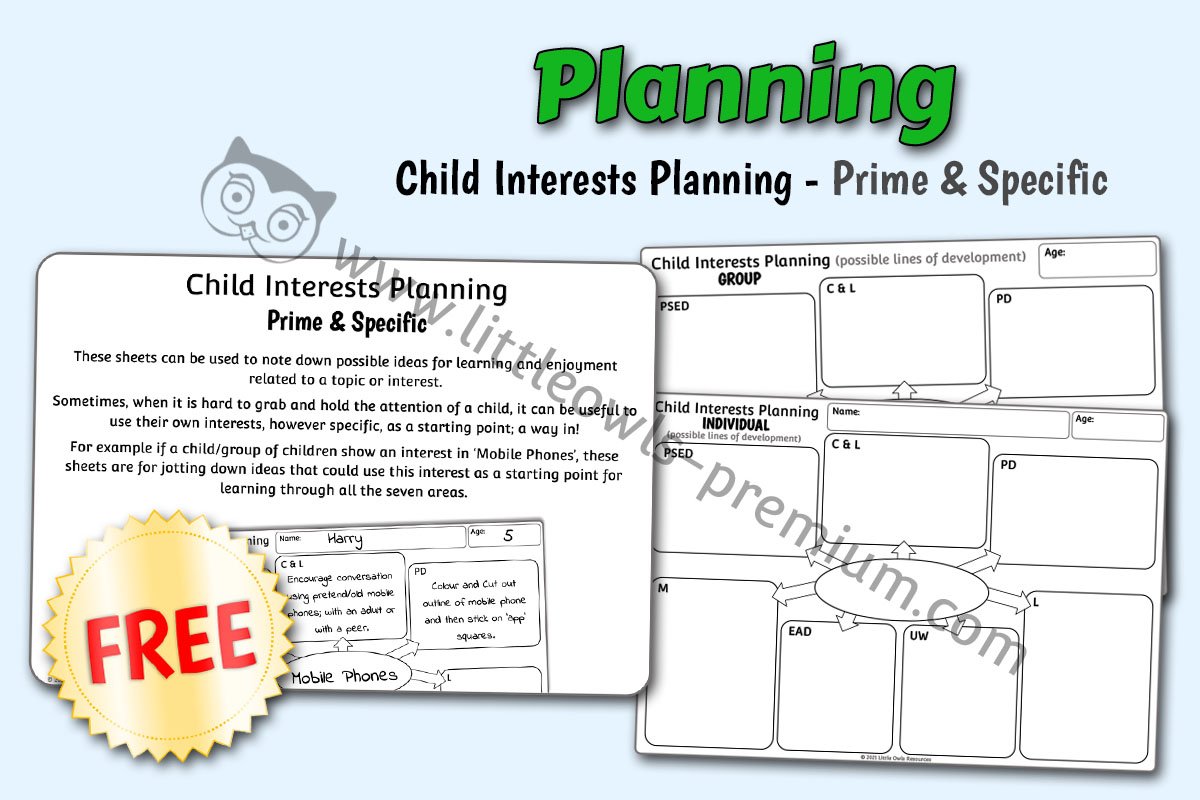

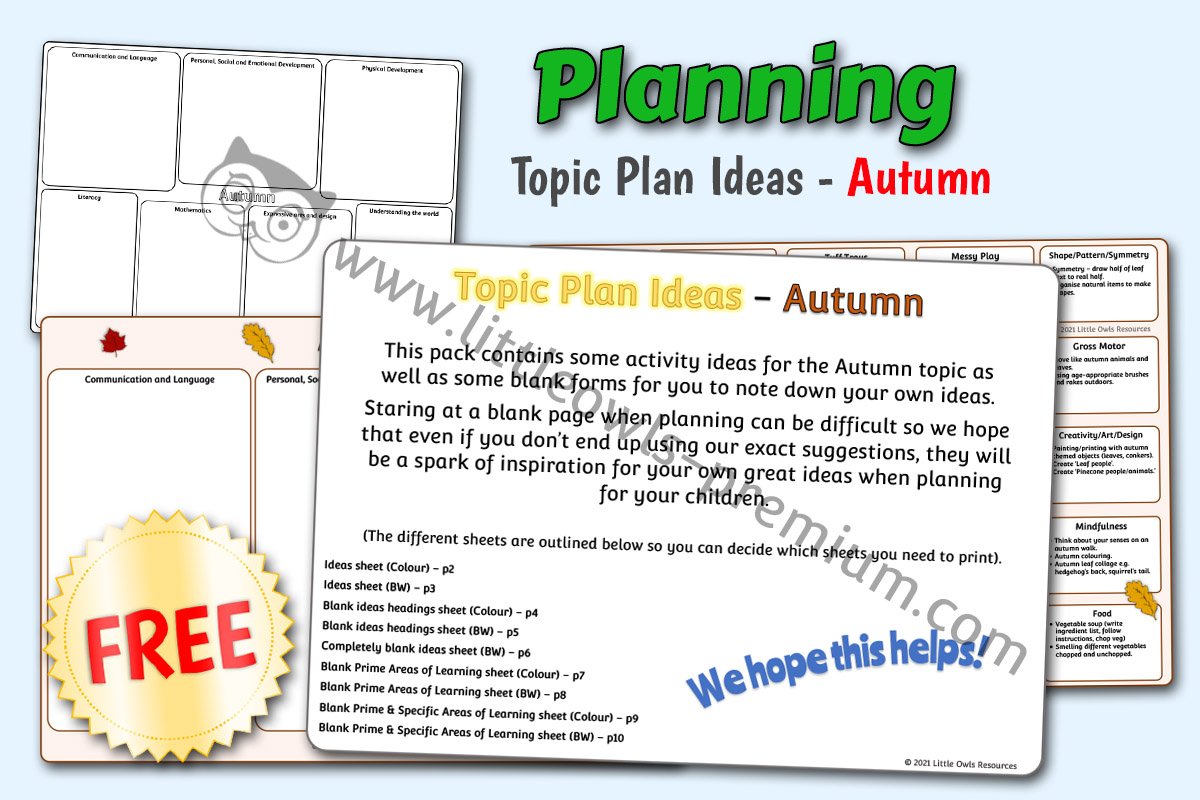
💡 Join as a Free Access member to download the samples above and all other free resources available on Little Owls Resources at no cost. Alternatively, explore all membership options here.
Additional Free Sample Printable Provision can be found at the top of most pages.
🎓 Reception Planning Pedagogy
Your FAQs
Explore current best practice surrounding reception planning. Expand the subheadings below using the cross symbols on the right.
-
In high-quality Reception practice, planning:
is rooted in a clear curriculum with defined progression
follows an Observe–Assess–Plan (OAP) cycle
includes daily adult-led teaching (e.g. phonics, maths)
maintains strong continuous provision
supports children to apply learning through play
Planning ensures:
consistency
progression
responsiveness
👉 Children are supported to learn intentionally — without being rushed into formal schooling.
-
Reception is the final phase of EYFS.
It builds on:
the secure relationships of babyhood
the exploration and schemas of toddlerhood
the play and early skill development of preschool
In Reception:
learning becomes more structured
teaching becomes more explicit
expectations increase — but remain developmentally appropriate
👉 This phase prepares children for Year 1 without becoming Year 1.
-
In Reception, planning is guided by a clear curriculum framework.
This includes:
progression across all areas of learning
defined knowledge and skills
sequencing across the year
Planning supports:
what is taught
when it is taught
how it is revisited and applied
However:
curriculum does not remove flexibility
learning is still adapted to children’s needs
👉 Structure increases — responsiveness remains.
-
Planning in Reception is organised through the OAP cycle:
Observe
what children know and can do
how they engage in provision
how they apply taught skills
Assess
understanding of development and progression
identification of next steps
recognition of strengths and needs
Plan
responsive teaching
provision enhancements
targeted support
👉 Planning is continuous, not one-off.
-
Reception planning brings together two key elements:
1. Adult-led teaching (systematic and essential)
Includes:
daily phonics teaching
structured maths teaching
writing and fine motor development
vocabulary and language development
These sessions are:
carefully sequenced
inclusive and adaptive
connected to provision
2. Continuous provision (application and depth)
Provision allows children to:
apply taught skills
explore independently
develop creativity and problem-solving
deepen understanding through play
Examples:
writing in role play
maths in construction
storytelling in small world
investigation in discovery areas
👉 Learning is taught, then applied through play.
-
✔ Planning is:
curriculum-led
progression-informed
responsive to children
balanced between teaching and play
structured across the year
✖ Planning is not:
identical to Key Stage 1
worksheet-driven
overly formal or rigid
focused only on outcomes
disconnected from play
👉 Reception is still EYFS — not Year 1.
-
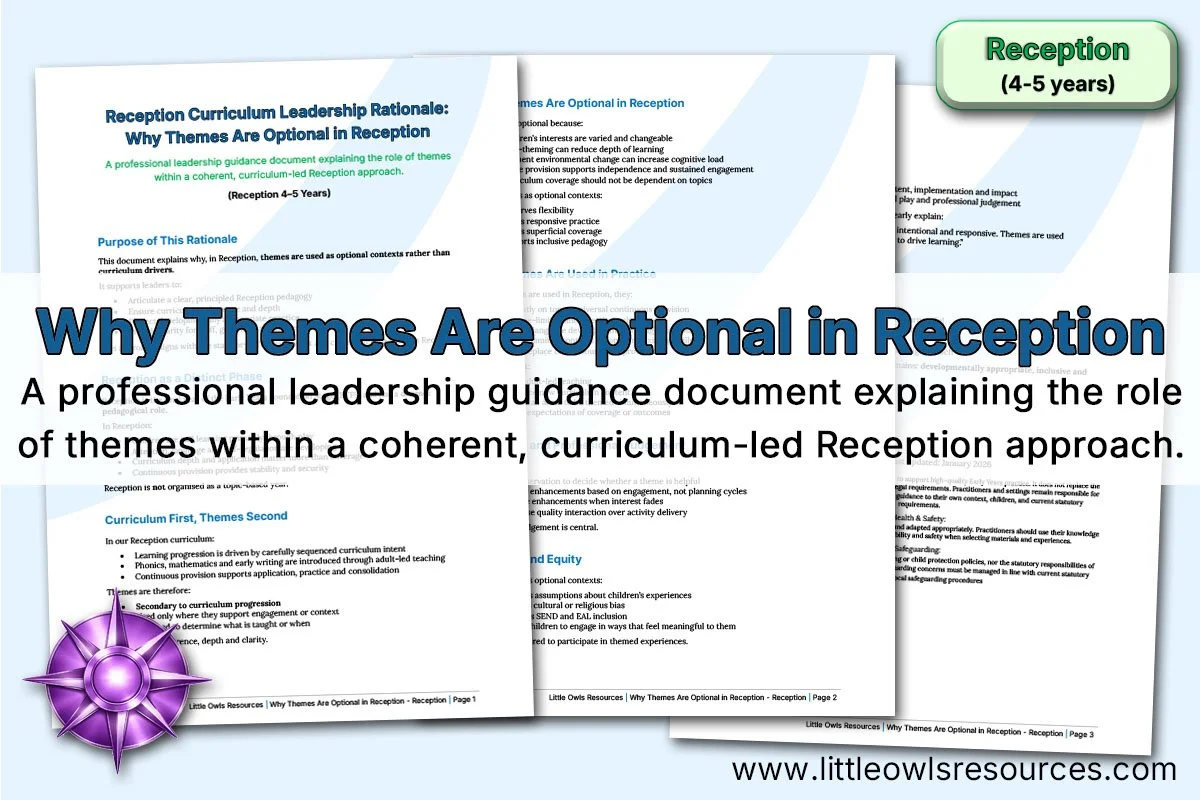
Themes may be used — but are optional.
Where used, they:
provide context and engagement
support vocabulary and knowledge
link experiences across the curriculum
However:
they do not drive progression
they do not replace teaching sequences
they remain flexible
👉 The curriculum leads. Themes support.
-
Planning in Reception supports progression towards:
secure communication and language
early reading through systematic phonics
early writing with purpose
mathematical understanding and reasoning
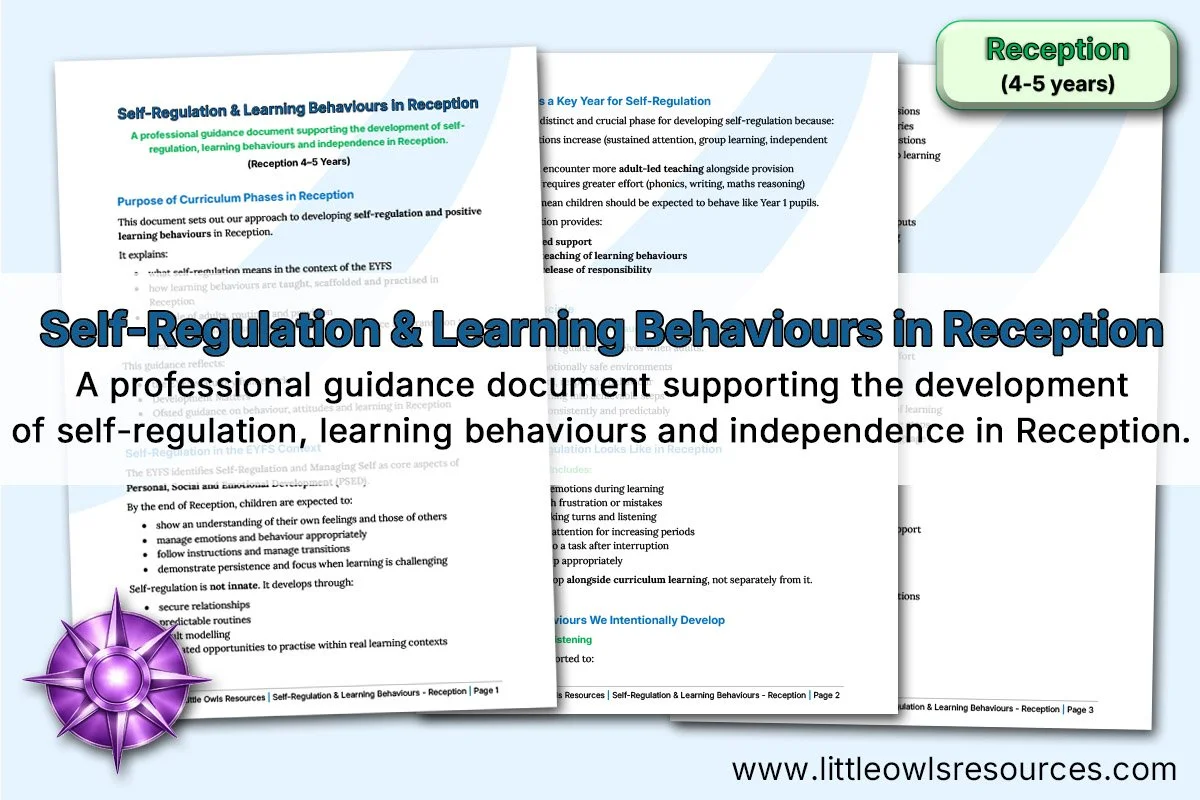
independence and self-regulation
sustained attention and resilience
Progress is seen in:
application of learning
increasing independence
deeper understanding
👉 Not just completion of tasks.
-
Planning supports ongoing, proportionate assessment, including:
day-to-day observation
responsive teaching adjustments
preparation for the Early Years Foundation Stage Profile (EYFSP)
Assessment is:
best-fit, not checklist-driven
based on evidence over time
integrated into practice
👉 Assessment informs planning — not the other way around.
-
Inclusive planning in Reception includes:
adaptive teaching approaches
language-first strategies
visual supports
graduated response (assess–plan–do–review)
collaboration with families and professionals
Planning ensures:
all children can access the curriculum
expectations are adapted, not lowered
support is embedded, not added on
👉 Inclusion is part of planning — not separate from it.
-
School-based Reception classes:
follow structured curriculum frameworks
integrate teaching and provision daily
Childminders and mixed-age settings:
adapt Reception expectations flexibly
maintain strong play-based approaches
Across all settings:
👉 planning remains developmentally appropriate and responsive
-
Practitioners can confidently explain:
how the curriculum is sequenced and delivered
how OAP informs planning
how children apply learning through provision
how teaching remains developmentally appropriate
Inspectors are not looking for:
excessive paperwork
rigid lesson plans
formal teaching beyond EYFS expectations
They are looking for:
👉 clear intent, strong teaching, and meaningful learning
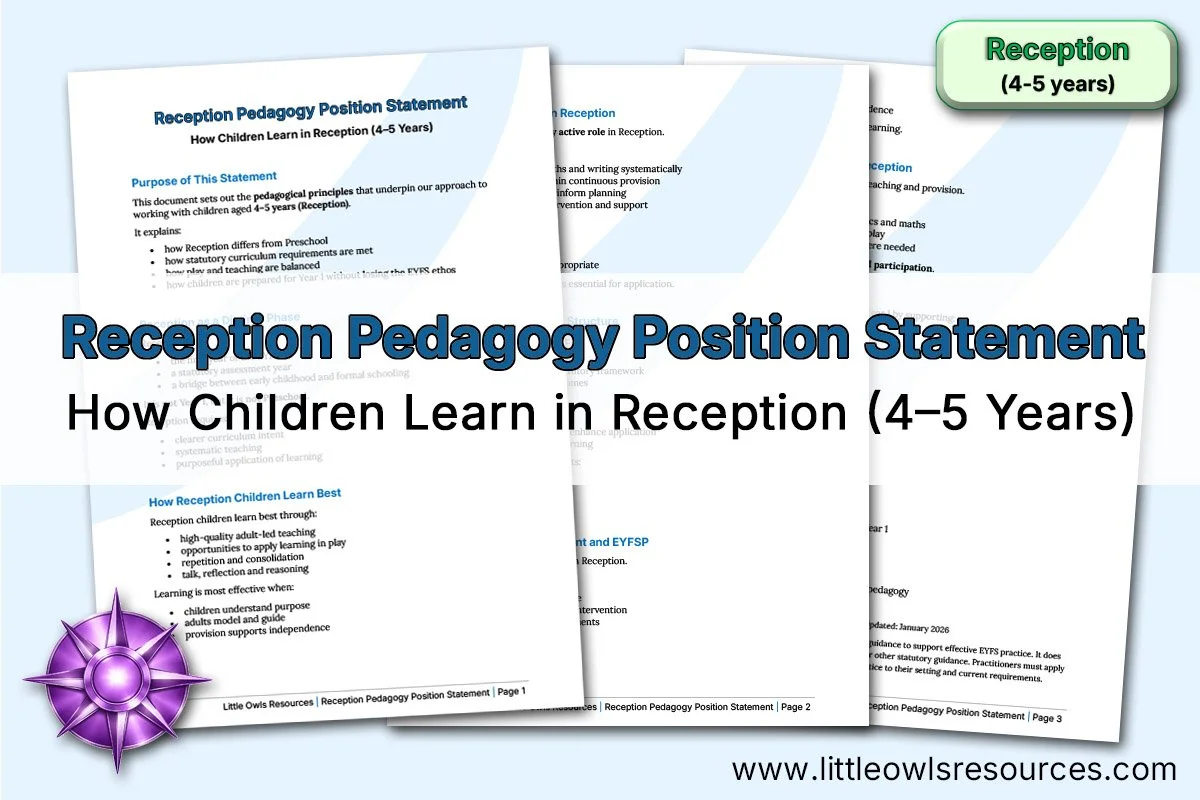
Supporting Reception Pedagogy Documents


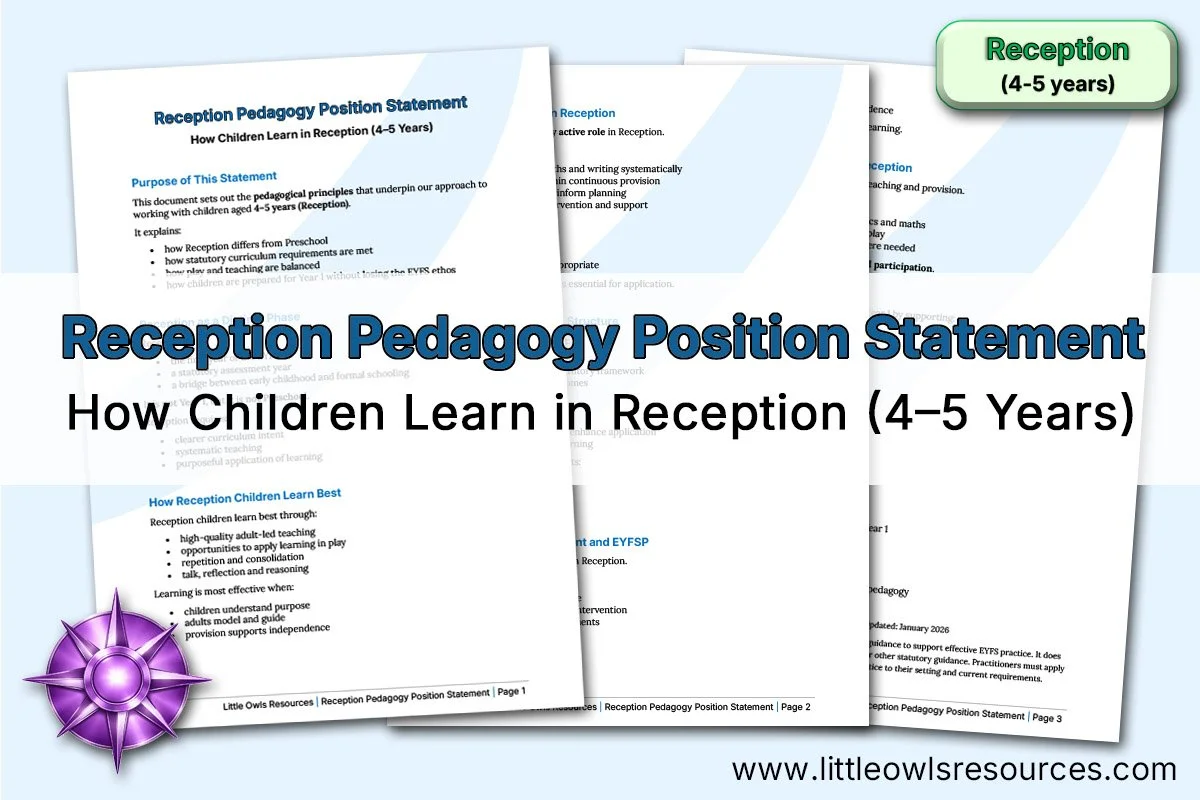
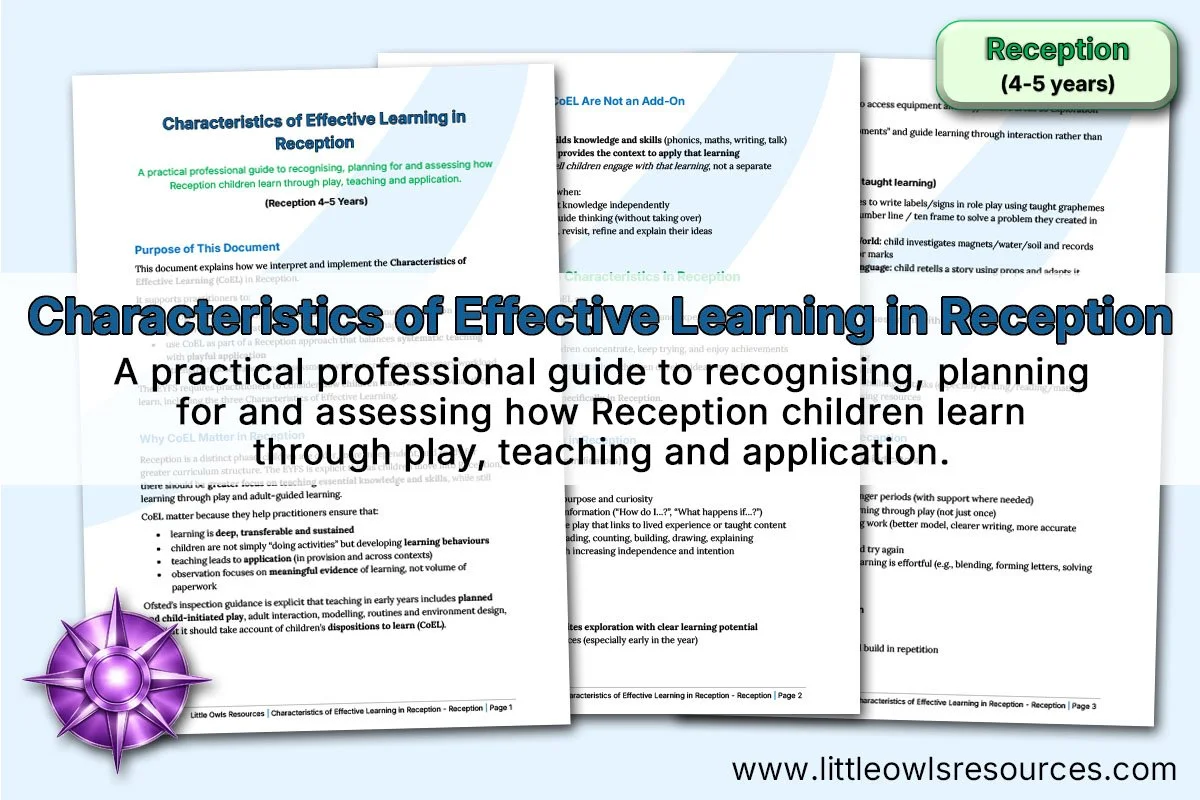
Please find additional resources within our ‘Reception Curriculum & Pedagogy’ pathway.
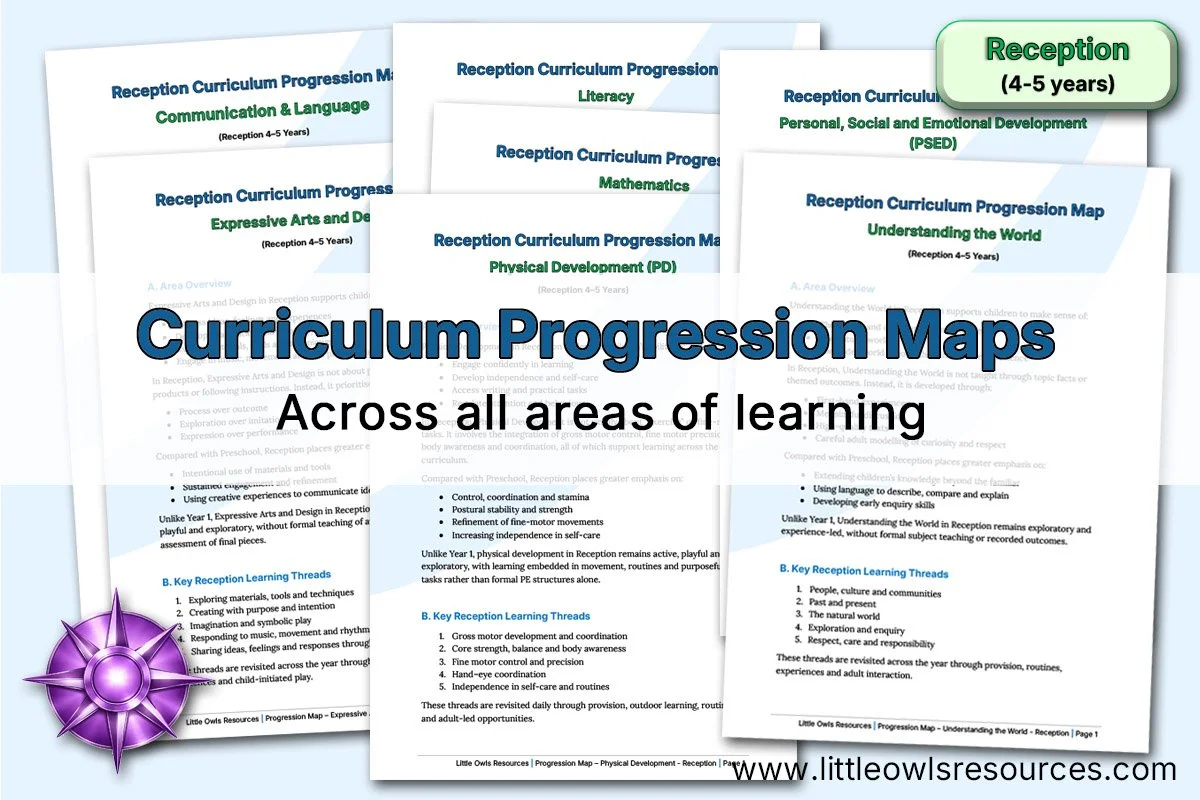
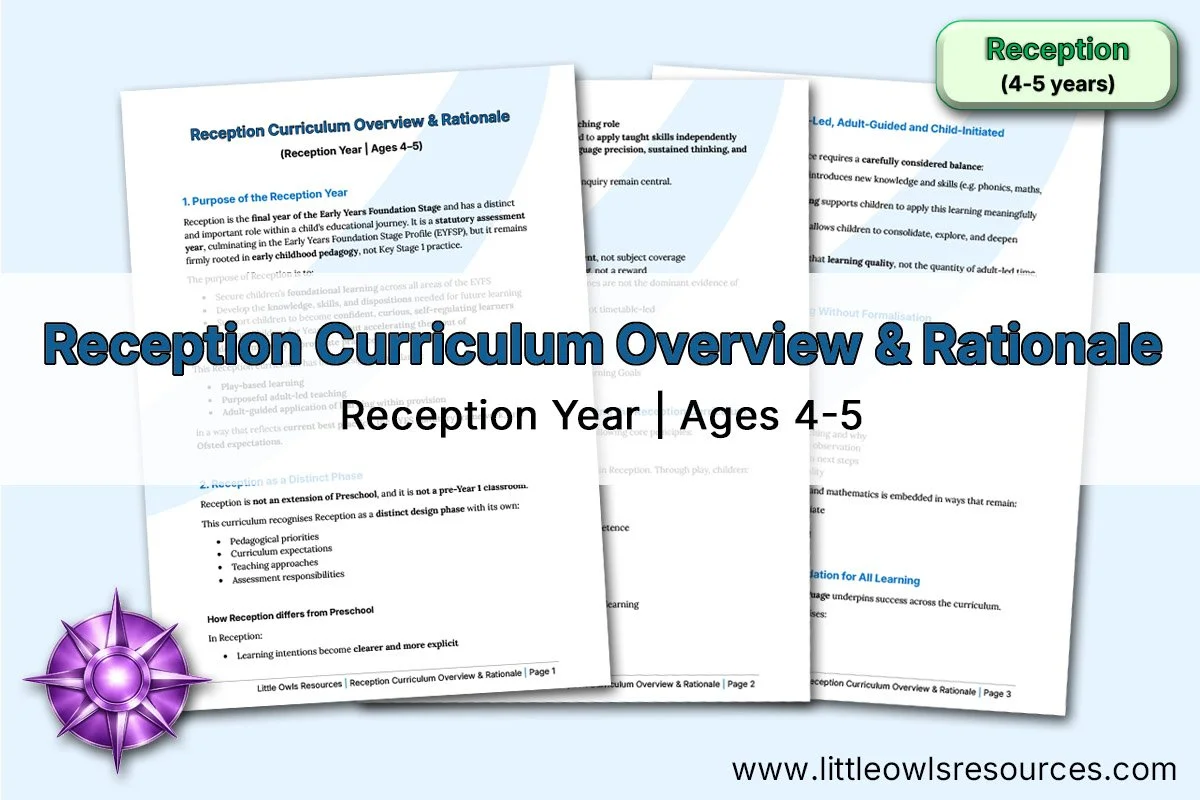
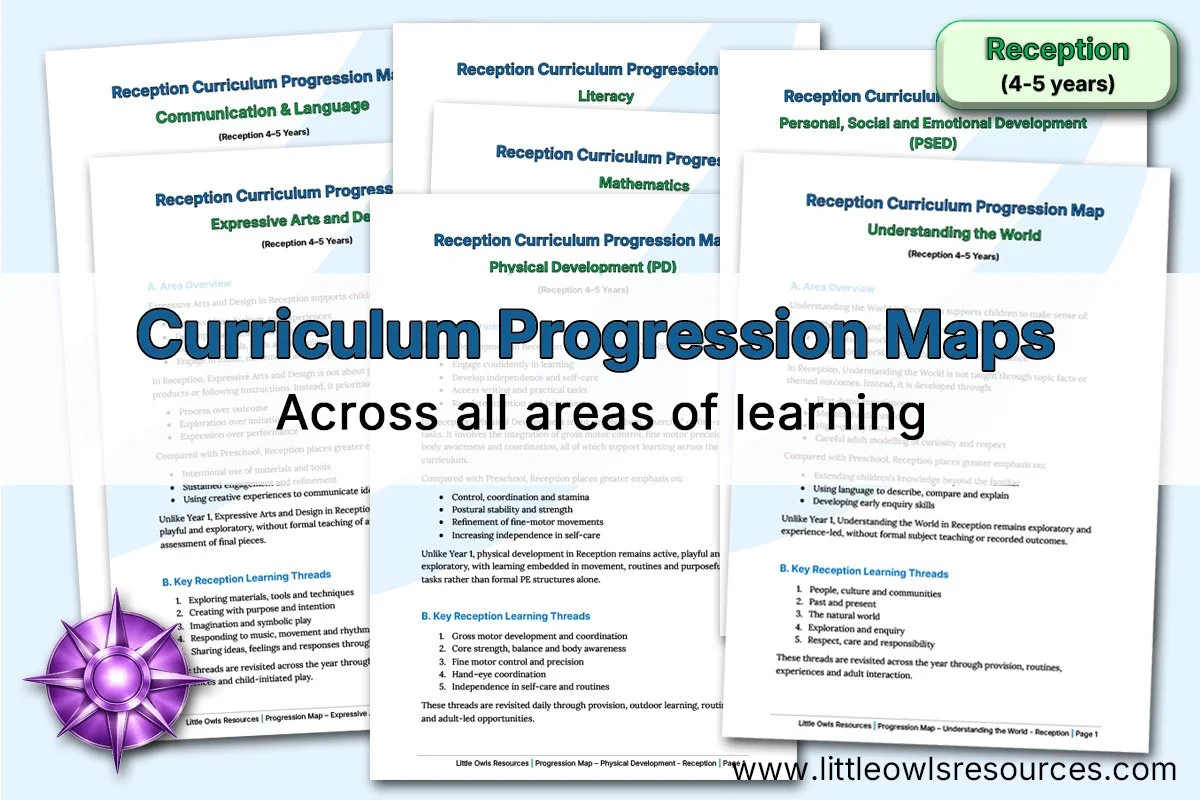
Reception curriculum phase framework
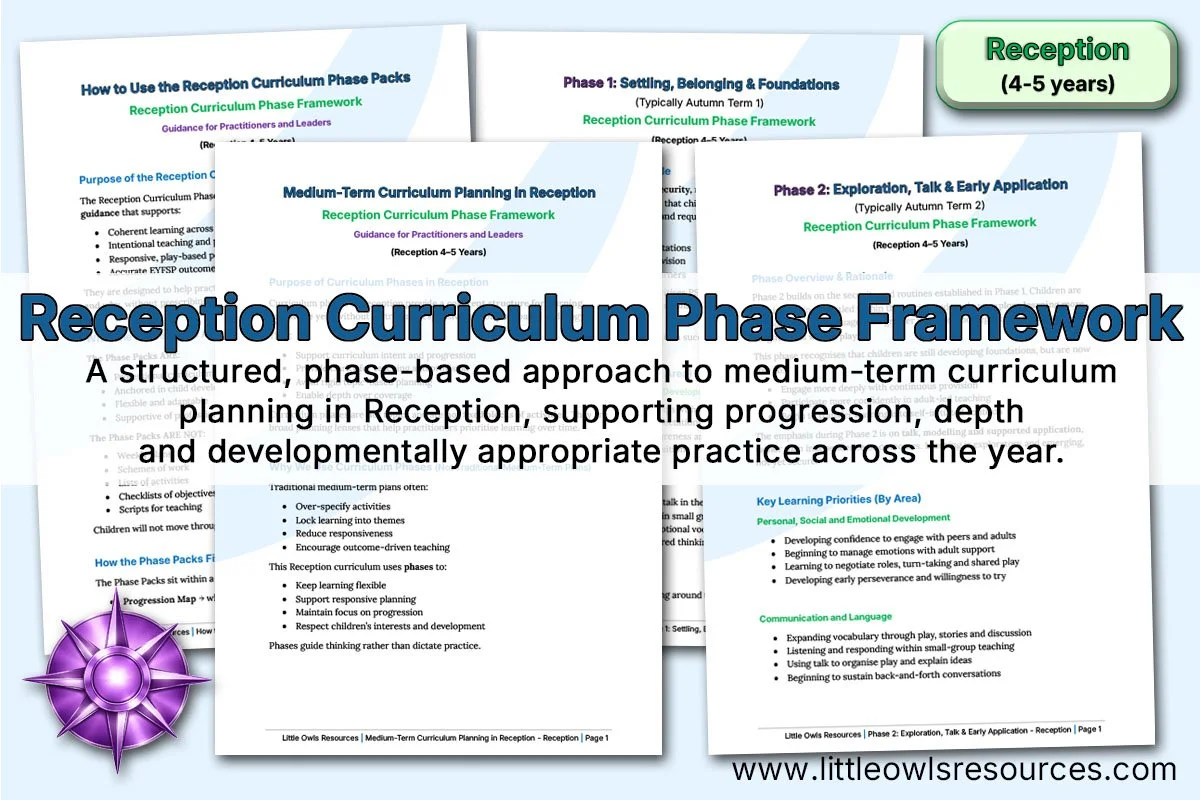

Please find additional resources on our ‘Areas of Learning’ page.
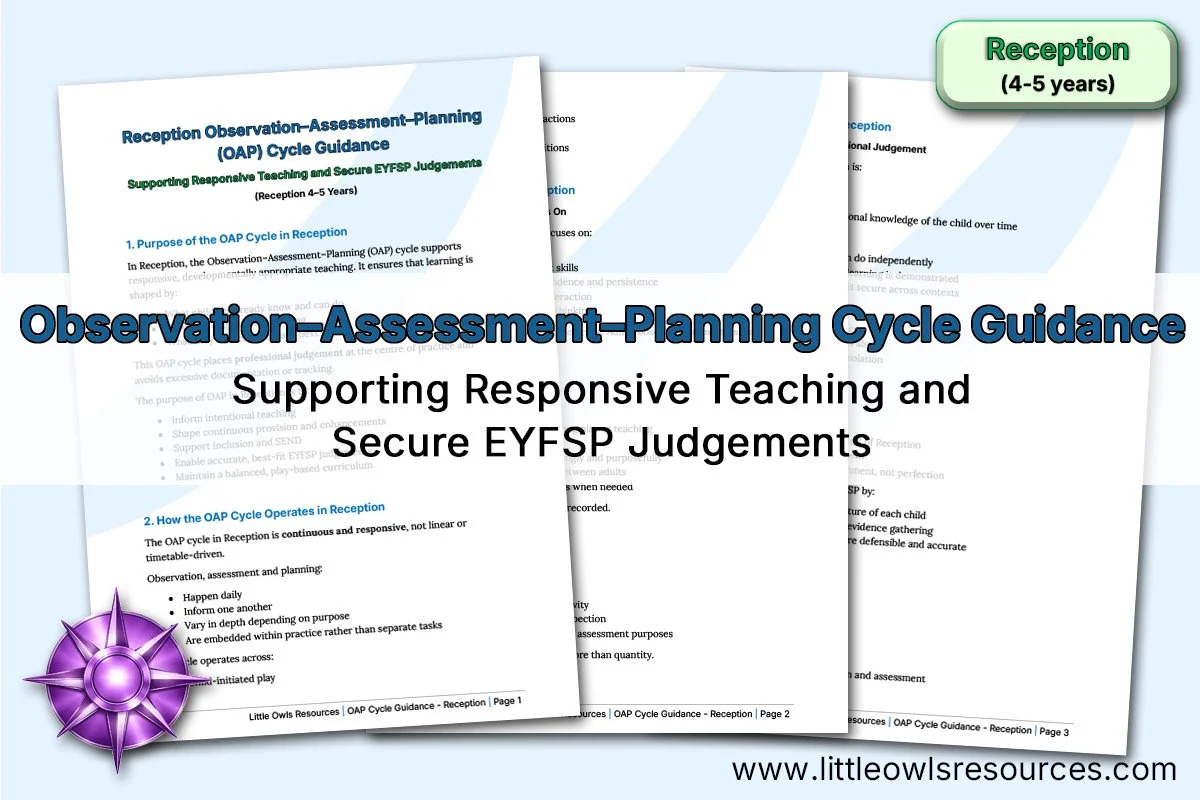
Collaborative planning tools


Assessment and EYFSP support
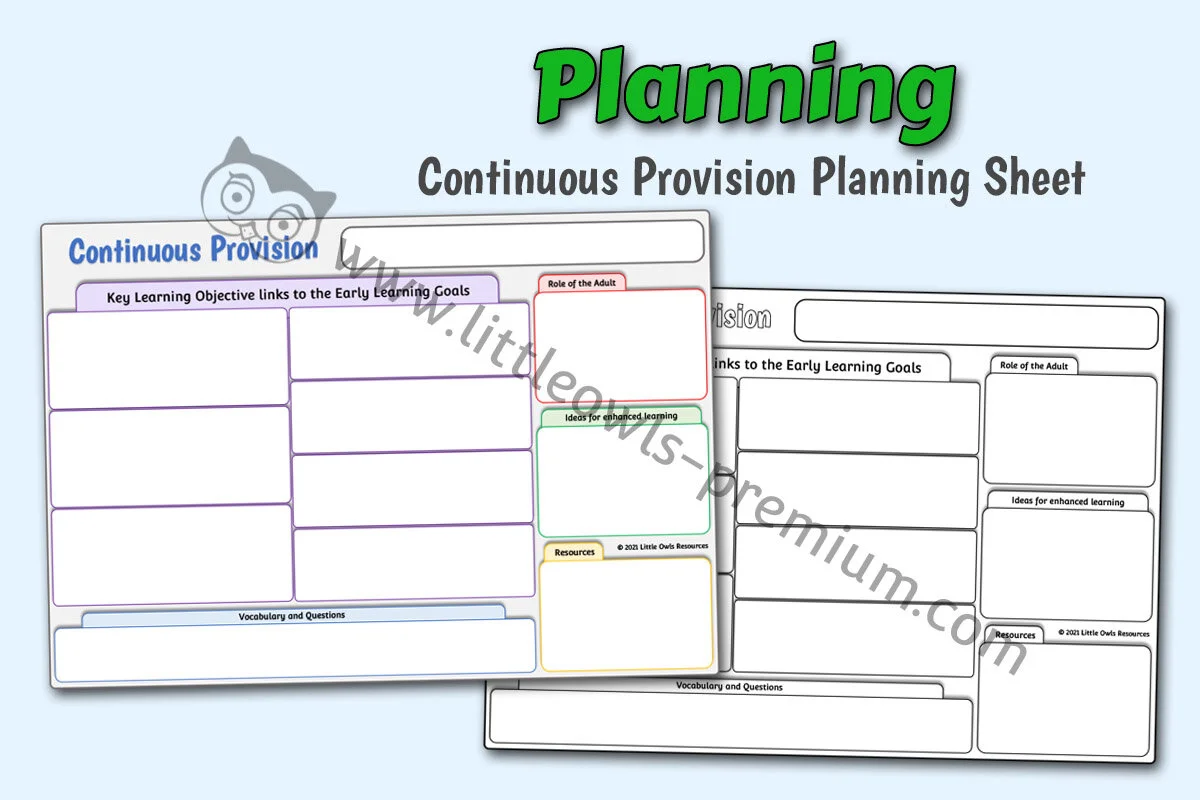
Additional Blank Planning Templates | Generic Birth-5


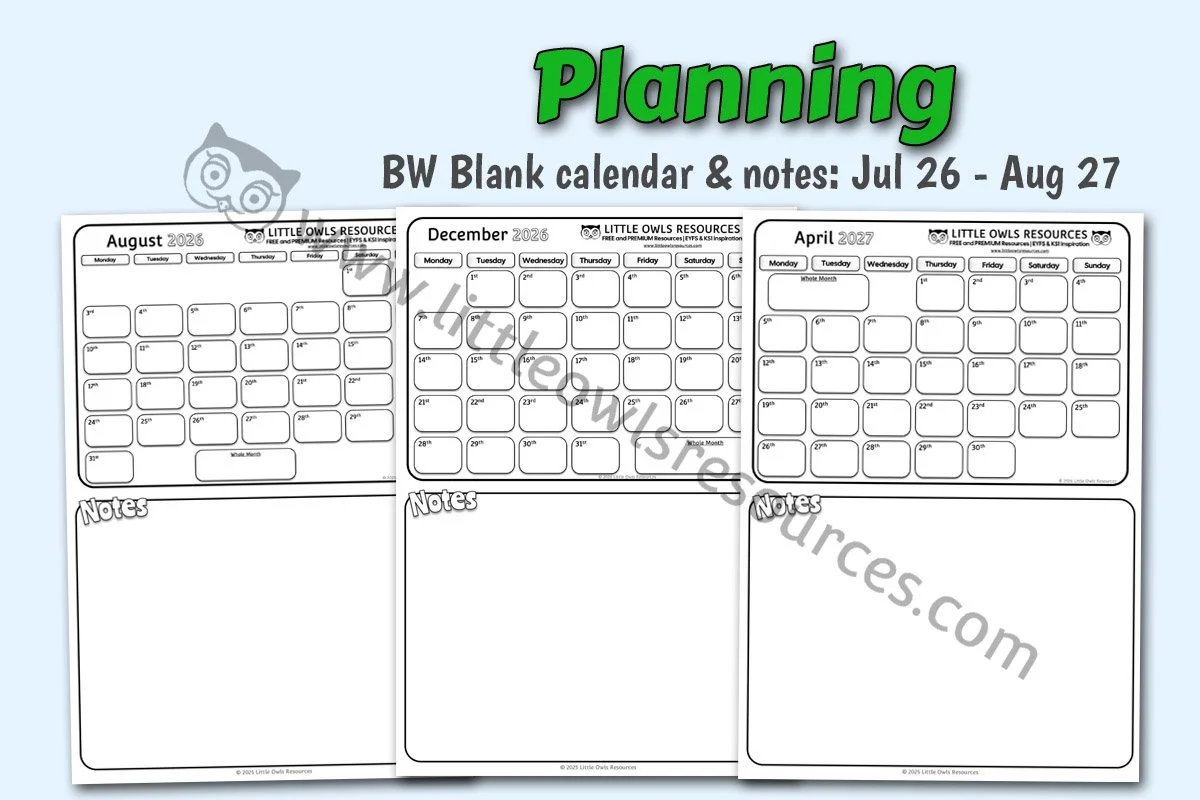


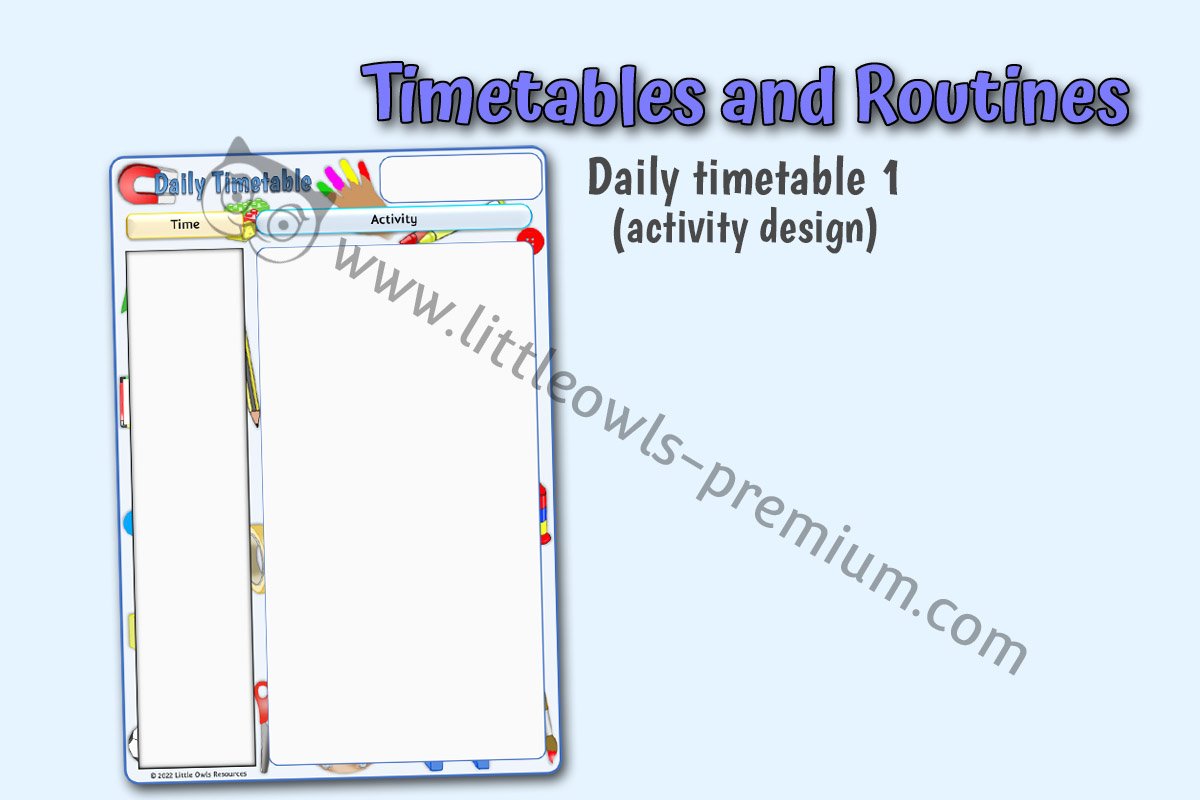
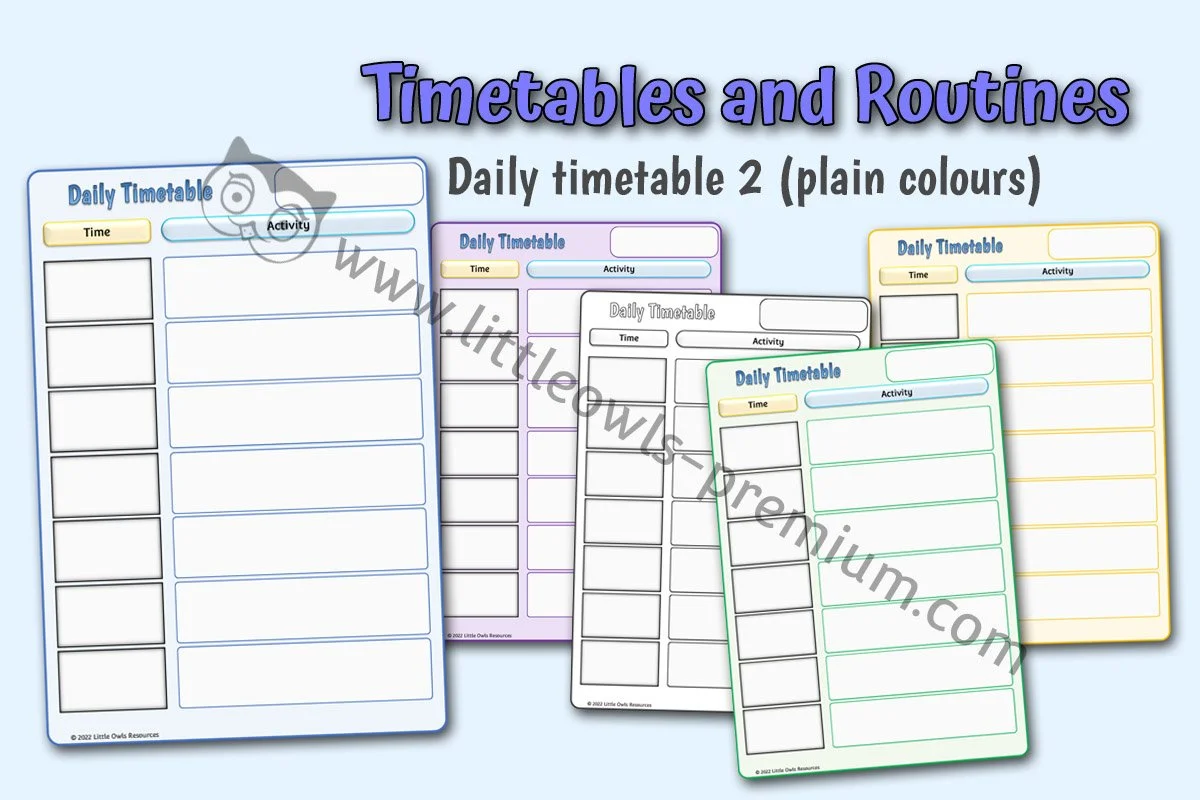

Please find additional resources on our ‘OAP Cycle’ page.
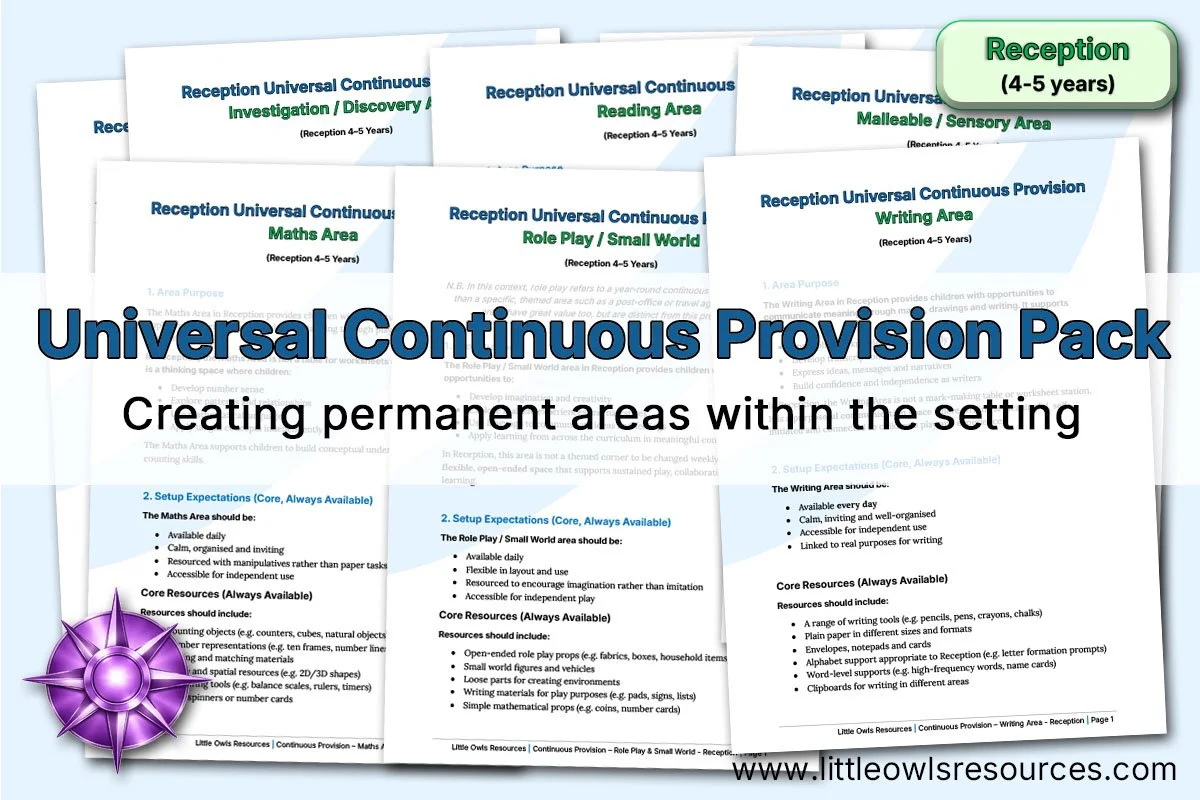
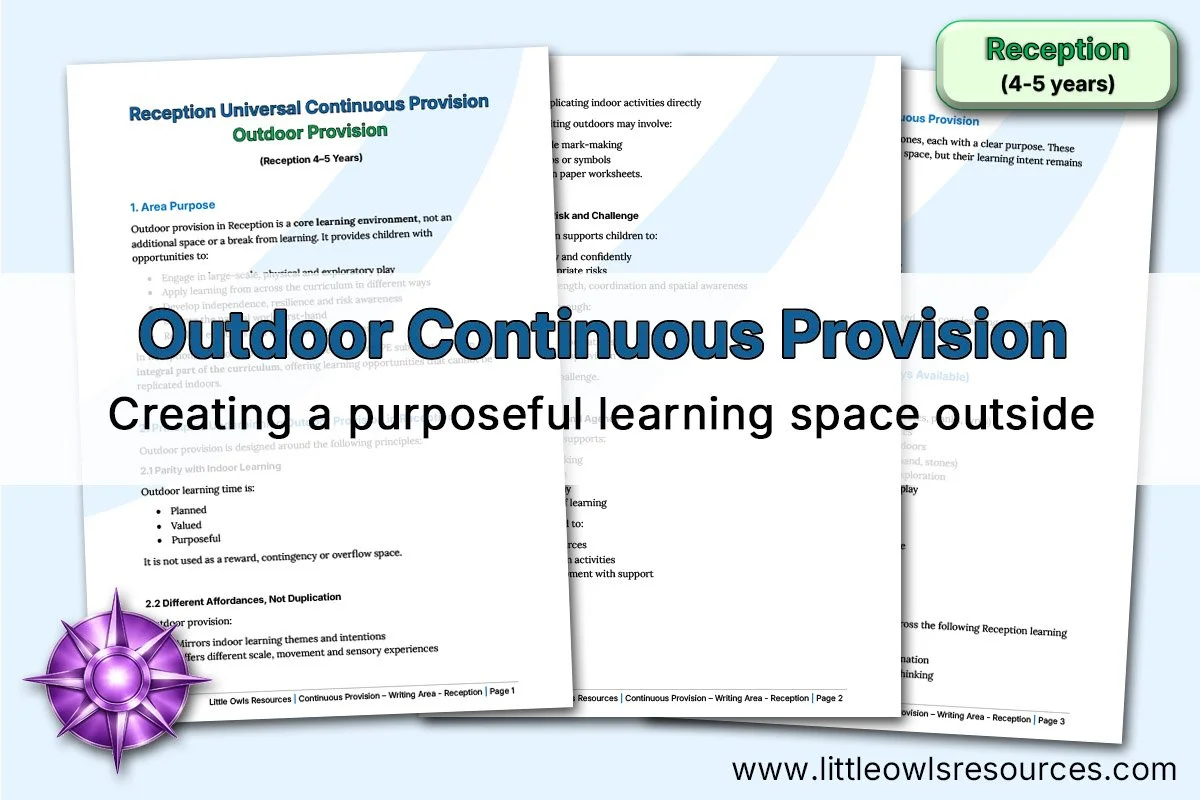
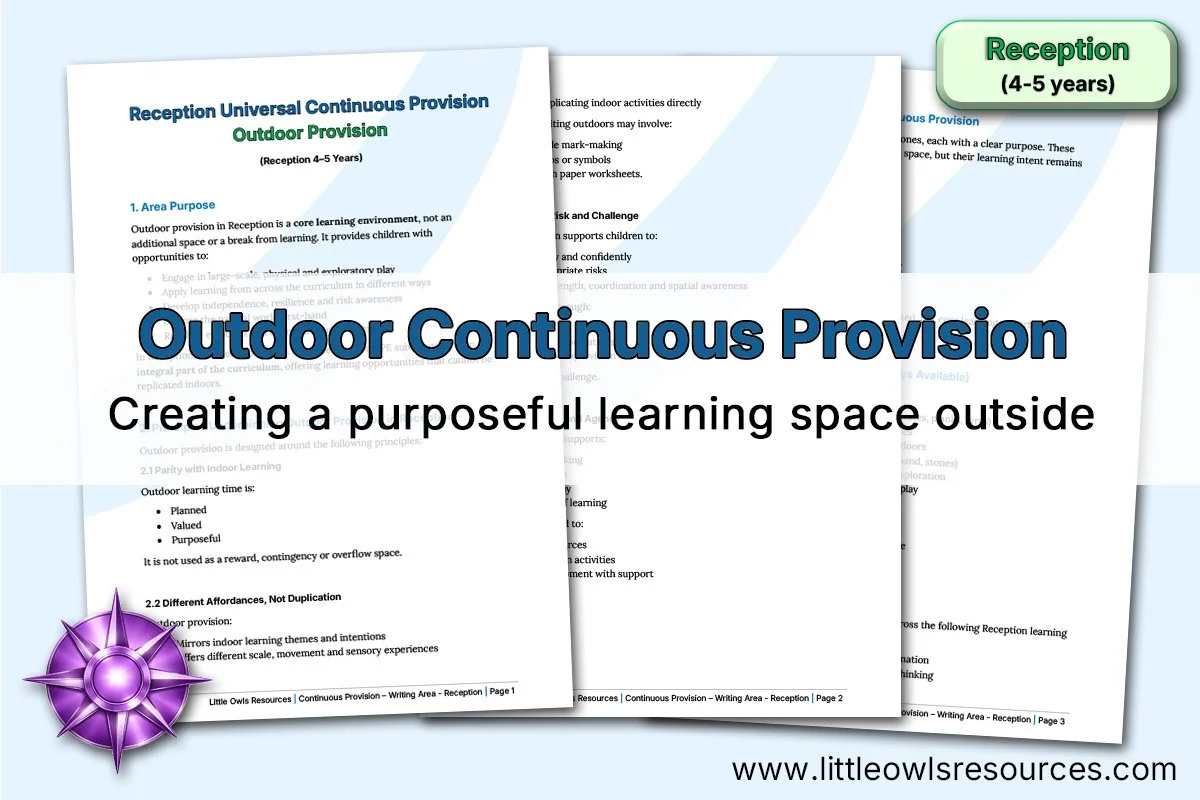
Outdoor provision guidance
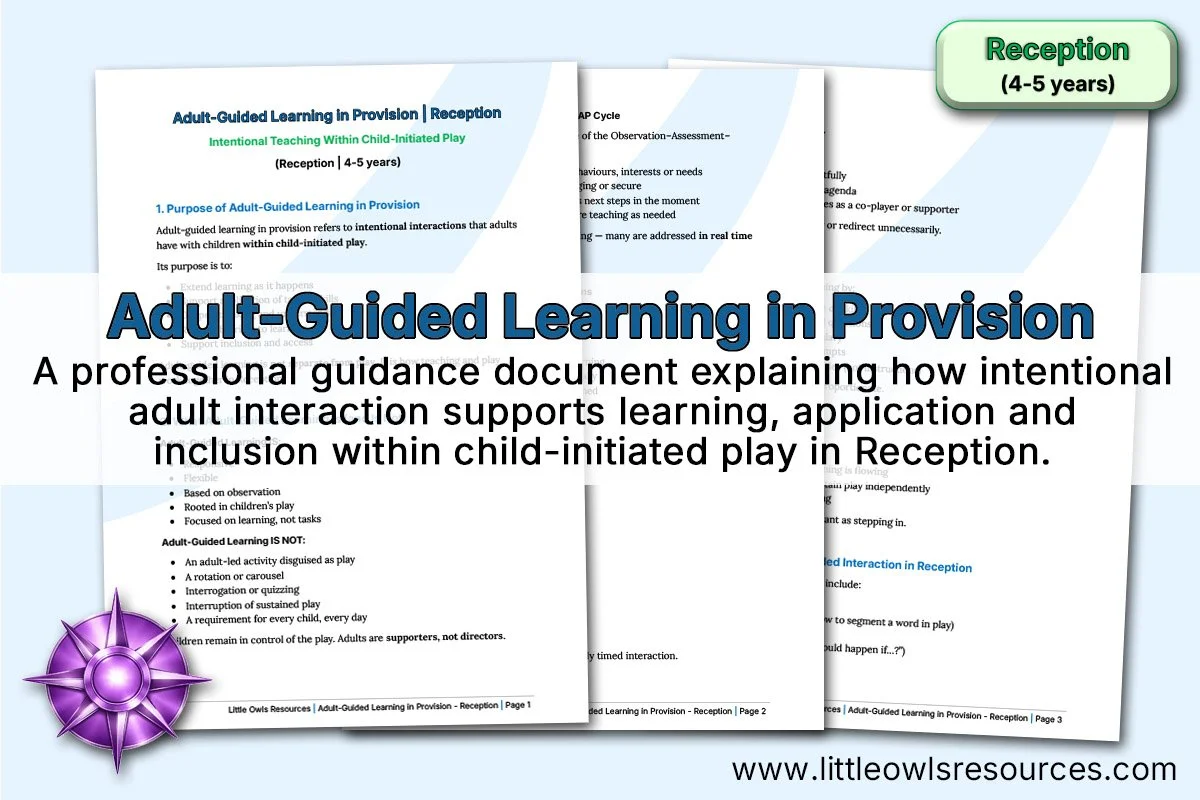
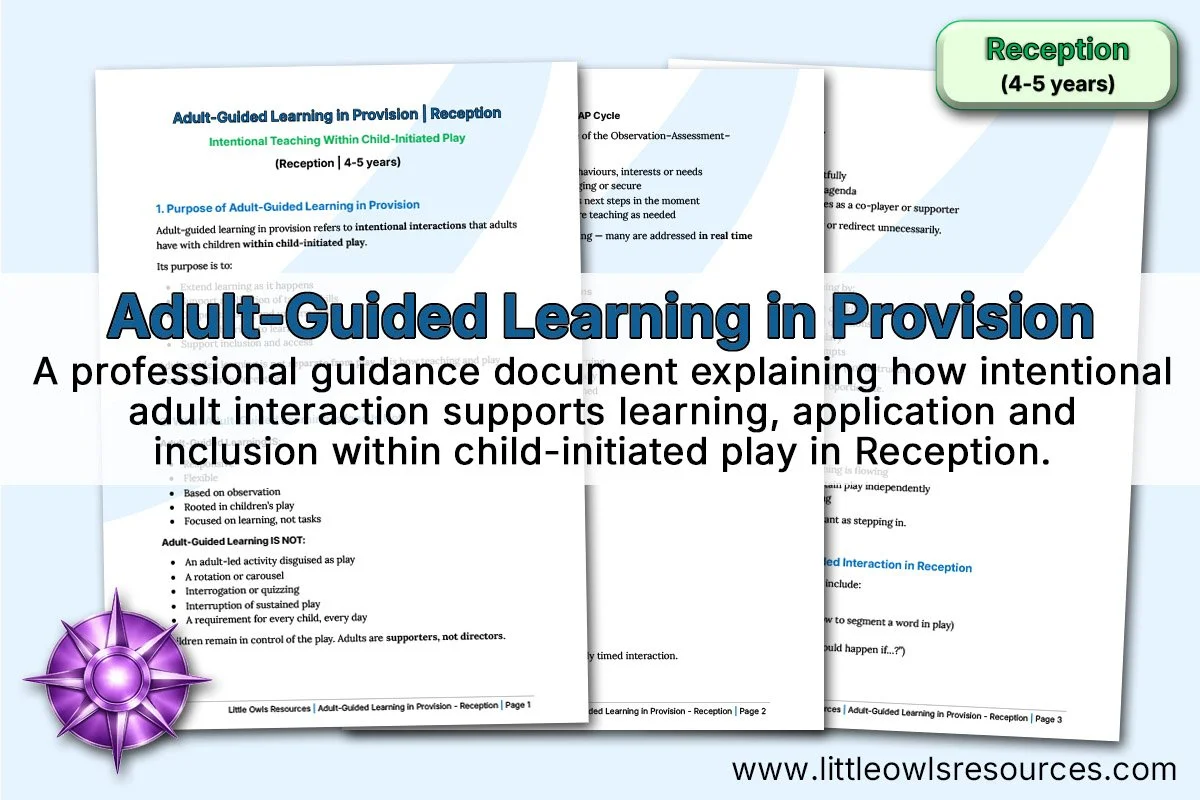
Adult-guided learning strategies
Continuous Provision & Play Areas Printable Resource Hub - Coming Soon!
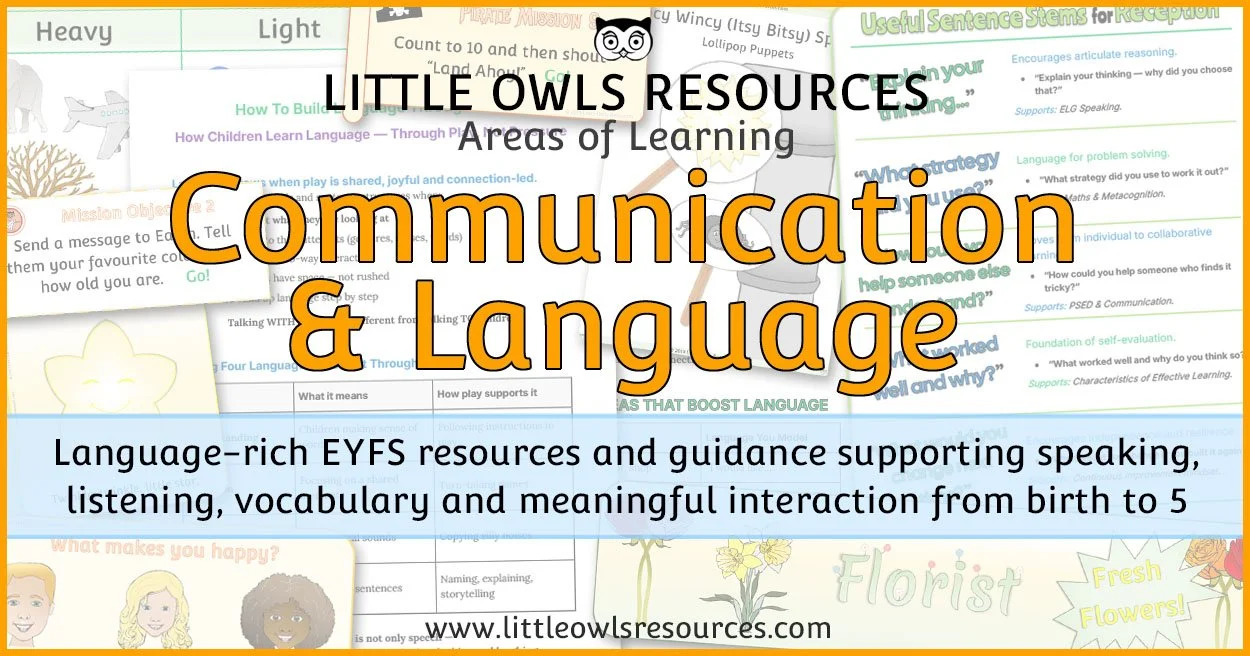
Area of Learning Printable Provision
Please use the arrows to the right of the carousel below and select an area of learning to explore our resources.


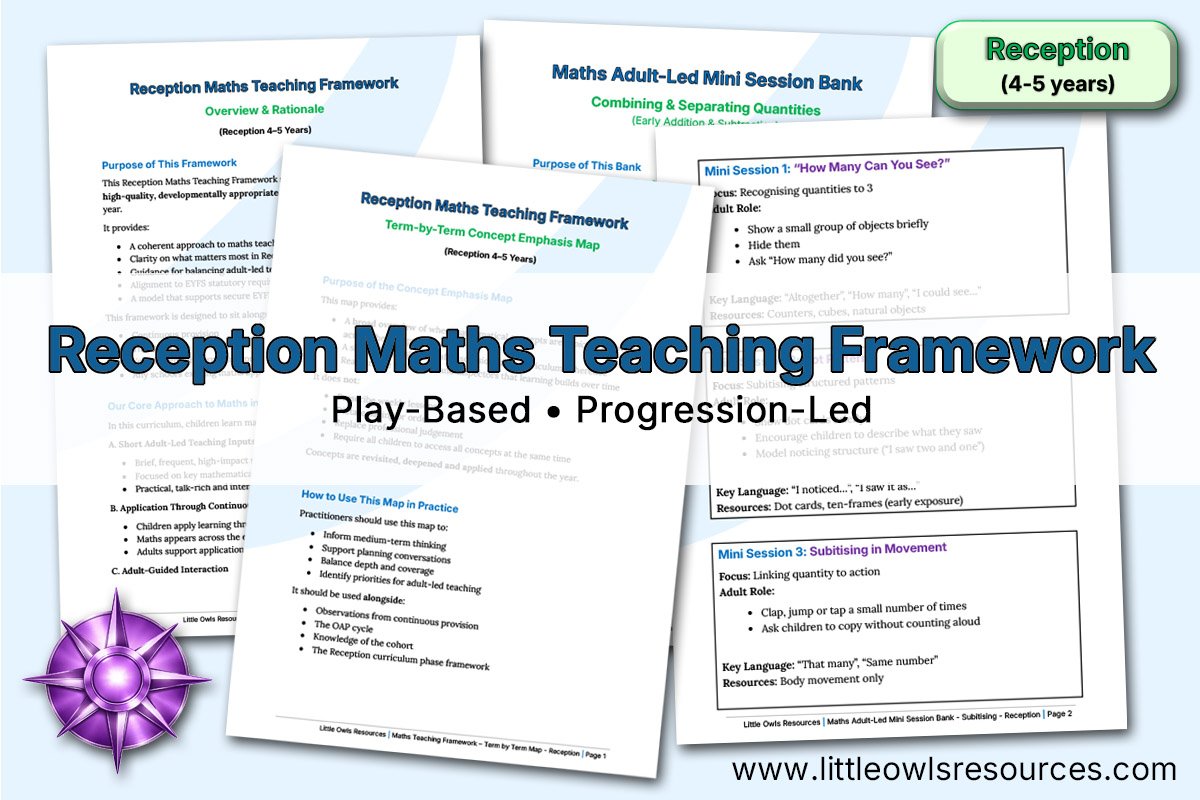
Maths teaching frameworks and session banks
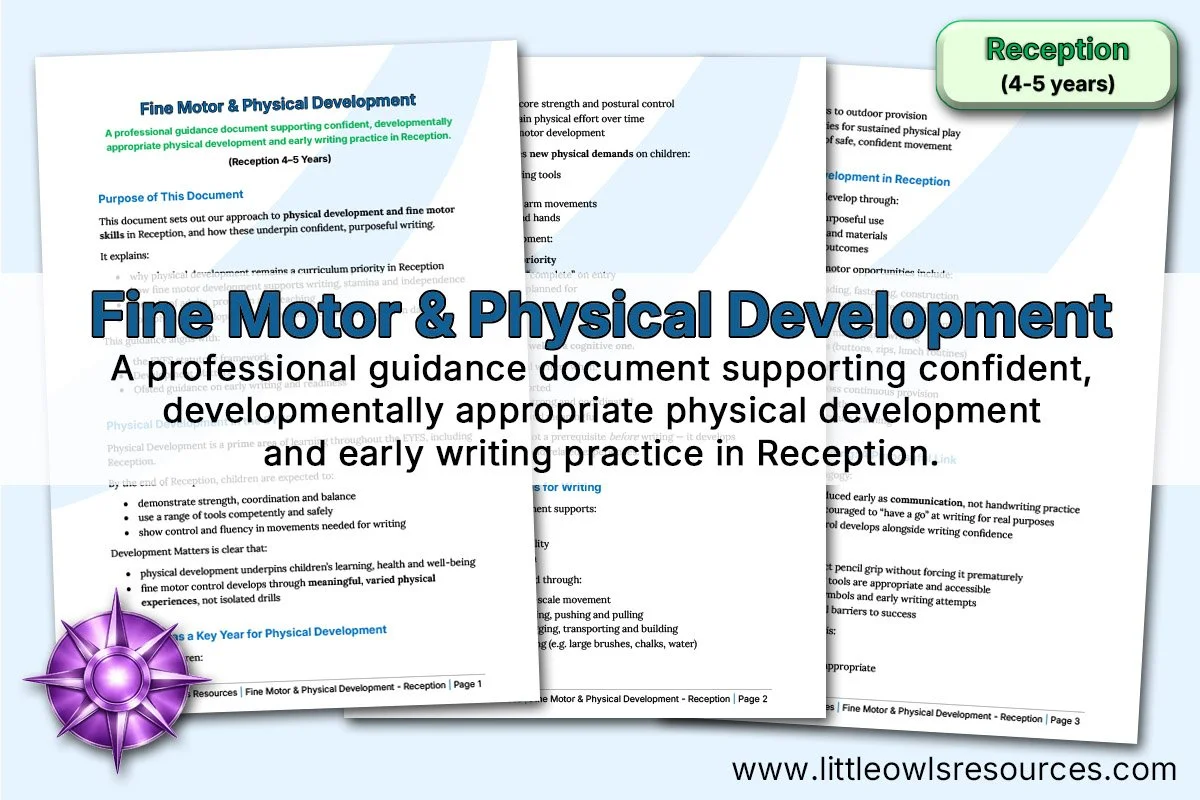
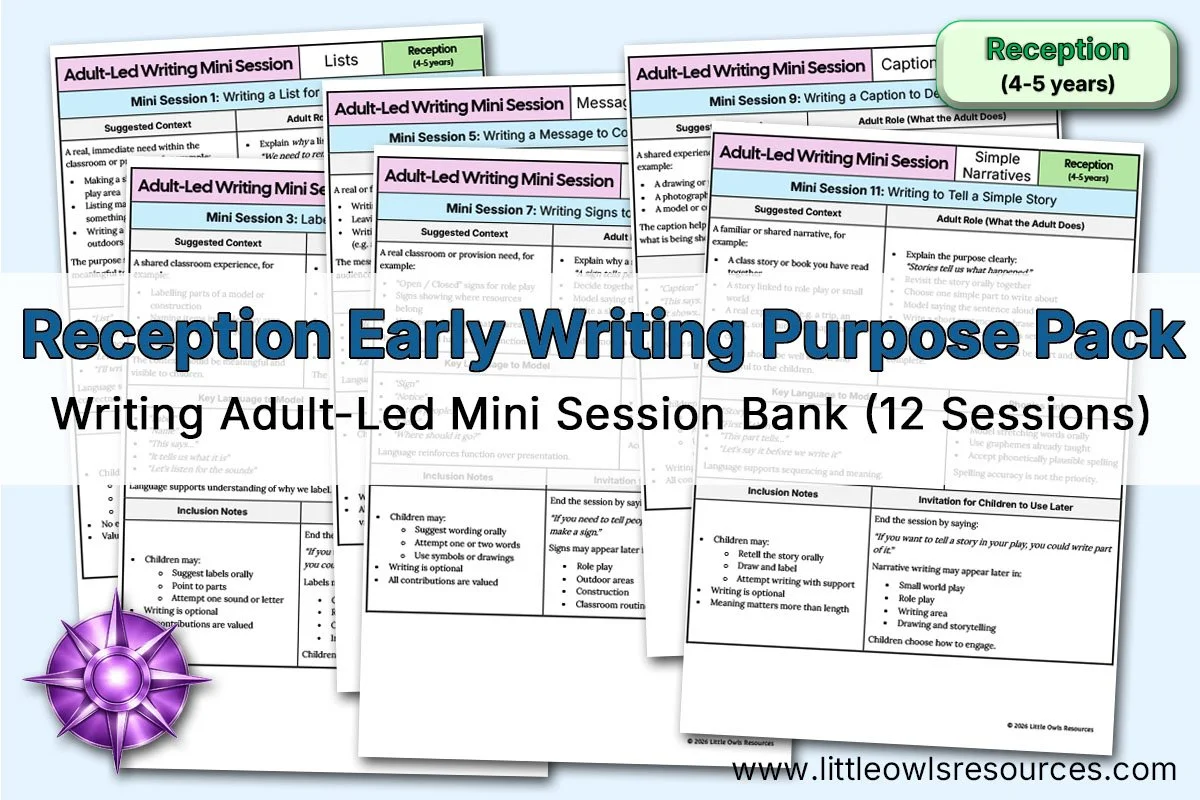
Writing and fine motor development packs
Please find additional resources on our ‘Areas of Learning’ page.
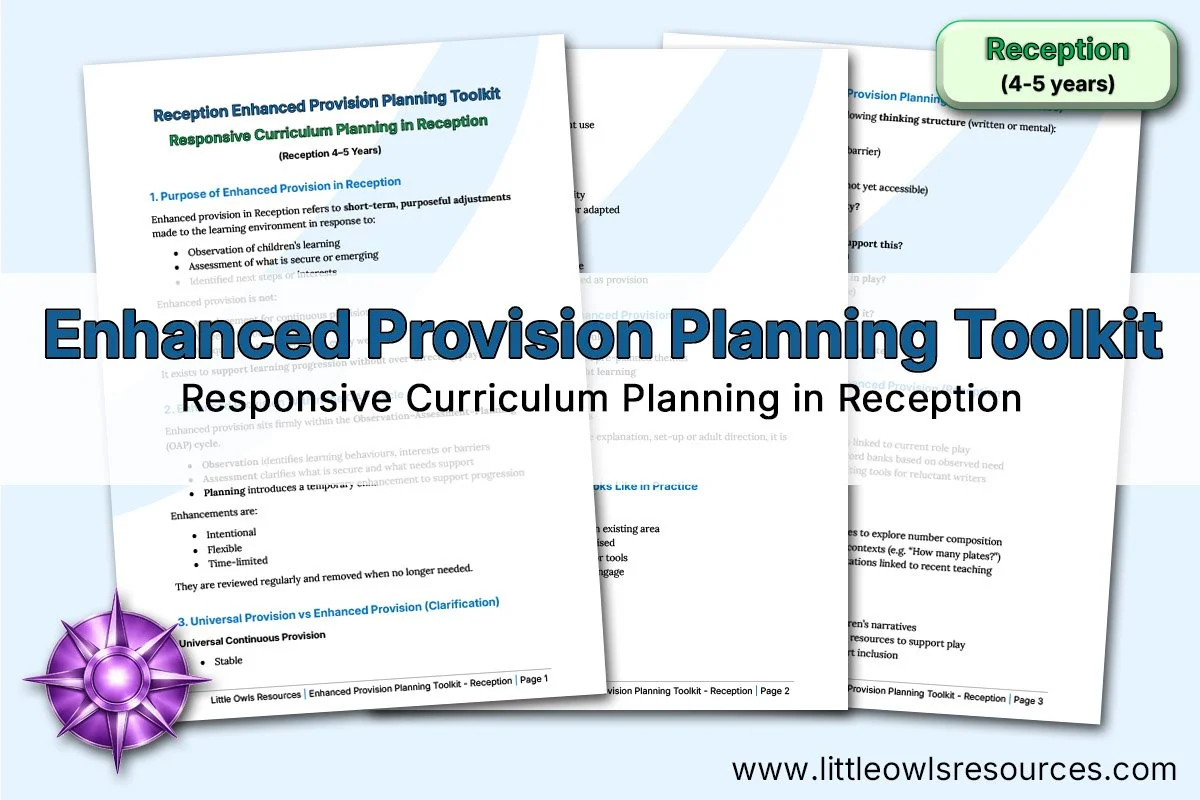
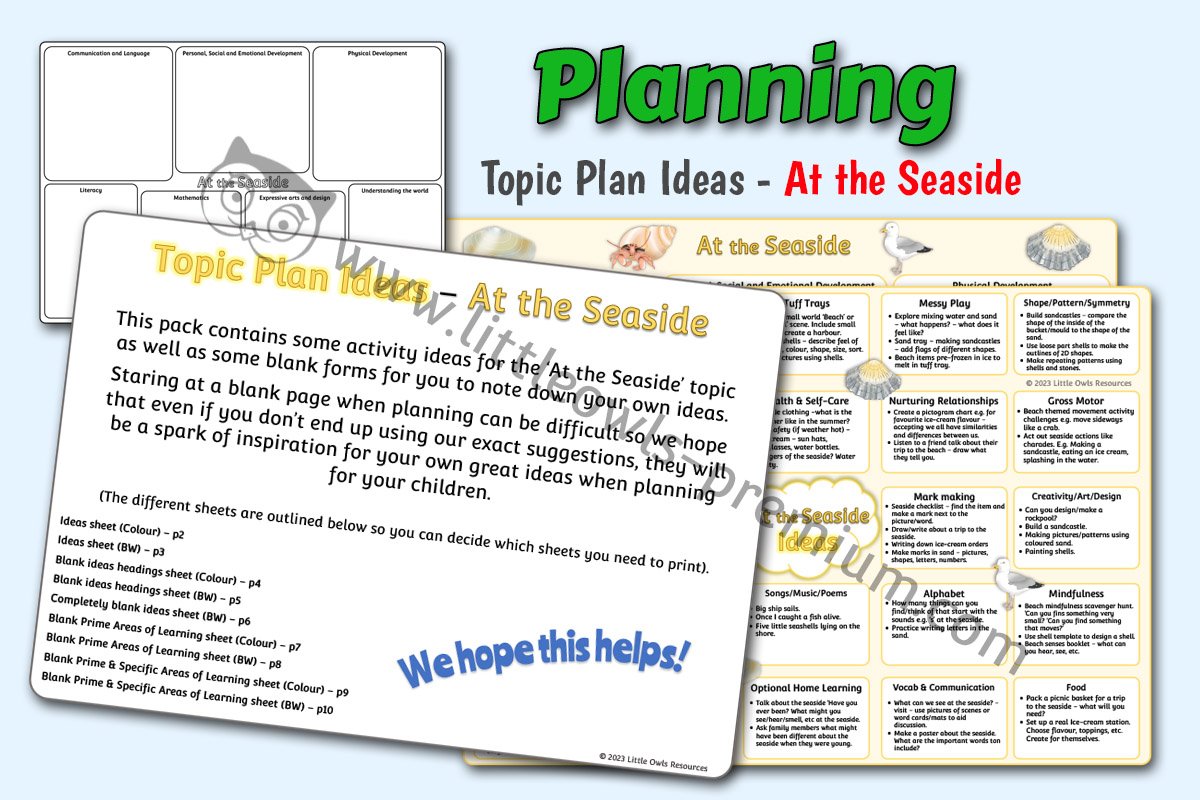
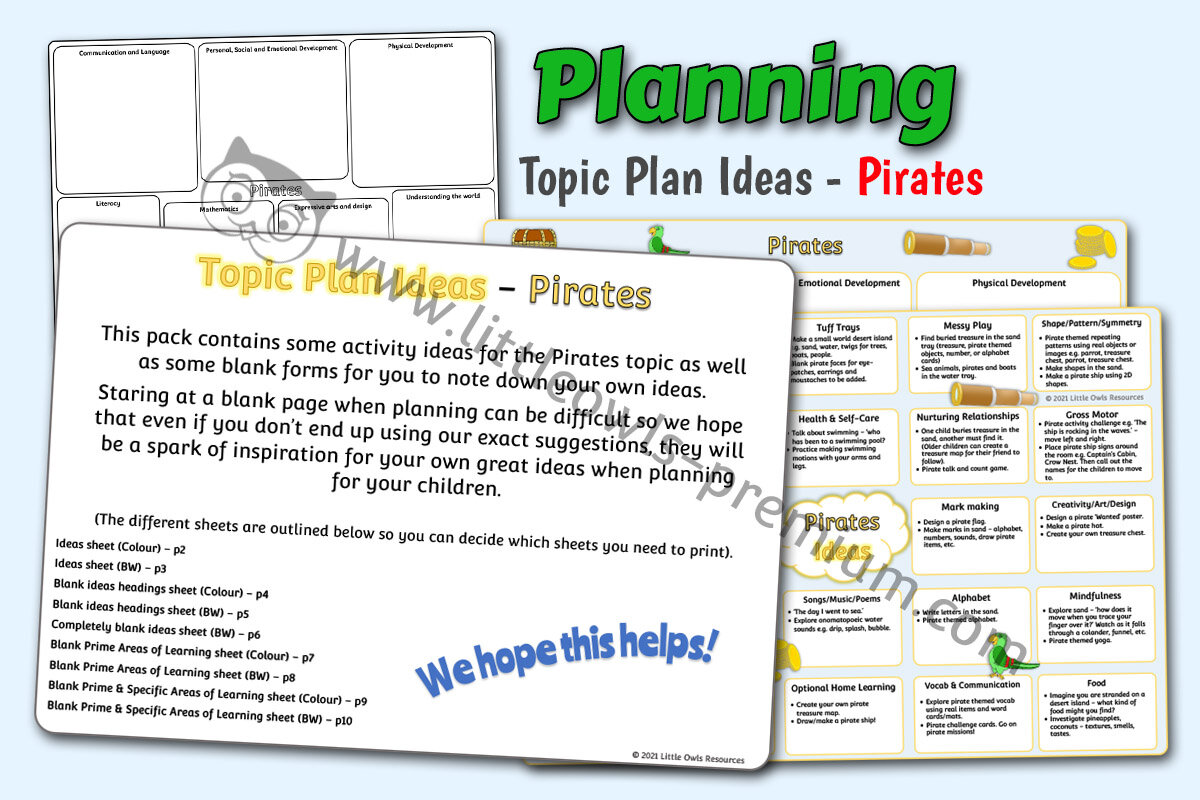
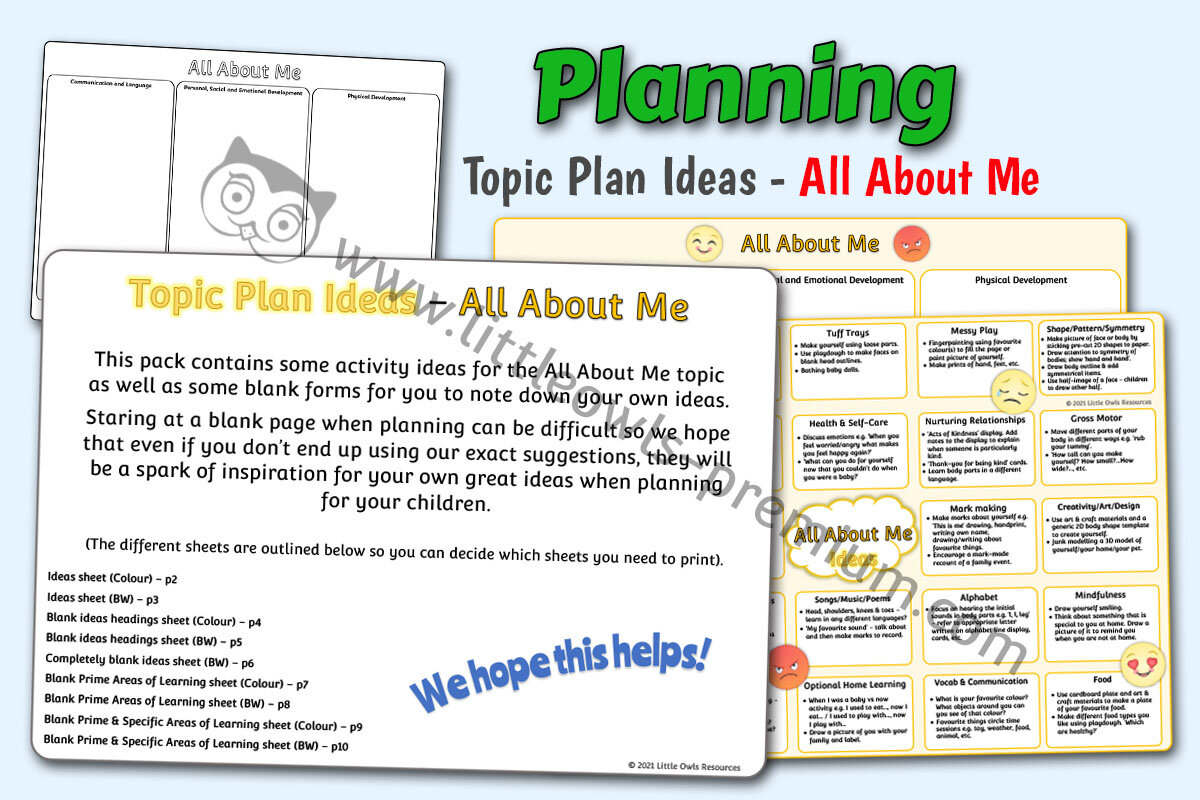
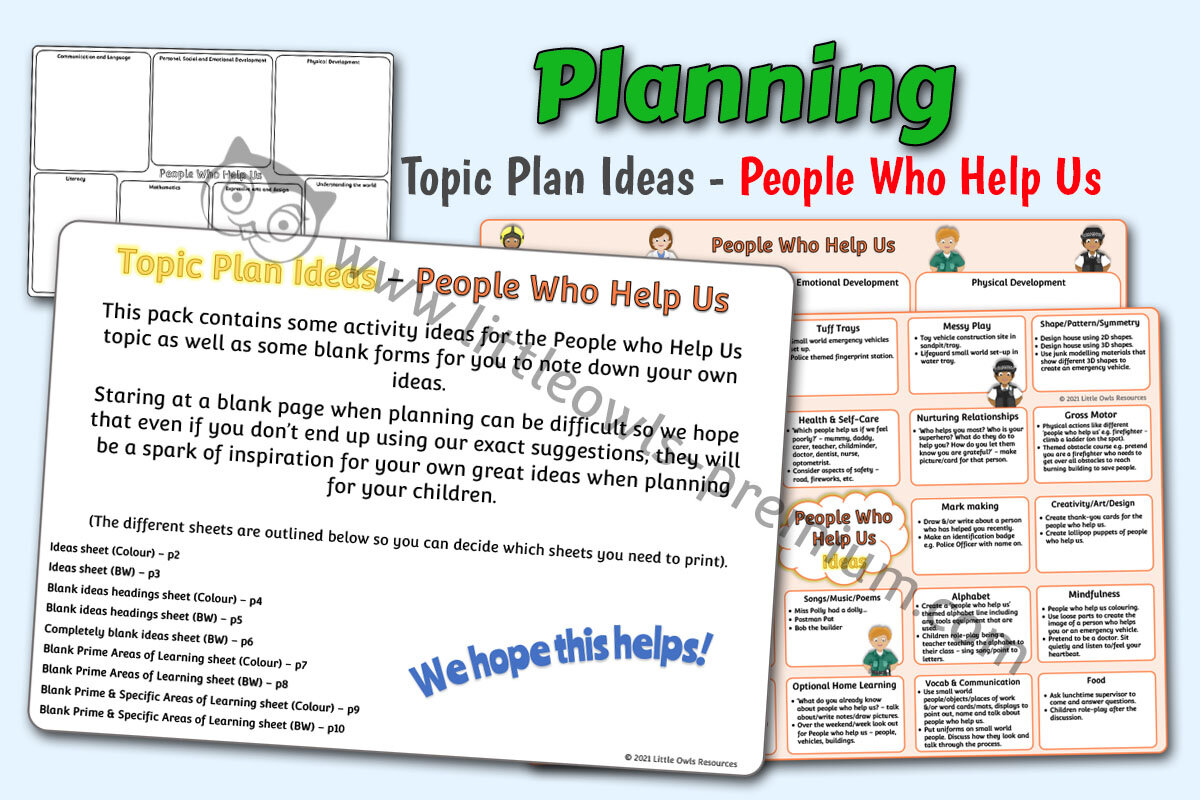
Themed provision Resources
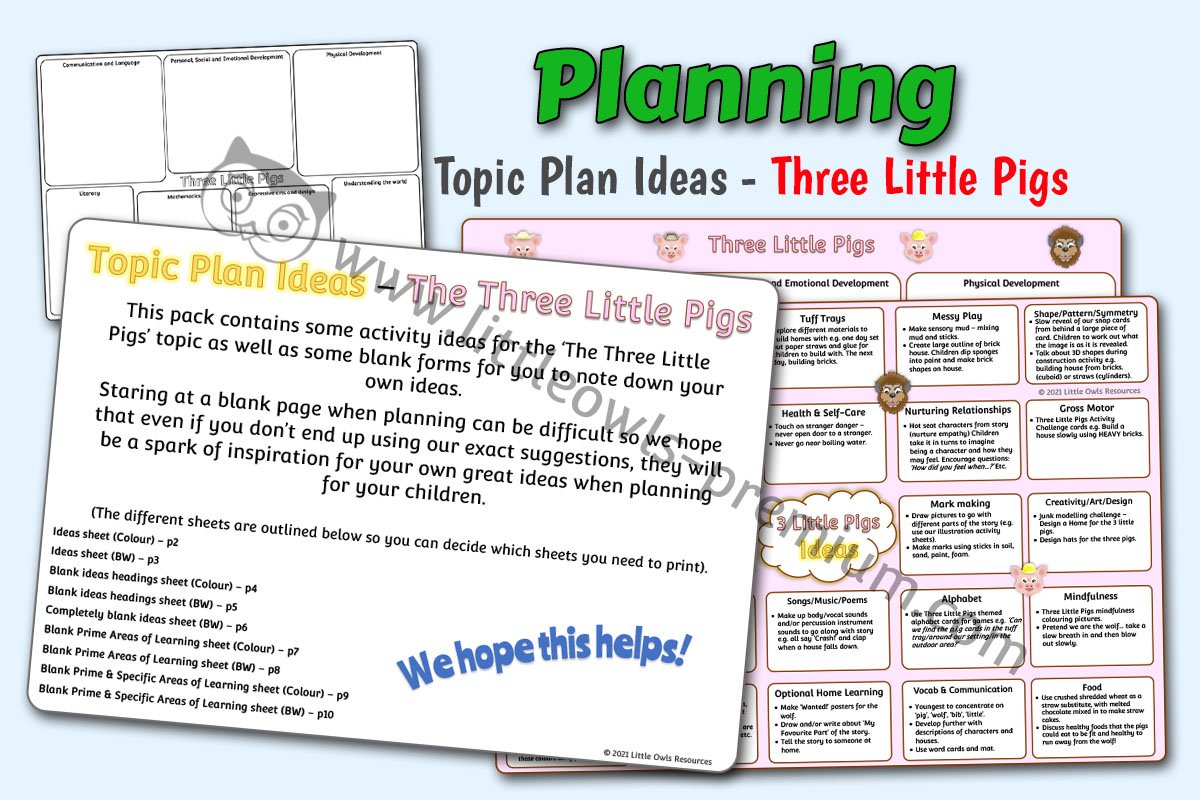
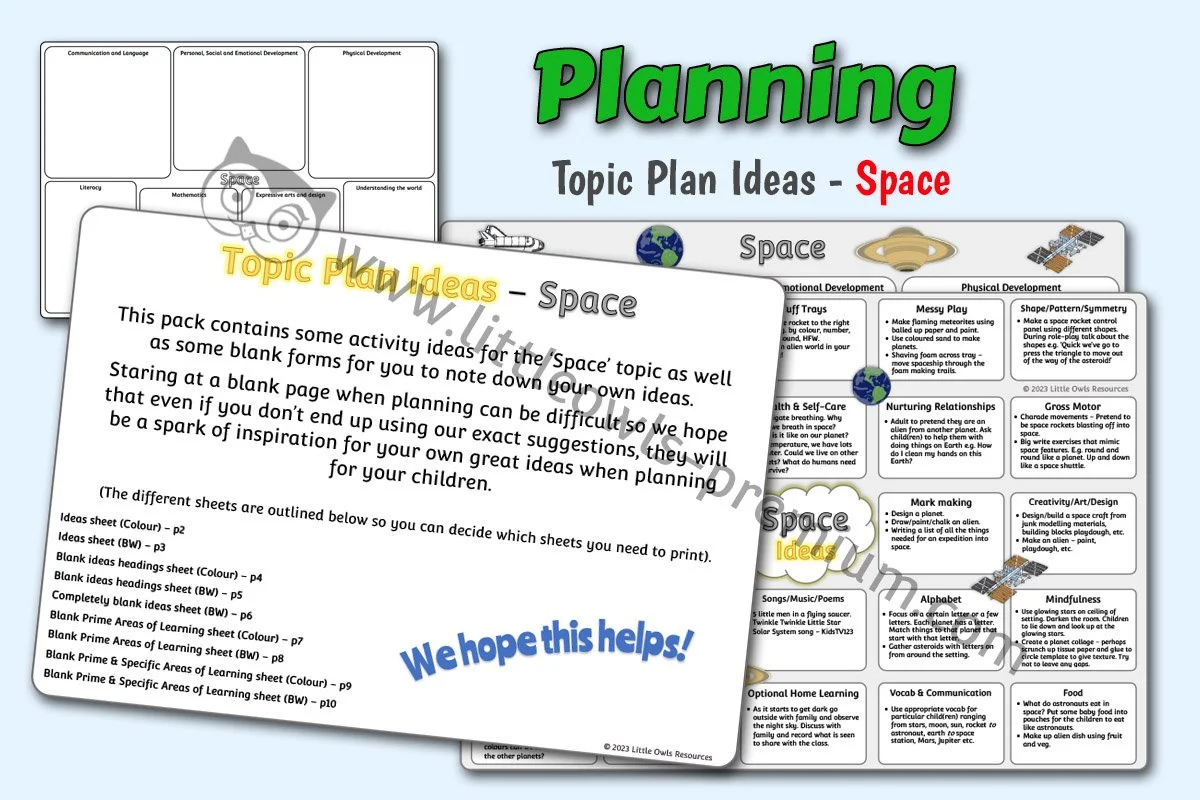
Please use the arrows to the right of the carousel below and select a theme to explore our continuous provision enhancement resources. Alternatively, visit our ‘Themes Menu Page’.


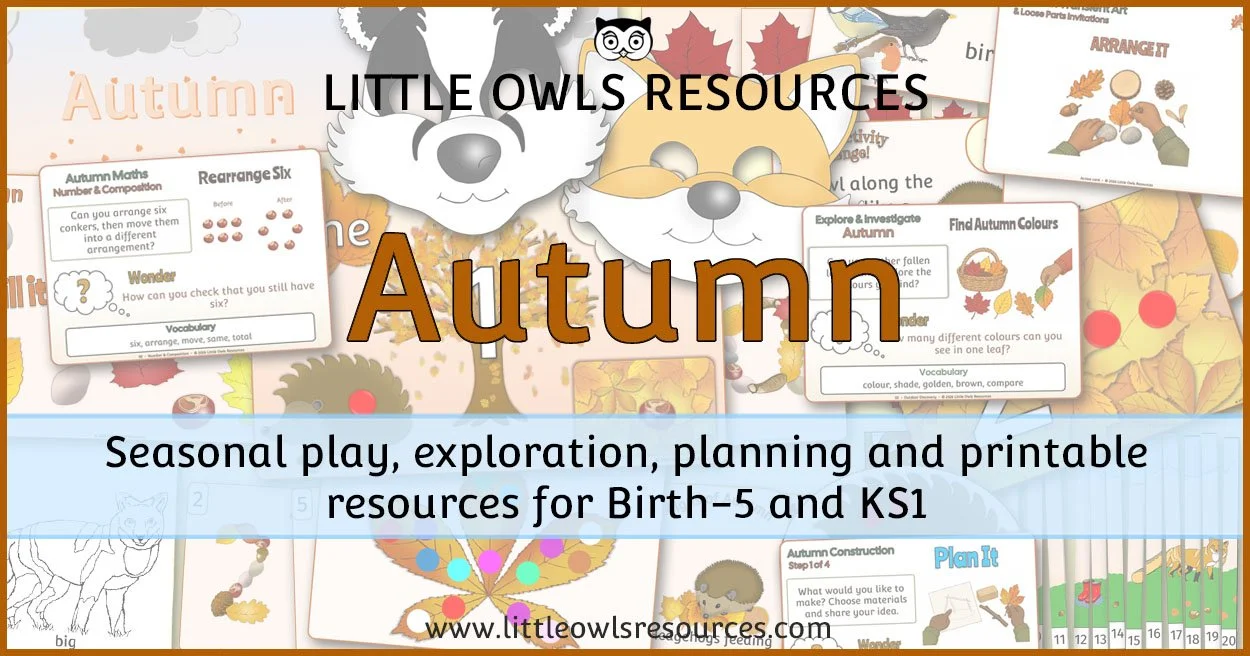








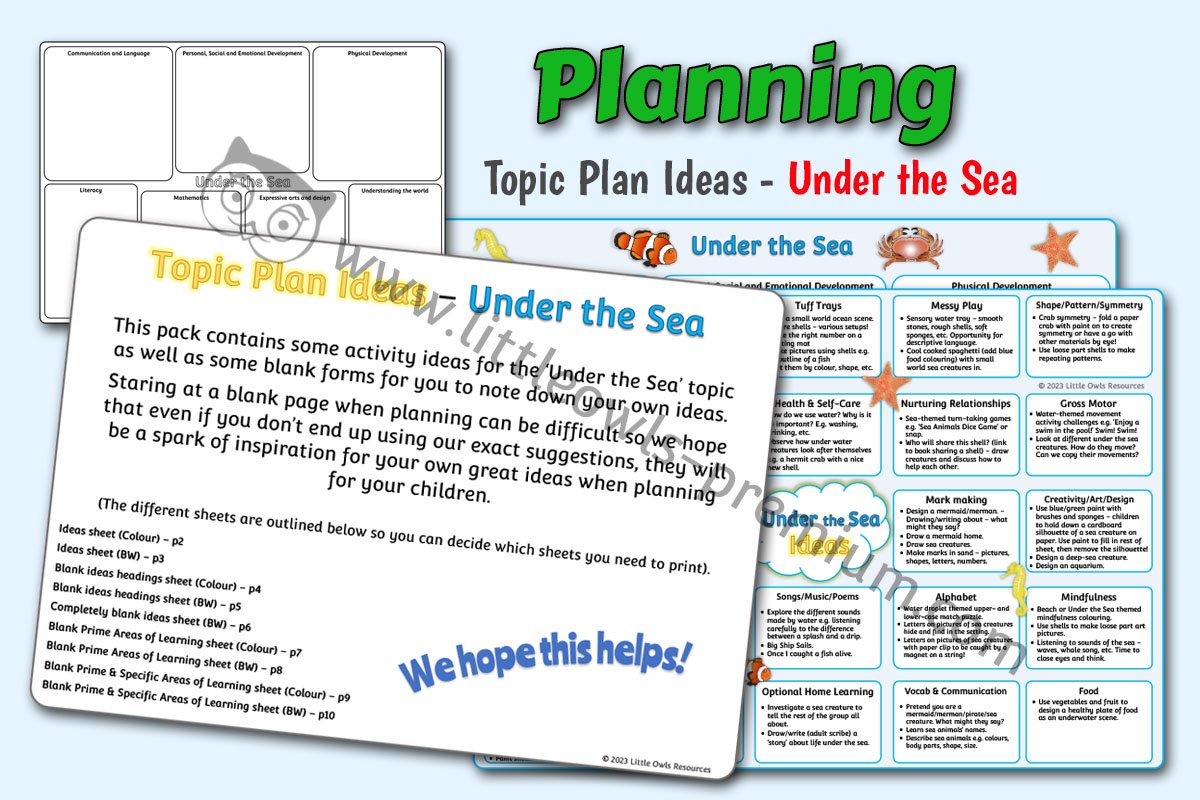







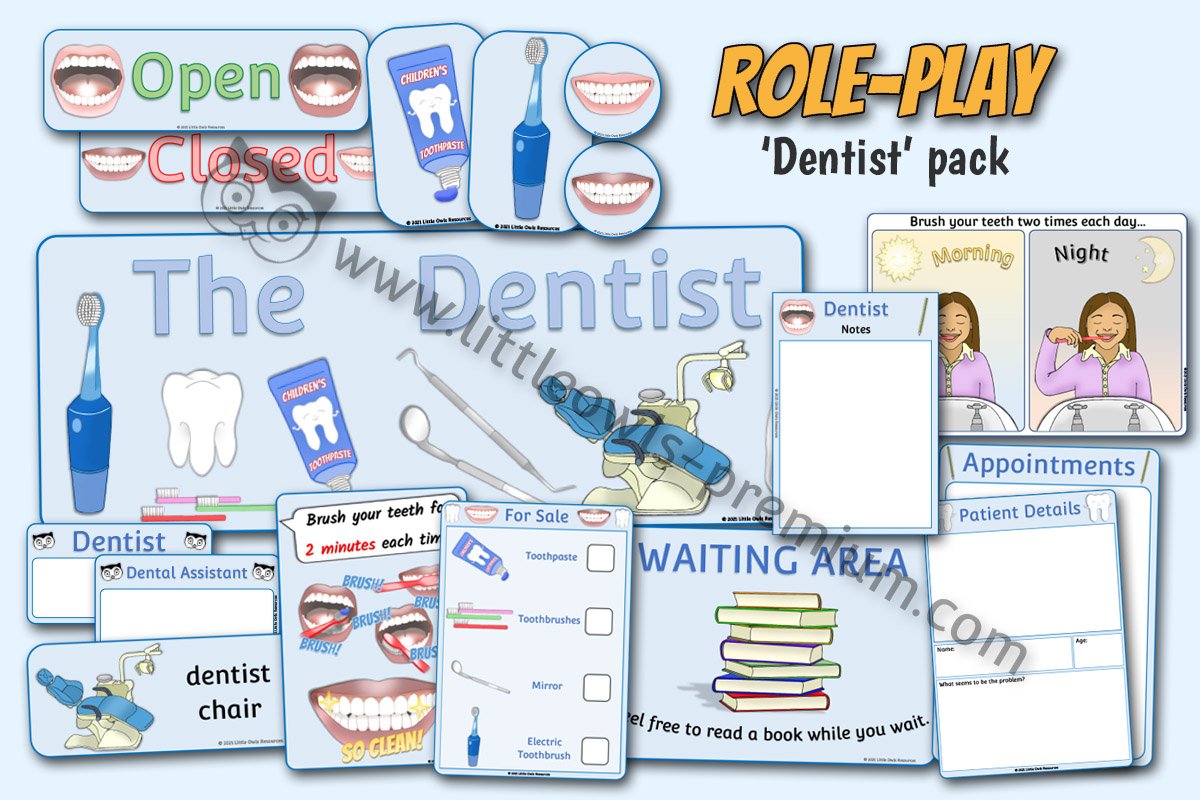
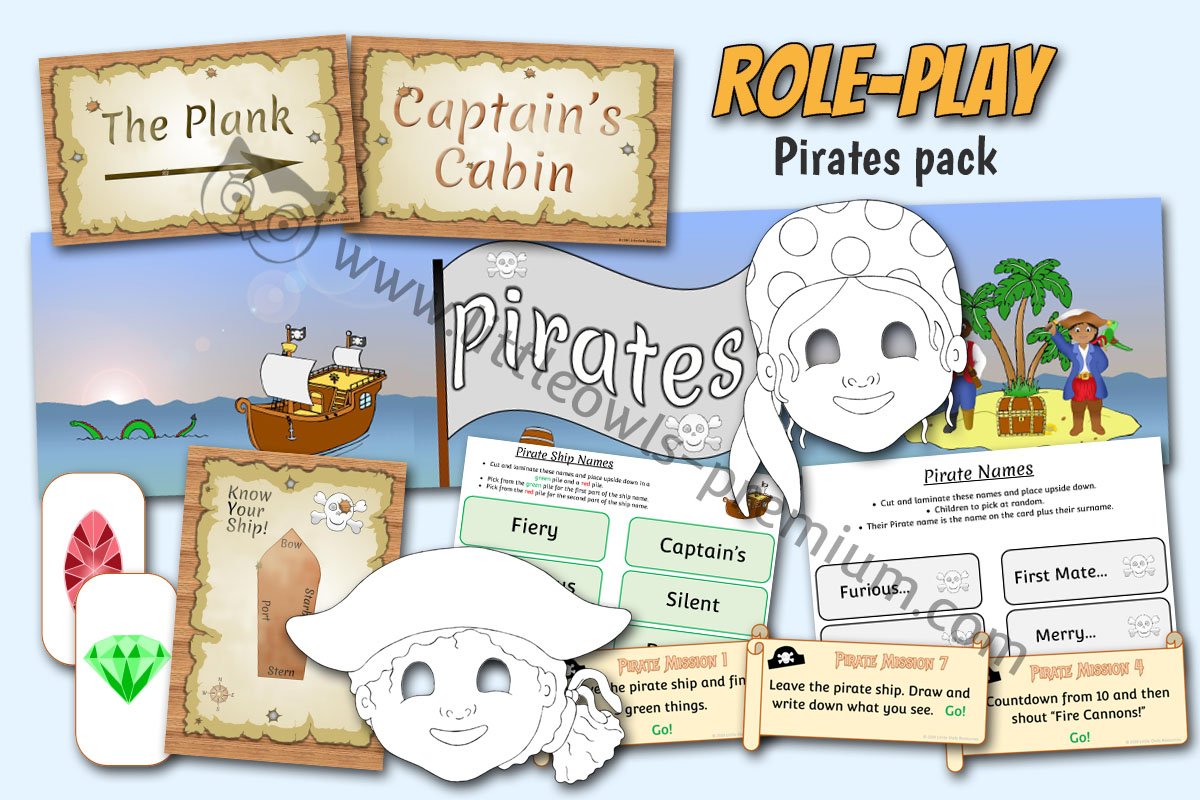
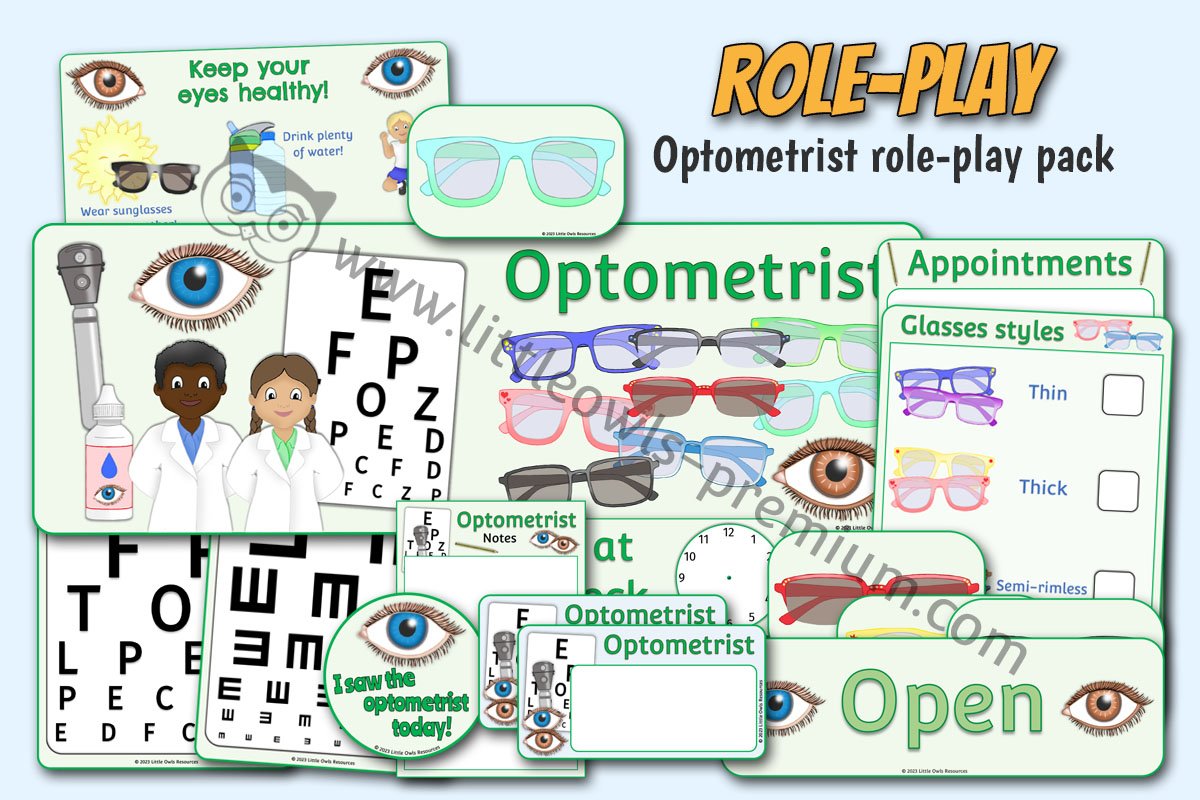
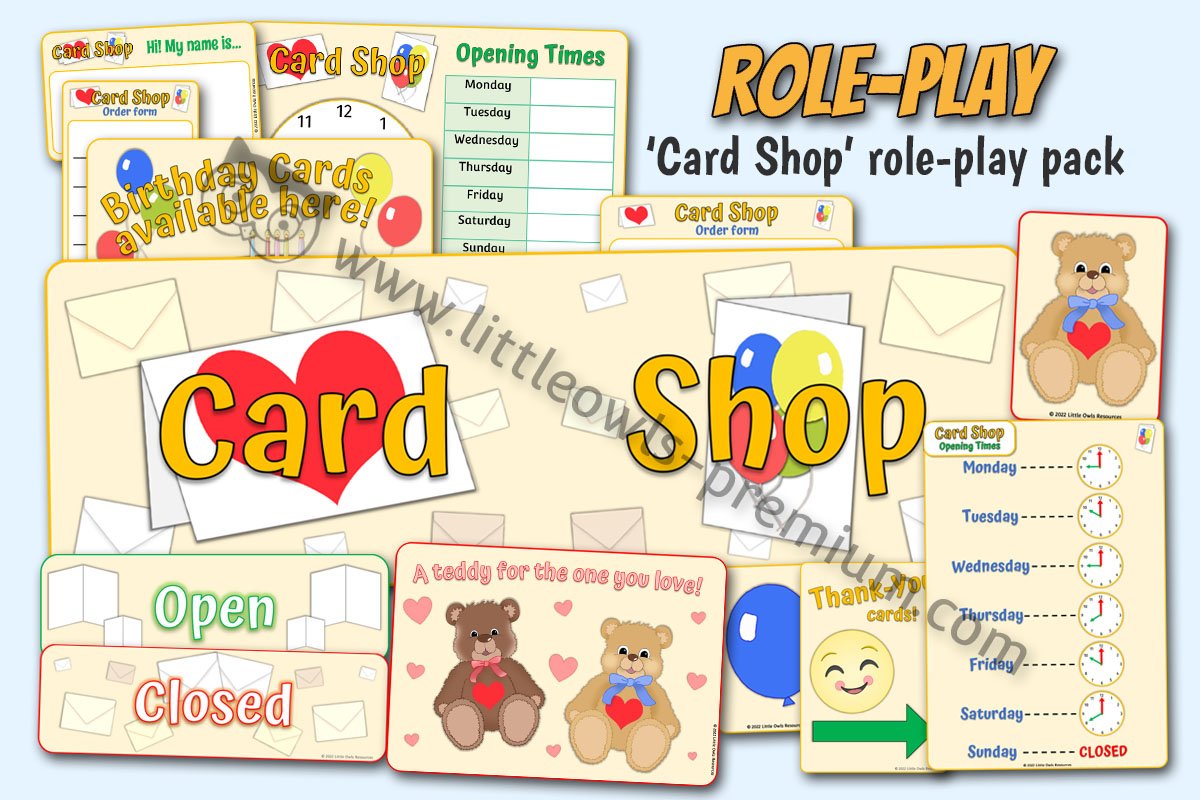
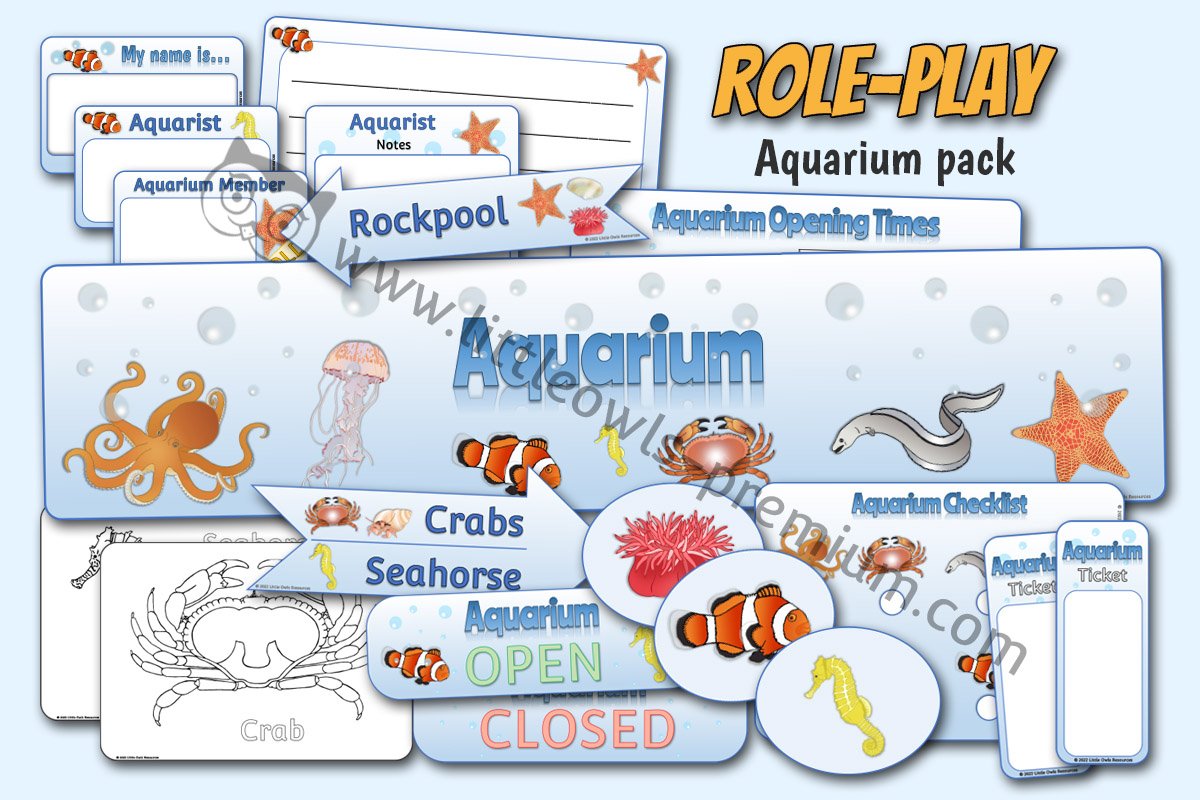
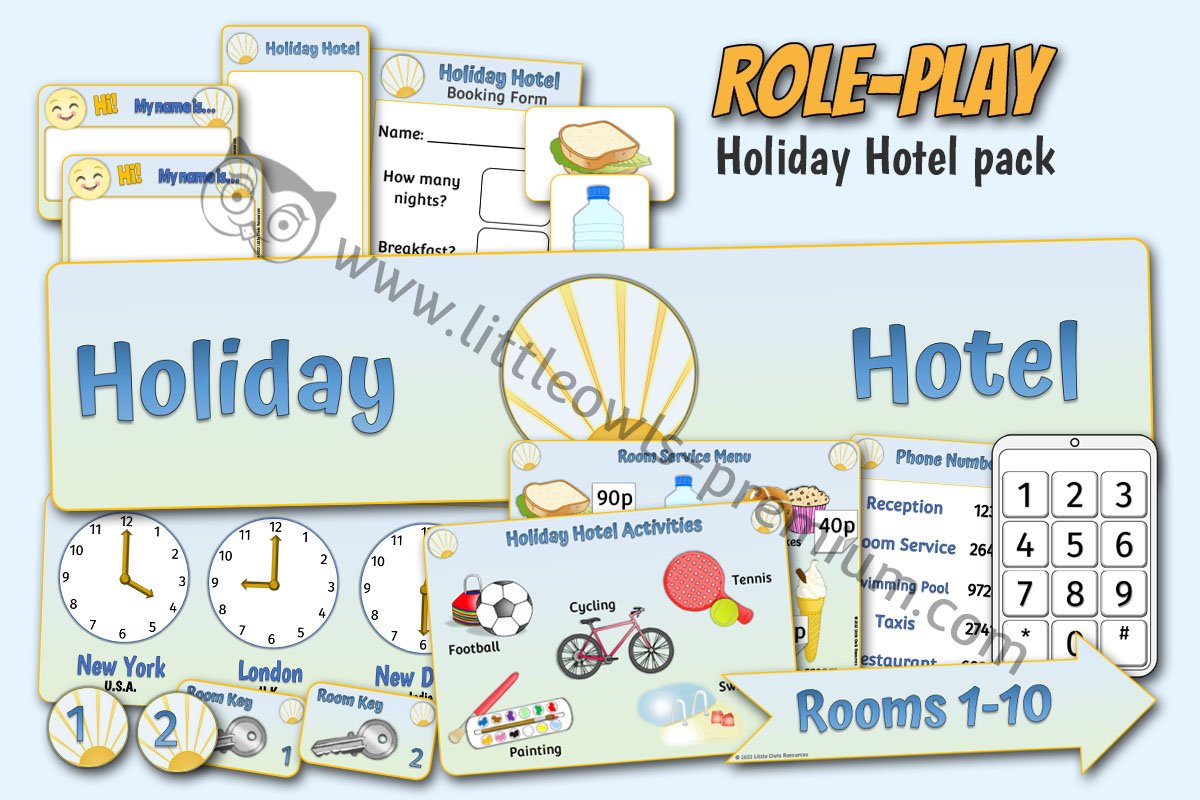
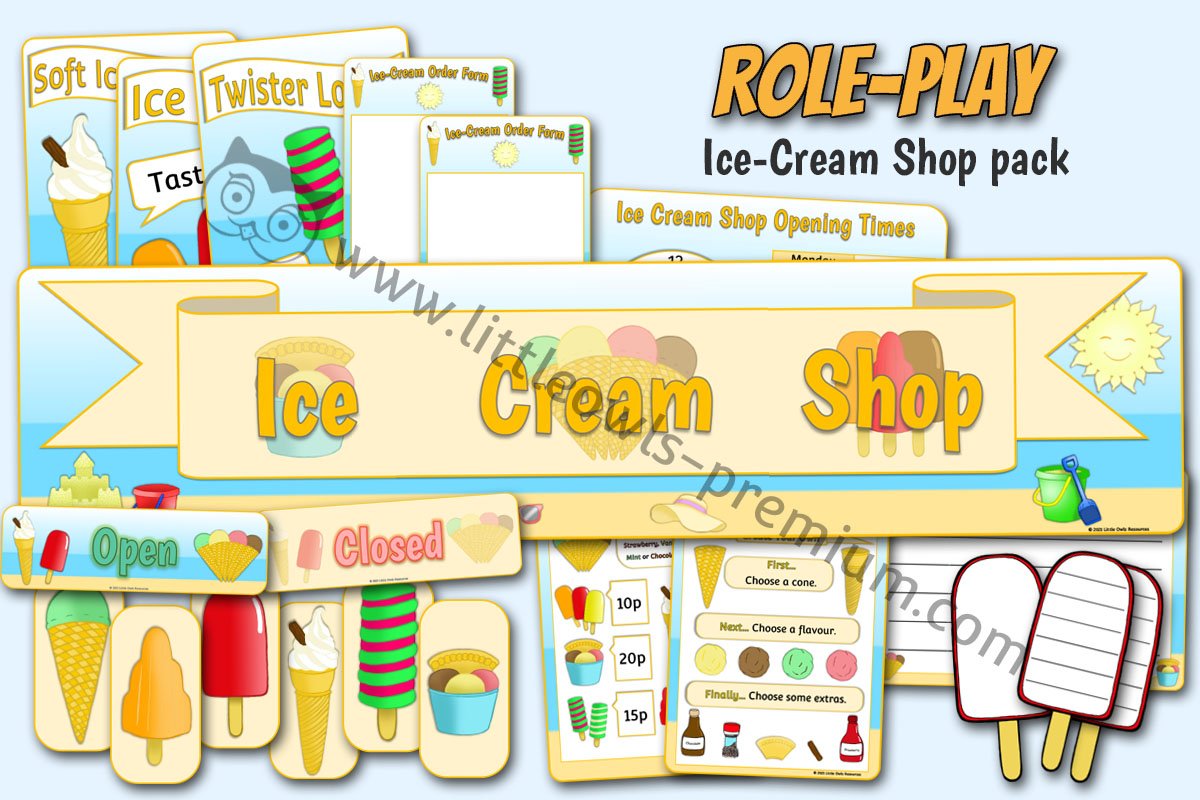
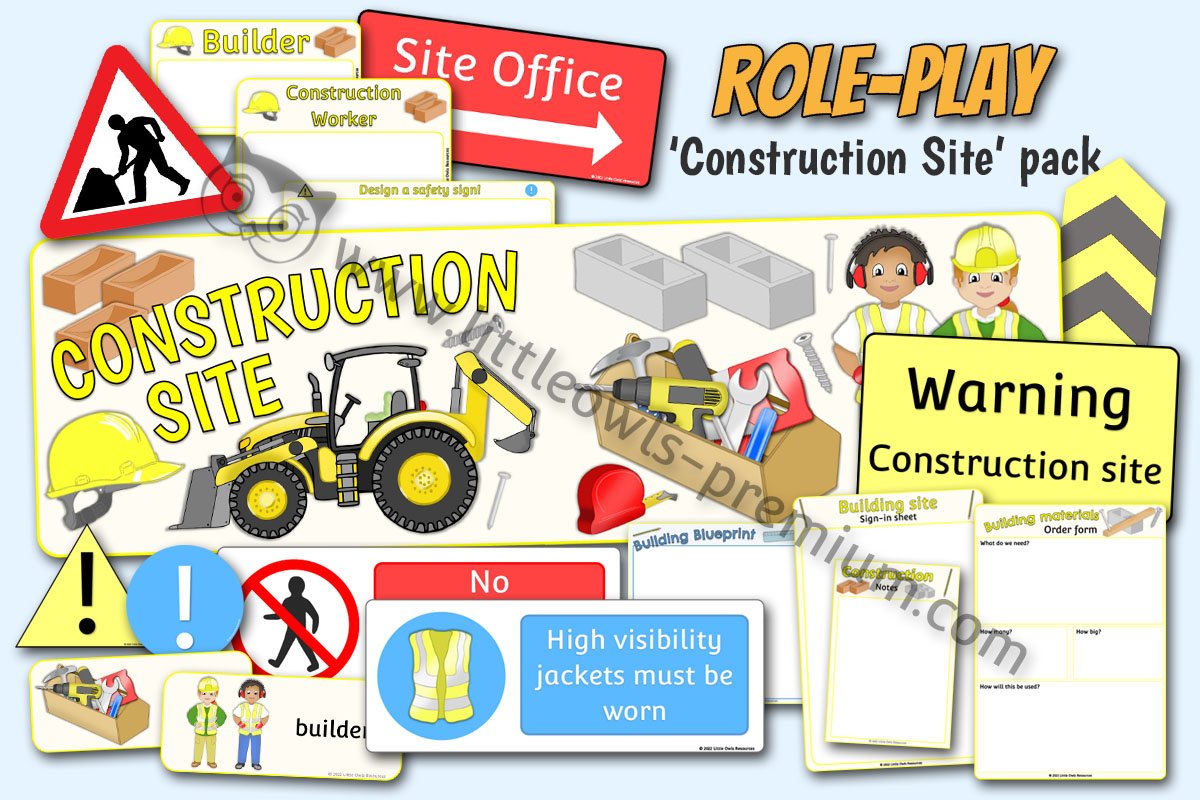
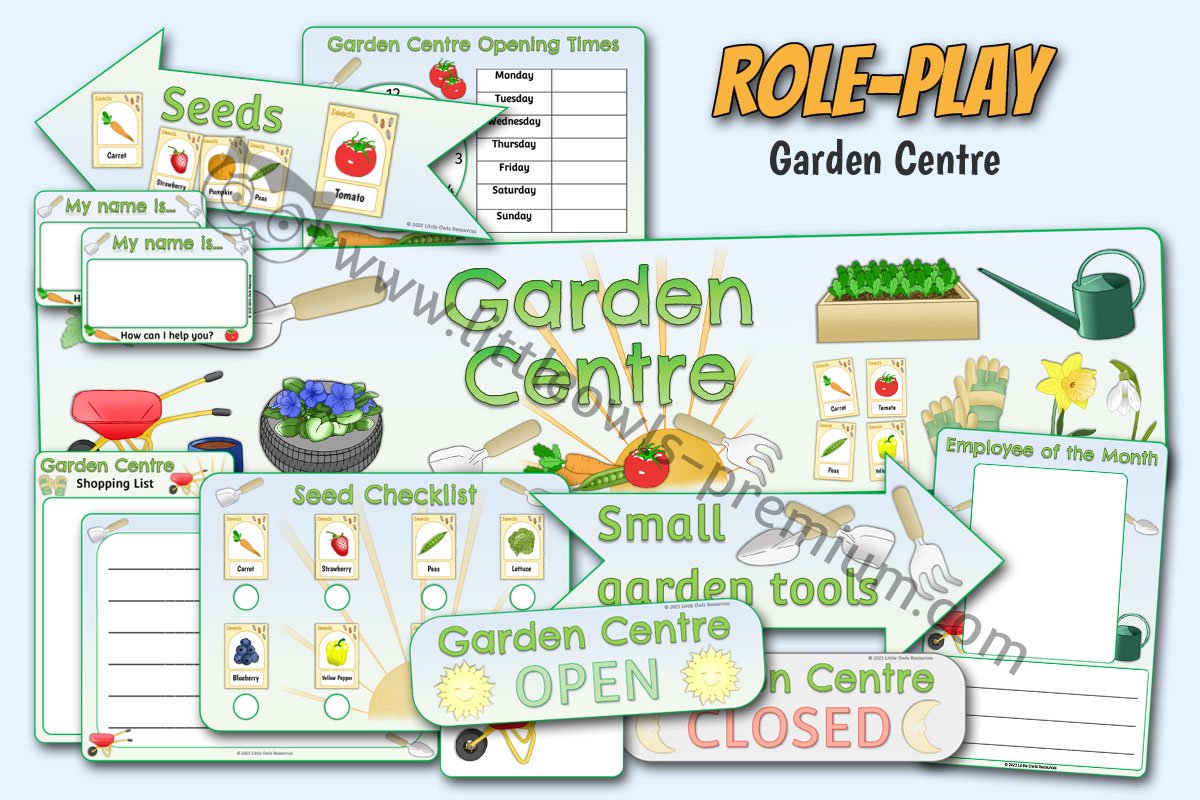
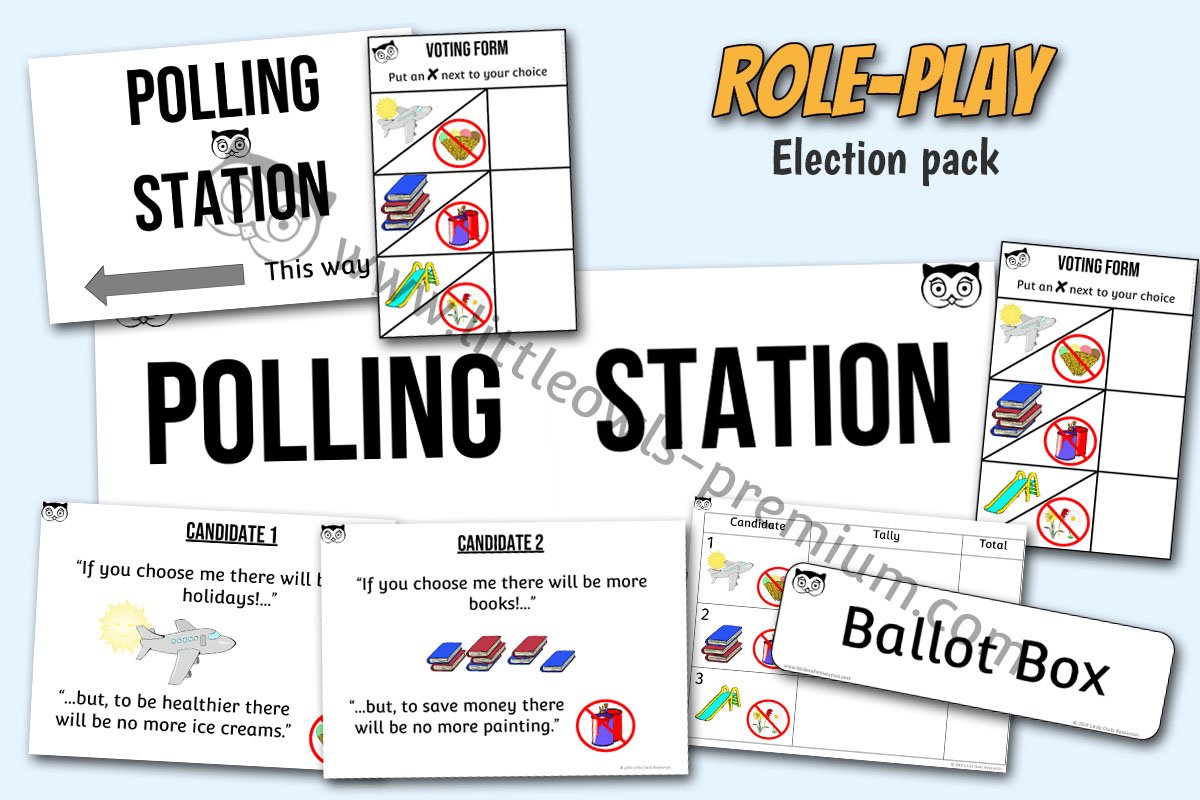
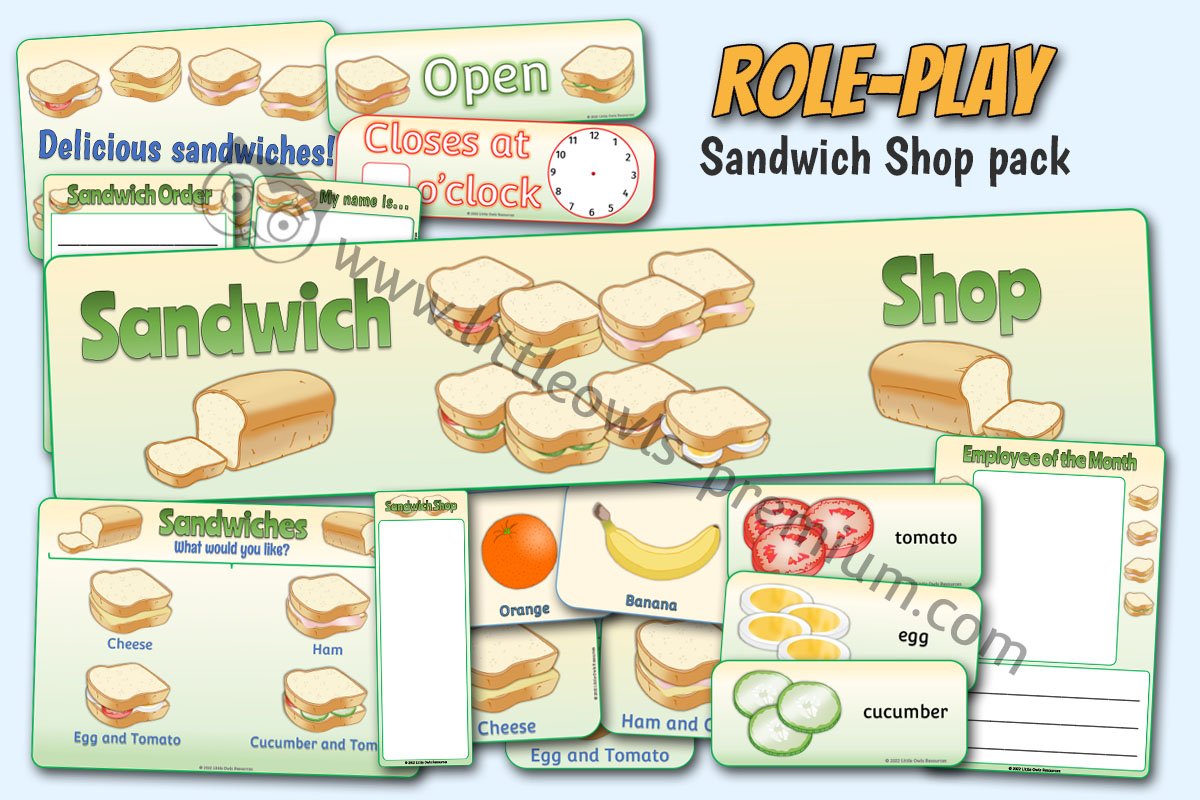
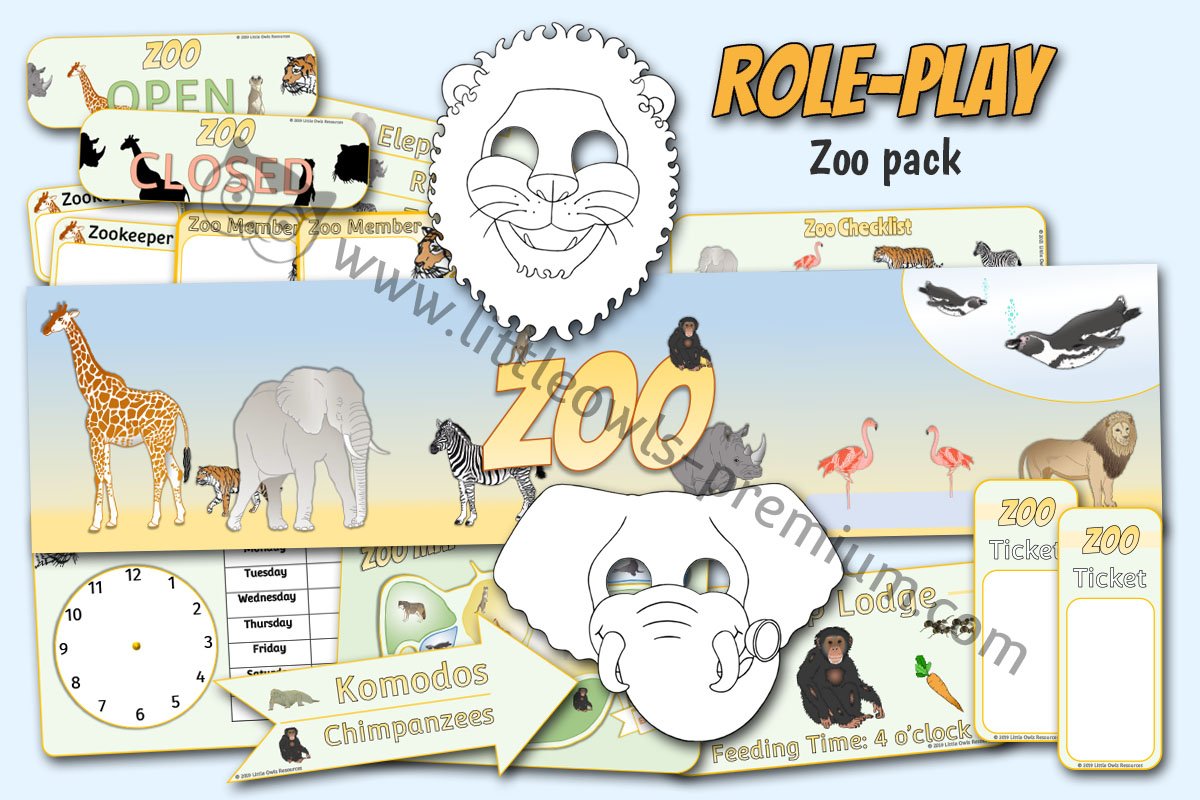
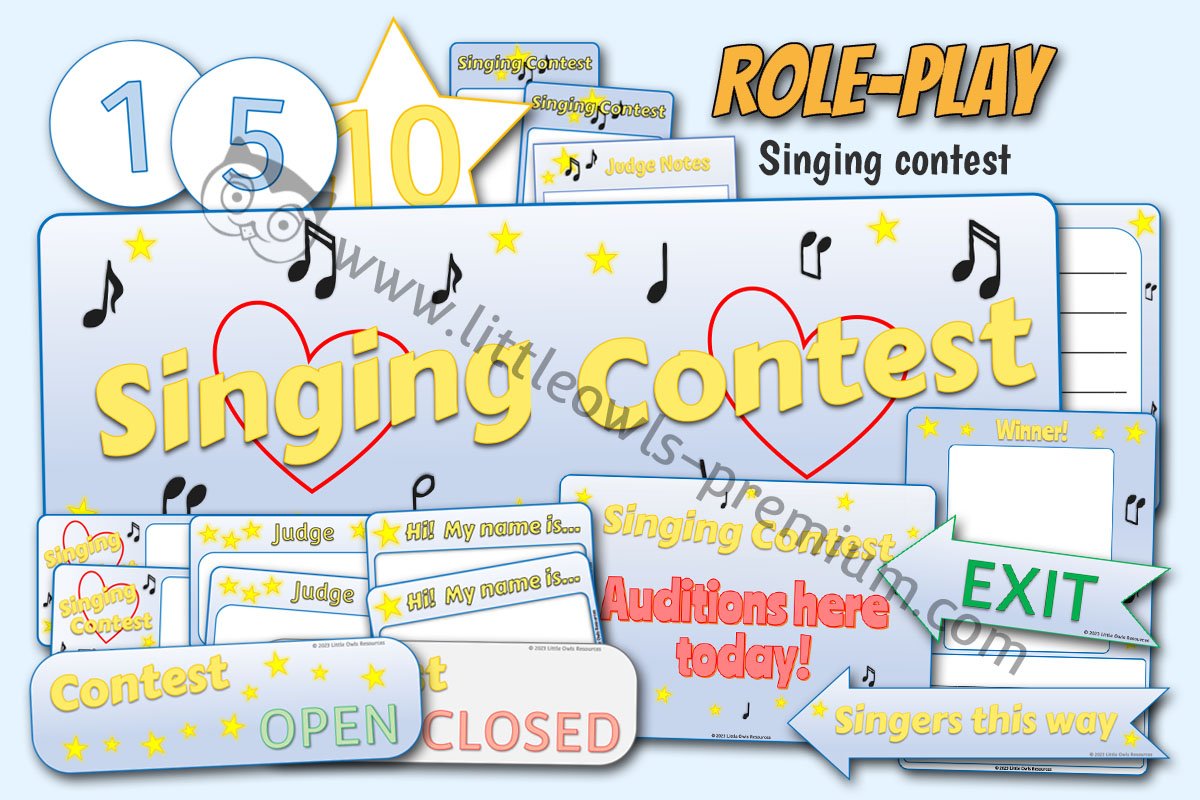
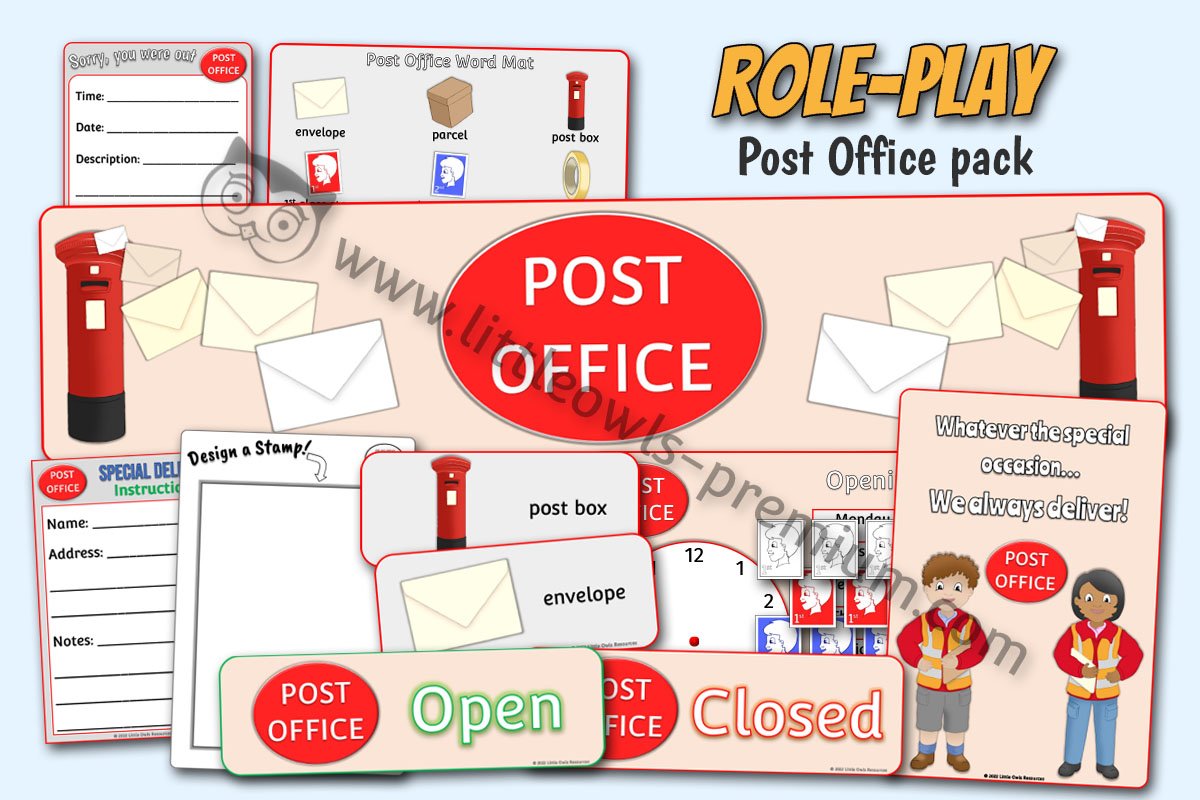
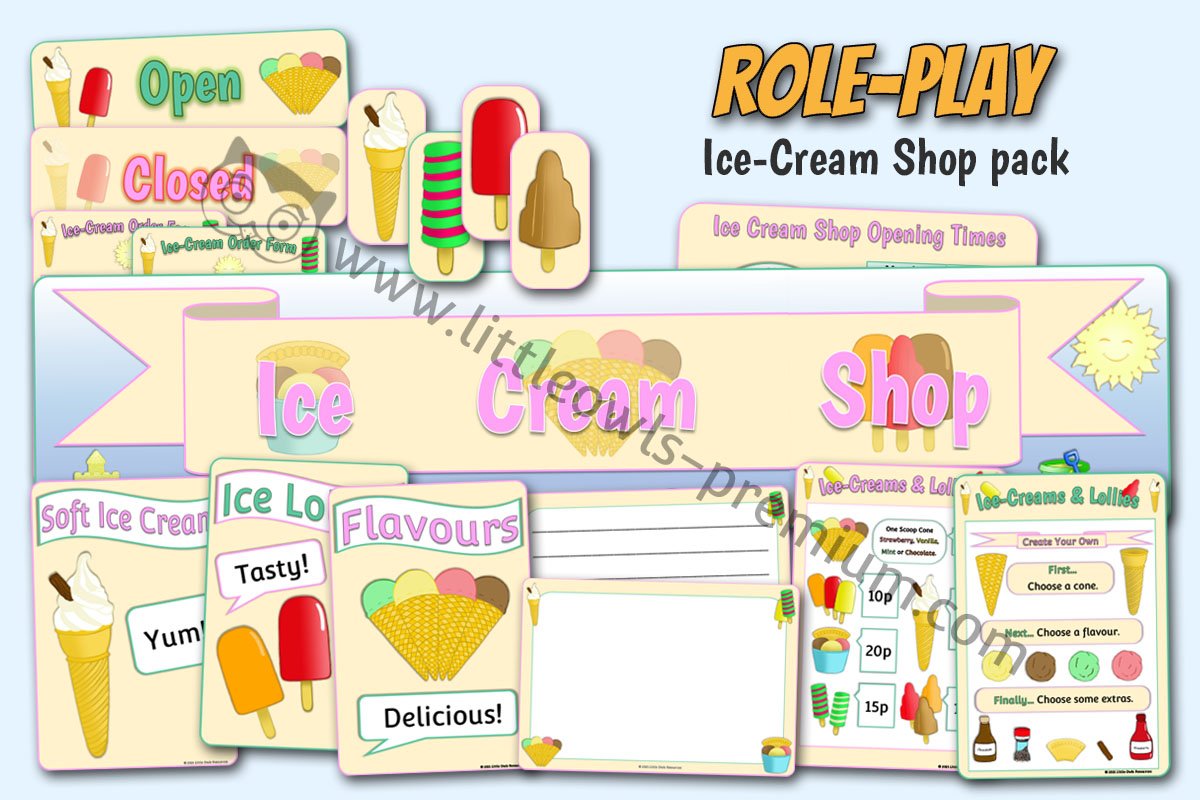
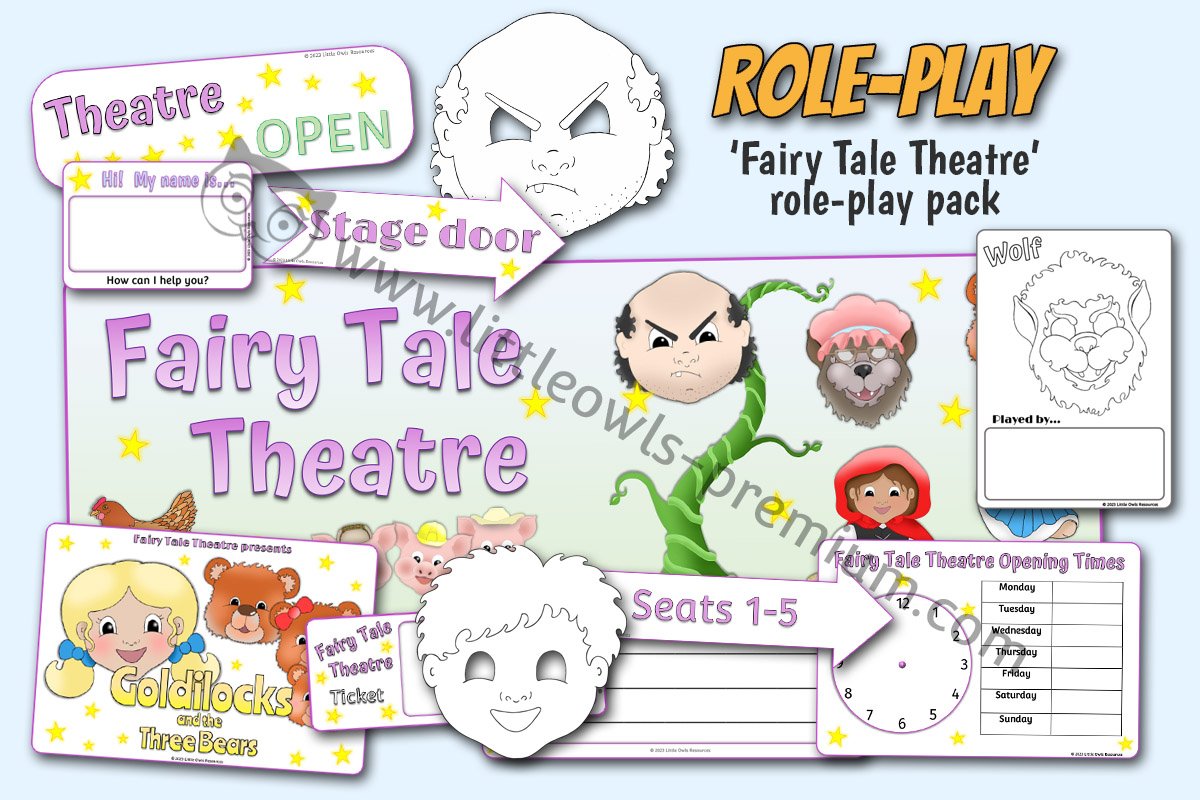
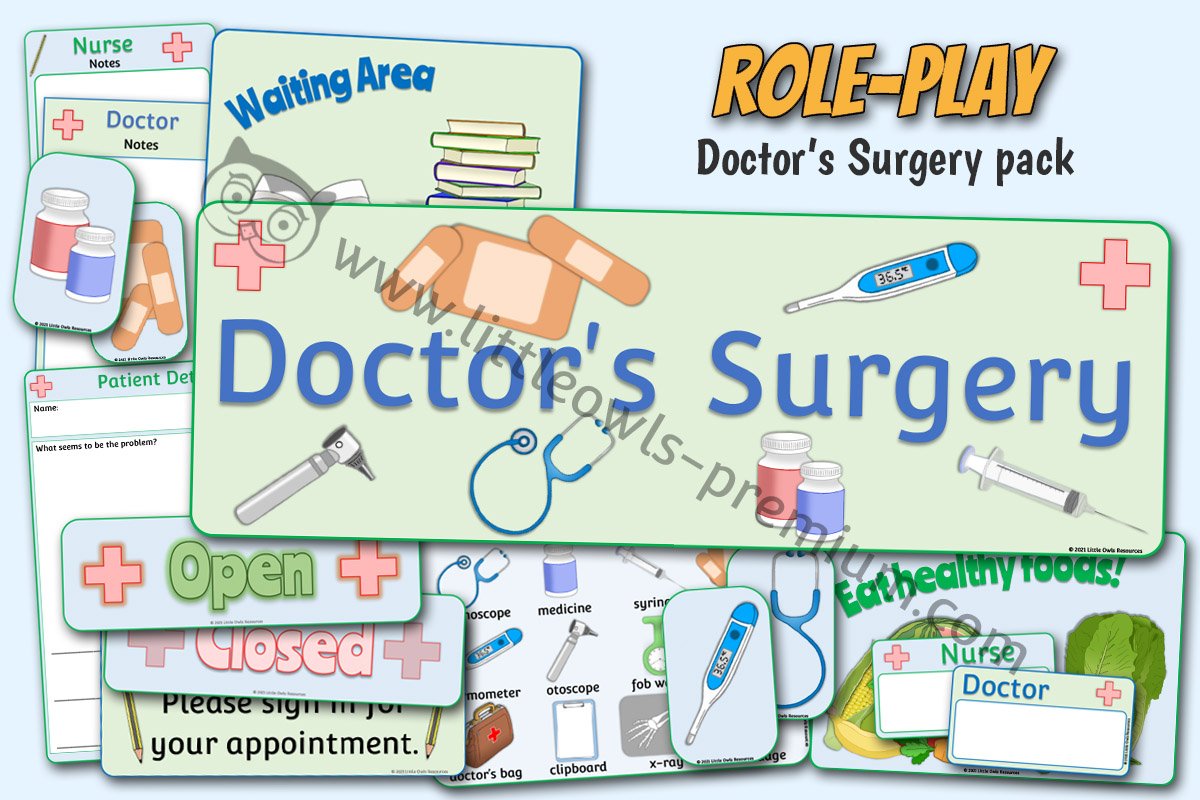
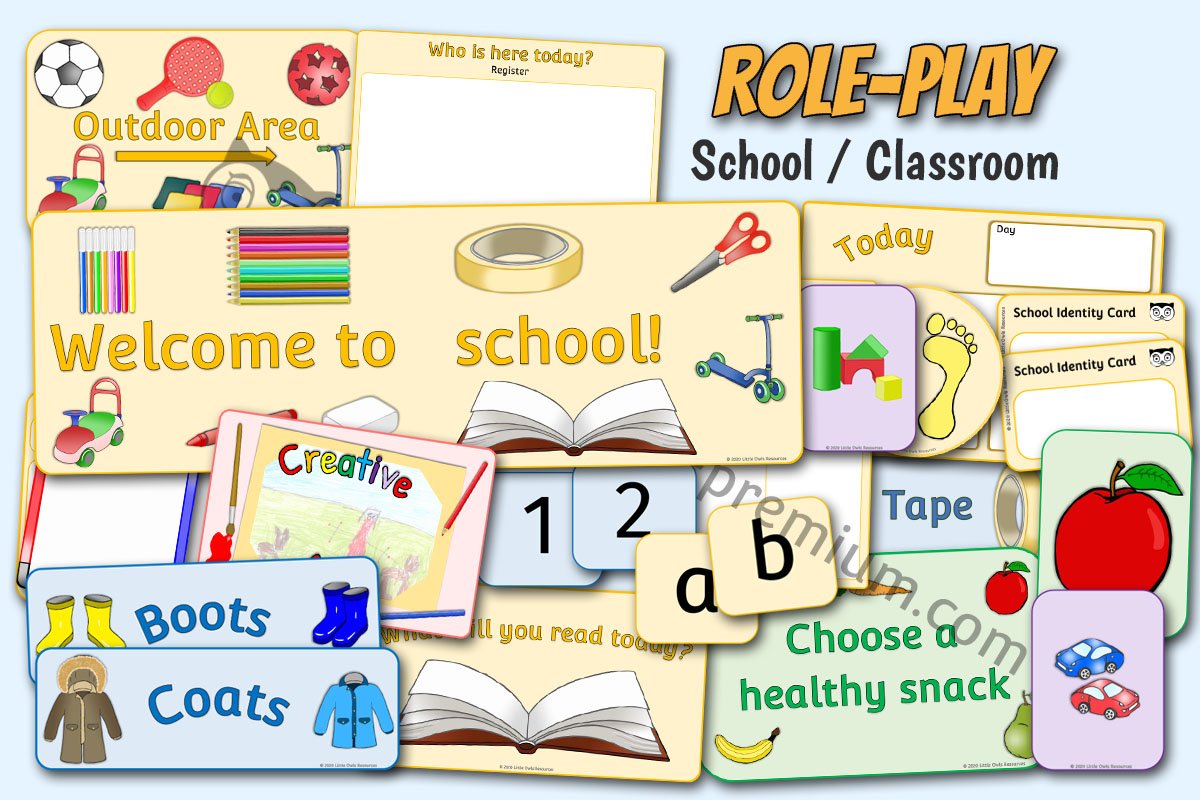
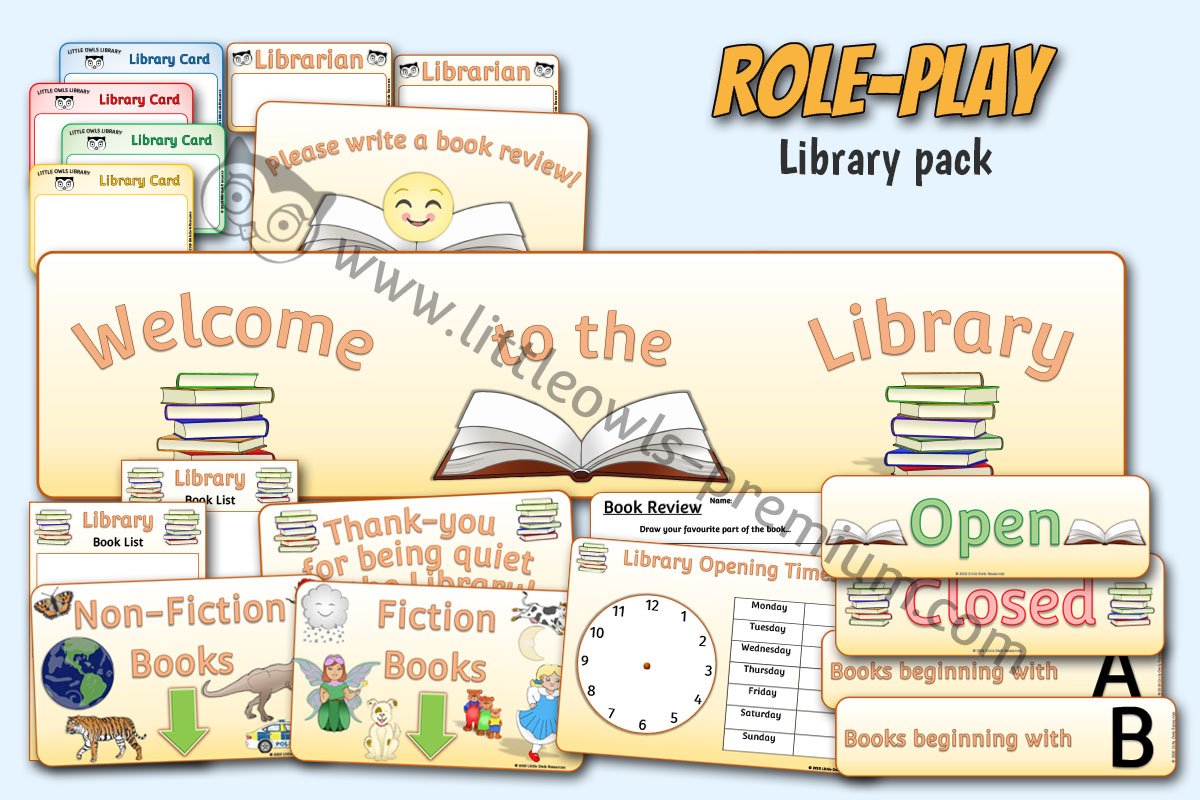
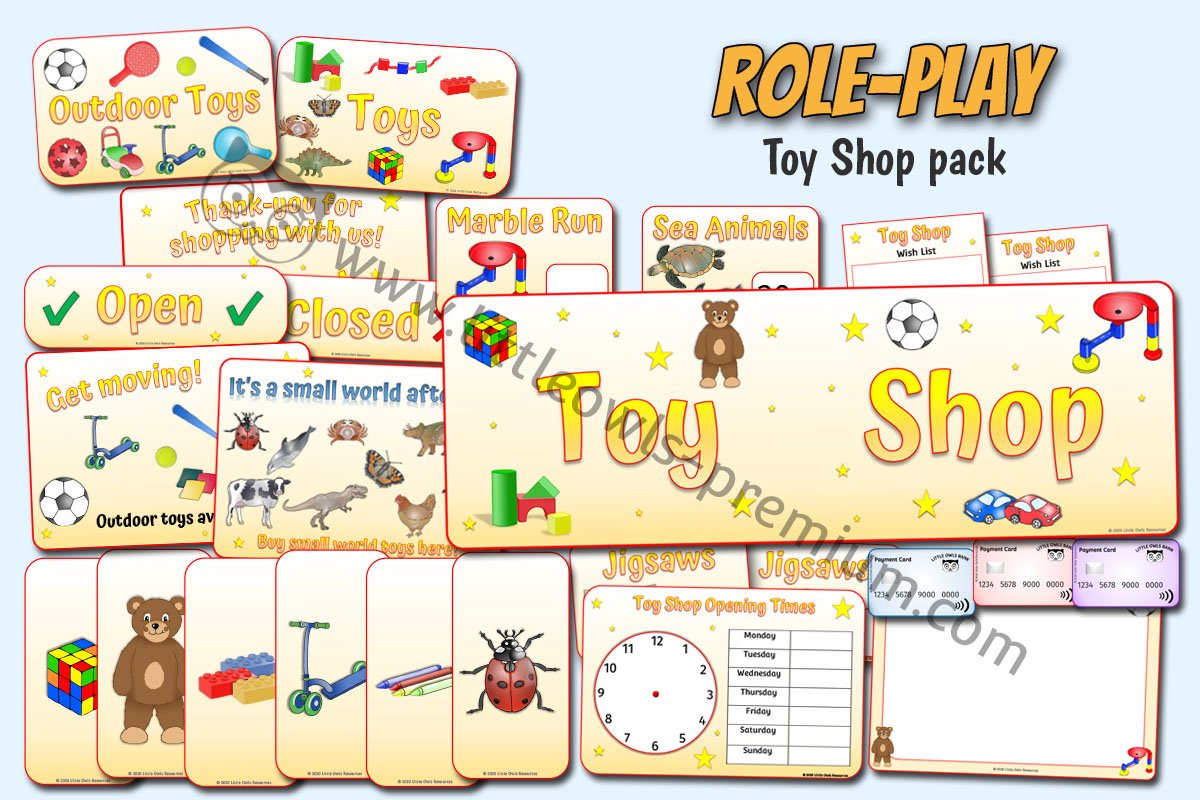
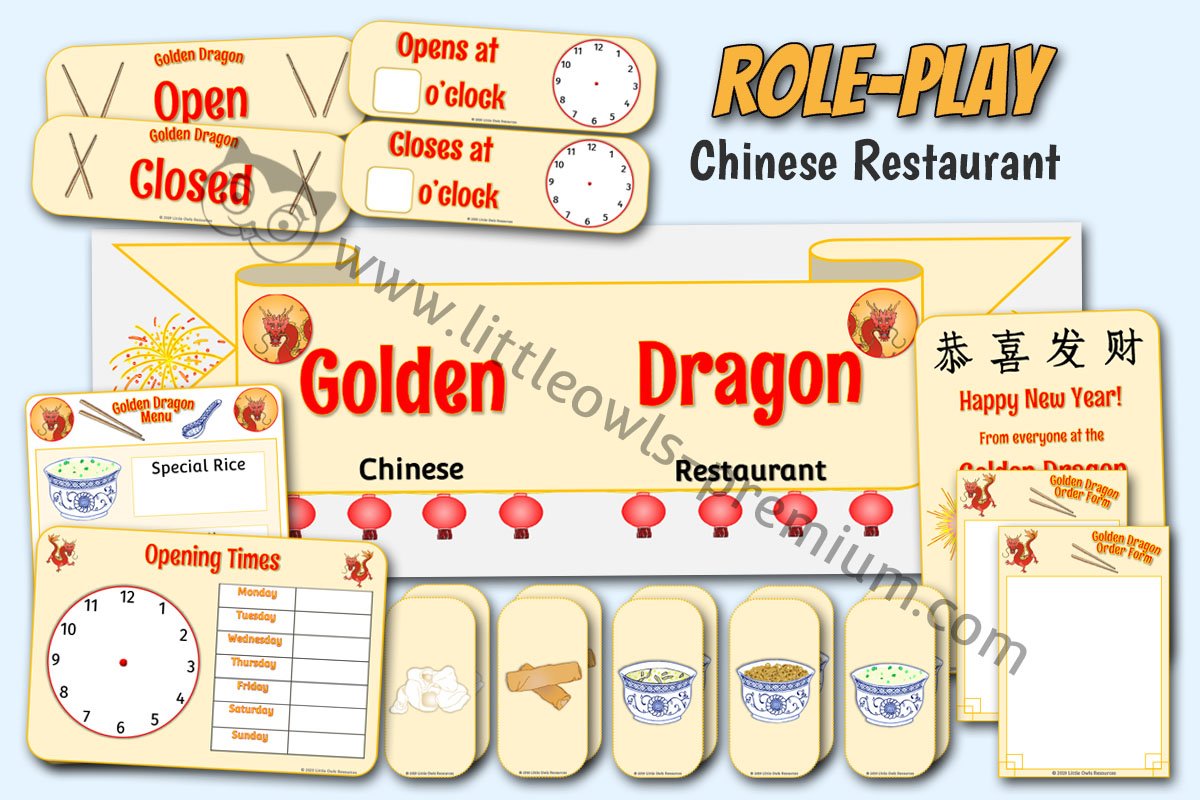
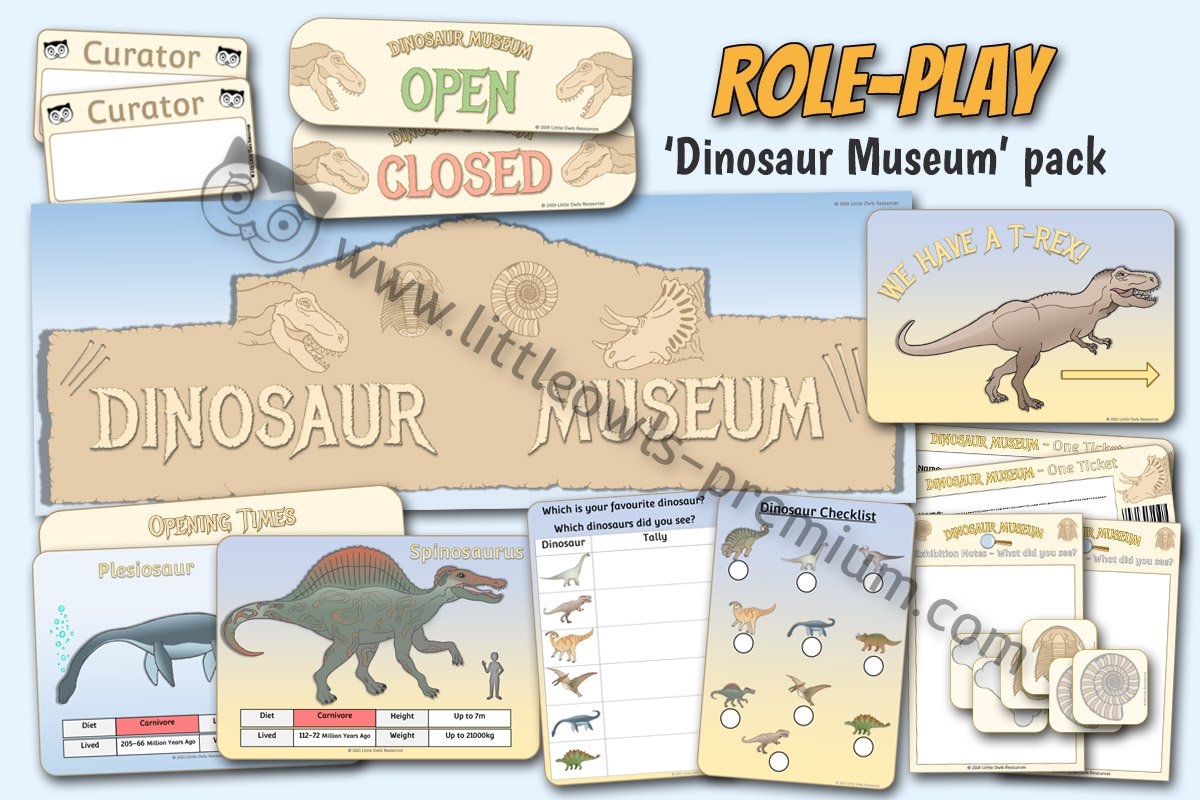
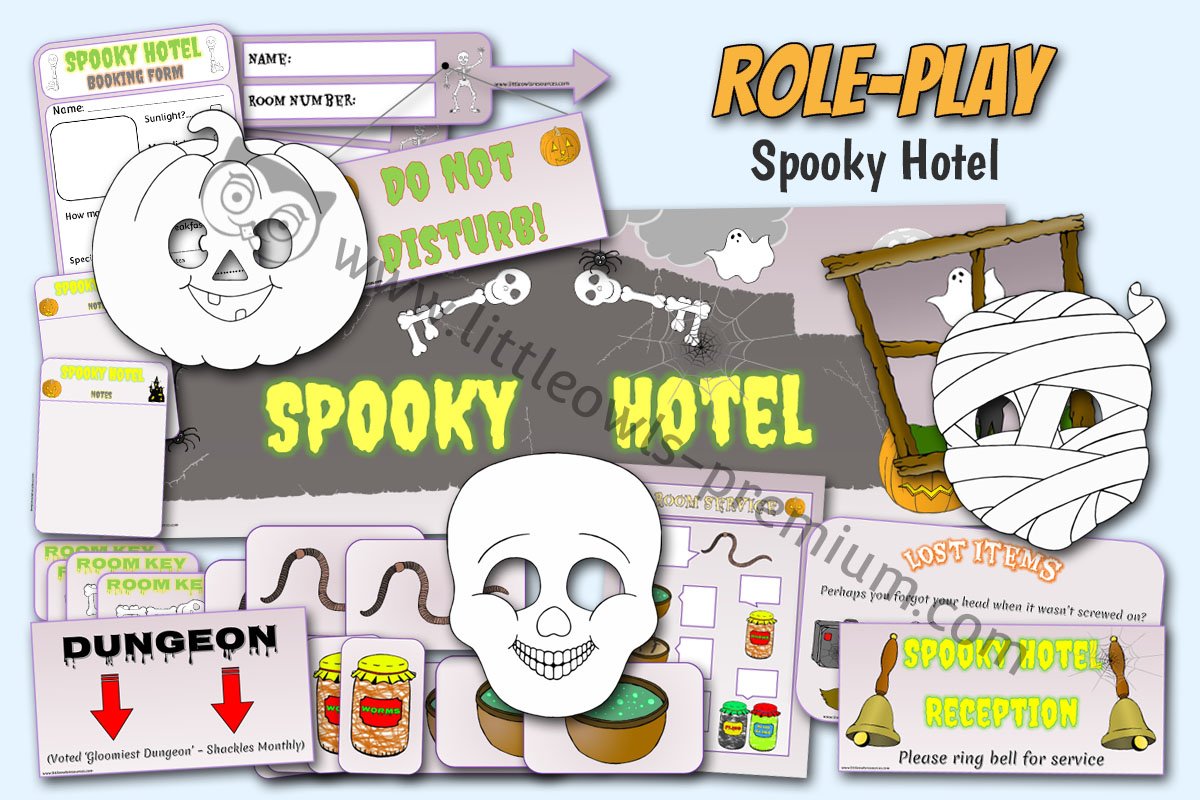
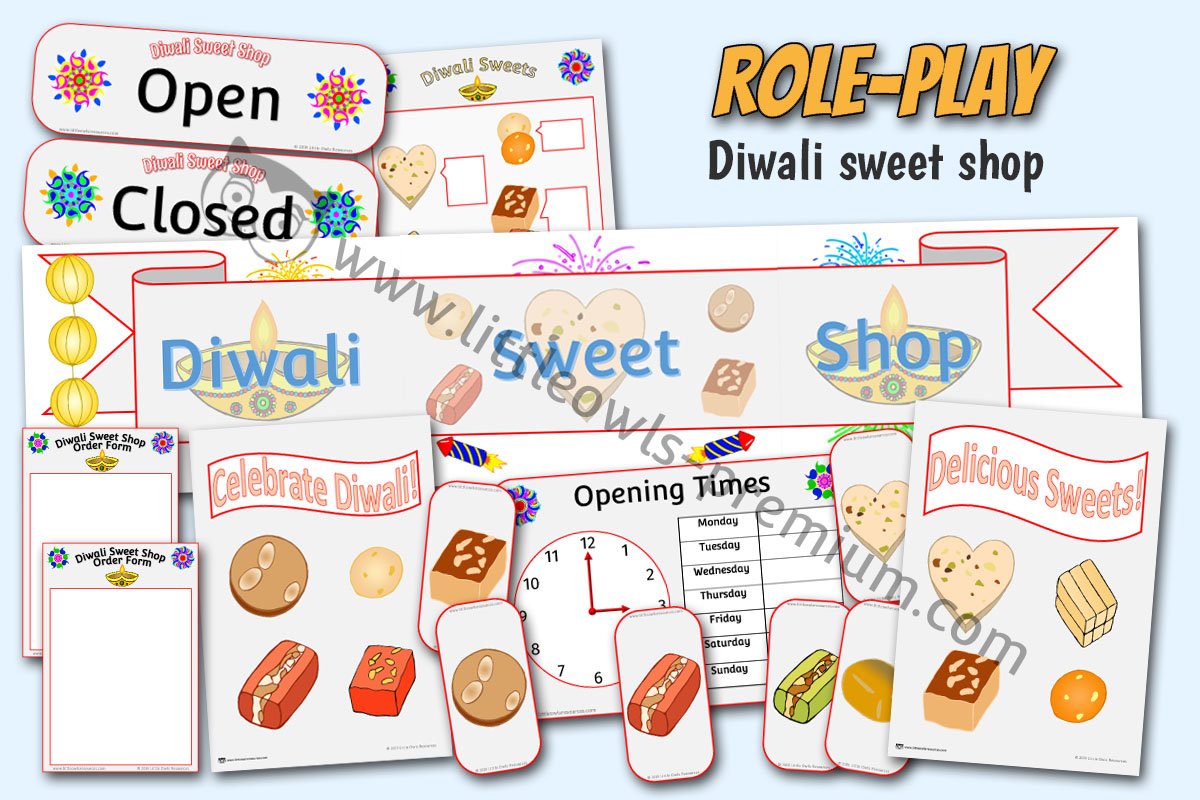
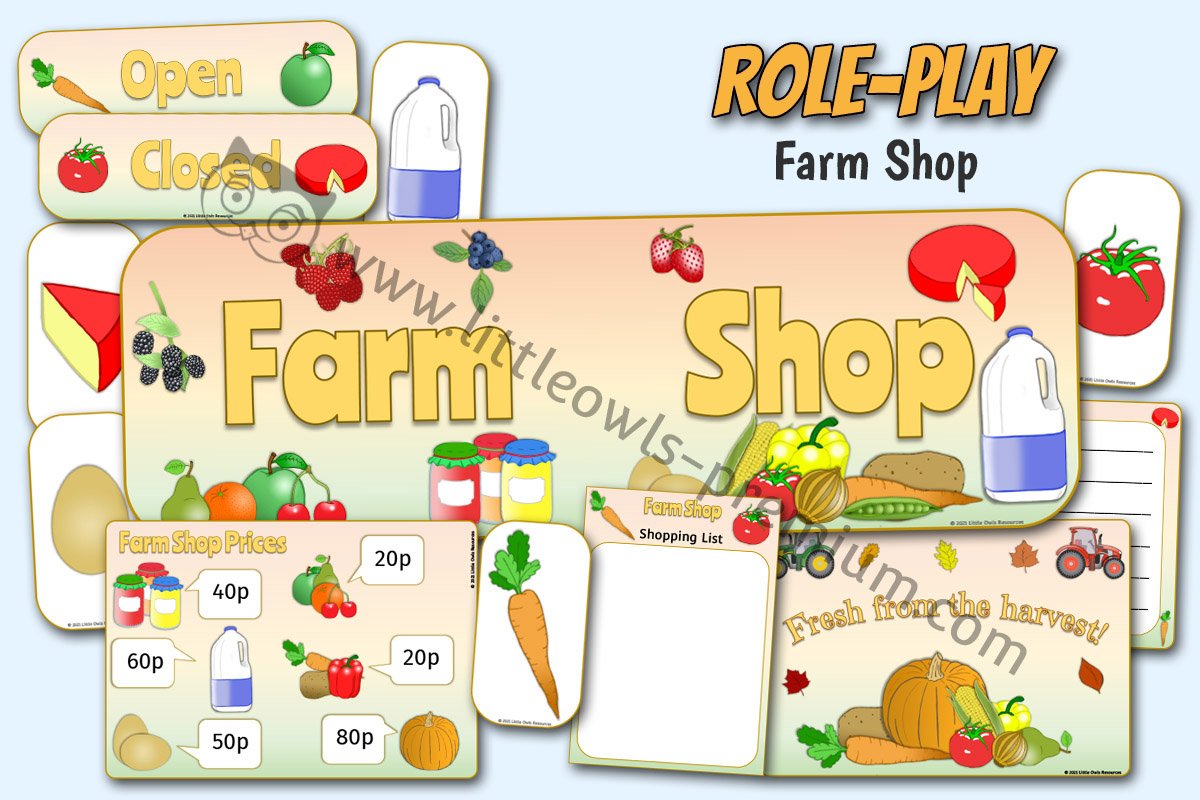
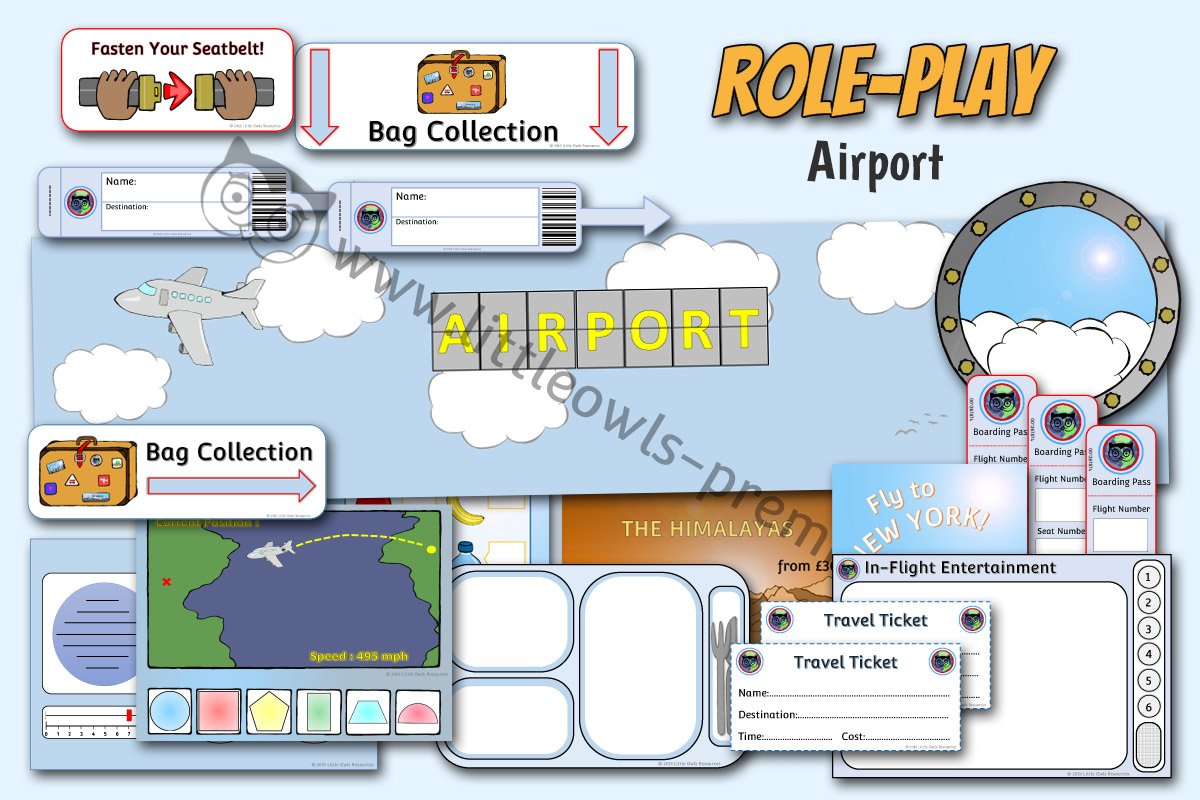
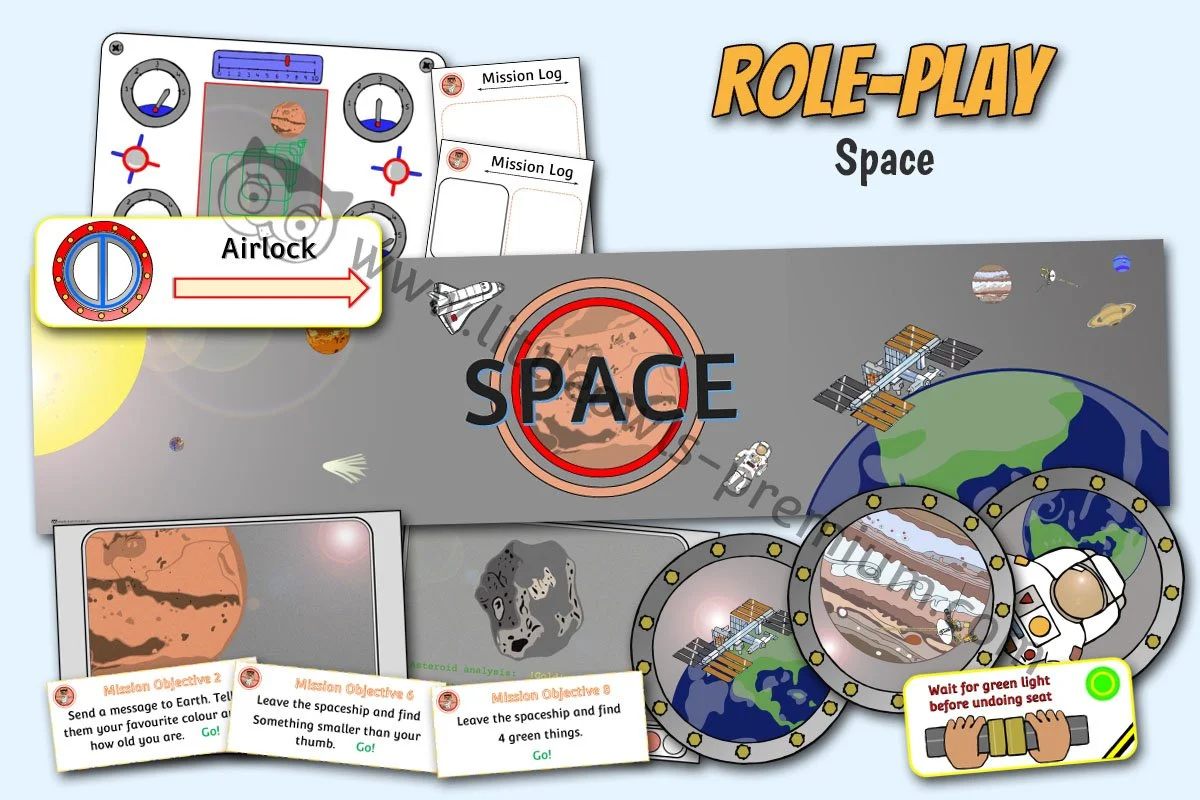
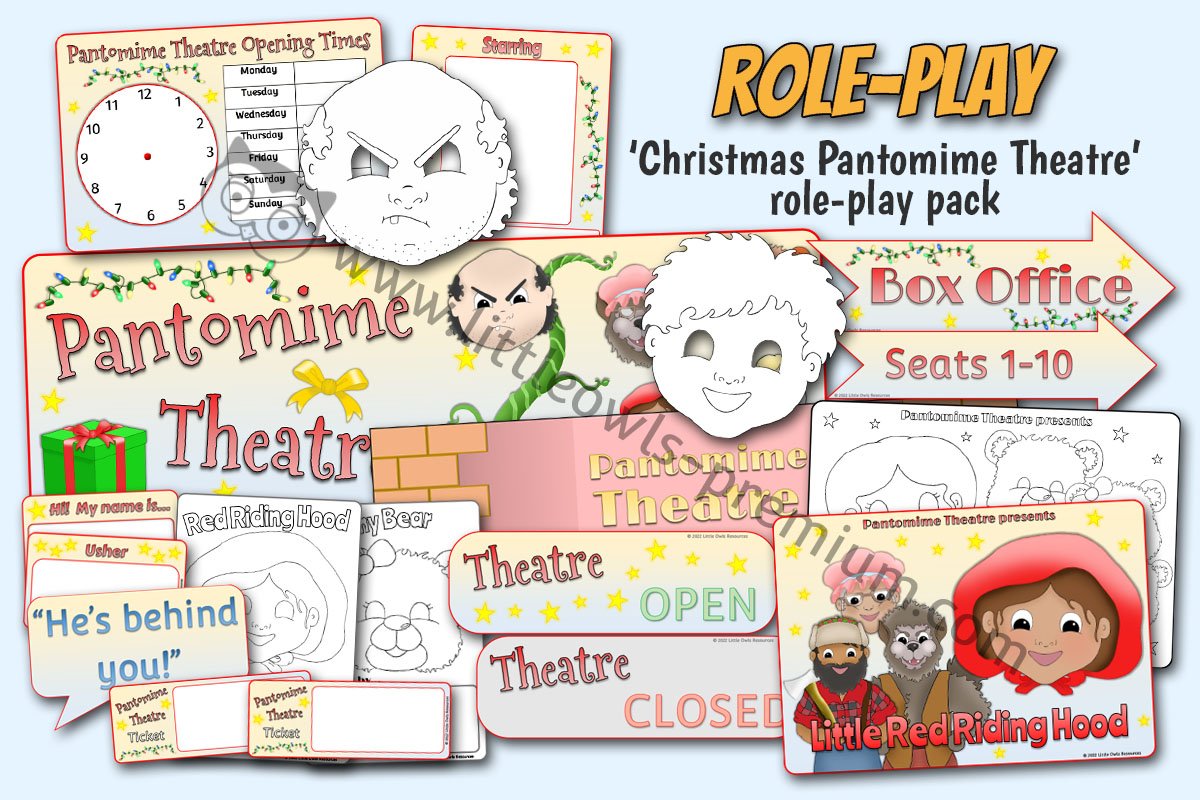
Role-Play Packs
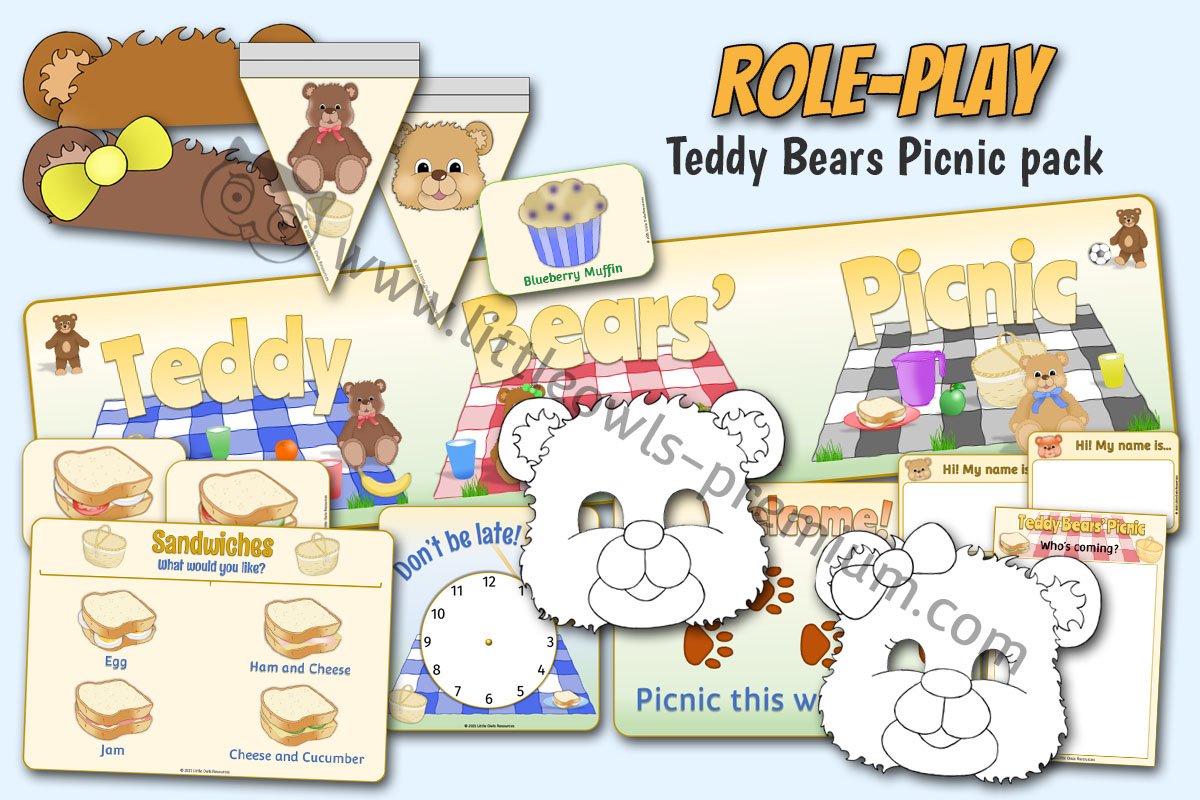
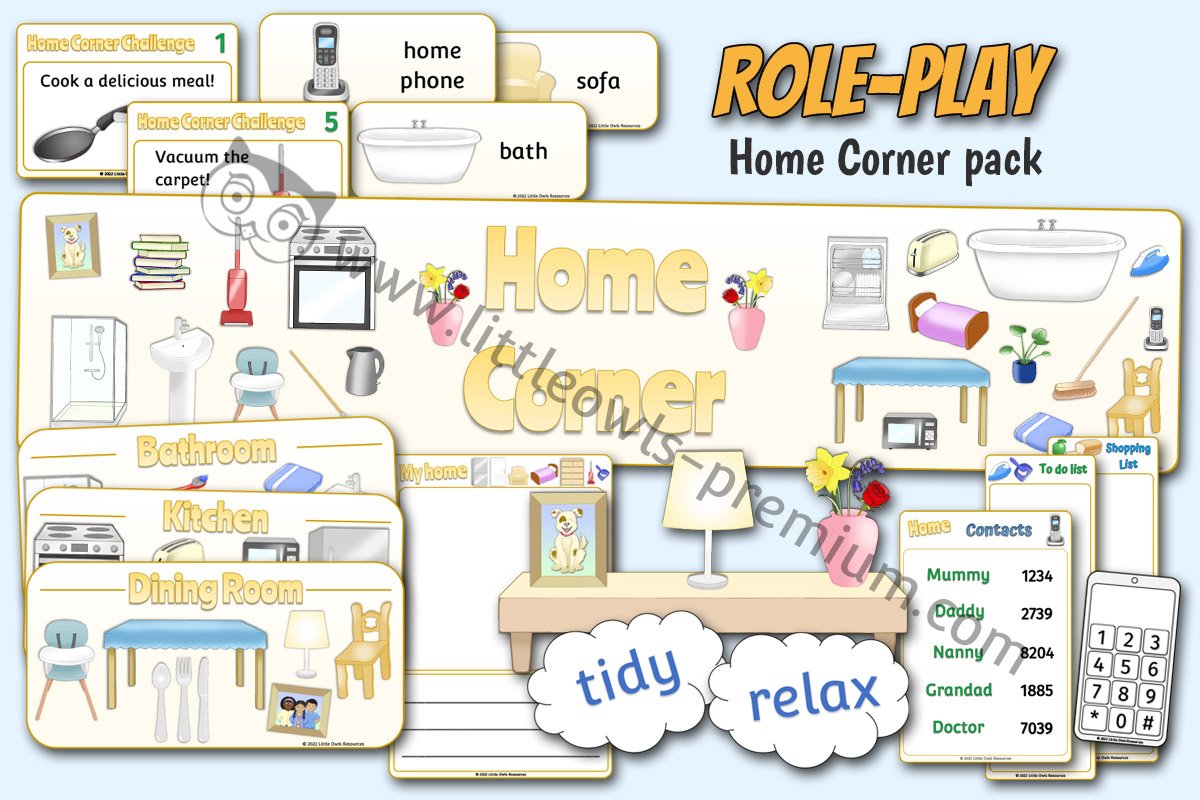
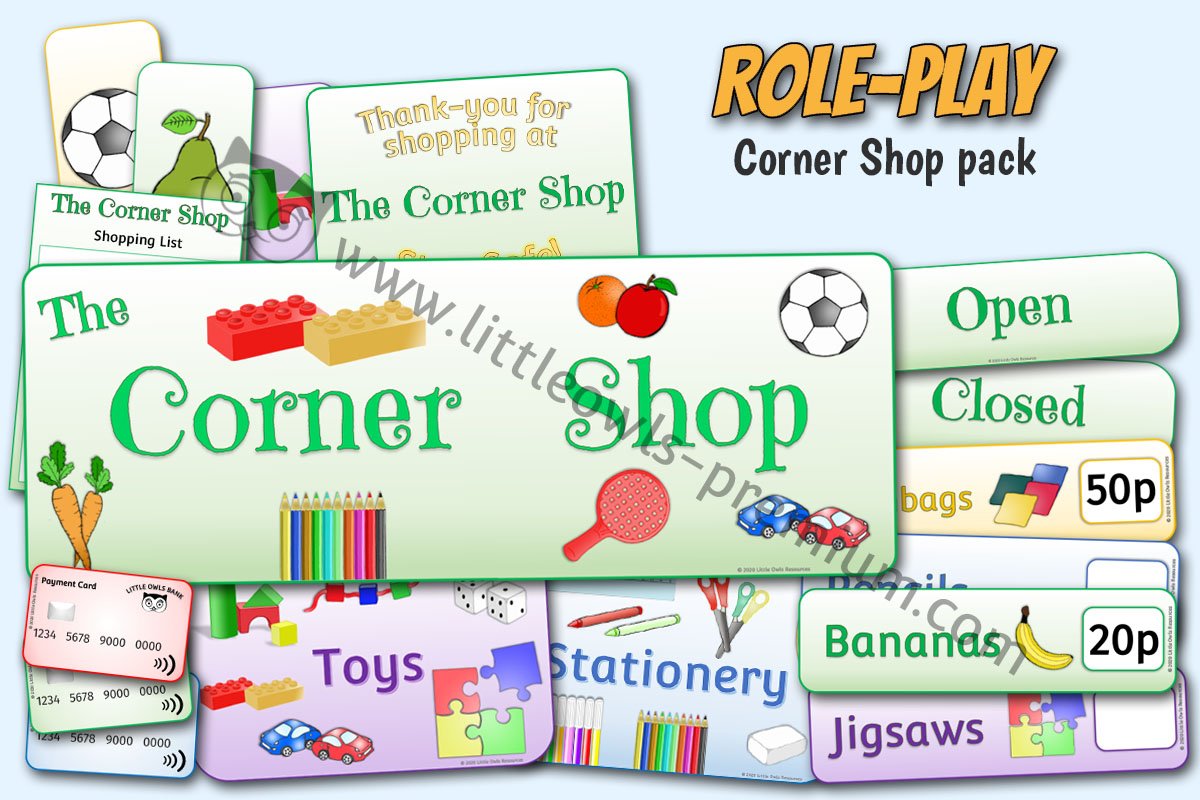
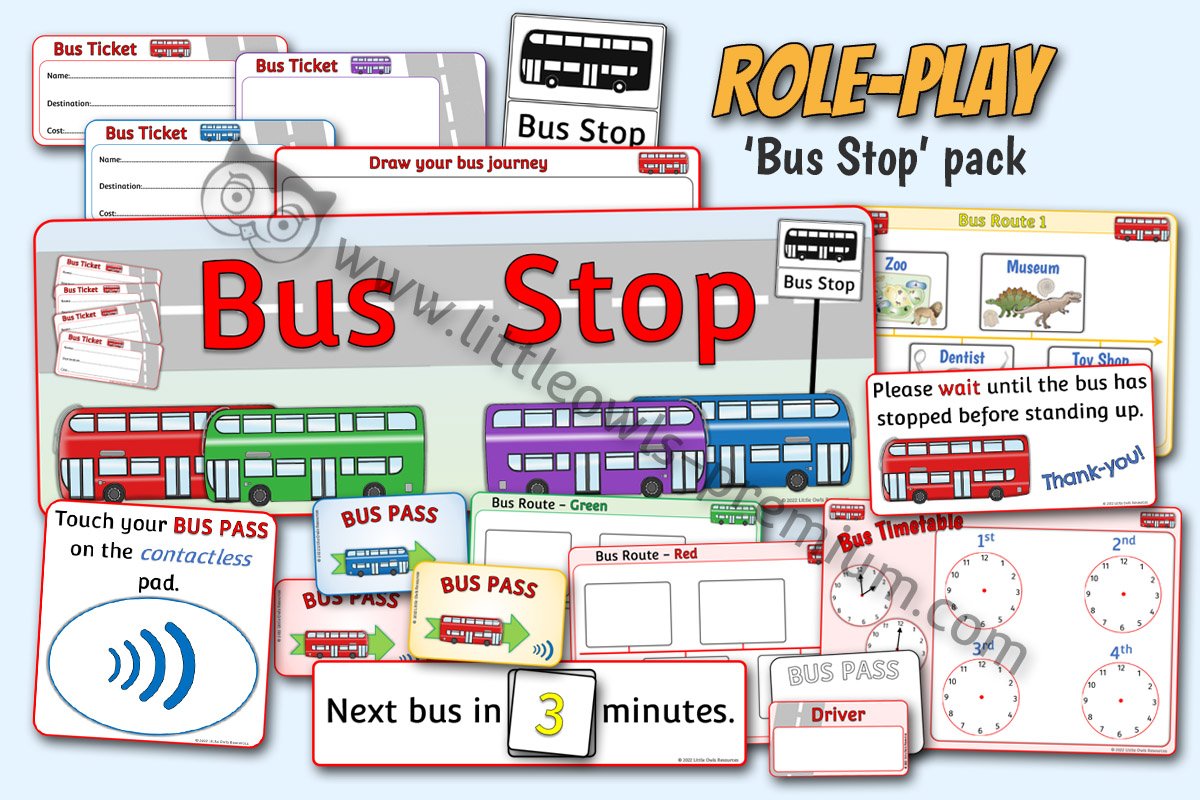
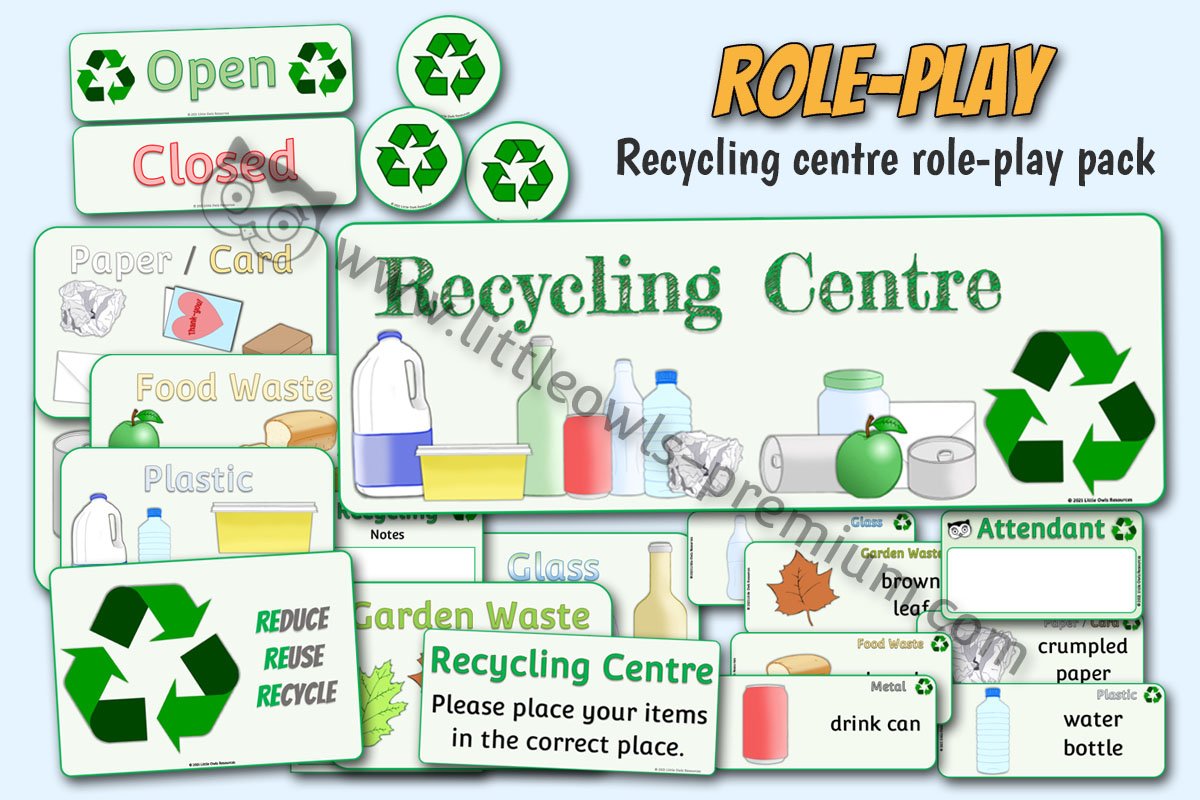
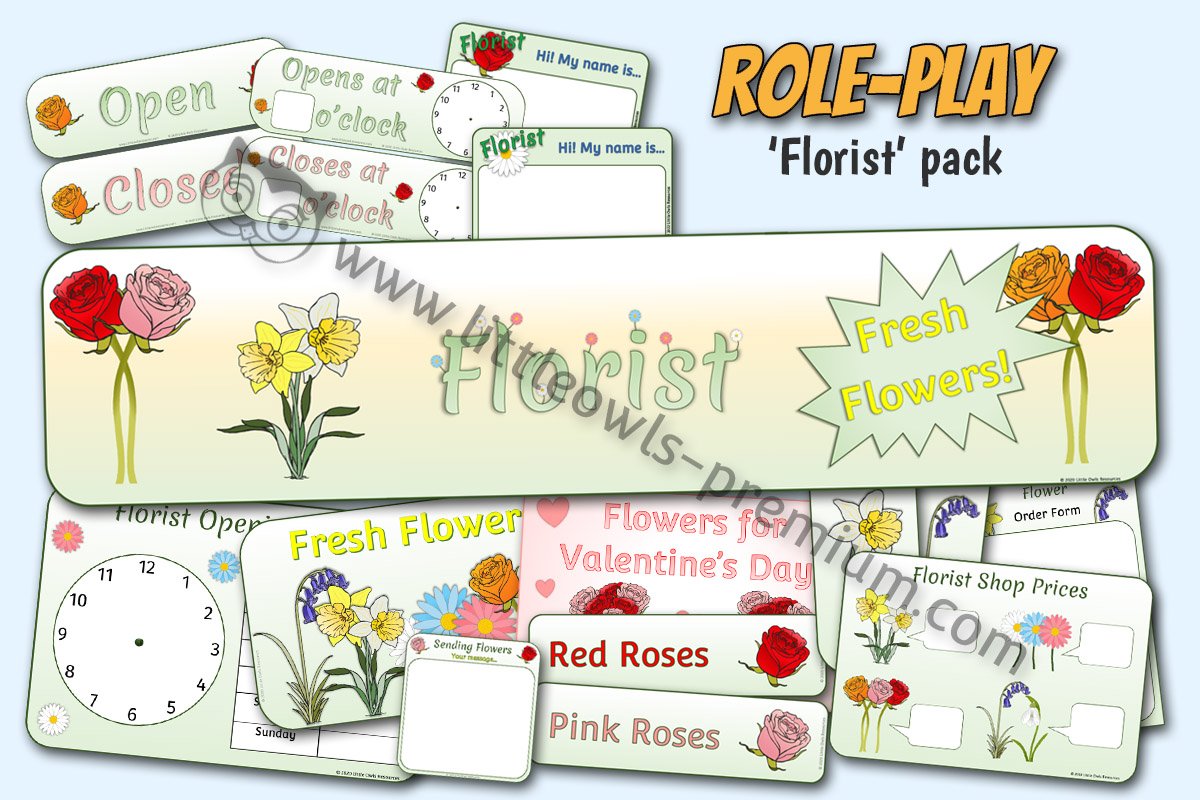
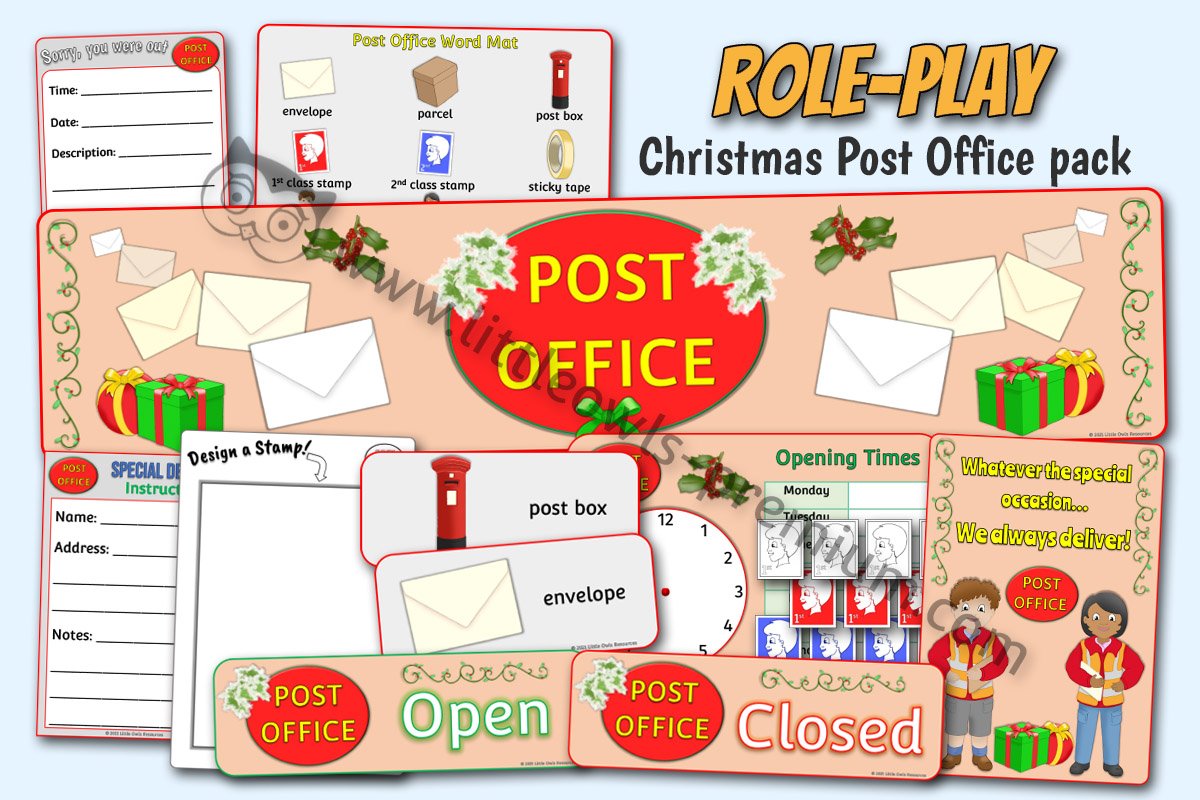
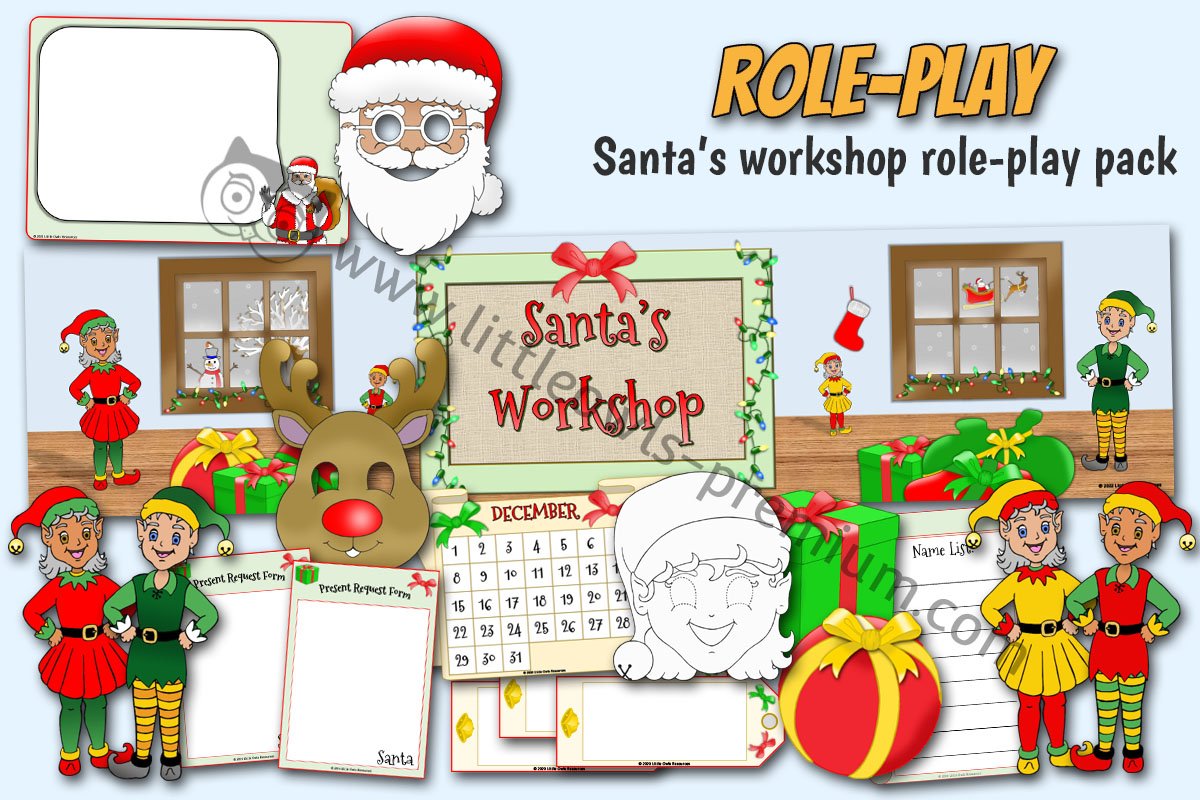
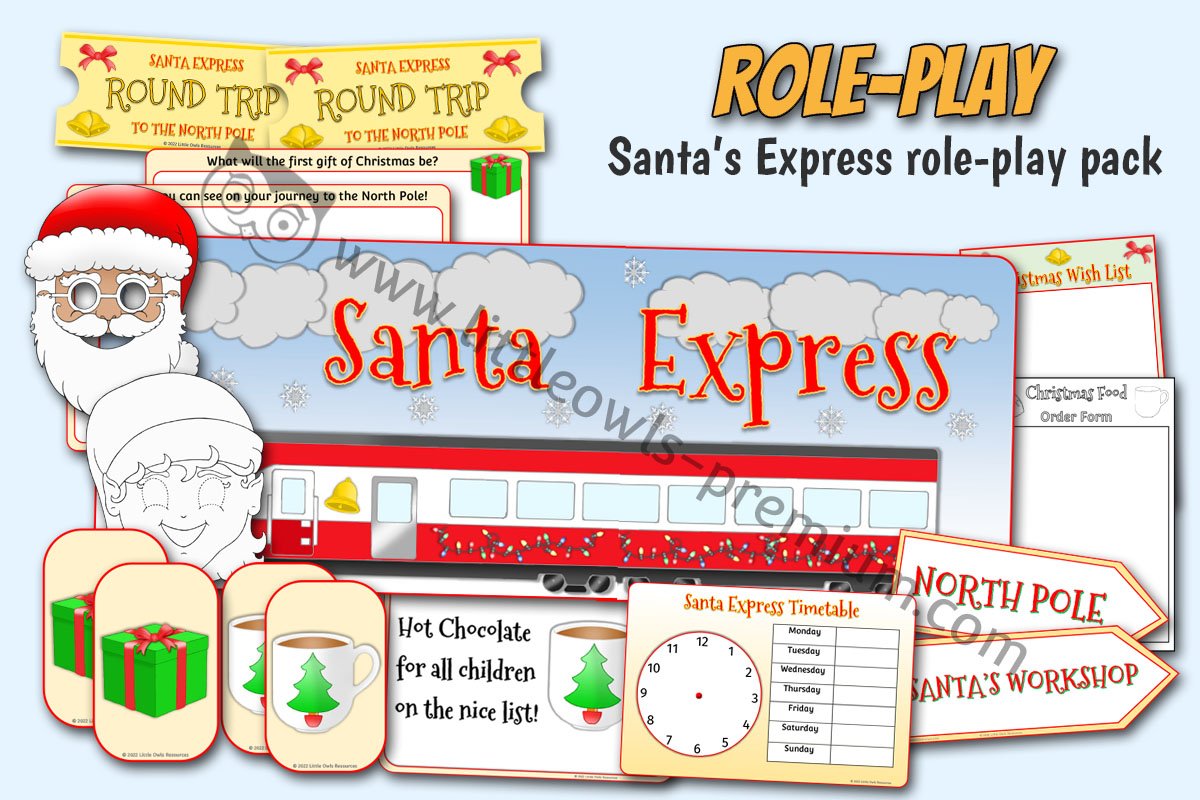
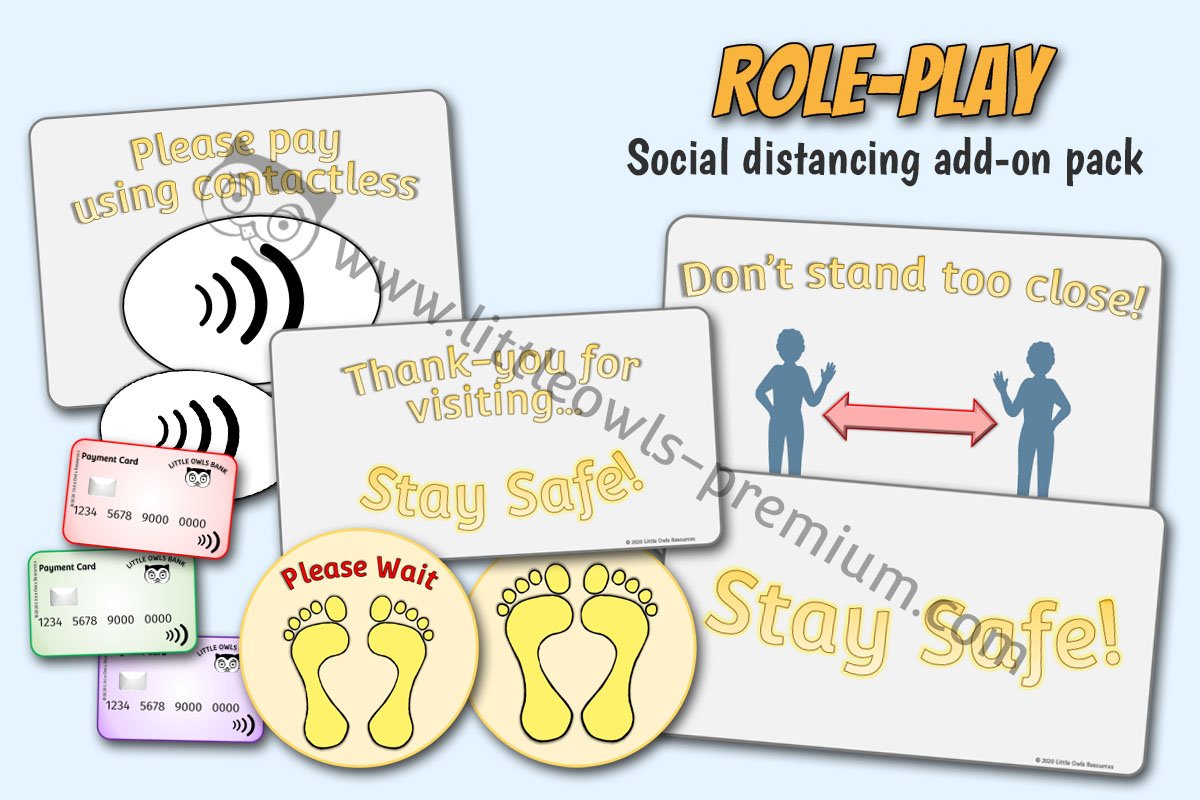
Please use the arrows to the right of the carousel below to browse our role play pack resources. Alternatively, visit our ‘Role-Play Area’ page.

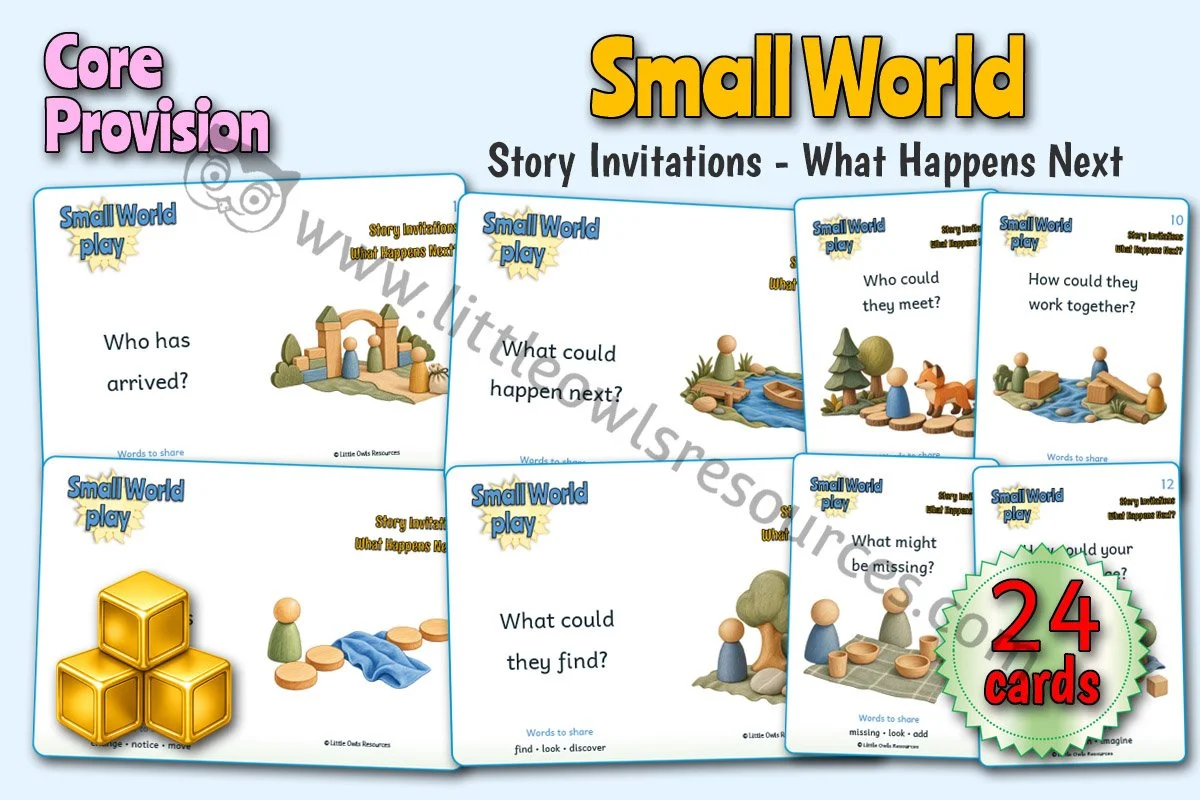
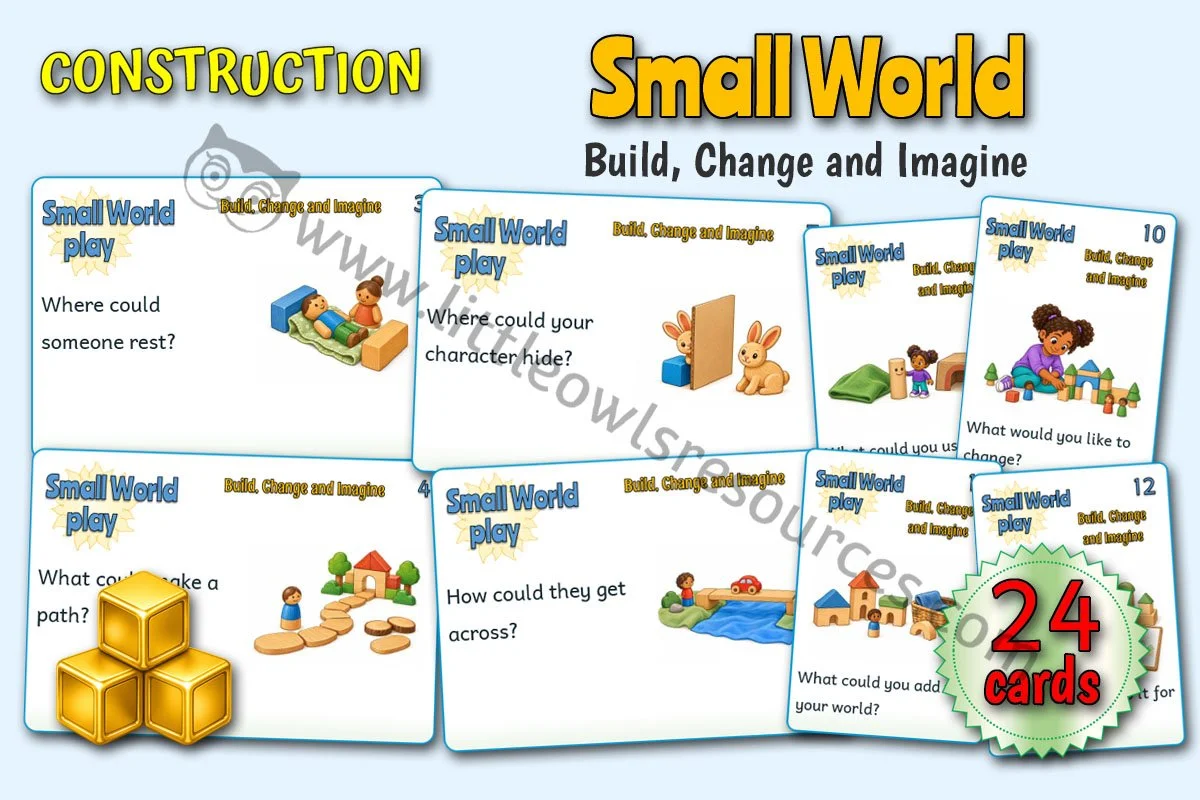
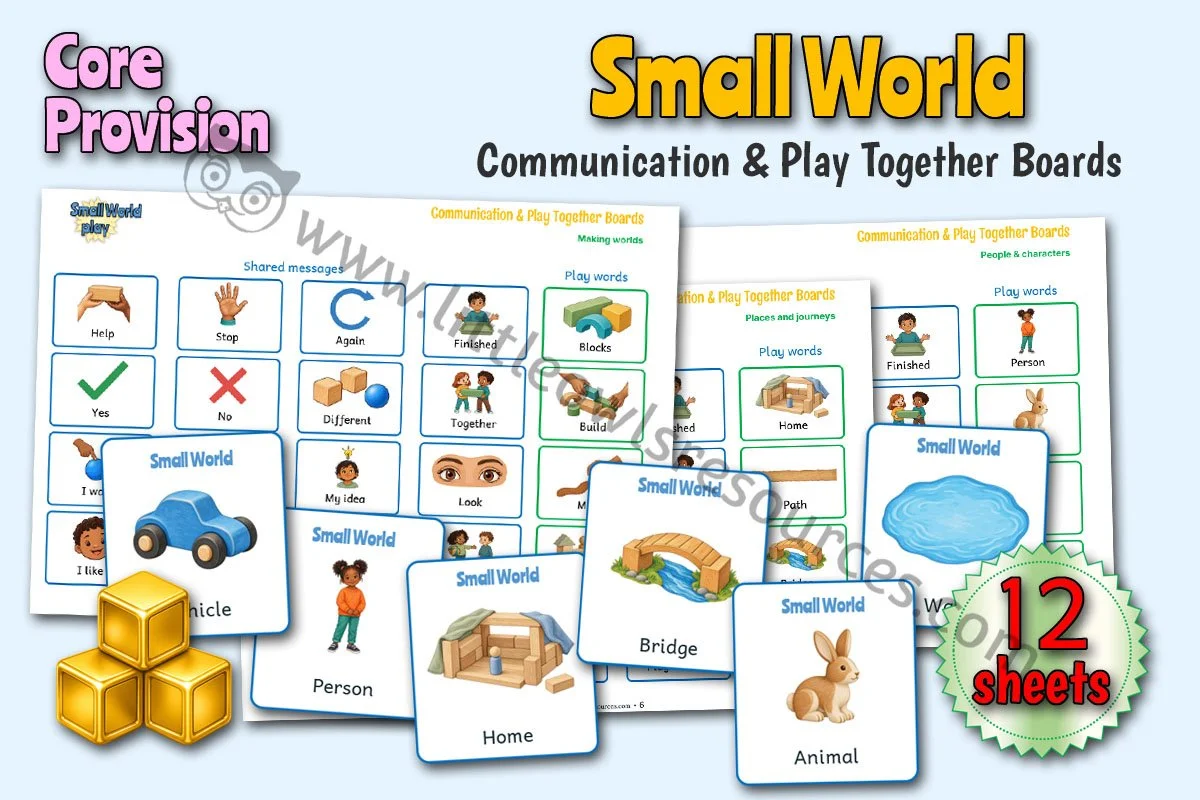
Festivals & Celebrations
Please use the arrows to the right of the carousel below and select a festival to explore our continuous provision enhancement resources. Alternatively, visit our ‘Festivals & Celebrations Menu Page’.

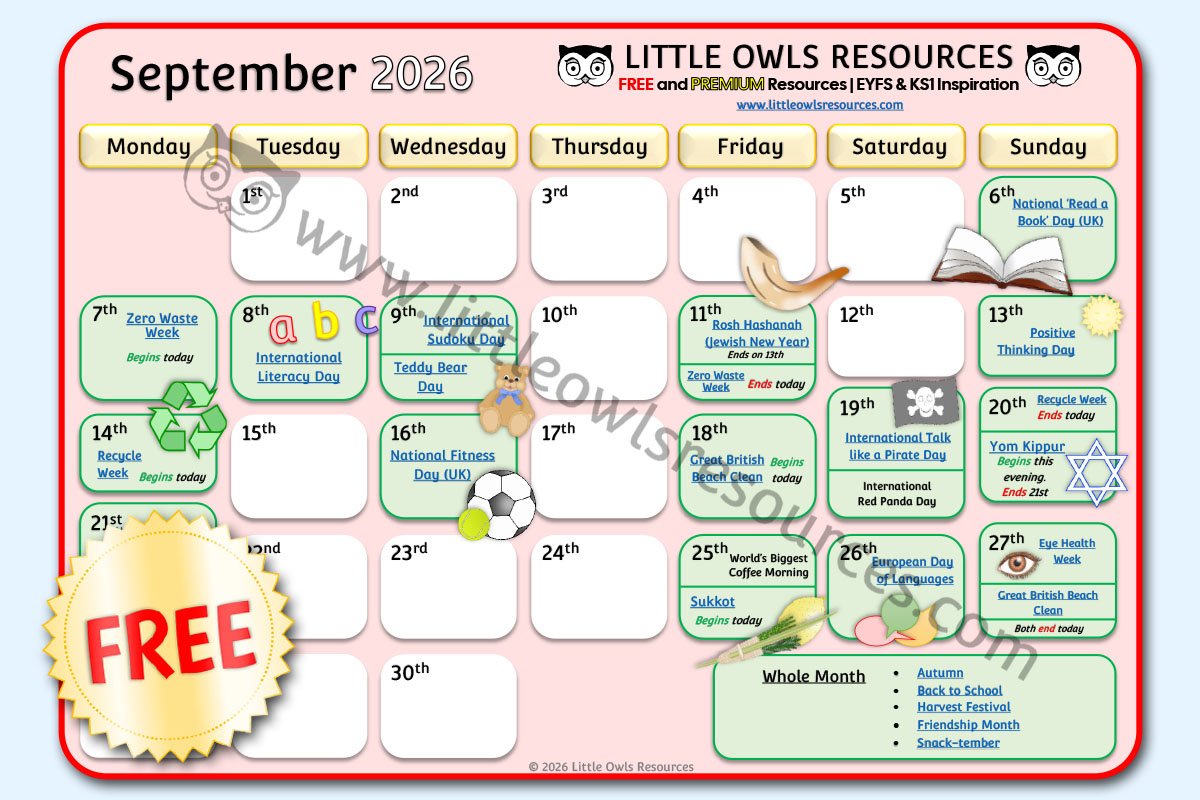
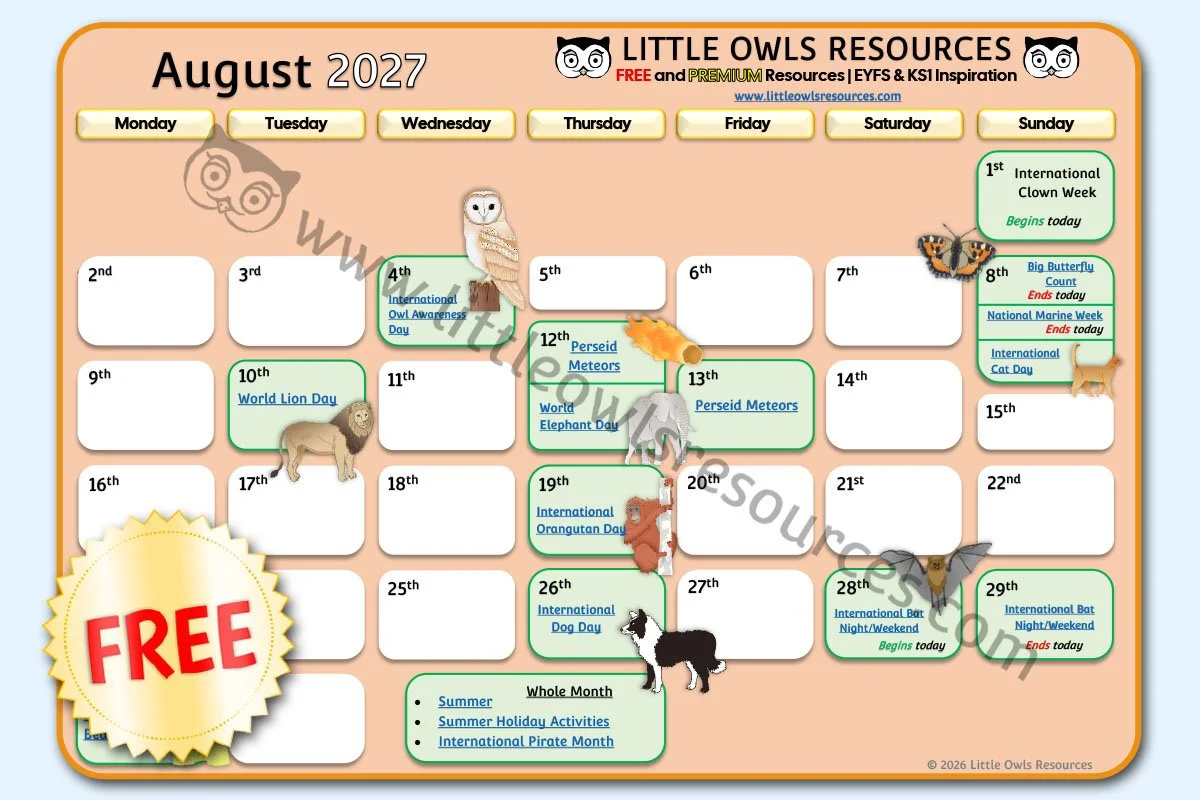
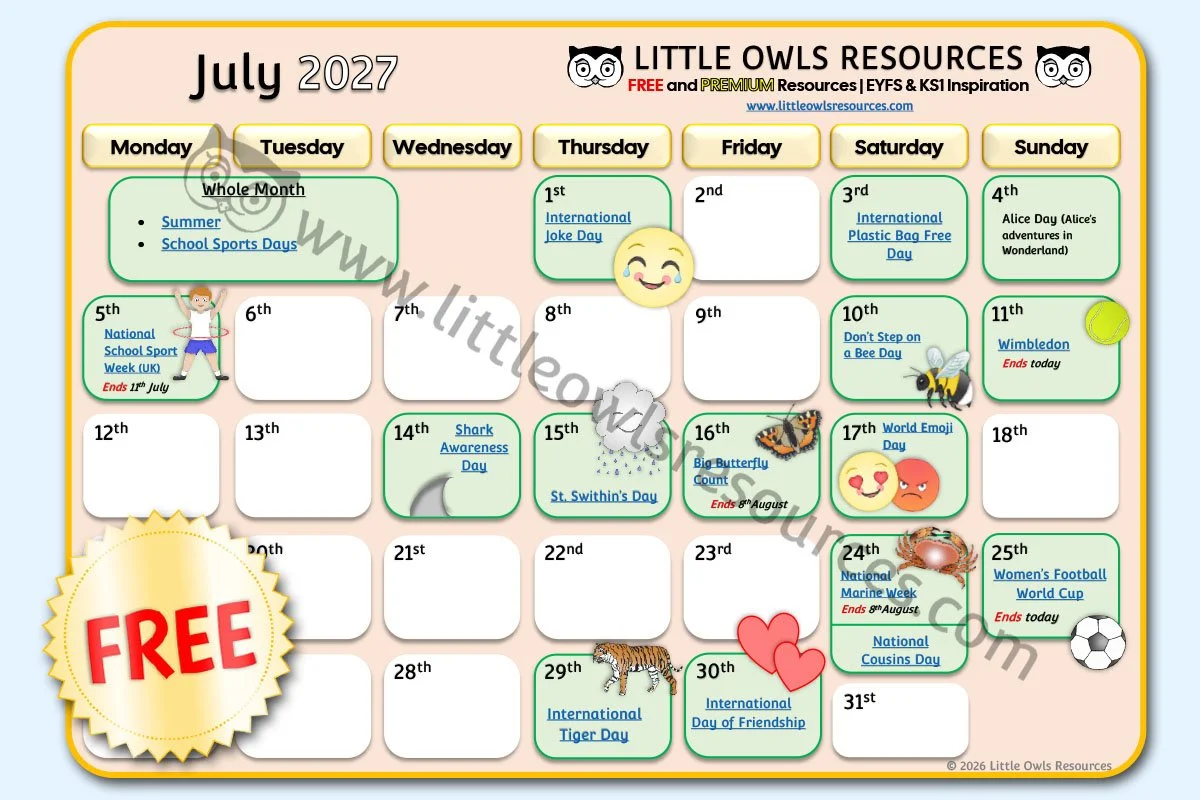
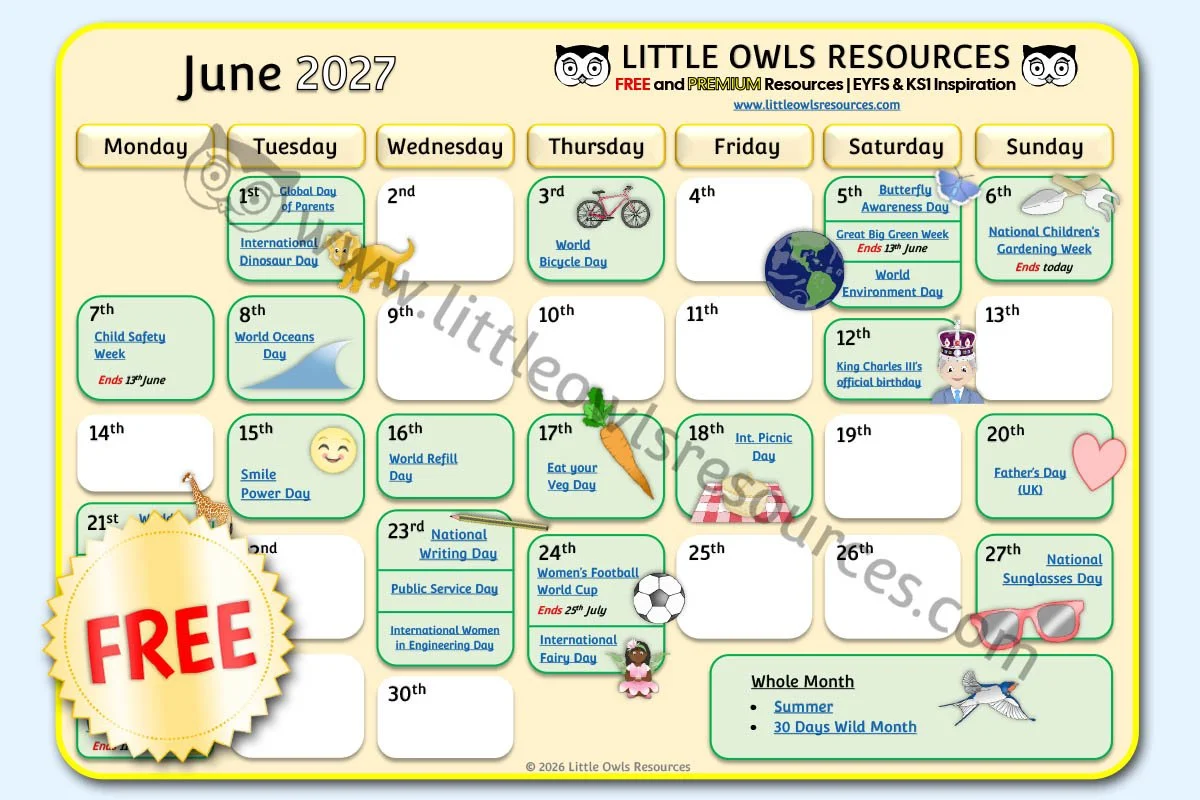
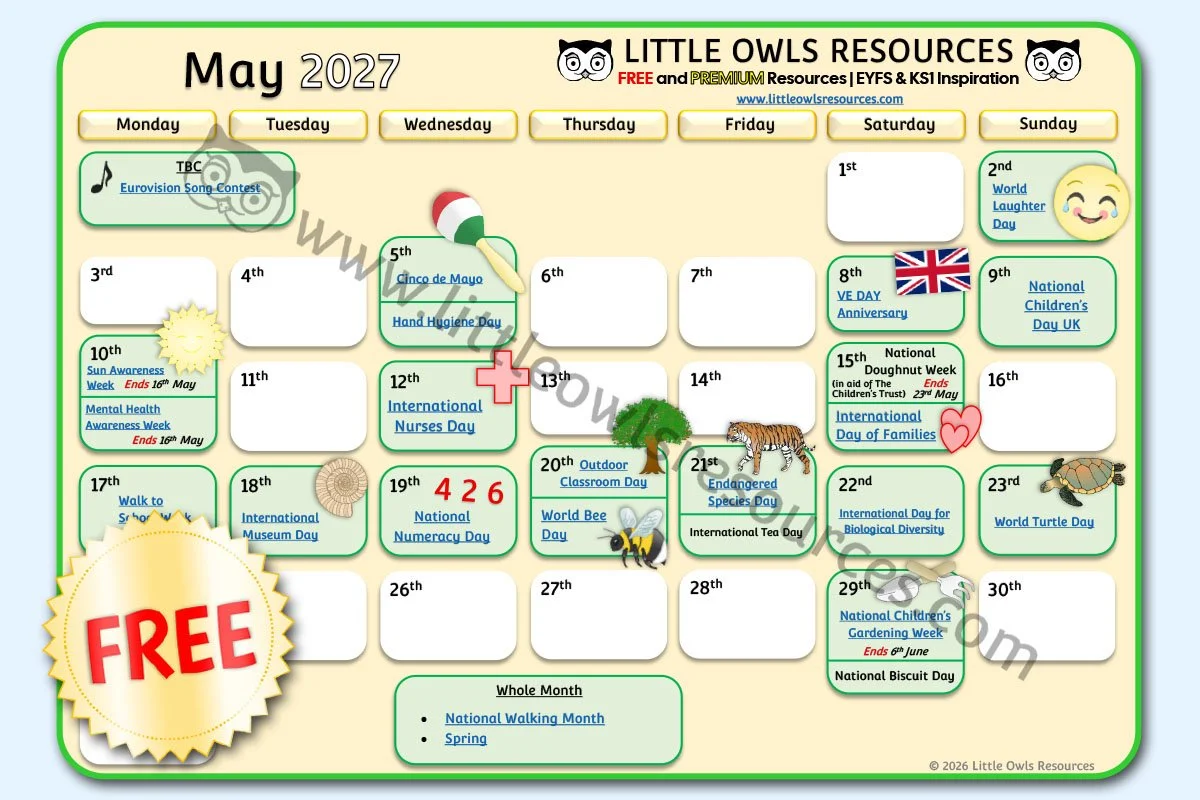
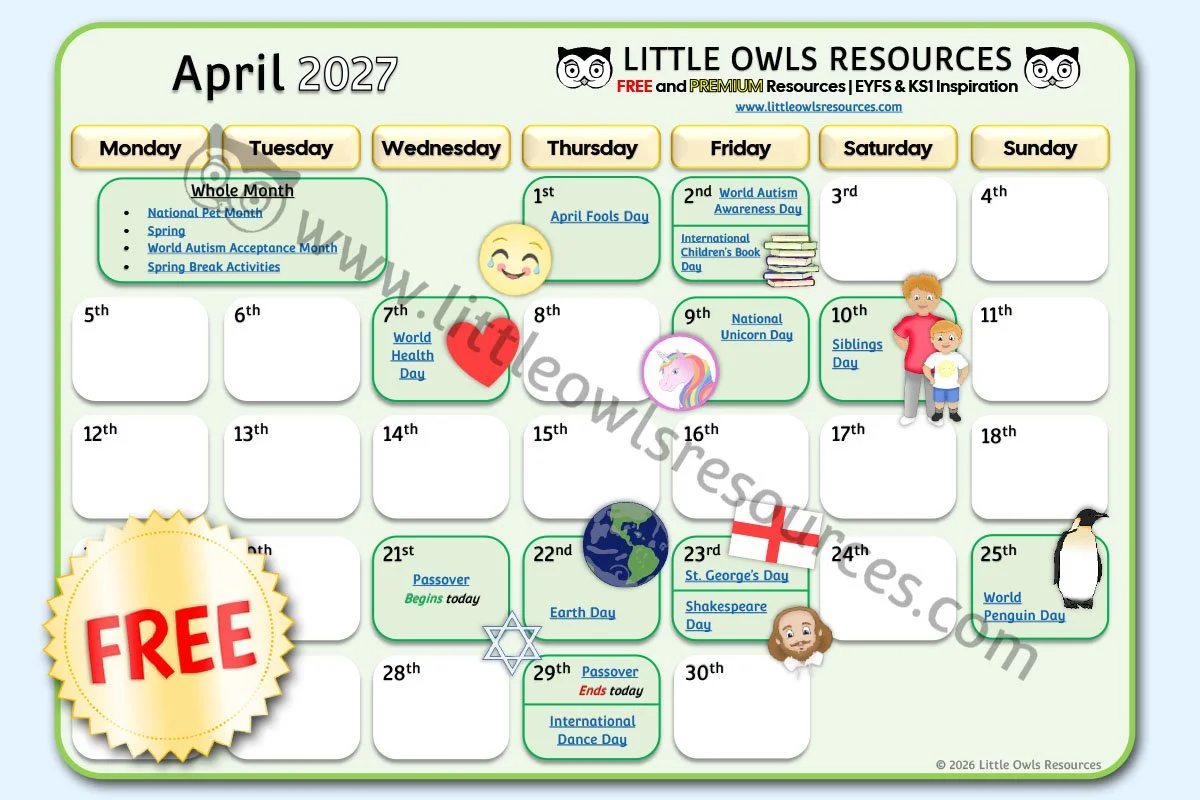
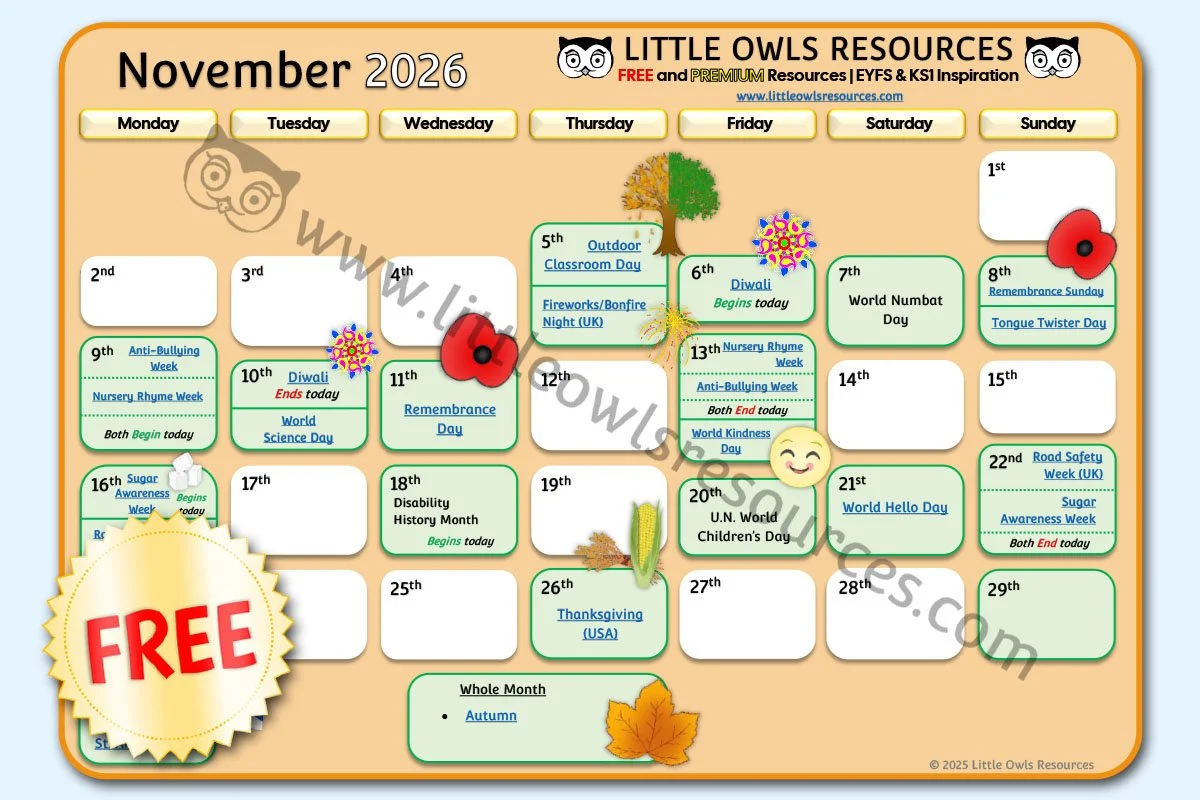
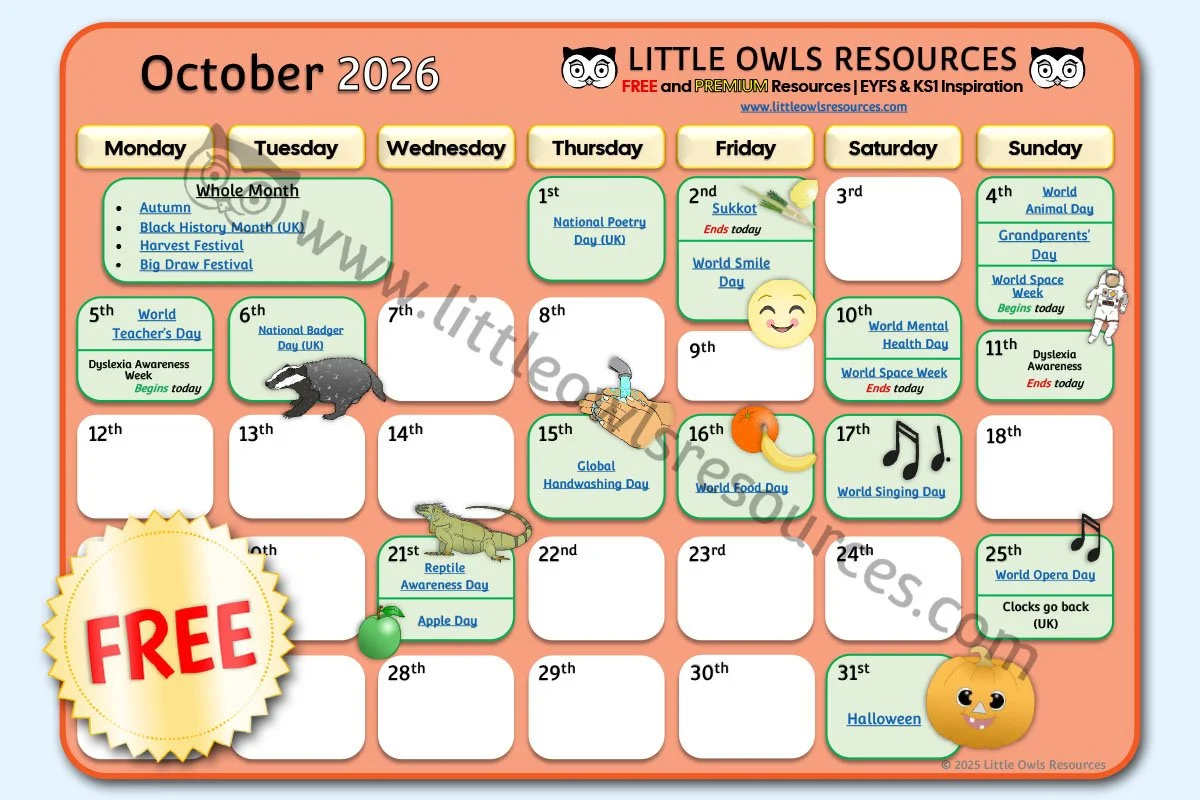
Special Date Calendars
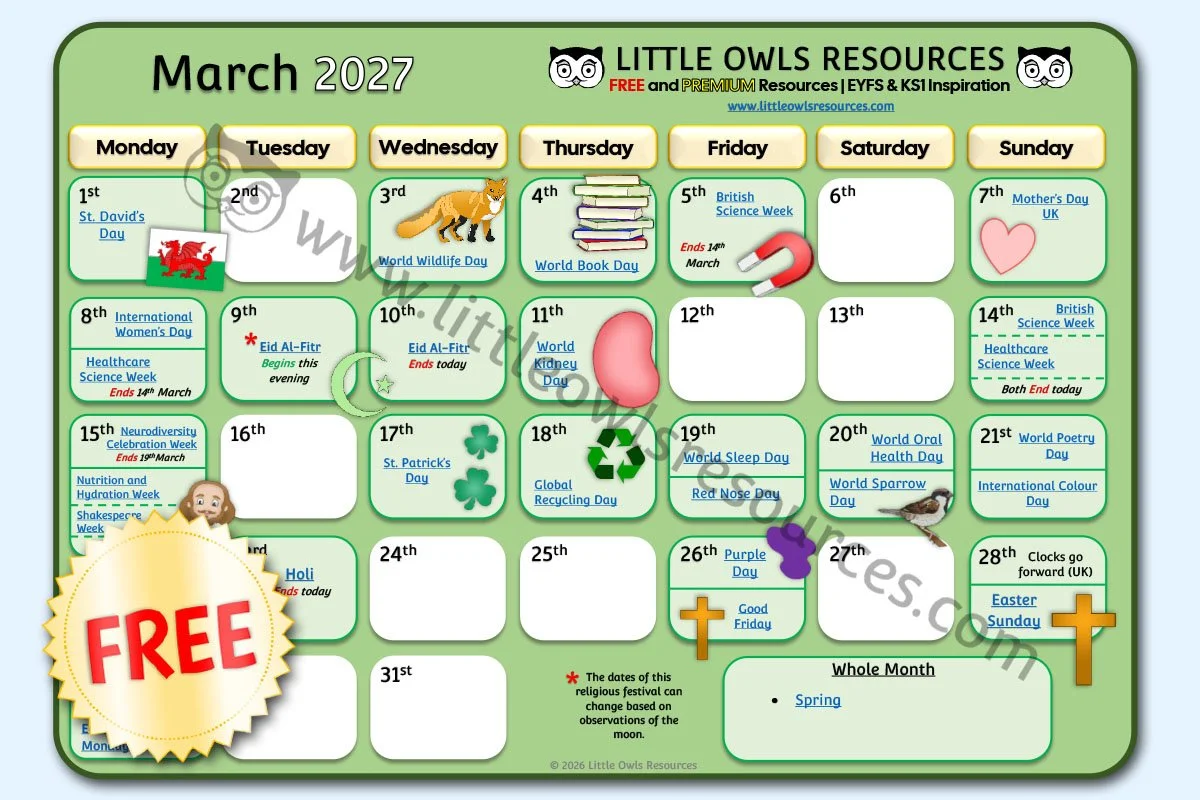
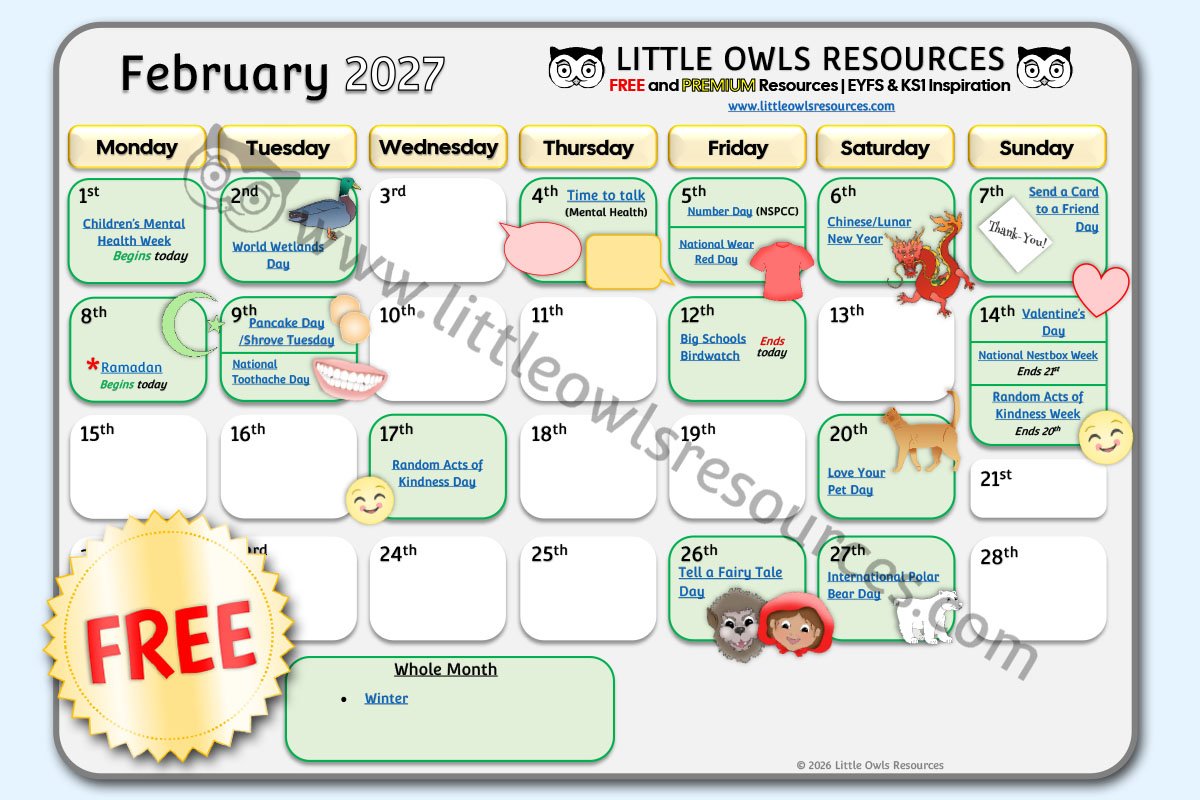
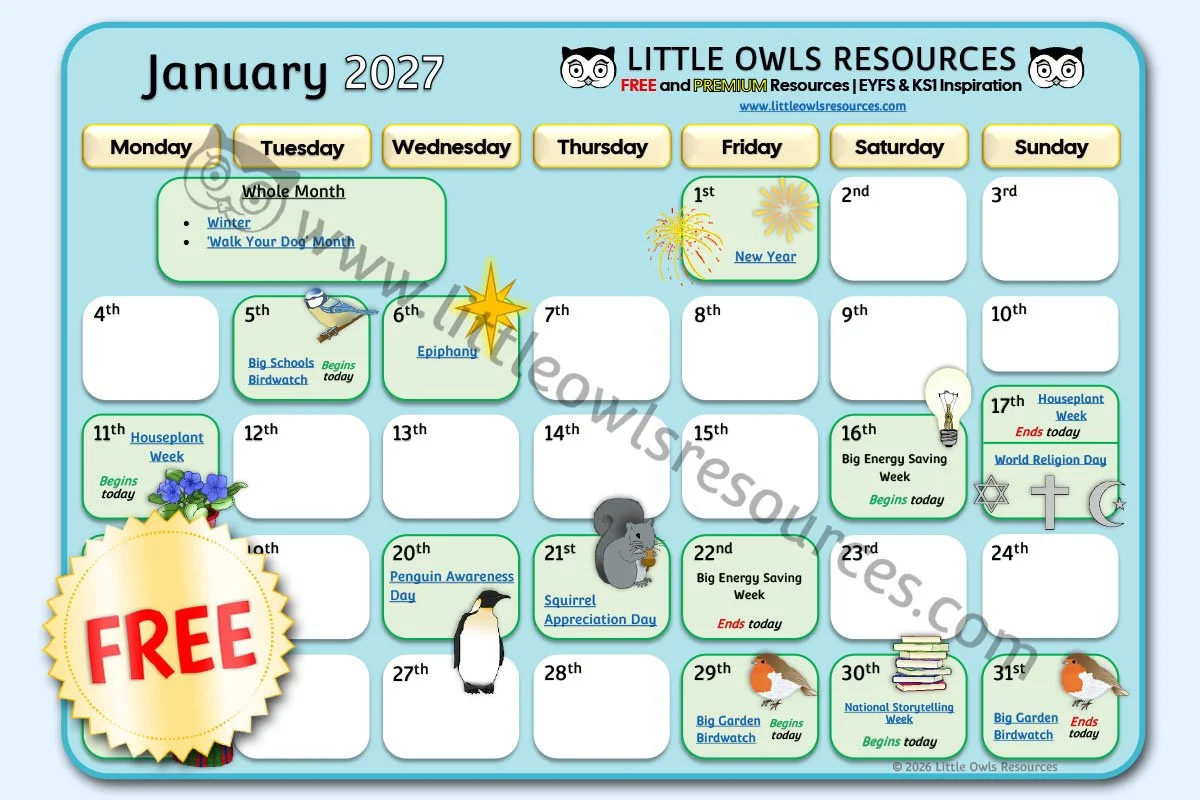
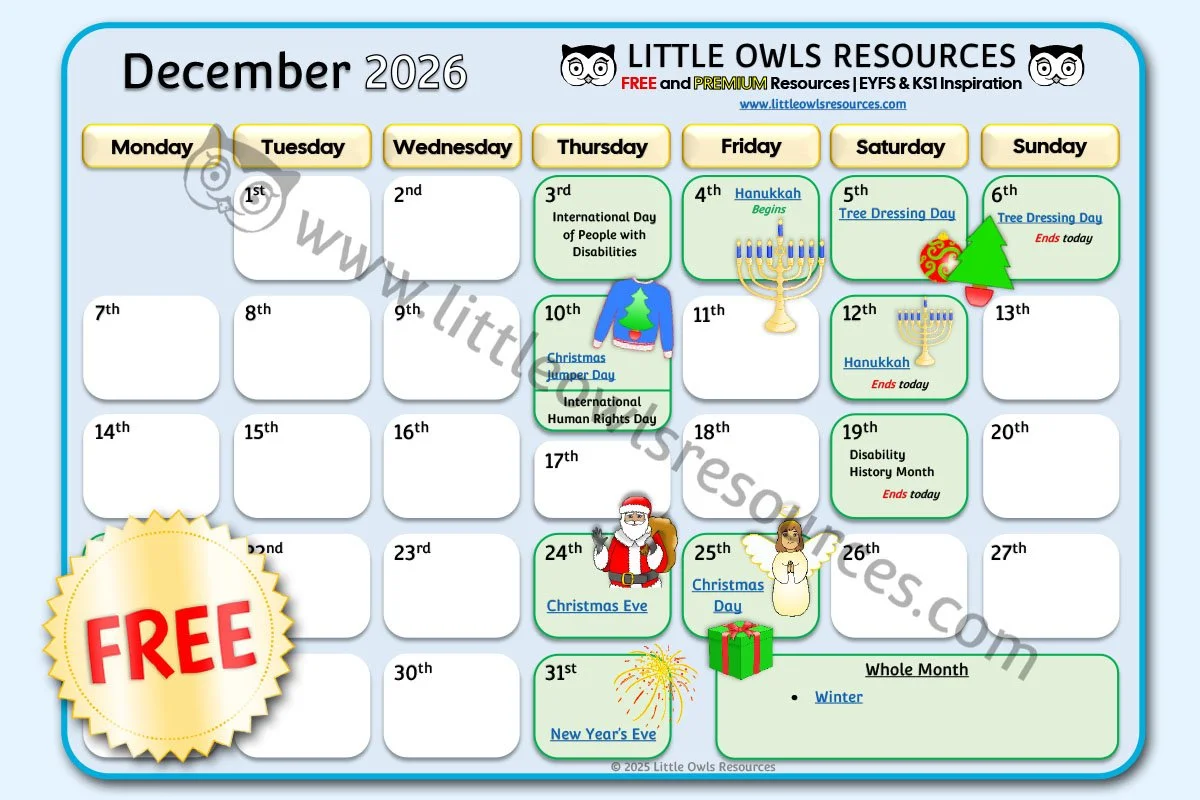
Please use the arrows to the right of the carousel below and select a calendar to explore our continuous provision enhancement ideas & resources. Alternatively, visit our ‘Special Dates Calendar Page’.


Please find additional resources within our ‘Reception Curriculum & Pedagogy’ pathway.
📘 Statutory & Non-Statutory Guidance Resources
Statutory guidance such as the EYFS Framework, establishes clear expectations that all early years providers must meet in order to support children’s safety, wellbeing, and development. Other documents such as ‘Development Matters’, are non-statutory. This means that guidance within these documents provides flexibility and professional support by offering examples and ideas that practitioners can adapt to suit their setting, children, and community.
Together, these forms of guidance help ensure both consistency and flexibility within early years practice. Please find below some of the materials available on Little Owls Resources to support both mentioned documents:
Development Matters
Areas Of Learning
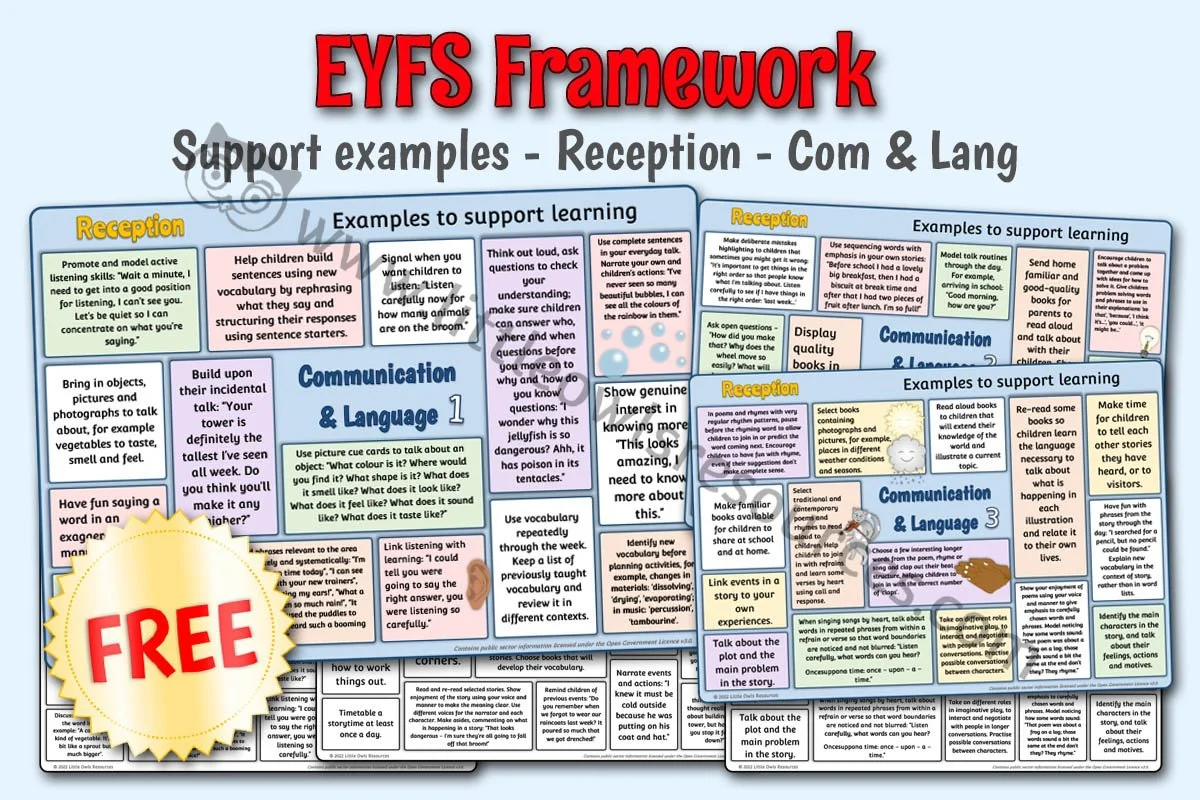
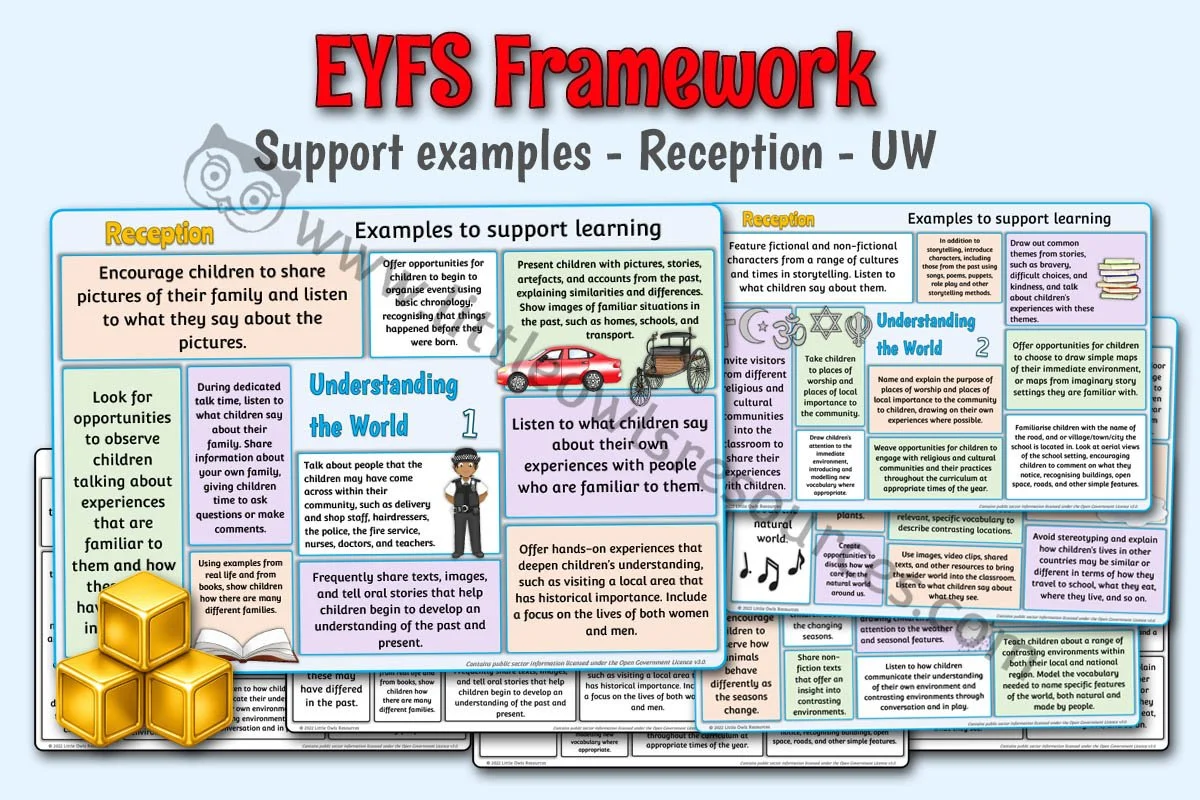
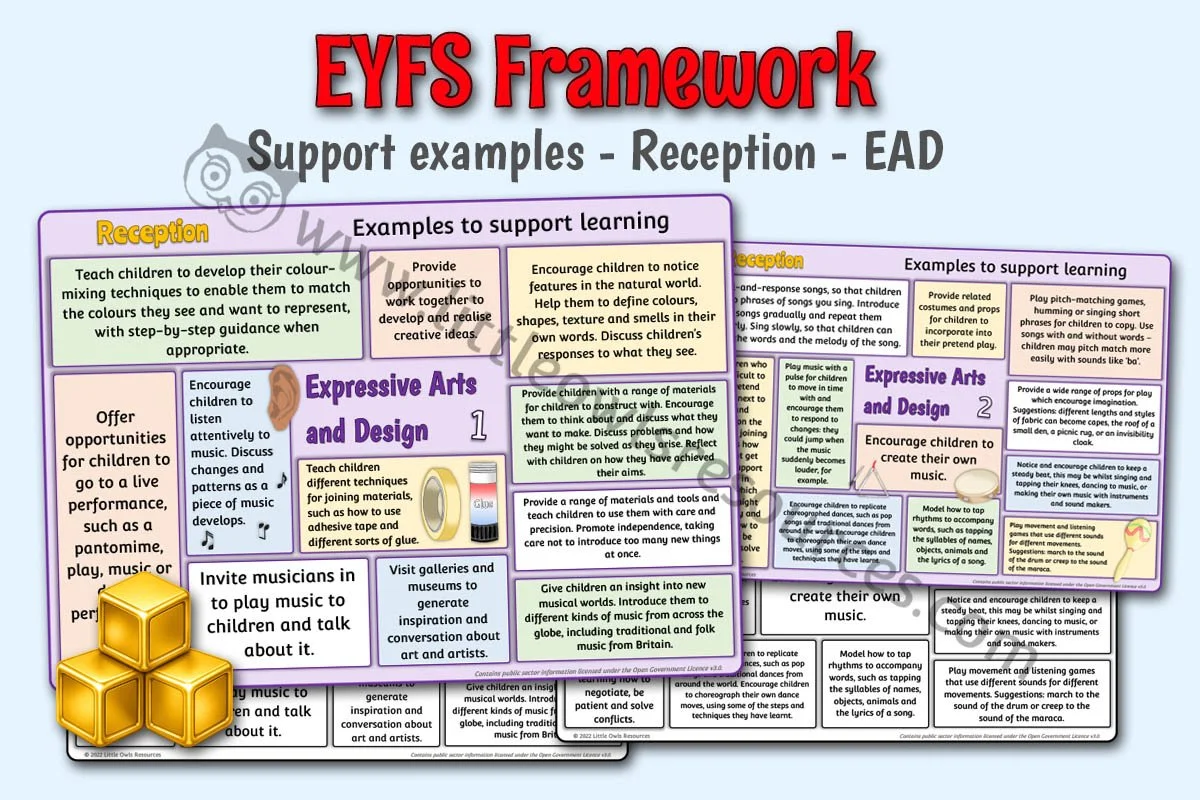
Examples of how to support areas of learning and development for 4 to 5 year olds. Extracted from Development Matters; non-statutory curriculum guidance for the early years foundation stage. Includes colour and black and white versions. Files contain public sector information licensed under the Open Government Licence v3.0.
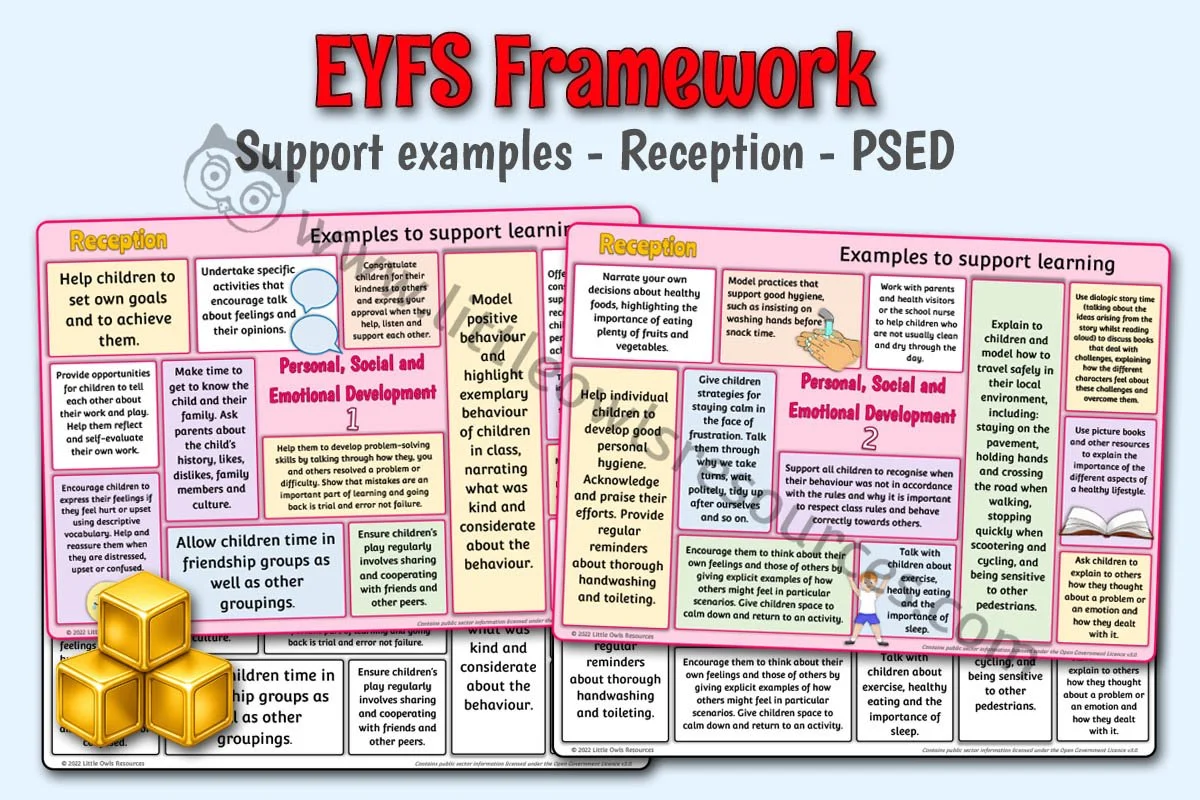
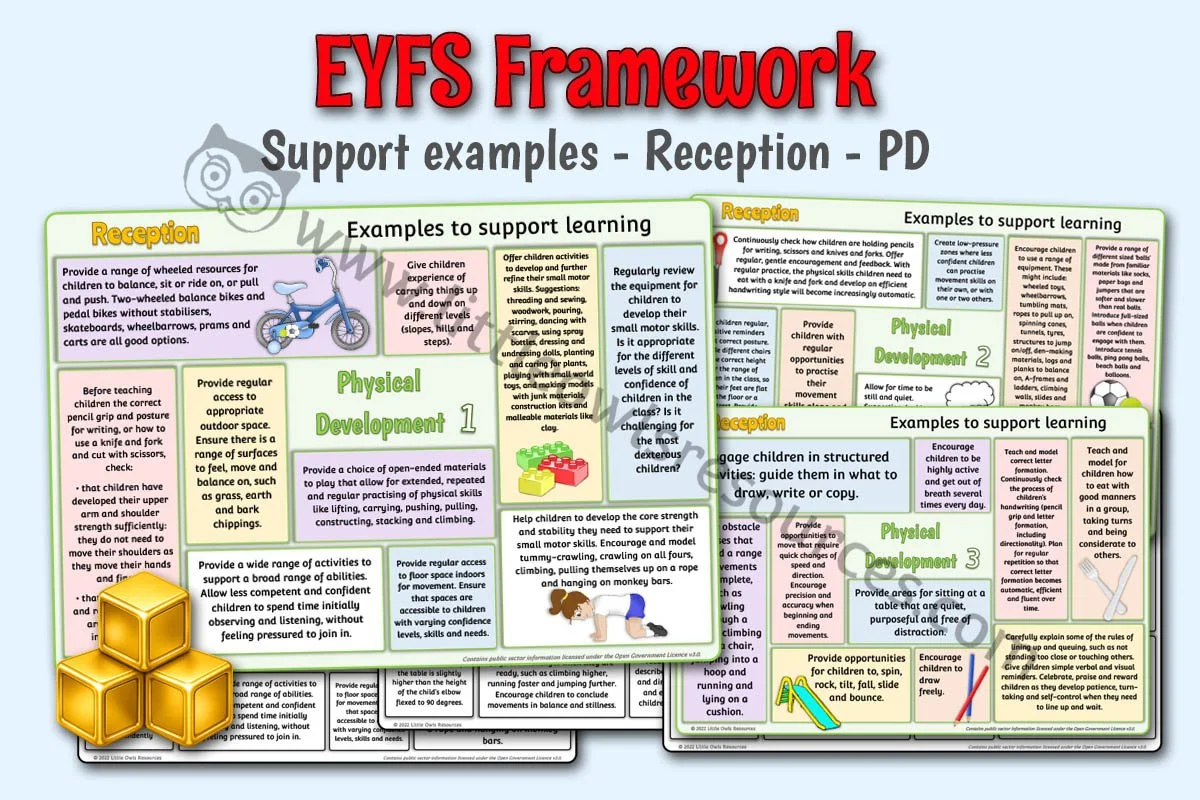
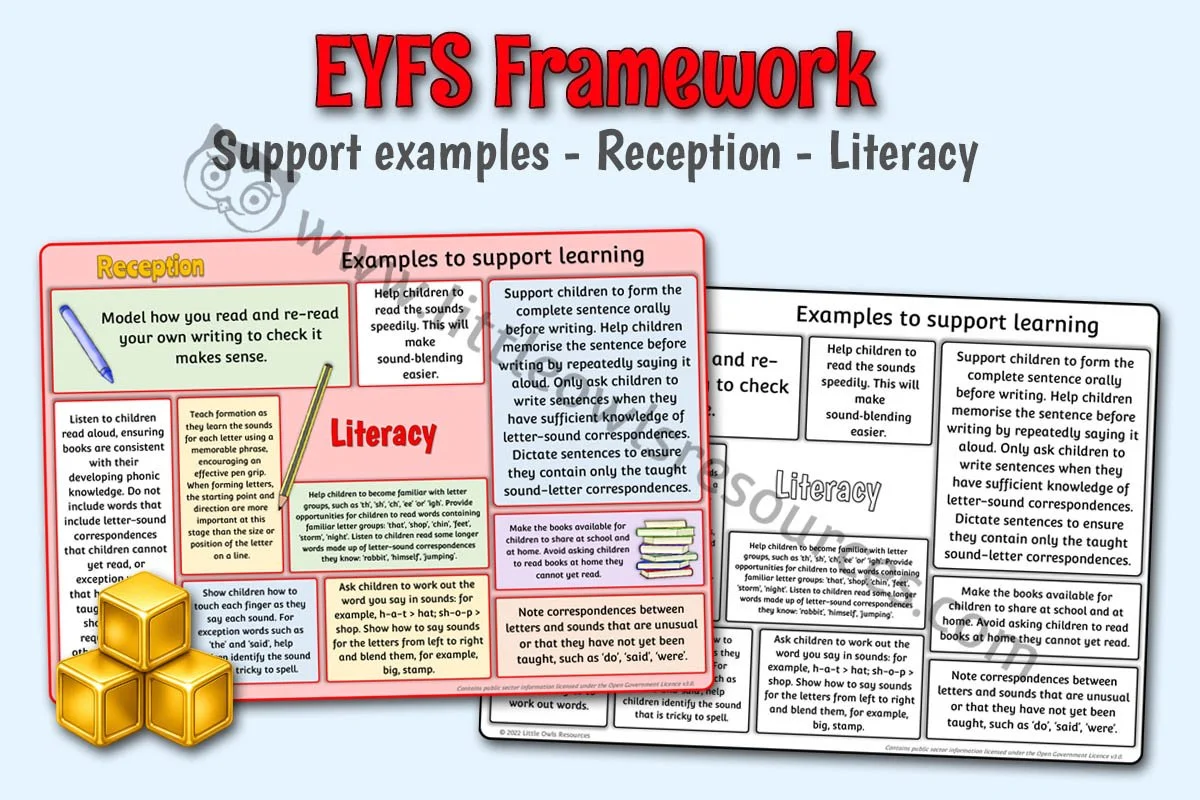
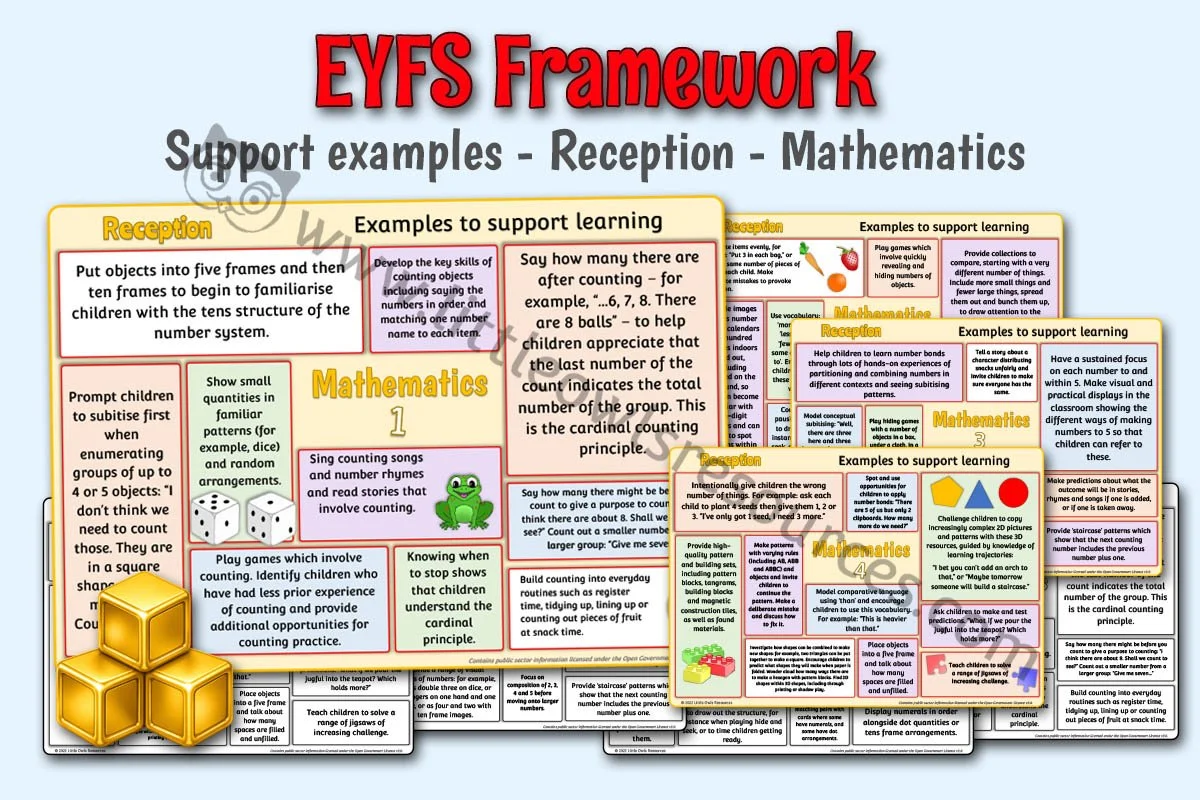
EYFS Framework
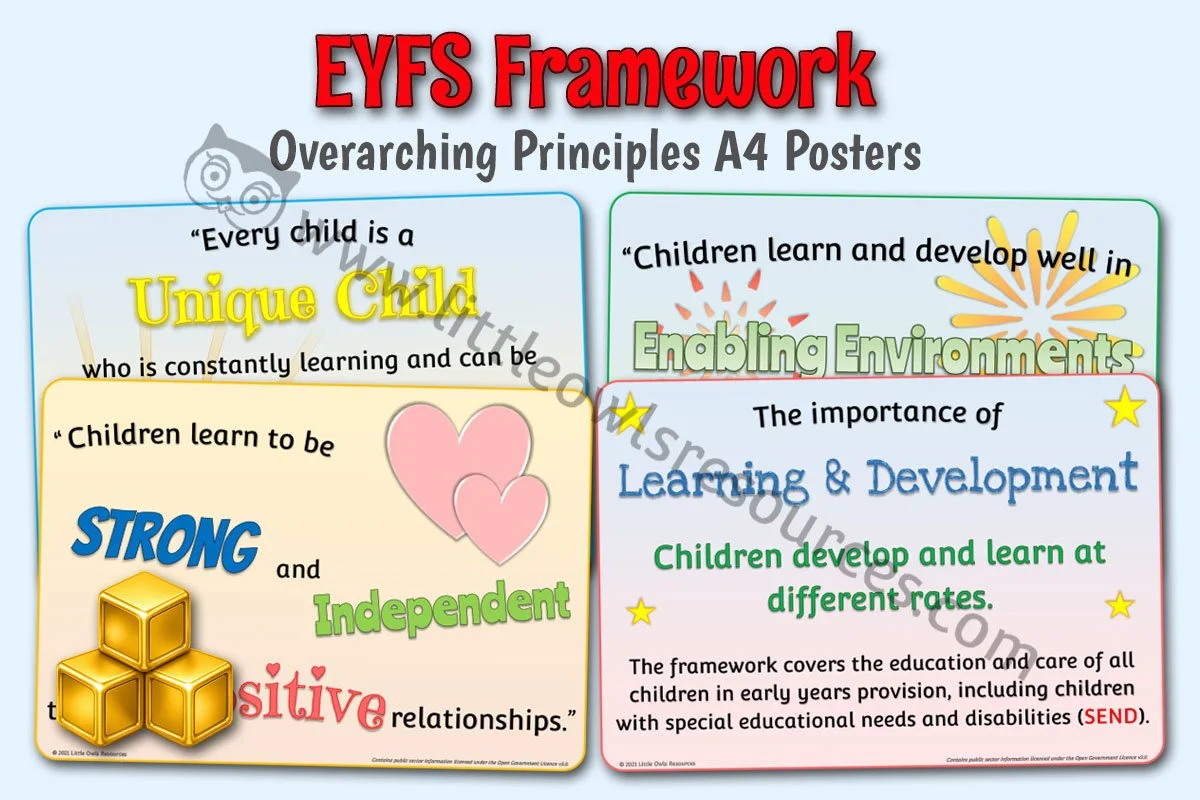
Overarching Principles
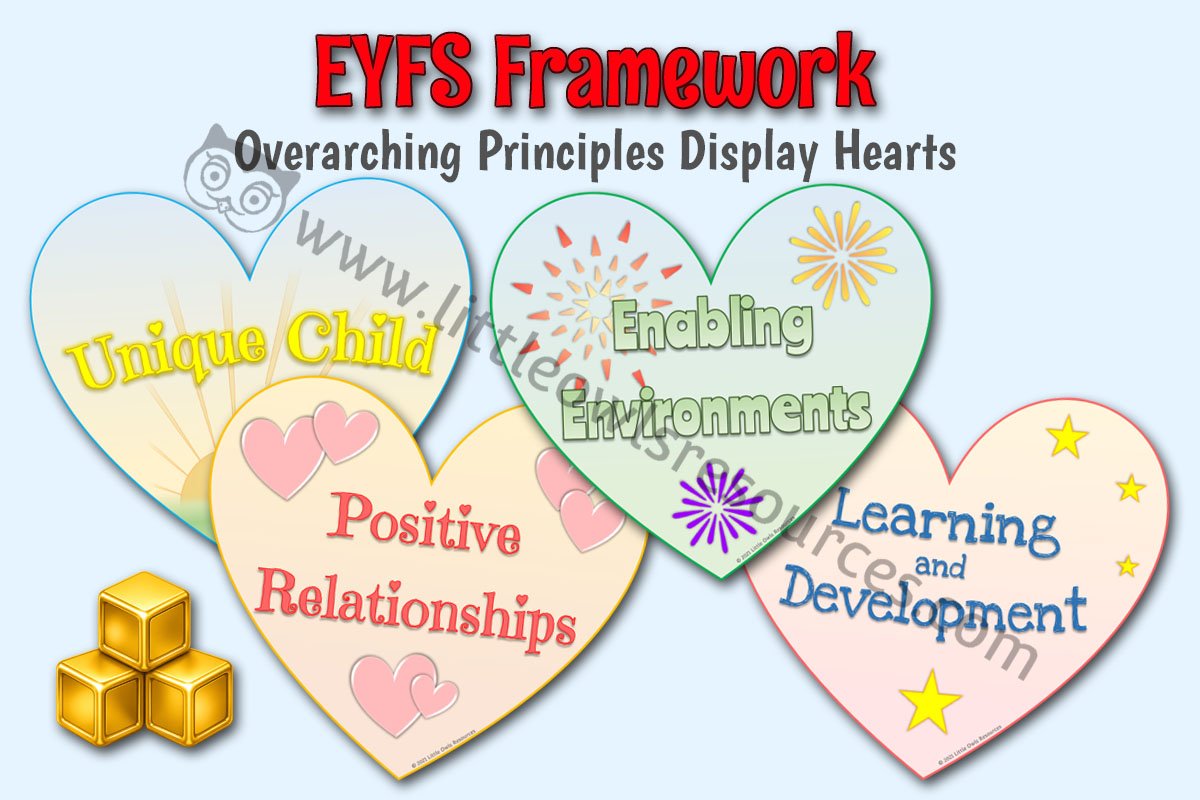
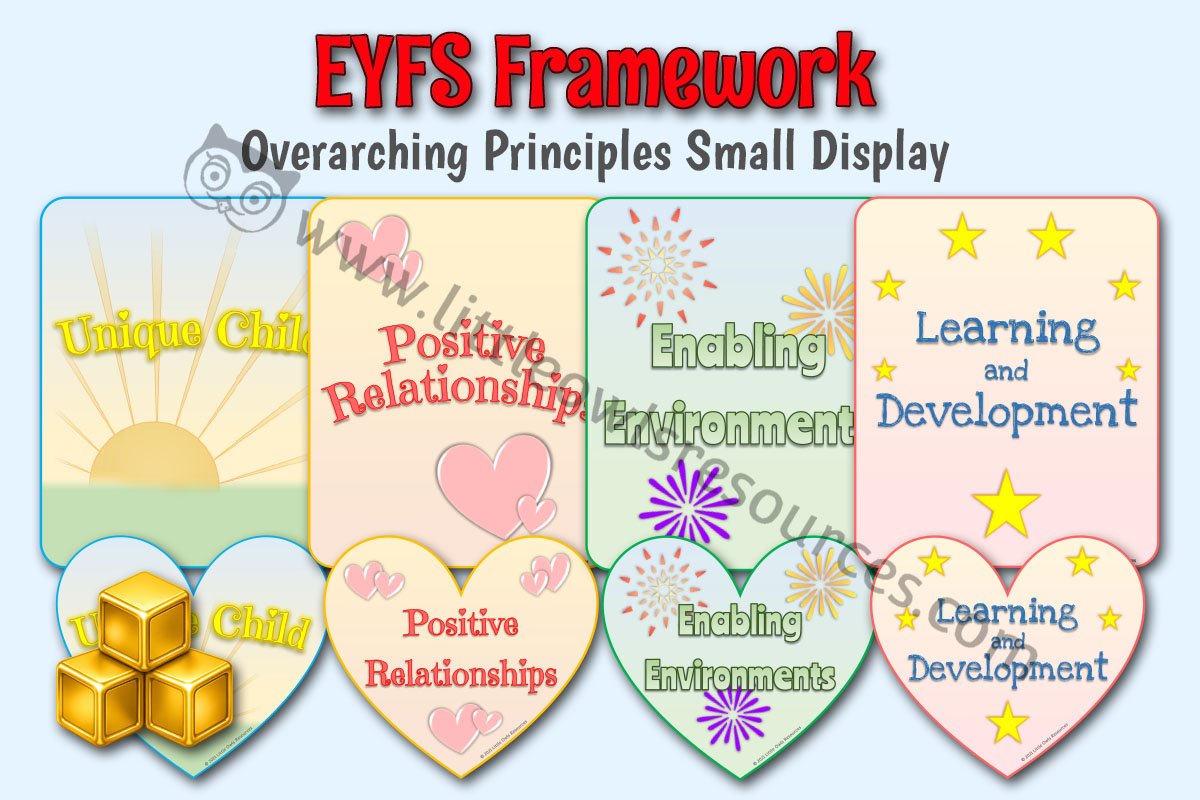
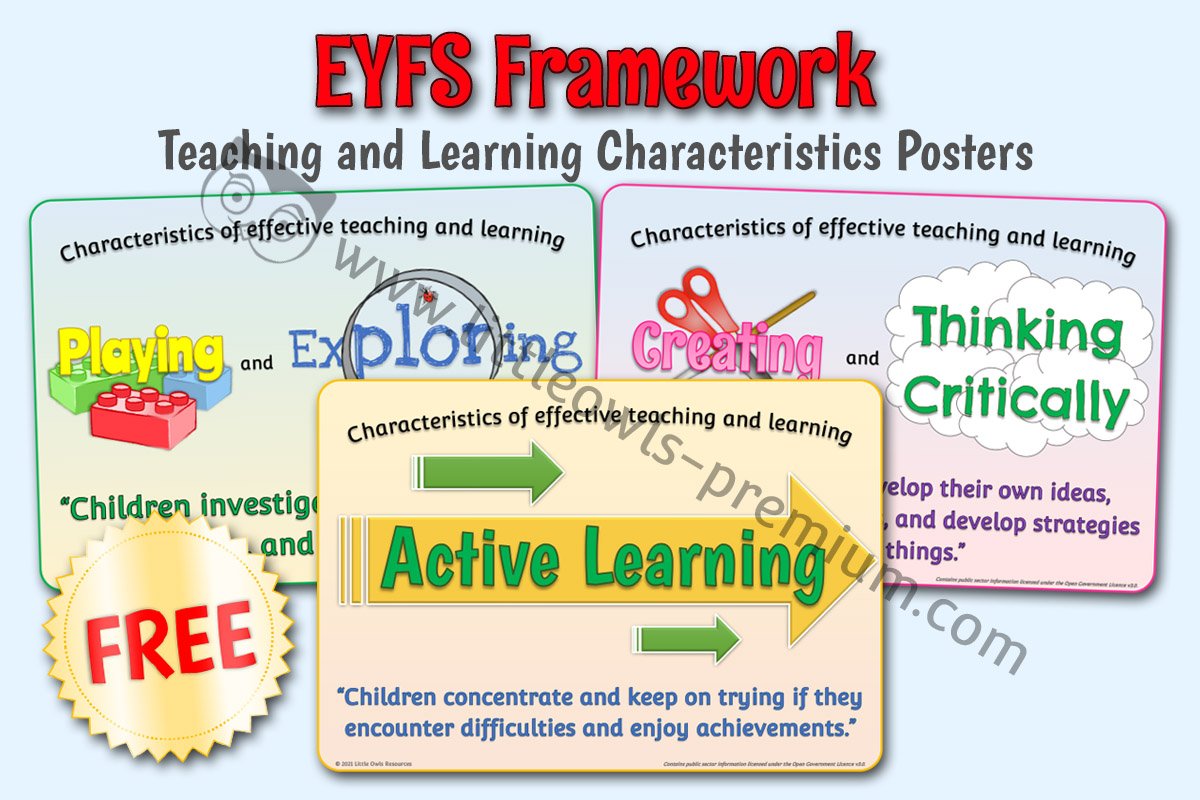
Teaching & Learning Characteristics
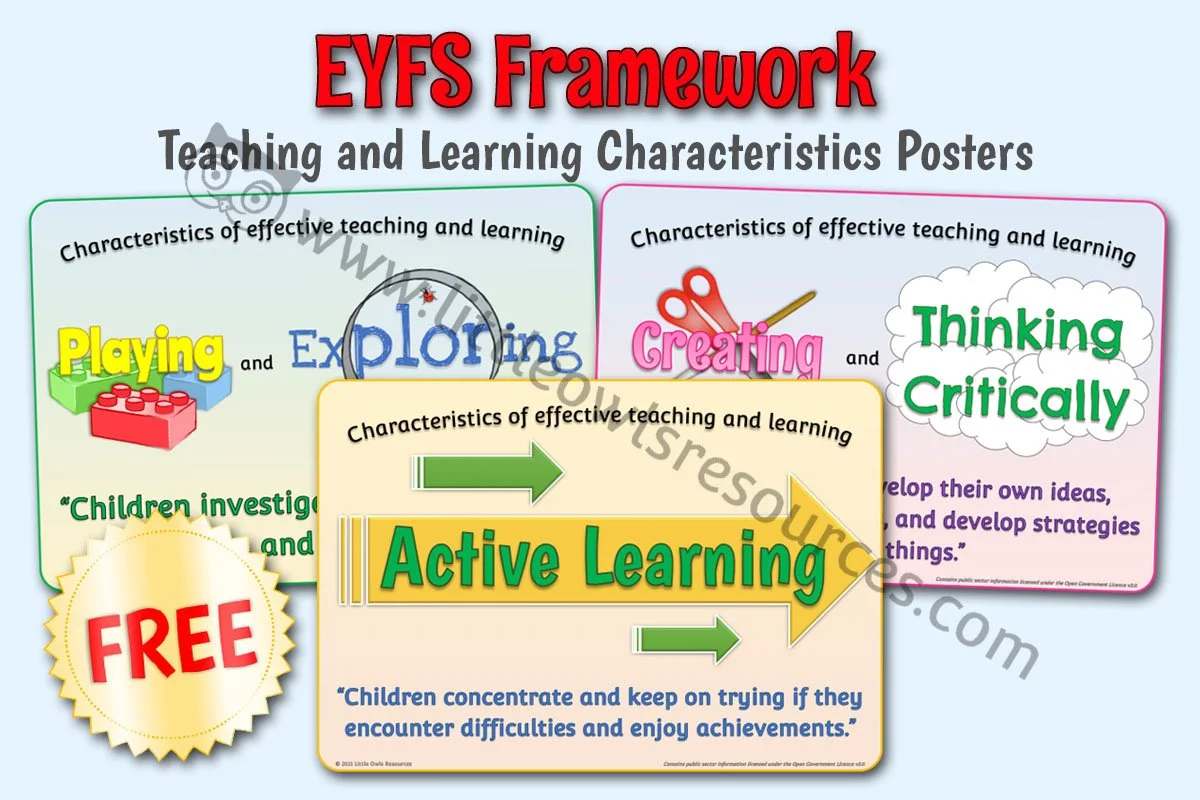
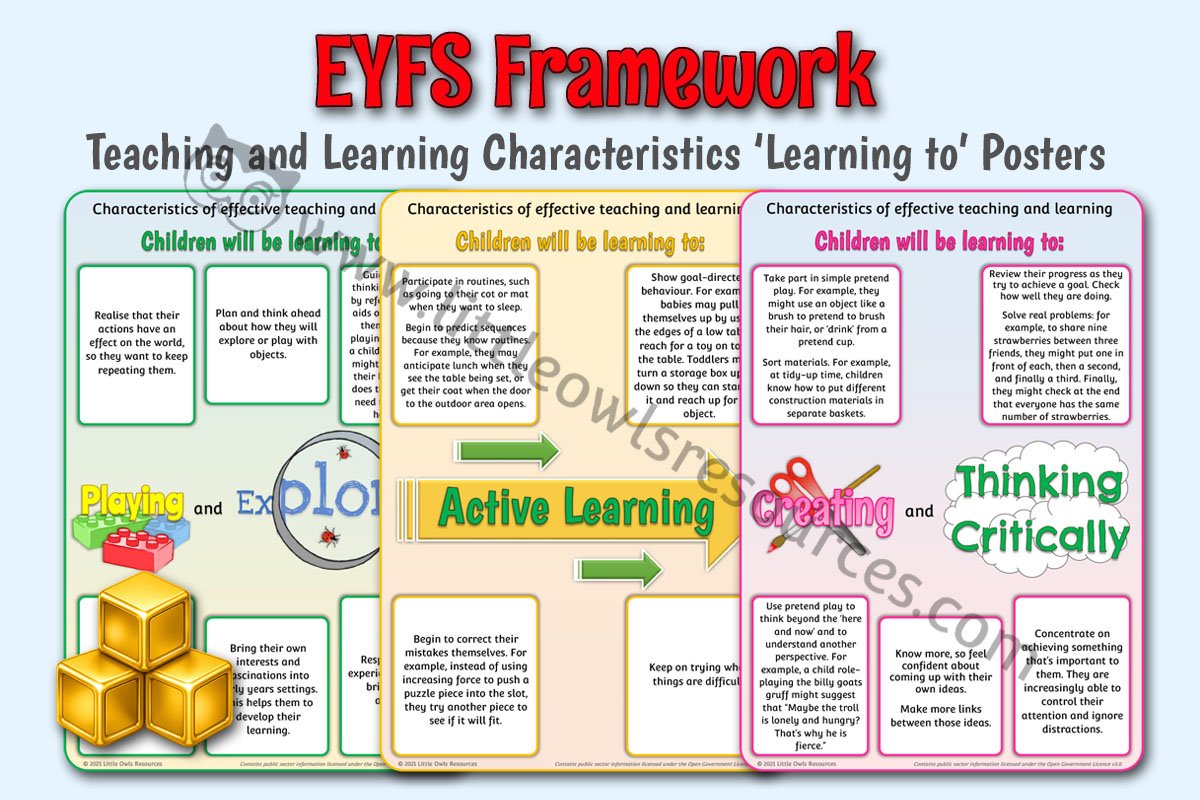
Seven Key Features of Effective Practice
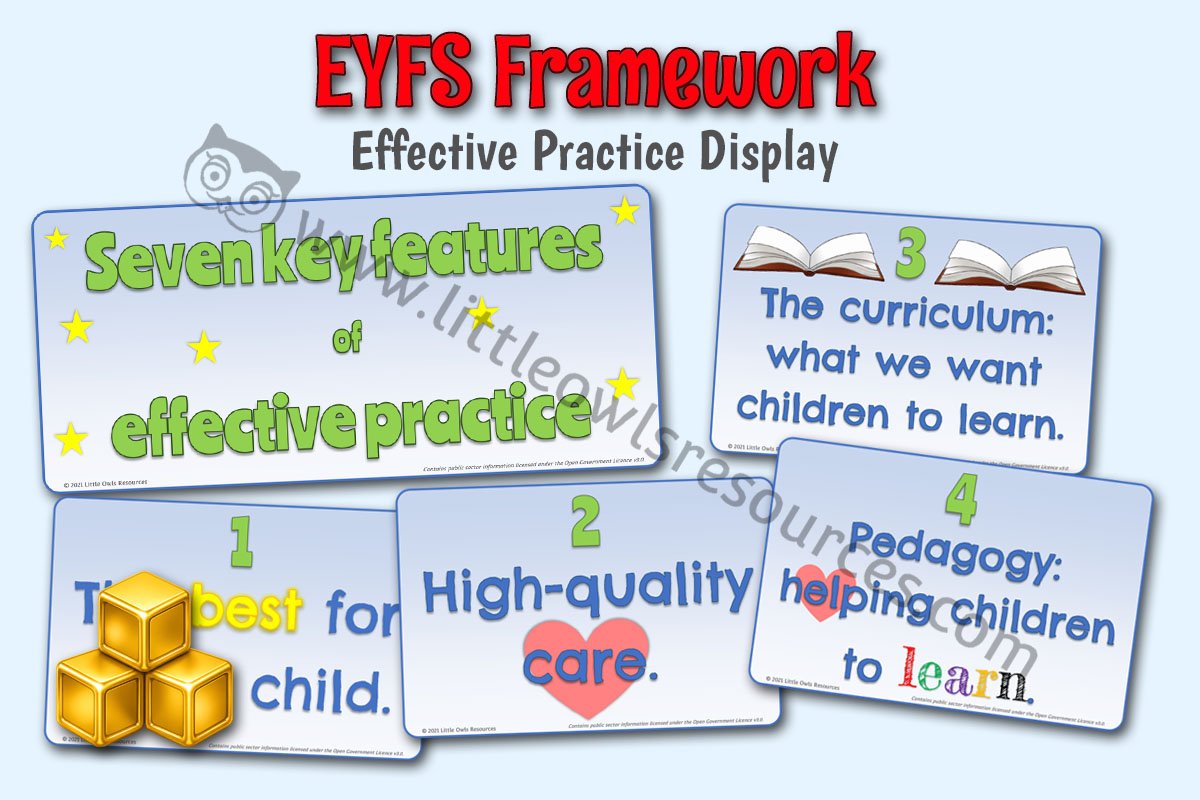
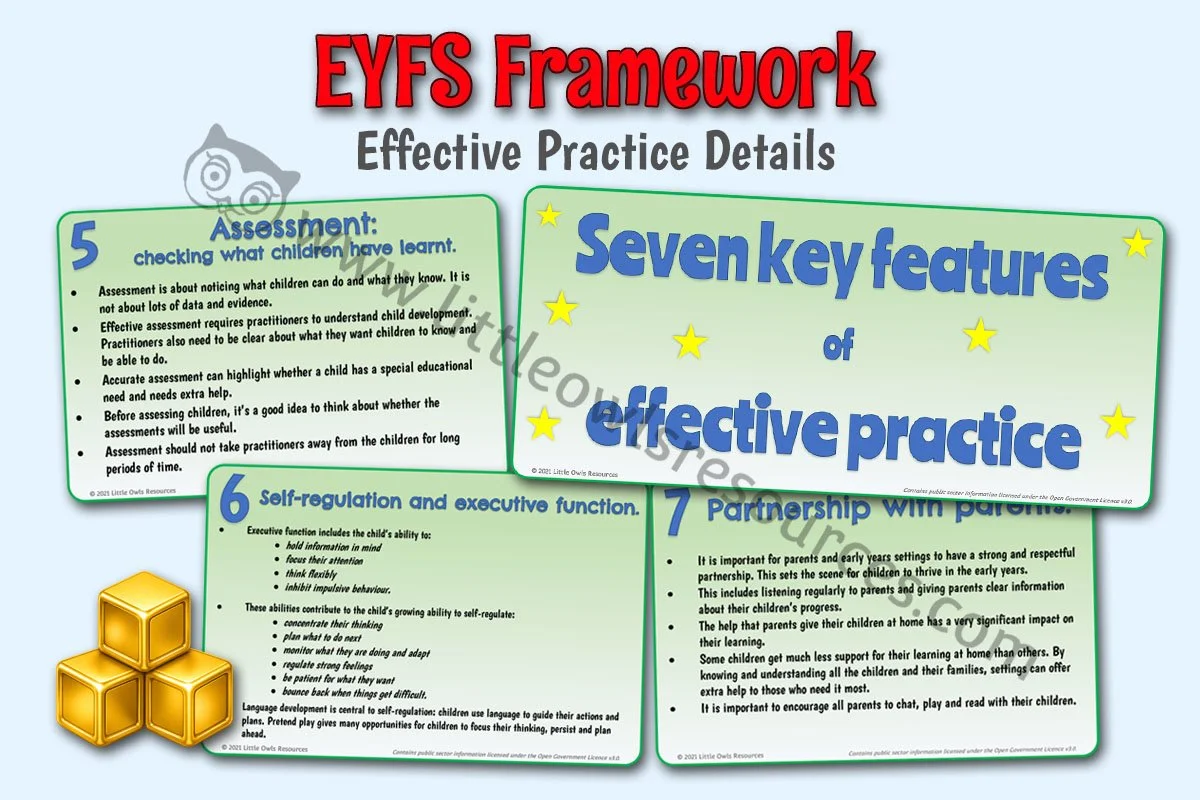
Please find additional resources on our ‘EYFS Framework Support’ page.
➕ Additional Support
Further support materials for Reception Curriculum & Pedagogy, such as our document ‘Why Themes Are Optional in Reception’, may by found in our ‘Reception (4-5 Years) Pathway’.
Further EYFS Planning Support
For additional planning support please see the following pages:
Age pages:
Setting pages:
Generic:
This webpage and documents within it are provided as professional guidance to support effective EYFS practice. They do not replace the EYFS Statutory Framework or other statutory guidance. Practitioners must apply professional judgement and adapt practice to their setting and current requirements.