

Changing Seasons · EYFS & KS1
A familiar place.
A year of discoveries.
Changing seasons activities, resources and provision ideas for noticing the world through spring, summer, autumn and winter.
Find seasonal displays, weather printables, practical activity ideas and flexible planning support for EYFS and Key Stage 1. Start with the children’s observations, then choose resources that help them talk, play, compare and find out more.
Return to a familiar tree, view or outdoor space throughout the year. Small changes noticed together can be more useful than a different activity every day.
Find your starting point
Search this Changing Seasons collection
Search the resources selected for this theme from across Little Owls, including weather, outdoor observation, plants, seasonal change and adult planning. Choose an age, then add an optional word. Select a result to find its card on this page.
Search becomes available when JavaScript is enabled. You can always browse using the section choices above.
01 / Try a starting point
Start with a free resource
Choose a free printable or sample for weather talk, outdoor noticing or a shared seasonal experience. Each card identifies the access for that specific resource.

Daily Weather Calendar — Free Dinosaur Sample
Try a compact A4 calendar for looking at today’s weather together. Connect the pictures with what children can actually see; a calendar is a conversation prompt, not a test of date or season knowledge.
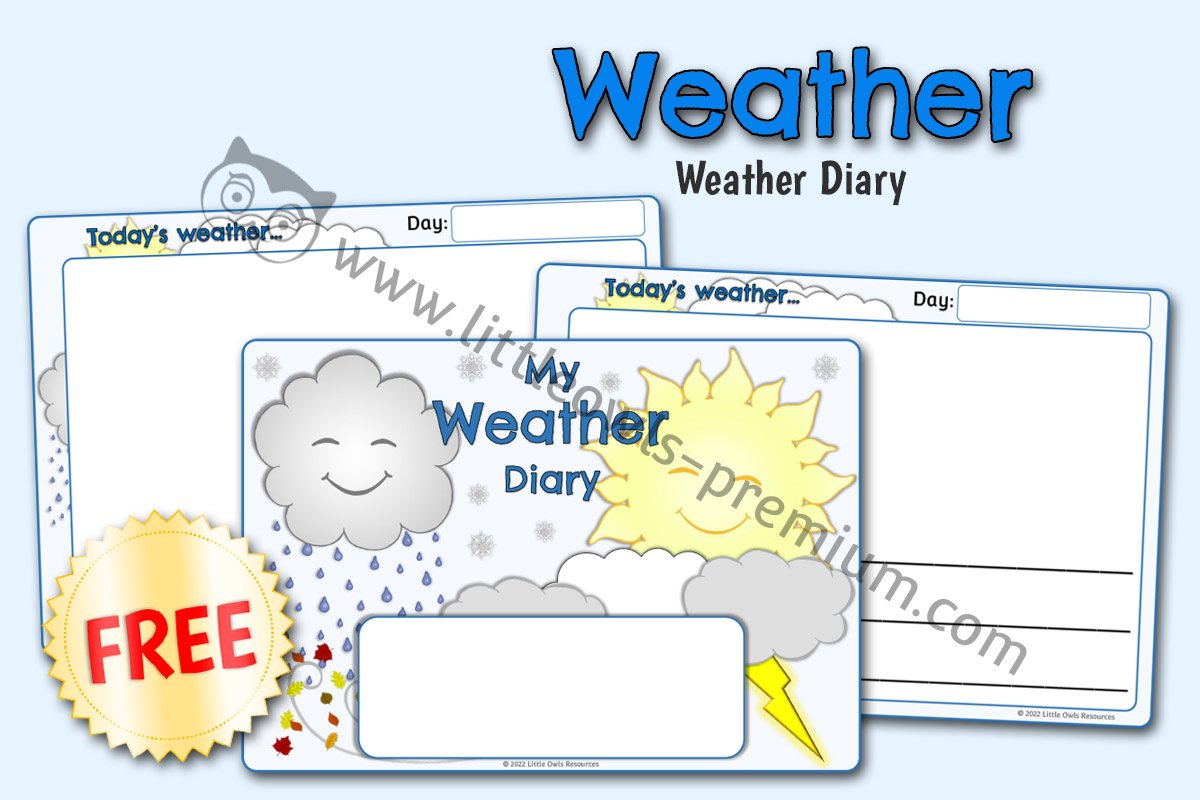
My Weather Diary — Free Sample
Try the sample booklet to record a few real weather observations. Children can draw, make marks or dictate words, then return to compare what changed and what stayed the same.

Signs of Spring — Free Poster Sample
Share spring pictures, then look for changes in a familiar place. Treat the images as possible observations: local plants, animals and weather will not all change on the same date.

Finger-Paint Autumn Leaves — Free Tree Template
Offer the tree template after looking at real trees, photographs or children’s own ideas. Explore marks and colours with suitable materials; children can choose how to represent the changes they notice.
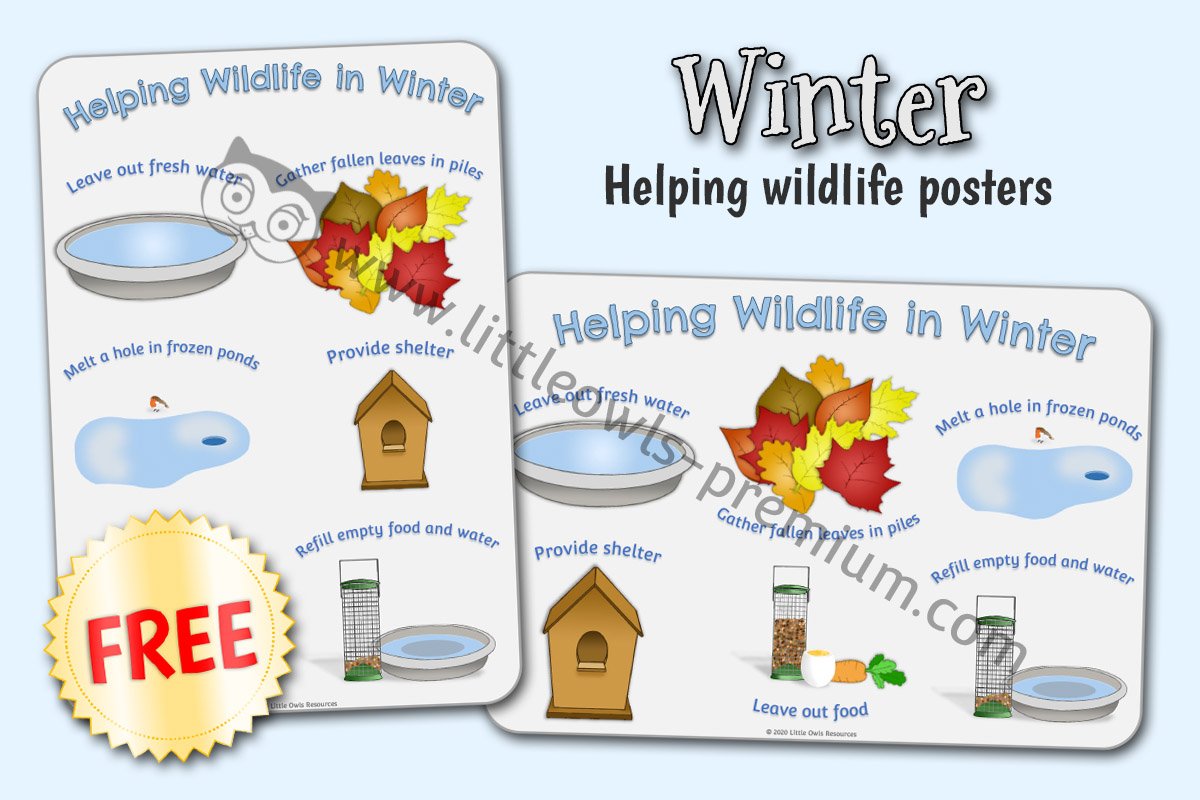
Helping Wildlife in Winter — Free Poster
Use the sample poster to start a conversation about wildlife during colder months. Adults can connect one relevant idea with the local environment and supervise any practical care activity.

Natural Items Shape Cards — Free Resource
Explore shapes using suitable natural materials gathered with adult guidance. Compare the leaves, twigs or stones available at different times of year, while keeping the mathematical focus on the shapes children make.
02 / Pictures, vocabulary & displays
Explore the four seasons
Introduce spring, summer, autumn and winter through pictures and changes children can notice. Use these activities, displays and printables alongside real observations; a seasonal picture is a starting point, rather than a rule for what every day should look like.

Seasonal Changes Display Posters
Use the four-season pictures alongside children’s photographs and real observations. Talk about patterns across the year, while leaving room for weather that does not match a typical seasonal picture.

Seasons — Sort & Match Activity Cards
Compare the seasonal pictures and discuss possible connections. Welcome more than one sensible choice: rain, sunshine and some clothing can belong in several seasons.

Changing Seasons — Cut & Stick Activity
Choose pictures to discuss and arrange after a walk, a shared book or a conversation. Adults can prepare pieces where needed, and children can explain their choices through pointing, talk or drawing.

My Favourite Season — Draw & Write
Invite children to draw or write about a season they enjoy, or one they want to find out about. Use personal memories and current interests rather than expecting every child to have the same seasonal experiences.

Seasons — Thought Shower & Brainstorm Sheets
Gather children’s existing ideas and questions about a season. An adult can scribe the conversation, then revisit the sheet after real experiences to notice new ideas and changing explanations.

Seasons Topic Display Banner
Introduce a changing-seasons display with space for children’s photos, observations and questions. Add meaningful contributions over time so the display records the local year as it unfolds.
03 / Connect with today
Weather, clothes & everyday routines
Look outside, talk about how it feels and choose clothing for the conditions. Weather calendars and picture prompts can support a brief, meaningful conversation without making calendar facts a test for younger children.

Seasonal Clothing — Two-Piece Puzzles
Match the two parts and talk about the clothing in each picture. Connect choices with today’s conditions and personal comfort; clothing is not fixed to one season.

My Weather Book — Babies
Share one of the illustrated weather pages in a comfortable moment with a baby. Follow their gaze, movement or sounds, and pause for a response; naming weather or understanding seasons is not expected.

Today the Weather Is… Display
Look outside together before choosing weather pictures for the display. Revisit it when conditions change, helping children distinguish today’s weather from the broader pattern of a season.

Weather Word Mat
Keep useful weather pictures and words available for talking, drawing and recording. Adults can model a word that fits a real observation without expecting children to use every term.

Colour Clothes for the Weather
Use the pictures to discuss what might help someone feel comfortable in particular weather. Relate the choices to real conditions, family preferences and the clothes available to children.

Daily Weather Calendar — Minibeast Theme
A compact A4 display offers weather and calendar prompts for a small space. Observe first, then choose information that is useful to the children; keep the routine brief and responsive.
04 / Return to a familiar place
Notice, compare & record change
Follow one tree, a patch of sky or a familiar outdoor space across the year. These resources support repeated observation, practical enquiries and purposeful recording, including Year 1 seasonal changes learning.
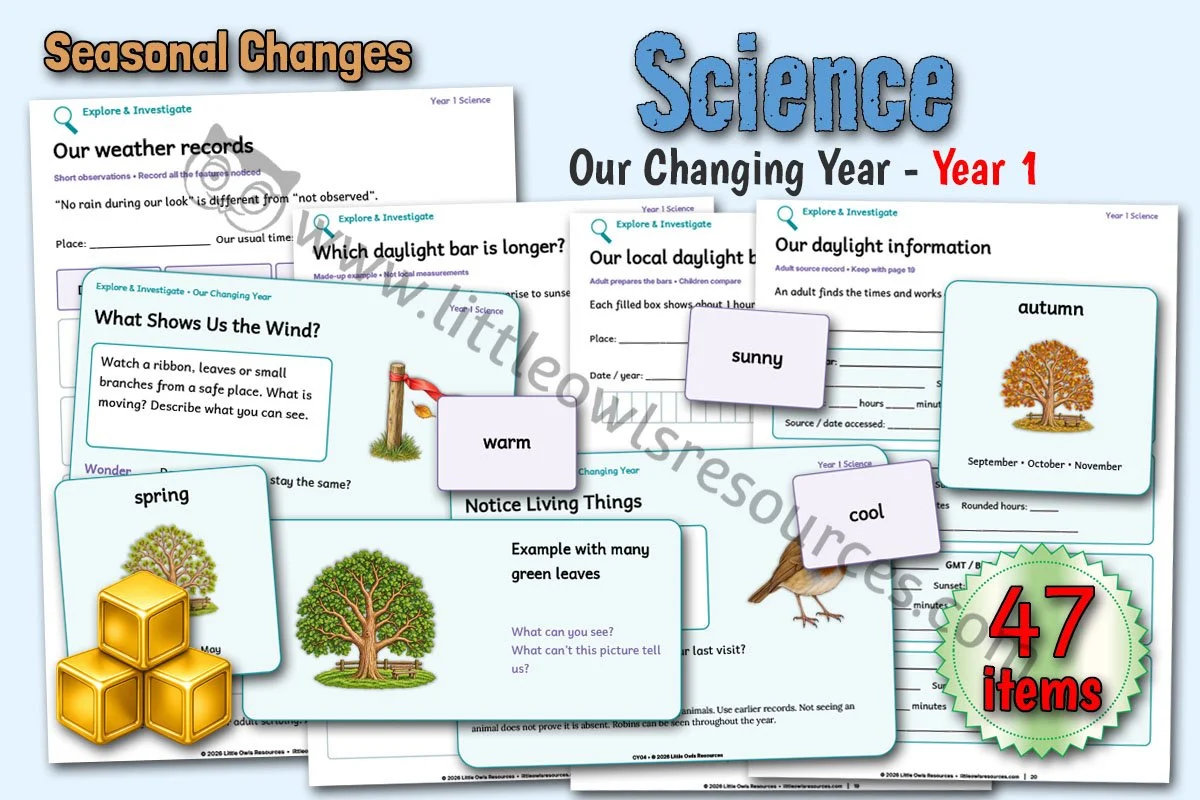
Our Changing Year — Seasonal Observations, Year 1
Revisit a familiar outdoor place across the year to notice weather, living things and daylight. Use dated pictures or selected recording prompts to compare observations over time.
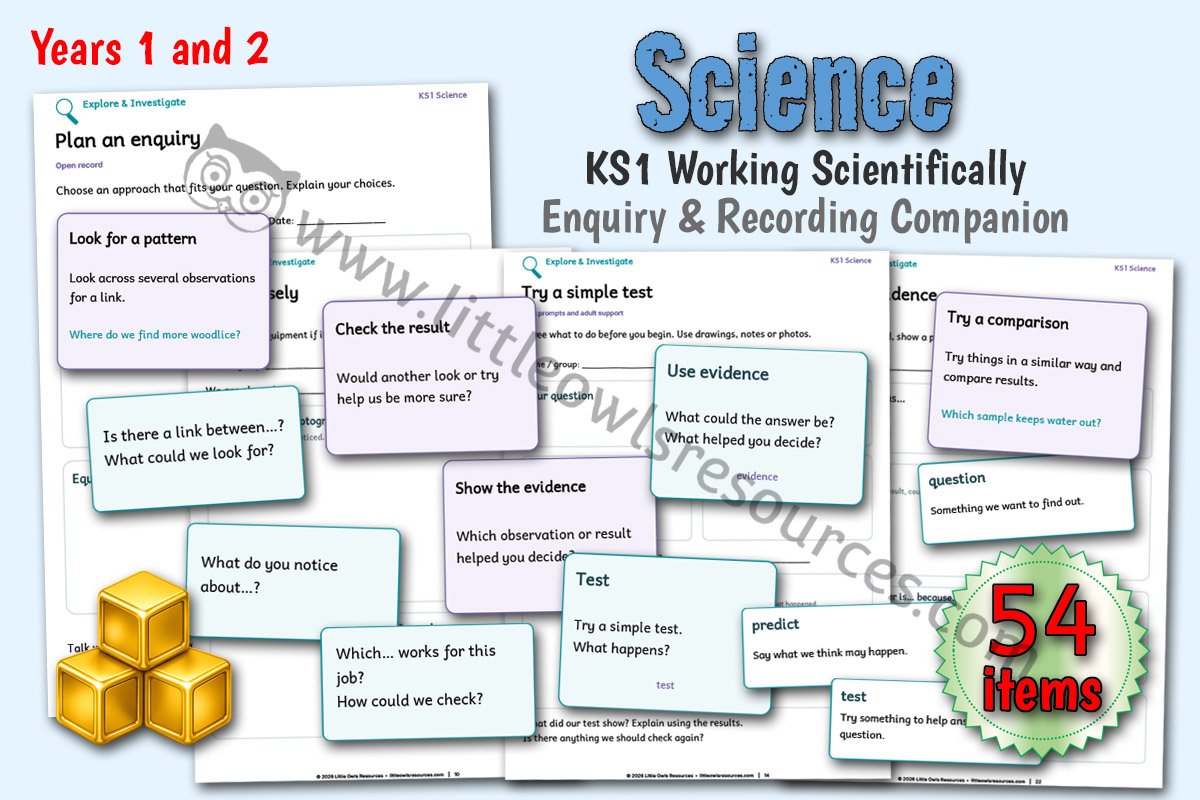
KS1 Working Scientifically — Enquiry & Recording
Choose a simple question about seasonal change and decide how to gather useful observations. Use the companion’s selected prompts to compare, record and explain, keeping the recording in proportion to the enquiry.
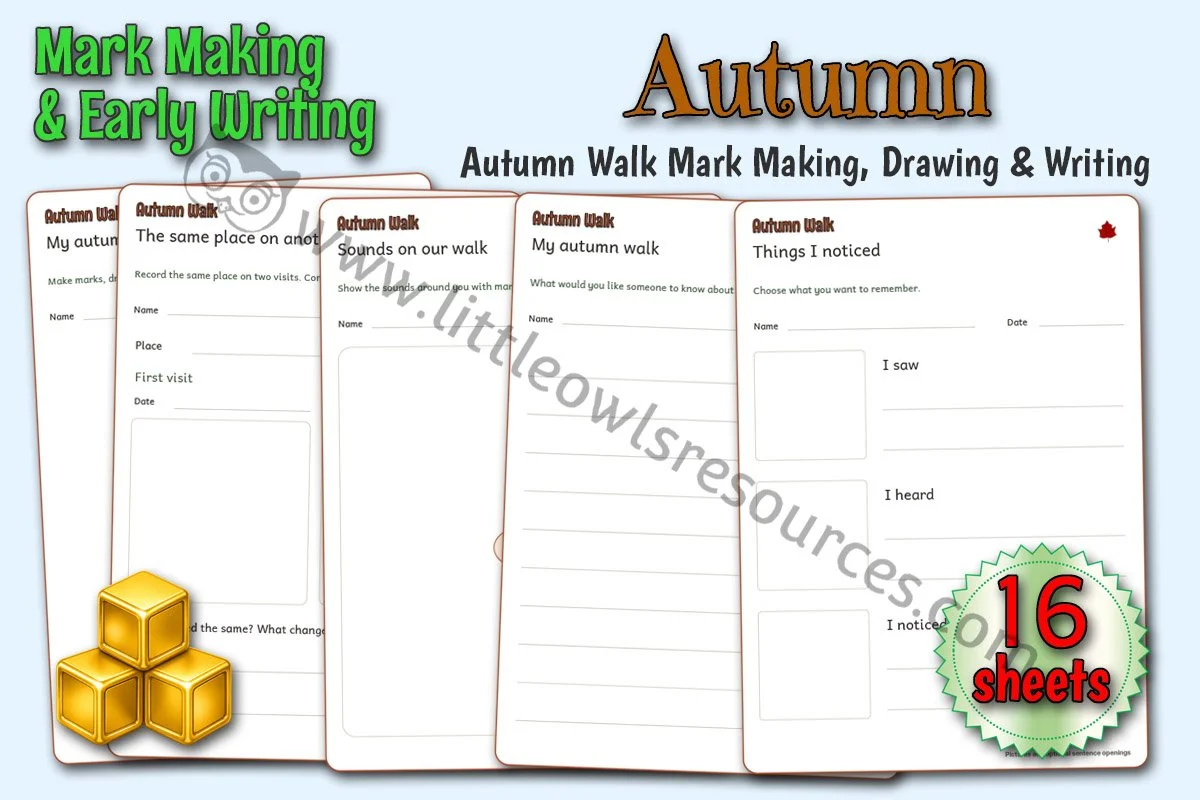
Autumn Walk — Drawing, Writing & Mark Making
Return from a familiar walk with something worth remembering. Children can draw, make marks, dictate or write about what they actually noticed rather than completing every possible prompt.
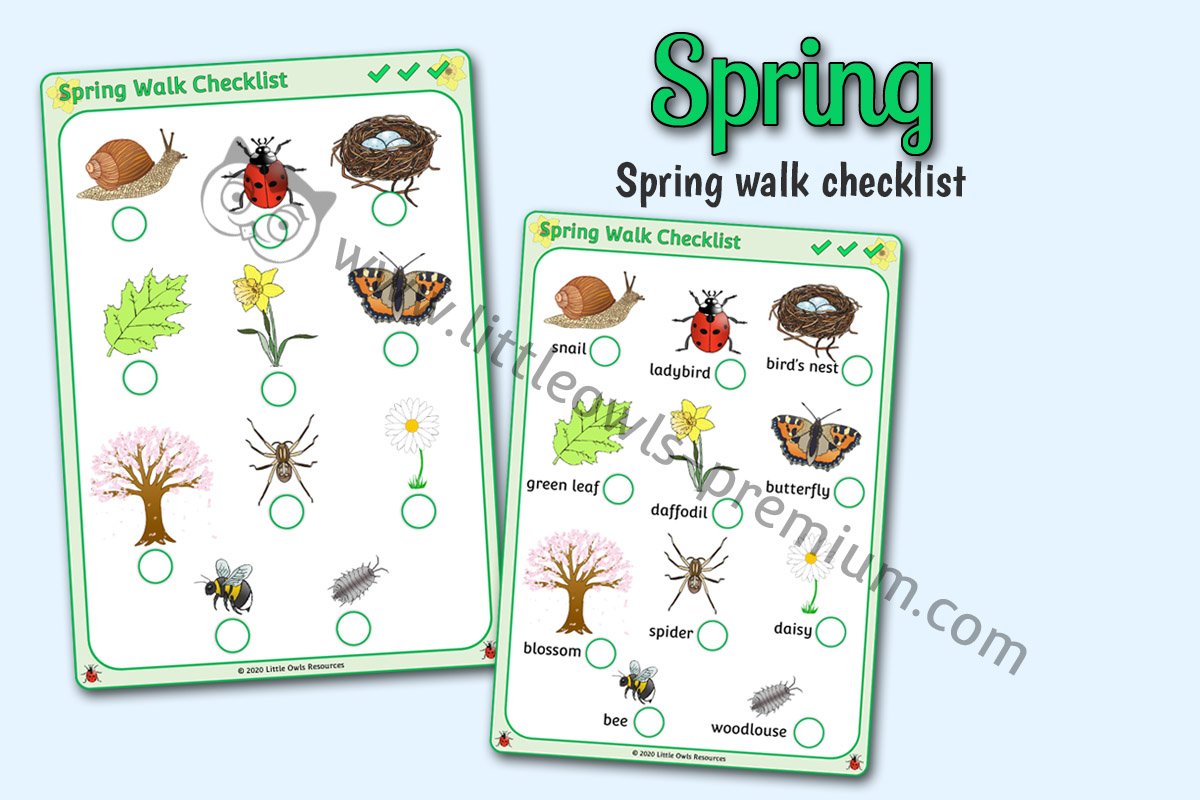
Spring Walk Checklists
Take a small selection of prompts on a spring walk and look closely together. It is fine not to find an item; use the checklist to invite noticing rather than to complete a hunt against the clock.

Winter Walk Checklists
Look for local winter changes on a comfortable, adult-supervised walk. Compare with earlier visits and accept what is present, whether or not the day looks like a snowy winter illustration.

My Summer Senses Booklet
Select a page to remember something seen, heard, felt or otherwise noticed during a summer experience. Invite drawings, marks, words or adult scribing; children do not need to complete every sense prompt.
05 / Follow living things
Plants, trees & animals through the year
Look for local signs of growth and change, revisit a plant or notice which animals are around. Choose a few relevant resources and check what is happening where you are: species, places and weather patterns differ.
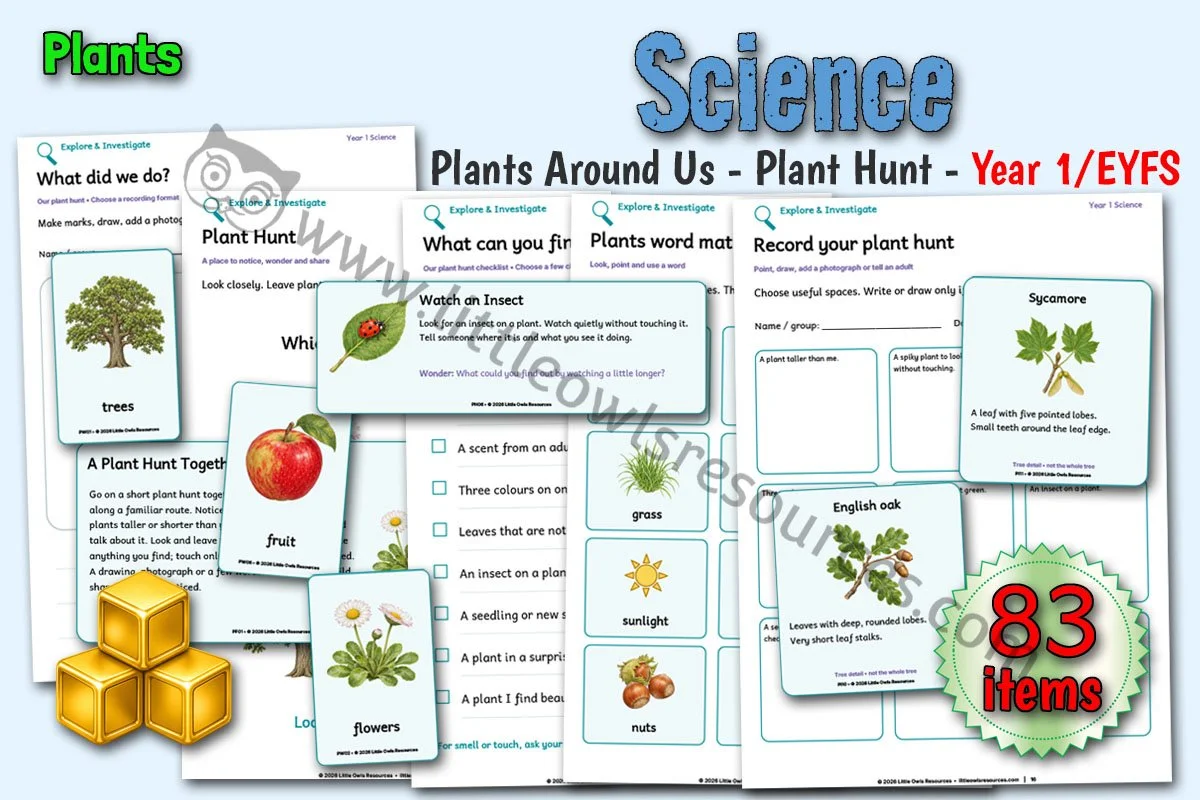
Plants Around Us — Plant Hunt & Compare, Year 1
Visit familiar plants and return to look for buds, leaves, flowers or other changes. Use the pack’s selected pictures and prompts to support identification and comparison alongside real examples.

Woodland Trees — A5 Fact Cards
Use a few tree cards to support looking closely at trees in your setting or local area. Compare features across visits and talk about different trees; not all trees lose their leaves in autumn.

Woodland Trees — Tree & Leaf Match Puzzles
Match pictured leaves and trees, then connect the pictures with real examples where possible. Notice differences in shape and texture and revisit a familiar tree as the year changes.
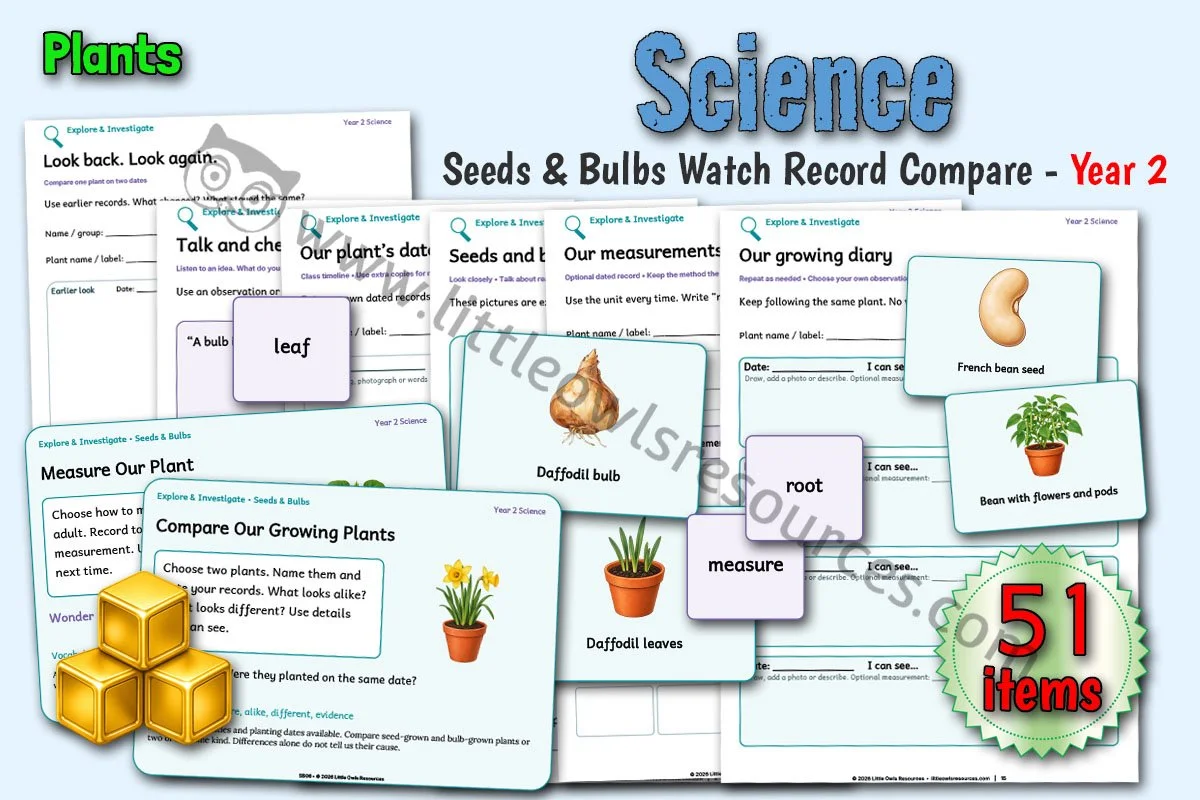
Seeds & Bulbs — Watch, Record & Compare, Year 2
Plant suitable seeds or bulbs with adult guidance and return to observe their growth. Dated drawings, photographs or writing can help children compare changes while recognising that plants grow at different rates.
06 / Ideas to develop in provision
Seasonal play, making & communication
Bring a current interest into small-world play, construction, drawing, talk or writing. These wider resources can support seasonal provision when they add a useful purpose to children’s existing play.

Weather Movement & Activity Cards
Use a weather prompt as a starting point for movement, music or pretend play. Children can suggest their own movements, join in seated or standing, watch first or choose another way to take part.

Finger-Paint Spring Blossom
Look closely at blossom or photographs before offering paint and a tree outline. Invite children to explore their own marks and colours, without expecting matching finished pictures.
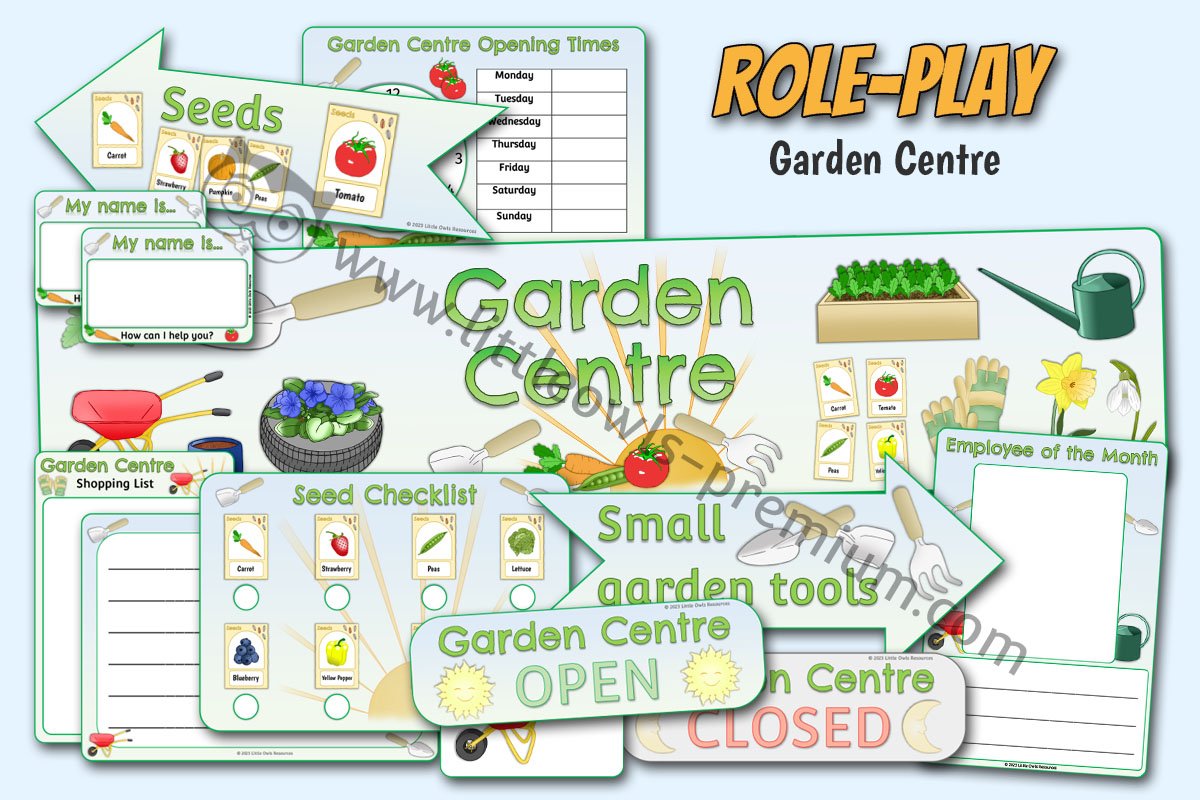
Garden Centre Role-Play Pack
Add a few signs, labels or shopping props when children are interested in planting and growing. Link pretend choices with real seeds, plants and seasonal observations, while leaving room for children’s own stories.
07 / Flexible plans for your setting
Seasonal planning & adult support
Use these planning overviews, provision ideas and adult guidance to choose responsive starting points. Match the experience to the children, your setting and the conditions, and leave time to revisit familiar discoveries.
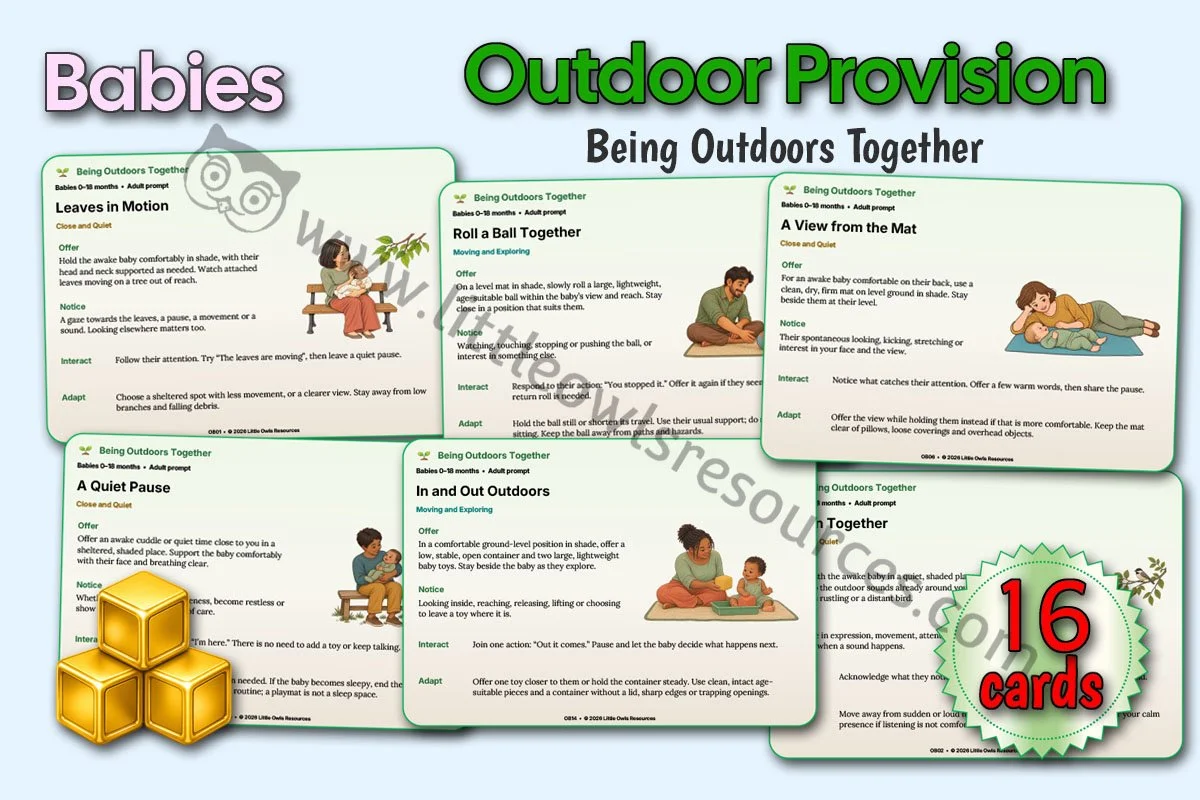
Being Outdoors Together — Babies, 0–18 Months
Use this adult companion for comfortable outdoor moments across the year. Follow the baby’s attention to movement, sounds and familiar surroundings, adjusting to their comfort and wish to pause.

Weather Wonders — Toddler Planning
A planning starting point for toddlers aged 18–36 months. Follow real experiences of rain, wind or sunshine through conversation and play; select a few ideas rather than setting a sequence children must complete.

Autumn: Senses, Colours & Change — Toddler Planning
Use the toddler planner to notice autumn in familiar places. Choose experiences that fit the children, check all materials for the individual child and revisit an interesting colour, sound or change.

Winter: Weather, Warmth & Cosy Spaces — Toddler Planning
A flexible toddler planning pack connecting winter weather, everyday comfort and familiar play. Adapt ideas to the conditions where you are; snow and freezing weather are not necessary starting points.

Preschool Weekly Planning Templates — 3–4 Years
Use an editable planning format to connect children’s seasonal observations with provision, adult support and time to revisit. Keep plans responsive rather than filling every area with a seasonal activity.

Outdoor Continuous Provision — Reception, 4–5 Years
Plan the outdoor environment around exploration that can continue as the seasons change. Choose relevant guidance for revisiting a place, noticing living things and supporting children’s questions in familiar provision.

Enhanced Provision Planning Toolkit — Reception
Use the toolkit to decide when a seasonal observation deserves a small enhancement to familiar provision. Connect the addition with children’s interests and review what they do with it before adding more.
08 / Follow an interest further
Browse a season or connected collection
Explore the wider autumn, winter, spring and summer collections, or follow a connection with weather, clothing, outdoor learning or daylight. These links open more resources beyond the selection on this page.

Autumn
Explore the wider autumn collection for leaves, seasonal noticing, woodland animals, creative activities and flexible provision ideas.

Winter
Find more winter resources for weather, clothing, wildlife, play and displays. Choose what connects with the local conditions and the children’s interests.

Spring
Browse spring resources for growing, blossom, minibeasts, walks, creative work and changing outdoor provision.

Summer
Explore summer resources for outdoor play, observation, making and imaginative experiences. Select a useful connection rather than assuming every child has the same summer experiences.

Weather
Find the full weather collection for pictures, vocabulary, movement, practical discussion and recording across the year.

Clothes
Browse clothing resources for everyday choices, dressing, comparison and role play. Relate seasonal clothing ideas to real weather and individual needs.

Forest School & Woodland Activities
Find further woodland observation, tree, wildlife, creative and outdoor resources for returning to a familiar place throughout the year.

Light & Dark
Follow questions about daylight, shadows and the world after dark. The collection connects seasonal change with practical exploration and selected resources for different ages.
Use the theme in your setting
Seasonal ideas for different ages
These are possibilities to adapt, rather than a timetable or a checklist. Choose the materials, language and adult support for the children you know.
Each age link returns to this page’s search with that age selected. Clearly age-labelled resources carry an adaptation note when shown for a different eligible age.
Babies & toddlers
For babies, begin with a comfortable outdoor pause, a familiar adult and time to notice light, movement or a sound. Follow their cues. Toddlers may point to rain, notice a leaf moving or help choose a coat. Printed resources support the adult; babies do not need to identify or sort the seasons.
Preschool
Revisit a familiar outdoor place, talk about today’s weather or choose clothing for a toy. Offer pictures, marks and adult scribing when children want to share what they noticed. Let their questions shape seasonal play and provision.
Reception
Compare photographs from two visits, observe a growing plant or add weather signs to outdoor play. Support children to explain similarities and differences using talk, gesture, drawing or writing, with plenty of opportunities to revisit the real place.
Key Stage 1
In Year 1, observe changes across the four seasons, describe associated weather and notice how day length varies. Use repeated observations and simple records to discuss patterns. In Year 2, revisit this knowledge where useful and connect it with plants, habitats and practical enquiry.
Start with what is happening locally. The weather varies within each season. Not every tree loses its leaves, winter does not always bring snow, and spring growth appears at different times. Choose clothing, spaces and materials for the children and current conditions; adults should check natural objects before use.
Questions about seasonal activities and planning
How can we begin a changing seasons theme?
Choose one familiar outdoor place and return to it. Notice the light, weather, plants or animals together. Keep a photograph, drawing or short adult note when it helps you compare visits. Add selected resources after noticing what interests the children.
What is the difference between weather and seasons?
Weather describes conditions at a particular time and place. Seasons are parts of the year associated with changing day length and broader patterns. A rainy summer day or a mild winter day is still part of that season. Compare observations over time rather than assigning one kind of weather to each season. Notice daylight through familiar routines or recorded times; never look directly at the Sun.
How does this connect with EYFS and Year 1 learning?
In EYFS, seasonal experiences can support communication, observation, play and Understanding the World. There is no requirement to follow a fixed sequence of themed worksheets. In England’s Year 1 science programme, pupils observe changes across the four seasons, describe associated weather and observe how day length varies. Choose resources that help children explore these ideas through experience.
Can we use these ideas in continuous provision?
Yes. Add a few relevant pictures, story props, modelling materials or opportunities to record an observation. For example, children may want a weather sign for their outdoor shop or a label for a plant they are following. Keep familiar provision available and change an enhancement when it serves a purpose.
Do the month and season resources work everywhere?
This collection mainly reflects UK seasonal experiences. Check local weather, plants and wildlife, and choose the appropriate Northern or Southern Hemisphere edition where one is offered. Some places use different seasonal patterns, so adapt month labels and examples to your setting.
Which resources are free?
The free section labels individual free resources and samples. Free Access includes selected downloads; All Access includes every resource on the site. Public collections and planning overviews can also link to member downloads. A free sample may contain fewer pages than the full pack.
Where can I find help with downloading or printing?
Visit Help & Support or read our printing resources guide.
Membership
All Access membership unlocks every resource on the site. Free Access lets you explore and download a selection of free resources. Explore membership options.
Already a paying member? You have sitewide access. There’s no need to change plans or subscribe again. Read our FAQs.