✨ New & Growing — We're continuing to add resources
KS1 Maths Resources for Year 1 & Year 2
Printable activities, games, displays and practical maths ideas
Explore our growing collection of KS1 maths resources for Year 1 and Year 2, including free samples and member resources. Find printable activities, number cards, games and classroom displays to support your teaching and give children opportunities to practise and apply their mathematical understanding.
Whether you are planning a whole-class lesson, working with a small group, supporting learning at home or enhancing continuous provision, choose resources to match the mathematics being taught and children’s current understanding. Combine printables with practical equipment, discussion and suitable challenges to encourage children to explore, explain and make connections.
Browse by mathematical area below, explore the featured resources or use the Year 1 and Year 2 National Curriculum objectives for England to help identify your teaching focus. Resources are provided to support your planning and teaching
🔎 Find the maths resources you need
Browse by maths area
Browse by year group
Additional
📋 National Curriculum Objectives
Free KS1 Maths Resources
(Click on the images below to find out more.)

These cards are intended to be used as a stimulus for making shapes with natural materials in the outdoor area.
Extensions could include asking what other shapes the children could make or what other materials could they use.
Original artwork drawn by Sara Murphy and final digital resources created by Stuart Murphy. COPYRIGHT ON ALL OF THE RESOURCES HOUSED ON THIS WEBSITE IS HELD BY ‘LITTLE OWLS RESOURCES’. OUR RESOURCES (INCLUDING THE IMAGES WITHIN THEM), CANNOT BE SHARED OR SOLD COMMERCIALLY.
DOWNLOAD EDITABLE (DOCX)
DOWNLOAD NON-EDITABLE (PDF)
DOWNLOAD NON-EDITABLE (Zipped JPEGs)
<<-BACK TO ‘OUTDOOR AREA’ MENU
<<-BACK TO ‘OUTDOOR AREA - MATHS’ MENU
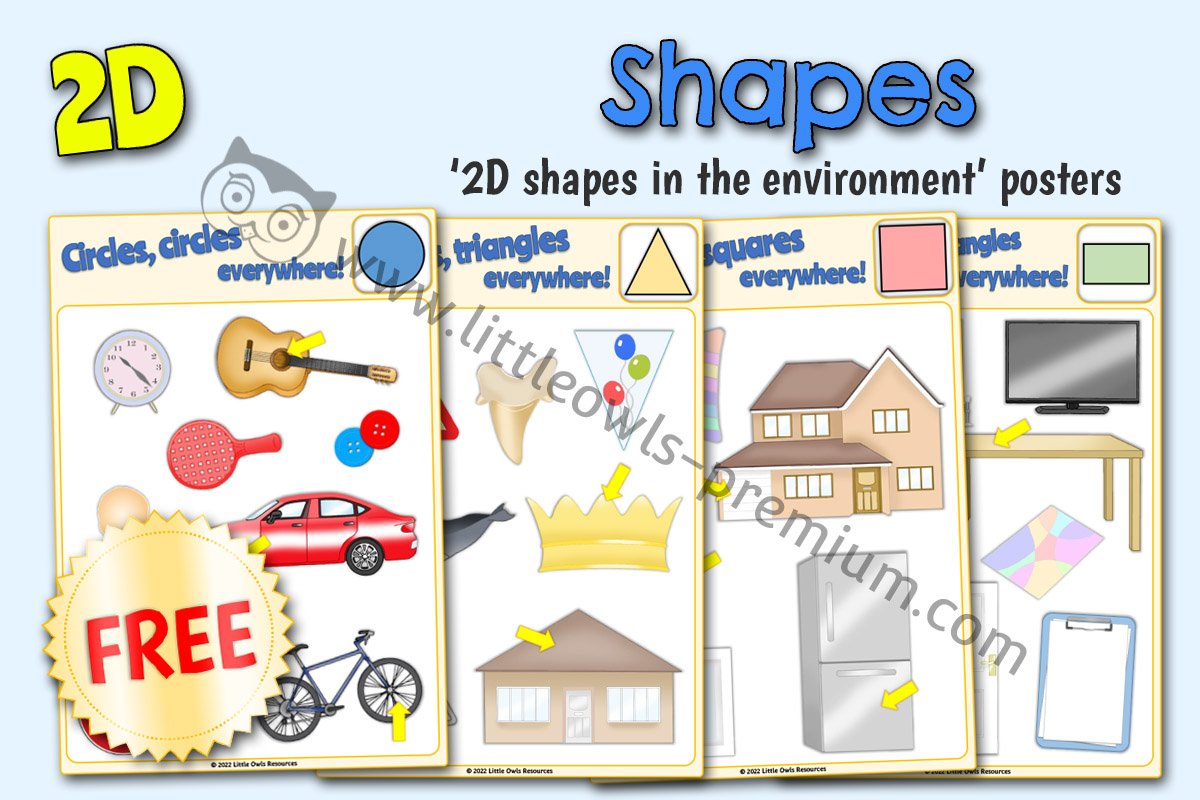
2D shapes in the environment display/prompt posters.
Use as part of a display area to enrich your setting environment, during an activity input or tuff spot activity as a stimulus.
Great for giving children a broader understanding of what e.g. a ‘triangle’ is and how the mathematical shape translates to objects around us in the ‘real world’.
Can children build on the knowledge gained by the posters and find shapes in their own environments?
Original artwork drawn by Sara Murphy and final digital resources created by Stuart Murphy. COPYRIGHT ON ALL OF THE RESOURCES HOUSED ON THIS WEBSITE IS HELD BY ‘LITTLE OWLS RESOURCES’. OUR RESOURCES (INCLUDING THE IMAGES WITHIN THEM), CANNOT BE SHARED OR SOLD COMMERCIALLY.
DOWNLOAD EDITABLE (DOCX)
DOWNLOAD NON-EDITABLE (PDF)
DOWNLOAD NON-EDITABLE (Zipped JPEGs)

Numbers 0-20 on footballs for use during number work activities e.g. within a tuff spot or for a number line display.
Original artwork drawn by Sara Murphy and final digital resources created by Stuart Murphy. COPYRIGHT ON ALL OF THE RESOURCES HOUSED ON THIS WEBSITE IS HELD BY ‘LITTLE OWLS RESOURCES’. OUR RESOURCES (INCLUDING THE IMAGES WITHIN THEM), CANNOT BE SHARED OR SOLD COMMERCIALLY.
DOWNLOAD EDITABLE (DOCX)
DOWNLOAD NON-EDITABLE (PDF)
DOWNLOAD NON-EDITABLE (Zipped JPEGs)
<<-BACK TO ‘SPORT AND PE GAMES’ MENU
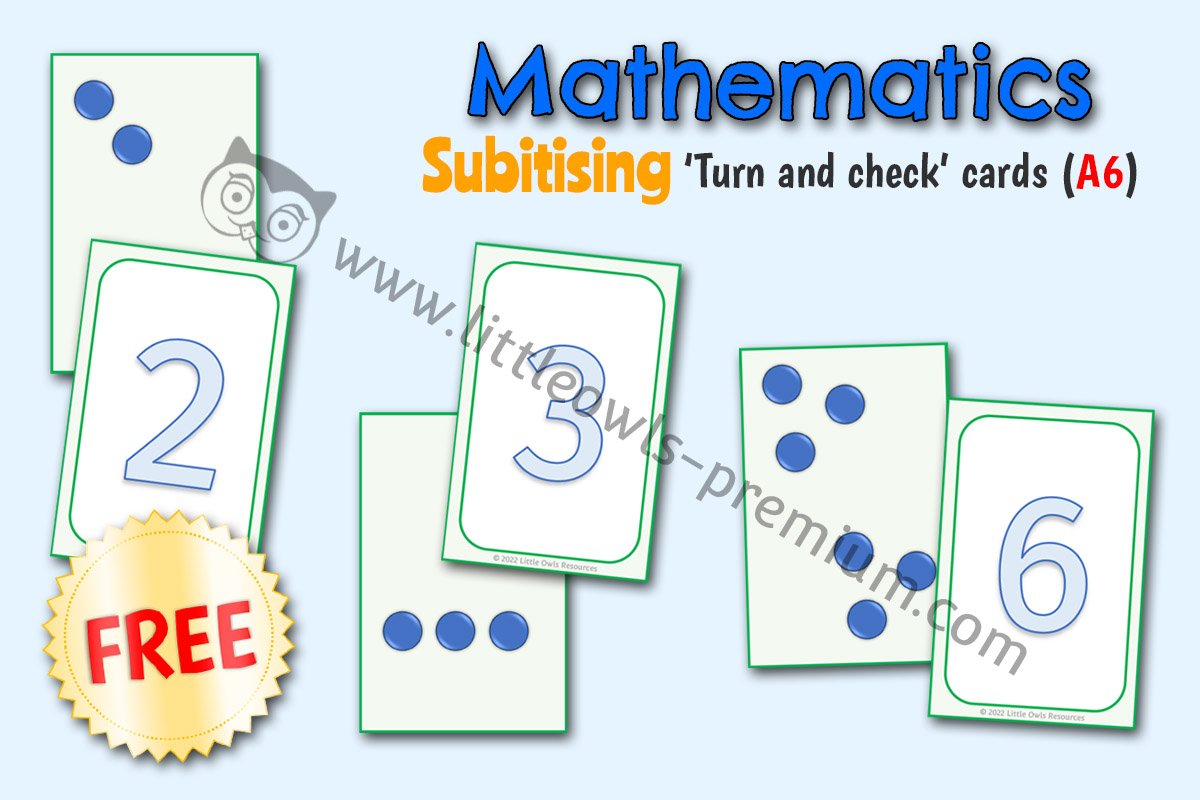
These cards are to be cut and folded along the middle and then laminated to make a longer lasting resource.
The children are to be encouraged to say how many dots there are straight away with no counting. They could use these independently and self-check or the cards could be held up by an adult as part of a group activity.
Print and use the cards appropriate for your children. 22 cards within pack for subitising numbers 1-6. Blank cards at the end to make your own if required.
Original artwork drawn by Sara Murphy and final digital resources created by Stuart Murphy. COPYRIGHT ON ALL OF THE RESOURCES HOUSED ON THIS WEBSITE IS HELD BY ‘LITTLE OWLS RESOURCES’. OUR RESOURCES (INCLUDING THE IMAGES WITHIN THEM), CANNOT BE SHARED OR SOLD COMMERCIALLY.
DOWNLOAD EDITABLE (DOCX)
DOWNLOAD NON-EDITABLE (PDF)
DOWNLOAD NON-EDITABLE (Zipped JPEGs)

These large sized basic 5 and 10 frames are ideal for using in conjunction with counting objects you have within your setting. Alternatively, download our ‘Five and Ten Frame - Coloured Counters’ pack to use in conjunction with these frames.
Original artwork drawn by Sara Murphy and final digital resources created by Stuart Murphy. COPYRIGHT ON ALL OF THE RESOURCES HOUSED ON THIS WEBSITE IS HELD BY ‘LITTLE OWLS RESOURCES’. OUR RESOURCES (INCLUDING THE IMAGES WITHIN THEM), CANNOT BE SHARED OR SOLD COMMERCIALLY.
DOWNLOAD EDITABLE (DOCX)
DOWNLOAD NON-EDITABLE (PDF)
DOWNLOAD NON-EDITABLE (Zipped JPEGs)
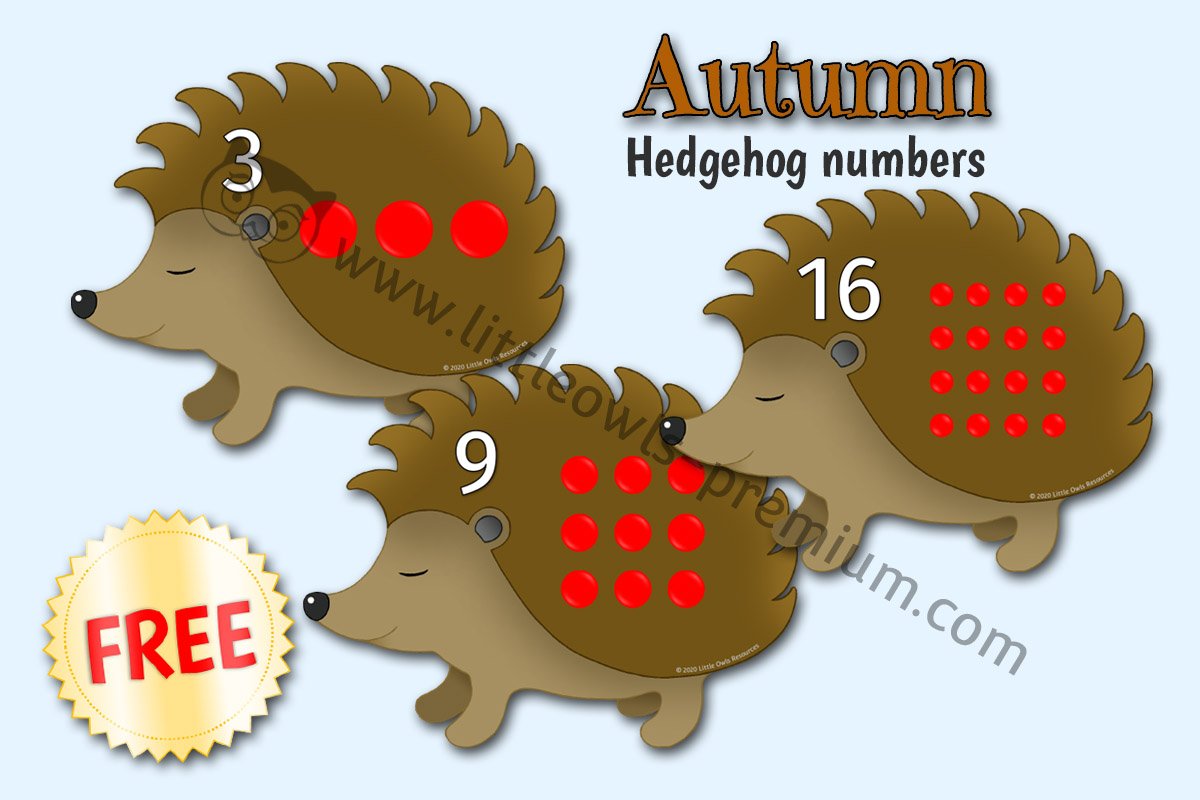
Numbers 0-20 (and corresponding number of spots for 1:1 correspondence counting) on hedgehogs. Create a hedgehog number line, or place appropriate number hedgehogs for your child(ren) in a tuff spot along with Autumn themed loose parts. Can children count out the correct number of loose parts to give their hedgehog? Or play an ordering game…Can you place the hedgehogs in the right order? Or perhaps play which hedgehog is missing? After placing the hedgehogs in order, take one away. Can your child(ren) work out which one is missing?
Original artwork drawn by Sara Murphy and final digital resources created by Stuart Murphy. COPYRIGHT ON ALL OF THE RESOURCES HOUSED ON THIS WEBSITE IS HELD BY ‘LITTLE OWLS RESOURCES’. OUR RESOURCES (INCLUDING THE IMAGES WITHIN THEM), CANNOT BE SHARED OR SOLD COMMERCIALLY.
DOWNLOAD EDITABLE (DOCX)
DOWNLOAD NON-EDITABLE (PDF)

Original artwork drawn by Sara Murphy and final digital resources created by Stuart Murphy. COPYRIGHT ON ALL OF THE RESOURCES HOUSED ON THIS WEBSITE IS HELD BY ‘LITTLE OWLS RESOURCES’. OUR RESOURCES (INCLUDING THE IMAGES WITHIN THEM), CANNOT BE SHARED OR SOLD COMMERCIALLY.
DOWNLOAD EDITABLE (DOCX)
DOWNLOAD NON-EDITABLE (PDF)
DOWNLOAD NON-EDITABLE (Zipped JPEGs)
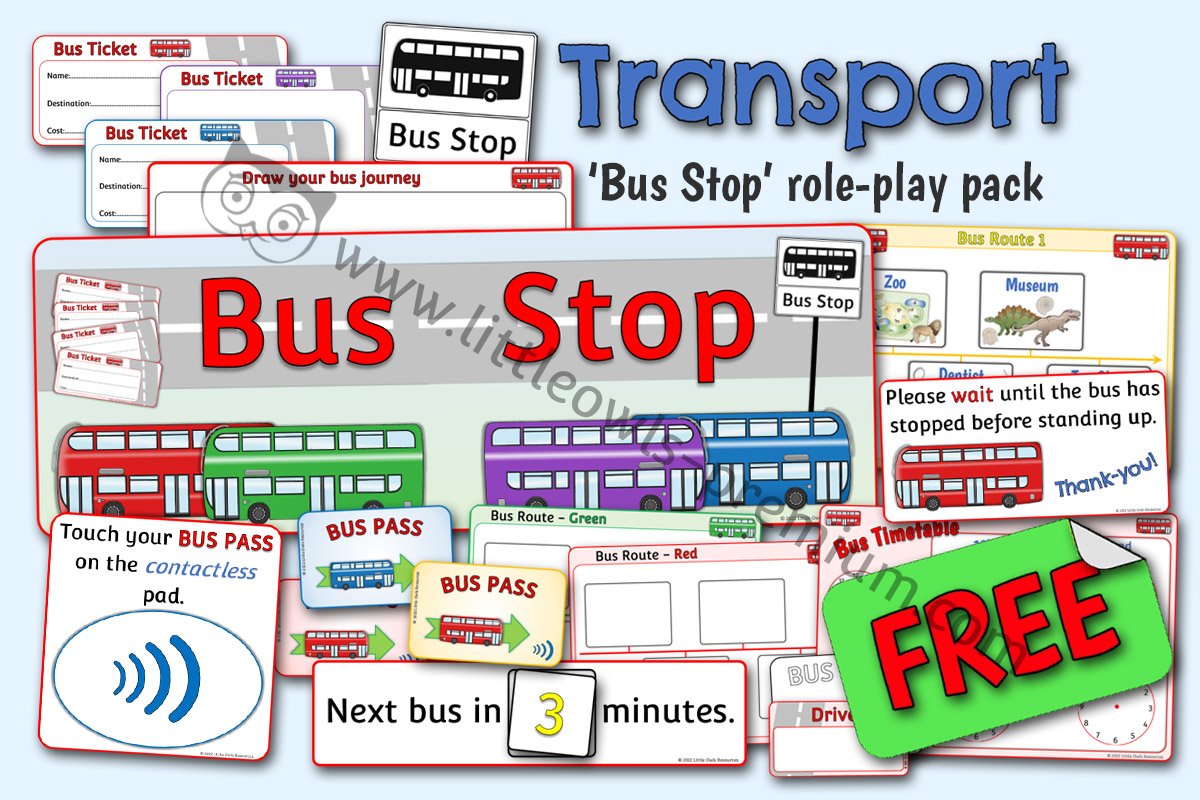
This 'Bus Stop' role play pack is ideal to create a transport or travel themed role play area!
Pack includes:
Banner
Contactless pads
Bus passes (pre-made and templates for children’s mark making)
Next bus in … minutes interactive sign
Driver name tags
Bus tickets (various templates for children’s mark making)
Bus stop signs (2 designs)
Posters
Ticket prices poster template
Draw and write about your journey template sheets
Bus timetable clocks
Bus route poster and templates for mark making
Original artwork drawn by Sara Murphy and final digital resources created by Stuart Murphy. COPYRIGHT ON ALL OF THE RESOURCES HOUSED ON THIS WEBSITE IS HELD BY ‘LITTLE OWLS RESOURCES’. OUR RESOURCES (INCLUDING THE IMAGES WITHIN THEM), CANNOT BE SHARED OR SOLD COMMERCIALLY.
DOWNLOAD EDITABLE (DOCX)
DOWNLOAD NON-EDITABLE (PDF)
DOWNLOAD NON-EDITABLE (Zipped JPEGs)
<<-BACK TO ‘TRANSPORT’ TOPIC MENU

These cards are intended to be used to aid number formation practice in wet sand. The numbers could be attempted with a finger or a stick/pencil. A stone marks the spot where the writing of each number should begin.
N.B. The pack includes two different font types for the numbers: (p2-6) & (p7-11) (But don’t forget if you choose the editable docx file, you can change the font!)
Original artwork drawn by Sara Murphy and final digital resources created by Stuart Murphy. COPYRIGHT ON ALL OF THE RESOURCES HOUSED ON THIS WEBSITE IS HELD BY ‘LITTLE OWLS RESOURCES’. OUR RESOURCES (INCLUDING THE IMAGES WITHIN THEM), CANNOT BE SHARED OR SOLD COMMERCIALLY.
DOWNLOAD EDITABLE (DOCX)
DOWNLOAD NON-EDITABLE (PDF)
DOWNLOAD NON-EDITABLE (Zipped JPEGs)

Pack of 5 ingredient challenge cards (plus a blank one) you may like to use to enhance learning through play within your mud kitchen area.
Ideally cards are to be laminated in order for you to write appropriate numbers for individual children/groups of children in each square using a whiteboard pen. The cards can then be repeatedly used all year round.
Original artwork drawn by Sara Murphy and final digital resources created by Stuart Murphy. COPYRIGHT ON ALL OF THE RESOURCES HOUSED ON THIS WEBSITE IS HELD BY ‘LITTLE OWLS RESOURCES’. OUR RESOURCES (INCLUDING THE IMAGES WITHIN THEM), CANNOT BE SHARED OR SOLD COMMERCIALLY.
DOWNLOAD EDITABLE (DOCX)
DOWNLOAD NON-EDITABLE (PDF)
DOWNLOAD NON-EDITABLE (Zipped JPEGs)
<<-BACK TO ‘OUTDOOR AREA’ MENU
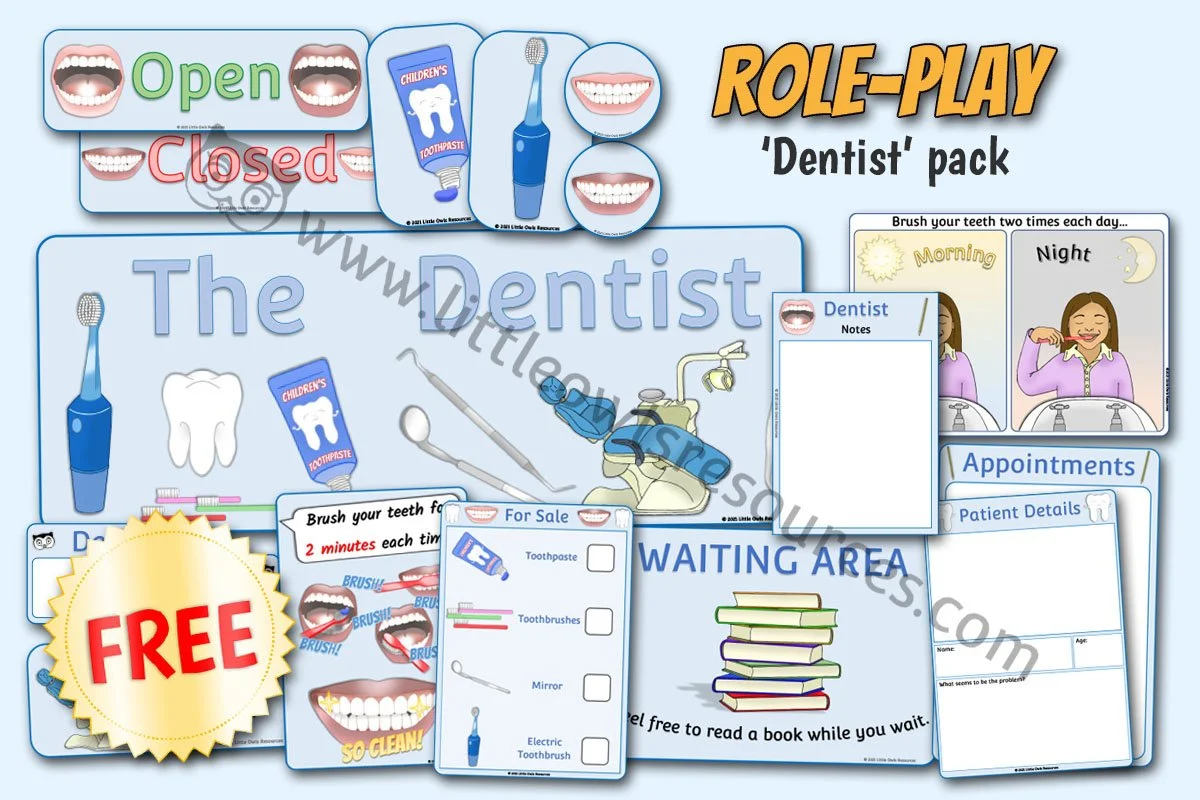
Everything you need to set up a dentist role-play area!
Pack includes:
(Please note that words, etc. can be altered within the editable docx file version.)
‘The Dentist’ banner
Smiling mouth decorative signs
Dentist and Dental Assistant identity cards
‘Waiting Area’ Poster
Various ‘Brush your teeth’ Posters
Social distancing signs & floormats
‘Please wait’ footprint floormats
Dentist word mats
Dentist word cards
‘Welcome! Please sign in for your appointment’ sign for encouraging emergent writing
‘Open’ & ‘Closed’ signs
‘Dentist Opening Times’ Poster - Space to draw hands on clock and write times
‘Opens at…o’ clock’ and ‘Closes at…o’ clock’ signs - spaces for emergent writing
Templates for emergent writing (ideally laminated) - ‘Dentist Notes’, ‘Appointments’ & ‘Patient Details’ forms
‘For Sale’ Menu sign - Space to write prices by items
Items for sale prop cards
Original artwork drawn by Sara Murphy and final digital resources created by Stuart Murphy. COPYRIGHT ON ALL OF THE RESOURCES HOUSED ON THIS WEBSITE IS HELD BY ‘LITTLE OWLS RESOURCES’. OUR RESOURCES (INCLUDING THE IMAGES WITHIN THEM), CANNOT BE SHARED OR SOLD COMMERCIALLY.
DOWNLOAD EDITABLE (DOCX)
DOWNLOAD NON-EDITABLE (PDF)
DOWNLOAD NON-EDITABLE (Zipped JPEGs)
<<-BACK TO ‘TEETH AND ORAL HEALTH’ TOPIC MENU

This ‘Today’ Small A4 Weather Calendar is ideal for use in a compact space such as within a home setting. More themes and sizes AVAILABLE HERE.
Please note that if you wish to edit the text you can do so in the EDITABLE docx file version below. NON-EDITABLE pdf file also available below.
Original artwork drawn by Sara Murphy and final digital resources created by Stuart Murphy. COPYRIGHT ON ALL OF THE RESOURCES HOUSED ON THIS WEBSITE IS HELD BY ‘LITTLE OWLS RESOURCES’. OUR RESOURCES (INCLUDING THE IMAGES WITHIN THEM), CANNOT BE SHARED OR SOLD COMMERCIALLY.
DOWNLOAD EDITABLE (DOCX)
DOWNLOAD NON-EDITABLE (PDF)
I’d like to see MORE POSTERS & DISPLAYS please.
<<-BACK TO ‘GET ORGANISED’ SAMPLES MENU
<<-BACK TO ‘GOLDILOCKS AND THE THREE BEARS’ MENU
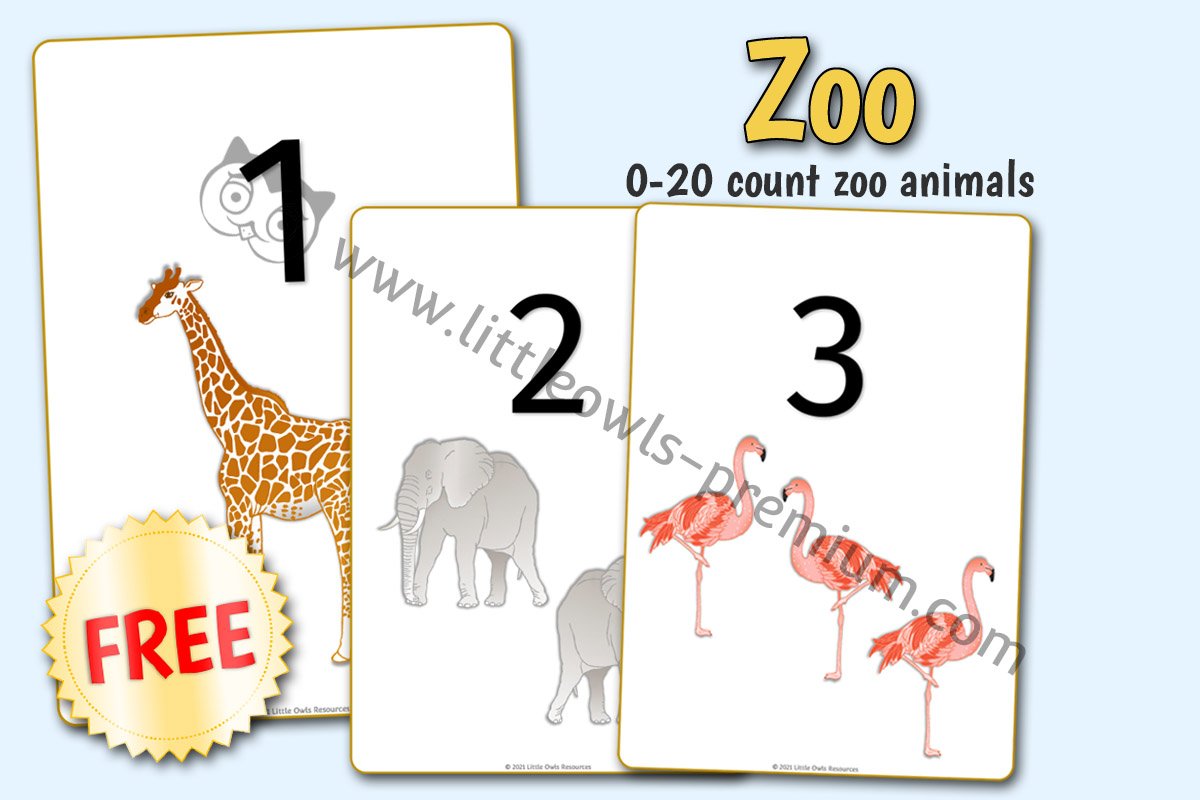
Count the Zoo Animals from 0 to 20. Print one or two numbers to a page for use as part of a display or more to a page for a set of flashcards. Ideal sheets to practise 1:1 correspondence counting (where children place their fingers on the objects as they count them). Also great for learning written numbers and knowledge of animals.
Original artwork drawn by Sara Murphy and final digital resources created by Stuart Murphy. COPYRIGHT ON ALL OF THE RESOURCES HOUSED ON THIS WEBSITE IS HELD BY ‘LITTLE OWLS RESOURCES’. OUR RESOURCES (INCLUDING THE IMAGES WITHIN THEM), CANNOT BE SHARED OR SOLD COMMERCIALLY.
DOWNLOAD EDITABLE (DOCX)
DOWNLOAD NON-EDITABLE (PDF)
DOWNLOAD NON-EDITABLE (Zipped JPEGs)

Numbers 0 - 50 on a colourful rocket drawing. Print one or two rockets to a page for use as part of a display/large number line or more for a set of flashcards.
Original artwork drawn by Sara Murphy and final digital resources created by Stuart Murphy. COPYRIGHT ON ALL OF THE RESOURCES HOUSED ON THIS WEBSITE IS HELD BY ‘LITTLE OWLS RESOURCES’. OUR RESOURCES (INCLUDING THE IMAGES WITHIN THEM), CANNOT BE SHARED OR SOLD COMMERCIALLY.
DOWNLOAD EDITABLE (DOCX)
DOWNLOAD NON-EDITABLE (PDF)
<<-BACK TO ‘BRITISH SCIENCE WEEK’ MENU
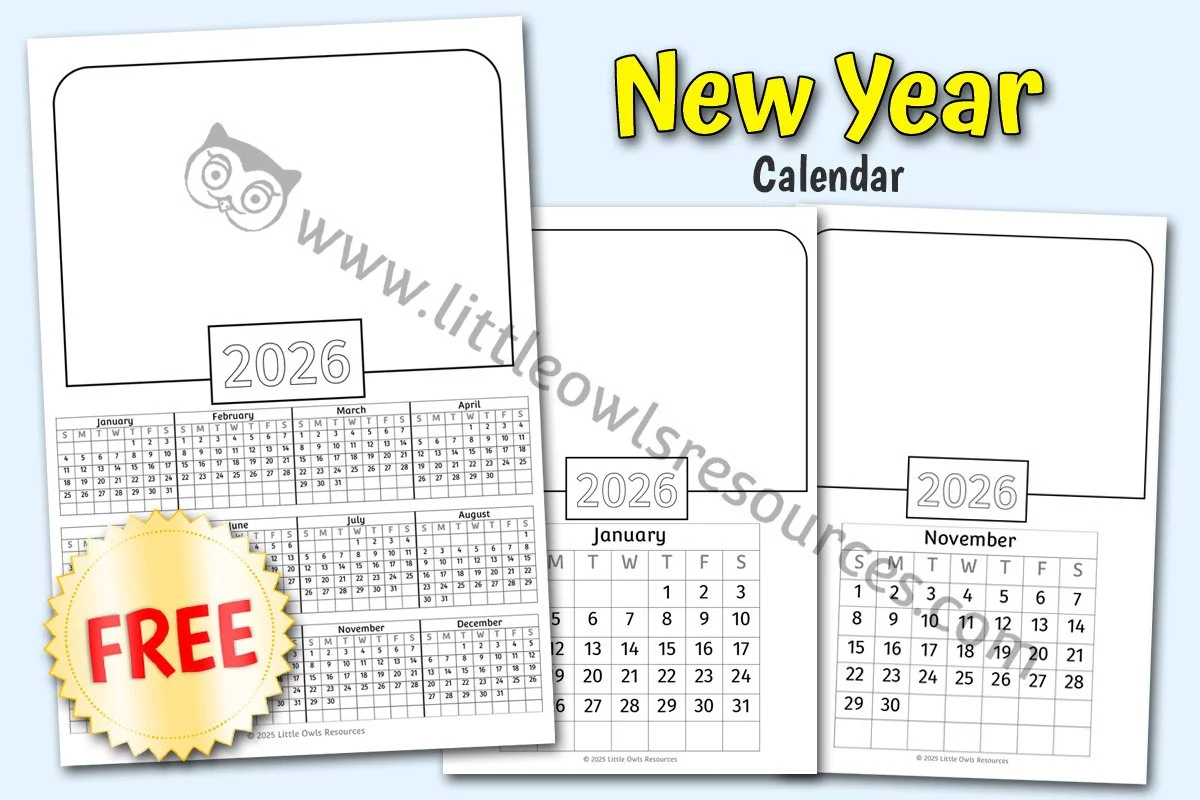
Whole year and month by month calendars with space for children to add their own drawings and/or art and craft designs.
Original artwork drawn by Sara Murphy and final digital resources created by Stuart Murphy. COPYRIGHT ON ALL OF THE RESOURCES HOUSED ON THIS WEBSITE IS HELD BY ‘LITTLE OWLS RESOURCES’. OUR RESOURCES (INCLUDING THE IMAGES WITHIN THEM), CANNOT BE SHARED OR SOLD COMMERCIALLY.
DOWNLOAD EDITABLE (DOCX)
DOWNLOAD NON-EDITABLE (PDF)
DOWNLOAD NON-EDITABLE (Zipped JPEGs)
-
If you are not a member already, become a ‘Free Access’ member here. This will give you access to resources within the ‘Free Sample Resources’ sections at the top of most topic provision pages plus all ‘Special Dates Calendars’.
Find out more about all of our membership options here.
If you are already a member… thank-you!
Please note that both Editable (docx file) and non-editable (pdf file) versions are available for all ‘Mathematics’ resources. (Editable files require Microsoft Word to work at optimum level and Non-Editable files require a pdf viewer.)

At a glance
- featured resources carousel

Differentiated 'Missing Number' sheets with the aim of working up to the objective...'Count to and across 100, forwards and backwards beginning with 0 or 1, or from any given number.'
Keywords: Year 1, Y1, Yr1, Number and Place Value, Worksheets, Activity Sheets, Activities
Original artwork drawn by Sara Murphy and final digital resources created by Stuart Murphy. COPYRIGHT ON ALL OF THE RESOURCES HOUSED ON THIS WEBSITE IS HELD BY ‘LITTLE OWLS RESOURCES’. OUR RESOURCES (INCLUDING THE IMAGES WITHIN THEM), CANNOT BE SHARED OR SOLD COMMERCIALLY.
DOWNLOAD EDITABLE(DOCX)
DOWNLOAD NON-EDITABLE (PDF)
DOWNLOAD NON-EDITABLE (Zipped JPEGs)

Keywords: Year 1, Y1, Yr1, Number and Place Value, Worksheets, Activity Sheets, Activities
Original artwork drawn by Sara Murphy and final digital resources created by Stuart Murphy. COPYRIGHT ON ALL OF THE RESOURCES HOUSED ON THIS WEBSITE IS HELD BY ‘LITTLE OWLS RESOURCES’. OUR RESOURCES (INCLUDING THE IMAGES WITHIN THEM), CANNOT BE SHARED OR SOLD COMMERCIALLY.
DOWNLOAD EDITABLE(DOCX)
DOWNLOAD NON-EDITABLE (PDF)
DOWNLOAD NON-EDITABLE (Zipped JPEGs)
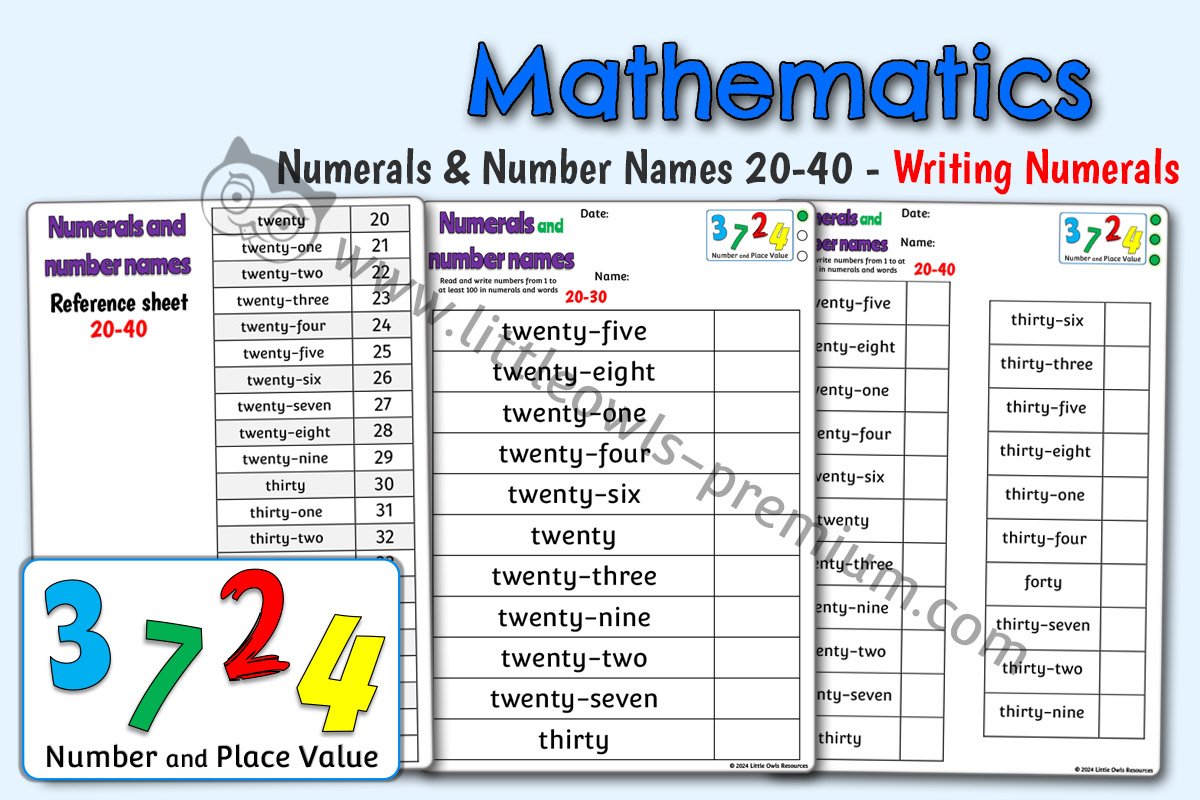
Keywords: Year 2, Y2, Yr2, Number and Place Value, Worksheets, Activity Sheets, Activities
Original artwork drawn by Sara Murphy and final digital resources created by Stuart Murphy. COPYRIGHT ON ALL OF THE RESOURCES HOUSED ON THIS WEBSITE IS HELD BY ‘LITTLE OWLS RESOURCES’. OUR RESOURCES (INCLUDING THE IMAGES WITHIN THEM), CANNOT BE SHARED OR SOLD COMMERCIALLY.
DOWNLOAD EDITABLE(DOCX)
DOWNLOAD NON-EDITABLE (PDF)
DOWNLOAD NON-EDITABLE (Zipped JPEGs)
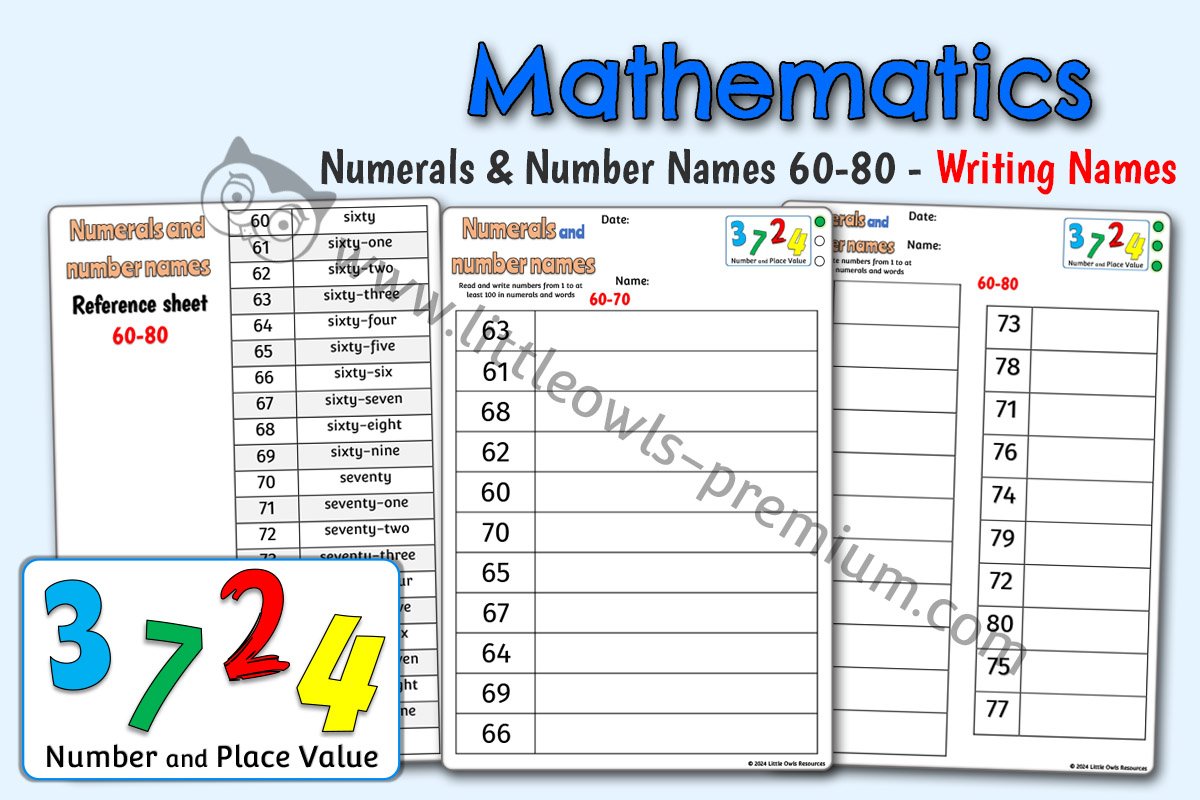
Keywords: Year 2, Y2, Yr2, Number and Place Value, Worksheets, Activity Sheets, Activities
Original artwork drawn by Sara Murphy and final digital resources created by Stuart Murphy. COPYRIGHT ON ALL OF THE RESOURCES HOUSED ON THIS WEBSITE IS HELD BY ‘LITTLE OWLS RESOURCES’. OUR RESOURCES (INCLUDING THE IMAGES WITHIN THEM), CANNOT BE SHARED OR SOLD COMMERCIALLY.
DOWNLOAD EDITABLE(DOCX)
DOWNLOAD NON-EDITABLE (PDF)
DOWNLOAD NON-EDITABLE (Zipped JPEGs)
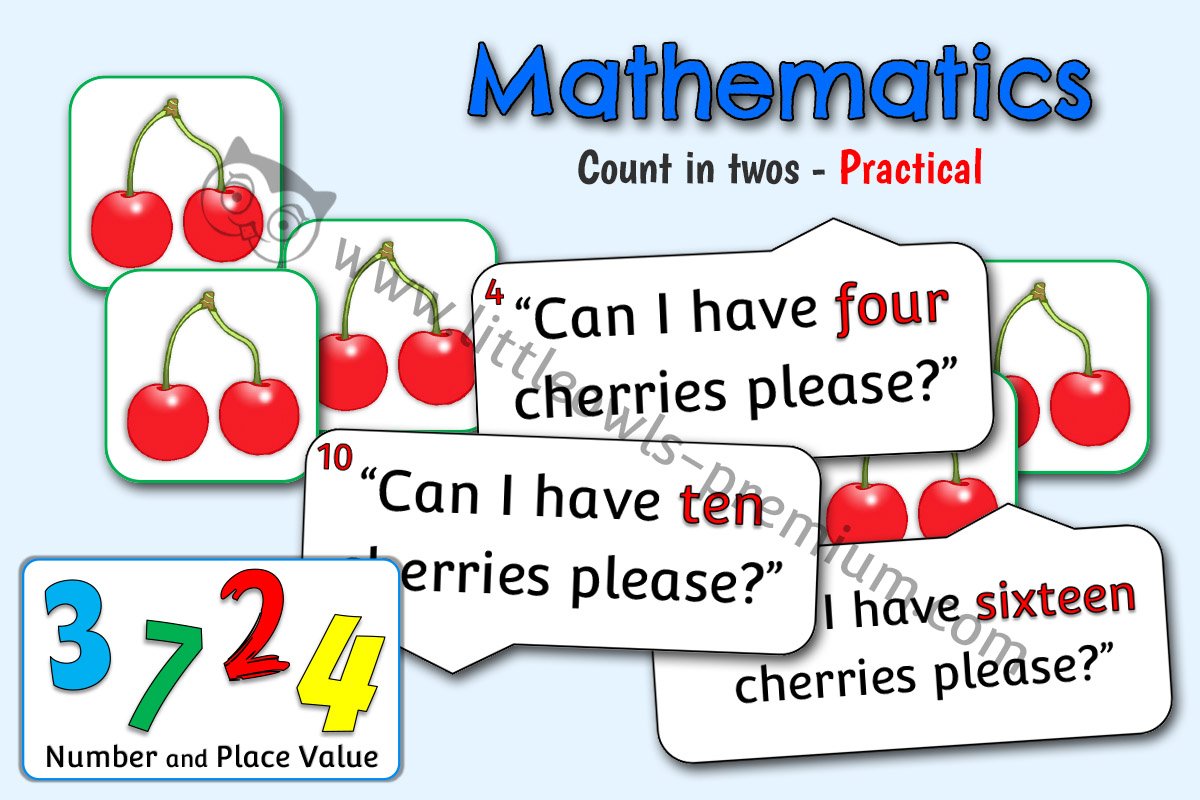
These cherries and the speech bubbles are intended to be cut out and laminated and then used as a counting in twos game.
Children can work in pairs or a small group, taking turns to pick an overturned speech bubble and then gather the correct number of cherries counting in twos.
For numbers higher than twenty, this page can be re-printed and there are blank speech bubbles on the last page of the document.
Keywords: Year 1, Y1, Yr1, Year 2, Y2, Yr2, Number and Place Value, Counting in Twos/2s, x2, 2 times table, group work, practical, role play
Original artwork drawn by Sara Murphy and final digital resources created by Stuart Murphy. COPYRIGHT ON ALL OF THE RESOURCES HOUSED ON THIS WEBSITE IS HELD BY ‘LITTLE OWLS RESOURCES’. OUR RESOURCES (INCLUDING THE IMAGES WITHIN THEM), CANNOT BE SHARED OR SOLD COMMERCIALLY.
DOWNLOAD EDITABLE(DOCX)
DOWNLOAD NON-EDITABLE (PDF)
DOWNLOAD NON-EDITABLE (Zipped JPEGs)
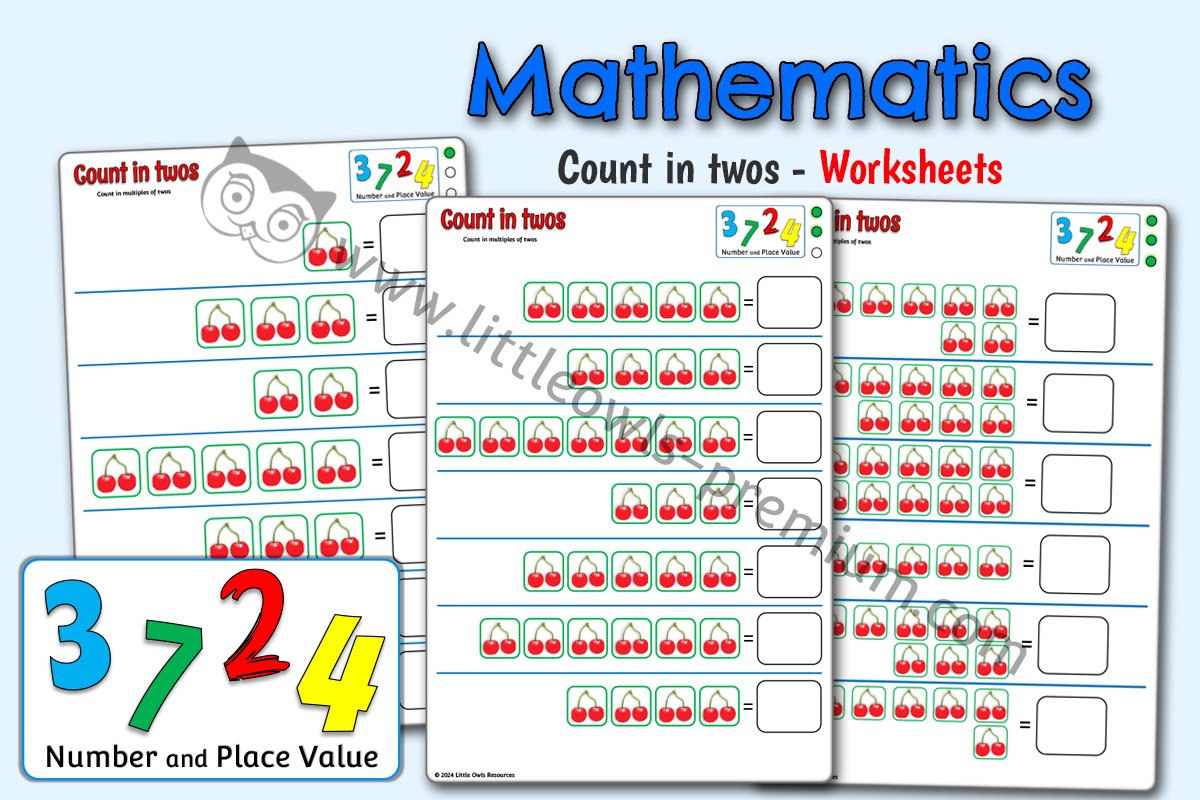
Three differentiated sheets (green dot coding in the corner). Count the cherries in multiples of two to find the answer.
Keywords: Year 1, Y1, Yr1, Year 2, Y2, Yr2, Number and Place Value, Counting in Twos/2s, x2, 2 times table, worksheets, Activity Sheets, Activities
Original artwork drawn by Sara Murphy and final digital resources created by Stuart Murphy. COPYRIGHT ON ALL OF THE RESOURCES HOUSED ON THIS WEBSITE IS HELD BY ‘LITTLE OWLS RESOURCES’. OUR RESOURCES (INCLUDING THE IMAGES WITHIN THEM), CANNOT BE SHARED OR SOLD COMMERCIALLY.
DOWNLOAD EDITABLE(DOCX)
DOWNLOAD NON-EDITABLE (PDF)
DOWNLOAD NON-EDITABLE (Zipped JPEGs)
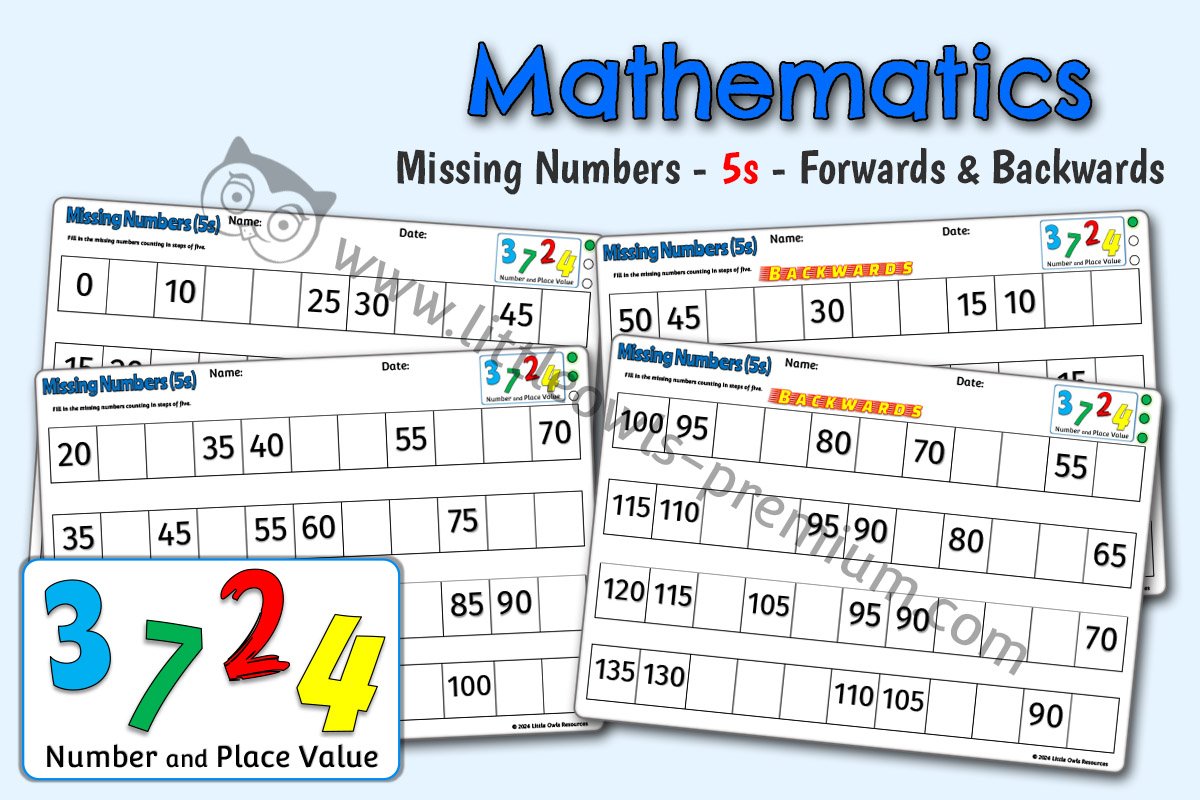
Fill in the missing numbers counting in steps of five. Three differentiated sheets for forward counting, followed by the same for counting backwards.
Keywords: Year 1, Y1, Yr1, Year 2, Y2, Yr2, KS1, Key Stage One, Number and Place Value, Worksheets, Activity Sheets, Activities
Original artwork drawn by Sara Murphy and final digital resources created by Stuart Murphy. COPYRIGHT ON ALL OF THE RESOURCES HOUSED ON THIS WEBSITE IS HELD BY ‘LITTLE OWLS RESOURCES’. OUR RESOURCES (INCLUDING THE IMAGES WITHIN THEM), CANNOT BE SHARED OR SOLD COMMERCIALLY.
DOWNLOAD EDITABLE(DOCX)
DOWNLOAD NON-EDITABLE (PDF)
DOWNLOAD NON-EDITABLE (Zipped JPEGs)
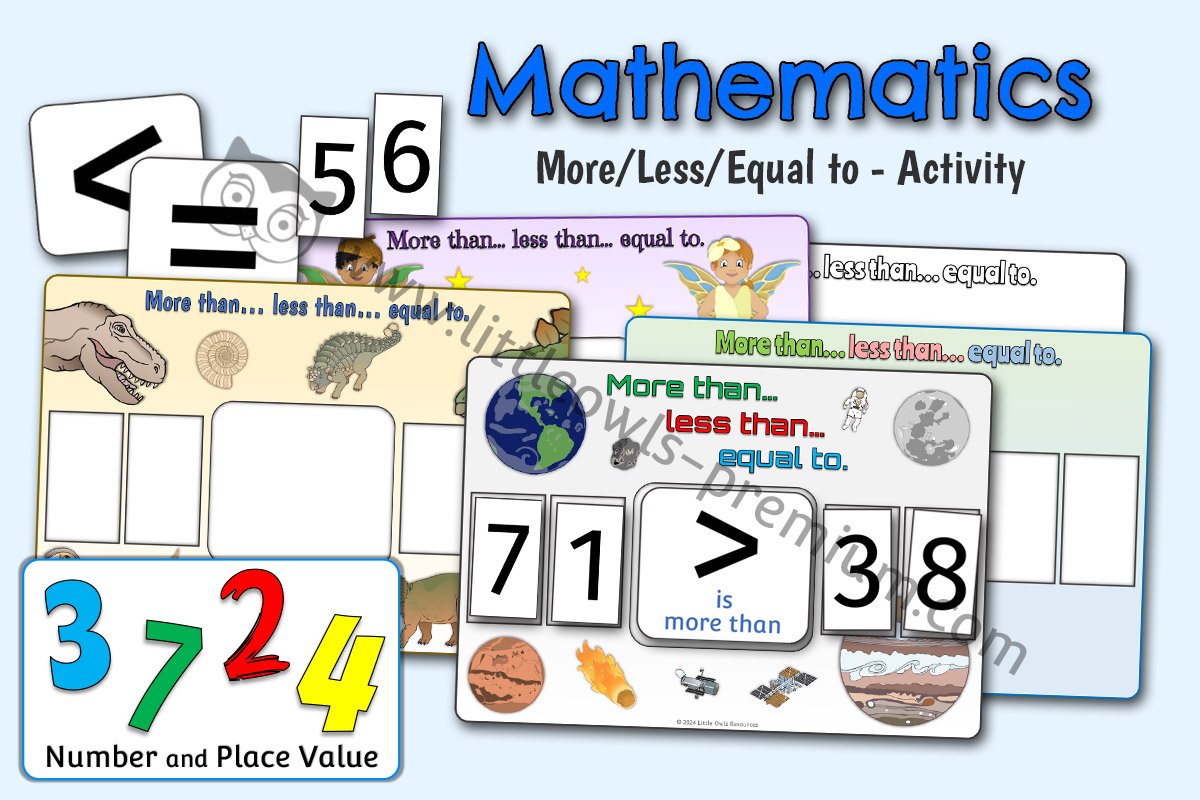
The boards/mats within this pack are intended to be laminated before use (5 designs to choose from). Numbers can be written in the left and right of the boards using a whiteboard pen. Alternatively, the number cards can be used to create one or two-digit numbers in those spaces.
The > < = cards can then be placed by the children in the middle space.
Have fun!
Keywords: Year 2, Y2, Yr2, Number and Place Value, More/Greater/Equal/Less than/to symbols, <, >, =, Activity Mats
Original artwork drawn by Sara Murphy and final digital resources created by Stuart Murphy. COPYRIGHT ON ALL OF THE RESOURCES HOUSED ON THIS WEBSITE IS HELD BY ‘LITTLE OWLS RESOURCES’. OUR RESOURCES (INCLUDING THE IMAGES WITHIN THEM), CANNOT BE SHARED OR SOLD COMMERCIALLY.
DOWNLOAD EDITABLE(DOCX)
DOWNLOAD NON-EDITABLE (PDF)
DOWNLOAD NON-EDITABLE (Zipped JPEGs)
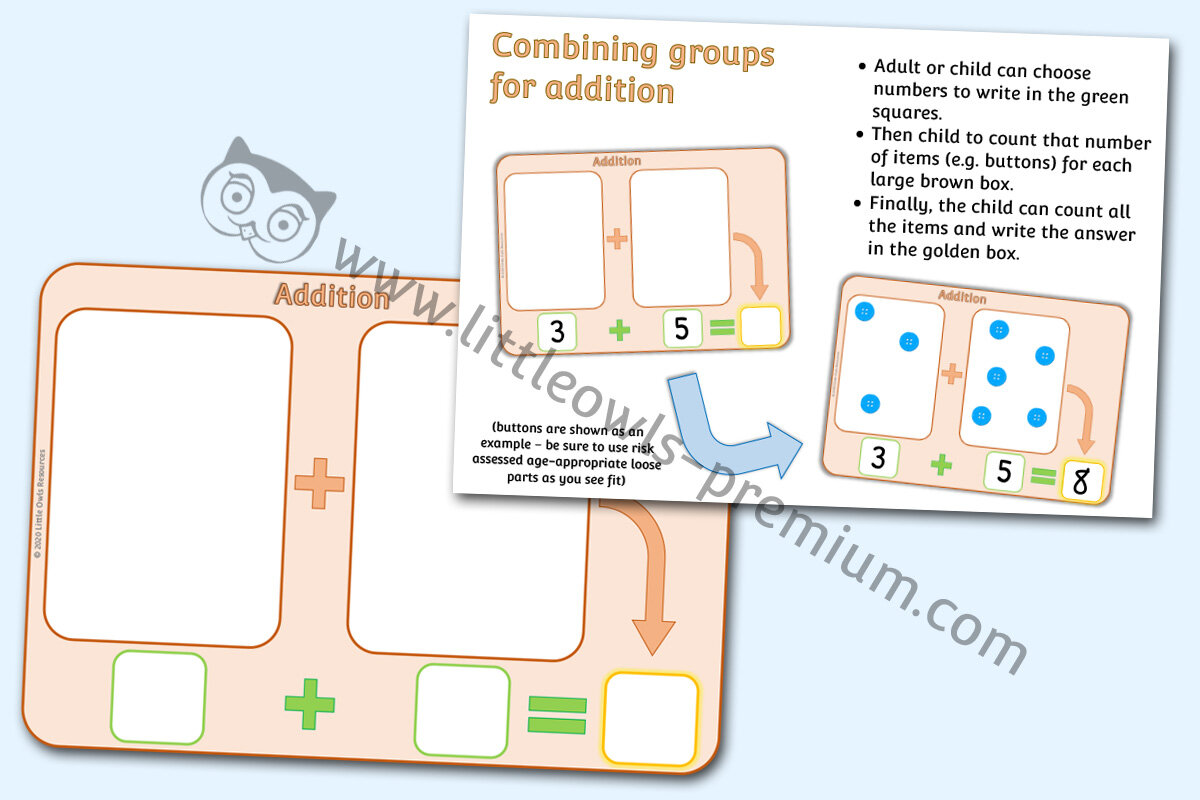
This mat is designed to engage children in learning about the concept of addition. It serves as a bridge between physically counting objects and writing mathematical equations.
How to use…
• Adult or child can choose numbers to write in the green squares.
• Then child to count out that number of items (e.g. buttons, playdough balls, cotton reels, building blocks) for each large brown box above the corresponding green squares.
• Finally, the child can count all of the items and write the answer in the golden box.
This completes the grid with an addition number sentence, e.g. “3 plus 5 is equal to 8”.
(Buttons are shown as an example – be sure to use risk assessed age-appropriate loose parts as you see fit.)
Original artwork drawn by Sara Murphy and final digital resources created by Stuart Murphy. COPYRIGHT ON ALL OF THE RESOURCES HOUSED ON THIS WEBSITE IS HELD BY ‘LITTLE OWLS RESOURCES’. OUR RESOURCES (INCLUDING THE IMAGES WITHIN THEM), CANNOT BE SHARED OR SOLD COMMERCIALLY.
DOWNLOAD EDITABLE (DOCX)
DOWNLOAD NON-EDITABLE (PDF)
← Back to ‘Maths Continuous Provision & Play’ Area
<<-BACK TO NON-TOPIC MATHEMATICS MENU
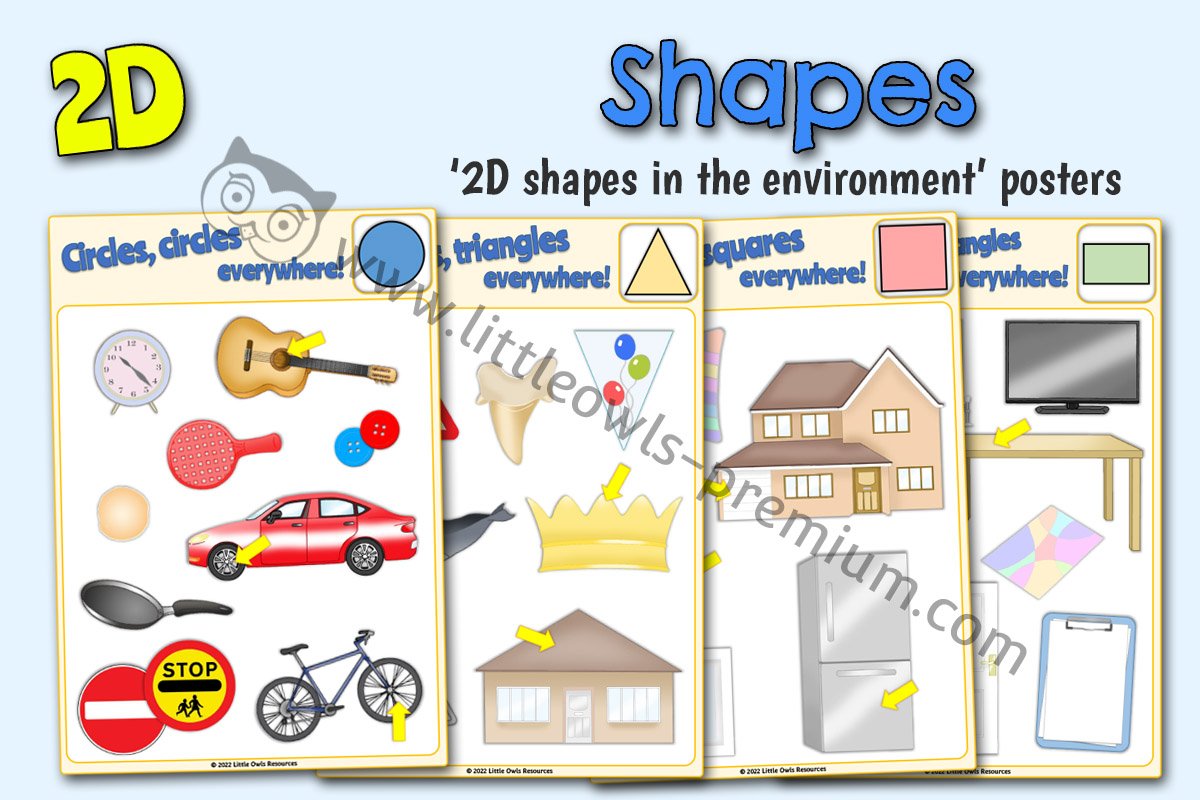
2D shapes in the environment display/prompt posters.
Use as part of a display area to enrich your setting environment, during an activity input or tuff spot activity as a stimulus.
Great for giving children a broader understanding of what e.g. a ‘triangle’ is and how the mathematical shape translates to objects around us in the ‘real world’.
Can children build on the knowledge gained by the posters and find shapes in their own environments?
Original artwork drawn by Sara Murphy and final digital resources created by Stuart Murphy. COPYRIGHT ON ALL OF THE RESOURCES HOUSED ON THIS WEBSITE IS HELD BY ‘LITTLE OWLS RESOURCES’. OUR RESOURCES (INCLUDING THE IMAGES WITHIN THEM), CANNOT BE SHARED OR SOLD COMMERCIALLY.
DOWNLOAD EDITABLE (DOCX)
DOWNLOAD NON-EDITABLE (PDF)
DOWNLOAD NON-EDITABLE (Zipped JPEGs)
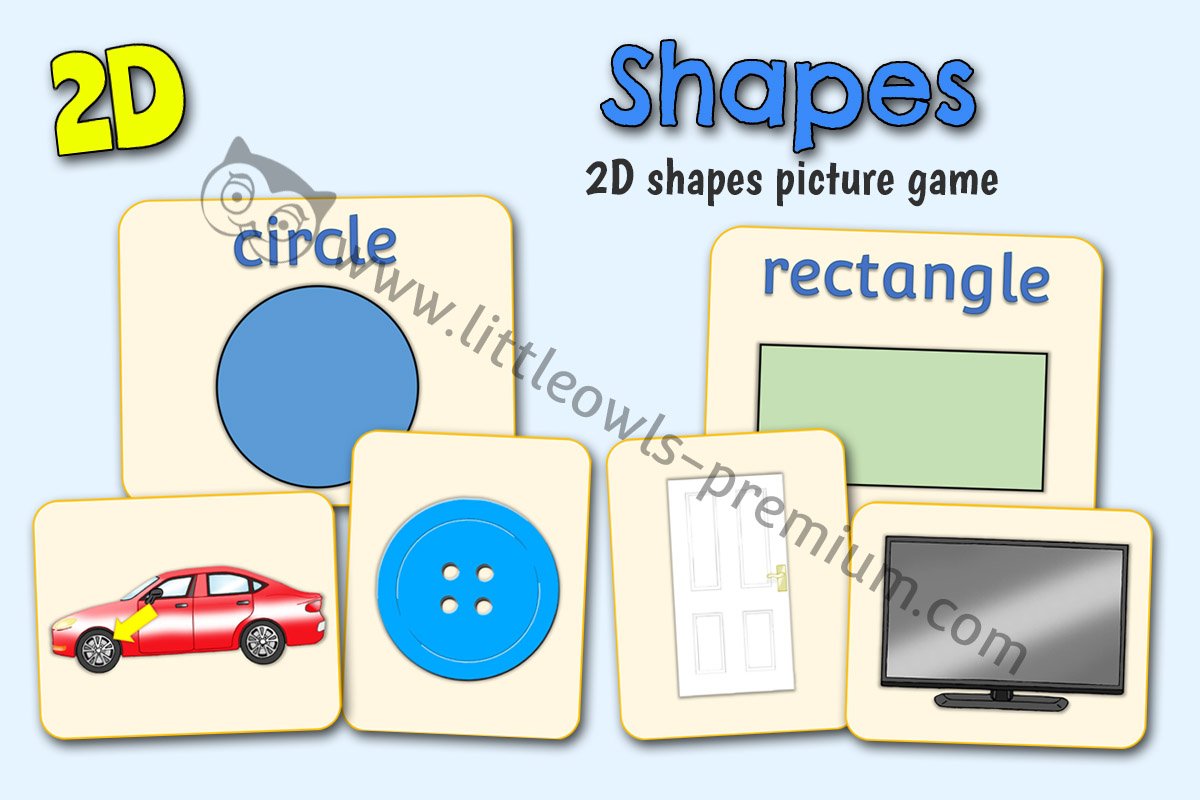
2D shape sorting game. Match the shaped objects to the correct shape name! Includes circles, triangles, squares and rectangles.
Why not expand the game to place ‘real world’ objects on the correct shape card. Perhaps some real world objects are made up of more than one shape? You may like to add this investigation as an extension to the game provided.
Great for giving children a broader understanding of what e.g. a ‘triangle’ is and how the mathematical shape translates to objects around us in the ‘real world’.
Original artwork drawn by Sara Murphy and final digital resources created by Stuart Murphy. COPYRIGHT ON ALL OF THE RESOURCES HOUSED ON THIS WEBSITE IS HELD BY ‘LITTLE OWLS RESOURCES’. OUR RESOURCES (INCLUDING THE IMAGES WITHIN THEM), CANNOT BE SHARED OR SOLD COMMERCIALLY.
DOWNLOAD EDITABLE (DOCX)
DOWNLOAD NON-EDITABLE (PDF)
DOWNLOAD NON-EDITABLE (Zipped JPEGs)

The cards can be used as part of a small display near the water area or as a direct challenge to be used by the children when playing in the water tray.
Keywords: EYFS, Year 1, Y1, Yr1, Measurement, Capacity and Volume
Original artwork drawn by Sara Murphy and final digital resources created by Stuart Murphy. COPYRIGHT ON ALL OF THE RESOURCES HOUSED ON THIS WEBSITE IS HELD BY ‘LITTLE OWLS RESOURCES’. OUR RESOURCES (INCLUDING THE IMAGES WITHIN THEM), CANNOT BE SHARED OR SOLD COMMERCIALLY.
DOWNLOAD EDITABLE (DOCX)
DOWNLOAD NON-EDITABLE (PDF)
DOWNLOAD NON-EDITABLE (Zipped JPEGs)
← Back to ‘Maths Continuous Provision & Play’ Area
<<-BACK TO ‘OUTDOOR AREA’ MENU
<<-BACK TO ‘OUTDOOR AREA - WATER PLAY’ MENU

This large ‘Today’ Weather Calendar is ideal for use as a routine daily focal point each morning. Smaller A4 size plus more themes also available. View our selection of 'Daily Calendar Displays'.
Please note that if you wish to edit the text you can do so in the EDITABLE docx file version below. NON-EDITABLE pdf file also available below.
Keywords: EYFS, Year 1, Y1, Yr1, Measurement, Time, dates, days of the week, weeks, months, years
Original artwork drawn by Sara Murphy and final digital resources created by Stuart Murphy. COPYRIGHT ON ALL OF THE RESOURCES HOUSED ON THIS WEBSITE IS HELD BY ‘LITTLE OWLS RESOURCES’. OUR RESOURCES (INCLUDING THE IMAGES WITHIN THEM), CANNOT BE SHARED OR SOLD COMMERCIALLY.
DOWNLOAD EDITABLE (DOCX)
DOWNLOAD NON-EDITABLE (PDF)
← Back to ‘Maths Continuous Provision & Play’ Area
<<-BACK TO POSTERS/DISPLAYS MENU

TEDDY BEAR BIRTHDAY DISPLAY
This display pack includes A4-sized picnic blankets with teddy bears for names plus a display banner. Simply print and cut out whatever you need. Birthday displays are ideal for learning about dates and months of the year!
View our selection of 'Birthday Displays' on our 'Birthdays' topic page.
Keywords: EYFS, Year 1, Y1, Yr1, Measurement, Time, dates, months, years
Original artwork drawn by Sara Murphy and final digital resources created by Stuart Murphy. COPYRIGHT ON ALL OF THE RESOURCES HOUSED ON THIS WEBSITE IS HELD BY ‘LITTLE OWLS RESOURCES’. OUR RESOURCES (INCLUDING THE IMAGES WITHIN THEM), CANNOT BE SHARED OR SOLD COMMERCIALLY.
DOWNLOAD EDITABLE (DOCX)
DOWNLOAD NON-EDITABLE (PDF)
DOWNLOAD NON-EDITABLE (Zipped JPEGs)
← Back to ‘Maths Continuous Provision & Play’ Area

Keywords: Year 1, Y1, Yr1, Fractions, Half, Halves, One/1 Half, 1/2, Worksheets, Activity Sheets, Activities
Original artwork drawn by Sara Murphy and final digital resources created by Stuart Murphy. COPYRIGHT ON ALL OF THE RESOURCES HOUSED ON THIS WEBSITE IS HELD BY ‘LITTLE OWLS RESOURCES’. OUR RESOURCES (INCLUDING THE IMAGES WITHIN THEM), CANNOT BE SHARED OR SOLD COMMERCIALLY.
DOWNLOAD EDITABLE(DOCX)
DOWNLOAD NON-EDITABLE (PDF)
DOWNLOAD NON-EDITABLE (Zipped JPEGs)

Keywords: Year 1, Y1, Yr1, Fractions, Half, Halves, One/1 Half, 1/2, Quarter, Quarters, One/1 Quarter, 1/4, Game, Matching Activity, Puzzle, Match, Self-Correct, Self Correct
Original artwork drawn by Sara Murphy and final digital resources created by Stuart Murphy. COPYRIGHT ON ALL OF THE RESOURCES HOUSED ON THIS WEBSITE IS HELD BY ‘LITTLE OWLS RESOURCES’. OUR RESOURCES (INCLUDING THE IMAGES WITHIN THEM), CANNOT BE SHARED OR SOLD COMMERCIALLY.
DOWNLOAD EDITABLE(DOCX)
DOWNLOAD NON-EDITABLE (PDF)
DOWNLOAD NON-EDITABLE (Zipped JPEGs)

Keywords: Year 2, Y2, Yr2, Fractions, Activity, Activities, Third, Thirds, One/1 Third, 1/3, Worksheets, Activity Sheets, Activities
Original artwork drawn by Sara Murphy and final digital resources created by Stuart Murphy. COPYRIGHT ON ALL OF THE RESOURCES HOUSED ON THIS WEBSITE IS HELD BY ‘LITTLE OWLS RESOURCES’. OUR RESOURCES (INCLUDING THE IMAGES WITHIN THEM), CANNOT BE SHARED OR SOLD COMMERCIALLY.
DOWNLOAD EDITABLE(DOCX)
DOWNLOAD NON-EDITABLE (PDF)
DOWNLOAD NON-EDITABLE (Zipped JPEGs)

Keywords: Year 2, Y2, Yr2, Fractions, Activity, Activities, Third, Thirds, One/1 Third, 1/3, 1/4, 2/4, 3/4, One/1 Quarter, Two/2/Three/3 Quarters, Game, Activity
Original artwork drawn by Sara Murphy and final digital resources created by Stuart Murphy. COPYRIGHT ON ALL OF THE RESOURCES HOUSED ON THIS WEBSITE IS HELD BY ‘LITTLE OWLS RESOURCES’. OUR RESOURCES (INCLUDING THE IMAGES WITHIN THEM), CANNOT BE SHARED OR SOLD COMMERCIALLY.
DOWNLOAD EDITABLE(DOCX)
DOWNLOAD NON-EDITABLE (PDF)
DOWNLOAD NON-EDITABLE (Zipped JPEGs)
Year 1 & Year 2 Mathematics — National Curriculum Objectives for England
(Scroll down for resources.)
🔢 Number
Year 1: Number - number and place value
Pupils should be taught to:
count to and across 100, forwards and backwards, beginning with 0 or 1, or from any given number
count, read and write numbers to 100 in numerals; count in multiples of twos, fives and tens
given a number, identify one more and one less
identify and represent numbers using objects and pictorial representations including the number line, and use the language of: equal to, more than, less than (fewer), most, least
read and write numbers from 1 to 20 in numerals and words
Year 2: Number - number and place value
Pupils should be taught to:
count in steps of 2, 3, and 5 from 0, and in tens from any number, forward and backward
recognise the place value of each digit in a two-digit number (tens, ones)
identify, represent and estimate numbers using different representations, including the number line
compare and order numbers from 0 up to 100; use <, > and = signs
read and write numbers to at least 100 in numerals and in words
use place value and number facts to solve problems
Featured Year 1 and Year 2 ‘Number and Place Value’ Resources
Differentiated 'Missing Number' sheets with the aim of working up to the objective...'Count to and across 100, forwards and backwards beginning with 0 or 1, or from any given number.'
Keywords: Year 1, Y1, Yr1, Number and Place Value, Worksheets, Activity Sheets, Activities
Original artwork drawn by Sara Murphy and final digital resources created by Stuart Murphy. COPYRIGHT ON ALL OF THE RESOURCES HOUSED ON THIS WEBSITE IS HELD BY ‘LITTLE OWLS RESOURCES’. OUR RESOURCES (INCLUDING THE IMAGES WITHIN THEM), CANNOT BE SHARED OR SOLD COMMERCIALLY.
DOWNLOAD EDITABLE(DOCX)
DOWNLOAD NON-EDITABLE (PDF)
DOWNLOAD NON-EDITABLE (Zipped JPEGs)
Keywords: Year 1, Y1, Yr1, Number and Place Value, Worksheets, Activity Sheets, Activities
Original artwork drawn by Sara Murphy and final digital resources created by Stuart Murphy. COPYRIGHT ON ALL OF THE RESOURCES HOUSED ON THIS WEBSITE IS HELD BY ‘LITTLE OWLS RESOURCES’. OUR RESOURCES (INCLUDING THE IMAGES WITHIN THEM), CANNOT BE SHARED OR SOLD COMMERCIALLY.
DOWNLOAD EDITABLE(DOCX)
DOWNLOAD NON-EDITABLE (PDF)
DOWNLOAD NON-EDITABLE (Zipped JPEGs)

Keywords: Year 1, Y1, Yr1, Number and Place Value, Worksheets, Activity Sheets, Activities
Original artwork drawn by Sara Murphy and final digital resources created by Stuart Murphy. COPYRIGHT ON ALL OF THE RESOURCES HOUSED ON THIS WEBSITE IS HELD BY ‘LITTLE OWLS RESOURCES’. OUR RESOURCES (INCLUDING THE IMAGES WITHIN THEM), CANNOT BE SHARED OR SOLD COMMERCIALLY.
DOWNLOAD EDITABLE(DOCX)
DOWNLOAD NON-EDITABLE (PDF)
DOWNLOAD NON-EDITABLE (Zipped JPEGs)

Keywords: Year 1, Y1, Yr1, Number and Place Value, Worksheets, Activity Sheets, Activities
Original artwork drawn by Sara Murphy and final digital resources created by Stuart Murphy. COPYRIGHT ON ALL OF THE RESOURCES HOUSED ON THIS WEBSITE IS HELD BY ‘LITTLE OWLS RESOURCES’. OUR RESOURCES (INCLUDING THE IMAGES WITHIN THEM), CANNOT BE SHARED OR SOLD COMMERCIALLY.
DOWNLOAD EDITABLE(DOCX)
DOWNLOAD NON-EDITABLE (PDF)
DOWNLOAD NON-EDITABLE (Zipped JPEGs)
Keywords: Year 2, Y2, Yr2, Number and Place Value, Worksheets, Activity Sheets, Activities
Original artwork drawn by Sara Murphy and final digital resources created by Stuart Murphy. COPYRIGHT ON ALL OF THE RESOURCES HOUSED ON THIS WEBSITE IS HELD BY ‘LITTLE OWLS RESOURCES’. OUR RESOURCES (INCLUDING THE IMAGES WITHIN THEM), CANNOT BE SHARED OR SOLD COMMERCIALLY.
DOWNLOAD EDITABLE(DOCX)
DOWNLOAD NON-EDITABLE (PDF)
DOWNLOAD NON-EDITABLE (Zipped JPEGs)
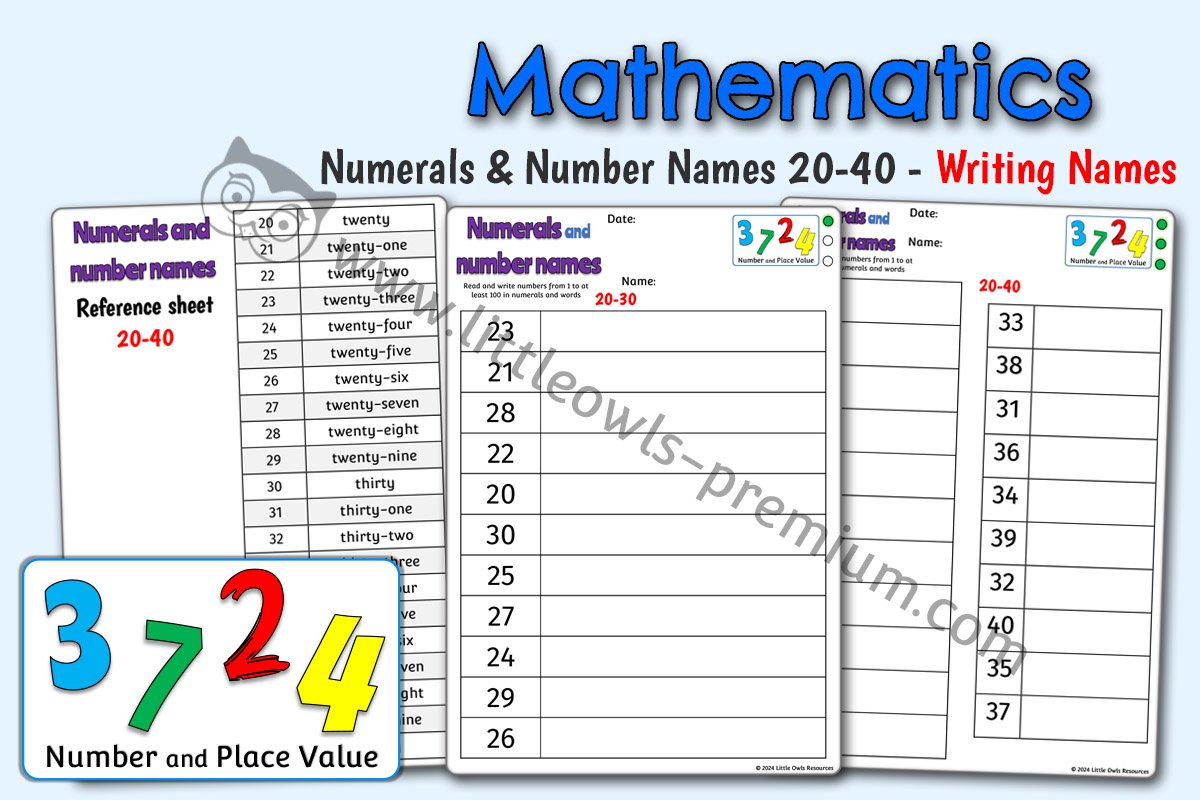
Keywords: Year 2, Y2, Yr2, Number and Place Value, Worksheets, Activity Sheets, Activities
Original artwork drawn by Sara Murphy and final digital resources created by Stuart Murphy. COPYRIGHT ON ALL OF THE RESOURCES HOUSED ON THIS WEBSITE IS HELD BY ‘LITTLE OWLS RESOURCES’. OUR RESOURCES (INCLUDING THE IMAGES WITHIN THEM), CANNOT BE SHARED OR SOLD COMMERCIALLY.
DOWNLOAD EDITABLE(DOCX)
DOWNLOAD NON-EDITABLE (PDF)
DOWNLOAD NON-EDITABLE (Zipped JPEGs)
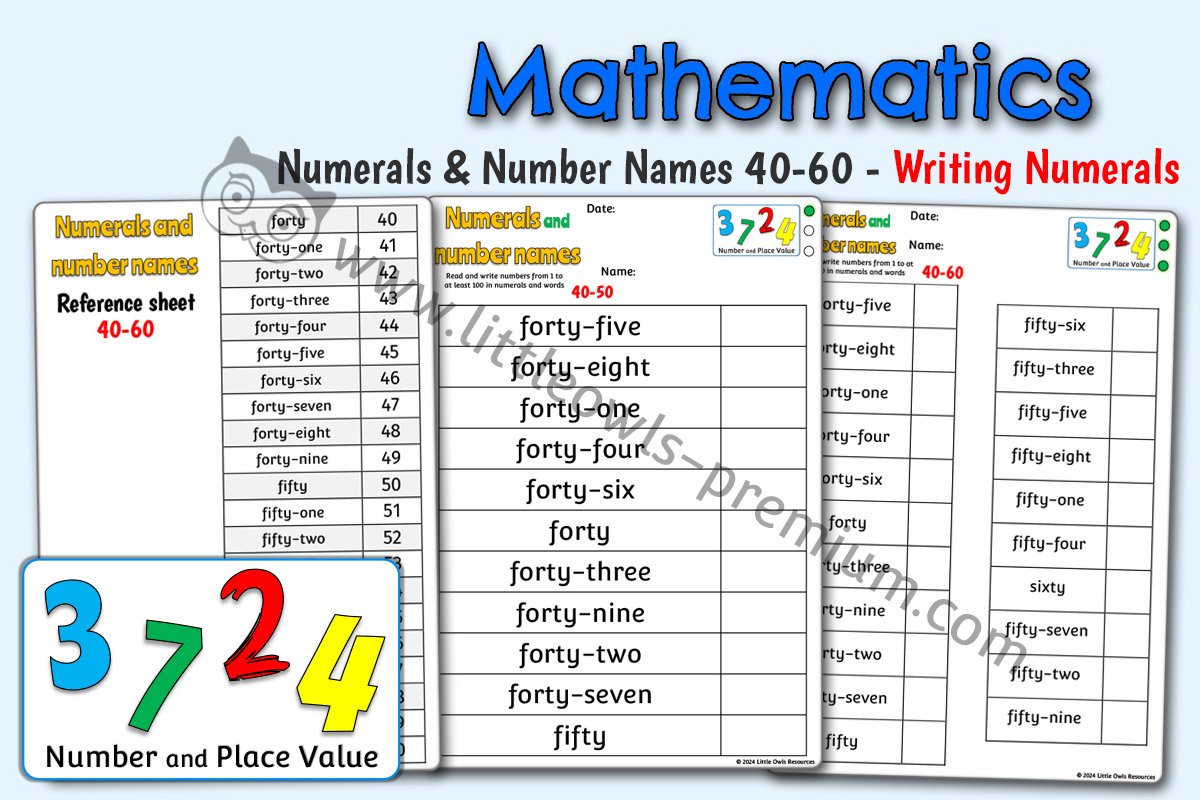
Keywords: Year 2, Y2, Yr2, Number and Place Value, Worksheets, Activity Sheets, Activities
Original artwork drawn by Sara Murphy and final digital resources created by Stuart Murphy. COPYRIGHT ON ALL OF THE RESOURCES HOUSED ON THIS WEBSITE IS HELD BY ‘LITTLE OWLS RESOURCES’. OUR RESOURCES (INCLUDING THE IMAGES WITHIN THEM), CANNOT BE SHARED OR SOLD COMMERCIALLY.
DOWNLOAD EDITABLE(DOCX)
DOWNLOAD NON-EDITABLE (PDF)
DOWNLOAD NON-EDITABLE (Zipped JPEGs)
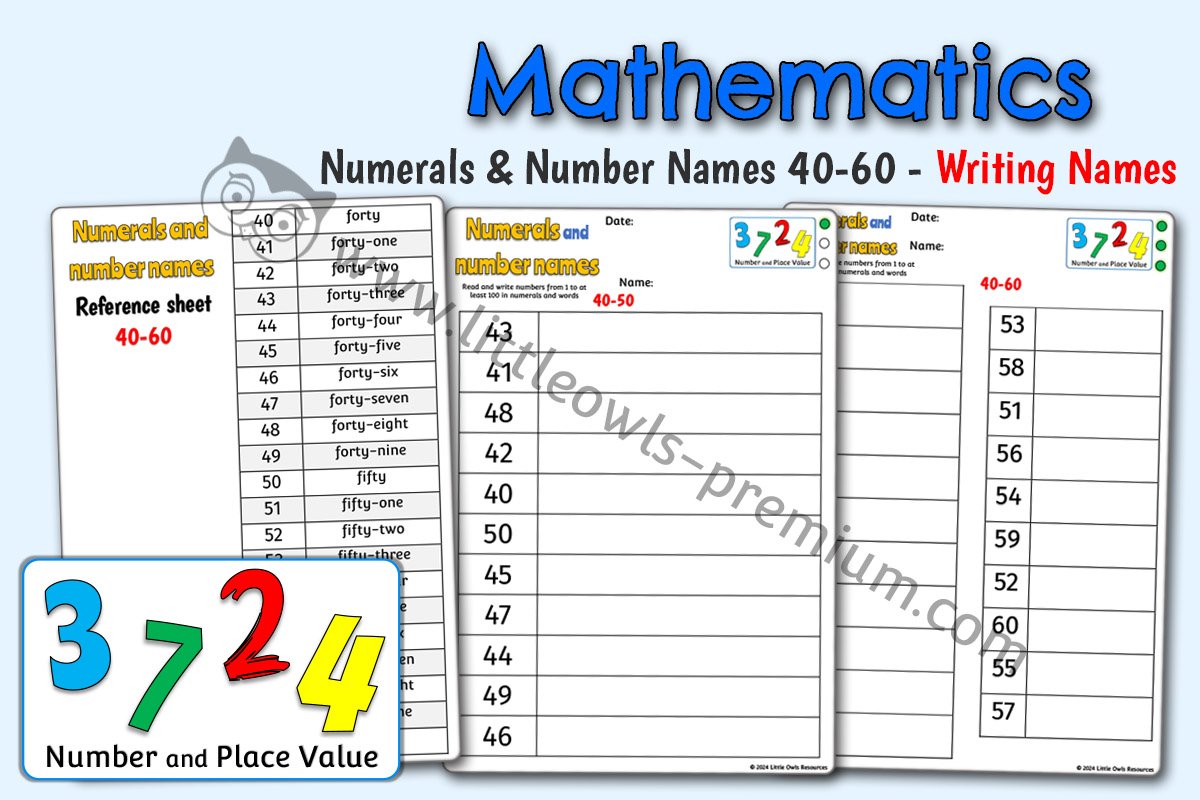
Keywords: Year 2, Y2, Yr2, Number and Place Value, Worksheets, Activity Sheets, Activities
Original artwork drawn by Sara Murphy and final digital resources created by Stuart Murphy. COPYRIGHT ON ALL OF THE RESOURCES HOUSED ON THIS WEBSITE IS HELD BY ‘LITTLE OWLS RESOURCES’. OUR RESOURCES (INCLUDING THE IMAGES WITHIN THEM), CANNOT BE SHARED OR SOLD COMMERCIALLY.
DOWNLOAD EDITABLE(DOCX)
DOWNLOAD NON-EDITABLE (PDF)
DOWNLOAD NON-EDITABLE (Zipped JPEGs)
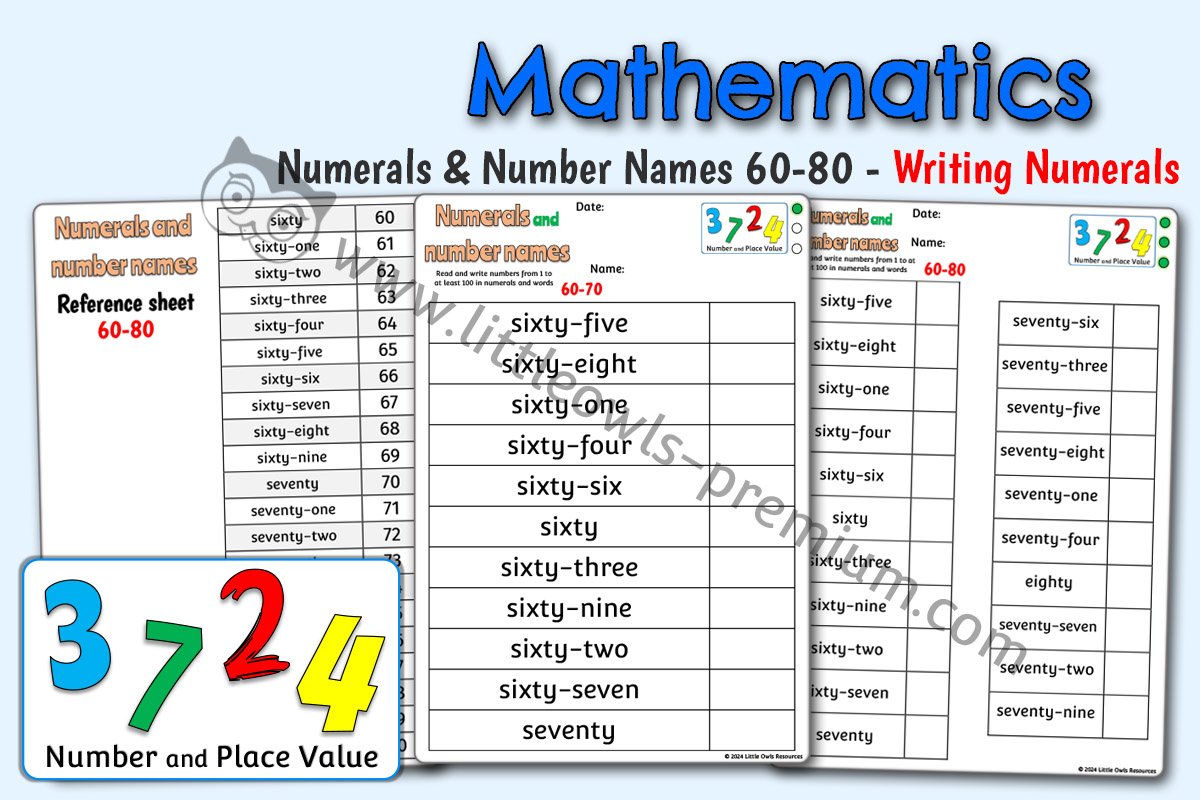
Keywords: Year 2, Y2, Yr2, Number and Place Value, Worksheets, Activity Sheets, Activities
Original artwork drawn by Sara Murphy and final digital resources created by Stuart Murphy. COPYRIGHT ON ALL OF THE RESOURCES HOUSED ON THIS WEBSITE IS HELD BY ‘LITTLE OWLS RESOURCES’. OUR RESOURCES (INCLUDING THE IMAGES WITHIN THEM), CANNOT BE SHARED OR SOLD COMMERCIALLY.
DOWNLOAD EDITABLE(DOCX)
DOWNLOAD NON-EDITABLE (PDF)
DOWNLOAD NON-EDITABLE (Zipped JPEGs)
Keywords: Year 2, Y2, Yr2, Number and Place Value, Worksheets, Activity Sheets, Activities
Original artwork drawn by Sara Murphy and final digital resources created by Stuart Murphy. COPYRIGHT ON ALL OF THE RESOURCES HOUSED ON THIS WEBSITE IS HELD BY ‘LITTLE OWLS RESOURCES’. OUR RESOURCES (INCLUDING THE IMAGES WITHIN THEM), CANNOT BE SHARED OR SOLD COMMERCIALLY.
DOWNLOAD EDITABLE(DOCX)
DOWNLOAD NON-EDITABLE (PDF)
DOWNLOAD NON-EDITABLE (Zipped JPEGs)
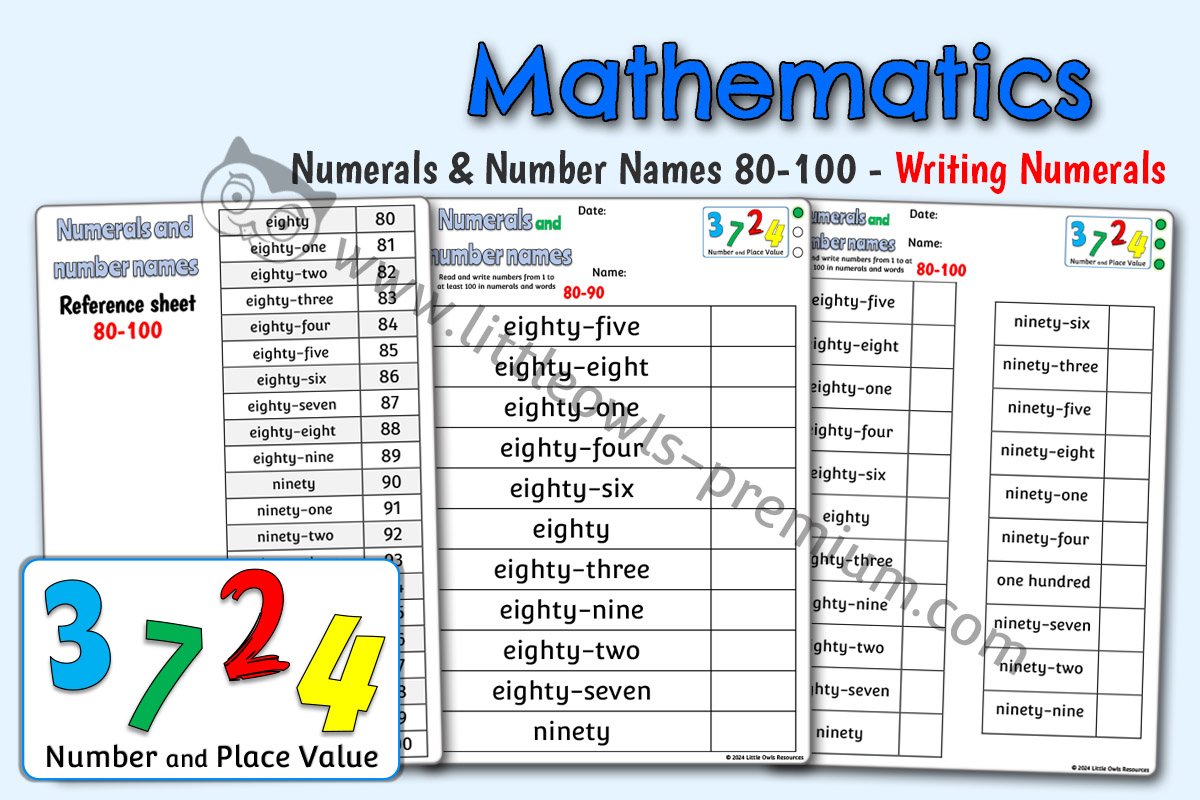
Keywords: Year 2, Y2, Yr2, Number and Place Value, Worksheets, Activity Sheets, Activities
Original artwork drawn by Sara Murphy and final digital resources created by Stuart Murphy. COPYRIGHT ON ALL OF THE RESOURCES HOUSED ON THIS WEBSITE IS HELD BY ‘LITTLE OWLS RESOURCES’. OUR RESOURCES (INCLUDING THE IMAGES WITHIN THEM), CANNOT BE SHARED OR SOLD COMMERCIALLY.
DOWNLOAD EDITABLE(DOCX)
DOWNLOAD NON-EDITABLE (PDF)
DOWNLOAD NON-EDITABLE (Zipped JPEGs)
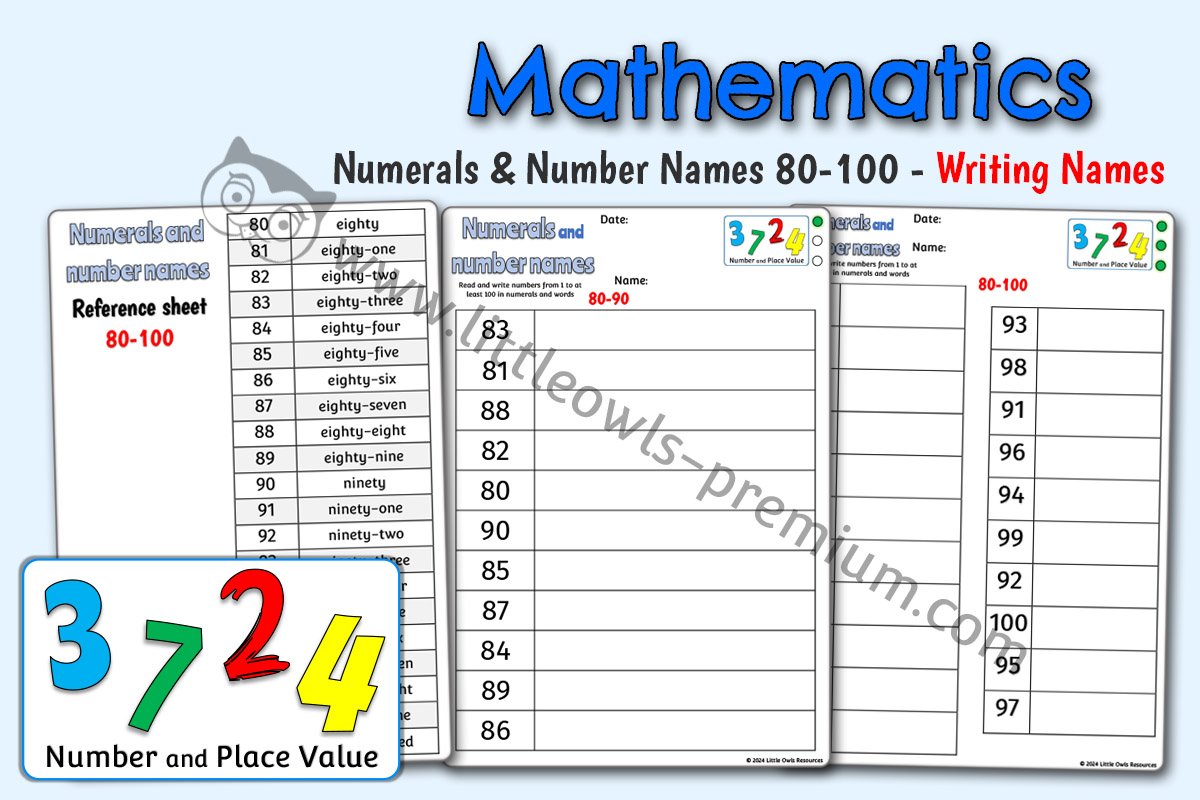
Keywords: Year 2, Y2, Yr2, Number and Place Value, Worksheets, Activity Sheets, Activities
Original artwork drawn by Sara Murphy and final digital resources created by Stuart Murphy. COPYRIGHT ON ALL OF THE RESOURCES HOUSED ON THIS WEBSITE IS HELD BY ‘LITTLE OWLS RESOURCES’. OUR RESOURCES (INCLUDING THE IMAGES WITHIN THEM), CANNOT BE SHARED OR SOLD COMMERCIALLY.
DOWNLOAD EDITABLE(DOCX)
DOWNLOAD NON-EDITABLE (PDF)
DOWNLOAD NON-EDITABLE (Zipped JPEGs)
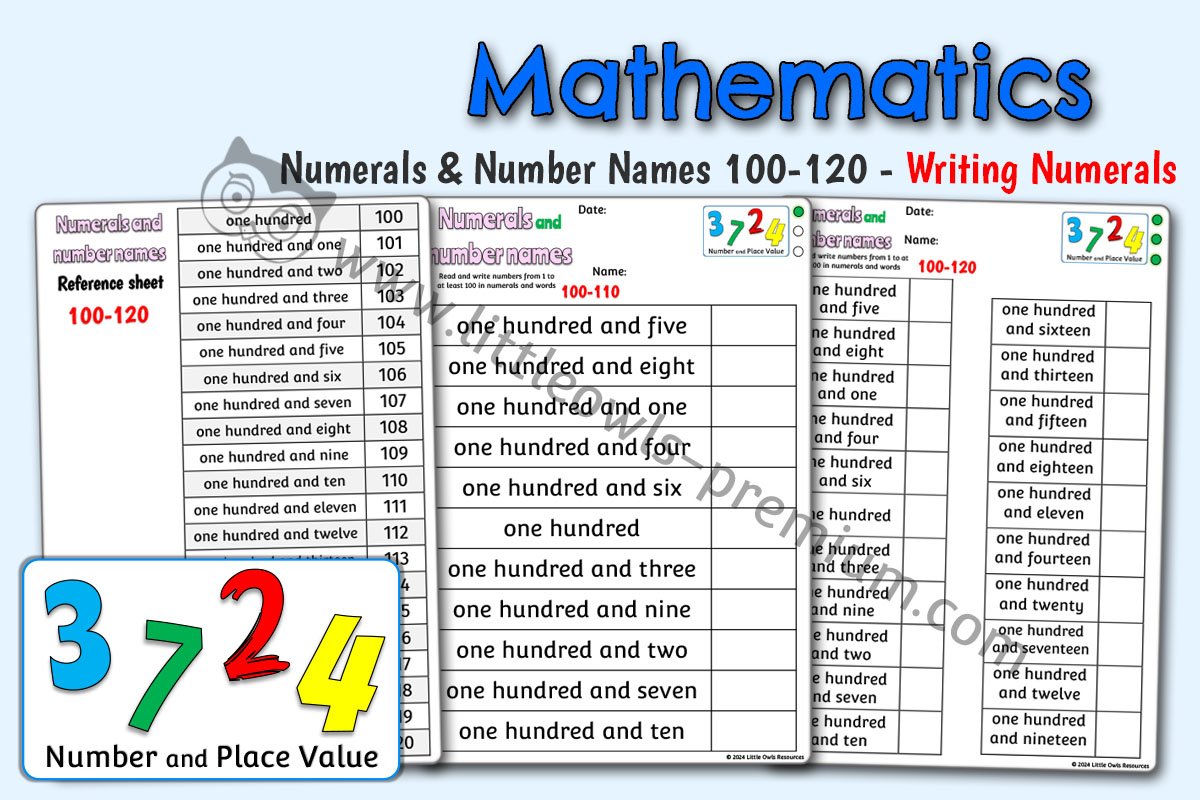
Keywords: Year 2, Y2, Yr2, Number and Place Value, Worksheets, Activity Sheets, Activities
Original artwork drawn by Sara Murphy and final digital resources created by Stuart Murphy. COPYRIGHT ON ALL OF THE RESOURCES HOUSED ON THIS WEBSITE IS HELD BY ‘LITTLE OWLS RESOURCES’. OUR RESOURCES (INCLUDING THE IMAGES WITHIN THEM), CANNOT BE SHARED OR SOLD COMMERCIALLY.
DOWNLOAD EDITABLE(DOCX)
DOWNLOAD NON-EDITABLE (PDF)
DOWNLOAD NON-EDITABLE (Zipped JPEGs)
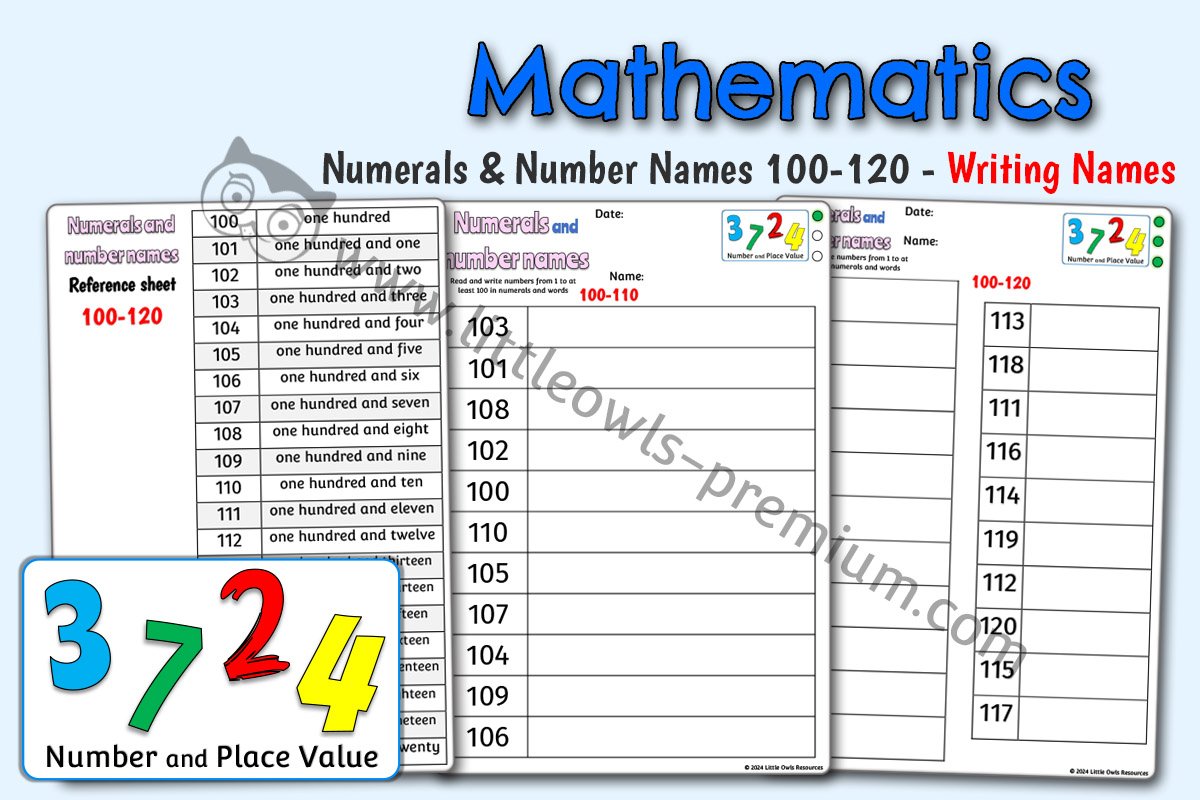
Keywords: Year 2, Y2, Yr2, Number and Place Value, Worksheets, Activity Sheets, Activities
Original artwork drawn by Sara Murphy and final digital resources created by Stuart Murphy. COPYRIGHT ON ALL OF THE RESOURCES HOUSED ON THIS WEBSITE IS HELD BY ‘LITTLE OWLS RESOURCES’. OUR RESOURCES (INCLUDING THE IMAGES WITHIN THEM), CANNOT BE SHARED OR SOLD COMMERCIALLY.
DOWNLOAD EDITABLE(DOCX)
DOWNLOAD NON-EDITABLE (PDF)
DOWNLOAD NON-EDITABLE (Zipped JPEGs)

These apples and the speech bubbles are intended to be cut out and laminated and then used as a counting in tens game.
Children can work in pairs or a small group, taking turns to pick an overturned speech bubble and then gather the correct number of apples counting in tens.
For numbers higher than one hundred, this page can be re-printed and there are blank speech bubbles on the last page of the document.
Keywords: Year 1, Y1, Yr1, Number and Place Value, Counting in Tens/10s, x10, 10 times table, group work, practical, role play
Original artwork drawn by Sara Murphy and final digital resources created by Stuart Murphy. COPYRIGHT ON ALL OF THE RESOURCES HOUSED ON THIS WEBSITE IS HELD BY ‘LITTLE OWLS RESOURCES’. OUR RESOURCES (INCLUDING THE IMAGES WITHIN THEM), CANNOT BE SHARED OR SOLD COMMERCIALLY.
DOWNLOAD EDITABLE(DOCX)
DOWNLOAD NON-EDITABLE (PDF)
DOWNLOAD NON-EDITABLE (Zipped JPEGs)

Three differentiated sheets (green dot coding in the corner). Count the apples in multiples of ten to find the answer.
Keywords: Year 1, Y1, Yr1, Number and Place Value, Counting in Tens/10s, x10, 10 times table, worksheets, Activity Sheets, Activities
Original artwork drawn by Sara Murphy and final digital resources created by Stuart Murphy. COPYRIGHT ON ALL OF THE RESOURCES HOUSED ON THIS WEBSITE IS HELD BY ‘LITTLE OWLS RESOURCES’. OUR RESOURCES (INCLUDING THE IMAGES WITHIN THEM), CANNOT BE SHARED OR SOLD COMMERCIALLY.
DOWNLOAD EDITABLE(DOCX)
DOWNLOAD NON-EDITABLE (PDF)
DOWNLOAD NON-EDITABLE (Zipped JPEGs)
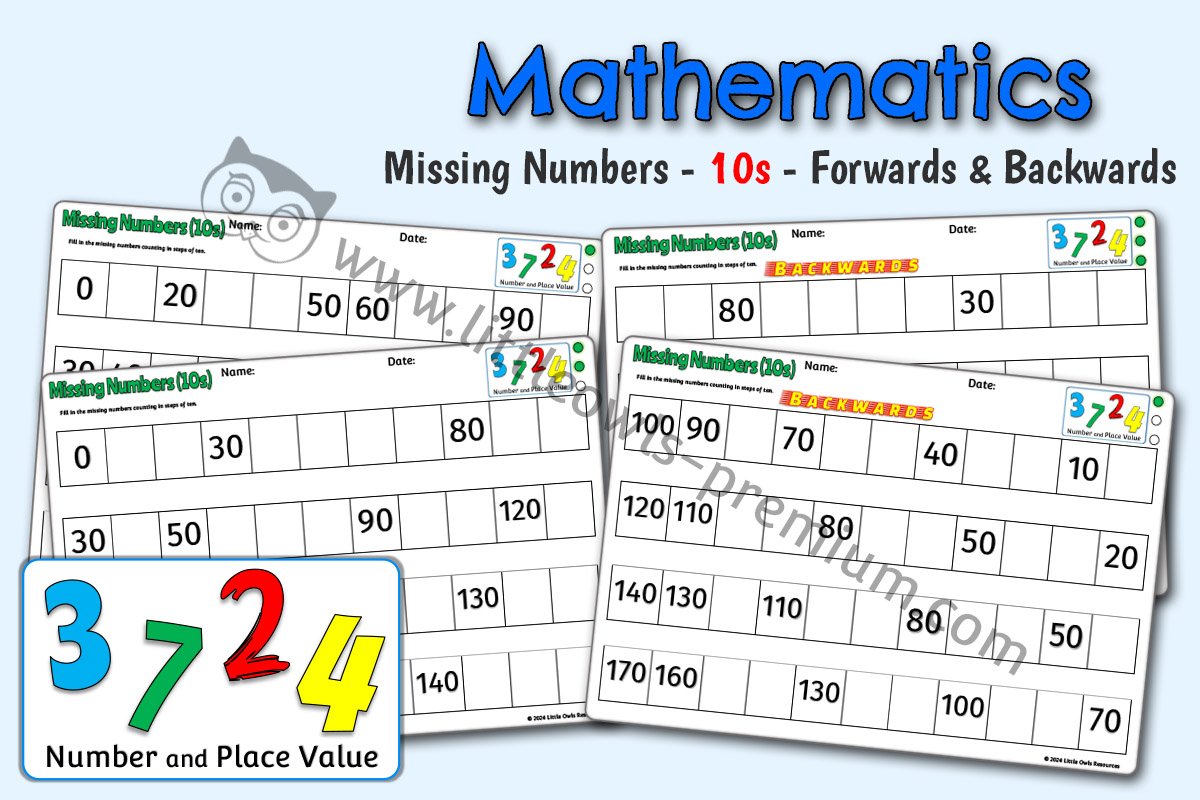
Fill in the missing numbers counting in steps of ten. Three differentiated sheets for forward counting, followed by the same for counting backwards.
Keywords: Year 1, Y1, Yr1, Year 2, Y2, Yr2, KS1, Key Stage One, Number and Place Value, Worksheets, Activity Sheets, Activities
Original artwork drawn by Sara Murphy and final digital resources created by Stuart Murphy. COPYRIGHT ON ALL OF THE RESOURCES HOUSED ON THIS WEBSITE IS HELD BY ‘LITTLE OWLS RESOURCES’. OUR RESOURCES (INCLUDING THE IMAGES WITHIN THEM), CANNOT BE SHARED OR SOLD COMMERCIALLY.
DOWNLOAD EDITABLE(DOCX)
DOWNLOAD NON-EDITABLE (PDF)
DOWNLOAD NON-EDITABLE (Zipped JPEGs)
These cherries and the speech bubbles are intended to be cut out and laminated and then used as a counting in twos game.
Children can work in pairs or a small group, taking turns to pick an overturned speech bubble and then gather the correct number of cherries counting in twos.
For numbers higher than twenty, this page can be re-printed and there are blank speech bubbles on the last page of the document.
Keywords: Year 1, Y1, Yr1, Year 2, Y2, Yr2, Number and Place Value, Counting in Twos/2s, x2, 2 times table, group work, practical, role play
Original artwork drawn by Sara Murphy and final digital resources created by Stuart Murphy. COPYRIGHT ON ALL OF THE RESOURCES HOUSED ON THIS WEBSITE IS HELD BY ‘LITTLE OWLS RESOURCES’. OUR RESOURCES (INCLUDING THE IMAGES WITHIN THEM), CANNOT BE SHARED OR SOLD COMMERCIALLY.
DOWNLOAD EDITABLE(DOCX)
DOWNLOAD NON-EDITABLE (PDF)
DOWNLOAD NON-EDITABLE (Zipped JPEGs)
Three differentiated sheets (green dot coding in the corner). Count the cherries in multiples of two to find the answer.
Keywords: Year 1, Y1, Yr1, Year 2, Y2, Yr2, Number and Place Value, Counting in Twos/2s, x2, 2 times table, worksheets, Activity Sheets, Activities
Original artwork drawn by Sara Murphy and final digital resources created by Stuart Murphy. COPYRIGHT ON ALL OF THE RESOURCES HOUSED ON THIS WEBSITE IS HELD BY ‘LITTLE OWLS RESOURCES’. OUR RESOURCES (INCLUDING THE IMAGES WITHIN THEM), CANNOT BE SHARED OR SOLD COMMERCIALLY.
DOWNLOAD EDITABLE(DOCX)
DOWNLOAD NON-EDITABLE (PDF)
DOWNLOAD NON-EDITABLE (Zipped JPEGs)
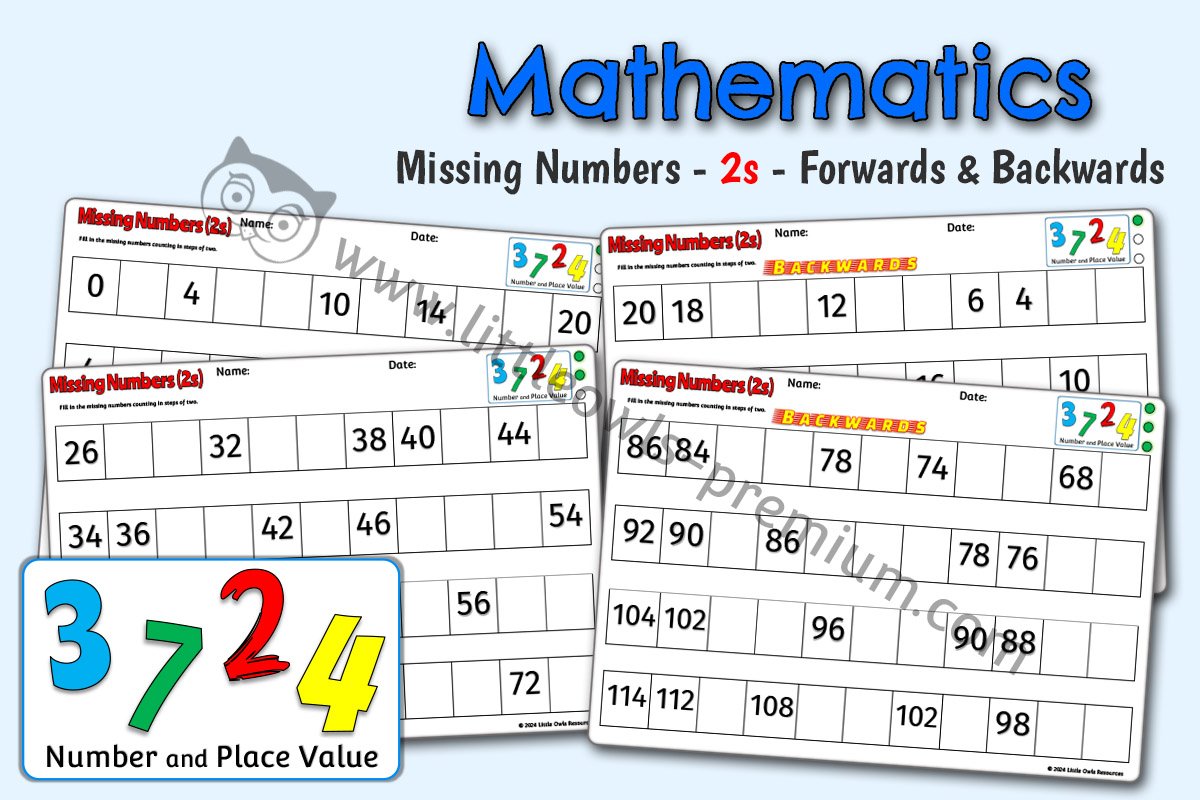
Fill in the missing numbers counting in steps of two. Three differentiated sheets for forward counting, followed by the same for counting backwards.
Keywords: Year 1, Y1, Yr1, Year 2, Y2, Yr2, KS1, Key Stage One, Number and Place Value, Worksheets, Activity Sheets, Activities
Original artwork drawn by Sara Murphy and final digital resources created by Stuart Murphy. COPYRIGHT ON ALL OF THE RESOURCES HOUSED ON THIS WEBSITE IS HELD BY ‘LITTLE OWLS RESOURCES’. OUR RESOURCES (INCLUDING THE IMAGES WITHIN THEM), CANNOT BE SHARED OR SOLD COMMERCIALLY.
DOWNLOAD EDITABLE(DOCX)
DOWNLOAD NON-EDITABLE (PDF)
DOWNLOAD NON-EDITABLE (Zipped JPEGs)
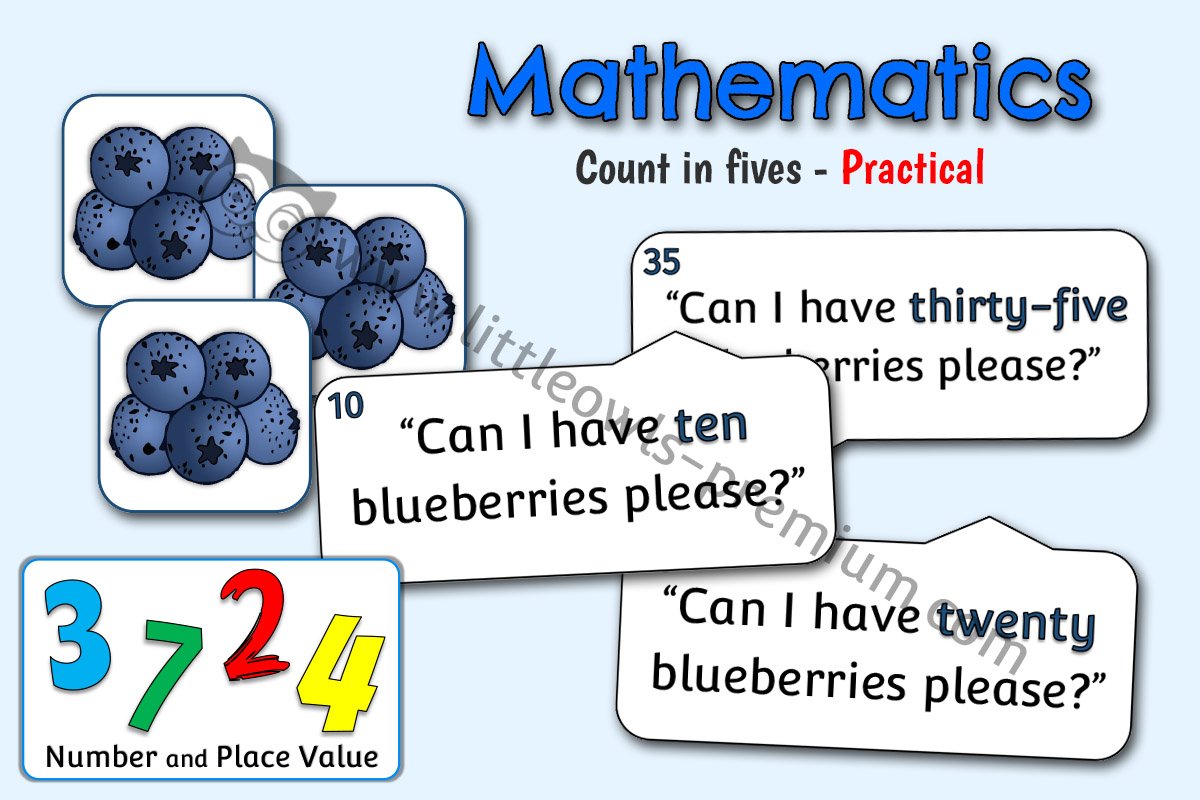
These blueberries and the speech bubbles are intended to be cut out and laminated and then used as a counting in fives game.
Children can work in pairs or a small group, taking turns to pick an overturned speech bubble and then gather the correct number of blueberries counting in fives.
For numbers higher than fifty, this page can be re-printed and there are blank speech bubbles on.
Keywords: Year 1, Y1, Yr1, Year 2, Y2, Yr2, Number and Place Value, Counting in Fives/5s, x5, 5 times table, group work, practical, role play
Original artwork drawn by Sara Murphy and final digital resources created by Stuart Murphy. COPYRIGHT ON ALL OF THE RESOURCES HOUSED ON THIS WEBSITE IS HELD BY ‘LITTLE OWLS RESOURCES’. OUR RESOURCES (INCLUDING THE IMAGES WITHIN THEM), CANNOT BE SHARED OR SOLD COMMERCIALLY.
DOWNLOAD EDITABLE(DOCX)
DOWNLOAD NON-EDITABLE (PDF)
DOWNLOAD NON-EDITABLE (Zipped JPEGs)
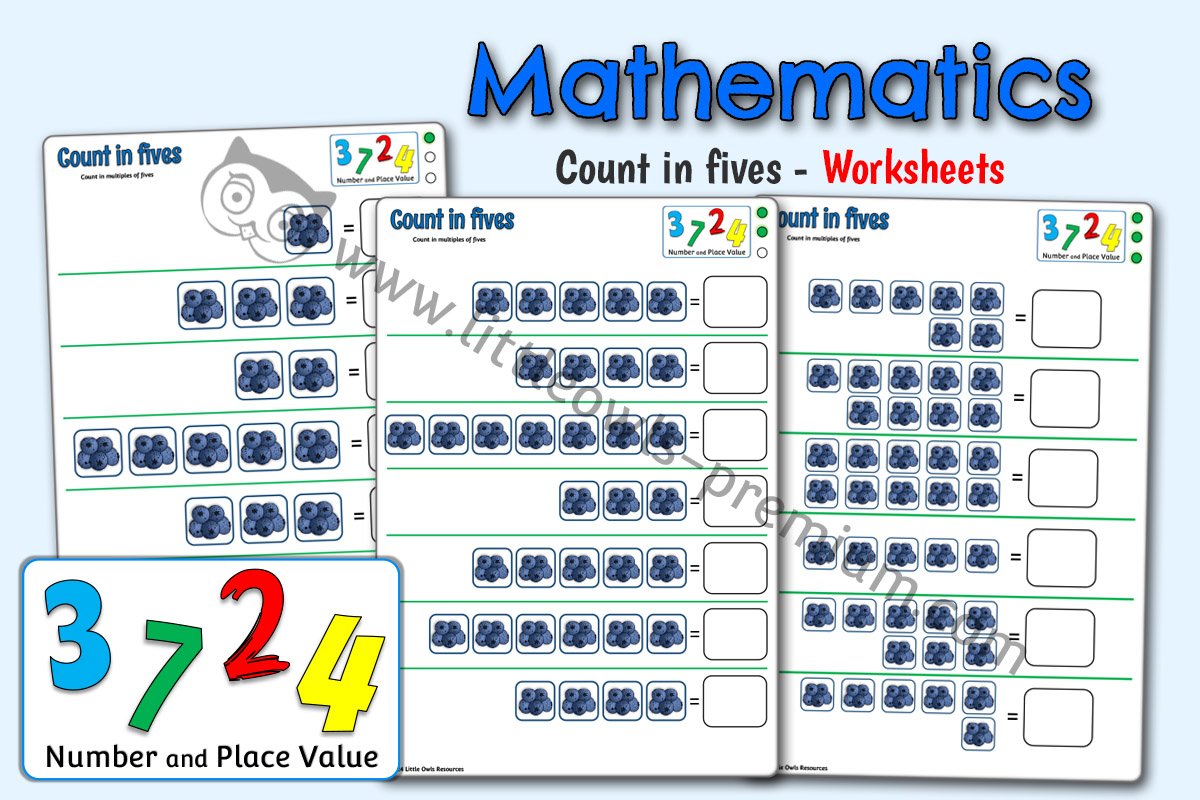
Three differentiated sheets (green dot coding in the corner). Count the blueberries in multiples of five to find the answer.
Keywords: Year 1, Y1, Yr1, Year 2, Y2, Yr2, Number and Place Value, Counting in Fives/5s, x5, 5 times table, worksheets, Activity Sheets, Activities
Original artwork drawn by Sara Murphy and final digital resources created by Stuart Murphy. COPYRIGHT ON ALL OF THE RESOURCES HOUSED ON THIS WEBSITE IS HELD BY ‘LITTLE OWLS RESOURCES’. OUR RESOURCES (INCLUDING THE IMAGES WITHIN THEM), CANNOT BE SHARED OR SOLD COMMERCIALLY.
DOWNLOAD EDITABLE(DOCX)
DOWNLOAD NON-EDITABLE (PDF)
DOWNLOAD NON-EDITABLE (Zipped JPEGs)
Fill in the missing numbers counting in steps of five. Three differentiated sheets for forward counting, followed by the same for counting backwards.
Keywords: Year 1, Y1, Yr1, Year 2, Y2, Yr2, KS1, Key Stage One, Number and Place Value, Worksheets, Activity Sheets, Activities
Original artwork drawn by Sara Murphy and final digital resources created by Stuart Murphy. COPYRIGHT ON ALL OF THE RESOURCES HOUSED ON THIS WEBSITE IS HELD BY ‘LITTLE OWLS RESOURCES’. OUR RESOURCES (INCLUDING THE IMAGES WITHIN THEM), CANNOT BE SHARED OR SOLD COMMERCIALLY.
DOWNLOAD EDITABLE(DOCX)
DOWNLOAD NON-EDITABLE (PDF)
DOWNLOAD NON-EDITABLE (Zipped JPEGs)
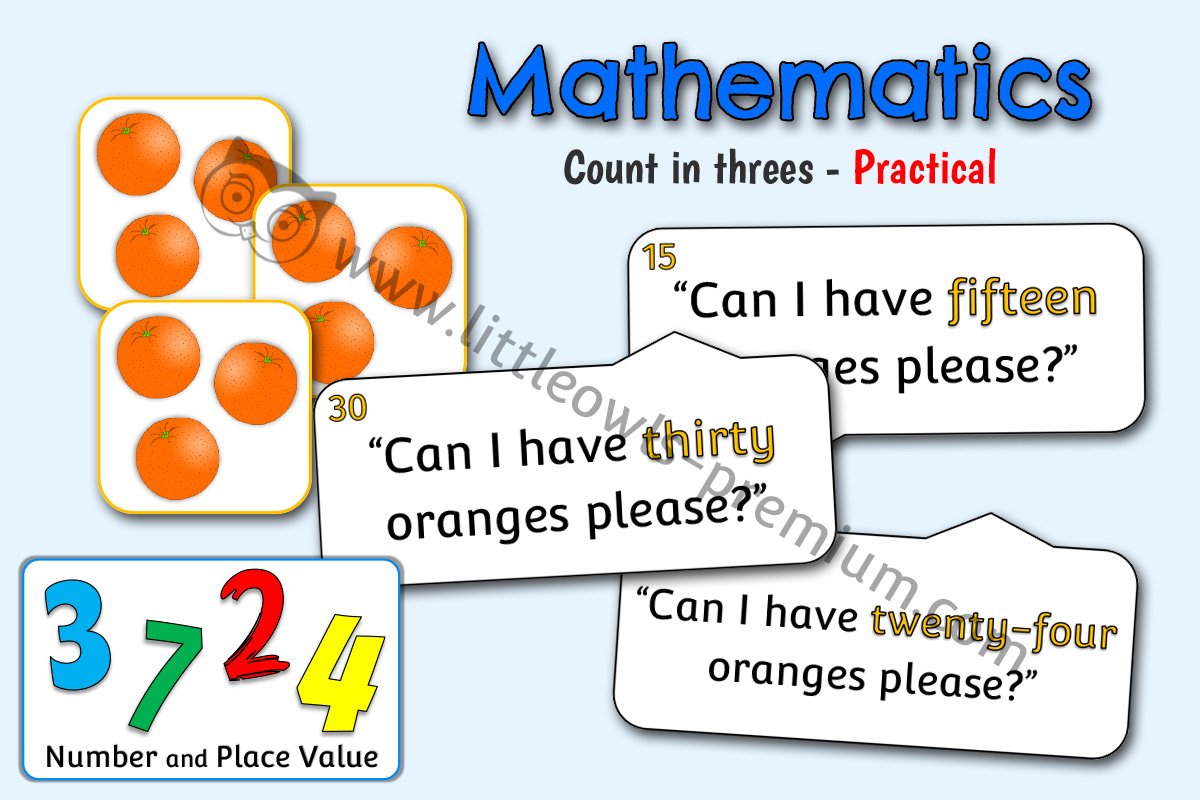
These oranges and the speech bubbles are intended to be cut out and laminated and then used as a counting in threes game.
Children can work in pairs or a small group, taking turns to pick an overturned speech bubble and then gather the correct number of oranges counting in threes.
For numbers higher than thirty, this page can be re-printed and there are blank speech bubbles on the last page of the document.
Keywords: Year 2, Y2, Yr2, Number and Place Value, Counting in Threes/3s, x3, 3 times table, group work, practical, role play
Original artwork drawn by Sara Murphy and final digital resources created by Stuart Murphy. COPYRIGHT ON ALL OF THE RESOURCES HOUSED ON THIS WEBSITE IS HELD BY ‘LITTLE OWLS RESOURCES’. OUR RESOURCES (INCLUDING THE IMAGES WITHIN THEM), CANNOT BE SHARED OR SOLD COMMERCIALLY.
DOWNLOAD EDITABLE(DOCX)
DOWNLOAD NON-EDITABLE (PDF)
DOWNLOAD NON-EDITABLE (Zipped JPEGs)
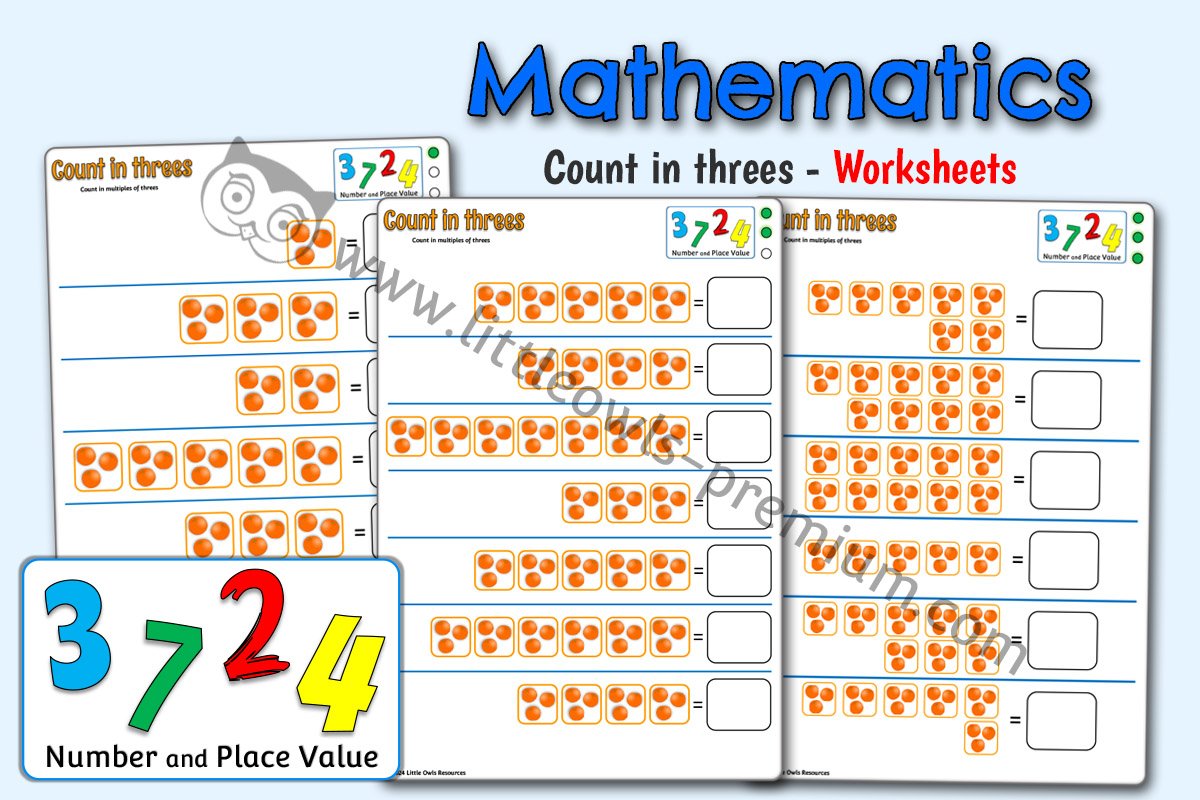
Three differentiated sheets (green dot coding in the corner). Count the oranges in multiples of three to find the answer.
Keywords: Year 2, Y2, Yr2, Number and Place Value, Counting in Threes/3s, x3, 3 times table, worksheets, Activity Sheets, Activities
Original artwork drawn by Sara Murphy and final digital resources created by Stuart Murphy. COPYRIGHT ON ALL OF THE RESOURCES HOUSED ON THIS WEBSITE IS HELD BY ‘LITTLE OWLS RESOURCES’. OUR RESOURCES (INCLUDING THE IMAGES WITHIN THEM), CANNOT BE SHARED OR SOLD COMMERCIALLY.
DOWNLOAD EDITABLE(DOCX)
DOWNLOAD NON-EDITABLE (PDF)
DOWNLOAD NON-EDITABLE (Zipped JPEGs)
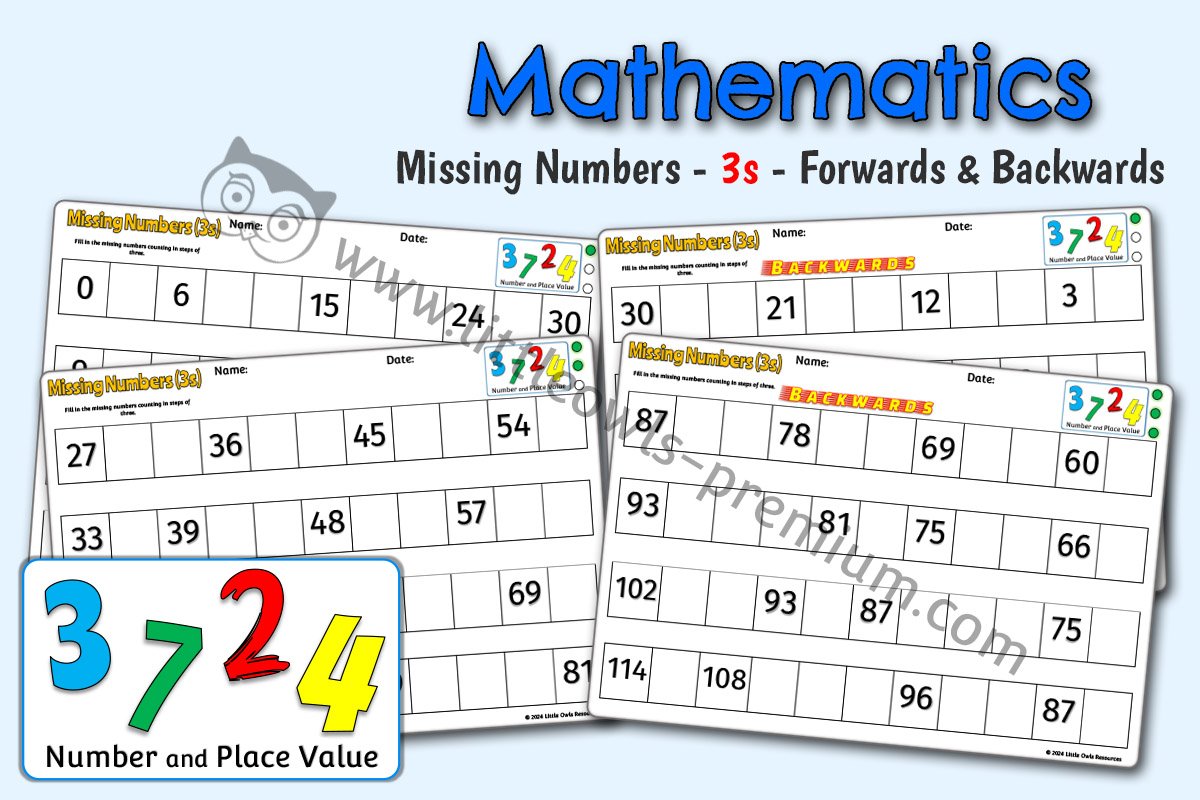
Fill in the missing numbers counting in steps of three. Three differentiated sheets for forward counting, followed by the same for counting backwards.
Keywords: Year 2, Y2, Yr2, Number and Place Value, Worksheets, Activity Sheets, Activities
Original artwork drawn by Sara Murphy and final digital resources created by Stuart Murphy. COPYRIGHT ON ALL OF THE RESOURCES HOUSED ON THIS WEBSITE IS HELD BY ‘LITTLE OWLS RESOURCES’. OUR RESOURCES (INCLUDING THE IMAGES WITHIN THEM), CANNOT BE SHARED OR SOLD COMMERCIALLY.
DOWNLOAD EDITABLE(DOCX)
DOWNLOAD NON-EDITABLE (PDF)
DOWNLOAD NON-EDITABLE (Zipped JPEGs)
The boards/mats within this pack are intended to be laminated before use (5 designs to choose from). Numbers can be written in the left and right of the boards using a whiteboard pen. Alternatively, the number cards can be used to create one or two-digit numbers in those spaces.
The > < = cards can then be placed by the children in the middle space.
Have fun!
Keywords: Year 2, Y2, Yr2, Number and Place Value, More/Greater/Equal/Less than/to symbols, <, >, =, Activity Mats
Original artwork drawn by Sara Murphy and final digital resources created by Stuart Murphy. COPYRIGHT ON ALL OF THE RESOURCES HOUSED ON THIS WEBSITE IS HELD BY ‘LITTLE OWLS RESOURCES’. OUR RESOURCES (INCLUDING THE IMAGES WITHIN THEM), CANNOT BE SHARED OR SOLD COMMERCIALLY.
DOWNLOAD EDITABLE(DOCX)
DOWNLOAD NON-EDITABLE (PDF)
DOWNLOAD NON-EDITABLE (Zipped JPEGs)
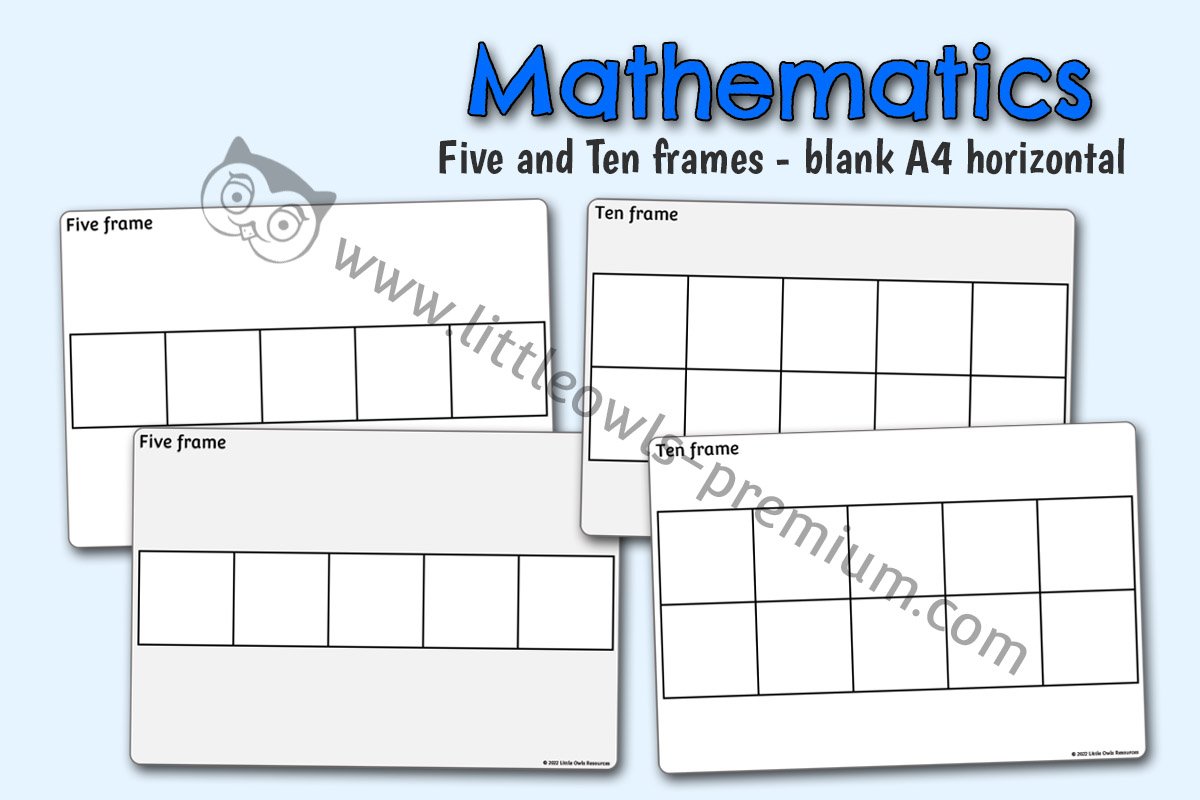
These large sized basic 5 and 10 frames are ideal for using in conjunction with counting objects you have within your setting. Alternatively, download our ‘Five and Ten Frame - Coloured Counters’ pack to use in conjunction with these frames.
Original artwork drawn by Sara Murphy and final digital resources created by Stuart Murphy. COPYRIGHT ON ALL OF THE RESOURCES HOUSED ON THIS WEBSITE IS HELD BY ‘LITTLE OWLS RESOURCES’. OUR RESOURCES (INCLUDING THE IMAGES WITHIN THEM), CANNOT BE SHARED OR SOLD COMMERCIALLY.
DOWNLOAD EDITABLE (DOCX)
DOWNLOAD NON-EDITABLE (PDF)
DOWNLOAD NON-EDITABLE (Zipped JPEGs)
← Back to ‘Maths Continuous Provision & Play’ Area
<<-BACK TO NON-TOPIC MATHEMATICS MENU
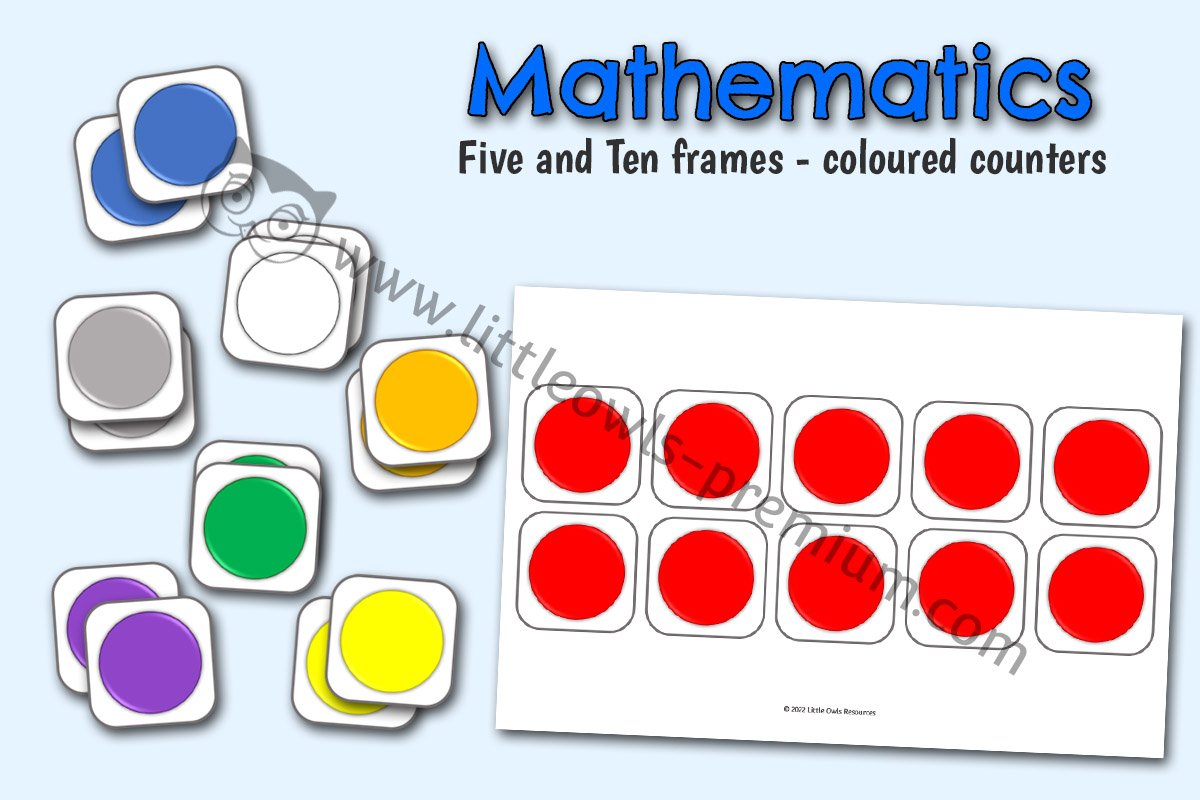
Print the coloured counter sets you would like from within this ‘Five and Ten Frame - Coloured Counters’ pack to use in conjunction with our five and ten frames.
Original artwork drawn by Sara Murphy and final digital resources created by Stuart Murphy. COPYRIGHT ON ALL OF THE RESOURCES HOUSED ON THIS WEBSITE IS HELD BY ‘LITTLE OWLS RESOURCES’. OUR RESOURCES (INCLUDING THE IMAGES WITHIN THEM), CANNOT BE SHARED OR SOLD COMMERCIALLY.
DOWNLOAD EDITABLE (DOCX)
DOWNLOAD NON-EDITABLE (PDF)
DOWNLOAD NON-EDITABLE (Zipped JPEGs)
← Back to ‘Maths Continuous Provision & Play’ Area
<<-BACK TO NON-TOPIC MATHEMATICS MENU
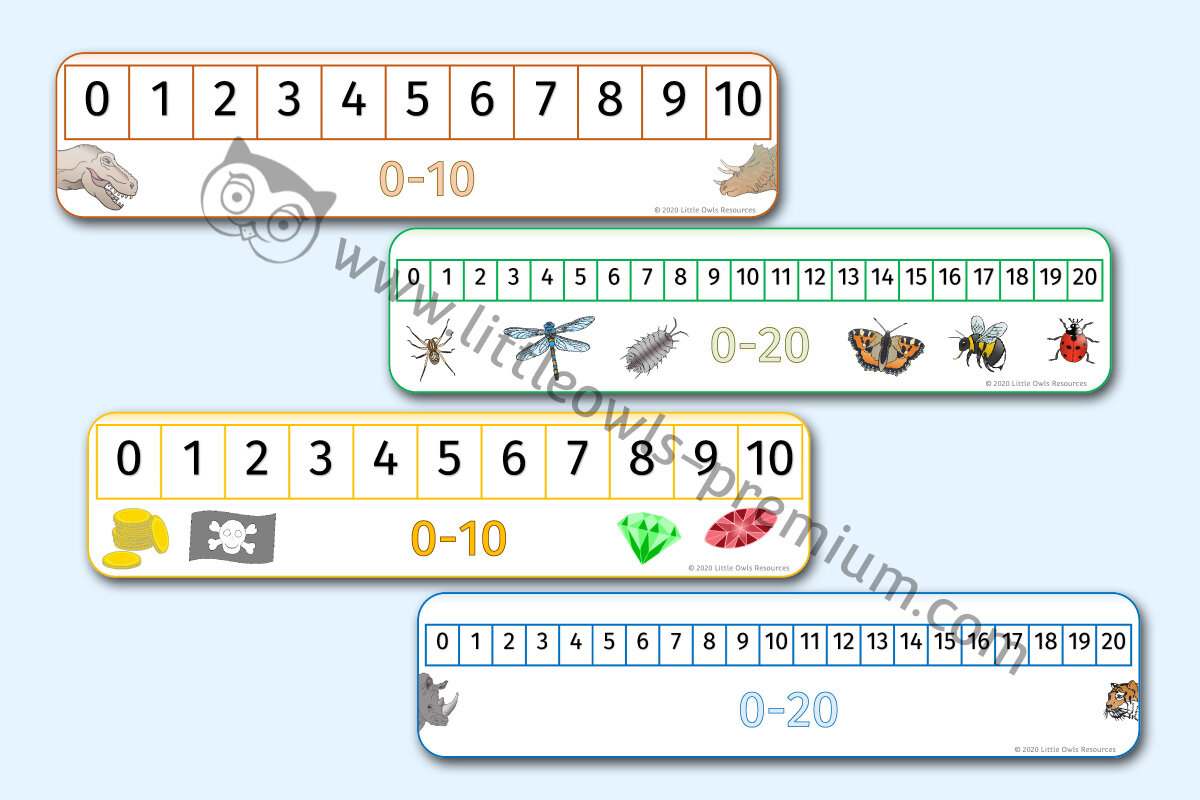
Need number lines in a particular theme? Perhaps you'd like your number lines to be a different theme for each of your tables so that it's easy to tell where it came from? This pack includes 4 different themes of number line for you to choose from, (plus an extra blank set for children to create their own!) Each 0-10 or 0-20 number line (made up of boxes), spans the length of an A4 page. (Why not also check out our colour number lines?)
Pack includes 10 Number Lines (5 pages):
Blank (0-10 & 0-20)
Dinosaurs (0-10 & 0-20)
Minibeasts (0-10 & 0-20)
Pirate (0-10 & 0-20)
Wild Animals (0-10 & 0-20)
Original artwork drawn by Sara Murphy and final digital resources created by Stuart Murphy. COPYRIGHT ON ALL OF THE RESOURCES HOUSED ON THIS WEBSITE IS HELD BY ‘LITTLE OWLS RESOURCES’. OUR RESOURCES (INCLUDING THE IMAGES WITHIN THEM), CANNOT BE SHARED OR SOLD COMMERCIALLY.
DOWNLOAD EDITABLE (DOCX)
DOWNLOAD NON-EDITABLE (PDF)
Explore additional resources on the following pages (buttons below):
Core Year 1 and 2 ‘Number and Place Value’ resources can be found within the first and second buttons respectively.
In addition, you will find many more resources relating to the above learning objectives on our keyword pages which are also highlighted below.

CORE - Year 1 - 'Number and Place Value' Resources
CLICK HERE to view relevant resources.

CORE - Year 2 - 'Number and Place Value' Resources
CLICK HERE to view relevant resources.



Year 1: Number - addition and subtraction
Pupils should be taught to:
read, write and interpret mathematical statements involving addition (+), subtraction (–) and equals (=) signs
represent and use number bonds and related subtraction facts within 20
add and subtract one-digit and two-digit numbers to 20, including zero
solve one-step problems that involve addition and subtraction, using concrete objects and pictorial representations, and missing number problems such as 7 = ? – 9
Year 2: Number - addition and subtraction
Pupils should be taught to:
solve problems with addition and subtraction:
using concrete objects and pictorial representations, including those involving numbers, quantities and measures
applying their increasing knowledge of mental and written methods
recall and use addition and subtraction facts to 20 fluently, and derive and use related facts up to 100
add and subtract numbers using concrete objects, pictorial representations, and mentally, including:
a two-digit number and ones
a two-digit number and tens
two two-digit numbers
adding three one-digit numbers
show that addition of two numbers can be done in any order (commutative) and subtraction of one number from another cannot
recognise and use the inverse relationship between addition and subtraction and use this to check calculations and solve missing number problems
Featured Year 1 and Year 2 ‘Addition & Subtraction’ Resources
Additional provision within this section is in development.
These large sized basic 5 and 10 frames are ideal for using in conjunction with counting objects you have within your setting. Alternatively, download our ‘Five and Ten Frame - Coloured Counters’ pack to use in conjunction with these frames.
Original artwork drawn by Sara Murphy and final digital resources created by Stuart Murphy. COPYRIGHT ON ALL OF THE RESOURCES HOUSED ON THIS WEBSITE IS HELD BY ‘LITTLE OWLS RESOURCES’. OUR RESOURCES (INCLUDING THE IMAGES WITHIN THEM), CANNOT BE SHARED OR SOLD COMMERCIALLY.
DOWNLOAD EDITABLE (DOCX)
DOWNLOAD NON-EDITABLE (PDF)
DOWNLOAD NON-EDITABLE (Zipped JPEGs)
← Back to ‘Maths Continuous Provision & Play’ Area
<<-BACK TO NON-TOPIC MATHEMATICS MENU
Print the coloured counter sets you would like from within this ‘Five and Ten Frame - Coloured Counters’ pack to use in conjunction with our five and ten frames.
Original artwork drawn by Sara Murphy and final digital resources created by Stuart Murphy. COPYRIGHT ON ALL OF THE RESOURCES HOUSED ON THIS WEBSITE IS HELD BY ‘LITTLE OWLS RESOURCES’. OUR RESOURCES (INCLUDING THE IMAGES WITHIN THEM), CANNOT BE SHARED OR SOLD COMMERCIALLY.
DOWNLOAD EDITABLE (DOCX)
DOWNLOAD NON-EDITABLE (PDF)
DOWNLOAD NON-EDITABLE (Zipped JPEGs)
← Back to ‘Maths Continuous Provision & Play’ Area
<<-BACK TO NON-TOPIC MATHEMATICS MENU
Need number lines in a particular theme? Perhaps you'd like your number lines to be a different theme for each of your tables so that it's easy to tell where it came from? This pack includes 4 different themes of number line for you to choose from, (plus an extra blank set for children to create their own!) Each 0-10 or 0-20 number line (made up of boxes), spans the length of an A4 page. (Why not also check out our colour number lines?)
Pack includes 10 Number Lines (5 pages):
Blank (0-10 & 0-20)
Dinosaurs (0-10 & 0-20)
Minibeasts (0-10 & 0-20)
Pirate (0-10 & 0-20)
Wild Animals (0-10 & 0-20)
Original artwork drawn by Sara Murphy and final digital resources created by Stuart Murphy. COPYRIGHT ON ALL OF THE RESOURCES HOUSED ON THIS WEBSITE IS HELD BY ‘LITTLE OWLS RESOURCES’. OUR RESOURCES (INCLUDING THE IMAGES WITHIN THEM), CANNOT BE SHARED OR SOLD COMMERCIALLY.
DOWNLOAD EDITABLE (DOCX)
DOWNLOAD NON-EDITABLE (PDF)
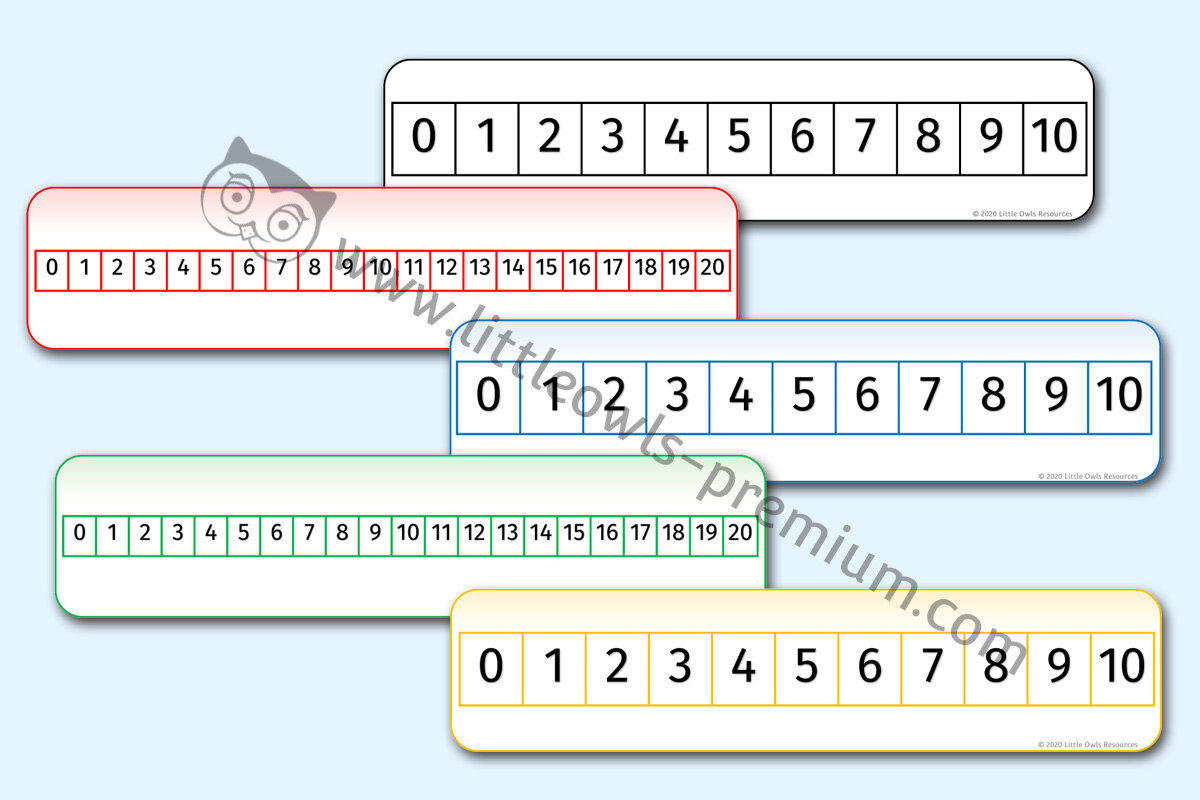
Need number lines in a particular colour? Perhaps you'd like your number lines to be a different colour for each of your tables so that it's easy to tell where it came from? This pack includes 5 different colours of number line for you to choose from. Each 0-10 or 0-20 number line (made up of boxes), spans the length of an A4 page. (Why not also check out our themed number lines?)
Pack includes 10 Number Lines (5 pages):
Black (0-10 & 0-20)
Red (0-10 & 0-20)
Green (0-10 & 0-20)
Blue (0-10 & 0-20)
Yellow (0-10 & 0-20)
Original artwork drawn by Sara Murphy and final digital resources created by Stuart Murphy. COPYRIGHT ON ALL OF THE RESOURCES HOUSED ON THIS WEBSITE IS HELD BY ‘LITTLE OWLS RESOURCES’. OUR RESOURCES (INCLUDING THE IMAGES WITHIN THEM), CANNOT BE SHARED OR SOLD COMMERCIALLY.
DOWNLOAD EDITABLE (DOCX)
DOWNLOAD NON-EDITABLE (PDF)
This mat is designed to engage children in learning about the concept of addition. It serves as a bridge between physically counting objects and writing mathematical equations.
How to use…
• Adult or child can choose numbers to write in the green squares.
• Then child to count out that number of items (e.g. buttons, playdough balls, cotton reels, building blocks) for each large brown box above the corresponding green squares.
• Finally, the child can count all of the items and write the answer in the golden box.
This completes the grid with an addition number sentence, e.g. “3 plus 5 is equal to 8”.
(Buttons are shown as an example – be sure to use risk assessed age-appropriate loose parts as you see fit.)
Original artwork drawn by Sara Murphy and final digital resources created by Stuart Murphy. COPYRIGHT ON ALL OF THE RESOURCES HOUSED ON THIS WEBSITE IS HELD BY ‘LITTLE OWLS RESOURCES’. OUR RESOURCES (INCLUDING THE IMAGES WITHIN THEM), CANNOT BE SHARED OR SOLD COMMERCIALLY.
DOWNLOAD EDITABLE (DOCX)
DOWNLOAD NON-EDITABLE (PDF)
← Back to ‘Maths Continuous Provision & Play’ Area
<<-BACK TO NON-TOPIC MATHEMATICS MENU
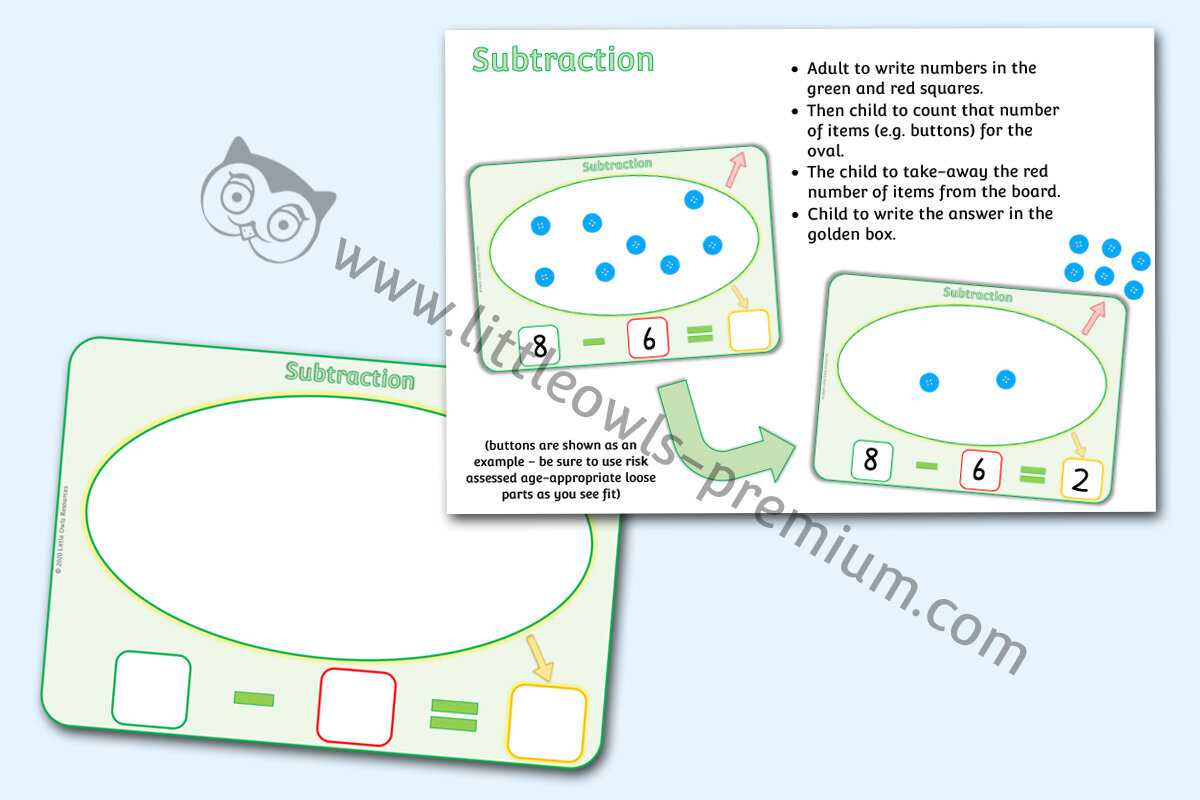
This mat is designed to engage children in learning about the concept of subtraction. It serves as a bridge between physically counting objects and writing mathematical equations.
How to use…
• Adult to write numbers in the green and red squares.
• Then child to count out the number of items (e.g. buttons, playdough balls, cotton reels, building blocks) representing the number in the green box (to be placed in the oval).
• Child to take-away the red number of items from the board.
• Child to write the number of items left in the oval as the answer in the golden box.
This completes the grid with a subtraction number sentence, e.g. “8 take away 6 is equal to 2”.
(Buttons are shown as an example – be sure to use risk assessed age-appropriate loose parts as you see fit.)
Original artwork drawn by Sara Murphy and final digital resources created by Stuart Murphy. COPYRIGHT ON ALL OF THE RESOURCES HOUSED ON THIS WEBSITE IS HELD BY ‘LITTLE OWLS RESOURCES’. OUR RESOURCES (INCLUDING THE IMAGES WITHIN THEM), CANNOT BE SHARED OR SOLD COMMERCIALLY.
DOWNLOAD EDITABLE (DOCX)
DOWNLOAD NON-EDITABLE (PDF)
← Back to ‘Maths Continuous Provision & Play’ Area
<<-BACK TO NON-TOPIC MATHEMATICS MENU

Original artwork drawn by Sara Murphy and final digital resources created by Stuart Murphy. COPYRIGHT ON ALL OF THE RESOURCES HOUSED ON THIS WEBSITE IS HELD BY ‘LITTLE OWLS RESOURCES’. OUR RESOURCES (INCLUDING THE IMAGES WITHIN THEM), CANNOT BE SHARED OR SOLD COMMERCIALLY.
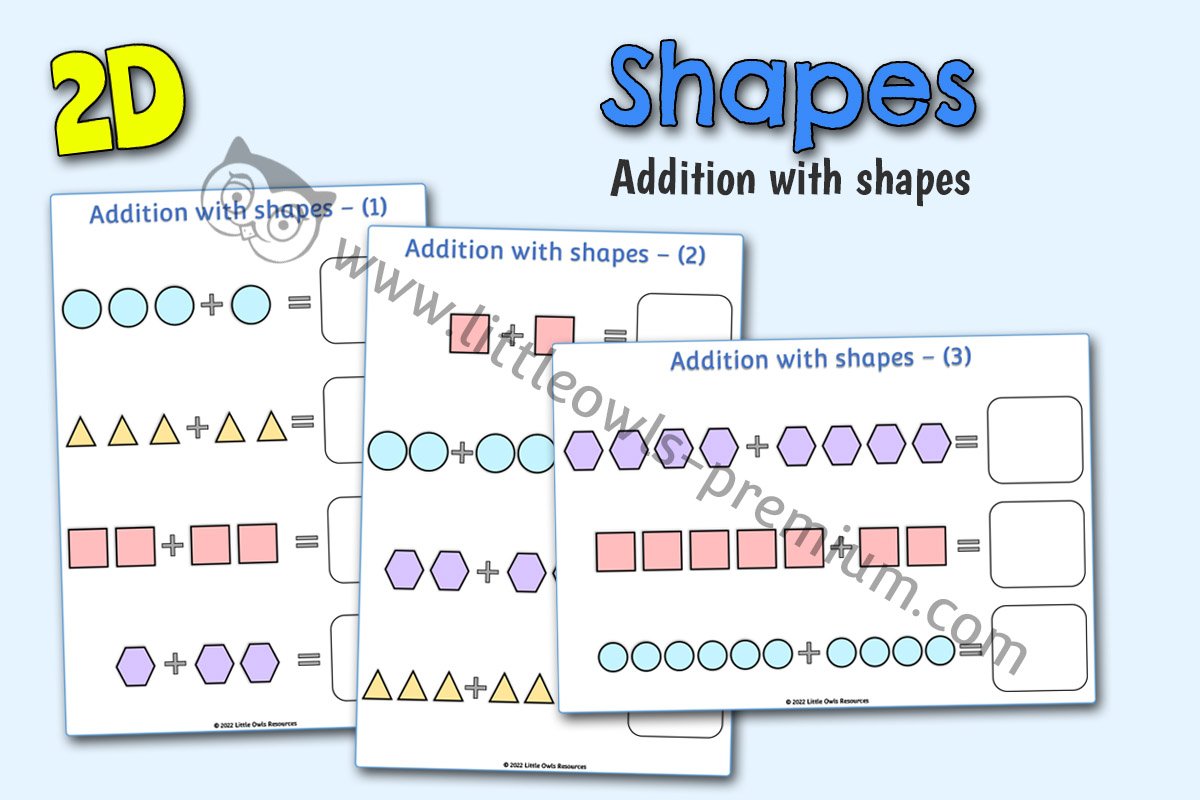
Handy addition sheets using 2D shapes. Visual representation of shapes allows children to use 1:1 correspondence to count the object and practice writing the correct number in the appropriate box. Alternatively the children could draw the total number of shapes in each box. Also worth a look are our 2D shape cards, shape mats, shape cutting activity and shape walk sheet.
Original artwork drawn by Sara Murphy and final digital resources created by Stuart Murphy. COPYRIGHT ON ALL OF THE RESOURCES HOUSED ON THIS WEBSITE IS HELD BY ‘LITTLE OWLS RESOURCES’. OUR RESOURCES (INCLUDING THE IMAGES WITHIN THEM), CANNOT BE SHARED OR SOLD COMMERCIALLY.
DOWNLOAD EDITABLE (DOCX)
DOWNLOAD NON-EDITABLE (PDF)
DOWNLOAD NON-EDITABLE (Zipped JPEGs)
← Back to ‘Maths Continuous Provision & Play’ Area
Explore additional resources on the following pages (buttons below):
Core Year 1 and 2 ‘Addition and Subtraction’ resources can be found within the first and second buttons respectively.
In addition, you will find many more resources relating to the above learning objectives on our keyword pages which are also highlighted below.

CORE - Year 1 - 'Addition and Subtraction' Resources
CLICK HERE to view relevant resources.

CORE - Year 2 - 'Addition and Subtraction' Resources
CLICK HERE to view relevant resources.

Year 1: Number - multiplication and division
Pupils should be taught to:
solve one-step problems involving multiplication and division, by calculating the answer using concrete objects, pictorial representations and arrays with the support of the teacher
Year 2: Number - multiplication and division
Pupils should be taught to:
recall and use multiplication and division facts for the 2, 5 and 10 multiplication tables, including recognising odd and even numbers
calculate mathematical statements for multiplication and division within the multiplication tables and write them using the multiplication (×), division (÷) and equals (=) signs
show that multiplication of two numbers can be done in any order (commutative) and division of one number by another cannot
solve problems involving multiplication and division, using materials, arrays, repeated addition, mental methods, and multiplication and division facts, including problems in contexts
Featured Year 1 and Year 2 ‘Multiplication and Division’ Resources
Additional provision within this section is in development.
These large sized basic 5 and 10 frames are ideal for using in conjunction with counting objects you have within your setting. Alternatively, download our ‘Five and Ten Frame - Coloured Counters’ pack to use in conjunction with these frames.
Original artwork drawn by Sara Murphy and final digital resources created by Stuart Murphy. COPYRIGHT ON ALL OF THE RESOURCES HOUSED ON THIS WEBSITE IS HELD BY ‘LITTLE OWLS RESOURCES’. OUR RESOURCES (INCLUDING THE IMAGES WITHIN THEM), CANNOT BE SHARED OR SOLD COMMERCIALLY.
DOWNLOAD EDITABLE (DOCX)
DOWNLOAD NON-EDITABLE (PDF)
DOWNLOAD NON-EDITABLE (Zipped JPEGs)
← Back to ‘Maths Continuous Provision & Play’ Area
<<-BACK TO NON-TOPIC MATHEMATICS MENU
Print the coloured counter sets you would like from within this ‘Five and Ten Frame - Coloured Counters’ pack to use in conjunction with our five and ten frames.
Original artwork drawn by Sara Murphy and final digital resources created by Stuart Murphy. COPYRIGHT ON ALL OF THE RESOURCES HOUSED ON THIS WEBSITE IS HELD BY ‘LITTLE OWLS RESOURCES’. OUR RESOURCES (INCLUDING THE IMAGES WITHIN THEM), CANNOT BE SHARED OR SOLD COMMERCIALLY.
DOWNLOAD EDITABLE (DOCX)
DOWNLOAD NON-EDITABLE (PDF)
DOWNLOAD NON-EDITABLE (Zipped JPEGs)
← Back to ‘Maths Continuous Provision & Play’ Area
<<-BACK TO NON-TOPIC MATHEMATICS MENU
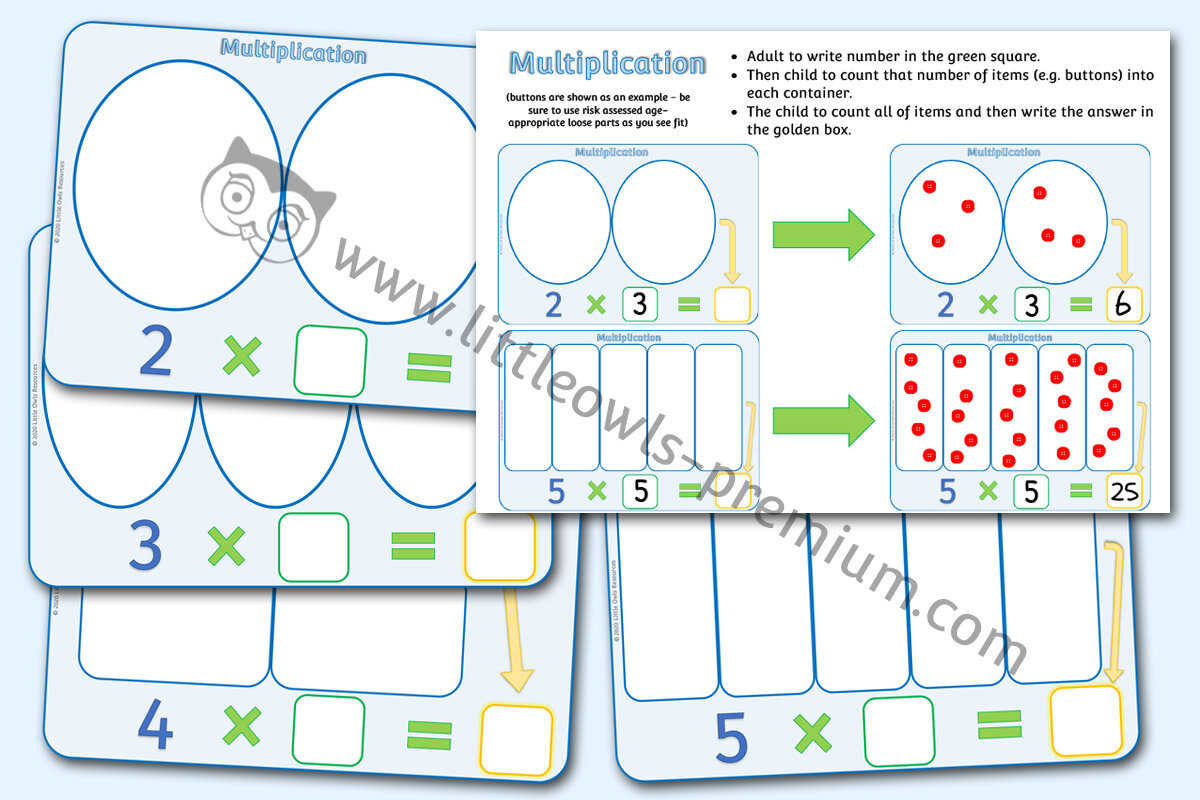
These mats are designed to engage children in learning about the concept of multiplication. They serve as a bridge between physically counting objects and writing mathematical equations.
How to use…
• Adult to write number in the green square.
• Then child to count that number of items (e.g. buttons, playdough balls, cotton reels, building blocks) into each container.
• Child to count all of the items and then write the answer in the golden box.
This completes the grid with a multiplication number sentence, e.g. “3 lots of 4 is equal to 12”.
(Buttons are shown as an example – be sure to use risk assessed age-appropriate loose parts as you see fit.)
Original artwork drawn by Sara Murphy and final digital resources created by Stuart Murphy. COPYRIGHT ON ALL OF THE RESOURCES HOUSED ON THIS WEBSITE IS HELD BY ‘LITTLE OWLS RESOURCES’. OUR RESOURCES (INCLUDING THE IMAGES WITHIN THEM), CANNOT BE SHARED OR SOLD COMMERCIALLY.
DOWNLOAD EDITABLE (DOCX)
DOWNLOAD NON-EDITABLE (PDF)
← Back to ‘Maths Continuous Provision & Play’ Area
<<-BACK TO NON-TOPIC MATHEMATICS MENU
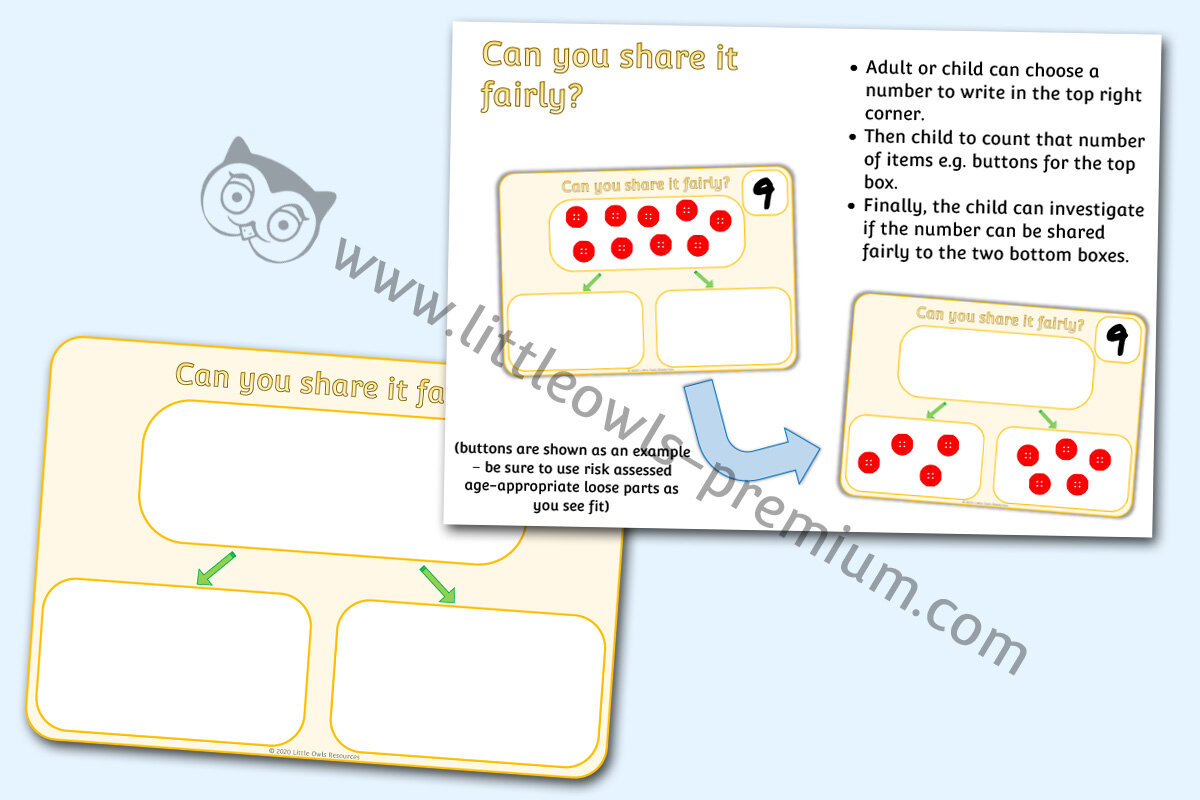
This mat is designed to engage children in learning about the concept of sharing quantities equally. How to use…
Adult or child can choose a number to write in the top right corner.
Then child to count that number of items (e.g. buttons, playdough balls, cotton reels, building blocks) for the top box.
Finally, the child can investigate if the number can be shared fairly to the two bottom boxes.
(Buttons are shown as an example – be sure to use risk assessed age-appropriate loose parts as you see fit.)
Original artwork drawn by Sara Murphy and final digital resources created by Stuart Murphy. COPYRIGHT ON ALL OF THE RESOURCES HOUSED ON THIS WEBSITE IS HELD BY ‘LITTLE OWLS RESOURCES’. OUR RESOURCES (INCLUDING THE IMAGES WITHIN THEM), CANNOT BE SHARED OR SOLD COMMERCIALLY.
DOWNLOAD EDITABLE (DOCX)
DOWNLOAD NON-EDITABLE (PDF)
← Back to ‘Maths Continuous Provision & Play’ Area
<<-BACK TO NON-TOPIC MATHEMATICS MENU

Original artwork drawn by Sara Murphy and final digital resources created by Stuart Murphy. COPYRIGHT ON ALL OF THE RESOURCES HOUSED ON THIS WEBSITE IS HELD BY ‘LITTLE OWLS RESOURCES’. OUR RESOURCES (INCLUDING THE IMAGES WITHIN THEM), CANNOT BE SHARED OR SOLD COMMERCIALLY.
Explore additional resources on the following pages (buttons below):
Core Year 1 and 2 ‘Multiplication and Division’ resources can be found within the first and second buttons respectively.
In addition, you will find many more resources relating to the above learning objectives on our keyword pages which are also highlighted below.

CORE - Year 1 - 'Multiplication and Division' Resources
CLICK HERE to view relevant resources.

CORE - Year 2 - 'Multiplication and Division' Resources
CLICK HERE to view relevant resources.

Year 1: Number - Fractions
Pupils should be taught to:
recognise, find and name a half as one of two equal parts of an object, shape or quantity
recognise, find and name a quarter as one of four equal parts of an object, shape or quantity
Year 2: Number - Fractions
Pupils should be taught to:
recognise, find, name and write fractions 1/3, 1/4, 2/4 and 3/4 of a length, shape, set of objects or quantity
write simple fractions for example, 1/2 of 6 = 3 and recognise the equivalence of 2/4 and 1/2
Featured Year 1 and Year 2 ‘Fractions’ Resources
Keywords: Year 1, Y1, Yr1, Fractions, Half, Halves, One/1 Half, 1/2, Worksheets, Activity Sheets, Activities
Original artwork drawn by Sara Murphy and final digital resources created by Stuart Murphy. COPYRIGHT ON ALL OF THE RESOURCES HOUSED ON THIS WEBSITE IS HELD BY ‘LITTLE OWLS RESOURCES’. OUR RESOURCES (INCLUDING THE IMAGES WITHIN THEM), CANNOT BE SHARED OR SOLD COMMERCIALLY.
DOWNLOAD EDITABLE(DOCX)
DOWNLOAD NON-EDITABLE (PDF)
DOWNLOAD NON-EDITABLE (Zipped JPEGs)

Keywords: Year 1, Y1, Yr1, Fractions, Half, Halves, One/1 Half, 1/2, Worksheets, Activity Sheets, Activities
Original artwork drawn by Sara Murphy and final digital resources created by Stuart Murphy. COPYRIGHT ON ALL OF THE RESOURCES HOUSED ON THIS WEBSITE IS HELD BY ‘LITTLE OWLS RESOURCES’. OUR RESOURCES (INCLUDING THE IMAGES WITHIN THEM), CANNOT BE SHARED OR SOLD COMMERCIALLY.
DOWNLOAD EDITABLE(DOCX)
DOWNLOAD NON-EDITABLE (PDF)
DOWNLOAD NON-EDITABLE (Zipped JPEGs)

Keywords: Year 1, Y1, Yr1, Fractions, Quarter, Quarters, One/1 Quarter, 1/4, Worksheets, Activity Sheets, Activities
Original artwork drawn by Sara Murphy and final digital resources created by Stuart Murphy. COPYRIGHT ON ALL OF THE RESOURCES HOUSED ON THIS WEBSITE IS HELD BY ‘LITTLE OWLS RESOURCES’. OUR RESOURCES (INCLUDING THE IMAGES WITHIN THEM), CANNOT BE SHARED OR SOLD COMMERCIALLY.
DOWNLOAD EDITABLE(DOCX)
DOWNLOAD NON-EDITABLE (PDF)
DOWNLOAD NON-EDITABLE (Zipped JPEGs)

Keywords: Year 1, Y1, Yr1, Fractions, Quarter, Quarters, One/1 Quarter, 1/4, Worksheets, Activity Sheets, Activities
Original artwork drawn by Sara Murphy and final digital resources created by Stuart Murphy. COPYRIGHT ON ALL OF THE RESOURCES HOUSED ON THIS WEBSITE IS HELD BY ‘LITTLE OWLS RESOURCES’. OUR RESOURCES (INCLUDING THE IMAGES WITHIN THEM), CANNOT BE SHARED OR SOLD COMMERCIALLY.
DOWNLOAD EDITABLE(DOCX)
DOWNLOAD NON-EDITABLE (PDF)
DOWNLOAD NON-EDITABLE (Zipped JPEGs)
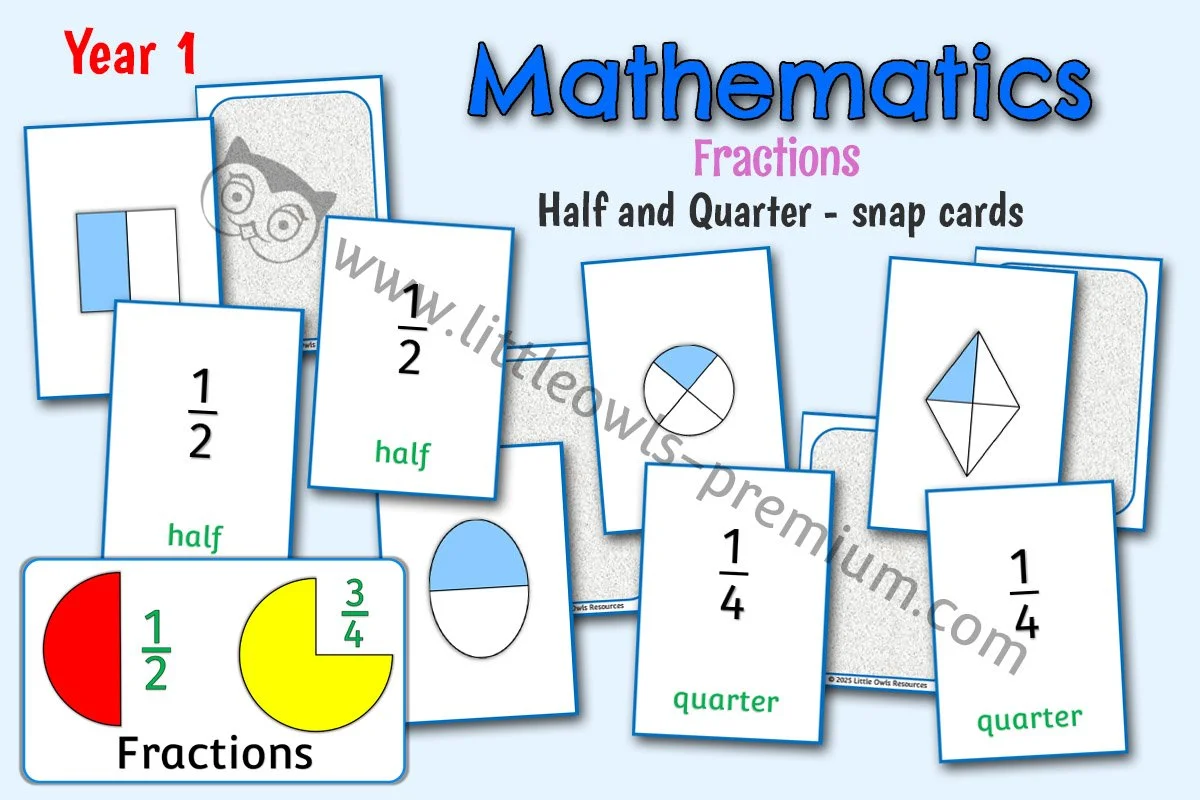
Keywords: Year 1, Y1, Yr1, Fractions, Half, Halves, One/1 Half, 1/2, Quarter, Quarters, One/1 Quarter, 1/4, Game, Activity
Original artwork drawn by Sara Murphy and final digital resources created by Stuart Murphy. COPYRIGHT ON ALL OF THE RESOURCES HOUSED ON THIS WEBSITE IS HELD BY ‘LITTLE OWLS RESOURCES’. OUR RESOURCES (INCLUDING THE IMAGES WITHIN THEM), CANNOT BE SHARED OR SOLD COMMERCIALLY.
DOWNLOAD EDITABLE(DOCX)
DOWNLOAD NON-EDITABLE (PDF)
DOWNLOAD NON-EDITABLE (Zipped JPEGs)
Keywords: Year 1, Y1, Yr1, Fractions, Half, Halves, One/1 Half, 1/2, Quarter, Quarters, One/1 Quarter, 1/4, Game, Matching Activity, Puzzle, Match, Self-Correct, Self Correct
Original artwork drawn by Sara Murphy and final digital resources created by Stuart Murphy. COPYRIGHT ON ALL OF THE RESOURCES HOUSED ON THIS WEBSITE IS HELD BY ‘LITTLE OWLS RESOURCES’. OUR RESOURCES (INCLUDING THE IMAGES WITHIN THEM), CANNOT BE SHARED OR SOLD COMMERCIALLY.
DOWNLOAD EDITABLE(DOCX)
DOWNLOAD NON-EDITABLE (PDF)
DOWNLOAD NON-EDITABLE (Zipped JPEGs)

Keywords: Year 2, Y2, Yr2, Fractions, Third, Thirds, One/1 Third, 1/3, Worksheets, Activity Sheets, Activities
Original artwork drawn by Sara Murphy and final digital resources created by Stuart Murphy. COPYRIGHT ON ALL OF THE RESOURCES HOUSED ON THIS WEBSITE IS HELD BY ‘LITTLE OWLS RESOURCES’. OUR RESOURCES (INCLUDING THE IMAGES WITHIN THEM), CANNOT BE SHARED OR SOLD COMMERCIALLY.
DOWNLOAD EDITABLE(DOCX)
DOWNLOAD NON-EDITABLE (PDF)
DOWNLOAD NON-EDITABLE (Zipped JPEGs)
Keywords: Year 2, Y2, Yr2, Fractions, Activity, Activities, Third, Thirds, One/1 Third, 1/3, Worksheets, Activity Sheets, Activities
Original artwork drawn by Sara Murphy and final digital resources created by Stuart Murphy. COPYRIGHT ON ALL OF THE RESOURCES HOUSED ON THIS WEBSITE IS HELD BY ‘LITTLE OWLS RESOURCES’. OUR RESOURCES (INCLUDING THE IMAGES WITHIN THEM), CANNOT BE SHARED OR SOLD COMMERCIALLY.
DOWNLOAD EDITABLE(DOCX)
DOWNLOAD NON-EDITABLE (PDF)
DOWNLOAD NON-EDITABLE (Zipped JPEGs)

Keywords: Year 2, Y2, Yr2, Fractions, Three/3 Quarters, 3/4, Activity, Activities, Worksheets, Activity Sheets, Activities
Original artwork drawn by Sara Murphy and final digital resources created by Stuart Murphy. COPYRIGHT ON ALL OF THE RESOURCES HOUSED ON THIS WEBSITE IS HELD BY ‘LITTLE OWLS RESOURCES’. OUR RESOURCES (INCLUDING THE IMAGES WITHIN THEM), CANNOT BE SHARED OR SOLD COMMERCIALLY.
DOWNLOAD EDITABLE(DOCX)
DOWNLOAD NON-EDITABLE (PDF)
DOWNLOAD NON-EDITABLE (Zipped JPEGs)

Keywords: Year 2, Y2, Yr2, Fractions, Activity, Activities, Third, Thirds, One/1 Third, 1/3, 1/4, 2/4, 3/4, One/1 Quarter, Two/2/Three/3 Quarters, Worksheets, Activity Sheets, Activities
Original artwork drawn by Sara Murphy and final digital resources created by Stuart Murphy. COPYRIGHT ON ALL OF THE RESOURCES HOUSED ON THIS WEBSITE IS HELD BY ‘LITTLE OWLS RESOURCES’. OUR RESOURCES (INCLUDING THE IMAGES WITHIN THEM), CANNOT BE SHARED OR SOLD COMMERCIALLY.
DOWNLOAD EDITABLE(DOCX)
DOWNLOAD NON-EDITABLE (PDF)
DOWNLOAD NON-EDITABLE (Zipped JPEGs)
Keywords: Year 2, Y2, Yr2, Fractions, Activity, Activities, Third, Thirds, One/1 Third, 1/3, 1/4, 2/4, 3/4, One/1 Quarter, Two/2/Three/3 Quarters, Game, Activity
Original artwork drawn by Sara Murphy and final digital resources created by Stuart Murphy. COPYRIGHT ON ALL OF THE RESOURCES HOUSED ON THIS WEBSITE IS HELD BY ‘LITTLE OWLS RESOURCES’. OUR RESOURCES (INCLUDING THE IMAGES WITHIN THEM), CANNOT BE SHARED OR SOLD COMMERCIALLY.
DOWNLOAD EDITABLE(DOCX)
DOWNLOAD NON-EDITABLE (PDF)
DOWNLOAD NON-EDITABLE (Zipped JPEGs)
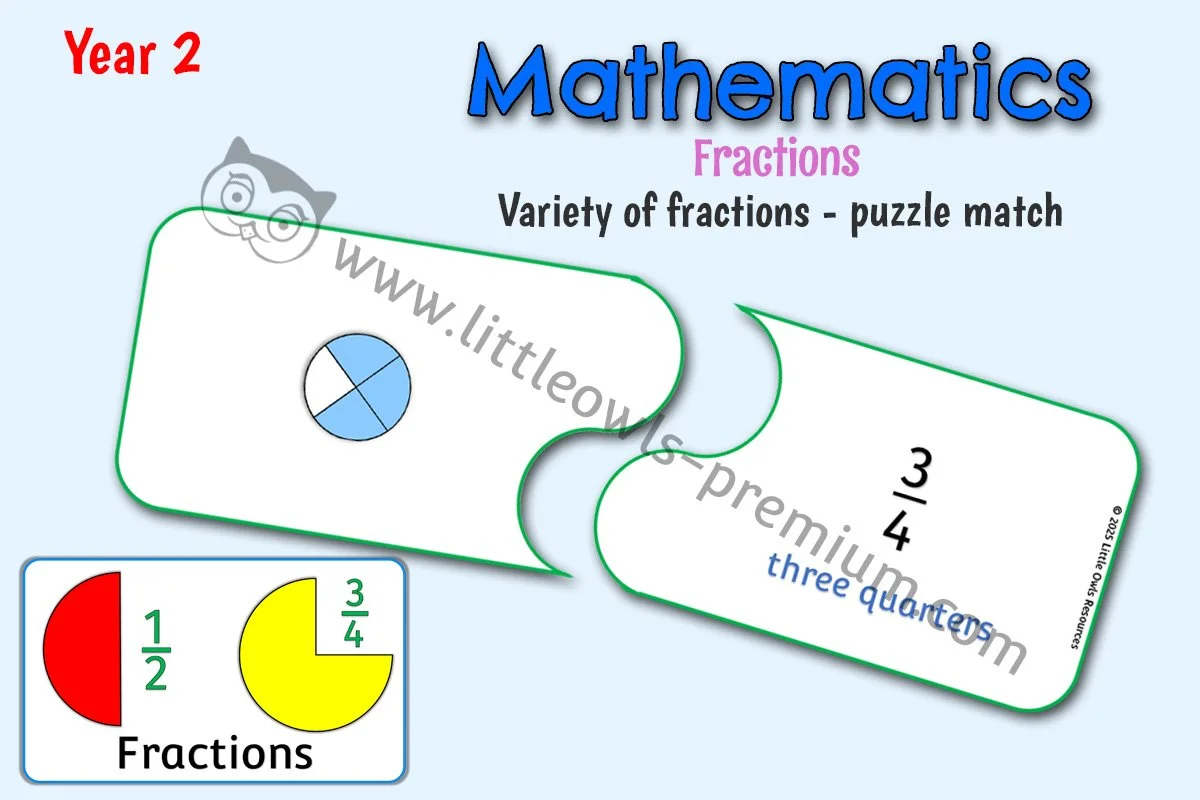
Keywords: Year 2, Y2, Yr2, Fractions, Activity, Activities, Third, Thirds, One/1 Third, 1/3, 1/4, 2/4, 3/4, One/1 Quarter, Two/2/Three/3 Quarters, Game, Matching Activity, Puzzle, Match, Self-Correct, Self Correct
Original artwork drawn by Sara Murphy and final digital resources created by Stuart Murphy. COPYRIGHT ON ALL OF THE RESOURCES HOUSED ON THIS WEBSITE IS HELD BY ‘LITTLE OWLS RESOURCES’. OUR RESOURCES (INCLUDING THE IMAGES WITHIN THEM), CANNOT BE SHARED OR SOLD COMMERCIALLY.
DOWNLOAD EDITABLE(DOCX)
DOWNLOAD NON-EDITABLE (PDF)
DOWNLOAD NON-EDITABLE (Zipped JPEGs)
Explore additional resources on the following pages (buttons below):
Core Year 1 and 2 ‘Fractions’ resources can be found within the first and second buttons respectively.
In addition, you will find many more resources relating to the above learning objectives on our keyword pages which are also highlighted below.


📏 Measurement
Year 1: Measurement
Pupils should be taught to:
compare, describe and solve practical problems for:
lengths and heights [for example, long/short, longer/shorter, tall/short, double/half]
mass/weight [for example, heavy/light, heavier than, lighter than]
capacity and volume [for example, full/empty, more than, less than, half, half full, quarter]
time [for example, quicker, slower, earlier, later]
measure and begin to record the following:
lengths and heights
mass/weight
capacity and volume
time (hours, minutes, seconds)
recognise and know the value of different denominations of coins and notes
sequence events in chronological order using language [for example, before and after, next, first, today, yesterday, tomorrow, morning, afternoon and evening]
recognise and use language relating to dates, including days of the week, weeks, months and years
tell the time to the hour and half past the hour and draw the hands on a clock face to show these times
Year 2: Measurement
Pupils should be taught to:
choose and use appropriate standard units to estimate and measure length/height in any direction (m/cm); mass (kg/g); temperature (°C); capacity (litres/ml) to the nearest appropriate unit, using rulers, scales, thermometers and measuring vessels
compare and order lengths, mass, volume/capacity and record the results using >, < and =
recognise and use symbols for pounds (£) and pence (p); combine amounts to make a particular value
find different combinations of coins that equal the same amounts of money
solve simple problems in a practical context involving addition and subtraction of money of the same unit, including giving change
compare and sequence intervals of time
tell and write the time to five minutes, including quarter past/to the hour and draw the hands on a clock face to show these times
know the number of minutes in an hour and the number of hours in a day
Featured Year 1 and Year 2 ‘Measurement’ Resources
The cards can be used as part of a small display near the water area or as a direct challenge to be used by the children when playing in the water tray.
Keywords: EYFS, Year 1, Y1, Yr1, Measurement, Capacity and Volume
Original artwork drawn by Sara Murphy and final digital resources created by Stuart Murphy. COPYRIGHT ON ALL OF THE RESOURCES HOUSED ON THIS WEBSITE IS HELD BY ‘LITTLE OWLS RESOURCES’. OUR RESOURCES (INCLUDING THE IMAGES WITHIN THEM), CANNOT BE SHARED OR SOLD COMMERCIALLY.
DOWNLOAD EDITABLE (DOCX)
DOWNLOAD NON-EDITABLE (PDF)
DOWNLOAD NON-EDITABLE (Zipped JPEGs)
← Back to ‘Maths Continuous Provision & Play’ Area
<<-BACK TO ‘OUTDOOR AREA’ MENU
<<-BACK TO ‘OUTDOOR AREA - WATER PLAY’ MENU

The cards can be used as part of a display near the water area or as a direct challenge to be used by the children when playing in the water tray.
Keywords: EYFS, Year 1, Y1, Yr1, Measurement, Capacity and Volume
Original artwork drawn by Sara Murphy and final digital resources created by Stuart Murphy. COPYRIGHT ON ALL OF THE RESOURCES HOUSED ON THIS WEBSITE IS HELD BY ‘LITTLE OWLS RESOURCES’. OUR RESOURCES (INCLUDING THE IMAGES WITHIN THEM), CANNOT BE SHARED OR SOLD COMMERCIALLY.
DOWNLOAD EDITABLE (DOCX)
DOWNLOAD NON-EDITABLE (PDF)
DOWNLOAD NON-EDITABLE (Zipped JPEGs)
← Back to ‘Maths Continuous Provision & Play’ Area
<<-BACK TO ‘OUTDOOR AREA’ MENU
<<-BACK TO ‘OUTDOOR AREA - WATER PLAY’ MENU
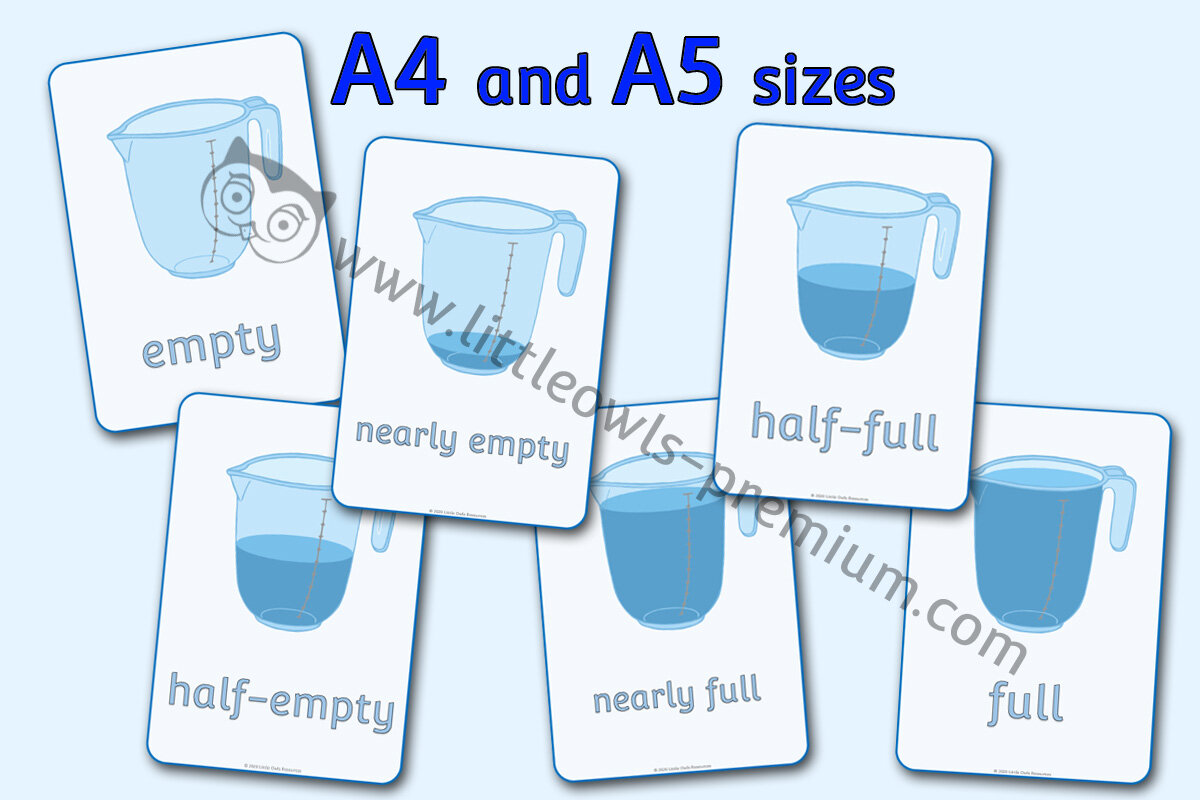
Inspire your children to consider the concept of capacity by displaying these posters within your setting. The posters demonstrate ‘full’, ‘empty’, ‘half-full’, ‘half-empty’ and also move onto include ‘nearly empty’ and ‘nearly full’. These posters can serve as a great stimulus for discussion and prompts during filling and emptying activities such as water/sand play and use of non standard measures such as filling containers with blocks to varying levels.
Extend discussions further for older children by challenging them to e.g. fill a container half full with building bricks. How many bricks did you need to half-fill the container? How many more do you think you will need to fill it completely? How many bricks will that be altogether? (Note that this line of questioning also involves ‘estimating’ and the concept of ‘doubling’.)
Keywords: EYFS, Year 1, Y1, Yr1, Measurement, Capacity and Volume
Original artwork drawn by Sara Murphy and final digital resources created by Stuart Murphy. COPYRIGHT ON ALL OF THE RESOURCES HOUSED ON THIS WEBSITE IS HELD BY ‘LITTLE OWLS RESOURCES’. OUR RESOURCES (INCLUDING THE IMAGES WITHIN THEM), CANNOT BE SHARED OR SOLD COMMERCIALLY.
DOWNLOAD EDITABLE (DOCX)
DOWNLOAD NON-EDITABLE (PDF)
← Back to ‘Maths Continuous Provision & Play’ Area
<<-BACK TO ‘OUTDOOR AREA’ MENU
<<-BACK TO ‘OUTDOOR AREA - WATER PLAY’ MENU
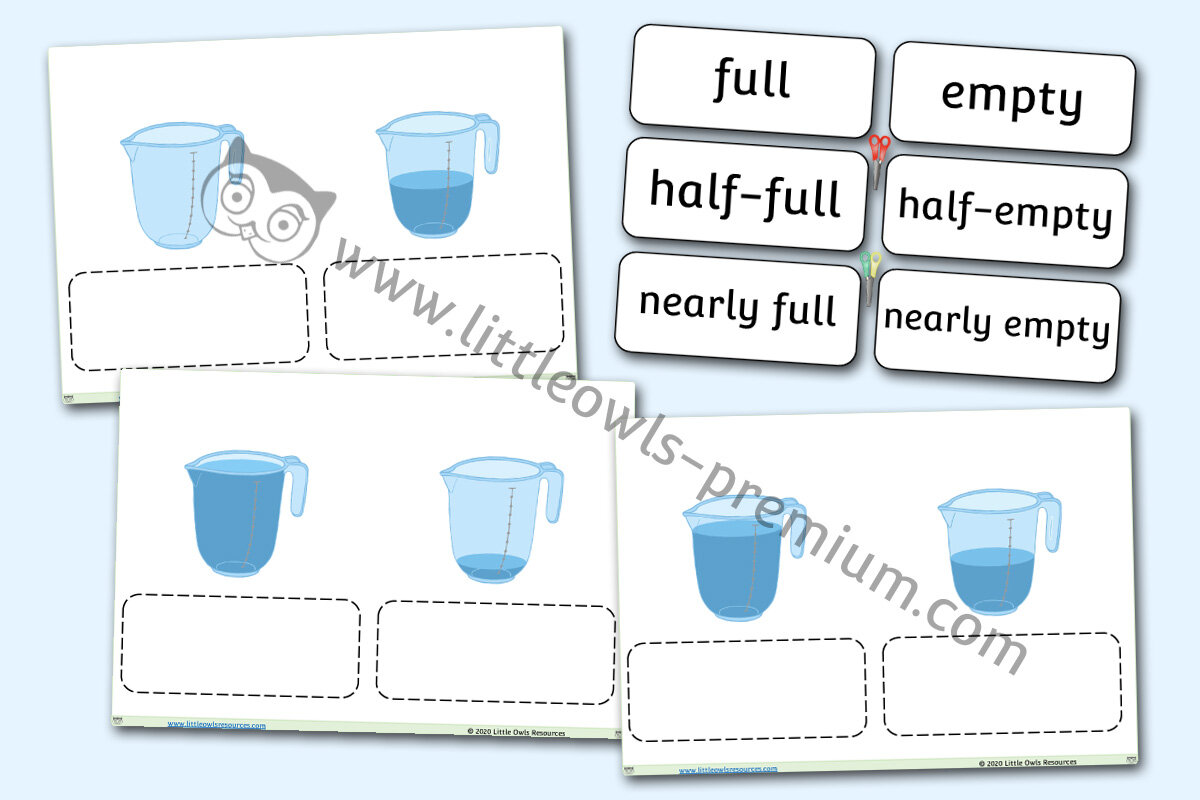
Encourage your child(ren) to consolidate their knowledge of these capacity terms by challenging them to cut out the words (with appropriate supervision) and stick them under the correct jug image. Alternatively you may like to laminate all of the parts and create an interactive display!
Keywords: EYFS, Year 1, Y1, Yr1, Measurement, Capacity and Volume
Original artwork drawn by Sara Murphy and final digital resources created by Stuart Murphy. COPYRIGHT ON ALL OF THE RESOURCES HOUSED ON THIS WEBSITE IS HELD BY ‘LITTLE OWLS RESOURCES’. OUR RESOURCES (INCLUDING THE IMAGES WITHIN THEM), CANNOT BE SHARED OR SOLD COMMERCIALLY.
DOWNLOAD EDITABLE (DOCX)
DOWNLOAD NON-EDITABLE (PDF)
← Back to ‘Maths Continuous Provision & Play’ Area
<<-BACK TO ‘OUTDOOR AREA’ MENU
<<-BACK TO ‘OUTDOOR AREA - WATER PLAY’ MENU
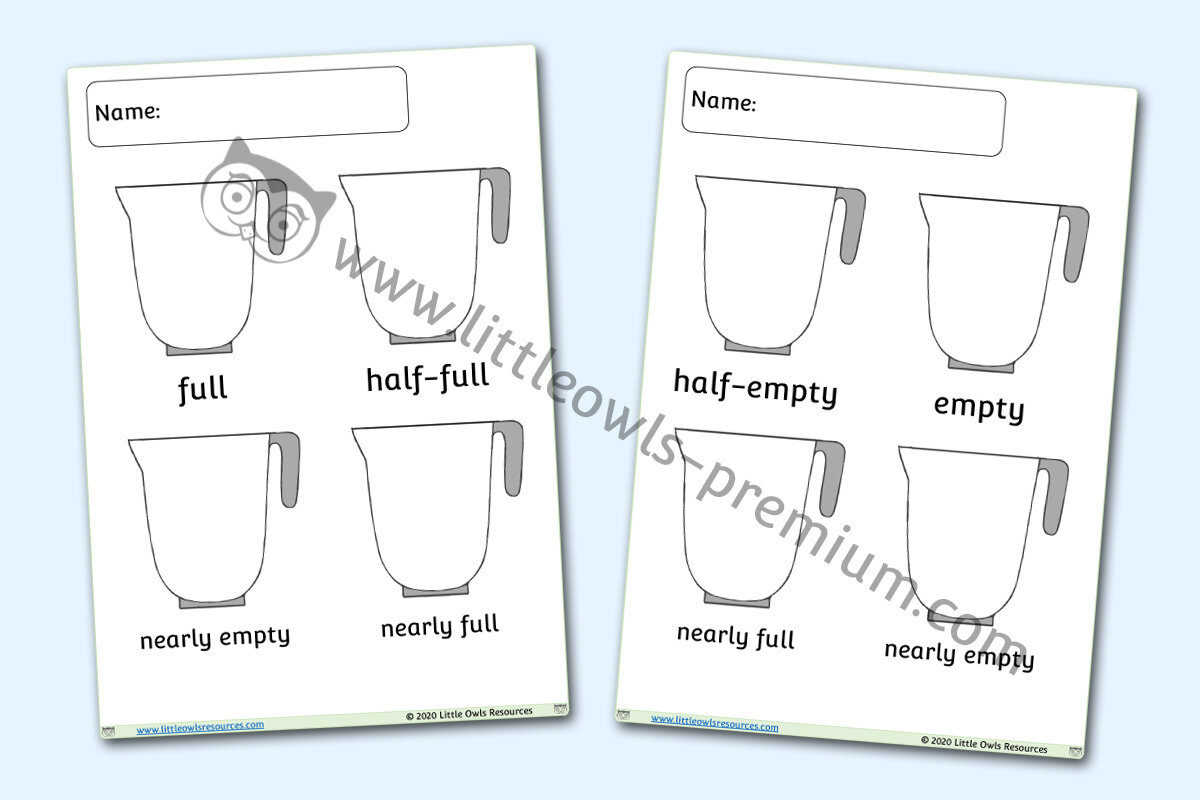
Encourage your child(ren) to consolidate their knowledge of these capacity terms by challenging them to colour the jugs on the sheets to the appropriate level. Alternatively you may like to use loose parts, or laminate to use with playdough or whiteboard pens!
Keywords: EYFS, Year 1, Y1, Yr1, Measurement, Capacity and Volume
Original artwork drawn by Sara Murphy and final digital resources created by Stuart Murphy. COPYRIGHT ON ALL OF THE RESOURCES HOUSED ON THIS WEBSITE IS HELD BY ‘LITTLE OWLS RESOURCES’. OUR RESOURCES (INCLUDING THE IMAGES WITHIN THEM), CANNOT BE SHARED OR SOLD COMMERCIALLY.
DOWNLOAD EDITABLE (DOCX)
DOWNLOAD NON-EDITABLE (PDF)
← Back to ‘Maths Continuous Provision & Play’ Area
<<-BACK TO ‘OUTDOOR AREA’ MENU
<<-BACK TO ‘OUTDOOR AREA - WATER PLAY’ MENU

Original artwork drawn by Sara Murphy and final digital resources created by Stuart Murphy. COPYRIGHT ON ALL OF THE RESOURCES HOUSED ON THIS WEBSITE IS HELD BY ‘LITTLE OWLS RESOURCES’. OUR RESOURCES (INCLUDING THE IMAGES WITHIN THEM), CANNOT BE SHARED OR SOLD COMMERCIALLY.
This large ‘Today’ Weather Calendar is ideal for use as a routine daily focal point each morning. Smaller A4 size plus more themes also available. View our selection of 'Daily Calendar Displays'.
Please note that if you wish to edit the text you can do so in the EDITABLE docx file version below. NON-EDITABLE pdf file also available below.
Keywords: EYFS, Year 1, Y1, Yr1, Measurement, Time, dates, days of the week, weeks, months, years
Original artwork drawn by Sara Murphy and final digital resources created by Stuart Murphy. COPYRIGHT ON ALL OF THE RESOURCES HOUSED ON THIS WEBSITE IS HELD BY ‘LITTLE OWLS RESOURCES’. OUR RESOURCES (INCLUDING THE IMAGES WITHIN THEM), CANNOT BE SHARED OR SOLD COMMERCIALLY.
DOWNLOAD EDITABLE (DOCX)
DOWNLOAD NON-EDITABLE (PDF)
← Back to ‘Maths Continuous Provision & Play’ Area
<<-BACK TO POSTERS/DISPLAYS MENU
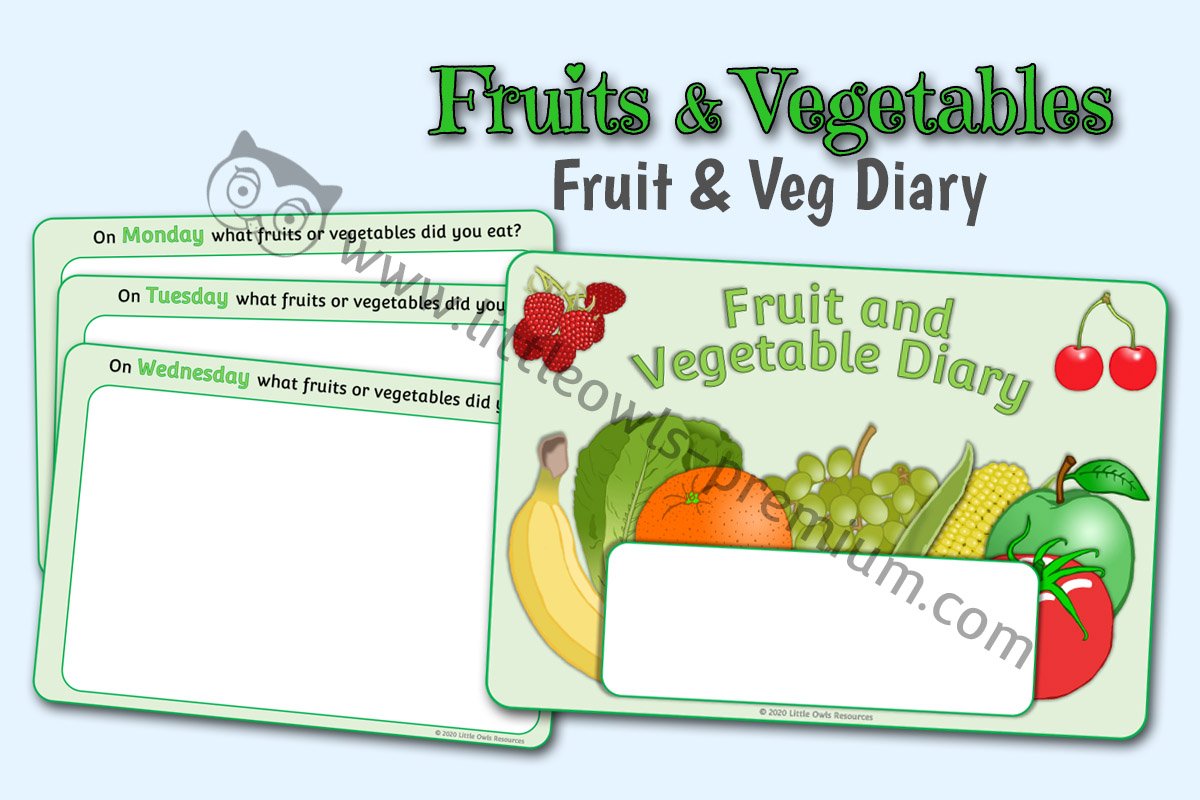
Fruit and vegetable food diary booklet/sheets. A mark making page included for each of the 7 days of the week for children to record which fruits/vegetables they have eaten. Front cover also included with space for child’s name in the event you would like to create a booklet.
Diaries can be a fun way to become familiar with the days of the week!
View more time related resources on our 'Measures - Time' page.
Keywords: EYFS, Year 1, Y1, Yr1, Measurement, Time, dates, days of the week
Original artwork drawn by Sara Murphy and final digital resources created by Stuart Murphy. COPYRIGHT ON ALL OF THE RESOURCES HOUSED ON THIS WEBSITE IS HELD BY ‘LITTLE OWLS RESOURCES’. OUR RESOURCES (INCLUDING THE IMAGES WITHIN THEM), CANNOT BE SHARED OR SOLD COMMERCIALLY.
DOWNLOAD EDITABLE (DOCX)
DOWNLOAD NON-EDITABLE (PDF)
← Back to ‘Maths Continuous Provision & Play’ Area
<<-BACK TO 'STAY HEALTHY' MENU
TEDDY BEAR BIRTHDAY DISPLAY
This display pack includes A4-sized picnic blankets with teddy bears for names plus a display banner. Simply print and cut out whatever you need. Birthday displays are ideal for learning about dates and months of the year!
View our selection of 'Birthday Displays' on our 'Birthdays' topic page.
Keywords: EYFS, Year 1, Y1, Yr1, Measurement, Time, dates, months, years
Original artwork drawn by Sara Murphy and final digital resources created by Stuart Murphy. COPYRIGHT ON ALL OF THE RESOURCES HOUSED ON THIS WEBSITE IS HELD BY ‘LITTLE OWLS RESOURCES’. OUR RESOURCES (INCLUDING THE IMAGES WITHIN THEM), CANNOT BE SHARED OR SOLD COMMERCIALLY.
DOWNLOAD EDITABLE (DOCX)
DOWNLOAD NON-EDITABLE (PDF)
DOWNLOAD NON-EDITABLE (Zipped JPEGs)
← Back to ‘Maths Continuous Provision & Play’ Area

Original artwork drawn by Sara Murphy and final digital resources created by Stuart Murphy. COPYRIGHT ON ALL OF THE RESOURCES HOUSED ON THIS WEBSITE IS HELD BY ‘LITTLE OWLS RESOURCES’. OUR RESOURCES (INCLUDING THE IMAGES WITHIN THEM), CANNOT BE SHARED OR SOLD COMMERCIALLY.
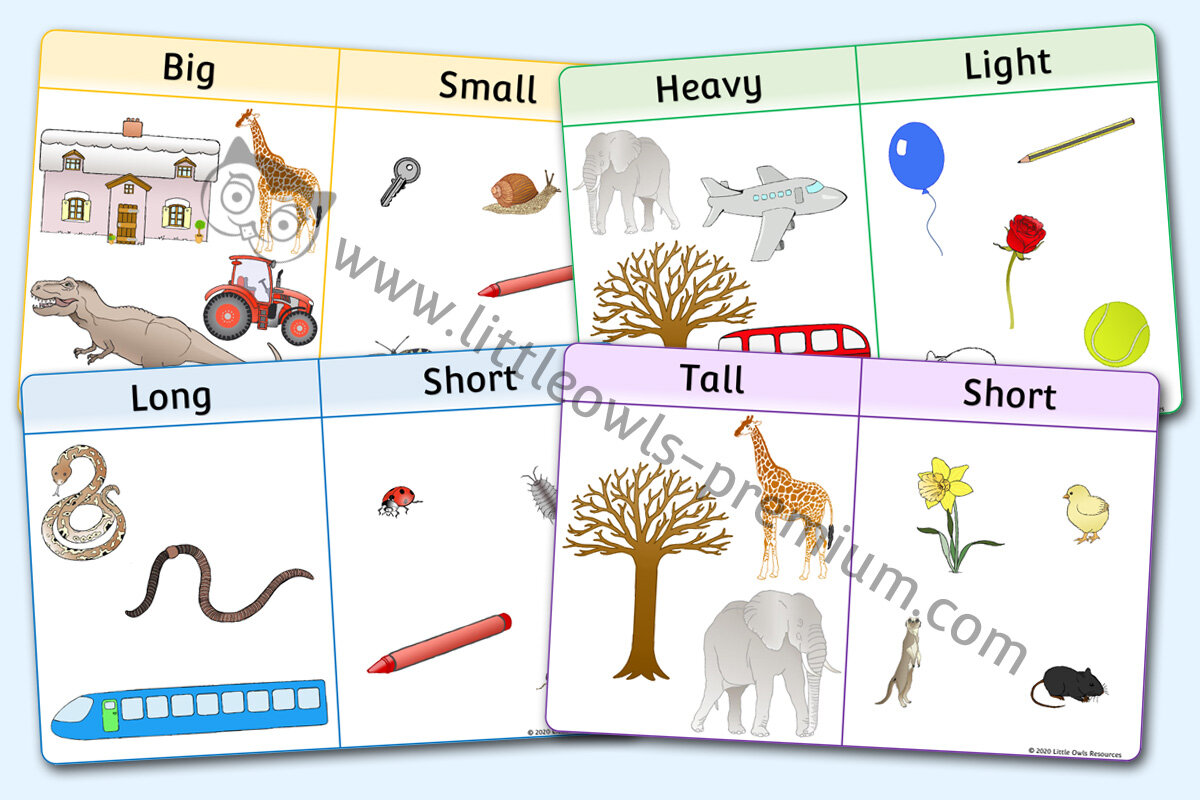
Inspire your children to consider the concepts big/small, heavy/light, long/short and tall/short by displaying these posters within your setting. The concepts are subjective and require context to make judgements, however these posters can serve as a stimulus for discussion.
Keywords: EYFS, Year 1, Y1, Yr1, Measurement
Original artwork drawn by Sara Murphy and final digital resources created by Stuart Murphy. COPYRIGHT ON ALL OF THE RESOURCES HOUSED ON THIS WEBSITE IS HELD BY ‘LITTLE OWLS RESOURCES’. OUR RESOURCES (INCLUDING THE IMAGES WITHIN THEM), CANNOT BE SHARED OR SOLD COMMERCIALLY.
DOWNLOAD EDITABLE (DOCX)
DOWNLOAD NON-EDITABLE (PDF)
← Back to ‘Maths Continuous Provision & Play’ Area
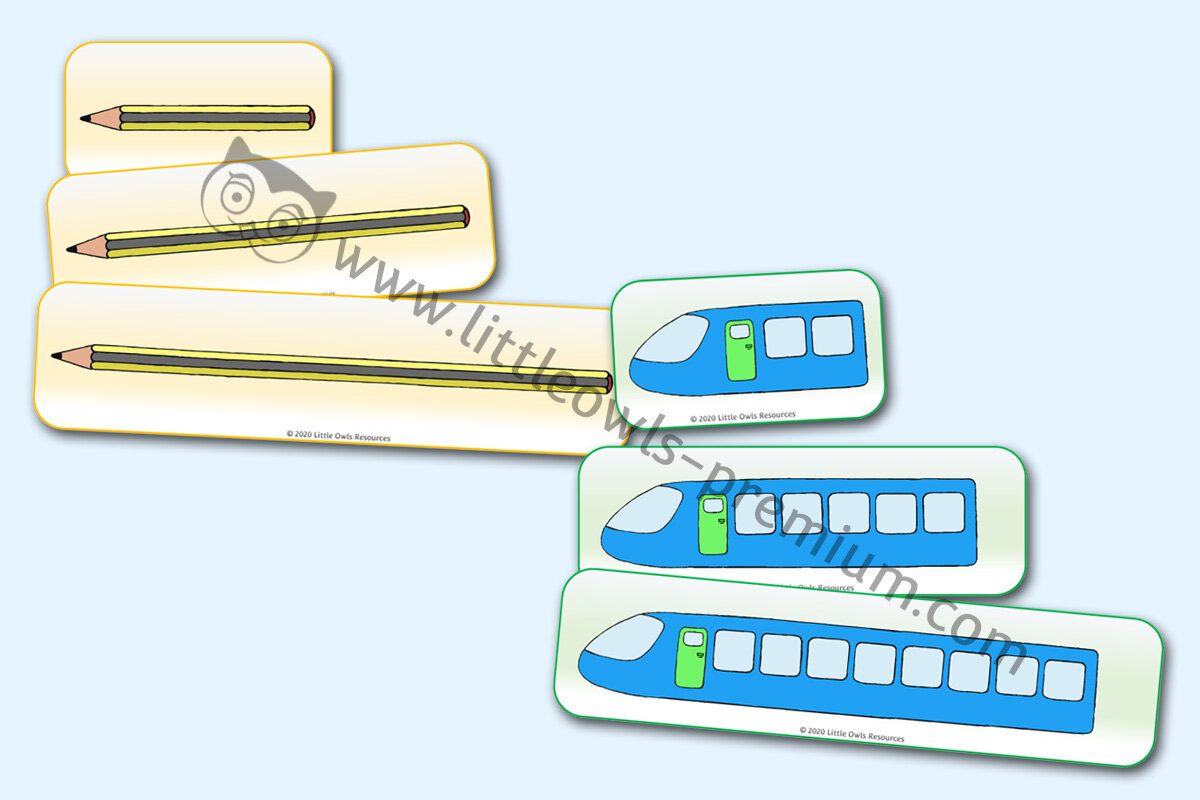
Length ordering activity cards. Give your children an appropriate selection of cards to order. Develop from just 2 cards within each theme ‘long’ and ‘short to a adding a third to increase the language explored such as ‘longer’, ‘shorter’, ‘longest’, ‘shortest’.
Keywords: EYFS, Year 1, Y1, Yr1, Measurement
Original artwork drawn by Sara Murphy and final digital resources created by Stuart Murphy. COPYRIGHT ON ALL OF THE RESOURCES HOUSED ON THIS WEBSITE IS HELD BY ‘LITTLE OWLS RESOURCES’. OUR RESOURCES (INCLUDING THE IMAGES WITHIN THEM), CANNOT BE SHARED OR SOLD COMMERCIALLY.
DOWNLOAD EDITABLE (DOCX)
DOWNLOAD NON-EDITABLE (PDF)
← Back to ‘Maths Continuous Provision & Play’ Area
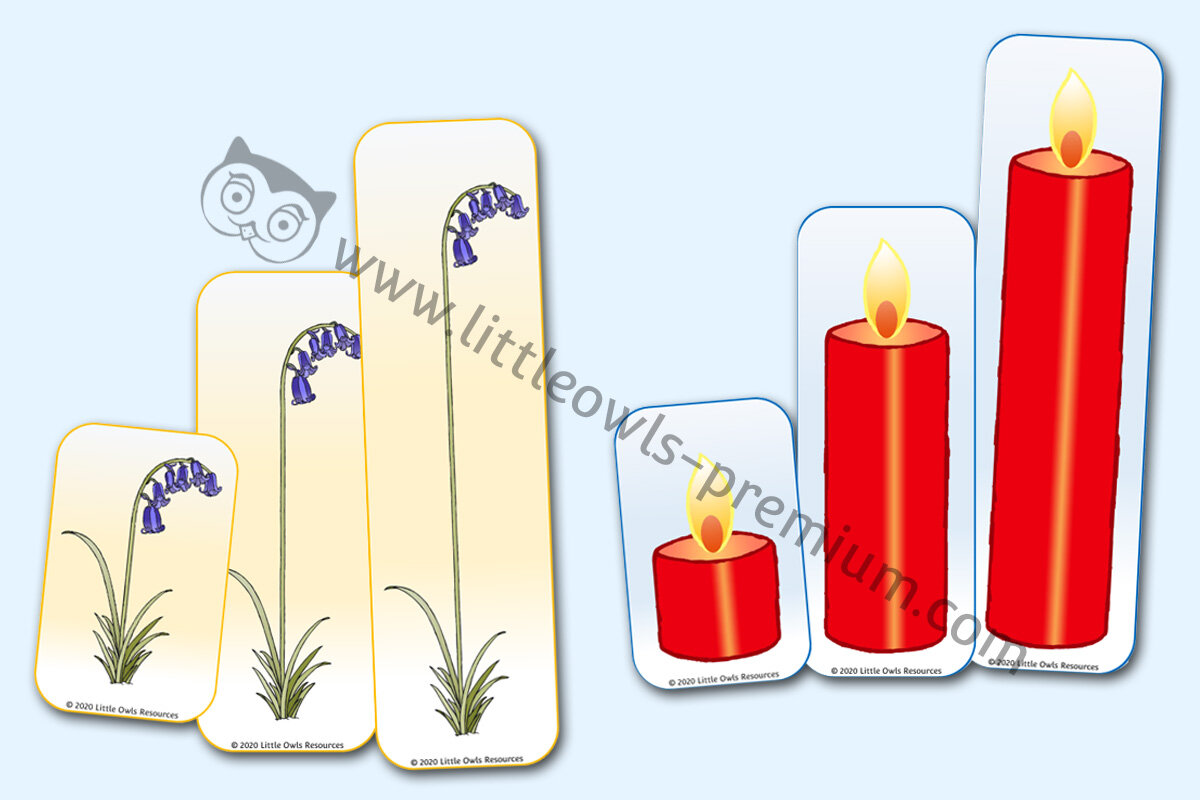
Height ordering activity cards. Give your children an appropriate selection of cards to order. Develop from just 2 cards within each theme ‘tall’ and ‘short to a adding a third to increase the language explored such as ‘taller’, ‘shorter’, ‘tallest’, ‘shortest’.
Keywords: EYFS, Year 1, Y1, Yr1, Measurement
Original artwork drawn by Sara Murphy and final digital resources created by Stuart Murphy. COPYRIGHT ON ALL OF THE RESOURCES HOUSED ON THIS WEBSITE IS HELD BY ‘LITTLE OWLS RESOURCES’. OUR RESOURCES (INCLUDING THE IMAGES WITHIN THEM), CANNOT BE SHARED OR SOLD COMMERCIALLY.
DOWNLOAD EDITABLE(DOCX)
DOWNLOAD NON-EDITABLE (PDF)
← Back to ‘Maths Continuous Provision & Play’ Area
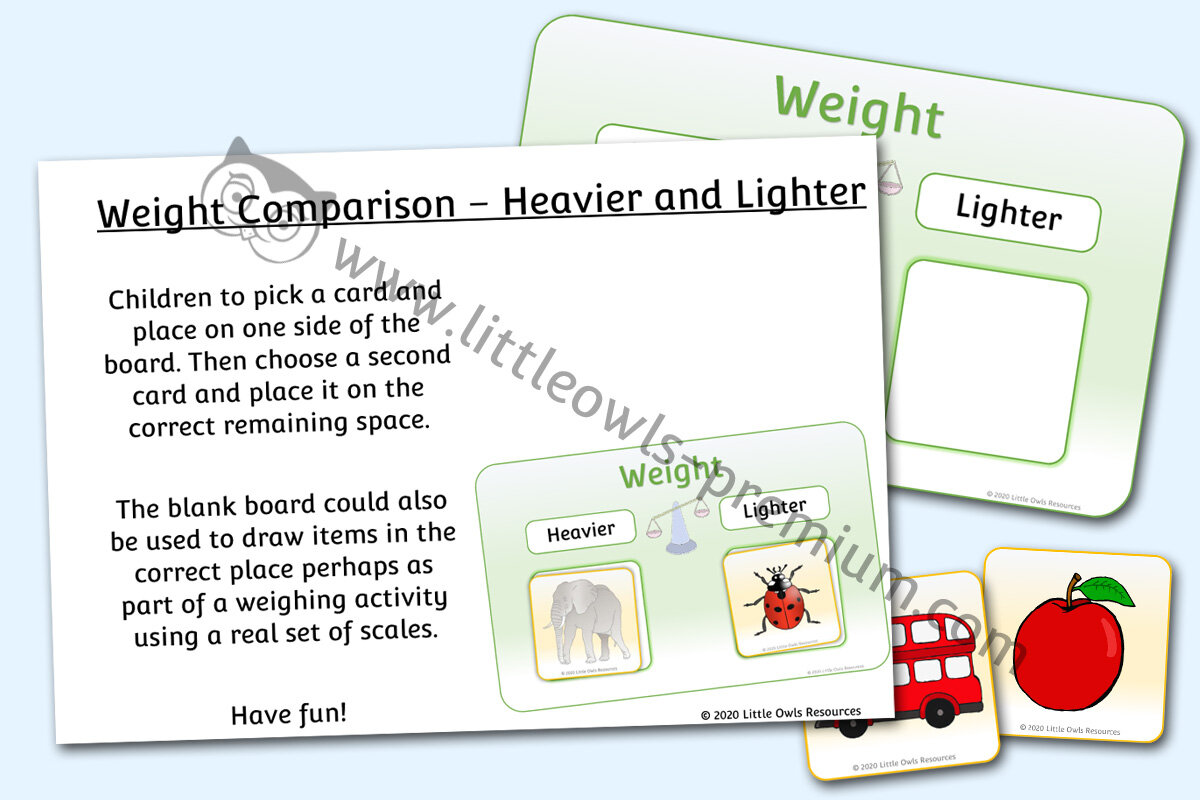
We have created this game to inspire conversations about the concept of weight. Children can place a card in one of the boxes and then attempt to place an appropriate card (in comparison to the first) in the other box. E.g. they may select an object they think of as ‘heavy’ in the first box and then find a card showing an object they think is ‘lighter’ than that object in the second box. If you have scales in your setting, why not develop this activity further? Perhaps you could begin weighing objects in your setting and draw them into the boxes? Display the finished products as a reminder for the concept or send the posters home to discuss further/allow the child to ’teach’ family members which will further consolidate the concept in a child’s mind.
Keywords: EYFS, Year 1, Y1, Yr1, Measurement
Original artwork drawn by Sara Murphy and final digital resources created by Stuart Murphy. COPYRIGHT ON ALL OF THE RESOURCES HOUSED ON THIS WEBSITE IS HELD BY ‘LITTLE OWLS RESOURCES’. OUR RESOURCES (INCLUDING THE IMAGES WITHIN THEM), CANNOT BE SHARED OR SOLD COMMERCIALLY.
DOWNLOAD EDITABLE(DOCX)
DOWNLOAD NON-EDITABLE (PDF)
← Back to ‘Maths Continuous Provision & Play’ Area

Original artwork drawn by Sara Murphy and final digital resources created by Stuart Murphy. COPYRIGHT ON ALL OF THE RESOURCES HOUSED ON THIS WEBSITE IS HELD BY ‘LITTLE OWLS RESOURCES’. OUR RESOURCES (INCLUDING THE IMAGES WITHIN THEM), CANNOT BE SHARED OR SOLD COMMERCIALLY.
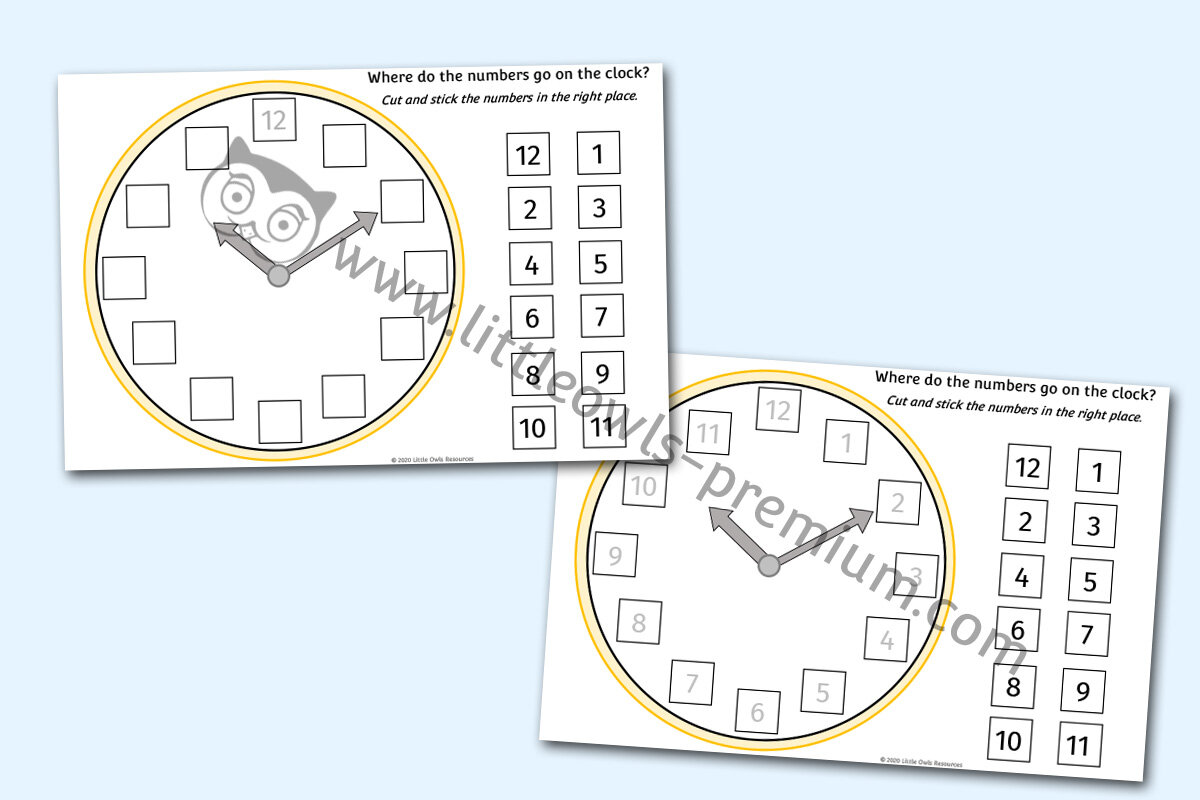
Cut and stick activity to reinforce number recognition and think about the number positions on a clock face.
Original artwork drawn by Sara Murphy and final digital resources created by Stuart Murphy. COPYRIGHT ON ALL OF THE RESOURCES HOUSED ON THIS WEBSITE IS HELD BY ‘LITTLE OWLS RESOURCES’. OUR RESOURCES (INCLUDING THE IMAGES WITHIN THEM), CANNOT BE SHARED OR SOLD COMMERCIALLY.
DOWNLOAD EDITABLE (DOCX)
DOWNLOAD NON-EDITABLE (PDF)

Original artwork drawn by Sara Murphy and final digital resources created by Stuart Murphy. COPYRIGHT ON ALL OF THE RESOURCES HOUSED ON THIS WEBSITE IS HELD BY ‘LITTLE OWLS RESOURCES’. OUR RESOURCES (INCLUDING THE IMAGES WITHIN THEM), CANNOT BE SHARED OR SOLD COMMERCIALLY.
Original artwork drawn by Sara Murphy and final digital resources created by Stuart Murphy. COPYRIGHT ON ALL OF THE RESOURCES HOUSED ON THIS WEBSITE IS HELD BY ‘LITTLE OWLS RESOURCES’. OUR RESOURCES (INCLUDING THE IMAGES WITHIN THEM), CANNOT BE SHARED OR SOLD COMMERCIALLY.
Explore additional resources on the following pages (buttons below):
Core Year 1 and 2 ‘Measurement’ resources can be found within the first and second buttons respectively.
In addition, you will find many more resources relating to the above learning objectives on our keyword pages which are also highlighted below.


⏹️ Geometry
Year 1: Geometry - Properties of shape
Pupils should be taught to:
recognise and name common 2-D and 3-D shapes, including:
2-D shapes [for example, rectangles (including squares), circles and triangles]
3-D shapes [for example, cuboids (including cubes), pyramids and spheres]
Year 2: Geometry - Properties of Shapes
Pupils should be taught to:
identify and describe the properties of 2-D shapes, including the number of sides and line symmetry in a vertical line
identify and describe the properties of 3-D shapes, including the number of edges, vertices and faces
identify 2-D shapes on the surface of 3-D shapes, [for example, a circle on a cylinder and a triangle on a pyramid]
compare and sort common 2-D and 3-D shapes and everyday objects
Featured Year 1 and Year 2 ‘Properties of Shape’ Resources
Handy addition sheets using 2D shapes. Visual representation of shapes allows children to use 1:1 correspondence to count the object and practice writing the correct number in the appropriate box. Alternatively the children could draw the total number of shapes in each box. Also worth a look are our 2D shape cards, shape mats, shape cutting activity and shape walk sheet.
Original artwork drawn by Sara Murphy and final digital resources created by Stuart Murphy. COPYRIGHT ON ALL OF THE RESOURCES HOUSED ON THIS WEBSITE IS HELD BY ‘LITTLE OWLS RESOURCES’. OUR RESOURCES (INCLUDING THE IMAGES WITHIN THEM), CANNOT BE SHARED OR SOLD COMMERCIALLY.
DOWNLOAD EDITABLE (DOCX)
DOWNLOAD NON-EDITABLE (PDF)
DOWNLOAD NON-EDITABLE (Zipped JPEGs)
← Back to ‘Maths Continuous Provision & Play’ Area
2D shapes in the environment display/prompt posters.
Use as part of a display area to enrich your setting environment, during an activity input or tuff spot activity as a stimulus.
Great for giving children a broader understanding of what e.g. a ‘triangle’ is and how the mathematical shape translates to objects around us in the ‘real world’.
Can children build on the knowledge gained by the posters and find shapes in their own environments?
Original artwork drawn by Sara Murphy and final digital resources created by Stuart Murphy. COPYRIGHT ON ALL OF THE RESOURCES HOUSED ON THIS WEBSITE IS HELD BY ‘LITTLE OWLS RESOURCES’. OUR RESOURCES (INCLUDING THE IMAGES WITHIN THEM), CANNOT BE SHARED OR SOLD COMMERCIALLY.
DOWNLOAD EDITABLE (DOCX)
DOWNLOAD NON-EDITABLE (PDF)
DOWNLOAD NON-EDITABLE (Zipped JPEGs)
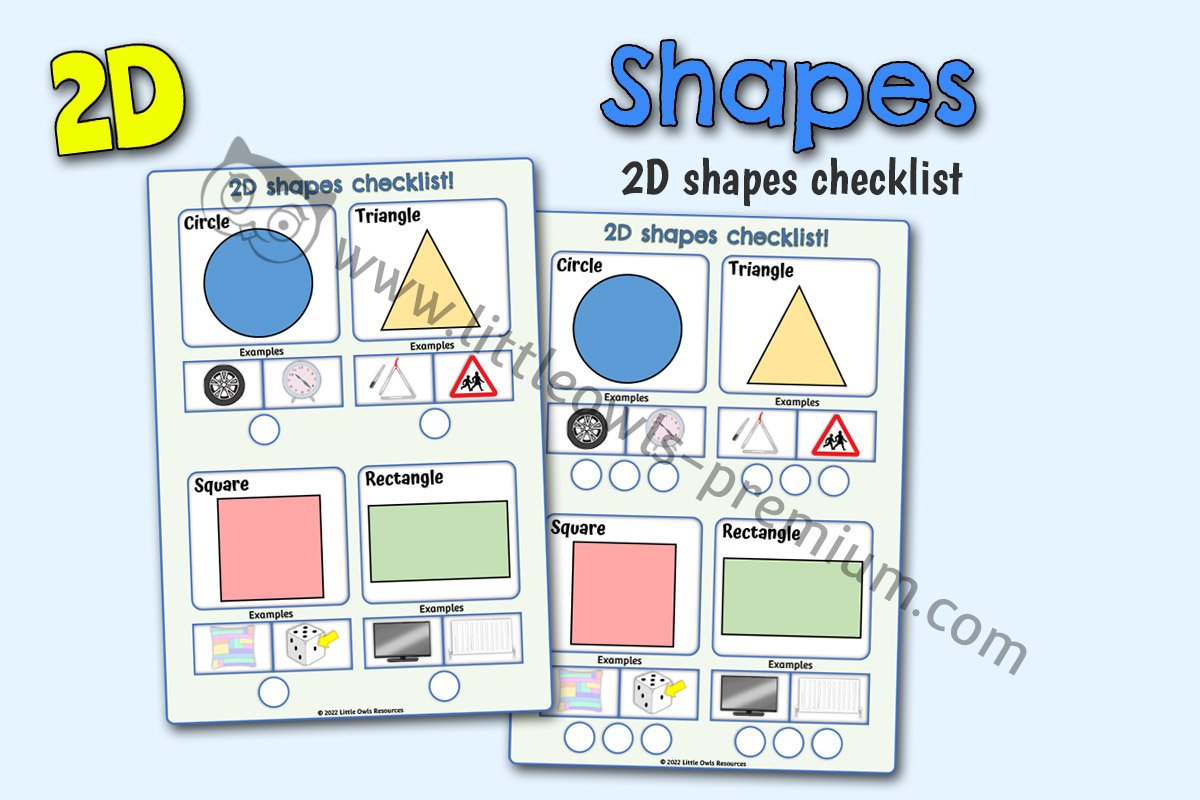
2D shapes in the environment checklist.
Designed to inspire children to investigate the 2D shapes everywhere. Why not use it o an out and about ‘Shape Walk’?…or in a ‘Shape Investigation’ area in your setting?
Alternatively, use as part of a display area to enrich your setting environment or as the stimulus of a tuff spot activity.
Two sheets included within pack. The first sheet has space for one tick (to be marked once the appropriate shape has been found in the environment) and an additional sheet has been provided to allow up to 3 ticks per shape.
Great for giving children a broader understanding of what e.g. a ‘triangle’ is and how the mathematical shape translates to objects around us in the ‘real world’.
Original artwork drawn by Sara Murphy and final digital resources created by Stuart Murphy. COPYRIGHT ON ALL OF THE RESOURCES HOUSED ON THIS WEBSITE IS HELD BY ‘LITTLE OWLS RESOURCES’. OUR RESOURCES (INCLUDING THE IMAGES WITHIN THEM), CANNOT BE SHARED OR SOLD COMMERCIALLY.
DOWNLOAD EDITABLE (DOCX)
DOWNLOAD NON-EDITABLE (PDF)
DOWNLOAD NON-EDITABLE (Zipped JPEGs)
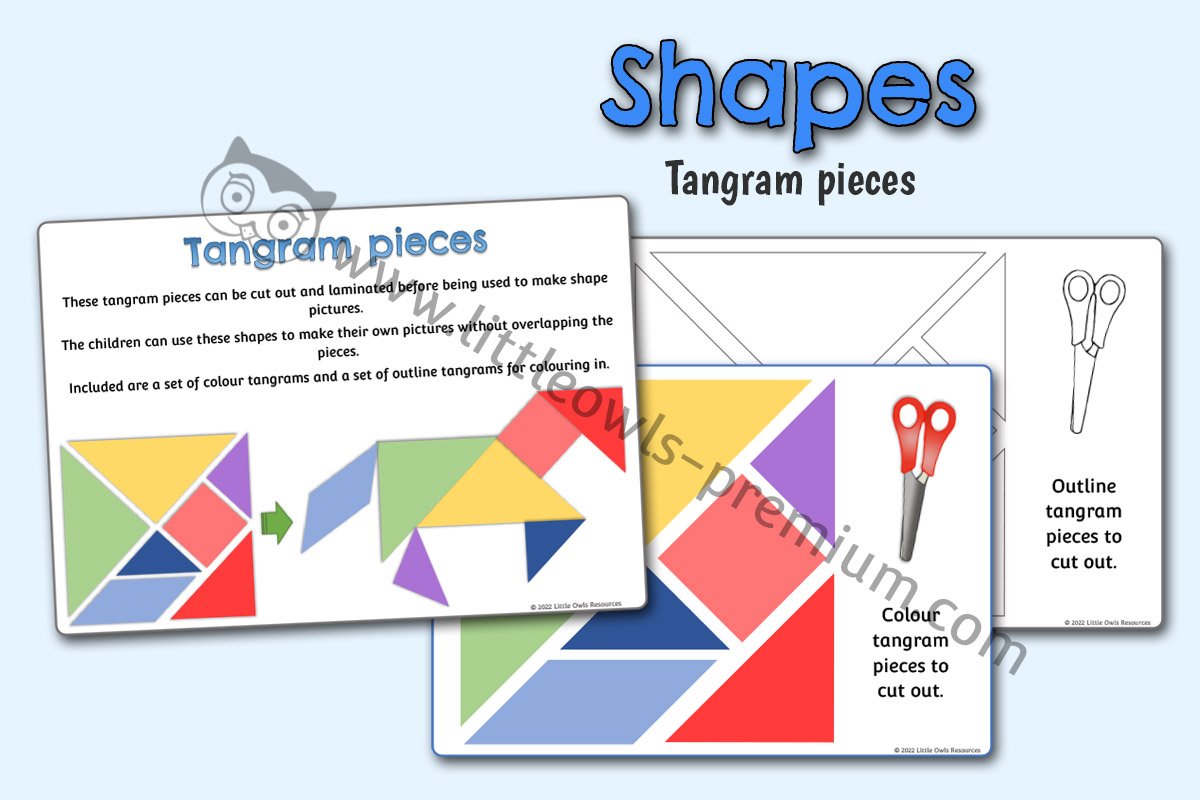
These tangram pieces can be cut out and laminated before being used to make shape pictures.
The children can use these shapes to make their own pictures without overlapping the pieces.
Included are a set of colour tangrams and a set of outline tangrams for colouring in.
Original artwork drawn by Sara Murphy and final digital resources created by Stuart Murphy. COPYRIGHT ON ALL OF THE RESOURCES HOUSED ON THIS WEBSITE IS HELD BY ‘LITTLE OWLS RESOURCES’. OUR RESOURCES (INCLUDING THE IMAGES WITHIN THEM), CANNOT BE SHARED OR SOLD COMMERCIALLY.
DOWNLOAD EDITABLE (DOCX)
DOWNLOAD NON-EDITABLE (PDF)
DOWNLOAD NON-EDITABLE (Zipped JPEGs)
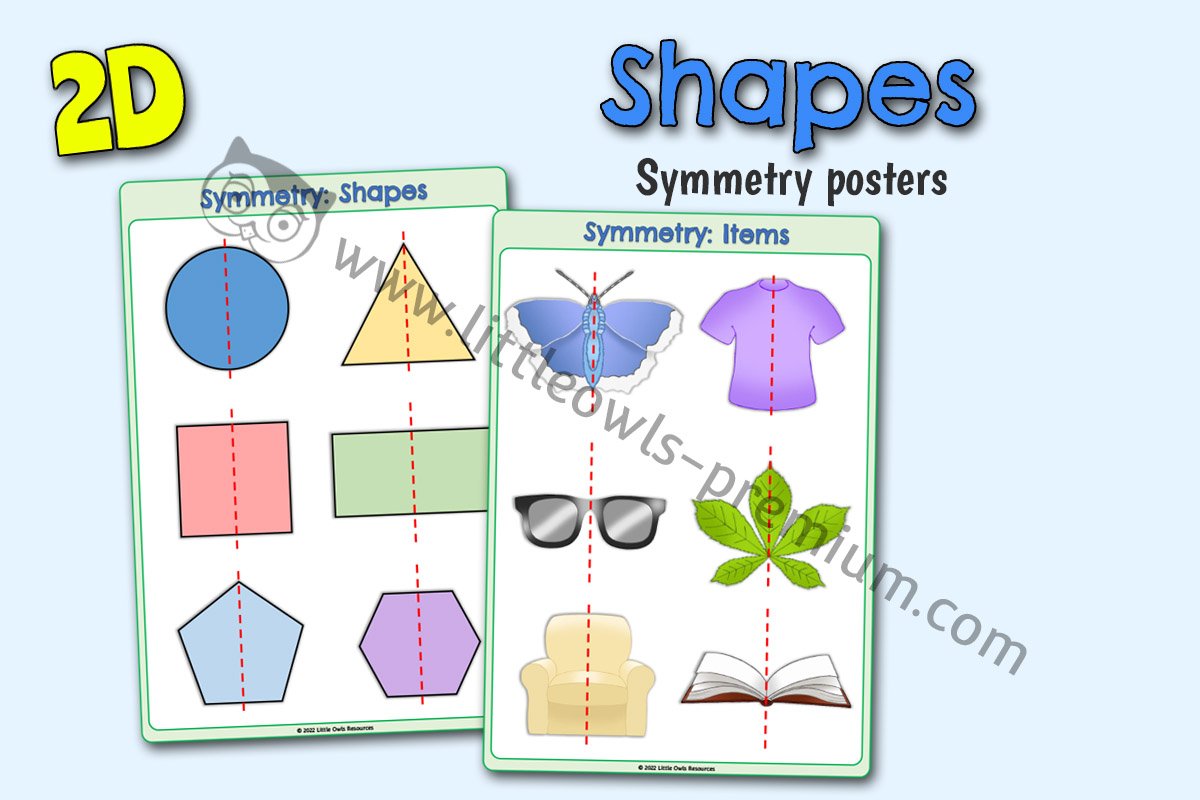
Pack comprises two posters, both of which show basic lines of symmetry for children to begin to build a picture in their minds of what symmetry is. One poster shows shapes with a line of symmetry marked on and the other shows everyday ‘real world’ items with a line of symmetry.
Original artwork drawn by Sara Murphy and final digital resources created by Stuart Murphy. COPYRIGHT ON ALL OF THE RESOURCES HOUSED ON THIS WEBSITE IS HELD BY ‘LITTLE OWLS RESOURCES’. OUR RESOURCES (INCLUDING THE IMAGES WITHIN THEM), CANNOT BE SHARED OR SOLD COMMERCIALLY.
DOWNLOAD EDITABLE (DOCX)
DOWNLOAD NON-EDITABLE (PDF)
DOWNLOAD NON-EDITABLE (Zipped JPEGs)
2D shape sorting game. Match the shaped objects to the correct shape name! Includes circles, triangles, squares and rectangles.
Why not expand the game to place ‘real world’ objects on the correct shape card. Perhaps some real world objects are made up of more than one shape? You may like to add this investigation as an extension to the game provided.
Great for giving children a broader understanding of what e.g. a ‘triangle’ is and how the mathematical shape translates to objects around us in the ‘real world’.
Original artwork drawn by Sara Murphy and final digital resources created by Stuart Murphy. COPYRIGHT ON ALL OF THE RESOURCES HOUSED ON THIS WEBSITE IS HELD BY ‘LITTLE OWLS RESOURCES’. OUR RESOURCES (INCLUDING THE IMAGES WITHIN THEM), CANNOT BE SHARED OR SOLD COMMERCIALLY.
DOWNLOAD EDITABLE (DOCX)
DOWNLOAD NON-EDITABLE (PDF)
DOWNLOAD NON-EDITABLE (Zipped JPEGs)
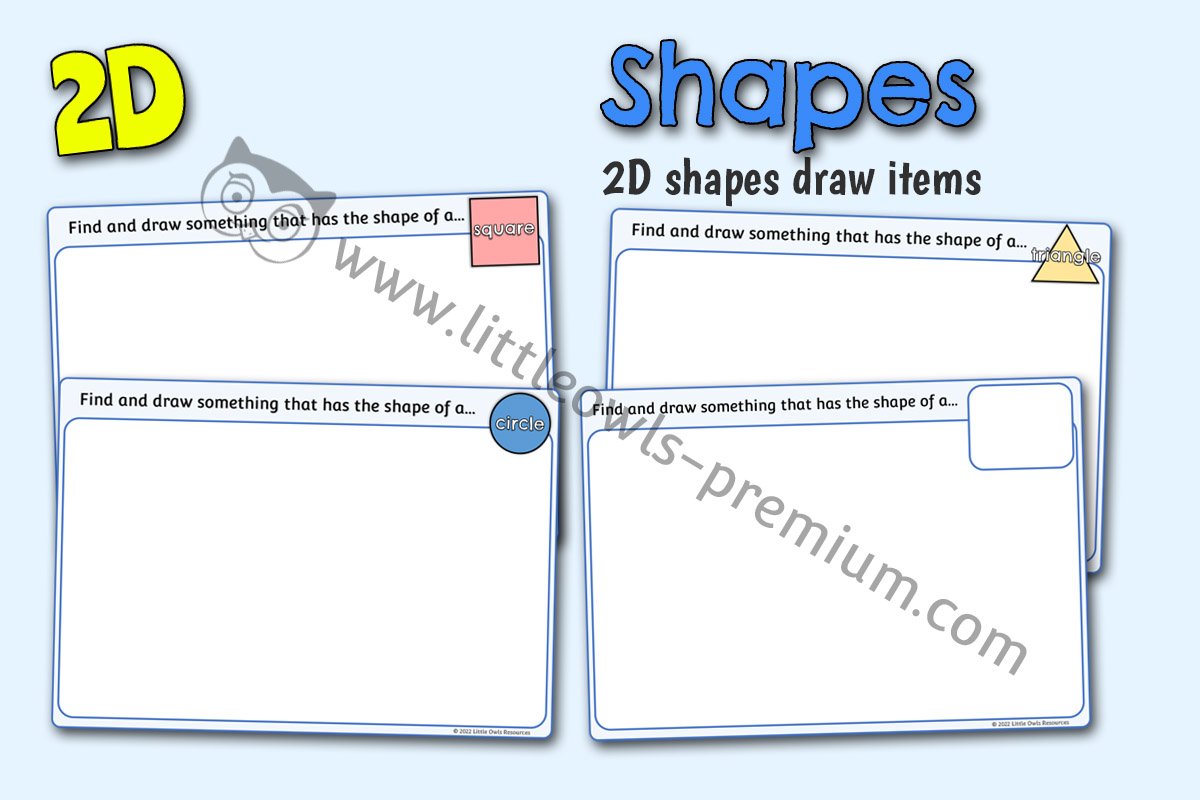
Sheets designed to inspire children to look around them and find 2D shapes in the environment. Once a ‘real world’ item is found which has a particular shape within it (circle, triangle, square or rectangle), children may be encouraged to make marks on the appropriate sheet to represent it.
Designed to inspire children to investigate the basic 2D shapes everywhere.
Great for giving children a broader understanding of what e.g. a ‘triangle’ is and how the mathematical shape translates to objects around us in the ‘real world’.
Original artwork drawn by Sara Murphy and final digital resources created by Stuart Murphy. COPYRIGHT ON ALL OF THE RESOURCES HOUSED ON THIS WEBSITE IS HELD BY ‘LITTLE OWLS RESOURCES’. OUR RESOURCES (INCLUDING THE IMAGES WITHIN THEM), CANNOT BE SHARED OR SOLD COMMERCIALLY.
DOWNLOAD EDITABLE (DOCX)
DOWNLOAD NON-EDITABLE (PDF)
DOWNLOAD NON-EDITABLE (Zipped JPEGs)
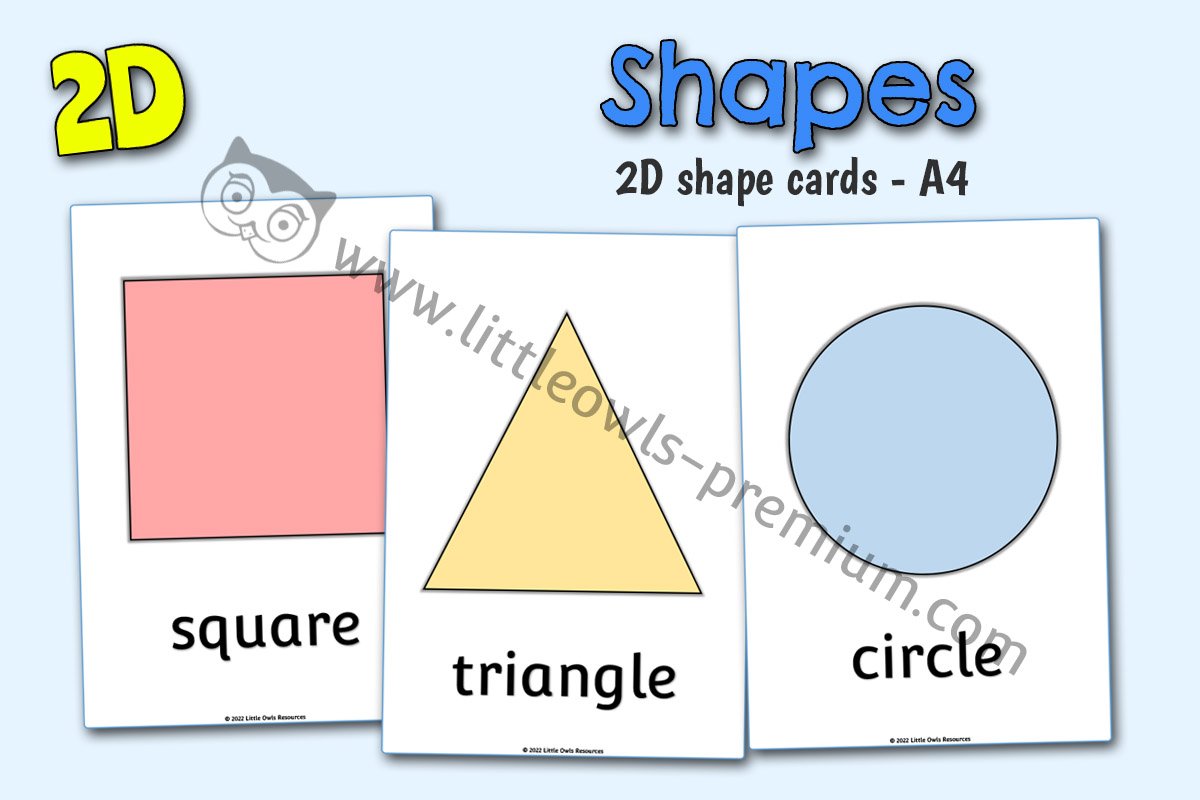
2D shape display cards/flashcards. Use as part of a display area or tuff spot activity as a stimulus. Your children will love to see which of the shapes they can see around them in the environment! Check out our 2D shape cutting, mats and shape walk resources!
Original artwork drawn by Sara Murphy and final digital resources created by Stuart Murphy. COPYRIGHT ON ALL OF THE RESOURCES HOUSED ON THIS WEBSITE IS HELD BY ‘LITTLE OWLS RESOURCES’. OUR RESOURCES (INCLUDING THE IMAGES WITHIN THEM), CANNOT BE SHARED OR SOLD COMMERCIALLY.
DOWNLOAD EDITABLE (DOCX)
DOWNLOAD NON-EDITABLE (PDF)
DOWNLOAD NON-EDITABLE (Zipped JPEGs)
← Back to ‘Maths Continuous Provision & Play’ Area
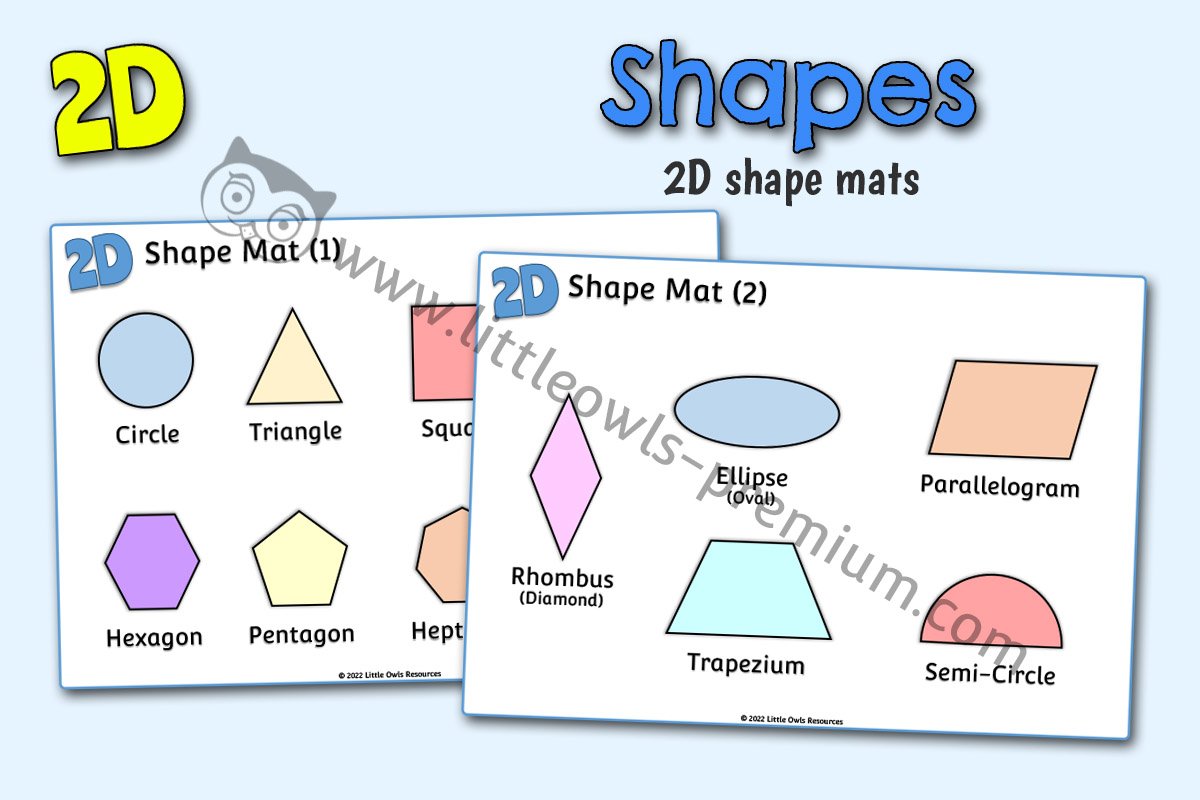
2D shape mats. Use as part of a display area or tuff spot activity as a stimulus. Your children will love to see which of the shapes they can see around them in the environment! Check out our 2D shape cutting, flashcard and shape walk resources!
Original artwork drawn by Sara Murphy and final digital resources created by Stuart Murphy. COPYRIGHT ON ALL OF THE RESOURCES HOUSED ON THIS WEBSITE IS HELD BY ‘LITTLE OWLS RESOURCES’. OUR RESOURCES (INCLUDING THE IMAGES WITHIN THEM), CANNOT BE SHARED OR SOLD COMMERCIALLY.
DOWNLOAD EDITABLE (DOCX)
DOWNLOAD NON-EDITABLE (PDF)
DOWNLOAD NON-EDITABLE (Zipped JPEGs)
← Back to ‘Maths Continuous Provision & Play’ Area
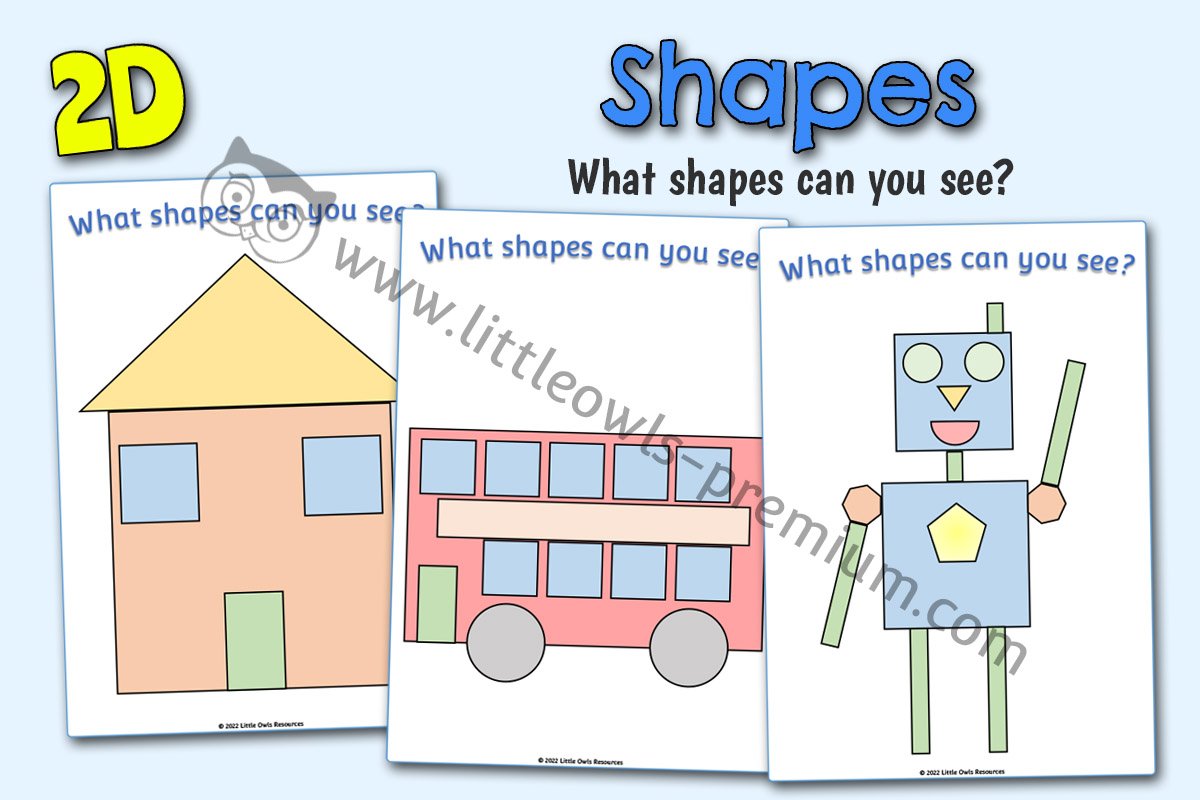
Pictures made from 2D shapes. Children to talk about which 2D shapes they can see. Pictures could be displayed in setting as part of an enabling environment to stimulate child led discussion or alternatively used as a more focused adult led activity. Could be used in conjunction with Cutting & Sticking or Colouring Sheets.
Original artwork drawn by Sara Murphy and final digital resources created by Stuart Murphy. COPYRIGHT ON ALL OF THE RESOURCES HOUSED ON THIS WEBSITE IS HELD BY ‘LITTLE OWLS RESOURCES’. OUR RESOURCES (INCLUDING THE IMAGES WITHIN THEM), CANNOT BE SHARED OR SOLD COMMERCIALLY.
DOWNLOAD EDITABLE (DOCX)
DOWNLOAD NON-EDITABLE (PDF)
DOWNLOAD NON-EDITABLE (Zipped JPEGs)
← Back to ‘Maths Continuous Provision & Play’ Area
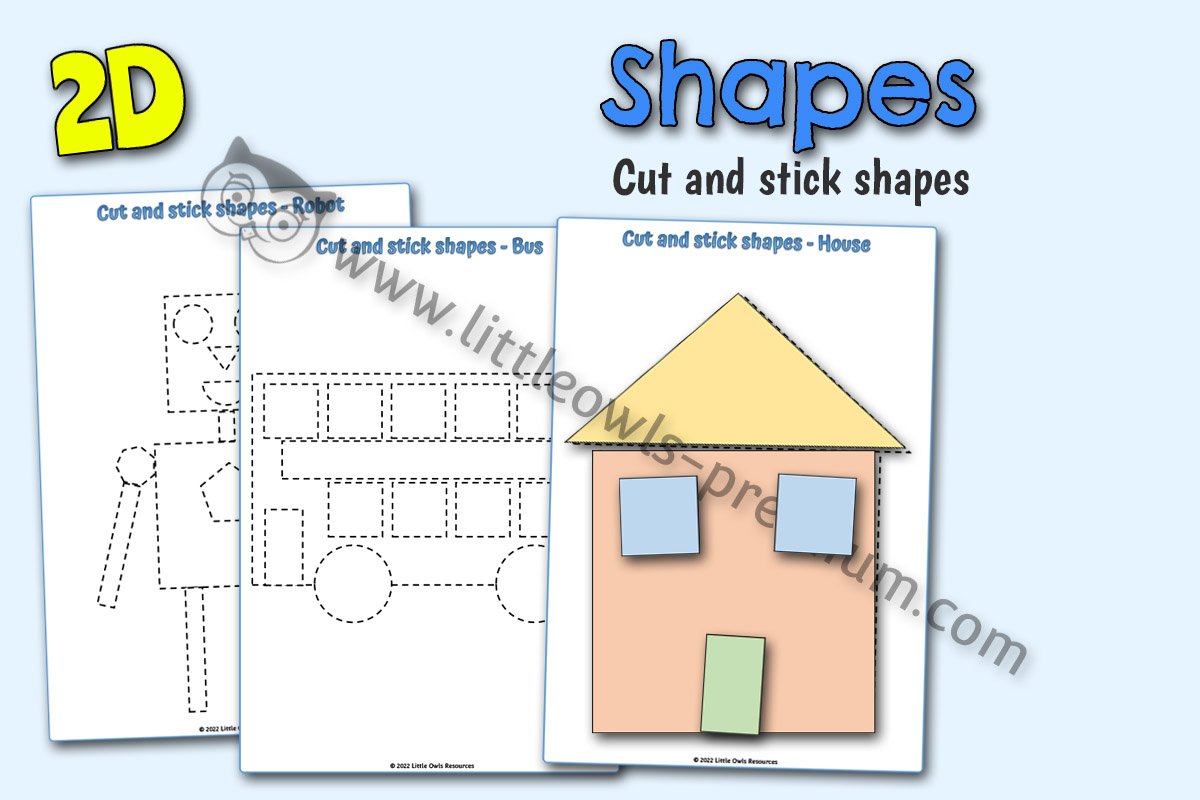
Shapes to cut and stick on the outlined shape pictures. Designed to promote discussion about the shapes. Could be used in conjunction with corresponding Shape Poster Pictures or Colouring Sheets.
Original artwork drawn by Sara Murphy and final digital resources created by Stuart Murphy. COPYRIGHT ON ALL OF THE RESOURCES HOUSED ON THIS WEBSITE IS HELD BY ‘LITTLE OWLS RESOURCES’. OUR RESOURCES (INCLUDING THE IMAGES WITHIN THEM), CANNOT BE SHARED OR SOLD COMMERCIALLY.
DOWNLOAD EDITABLE (DOCX)
DOWNLOAD NON-EDITABLE (PDF)
DOWNLOAD NON-EDITABLE (Zipped JPEGs)
← Back to ‘Maths Continuous Provision & Play’ Area
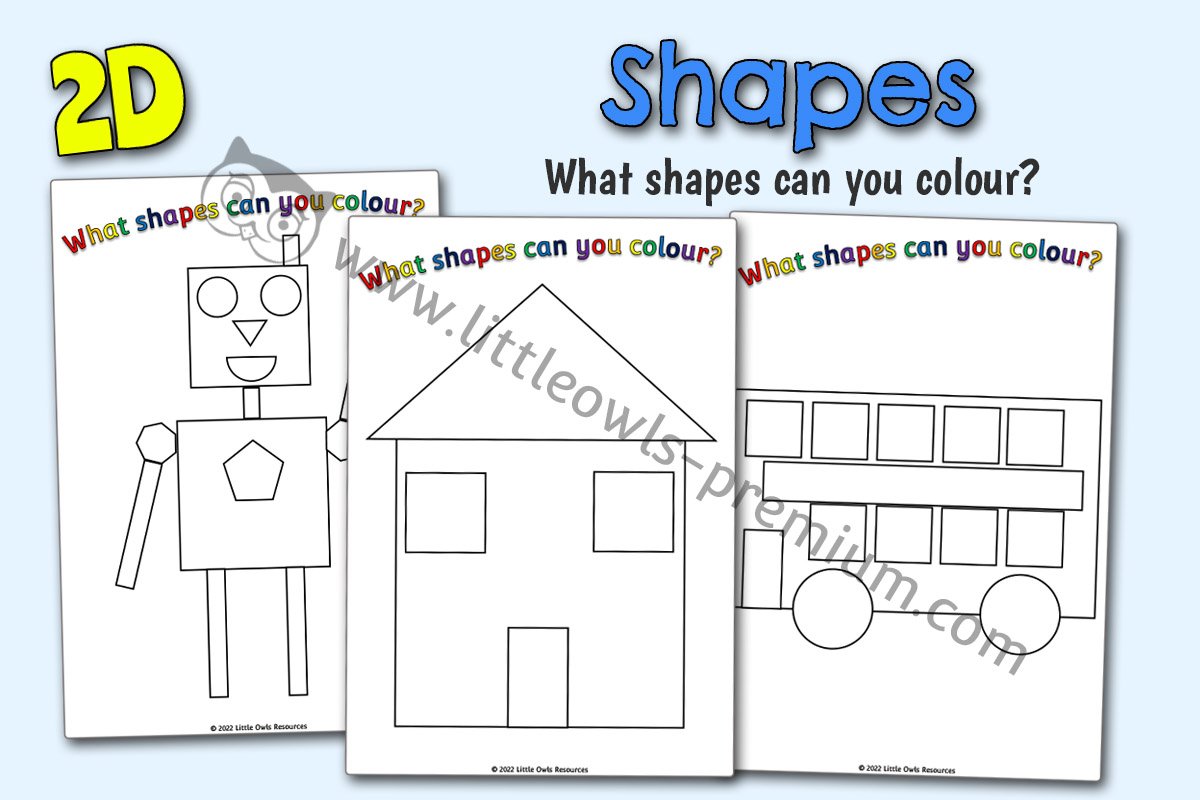
Shape pictures to colour. Designed to promote discussion about the shapes. Could be used in conjunction with corresponding Shape Poster Pictures or Cutting & Sticking Sheets.
Original artwork drawn by Sara Murphy and final digital resources created by Stuart Murphy. COPYRIGHT ON ALL OF THE RESOURCES HOUSED ON THIS WEBSITE IS HELD BY ‘LITTLE OWLS RESOURCES’. OUR RESOURCES (INCLUDING THE IMAGES WITHIN THEM), CANNOT BE SHARED OR SOLD COMMERCIALLY.
DOWNLOAD EDITABLE (DOCX)
DOWNLOAD NON-EDITABLE (PDF)
DOWNLOAD NON-EDITABLE (Zipped JPEGs)
← Back to ‘Maths Continuous Provision & Play’ Area
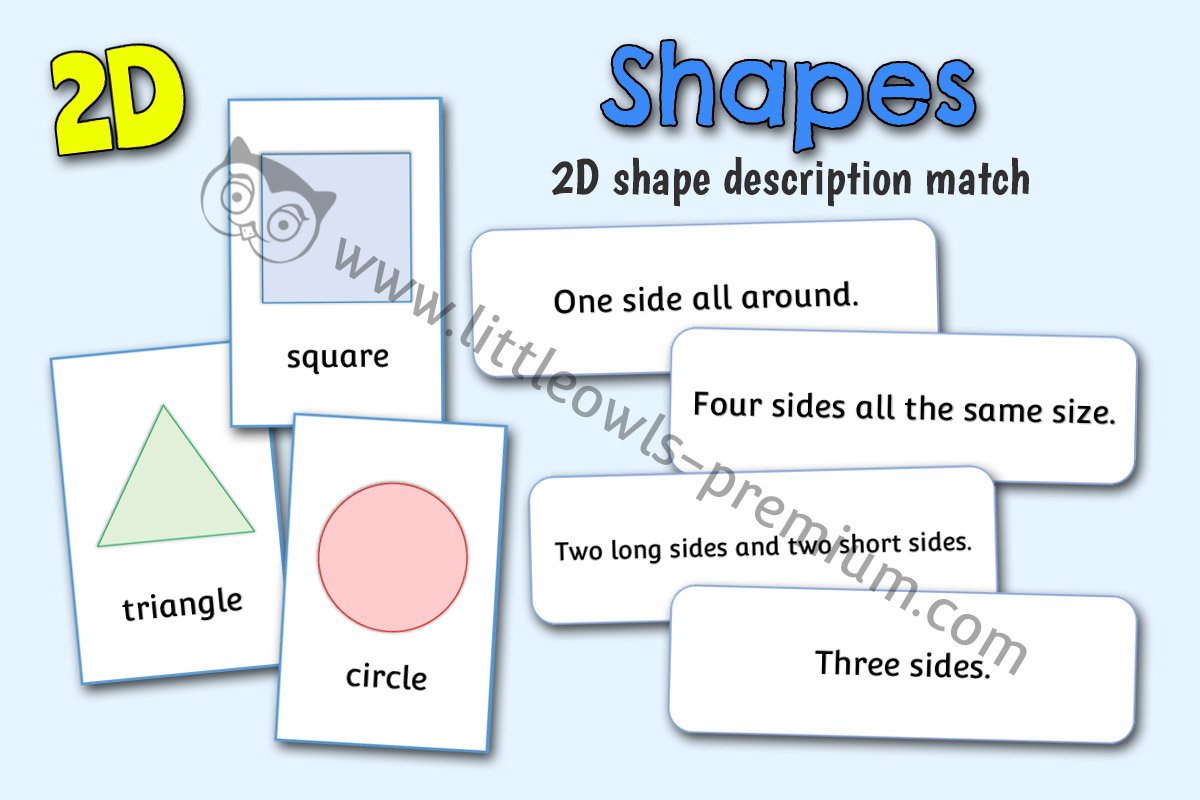
Shape descriptions to be matched with images of the shapes. Could be played as an adult led game…For example, adult to chose the appropriate shape cards and corresponding descriptions which are at the right level for children. Bag to be filled with selected descriptions and then matching cards laid out on floor. Adult or child to select description from feely bag and adult to read. Children to select the shape card which matches statement.
Original artwork drawn by Sara Murphy and final digital resources created by Stuart Murphy. COPYRIGHT ON ALL OF THE RESOURCES HOUSED ON THIS WEBSITE IS HELD BY ‘LITTLE OWLS RESOURCES’. OUR RESOURCES (INCLUDING THE IMAGES WITHIN THEM), CANNOT BE SHARED OR SOLD COMMERCIALLY.
DOWNLOAD EDITABLE (DOCX)
DOWNLOAD NON-EDITABLE (PDF)
DOWNLOAD NON-EDITABLE (Zipped JPEGs)
← Back to ‘Maths Continuous Provision & Play’ Area
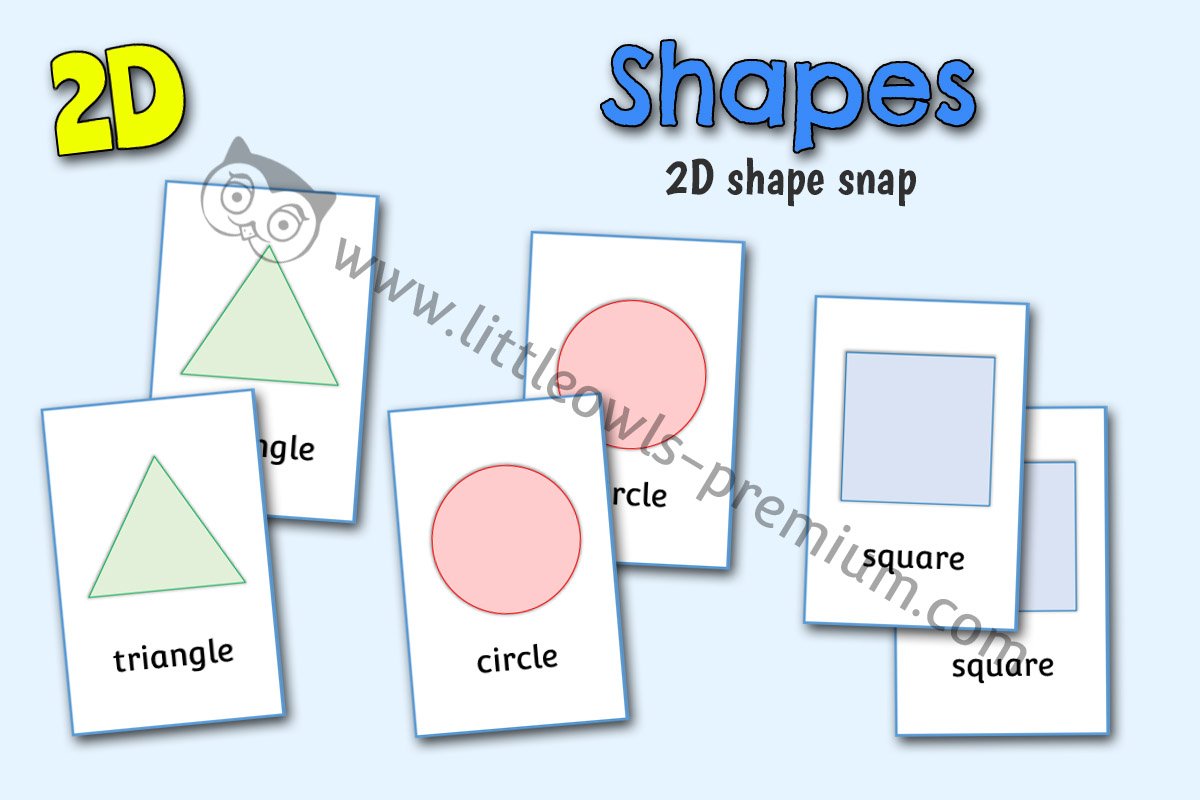
Cards to use for 2D shape snap, picking up pairs memory game or as flash cards. Each card is made with a backing tab for folding before lamination to provide a more robust final product.
Original artwork drawn by Sara Murphy and final digital resources created by Stuart Murphy. COPYRIGHT ON ALL OF THE RESOURCES HOUSED ON THIS WEBSITE IS HELD BY ‘LITTLE OWLS RESOURCES’. OUR RESOURCES (INCLUDING THE IMAGES WITHIN THEM), CANNOT BE SHARED OR SOLD COMMERCIALLY.
DOWNLOAD EDITABLE (DOCX)
DOWNLOAD NON-EDITABLE (PDF)
DOWNLOAD NON-EDITABLE (Zipped JPEGs)
← Back to ‘Maths Continuous Provision & Play’ Area
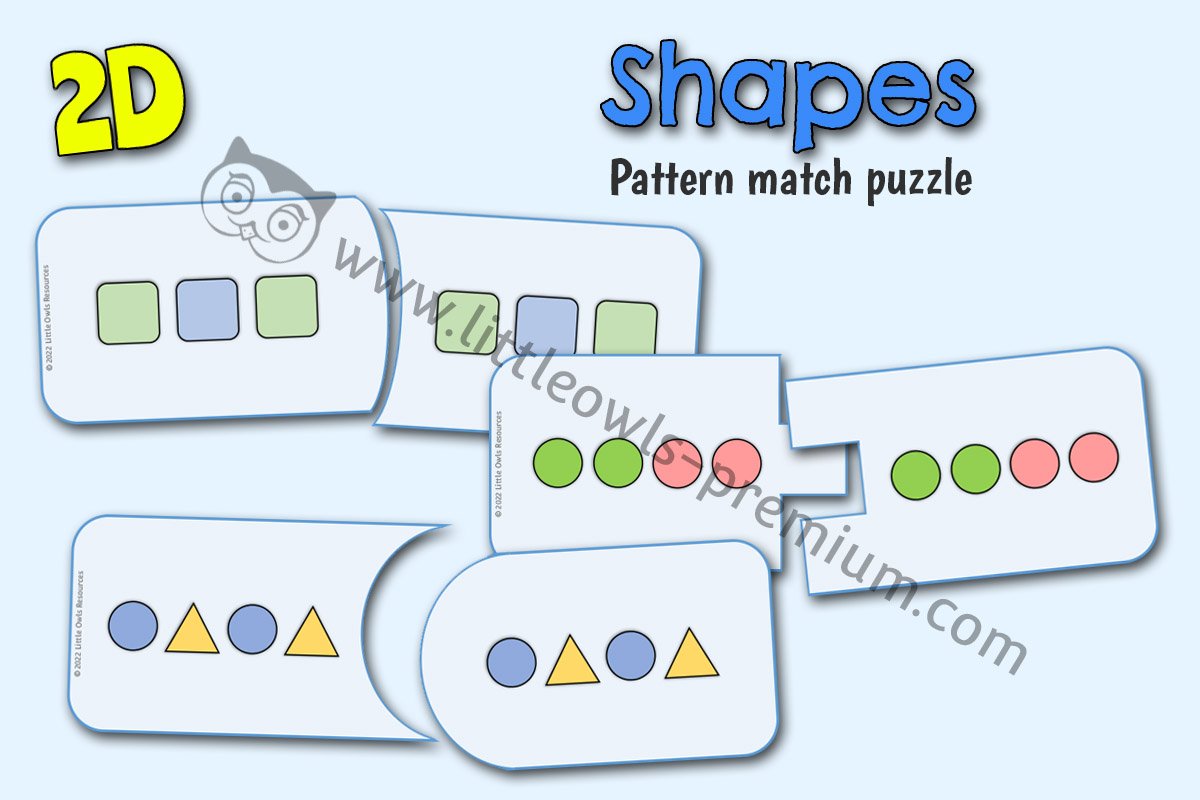
Pattern matching cards with a variety of edges to aid self-correcting by the children. Encourages close observation of shapes and colours.
Original artwork drawn by Sara Murphy and final digital resources created by Stuart Murphy. COPYRIGHT ON ALL OF THE RESOURCES HOUSED ON THIS WEBSITE IS HELD BY ‘LITTLE OWLS RESOURCES’. OUR RESOURCES (INCLUDING THE IMAGES WITHIN THEM), CANNOT BE SHARED OR SOLD COMMERCIALLY.
DOWNLOAD EDITABLE (DOCX)
DOWNLOAD NON-EDITABLE (PDF)
DOWNLOAD NON-EDITABLE (Zipped JPEGs)
← Back to ‘Maths Continuous Provision & Play’ Area

This link will take you to our 'Shapes' page where you will find even more shape related resources!
Original artwork drawn by Sara Murphy and final digital resources created by Stuart Murphy. COPYRIGHT ON ALL OF THE RESOURCES HOUSED ON THIS WEBSITE IS HELD BY ‘LITTLE OWLS RESOURCES’. OUR RESOURCES (INCLUDING THE IMAGES WITHIN THEM), CANNOT BE SHARED OR SOLD COMMERCIALLY.

Original artwork drawn by Sara Murphy and final digital resources created by Stuart Murphy. COPYRIGHT ON ALL OF THE RESOURCES HOUSED ON THIS WEBSITE IS HELD BY ‘LITTLE OWLS RESOURCES’. OUR RESOURCES (INCLUDING THE IMAGES WITHIN THEM), CANNOT BE SHARED OR SOLD COMMERCIALLY.

Original artwork drawn by Sara Murphy and final digital resources created by Stuart Murphy. COPYRIGHT ON ALL OF THE RESOURCES HOUSED ON THIS WEBSITE IS HELD BY ‘LITTLE OWLS RESOURCES’. OUR RESOURCES (INCLUDING THE IMAGES WITHIN THEM), CANNOT BE SHARED OR SOLD COMMERCIALLY.
Explore additional resources on the following pages (buttons below):
Core Year 1 and 2 ‘Properties of Shape’ resources can be found within the first and second buttons respectively.
In addition, you will find many more resources relating to the above learning objectives on our keyword pages which are also highlighted below.


Year 1: Geometry - Position and direction
Pupils should be taught to:
describe position, direction and movement, including whole, half, quarter and three-quarter turns
Year 2: Geometry - Position and direction
Pupils should be taught to:
order and arrange combinations of mathematical objects in patterns and sequences
use mathematical vocabulary to describe position, direction and movement, including movement in a straight line and distinguishing between rotation as a turn and in terms of right angles for quarter, half and three-quarter turns (clockwise and anticlockwise)
Explore resources on the following pages (buttons below):
Core Year 1 and 2 ‘Position and Direction’ resources can be found within the first and second buttons respectively.
In addition, you will find many more resources relating to the above learning objectives on our keyword pages which are also highlighted below.
Additional provision within this section is in development.
CORE - Year 1 - 'Position and Direction' Resources
CLICK HERE to view relevant resources.

CORE - Year 2 - 'Position and Direction' Resources
CLICK HERE to view relevant resources.


📊 Statistics
Year 2: Statistics
Pupils should be taught to:
interpret and construct simple pictograms, tally charts, block diagrams and simple tables
ask and answer simple questions by counting the number of objects in each category and sorting the categories by quantity
ask and answer questions about totalling and comparing categorical data
Featured Year 2 ‘Statistics’ Resources
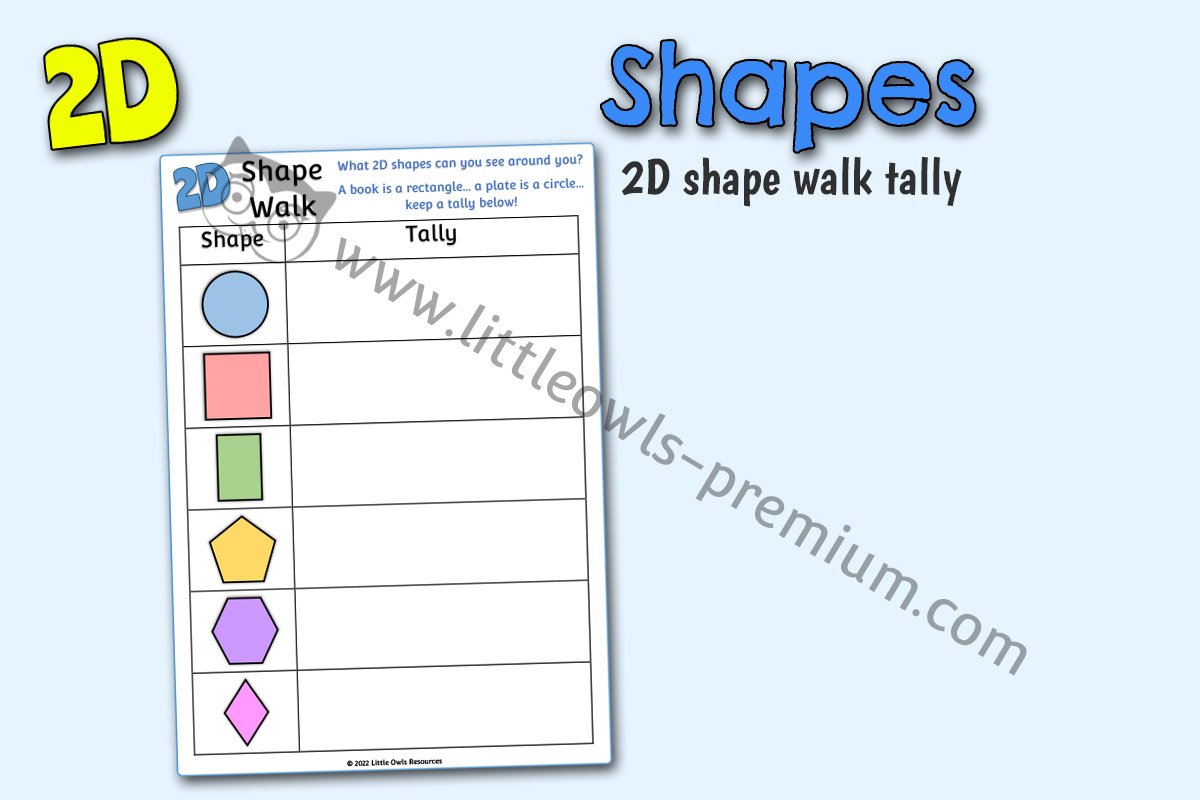
2D shapes tally chart/check list. Your children will love to use this as part of an out and about or indoor hunt activity! If you’re outdoors…what shapes can you all spot in the environment as we walk around the local area?...drain covers, fences, brick walls, signs? If you’re in and around your home…what shapes can you spot indoors?…clocks, tables, photos, food packaging, patterns on soft furnishings such as curtains, clothes?
Alternatively, you may like to use the chart in conjunction with a '2D shape' themed tuff spot or feely bag…Or perhaps even as a stimulus for creating playdough shapes! Check out our 2D shape cutting, flashcard, addition and mat resources!
Additional 'Tally Sheet' activities can be found on our 'Checklists, Tally Charts and Scavenger Hunts' page.
Original artwork drawn by Sara Murphy and final digital resources created by Stuart Murphy. COPYRIGHT ON ALL OF THE RESOURCES HOUSED ON THIS WEBSITE IS HELD BY ‘LITTLE OWLS RESOURCES’. OUR RESOURCES (INCLUDING THE IMAGES WITHIN THEM), CANNOT BE SHARED OR SOLD COMMERCIALLY.
DOWNLOAD EDITABLE (DOCX)
DOWNLOAD NON-EDITABLE (PDF)
DOWNLOAD NON-EDITABLE (Zipped JPEGs)
← Back to ‘Maths Continuous Provision & Play’ Area
<<-BACK TO 'KS1 MATHEMATICS' MENU

Original artwork drawn by Sara Murphy and final digital resources created by Stuart Murphy. COPYRIGHT ON ALL OF THE RESOURCES HOUSED ON THIS WEBSITE IS HELD BY ‘LITTLE OWLS RESOURCES’. OUR RESOURCES (INCLUDING THE IMAGES WITHIN THEM), CANNOT BE SHARED OR SOLD COMMERCIALLY.

Original artwork drawn by Sara Murphy and final digital resources created by Stuart Murphy. COPYRIGHT ON ALL OF THE RESOURCES HOUSED ON THIS WEBSITE IS HELD BY ‘LITTLE OWLS RESOURCES’. OUR RESOURCES (INCLUDING THE IMAGES WITHIN THEM), CANNOT BE SHARED OR SOLD COMMERCIALLY.
Explore additional resources on the following pages (buttons below):
Core Year 2 ‘Statistics’ resources can be found within the first button.
In addition, you will find many more resources relating to the above learning objectives on our keyword pages which are also highlighted below.


Using these resources in KS1
Select and adapt resources to match the mathematics being taught and children’s current understanding. Use them within whole-class teaching, focused groups, independent practice or carefully planned continuous provision. Where resources are placed in provision, consider the mathematical purpose, suitable challenge and adult support needed.
Looking for more hands-on maths ideas?
Explore our 🧩 Maths Continuous Provision Resources, selecting and adapting activities to match your KS1 teaching focus and children’s understanding.
The objectives on this page reflect the Year 1 and Year 2 mathematics programmes of study in the National Curriculum in England.
Last checked: 26 September 2026.

This pack includes the numbers 0-9 with the last few pages including some mathematical symbols.
This pack is organised with one number per page so that you can print only what you need.
When you print this PDF you should have the option to print more than one number to a page which would allow you to make the numbers smaller if desired.
p2-11: Numbers
p12-13: Symbols
Original artwork drawn by Sara Murphy and final digital resources created by Stuart Murphy. COPYRIGHT ON ALL OF THE RESOURCES HOUSED ON THIS WEBSITE IS HELD BY ‘LITTLE OWLS RESOURCES’. OUR RESOURCES (INCLUDING THE IMAGES WITHIN THEM), CANNOT BE SHARED OR SOLD COMMERCIALLY.
DOWNLOAD NON-EDITABLE (PDF)
DOWNLOAD NON-EDITABLE (Zipped JPEGs)
<<-BACK TO ‘UNDER THE SEA’ MENU
<<-BACK TO ‘DISPLAY LETTERING’ MENU
<<-BACK TO ‘BACK TO SCHOOL’ MENU
<<-BACK TO ‘POSTERS & DISPLAYS’ MENU

This pack includes the numbers 0-9 with the last few pages including some mathematical symbols.
This pack is organised with one number per page so that you can print only what you need.
When you print this PDF you should have the option to print more than one number to a page which would allow you to make the numbers smaller if desired.
p2-11: Numbers
p12-13: Symbols
Original artwork drawn by Sara Murphy and final digital resources created by Stuart Murphy. COPYRIGHT ON ALL OF THE RESOURCES HOUSED ON THIS WEBSITE IS HELD BY ‘LITTLE OWLS RESOURCES’. OUR RESOURCES (INCLUDING THE IMAGES WITHIN THEM), CANNOT BE SHARED OR SOLD COMMERCIALLY.
DOWNLOAD NON-EDITABLE (PDF)
DOWNLOAD NON-EDITABLE (Zipped JPEGs)
<<-BACK TO ‘DISPLAY LETTERING’ MENU
<<-BACK TO ‘BACK TO SCHOOL’ MENU
<<-BACK TO ‘POSTERS & DISPLAYS’ MENU
This pack includes the numbers 0-9 with the last few pages including some mathematical symbols.
This pack is organised with one number per page so that you can print only what you need.
When you print this PDF you should have the option to print more than one number to a page which would allow you to make the numbers smaller if desired.
p2-11: Numbers
p12-13: Symbols
Original artwork drawn by Sara Murphy and final digital resources created by Stuart Murphy. COPYRIGHT ON ALL OF THE RESOURCES HOUSED ON THIS WEBSITE IS HELD BY ‘LITTLE OWLS RESOURCES’. OUR RESOURCES (INCLUDING THE IMAGES WITHIN THEM), CANNOT BE SHARED OR SOLD COMMERCIALLY.
DOWNLOAD NON-EDITABLE (PDF)
DOWNLOAD NON-EDITABLE (Zipped JPEGs)
<<-BACK TO ‘DISPLAY LETTERING’ MENU
<<-BACK TO ‘BACK TO SCHOOL’ MENU
<<-BACK TO ‘POSTERS & DISPLAYS’ MENU
This pack includes the numbers 0-9 with the last few pages including some mathematical symbols.
This pack is organised with one number per page so that you can print only what you need.
When you print this PDF you should have the option to print more than one number to a page which would allow you to make the numbers smaller if desired.
p2-11: Numbers
p12-13: Symbols
Original artwork drawn by Sara Murphy and final digital resources created by Stuart Murphy. COPYRIGHT ON ALL OF THE RESOURCES HOUSED ON THIS WEBSITE IS HELD BY ‘LITTLE OWLS RESOURCES’. OUR RESOURCES (INCLUDING THE IMAGES WITHIN THEM), CANNOT BE SHARED OR SOLD COMMERCIALLY.
DOWNLOAD NON-EDITABLE (PDF)
DOWNLOAD NON-EDITABLE (Zipped JPEGs)
<<-BACK TO ‘DISPLAY LETTERING’ MENU
<<-BACK TO ‘BACK TO SCHOOL’ MENU
<<-BACK TO ‘POSTERS & DISPLAYS’ MENU
This pack includes the numbers 0-9 with the last few pages including some mathematical symbols.
This pack is organised with one number per page so that you can print only what you need.
When you print this PDF you should have the option to print more than one number to a page which would allow you to make the numbers smaller if desired.
p2-11: Numbers
p12-13: Symbols
Original artwork drawn by Sara Murphy and final digital resources created by Stuart Murphy. COPYRIGHT ON ALL OF THE RESOURCES HOUSED ON THIS WEBSITE IS HELD BY ‘LITTLE OWLS RESOURCES’. OUR RESOURCES (INCLUDING THE IMAGES WITHIN THEM), CANNOT BE SHARED OR SOLD COMMERCIALLY.
DOWNLOAD NON-EDITABLE (PDF)
DOWNLOAD NON-EDITABLE (Zipped JPEGs)
<<-BACK TO ‘DISPLAY LETTERING’ MENU
<<-BACK TO ‘BACK TO SCHOOL’ MENU
<<-BACK TO ‘POSTERS & DISPLAYS’ MENU
This pack includes the numbers 0-9 with the last few pages including some mathematical symbols.
This pack is organised with one number per page so that you can print only what you need.
When you print this PDF you should have the option to print more than one number to a page which would allow you to make the numbers smaller if desired.
p2-11: Numbers
p12-13: Symbols
Original artwork drawn by Sara Murphy and final digital resources created by Stuart Murphy. COPYRIGHT ON ALL OF THE RESOURCES HOUSED ON THIS WEBSITE IS HELD BY ‘LITTLE OWLS RESOURCES’. OUR RESOURCES (INCLUDING THE IMAGES WITHIN THEM), CANNOT BE SHARED OR SOLD COMMERCIALLY.
DOWNLOAD NON-EDITABLE (PDF)
DOWNLOAD NON-EDITABLE (Zipped JPEGs)
<<-BACK TO ‘DISPLAY LETTERING’ MENU
<<-BACK TO ‘BACK TO SCHOOL’ MENU
<<-BACK TO ‘POSTERS & DISPLAYS’ MENU

This pack includes the numbers 0-9 with the last few pages including some mathematical symbols.
This pack is organised with one number per page so that you can print only what you need.
When you print this PDF you should have the option to print more than one number to a page which would allow you to make the numbers smaller if desired.
p2-11: Numbers
p12-13: Symbols
Original artwork drawn by Sara Murphy and final digital resources created by Stuart Murphy. COPYRIGHT ON ALL OF THE RESOURCES HOUSED ON THIS WEBSITE IS HELD BY ‘LITTLE OWLS RESOURCES’. OUR RESOURCES (INCLUDING THE IMAGES WITHIN THEM), CANNOT BE SHARED OR SOLD COMMERCIALLY.
DOWNLOAD NON-EDITABLE (PDF)
DOWNLOAD NON-EDITABLE (Zipped JPEGs)
<<-BACK TO ‘DISPLAY LETTERING’ MENU
<<-BACK TO ‘BACK TO SCHOOL’ MENU
<<-BACK TO ‘POSTERS & DISPLAYS’ MENU
This pack includes the numbers 0-9 with the last few pages including some mathematical symbols.
This pack is organised with one number per page so that you can print only what you need.
When you print this PDF you should have the option to print more than one number to a page which would allow you to make the numbers smaller if desired.
p2-11: Numbers
p12-13: Symbols
Original artwork drawn by Sara Murphy and final digital resources created by Stuart Murphy. COPYRIGHT ON ALL OF THE RESOURCES HOUSED ON THIS WEBSITE IS HELD BY ‘LITTLE OWLS RESOURCES’. OUR RESOURCES (INCLUDING THE IMAGES WITHIN THEM), CANNOT BE SHARED OR SOLD COMMERCIALLY.
DOWNLOAD NON-EDITABLE (PDF)
DOWNLOAD NON-EDITABLE (Zipped JPEGs)
<<-BACK TO ‘DISPLAY LETTERING’ MENU
<<-BACK TO ‘BACK TO SCHOOL’ MENU
<<-BACK TO ‘POSTERS & DISPLAYS’ MENU

This pack includes the numbers 0-9 with the last few pages including some mathematical symbols.
This pack is organised with one number per page so that you can print only what you need.
When you print this PDF you should have the option to print more than one number to a page which would allow you to make the numbers smaller if desired.
p2-11: Numbers
p12-13: Symbols
Original artwork drawn by Sara Murphy and final digital resources created by Stuart Murphy. COPYRIGHT ON ALL OF THE RESOURCES HOUSED ON THIS WEBSITE IS HELD BY ‘LITTLE OWLS RESOURCES’. OUR RESOURCES (INCLUDING THE IMAGES WITHIN THEM), CANNOT BE SHARED OR SOLD COMMERCIALLY.
DOWNLOAD NON-EDITABLE (PDF)
DOWNLOAD NON-EDITABLE (Zipped JPEGs)
<<-BACK TO ‘DISPLAY LETTERING’ MENU
<<-BACK TO ‘BACK TO SCHOOL’ MENU
<<-BACK TO ‘POSTERS & DISPLAYS’ MENU

This pack includes the numbers 0-9 with the last few pages including some mathematical symbols.
This pack is organised with one number per page so that you can print only what you need.
When you print this PDF you should have the option to print more than one number to a page which would allow you to make the numbers smaller if desired.
p2-11: Numbers
p12-13: Symbols
Original artwork drawn by Sara Murphy and final digital resources created by Stuart Murphy. COPYRIGHT ON ALL OF THE RESOURCES HOUSED ON THIS WEBSITE IS HELD BY ‘LITTLE OWLS RESOURCES’. OUR RESOURCES (INCLUDING THE IMAGES WITHIN THEM), CANNOT BE SHARED OR SOLD COMMERCIALLY.
DOWNLOAD NON-EDITABLE (PDF)
DOWNLOAD NON-EDITABLE (Zipped JPEGs)
<<-BACK TO ‘DISPLAY LETTERING’ MENU
<<-BACK TO ‘BACK TO SCHOOL’ MENU
<<-BACK TO ‘POSTERS & DISPLAYS’ MENU
This pack includes the numbers 0-9 with the last few pages including some mathematical symbols.
This pack is organised with one number per page so that you can print only what you need.
When you print this PDF you should have the option to print more than one number to a page which would allow you to make the numbers smaller if desired.
p2-11: Numbers
p12-13: Symbols
Original artwork drawn by Sara Murphy and final digital resources created by Stuart Murphy. COPYRIGHT ON ALL OF THE RESOURCES HOUSED ON THIS WEBSITE IS HELD BY ‘LITTLE OWLS RESOURCES’. OUR RESOURCES (INCLUDING THE IMAGES WITHIN THEM), CANNOT BE SHARED OR SOLD COMMERCIALLY.
DOWNLOAD NON-EDITABLE (PDF)
DOWNLOAD NON-EDITABLE (Zipped JPEGs)
<<-BACK TO ‘DISPLAY LETTERING’ MENU
<<-BACK TO ‘BACK TO SCHOOL’ MENU
<<-BACK TO ‘POSTERS & DISPLAYS’ MENU
This pack includes the numbers 0-9 with the last few pages including some mathematical symbols.
This pack is organised with one number per page so that you can print only what you need.
When you print this PDF you should have the option to print more than one number to a page which would allow you to make the numbers smaller if desired.
p2-11: Numbers
p12-13: Symbols
Original artwork drawn by Sara Murphy and final digital resources created by Stuart Murphy. COPYRIGHT ON ALL OF THE RESOURCES HOUSED ON THIS WEBSITE IS HELD BY ‘LITTLE OWLS RESOURCES’. OUR RESOURCES (INCLUDING THE IMAGES WITHIN THEM), CANNOT BE SHARED OR SOLD COMMERCIALLY.
DOWNLOAD NON-EDITABLE (PDF)
DOWNLOAD NON-EDITABLE (Zipped JPEGs)
<<-BACK TO ‘DISPLAY LETTERING’ MENU
<<-BACK TO ‘BACK TO SCHOOL’ MENU
<<-BACK TO ‘POSTERS & DISPLAYS’ MENU
This pack includes the numbers 0-9 with the last few pages including some mathematical symbols.
This lettering pack has been left blank in order that you and/or your children can design your own lettering for a very personal feel.
This pack is organised with one number per page so that you can print only what you need.
When you print this PDF you should have the option to print more than one number to a page which would allow you to make the numbers smaller if desired.
p2-11: Numbers
p12-13: Symbols
Original artwork drawn by Sara Murphy and final digital resources created by Stuart Murphy. COPYRIGHT ON ALL OF THE RESOURCES HOUSED ON THIS WEBSITE IS HELD BY ‘LITTLE OWLS RESOURCES’. OUR RESOURCES (INCLUDING THE IMAGES WITHIN THEM), CANNOT BE SHARED OR SOLD COMMERCIALLY.
DOWNLOAD NON-EDITABLE (PDF)
DOWNLOAD NON-EDITABLE (Zipped JPEGs)
<<-BACK TO ‘DISPLAY LETTERING’ MENU
<<-BACK TO ‘BACK TO SCHOOL’ MENU
<<-BACK TO ‘POSTERS & DISPLAYS’ MENU
Displays
Pack contains 7 x wall display banners which each span two A4 sheets.
Banners included:
Arts and Crats Wall
Maths Wall
Writing Wall
Investigation Wall
Music Wall
Letters and Sounds Wall
Creative Wall
Please note that if you wish to edit the text you can do so in the EDITABLE docx file version below. NON-EDITABLE pdf file also available below.
Original artwork drawn by Sara Murphy and final digital resources created by Stuart Murphy. COPYRIGHT ON ALL OF THE RESOURCES HOUSED ON THIS WEBSITE IS HELD BY ‘LITTLE OWLS RESOURCES’. OUR RESOURCES (INCLUDING THE IMAGES WITHIN THEM), CANNOT BE SHARED OR SOLD COMMERCIALLY.
DOWNLOAD EDITABLE (DOCX)
DOWNLOAD NON-EDITABLE (PDF)
DOWNLOAD NON-EDITABLE (Zipped JPEGs)
<<-BACK TO ‘POSTERS/DISPLAYS’ MENU
<<-BACK TO ‘ROOM DECOR AND DISPLAYS’ MENU
Pack contains 7 x wall display banners which each span two A4 sheets.
Banners included:
STEM
Reading Wall
Construction Wall
Shapes Wall
Mark Making Wall
Counting Wall
ICT Wall
Please note that if you wish to edit the text you can do so in the EDITABLE docx file version below. NON-EDITABLE pdf file also available below.
Original artwork drawn by Sara Murphy and final digital resources created by Stuart Murphy. COPYRIGHT ON ALL OF THE RESOURCES HOUSED ON THIS WEBSITE IS HELD BY ‘LITTLE OWLS RESOURCES’. OUR RESOURCES (INCLUDING THE IMAGES WITHIN THEM), CANNOT BE SHARED OR SOLD COMMERCIALLY.
DOWNLOAD EDITABLE (DOCX)
DOWNLOAD NON-EDITABLE (PDF)
DOWNLOAD NON-EDITABLE (Zipped JPEGs)
<<-BACK TO ‘POSTERS/DISPLAYS’ MENU
<<-BACK TO ‘ROOM DECOR AND DISPLAYS’ MENU
Pack contains 7 x wall display banners which each span two A4 sheets.
Banners included:
Numeracy Wall
STEAM
Challenge Wall
Book Wall
Exploration Wall
Cooking Wall
Number Area
Please note that if you wish to edit the text you can do so in the EDITABLE docx file version below. NON-EDITABLE pdf file also available below.
Original artwork drawn by Sara Murphy and final digital resources created by Stuart Murphy. COPYRIGHT ON ALL OF THE RESOURCES HOUSED ON THIS WEBSITE IS HELD BY ‘LITTLE OWLS RESOURCES’. OUR RESOURCES (INCLUDING THE IMAGES WITHIN THEM), CANNOT BE SHARED OR SOLD COMMERCIALLY.
DOWNLOAD EDITABLE (DOCX)
DOWNLOAD NON-EDITABLE (PDF)
DOWNLOAD NON-EDITABLE (Zipped JPEGs)
<<-BACK TO ‘POSTERS/DISPLAYS’ MENU
<<-BACK TO ‘ROOM DECOR AND DISPLAYS’ MENU
Pack contains 7 x wall display banners which each span two A4 sheets.
Banners included:
Communication and Language
Personal, Social and Emotional Development
Literacy
Mathematics
Understanding the World
Expressive Arts and Design
Physical Development
Please note that if you wish to edit the text you can do so in the EDITABLE docx file version below. NON-EDITABLE pdf file also available below.
Original artwork drawn by Sara Murphy and final digital resources created by Stuart Murphy. COPYRIGHT ON ALL OF THE RESOURCES HOUSED ON THIS WEBSITE IS HELD BY ‘LITTLE OWLS RESOURCES’. OUR RESOURCES (INCLUDING THE IMAGES WITHIN THEM), CANNOT BE SHARED OR SOLD COMMERCIALLY.
DOWNLOAD EDITABLE (DOCX)
DOWNLOAD NON-EDITABLE (PDF)
DOWNLOAD NON-EDITABLE (Zipped JPEGs)
<<-BACK TO ‘POSTERS/DISPLAYS’ MENU
<<-BACK TO ‘ROOM DECOR AND DISPLAYS’ MENU
Pack contains ‘Maths Wall’ banner which spans two A4 sheets and an A4 sized ‘Maths Area’ sign.
Please note that if you wish to edit the text you can do so in the EDITABLE docx file version below. NON-EDITABLE pdf file also available below.
Original artwork drawn by Sara Murphy and final digital resources created by Stuart Murphy. COPYRIGHT ON ALL OF THE RESOURCES HOUSED ON THIS WEBSITE IS HELD BY ‘LITTLE OWLS RESOURCES’. OUR RESOURCES (INCLUDING THE IMAGES WITHIN THEM), CANNOT BE SHARED OR SOLD COMMERCIALLY.
DOWNLOAD EDITABLE (DOCX)
DOWNLOAD NON-EDITABLE (PDF)
<<-BACK TO POSTERS/DISPLAYS MENU
🔎 Explore More Mathematics Resources
Looking for a particular mathematical concept, a different theme or a wider range of activities?
Visit our EYFS Mathematics hub for a broad range of birth-5 maths resources and guidance. Or visit our Maths Continuous Provision page.
You can also browse Subitising, Shapes, Patterns, Counting and Outdoor Maths for additional materials.
Search ‘Little Owls Resources’ using the following menu buttons…
Click here to visit our ‘Special Dates Calendar’ page for an entire year of key EYFS & KS1 events, festivals & celebrations.