Phonics & Early Reading
EYFS phonics, phonological awareness and early reading resources for Preschool and Reception
Build strong foundations for reading through listening, language, rhyme and phonological awareness in Preschool, then support systematic phonics, blending, segmenting, spelling and early reading in Reception.
Explore printable resources, continuous provision ideas and practitioner guidance designed to work alongside your setting's chosen systematic synthetic phonics (SSP) programme.
Little Owls phonics resources are designed to support practice, consolidation and meaningful application. They do not replace an SSP programme or prescribe a separate sequence of grapheme–phoneme correspondences.
📌 Jump to Section
Phonics & Early Reading in the EYFS
Browse Phonics & Early Reading Resources
Additional material is currently in development.
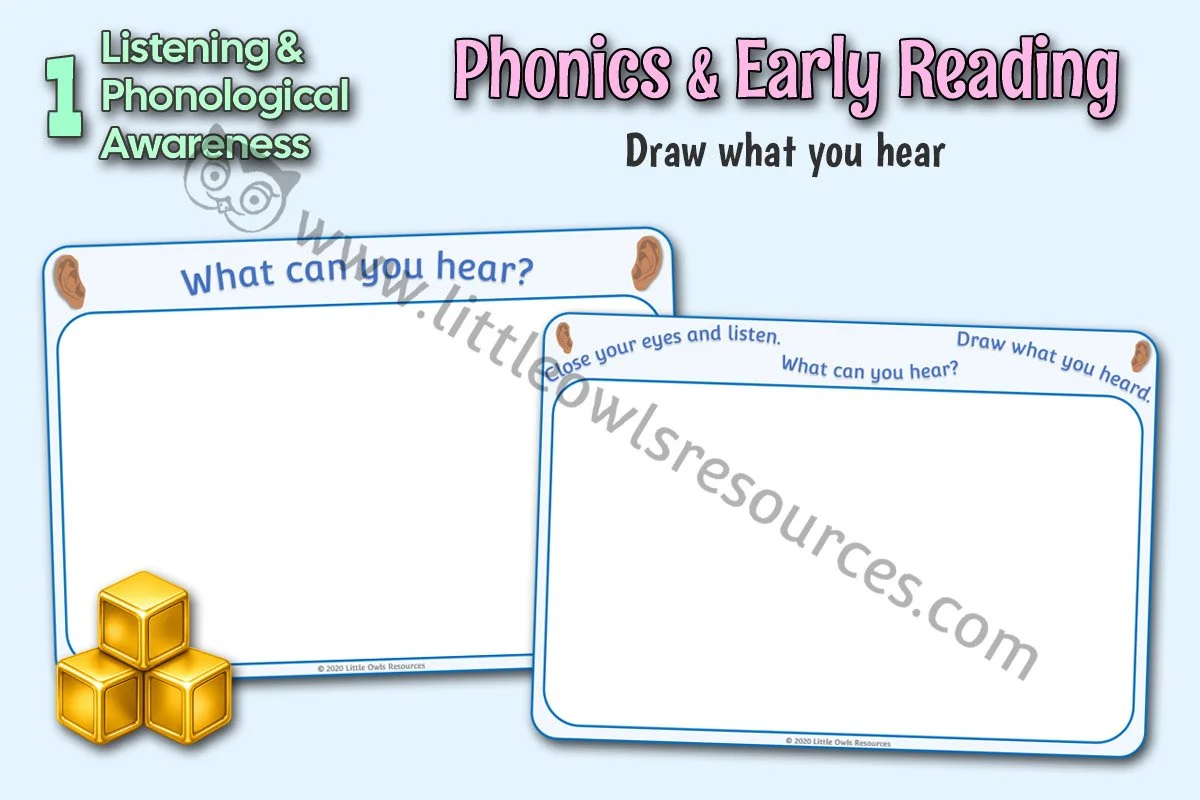
👂 Listening & Phonological Awareness
🔤 Letters, Graphemes & Phonemes
✂️ Segmenting & Early Spelling
⭐ Common Words & Common Exception Words
🧱 Phonics in Continuous Provision
Using Little Owls Resources Alongside Your SSP
Preschool Phonological Awareness or Reception Phonics?
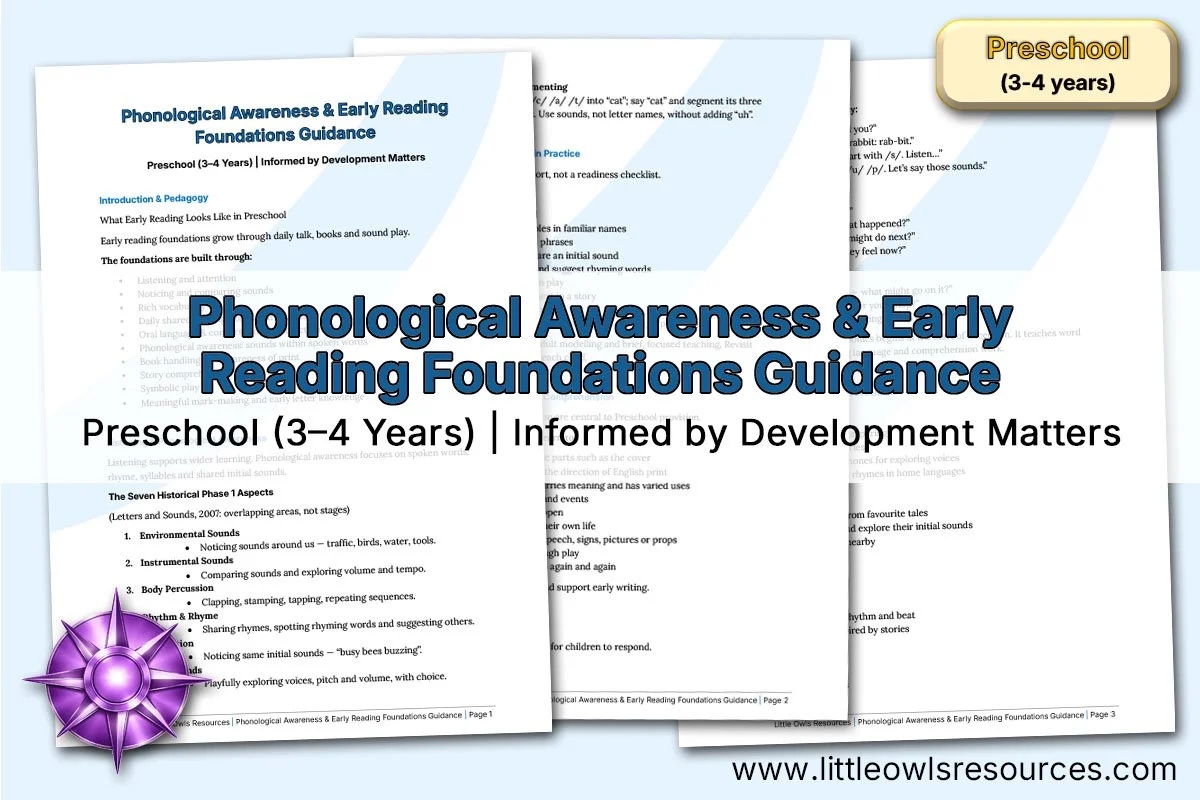
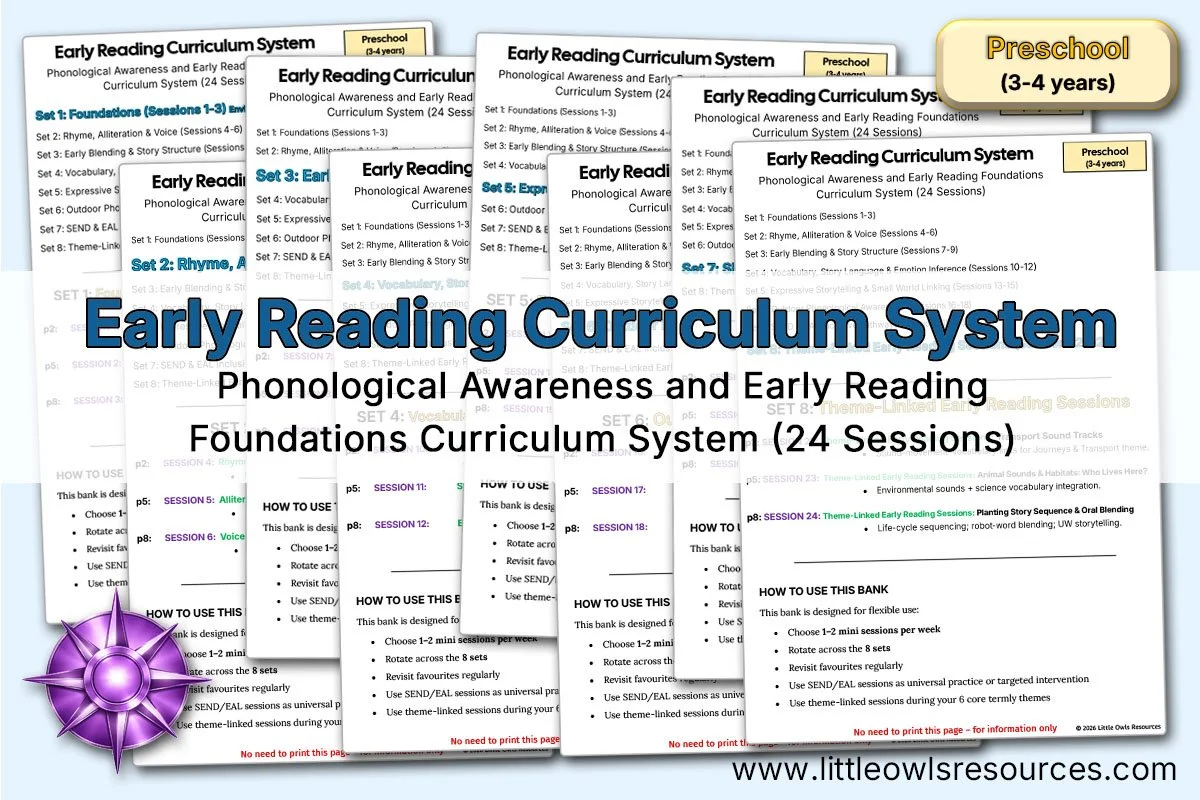
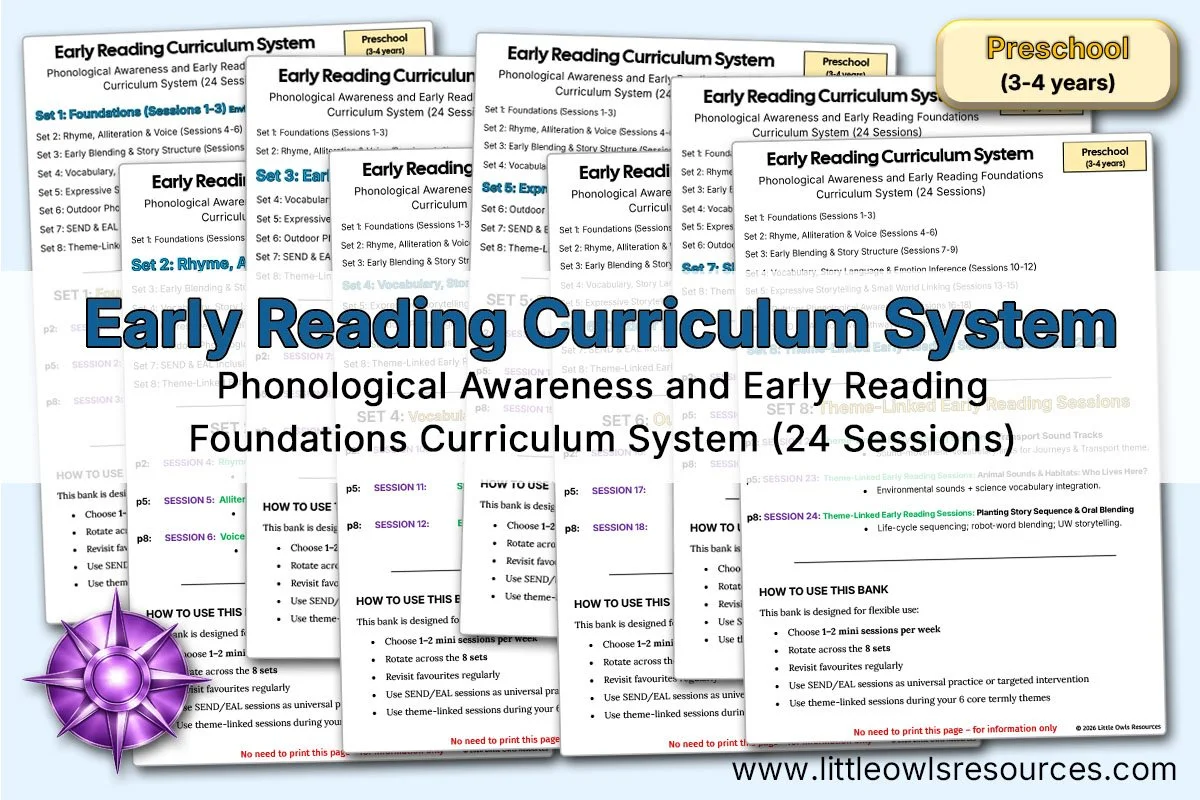
Preschool — Phonological Awareness & Early Reading Foundations
Phonics and Continuous Provision
Decodable Reading and Rich Books — Children Need Both
What About “Letters and Sounds” and the Phonics Phases?
Looking for Alphabet & Initial Sound Resources?
Curriculum & Pedagogy Support
Supporting Every Child
Find the Right Phonics & Early Reading Resource
Explore More Literacy Resources
Free, Premium & Professional Resources
Phonics & Early Reading — At a Glance






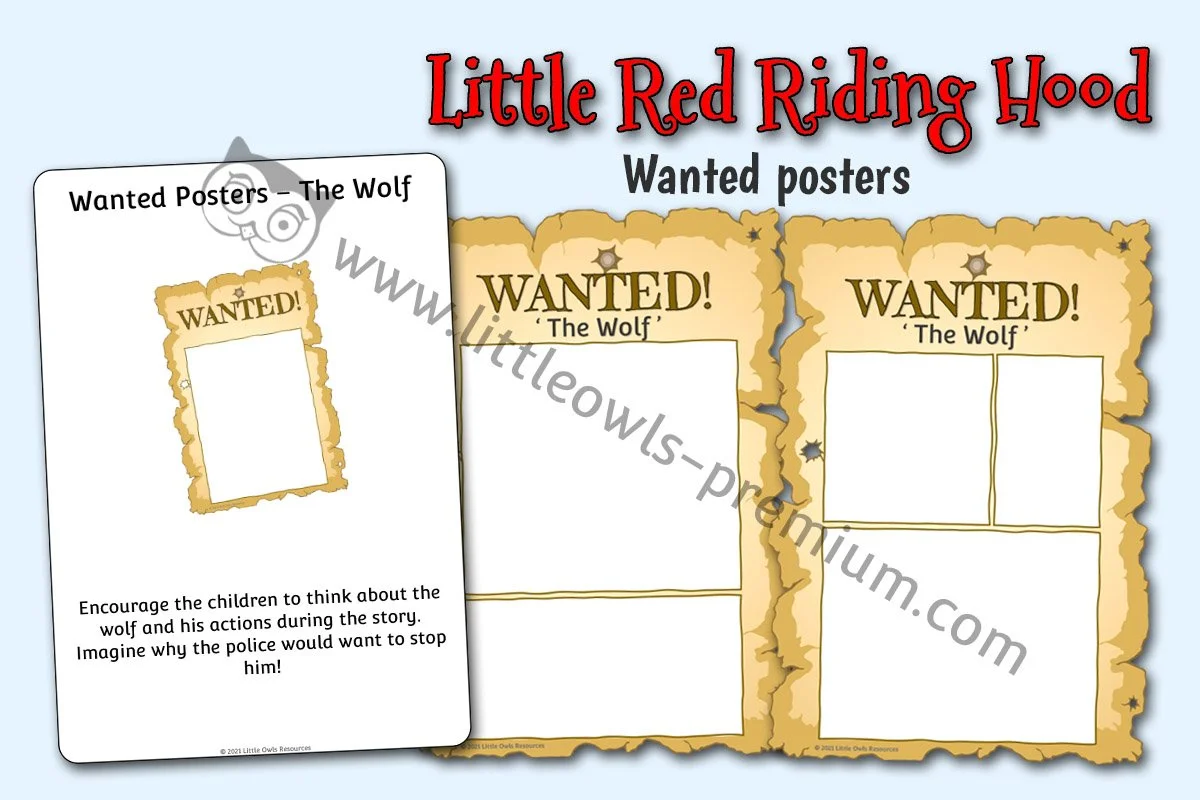
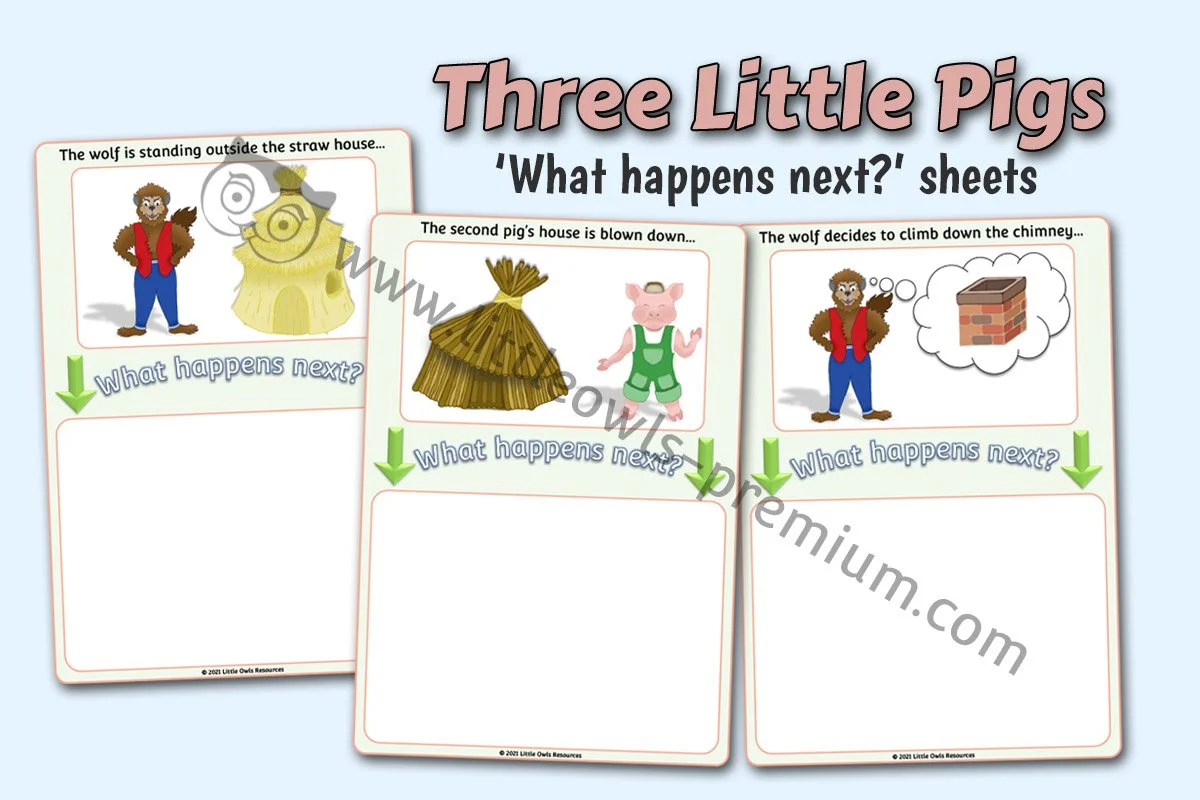
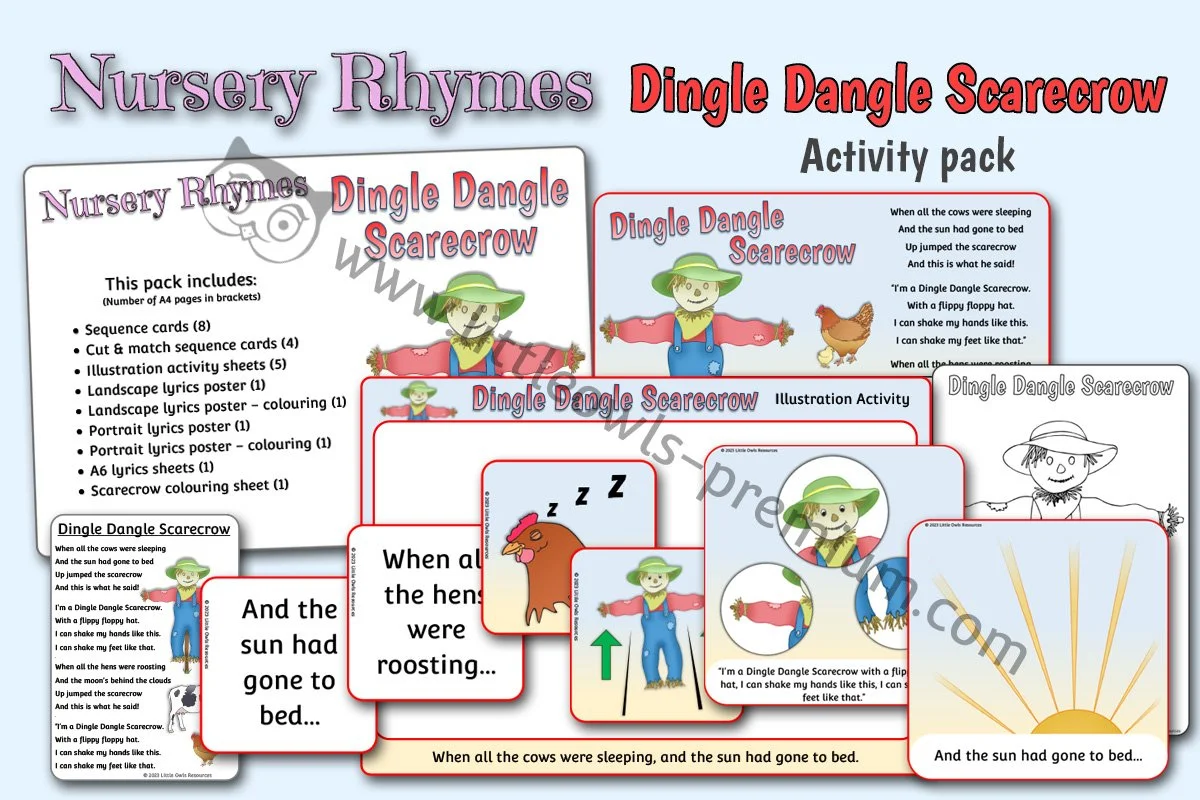
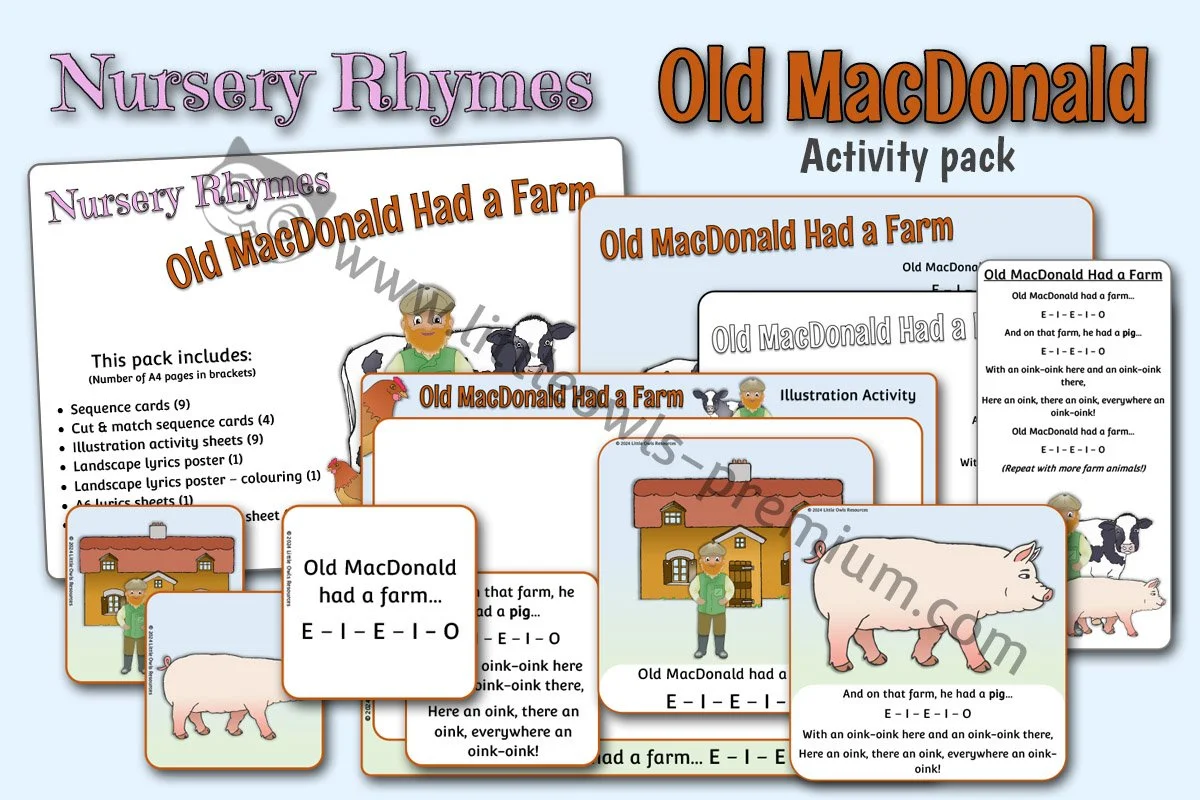


Phonics & Early Reading in the EYFS
Learning to read begins long before children are asked to decode printed words.
Rich conversation, songs, rhymes, stories, listening, vocabulary and playful attention to sounds all contribute to children's early reading development. During the Preschool year, provision can help children notice and explore the sound structure of spoken language without rushing them into formal phonics teaching.
In Reception, systematic phonics takes on a much more explicit role. Children learn the relationship between spoken phonemes and written graphemes, use this knowledge to blend words for reading and segment words for spelling, and gradually become increasingly accurate and fluent readers.
The resources in this area reflect these different stages.
🧱 Preschool: build the foundations
Focus on listening, rhyme, rhythm, syllables, alliteration, initial-sound awareness, vocabulary, stories and playful oral sound work.
🔤 Reception: teach and apply systematic phonics
Follow your setting's chosen SSP programme to introduce new grapheme–phoneme correspondences, then use carefully matched resources to practise blending, segmenting, spelling, letter formation and early reading.
Browse Phonics & Early Reading Resources
Choose an area below to explore printable resources, guidance and provision ideas.
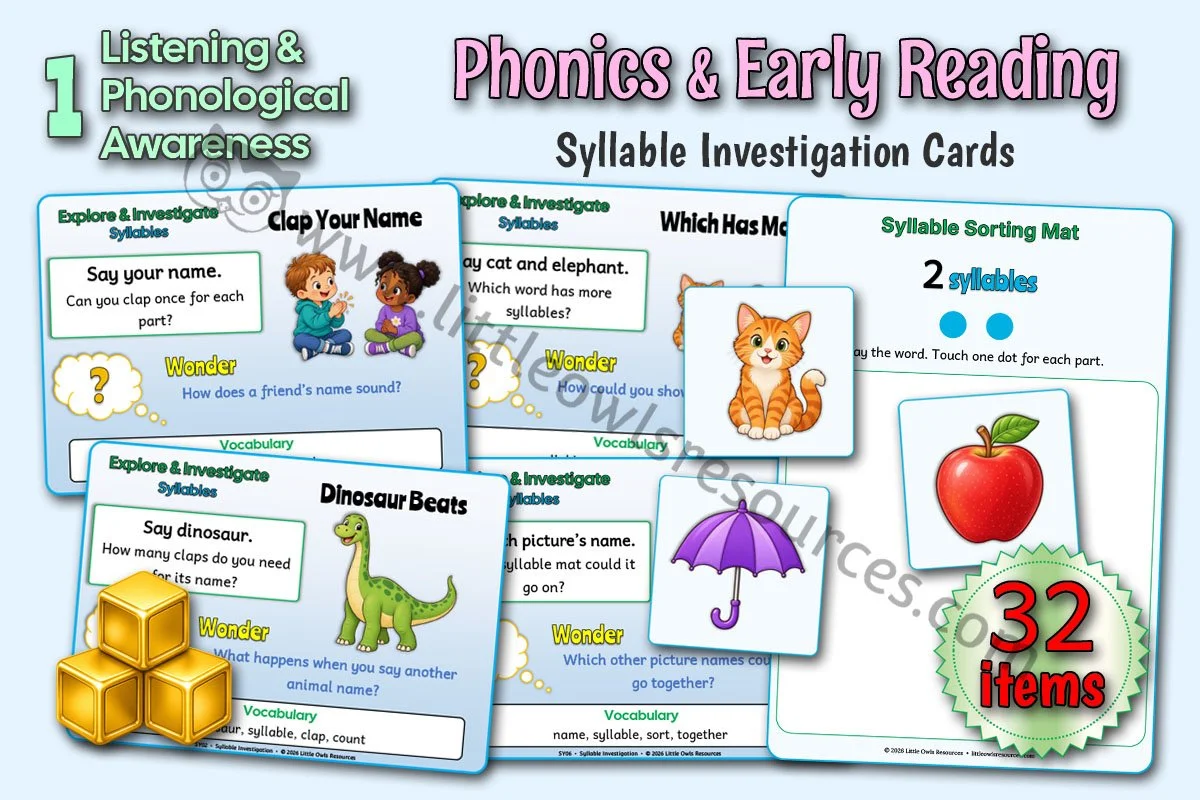
👂 Listening & Phonological Awareness
Build strong foundations for later reading through sound, rhyme and language
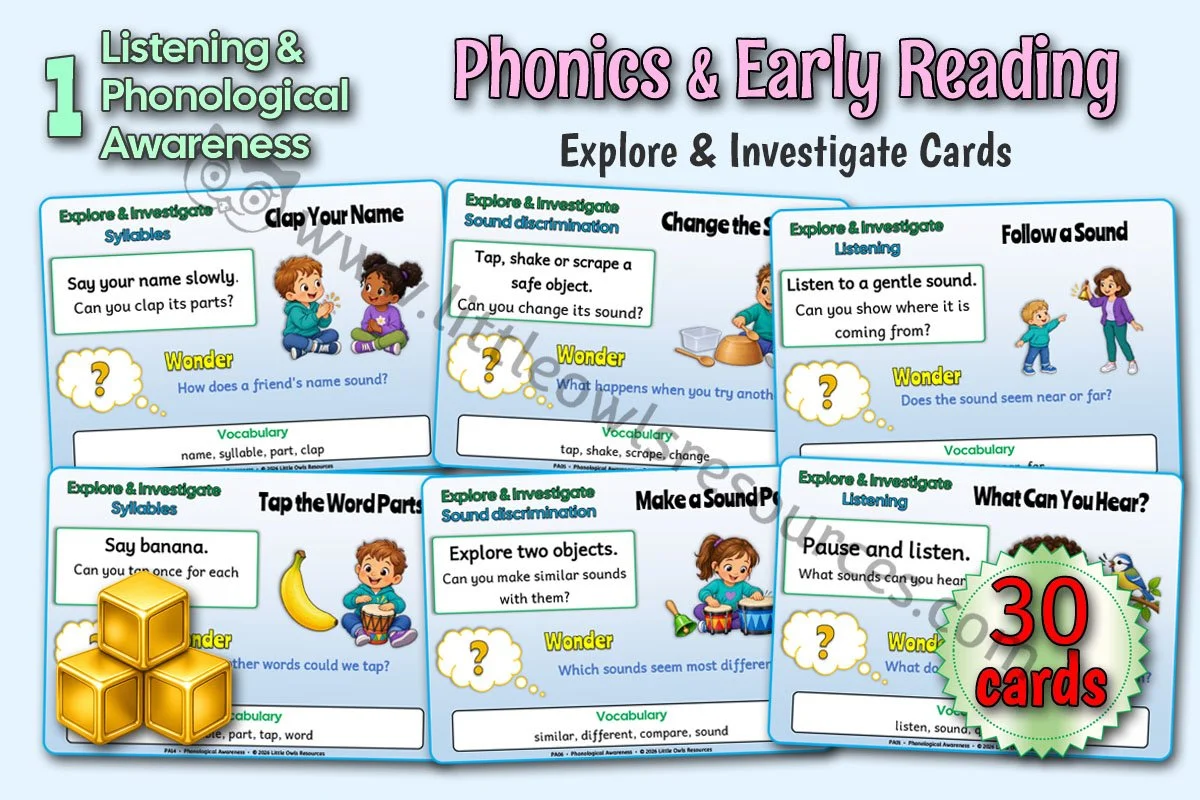
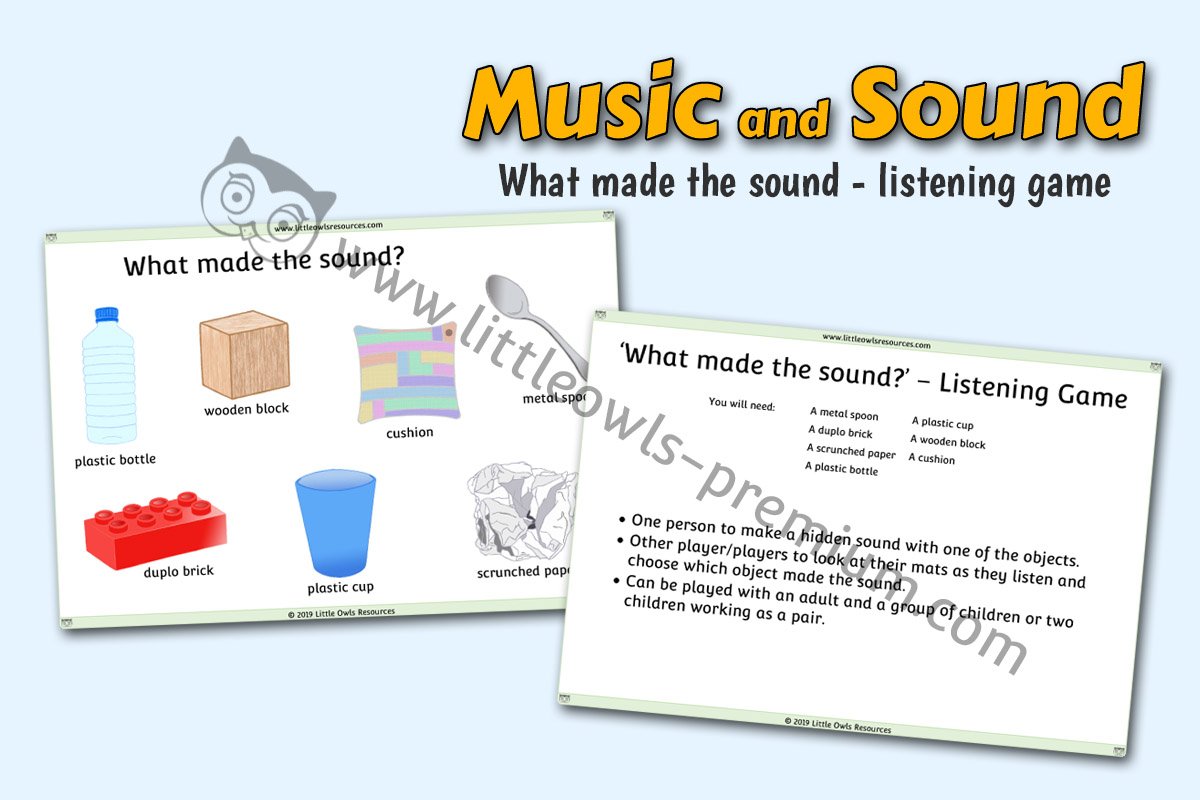
Develop children's ability to listen closely to spoken language and the sounds around them.
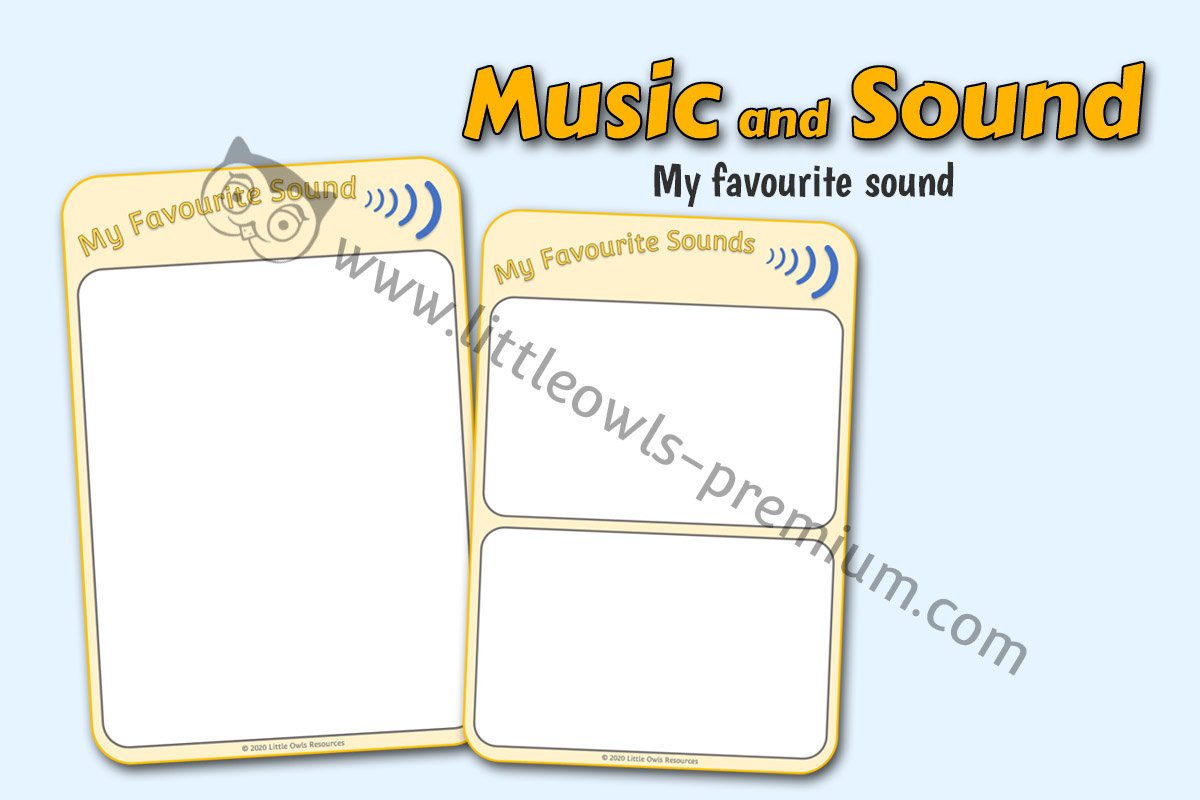
Explore resources for auditory discrimination, rhyme, rhythm, syllables, alliteration, initial phonemes, auditory memory, voice sounds and playful sound investigation.
This section is particularly suited to Preschool children aged 3–4, although many listening and phonological-awareness experiences remain valuable throughout the EYFS.
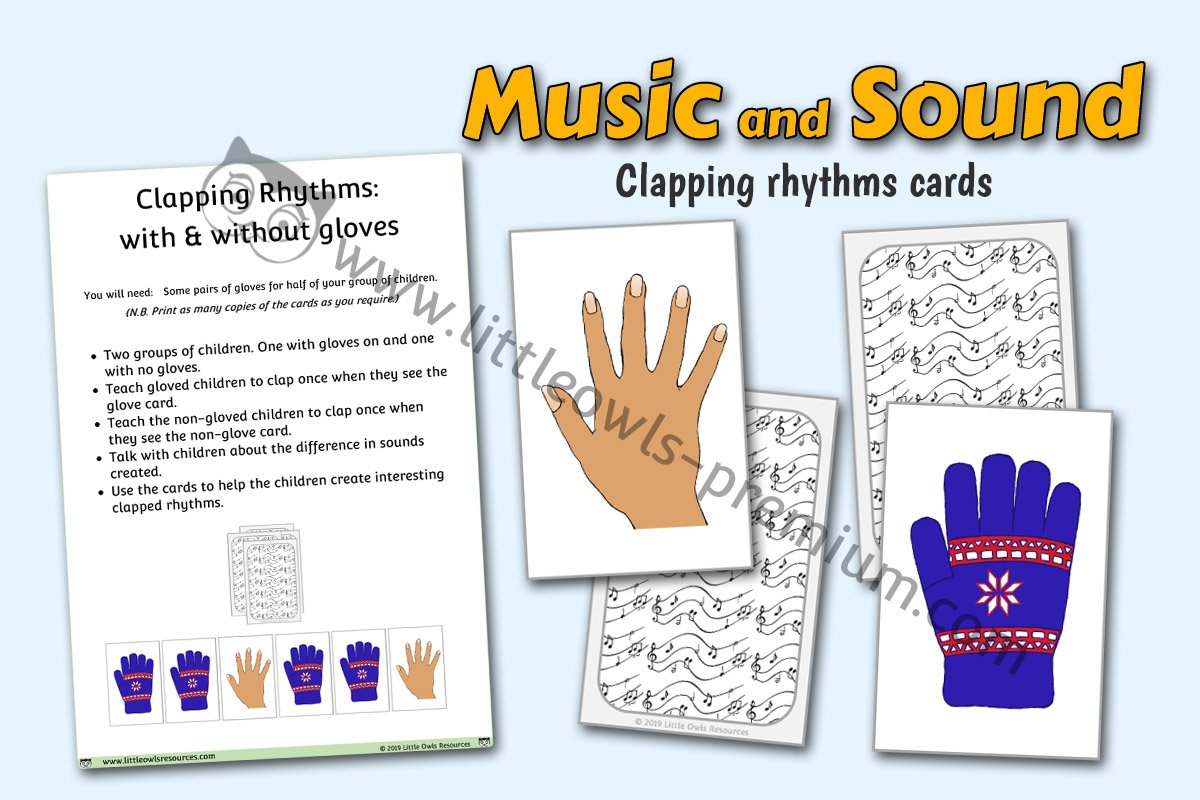
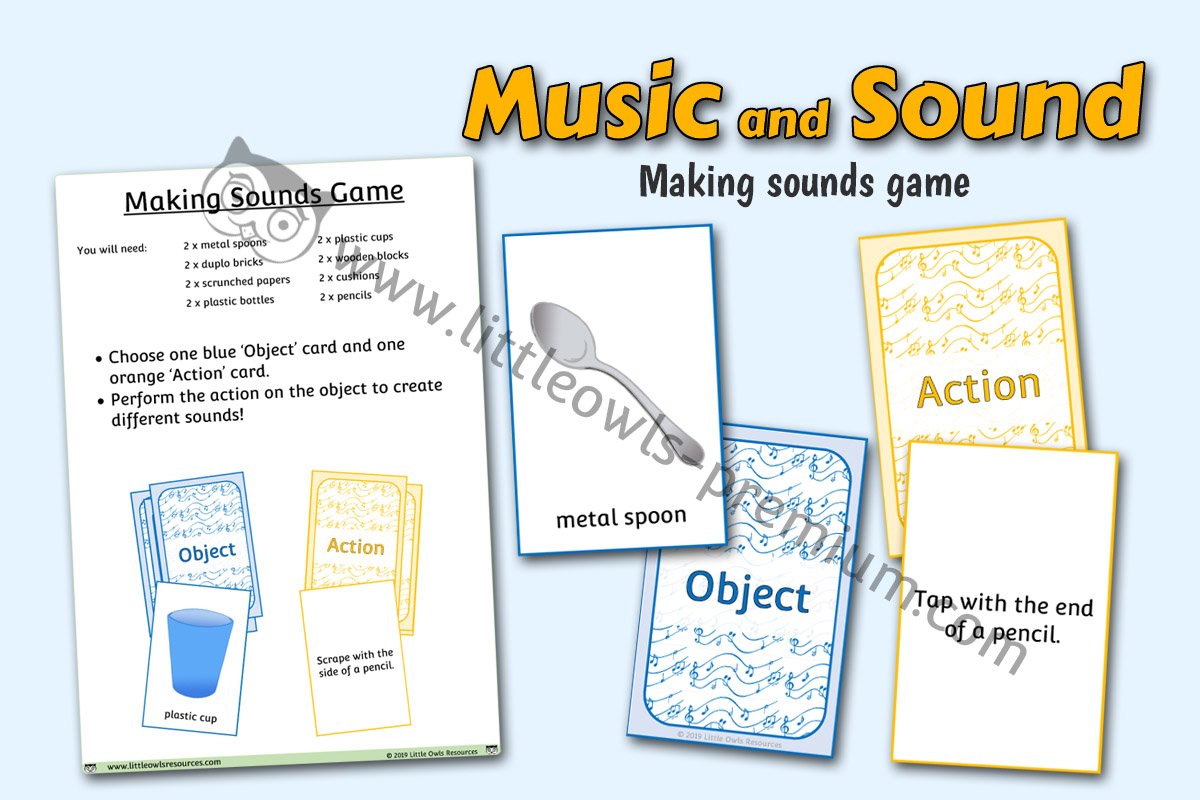
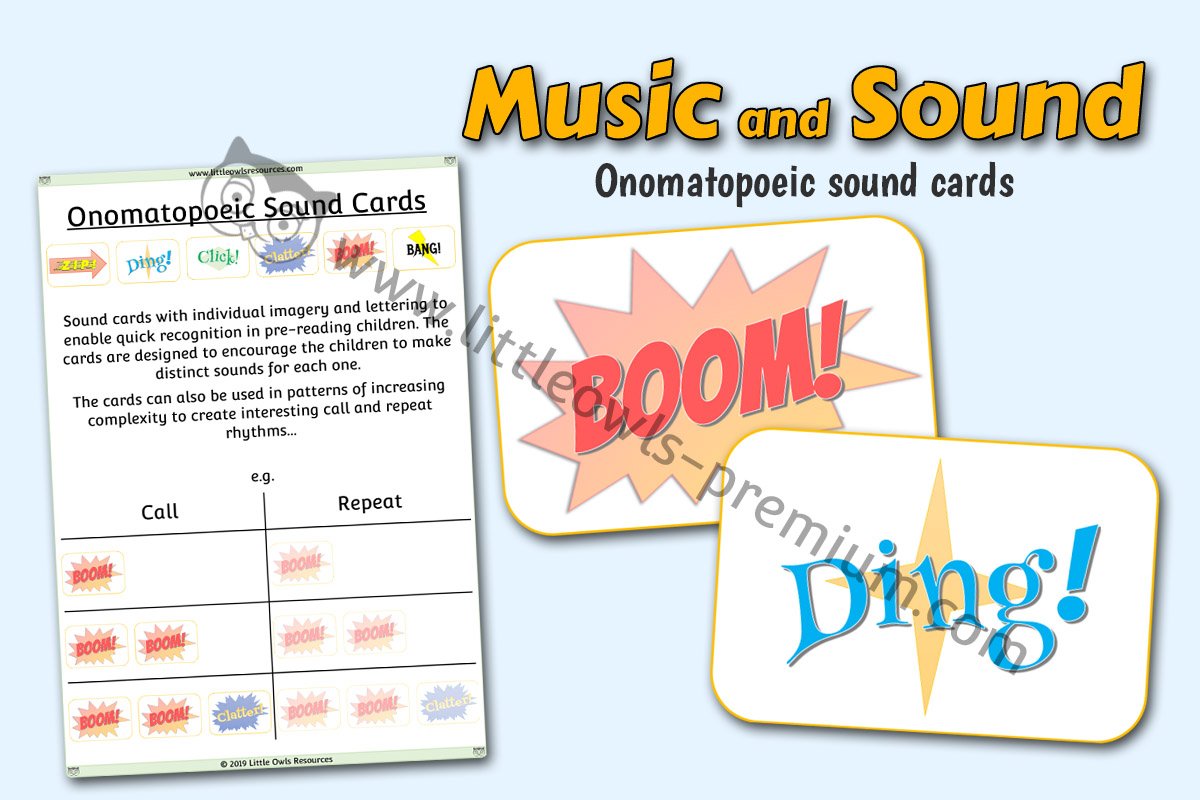
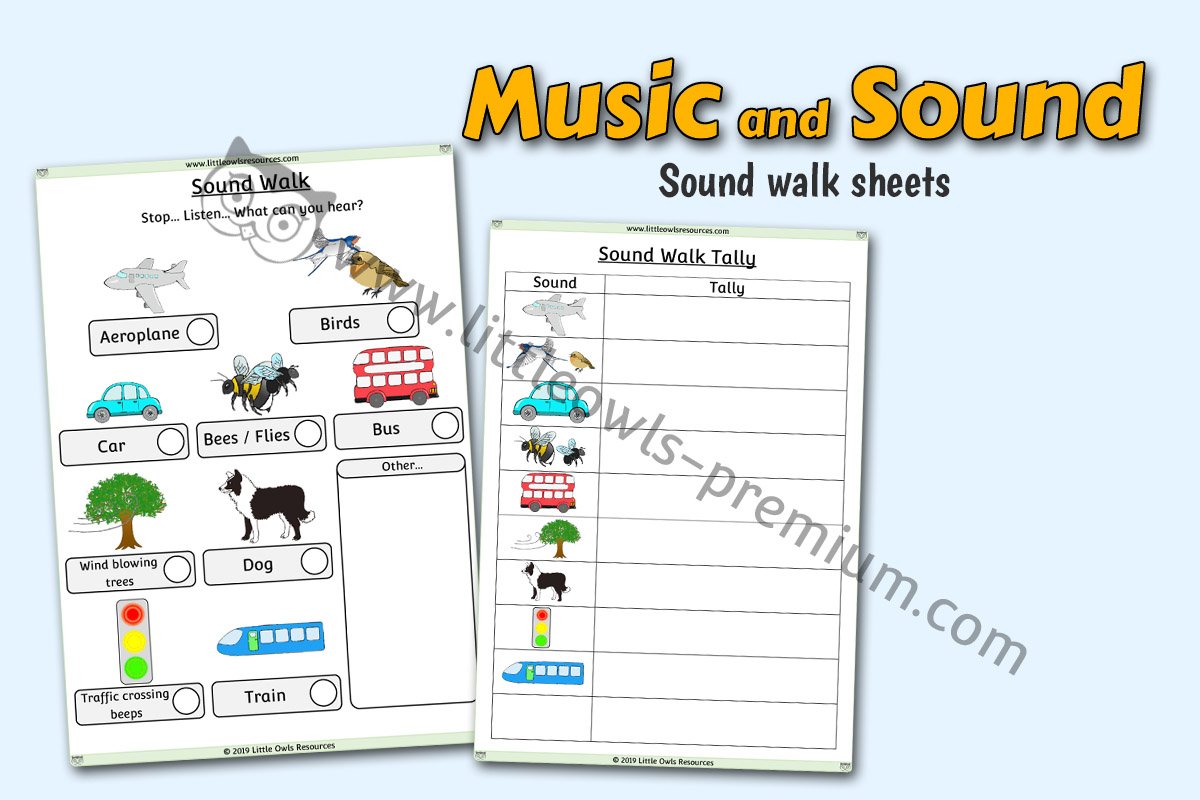
Resources include open-ended sound investigations, rhyme activities, syllable work, listening games and playful opportunities to notice similarities and differences between spoken words.
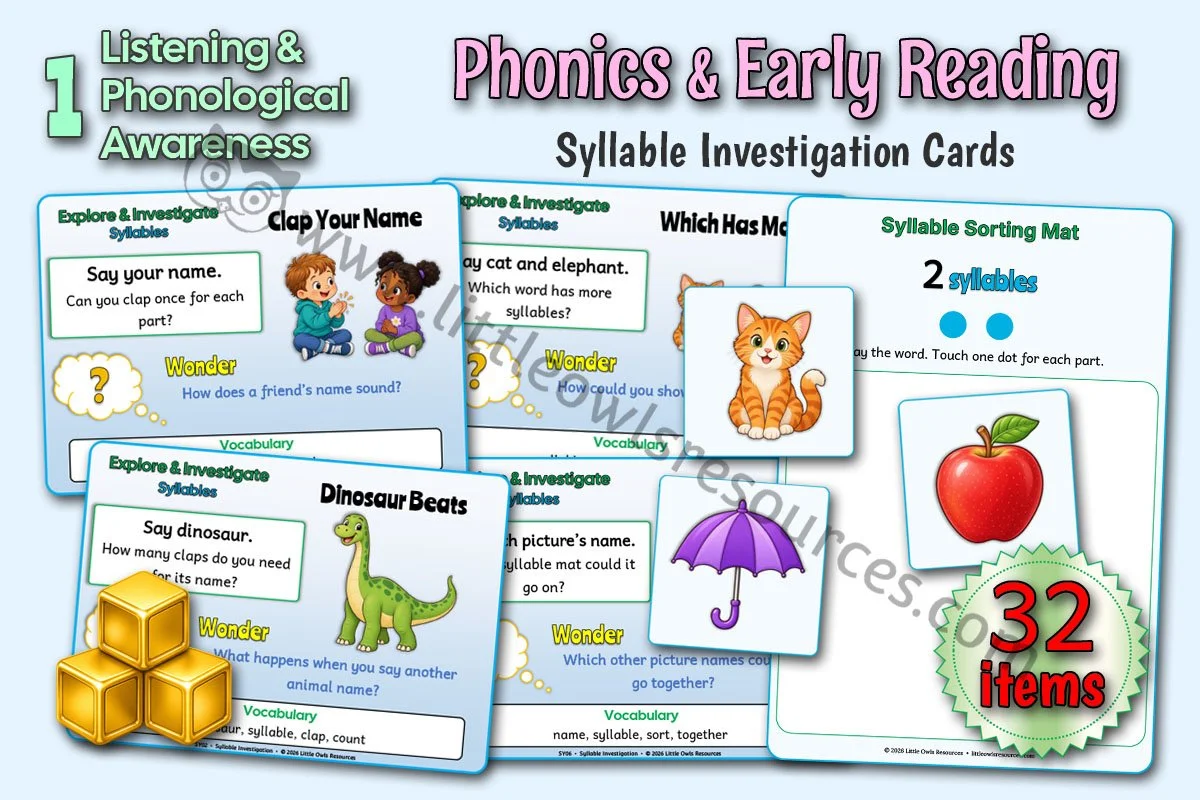
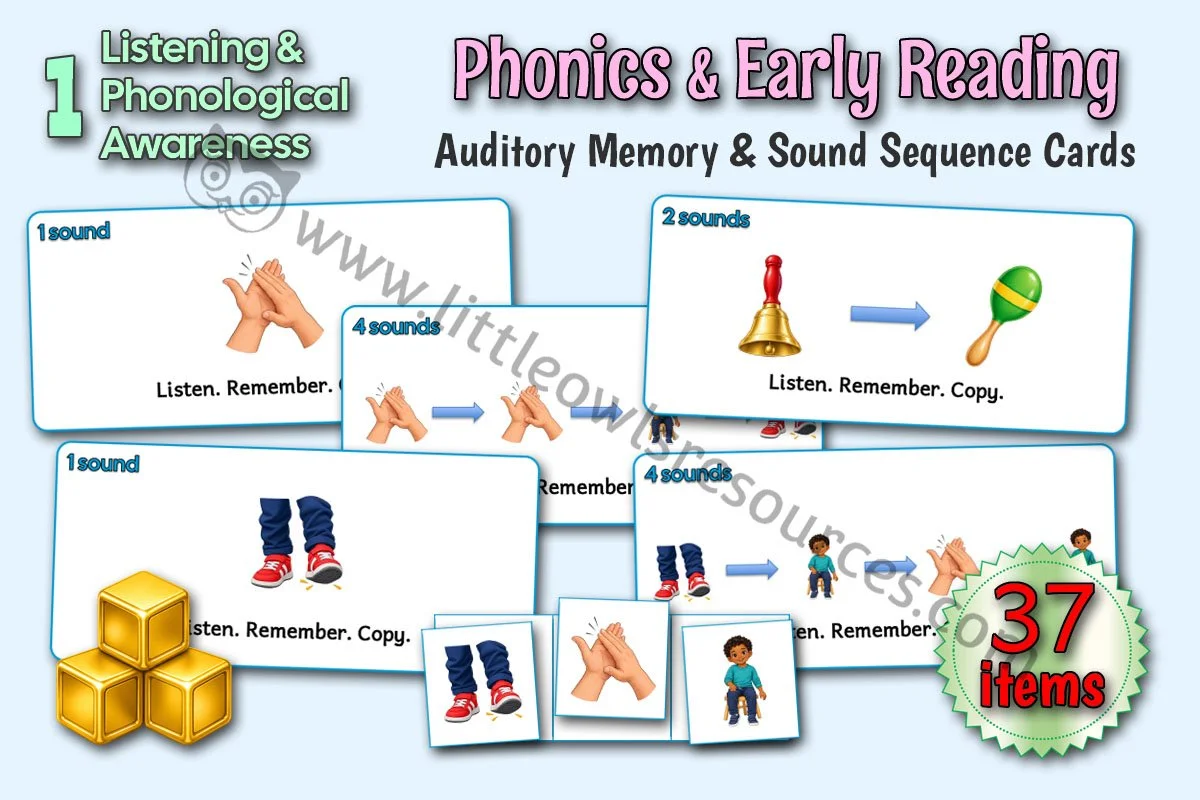
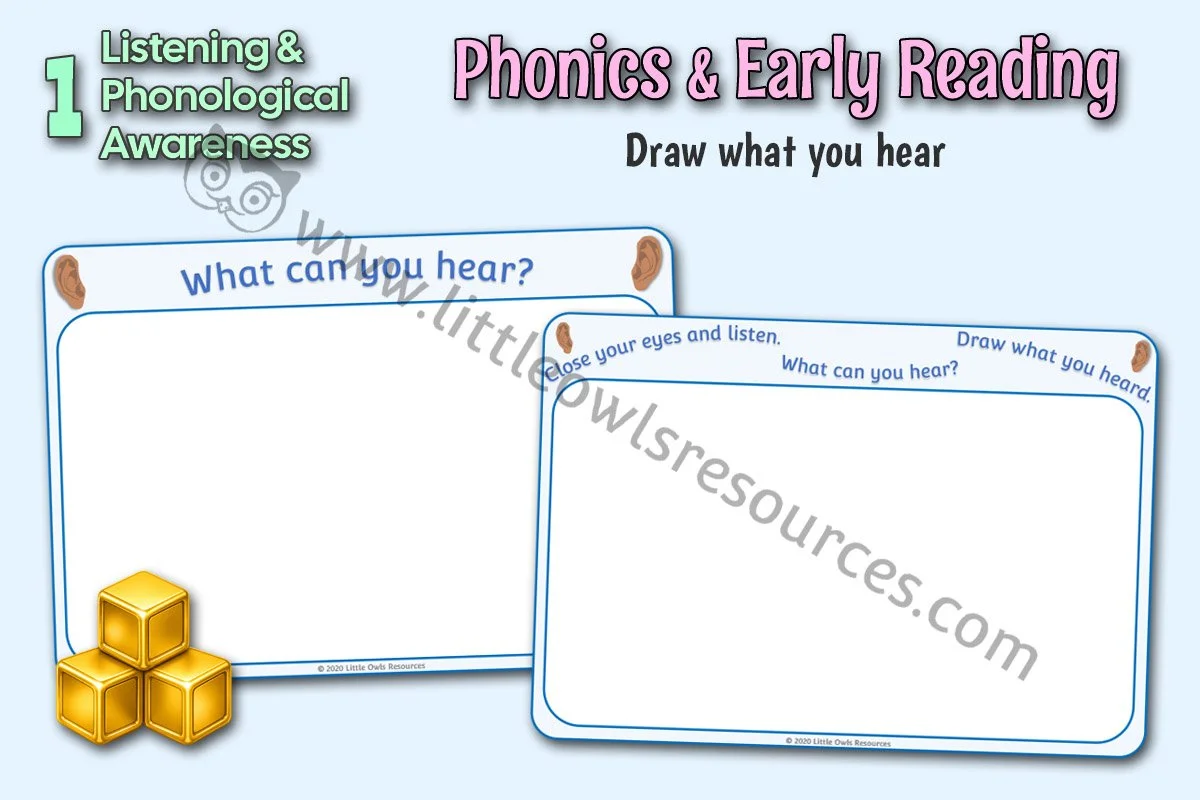
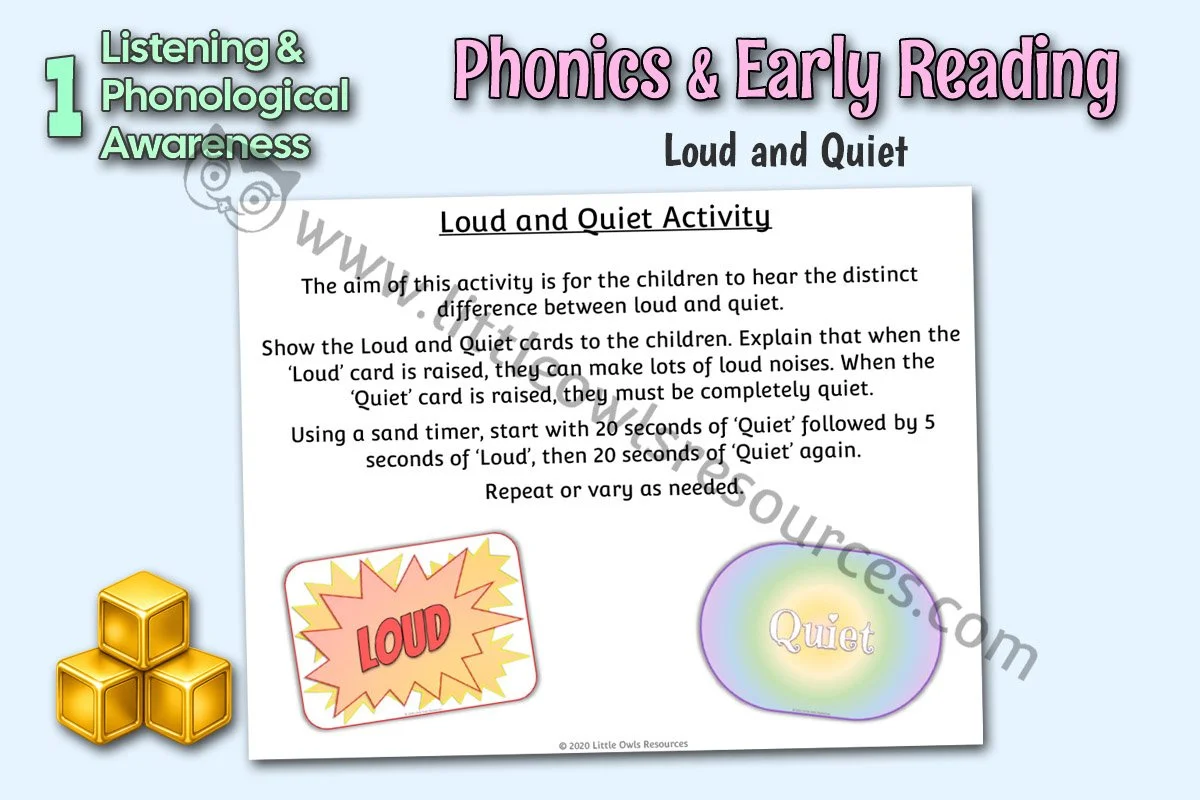


💡 Additional resources in development 💡
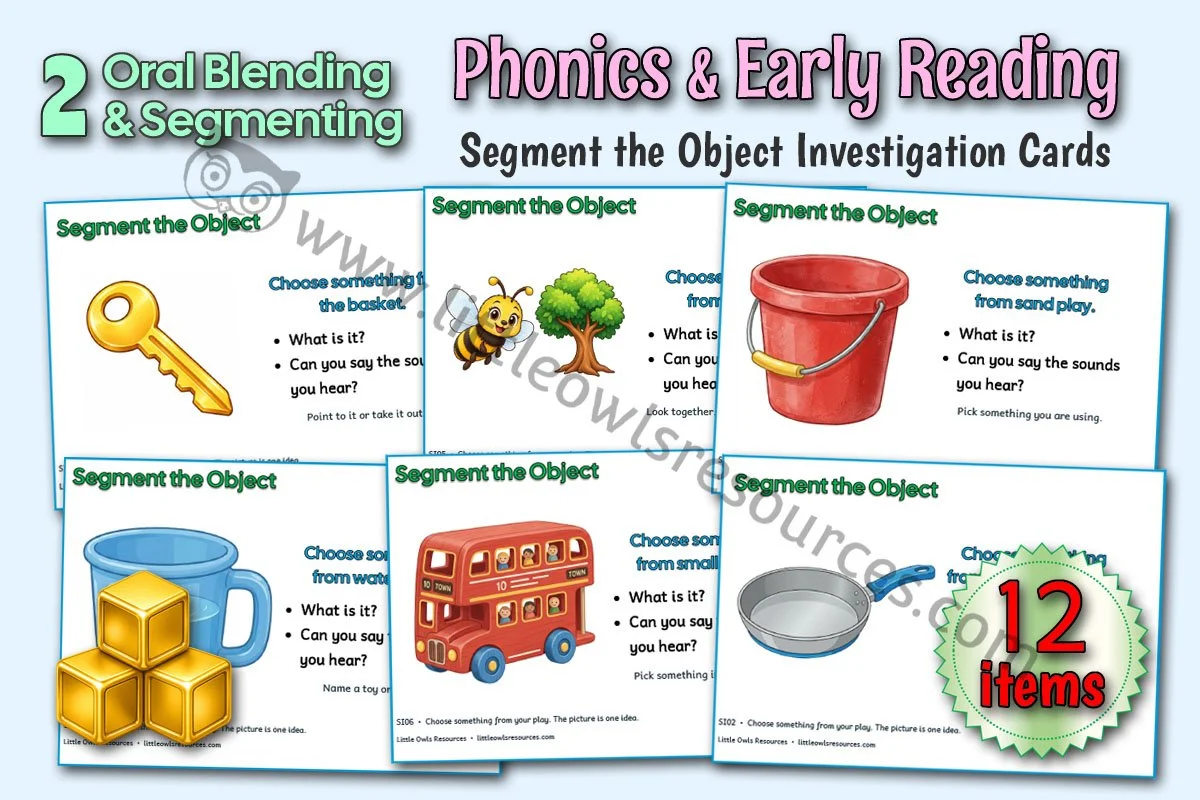
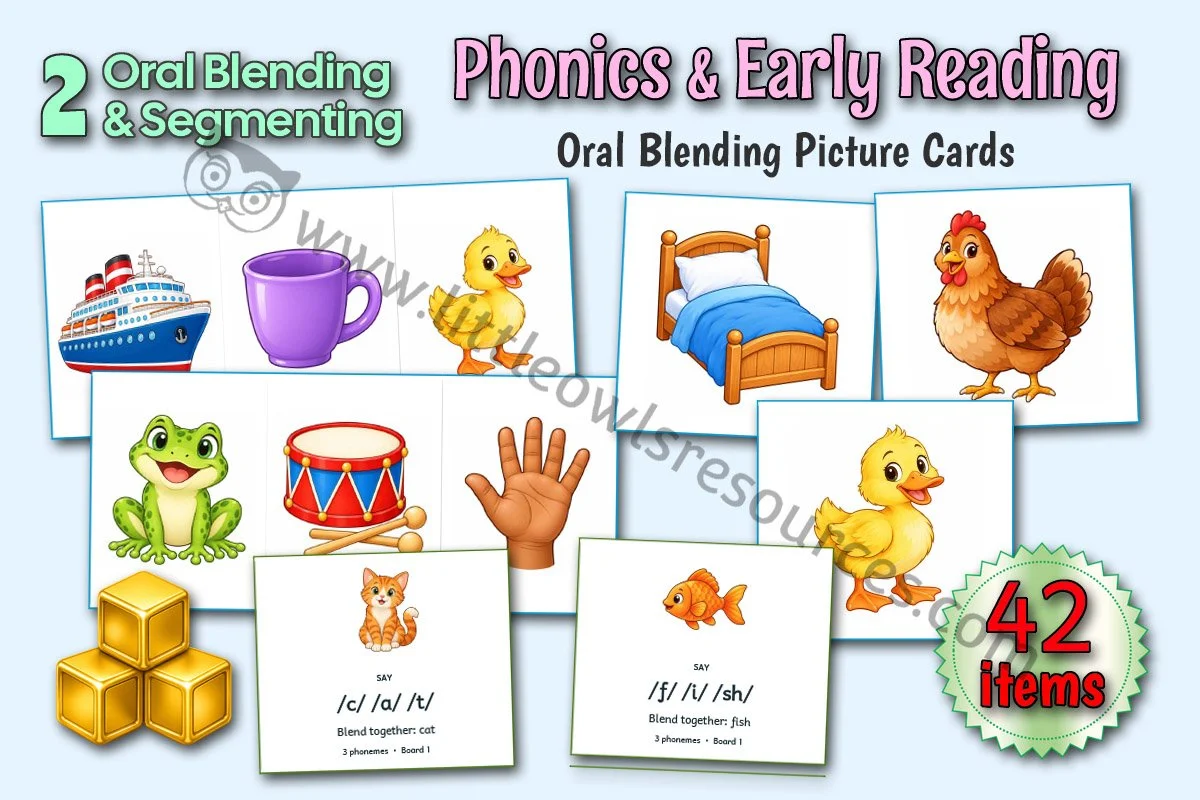
🗣️ Oral Blending & Segmenting
Hear the word. Break it apart. Put it back together.
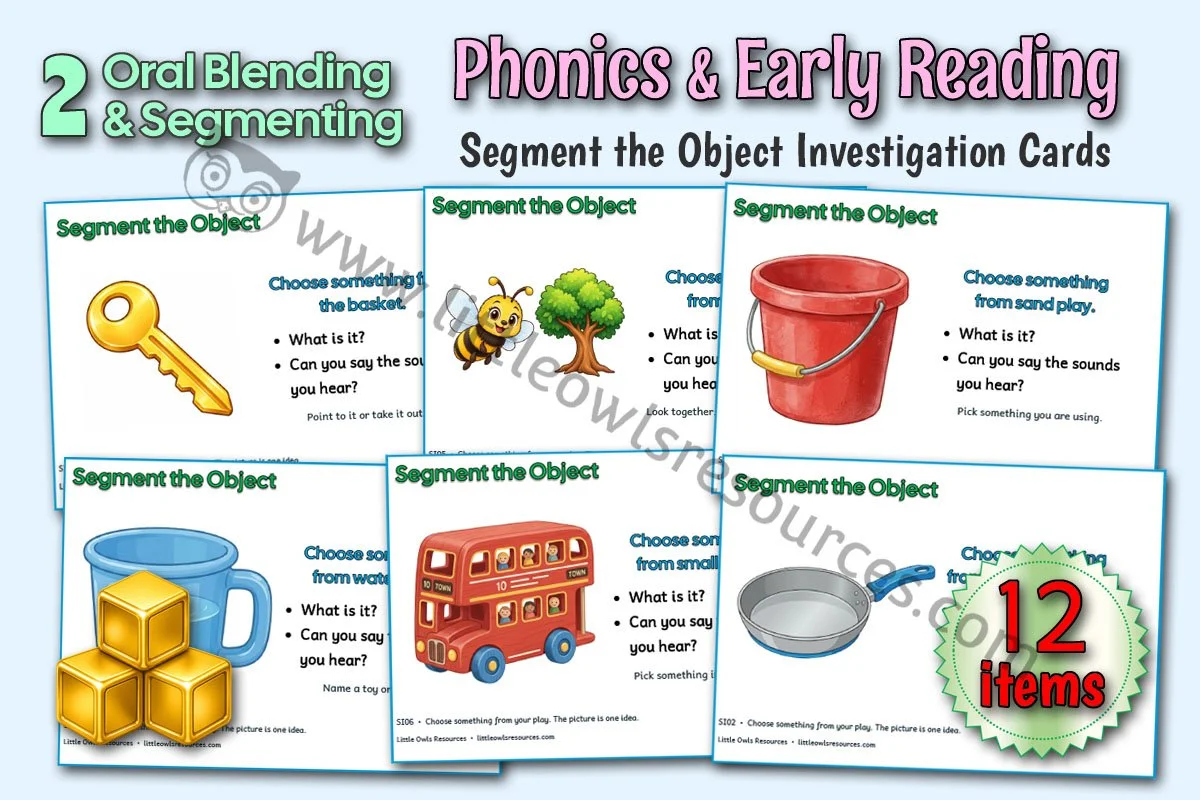
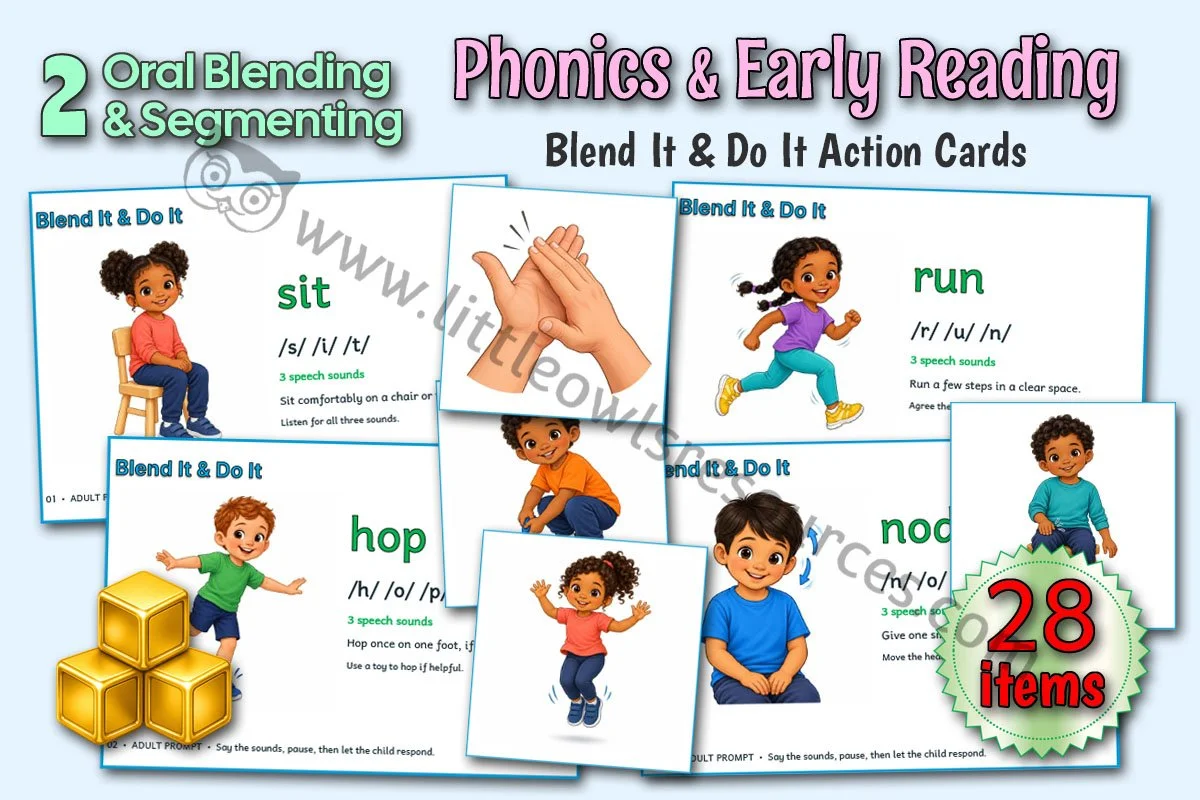
Oral blending and segmenting help children become increasingly aware of the individual phonemes within spoken words.
Children can listen as a word is separated into phonemes and blend those phonemes together, or begin with a spoken word and identify the sounds they hear within it.
These activities do not require children to read printed words. Picture cards, familiar objects, counters, actions and simple adult prompts can all be used to explore the sound structure of spoken language.
Use these resources playfully with children who are ready for them, helping to build a bridge between wider phonological awareness and later Reception phonics.
💡 Additional resources in development 💡
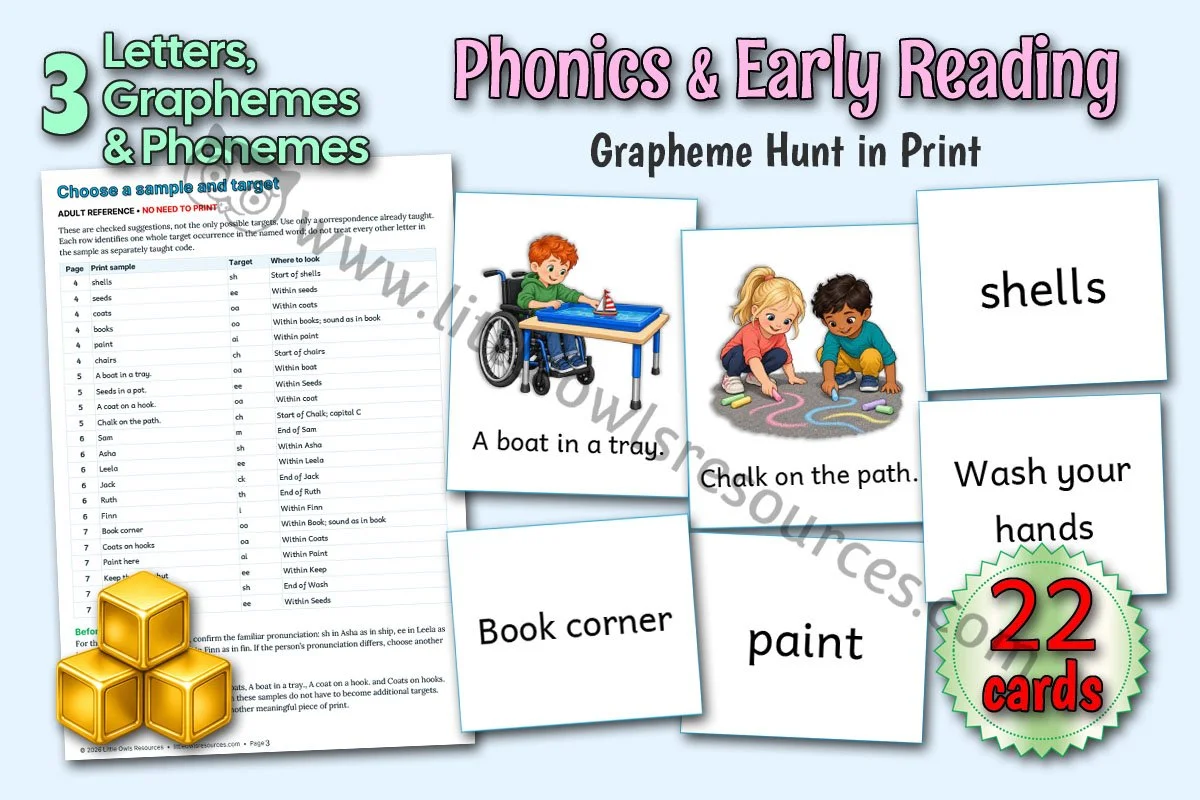
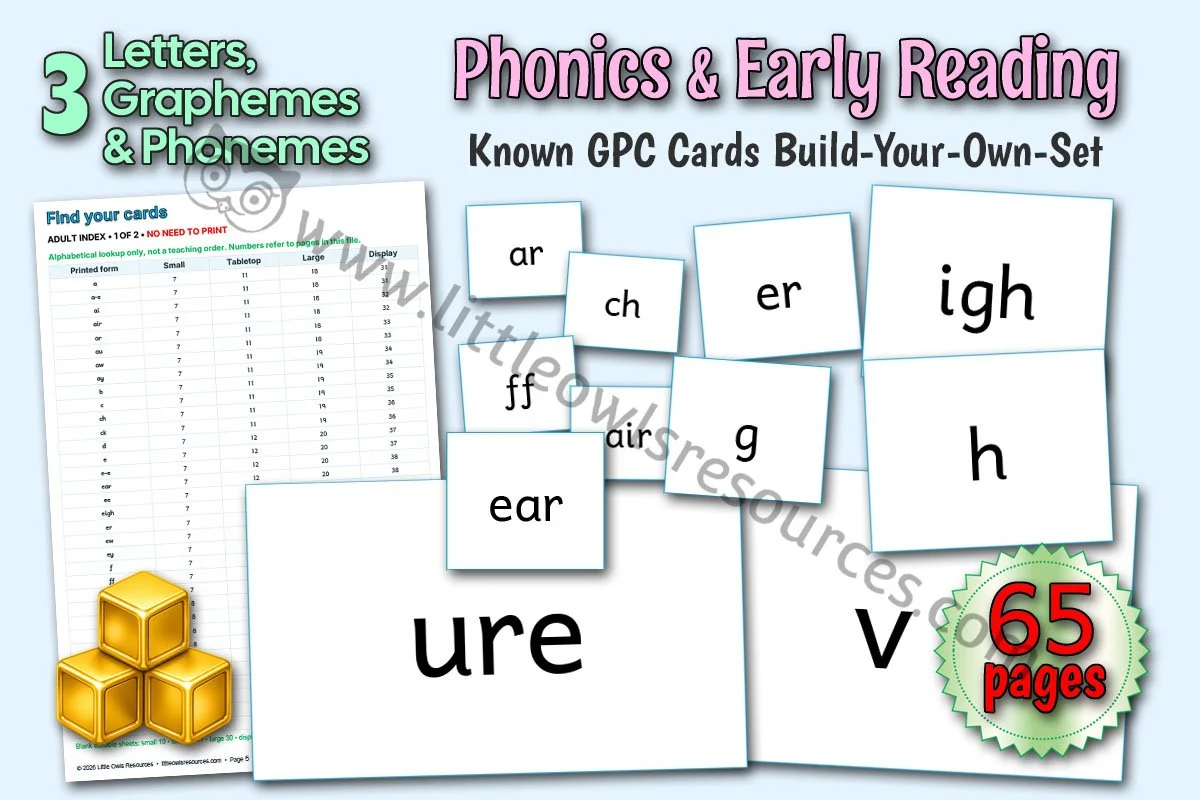
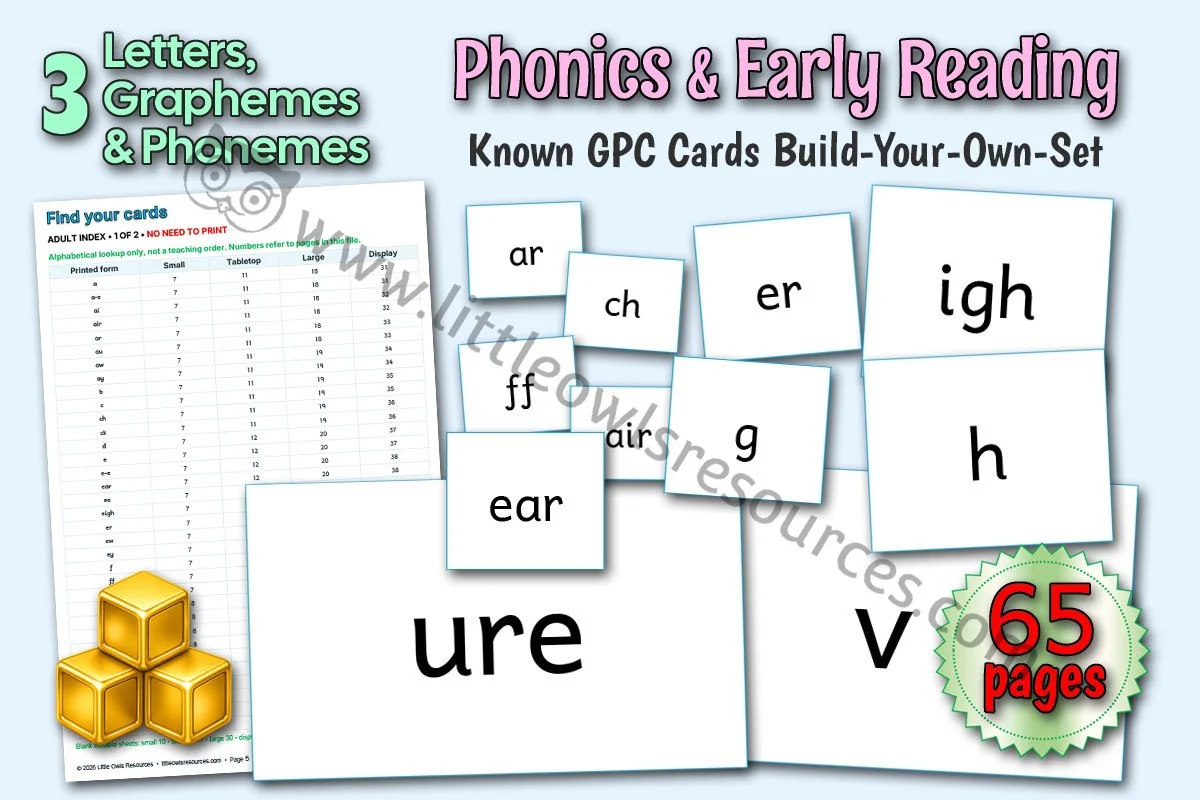
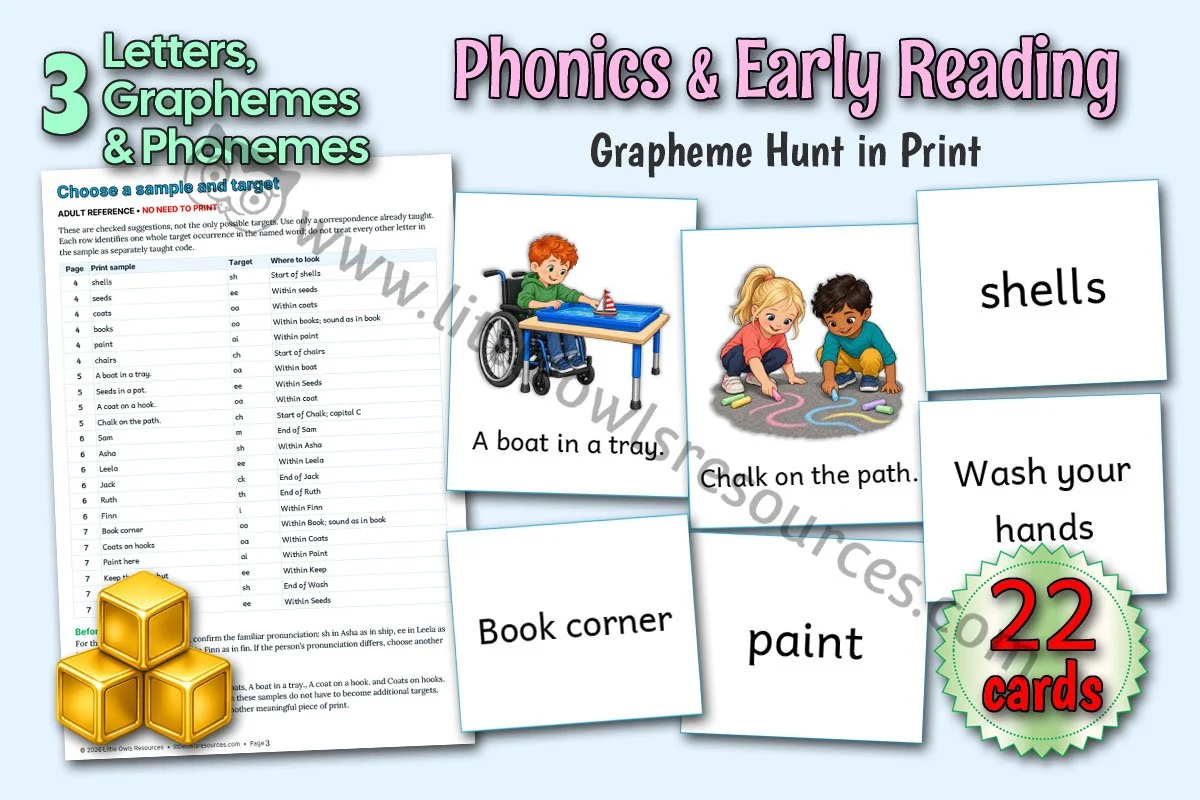
🔤 Letters, Graphemes & Phonemes
Practise the code that children have already been taught
Support children to recognise, recall and use grapheme–phoneme correspondences introduced through your setting's SSP programme.
Explore adaptable grapheme cards, known-GPC mats, matching activities, retrieval resources and practice materials for single-letter graphemes, digraphs and trigraphs.
Rather than presenting a separate Little Owls phonics sequence, these resources allow practitioners to select only the graphemes currently known by the child or group.
This makes them suitable for use alongside a range of SSP programmes while maintaining fidelity to the setting's chosen progression.
💡 Additional resources in development 💡
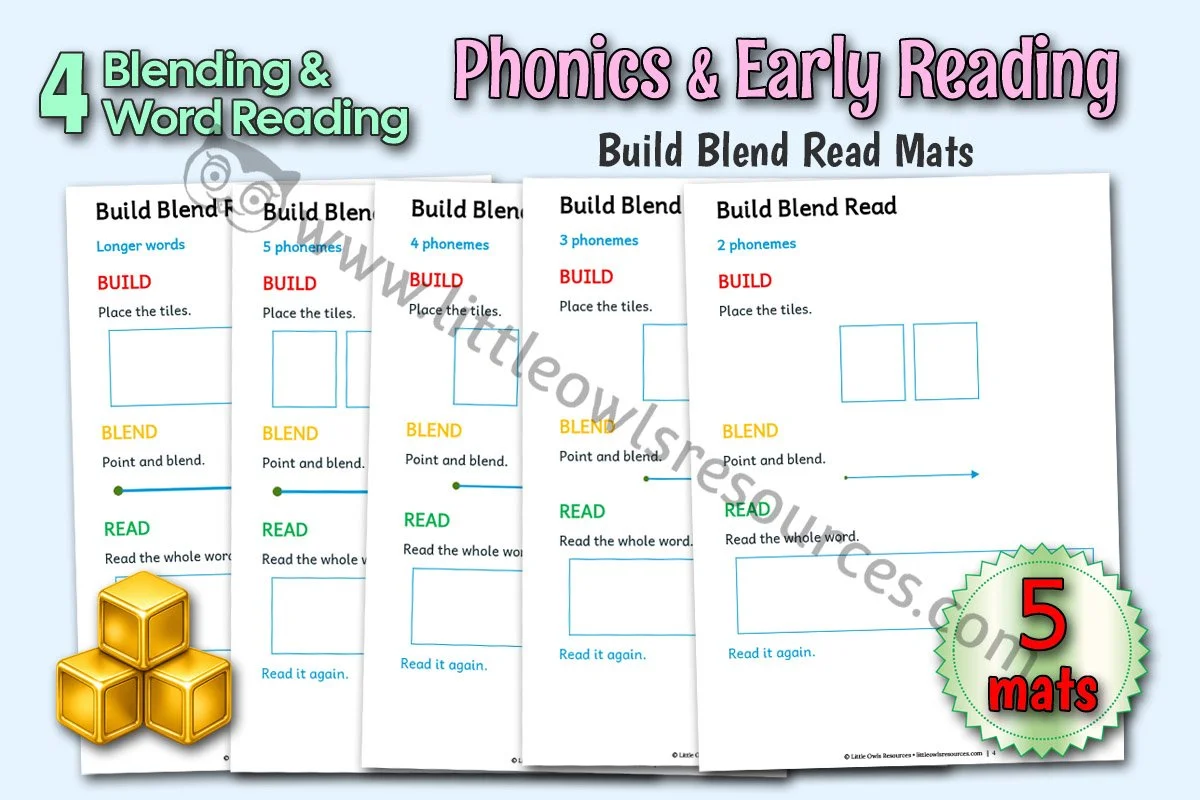
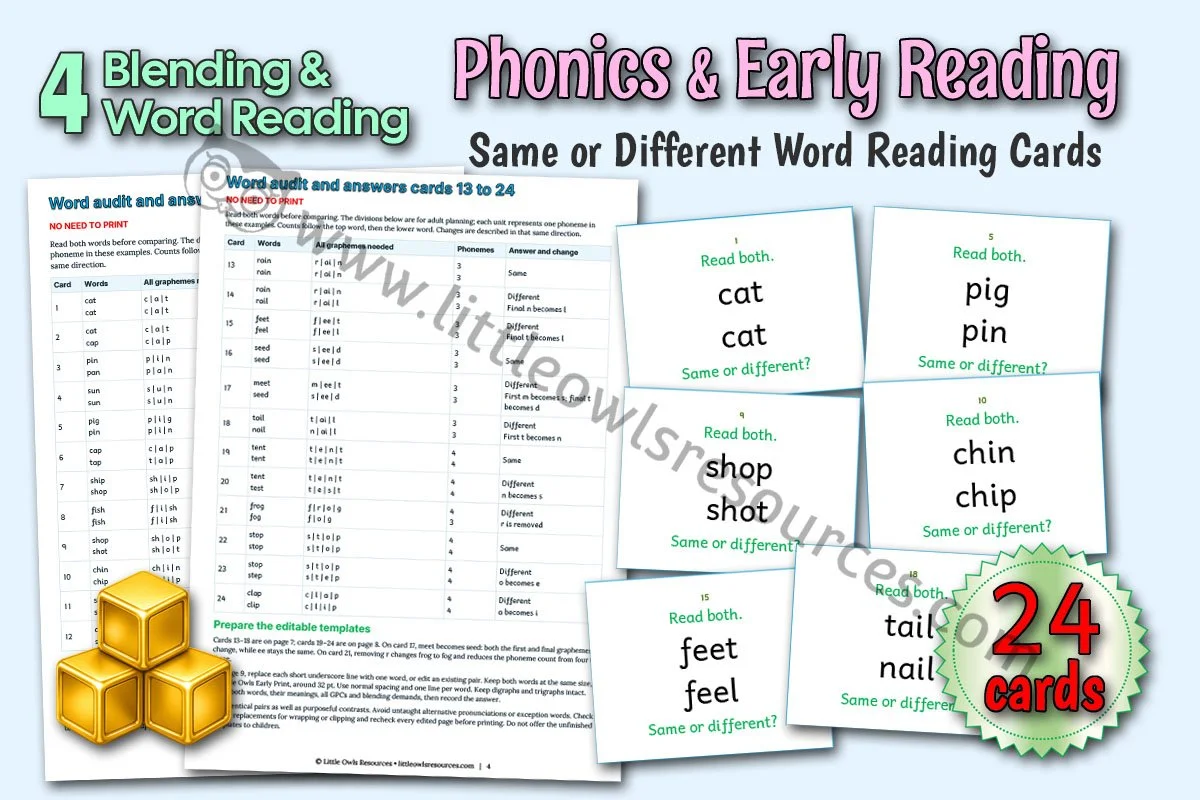
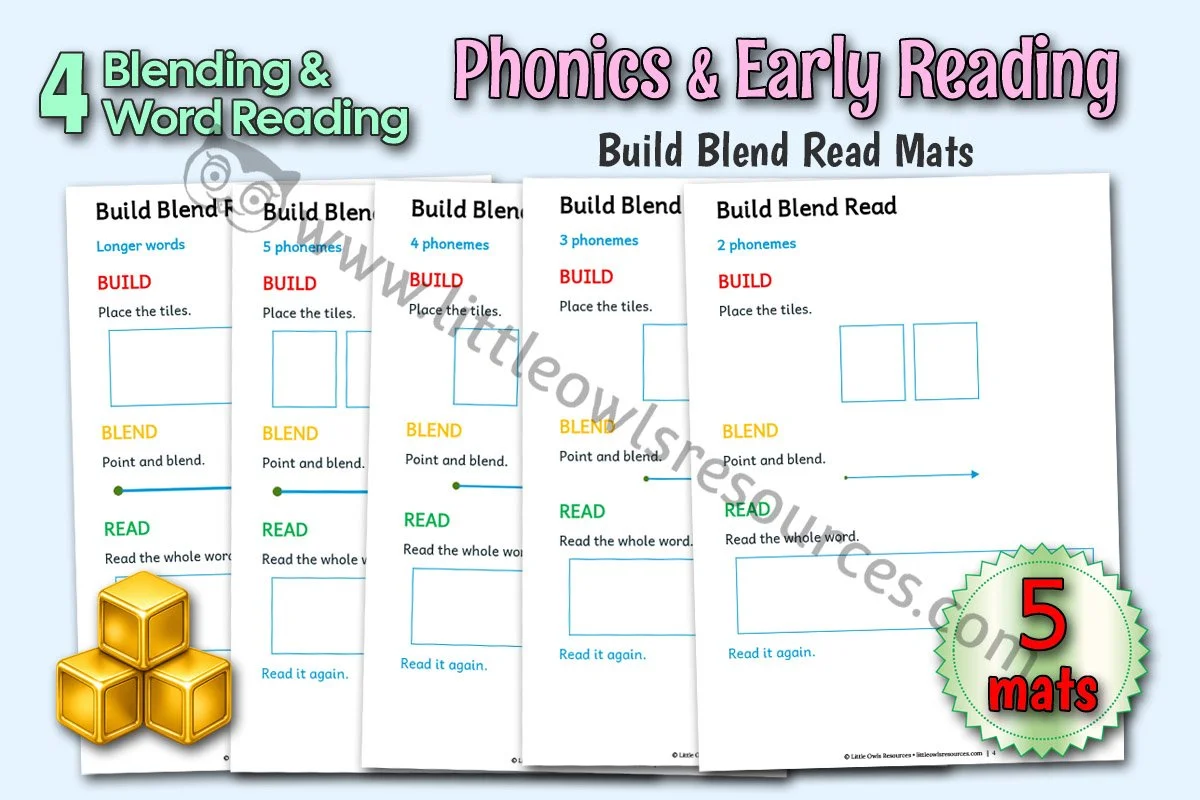
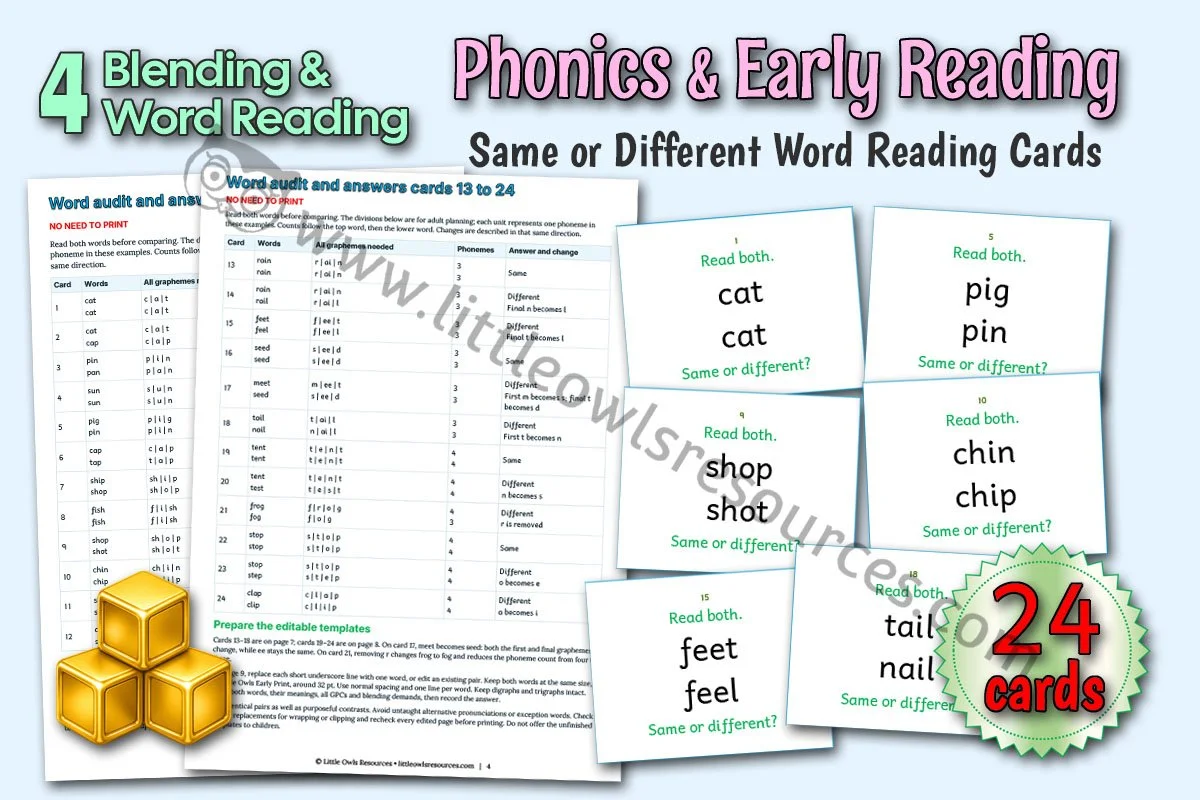
🔗 Blending & Word Reading
Use known phonics to read all the way through the word
Blending enables children to turn written graphemes into spoken words.
Explore resources that help children identify the graphemes in a word, recall the corresponding phonemes and blend them from left to right to read the whole word.
Resources include word-reading cards, build-and-blend mats, words containing known digraphs and trigraphs, practice with adjacent consonants and opportunities to build increasing accuracy and fluency.
Words intended for independent reading should contain grapheme–phoneme correspondences that children have already been taught.
Pictures can then be used to check meaning after reading, rather than as clues for guessing an unfamiliar word.
💡 Additional resources in development 💡
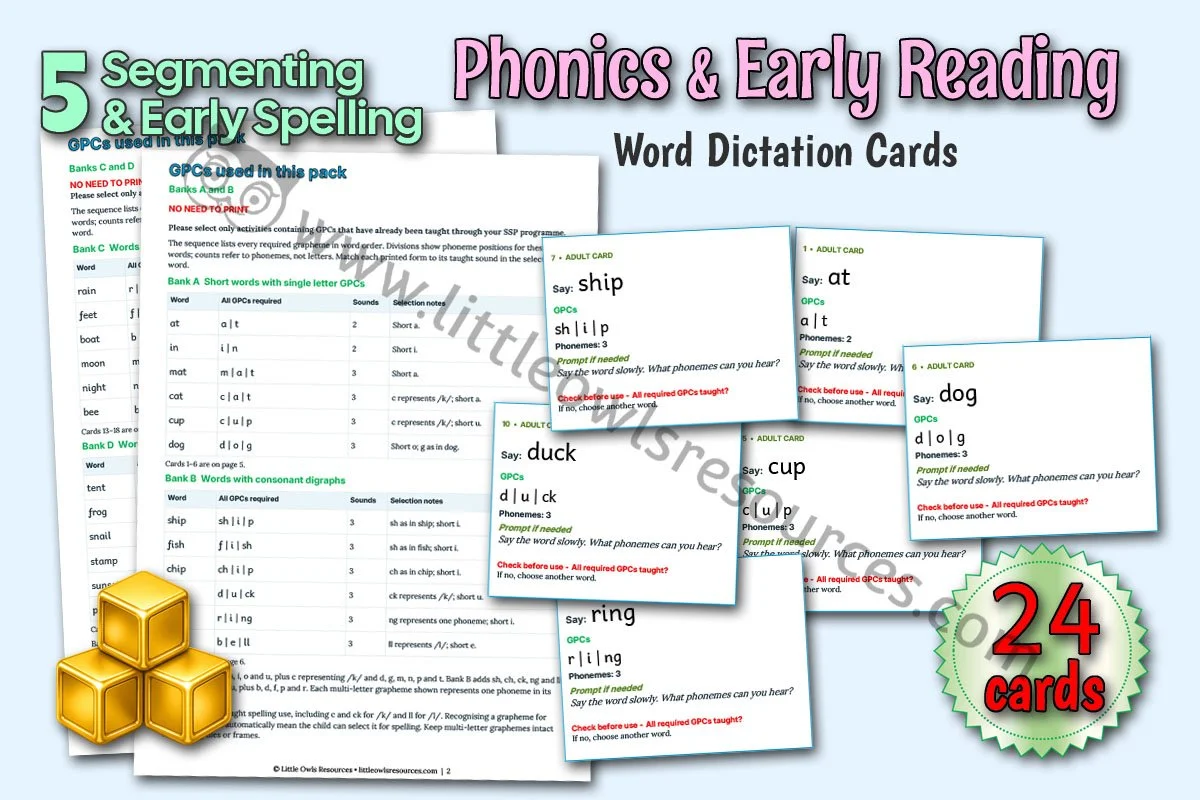
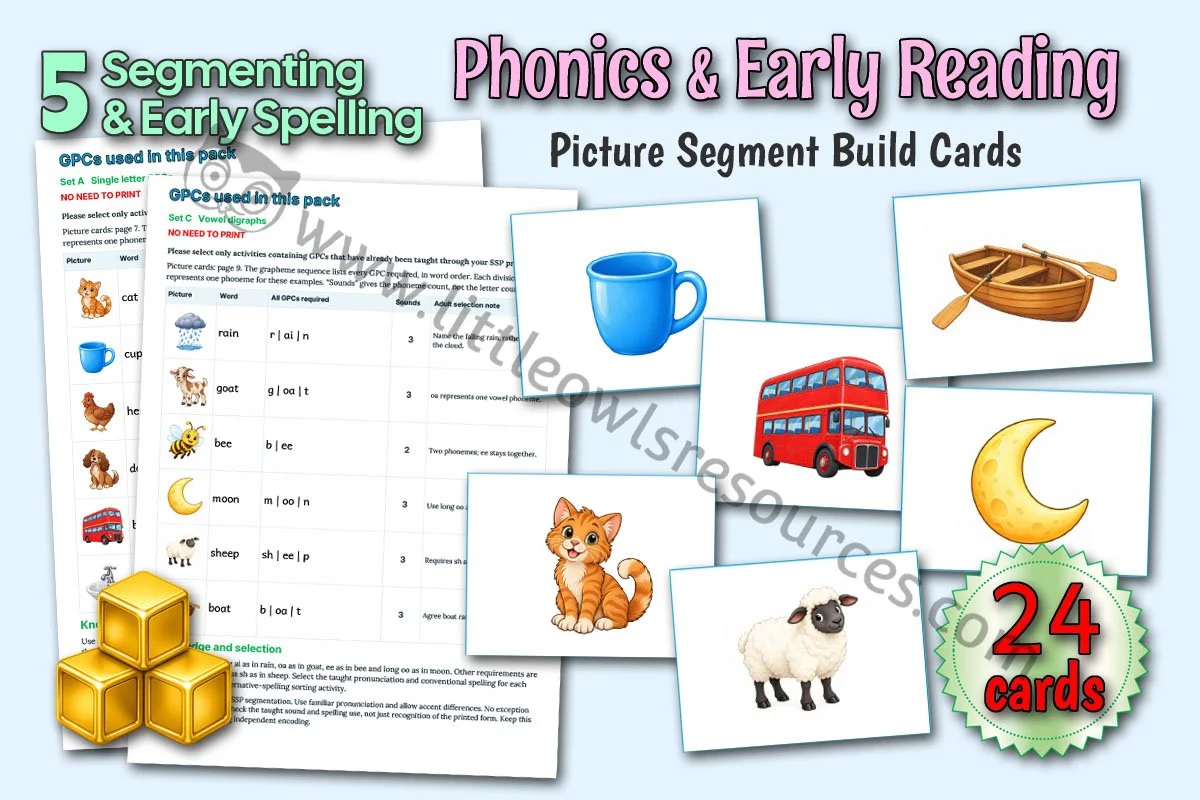
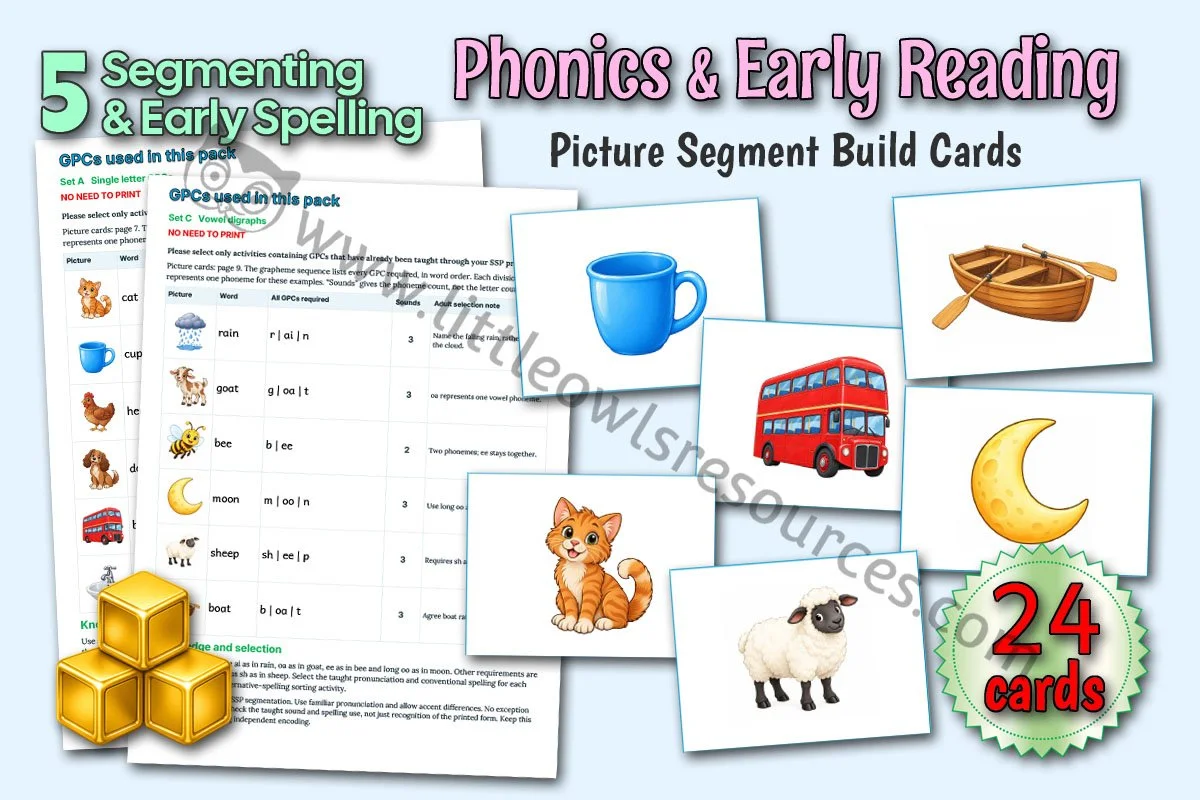
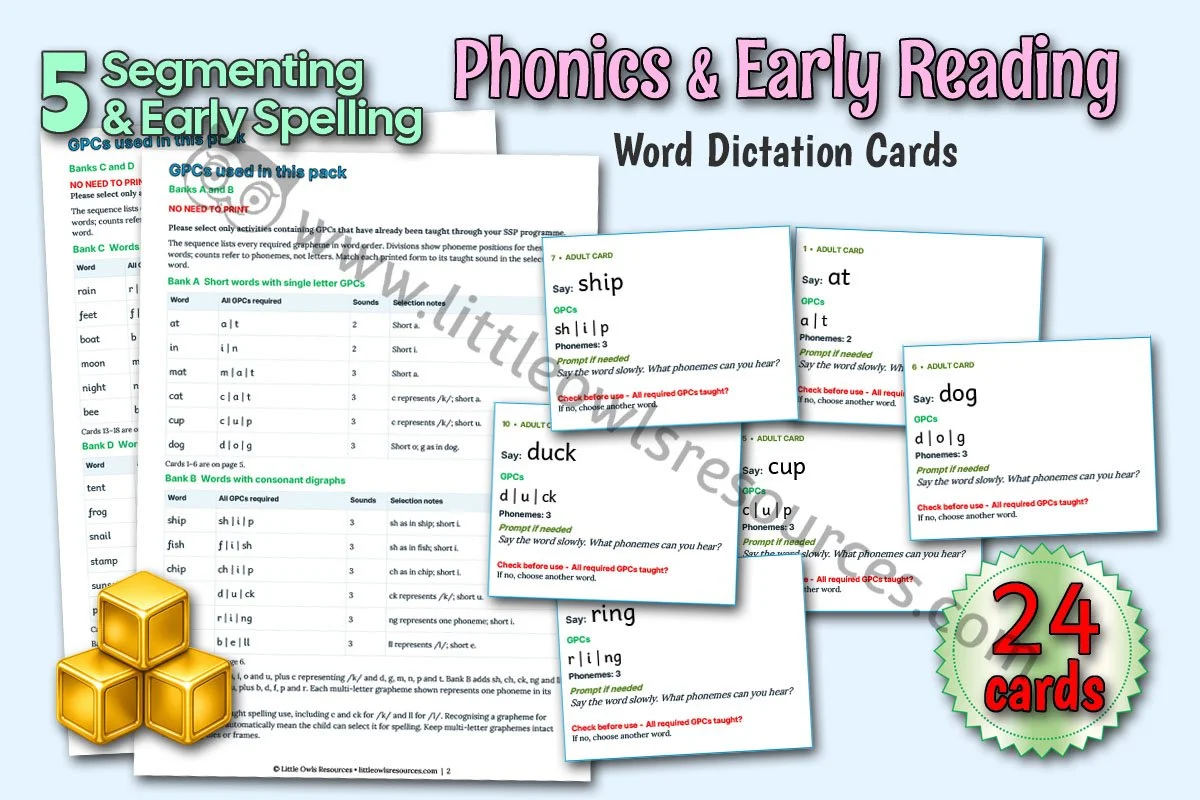
✂️ Segmenting & Early Spelling
Hear the phonemes and represent them with graphemes
Spelling reverses the process used for word reading.
Children begin with a spoken word, identify the phonemes they can hear and use their taught phonics knowledge to select or write the graphemes that represent them.
Explore phoneme frames, grapheme tiles, word-building resources, spelling mats, dictation activities and practical opportunities to move from:
say it → segment it → spell it → read it back.
Resources can be matched to the GPCs children already know and used alongside your setting's SSP for focused spelling practice and meaningful early writing.
💡 Additional resources in development 💡
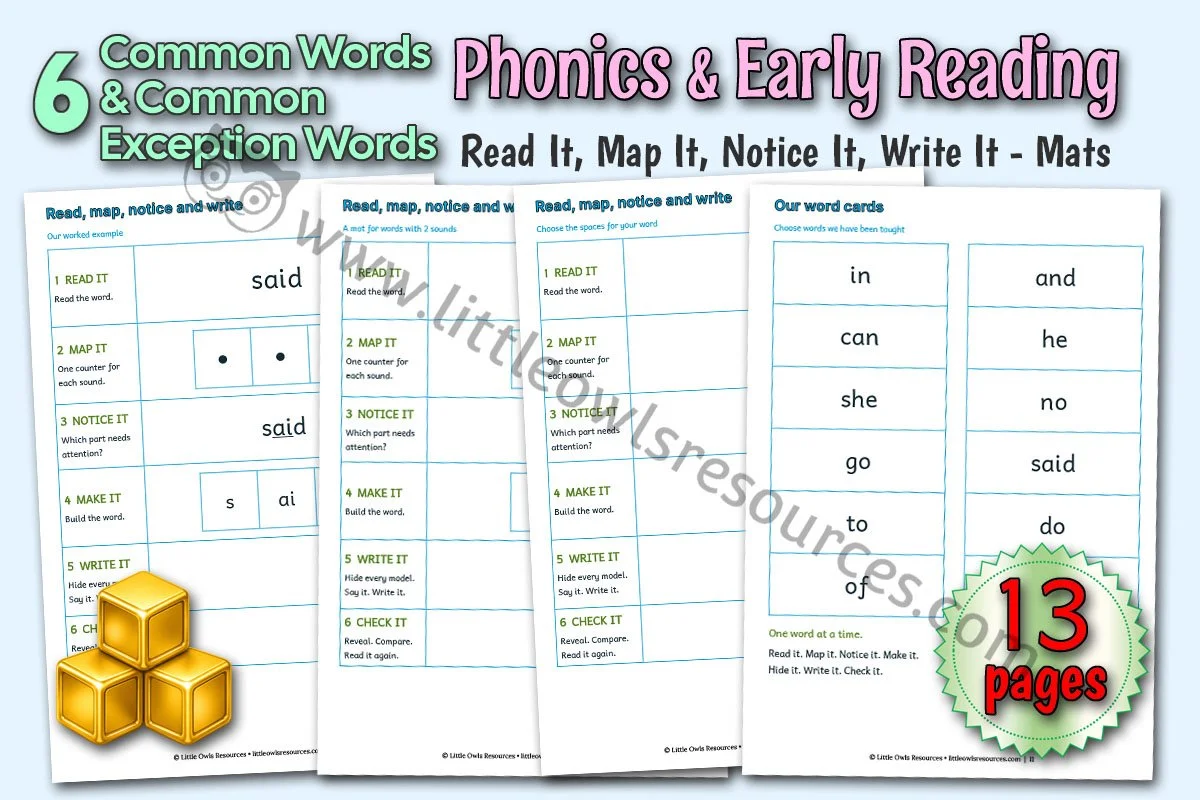
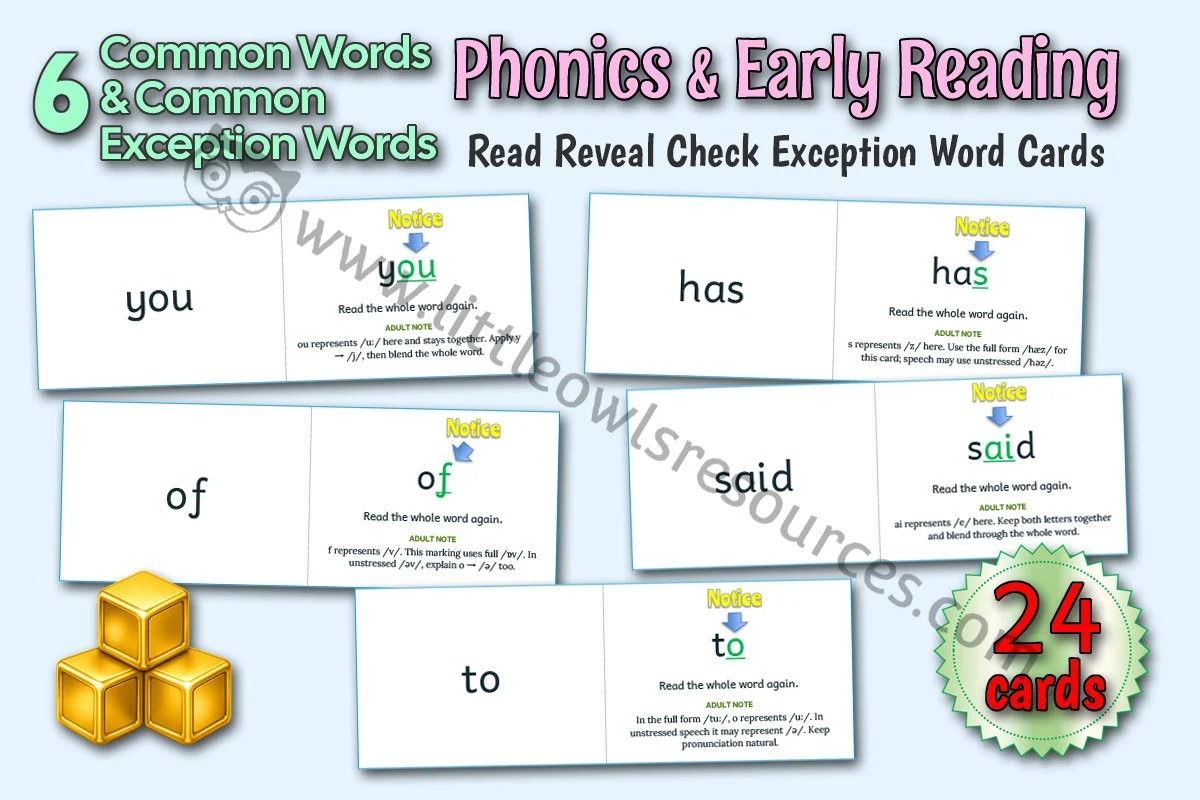
⭐ Common Words & Common Exception Words
Decode what you can. Notice the part you need to remember.
A high-frequency word is simply a word that appears often. Many frequently occurring words can be decoded completely once children know the relevant GPCs.
Other common words contain a correspondence that is unusual or has not yet been taught. Different SSP programmes may describe these as common exception words, tricky words or harder-to-read words.
Explore resources that help children read the regular parts of a word through phonics, notice the part that currently requires particular attention and gradually build accurate, automatic recognition.
Editable resources allow settings to practise the specific words being introduced through their own SSP rather than following a separate Little Owls word list.
💡 Additional resources in development 💡
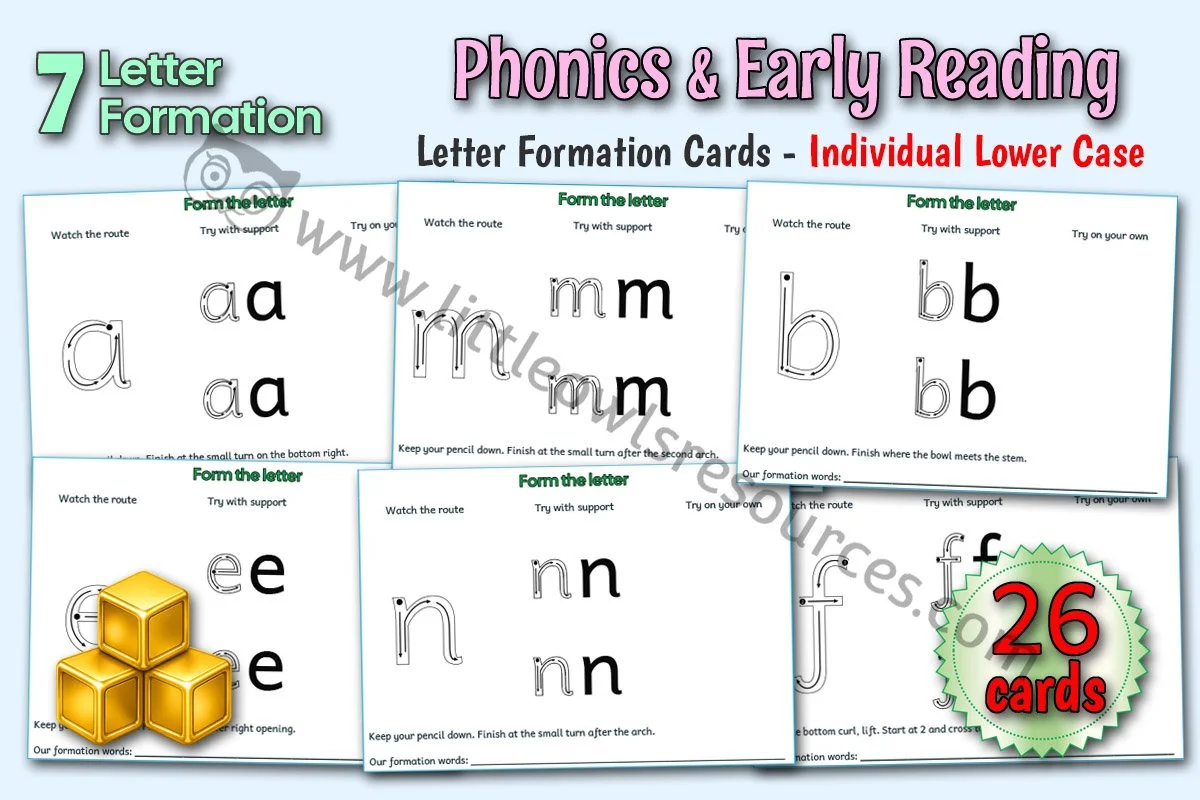
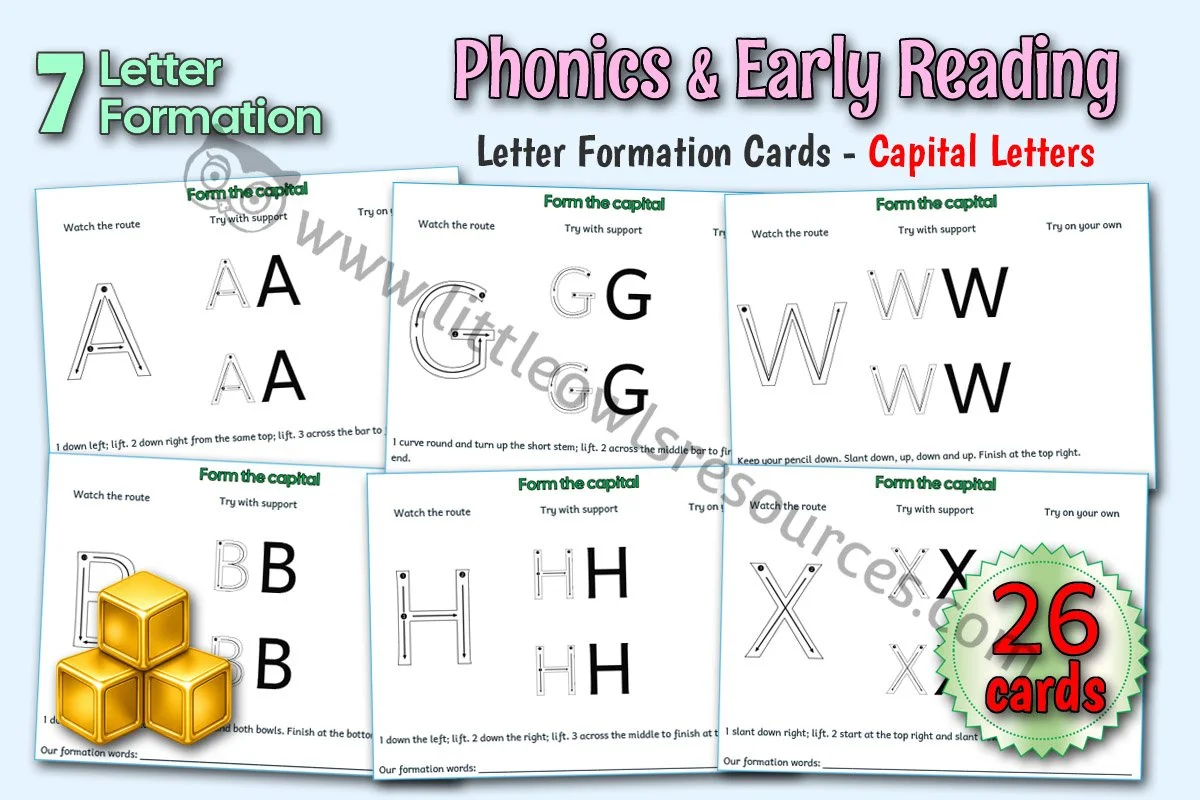
✍️ Letter Formation
Connect the grapheme children know with the movement needed to write it
Recognising a grapheme and knowing how to form it are related but different skills.
Explore resources for explicit lower-case and capital-letter formation, including clear starting points, directional guidance, reduced-scaffold practice and opportunities to apply formation using different writing tools and surfaces.
In Reception, practitioners can select letter-formation resources as the corresponding graphemes are introduced through their SSP.
Playdough, loose parts, sand, chalk and large-scale mark making can offer valuable additional experience, but they work best alongside clear modelling and direct teaching of the correct movement pattern.
For children exploring names and learning to form letters
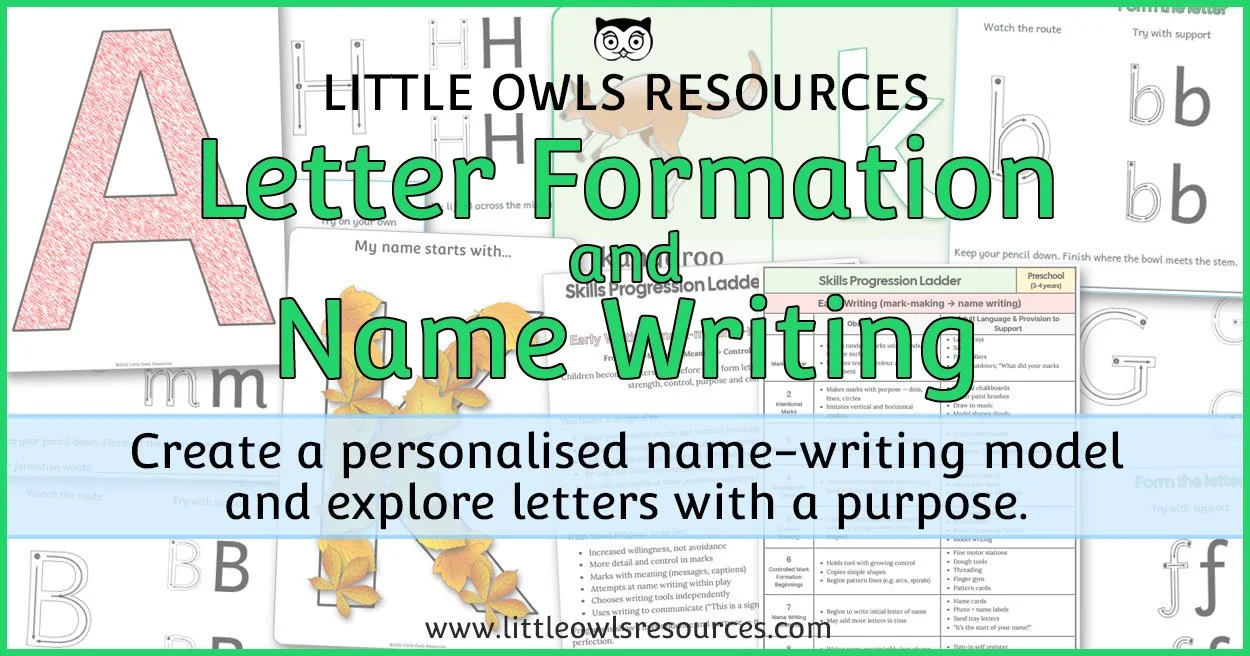
Letter Formation & Name Writing
Create a personalised name model, explore familiar letters and give name writing a purpose in everyday play. Browse letter-formation cards, practical activities and ideas for signing pictures, making cards and adding names to role play. Choose resources that fit the child’s interests and your setting’s handwriting approach.
Includes a free name-writing generator — no membership needed.
💡 Additional resources in development 💡
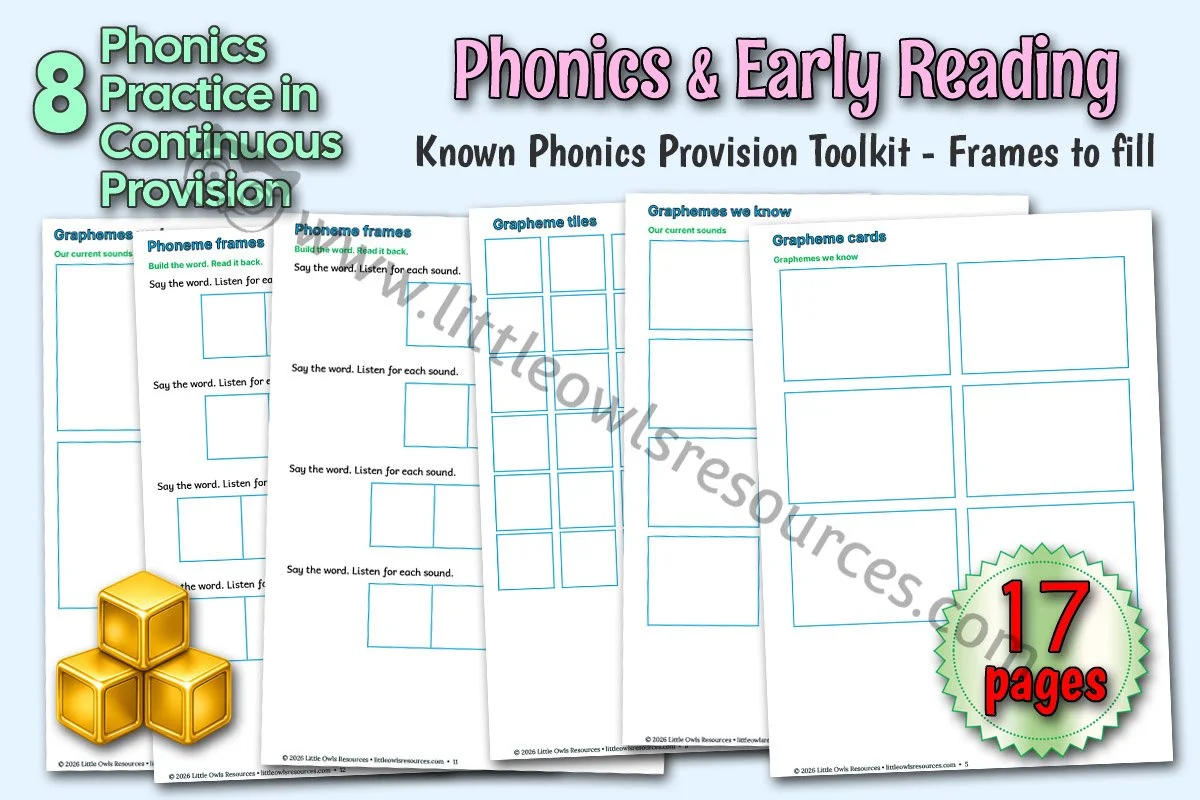
🧱 Phonics in Continuous Provision
Apply taught phonics through meaningful reading and writing
Continuous provision can give children many opportunities to use phonics they have already learned.
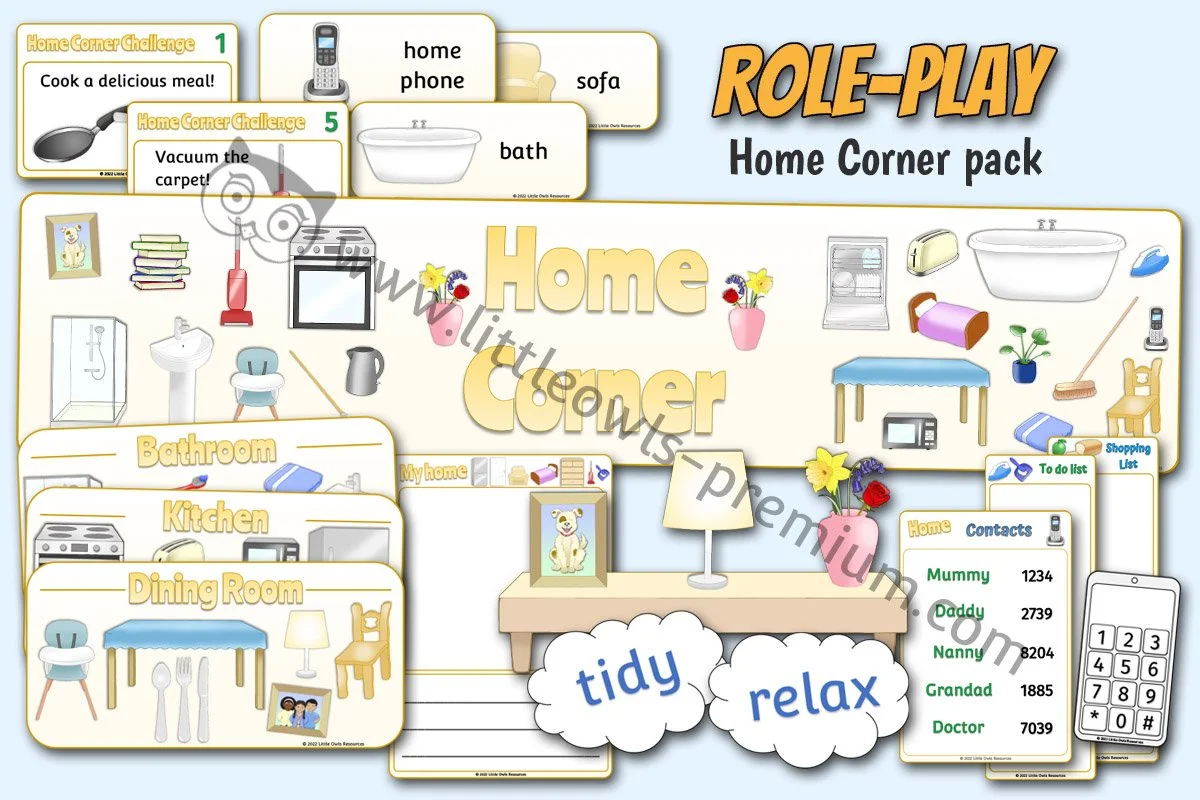
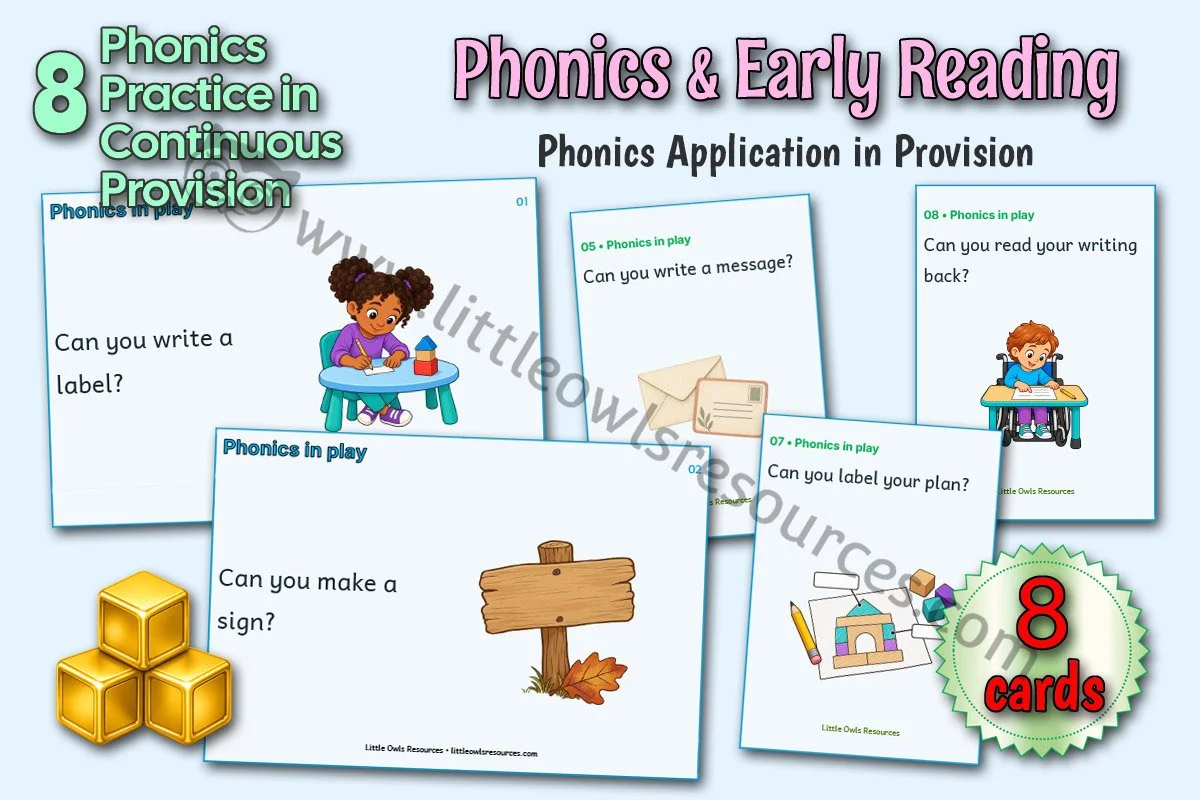
Children might write a sign in Construction, make a list in the Home Corner, label a Small World model, record a discovery outdoors or use known graphemes to build a word before writing it.
The aim is not to turn every provision area into a phonics activity.
Instead, phonics becomes one of the tools children can draw upon when they have a genuine reason to read, write, label, record or communicate.
Explore editable known-GPC resources, purposeful writing prompts, labels, signs, message-making materials and practitioner guidance for supporting phonics naturally across Reception provision.
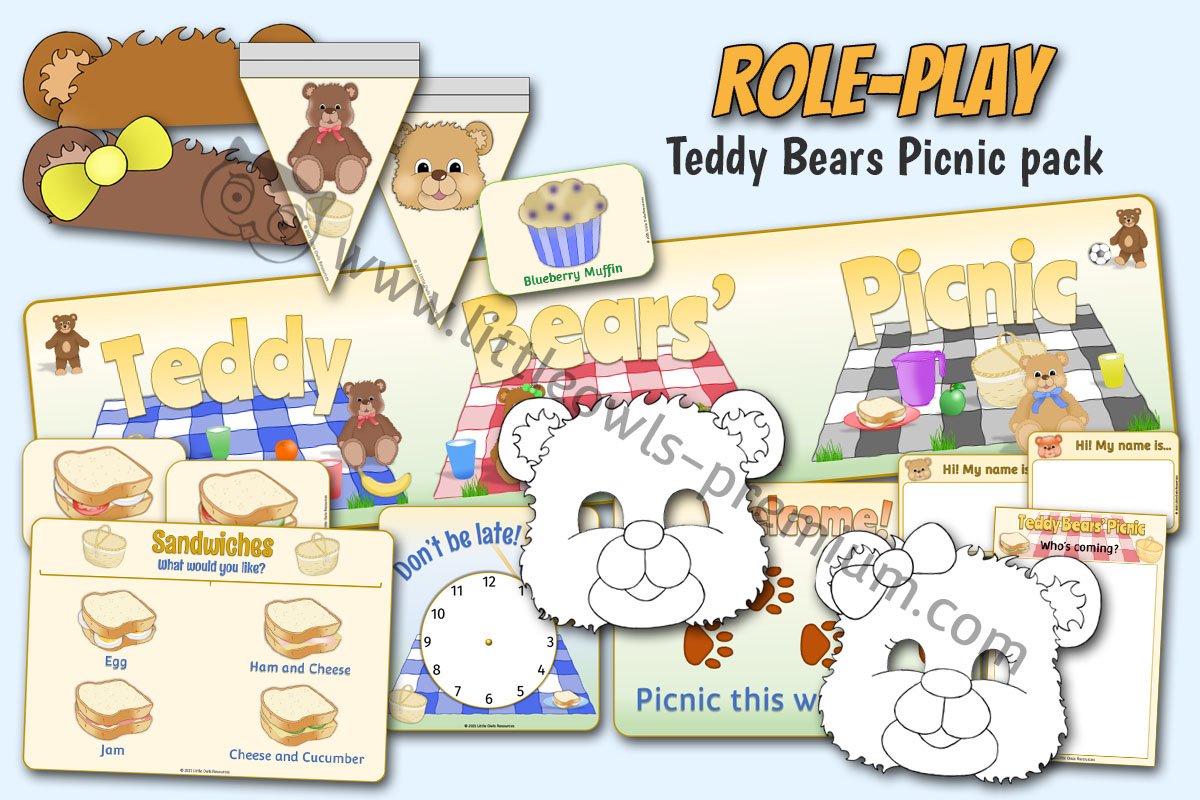
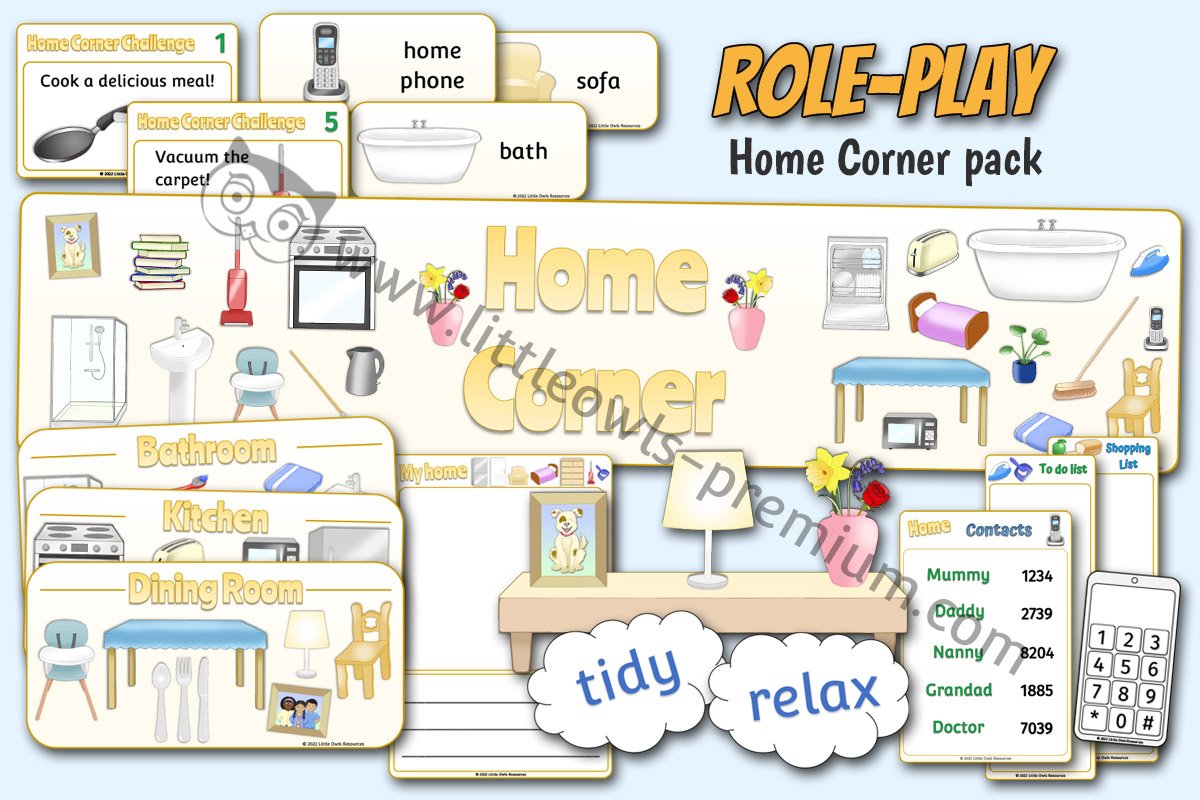
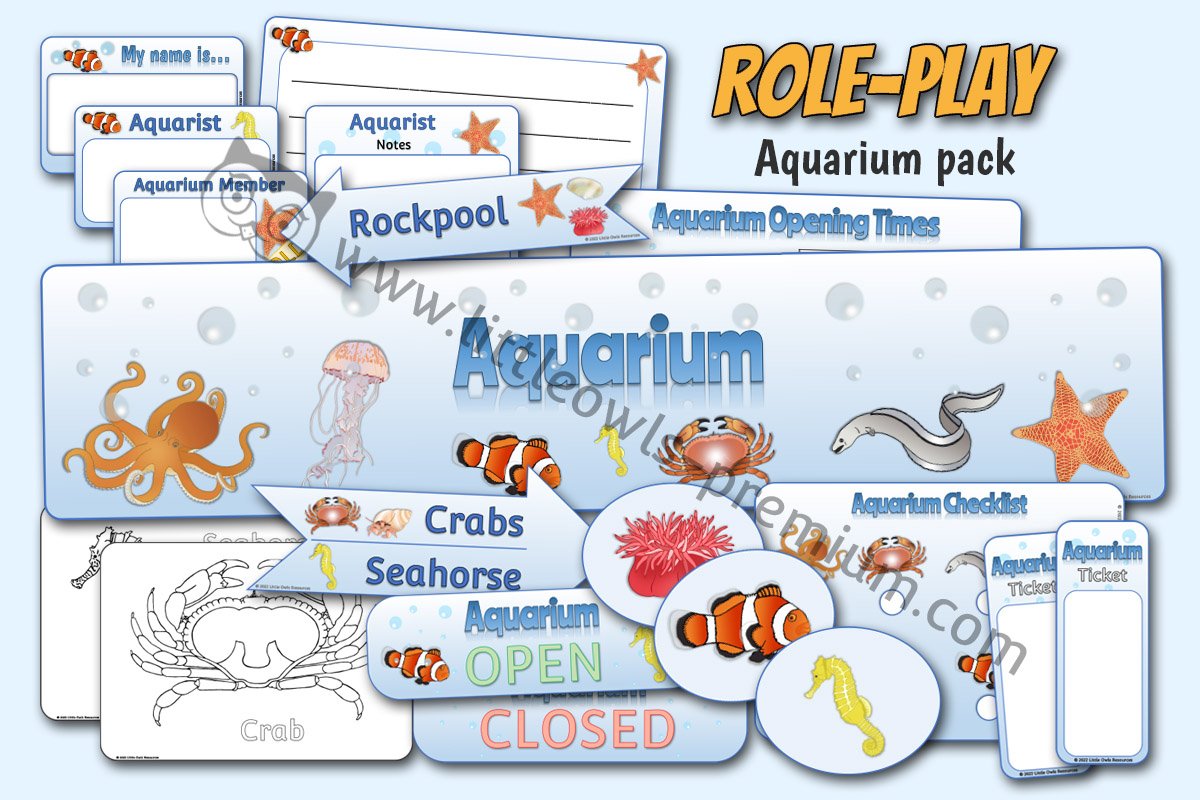
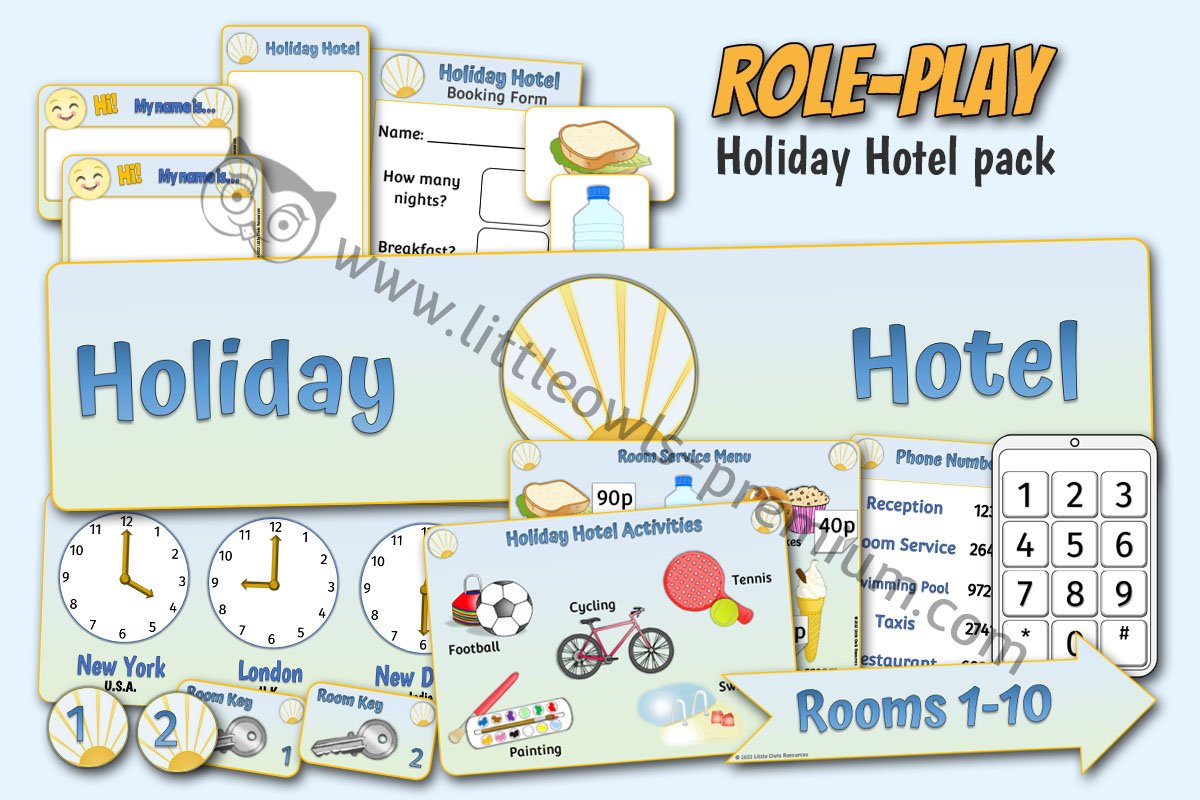
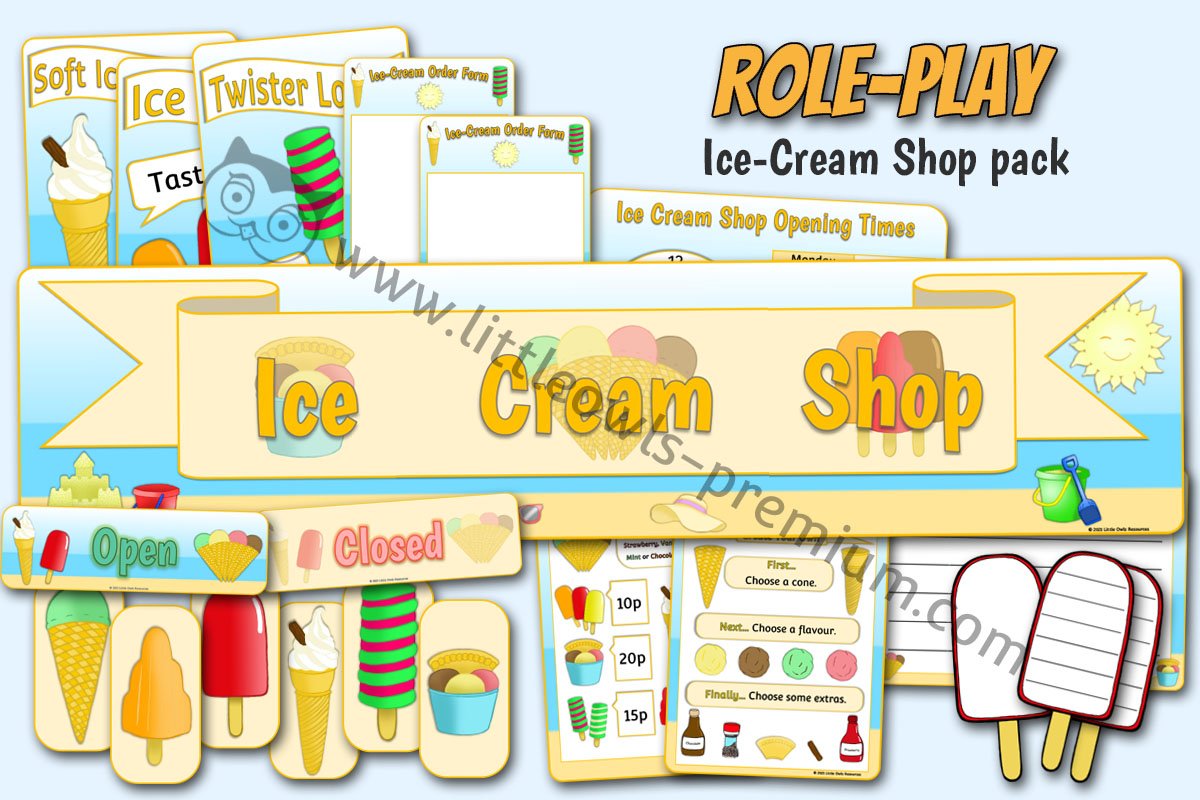
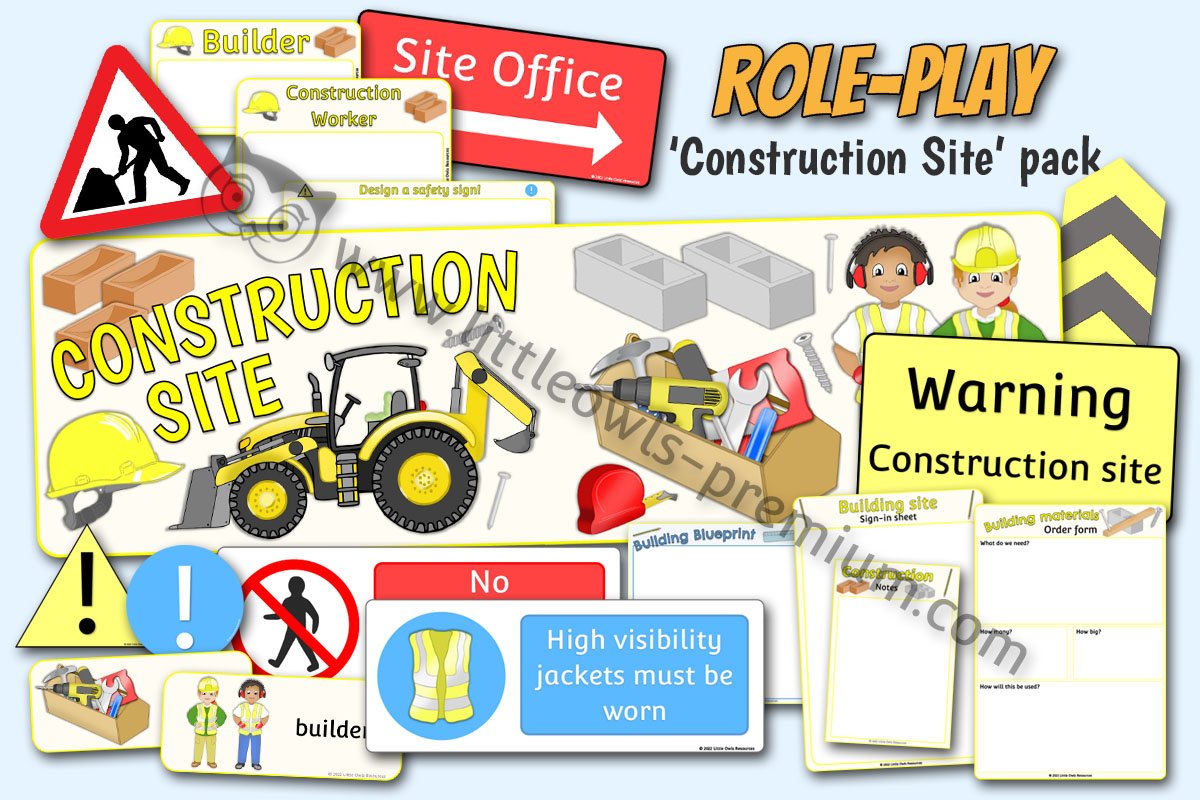
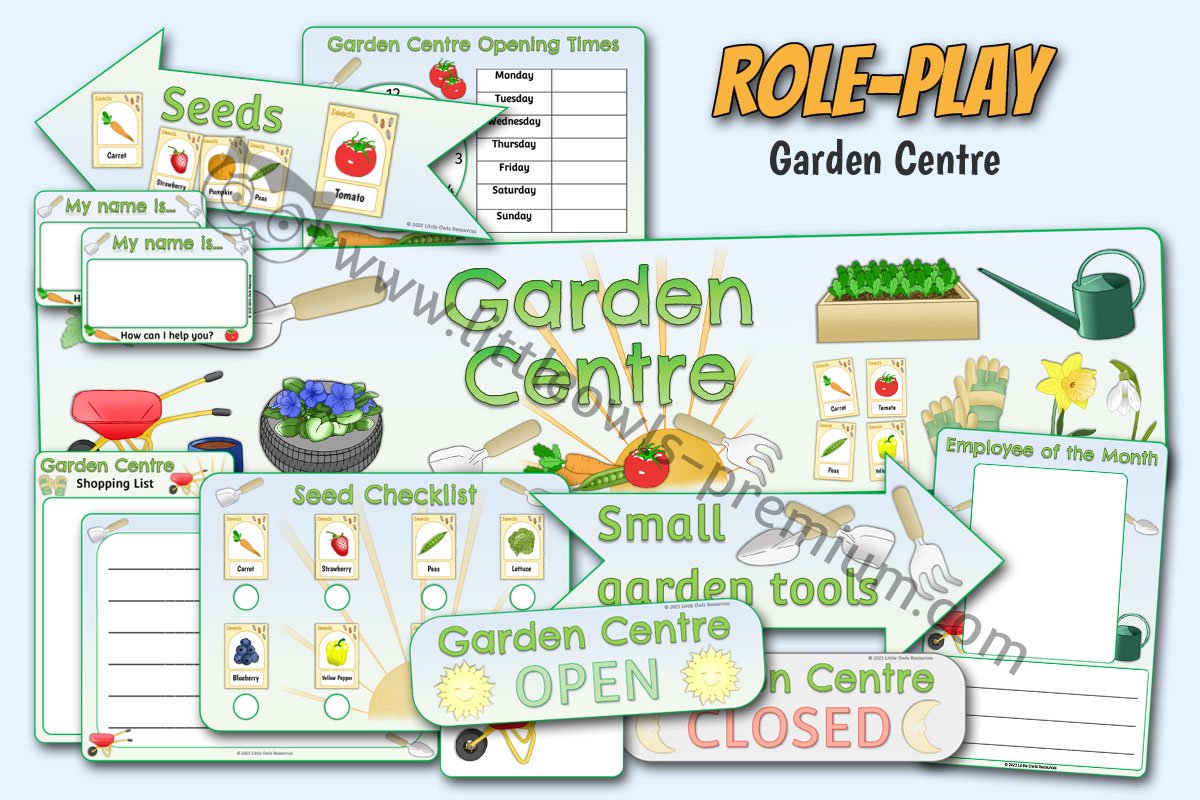
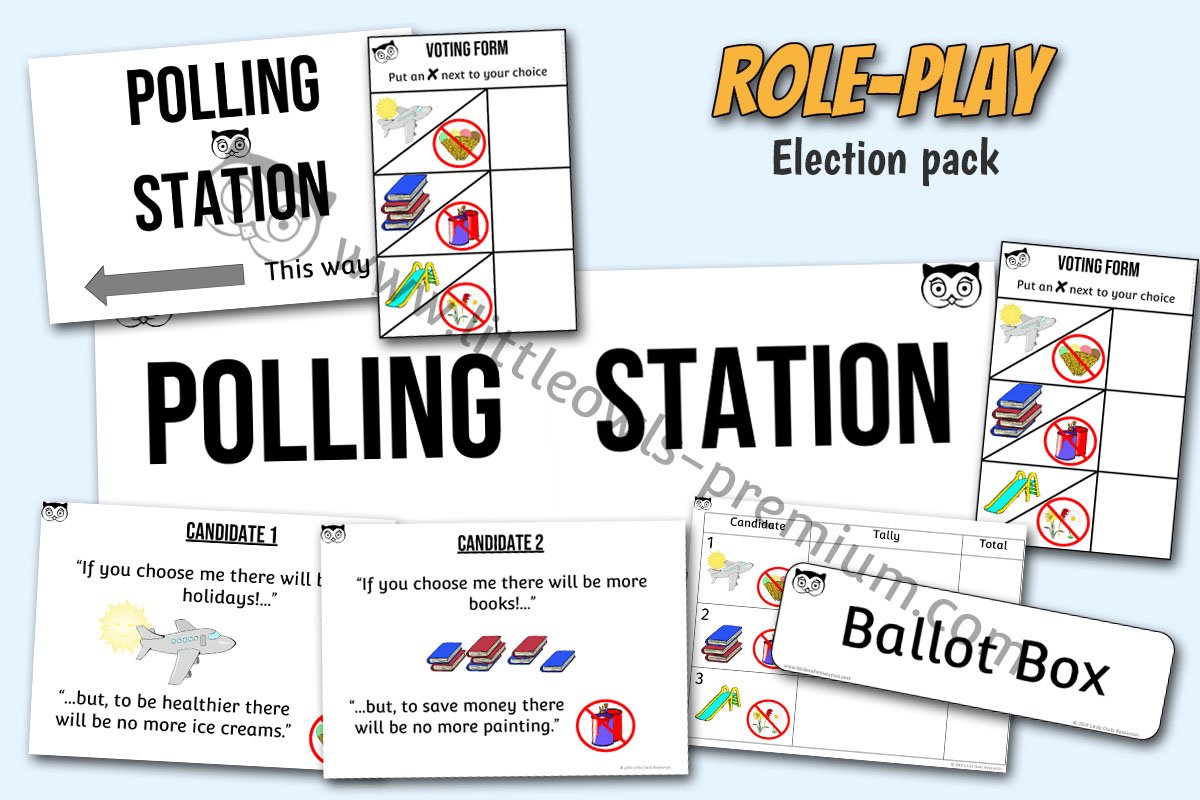
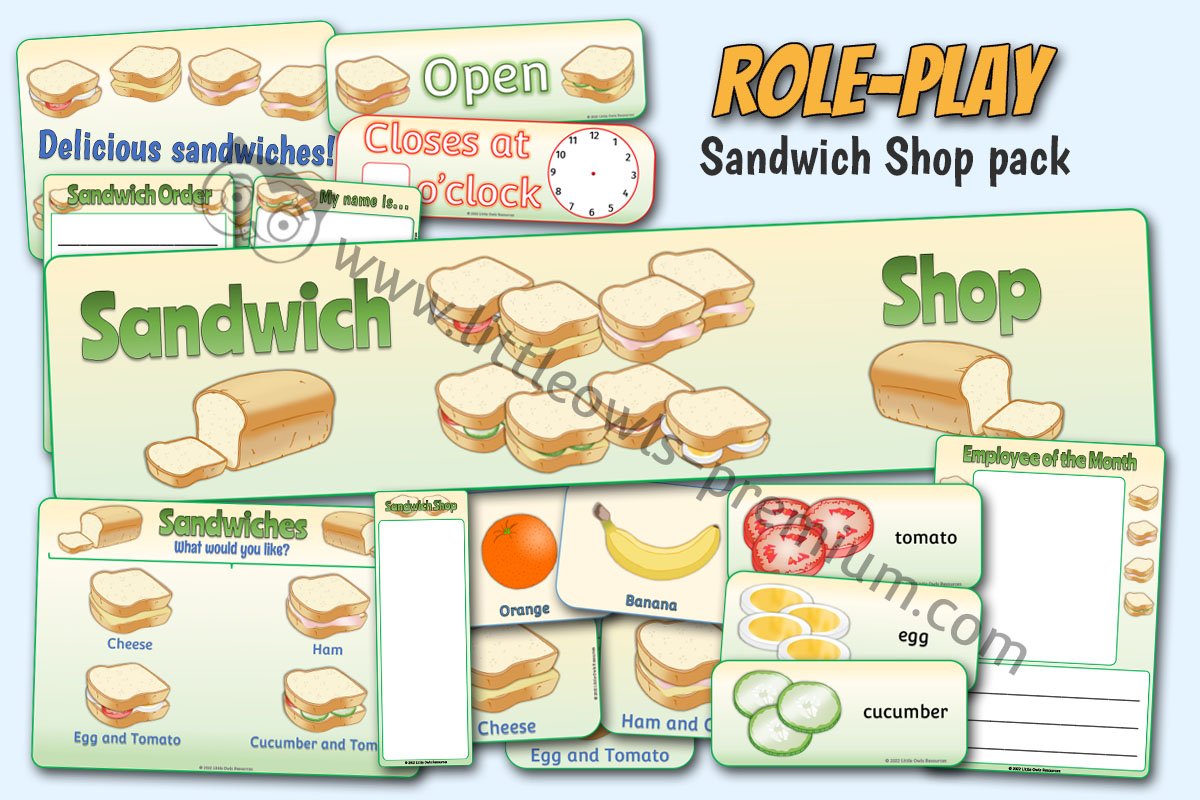
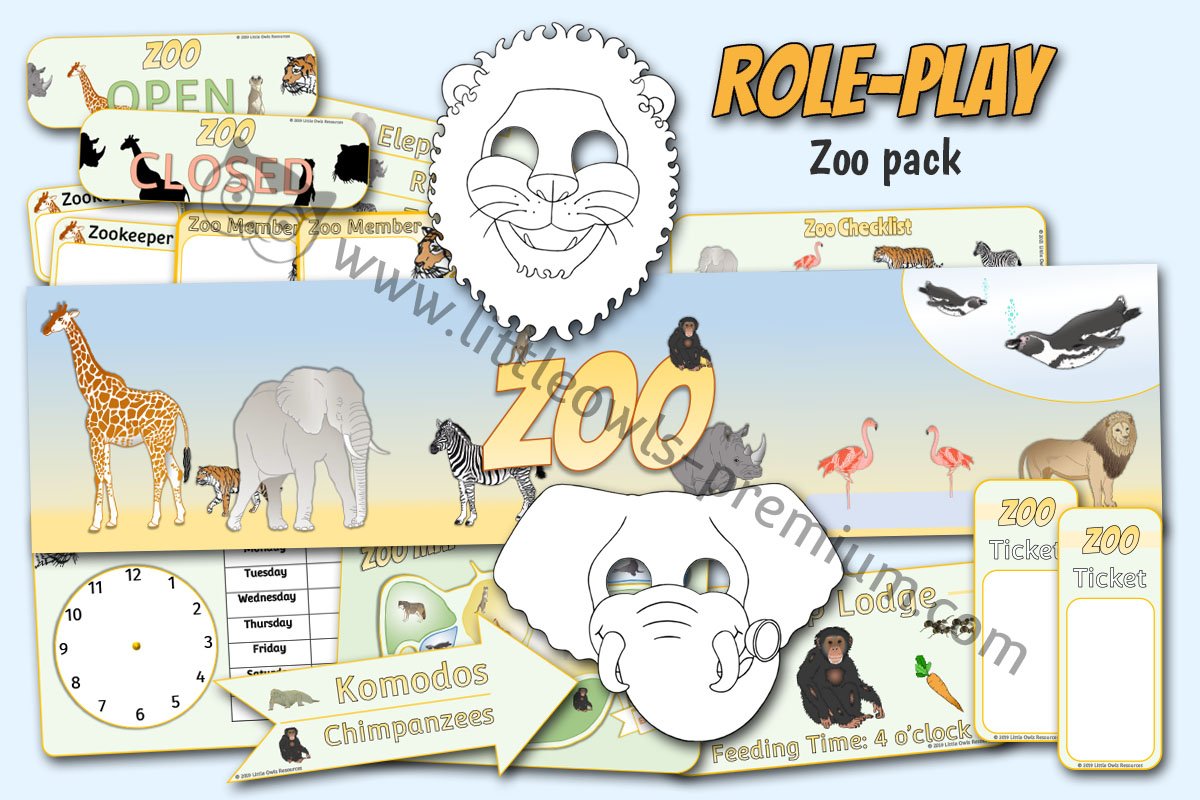
Role Play Packs
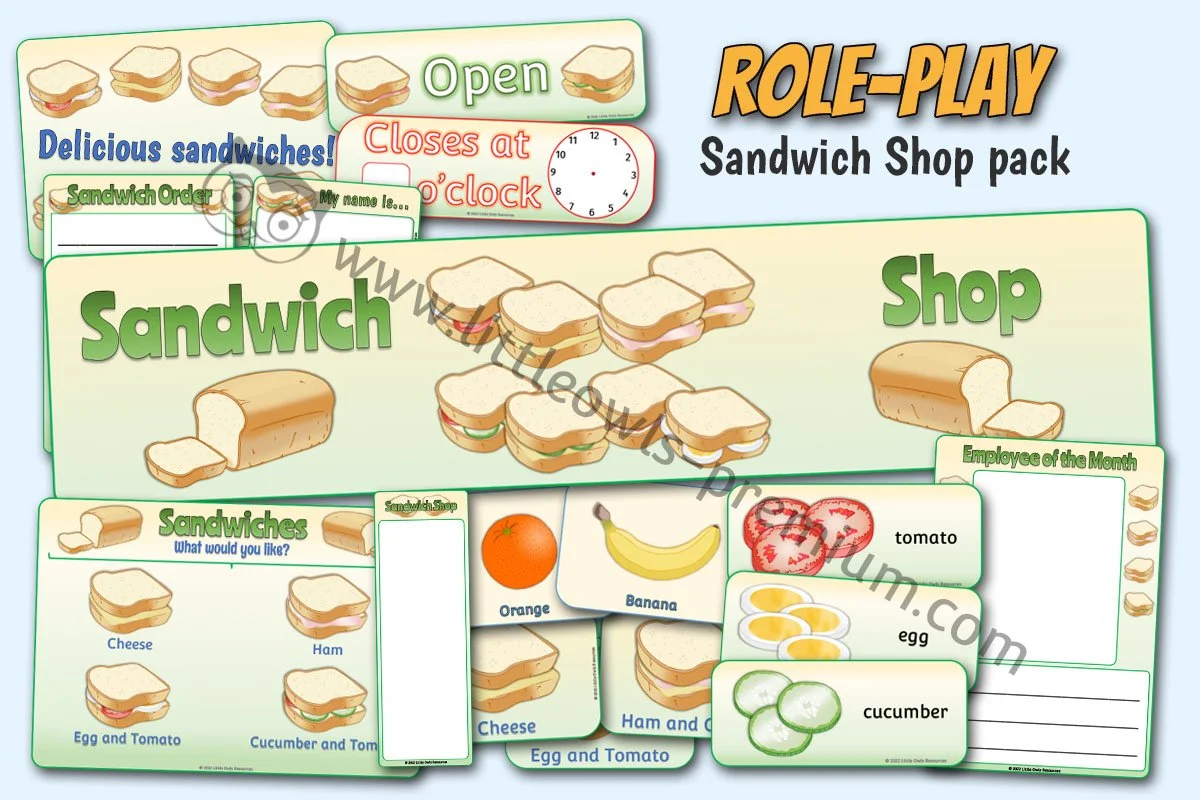
Our role-play packs provide meaningful opportunities for children to apply their developing phonics through real reasons to read and write. Look out for resources such as lists, labels, signs, menus, tickets, messages, order forms and appointment sheets, which can be used alongside the GPCs children have already been taught.
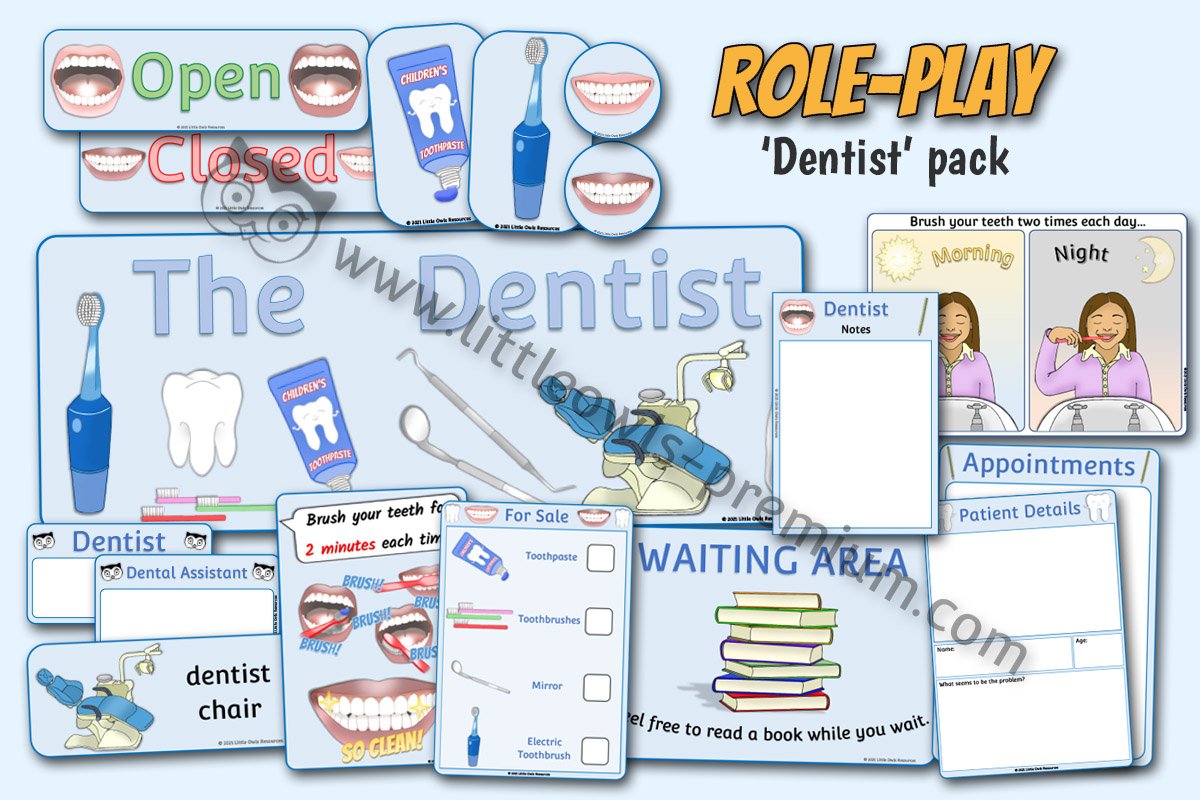
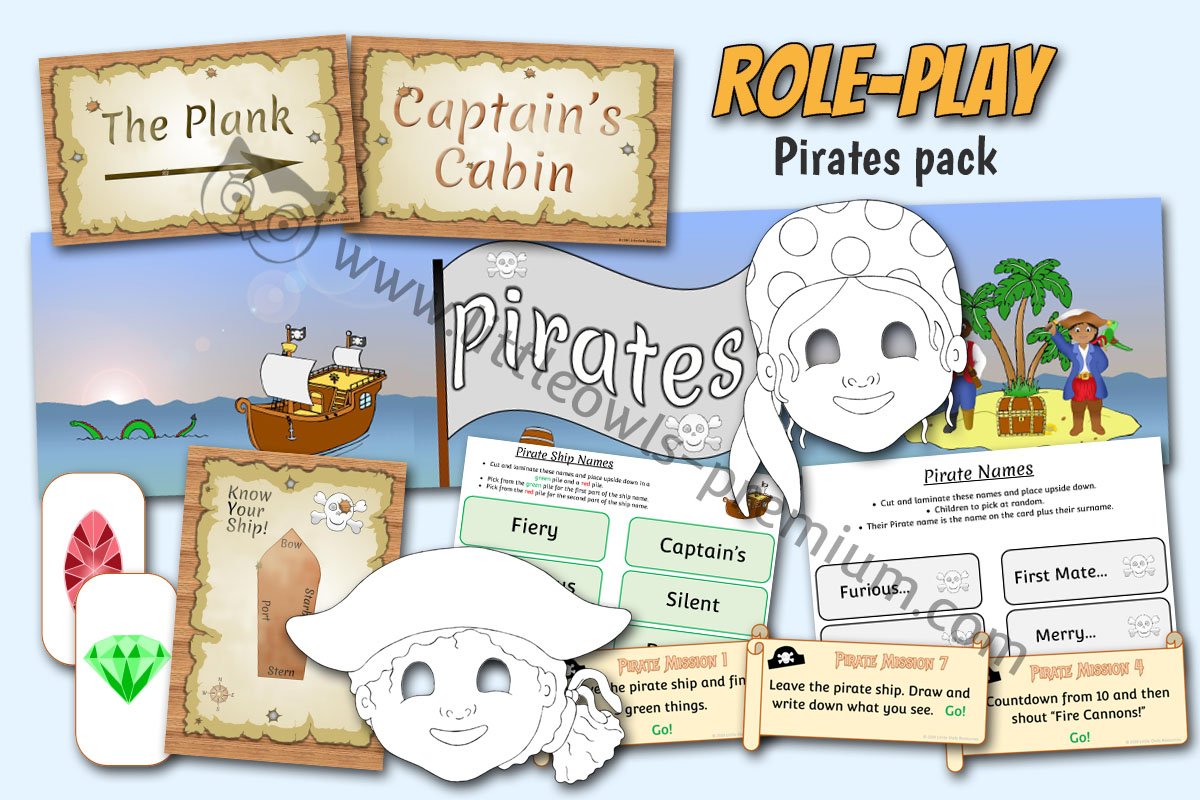
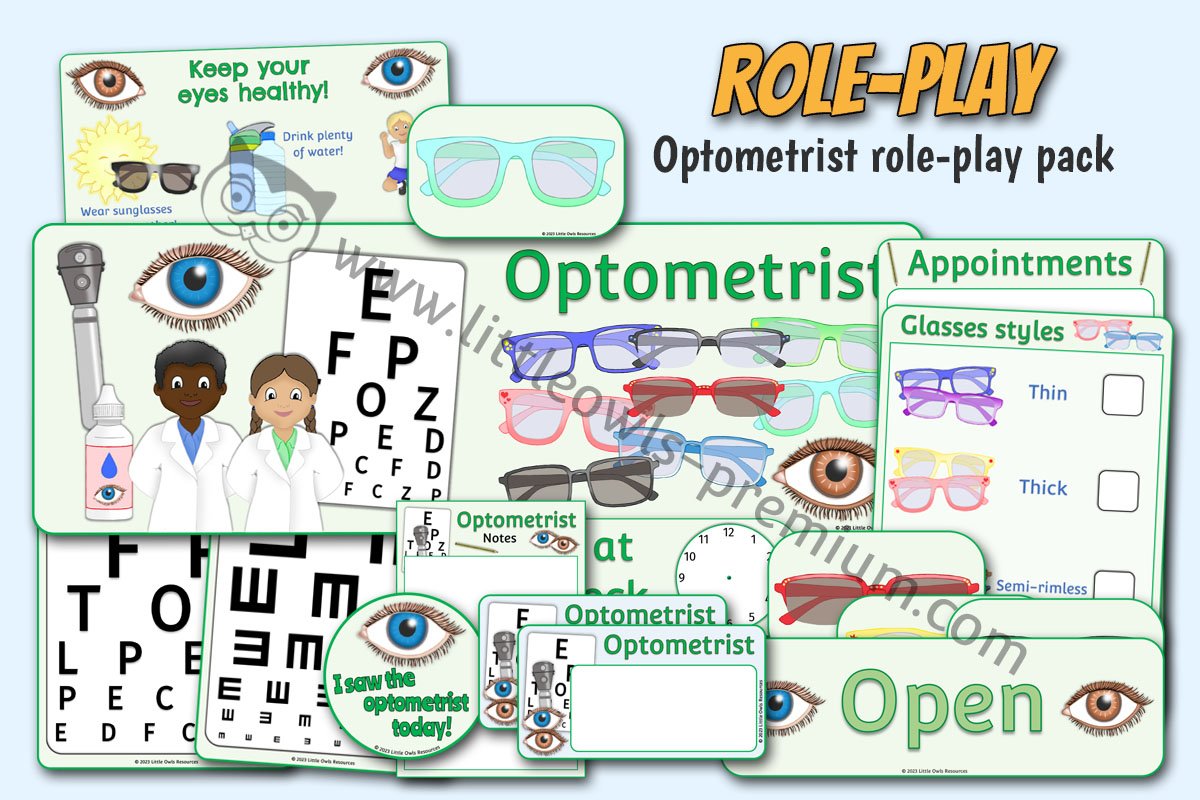
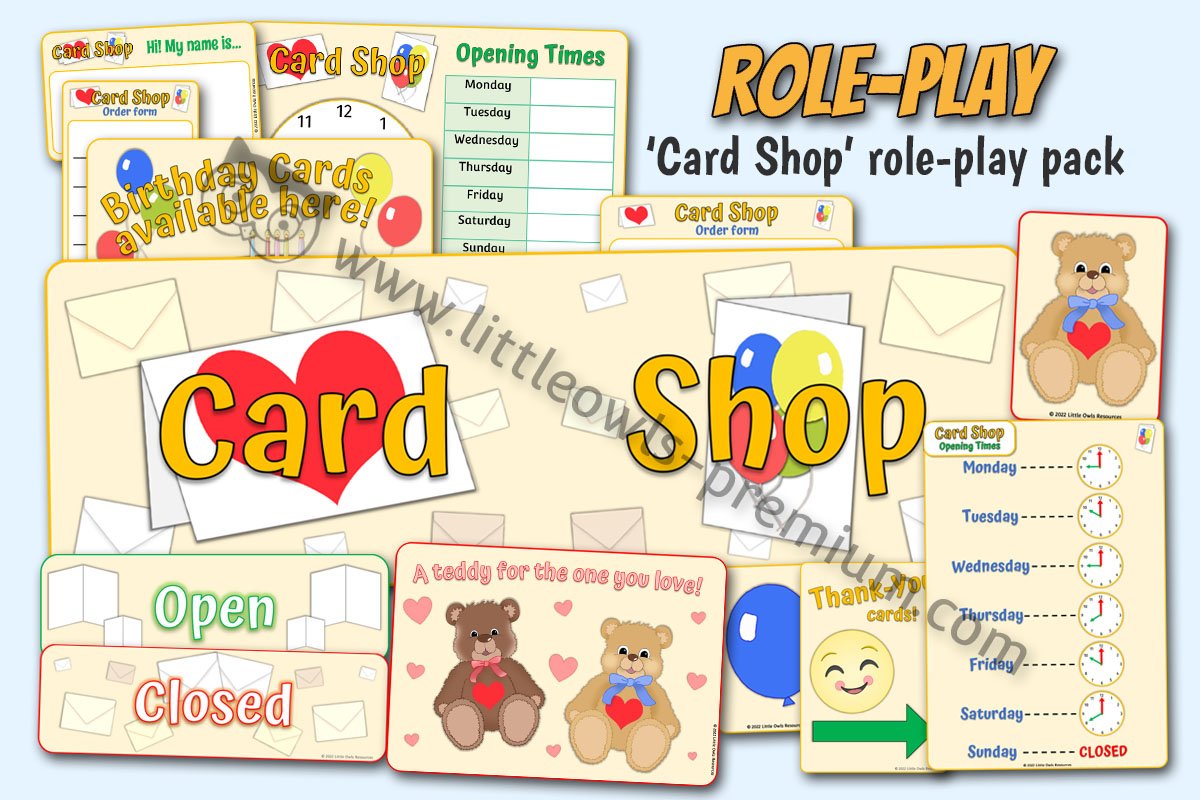
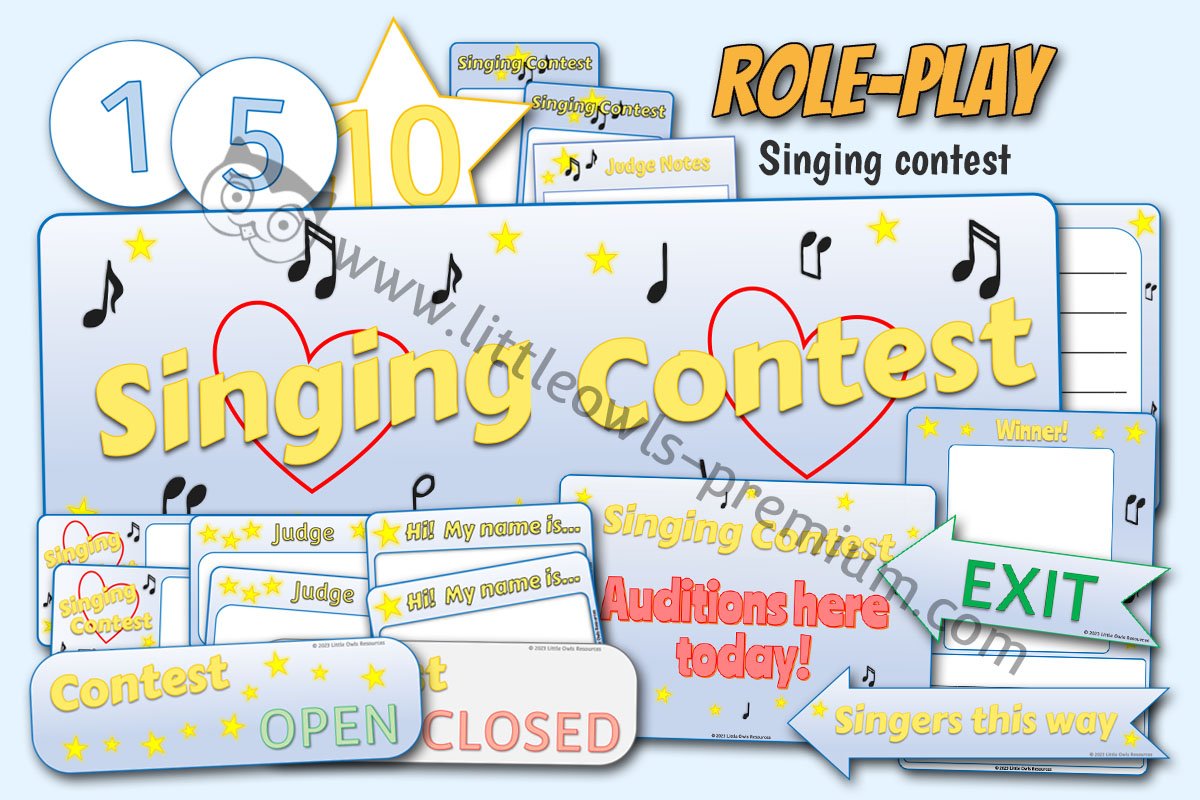
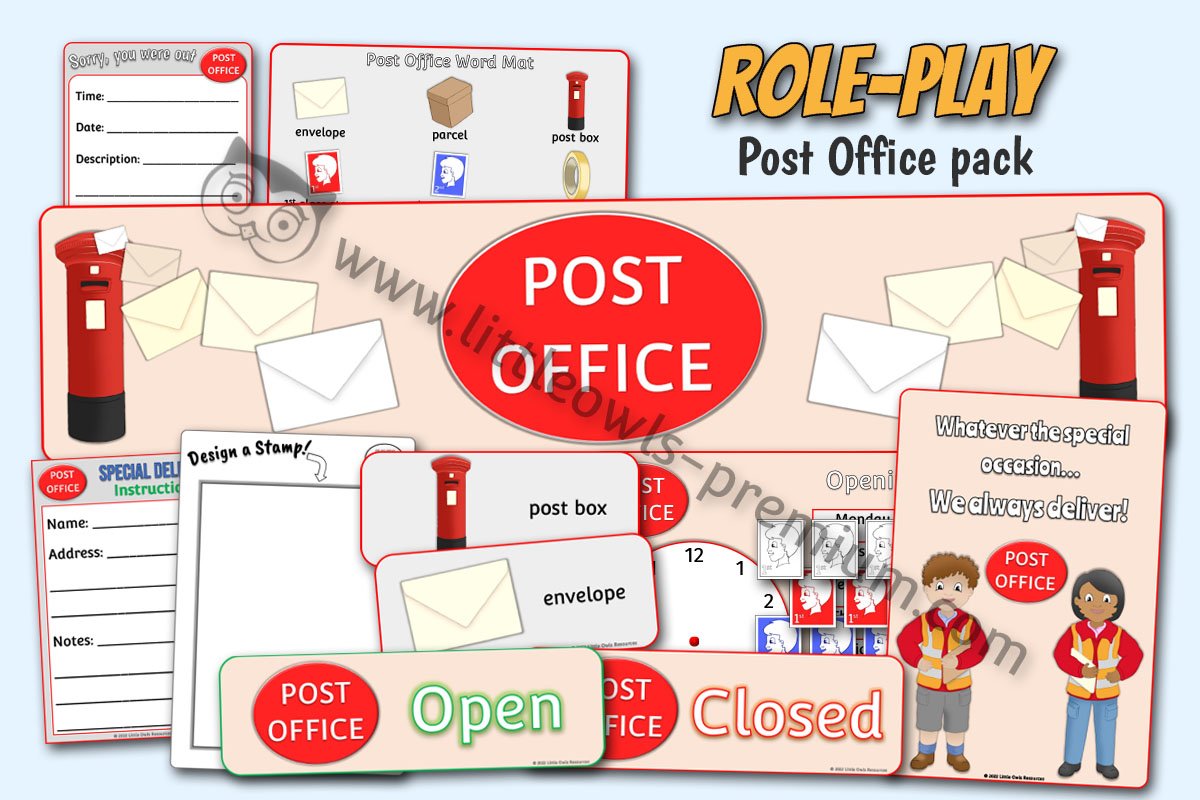
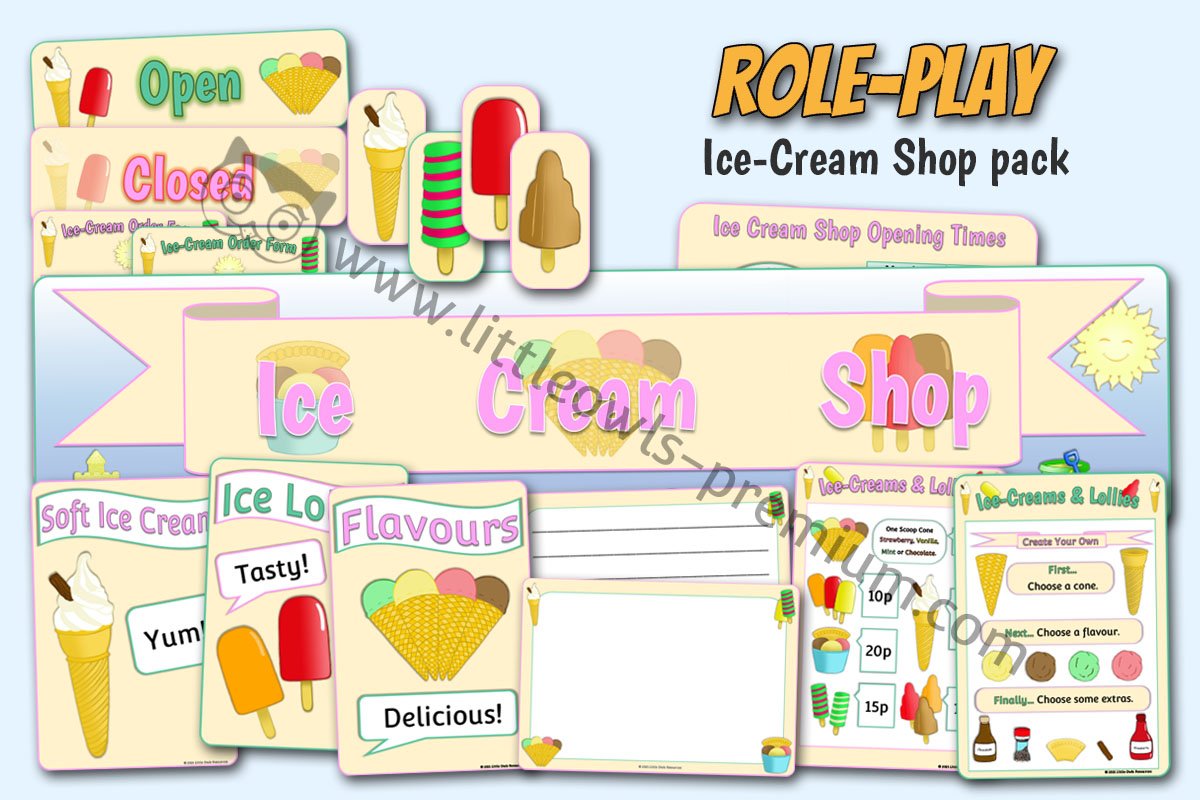

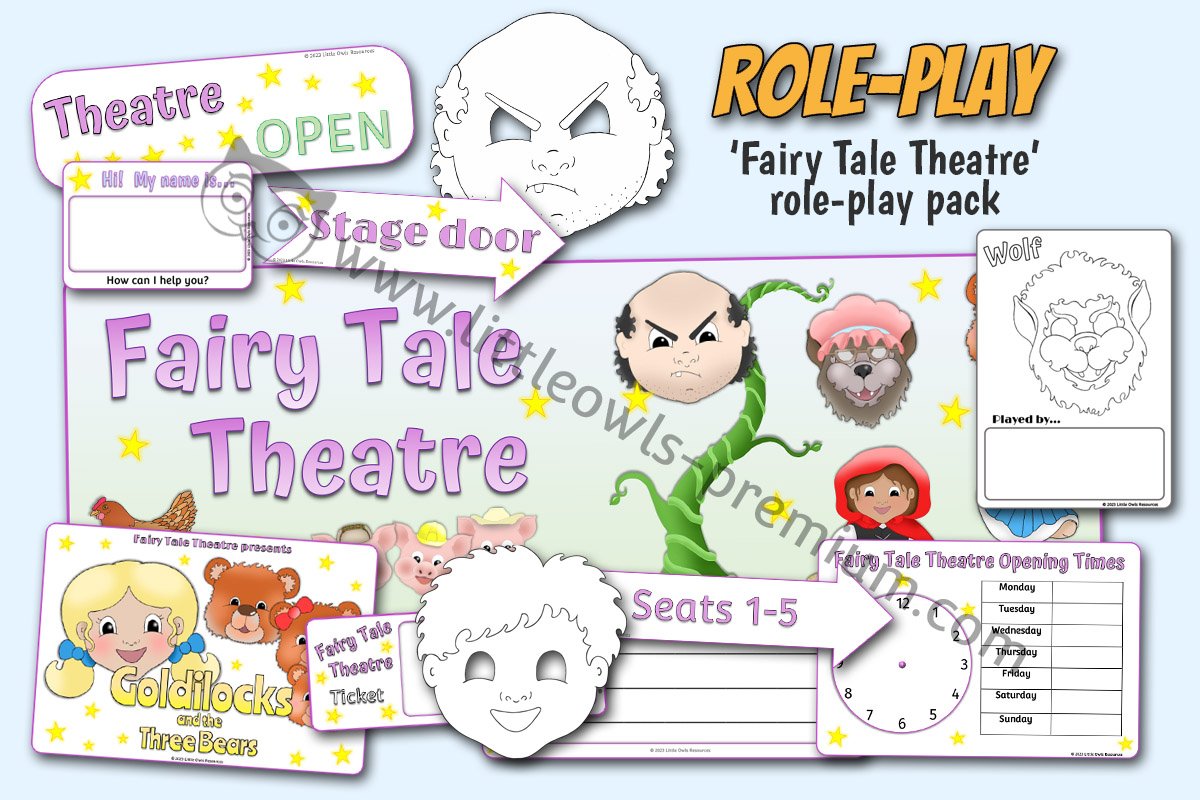
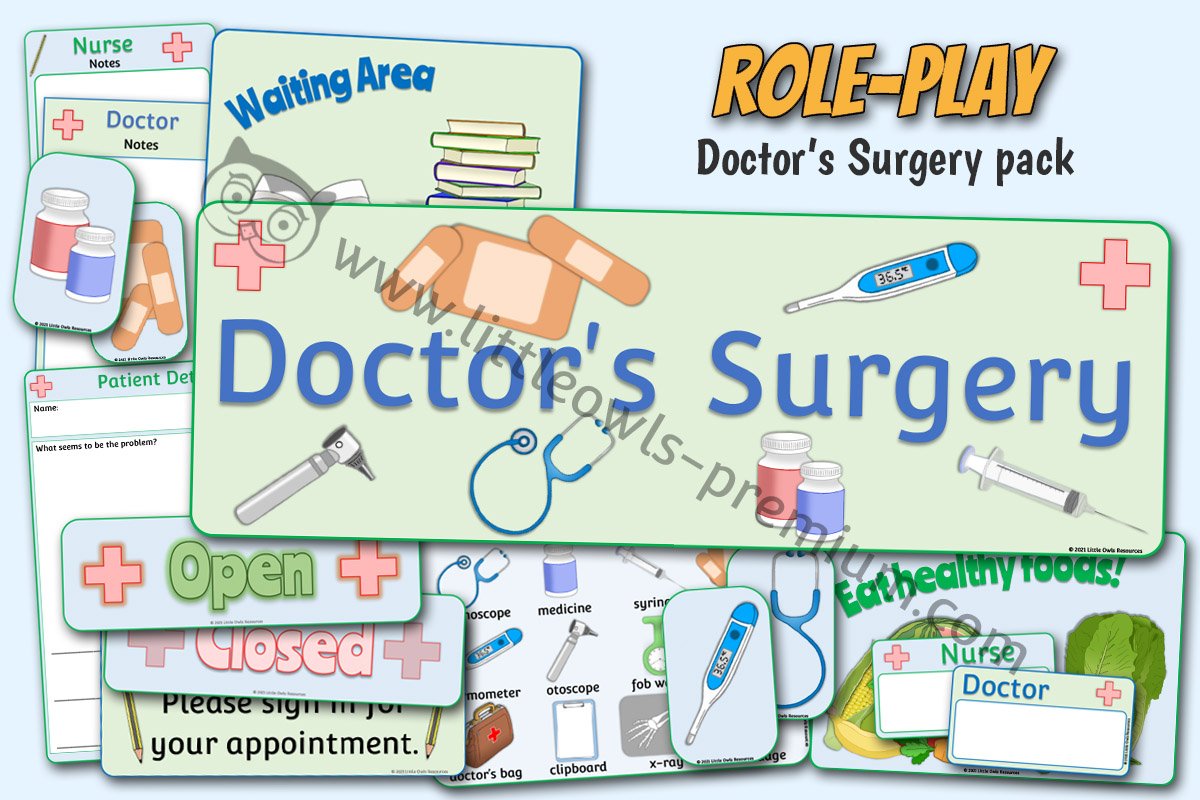
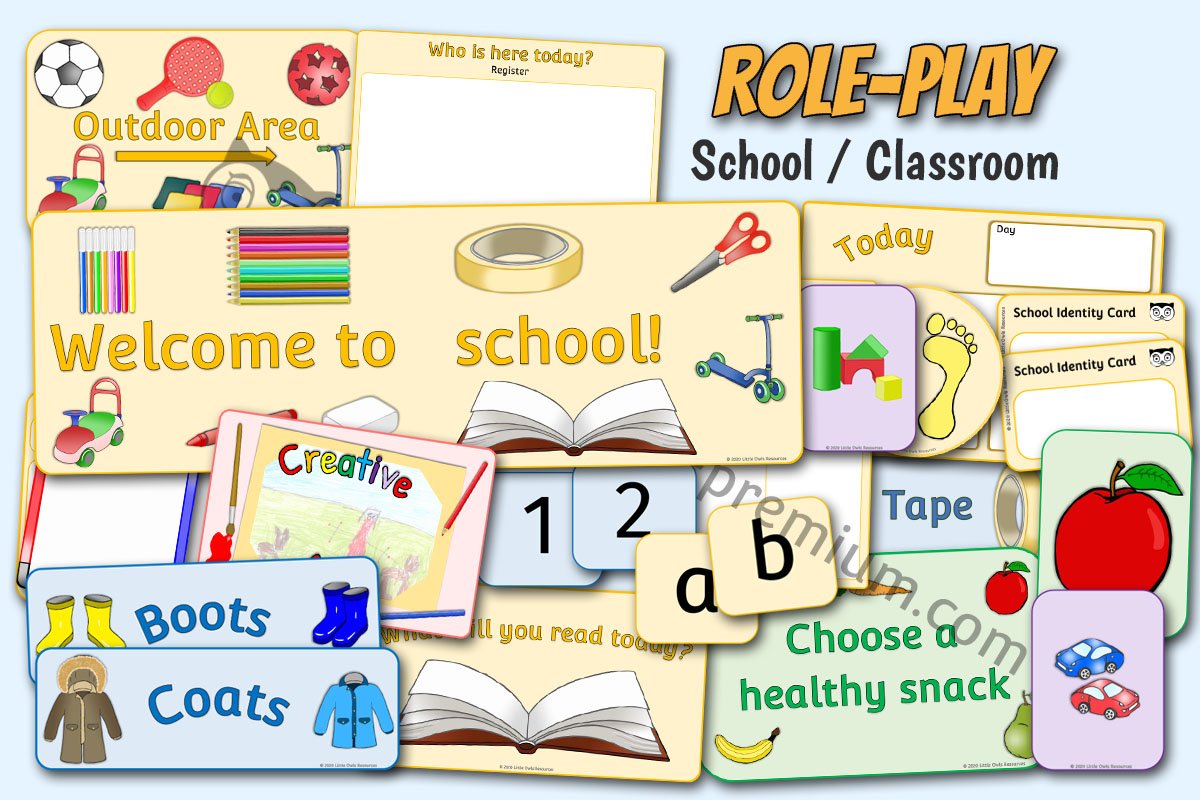
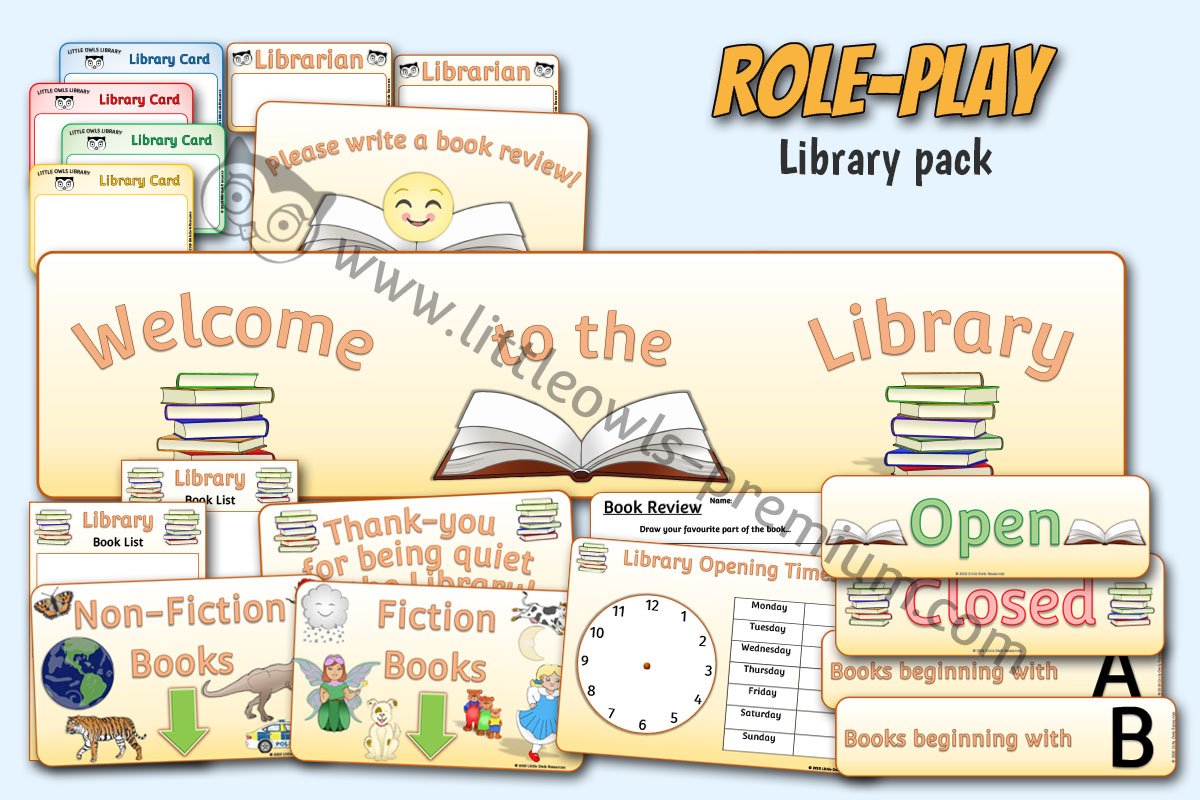
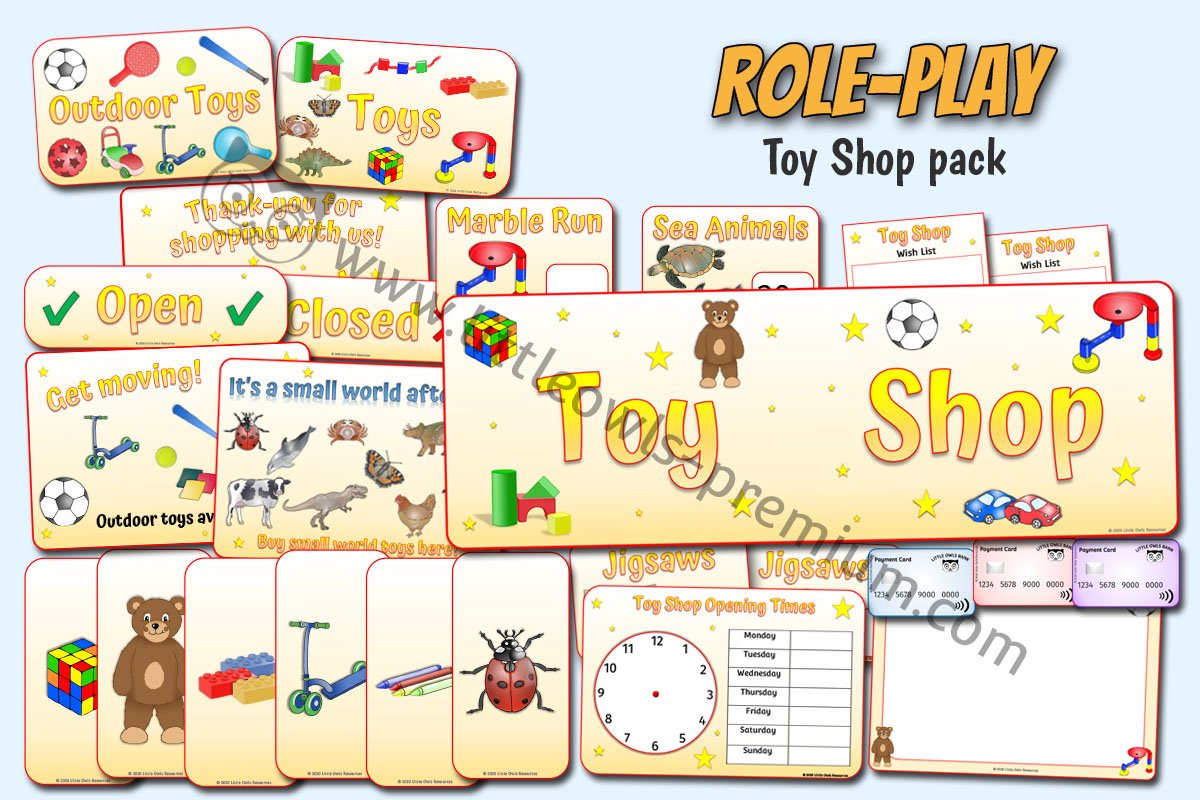
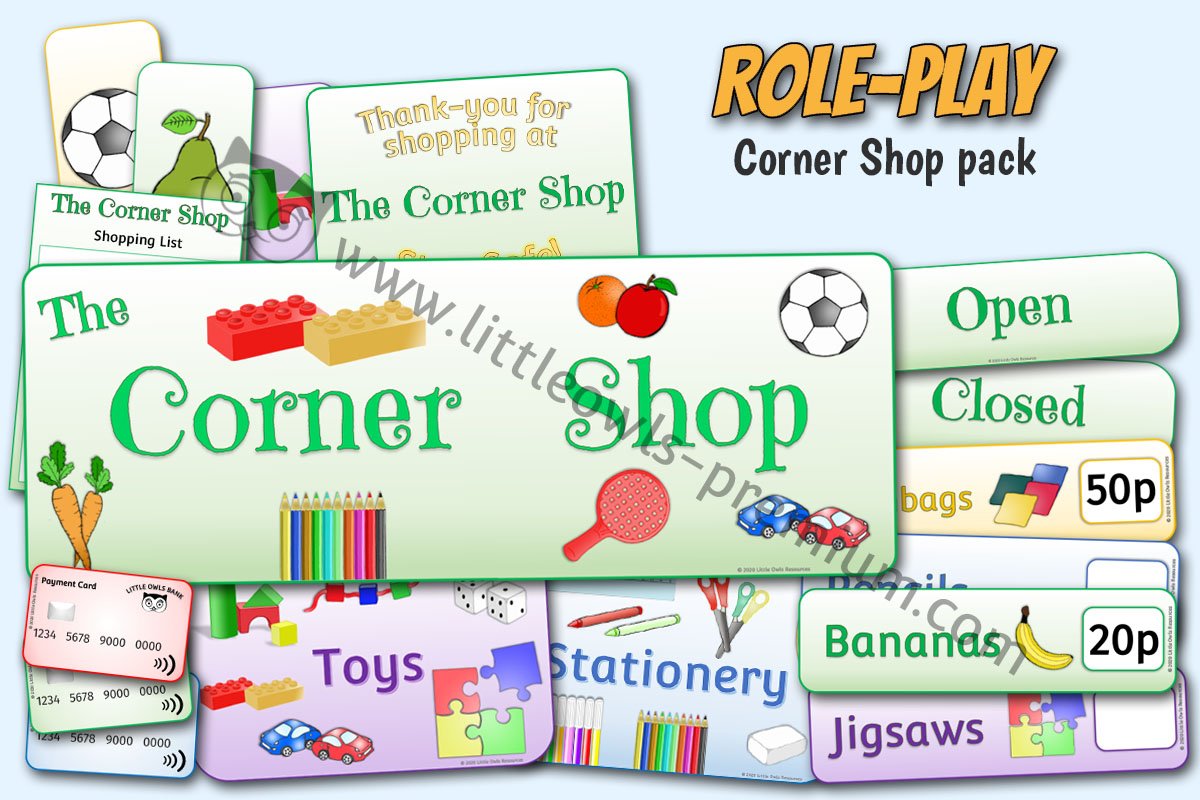
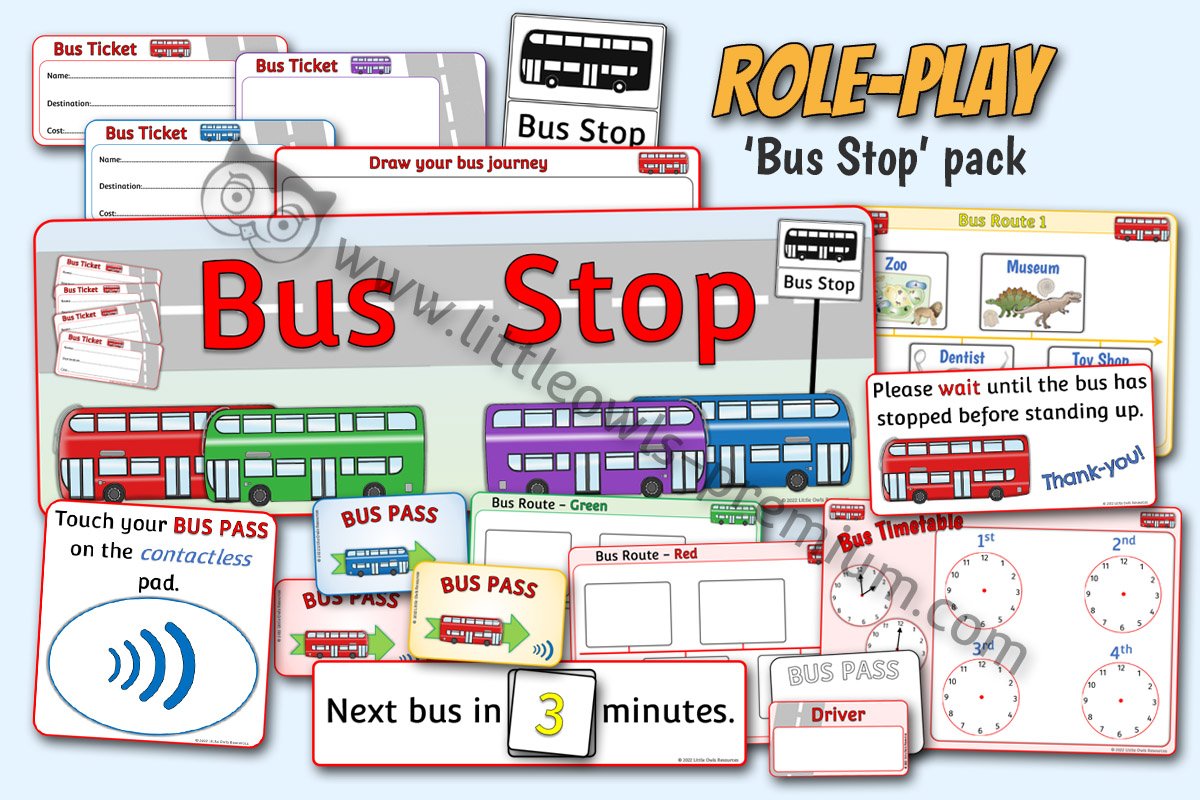
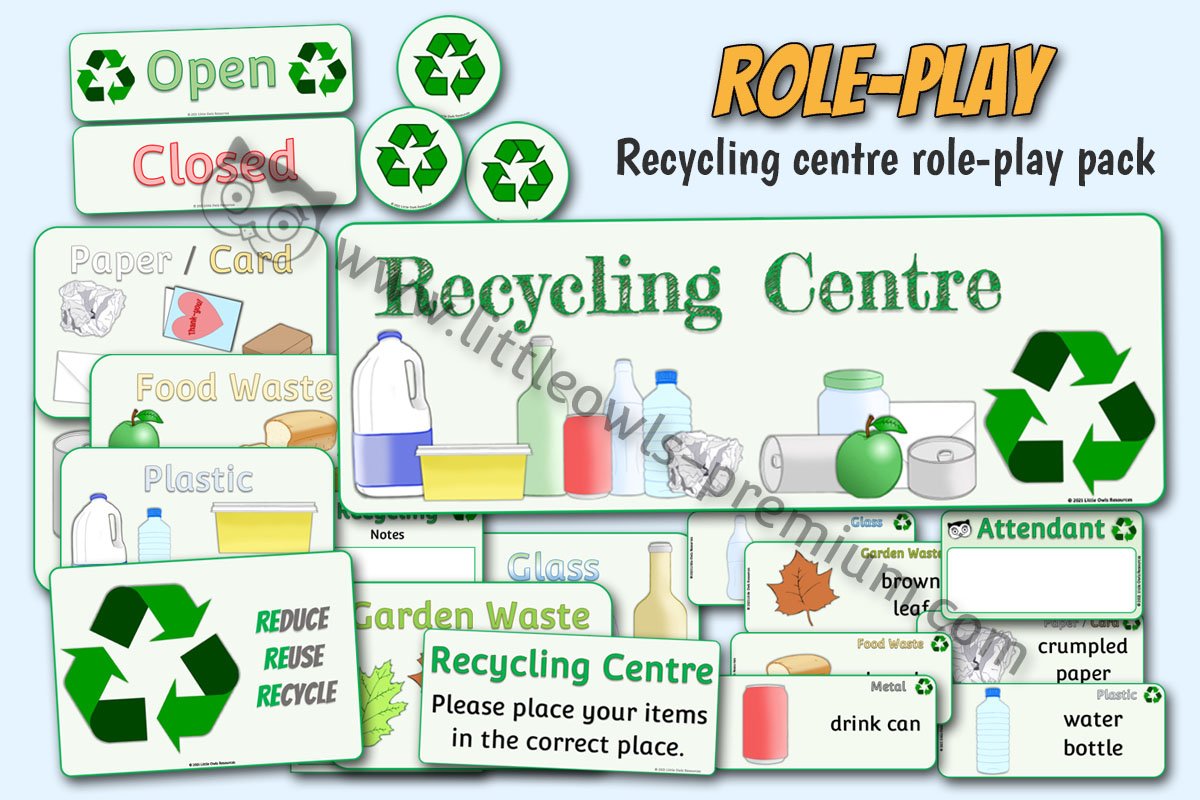
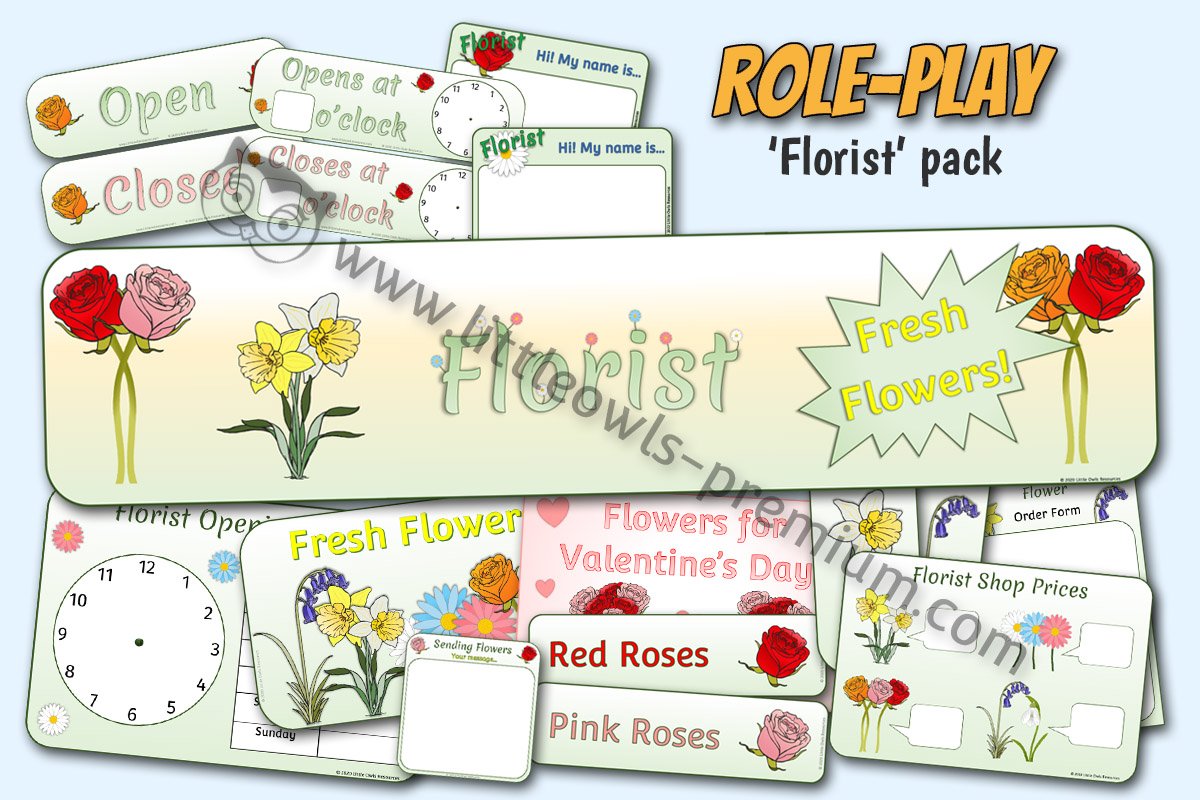
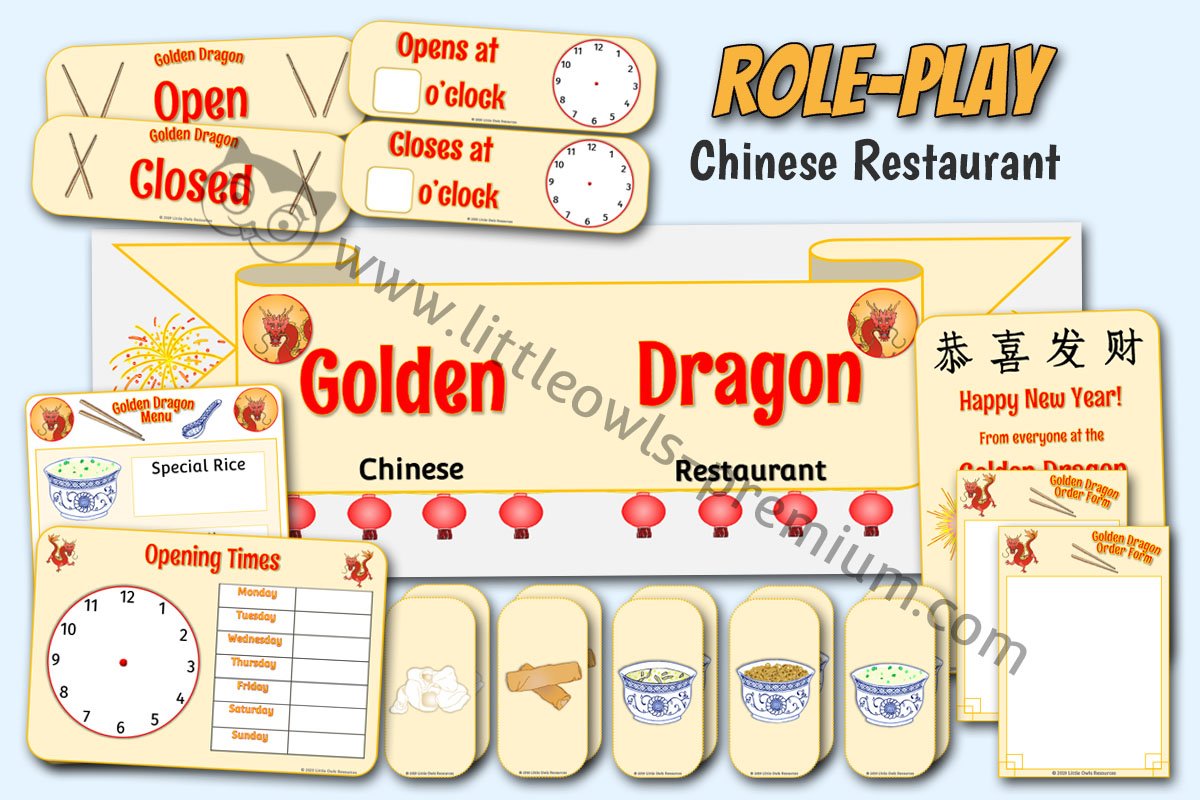
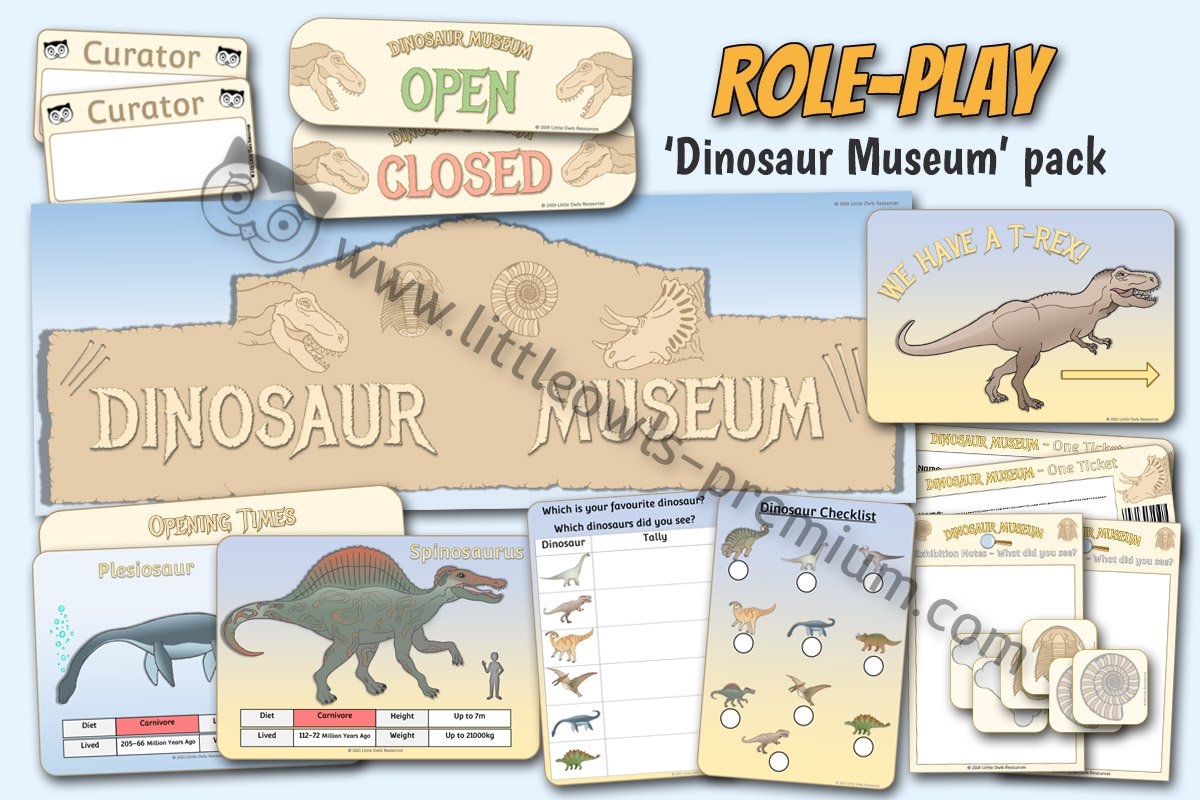
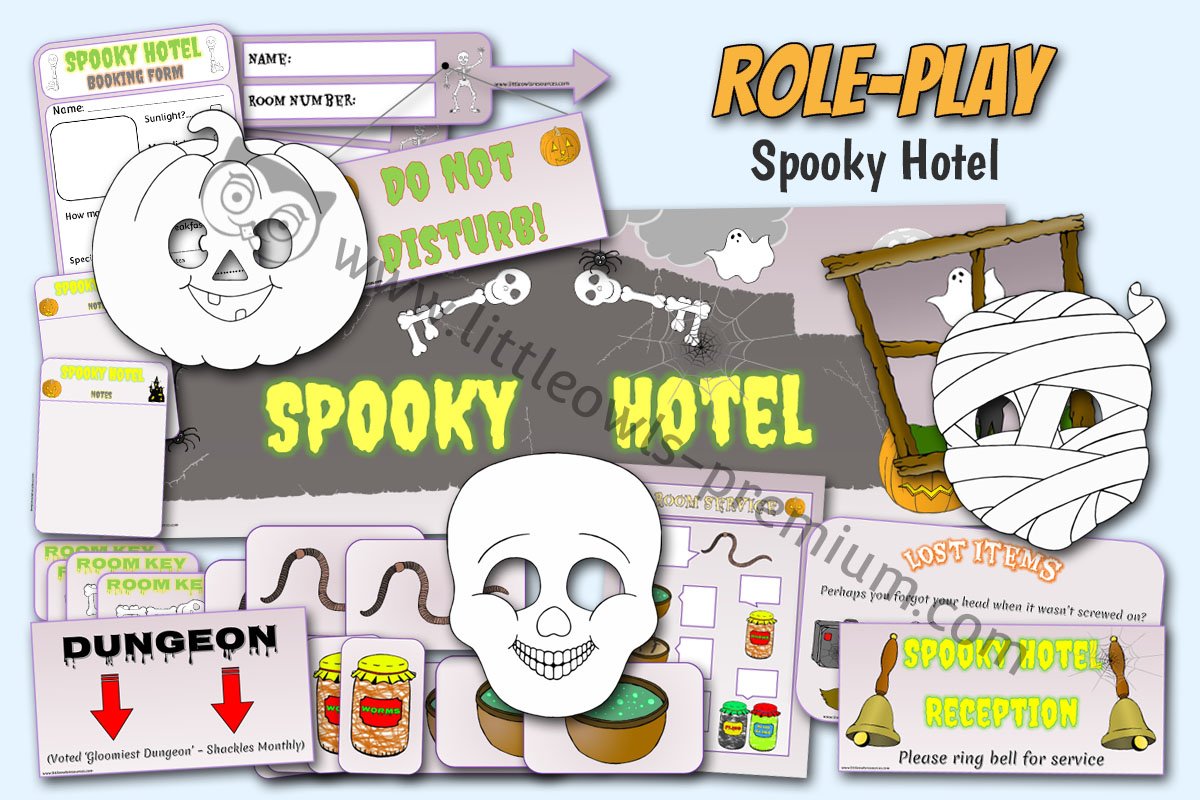
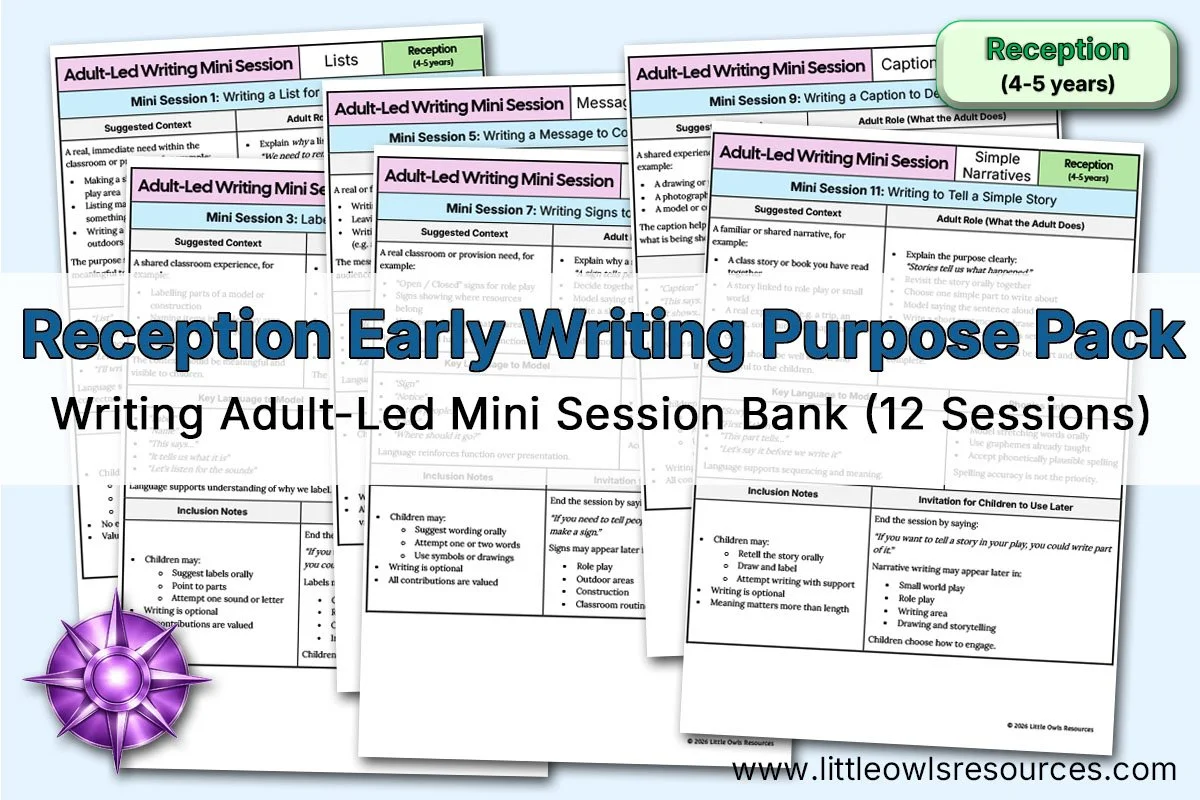
Phonics can also be applied naturally through purposeful mark making and writing. Explore our wider Mark Making & Writing collection for signs, labels, lists, messages, recording sheets and open-ended writing resources that give children meaningful reasons to use their developing spelling knowledge.
💡 Additional resources in development 💡
📖 Early Reading & Decodable Text
Practise decoding with text that matches children's current phonic knowledge
When children are expected to read independently using phonics, the words, captions and sentences they encounter need to be carefully matched to what they have already been taught.
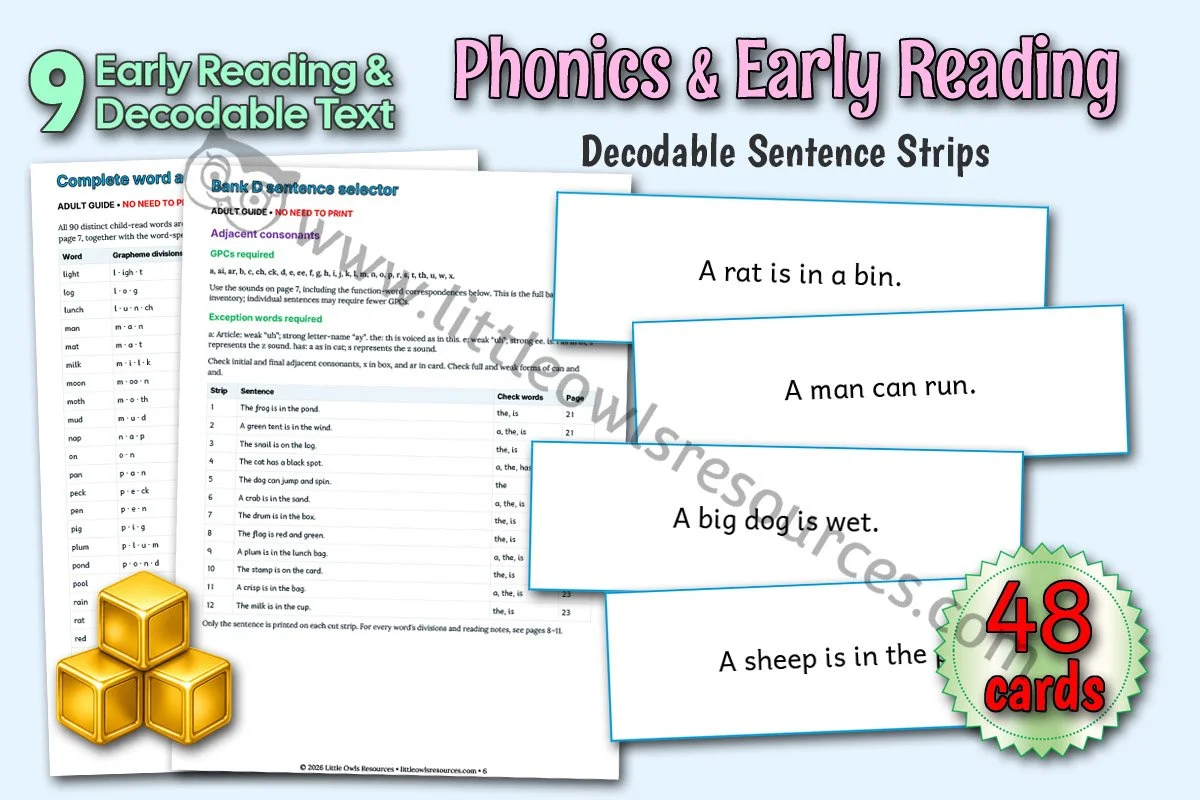
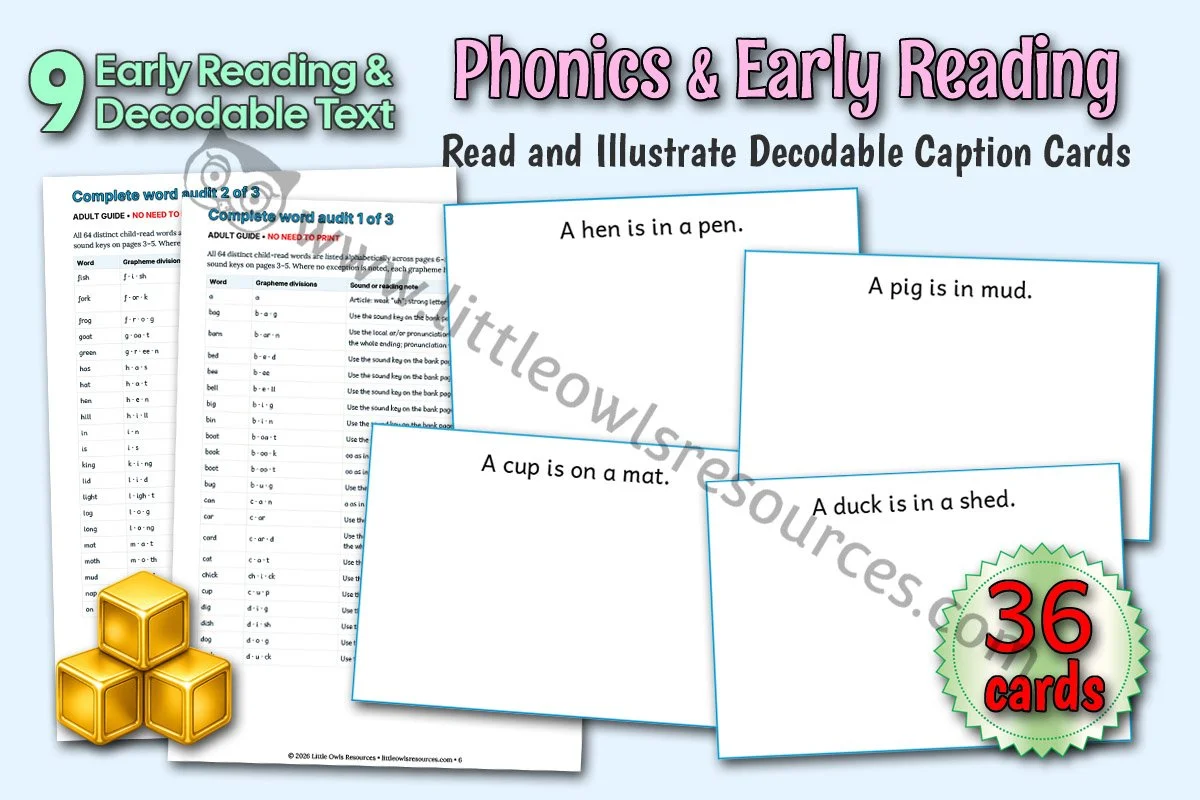
Explore decodable word, caption and sentence practice, read-and-illustrate resources, yes/no questions, short reading cards and editable templates that can be adapted to your SSP progression.
Little Owls supplementary reading resources are designed to support practice alongside your setting's main SSP-matched decodable reading books.
They are not intended to form a competing decodable-book scheme.
Different kinds of early reading
Children need opportunities both to practise reading print for themselves and to enjoy rich books and stories with adults. These experiences serve different purposes, but both are essential for developing confident, enthusiastic readers.
1. 🔤 Decodable Reading Practice
When children are expected to read independently using phonics, words and texts should be carefully matched to the GPCs and common exception words they have already been taught. Short words, phrases, captions, questions, sentences and simple texts can provide valuable opportunities to practise decoding and build fluency.
2. 📚 Shared Reading & Book Enjoyment
Books shared with an adult do not need to be limited to words children can decode independently. Stories, traditional tales, poems, nursery rhymes and information books introduce children to rich vocabulary, interesting ideas and more complex language while developing imagination, knowledge and a love of reading.
→ Explore Books & Storytelling
3. 💬 Reading for Meaning & Comprehension
Understanding what we read is important whether children are decoding a simple sentence themselves or listening to a much richer story read aloud. Talk about characters, events, vocabulary, predictions and ideas while also giving children opportunities to show that they understand the words and sentences they have decoded independently.
🏰 Explore Traditional & Fairy Tales
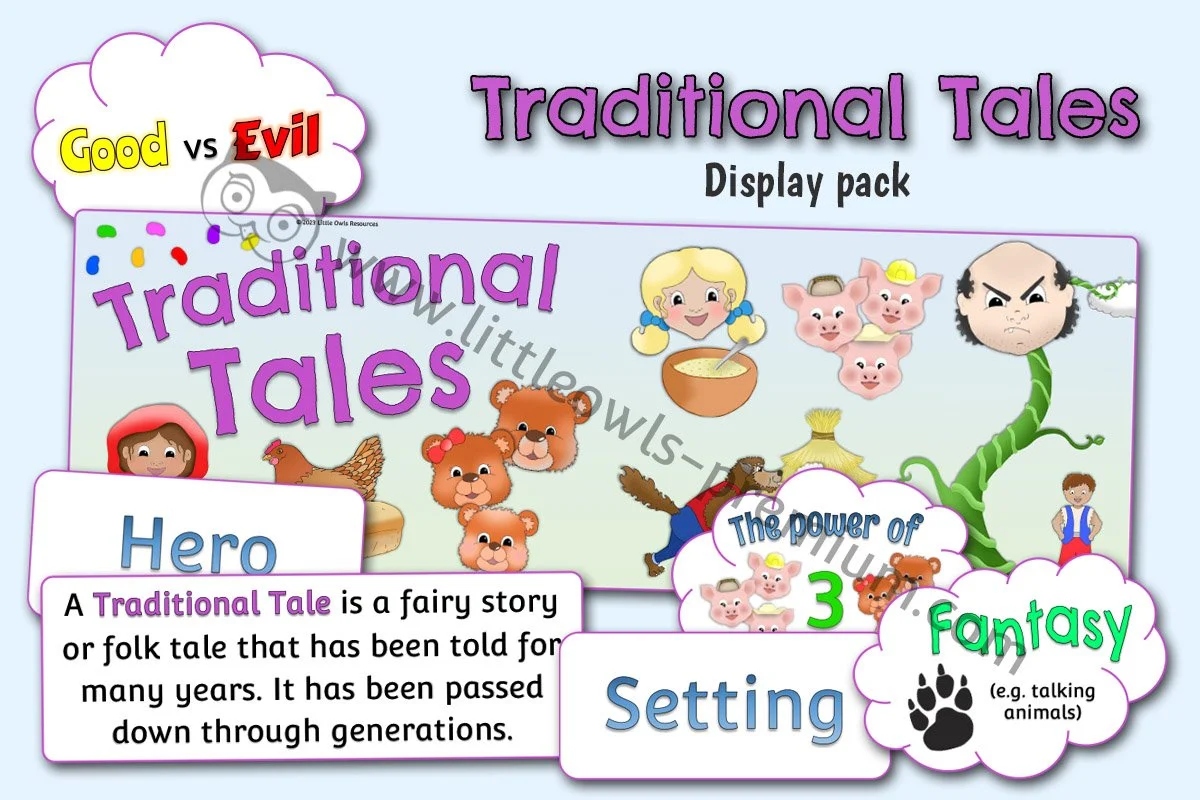
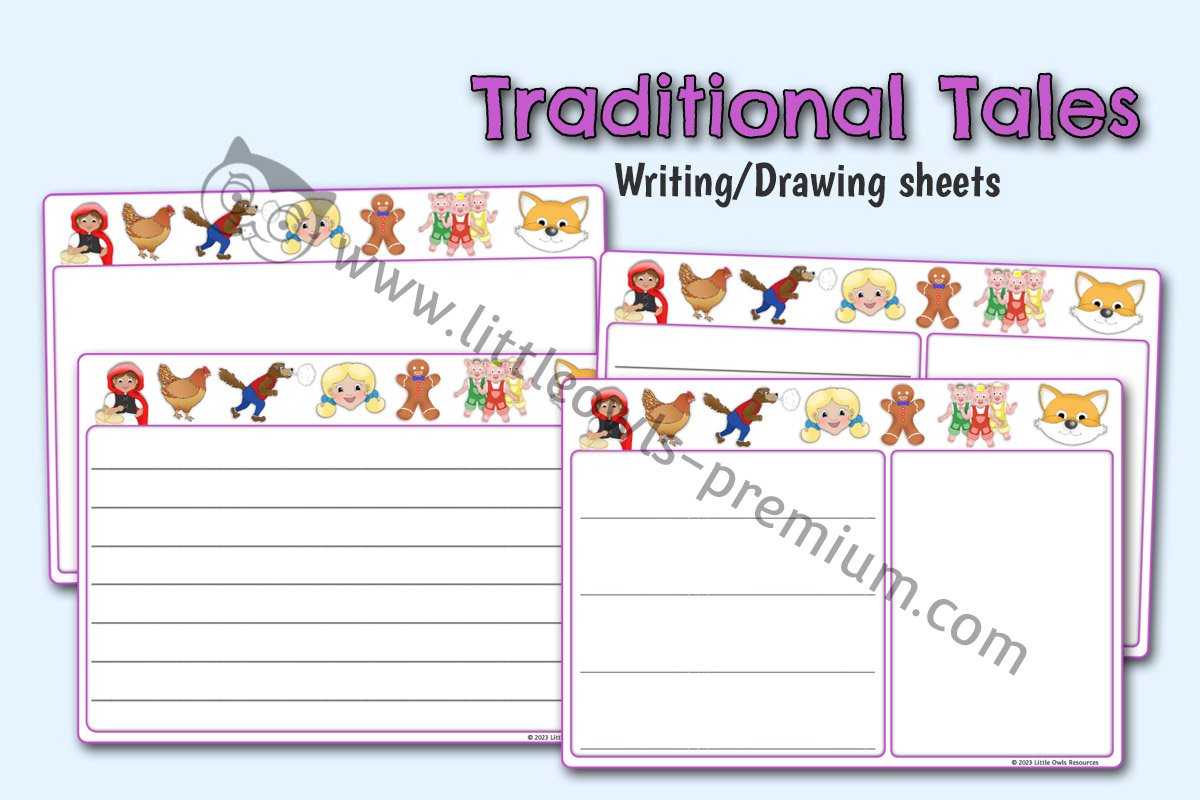
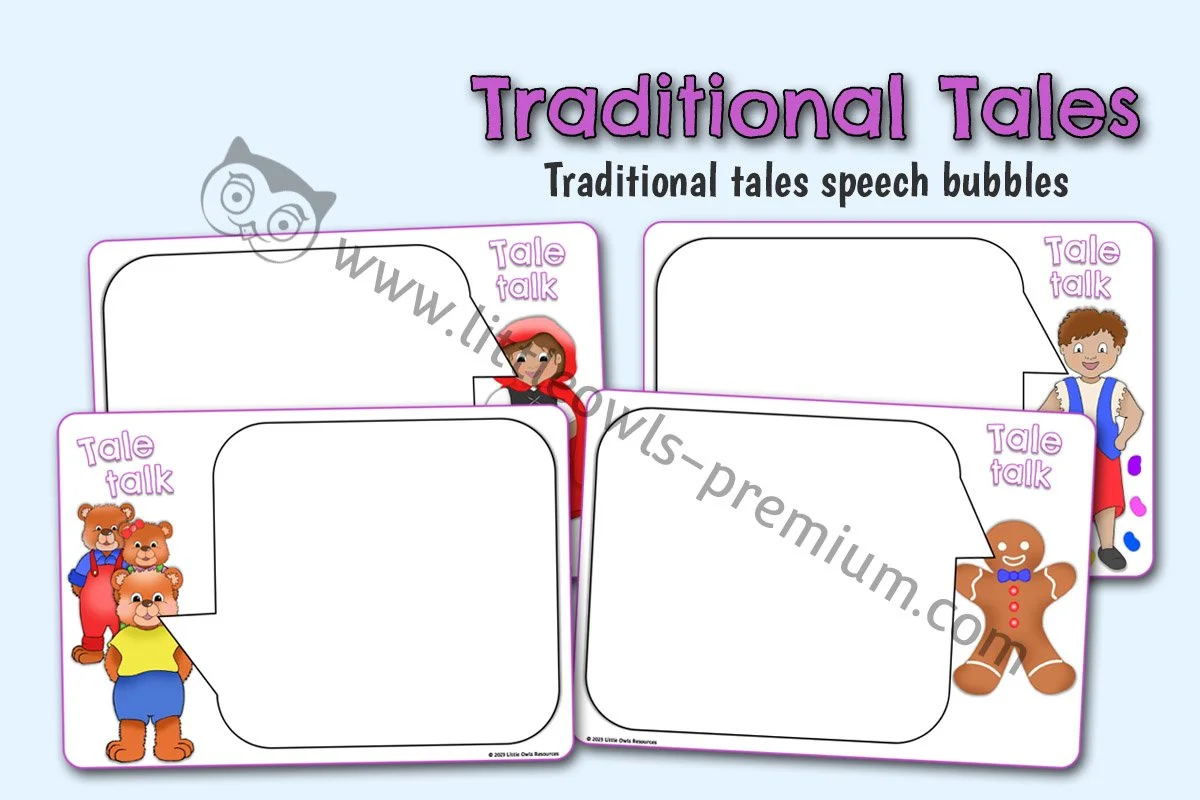
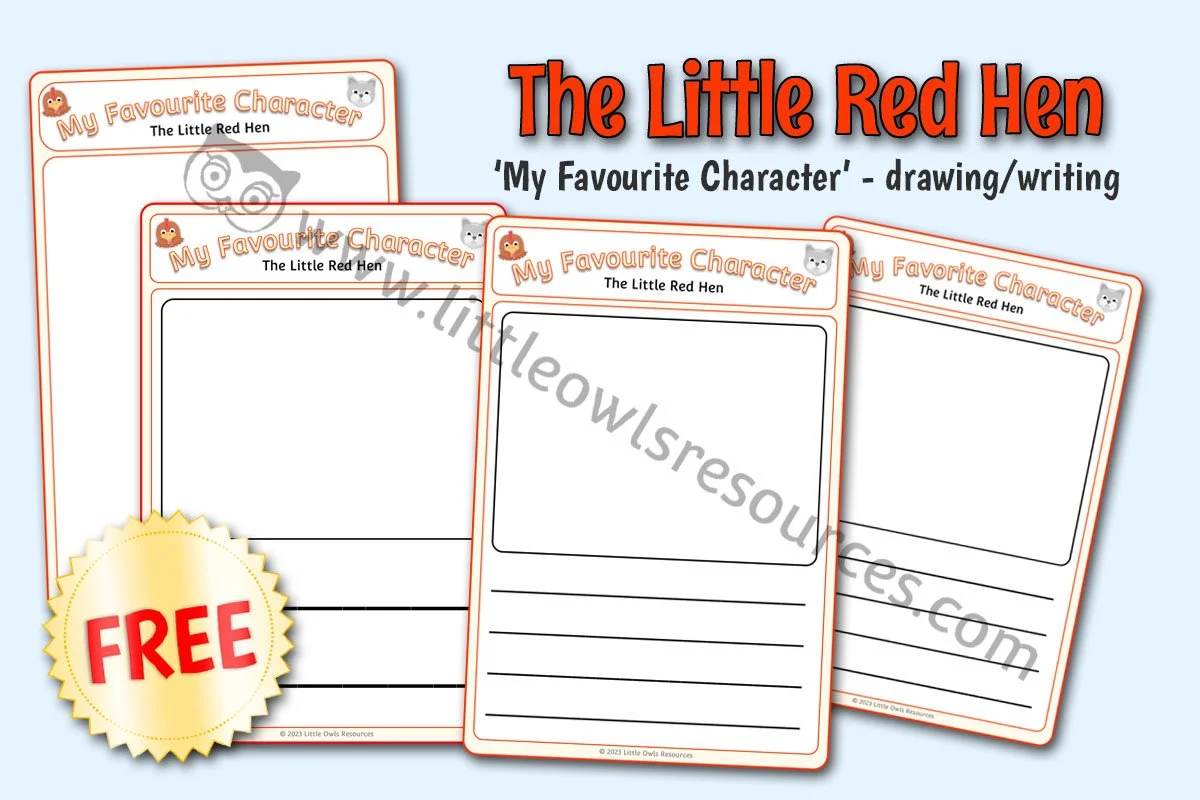
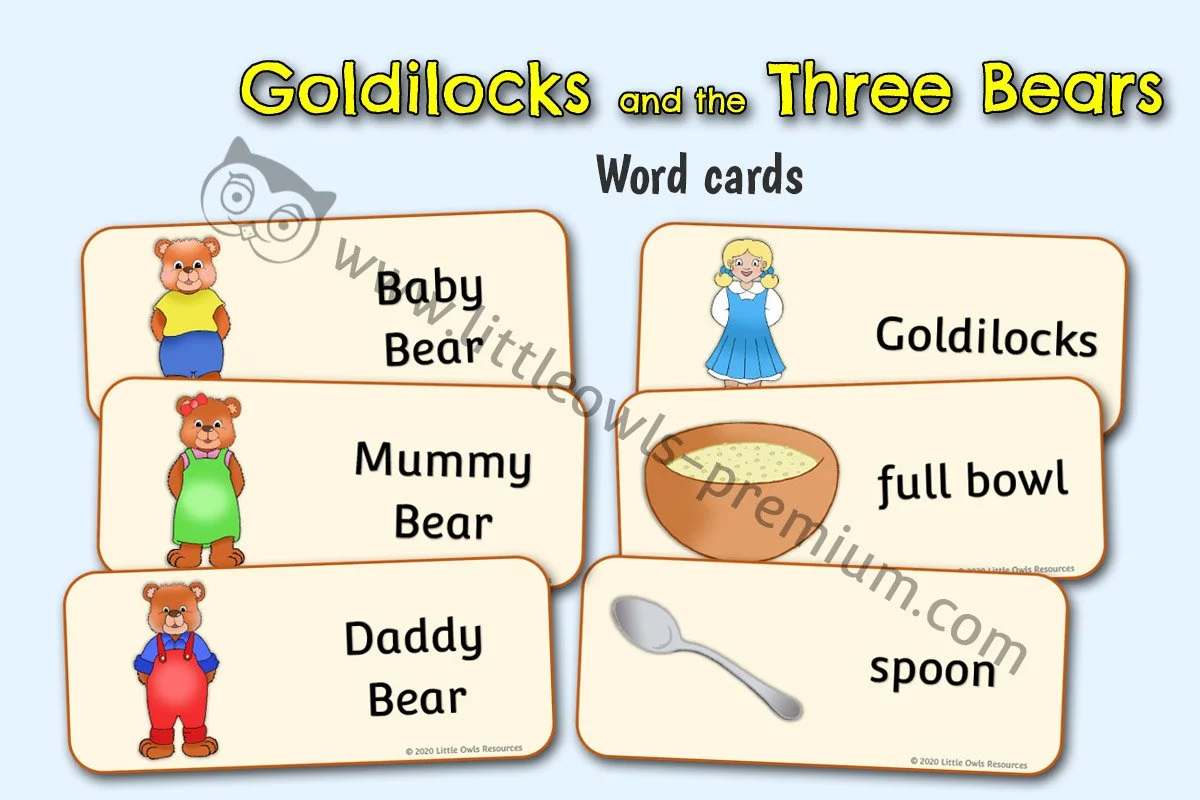
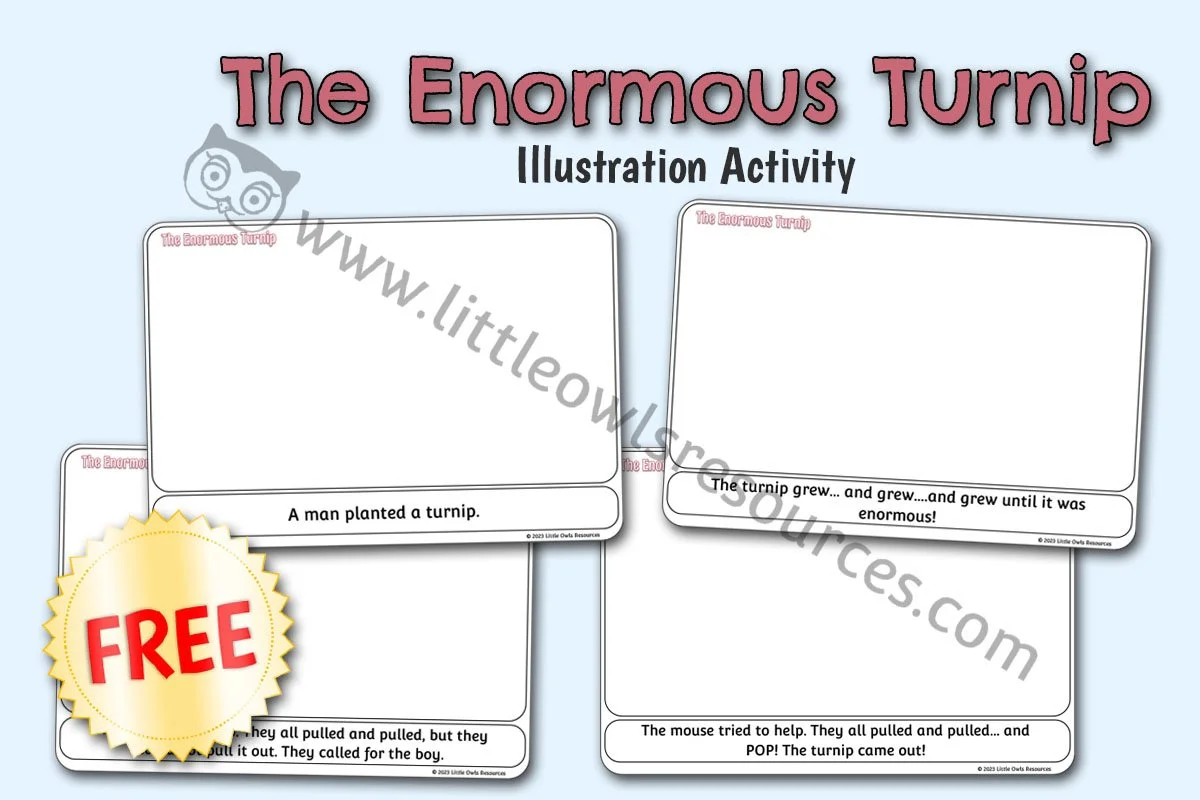
Traditional tales provide wonderful opportunities to enjoy rich language, repeated story patterns, memorable characters and familiar narratives together. Explore our Traditional & Fairy Tales resources for story maps, sequencing, characters, storytelling, discussion, mark making and activities inspired by much-loved tales.
→ Explore Traditional & Fairy Tales
🎵 Explore Nursery Rhymes
Nursery rhymes combine rhythm, rhyme, repetition and memorable language, making them particularly valuable within early reading provision. Singing and sharing familiar rhymes can help children anticipate repeated words and phrases, notice rhyming patterns, develop vocabulary and join in confidently with spoken language.
Explore our Nursery Rhymes collection for familiar rhymes, visual resources, sequencing activities and opportunities to support listening, language, storytelling and phonological awareness.
💡 Additional resources in development 💡
👩🏫 Practitioner & Parent Guidance
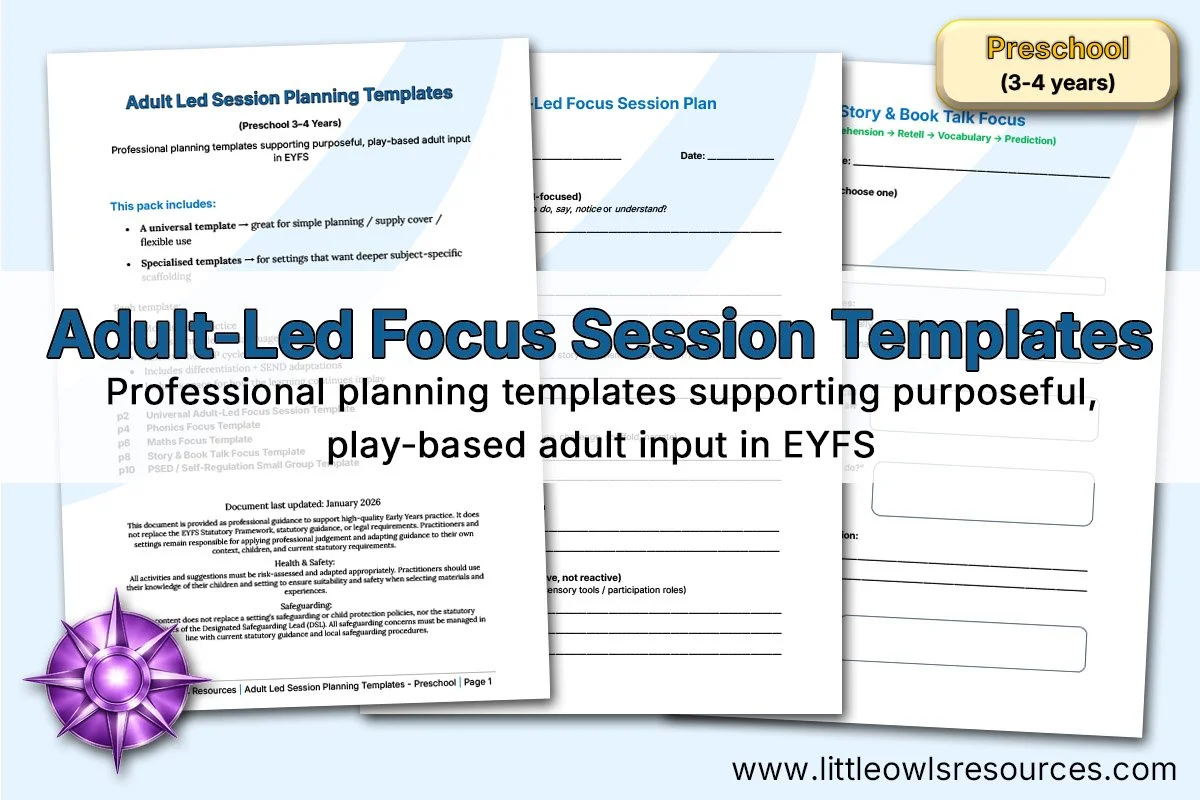
Help adults support phonics consistently and confidently
Clear adult guidance matters.
Explore quick guides and parent-friendly resources covering phonics terminology, clear pronunciation of phonemes, blending, segmenting, common exception words, decodable reading, reading at home and useful prompts when a child becomes stuck.
Practitioner guidance also explains how to use Little Owls Resources alongside an SSP without introducing a conflicting sequence, mnemonic system or reading strategy.


💡 Additional resources in development 💡
Using Little Owls Resources Alongside Your SSP
Little Owls Resources does not provide a separate systematic synthetic phonics programme.
Schools and settings should continue to follow the sequence, routines, terminology and teaching approach of their chosen SSP.
Little Owls Resources can then provide additional opportunities to:
revisit graphemes that have already been taught;
practise blending and word reading;
practise segmenting and spelling;
develop letter formation;
apply phonics through continuous provision;
practise reading short, appropriately matched words, captions and sentences;
support children who benefit from additional repetition or adapted presentation.
When choosing a supplementary resource, practitioners should check that the GPCs and common exception words it contains are appropriate for the children who will use it.
Where an editable version is provided, adapt the resource to reflect the content your children have actually been taught.
→ Using Little Owls Alongside Your SSP – Quick Guide - in development
Preschool Phonological Awareness or Reception Phonics?
The terms are sometimes used interchangeably, but it is helpful to distinguish between them.
Preschool — Phonological Awareness & Early Reading Foundations
For most Preschool children, the emphasis should remain on rich language and playful awareness of spoken sounds.
Provide plentiful opportunities for: rhymes and songs; listening and sound discrimination; clapping and noticing syllables; alliteration; recognising words beginning with the same sound; stories and vocabulary; conversations; environmental print; meaningful mark making; and playful oral sound work. These experiences help build important foundations without turning Preschool into an early version of Reception phonics teaching.
Explore the following Preschool Phonics resources:
Reception — Systematic Phonics & Early Reading
In Reception, systematic phonics becomes an important part of explicit teaching.
Children build knowledge of the alphabetic code through their setting's SSP and learn to use this knowledge for word reading and spelling. Continuous provision then provides additional opportunities to apply what has already been taught.
Explore the following Reception Phonics resources:
Phonics and Continuous Provision
Teach explicitly. Apply meaningfully.
High-quality Reception provision does not require a different themed phonics activity every day.
Direct phonics teaching provides the systematic introduction and practice of new knowledge.
Continuous provision can then create natural opportunities for children to use that knowledge independently and with adult support.
For example, a child might:
write a label for a model; make a shop sign; read an appropriately matched word card; write a message; use phoneme frames to spell a word; label a map; make a list; or read back something they have written.
A simple, meaningful opportunity is often more valuable than an elaborate activity in which finding, digging, fishing or collecting letters becomes more important than actually reading or writing.
→ Explore Phonics in Continuous Provision
→ Explore Continuous Provision & Play Areas - in development
Decodable Reading and Rich Books — Children Need Both
Phonics gives children a powerful way to work out unfamiliar printed words.
When children practise independent reading, the text should be closely matched to the phonics they have already been taught so they can succeed through decoding rather than guessing.
But children's wider reading experiences should never be restricted to the words they can currently decode.
Adults should continue to share rich picture books, traditional tales, information books, poetry, nursery rhymes and stories containing ambitious vocabulary and ideas.
These experiences support language comprehension, vocabulary, knowledge, imagination and a love of reading.
Think of the two purposes separately:
📘 Books children practise reading themselves
Matched closely to their developing phonic knowledge.
📚 Books adults read and enjoy with children
Chosen for language, ideas, stories, information and enjoyment — not because every word is independently decodable.
→ Explore Decodable Reading Practice
→ Explore Books & Storytelling
What About “Letters and Sounds” and the Phonics Phases?
You may have arrived here while searching for Letters and Sounds, Phase 1 Phonics, Phase 2 Phonics, Phase 3 Phonics, Phase 4 Phonics, high-frequency words or sight words.
These terms remain familiar to many practitioners and families, and some current phonics programmes continue to use “phase” terminology.
However, different SSP programmes may organise and introduce grapheme–phoneme correspondences in different ways.
For this reason, Little Owls no longer uses the original Letters and Sounds phase structure as the main way of organising our current Phonics & Early Reading provision.
Instead, our current resources are organised by the skill children are practising:
phonological awareness → oral blending and segmenting → grapheme knowledge → word reading → spelling → common exception words → letter formation → phonics application → decodable reading.
This allows practitioners to select resources that match what their children have actually been taught.
Our older Letters and Sounds resources remain available for practitioners looking for them, but we recommend checking that their content and sequence match your current SSP before using them for phonics practice.
Browse Legacy Letters & Sounds / Phase Resources
Looking for Alphabet & Initial Sound Resources?
Alphabet knowledge, phonological awareness and systematic phonics overlap, but they are not exactly the same thing.
Our wider Alphabet & Letter Knowledge resources include alphabet cards, upper- and lower-case matching, themed alphabet printables and playful letter-exploration materials.
Our Initial Sounds resources include activities for listening to and comparing the beginnings of spoken words.
Use these alongside — rather than as a replacement for — systematic phonics teaching.
Curriculum & Pedagogy Support
Looking for more than printable provision?
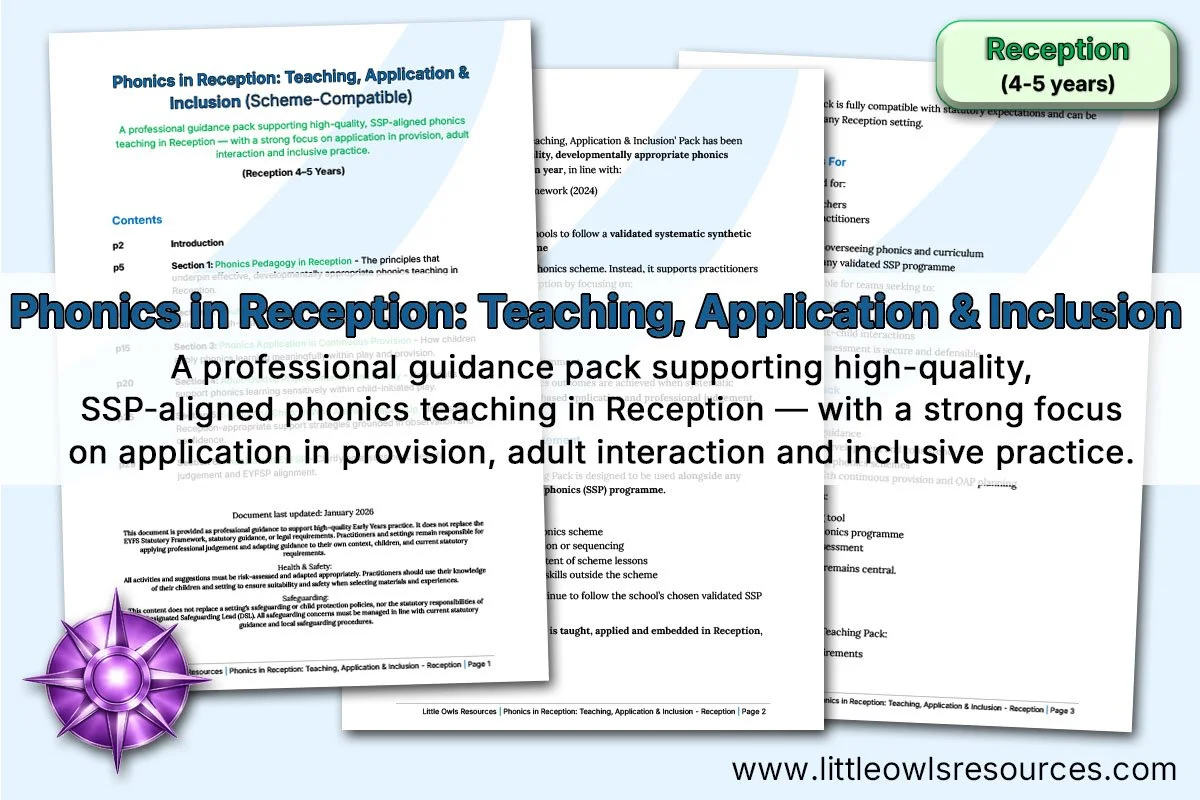
Our EYFS Curriculum & Pedagogy Suite provides deeper practitioner guidance for Preschool and Reception.
Preschool
Explore guidance for phonological awareness, language, vocabulary, story comprehension and the foundations of early reading.
Reception
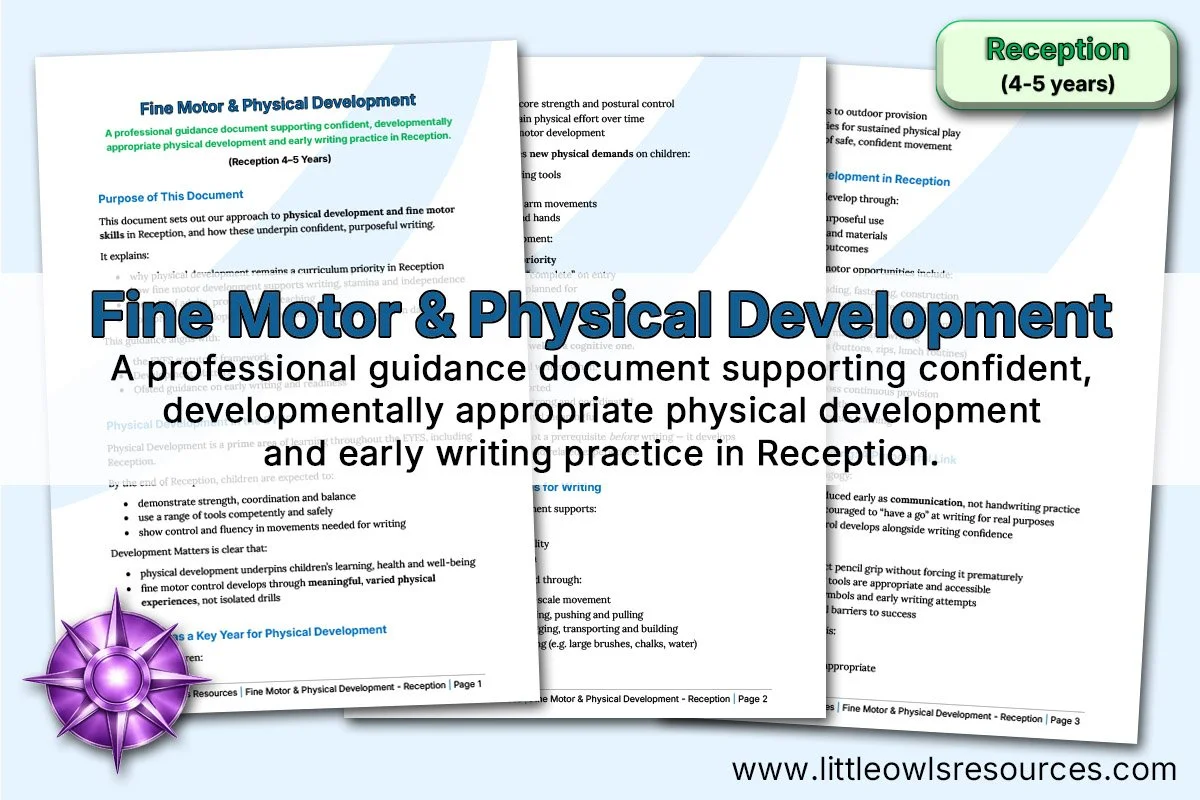
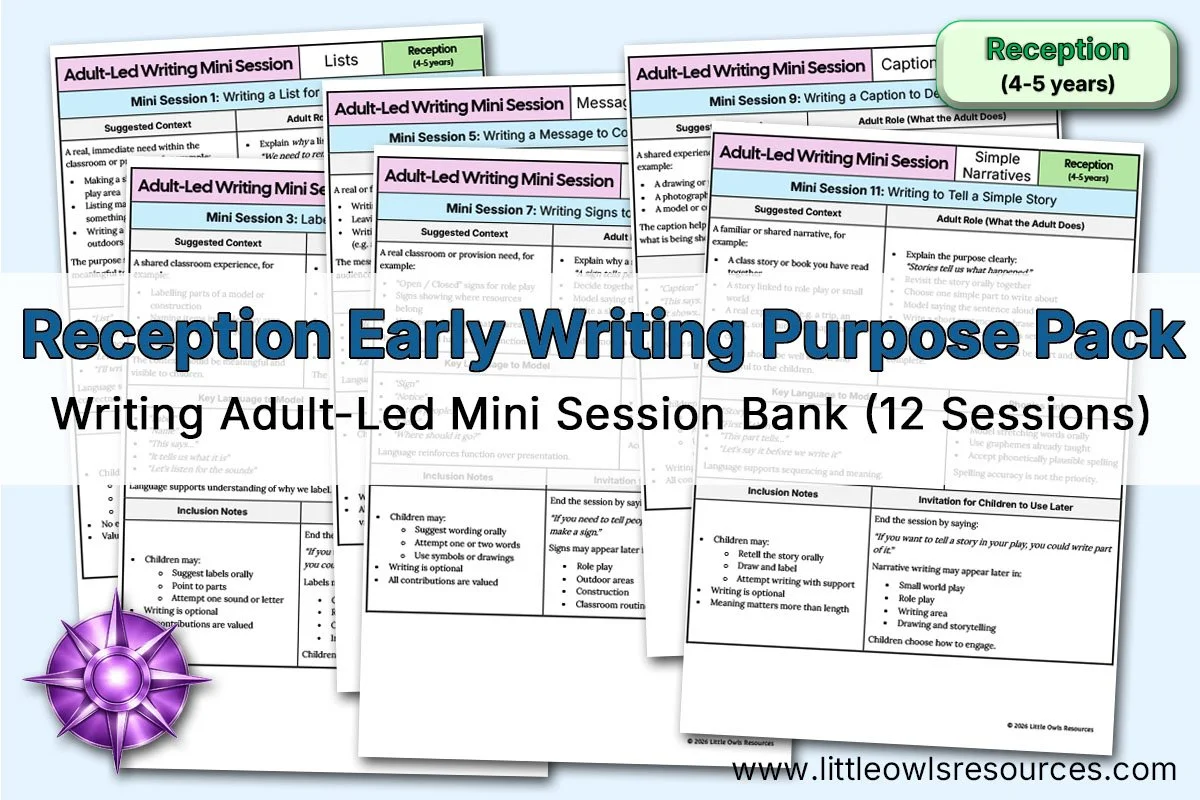
Explore scheme-compatible guidance for systematic phonics teaching, application, inclusion, early writing and assessment within the wider Reception curriculum.
Supporting Every Child
Children do not all develop phonological awareness, phonics knowledge, speech, language, reading and writing at the same pace.
Some children may benefit from:
more repetition; smaller teaching steps; reduced visual choice; larger or clearer resources; additional adult modelling; accessible writing tools; alternative ways to respond; extra opportunities to revisit previously taught GPCs; or more focused support.
Adapt access without unnecessarily changing the phonics knowledge being practised.
Where a child is finding phonics particularly difficult, identify the specific point of difficulty and provide additional support that remains consistent with the setting's main phonics approach.
→ Explore SEND & Inclusive Phonics Support - in development
→ Explore SEND & Inclusion Resources - in development
Find the Right Phonics & Early Reading Resource
Not sure where to begin?
If you work with Preschool children...
Start with Listening & Phonological Awareness, Oral Blending & Segmenting, Nursery Rhymes, Stories and meaningful Mark Making.
If you work in Reception...
Start with the GPCs currently being taught through your SSP, then explore Letters, Graphemes & Phonemes, Blending & Word Reading, Segmenting & Early Spelling and Decodable Reading.
If you want resources for continuous provision...
Explore Phonics in Continuous Provision and use editable materials matched to the code children already know.
If you are supporting a child at home...
Visit Practitioner & Parent Guidance for simple explanations of blending, reading books, tricky words and what to do when a child becomes stuck.
Explore More Literacy Resources
Phonics is one important part of a broad and language-rich Literacy curriculum.
You may also be interested in:
Reading & Book Areas - in development
Writing Provision - in development
Small World - in development
Free, Premium & Professional Resources
Little Owls Phonics & Early Reading includes a growing collection of resources across our membership levels.
Free Access
Explore selected samples, introductory guidance and free resources.
Premium
Access our printable provision library, including editable and ready-to-print phonics and early reading resources.
Professional
Access Premium resources plus the wider EYFS Curriculum & Pedagogy Suite, including in-depth Preschool and Reception guidance.
Phonics & Early Reading — At a Glance
Preschool:
Listen → talk → rhyme → notice → explore spoken sounds.
Reception:
Learn the code → blend to read → segment to spell → practise → apply → reread for fluency.
Across the EYFS:
Share stories → build vocabulary → talk together → write for meaningful purposes → enjoy books.
Explore the sections above to find resources that match your children, your provision and your chosen phonics approach.
More ways to search on Little Owls Resources…
(Select the buttons below to visit our menu pages)