Books and Storytelling - EYFS / Early Years Activities, Displays and Ideas
On this page we have compiled all of the resources from our Little Owls Resources website which you may find useful for learning about ‘Books and Storytelling’ with your EYFS and KS1 children. You will find Free Sample Resources alongside our core Premium Printable Provision for this theme. In addition, you will find some Professional EYFS Curriculum & Pedagogy Suite Planning Documents. Explore membership options here.
Sections on this page:
Featured Role Play Packs
(Free) Book resources
Theme & Project Curriculum Planning Support
Masks - Great for developing young children’s interest in books and characters through role-play!
General ‘Traditional Fairy Tales’ topic resources
Specific Traditional Fairy Tales
(Free) ‘Traditional Tales’ resources
Display Lettering (Books)
Related Special Dates - World Book Day - National Storytelling Week (Scroll down to find out more)
Related resources and pages you may be interested in - Animals - Dinosaurs - Fairies - People Who Help Us - Pirates - Teddy Bears’ Picnic - Literacy - Letters and Sounds/Phonics
More March Awareness Dates and Festivals
Role-Play Packs
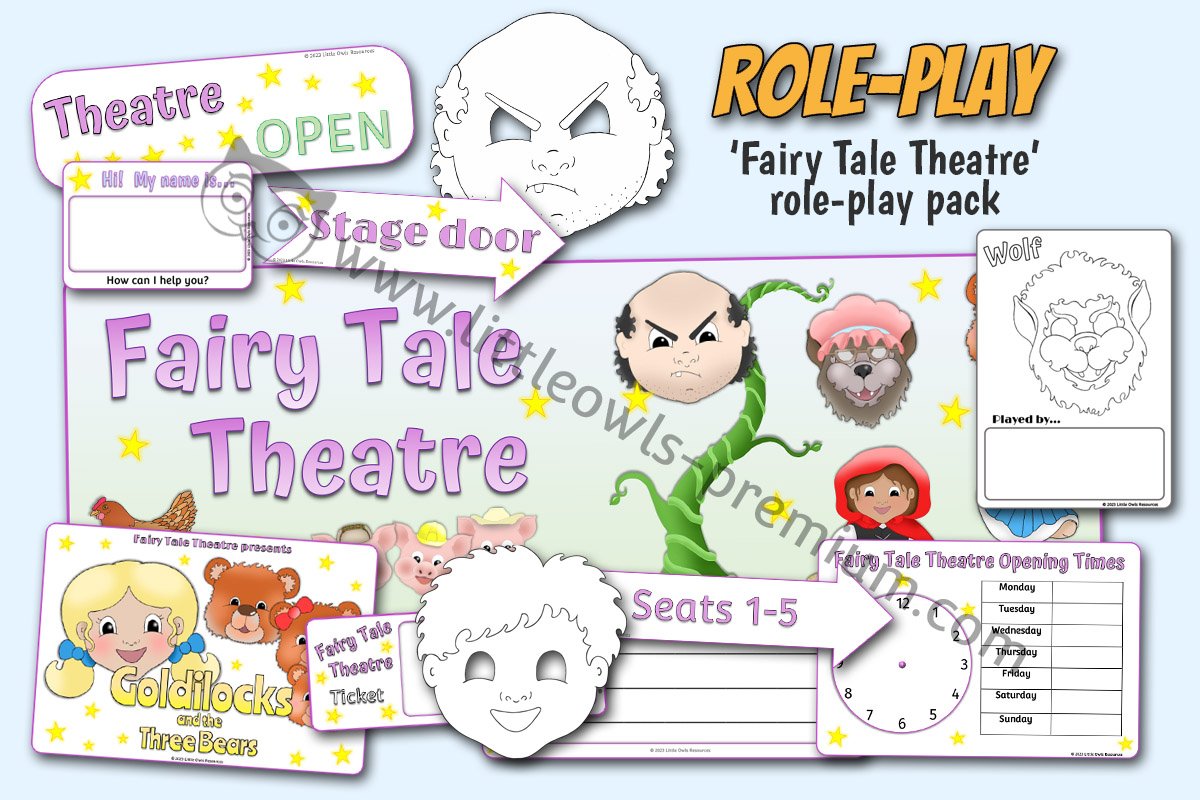
'Fairy Tale Theatre' role play pack.
Pack includes:
(Please note that due to file size, the docx document has been split into 2 separate files. However, the pdf and zip files are still available as a single download each.)
Banner
Hi my name is…how can I help you? Name badges
Ticket templates
Open/Closed signs
Timetable for opening times (including blank clock face for children to draw on their own hands)
Various signs, e.g. box office, exit, stage door, actors this way
Seat number signs
Name writing activity - Character image posters with writing ‘Played by…’ with space for children to write their name underneath. Blank version also available for additional characters.
Advert posters, e.g. ‘Fairy Tale Theatre Presents Goldilocks and the Three Bears’ - full colour, colouring in and design your own versions: Goldilocks and the Three Bears, Jack and the Beanstalk, Little Red Riding Hood, The Little Red Hen and The Three Little Pigs.
Mark making border sheets
Mark making ‘Starring…’ sheets
Character masks x 21: Daddy Bear, Mummy Bear, Baby Bear, Goldilocks, Jack, Jack’s Mum, Giant, Red Riding Hood, Brick Pig, Straw Pig, Stick Pig, Little Red Hen, Lazy Cat, Lazy Goose, Lazy Pig, Bean Seller, Giant’s Wife, Grandmother, Wolf in disguise, Wolf and Wood Cutter.
Original artwork drawn by Sara Murphy and final digital resources created by Stuart Murphy. COPYRIGHT ON ALL OF THE RESOURCES HOUSED ON THIS WEBSITE IS HELD BY ‘LITTLE OWLS RESOURCES’. OUR RESOURCES (INCLUDING THE IMAGES WITHIN THEM), CANNOT BE SHARED OR SOLD COMMERCIALLY.
DOWNLOAD EDITABLE (Part 1) (DOCX)
DOWNLOAD EDITABLE (Part 2 - Masks) (DOCX)
DOWNLOAD NON-EDITABLE (PDF)
DOWNLOAD NON-EDITABLE (Zipped JPEGs)
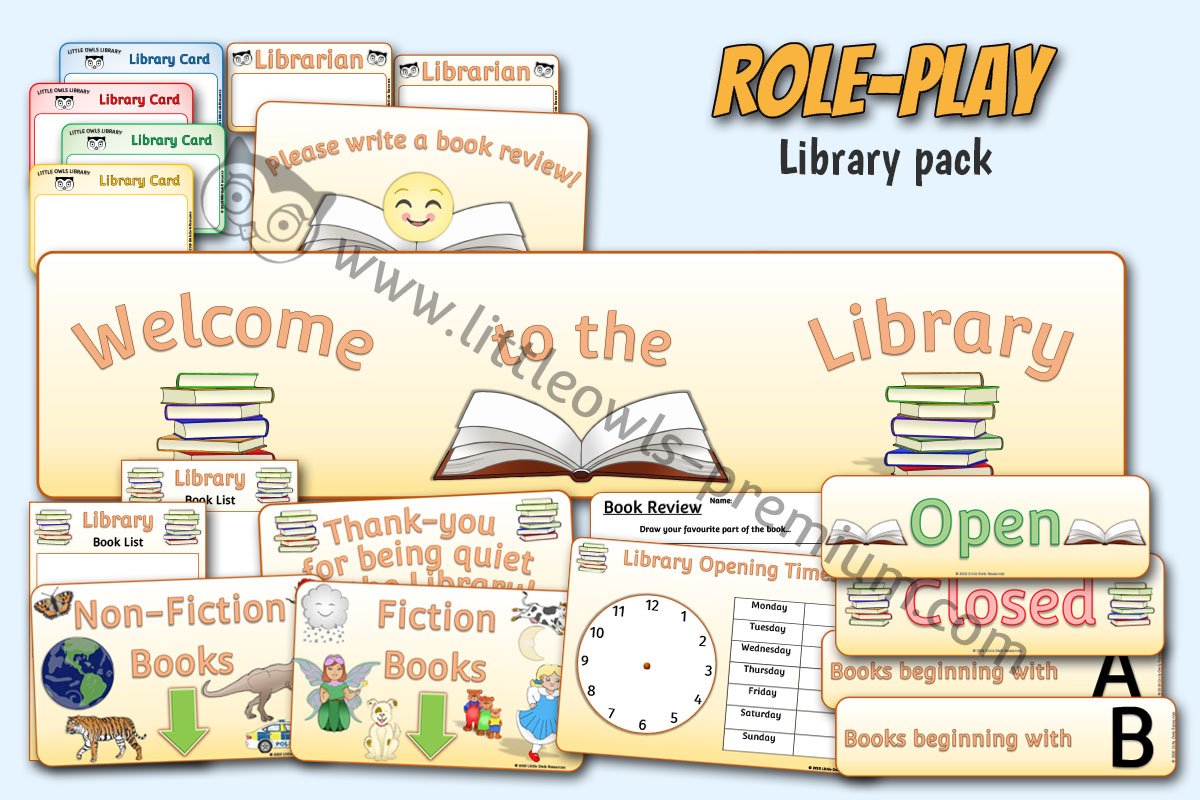
Everything you need to set up a library role-play area!
Pack includes:
(Please note that words, etc. can be altered within the editable docx file version.)
‘Welcome to the Library’ banner
Library cards
Librarian identity cards - Name Writing
Posters
‘Please wait’ footprint floormats
Signs for - ‘Non-Fiction Books’ and ‘Fiction Books’
‘Books beginning with…’ signs for sorting activities
‘Put…books in a pile here’ counting activity signs
‘Open’ & ‘Closed’ signs
‘Library Opening Times’ Poster
Templates for emergent writing (ideally laminated) - ‘Library Book List’ & ‘Write your name here when you borrow a book’,
Differentiated book review sheets
Original artwork drawn by Sara Murphy and final digital resources created by Stuart Murphy. COPYRIGHT ON ALL OF THE RESOURCES HOUSED ON THIS WEBSITE IS HELD BY ‘LITTLE OWLS RESOURCES’. OUR RESOURCES (INCLUDING THE IMAGES WITHIN THEM), CANNOT BE SHARED OR SOLD COMMERCIALLY.
DOWNLOAD EDITABLE (DOCX)
DOWNLOAD NON-EDITABLE (PDF)
DOWNLOAD NON-EDITABLE (Zipped JPEGs)
If you are not a member already, become a ‘Free Access’ member here. This will give you access to resources within the ‘Free Sample Resources’ sections at the top of most pages and ‘Special Dates Calendars’. Some whole topics are even free! Find out more about all of our membership options here. If you are already a member… thank-you!
Please note that both Editable (docx file) and non-editable (pdf file) versions are available for the following resources. (Editable files require Microsoft Word to work at optimum level and Non-Editable files require a pdf viewer.)

Click on the thumbnail images below for further details…
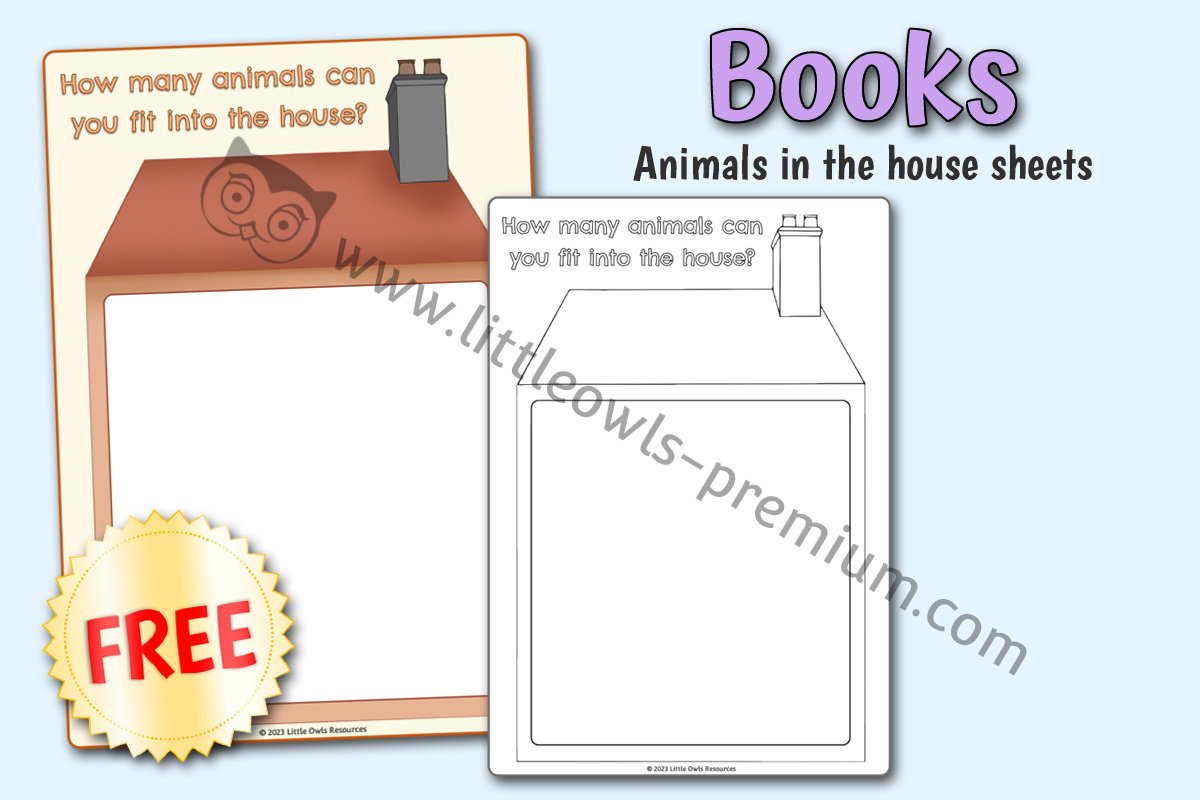
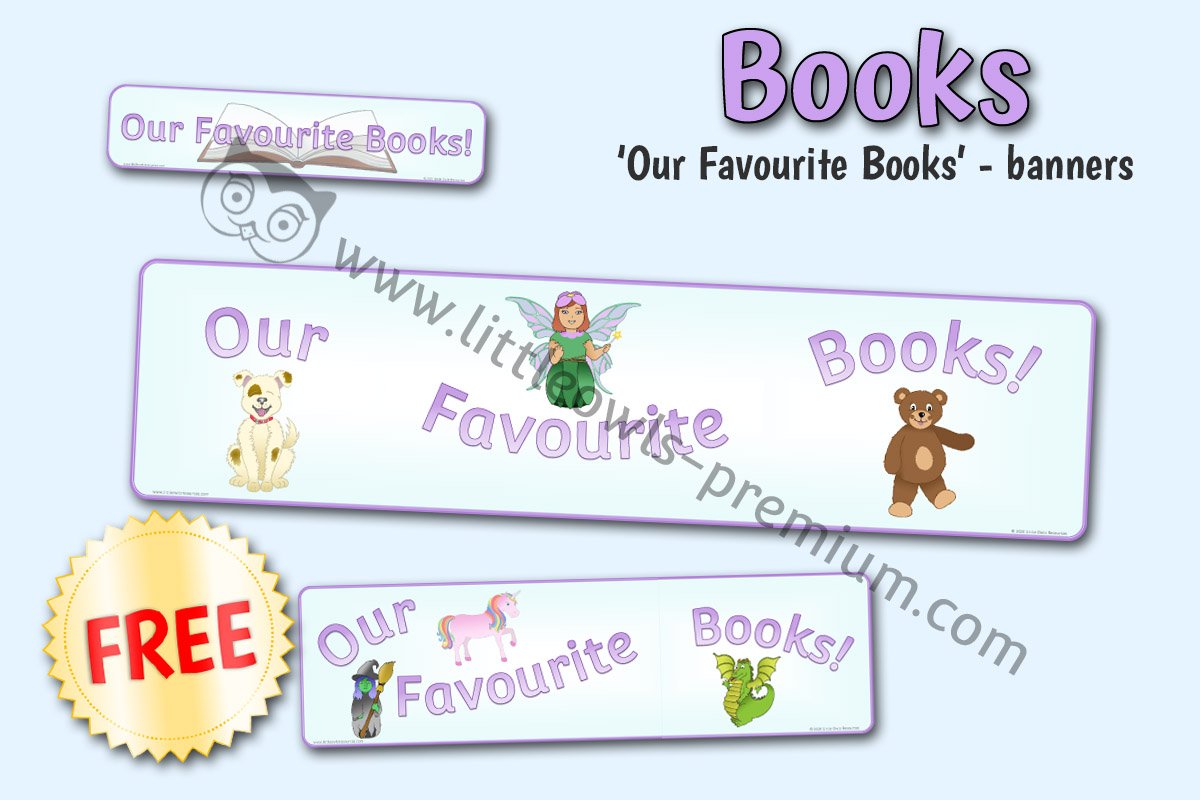
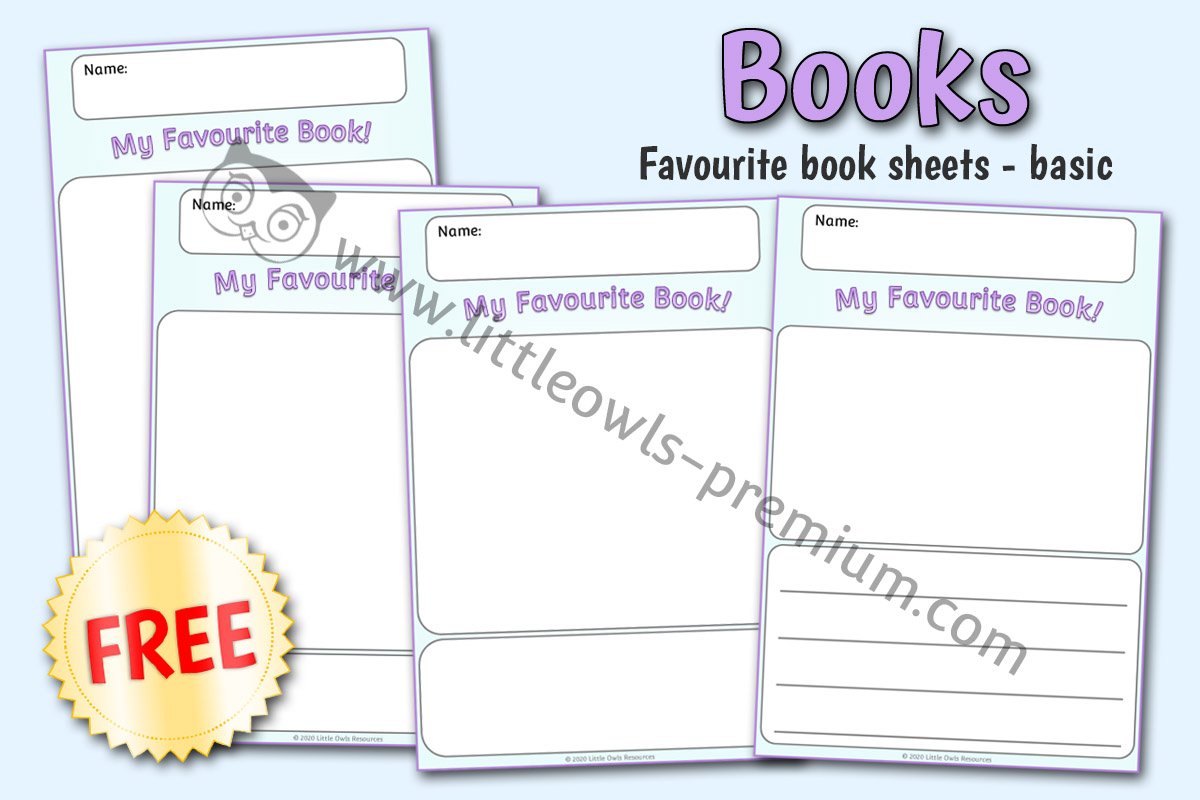
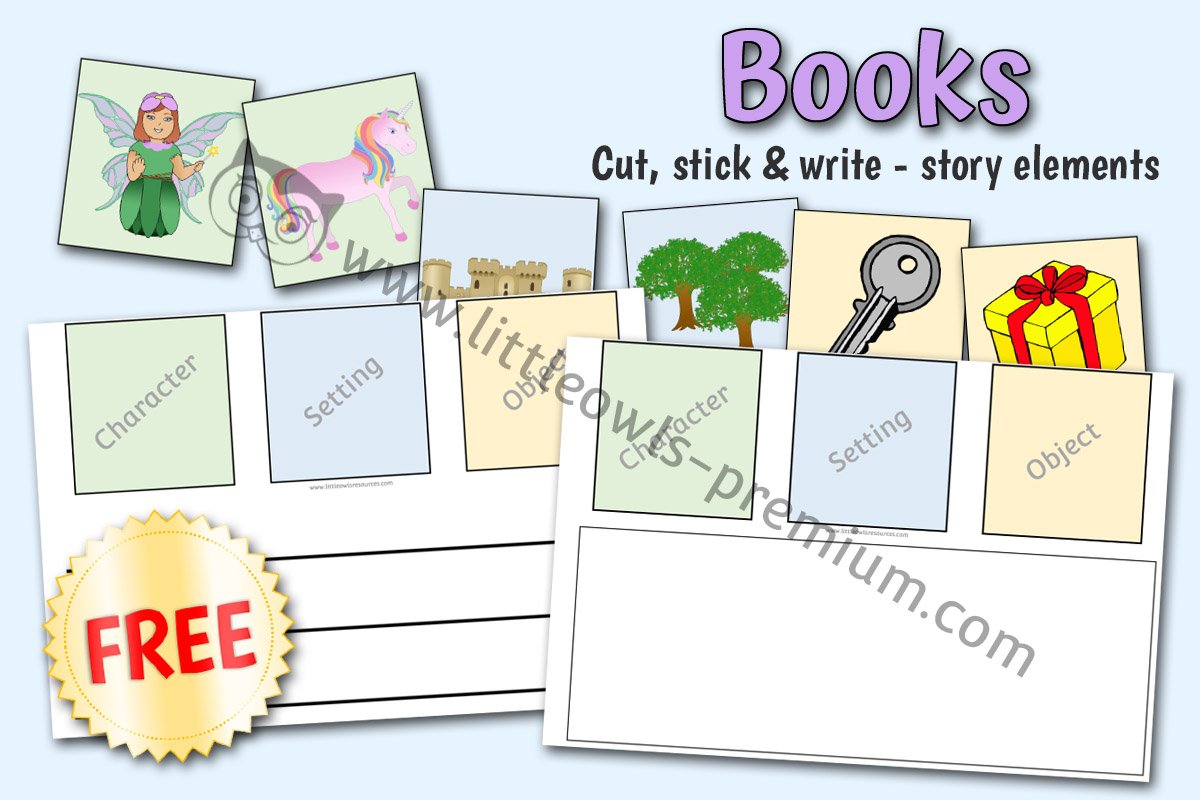
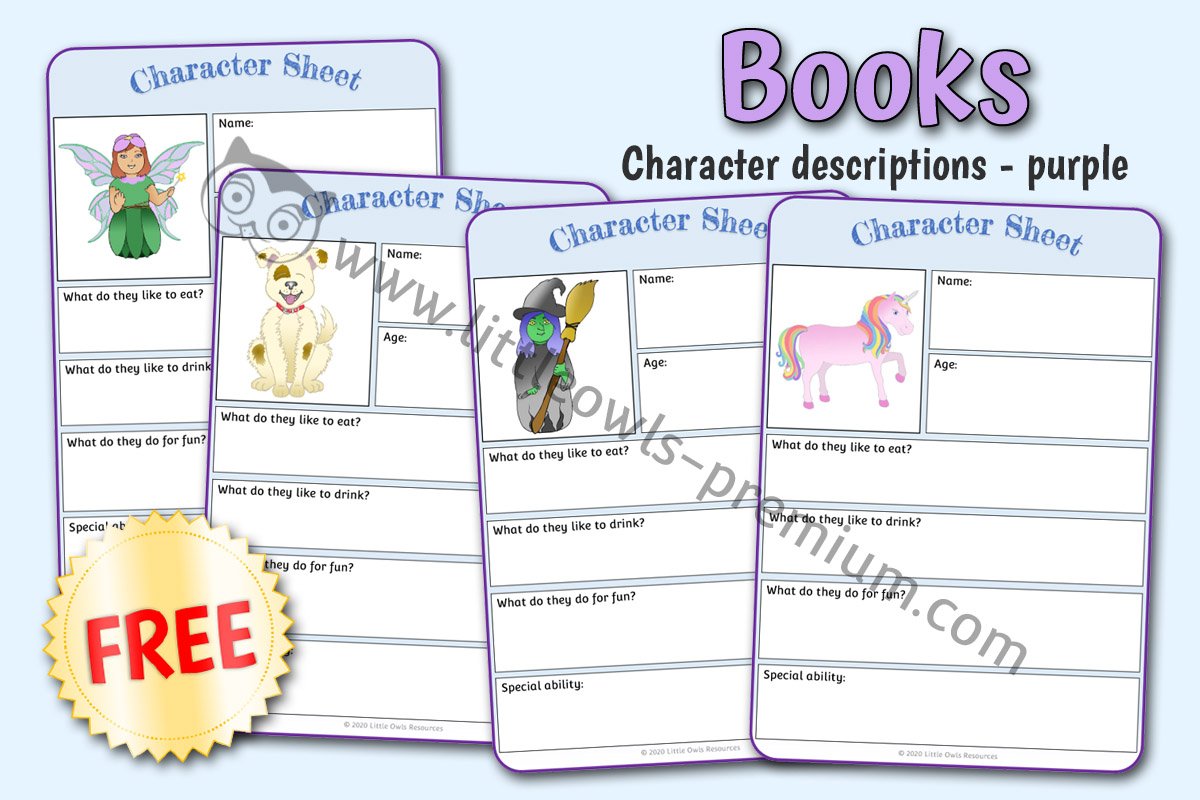
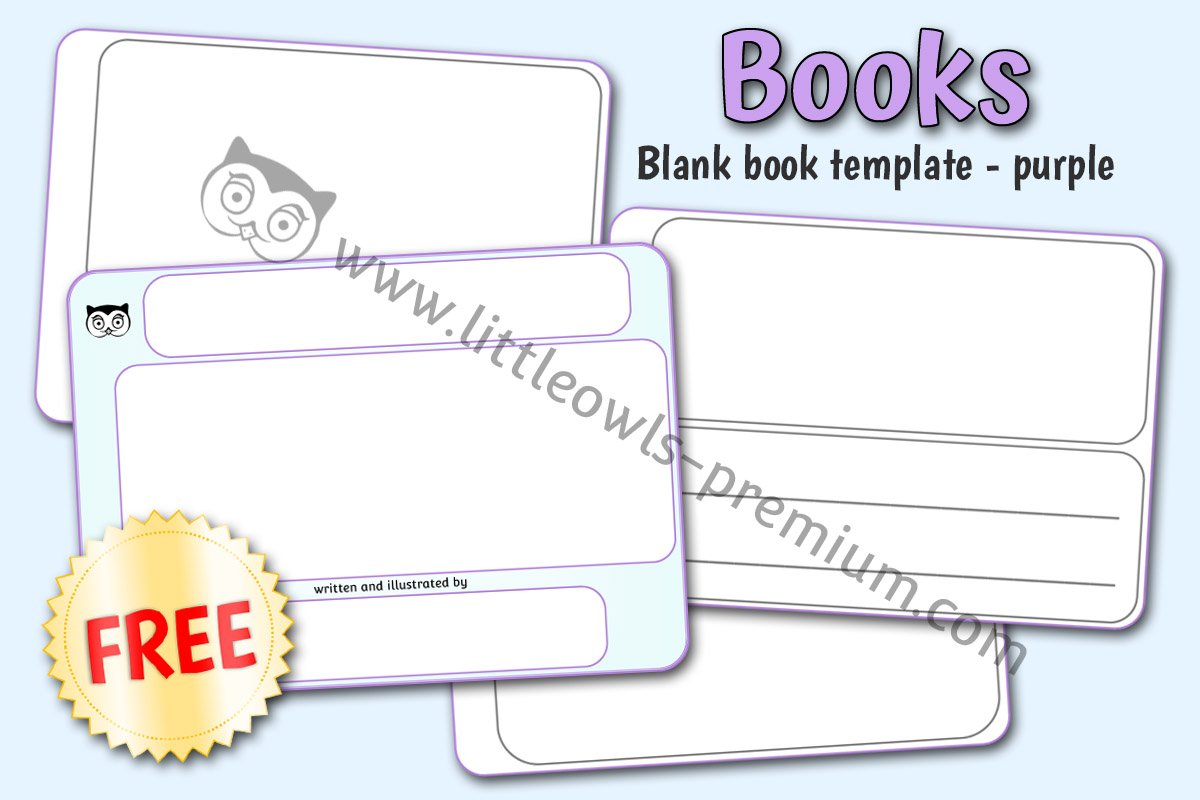
Free ‘Books’ Printable Resources | Early Years
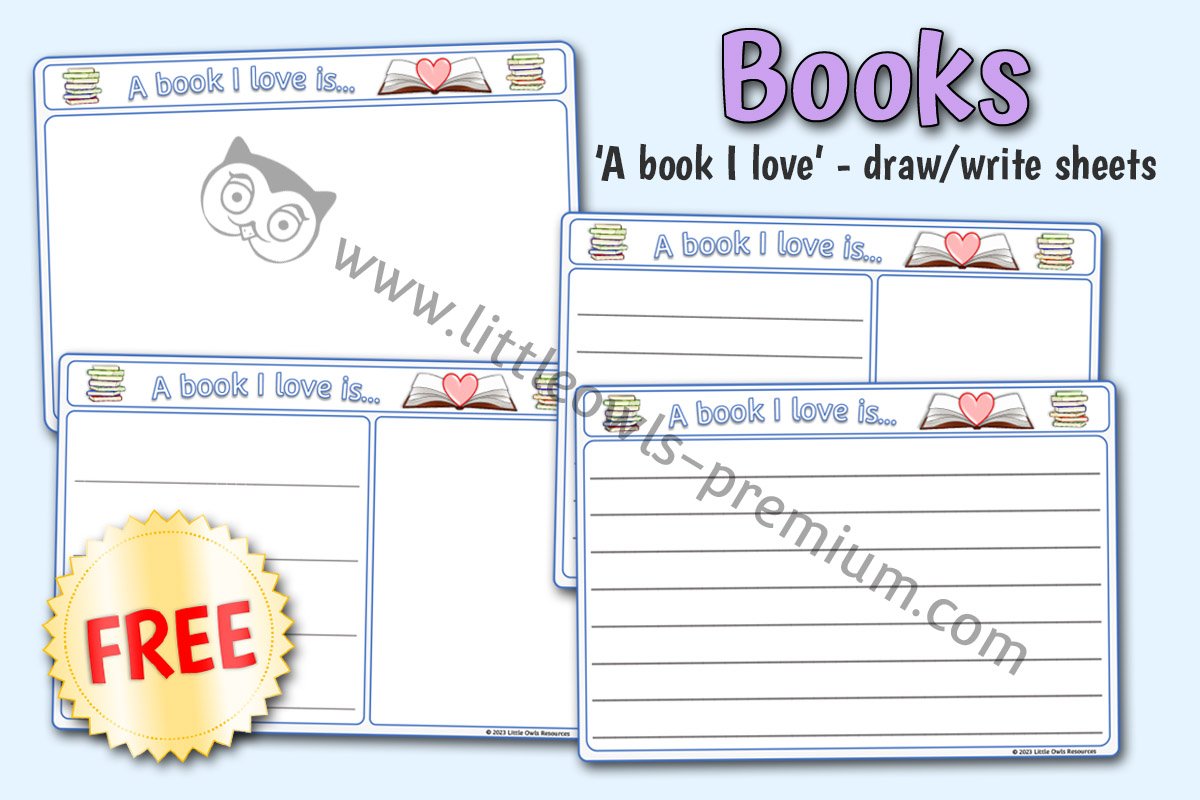
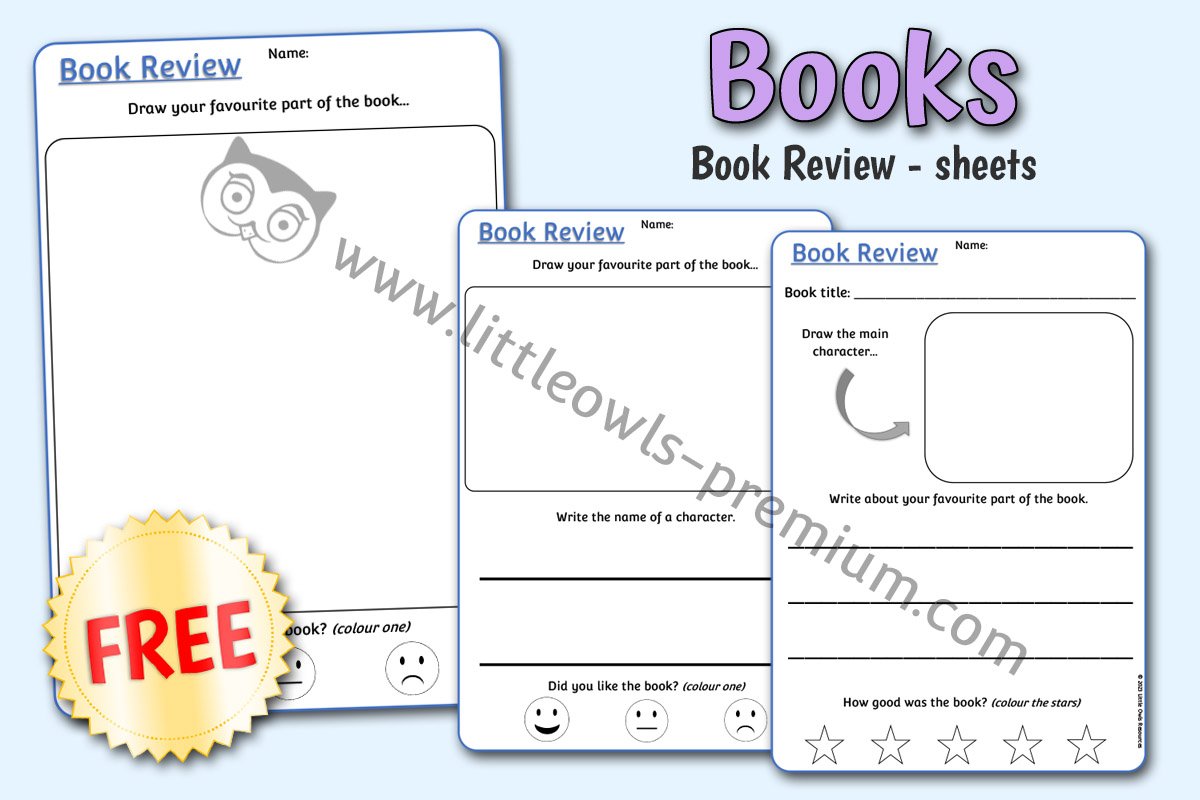
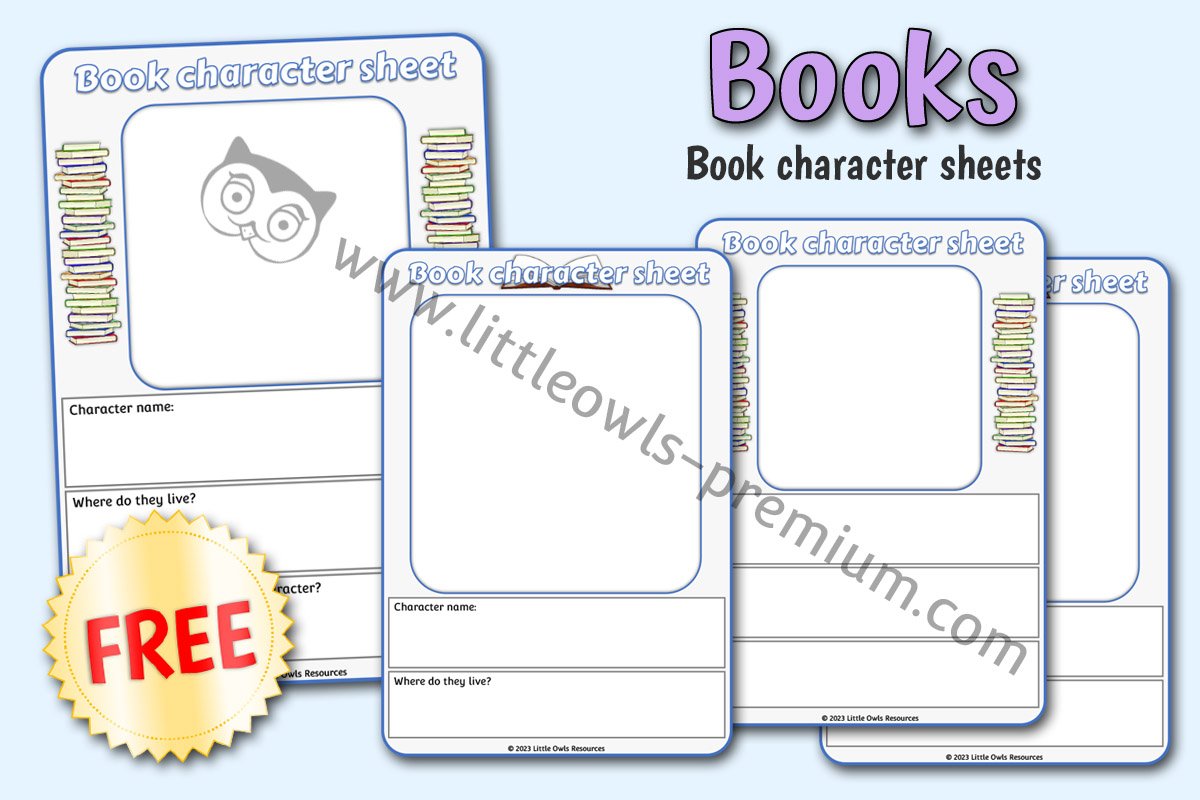
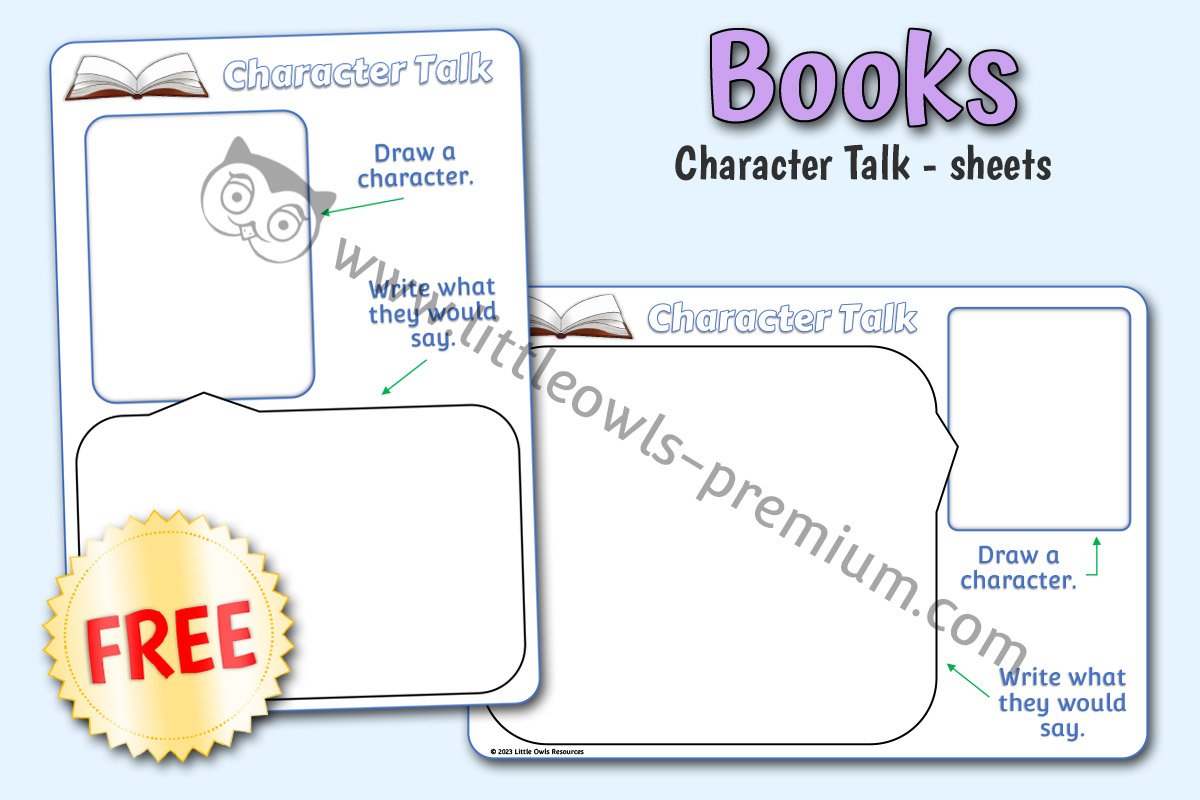
Theme & Project Planning Support
(Documents within this section from our ‘EYFS Curriculum & Pedagogy Suite’ are available with our Professional Tier Memberships)
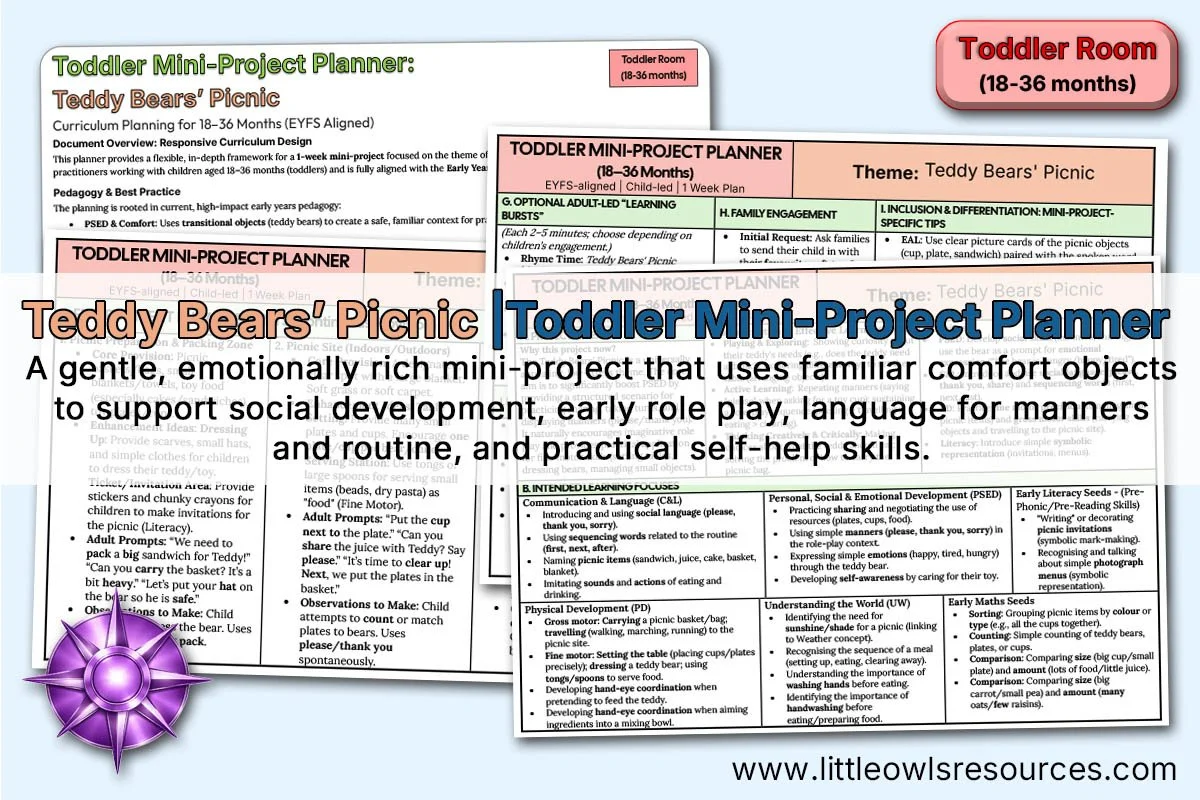
A gentle, emotionally rich mini-project that uses familiar comfort objects to support social development, early role play, language for manners and routine, and practical self-help skills.
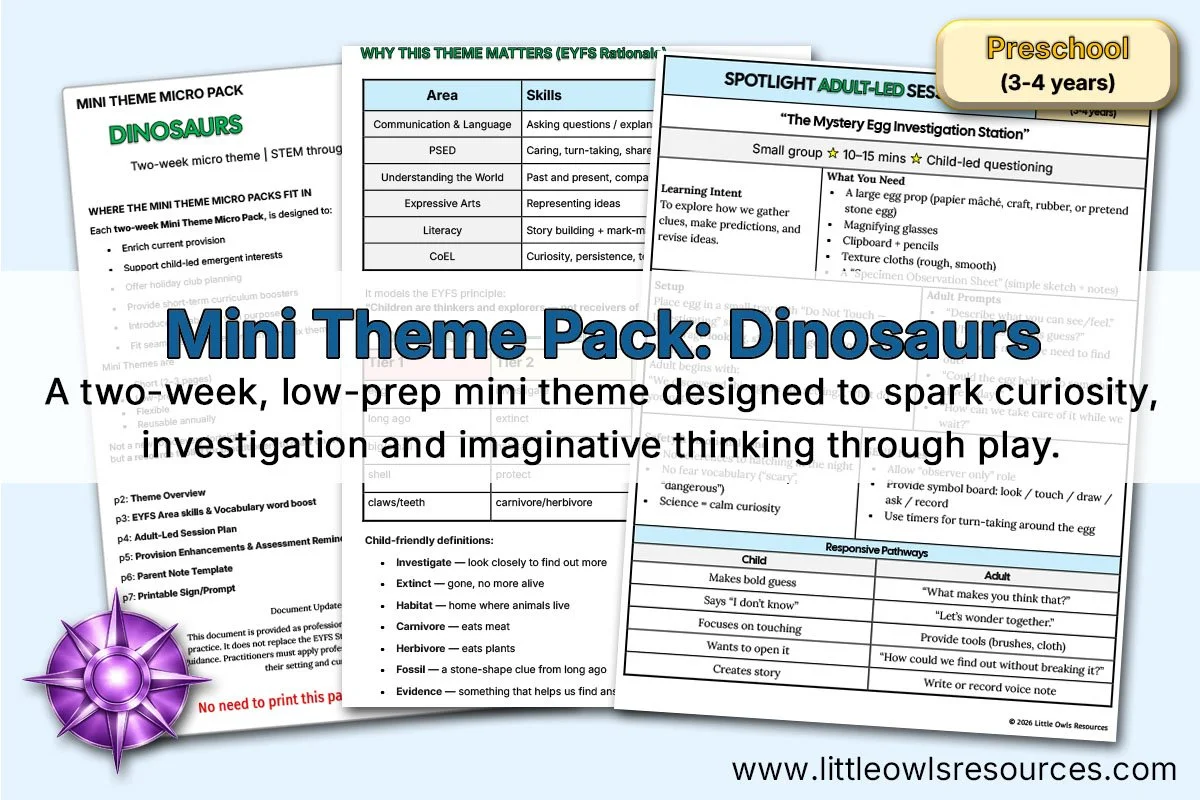
A two-week, low-prep mini theme designed to spark curiosity, investigation and imaginative thinking through play.

A two-week, flexible mini theme designed to strengthen oral storytelling, empathy and imagination through play.
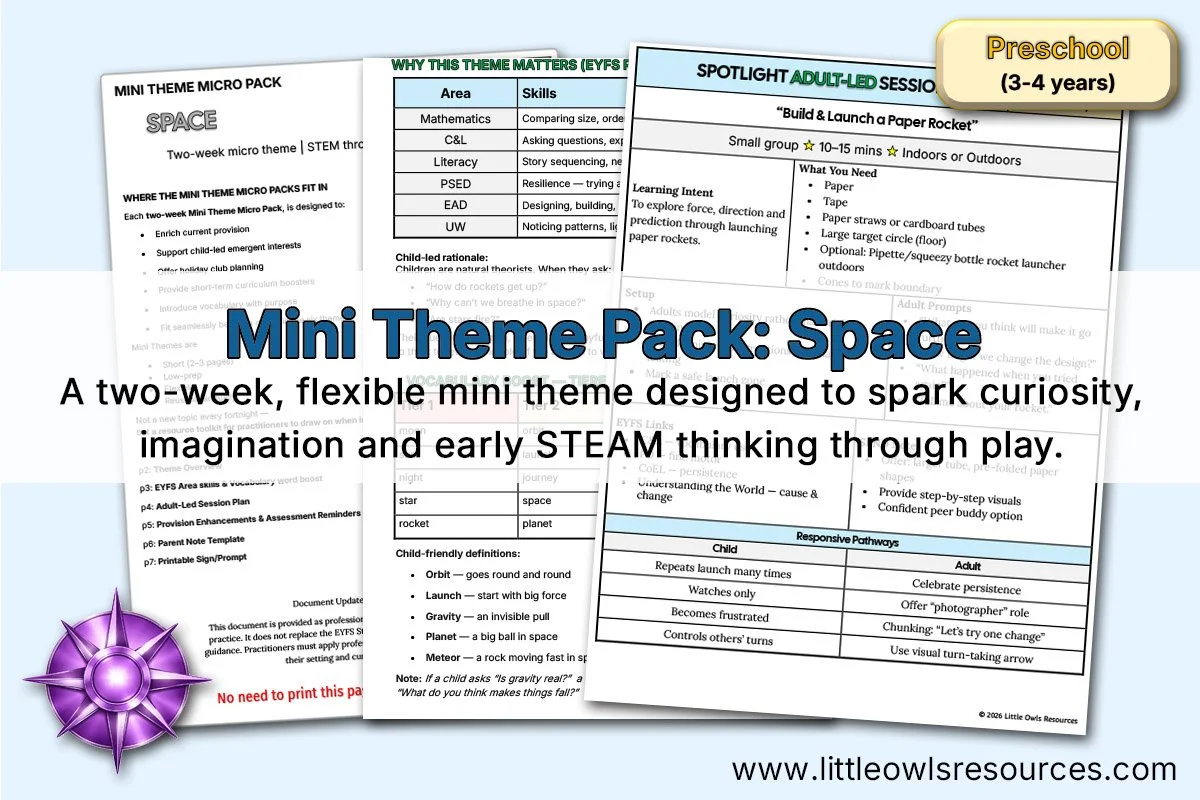
A two-week, flexible mini theme designed to spark curiosity, imagination and early STEAM thinking through play.
Masks
- Great for developing young children’s interest in books and characters through role-play!
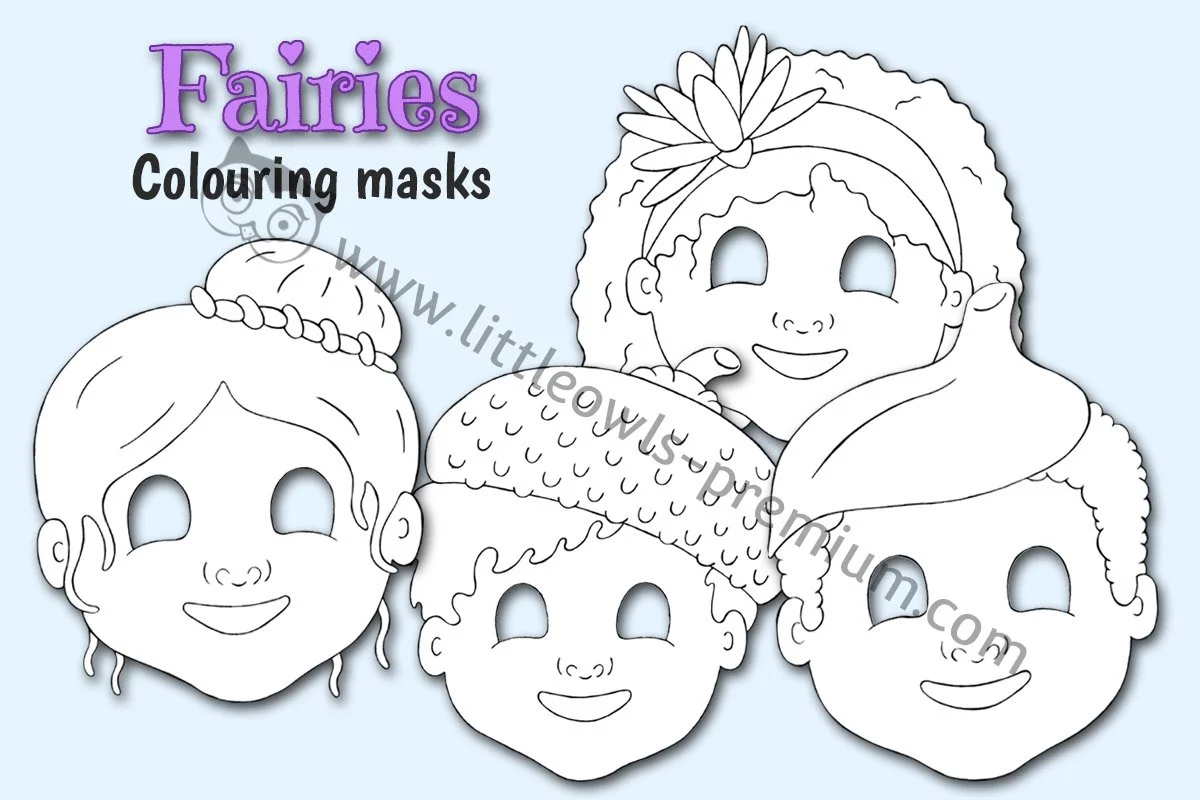
Perfect for ‘Fairy’ role-play activities! Plus your children will love to colour the masks themselves! 6 different masks included.
Original artwork drawn by Sara Murphy and final digital resources created by Stuart Murphy. COPYRIGHT ON ALL OF THE RESOURCES HOUSED ON THIS WEBSITE IS HELD BY ‘LITTLE OWLS RESOURCES’. OUR RESOURCES (INCLUDING THE IMAGES WITHIN THEM), CANNOT BE SHARED OR SOLD COMMERCIALLY.
DOWNLOAD EDITABLE (DOCX)
DOWNLOAD NON-EDITABLE (PDF)
DOWNLOAD NON-EDITABLE (Zipped JPEGs)
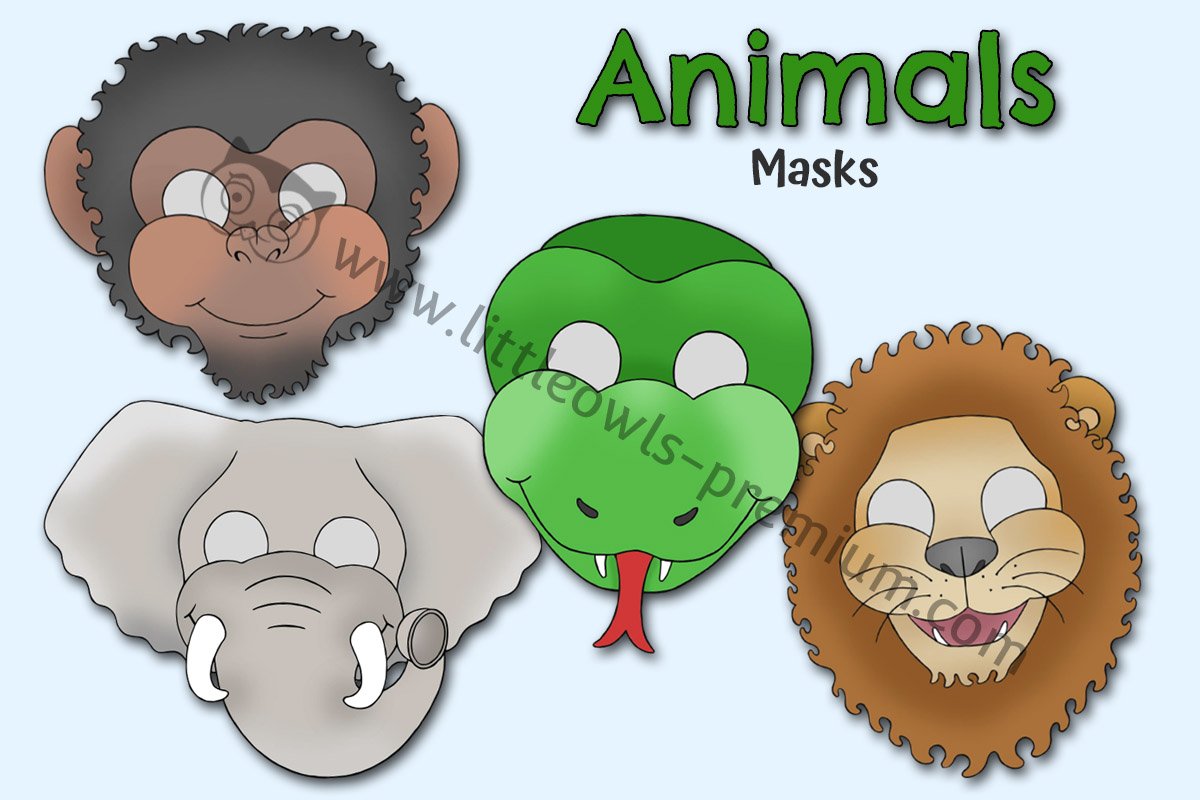
Six animal masks included in this pack: rhino, chimp, lion, snake, elephant and wolf. Ideal for zoo role play!
Original artwork drawn by Sara Murphy and final digital resources created by Stuart Murphy. COPYRIGHT ON ALL OF THE RESOURCES HOUSED ON THIS WEBSITE IS HELD BY ‘LITTLE OWLS RESOURCES’. OUR RESOURCES (INCLUDING THE IMAGES WITHIN THEM), CANNOT BE SHARED OR SOLD COMMERCIALLY.
DOWNLOAD EDITABLE (DOCX)
DOWNLOAD NON-EDITABLE (PDF)
DOWNLOAD NON-EDITABLE (Zipped JPEGs)
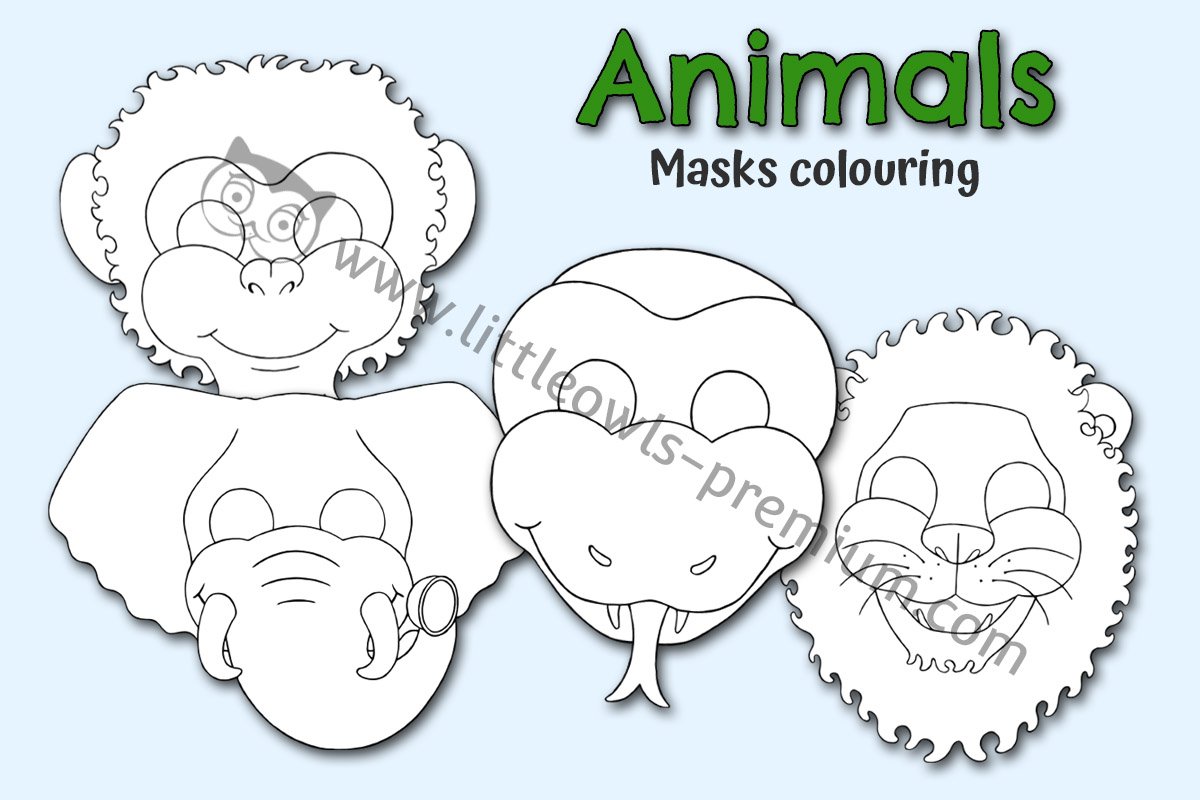
Six animal masks included in this pack: rhino, chimp, lion, snake, elephant and wolf. Ideal for art and craft and role play!
Original artwork drawn by Sara Murphy and final digital resources created by Stuart Murphy. COPYRIGHT ON ALL OF THE RESOURCES HOUSED ON THIS WEBSITE IS HELD BY ‘LITTLE OWLS RESOURCES’. OUR RESOURCES (INCLUDING THE IMAGES WITHIN THEM), CANNOT BE SHARED OR SOLD COMMERCIALLY.
DOWNLOAD EDITABLE (DOCX)
DOWNLOAD NON-EDITABLE (PDF)
DOWNLOAD NON-EDITABLE (Zipped JPEGs)

Perfect for ‘Little Red Riding Hood’ role-play activities!
Original artwork drawn by Sara Murphy and final digital resources created by Stuart Murphy. COPYRIGHT ON ALL OF THE RESOURCES HOUSED ON THIS WEBSITE IS HELD BY ‘LITTLE OWLS RESOURCES’. OUR RESOURCES (INCLUDING THE IMAGES WITHIN THEM), CANNOT BE SHARED OR SOLD COMMERCIALLY.
DOWNLOAD EDITABLE (DOCX)
DOWNLOAD NON-EDITABLE (PDF)
DOWNLOAD NON-EDITABLE (Zipped JPEGs)
<<-BACK TO ‘LITTLE RED RIDING HOOD’ MENU
<<-BACK TO ‘TRADITIONAL TALES’ MENU

Perfect for ‘Little Red Riding Hood’ role-play activities! Plus your children will love to colour the masks themselves!
Original artwork drawn by Sara Murphy and final digital resources created by Stuart Murphy. COPYRIGHT ON ALL OF THE RESOURCES HOUSED ON THIS WEBSITE IS HELD BY ‘LITTLE OWLS RESOURCES’. OUR RESOURCES (INCLUDING THE IMAGES WITHIN THEM), CANNOT BE SHARED OR SOLD COMMERCIALLY.
DOWNLOAD EDITABLE (DOCX)
DOWNLOAD NON-EDITABLE (PDF)
DOWNLOAD NON-EDITABLE (Zipped JPEGs)
<<-BACK TO ‘LITTLE RED RIDING HOOD’ MENU
<<-BACK TO ‘TRADITIONAL TALES’ MENU

General Traditional Tales Resources, Story Maps & Book Reviews
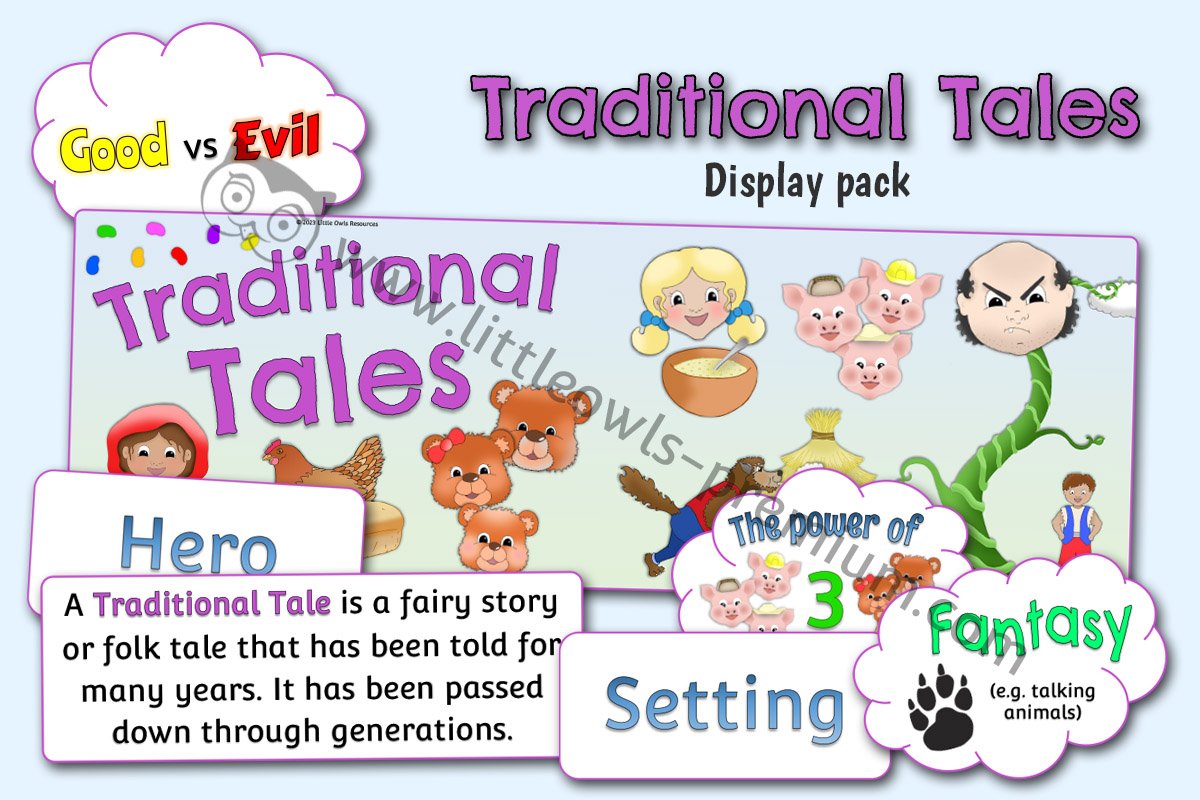
‘Traditional Tales’ display pack including a banner, definition of a ‘Traditional Tale’, some of its key features and some key words/subheadings.
Includes features: ‘Once upon a time’, Fantasy, Magic, The Power of 3, Morals, Good vs Evil and ‘They lived happily ever after’.
Includes words/subheadings: Setting, Villain, Hero, Magic, Moral, Task, Characters, Events, Items, Objects and blank cards.
Original artwork drawn by Sara Murphy and final digital resources created by Stuart Murphy. COPYRIGHT ON ALL OF THE RESOURCES HOUSED ON THIS WEBSITE IS HELD BY ‘LITTLE OWLS RESOURCES’. OUR RESOURCES (INCLUDING THE IMAGES WITHIN THEM), CANNOT BE SHARED OR SOLD COMMERCIALLY.
DOWNLOAD EDITABLE (DOCX)
DOWNLOAD NON-EDITABLE (PDF)
DOWNLOAD NON-EDITABLE (Zipped JPEGs)
<<-BACK TO ‘NATIONAL STORYTELLING WEEK’ MENU
<<-BACK TO ‘TRADITIONAL TALES’ MENU
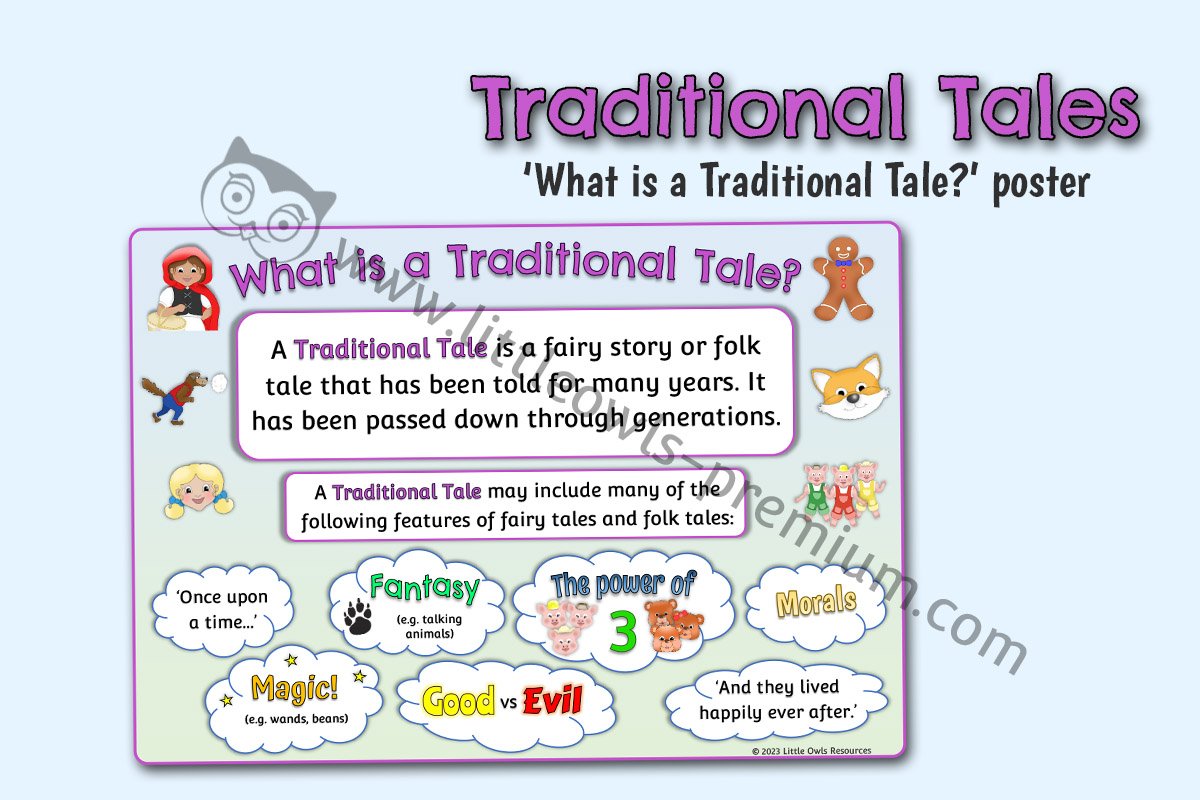
Poster giving a definition of a ‘Traditional Tale’ and some of its key features.
Includes features such as: ‘Once upon a time’, Fantasy, Magic, The Power of 3, Morals, Good vs Evil and ‘They lived happily ever after’.
Original artwork drawn by Sara Murphy and final digital resources created by Stuart Murphy. COPYRIGHT ON ALL OF THE RESOURCES HOUSED ON THIS WEBSITE IS HELD BY ‘LITTLE OWLS RESOURCES’. OUR RESOURCES (INCLUDING THE IMAGES WITHIN THEM), CANNOT BE SHARED OR SOLD COMMERCIALLY.
DOWNLOAD EDITABLE (DOCX)
DOWNLOAD NON-EDITABLE (PDF)
DOWNLOAD NON-EDITABLE (Zipped JPEGs)
<<-BACK TO ‘NATIONAL STORYTELLING WEEK’ MENU
<<-BACK TO ‘TRADITIONAL TALES’ MENU
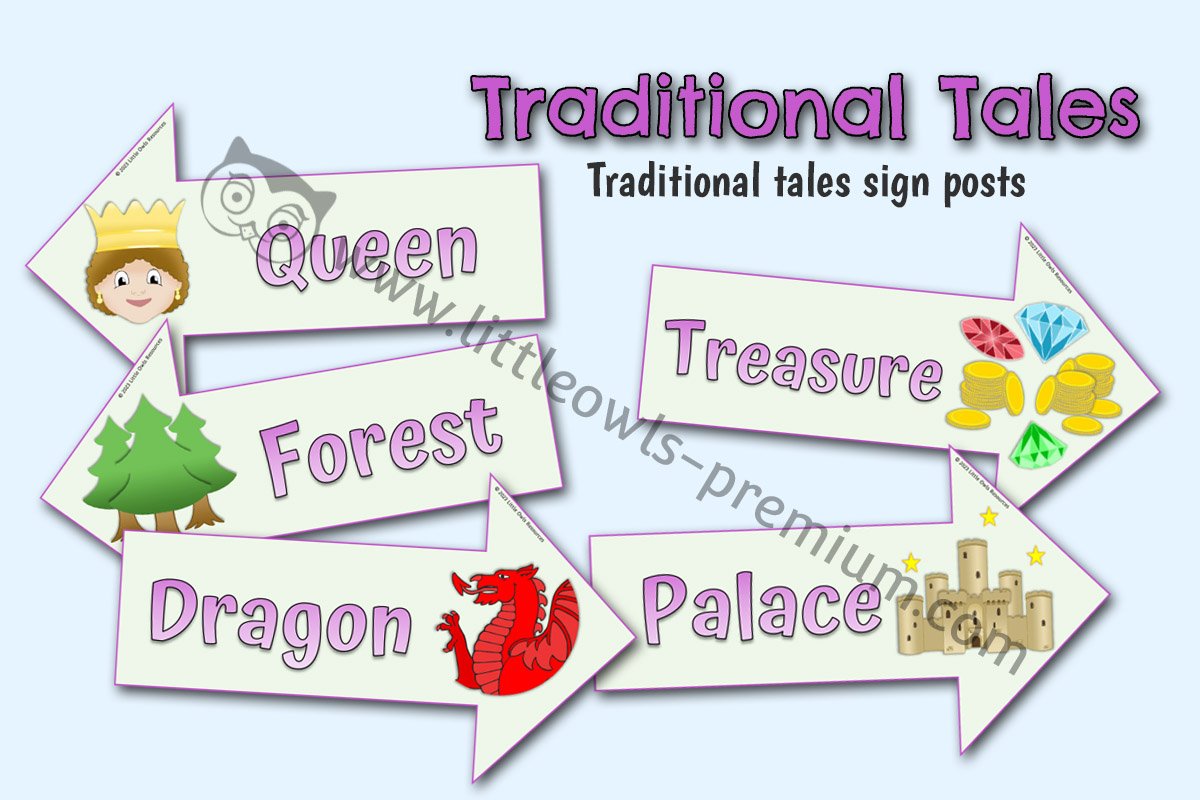
These traditional fairy and folk tale sign posts are ideal for an inspirational display board, role play area or activity.
Sign posts included: Forest, Woods, Castle, Palace, Dragon x 2, Treasure x 2, Cottage, Farmhouse, Beanstalk, Unicorn, Witch, Wizard, Wolf, Bears, Queen, King, Prince & Princess.
Original artwork drawn by Sara Murphy and final digital resources created by Stuart Murphy. COPYRIGHT ON ALL OF THE RESOURCES HOUSED ON THIS WEBSITE IS HELD BY ‘LITTLE OWLS RESOURCES’. OUR RESOURCES (INCLUDING THE IMAGES WITHIN THEM), CANNOT BE SHARED OR SOLD COMMERCIALLY.
DOWNLOAD EDITABLE (DOCX)
DOWNLOAD NON-EDITABLE (PDF)
DOWNLOAD NON-EDITABLE (Zipped JPEGs)
<<-BACK TO ‘NATIONAL STORYTELLING WEEK’ MENU
<<-BACK TO ‘TRADITIONAL TALES’ MENU
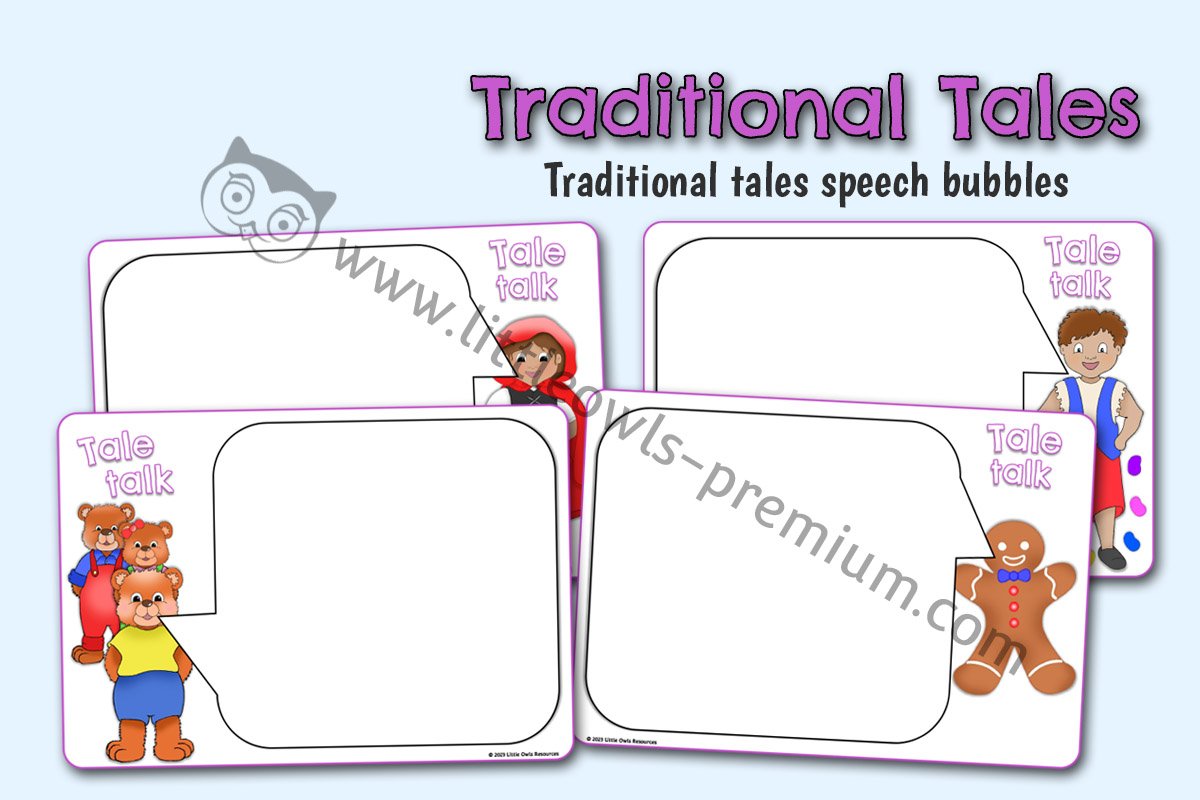
Use these speech bubble prompts however you like!
You may like to use one or two of them as part of a display. Laminate them and write instructions and messages for your children which are different each day. What message does Little Red Riding Hood have for us today?
Alternatively, put them out for the children to experiment with emergent writing. What would the Gingerbread Man say at this point in the story?
Included in pack: Little Red Riding Hood, the Wolf in Grandma’s clothing, Jack, the Giant, the Gingerbread Man, the Fox, The Big Bad Wolf, the Three Little Pigs, Goldilocks, the Three Bears, the Little Red Hen and a blank template.
Have fun!
Original artwork drawn by Sara Murphy and final digital resources created by Stuart Murphy. COPYRIGHT ON ALL OF THE RESOURCES HOUSED ON THIS WEBSITE IS HELD BY ‘LITTLE OWLS RESOURCES’. OUR RESOURCES (INCLUDING THE IMAGES WITHIN THEM), CANNOT BE SHARED OR SOLD COMMERCIALLY.
DOWNLOAD EDITABLE (DOCX)
DOWNLOAD NON-EDITABLE (PDF)
DOWNLOAD NON-EDITABLE (Zipped JPEGs)
<<-BACK TO ‘NATIONAL STORYTELLING WEEK’ MENU
<<-BACK TO ‘TRADITIONAL TALES’ MENU
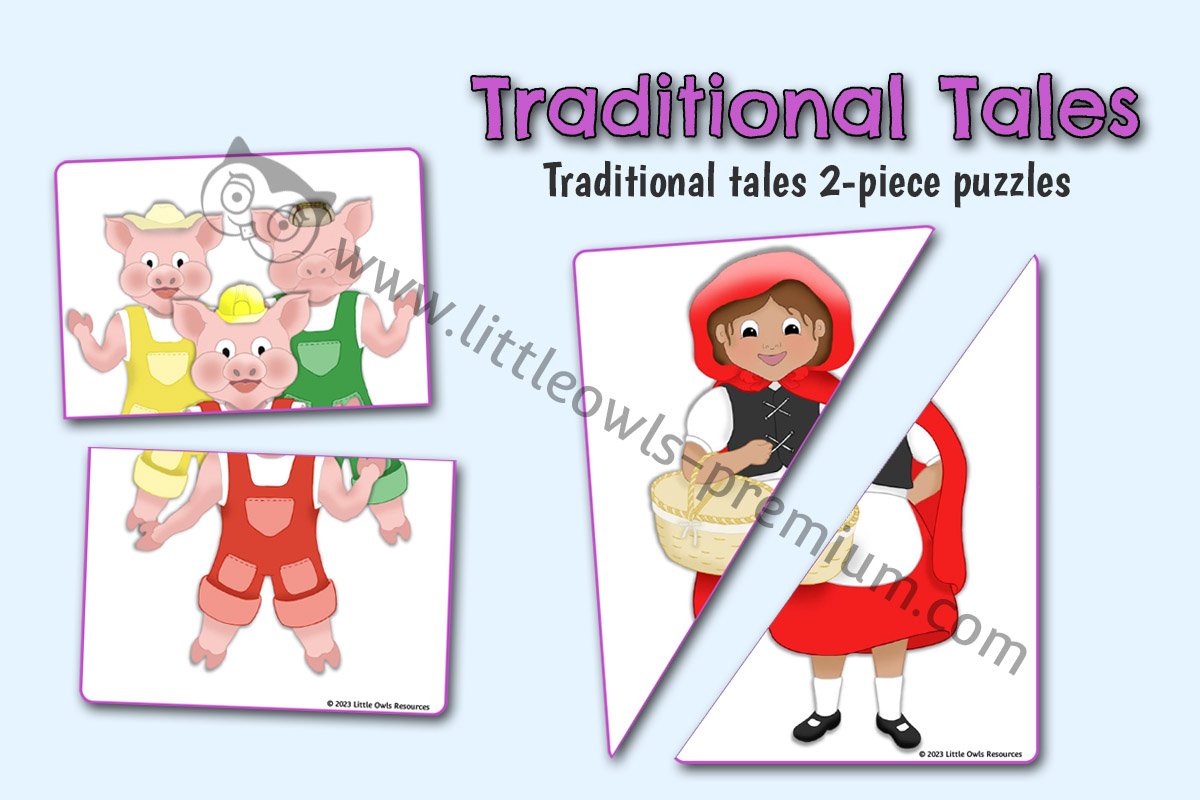
2-Piece Traditional Tale themed puzzles within the pack include: the Three Little Pigs, the Big Bad Wolf, Goldilocks, the Three Bears, Little Red Riding Hood, the Wolf in Grandma’s clothing, Jack climbing the beanstalk, the Giant with harp and gold coins, the Gingerbread Man, Fox, a Goat from the Three Billy Goats Gruff and the Little Red Hen with her bread.
Each of the above mentioned puzzles are included twice within the pack: p2-7 = Horizontal line puzzles & p8-13 = Diagonal line puzzles
Original artwork drawn by Sara Murphy and final digital resources created by Stuart Murphy. COPYRIGHT ON ALL OF THE RESOURCES HOUSED ON THIS WEBSITE IS HELD BY ‘LITTLE OWLS RESOURCES’. OUR RESOURCES (INCLUDING THE IMAGES WITHIN THEM), CANNOT BE SHARED OR SOLD COMMERCIALLY.
DOWNLOAD EDITABLE (DOCX)
DOWNLOAD NON-EDITABLE (PDF)
DOWNLOAD NON-EDITABLE (Zipped JPEGs)
<<-BACK TO ‘NATIONAL STORYTELLING WEEK’ MENU
<<-BACK TO ‘TRADITIONAL TALES’ MENU
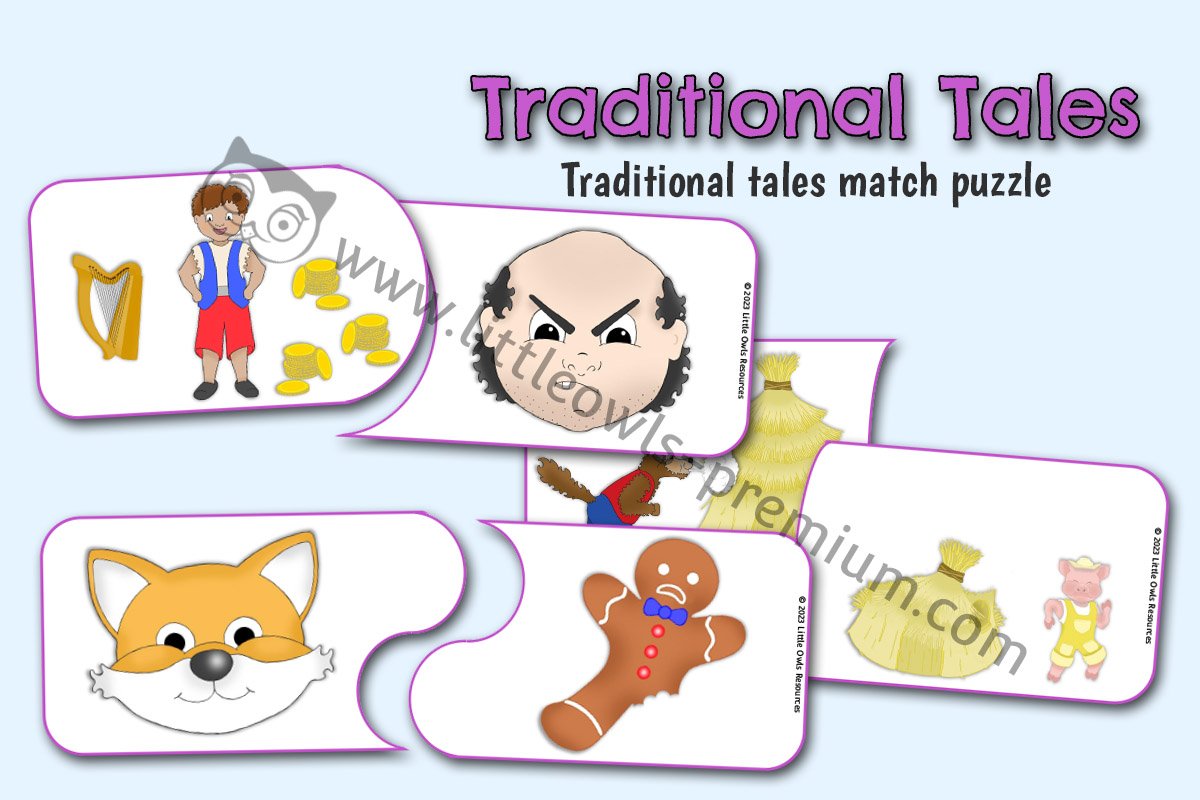
These matching puzzles have a different connection for each set to allow the children to self-correct.
Puzzles included for the traditional fairy tales and folk tales: Jack and the Beanstalk, The Three Little Pigs, The Gingerbread Man, Goldilocks and the Three Bears, Little Red Riding Hood, The Little Red Hen and Three Billy Goats Gruff.
Original artwork drawn by Sara Murphy and final digital resources created by Stuart Murphy. COPYRIGHT ON ALL OF THE RESOURCES HOUSED ON THIS WEBSITE IS HELD BY ‘LITTLE OWLS RESOURCES’. OUR RESOURCES (INCLUDING THE IMAGES WITHIN THEM), CANNOT BE SHARED OR SOLD COMMERCIALLY.
DOWNLOAD EDITABLE (DOCX)
DOWNLOAD NON-EDITABLE (PDF)
DOWNLOAD NON-EDITABLE (Zipped JPEGs)
<<-BACK TO ‘NATIONAL STORYTELLING WEEK’ MENU
<<-BACK TO ‘TRADITIONAL TALES’ MENU
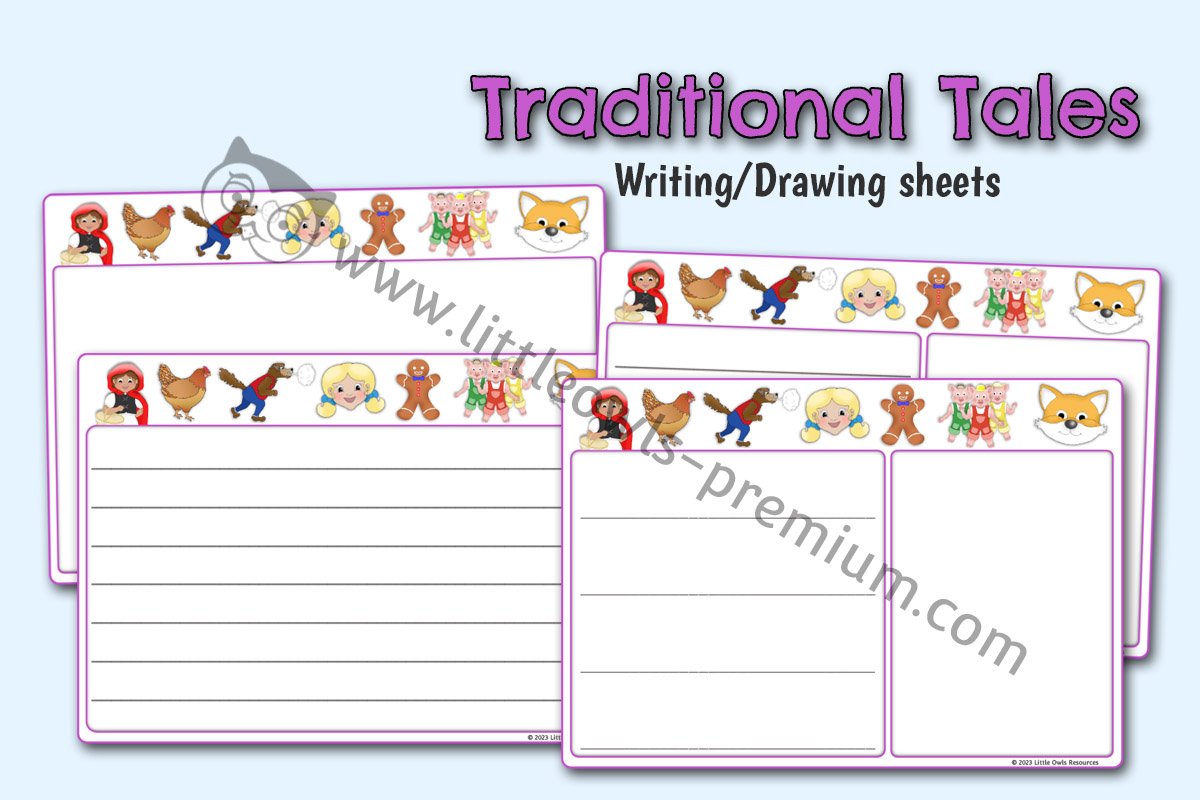
Various lined and blank ‘Traditional Tale’ themed sheets for drawing, writing and mark making.
Characters included within designs: Little Red Riding Hood, the Little Red Hen, The Big Bad Wolf, Goldilocks, the Gingerbread Man, the Fox and the Three Little Pigs.
Original artwork drawn by Sara Murphy and final digital resources created by Stuart Murphy. COPYRIGHT ON ALL OF THE RESOURCES HOUSED ON THIS WEBSITE IS HELD BY ‘LITTLE OWLS RESOURCES’. OUR RESOURCES (INCLUDING THE IMAGES WITHIN THEM), CANNOT BE SHARED OR SOLD COMMERCIALLY.
DOWNLOAD EDITABLE (DOCX)
DOWNLOAD NON-EDITABLE (PDF)
DOWNLOAD NON-EDITABLE (Zipped JPEGs)
<<-BACK TO ‘NATIONAL STORYTELLING WEEK’ MENU
<<-BACK TO ‘TRADITIONAL TALES’ MENU
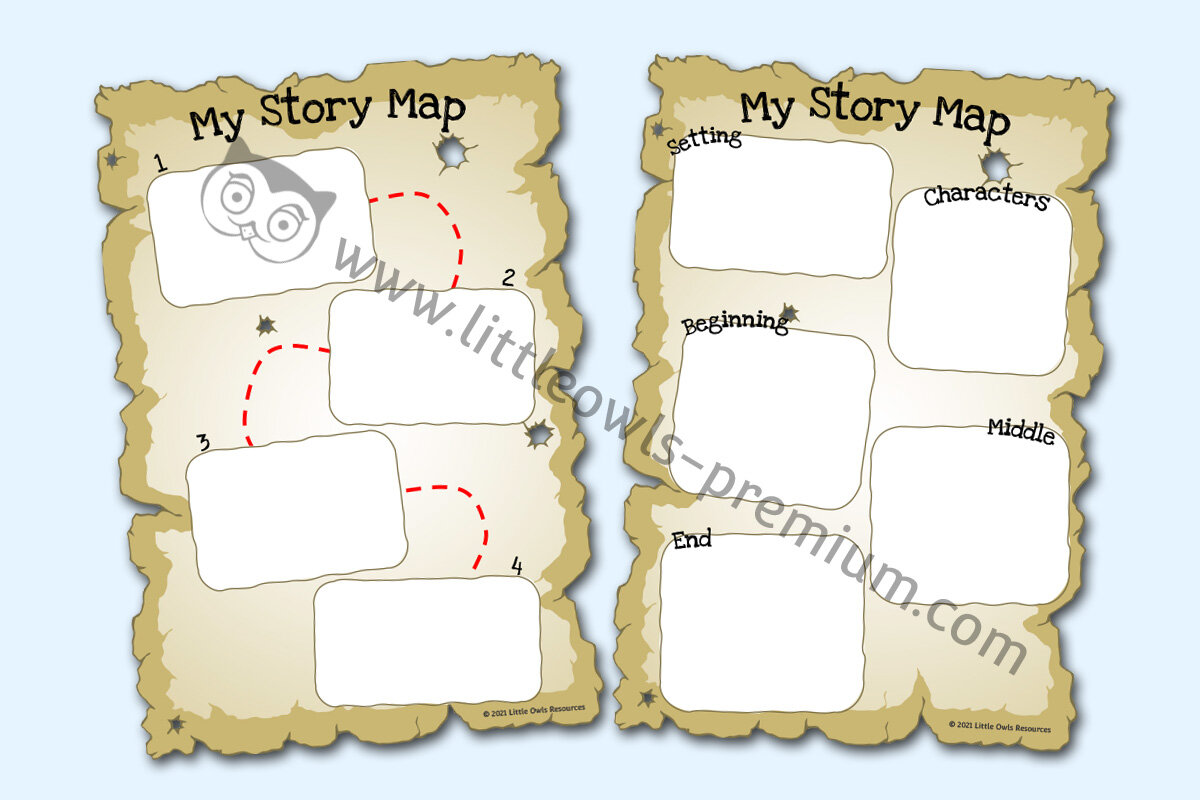
Two ‘My Story Map’ templates.
Original artwork drawn by Sara Murphy and final digital resources created by Stuart Murphy. COPYRIGHT ON ALL OF THE RESOURCES HOUSED ON THIS WEBSITE IS HELD BY ‘LITTLE OWLS RESOURCES’. OUR RESOURCES (INCLUDING THE IMAGES WITHIN THEM), CANNOT BE SHARED OR SOLD COMMERCIALLY.
DOWNLOAD EDITABLE (DOCX)
DOWNLOAD NON-EDITABLE (PDF)
DOWNLOAD NON-EDITABLE (Zipped JPEGs)
<<-BACK TO ‘NATIONAL STORYTELLING WEEK’ MENU
<<-BACK TO ‘TRADITIONAL TALES’ MENU
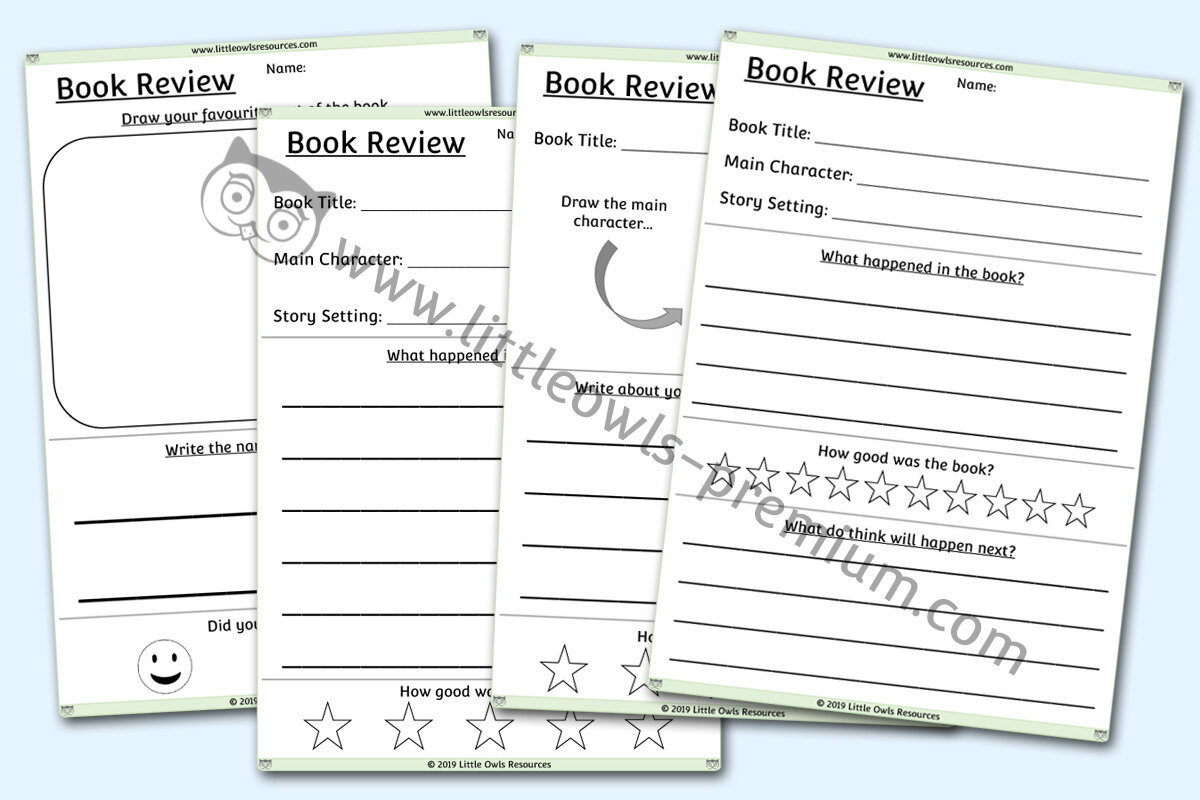
Differentiated Book Review sheets. These sheets move from encouraging mark making and emergent writing right up to prompts for extended thinking and independent writing. In all cases, these sheets can be worked on alongside an adult with lots of discussion and possible scribing of the children’s ideas.
Original artwork drawn by Sara Murphy and final digital resources created by Stuart Murphy. COPYRIGHT ON ALL OF THE RESOURCES HOUSED ON THIS WEBSITE IS HELD BY ‘LITTLE OWLS RESOURCES’. OUR RESOURCES (INCLUDING THE IMAGES WITHIN THEM), CANNOT BE SHARED OR SOLD COMMERCIALLY.
DOWNLOAD EDITABLE (DOCX)
DOWNLOAD NON-EDITABLE (PDF)
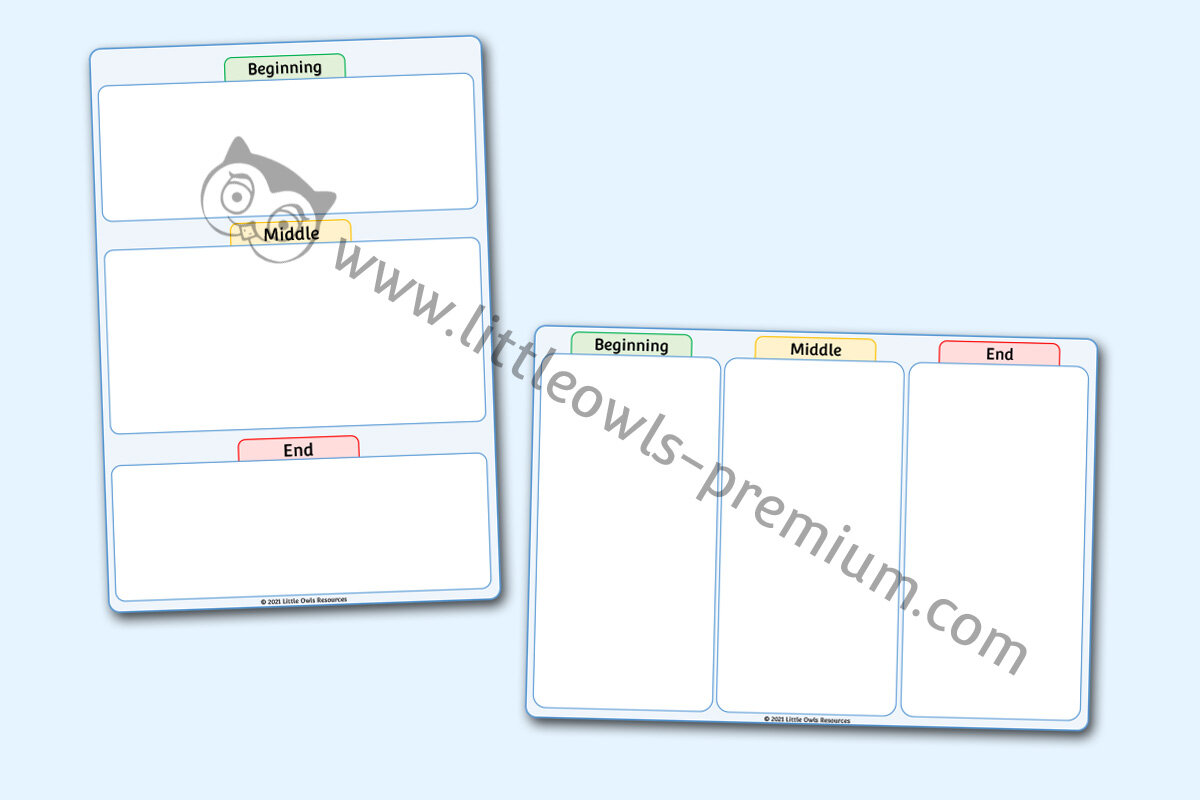
Beginning, Middle and End story template sheets. Children can draw/write/make marks in each box to show their understanding of what happens during each part of a given story. You may like to use this in conjunction with our traditional tales resources.
Original artwork drawn by Sara Murphy and final digital resources created by Stuart Murphy. COPYRIGHT ON ALL OF THE RESOURCES HOUSED ON THIS WEBSITE IS HELD BY ‘LITTLE OWLS RESOURCES’. OUR RESOURCES (INCLUDING THE IMAGES WITHIN THEM), CANNOT BE SHARED OR SOLD COMMERCIALLY.
DOWNLOAD EDITABLE (DOCX)
DOWNLOAD NON-EDITABLE (PDF)
DOWNLOAD NON-EDITABLE (Zipped JPEGs)
<<-BACK TO NON-TOPIC LITERACY MENU
<<-BACK TO ‘NATIONAL STORYTELLING WEEK’ MENU
<<-BACK TO ‘TRADITIONAL TALES’ MENU

Pack includes:
(Number in brackets shows how many A4 pages)
• Themed bunting (7)
• Blank bunting (1)
• Themed certificate (1)
• Party posters (1)
• Themed colouring placemats (5)
• Blank placemat (1)
• Themed targets for beanbag throwing game (4)
• Themed colouring headdresses (9)
• Colouring party tickets (1)
• Blank party tickets (1)
• Themed party invitation writing templates (3)
• Themed party time drawing sheet (1)
For more ‘Traditional Tales’ resources, click here.
Original artwork drawn by Sara Murphy and final digital resources created by Stuart Murphy. COPYRIGHT ON ALL OF THE RESOURCES HOUSED ON THIS WEBSITE IS HELD BY ‘LITTLE OWLS RESOURCES’. OUR RESOURCES (INCLUDING THE IMAGES WITHIN THEM), CANNOT BE SHARED OR SOLD COMMERCIALLY.
DOWNLOAD EDITABLE (DOCX)
DOWNLOAD NON-EDITABLE (PDF)
DOWNLOAD NON-EDITABLE (Zipped JPEGs)
<<-BACK TO ‘PARTY PACKS’ MENU PAGE
<<-BACK TO ‘TRADITIONAL TALES’ MENU
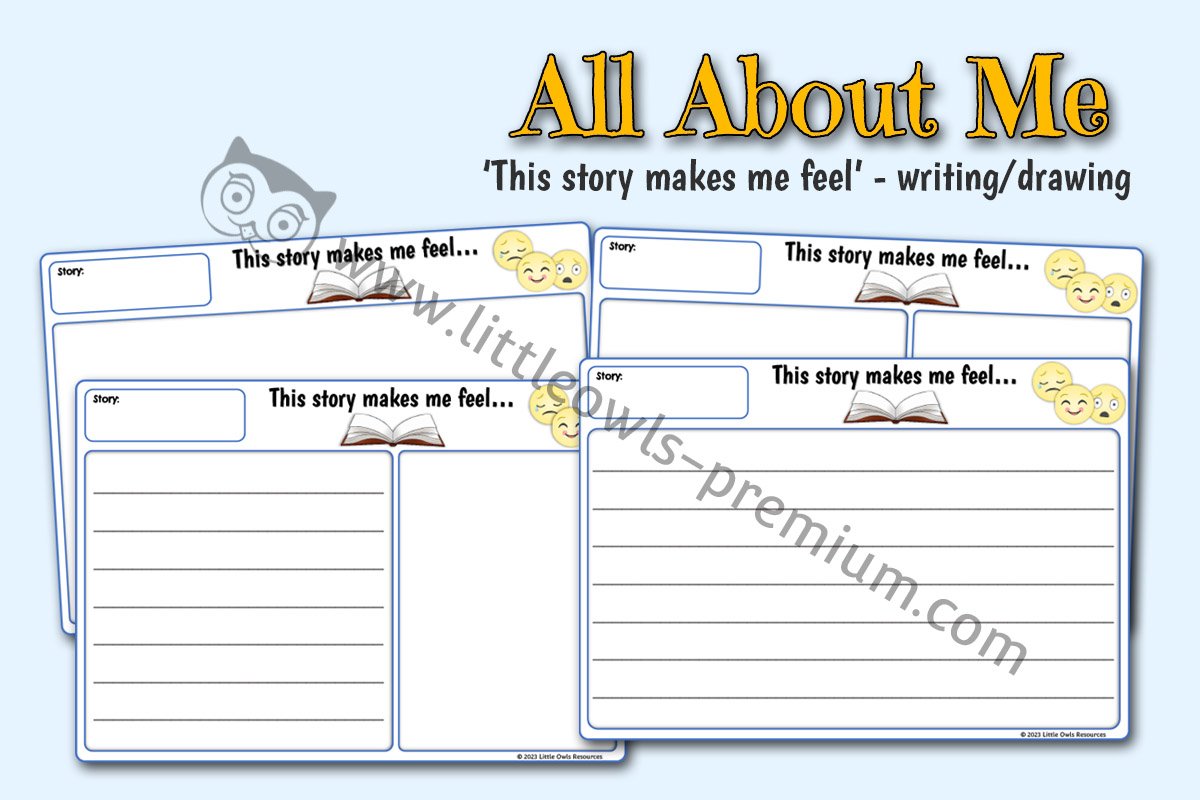
A variety of differentiated drawing/writing/mark making sheets which allow children to express how a story made them feel. This is a great mindfulness tool for helping children to identify and understand their emotions.
Original artwork drawn by Sara Murphy and final digital resources created by Stuart Murphy. COPYRIGHT ON ALL OF THE RESOURCES HOUSED ON THIS WEBSITE IS HELD BY ‘LITTLE OWLS RESOURCES’. OUR RESOURCES (INCLUDING THE IMAGES WITHIN THEM), CANNOT BE SHARED OR SOLD COMMERCIALLY.
DOWNLOAD EDITABLE (DOCX)
DOWNLOAD NON-EDITABLE (PDF)
DOWNLOAD NON-EDITABLE (Zipped JPEGs)
Specific Traditional Fairy Tales
Visit the following pages to find story sequence activities, banners, word mats, word cards, masks, drawing/writing/mark making sheets, snap cards, lollipop puppets, activity movement challenges, colouring sheets, illustration activities, ‘What happens next?’ prompts, daily weather calendars, planning and much more!
In addition, at the top of each page you will find a ‘Free Sample Resources’ section! We hope you find something useful! 😊


(Free) ‘Traditional Tale’ Resources

Perfect for ‘The Little Red Hen’ role-play activities! Plus your children will love to colour the headbands themselves!
Hen, Cat, Pig and Goose included.
Prepare a loop of paper to fit the child’s head.
Colour and cut out the desired headband and stick to the paper loop.
Wear the headband!
Original artwork drawn by Sara Murphy and final digital resources created by Stuart Murphy. COPYRIGHT ON ALL OF THE RESOURCES HOUSED ON THIS WEBSITE IS HELD BY ‘LITTLE OWLS RESOURCES’. OUR RESOURCES (INCLUDING THE IMAGES WITHIN THEM), CANNOT BE SHARED OR SOLD COMMERCIALLY.
DOWNLOAD EDITABLE (DOCX)
DOWNLOAD NON-EDITABLE (PDF)
DOWNLOAD NON-EDITABLE (Zipped JPEGs)
<<-BACK TO ‘THE LITTLE RED HEN’ MENU
<<-BACK TO ‘NATIONAL STORYTELLING WEEK’ MENU
<<-BACK TO ‘TRADITIONAL TALES’ MENU

These sheets are made for children to think about the characters from the story and record their thoughts.
These thoughts can be written around the pictures by the children if they are able but equally valuable if scribed by an adult.
The discussions and ideas are the most important part of this activity!
At the end of the pack is a short question idea card to get the discussion started but add as many other questions as you like and encourage the children to ask their own questions too!
Hen, Cat, Pig and Goose included.
Original artwork drawn by Sara Murphy and final digital resources created by Stuart Murphy. COPYRIGHT ON ALL OF THE RESOURCES HOUSED ON THIS WEBSITE IS HELD BY ‘LITTLE OWLS RESOURCES’. OUR RESOURCES (INCLUDING THE IMAGES WITHIN THEM), CANNOT BE SHARED OR SOLD COMMERCIALLY.
DOWNLOAD EDITABLE (DOCX)
DOWNLOAD NON-EDITABLE (PDF)
DOWNLOAD NON-EDITABLE (Zipped JPEGs)
<<-BACK TO ‘THE LITTLE RED HEN’ MENU
<<-BACK TO ‘NATIONAL STORYTELLING WEEK’ MENU
<<-BACK TO ‘TRADITIONAL TALES’ MENU

'My Favourite/Favorite Character’ Writing/Drawing/Mark Making Sheets. Both spellings included.
Original artwork drawn by Sara Murphy and final digital resources created by Stuart Murphy. COPYRIGHT ON ALL OF THE RESOURCES HOUSED ON THIS WEBSITE IS HELD BY ‘LITTLE OWLS RESOURCES’. OUR RESOURCES (INCLUDING THE IMAGES WITHIN THEM), CANNOT BE SHARED OR SOLD COMMERCIALLY.
DOWNLOAD EDITABLE (DOCX)
DOWNLOAD NON-EDITABLE (PDF)
DOWNLOAD NON-EDITABLE (Zipped JPEGs)
<<-BACK TO ‘THE LITTLE RED HEN’ MENU
<<-BACK TO ‘NATIONAL STORYTELLING WEEK’ MENU
<<-BACK TO ‘TRADITIONAL TALES’ MENU

Perfect for ‘Goldilocks and the Three Bears’ role-play. Plus your children will love to colour the masks themselves!
Original artwork drawn by Sara Murphy and final digital resources created by Stuart Murphy. COPYRIGHT ON ALL OF THE RESOURCES HOUSED ON THIS WEBSITE IS HELD BY ‘LITTLE OWLS RESOURCES’. OUR RESOURCES (INCLUDING THE IMAGES WITHIN THEM), CANNOT BE SHARED OR SOLD COMMERCIALLY.
DOWNLOAD EDITABLE (DOCX)
DOWNLOAD NON-EDITABLE (PDF)
<<-BACK TO ‘GOLDILOCKS AND THE THREE BEARS’ MENU
<<-BACK TO ‘NATIONAL STORYTELLING WEEK’ MENU

Pack includes ‘Little Red Riding Hood’ display banner, plus call outs for key phrases within the story.
Original artwork drawn by Sara Murphy and final digital resources created by Stuart Murphy. COPYRIGHT ON ALL OF THE RESOURCES HOUSED ON THIS WEBSITE IS HELD BY ‘LITTLE OWLS RESOURCES’. OUR RESOURCES (INCLUDING THE IMAGES WITHIN THEM), CANNOT BE SHARED OR SOLD COMMERCIALLY.
DOWNLOAD EDITABLE (DOCX)
DOWNLOAD NON-EDITABLE (PDF)
DOWNLOAD NON-EDITABLE (Zipped JPEGs)
<<-BACK TO ‘LITTLE RED RIDING HOOD’ MENU
<<-BACK TO ‘NATIONAL STORYTELLING WEEK’ MENU

Consolidate children’s knowledge of ‘Little Red Riding Hood’ whilst playing a fun game of ‘snap’ (or a memory game of ‘picking up pairs’ if you only print 2 of each card) with this set of large snap cards. The cards are made with a tab backing which can be folded before lamination in order to strengthen the final product. This also means that when turned over, the picture on the front can not be seen. Great stimulus for developing language skills!
Original artwork drawn by Sara Murphy and final digital resources created by Stuart Murphy. COPYRIGHT ON ALL OF THE RESOURCES HOUSED ON THIS WEBSITE IS HELD BY ‘LITTLE OWLS RESOURCES’. OUR RESOURCES (INCLUDING THE IMAGES WITHIN THEM), CANNOT BE SHARED OR SOLD COMMERCIALLY.
DOWNLOAD EDITABLE (DOCX)
DOWNLOAD NON-EDITABLE (PDF)
DOWNLOAD NON-EDITABLE (Zipped JPEGs)
<<-BACK TO ‘LITTLE RED RIDING HOOD’ MENU
<<-BACK TO ‘NATIONAL STORYTELLING WEEK’ MENU

Have fun with this set of 8 ‘Jack and the Beanstalk’ Activity Challenge cards. Great for exploring the story further! The suggested movement activities will bring elements of the story to life and embed ideas securely through active learning.
Perhaps children could stand in a circle around the pile of cards and take turns to pick one for everyone to do. Once the children get to know the cards they will be able to relate the action to the picture without necessarily needing the card read to them...For example an adult may be able to simply hold up a card and everyone will be able to do the activity together!
Great for physical development, descriptive language, understanding the world, number recognition and turn taking.
Original artwork drawn by Sara Murphy and final digital resources created by Stuart Murphy. COPYRIGHT ON ALL OF THE RESOURCES HOUSED ON THIS WEBSITE IS HELD BY ‘LITTLE OWLS RESOURCES’. OUR RESOURCES (INCLUDING THE IMAGES WITHIN THEM), CANNOT BE SHARED OR SOLD COMMERCIALLY.
DOWNLOAD EDITABLE (DOCX)
DOWNLOAD NON-EDITABLE (PDF)
DOWNLOAD NON-EDITABLE (Zipped JPEGs)
<<-BACK TO ‘JACK AND THE BEANSTALK’ MENU
<<-BACK TO ‘NATIONAL STORYTELLING WEEK’ MENU

9 colouring pages which outline the key elements of the traditional tale.
Original artwork drawn by Sara Murphy and final digital resources created by Stuart Murphy. COPYRIGHT ON ALL OF THE RESOURCES HOUSED ON THIS WEBSITE IS HELD BY ‘LITTLE OWLS RESOURCES’. OUR RESOURCES (INCLUDING THE IMAGES WITHIN THEM), CANNOT BE SHARED OR SOLD COMMERCIALLY.
DOWNLOAD EDITABLE (DOCX)
DOWNLOAD NON-EDITABLE (PDF)
DOWNLOAD NON-EDITABLE (Zipped JPEGs)
<<-BACK TO ‘JACK AND THE BEANSTALK’ MENU
<<-BACK TO ‘NATIONAL STORYTELLING WEEK’ MENU

Pack includes ‘Jack and the Beanstalk’ display banner, plus call outs for key phrases within the story.
Original artwork drawn by Sara Murphy and final digital resources created by Stuart Murphy. COPYRIGHT ON ALL OF THE RESOURCES HOUSED ON THIS WEBSITE IS HELD BY ‘LITTLE OWLS RESOURCES’. OUR RESOURCES (INCLUDING THE IMAGES WITHIN THEM), CANNOT BE SHARED OR SOLD COMMERCIALLY.
DOWNLOAD EDITABLE (DOCX)
DOWNLOAD NON-EDITABLE (PDF)
DOWNLOAD NON-EDITABLE (Zipped JPEGs)
<<-BACK TO ‘JACK AND THE BEANSTALK’ MENU
<<-BACK TO ‘NATIONAL STORYTELLING WEEK’ MENU

Word mat for use alongside ‘Jack and the Beanstalk’ theme. Perfect for use within a display, role-play activities, mark making and more!
Original artwork drawn by Sara Murphy and final digital resources created by Stuart Murphy. COPYRIGHT ON ALL OF THE RESOURCES HOUSED ON THIS WEBSITE IS HELD BY ‘LITTLE OWLS RESOURCES’. OUR RESOURCES (INCLUDING THE IMAGES WITHIN THEM), CANNOT BE SHARED OR SOLD COMMERCIALLY.
DOWNLOAD EDITABLE (DOCX)
DOWNLOAD NON-EDITABLE (PDF)
DOWNLOAD NON-EDITABLE (Zipped JPEGs)
<<-BACK TO ‘JACK AND THE BEANSTALK’ MENU
<<-BACK TO ‘NATIONAL STORYTELLING WEEK’ MENU

'My Favourite/Favorite Part’ Writing/Drawing/Mark Making Sheets. Both spellings included.
‘My Favourite Character’ Sheets also available.
Original artwork drawn by Sara Murphy and final digital resources created by Stuart Murphy. COPYRIGHT ON ALL OF THE RESOURCES HOUSED ON THIS WEBSITE IS HELD BY ‘LITTLE OWLS RESOURCES’. OUR RESOURCES (INCLUDING THE IMAGES WITHIN THEM), CANNOT BE SHARED OR SOLD COMMERCIALLY.
DOWNLOAD EDITABLE (DOCX)
DOWNLOAD NON-EDITABLE (PDF)
DOWNLOAD NON-EDITABLE (Zipped JPEGs)
<<-BACK TO ‘JACK AND THE BEANSTALK’ MENU
<<-BACK TO ‘NATIONAL STORYTELLING WEEK’ MENU

Perfect for ‘The Three Little Pigs’ role-play!
You may prefer to encourage your child(ren) to decorate their own masks with the colouring versions here.
Original artwork drawn by Sara Murphy and final digital resources created by Stuart Murphy. COPYRIGHT ON ALL OF THE RESOURCES HOUSED ON THIS WEBSITE IS HELD BY ‘LITTLE OWLS RESOURCES’. OUR RESOURCES (INCLUDING THE IMAGES WITHIN THEM), CANNOT BE SHARED OR SOLD COMMERCIALLY.
DOWNLOAD EDITABLE (DOCX)
DOWNLOAD NON-EDITABLE (PDF)
DOWNLOAD NON-EDITABLE (Zipped JPEGs)
<<-BACK TO ‘THE THREE LITTLE PIGS’ MENU
<<-BACK TO ‘NATIONAL STORYTELLING WEEK’ MENU
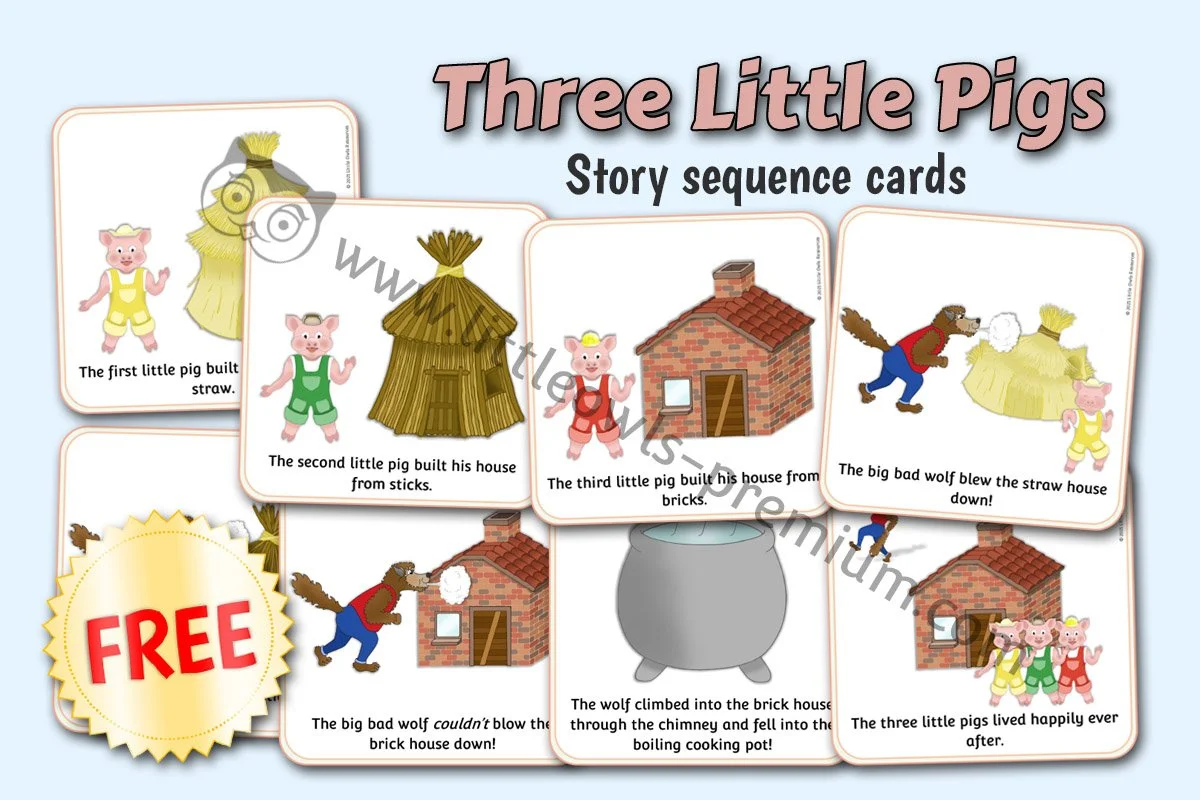
Large (18.5 cm square) ‘Three Little Pigs’ story sequence cards to share with your children. Ideal as a group starter before using our smaller cut, sequence, listen and match activity cards.
After using these prompts you may like to extend your children with our THREE LITTLE PIGS - STORY CUT, SEQUENCE, LISTEN AND MATCH CARDS
Original artwork drawn by Sara Murphy and final digital resources created by Stuart Murphy. COPYRIGHT ON ALL OF THE RESOURCES HOUSED ON THIS WEBSITE IS HELD BY ‘LITTLE OWLS RESOURCES’. OUR RESOURCES (INCLUDING THE IMAGES WITHIN THEM), CANNOT BE SHARED OR SOLD COMMERCIALLY.
DOWNLOAD EDITABLE (DOCX)
DOWNLOAD NON-EDITABLE (PDF)
DOWNLOAD NON-EDITABLE (Zipped JPEGs)
<<-BACK TO ‘THE THREE LITTLE PIGS’ MENU
<<-BACK TO ‘NATIONAL STORYTELLING WEEK’ MENU

Encourage the children to think about the wolf and his actions during the story. Imagine why the police would want to stop him! Differentiated templates provided within pack.
Original artwork drawn by Sara Murphy and final digital resources created by Stuart Murphy. COPYRIGHT ON ALL OF THE RESOURCES HOUSED ON THIS WEBSITE IS HELD BY ‘LITTLE OWLS RESOURCES’. OUR RESOURCES (INCLUDING THE IMAGES WITHIN THEM), CANNOT BE SHARED OR SOLD COMMERCIALLY.
DOWNLOAD EDITABLE (DOCX)
DOWNLOAD NON-EDITABLE (PDF)
DOWNLOAD NON-EDITABLE (Zipped JPEGs)
<<-BACK TO ‘THE THREE LITTLE PIGS’ MENU
<<-BACK TO ‘NATIONAL STORYTELLING WEEK’ MENU

10 colouring pages which outline the key elements of the traditional tale.
Original artwork drawn by Sara Murphy and final digital resources created by Stuart Murphy. COPYRIGHT ON ALL OF THE RESOURCES HOUSED ON THIS WEBSITE IS HELD BY ‘LITTLE OWLS RESOURCES’. OUR RESOURCES (INCLUDING THE IMAGES WITHIN THEM), CANNOT BE SHARED OR SOLD COMMERCIALLY.
DOWNLOAD EDITABLE (DOCX)
DOWNLOAD NON-EDITABLE (PDF)
DOWNLOAD NON-EDITABLE (Zipped JPEGs)
<<-BACK TO ‘THE THREE LITTLE PIGS’ MENU
<<-BACK TO ‘NATIONAL STORYTELLING WEEK’ MENU

Pack includes ‘The Three Little Pigs’ display banner, plus call outs for key phrases within the story.
Original artwork drawn by Sara Murphy and final digital resources created by Stuart Murphy. COPYRIGHT ON ALL OF THE RESOURCES HOUSED ON THIS WEBSITE IS HELD BY ‘LITTLE OWLS RESOURCES’. OUR RESOURCES (INCLUDING THE IMAGES WITHIN THEM), CANNOT BE SHARED OR SOLD COMMERCIALLY.
DOWNLOAD EDITABLE (DOCX)
DOWNLOAD NON-EDITABLE (PDF)
DOWNLOAD NON-EDITABLE (Zipped JPEGs)
<<-BACK TO ‘THE THREE LITTLE PIGS’ MENU
<<-BACK TO ‘NATIONAL STORYTELLING WEEK’ MENU

This ‘Today’ Small A4 Weather Calendar is ideal for use in a compact space such as within a home setting. More themes and sizes AVAILABLE HERE.
Please note that if you wish to edit the text you can do so in the EDITABLE docx file version below. NON-EDITABLE pdf file also available below.
Original artwork drawn by Sara Murphy and final digital resources created by Stuart Murphy. COPYRIGHT ON ALL OF THE RESOURCES HOUSED ON THIS WEBSITE IS HELD BY ‘LITTLE OWLS RESOURCES’. OUR RESOURCES (INCLUDING THE IMAGES WITHIN THEM), CANNOT BE SHARED OR SOLD COMMERCIALLY.
DOWNLOAD EDITABLE (DOCX)
DOWNLOAD NON-EDITABLE (PDF)
I’d like to see MORE POSTERS & DISPLAYS please.
<<-BACK TO ‘GET ORGANISED’ SAMPLES MENU
<<-BACK TO ‘GOLDILOCKS AND THE THREE BEARS’ MENU

Original artwork drawn by Sara Murphy and final digital resources created by Stuart Murphy. COPYRIGHT ON ALL OF THE RESOURCES HOUSED ON THIS WEBSITE IS HELD BY ‘LITTLE OWLS RESOURCES’. OUR RESOURCES (INCLUDING THE IMAGES WITHIN THEM), CANNOT BE SHARED OR SOLD COMMERCIALLY.
DOWNLOAD EDITABLE (DOCX)
DOWNLOAD NON-EDITABLE (PDF)
<<-BACK TO ‘GOLDILOCKS AND THE THREE BEARS’ MENU
<<-BACK TO ‘NATIONAL STORYTELLING WEEK’ MENU
Display Lettering
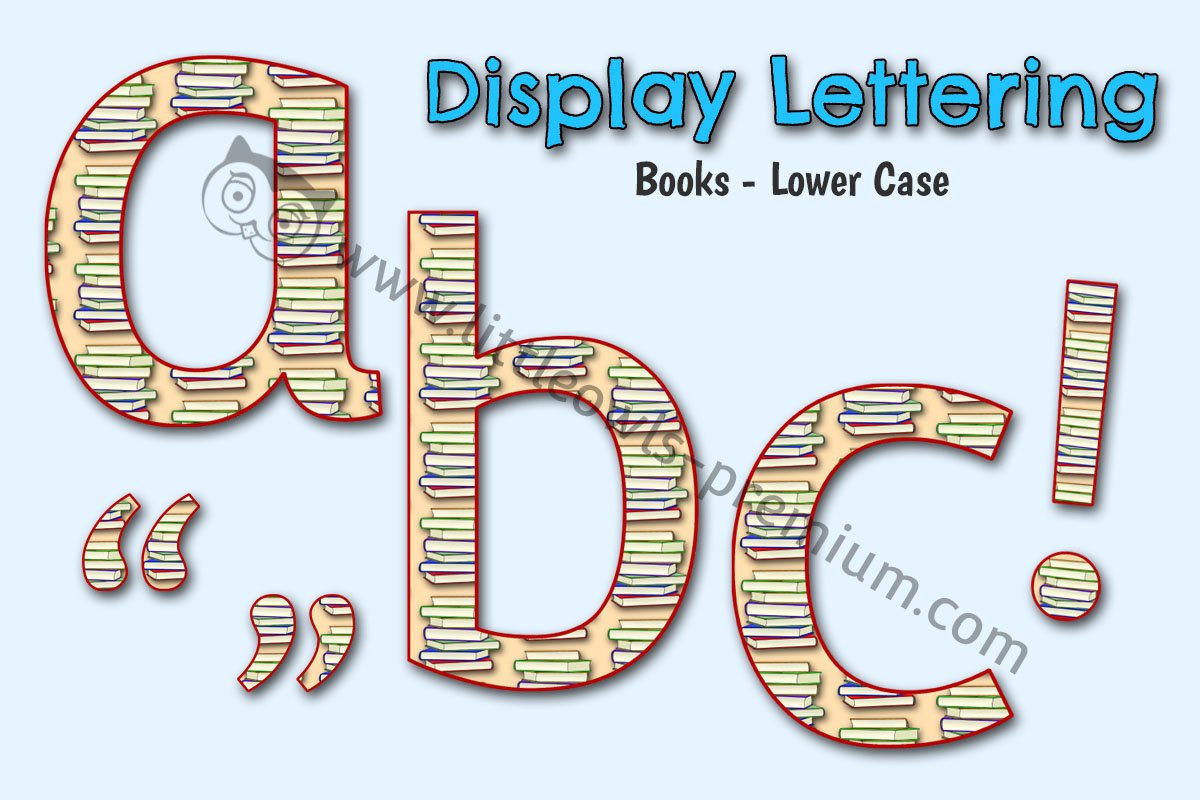
This pack includes the lower-case letters of the alphabet with the last few pages including some common punctuation.
This pack is organised with one letter per page so that you can print only what you need.
When you print this PDF you should have the option to print more than one letter to a page which would allow you to make the letters smaller if desired.
p2-27: LOWER CASE letters
p28-33: Punctuation
Original artwork drawn by Sara Murphy and final digital resources created by Stuart Murphy. COPYRIGHT ON ALL OF THE RESOURCES HOUSED ON THIS WEBSITE IS HELD BY ‘LITTLE OWLS RESOURCES’. OUR RESOURCES (INCLUDING THE IMAGES WITHIN THEM), CANNOT BE SHARED OR SOLD COMMERCIALLY.
DOWNLOAD NON-EDITABLE (PDF)
DOWNLOAD NON-EDITABLE (Zipped JPEGs)
<<-BACK TO ‘DISPLAY LETTERING’ MENU
<<-BACK TO ‘BACK TO SCHOOL’ MENU
<<-BACK TO ‘POSTERS & DISPLAYS’ MENU

This pack includes the upper-case letters of the alphabet with the last few pages including some common punctuation.
This pack is organised with one letter per page so that you can print only what you need.
When you print this PDF you should have the option to print more than one letter to a page which would allow you to make the letters smaller if desired.
p2-27: UPPER CASE letters
p28-33: Punctuation
Original artwork drawn by Sara Murphy and final digital resources created by Stuart Murphy. COPYRIGHT ON ALL OF THE RESOURCES HOUSED ON THIS WEBSITE IS HELD BY ‘LITTLE OWLS RESOURCES’. OUR RESOURCES (INCLUDING THE IMAGES WITHIN THEM), CANNOT BE SHARED OR SOLD COMMERCIALLY.
DOWNLOAD NON-EDITABLE (PDF)
DOWNLOAD NON-EDITABLE (Zipped JPEGs)
<<-BACK TO ‘DISPLAY LETTERING’ MENU
<<-BACK TO ‘BACK TO SCHOOL’ MENU
<<-BACK TO ‘POSTERS & DISPLAYS’ MENU

This pack includes the numbers 0-9 with the last few pages including some mathematical symbols.
This pack is organised with one number per page so that you can print only what you need.
When you print this PDF you should have the option to print more than one number to a page which would allow you to make the numbers smaller if desired.
p2-11: Numbers
p12-13: Symbols
Original artwork drawn by Sara Murphy and final digital resources created by Stuart Murphy. COPYRIGHT ON ALL OF THE RESOURCES HOUSED ON THIS WEBSITE IS HELD BY ‘LITTLE OWLS RESOURCES’. OUR RESOURCES (INCLUDING THE IMAGES WITHIN THEM), CANNOT BE SHARED OR SOLD COMMERCIALLY.
DOWNLOAD NON-EDITABLE (PDF)
DOWNLOAD NON-EDITABLE (Zipped JPEGs)
<<-BACK TO ‘DISPLAY LETTERING’ MENU
<<-BACK TO ‘BACK TO SCHOOL’ MENU
<<-BACK TO ‘POSTERS & DISPLAYS’ MENU
Related Special Dates | you may wish to explore with your children
The following is a list of awareness dates and events that may be of interest to you when covering the themes on this page. Each special date section below contains a brief description of the event, who started it and why, some ideas for exploring it with your children and a link to the official website of the awareness day or the primary organisation behind it where this is available. [Please note: external links are provided for informational purposes and we are not responsible for the content of external sites.]
World Book Day
A Celebration of Reading for Pleasure!
In the UK, World Book Day is an exciting charity event held annually on the first Thursday in March. It's a day dedicated to inspiring a lifelong love of reading in children and young people, making books accessible to everyone, and celebrating the wonderful world of authors and illustrators.
The core educational thrust behind World Book Day is to foster "reading for pleasure." Research consistently shows that reading for enjoyment is the single biggest indicator of a child's future success, impacting everything from vocabulary and academic attainment across all subjects to empathy and mental well-being. World Book Day aims to shift the perception of reading from a chore to a joyous activity, empowering children to choose what they want to read and discover the fun it brings.
A key part of the celebration is that every child in full-time education in the UK and Ireland receives a £1 book token. This token can be exchanged for a specially produced World Book Day book or used as a discount on any full-priced book. For many children, this provides their very first opportunity to own a book.
Activities for EYFS and KS1 Practitioners and Parents:
Here are some engaging ideas to celebrate World Book Day and encourage reading for pleasure with young children:
Dress Up as Book Characters: This is a classic for a reason! Encourage children to come to school or nursery dressed as their favourite characters. This sparks excitement and allows for imaginative play and discussion about characters and their stories.
"Drop Everything and Read" (DEAR) Time: Set aside a specific time (or even multiple times throughout the day) where everyone, including adults, stops what they are doing and reads a book of their choice for a few minutes. This models reading for pleasure and creates a calm, shared experience.
Book Swaps: Organise a "book swap" where children bring in a book they've enjoyed and exchange it for a new one. This is a fantastic way to introduce children to different books and authors without cost.
Story Sacks/Bags: Create a "story sack" for a favourite book. Fill a bag with props and objects related to the story. Children can pull out items and retell the story, encouraging language development and comprehension. For example, for "The Very Hungry Caterpillar," include toy fruits and a butterfly.
Create Your Own Storybooks/Bookmarks: Provide children with blank paper, drawing materials, and craft supplies to create their own simple storybooks. They can draw pictures, add stickers, and even make up their own words or squiggles to represent writing. Alternatively, they can design and decorate their own bookmarks, perhaps featuring their favourite characters.
Puppet Shows or Acting Out Stories: Encourage children to act out scenes from their favourite books using puppets or by dressing up. This is excellent for developing communication and language skills, understanding characters, and fostering creativity.
Author/Illustrator Focus: Pick a favourite author or illustrator and explore their works. You could read several of their books, look at their different illustration styles, or even try to draw a character in their style.
"Mystery Book" Selection: Wrap books in plain paper and write a few intriguing clues or a "dating profile" style description on the front. Children can choose a book based on the description, adding an element of surprise and encouraging them to explore new stories.
Visit the Library (or have a 'Library' Corner): Emphasise the importance of libraries as places to discover new books. If a trip isn't possible, create a special "library corner" in the classroom or at home with a wide range of books for children to browse and borrow.
Official World Book Day Website: For more information, resources, and details about World Book Day in the UK, please visit their official website: www.worldbookday.com
National Storytelling Week
National Storytelling Week is an annual celebration that takes place in the UK from the last Saturday in January to the first Saturday in February. Organised by the Society for Storytelling, this week is dedicated to promoting the power and joy of oral storytelling. It encourages people of all ages to share stories, listen to stories, and appreciate the ancient art of narrative.
The main educational thrust of National Storytelling Week for EYFS and KS1 children is to cultivate a love of stories in all their forms, enhancing listening skills, fostering imagination, and developing language and communication abilities. It emphasises that stories aren't just found in books; they can be told, heard, acted out, and created by anyone. It builds confidence in children to express themselves verbally, understand narrative structures, and connect with different cultures and experiences through the magic of a shared tale.
Activities for EYFS and KS1 Practitioners and Parents:
Here are some engaging and age-appropriate activities to celebrate National Storytelling Week and encourage the love of stories with young children:
Storytelling Circle: Create a cosy space (perhaps with cushions and soft lighting) where everyone can sit in a circle. Encourage children to share their own short stories, real-life experiences, or retell a favourite tale. Adults can model by sharing first.
"Tell Me a Story" Jar/Box: Write or draw prompts on slips of paper (e.g., "A brave mouse," "A magic key," "A talking tree," "A journey to the moon"). Children pick a prompt and then tell a short, spontaneous story based on it.
Story Sacks/Bags: Create a "story sack" for a favourite book or a traditional tale (e.g., "The Three Little Pigs"). Fill a bag with props, puppets, or objects related to the story. Children can use these items to retell the story in their own words.
Puppet Show Fun: Provide hand puppets, finger puppets, or even stick puppets (made from pictures glued onto craft sticks) and encourage children to put on their own puppet shows based on known stories or their own invented narratives.
"Pass the Story" Game: Start a simple story with one sentence (e.g., "Once upon a time, there was a little bear who loved honey."). Each person in the circle adds the next sentence to continue the story. This encourages listening and creative thinking.
Draw Your Own Story: Encourage children to draw a sequence of pictures to tell their own story, without necessarily adding words. They can then "tell" their story by explaining what's happening in each picture.
"Sounds of a Story": When telling a story, incorporate sounds. For example, use a shaker for rain, tap a drum for footsteps, or make animal noises. Encourage children to join in with sound effects.
Shadow Puppet Stories: Use a simple light source (like a torch) and cut-out shapes (or even just hands) to create shadow puppets on a wall or sheet. Tell a story using the shadows.
Listen to Oral Stories: Find and play audio stories or storytelling podcasts for children. This exposes them to different voices, accents, and ways of telling stories, fostering strong listening skills.
Story Mapping: After hearing a story, work together to create a simple "story map" – drawing key characters, settings, and events in sequence to help children remember and retell the narrative.
Official National Storytelling Week Website: For more information, resources, and to find out about events happening during National Storytelling Week, please visit the official website of the Society for Storytelling: www.sfs.org.uk (Look for the National Storytelling Week section).
Related Resources and Pages You May Be Interested In…


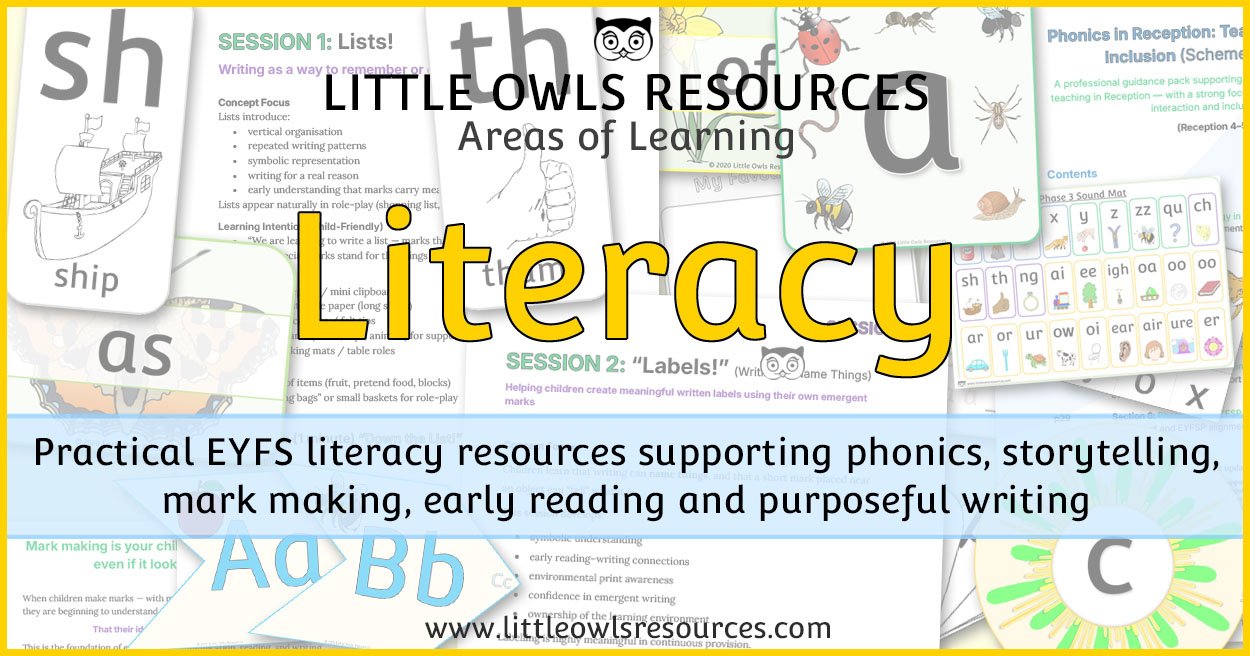
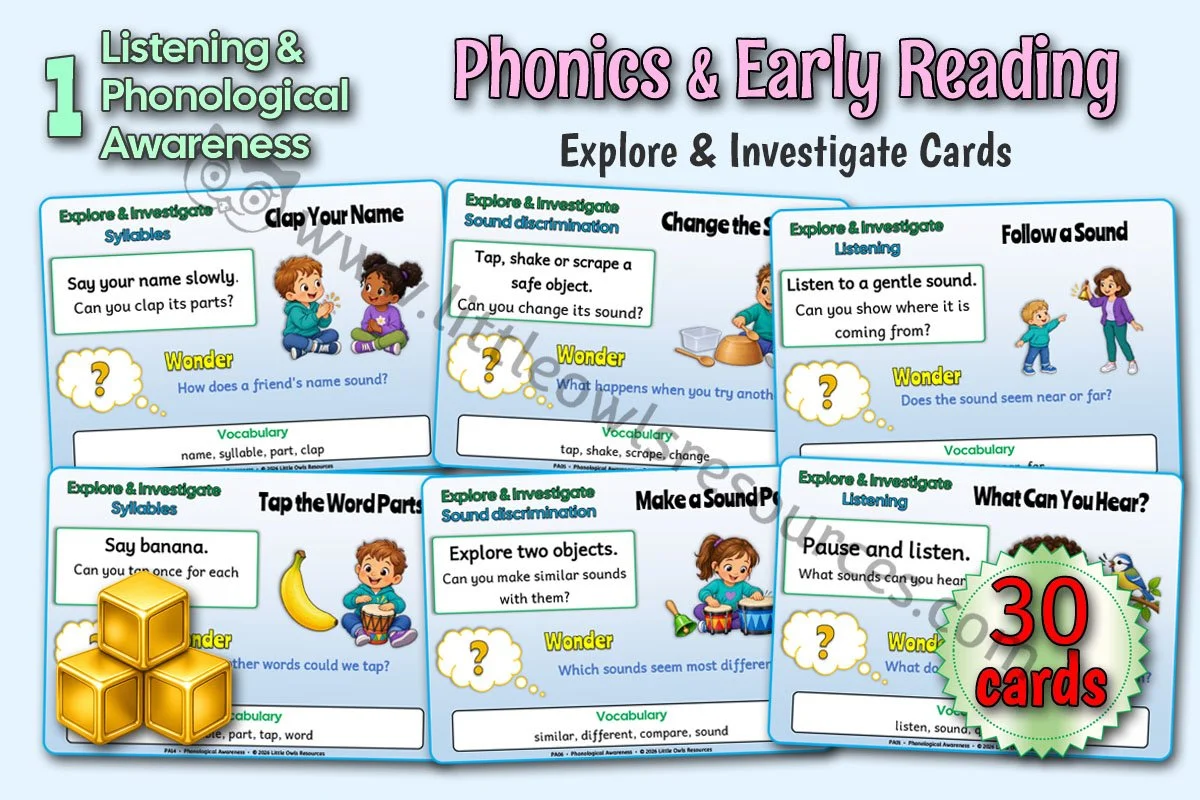
Thirty illustrated invitations for playful listening and spoken-language exploration. Created primarily for Preschool provision, with flexible support for individual children and continued use in Reception. Share a card with an adult, use real objects where helpful and follow the child’s ideas.
Using the cards
Offer one or two cards beside relevant provision. Read the invitation aloud and model a playful example. Wonder questions are optional; use the vocabulary naturally during play. Children do not need to read, complete every activity or give a spoken answer. Return to familiar favourites and stop while the experience is enjoyable.
The ten focus areas help you choose a card. They are not a teaching sequence or an assessment checklist. Environmental listening, music and sound memory support wider communication; phonological awareness focuses on sounds within spoken language. This pack brings these related experiences together.
DOWNLOAD (DOCX) 📝
DOWNLOAD (PDF) 📄
DOWNLOAD (Zipped JPEGs) 📂
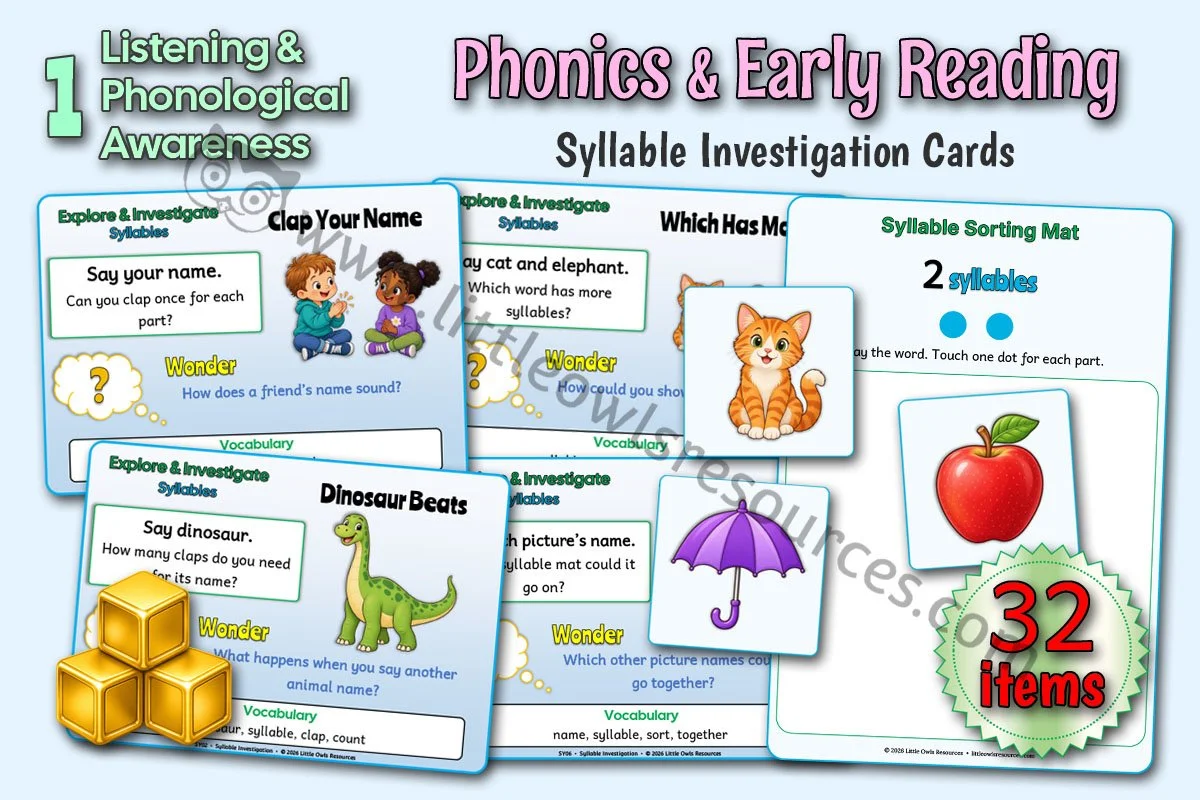
Twelve illustrated invitations, sixteen picture-only cards and four sorting mats for exploring the parts we hear in spoken words. Use them in Preschool provision with an adult, and revisit them in Reception as helpful. Children can clap names, tap picture words, move, compare and sort. No reading is required.
What children are listening for
A syllable is a part or beat we hear within a spoken word: cat has one, rabbit has two and banana has three. Here, “beat” means a syllable in a spoken word, rather than the steady beat of music. Count the spoken parts, not letters, individual speech sounds or the size of the pictured object.
Share one invitation at a time
Read the card aloud and name the pictures together. Say the whole word naturally first, then repeat it with a gentle clap or tap for each syllable. Say the whole word again. For banana, model ba–na–na with three taps. Keep the word recognisable; avoid adding extra vowel sounds or stretching it into individual phonemes. Wonder questions are optional invitations to talk.
Use the pictures and mats
Begin with two mats and a small selection of pictures, for example cat, dog, rabbit and apple with the 1 and 2 mats. Say each name, tap its parts and choose a mat together. Add the 3 and 4 mats when useful. Touch one printed dot for each syllable, then place the whole picture card in the open space below. Each mat can hold four cards; the dots count syllables in one word, not pictures on the mat.
DOWNLOAD (DOCX) 📝
DOWNLOAD (PDF) 📄
DOWNLOAD (Zipped JPEGs) 📂
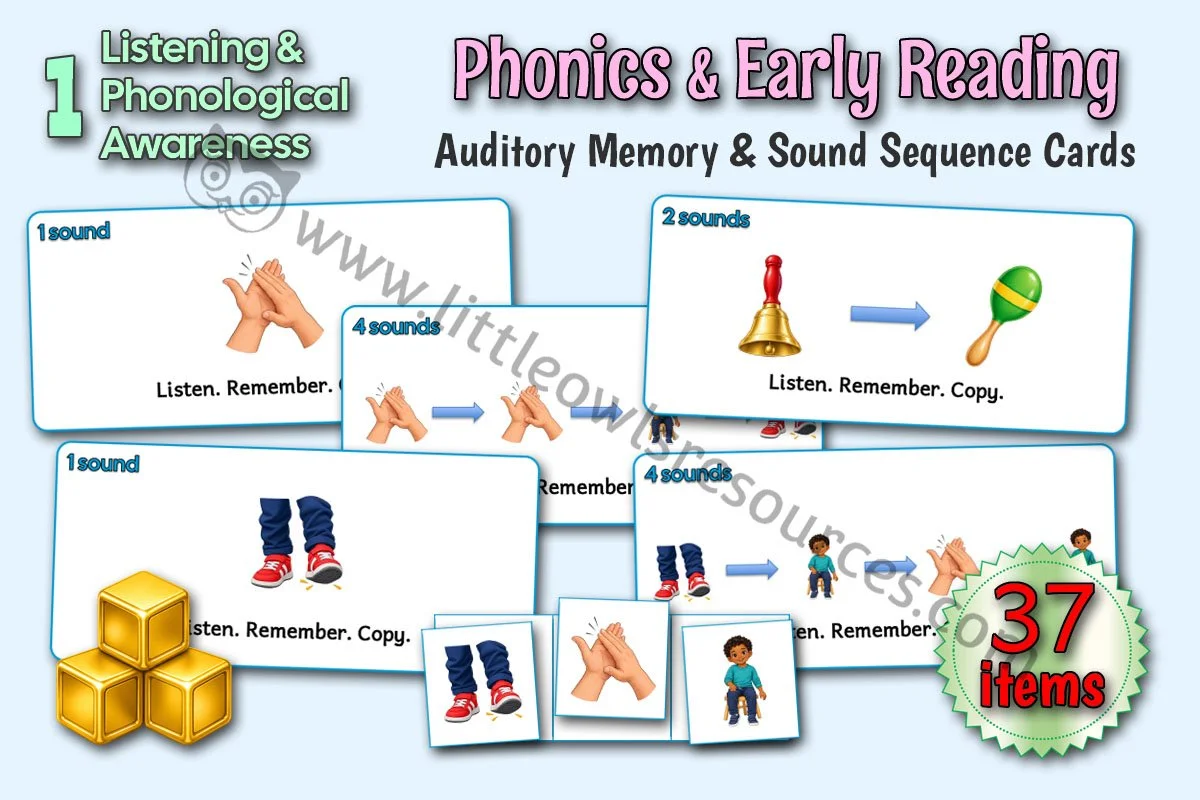
Invite children to listen to a short sequence and make the sounds back in the same order. Use the illustrated cards in Music and Sound provision, small groups or a quiet shared game. Begin with a single familiar sound and choose longer sequences when the child wants to try.
Introduce the six pictures
Explore each action and instrument together using the picture key on page 2. Agree what each picture means before playing. Here, a sound means one action or sound event, not a phoneme or a syllable. A bell ring or shaker movement may contain several tiny noises but counts as one turn in the sequence.
Play one short sequence
1. Get ready together. Offer a choice of sounds and wait until the child is ready. They do not need to sit still or make eye contact.
2. Make the sounds from left to right, once for each picture. Use a steady, unhurried pace with a clear space between actions. Let a bell fade before the next sound. Repeated pictures mean separate actions: clap, pause, clap.
3. Finish the whole sequence, pause, then invite the child to copy. Say “Your turn” after playing, rather than naming the sounds while you make them. Replay whenever helpful.
4. Swap roles. The child can choose a card or arrange loose pictures for you to copy. Enjoy their ideas and return to a shorter sequence whenever needed.
DOWNLOAD (DOCX) 📝
DOWNLOAD (PDF) 📄
DOWNLOAD (Zipped JPEGs) 📂
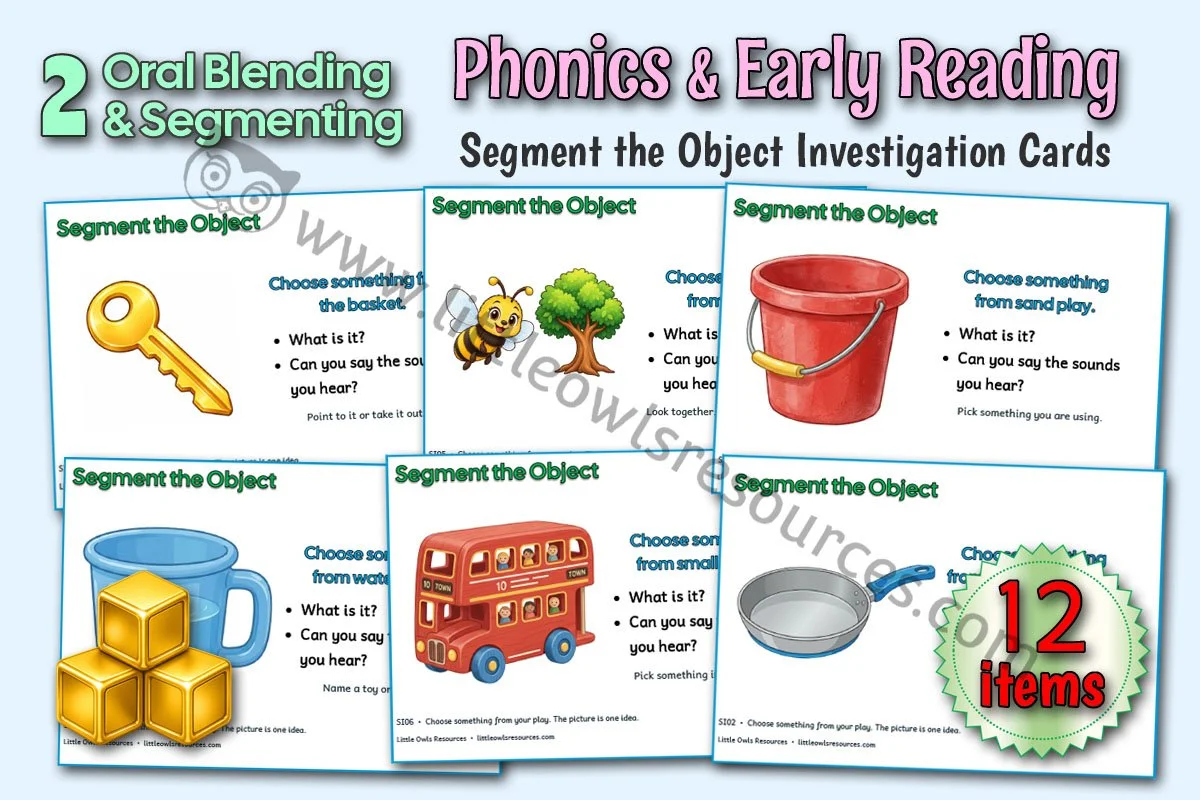
Twelve illustrated invitations for exploring the speech sounds in familiar object names during Preschool and Reception play. Children choose something, name it and try saying its individual sounds. An adult reads the invitation and supports the conversation; children do not need to read or write.
DOWNLOAD (DOCX) 📝
DOWNLOAD (PDF) 📄
DOWNLOAD (Zipped JPEGs) 📂
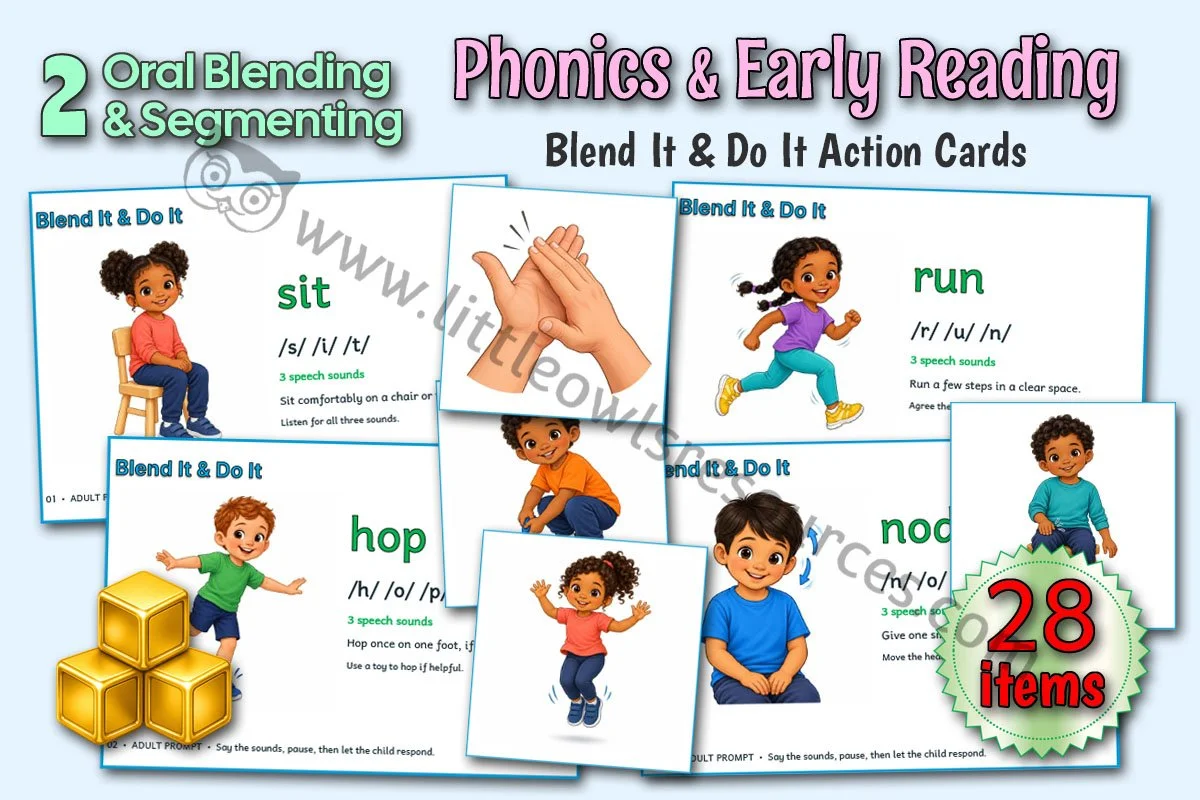
Twelve illustrated action prompts for playful oral blending in Preschool, with opportunities to revisit in Reception. An adult says an action in separate speech sounds; children blend the sounds into a word and respond through movement, a picture choice or an agreed alternative. No reading is needed.
DOWNLOAD (DOCX) 📝
DOWNLOAD (PDF) 📄
DOWNLOAD (Zipped JPEGs) 📂
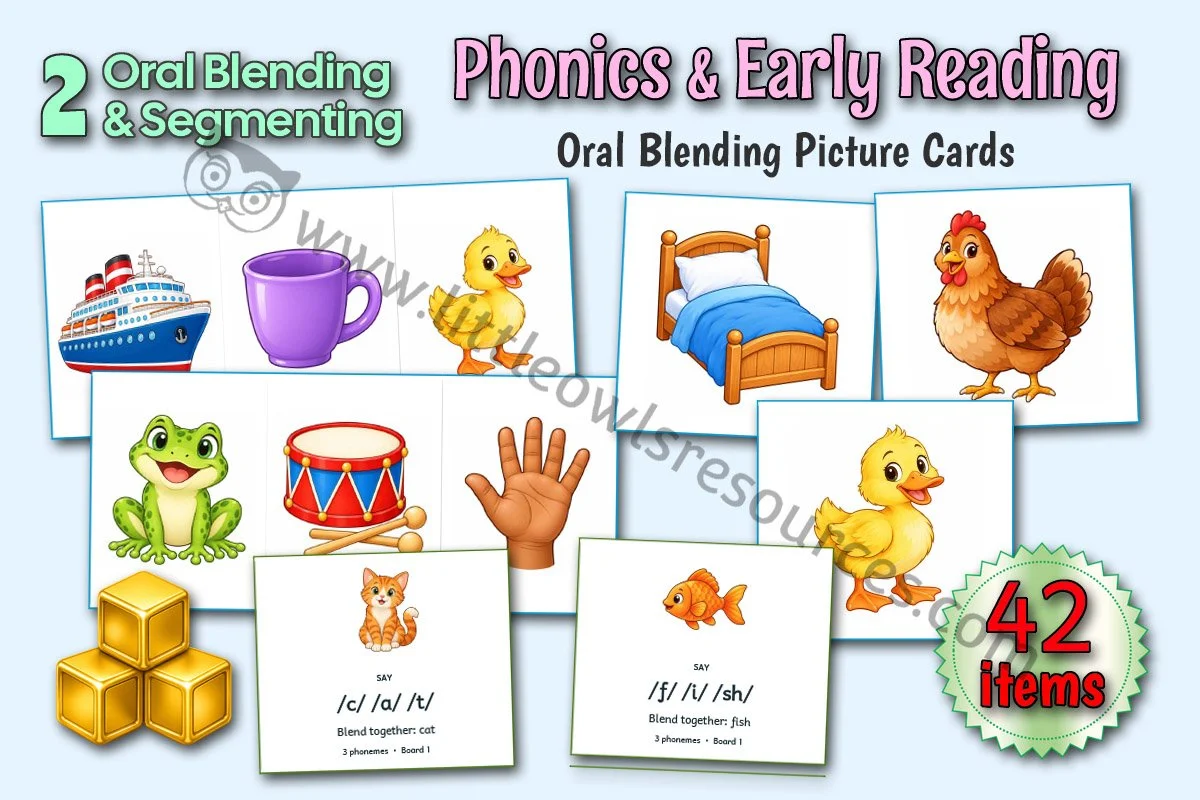
Eighteen illustrated picture cards, six three-picture choice boards and eighteen separate adult prompt cards. Use familiar spoken words in short, playful exchanges. Children listen and choose a picture; the adult supplies the individual sounds.
Adult guidance supplied.
DOWNLOAD (DOCX) 📝
DOWNLOAD (PDF) 📄
DOWNLOAD (Zipped JPEGs) 📂
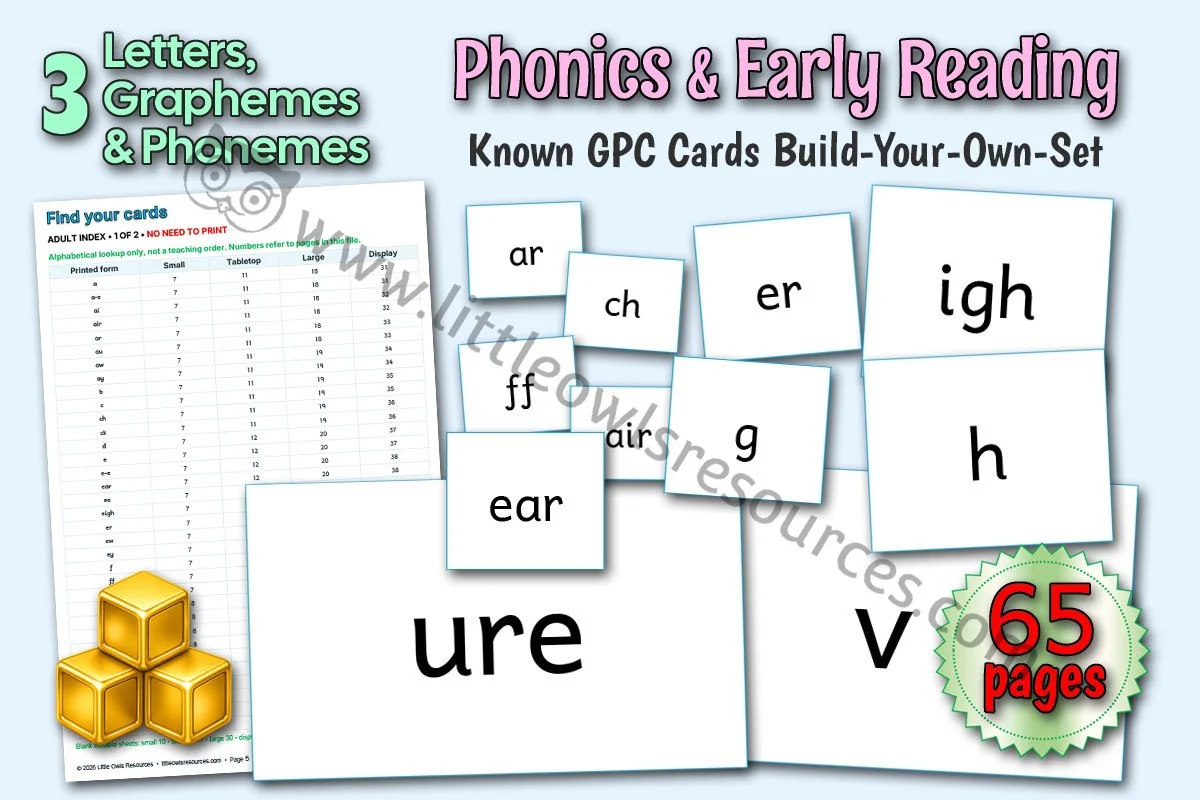
Choose the graphemes children have already been taught and make a small, useful practice set. These editable cards support adult-led recall, sound-to-print choices and familiar classroom routines.
Who this pack is for
Primarily Reception, with adult support and selection matched to the setting’s systematic synthetic phonics (SSP) programme. Older children can use the same materials for additional practice. For Preschool, use a few familiar letters responsively within meaningful play or name exploration; this pack is not a whole-set teaching expectation.
Choose only what you need
There are 68 printed forms in each of four sizes, including an optional qu card. The bank offers choices across programmes and stages. It is not a complete alphabetic code, a teaching sequence or a list every child should know. Alphabetical order is for finding cards only.
DOWNLOAD (DOCX) 📝
DOWNLOAD (PDF) 📄
DOWNLOAD (Zipped JPEGs) 📂
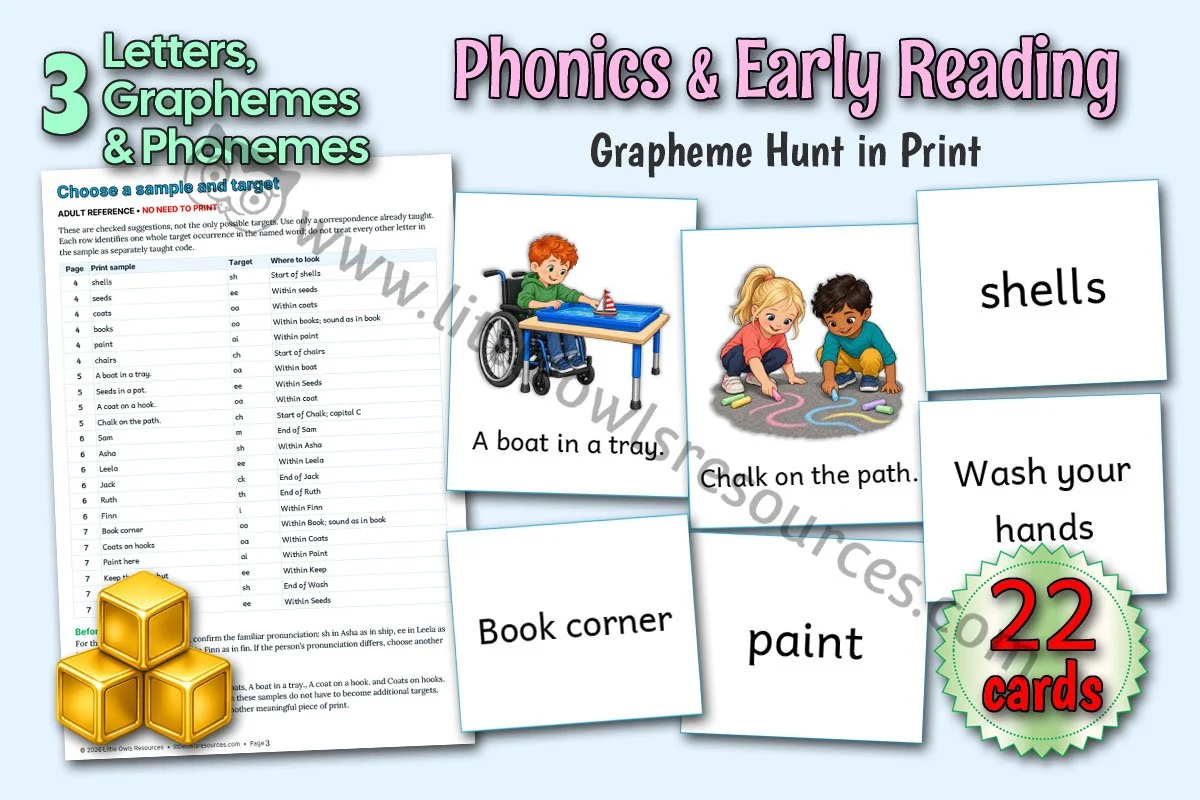
Choose a taught grapheme and help the child find it within meaningful print: a label, caption, name or sign. Read the print aloud when needed, then invite the child to point to the whole grapheme. This is a print-focused noticing activity, with an adult helping connect the written form to its taught sound.
Try a hunt together
1. Select one taught target and one or two suitable print samples.
2. Show the target on a selected GPC card or write it clearly for the child.
3. Read the sample aloud and talk briefly about its purpose or meaning.
4. Ask, “Can you spot the grapheme we’re practising?”
5. Invite the child to point to, frame or mark the whole grapheme.
6. Revisit its taught sound in that word, modelling when needed.
Use the sample selector on page 3 before printing. A label placed by its resources or a sign beside the relevant area gives print a purpose. For a tabletop hunt, keep just the chosen cards visible. Do not ask the child to search the whole pack at once.
Make participation flexible
Children can point, touch, look towards a choice, gesture or use their familiar communication system. An adult can indicate letters following the child’s direction. No independent reading, writing or spoken repetition is required. Place print within comfortable sight and reach, including for seated children.
For Preschool, follow interest in familiar print and names, coordinating planned GPC teaching with the setting’s approach. Keep talk, stories and playful exploration central. This is not a readiness checklist or a requirement to know a fixed set of letters.
DOWNLOAD (DOCX) 📝
DOWNLOAD (PDF) 📄
DOWNLOAD (Zipped JPEGs) 📂
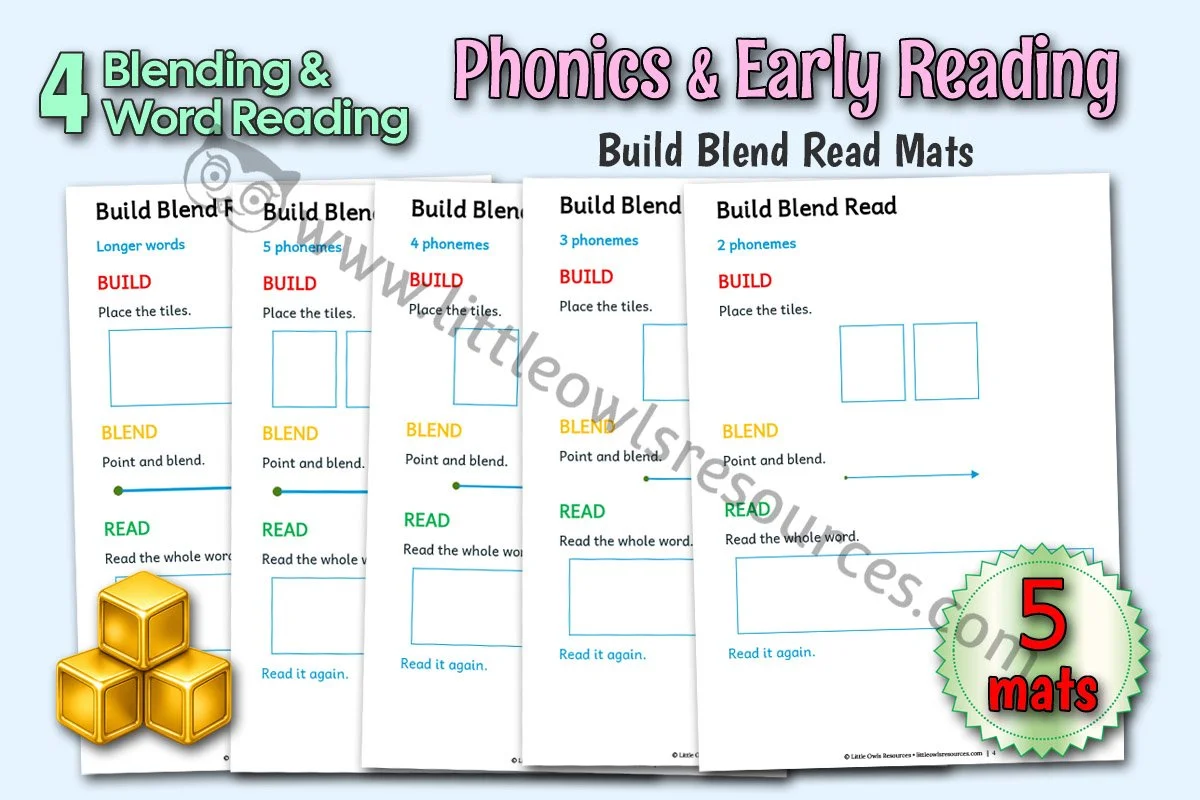
Reusable mats for reading printed words with known grapheme–phoneme correspondences (GPCs). Children place tiles, blend through the complete word and read it as a whole. Use a few carefully selected words at a time.
Who the pack is for
Primarily Reception children applying teaching from their setting’s systematic synthetic phonics programme (SSP). Adapt the amount of support for other learners. Preschool oral blending can continue through talk and play; these printed-word mats are appropriate only when relevant GPCs have been explicitly taught.
Build then blend then read
1. BUILD Choose a word containing only taught GPCs. Place its tiles in order, or let the child copy a printed model. An adult may position the tiles so motor skills and spelling do not become barriers. Do not reveal the spoken word or its picture before a fresh decoding attempt.
2. BLEND Keep the tiles in place. Point from left to right at each grapheme and blend its phoneme through the complete word, using the SSP’s approach. The arrow is a direction guide; it does not prescribe a blending technique or sound-button system.
3. READ Reread the same word as a whole. Use the optional joined-word strip in the READ space, or reread the tiles. Then discuss meaning or reveal an object or picture. Children may say the word, or show their understanding in an accessible way.
DOWNLOAD (DOCX) 📝
DOWNLOAD (PDF) 📄
DOWNLOAD (Zipped JPEGs) 📂
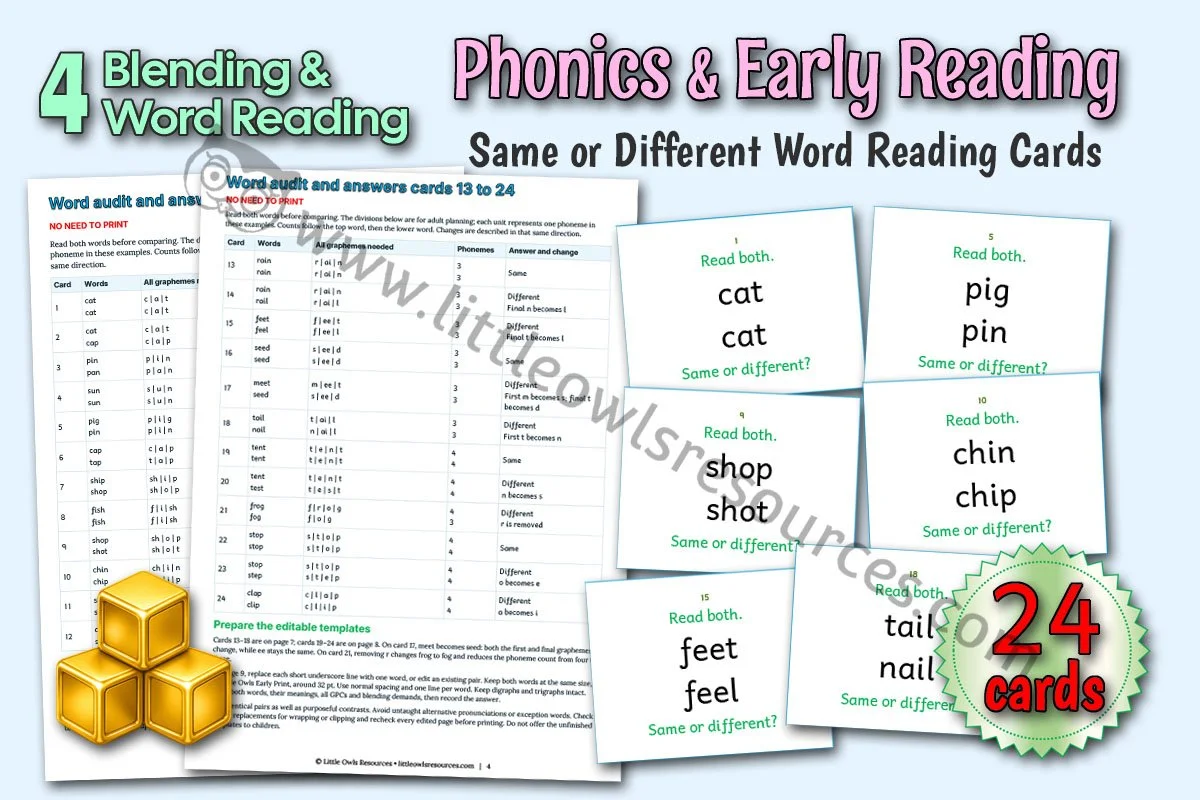
Twenty-four cards which invite children to read two complete words and compare their print. Eight pairs are identical; sixteen differ. Changes occur at the beginning, middle and end, with one removal and one pair with two changes. Six editable templates let you add examples matched to your learners.
Who the pack is for
Primarily Reception children applying grapheme–phoneme correspondences (GPCs) taught through their systematic synthetic phonics programme (SSP). Select a few pairs that match known code and blending confidence. These cards provide adaptable practice, not a new teaching sequence. Support other learners as appropriate.
Oral blending combines spoken sounds without print. This activity involves reading printed words; Preschool use is appropriate only where the relevant GPCs have been explicitly taught. Continue stories, talk and phonological-awareness play alongside phonics, without a prerequisite checklist.
Read both then compare
1. READ BOTH Present one card. Invite the child to read the top word, then the lower word, attending to every grapheme and blending using your SSP’s approach. Cover the lower word with plain paper during the first reading if helpful. Do not say either answer in advance.
2. COMPARE Ask “Are these words the same?” Here, same means exactly the same written word, with the same graphemes in the same order. Check both words all the way through; a shared first grapheme does not make them identical.
3. EXPLAIN AND REREAD For a different pair, ask “What changed?” Invite pointing to the relevant graphemes and, where accessible, identifying their sounds. For an identical pair, invite checking that every grapheme matches. Reread both complete words, then discuss meanings if useful.
DOWNLOAD (DOCX) 📝
DOWNLOAD (PDF) 📄
DOWNLOAD (Zipped JPEGs) 📂
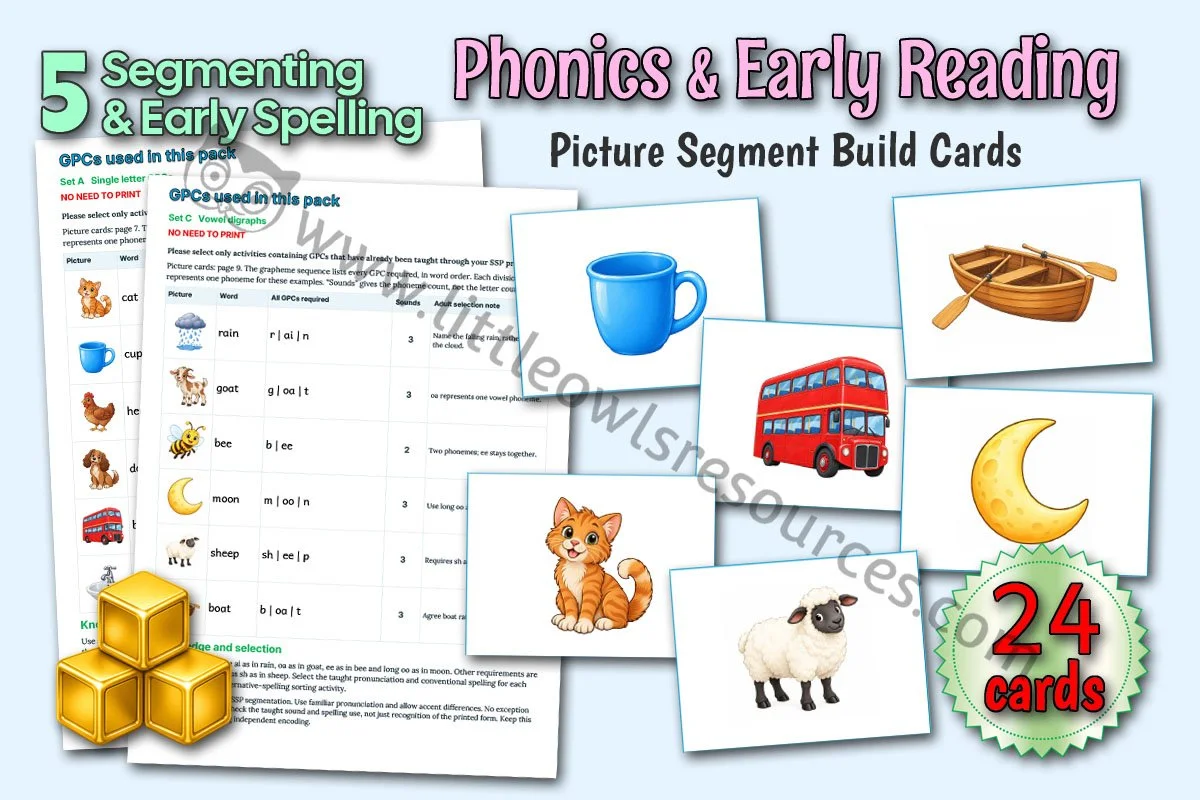
Twenty-four picture-only cards prompt children to name a familiar word, identify and count its phonemes, then choose graphemes to build its spelling. Four modular sets help adults select suitable cards. Use individual cards across sets according to teaching; the letters A to D do not prescribe a sequence.
(You may find our pack ‘Known GPC Cards - Build Your Own Set’ useful.)
Choose familiar words and taught code
Primarily for Reception children applying GPCs taught through their systematic synthetic phonics (SSP) programme, with adaptation for other learners. Check the word-by-word guide on pages 3–6 before offering a card. Establish the intended spoken label: a different reasonable name for a picture is not a spelling error.
For Preschool, use familiar pictures for conversation and playful oral segmenting where appropriate, without a spelling expectation. Oral activities need not be completed as a checklist before phonics begins.
Name, segment, count and build
1. NAME IT Show one picture. Invite the child to name or otherwise identify it. Agree the intended word orally and say it naturally. Keep the adult guide and complete written answer out of view.
2. SEGMENT IT Follow the SSP’s familiar routine to hear each phoneme in order. Use clear sounds without an added “uh”. The child can move or direct one counter for each phoneme, or use the programme’s familiar gestures.
3. COUNT IT Count the phonemes identified. For an independent counting attempt, start on an open surface; offering an already selected numbered frame gives a clue. Then choose a matching frame from Pack 1 or 2 if helpful.
4. BUILD IT Offer a manageable selection of known GPC tiles, including suitable additional taught choices. Keep multi-letter graphemes intact. Replace each counter with its grapheme tile, or build in a line on the table. Supply repeated tiles where needed.
5. READ BACK Blend through the spelling and check every position. After the attempt, provide the conventional spelling or model as needed. Hearing the sounds alone does not always identify which spelling to choose; use the SSP’s taught support.
DOWNLOAD (DOCX) 📝
DOWNLOAD (PDF) 📄
DOWNLOAD (Zipped JPEGs) 📂
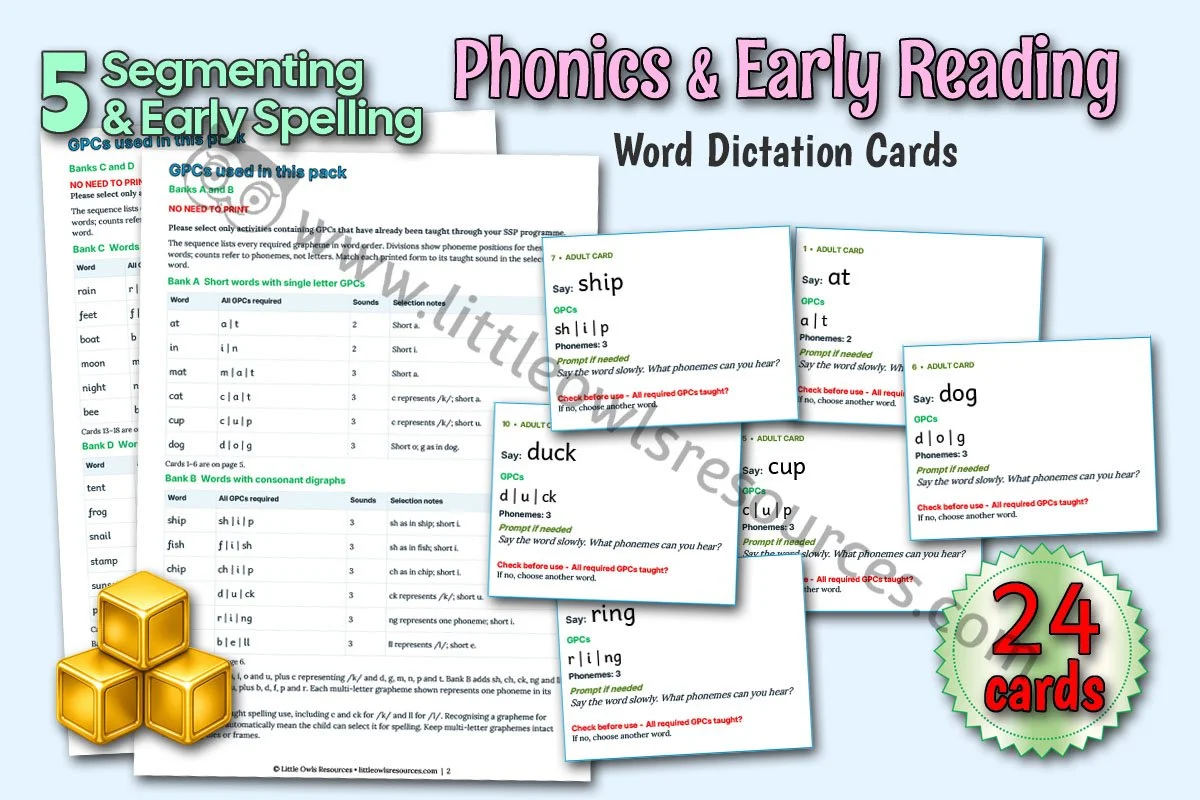
Twenty-four editable practitioner cards and six blank templates support short, carefully selected word-dictation practice. Children hear a word and apply their taught grapheme–phoneme correspondences (GPCs) to spell it. The cards remain with the adult; they are not child reading cards or a fixed spelling test.
Use only taught correspondences
Do not dictate words containing untaught GPCs. Check every correspondence in the intended word against what the child has been taught through your systematic synthetic phonics (SSP) programme. If any required GPC is untaught, choose another word.
Use a short dictation routine
1. SELECT Choose a small, manageable set from any bank, using the audits on pages 2–3. Banks A to D organise adult preparation; they are not a teaching sequence. Primarily for Reception learners applying taught code, with adaptation for other learners.
2. SAY Keep the written word and GPC sequence hidden. Say the whole word naturally, establish its meaning orally and repeat it when helpful. Do not initially give the segmented answer if you want the child to do the segmenting.
3. SPELL Invite the child to segment and write the word using the SSP’s familiar routine. If needed, use the card’s prompt: “Say the word slowly. What phonemes can you hear?” Keep pronunciation natural, without an added “uh” or an artificial extra syllable.
4. SUPPORT Pause and allow thinking time. If the child needs a model, provide one, then acknowledge that the attempt was supported. Hearing the phonemes alone does not always reveal the conventional spelling; use the spelling support already taught through the SSP.
5. READ BACK Invite the child to blend through what they wrote. Check for an appropriate grapheme for every phoneme, in order. Give specific feedback, then show a checking model if useful. A plausible spelling may show successful segmenting while still needing help with conventional spelling.
DOWNLOAD (DOCX) 📝
DOWNLOAD (PDF) 📄
DOWNLOAD (Zipped JPEGs) 📂
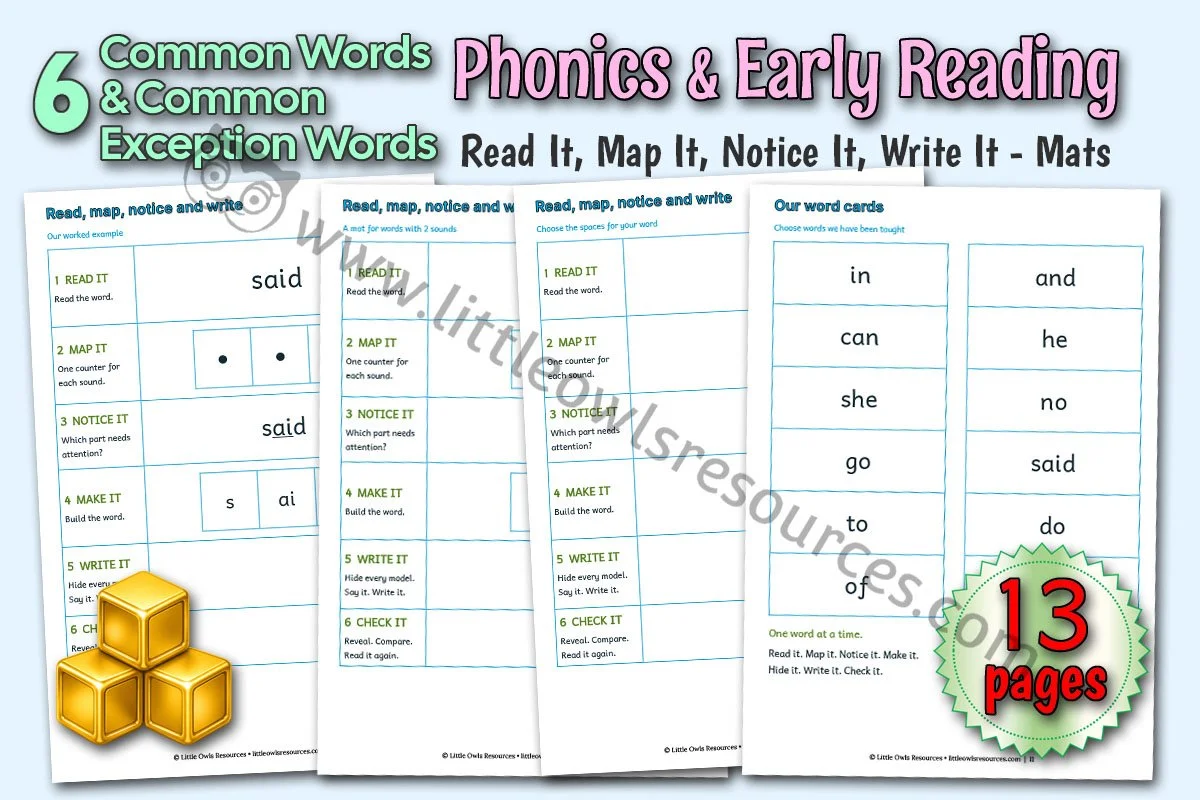
Reusable mats for connecting a spoken word with its spelling, noticing the correspondence that needs attention and recalling the word for writing. Each mat includes all six stages: READ IT, MAP IT, NOTICE IT, MAKE IT, WRITE IT and CHECK IT.
Choose words through your SSP
Primarily for Reception children applying taught code, with adaptation for other learners and continued use in Year 1. Select words through your setting’s systematic synthetic phonics (SSP) programme. These 12 optional examples are a selection bank, not a Little Owls teaching order or a Reception word-list requirement.
Use adult-led modelling when a selected correspondence is being introduced through the SSP. Use the mats for independent practice only after the relevant GPCs and any exception spelling have been explicitly taught.
DOWNLOAD (DOCX) 📝
DOWNLOAD (PDF) 📄
DOWNLOAD (Zipped JPEGs) 📂
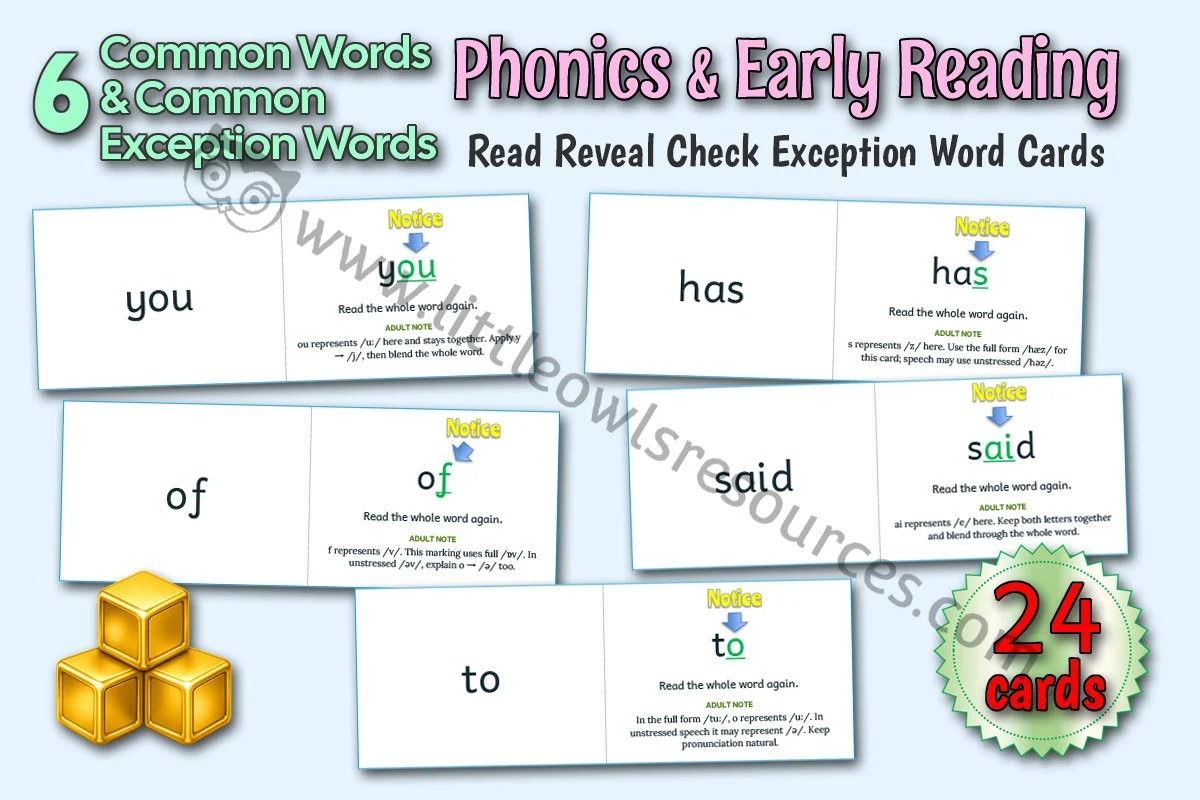
Twenty-four optional word cards pair a plain front with a reveal back showing the same word and the correspondence to notice. Six editable templates let you add words selected through your systematic synthetic phonics (SSP) programme. Each front contains the word only, with no picture or first-letter cue.
Select for the learner
Primarily for Reception children revisiting taught words, with adaptation for other learners and continued use in Year 1. The examples are a selection bank, not a Little Owls progression or a Reception word-list requirement. Do not introduce all 24 simply because they are included.
Use one card at a time
1. PREPARE Choose a word whose relevant GPCs and exception correspondence have already been taught. Ensure its spoken meaning is familiar. Fold the card so that only its plain front faces the child. Keep other cards and the reveal back out of sight.
2. READ Invite the child to read the complete word. Attend to every grapheme, use known correspondences and the taught explanation for the exception, then blend. Do not give the word first during a reading check or invite guessing from its initial letter.
3. REVEAL Turn the card over after the attempt. Read the complete word together and notice the underlined correspondence. Use the brief adult note if helpful. Green is an additional cue; the underline also works in black and white.
4. CHECK Compare the child’s reading with the checked word and explanation. If a part was missed, explain it through the SSP and blend together. Turn back to the plain front and read again. Revisit later among a few other taught words; an immediate repeat alone does not show secure independent reading.
DOWNLOAD (DOCX) 📝
DOWNLOAD (PDF) 📄
DOWNLOAD (Zipped JPEGs) 📂
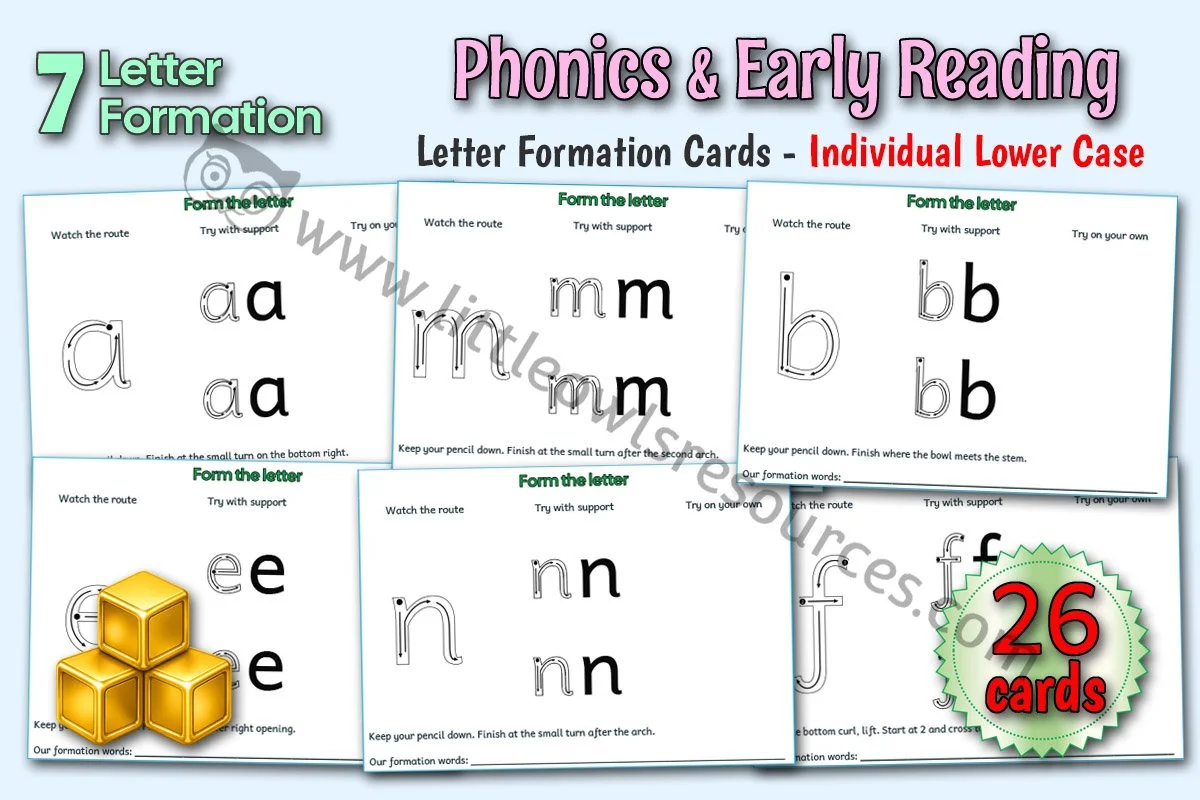
Twenty-six reusable cards for explicitly teaching lower-case letter movements. Each card offers a large start-and-direction model, two guided attempts and an open space to form the letter. Select only the letters currently being taught; a–z is a filing order, not a teaching sequence.
Who this pack is for
For Reception and other learners ready for explicit formation teaching, alongside the setting’s SSP programme and handwriting approach. In Preschool, respond to interest in familiar letters within meaningful mark making.
DOWNLOAD (DOCX) 📝
DOWNLOAD (PDF) 📄
DOWNLOAD (Zipped JPEGs) 📂
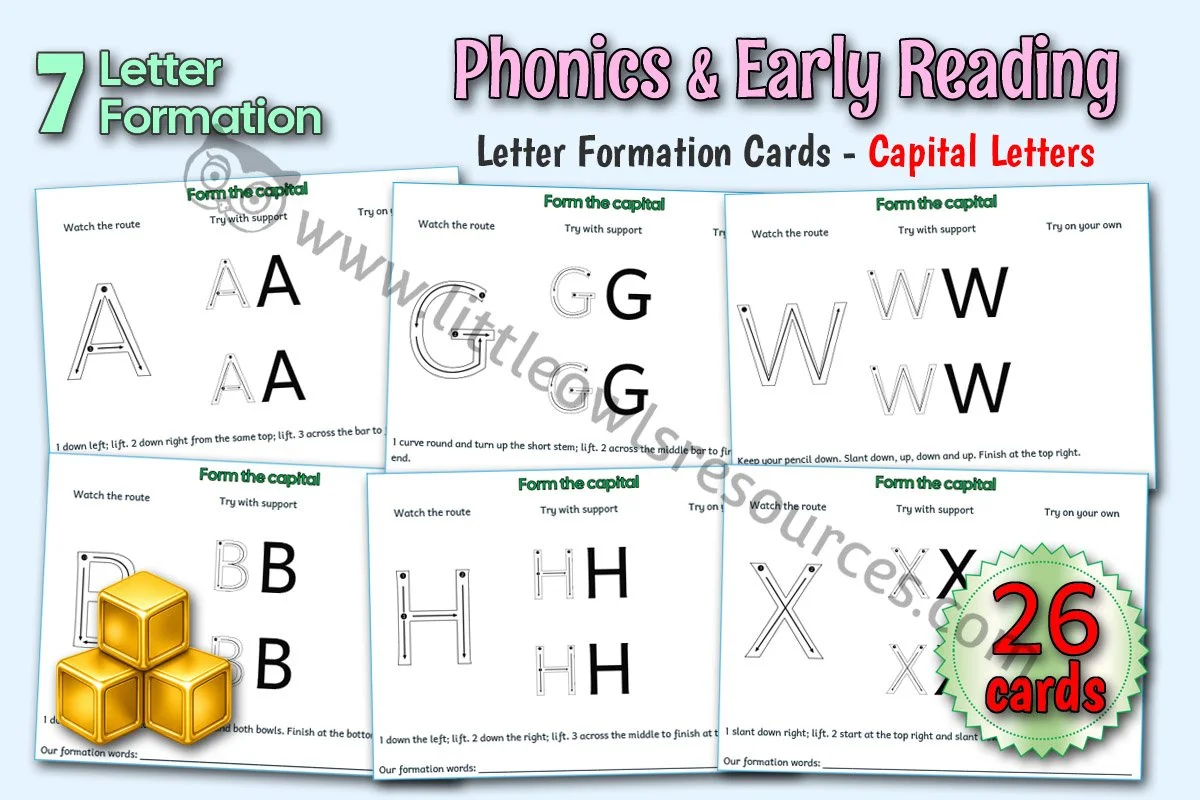
Twenty-six reusable cards for explicitly teaching upper-case letter movements. Each card offers a large start-and-direction model, two guided attempts and an open space to form the letter. Select only the letters currently being taught; a–z is a filing order, not a teaching sequence.
Who this pack is for
For Reception and other learners ready for explicit formation teaching, alongside the setting’s SSP programme and handwriting approach. In Preschool, respond to interest in familiar letters within meaningful mark making.
DOWNLOAD (DOCX) 📝
DOWNLOAD (PDF) 📄
DOWNLOAD (Zipped JPEGs) 📂
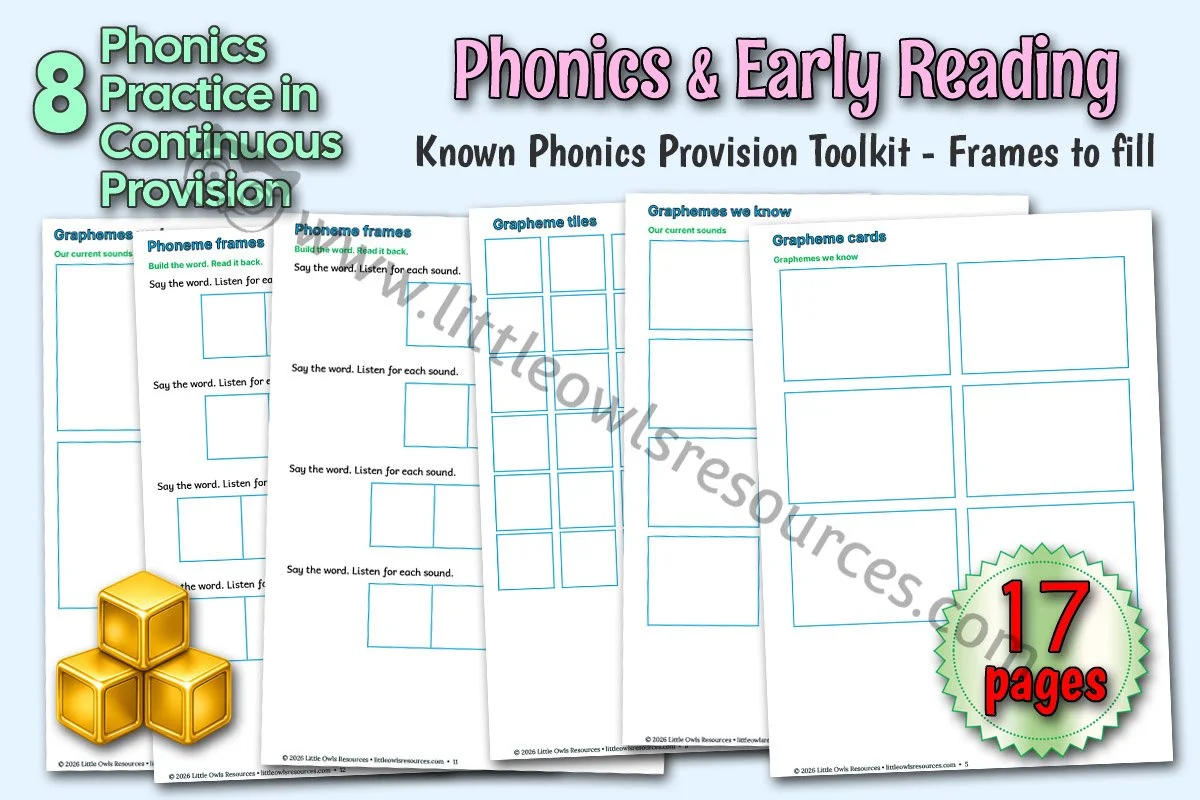
A portable, editable set for using taught phonics during purposeful reading and writing. Add the graphemes and words suitable for the children using it, then take the same familiar toolkit into provision when it is useful.
What is in the toolkit
Known-GPC cards, current GPC mats, grapheme tiles, phoneme frames, current word cards, common-exception-word slots, and separate Words We Can Read and Words We Can Spell mats. All entry spaces are blank so you can follow your setting’s systematic synthetic phonics (SSP) programme.
Who it is for
For Reception and other children receiving explicit phonics teaching, including older learners revisiting taught content. Select for the individual or group rather than age alone. For younger children, continue responsive talk, listening, oral sound play and meaningful mark making.
DOWNLOAD (DOCX) 📝
DOWNLOAD (PDF) 📄
DOWNLOAD (Zipped JPEGs) 📂
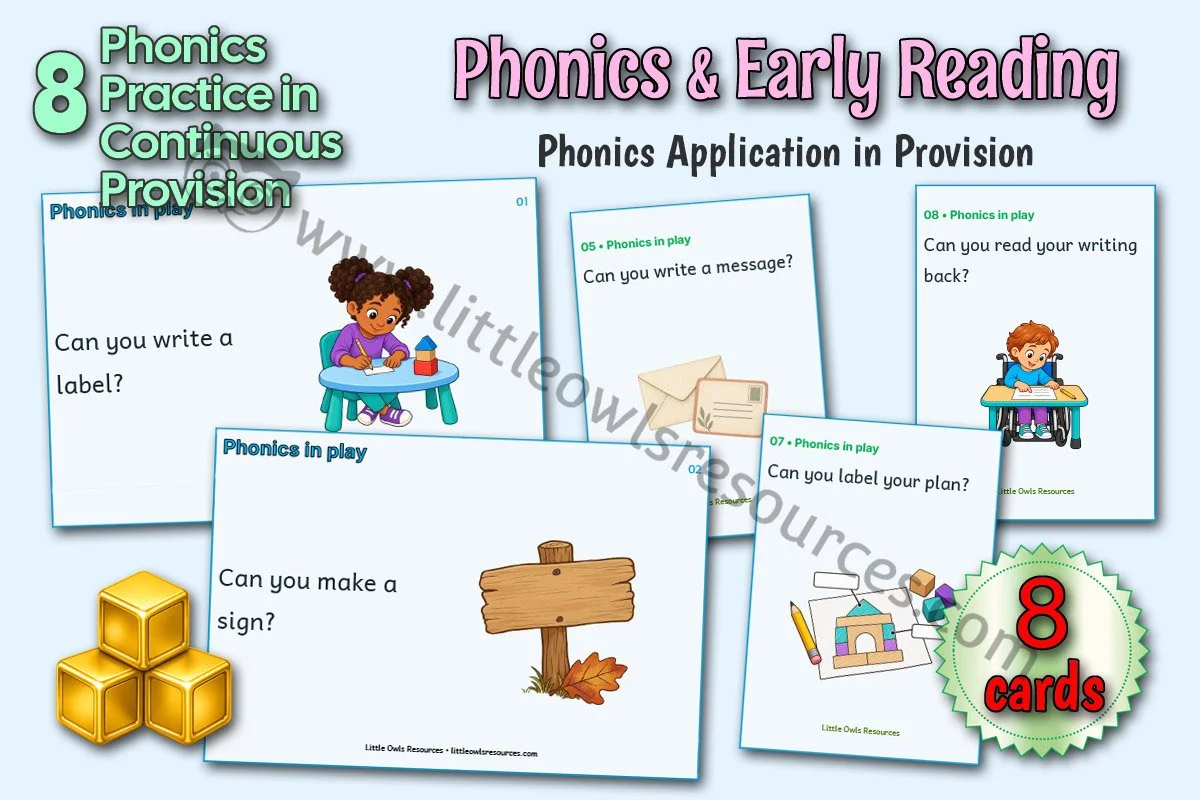
Eight illustrated invitations for using taught phonics during meaningful play. Offer a card when it supports something a child wants to do, and let the child choose the content, materials and purpose. The same cards can travel between provision areas with the Known Phonics Provision Toolkit.
Read the invitation together
Read the prompt aloud and use the picture to explain its meaning. Children are not expected to decode the card text independently. Show one or two relevant cards rather than displaying all eight as tasks to complete. A child may accept, adapt or decline an invitation; allow sustained play to continue.
Use pictures to clarify the purpose
The illustrations show labelling, signs, writing, reading, messages, lists and plans. They are examples, not instructions to copy the pictured activity or use particular vocabulary. Blank labels and simple marks in the pictures are not reading material or handwriting models. Use the child’s real object, idea or writing alongside the card.
DOWNLOAD (DOCX) 📝
DOWNLOAD (PDF) 📄
DOWNLOAD (Zipped JPEGs) 📂
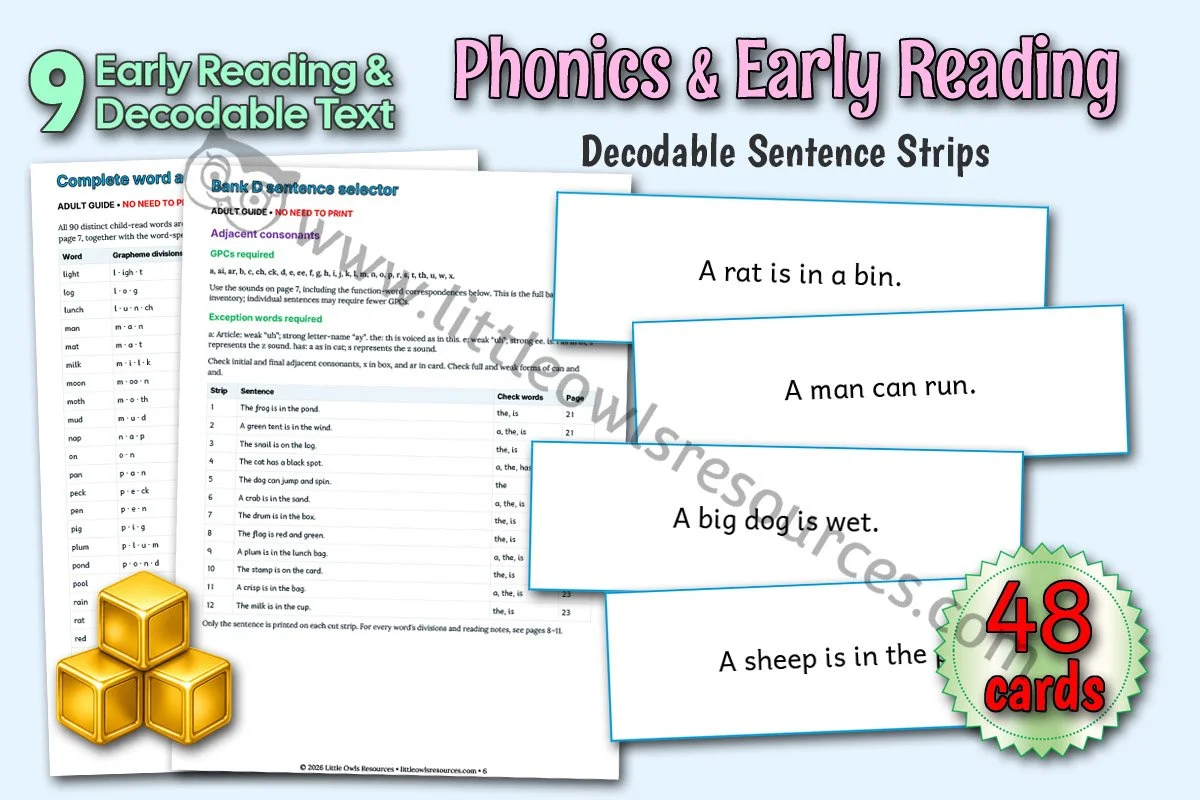
48 editable, picture-free sentences for individual reading, paired reading, matching and purposeful rereading. Four selectable banks come with complete GPC inventories and exception-word requirements. Choose the print that matches the child’s taught phonics, then listen to the whole sentence.
Select before printing
Please select only activities containing GPCs that have already been taught through your SSP programme.
Primarily for Reception and other learners receiving explicit phonics teaching. Banks are selection groups, not a Little Owls teaching sequence or age-based levels. These strips supplement the setting’s SSP-matched decodable books.
Use the bank selectors on pages 3–6, the sound key on page 7 and the complete word audit on pages 8–11. Check correspondences, exception parts, blending demands and spoken meaning. The sentence inside each border is the only child reading target; page labels and guidance are for adults.
Ways to use the strips
Individual reading. Offer one suitable strip. Listen while the child attends to the print, blends unfamiliar words and rereads the sentence for meaning. Let familiar words be read promptly.
Paired reading. Give both children the same selected sentence. One reads while the other listens, then they swap. An adult checks reading and supports corrections; a partner’s agreement alone is not verification.
Sentence matching. Print two copies of a selected page. Cut, shuffle and offer a small selection. Ask the child to read a strip, find its exact duplicate and read both to check every word. Matching by shape alone does not demonstrate decoding or understanding.
Rereading and fluency. Revisit a successfully decoded sentence in a short later turn. Attend to accurate words, natural phrasing and the full stop. Model a fluent reread after the child’s attempt if helpful, then invite another try. Use no races, timers or speed targets.
DOWNLOAD (DOCX) 📝
DOWNLOAD (PDF) 📄
DOWNLOAD (Zipped JPEGs) 📂
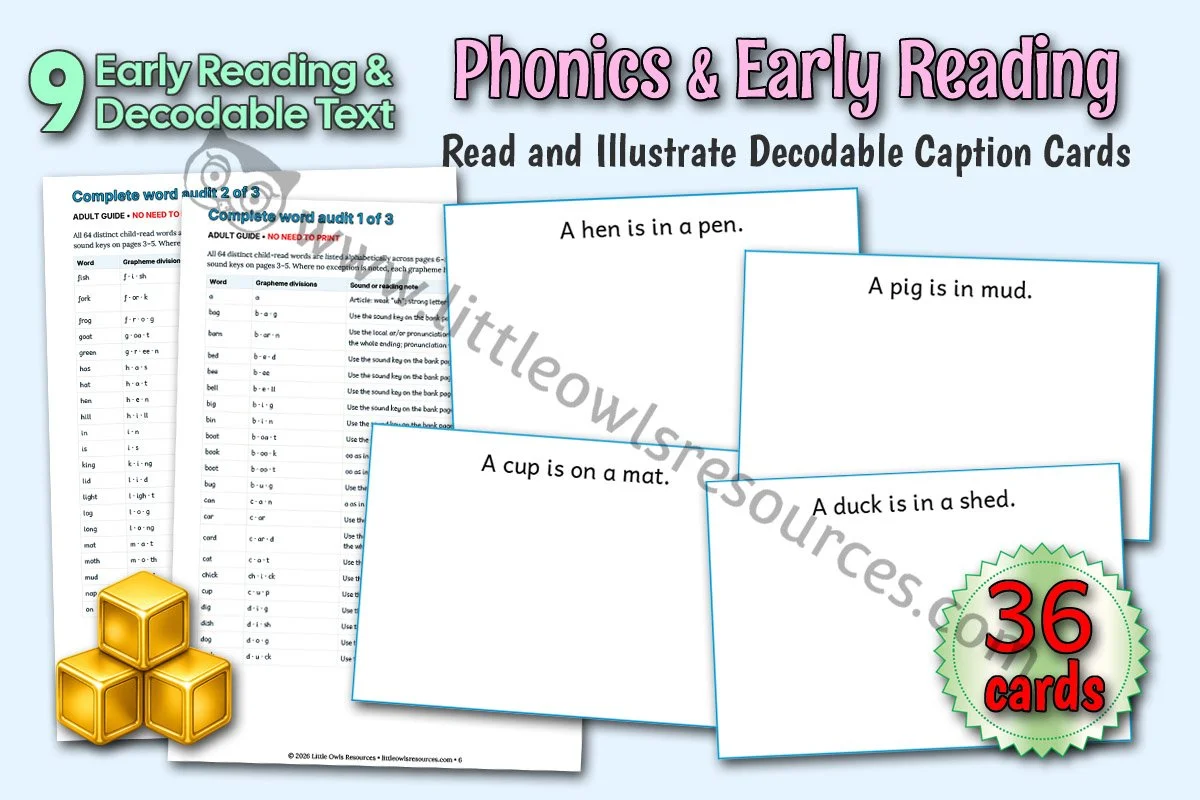
Thirty-six editable captions for reading first and drawing meaning afterwards. Select a caption that matches the child’s taught phonics. There are no picture clues: the child reads the words, rereads the caption and then illustrates what it says.
Choose a suitable caption
Primarily for Reception and other learners receiving explicit phonics teaching. These are supplementary practice cards, not an SSP progression or a replacement for the setting’s matched decodable books. The three banks are choices, not levels to complete.
Please select only activities containing GPCs that have already been taught through your SSP programme.
Check every word, the particular sound represented, blending demands and any previously taught exception parts. All cards include the article a; most include is. These words must be checked too. Use pages 3–8 to select the supplied captions.
DOWNLOAD (DOCX) 📝
DOWNLOAD (PDF) 📄
DOWNLOAD (Zipped JPEGs) 📂
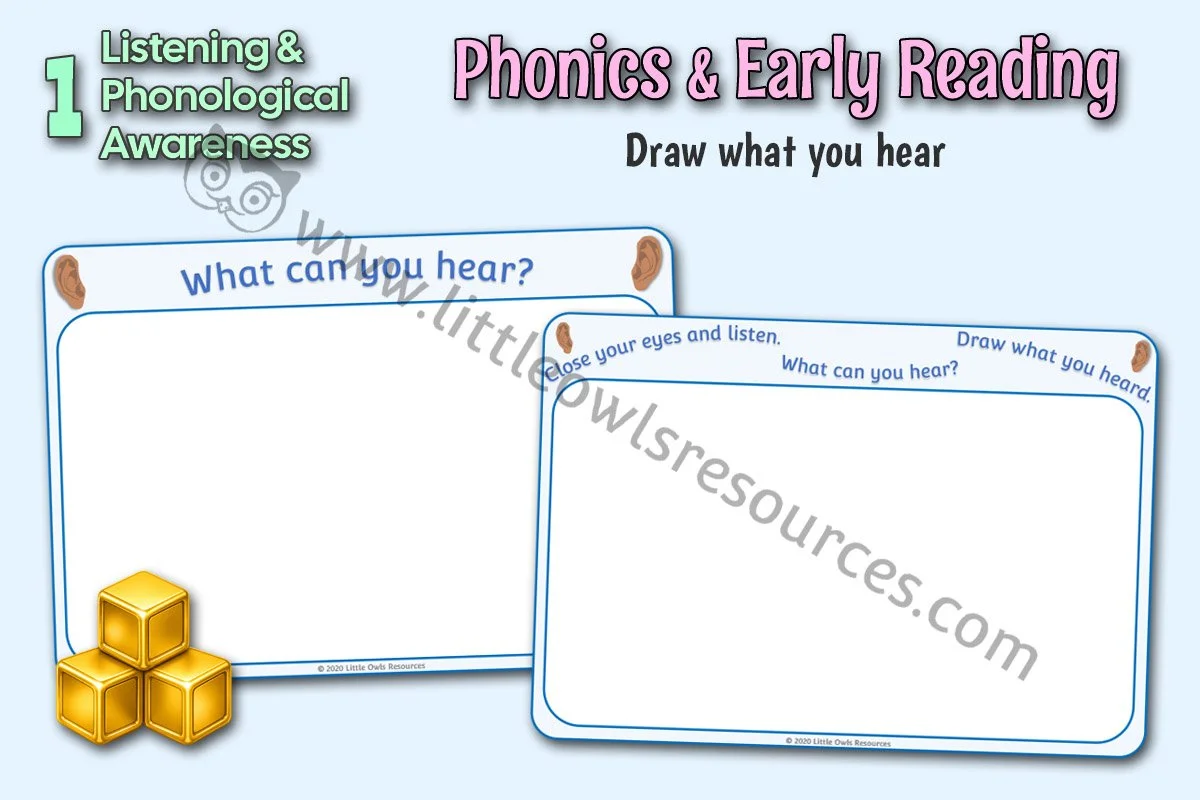
The aim of this activity is for children to listen carefully and identify sounds they are hearing.
DOWNLOAD (DOCX) 📝
DOWNLOAD (PDF) 📄
DOWNLOAD (Zipped JPEGs) 📂
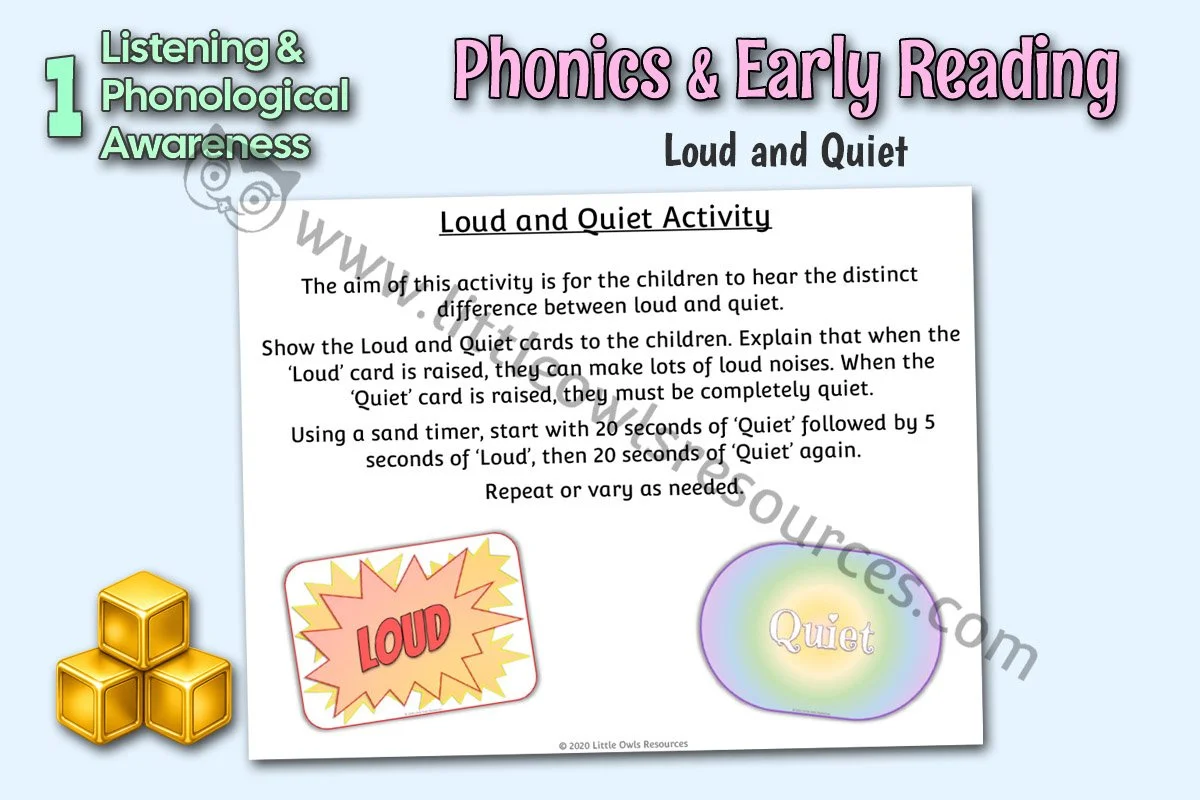
The aim of this activity is for the children to hear the distinct difference between loud and quiet.
Show the Loud and Quiet cards to the children. Explain that when the ‘Loud’ card is raised, they can make lots of loud noises. When the ‘Quiet’ card is raised, they must be completely quiet.
Using a sand timer, start with 20 seconds of ‘Quiet’ followed by 5 seconds of ‘Loud’, then 20 seconds of ‘Quiet’ again.
Repeat or vary as needed.
DOWNLOAD (DOCX) 📝
DOWNLOAD (PDF) 📄
DOWNLOAD (Zipped JPEGs) 📂
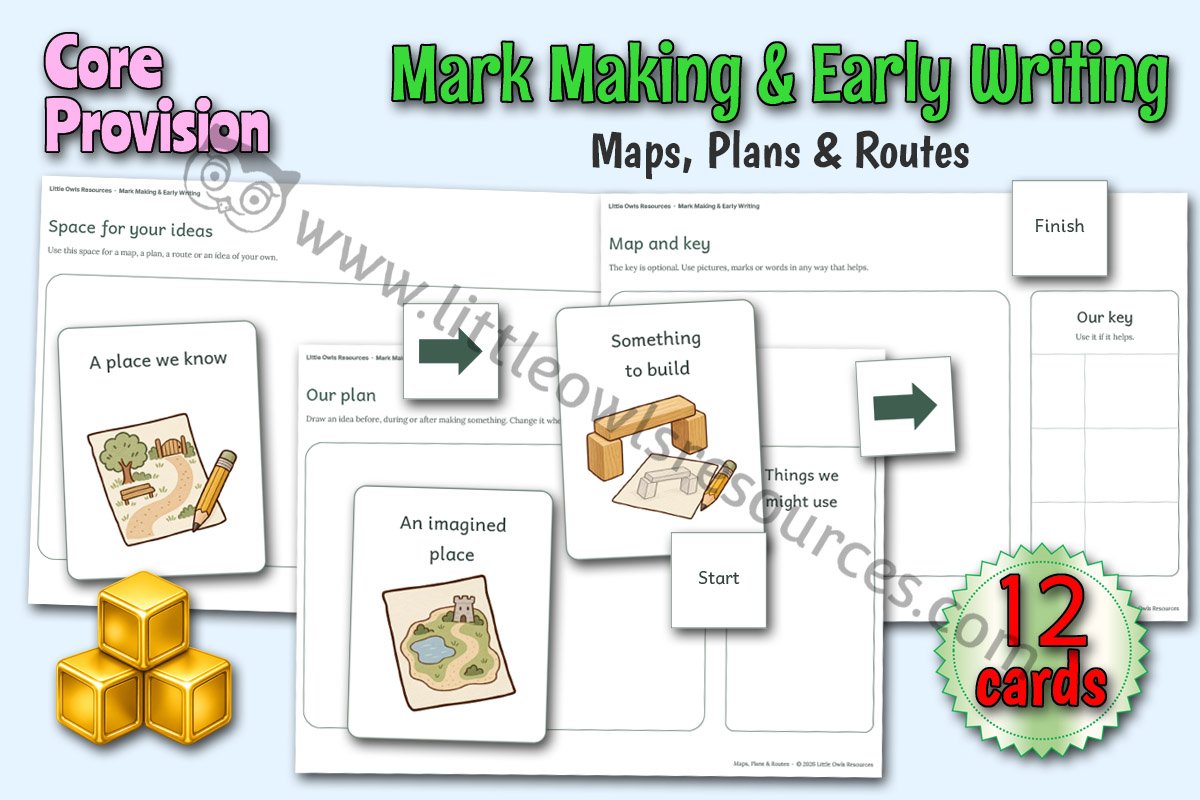
Children can use drawings, marks, symbols, words and objects to show places, explore ideas and share ways to go. Maps can show where things are; plans can help children think about something they want to make or arrange; routes can show a journey. Their representations may combine all three.
Begin with the play
Offer paper when children have something they want to communicate or remember. The six invitation cards suggest possibilities. Children can use an open sheet, choose a template or work directly with objects. A plan can begin before, during or after making something.
DOWNLOAD (DOCX) 📝
DOWNLOAD (PDF) 📄
DOWNLOAD (Zipped JPEGs) 📂
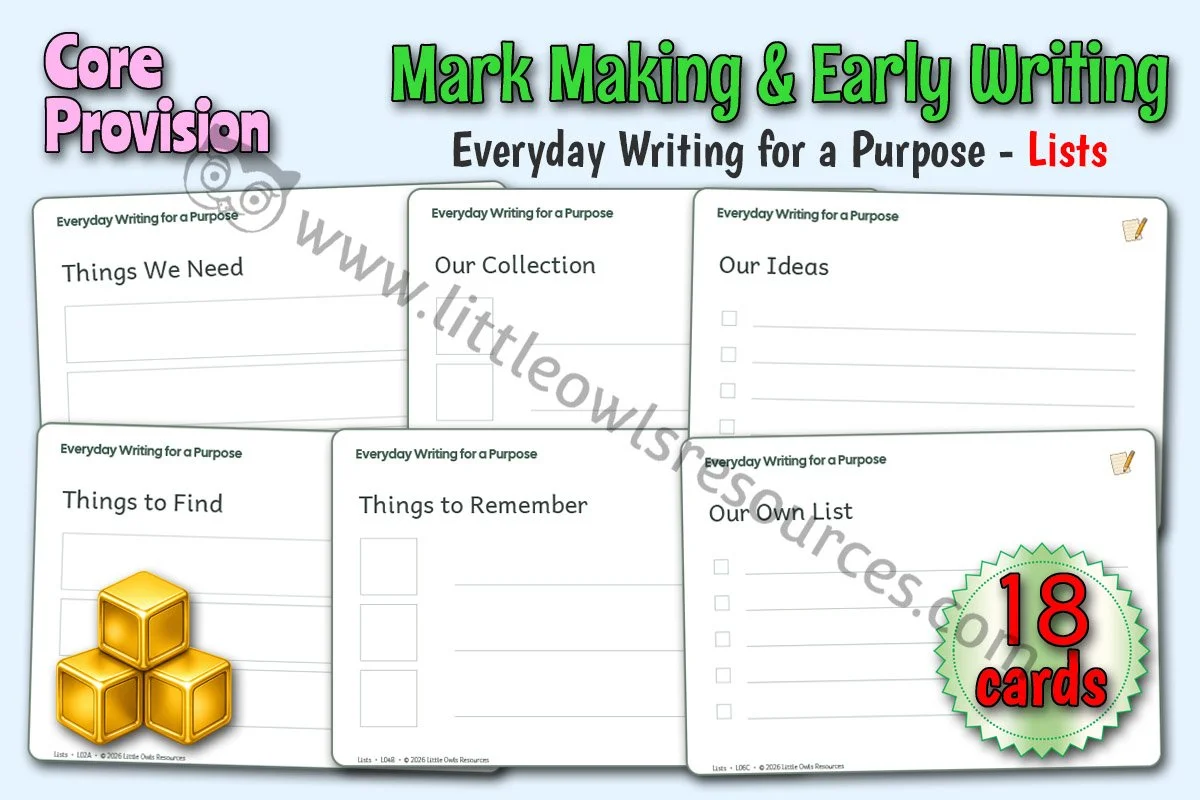
Keep a few lists beside plain paper and familiar tools. Children might gather building materials, plan a shared search, record a collection, save a reminder or share ideas for their play. Offer a list when it helps with something they want to do.
Choose a layout together
A offers open spaces for drawing and marks. B pairs picture spaces with writing room. C offers more writing lines. These are choices of paper, not ability groups or steps to complete. Children can choose any layout, switch between them, dictate or combine pictures, symbols, letters and words.
DOWNLOAD (DOCX) 📝
DOWNLOAD (PDF) 📄
DOWNLOAD (Zipped JPEGs) 📂
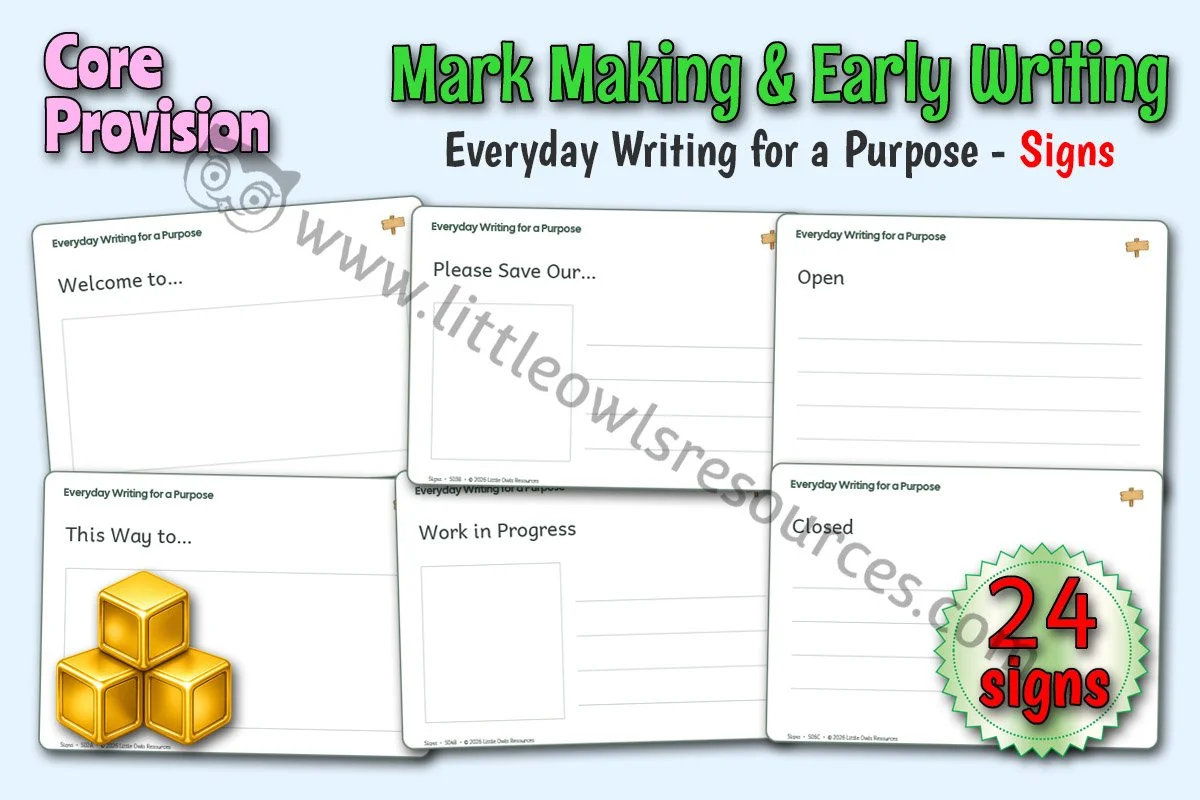
Offer a sign when it helps children communicate in their play: welcome visitors, show a route, save an unfinished model or make a request. Children decide the place, picture and message. Put the finished sign where its reader will need it.
Choose a layout together
A offers open space for drawing and marks. B pairs a picture space with writing room. C offers more writing lines. These are choices of paper, not ability groups or steps to complete. Children can choose any layout, switch between them, dictate or combine pictures, symbols, letters and words.
DOWNLOAD (DOCX) 📝
DOWNLOAD (PDF) 📄
DOWNLOAD (Zipped JPEGs) 📂
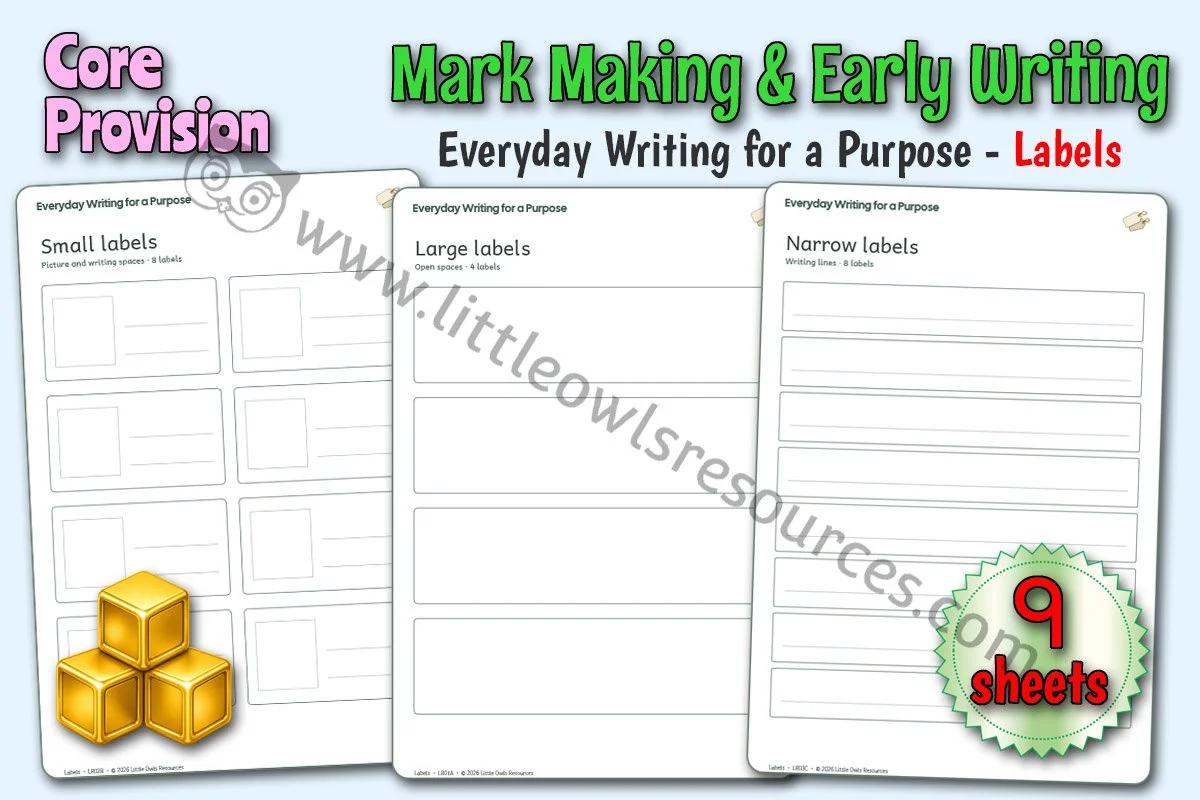
Offer a label when children want to name a model, identify an object, explain a collection or help someone find a place. Keep labels beside plain paper and familiar tools. The spaces are untitled so children can choose what their labels mean and where to use them.
Choose a layout together
A offers open space for drawing and marks. B pairs a picture space with writing room. C offers writing lines. These are choices of paper, not ability groups or steps to complete. Children can choose any layout, dictate or combine pictures, symbols, letters and words. Choose a larger label when more space will help.
DOWNLOAD (DOCX) 📝
DOWNLOAD (PDF) 📄
DOWNLOAD (Zipped JPEGs) 📂
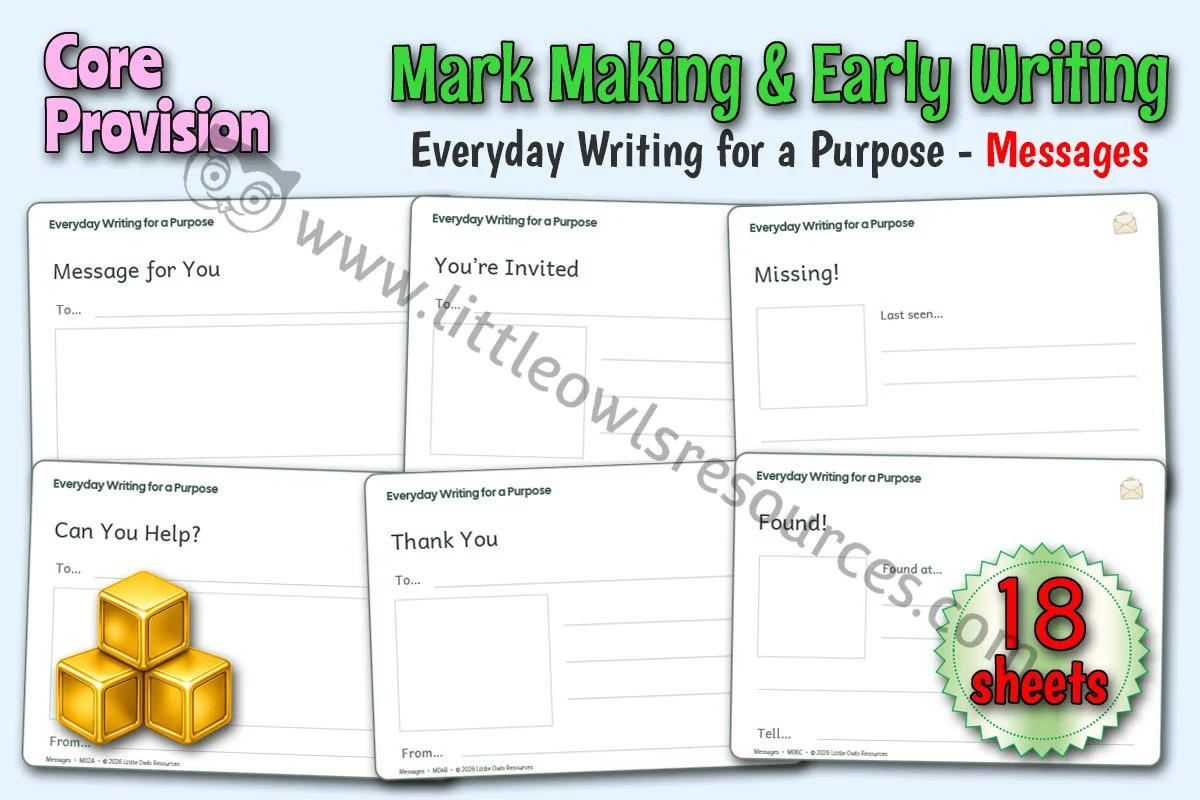
Keep message paper near places where children have something to communicate: a home corner, construction site, small-world home or outdoor meeting place. They can share news, ask for help, invite someone or say thank you. Missing and Found are notices about play objects or story characters.
Choose a layout together
A offers space for drawing and marks. B combines a picture space with writing room. C offers more writing lines. These are choices of paper, not ability groups or steps to complete. Children can choose any layout, switch between them, dictate or combine pictures, symbols, letters and words.
DOWNLOAD (DOCX) 📝
DOWNLOAD (PDF) 📄
DOWNLOAD (Zipped JPEGs) 📂
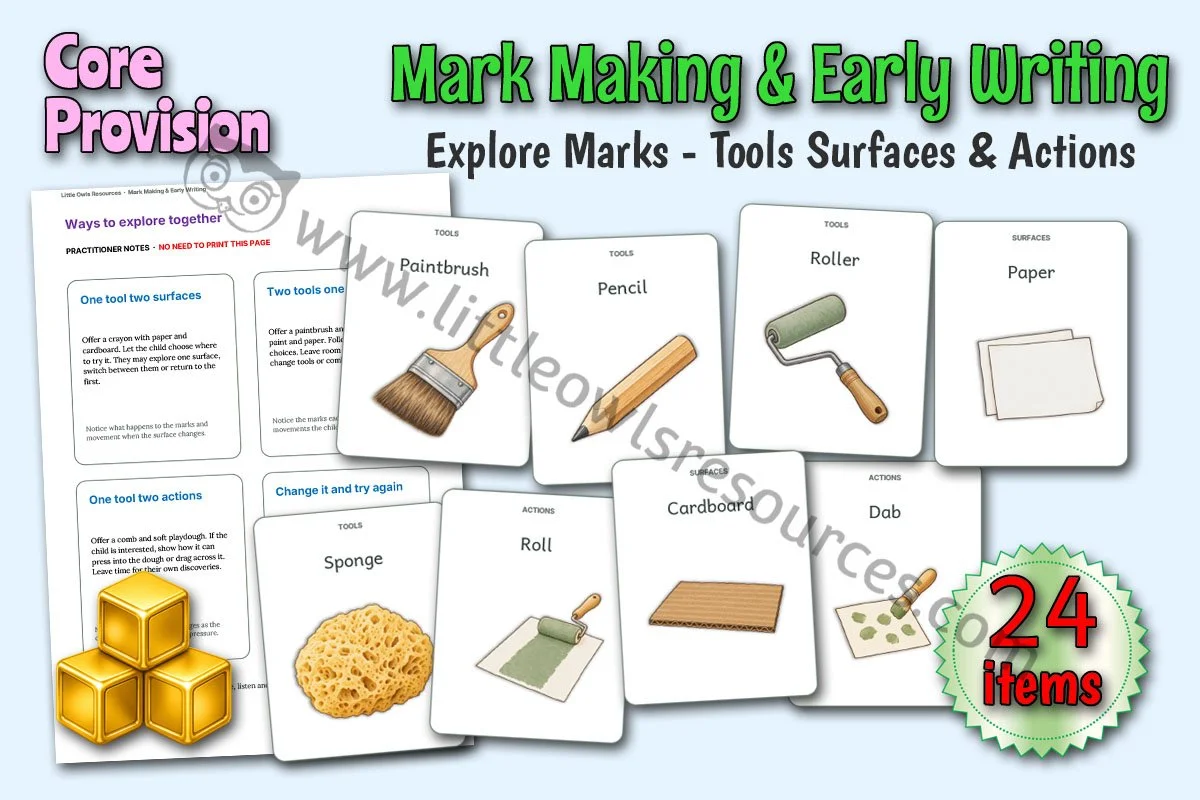
Offer familiar tools and varied surfaces for children to explore the marks they can make. These cards offer choices of tools, surfaces and movements, with space for children’s own ideas. Keep the real objects available alongside the pictures.
Offer choices and time to explore
Put out a few compatible choices. Children can choose a card, combine ideas, return to a favourite or ignore the cards. They do not need one card from every group. Dab, drag, roll, press, sweep and swirl are possibilities to explore, not instructions to complete.
DOWNLOAD (DOCX) 📝
DOWNLOAD (PDF) 📄
DOWNLOAD (Zipped JPEGs) 📂
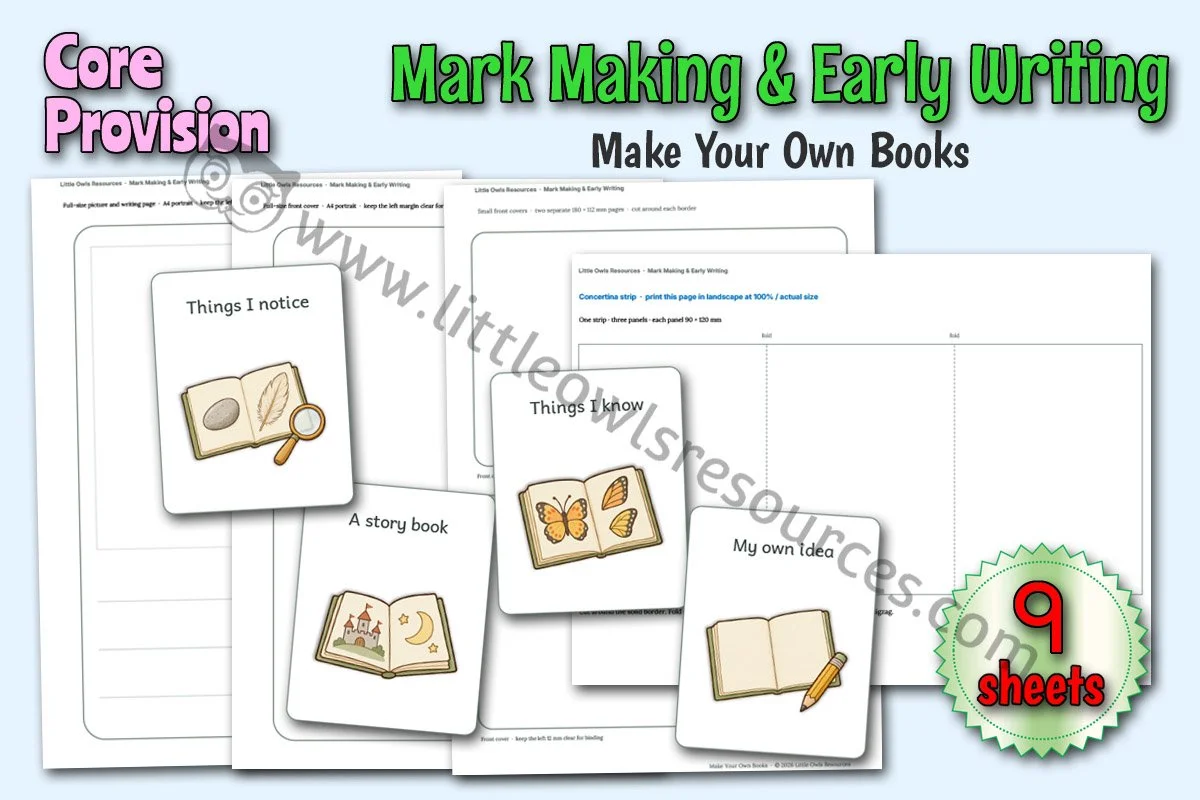
Children can make books from drawings, marks, words, photographs, collage or things they want to share. Offer a few paper choices and help them put pages together when they are ready. A book can begin with a single page.
Start with a reason
A book might hold an invented story, something a child knows, a memory, noticed details or an idea of their own. Keep the four idea cards nearby only if they help. Children may choose a different subject or start making before they know what their book will become.
DOWNLOAD (DOCX) 📝
DOWNLOAD (PDF) 📄
DOWNLOAD (Zipped JPEGs) 📂
Search ‘Little Owls Resources’ Using The Following Menu Buttons…
Click here to visit our ‘Special Dates Calendar’ page for an entire year of key EYFS & KS1 events, festivals & celebrations.