Early Years/Preschool/EYFS Printable Activities/Planning/Displays/Paperwork and ideas for Childminders, Preschools, Nursery Practitioners, Teachers and Parents
EYFS resources, mixed-age play and practical planning
Find resources and guidance for the children you care for—from babies and toddlers to preschool and school-age children. Explore everyday play, outdoor discoveries, early learning, routines and family communication, alongside planning and professional support for home-based, mixed-age care.
Start with what would help you today. Choose a few useful resources, and adapt them to your children, your space and your day.
Choose an age below to search and browse its resource collection. For a mixed-age group, explore the ages you need and adapt resources to each child’s interests and participation.
Find resources to use alongside familiar toys, everyday materials and the spaces you already have.
Continuous provision means the resources and opportunities children can return to regularly—not a different activity to complete each day. A basket of blocks, accessible drawing materials or familiar pretend-play props can offer starting points.
You do not need a separate area for every type of play. Choose what works for your setting, and adapt the materials, access and adult support for the children taking part.
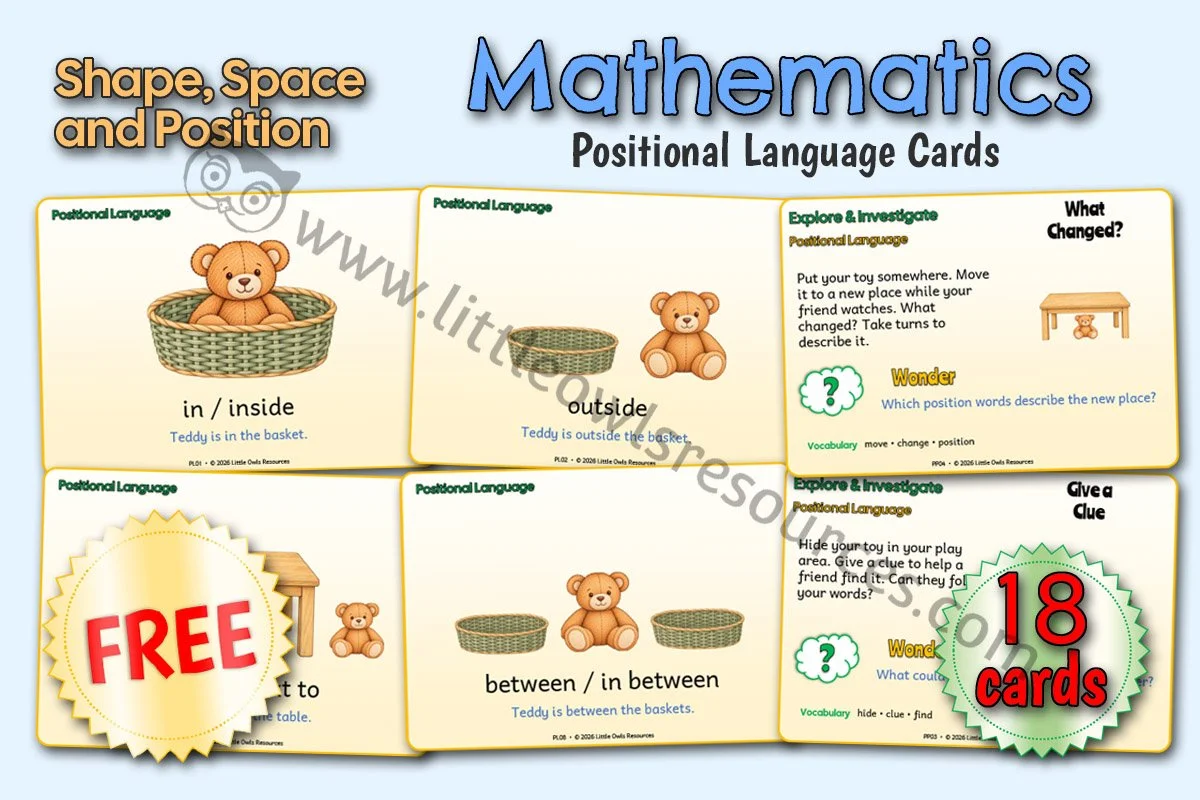
Maths Through Play
Explore counting, comparing, shape, pattern and position through practical play and everyday objects.
Explore adult prompts for shared moments, movement and investigating suitable objects. Follow what catches the child's attention, allow time to repeat an experience and respond to their cues.
The resources below offer ideas for adults—not printed tasks for babies to complete. Choose materials for the individual child, including their mouthing behaviour, and keep small parts and unsuitable objects away from younger children sharing the space.
Featured resources for younger children
Some resources support babies and toddlers; others offer a next step for preschool children. Use each card’s age and adult-support notes to choose what fits.
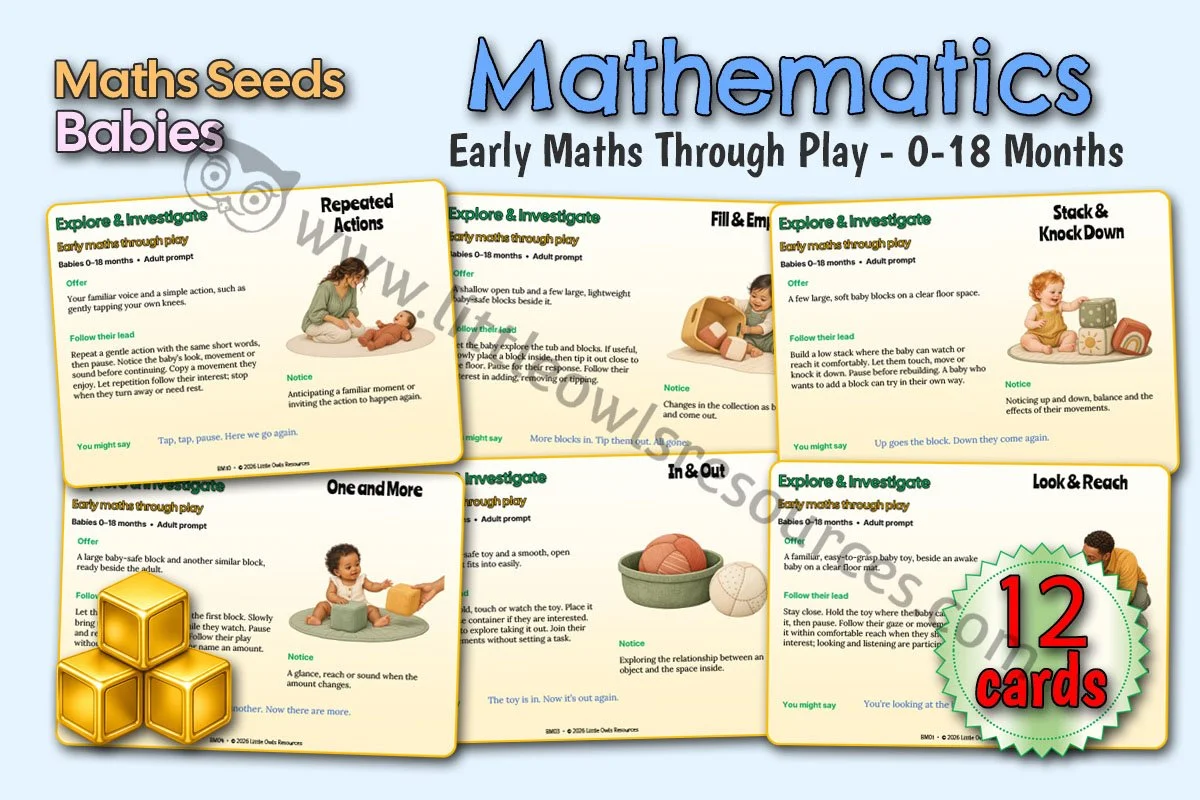
Adult prompt cards for noticing space, size, amount, movement and repetition in babies' play. Use brief shared moments without expecting numeral recognition or completed activities.
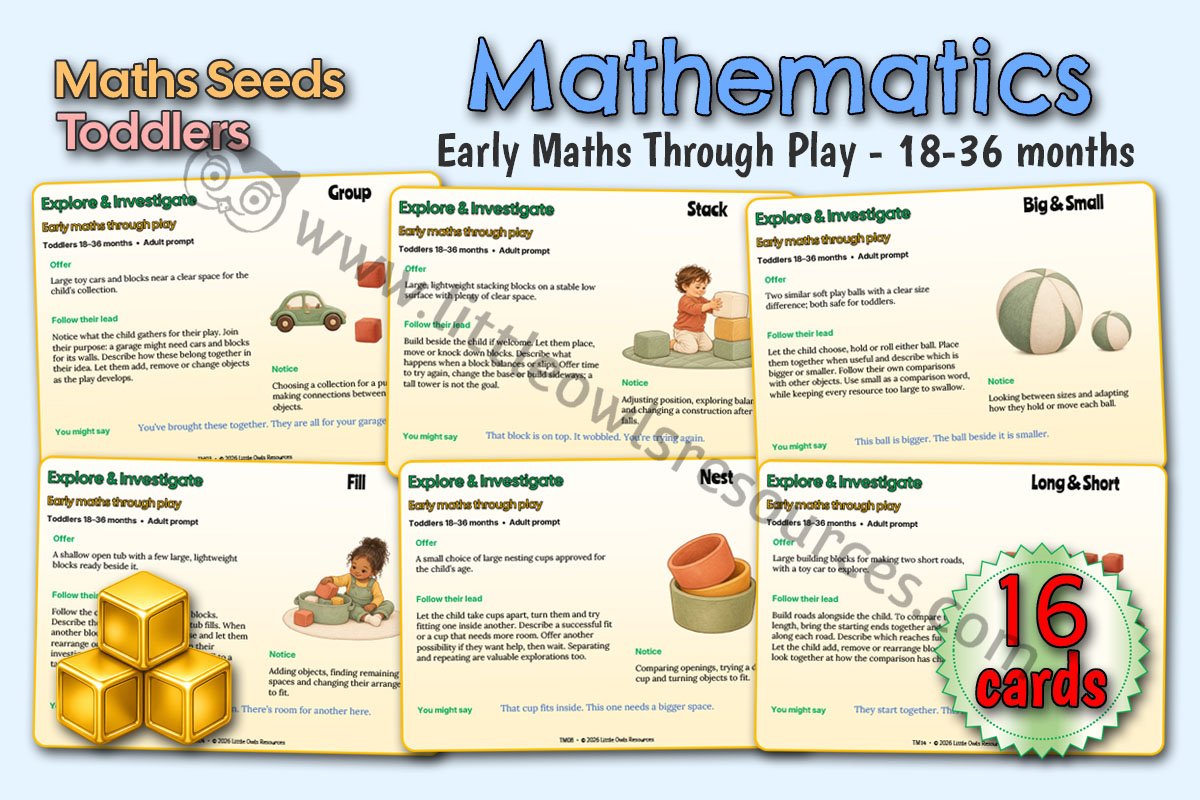
Quick adult prompts for noticing mathematical possibilities in toddler play. The cards suggest responsive actions and useful language alongside everyday provision, without making play a task sequence.
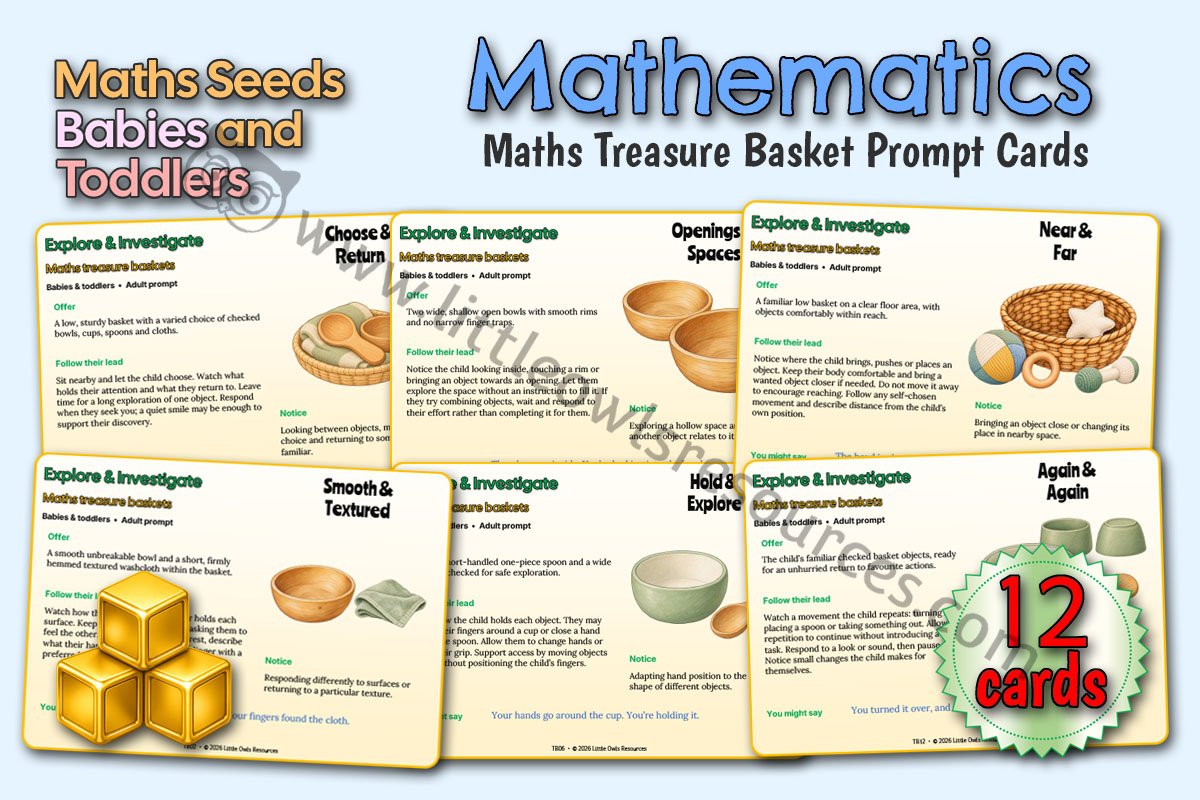
Adult-facing cards highlight possible mathematical connections in babies’ and toddlers’ treasure-basket exploration. Use a relevant reminder while following the child’s choices; the cards are not a sequence of activities to complete.
An adult companion for shared outdoor experiences with babies aged zero to eighteen months. Follow the baby’s attention and self-initiated movement while noticing the surroundings together.
All Access sign-in may be requested on the next page.
Ideas for the season, with younger children in mind
Choose from practical activities, shared looking and guidance for adults. Follow the age notes and the children’s interests; familiar year-round support remains useful too.
Notice, explore and investigate
Find resources and guidance for the children you care for.
Planning guidance for baby-room adults, centred on care routines, responsive relationships and observation. Explore language and interaction, environments, daily routines and optional documentation that records adult decisions.
Toddler planning guidance built around observation, repeated play, movement and responsive interaction. Explore schemas, changes to the environment and optional planning materials that help adults respond to emerging interests.
Does a child keep carrying objects, filling and emptying containers, connecting pieces or exploring how things move?
Explore guidance on noticing repeated patterns in play and responding through materials, space and interaction. Use this to understand children's interests—not to label every action or create another checklist.
Find resources for shared conversations, songs, stories, listening and meaningful mark making. Choose starting points that fit the child, rather than expecting everyone to take part in the same way.
Talk, Listen & Share Stories
Explore conversation, nursery rhymes, storytelling and playful listening. Share familiar books, pause for children's responses and follow the ideas they bring.
For children already learning phonics, choose resources that practise sounds and words they have been taught. Check the approach used by their school or setting, and coordinate with families so that support is consistent.
Our resources complement a school's or setting's phonics programme; they do not replace its teaching sequence.
Invite children to draw a plan, make a shopping list, create a sign or leave a message. Value their marks and explanations, with writing support matched to what they know.
Plan around the children you know, the experiences you offer and what you notice during everyday care and play.
Explore flexible tools for mixed-age childminding. Choose the guidance and recording formats that help you reflect, make decisions and communicate—not paperwork simply to fill a template.
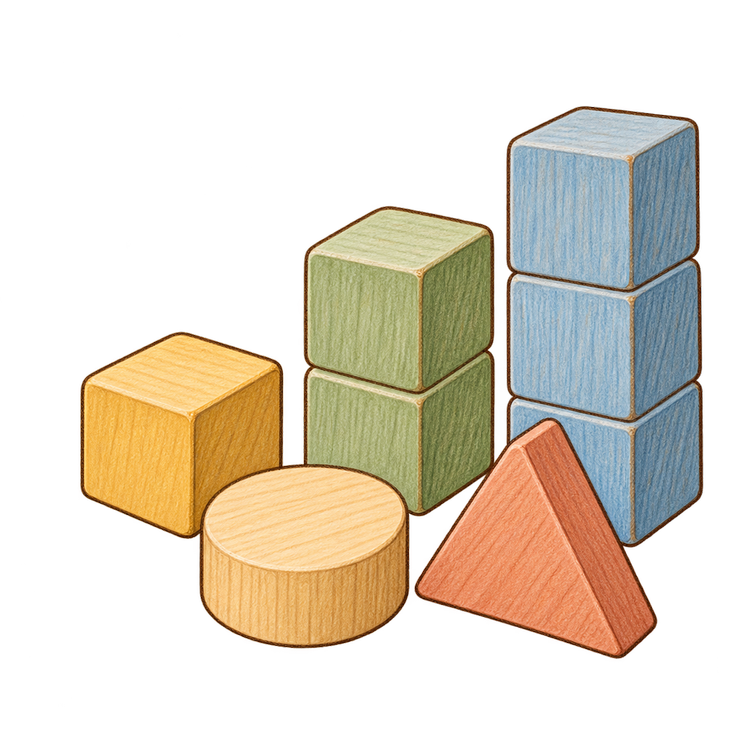
A building invitation might involve exploring suitable large pieces with an adult, making an enclosure for toy animals or designing a home and adding a sign.
Children do not need to produce the same outcome—or join the same activity. Offer separate materials, support or spaces where needed.
🤝 Everyday Routines, Inclusion & Family Partnerships
Find resources to support everyday care, communication and children's sense of belonging, alongside tools for working with families and supporting changes and transitions.
Routines, Feelings & Independence
Support familiar routines, explore feelings and help children participate in everyday tasks with growing confidence.
Find starting points for children who come before or after school, or join you during the holidays.
Offer opportunities to talk, play, read, make, investigate and unwind. Choose resources that connect with their interests, alongside optional support for learning already happening at school.
There is no need to turn childminding time into another school day.
KS1 Maths
Explore Year 1 and Year 2 resources for practical games, number play and mathematical challenges.
Try a small selection of practical resources and guidance. Open each page for details and download options; sign in or create a Free Access account when prompted.
Early Years Alliance: A large and representative early years membership organisation offering information, advice, specialist publications, and training that supports a wide range of early years providers, including childminders.
British Association for Early Childhood Education (Early Education): A national charity dedicated to promoting high-quality early childhood education through professional learning, resources, and advocacy for all early years practitioners.