

**Note: This page is for educational inspiration and is not officially affiliated with National Children’s Gardening Week. National Children’s Gardening Week is an annual event in the UK, typically held at the end of May/early June. It is organised by Garden Centre Association (GCA) members and aims to encourage children to enjoy gardening and learn about nature. The week provides a fantastic opportunity for children to get involved in growing plants, understanding where food comes from, and connecting with the natural world in a hands-on way. It promotes the joy and educational benefits of gardening for young people, inspiring a love for plants and the outdoors. For official information, themes, and how to get involved, please visit the National Children’s Gardening Week website: www.childrensgardeningweek.co.uk/.
Saturday 29th May - Sunday 6th June 2027 (TBC)
Late May (date varies annually)
-
National Children’s Gardening Week encourages children to explore gardening, plants and nature, helping them understand how things grow and how we can care for the natural world.
-
This theme provides rich opportunities to explore:
plants and growth
life cycles
food and where it comes from
the natural world
outdoor learning
This supports:
EYFS:
Understanding the World (natural processes, environments)
Physical Development (fine motor skills, outdoor movement)
Communication & Language (describing, questioning)
KS1 (National Curriculum):
Science (plants, growth, seasonal change)
Design & Technology (food, nutrition, where food comes from)
Geography (environment and outdoor learning)
-
In the EYFS, knowledge of gardening develops through:
real experiences
exploration and observation
outdoor interaction
responsive adult support
👉 Find out more about developmentally appropriate practice in EYFS by exploring our ‘Curriculum & Pedagogy Suite’.
Pathways available for:
-
Exploring gardening supports:
🌼 Connection to Nature
Children develop a relationship with the natural world.
🌱 Understanding Growth & Change
Children observe how plants develop over time.
🍎 Awareness of Food Sources
Children begin to understand where food comes from.
🐾 Responsibility & Care
Children learn to look after living things.
🔍 Scientific Curiosity
Children ask questions and observe change.
🌿 EYFS: Provision & Child-Led Ideas (0–5 Years)
These ideas are not activities to be planned or completed. They support learning through exploration, play and real-world experience.
-
Exploration is sensory and relational.
Babies may:
explore natural textures (soil, leaves, water)
observe movement and change
respond to outdoor environments
Adults can:
provide safe sensory experiences
narrate simple observations
support calm outdoor exploration
👉 Additional curriculum & planning support for this age group may be found on our ‘EYFS Planning for Babies (0–18 Months)’ hub page.
-
Toddlers explore through movement and repetition.
Children may:
dig, scoop and transport materials
notice plants and outdoor features
engage in simple pretend gardening play
Adults can:
follow children’s interests
model simple language (“plant”, “grow”)
allow repeated exploration
👉 Additional curriculum & planning support for this age group may be found on our ‘EYFS Planning for Toddlers (18–36 Months)’ hub page.
-
Children begin to explore growth and change.
Children may:
notice plant development
ask questions about nature
explore cause and effect
Adults can:
support curiosity through conversation
introduce simple concepts (e.g. plants need water)
extend thinking through play
👉 Additional curriculum & planning support for this age group may be found on our ‘EYFS Planning for Preschool (3–4 Years)’ hub page.
-
Children deepen understanding and make connections.
Children may:
observe changes over time
explore simple scientific ideas
use more complex vocabulary
Adults can:
support reasoning and explanation
introduce simple processes (growth, life cycles)
extend learning through provision
👉 Additional curriculum & planning support for this age group may be found on our ‘EYFS Planning for Reception (4–5 Years)’ hub page.
-
Understanding growth develops through:
observation
exploration
interaction
real experiences
🌱 Environment Enhancements & Invitations (EYFS)
These are optional enhancements that may be added to provision if they align with children’s interests in nature and outdoor play.
-
You might enhance provision by:
providing access to soil, plants or outdoor areas
allowing digging, planting and watering
supporting free exploration of natural environments
Resources that may support this include:
-
You might enhance provision by:
introducing plants or seeds
allowing children to observe growth over time
providing opportunities to care for living things
Resources:
-
You might enhance provision by:
offering water and soil play
exploring textures and materials
allowing children to combine materials freely
-
You might enhance provision by:
modelling vocabulary (grow, plant, water)
responding to children’s questions
encouraging observation and description
-
You might enhance provision by:
modelling care for plants
supporting children to look after living things
encouraging respect for nature
Resources:
-
You might enhance provision by:
offering materials for drawing and modelling
allowing children to represent plants and growth
valuing children’s interpretations
-
Understanding gardening develops through:
real experience
observation
repetition
meaningful interaction
📘 KS1 Learning Activities for National Children’s Gardening Week
In Key Stage 1, this theme can support more structured learning about plants, growth and ecosystems.
-
Children can:
explore basic gardening concepts
learn vocabulary
You may use our:
‘Planting A Seed’ Poster Set
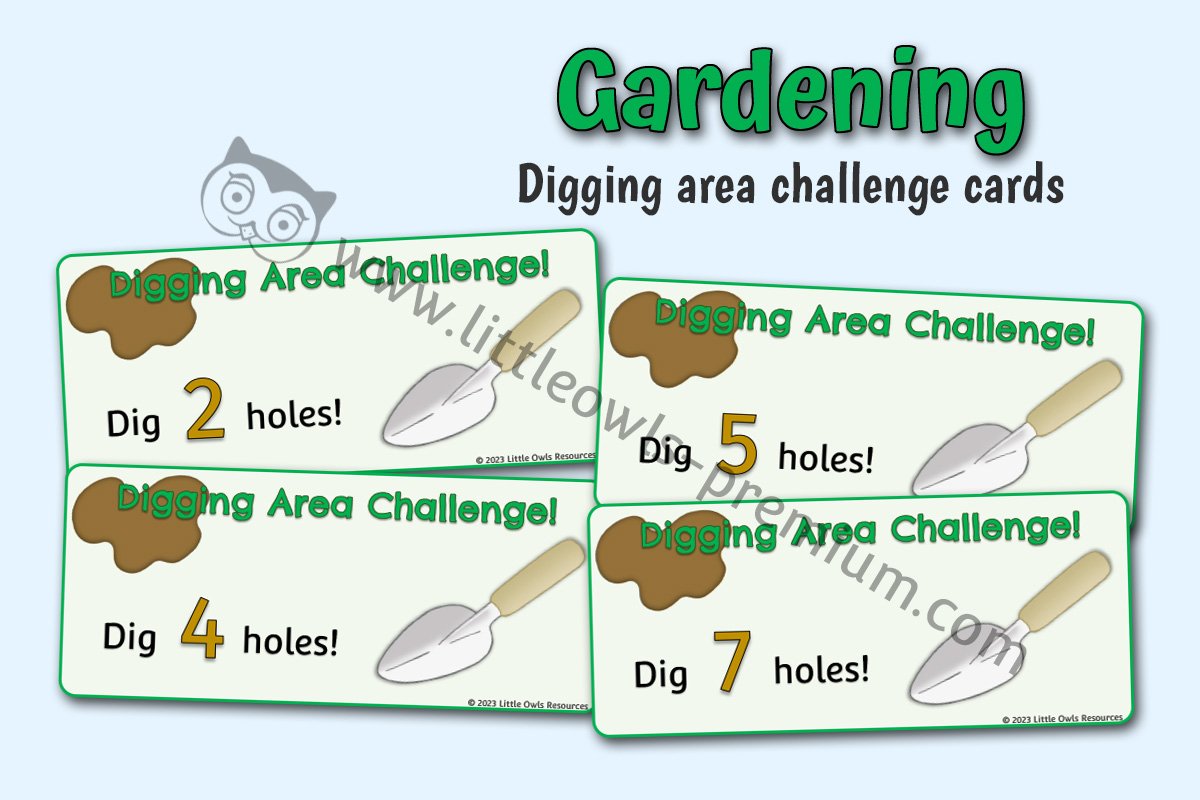
Digging Area Challenge Cards
Gardening Word Cards & Word Mat
Gardening Display Banner
Draw/Write/Mark Making Sheets
Green Fingers Certificates
-
Children can:
explore how plants grow
understand plant functions
You may use our:
All Plants Need Posters
Houseplant Resources & Game
Plant Monitor Set
Parts of a Plant Sheets
Plants Make Oxygen / Food Posters
Plants Word Mats & Matching Puzzles
-
Children can:
observe and record plant growth
understand change over time
You may use our:
Bean Life Cycle Resources
Sunflower Growth Cards
Life Cycle Puzzles
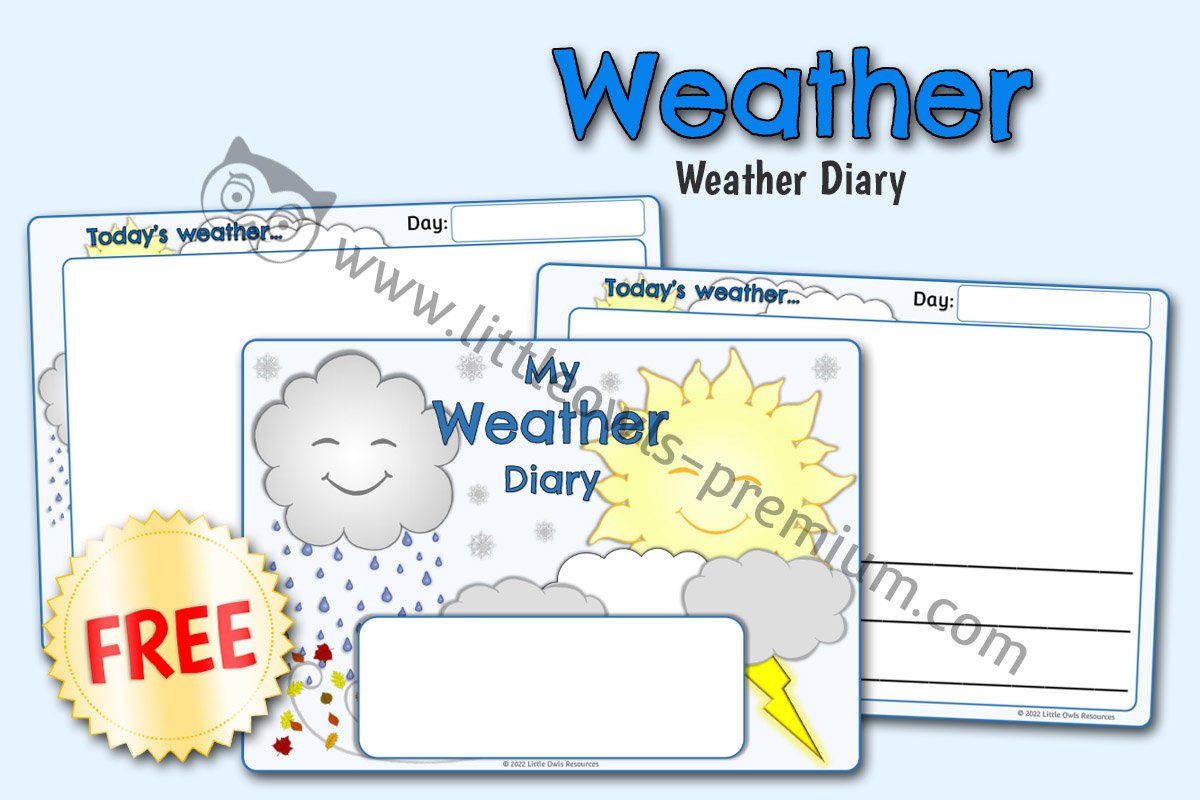
Weather Diary Booklet
-
Children can:
explore plants in real environments
observe seasonal change
You may use our:
Plant Hunt Activity Pack
Woodland Trees Fact Cards
-
Children can:
represent plant growth creatively
apply maths and art skills
You may use our:
Design a Plant Multimats
Plants Colouring Pack
Counting & Size Ordering Resources
-
Children can:
explore growth through storytelling
You may use our:
-
You may wish to explore:
-
A helpful question: “Does this deepen children’s connection to the natural world?”
If it supports:
observation
curiosity
care
→ it is meaningful
-
National Children’s Gardening Week supports children to:
explore nature and growth
understand life cycles
develop care and responsibility
build early environmental awareness
In the EYFS, this is most effective when it is:
play-based
exploration-led
rooted in real experiences
In KS1, it can be:
supported through structured learning
extended through investigation and discussion
-
We offer a range of resources to support practitioners across EYFS and KS1, including printable materials and in-depth curriculum and pedagogy guidance.
🟢 Free Membership
You can access a selection of free resources by creating a free account.
This includes:
selected printable resources
sample materials
weekly support emails for those who opt-in
🟡 Premium Membership (Printables)
Our Premium Membership provides access to our full library of printable teaching and provision resources.
This includes:
themed resources (e.g. Gardening, Emotions, Seasons)
continuous provision materials
activity cards, displays and printable packs
These resources can be used flexibly to support:
provision enhancements
small group work
classroom organisation
🟣 Professional Membership (Curriculum & Pedagogy)
Our Professional Membership provides access to our full Curriculum & Pedagogy Suite (Birth–5).
~ In addition to Premium Printable Provision access.~
This includes:
age-specific pathways (Babies, Toddlers, Preschool, Reception)
planning guidance and templates
observation and assessment support
SEND and inclusion guidance
inspection-ready documentation
These documents are designed to support:
confident decision-making
consistent practice across teams
clear articulation of EYFS pedagogy
(KS1 curriculum coming soon!)
👉 Visit EYFS Curriculum & Pedagogy Suite
👉 [View Professional Membership]
🧠 Choosing What Works for You
You do not need to use everything at once.
Many practitioners:
start with free resources
build their printable provision over time
use pedagogy documents to support team understanding and leadership
Choose what best fits your setting, role and stage of development.
👉 To explore more early years events, visit our Special Dates Calendar.
Printable resources to support teaching & learning surrounding: ‘National Children’s Gardening Week’
Free ‘Gardening’ & ‘Plant’ related activities for EYFS & KS1:

Use these ‘Growing Sunflower Cards’ as part of an interactive display or invitation to play activity. Children may enjoy moving the cards around to place them in the correct order to show how the sunflower seed grows into a plant. Shrunk down they could become part of an individual take home cut and stick activity with an extension that children could write the numbers 1-6 on each picture to further demonstrate their understanding of the order.
Original artwork drawn by Sara Murphy and final digital resources created by Stuart Murphy. COPYRIGHT ON ALL OF THE RESOURCES HOUSED ON THIS WEBSITE IS HELD BY ‘LITTLE OWLS RESOURCES’. OUR RESOURCES (INCLUDING THE IMAGES WITHIN THEM), CANNOT BE SHARED OR SOLD COMMERCIALLY.
DOWNLOAD EDITABLE (DOCX)
DOWNLOAD NON-EDITABLE (PDF)
DOWNLOAD NON-EDITABLE (Zipped JPEGs)

‘…has got green fingers!’ Gardening Certificate.
Original artwork drawn by Sara Murphy and final digital resources created by Stuart Murphy. COPYRIGHT ON ALL OF THE RESOURCES HOUSED ON THIS WEBSITE IS HELD BY ‘LITTLE OWLS RESOURCES’. OUR RESOURCES (INCLUDING THE IMAGES WITHIN THEM), CANNOT BE SHARED OR SOLD COMMERCIALLY.
DOWNLOAD EDITABLE (DOCX)
DOWNLOAD NON-EDITABLE (PDF)
DOWNLOAD NON-EDITABLE (Zipped JPEGs)

Perfect for ‘The Little Red Hen’ role-play activities! Plus your children will love to colour the headbands themselves!
Hen, Cat, Pig and Goose included.
Prepare a loop of paper to fit the child’s head.
Colour and cut out the desired headband and stick to the paper loop.
Wear the headband!
Original artwork drawn by Sara Murphy and final digital resources created by Stuart Murphy. COPYRIGHT ON ALL OF THE RESOURCES HOUSED ON THIS WEBSITE IS HELD BY ‘LITTLE OWLS RESOURCES’. OUR RESOURCES (INCLUDING THE IMAGES WITHIN THEM), CANNOT BE SHARED OR SOLD COMMERCIALLY.
DOWNLOAD EDITABLE (DOCX)
DOWNLOAD NON-EDITABLE (PDF)
DOWNLOAD NON-EDITABLE (Zipped JPEGs)
<<-BACK TO ‘THE LITTLE RED HEN’ MENU
<<-BACK TO ‘NATIONAL STORYTELLING WEEK’ MENU
<<-BACK TO ‘TRADITIONAL TALES’ MENU

These sheets are made for children to think about the characters from the story and record their thoughts.
These thoughts can be written around the pictures by the children if they are able but equally valuable if scribed by an adult.
The discussions and ideas are the most important part of this activity!
At the end of the pack is a short question idea card to get the discussion started but add as many other questions as you like and encourage the children to ask their own questions too!
Hen, Cat, Pig and Goose included.
Original artwork drawn by Sara Murphy and final digital resources created by Stuart Murphy. COPYRIGHT ON ALL OF THE RESOURCES HOUSED ON THIS WEBSITE IS HELD BY ‘LITTLE OWLS RESOURCES’. OUR RESOURCES (INCLUDING THE IMAGES WITHIN THEM), CANNOT BE SHARED OR SOLD COMMERCIALLY.
DOWNLOAD EDITABLE (DOCX)
DOWNLOAD NON-EDITABLE (PDF)
DOWNLOAD NON-EDITABLE (Zipped JPEGs)
<<-BACK TO ‘THE LITTLE RED HEN’ MENU
<<-BACK TO ‘NATIONAL STORYTELLING WEEK’ MENU
<<-BACK TO ‘TRADITIONAL TALES’ MENU
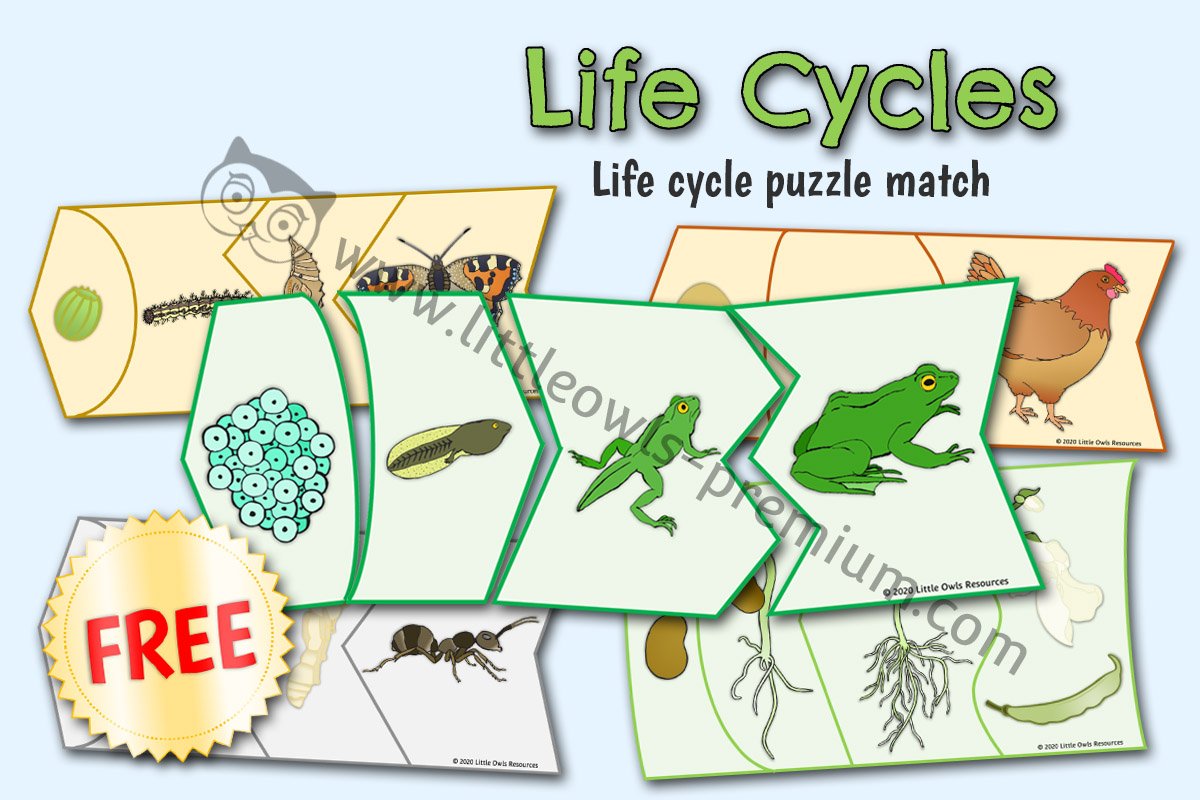
These endless puzzles are perfect to show the cyclic nature of life cycles. For example in the first instance the frog puzzle may be placed in the order ‘frogspawn’, ‘tadpole’, ‘froglet’ and then ‘frog’. To demonstrate to children that the frog then lays frogspawn, the ‘frogspawn’ piece may be brought to connect with the ‘frog’ piece at the end and thus continuing the cycle. This process can continue for as long as you like, bringing the ‘tadpole’ piece to then end and then the ‘froglet’ piece and so on!
Original artwork drawn by Sara Murphy and final digital resources created by Stuart Murphy. COPYRIGHT ON ALL OF THE RESOURCES HOUSED ON THIS WEBSITE IS HELD BY ‘LITTLE OWLS RESOURCES’. OUR RESOURCES (INCLUDING THE IMAGES WITHIN THEM), CANNOT BE SHARED OR SOLD COMMERCIALLY.
DOWNLOAD EDITABLE (DOCX)
DOWNLOAD NON-EDITABLE (PDF)
Original artwork drawn by Sara Murphy and final digital resources created by Stuart Murphy. COPYRIGHT ON ALL OF THE RESOURCES HOUSED ON THIS WEBSITE IS HELD BY ‘LITTLE OWLS RESOURCES’. OUR RESOURCES (INCLUDING THE IMAGES WITHIN THEM), CANNOT BE SHARED OR SOLD COMMERCIALLY.
DOWNLOAD EDITABLE (DOCX)
DOWNLOAD NON-EDITABLE (PDF)
DOWNLOAD NON-EDITABLE (Zipped JPEGs)

Original artwork drawn by Sara Murphy and final digital resources created by Stuart Murphy. COPYRIGHT ON ALL OF THE RESOURCES HOUSED ON THIS WEBSITE IS HELD BY ‘LITTLE OWLS RESOURCES’. OUR RESOURCES (INCLUDING THE IMAGES WITHIN THEM), CANNOT BE SHARED OR SOLD COMMERCIALLY.
DOWNLOAD EDITABLE (DOCX)
DOWNLOAD NON-EDITABLE (PDF)
DOWNLOAD NON-EDITABLE (Zipped JPEGs)
<<-BACK TO ‘HOUSEPLANT WEEK UK’ MENU

Original artwork drawn by Sara Murphy and final digital resources created by Stuart Murphy. COPYRIGHT ON ALL OF THE RESOURCES HOUSED ON THIS WEBSITE IS HELD BY ‘LITTLE OWLS RESOURCES’. OUR RESOURCES (INCLUDING THE IMAGES WITHIN THEM), CANNOT BE SHARED OR SOLD COMMERCIALLY.
DOWNLOAD EDITABLE (DOCX)
DOWNLOAD NON-EDITABLE (PDF)
DOWNLOAD NON-EDITABLE (Zipped JPEGs)
<<-BACK TO ‘HOUSEPLANT WEEK UK’ MENU

These fact cards can be used as part of a display or as a stimulus for discussion, writing and drawing before or after time spent in a woodland setting.
10 cards included: Sycamore, Oak, Horse Chestnut, Beech, Ash, Scots Pine, Western Hemlock, London Plane, Black Poplar & Holly.
Original artwork drawn by Sara Murphy and final digital resources created by Stuart Murphy. COPYRIGHT ON ALL OF THE RESOURCES HOUSED ON THIS WEBSITE IS HELD BY ‘LITTLE OWLS RESOURCES’. OUR RESOURCES (INCLUDING THE IMAGES WITHIN THEM), CANNOT BE SHARED OR SOLD COMMERCIALLY.
DOWNLOAD EDITABLE (DOCX)
DOWNLOAD NON-EDITABLE (PDF)
DOWNLOAD NON-EDITABLE (Zipped JPEGs)
<<-BACK TO ‘FOREST SCHOOL’ MENU

Original artwork drawn by Sara Murphy and final digital resources created by Stuart Murphy. COPYRIGHT ON ALL OF THE RESOURCES HOUSED ON THIS WEBSITE IS HELD BY ‘LITTLE OWLS RESOURCES’. OUR RESOURCES (INCLUDING THE IMAGES WITHIN THEM), CANNOT BE SHARED OR SOLD COMMERCIALLY.
DOWNLOAD EDITABLE (DOCX)
DOWNLOAD NON-EDITABLE (PDF)
DOWNLOAD NON-EDITABLE (Zipped JPEGs)
<<-BACK TO ‘HOUSEPLANT WEEK UK’ MENU

Have fun with this set of 8 ‘Jack and the Beanstalk’ Activity Challenge cards. Great for exploring the story further! The suggested movement activities will bring elements of the story to life and embed ideas securely through active learning.
Perhaps children could stand in a circle around the pile of cards and take turns to pick one for everyone to do. Once the children get to know the cards they will be able to relate the action to the picture without necessarily needing the card read to them...For example an adult may be able to simply hold up a card and everyone will be able to do the activity together!
Great for physical development, descriptive language, understanding the world, number recognition and turn taking.
Original artwork drawn by Sara Murphy and final digital resources created by Stuart Murphy. COPYRIGHT ON ALL OF THE RESOURCES HOUSED ON THIS WEBSITE IS HELD BY ‘LITTLE OWLS RESOURCES’. OUR RESOURCES (INCLUDING THE IMAGES WITHIN THEM), CANNOT BE SHARED OR SOLD COMMERCIALLY.
DOWNLOAD EDITABLE (DOCX)
DOWNLOAD NON-EDITABLE (PDF)
DOWNLOAD NON-EDITABLE (Zipped JPEGs)
<<-BACK TO ‘JACK AND THE BEANSTALK’ MENU
<<-BACK TO ‘NATIONAL STORYTELLING WEEK’ MENU

9 colouring pages which outline the key elements of the traditional tale.
Original artwork drawn by Sara Murphy and final digital resources created by Stuart Murphy. COPYRIGHT ON ALL OF THE RESOURCES HOUSED ON THIS WEBSITE IS HELD BY ‘LITTLE OWLS RESOURCES’. OUR RESOURCES (INCLUDING THE IMAGES WITHIN THEM), CANNOT BE SHARED OR SOLD COMMERCIALLY.
DOWNLOAD EDITABLE (DOCX)
DOWNLOAD NON-EDITABLE (PDF)
DOWNLOAD NON-EDITABLE (Zipped JPEGs)
<<-BACK TO ‘JACK AND THE BEANSTALK’ MENU
<<-BACK TO ‘NATIONAL STORYTELLING WEEK’ MENU

Pack includes ‘Jack and the Beanstalk’ display banner, plus call outs for key phrases within the story.
Original artwork drawn by Sara Murphy and final digital resources created by Stuart Murphy. COPYRIGHT ON ALL OF THE RESOURCES HOUSED ON THIS WEBSITE IS HELD BY ‘LITTLE OWLS RESOURCES’. OUR RESOURCES (INCLUDING THE IMAGES WITHIN THEM), CANNOT BE SHARED OR SOLD COMMERCIALLY.
DOWNLOAD EDITABLE (DOCX)
DOWNLOAD NON-EDITABLE (PDF)
DOWNLOAD NON-EDITABLE (Zipped JPEGs)
<<-BACK TO ‘JACK AND THE BEANSTALK’ MENU
<<-BACK TO ‘NATIONAL STORYTELLING WEEK’ MENU

It is important to consider how we use water in our daily lives in order to shine a light on its value.
Why not discuss with your children what things they use water for? (You may find some of our posters and prompts helpful.) Children can then use a water droplet template from this pack to draw/make marks about one way they use water. The children’s water droplets may then be organised into a display.
Original artwork drawn by Sara Murphy and final digital resources created by Stuart Murphy. COPYRIGHT ON ALL OF THE RESOURCES HOUSED ON THIS WEBSITE IS HELD BY ‘LITTLE OWLS RESOURCES’. OUR RESOURCES (INCLUDING THE IMAGES WITHIN THEM), CANNOT BE SHARED OR SOLD COMMERCIALLY.
DOWNLOAD EDITABLE (DOCX)
DOWNLOAD NON-EDITABLE (PDF)
DOWNLOAD NON-EDITABLE (Zipped JPEGs)
<<-BACK TO ‘WORLD WATER DAY’ MENU

It is important to consider how we use water in our daily lives in order to shine a light on its value.
Why not discuss with your children what things they use water for? This pack of colouring posters outlines some of the key ways water is used in our daily lives in order to help prompt discussion.
What other things do we need water for? Blank templates are included in the pack for your own ideas.
You may also like to use this poster pack in conjunction with our ‘Wonderful Water!’ Display’ resources.
Original artwork drawn by Sara Murphy and final digital resources created by Stuart Murphy. COPYRIGHT ON ALL OF THE RESOURCES HOUSED ON THIS WEBSITE IS HELD BY ‘LITTLE OWLS RESOURCES’. OUR RESOURCES (INCLUDING THE IMAGES WITHIN THEM), CANNOT BE SHARED OR SOLD COMMERCIALLY.
DOWNLOAD EDITABLE (DOCX)
DOWNLOAD NON-EDITABLE (PDF)
DOWNLOAD NON-EDITABLE (Zipped JPEGs)
<<-BACK TO ‘WORLD WATER DAY’ MENU

Pack includes ‘The Enormous Turnip’ display banner and character faces for Man, Woman, Girl, Boy, Dog, Cat and Mouse.
Keywords: Animals, Man, Woman, Girl, Boy, Cat, Dog, Mouse, Communication and Language, Speech and Language, Posters/Displays, traditional fairy tales
Original artwork drawn by Sara Murphy and final digital resources created by Stuart Murphy. COPYRIGHT ON ALL OF THE RESOURCES HOUSED ON THIS WEBSITE IS HELD BY ‘LITTLE OWLS RESOURCES’. OUR RESOURCES (INCLUDING THE IMAGES WITHIN THEM), CANNOT BE SHARED OR SOLD COMMERCIALLY.
DOWNLOAD EDITABLE (DOCX)
DOWNLOAD NON-EDITABLE (PDF)
DOWNLOAD NON-EDITABLE (Zipped JPEGs)

Key points in ‘The Enormous Turnip’ story are highlighted. Space on each sheet is allocated for children to draw what is being described in the sentence(s) on each page. 11 pages included.
Keywords: Mark making/Drawing/Writing, Animals, Activities, Fine Motor, Descriptive Language, Communication and Language, Speech and Language, Take Home, Discussion Prompts, Posters/Displays, Pencil Control, traditional fairy tales, colouring, art and craft
Original artwork drawn by Sara Murphy and final digital resources created by Stuart Murphy. COPYRIGHT ON ALL OF THE RESOURCES HOUSED ON THIS WEBSITE IS HELD BY ‘LITTLE OWLS RESOURCES’. OUR RESOURCES (INCLUDING THE IMAGES WITHIN THEM), CANNOT BE SHARED OR SOLD COMMERCIALLY.
DOWNLOAD EDITABLE (DOCX)
DOWNLOAD NON-EDITABLE (PDF)
DOWNLOAD NON-EDITABLE (Zipped JPEGs)

2 x A4 fruit posters/mats - landscape and portrait. Intended for display, as table mats and teaching prompt purposes.
Original artwork drawn by Sara Murphy and final digital resources created by Stuart Murphy. COPYRIGHT ON ALL OF THE RESOURCES HOUSED ON THIS WEBSITE IS HELD BY ‘LITTLE OWLS RESOURCES’. OUR RESOURCES (INCLUDING THE IMAGES WITHIN THEM), CANNOT BE SHARED OR SOLD COMMERCIALLY.
DOWNLOAD EDITABLE (DOCX)
DOWNLOAD NON-EDITABLE (PDF)
DOWNLOAD NON-EDITABLE (Zipped JPEGs)

2 x A4 vegetable posters/mats - landscape and portrait. Intended for display, as table mats and teaching prompt purposes.
Please note that tomatoes, peppers and cucumbers are botanically defined as fruits, but have been included in our vegetables poster as they are most commonly nutritionally used as vegetables.
Original artwork drawn by Sara Murphy and final digital resources created by Stuart Murphy. COPYRIGHT ON ALL OF THE RESOURCES HOUSED ON THIS WEBSITE IS HELD BY ‘LITTLE OWLS RESOURCES’. OUR RESOURCES (INCLUDING THE IMAGES WITHIN THEM), CANNOT BE SHARED OR SOLD COMMERCIALLY.
DOWNLOAD EDITABLE (DOCX)
DOWNLOAD NON-EDITABLE (PDF)
DOWNLOAD NON-EDITABLE (Zipped JPEGs)

‘Fruit and Vegetables’ banner which spans the width of 2 A4 landscape sheets.
Original artwork drawn by Sara Murphy and final digital resources created by Stuart Murphy. COPYRIGHT ON ALL OF THE RESOURCES HOUSED ON THIS WEBSITE IS HELD BY ‘LITTLE OWLS RESOURCES’. OUR RESOURCES (INCLUDING THE IMAGES WITHIN THEM), CANNOT BE SHARED OR SOLD COMMERCIALLY.
DOWNLOAD EDITABLE (DOCX)
DOWNLOAD NON-EDITABLE (PDF)

Set of 12 fruit and vegetable puzzles each with 2 parts. Ideal for our youngest children in order for them to begin to spot similarities and differences, recognise 2D representations of 3D common objects and solve problems involving observational skills.
Original artwork drawn by Sara Murphy and final digital resources created by Stuart Murphy. COPYRIGHT ON ALL OF THE RESOURCES HOUSED ON THIS WEBSITE IS HELD BY ‘LITTLE OWLS RESOURCES’. OUR RESOURCES (INCLUDING THE IMAGES WITHIN THEM), CANNOT BE SHARED OR SOLD COMMERCIALLY.
DOWNLOAD EDITABLE (DOCX)
DOWNLOAD NON-EDITABLE (PDF)
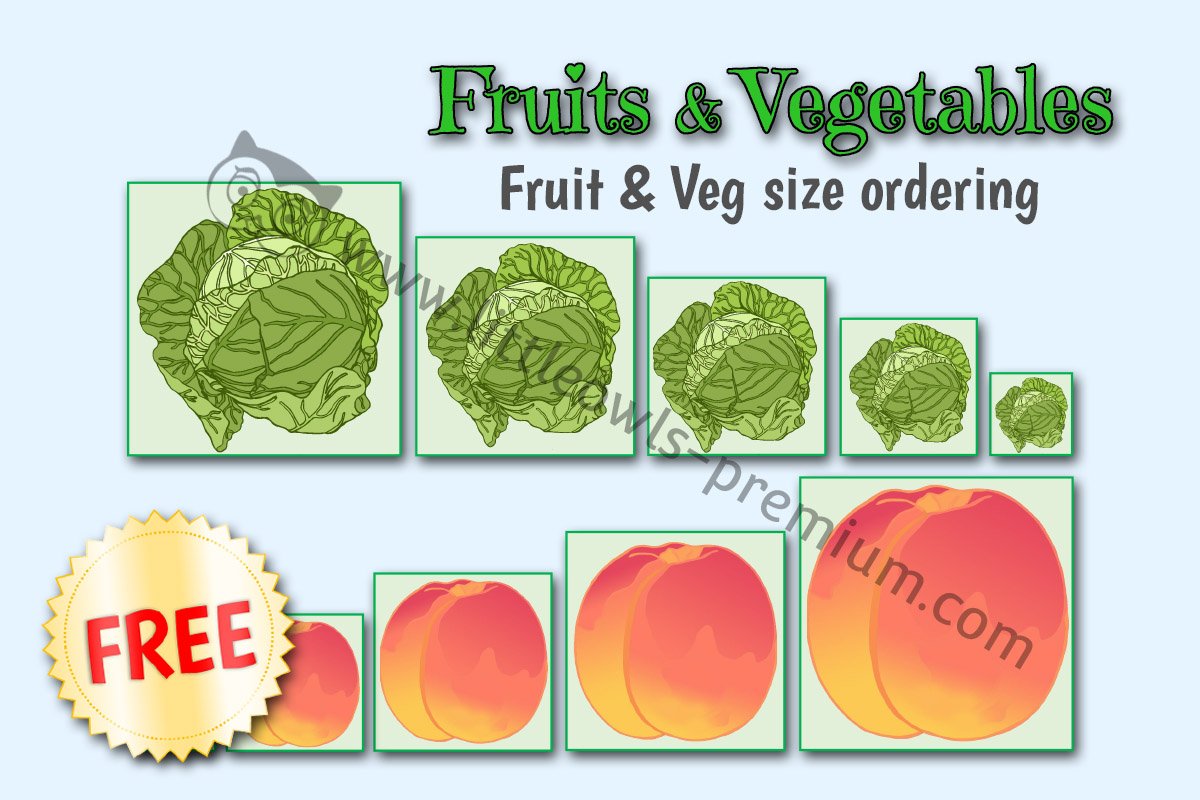
Fruit and Vegetable themed size ordering pictures. Intended to be cut out (and ideally laminated) for use by children in repeatable size ordering activities. If you have access to a fuzzy felt board, why not stick velcro tabs on the back so that children can move them around on the board? Alternatively use them as a cut and stick activity (to also strengthen fine motor skills) for the children to take home and discuss with their families using words such as ‘small, smaller, smallest, big, bigger, biggest’.
Original artwork drawn by Sara Murphy and final digital resources created by Stuart Murphy. COPYRIGHT ON ALL OF THE RESOURCES HOUSED ON THIS WEBSITE IS HELD BY ‘LITTLE OWLS RESOURCES’. OUR RESOURCES (INCLUDING THE IMAGES WITHIN THEM), CANNOT BE SHARED OR SOLD COMMERCIALLY.
DOWNLOAD EDITABLE (DOCX)
DOWNLOAD NON-EDITABLE (PDF)

35 A4 cards depicting fruit and vegetables included. Intended for display and teaching prompt purposes.
Original artwork drawn by Sara Murphy and final digital resources created by Stuart Murphy. COPYRIGHT ON ALL OF THE RESOURCES HOUSED ON THIS WEBSITE IS HELD BY ‘LITTLE OWLS RESOURCES’. OUR RESOURCES (INCLUDING THE IMAGES WITHIN THEM), CANNOT BE SHARED OR SOLD COMMERCIALLY.
DOWNLOAD EDITABLE (DOCX)
DOWNLOAD NON-EDITABLE (PDF)

35 A4 colouring sheets depicting various fruit and vegetables included.
Original artwork drawn by Sara Murphy and final digital resources created by Stuart Murphy. COPYRIGHT ON ALL OF THE RESOURCES HOUSED ON THIS WEBSITE IS HELD BY ‘LITTLE OWLS RESOURCES’. OUR RESOURCES (INCLUDING THE IMAGES WITHIN THEM), CANNOT BE SHARED OR SOLD COMMERCIALLY.
DOWNLOAD EDITABLE (DOCX)
DOWNLOAD NON-EDITABLE (PDF)

Fruit and vegetable food diary booklet/sheets. A mark making page included for each of the 7 days of the week for children to record which fruits/vegetables they have eaten. Front cover also included with space for child’s name in the event you would like to create a booklet.
Original artwork drawn by Sara Murphy and final digital resources created by Stuart Murphy. COPYRIGHT ON ALL OF THE RESOURCES HOUSED ON THIS WEBSITE IS HELD BY ‘LITTLE OWLS RESOURCES’. OUR RESOURCES (INCLUDING THE IMAGES WITHIN THEM), CANNOT BE SHARED OR SOLD COMMERCIALLY.
DOWNLOAD EDITABLE (DOCX)
DOWNLOAD NON-EDITABLE (PDF)

A set of fruit and vegetable image cards with matching description cards. Perhaps you could place the fruit and vegetable cards facing up for children to see. Pick a description card and read it to the children. Which card matches with the description I have just read? Great for observational, problem solving and listening skills! Also includes great descriptive and some mathematical vocabulary.
Original artwork drawn by Sara Murphy and final digital resources created by Stuart Murphy. COPYRIGHT ON ALL OF THE RESOURCES HOUSED ON THIS WEBSITE IS HELD BY ‘LITTLE OWLS RESOURCES’. OUR RESOURCES (INCLUDING THE IMAGES WITHIN THEM), CANNOT BE SHARED OR SOLD COMMERCIALLY.
DOWNLOAD EDITABLE (DOCX)
DOWNLOAD NON-EDITABLE (PDF)

Cut along the vertical lines on these Fruit and Vegetable themed number slice puzzles and allow your children to order numbers to reveal the correct sequence and picture as they place the pieces in the right order! Great for fine motor, problem solving, observational skills, number recognition and ordering. Cut and stick use once activity or laminate to use time and time again.
Original artwork drawn by Sara Murphy and final digital resources created by Stuart Murphy. COPYRIGHT ON ALL OF THE RESOURCES HOUSED ON THIS WEBSITE IS HELD BY ‘LITTLE OWLS RESOURCES’. OUR RESOURCES (INCLUDING THE IMAGES WITHIN THEM), CANNOT BE SHARED OR SOLD COMMERCIALLY.
DOWNLOAD EDITABLE (DOCX)
DOWNLOAD NON-EDITABLE (PDF)

Cut along the vertical lines on these Fruit and Vegetable themed number slice puzzles and allow your children to order numbers to reveal the correct sequence and picture as they place the pieces in the right order! Great for fine motor, problem solving, observational skills, number recognition and ordering. These colouring in versions are ideal for individual use cutting and sticking for children to take home in order to consolidate their knowledge further by talking to those at home about what they have learnt.
Original artwork drawn by Sara Murphy and final digital resources created by Stuart Murphy. COPYRIGHT ON ALL OF THE RESOURCES HOUSED ON THIS WEBSITE IS HELD BY ‘LITTLE OWLS RESOURCES’. OUR RESOURCES (INCLUDING THE IMAGES WITHIN THEM), CANNOT BE SHARED OR SOLD COMMERCIALLY.
DOWNLOAD EDITABLE (DOCX)
DOWNLOAD NON-EDITABLE (PDF)

Can you place pom poms or other loose parts on the multicoloured circles? Great for fine motor control and developing a pincer grip. Why not also introduce tools such as tweezers? Have fun!
Original artwork drawn by Sara Murphy and final digital resources created by Stuart Murphy. COPYRIGHT ON ALL OF THE RESOURCES HOUSED ON THIS WEBSITE IS HELD BY ‘LITTLE OWLS RESOURCES’. OUR RESOURCES (INCLUDING THE IMAGES WITHIN THEM), CANNOT BE SHARED OR SOLD COMMERCIALLY.
DOWNLOAD EDITABLE (DOCX)
DOWNLOAD NON-EDITABLE (PDF)

These A4 size mats can be laminated for use as playdough mats, or for number writing practice with a whiteboard pen. Alternatively, they can be part of a loose parts activity. They may even be used for a large number/counting display!
Original artwork drawn by Sara Murphy and final digital resources created by Stuart Murphy. COPYRIGHT ON ALL OF THE RESOURCES HOUSED ON THIS WEBSITE IS HELD BY ‘LITTLE OWLS RESOURCES’. OUR RESOURCES (INCLUDING THE IMAGES WITHIN THEM), CANNOT BE SHARED OR SOLD COMMERCIALLY.
DOWNLOAD EDITABLE (DOCX)
DOWNLOAD NON-EDITABLE (PDF)

Once laminated these Fruit and Vegetable Multimats are ideal to be used as reusable playdough or loose parts mats. Alternatively, use them in conjunction with whiteboard pens. Without lamination these sheets could also be used with mark making tools or art and craft materials.
Original artwork drawn by Sara Murphy and final digital resources created by Stuart Murphy. COPYRIGHT ON ALL OF THE RESOURCES HOUSED ON THIS WEBSITE IS HELD BY ‘LITTLE OWLS RESOURCES’. OUR RESOURCES (INCLUDING THE IMAGES WITHIN THEM), CANNOT BE SHARED OR SOLD COMMERCIALLY.
DOWNLOAD EDITABLE (DOCX)
DOWNLOAD NON-EDITABLE (PDF)

Can you make the right number of carrots out of playdough?
Original artwork drawn by Sara Murphy and final digital resources created by Stuart Murphy. COPYRIGHT ON ALL OF THE RESOURCES HOUSED ON THIS WEBSITE IS HELD BY ‘LITTLE OWLS RESOURCES’. OUR RESOURCES (INCLUDING THE IMAGES WITHIN THEM), CANNOT BE SHARED OR SOLD COMMERCIALLY.
DOWNLOAD EDITABLE (DOCX)
DOWNLOAD NON-EDITABLE (PDF)
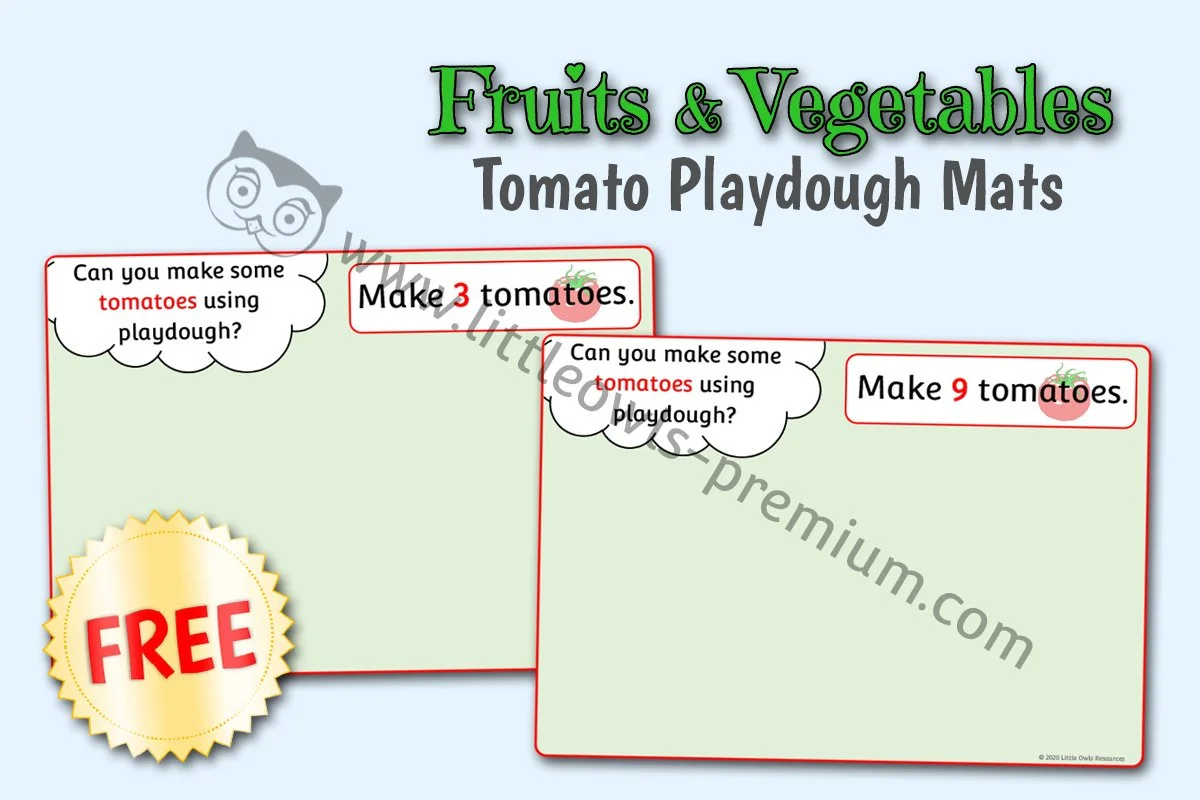
Can you make the right number of tomatoes out of playdough?
Original artwork drawn by Sara Murphy and final digital resources created by Stuart Murphy. COPYRIGHT ON ALL OF THE RESOURCES HOUSED ON THIS WEBSITE IS HELD BY ‘LITTLE OWLS RESOURCES’. OUR RESOURCES (INCLUDING THE IMAGES WITHIN THEM), CANNOT BE SHARED OR SOLD COMMERCIALLY.
DOWNLOAD EDITABLE (DOCX)
DOWNLOAD NON-EDITABLE (PDF)

Download this one stop 'Farm Shop' role play pack. Ideal role play area for the Autumn Harvest term.
Pack includes:
banner
menu with prices
blank proforma menu for children to fill in
picture cards of various things to be sold in the role-play shop (to ideally cut out and laminate)
food signs
open/closed signs
advert posters
shopping list templates
opening times poster (including days of the week)
product price signs (pre-written versions and those to be filled in by children)
Original artwork drawn by Sara Murphy and final digital resources created by Stuart Murphy. COPYRIGHT ON ALL OF THE RESOURCES HOUSED ON THIS WEBSITE IS HELD BY ‘LITTLE OWLS RESOURCES’. OUR RESOURCES (INCLUDING THE IMAGES WITHIN THEM), CANNOT BE SHARED OR SOLD COMMERCIALLY.
DOWNLOAD EDITABLE (DOCX)
DOWNLOAD NON-EDITABLE (PDF)
DOWNLOAD NON-EDITABLE (Zipped JPEGs)

Original artwork drawn by Sara Murphy and final digital resources created by Stuart Murphy. COPYRIGHT ON ALL OF THE RESOURCES HOUSED ON THIS WEBSITE IS HELD BY ‘LITTLE OWLS RESOURCES’. OUR RESOURCES (INCLUDING THE IMAGES WITHIN THEM), CANNOT BE SHARED OR SOLD COMMERCIALLY.
DOWNLOAD EDITABLE (DOCX)
DOWNLOAD NON-EDITABLE (PDF)
DOWNLOAD NON-EDITABLE (Zipped JPEGs)

Our healthy plate posters (landscape and portrait) outline food group portions for healthy eating. Included on the poster are:
Fruits and Vegetables
Grains - whole grains, bread, noodles, pasta
Protein - meat, dairy, beans, eggs, fish
Original artwork drawn by Sara Murphy and final digital resources created by Stuart Murphy. COPYRIGHT ON ALL OF THE RESOURCES HOUSED ON THIS WEBSITE IS HELD BY ‘LITTLE OWLS RESOURCES’. OUR RESOURCES (INCLUDING THE IMAGES WITHIN THEM), CANNOT BE SHARED OR SOLD COMMERCIALLY.
DOWNLOAD EDITABLE (DOCX)
DOWNLOAD NON-EDITABLE (PDF)
DOWNLOAD NON-EDITABLE (Zipped JPEGs)

Healthy Eating Diary booklet/sheets. A mark making page included for each of the 7 days of the week for children to record what food/drink they have had. Front cover also included with space for child’s name in the event you would like to create a booklet.
Original artwork drawn by Sara Murphy and final digital resources created by Stuart Murphy. COPYRIGHT ON ALL OF THE RESOURCES HOUSED ON THIS WEBSITE IS HELD BY ‘LITTLE OWLS RESOURCES’. OUR RESOURCES (INCLUDING THE IMAGES WITHIN THEM), CANNOT BE SHARED OR SOLD COMMERCIALLY.
DOWNLOAD EDITABLE (DOCX)
DOWNLOAD NON-EDITABLE (PDF)
DOWNLOAD NON-EDITABLE (Zipped JPEGs)

This fruit and vegetables poster displays the message ‘Try to eat 5 a day!’ 5 stars are shown to illustrate this.
Whilst this resource can be used as an informative and encouraging poster, once laminated it could also be used in conjunction with whiteboard pens, magnets (if placed on a fridge), etc as a form of chart to mark off once the 5 fruits/veg are achieved each day.
Original artwork drawn by Sara Murphy and final digital resources created by Stuart Murphy. COPYRIGHT ON ALL OF THE RESOURCES HOUSED ON THIS WEBSITE IS HELD BY ‘LITTLE OWLS RESOURCES’. OUR RESOURCES (INCLUDING THE IMAGES WITHIN THEM), CANNOT BE SHARED OR SOLD COMMERCIALLY.
DOWNLOAD EDITABLE (DOCX)
DOWNLOAD NON-EDITABLE (PDF)
DOWNLOAD NON-EDITABLE (Zipped JPEGs)
‘Gardening’ & ‘Plant’ related printable resources and activity ideas for EYFS & KS1:

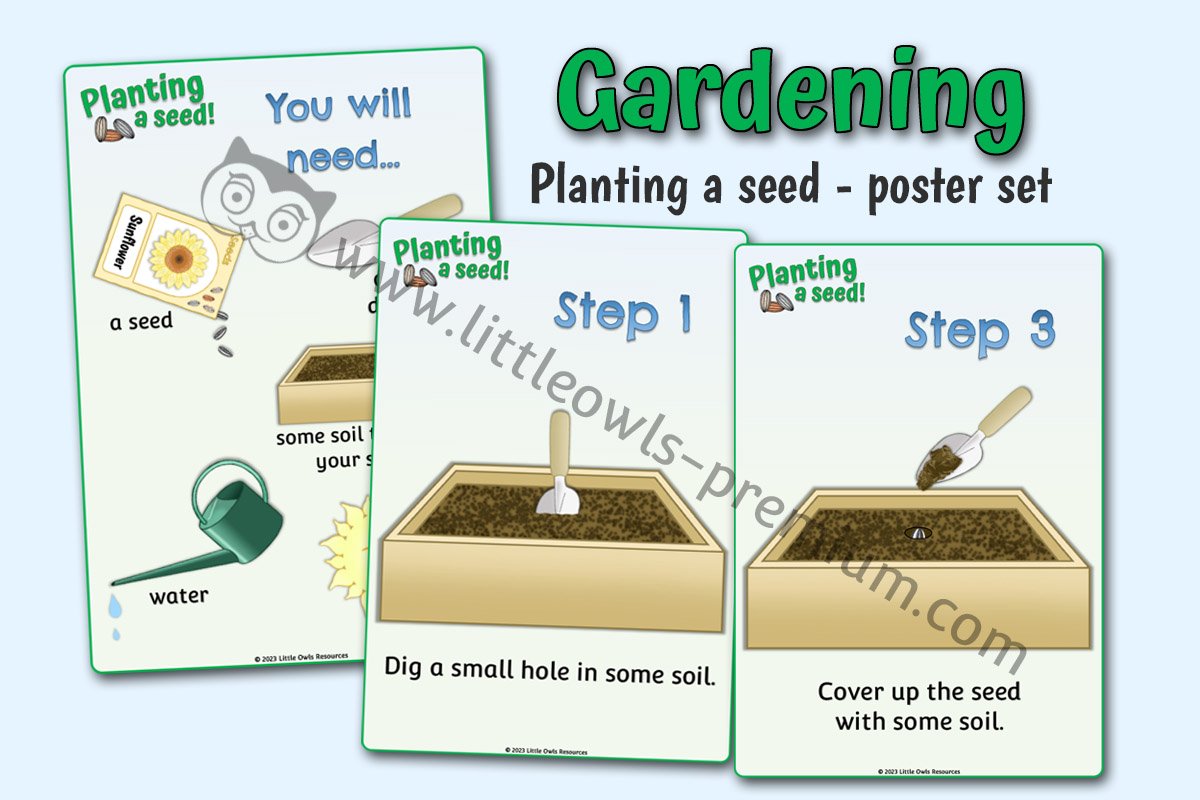
Poster set showing ‘How to plant a seed’. Includes ‘You will need’ poster and subsequent 5 steps. Six instruction posters in total ideal for a ‘Gardening’ activity display or outdoor area.
Original artwork drawn by Sara Murphy and final digital resources created by Stuart Murphy. COPYRIGHT ON ALL OF THE RESOURCES HOUSED ON THIS WEBSITE IS HELD BY ‘LITTLE OWLS RESOURCES’. OUR RESOURCES (INCLUDING THE IMAGES WITHIN THEM), CANNOT BE SHARED OR SOLD COMMERCIALLY.
DOWNLOAD EDITABLE (DOCX)
DOWNLOAD NON-EDITABLE (PDF)
DOWNLOAD NON-EDITABLE (Zipped JPEGs)
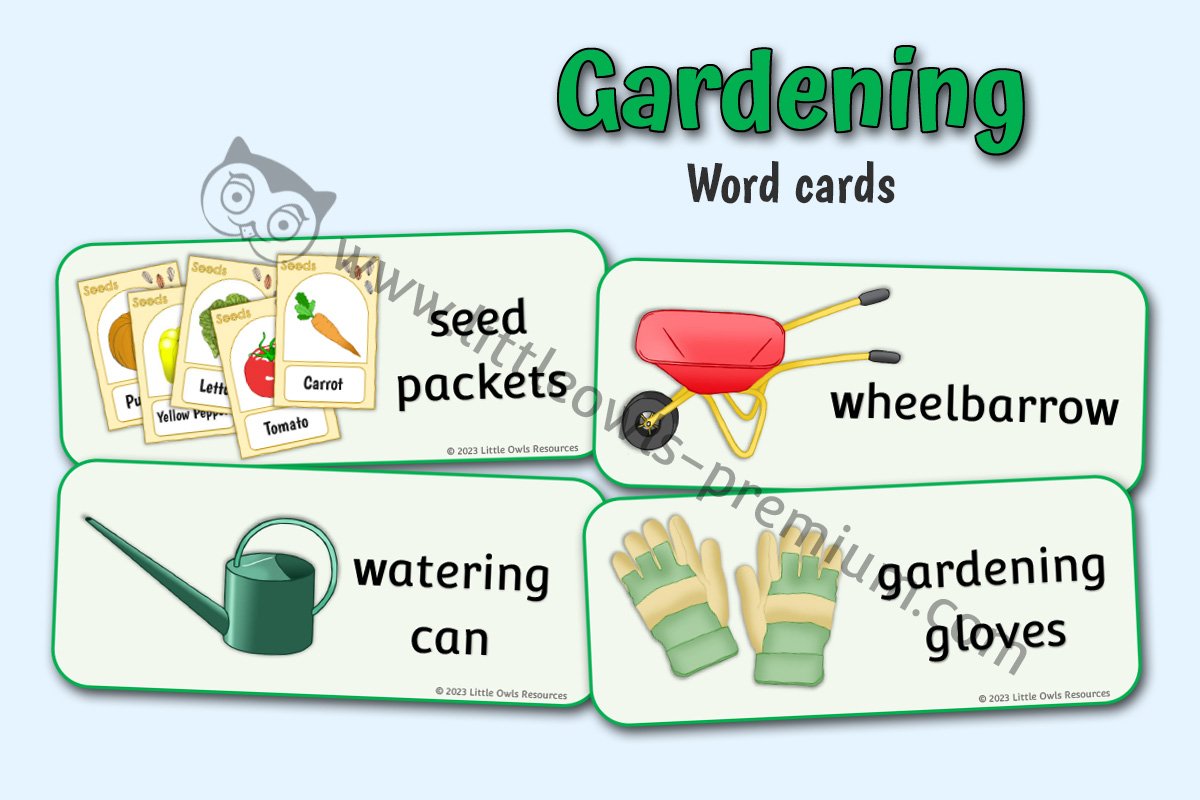
Original artwork drawn by Sara Murphy and final digital resources created by Stuart Murphy. COPYRIGHT ON ALL OF THE RESOURCES HOUSED ON THIS WEBSITE IS HELD BY ‘LITTLE OWLS RESOURCES’. OUR RESOURCES (INCLUDING THE IMAGES WITHIN THEM), CANNOT BE SHARED OR SOLD COMMERCIALLY.
DOWNLOAD EDITABLE (DOCX)
DOWNLOAD NON-EDITABLE (PDF)
DOWNLOAD NON-EDITABLE (Zipped JPEGs)
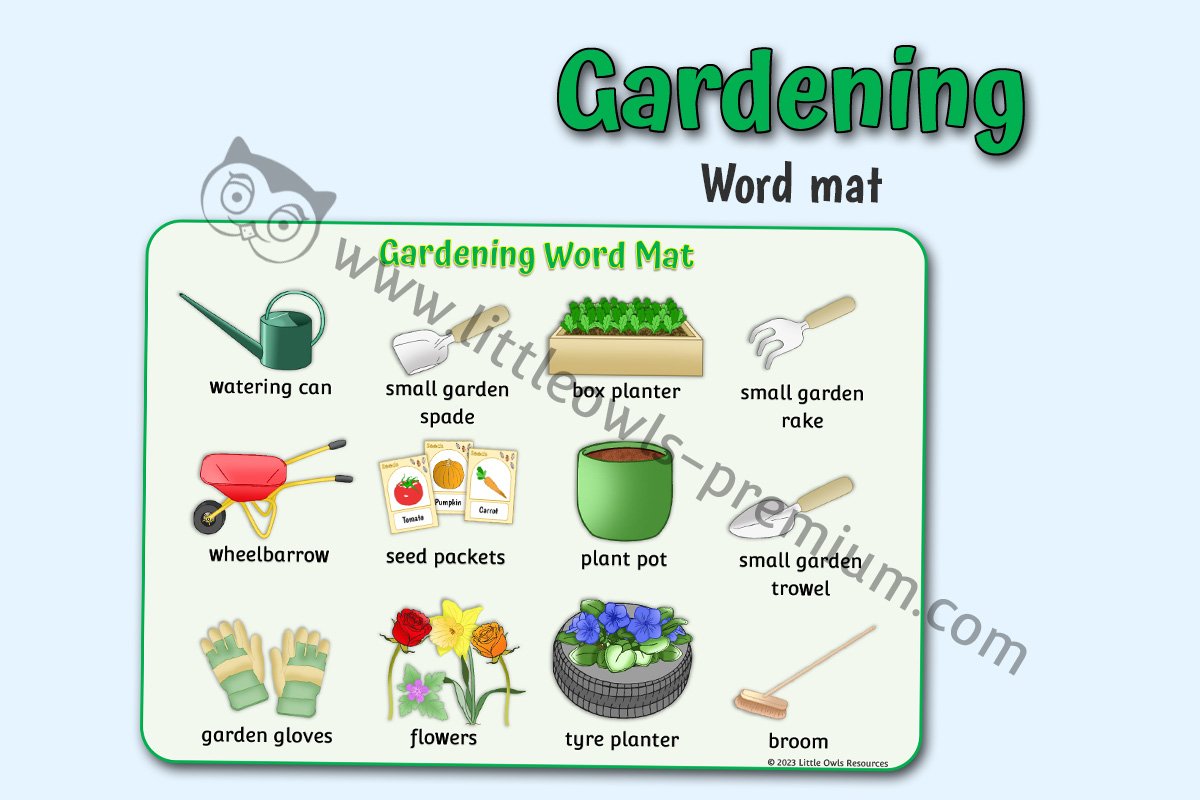
Original artwork drawn by Sara Murphy and final digital resources created by Stuart Murphy. COPYRIGHT ON ALL OF THE RESOURCES HOUSED ON THIS WEBSITE IS HELD BY ‘LITTLE OWLS RESOURCES’. OUR RESOURCES (INCLUDING THE IMAGES WITHIN THEM), CANNOT BE SHARED OR SOLD COMMERCIALLY.
DOWNLOAD EDITABLE (DOCX)
DOWNLOAD NON-EDITABLE (PDF)
DOWNLOAD NON-EDITABLE (Zipped JPEGs)
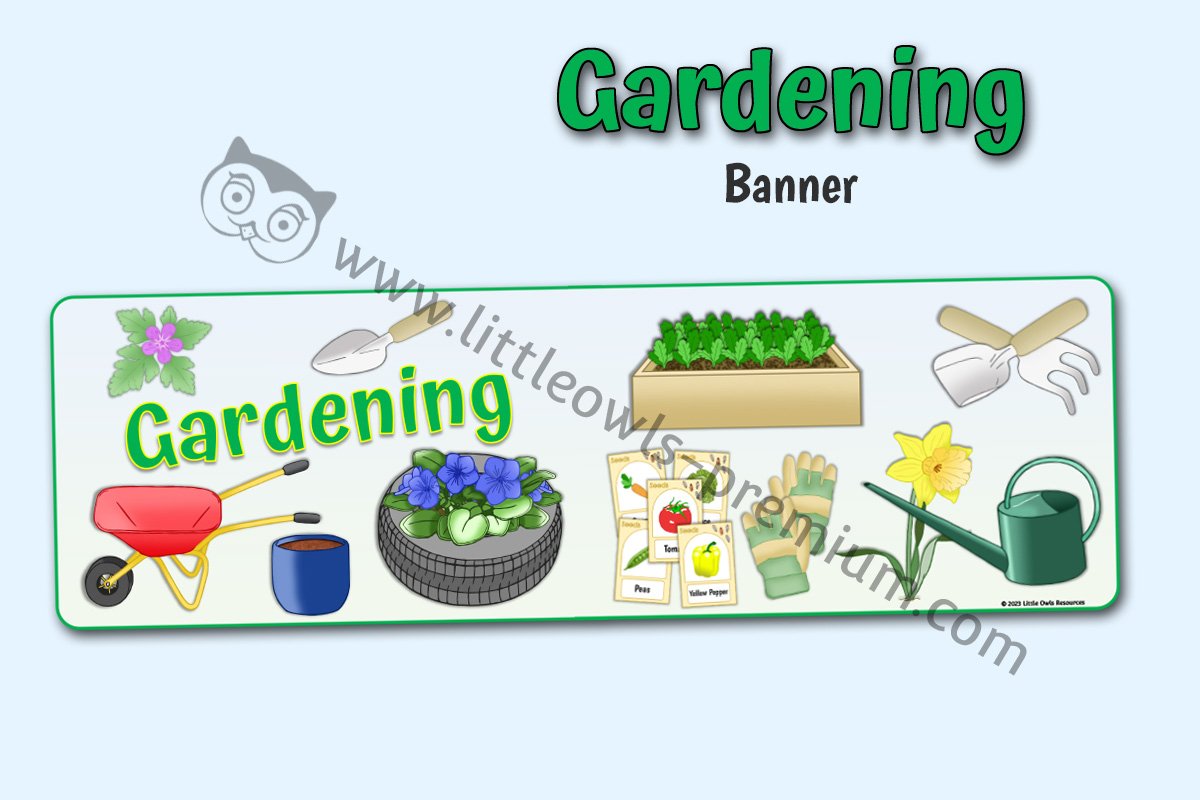
Original artwork drawn by Sara Murphy and final digital resources created by Stuart Murphy. COPYRIGHT ON ALL OF THE RESOURCES HOUSED ON THIS WEBSITE IS HELD BY ‘LITTLE OWLS RESOURCES’. OUR RESOURCES (INCLUDING THE IMAGES WITHIN THEM), CANNOT BE SHARED OR SOLD COMMERCIALLY.
DOWNLOAD EDITABLE (DOCX)
DOWNLOAD NON-EDITABLE (PDF)
DOWNLOAD NON-EDITABLE (Zipped JPEGs)
Original artwork drawn by Sara Murphy and final digital resources created by Stuart Murphy. COPYRIGHT ON ALL OF THE RESOURCES HOUSED ON THIS WEBSITE IS HELD BY ‘LITTLE OWLS RESOURCES’. OUR RESOURCES (INCLUDING THE IMAGES WITHIN THEM), CANNOT BE SHARED OR SOLD COMMERCIALLY.
DOWNLOAD EDITABLE (DOCX)
DOWNLOAD NON-EDITABLE (PDF)
DOWNLOAD NON-EDITABLE (Zipped JPEGs)
Original artwork drawn by Sara Murphy and final digital resources created by Stuart Murphy. COPYRIGHT ON ALL OF THE RESOURCES HOUSED ON THIS WEBSITE IS HELD BY ‘LITTLE OWLS RESOURCES’. OUR RESOURCES (INCLUDING THE IMAGES WITHIN THEM), CANNOT BE SHARED OR SOLD COMMERCIALLY.
DOWNLOAD EDITABLE (DOCX)
DOWNLOAD NON-EDITABLE (PDF)
DOWNLOAD NON-EDITABLE (Zipped JPEGs)
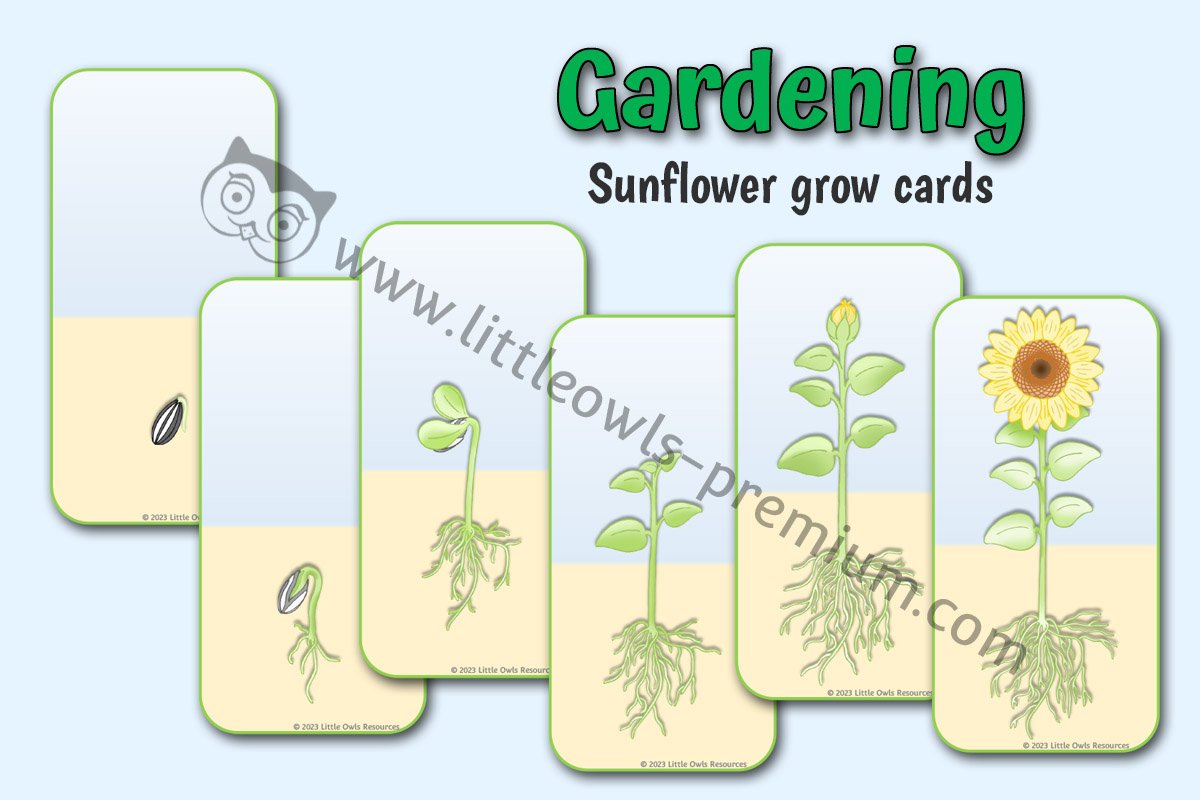
Use these ‘Growing Sunflower Cards’ as part of an interactive display or invitation to play activity. Children may enjoy moving the cards around to place them in the correct order to show how the sunflower seed grows into a plant. Shrunk down they could become part of an individual take home cut and stick activity with an extension that children could write the numbers 1-6 on each picture to further demonstrate their understanding of the order.
Original artwork drawn by Sara Murphy and final digital resources created by Stuart Murphy. COPYRIGHT ON ALL OF THE RESOURCES HOUSED ON THIS WEBSITE IS HELD BY ‘LITTLE OWLS RESOURCES’. OUR RESOURCES (INCLUDING THE IMAGES WITHIN THEM), CANNOT BE SHARED OR SOLD COMMERCIALLY.
DOWNLOAD EDITABLE (DOCX)
DOWNLOAD NON-EDITABLE (PDF)
DOWNLOAD NON-EDITABLE (Zipped JPEGs)
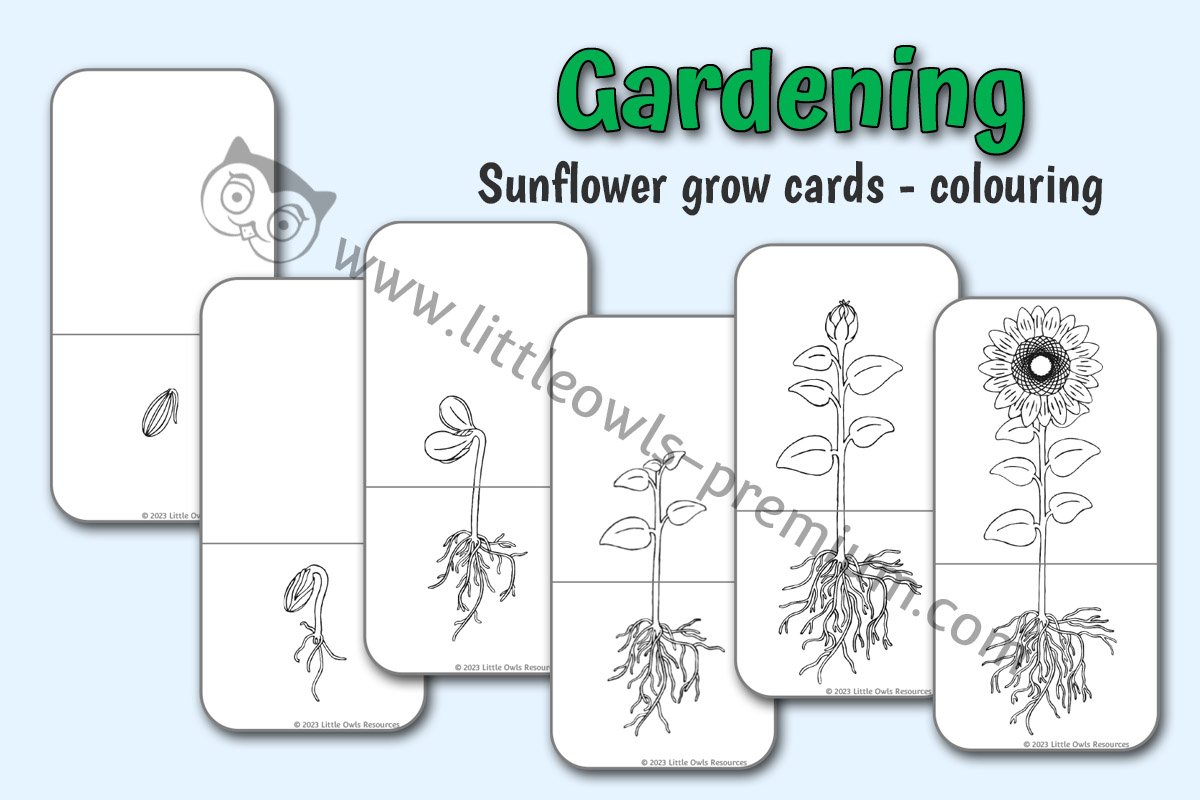
Colouring version of ‘Growing Sunflower Cards’. Use in the same ways as the full colour version with the added elements of colour choice, fine motor control and the possibility of ordering the pictures and sticking them to a separate sheet to enable the child to take the final product home. In sharing their learning experience with those at home, children will further consolidate their knowledge whilst explaining it to others.
Original artwork drawn by Sara Murphy and final digital resources created by Stuart Murphy. COPYRIGHT ON ALL OF THE RESOURCES HOUSED ON THIS WEBSITE IS HELD BY ‘LITTLE OWLS RESOURCES’. OUR RESOURCES (INCLUDING THE IMAGES WITHIN THEM), CANNOT BE SHARED OR SOLD COMMERCIALLY.
DOWNLOAD EDITABLE (DOCX)
DOWNLOAD NON-EDITABLE (PDF)
DOWNLOAD NON-EDITABLE (Zipped JPEGs)
Original artwork drawn by Sara Murphy and final digital resources created by Stuart Murphy. COPYRIGHT ON ALL OF THE RESOURCES HOUSED ON THIS WEBSITE IS HELD BY ‘LITTLE OWLS RESOURCES’. OUR RESOURCES (INCLUDING THE IMAGES WITHIN THEM), CANNOT BE SHARED OR SOLD COMMERCIALLY.
DOWNLOAD EDITABLE (DOCX)
DOWNLOAD NON-EDITABLE (PDF)
DOWNLOAD NON-EDITABLE (Zipped JPEGs)
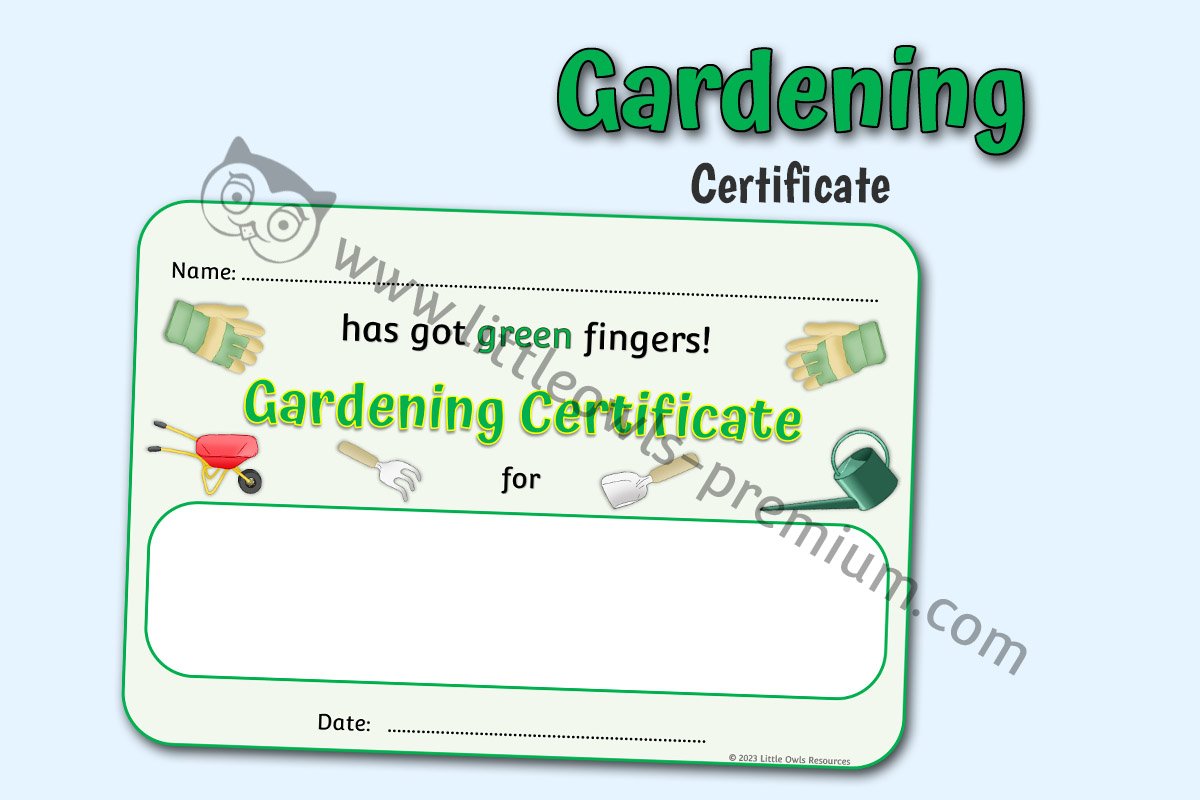
‘…has got green fingers!’ Gardening Certificate.
Original artwork drawn by Sara Murphy and final digital resources created by Stuart Murphy. COPYRIGHT ON ALL OF THE RESOURCES HOUSED ON THIS WEBSITE IS HELD BY ‘LITTLE OWLS RESOURCES’. OUR RESOURCES (INCLUDING THE IMAGES WITHIN THEM), CANNOT BE SHARED OR SOLD COMMERCIALLY.
DOWNLOAD EDITABLE (DOCX)
DOWNLOAD NON-EDITABLE (PDF)
DOWNLOAD NON-EDITABLE (Zipped JPEGs)
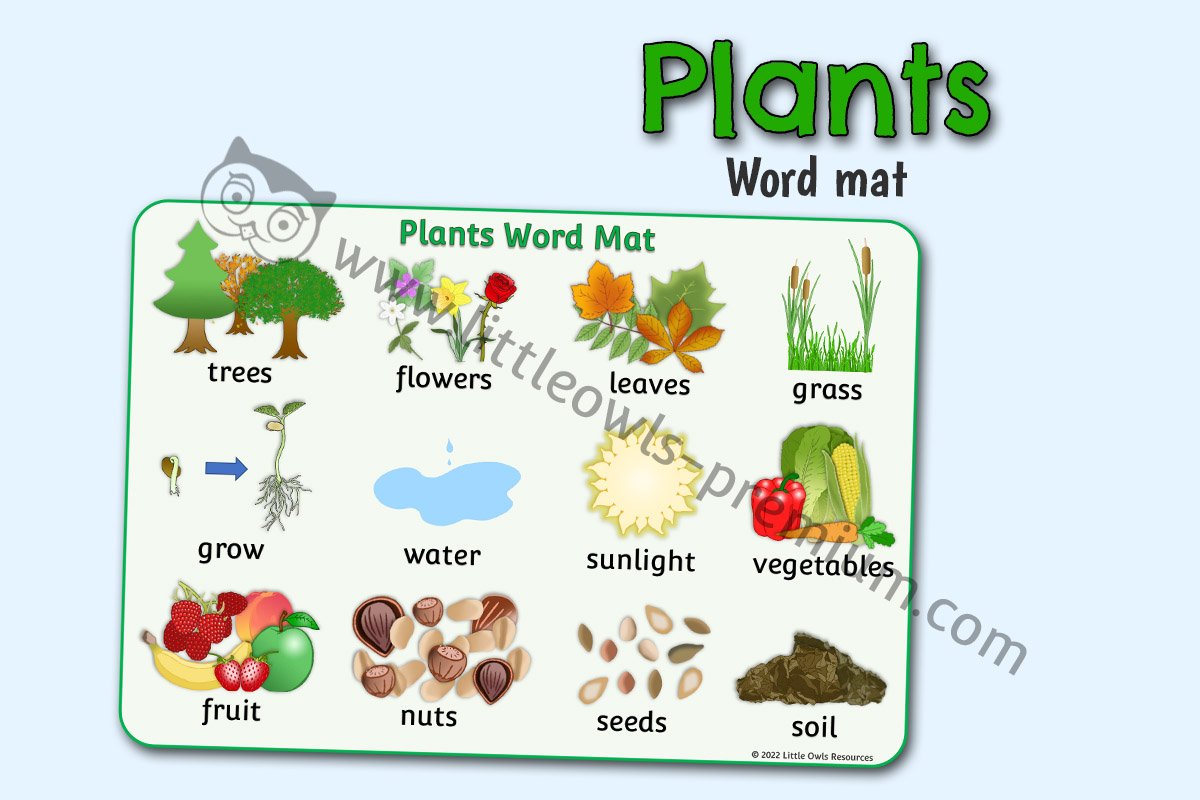
Original artwork drawn by Sara Murphy and final digital resources created by Stuart Murphy. COPYRIGHT ON ALL OF THE RESOURCES HOUSED ON THIS WEBSITE IS HELD BY ‘LITTLE OWLS RESOURCES’. OUR RESOURCES (INCLUDING THE IMAGES WITHIN THEM), CANNOT BE SHARED OR SOLD COMMERCIALLY.
DOWNLOAD EDITABLE (DOCX)
DOWNLOAD NON-EDITABLE (PDF)
DOWNLOAD NON-EDITABLE (Zipped JPEGs)
<<-BACK TO ‘HOUSEPLANT WEEK UK’ MENU
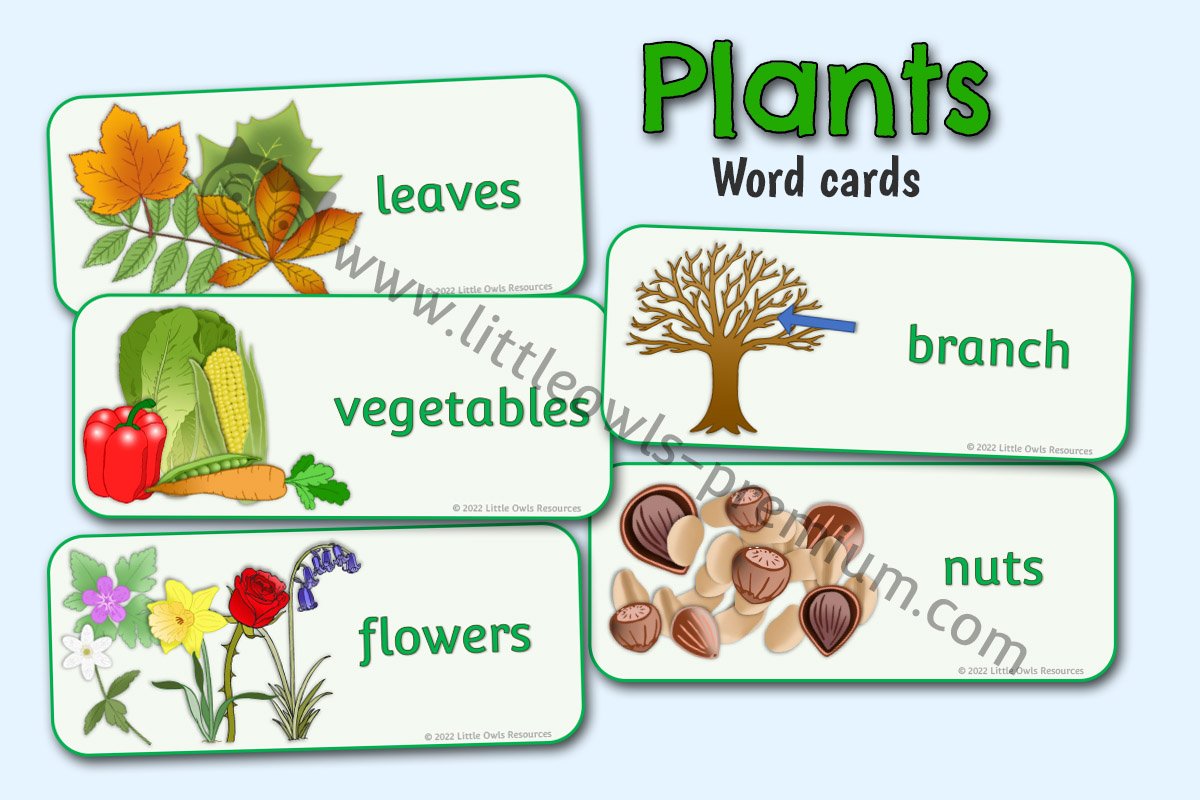
Original artwork drawn by Sara Murphy and final digital resources created by Stuart Murphy. COPYRIGHT ON ALL OF THE RESOURCES HOUSED ON THIS WEBSITE IS HELD BY ‘LITTLE OWLS RESOURCES’. OUR RESOURCES (INCLUDING THE IMAGES WITHIN THEM), CANNOT BE SHARED OR SOLD COMMERCIALLY.
DOWNLOAD EDITABLE (DOCX)
DOWNLOAD NON-EDITABLE (PDF)
DOWNLOAD NON-EDITABLE (Zipped JPEGs)
<<-BACK TO ‘HOUSEPLANT WEEK UK’ MENU
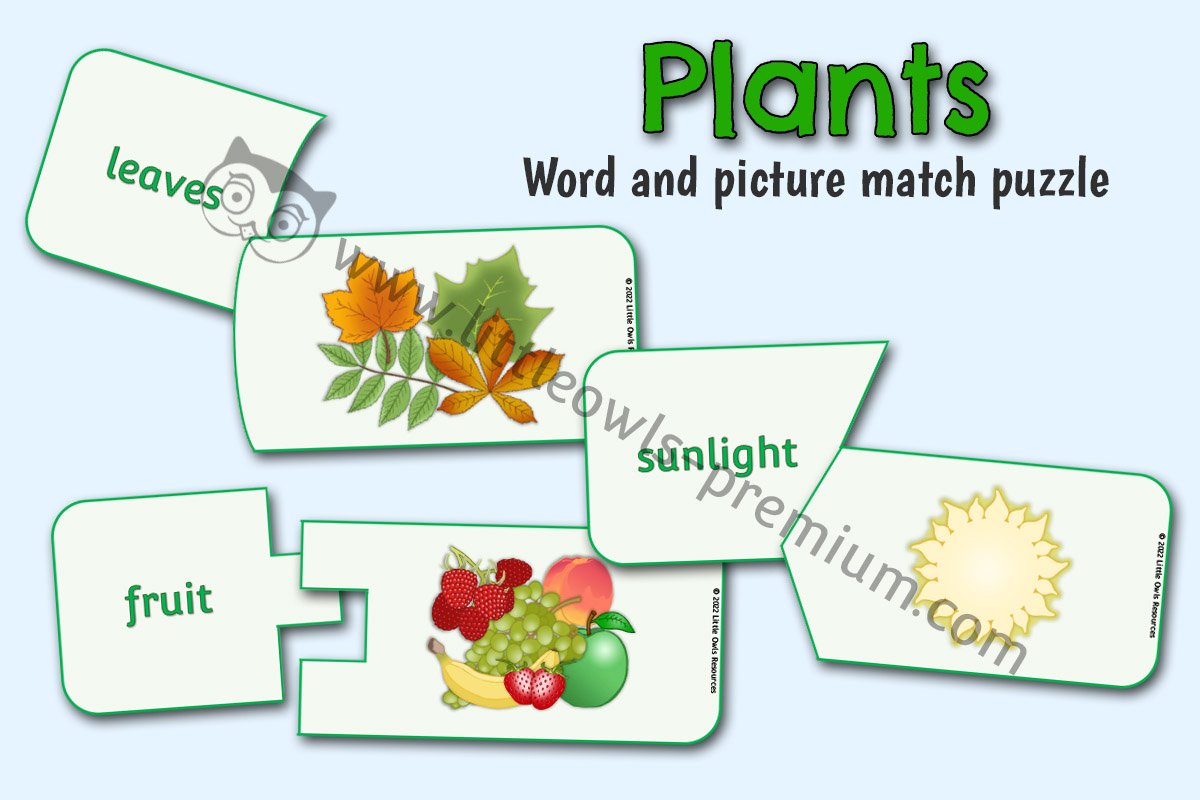
Original artwork drawn by Sara Murphy and final digital resources created by Stuart Murphy. COPYRIGHT ON ALL OF THE RESOURCES HOUSED ON THIS WEBSITE IS HELD BY ‘LITTLE OWLS RESOURCES’. OUR RESOURCES (INCLUDING THE IMAGES WITHIN THEM), CANNOT BE SHARED OR SOLD COMMERCIALLY.
DOWNLOAD EDITABLE (DOCX)
DOWNLOAD NON-EDITABLE (PDF)
DOWNLOAD NON-EDITABLE (Zipped JPEGs)
<<-BACK TO ‘HOUSEPLANT WEEK UK’ MENU
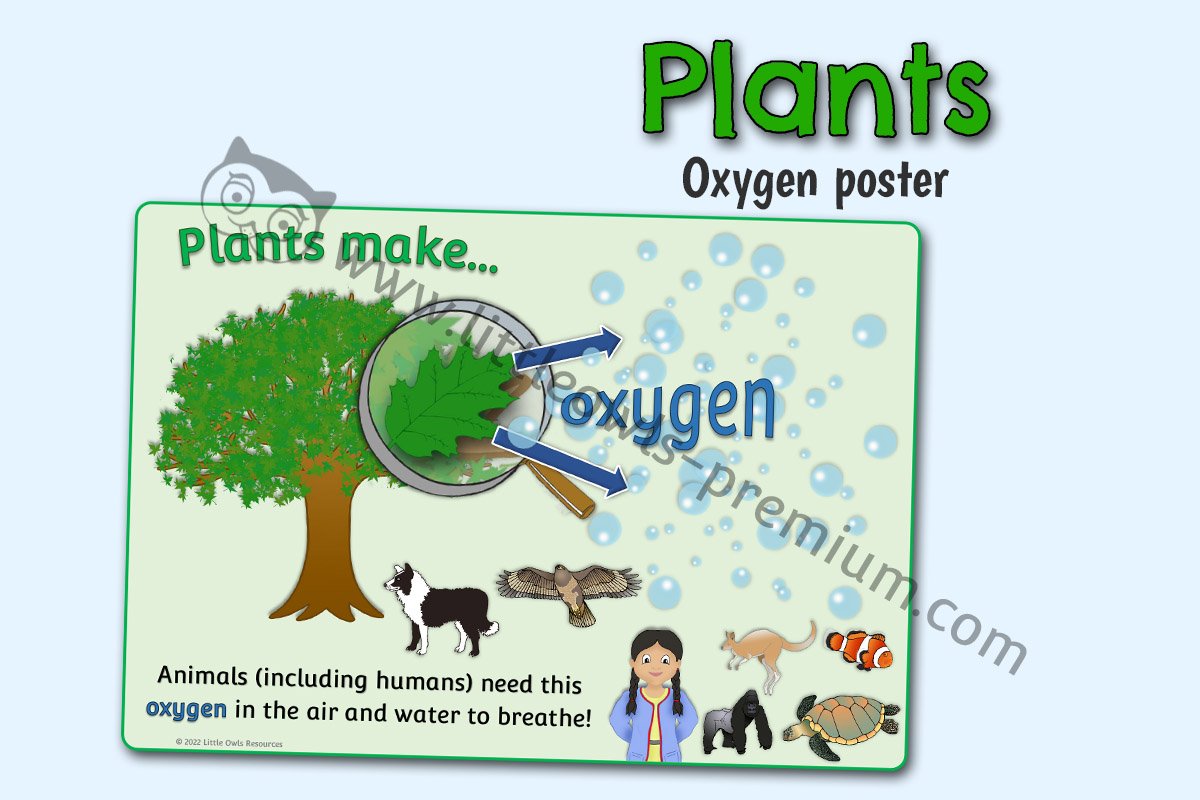
Original artwork drawn by Sara Murphy and final digital resources created by Stuart Murphy. COPYRIGHT ON ALL OF THE RESOURCES HOUSED ON THIS WEBSITE IS HELD BY ‘LITTLE OWLS RESOURCES’. OUR RESOURCES (INCLUDING THE IMAGES WITHIN THEM), CANNOT BE SHARED OR SOLD COMMERCIALLY.
DOWNLOAD EDITABLE (DOCX)
DOWNLOAD NON-EDITABLE (PDF)
DOWNLOAD NON-EDITABLE (Zipped JPEGs)
<<-BACK TO ‘HOUSEPLANT WEEK UK’ MENU
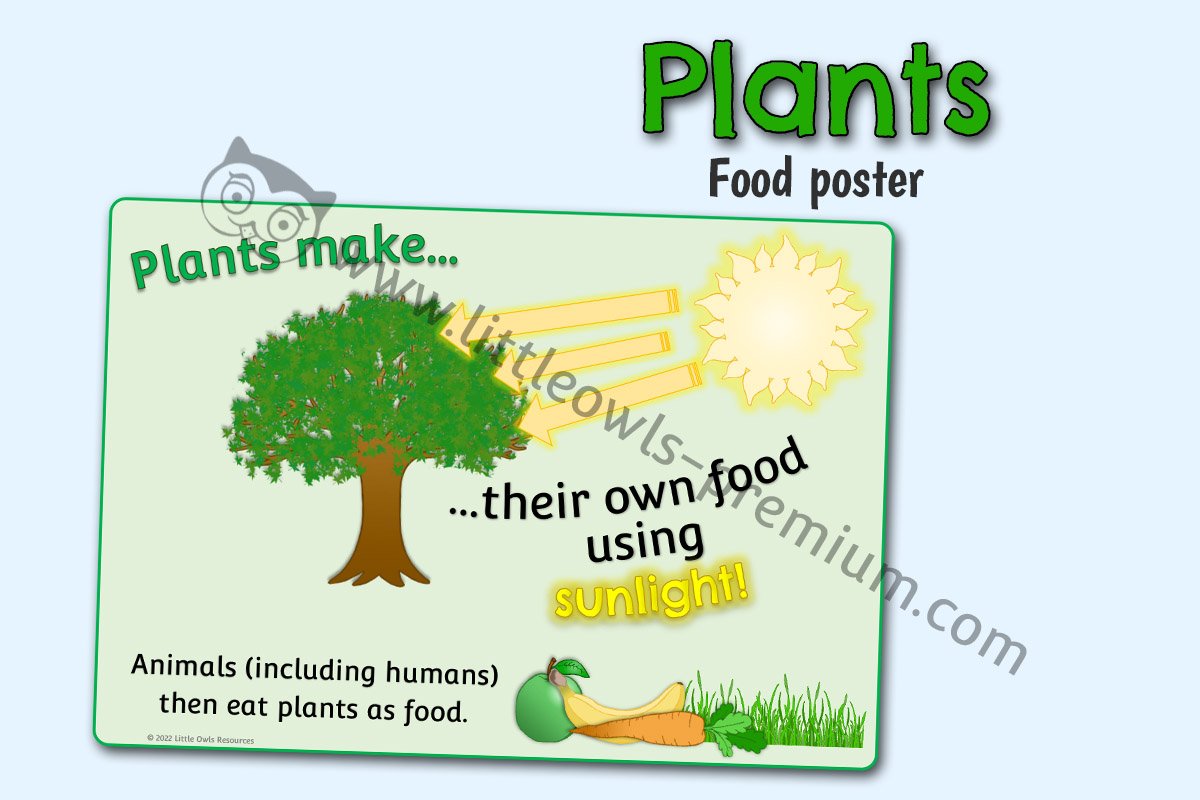
Original artwork drawn by Sara Murphy and final digital resources created by Stuart Murphy. COPYRIGHT ON ALL OF THE RESOURCES HOUSED ON THIS WEBSITE IS HELD BY ‘LITTLE OWLS RESOURCES’. OUR RESOURCES (INCLUDING THE IMAGES WITHIN THEM), CANNOT BE SHARED OR SOLD COMMERCIALLY.
DOWNLOAD EDITABLE (DOCX)
DOWNLOAD NON-EDITABLE (PDF)
DOWNLOAD NON-EDITABLE (Zipped JPEGs)
<<-BACK TO ‘HOUSEPLANT WEEK UK’ MENU
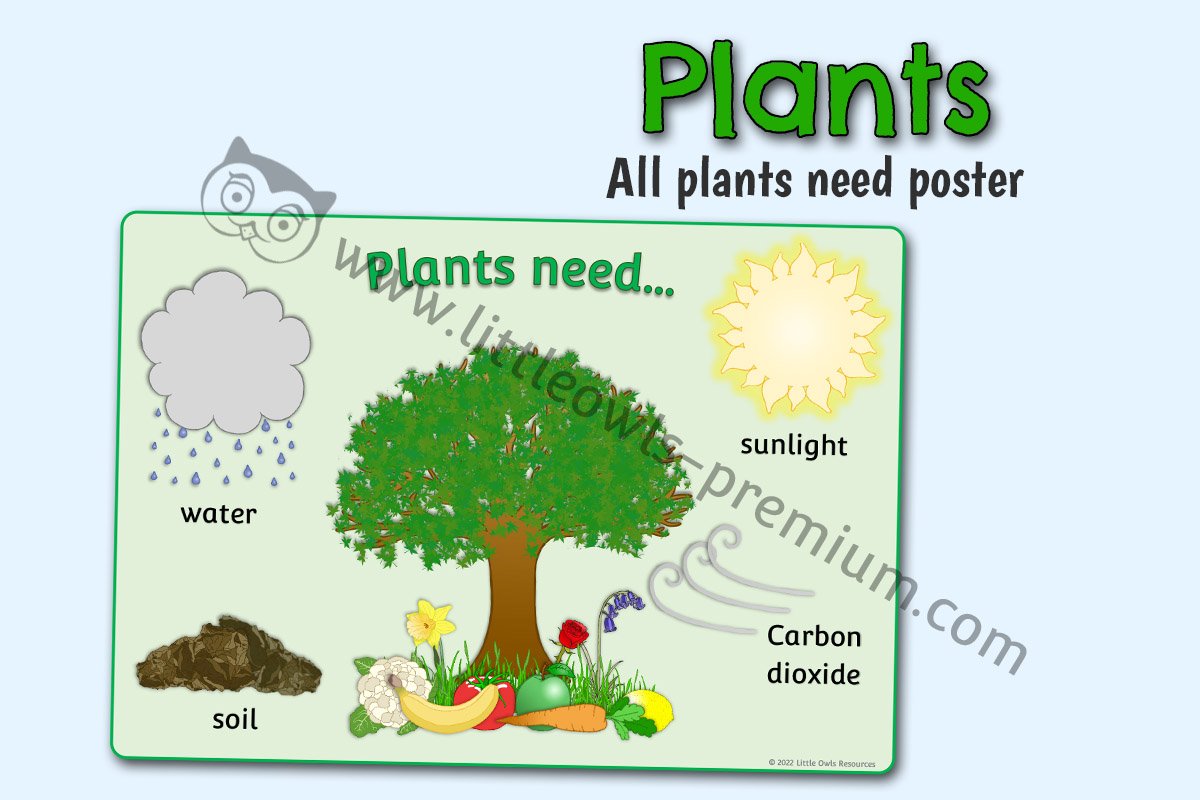
Original artwork drawn by Sara Murphy and final digital resources created by Stuart Murphy. COPYRIGHT ON ALL OF THE RESOURCES HOUSED ON THIS WEBSITE IS HELD BY ‘LITTLE OWLS RESOURCES’. OUR RESOURCES (INCLUDING THE IMAGES WITHIN THEM), CANNOT BE SHARED OR SOLD COMMERCIALLY.
DOWNLOAD EDITABLE (DOCX)
DOWNLOAD NON-EDITABLE (PDF)
DOWNLOAD NON-EDITABLE (Zipped JPEGs)
<<-BACK TO ‘HOUSEPLANT WEEK UK’ MENU
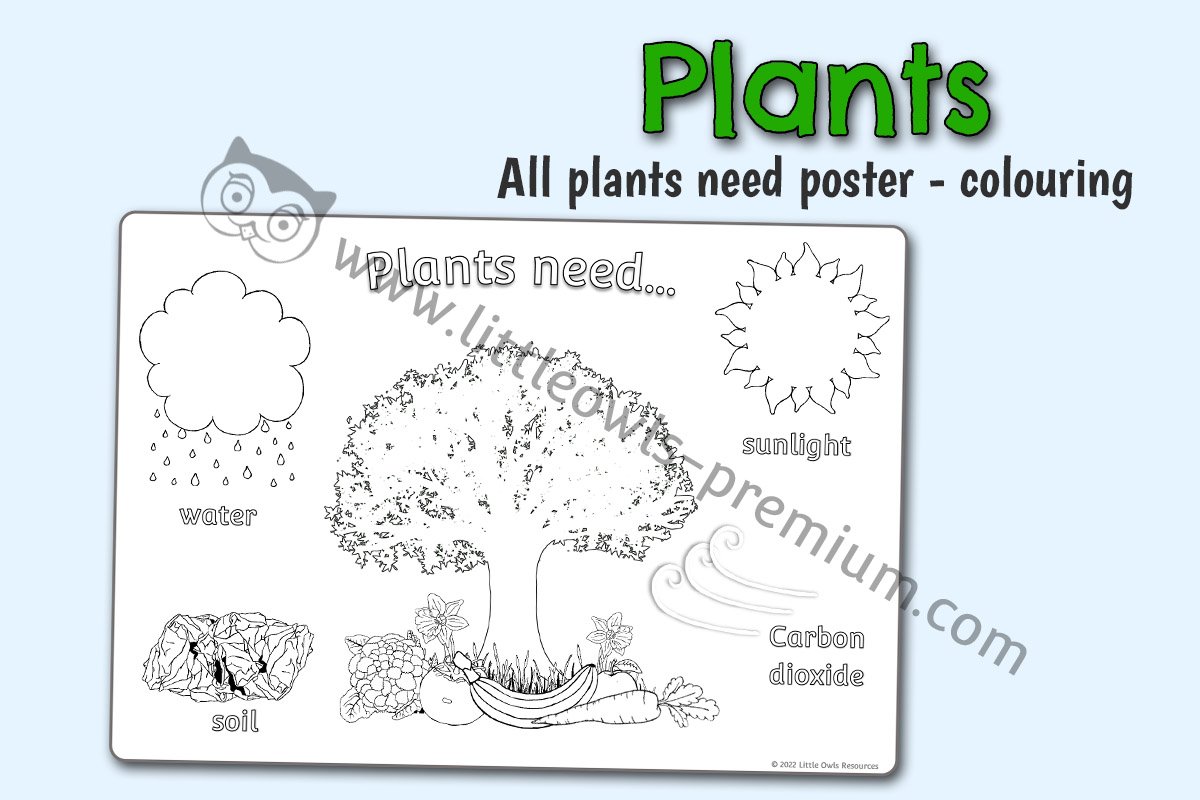
Original artwork drawn by Sara Murphy and final digital resources created by Stuart Murphy. COPYRIGHT ON ALL OF THE RESOURCES HOUSED ON THIS WEBSITE IS HELD BY ‘LITTLE OWLS RESOURCES’. OUR RESOURCES (INCLUDING THE IMAGES WITHIN THEM), CANNOT BE SHARED OR SOLD COMMERCIALLY.
DOWNLOAD EDITABLE (DOCX)
DOWNLOAD NON-EDITABLE (PDF)
DOWNLOAD NON-EDITABLE (Zipped JPEGs)
<<-BACK TO ‘HOUSEPLANT WEEK UK’ MENU
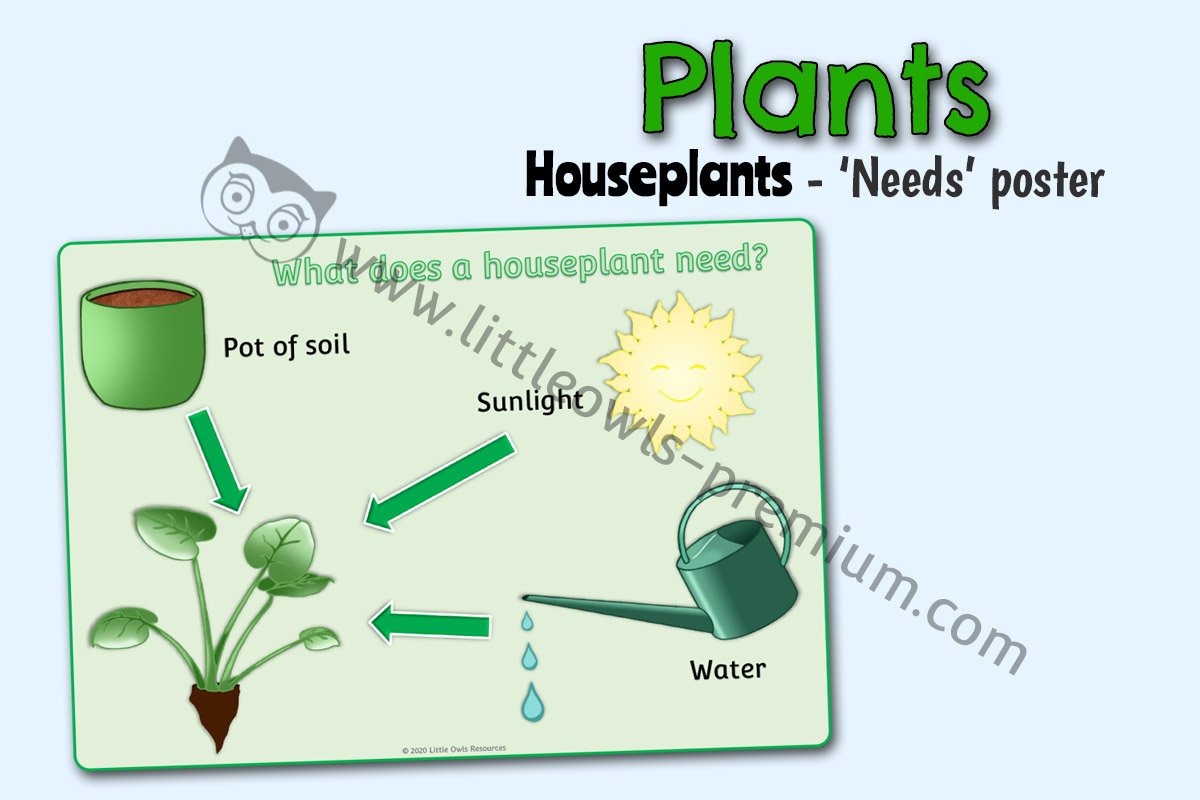
Original artwork drawn by Sara Murphy and final digital resources created by Stuart Murphy. COPYRIGHT ON ALL OF THE RESOURCES HOUSED ON THIS WEBSITE IS HELD BY ‘LITTLE OWLS RESOURCES’. OUR RESOURCES (INCLUDING THE IMAGES WITHIN THEM), CANNOT BE SHARED OR SOLD COMMERCIALLY.
DOWNLOAD EDITABLE (DOCX)
DOWNLOAD NON-EDITABLE (PDF)
DOWNLOAD NON-EDITABLE (Zipped JPEGs)
<<-BACK TO ‘HOUSEPLANT WEEK UK’ MENU
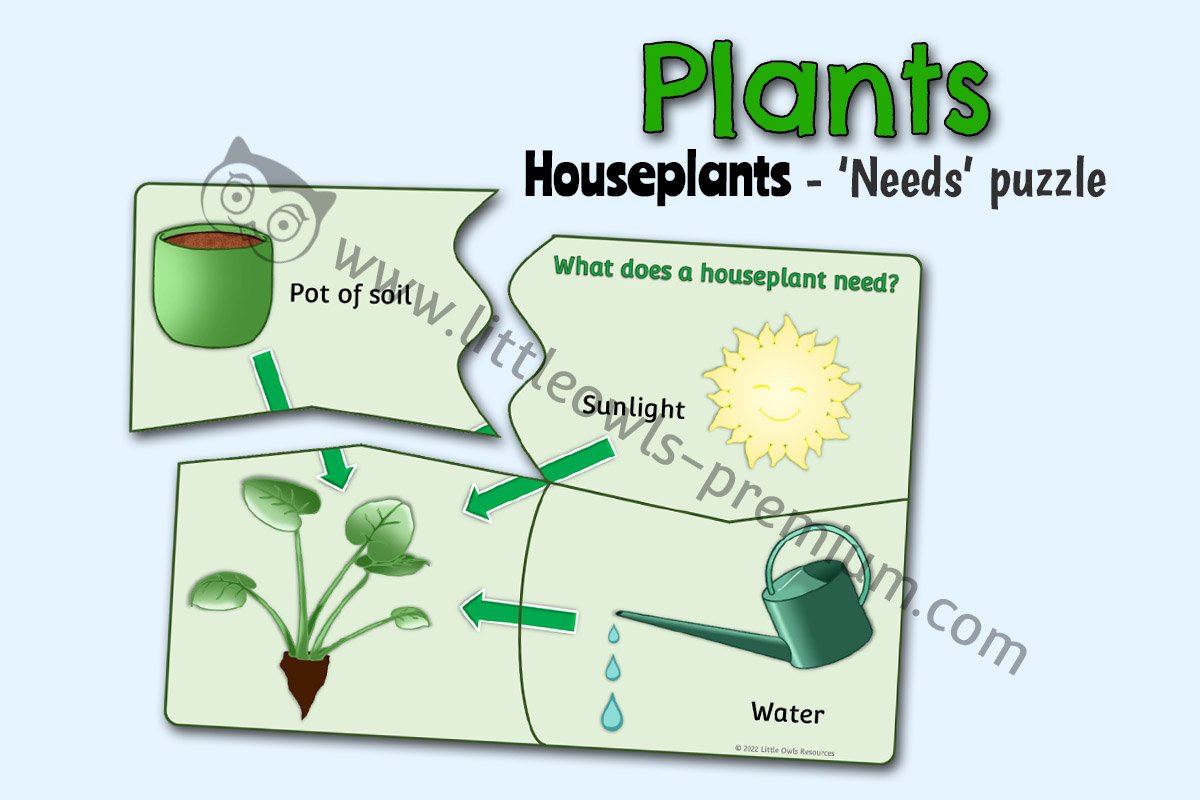
Original artwork drawn by Sara Murphy and final digital resources created by Stuart Murphy. COPYRIGHT ON ALL OF THE RESOURCES HOUSED ON THIS WEBSITE IS HELD BY ‘LITTLE OWLS RESOURCES’. OUR RESOURCES (INCLUDING THE IMAGES WITHIN THEM), CANNOT BE SHARED OR SOLD COMMERCIALLY.
DOWNLOAD EDITABLE (DOCX)
DOWNLOAD NON-EDITABLE (PDF)
DOWNLOAD NON-EDITABLE (Zipped JPEGs)
<<-BACK TO ‘HOUSEPLANT WEEK UK’ MENU
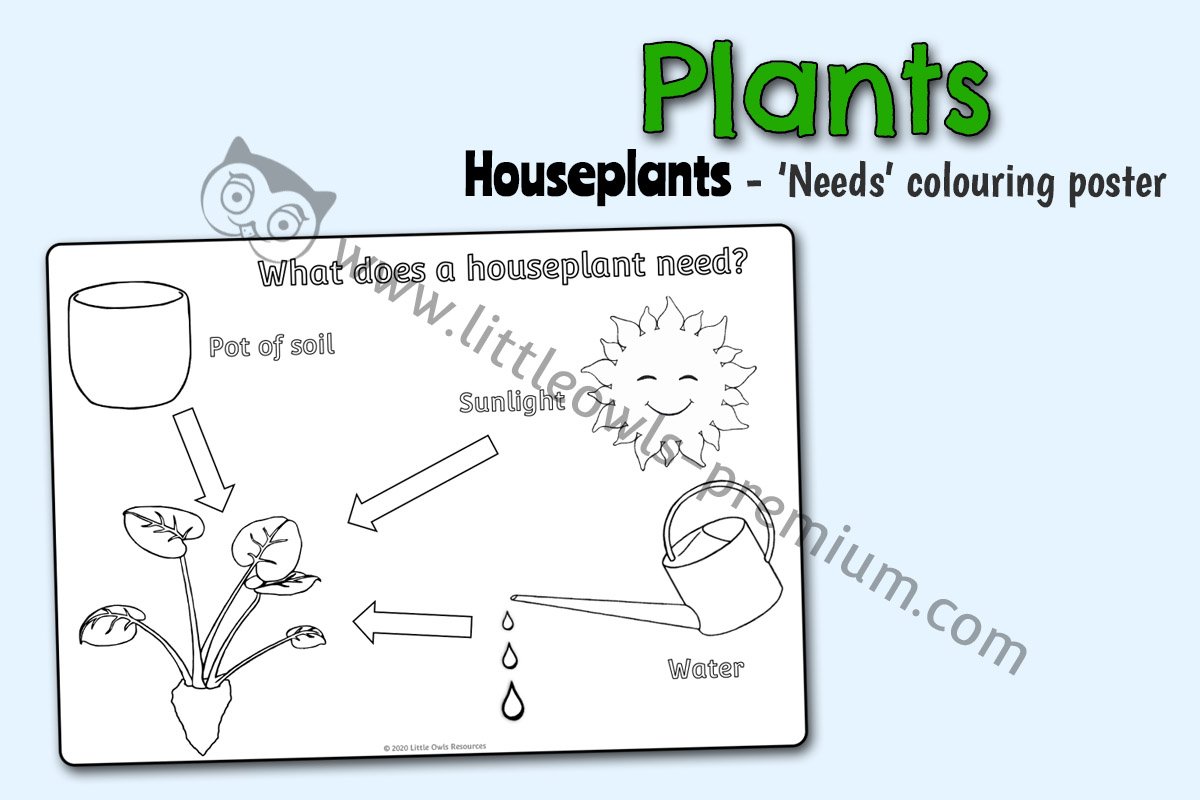
Original artwork drawn by Sara Murphy and final digital resources created by Stuart Murphy. COPYRIGHT ON ALL OF THE RESOURCES HOUSED ON THIS WEBSITE IS HELD BY ‘LITTLE OWLS RESOURCES’. OUR RESOURCES (INCLUDING THE IMAGES WITHIN THEM), CANNOT BE SHARED OR SOLD COMMERCIALLY.
DOWNLOAD EDITABLE (DOCX)
DOWNLOAD NON-EDITABLE (PDF)
DOWNLOAD NON-EDITABLE (Zipped JPEGs)
<<-BACK TO ‘HOUSEPLANT WEEK UK’ MENU
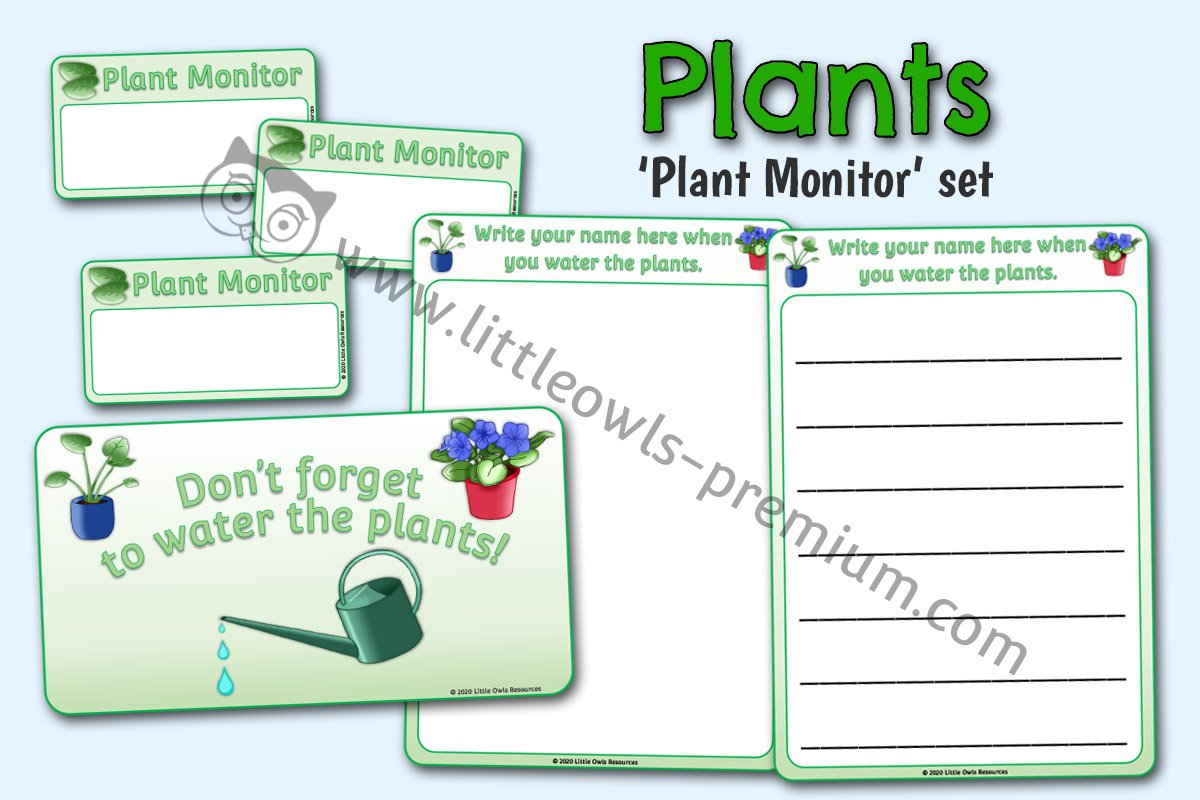
Original artwork drawn by Sara Murphy and final digital resources created by Stuart Murphy. COPYRIGHT ON ALL OF THE RESOURCES HOUSED ON THIS WEBSITE IS HELD BY ‘LITTLE OWLS RESOURCES’. OUR RESOURCES (INCLUDING THE IMAGES WITHIN THEM), CANNOT BE SHARED OR SOLD COMMERCIALLY.
DOWNLOAD EDITABLE (DOCX)
DOWNLOAD NON-EDITABLE (PDF)
DOWNLOAD NON-EDITABLE (Zipped JPEGs)
<<-BACK TO ‘HOUSEPLANT WEEK UK’ MENU
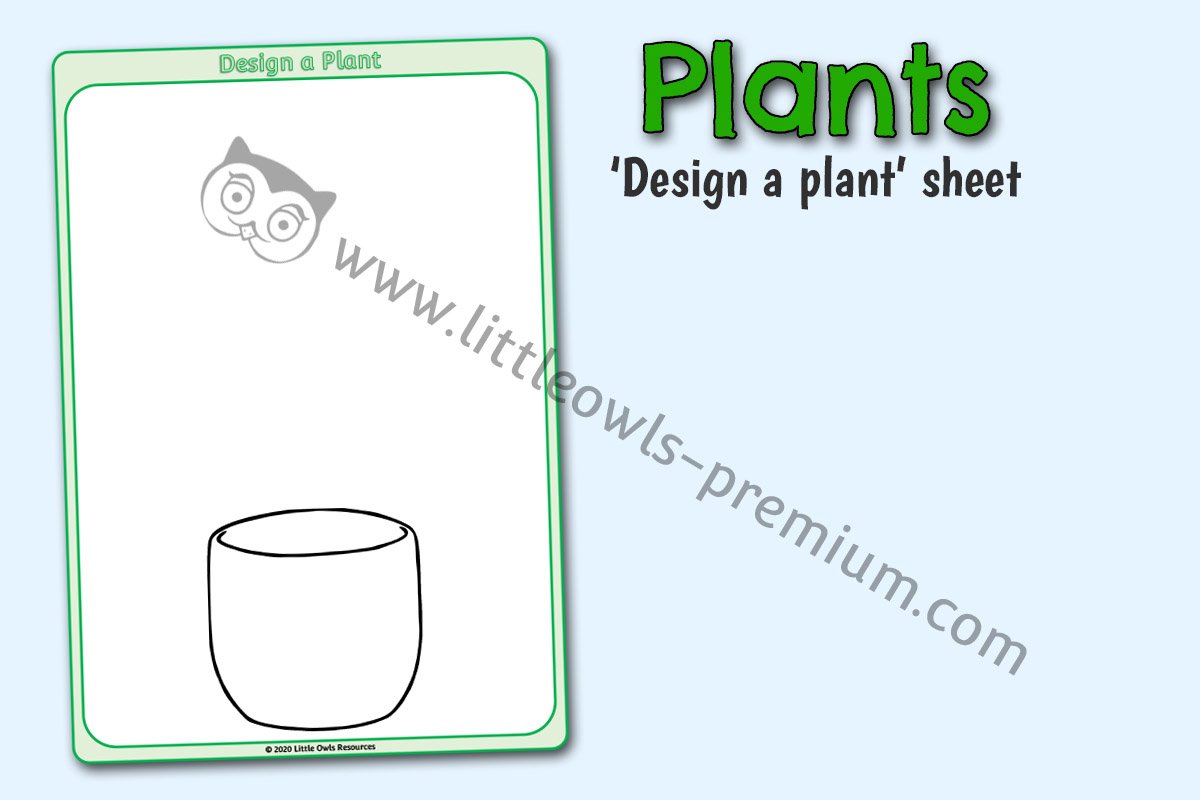
Once laminated this ‘Design a Plant Multimat’ is ideal to be used as a reusable playdough or loose parts mat. Alternatively, use in conjunction with whiteboard pens. Without lamination the sheet could also be used with mark making tools or art and craft cut and stick materials.
Original artwork drawn by Sara Murphy and final digital resources created by Stuart Murphy. COPYRIGHT ON ALL OF THE RESOURCES HOUSED ON THIS WEBSITE IS HELD BY ‘LITTLE OWLS RESOURCES’. OUR RESOURCES (INCLUDING THE IMAGES WITHIN THEM), CANNOT BE SHARED OR SOLD COMMERCIALLY.
DOWNLOAD EDITABLE (DOCX)
DOWNLOAD NON-EDITABLE (PDF)
DOWNLOAD NON-EDITABLE (Zipped JPEGs)
<<-BACK TO ‘HOUSEPLANT WEEK UK’ MENU
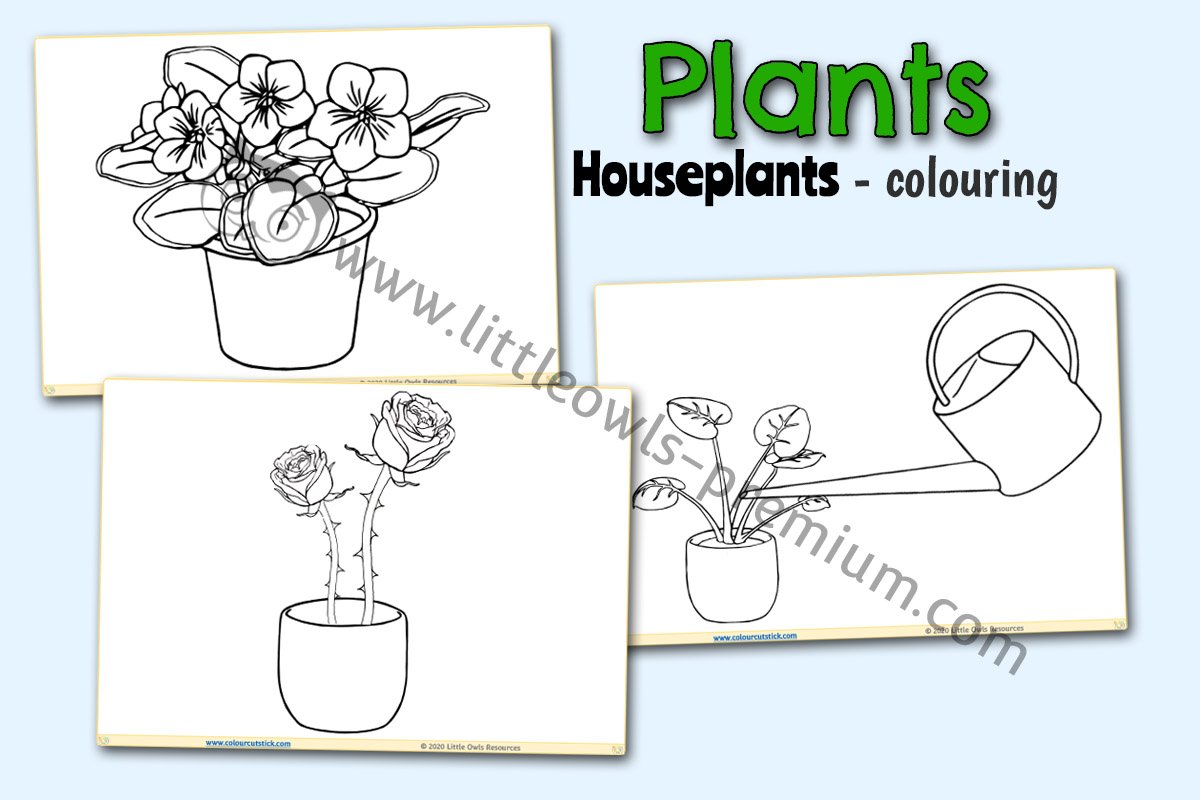
Original artwork drawn by Sara Murphy and final digital resources created by Stuart Murphy. COPYRIGHT ON ALL OF THE RESOURCES HOUSED ON THIS WEBSITE IS HELD BY ‘LITTLE OWLS RESOURCES’. OUR RESOURCES (INCLUDING THE IMAGES WITHIN THEM), CANNOT BE SHARED OR SOLD COMMERCIALLY.
DOWNLOAD EDITABLE (DOCX)
DOWNLOAD NON-EDITABLE (PDF)
DOWNLOAD NON-EDITABLE (Zipped JPEGs)
<<-BACK TO ‘HOUSEPLANT WEEK UK’ MENU
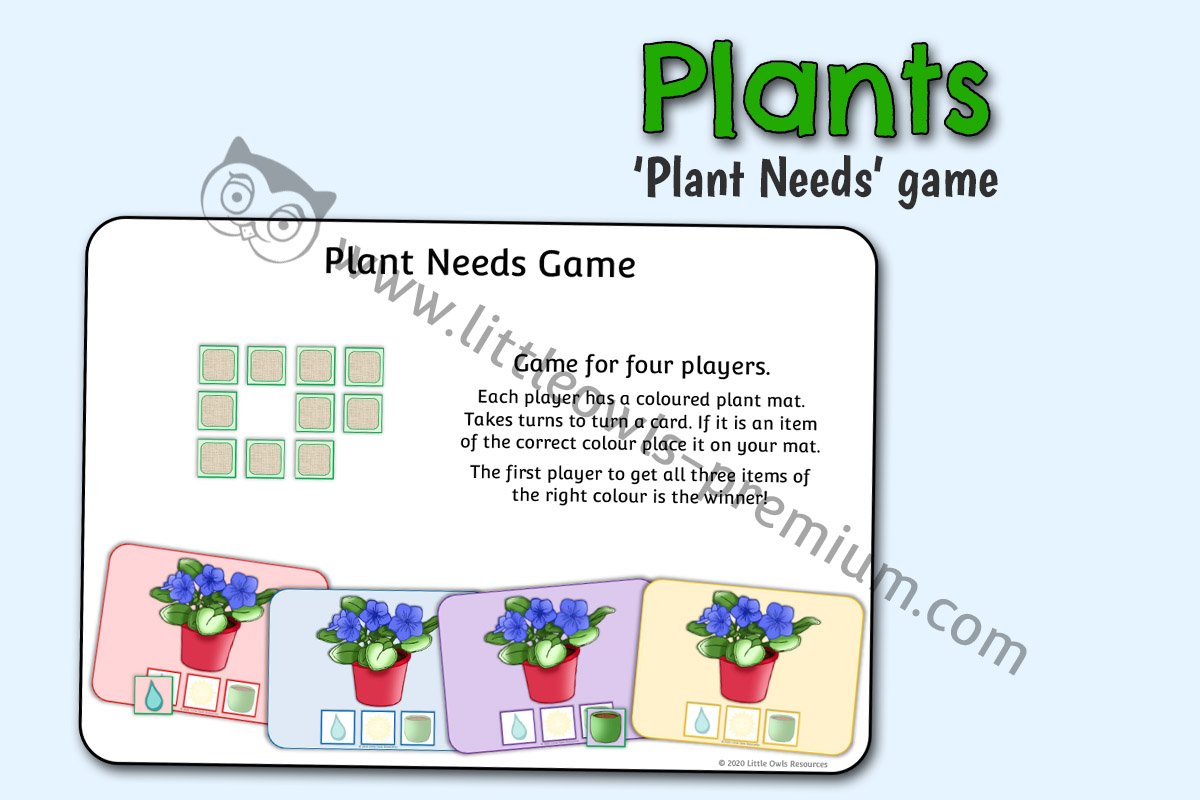
Original artwork drawn by Sara Murphy and final digital resources created by Stuart Murphy. COPYRIGHT ON ALL OF THE RESOURCES HOUSED ON THIS WEBSITE IS HELD BY ‘LITTLE OWLS RESOURCES’. OUR RESOURCES (INCLUDING THE IMAGES WITHIN THEM), CANNOT BE SHARED OR SOLD COMMERCIALLY.
DOWNLOAD EDITABLE (DOCX)
DOWNLOAD NON-EDITABLE (PDF)
DOWNLOAD NON-EDITABLE (Zipped JPEGs)
<<-BACK TO ‘HOUSEPLANT WEEK UK’ MENU
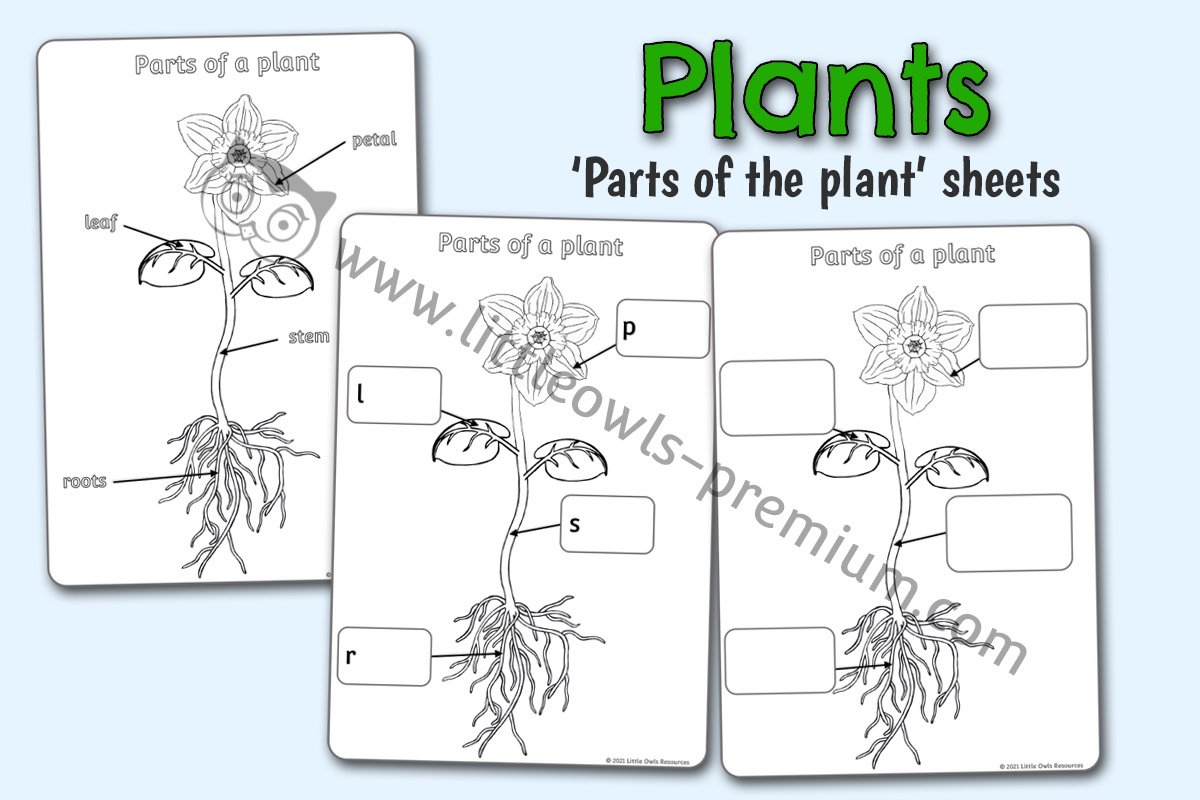
Original artwork drawn by Sara Murphy and final digital resources created by Stuart Murphy. COPYRIGHT ON ALL OF THE RESOURCES HOUSED ON THIS WEBSITE IS HELD BY ‘LITTLE OWLS RESOURCES’. OUR RESOURCES (INCLUDING THE IMAGES WITHIN THEM), CANNOT BE SHARED OR SOLD COMMERCIALLY.
DOWNLOAD EDITABLE (DOCX)
DOWNLOAD NON-EDITABLE (PDF)
DOWNLOAD NON-EDITABLE (Zipped JPEGs)
<<-BACK TO ‘HOUSEPLANT WEEK UK’ MENU
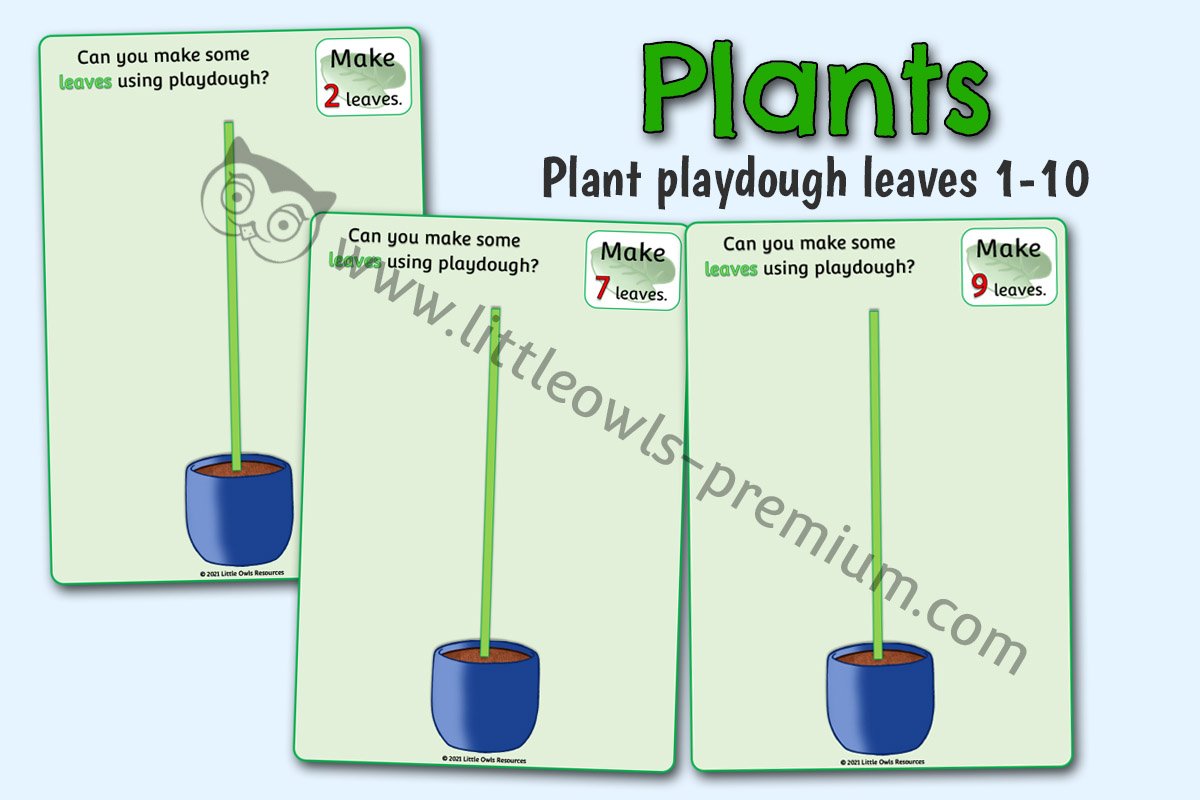
Once laminated these ‘Plant Leaves Playdough Mats’ are ideal to be used time and time again. Alternatively, use in conjunction with whiteboard pens as opposed to playdough. Without lamination the sheet could also be used with mark making tools or art and craft cut and stick materials.
Original artwork drawn by Sara Murphy and final digital resources created by Stuart Murphy. COPYRIGHT ON ALL OF THE RESOURCES HOUSED ON THIS WEBSITE IS HELD BY ‘LITTLE OWLS RESOURCES’. OUR RESOURCES (INCLUDING THE IMAGES WITHIN THEM), CANNOT BE SHARED OR SOLD COMMERCIALLY.
DOWNLOAD EDITABLE (DOCX)
DOWNLOAD NON-EDITABLE (PDF)
DOWNLOAD NON-EDITABLE (Zipped JPEGs)
<<-BACK TO ‘HOUSEPLANT WEEK UK’ MENU
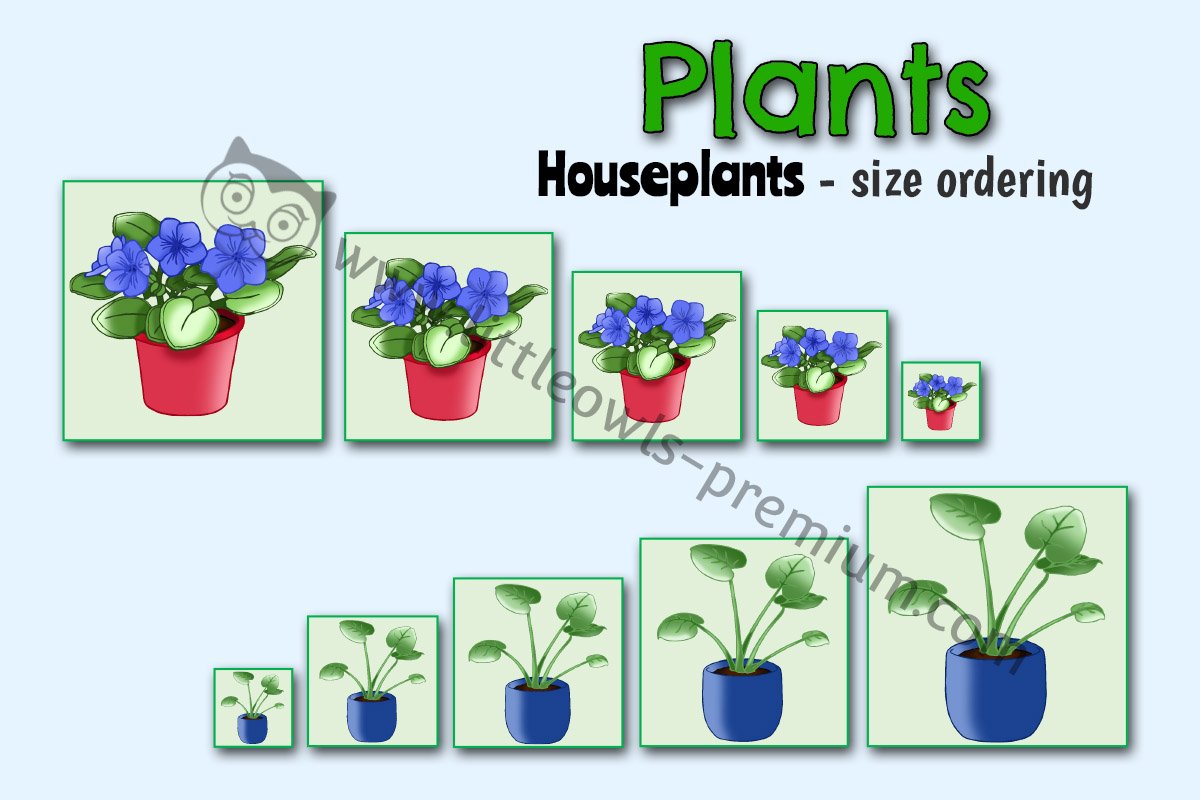
Plant themed size ordering pictures. Intended to be cut out (and ideally laminated) for use by children in repeatable size ordering activities. If you have access to a fuzzy felt board, why not stick velcro tabs on the back so that children can move them around on the board? Alternatively use them as a cut and stick activity (to also strengthen fine motor skills) for the children to take home and discuss with their families using words such as ‘small, smaller, smallest, big, bigger, biggest’.
Original artwork drawn by Sara Murphy and final digital resources created by Stuart Murphy. COPYRIGHT ON ALL OF THE RESOURCES HOUSED ON THIS WEBSITE IS HELD BY ‘LITTLE OWLS RESOURCES’. OUR RESOURCES (INCLUDING THE IMAGES WITHIN THEM), CANNOT BE SHARED OR SOLD COMMERCIALLY.
DOWNLOAD EDITABLE (DOCX)
DOWNLOAD NON-EDITABLE (PDF)
DOWNLOAD NON-EDITABLE (Zipped JPEGs)
<<-BACK TO ‘HOUSEPLANT WEEK UK’ MENU

These fact cards can be used as part of a display or as a stimulus for discussion, writing and drawing before or after time spent in a woodland setting.
8 cards included: Ivy, Bluebell, Bramble, Snowdrop, Daffodil, Daisy, Herb Robert & Wood Anemone.
Observation, All Year Round - Wildlife, Fact Cards, Posters/Displays, Cards/Flashcards, Number Recognition, Measures - Length, Plants/Flowers, Discussion Prompts, Autumn page, Winter page
Original artwork drawn by Sara Murphy and final digital resources created by Stuart Murphy. COPYRIGHT ON ALL OF THE RESOURCES HOUSED ON THIS WEBSITE IS HELD BY ‘LITTLE OWLS RESOURCES’. OUR RESOURCES (INCLUDING THE IMAGES WITHIN THEM), CANNOT BE SHARED OR SOLD COMMERCIALLY.
DOWNLOAD EDITABLE (DOCX)
DOWNLOAD NON-EDITABLE (PDF)
DOWNLOAD NON-EDITABLE (Zipped JPEGs)

These fact cards can be used as part of a display or as a stimulus for discussion, writing and drawing before or after time spent in a woodland setting.
8 cards included: Ivy, Bluebell, Bramble, Snowdrop, Daffodil, Daisy, Herb Robert & Wood Anemone.
Observation, All Year Round - Wildlife, Fact Cards, Posters/Displays, Cards/Flashcards, Number Recognition, Measures - Length, Plants/Flowers, Discussion Prompts, Autumn page, Winter page
Original artwork drawn by Sara Murphy and final digital resources created by Stuart Murphy. COPYRIGHT ON ALL OF THE RESOURCES HOUSED ON THIS WEBSITE IS HELD BY ‘LITTLE OWLS RESOURCES’. OUR RESOURCES (INCLUDING THE IMAGES WITHIN THEM), CANNOT BE SHARED OR SOLD COMMERCIALLY.
DOWNLOAD EDITABLE (DOCX)
DOWNLOAD NON-EDITABLE (PDF)
DOWNLOAD NON-EDITABLE (Zipped JPEGs)
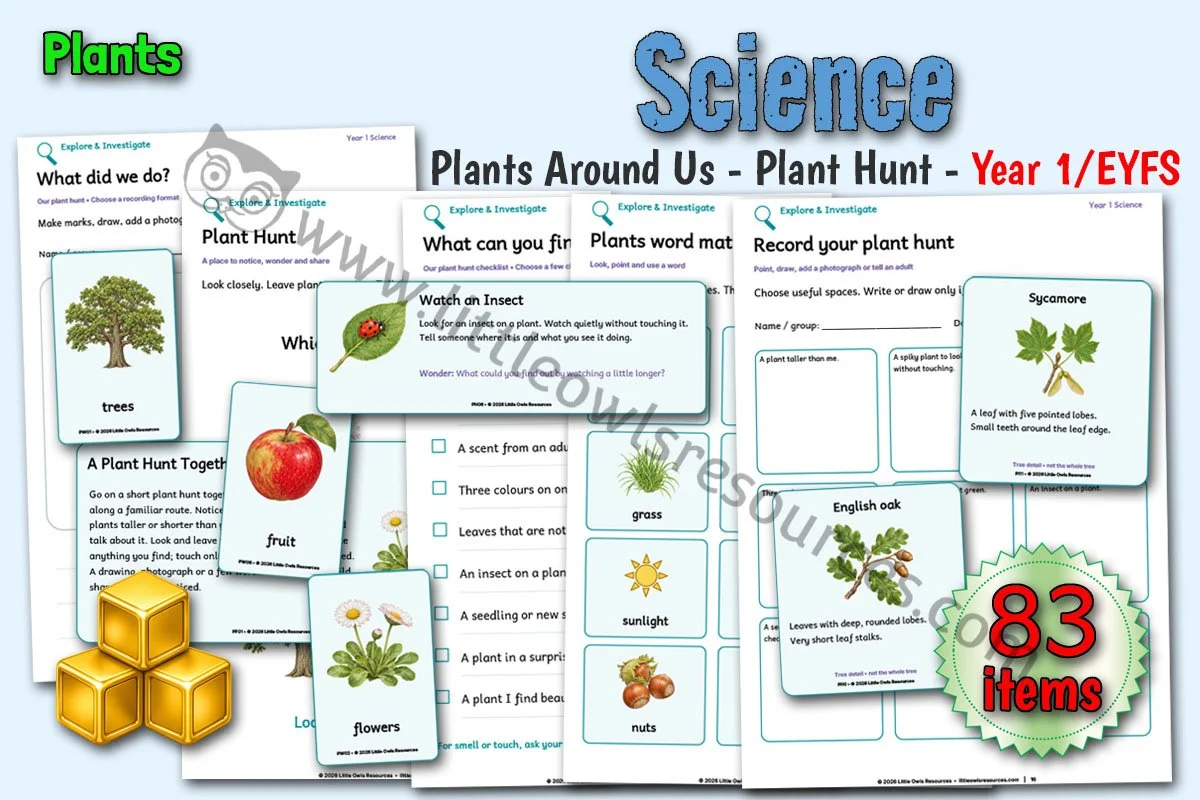
Identify & Compare - Year 1 Science with an accessible EYFS plant hunt
Go out, notice real plants and return to look more closely. This expanded Plant Hunt pack retains the family activity, display poster, vocabulary, sensory notes, nine hunt challenges and different ways to record an experience. It adds twelve plant-identification cards, local records and invitations to compare useful features before checking a name.
Choose a small local starting set
An adult should check the route and identify a few plants beforehand. Choose examples that are actually available in your setting and season. Take useful cards, a clipboard and paper; a magnifier or camera is optional. Children do not need to find every pictured plant or complete every sheet.
DOWNLOAD (DOCX) 📝
DOWNLOAD (PDF) 📄
DOWNLOAD (Zipped JPEGs) 📂

This ‘Plant Hunt Activity Pack’ includes a variety of resources to help inspire and engage adults and children alike.
The activity card plan breaks down key elements of the activity into sections: You will need, Activity description, Extra challenge, Development Matters statements (from Understanding the World), Key vocabulary, Key questions and Additional resources.
Also included in the pack are various handy printables such as a ‘Family Fun’ homework handout, checklist prompts, relevant word cards/mats, mark making sheets and posters.
In addition, the ‘Plant Hunt’ poster within this pack is designed to be used in conjunction with our ‘Science Banners’ pack which includes a space for activity posters from each of the ‘Science Activity Packs’ (of which this is one). You may like to set up a ‘Science Activity/Investigation/Experiment’ area (all of these banners are available) and swap in and out the posters from within our activity packs.
We hope you find this pack useful and you all have fun!
Original artwork drawn by Sara Murphy and final digital resources created by Stuart Murphy. COPYRIGHT ON ALL OF THE RESOURCES HOUSED ON THIS WEBSITE IS HELD BY ‘LITTLE OWLS RESOURCES’. OUR RESOURCES (INCLUDING THE IMAGES WITHIN THEM), CANNOT BE SHARED OR SOLD COMMERCIALLY.
DOWNLOAD EDITABLE (DOCX)
DOWNLOAD NON-EDITABLE (PDF)
DOWNLOAD NON-EDITABLE (Zipped JPEGs)

The pages of this pack give some general information about the role of a farmer and some fun and engaging activities to foster and develop children’s interest in this role in society.
Pack includes:
Information Posters
Information Posters (Colouring)
Drawing/Writing Sheets
Draw items Sheet
Draw items Sheet (Colouring)
Item Poster
Item Poster (Colouring)
Multimats for Art & Craft/Loose Parts/Playdough
5x 2-Piece individual items puzzles
1x 4-Piece all items puzzle
Original artwork drawn by Sara Murphy and final digital resources created by Stuart Murphy. COPYRIGHT ON ALL OF THE RESOURCES HOUSED ON THIS WEBSITE IS HELD BY ‘LITTLE OWLS RESOURCES’. OUR RESOURCES (INCLUDING THE IMAGES WITHIN THEM), CANNOT BE SHARED OR SOLD COMMERCIALLY.
DOWNLOAD EDITABLE (DOCX)
DOWNLOAD NON-EDITABLE (PDF)
DOWNLOAD NON-EDITABLE (Zipped JPEGs)
Bean Life Cycle activities for EYFS & KS1:
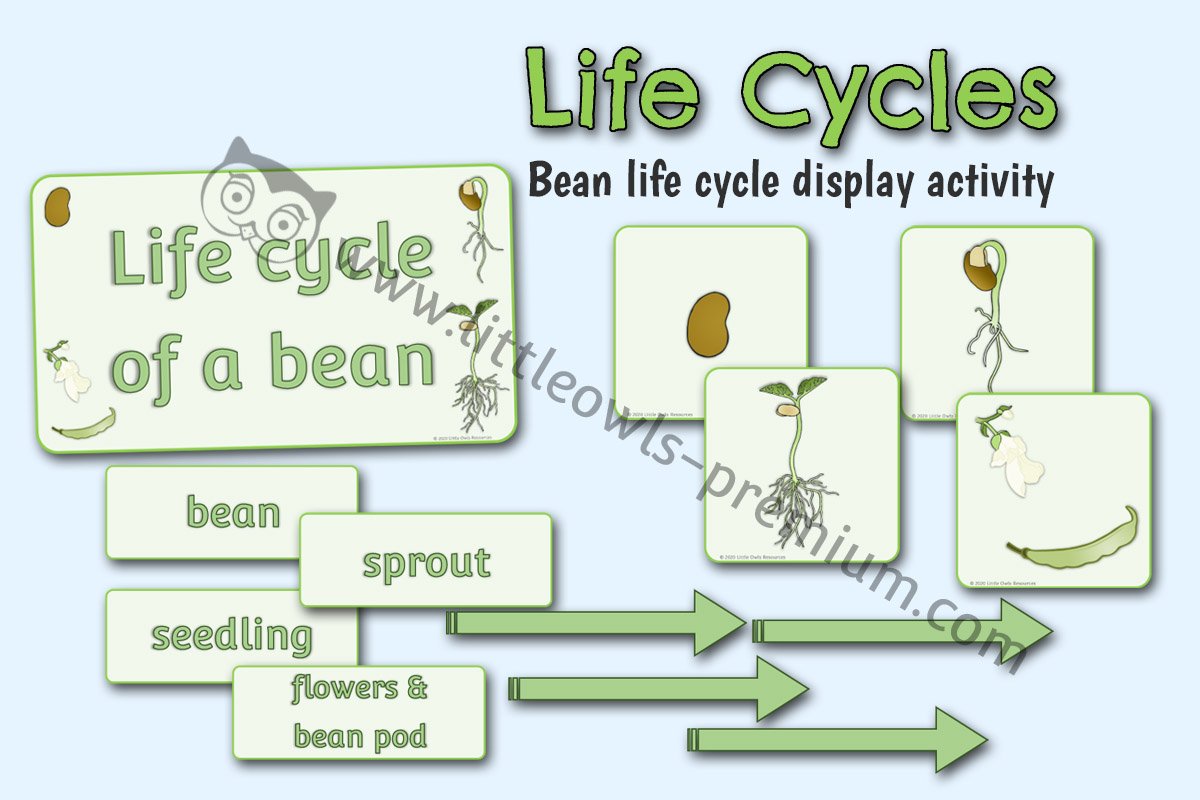
Bean life cycle display pack. Ideal for learning about growth at any time of the year, but particularly within the context of new life in ‘Spring’. Also ideal to be used as visuals for an activity, e.g. placing all of the life cycle elements in the correct positions relative to each other on a table or as a floor activity. Once in place, perhaps even use as a stimulus for art and craft or playdough.
Original artwork drawn by Sara Murphy and final digital resources created by Stuart Murphy. COPYRIGHT ON ALL OF THE RESOURCES HOUSED ON THIS WEBSITE IS HELD BY ‘LITTLE OWLS RESOURCES’. OUR RESOURCES (INCLUDING THE IMAGES WITHIN THEM), CANNOT BE SHARED OR SOLD COMMERCIALLY.
DOWNLOAD EDITABLE (DOCX)
DOWNLOAD NON-EDITABLE (PDF)
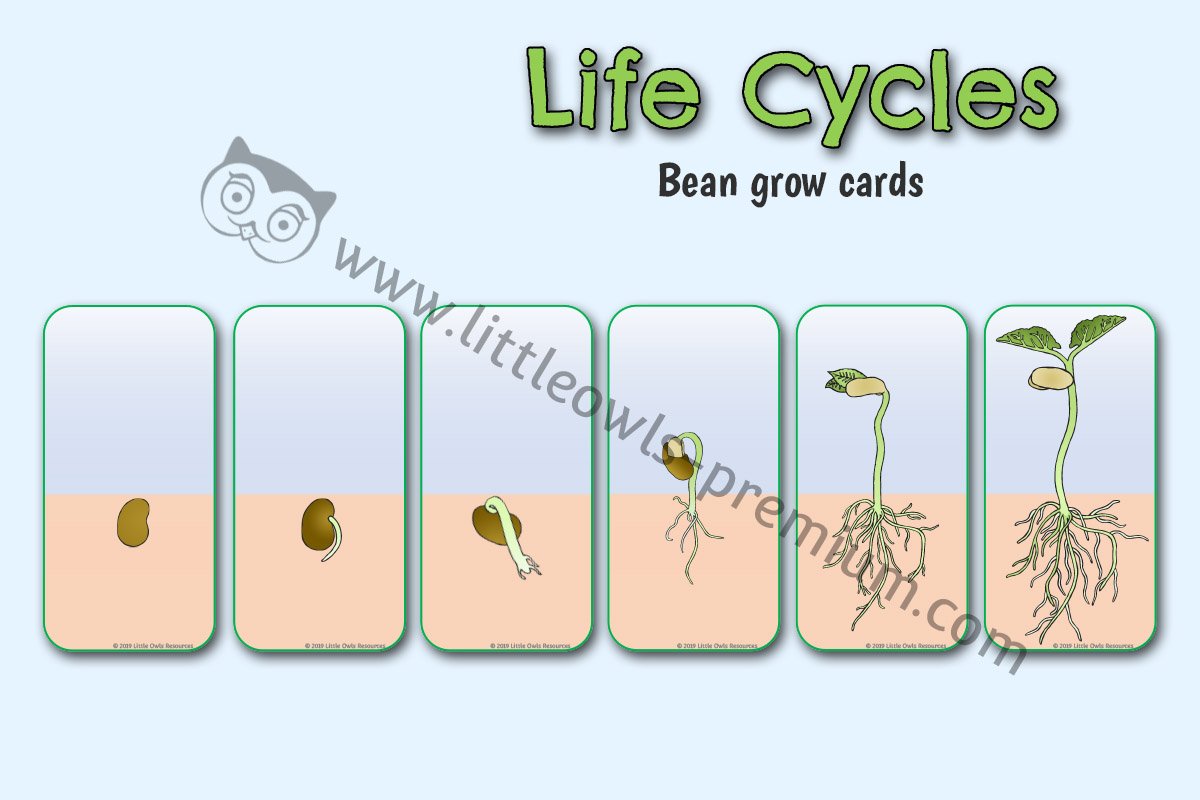
Use these ‘Growing Bean Cards’ as part of a display or invitation to play activity. Children may enjoy moving the cards around to place them in the correct order to show how the bean grows into a plant. Shrunk down they could become part of an individual take home cut and stick activity with an extension that children could write the numbers 1-6 on each picture to further demonstrate their understanding of the order. Look out for more resources on ‘Life Cycles’ and ‘Plants’ coming soon!
Original artwork drawn by Sara Murphy and final digital resources created by Stuart Murphy. COPYRIGHT ON ALL OF THE RESOURCES HOUSED ON THIS WEBSITE IS HELD BY ‘LITTLE OWLS RESOURCES’. OUR RESOURCES (INCLUDING THE IMAGES WITHIN THEM), CANNOT BE SHARED OR SOLD COMMERCIALLY.
DOWNLOAD EDITABLE (DOCX)
DOWNLOAD NON-EDITABLE (PDF)
DOWNLOAD NON-EDITABLE (Zipped JPEGs)
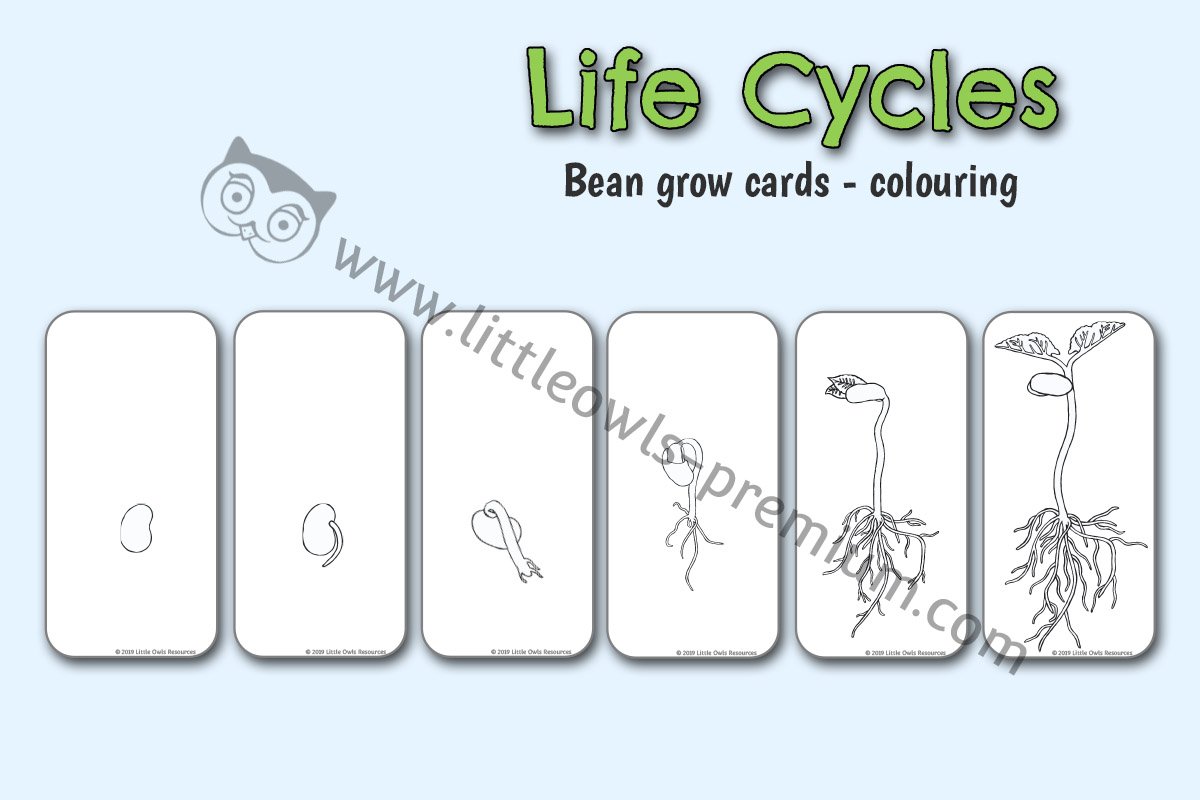
Colouring version of ‘Growing Bean Cards’. Use in the same ways as the full colour version with the added elements of colour choice, fine motor control and the possibility of ordering the pictures and sticking them to a separate sheet to enable the child to take the final product home. In sharing their learning experience with those at home, children will further consolidate their knowledge whilst explaining it to others.
Original artwork drawn by Sara Murphy and final digital resources created by Stuart Murphy. COPYRIGHT ON ALL OF THE RESOURCES HOUSED ON THIS WEBSITE IS HELD BY ‘LITTLE OWLS RESOURCES’. OUR RESOURCES (INCLUDING THE IMAGES WITHIN THEM), CANNOT BE SHARED OR SOLD COMMERCIALLY.
DOWNLOAD EDITABLE (DOCX)
DOWNLOAD NON-EDITABLE (PDF)
DOWNLOAD NON-EDITABLE (Zipped JPEGs)
‘Traditional Tales’ that involve themes of ‘Gardening’ & ‘Plant Growth’ | Printable Resources and Activity Ideas for EYFS & KS1:


Additional Pages you may like to explore which cover relevant &/or connected themes


CLICK HERE to visit the ‘BEACH SCHOOL’ PAGE.
Printable ‘Beach’ teaching and learning resources include: scavenger hunts/checklists, mindfulness activity cards, cockle shell age poster, senses booklets and prompts, colouring pages, drawing/writing/mark making sheets, shell multimats, playdough/ loose part mats, art and craft activities, templates, pattern cards, natural loose part art prompts/posters, shapes, pre-writing, rockpool fact cards, symmetry, activity/movement challenges, display lettering, sand play and more!




CLICK HERE to visit ‘LIFE CYCLES’ PAGE.
Printable ‘Life Cycle’ teaching and learning resources include: cyclic puzzles, frog, chicken, caterpillar/butterfly, ant/bean life cycle display packs, posters, cut and stick activities, banners, cards, playdough mats and more!




More Early Years Event Pages for May


Sunday 23rd May 2027: 🐢🌊 For early years settings, nurseries, preschools, childminders, and Year 1 and Year 2 classrooms, World Turtle Day provides a wonderful and engaging theme for exploring animals (especially reptiles, sea creatures, and pets), habitats (ocean, desert, wetlands, gardens), conservation, life cycles,…

Saturday 22nd May 2027: 🌳🐠 International Day for Biological Diversity (IDB) is a special day celebrated every year on May 22nd. It was started by the United Nations to help everyone understand something very important called 'biological diversity', or 'biodiversity' for short. Biodiversity means…

Wednesday 19th May 2027 (TBC): 🔢➕ For early years settings, nurseries, preschools, childminders, and Year 1 and Year 2 classrooms, National Numeracy Day provides a fantastic and practical theme for exploring counting, number recognition, shapes, patterns, problem-solving, and early mathematical concepts. It's about building a positive attitude…

Thursday 20th May 2027: 🐝🍯 For early years settings, nurseries, preschools, childminders, and Year 1 and Year 2 classrooms, World Bee Day provides a wonderful and engaging theme for exploring minibeasts, plants, life cycles, food sources, the environment, and understanding the world (the world around us). It's about introducing…

Tuesday 18th May 2027: 🏛️🔎 For early years settings, nurseries, preschools, childminders, and Year 1 and Year 2 classrooms, International Museum Day provides a fantastic and engaging theme for exploring history, science, art, culture, discovery, role-play, and understanding the world (the world around us). It's about sparking children's curiosity,…

Sunday 9th May 2027 (TBC): 👧👦 For early years settings, nurseries, preschools, childminders, and Year 1 and Year 2 classrooms, National Children’s Day provides an incredibly broad and foundational opportunity to explore all aspects of a child's health, safety, well-being, emotions, physical development, rights, and…

Friday 21st May 2027: 🐾🌱 Endangered Species Day is a special day celebrated every year on the third Friday in May. It was started by a group called the National Endangered Species Act Education Centre in the United States and was recognised…

Saturday 15th May 2027: 👨👩👧👦💖 International Day of Families is a special day celebrated every year on May 15th. It was started by the United Nations in 1993 because they wanted everyone to remember how important…

Monday 10th - Sunday 16th May 2027 (TBC): 😊🧠 Mental Health Awareness Week happens every year in May. It's hosted by the Mental Health Foundation, a charity in the UK. This week is all about helping everyone understand that our minds…

Wednesday 12th May 2027: 👩⚕️🧑⚕️ For early years settings, nurseries, preschools, childminders, and Year 1 and Year 2 classrooms, International Nurses Day provides a fantastic and practical theme for exploring people who help us, health and well-being, empathy, role-play, and personal, social…

Wednesday 5th May 2027: ✨🧼 World Hand Hygiene Day is a special day celebrated every year on May 5th. It was started by the World Health Organization (WHO) with a very important message: 'SAVE LIVES:…

Sunday 2nd May 2027: 😄😂 The main idea of this day is to show how laughter can help bring peace and friendship to people all over the world. Dr. Kataria believes that laughter is like a super-power that can help people…

🚶♀️🚶♂️For early years settings, nurseries, preschools, childminders, and Year 1 and Year 2 classrooms, National Walking Month (1st - 31st May 2027) and Walk to School Week (Monday 17th - Friday 21st May 2027 - TBC) provide a fantastic and practical theme for exploring physical development, health and well-being, the environment, road safety…

Thursday 20th May 2027 (TBC) & Thursday 5th November 2026: Let's learn outside! 🌳☀️ Outdoor Classroom Day is a global campaign to inspire and celebrate outdoor play and learning, with two designated days each year: one in May and one in November…
Explore special dates (including awareness dates, festivals, celebrations & events) relevant to your EYFS & KS1 children
Browse our ‘Special Dates Calendar’ page using the link below. You’ll find calendars for every month of the year to aid your planning!
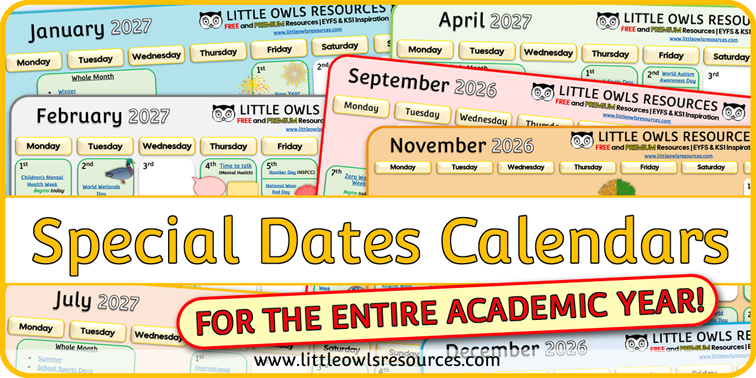
Click here to visit our ‘Special Dates Calendar’ page for an entire year of key EYFS & KS1 events, festivals & celebrations.
Search ‘Little Owls Resources’ Using the following Menu Buttons…
Click here to visit our ‘Special Dates Calendar’ page for an entire year of key EYFS & KS1 events, festivals & celebrations.


Disclaimer:
This page is for educational purposes only and is intended to support early years and primary practitioners with ideas and resources related to 'National Children’s Gardening Week'. We are not officially affiliated with or endorsed by the Garden Centre Association (GCA) or the official organisers of this event. We do not claim any rights to specific trademarks or official materials associated with this event. For official information, themes, and how to get involved, please visit the National Children’s Gardening Week website: www.childrensgardeningweek.co.uk/.
Saturday 29th May - Sunday 6th June 2027 (TBC): 🌱🥕 For early years settings, nurseries, preschools, childminders, and Year 1 and Year 2 classrooms, National Children’s Gardening Week provides a wonderfully rich and hands-on theme for exploring plants, life cycles, food sources, nature, science (growth and change), the environment, outdoor play,…