
**Note: This page is for educational inspiration and is not officially affiliated with World Hand Hygiene Day. For official information, themes, and resources, please visit the World Health Organization (WHO) website: www.who.int/campaigns/world-hand-hygiene-day.
Wednesday 5th May 2027
5th May every year
-
World Hand Hygiene Day is celebrated every year on 5th May and was established by the World Health Organization.
The date (5.5) represents the five fingers on each hand and highlights a simple but powerful message:
Clean hands save lives.
The day raises awareness of how effective handwashing is in preventing the spread of germs and supporting health and wellbeing.
-
World Hand Hygiene Day provides a meaningful opportunity to explore:
health and self-care
daily routines and independence
understanding the world (how germs spread)
personal, social and emotional development (PSED)
This theme can support:
EYFS:
self-care and independence
early understanding of health and the body
developing responsibility for wellbeing
language linked to routines and processes
KS1 (National Curriculum):
Science (animals including humans – health and hygiene)
PSHE (self-care, keeping safe and healthy)
Design & Technology (food hygiene and preparation awareness)
-
In high-quality EYFS practice, special dates such as World Hand Hygiene Day are used:
flexibly
in response to children’s routines and experiences
to support understanding through real-life moments
The ideas below are:
optional
adaptable
intended to support adult thinking
👉 Find out more about developmentally appropriate practice in EYFS by exploring our ‘Curriculum & Pedagogy Suite’.
Pathways available for:
-
Exploring hand hygiene supports children in practical, meaningful ways:
🦠 Preventing the Spread of Germs
Children begin to understand that germs can spread and that handwashing helps keep us well.
🧼 Establishing Healthy Routines
Regular handwashing becomes part of predictable daily routines.
👶 Supporting Independence
Children develop confidence in caring for their own needs.
🤝 Caring for Others
Children begin to understand that their actions can help keep others safe.
🧠 Early Understanding of the Body
Simple concepts about health and hygiene support early scientific thinking.
🌿 EYFS: Provision & Child-Led Ideas
These ideas are not activities to be planned or completed. They support understanding through real routines, interaction and everyday experiences.
-
Hand hygiene is experienced through care routines and sensory interaction.
Babies may:
experience hand and face washing as part of daily care
respond to touch, water and adult interaction
observe routines without understanding their purpose
Adults can:
carry out care routines calmly and consistently
narrate actions (“We’re washing your hands”)
use warm tone, eye contact and gentle touch
ensure routines feel safe and predictable
👉 Additional curriculum & planning support for this age group may be found on our ‘EYFS Planning for Babies (0–18 Months)’ hub page.
-
Toddlers begin to participate in routines and explore water play.
Children may:
show interest in washing hands
enjoy water, bubbles and repetition
begin to anticipate familiar routines
Adults can:
support participation step by step
model simple routines (soap → rub → rinse)
allow time for exploration and repetition
use simple, consistent language
👉 Additional curriculum & planning support for this age group may be found on our ‘EYFS Planning for Toddlers (18–36 Months)’ hub page.
-
Children begin to understand routines and their purpose.
Children may:
recognise when handwashing is needed
follow familiar sequences
begin to talk about being “clean” or “dirty”
Adults can:
reinforce routines through everyday moments
introduce simple explanations (“This helps stop germs spreading”)
support independence
use visual prompts where helpful
👉 Additional curriculum & planning support for this age group may be found on our ‘EYFS Planning for Preschool (3–4 Years)’ hub page.
-
Children develop greater independence and understanding of health.
Children may:
understand when and why handwashing is important
follow routines independently
make links between hygiene and staying well
Adults can:
support discussion about health and hygiene
encourage consistency and independence
introduce simple cause-and-effect thinking
reinforce routines across different contexts
👉 Additional curriculum & planning support for this age group may be found on our ‘EYFS Planning for Reception (4–5 Years)’ hub page.
-
Hand hygiene is learned through:
consistent daily routines
modelling by adults
real-life experiences
repeated, supported practice
🌱 Environment Enhancements & Invitations (EYFS)
These are optional enhancements that may be added to provision if they align with children’s needs and routines.
-
You might enhance provision by:
ensuring handwashing areas are accessible, calm and well-organised
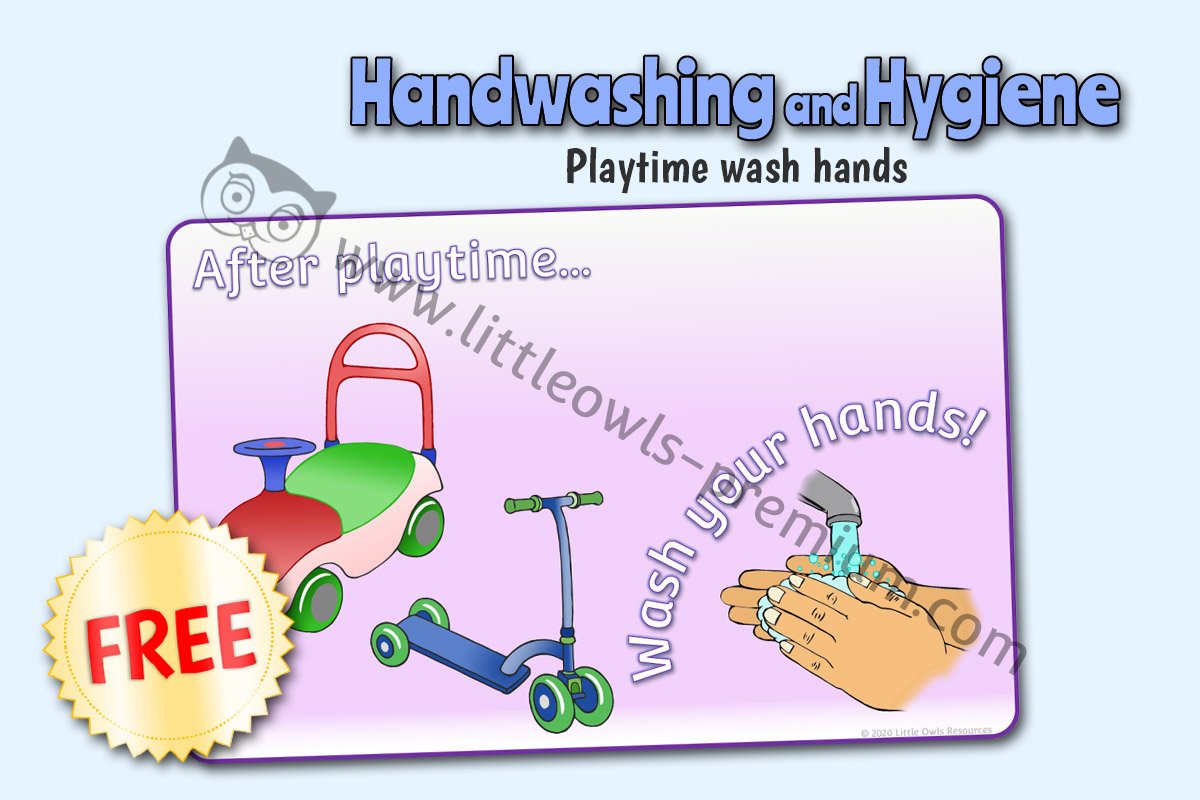
embedding handwashing naturally within routines (e.g. before eating, after toileting, after outdoor play)
allowing children time to practise independence in self-care
supporting children sensitively during routine transitions
Resources that may support this include:
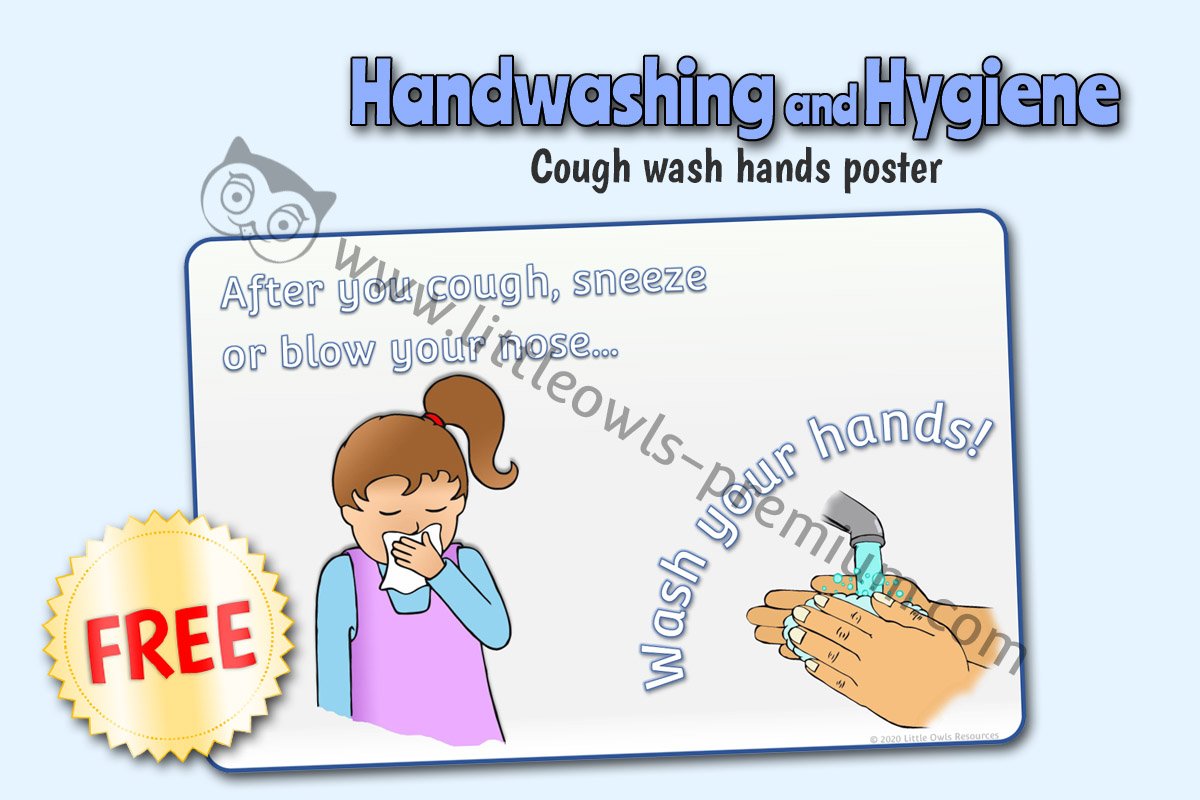
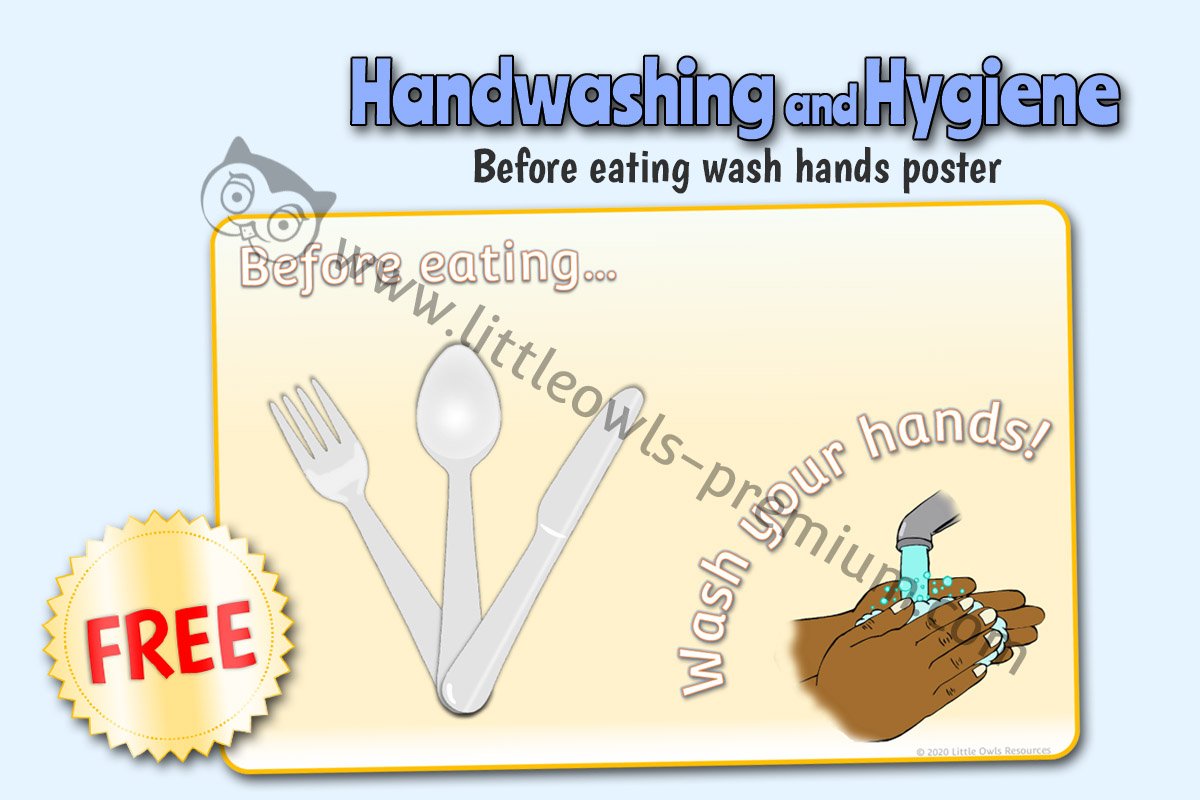
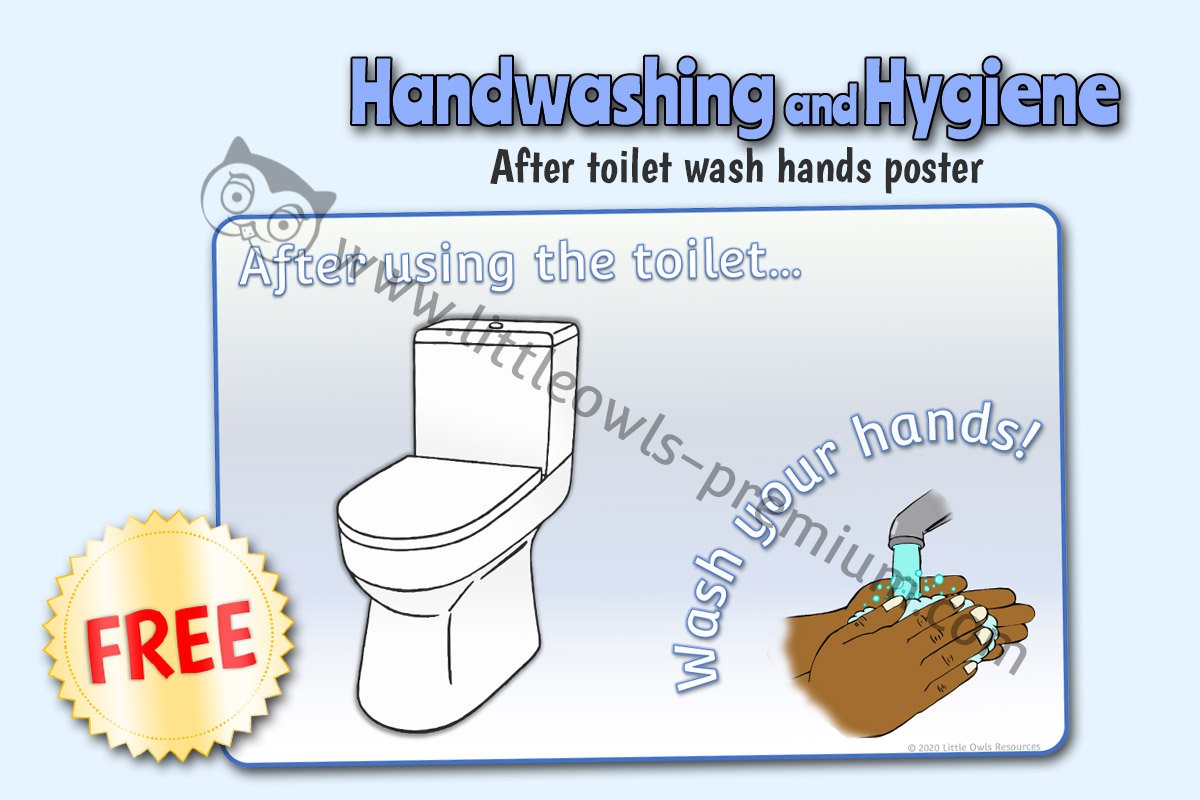
“Wash Your Hands” Posters
Routine reminder visuals
-
You might enhance provision by:
adding simple visual prompts near sinks and care areas
using consistent language to describe routines (“wash”, “dry”, “clean”)
supporting children to anticipate and understand what happens next
Resources that may support this include:
Handwashing sequence visuals
Routine-based display materials
-
You might enhance provision by:
narrating routines as they happen (“we are washing away the germs”)
introducing simple vocabulary linked to health and self-care
responding to children’s questions or observations about cleanliness
Resources that may support this include:
Handwashing-themed word mats or prompts
-
You might enhance provision by:
including real-life items in role-play areas (e.g. soap dispensers, cloths, towels)
allowing children to imitate familiar routines through play
connecting play to everyday experiences without directing outcomes
Resources:
-
You might enhance provision by:
providing opportunities for water play where appropriate
allowing children to explore pouring, washing and cleaning actions
supporting understanding through hands-on experience
(Always with appropriate supervision and safety considerations.)
-
You might enhance provision by:
supporting children to feel secure and confident in routines
maintaining consistent expectations across the setting
modelling calm, respectful care practices
-
Handwashing is not a one-off activity.
It develops through:
consistent routines
repeated experiences
supportive adult interaction
real-life practice
📘 KS1 Learning Activities for World Hand Hygiene Day
In Key Stage 1, this theme can support more structured learning around health, science and personal responsibility.
-
Children can:
explore when handwashing is important (before eating, after toileting, after play)
discuss how germs spread
create simple posters or reminders
You may use:
our ‘Wash Your Hands!’ Display Pack
reminder posters such as:
Before Eating… Wash Your Hands!
After Using the Toilet… Wash Your Hands!
-
Children can:
learn how long to wash hands (around 20 seconds)
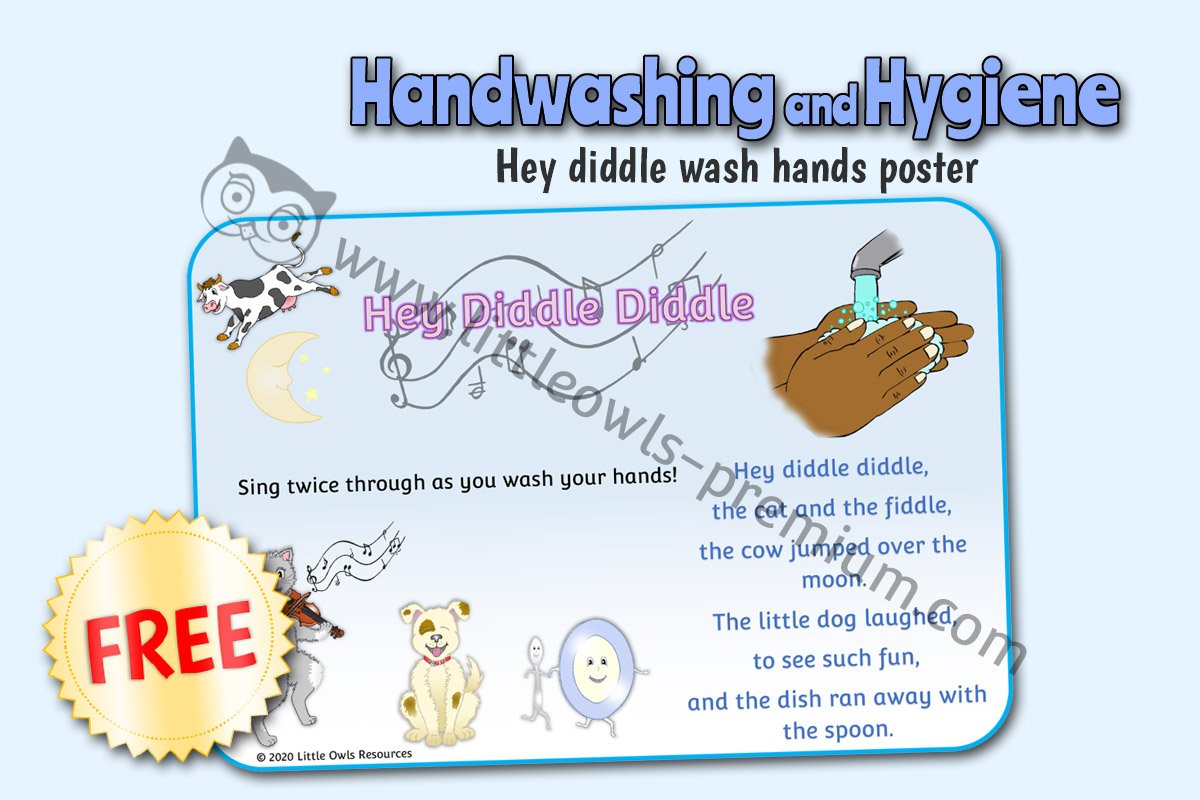
use familiar songs to support timing
You may use:
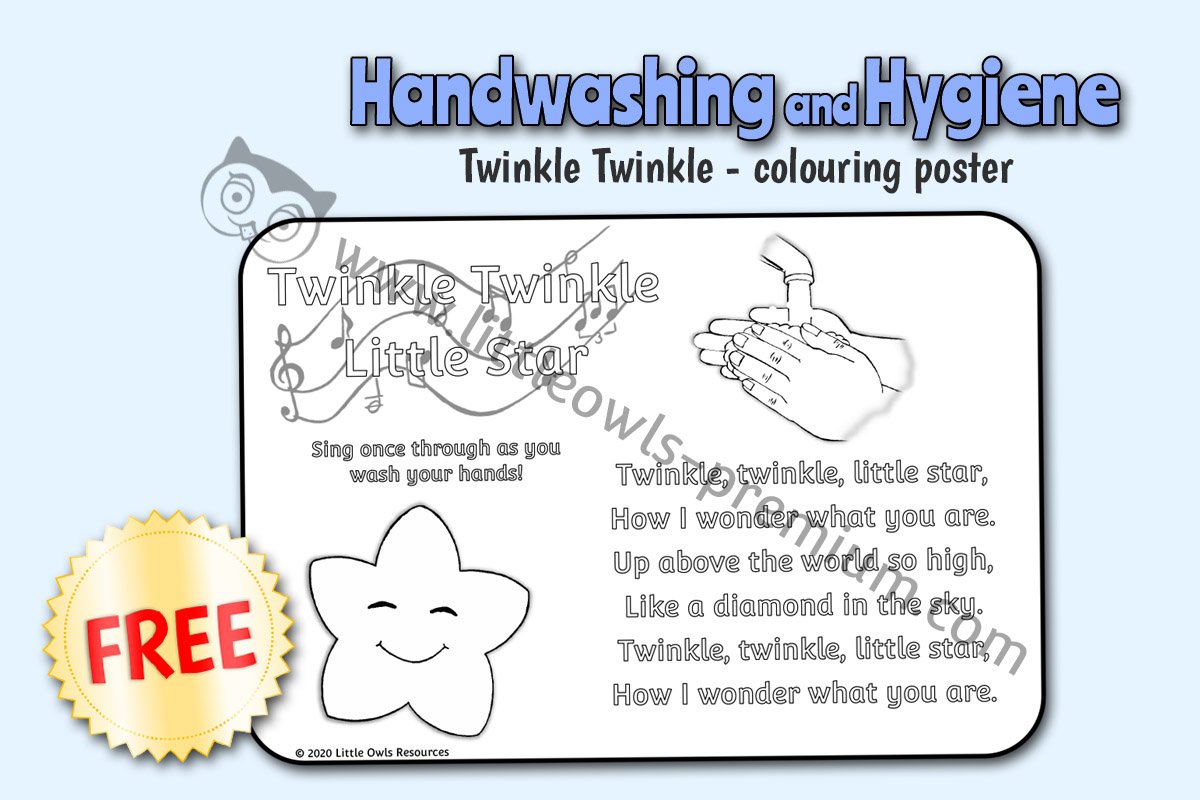
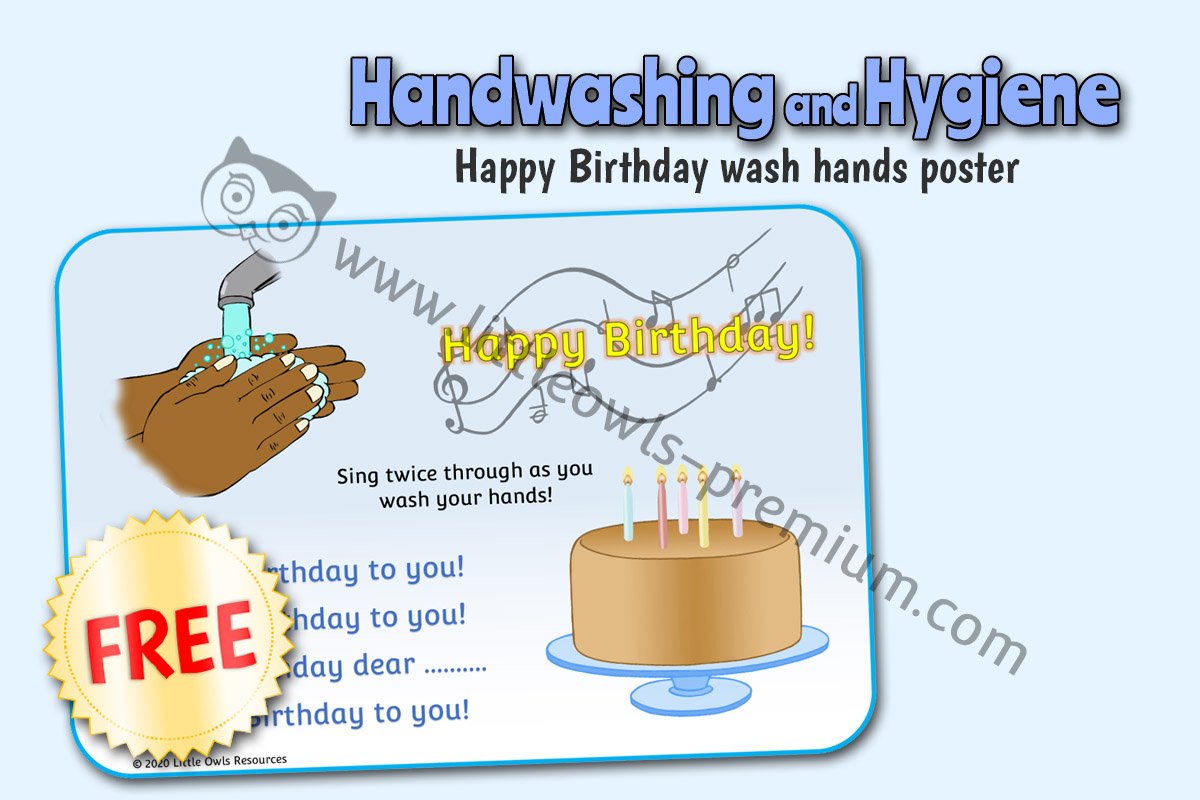
our song sheets such as:
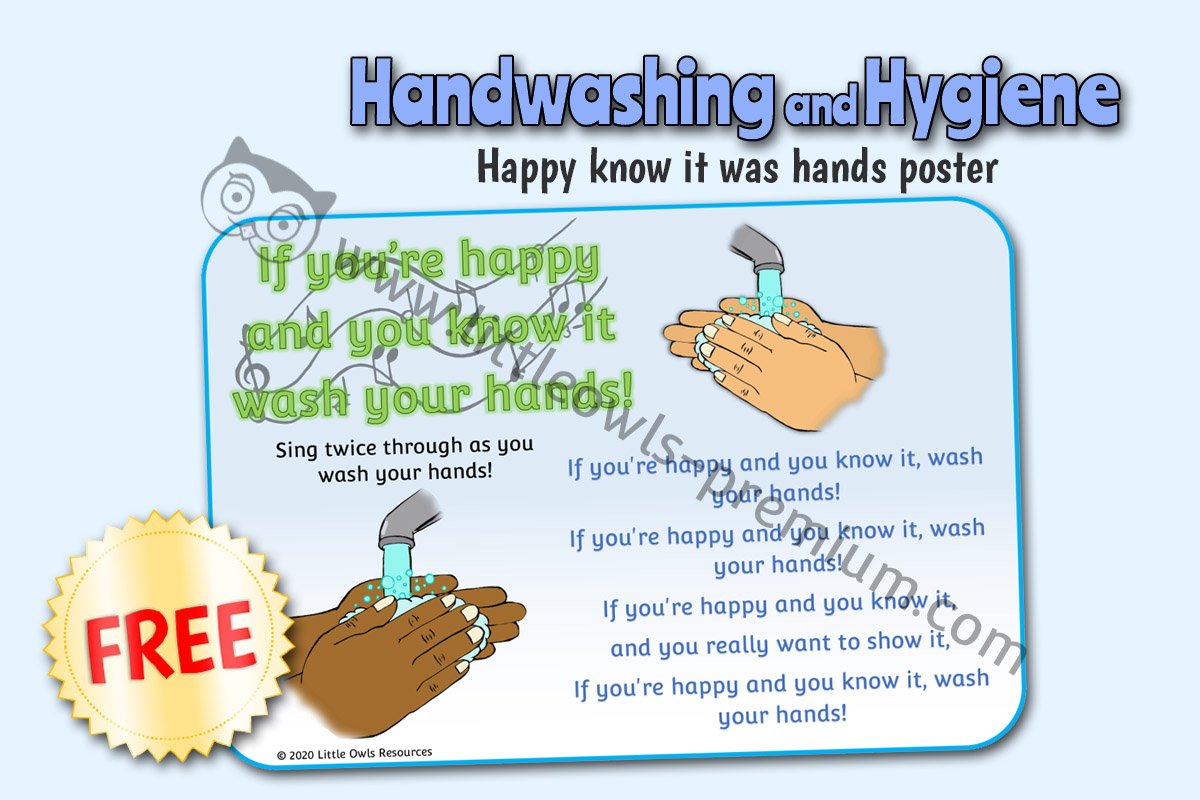
If You're Happy And You Know It Wash Your Hands
Twinkle Twinkle Little Star
Happy Birthday
This supports:
routine building
memory and recall
engagement
-
Children can:
take part in a “glitter germs” experiment
observe how germs can spread
explore how effective handwashing removes them
This supports:
early scientific thinking
observation and discussion
cause and effect understanding
-
Children can:
explore hygiene through role-play (e.g. doctors, nurses)
discuss how professionals keep people safe
connect learning to real-world contexts
Core resources:
-
Children can:
design posters about handwashing
create visual prompts for routines
place reminders around the classroom
You may use:
colouring versions of our hygiene posters
‘Wash Your Hands!’ A5 Posters
-
-
A helpful question: “How does this support children’s real-life understanding and routines?”
If it strengthens:
independence
wellbeing
everyday understanding
→ it is meaningful
-
World Hand Hygiene Day supports children to:
develop healthy habits
understand self-care
build independence
connect routines with wellbeing
In the EYFS, this learning is most effective when it is:
routine-based
practical
relationship-led
In KS1, it can be:
explored through discussion
reinforced through simple investigations
embedded through structured learning
-
We offer a range of resources to support practitioners across EYFS and KS1, including printable materials and in-depth curriculum and pedagogy guidance.
🟢 Free Membership
You can access a selection of free resources by creating a free account.
This includes:
selected printable resources
sample materials
weekly support emails for those who opt-in
🟡 Premium Membership (Printables)
Our Premium Membership provides access to our full library of printable teaching and provision resources.
This includes:
themed resources (e.g. Gardening, Emotions, Seasons)
continuous provision materials
activity cards, displays and printable packs
These resources can be used flexibly to support:
provision enhancements
small group work
classroom organisation
🟣 Professional Membership (Curriculum & Pedagogy)
Our Professional Membership provides access to our full Curriculum & Pedagogy Suite (Birth–5).
~ In addition to Premium Printable Provision access.~
This includes:
age-specific pathways (Babies, Toddlers, Preschool, Reception)
planning guidance and templates
observation and assessment support
SEND and inclusion guidance
inspection-ready documentation
These documents are designed to support:
confident decision-making
consistent practice across teams
clear articulation of EYFS pedagogy
(KS1 curriculum coming soon!)
👉 Visit EYFS Curriculum & Pedagogy Suite
👉 [View Professional Membership]
🧠 Choosing What Works for You
You do not need to use everything at once.
Many practitioners:
start with free resources
build their printable provision over time
use pedagogy documents to support team understanding and leadership
Choose what best fits your setting, role and stage of development.
👉 To explore more early years events, visit our Special Dates Calendar.
Printable resources to support teaching & learning surrounding: ‘World Hand Hygiene Day’
Please visit our ‘Handwashing & Hygiene’ page for our entire catalogue of resources.
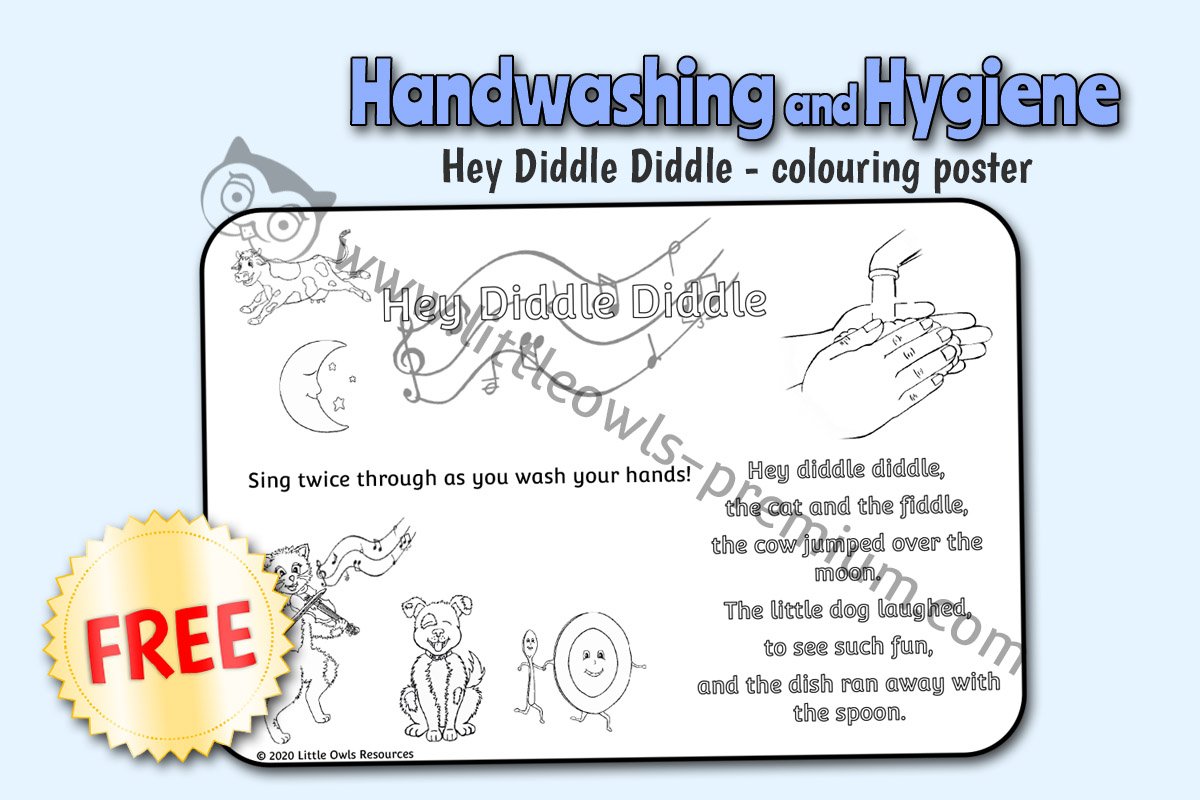
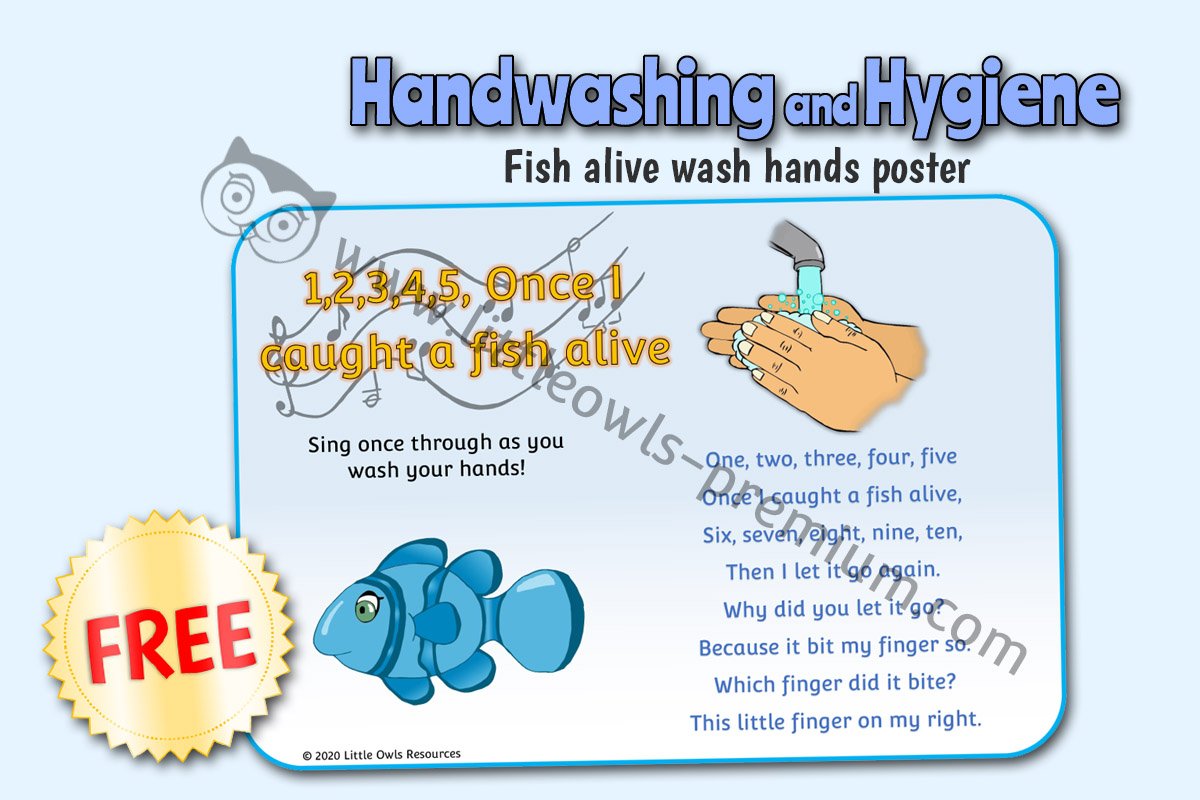
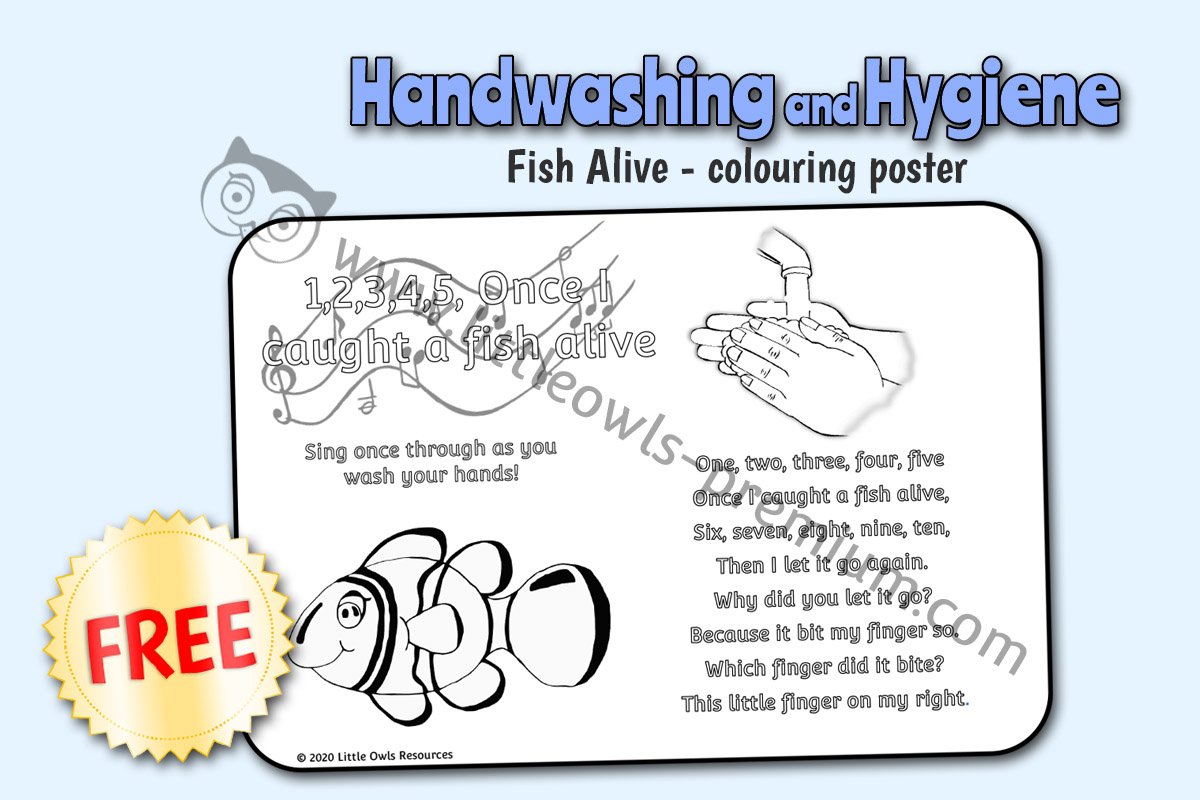
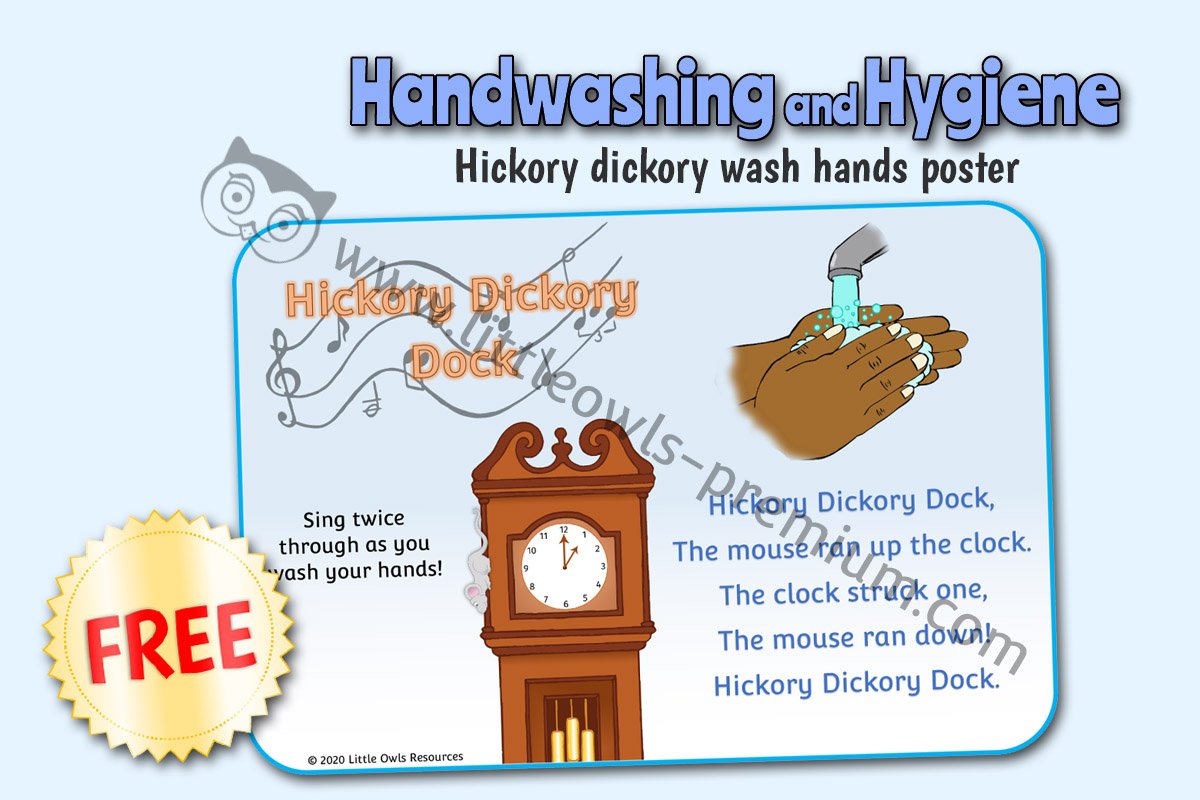
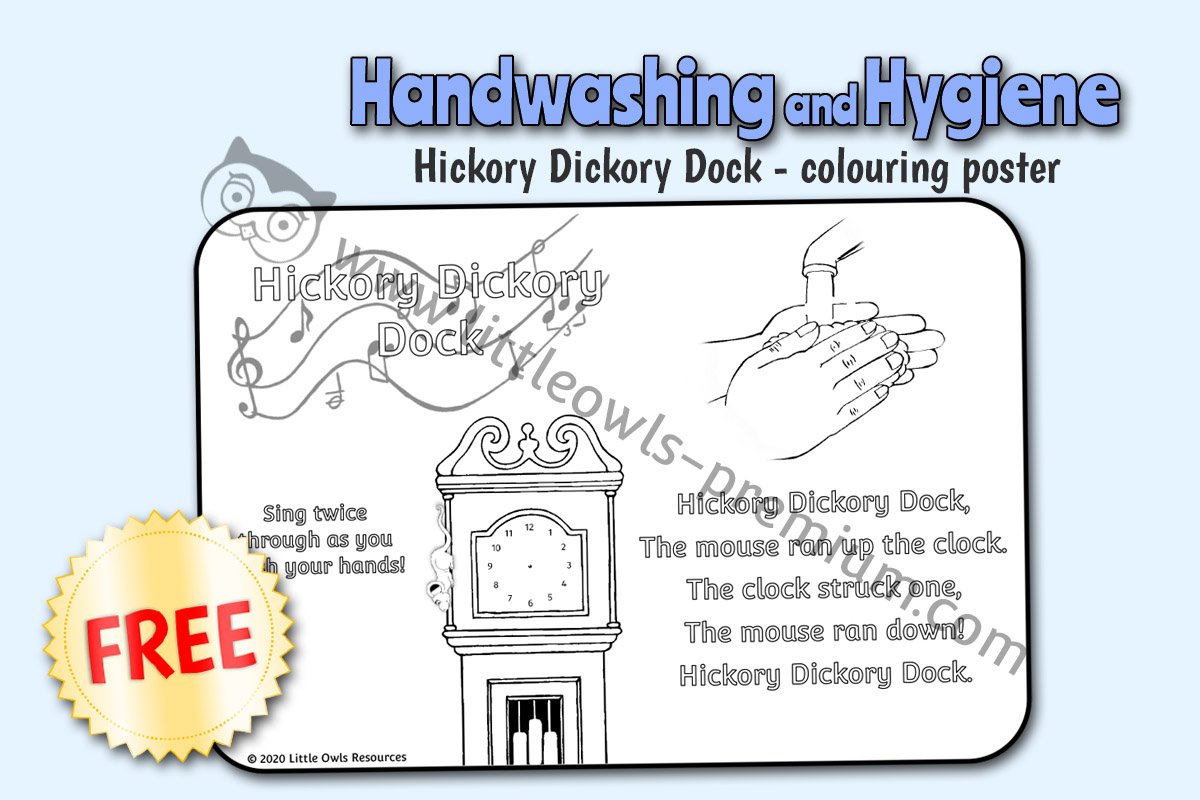
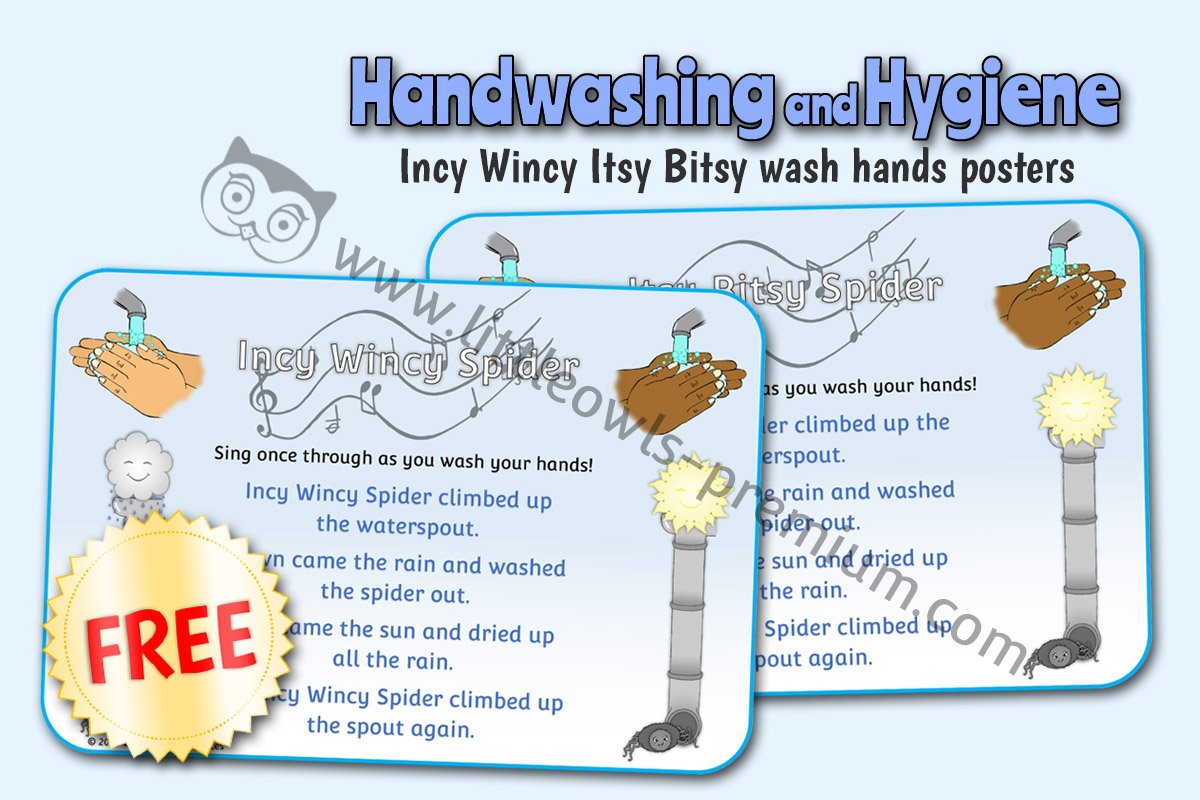
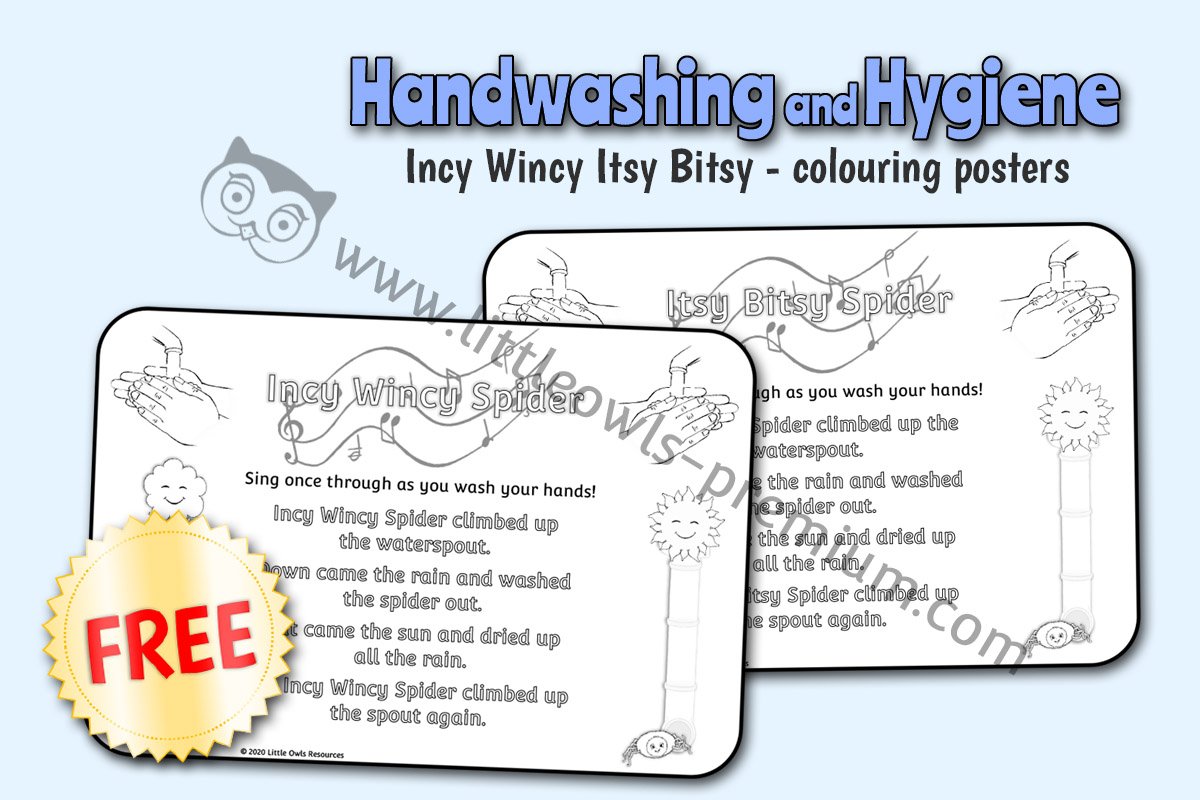
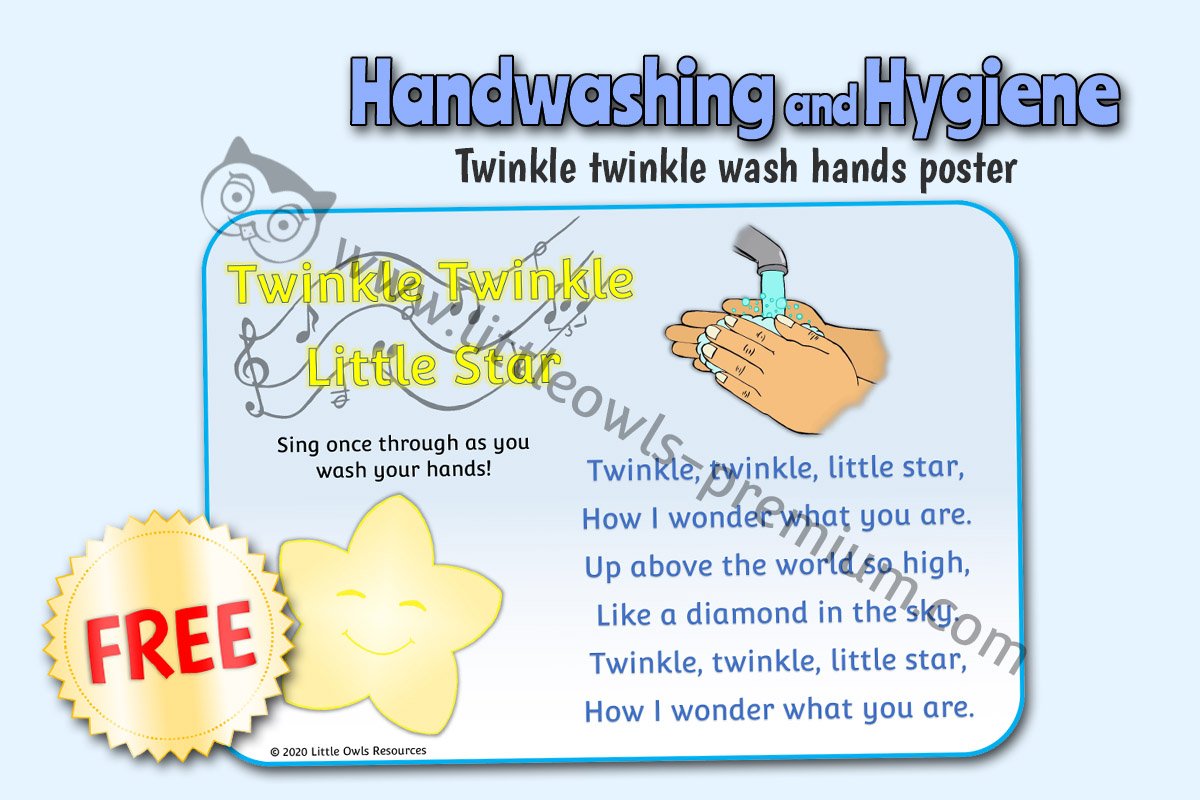
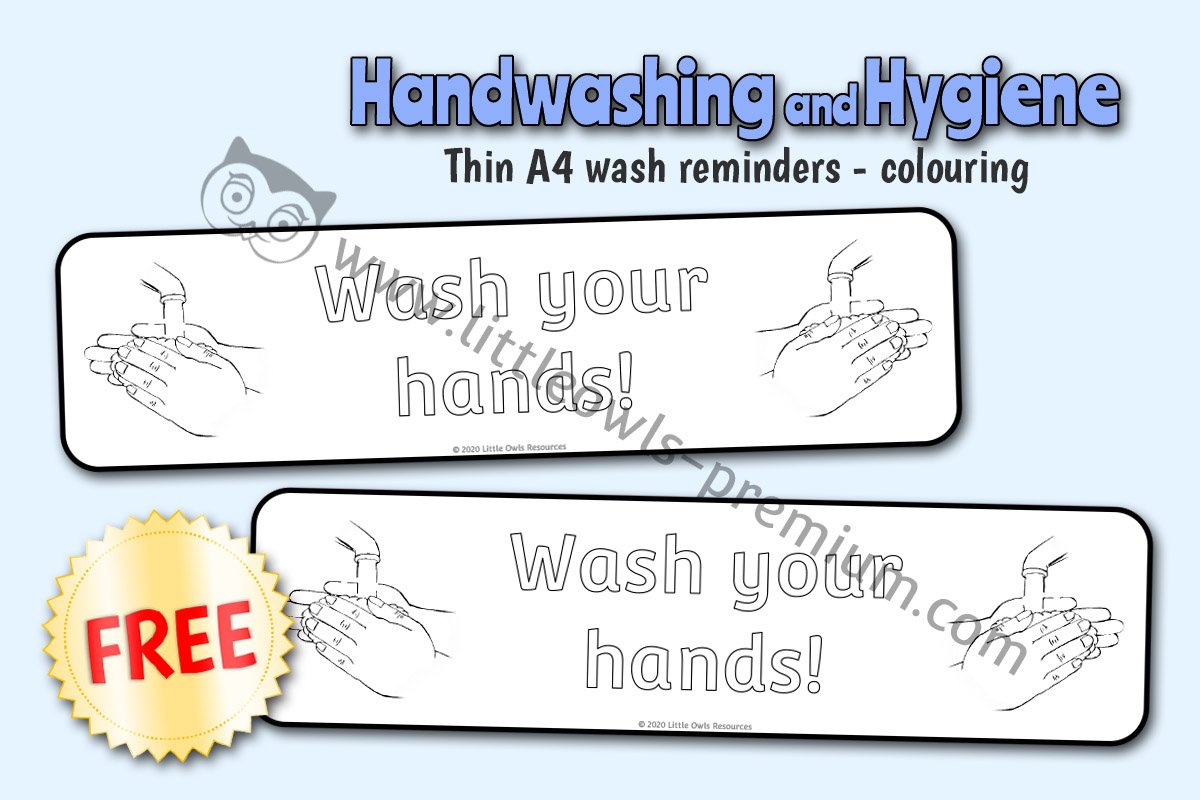
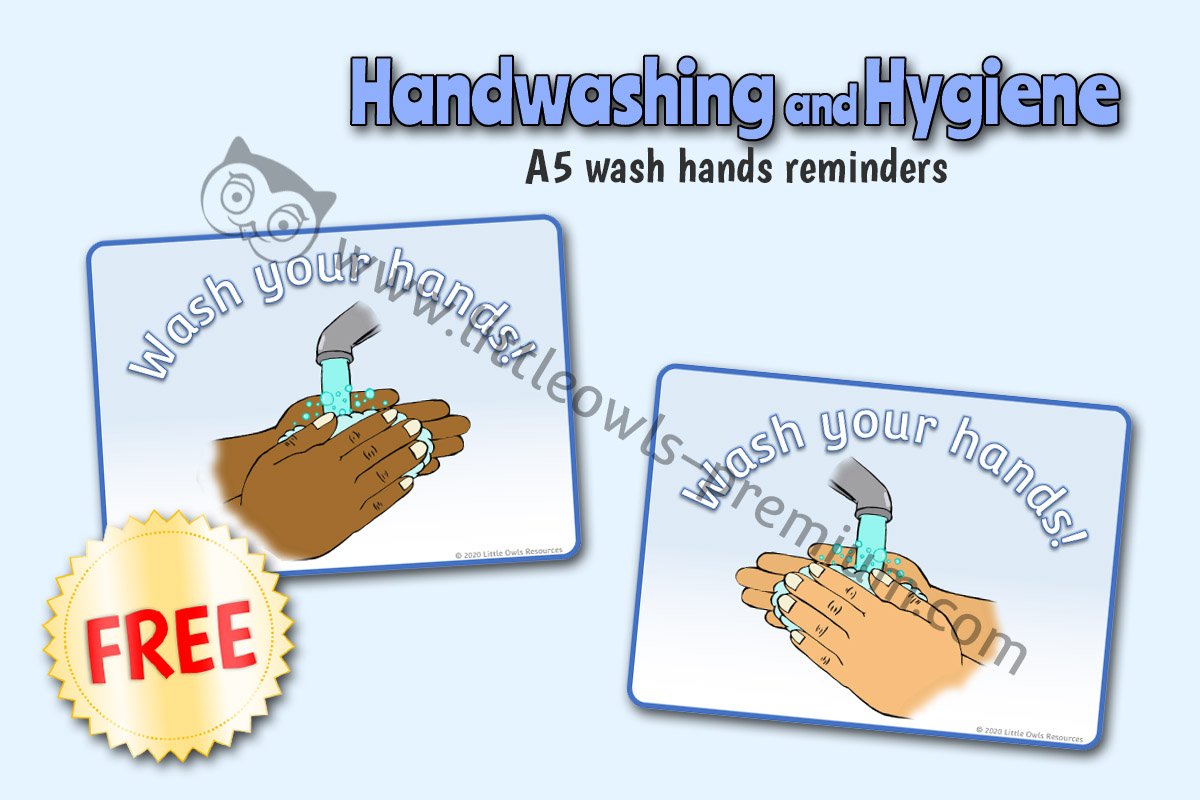
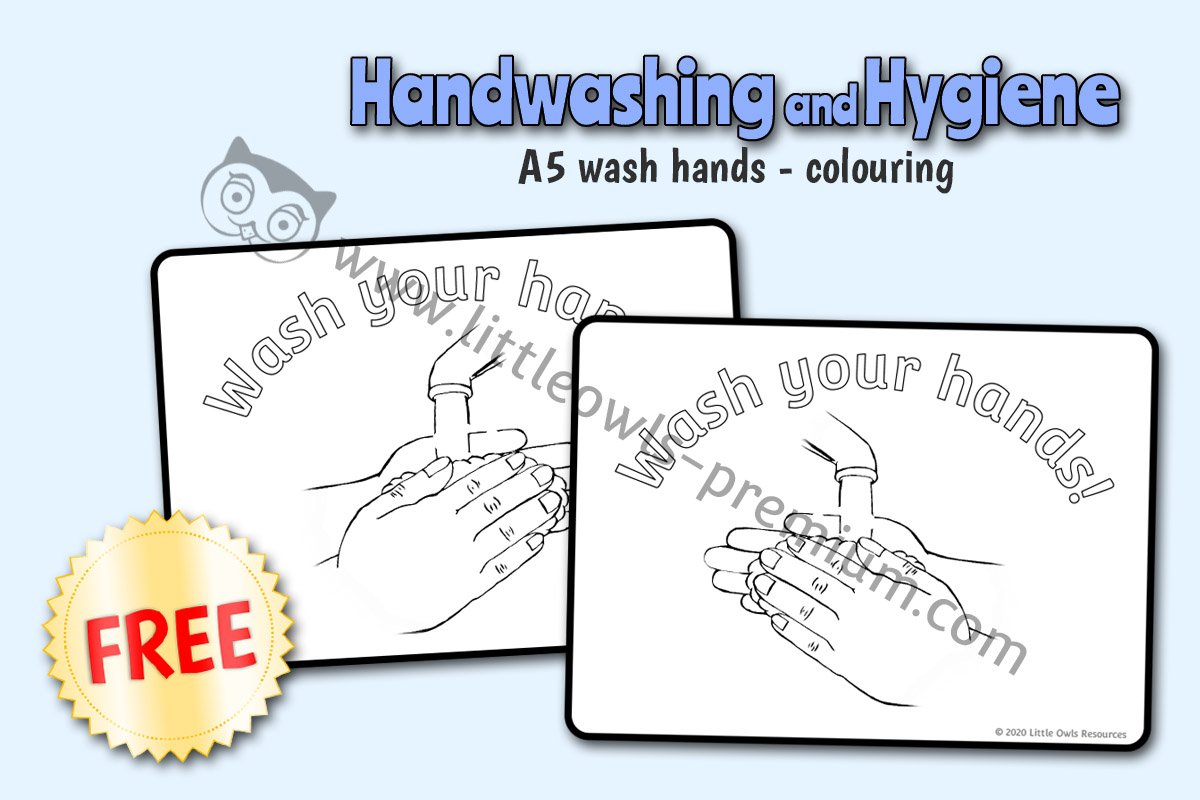

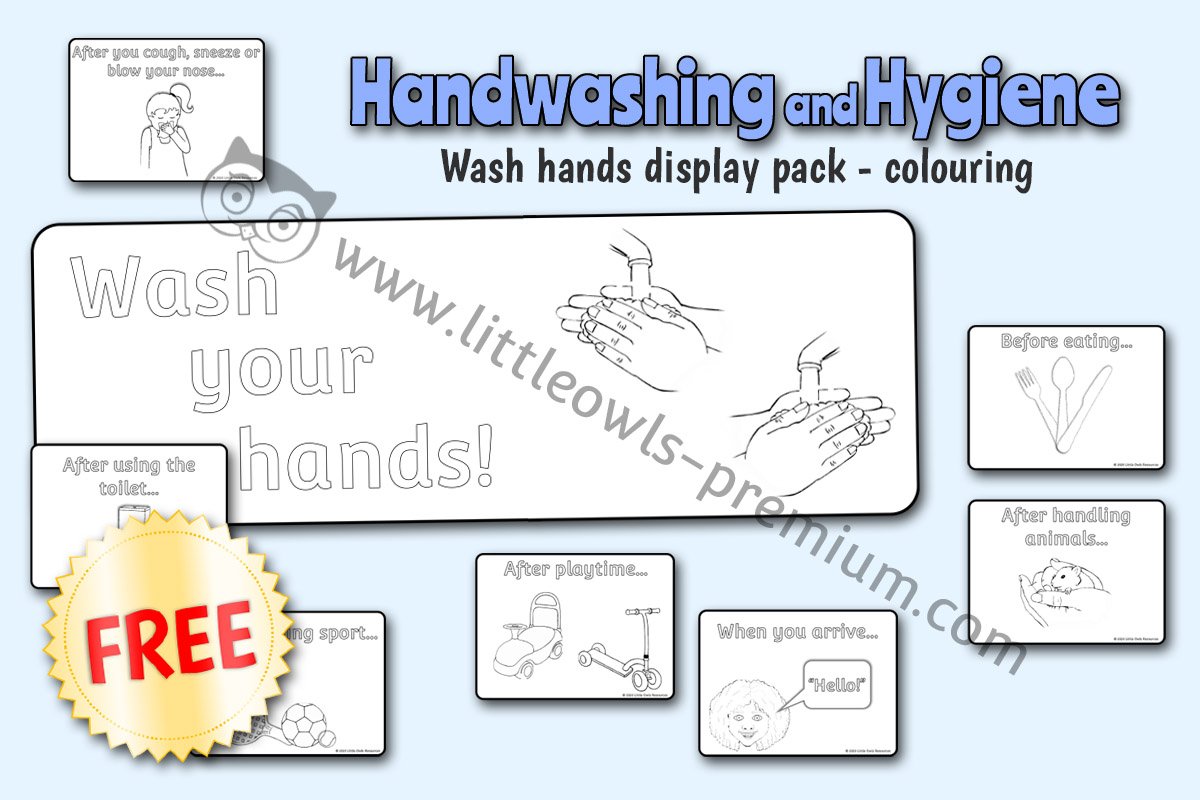
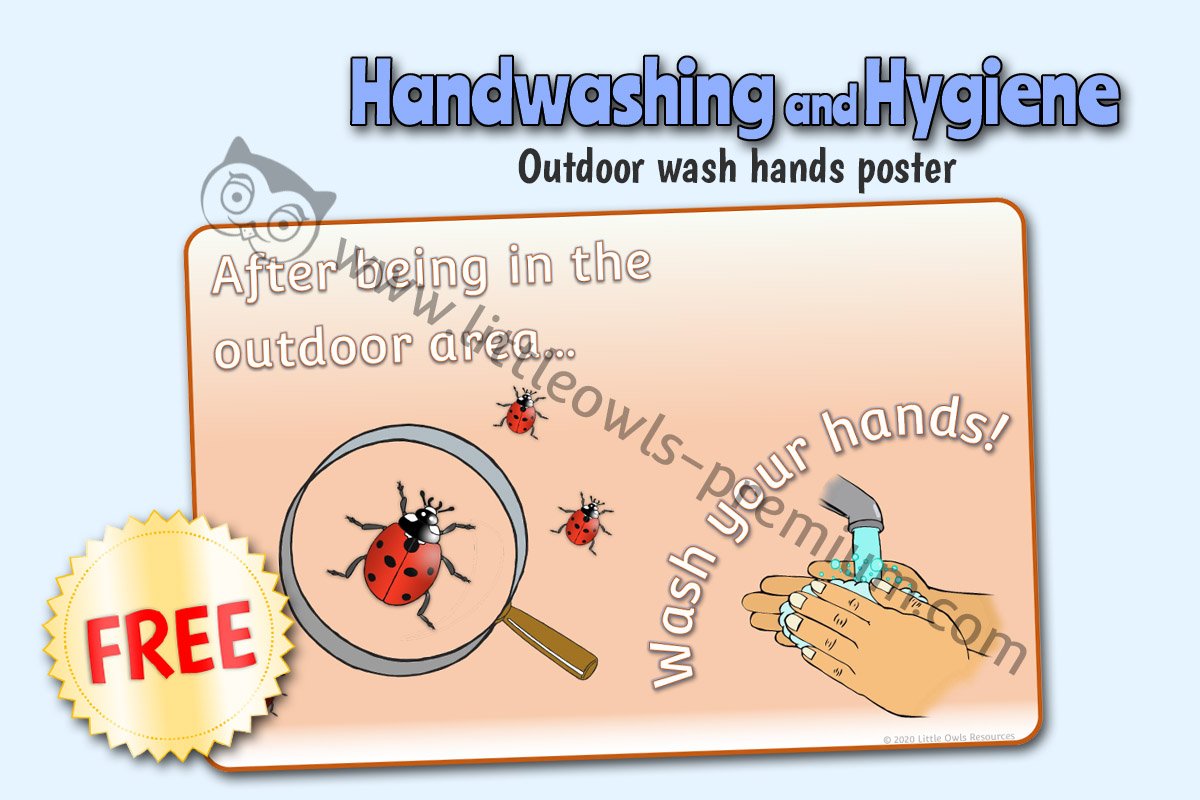
Please visit our ‘Handwashing & Hygiene’ page for even more resources.

Additional Pages you may like to explore which cover relevant &/or connected themes


More Early Years Event Pages for May


Explore special dates (including awareness dates, festivals, celebrations & events) relevant to your EYFS & KS1 children
Browse our ‘Special Dates Calendar’ page using the link below. You’ll find calendars for every month of the year to aid your planning!
Search ‘Little Owls Resources’ Using the following Menu Buttons…


Disclaimer:
This page is for educational purposes only and is intended to support early years and primary practitioners with ideas and resources related to 'World Hand Hygiene Day'. We are not officially affiliated with or endorsed by the World Health Organization (WHO), which established this event. We do not claim any rights to specific trademarks or official materials associated with this event. For official information, themes, and resources, please visit the World Health Organization (WHO) website: www.who.int/campaigns/world-hand-hygiene-day.
Saturday 29th May - Sunday 6th June 2027 (TBC): 🌱🥕 For early years settings, nurseries, preschools, childminders, and Year 1 and Year 2 classrooms, National Children’s Gardening Week provides a wonderfully rich and hands-on theme for exploring plants, life cycles, food sources, nature, science (growth and change), the environment, outdoor play,…