

**Note: This page is for educational inspiration and is not officially affiliated with National Numeracy Day. National Numeracy Day is an annual event in the UK, typically held in May. It is organised by National Numeracy, a charity dedicated to improving numeracy skills across the UK. The purpose of the day is to highlight the importance of numeracy in everyday life, for individuals, families, and communities. It aims to inspire people to improve their confidence with numbers and to recognise that good numeracy skills are essential for work, life, and play. The day features events, resources, and campaigns designed to make numbers fun and accessible for everyone. For official information, resources, and how to get involved, please visit the National Numeracy website: www.nationalnumeracy.org.uk/numeracyday.
Wednesday 19th May 2027 (TBC)
May (date varies annually)
-
National Numeracy Day promotes confidence with numbers and helps children and adults see how maths is part of everyday life.
-
This theme provides a meaningful opportunity to explore:
counting and number recognition
shape, pattern and measure
problem-solving and reasoning
maths in everyday life
This supports:
EYFS:
Mathematics (number, numerical patterns, shape, space & measure)
Communication & Language (explaining thinking)
Characteristics of Effective Learning (problem-solving, thinking)
KS1 (National Curriculum):
Mathematics (number, calculation, problem-solving, reasoning)
Design & Technology (measuring, practical application)
Computing (logical thinking and problem-solving)
-
In high-quality EYFS practice, maths develops through:
play and exploration
real-life experiences
interaction and language
meaningful contexts
👉 Find out more about developmentally appropriate practice in EYFS by exploring our ‘Curriculum & Pedagogy Suite’.
Pathways available for:
-
Exploring numeracy supports:
🔢 Foundational Mathematical Understanding
Children develop early number sense and pattern awareness.
🧠 Problem-Solving & Thinking
Children explore how things work and find solutions.
💪 Confidence & Positive Attitudes
Children build confidence through playful experiences.
🌍 Real-Life Connections
Children see maths in everyday routines and play.
🌿 EYFS: Provision & Child-Led Ideas (0–5 Years)
These ideas are not activities to be planned or completed. They support mathematical understanding through play and experience.
-
Early maths is sensory and relational.
Babies may:
notice quantity (more/less)
explore shape and space
respond to patterns and repetition
Adults can:
use simple mathematical language (“more”, “big”, “small”)
provide objects to explore
support repetition and rhythm
👉 Additional curriculum & planning support for this age group may be found on our ‘EYFS Planning for Babies (0–18 Months)’ hub page.
-
Toddlers explore maths through movement and repetition.
Children may:
begin counting through play
explore filling, emptying and transporting
notice patterns and order
Adults can:
model counting in meaningful contexts
support early comparison (“more”, “same”)
allow repeated exploration
👉 Additional curriculum & planning support for this age group may be found on our ‘EYFS Planning for Toddlers (18–36 Months)’ hub page.
-
Children begin to apply early mathematical ideas.
Children may:
count with increasing accuracy
explore shape and pattern
solve simple problems in play
Adults can:
extend language and thinking
introduce mathematical vocabulary
support reasoning through play
👉 Additional curriculum & planning support for this age group may be found on our ‘EYFS Planning for Preschool (3–4 Years)’ hub page.
-
Children deepen understanding and apply skills.
Children may:
count reliably
explore number relationships
solve problems with increasing independence
Adults can:
support explanation and reasoning
introduce structured concepts where appropriate
extend learning through provision
👉 Additional curriculum & planning support for this age group may be found on our ‘EYFS Planning for Reception (4–5 Years)’ hub page.
-
Mathematics develops through:
play
routines
interaction
real-life experiences
🌱 Environment Enhancements & Invitations (EYFS)
These are optional enhancements that may be added to provision if they align with children’s interests and play.
-
You might enhance provision by:
adding numbers to play environments (labels, signs, objects)
including counting opportunities within play (e.g. objects, collections)
allowing children to explore numbers naturally
Resources that may support this include:
Counting resources
Number cards and displays
-
You might enhance provision by:
adding real-life contexts (e.g. shops, home corner, café)
including objects for counting, sorting or exchanging
allowing children to use maths within familiar scenarios
Resources that may support this include:
Role-play packs (shops, restaurants, post office, etc.)
-
You might enhance provision by:
providing loose parts for grouping and sorting
offering materials that vary in size, shape or quantity
allowing children to explore patterns and sequences
Resources that may support this include:
Counting puzzles
Sorting materials
-
You might enhance provision by:
providing opportunities for filling, pouring and comparing
using water, sand or malleable materials
allowing children to explore size, weight and capacity
Resources:
-
You might enhance provision by:
modelling mathematical language (“more”, “less”, “bigger”, “how many?”)
encouraging children to explain what they are doing
responding to children’s thinking rather than directing it
-
You might enhance provision by:
drawing attention to numbers in the environment
noticing shapes, patterns and quantities in real life
supporting children to make connections
-
Mathematical understanding develops through:
exploration
repetition
interaction
meaningful experiences
📘 KS1 Learning Activities for National Numeracy Day
In Key Stage 1, this theme can support more structured mathematical learning.
-
Children can:
apply maths in meaningful contexts
practise counting, measuring and exchanging
You may use our role-play packs:
Shop role-play packs (Card Shop, Ice Cream Shop, Farm Shop, etc.)
Post Office, Library, Bus Stop role-play
Doctor, Dentist, Vet role-play
Travel and leisure role-play packs
-
Children can:
practise counting and number recognition
explore number patterns
You may use our:
Number puzzles and flashcards
Playdough number mats
Subitising cards
Number formation sheets
Five and ten frames
-
Children can:
explore numbers and shapes in real life
apply maths outdoors
You may use our:
Number hunt activities
Shape challenge cards
Number writing in sensory trays
-
Children can:
explore sharing, measuring and reasoning
solve practical problems
You may use our:
Counting puzzles
Capacity challenges
Mud kitchen resources
Sharing activities
-
Children can:
explore maths through movement
engage physically with number concepts
You may use our:
Movement games
Size and shape exploration
-
Children can:
apply maths in everyday routines
explore time and pattern
You may use our:
Weather calendars
Daily counting routines
-
You may wish to explore:
-
A helpful question: “Does this support real mathematical thinking in meaningful contexts?”
If it supports:
problem-solving
reasoning
real-life application
→ it is meaningful
-
National Numeracy Day supports children to:
develop confidence with numbers
explore mathematical thinking
connect maths to real life
In the EYFS, this is most effective when it is:
play-based
embedded in routines
led by exploration
In KS1, it can be:
supported through structured learning
applied in meaningful contexts
-
We offer a range of resources to support practitioners across EYFS and KS1, including printable materials and in-depth curriculum and pedagogy guidance.
🟢 Free Membership
You can access a selection of free resources by creating a free account.
This includes:
selected printable resources
sample materials
weekly support emails for those who opt-in
🟡 Premium Membership (Printables)
Our Premium Membership provides access to our full library of printable teaching and provision resources.
This includes:
themed resources (e.g. Gardening, Emotions, Seasons)
continuous provision materials
activity cards, displays and printable packs
These resources can be used flexibly to support:
provision enhancements
small group work
classroom organisation
🟣 Professional Membership (Curriculum & Pedagogy)
Our Professional Membership provides access to our full Curriculum & Pedagogy Suite (Birth–5).
~ In addition to Premium Printable Provision access.~
This includes:
age-specific pathways (Babies, Toddlers, Preschool, Reception)
planning guidance and templates
observation and assessment support
SEND and inclusion guidance
inspection-ready documentation
These documents are designed to support:
confident decision-making
consistent practice across teams
clear articulation of EYFS pedagogy
(KS1 curriculum coming soon!)
👉 Visit EYFS Curriculum & Pedagogy Suite
👉 [View Professional Membership]
🧠 Choosing What Works for You
You do not need to use everything at once.
Many practitioners:
start with free resources
build their printable provision over time
use pedagogy documents to support team understanding and leadership
Choose what best fits your setting, role and stage of development.
👉 To explore more early years events, visit our Special Dates Calendar.
Free Printable resources to support teaching & learning surrounding: ‘National Numeracy Day’
Free EYFS & KS1 Numeracy/Mathematics printable resources and activity ideas:

Cut along the vertical lines on these UK Bird themed number slice puzzles and allow your children to order numbers to reveal the correct sequence and picture as they place the pieces in the right order! Great for fine motor, problem solving, observational skills, number recognition and ordering. Cut and stick use once activity or laminate to use time and time again.
Original artwork drawn by Sara Murphy and final digital resources created by Stuart Murphy. COPYRIGHT ON ALL OF THE RESOURCES HOUSED ON THIS WEBSITE IS HELD BY ‘LITTLE OWLS RESOURCES’. OUR RESOURCES (INCLUDING THE IMAGES WITHIN THEM), CANNOT BE SHARED OR SOLD COMMERCIALLY.
DOWNLOAD EDITABLE (DOCX)
DOWNLOAD NON-EDITABLE (PDF)
DOWNLOAD NON-EDITABLE (Zipped JPEGs)
<<-BACK TO ‘BIG GARDEN BIRDWATCH (UK)’ MENU
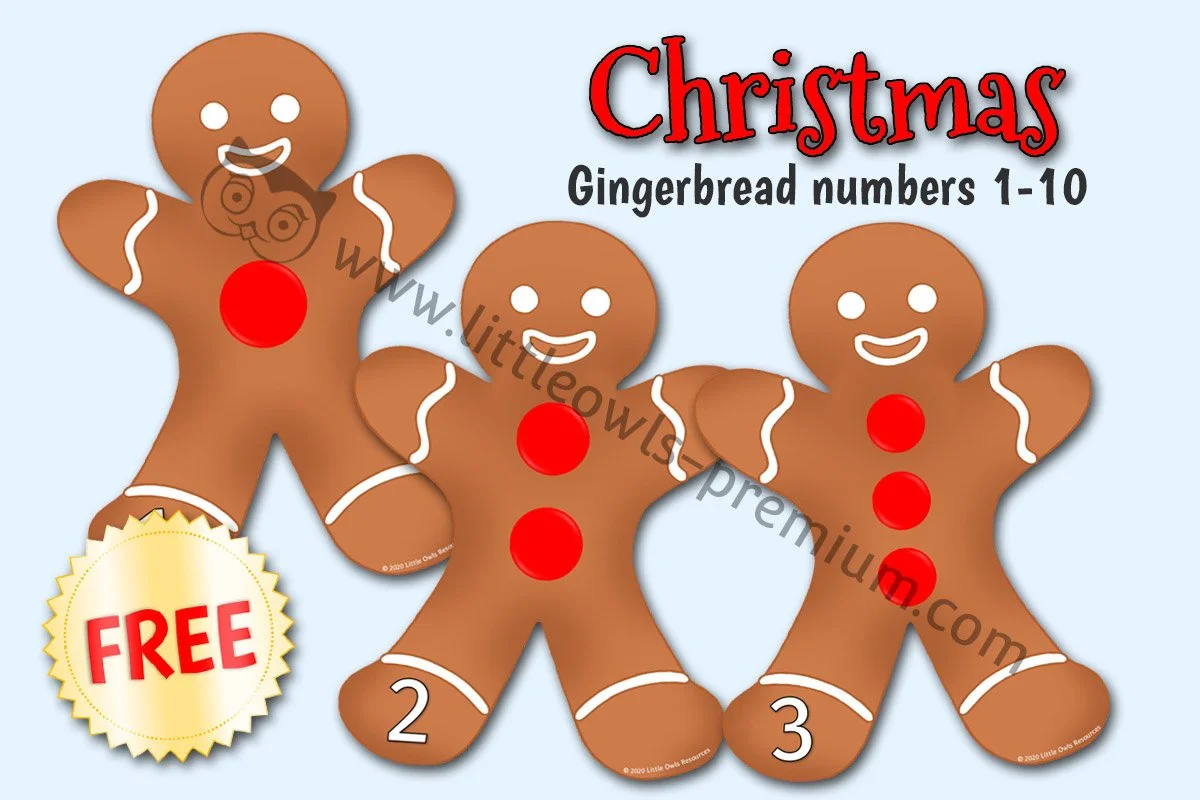
Numbers 1-10 (and corresponding number of spots/buttons for 1:1 correspondence counting) on gingerbread men.
Ideas…
Create a gingerbread number line.
Place appropriate number gingerbread men for your child(ren) in a tuff spot along with Christmas themed loose parts. Can children count out the correct number of loose parts to give their gingerbread man?
Play an ordering game…Can you place the gingerbread men in the right order? Or perhaps play which gingerbread man is missing? After placing the gingerbread men in order, take one away. Can your child(ren) work out which one is missing?
Original artwork drawn by Sara Murphy and final digital resources created by Stuart Murphy. COPYRIGHT ON ALL OF THE RESOURCES HOUSED ON THIS WEBSITE IS HELD BY ‘LITTLE OWLS RESOURCES’. OUR RESOURCES (INCLUDING THE IMAGES WITHIN THEM), CANNOT BE SHARED OR SOLD COMMERCIALLY.
DOWNLOAD EDITABLE (DOCX)
DOWNLOAD NON-EDITABLE (PDF)
DOWNLOAD NON-EDITABLE (Zipped JPEGs)

Numbers 0-20 on footballs for use during number work activities e.g. within a tuff spot or for a number line display.
Original artwork drawn by Sara Murphy and final digital resources created by Stuart Murphy. COPYRIGHT ON ALL OF THE RESOURCES HOUSED ON THIS WEBSITE IS HELD BY ‘LITTLE OWLS RESOURCES’. OUR RESOURCES (INCLUDING THE IMAGES WITHIN THEM), CANNOT BE SHARED OR SOLD COMMERCIALLY.
DOWNLOAD EDITABLE (DOCX)
DOWNLOAD NON-EDITABLE (PDF)
DOWNLOAD NON-EDITABLE (Zipped JPEGs)
<<-BACK TO ‘SPORT AND PE GAMES’ MENU
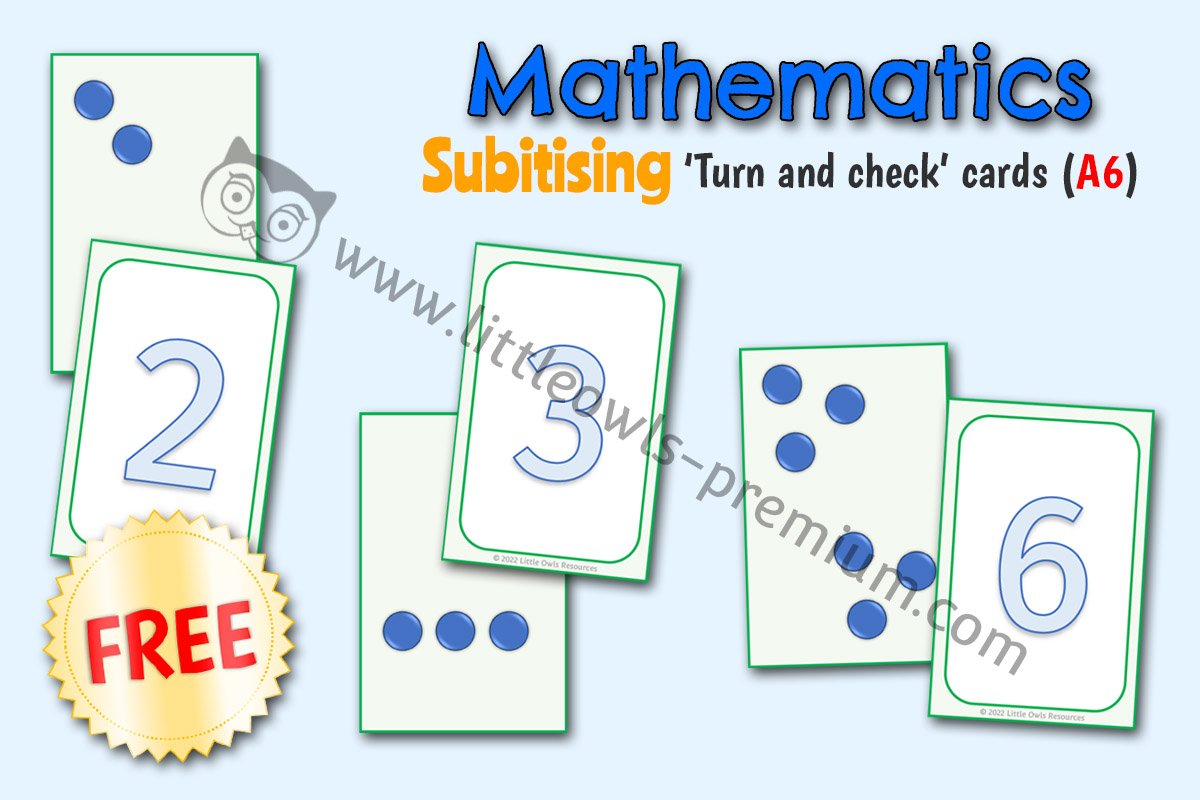
These cards are to be cut and folded along the middle and then laminated to make a longer lasting resource.
The children are to be encouraged to say how many dots there are straight away with no counting. They could use these independently and self-check or the cards could be held up by an adult as part of a group activity.
Print and use the cards appropriate for your children. 22 cards within pack for subitising numbers 1-6. Blank cards at the end to make your own if required.
Original artwork drawn by Sara Murphy and final digital resources created by Stuart Murphy. COPYRIGHT ON ALL OF THE RESOURCES HOUSED ON THIS WEBSITE IS HELD BY ‘LITTLE OWLS RESOURCES’. OUR RESOURCES (INCLUDING THE IMAGES WITHIN THEM), CANNOT BE SHARED OR SOLD COMMERCIALLY.
DOWNLOAD EDITABLE (DOCX)
DOWNLOAD NON-EDITABLE (PDF)
DOWNLOAD NON-EDITABLE (Zipped JPEGs)

These large sized basic 5 and 10 frames are ideal for using in conjunction with counting objects you have within your setting. Alternatively, download our ‘Five and Ten Frame - Coloured Counters’ pack to use in conjunction with these frames.
Original artwork drawn by Sara Murphy and final digital resources created by Stuart Murphy. COPYRIGHT ON ALL OF THE RESOURCES HOUSED ON THIS WEBSITE IS HELD BY ‘LITTLE OWLS RESOURCES’. OUR RESOURCES (INCLUDING THE IMAGES WITHIN THEM), CANNOT BE SHARED OR SOLD COMMERCIALLY.
DOWNLOAD EDITABLE (DOCX)
DOWNLOAD NON-EDITABLE (PDF)
DOWNLOAD NON-EDITABLE (Zipped JPEGs)

This hedgehog subitising (subitizing) game encourages children to spot the hedgehogs with the appropriate number of dots (in different formations). ‘How quickly can we match all of the hedgehogs to the correct piles of cosy leaves?’
You may want to add an element of challenge with a timer, e.g. ‘Can we get all of the hedgehogs to their safe hiding spots before the timer runs out?’ (We would advise beginning without a timer and then only adding this element to progress the game once children are becoming confident. Start with a time which is definitely achievable.)
Choose the appropriate pack for your child(ren): Subitising to 3, 5 or 10. Other 2 packs available here.
Original artwork drawn by Sara Murphy and final digital resources created by Stuart Murphy. COPYRIGHT ON ALL OF THE RESOURCES HOUSED ON THIS WEBSITE IS HELD BY ‘LITTLE OWLS RESOURCES’. OUR RESOURCES (INCLUDING THE IMAGES WITHIN THEM), CANNOT BE SHARED OR SOLD COMMERCIALLY.
DOWNLOAD EDITABLE (DOCX)
DOWNLOAD NON-EDITABLE (PDF)
DOWNLOAD NON-EDITABLE (Zipped JPEGs)
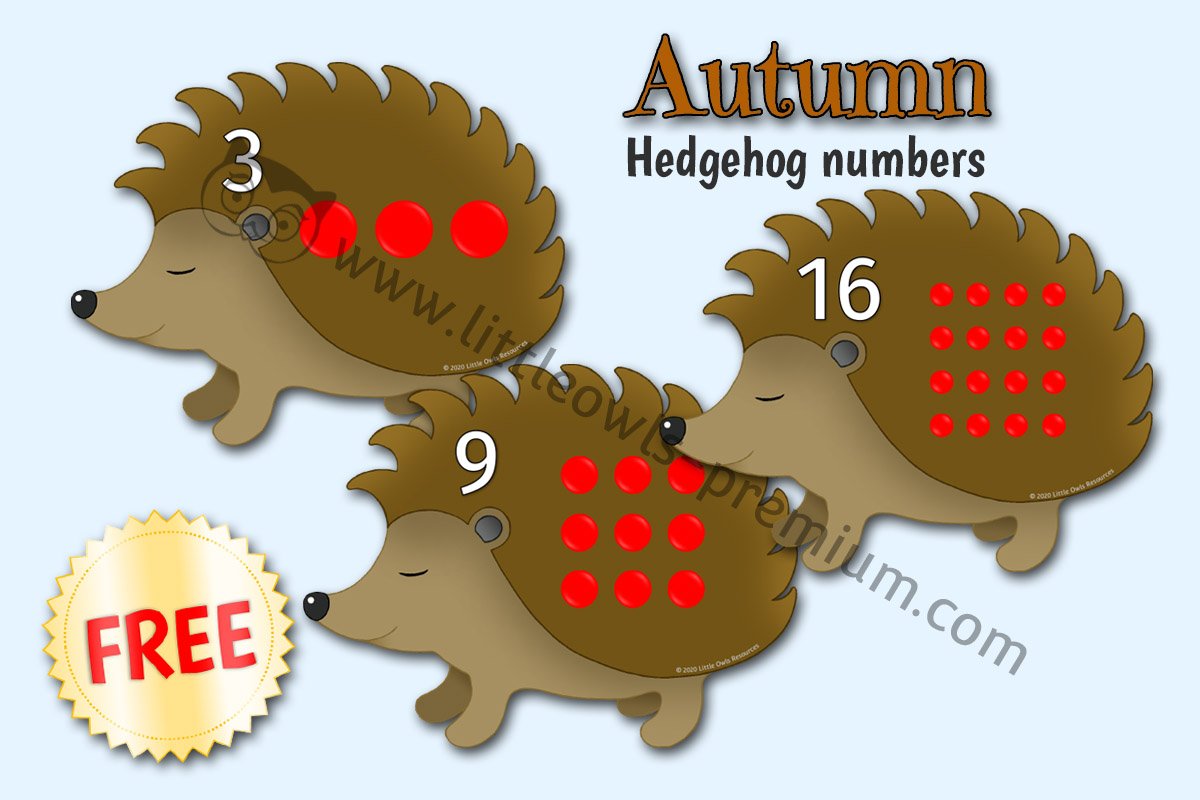
Numbers 0-20 (and corresponding number of spots for 1:1 correspondence counting) on hedgehogs. Create a hedgehog number line, or place appropriate number hedgehogs for your child(ren) in a tuff spot along with Autumn themed loose parts. Can children count out the correct number of loose parts to give their hedgehog? Or play an ordering game…Can you place the hedgehogs in the right order? Or perhaps play which hedgehog is missing? After placing the hedgehogs in order, take one away. Can your child(ren) work out which one is missing?
Original artwork drawn by Sara Murphy and final digital resources created by Stuart Murphy. COPYRIGHT ON ALL OF THE RESOURCES HOUSED ON THIS WEBSITE IS HELD BY ‘LITTLE OWLS RESOURCES’. OUR RESOURCES (INCLUDING THE IMAGES WITHIN THEM), CANNOT BE SHARED OR SOLD COMMERCIALLY.
DOWNLOAD EDITABLE (DOCX)
DOWNLOAD NON-EDITABLE (PDF)

This resource is intended to serve as inspiration for activities during the summertime. They do not need to be followed to the letter or completed in any order; they are just a starting point for summer fun!
A blank version is also included for you to add your own ideas.
Enjoy the summer!
Original artwork drawn by Sara Murphy and final digital resources created by Stuart Murphy. COPYRIGHT ON ALL OF THE RESOURCES HOUSED ON THIS WEBSITE IS HELD BY ‘LITTLE OWLS RESOURCES’. OUR RESOURCES (INCLUDING THE IMAGES WITHIN THEM), CANNOT BE SHARED OR SOLD COMMERCIALLY.
DOWNLOAD EDITABLE (DOCX)
DOWNLOAD NON-EDITABLE (PDF)
DOWNLOAD NON-EDITABLE (Zipped JPEGs)

A selection of 5 Summer themed activity pages. An additional front cover page is also included. 20 PAGE BOOKLET AVAILABLE for Premium members here.
Original artwork drawn by Sara Murphy and final digital resources created by Stuart Murphy. COPYRIGHT ON ALL OF THE RESOURCES HOUSED ON THIS WEBSITE IS HELD BY ‘LITTLE OWLS RESOURCES’. OUR RESOURCES (INCLUDING THE IMAGES WITHIN THEM), CANNOT BE SHARED OR SOLD COMMERCIALLY.
DOWNLOAD EDITABLE (DOCX)
DOWNLOAD NON-EDITABLE (PDF)
DOWNLOAD NON-EDITABLE (Zipped JPEGs)

Original artwork drawn by Sara Murphy and final digital resources created by Stuart Murphy. COPYRIGHT ON ALL OF THE RESOURCES HOUSED ON THIS WEBSITE IS HELD BY ‘LITTLE OWLS RESOURCES’. OUR RESOURCES (INCLUDING THE IMAGES WITHIN THEM), CANNOT BE SHARED OR SOLD COMMERCIALLY.
DOWNLOAD EDITABLE (DOCX)
DOWNLOAD NON-EDITABLE (PDF)
DOWNLOAD NON-EDITABLE (Zipped JPEGs)

These cards are intended to be used to aid number formation practice in wet sand. The numbers could be attempted with a finger or a stick/pencil. A stone marks the spot where the writing of each number should begin.
N.B. The pack includes two different font types for the numbers: (p2-6) & (p7-11) (But don’t forget if you choose the editable docx file, you can change the font!)
Original artwork drawn by Sara Murphy and final digital resources created by Stuart Murphy. COPYRIGHT ON ALL OF THE RESOURCES HOUSED ON THIS WEBSITE IS HELD BY ‘LITTLE OWLS RESOURCES’. OUR RESOURCES (INCLUDING THE IMAGES WITHIN THEM), CANNOT BE SHARED OR SOLD COMMERCIALLY.
DOWNLOAD EDITABLE (DOCX)
DOWNLOAD NON-EDITABLE (PDF)
DOWNLOAD NON-EDITABLE (Zipped JPEGs)

Have great fun with your children whilst all pretending to be fairies with this set of 6 Fairy Activity Challenge cards.
Perhaps children could stand in a circle around the pile of cards and take turns to pick one for everyone to do. Cards could equally be shrunk down and placed on a key ring to take out on adventures or featured on an indoor or outdoor display board and referred to with everyone carrying out the activity on floor space in front.
Once the children get to know the cards they will be able to relate the action to the picture without necessarily needing the card read to them...For example an adult may be able to simply hold up a card and everyone will be able to do the activity together!
Great for physical development, descriptive language, imagination, understanding the world and turn taking.
Original artwork drawn by Sara Murphy and final digital resources created by Stuart Murphy. COPYRIGHT ON ALL OF THE RESOURCES HOUSED ON THIS WEBSITE IS HELD BY ‘LITTLE OWLS RESOURCES’. OUR RESOURCES (INCLUDING THE IMAGES WITHIN THEM), CANNOT BE SHARED OR SOLD COMMERCIALLY.
DOWNLOAD EDITABLE (DOCX)
DOWNLOAD NON-EDITABLE (PDF)
DOWNLOAD NON-EDITABLE (Zipped JPEGs)

These number challenge mats can be laminated to be used repeatedly with whiteboard pens or playdough.
Original artwork drawn by Sara Murphy and final digital resources created by Stuart Murphy. COPYRIGHT ON ALL OF THE RESOURCES HOUSED ON THIS WEBSITE IS HELD BY ‘LITTLE OWLS RESOURCES’. OUR RESOURCES (INCLUDING THE IMAGES WITHIN THEM), CANNOT BE SHARED OR SOLD COMMERCIALLY.
DOWNLOAD EDITABLE (DOCX)
DOWNLOAD NON-EDITABLE (PDF)
DOWNLOAD NON-EDITABLE (Zipped JPEGs)
<<-BACK TO ‘TEDDY BEARS’ PICNIC’ MENU

Pack of 5 ingredient challenge cards (plus a blank one) you may like to use to enhance learning through play within your mud kitchen area.
Ideally cards are to be laminated in order for you to write appropriate numbers for individual children/groups of children in each square using a whiteboard pen. The cards can then be repeatedly used all year round.
Original artwork drawn by Sara Murphy and final digital resources created by Stuart Murphy. COPYRIGHT ON ALL OF THE RESOURCES HOUSED ON THIS WEBSITE IS HELD BY ‘LITTLE OWLS RESOURCES’. OUR RESOURCES (INCLUDING THE IMAGES WITHIN THEM), CANNOT BE SHARED OR SOLD COMMERCIALLY.
DOWNLOAD EDITABLE (DOCX)
DOWNLOAD NON-EDITABLE (PDF)
DOWNLOAD NON-EDITABLE (Zipped JPEGs)
<<-BACK TO ‘OUTDOOR AREA’ MENU
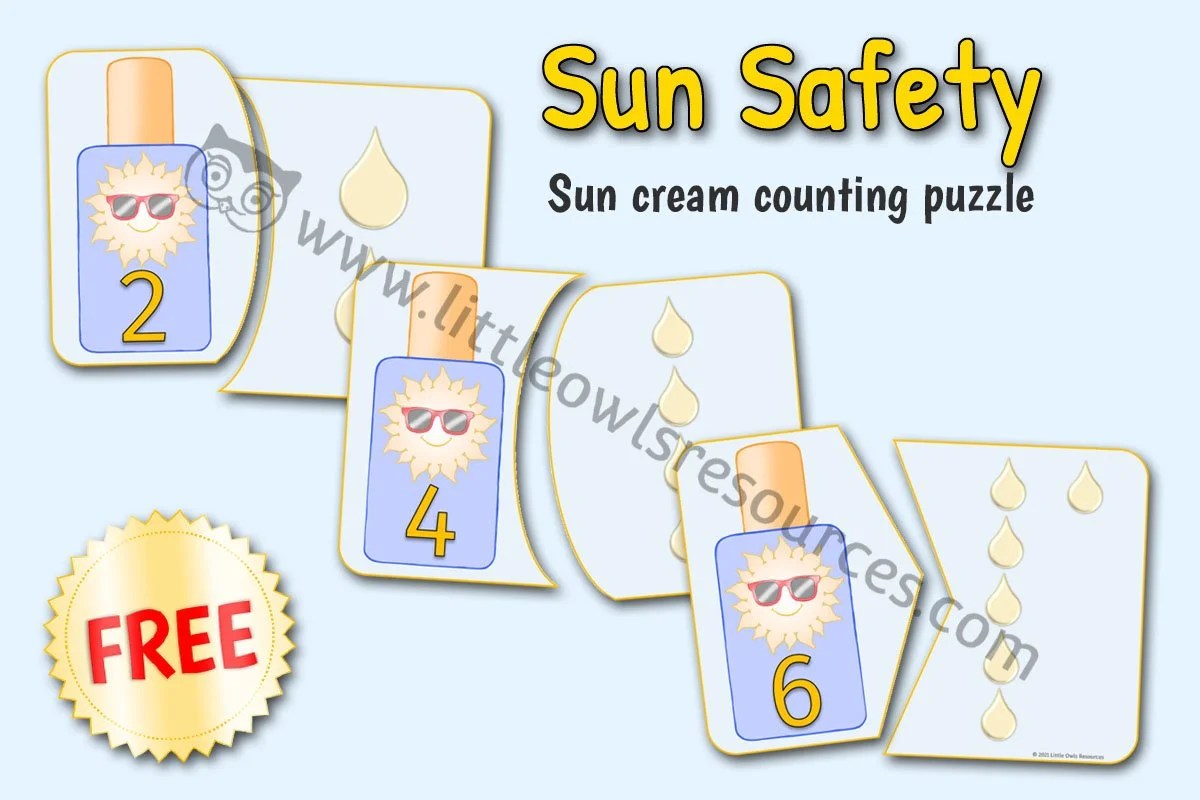
1-10 sun cream themed number recognition counting puzzles. Match the number to the correct quantity of sun cream drops. Practise counting objects which cannot be moved. Use as a table or floor activity or part of an interactive display board. Left uncut, can be used as flashcards, for number ordering games or tuff spot counting loose part activities!
Original artwork drawn by Sara Murphy and final digital resources created by Stuart Murphy. COPYRIGHT ON ALL OF THE RESOURCES HOUSED ON THIS WEBSITE IS HELD BY ‘LITTLE OWLS RESOURCES’. OUR RESOURCES (INCLUDING THE IMAGES WITHIN THEM), CANNOT BE SHARED OR SOLD COMMERCIALLY.
DOWNLOAD EDITABLE (DOCX)
DOWNLOAD NON-EDITABLE (PDF)
DOWNLOAD NON-EDITABLE (Zipped JPEGs)
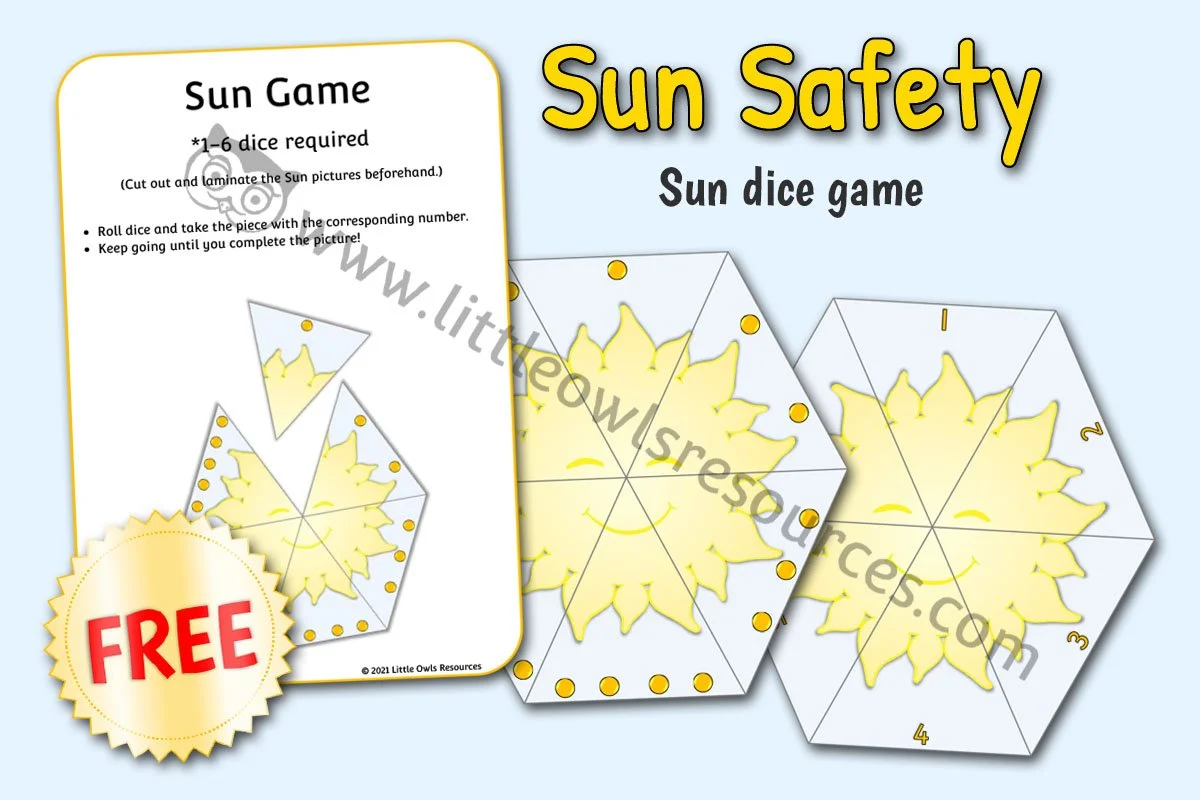
*1-6 dice required
(Cut out and laminate the Sun pictures beforehand.)
• Roll dice and take the piece with the corresponding number.
• Keep going until you complete the picture!
Original artwork drawn by Sara Murphy and final digital resources created by Stuart Murphy. COPYRIGHT ON ALL OF THE RESOURCES HOUSED ON THIS WEBSITE IS HELD BY ‘LITTLE OWLS RESOURCES’. OUR RESOURCES (INCLUDING THE IMAGES WITHIN THEM), CANNOT BE SHARED OR SOLD COMMERCIALLY.
DOWNLOAD EDITABLE (DOCX)
DOWNLOAD NON-EDITABLE (PDF)
DOWNLOAD NON-EDITABLE (Zipped JPEGs)
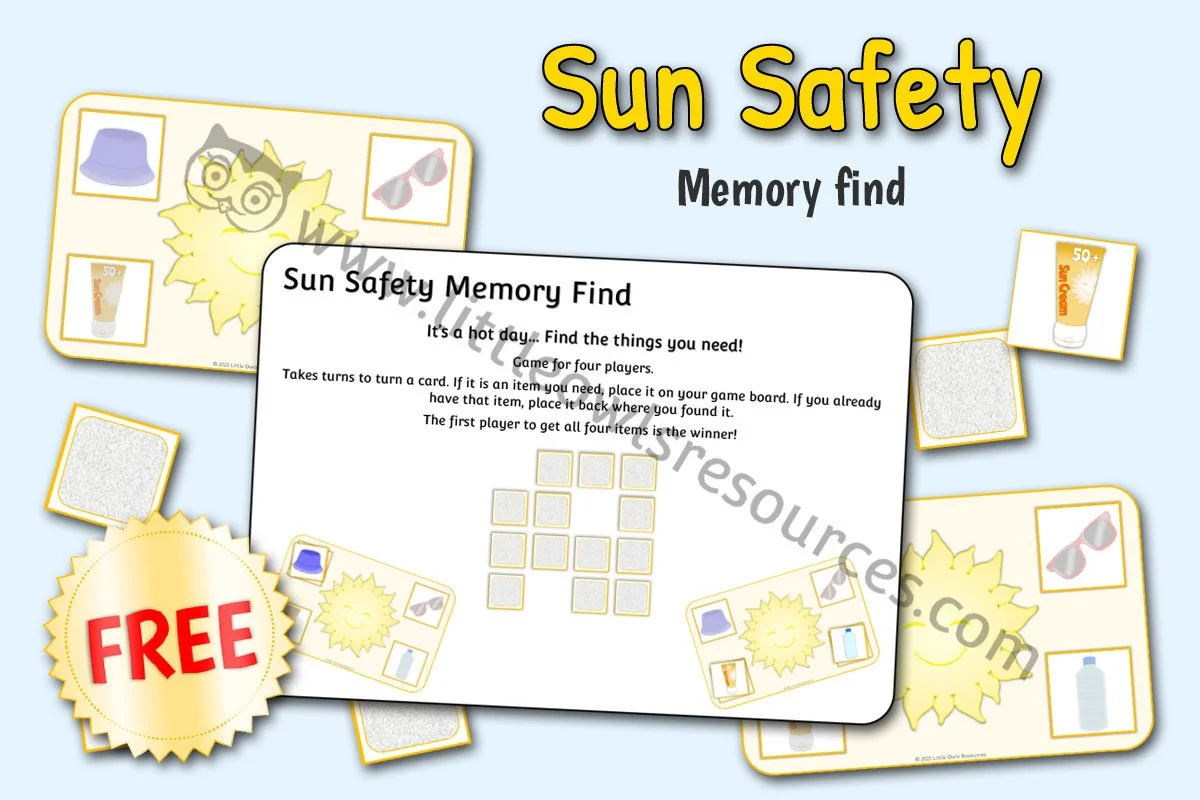
It’s a hot day… Find the things you need!
Game for four players.
Take turns to turn a card. If it is an item you need, place it on your game board. If you already have that item, place it back where you found it.
The first player to get all four items is the winner!
Original artwork drawn by Sara Murphy and final digital resources created by Stuart Murphy. COPYRIGHT ON ALL OF THE RESOURCES HOUSED ON THIS WEBSITE IS HELD BY ‘LITTLE OWLS RESOURCES’. OUR RESOURCES (INCLUDING THE IMAGES WITHIN THEM), CANNOT BE SHARED OR SOLD COMMERCIALLY.
DOWNLOAD EDITABLE (DOCX)
DOWNLOAD NON-EDITABLE (PDF)
DOWNLOAD NON-EDITABLE (Zipped JPEGs)

Have fun with this set of 8 ‘Jack and the Beanstalk’ Activity Challenge cards. Great for exploring the story further! The suggested movement activities will bring elements of the story to life and embed ideas securely through active learning.
Perhaps children could stand in a circle around the pile of cards and take turns to pick one for everyone to do. Once the children get to know the cards they will be able to relate the action to the picture without necessarily needing the card read to them...For example an adult may be able to simply hold up a card and everyone will be able to do the activity together!
Great for physical development, descriptive language, understanding the world, number recognition and turn taking.
Original artwork drawn by Sara Murphy and final digital resources created by Stuart Murphy. COPYRIGHT ON ALL OF THE RESOURCES HOUSED ON THIS WEBSITE IS HELD BY ‘LITTLE OWLS RESOURCES’. OUR RESOURCES (INCLUDING THE IMAGES WITHIN THEM), CANNOT BE SHARED OR SOLD COMMERCIALLY.
DOWNLOAD EDITABLE (DOCX)
DOWNLOAD NON-EDITABLE (PDF)
DOWNLOAD NON-EDITABLE (Zipped JPEGs)
<<-BACK TO ‘JACK AND THE BEANSTALK’ MENU
<<-BACK TO ‘NATIONAL STORYTELLING WEEK’ MENU

This ‘Today’ Small A4 Weather Calendar is ideal for use in a compact space such as within a home setting. More themes and sizes AVAILABLE HERE.
Please note that if you wish to edit the text you can do so in the EDITABLE docx file version below. NON-EDITABLE pdf file also available below.
Original artwork drawn by Sara Murphy and final digital resources created by Stuart Murphy. COPYRIGHT ON ALL OF THE RESOURCES HOUSED ON THIS WEBSITE IS HELD BY ‘LITTLE OWLS RESOURCES’. OUR RESOURCES (INCLUDING THE IMAGES WITHIN THEM), CANNOT BE SHARED OR SOLD COMMERCIALLY.
DOWNLOAD EDITABLE (DOCX)
DOWNLOAD NON-EDITABLE (PDF)
I’d like to see MORE POSTERS & DISPLAYS please.
<<-BACK TO ‘GET ORGANISED’ SAMPLES MENU
<<-BACK TO ‘GOLDILOCKS AND THE THREE BEARS’ MENU

This ‘Today’ Small A4 Weather Calendar is ideal for use in a compact space such as within a home setting. More themes and sizes AVAILABLE HERE.
Please note that if you wish to edit the text you can do so in the EDITABLE docx file version below. NON-EDITABLE pdf file also available below.
Original artwork drawn by Sara Murphy and final digital resources created by Stuart Murphy. COPYRIGHT ON ALL OF THE RESOURCES HOUSED ON THIS WEBSITE IS HELD BY ‘LITTLE OWLS RESOURCES’. OUR RESOURCES (INCLUDING THE IMAGES WITHIN THEM), CANNOT BE SHARED OR SOLD COMMERCIALLY.
DOWNLOAD EDITABLE (DOCX)
DOWNLOAD NON-EDITABLE (PDF)
I’d like to see MORE POSTERS & DISPLAYS please.
<<-BACK TO ‘BRITISH SCIENCE WEEK’ MENU

Space themed I Spy Count and Choose sheets. Ideally used as posters or mats.
You may like to laminate these sheets and use them as an interactive display or place them on table tops with pegs, counters or whiteboard pens as an activity.
Children to independently count the requested item (top right of sheet) and then clip a clothes peg on the bottom of the sheet over the correct number.
Original artwork drawn by Sara Murphy and final digital resources created by Stuart Murphy. COPYRIGHT ON ALL OF THE RESOURCES HOUSED ON THIS WEBSITE IS HELD BY ‘LITTLE OWLS RESOURCES’. OUR RESOURCES (INCLUDING THE IMAGES WITHIN THEM), CANNOT BE SHARED OR SOLD COMMERCIALLY.
DOWNLOAD EDITABLE (DOCX)
DOWNLOAD NON-EDITABLE (PDF)
DOWNLOAD NON-EDITABLE (Zipped JPEGs)
<<-BACK TO ‘BRITISH SCIENCE WEEK’ MENU
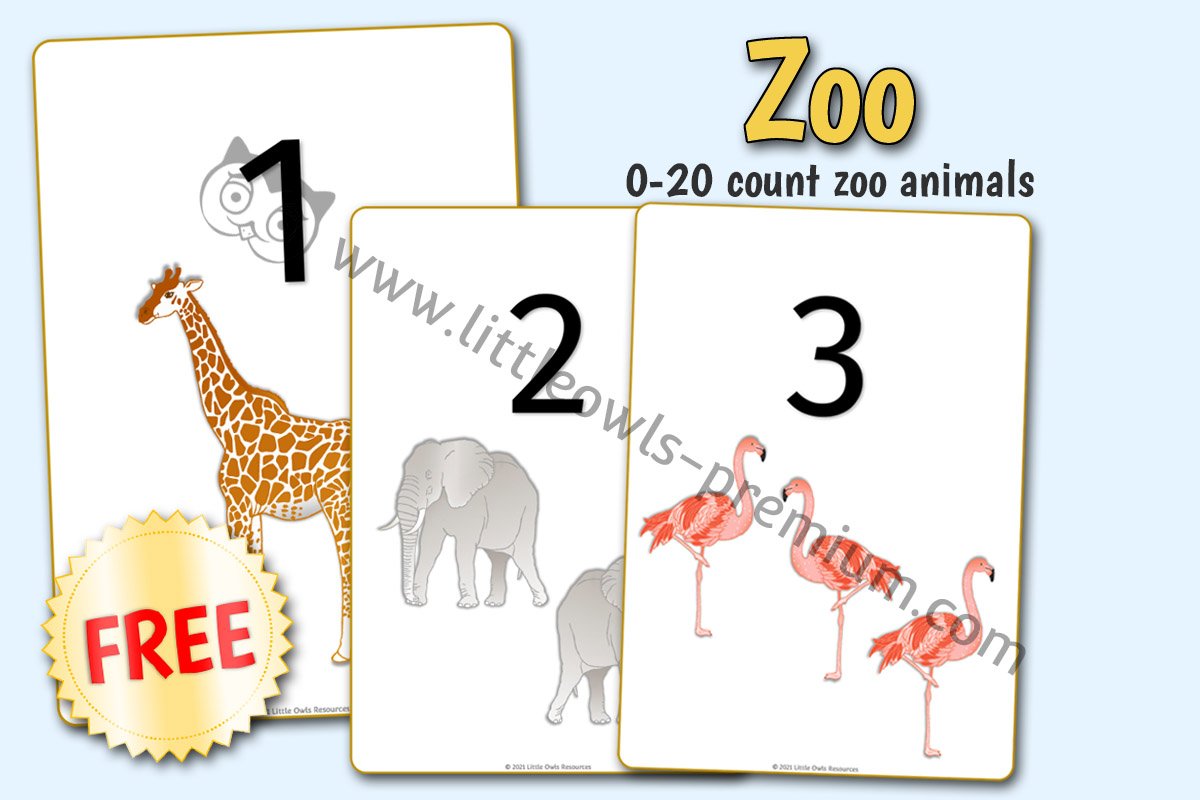
Count the Zoo Animals from 0 to 20. Print one or two numbers to a page for use as part of a display or more to a page for a set of flashcards. Ideal sheets to practise 1:1 correspondence counting (where children place their fingers on the objects as they count them). Also great for learning written numbers and knowledge of animals.
Original artwork drawn by Sara Murphy and final digital resources created by Stuart Murphy. COPYRIGHT ON ALL OF THE RESOURCES HOUSED ON THIS WEBSITE IS HELD BY ‘LITTLE OWLS RESOURCES’. OUR RESOURCES (INCLUDING THE IMAGES WITHIN THEM), CANNOT BE SHARED OR SOLD COMMERCIALLY.
DOWNLOAD EDITABLE (DOCX)
DOWNLOAD NON-EDITABLE (PDF)
DOWNLOAD NON-EDITABLE (Zipped JPEGs)

Numbers 0 - 50 on a colourful rocket drawing. Print one or two rockets to a page for use as part of a display/large number line or more for a set of flashcards.
Original artwork drawn by Sara Murphy and final digital resources created by Stuart Murphy. COPYRIGHT ON ALL OF THE RESOURCES HOUSED ON THIS WEBSITE IS HELD BY ‘LITTLE OWLS RESOURCES’. OUR RESOURCES (INCLUDING THE IMAGES WITHIN THEM), CANNOT BE SHARED OR SOLD COMMERCIALLY.
DOWNLOAD EDITABLE (DOCX)
DOWNLOAD NON-EDITABLE (PDF)
<<-BACK TO ‘BRITISH SCIENCE WEEK’ MENU
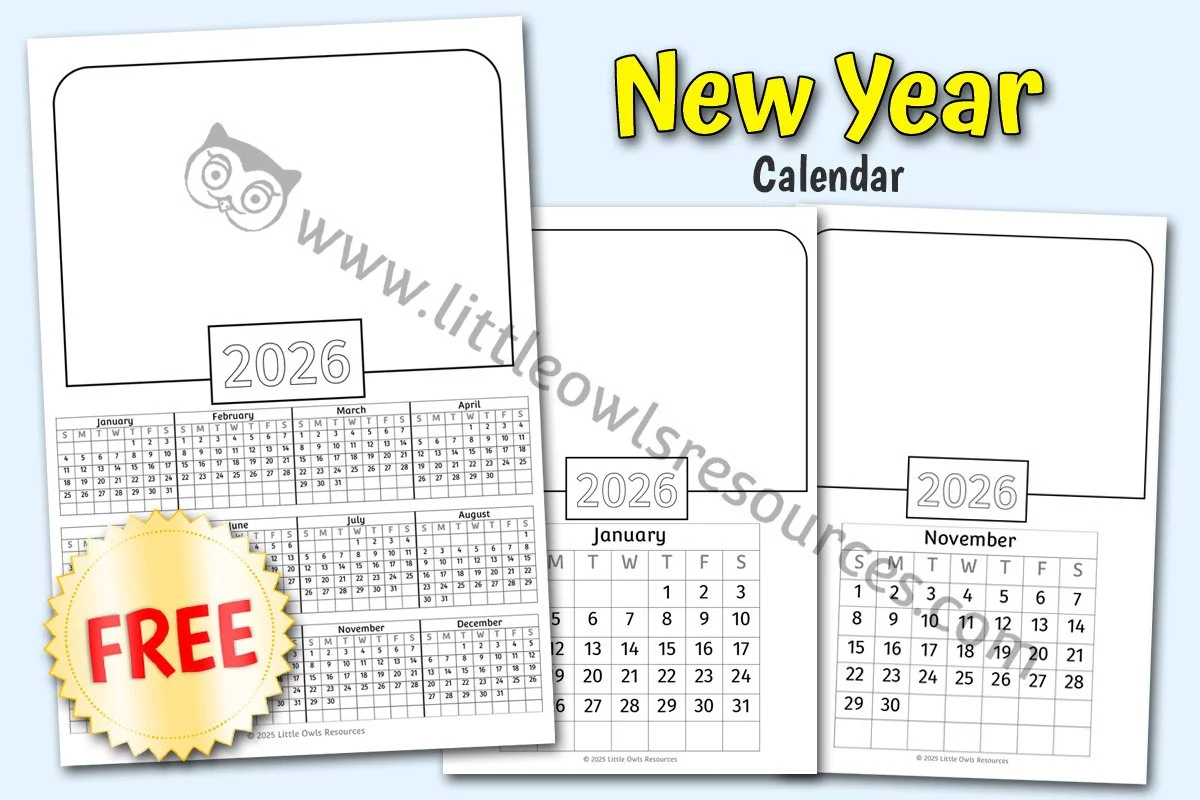
Whole year and month by month calendars with space for children to add their own drawings and/or art and craft designs.
Original artwork drawn by Sara Murphy and final digital resources created by Stuart Murphy. COPYRIGHT ON ALL OF THE RESOURCES HOUSED ON THIS WEBSITE IS HELD BY ‘LITTLE OWLS RESOURCES’. OUR RESOURCES (INCLUDING THE IMAGES WITHIN THEM), CANNOT BE SHARED OR SOLD COMMERCIALLY.
DOWNLOAD EDITABLE (DOCX)
DOWNLOAD NON-EDITABLE (PDF)
DOWNLOAD NON-EDITABLE (Zipped JPEGs)

A selection of 5 Christmas/Holiday themed activity pages. An additional front cover page is also included. 20 PAGE BOOKLET AVAILABLE for Premium members here.
Original artwork drawn by Sara Murphy and final digital resources created by Stuart Murphy. COPYRIGHT ON ALL OF THE RESOURCES HOUSED ON THIS WEBSITE IS HELD BY ‘LITTLE OWLS RESOURCES’. OUR RESOURCES (INCLUDING THE IMAGES WITHIN THEM), CANNOT BE SHARED OR SOLD COMMERCIALLY.
DOWNLOAD EDITABLE (DOCX)
DOWNLOAD NON-EDITABLE (PDF)
DOWNLOAD NON-EDITABLE (Zipped JPEGs)

'Santa’s Workshop' role play pack.
Pack includes:
banner
windows
character masks
present props
various signs
A4 sized elves
gift tags, present request forms and a name list scroll for mark making and emergent writing.
Perhaps the name list could be displayed in the role-play area and every child who enters writes their own name on the list (at varying levels).
Original artwork drawn by Sara Murphy and final digital resources created by Stuart Murphy. COPYRIGHT ON ALL OF THE RESOURCES HOUSED ON THIS WEBSITE IS HELD BY ‘LITTLE OWLS RESOURCES’. OUR RESOURCES (INCLUDING THE IMAGES WITHIN THEM), CANNOT BE SHARED OR SOLD COMMERCIALLY.
DOWNLOAD EDITABLE (DOCX)
DOWNLOAD NON-EDITABLE (PDF)
DOWNLOAD NON-EDITABLE (Zipped JPEGs)
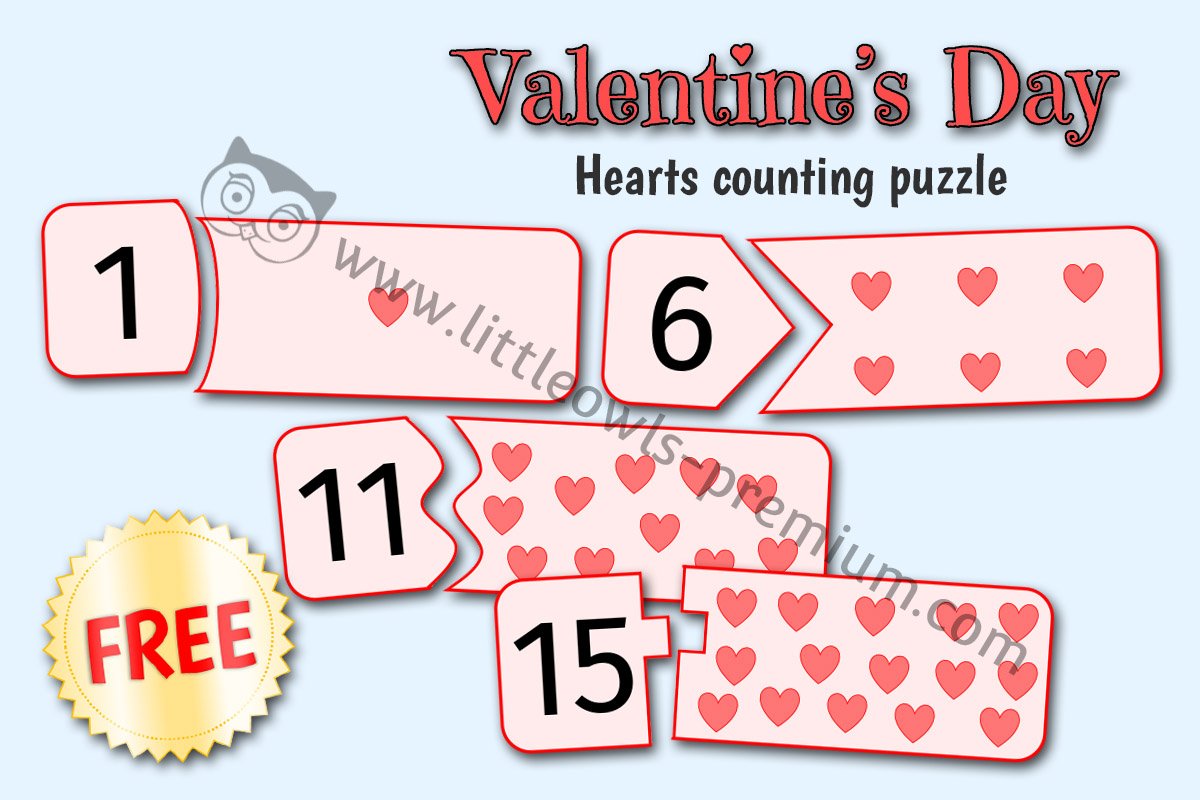
Why not set up an invitation to play using these heart puzzles? Select those appropriate for your children (1-20 available) and allow them to match the number with the corresponding number of hearts.
Each pair has a different way of connecting as a puzzle for the children to match and so even if they haven’t learnt what the number looks like yet, but are beginning to say the numbers in order, this can be a fun way to introduce them to new challenges.
Once the puzzles are complete, why not line the numbers up in order and count together?
If your children would enjoy a further game, leave out a number and see if they can spot which one is missing from the sequence.
Puzzles could also be used as a fine motor control/counting activity if left uncut. Children could be given an appropriate number for their learning and encouraged to place objects on the hearts, counting as they go.
Original artwork drawn by Sara Murphy and final digital resources created by Stuart Murphy. COPYRIGHT ON ALL OF THE RESOURCES HOUSED ON THIS WEBSITE IS HELD BY ‘LITTLE OWLS RESOURCES’. OUR RESOURCES (INCLUDING THE IMAGES WITHIN THEM), CANNOT BE SHARED OR SOLD COMMERCIALLY.
DOWNLOAD EDITABLE (DOCX)
DOWNLOAD NON-EDITABLE (PDF)
DOWNLOAD NON-EDITABLE (Zipped JPEGs)

PANCAKE NUMBER RECOGNITION & COUNTING MULTIMATS
These ‘Pancake’ themed multimats have various uses.
If laminated they may be used as:
• Playdough mats – make the right number of things, e.g. blueberries, strawberries for the pancake
• Loose part activity sheets – put the right number of items on the pancake
• Whiteboard Mats – Draw items on the pancake and practise Number Formation
• A large number display
We hope they help!
Original artwork drawn by Sara Murphy and final digital resources created by Stuart Murphy. COPYRIGHT ON ALL OF THE RESOURCES HOUSED ON THIS WEBSITE IS HELD BY ‘LITTLE OWLS RESOURCES’. OUR RESOURCES (INCLUDING THE IMAGES WITHIN THEM), CANNOT BE SHARED OR SOLD COMMERCIALLY.
DOWNLOAD EDITABLE (DOCX)
DOWNLOAD NON-EDITABLE (PDF)

These cards are intended to be used as a stimulus for making shapes with natural materials in the outdoor area.
Extensions could include asking what other shapes the children could make or what other materials could they use.
Original artwork drawn by Sara Murphy and final digital resources created by Stuart Murphy. COPYRIGHT ON ALL OF THE RESOURCES HOUSED ON THIS WEBSITE IS HELD BY ‘LITTLE OWLS RESOURCES’. OUR RESOURCES (INCLUDING THE IMAGES WITHIN THEM), CANNOT BE SHARED OR SOLD COMMERCIALLY.
DOWNLOAD EDITABLE (DOCX)
DOWNLOAD NON-EDITABLE (PDF)
DOWNLOAD NON-EDITABLE (Zipped JPEGs)
<<-BACK TO ‘OUTDOOR AREA’ MENU
<<-BACK TO ‘OUTDOOR AREA - MATHS’ MENU
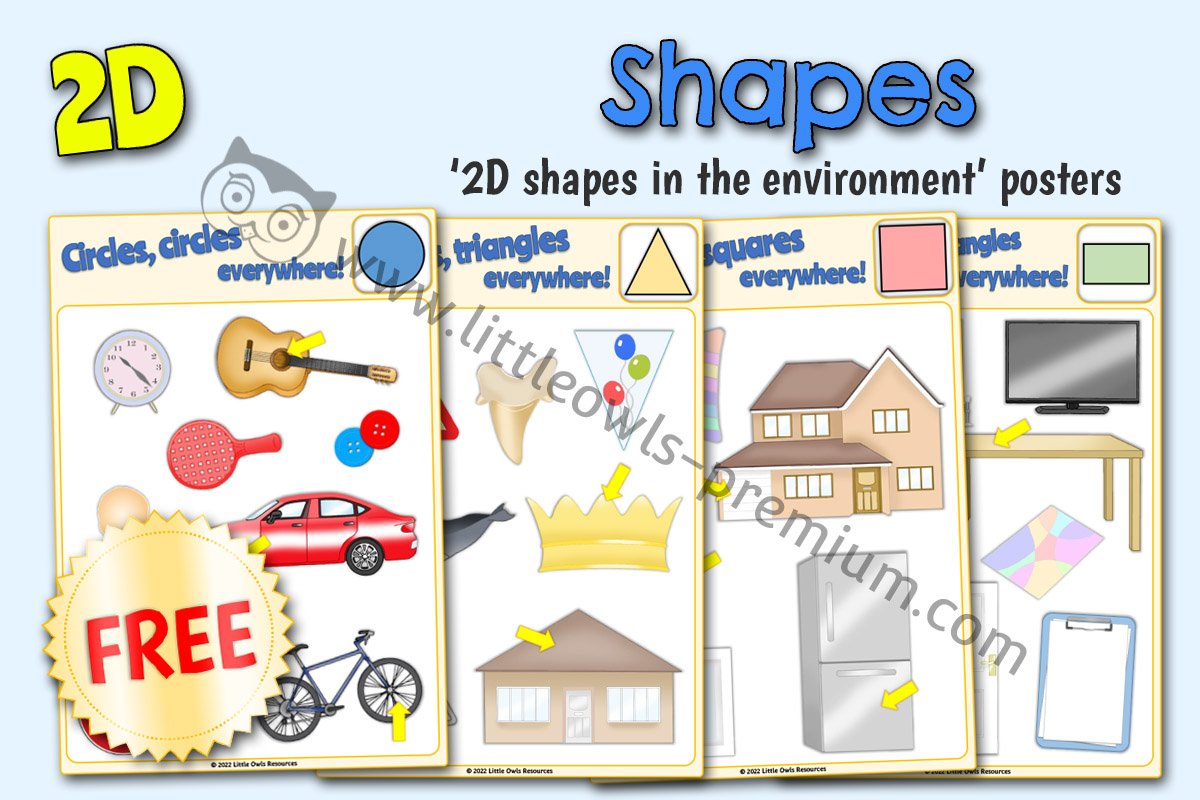
2D shapes in the environment display/prompt posters.
Use as part of a display area to enrich your setting environment, during an activity input or tuff spot activity as a stimulus.
Great for giving children a broader understanding of what e.g. a ‘triangle’ is and how the mathematical shape translates to objects around us in the ‘real world’.
Can children build on the knowledge gained by the posters and find shapes in their own environments?
Original artwork drawn by Sara Murphy and final digital resources created by Stuart Murphy. COPYRIGHT ON ALL OF THE RESOURCES HOUSED ON THIS WEBSITE IS HELD BY ‘LITTLE OWLS RESOURCES’. OUR RESOURCES (INCLUDING THE IMAGES WITHIN THEM), CANNOT BE SHARED OR SOLD COMMERCIALLY.
DOWNLOAD EDITABLE (DOCX)
DOWNLOAD NON-EDITABLE (PDF)
DOWNLOAD NON-EDITABLE (Zipped JPEGs)
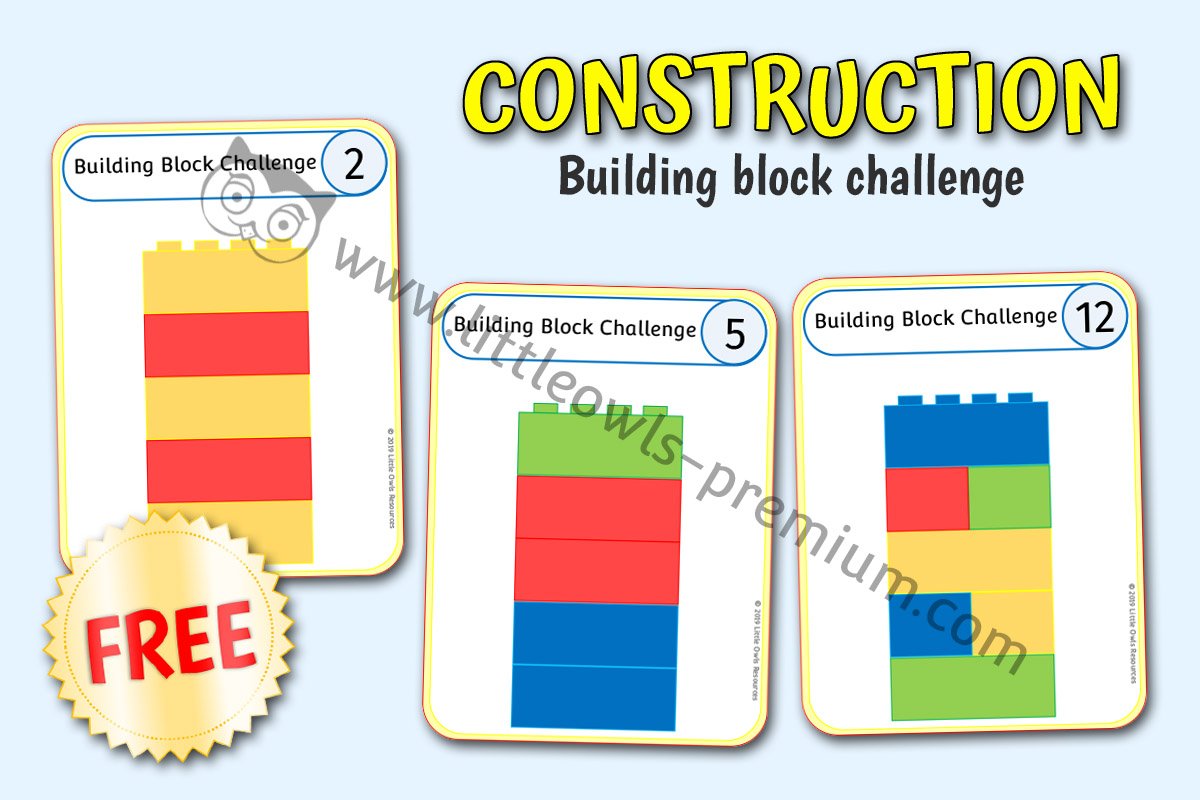
Challenge cards for children to use with building blocks such as Duplo and Lego. Children to look closely at the pattern on the cards and attempt to copy them with the blocks.
Ideal for observation skills, consolidating colour knowledge, fine motor control development and communication and language e.g. describing patterns/colours and discussing similarities and differences.
Original artwork drawn by Sara Murphy and final digital resources created by Stuart Murphy. COPYRIGHT ON ALL OF THE RESOURCES HOUSED ON THIS WEBSITE IS HELD BY ‘LITTLE OWLS RESOURCES’. OUR RESOURCES (INCLUDING THE IMAGES WITHIN THEM), CANNOT BE SHARED OR SOLD COMMERCIALLY.
DOWNLOAD EDITABLE (DOCX)
DOWNLOAD NON-EDITABLE (PDF)
DOWNLOAD NON-EDITABLE (Zipped JPEGs)

Use these fine motor butterfly sheets once for pencil control practise or laminate and encourage children to take it in turns with whiteboard pens to practise making the different shapes.
Original artwork drawn by Sara Murphy and final digital resources created by Stuart Murphy. COPYRIGHT ON ALL OF THE RESOURCES HOUSED ON THIS WEBSITE IS HELD BY ‘LITTLE OWLS RESOURCES’. OUR RESOURCES (INCLUDING THE IMAGES WITHIN OUR RESOURCES), CANNOT BE SHARED OR SOLD COMMERCIALLY.
DOWNLOAD EDITABLE (DOCX)
DOWNLOAD NON-EDITABLE (PDF)
DOWNLOAD NON-EDITABLE (Zipped JPEGs)
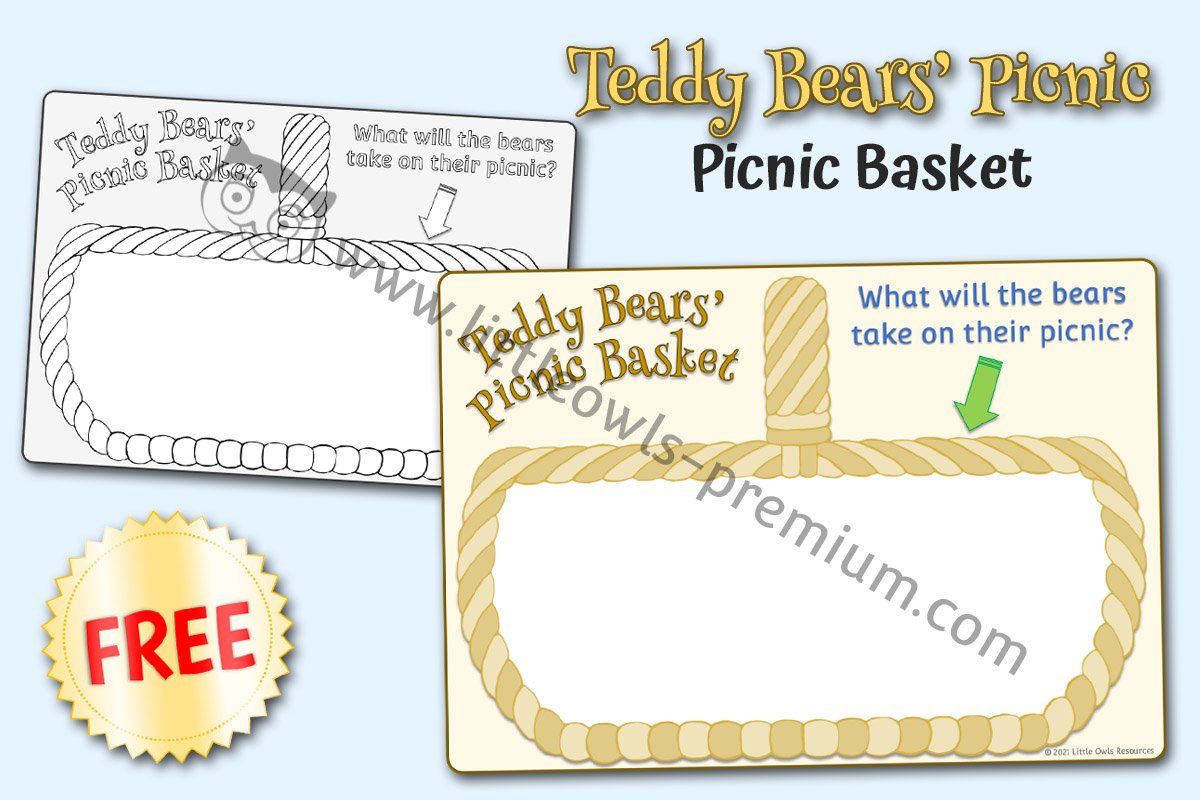
What will the bears take on their picnic?
These sheets can be used in the following ways:
Group Prompts to inspire discussion / communication and language skills and subsequent children’s art & craft work.
Printed for individual artwork use.
Laminated to be used repeatedly with whiteboard pens or as playdough mats.
Original artwork drawn by Sara Murphy and final digital resources created by Stuart Murphy. COPYRIGHT ON ALL OF THE RESOURCES HOUSED ON THIS WEBSITE IS HELD BY ‘LITTLE OWLS RESOURCES’. OUR RESOURCES (INCLUDING THE IMAGES WITHIN THEM), CANNOT BE SHARED OR SOLD COMMERCIALLY.
DOWNLOAD EDITABLE (DOCX)
DOWNLOAD NON-EDITABLE (PDF)
DOWNLOAD NON-EDITABLE (Zipped JPEGs)
<<-BACK TO ‘TEDDY BEARS’ PICNIC’ MENU

Set of 10 Christmas Jumper themed puzzles each with 2 parts. Ideal for our youngest children in order for them to begin to spot similarities and differences, recognise patterns and colours and solve problems involving observational skills.
Original artwork drawn by Sara Murphy and final digital resources created by Stuart Murphy. COPYRIGHT ON ALL OF THE RESOURCES HOUSED ON THIS WEBSITE IS HELD BY ‘LITTLE OWLS RESOURCES’. OUR RESOURCES (INCLUDING THE IMAGES WITHIN THEM), CANNOT BE SHARED OR SOLD COMMERCIALLY.
DOWNLOAD EDITABLE (DOCX)
DOWNLOAD NON-EDITABLE (PDF)
DOWNLOAD NON-EDITABLE (Zipped JPEGs)
<<-BACK TO ‘CHRISTMAS JUMPER DAY’ MENU

Heart eyed masks. Perfect for art and craft, colouring and role play on Valentine’s Day!
Original artwork drawn by Sara Murphy and final digital resources created by Stuart Murphy. COPYRIGHT ON ALL OF THE RESOURCES HOUSED ON THIS WEBSITE IS HELD BY ‘LITTLE OWLS RESOURCES’. OUR RESOURCES (INCLUDING THE IMAGES WITHIN THEM), CANNOT BE SHARED OR SOLD COMMERCIALLY.
DOWNLOAD EDITABLE (DOCX)
DOWNLOAD NON-EDITABLE (PDF)
DOWNLOAD NON-EDITABLE (Zipped JPEGs)

The cards are intended to be cut and laminated before being buried in the sand pit/tray.
The children can then dig in the sand to find the five cards in a set and then order them by size.
Have fun!
Original artwork drawn by Sara Murphy and final digital resources created by Stuart Murphy. COPYRIGHT ON ALL OF THE RESOURCES HOUSED ON THIS WEBSITE IS HELD BY ‘LITTLE OWLS RESOURCES’. OUR RESOURCES (INCLUDING THE IMAGES WITHIN THEM), CANNOT BE SHARED OR SOLD COMMERCIALLY.
DOWNLOAD EDITABLE (DOCX)
DOWNLOAD NON-EDITABLE (PDF)
DOWNLOAD NON-EDITABLE (Zipped JPEGs)
<<-BACK TO ‘OUTDOOR AREA’ MENU

The cards are intended to be cut and laminated before being buried in the sand pit/tray.
The children can then dig in the sand to find and identify the shapes on the fossils.
Includes 4 sets of 6 shapes: triangle, square, circle, rectangle/oblong, pentagon and hexagon. Having 4 sets allows for matching the same shape and counting up to 4 of the same shape. If you would like less or more sets you may of course print as appropriate.
Have fun!
Original artwork drawn by Sara Murphy and final digital resources created by Stuart Murphy. COPYRIGHT ON ALL OF THE RESOURCES HOUSED ON THIS WEBSITE IS HELD BY ‘LITTLE OWLS RESOURCES’. OUR RESOURCES (INCLUDING THE IMAGES WITHIN THEM), CANNOT BE SHARED OR SOLD COMMERCIALLY.
DOWNLOAD EDITABLE (DOCX)
DOWNLOAD NON-EDITABLE (PDF)
DOWNLOAD NON-EDITABLE (Zipped JPEGs)
<<-BACK TO ‘OUTDOOR AREA’ MENU
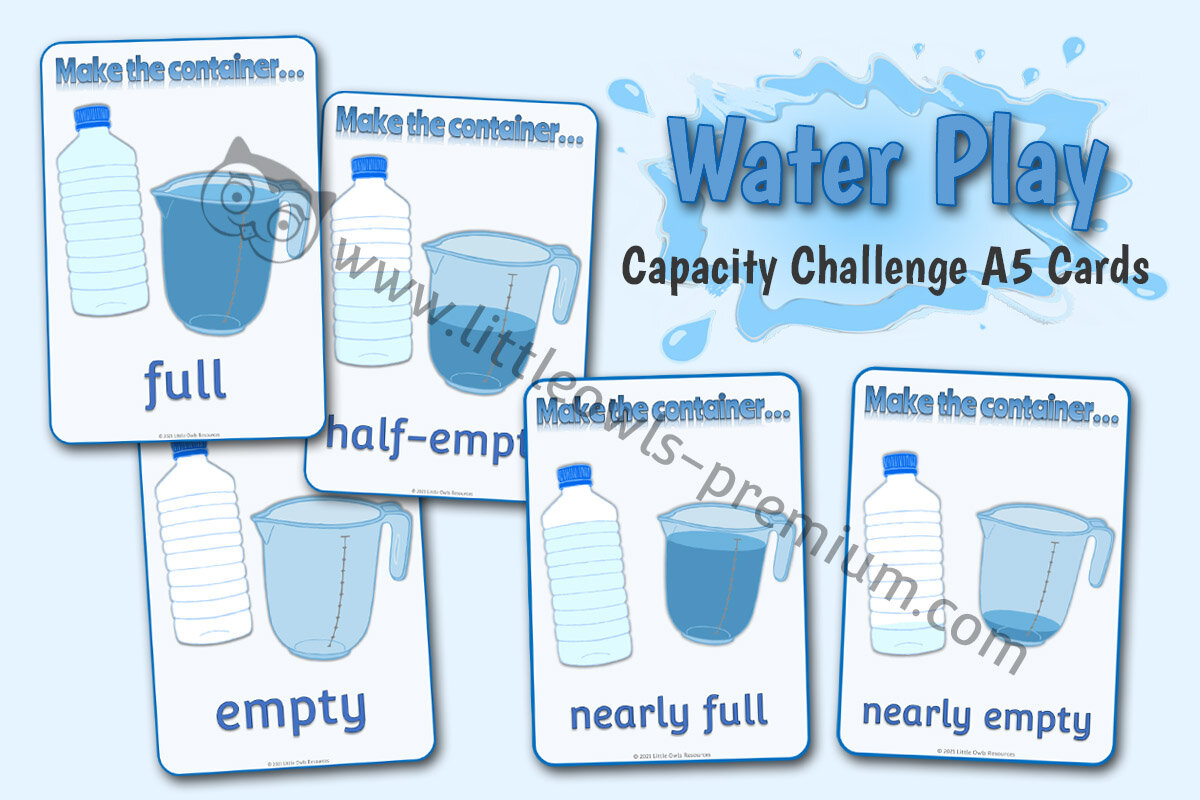
The cards can be used as part of a small display near the water area or as a direct challenge to be used by the children when playing in the water tray.
Original artwork drawn by Sara Murphy and final digital resources created by Stuart Murphy. COPYRIGHT ON ALL OF THE RESOURCES HOUSED ON THIS WEBSITE IS HELD BY ‘LITTLE OWLS RESOURCES’. OUR RESOURCES (INCLUDING THE IMAGES WITHIN THEM), CANNOT BE SHARED OR SOLD COMMERCIALLY.
DOWNLOAD EDITABLE (DOCX)
DOWNLOAD NON-EDITABLE (PDF)
DOWNLOAD NON-EDITABLE (Zipped JPEGs)
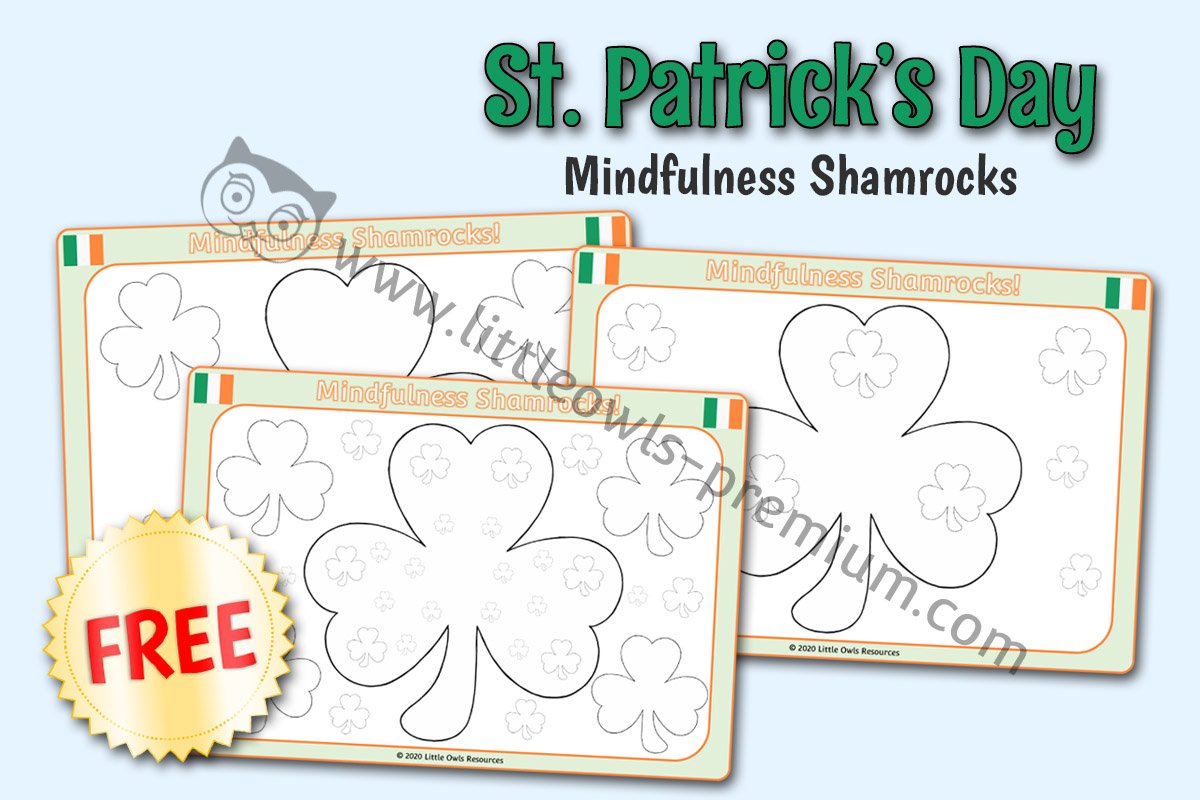
St Patrick’s Day Shamrock themed Multimats - These multimats can be coloured or used in conjunction with art and craft cut and stick materials. If laminated they may be used for playdough or loose parts design work.
Original artwork drawn by Sara Murphy and final digital resources created by Stuart Murphy. COPYRIGHT ON ALL OF THE RESOURCES HOUSED ON THIS WEBSITE IS HELD BY ‘LITTLE OWLS RESOURCES’. OUR RESOURCES (INCLUDING THE IMAGES WITHIN THEM), CANNOT BE SHARED OR SOLD COMMERCIALLY.
DOWNLOAD EDITABLE (DOCX)
DOWNLOAD NON-EDITABLE (PDF)
<<-BACK TO ST. PATRICK’S DAY MENU
A selection of our Role-Play Packs demonstrating and practicing real life application of Numeracy/Mathematics skills:
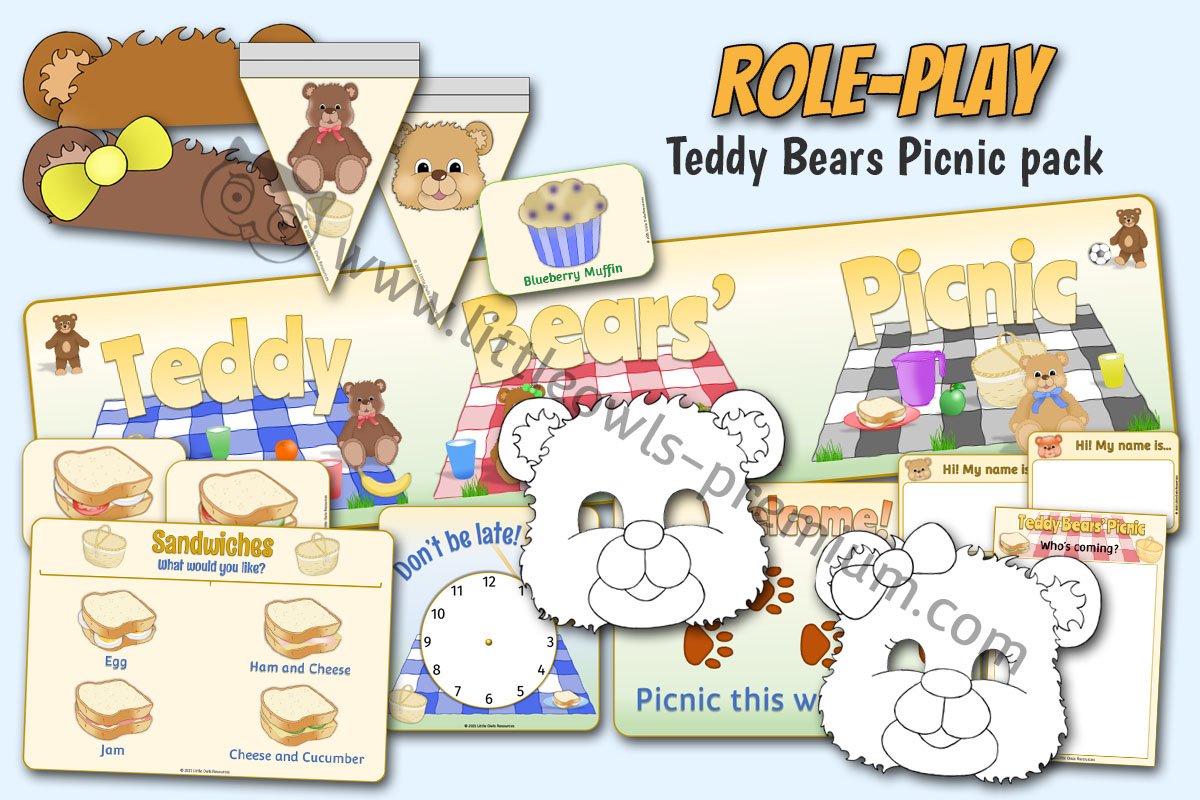
Everything you need to set up a ‘Teddy Bears’ Picnic’ role-play area!
Pack includes:
(Please note that words, etc. can be altered within the editable docx file version.)
‘Teddy Bears’ Picnic’ banner
Name badges - Name Writing
Teddy Bear Ears (full colour)
Teddy Bear Masks (colouring)
Sandwich Prop Cards
‘Welcome! Picnic this way’ Sign
‘Don’t be late!’ Sign - Space to draw hands on clock
Emergent writing/Mark making/Drawing Prompts - ‘Who’s coming?’ - ‘What will the bears take on their picnic?’ - ‘Shopping List’
Food Menu/Option Posters
Food Prop Cards
Bunting
‘Drink some water!’ - Jug Capacity Posters
Original artwork drawn by Sara Murphy and final digital resources created by Stuart Murphy. COPYRIGHT ON ALL OF THE RESOURCES HOUSED ON THIS WEBSITE IS HELD BY ‘LITTLE OWLS RESOURCES’. OUR RESOURCES (INCLUDING THE IMAGES WITHIN THEM), CANNOT BE SHARED OR SOLD COMMERCIALLY.
DOWNLOAD EDITABLE (DOCX)
DOWNLOAD NON-EDITABLE (PDF)
DOWNLOAD NON-EDITABLE (Zipped JPEGs)
<<-BACK TO ‘TEDDY BEARS’ PICNIC’ MENU
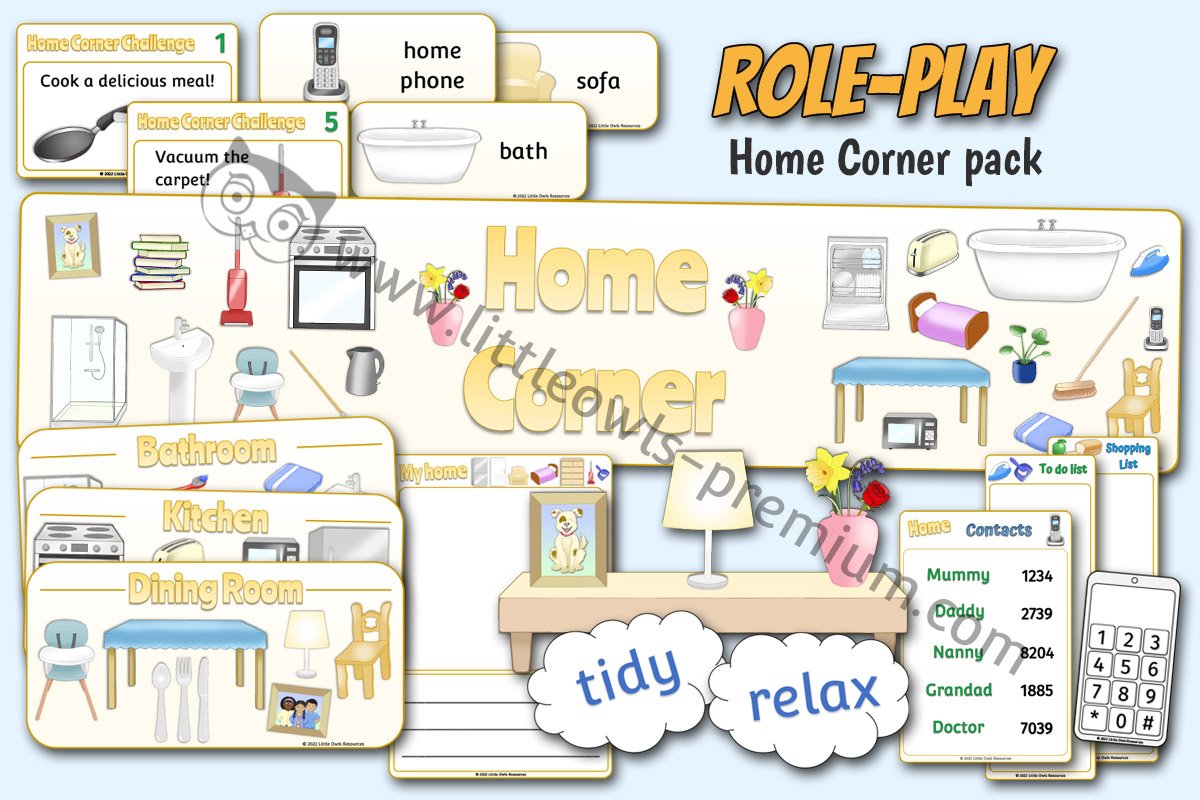
'Home Corner' role play pack.
Pack includes:
Banner
Verb clouds
Role-play activity prompt cards
Phone keypads & phone number/contacts prompt cards (pre filled and blank)
Room signs - Bedroom - Living Room - Dining Room - Kitchen - Bathroom - Toilet - Study - Utilities
Home themed drawing/mark making/writing sheets
Props for your home corner walls - photo frames x 2, shelves x 3 - 2 sizes, windows (curtains, blinds and plain) - 2 sizes and a clock (children can draw on hands to explore time)
Picture frame templates for mark making - plain x 2 - draw a picture of your family - draw a picture of your pet
Word cards x 54
‘To do list’ templates
‘Shopping List’ templates
‘My home’ drawing & writing templates
Food cut out props
Have fun!
Original artwork drawn by Sara Murphy and final digital resources created by Stuart Murphy. COPYRIGHT ON ALL OF THE RESOURCES HOUSED ON THIS WEBSITE IS HELD BY ‘LITTLE OWLS RESOURCES’. OUR RESOURCES (INCLUDING THE IMAGES WITHIN THEM), CANNOT BE SHARED OR SOLD COMMERCIALLY.
DOWNLOAD EDITABLE (DOCX)
DOWNLOAD NON-EDITABLE (PDF)
DOWNLOAD NON-EDITABLE (Zipped JPEGs)
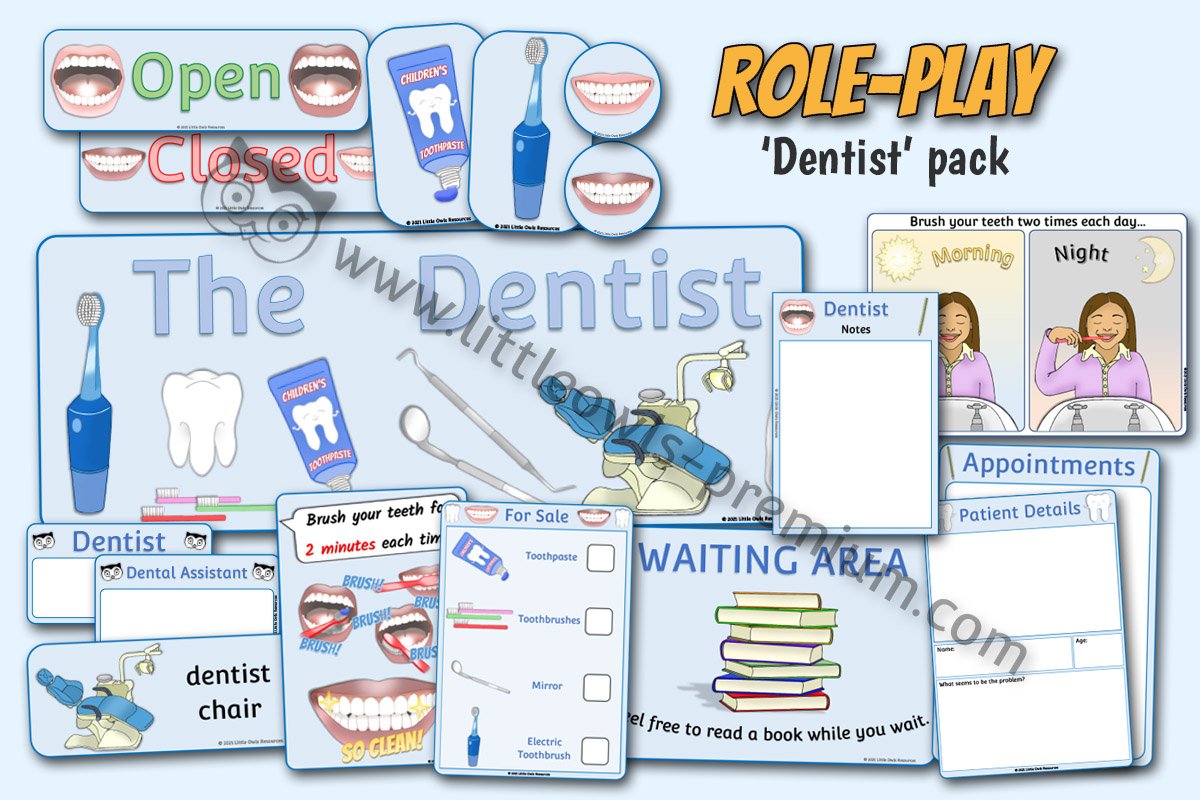
Everything you need to set up a dentist role-play area!
Pack includes:
(Please note that words, etc. can be altered within the editable docx file version.)
‘The Dentist’ banner
Smiling mouth decorative signs
Dentist and Dental Assistant identity cards - Name Writing
‘Waiting Area’ Poster
Various ‘Brush your teeth’ Posters
Social distancing signs & floormats
‘Please wait’ footprint floormats
Dentist word mats
Dentist word cards
‘Welcome! Please sign in for your appointment’ sign for encouraging emergent writing
‘Open’ & ‘Closed’ signs
‘Dentist Opening Times’ Poster - Space to draw hands on clock and write times
‘Opens at…o’ clock’ and ‘Closes at…o’ clock’ signs - spaces for emergent writing
Templates for emergent writing (ideally laminated) - ‘Dentist Notes’, ‘Appointments’ & ‘Patient Details’ forms
‘For Sale’ Menu sign - Space to write prices by items
Items for sale prop cards
Original artwork drawn by Sara Murphy and final digital resources created by Stuart Murphy. COPYRIGHT ON ALL OF THE RESOURCES HOUSED ON THIS WEBSITE IS HELD BY ‘LITTLE OWLS RESOURCES’. OUR RESOURCES (INCLUDING THE IMAGES WITHIN THEM), CANNOT BE SHARED OR SOLD COMMERCIALLY.
DOWNLOAD EDITABLE (DOCX)
DOWNLOAD NON-EDITABLE (PDF)
DOWNLOAD NON-EDITABLE (Zipped JPEGs)
<<-BACK TO ‘TEETH AND ORAL HEALTH’ TOPIC MENU
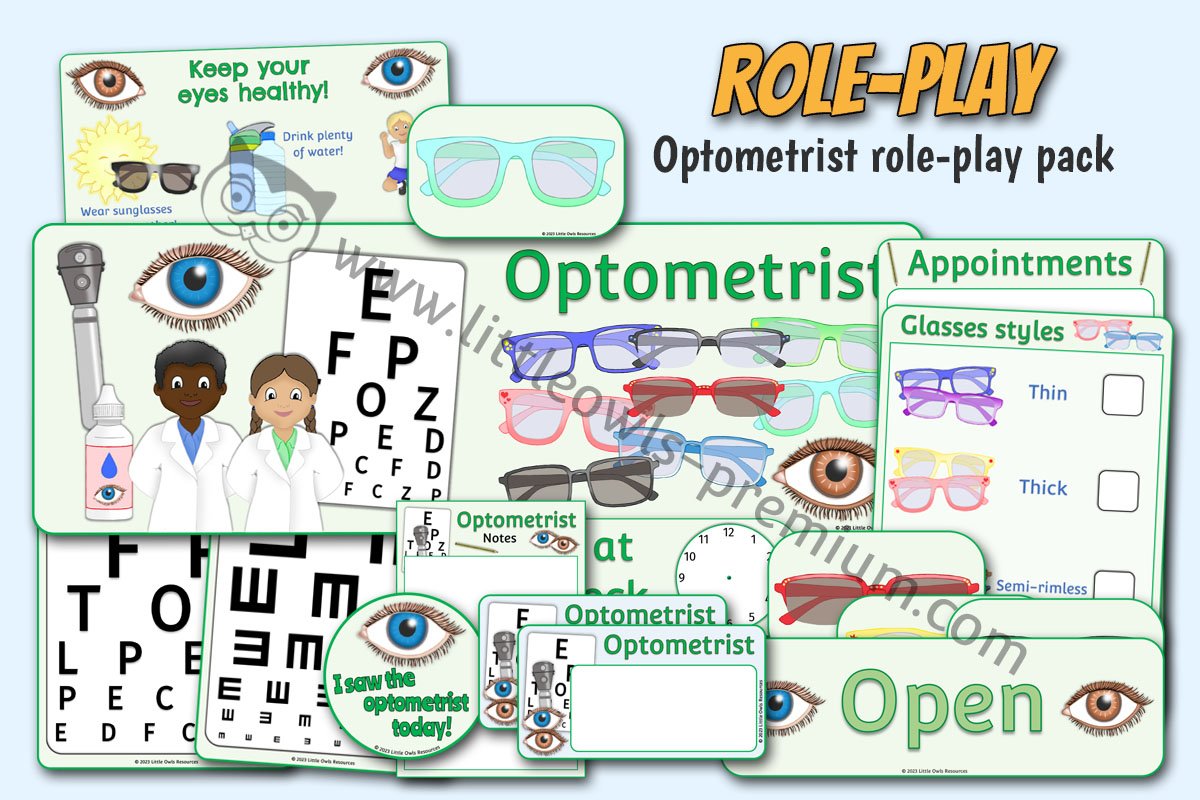
Everything you need to set up an optometrist role-play area!
Pack includes:
(Please note that words, etc. can be altered within the editable docx file version.)
‘Optometrist’ banner
‘I saw the optometrist today!’ badges
Optometrist and Optician identity cards - Name Writing
‘Waiting Area’ and ‘Please Wait’ Posters/Signs
‘Keep your eyes healthy’ Poster
Optometrist word mats
Optometrist word cards
‘Welcome! Please sign in for your appointment’ sign for encouraging emergent writing
‘Open’ & ‘Closed’ signs
‘Optometrist Opening Times’ Poster - Space to draw hands on clock and write times
‘Opens at…o’ clock’ and ‘Closes at…o’ clock’ signs - spaces for emergent writing
Templates for emergent writing - ‘Optometrist Notes’, ‘Appointments’ & ‘Patient Details’ forms
Eye charts x3
Glasses Styles tick sheet
Glass and Sunglasses prop cards x16
Original artwork drawn by Sara Murphy and final digital resources created by Stuart Murphy. COPYRIGHT ON ALL OF THE RESOURCES HOUSED ON THIS WEBSITE IS HELD BY ‘LITTLE OWLS RESOURCES’. OUR RESOURCES (INCLUDING THE IMAGES WITHIN THEM), CANNOT BE SHARED OR SOLD COMMERCIALLY.
DOWNLOAD EDITABLE (DOCX)
DOWNLOAD NON-EDITABLE (PDF)
DOWNLOAD NON-EDITABLE (Zipped JPEGs)
<<-BACK TO ‘EYE HEALTH’ TOPIC MENU
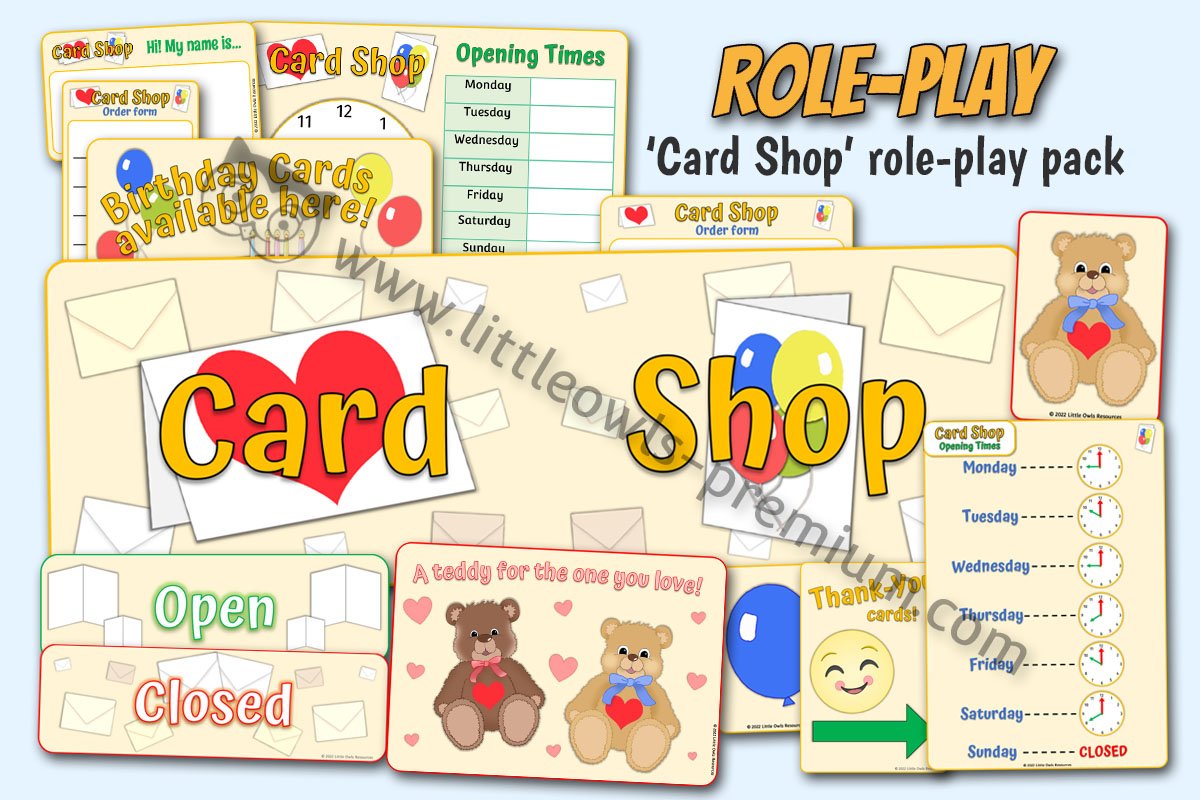
‘Card Shop’ role-play pack includes:
‘Card Shop’ banner
‘Hi! My name is…’ identity cards - Name Writing
Various opening times posters (both prefilled and blank for children to draw hands on clocks and write their own times)
‘Message’ and differentiated ‘Order Form’ templates for mark making/pre-writing
Open/Closed signs
Stamp & envelope price labels
Stamp, envelope, balloon and teddy bear props to be purchased in shop
Posters advertising/directing where cards are for events - Valentine’s Day, Birthdays, Mother’s Day, Father’s Day, Get Well soon, Thank-You & Good Luck
Teddy bear and balloon posters
Debit card posters and props
VISIT OUR ‘GREETING CARDS’ PAGE TO STOCK YOUR CARD SHOP WITH CARDS FOR WHICHEVER EVENT IS APPROPRIATE FOR THE TIME OF YEAR AND YOUR CHILDREN.
Original artwork drawn by Sara Murphy and final digital resources created by Stuart Murphy. COPYRIGHT ON ALL OF THE RESOURCES HOUSED ON THIS WEBSITE IS HELD BY ‘LITTLE OWLS RESOURCES’. OUR RESOURCES (INCLUDING THE IMAGES WITHIN THEM), CANNOT BE SHARED OR SOLD COMMERCIALLY.
DOWNLOAD EDITABLE (DOCX)
DOWNLOAD NON-EDITABLE (PDF)
DOWNLOAD NON-EDITABLE (Zipped JPEGs)
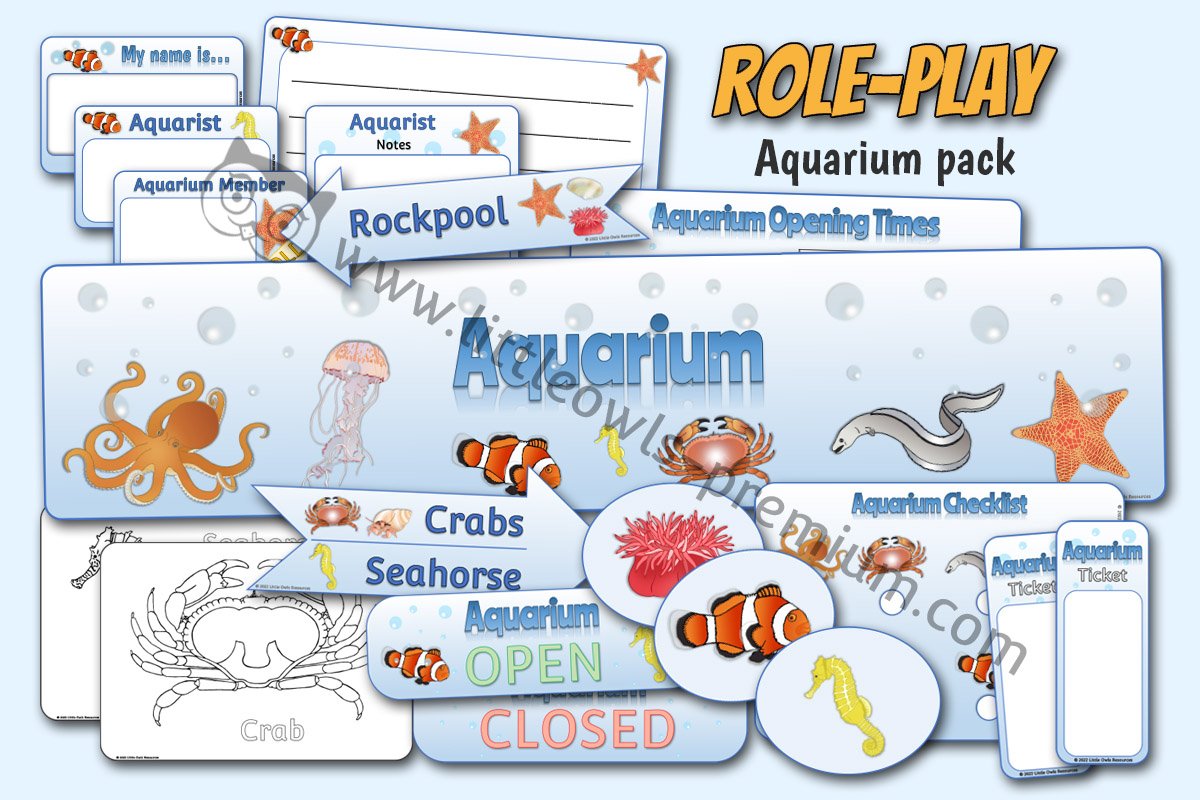
Aquarium Role Play Pack includes:
banner
tickets - Name Writing
open/closed signs
opening times poster
‘Which animals can you find?’ tick sheet
colouring sheets
aquarium gold member cards
direction posters/arrows
exhibit posters (include feeding and experience times )
various mark making sheets
word cards
sea creature prop cards
aquarist name card templates
Original artwork drawn by Sara Murphy and final digital resources created by Stuart Murphy. COPYRIGHT ON ALL OF THE RESOURCES HOUSED ON THIS WEBSITE IS HELD BY ‘LITTLE OWLS RESOURCES’. OUR RESOURCES (INCLUDING THE IMAGES WITHIN THEM), CANNOT BE SHARED OR SOLD COMMERCIALLY.
DOWNLOAD EDITABLE (DOCX)
DOWNLOAD NON-EDITABLE (PDF)
DOWNLOAD NON-EDITABLE (Zipped JPEGs)
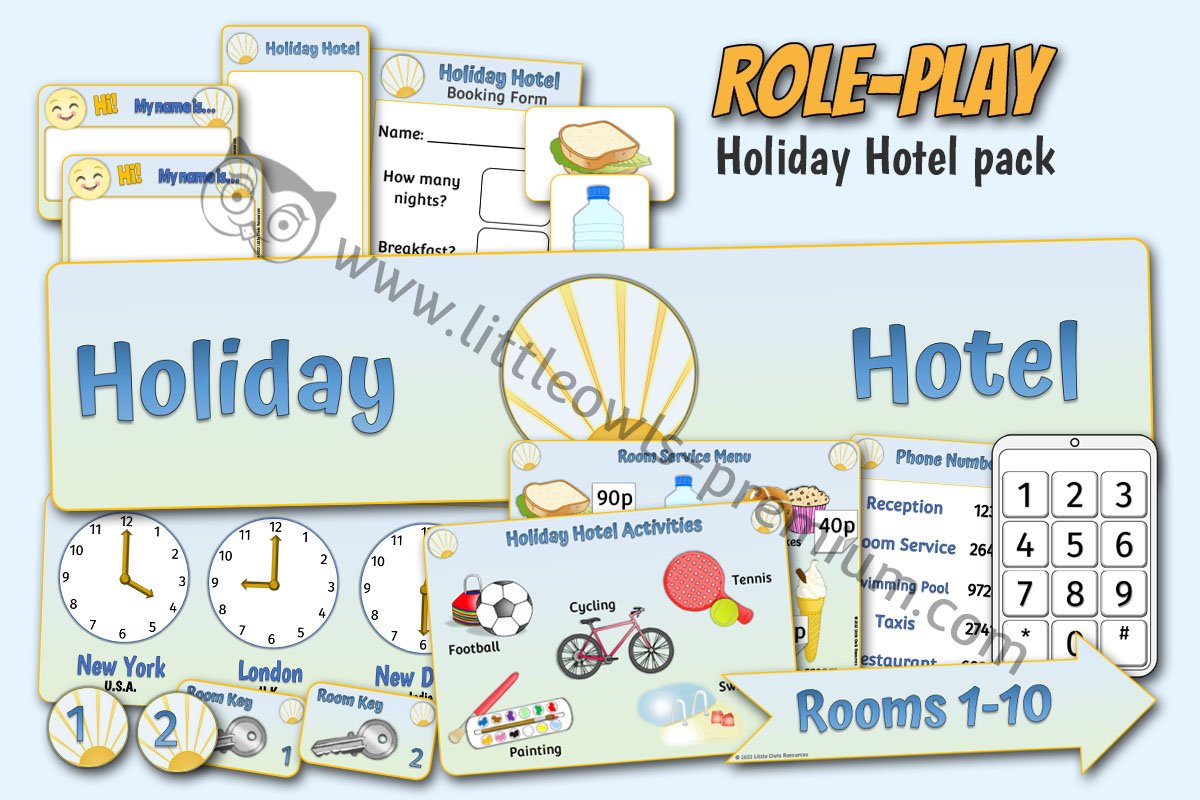
'Holiday Hotel' role play pack.
Pack includes:
Banner
Name badges - Name Writing
New York, London, New Delhi and Tokyo reception area clocks (pre filled and blank for emergent writing)
Open and closed signs
Various ‘Booking Form’ mark making sheets
Room key props
Direction signs e.g. ‘Reception’, ‘Exit’, ‘Rooms 1-10’.
Room numbers
Various signs, e.g. ‘Please do not disturb’, ‘Holiday Hotel Activities’
Internal phone numbers sheet e.g. ‘Reception’ and ‘Room Service’ and dial pad
‘Room Service’ menus (with and without prices)
General mark making sheets, e.g. ‘Employee of the month’, ‘Room Prices’
Various room service prop cards
Have fun!
Original artwork drawn by Sara Murphy and final digital resources created by Stuart Murphy. COPYRIGHT ON ALL OF THE RESOURCES HOUSED ON THIS WEBSITE IS HELD BY ‘LITTLE OWLS RESOURCES’. OUR RESOURCES (INCLUDING THE IMAGES WITHIN THEM), CANNOT BE SHARED OR SOLD COMMERCIALLY.
DOWNLOAD EDITABLE (DOCX)
DOWNLOAD NON-EDITABLE (PDF)
DOWNLOAD NON-EDITABLE (Zipped JPEGs)
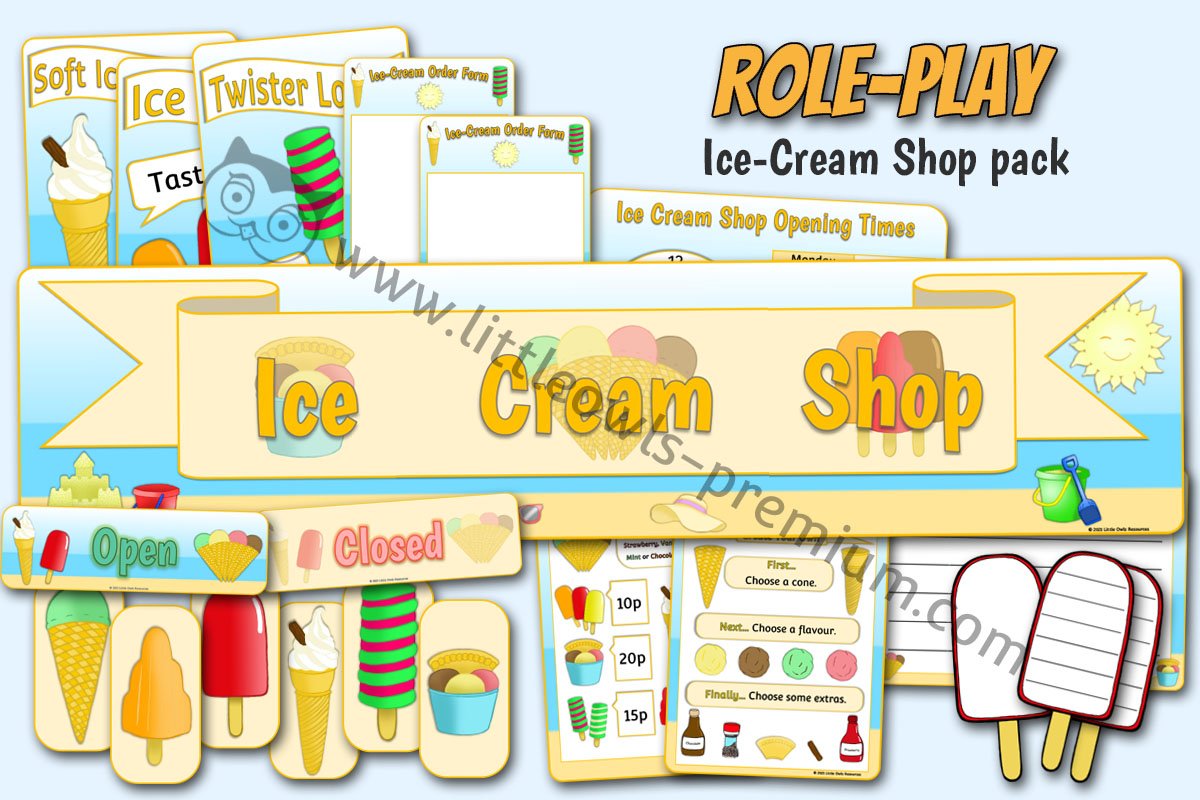
Download this one stop 'Ice Cream Shop' role play pack. Ideal role play area for the hot weather.
Pack includes:
banner
menu with prices
create your own ice cream menu
blank proforma menu for children to fill in
picture cards of various things to be sold in the role-play shop (to ideally cut out and laminate)
lolly writing sheets
ice cream order form
advert posters with descriptive vocab
open and closed signs
opening times clock
blank mark making/drawing/writing sheets
Original artwork drawn by Sara Murphy and final digital resources created by Stuart Murphy. COPYRIGHT ON ALL OF THE RESOURCES HOUSED ON THIS WEBSITE IS HELD BY ‘LITTLE OWLS RESOURCES’. OUR RESOURCES (INCLUDING THE IMAGES WITHIN THEM), CANNOT BE SHARED OR SOLD COMMERCIALLY.
DOWNLOAD EDITABLE (DOCX)
DOWNLOAD NON-EDITABLE (PDF)
DOWNLOAD NON-EDITABLE (Zipped JPEGs)
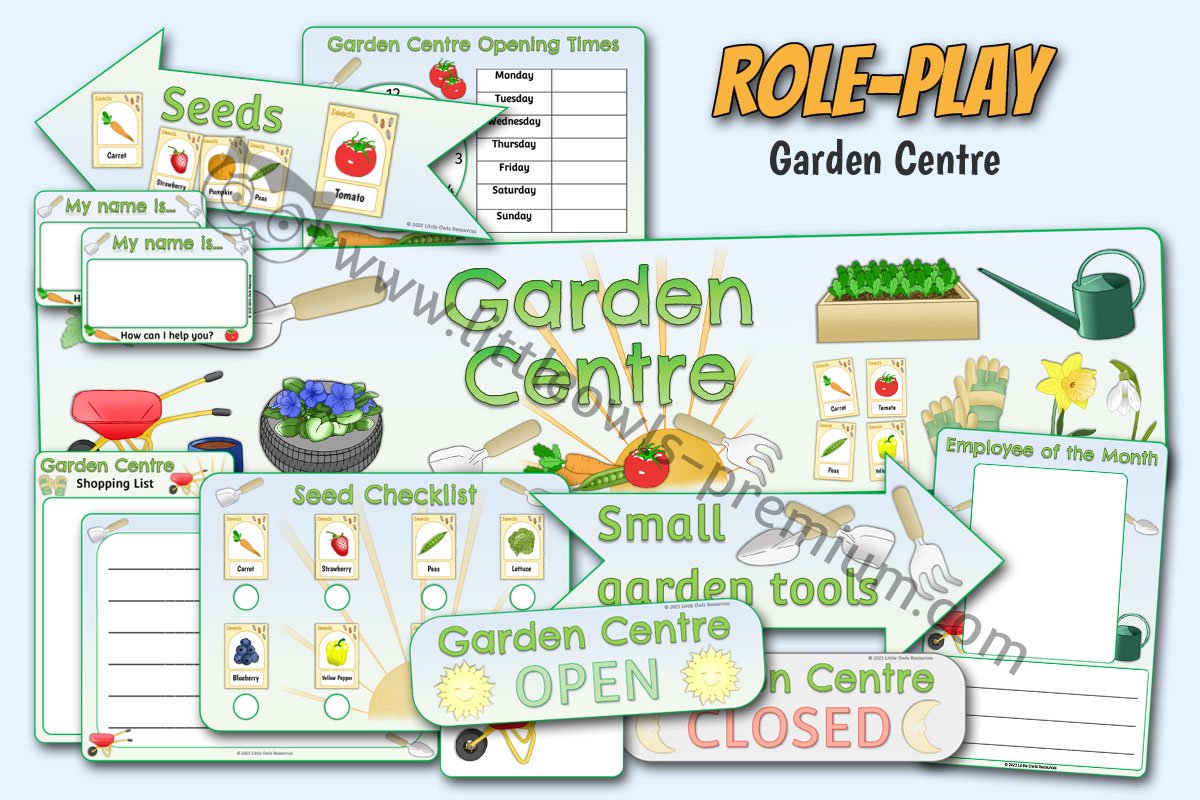
'Garden Centre' role play pack.
Pack includes:
Banner
Hi my name is…how can I help you? Name badges - Name Writing
Open/Closed signs
Timetable for opening times (including blank clock face for children to draw on their own hands)
Seed Checklist
Seed packet props - lettuce, peas, carrots, blueberries, peppers, strawberries, pumpkins, tomatoes
Seed packet mark making templates
Garden Centre shopping list mark making templates
Various signs for colouring - garden gloves, trowel, wheelbarrow, watering can, tyre planter, small spade, small rake, box planter
Direction signs - Flowers, Seeds, Small Garden Tools, Planters, Other Items
Various assorted prop cards
Drawing/Writing/Mark Making Sheets
Word cards/labels
‘Employee of the Month’ mark making template
‘Garden Centre’ list sheets
Original artwork drawn by Sara Murphy and final digital resources created by Stuart Murphy. COPYRIGHT ON ALL OF THE RESOURCES HOUSED ON THIS WEBSITE IS HELD BY ‘LITTLE OWLS RESOURCES’. OUR RESOURCES (INCLUDING THE IMAGES WITHIN THEM), CANNOT BE SHARED OR SOLD COMMERCIALLY.
DOWNLOAD EDITABLE (DOCX)
DOWNLOAD NON-EDITABLE (PDF)
DOWNLOAD NON-EDITABLE (Zipped JPEGs)
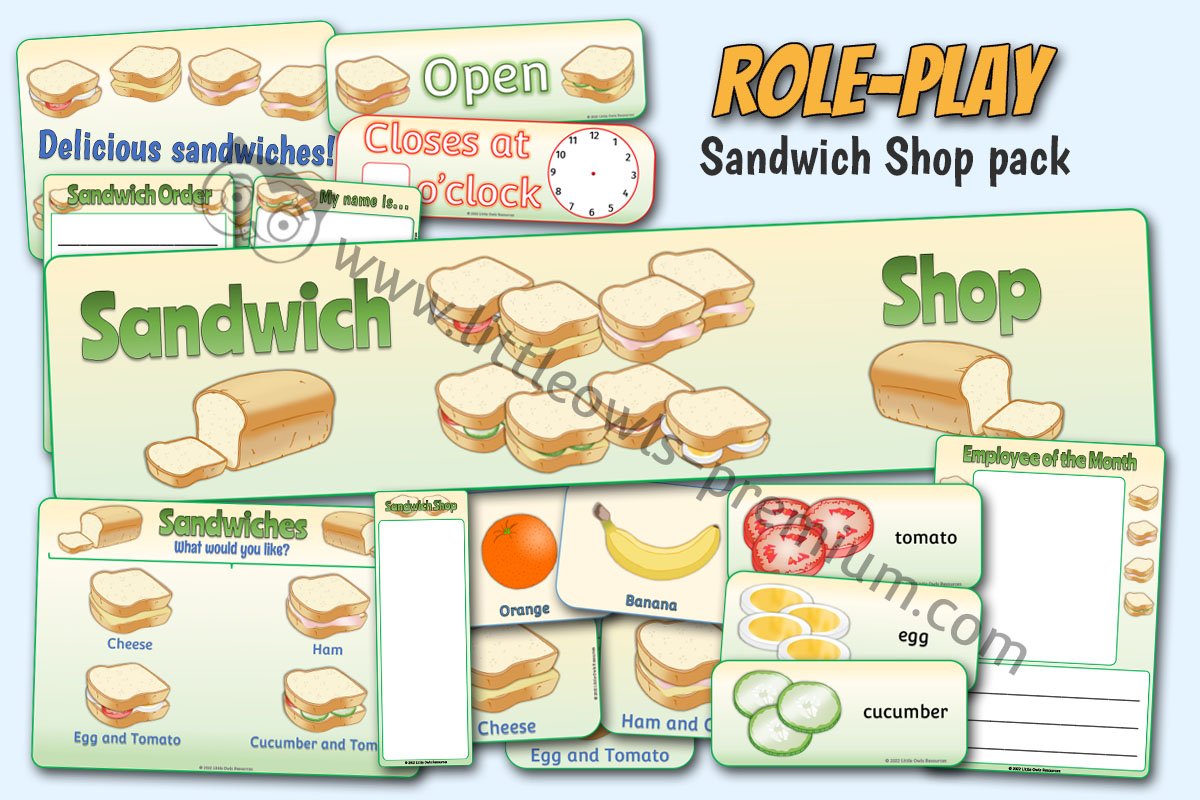
Download this one stop 'Sandwich Shop' role play pack. Ideal role play area for learning about personal choice/opinion/preferences, healthy eating, time and money.
Pack includes:
Banner
Name badges - Name Writing
Sandwich, fillings and extras prop cards (to be sold in shop)
Various posters
Sandwich order forms
Various menus
Open and closed signs (with and without clocks)
Various mark making sheets, e.g. ‘Employee of the month’ and note sheets
Opening times poster
Contactless payment poster and prop cards
Original artwork drawn by Sara Murphy and final digital resources created by Stuart Murphy. COPYRIGHT ON ALL OF THE RESOURCES HOUSED ON THIS WEBSITE IS HELD BY ‘LITTLE OWLS RESOURCES’. OUR RESOURCES (INCLUDING THE IMAGES WITHIN THEM), CANNOT BE SHARED OR SOLD COMMERCIALLY.
DOWNLOAD EDITABLE (DOCX)
DOWNLOAD NON-EDITABLE (PDF)
DOWNLOAD NON-EDITABLE (Zipped JPEGs)
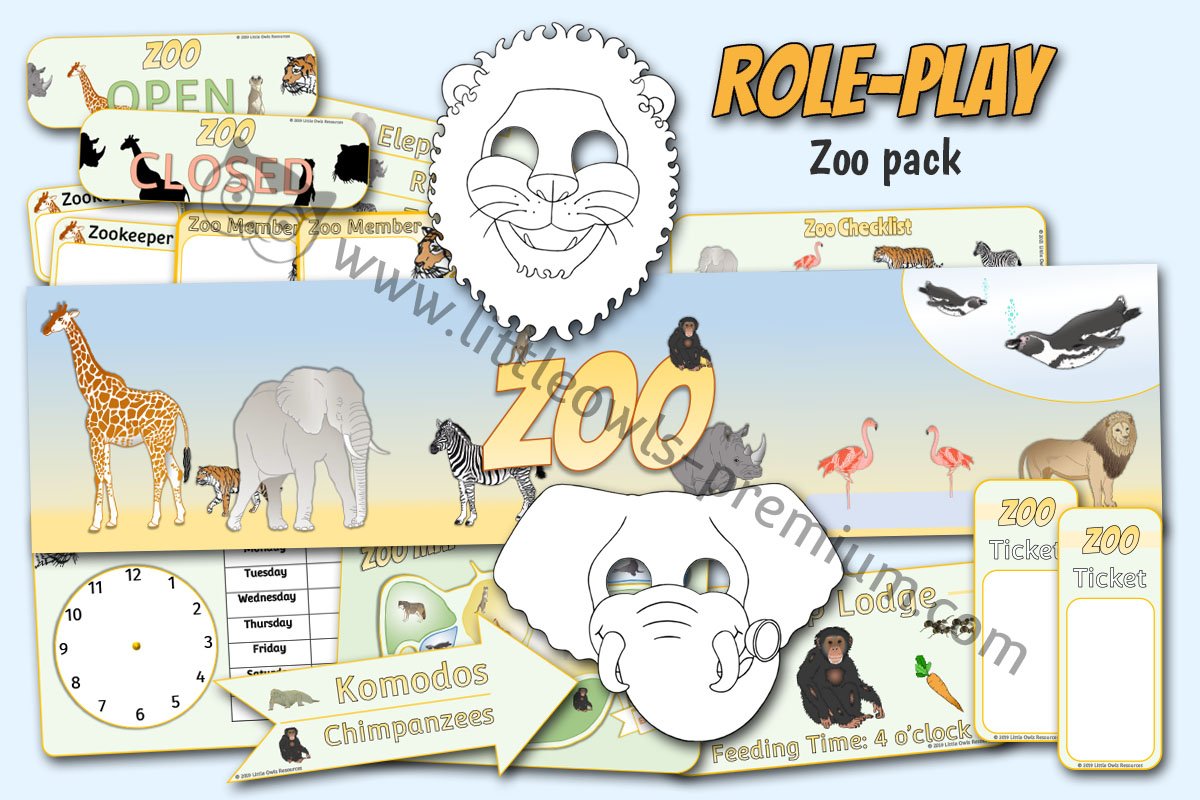
Zoo Role Play Pack includes:
zoo banner
tickets - Name Writing
open/closed signs
opening times poster
‘Which animals can you find?’ tick sheet
ice cream/lolly prices poster
ice cream/lolly role play cards
zoo map
zoo gold member card templates
direction posters/arrows
animal enclosure posters (include feeding times with food each animal eats)
animal food role play cards for children to feed animals correct foods
zookeeper name card templates - Name Writing
animal masks
Alongside this role-play you may like to read: Dear Zoo, Hole in the Zoo, Rumble in the Jungle, Giraffes Can’t Dance or Who’s at the Zoo?
Original artwork drawn by Sara Murphy and final digital resources created by Stuart Murphy. COPYRIGHT ON ALL OF THE RESOURCES HOUSED ON THIS WEBSITE IS HELD BY ‘LITTLE OWLS RESOURCES’. OUR RESOURCES (INCLUDING THE IMAGES WITHIN THEM), CANNOT BE SHARED OR SOLD COMMERCIALLY.
DOWNLOAD EDITABLE (DOCX)
DOWNLOAD NON-EDITABLE (PDF)
DOWNLOAD NON-EDITABLE (Zipped JPEGs)
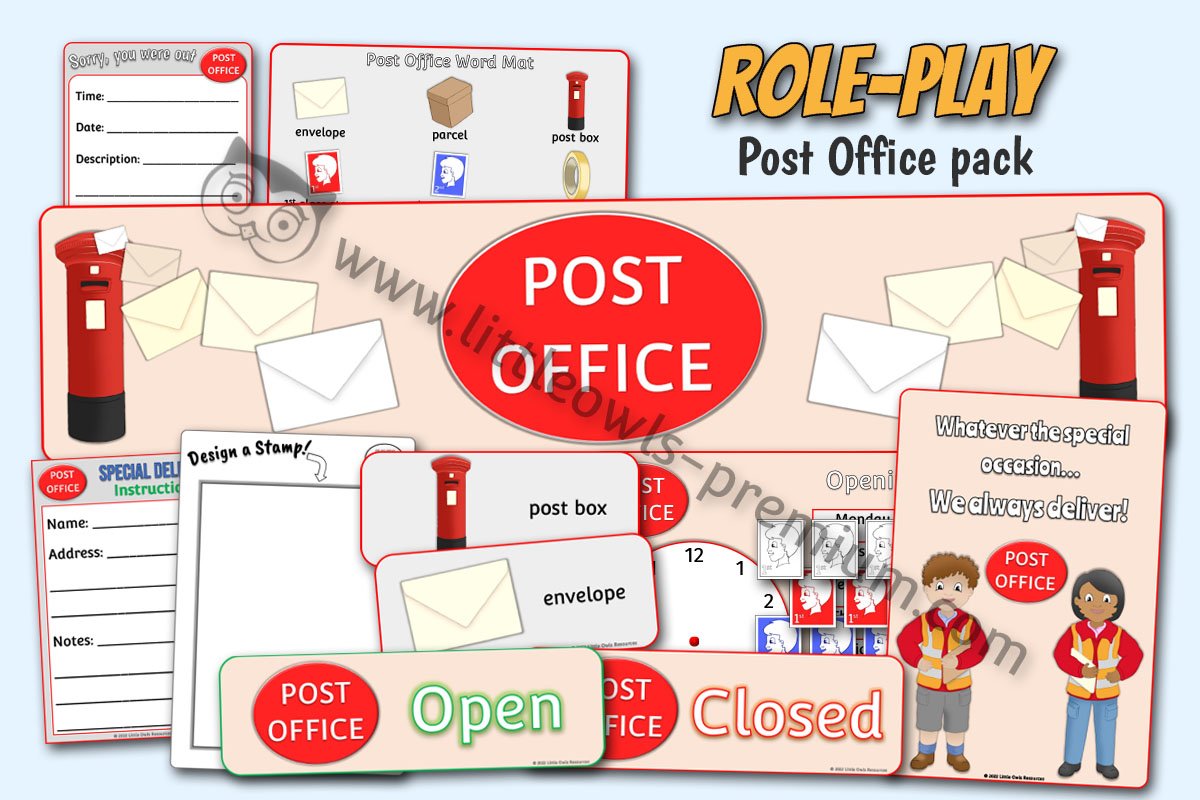
'Post Office' role play pack.
Pack includes:
banner
post box prop/display image across 2 A4 pages
name badges - Name Writing
opening times sign (with clock template to draw hands)
open and closed signs
various mark making sheets: ‘Special delivery instructions’ and ‘Sorry, you were out’ notes
1st and 2nd class stamp sheets (full colour & colouring versions)
various small signs & labels for items available for purchase with space for price tags
A4 sized posters/signs for display
Post office word mat & word cards
General post office mark making sheets
‘Design a stamp’ sheets
Have fun!
Alongside this role-play you may like to read: Dear Zoo, The Jolly Postman, Dragon Post or Paddington’s Post.
Keywords: post office, role play/role-play pack, postal worker, postal workers, postwoman, postman, postie, sending letters/parcels/presents/gifts/deliveries
Original artwork drawn by Sara Murphy and final digital resources created by Stuart Murphy. COPYRIGHT ON ALL OF THE RESOURCES HOUSED ON THIS WEBSITE IS HELD BY ‘LITTLE OWLS RESOURCES’. OUR RESOURCES (INCLUDING THE IMAGES WITHIN THEM), CANNOT BE SHARED OR SOLD COMMERCIALLY.
DOWNLOAD EDITABLE (DOCX)
DOWNLOAD NON-EDITABLE (PDF)
DOWNLOAD NON-EDITABLE (Zipped JPEGs)
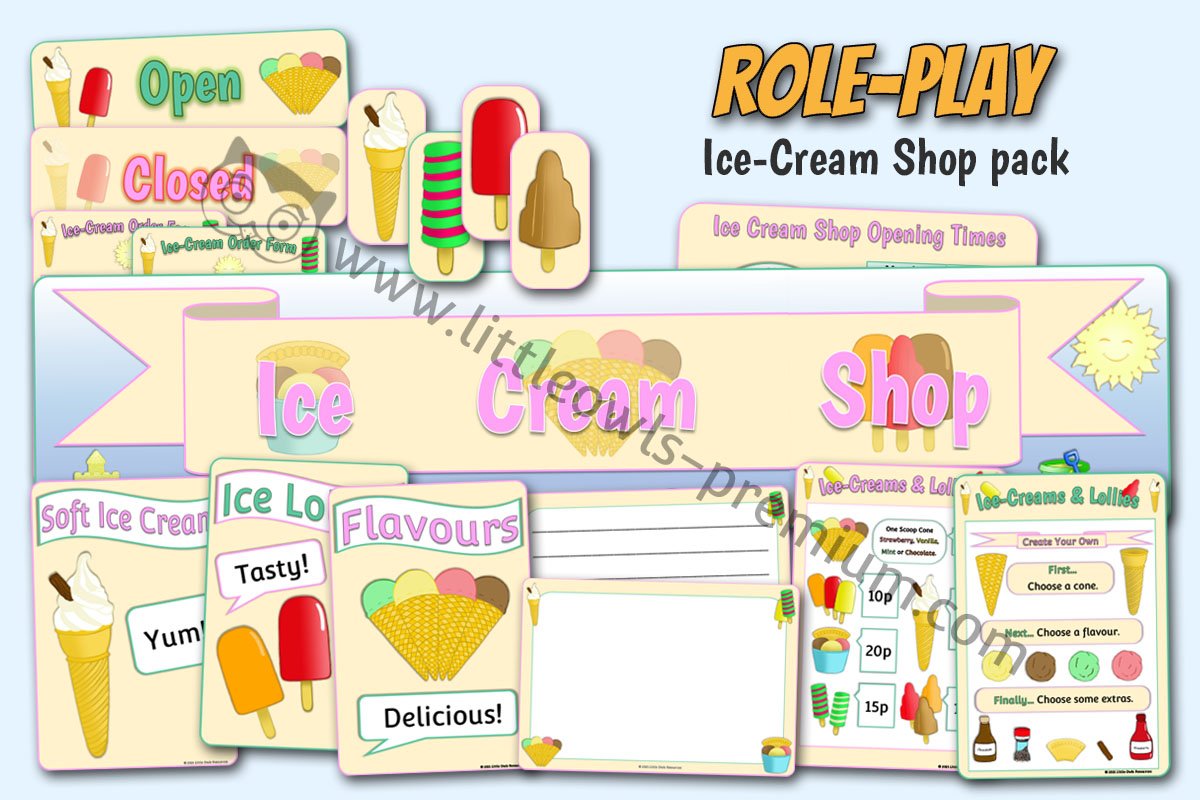
Download this one stop 'Ice Cream Shop' role play pack. Ideal role play area for the hot weather.
Pack includes:
banner
menu with prices
create your own ice cream menu
blank proforma menu for children to fill in
picture cards of various things to be sold in the role-play shop (to ideally cut out and laminate)
lolly writing sheets
ice cream order form
advert posters with descriptive vocab
open and closed signs
opening times clock
blank mark making/drawing/writing sheets
Original artwork drawn by Sara Murphy and final digital resources created by Stuart Murphy. COPYRIGHT ON ALL OF THE RESOURCES HOUSED ON THIS WEBSITE IS HELD BY ‘LITTLE OWLS RESOURCES’. OUR RESOURCES (INCLUDING THE IMAGES WITHIN THEM), CANNOT BE SHARED OR SOLD COMMERCIALLY.
DOWNLOAD EDITABLE (DOCX)
DOWNLOAD NON-EDITABLE (PDF)
DOWNLOAD NON-EDITABLE (Zipped JPEGs)

Everything you need to set up a veterinary surgery role-play area!
Pack includes:
(Please note that words, etc. can be altered within the editable docx file version.)
‘Veterinary Surgery’ banner
Paw print decorative signs
Vet identity cards - Name Writing
Posters ‘Thank-you for waiting’, ‘After handling animals…wash you hands’
Social distancing signs & floormats
‘Please wait’ footprint floormats
Animal word cards
‘Put medicine bottles here’ & ‘Put bandages here’ activity signs
‘Open’ & ‘Closed’ signs
‘Vet Opening Times’ Poster - Space to draw hands on clock and write times
‘Opens at…o’ clock’ and ‘Closes at…o’ clock’ signs - spaces for emergent writing
Templates for emergent writing (ideally laminated) - ‘Medicine Prescription’, ‘Appointments’ & ‘Pet Details’ forms
‘For Sale’ Menu sign - Space to write prices by items
Items for sale prop cards
Animal fact cards
Original artwork drawn by Sara Murphy and final digital resources created by Stuart Murphy. COPYRIGHT ON ALL OF THE RESOURCES HOUSED ON THIS WEBSITE IS HELD BY ‘LITTLE OWLS RESOURCES’. OUR RESOURCES (INCLUDING THE IMAGES WITHIN THEM), CANNOT BE SHARED OR SOLD COMMERCIALLY.
DOWNLOAD EDITABLE (DOCX)
DOWNLOAD NON-EDITABLE (PDF)
DOWNLOAD NON-EDITABLE (Zipped JPEGs)
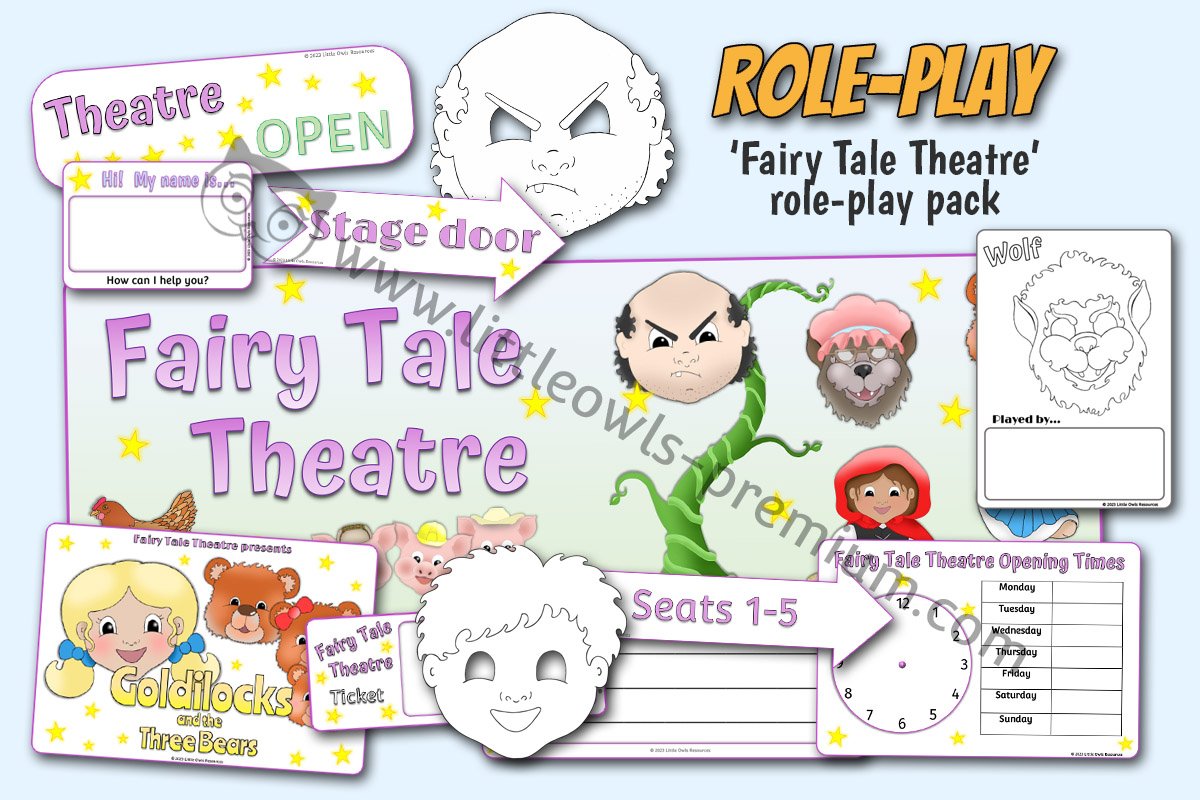
'Fairy Tale Theatre' role play pack.
Pack includes:
(Please note that due to file size, the docx document has been split into 2 separate files. However, the pdf and zip files are still available as a single download each.)
Banner
Hi my name is…how can I help you? Name badges
Ticket templates
Open/Closed signs
Timetable for opening times (including blank clock face for children to draw on their own hands)
Various signs, e.g. box office, exit, stage door, actors this way
Seat number signs
Name writing activity - Character image posters with writing ‘Played by…’ with space for children to write their name underneath. Blank version also available for additional characters.
Advert posters, e.g. ‘Fairy Tale Theatre Presents Goldilocks and the Three Bears’ - full colour, colouring in and design your own versions: Goldilocks and the Three Bears, Jack and the Beanstalk, Little Red Riding Hood, The Little Red Hen and The Three Little Pigs.
Mark making border sheets
Mark making ‘Starring…’ sheets
Character masks x 21: Daddy Bear, Mummy Bear, Baby Bear, Goldilocks, Jack, Jack’s Mum, Giant, Red Riding Hood, Brick Pig, Straw Pig, Stick Pig, Little Red Hen, Lazy Cat, Lazy Goose, Lazy Pig, Bean Seller, Giant’s Wife, Grandmother, Wolf in disguise, Wolf and Wood Cutter.
Original artwork drawn by Sara Murphy and final digital resources created by Stuart Murphy. COPYRIGHT ON ALL OF THE RESOURCES HOUSED ON THIS WEBSITE IS HELD BY ‘LITTLE OWLS RESOURCES’. OUR RESOURCES (INCLUDING THE IMAGES WITHIN THEM), CANNOT BE SHARED OR SOLD COMMERCIALLY.
DOWNLOAD EDITABLE (Part 1) (DOCX)
DOWNLOAD EDITABLE (Part 2 - Masks) (DOCX)
DOWNLOAD NON-EDITABLE (PDF)
DOWNLOAD NON-EDITABLE (Zipped JPEGs)
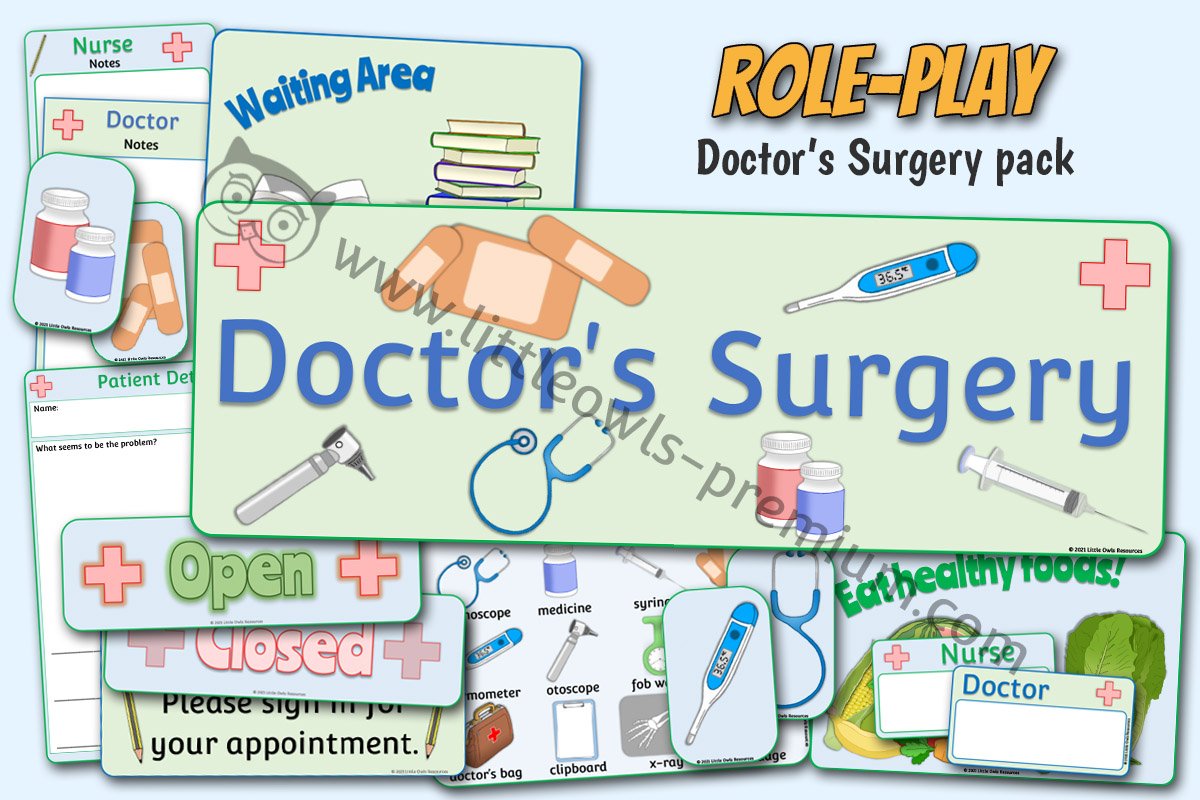
Everything you need to set up a doctor’s surgery role-play area!
Pack includes:
(Please note that words, etc. can be altered within the editable docx file version.)
‘Doctor’s Surgery’ banner
First Aid Red Cross signs
Doctor and Nurse identity cards - Name Writing
‘Waiting Area’ Poster
Various Posters promoting ‘Good Health’
Social distancing signs & floormats
‘Please wait’ footprint floormats
Medical word mat
Medical word cards
‘Welcome! Please sign in for your appointment’ sign for encouraging emergent writing
‘Open’ & ‘Closed’ signs
‘Surgery Opening Times’ Poster - Space to draw hands on clock and write times
‘Opens at…o’ clock’ and ‘Closes at…o’ clock’ signs - spaces for emergent writing
Templates for emergent writing (ideally laminated) - ‘Doctor Notes’, ‘Nurse Notes’, ‘Appointments’ & ‘Patient Details’ forms
Clipboard template for mark making
Role-Play Prop cards
Original artwork drawn by Sara Murphy and final digital resources created by Stuart Murphy. COPYRIGHT ON ALL OF THE RESOURCES HOUSED ON THIS WEBSITE IS HELD BY ‘LITTLE OWLS RESOURCES’. OUR RESOURCES (INCLUDING THE IMAGES WITHIN THEM), CANNOT BE SHARED OR SOLD COMMERCIALLY.
DOWNLOAD EDITABLE (DOCX)
DOWNLOAD NON-EDITABLE (PDF)
DOWNLOAD NON-EDITABLE (Zipped JPEGs)
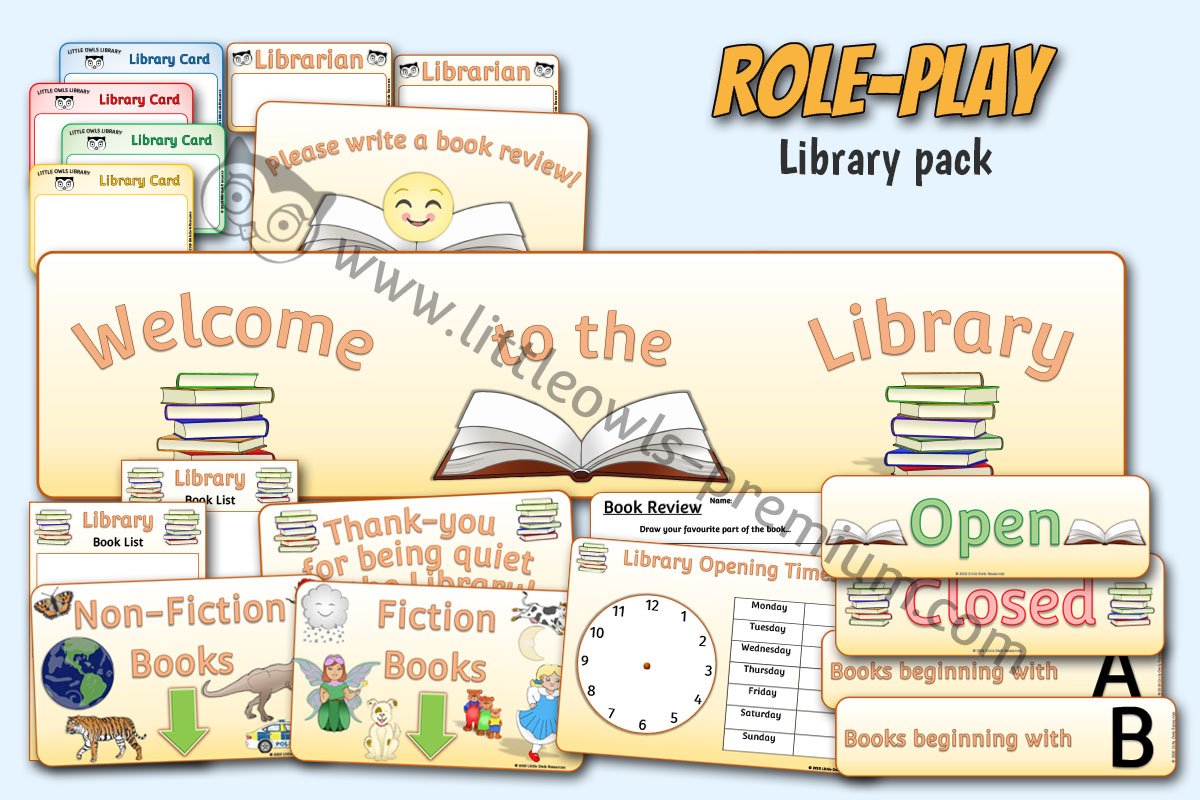
Everything you need to set up a library role-play area!
Pack includes:
(Please note that words, etc. can be altered within the editable docx file version.)
‘Welcome to the Library’ banner
Library cards
Librarian identity cards - Name Writing
Posters
‘Please wait’ footprint floormats
Signs for - ‘Non-Fiction Books’ and ‘Fiction Books’
‘Books beginning with…’ signs for sorting activities
‘Put…books in a pile here’ counting activity signs
‘Open’ & ‘Closed’ signs
‘Library Opening Times’ Poster
Templates for emergent writing (ideally laminated) - ‘Library Book List’ & ‘Write your name here when you borrow a book’,
Differentiated book review sheets
Original artwork drawn by Sara Murphy and final digital resources created by Stuart Murphy. COPYRIGHT ON ALL OF THE RESOURCES HOUSED ON THIS WEBSITE IS HELD BY ‘LITTLE OWLS RESOURCES’. OUR RESOURCES (INCLUDING THE IMAGES WITHIN THEM), CANNOT BE SHARED OR SOLD COMMERCIALLY.
DOWNLOAD EDITABLE (DOCX)
DOWNLOAD NON-EDITABLE (PDF)
DOWNLOAD NON-EDITABLE (Zipped JPEGs)
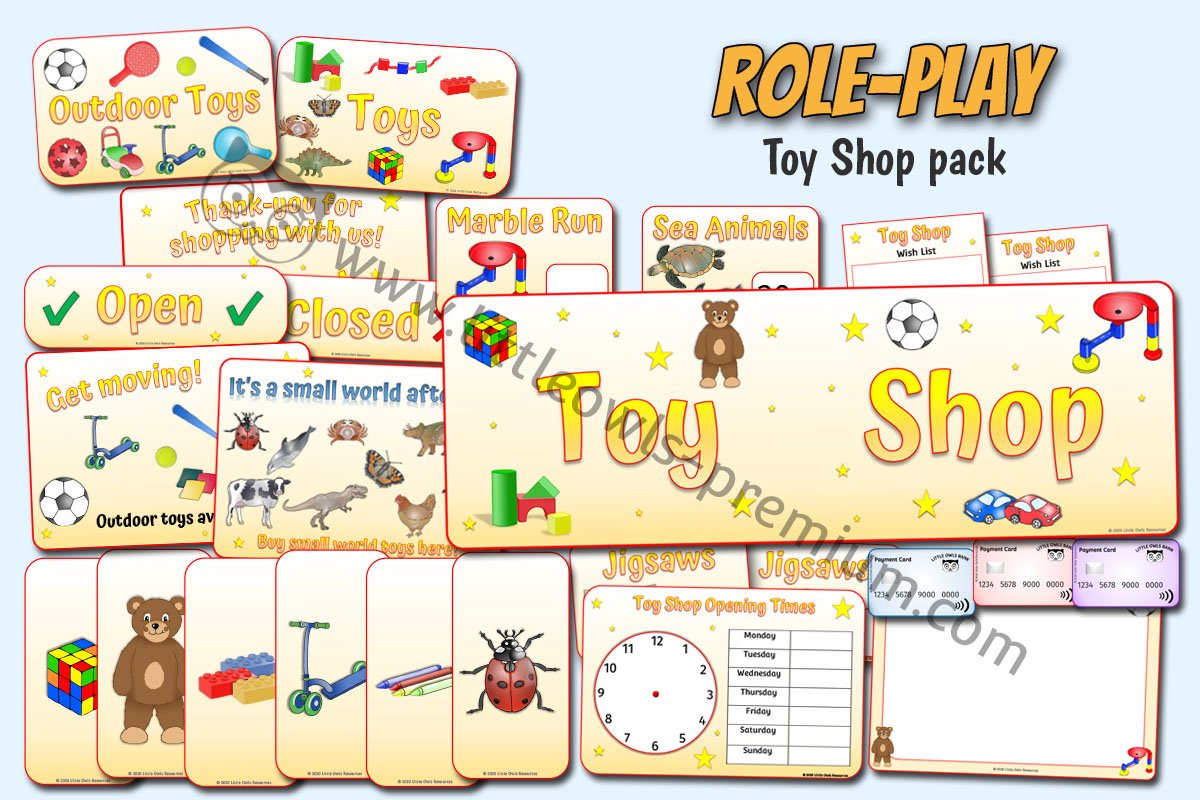
We have created this ‘Toy Shop Role-Play Pack’ with social distancing practices within shops included.
Pack includes:
‘Toy Shop’ banner
‘Please pay using contactless’ signs
Credit cards in various colours
‘Don’t stand too close! Thank-you!’ social distancing sign
‘Thank-you for shopping with us! Stay Safe!’ sign
‘Please wait’ footprint floor mat
‘Toys’ and ‘Outdoor Toys’ signs
Various individual toy labels (within the categories above) - version with price and version with a blank box for children to write price
Open/Closed signs
‘Get moving! Outdoor toys available here!’ sign
‘It’s a small world after all! Buy small world toys here!’ sign
Opening times poster - with blank clock for children/adult to draw hands on plus days of the week blank timetable
Toy Shop Wish List templates for emergent writing
Drawing and Writing blank sheets with toy themed borders for mark making and emergent writing
Picture cards of various toys to be sold in the role-play shop (to ideally cut out and laminate)
Original artwork drawn by Sara Murphy and final digital resources created by Stuart Murphy. COPYRIGHT ON ALL OF THE RESOURCES HOUSED ON THIS WEBSITE IS HELD BY ‘LITTLE OWLS RESOURCES’. OUR RESOURCES (INCLUDING THE IMAGES WITHIN THEM), CANNOT BE SHARED OR SOLD COMMERCIALLY.
DOWNLOAD EDITABLE (DOCX)
DOWNLOAD NON-EDITABLE (PDF)
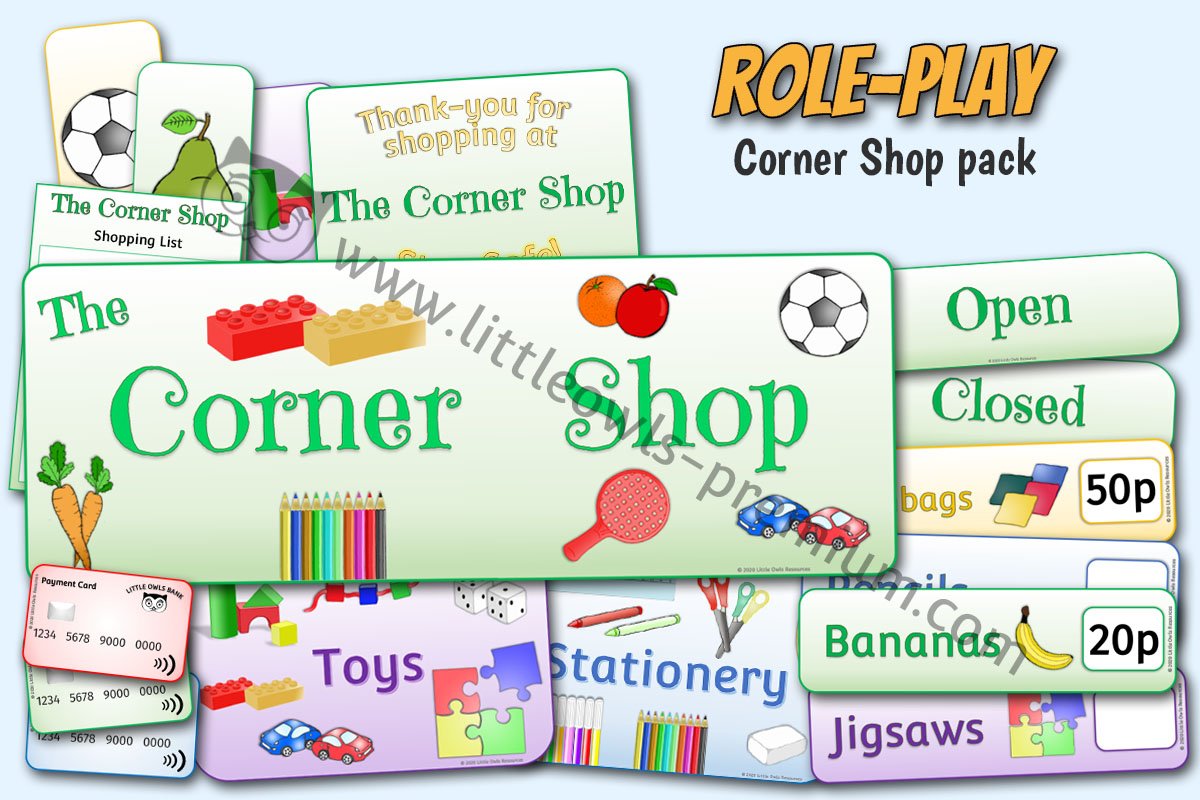
We have created this ‘Corner Shop Role-Play Pack’ with possible social distancing practices within shops in mind.
Pack includes:
‘Corner Shop’ banner
‘Please pay using contactless’ signs
Credit cards in various colours
‘Not too close! Thank-you!’ social distancing sign
‘Thank-you for shopping at the Corner Shop. Stay Safe!’ sign
‘Please wait’ footprint floor mats
‘Special offers!’ sign
‘Fresh fruit and vegetables’, ‘Stationery’, Toys’ & ‘Outdoor Toys’ signs/labels
Various individual goods labels (within the categories above) - version with price and version with a blank box for children to write price
Open/Closed signs
Opening times poster - with blank clock for children/adult to draw hands on plus days of the week blank timetable
Shopping list templates for emergent writing
Picture cards of various goods to be sold in the role-play shop (to ideally cut out and laminate)
Original artwork drawn by Sara Murphy and final digital resources created by Stuart Murphy. COPYRIGHT ON ALL OF THE RESOURCES HOUSED ON THIS WEBSITE IS HELD BY ‘LITTLE OWLS RESOURCES’. OUR RESOURCES (INCLUDING THE IMAGES WITHIN THEM), CANNOT BE SHARED OR SOLD COMMERCIALLY.
DOWNLOAD EDITABLE (DOCX)
DOWNLOAD NON-EDITABLE (PDF)
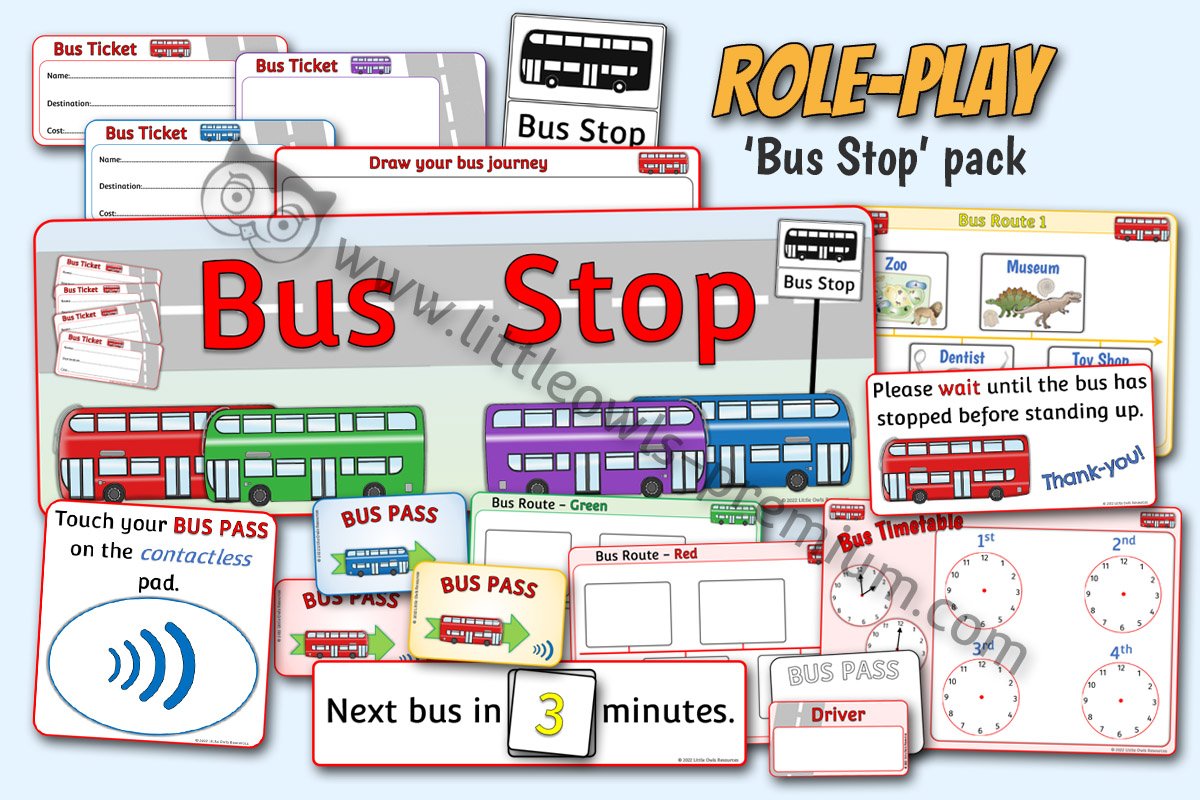
This 'Bus Stop' role play pack is ideal to create a transport or travel themed role play area!
Pack includes:
Banner
Contactless pads
Bus passes (pre-made and templates for children’s mark making) - Name Writing
Next bus in … minutes interactive sign
Driver name tags - Name Writing
Bus tickets (various templates for children’s mark making)
Bus stop signs (2 designs)
Posters
Ticket prices poster template
Draw and write about your journey template sheets
Bus timetable clocks
Bus route poster and templates for mark making
Original artwork drawn by Sara Murphy and final digital resources created by Stuart Murphy. COPYRIGHT ON ALL OF THE RESOURCES HOUSED ON THIS WEBSITE IS HELD BY ‘LITTLE OWLS RESOURCES’. OUR RESOURCES (INCLUDING THE IMAGES WITHIN THEM), CANNOT BE SHARED OR SOLD COMMERCIALLY.
DOWNLOAD EDITABLE (DOCX)
DOWNLOAD NON-EDITABLE (PDF)
DOWNLOAD NON-EDITABLE (Zipped JPEGs)
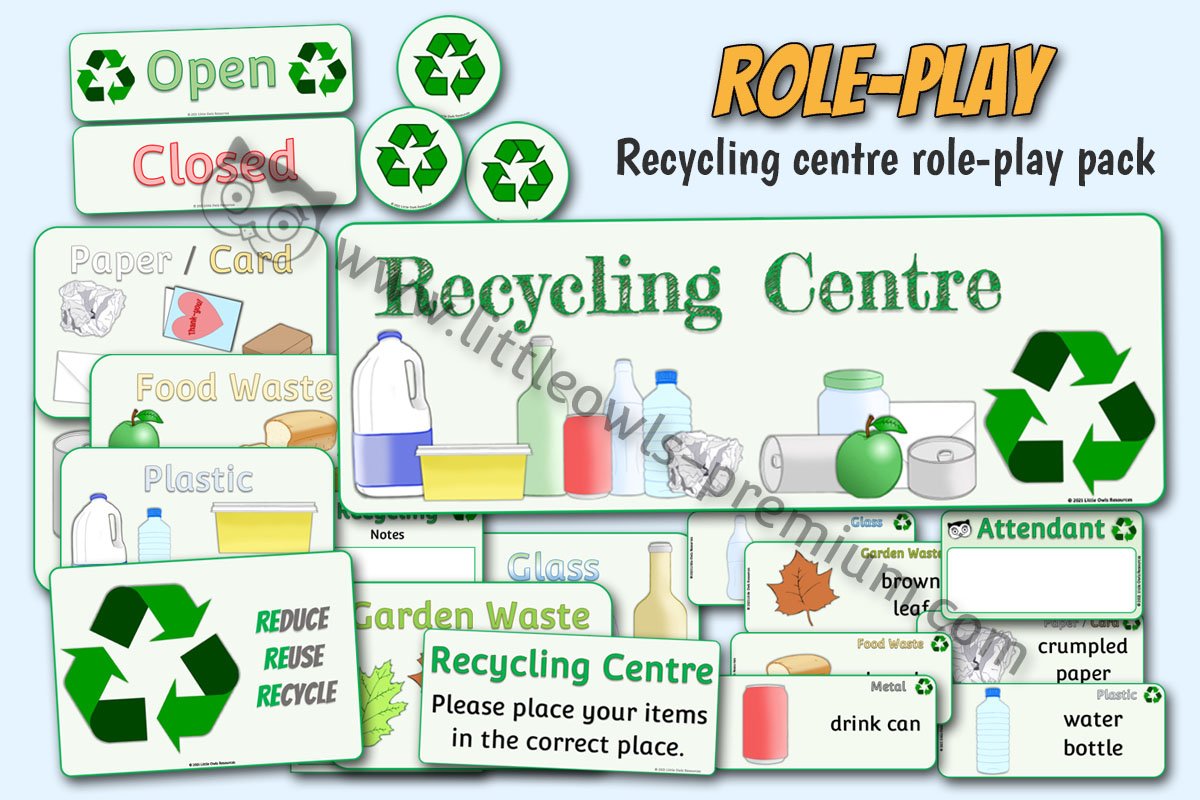
Everything you need to set up a Recycling Centre role-play area!
Pack includes:
(Please note that words, etc. can be altered within the editable docx file version.)
‘Recycling Centre’ banner
Signs for sorting ‘Metal’, ‘Plastic’, ‘Food Waste’, ‘Garden Waste’, ‘Paper/Card’ and ‘Glass’
Recycling Symbols
‘Attendant’ identity cards - Name Writing
Social distancing signs & floormats
Various Posters, such as ‘Reduce, Reuse, Recycle’ and ‘Not sure where your items go?…Please ask an attendant’
‘Open’ & ‘Closed’ signs
‘Recycling Centre Opening Times’ Poster - Space to draw hands on clock and write times
‘Opens at…o’ clock’ and ‘Closes at…o’ clock’ signs - spaces for emergent writing
‘Recycling Notes’ Template sheets for emergent writing
Recycling item word cards to be used for display or sorting activities in conjunction with the material signs mentioned above.
Original artwork drawn by Sara Murphy and final digital resources created by Stuart Murphy. COPYRIGHT ON ALL OF THE RESOURCES HOUSED ON THIS WEBSITE IS HELD BY ‘LITTLE OWLS RESOURCES’. OUR RESOURCES (INCLUDING THE IMAGES WITHIN THEM), CANNOT BE SHARED OR SOLD COMMERCIALLY.
DOWNLOAD EDITABLE (DOCX)
DOWNLOAD NON-EDITABLE (PDF)
DOWNLOAD NON-EDITABLE (Zipped JPEGs)
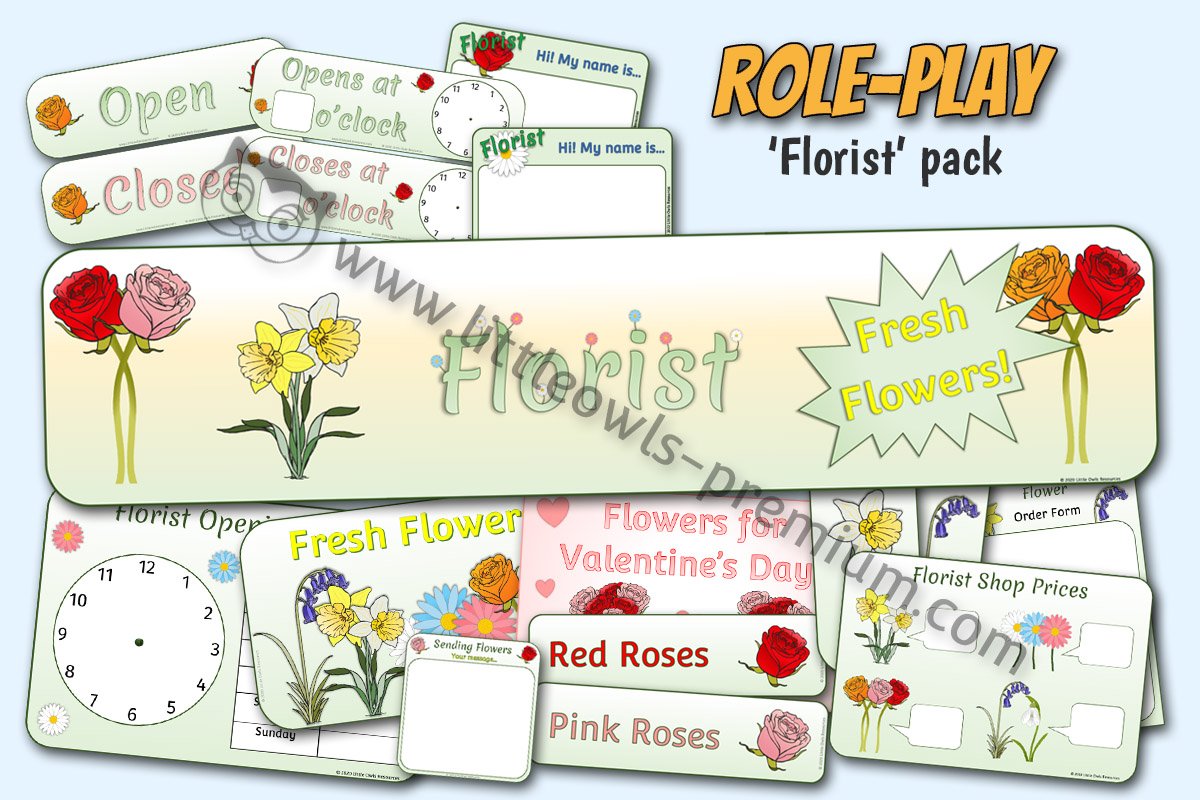
Download this one stop 'Florist' role play pack.
Pack includes:
banner
prices poster
blank proforma prices for children to fill in
picture cards of various flowers to be sold in the role-play florist (to ideally cut out and laminate)
flower signs
open/closed signs (2 styles)
flower order and message templates
opening times poster (including days of the week)
Original artwork drawn by Sara Murphy and final digital resources created by Stuart Murphy. COPYRIGHT ON ALL OF THE RESOURCES HOUSED ON THIS WEBSITE IS HELD BY ‘LITTLE OWLS RESOURCES’. OUR RESOURCES (INCLUDING THE IMAGES WITHIN THEM), CANNOT BE SHARED OR SOLD COMMERCIALLY.
DOWNLOAD EDITABLE (DOCX)
DOWNLOAD NON-EDITABLE (PDF)
DOWNLOAD NON-EDITABLE (Zipped JPEGs)
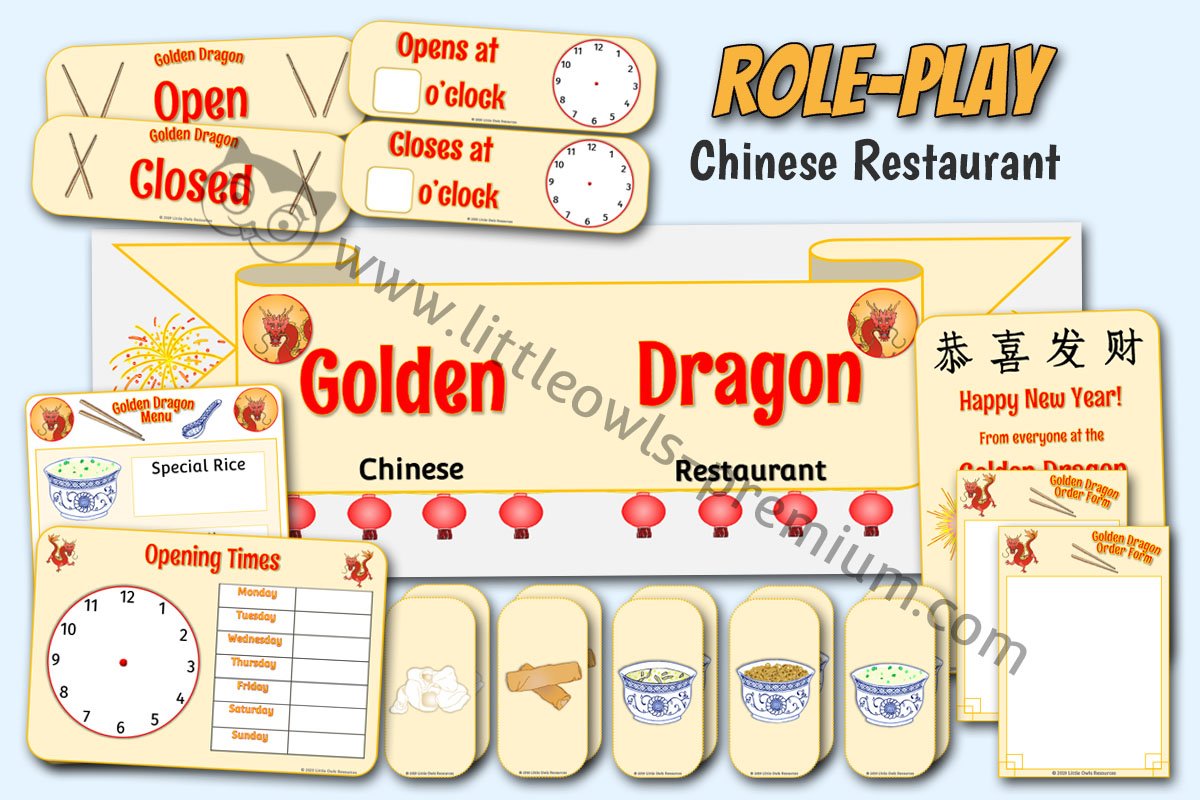
Chinese restaurant role-play pack includes:
banner
order forms for mark making/pre-writing
open/closed signs
posters (one of which includes opening times)
two versions of a basic menu (one with prices and one without for children to practise writing numbers)
set of corresponding food cards to stock your restaurant
CLICK HERE to visit ‘Chinese/Lunar New Year’ topic page.
Original artwork drawn by Sara Murphy and final digital resources created by Stuart Murphy. COPYRIGHT ON ALL OF THE RESOURCES HOUSED ON THIS WEBSITE IS HELD BY ‘LITTLE OWLS RESOURCES’. OUR RESOURCES (INCLUDING THE IMAGES WITHIN THEM), CANNOT BE SHARED OR SOLD COMMERCIALLY.
DOWNLOAD EDITABLE (DOCX)
DOWNLOAD NON-EDITABLE (PDF)
DOWNLOAD NON-EDITABLE (Zipped JPEGs)
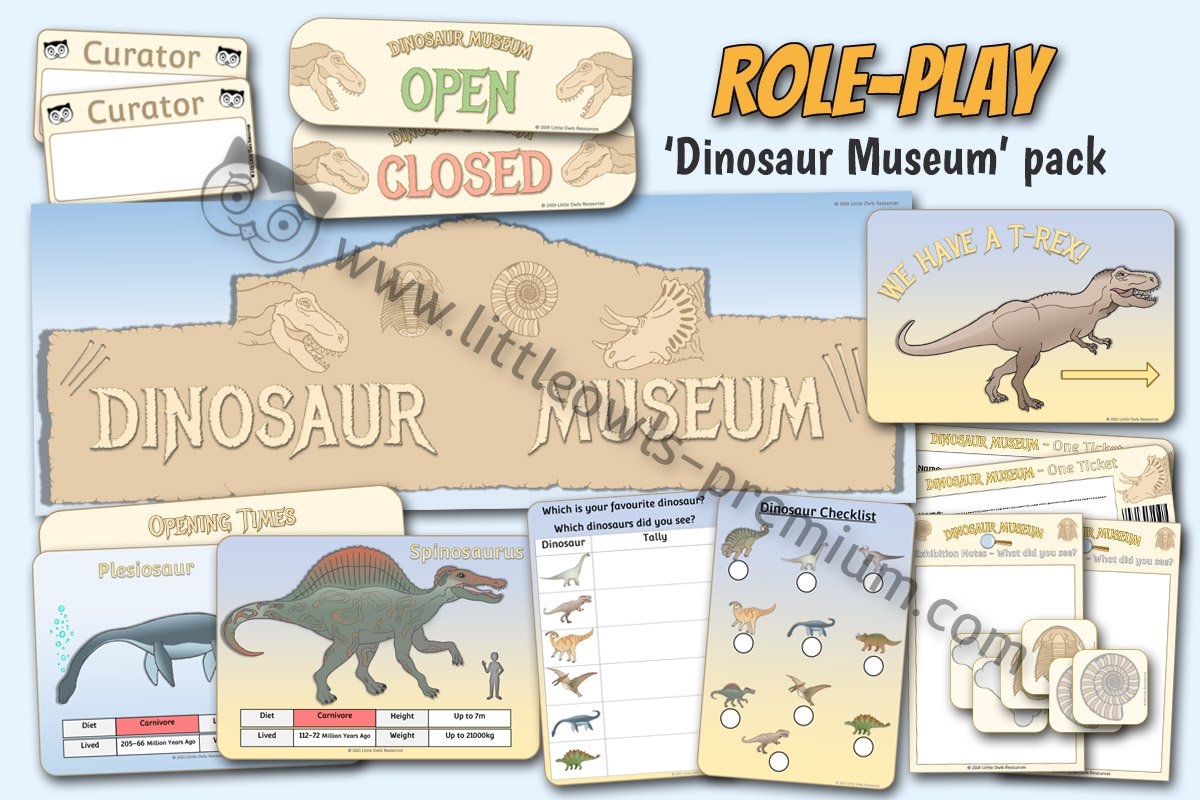
Dinosaur Museum Role Play Pack includes (36 pages):
museum banner
curator badges - Name Writing
open/closed signs
opening times poster
tickets - Name Writing
exhibition note sheets for mark making and emergent writing
dinosaur border paper (colour and b/w)
direction posters
dinosaur exhibit posters (large dinosaur with comparison to human height picture plus basic facts at the bottom as you may find when walking around a museum)
fossil finding equipment poster
various fossil cards to use in order to set up a paleontological dig sand tray in your museum
dinosaur tally and check list sheets
writing/drawing/mark making sheets which could be used as activities whilst at the museum
Please also see our other paleontological dig site sand tray resources in our ‘Dinosaurs topic’ which include: letters, numbers, shapes and phase 2 & 3 keywords on fossils.
CLICK HERE to visit ‘Dinosaur’ topic page.
Original artwork drawn by Sara Murphy and final digital resources created by Stuart Murphy. COPYRIGHT ON ALL OF THE RESOURCES HOUSED ON THIS WEBSITE IS HELD BY ‘LITTLE OWLS RESOURCES’. OUR RESOURCES (INCLUDING THE IMAGES WITHIN THEM), CANNOT BE SHARED OR SOLD COMMERCIALLY.
DOWNLOAD EDITABLE (DOCX)
DOWNLOAD NON-EDITABLE (PDF)
DOWNLOAD NON-EDITABLE (Zipped JPEGs)
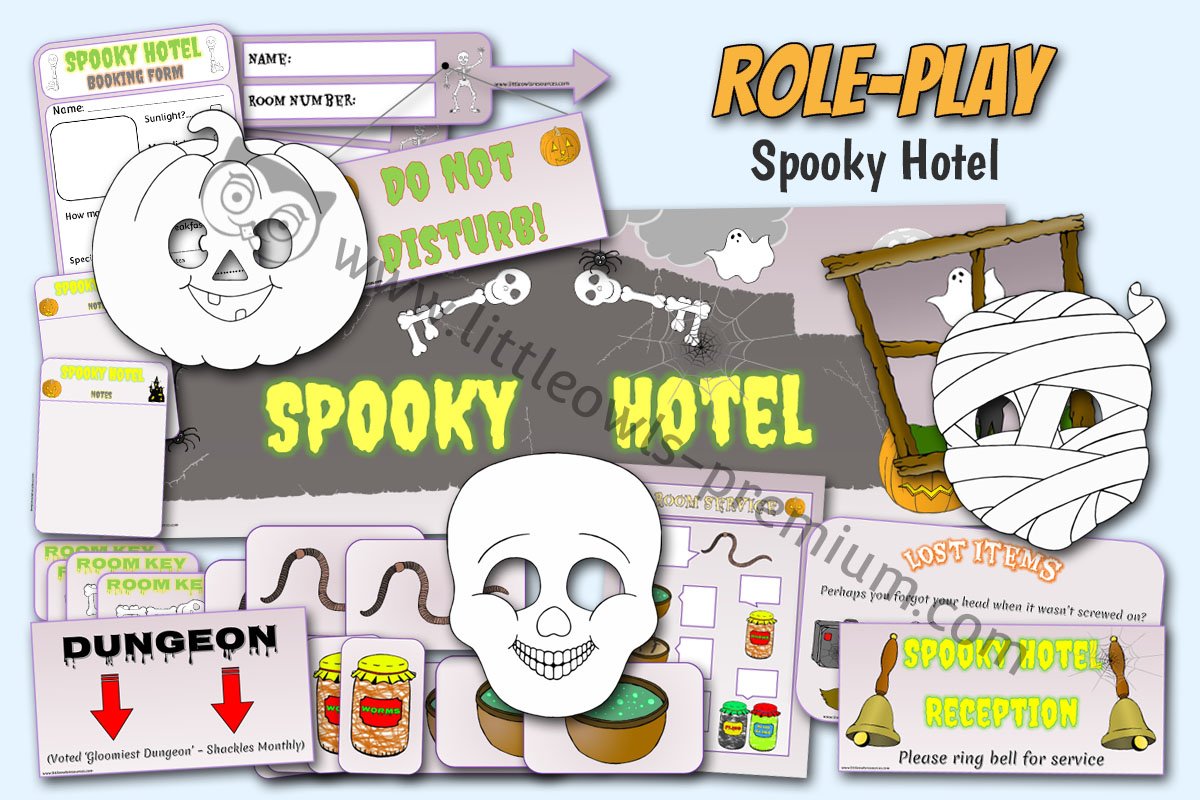
Transform your role-play area into a Spooky Hotel. All you need to inspire role-play whilst also developing key skills.
Pack includes:
friendly halloween character masks
banner
luggage tags
spooky view windows
numbered room key cards (skeleton key theme)
posters and signs
room service menu sheets (one pre-filled with prices and the other left blank for children to fill in)
spooky food cards to stock your room service shop
spooky hotel note sheets for mark making and emergent writing
employee of the month template for mark making
spooky hotel booking form for mark making, drawing and emergent writing
Original artwork drawn by Sara Murphy and final digital resources created by Stuart Murphy. COPYRIGHT ON ALL OF THE RESOURCES HOUSED ON THIS WEBSITE IS HELD BY ‘LITTLE OWLS RESOURCES’. OUR RESOURCES (INCLUDING THE IMAGES WITHIN THEM), CANNOT BE SHARED OR SOLD COMMERCIALLY.
DOWNLOAD EDITABLE (DOCX)
DOWNLOAD NON-EDITABLE (PDF)
DOWNLOAD NON-EDITABLE (Zipped JPEGs)
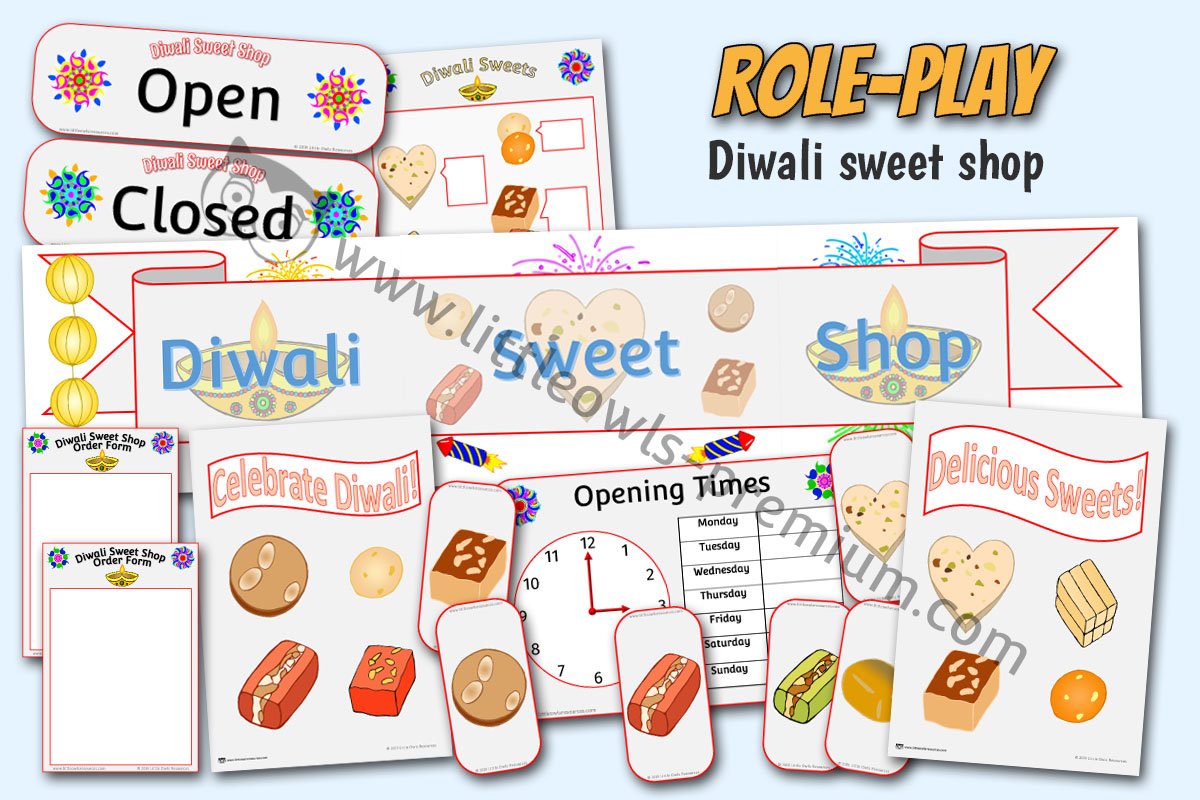
Download this one stop 'Diwali Sweet Shop' role play pack.
Pack includes:
banner
menu with prices
blank proforma menu for children to fill in
picture cards of various sweets to be sold in the role-play shop (to ideally cut out and laminate)
sweets order form
open/closed signs
opening times poster
advert posters with descriptive vocab
Original artwork drawn by Sara Murphy and final digital resources created by Stuart Murphy. COPYRIGHT ON ALL OF THE RESOURCES HOUSED ON THIS WEBSITE IS HELD BY ‘LITTLE OWLS RESOURCES’. OUR RESOURCES (INCLUDING THE IMAGES WITHIN THEM), CANNOT BE SHARED OR SOLD COMMERCIALLY.
DOWNLOAD EDITABLE (DOCX)
DOWNLOAD NON-EDITABLE (PDF)
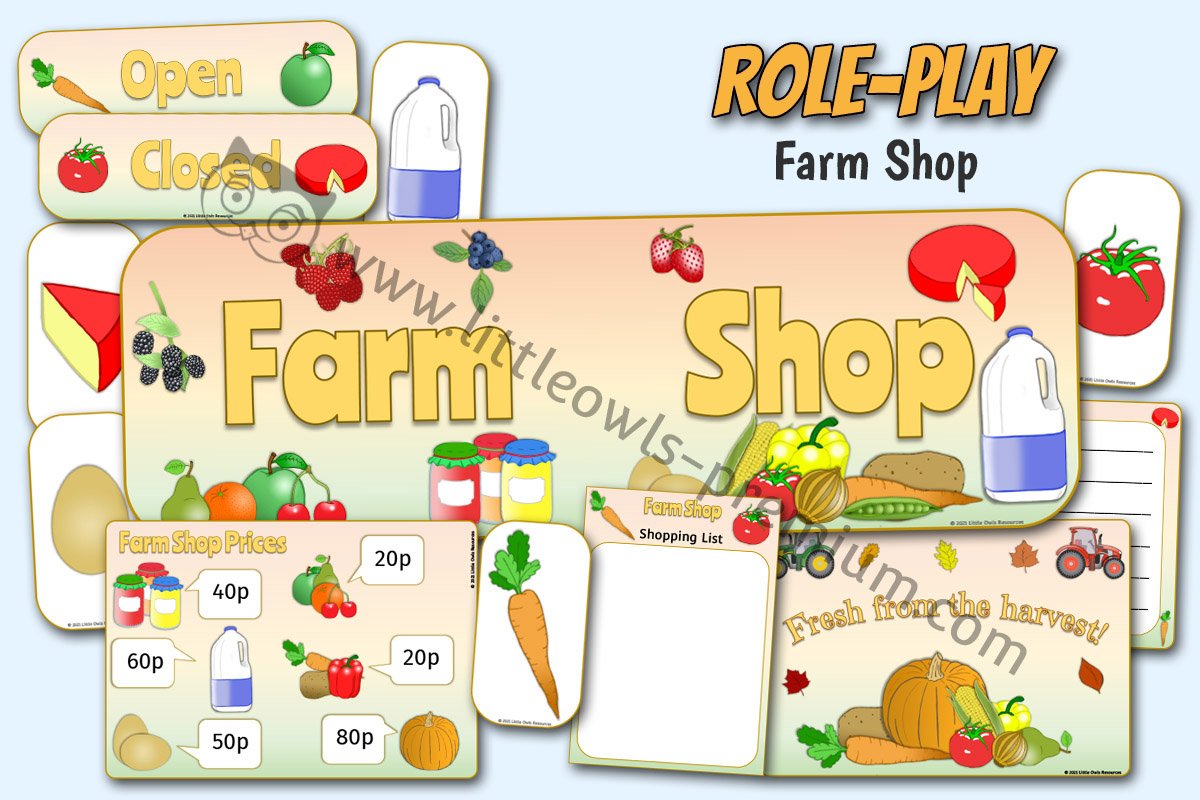
Download this one stop 'Farm Shop' role play pack. Ideal role play area for the Autumn Harvest term.
Pack includes:
banner
menu with prices
blank proforma menu for children to fill in
picture cards of various things to be sold in the role-play shop (to ideally cut out and laminate)
food signs
open/closed signs
advert posters
shopping list templates
opening times poster (including days of the week)
product price signs (pre-written versions and those to be filled in by children)
Original artwork drawn by Sara Murphy and final digital resources created by Stuart Murphy. COPYRIGHT ON ALL OF THE RESOURCES HOUSED ON THIS WEBSITE IS HELD BY ‘LITTLE OWLS RESOURCES’. OUR RESOURCES (INCLUDING THE IMAGES WITHIN THEM), CANNOT BE SHARED OR SOLD COMMERCIALLY.
DOWNLOAD EDITABLE (DOCX)
DOWNLOAD NON-EDITABLE (PDF)
DOWNLOAD NON-EDITABLE (Zipped JPEGs)
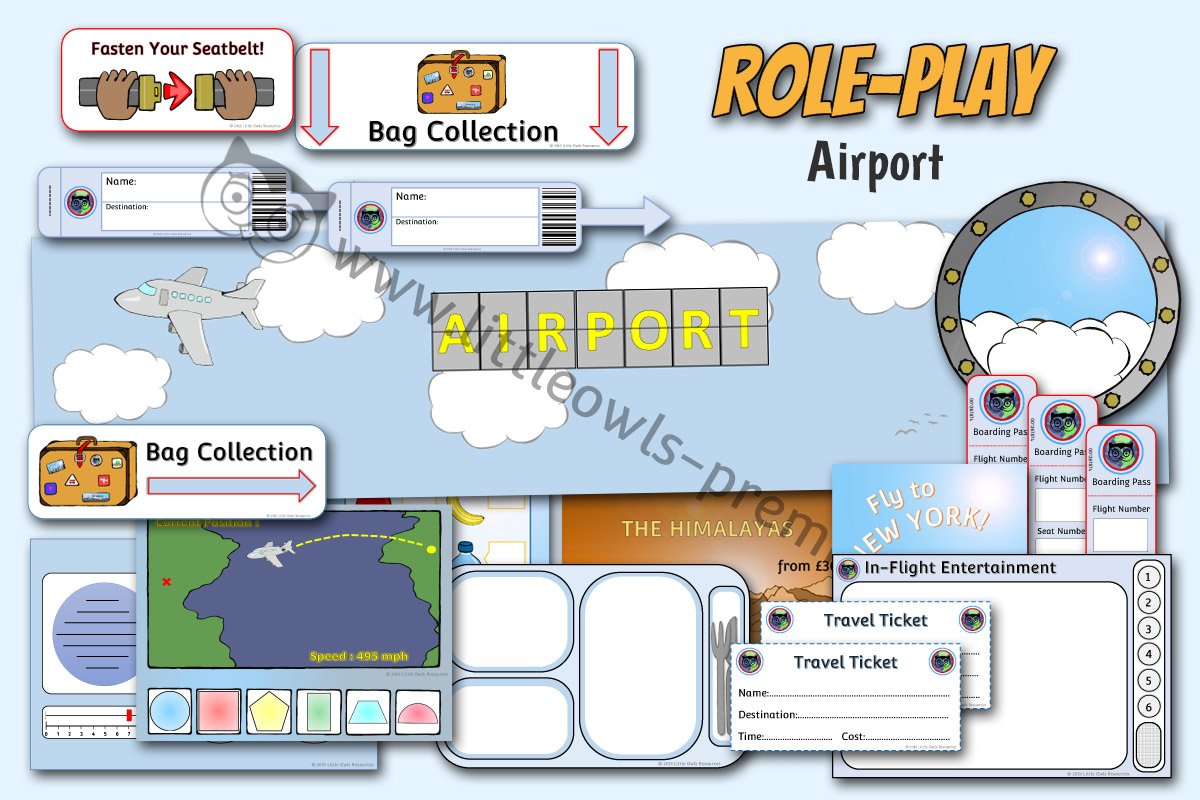
Download this one stop 'Airport' role play pack.
Ideal role play area for a holiday theme.
Pack includes:
banner
aeroplane windows
in-flight treats menu
treats menu item cards
food tray
TV screen
cockpit controls
seatbelt sign
aeroplane position tracker screen
bag collection signs
boarding passes
luggage tags
travel tickets
What will you pack in your suitcase? sheet
travel advert posters
Original artwork drawn by Sara Murphy and final digital resources created by Stuart Murphy. COPYRIGHT ON ALL OF THE RESOURCES HOUSED ON THIS WEBSITE IS HELD BY ‘LITTLE OWLS RESOURCES’. OUR RESOURCES (INCLUDING THE IMAGES WITHIN THEM), CANNOT BE SHARED OR SOLD COMMERCIALLY.
DOWNLOAD EDITABLE (DOCX)
DOWNLOAD NON-EDITABLE (PDF)
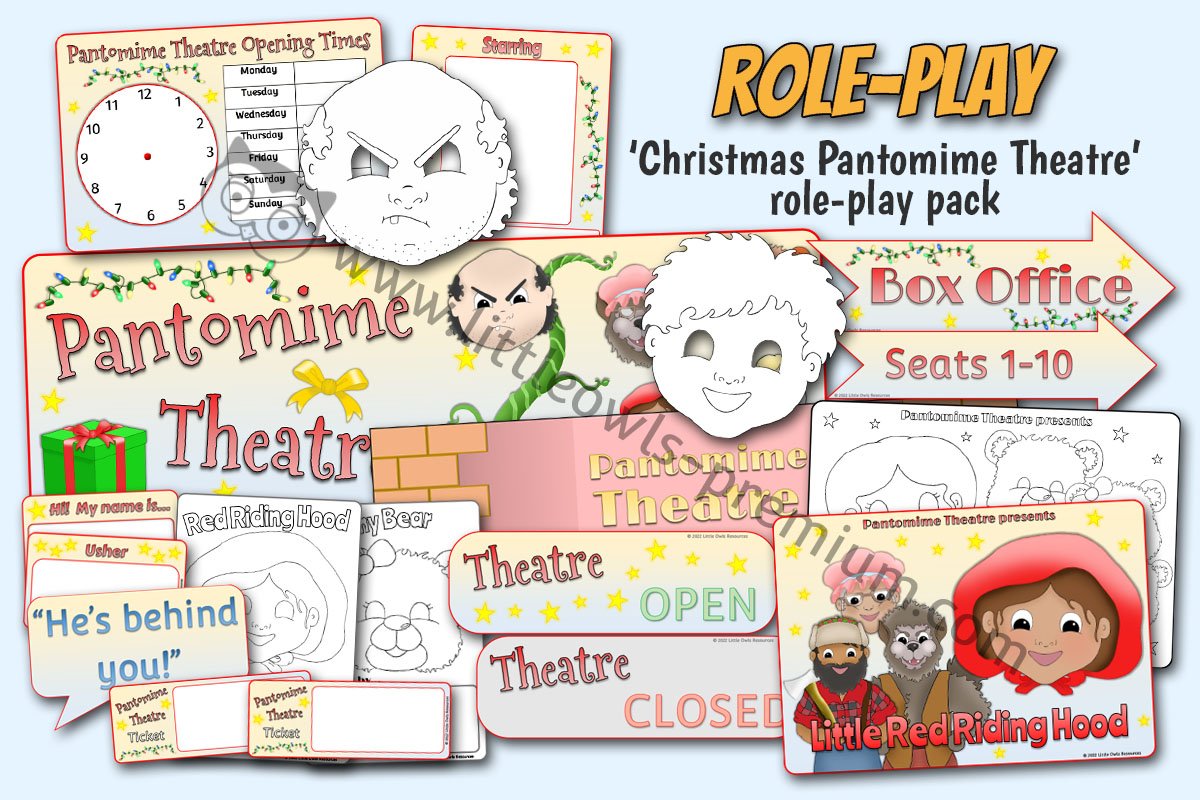
Christmas 'Pantomime Theatre' role play pack.
Pack includes:
Banners x 2
Hi my name is…how can I help you? Name badges
Usher badges
Ticket templates
Open/Closed signs
Timetable for opening times (including blank clock face for children to draw on their own hands)
Various signs, e.g. box office, exit, stage door, actors this way
Seat number signs
Name writing activity - Character image posters with writing ‘Played by…’ with space for children to write their name underneath. Blank version also available for additional characters.
Pantomime call out posters, e.g. ‘He’s behind you!’ and ‘Oh no it isn’t!’
Pantomime advert posters - full colour, colouring in and design your own versions: Goldilocks and the Three Bears, Jack and the Beanstalk and Little Red Riding Hood.
Mark making border sheets
Character masks x 14
Mark making ‘Starring…’ sheets
Original artwork drawn by Sara Murphy and final digital resources created by Stuart Murphy. COPYRIGHT ON ALL OF THE RESOURCES HOUSED ON THIS WEBSITE IS HELD BY ‘LITTLE OWLS RESOURCES’. OUR RESOURCES (INCLUDING THE IMAGES WITHIN THEM), CANNOT BE SHARED OR SOLD COMMERCIALLY.
DOWNLOAD EDITABLE (DOCX)
DOWNLOAD NON-EDITABLE (PDF)
DOWNLOAD NON-EDITABLE (Zipped JPEGs)
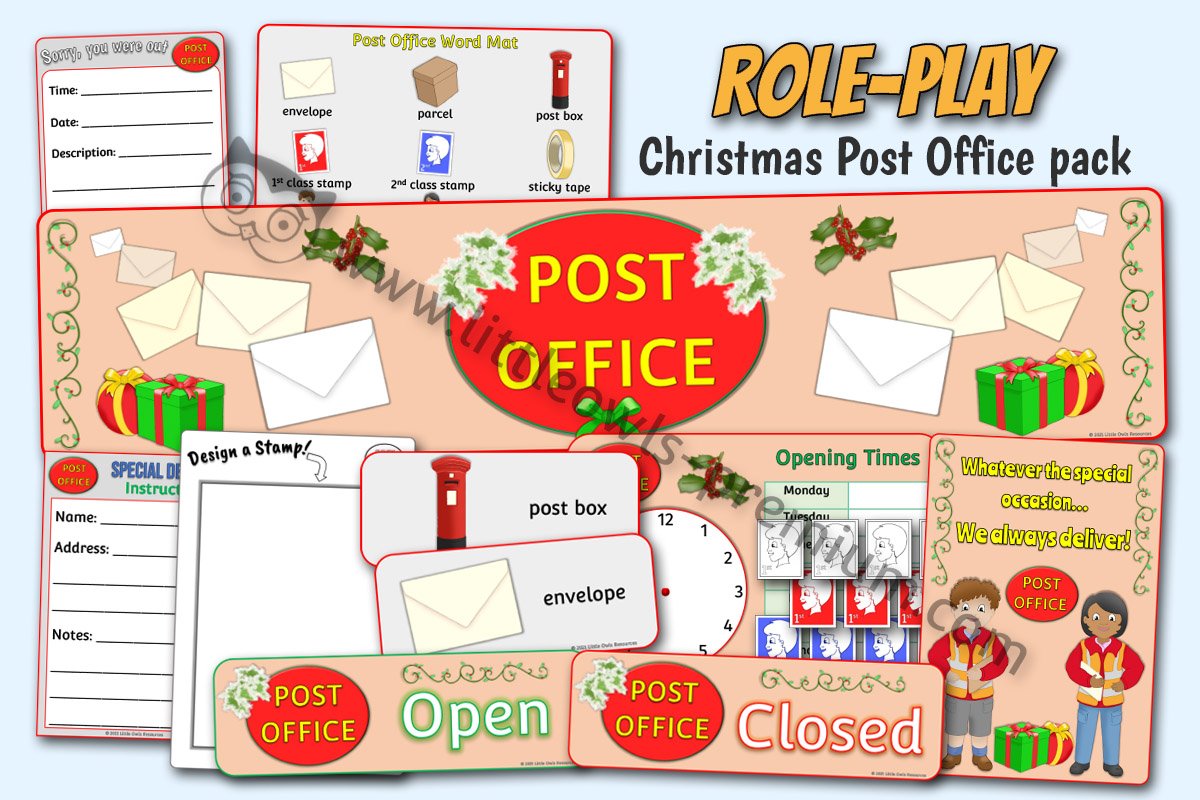
'Christmas Post Office' role play pack.
Pack includes:
banner
post box prop/display image across 2 A4 pages
name badges - name writing
opening times sign (with clock template to draw hands)
open and closed signs
various mark making sheets: ‘Special delivery instructions’ and ‘Sorry, you were out’ notes
1st and 2nd class stamp sheets (full colour & colouring versions)
various small signs & labels for items available for purchase with space for price tags
A4 sized posters/signs for display
Post office word mat & word cards
General post office mark making sheets
‘Design a stamp’ sheets
Have fun!
Keywords: post office, role play/role-play pack, postal worker, postal workers, postwoman, postman, postie, sending letters/parcels/presents/gifts/deliveries
Original artwork drawn by Sara Murphy and final digital resources created by Stuart Murphy. COPYRIGHT ON ALL OF THE RESOURCES HOUSED ON THIS WEBSITE IS HELD BY ‘LITTLE OWLS RESOURCES’. OUR RESOURCES (INCLUDING THE IMAGES WITHIN THEM), CANNOT BE SHARED OR SOLD COMMERCIALLY.
DOWNLOAD EDITABLE (DOCX)
DOWNLOAD NON-EDITABLE (PDF)
DOWNLOAD NON-EDITABLE (Zipped JPEGs)
A selection of our EYFS & KS1 Numeracy/Mathematics printable resources and activity ideas:
EYFS Year 1 & Year 2 Mathematics resources | Scroll through to browse some of our EYFS & KS1 Numeracy Activity Ideas
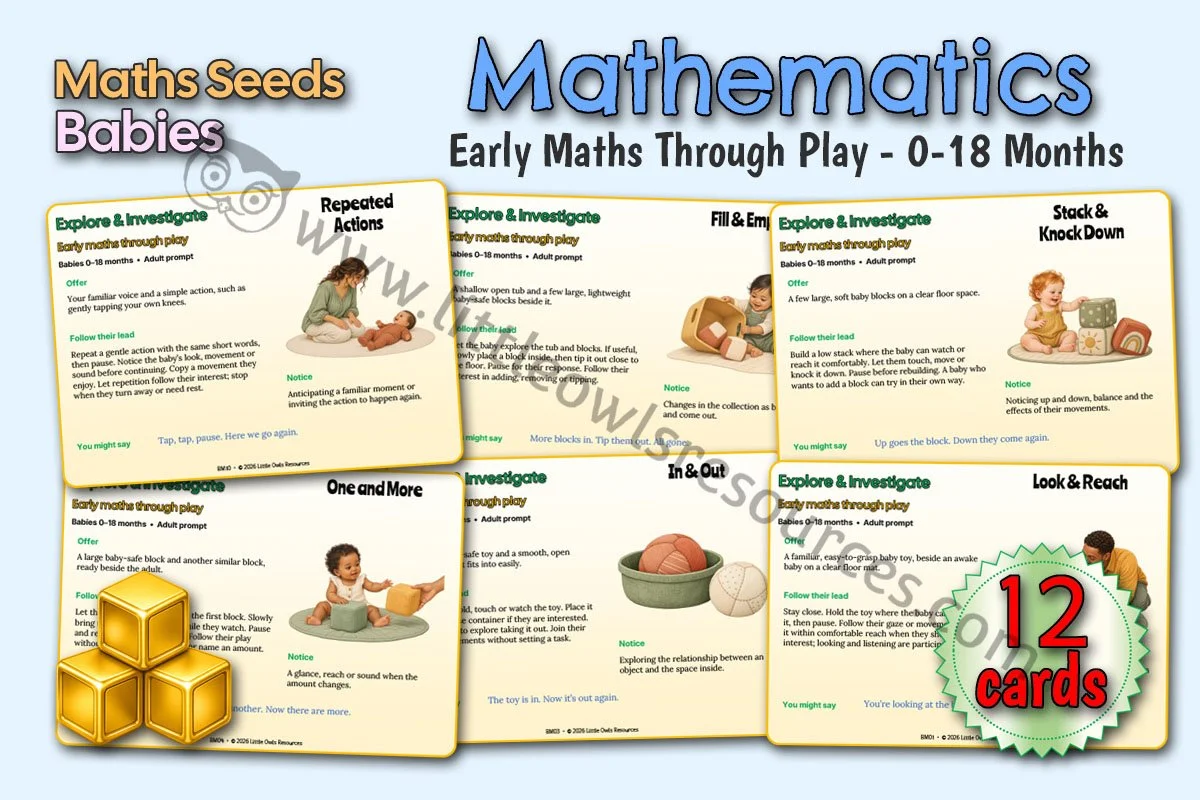
These cards help adults notice early mathematical possibilities in babies’ play: space, size, amount, movement and repetition. Share a brief, enjoyable moment in a familiar relationship. Babies do not need to recognise numerals, answer questions or complete an activity. The illustrations suggest possibilities, rather than a model to copy.
DOWNLOAD (DOCX)📝
DOWNLOAD (PDF)📄
DOWNLOAD (Zipped JPEGs)📂
← Back to ‘Maths Continuous Provision & Play’ Area
← Back to ‘Mathematics’ Menu (Areas of Learning)
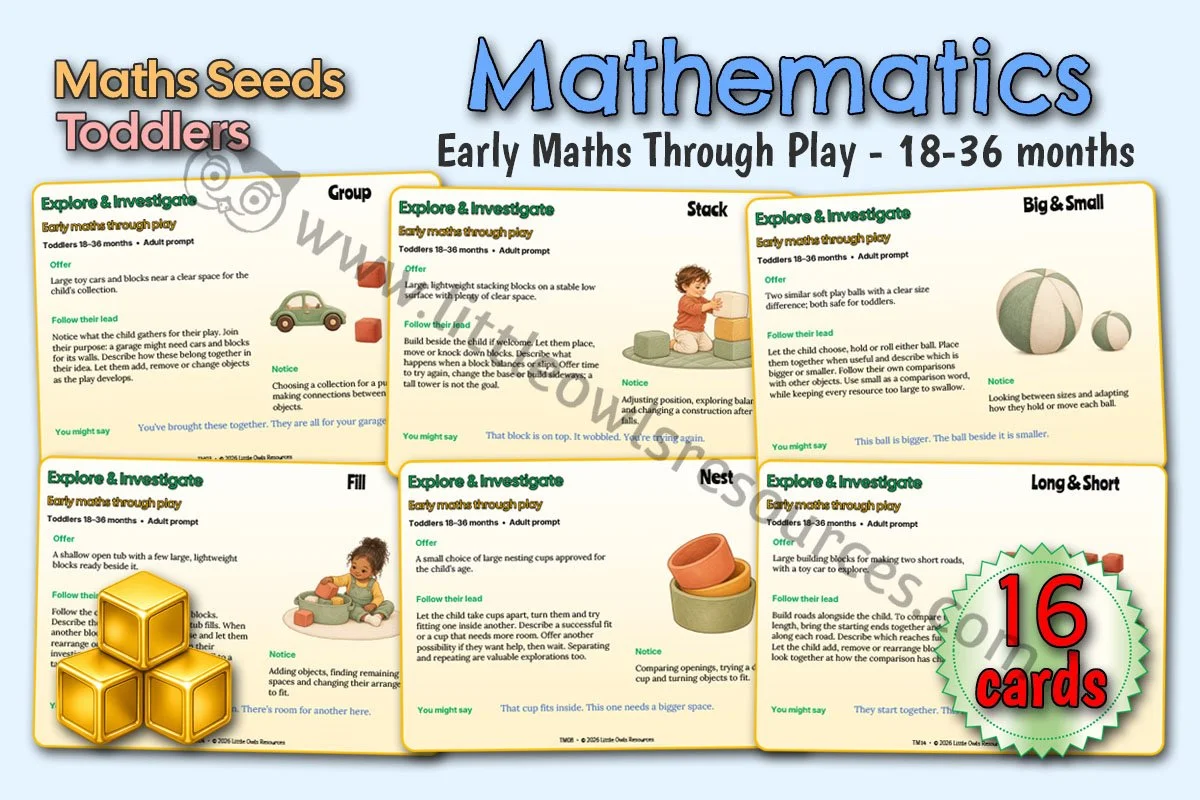
Use these quick cards alongside children in everyday provision. The Mathematics Seeds Progression Pack gives the wider intent, progression and fuller activity invitations; this set offers resources, responsive actions and useful language for the moment. Use the two packs together without turning play into a sequence of tasks.
DOWNLOAD (DOCX)📝
DOWNLOAD (PDF)📄
DOWNLOAD (Zipped JPEGs)📂
← Back to ‘Maths Continuous Provision & Play’ Area
← Back to ‘Mathematics’ Menu (Areas of Learning)
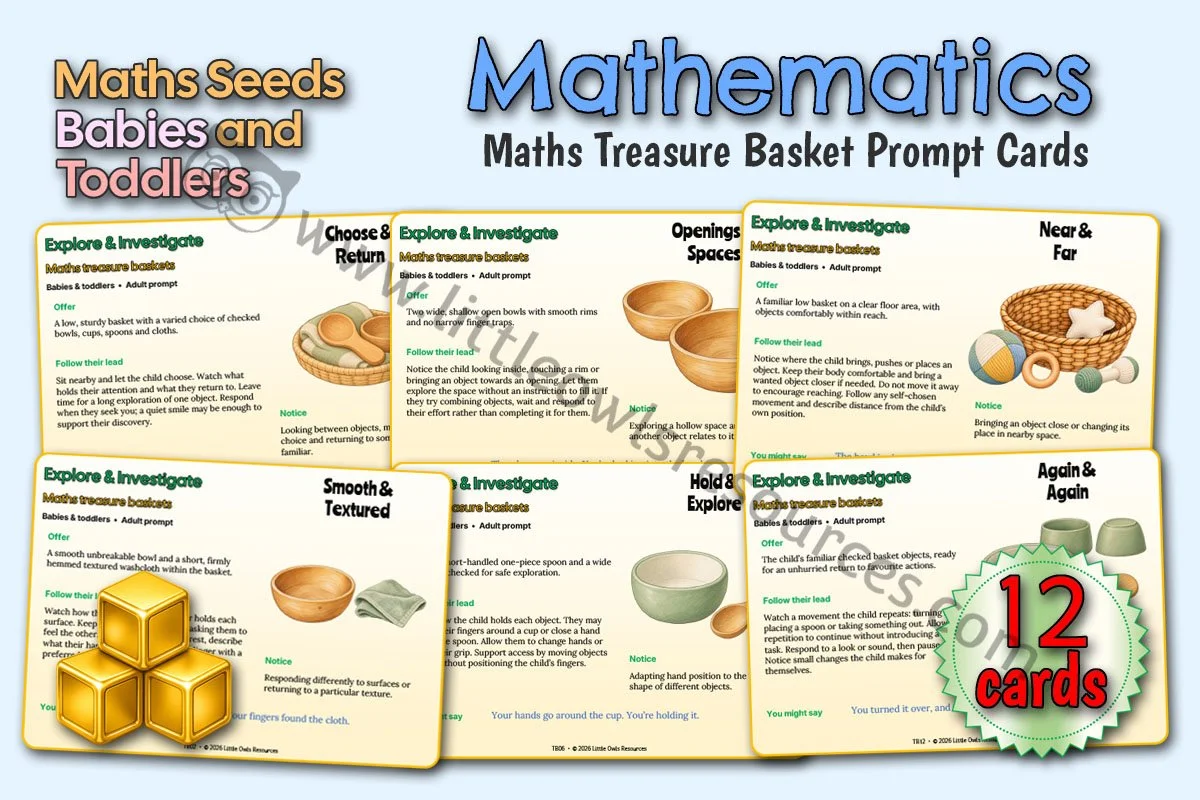
Treasure baskets offer varied everyday objects for children to choose and investigate. These cards help adults notice possible mathematical connections within that exploration. Use one card as a quiet reminder; they are not twelve activities to present, complete or work through in order.
DOWNLOAD (DOCX)📝
DOWNLOAD (PDF)📄
DOWNLOAD (Zipped JPEGs)📂
← Back to ‘Maths Continuous Provision & Play’ Area
← Back to ‘Mathematics’ Menu (Areas of Learning)
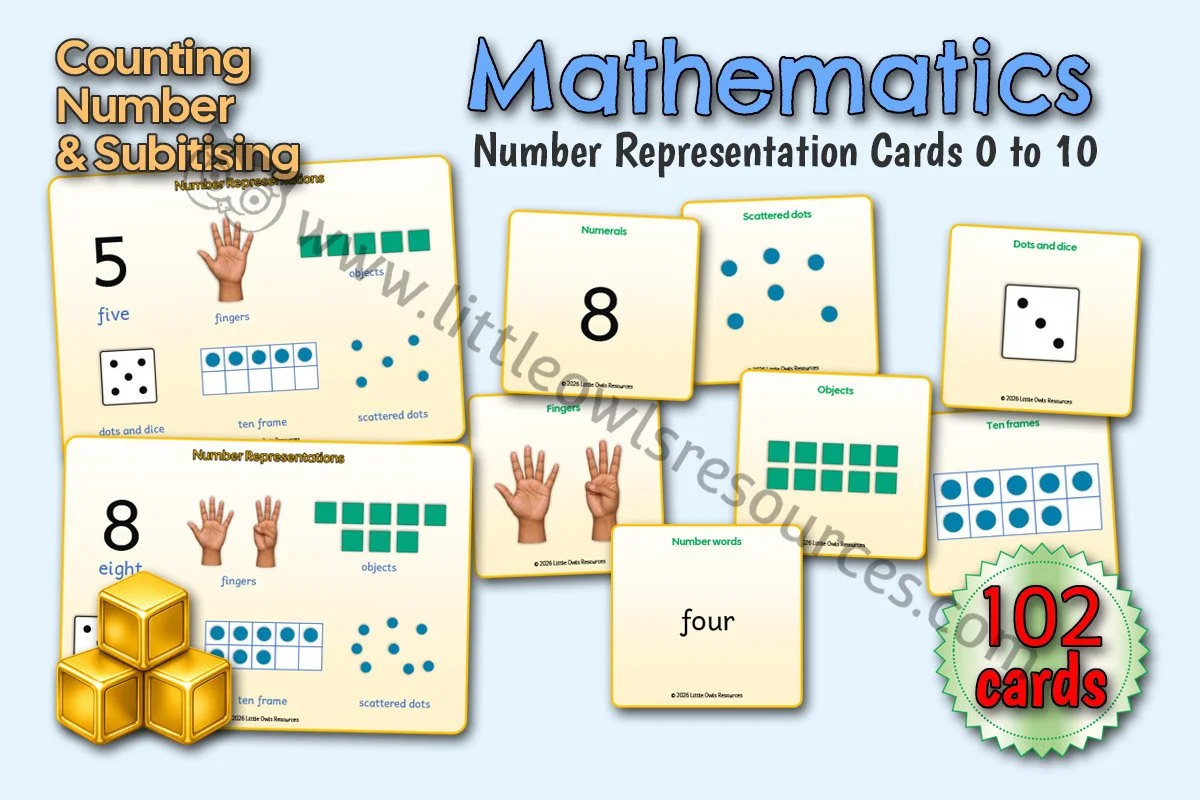
A reusable set for exploring how the same number can look in different ways. Choose a few cards alongside real objects in the maths area, construction, small world or outdoor provision. Primarily for Preschool and Reception.
DOWNLOAD (DOCX)📝
DOWNLOAD (PDF)📄
DOWNLOAD (Zipped JPEGs)📂
← Back to ‘Maths Continuous Provision & Play’ Area
← Back to ‘Mathematics’ Menu (Areas of Learning)
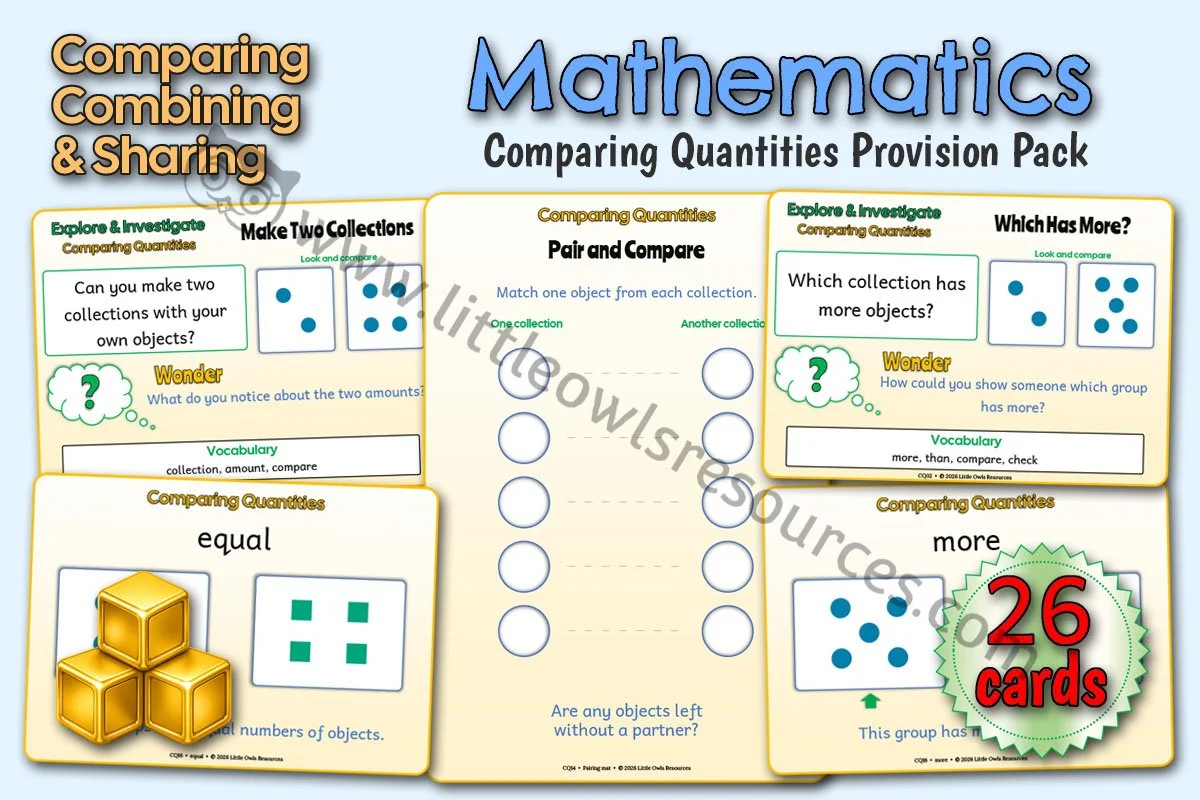
Practical invitations and reusable mats for comparing real collections. Use a small selection in maths provision or alongside construction, small world and role play. Primarily for Preschool and Reception, with simple supported toddler play.
DOWNLOAD (DOCX)📝
DOWNLOAD (PDF)📄
DOWNLOAD (Zipped JPEGs)📂
← Back to ‘Maths Continuous Provision & Play’ Area
← Back to ‘Mathematics’ Menu (Areas of Learning)
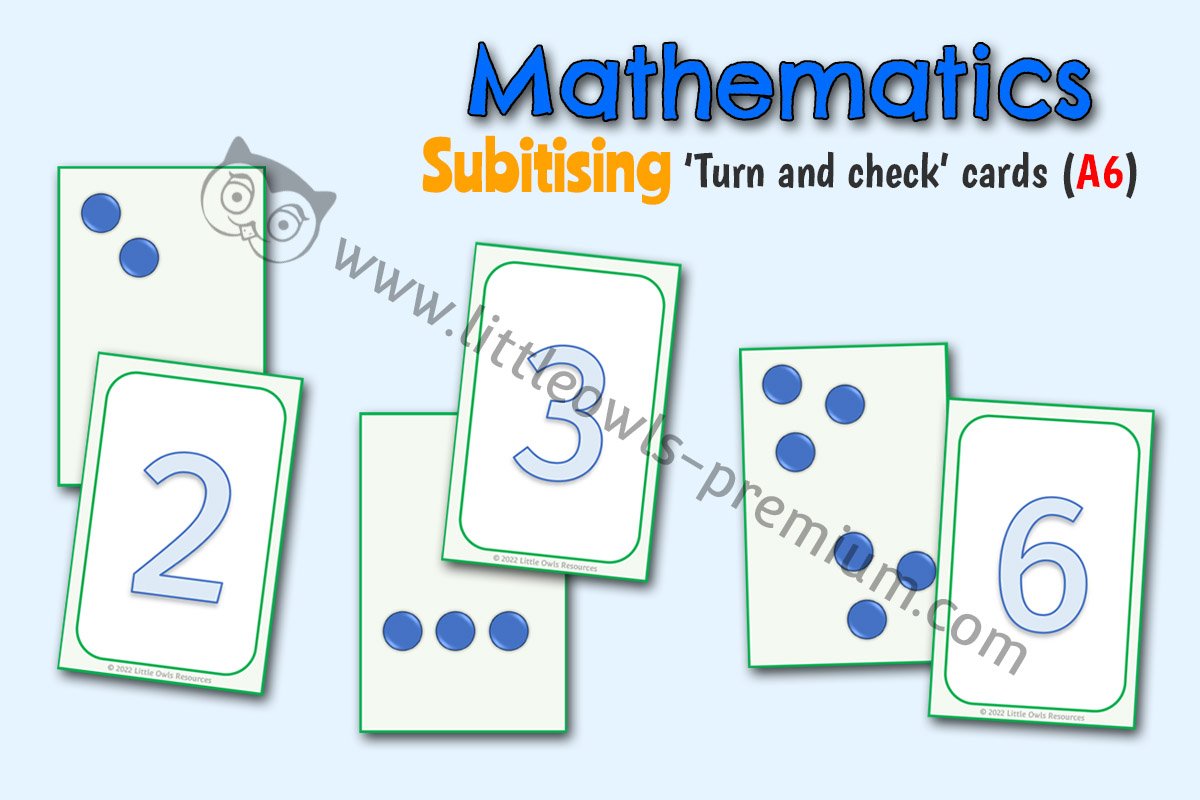
These cards are to be cut and folded along the middle and then laminated to make a longer lasting resource.
The children are to be encouraged to say how many dots there are straight away with no counting. They could use these independently and self-check or the cards could be held up by an adult as part of a group activity.
Print and use the cards appropriate for your children. 22 cards within pack for subitising numbers 1-6. Blank cards at the end to make your own if required.
Original artwork drawn by Sara Murphy and final digital resources created by Stuart Murphy. COPYRIGHT ON ALL OF THE RESOURCES HOUSED ON THIS WEBSITE IS HELD BY ‘LITTLE OWLS RESOURCES’. OUR RESOURCES (INCLUDING THE IMAGES WITHIN THEM), CANNOT BE SHARED OR SOLD COMMERCIALLY.
DOWNLOAD EDITABLE (DOCX)
DOWNLOAD NON-EDITABLE (PDF)
DOWNLOAD NON-EDITABLE (Zipped JPEGs)
← Back to ‘Maths Continuous Provision & Play’ Area
<<-BACK TO NON-TOPIC MATHEMATICS MENU
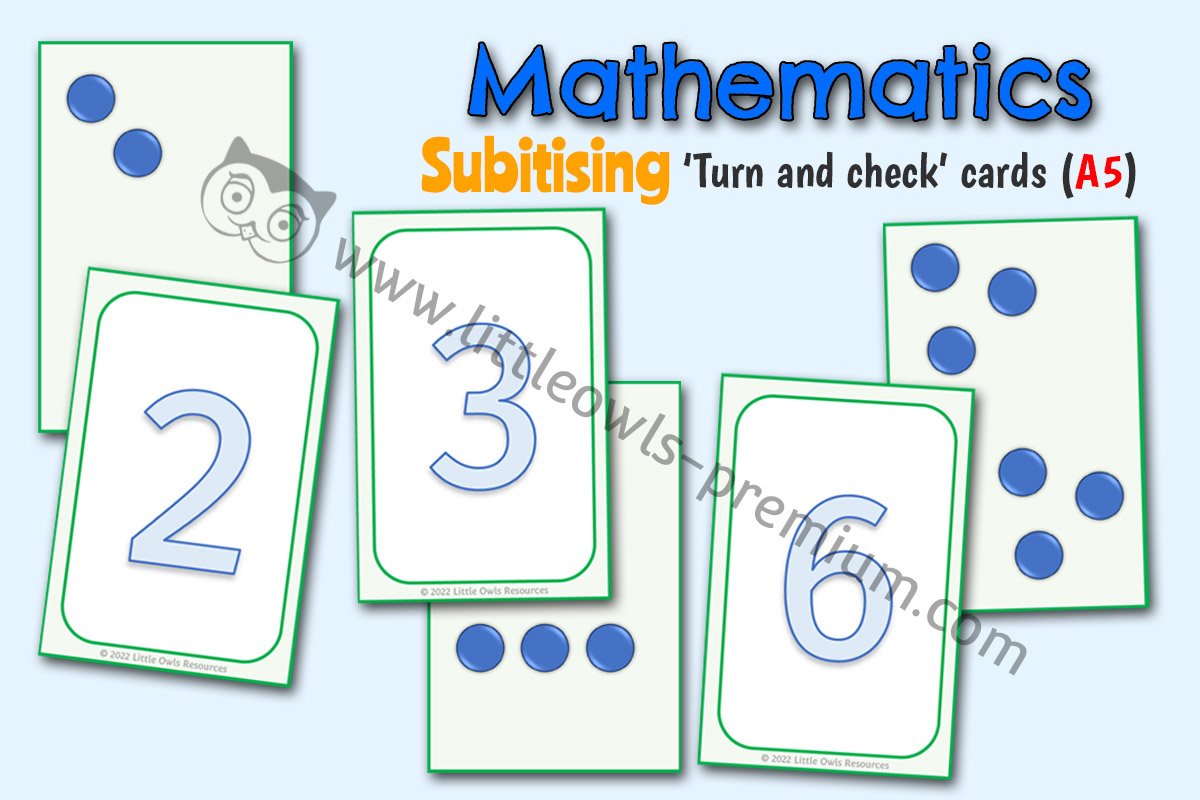
These cards are to be cut and folded along the middle and then laminated to make a longer lasting resource.
The children are to be encouraged to say how many dots there are straight away with no counting. They could use these independently and self-check or the cards could be held up by an adult as part of a group activity.
Print and use the cards appropriate for your children. 22 cards within pack for subitising numbers 1-6. Blank card template at the end to make your own if required.
Original artwork drawn by Sara Murphy and final digital resources created by Stuart Murphy. COPYRIGHT ON ALL OF THE RESOURCES HOUSED ON THIS WEBSITE IS HELD BY ‘LITTLE OWLS RESOURCES’. OUR RESOURCES (INCLUDING THE IMAGES WITHIN THEM), CANNOT BE SHARED OR SOLD COMMERCIALLY.
DOWNLOAD EDITABLE (DOCX)
DOWNLOAD NON-EDITABLE (PDF)
DOWNLOAD NON-EDITABLE (Zipped JPEGs)
← Back to ‘Maths Continuous Provision & Play’ Area
<<-BACK TO NON-TOPIC MATHEMATICS MENU
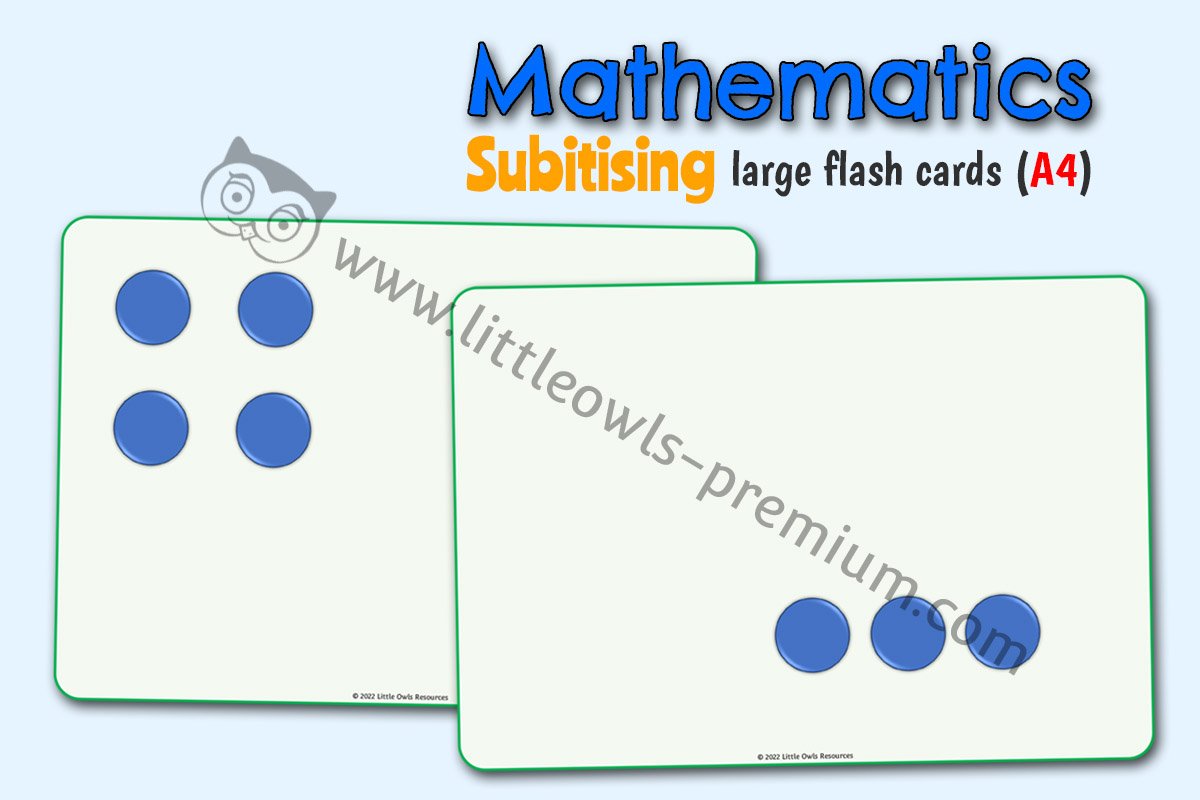
The children are to be encouraged to say how many dots there are straight away with no counting. They are intended to be held up by an adult as part of a group or class activity.
Print and use the cards appropriate for your children. 22 cards within pack for subitising numbers 1-6. Blank card template at the end to make your own if required.
Original artwork drawn by Sara Murphy and final digital resources created by Stuart Murphy. COPYRIGHT ON ALL OF THE RESOURCES HOUSED ON THIS WEBSITE IS HELD BY ‘LITTLE OWLS RESOURCES’. OUR RESOURCES (INCLUDING THE IMAGES WITHIN THEM), CANNOT BE SHARED OR SOLD COMMERCIALLY.
DOWNLOAD EDITABLE (DOCX)
DOWNLOAD NON-EDITABLE (PDF)
DOWNLOAD NON-EDITABLE (Zipped JPEGs)
← Back to ‘Maths Continuous Provision & Play’ Area
<<-BACK TO NON-TOPIC MATHEMATICS MENU
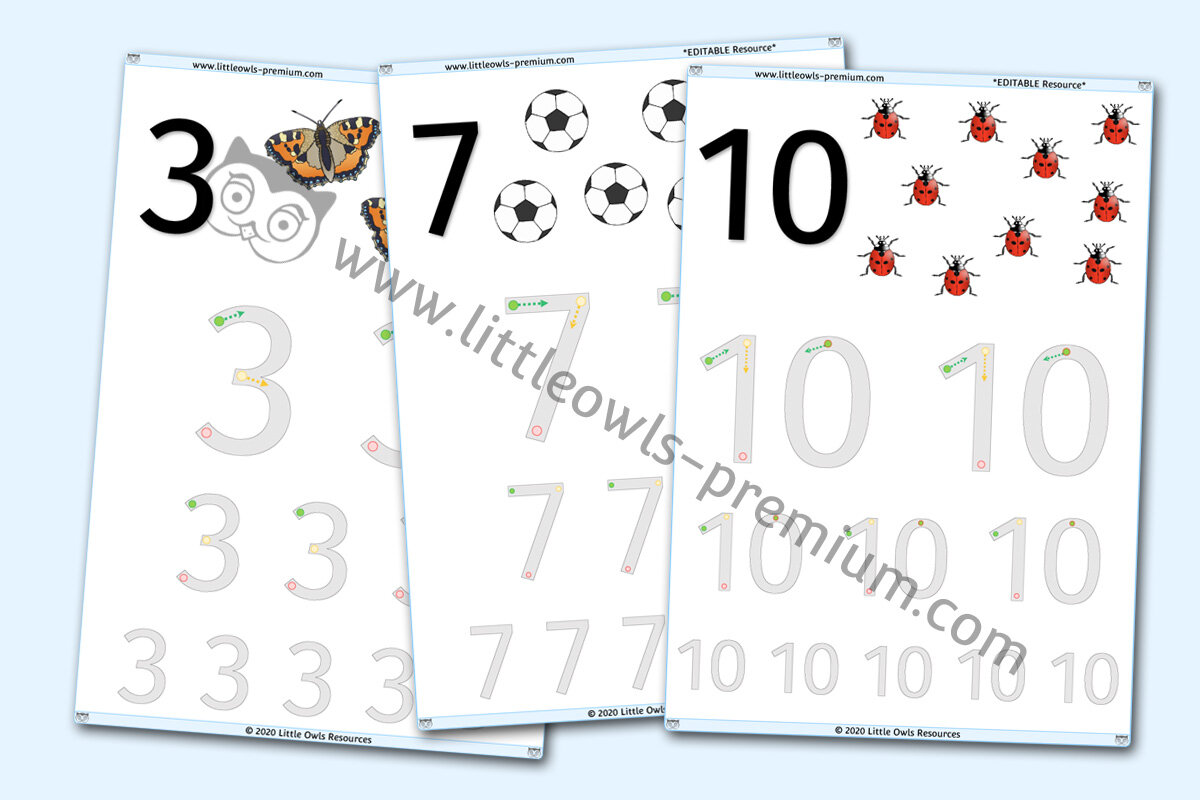
12 Sheets are included in this pack to aid the development of counting skills and number formation. Sheets include 0-10, plus an additional ‘5’ sheet at the end which shows an alternate formation in order for you to choose which one best suits your setting. We have used a dot system to signal to children where to put their pencil to begin (green dot) and where to take their pencils off of the paper (red dot). The orange/amber dot denotes a mid point or change in direction.
Original artwork drawn by Sara Murphy and final digital resources created by Stuart Murphy. COPYRIGHT ON ALL OF THE RESOURCES HOUSED ON THIS WEBSITE IS HELD BY ‘LITTLE OWLS RESOURCES’. OUR RESOURCES (INCLUDING THE IMAGES WITHIN THEM), CANNOT BE SHARED OR SOLD COMMERCIALLY.
DOWNLOAD EDITABLE (DOCX)
DOWNLOAD NON-EDITABLE (PDF)
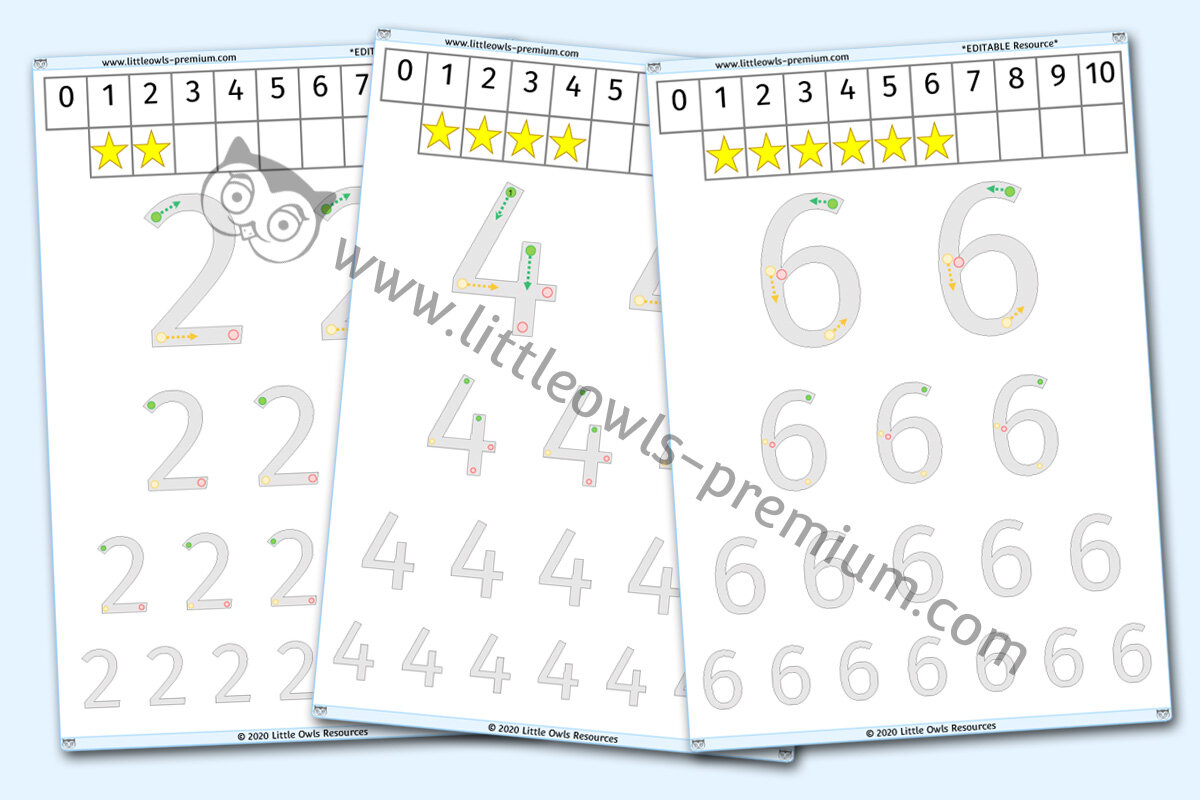
12 Sheets are included in this pack to aid the development of counting skills and number formation. Sheets include 0-10, plus an additional ‘5’ sheet at the end which shows an alternate formation in order for you to choose which one best suits your setting. We have used a dot system to signal to children where to put their pencil to begin (green dot) and where to take their pencils off of the paper (red dot). The orange/amber dot denotes a mid point or change in direction.
Original artwork drawn by Sara Murphy and final digital resources created by Stuart Murphy. COPYRIGHT ON ALL OF THE RESOURCES HOUSED ON THIS WEBSITE IS HELD BY ‘LITTLE OWLS RESOURCES’. OUR RESOURCES (INCLUDING THE IMAGES WITHIN THEM), CANNOT BE SHARED OR SOLD COMMERCIALLY.
DOWNLOAD EDITABLE (DOCX)
DOWNLOAD NON-EDITABLE (PDF)
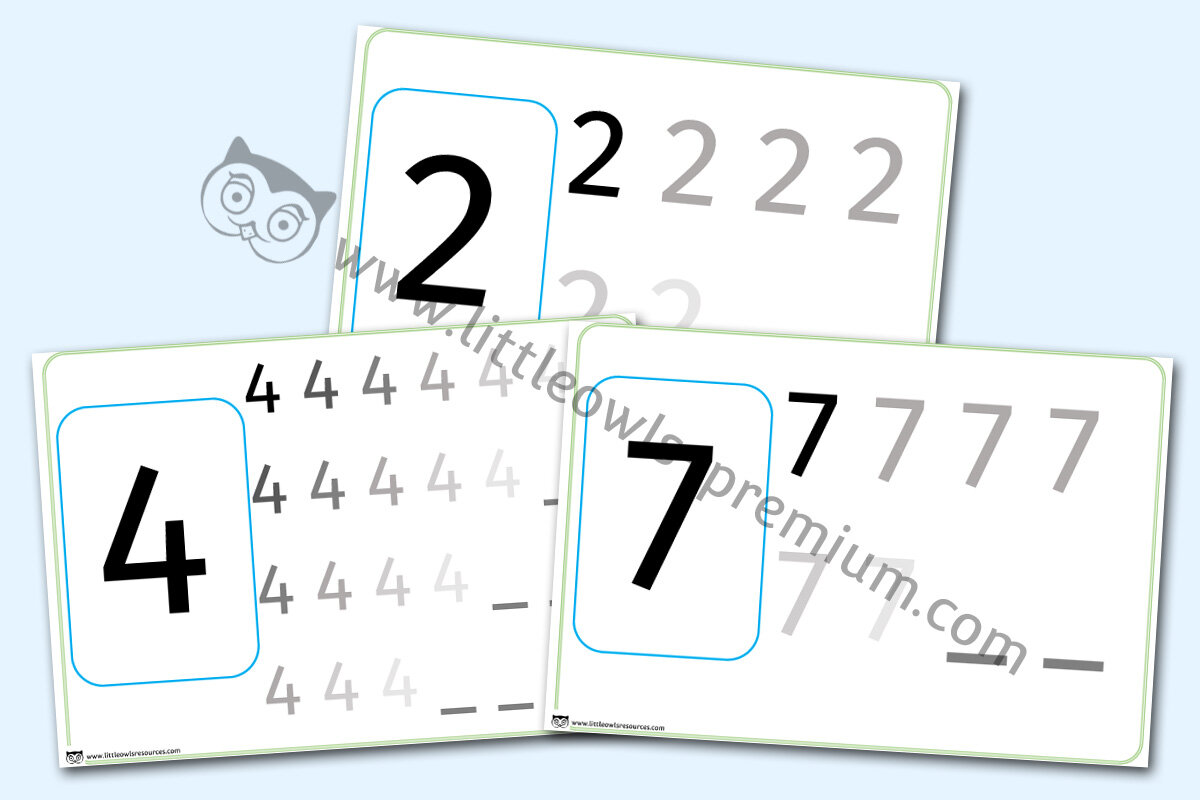
Handy differentiated number formation writing sheets.
Original artwork drawn by Sara Murphy and final digital resources created by Stuart Murphy. COPYRIGHT ON ALL OF THE RESOURCES HOUSED ON THIS WEBSITE IS HELD BY ‘LITTLE OWLS RESOURCES’. OUR RESOURCES (INCLUDING THE IMAGES WITHIN THEM), CANNOT BE SHARED OR SOLD COMMERCIALLY.
DOWNLOAD EDITABLE (DOCX)
DOWNLOAD NON-EDITABLE (PDF)
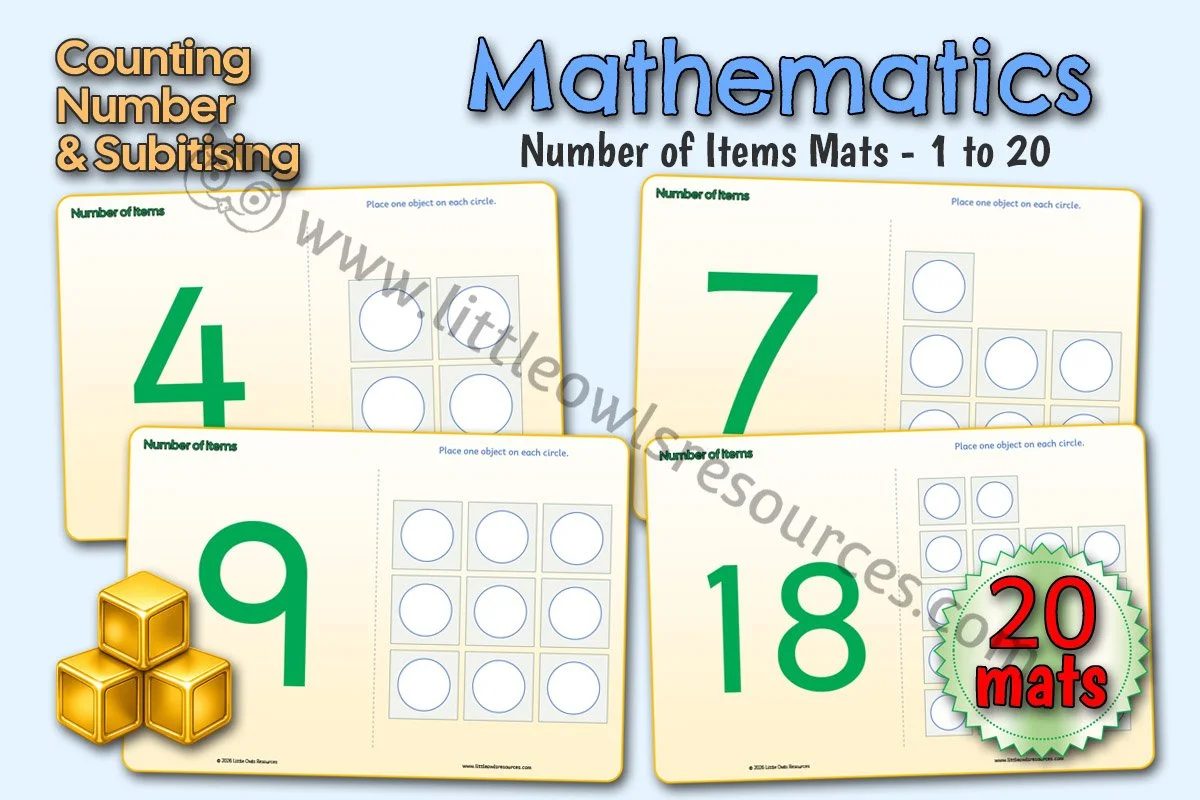
Reusable mats for matching numerals to quantities with real objects. Use these versatile number recognition and counting mats for multiple purposes. Choose the numbers that fit children’s current play and understanding; there is no need to work through every mat. Also ideal for use as playdough mats.
DOWNLOAD (DOCX)📝
DOWNLOAD (PDF)📄
DOWNLOAD (Zipped JPEGs)📂
← Back to ‘Maths Continuous Provision & Play’ Area
← Back to ‘Mathematics’ Menu (Areas of Learning)
Floor Puzzle to cut out and laminate. Children can help put together to learn the ordinal numbers.
Original artwork drawn by Sara Murphy and final digital resources created by Stuart Murphy. COPYRIGHT ON ALL OF THE RESOURCES HOUSED ON THIS WEBSITE IS HELD BY ‘LITTLE OWLS RESOURCES’. OUR RESOURCES (INCLUDING THE IMAGES WITHIN THEM), CANNOT BE SHARED OR SOLD COMMERCIALLY.
DOWNLOAD EDITABLE (DOCX)
DOWNLOAD NON-EDITABLE (PDF)
Original artwork drawn by Sara Murphy and final digital resources created by Stuart Murphy. COPYRIGHT ON ALL OF THE RESOURCES HOUSED ON THIS WEBSITE IS HELD BY ‘LITTLE OWLS RESOURCES’. OUR RESOURCES (INCLUDING THE IMAGES WITHIN THEM), CANNOT BE SHARED OR SOLD COMMERCIALLY.
DOWNLOAD EDITABLE (DOCX)
DOWNLOAD NON-EDITABLE (PDF)

Differentiated 'Missing Number' sheets with the aim of working up to the objective...'Count to and across 100, forwards and backwards beginning with 0 or 1, or from any given number.'
Keywords: Year 1, Y1, Yr1, Number and Place Value, Worksheets, Activity Sheets, Activities
Original artwork drawn by Sara Murphy and final digital resources created by Stuart Murphy. COPYRIGHT ON ALL OF THE RESOURCES HOUSED ON THIS WEBSITE IS HELD BY ‘LITTLE OWLS RESOURCES’. OUR RESOURCES (INCLUDING THE IMAGES WITHIN THEM), CANNOT BE SHARED OR SOLD COMMERCIALLY.
DOWNLOAD EDITABLE(DOCX)
DOWNLOAD NON-EDITABLE (PDF)
DOWNLOAD NON-EDITABLE (Zipped JPEGs)

Keywords: Year 1, Y1, Yr1, Number and Place Value, Worksheets, Activity Sheets, Activities
Original artwork drawn by Sara Murphy and final digital resources created by Stuart Murphy. COPYRIGHT ON ALL OF THE RESOURCES HOUSED ON THIS WEBSITE IS HELD BY ‘LITTLE OWLS RESOURCES’. OUR RESOURCES (INCLUDING THE IMAGES WITHIN THEM), CANNOT BE SHARED OR SOLD COMMERCIALLY.
DOWNLOAD EDITABLE(DOCX)
DOWNLOAD NON-EDITABLE (PDF)
DOWNLOAD NON-EDITABLE (Zipped JPEGs)

Keywords: Year 1, Y1, Yr1, Number and Place Value, Worksheets, Activity Sheets, Activities
Original artwork drawn by Sara Murphy and final digital resources created by Stuart Murphy. COPYRIGHT ON ALL OF THE RESOURCES HOUSED ON THIS WEBSITE IS HELD BY ‘LITTLE OWLS RESOURCES’. OUR RESOURCES (INCLUDING THE IMAGES WITHIN THEM), CANNOT BE SHARED OR SOLD COMMERCIALLY.
DOWNLOAD EDITABLE(DOCX)
DOWNLOAD NON-EDITABLE (PDF)
DOWNLOAD NON-EDITABLE (Zipped JPEGs)

Keywords: Year 1, Y1, Yr1, Number and Place Value, Worksheets, Activity Sheets, Activities
Original artwork drawn by Sara Murphy and final digital resources created by Stuart Murphy. COPYRIGHT ON ALL OF THE RESOURCES HOUSED ON THIS WEBSITE IS HELD BY ‘LITTLE OWLS RESOURCES’. OUR RESOURCES (INCLUDING THE IMAGES WITHIN THEM), CANNOT BE SHARED OR SOLD COMMERCIALLY.
DOWNLOAD EDITABLE(DOCX)
DOWNLOAD NON-EDITABLE (PDF)
DOWNLOAD NON-EDITABLE (Zipped JPEGs)
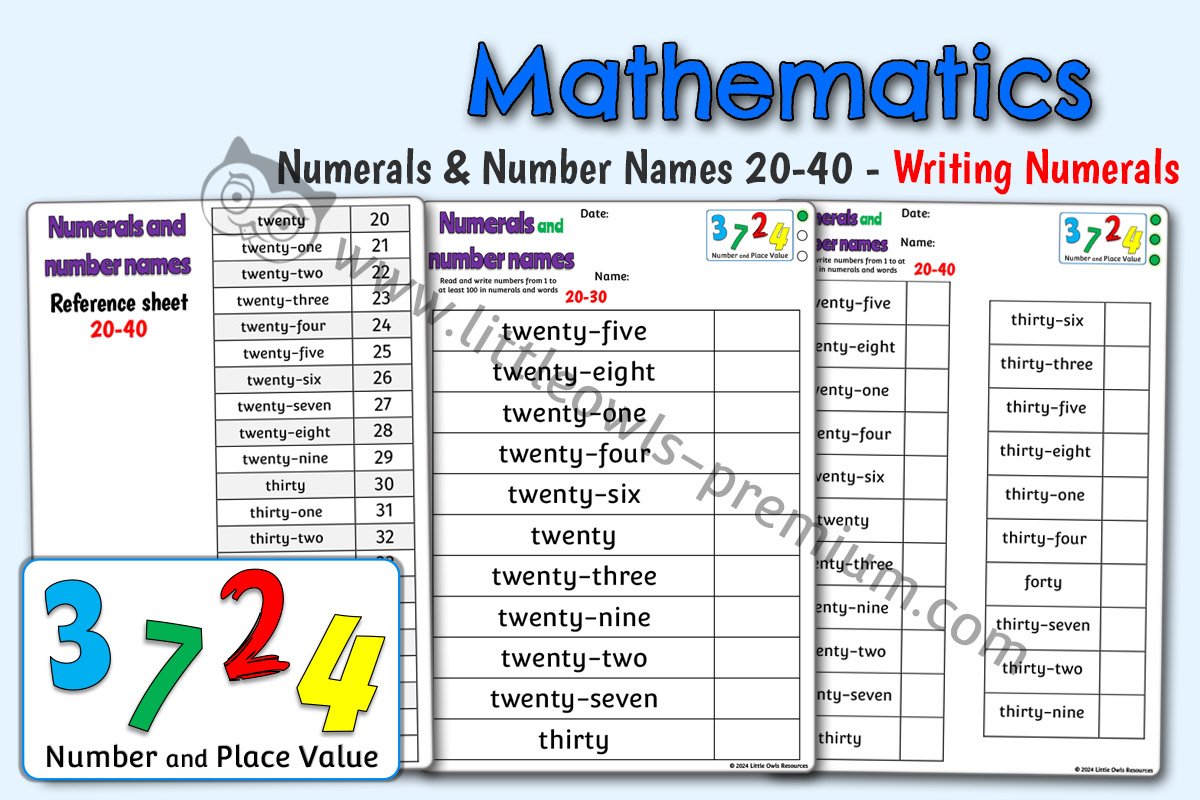
Keywords: Year 2, Y2, Yr2, Number and Place Value, Worksheets, Activity Sheets, Activities
Original artwork drawn by Sara Murphy and final digital resources created by Stuart Murphy. COPYRIGHT ON ALL OF THE RESOURCES HOUSED ON THIS WEBSITE IS HELD BY ‘LITTLE OWLS RESOURCES’. OUR RESOURCES (INCLUDING THE IMAGES WITHIN THEM), CANNOT BE SHARED OR SOLD COMMERCIALLY.
DOWNLOAD EDITABLE(DOCX)
DOWNLOAD NON-EDITABLE (PDF)
DOWNLOAD NON-EDITABLE (Zipped JPEGs)
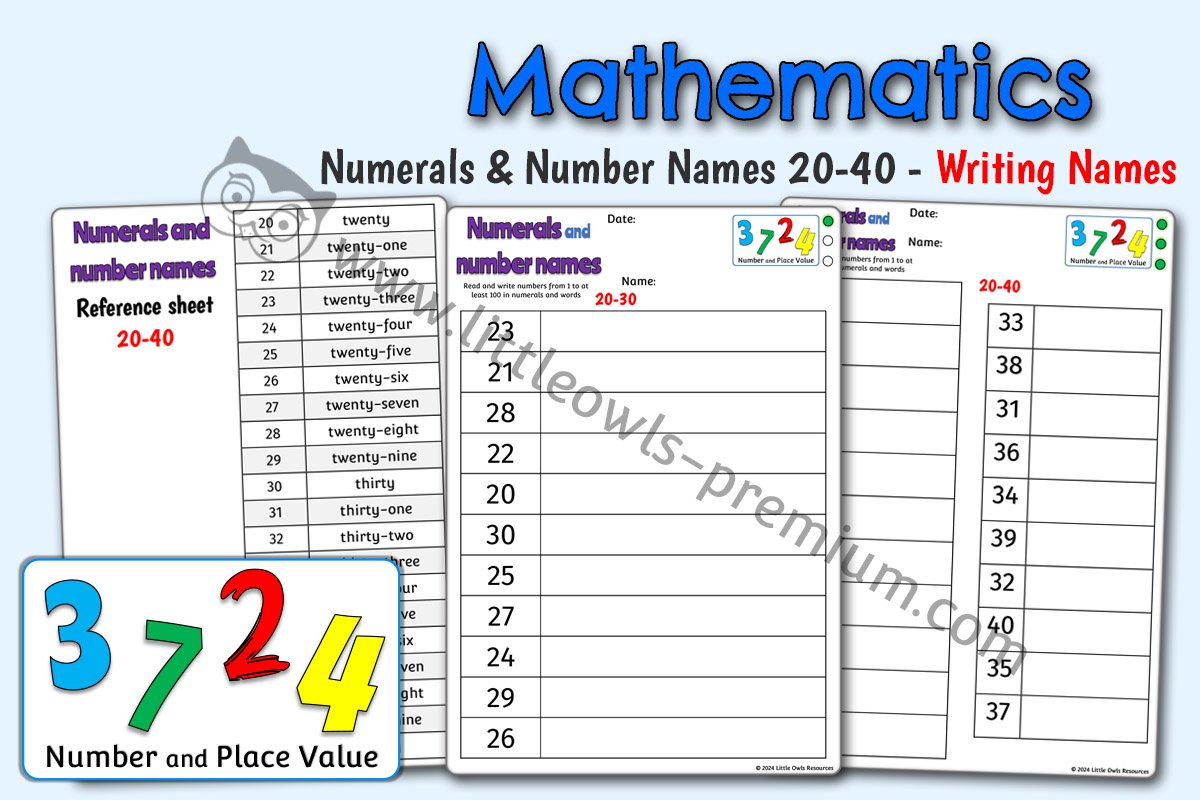
Keywords: Year 2, Y2, Yr2, Number and Place Value, Worksheets, Activity Sheets, Activities
Original artwork drawn by Sara Murphy and final digital resources created by Stuart Murphy. COPYRIGHT ON ALL OF THE RESOURCES HOUSED ON THIS WEBSITE IS HELD BY ‘LITTLE OWLS RESOURCES’. OUR RESOURCES (INCLUDING THE IMAGES WITHIN THEM), CANNOT BE SHARED OR SOLD COMMERCIALLY.
DOWNLOAD EDITABLE(DOCX)
DOWNLOAD NON-EDITABLE (PDF)
DOWNLOAD NON-EDITABLE (Zipped JPEGs)
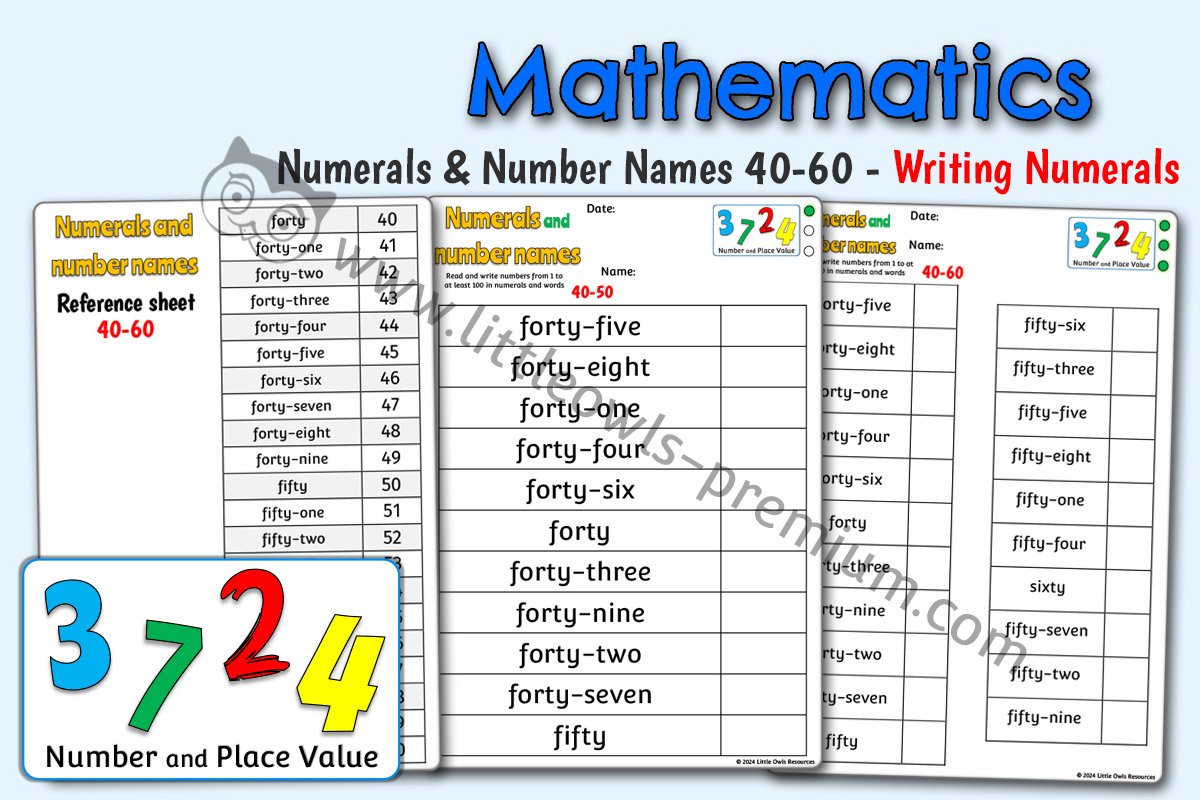
Keywords: Year 2, Y2, Yr2, Number and Place Value, Worksheets, Activity Sheets, Activities
Original artwork drawn by Sara Murphy and final digital resources created by Stuart Murphy. COPYRIGHT ON ALL OF THE RESOURCES HOUSED ON THIS WEBSITE IS HELD BY ‘LITTLE OWLS RESOURCES’. OUR RESOURCES (INCLUDING THE IMAGES WITHIN THEM), CANNOT BE SHARED OR SOLD COMMERCIALLY.
DOWNLOAD EDITABLE(DOCX)
DOWNLOAD NON-EDITABLE (PDF)
DOWNLOAD NON-EDITABLE (Zipped JPEGs)
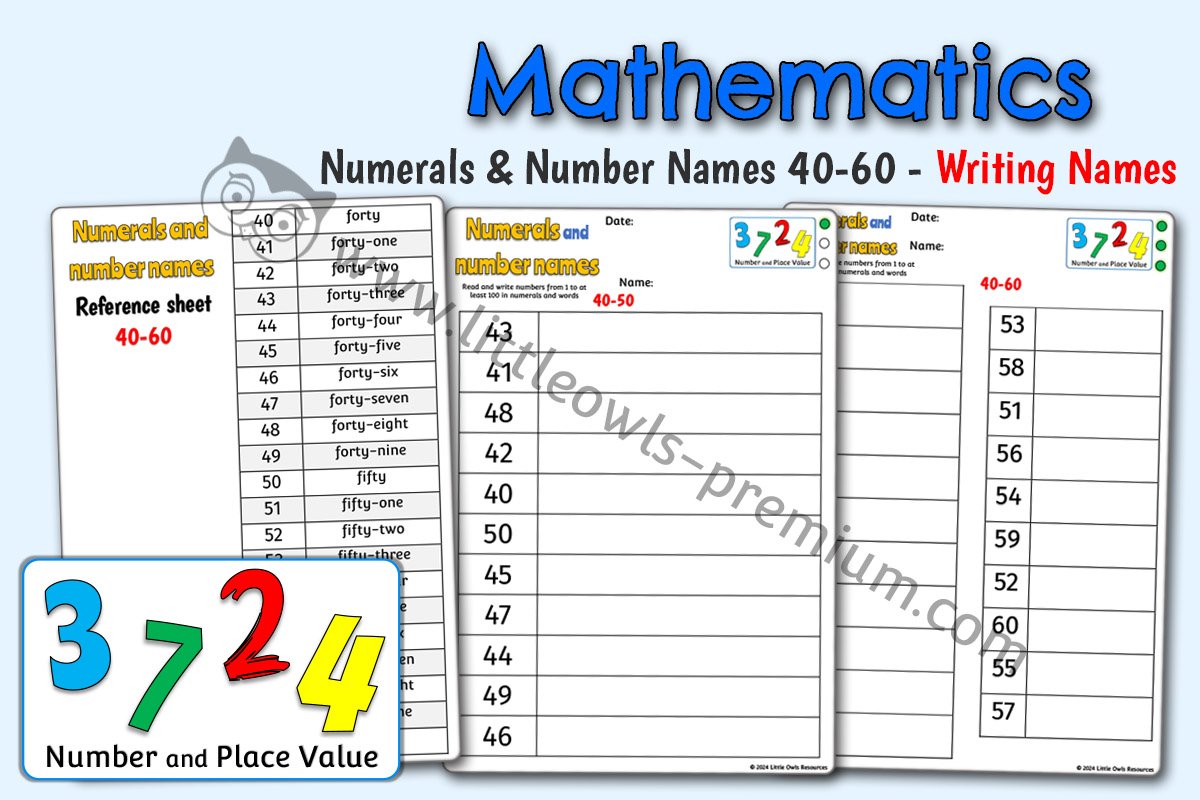
Keywords: Year 2, Y2, Yr2, Number and Place Value, Worksheets, Activity Sheets, Activities
Original artwork drawn by Sara Murphy and final digital resources created by Stuart Murphy. COPYRIGHT ON ALL OF THE RESOURCES HOUSED ON THIS WEBSITE IS HELD BY ‘LITTLE OWLS RESOURCES’. OUR RESOURCES (INCLUDING THE IMAGES WITHIN THEM), CANNOT BE SHARED OR SOLD COMMERCIALLY.
DOWNLOAD EDITABLE(DOCX)
DOWNLOAD NON-EDITABLE (PDF)
DOWNLOAD NON-EDITABLE (Zipped JPEGs)
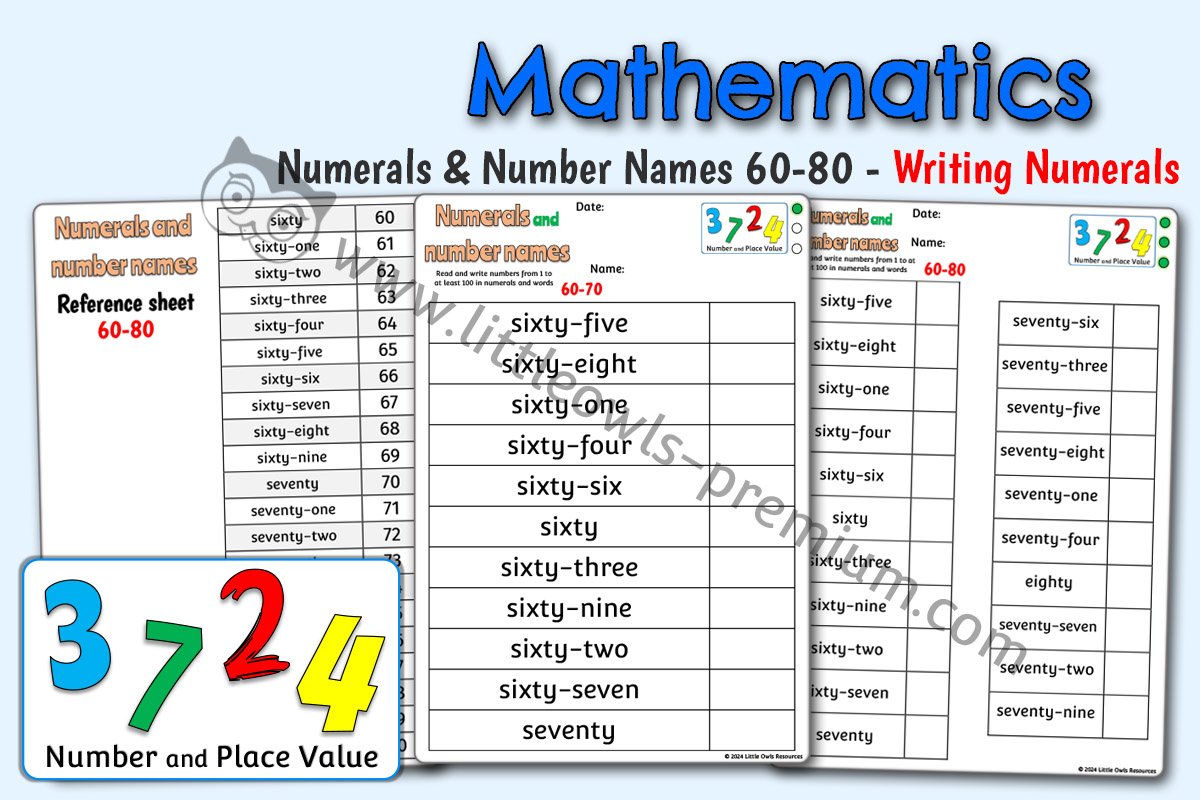
Keywords: Year 2, Y2, Yr2, Number and Place Value, Worksheets, Activity Sheets, Activities
Original artwork drawn by Sara Murphy and final digital resources created by Stuart Murphy. COPYRIGHT ON ALL OF THE RESOURCES HOUSED ON THIS WEBSITE IS HELD BY ‘LITTLE OWLS RESOURCES’. OUR RESOURCES (INCLUDING THE IMAGES WITHIN THEM), CANNOT BE SHARED OR SOLD COMMERCIALLY.
DOWNLOAD EDITABLE(DOCX)
DOWNLOAD NON-EDITABLE (PDF)
DOWNLOAD NON-EDITABLE (Zipped JPEGs)
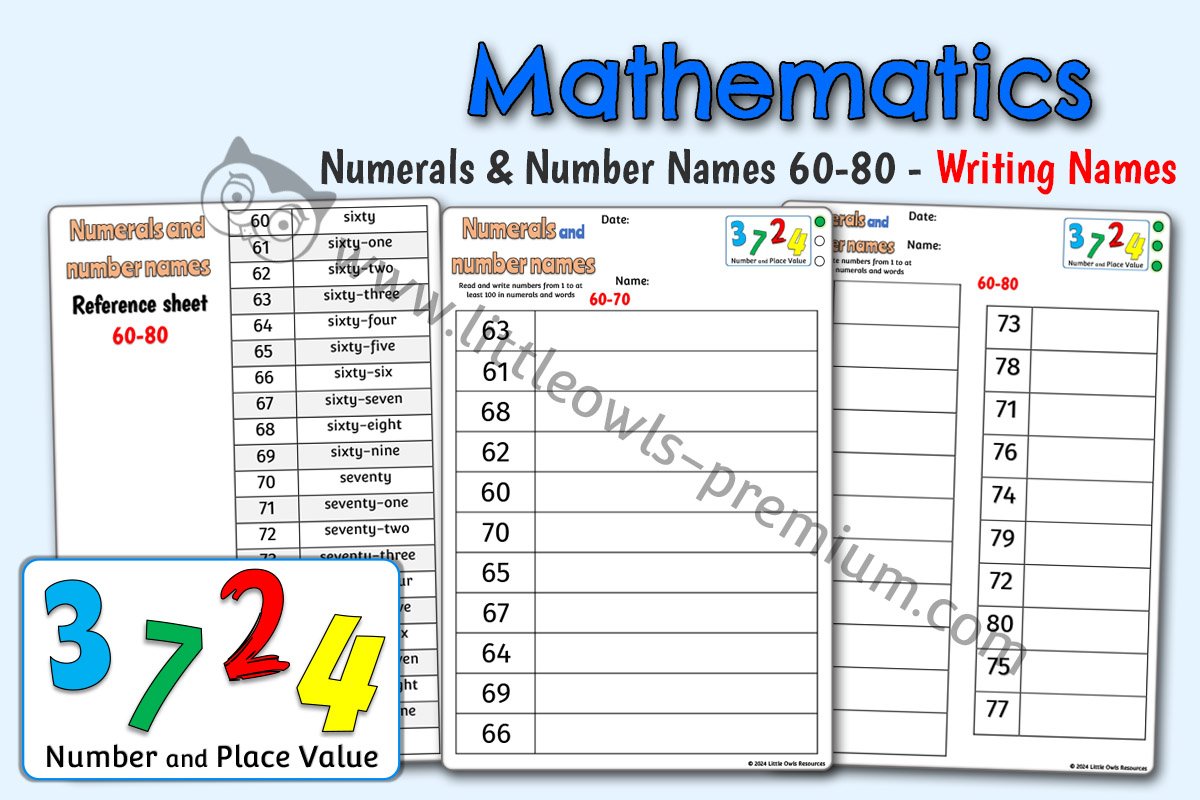
Keywords: Year 2, Y2, Yr2, Number and Place Value, Worksheets, Activity Sheets, Activities
Original artwork drawn by Sara Murphy and final digital resources created by Stuart Murphy. COPYRIGHT ON ALL OF THE RESOURCES HOUSED ON THIS WEBSITE IS HELD BY ‘LITTLE OWLS RESOURCES’. OUR RESOURCES (INCLUDING THE IMAGES WITHIN THEM), CANNOT BE SHARED OR SOLD COMMERCIALLY.
DOWNLOAD EDITABLE(DOCX)
DOWNLOAD NON-EDITABLE (PDF)
DOWNLOAD NON-EDITABLE (Zipped JPEGs)
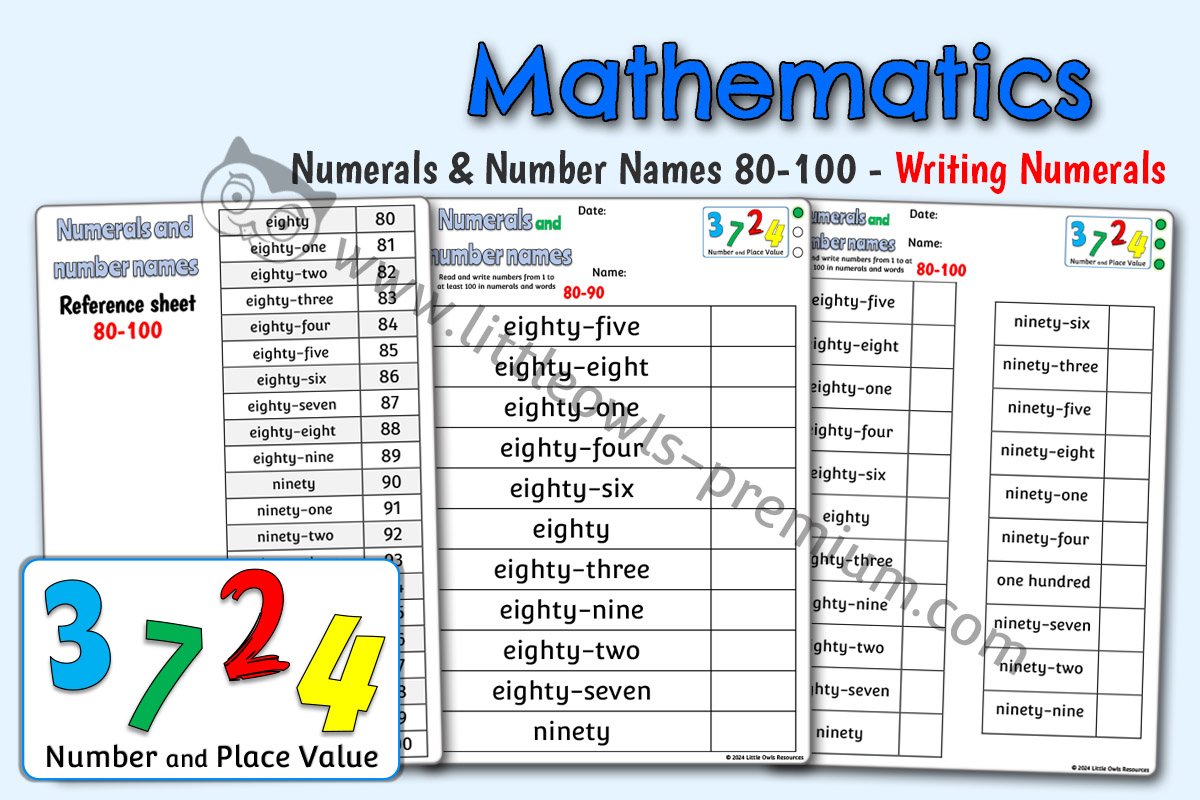
Keywords: Year 2, Y2, Yr2, Number and Place Value, Worksheets, Activity Sheets, Activities
Original artwork drawn by Sara Murphy and final digital resources created by Stuart Murphy. COPYRIGHT ON ALL OF THE RESOURCES HOUSED ON THIS WEBSITE IS HELD BY ‘LITTLE OWLS RESOURCES’. OUR RESOURCES (INCLUDING THE IMAGES WITHIN THEM), CANNOT BE SHARED OR SOLD COMMERCIALLY.
DOWNLOAD EDITABLE(DOCX)
DOWNLOAD NON-EDITABLE (PDF)
DOWNLOAD NON-EDITABLE (Zipped JPEGs)
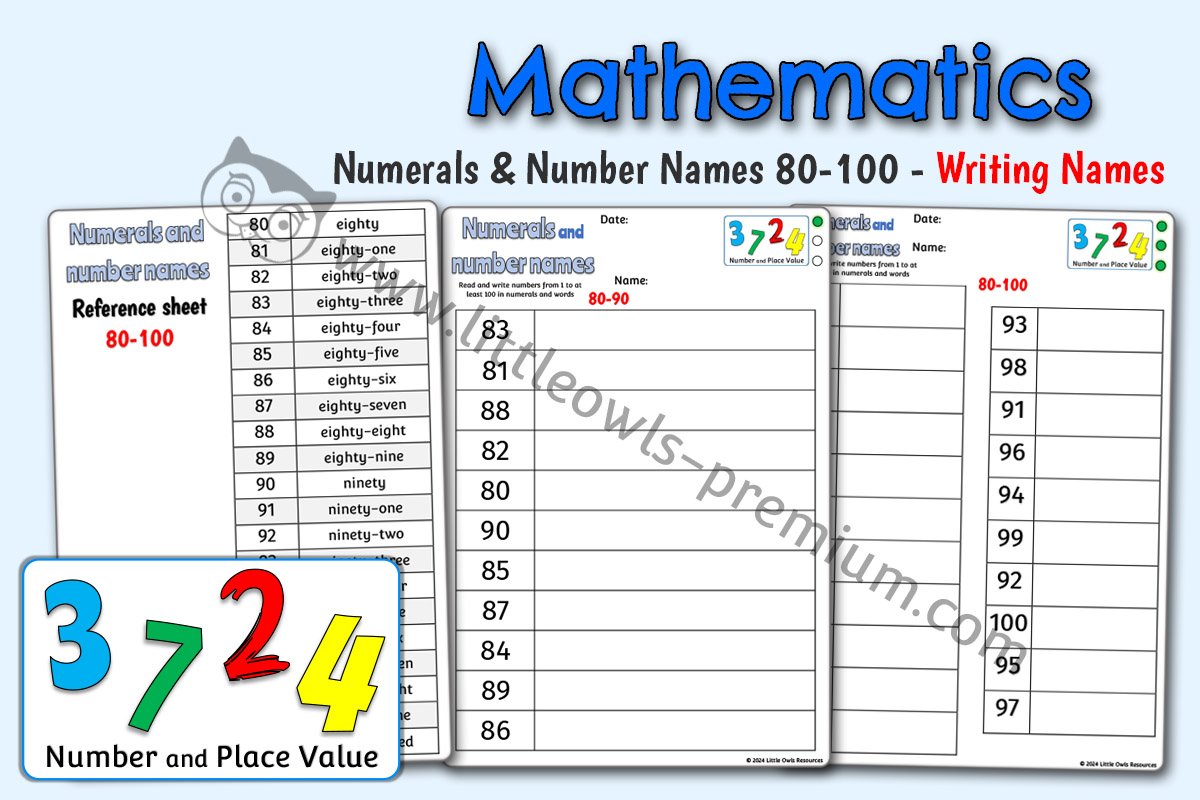
Keywords: Year 2, Y2, Yr2, Number and Place Value, Worksheets, Activity Sheets, Activities
Original artwork drawn by Sara Murphy and final digital resources created by Stuart Murphy. COPYRIGHT ON ALL OF THE RESOURCES HOUSED ON THIS WEBSITE IS HELD BY ‘LITTLE OWLS RESOURCES’. OUR RESOURCES (INCLUDING THE IMAGES WITHIN THEM), CANNOT BE SHARED OR SOLD COMMERCIALLY.
DOWNLOAD EDITABLE(DOCX)
DOWNLOAD NON-EDITABLE (PDF)
DOWNLOAD NON-EDITABLE (Zipped JPEGs)
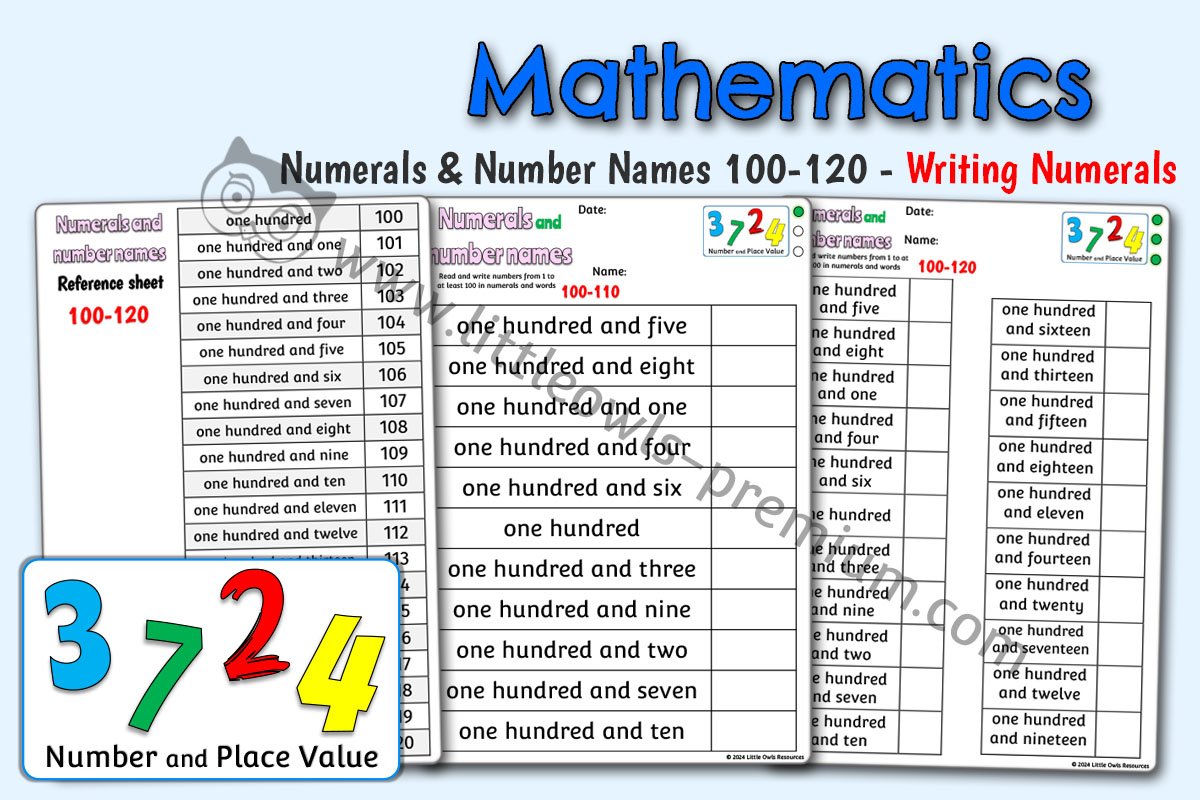
Keywords: Year 2, Y2, Yr2, Number and Place Value, Worksheets, Activity Sheets, Activities
Original artwork drawn by Sara Murphy and final digital resources created by Stuart Murphy. COPYRIGHT ON ALL OF THE RESOURCES HOUSED ON THIS WEBSITE IS HELD BY ‘LITTLE OWLS RESOURCES’. OUR RESOURCES (INCLUDING THE IMAGES WITHIN THEM), CANNOT BE SHARED OR SOLD COMMERCIALLY.
DOWNLOAD EDITABLE(DOCX)
DOWNLOAD NON-EDITABLE (PDF)
DOWNLOAD NON-EDITABLE (Zipped JPEGs)
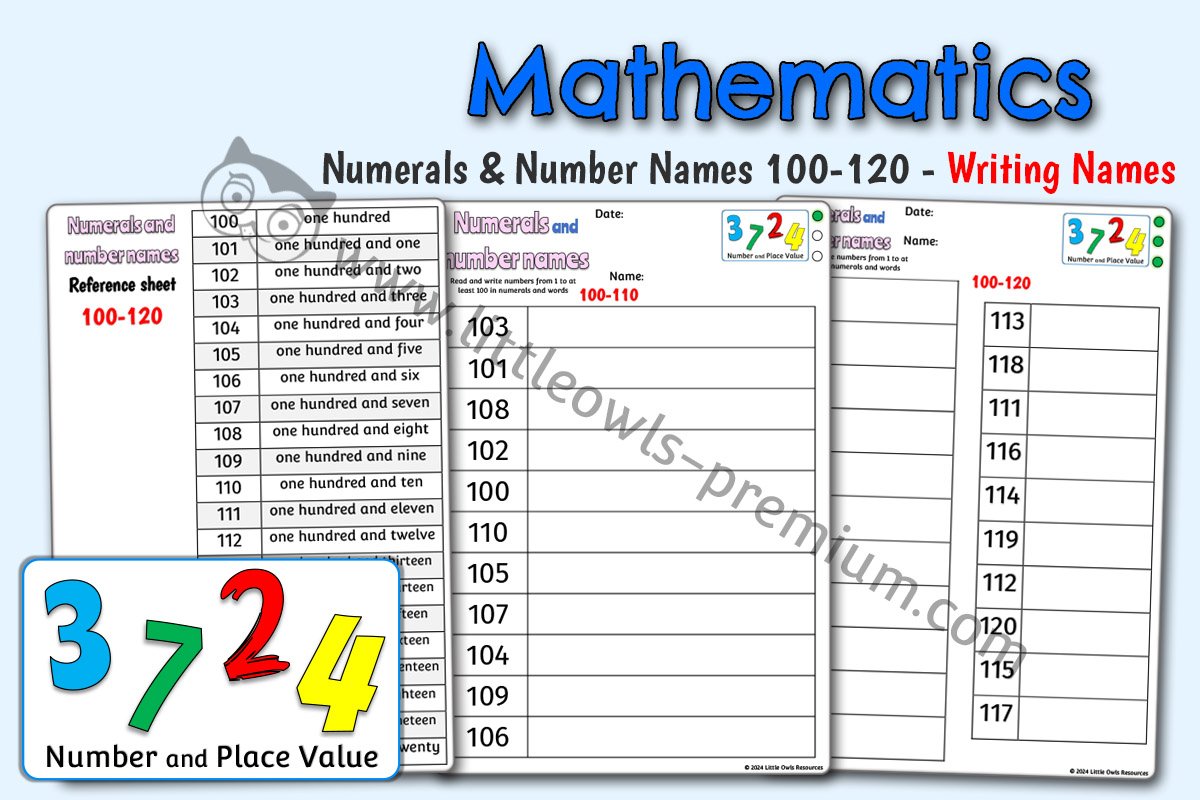
Keywords: Year 2, Y2, Yr2, Number and Place Value, Worksheets, Activity Sheets, Activities
Original artwork drawn by Sara Murphy and final digital resources created by Stuart Murphy. COPYRIGHT ON ALL OF THE RESOURCES HOUSED ON THIS WEBSITE IS HELD BY ‘LITTLE OWLS RESOURCES’. OUR RESOURCES (INCLUDING THE IMAGES WITHIN THEM), CANNOT BE SHARED OR SOLD COMMERCIALLY.
DOWNLOAD EDITABLE(DOCX)
DOWNLOAD NON-EDITABLE (PDF)
DOWNLOAD NON-EDITABLE (Zipped JPEGs)

These apples and the speech bubbles are intended to be cut out and laminated and then used as a counting in tens game.
Children can work in pairs or a small group, taking turns to pick an overturned speech bubble and then gather the correct number of apples counting in tens.
For numbers higher than one hundred, this page can be re-printed and there are blank speech bubbles on the last page of the document.
Keywords: Year 1, Y1, Yr1, Number and Place Value, Counting in Tens/10s, x10, 10 times table, group work, practical, role play
Original artwork drawn by Sara Murphy and final digital resources created by Stuart Murphy. COPYRIGHT ON ALL OF THE RESOURCES HOUSED ON THIS WEBSITE IS HELD BY ‘LITTLE OWLS RESOURCES’. OUR RESOURCES (INCLUDING THE IMAGES WITHIN THEM), CANNOT BE SHARED OR SOLD COMMERCIALLY.
DOWNLOAD EDITABLE(DOCX)
DOWNLOAD NON-EDITABLE (PDF)
DOWNLOAD NON-EDITABLE (Zipped JPEGs)

Three differentiated sheets (green dot coding in the corner). Count the apples in multiples of ten to find the answer.
Keywords: Year 1, Y1, Yr1, Number and Place Value, Counting in Tens/10s, x10, 10 times table, worksheets, Activity Sheets, Activities
Original artwork drawn by Sara Murphy and final digital resources created by Stuart Murphy. COPYRIGHT ON ALL OF THE RESOURCES HOUSED ON THIS WEBSITE IS HELD BY ‘LITTLE OWLS RESOURCES’. OUR RESOURCES (INCLUDING THE IMAGES WITHIN THEM), CANNOT BE SHARED OR SOLD COMMERCIALLY.
DOWNLOAD EDITABLE(DOCX)
DOWNLOAD NON-EDITABLE (PDF)
DOWNLOAD NON-EDITABLE (Zipped JPEGs)
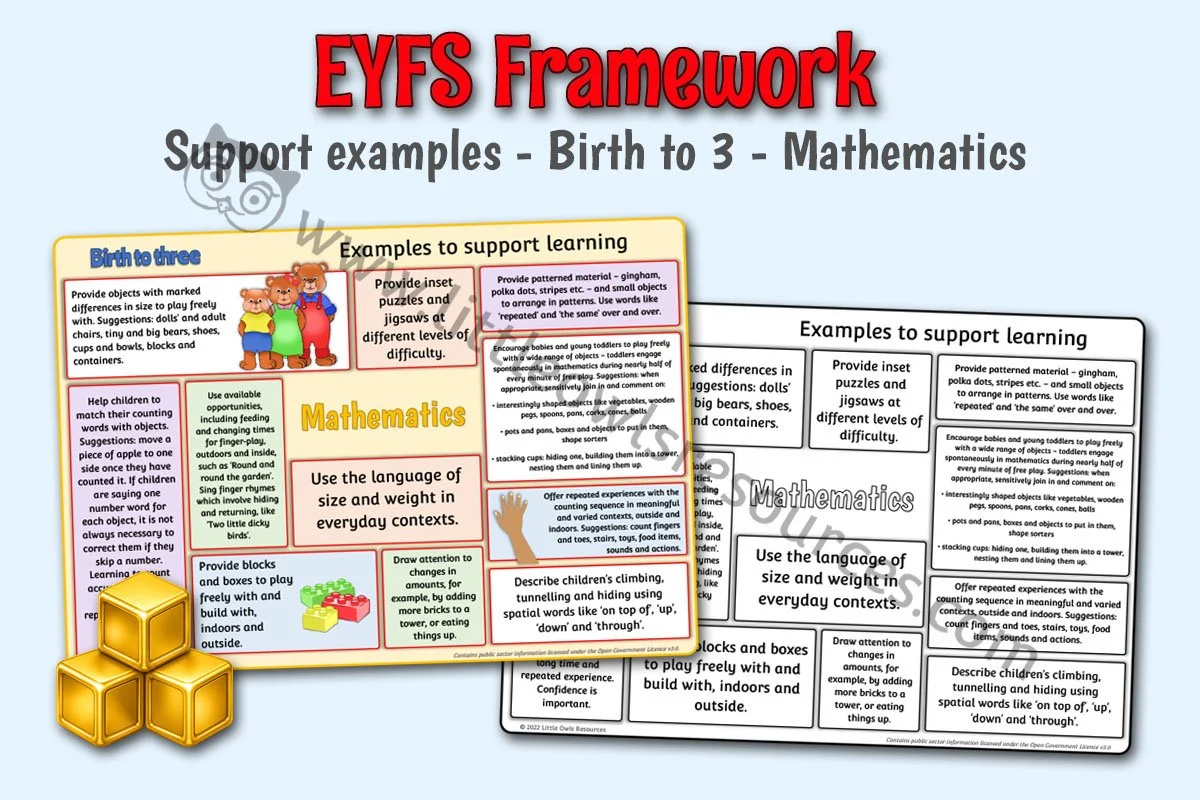
Examples of how to support ‘Mathematics’ learning and development for birth to 3 year olds.
Extracted from Development Matters; non-statutory curriculum guidance for the early years foundation stage.
Includes colour and black and white versions.
Files contain public sector information licensed under the Open Government Licence v3.0.
Original artwork drawn by Sara Murphy and final digital resources created by Stuart Murphy. COPYRIGHT ON ALL OF THE RESOURCES HOUSED ON THIS WEBSITE IS HELD BY ‘LITTLE OWLS RESOURCES’. OUR RESOURCES (INCLUDING THE IMAGES WITHIN THEM), CANNOT BE SHARED OR SOLD COMMERCIALLY.
DOWNLOAD EDITABLE (DOCX)
DOWNLOAD NON-EDITABLE (PDF)
DOWNLOAD NON-EDITABLE (Zipped JPEGs)
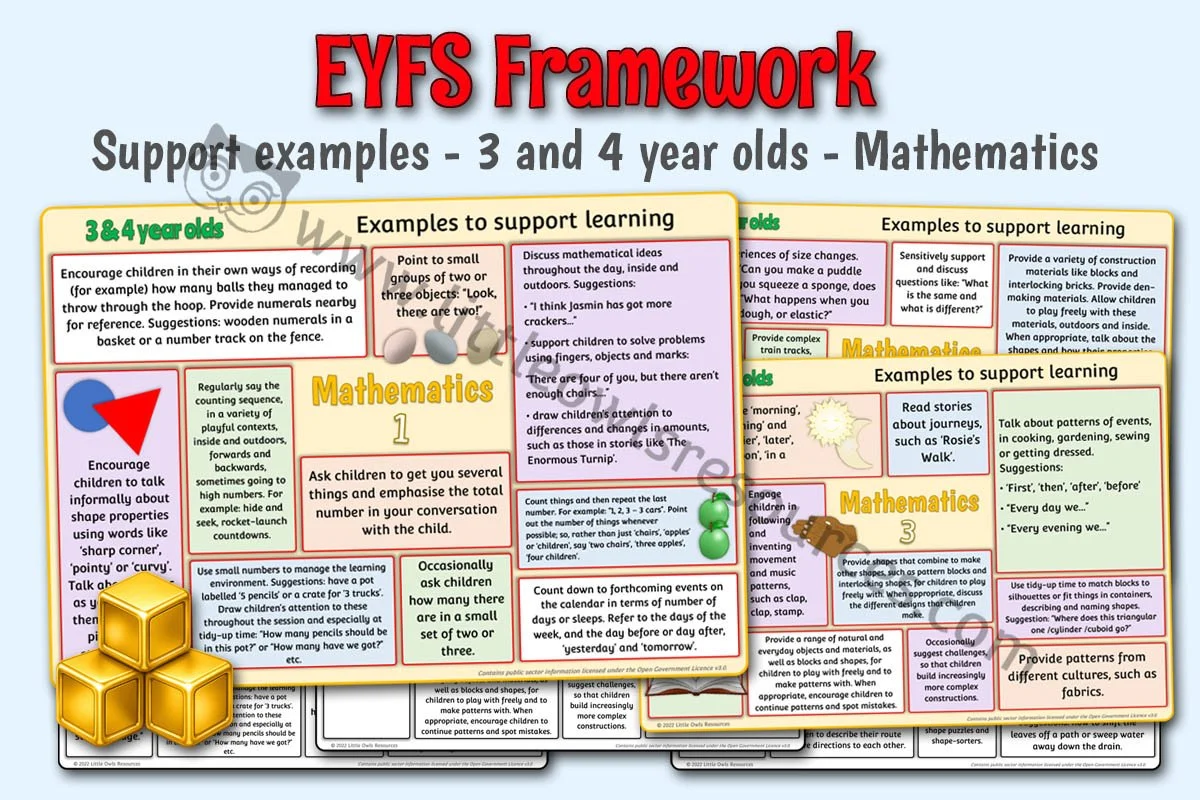
Examples of how to support ‘Mathematics’ learning and development for 3 and 4 year olds.
Extracted from Development Matters; non-statutory curriculum guidance for the early years foundation stage.
Includes colour and black and white versions.
Files contain public sector information licensed under the Open Government Licence v3.0.
Original artwork drawn by Sara Murphy and final digital resources created by Stuart Murphy. COPYRIGHT ON ALL OF THE RESOURCES HOUSED ON THIS WEBSITE IS HELD BY ‘LITTLE OWLS RESOURCES’. OUR RESOURCES (INCLUDING THE IMAGES WITHIN THEM), CANNOT BE SHARED OR SOLD COMMERCIALLY.
DOWNLOAD EDITABLE (DOCX)
DOWNLOAD NON-EDITABLE (PDF)
DOWNLOAD NON-EDITABLE (Zipped JPEGs)
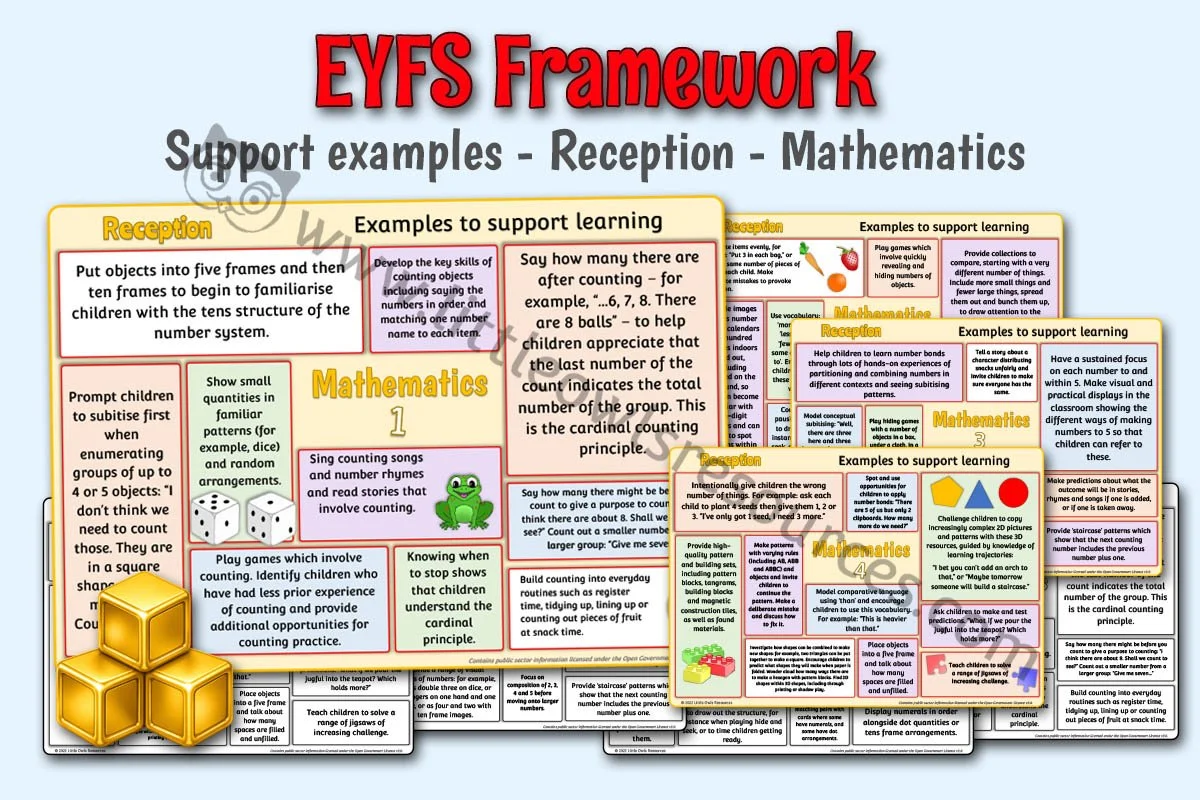
Examples of how to support ‘Mathematics’ learning and development for Reception children.
Extracted from Development Matters; non-statutory curriculum guidance for the early years foundation stage.
Includes colour and black and white versions.
Files contain public sector information licensed under the Open Government Licence v3.0.
Original artwork drawn by Sara Murphy and final digital resources created by Stuart Murphy. COPYRIGHT ON ALL OF THE RESOURCES HOUSED ON THIS WEBSITE IS HELD BY ‘LITTLE OWLS RESOURCES’. OUR RESOURCES (INCLUDING THE IMAGES WITHIN THEM), CANNOT BE SHARED OR SOLD COMMERCIALLY.
DOWNLOAD EDITABLE (DOCX)
DOWNLOAD NON-EDITABLE (PDF)
DOWNLOAD NON-EDITABLE (Zipped JPEGs)

This matching puzzle has a different connection for each set to allow the children to self-correct
‘Birds Silhouette Puzzles’ featuring: pigeon, vulture, seagull, robin, buzzard, magpie, blackbird, duck, barn owl, swallow, chicken, flamingo, goose and penguin.
Observation, Posters/Displays, Magpie, Robin, Buzzard, Seagull, Swallow, Penguins, Emperor Penguin, Flamingo, Owl, General Birds Topic, Pigeon, Blackbird, Duck, Chicken, Goose, Puzzles, Games, Fine Motor, Activities, Group Activities, Matching Activities, Uses shapes for tasks, Shape
Original artwork drawn by Sara Murphy and final digital resources created by Stuart Murphy. COPYRIGHT ON ALL OF THE RESOURCES HOUSED ON THIS WEBSITE IS HELD BY ‘LITTLE OWLS RESOURCES’. OUR RESOURCES (INCLUDING THE IMAGES WITHIN THEM), CANNOT BE SHARED OR SOLD COMMERCIALLY.
DOWNLOAD EDITABLE (DOCX)
DOWNLOAD NON-EDITABLE (PDF)
DOWNLOAD NON-EDITABLE (Zipped JPEGs)
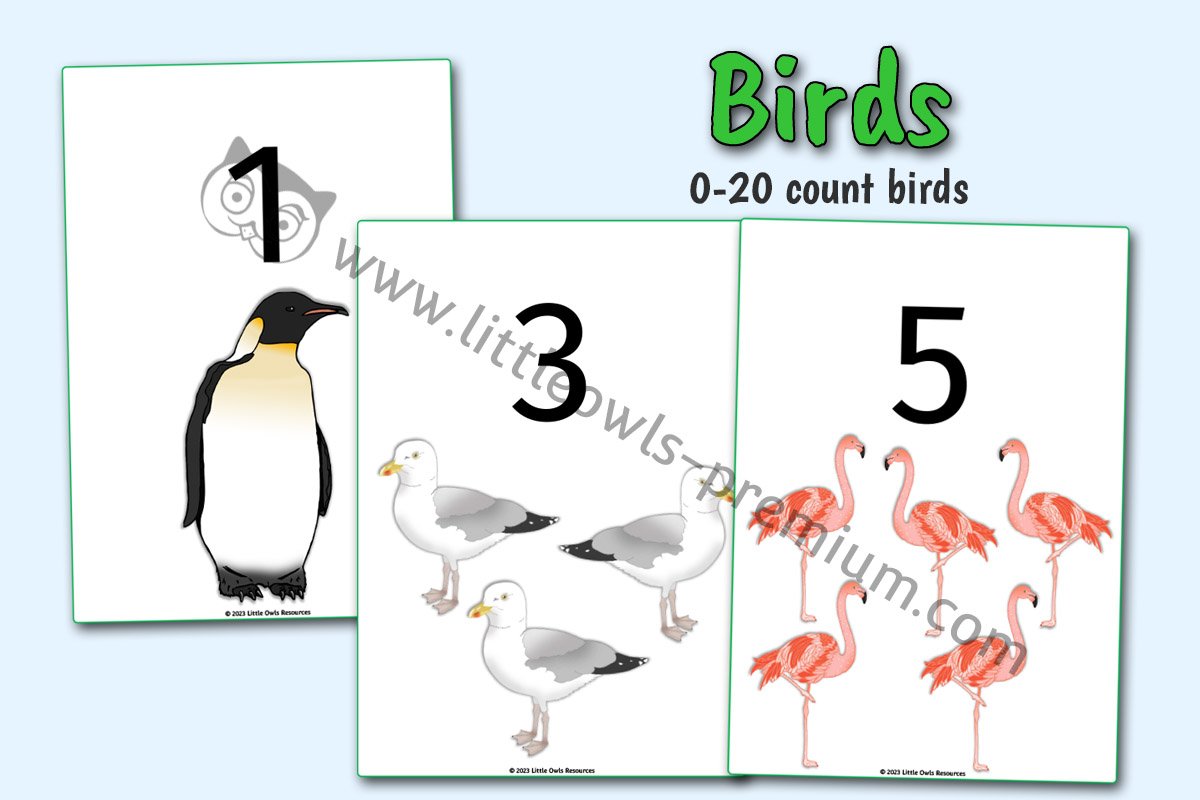
Our ‘birds’ counting posters include 20 different birds to making counting fun!
Birds featured include: penguin, duck, seagull, umbrella bird, flamingo, barn owl, quail, chicken, vulture, pigeon, magpie, goose, nightingale, buzzard, canary, blue tit, blackbird, sparrow, robin and swallow.
Observation, Posters/Displays, Magpie, Robin, Buzzard, Seagull, Swallow, Penguins, Emperor Penguin, Flamingo, Owl, General Birds Topic, Pigeon, Blackbird, Duck, Chicken, Goose, Puzzles, Games, Shape, Umbrella Bird, Quail, Vulture, Nightingale, Canary, Blue Tit, Sparrow, Counting, Number Recognition and Ordering
Original artwork drawn by Sara Murphy and final digital resources created by Stuart Murphy. COPYRIGHT ON ALL OF THE RESOURCES HOUSED ON THIS WEBSITE IS HELD BY ‘LITTLE OWLS RESOURCES’. OUR RESOURCES (INCLUDING THE IMAGES WITHIN THEM), CANNOT BE SHARED OR SOLD COMMERCIALLY.
DOWNLOAD EDITABLE (DOCX)
DOWNLOAD NON-EDITABLE (PDF)
DOWNLOAD NON-EDITABLE (Zipped JPEGs)

Our ‘birds’ colour and count posters include 20 different birds to making counting fun!
Birds featured include: penguin, duck, seagull, umbrella bird, flamingo, barn owl, quail, chicken, vulture, pigeon, magpie, goose, nightingale, buzzard, canary, blue tit, blackbird, sparrow, robin and swallow.
Observation, Posters/Displays, Magpie, Robin, Buzzard, Seagull, Swallow, Penguins, Emperor Penguin, Flamingo, Owl, General Birds Topic, Pigeon, Blackbird, Duck, Chicken, Goose, Puzzles, Games, Fine Motor, Shape, Umbrella Bird, Quail, Vulture, Nightingale, Canary, Blue Tit, Sparrow, Counting, Number Recognition and Ordering, Colouring, Mark Making/Drawing/Writing
Original artwork drawn by Sara Murphy and final digital resources created by Stuart Murphy. COPYRIGHT ON ALL OF THE RESOURCES HOUSED ON THIS WEBSITE IS HELD BY ‘LITTLE OWLS RESOURCES’. OUR RESOURCES (INCLUDING THE IMAGES WITHIN THEM), CANNOT BE SHARED OR SOLD COMMERCIALLY.
DOWNLOAD EDITABLE (DOCX)
DOWNLOAD NON-EDITABLE (PDF)
DOWNLOAD NON-EDITABLE (Zipped JPEGs)

Garden Birdwatch Checklists featuring 5 UK garden birds. We have decided to focus on the most iconic and distinct looking birds you may see in a UK Garden in order to encourage young children to look closely at clear similarities and differences between a handful of birds, rather than confuse them with too many. Ideal for 1-6 year olds. Perfect for use in outdoor areas (perhaps laminated for multiple uses), but also for out and about exploration. Includes Magpie, Blackbird, Robin, Blue Tit and Pigeon.
Observation, UK Birds, Posters/Displays, Problem Solving, Mark Making/Drawing/Writing, Pencil Control, Laminate to use with w/b pens, Take Home, Counting, Blue Tit, Blackbird, Magpie, Pigeon, Robin
Original artwork drawn by Sara Murphy and final digital resources created by Stuart Murphy. COPYRIGHT ON ALL OF THE RESOURCES HOUSED ON THIS WEBSITE IS HELD BY ‘LITTLE OWLS RESOURCES’. OUR RESOURCES (INCLUDING THE IMAGES WITHIN THEM), CANNOT BE SHARED OR SOLD COMMERCIALLY.
DOWNLOAD EDITABLE (DOCX)
DOWNLOAD NON-EDITABLE (PDF)
DOWNLOAD NON-EDITABLE (Zipped JPEGs)
<<-BACK TO ‘BIG GARDEN BIRDWATCH (UK)’ MENU

Cut along the vertical lines on these UK Bird themed number slice puzzles and allow your children to order numbers to reveal the correct sequence and picture as they place the pieces in the right order! Great for fine motor, problem solving, observational skills, number recognition and ordering. Cut and stick use once activity or laminate to use time and time again.
Observation, Problem Solving, Number Recognition and Ordering, Fine Motor, Activities, Puzzles, Games, Matching Activities, UK Birds, Scissor Skills, Woodland, Robin, Pigeon, Blue Tit, Blackbird, Magpie
Original artwork drawn by Sara Murphy and final digital resources created by Stuart Murphy. COPYRIGHT ON ALL OF THE RESOURCES HOUSED ON THIS WEBSITE IS HELD BY ‘LITTLE OWLS RESOURCES’. OUR RESOURCES (INCLUDING THE IMAGES WITHIN THEM), CANNOT BE SHARED OR SOLD COMMERCIALLY.
DOWNLOAD EDITABLE (DOCX)
DOWNLOAD NON-EDITABLE (PDF)
DOWNLOAD NON-EDITABLE (Zipped JPEGs)
<<-BACK TO ‘BIG GARDEN BIRDWATCH (UK)’ MENU

Colour, Cut and Stick these ‘UK Bird’ themed number slice puzzles. Firstly colour in the picture. Then, cut along the vertical lines and allow your children to order the numbers to reveal the complete picture once again. Fun activity for number recognition and ordering skills. Also great for fine motor!
Observation, Problem Solving, Number Recognition and Ordering, Fine Motor, Activities, Puzzles, Games, Matching Activities, UK Birds, Scissor Skills, Colouring, Take Home, Pencil Control, Woodland, Robin, Pigeon, Blue Tit, Blackbird, Magpie
Original artwork drawn by Sara Murphy and final digital resources created by Stuart Murphy. COPYRIGHT ON ALL OF THE RESOURCES HOUSED ON THIS WEBSITE IS HELD BY ‘LITTLE OWLS RESOURCES’. OUR RESOURCES (INCLUDING THE IMAGES WITHIN THEM), CANNOT BE SHARED OR SOLD COMMERCIALLY.
DOWNLOAD EDITABLE (DOCX)
DOWNLOAD NON-EDITABLE (PDF)
DOWNLOAD NON-EDITABLE (Zipped JPEGs)
<<-BACK TO ‘BIG GARDEN BIRDWATCH (UK)’ MENU

Set of 5 UK Garden Bird puzzles each with 2 parts. Ideal for our youngest children in order for them to begin to spot similarities and differences, recognise colours and patterns and solve problems involving observational skills. Also perfect for learning about UK garden birds! (Includes blackbird, pigeon, robin, blue tit & magpie.)
Observation, Problem Solving, Fine Motor, Activities, Puzzles, Games, Matching Activities, UK Birds, Blackbird, Pigeon, Robin, Blue Tit, Magpie
Original artwork drawn by Sara Murphy and final digital resources created by Stuart Murphy. COPYRIGHT ON ALL OF THE RESOURCES HOUSED ON THIS WEBSITE IS HELD BY ‘LITTLE OWLS RESOURCES’. OUR RESOURCES (INCLUDING THE IMAGES WITHIN THEM), CANNOT BE SHARED OR SOLD COMMERCIALLY.
DOWNLOAD EDITABLE (DOCX)
DOWNLOAD NON-EDITABLE (PDF)
DOWNLOAD NON-EDITABLE (Zipped JPEGs)
<<-BACK TO ‘BIG GARDEN BIRDWATCH (UK)’ MENU

Help the garden birds find their eggs!
Game for five players.
Each player has a large mat with a bird on. Players take turns to turn a small card over. If the egg matches the one on your mat, place it in the first space. If it is not a match put the card back where you found it.
The first player to get five correct eggs is the winner!
Garden birds included: Magpie, Robin, Blue Tit, Pigeon & Blackbird
Observation, Problem Solving, Fine Motor, Activities, Games, Matching Activities, UK Birds, Counting, Group Activities, Turn Taking, Number Recognition and Ordering, Blue Tit, Blackbird, Magpie, Pigeon, Robin
Original artwork drawn by Sara Murphy and final digital resources created by Stuart Murphy. COPYRIGHT ON ALL OF THE RESOURCES HOUSED ON THIS WEBSITE IS HELD BY ‘LITTLE OWLS RESOURCES’. OUR RESOURCES (INCLUDING THE IMAGES WITHIN THEM), CANNOT BE SHARED OR SOLD COMMERCIALLY.
DOWNLOAD EDITABLE (DOCX)
DOWNLOAD NON-EDITABLE (PDF)
DOWNLOAD NON-EDITABLE (Zipped JPEGs)
<<-BACK TO ‘BIG GARDEN BIRDWATCH (UK)’ MENU

These ‘Garden Birdwatch’ Picture Snap cards can be printed, cut out and laminated as a fun game to consolidate children's recognition of and descriptive language surrounding 5 distinctive UK garden birds. Each card is made with a backing tab for folding before lamination to provide a more robust final product. Birds include: Magpie, Blackbird, Robin, Blue Tit and Pigeon.
Observation, UK Birds, Posters/Displays, Cards/Flashcards, Games, Activities, Group Activities, Matching Activities, Turn Taking, Magpie, Blackbird, Blue Tit, Pigeon, Robin
Original artwork drawn by Sara Murphy and final digital resources created by Stuart Murphy. COPYRIGHT ON ALL OF THE RESOURCES HOUSED ON THIS WEBSITE IS HELD BY ‘LITTLE OWLS RESOURCES’. OUR RESOURCES (INCLUDING THE IMAGES WITHIN THEM), CANNOT BE SHARED OR SOLD COMMERCIALLY.
DOWNLOAD EDITABLE (DOCX)
DOWNLOAD NON-EDITABLE (PDF)
DOWNLOAD NON-EDITABLE (Zipped JPEGs)
<<-BACK TO ‘BIG GARDEN BIRDWATCH (UK)’ MENU

Help the penguins find fish!
Game for three players.
Takes turns to turn a card. If it is an ‘X’ turn the card back over. If it is a fish put it on your collection card.
The first player to get five fish is the winner!
Observation, Penguins, Problem Solving, Counting, Turn Taking, Games, Group Activities, Number Recognition and Ordering, Fine Motor, Zoo, Banded Penguin, Birds Around the World
Original artwork drawn by Sara Murphy and final digital resources created by Stuart Murphy. COPYRIGHT ON ALL OF THE RESOURCES HOUSED ON THIS WEBSITE IS HELD BY ‘LITTLE OWLS RESOURCES’. OUR RESOURCES (INCLUDING THE IMAGES WITHIN THEM), CANNOT BE SHARED OR SOLD COMMERCIALLY.
DOWNLOAD EDITABLE (DOCX)
DOWNLOAD NON-EDITABLE (PDF)
DOWNLOAD NON-EDITABLE (Zipped JPEGs)
<<-BACK TO ‘PENGUIN AWARENESS DAY’ MENU

Challenge your children to create the right number of playdough fish for each penguin. Laminate the sheets first for multiple uses with groups of children.
Observation, Penguins, Problem Solving, Counting, Number Recognition and Ordering, Fine Motor, Activities, Playdough/Loose Parts, Zoo, Polar, Emperor Penguin, Birds Around the World
Original artwork drawn by Sara Murphy and final digital resources created by Stuart Murphy. COPYRIGHT ON ALL OF THE RESOURCES HOUSED ON THIS WEBSITE IS HELD BY ‘LITTLE OWLS RESOURCES’. OUR RESOURCES (INCLUDING THE IMAGES WITHIN THEM), CANNOT BE SHARED OR SOLD COMMERCIALLY.
DOWNLOAD EDITABLE (DOCX)
DOWNLOAD NON-EDITABLE (PDF)
DOWNLOAD NON-EDITABLE (Zipped JPEGs)
<<-BACK TO ‘PENGUIN AWARENESS DAY’ MENU
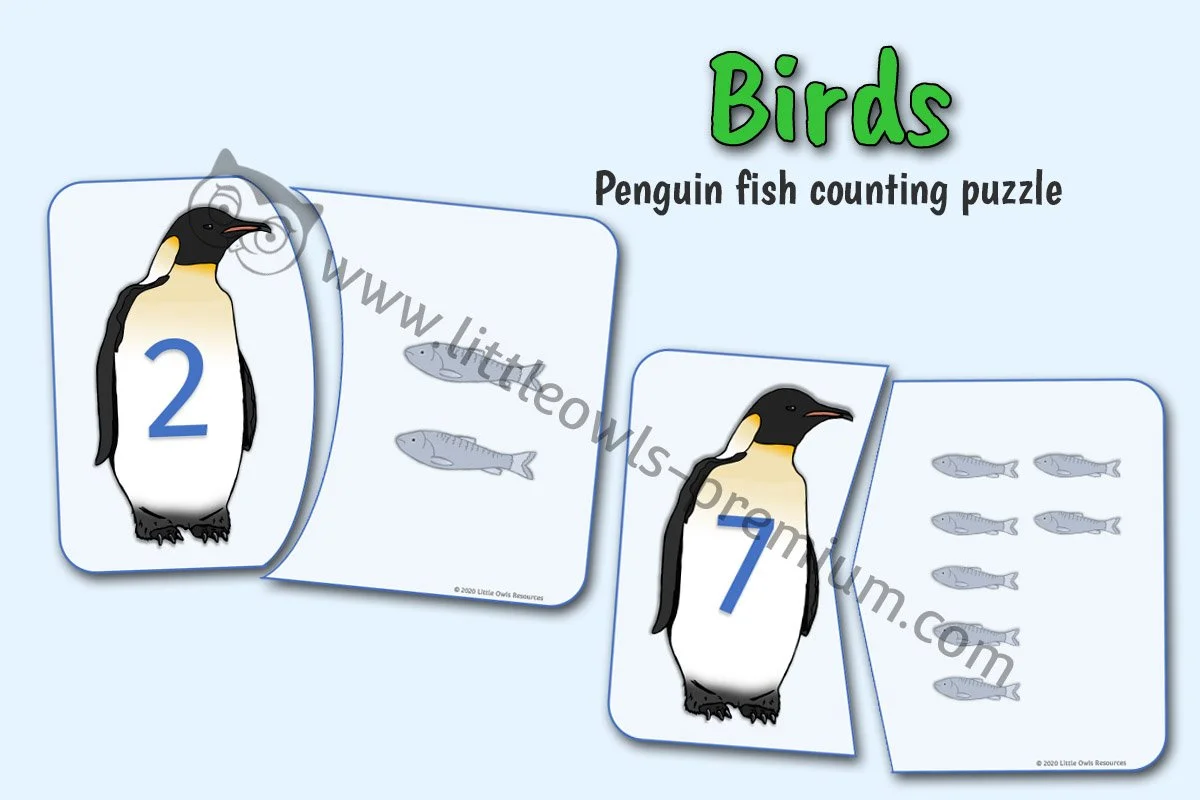
1-10 ‘Feed the Penguin’ themed number recognition and counting puzzles. Match the number on each penguin to the correct quantity of fish. Practise counting objects which cannot be moved. Appropriate for all ages within early years used in different ways at different levels. Use as a table or floor activity or part of an interactive display board. Left uncut, can be used as flashcards or for number ordering games.
Observation, Penguins, Problem Solving, Counting, Number Recognition and Ordering, Fine Motor, Activities, Puzzles, Games, Matching Activities, Zoo, Polar, Emperor Penguin, Birds Around the World
Original artwork drawn by Sara Murphy and final digital resources created by Stuart Murphy. COPYRIGHT ON ALL OF THE RESOURCES HOUSED ON THIS WEBSITE IS HELD BY ‘LITTLE OWLS RESOURCES’. OUR RESOURCES (INCLUDING THE IMAGES WITHIN THEM), CANNOT BE SHARED OR SOLD COMMERCIALLY.
DOWNLOAD EDITABLE (DOCX)
DOWNLOAD NON-EDITABLE (PDF)
DOWNLOAD NON-EDITABLE (Zipped JPEGs)
<<-BACK TO ‘PENGUIN AWARENESS DAY’ MENU

Why not set up an invitation to play using these ‘Feed the Sparrow’ counting puzzles? Select those appropriate for your children (1-10 available) and allow them to match the number beside the sparrow with the corresponding number of hazelnuts to feed them.
Each pair has a different way of connecting as a puzzle for the children to match and so even if they haven’t learnt what the number looks like yet, but are beginning to say the numbers in order, this can be a fun way to introduce them to new challenges.
Once the puzzles are complete, why not line the numbers up in order and count together? If your children would enjoy a further challenge, leave out a number and see if they can spot which one is missing from the sequence.
Puzzles could also be used as a fine motor control/counting activity if left uncut. Children could be given an appropriate number for their learning and encouraged to place objects on the hazelnuts, counting as they go.
In addition, each number is also written as a word. For our youngest children, this adds to learning about text in the environment and how it has meaning. Our oldest children may start to recognise the words and associate them with the numbers. This will be beneficial for when they begin to read and write these words in subsequent years as they will have something to build on.
Observation, Fine Motor, Activities, UK Birds, Sparrow, Games, Puzzles, Hazelnuts, Problem Solving, Counting, Number Recognition and Ordering
Original artwork drawn by Sara Murphy and final digital resources created by Stuart Murphy. COPYRIGHT ON ALL OF THE RESOURCES HOUSED ON THIS WEBSITE IS HELD BY ‘LITTLE OWLS RESOURCES’. OUR RESOURCES (INCLUDING THE IMAGES WITHIN THEM), CANNOT BE SHARED OR SOLD COMMERCIALLY.
DOWNLOAD EDITABLE (DOCX)
DOWNLOAD NON-EDITABLE (PDF)
DOWNLOAD NON-EDITABLE (Zipped JPEGs)
<<-BACK TO ‘BIG GARDEN BIRDWATCH (UK)’ MENU

Help your Mummy Owl to get home to her owl babies/owlets after a busy night hunting for food with this fun and engaging Letters and Sounds game.
Two different boards to choose from - one for Phase 2 Sounds and another for Phase 3 Sounds. Dice required.
Children choose a Mummy Owl to place at the start, roll the dice and move the appropriate number of sound squares towards their baby owls. When they land on a sound square they can practise saying the sound. Have fun!
letters and sounds, phonics, owl, owl babies, owlets, owlet, game, dice, turn taking
Original artwork drawn by Sara Murphy and final digital resources created by Stuart Murphy. COPYRIGHT ON ALL OF THE RESOURCES HOUSED ON THIS WEBSITE IS HELD BY ‘LITTLE OWLS RESOURCES’. OUR RESOURCES (INCLUDING THE IMAGES WITHIN THEM), CANNOT BE SHARED OR SOLD COMMERCIALLY.
DOWNLOAD EDITABLE (DOCX)
DOWNLOAD NON-EDITABLE (PDF)
DOWNLOAD NON-EDITABLE (Zipped JPEGs)
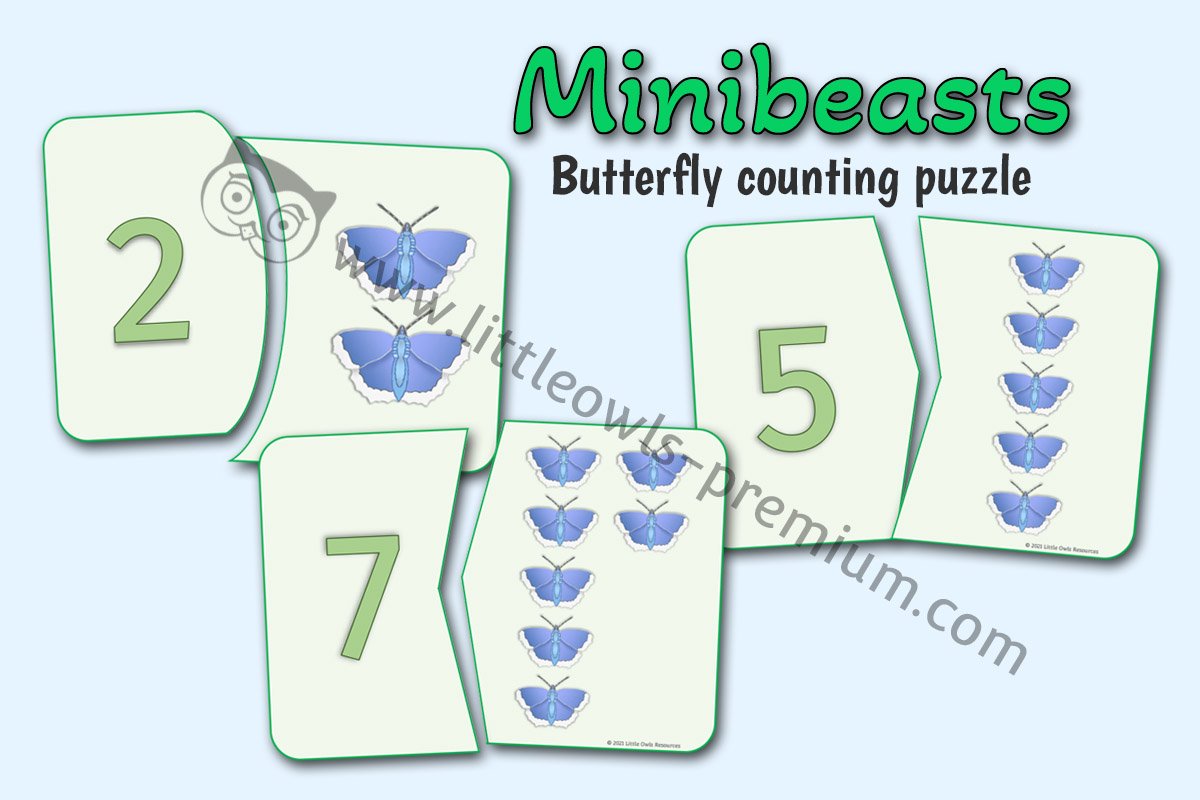
Why not set up an invitation to play using these ‘Butterfly Counting Puzzles’?
Select those appropriate for your children (1-10 available) and allow them to match the number with the corresponding number of butterflies. Each pair has a different way of connecting as a puzzle for the children to match and so even if they haven’t learnt what the number looks like yet, but are beginning to say the numbers in order, this can be a fun way to introduce them to new challenges.
Once the puzzles are complete, why not line the numbers up in order and count together? If your children would enjoy a further challenge, leave out a number and see if they can spot which one is missing from the sequence.
Puzzles could also be used as a fine motor control/counting activity if left uncut. Children could be given an appropriate number for their learning and encouraged to place objects on the butterflies, counting as they go.
Fine Motor, Activity, 'Butterfly Education and Awareness Day' (BEAD), Puzzles, Games, Counting, Number Lines, Number Recognition & Ordering, Numbers, Butterfly
Original artwork drawn by Sara Murphy and final digital resources created by Stuart Murphy. COPYRIGHT ON ALL OF THE RESOURCES HOUSED ON THIS WEBSITE IS HELD BY ‘LITTLE OWLS RESOURCES’. OUR RESOURCES (INCLUDING THE IMAGES WITHIN OUR RESOURCES), CANNOT BE SHARED OR SOLD COMMERCIALLY.
DOWNLOAD EDITABLE (DOCX)
DOWNLOAD NON-EDITABLE (PDF)
DOWNLOAD NON-EDITABLE (Zipped JPEGs)
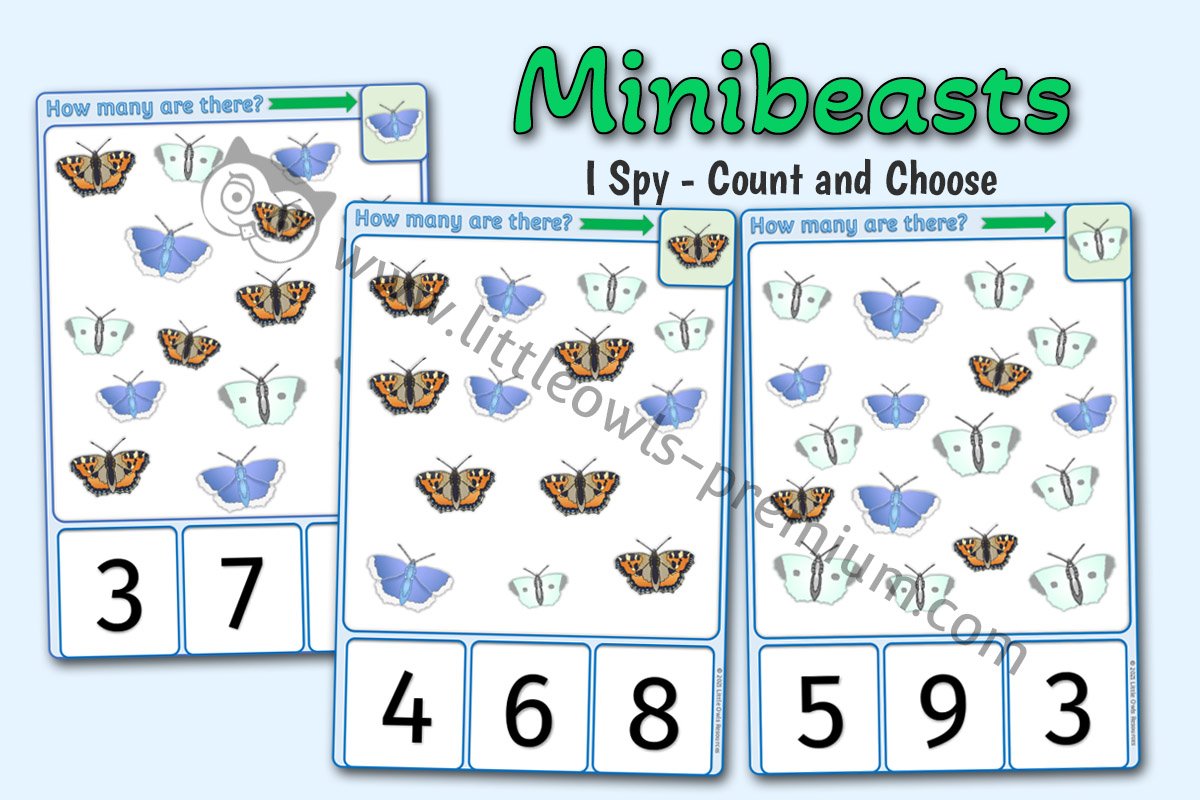
Butterfly themed I Spy Count and Choose sheets. Ideally used as posters or mats.
You may like to laminate these sheets and use them as an interactive display or place them on table tops with pegs, counters or whiteboard pens as an activity.
Fine Motor, Activity, 'Butterfly Education and Awareness Day' (BEAD), Counting, Number Recognition & Ordering, Numbers, Posters/Displays, Butterfly
Original artwork drawn by Sara Murphy and final digital resources created by Stuart Murphy. COPYRIGHT ON ALL OF THE RESOURCES HOUSED ON THIS WEBSITE IS HELD BY ‘LITTLE OWLS RESOURCES’. OUR RESOURCES (INCLUDING THE IMAGES WITHIN OUR RESOURCES), CANNOT BE SHARED OR SOLD COMMERCIALLY.
DOWNLOAD EDITABLE (DOCX)
DOWNLOAD NON-EDITABLE (PDF)
DOWNLOAD NON-EDITABLE (Zipped JPEGs)

Count the Minibeasts from 0 to 20. Print one or two numbers to a page for use as part of a display or more to a page for a set of flashcards.
Counting, Numbers, Cards, Posters/Displays, Number Recognition & Ordering, Number Lines, Discussion Prompts, Earthworm, Dragonfly, Woodlouse, Spider, Bumblebee, Snail, Ant, Butterfly, Fly, Ladybird
Original artwork drawn by Sara Murphy and final digital resources created by Stuart Murphy. COPYRIGHT ON ALL OF THE RESOURCES HOUSED ON THIS WEBSITE IS HELD BY ‘LITTLE OWLS RESOURCES’. OUR RESOURCES (INCLUDING THE IMAGES WITHIN THEM), CANNOT BE SHARED OR SOLD COMMERCIALLY.
DOWNLOAD EDITABLE (DOCX)
DOWNLOAD NON-EDITABLE (PDF)
DOWNLOAD NON-EDITABLE (Zipped JPEGs)
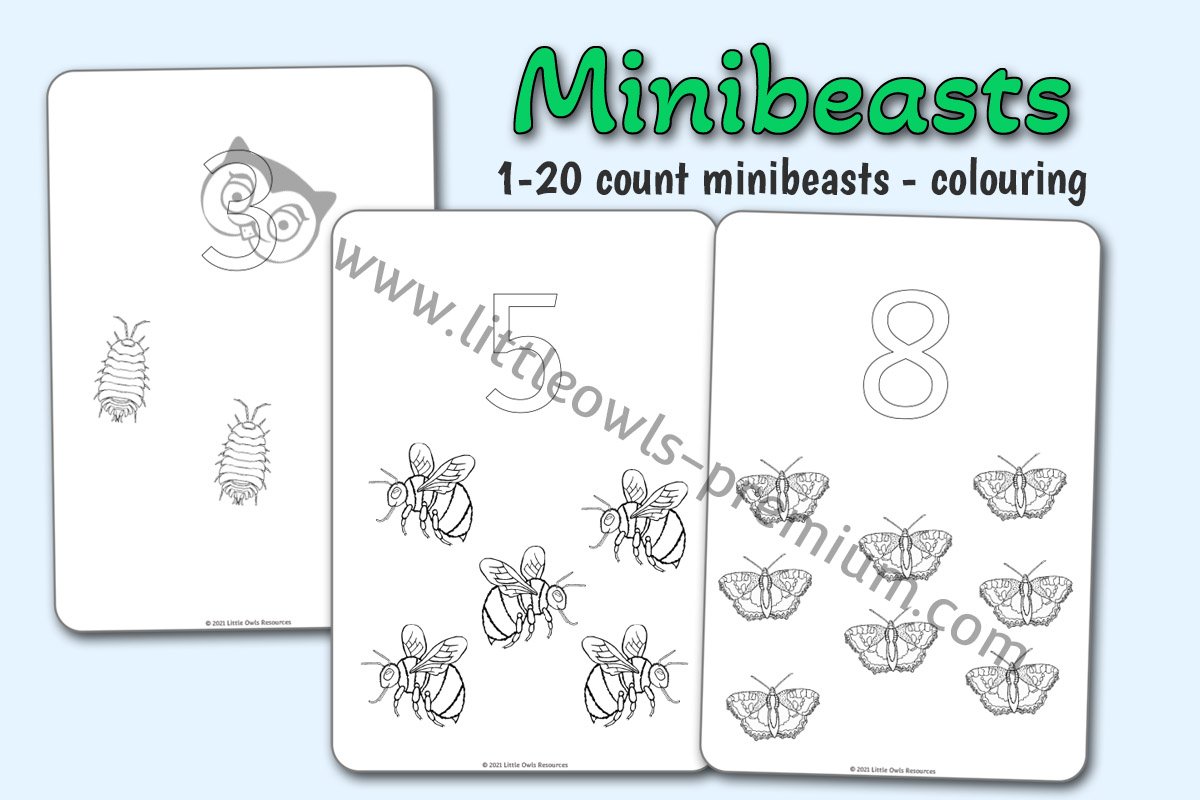
Encourage your children to colour the objects and count them as they go (1 to 20). Ideal sheets to practise 1:1 correspondence counting (where children place their fingers on the objects as they count them). Also great for learning written numbers and knowledge of items within a particular topic. Children may even enjoy using these as posters to create a themed numberline on their playroom/bedroom wall!
Counting, Colouring, Numbers, Fine Motor, Take Home, Posters/Displays, Mark Making/Drawing/Writing, Number Formation, Number Lines, Number Recognition & Ordering, Colour & Count, Playdough/Loose Part Mats, Pencil Control, Discussion Prompts, Activity, Earthworm, Dragonfly, Woodlouse, Spider, Bumblebee, Snail, Ant, Butterfly, Fly, Ladybird
Original artwork drawn by Sara Murphy and final digital resources created by Stuart Murphy. COPYRIGHT ON ALL OF THE RESOURCES HOUSED ON THIS WEBSITE IS HELD BY ‘LITTLE OWLS RESOURCES’. OUR RESOURCES (INCLUDING THE IMAGES WITHIN THEM), CANNOT BE SHARED OR SOLD COMMERCIALLY.
DOWNLOAD EDITABLE (DOCX)
DOWNLOAD NON-EDITABLE (PDF)
DOWNLOAD NON-EDITABLE (Zipped JPEGs)
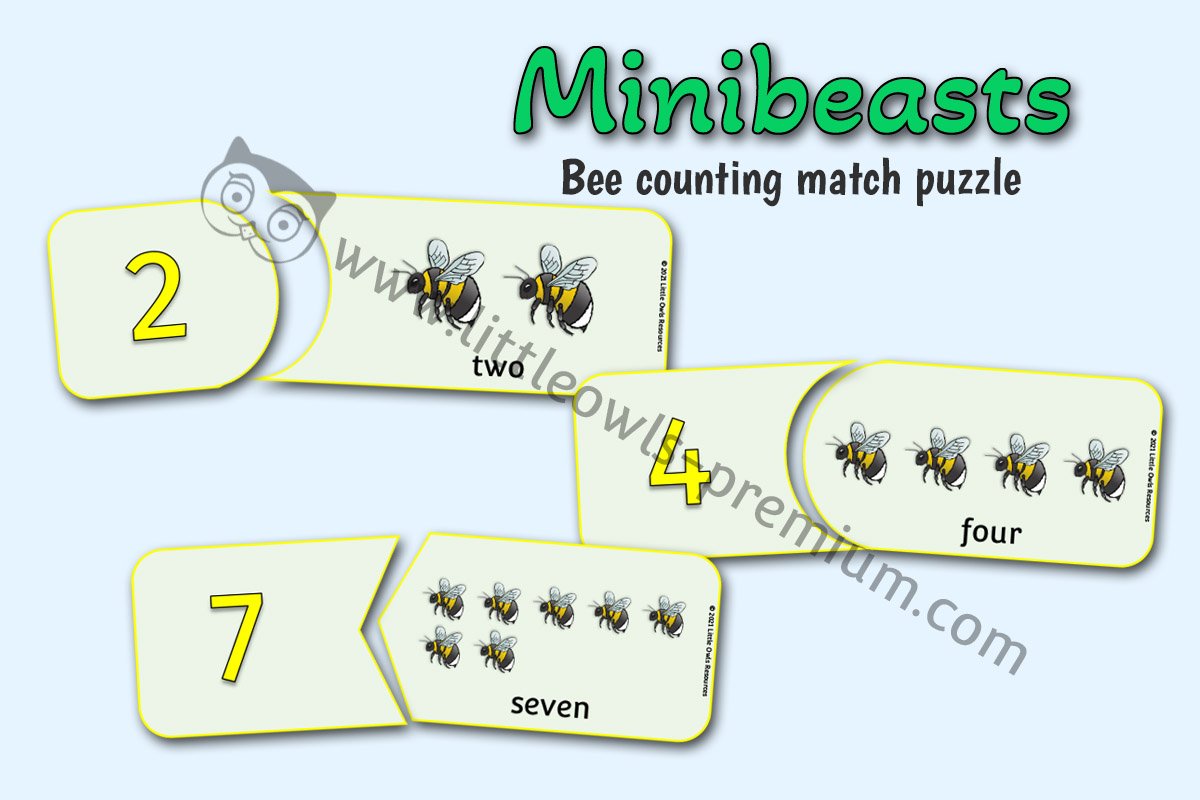
Why not set up an invitation to play using these ‘Bee Counting Puzzles’?
Select those appropriate for your children (1-10 available) and allow them to match the number with the corresponding number of bees. Each pair has a different way of connecting as a puzzle for the children to match and so even if they haven’t learnt what the number looks like yet, but are beginning to say the numbers in order, this can be a fun way to introduce them to new challenges.
Once the puzzles are complete, why not line the numbers up in order and count together? If your children would enjoy a further challenge, leave out a number and see if they can spot which one is missing from the sequence.
Puzzles could also be used as a fine motor control/counting activity if left uncut. Children could be given an appropriate number for their learning and encouraged to place objects on the bees, counting as they go.
In addition, each number is also written as a word. For our youngest children, this adds to learning about text in the environment and how it has meaning. Our oldest children may start to recognise the words and associate them with the numbers. This will be beneficial for when they begin to read and write these words in subsequent years as they will have something to build on.
'World Bee Day', Fine Motor, Print Carries Meaning, Counting, Number Recognition & Ordering, Puzzles, Games, Using Shapes for Task, Bumblebee
Original artwork drawn by Sara Murphy and final digital resources created by Stuart Murphy. COPYRIGHT ON ALL OF THE RESOURCES HOUSED ON THIS WEBSITE IS HELD BY ‘LITTLE OWLS RESOURCES’. OUR RESOURCES (INCLUDING THE IMAGES WITHIN THEM), CANNOT BE SHARED OR SOLD COMMERCIALLY.
DOWNLOAD EDITABLE (DOCX)
DOWNLOAD NON-EDITABLE (PDF)
DOWNLOAD NON-EDITABLE (Zipped JPEGs)
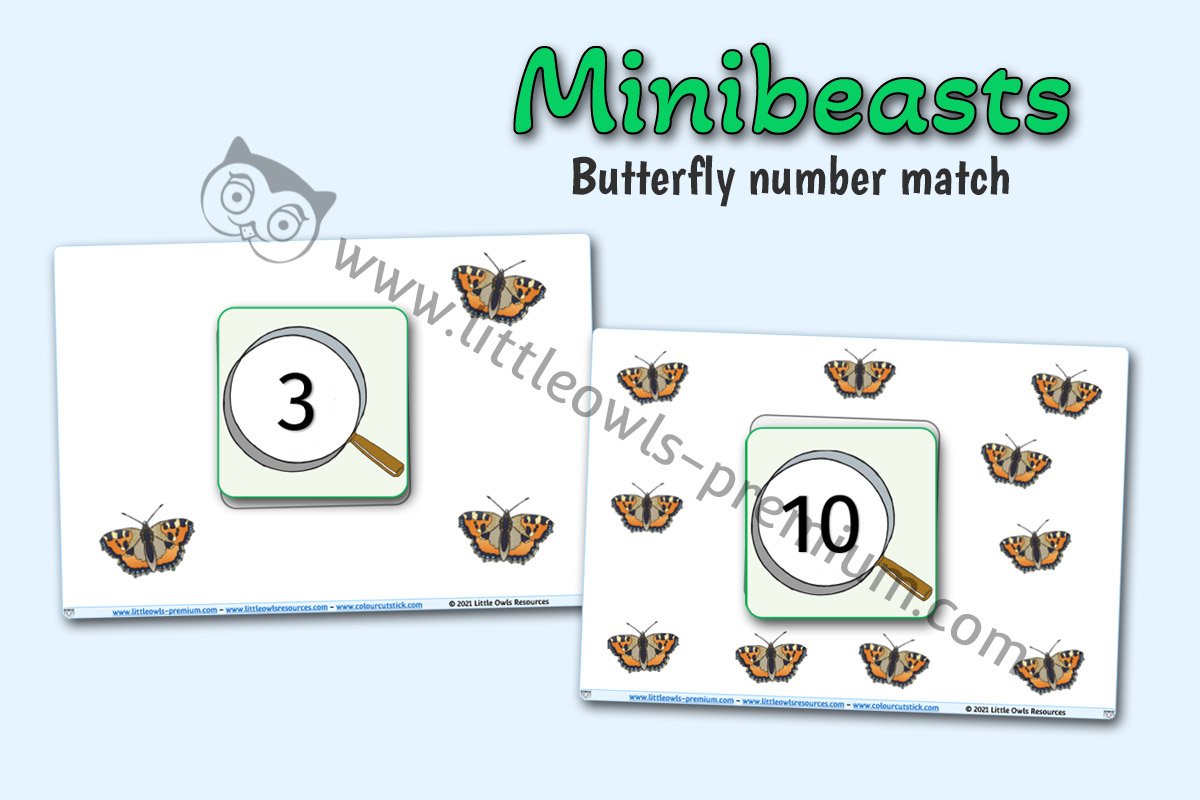
Why not select the boards appropriate for your child’s learning and invite them to match the magnifying glass with the correct number of butterflies? As an alternative, if laminated, the butterfly sheets also provide a great space for children to practise writing their numbers.
Numbers, Counting, Problem Solving, Fine Motor, Laminate to use with w/b pens, Matching Activities, Number Formation, Playdough/Loose Part Mats, Activity, 'Butterfly Education and Awareness Day' (BEAD), Butterfly
Original artwork drawn by Sara Murphy and final digital resources created by Stuart Murphy. COPYRIGHT ON ALL OF THE RESOURCES HOUSED ON THIS WEBSITE IS HELD BY ‘LITTLE OWLS RESOURCES’. OUR RESOURCES (INCLUDING THE IMAGES WITHIN THEM), CANNOT BE SHARED OR SOLD COMMERCIALLY.
DOWNLOAD EDITABLE (DOCX)
DOWNLOAD NON-EDITABLE (PDF)
DOWNLOAD NON-EDITABLE (Zipped JPEGs)
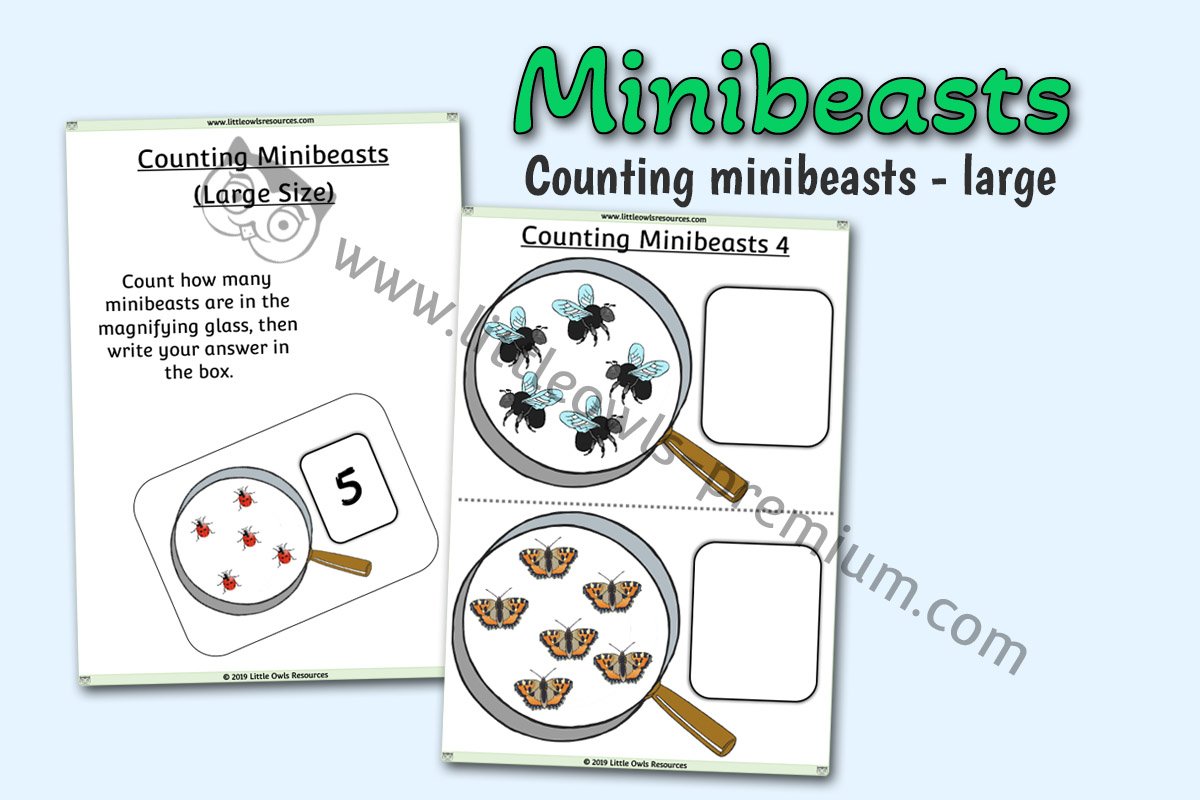
Counting Minibeasts under the magnifying glass sheets. 2 magnifying glasses to each page. (Smaller version also available.) Children can be encouraged to count the number of minibeasts under a magnifying glass and write the corresponding number in the box next to it. Differentiate by support given to your individual children in this process.
Counting, Numbers, Take Home, Fine Motor, Mark Making/Drawing/Writing, Number Formation, Pencil Control, Dragonfly, Ladybird, Snail, Spider, Bumblebee, Earthworm, Fly, Butterfly
Original artwork drawn by Sara Murphy and final digital resources created by Stuart Murphy. COPYRIGHT ON ALL OF THE RESOURCES HOUSED ON THIS WEBSITE IS HELD BY ‘LITTLE OWLS RESOURCES’. OUR RESOURCES (INCLUDING THE IMAGES WITHIN THEM), CANNOT BE SHARED OR SOLD COMMERCIALLY.
DOWNLOAD EDITABLE (DOCX)
DOWNLOAD NON-EDITABLE (PDF)
DOWNLOAD NON-EDITABLE (Zipped JPEGs)
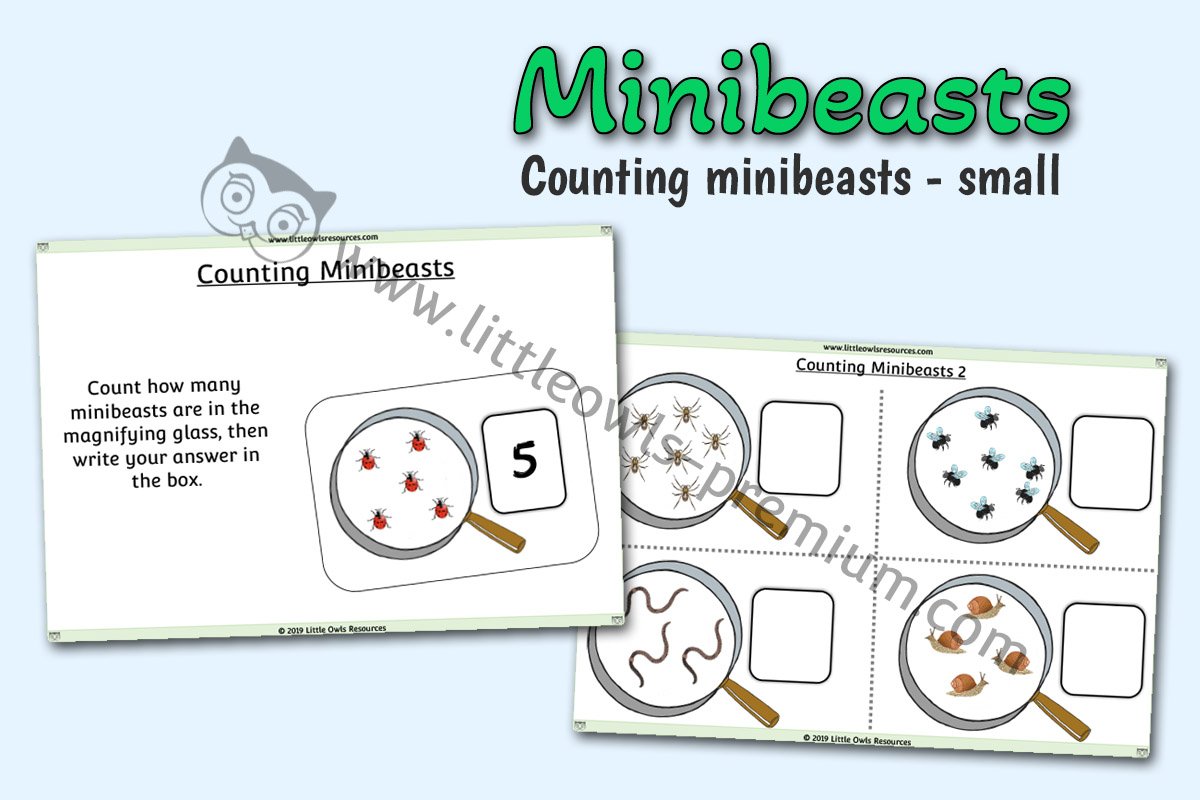
Counting Minibeasts under the magnifying glass sheets. 4 magnifying glasses to each page. (Larger version also available.) Children can be encouraged to count the number of minibeasts under a magnifying glass and write the corresponding number in the box next to it. Differentiate by support given to your individual children in this process.
Numbers, Counting, Fine Motor, Take Home, Mark Making/Drawing/Writing, Number Formation, Pencil Control, Bumblebee, Dragonfly, Butterfly, Ladybird, Spider, Earthworm, Fly, Snail, Ant
Original artwork drawn by Sara Murphy and final digital resources created by Stuart Murphy. COPYRIGHT ON ALL OF THE RESOURCES HOUSED ON THIS WEBSITE IS HELD BY ‘LITTLE OWLS RESOURCES’. OUR RESOURCES (INCLUDING THE IMAGES WITHIN THEM), CANNOT BE SHARED OR SOLD COMMERCIALLY.
DOWNLOAD EDITABLE (DOCX)
DOWNLOAD NON-EDITABLE (PDF)
DOWNLOAD NON-EDITABLE (Zipped JPEGs)
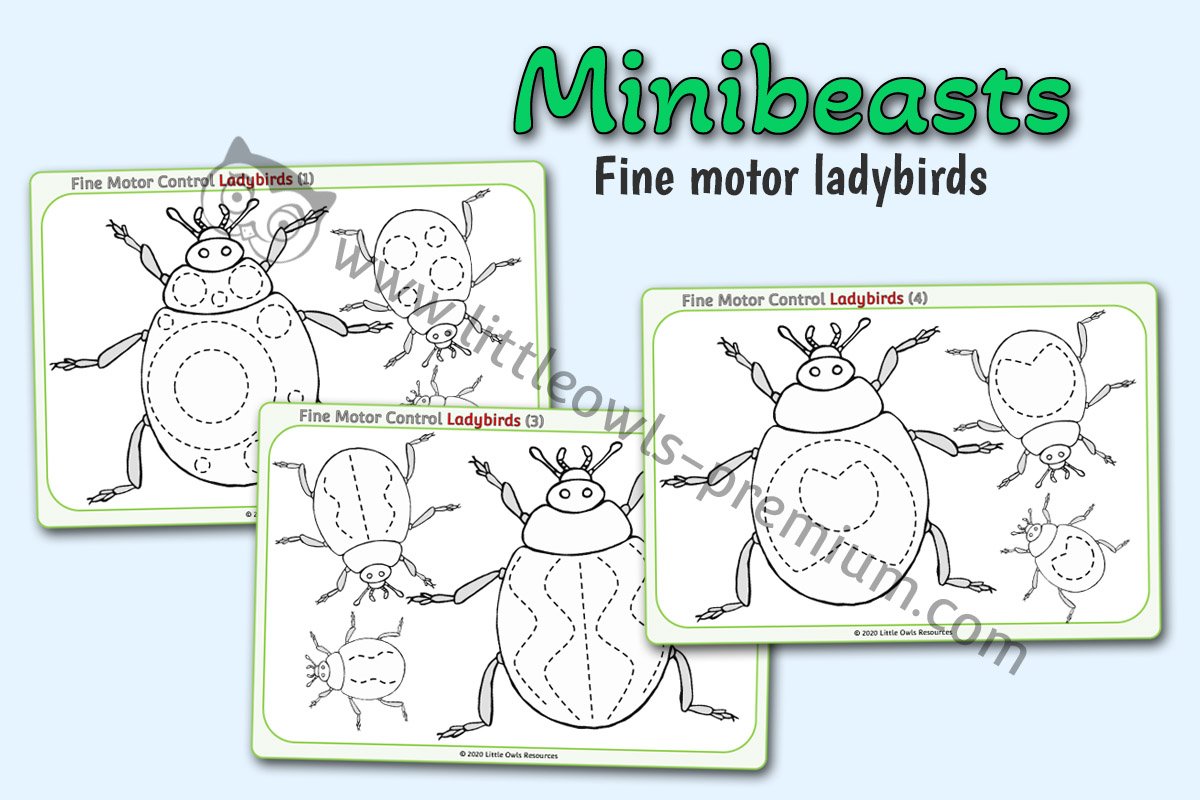
Use these fine motor ladybird sheets once for pencil control practise or laminate and encourage children to take it in turns with whiteboard pens to practise making the different shapes.
Fine Motor, Mark Making/Drawing/Writing, Symmetry, Pencil Control, Laminate to use with w/b pens, Shapes, Activity, Home Learning, Ladybird
Original artwork drawn by Sara Murphy and final digital resources created by Stuart Murphy. COPYRIGHT ON ALL OF THE RESOURCES HOUSED ON THIS WEBSITE IS HELD BY ‘LITTLE OWLS RESOURCES’. OUR RESOURCES (INCLUDING THE IMAGES WITHIN THEM), CANNOT BE SHARED OR SOLD COMMERCIALLY.
DOWNLOAD EDITABLE (DOCX)
DOWNLOAD NON-EDITABLE (PDF)
DOWNLOAD NON-EDITABLE (Zipped JPEGs)
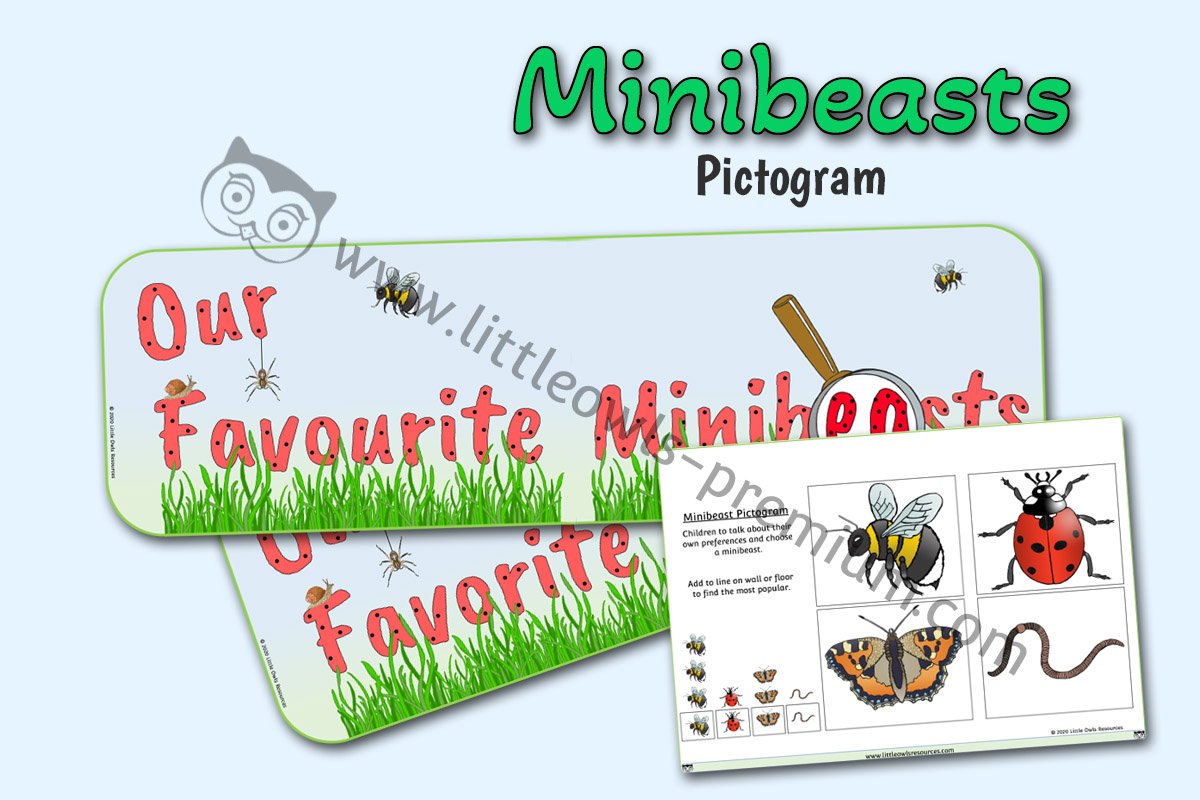
Minibeasts Pictogram Chart pictures designed for children to not only think about their favourite minibeast, but also realise that others may not have the same favourite. In addition, children begin to learn about simple graphs and charts.
Ideal for use in a classroom, preschool, nursery or childminder setting. Children do not have to necessarily complete the activity at the same time, but a chart can be added to a display and individual children can add their own favourites at appropriate times. Simply place the four large minibeasts on the first page in a horizontal line to form the base of the chart and children can add their own favourite smaller minibeast above to create the vertical lines of a chart. The lengths of the lines can be compared and number of minibeasts on each can be counted to find totals. Questions such as ‘How many children like the bee?’ may be asked. To really extend mathematical thinking, questions such as ‘How many more children like the bee than the butterfly?’ could be delved into.
Counting, Graph/Charts, Personal Opinion/Feelings, Posters/Displays, Group Activity, Discussion Prompts, Print Carries Meaning, Bumblebee, Butterfly, Ladybird, Earthworm
Original artwork drawn by Sara Murphy and final digital resources created by Stuart Murphy. COPYRIGHT ON ALL OF THE RESOURCES HOUSED ON THIS WEBSITE IS HELD BY ‘LITTLE OWLS RESOURCES’. OUR RESOURCES (INCLUDING THE IMAGES WITHIN THEM), CANNOT BE SHARED OR SOLD COMMERCIALLY.
DOWNLOAD EDITABLE (DOCX)
DOWNLOAD NON-EDITABLE (PDF)
DOWNLOAD NON-EDITABLE (Zipped JPEGs)
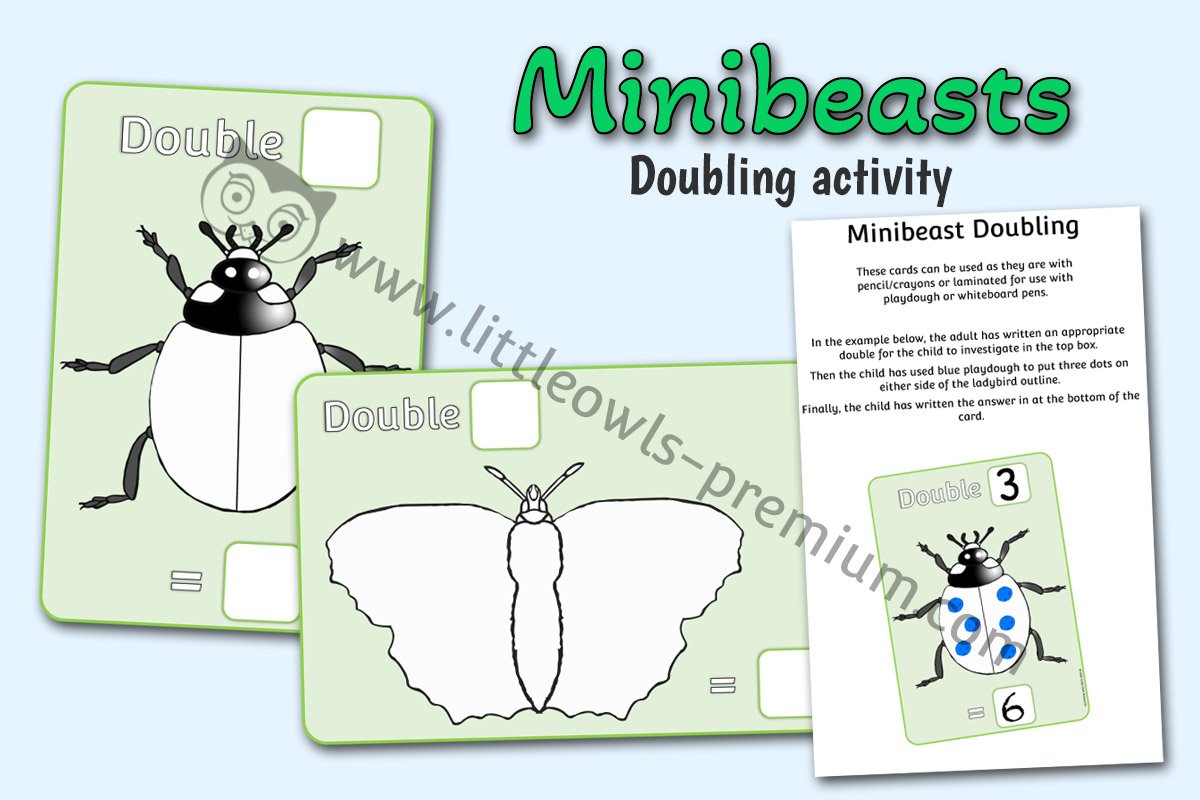
These cards can be used as they are with pencil/crayons & loose parts or laminated for use with playdough or whiteboard pens. Easy to use, these doubling mats provide a clear representation of the concept of doubling. Simply choose a number appropriate for your child’s level in the top box (e.g. 3), then in this example place 3 loose part objects/playdough spots, pencil/pen marks on one wing and the same on the other. Encourage your child to count the spots using 1:1 correspondence counting and then write the answer 6 in the final box. This shows that double 3 is equal to 6.
Doubling, Counting, Fine Motor, Laminate to use with w/b pens, Mark Making/Drawing/Writing, Number Formation, Observational Skills, Problem Solving, Pencil Control, Playdough/Loose Part Mats, Activity, Using Shapes for Task, 'Butterfly Education and Awareness Day' (BEAD), Home Learning, Numbers, Ladybird, Butterfly
Original artwork drawn by Sara Murphy and final digital resources created by Stuart Murphy. COPYRIGHT ON ALL OF THE RESOURCES HOUSED ON THIS WEBSITE IS HELD BY ‘LITTLE OWLS RESOURCES’. OUR RESOURCES (INCLUDING THE IMAGES WITHIN THEM), CANNOT BE SHARED OR SOLD COMMERCIALLY.
DOWNLOAD EDITABLE (DOCX)
DOWNLOAD NON-EDITABLE (PDF)
DOWNLOAD NON-EDITABLE (Zipped JPEGs)
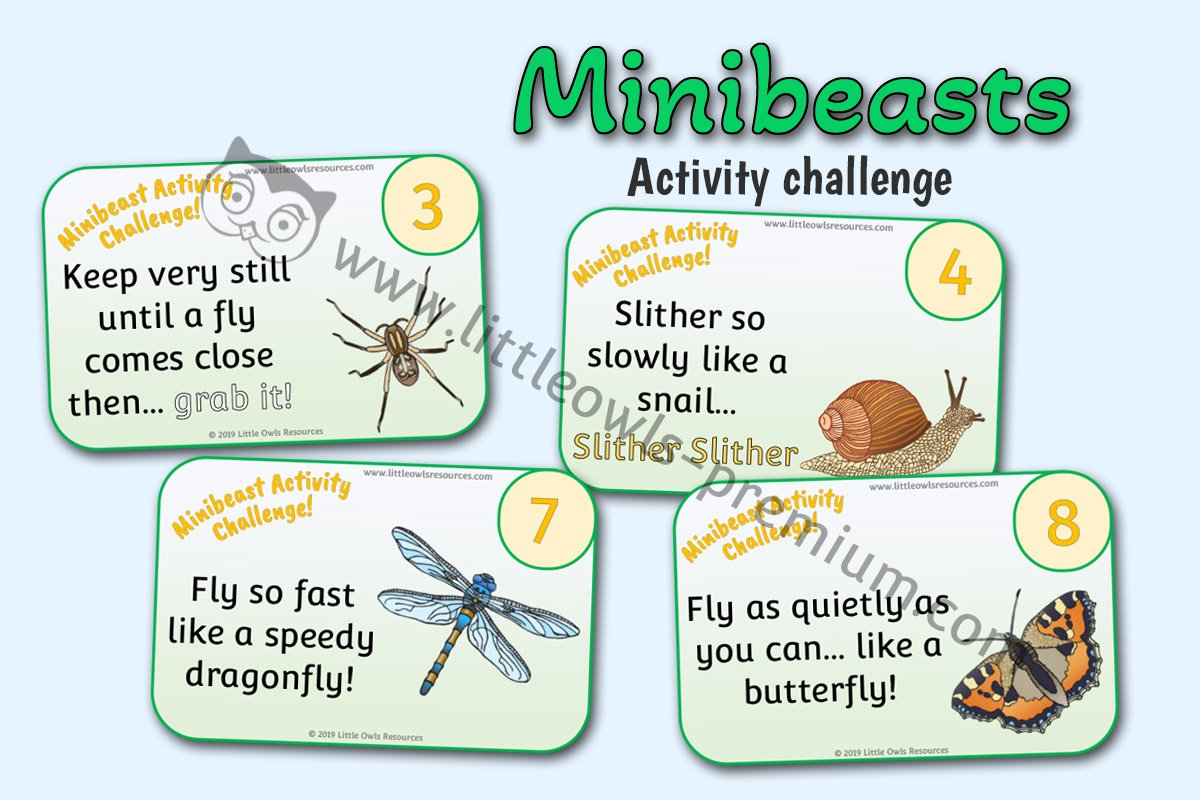
Have great fun with your children whilst all pretending to be minibeasts with this set of 8 Minibeast Activity Challenge cards.
Perhaps children could stand in a circle around the pile of cards and take turns to pick one for everyone to do. Cards could equally be shrunk down and placed on a key ring to take out on adventures or featured on an indoor or outdoor display board and referred to with everyone carrying out the activity on floor space in front. Once the children get to know the cards they will be able to relate the action to the picture without necessarily needing the card read to them...For example an adult may be able to simply hold up a card and everyone will be able to do the activity together! For those children who are exceptionally engaged, these cards explored in sequence could even be set to music as a dance performance!
Great for physical development, descriptive language, understanding the world and turn taking.
Numbers, Activity Packs, Cards, Games, Posters/Displays, Number Recognition & Ordering, Gross Motor/Movement, Activity, Group Activity, Discussion Prompts, Print Carries Meaning, Earthworm, Ladybird, Spider, Snail, Bumblebee, Centipede, Dragonfly, Butterfly
Original artwork drawn by Sara Murphy and final digital resources created by Stuart Murphy. COPYRIGHT ON ALL OF THE RESOURCES HOUSED ON THIS WEBSITE IS HELD BY ‘LITTLE OWLS RESOURCES’. OUR RESOURCES (INCLUDING THE IMAGES WITHIN THEM), CANNOT BE SHARED OR SOLD COMMERCIALLY.
DOWNLOAD EDITABLE (DOCX)
DOWNLOAD NON-EDITABLE (PDF)
DOWNLOAD NON-EDITABLE (Zipped JPEGs)
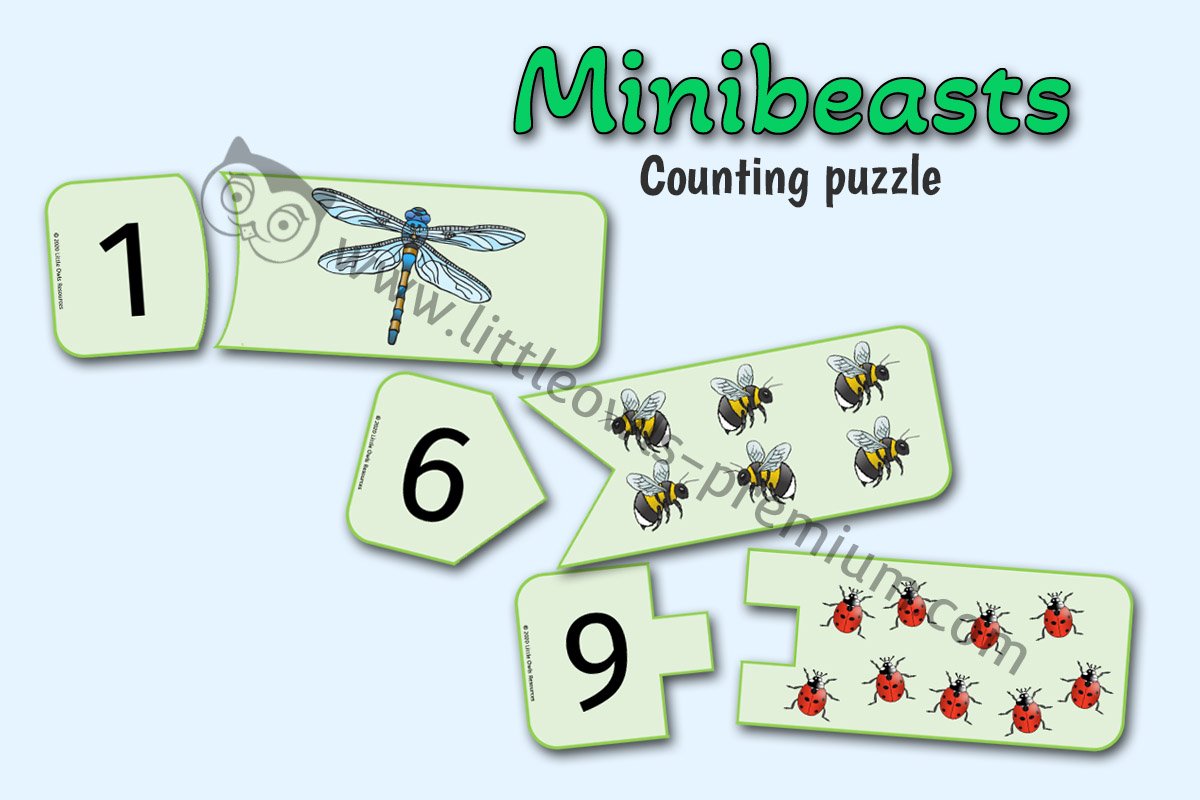
Why not set up an invitation to play using these ‘Minibeasts’ counting puzzles? Select those appropriate for your children (1-10 available) and allow them to match the number with the corresponding number of minibeasts. Each pair has a different way of connecting as a puzzle for the children to match and so even if they haven’t learnt what the number looks like yet, but are beginning to say the numbers in order, this can be a fun way to introduce them to new challenges. Once the puzzles are complete, why not line the numbers up in order and count together? If your children would enjoy a further game, leave out a number and see if they can spot which one is missing from the sequence. Puzzles could also be used as a fine motor control/counting activity if left uncut. Children could be given an appropriate number for their learning and encouraged to place objects on the minibeasts, counting as they go.
Counting, Fine Motor, Games, Matching Activities, Number Recognition & Ordering, Observational Skills, Problem Solving, Puzzles, Activity, Group Activity, Discussion Prompts, Using Shapes for Task, Numbers, Dragonfly, Ant, Snail, Centipede, Woodlouse, Bumblebee, Butterfly, Fly, Ladybird, Spider
Original artwork drawn by Sara Murphy and final digital resources created by Stuart Murphy. COPYRIGHT ON ALL OF THE RESOURCES HOUSED ON THIS WEBSITE IS HELD BY ‘LITTLE OWLS RESOURCES’. OUR RESOURCES (INCLUDING THE IMAGES WITHIN THEM), CANNOT BE SHARED OR SOLD COMMERCIALLY.
DOWNLOAD EDITABLE (DOCX)
DOWNLOAD NON-EDITABLE (PDF)
DOWNLOAD NON-EDITABLE (Zipped JPEGs)
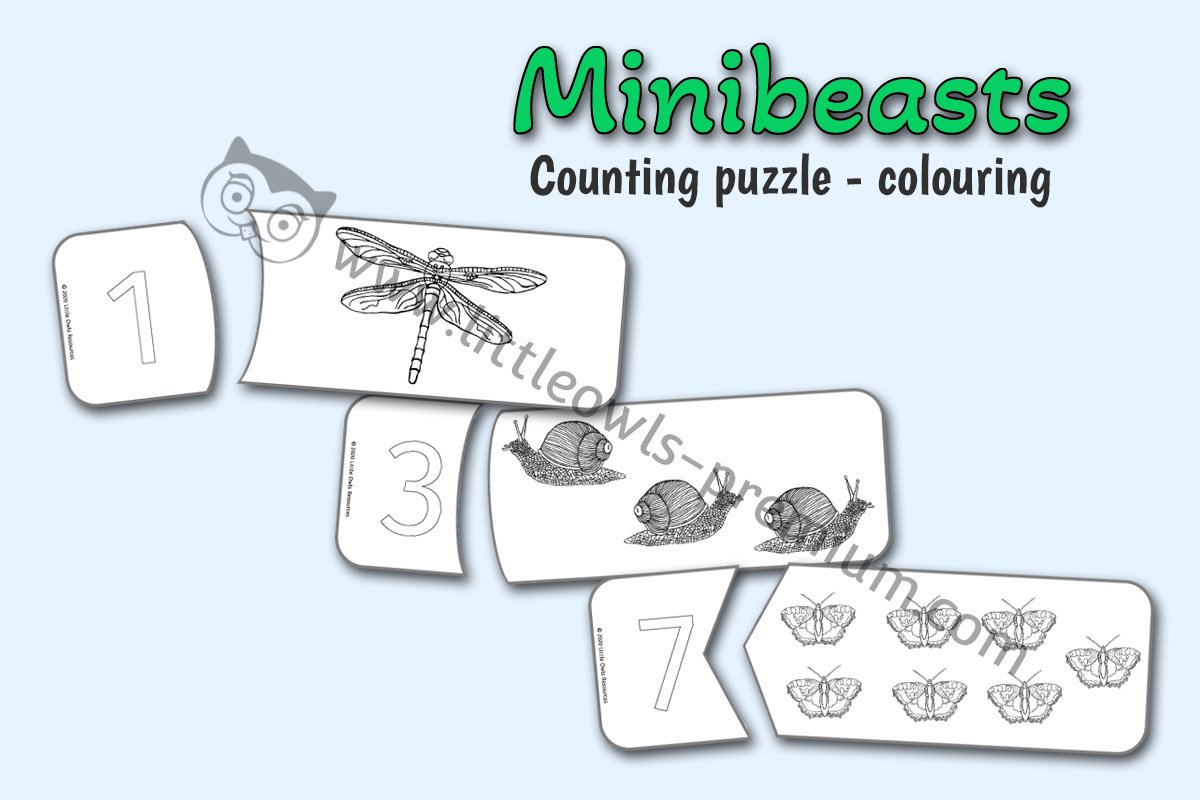
Engage your children in counting play by enlisting their help to create their own ‘Minibeasts’ puzzle set. Select those appropriate for your children (1-10 available) and allow them to colour the images and numbers. The puzzles may then be cut out (you can decide whether to work on scissor skills with your child or pre-cut the puzzles). Then encourage your children to have fun playing with their own puzzles! Each pair has a different way of connecting as a puzzle for the children to match and so even if they haven’t learnt what the number looks like yet, but are beginning to say the numbers in order, this can be a fun way to introduce them to new challenges. Once the puzzles are complete, why not line the numbers up in order and count together? If your children would enjoy a further game, leave out a number and see if they can spot which one is missing from the sequence. Puzzles could also be used as a fine motor control/counting activity if left uncut. Children could be given an appropriate number for their learning and encouraged to place objects on the minibeasts, counting as they go.
Counting, Colour & Count, Colour Cut & Stick, Colouring, Fine Motor, Games, Mark Making/Drawing/Writing, Number Formation, Number Recognition & Ordering, Observational Skills, Problem Solving, Pencil Control, Puzzles, Scissor Skills, Take Home, Matching Activities, Activity, Using Shapes for Task, Numbers, Dragonfly, Ant, Snail, Centipede, Woodlouse, Bumblebee, Butterfly, Fly, Ladybird, Spider
Original artwork drawn by Sara Murphy and final digital resources created by Stuart Murphy. COPYRIGHT ON ALL OF THE RESOURCES HOUSED ON THIS WEBSITE IS HELD BY ‘LITTLE OWLS RESOURCES’. OUR RESOURCES (INCLUDING THE IMAGES WITHIN THEM), CANNOT BE SHARED OR SOLD COMMERCIALLY.
DOWNLOAD EDITABLE (DOCX)
DOWNLOAD NON-EDITABLE (PDF)
DOWNLOAD NON-EDITABLE (Zipped JPEGs)
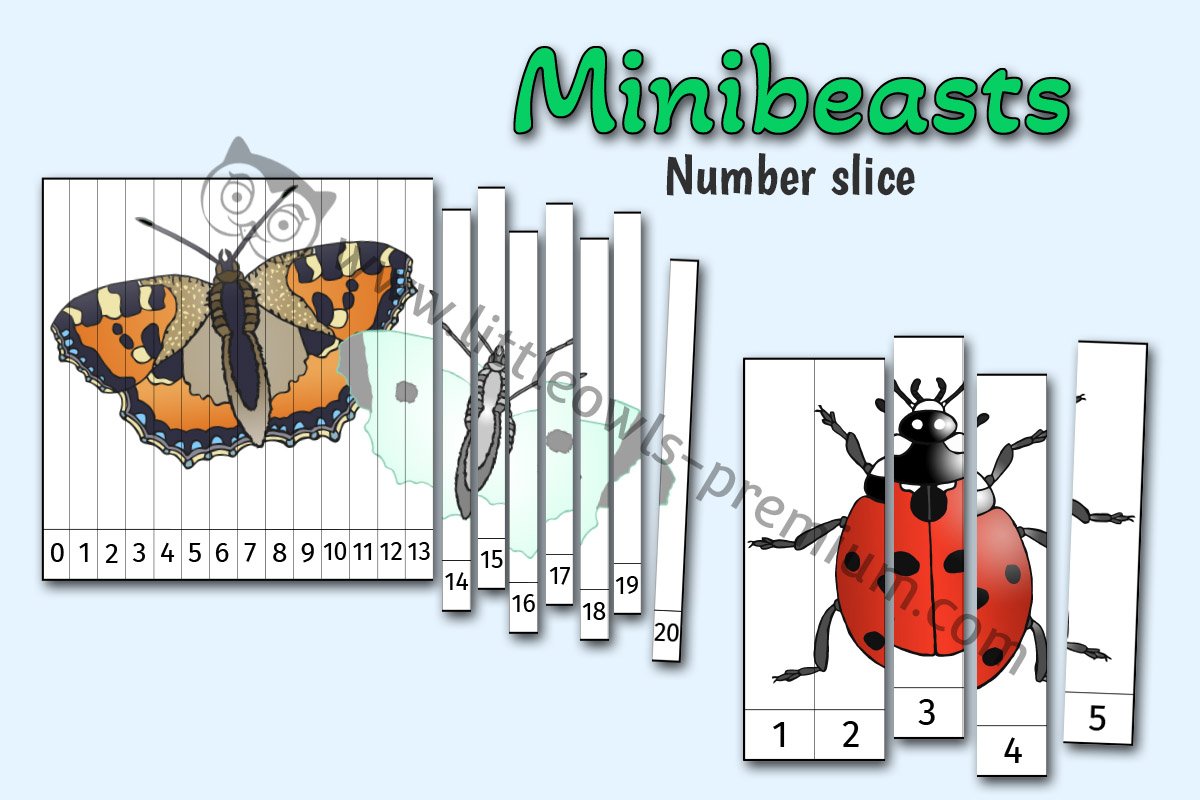
‘Minibeasts’ themed Number Slice Puzzle Activities. Puzzles available for 1-5, 1-10 and 0-20 sequencing. Full colour versions in this pack. Cut along the vertical lines and laminate for multiple uses or allow your children to cut and stick as an individual activity to take home. Great for number recognition and ordering, observational skills and motor control. Picture and number combination enables child self checking.
Numbers, Puzzles, Games, Observational Skills, Problem Solving, Fine Motor, Scissor Skills, Number Recognition & Ordering, Number Lines, Ordering Activities, Activity, Dragonfly, Ladybird, Spider, Bumblebee, Butterfly, Snail
Original artwork drawn by Sara Murphy and final digital resources created by Stuart Murphy. COPYRIGHT ON ALL OF THE RESOURCES HOUSED ON THIS WEBSITE IS HELD BY ‘LITTLE OWLS RESOURCES’. OUR RESOURCES (INCLUDING THE IMAGES WITHIN THEM), CANNOT BE SHARED OR SOLD COMMERCIALLY.
DOWNLOAD EDITABLE (DOCX)
DOWNLOAD NON-EDITABLE (PDF)
DOWNLOAD NON-EDITABLE (Zipped JPEGs)
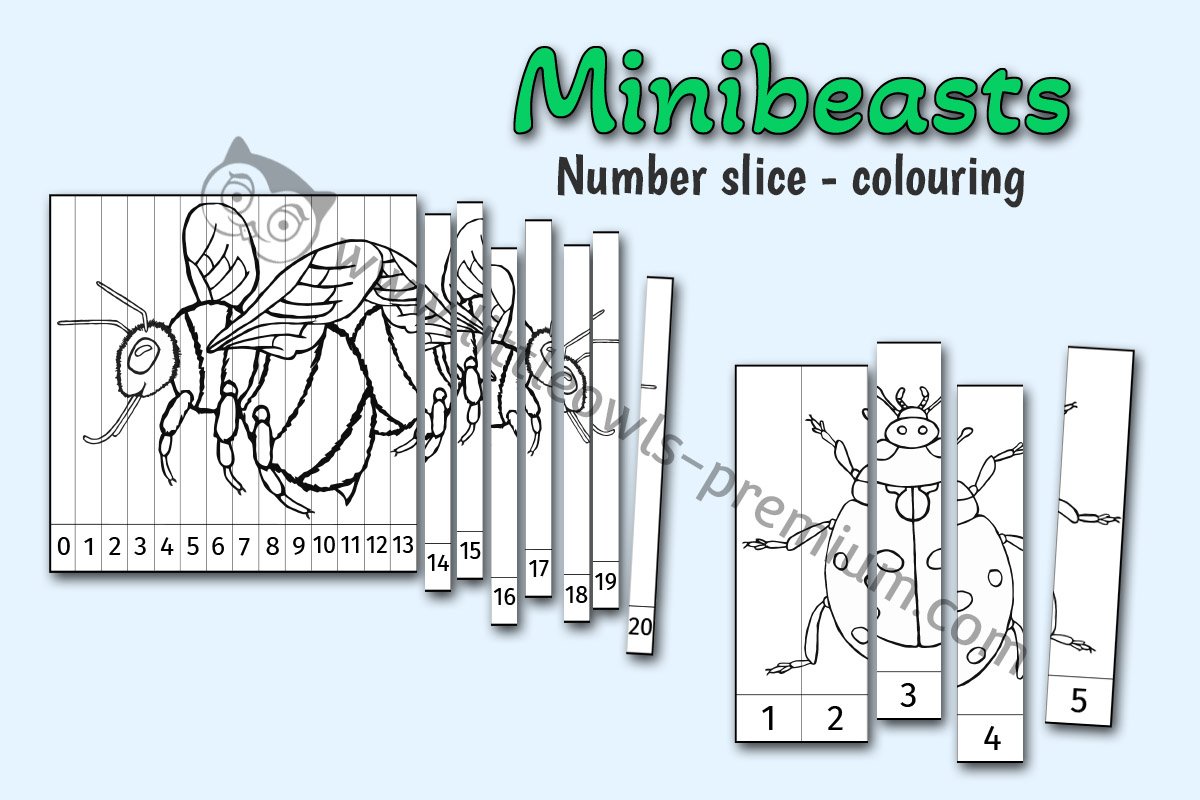
Number Slice Puzzle Activities - Colouring versions. Puzzles available for 1-5, 1-10 and 0-20 sequencing. Colour the pictures, cut along the vertical lines and then put the pieces back together in numerical order. Stick to a new sheet of card or paper once complete! Great for number recognition and ordering, observational skills and motor control. Picture and number combination enables child self checking.
Numbers, Puzzles, Games, Observational Skills, Problem Solving, Fine Motor, Colouring, Take Home, Scissor Skills, Number Lines, Number Recognition & Ordering, Colour Cut & Stick, Ordering Activities, Pencil Control, Activity, Home Learning, Dragonfly, Butterfly, Spider, Bumblebee, Ladybird, Snail
Original artwork drawn by Sara Murphy and final digital resources created by Stuart Murphy. COPYRIGHT ON ALL OF THE RESOURCES HOUSED ON THIS WEBSITE IS HELD BY ‘LITTLE OWLS RESOURCES’. OUR RESOURCES (INCLUDING THE IMAGES WITHIN THEM), CANNOT BE SHARED OR SOLD COMMERCIALLY.
DOWNLOAD EDITABLE (DOCX)
DOWNLOAD NON-EDITABLE (PDF)
DOWNLOAD NON-EDITABLE (Zipped JPEGs)
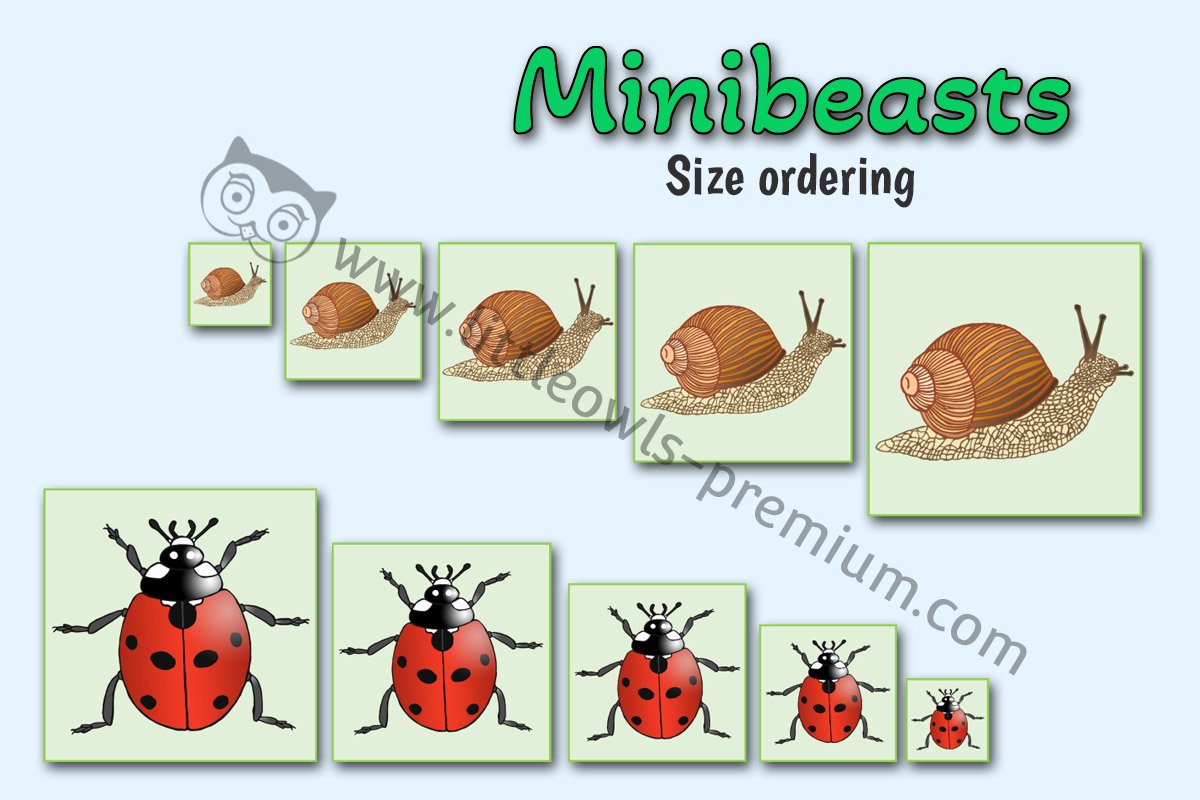
Minibeast themed size ordering pictures. Includes Bee, Spider, Ladybird, Dragonfly, Woodlouse, Snail, Butterfly & Centipede. Intended to be cut out (and ideally laminated) for use by children in repeatable size ordering activities. If you have access to a fuzzy felt board, why not stick velcro tabs on the back so that children can move them around on the board? Alternatively use them as a cut and stick activity (to also strengthen fine motor skills) for the children to take home and discuss with their families using words such as ‘small, smaller, smallest, big, bigger, biggest’.
Cards, Measures - Size, Observational Skills, Problem Solving, Ordering Activities, Activity, Discussion Prompts, Concepts, Bumblebee, Spider, Dragonfly, Ladybird, Woodlouse, Snail, Butterfly, Centipede
Original artwork drawn by Sara Murphy and final digital resources created by Stuart Murphy. COPYRIGHT ON ALL OF THE RESOURCES HOUSED ON THIS WEBSITE IS HELD BY ‘LITTLE OWLS RESOURCES’. OUR RESOURCES (INCLUDING THE IMAGES WITHIN THEM), CANNOT BE SHARED OR SOLD COMMERCIALLY.
DOWNLOAD EDITABLE (DOCX)
DOWNLOAD NON-EDITABLE (PDF)
DOWNLOAD NON-EDITABLE (Zipped JPEGs)
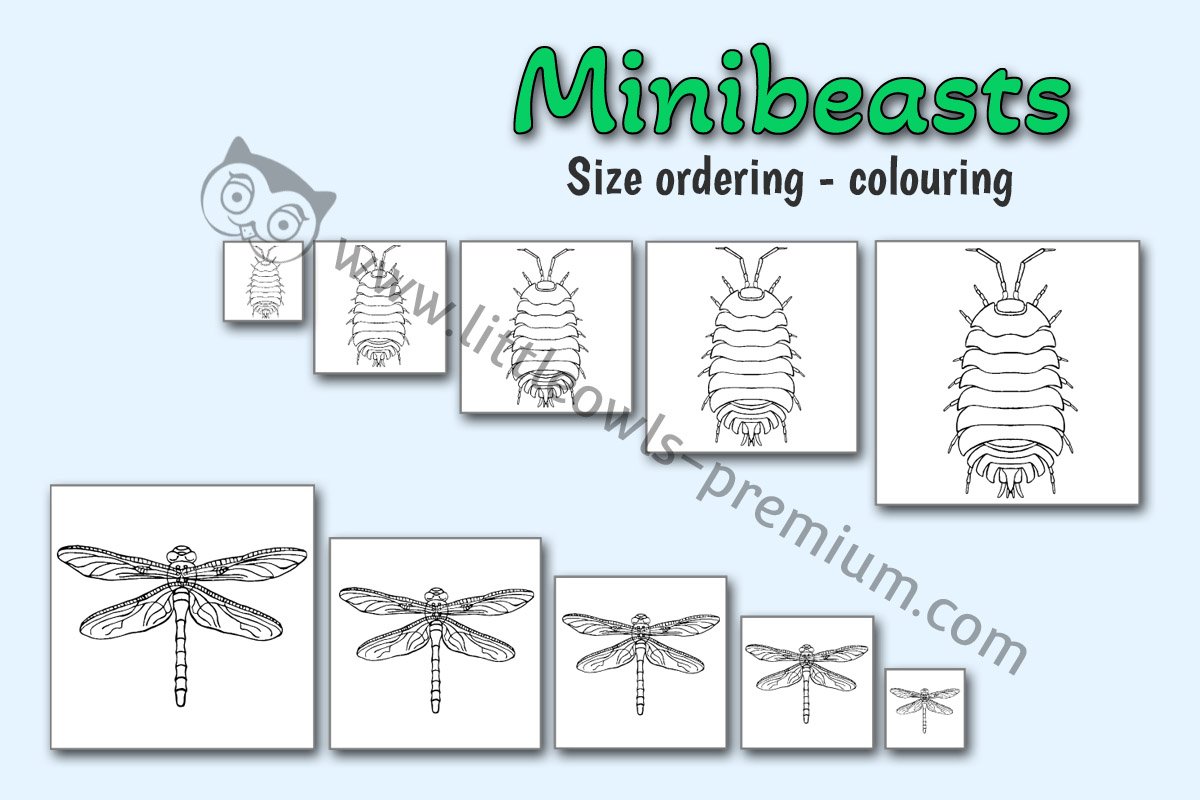
Minibeasts themed size ordering pictures colouring pack. Includes Bee, Spider, Ladybird, Dragonfly, Woodlouse, Snail, Butterfly & Centipede. This colouring version is intended to be a cut and stick activity (to also strengthen fine motor skills) and to encourage children to use size description words such as ‘small, smaller, smallest, big, bigger, biggest’.
Colouring, Colour Cut & Stick, Fine Motor, Mark Making/Drawing/Writing, Measures - Size, Observational Skills, Problem Solving, Ordering Activities, Pencil Control, Scissor Skills, Take Home, Activity, Discussion Prompts, Concepts, Home Learning, Bumblebee, Spider, Ladybird, Dragonfly, Woodlouse, Snail, Butterfly, Centipede
Original artwork drawn by Sara Murphy and final digital resources created by Stuart Murphy. COPYRIGHT ON ALL OF THE RESOURCES HOUSED ON THIS WEBSITE IS HELD BY ‘LITTLE OWLS RESOURCES’. OUR RESOURCES (INCLUDING THE IMAGES WITHIN THEM), CANNOT BE SHARED OR SOLD COMMERCIALLY.
DOWNLOAD EDITABLE (DOCX)
DOWNLOAD NON-EDITABLE (PDF)
DOWNLOAD NON-EDITABLE (Zipped JPEGs)
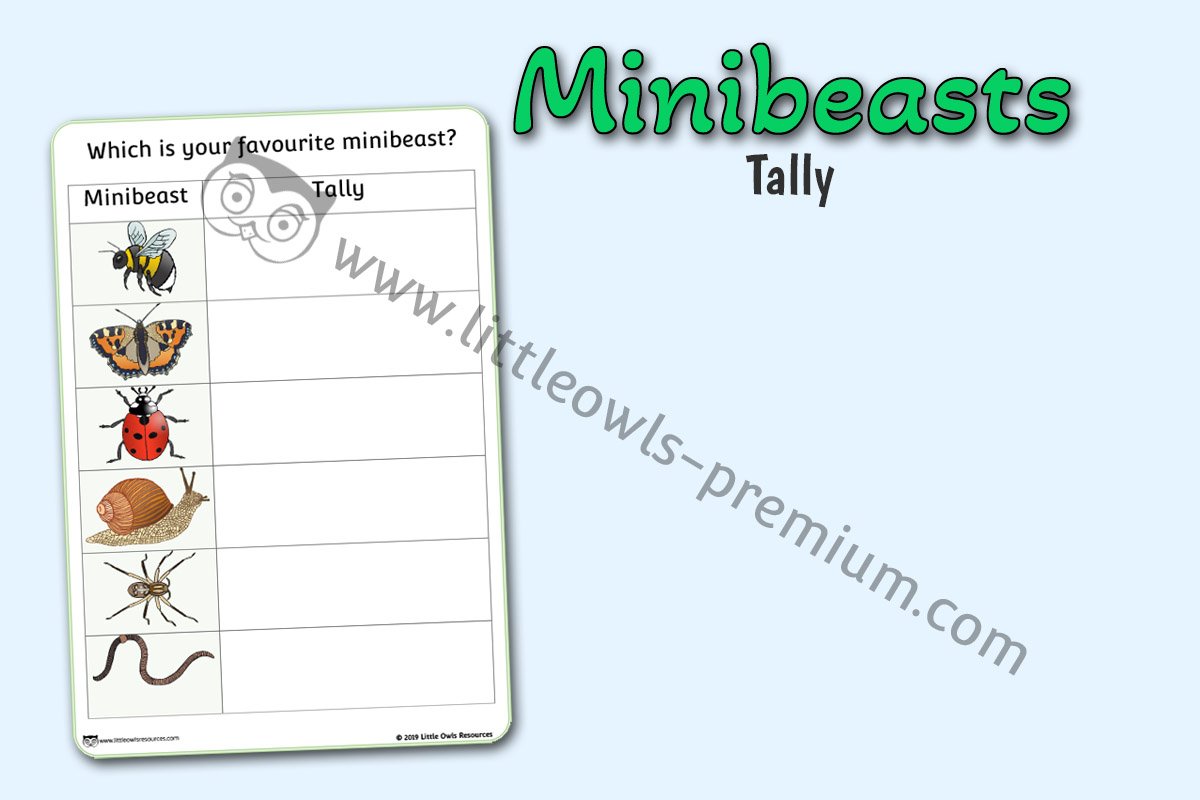
Minibeast themed tally chart. Your children will love to use this as part of an out and about hunt activity (for example searching for minibeasts in your outdoor area) or in conjunction with a 'Minibeasts' themed tuff spot or feely bag. Use as a Tally Chart or Check List. Differentiate expectations for individual children within your care. Some children may simply use it as a visual cue whilst others may begin to make marks resembling tally lines or even numbers. Alternatively ask your children ‘Which is your favourite minibeast?’ and collect the results as a group. Which minibeast has the most votes? Perhaps use in conjunction with our ‘Minibeast Pictogram Chart Activity’.
Graph/Charts, Numbers, Counting, Fine Motor, Observational Skills, Take Home, Personal Opinion/Feelings, Mark Making/Drawing/Writing, Laminate to use with w/b pens, Pencil Control, Group Activity, Discussion Prompts, Bumblebee, Butterfly, Ladybird, Snail, Spider, Earthworm
Original artwork drawn by Sara Murphy and final digital resources created by Stuart Murphy. COPYRIGHT ON ALL OF THE RESOURCES HOUSED ON THIS WEBSITE IS HELD BY ‘LITTLE OWLS RESOURCES’. OUR RESOURCES (INCLUDING THE IMAGES WITHIN THEM), CANNOT BE SHARED OR SOLD COMMERCIALLY.
DOWNLOAD EDITABLE (DOCX)
DOWNLOAD NON-EDITABLE (PDF)
DOWNLOAD NON-EDITABLE (Zipped JPEGs)

Engaging poster which shows how we can tell the age a cockle was when it died by looking at the shell it left behind. How many lines are on each of the cockle shells you find?
Keywords: cockle shell, growth, poster, facts, sea, beach
Original artwork drawn by Sara Murphy and final digital resources created by Stuart Murphy. COPYRIGHT ON ALL OF THE RESOURCES HOUSED ON THIS WEBSITE IS HELD BY ‘LITTLE OWLS RESOURCES’. OUR RESOURCES (INCLUDING THE IMAGES WITHIN THEM), CANNOT BE SHARED OR SOLD COMMERCIALLY.
DOWNLOAD EDITABLE (DOCX)
DOWNLOAD NON-EDITABLE (PDF)
DOWNLOAD NON-EDITABLE (Zipped JPEGs)
<<-BACK TO ‘BEACH SCHOOL’ MENU
<<-BACK TO ‘AT THE SEASIDE’ MENU

These cards are intended to be cut and laminated before being given as a pattern making challenge using beach items/loose parts.
Encourage the children to look at the card patterns and try to recreate them using real life elements that are found or provided. Great activity for looking closely at similarities and differences!
Keywords: repeating pattern, natural, loose parts, shell, limpet, whelk, observation, activities, activity
Original artwork drawn by Sara Murphy and final digital resources created by Stuart Murphy. COPYRIGHT ON ALL OF THE RESOURCES HOUSED ON THIS WEBSITE IS HELD BY ‘LITTLE OWLS RESOURCES’. OUR RESOURCES (INCLUDING THE IMAGES WITHIN THEM), CANNOT BE SHARED OR SOLD COMMERCIALLY.
DOWNLOAD EDITABLE (DOCX)
DOWNLOAD NON-EDITABLE (PDF)
DOWNLOAD NON-EDITABLE (Zipped JPEGs)
<<-BACK TO ‘BEACH SCHOOL’ MENU
<<-BACK TO ‘AT THE SEASIDE’ MENU
<<-BACK TO ‘OUTDOOR MATHS’ MENU

This mat is designed to engage children in learning about the concept of sharing quantities equally. How to use…
Adult or child can choose a number to write in the top right corner.
Then child to count that number of shells for the top box.
Finally, the child can investigate if the shells can be shared out fairly into the two bottom boxes.
Great for use alongside reading ‘Sharing a Shell’!
Keywords: shells, sharing, dividing, equally, fairly, natural, loose part, items, materials, prompt, activities, activity, mat, maths, mathematics, math, numeracy, half, halving, double, doubling
Original artwork drawn by Sara Murphy and final digital resources created by Stuart Murphy. COPYRIGHT ON ALL OF THE RESOURCES HOUSED ON THIS WEBSITE IS HELD BY ‘LITTLE OWLS RESOURCES’. OUR RESOURCES (INCLUDING THE IMAGES WITHIN THEM), CANNOT BE SHARED OR SOLD COMMERCIALLY.
DOWNLOAD EDITABLE (DOCX)
DOWNLOAD NON-EDITABLE (PDF)
DOWNLOAD NON-EDITABLE (Zipped JPEGs)
<<-BACK TO ‘BEACH SCHOOL’ MENU
<<-BACK TO ‘AT THE SEASIDE’ MENU
<<-BACK TO ‘OUTDOOR MATHS’ MENU

These cards are intended to be used as a stimulus for making shapes with natural materials on the beach.
Extensions could include asking what other shapes the children could make or what other materials could they use.
Keywords: shape, artwork, natural, loose part, items, materials, prompt, activities, activity, poster, cards, circle, triangle, square, shell, rock, stone, pebble, seaweed
Original artwork drawn by Sara Murphy and final digital resources created by Stuart Murphy. COPYRIGHT ON ALL OF THE RESOURCES HOUSED ON THIS WEBSITE IS HELD BY ‘LITTLE OWLS RESOURCES’. OUR RESOURCES (INCLUDING THE IMAGES WITHIN THEM), CANNOT BE SHARED OR SOLD COMMERCIALLY.
DOWNLOAD EDITABLE (DOCX)
DOWNLOAD NON-EDITABLE (PDF)
DOWNLOAD NON-EDITABLE (Zipped JPEGs)
<<-BACK TO ‘BEACH SCHOOL’ MENU
<<-BACK TO ‘AT THE SEASIDE’ MENU
<<-BACK TO ‘OUTDOOR MATHS’ MENU

This mat is designed to engage children in thinking about size. Ideal for use after a trip to the beach.
How many shells can you fit into the rockpool? Does it matter what type of shells they are? How many big shells can you fit? How many smaller ones? Does it matter what shape the shells are?
Great for use alongside reading ‘Sharing a Shell’!
Keywords: shells, fit, capacity, size, big, bigger, biggest, small, smaller, smallest, counting, count, one to one correspondence, shape, natural, loose part, items, materials, prompt, activities, activity, mat, maths, mathematics, math, numeracy
Original artwork drawn by Sara Murphy and final digital resources created by Stuart Murphy. COPYRIGHT ON ALL OF THE RESOURCES HOUSED ON THIS WEBSITE IS HELD BY ‘LITTLE OWLS RESOURCES’. OUR RESOURCES (INCLUDING THE IMAGES WITHIN THEM), CANNOT BE SHARED OR SOLD COMMERCIALLY.
DOWNLOAD EDITABLE (DOCX)
DOWNLOAD NON-EDITABLE (PDF)
DOWNLOAD NON-EDITABLE (Zipped JPEGs)
<<-BACK TO ‘BEACH SCHOOL’ MENU
<<-BACK TO ‘AT THE SEASIDE’ MENU
<<-BACK TO ‘OUTDOOR MATHS’ MENU

This mat is designed to encourage creativity whilst also engaging children in thinking about size. Ideal for use after a trip to the beach.
Who will share this shell?
Two printable sheets provided for a variety of purposes…mark making and drawing, playdough or even small world role-play!
How many creatures can share your shell? What are they each like? Do they work together to help each other?
Great for use alongside reading ‘Sharing a Shell’!
Keywords: shells, share, sharing, fit, capacity, size, big, bigger, biggest, small, smaller, smallest, counting, count, one to one correspondence, shape, natural, playdough, prompt, activities, activity, mat, maths, mathematics, math, numeracy, creative, creativity, role play
Original artwork drawn by Sara Murphy and final digital resources created by Stuart Murphy. COPYRIGHT ON ALL OF THE RESOURCES HOUSED ON THIS WEBSITE IS HELD BY ‘LITTLE OWLS RESOURCES’. OUR RESOURCES (INCLUDING THE IMAGES WITHIN THEM), CANNOT BE SHARED OR SOLD COMMERCIALLY.
DOWNLOAD EDITABLE (DOCX)
DOWNLOAD NON-EDITABLE (PDF)
DOWNLOAD NON-EDITABLE (Zipped JPEGs)
<<-BACK TO ‘BEACH SCHOOL’ MENU
<<-BACK TO ‘AT THE SEASIDE’ MENU
<<-BACK TO ‘OUTDOOR MATHS’ MENU
These ‘Follow the Snail’s Trail’ pencil control sheets/mats are perfect for the development of fine motor control using mark making tools or even just a tracing finger! Smooth and spiky patterns included.
Ideal for both individual use to ‘take home’ or laminated for multiple uses with whiteboard pens.
You may like to read ‘The Snail and the Whale’ alongside this resource.
Keywords: mark making, make marks, activities, activity, beach animal, dotted line, pencil control, fine motor, whelk, snail, finger tracing, smooth/curved lines, spiky/pointy lines
Original artwork drawn by Sara Murphy and final digital resources created by Stuart Murphy. COPYRIGHT ON ALL OF THE RESOURCES HOUSED ON THIS WEBSITE IS HELD BY ‘LITTLE OWLS RESOURCES’. OUR RESOURCES (INCLUDING THE IMAGES WITHIN THEM), CANNOT BE SHARED OR SOLD COMMERCIALLY.
DOWNLOAD EDITABLE (DOCX)
DOWNLOAD NON-EDITABLE (PDF)
DOWNLOAD NON-EDITABLE (Zipped JPEGs)
<<-BACK TO ‘BEACH SCHOOL’ MENU
<<-BACK TO ‘AT THE SEASIDE’ MENU

These ‘Follow the Snail’s Trail’ pencil control mats are perfect for the development of fine motor control using mark making tools or even just a tracing finger! Smooth and spiky patterns included.
Ideal for multiple uses with whiteboard pens/a tracing finger once laminated. Mats could also be used with playdough or loose parts!
You may like to read ‘The Snail and the Whale’ alongside this resource.
Keywords: mark making, make marks, activities, activity, beach animal, dotted line, pencil control, fine motor, whelk, snail, finger tracing, smooth/curved lines, spiky/pointy lines
Original artwork drawn by Sara Murphy and final digital resources created by Stuart Murphy. COPYRIGHT ON ALL OF THE RESOURCES HOUSED ON THIS WEBSITE IS HELD BY ‘LITTLE OWLS RESOURCES’. OUR RESOURCES (INCLUDING THE IMAGES WITHIN THEM), CANNOT BE SHARED OR SOLD COMMERCIALLY.
DOWNLOAD EDITABLE (DOCX)
DOWNLOAD NON-EDITABLE (PDF)
DOWNLOAD NON-EDITABLE (Zipped JPEGs)
<<-BACK TO ‘BEACH SCHOOL’ MENU
<<-BACK TO ‘AT THE SEASIDE’ MENU

This pack includes the numbers 0-9 with the last few pages including some mathematical symbols.
This pack is organised with one number per page so that you can print only what you need.
When you print this PDF you should have the option to print more than one number to a page which would allow you to make the numbers smaller if desired.
p2-11: Numbers
p12-13: Symbols
Original artwork drawn by Sara Murphy and final digital resources created by Stuart Murphy. COPYRIGHT ON ALL OF THE RESOURCES HOUSED ON THIS WEBSITE IS HELD BY ‘LITTLE OWLS RESOURCES’. OUR RESOURCES (INCLUDING THE IMAGES WITHIN THEM), CANNOT BE SHARED OR SOLD COMMERCIALLY.
DOWNLOAD NON-EDITABLE (PDF)
DOWNLOAD NON-EDITABLE (Zipped JPEGs)
<<-BACK TO ‘UNDER THE SEA’ MENU
<<-BACK TO ‘DISPLAY LETTERING’ MENU
<<-BACK TO ‘BACK TO SCHOOL’ MENU
<<-BACK TO ‘POSTERS & DISPLAYS’ MENU

This pack includes the numbers 0-9 with the last few pages including some mathematical symbols.
This pack is organised with one number per page so that you can print only what you need.
When you print this PDF you should have the option to print more than one number to a page which would allow you to make the numbers smaller if desired.
p2-11: Numbers
p12-13: Symbols
Original artwork drawn by Sara Murphy and final digital resources created by Stuart Murphy. COPYRIGHT ON ALL OF THE RESOURCES HOUSED ON THIS WEBSITE IS HELD BY ‘LITTLE OWLS RESOURCES’. OUR RESOURCES (INCLUDING THE IMAGES WITHIN THEM), CANNOT BE SHARED OR SOLD COMMERCIALLY.
DOWNLOAD NON-EDITABLE (PDF)
DOWNLOAD NON-EDITABLE (Zipped JPEGs)
<<-BACK TO ‘DISPLAY LETTERING’ MENU
<<-BACK TO ‘BACK TO SCHOOL’ MENU
<<-BACK TO ‘POSTERS & DISPLAYS’ MENU
This pack includes the numbers 0-9 with the last few pages including some mathematical symbols.
This pack is organised with one number per page so that you can print only what you need.
When you print this PDF you should have the option to print more than one number to a page which would allow you to make the numbers smaller if desired.
p2-11: Numbers
p12-13: Symbols
Original artwork drawn by Sara Murphy and final digital resources created by Stuart Murphy. COPYRIGHT ON ALL OF THE RESOURCES HOUSED ON THIS WEBSITE IS HELD BY ‘LITTLE OWLS RESOURCES’. OUR RESOURCES (INCLUDING THE IMAGES WITHIN THEM), CANNOT BE SHARED OR SOLD COMMERCIALLY.
DOWNLOAD NON-EDITABLE (PDF)
DOWNLOAD NON-EDITABLE (Zipped JPEGs)
<<-BACK TO ‘DISPLAY LETTERING’ MENU
<<-BACK TO ‘BACK TO SCHOOL’ MENU
<<-BACK TO ‘POSTERS & DISPLAYS’ MENU
This pack includes the numbers 0-9 with the last few pages including some mathematical symbols.
This pack is organised with one number per page so that you can print only what you need.
When you print this PDF you should have the option to print more than one number to a page which would allow you to make the numbers smaller if desired.
p2-11: Numbers
p12-13: Symbols
Original artwork drawn by Sara Murphy and final digital resources created by Stuart Murphy. COPYRIGHT ON ALL OF THE RESOURCES HOUSED ON THIS WEBSITE IS HELD BY ‘LITTLE OWLS RESOURCES’. OUR RESOURCES (INCLUDING THE IMAGES WITHIN THEM), CANNOT BE SHARED OR SOLD COMMERCIALLY.
DOWNLOAD NON-EDITABLE (PDF)
DOWNLOAD NON-EDITABLE (Zipped JPEGs)
<<-BACK TO ‘DISPLAY LETTERING’ MENU
<<-BACK TO ‘BACK TO SCHOOL’ MENU
<<-BACK TO ‘POSTERS & DISPLAYS’ MENU
This pack includes the numbers 0-9 with the last few pages including some mathematical symbols.
This pack is organised with one number per page so that you can print only what you need.
When you print this PDF you should have the option to print more than one number to a page which would allow you to make the numbers smaller if desired.
p2-11: Numbers
p12-13: Symbols
Original artwork drawn by Sara Murphy and final digital resources created by Stuart Murphy. COPYRIGHT ON ALL OF THE RESOURCES HOUSED ON THIS WEBSITE IS HELD BY ‘LITTLE OWLS RESOURCES’. OUR RESOURCES (INCLUDING THE IMAGES WITHIN THEM), CANNOT BE SHARED OR SOLD COMMERCIALLY.
DOWNLOAD NON-EDITABLE (PDF)
DOWNLOAD NON-EDITABLE (Zipped JPEGs)
<<-BACK TO ‘DISPLAY LETTERING’ MENU
<<-BACK TO ‘BACK TO SCHOOL’ MENU
<<-BACK TO ‘POSTERS & DISPLAYS’ MENU
This pack includes the numbers 0-9 with the last few pages including some mathematical symbols.
This pack is organised with one number per page so that you can print only what you need.
When you print this PDF you should have the option to print more than one number to a page which would allow you to make the numbers smaller if desired.
p2-11: Numbers
p12-13: Symbols
Original artwork drawn by Sara Murphy and final digital resources created by Stuart Murphy. COPYRIGHT ON ALL OF THE RESOURCES HOUSED ON THIS WEBSITE IS HELD BY ‘LITTLE OWLS RESOURCES’. OUR RESOURCES (INCLUDING THE IMAGES WITHIN THEM), CANNOT BE SHARED OR SOLD COMMERCIALLY.
DOWNLOAD NON-EDITABLE (PDF)
DOWNLOAD NON-EDITABLE (Zipped JPEGs)
<<-BACK TO ‘DISPLAY LETTERING’ MENU
<<-BACK TO ‘BACK TO SCHOOL’ MENU
<<-BACK TO ‘POSTERS & DISPLAYS’ MENU

This pack includes the numbers 0-9 with the last few pages including some mathematical symbols.
This pack is organised with one number per page so that you can print only what you need.
When you print this PDF you should have the option to print more than one number to a page which would allow you to make the numbers smaller if desired.
p2-11: Numbers
p12-13: Symbols
Original artwork drawn by Sara Murphy and final digital resources created by Stuart Murphy. COPYRIGHT ON ALL OF THE RESOURCES HOUSED ON THIS WEBSITE IS HELD BY ‘LITTLE OWLS RESOURCES’. OUR RESOURCES (INCLUDING THE IMAGES WITHIN THEM), CANNOT BE SHARED OR SOLD COMMERCIALLY.
DOWNLOAD NON-EDITABLE (PDF)
DOWNLOAD NON-EDITABLE (Zipped JPEGs)
<<-BACK TO ‘DISPLAY LETTERING’ MENU
<<-BACK TO ‘BACK TO SCHOOL’ MENU
<<-BACK TO ‘POSTERS & DISPLAYS’ MENU
This pack includes the numbers 0-9 with the last few pages including some mathematical symbols.
This pack is organised with one number per page so that you can print only what you need.
When you print this PDF you should have the option to print more than one number to a page which would allow you to make the numbers smaller if desired.
p2-11: Numbers
p12-13: Symbols
Original artwork drawn by Sara Murphy and final digital resources created by Stuart Murphy. COPYRIGHT ON ALL OF THE RESOURCES HOUSED ON THIS WEBSITE IS HELD BY ‘LITTLE OWLS RESOURCES’. OUR RESOURCES (INCLUDING THE IMAGES WITHIN THEM), CANNOT BE SHARED OR SOLD COMMERCIALLY.
DOWNLOAD NON-EDITABLE (PDF)
DOWNLOAD NON-EDITABLE (Zipped JPEGs)
<<-BACK TO ‘DISPLAY LETTERING’ MENU
<<-BACK TO ‘BACK TO SCHOOL’ MENU
<<-BACK TO ‘POSTERS & DISPLAYS’ MENU

This pack includes the numbers 0-9 with the last few pages including some mathematical symbols.
This pack is organised with one number per page so that you can print only what you need.
When you print this PDF you should have the option to print more than one number to a page which would allow you to make the numbers smaller if desired.
p2-11: Numbers
p12-13: Symbols
Original artwork drawn by Sara Murphy and final digital resources created by Stuart Murphy. COPYRIGHT ON ALL OF THE RESOURCES HOUSED ON THIS WEBSITE IS HELD BY ‘LITTLE OWLS RESOURCES’. OUR RESOURCES (INCLUDING THE IMAGES WITHIN THEM), CANNOT BE SHARED OR SOLD COMMERCIALLY.
DOWNLOAD NON-EDITABLE (PDF)
DOWNLOAD NON-EDITABLE (Zipped JPEGs)
<<-BACK TO ‘DISPLAY LETTERING’ MENU
<<-BACK TO ‘BACK TO SCHOOL’ MENU
<<-BACK TO ‘POSTERS & DISPLAYS’ MENU

This pack includes the numbers 0-9 with the last few pages including some mathematical symbols.
This pack is organised with one number per page so that you can print only what you need.
When you print this PDF you should have the option to print more than one number to a page which would allow you to make the numbers smaller if desired.
p2-11: Numbers
p12-13: Symbols
Original artwork drawn by Sara Murphy and final digital resources created by Stuart Murphy. COPYRIGHT ON ALL OF THE RESOURCES HOUSED ON THIS WEBSITE IS HELD BY ‘LITTLE OWLS RESOURCES’. OUR RESOURCES (INCLUDING THE IMAGES WITHIN THEM), CANNOT BE SHARED OR SOLD COMMERCIALLY.
DOWNLOAD NON-EDITABLE (PDF)
DOWNLOAD NON-EDITABLE (Zipped JPEGs)
<<-BACK TO ‘DISPLAY LETTERING’ MENU
<<-BACK TO ‘BACK TO SCHOOL’ MENU
<<-BACK TO ‘POSTERS & DISPLAYS’ MENU
This pack includes the numbers 0-9 with the last few pages including some mathematical symbols.
This pack is organised with one number per page so that you can print only what you need.
When you print this PDF you should have the option to print more than one number to a page which would allow you to make the numbers smaller if desired.
p2-11: Numbers
p12-13: Symbols
Original artwork drawn by Sara Murphy and final digital resources created by Stuart Murphy. COPYRIGHT ON ALL OF THE RESOURCES HOUSED ON THIS WEBSITE IS HELD BY ‘LITTLE OWLS RESOURCES’. OUR RESOURCES (INCLUDING THE IMAGES WITHIN THEM), CANNOT BE SHARED OR SOLD COMMERCIALLY.
DOWNLOAD NON-EDITABLE (PDF)
DOWNLOAD NON-EDITABLE (Zipped JPEGs)
<<-BACK TO ‘DISPLAY LETTERING’ MENU
<<-BACK TO ‘BACK TO SCHOOL’ MENU
<<-BACK TO ‘POSTERS & DISPLAYS’ MENU
This pack includes the numbers 0-9 with the last few pages including some mathematical symbols.
This pack is organised with one number per page so that you can print only what you need.
When you print this PDF you should have the option to print more than one number to a page which would allow you to make the numbers smaller if desired.
p2-11: Numbers
p12-13: Symbols
Original artwork drawn by Sara Murphy and final digital resources created by Stuart Murphy. COPYRIGHT ON ALL OF THE RESOURCES HOUSED ON THIS WEBSITE IS HELD BY ‘LITTLE OWLS RESOURCES’. OUR RESOURCES (INCLUDING THE IMAGES WITHIN THEM), CANNOT BE SHARED OR SOLD COMMERCIALLY.
DOWNLOAD NON-EDITABLE (PDF)
DOWNLOAD NON-EDITABLE (Zipped JPEGs)
<<-BACK TO ‘DISPLAY LETTERING’ MENU
<<-BACK TO ‘BACK TO SCHOOL’ MENU
<<-BACK TO ‘POSTERS & DISPLAYS’ MENU
This pack includes the numbers 0-9 with the last few pages including some mathematical symbols.
This lettering pack has been left blank in order that you and/or your children can design your own lettering for a very personal feel.
This pack is organised with one number per page so that you can print only what you need.
When you print this PDF you should have the option to print more than one number to a page which would allow you to make the numbers smaller if desired.
p2-11: Numbers
p12-13: Symbols
Original artwork drawn by Sara Murphy and final digital resources created by Stuart Murphy. COPYRIGHT ON ALL OF THE RESOURCES HOUSED ON THIS WEBSITE IS HELD BY ‘LITTLE OWLS RESOURCES’. OUR RESOURCES (INCLUDING THE IMAGES WITHIN THEM), CANNOT BE SHARED OR SOLD COMMERCIALLY.
DOWNLOAD NON-EDITABLE (PDF)
DOWNLOAD NON-EDITABLE (Zipped JPEGs)
<<-BACK TO ‘DISPLAY LETTERING’ MENU
<<-BACK TO ‘BACK TO SCHOOL’ MENU
<<-BACK TO ‘POSTERS & DISPLAYS’ MENU
For an extensive collection of our Numeracy/Mathematics resources please visit our ‘Counting’ page, ‘Shapes’ page or additional ‘Mathematics’ pages linked below.
Additional Pages you may like to explore which cover relevant &/or connected themes


More Early Years Event Pages for May

Sunday 23rd May 2027: 🐢🌊 For early years settings, nurseries, preschools, childminders, and Year 1 and Year 2 classrooms, World Turtle Day provides a wonderful and engaging theme for exploring animals (especially reptiles, sea creatures, and pets), habitats (ocean, desert, wetlands, gardens), conservation, life cycles,…

Saturday 22nd May 2027: 🌳🐠 International Day for Biological Diversity (IDB) is a special day celebrated every year on May 22nd. It was started by the United Nations to help everyone understand something very important called 'biological diversity', or 'biodiversity' for short. Biodiversity means…

Wednesday 19th May 2027 (TBC): 🔢➕ For early years settings, nurseries, preschools, childminders, and Year 1 and Year 2 classrooms, National Numeracy Day provides a fantastic and practical theme for exploring counting, number recognition, shapes, patterns, problem-solving, and early mathematical concepts. It's about building a positive attitude…

Thursday 20th May 2027: 🐝🍯 For early years settings, nurseries, preschools, childminders, and Year 1 and Year 2 classrooms, World Bee Day provides a wonderful and engaging theme for exploring minibeasts, plants, life cycles, food sources, the environment, and understanding the world (the world around us). It's about introducing…

Tuesday 18th May 2027: 🏛️🔎 For early years settings, nurseries, preschools, childminders, and Year 1 and Year 2 classrooms, International Museum Day provides a fantastic and engaging theme for exploring history, science, art, culture, discovery, role-play, and understanding the world (the world around us). It's about sparking children's curiosity,…

Sunday 9th May 2027 (TBC): 👧👦 For early years settings, nurseries, preschools, childminders, and Year 1 and Year 2 classrooms, National Children’s Day provides an incredibly broad and foundational opportunity to explore all aspects of a child's health, safety, well-being, emotions, physical development, rights, and…

Friday 21st May 2027: 🐾🌱 Endangered Species Day is a special day celebrated every year on the third Friday in May. It was started by a group called the National Endangered Species Act Education Centre in the United States and was recognised…

Saturday 15th May 2027: 👨👩👧👦💖 International Day of Families is a special day celebrated every year on May 15th. It was started by the United Nations in 1993 because they wanted everyone to remember how important…

Monday 10th - Sunday 16th May 2027 (TBC): 😊🧠 Mental Health Awareness Week happens every year in May. It's hosted by the Mental Health Foundation, a charity in the UK. This week is all about helping everyone understand that our minds…

Wednesday 12th May 2027: 👩⚕️🧑⚕️ For early years settings, nurseries, preschools, childminders, and Year 1 and Year 2 classrooms, International Nurses Day provides a fantastic and practical theme for exploring people who help us, health and well-being, empathy, role-play, and personal, social…

Wednesday 5th May 2027: ✨🧼 World Hand Hygiene Day is a special day celebrated every year on May 5th. It was started by the World Health Organization (WHO) with a very important message: 'SAVE LIVES:…

Sunday 2nd May 2027: 😄😂 The main idea of this day is to show how laughter can help bring peace and friendship to people all over the world. Dr. Kataria believes that laughter is like a super-power that can help people…

🚶♀️🚶♂️For early years settings, nurseries, preschools, childminders, and Year 1 and Year 2 classrooms, National Walking Month (1st - 31st May 2027) and Walk to School Week (Monday 17th - Friday 21st May 2027 - TBC) provide a fantastic and practical theme for exploring physical development, health and well-being, the environment, road safety…

Thursday 20th May 2027 (TBC) & Thursday 5th November 2026: Let's learn outside! 🌳☀️ Outdoor Classroom Day is a global campaign to inspire and celebrate outdoor play and learning, with two designated days each year: one in May and one in November…
Explore special dates (including awareness dates, festivals, celebrations & events) relevant to your EYFS & KS1 children
Browse our ‘Special Dates Calendar’ page using the link below. You’ll find calendars for every month of the year to aid your planning!
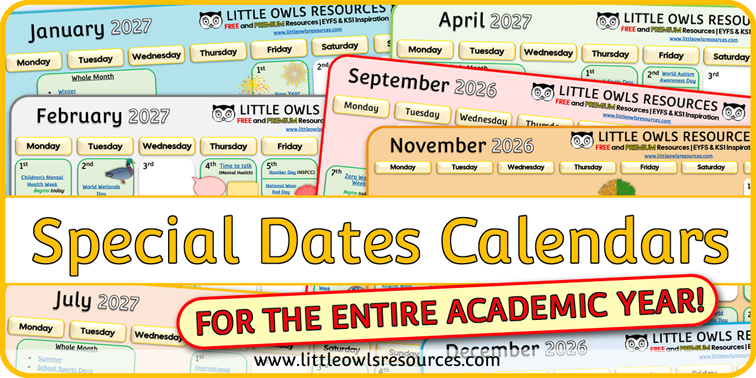
Click here to visit our ‘Special Dates Calendar’ page for an entire year of key EYFS & KS1 events, festivals & celebrations.
Search ‘Little Owls Resources’ Using the following Menu Buttons…
Click here to visit our ‘Special Dates Calendar’ page for an entire year of key EYFS & KS1 events, festivals & celebrations.


Disclaimer:
This page is for educational purposes only and is intended to support early years and primary practitioners with ideas and resources related to 'National Numeracy Day'. We are not officially affiliated with or endorsed by National Numeracy, the charity that organises this annual event. We do not claim any rights to specific trademarks or official materials associated with this event. For official information, resources, and how to get involved, please visit the National Numeracy website: www.nationalnumeracy.org.uk/national-numeracy-day.
Saturday 29th May - Sunday 6th June 2027 (TBC): 🌱🥕 For early years settings, nurseries, preschools, childminders, and Year 1 and Year 2 classrooms, National Children’s Gardening Week provides a wonderfully rich and hands-on theme for exploring plants, life cycles, food sources, nature, science (growth and change), the environment, outdoor play,…