

**Note: This page is for educational inspiration and is not officially affiliated with International Museum Day. International Museum Day (IMD) is celebrated annually on May 18th. It was established by the International Council of Museums (ICOM) in 1977 to raise awareness about the important role museums play in the development of society. The day highlights how museums are vital institutions that preserve culture, educate, inspire, and foster understanding across communities and cultures. Each year, ICOM sets a specific theme for IMD, focusing on a different aspect of museum work and its contribution to society. For official information, themes, and how to get involved, please visit the International Council of Museums (ICOM) website: www.icom.museum/en/international-museum-day-2
Tuesday 18th May 2027
18th May each year
-
International Museum Day celebrates museums and their role in sharing knowledge, culture and history. It is coordinated by the International Council of Museums and highlights how museums help us explore the past, present and future.
-
This theme provides a rich opportunity to explore:
discovery and curiosity
history and the past
science and the natural world
art, culture and creativity
This supports:
EYFS:
Understanding the World (people, places, past and present)
Communication & Language (questioning, describing, explaining)
Expressive Arts & Design (representation, creativity)
KS1 (National Curriculum):
History (significant people, events, the past)
Science (materials, inventions, investigation)
Art & Design (observational drawing, creativity)
-
In high-quality EYFS practice, themes such as museums are explored through:
curiosity and exploration
play and imagination
real and meaningful experiences
The ideas below are:
flexible
optional
designed to support adult thinking
👉 Find out more about developmentally appropriate practice in EYFS by exploring our ‘Curriculum & Pedagogy Suite’.
Pathways available for:
-
Exploring discovery and museums supports:
🔍 Curiosity & Inquiry
Children ask questions and explore how things work.
🧠 Knowledge of the World
Children begin to understand the past, science and culture.
👀 Observation Skills
Children learn to look closely and notice detail.
🗣️ Language Development
Children develop vocabulary linked to exploration and discovery.
🎭 Imagination & Play
Children explore ideas through role-play and storytelling.
🌿 EYFS: Provision & Child-Led Ideas (0–5 Years)
These ideas are not activities to be planned or completed. They support learning through curiosity, exploration and play.
-
Exploration is sensory and rooted in interaction.
Babies may:
explore objects through touch and movement
look closely at interesting items
respond to new textures, shapes and sounds
Adults can:
provide a range of safe, interesting objects
support sensory exploration
narrate what babies are experiencing
allow time for uninterrupted exploration
👉 Additional curriculum & planning support for this age group may be found on our ‘EYFS Planning for Babies (0–18 Months)’ hub page.
-
Toddlers explore through movement, repetition and discovery.
Children may:
investigate objects repeatedly
explore how things work
engage in simple pretend play
Adults can:
provide open-ended materials
follow children’s interests
model simple language (“What’s inside?”)
allow time for exploration and experimentation
👉 Additional curriculum & planning support for this age group may be found on our ‘EYFS Planning for Toddlers (18–36 Months)’ hub page.
-
Children begin to explore ideas about the world and the past.
Children may:
ask questions about objects and events
engage in imaginative role-play
explore collections and categories
Adults can:
support questioning and curiosity
introduce simple concepts of “past” and “present”
extend play through storytelling and discussion
provide opportunities for sorting and comparing
👉 Additional curriculum & planning support for this age group may be found on our ‘EYFS Planning for Preschool (3–4 Years)’ hub page.
-
Children develop deeper thinking about discovery and knowledge.
Children may:
ask more complex questions
explore cause and effect
begin to understand time and change
Adults can:
support discussion and reasoning
introduce simple historical and scientific ideas
encourage explanation and reflection
extend vocabulary and understanding
👉 Additional curriculum & planning support for this age group may be found on our ‘EYFS Planning for Reception (4–5 Years)’ hub page.
-
Discovery and learning develop through:
curiosity and exploration
play and investigation
conversation and interaction
meaningful experiences
🌱 Environment Enhancements & Invitations (EYFS)
These are optional enhancements that may be added to provision if they align with children’s interests in exploring, collecting and discovering.
-
You might enhance provision by:
creating simple “collection” areas with interesting objects (natural materials, everyday artefacts, loose parts)
offering baskets or trays for children to gather, sort and revisit items
allowing children to explore objects freely without predetermined outcomes
Resources that may support this include:
Open-ended loose parts
Natural and everyday objects
-
You might enhance provision by:
introducing a light-touch role-play area (e.g. “museum”, “explorer space”)
adding props such as tickets, clipboards, labels or bags
allowing children to create their own narratives and roles
Resources that may support this include:
Dinosaur Museum Role-Play Pack
Dinosaur Museum Trip Pack
-
You might enhance provision by:
modelling simple questioning language (e.g. “What do you notice?” “What could it be?”)
encouraging children to describe objects and ideas
responding to children’s curiosity rather than directing it
Resources that may support this include:
Word Mats and Vocabulary Cards (e.g. Dinosaur Word Mats)
-
You might enhance provision by:
offering opportunities to group and categorise objects
providing materials that vary in size, shape or type
allowing children to explore patterns and differences
-
You might enhance provision by:
introducing images, books or objects linked to the past or wider world
supporting children to make connections between what they see and their own experiences
following children’s interests (e.g. dinosaurs, transport, inventions, people)
Resources:
-
You might enhance provision by:
offering materials for drawing, modelling or constructing
allowing children to represent objects, ideas or discoveries
valuing children’s interpretations rather than directing outcomes
Resources that may support this include:
Creative and mark-making materials
Construction and loose parts
-
You might enhance provision by:
providing opportunities to explore outdoor environments
encouraging children to notice details in the world around them
supporting simple “finding” and “collecting” experiences
-
Curiosity and discovery develop through:
exploration
investigation
questioning
meaningful interaction
📘 KS1 Learning Activities for International Museum Day
In Key Stage 1, this theme can support more structured learning around history, science and discovery.
-
Children can:
create displays
organise objects
take on roles (visitor, guide, curator)
You may use:
Dinosaur Museum Dramatic Role Play Pack
Dinosaur Museum Trip Pack
Dinosaur Word Mats & Cards
Children may also:
bring in “treasures” from home
create labels and descriptions
-
Children can:
explore prehistoric life
learn about fossils and evidence
compare animals past and present
You may use our:
Maths & Logic
Dinosaur Dice Game
Dinosaur Maths Challenge Cards
Dinosaur Counting Puzzles
Feed the Dinosaurs Dice Game
Dinosaur Number Slice Puzzles
Literacy & Phonics
Dinosaur Alphabet Cards
Dinosaur Sounds (Phase 1 Phonics)
Dinosaur CVC Word Builder
Creative & Fine Motor
Dinosaur Puppets
Dinosaur Colouring
Design a Dinosaur
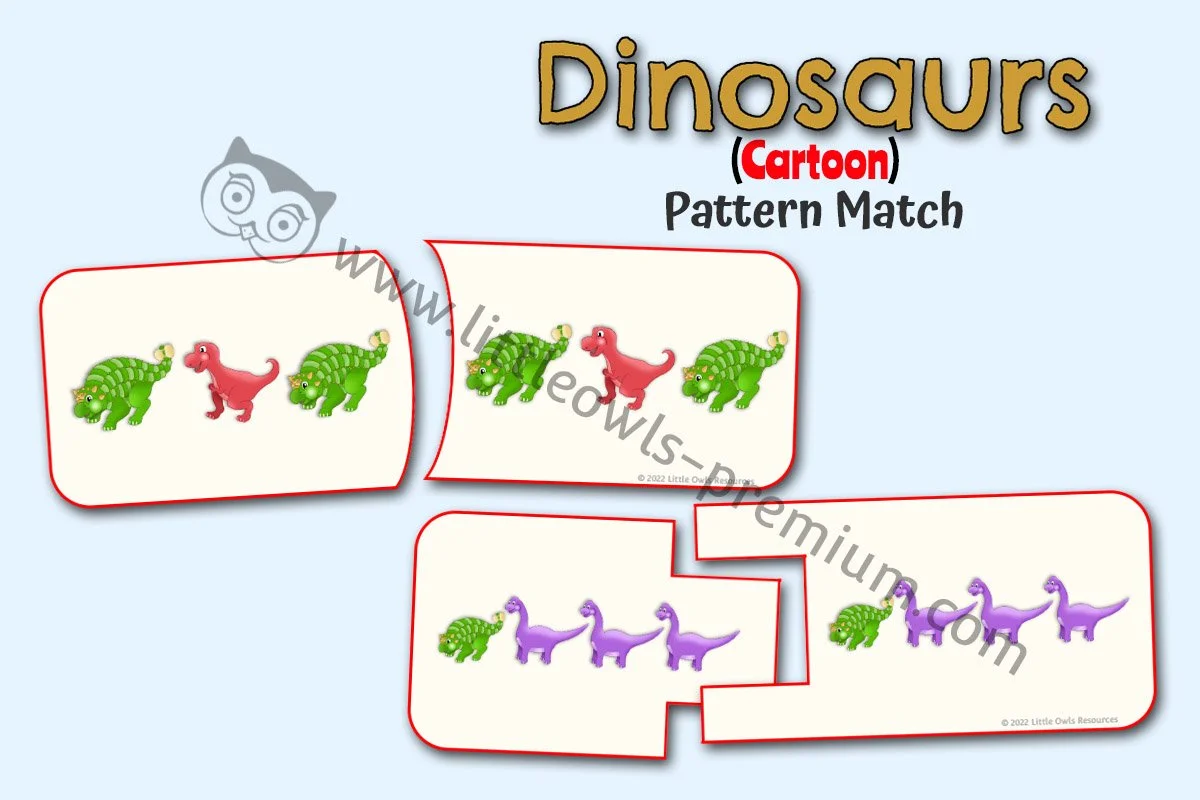
Pattern Match Puzzles
Silhouette Matching
Playdough Mats
Knowledge & Observation
Dinosaur Fact Posters
Dinosaur Tally Charts
Pictogram Charts
-
Children can:
compare old and new objects
think about how things are made
design their own inventions
You may use our:
Inventions Puzzles (Old and New)
Invention Posters
Invention Colouring Sheets
-
Children can:
learn about significant people
explore past events
understand how stories are preserved
You may use our:
Black Historical Figures Posters & Cards
Mary Seacole Writing Sheets
Remembrance Day resources (Poppy Poem Pack)
Shakespeare resources (Masks, Counting)
-
You may wish to explore:
-
A helpful question: “Does this spark curiosity and meaningful exploration?”
If it supports:
questioning
discovery
real-world understanding
→ it is meaningful
-
International Museum Day supports children to:
explore the world around them
develop curiosity and questioning
understand the past and present
engage in imaginative discovery
In the EYFS, this is most effective when it is:
exploration-led
play-based
driven by curiosity
In KS1, it can be:
explored through structured learning
supported through research and discussion
linked to real-world knowledge
-
We offer a range of resources to support practitioners across EYFS and KS1, including printable materials and in-depth curriculum and pedagogy guidance.
🟢 Free Membership
You can access a selection of free resources by creating a free account.
This includes:
selected printable resources
sample materials
weekly support emails for those who opt-in
🟡 Premium Membership (Printables)
Our Premium Membership provides access to our full library of printable teaching and provision resources.
This includes:
themed resources (e.g. Gardening, Emotions, Seasons)
continuous provision materials
activity cards, displays and printable packs
These resources can be used flexibly to support:
provision enhancements
small group work
classroom organisation
🟣 Professional Membership (Curriculum & Pedagogy)
Our Professional Membership provides access to our full Curriculum & Pedagogy Suite (Birth–5).
~ In addition to Premium Printable Provision access.~
This includes:
age-specific pathways (Babies, Toddlers, Preschool, Reception)
planning guidance and templates
observation and assessment support
SEND and inclusion guidance
inspection-ready documentation
These documents are designed to support:
confident decision-making
consistent practice across teams
clear articulation of EYFS pedagogy
(KS1 curriculum coming soon!)
👉 Visit EYFS Curriculum & Pedagogy Suite
👉 [View Professional Membership]
🧠 Choosing What Works for You
You do not need to use everything at once.
Many practitioners:
start with free resources
build their printable provision over time
use pedagogy documents to support team understanding and leadership
Choose what best fits your setting, role and stage of development.
👉 To explore more early years events, visit our Special Dates Calendar.
Printable resources to support teaching & learning surrounding: ‘International Museum Day’
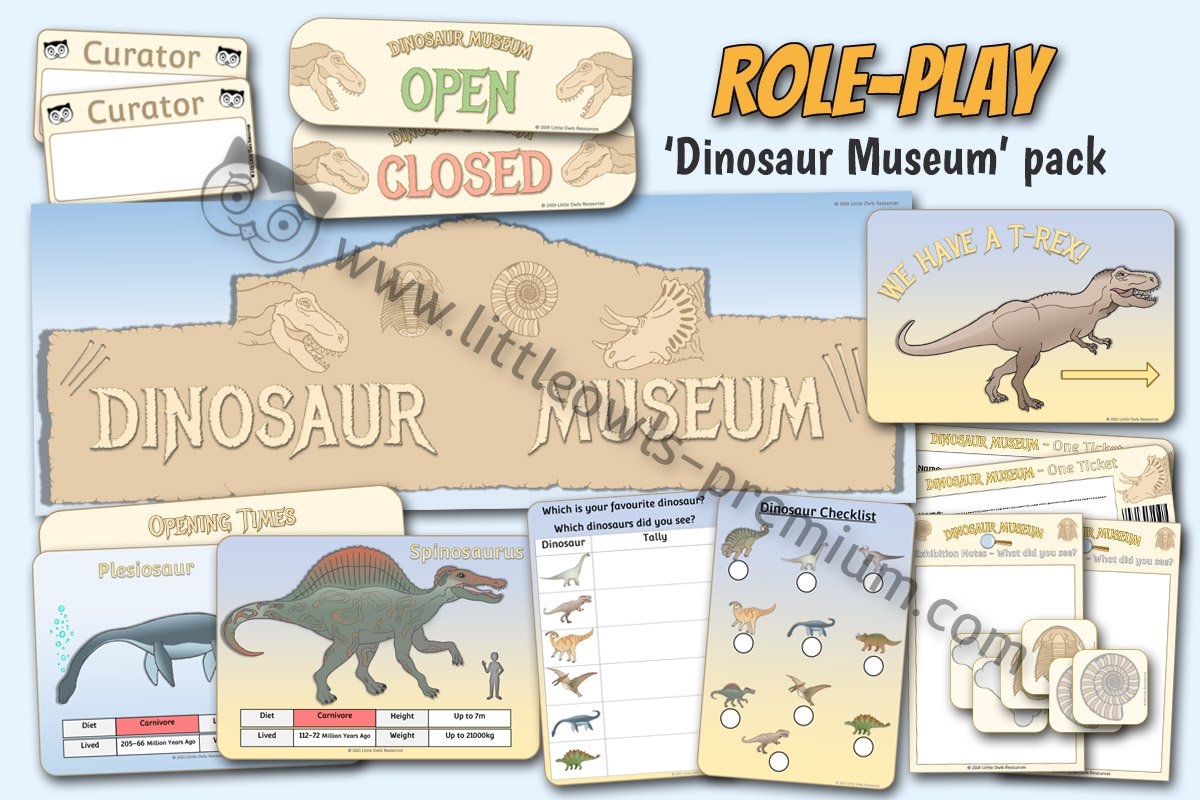
Dinosaur Museum Role Play Pack includes (36 pages):
museum banner
curator badges - Name Writing
open/closed signs
opening times poster
tickets - Name Writing
exhibition note sheets for mark making and emergent writing
dinosaur border paper (colour and b/w)
direction posters
dinosaur exhibit posters (large dinosaur with comparison to human height picture plus basic facts at the bottom as you may find when walking around a museum)
fossil finding equipment poster
various fossil cards to use in order to set up a paleontological dig sand tray in your museum
dinosaur tally and check list sheets
writing/drawing/mark making sheets which could be used as activities whilst at the museum
Please also see our other paleontological dig site sand tray resources in our ‘Dinosaurs topic’ which include: letters, numbers, shapes and phase 2 & 3 keywords on fossils.
CLICK HERE to visit ‘Dinosaur’ topic page.
Original artwork drawn by Sara Murphy and final digital resources created by Stuart Murphy. COPYRIGHT ON ALL OF THE RESOURCES HOUSED ON THIS WEBSITE IS HELD BY ‘LITTLE OWLS RESOURCES’. OUR RESOURCES (INCLUDING THE IMAGES WITHIN THEM), CANNOT BE SHARED OR SOLD COMMERCIALLY.
DOWNLOAD EDITABLE (DOCX)
DOWNLOAD NON-EDITABLE (PDF)
DOWNLOAD NON-EDITABLE (Zipped JPEGs)

(Cut out and laminate the Dinosaur pictures beforehand.)
• There are two sets of six puzzles. One with dots to count, one with numbers to read.
• The game could be played individually or as part of a turn-taking game.
• The different pictures are also colour coded to help when playing in a group.
• Roll dice and take the piece with the corresponding number.
• Keep going until you complete the picture!
*1-6 dice required
Original artwork drawn by Sara Murphy and final digital resources created by Stuart Murphy. COPYRIGHT ON ALL OF THE RESOURCES HOUSED ON THIS WEBSITE IS HELD BY ‘LITTLE OWLS RESOURCES’. OUR RESOURCES (INCLUDING THE IMAGES WITHIN THEM), CANNOT BE SHARED OR SOLD COMMERCIALLY.
DOWNLOAD EDITABLE (DOCX)
DOWNLOAD NON-EDITABLE (PDF)
DOWNLOAD NON-EDITABLE (Zipped JPEGs)

Pack of 8 Dinosaur themed Maths Challenge Cards.
Original artwork drawn by Sara Murphy and final digital resources created by Stuart Murphy. COPYRIGHT ON ALL OF THE RESOURCES HOUSED ON THIS WEBSITE IS HELD BY ‘LITTLE OWLS RESOURCES’. OUR RESOURCES (INCLUDING THE IMAGES WITHIN THEM), CANNOT BE SHARED OR SOLD COMMERCIALLY.
DOWNLOAD EDITABLE (DOCX)
DOWNLOAD NON-EDITABLE (PDF)
DOWNLOAD NON-EDITABLE (Zipped JPEGs)

Original artwork drawn by Sara Murphy and final digital resources created by Stuart Murphy. COPYRIGHT ON ALL OF THE RESOURCES HOUSED ON THIS WEBSITE IS HELD BY ‘LITTLE OWLS RESOURCES’. OUR RESOURCES (INCLUDING THE IMAGES WITHIN THEM), CANNOT BE SHARED OR SOLD COMMERCIALLY.
DOWNLOAD EDITABLE (DOCX)
DOWNLOAD NON-EDITABLE (PDF)
DOWNLOAD NON-EDITABLE (Zipped JPEGs)

Dinosaur word mat includes: Brachiosaurus, Pachycephalosaurus, Ankylosaurus, Parasaurolophus, Plesiosaurus, Pterodactyl, Stegosaurus, Tyrannosaurus Rex and Triceratops.
Original artwork drawn by Sara Murphy and final digital resources created by Stuart Murphy. COPYRIGHT ON ALL OF THE RESOURCES HOUSED ON THIS WEBSITE IS HELD BY ‘LITTLE OWLS RESOURCES’. OUR RESOURCES (INCLUDING THE IMAGES WITHIN THEM), CANNOT BE SHARED OR SOLD COMMERCIALLY.
DOWNLOAD EDITABLE (DOCX)
DOWNLOAD NON-EDITABLE (PDF)
DOWNLOAD NON-EDITABLE (Zipped JPEGs)

Dinosaur word cards include: Brachiosaurus, Pachycephalosaurus, Ankylosaurus, Parasaurolophus, Plesiosaurus, Pterodactyl, Stegosaurus, Tyrannosaurus Rex and Triceratops.
Original artwork drawn by Sara Murphy and final digital resources created by Stuart Murphy. COPYRIGHT ON ALL OF THE RESOURCES HOUSED ON THIS WEBSITE IS HELD BY ‘LITTLE OWLS RESOURCES’. OUR RESOURCES (INCLUDING THE IMAGES WITHIN THEM), CANNOT BE SHARED OR SOLD COMMERCIALLY.
DOWNLOAD EDITABLE (DOCX)
DOWNLOAD NON-EDITABLE (PDF)
DOWNLOAD NON-EDITABLE (Zipped JPEGs)

Dinosaur puppets to be cut out to stick on lolly sticks.
There are two background images included.
Original artwork drawn by Sara Murphy and final digital resources created by Stuart Murphy. COPYRIGHT ON ALL OF THE RESOURCES HOUSED ON THIS WEBSITE IS HELD BY ‘LITTLE OWLS RESOURCES’. OUR RESOURCES (INCLUDING THE IMAGES WITHIN THEM), CANNOT BE SHARED OR SOLD COMMERCIALLY.
DOWNLOAD EDITABLE (DOCX)
DOWNLOAD NON-EDITABLE (PDF)
DOWNLOAD NON-EDITABLE (Zipped JPEGs)

Have great fun with your children whilst all pretending to be dinosaurs with this set of 8 Dinosaur Activity Challenge cards. Perhaps children could stand in a circle around the pile of cards and take turns to pick one for everyone to do. Cards could equally be shrunk down and placed on a key ring to take out on adventures or featured on an indoor or outdoor display board and referred to with everyone carrying out the activity on floor space in front. Once the children get to know the cards they will be able to relate the action to the picture without necessarily needing the card read to them...For example an adult may be able to simply hold up a card and everyone will be able to do the activity together! Great for physical development, descriptive language, understanding the world and turn taking.
Original artwork drawn by Sara Murphy and final digital resources created by Stuart Murphy. COPYRIGHT ON ALL OF THE RESOURCES HOUSED ON THIS WEBSITE IS HELD BY ‘LITTLE OWLS RESOURCES’. OUR RESOURCES (INCLUDING THE IMAGES WITHIN THEM), CANNOT BE SHARED OR SOLD COMMERCIALLY.
DOWNLOAD EDITABLE (DOCX)
DOWNLOAD NON-EDITABLE (PDF)
DOWNLOAD NON-EDITABLE (Zipped JPEGs)

Original artwork drawn by Sara Murphy and final digital resources created by Stuart Murphy. COPYRIGHT ON ALL OF THE RESOURCES HOUSED ON THIS WEBSITE IS HELD BY ‘LITTLE OWLS RESOURCES’. OUR RESOURCES (INCLUDING THE IMAGES WITHIN THEM), CANNOT BE SHARED OR SOLD COMMERCIALLY.
DOWNLOAD EDITABLE (DOCX)
DOWNLOAD NON-EDITABLE (PDF)
DOWNLOAD NON-EDITABLE (Zipped JPEGs)
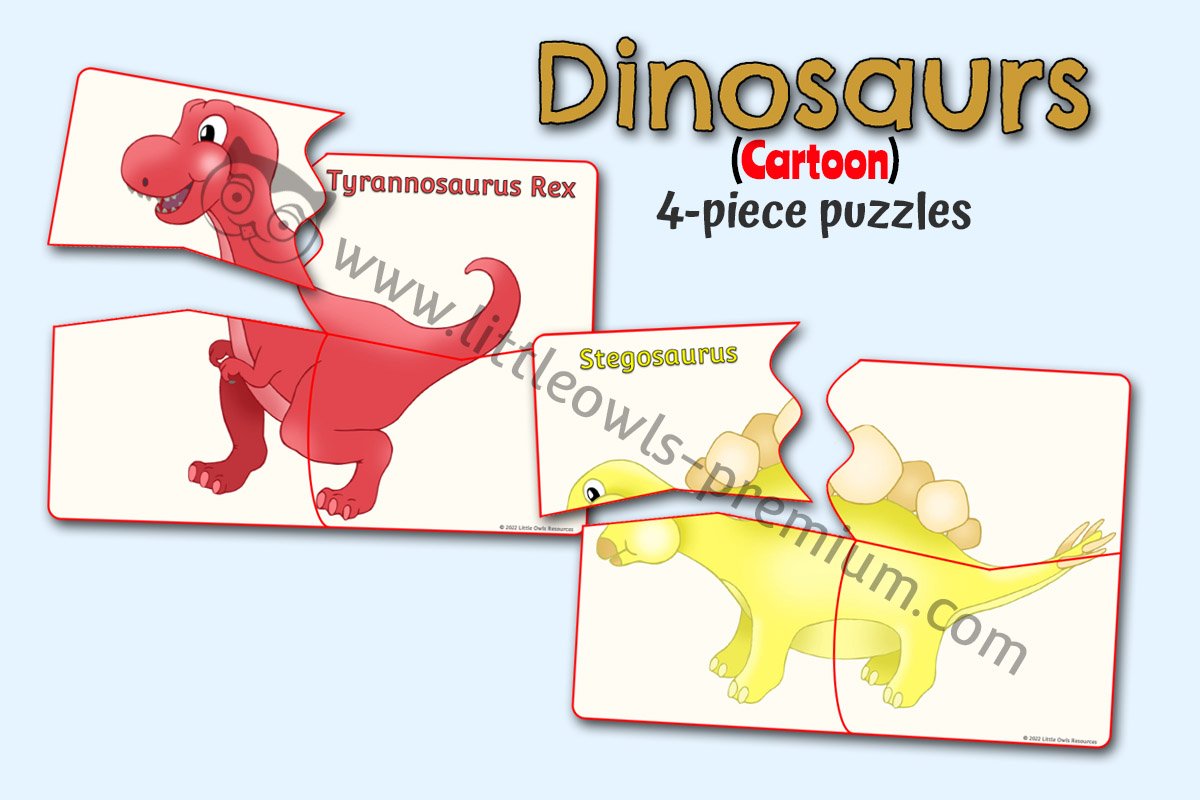
Pack of various cartoon dinosaur 4-piece puzzles, including: Brachiosaurus, Pachycephalosaurus, Ankylosaurus, Parasaurolophus, Plesiosaurus, Pterodactyl, Stegosaurus, Tyrannosaurus Rex and Triceratops.
Original artwork drawn by Sara Murphy and final digital resources created by Stuart Murphy. COPYRIGHT ON ALL OF THE RESOURCES HOUSED ON THIS WEBSITE IS HELD BY ‘LITTLE OWLS RESOURCES’. OUR RESOURCES (INCLUDING THE IMAGES WITHIN THEM), CANNOT BE SHARED OR SOLD COMMERCIALLY.
DOWNLOAD EDITABLE (DOCX)
DOWNLOAD NON-EDITABLE (PDF)
DOWNLOAD NON-EDITABLE (Zipped JPEGs)
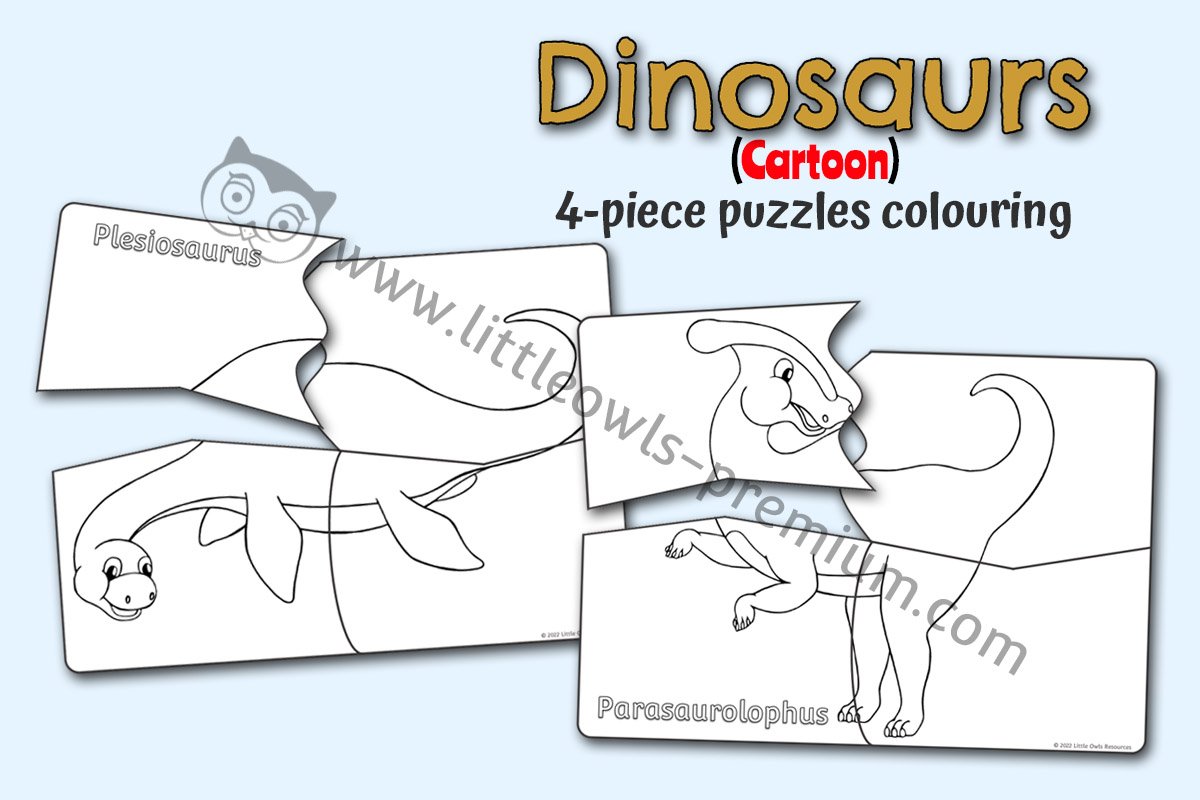
Pack of various cartoon dinosaur 4-piece puzzles for colouring, including: Brachiosaurus, Pachycephalosaurus, Ankylosaurus, Parasaurolophus, Plesiosaurus, Pterodactyl, Stegosaurus, Tyrannosaurus Rex and Triceratops.
Original artwork drawn by Sara Murphy and final digital resources created by Stuart Murphy. COPYRIGHT ON ALL OF THE RESOURCES HOUSED ON THIS WEBSITE IS HELD BY ‘LITTLE OWLS RESOURCES’. OUR RESOURCES (INCLUDING THE IMAGES WITHIN THEM), CANNOT BE SHARED OR SOLD COMMERCIALLY.
DOWNLOAD EDITABLE (DOCX)
DOWNLOAD NON-EDITABLE (PDF)
DOWNLOAD NON-EDITABLE (Zipped JPEGs)
Original artwork drawn by Sara Murphy and final digital resources created by Stuart Murphy. COPYRIGHT ON ALL OF THE RESOURCES HOUSED ON THIS WEBSITE IS HELD BY ‘LITTLE OWLS RESOURCES’. OUR RESOURCES (INCLUDING THE IMAGES WITHIN THEM), CANNOT BE SHARED OR SOLD COMMERCIALLY.
DOWNLOAD EDITABLE (DOCX)
DOWNLOAD NON-EDITABLE (PDF)
DOWNLOAD NON-EDITABLE (Zipped JPEGs)

Original artwork drawn by Sara Murphy and final digital resources created by Stuart Murphy. COPYRIGHT ON ALL OF THE RESOURCES HOUSED ON THIS WEBSITE IS HELD BY ‘LITTLE OWLS RESOURCES’. OUR RESOURCES (INCLUDING THE IMAGES WITHIN THEM), CANNOT BE SHARED OR SOLD COMMERCIALLY.
DOWNLOAD EDITABLE (DOCX)
DOWNLOAD NON-EDITABLE (PDF)
DOWNLOAD NON-EDITABLE (Zipped JPEGs)
Original artwork drawn by Sara Murphy and final digital resources created by Stuart Murphy. COPYRIGHT ON ALL OF THE RESOURCES HOUSED ON THIS WEBSITE IS HELD BY ‘LITTLE OWLS RESOURCES’. OUR RESOURCES (INCLUDING THE IMAGES WITHIN THEM), CANNOT BE SHARED OR SOLD COMMERCIALLY.
DOWNLOAD EDITABLE (DOCX)
DOWNLOAD NON-EDITABLE (PDF)
DOWNLOAD NON-EDITABLE (Zipped JPEGs)

Once laminated these Dinosaur Multimats (cartoon style) are ideal to be used as reusable playdough or loose parts mats. Alternatively, use them in conjunction with whiteboard pens. Without lamination these sheets could also be used with mark making tools or art and craft materials.
Original artwork drawn by Sara Murphy and final digital resources created by Stuart Murphy. COPYRIGHT ON ALL OF THE RESOURCES HOUSED ON THIS WEBSITE IS HELD BY ‘LITTLE OWLS RESOURCES’. OUR RESOURCES (INCLUDING THE IMAGES WITHIN THEM), CANNOT BE SHARED OR SOLD COMMERCIALLY.
DOWNLOAD EDITABLE (DOCX)
DOWNLOAD NON-EDITABLE (PDF)
DOWNLOAD NON-EDITABLE (Zipped JPEGs)

‘Dinosaurs’ display banner. Print the full size 3 x A4 sheets for average display size or shrink for a smaller area.
Original artwork drawn by Sara Murphy and final digital resources created by Stuart Murphy. COPYRIGHT ON ALL OF THE RESOURCES HOUSED ON THIS WEBSITE IS HELD BY ‘LITTLE OWLS RESOURCES’. OUR RESOURCES (INCLUDING THE IMAGES WITHIN THEM), CANNOT BE SHARED OR SOLD COMMERCIALLY.
DOWNLOAD EDITABLE (DOCX)
DOWNLOAD NON-EDITABLE (PDF)
DOWNLOAD NON-EDITABLE (Zipped JPEGs)

‘Dinosaur’ word mat. Why not use in conjunction with our ‘Dinosaur’ word cards? Includes 10 different prehistoric creatures (8 dinosaurs, 1 marine reptile and 1 flying reptile). Can be used as part of a display or activities. Endless discussions can be engaged in describing these creatures. For example whether they are herbivores or carnivores, physical attributes such as length of their necks, armoured tails, horns, fins, wings, plates, number of legs, etc. Older children can be challenged to further contemplate ‘how’ and ‘why’ questions building on these observations. For example ‘Why do you think the herbivore ankylosaurus may have had an armoured tail?’…or ‘How do you think the brachiosaurus reached to the top of the trees for its food?’
Original artwork drawn by Sara Murphy and final digital resources created by Stuart Murphy. COPYRIGHT ON ALL OF THE RESOURCES HOUSED ON THIS WEBSITE IS HELD BY ‘LITTLE OWLS RESOURCES’. OUR RESOURCES (INCLUDING THE IMAGES WITHIN THEM), CANNOT BE SHARED OR SOLD COMMERCIALLY.
DOWNLOAD EDITABLE (DOCX)
DOWNLOAD NON-EDITABLE (PDF)
DOWNLOAD NON-EDITABLE (Zipped JPEGs)
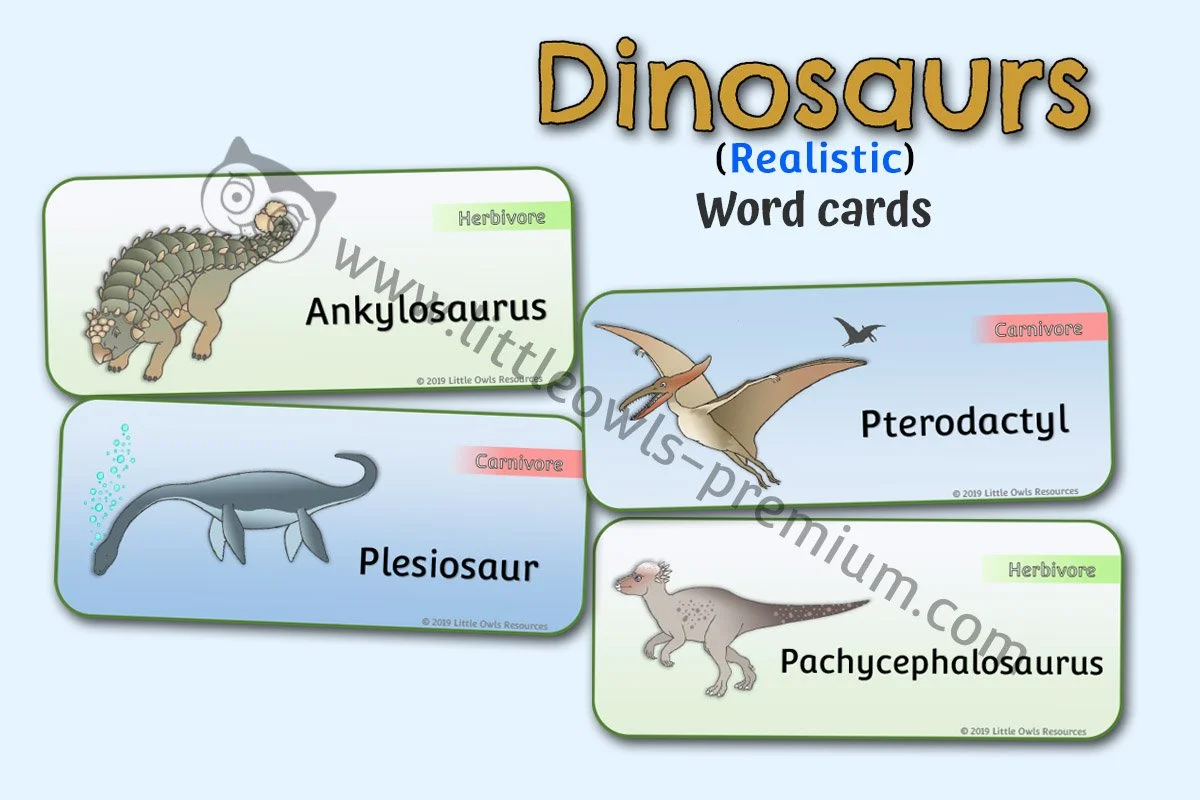
‘Dinosaur’ word cards. Why not use in conjunction with our ‘Dinosaur’ word mat? Includes 10 different prehistoric creatures (8 dinosaurs, 1 marine reptile and 1 flying reptile). Can be used as part of a display or activities. Why not hide them in a sand tray and see which dinosaurs the children can uncover? You could also play sorting games such as organising the cards into one pile of herbivores and the other carnivores. What about sorting by number of legs or whether the dinosaur has an armoured tail?
Original artwork drawn by Sara Murphy and final digital resources created by Stuart Murphy. COPYRIGHT ON ALL OF THE RESOURCES HOUSED ON THIS WEBSITE IS HELD BY ‘LITTLE OWLS RESOURCES’. OUR RESOURCES (INCLUDING THE IMAGES WITHIN THEM), CANNOT BE SHARED OR SOLD COMMERCIALLY.
DOWNLOAD EDITABLE (DOCX)
DOWNLOAD NON-EDITABLE (PDF)
DOWNLOAD NON-EDITABLE (Zipped JPEGs)

Dinosaur Museum Role Play Pack includes (36 pages): museum banner, curator badges, open/closed signs, opening times poster, tickets, exhibition note sheets for mark making and emergent writing, dinosaur border paper (colour and b/w), direction posters, dinosaur exhibit posters (large dinosaur with comparison to human height picture plus basic facts at the bottom as you may find when walking around a museum), fossil finding equipment poster with various fossil cards to use in order to set up a paleontological dig sand tray in your museum, dinosaur tally and check list sheets and writing/drawing/mark making sheets which could be used as activities whilst at the museum.
Please also see our other paleontological dig site sand tray resources which include: letters, numbers, shapes and phase 2 & 3 keywords on fossils.
Original artwork drawn by Sara Murphy and final digital resources created by Stuart Murphy. COPYRIGHT ON ALL OF THE RESOURCES HOUSED ON THIS WEBSITE IS HELD BY ‘LITTLE OWLS RESOURCES’. OUR RESOURCES (INCLUDING THE IMAGES WITHIN THEM), CANNOT BE SHARED OR SOLD COMMERCIALLY.
DOWNLOAD EDITABLE (DOCX)
DOWNLOAD NON-EDITABLE (PDF)
DOWNLOAD NON-EDITABLE (Zipped JPEGs)

Several activity sheets designed for use during or after a trip to a dinosaur museum. Sheets include: - ‘Dinosaur Checklist’ which features pictures of some typical prehistoric creatures with space underneath each for children to tick the ones they have observed - ‘Dinosaur Tally’ sheet to enable children to begin to make marks which correspond to quantities of things (children may be encouraged to make any mark in the appropriate box when they see the creature, this will develop to tally lines and older children may even count up the tally and write the corresponding number) - ‘What can you see on your museum trip?’ differentiated writing/drawing/mark making sheets with lots of versions to choose from.
Original artwork drawn by Sara Murphy and final digital resources created by Stuart Murphy. COPYRIGHT ON ALL OF THE RESOURCES HOUSED ON THIS WEBSITE IS HELD BY ‘LITTLE OWLS RESOURCES’. OUR RESOURCES (INCLUDING THE IMAGES WITHIN THEM), CANNOT BE SHARED OR SOLD COMMERCIALLY.
DOWNLOAD EDITABLE (DOCX)
DOWNLOAD NON-EDITABLE (PDF)
DOWNLOAD NON-EDITABLE (Zipped JPEGs)

Have great fun with your children whilst all pretending to be dinosaurs with this set of 8 Dinosaur Activity Challenge cards. Perhaps children could stand in a circle around the pile of cards and take turns to pick one for everyone to do. Cards could equally be shrunk down and placed on a key ring to take out on adventures or featured on an indoor or outdoor display board and referred to with everyone carrying out the activity on floor space in front. Once the children get to know the cards they will be able to relate the action to the picture without necessarily needing the card read to them...For example an adult may be able to simply hold up a card and everyone will be able to do the activity together! Great for physical development, descriptive language, understanding the world and turn taking.
Original artwork drawn by Sara Murphy and final digital resources created by Stuart Murphy. COPYRIGHT ON ALL OF THE RESOURCES HOUSED ON THIS WEBSITE IS HELD BY ‘LITTLE OWLS RESOURCES’. OUR RESOURCES (INCLUDING THE IMAGES WITHIN THEM), CANNOT BE SHARED OR SOLD COMMERCIALLY.
DOWNLOAD EDITABLE (DOCX)
DOWNLOAD NON-EDITABLE (PDF)
DOWNLOAD NON-EDITABLE (Zipped JPEGs)

Pack of Dinosaur colouring pictures/pages.
Original artwork drawn by Sara Murphy and final digital resources created by Stuart Murphy. COPYRIGHT ON ALL OF THE RESOURCES HOUSED ON THIS WEBSITE IS HELD BY ‘LITTLE OWLS RESOURCES’. OUR RESOURCES (INCLUDING THE IMAGES WITHIN THEM), CANNOT BE SHARED OR SOLD COMMERCIALLY.
DOWNLOAD EDITABLE (DOCX)
DOWNLOAD NON-EDITABLE (PDF)
DOWNLOAD NON-EDITABLE (Zipped JPEGs)

Expand upon children’s knowledge of dinosaurs whilst playing a fun game of snap (or a memory game of ‘picking up pairs’) with this set of snap cards. The cards are made with a tab/patterned back which can be folded before lamination in order to strengthen the final product. This also means that when turned over, the picture on the front can not be seen.
Original artwork drawn by Sara Murphy and final digital resources created by Stuart Murphy. COPYRIGHT ON ALL OF THE RESOURCES HOUSED ON THIS WEBSITE IS HELD BY ‘LITTLE OWLS RESOURCES’. OUR RESOURCES (INCLUDING THE IMAGES WITHIN THEM), CANNOT BE SHARED OR SOLD COMMERCIALLY.
DOWNLOAD EDITABLE (DOCX)
DOWNLOAD NON-EDITABLE (PDF)
DOWNLOAD NON-EDITABLE (Zipped JPEGs)
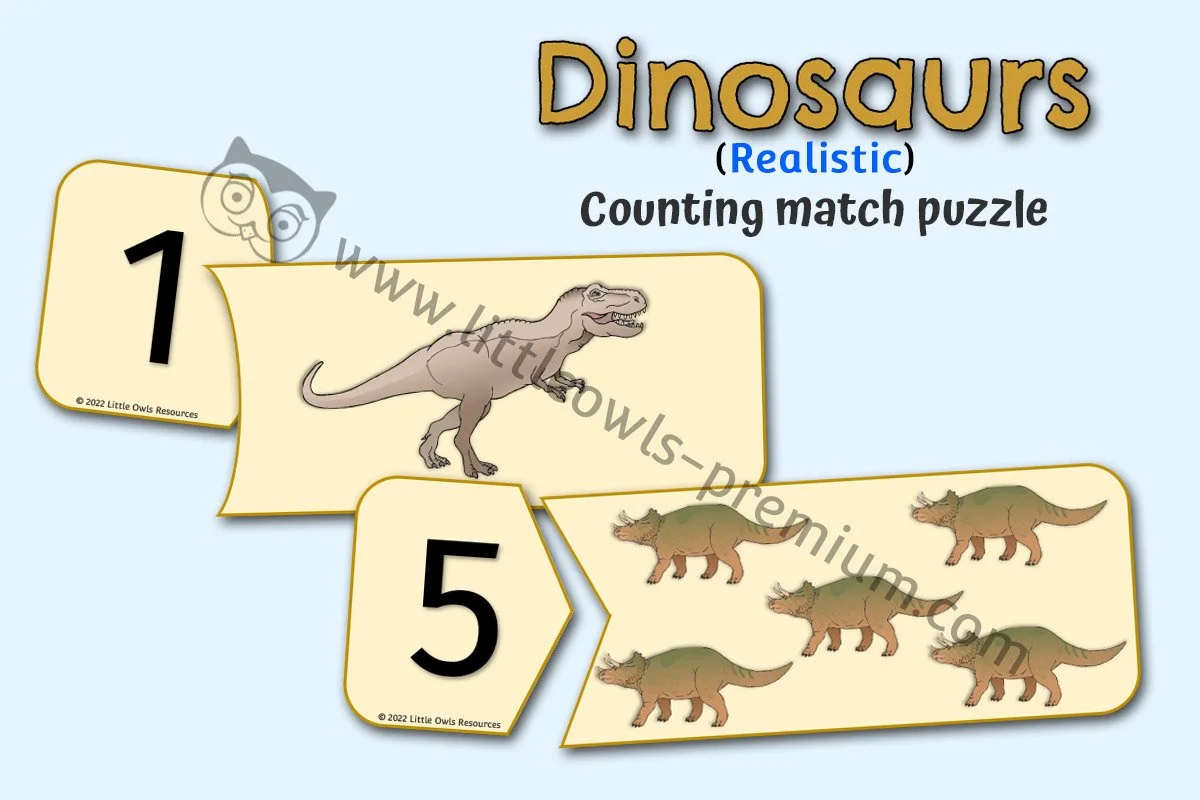
Why not set up an invitation to play using these dinosaur counting puzzles? Select those appropriate for your children (1-10 available) and allow them to match the number with the corresponding number of dinosaurs. Each pair has a different way of connecting as a puzzle for the children to match and so even if they haven’t learnt what the number looks like yet, but are beginning to say the numbers in order, this can be a fun way to introduce them to new challenges. Once the puzzles are complete, why not line the numbers up in order and count together? If your children would enjoy a further game, leave out a number and see if they can spot which one is missing from the sequence. Puzzles could also be used as a fine motor control/counting activity if left uncut. Children could be given an appropriate number for their learning and encouraged to place objects on the dinosaurs, counting as they go.
Original artwork drawn by Sara Murphy and final digital resources created by Stuart Murphy. COPYRIGHT ON ALL OF THE RESOURCES HOUSED ON THIS WEBSITE IS HELD BY ‘LITTLE OWLS RESOURCES’. OUR RESOURCES (INCLUDING THE IMAGES WITHIN THEM), CANNOT BE SHARED OR SOLD COMMERCIALLY.
DOWNLOAD EDITABLE (DOCX)
DOWNLOAD NON-EDITABLE (PDF)
DOWNLOAD NON-EDITABLE (Zipped JPEGs)
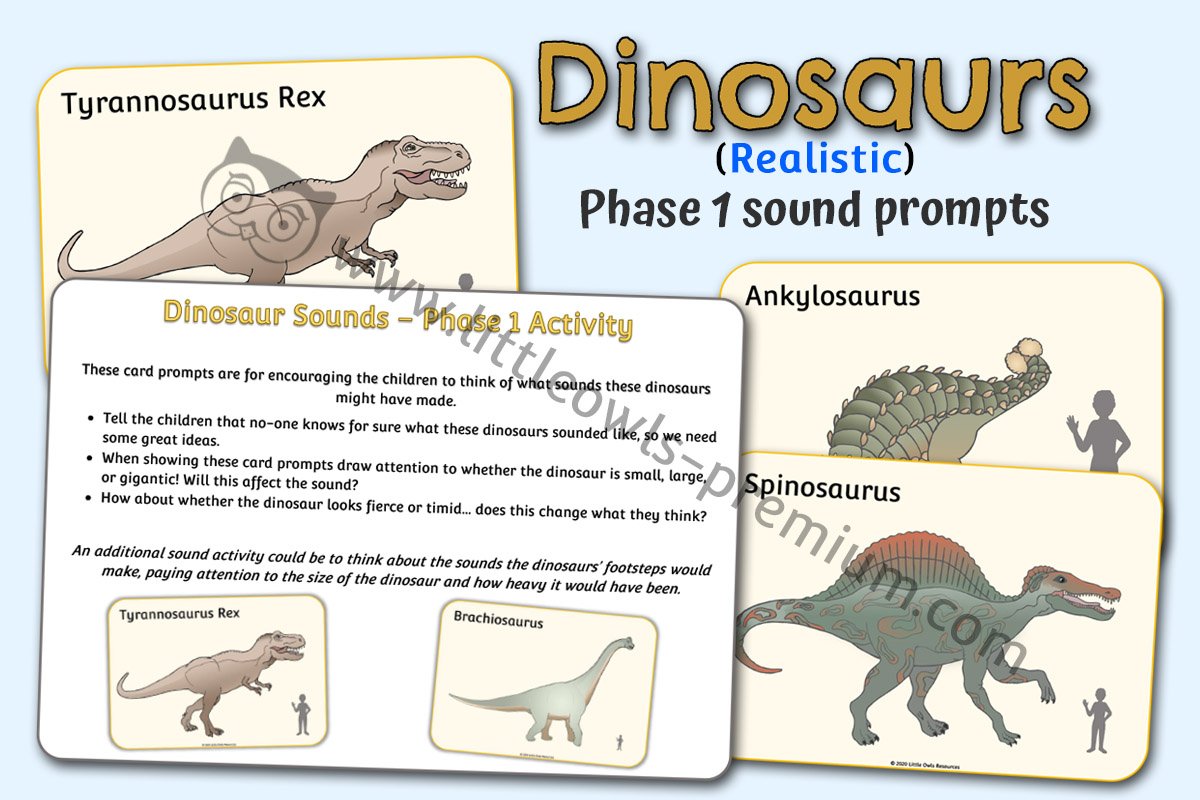
These card prompts are for encouraging the children to think of what sounds these dinosaurs might have made.
• Tell the children that no-one knows for sure what these dinosaurs sounded like, so we need some great ideas.
• When showing these card prompts draw attention to whether the dinosaur is small, large, or gigantic! Will this affect the sound?
• How about whether the dinosaur looks fierce or timid… does this change what they think?
An additional sound activity could be to think about the sounds the dinosaurs’ footsteps would make, paying attention to the size of the dinosaur and how heavy it would have been.
Original artwork drawn by Sara Murphy and final digital resources created by Stuart Murphy. COPYRIGHT ON ALL OF THE RESOURCES HOUSED ON THIS WEBSITE IS HELD BY ‘LITTLE OWLS RESOURCES’. OUR RESOURCES (INCLUDING THE IMAGES WITHIN THEM), CANNOT BE SHARED OR SOLD COMMERCIALLY.
DOWNLOAD EDITABLE (DOCX)
DOWNLOAD NON-EDITABLE (PDF)
DOWNLOAD NON-EDITABLE (Zipped JPEGs)

Point to a dinosaur and make its sound!
Phase 1 Phonics/Letters & Sounds Mat. Have great fun making up sounds for each dinosaur!
Original artwork drawn by Sara Murphy and final digital resources created by Stuart Murphy. COPYRIGHT ON ALL OF THE RESOURCES HOUSED ON THIS WEBSITE IS HELD BY ‘LITTLE OWLS RESOURCES’. OUR RESOURCES (INCLUDING THE IMAGES WITHIN THEM), CANNOT BE SHARED OR SOLD COMMERCIALLY.
DOWNLOAD EDITABLE (DOCX)
DOWNLOAD NON-EDITABLE (PDF)
DOWNLOAD NON-EDITABLE (Zipped JPEGs)
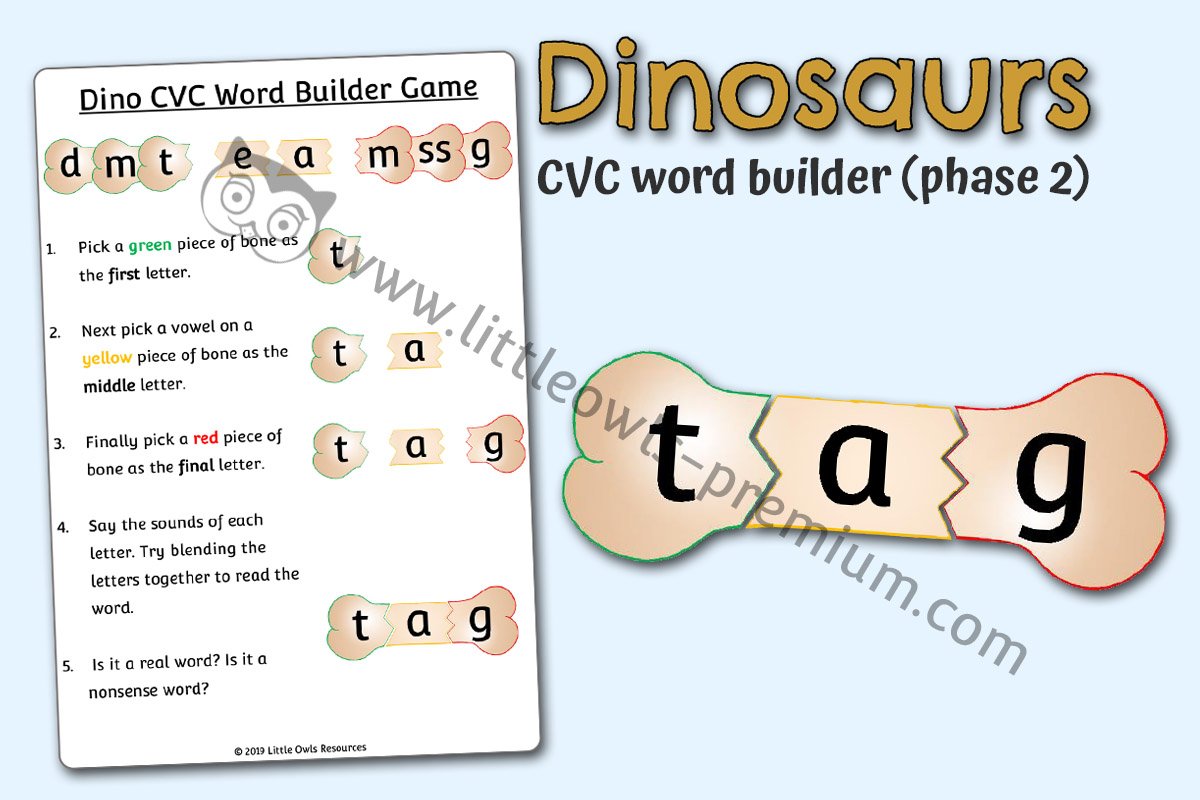
Enjoy teaching your children the basics of blending sounds to create words when you play this fun ‘Dinosaur’ themed 'CVC word builder' game together! Easy to play and instructions included on the front page. Will you end up making a 'real' or 'nonsense' word when you put your CVC bone together? Why not use this game in conjunction with 'Phase 2 Letters and Sounds Flashcards', 'Sound Mat' or the 'Cut and Match Activity'? Various themed Phase 2 word cards also available in the Literacy section.
Please note that all Phase 2 sounds are included and so it is at your own discretion as to the selection of sounds you use in order to allow/prevent particular undesirable letter combinations!
Original artwork drawn by Sara Murphy and final digital resources created by Stuart Murphy. COPYRIGHT ON ALL OF THE RESOURCES HOUSED ON THIS WEBSITE IS HELD BY ‘LITTLE OWLS RESOURCES’. OUR RESOURCES (INCLUDING THE IMAGES WITHIN THEM), CANNOT BE SHARED OR SOLD COMMERCIALLY.
DOWNLOAD EDITABLE (DOCX)
DOWNLOAD NON-EDITABLE (PDF)
DOWNLOAD NON-EDITABLE (Zipped JPEGs)

Original artwork drawn by Sara Murphy and final digital resources created by Stuart Murphy. COPYRIGHT ON ALL OF THE RESOURCES HOUSED ON THIS WEBSITE IS HELD BY ‘LITTLE OWLS RESOURCES’. OUR RESOURCES (INCLUDING THE IMAGES WITHIN THEM), CANNOT BE SHARED OR SOLD COMMERCIALLY.
DOWNLOAD EDITABLE (DOCX)
DOWNLOAD NON-EDITABLE (PDF)
DOWNLOAD NON-EDITABLE (Zipped JPEGs)

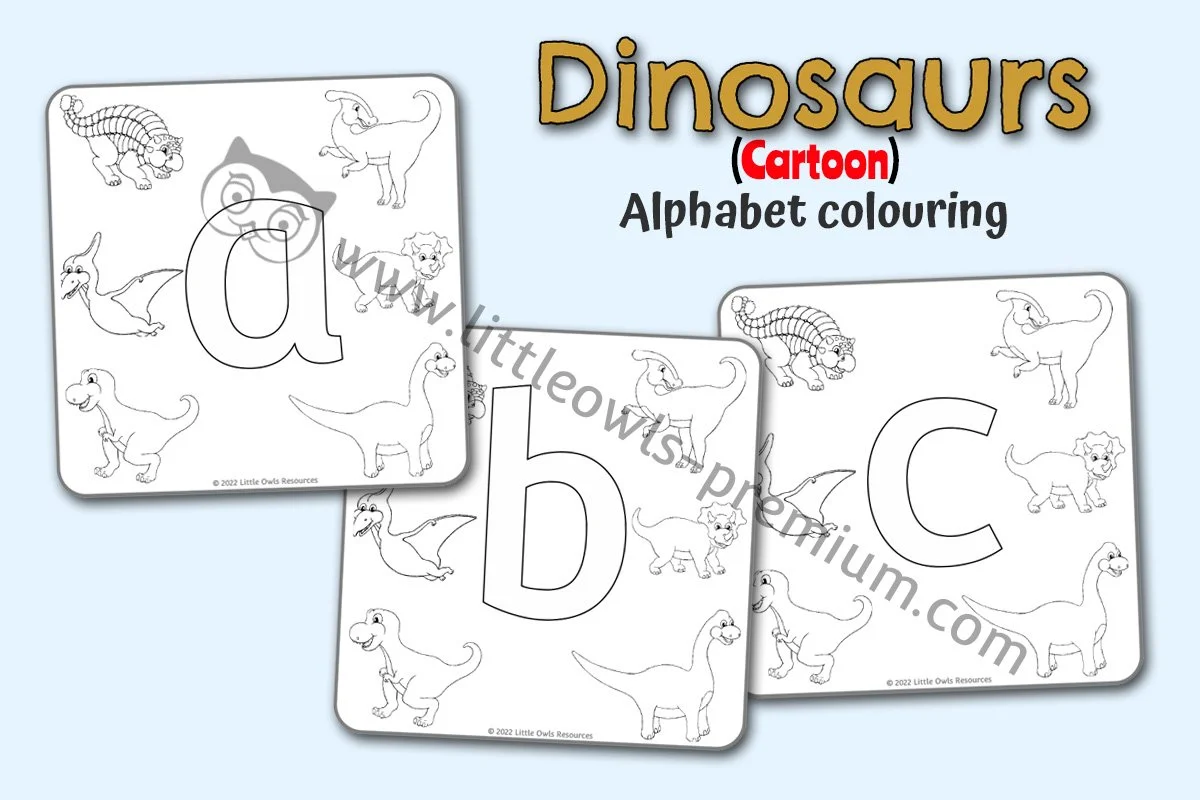
Pack of Dinosaur themed alphabet cards to colour. Featuring Tyrannosaurus Rex, Brachiosaurus, Stegosaurus, Parasaurolophus, Pterodactyl and Ankylosaurus.
Original artwork drawn by Sara Murphy and final digital resources created by Stuart Murphy. COPYRIGHT ON ALL OF THE RESOURCES HOUSED ON THIS WEBSITE IS HELD BY ‘LITTLE OWLS RESOURCES’. OUR RESOURCES (INCLUDING THE IMAGES WITHIN THEM), CANNOT BE SHARED OR SOLD COMMERCIALLY.
DOWNLOAD EDITABLE (DOCX)
DOWNLOAD NON-EDITABLE (PDF)
DOWNLOAD NON-EDITABLE (Zipped JPEGs)

Once laminated these Dinosaur Multimats (Stegosaurus, Parasaurolophus, Spinosaurus & T-Rex) are ideal to be used as reusable playdough or loose parts mats. Alternatively, use them in conjunction with whiteboard pens. Without lamination these sheets could also be used with mark making tools or art and craft materials.
Original artwork drawn by Sara Murphy and final digital resources created by Stuart Murphy. COPYRIGHT ON ALL OF THE RESOURCES HOUSED ON THIS WEBSITE IS HELD BY ‘LITTLE OWLS RESOURCES’. OUR RESOURCES (INCLUDING THE IMAGES WITHIN THEM), CANNOT BE SHARED OR SOLD COMMERCIALLY.
DOWNLOAD EDITABLE (DOCX)
DOWNLOAD NON-EDITABLE (PDF)
DOWNLOAD NON-EDITABLE (Zipped JPEGs)

Dinosaur themed size ordering pictures. Includes Brachiosaurus, Pterodactyl, Tyrannosaurus Rex, Parasaurolophus, Stegosaurus, Pachycephalosaurus, Ankylosaurus & Plesiosaur. Intended to be cut out (and ideally laminated) for use by children in repeatable size ordering activities. If you have access to a fuzzy felt board, why not stick velcro tabs on the back so that children can move them around on the board? Alternatively use them as a cut and stick activity (to also strengthen fine motor skills) for the children to take home and discuss with their families using words such as ‘small, smaller, smallest, big, bigger, biggest’.
Original artwork drawn by Sara Murphy and final digital resources created by Stuart Murphy. COPYRIGHT ON ALL OF THE RESOURCES HOUSED ON THIS WEBSITE IS HELD BY ‘LITTLE OWLS RESOURCES’. OUR RESOURCES (INCLUDING THE IMAGES WITHIN THEM), CANNOT BE SHARED OR SOLD COMMERCIALLY.
DOWNLOAD EDITABLE (DOCX)
DOWNLOAD NON-EDITABLE (PDF)
DOWNLOAD NON-EDITABLE (Zipped JPEGs)

Dinosaur themed size ordering pictures colouring pack. Includes Brachiosaurus, Pterodactyl, Tyrannosaurus Rex, Parasaurolophus, Stegosaurus, Pachycephalosaurus, Ankylosaurus & Plesiosaur. This colouring version is intended to be a cut and stick activity (to also strengthen fine motor skills) to encourage children to talk about using words such as ‘small, smaller, smallest, big, bigger, biggest’.
Original artwork drawn by Sara Murphy and final digital resources created by Stuart Murphy. COPYRIGHT ON ALL OF THE RESOURCES HOUSED ON THIS WEBSITE IS HELD BY ‘LITTLE OWLS RESOURCES’. OUR RESOURCES (INCLUDING THE IMAGES WITHIN THEM), CANNOT BE SHARED OR SOLD COMMERCIALLY.
DOWNLOAD EDITABLE (DOCX)
DOWNLOAD NON-EDITABLE (PDF)
DOWNLOAD NON-EDITABLE (Zipped JPEGs)

Dinosaur themed tally chart. Your children will love to use this as part of an out and about hunt activity (for example dinosaurs hidden around your outdoor area) or in conjunction with a 'Dinosaur' themed tuff spot or feely bag. Use as a Tally Chart or Check List. Differentiate expectations for individual children within your care. Some children may simply use it as a visual cue whilst others may begin to make marks resembling tally lines or even numbers. Alternatively ask your children ‘Which is your favourite dinosaur?’ and collect the results as a group. Which dinosaur has the most votes? Perhaps use in conjunction with our ‘Dinosaur Pictogram Chart Activity’.
Original artwork drawn by Sara Murphy and final digital resources created by Stuart Murphy. COPYRIGHT ON ALL OF THE RESOURCES HOUSED ON THIS WEBSITE IS HELD BY ‘LITTLE OWLS RESOURCES’. OUR RESOURCES (INCLUDING THE IMAGES WITHIN THEM), CANNOT BE SHARED OR SOLD COMMERCIALLY.
DOWNLOAD EDITABLE (DOCX)
DOWNLOAD NON-EDITABLE (PDF)
DOWNLOAD NON-EDITABLE (Zipped JPEGs)
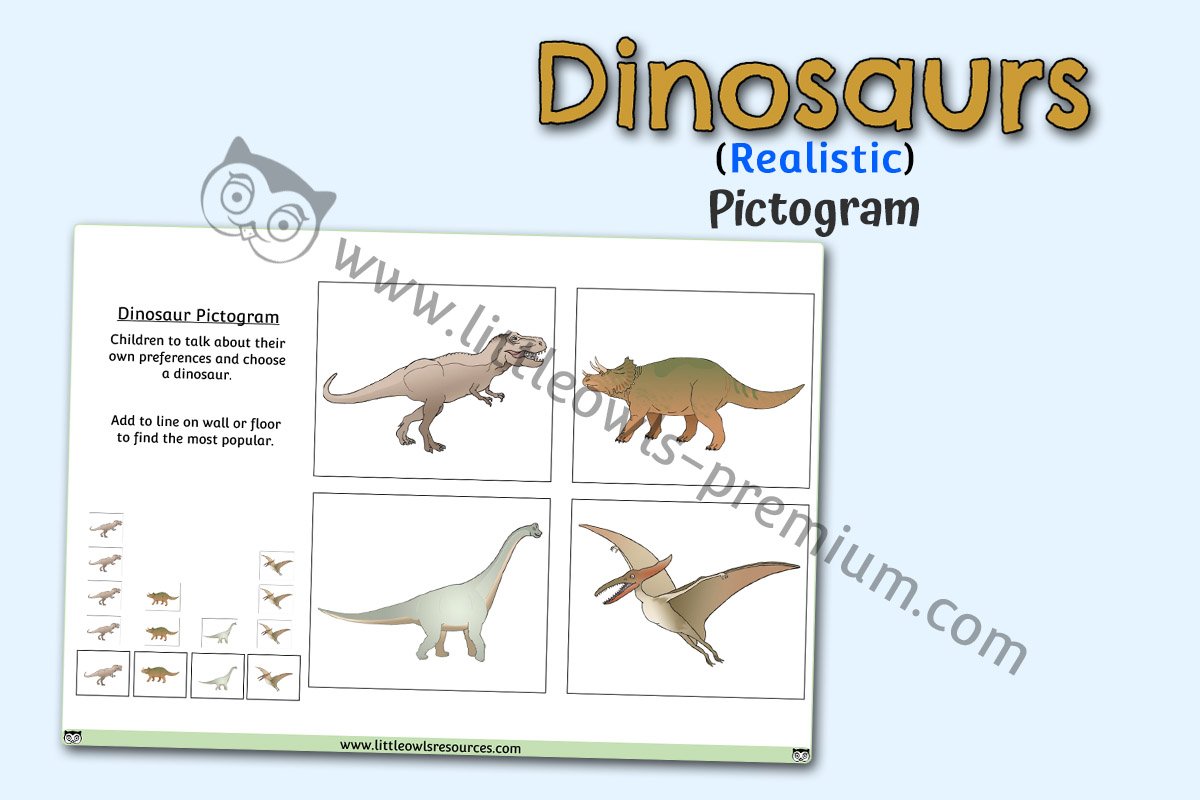
Dinosaur Pictogram Chart pictures designed for children to not only think about their favourite dinosaur, but also realise that others may not have the same favourite. In addition, children begin to learn about simple graphs and charts. Ideal for use in a classroom, preschool, nursery or childminder setting. Children do not have to necessarily complete the activity at the same time, but a chart can be added to a display and individual children can add their own favourites at appropriate times. Simply place the four large dinosaurs on the first page in a horizontal line to form the base of the chart and children can add their own favourite smaller dinosaur above to create the vertical lines of a chart. The lengths of the lines can be compared and number of dinosaurs on each can be counted to find totals. Questions such as ‘How many children like the triceratops?’ may be asked. To really extend mathematical thinking, questions such as ‘How many more children like the tyrannosaurus rex than the triceratops?’ could be delved into. Please note that pterodactyls were pterosaurs (a type of flying reptile), not technically dinosaurs.
Original artwork drawn by Sara Murphy and final digital resources created by Stuart Murphy. COPYRIGHT ON ALL OF THE RESOURCES HOUSED ON THIS WEBSITE IS HELD BY ‘LITTLE OWLS RESOURCES’. OUR RESOURCES (INCLUDING THE IMAGES WITHIN THEM), CANNOT BE SHARED OR SOLD COMMERCIALLY.
DOWNLOAD EDITABLE (DOCX)
DOWNLOAD NON-EDITABLE (PDF)
DOWNLOAD NON-EDITABLE (Zipped JPEGs)

Fun game to develop dinosaur knowledge including the terms ‘herbivore’ (plant eater) and ‘carnivore’ (meat eater). Along with developing/consolidating number recognition of dice numbers 1-6, this game also begins to sew the seeds of odd and even numbers. Children also develop listening and turn taking skills whilst having fun together! The game can easily be differentiated by outcome and adult input. Instructions on first page.
Original artwork drawn by Sara Murphy and final digital resources created by Stuart Murphy. COPYRIGHT ON ALL OF THE RESOURCES HOUSED ON THIS WEBSITE IS HELD BY ‘LITTLE OWLS RESOURCES’. OUR RESOURCES (INCLUDING THE IMAGES WITHIN THEM), CANNOT BE SHARED OR SOLD COMMERCIALLY.
DOWNLOAD EDITABLE (DOCX)
DOWNLOAD NON-EDITABLE (PDF)
DOWNLOAD NON-EDITABLE (Zipped JPEGs)

Silhouettes and pictures of dinosaurs to match together. Recognising something from a basic outline shape and making an informed guess as to its nature provides good pre-reading practice for young children. These cards can be used as part of a memory game or straight matching game.
Original artwork drawn by Sara Murphy and final digital resources created by Stuart Murphy. COPYRIGHT ON ALL OF THE RESOURCES HOUSED ON THIS WEBSITE IS HELD BY ‘LITTLE OWLS RESOURCES’. OUR RESOURCES (INCLUDING THE IMAGES WITHIN THEM), CANNOT BE SHARED OR SOLD COMMERCIALLY.
DOWNLOAD EDITABLE (DOCX)
DOWNLOAD NON-EDITABLE (PDF)
DOWNLOAD NON-EDITABLE (Zipped JPEGs)

‘Dinosaur’ themed Number Slice Puzzle Activities. Puzzles available for 1-5, 1-10 and 0-20 sequencing, full colour and black and white versions for colouring. Cut along the vertical lines and laminate for multiple uses or allow your children to cut and stick as an individual activity to take home. Great for number recognition and ordering, observational skills and motor control.
Original artwork drawn by Sara Murphy and final digital resources created by Stuart Murphy. COPYRIGHT ON ALL OF THE RESOURCES HOUSED ON THIS WEBSITE IS HELD BY ‘LITTLE OWLS RESOURCES’. OUR RESOURCES (INCLUDING THE IMAGES WITHIN THEM), CANNOT BE SHARED OR SOLD COMMERCIALLY.
DOWNLOAD EDITABLE (DOCX)
DOWNLOAD NON-EDITABLE (PDF)
DOWNLOAD NON-EDITABLE (Zipped JPEGs)

'My Favourite/Favorite Dinosaur’ Writing/Drawing/Mark Making Sheets. Both spellings included.
Original artwork drawn by Sara Murphy and final digital resources created by Stuart Murphy. COPYRIGHT ON ALL OF THE RESOURCES HOUSED ON THIS WEBSITE IS HELD BY ‘LITTLE OWLS RESOURCES’. OUR RESOURCES (INCLUDING THE IMAGES WITHIN THEM), CANNOT BE SHARED OR SOLD COMMERCIALLY.
DOWNLOAD EDITABLE (DOCX)
DOWNLOAD NON-EDITABLE (PDF)
DOWNLOAD NON-EDITABLE (Zipped JPEGs)
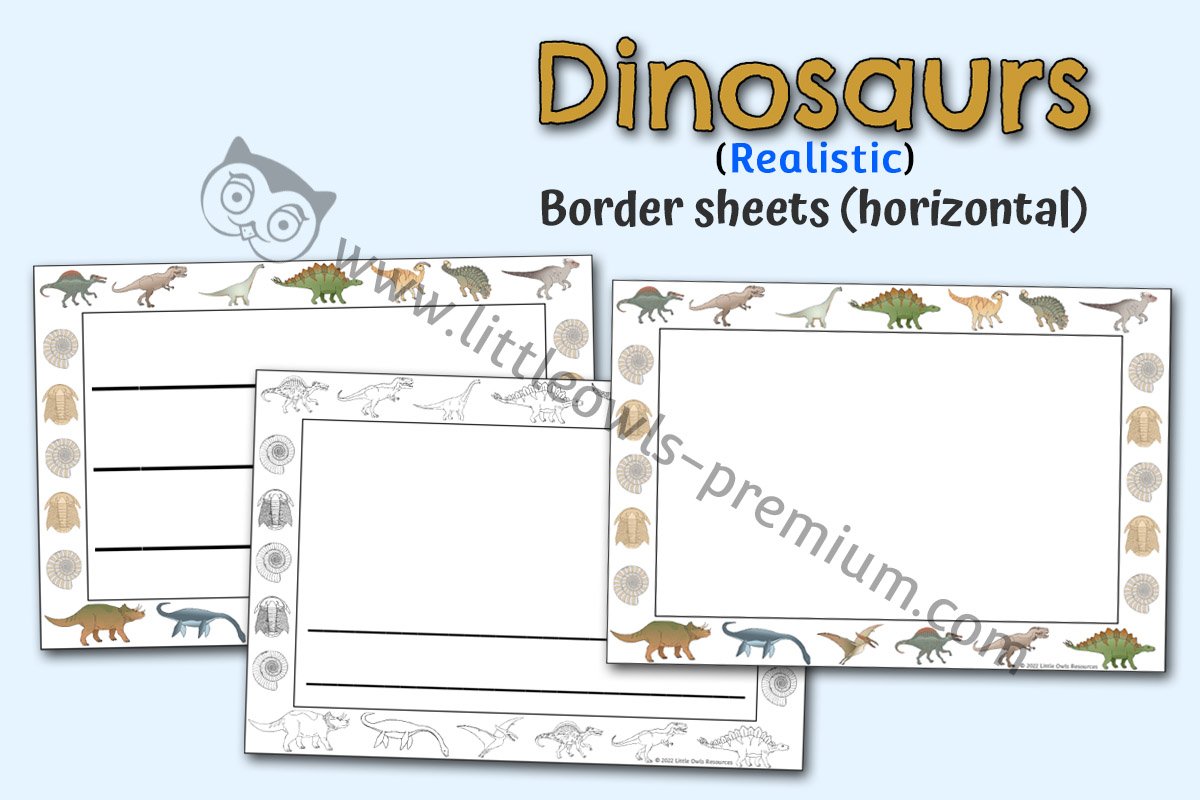
Versatile dinosaur border paper. File includes colour and black and white, plus blank and lined versions.
Original artwork drawn by Sara Murphy and final digital resources created by Stuart Murphy. COPYRIGHT ON ALL OF THE RESOURCES HOUSED ON THIS WEBSITE IS HELD BY ‘LITTLE OWLS RESOURCES’. OUR RESOURCES (INCLUDING THE IMAGES WITHIN THEM), CANNOT BE SHARED OR SOLD COMMERCIALLY.
DOWNLOAD EDITABLE (DOCX)
DOWNLOAD NON-EDITABLE (PDF)
DOWNLOAD NON-EDITABLE (Zipped JPEGs)

Versatile dinosaur border paper. File includes colour and black and white, plus blank and lined versions.
Original artwork drawn by Sara Murphy and final digital resources created by Stuart Murphy. COPYRIGHT ON ALL OF THE RESOURCES HOUSED ON THIS WEBSITE IS HELD BY ‘LITTLE OWLS RESOURCES’. OUR RESOURCES (INCLUDING THE IMAGES WITHIN THEM), CANNOT BE SHARED OR SOLD COMMERCIALLY.
DOWNLOAD EDITABLE (DOCX)
DOWNLOAD NON-EDITABLE (PDF)
DOWNLOAD NON-EDITABLE (Zipped JPEGs)

These mummy dinosaurs have lost their eggs! They can remember how many eggs they had. Can your children make the right amount of eggs with playdough and put them in the nest? Or perhaps they could draw the correct number of eggs? What will your dinosaur eggs look like? This activity not only develops number recognition and 1:1 correspondence counting, but also fine motor skills, creativity, descriptive language and dinosaur topic knowledge.
Original artwork drawn by Sara Murphy and final digital resources created by Stuart Murphy. COPYRIGHT ON ALL OF THE RESOURCES HOUSED ON THIS WEBSITE IS HELD BY ‘LITTLE OWLS RESOURCES’. OUR RESOURCES (INCLUDING THE IMAGES WITHIN THEM), CANNOT BE SHARED OR SOLD COMMERCIALLY.
DOWNLOAD EDITABLE (DOCX)
DOWNLOAD NON-EDITABLE (PDF)
DOWNLOAD NON-EDITABLE (Zipped JPEGs)

Some of the bones from these dinosaurs have been lost! Can you draw what you think their missing parts may have looked like? Challenge your children to create their own dinosaurs with these ‘missing parts’ dinosaur sheets (x6) and final ‘design your own dinosaur’ sheet.
Original artwork drawn by Sara Murphy and final digital resources created by Stuart Murphy. COPYRIGHT ON ALL OF THE RESOURCES HOUSED ON THIS WEBSITE IS HELD BY ‘LITTLE OWLS RESOURCES’. OUR RESOURCES (INCLUDING THE IMAGES WITHIN THEM), CANNOT BE SHARED OR SOLD COMMERCIALLY.
DOWNLOAD EDITABLE (DOCX)
DOWNLOAD NON-EDITABLE (PDF)
DOWNLOAD NON-EDITABLE (Zipped JPEGs)

Dinosaur exhibit/fact posters. Each A4 poster includes a large dinosaur with comparison to human height picture plus basic facts at the bottom as you may find when walking around a museum. Print full size as part of a display or even role play area to pretend you are walking around a museum or print smaller as fact cards. Why not play sorting games such as putting all of the carnivores in one pile and herbivores in another…or organising the dinosaurs in height order by looking at the size of the human in each picture?
Original artwork drawn by Sara Murphy and final digital resources created by Stuart Murphy. COPYRIGHT ON ALL OF THE RESOURCES HOUSED ON THIS WEBSITE IS HELD BY ‘LITTLE OWLS RESOURCES’. OUR RESOURCES (INCLUDING THE IMAGES WITHIN THEM), CANNOT BE SHARED OR SOLD COMMERCIALLY.
DOWNLOAD EDITABLE (DOCX)
DOWNLOAD NON-EDITABLE (PDF)
DOWNLOAD NON-EDITABLE (Zipped JPEGs)

Set of 8 ‘Invention’ themed 2-piece puzzles. Puzzles depict the first ever and modern equivalents of a television, car, life raft and lightbulb. Perfect for showing how things change over time.
Original artwork drawn by Sara Murphy and final digital resources created by Stuart Murphy. COPYRIGHT ON ALL OF THE RESOURCES HOUSED ON THIS WEBSITE IS HELD BY ‘LITTLE OWLS RESOURCES’. OUR RESOURCES (INCLUDING THE IMAGES WITHIN THEM), CANNOT BE SHARED OR SOLD COMMERCIALLY.
DOWNLOAD EDITABLE (DOCX)
DOWNLOAD NON-EDITABLE (PDF)
DOWNLOAD NON-EDITABLE (Zipped JPEGs)
<<-BACK TO INVENTIONS MENU (Coming 2021!)
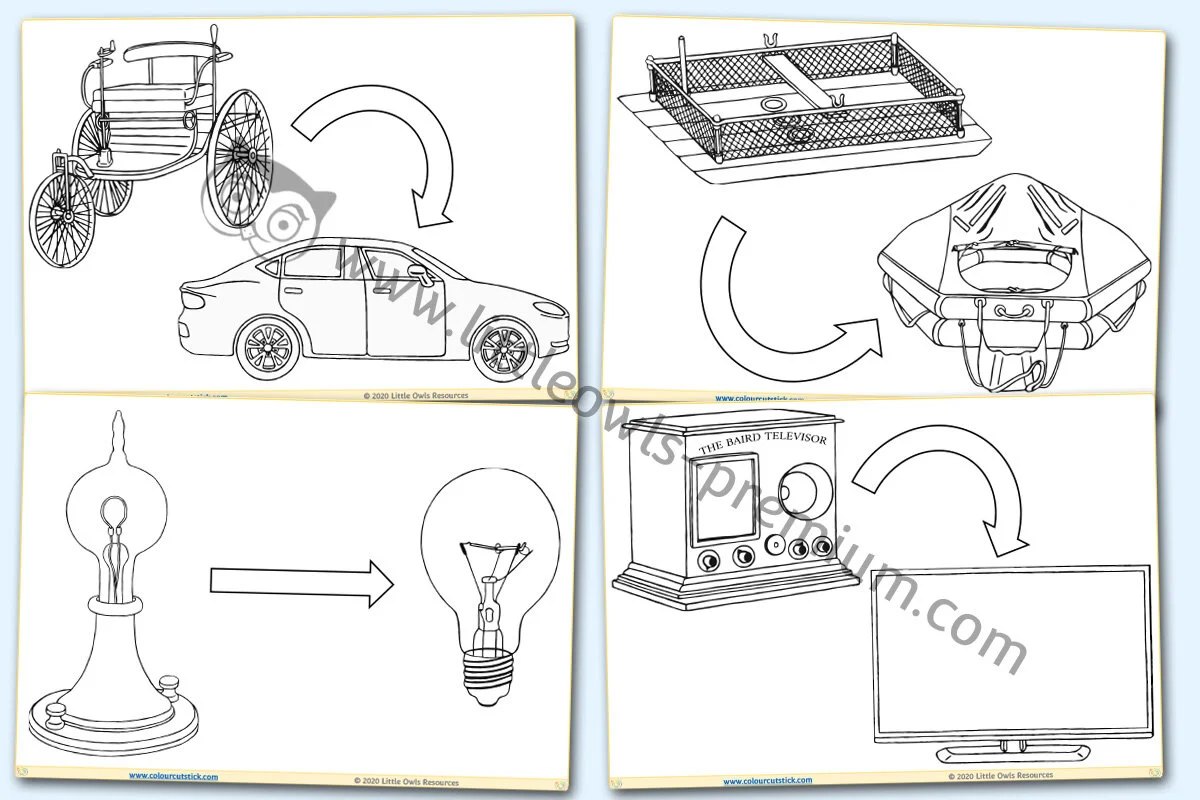
4 ‘Invention’ themed colouring pages. Each page depicts the first ever plus modern equivalent of either a television, car, life raft or lightbulb. Perfect for showing how things change over time.
Original artwork drawn by Sara Murphy and final digital resources created by Stuart Murphy. COPYRIGHT ON ALL OF THE RESOURCES HOUSED ON THIS WEBSITE IS HELD BY ‘LITTLE OWLS RESOURCES’. OUR RESOURCES (INCLUDING THE IMAGES WITHIN THEM), CANNOT BE SHARED OR SOLD COMMERCIALLY.
DOWNLOAD EDITABLE (DOCX)
DOWNLOAD NON-EDITABLE (PDF)
DOWNLOAD NON-EDITABLE (Zipped JPEGs)
<<-BACK TO INVENTIONS MENU (Coming 2021!)
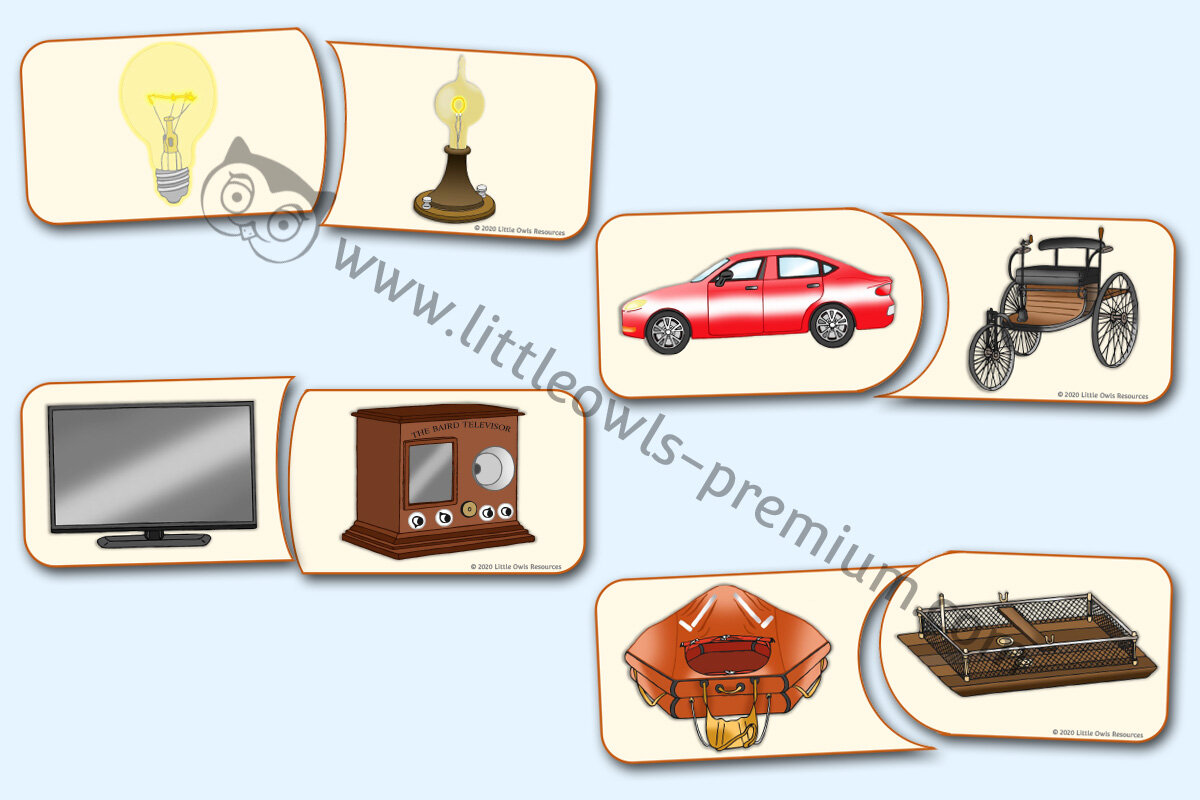
4 ‘Invention’ themed puzzles. Each puzzle depicts the first ever plus modern equivalent of either a television, car, life raft or lightbulb. Encourage children to identify the objects that they recognise and spot similarities and differences to work out which objects match together as old and new counterparts. Perfect for showing how things change over time.
Original artwork drawn by Sara Murphy and final digital resources created by Stuart Murphy. COPYRIGHT ON ALL OF THE RESOURCES HOUSED ON THIS WEBSITE IS HELD BY ‘LITTLE OWLS RESOURCES’. OUR RESOURCES (INCLUDING THE IMAGES WITHIN THEM), CANNOT BE SHARED OR SOLD COMMERCIALLY.
DOWNLOAD EDITABLE (DOCX)
DOWNLOAD NON-EDITABLE (PDF)
DOWNLOAD NON-EDITABLE (Zipped JPEGs)
<<-BACK TO INVENTIONS MENU (Coming 2021!)

4 ‘Invention’ poster cards which depict the first ever television, car, life raft and lightbulb, who invented them and when. Perfect for showing how things change over time.
Original artwork drawn by Sara Murphy and final digital resources created by Stuart Murphy. COPYRIGHT ON ALL OF THE RESOURCES HOUSED ON THIS WEBSITE IS HELD BY ‘LITTLE OWLS RESOURCES’. OUR RESOURCES (INCLUDING THE IMAGES WITHIN THEM), CANNOT BE SHARED OR SOLD COMMERCIALLY.
DOWNLOAD EDITABLE (DOCX)
DOWNLOAD NON-EDITABLE (PDF)
DOWNLOAD NON-EDITABLE (Zipped JPEGs)
<<-BACK TO INVENTIONS MENU (Coming 2021!)

Display banner and plaques for use in Black History Month to celebrate the lives of just some of the many black people who have played a significant part in British history.
Original artwork drawn by Sara Murphy and final digital resources created by Stuart Murphy. COPYRIGHT ON ALL OF THE RESOURCES HOUSED ON THIS WEBSITE IS HELD BY ‘LITTLE OWLS RESOURCES’. OUR RESOURCES (INCLUDING THE IMAGES WITHIN OUR RESOURCES), CANNOT BE SHARED OR SOLD COMMERCIALLY.
DOWNLOAD EDITABLE (DOCX)
DOWNLOAD NON-EDITABLE (PDF)

A4 Description posters/sheets to celebrate the lives of just some of the many black people who have played a significant part in British history.
Original artwork drawn by Sara Murphy and final digital resources created by Stuart Murphy. COPYRIGHT ON ALL OF THE RESOURCES HOUSED ON THIS WEBSITE IS HELD BY ‘LITTLE OWLS RESOURCES’. OUR RESOURCES (INCLUDING THE IMAGES WITHIN OUR RESOURCES), CANNOT BE SHARED OR SOLD COMMERCIALLY.
DOWNLOAD EDITABLE (DOCX)
DOWNLOAD NON-EDITABLE (PDF)

Information cards to celebrate the lives of just some of the many black people who have played a significant part in British history.
Original artwork drawn by Sara Murphy and final digital resources created by Stuart Murphy. COPYRIGHT ON ALL OF THE RESOURCES HOUSED ON THIS WEBSITE IS HELD BY ‘LITTLE OWLS RESOURCES’. OUR RESOURCES (INCLUDING THE IMAGES WITHIN OUR RESOURCES), CANNOT BE SHARED OR SOLD COMMERCIALLY.
DOWNLOAD EDITABLE (DOCX)
DOWNLOAD NON-EDITABLE (PDF)

Mat/Poster to celebrate the lives of just some of the many black people who have played a significant part in British history.
Original artwork drawn by Sara Murphy and final digital resources created by Stuart Murphy. COPYRIGHT ON ALL OF THE RESOURCES HOUSED ON THIS WEBSITE IS HELD BY ‘LITTLE OWLS RESOURCES’. OUR RESOURCES (INCLUDING THE IMAGES WITHIN OUR RESOURCES), CANNOT BE SHARED OR SOLD COMMERCIALLY.
DOWNLOAD EDITABLE (DOCX)
DOWNLOAD NON-EDITABLE (PDF)

Name cards to be used alongside our other resources in order to celebrate the lives of just some of the many black people who have played a significant part in British history.
Original artwork drawn by Sara Murphy and final digital resources created by Stuart Murphy. COPYRIGHT ON ALL OF THE RESOURCES HOUSED ON THIS WEBSITE IS HELD BY ‘LITTLE OWLS RESOURCES’. OUR RESOURCES (INCLUDING THE IMAGES WITHIN OUR RESOURCES), CANNOT BE SHARED OR SOLD COMMERCIALLY.
DOWNLOAD EDITABLE (DOCX)
DOWNLOAD NON-EDITABLE (PDF)

Name cards to be used alongside our other resources in order to celebrate the lives of just some of the many black people who have played a significant part in British history.
Original artwork drawn by Sara Murphy and final digital resources created by Stuart Murphy. COPYRIGHT ON ALL OF THE RESOURCES HOUSED ON THIS WEBSITE IS HELD BY ‘LITTLE OWLS RESOURCES’. OUR RESOURCES (INCLUDING THE IMAGES WITHIN OUR RESOURCES), CANNOT BE SHARED OR SOLD COMMERCIALLY.
DOWNLOAD EDITABLE (DOCX)
DOWNLOAD NON-EDITABLE (PDF)

Draw and write sheets designed to be used after learning about the life of Ira Aldridge. Choose the sheet which is most appropriate for your child(ren). Depending on your child(ren) the task may be completed independently or you may like to scribe what they say.
Original artwork drawn by Sara Murphy and final digital resources created by Stuart Murphy. COPYRIGHT ON ALL OF THE RESOURCES HOUSED ON THIS WEBSITE IS HELD BY ‘LITTLE OWLS RESOURCES’. OUR RESOURCES (INCLUDING THE IMAGES WITHIN OUR RESOURCES), CANNOT BE SHARED OR SOLD COMMERCIALLY.
DOWNLOAD EDITABLE (DOCX)
DOWNLOAD NON-EDITABLE (PDF)

Draw and write sheets designed to be used after learning about the life of John Edmonstone. Choose the sheet which is most appropriate for your child(ren). Depending on your child(ren) the task may be completed independently or you may like to scribe what they say.
Original artwork drawn by Sara Murphy and final digital resources created by Stuart Murphy. COPYRIGHT ON ALL OF THE RESOURCES HOUSED ON THIS WEBSITE IS HELD BY ‘LITTLE OWLS RESOURCES’. OUR RESOURCES (INCLUDING THE IMAGES WITHIN OUR RESOURCES), CANNOT BE SHARED OR SOLD COMMERCIALLY.
DOWNLOAD EDITABLE (DOCX)
DOWNLOAD NON-EDITABLE (PDF)

Draw and write sheets designed to be used after learning about the life of Mary Seacole. Choose the sheet which is most appropriate for your child(ren). Depending on your child(ren) the task may be completed independently or you may like to scribe what they say.
Original artwork drawn by Sara Murphy and final digital resources created by Stuart Murphy. COPYRIGHT ON ALL OF THE RESOURCES HOUSED ON THIS WEBSITE IS HELD BY ‘LITTLE OWLS RESOURCES’. OUR RESOURCES (INCLUDING THE IMAGES WITHIN OUR RESOURCES), CANNOT BE SHARED OR SOLD COMMERCIALLY.
DOWNLOAD EDITABLE (DOCX)
DOWNLOAD NON-EDITABLE (PDF)

Draw and write sheets designed to be used after learning about the life of Phillis Wheatley. Choose the sheet which is most appropriate for your child(ren). Depending on your child(ren) the task may be completed independently or you may like to scribe what they say.
Original artwork drawn by Sara Murphy and final digital resources created by Stuart Murphy. COPYRIGHT ON ALL OF THE RESOURCES HOUSED ON THIS WEBSITE IS HELD BY ‘LITTLE OWLS RESOURCES’. OUR RESOURCES (INCLUDING THE IMAGES WITHIN OUR RESOURCES), CANNOT BE SHARED OR SOLD COMMERCIALLY.
DOWNLOAD EDITABLE (DOCX)
DOWNLOAD NON-EDITABLE (PDF)

Draw and write sheets designed to be used after learning about the life of Samuel Coleridge-Taylor. Choose the sheet which is most appropriate for your child(ren). Depending on your child(ren) the task may be completed independently or you may like to scribe what they say.
Original artwork drawn by Sara Murphy and final digital resources created by Stuart Murphy. COPYRIGHT ON ALL OF THE RESOURCES HOUSED ON THIS WEBSITE IS HELD BY ‘LITTLE OWLS RESOURCES’. OUR RESOURCES (INCLUDING THE IMAGES WITHIN OUR RESOURCES), CANNOT BE SHARED OR SOLD COMMERCIALLY.
DOWNLOAD EDITABLE (DOCX)
DOWNLOAD NON-EDITABLE (PDF)

Poppy themed counting puzzles. Select those appropriate for your children (1-10 available) and allow them to match the number with the corresponding number of poppies. Each pair has a different way of connecting as a puzzle for the children to match and so even if they haven’t learnt what the number looks like yet, but are beginning to say the numbers in order, this can be a fun way to introduce them to new challenges. Once the puzzles are complete, why not line the numbers up in order and count together? If your children would enjoy a further game, leave out a number and see if they can spot which one is missing from the sequence. Puzzles could also be used as a fine motor control/counting activity if left uncut. Children could be given an appropriate number for their learning and encouraged to place objects on the poppies, counting as they go.
Original artwork drawn by Sara Murphy and final digital resources created by Stuart Murphy. COPYRIGHT ON ALL OF THE RESOURCES HOUSED ON THIS WEBSITE IS HELD BY ‘LITTLE OWLS RESOURCES’. OUR RESOURCES (INCLUDING THE IMAGES WITHIN THEM), CANNOT BE SHARED OR SOLD COMMERCIALLY.
DOWNLOAD EDITABLE (DOCX)
DOWNLOAD NON-EDITABLE (PDF)
DOWNLOAD NON-EDITABLE (Zipped JPEGs)
<<-BACK TO ‘REMEMBRANCE DAY’ MENU
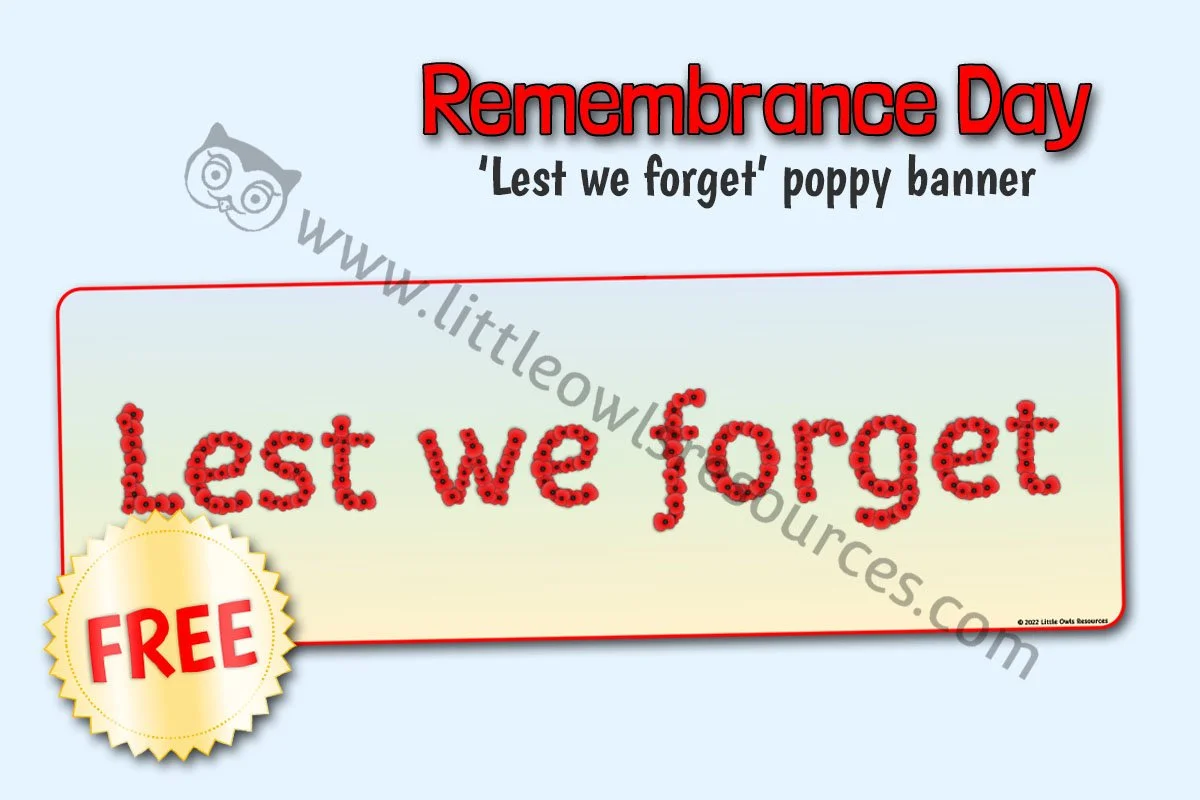
‘Lest we forget’ banner made from poppies for Remembrance Day display.
Original artwork drawn by Sara Murphy and final digital resources created by Stuart Murphy. COPYRIGHT ON ALL OF THE RESOURCES HOUSED ON THIS WEBSITE IS HELD BY ‘LITTLE OWLS RESOURCES’. OUR RESOURCES (INCLUDING THE IMAGES WITHIN THEM), CANNOT BE SHARED OR SOLD COMMERCIALLY.
DOWNLOAD EDITABLE (DOCX)
DOWNLOAD NON-EDITABLE (PDF)
DOWNLOAD NON-EDITABLE (Zipped JPEGs)
<<-BACK TO ‘REMEMBRANCE DAY’ MENU

Full colour and colouring versions of our poppy bunting.
Original artwork drawn by Sara Murphy and final digital resources created by Stuart Murphy. COPYRIGHT ON ALL OF THE RESOURCES HOUSED ON THIS WEBSITE IS HELD BY ‘LITTLE OWLS RESOURCES’. OUR RESOURCES (INCLUDING THE IMAGES WITHIN THEM), CANNOT BE SHARED OR SOLD COMMERCIALLY.
DOWNLOAD EDITABLE (DOCX)
DOWNLOAD NON-EDITABLE (PDF)
DOWNLOAD NON-EDITABLE (Zipped JPEGs)
<<-BACK TO ‘REMEMBRANCE DAY’ MENU
Original artwork drawn by Sara Murphy and final digital resources created by Stuart Murphy. COPYRIGHT ON ALL OF THE RESOURCES HOUSED ON THIS WEBSITE IS HELD BY ‘LITTLE OWLS RESOURCES’. OUR RESOURCES (INCLUDING THE IMAGES WITHIN THEM), CANNOT BE SHARED OR SOLD COMMERCIALLY.
DOWNLOAD EDITABLE (DOCX)
DOWNLOAD NON-EDITABLE (PDF)
DOWNLOAD NON-EDITABLE (Zipped JPEGs)

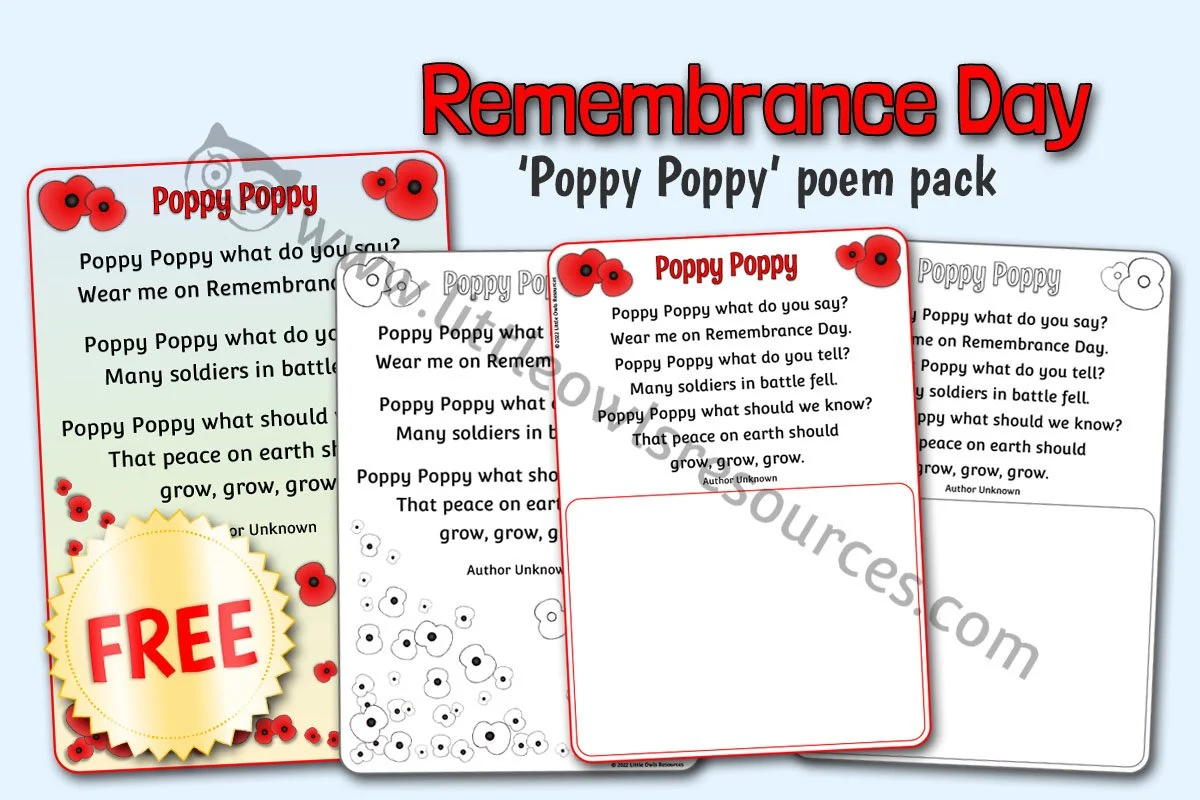
Small ‘Poppy Poppy’ poem posters/handouts. Full colour and colouring sheets included.
Original artwork drawn by Sara Murphy and final digital resources created by Stuart Murphy. COPYRIGHT ON ALL OF THE RESOURCES HOUSED ON THIS WEBSITE IS HELD BY ‘LITTLE OWLS RESOURCES’. OUR RESOURCES (INCLUDING THE IMAGES WITHIN THEM), CANNOT BE SHARED OR SOLD COMMERCIALLY.
DOWNLOAD EDITABLE (DOCX)
DOWNLOAD NON-EDITABLE (PDF)
DOWNLOAD NON-EDITABLE (Zipped JPEGs)
<<-BACK TO ‘REMEMBRANCE DAY’ MENU
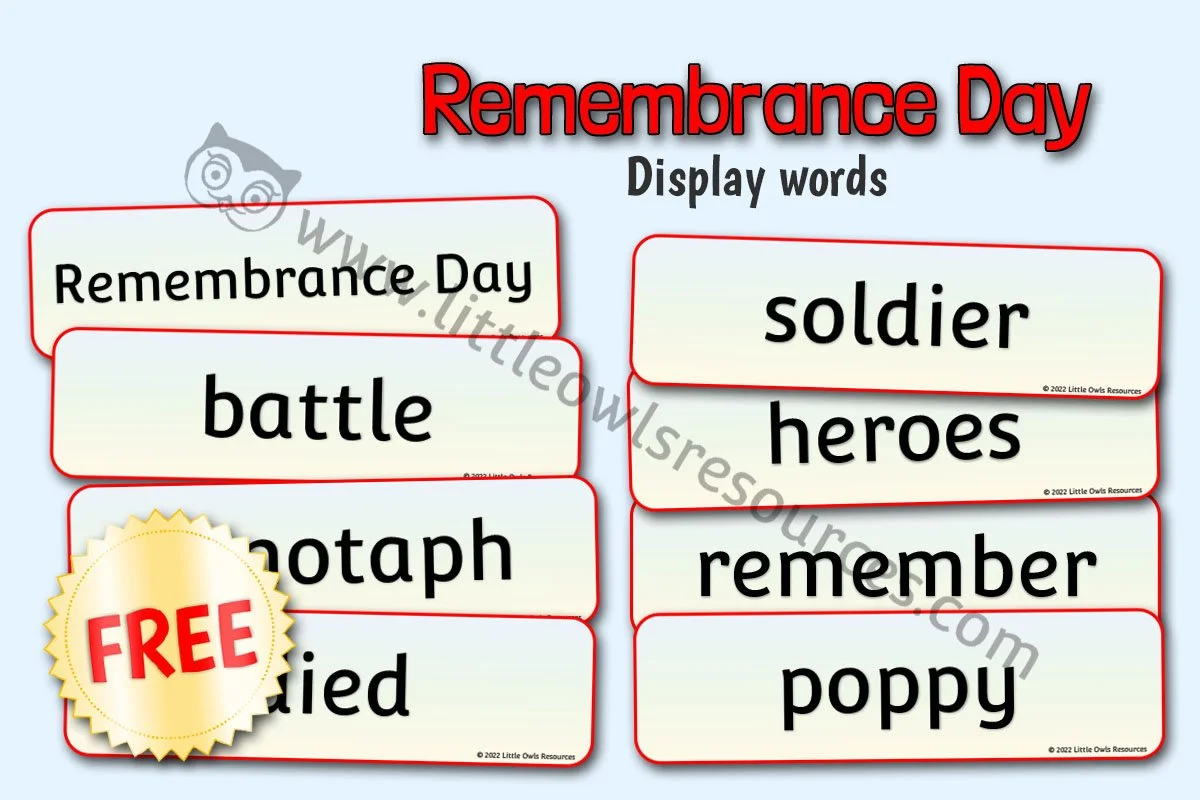
Word cards which may be helpful on a ‘Remembrance Day’ display.
Original artwork drawn by Sara Murphy and final digital resources created by Stuart Murphy. COPYRIGHT ON ALL OF THE RESOURCES HOUSED ON THIS WEBSITE IS HELD BY ‘LITTLE OWLS RESOURCES’. OUR RESOURCES (INCLUDING THE IMAGES WITHIN THEM), CANNOT BE SHARED OR SOLD COMMERCIALLY.
DOWNLOAD EDITABLE (DOCX)
DOWNLOAD NON-EDITABLE (PDF)
DOWNLOAD NON-EDITABLE (Zipped JPEGs)
<<-BACK TO ‘REMEMBRANCE DAY’ MENU

Outlines of Poppies for various art and craft uses; paint, collage materials, cutting and sticking, drawing, colouring, printing, displays.
Original artwork drawn by Sara Murphy and final digital resources created by Stuart Murphy. COPYRIGHT ON ALL OF THE RESOURCES HOUSED ON THIS WEBSITE IS HELD BY ‘LITTLE OWLS RESOURCES’. OUR RESOURCES (INCLUDING THE IMAGES WITHIN THEM), CANNOT BE SHARED OR SOLD COMMERCIALLY.
DOWNLOAD EDITABLE (DOCX)
DOWNLOAD NON-EDITABLE (PDF)
DOWNLOAD NON-EDITABLE (Zipped JPEGs)
<<-BACK TO ‘REMEMBRANCE DAY’ MENU

These sheets are for children to record their thoughts and feelings about Remembrance Day. They are differentiated by amounts of expected writing.
Original artwork drawn by Sara Murphy and final digital resources created by Stuart Murphy. COPYRIGHT ON ALL OF THE RESOURCES HOUSED ON THIS WEBSITE IS HELD BY ‘LITTLE OWLS RESOURCES’. OUR RESOURCES (INCLUDING THE IMAGES WITHIN THEM), CANNOT BE SHARED OR SOLD COMMERCIALLY.
DOWNLOAD EDITABLE (DOCX)
DOWNLOAD NON-EDITABLE (PDF)
DOWNLOAD NON-EDITABLE (Zipped JPEGs)
<<-BACK TO ‘REMEMBRANCE DAY’ MENU

Original artwork drawn by Sara Murphy and final digital resources created by Stuart Murphy. COPYRIGHT ON ALL OF THE RESOURCES HOUSED ON THIS WEBSITE IS HELD BY ‘LITTLE OWLS RESOURCES’. OUR RESOURCES (INCLUDING THE IMAGES WITHIN THEM), CANNOT BE SHARED OR SOLD COMMERCIALLY.
DOWNLOAD EDITABLE (DOCX)
DOWNLOAD NON-EDITABLE (PDF)
DOWNLOAD NON-EDITABLE (Zipped JPEGs)
<<-BACK TO ‘REMEMBRANCE DAY’ MENU

These templates have detailed outlines to be used as a starting point for an art activity. A4 and A5 included.
The outlines can be coloured to create an individual poster design.
The space to the side can be used to write/draw/scribe a message.
Original artwork drawn by Sara Murphy and final digital resources created by Stuart Murphy. COPYRIGHT ON ALL OF THE RESOURCES HOUSED ON THIS WEBSITE IS HELD BY ‘LITTLE OWLS RESOURCES’. OUR RESOURCES (INCLUDING THE IMAGES WITHIN THEM), CANNOT BE SHARED OR SOLD COMMERCIALLY.
DOWNLOAD EDITABLE (DOCX)
DOWNLOAD NON-EDITABLE (PDF)
DOWNLOAD NON-EDITABLE (Zipped JPEGs)
<<-BACK TO ‘REMEMBRANCE DAY’ MENU

Poppy-themed sheets for writing and drawing for the period around Remembrance Day. Could be used after an input using the ‘Lest We Forget Poster’ or one of the ‘Poppy Poem Posters’.
Original artwork drawn by Sara Murphy and final digital resources created by Stuart Murphy. COPYRIGHT ON ALL OF THE RESOURCES HOUSED ON THIS WEBSITE IS HELD BY ‘LITTLE OWLS RESOURCES’. OUR RESOURCES (INCLUDING THE IMAGES WITHIN THEM), CANNOT BE SHARED OR SOLD COMMERCIALLY.
DOWNLOAD EDITABLE (DOCX)
DOWNLOAD NON-EDITABLE (PDF)
DOWNLOAD NON-EDITABLE (Zipped JPEGs)
<<-BACK TO ‘REMEMBRANCE DAY’ MENU

Poem written by John Maxwell Edmonds on both a single Poppy background and on a multi-poppy background, plus a poem by Laurence Binyon on a sunrise/sunset background. Can be used as a stimulus for talking about those who have died during war.
Original artwork drawn by Sara Murphy and final digital resources created by Stuart Murphy. COPYRIGHT ON ALL OF THE RESOURCES HOUSED ON THIS WEBSITE IS HELD BY ‘LITTLE OWLS RESOURCES’. OUR RESOURCES (INCLUDING THE IMAGES WITHIN THEM), CANNOT BE SHARED OR SOLD COMMERCIALLY.
DOWNLOAD EDITABLE (DOCX)
DOWNLOAD NON-EDITABLE (PDF)
DOWNLOAD NON-EDITABLE (Zipped JPEGs)
<<-BACK TO ‘REMEMBRANCE DAY’ MENU

Poem written by John Maxwell Edmonds on a Poppy background, plus a poem by Laurence Binyon on a sunrise/sunset background. Can be used as a stimulus for talking about those who have died during war.
Original artwork drawn by Sara Murphy and final digital resources created by Stuart Murphy. COPYRIGHT ON ALL OF THE RESOURCES HOUSED ON THIS WEBSITE IS HELD BY ‘LITTLE OWLS RESOURCES’. OUR RESOURCES (INCLUDING THE IMAGES WITHIN THEM), CANNOT BE SHARED OR SOLD COMMERCIALLY.
DOWNLOAD EDITABLE (DOCX)
DOWNLOAD NON-EDITABLE (PDF)
DOWNLOAD NON-EDITABLE (Zipped JPEGs)
<<-BACK TO ‘REMEMBRANCE DAY’ MENU

Outlines of Poppies for various uses. One activity could be talking with the children about how those who died allowed us to to live in freedom. Children could think of something they love to do and draw it in the centre of the poppy as a way of saying Thank-You. Could be used after an input using the ‘Lest We Forget Poster’ or one of the ‘Poppy Poem Posters’.
Original artwork drawn by Sara Murphy and final digital resources created by Stuart Murphy. COPYRIGHT ON ALL OF THE RESOURCES HOUSED ON THIS WEBSITE IS HELD BY ‘LITTLE OWLS RESOURCES’. OUR RESOURCES (INCLUDING THE IMAGES WITHIN THEM), CANNOT BE SHARED OR SOLD COMMERCIALLY.
DOWNLOAD EDITABLE (DOCX)
DOWNLOAD NON-EDITABLE (PDF)
DOWNLOAD NON-EDITABLE (Zipped JPEGs)
<<-BACK TO ‘REMEMBRANCE DAY’ MENU

Remembrance Day poster - ‘Lest we Forget’. Could be used as a stimulus for writing using the ‘Poppy-themed sheets’.
Original artwork drawn by Sara Murphy and final digital resources created by Stuart Murphy. COPYRIGHT ON ALL OF THE RESOURCES HOUSED ON THIS WEBSITE IS HELD BY ‘LITTLE OWLS RESOURCES’. OUR RESOURCES (INCLUDING THE IMAGES WITHIN THEM), CANNOT BE SHARED OR SOLD COMMERCIALLY.
DOWNLOAD EDITABLE (DOCX)
DOWNLOAD NON-EDITABLE (PDF)
DOWNLOAD NON-EDITABLE (Zipped JPEGs)
<<-BACK TO ‘REMEMBRANCE DAY’ MENU

Poppy outline on a bed of poppies for drawing and/or writing. Could be used after an input using the ‘Lest We Forget Poster’ or one of the ‘Poppy Poem Posters’.
Original artwork drawn by Sara Murphy and final digital resources created by Stuart Murphy. COPYRIGHT ON ALL OF THE RESOURCES HOUSED ON THIS WEBSITE IS HELD BY ‘LITTLE OWLS RESOURCES’. OUR RESOURCES (INCLUDING THE IMAGES WITHIN THEM), CANNOT BE SHARED OR SOLD COMMERCIALLY.
DOWNLOAD EDITABLE (DOCX)
DOWNLOAD NON-EDITABLE (PDF)
DOWNLOAD NON-EDITABLE (Zipped JPEGs)
<<-BACK TO ‘REMEMBRANCE DAY’ MENU

Two Remembrance Day poems on sheets with a space available for children to draw in.
Original artwork drawn by Sara Murphy and final digital resources created by Stuart Murphy. COPYRIGHT ON ALL OF THE RESOURCES HOUSED ON THIS WEBSITE IS HELD BY ‘LITTLE OWLS RESOURCES’. OUR RESOURCES (INCLUDING THE IMAGES WITHIN THEM), CANNOT BE SHARED OR SOLD COMMERCIALLY.
DOWNLOAD EDITABLE (DOCX)
DOWNLOAD NON-EDITABLE (PDF)
DOWNLOAD NON-EDITABLE (Zipped JPEGs)
<<-BACK TO ‘REMEMBRANCE DAY’ MENU
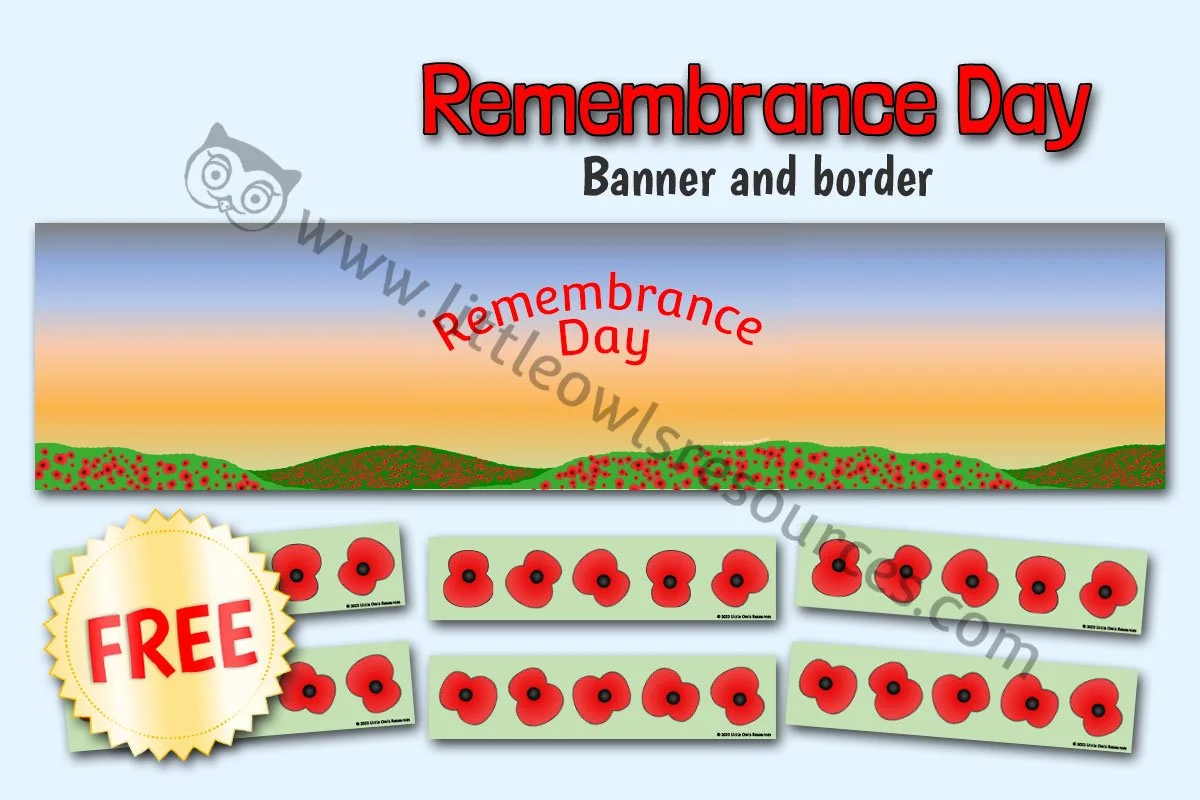
Banner for Remembrance Day display. Poppy border also included.
Original artwork drawn by Sara Murphy and final digital resources created by Stuart Murphy. COPYRIGHT ON ALL OF THE RESOURCES HOUSED ON THIS WEBSITE IS HELD BY ‘LITTLE OWLS RESOURCES’. OUR RESOURCES (INCLUDING THE IMAGES WITHIN THEM), CANNOT BE SHARED OR SOLD COMMERCIALLY.
DOWNLOAD EDITABLE (DOCX)
DOWNLOAD NON-EDITABLE (PDF)
DOWNLOAD NON-EDITABLE (Zipped JPEGs)
<<-BACK TO ‘REMEMBRANCE DAY’ MENU
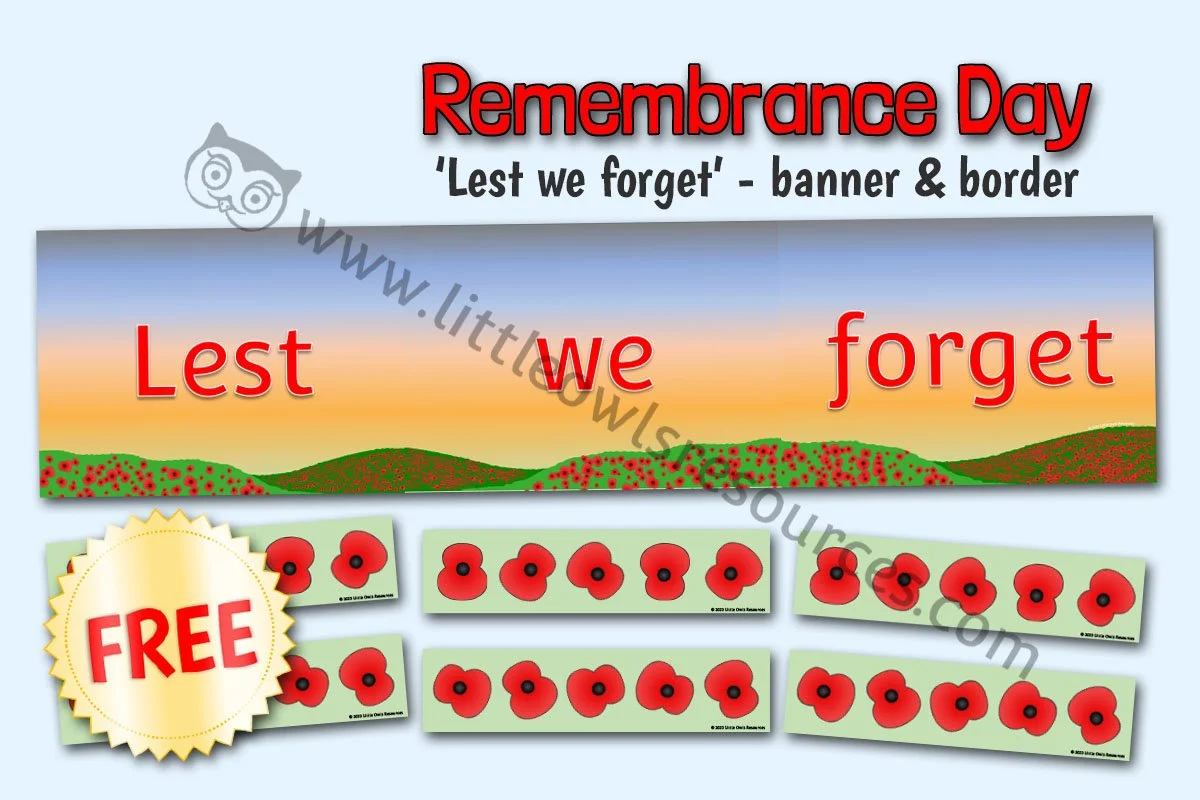
Banner for Remembrance Day display. Poppy border also included.
Original artwork drawn by Sara Murphy and final digital resources created by Stuart Murphy. COPYRIGHT ON ALL OF THE RESOURCES HOUSED ON THIS WEBSITE IS HELD BY ‘LITTLE OWLS RESOURCES’. OUR RESOURCES (INCLUDING THE IMAGES WITHIN THEM), CANNOT BE SHARED OR SOLD COMMERCIALLY.
DOWNLOAD EDITABLE (DOCX)
DOWNLOAD NON-EDITABLE (PDF)
DOWNLOAD NON-EDITABLE (Zipped JPEGs)
<<-BACK TO ‘REMEMBRANCE DAY’ MENU

Poppy colouring sheets.
Original artwork drawn by Sara Murphy and final digital resources created by Stuart Murphy. COPYRIGHT ON ALL OF THE RESOURCES HOUSED ON THIS WEBSITE IS HELD BY ‘LITTLE OWLS RESOURCES’. OUR RESOURCES (INCLUDING THE IMAGES WITHIN THEM), CANNOT BE SHARED OR SOLD COMMERCIALLY.
DOWNLOAD EDITABLE (DOCX)
DOWNLOAD NON-EDITABLE (PDF)
DOWNLOAD NON-EDITABLE (Zipped JPEGs)
<<-BACK TO ‘REMEMBRANCE DAY’ MENU

Poppy themed horizontal border paper. A variety of options including 2 types of lined and a blank sheet. Each of these are available within the pack in both full colour and black and white versions for colouring in.
Original artwork drawn by Sara Murphy and final digital resources created by Stuart Murphy. COPYRIGHT ON ALL OF THE RESOURCES HOUSED ON THIS WEBSITE IS HELD BY ‘LITTLE OWLS RESOURCES’. OUR RESOURCES (INCLUDING THE IMAGES WITHIN THEM), CANNOT BE SHARED OR SOLD COMMERCIALLY.
DOWNLOAD EDITABLE (DOCX)
DOWNLOAD NON-EDITABLE (PDF)
DOWNLOAD NON-EDITABLE (Zipped JPEGs)
<<-BACK TO ‘REMEMBRANCE DAY’ MENU

Poppy themed vertical border paper. A variety of options including 2 types of lined and a blank sheet. Each of these are available within the pack in both full colour and black and white versions for colouring in.
Original artwork drawn by Sara Murphy and final digital resources created by Stuart Murphy. COPYRIGHT ON ALL OF THE RESOURCES HOUSED ON THIS WEBSITE IS HELD BY ‘LITTLE OWLS RESOURCES’. OUR RESOURCES (INCLUDING THE IMAGES WITHIN THEM), CANNOT BE SHARED OR SOLD COMMERCIALLY.
DOWNLOAD EDITABLE (DOCX)
DOWNLOAD NON-EDITABLE (PDF)
DOWNLOAD NON-EDITABLE (Zipped JPEGs)
<<-BACK TO ‘REMEMBRANCE DAY’ MENU

Original artwork drawn by Sara Murphy and final digital resources created by Stuart Murphy. COPYRIGHT ON ALL OF THE RESOURCES HOUSED ON THIS WEBSITE IS HELD BY ‘LITTLE OWLS RESOURCES’. OUR RESOURCES (INCLUDING THE IMAGES WITHIN THEM), CANNOT BE SHARED OR SOLD COMMERCIALLY.
DOWNLOAD EDITABLE (DOCX)
DOWNLOAD NON-EDITABLE (PDF)
DOWNLOAD NON-EDITABLE (Zipped JPEGs)

Original artwork drawn by Sara Murphy and final digital resources created by Stuart Murphy. COPYRIGHT ON ALL OF THE RESOURCES HOUSED ON THIS WEBSITE IS HELD BY ‘LITTLE OWLS RESOURCES’. OUR RESOURCES (INCLUDING THE IMAGES WITHIN THEM), CANNOT BE SHARED OR SOLD COMMERCIALLY.
DOWNLOAD EDITABLE (DOCX)
DOWNLOAD NON-EDITABLE (PDF)
DOWNLOAD NON-EDITABLE (Zipped JPEGs)

Original artwork drawn by Sara Murphy and final digital resources created by Stuart Murphy. COPYRIGHT ON ALL OF THE RESOURCES HOUSED ON THIS WEBSITE IS HELD BY ‘LITTLE OWLS RESOURCES’. OUR RESOURCES (INCLUDING THE IMAGES WITHIN THEM), CANNOT BE SHARED OR SOLD COMMERCIALLY.
DOWNLOAD EDITABLE (DOCX)
DOWNLOAD NON-EDITABLE (PDF)
DOWNLOAD NON-EDITABLE (Zipped JPEGs)
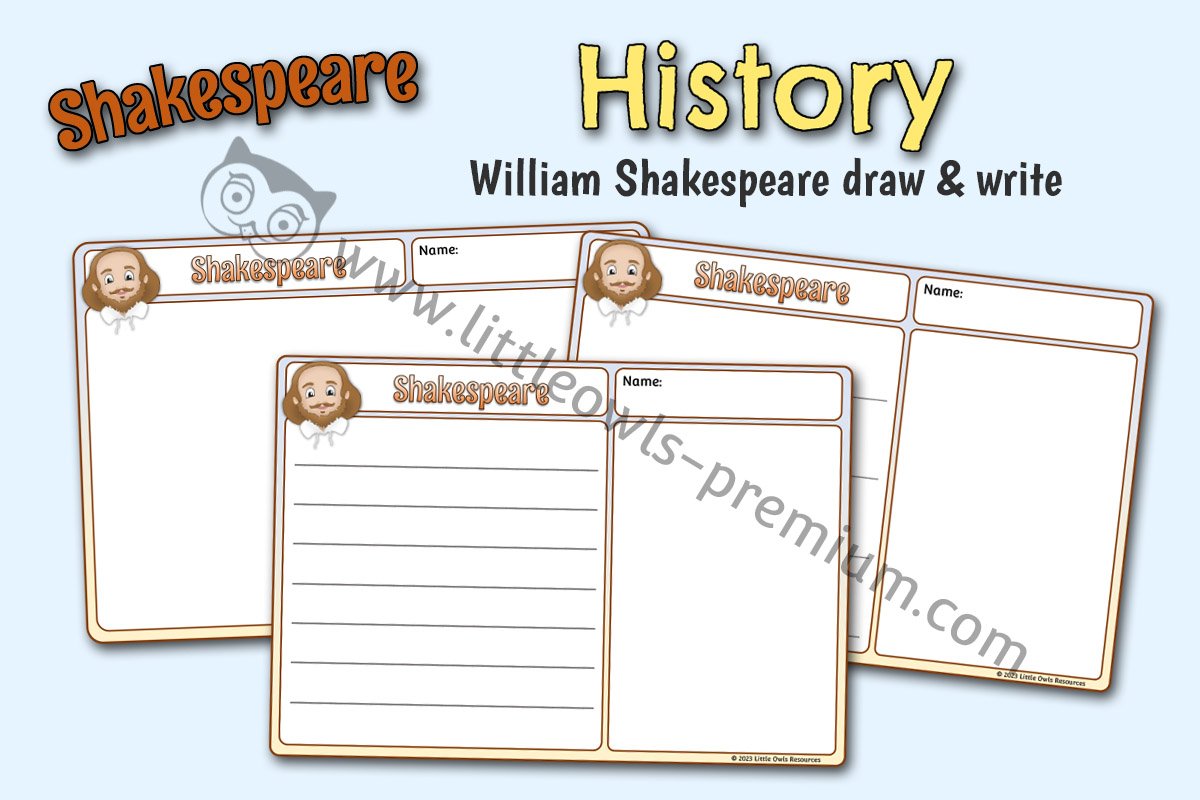
Original artwork drawn by Sara Murphy and final digital resources created by Stuart Murphy. COPYRIGHT ON ALL OF THE RESOURCES HOUSED ON THIS WEBSITE IS HELD BY ‘LITTLE OWLS RESOURCES’. OUR RESOURCES (INCLUDING THE IMAGES WITHIN THEM), CANNOT BE SHARED OR SOLD COMMERCIALLY.
DOWNLOAD EDITABLE (DOCX)
DOWNLOAD NON-EDITABLE (PDF)
DOWNLOAD NON-EDITABLE (Zipped JPEGs)
Original artwork drawn by Sara Murphy and final digital resources created by Stuart Murphy. COPYRIGHT ON ALL OF THE RESOURCES HOUSED ON THIS WEBSITE IS HELD BY ‘LITTLE OWLS RESOURCES’. OUR RESOURCES (INCLUDING THE IMAGES WITHIN THEM), CANNOT BE SHARED OR SOLD COMMERCIALLY.
DOWNLOAD EDITABLE (DOCX)
DOWNLOAD NON-EDITABLE (PDF)
DOWNLOAD NON-EDITABLE (Zipped JPEGs)

Original artwork drawn by Sara Murphy and final digital resources created by Stuart Murphy. COPYRIGHT ON ALL OF THE RESOURCES HOUSED ON THIS WEBSITE IS HELD BY ‘LITTLE OWLS RESOURCES’. OUR RESOURCES (INCLUDING THE IMAGES WITHIN THEM), CANNOT BE SHARED OR SOLD COMMERCIALLY.
DOWNLOAD EDITABLE (DOCX)
DOWNLOAD NON-EDITABLE (PDF)
DOWNLOAD NON-EDITABLE (Zipped JPEGs)

Original artwork drawn by Sara Murphy and final digital resources created by Stuart Murphy. COPYRIGHT ON ALL OF THE RESOURCES HOUSED ON THIS WEBSITE IS HELD BY ‘LITTLE OWLS RESOURCES’. OUR RESOURCES (INCLUDING THE IMAGES WITHIN THEM), CANNOT BE SHARED OR SOLD COMMERCIALLY.
DOWNLOAD EDITABLE (DOCX)
DOWNLOAD NON-EDITABLE (PDF)
DOWNLOAD NON-EDITABLE (Zipped JPEGs)

Original artwork drawn by Sara Murphy and final digital resources created by Stuart Murphy. COPYRIGHT ON ALL OF THE RESOURCES HOUSED ON THIS WEBSITE IS HELD BY ‘LITTLE OWLS RESOURCES’. OUR RESOURCES (INCLUDING THE IMAGES WITHIN THEM), CANNOT BE SHARED OR SOLD COMMERCIALLY.
DOWNLOAD EDITABLE (DOCX)
DOWNLOAD NON-EDITABLE (PDF)
DOWNLOAD NON-EDITABLE (Zipped JPEGs)

Encourage children’s patience and precision to use individual fingerprints to finger paint these pictures.
Original artwork drawn by Sara Murphy and final digital resources created by Stuart Murphy. COPYRIGHT ON ALL OF THE RESOURCES HOUSED ON THIS WEBSITE IS HELD BY ‘LITTLE OWLS RESOURCES’. OUR RESOURCES (INCLUDING THE IMAGES WITHIN THEM), CANNOT BE SHARED OR SOLD COMMERCIALLY.
DOWNLOAD EDITABLE (DOCX)
DOWNLOAD NON-EDITABLE (PDF)
DOWNLOAD NON-EDITABLE (Zipped JPEGs)

Original artwork drawn by Sara Murphy and final digital resources created by Stuart Murphy. COPYRIGHT ON ALL OF THE RESOURCES HOUSED ON THIS WEBSITE IS HELD BY ‘LITTLE OWLS RESOURCES’. OUR RESOURCES (INCLUDING THE IMAGES WITHIN THEM), CANNOT BE SHARED OR SOLD COMMERCIALLY.
DOWNLOAD EDITABLE (DOCX)
DOWNLOAD NON-EDITABLE (PDF)
DOWNLOAD NON-EDITABLE (Zipped JPEGs)

Original artwork drawn by Sara Murphy and final digital resources created by Stuart Murphy. COPYRIGHT ON ALL OF THE RESOURCES HOUSED ON THIS WEBSITE IS HELD BY ‘LITTLE OWLS RESOURCES’. OUR RESOURCES (INCLUDING THE IMAGES WITHIN THEM), CANNOT BE SHARED OR SOLD COMMERCIALLY.
DOWNLOAD EDITABLE (DOCX)
DOWNLOAD NON-EDITABLE (PDF)
DOWNLOAD NON-EDITABLE (Zipped JPEGs)

Original artwork drawn by Sara Murphy and final digital resources created by Stuart Murphy. COPYRIGHT ON ALL OF THE RESOURCES HOUSED ON THIS WEBSITE IS HELD BY ‘LITTLE OWLS RESOURCES’. OUR RESOURCES (INCLUDING THE IMAGES WITHIN THEM), CANNOT BE SHARED OR SOLD COMMERCIALLY.
DOWNLOAD EDITABLE (DOCX)
DOWNLOAD NON-EDITABLE (PDF)
DOWNLOAD NON-EDITABLE (Zipped JPEGs)

Original artwork drawn by Sara Murphy and final digital resources created by Stuart Murphy. COPYRIGHT ON ALL OF THE RESOURCES HOUSED ON THIS WEBSITE IS HELD BY ‘LITTLE OWLS RESOURCES’. OUR RESOURCES (INCLUDING THE IMAGES WITHIN THEM), CANNOT BE SHARED OR SOLD COMMERCIALLY.
DOWNLOAD EDITABLE (DOCX)
DOWNLOAD NON-EDITABLE (PDF)
DOWNLOAD NON-EDITABLE (Zipped JPEGs)

Original artwork drawn by Sara Murphy and final digital resources created by Stuart Murphy. COPYRIGHT ON ALL OF THE RESOURCES HOUSED ON THIS WEBSITE IS HELD BY ‘LITTLE OWLS RESOURCES’. OUR RESOURCES (INCLUDING THE IMAGES WITHIN THEM), CANNOT BE SHARED OR SOLD COMMERCIALLY.
DOWNLOAD EDITABLE (DOCX)
DOWNLOAD NON-EDITABLE (PDF)
DOWNLOAD NON-EDITABLE (Zipped JPEGs)
Additional Pages you may like to explore which cover relevant &/or connected themes



More Early Years Event Pages for May

Sunday 23rd May 2027: 🐢🌊 For early years settings, nurseries, preschools, childminders, and Year 1 and Year 2 classrooms, World Turtle Day provides a wonderful and engaging theme for exploring animals (especially reptiles, sea creatures, and pets), habitats (ocean, desert, wetlands, gardens), conservation, life cycles,…

Saturday 22nd May 2027: 🌳🐠 International Day for Biological Diversity (IDB) is a special day celebrated every year on May 22nd. It was started by the United Nations to help everyone understand something very important called 'biological diversity', or 'biodiversity' for short. Biodiversity means…

Wednesday 19th May 2027 (TBC): 🔢➕ For early years settings, nurseries, preschools, childminders, and Year 1 and Year 2 classrooms, National Numeracy Day provides a fantastic and practical theme for exploring counting, number recognition, shapes, patterns, problem-solving, and early mathematical concepts. It's about building a positive attitude…

Thursday 20th May 2027: 🐝🍯 For early years settings, nurseries, preschools, childminders, and Year 1 and Year 2 classrooms, World Bee Day provides a wonderful and engaging theme for exploring minibeasts, plants, life cycles, food sources, the environment, and understanding the world (the world around us). It's about introducing…

Tuesday 18th May 2027: 🏛️🔎 For early years settings, nurseries, preschools, childminders, and Year 1 and Year 2 classrooms, International Museum Day provides a fantastic and engaging theme for exploring history, science, art, culture, discovery, role-play, and understanding the world (the world around us). It's about sparking children's curiosity,…

Sunday 9th May 2027 (TBC): 👧👦 For early years settings, nurseries, preschools, childminders, and Year 1 and Year 2 classrooms, National Children’s Day provides an incredibly broad and foundational opportunity to explore all aspects of a child's health, safety, well-being, emotions, physical development, rights, and…

Friday 21st May 2027: 🐾🌱 Endangered Species Day is a special day celebrated every year on the third Friday in May. It was started by a group called the National Endangered Species Act Education Centre in the United States and was recognised…

Saturday 15th May 2027: 👨👩👧👦💖 International Day of Families is a special day celebrated every year on May 15th. It was started by the United Nations in 1993 because they wanted everyone to remember how important…

Monday 10th - Sunday 16th May 2027 (TBC): 😊🧠 Mental Health Awareness Week happens every year in May. It's hosted by the Mental Health Foundation, a charity in the UK. This week is all about helping everyone understand that our minds…

Wednesday 12th May 2027: 👩⚕️🧑⚕️ For early years settings, nurseries, preschools, childminders, and Year 1 and Year 2 classrooms, International Nurses Day provides a fantastic and practical theme for exploring people who help us, health and well-being, empathy, role-play, and personal, social…

Wednesday 5th May 2027: ✨🧼 World Hand Hygiene Day is a special day celebrated every year on May 5th. It was started by the World Health Organization (WHO) with a very important message: 'SAVE LIVES:…

Sunday 2nd May 2027: 😄😂 The main idea of this day is to show how laughter can help bring peace and friendship to people all over the world. Dr. Kataria believes that laughter is like a super-power that can help people…

🚶♀️🚶♂️For early years settings, nurseries, preschools, childminders, and Year 1 and Year 2 classrooms, National Walking Month (1st - 31st May 2027) and Walk to School Week (Monday 17th - Friday 21st May 2027 - TBC) provide a fantastic and practical theme for exploring physical development, health and well-being, the environment, road safety…

Thursday 20th May 2027 (TBC) & Thursday 5th November 2026: Let's learn outside! 🌳☀️ Outdoor Classroom Day is a global campaign to inspire and celebrate outdoor play and learning, with two designated days each year: one in May and one in November…
Explore special dates (including awareness dates, festivals, celebrations & events) relevant to your EYFS & KS1 children
Browse our ‘Special Dates Calendar’ page using the link below. You’ll find calendars for every month of the year to aid your planning!
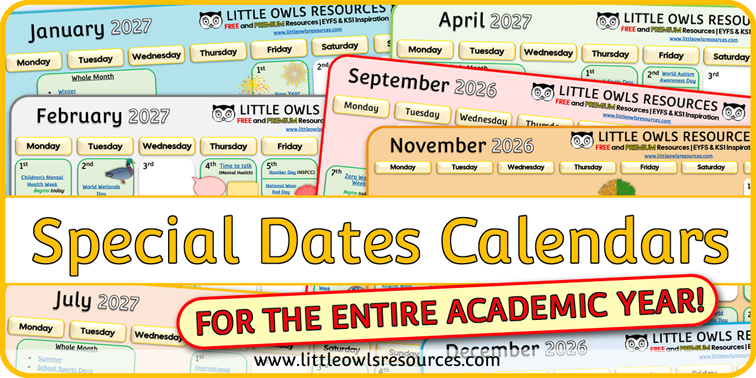
Click here to visit our ‘Special Dates Calendar’ page for an entire year of key EYFS & KS1 events, festivals & celebrations.
Search ‘Little Owls Resources’ Using the following Menu Buttons…
Click here to visit our ‘Special Dates Calendar’ page for an entire year of key EYFS & KS1 events, festivals & celebrations.


Disclaimer:
This page is for educational purposes only and is intended to support early years and primary practitioners with ideas and resources related to 'International Museum Day'. We are not officially affiliated with or endorsed by the International Council of Museums (ICOM), which established this event. We do not claim any rights to specific trademarks or official materials associated with this event. For official information, themes, and how to get involved, please visit the International Council of Museums (ICOM) website: https://icom.museum/our-actions/international-museum-day/.
Saturday 29th May - Sunday 6th June 2027 (TBC): 🌱🥕 For early years settings, nurseries, preschools, childminders, and Year 1 and Year 2 classrooms, National Children’s Gardening Week provides a wonderfully rich and hands-on theme for exploring plants, life cycles, food sources, nature, science (growth and change), the environment, outdoor play,…