Temperate Woodland Activities & Printables for EYFS & KS1

Explore temperate woodland

Find woodland activities, free printables and planning for EYFS and KS1. Explore the familiar temperate woods of the UK through leaves and trees, birds and other wildlife, seasonal walks and small-world play.

Start with what children notice: the outline of a leaf, a bird calling or tracks in soft ground. Revisit a familiar place through the year and compare what changes.

Start with something free

Try a woodland tree fact card, look for minibeasts or take a prompt outdoors. Use the arrows to browse the Free Access resources.

Minibeast Hunt — Free Access — cover
Free Access

Minibeast Hunt — Free Access

A free minibeast-hunt activity pack with an investigation plan and supporting printables. The public description lists checklists, vocabulary, mark-making sheets, posters and a family handout; check the sample selection before preparing the activity.

↑ Back to choices

What is woodland?

Woodland is a habitat where trees grow together. Temperate woods grow in places with a moderate climate and changing seasons, including the UK. They can have broadleaved trees, conifers or a mixture of both.

Look up at the trees

Compare a wide leaf with a needle. Many broadleaved trees, such as oak and beech, lose their leaves in autumn. Many conifers keep theirs through winter.

Explore trees & plants ↓

Look down at the woodland floor

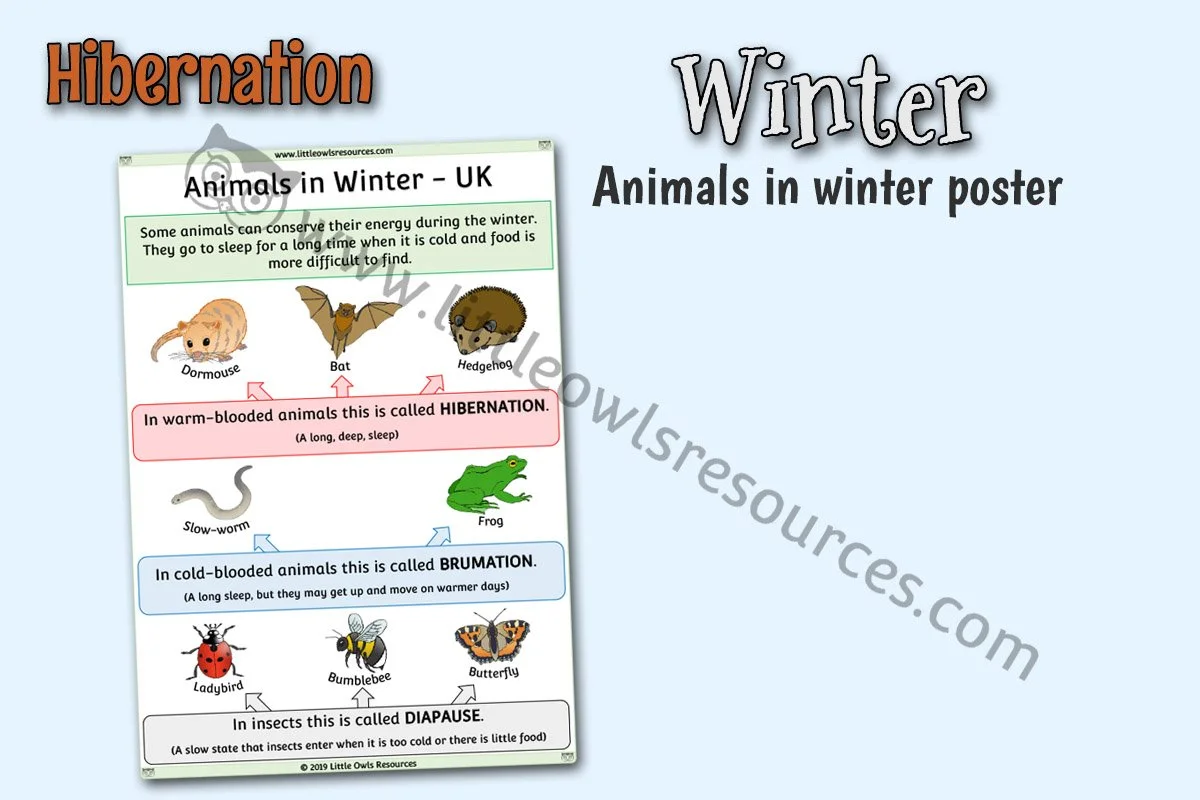
Fallen leaves and dead wood help create places for fungi and minibeasts to live. Look for clues such as holes in leaves and listen for birds using the trees above.

Explore minibeasts ↓

With younger children, name one thing they are already looking at. In KS1, compare two places in the same wood, such as a sunny edge and a shady spot, and discuss what might live in each.

Explore UK woodland habitats with the Woodland Trust

↑ Back to choices

Woodland provision & play

Choose a group to investigate wildlife, take learning outdoors or bring woodland ideas into provision.

Trees & plants

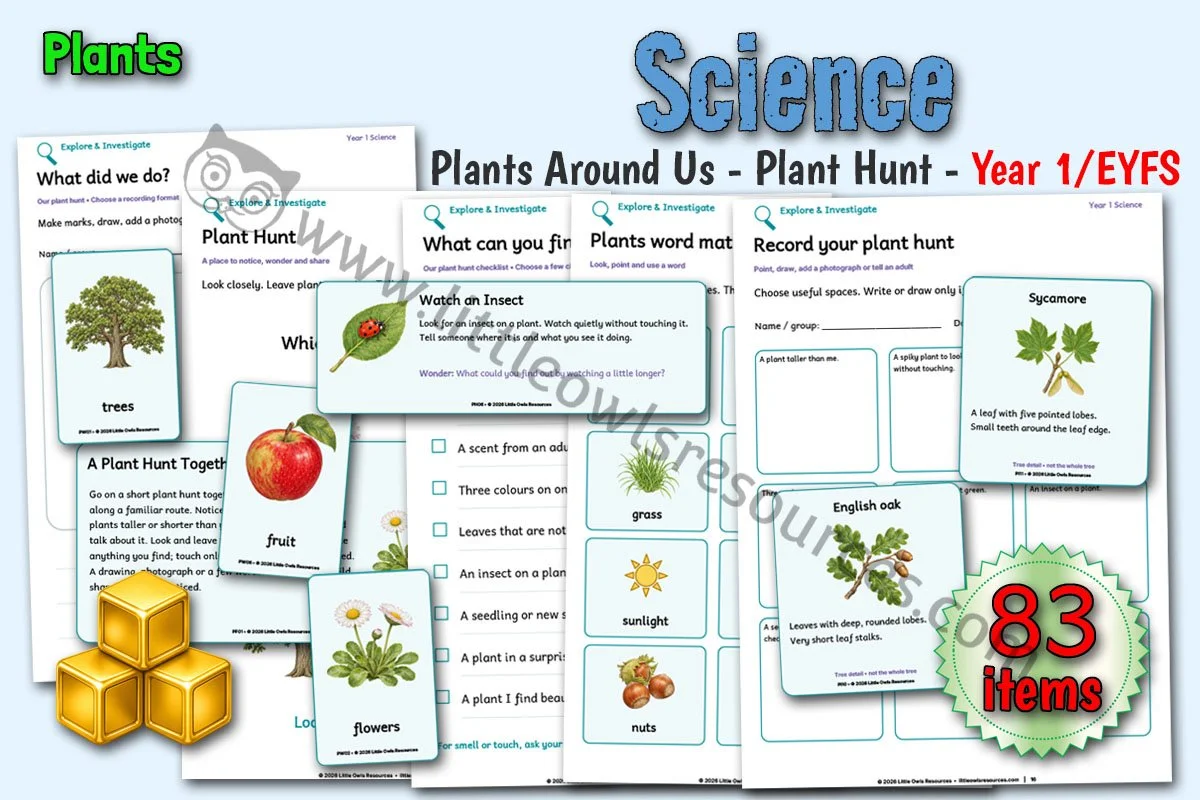
Compare leaf edges, bark and buds. Use a photograph or a picture card alongside what children notice outdoors.

Woodland Trees Fact Cards — A4 — cover
All Access

Woodland Trees Fact Cards — A4

A4 woodland-tree fact cards offer information for a display or discussion before or after a woodland visit. Adults select facts to connect with observations and support follow-up drawing or writing.

Woodland Tree Leaf Match Puzzles — cover
All Access

Woodland Tree Leaf Match Puzzles

Seven tree-and-leaf puzzles include oak, sycamore and horse chestnut, with different joins for checking each match. Use them to notice how leaf colours change through the seasons rather than memorising every tree name.

Woodland Plants Fact Cards — A4 — cover
All Access

Woodland Plants Fact Cards — A4

Eight A4 woodland-plant fact cards include ivy, bluebell, bramble, snowdrop, daffodil, daisy, herb Robert and wood anemone. Use selected facts to support observation, conversation, drawing or writing around a woodland visit.

↑ Back to choices

Woodland walks & outdoor discovery

Pick one thing to listen for, look for or draw. Use a familiar patch of trees when a woodland visit is out of reach.

Autumn Explore and Investigate Prompt Cards — cover
All Access

Autumn Explore and Investigate Prompt Cards

Illustrated autumn exploration cards invite children to notice materials, movement and change. Optional questions and vocabulary support close looking, comparing and testing, while leaving room to follow children’s own discoveries.

Woodland Wildlife Walk — Autumn — cover
All Access

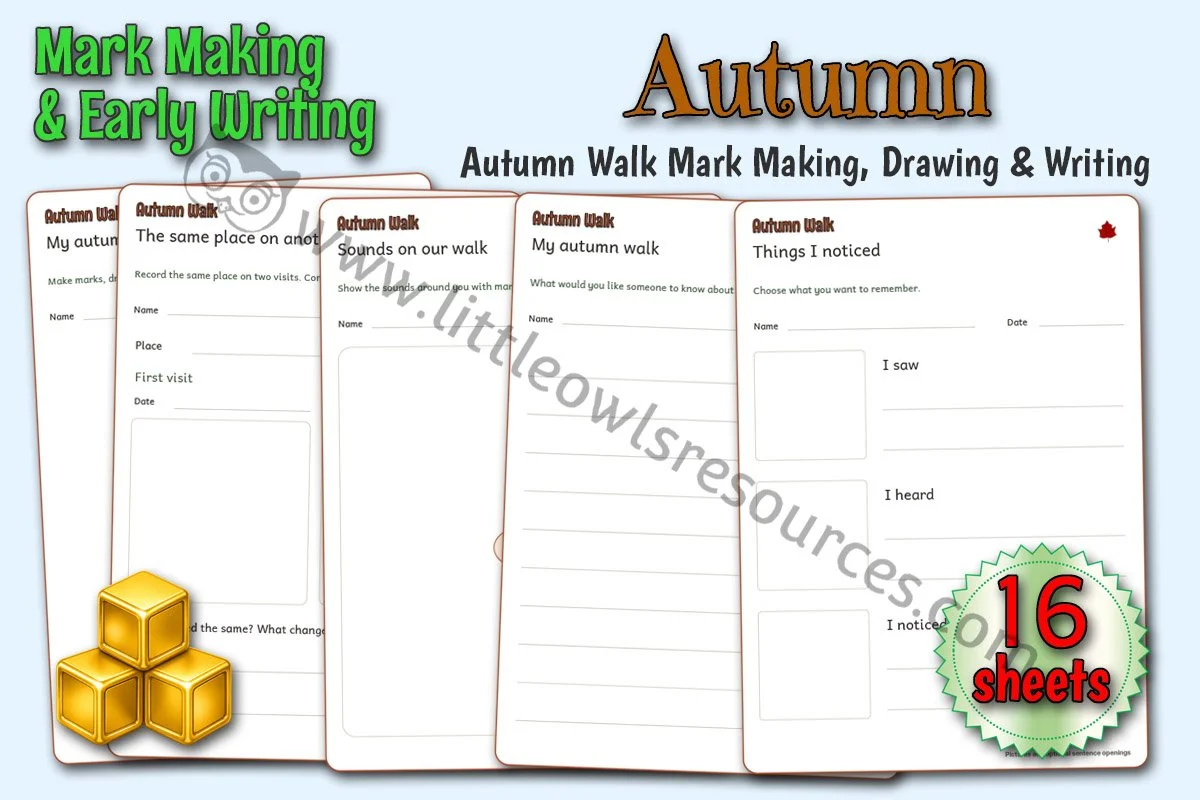
Woodland Wildlife Walk — Autumn

A autumn woodland checklist uses broad categories, so any bird can count as a bird sighting. A second sheet offers spaces for drawings or marks, allowing children to record discoveries without identifying exact species.

Woodland Wildlife Walk — Winter — cover
All Access

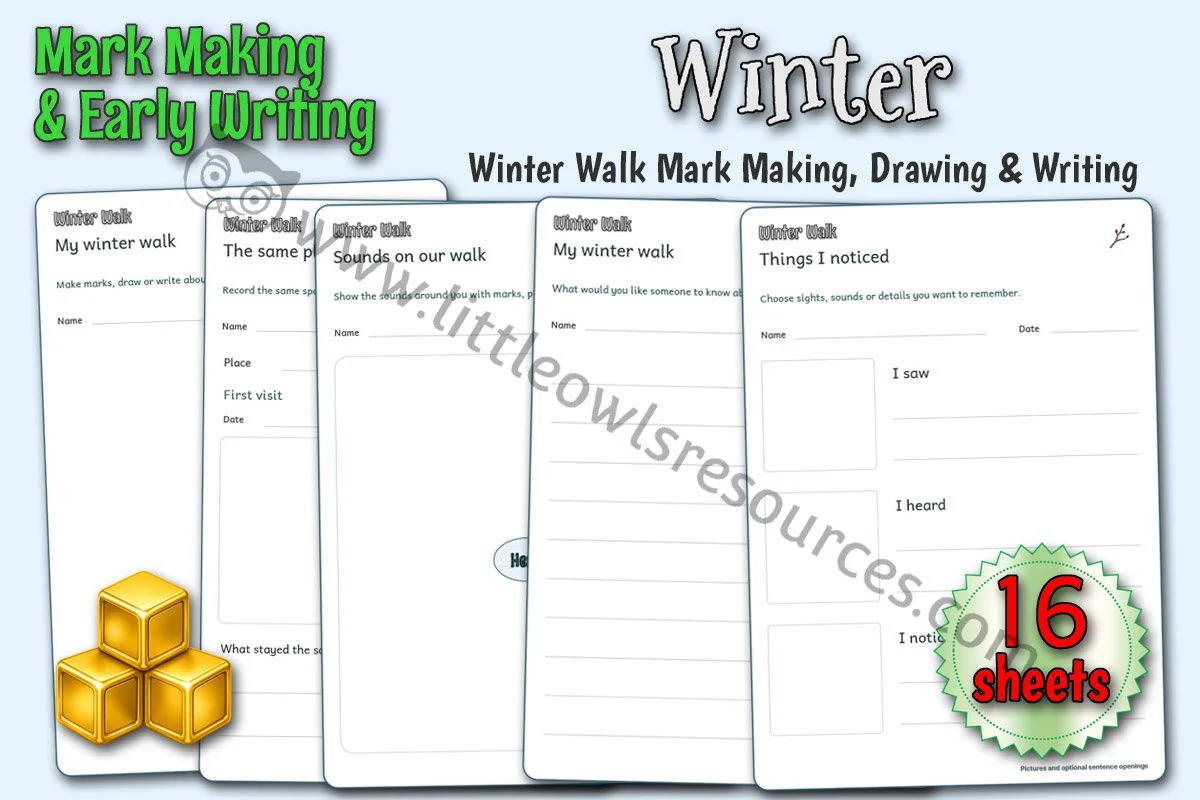
Woodland Wildlife Walk — Winter

A winter woodland checklist uses broad categories, so any bird can count as a bird sighting. A second sheet offers spaces for drawings or marks, allowing children to record discoveries without identifying exact species.

Woodland Wildlife Walk — Spring — cover
All Access

Woodland Wildlife Walk — Spring

A spring woodland checklist uses broad categories, so any bird can count as a bird sighting. A second sheet offers spaces for drawings or marks, allowing children to record discoveries without identifying exact species.

↑ Back to choices

Woodland birds

Notice beaks, feathers, calls and where birds perch or feed. Compare the birds you see with the illustrations.

Woodland Birds Fact Cards — A4 — cover
All Access

Woodland Birds Fact Cards — A4

A4 woodland-bird fact cards can support a display or shared discussion around a woodland visit. Select a bird to talk about, then use the information as a starting point for drawing or writing.

Woodland Birds Egg Match Puzzles — cover
All Access

Woodland Birds Egg Match Puzzles

Woodland-bird and egg puzzles have a different join for each pair so children can check a match. Compare the eggs’ appearances and notice their variety without expecting children to memorise which species laid each egg.

↑ Back to choices

Woodland animals & their tracks

Compare familiar woodland mammals and clues they leave behind. Ask children what a picture or print tells them and what it leaves uncertain.

Woodland Animals Fact Cards — A4 — cover
All Access

Woodland Animals Fact Cards — A4

A4 woodland-animal fact cards provide a reference for discussion, drawing or writing before or after a woodland visit. Adults can share selected facts and connect them with children’s observations.

↑ Back to choices

Woodland minibeasts

Compare minibeasts children might spot near leaves, bark or a log. Record what they see and leave the habitat as they found it.

Woodland Minibeasts Fact Cards — A4 — cover
All Access

Woodland Minibeasts Fact Cards — A4

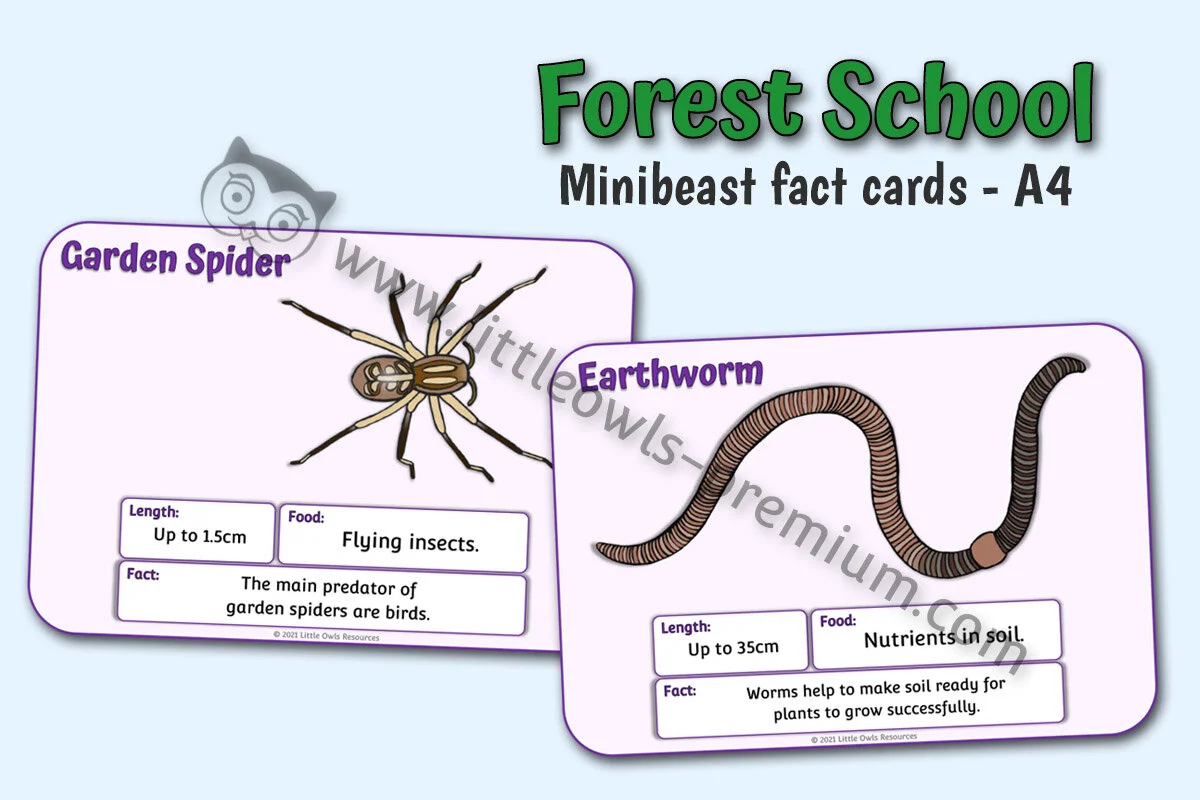
Ten A4 woodland-minibeast fact cards include earthworm, snail, ladybird, woodlouse, spider and butterfly. Share selected information before or after a woodland visit, then discuss, draw or write about an observed creature.

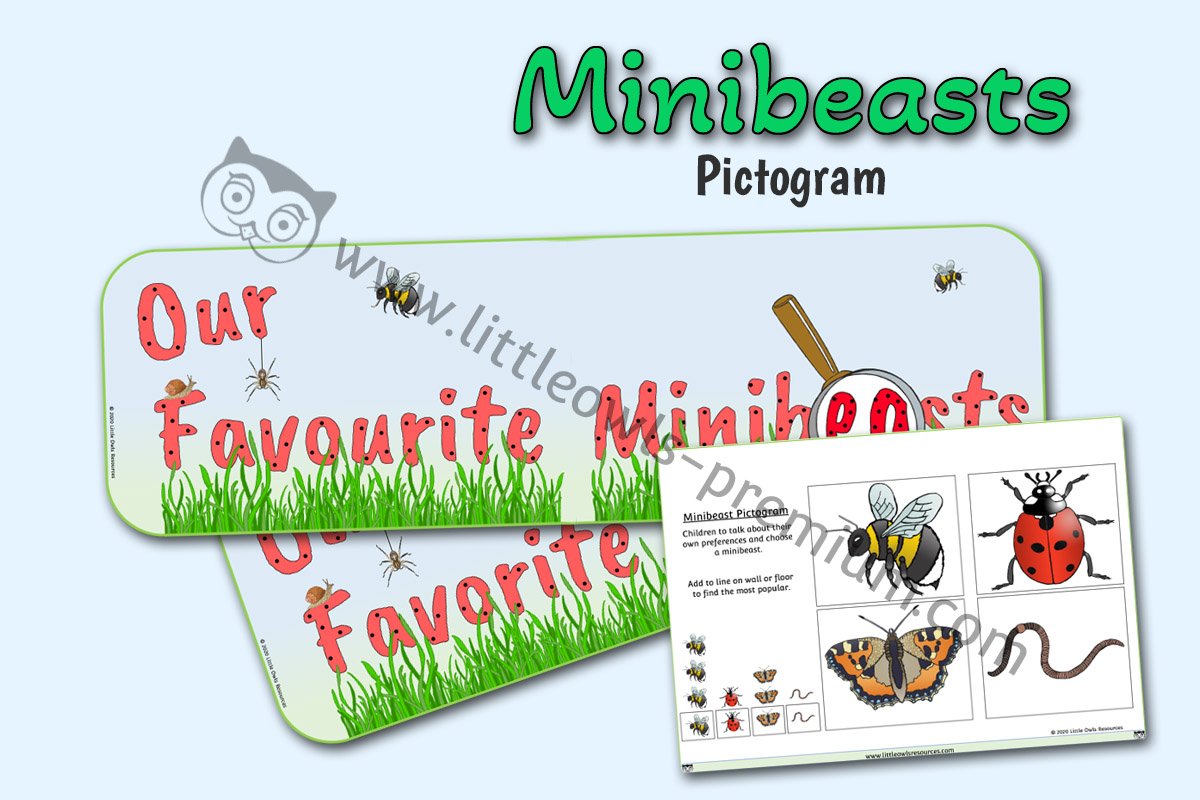
Minibeast Pictogram Chart — cover
All Access

Minibeast Pictogram Chart

Minibeasts Pictogram Chart pictures designed for children to not only think about their favourite minibeast, but also realise that others may not have the same favourite. Collect a meaningful set of observations or choices, represent each one consistently and compare the results together.

Browse the Minibeasts collection →

↑ Back to choices

Growth & life cycles

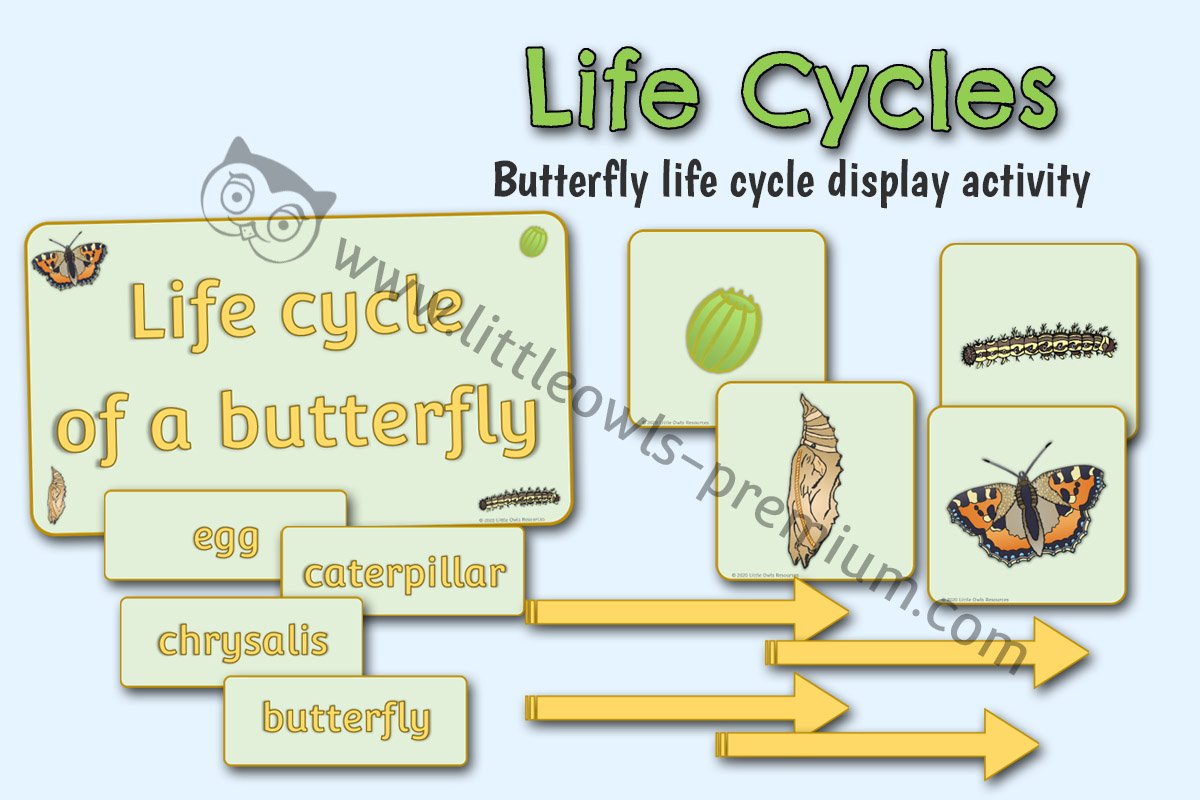
Look at how animals change as they grow. Compare the stages in two life cycles or revisit the same plant over time.

Butterfly Life Cycle Display — cover
All Access

Butterfly Life Cycle Display

The butterfly life cycle is presented through movable display visuals. Discuss how the stages change, order them with support and connect the pictures with real observations where possible.

Ant Life Cycle Poster & Activity — cover
All Access

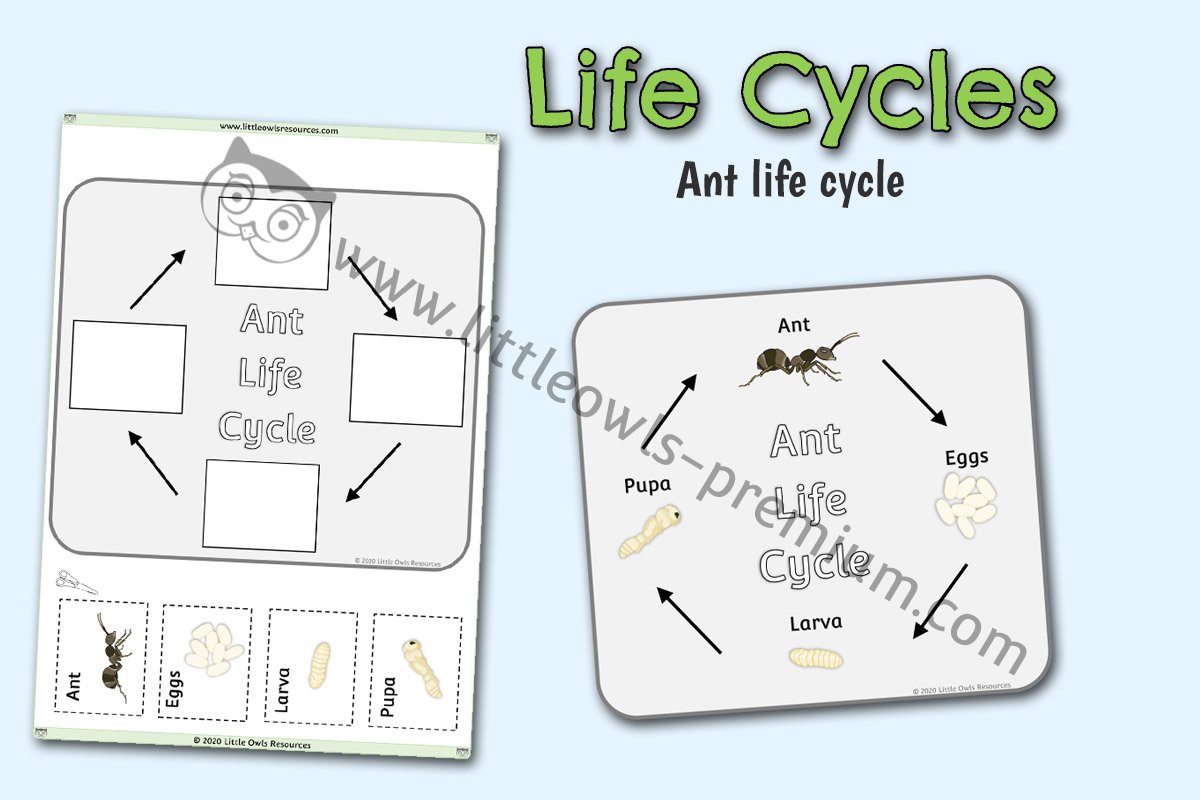
Ant Life Cycle Poster & Activity

The ant life cycle is presented through a poster and cut-and-stick activity. Discuss how the stages change, order them with support and connect the pictures with real observations where possible.

Browse the Life Cycles collection →

↑ Back to choices

Woodland through the year

Return to the same spot across seasons. Try recording one change to the trees or woodland floor on each visit.

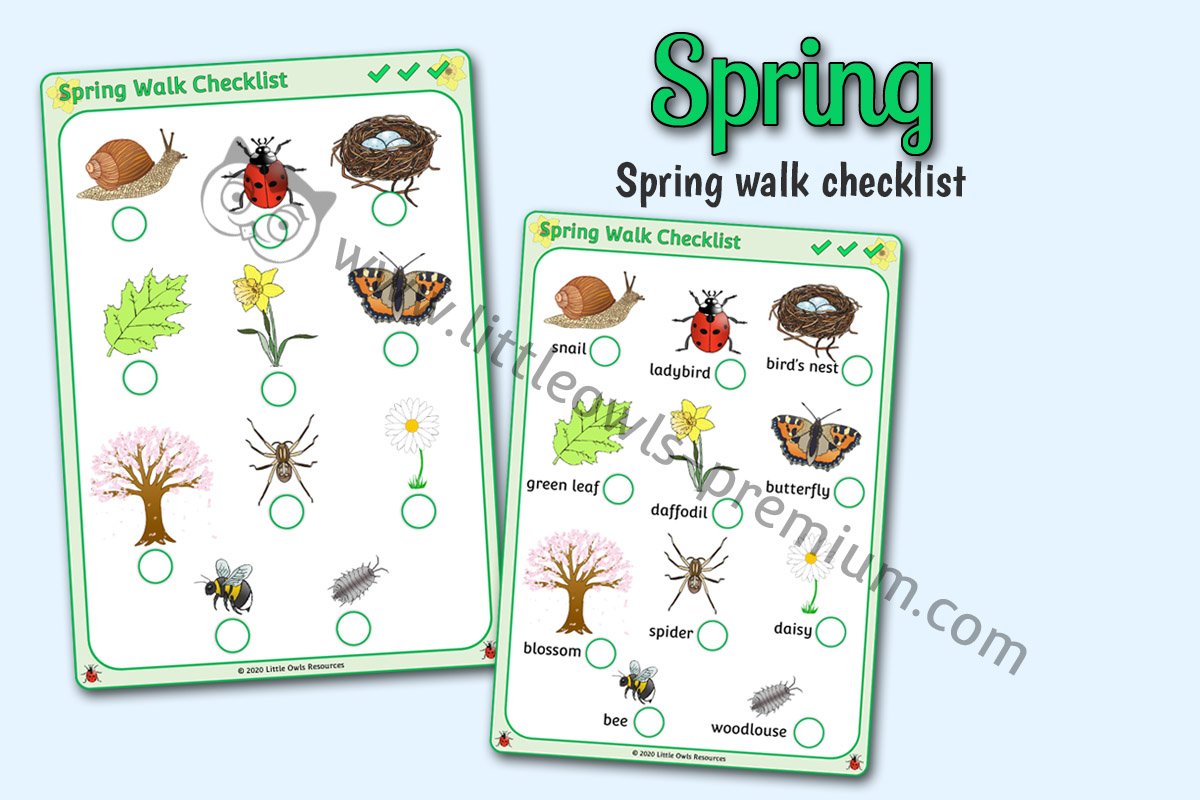
Spring Walk Checklists — cover
All Access

Spring Walk Checklists

Two spring-walk checklists, one with words and one without. Children can look for seasonal clues outdoors, mark what they notice and compare their observations afterwards.

Woodland Wildlife — Summer Draw & Write — cover
All Access

Woodland Wildlife — Summer Draw & Write

Draw-and-write sheets invite children to record what they expect to see in summer, or what they noticed outdoors. Layouts allow different amounts of writing, so children can respond through pictures, adult-scribed words or sentences.

↑ Back to choices

Woodland small world

Build a woodland floor or animal shelter in miniature. Use picture pieces to make routes, describe positions and tell stories about what happens there.

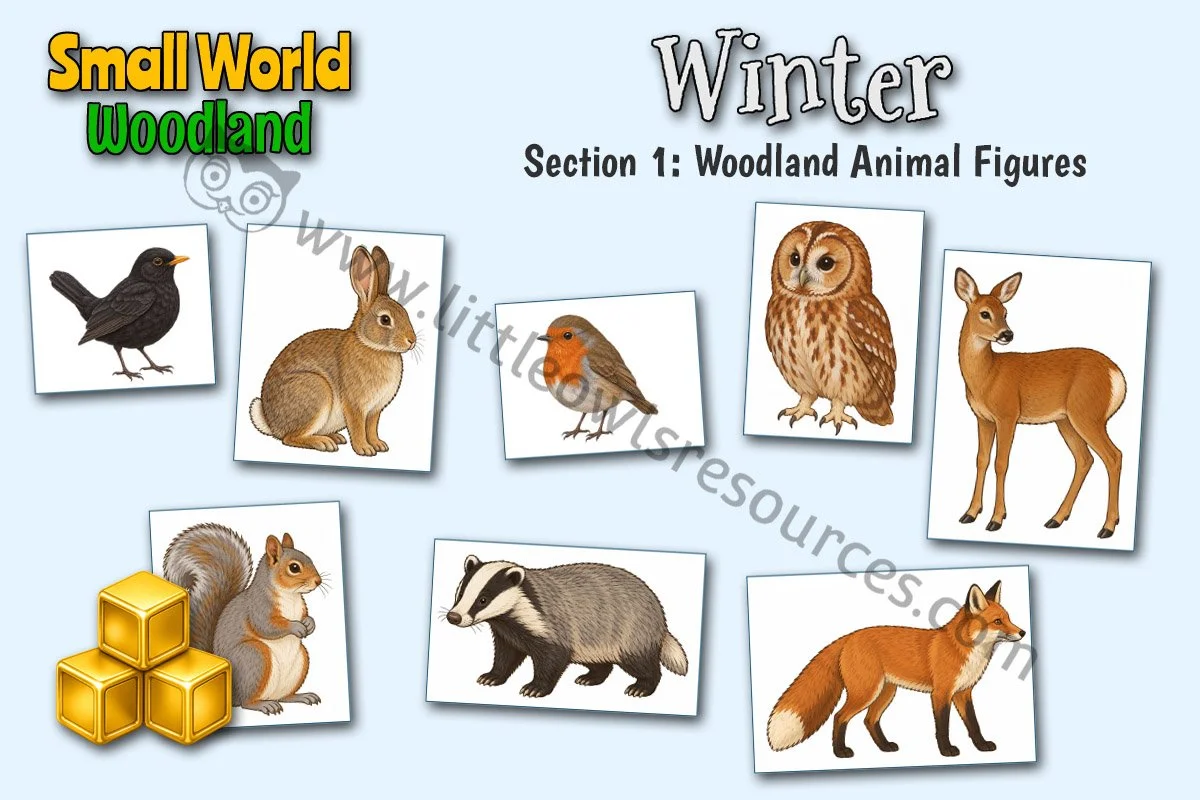
Winter Woodland Animal Figures — cover
All Access

Winter Woodland Animal Figures

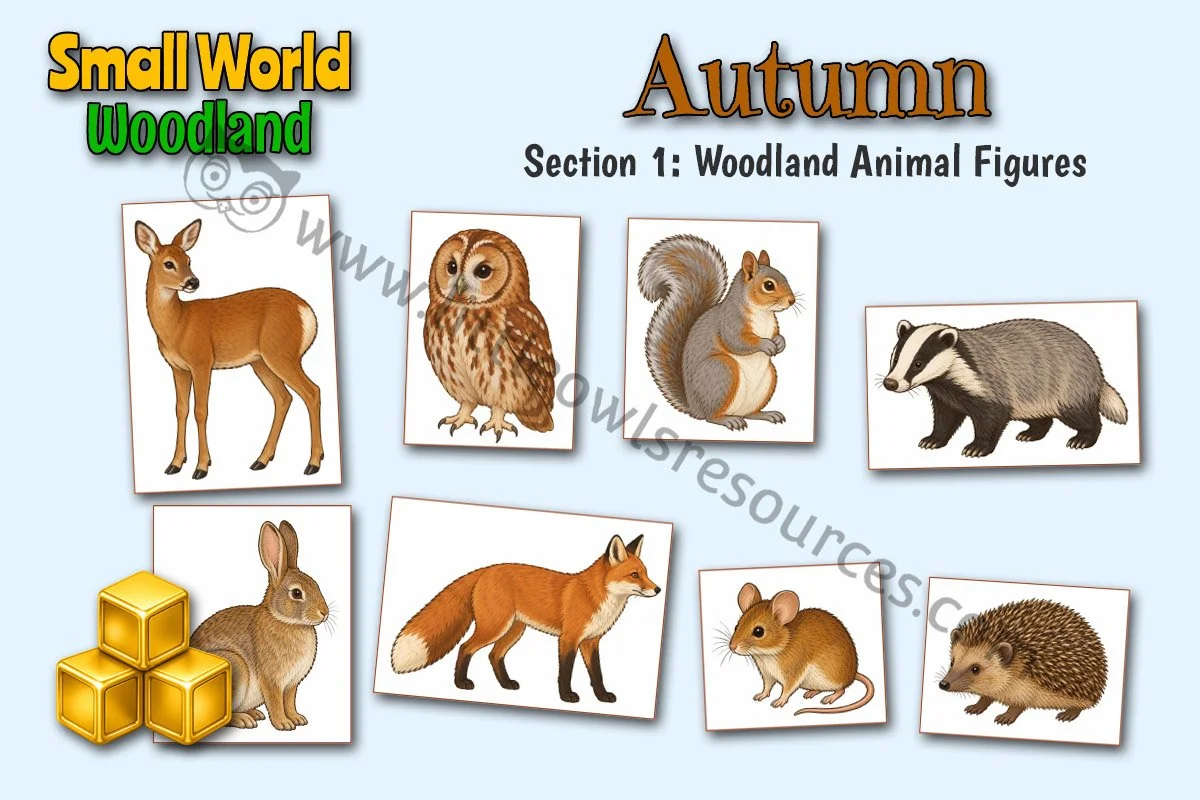
Eight movable woodland animals, with optional name cards and folded supports, give children characters for winter stories. Choose a fox, robin or blackbird and move it through a woodland made with blocks, fabric or scenery.

↑ Back to choices

Woodland maths

Count fallen leaves, compare their edges or use sketches to record a repeating pattern.

Autumn Maths Provision Challenge Cards — cover
All Access

Autumn Maths Provision Challenge Cards

Thirty autumn invitations explore number, comparison, pattern, shape, spatial reasoning and measure through movable objects. Optional questions and vocabulary help adults support children as they arrange, compare and change their ideas.

Hedgehog Subitising 5–10 — cover
All Access

Hedgehog Subitising 5–10

Match hedgehogs showing five to ten dots with the corresponding leaf piles. Discuss smaller groups within each arrangement so children can recognise the whole without counting each dot.

↑ Back to choices

Talk, draw & make

Draw something noticed outdoors, share an observation in words or use a picture from the walk as a starting point for making.

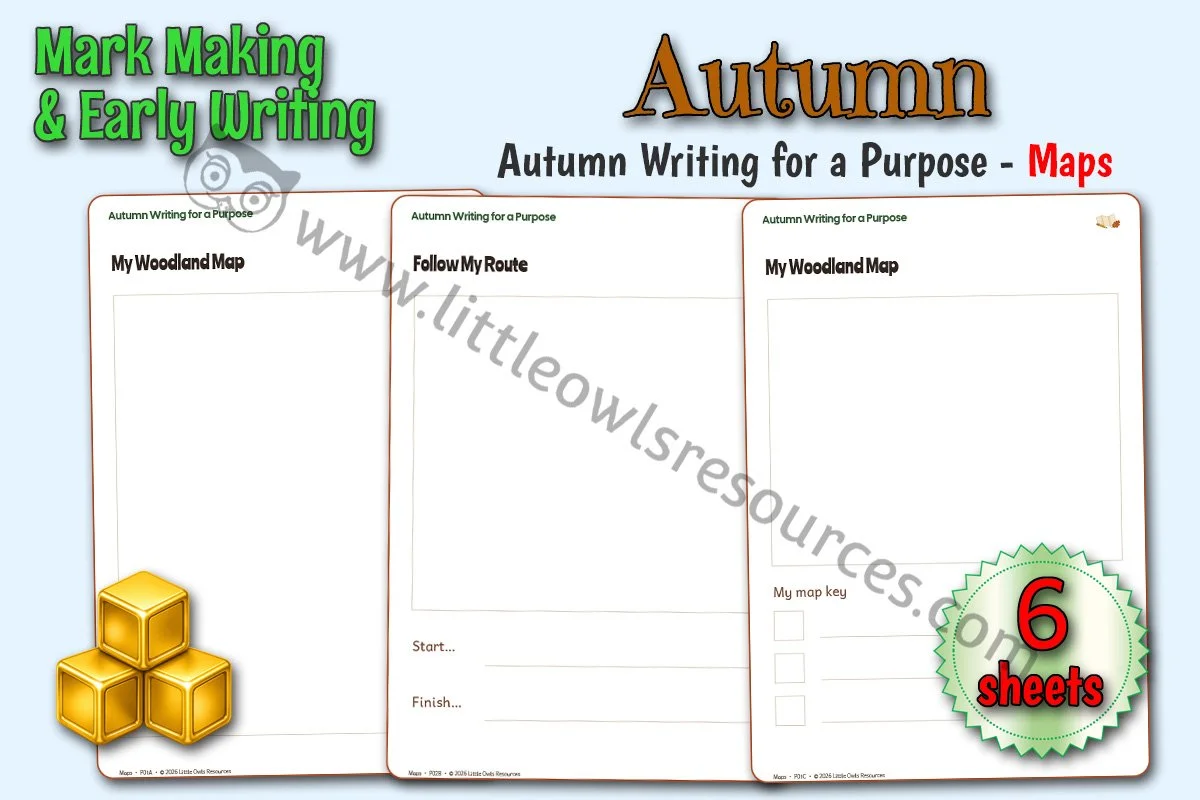
Autumn Writing for a Purpose: Maps — cover
All Access

Autumn Writing for a Purpose: Maps

Blank woodland maps and route sheets give children room to invent places, landmarks and connections. Optional map-key and direction spaces help them make a representation another person can use.

↑ Back to choices

Woodland displays & lettering

Use seasonal lettering with children’s photographs, drawings or words to show what they have noticed.

↑ Back to choices

Stories set in the woods

Follow a character’s route or retell what happened at a familiar point in the story. Children can compare a storybook setting with a real woodland they know.

Goldilocks & the Three Bears — cover
Browse collection

Goldilocks & the Three Bears

Story masks, word pictures, sequence and activity resources for retelling the tale. Adults can connect character talk and imaginative play with practical comparisons of size and quantity.

Little Red Riding Hood — cover
Browse collection

Little Red Riding Hood

Story pictures, character descriptions, word mats, masks and sequence cards. Children can share the tale, take roles, order events and represent ideas through talk, pictures or writing.

↑ Back to choices

Top picks by age

Choose an age for four practical ideas. Use the suggestions flexibly and follow what the children notice and ask.

Link a discovery outdoors to play indoors. Offer a few figures, pictures or blocks and leave room for children to show what they noticed. Talk about where an animal might find food or shelter.

Explore the Preschool resource gateway →

4 Woodland picks for Preschool · 3–4 years

Planning & guidance

Animals & Habitats — Preschool Theme Pack

All Access

Animals & Habitats — Preschool Theme Pack cover

A preschool Animals & Habitats theme pack supports observation, care, comparison and representation of living things. Use its curriculum guidance flexibly around children’s questions, local environments and meaningful play.

Choose one short observation to revisit in small-world play. Ask where a familiar animal could shelter and invite children to show an idea using blocks or fabric.

Resource or activity

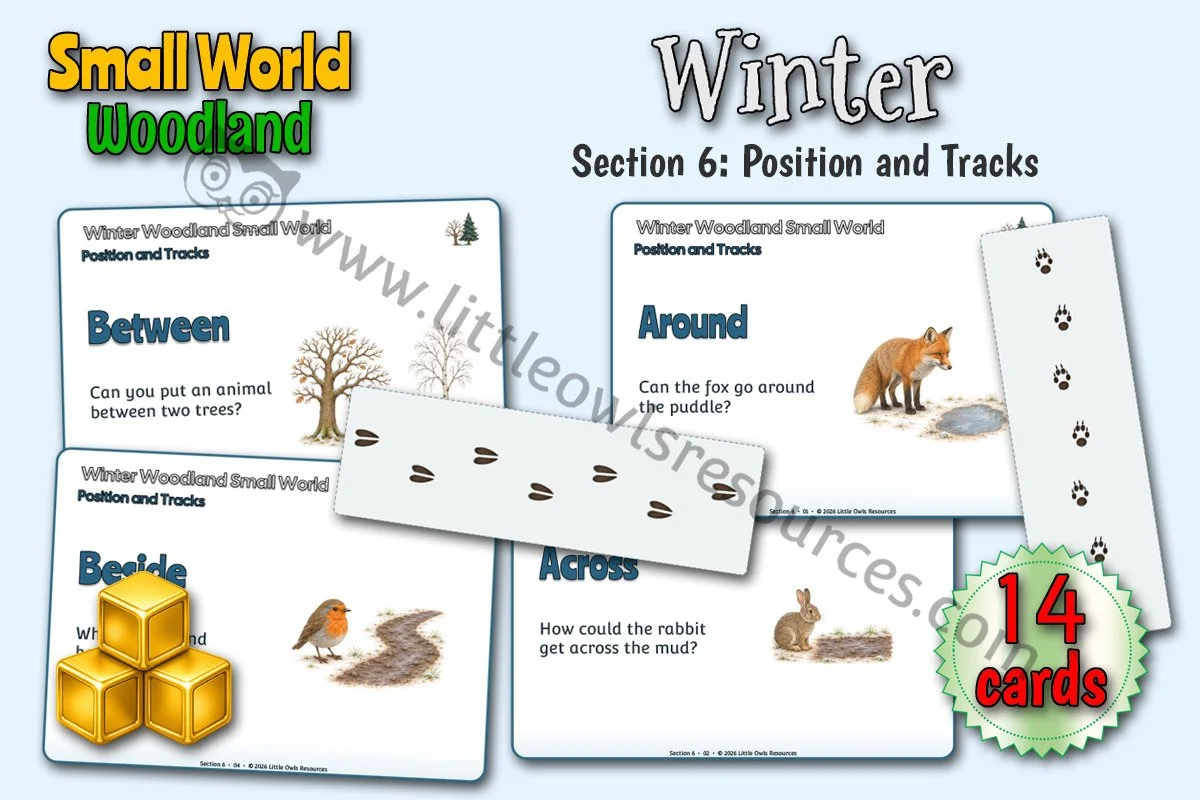
Winter Woodland Small World — Habitat Invitations

All Access

Winter Woodland Small World — Habitat Invitations cover

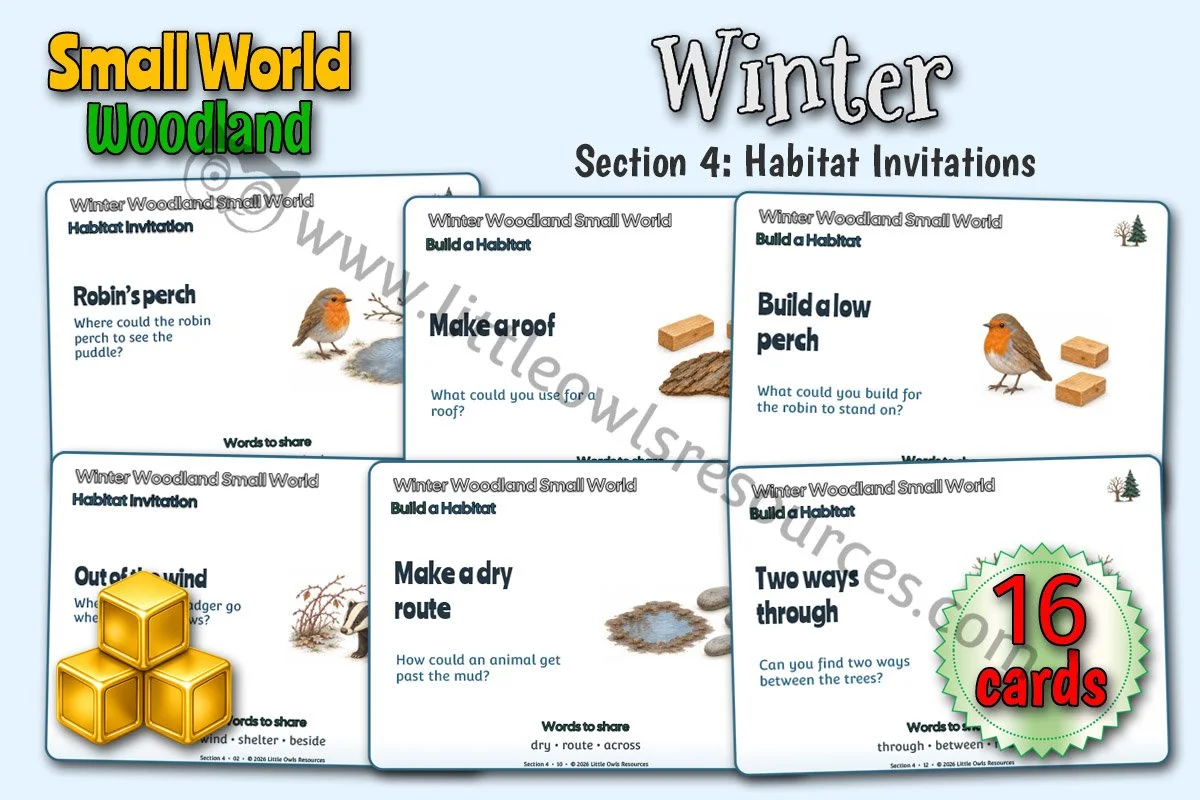
Eight habitat invitations and seven build-a-habitat cards offer questions and pictures for winter woodland play. A blank invitation gives children room to draw, dictate or ask a habitat question of their own.

Choose one woodland animal and build two places where it could shelter. Let children move the figure and talk about which place they would choose for it.

Resource or activity

Woodland Trees — Leaf Match Puzzles

All Access

Woodland Trees — Leaf Match Puzzles cover

Seven tree-and-leaf puzzles include oak, sycamore and horse chestnut, with different joins for checking each match. Use them to notice how leaf colours change through the seasons rather than memorising every tree name.

Begin with two leaves that look quite different. Invite children to compare the shape of the edges and find a matching half, then notice how the colours vary.

↑ Back to choices

↑ Back to choices

Woodland planning & practitioner guidance

Find project planning, practitioner guidance and KS1 starting points for observing living things and comparing habitats.

KS1 Science Companion — cover
All Access

KS1 Science Companion

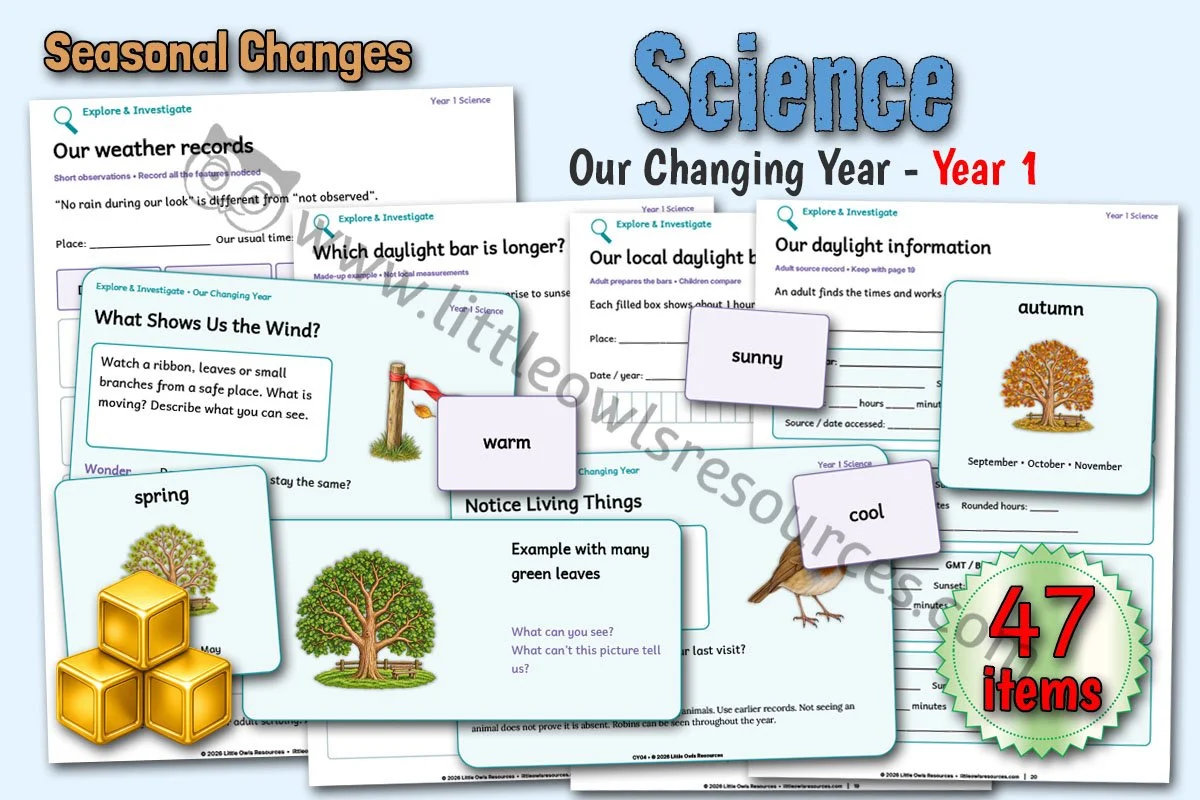
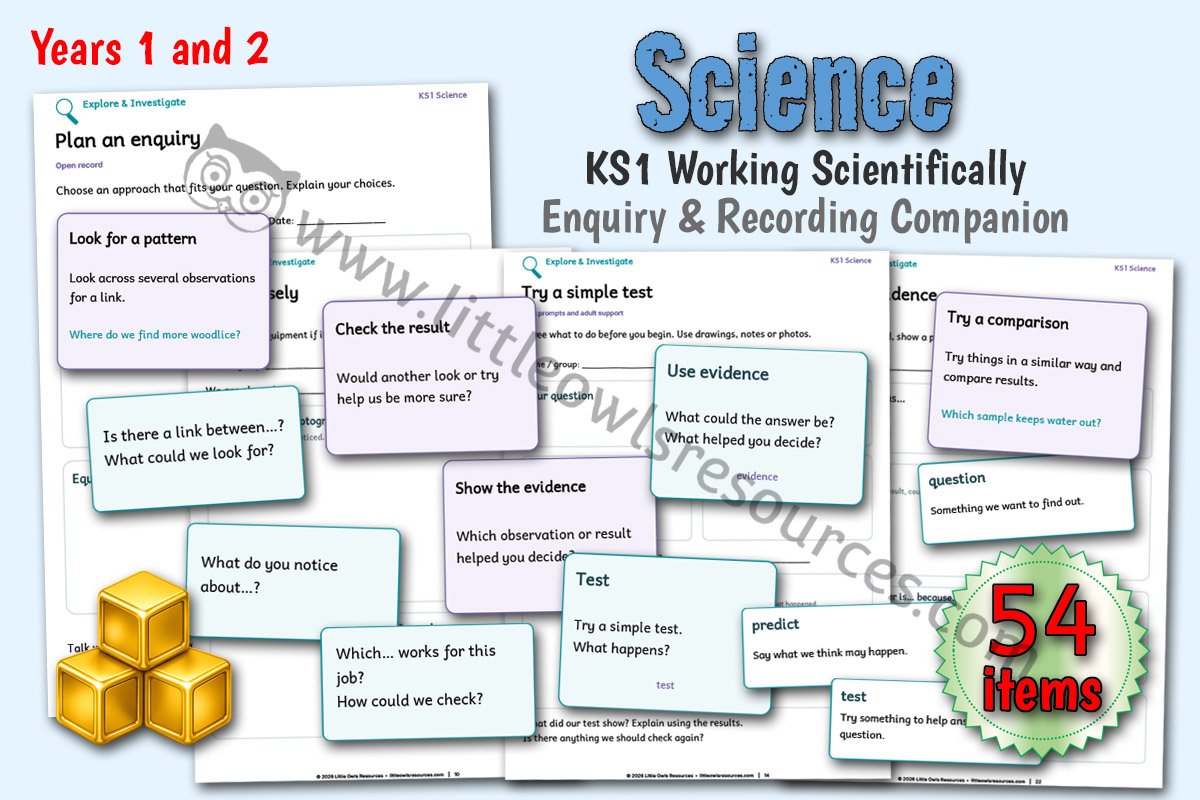
Reusable prompts and recording pages support practical KS1 science enquiries about plants, animals, habitats, materials and seasonal change. Choose a tool after observations and discussion, when recording helps answer the question.

Autumn Toddler Project Planner — cover
All Access

Autumn Toddler Project Planner

A toddler project planner uses autumn changes as a context for sensory exploration and schema-led play. It helps adults consider materials, environment, vocabulary and observation while responding to children’s interests.

Outdoor Provision — Reception — cover
All Access

Outdoor Provision — Reception

Reception guidance explains the role of outdoor provision in movement, challenge, independence and learning. Use it to consider how adults support and observe outdoor experiences alongside the opportunities available indoors.

Explore the EYFS Curriculum & Pedagogy Suite →

↑ Back to choices

Woodland ideas for EYFS

Notice which textures, sounds and creatures capture children’s interest. Revisit these in conversation, drawing and small-world play so children can build on what they remember.

Woodland ideas for KS1

Identify familiar plants or animals, compare two microhabitats and record changes on repeat visits. Use a drawing, tally or photograph to explain what was observed.

Curriculum links

Connect first-hand observation and vocabulary to Understanding the World in EYFS. In KS1 science, follow questions about seasonal change, plants and living things and their habitats.

Accessing resources

Free Access gives you the free downloads. All Access covers the complete resource catalogue, including the EYFS Curriculum & Pedagogy Suite. Check each resource page for the formats available.
Explore more on Little Owls Resources

Find resources for a specific age, browse collections or find support for your setting.
Find resources by age

Browse collections & planning

Find your setting

↑ Back to choices