
Saturday 5th December 2026
When is World Soil Day?
5 December every year
World Soil Day takes place every year on 5 December. Explore what soil looks like, how it helps plants grow and what lives in or near it. Use simple activities for nursery, preschool, Reception, Year 1 and Year 2, with ideas for mixed-age groups too.
In December, start with a potted plant, a small soil sample or a short look outdoors. A drawing or photo gives children something to revisit when they come back to their investigation.
World Soil Day activities for EYFS and KS1
Choose one idea that suits your group and give children time to notice, talk and revisit what they found. A plant pot, a few pictures and some time outdoors can be enough.
Babies and toddlers · Look together at a plant pot
Show babies a potted plant and follow where they look. With toddlers, point to the leaves and the soil, then invite them to help water the plant. Use words such as dry, damp and drip as you go.
Preschool · What can you spot in the soil?
Put a small amount of clean soil in a light-coloured tray for a supervised look with magnifiers. Invite children to notice grains, tiny stones or pieces of leaf. Take a photo so children can point out what they saw and hear words for it again later.
Reception · Follow the roots
When planting a seedling, hold it so children can see the roots before they go into the pot. Draw the plant together, including the part hidden by the soil. Revisit the pot over the next few days and add a new drawing if children notice a change.
Year 1 · Compare two soil samples
Show two clean samples, such as a sandy soil and a potting mix. Ask children to describe the colour and size of the grains they can see. Record one similarity and one difference with drawings, labels or a shared sentence.
Year 2 · Investigate how water moves through soil
Put equal amounts of the same soil in two identical plant pots with holes and a container beneath each. Press down the soil in one pot. Pour in the same amount of water and compare what collects below after the same length of time. Ask pupils what changed and what they kept the same.
Mixed ages · Make a map of the ground
Walk around your outdoor area together and look for places where you can see soil, plants, fallen leaves or paving. Back indoors, use photos or drawings to build a shared map. Ask older children to add a label or question beside something that caught their attention.
Free printables for World Soil Day
Choose from Free Access activities for looking closely at minibeasts, exploring in the mud kitchen and following how plants grow.
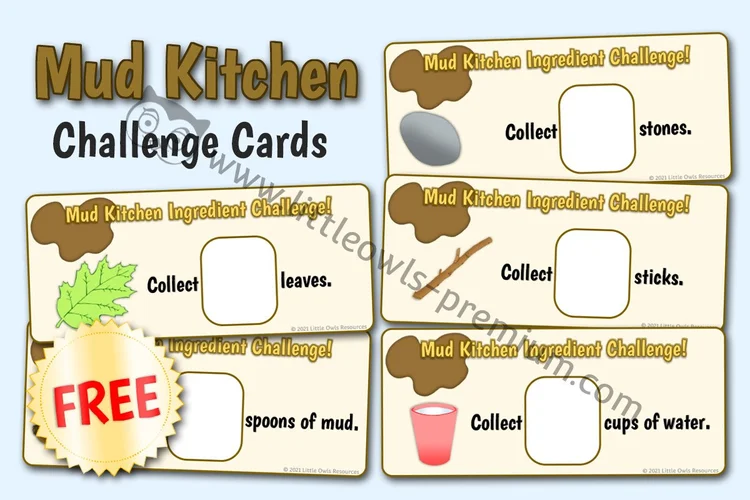
MUD KITCHEN - Ingredient Challenge Cards (Free Sample)
Free AccessPack of 5 ingredient challenge cards (plus a blank one) you may like to use to enhance learning through play within your mud kitchen area. Choose pretend ingredients, count a useful quantity and change the recipe or amount as the play develops.
View free resource →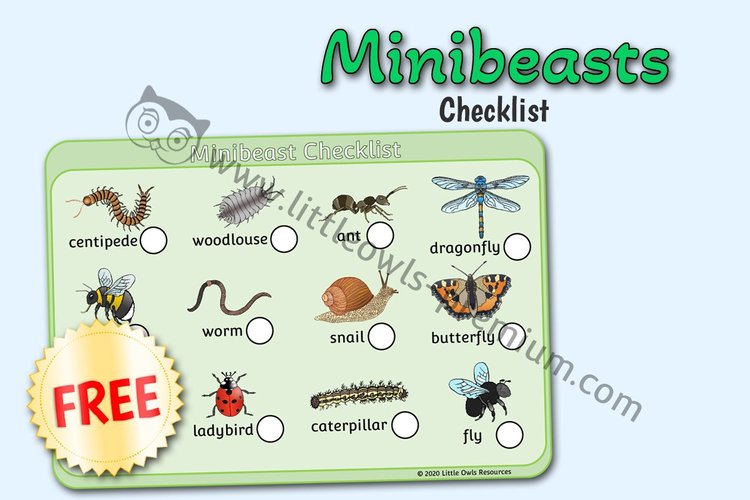
Minibeast Search Checklist (Free Sample)
Free AccessMinibeast Search Checklist (Free Sample). Connect the pictures with real observations, encouraging children to notice details and explain what they find.
View free resource →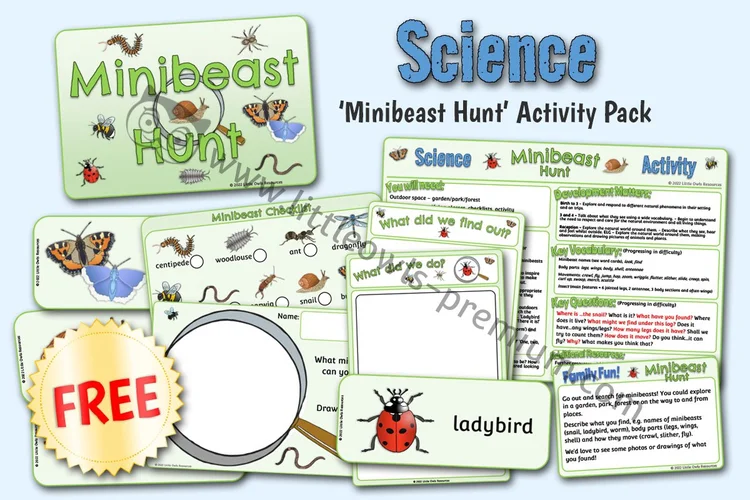
SCIENCE - Activity Pack - MINIBEAST HUNT (Free Sample)
Free AccessA free minibeast-hunt activity pack with an investigation plan and supporting printables. The public description lists checklists, vocabulary, mark-making sheets, posters and a family handout; check the sample selection before preparing the activity.
View free resource →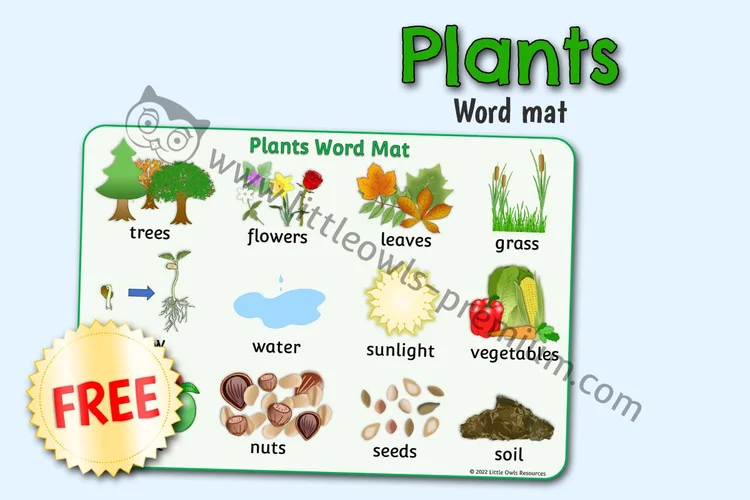
PLANTS - Word Mat (Free Sample)
Free AccessPLANTS - Word Mat (Free Sample). Keep useful words beside play or drawing materials, modelling their meaning and using them when children want to communicate an idea.
View free resource →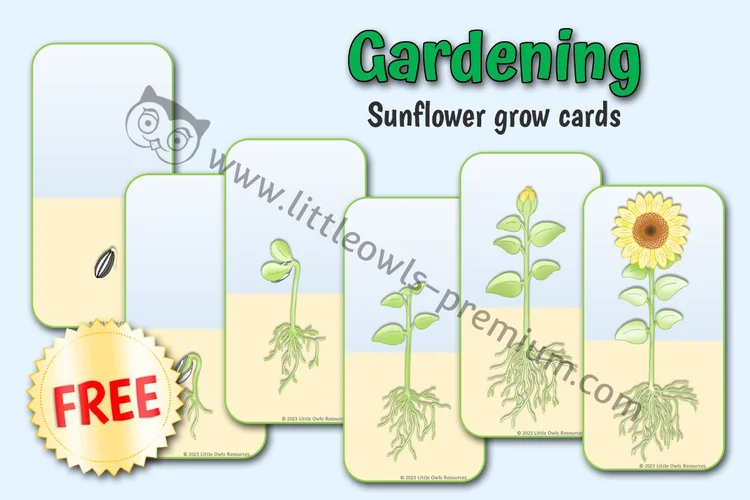
GARDENING - Sunflower Growth Ordering Cards (FREE SAMPLE)
Free AccessSunflower-growth pictures for ordering the changes from seed to plant. Connect the sequence with real growing observations and invite children to explain each change.
View free resource →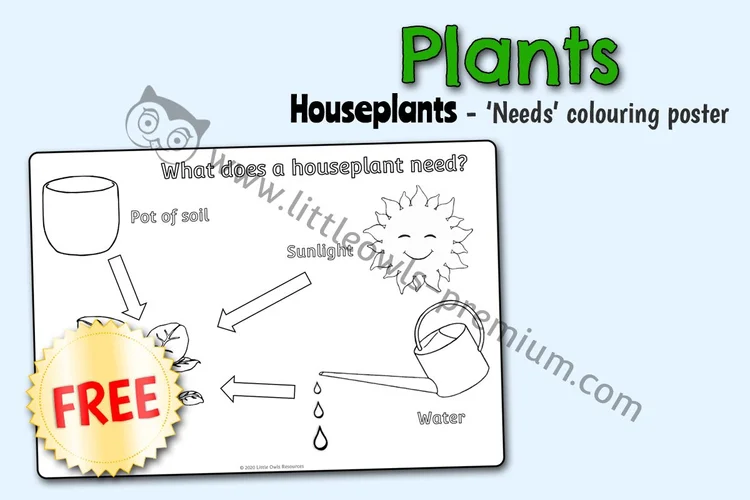
'WHAT DOES A HOUSEPLANT NEED?' POSTER - COLOURING (Free Sample)
Free AccessA colouring poster asks what a houseplant needs. Pair colouring with a shared conversation about the pictured care items, accepting children’s questions and explanations.
View free resource →Find resources to support World Soil Day
Browse soil and digging activities, plant-growing resources, minibeast printables and ideas for outdoor investigation. Choose an age to see ways to use the results with your group.
Showing the first 12 of 40 resources
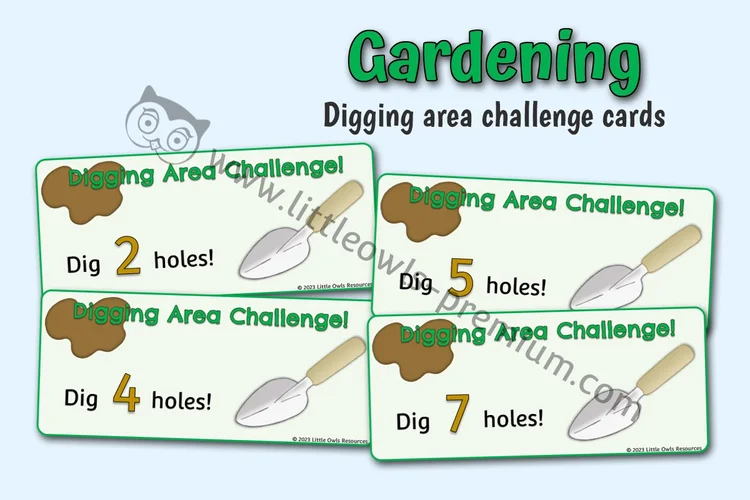
GARDENING - 'Digging Area' Challenge Cards
All AccessNine digging-area challenge cards asking children to dig and count 2–10 holes. Each card shows a numeral and a trowel illustration for a practical outdoor counting activity.
View and download resource →
Mud Kitchen — Mix, Change & Explore
All Access NewMud-kitchen invitations support mixing, pouring, stirring, pressing and comparing suitable materials. Children can follow a starting idea, change it or invent a dish, while adults notice changes and share useful words.
View and download resource →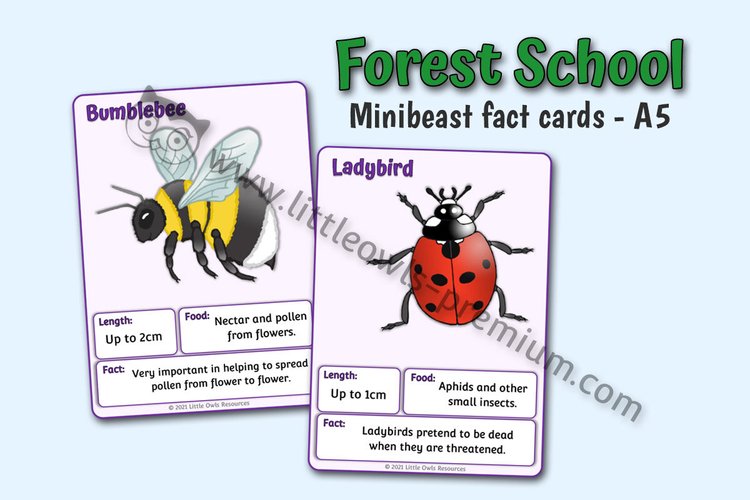
WOODLAND MINIBEASTS - Fact Cards - A5
All AccessTen A5 woodland-minibeast fact cards include earthworm, snail, ladybird, woodlouse, spider and butterfly. Share selected information before or after a woodland visit, then discuss, draw or write about an observed creature.
View and download resource →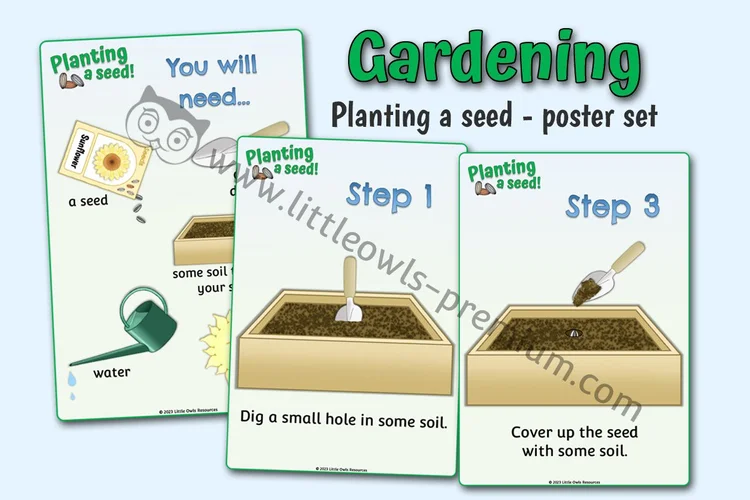
GARDENING - 'Planting a Seed' Poster Set
All AccessA seed-planting poster sequence with a materials list and five steps. Adults can model the real process and use the pictures to revisit what happened.
View and download resource →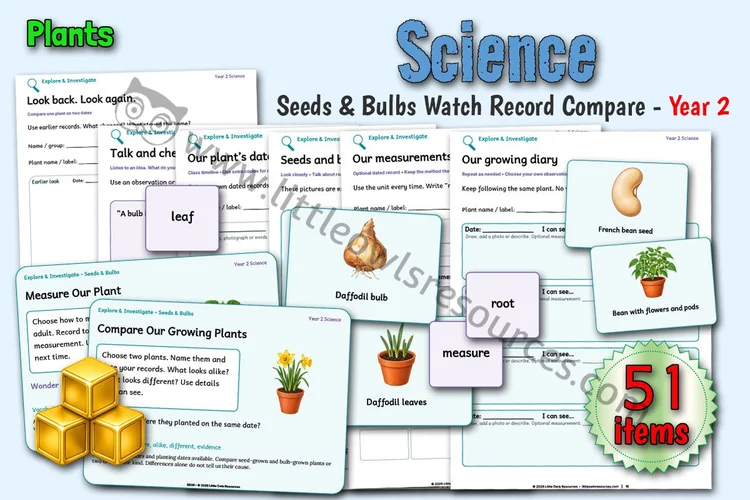
Seeds & Bulbs — Watch, Record & Compare
All Access NewPlant seeds and bulbs, revisit them and record dated observations as they grow. Compare changes between the plants and use drawings, discussion or writing to explain what the observations show.
View and download resource →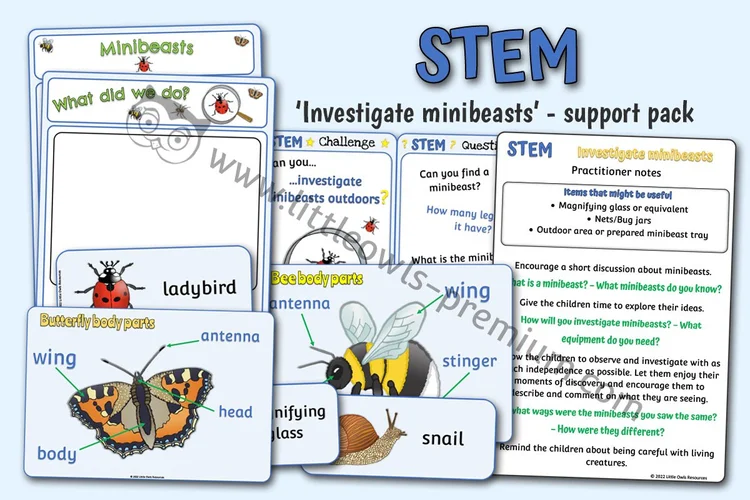
Investigate Minibeasts — Support Pack
All AccessA support pack for practical minibeast observation, questions and outdoor exploration. Adults can select a manageable focus and extend the discussion as children notice more detail.
View and download resource →
'WHAT DOES A HOUSEPLANT NEED?' POSTER - COLOURING (Free Sample)
Free AccessA colouring poster asks what a houseplant needs. Pair colouring with a shared conversation about the pictured care items, accepting children’s questions and explanations.
View free resource →
GARDENING - Sunflower Growth Ordering Cards (FREE SAMPLE)
Free AccessSunflower-growth pictures for ordering the changes from seed to plant. Connect the sequence with real growing observations and invite children to explain each change.
View free resource →
Minibeast Search Checklist (Free Sample)
Free AccessMinibeast Search Checklist (Free Sample). Connect the pictures with real observations, encouraging children to notice details and explain what they find.
View free resource →
MUD KITCHEN - Ingredient Challenge Cards (Free Sample)
Free AccessPack of 5 ingredient challenge cards (plus a blank one) you may like to use to enhance learning through play within your mud kitchen area. Choose pretend ingredients, count a useful quantity and change the recipe or amount as the play develops.
View free resource →
PLANTS - Word Mat (Free Sample)
Free AccessPLANTS - Word Mat (Free Sample). Keep useful words beside play or drawing materials, modelling their meaning and using them when children want to communicate an idea.
View free resource →
SCIENCE - Activity Pack - MINIBEAST HUNT (Free Sample)
Free AccessA free minibeast-hunt activity pack with an investigation plan and supporting printables. The public description lists checklists, vocabulary, mark-making sheets, posters and a family handout; check the sample selection before preparing the activity.
View free resource →Explore the Gardening collection or jump to related themes and dates.
↑ Back to choicesWorld Soil Day questions
How can I explain soil to young children?
Start with a plant they know. Soil is the loose material many plants grow in. Look closely and you might see little grains, stones or bits of old leaves. Soil also holds water and gives roots somewhere to grow.
Can we take part without a garden?
Yes. Look closely at a pot on the windowsill, compare photographs of the ground near your setting, or show a seedling’s roots before potting it up. Children can share what they notice by pointing, talking or drawing.
How can we explore soil safely?
Use soil from a source your setting has checked, supervise any handling and wash hands afterwards. Babies and children who mouth materials can look at a plant pot held by an adult or a closed, clear container.
Explore more on Little Owls Resources
Find resources for a specific age, follow an interest or explore support for your setting.
Plan for special dates
Find resources by age
- Babies0–18 months
- Toddlers18–36 months
- Preschool3–4 years
- Reception4–5 years
- Year 15–6 years
- Year 26–7 years
Browse collections & planning
- Continuous Provision
- Themes
- Practitioner Toolkit
- EYFS Framework
- Festivals & Celebrations
- Role-play Packs
- Areas of Learning
- Dual Language