
Part of the EYFS Glossary
This article forms part of our EYFS Glossary of Early Years Education Terms, which explains key curriculum, pedagogy, and assessment language used in early years practice.
Development Matters is non-statutory guidance that supports practitioners in implementing the Early Years Foundation Stage (EYFS). It provides examples of how children’s learning and development may progress and offers guidance on supporting children’s development through appropriate experiences and interactions.
What is Development Matters?
Development Matters is guidance designed to help practitioners understand how children typically develop and learn during the early years. It outlines examples of development across the Areas of Learning and Development and offers suggestions for how adults can support children’s learning.
The document is intended to support practitioners’ understanding of child development and to help inform curriculum planning, interactions, and learning environments.
Unlike the EYFS Statutory Framework, Development Matters does not set legal requirements. Instead, it provides guidance and examples that practitioners can use alongside their professional knowledge and understanding of individual children.
The Purpose of Development Matters
The purpose of Development Matters is to support practitioners in interpreting and implementing the EYFS framework in ways that reflect children’s developmental needs.
The guidance helps practitioners to:
understand patterns of children’s development
recognise how children’s learning may progress over time
consider how environments and interactions support development
reflect on ways to support children’s learning through everyday experiences
By offering examples of development and suggested approaches to supporting learning, Development Matters helps practitioners consider how children’s experiences contribute to their overall development.
How Development Matters Supports Practice
Practitioners may use Development Matters to inform planning, observation, and reflection within early years settings.
The guidance includes:
examples of how children’s development may be observed
suggestions for how adults can support children’s learning
information about how development across different areas may connect
These examples help practitioners consider how learning experiences and interactions can support children’s development across the early years.
Development Matters and Assessment
Development Matters is sometimes used as a reference point when practitioners are reflecting on children’s development. However, the document is not intended to function as a checklist or formal assessment framework.
The guidance emphasises that children’s development should be understood through ongoing observation and professional knowledge of the child. Practitioners are encouraged to consider children’s learning holistically rather than focusing only on individual statements or examples.
Statutory Context
Development Matters supports the implementation of the EYFS Statutory Framework, which sets the legal requirements for early years providers in England.
Because Development Matters is non-statutory guidance, settings are not required to follow it directly. Practitioners may use it alongside other guidance or resources to support their understanding of children’s development and learning.
Common Questions About Development Matters
-
No. Development Matters is non-statutory guidance. The statutory requirements for early years provision are set out in the EYFS Statutory Framework.
-
Development Matters may support practitioners in understanding children’s development, but it is not intended to be used as a checklist or formal assessment tool.
-
Many settings use Development Matters as a reference for understanding children’s development. However, because it is non-statutory guidance, settings may choose to use other approaches or resources alongside the EYFS framework.
Summary
Development Matters is non-statutory guidance designed to support practitioners in implementing the Early Years Foundation Stage. It provides examples of how children’s learning and development may progress and offers suggestions for supporting children’s development through appropriate experiences, environments, and interactions.
While it supports understanding of child development, Development Matters is intended to be used alongside professional judgement rather than as a checklist or assessment framework.
Related Glossary Terms
The following glossary entries are closely related to Development Matters and provide additional context:

Further Guidance | Related Documents within our ‘EYFS Curriculum & Pedagogy’ suite:
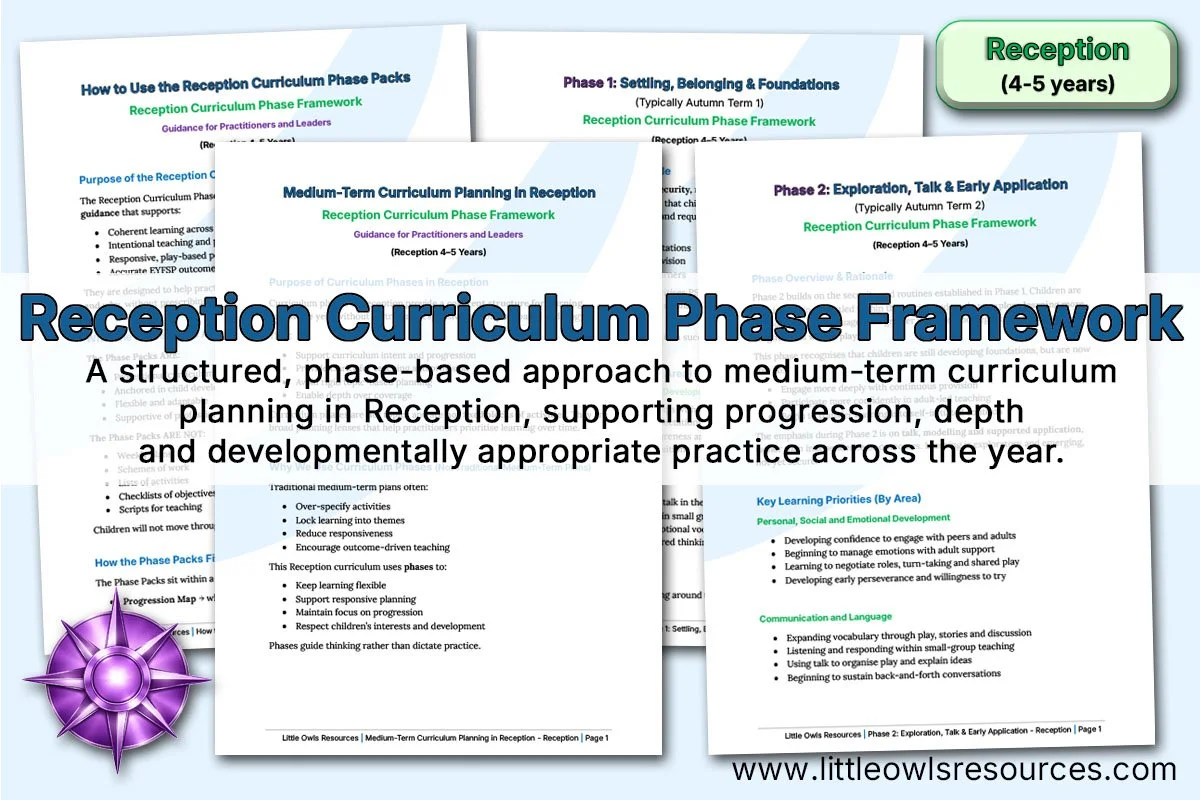
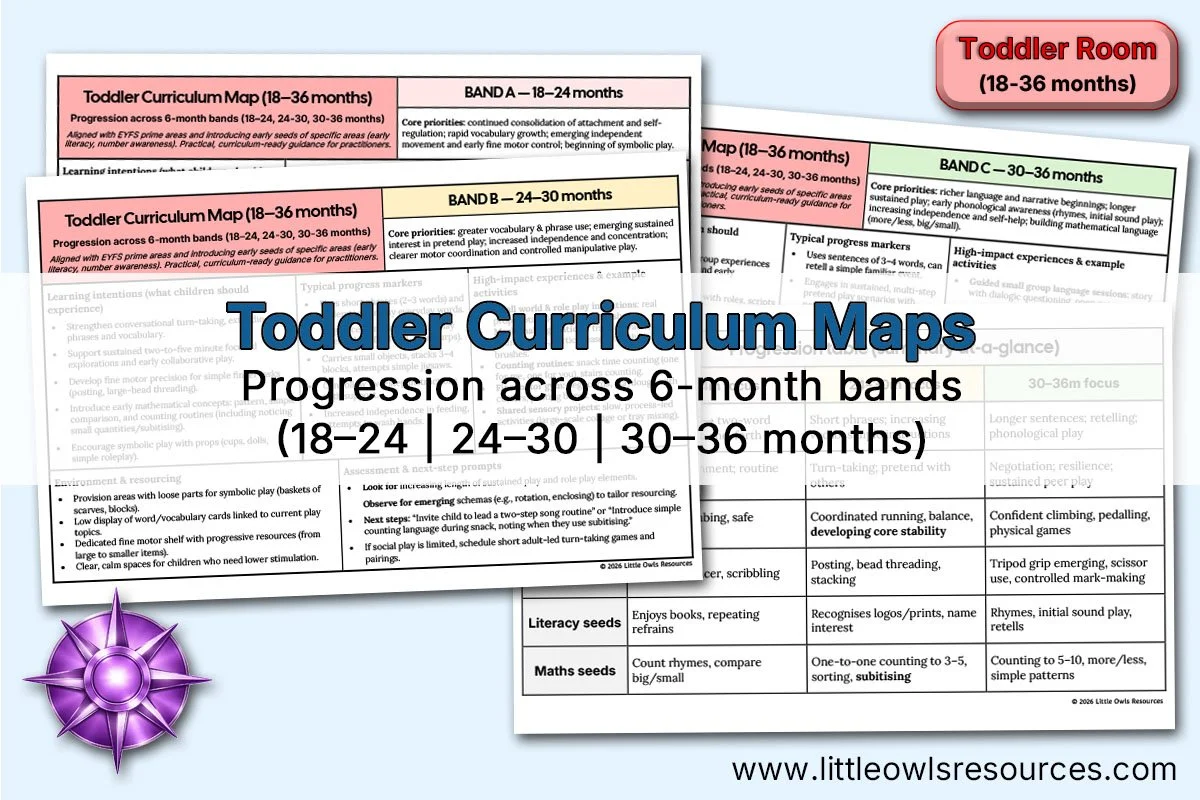
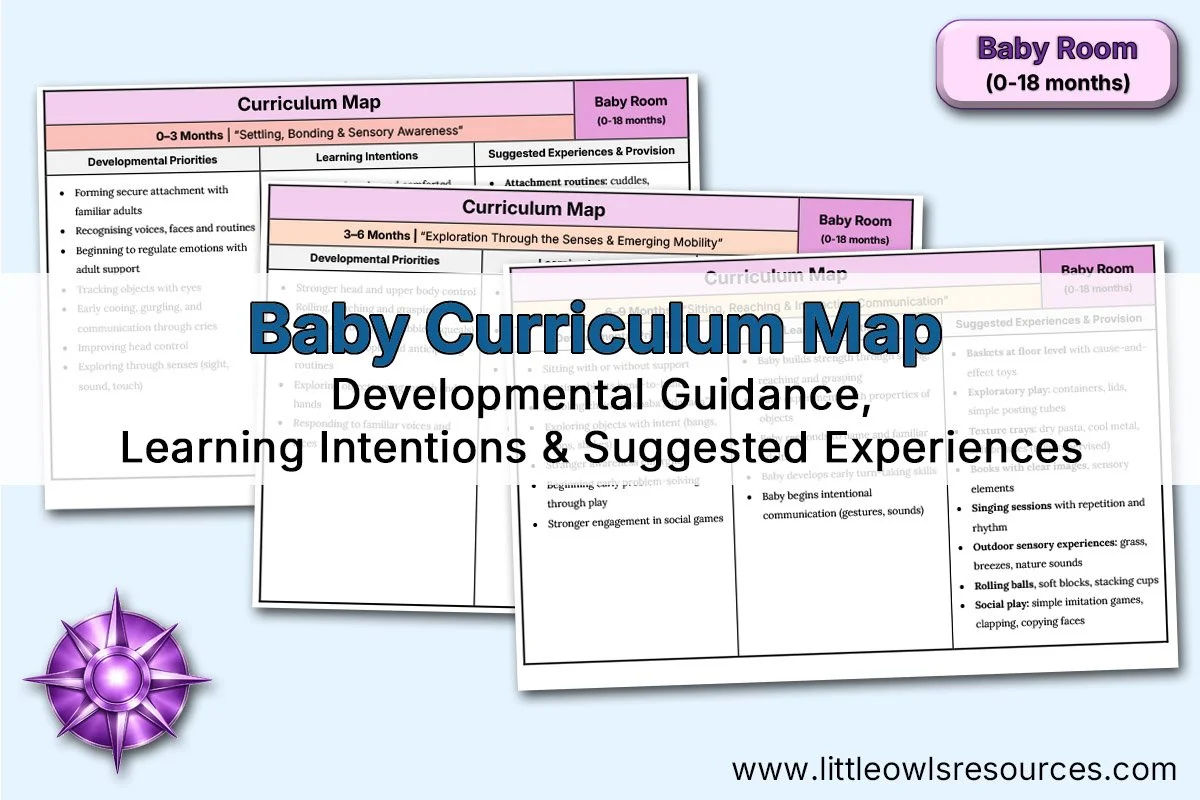
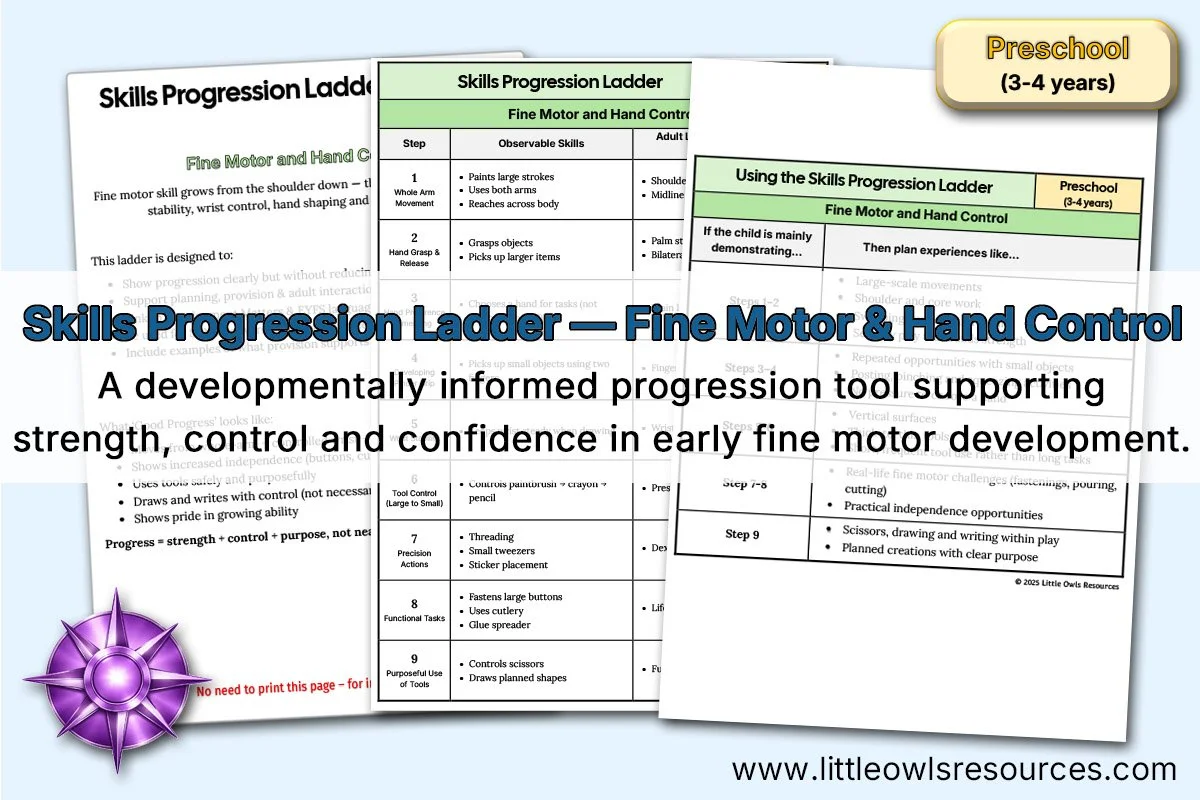
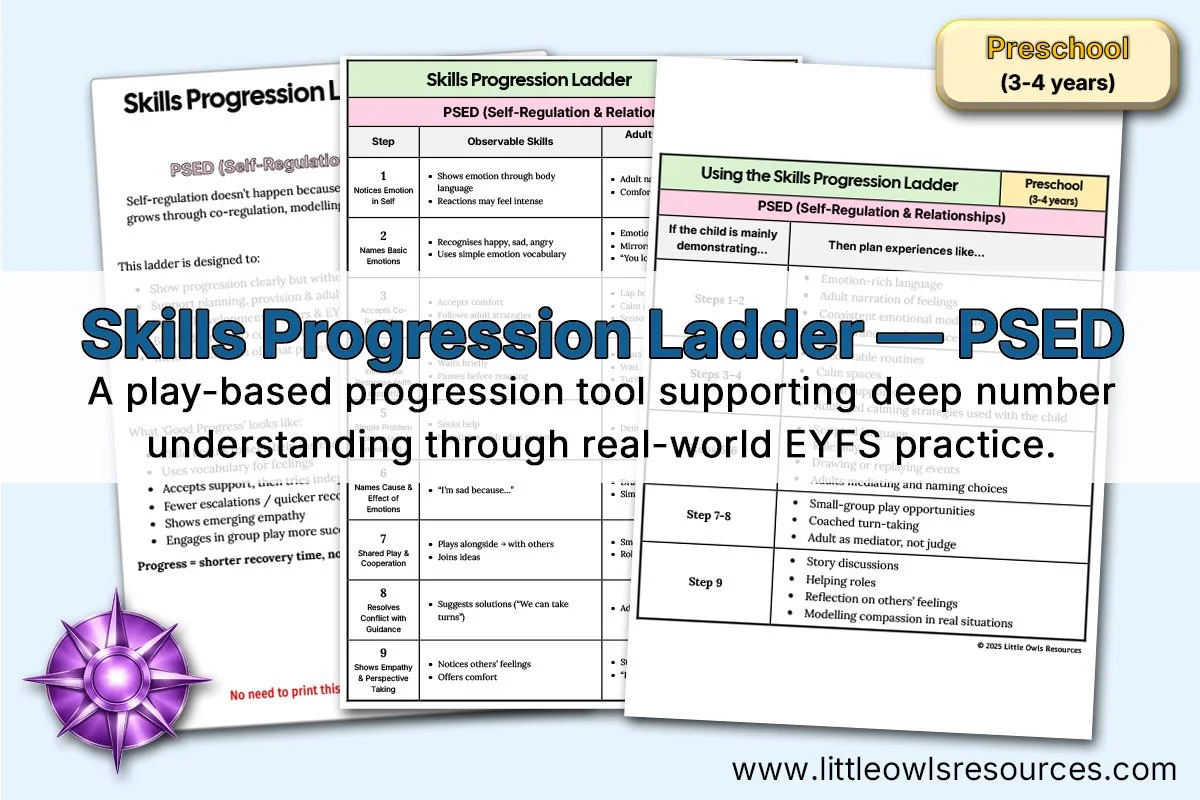
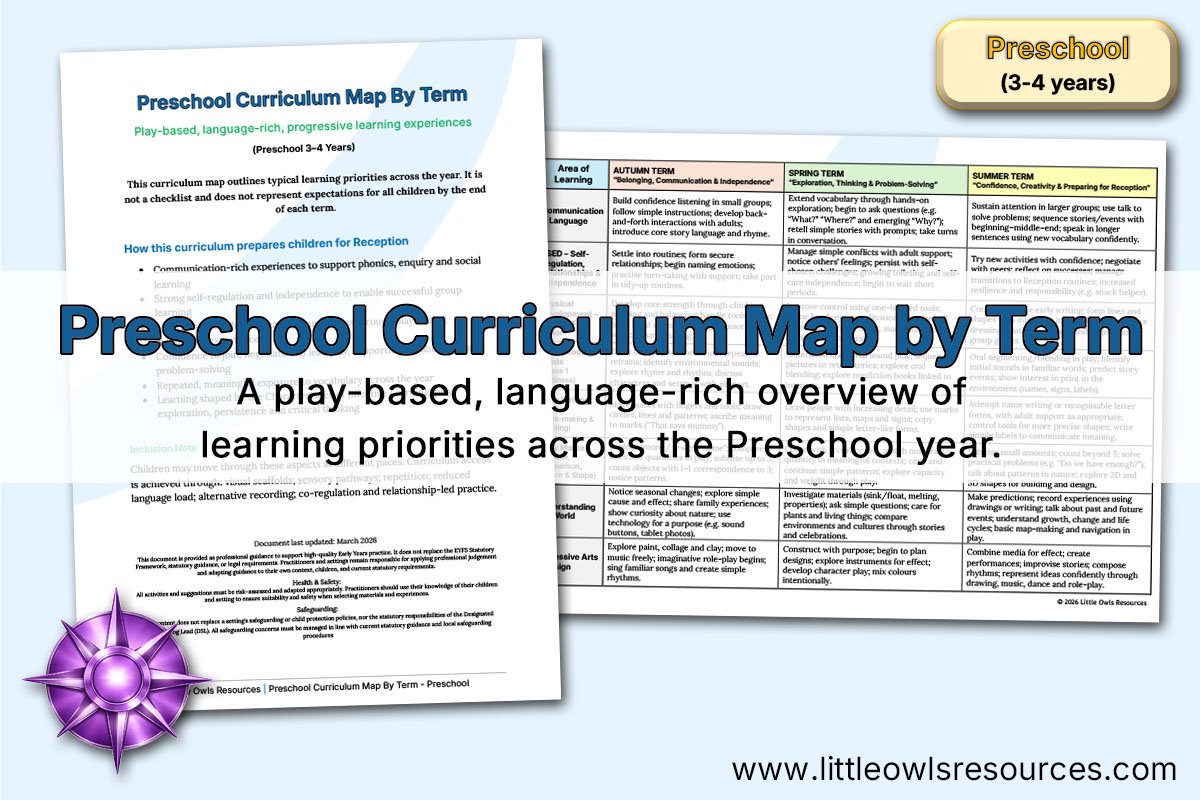
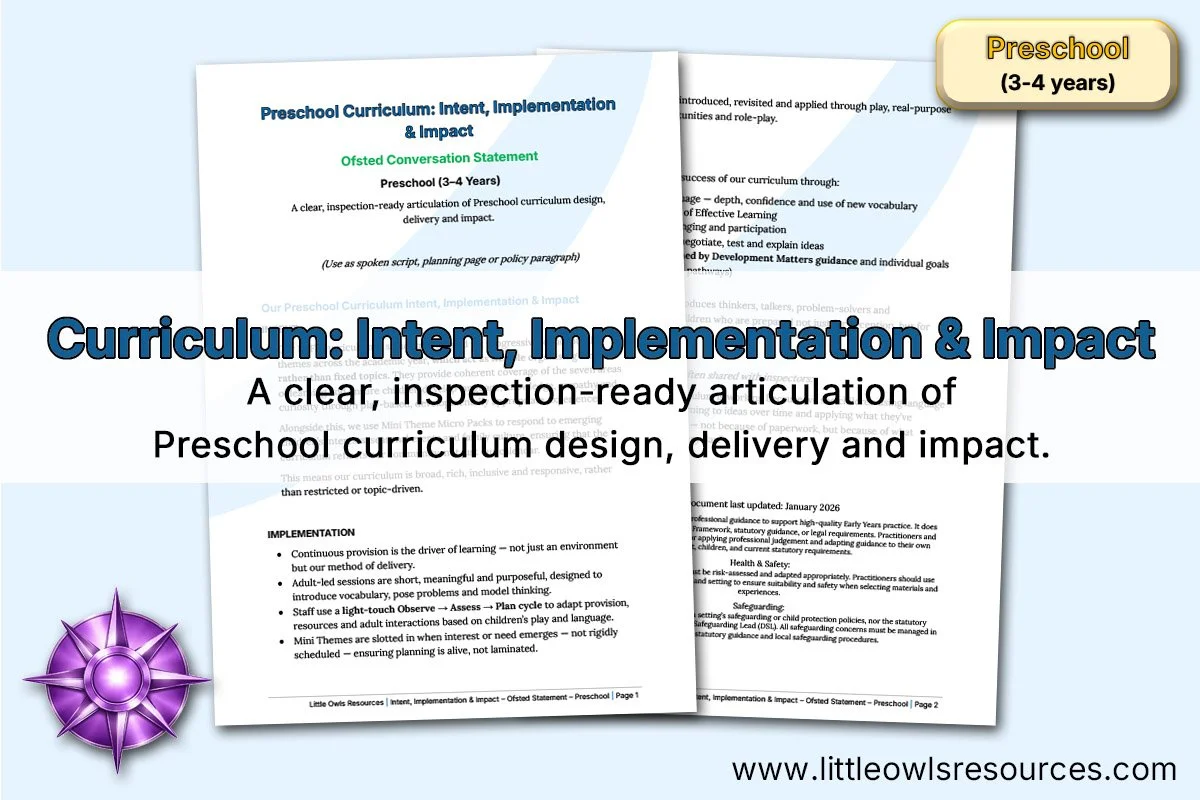
Below you will find a selection of guidance documents from within our Little Owls Resources ‘Curriculum & Pedagogy’ area which explore this concept (& its age-specific application within EYFS settings) in greater depth.
[For additional documents please visit our support pathways: Baby | Toddler | Preschool | Reception | Mixed-Age]
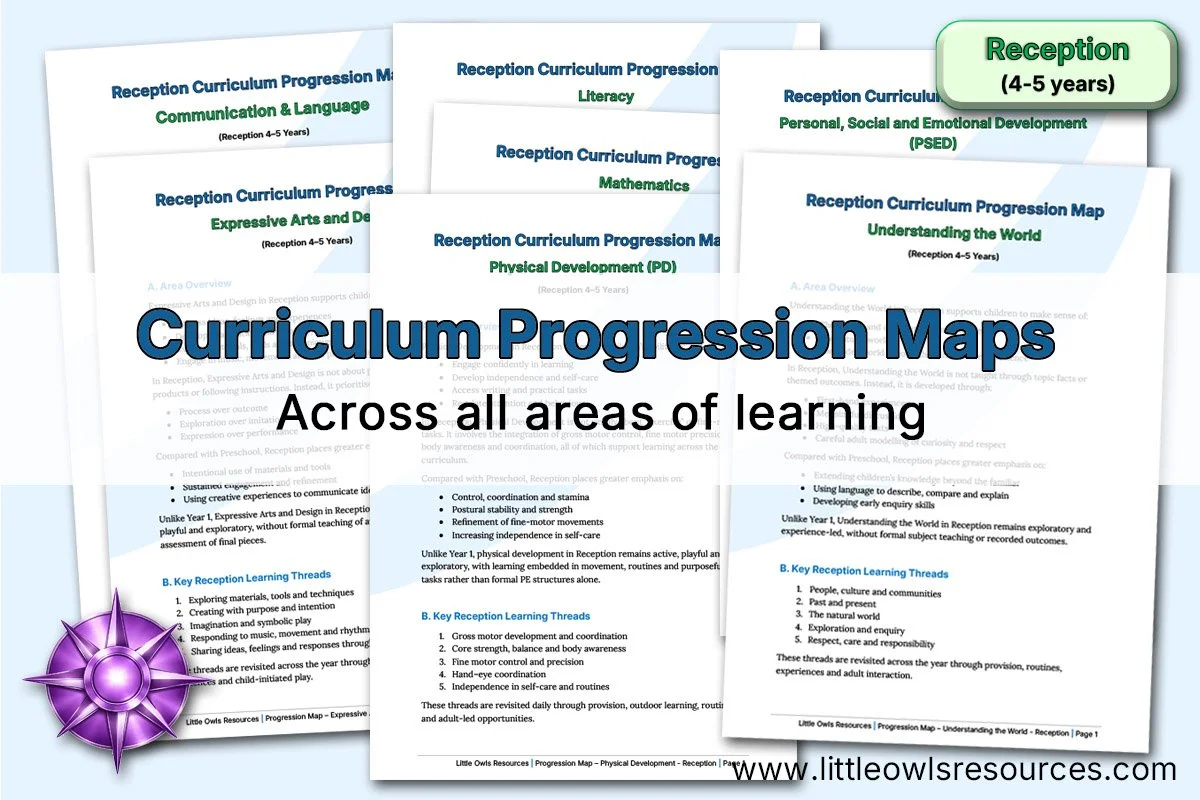

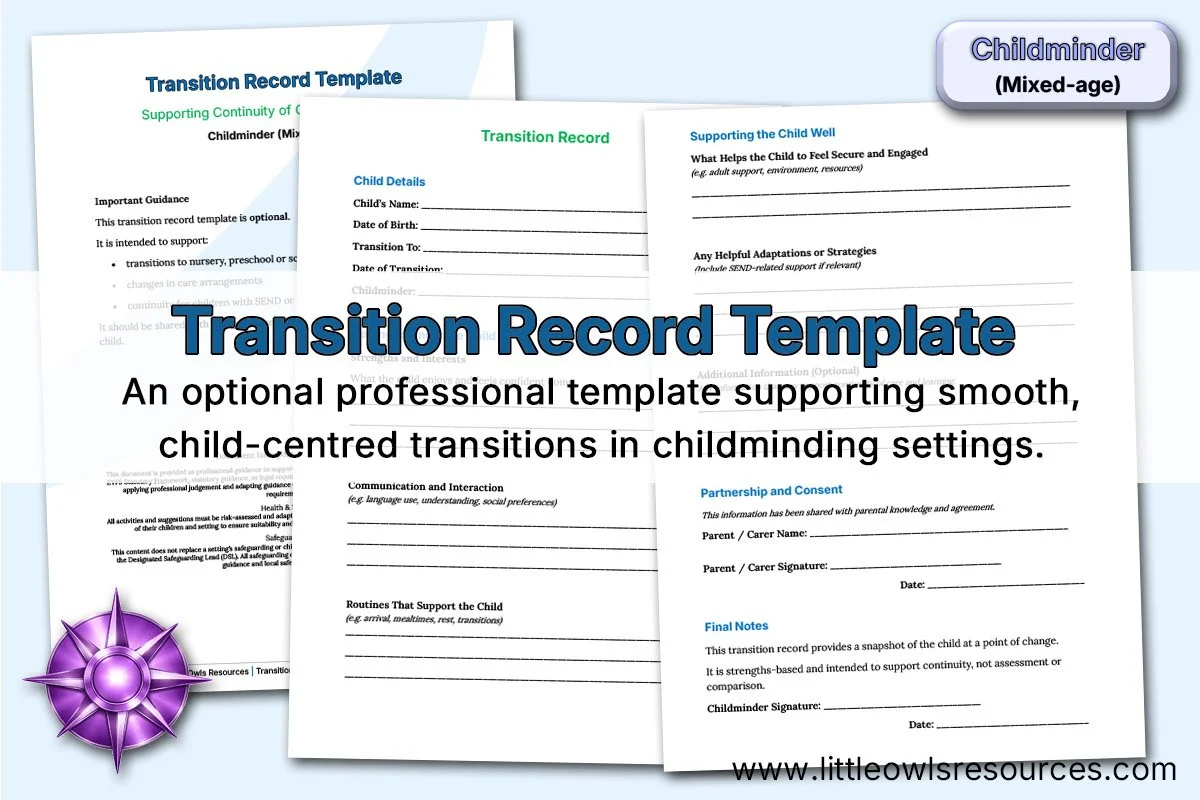
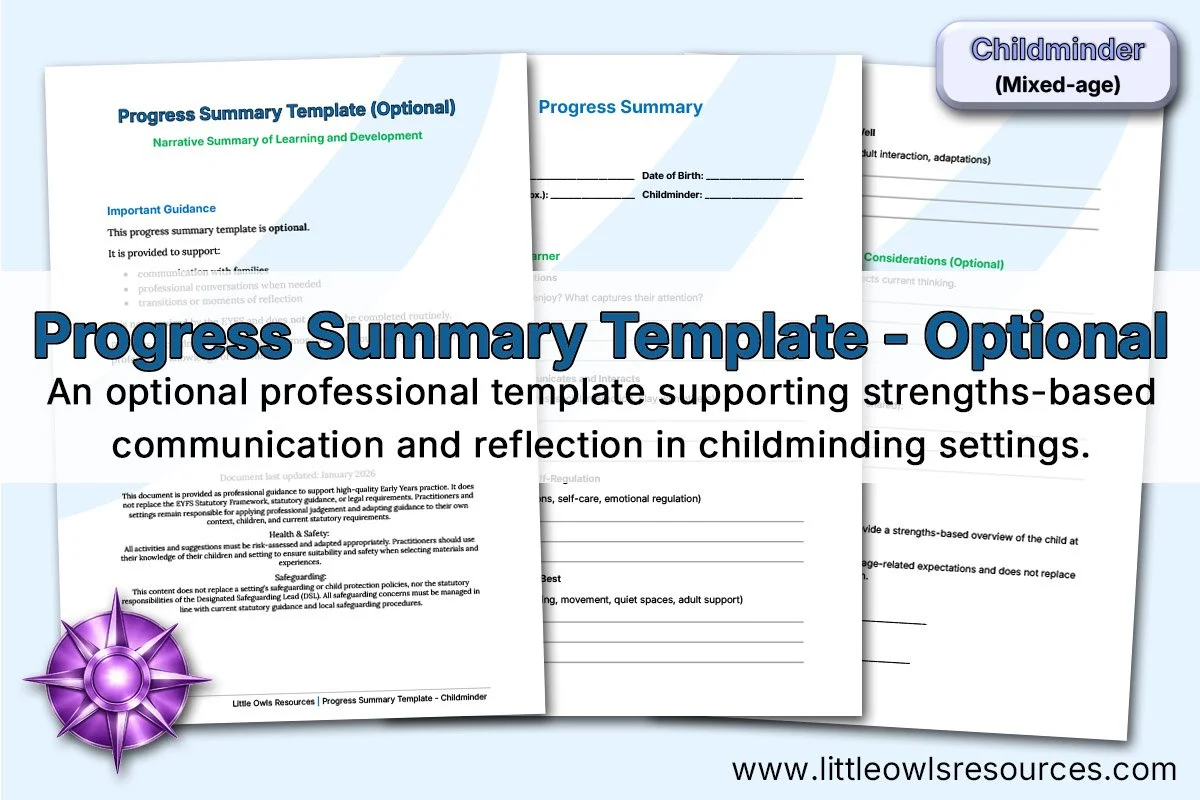


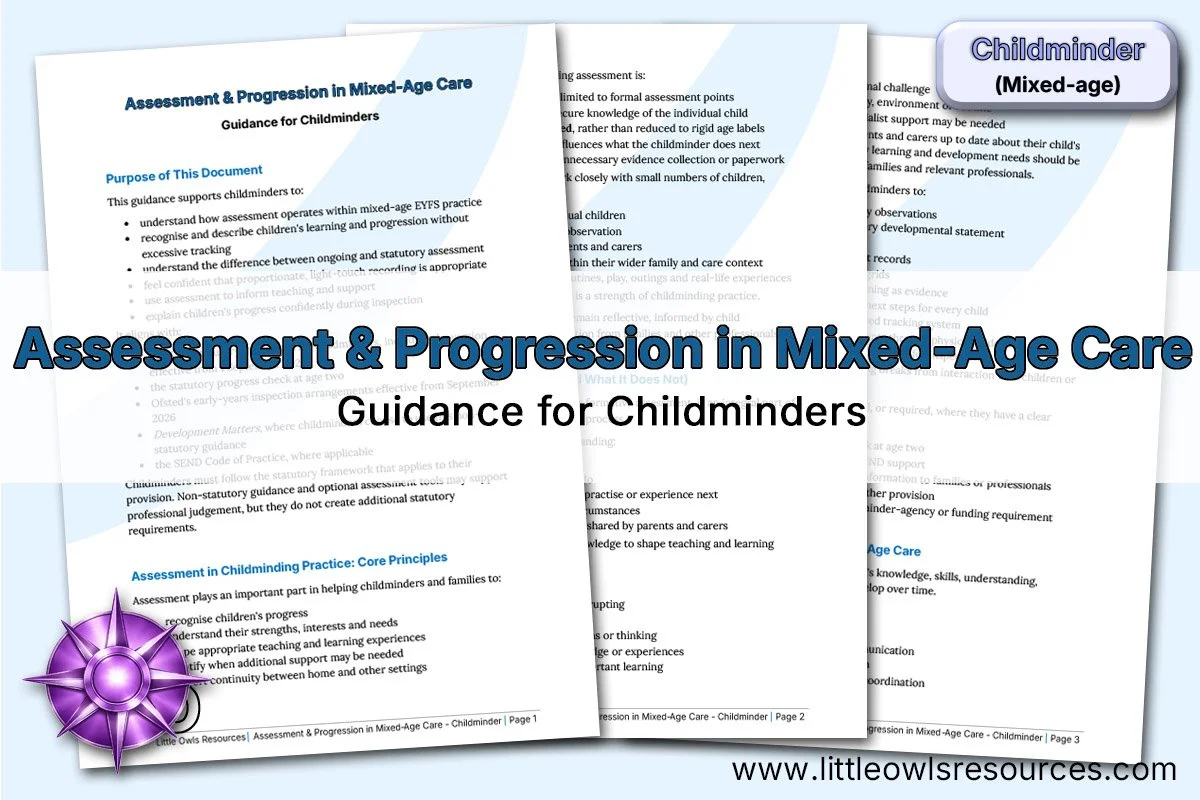






Further Guidance | Related Resources within our ‘Printable Provision’ area:
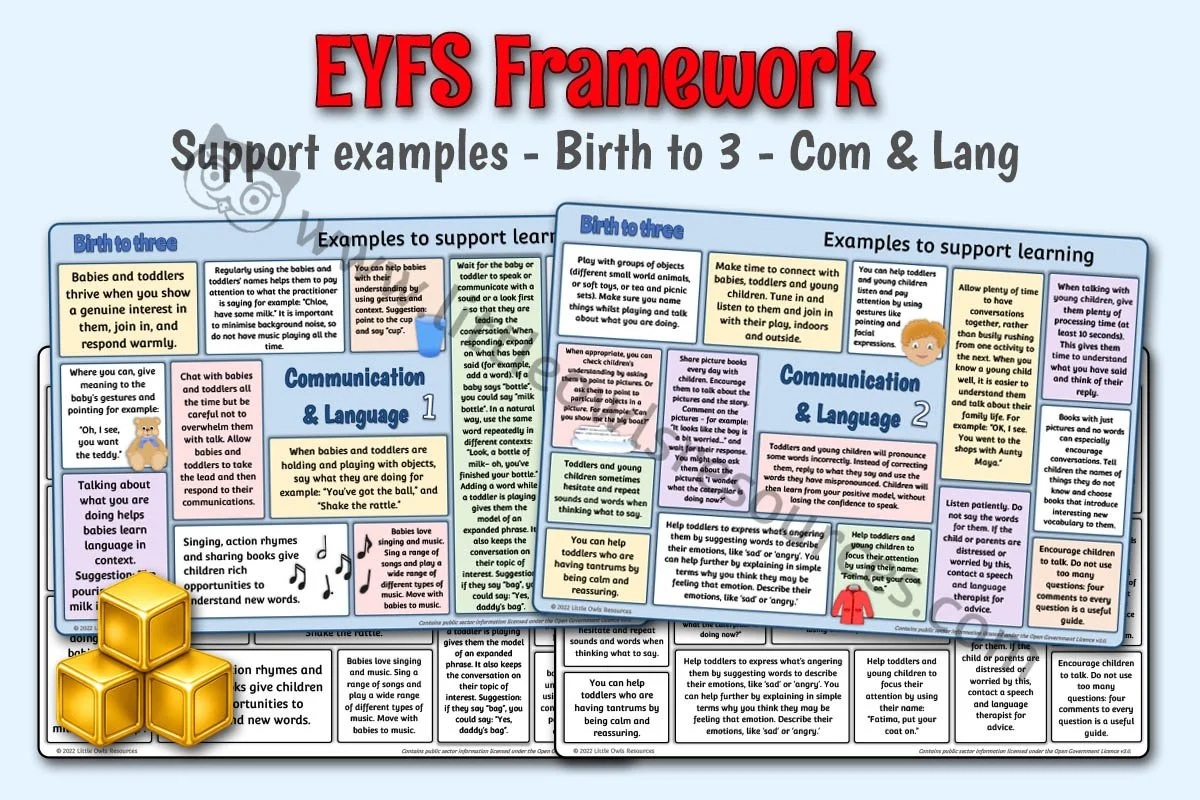
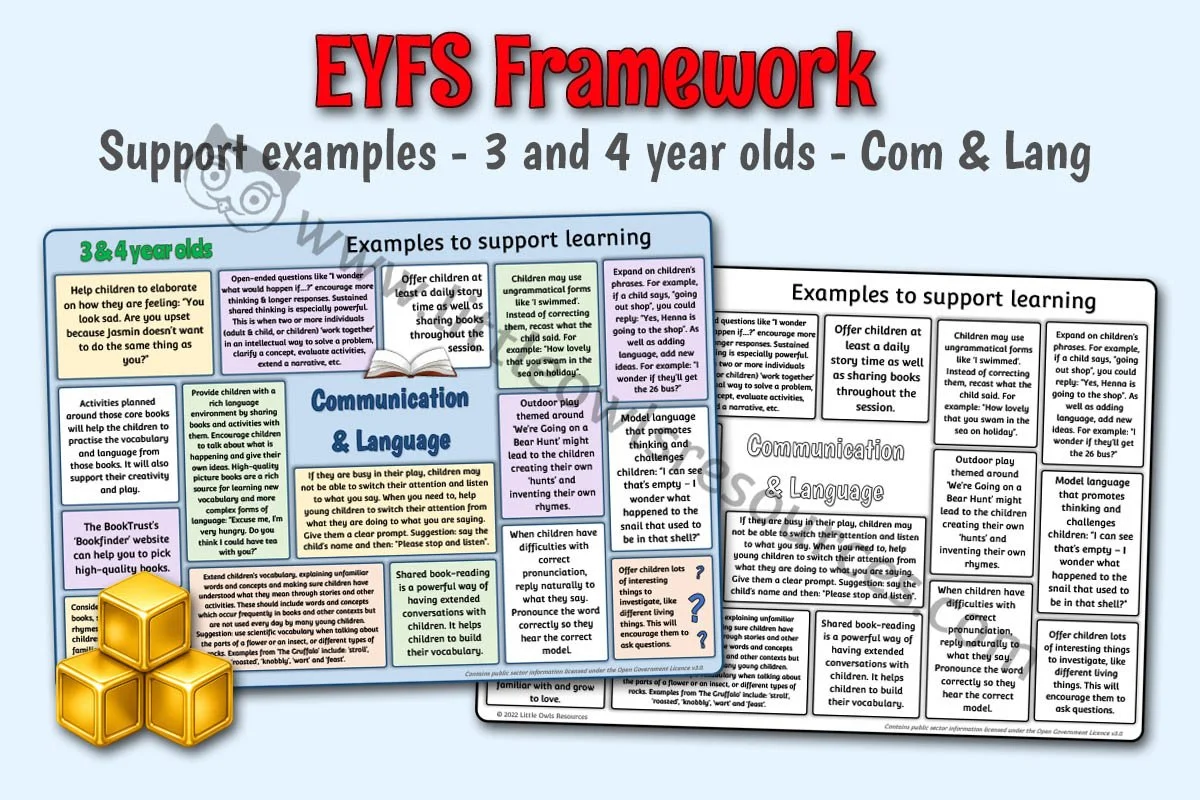
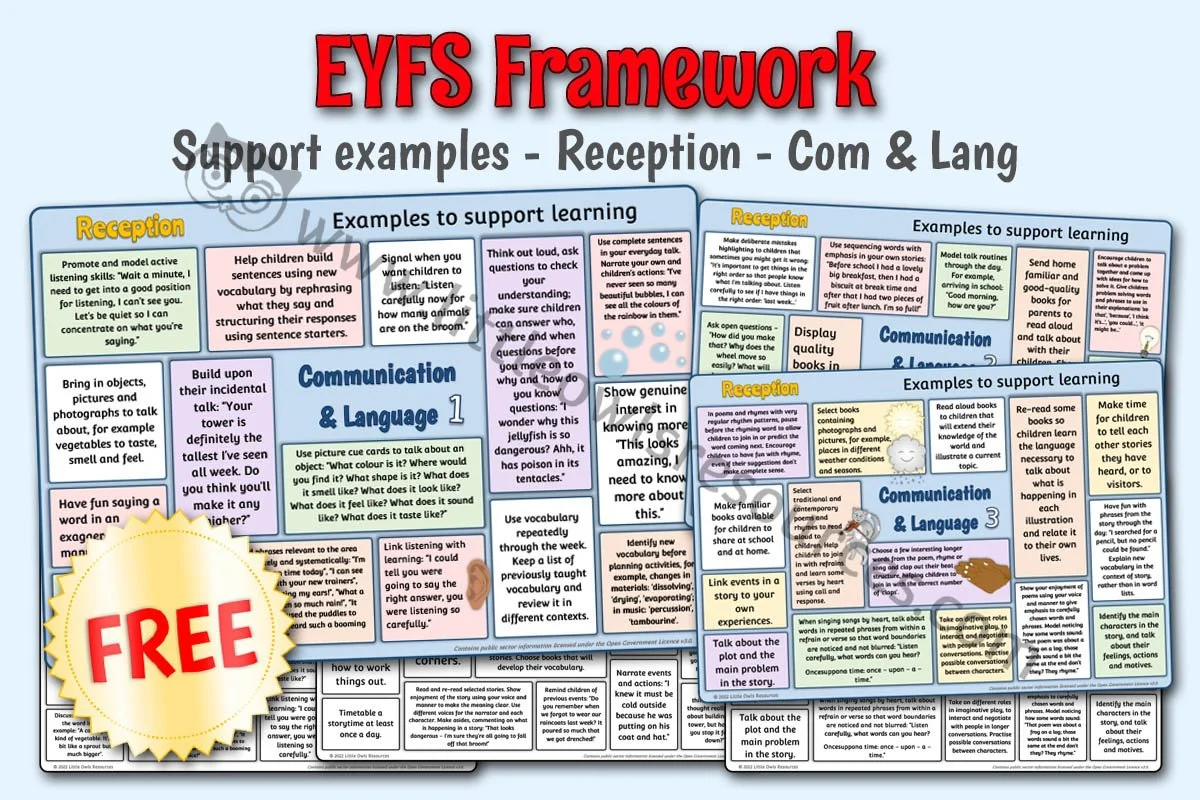
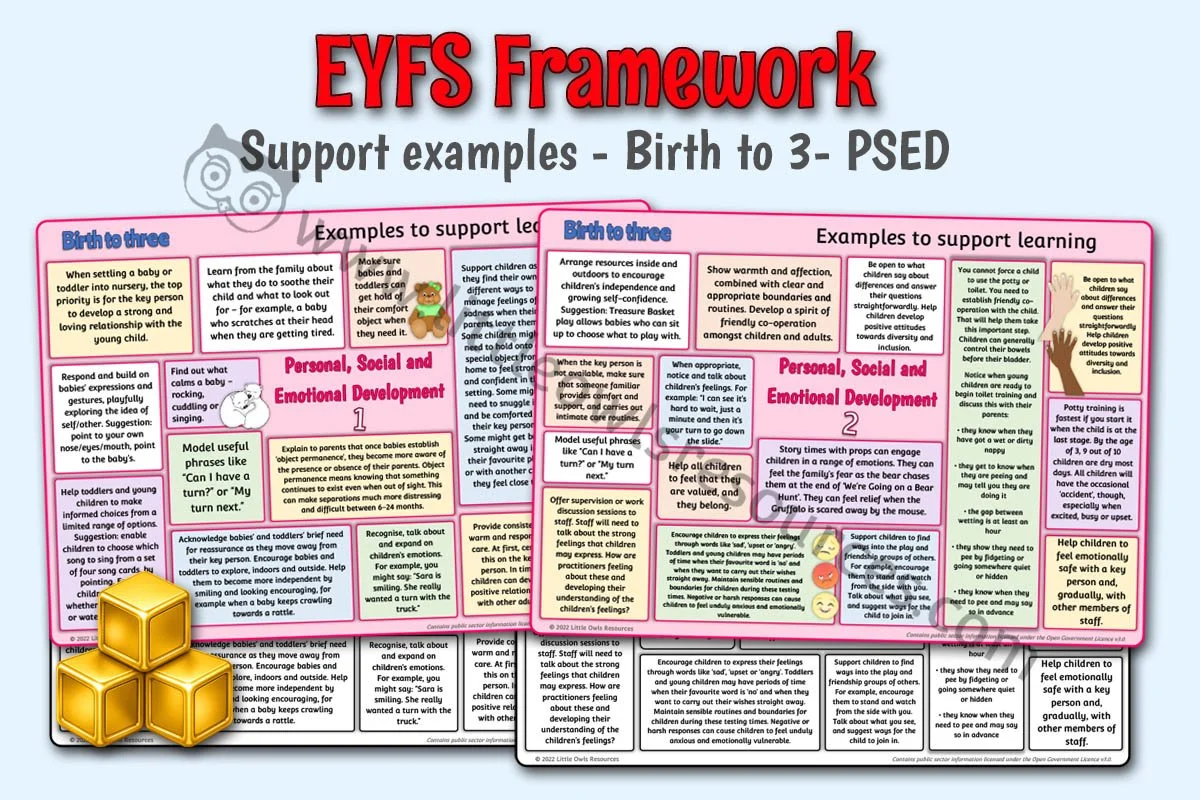
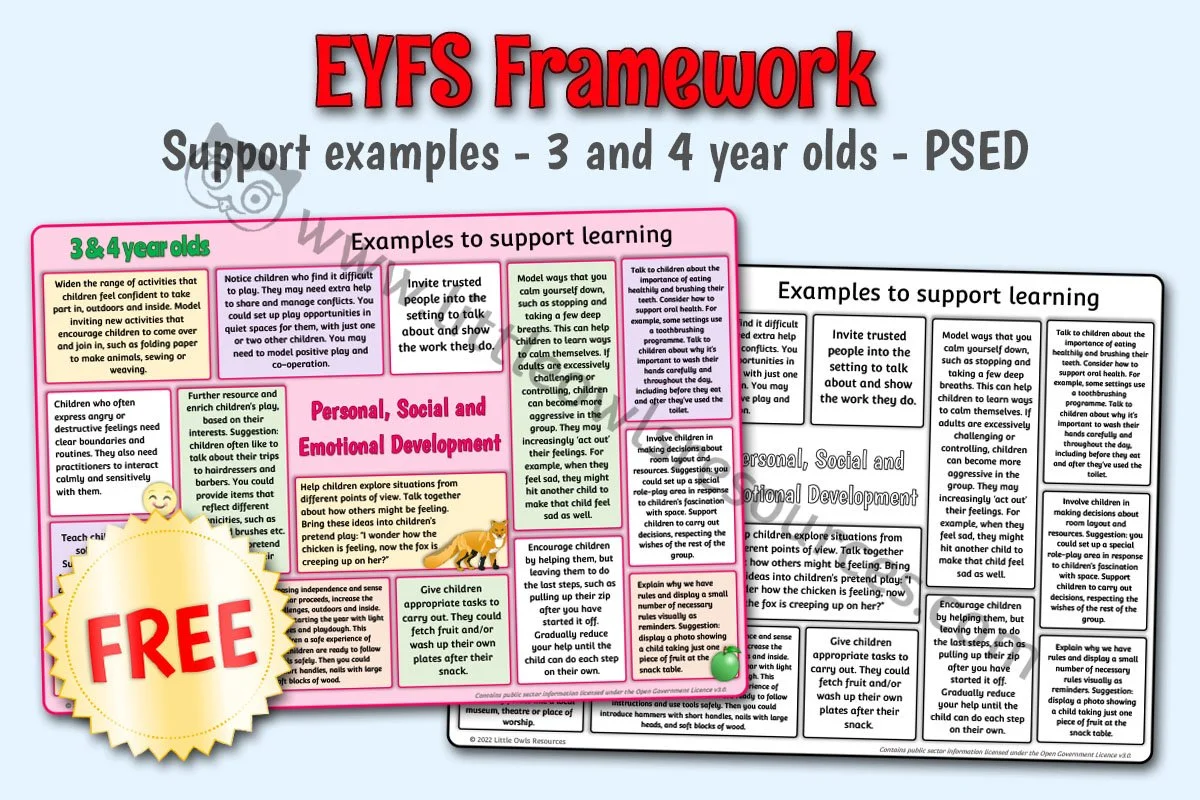
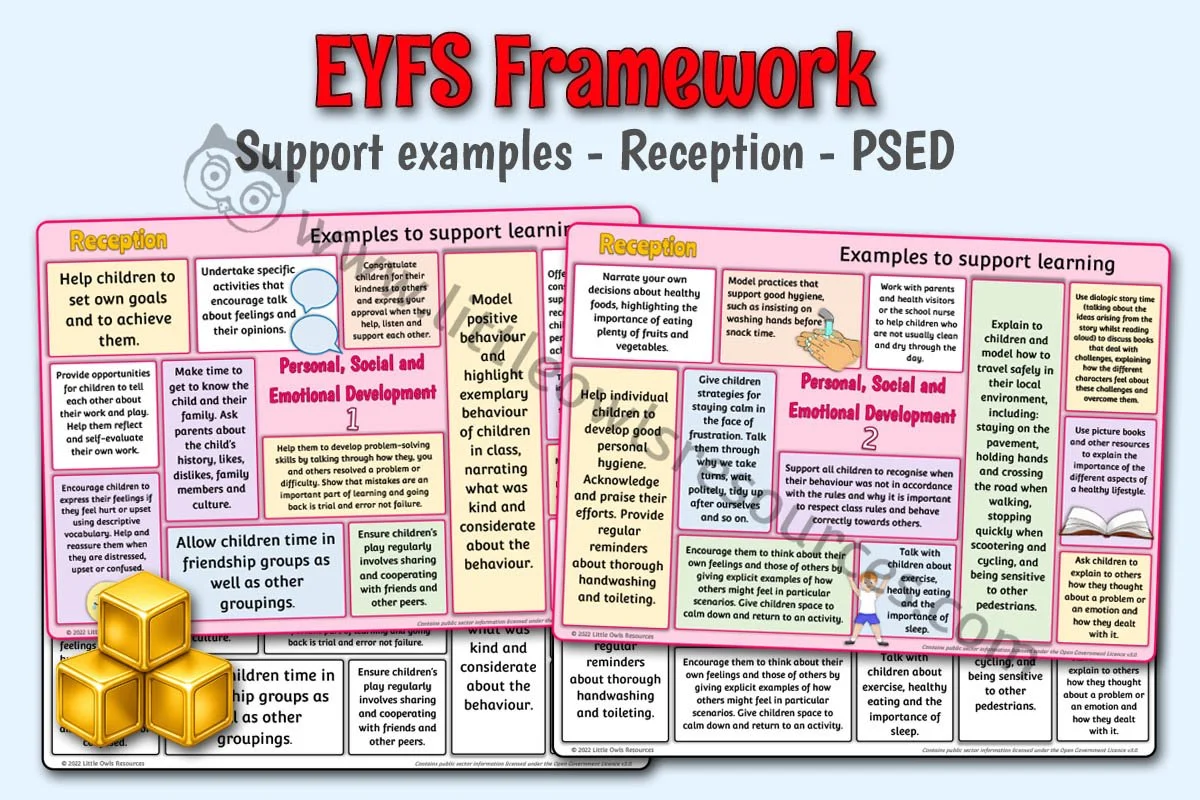
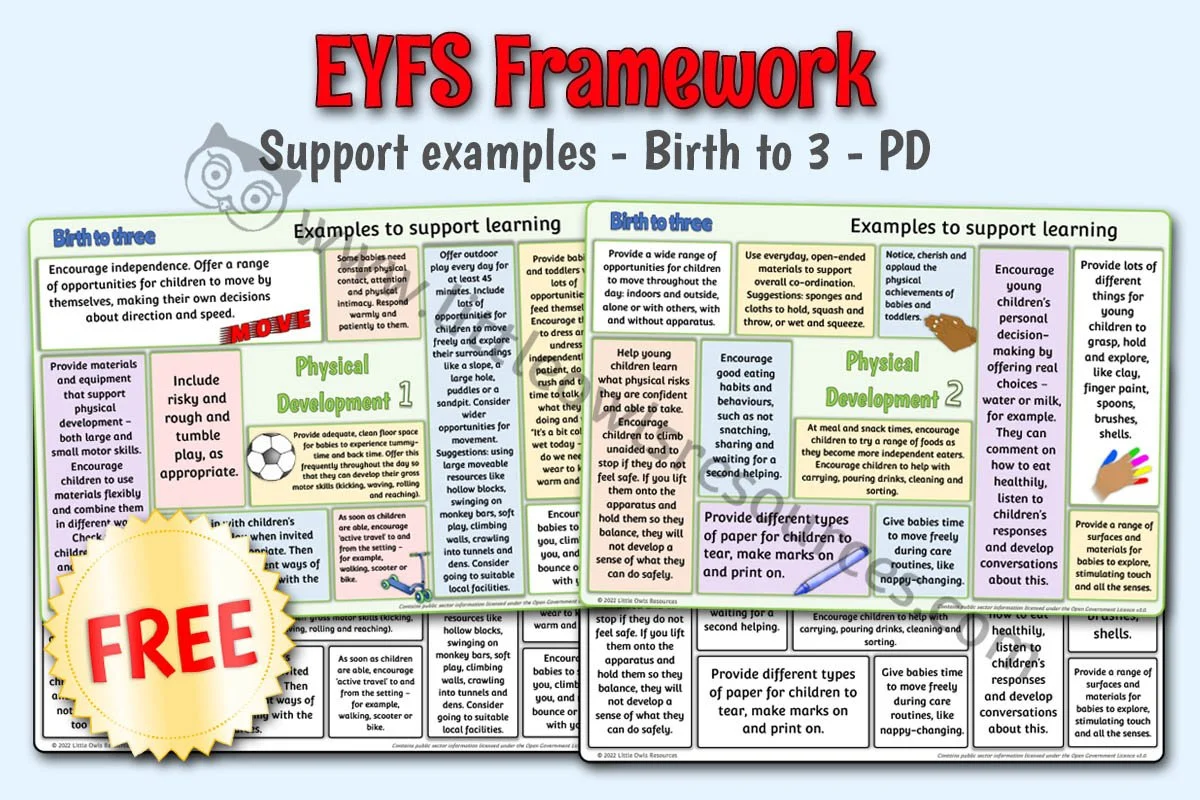
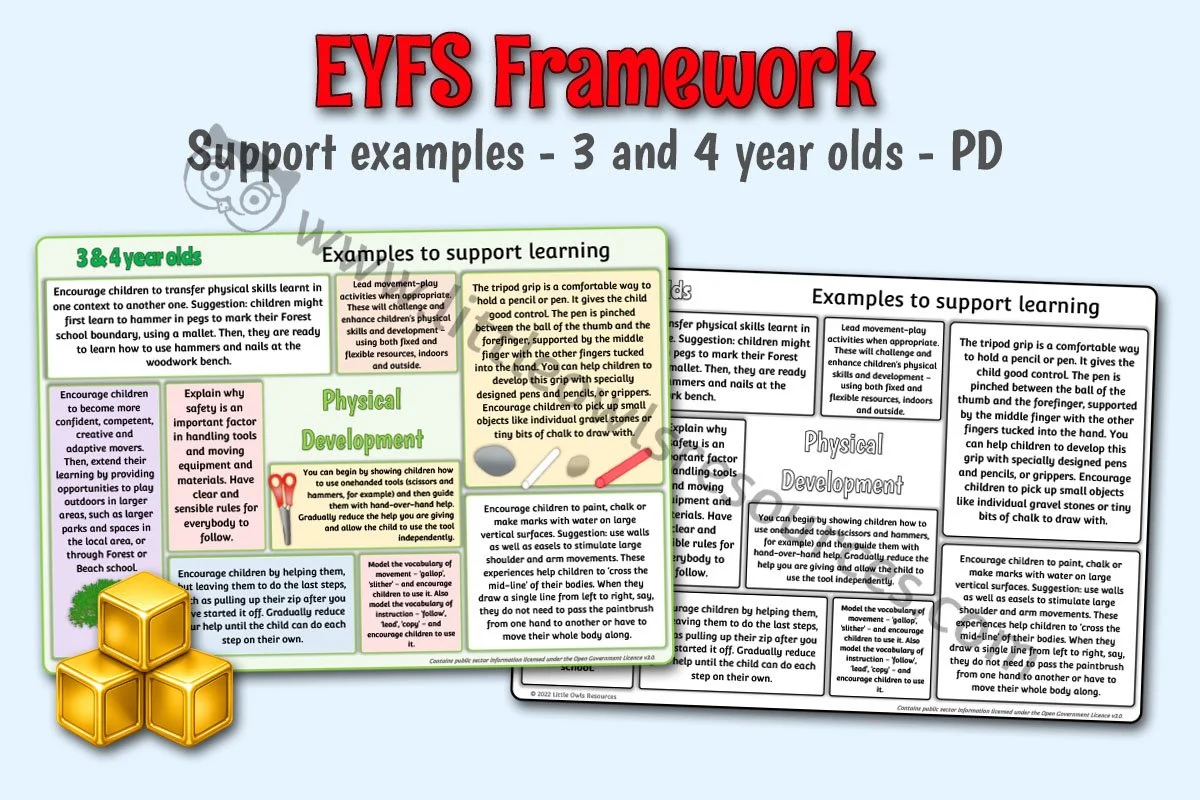
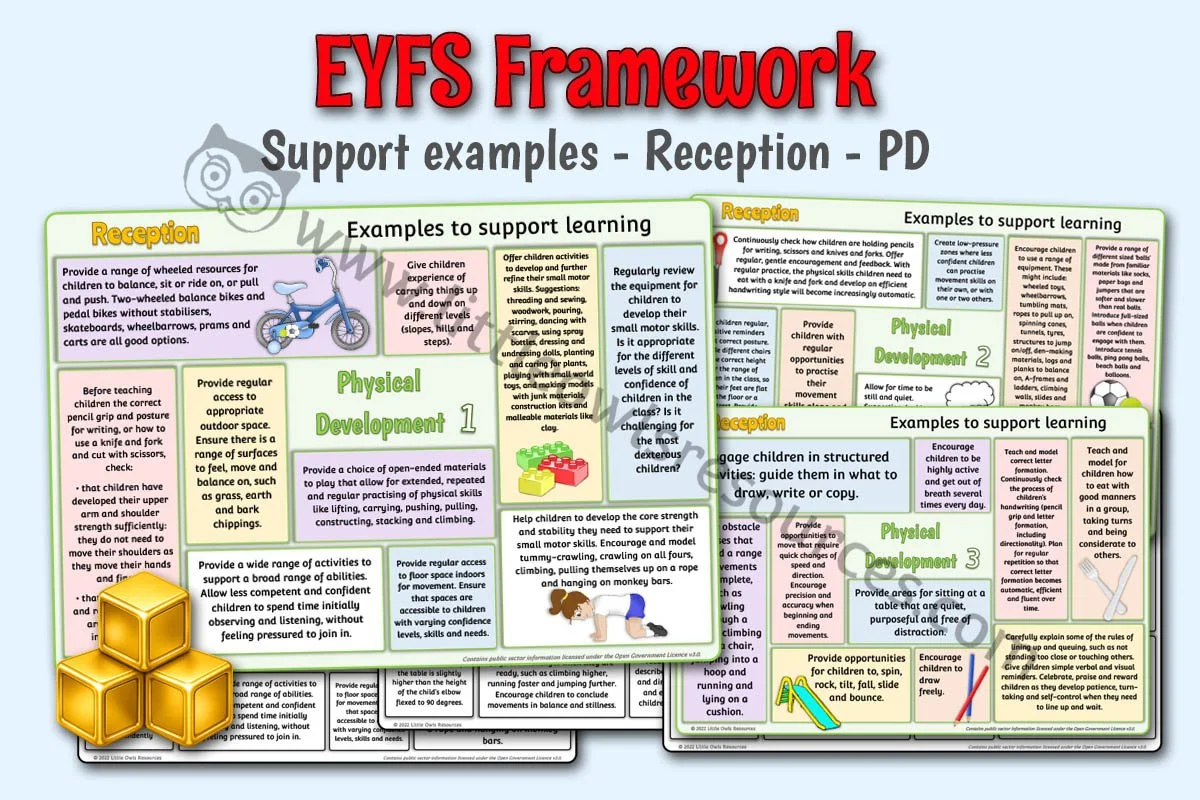
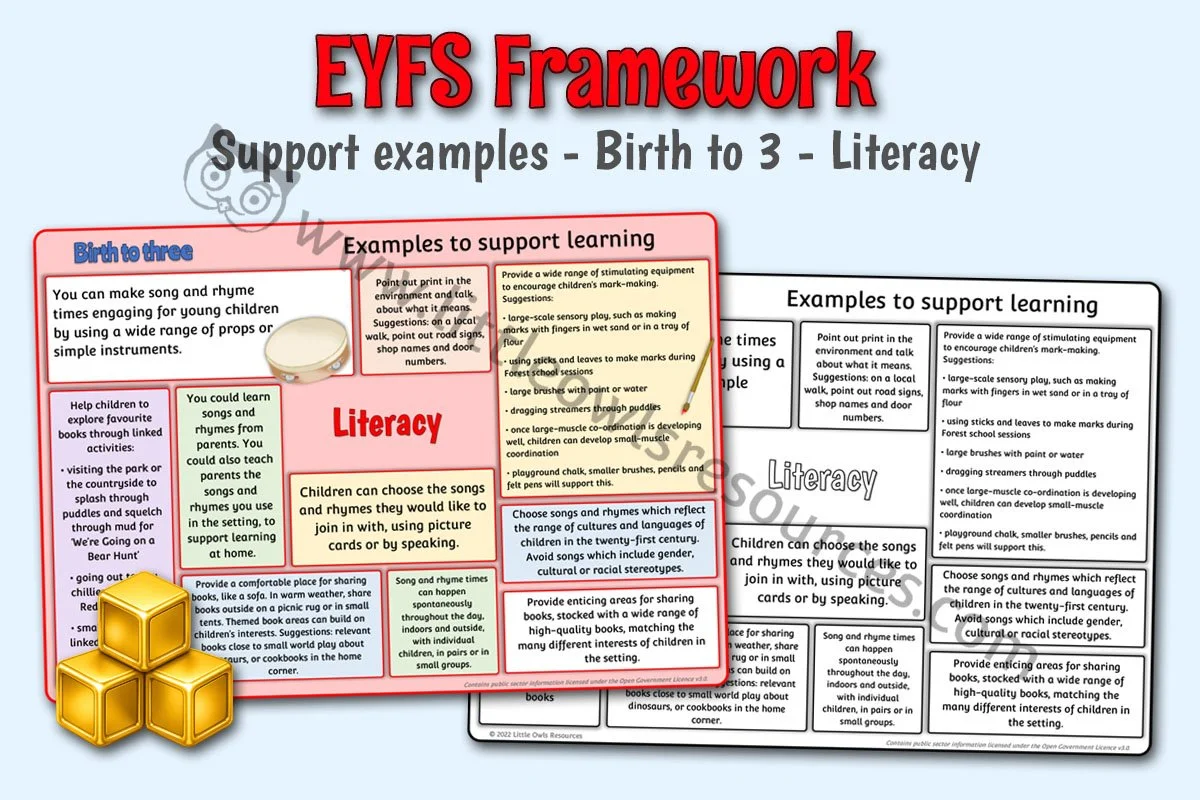
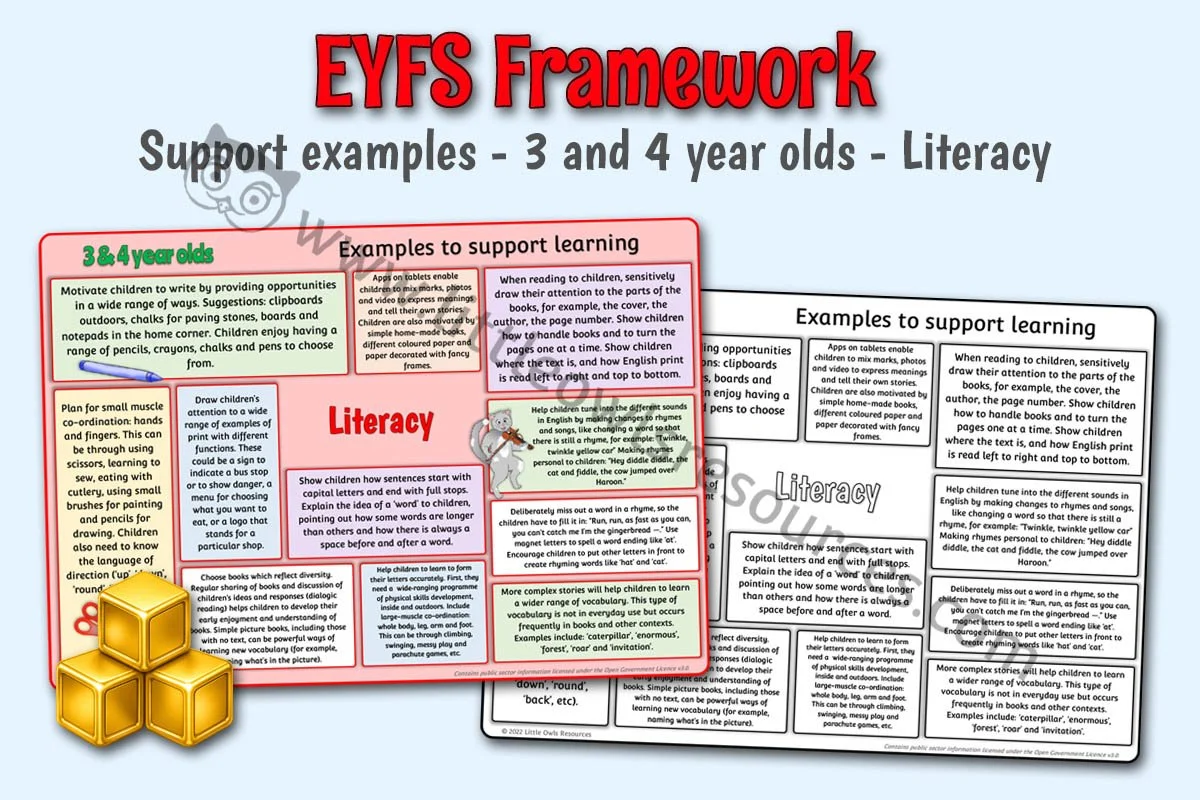
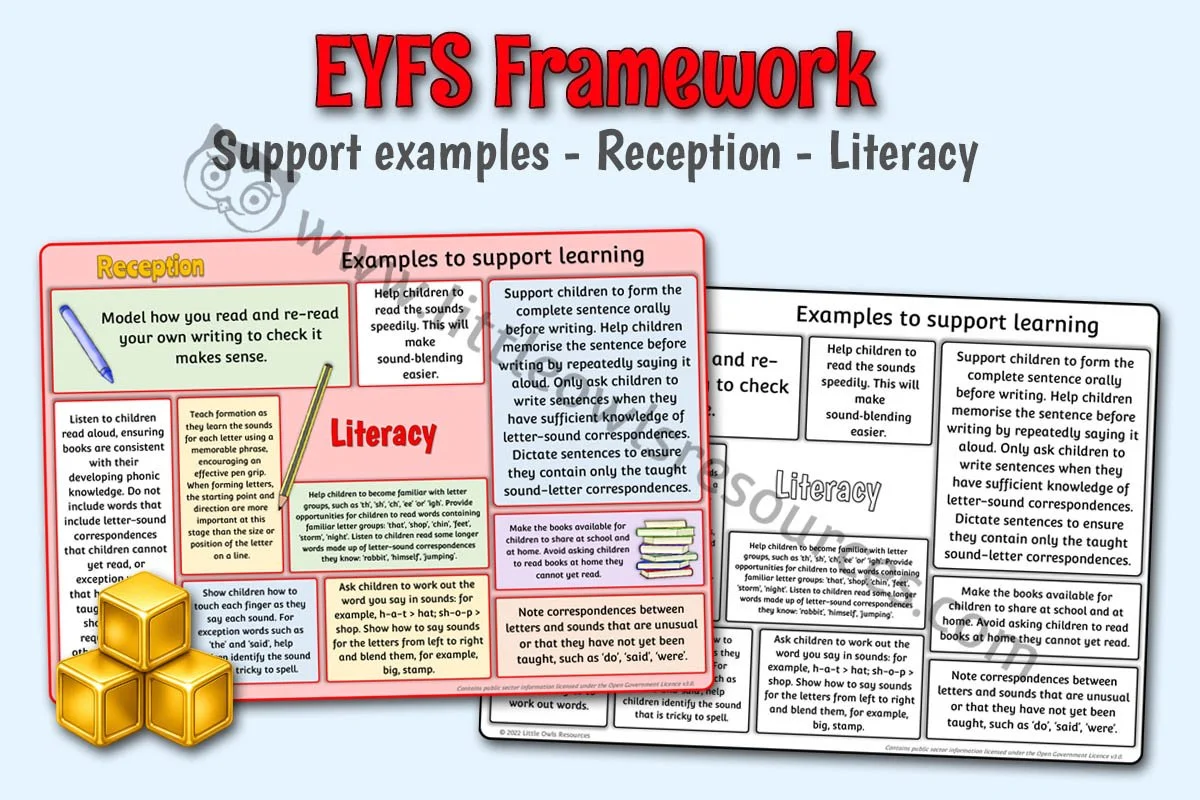
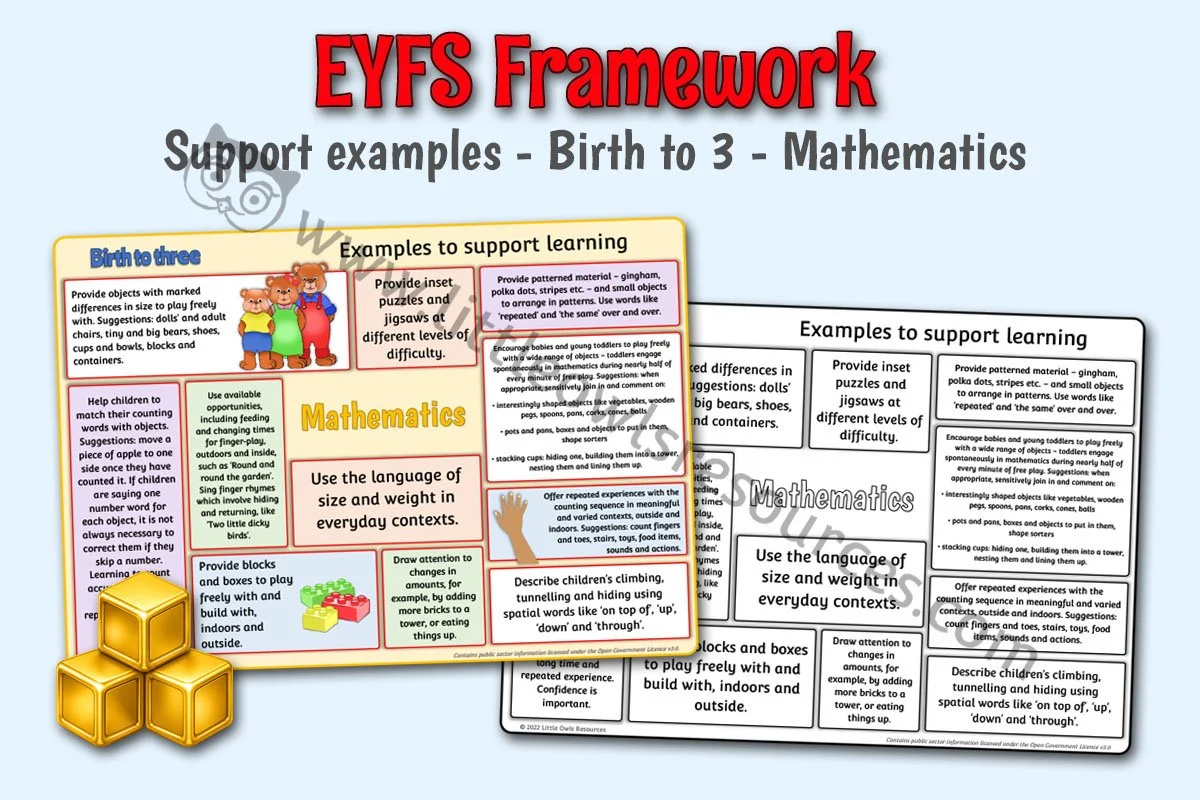
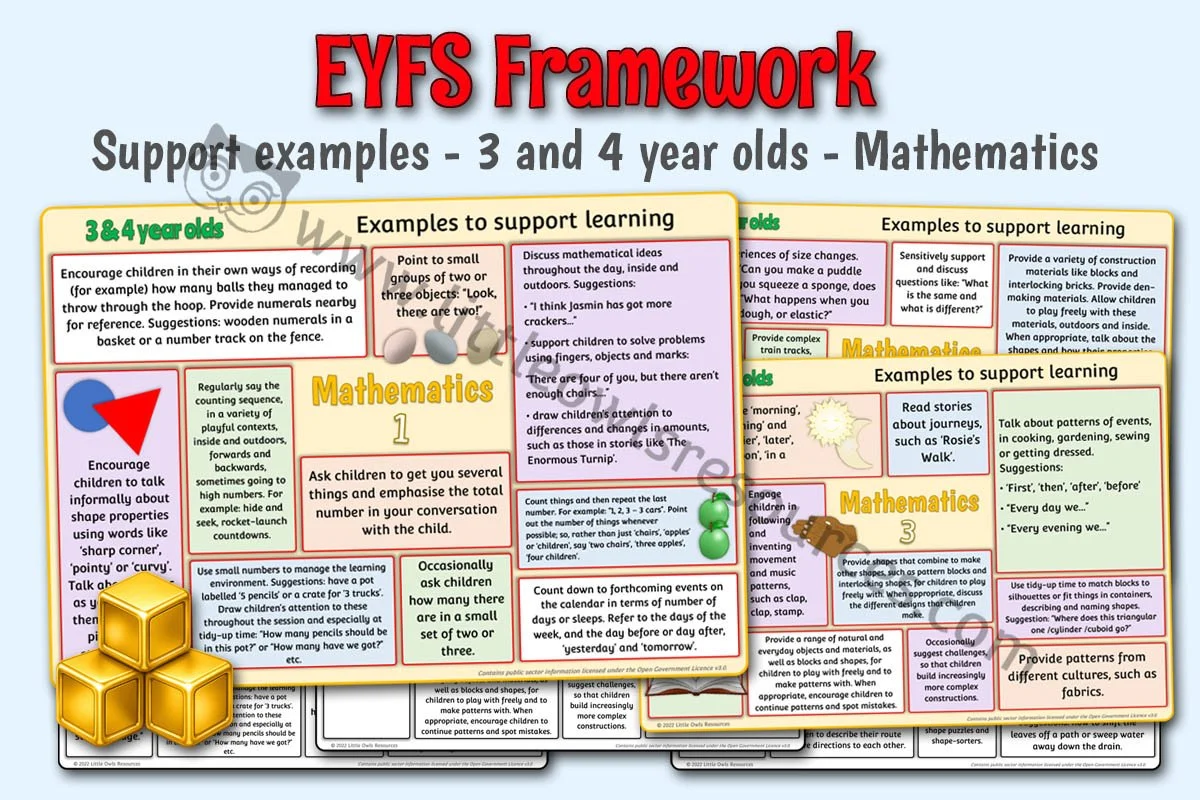
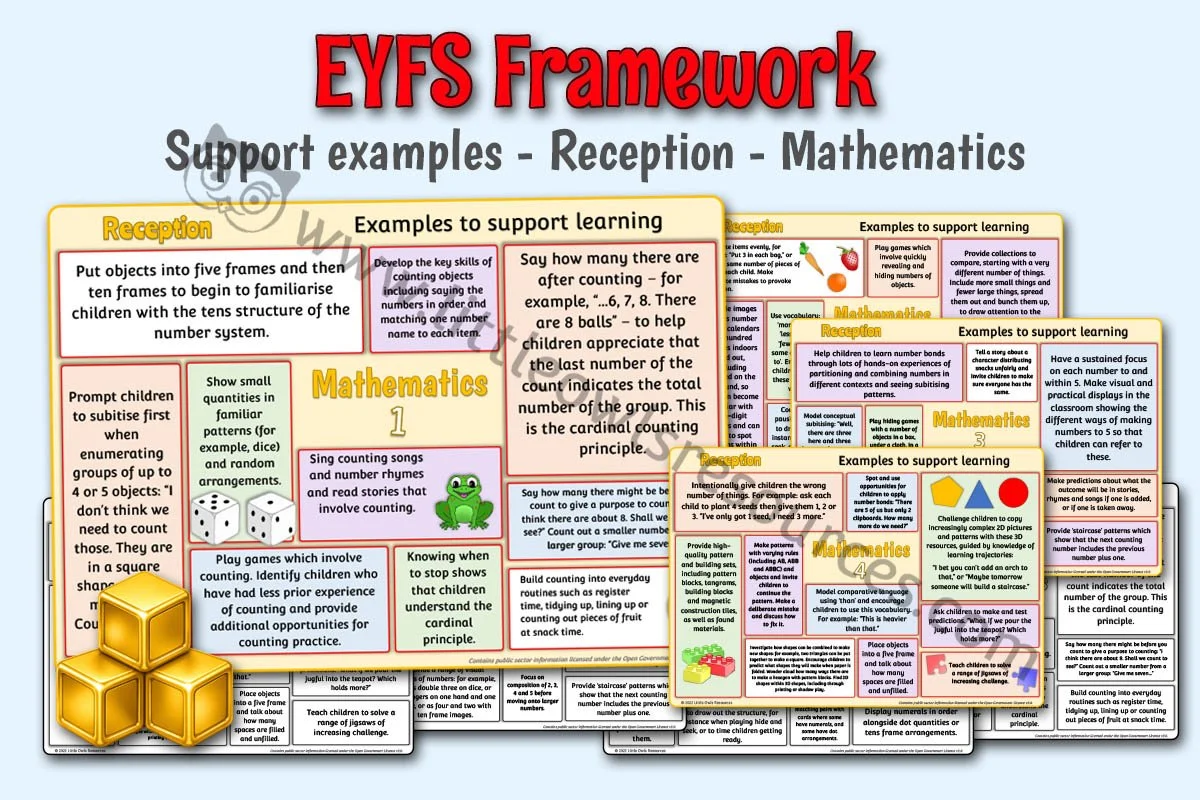
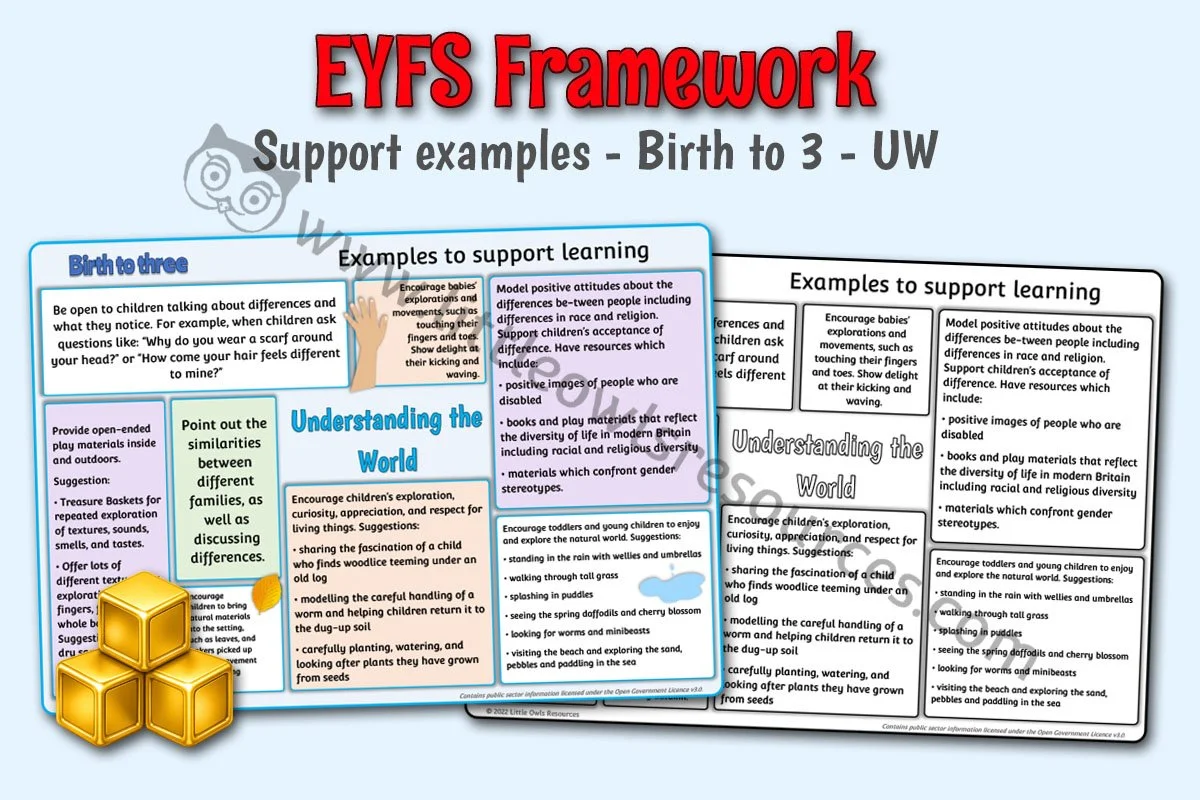
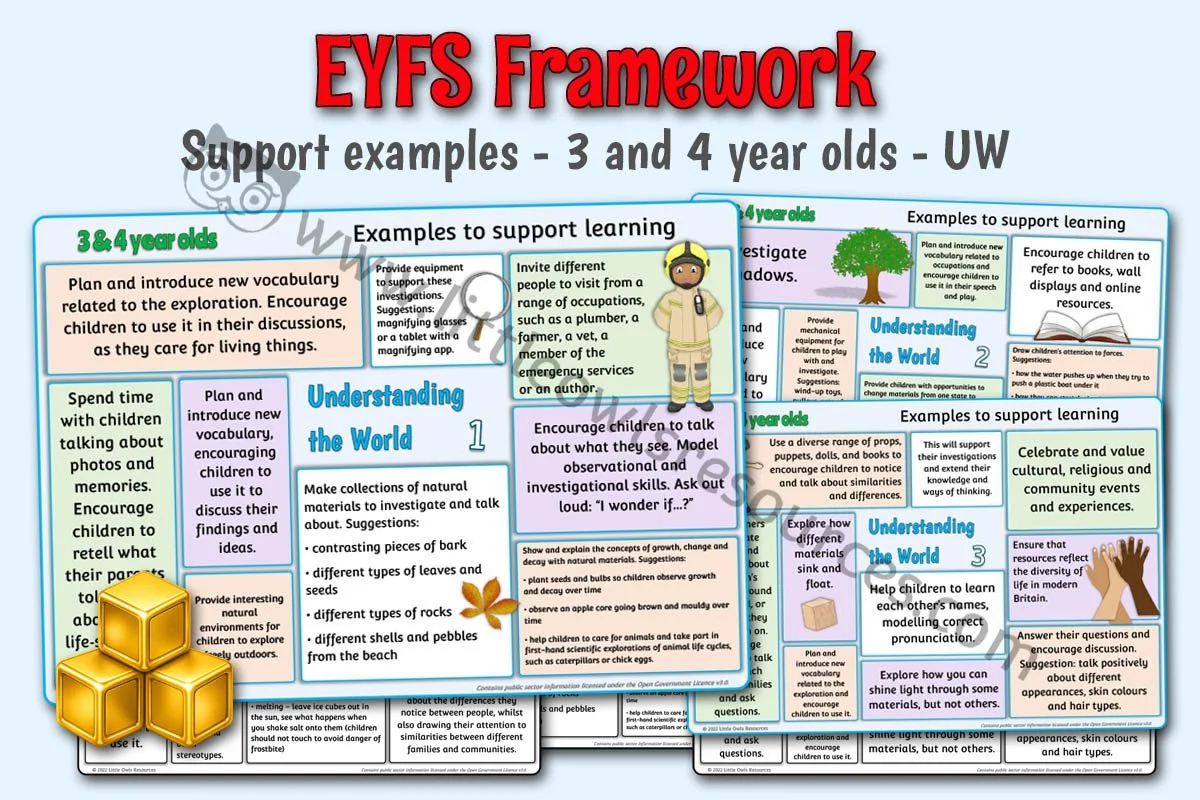
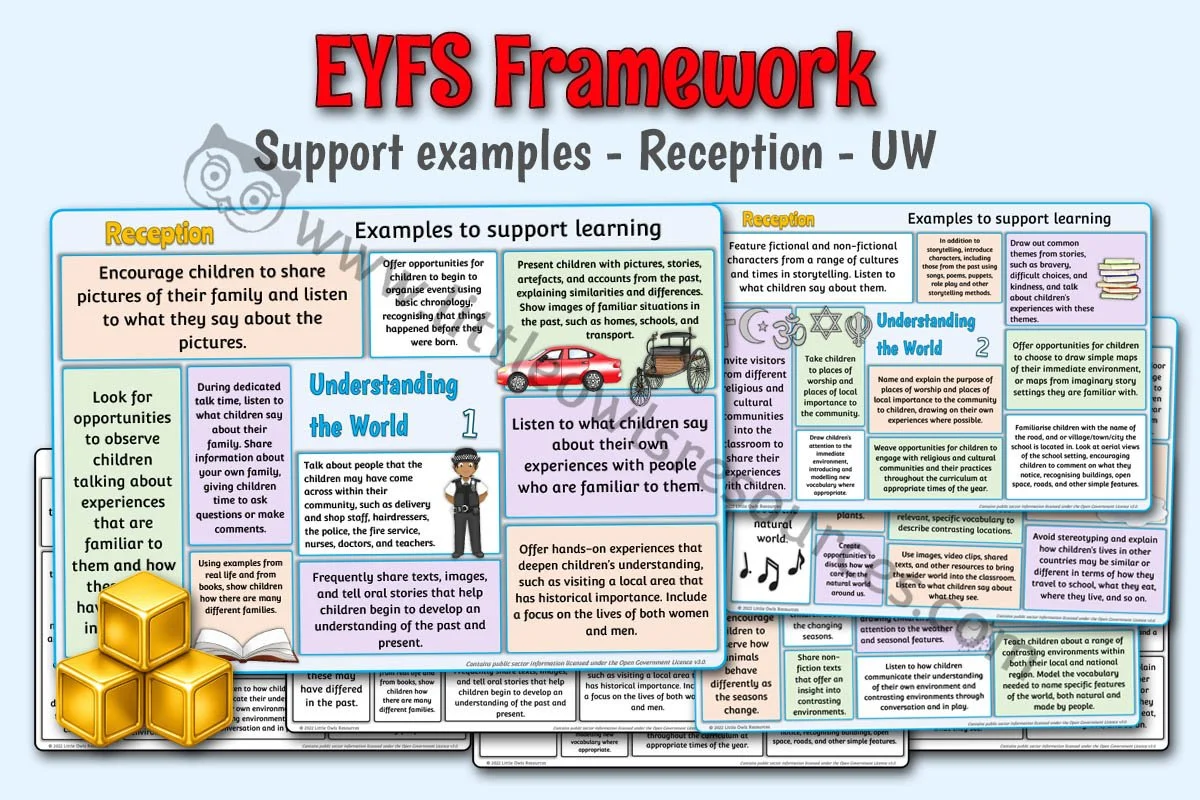
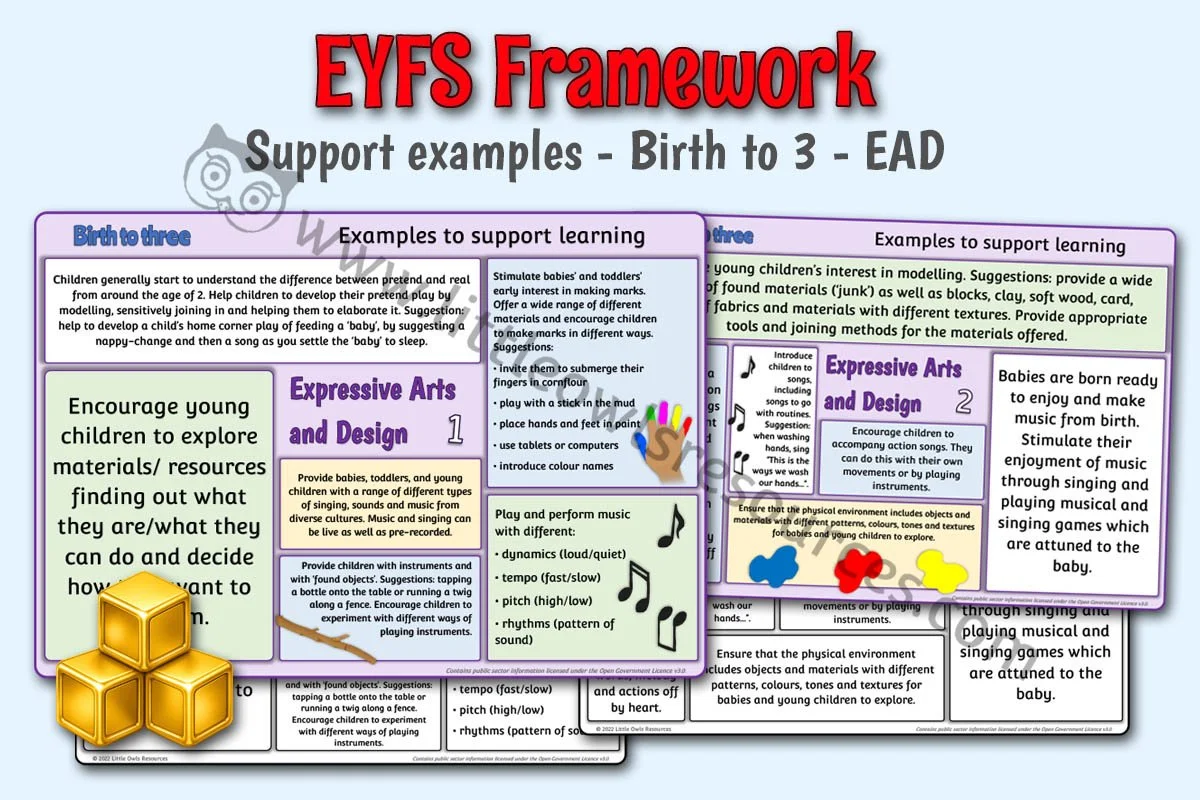
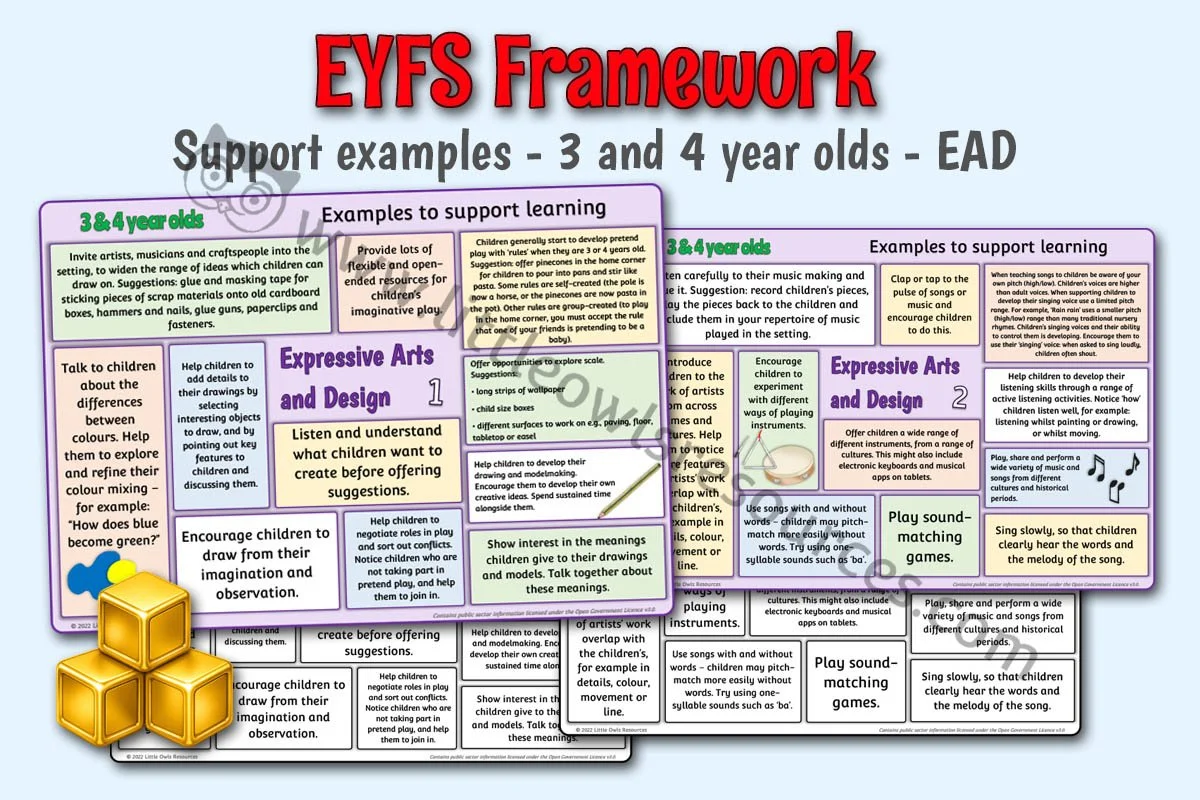
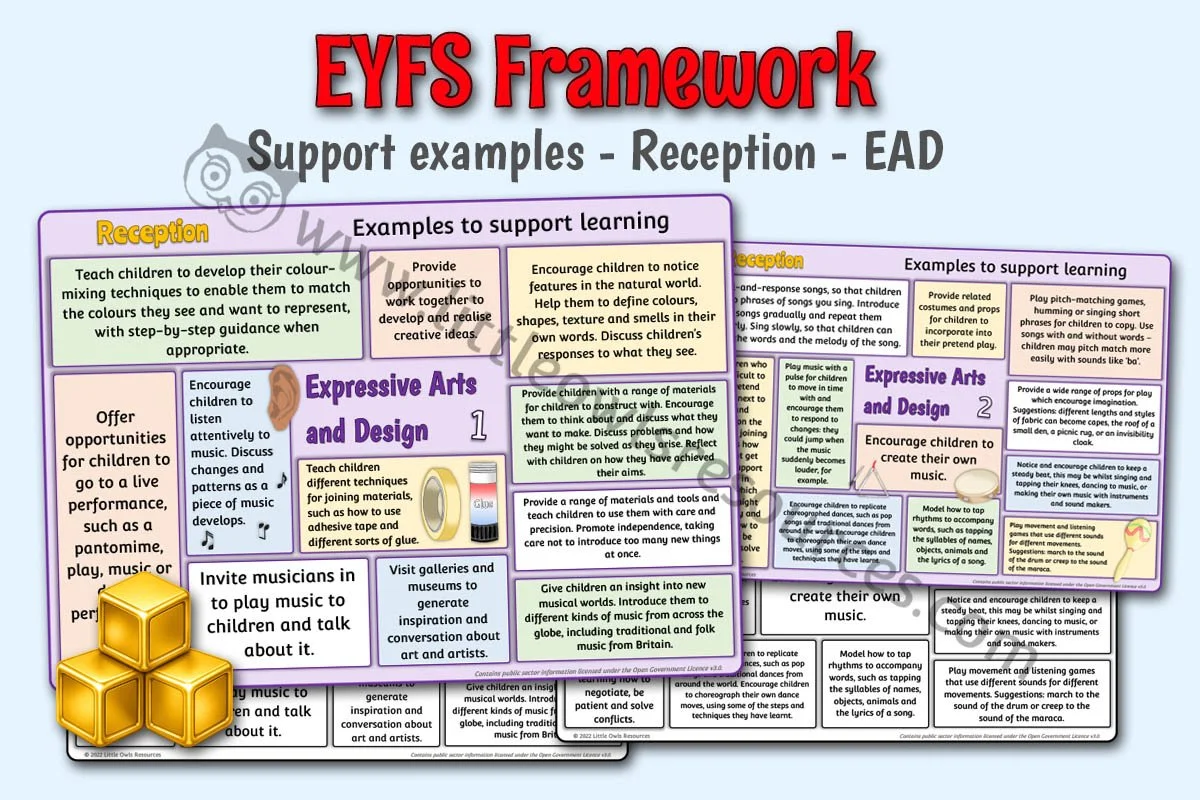
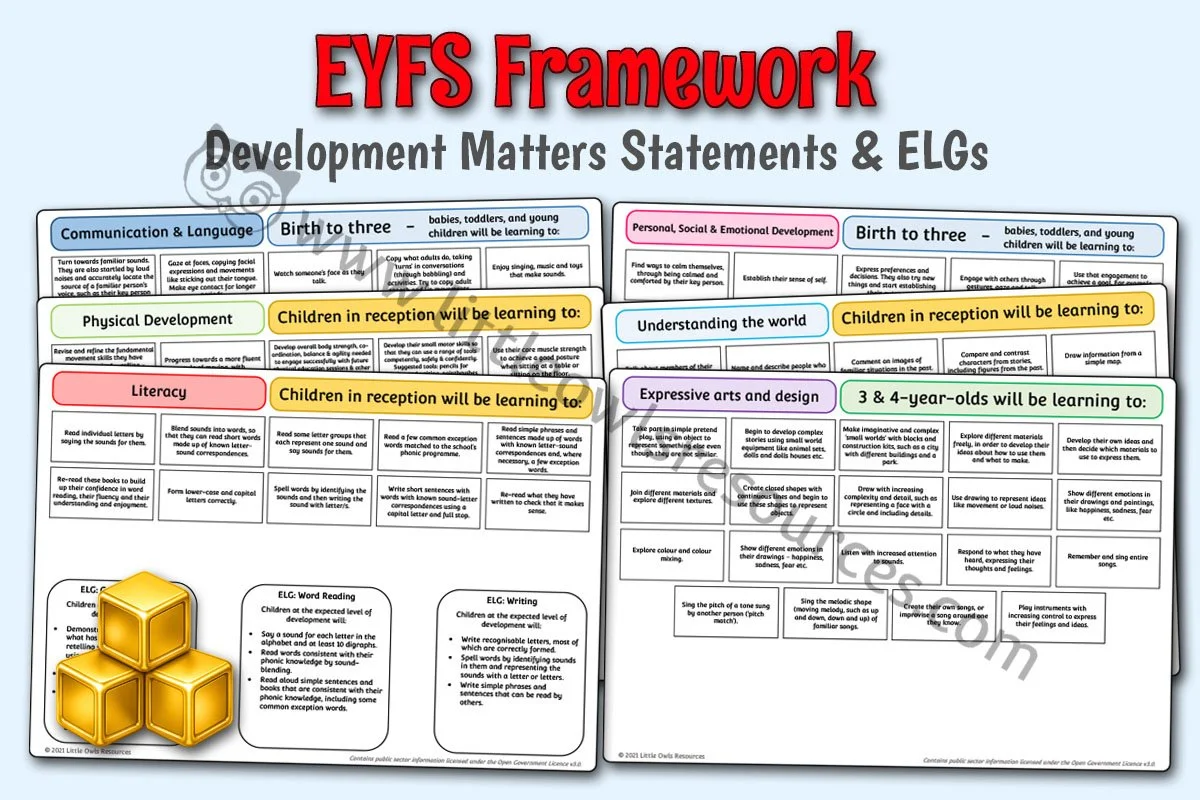
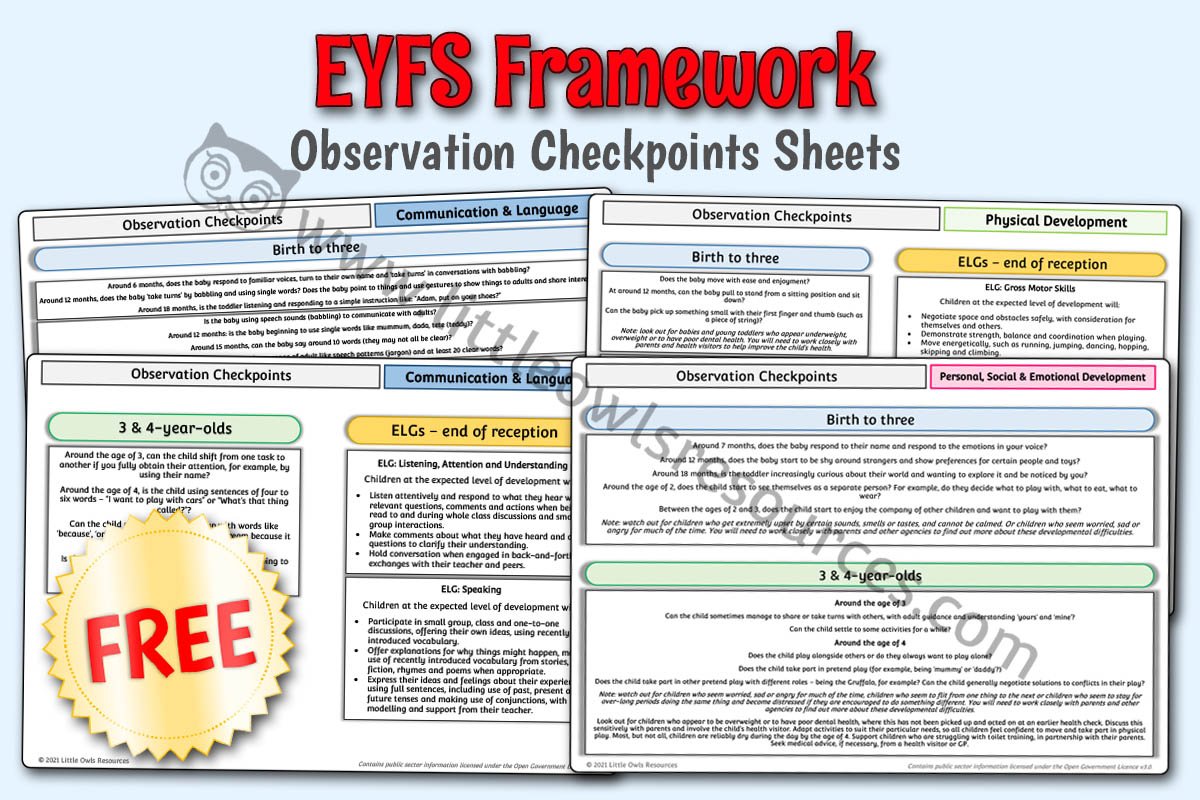
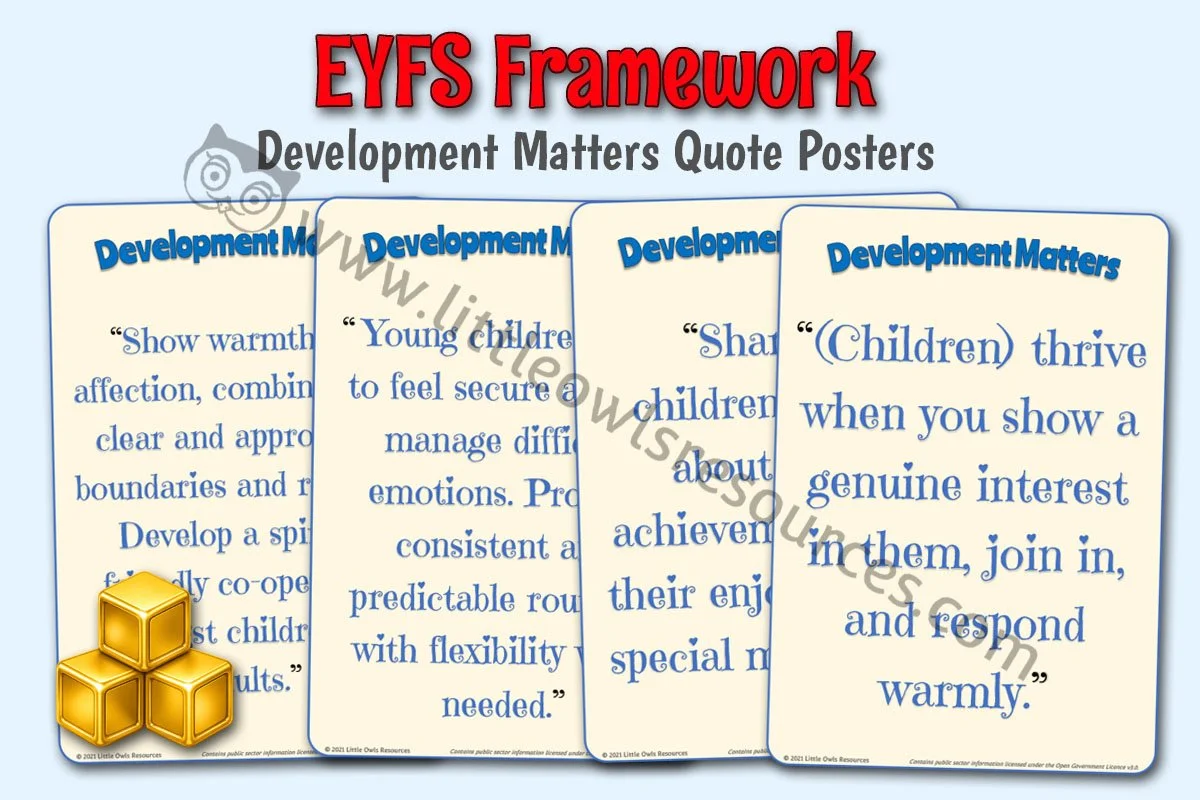
The following resources are within our ‘EYFS Framework’ collection. They refer to information contained within ‘Development Matters’ which supports the implementation of the EYFS Framework.
Disclaimer
The information provided in this glossary is intended to support understanding of terminology commonly used within the Early Years Foundation Stage (EYFS). It does not constitute official guidance and should not be considered a substitute for the EYFS Statutory Framework or other Department for Education publications.
Terminology and interpretations may vary between settings and professional contexts.