
Part of the EYFS Glossary
This article forms part of our EYFS Glossary of Early Years Education Terms, which explains key curriculum, pedagogy, and assessment language used in early years practice.
Best Fit Assessment is an approach used in the Early Years Foundation Stage (EYFS) where practitioners make a professional judgement about a child’s development by considering the range of evidence available and deciding which description of learning most closely matches the child’s typical level of attainment.
What is Best Fit Assessment in EYFS?
Best Fit Assessment refers to the process of deciding which developmental description most closely reflects a child’s overall learning and development, based on the evidence available. Rather than requiring children to demonstrate every statement within a developmental band or assessment framework, practitioners consider the “best fit” across observations, interactions, and knowledge of the child.
This approach recognises that children’s development is not always linear or evenly distributed, and that professional judgement is needed to determine the most accurate representation of a child’s learning.
How Best Fit Assessment is Used in Practice
In EYFS settings, Best Fit Assessment is typically used when practitioners review evidence about a child’s development across the Areas of Learning.
Practitioners may draw on:
observations of children’s play and interactions
examples of children’s work or creations
conversations with children
information from parents and carers
ongoing professional knowledge of the child
Rather than treating assessment statements as a checklist, practitioners consider patterns in the child’s learning over time and determine which developmental description most closely reflects the child’s current stage of development.
Best Fit and Professional Judgement
Best Fit Assessment relies on professional judgement. Practitioners use their knowledge of child development and their understanding of the individual child to interpret the evidence they have gathered.
This approach acknowledges that:
children may demonstrate some skills earlier than others
development often varies across contexts and experiences
assessment should reflect the child’s typical learning, not isolated examples
Professional judgement helps ensure that assessment remains holistic and developmentally appropriate, rather than being driven by rigid tick-lists.
Statutory Context
Best Fit Assessment is commonly used when making judgements within the EYFS framework, particularly when practitioners consider children’s development in relation to the Early Learning Goals (ELGs) at the end of the Reception year.
When completing the Early Years Foundation Stage Profile (EYFSP), teachers review the evidence available and determine whether a child has reached the expected level of development. This process involves considering which description of attainment best represents the child’s learning across each area.
Although the EYFS framework does not require assessment statements to be completed as checklists, it emphasises the importance of ongoing observational assessment and professional judgement.
In Summary
Best Fit Assessment is an approach used in the Early Years Foundation Stage (EYFS) in which practitioners use professional judgement to decide which description of development most closely reflects a child’s typical learning and attainment. Rather than requiring children to demonstrate every statement within a developmental framework, practitioners consider the overall pattern of evidence gathered through observation, interaction, and knowledge of the child.
This approach recognises that children’s development does not always progress evenly across different areas of learning. By considering a range of evidence over time, Best Fit Assessment supports holistic and developmentally appropriate judgements about children’s progress within the EYFS.
Common Questions About Best Fit Assessment
-
No. Best Fit Assessment does not require children to demonstrate every statement within a developmental description. Instead, practitioners consider whether the description most closely reflects the child’s overall learning and development.
-
Best Fit Assessment reflects the understanding that children develop at different rates and in different ways. It allows practitioners to make balanced professional judgements rather than relying on rigid checklists.
-
By considering multiple sources of evidence and the practitioner’s professional knowledge of the child, Best Fit Assessment helps ensure that judgements reflect typical learning over time, rather than isolated moments of performance.
Related Glossary Terms
The following glossary entries are closely related to Best Fit Assessment and provide additional context:


Observation (EYFS)
Assessment for Learning (EYFS)
Progress Tracking
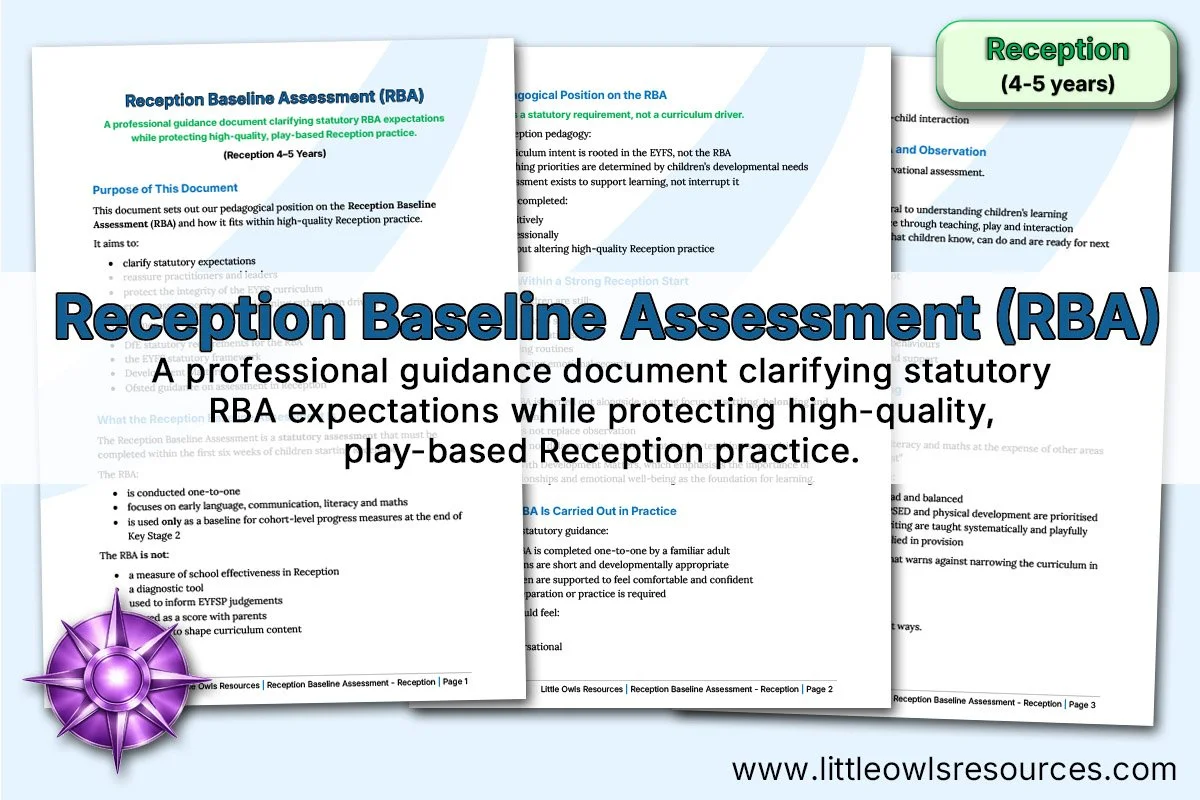
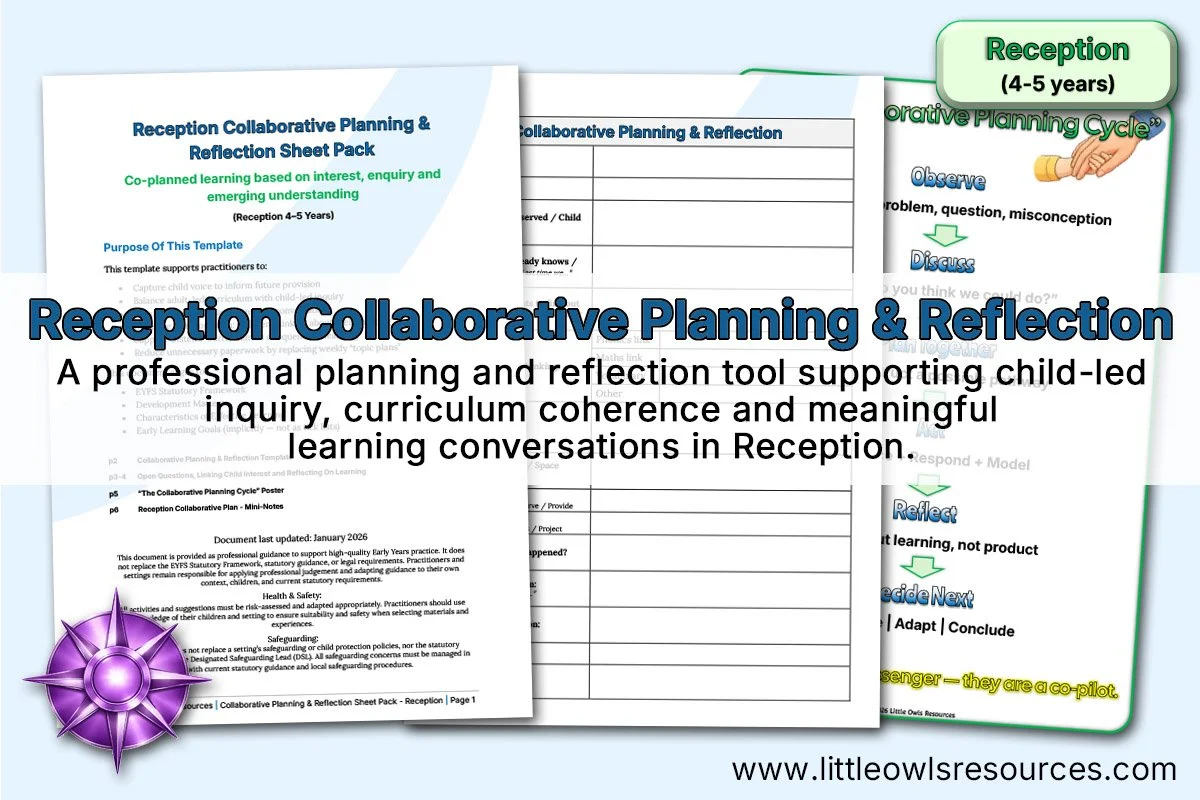
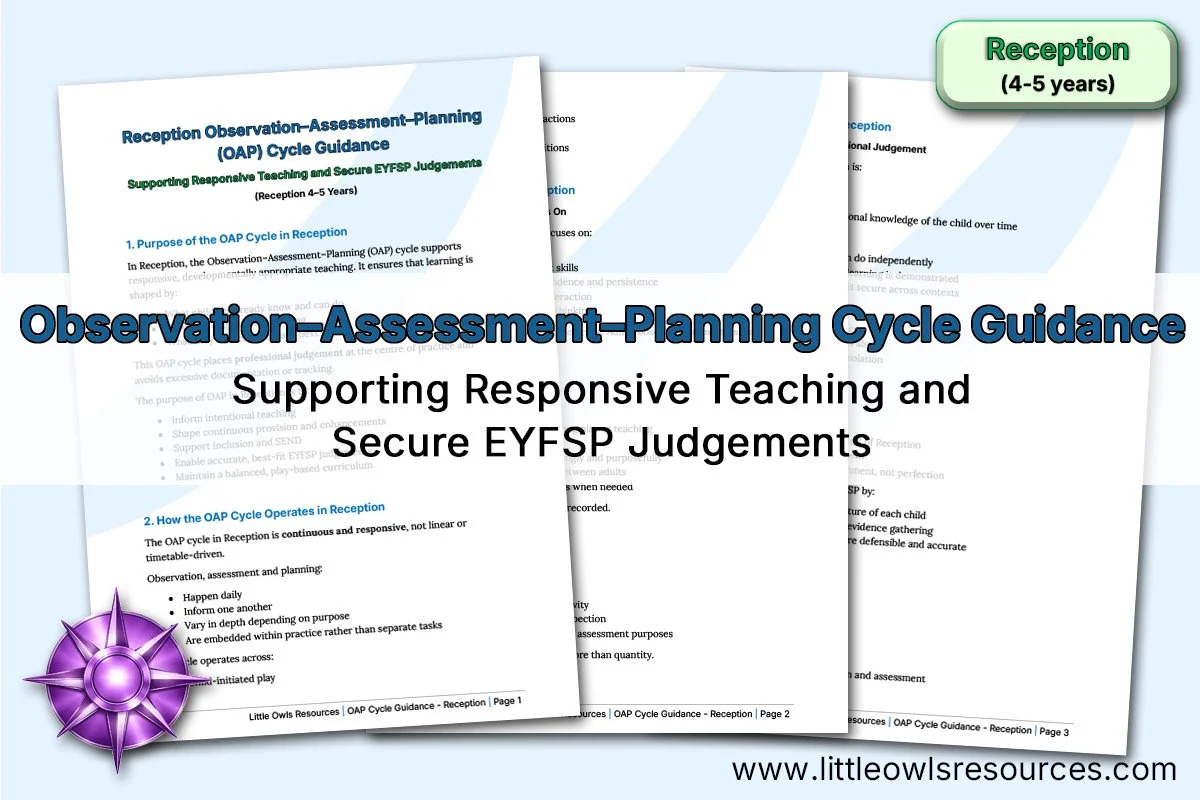
Further Guidance | Related Documents within our ‘EYFS Curriculum & Pedagogy’ suite:
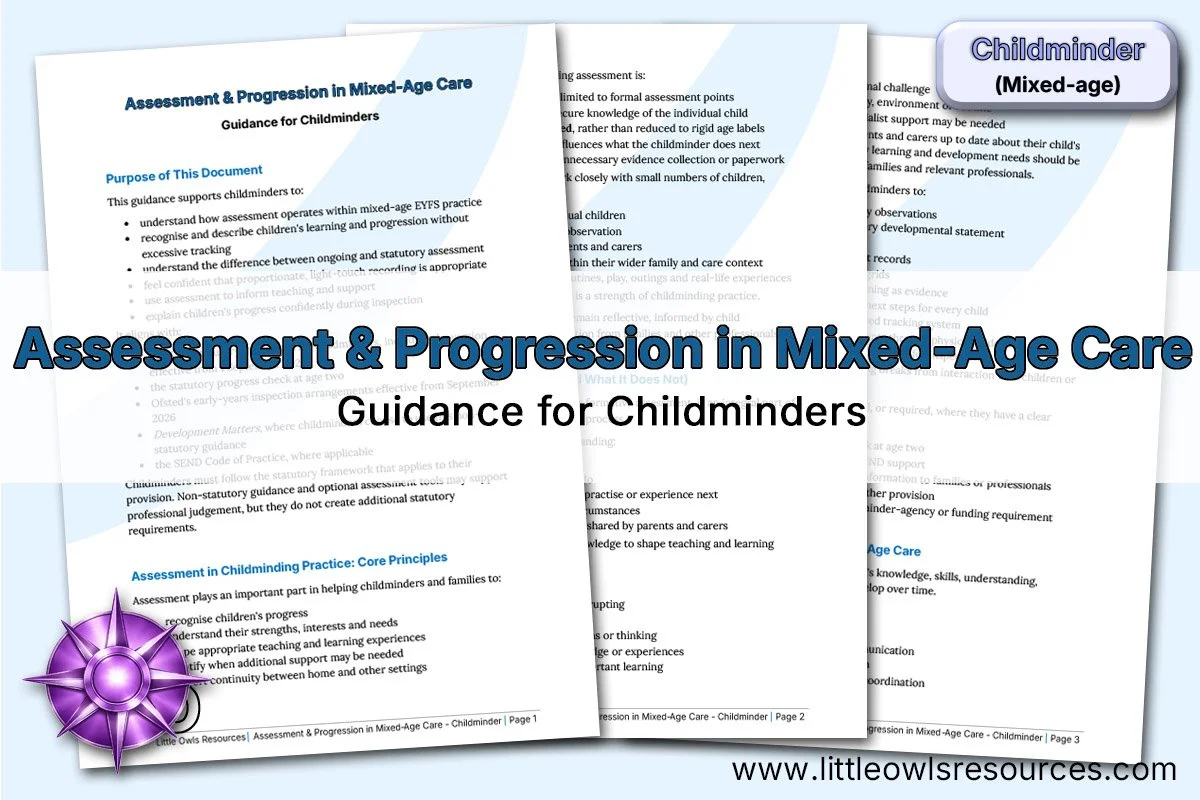
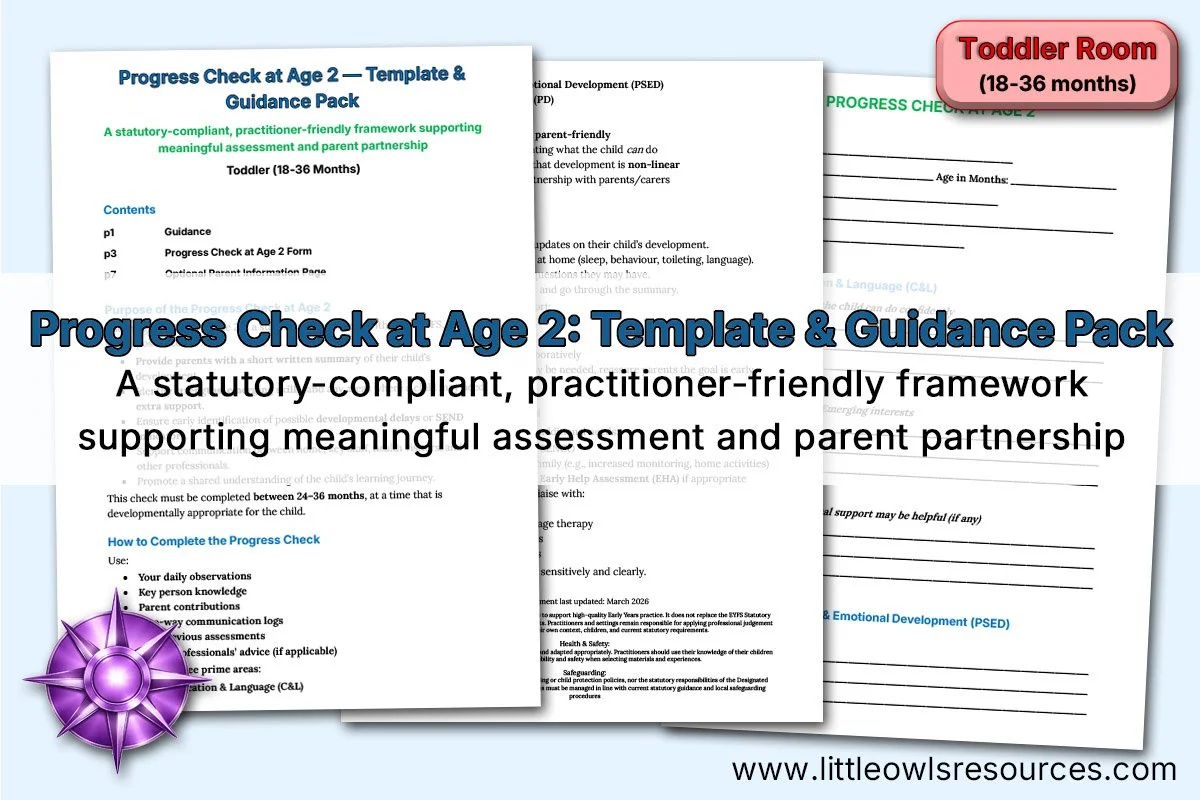
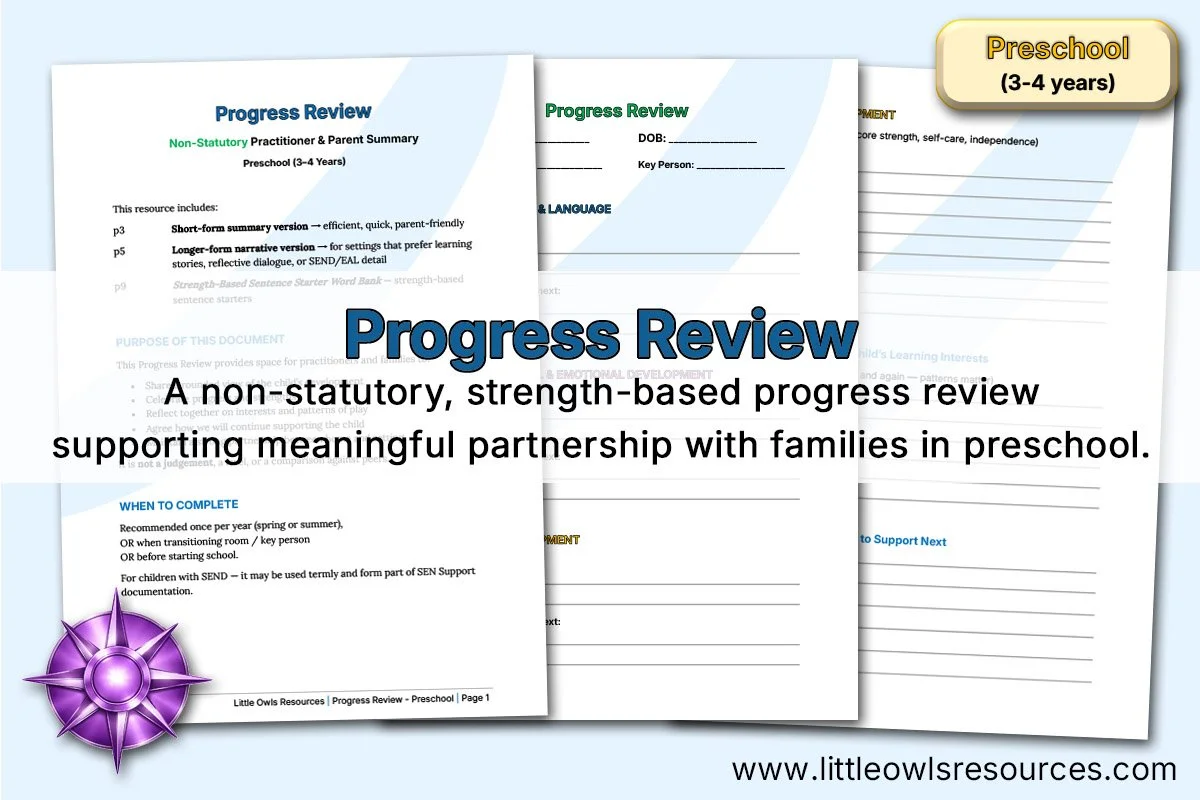
Below you will find a selection of guidance documents from within our Little Owls Resources ‘Curriculum & Pedagogy’ area which explore this concept (& its age-specific application within EYFS settings) in greater depth.
[For additional documents please visit our support pathways: Baby | Toddler | Preschool | Reception | Mixed-Age]








Disclaimer
The information provided in this glossary is intended to support understanding of terminology commonly used within the Early Years Foundation Stage (EYFS). It does not constitute official guidance and should not be considered a substitute for the EYFS Statutory Framework or other Department for Education publications.
Terminology and interpretations may vary between settings and professional contexts.