
Part of the EYFS Glossary
This article forms part of our EYFS Glossary of Early Years Education Terms, which explains key curriculum, pedagogy, and assessment language used in early years practice.
Curriculum coherence refers to the degree to which different elements of a curriculum are logically connected and work together to support children’s learning and development over time. A coherent curriculum ensures that learning experiences, knowledge, and skills build progressively and meaningfully across the early years.
What is Curriculum Coherence?
Curriculum coherence describes how well the different parts of a curriculum connect and support each other. In a coherent curriculum, learning experiences are not isolated activities but form part of a broader structure that helps children build understanding over time.
In the context of the Early Years Foundation Stage (EYFS), coherence means ensuring that learning opportunities across the Areas of Learning are thoughtfully organised so that children’s knowledge, skills, and experiences gradually develop through meaningful connections.
A coherent curriculum helps children make sense of their learning by allowing them to revisit ideas, deepen their understanding, and apply what they have learned in different contexts.
Why Curriculum Coherence Matters in EYFS
Curriculum coherence supports children’s development by ensuring that learning experiences are purposeful and connected rather than fragmented or random.
In early years settings, coherence can support:
gradual development of knowledge and skills
meaningful links between different areas of learning
continuity in children’s experiences over time
deeper understanding through repeated encounters with ideas
Because young children learn through play, exploration, and repeated experiences, coherent planning helps ensure that learning opportunities build naturally on what children already know and can do.
How Curriculum Coherence is Developed
Curriculum coherence is developed through thoughtful planning and reflection on how learning opportunities are organised across the early years curriculum.
Practitioners may support coherence by:
identifying key concepts and experiences that children should encounter
ensuring learning opportunities build on children’s prior experiences
connecting learning across different Areas of Learning
providing opportunities to revisit ideas in different contexts
reflecting on how provision and experiences contribute to children’s development over time
In practice, coherence often emerges through the interaction between curriculum planning, continuous provision, and responsive teaching.
Curriculum Coherence and Progression
Curriculum coherence is closely linked to progression. When a curriculum is coherent, learning experiences are sequenced in ways that support children’s gradual development.
Progression in EYFS does not necessarily mean moving through rigid steps. Instead, coherent planning helps ensure that children encounter opportunities that deepen their understanding and extend their skills over time.
For example, children may revisit similar ideas through play, discussion, exploration, and adult-guided experiences, allowing them to build richer and more connected understanding.
Statutory Context
While the term curriculum coherence is not defined explicitly within the EYFS Statutory Framework, the principle of coherent curriculum planning is reflected in expectations that providers deliver educational programmes across the seven Areas of Learning and Development.
Guidance such as Development Matters emphasises the importance of planning learning experiences that build on children’s existing knowledge and support their development across the early years.
Common Questions About Curriculum Coherence
-
In practice, curriculum coherence means that learning experiences connect with each other and support children’s development over time. Activities and experiences are linked through shared ideas, themes, or developmental goals rather than being unrelated or isolated.
-
Sequencing can contribute to curriculum coherence, but coherence is broader. It refers to the overall sense that learning experiences work together to support development, even when learning occurs through play-based and responsive approaches.
-
When learning experiences connect with each other, children can build understanding more effectively. Revisiting ideas and experiences in different contexts helps children deepen their knowledge and make meaningful connections.
Summary
Curriculum coherence refers to the way in which different elements of a curriculum connect and work together to support children’s learning over time. In the Early Years Foundation Stage, coherence helps ensure that learning experiences across the Areas of Learning build on children’s prior knowledge and support their ongoing development.
By planning experiences that are connected, meaningful, and progressive, practitioners can support children in developing deeper understanding through exploration, play, and repeated encounters with ideas.
Related Glossary Terms
The following glossary entries are closely related to Curriculum Coherence and provide additional context:
Continuous Provision
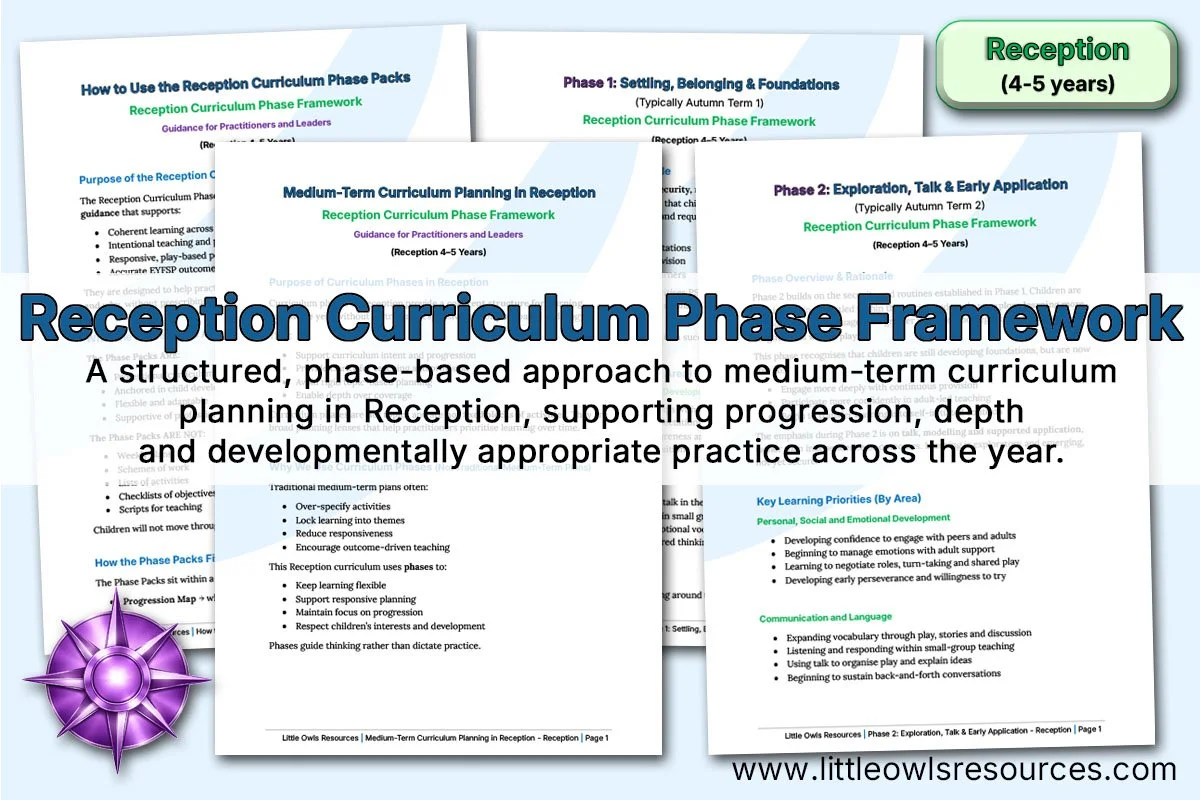
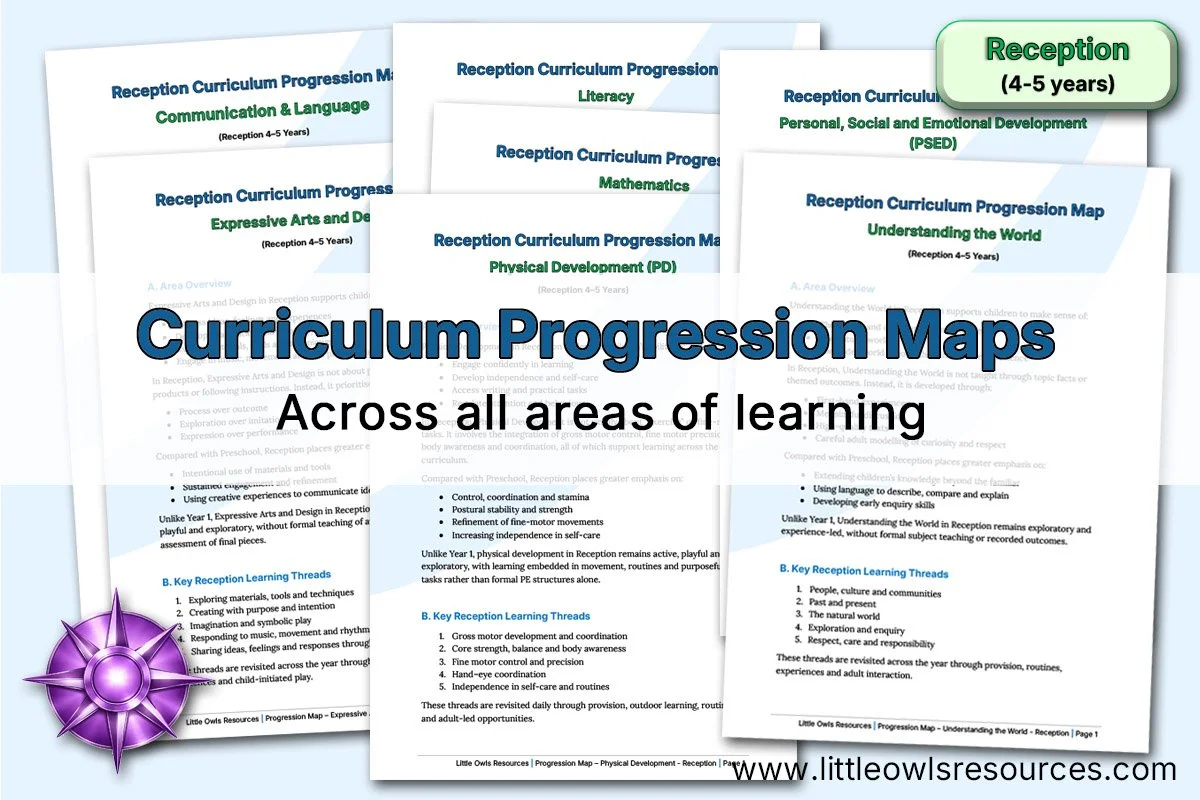
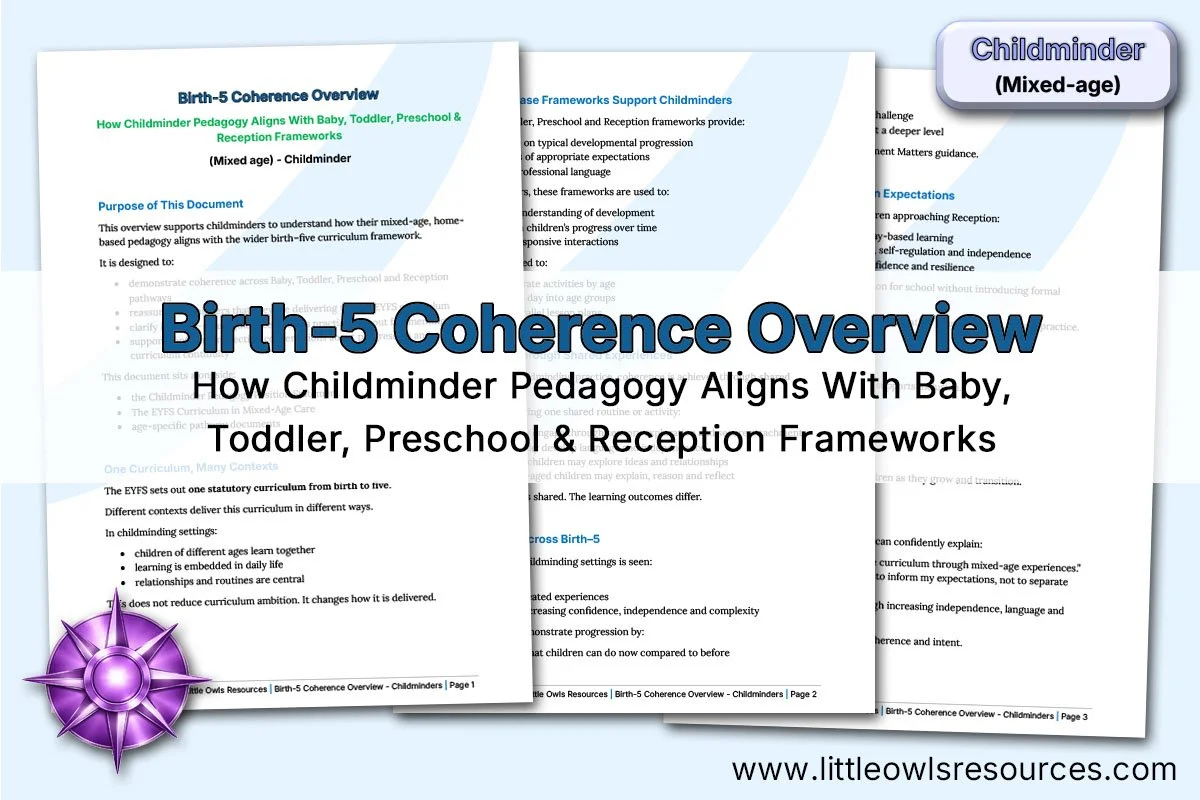
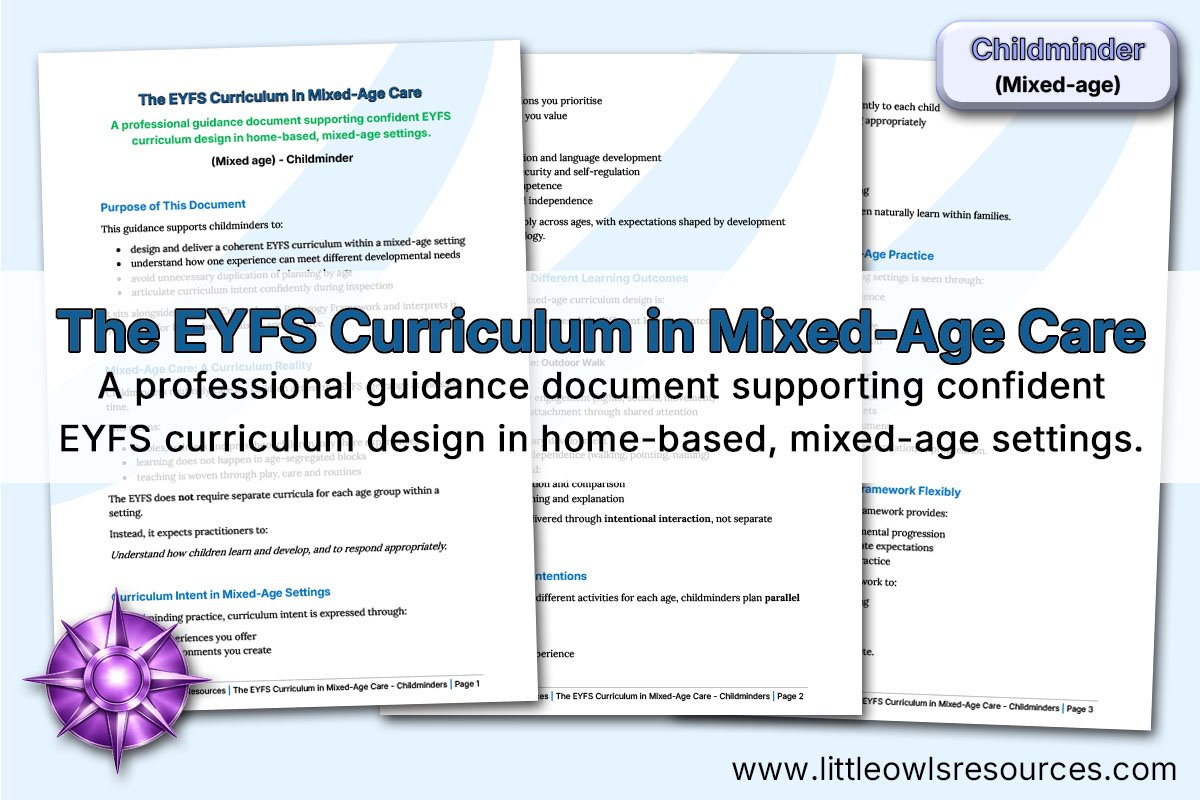
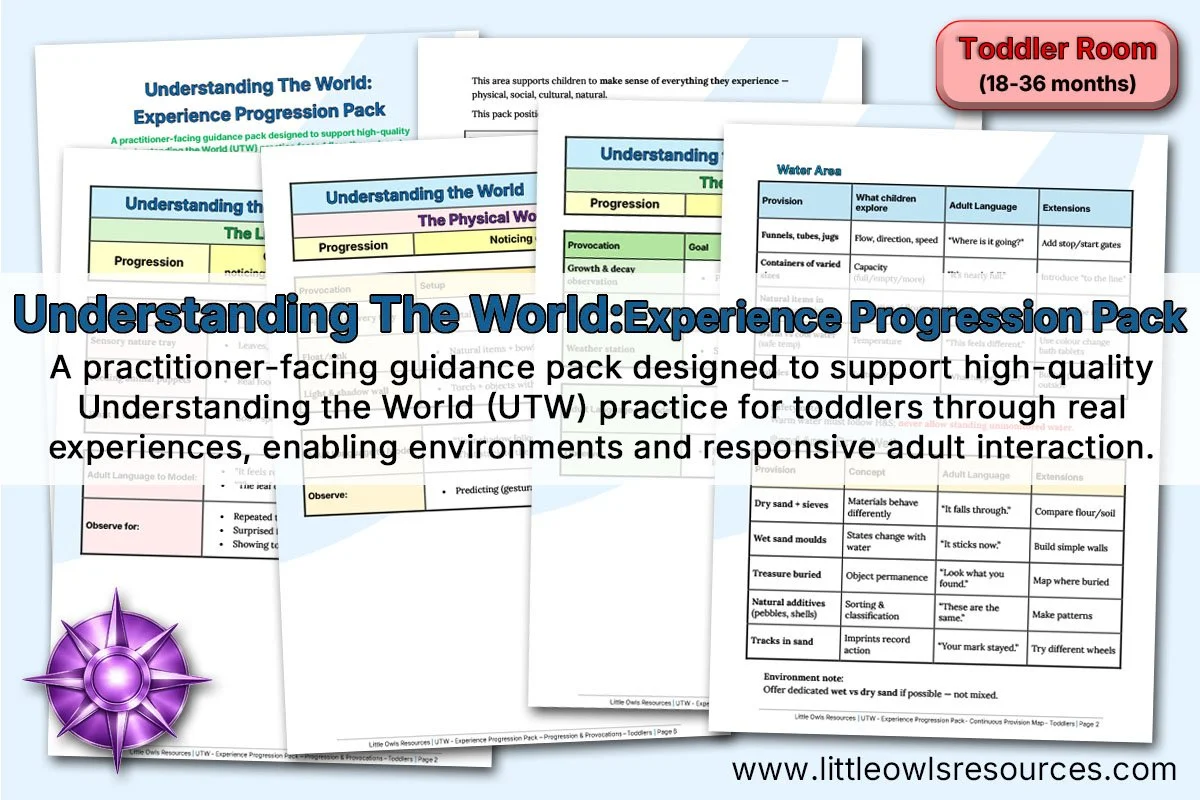
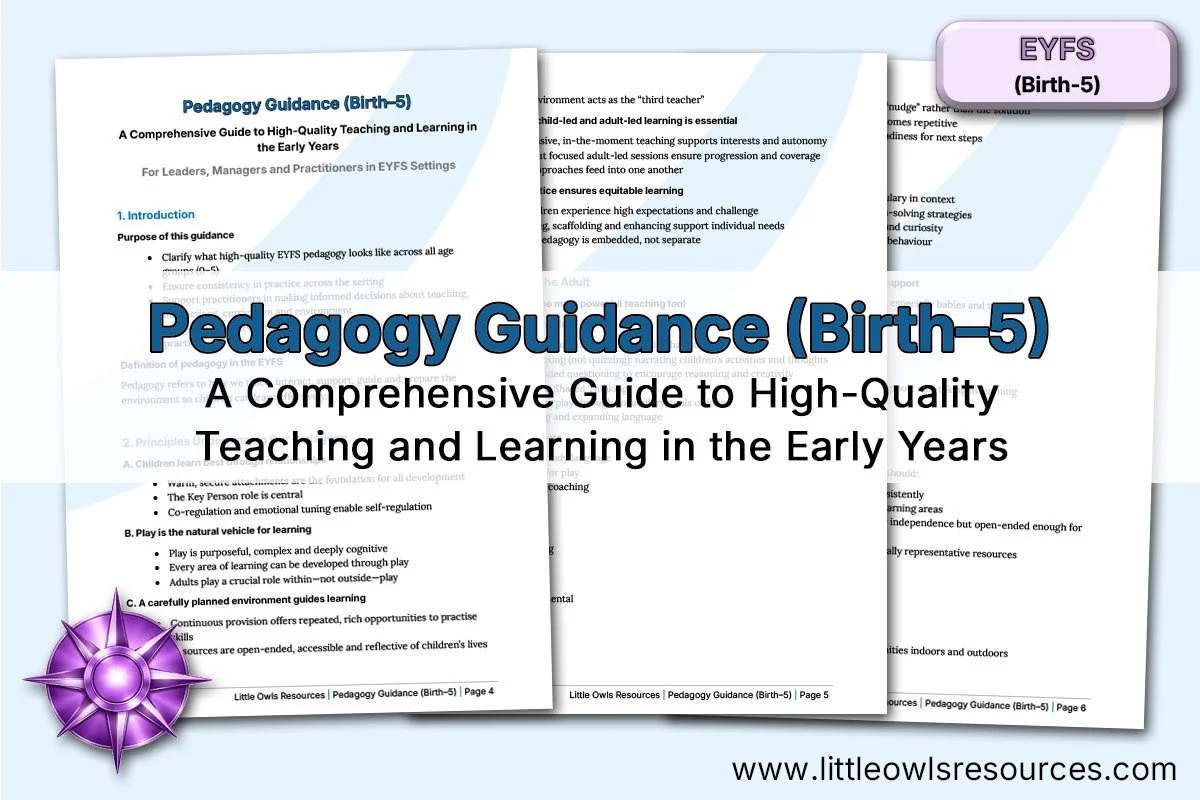
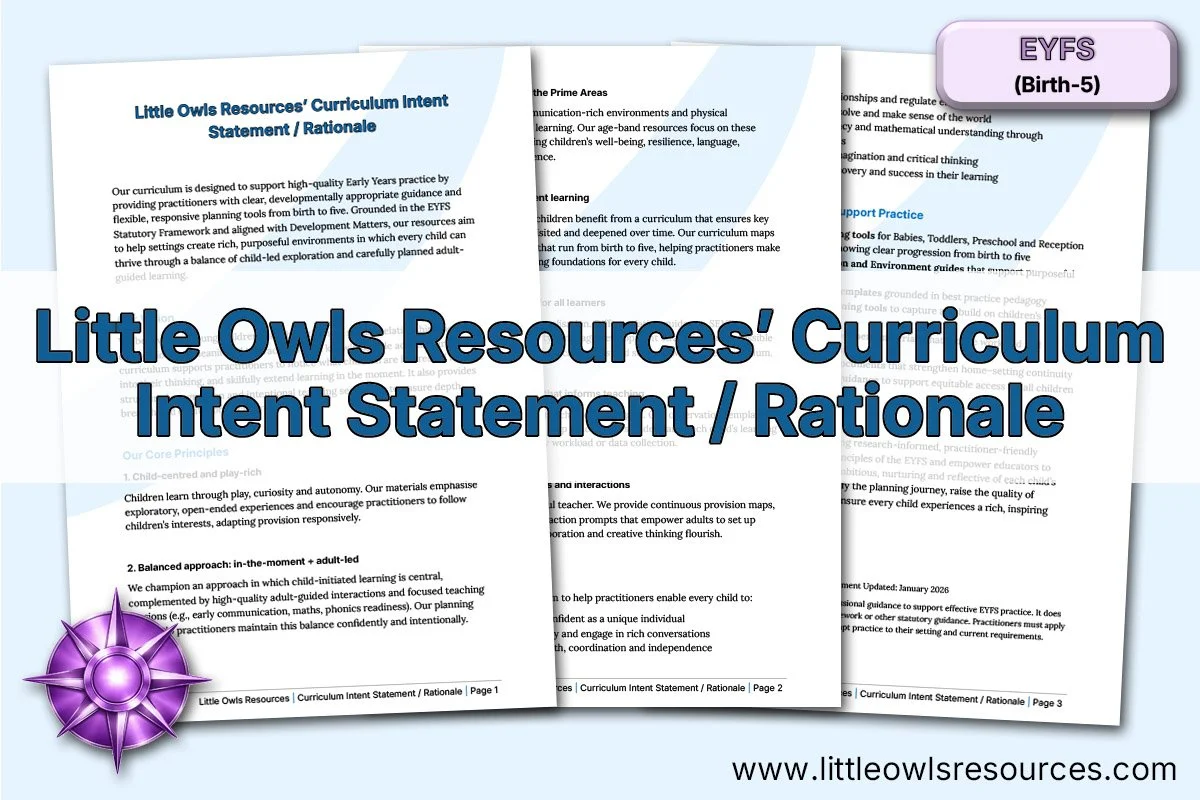
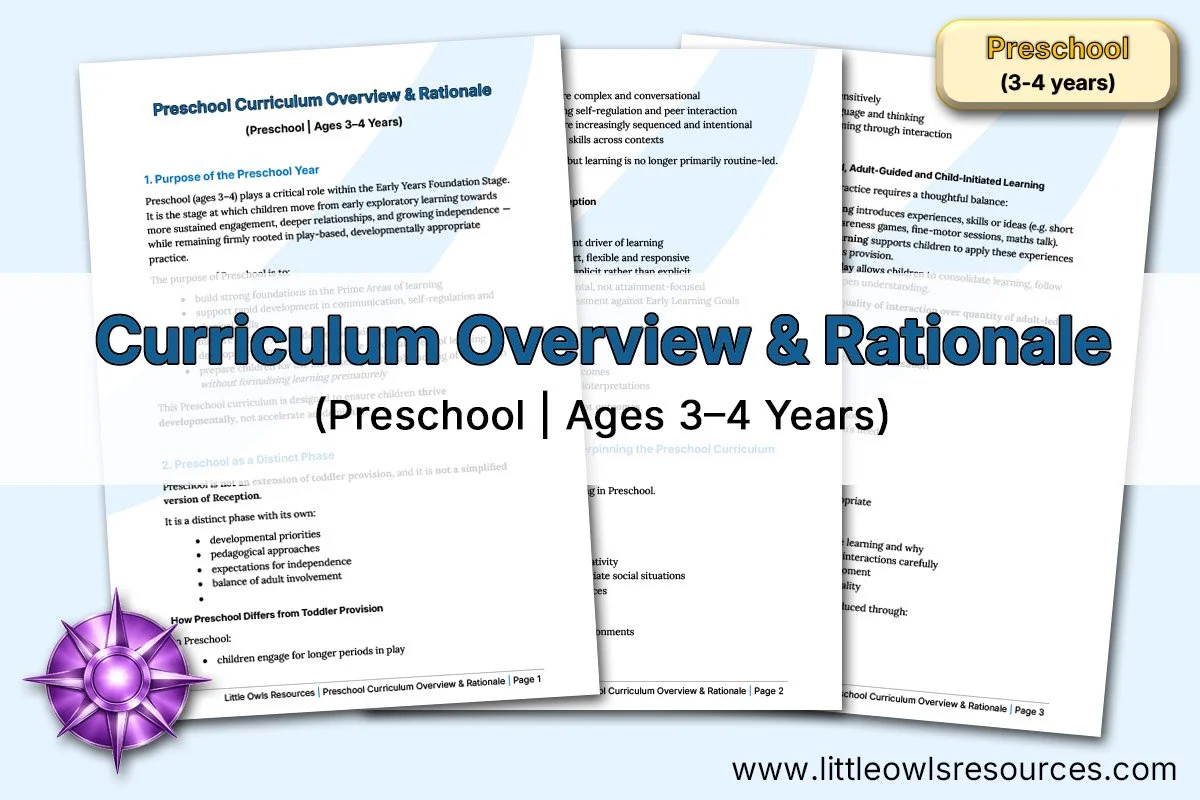
Further Guidance | Related Documents within our ‘EYFS Curriculum & Pedagogy’ suite:
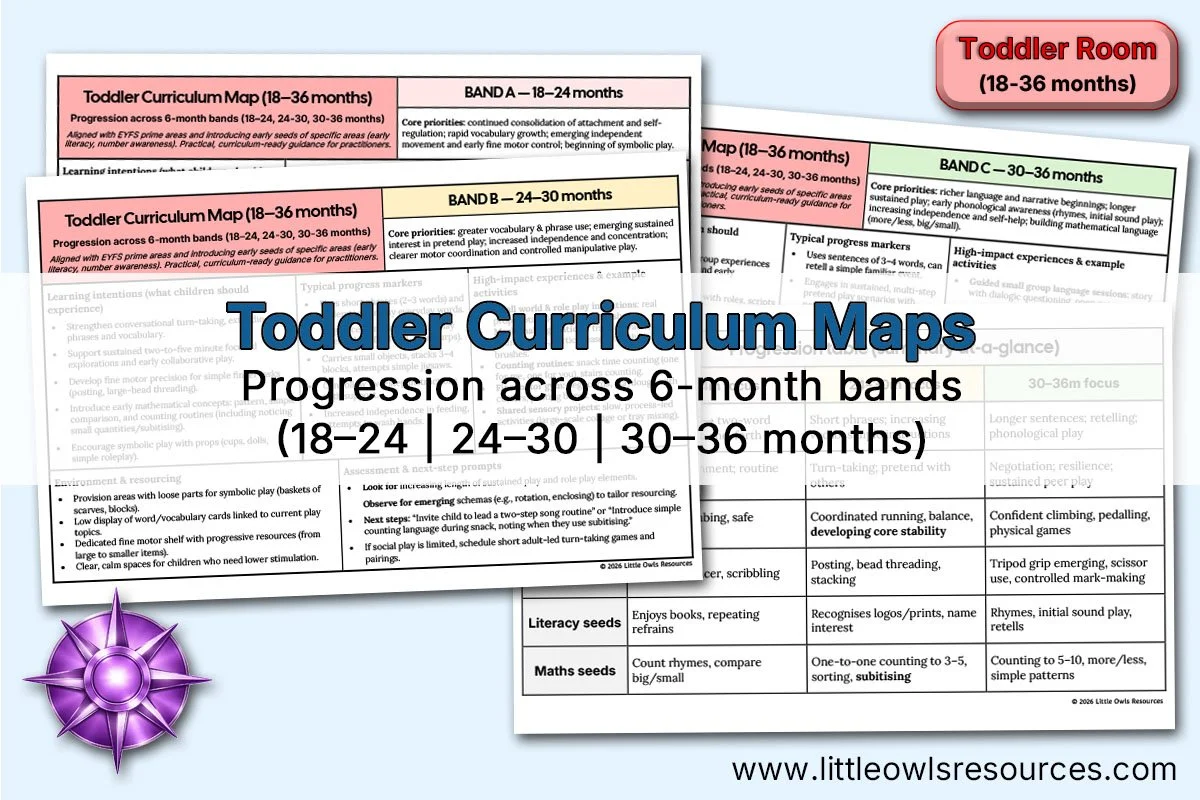
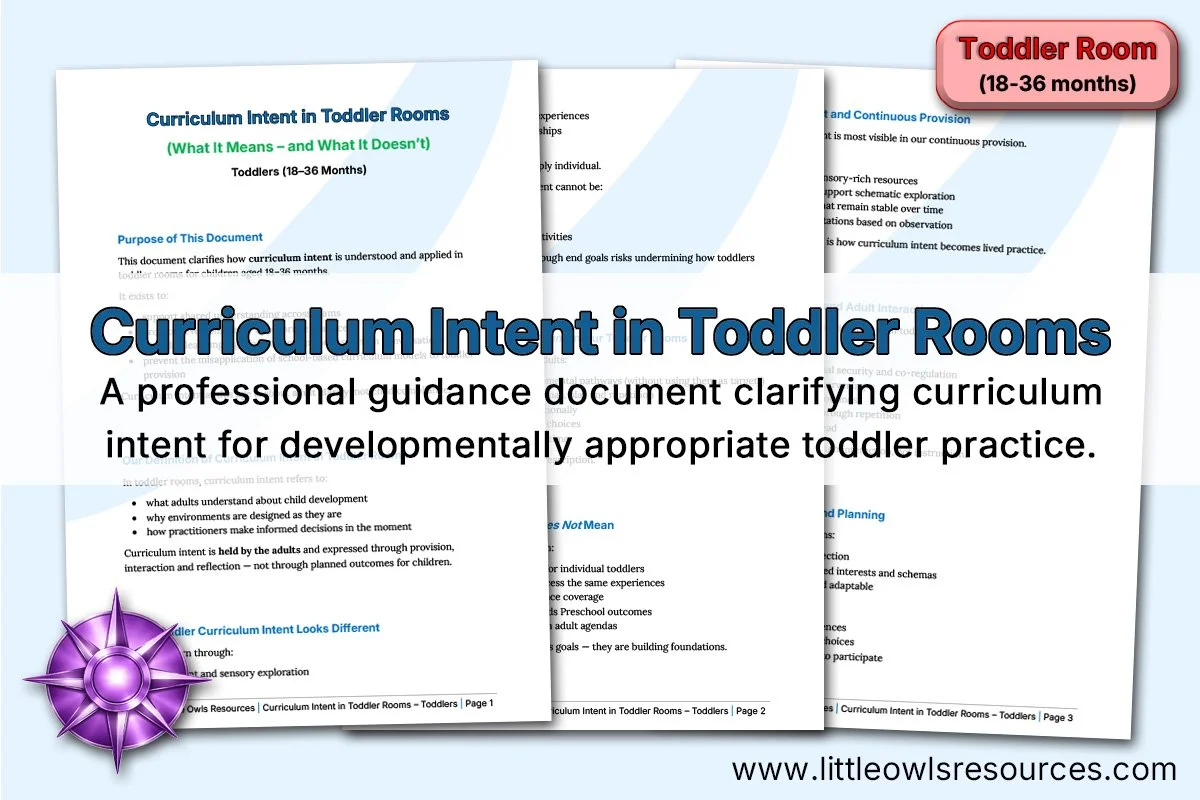
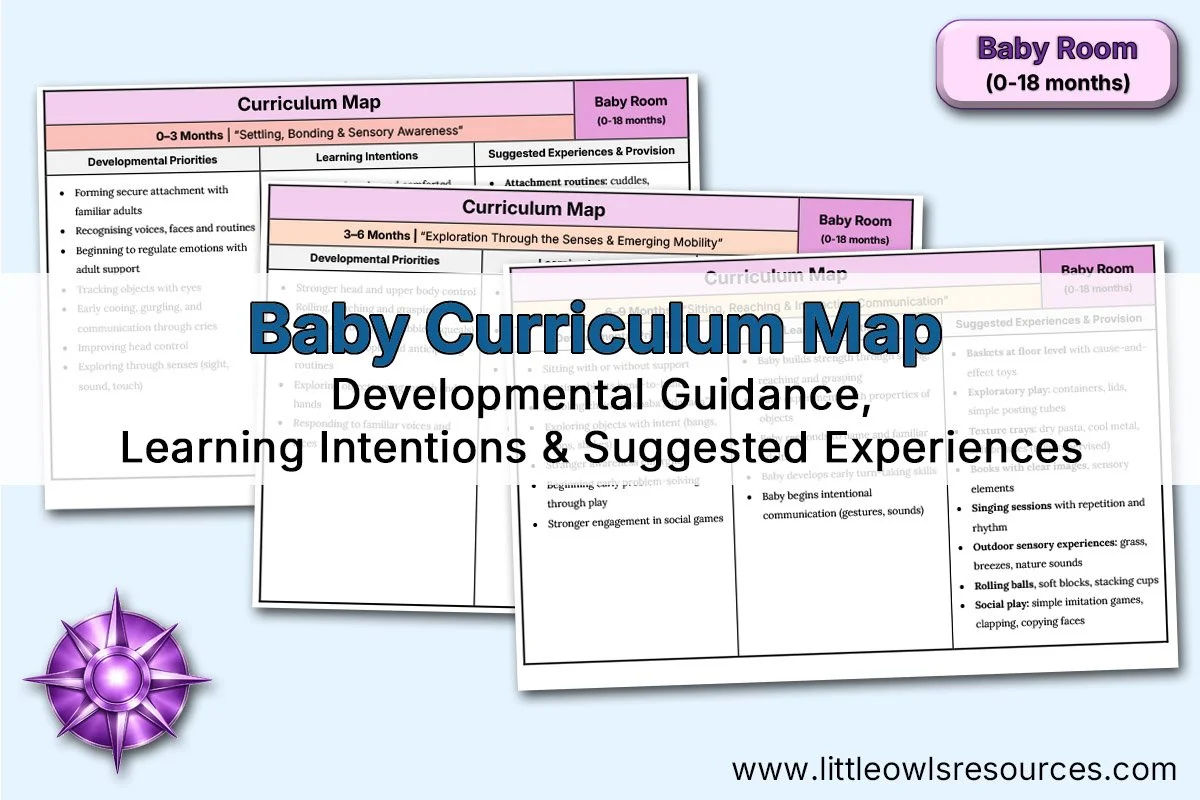
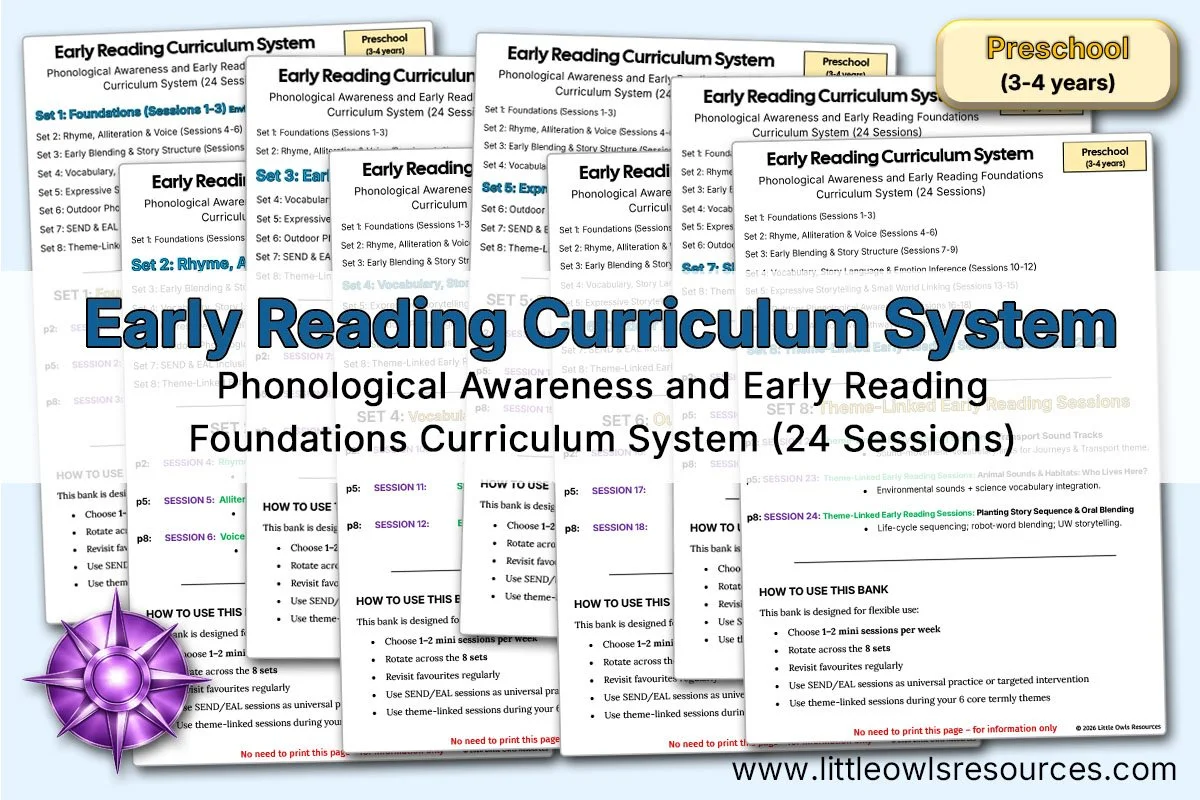
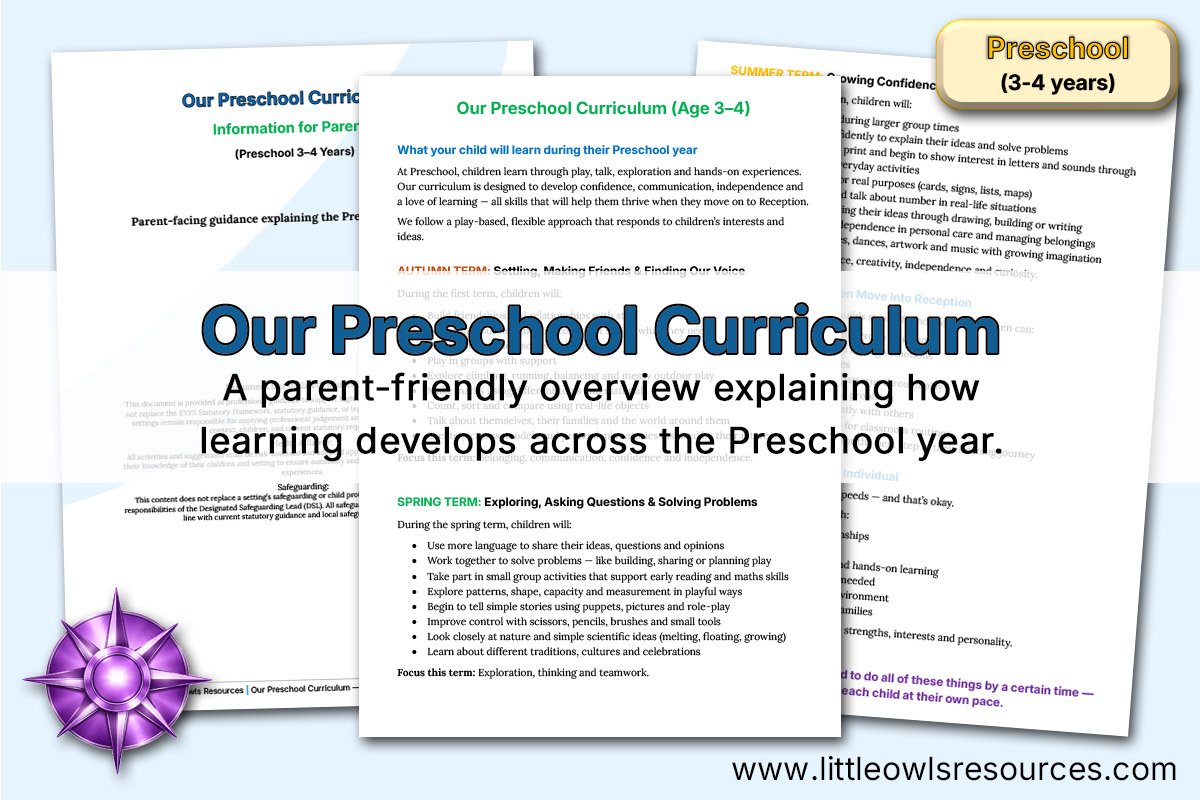
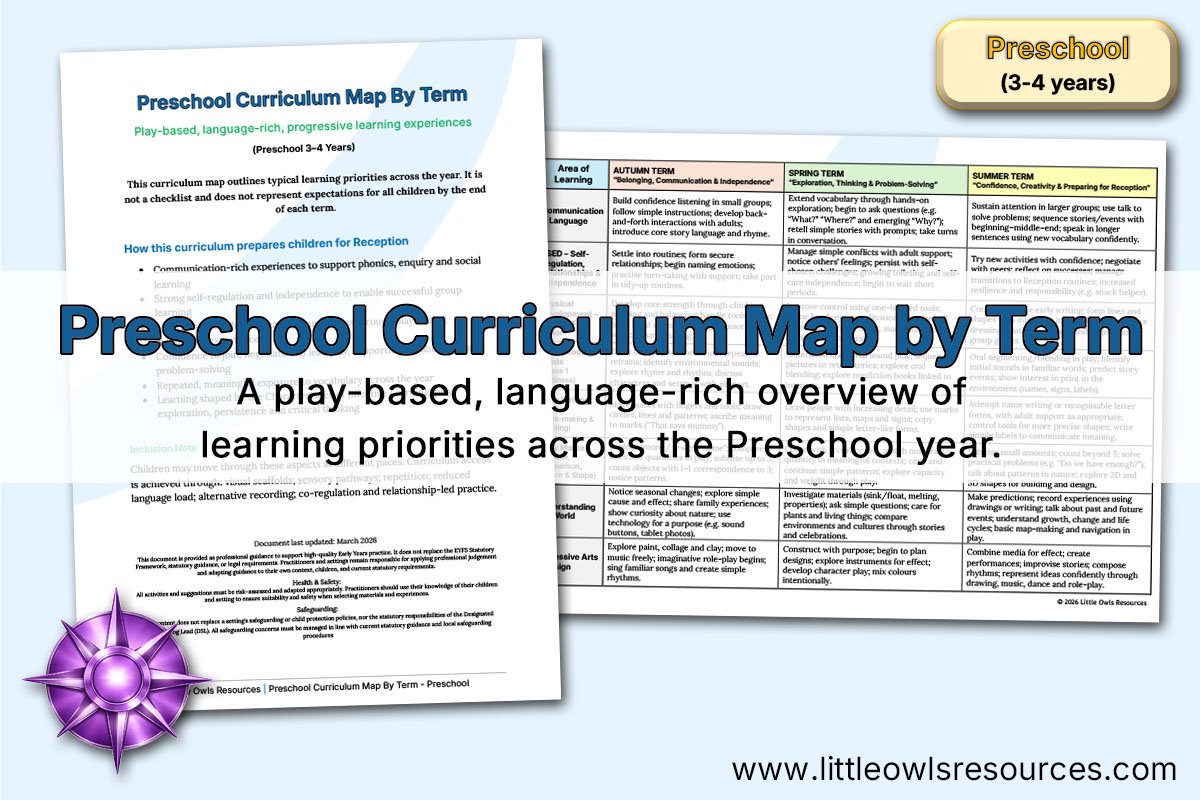
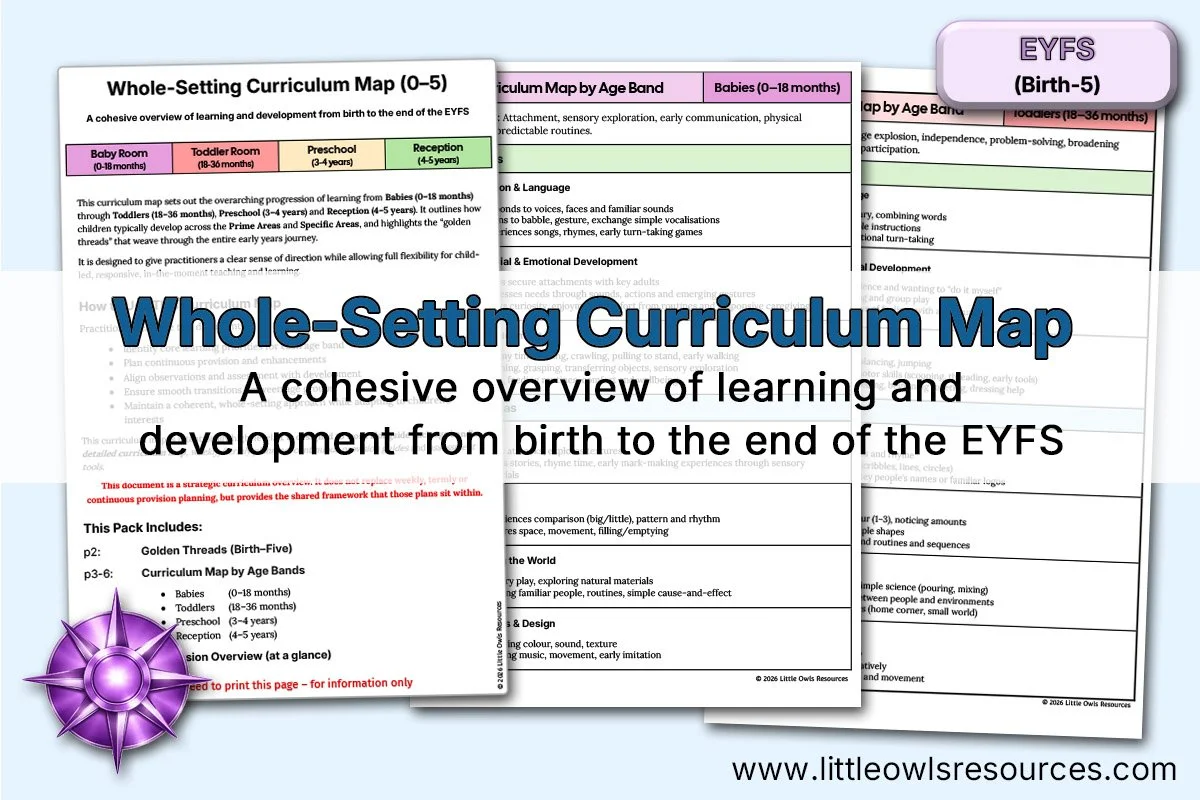
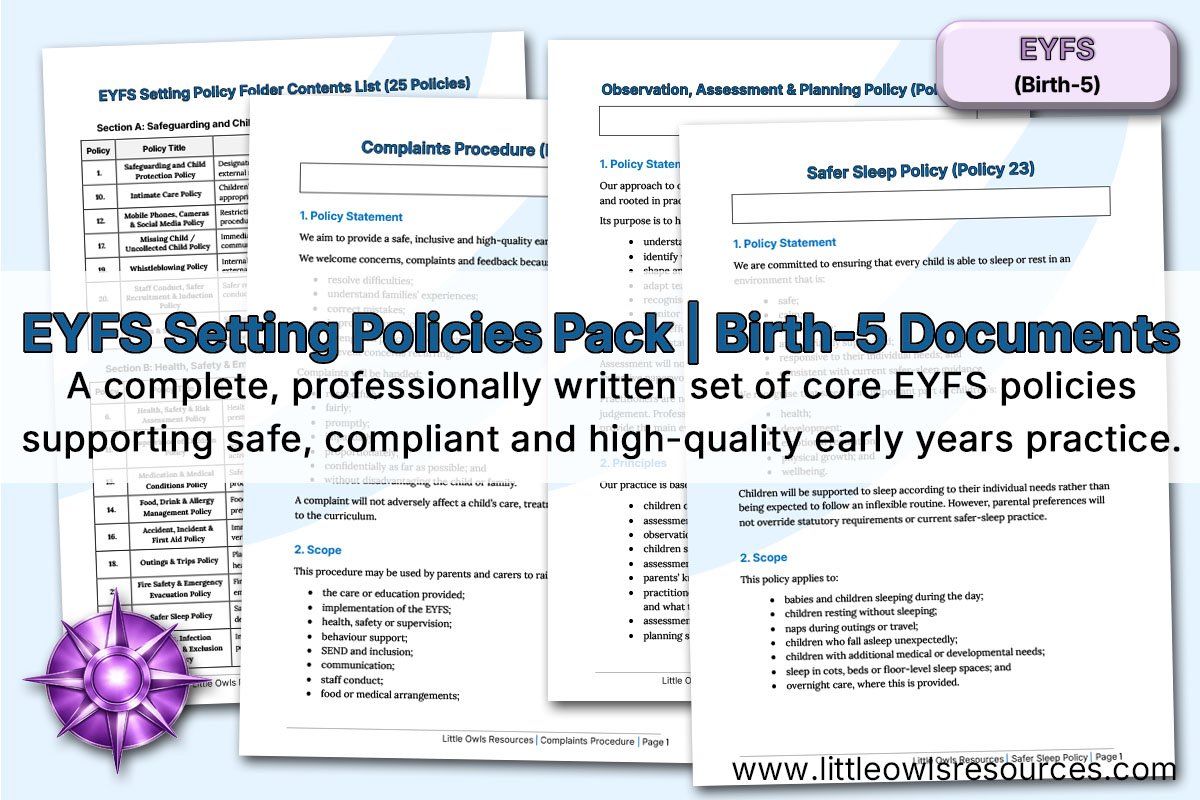
Below you will find a selection of guidance documents from within our Little Owls Resources ‘Curriculum & Pedagogy’ area which explore this concept (& its age-specific application within EYFS settings) in greater depth.
[For additional documents please visit our support pathways: Baby | Toddler | Preschool | Reception | Mixed-Age]













Disclaimer
The information provided in this glossary is intended to support understanding of terminology commonly used within the Early Years Foundation Stage (EYFS). It does not constitute official guidance and should not be considered a substitute for the EYFS Statutory Framework or other Department for Education publications.
Terminology and interpretations may vary between settings and professional contexts.