
Part of the EYFS Glossary
This article forms part of our EYFS Glossary of Early Years Education Terms, which explains key curriculum, pedagogy, and assessment language used in early years practice.
Curriculum Implementation refers to the ways in which a planned curriculum is put into practice in everyday teaching, learning experiences, and provision. In the Early Years Foundation Stage (EYFS), it includes how practitioners organise environments, interactions, activities, and routines to support children’s learning and development.
What is Curriculum Implementation?
Curriculum Implementation describes how the intended curriculum is delivered through practice. While curriculum intent outlines what children are expected to learn, implementation focuses on how those learning opportunities are provided.
In the context of the EYFS, implementation involves the day-to-day experiences that support children’s development. These include the organisation of the learning environment, the resources available to children, the interactions between adults and children, and the opportunities provided through play and exploration.
Effective implementation ensures that the planned curriculum becomes meaningful learning experiences that support children’s development over time.
Curriculum Implementation in the EYFS Context
In early years settings, curriculum implementation often occurs through a combination of continuous provision, adult-guided experiences, and responsive interactions.
Because young children learn through play, exploration, and relationships, implementation may include:
carefully designed indoor and outdoor environments
open-ended resources that encourage exploration
responsive adult interactions that extend learning
opportunities for children to revisit ideas through play
routines and everyday experiences that support development
These elements help ensure that children encounter meaningful learning opportunities throughout their daily experiences.
Key Elements of Curriculum Implementation
Several aspects of practice contribute to how a curriculum is implemented in early years settings.
Learning Environment
The environment provides the context in which children explore, play, and interact. Well-organised spaces and accessible resources allow children to engage independently with learning opportunities.
Adult Interactions
Practitioners support learning through conversation, questioning, modelling, and guidance. Thoughtful interactions help extend children’s thinking and encourage deeper engagement.
Continuous Provision
Continuous provision refers to the resources and opportunities that remain consistently available for children to explore. These experiences allow children to revisit ideas, practise skills, and develop understanding over time.
Responsive Practice
In early years settings, implementation often adapts to children’s interests and developmental needs. Practitioners observe children’s engagement and respond with appropriate support or opportunities to extend learning.
Curriculum Implementation and Pedagogy
Curriculum implementation is closely linked to pedagogy, which refers to the methods and approaches used to support learning.
In the EYFS, pedagogical approaches often include:
teaching through play
modelling language and thinking processes
sustained shared thinking
responsive interactions based on children’s interests
opportunities for both child-led and adult-guided learning
These approaches help ensure that learning experiences are developmentally appropriate and meaningful for young children.
Statutory Context
The EYFS Statutory Framework requires providers to deliver educational programmes across the seven Areas of Learning and Development. Practitioners must organise learning experiences that support children’s development within these areas.
Guidance such as Development Matters supports practitioners in considering how environments, interactions, and experiences contribute to children’s learning and development.
While the framework does not prescribe a specific method of implementation, it emphasises the importance of providing rich learning experiences that support children’s progress over time.
Common Questions About Curriculum Implementation
-
Curriculum intent describes the goals and aims of the curriculum. Curriculum implementation focuses on how those aims are put into practice through teaching, environments, and learning experiences.
-
In practice, implementation may be seen through the organisation of learning environments, the quality of adult interactions, the resources available to children, and the opportunities provided for exploration and play.
-
Even a well-designed curriculum can only support children’s development if it is effectively implemented. Thoughtful implementation ensures that children encounter meaningful experiences that support learning and progression.
Summary
Curriculum Implementation refers to the ways in which a planned curriculum is delivered through everyday practice in early years settings. In the EYFS, this includes the organisation of learning environments, the quality of adult interactions, and the experiences provided through play and exploration.
By creating rich learning environments and responsive teaching practices, practitioners help ensure that the intended curriculum becomes meaningful learning experiences that support children’s development over time.
Related Glossary Terms
The following glossary entries are closely related to Curriculum Implementation and provide additional context:
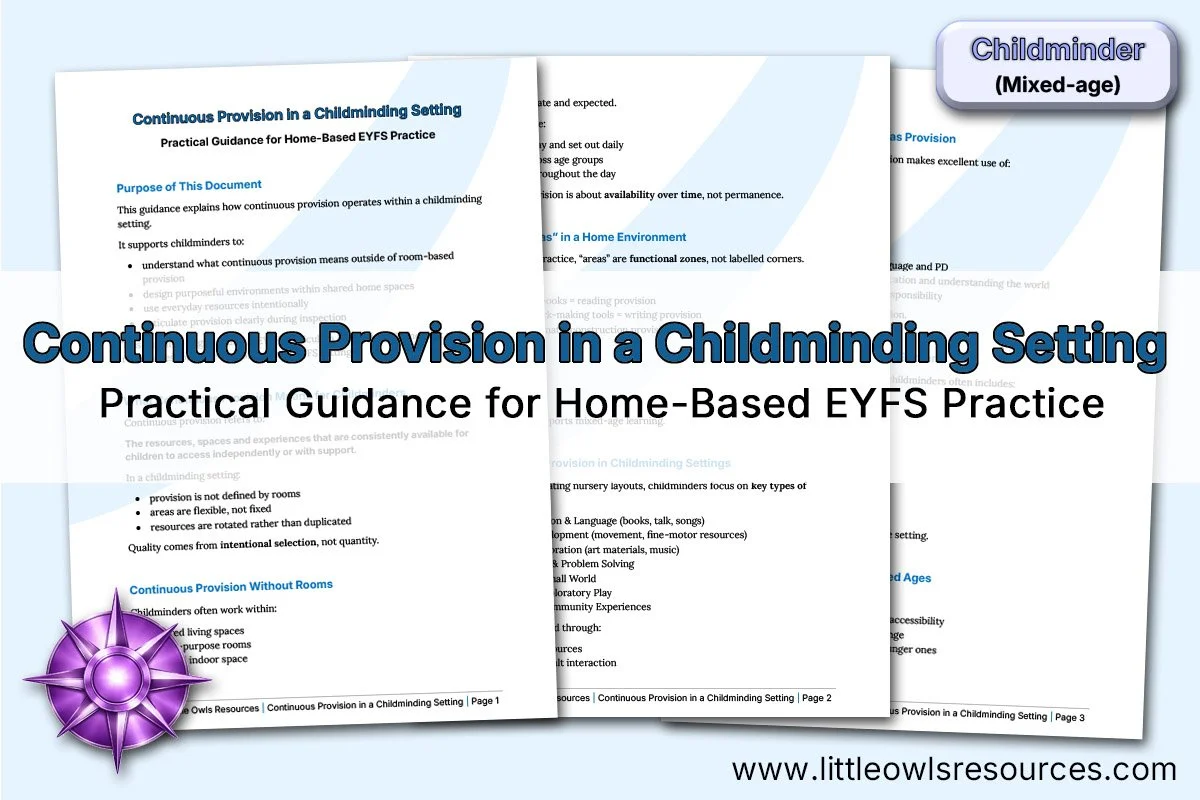
Continuous Provision
Pedagogy
Sustained Shared Thinking
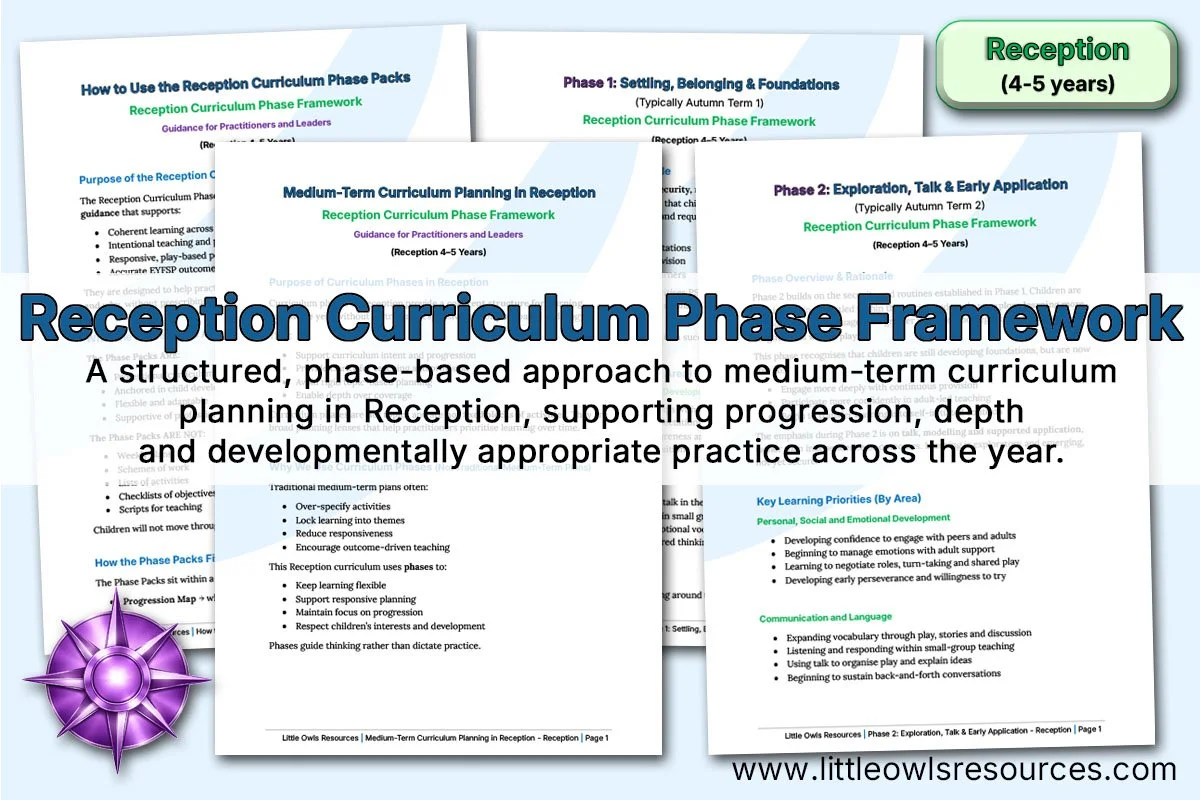
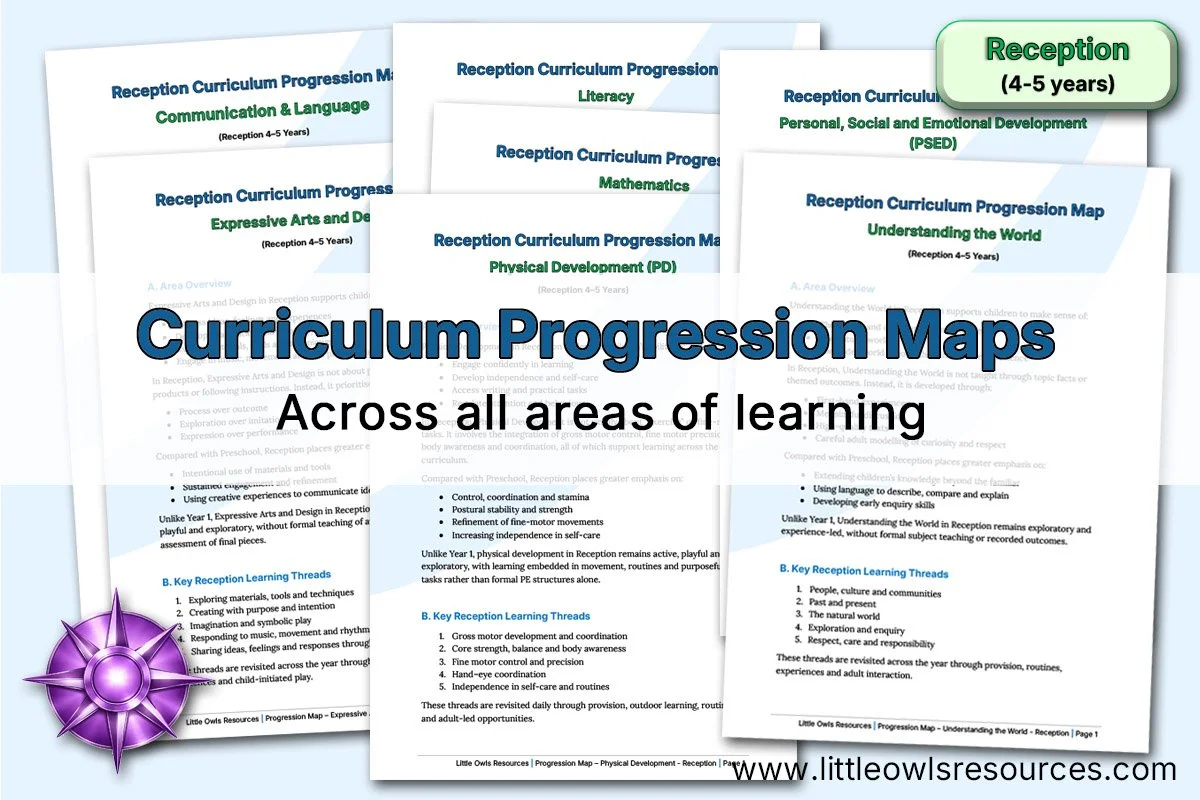
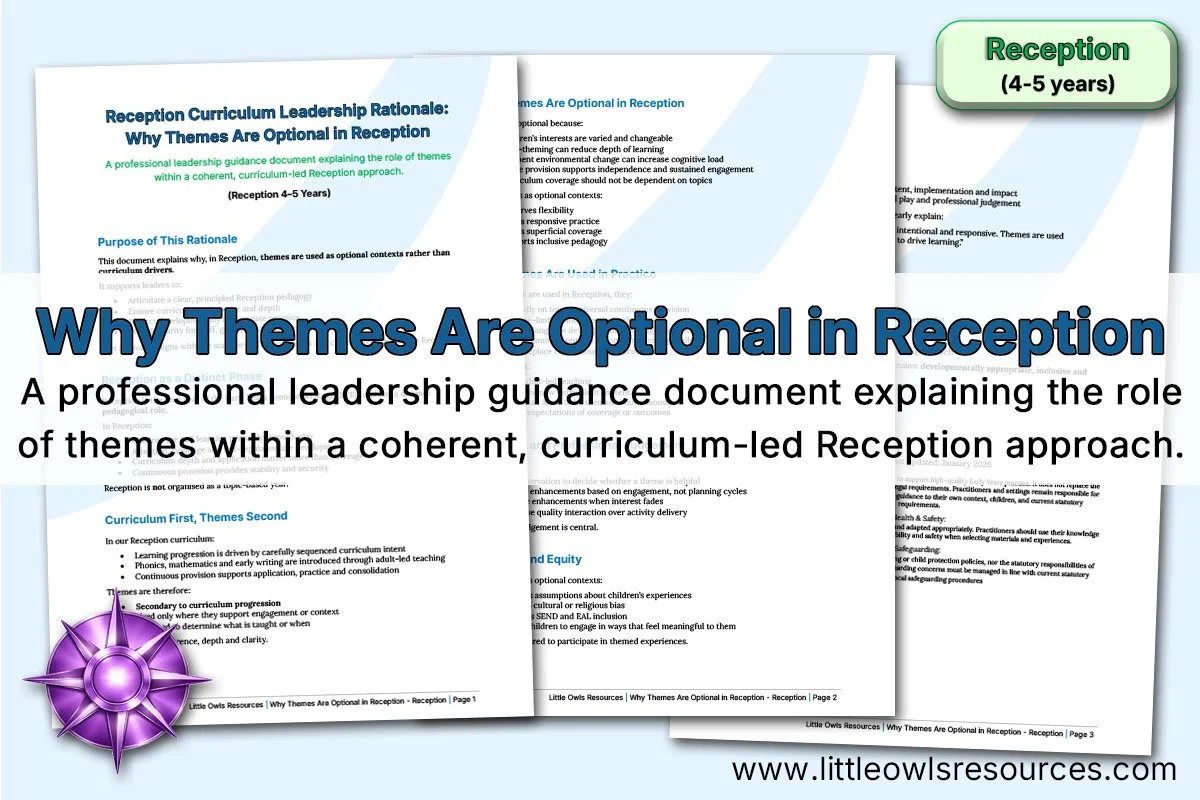
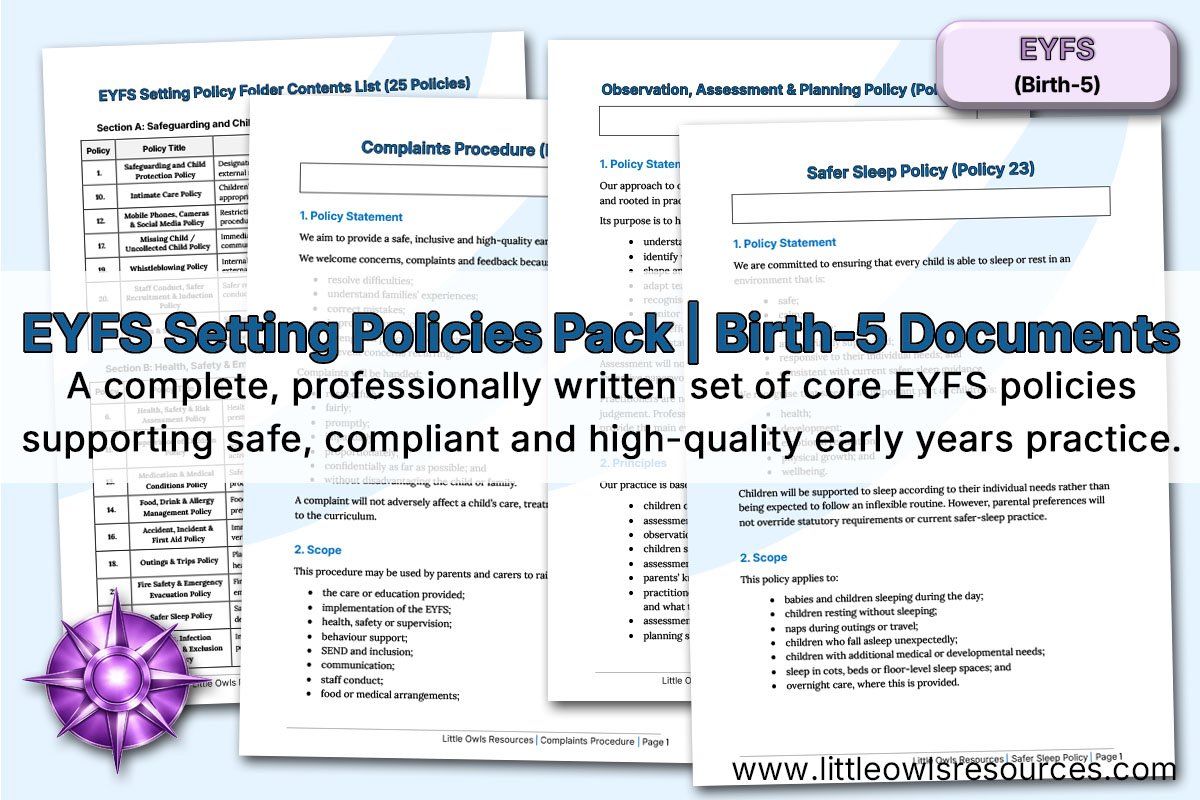
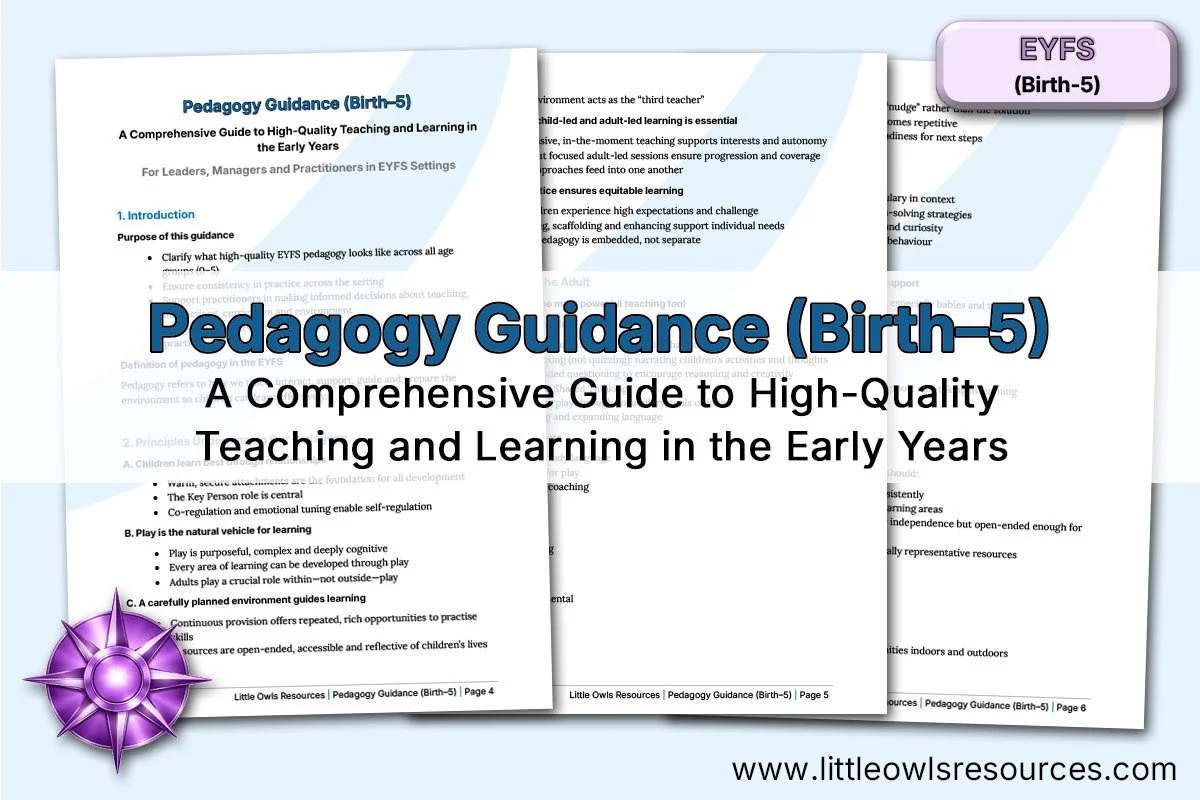
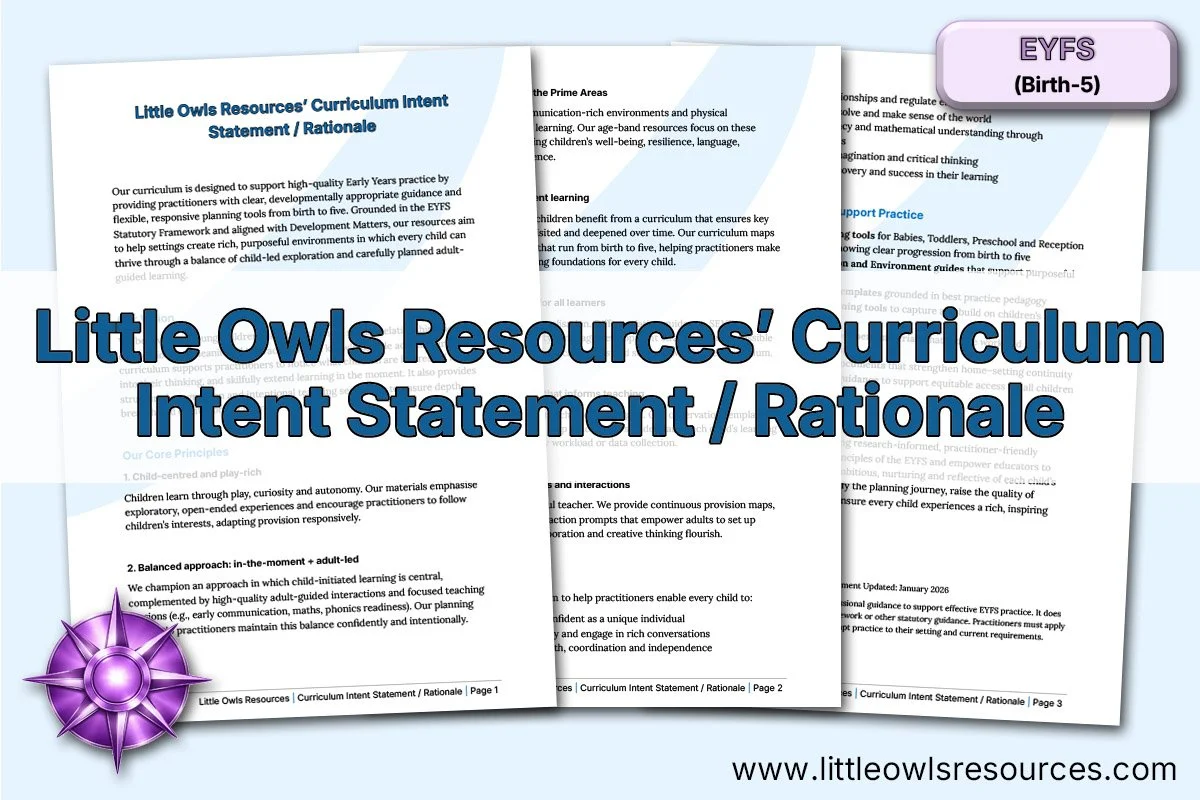
Further Guidance | Related Documents within our ‘EYFS Curriculum & Pedagogy’ suite:
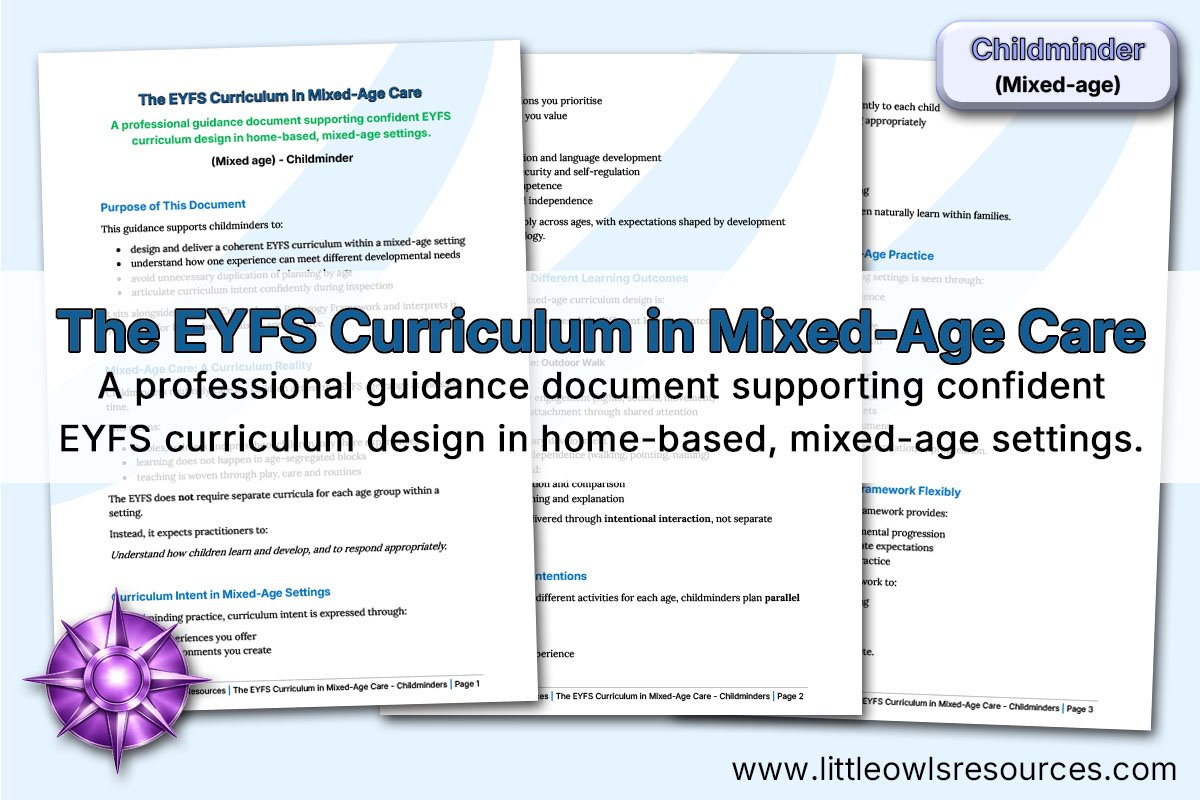
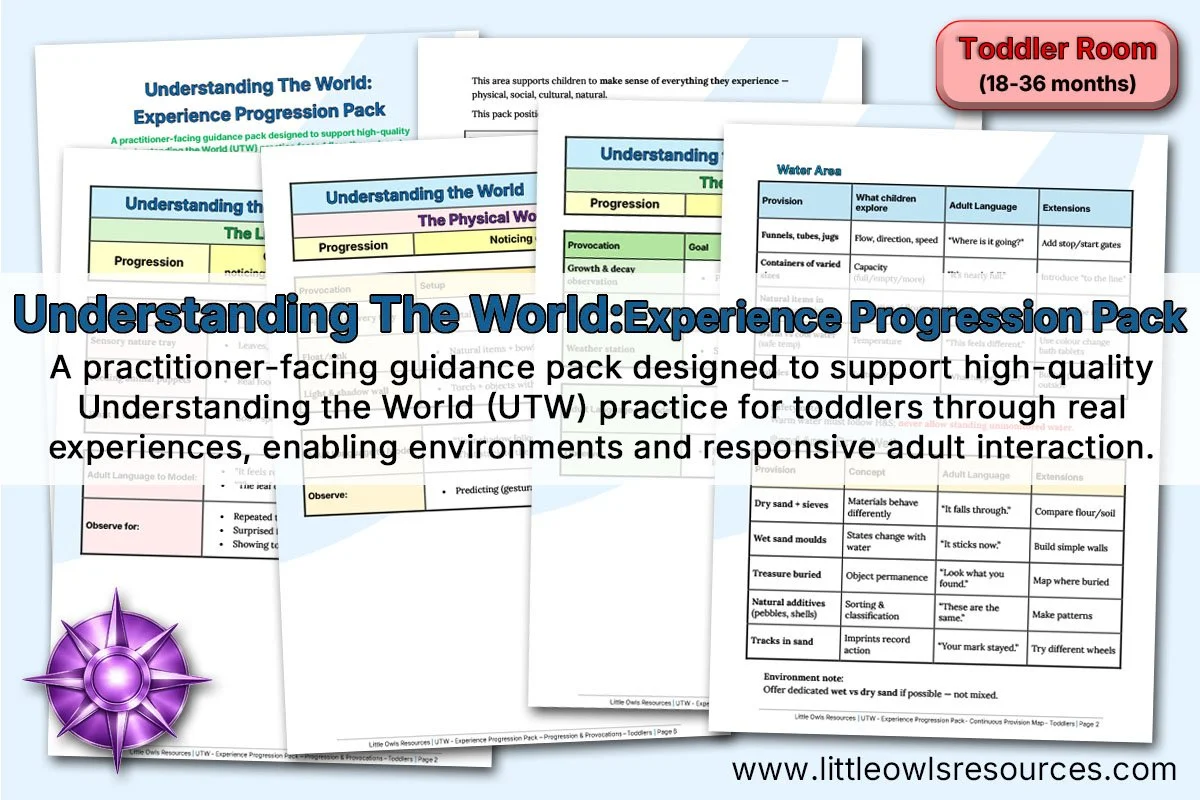
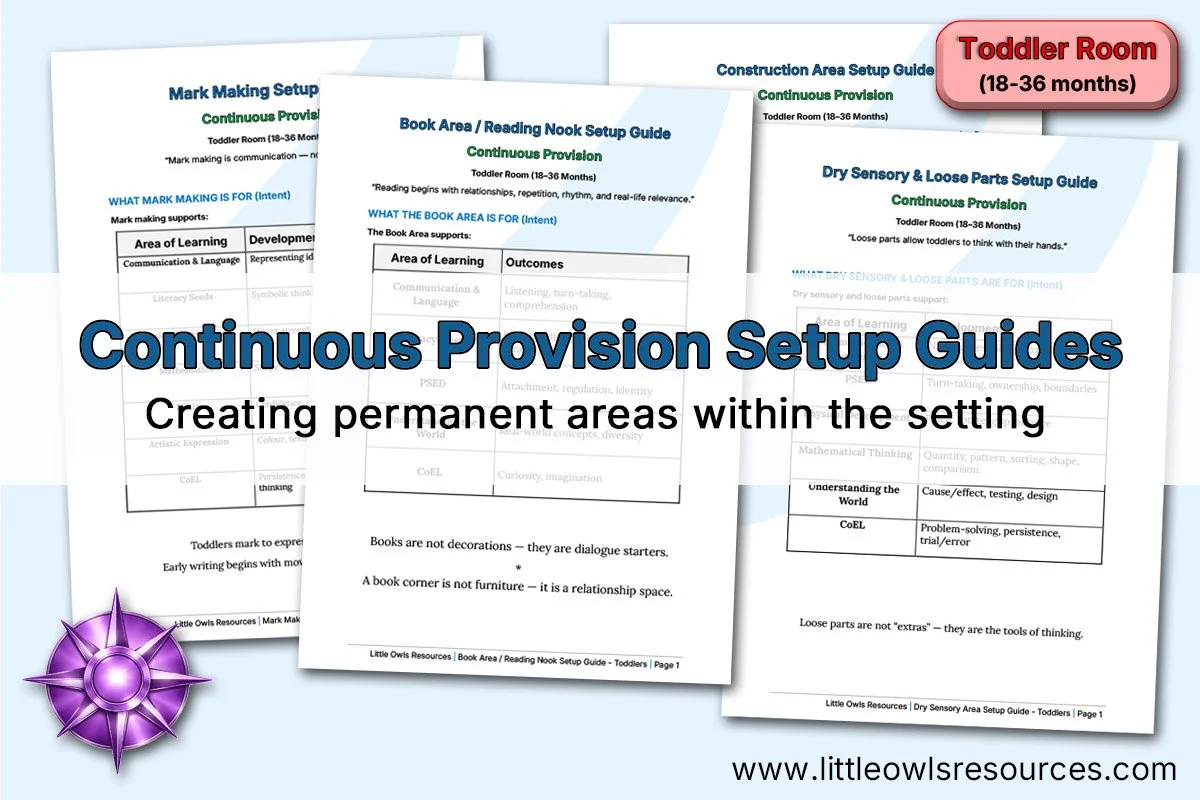
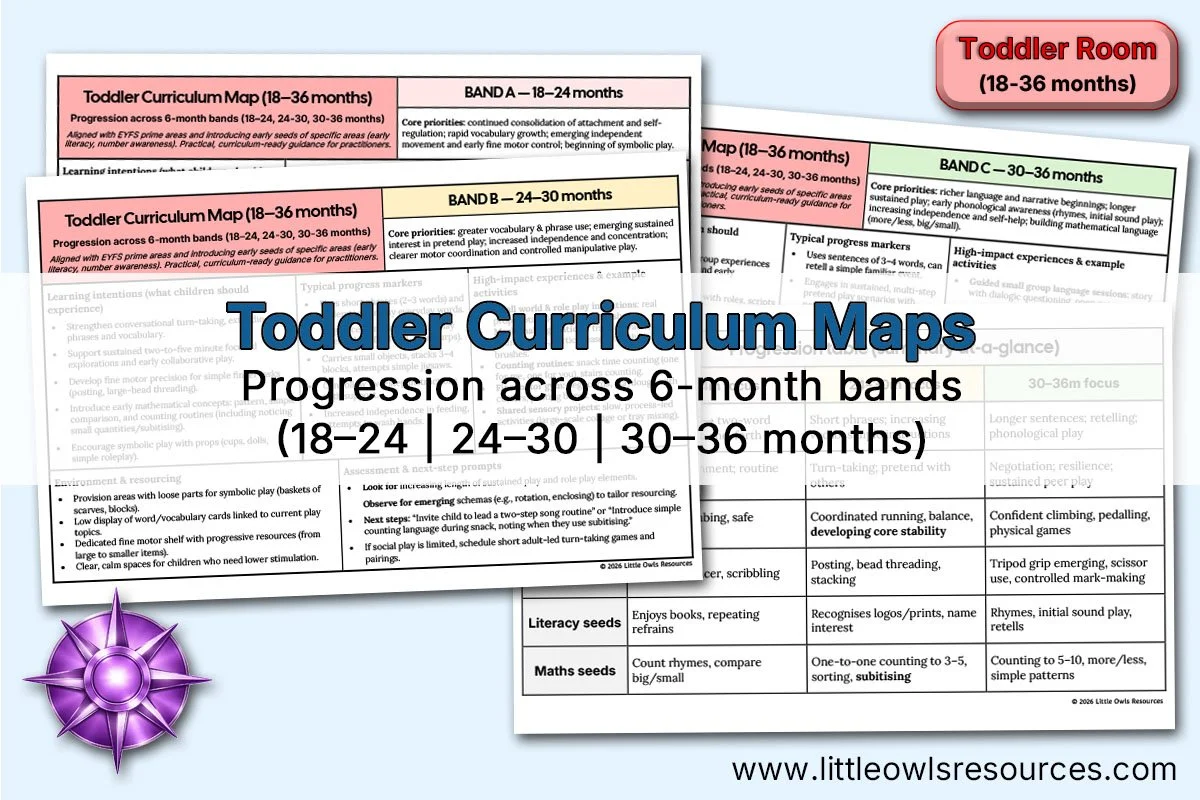
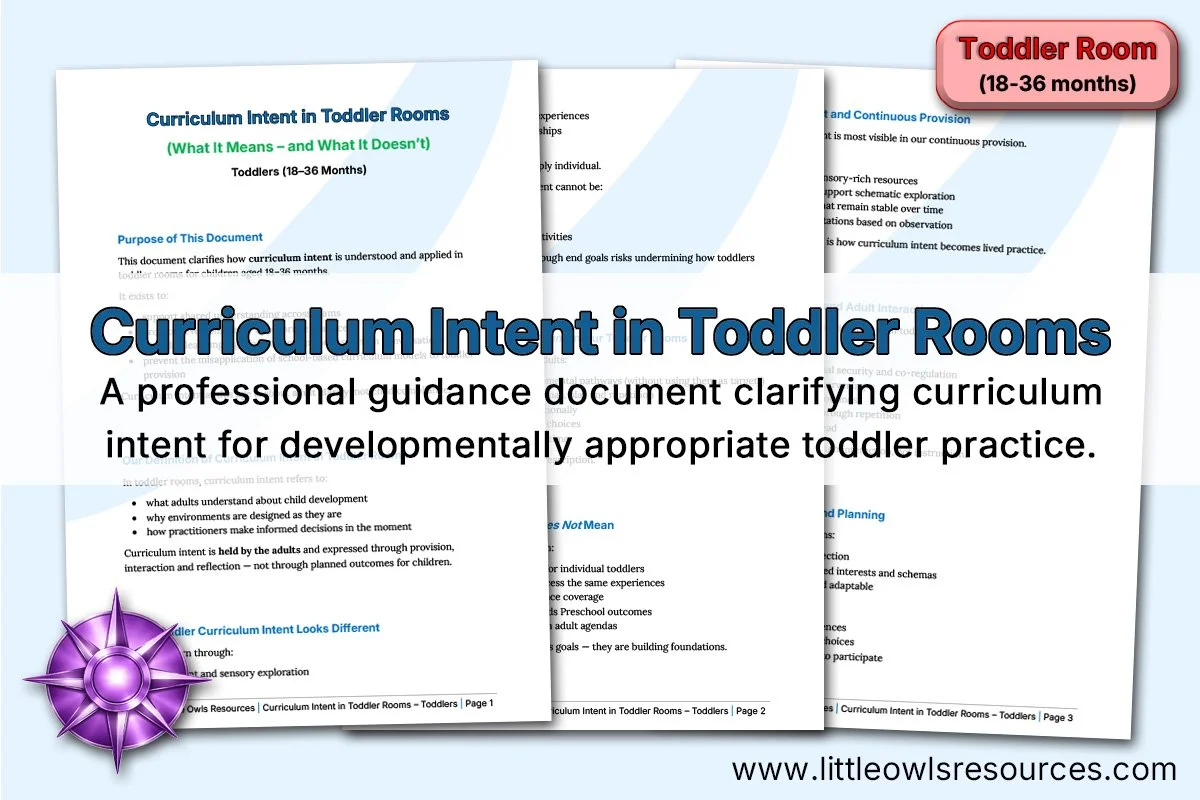
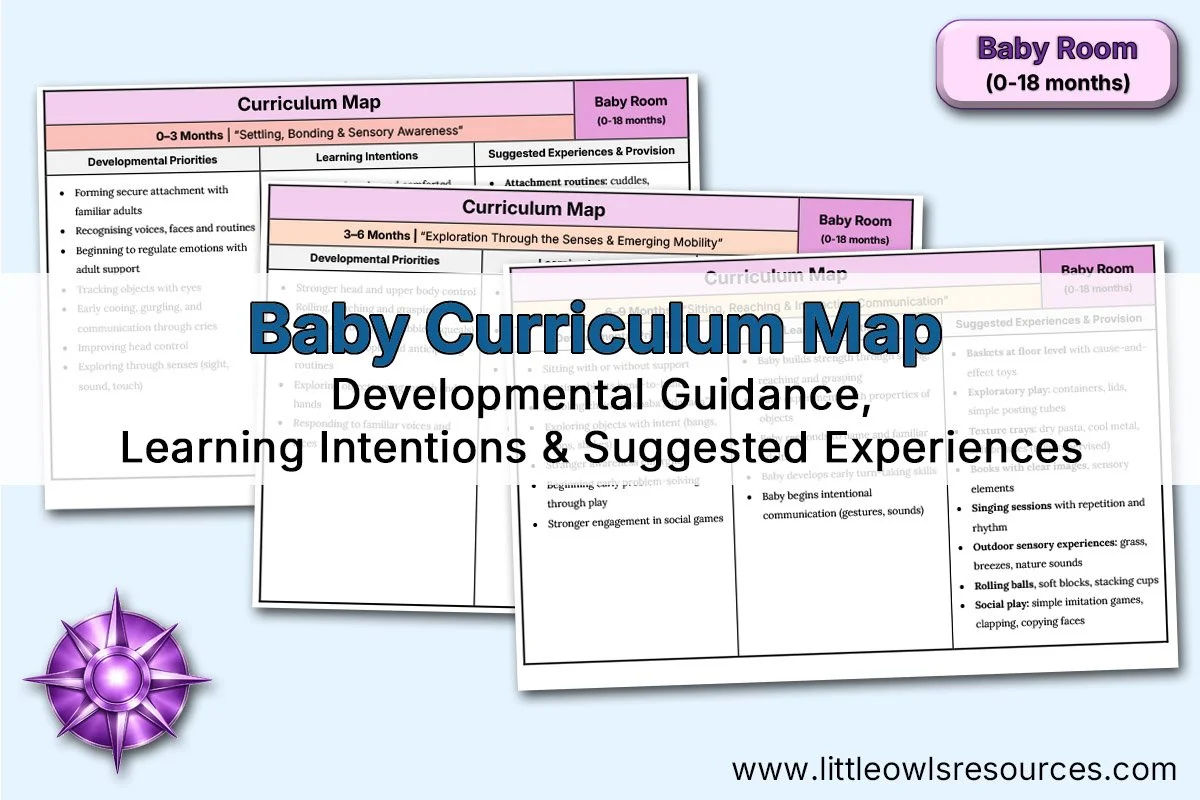
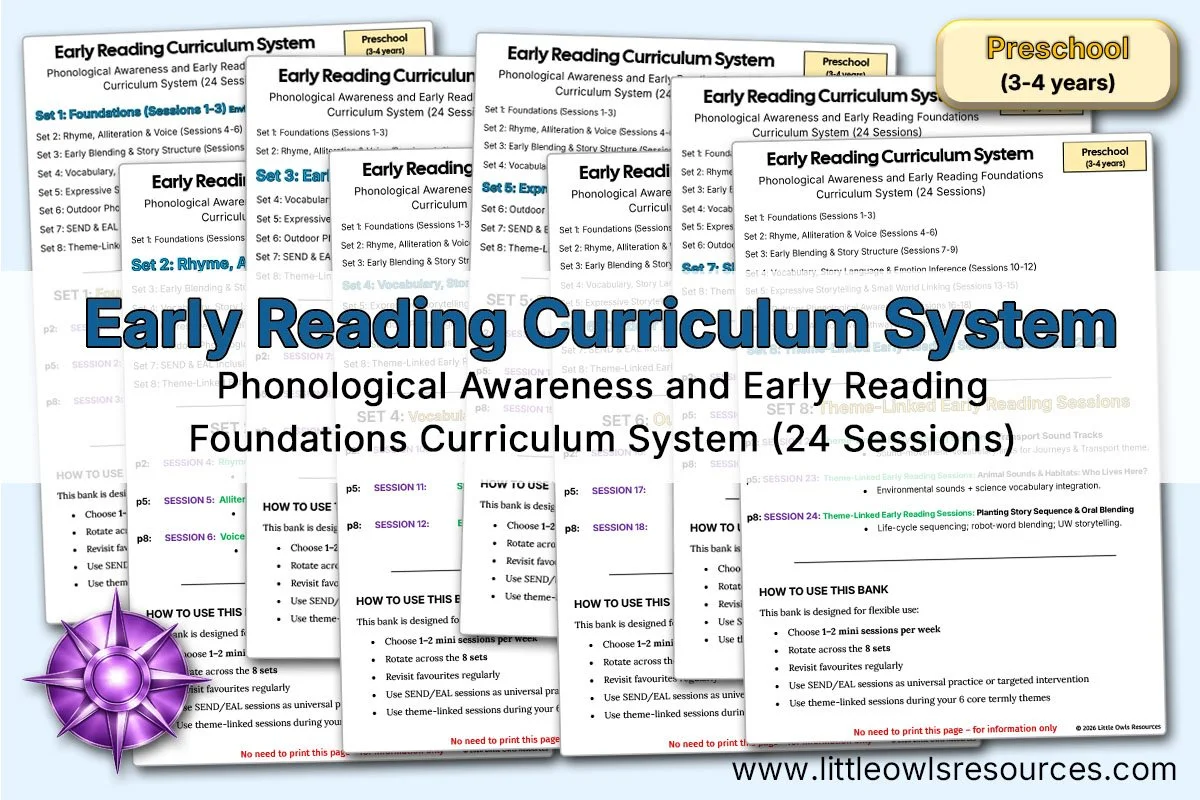
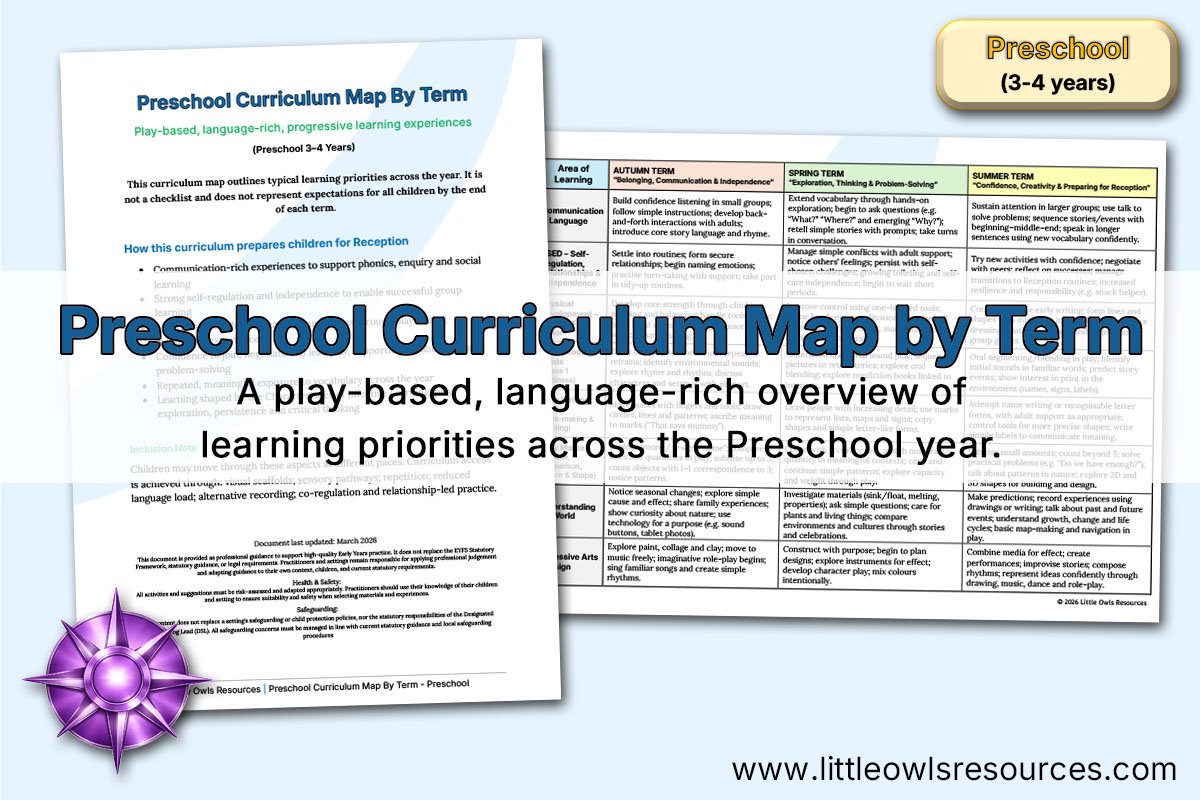
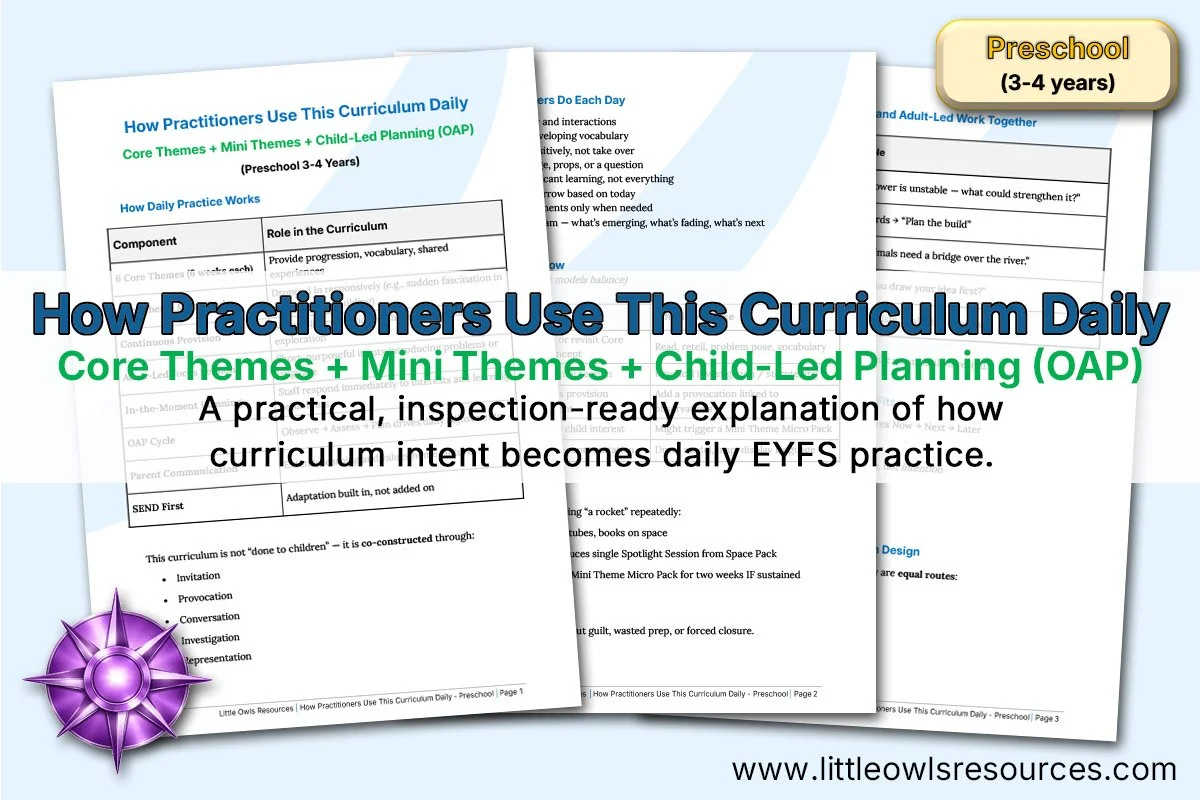
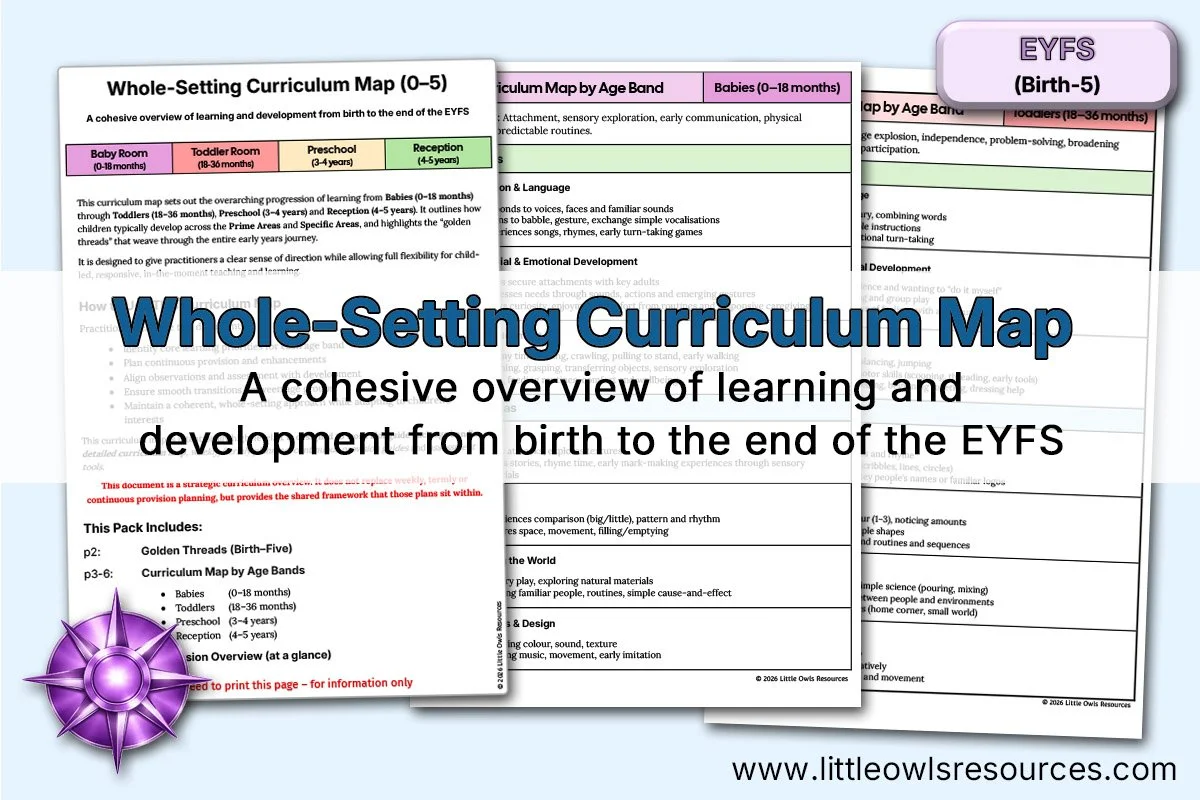
Below you will find a selection of guidance documents from within our Little Owls Resources ‘Curriculum & Pedagogy’ area which explore this concept (& its age-specific application within EYFS settings) in greater depth.
[For additional documents please visit our support pathways: Baby | Toddler | Preschool | Reception | Mixed-Age]










Disclaimer
The information provided in this glossary is intended to support understanding of terminology commonly used within the Early Years Foundation Stage (EYFS). It does not constitute official guidance and should not be considered a substitute for the EYFS Statutory Framework or other Department for Education publications.
Terminology and interpretations may vary between settings and professional contexts.