
Part of the EYFS Glossary
This article forms part of our EYFS Glossary of Early Years Education Terms, which explains key curriculum, pedagogy, and assessment language used in early years practice.
Progression in the Early Years Foundation Stage (EYFS) refers to the way children’s knowledge, skills, and understanding develop and deepen over time through experiences, interactions, and learning opportunities.
What is Progression in EYFS?
Progression in the Early Years Foundation Stage describes how children’s learning and development build over time. As children gain experience, explore ideas, and develop skills, their understanding gradually becomes more secure and complex.
Progression in early childhood is not always linear. Children may revisit experiences, practise skills, and deepen their understanding through repeated encounters with ideas, materials, and interactions.
Rather than moving through fixed steps, progression often involves children developing confidence and competence through exploration, play, and social interaction.
How Progression Develops in the Early Years
Children’s progression in the EYFS occurs through a combination of experiences and opportunities that support development across different areas.
These experiences may include:
exploration of materials and environments
interactions with adults and other children
play-based learning opportunities
repeated practice of developing skills
opportunities to apply knowledge in different contexts
Through these experiences, children gradually build understanding and develop greater independence in their learning.
Progression and the Areas of Learning
Progression takes place across all seven Areas of Learning and Development in the EYFS. Development within these areas is interconnected, meaning that growth in one area can support development in others.
For example:
communication skills support literacy development
physical coordination supports exploration and participation in activities
social and emotional development supports engagement with learning experiences
These connections mean that progression often occurs across multiple areas simultaneously.
Progression and Assessment
Practitioners observe children’s development over time to understand how learning is progressing. Through ongoing observation and assessment, practitioners build a picture of what children know, what they can do, and how their understanding is developing.
This understanding helps practitioners provide experiences and environments that support children’s continued development.
Assessment approaches such as the Observation–Assessment–Planning (OAP) Cycle help practitioners respond to children’s learning and provide opportunities that extend their development.
Statutory Context
The EYFS Statutory Framework emphasises supporting children’s learning and development across the seven Areas of Learning. While the framework does not prescribe fixed steps of progression, it recognises that children develop at different rates.
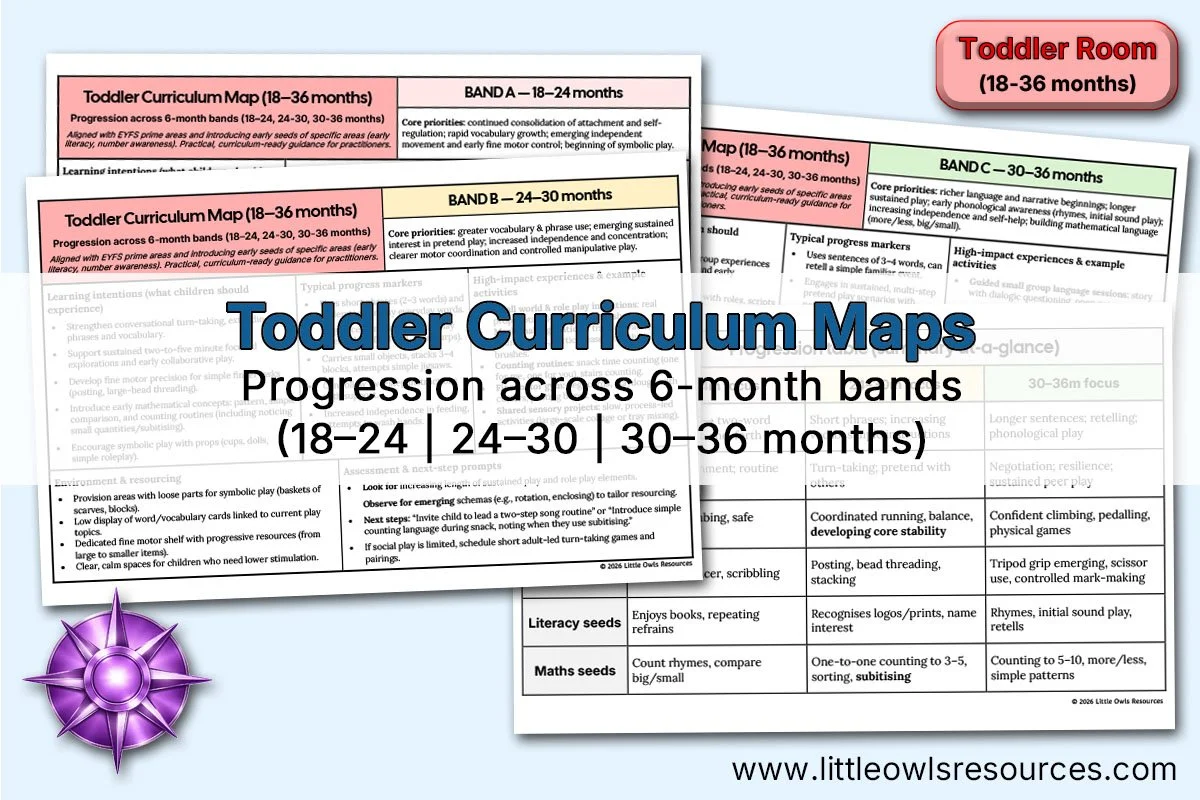
Guidance such as Development Matters provides examples of how children’s development may progress over time, helping practitioners understand typical patterns of development.
Common Questions About Progression in EYFS
-
No. Children develop at different rates and in different ways. Progression in the early years reflects each child’s individual development rather than a fixed sequence of steps.
-
Practitioners recognise progression through observation of children’s learning, interactions, and developing skills over time.
-
Not necessarily. Progression often involves deepening understanding and confidence through repeated experiences rather than moving rapidly through new content.
Summary
Progression in the Early Years Foundation Stage refers to the way children’s knowledge, skills, and understanding develop and deepen over time. Through play, exploration, interaction, and repeated experiences, children gradually build the foundations for learning across the early years curriculum.
Related Glossary Terms
The following glossary entries are closely related to Progression (in the EYFS) and provide additional context:

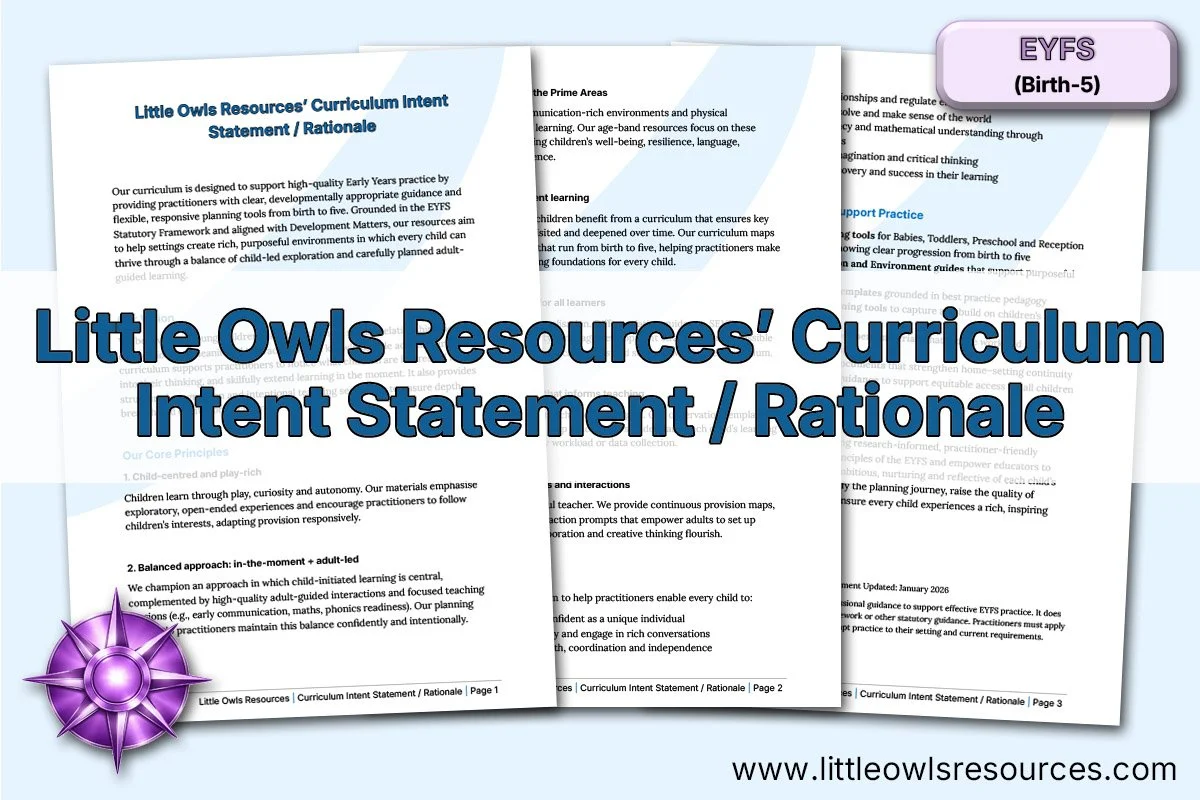
Further Guidance | Related Documents within our ‘EYFS Curriculum & Pedagogy’ suite:
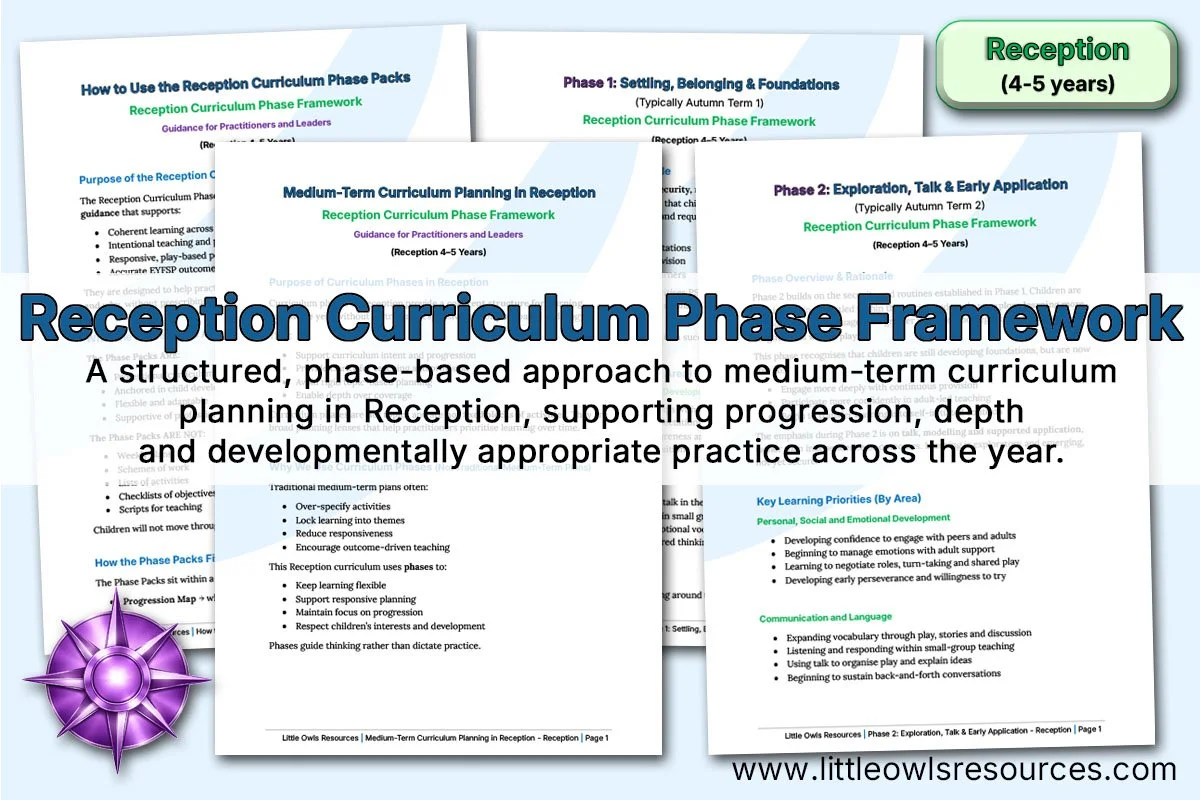
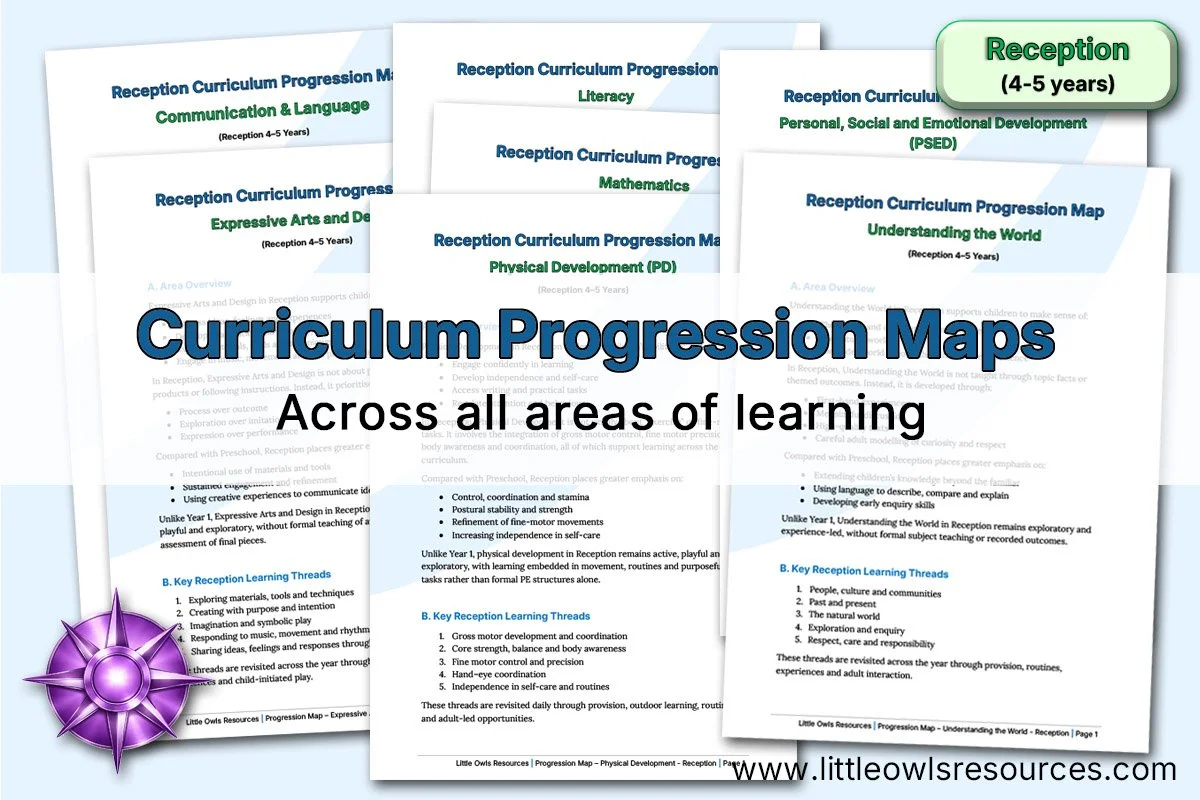
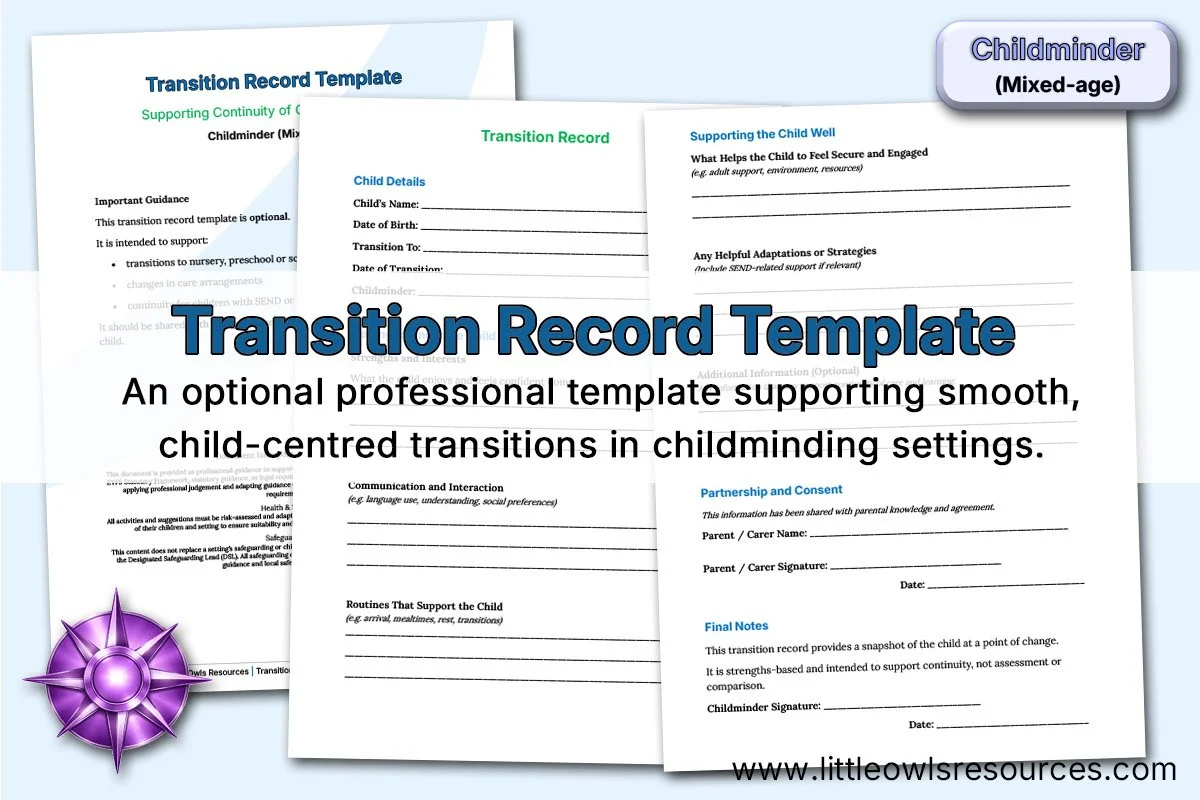
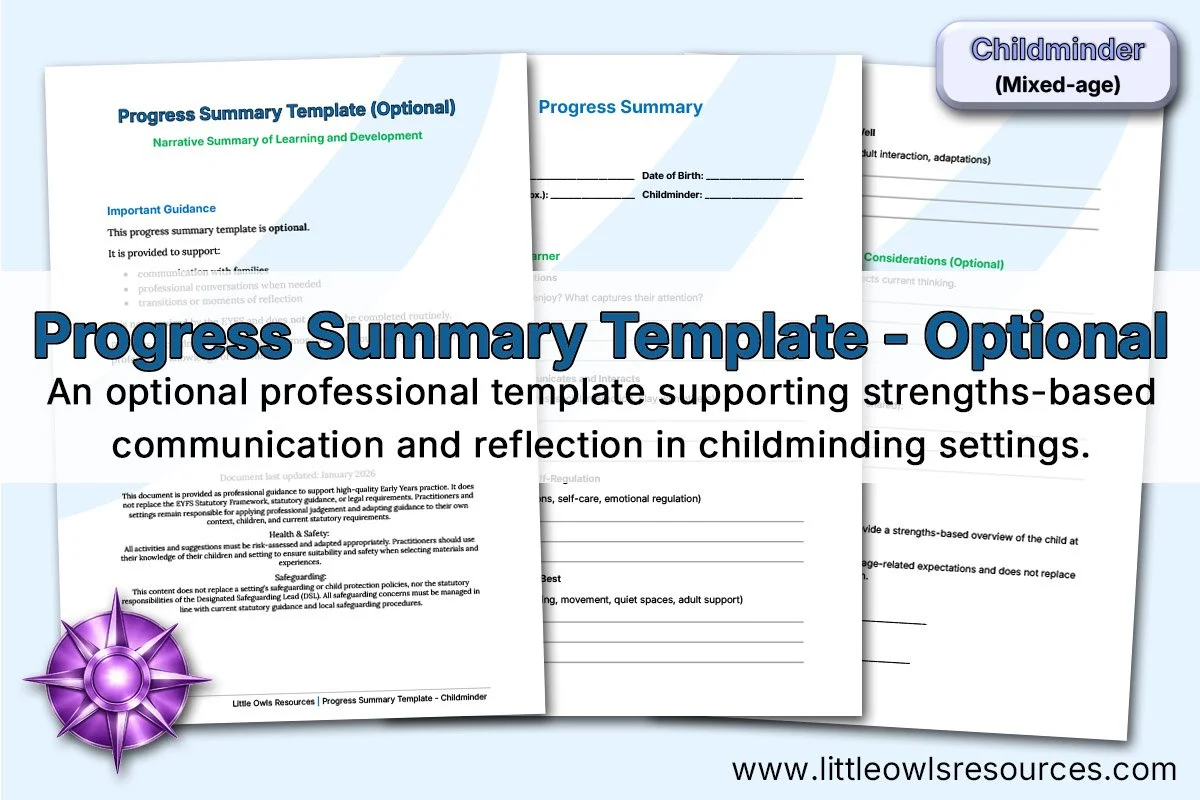
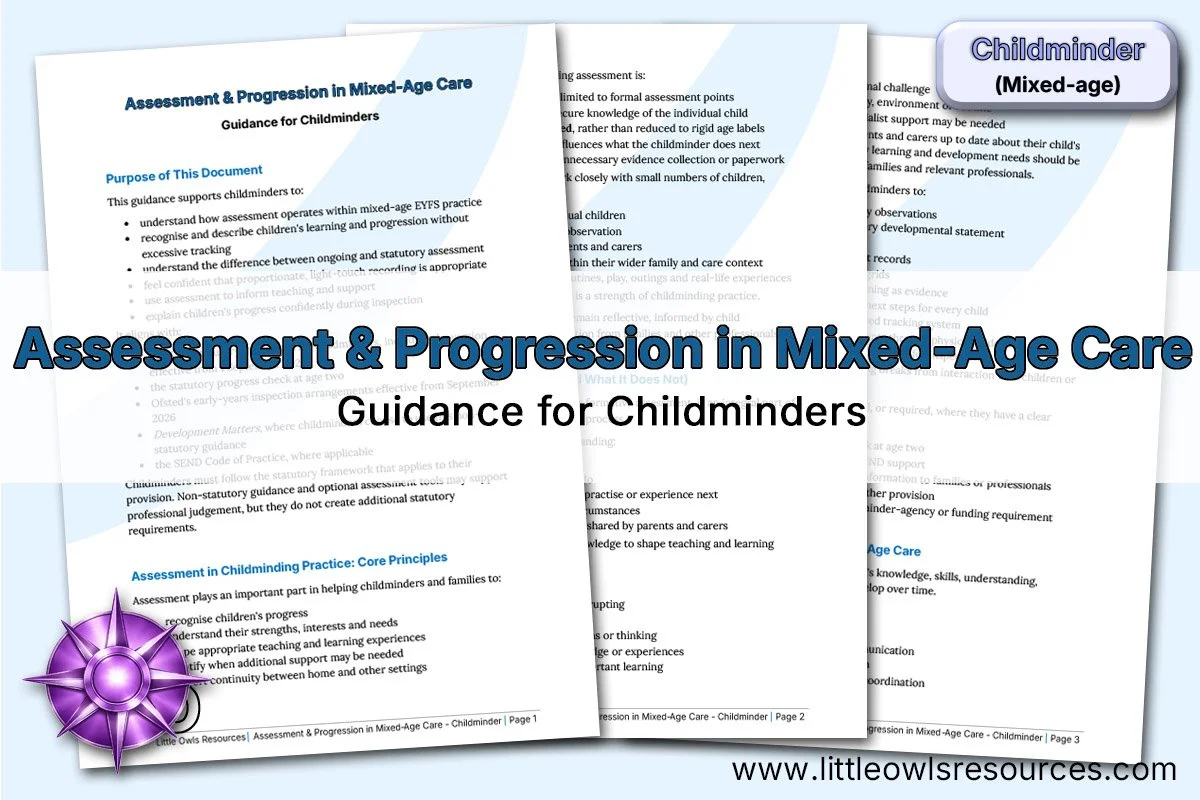
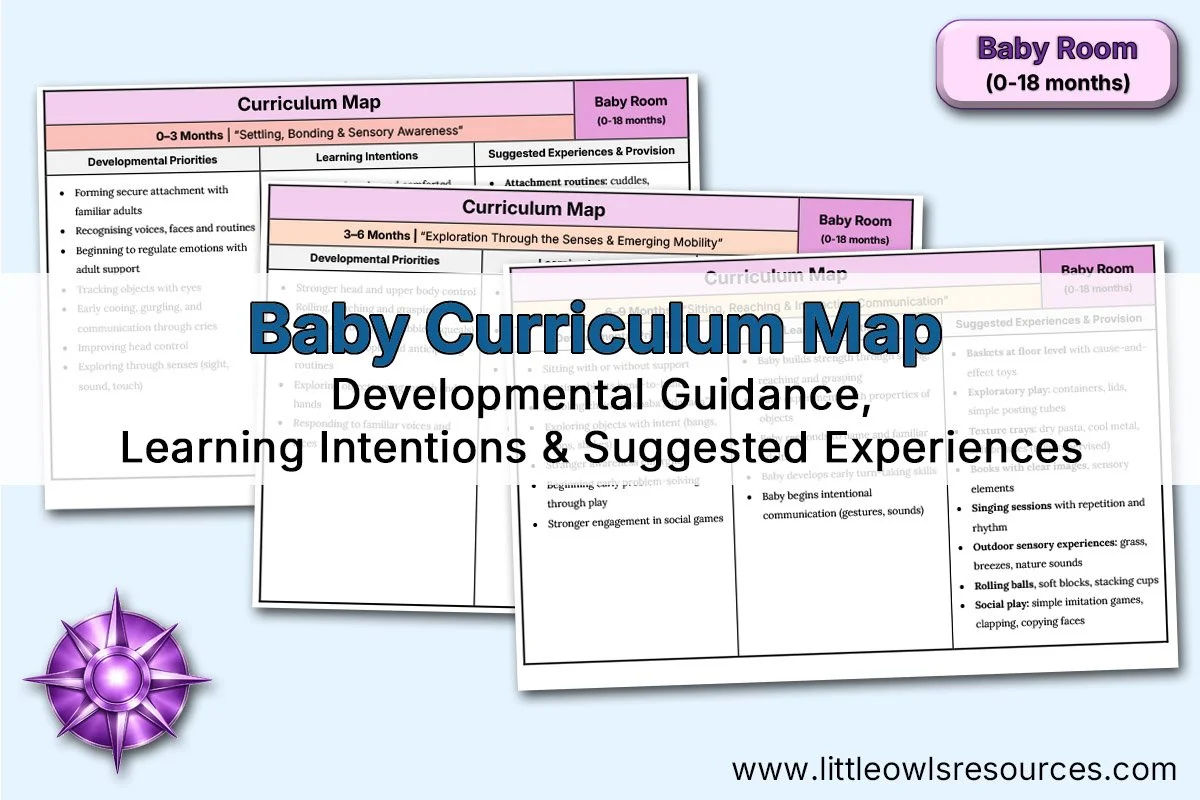
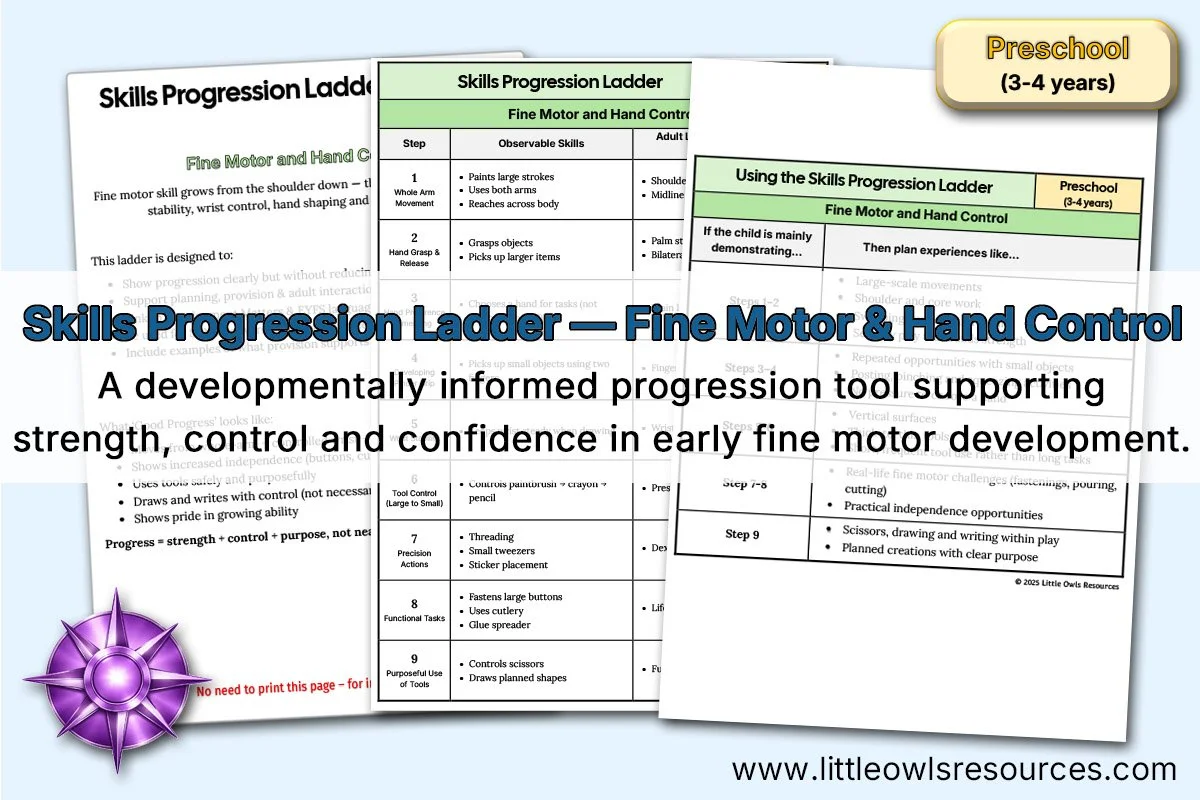
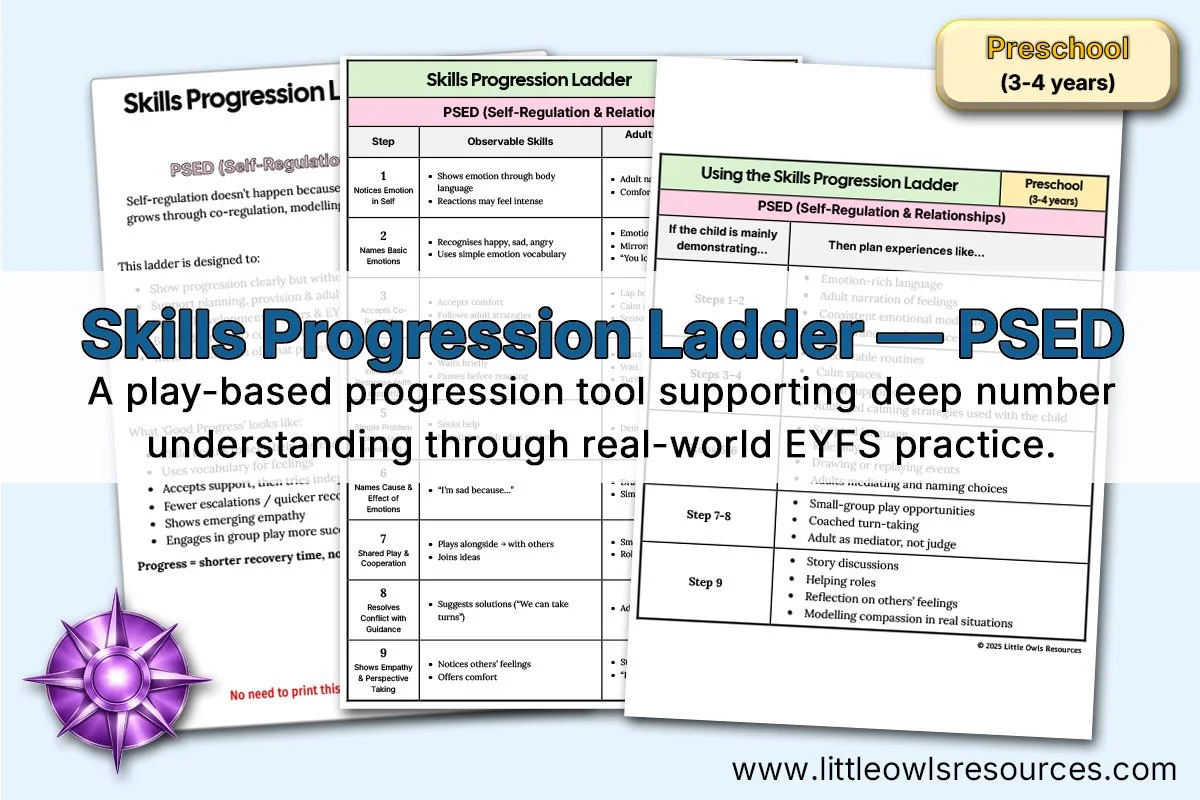
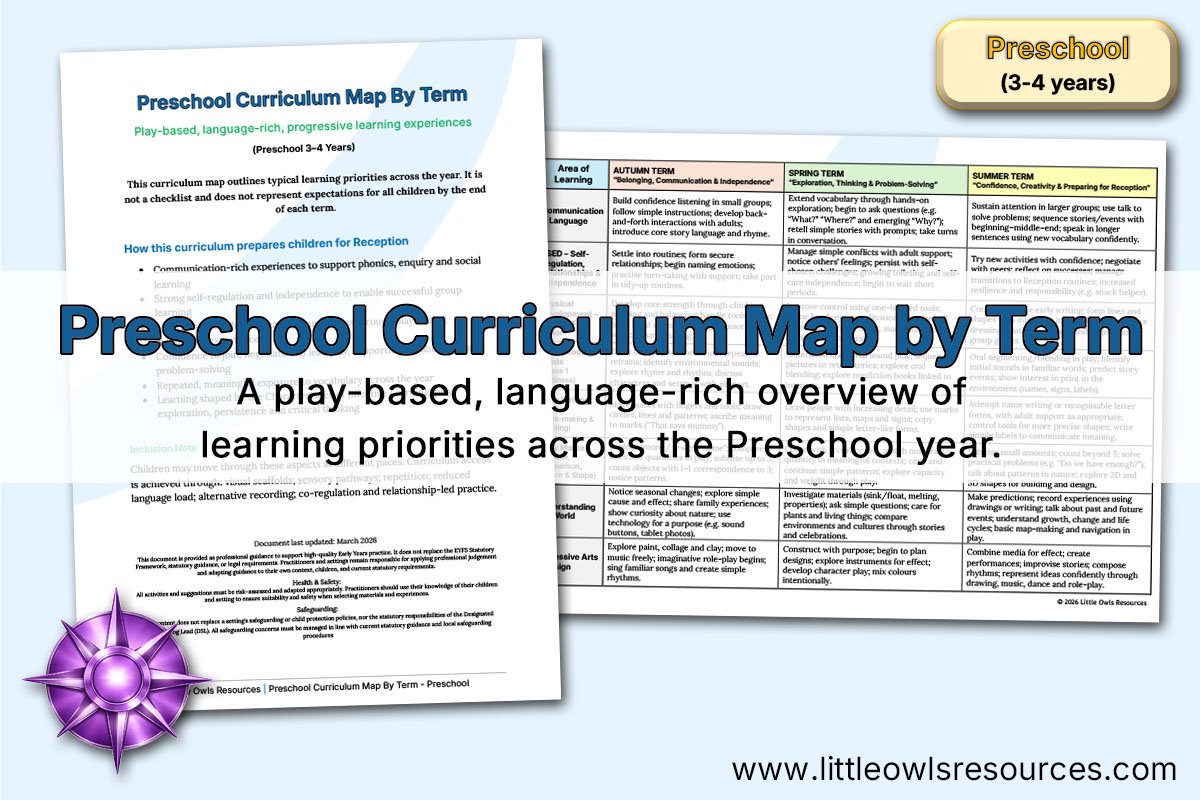
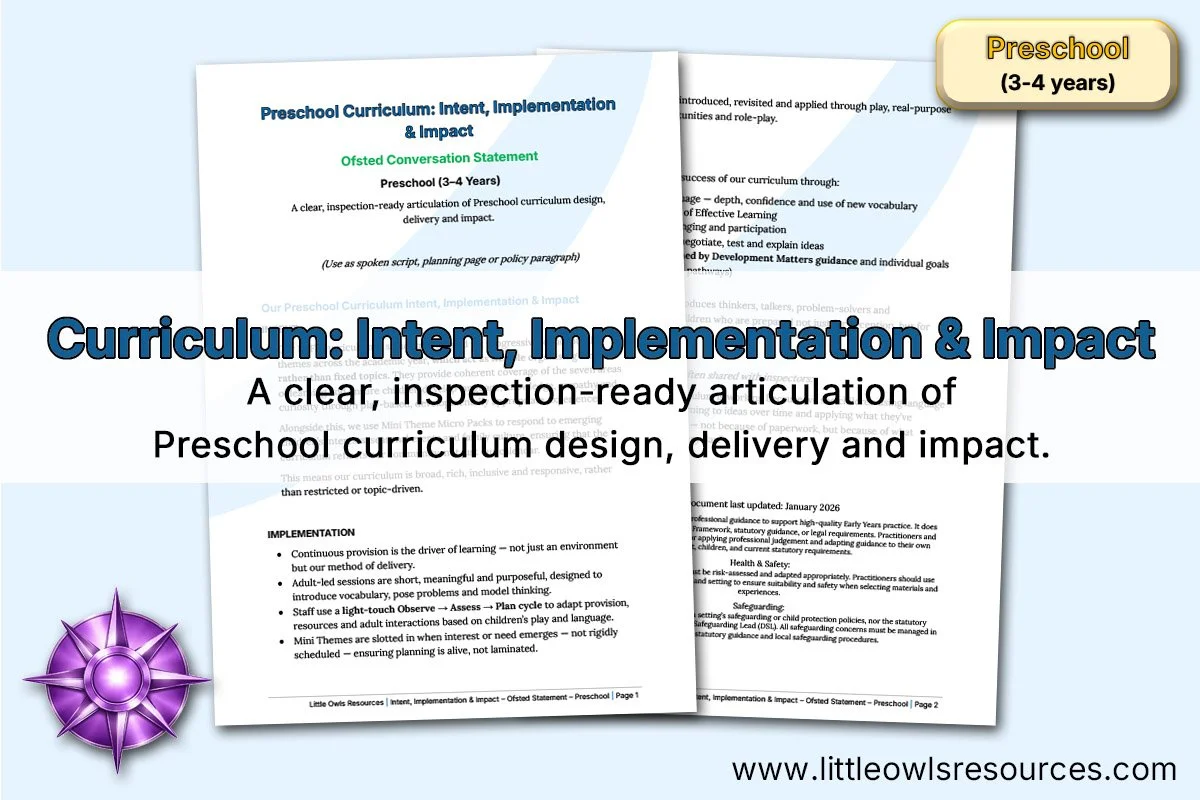
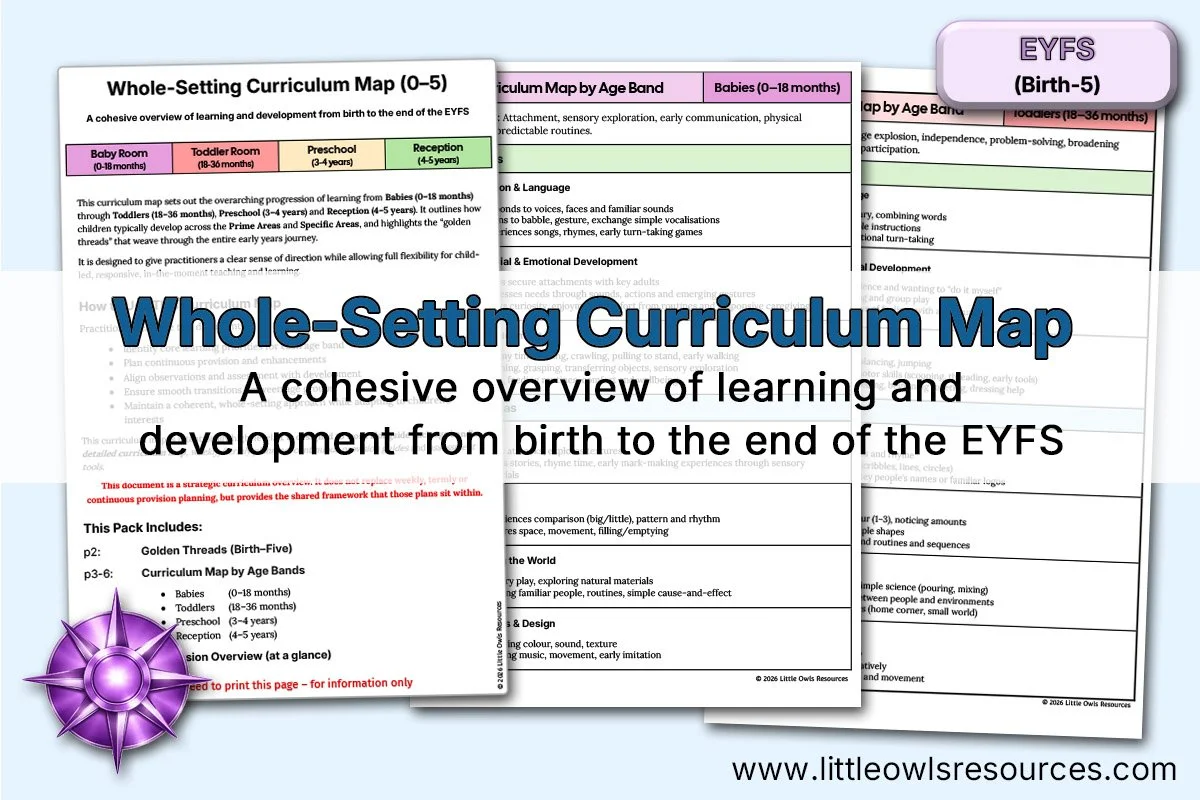
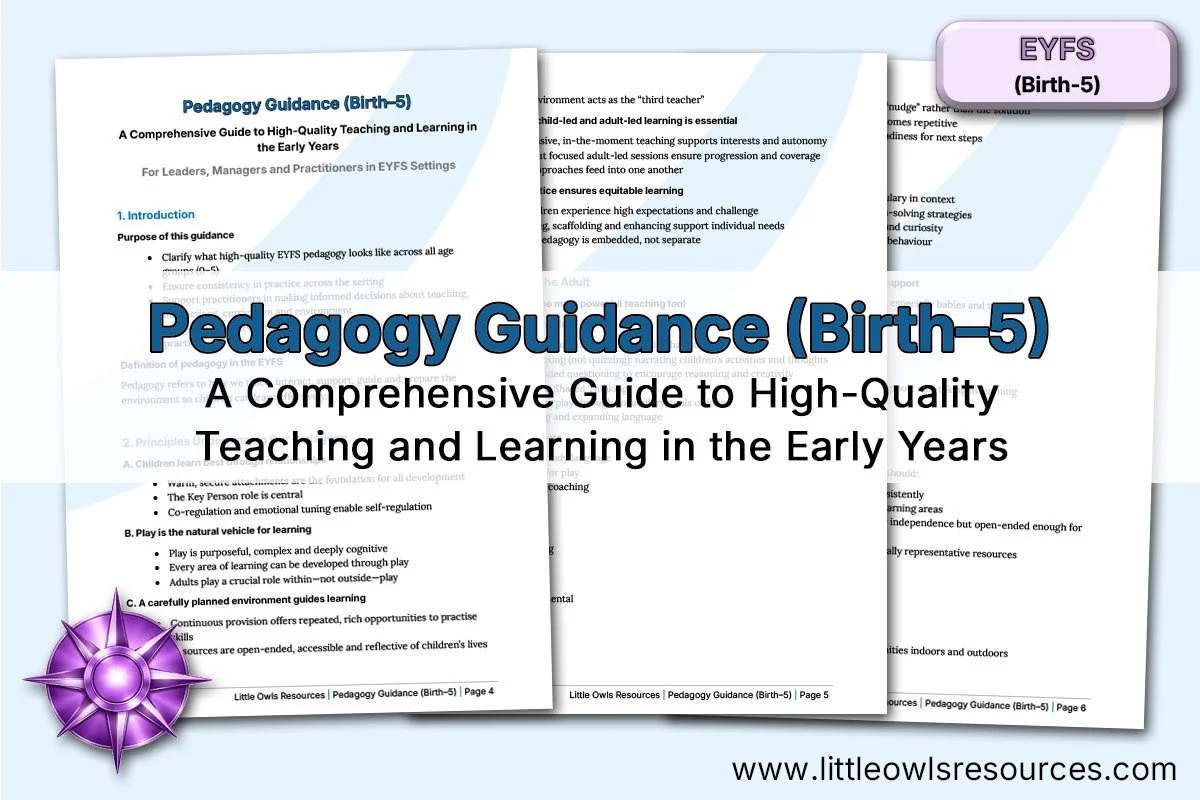
Below you will find a selection of guidance documents from within our Little Owls Resources ‘Curriculum & Pedagogy’ area which explore this concept (& its age-specific application within EYFS settings) in greater depth.
[For additional documents please visit our support pathways: Baby | Toddler | Preschool | Reception | Mixed-Age]











Further Guidance | Related Resources within our ‘Printable Provision’ area:
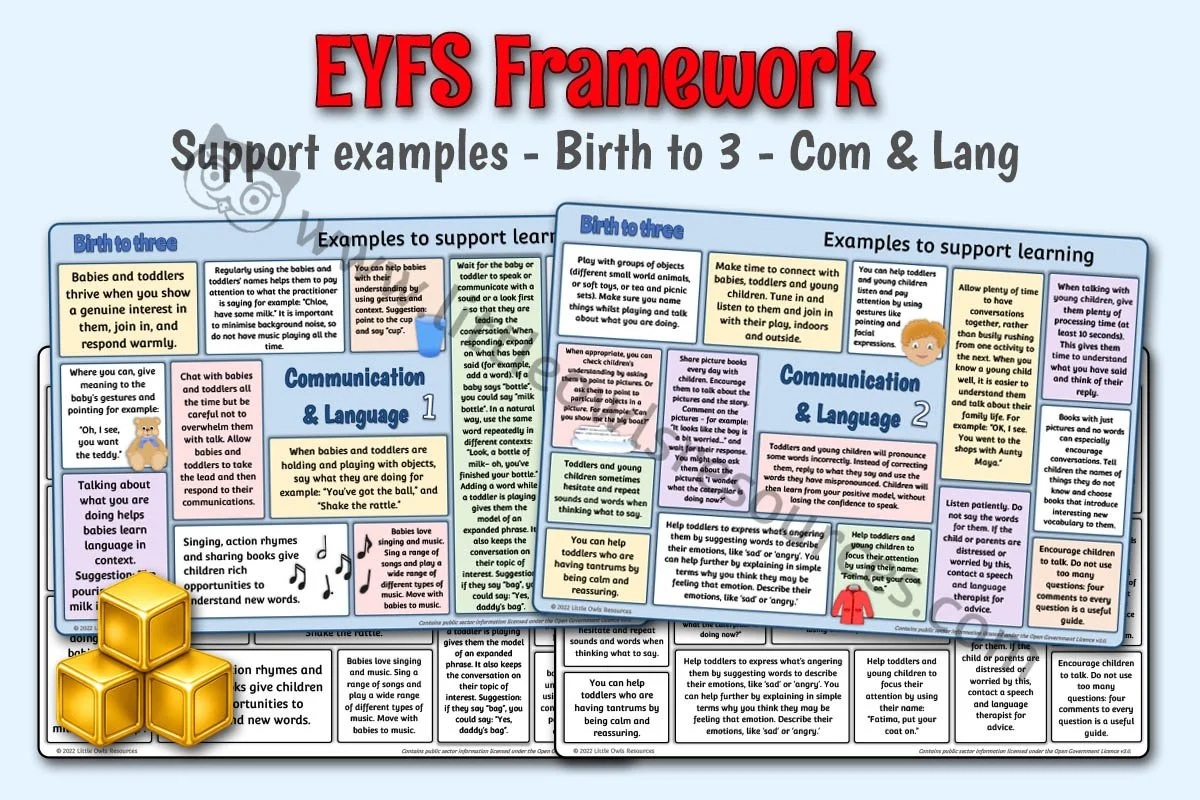
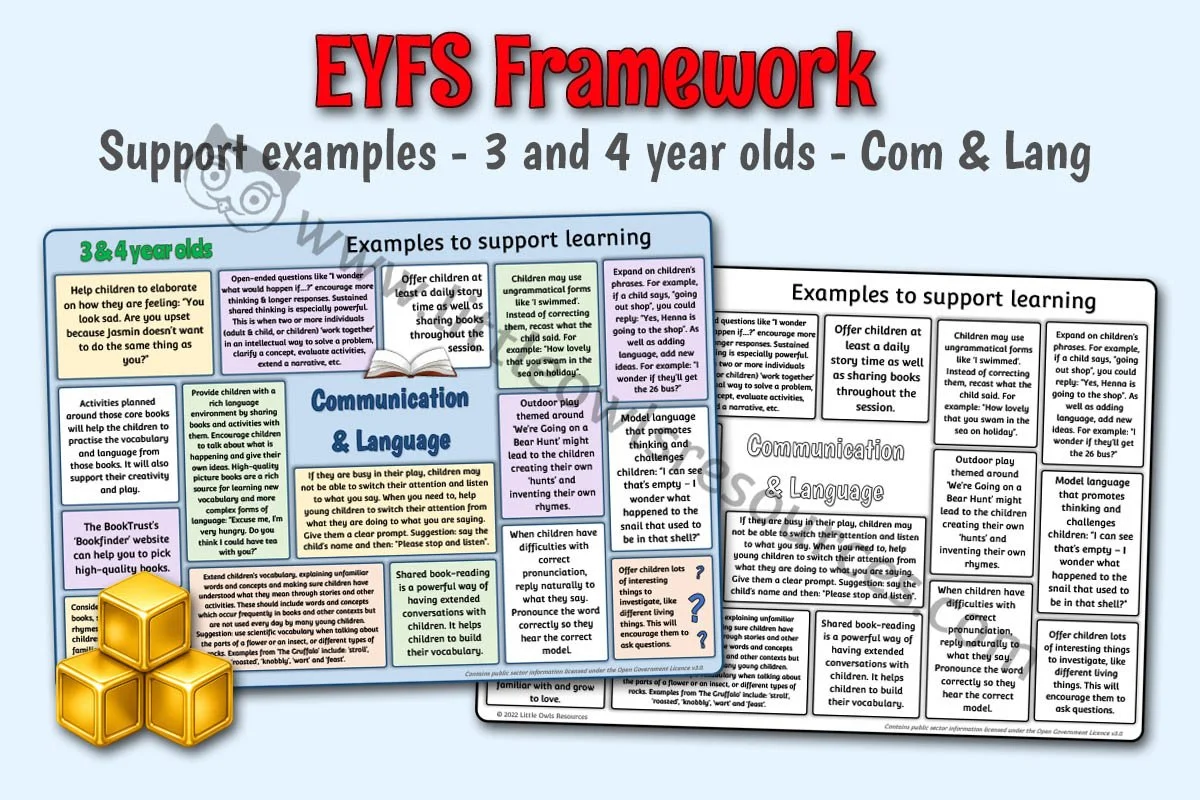
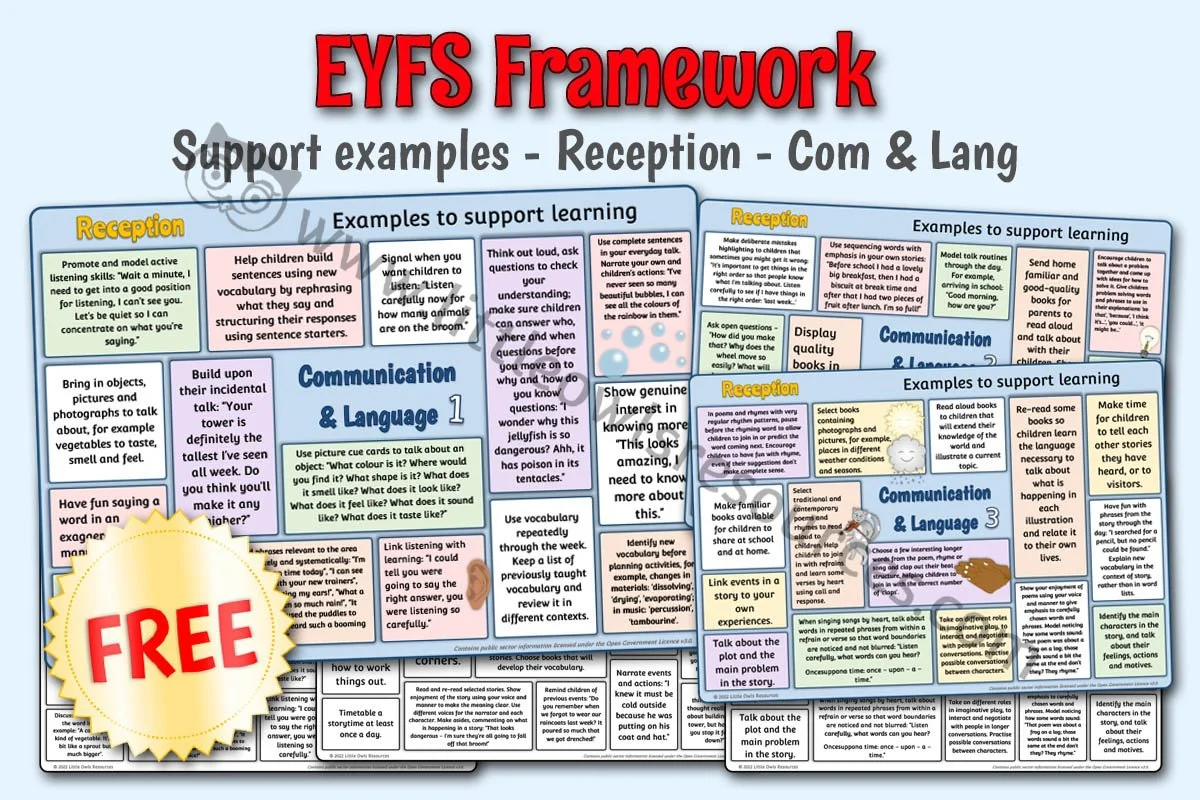
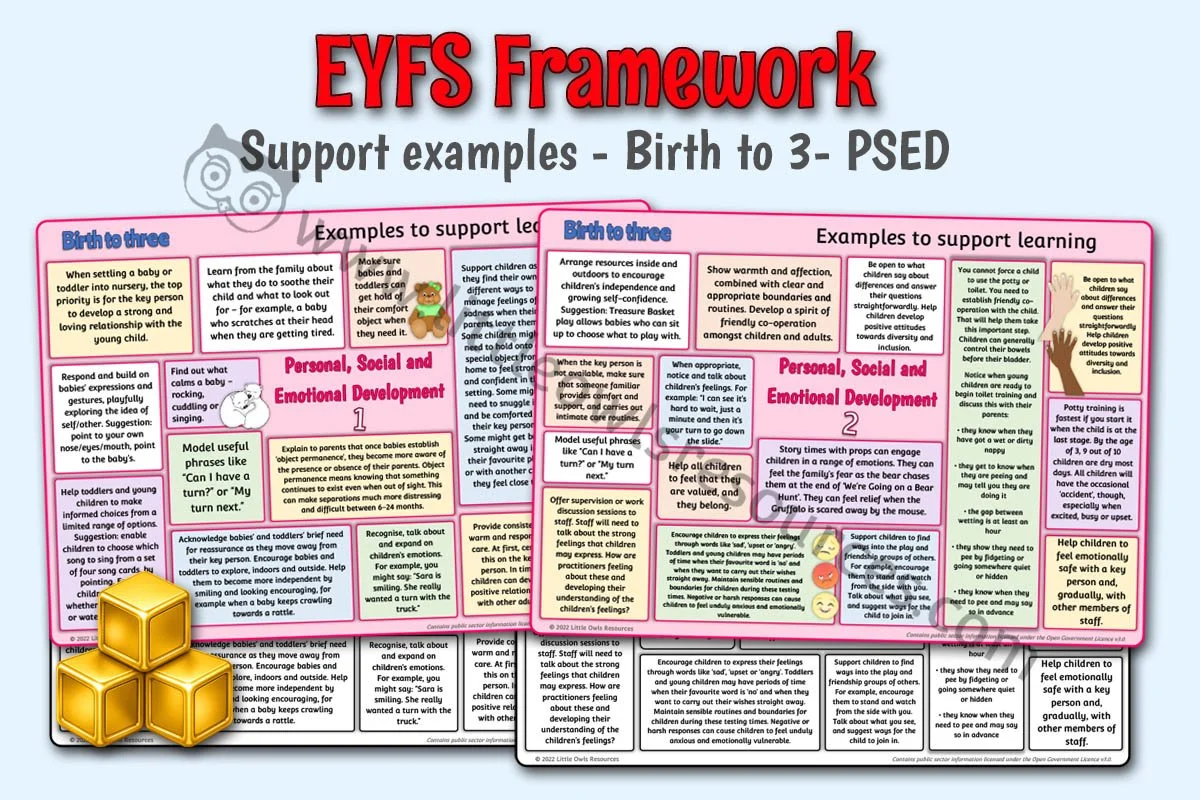
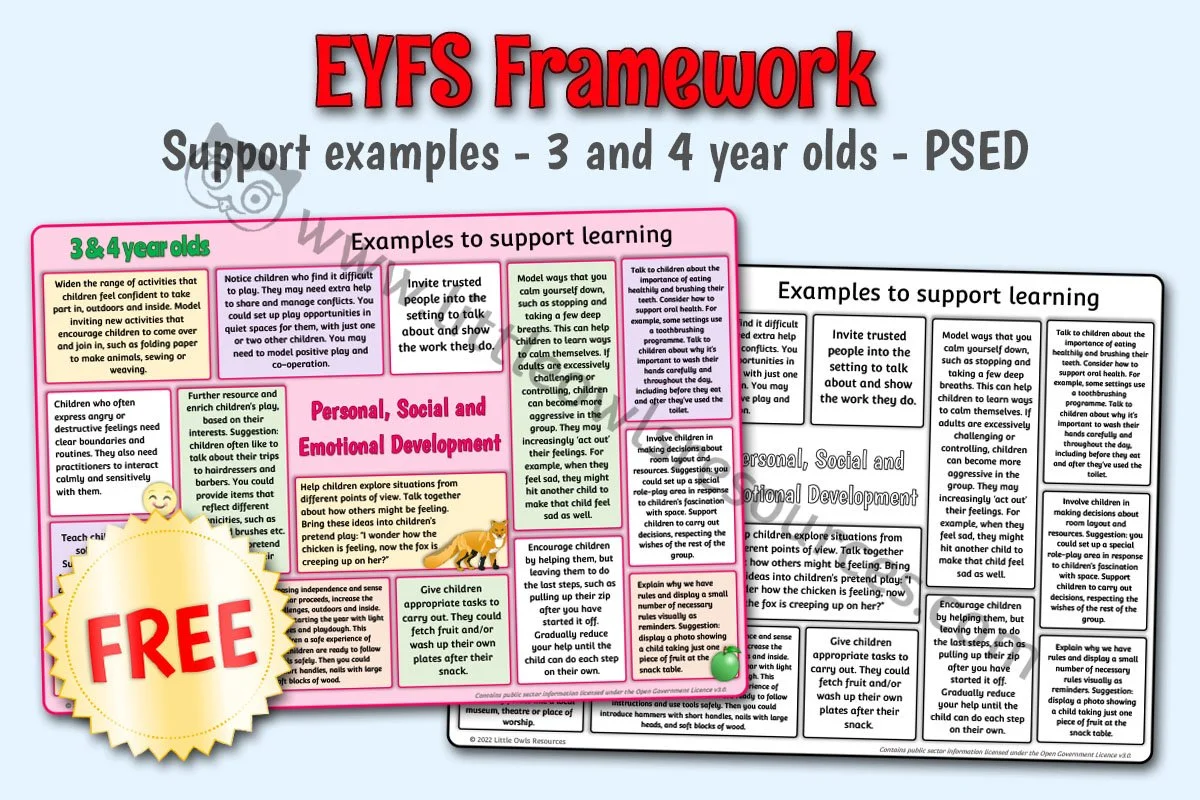
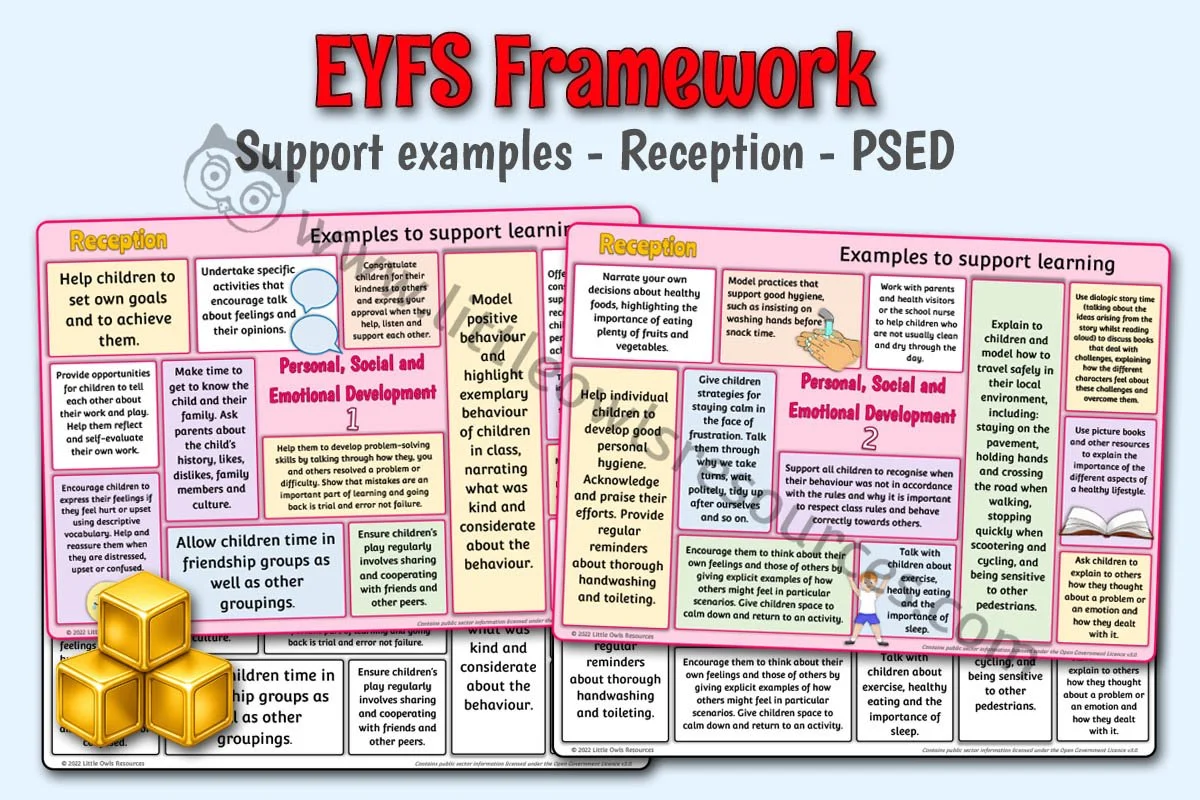
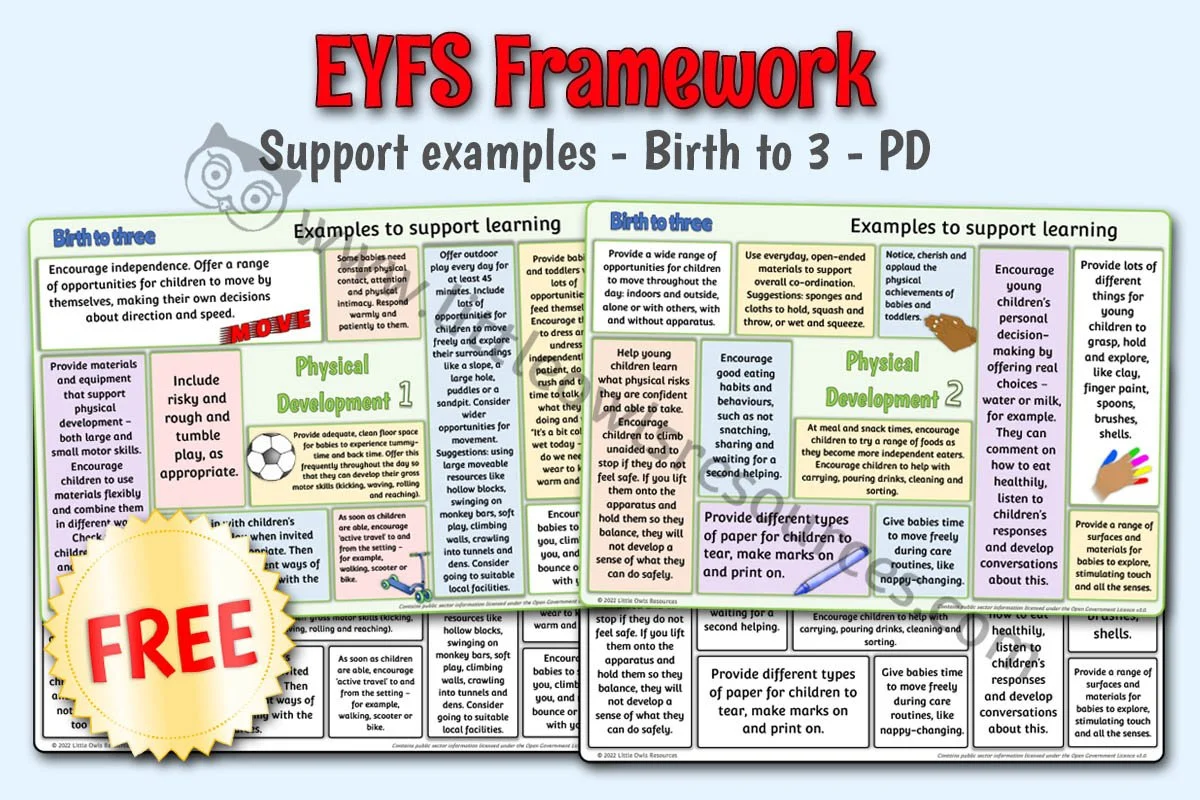
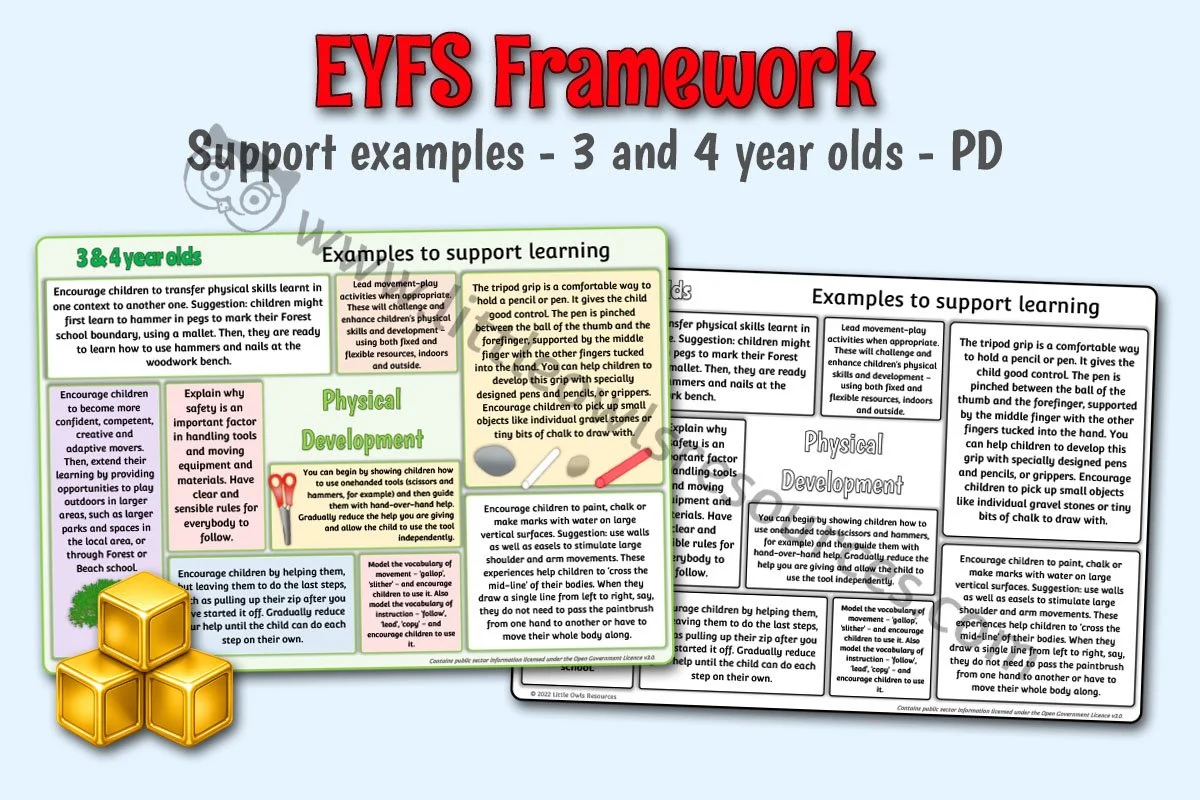
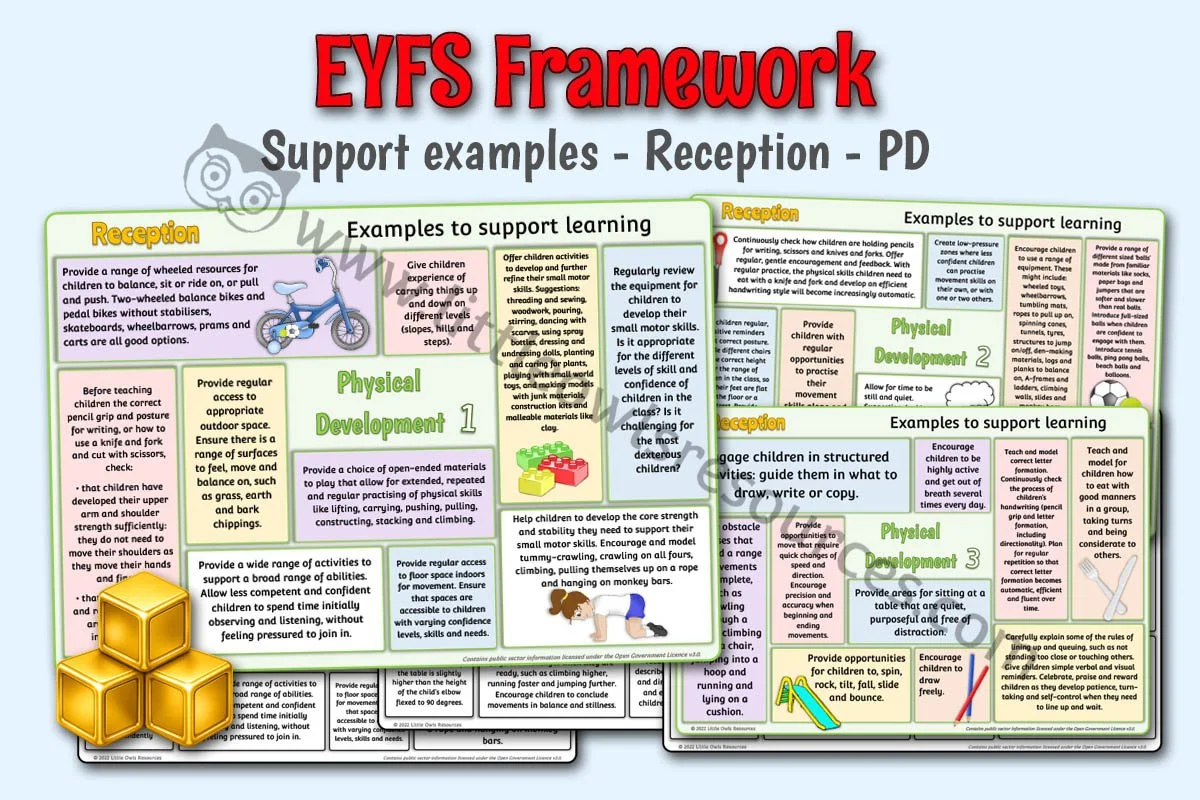
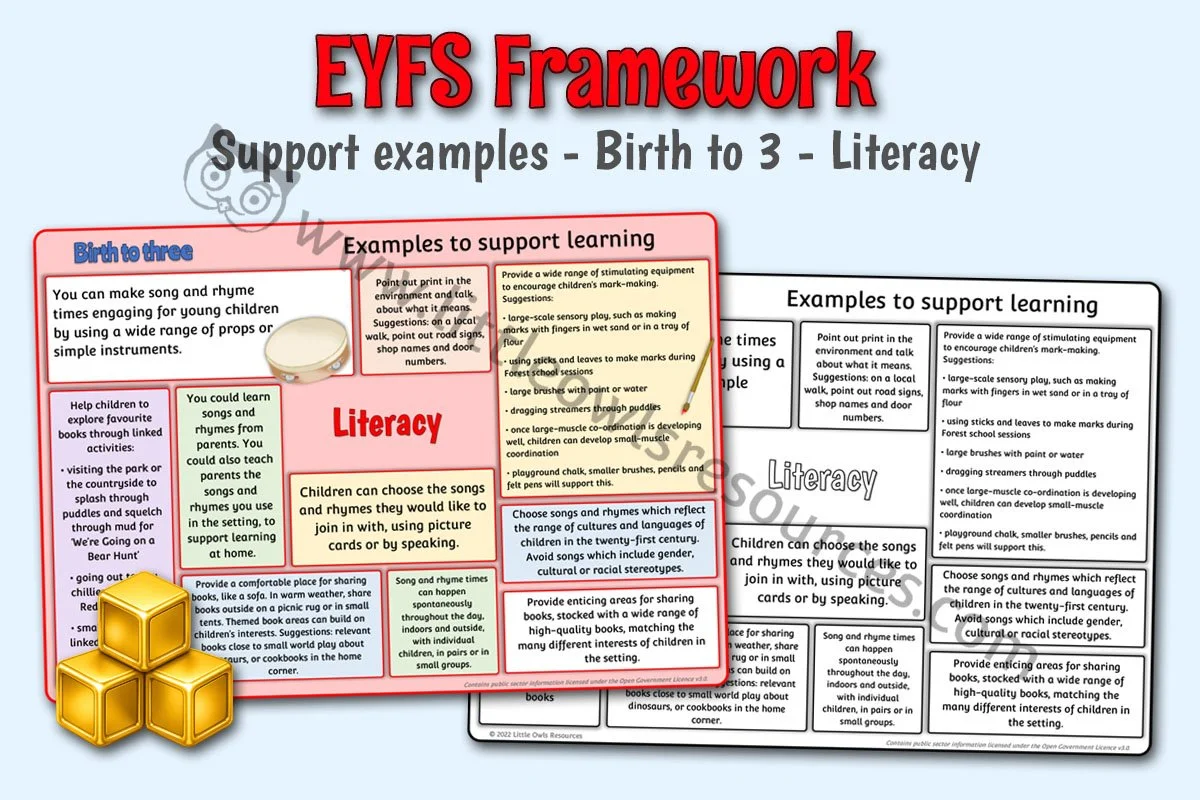
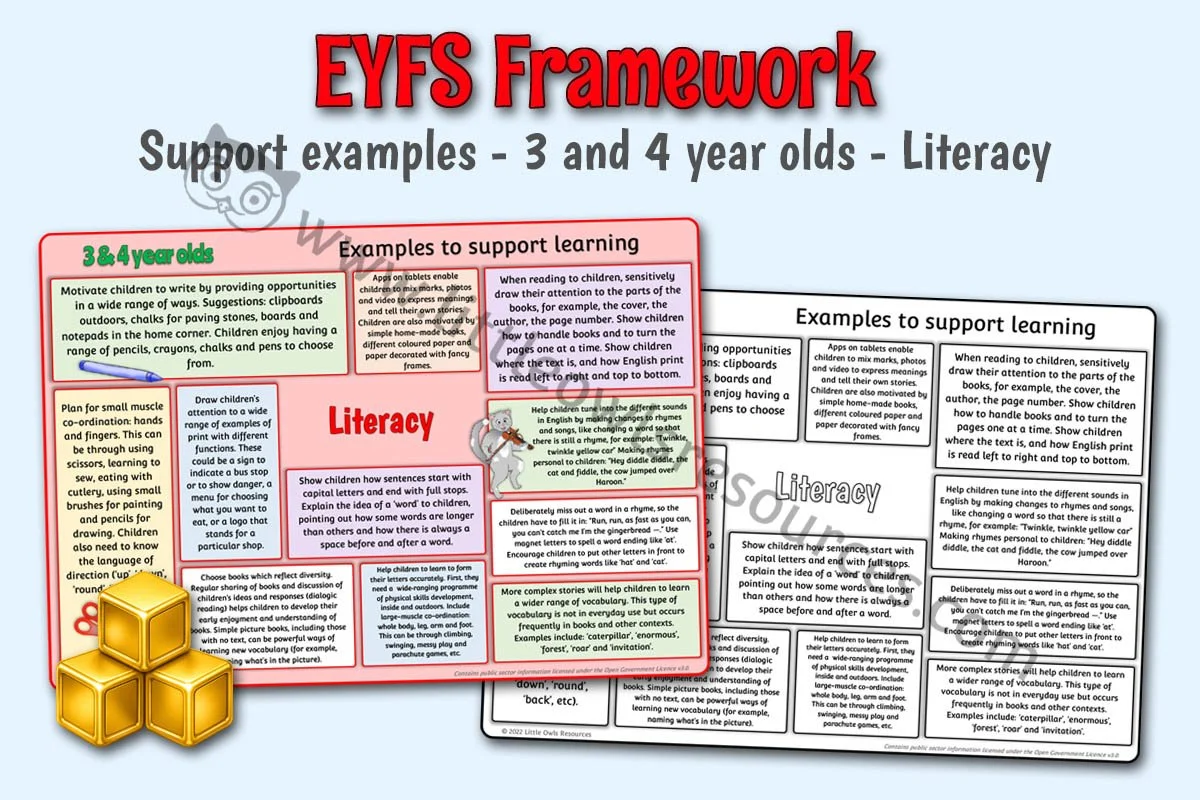
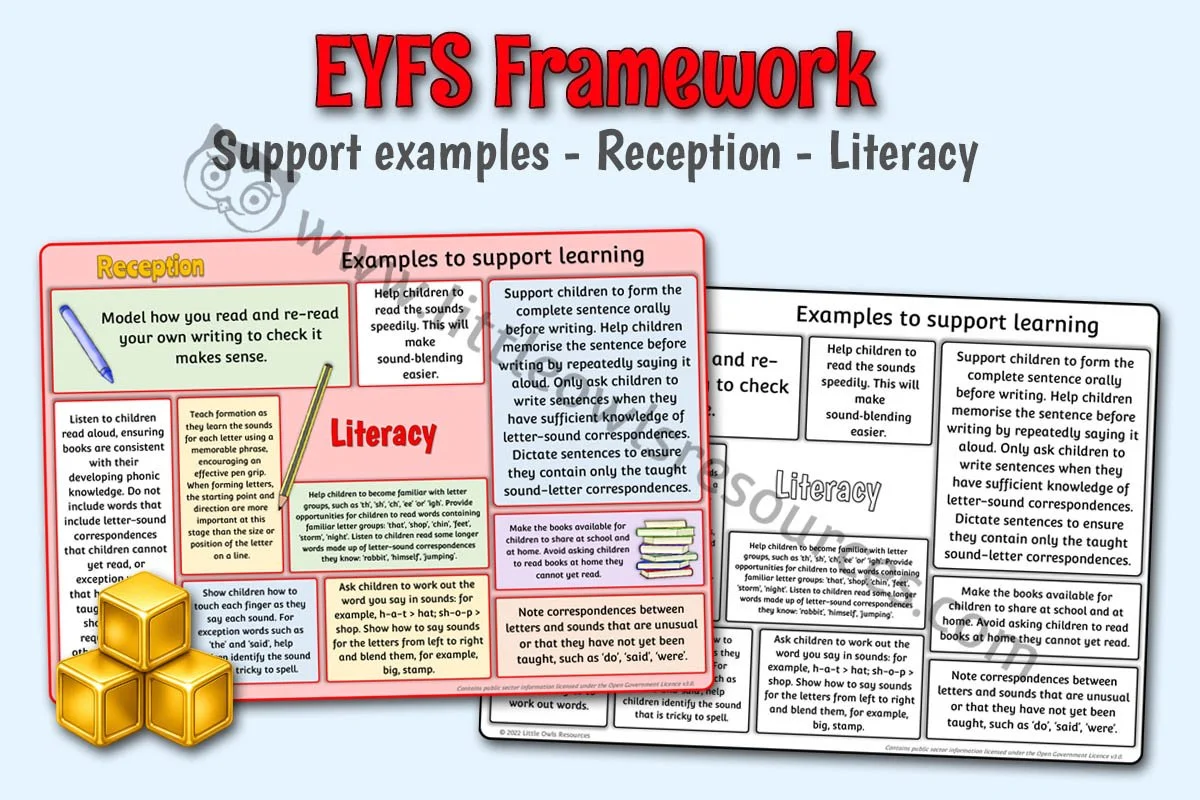
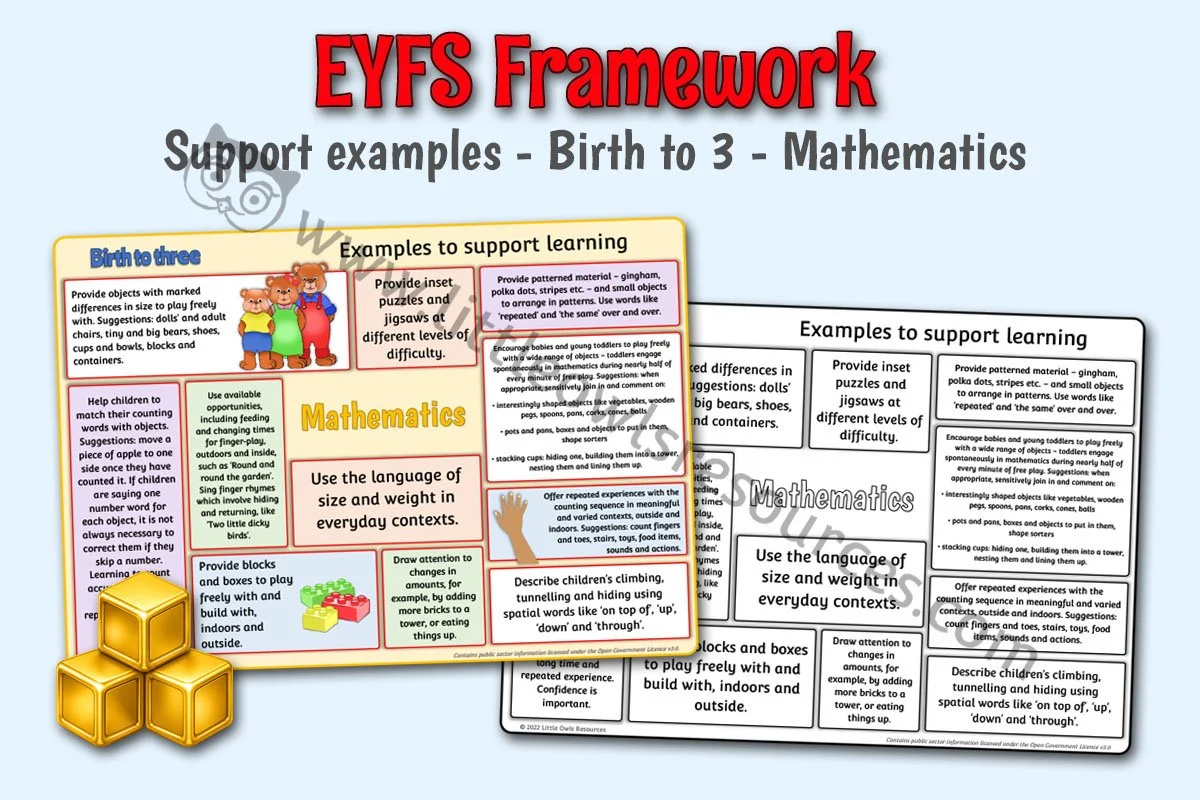
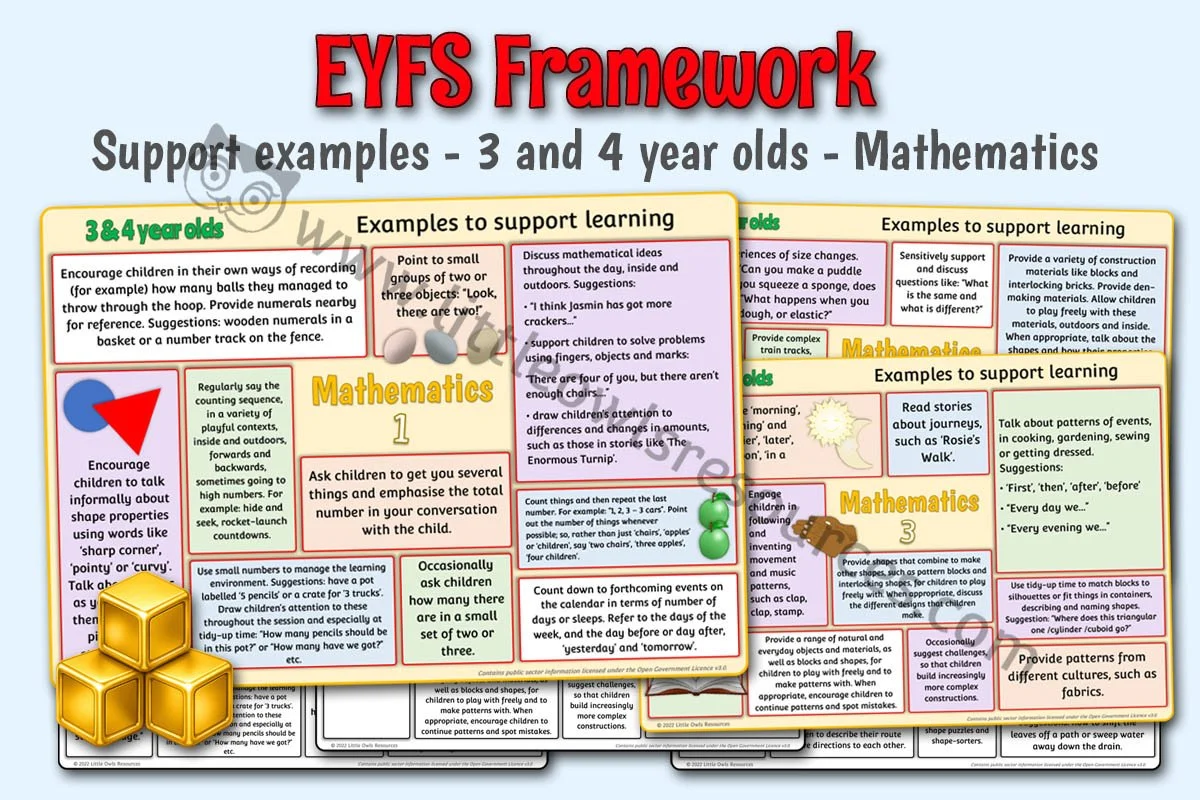
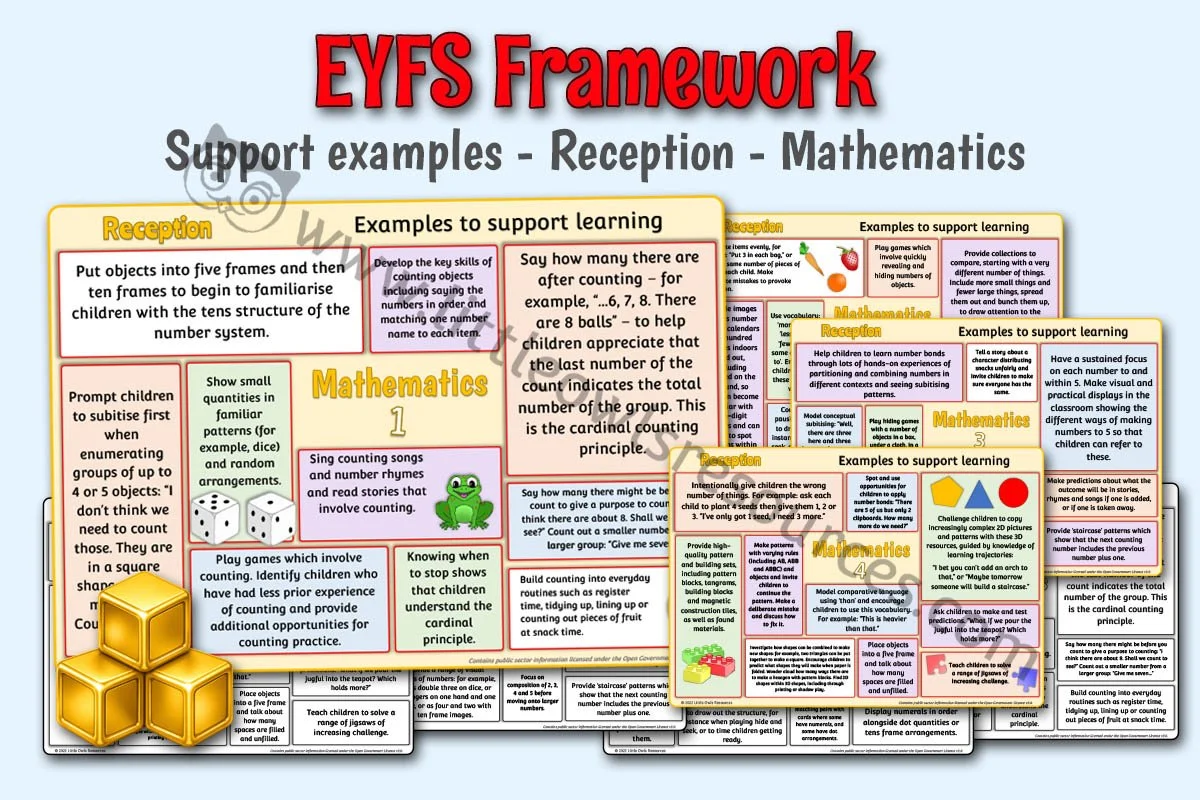
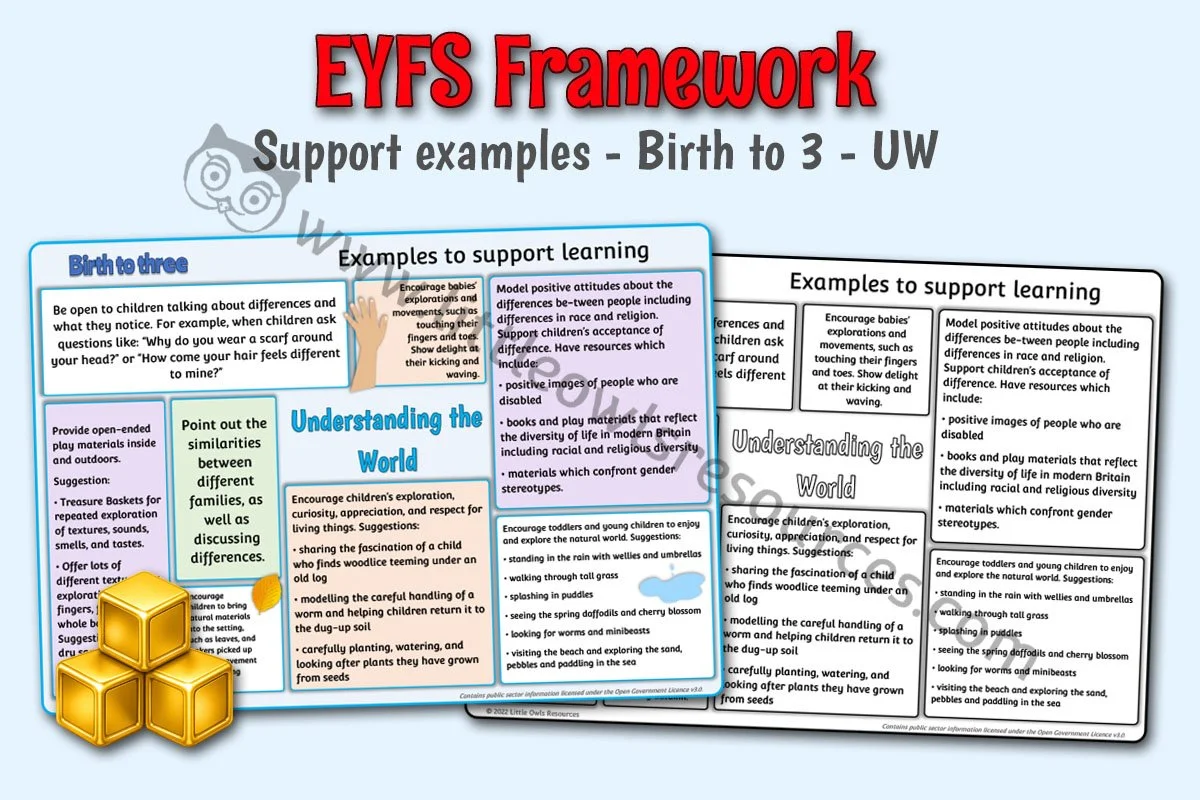
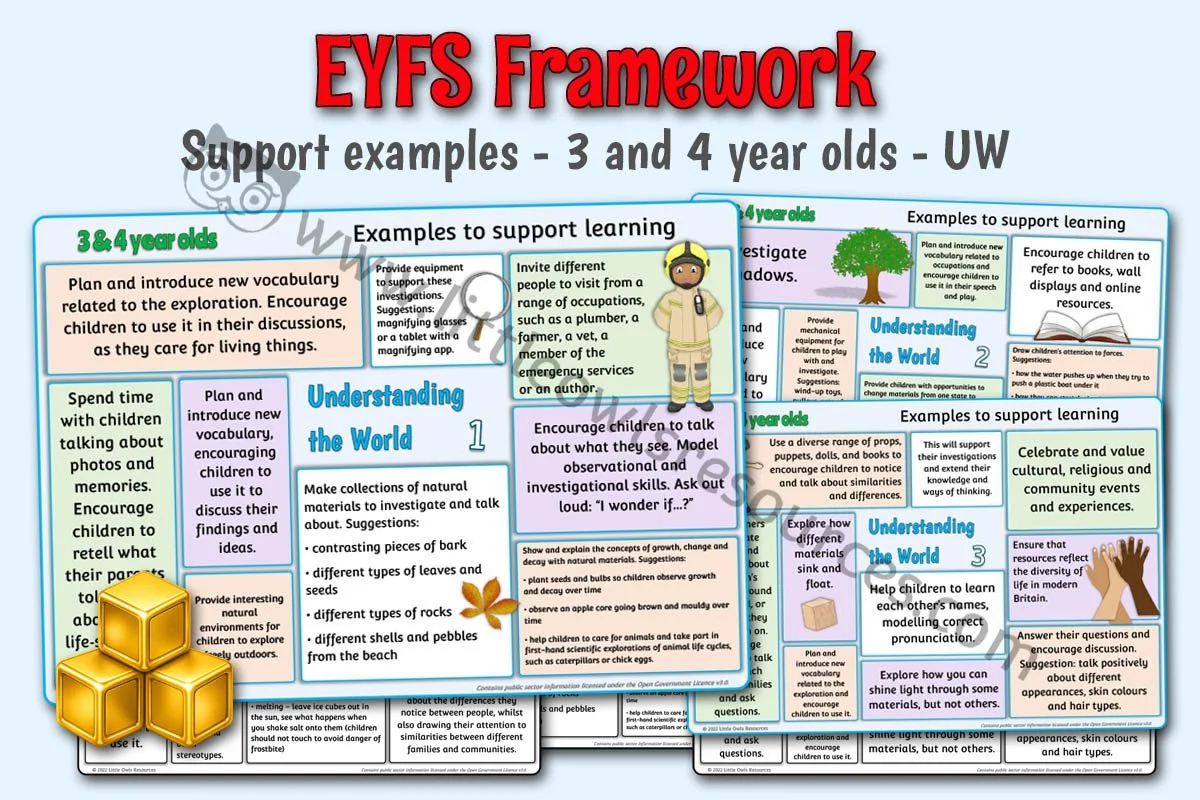
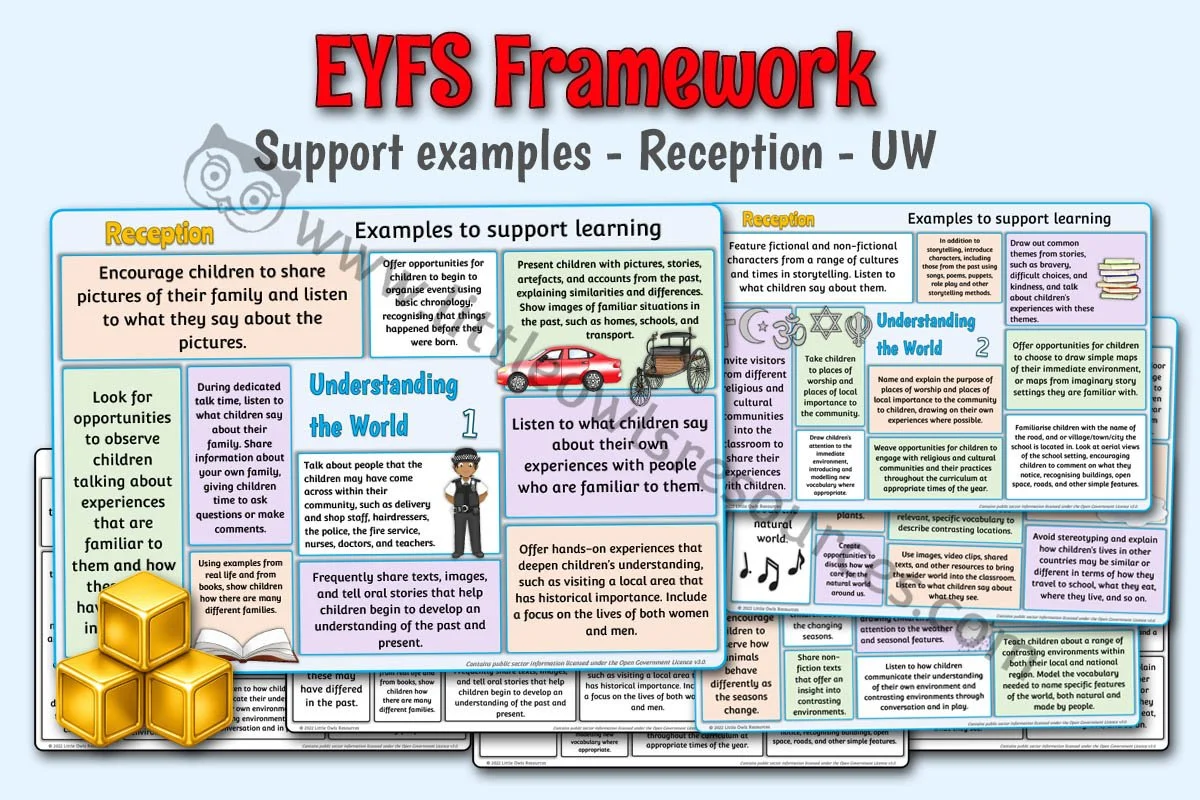
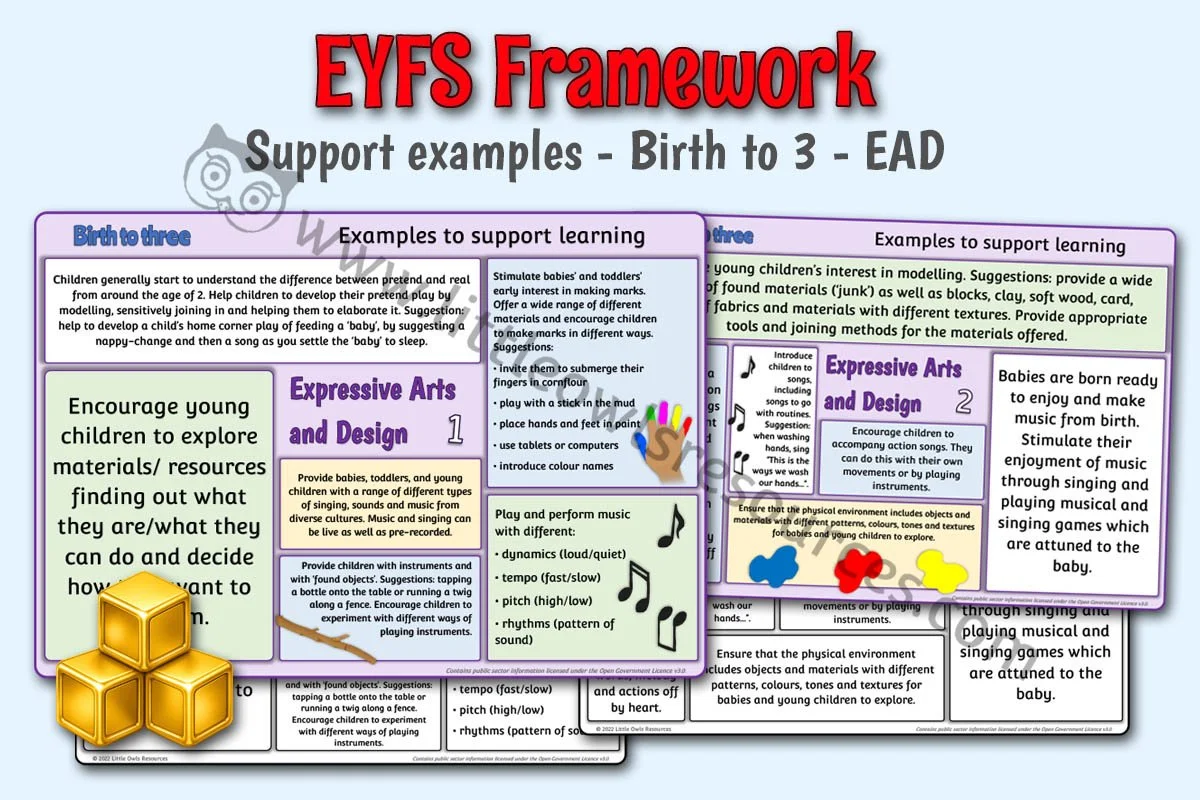
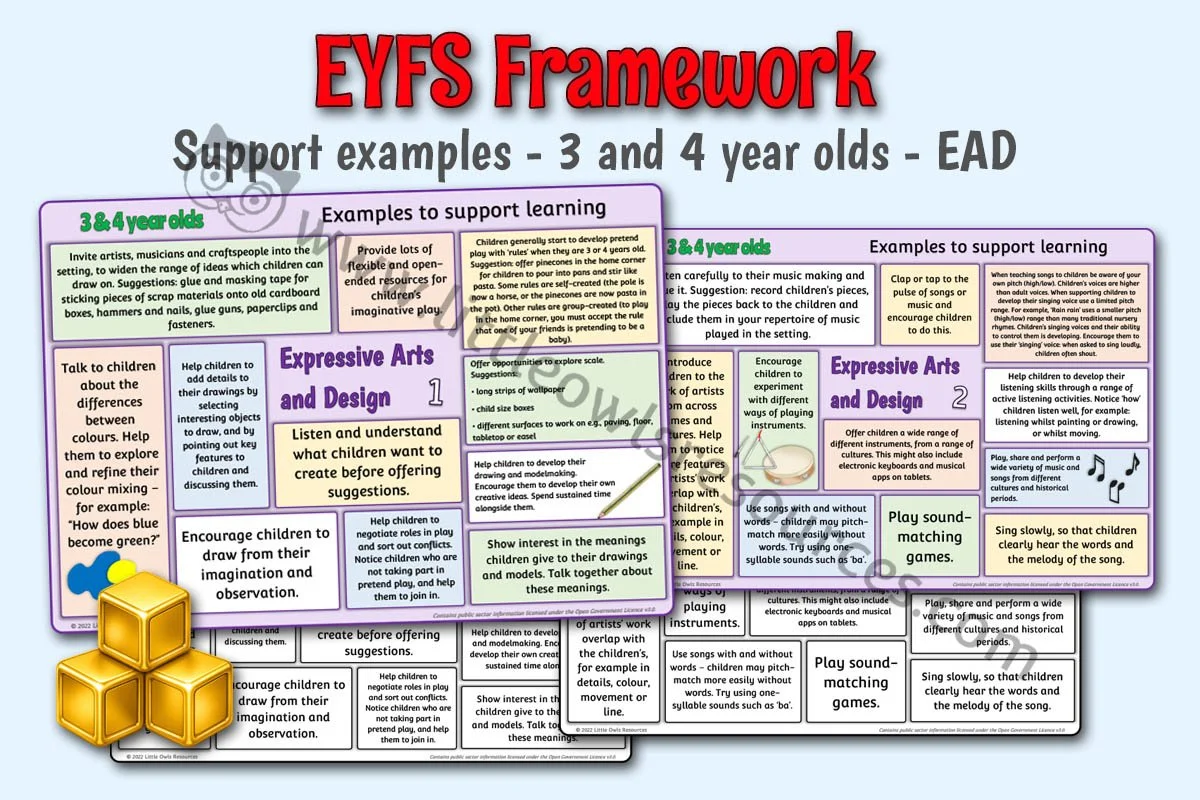
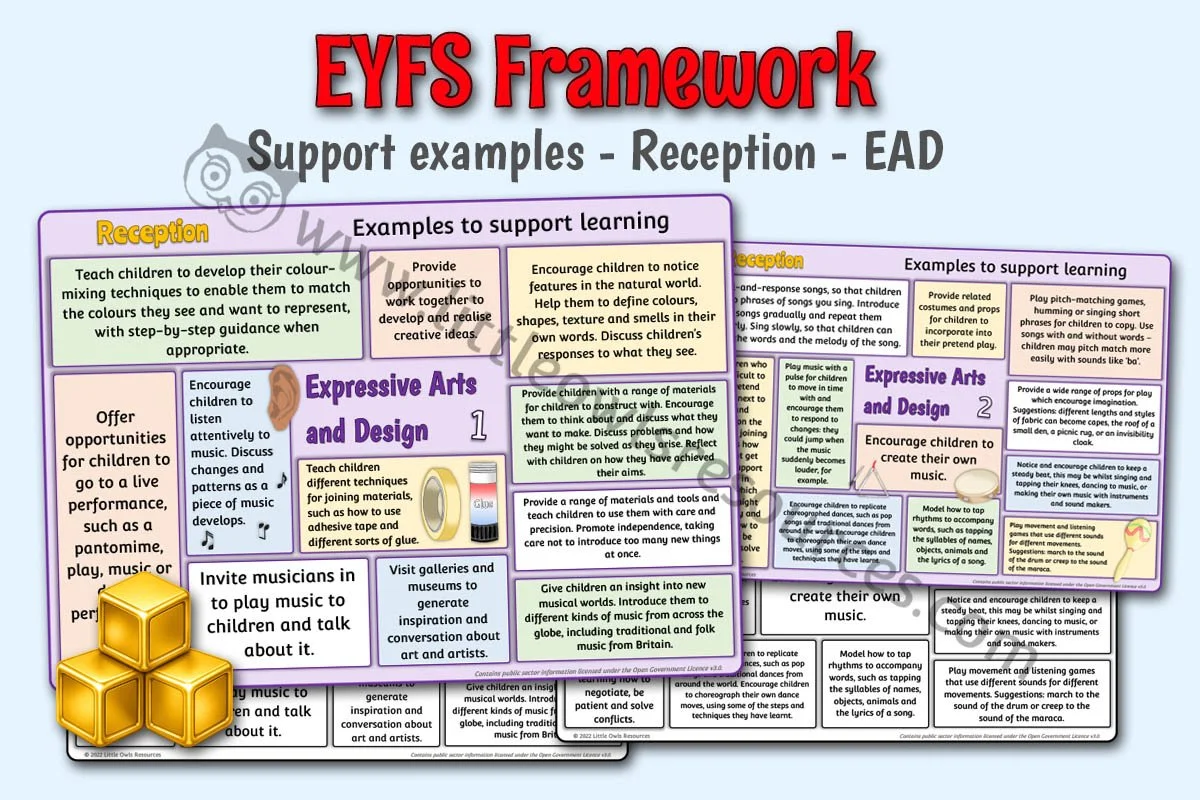
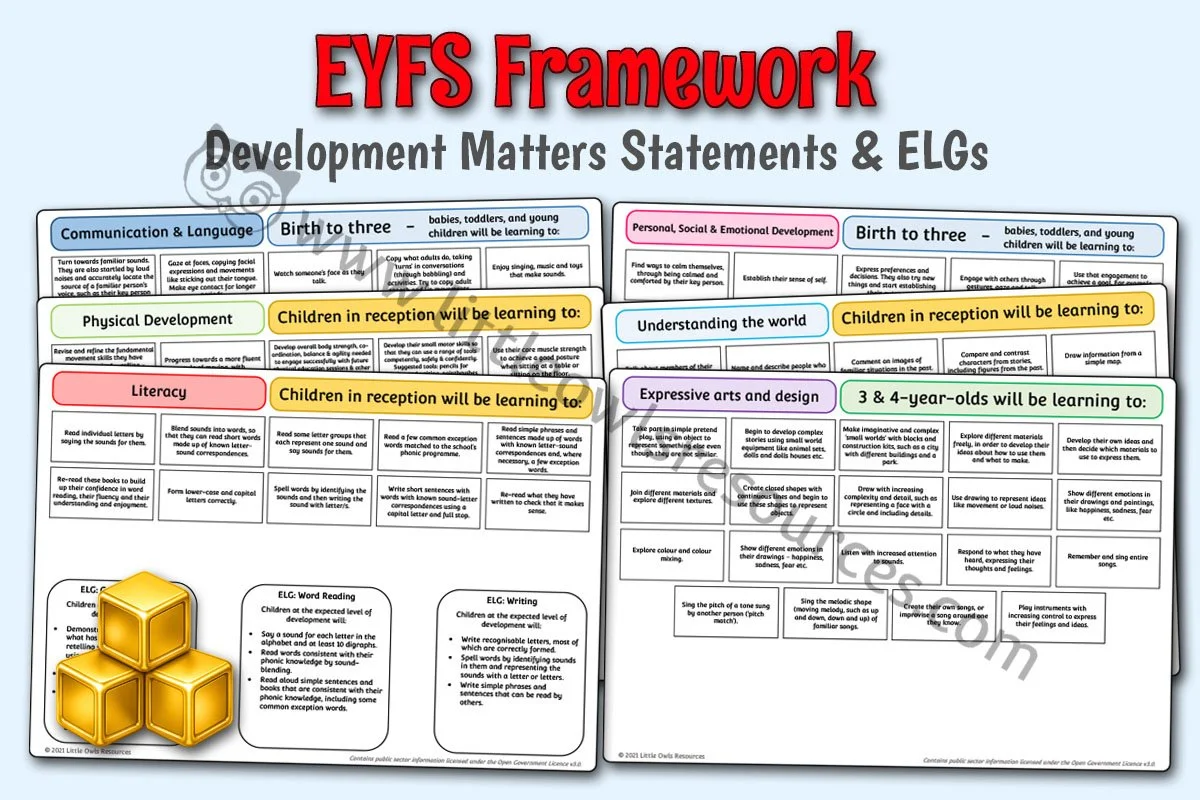
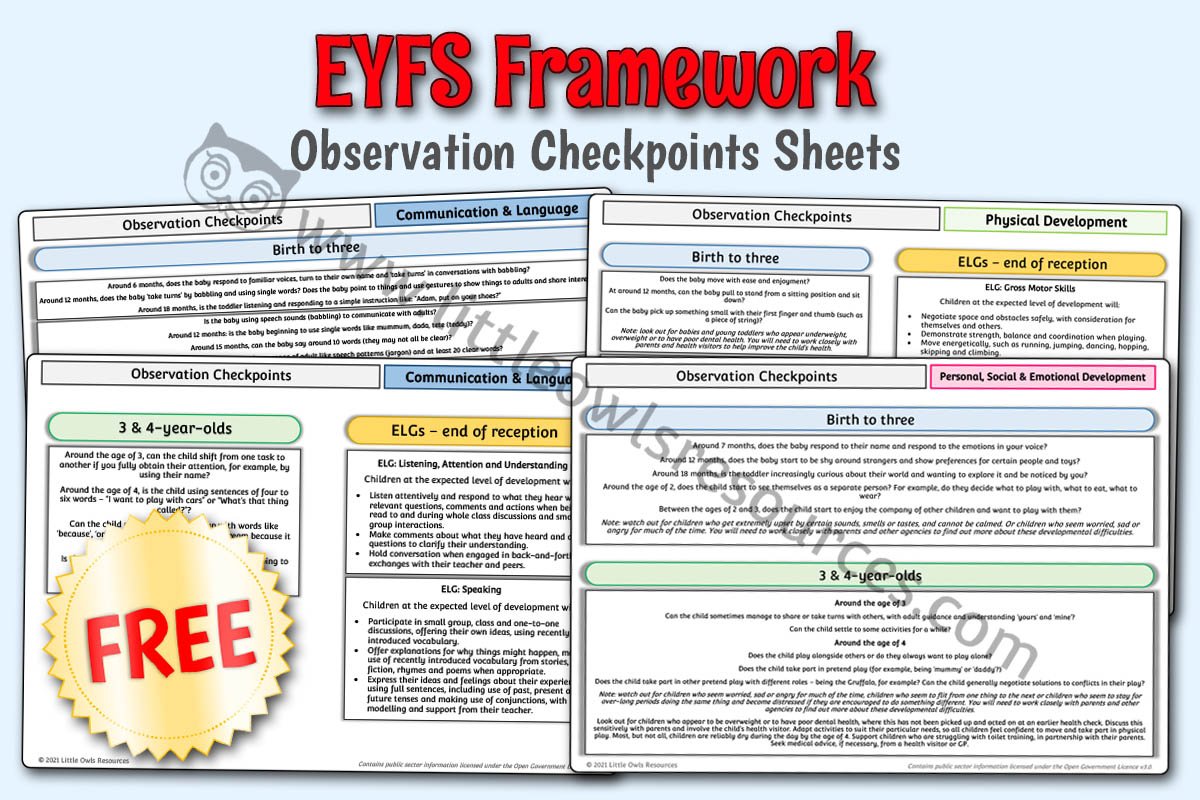
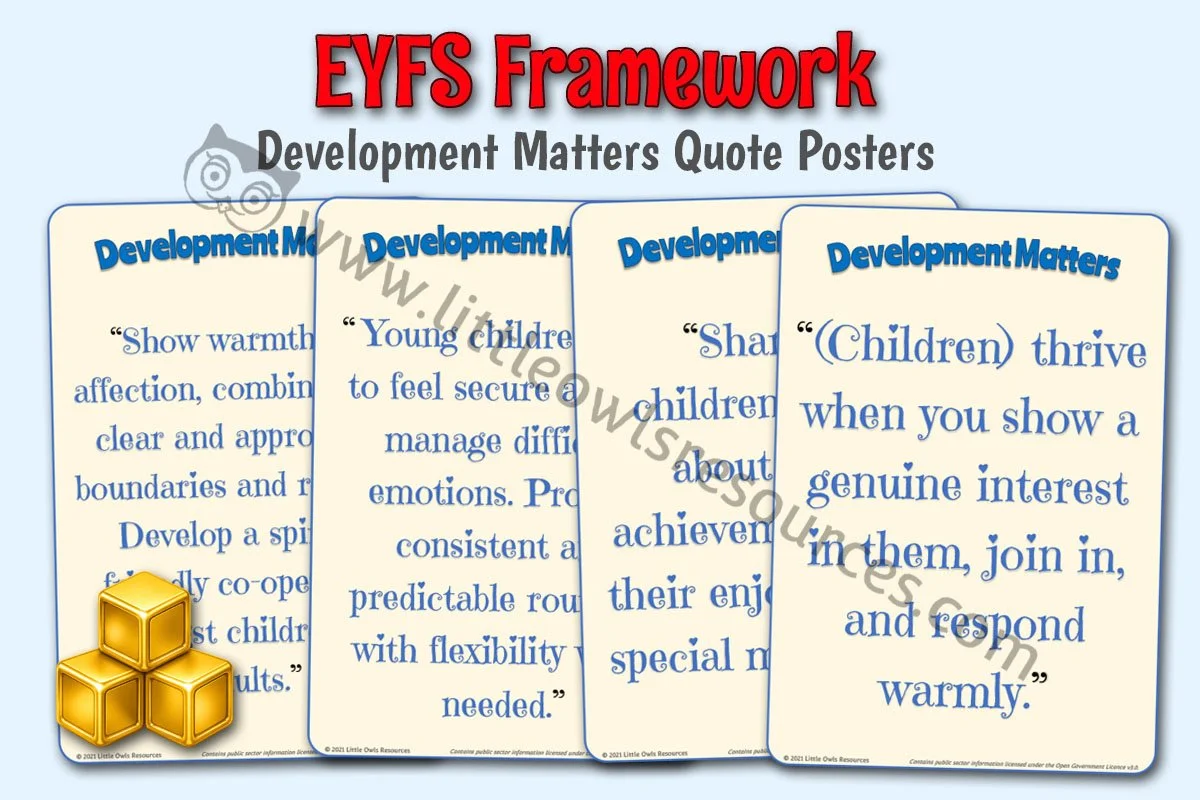
The following resources are within our ‘EYFS Framework’ collection. They refer to information contained within ‘Development Matters’ which provides examples of how children’s development may progress over time, helping practitioners understand typical patterns of development.
Disclaimer
The information provided in this glossary is intended to support understanding of terminology commonly used within the Early Years Foundation Stage (EYFS). It does not constitute official guidance and should not be considered a substitute for the EYFS Statutory Framework or other Department for Education publications.
Terminology and interpretations may vary between settings and professional contexts.