
Part of the EYFS Glossary
This article forms part of our EYFS Glossary of Early Years Education Terms, which explains key curriculum, pedagogy, and assessment language used in early years practice.
Professional Judgement refers to the informed decisions practitioners make about children’s learning and development based on observation, knowledge of the child, and understanding of early years practice.
What is Professional Judgement in EYFS?
Professional Judgement describes the process by which early years practitioners interpret what they observe and make informed decisions about children’s development and learning.
In the Early Years Foundation Stage (EYFS), practitioners regularly use professional judgement to understand what children know, what they can do, and what support or opportunities may help them progress.
Professional judgement is not based on a single observation or piece of evidence. Instead, it reflects a balanced consideration of a child’s development over time.
How Professional Judgement Is Informed
Professional judgement is shaped by a range of factors, including:
ongoing observation of children’s learning and behaviour
knowledge of child development
understanding of the Areas of Learning and Development
awareness of children’s individual contexts and experiences
dialogue with colleagues and families
Practitioners draw on both their experience and relevant guidance to interpret children’s learning in a thoughtful and reflective way.
Professional Judgement in Assessment
Professional judgement plays an important role in assessment within the EYFS. For example, when completing the Early Years Foundation Stage Profile (EYFSP), practitioners use their professional knowledge of the child to determine whether the child has met the Early Learning Goals (ELGs).
Approaches such as Best Fit Assessment rely on professional judgement rather than requiring children to demonstrate every individual statement within a framework.
Through ongoing observation and reflection, practitioners build a holistic understanding of children’s development.
Professional Judgement and Moderation
Professional judgement is often supported by moderation processes. Moderation involves practitioners discussing and reviewing assessment decisions to ensure consistency and shared understanding.
Moderation can take place within a setting or across multiple settings and helps ensure that judgements are aligned with statutory expectations.
Through discussion and reflection, practitioners refine their understanding of developmental expectations and strengthen the reliability of their assessments.
Statutory Context
The EYFS Statutory Framework emphasises the importance of ongoing assessment based on observation and professional knowledge of the child.
While the framework sets out requirements for assessment at key points, it does not prescribe a rigid method for judging children’s development. Professional judgement remains central to understanding children’s learning within the EYFS.
Common Questions About Professional Judgement
-
Professional judgement involves interpretation, but it is informed by knowledge of child development, statutory guidance, and shared professional standards. Moderation processes help support consistency in assessment decisions.
-
Young children demonstrate learning in varied and complex ways. Professional judgement allows practitioners to consider a wide range of evidence and understand children’s development holistically.
-
When completing the EYFSP, practitioners use professional judgement to determine whether children have met the expected level of development within each Early Learning Goal.
Summary
Professional Judgement refers to the informed decisions early years practitioners make about children’s learning and development. It is based on ongoing observation, knowledge of child development, and understanding of the EYFS framework.
Through professional judgement, practitioners interpret children’s learning in a holistic way and support assessment processes such as the EYFSP and Best Fit Assessment.
Related Glossary Terms
The following glossary entries are closely related to Professional Judgement and provide additional context:


Observation (EYFS)
Assessment for Learning (EYFS)
Moderation
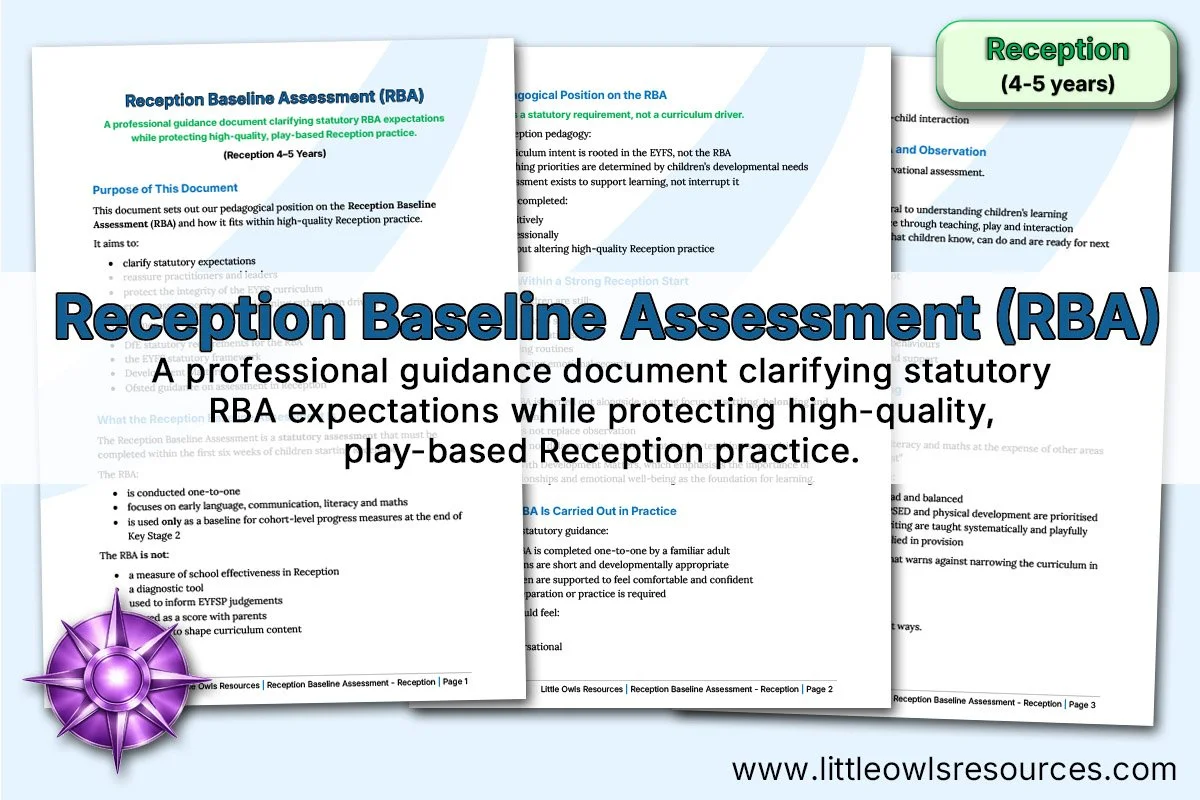
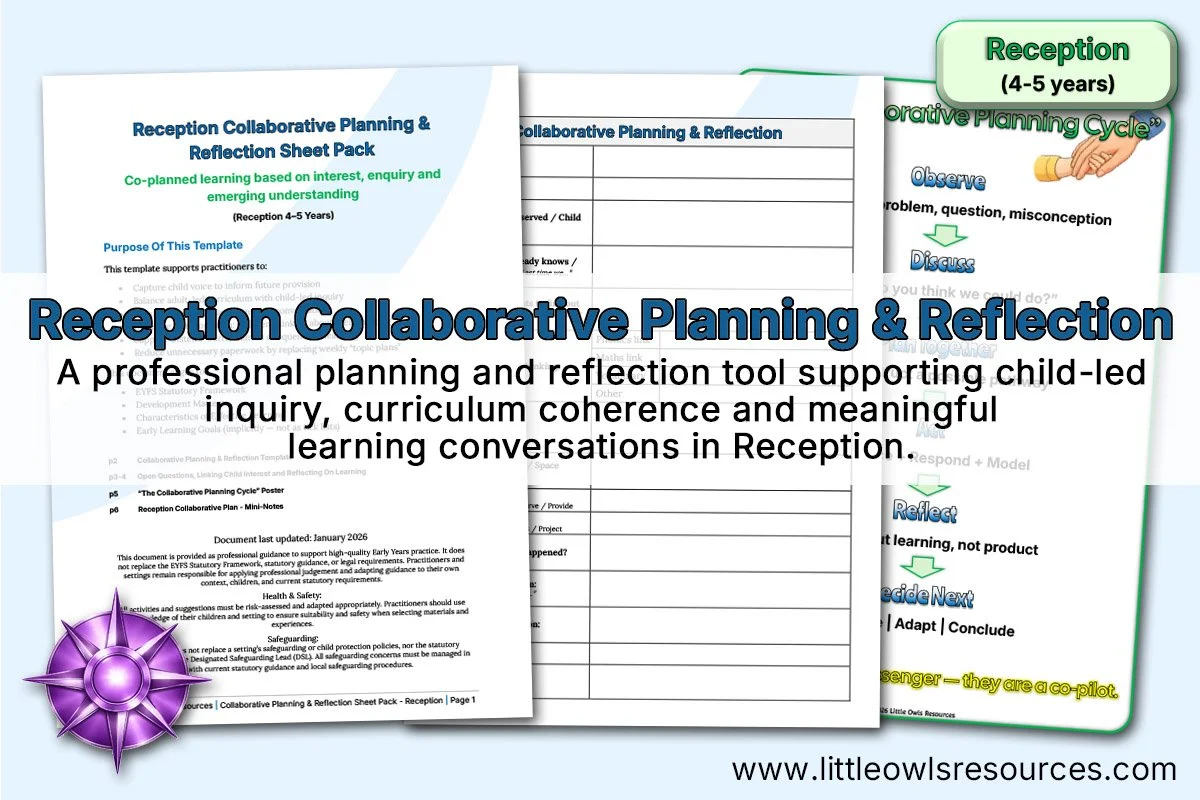
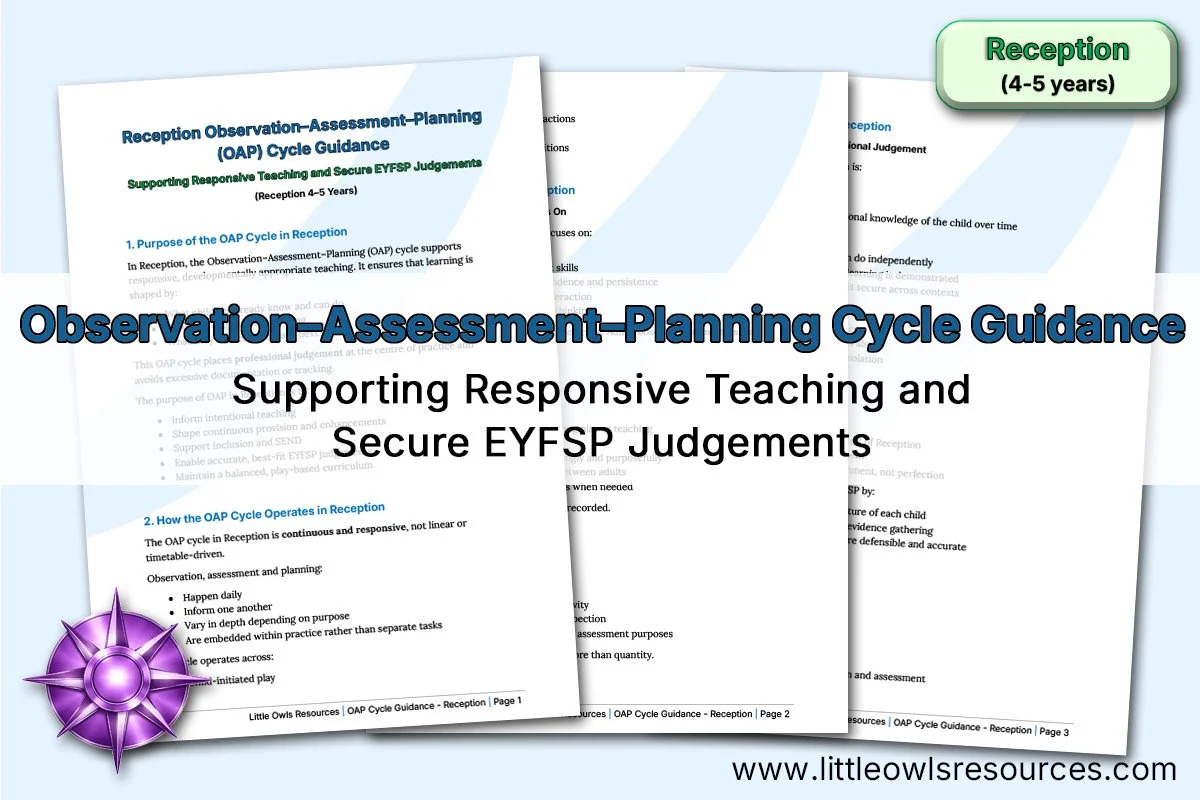
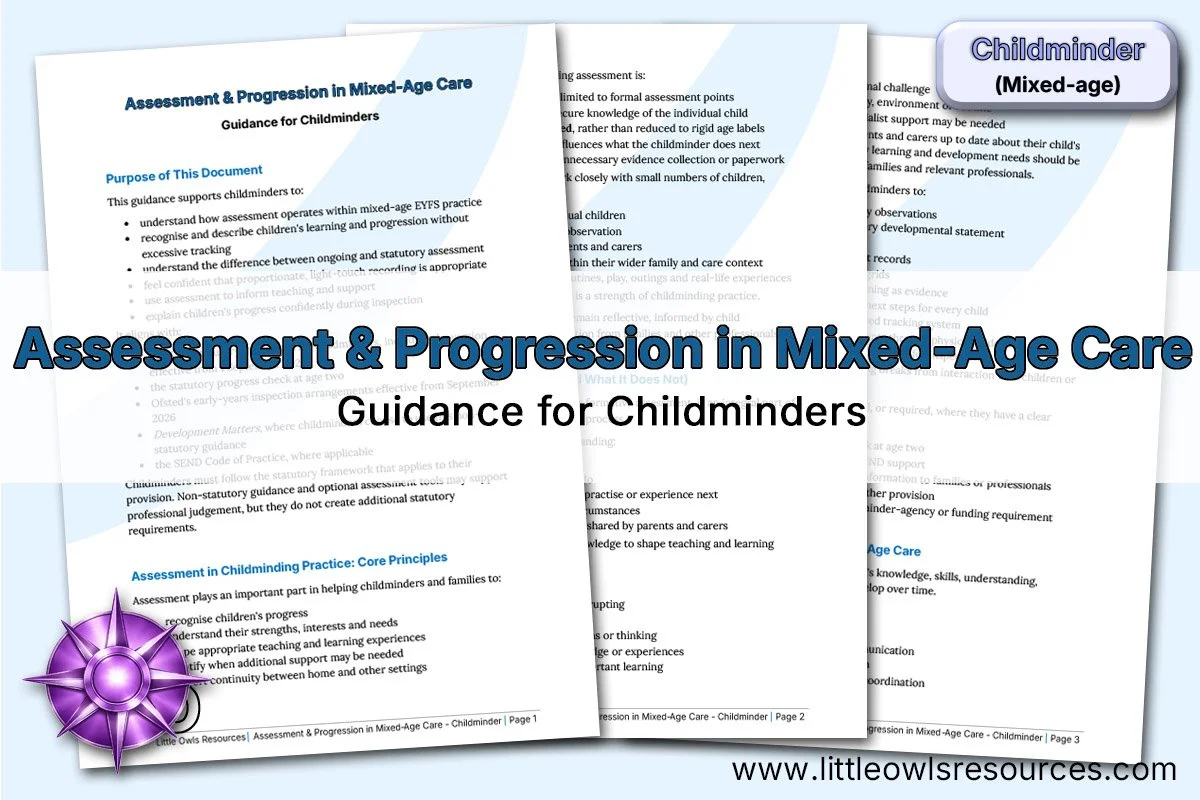
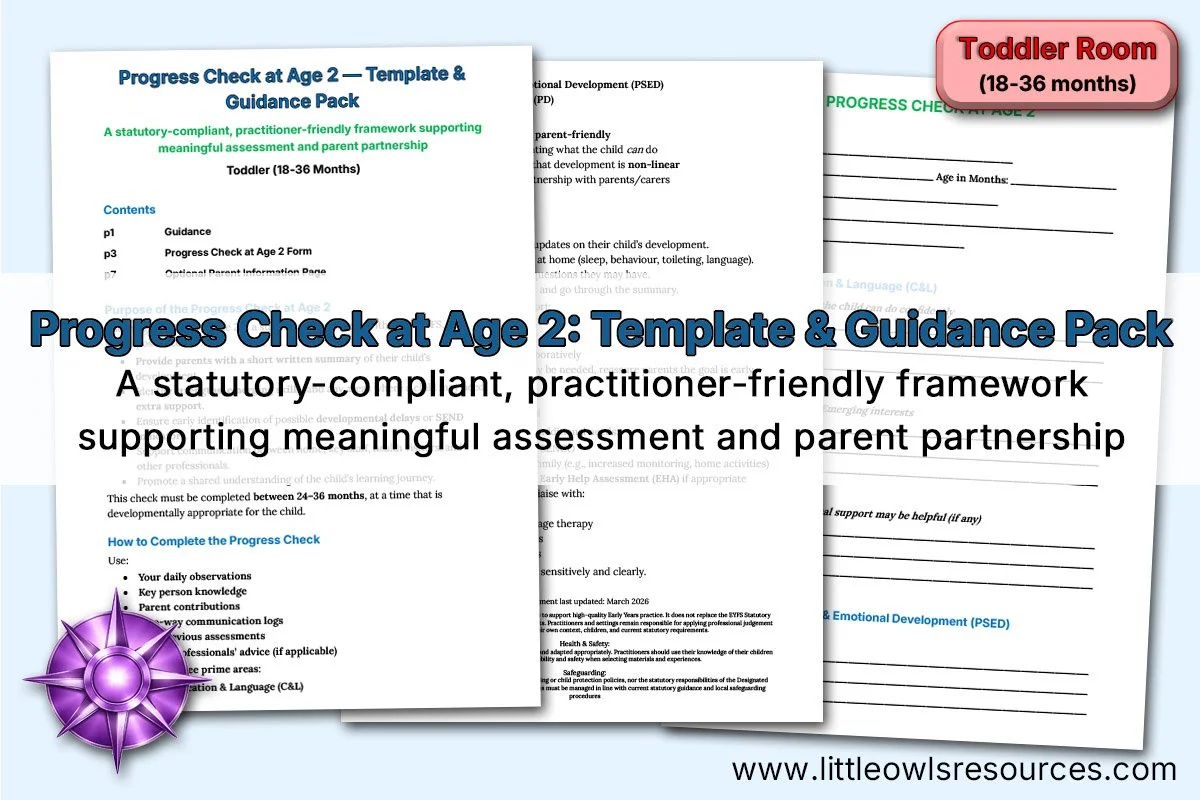
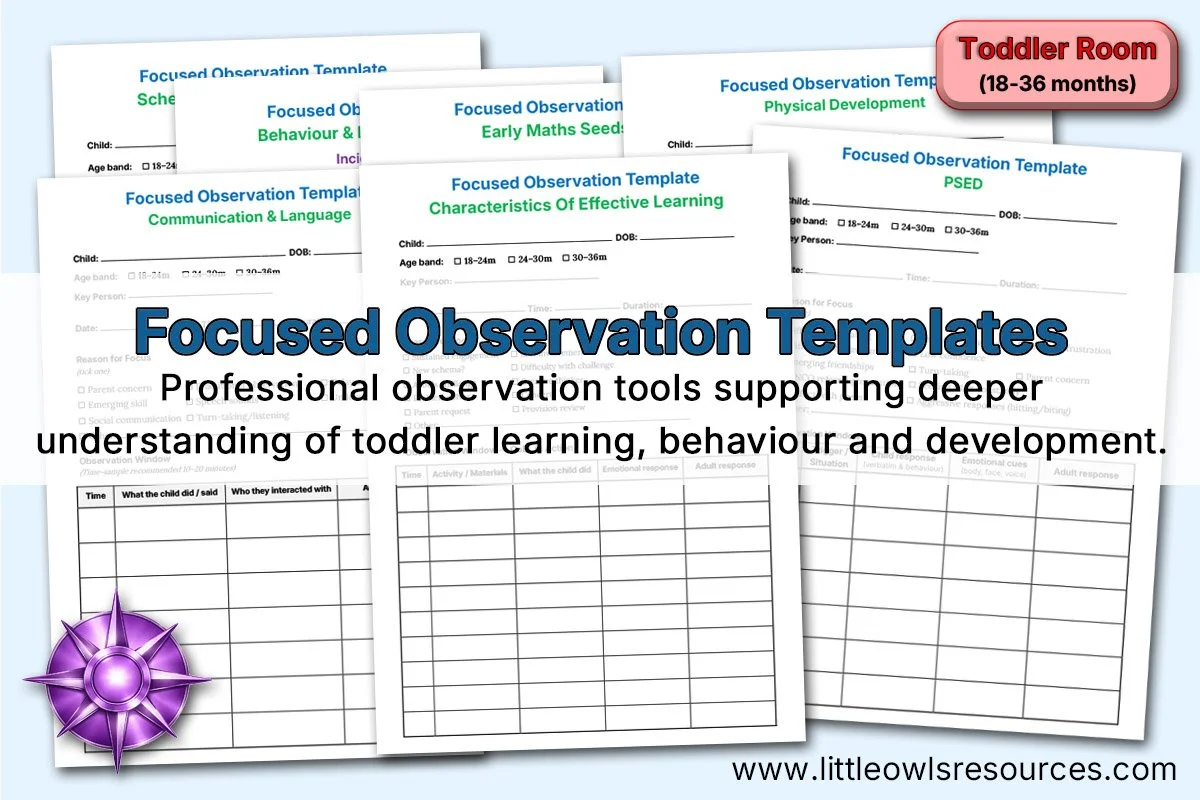
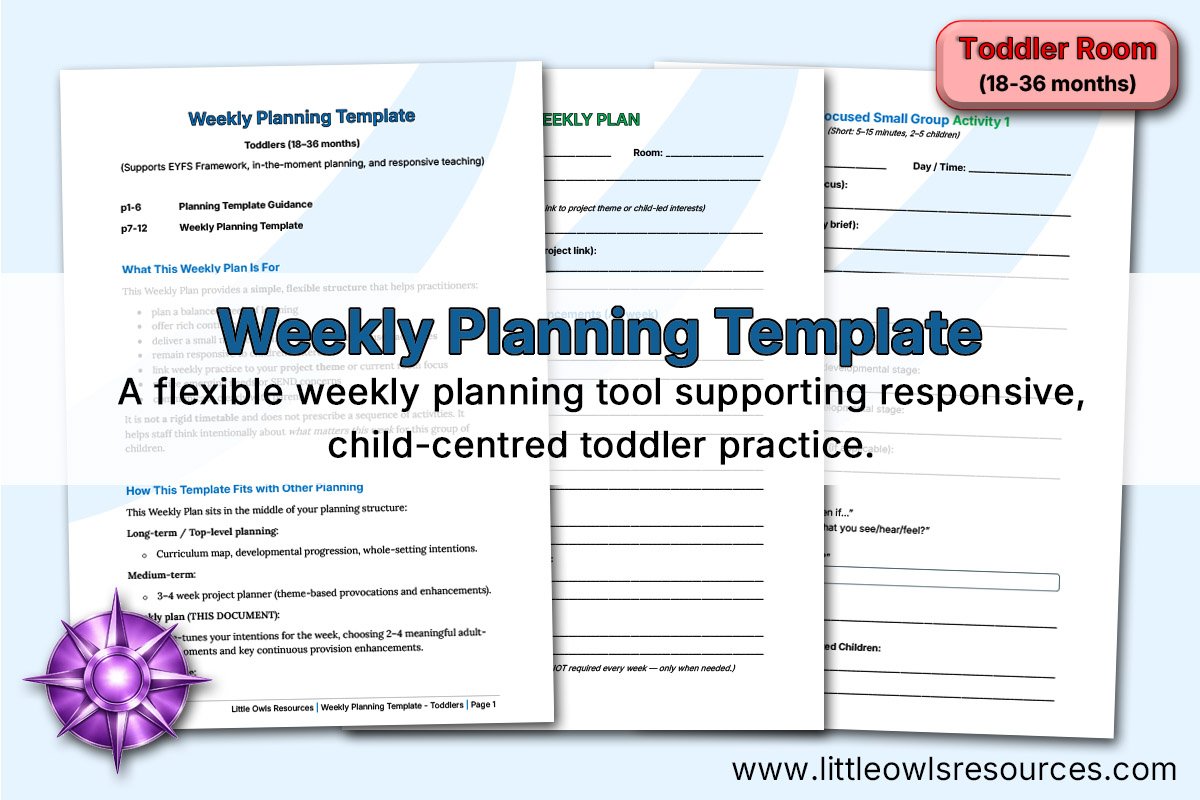
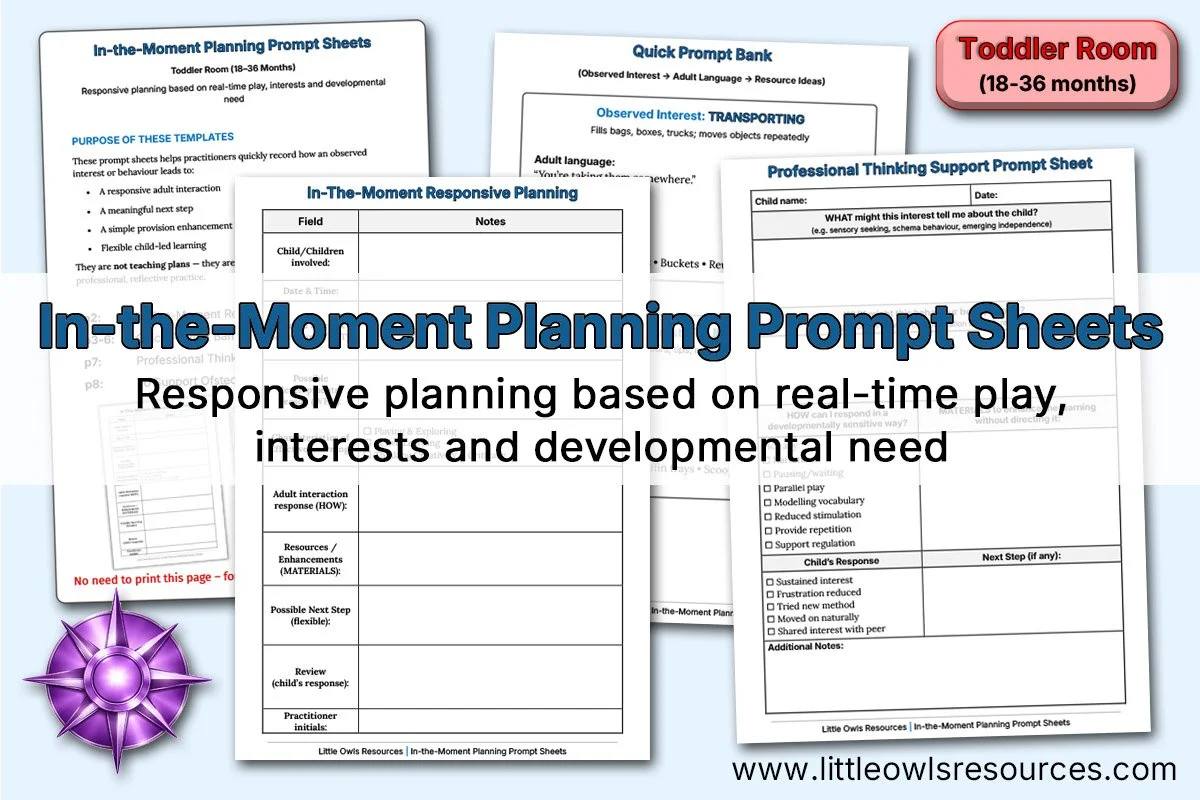
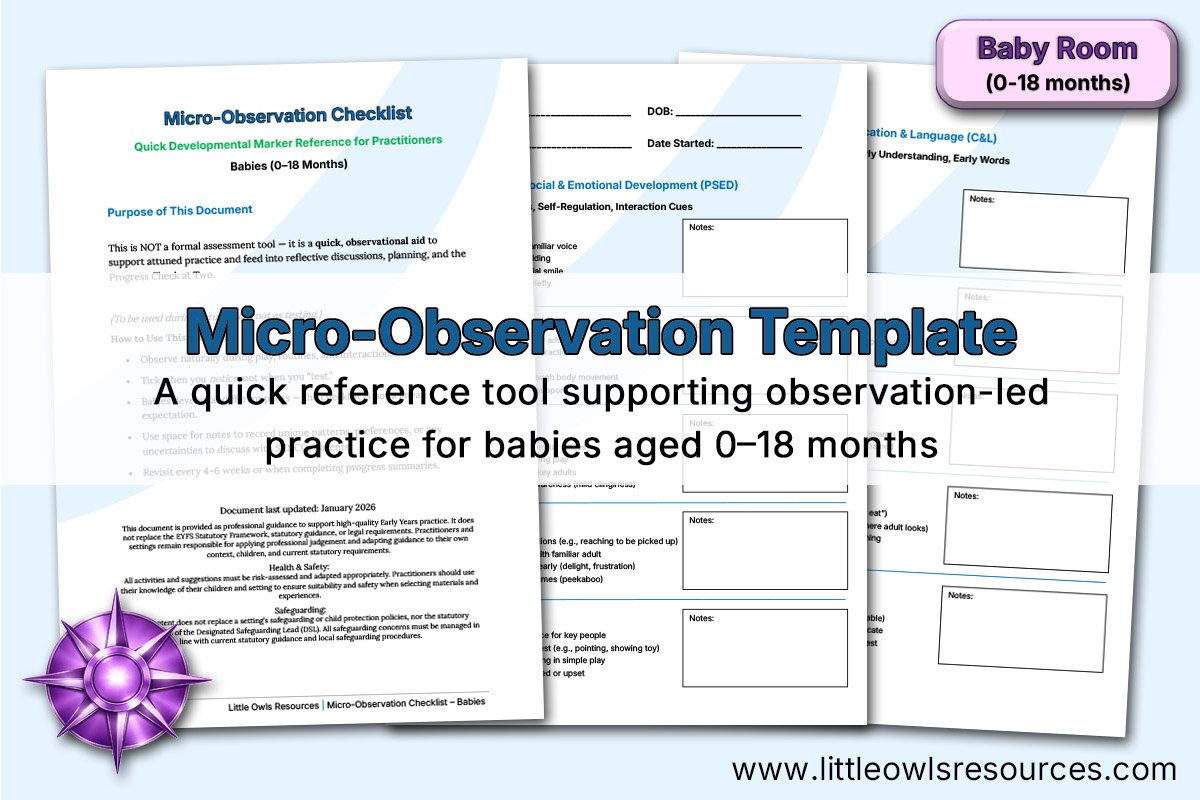
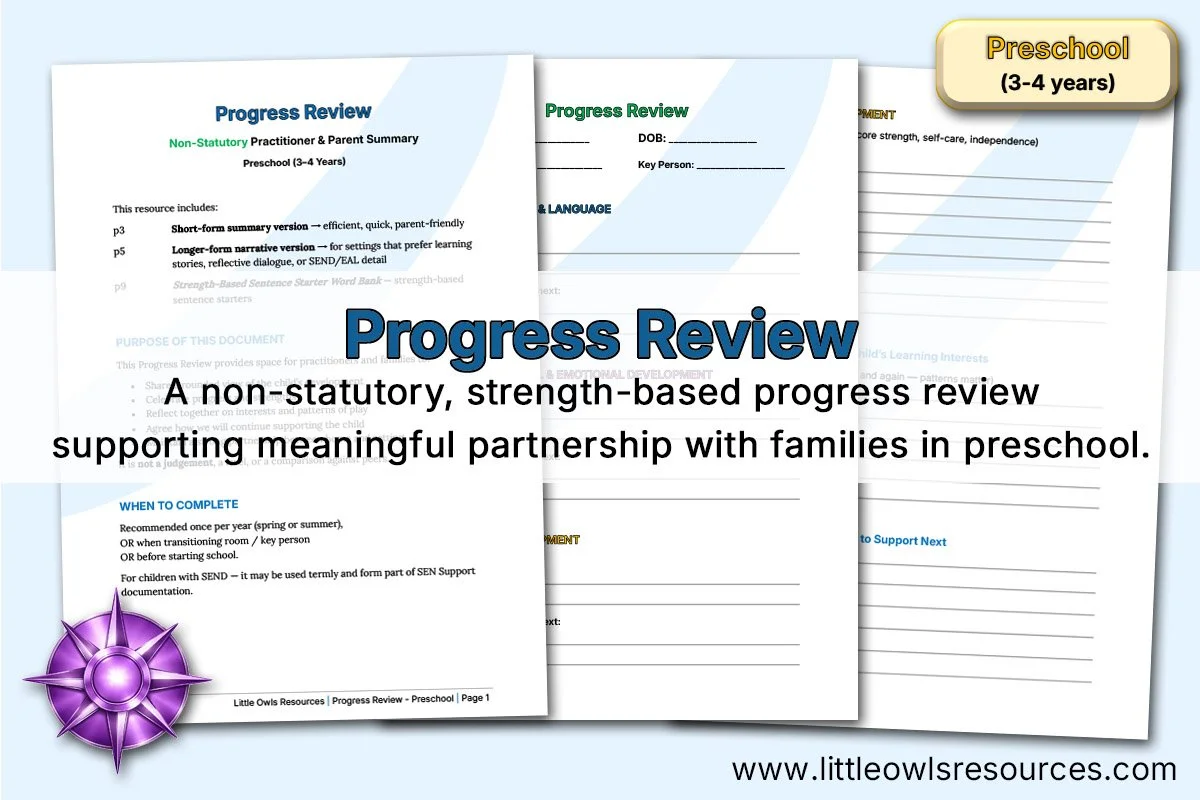
Further Guidance | Related Documents within our ‘EYFS Curriculum & Pedagogy’ suite:
Below you will find a selection of guidance documents from within our Little Owls Resources ‘Curriculum & Pedagogy’ area which explore this concept (& its age-specific application within EYFS settings) in greater depth.
[For additional documents please visit our support pathways: Baby | Toddler | Preschool | Reception | Mixed-Age]











Disclaimer
The information provided in this glossary is intended to support understanding of terminology commonly used within the Early Years Foundation Stage (EYFS). It does not constitute official guidance and should not be considered a substitute for the EYFS Statutory Framework or other Department for Education publications.
Terminology and interpretations may vary between settings and professional contexts.