
Part of the EYFS Glossary
This article forms part of our EYFS Glossary of Early Years Education Terms, which explains key curriculum, pedagogy, and assessment language used in early years practice.
Curriculum Impact refers to the outcomes of a curriculum in terms of what children know, understand, and can do as a result of their learning experiences. In the Early Years Foundation Stage (EYFS), curriculum impact is seen in children’s development, learning, and progress over time.
What is Curriculum Impact?
Curriculum Impact refers to the difference that a curriculum makes to children’s learning and development. It focuses on the outcomes of educational experiences and how these contribute to children’s knowledge, skills, and understanding.
In the context of the EYFS, curriculum impact is reflected in how children develop across the Areas of Learning, how they apply what they have learned in different situations, and how their learning progresses over time.
Rather than being measured only through formal outcomes, curriculum impact in early years settings is often observed through children’s engagement, confidence, and ability to use and extend their learning in meaningful ways.
Curriculum Impact in the EYFS Context
In early years education, curriculum impact is closely connected to children’s holistic development. This includes cognitive development, language development, social skills, physical development, and emotional wellbeing.
Because learning in the EYFS is largely play-based and experiential, the impact of the curriculum may be seen through:
children’s growing independence in learning
increased confidence when exploring ideas and activities
development of language and communication
the ability to apply knowledge and skills in different contexts
progression in understanding and capability over time
These outcomes often emerge gradually as children revisit ideas and experiences through play, interaction, and guided learning.
How Practitioners Recognise Curriculum Impact
Practitioners recognise curriculum impact by observing how children use what they have learned during play and everyday experiences. This may include noticing how children build on prior knowledge, demonstrate new skills, or apply understanding in different situations.
Evidence of curriculum impact may be seen through:
children’s conversations and language use
their problem-solving and thinking processes
engagement and persistence in learning activities
increasing independence in play and routines
progression in knowledge and skills over time
Observations and professional knowledge of the child help practitioners understand how the curriculum is influencing children’s development.
Curriculum Impact and Assessment
Assessment plays an important role in understanding curriculum impact. In EYFS settings, ongoing observational assessment helps practitioners build a picture of children’s development and learning.
Rather than focusing solely on formal testing or outcomes, practitioners consider a range of evidence gathered through:
everyday observations
interactions with children
examples of children’s play and activity
conversations with families
professional knowledge of the child
This information helps practitioners reflect on how well the curriculum supports children’s learning and development.
Statutory Context
The concept of curriculum impact is closely linked to expectations within the EYFS Statutory Framework, which requires providers to support children’s learning and development across the seven Areas of Learning and Development.
At the end of the Reception year, children’s development is summarised through the Early Years Foundation Stage Profile (EYFSP), which provides information about whether children are meeting the expected levels of development.
While curriculum impact is not defined as a formal measure within the EYFS framework, practitioners and leaders often consider children’s progress, development, and learning as indicators of the curriculum’s effectiveness.
Common Questions About Curriculum Impact
-
Curriculum intent describes what the curriculum aims to achieve, while curriculum implementation refers to how the curriculum is delivered in practice. Curriculum impact focuses on the outcomes of the curriculum and the difference it makes to children’s learning and development.
-
Practitioners observe curriculum impact through children’s play, interactions, language, and development over time. Observational assessment and professional knowledge of the child help practitioners understand how children are learning and progressing.
-
No. In the EYFS, curriculum impact includes children’s broader development, such as communication, social skills, emotional wellbeing, and physical development, as well as knowledge and understanding.
Summary
Curriculum Impact refers to the outcomes of a curriculum and the difference it makes to children’s learning and development. In the Early Years Foundation Stage, impact is reflected in children’s progress across the Areas of Learning, their ability to apply knowledge and skills, and their overall development as learners.
Through observation, assessment, and professional judgement, practitioners can understand how effectively the curriculum supports children’s learning over time.
Related Glossary Terms
The following glossary entries are closely related to Curriculum Impact and provide additional context:
Observation (EYFS)
Assessment for Learning (EYFS)
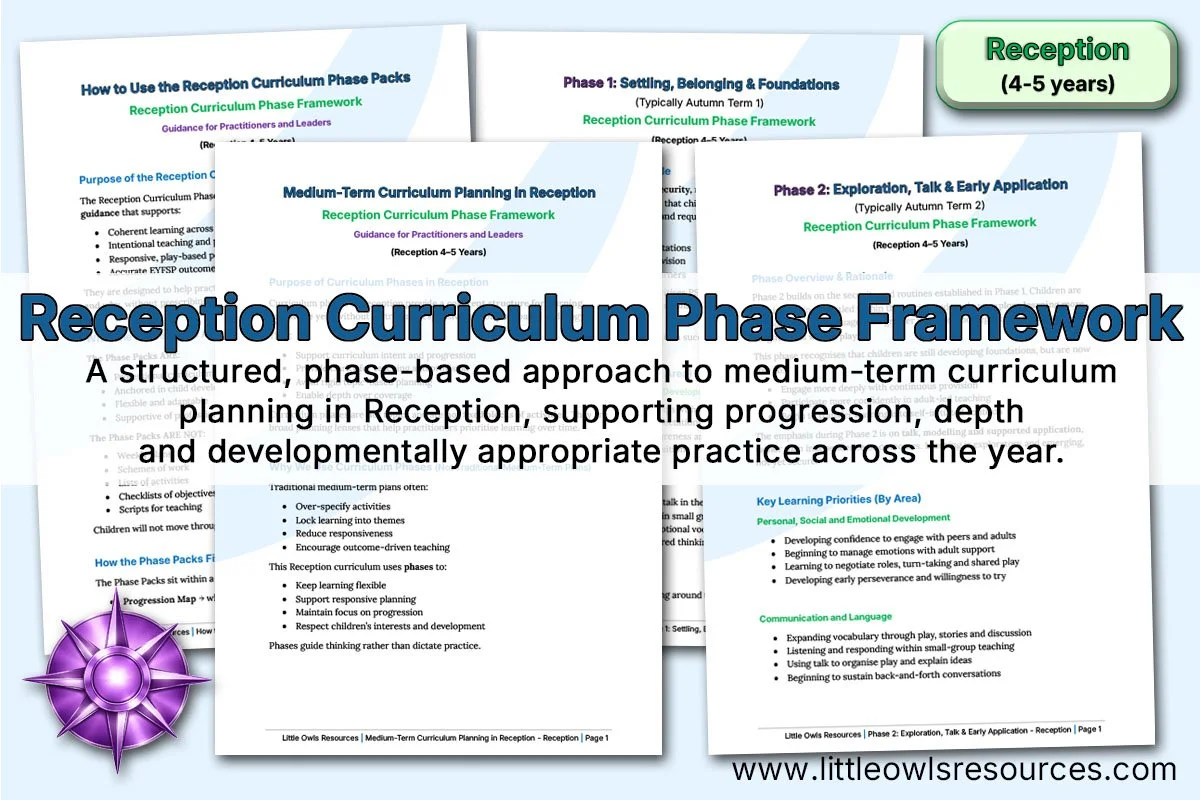
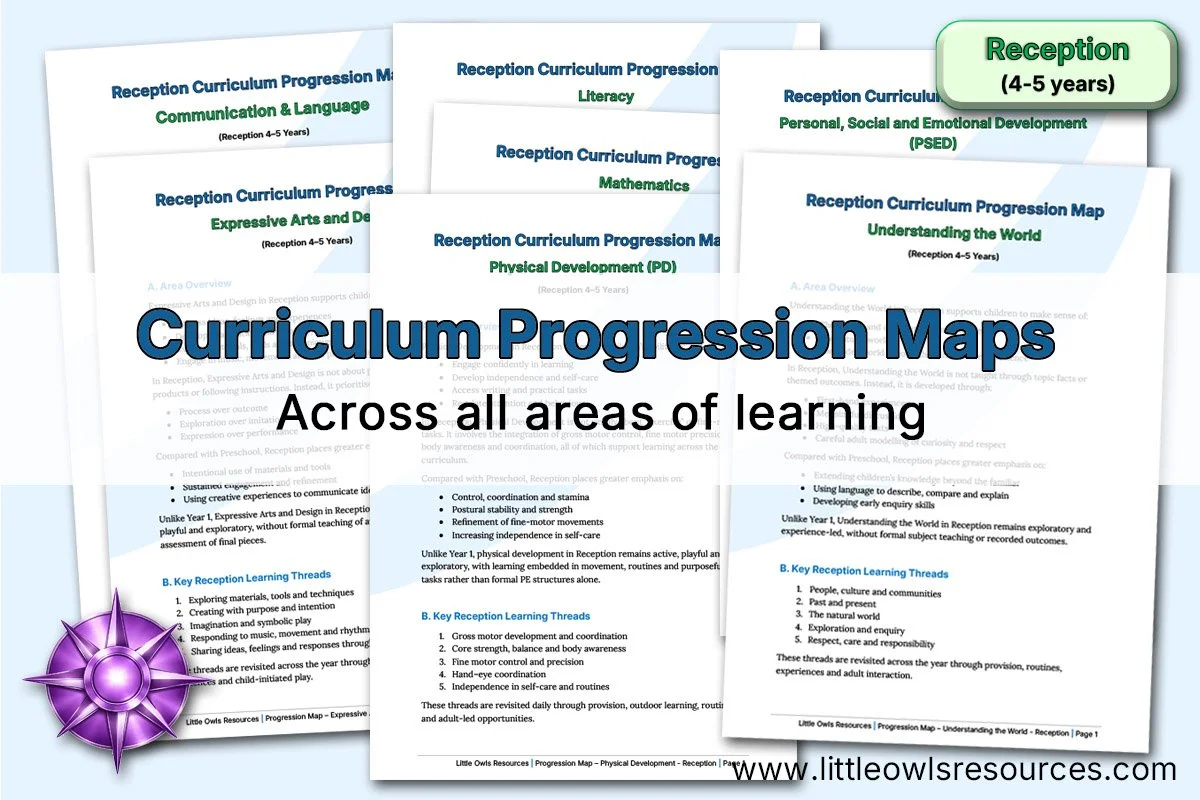
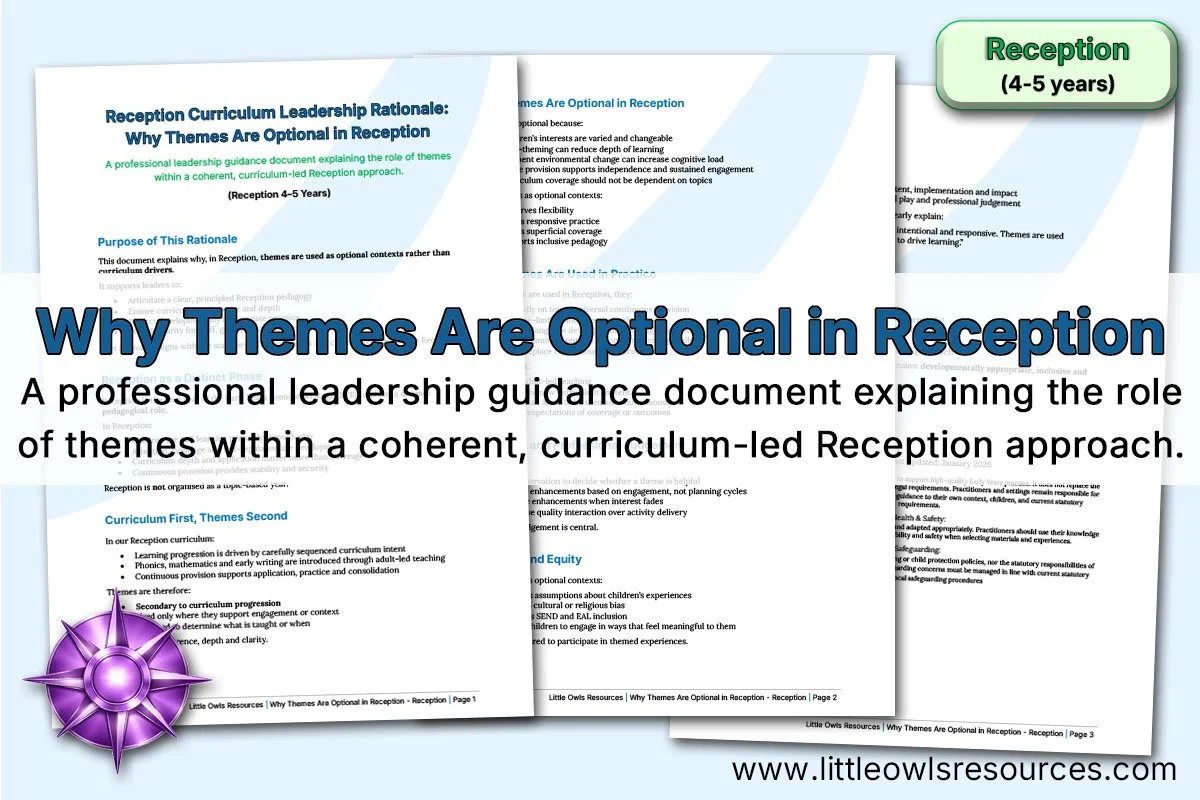
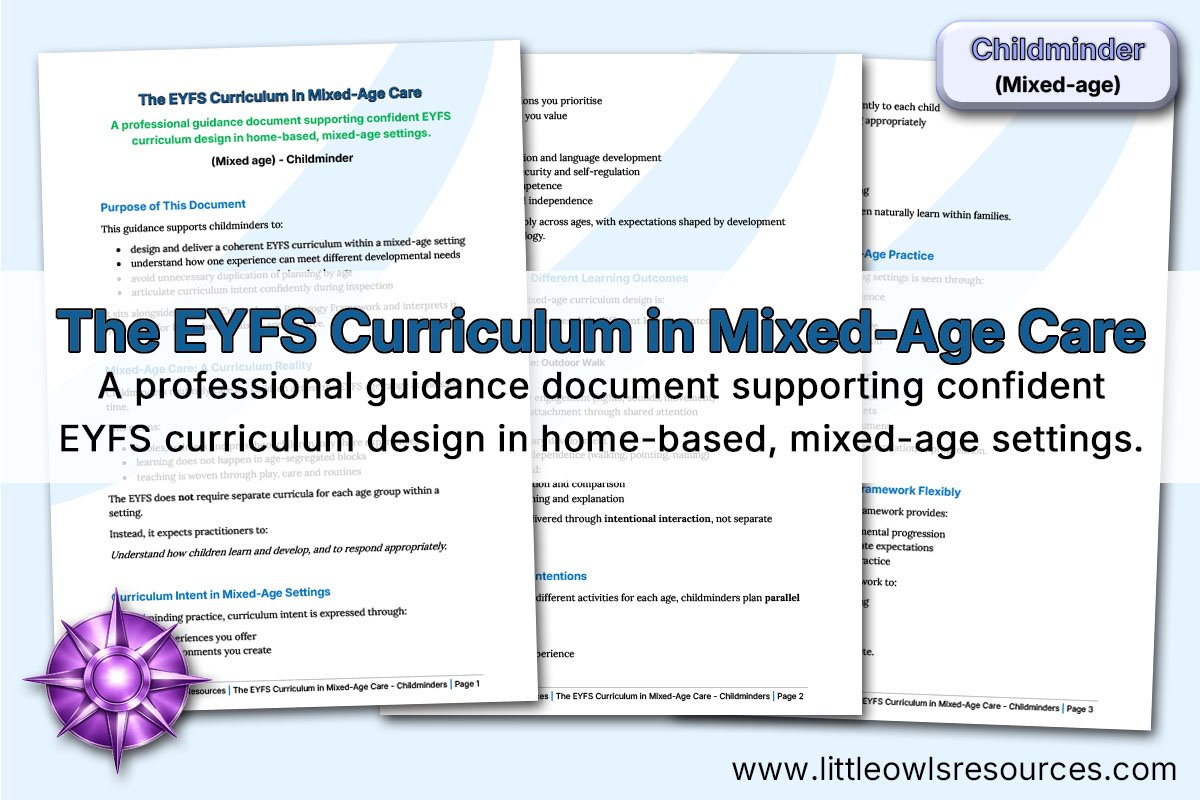
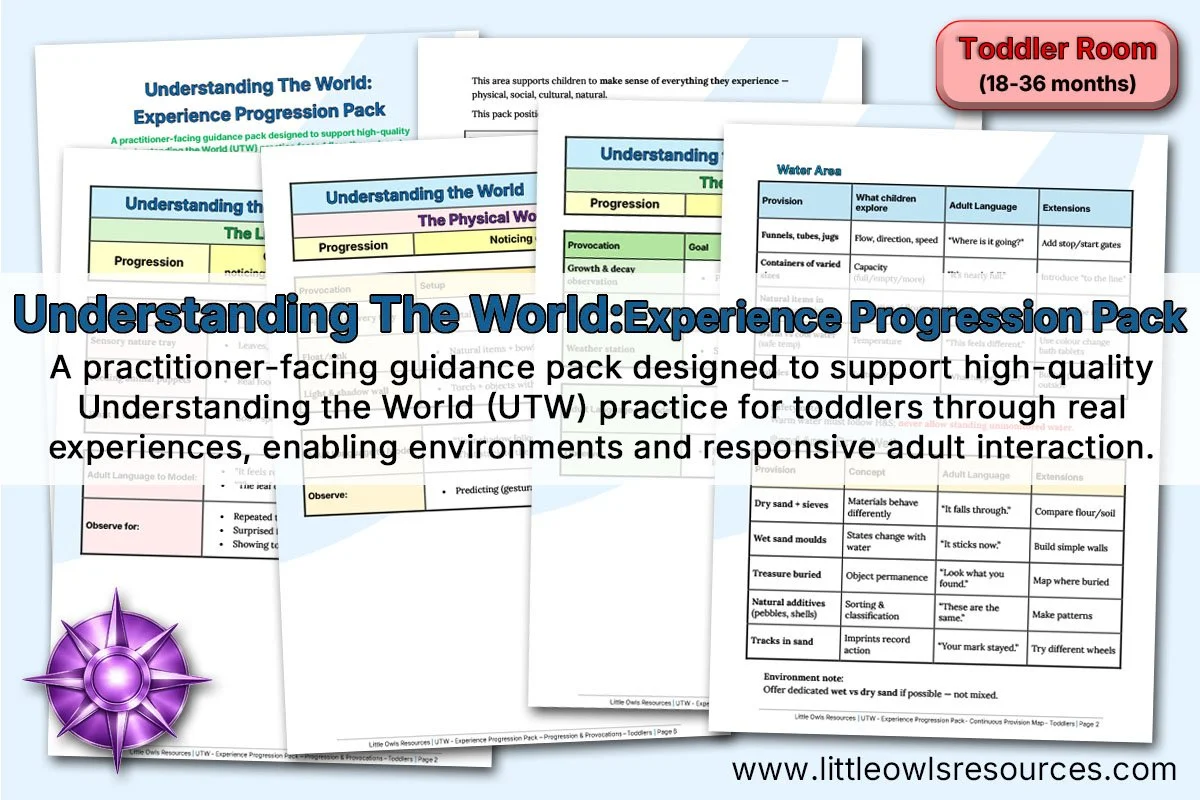
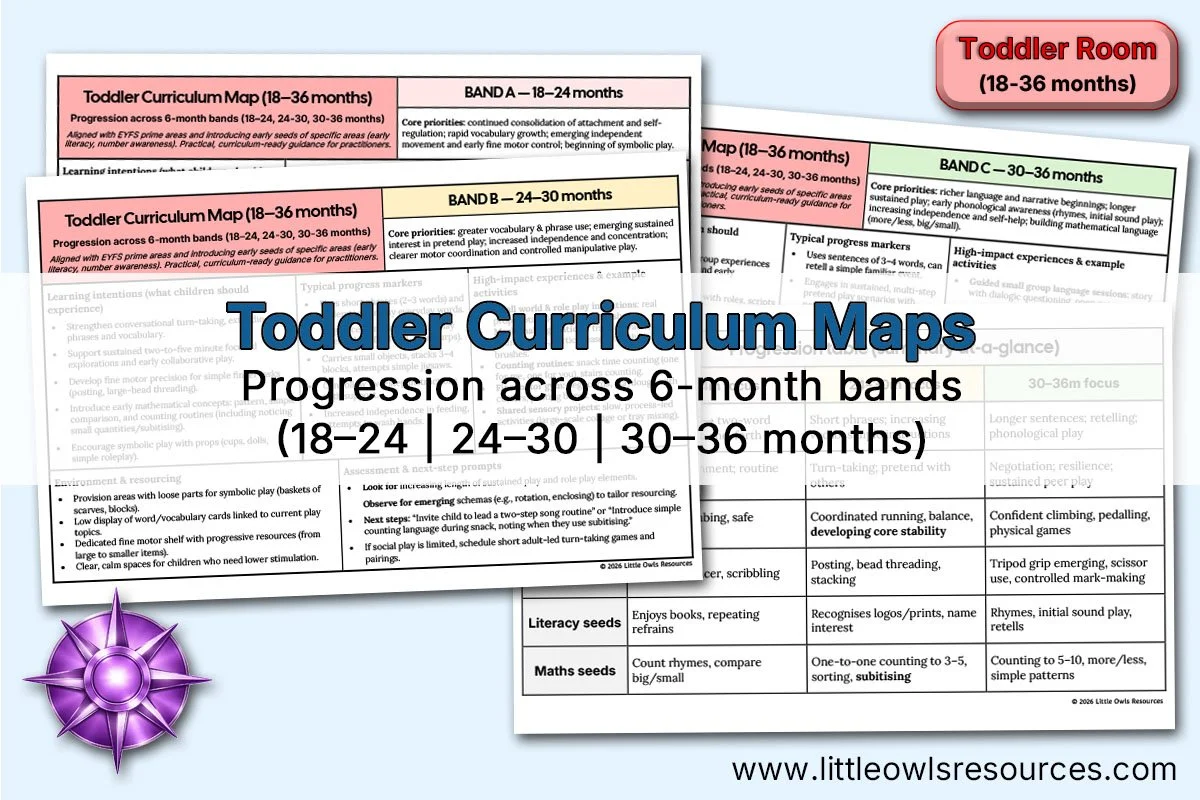
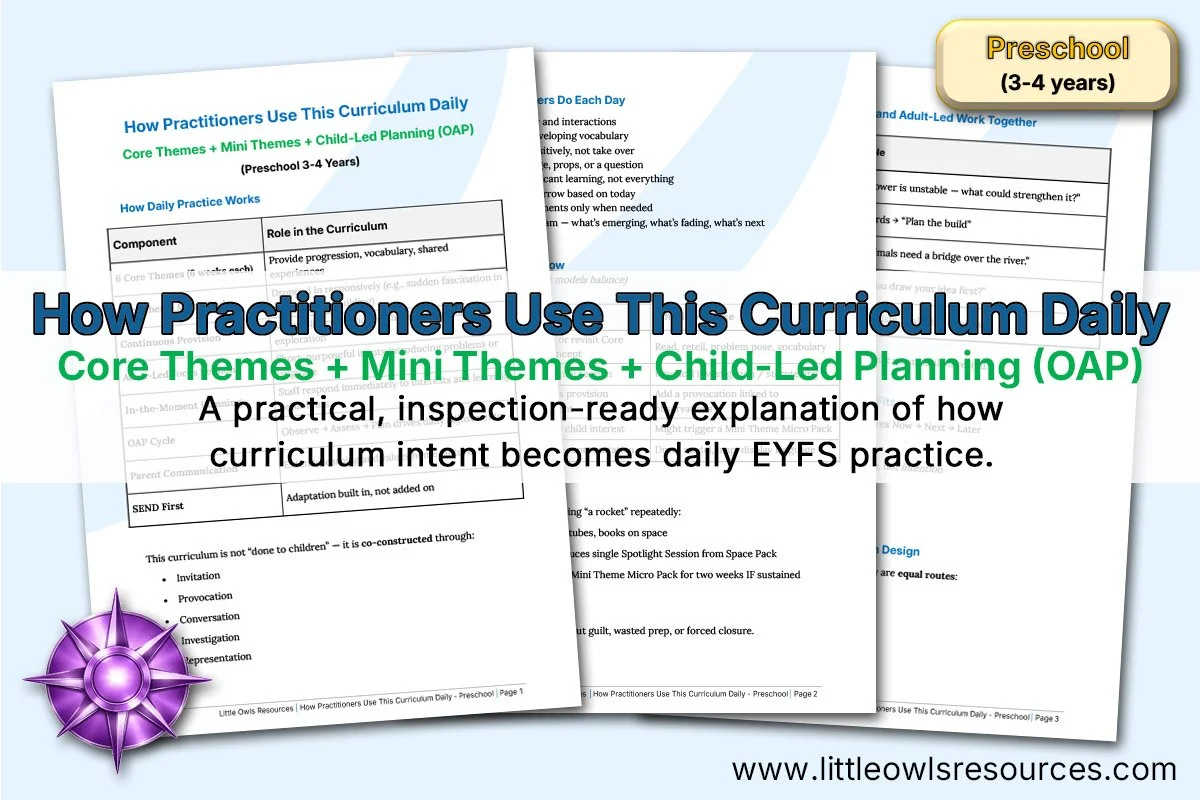
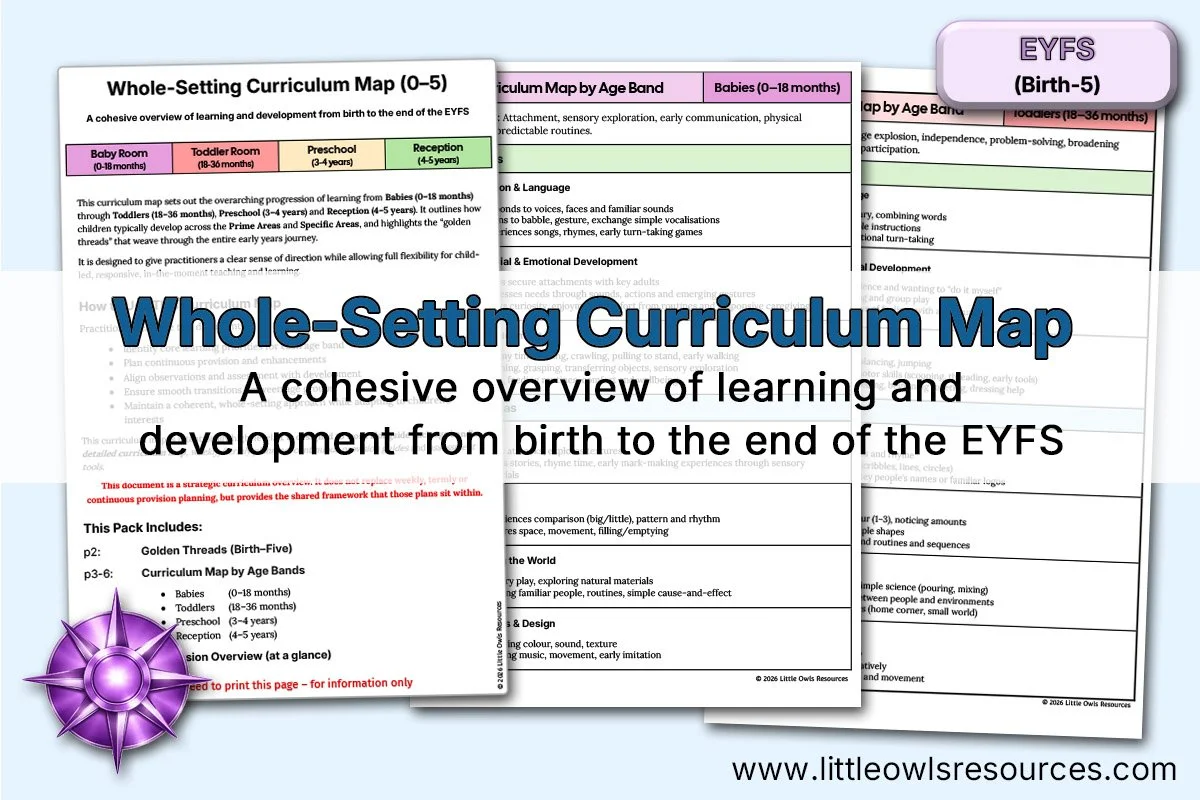
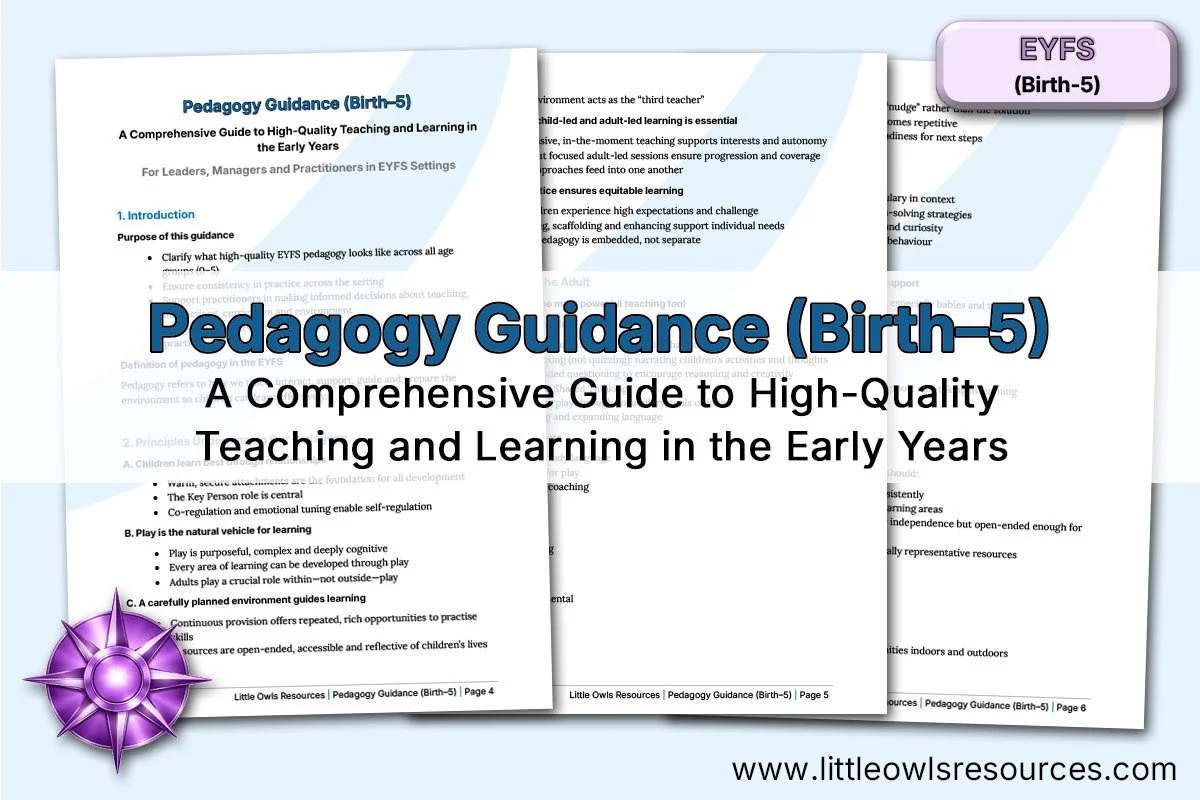
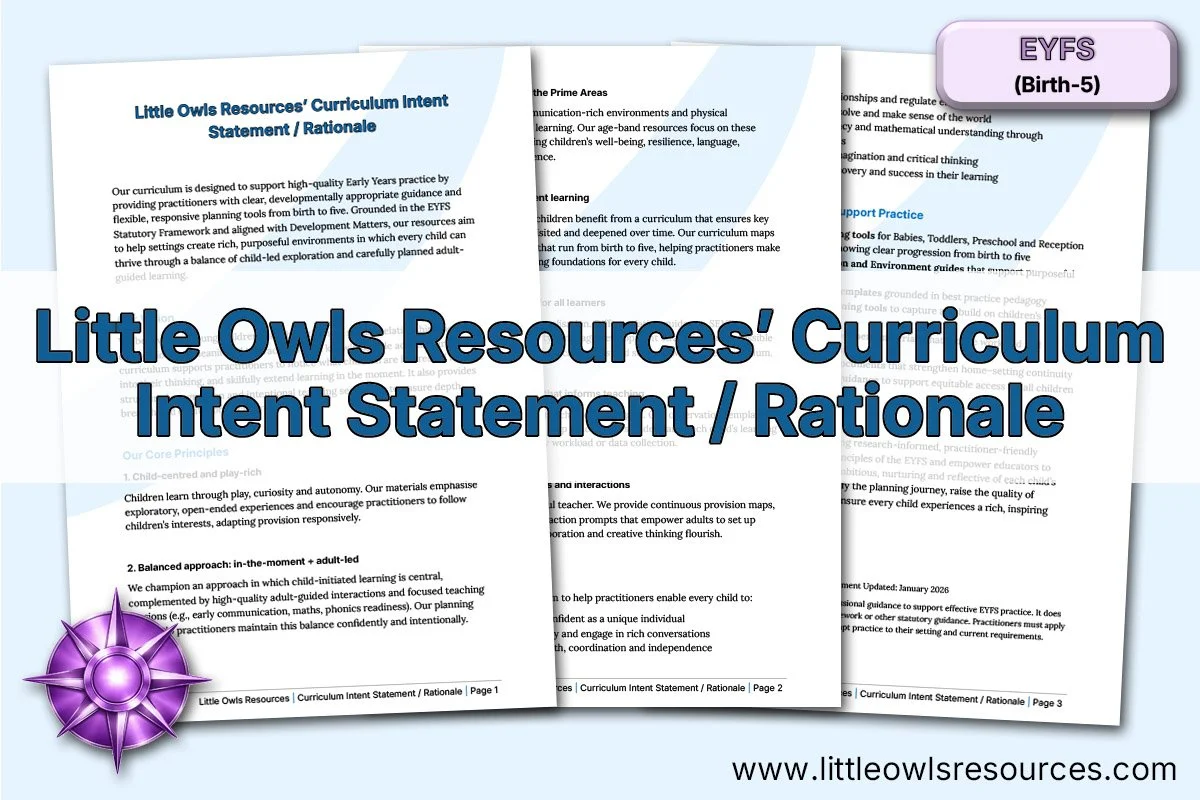
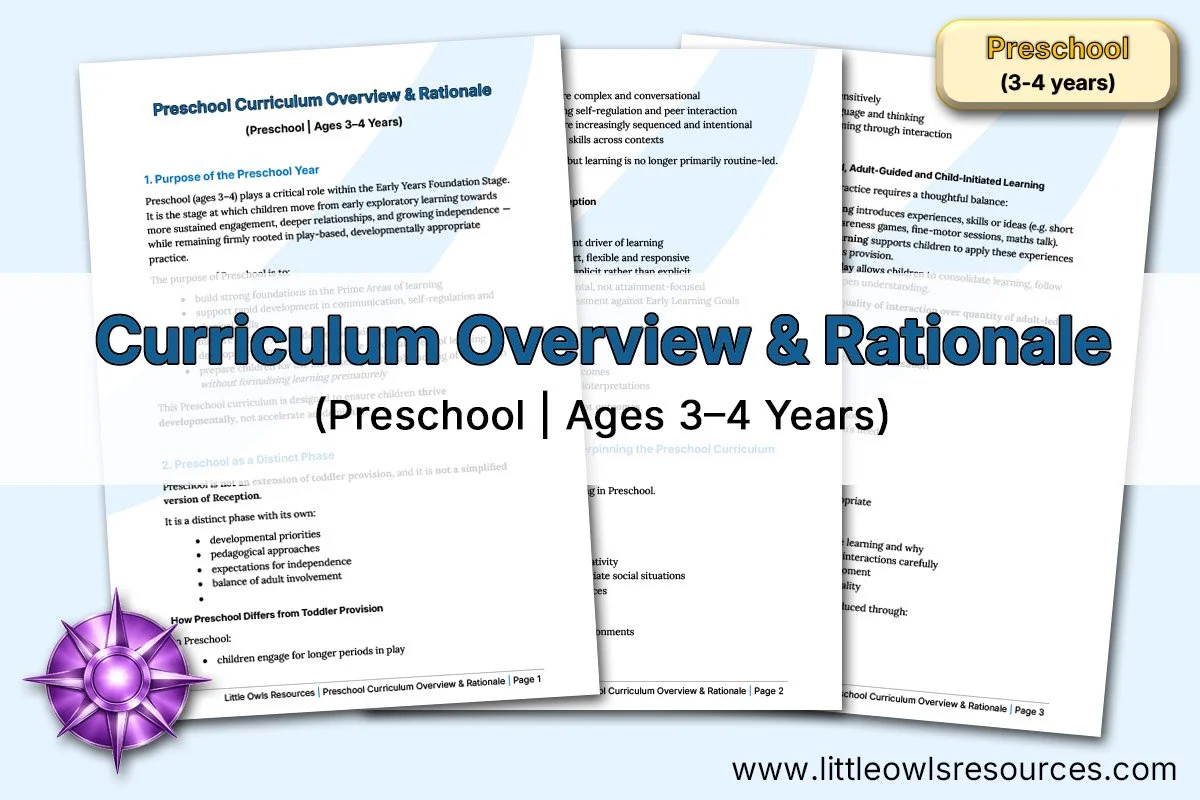
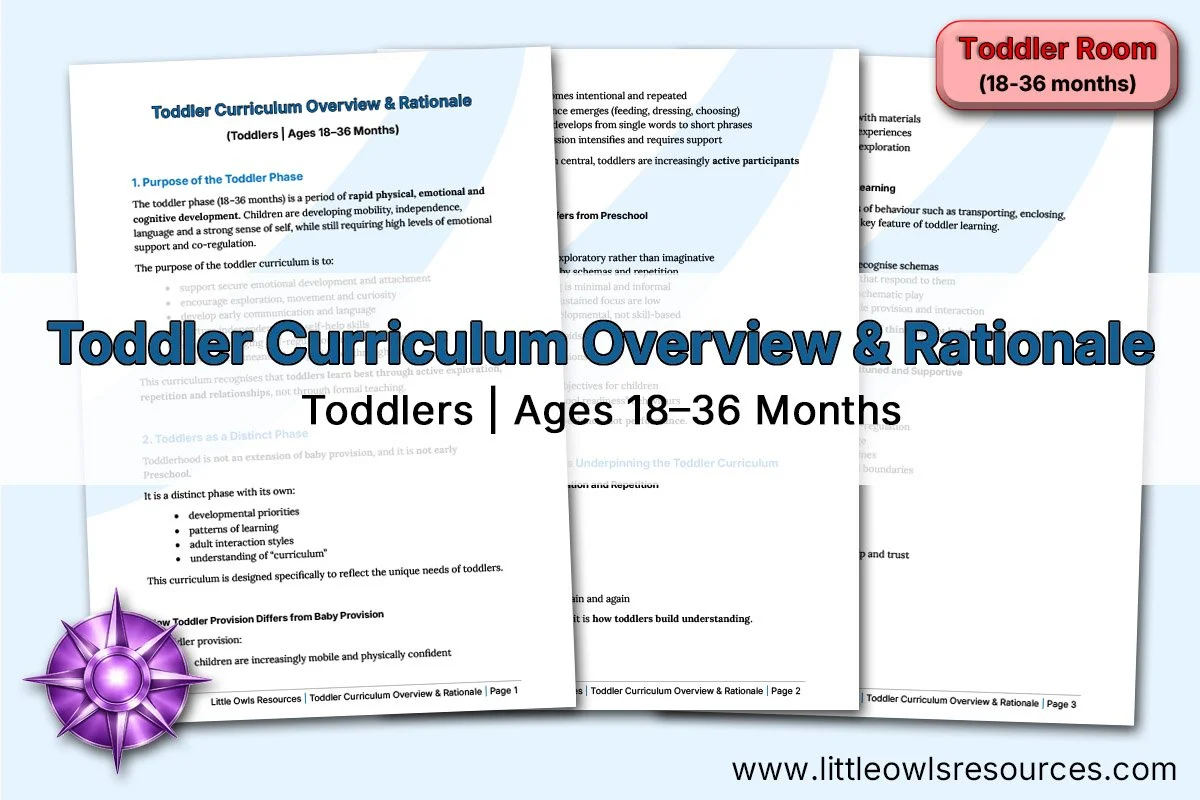
Further Guidance | Related Documents within our ‘EYFS Curriculum & Pedagogy’ suite:
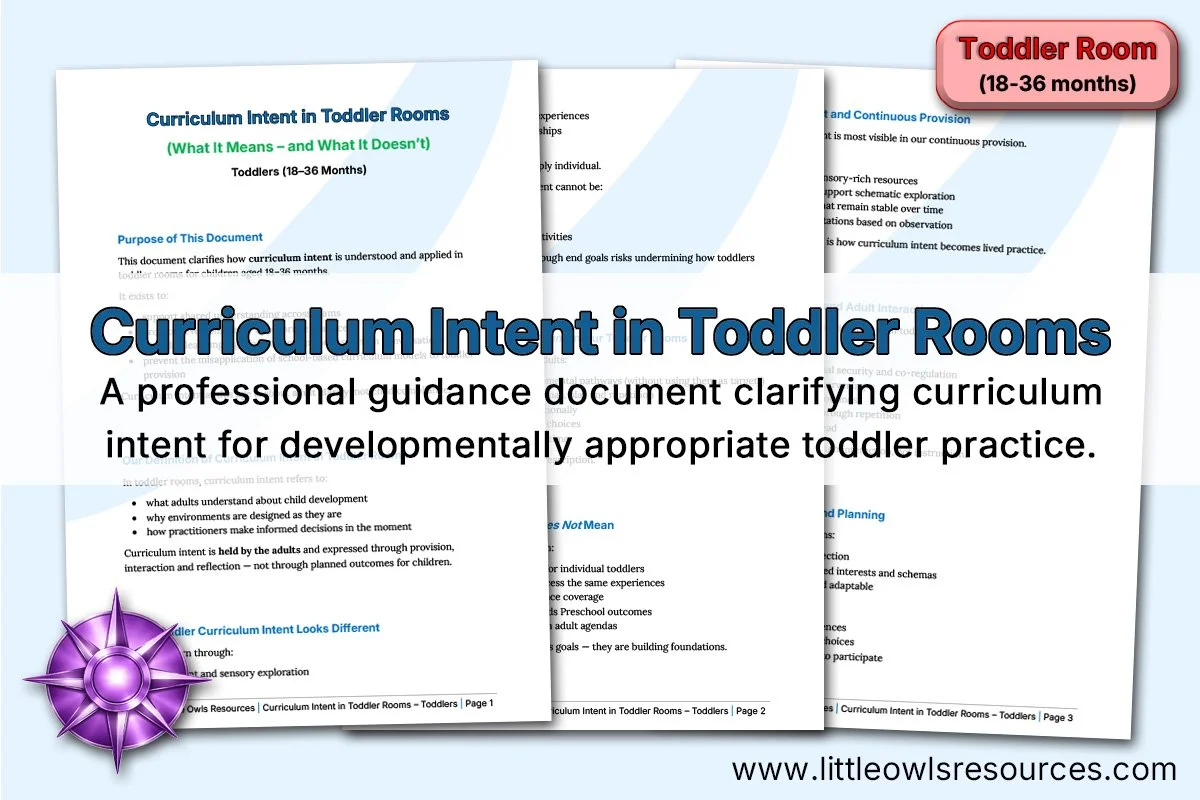
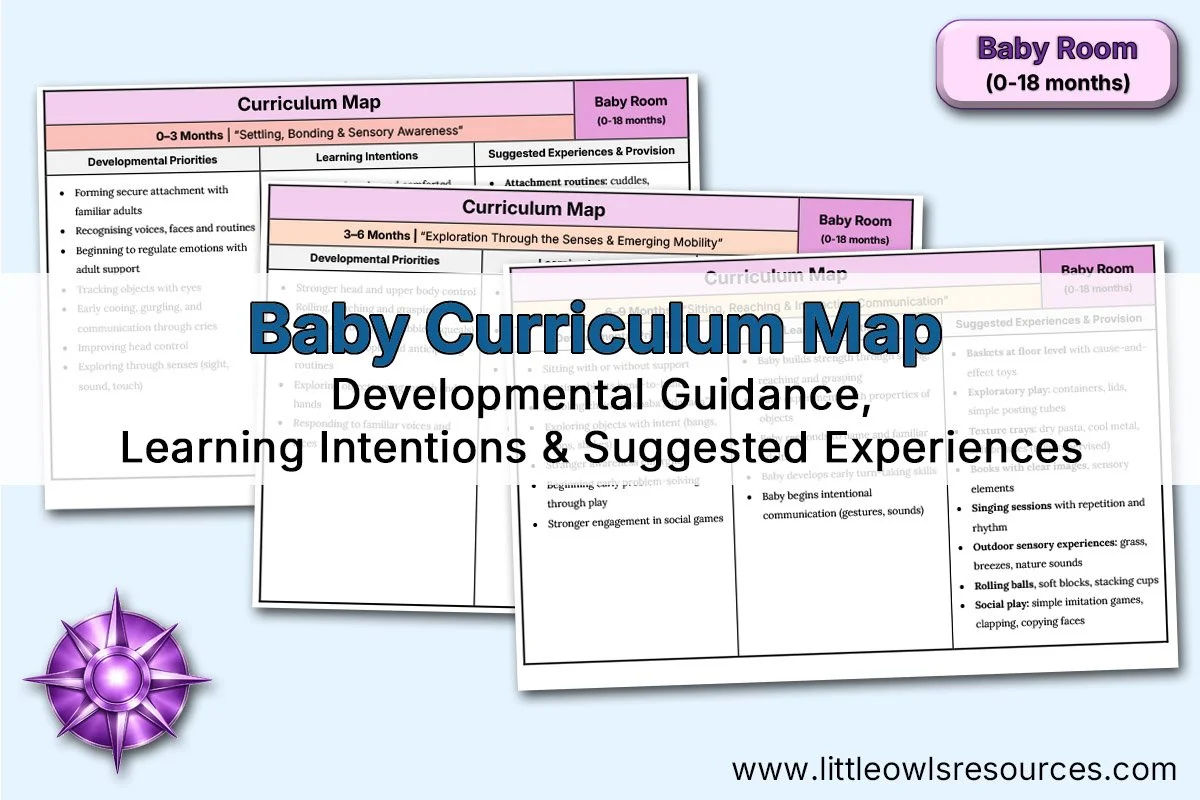
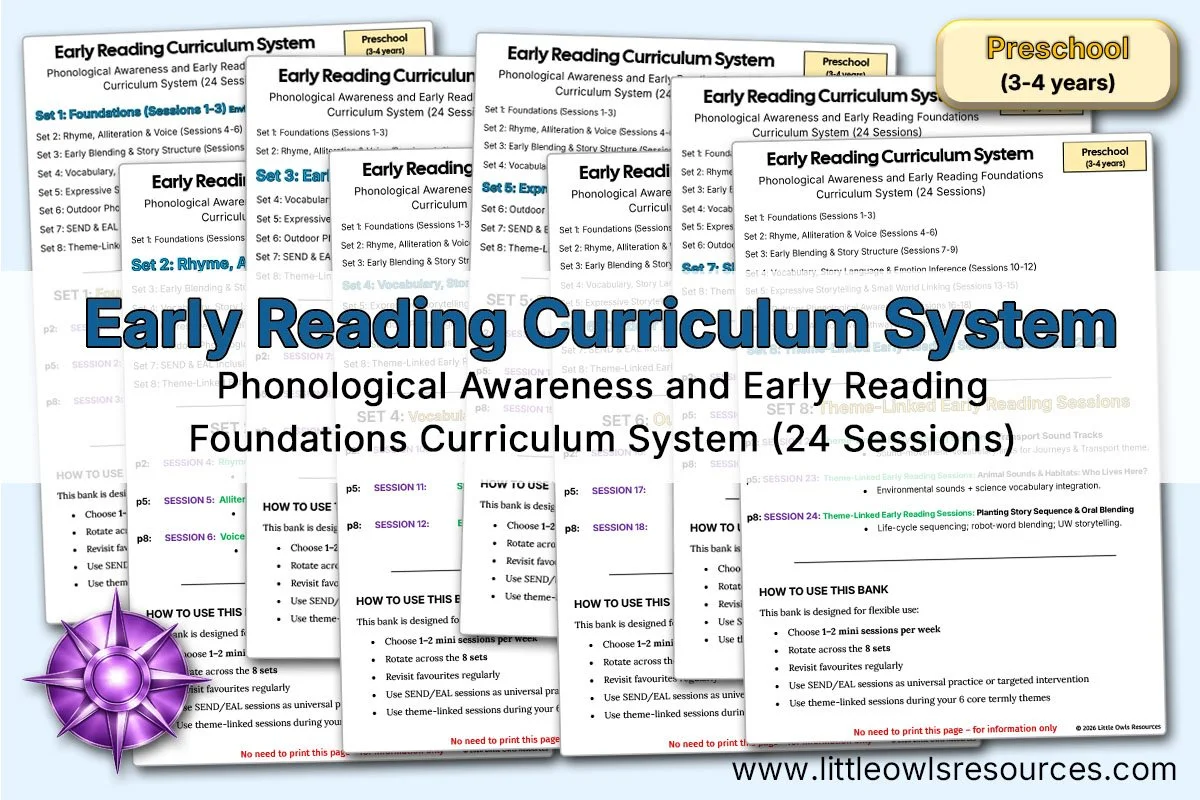
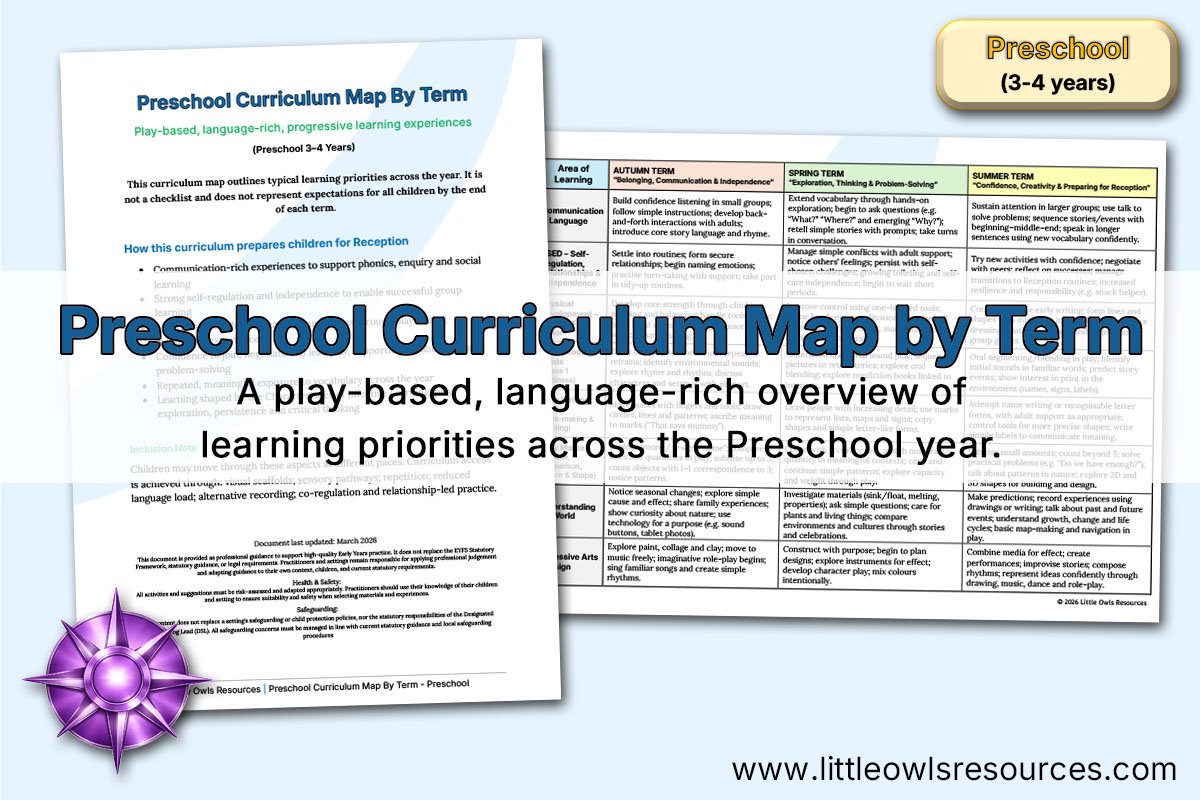
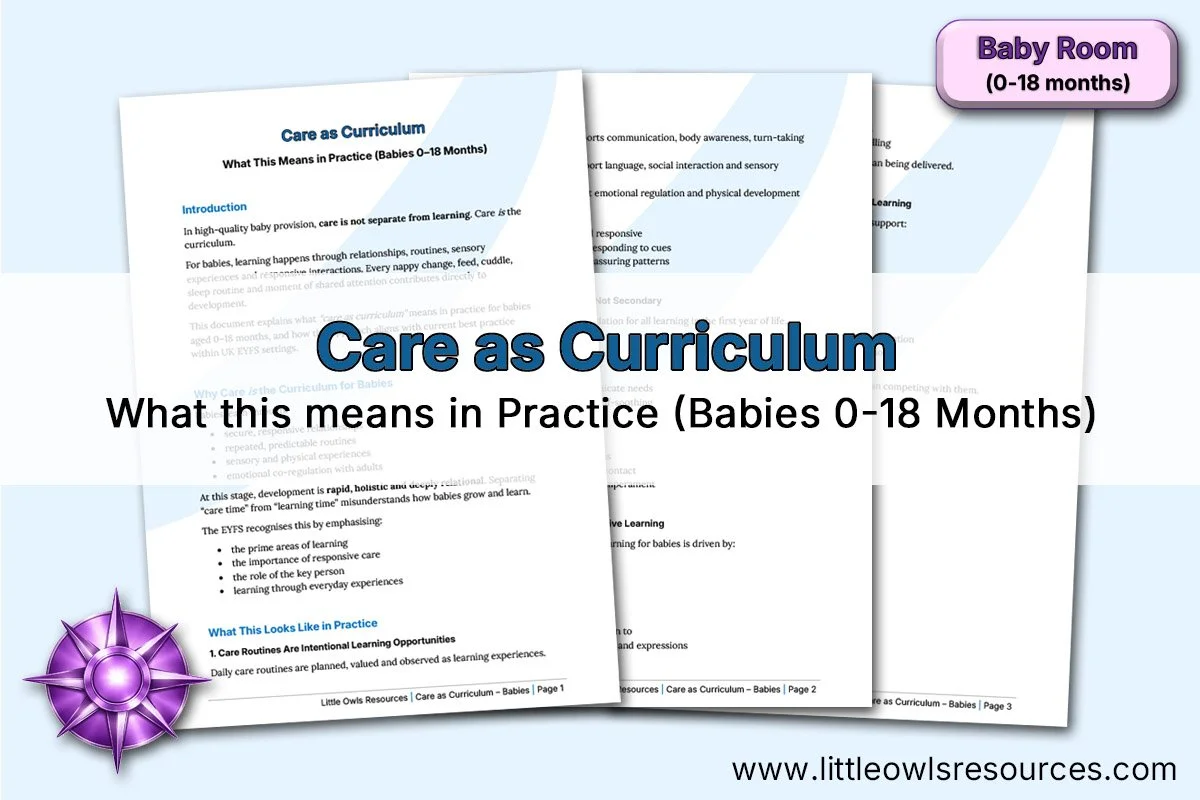
Below you will find a selection of guidance documents from within our Little Owls Resources ‘Curriculum & Pedagogy’ area which explore this concept (& its age-specific application within EYFS settings) in greater depth.
[For additional documents please visit our support pathways: Baby | Toddler | Preschool | Reception | Mixed-Age]









Disclaimer
The information provided in this glossary is intended to support understanding of terminology commonly used within the Early Years Foundation Stage (EYFS). It does not constitute official guidance and should not be considered a substitute for the EYFS Statutory Framework or other Department for Education publications.
Terminology and interpretations may vary between settings and professional contexts.