
Part of the EYFS Glossary
This article forms part of our EYFS Glossary of Early Years Education Terms, which explains key curriculum, pedagogy, and assessment language used in early years practice.
The Characteristics of Effective Learning describe how children engage with learning in the Early Years Foundation Stage (EYFS). They focus on the processes children use when they learn, including their motivation, persistence, problem-solving, and thinking.
- What are the Characteristics of Effective Learning?
- The Three Characteristics of Effective Learning
- Why the Characteristics of Effective Learning Matter
- How Practitioners Support the Characteristics of Effective Learning
- Statutory Context
- Common Questions
- Summary
- Related Glossary Terms
- Further Guidance
What are the Characteristics of Effective Learning?
The Characteristics of Effective Learning describe the ways in which children approach learning in the Early Years Foundation Stage (EYFS). Rather than focusing on what children learn, they describe how children learn.
They emphasise children’s engagement, motivation, and thinking processes during play and learning experiences. By observing these characteristics, practitioners gain insight into how children explore ideas, persist with challenges, and develop their ability to think critically.
The Characteristics of Effective Learning are considered an important part of understanding children’s development because they highlight the attitudes and approaches that support successful learning over time.
The Three Characteristics of Effective Learning
The EYFS identifies three main Characteristics of Effective Learning.
Playing and Exploring
This characteristic relates to children’s curiosity and willingness to engage with new experiences. Children demonstrate Playing and Exploring when they investigate their environment, try out new activities, and initiate their own play and ideas.
Examples include:
exploring resources and materials
initiating activities independently
trying different ways of doing things
Active Learning
Active Learning refers to children’s motivation and persistence when they are engaged in learning. Children demonstrating Active Learning show concentration, effort, and satisfaction in achieving what they set out to do.
Examples include:
maintaining focus on an activity
continuing with a task despite challenges
experiencing a sense of achievement when completing something
Creating and Thinking Critically
Creating and Thinking Critically relates to children’s developing ability to think about ideas, solve problems, and make connections in their learning. Children demonstrate this characteristic when they plan what they want to do, evaluate outcomes, and adapt their strategies.
Examples include:
generating ideas and testing them
making links between experiences
reflecting on how something worked
Why the Characteristics of Effective Learning Matter
The Characteristics of Effective Learning help practitioners understand children’s learning processes, not just the outcomes of learning. Observing how children approach activities can provide valuable insight into their engagement, confidence, and thinking skills.
Focusing on these characteristics encourages practitioners to support environments and experiences that promote:
curiosity and exploration
sustained engagement
problem-solving and creativity
These learning behaviours support children’s long-term development as learners.
How Practitioners Support the Characteristics of Effective Learning
Practitioners support the Characteristics of Effective Learning through the learning environment, interactions, and opportunities they provide for children.
Approaches that can support these characteristics include:
providing open-ended resources that encourage exploration
allowing time for sustained play and investigation
modelling problem-solving and thinking processes
responding to children’s ideas and interests
encouraging children to reflect on their experiences
Supporting the Characteristics of Effective Learning often involves creating opportunities for children to lead their own learning while receiving sensitive adult support when needed.
Statutory Context
The Characteristics of Effective Learning are described within the Early Years Foundation Stage (EYFS) Statutory Framework. They apply to children from birth to the end of the Reception year and should be considered alongside the seven Areas of Learning and Development.
While the Characteristics of Effective Learning are not directly assessed as part of the Early Years Foundation Stage Profile (EYFSP) outcomes, they form an important part of practitioners’ understanding of how children learn and develop within the EYFS.
Common Questions About the Characteristics of Effective Learning
-
The Characteristics of Effective Learning are not assessed as separate outcomes within the EYFSP. However, practitioners observe and reflect on them as part of their overall understanding of children’s learning and development.
-
They highlight the attitudes and approaches that support effective learning, including curiosity, persistence, and problem-solving. Understanding these characteristics helps practitioners support children’s development as confident and capable learners.
-
The Characteristics of Effective Learning are often observed during play. Play provides opportunities for children to explore ideas, maintain engagement, and develop thinking skills in meaningful contexts.
Summary
The Characteristics of Effective Learning describe the ways in which children engage with learning in the Early Years Foundation Stage. They focus on children’s curiosity, motivation, persistence, and thinking processes rather than specific knowledge or skills.
By observing Playing and Exploring, Active Learning, and Creating and Thinking Critically, practitioners gain insight into how children approach challenges, develop ideas, and build confidence as learners.
Related Glossary Terms
The following glossary entries are closely related to CoEL and provide additional context:
Playing and Exploring
Active Learning
Creating and Thinking Critically
Observation (EYFS)
Play Pedagogy
Sustained Shared Thinking
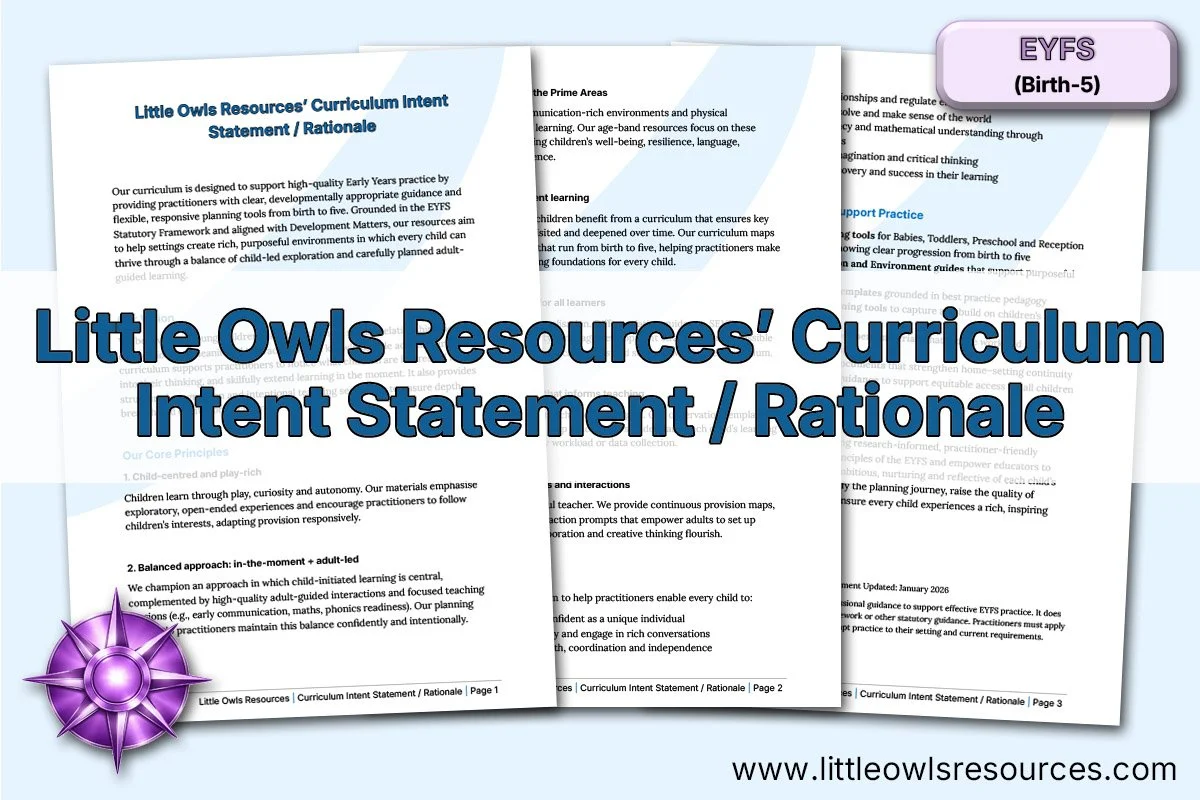
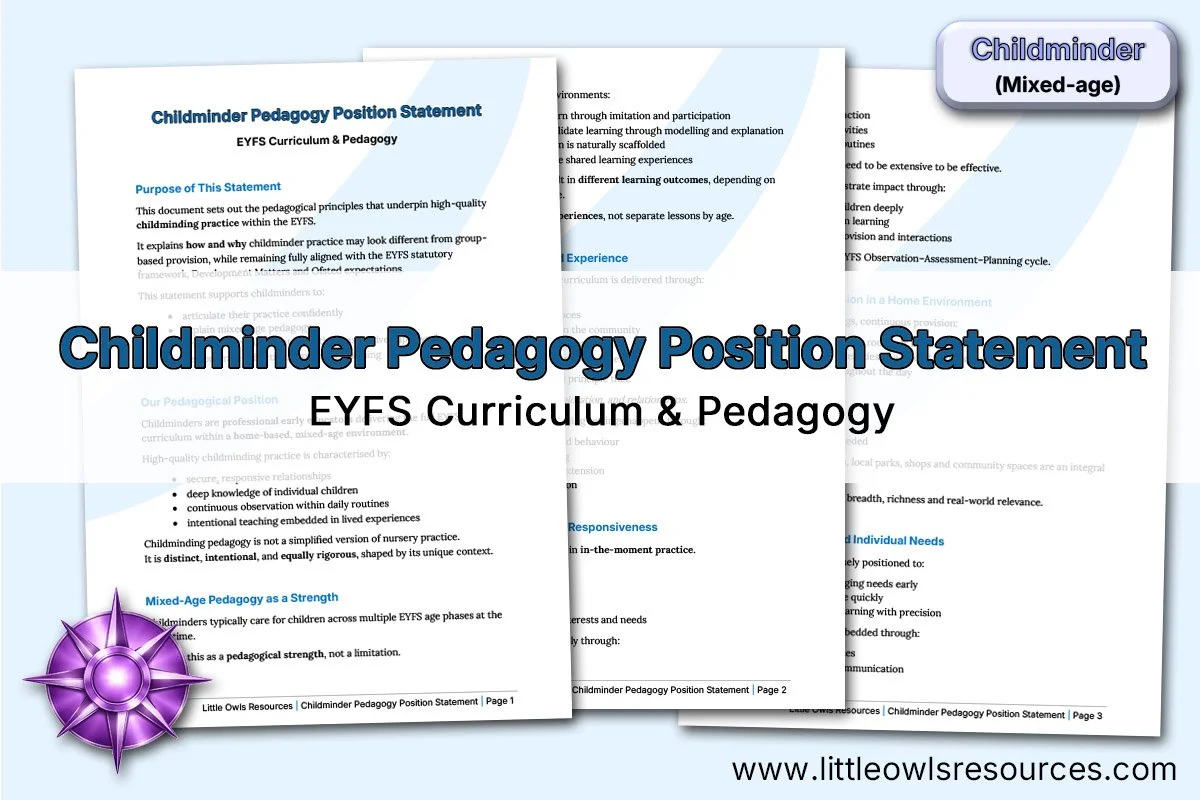
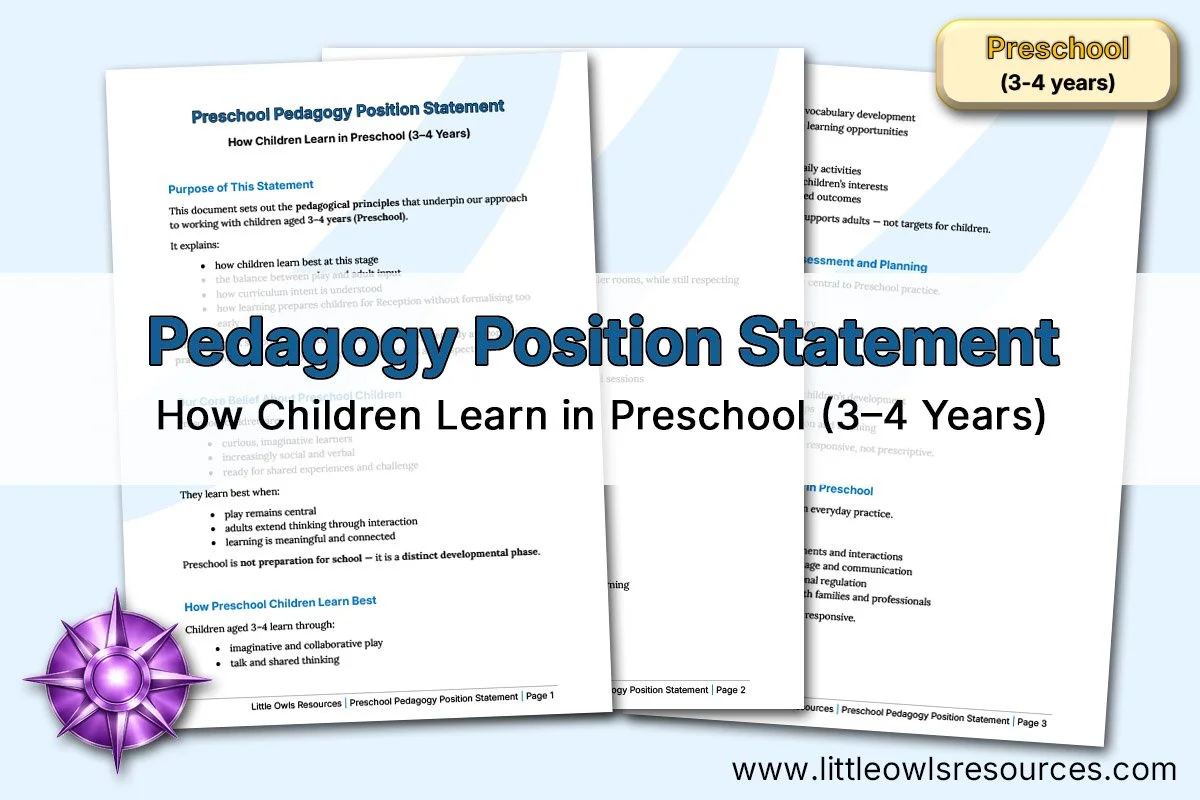
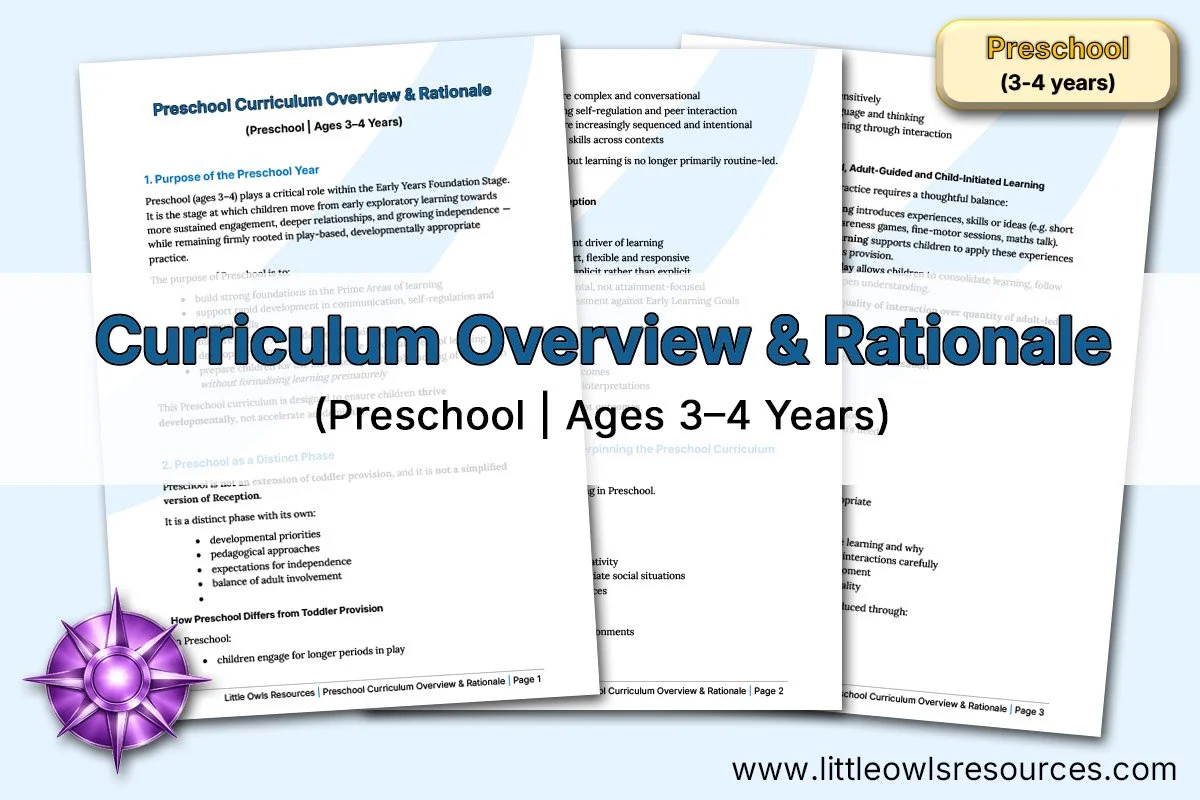
Further Guidance | Related Documents within our ‘EYFS Curriculum & Pedagogy’ suite:
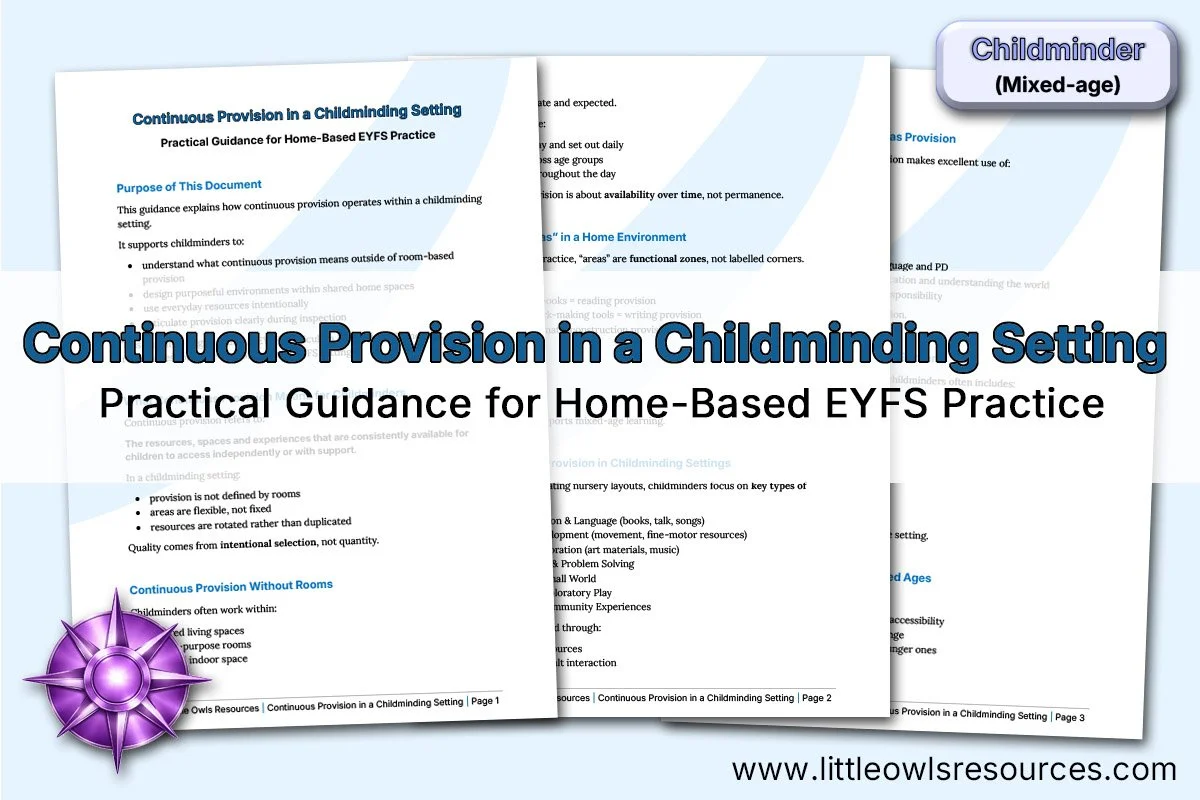
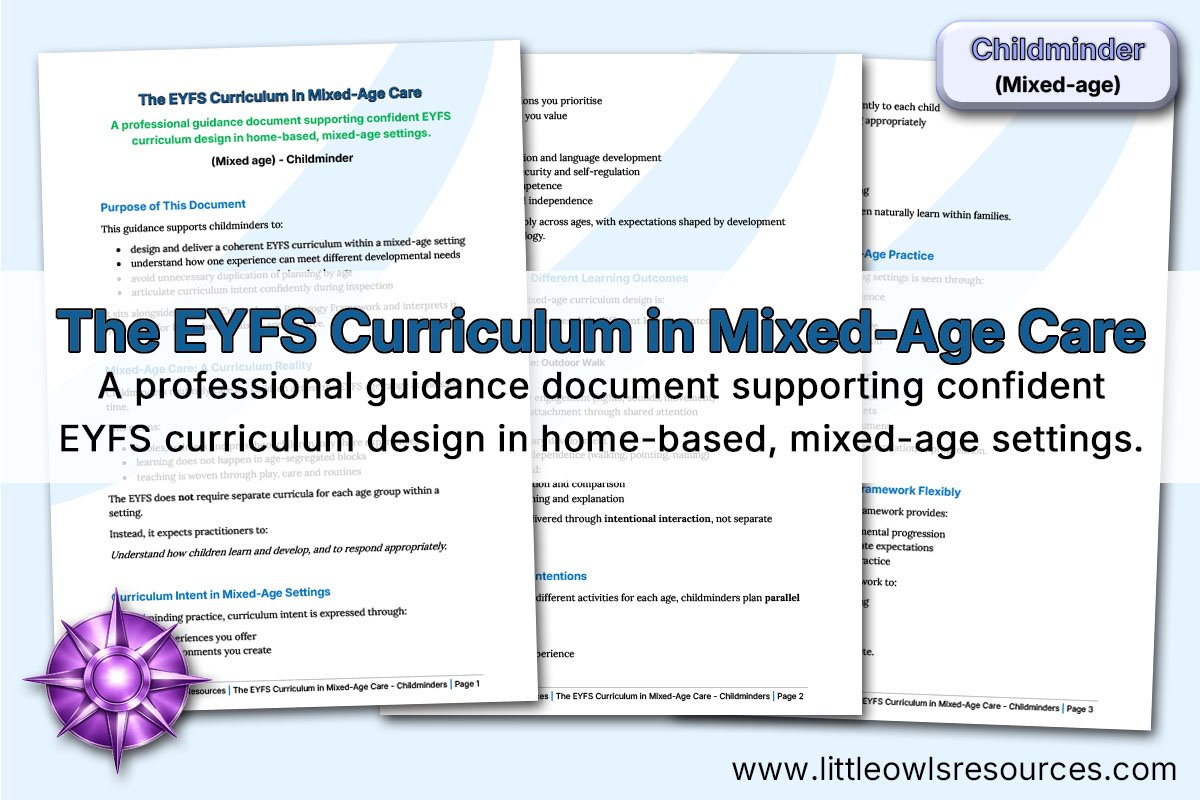
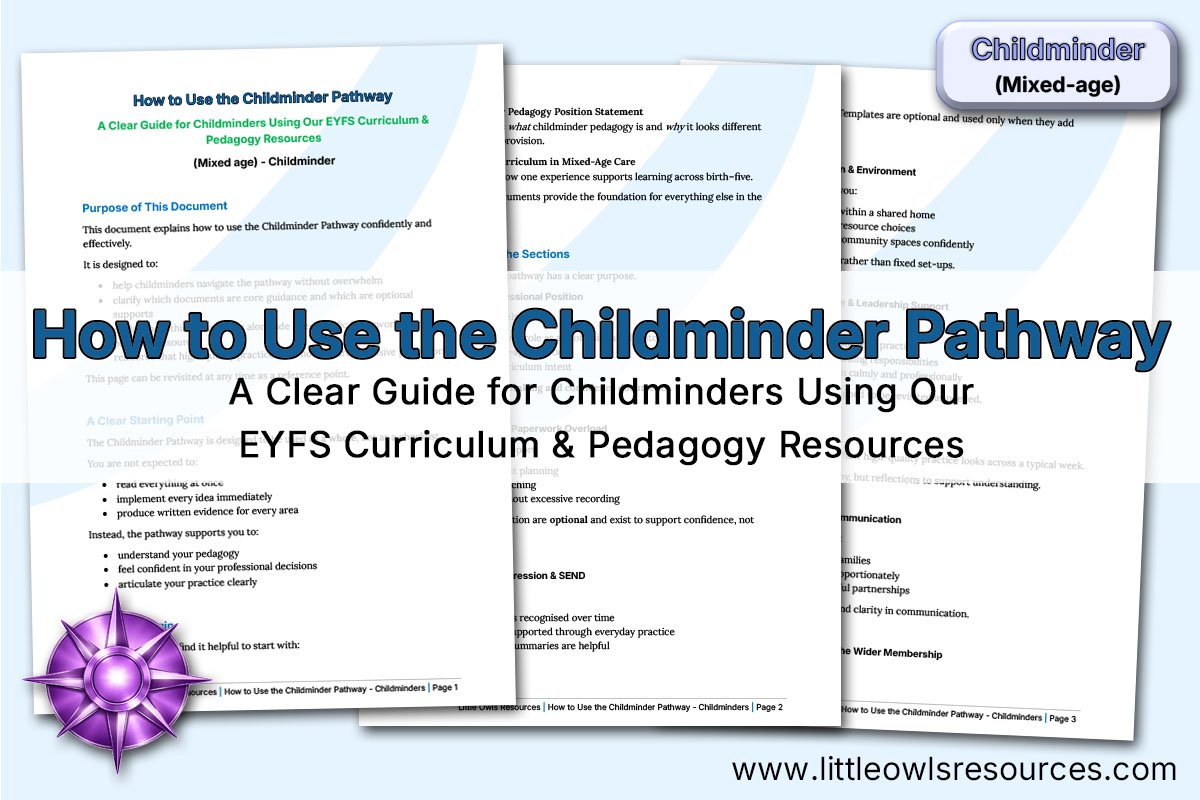
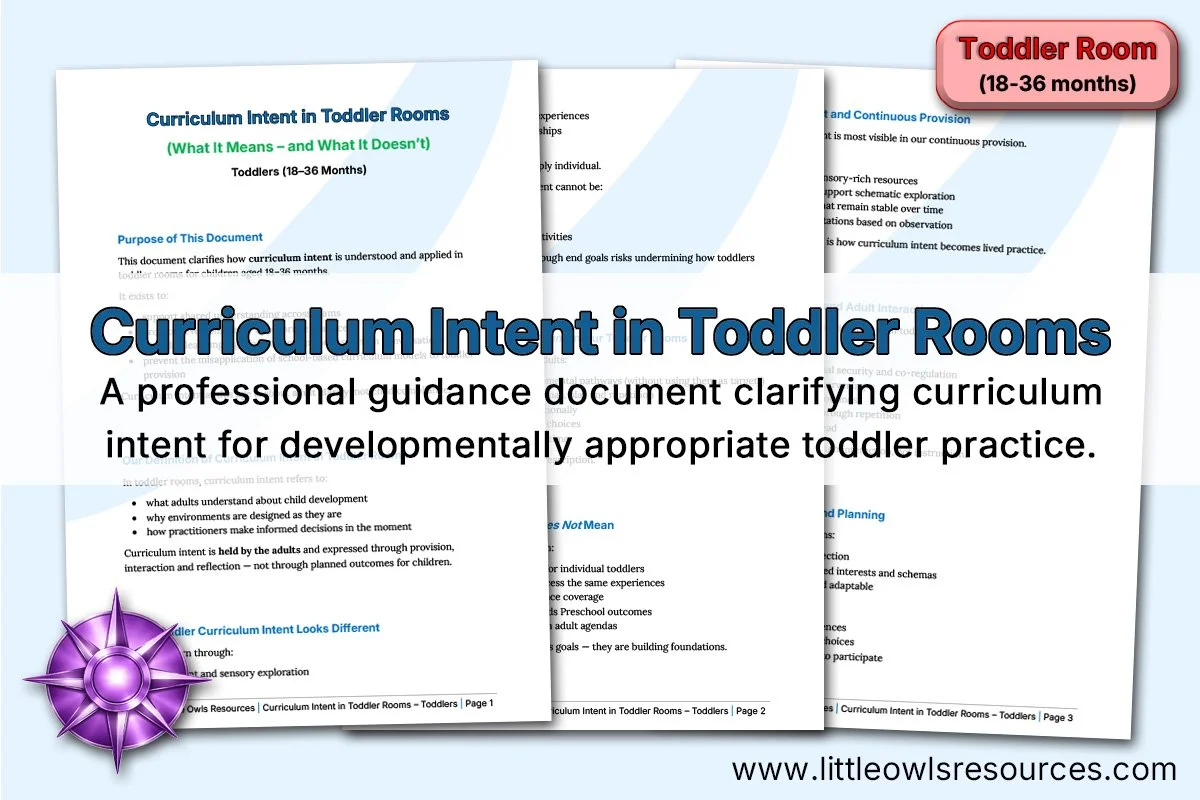
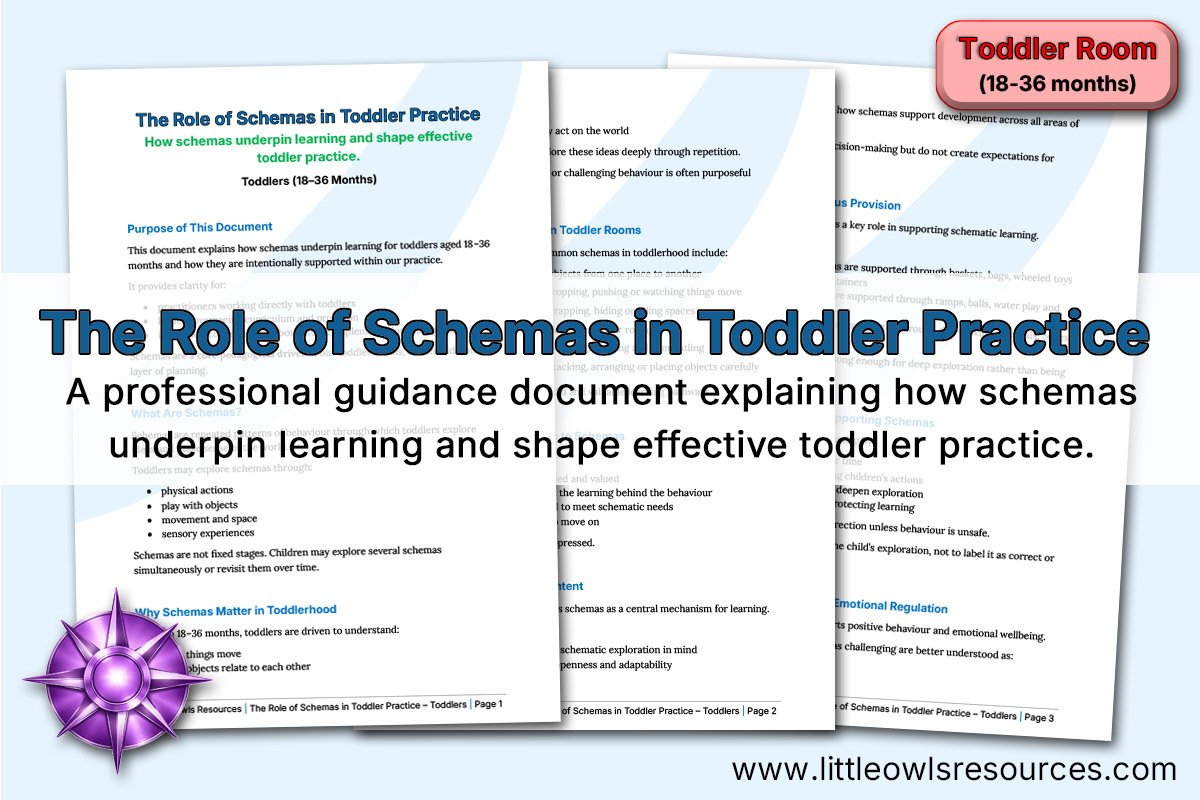
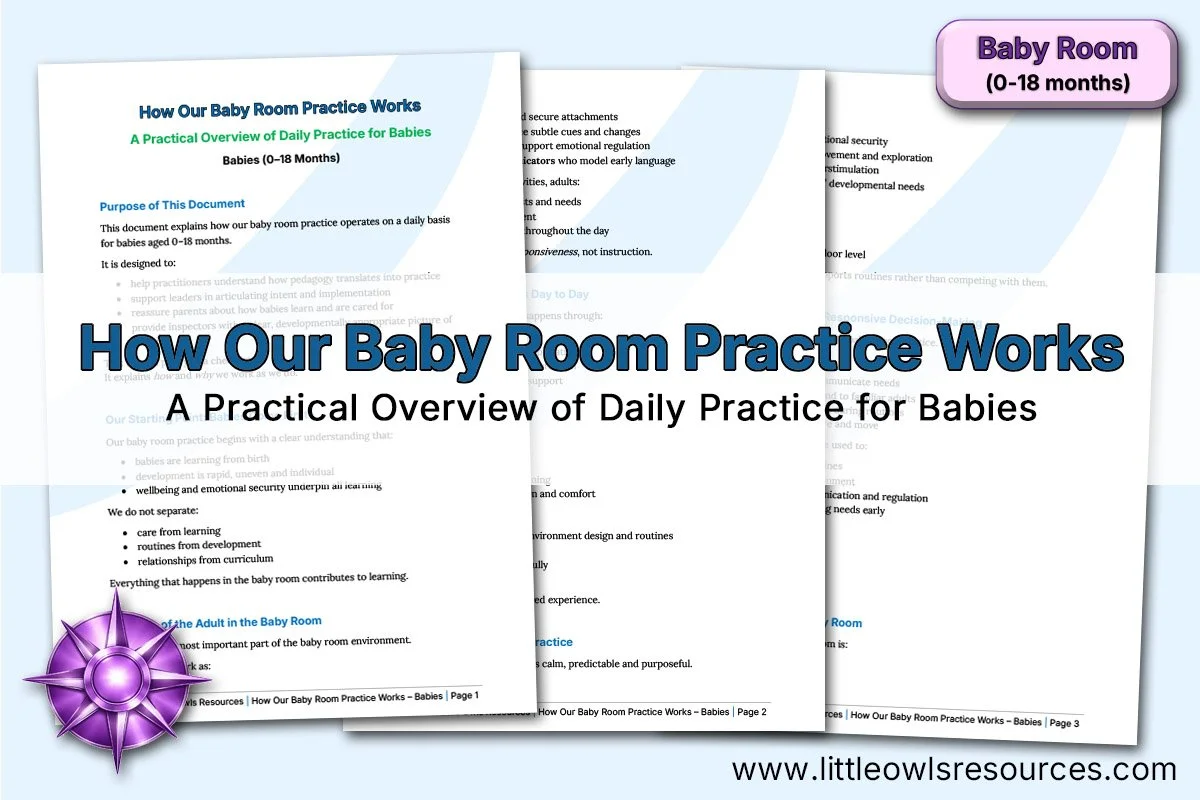
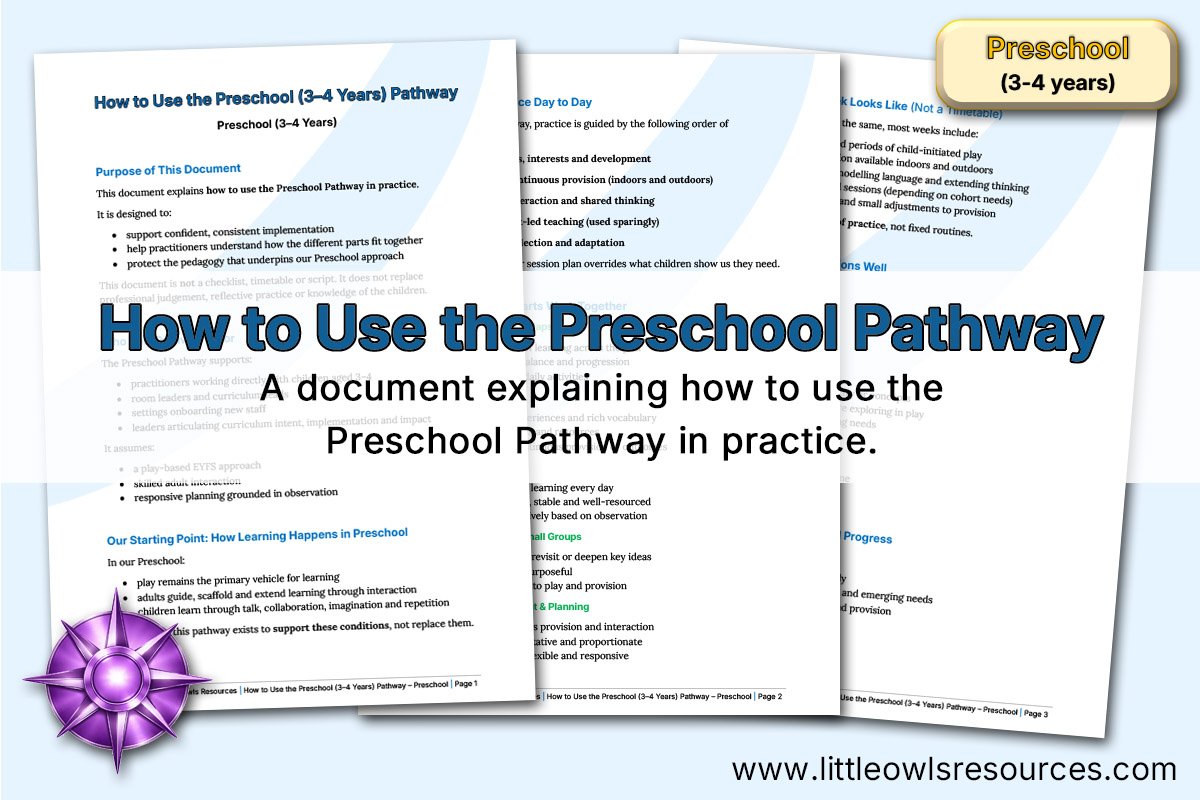
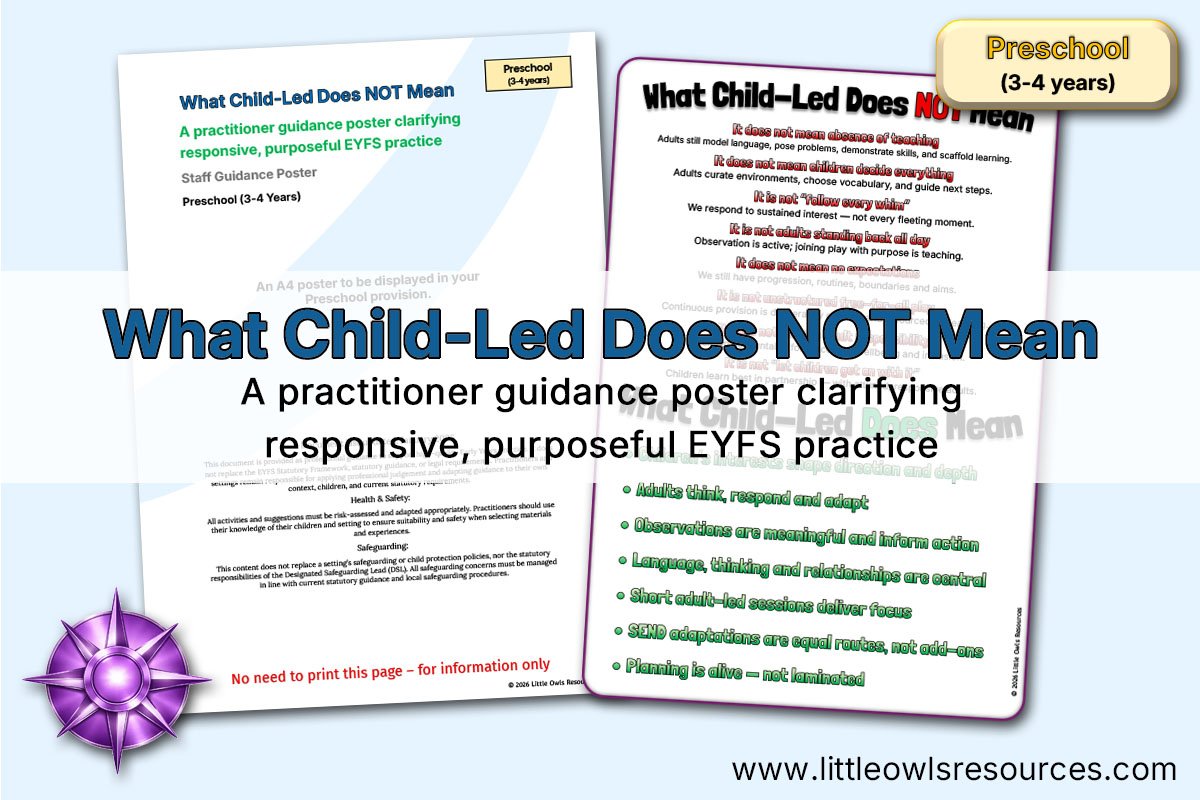
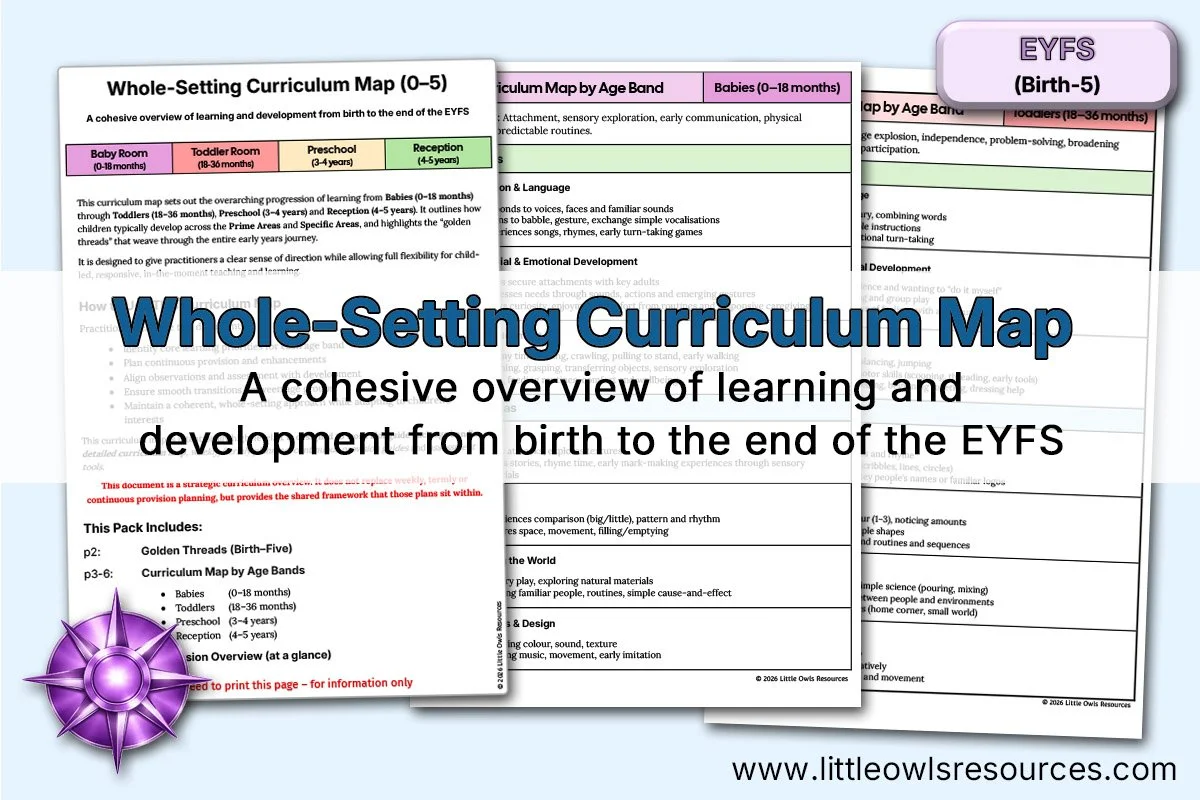
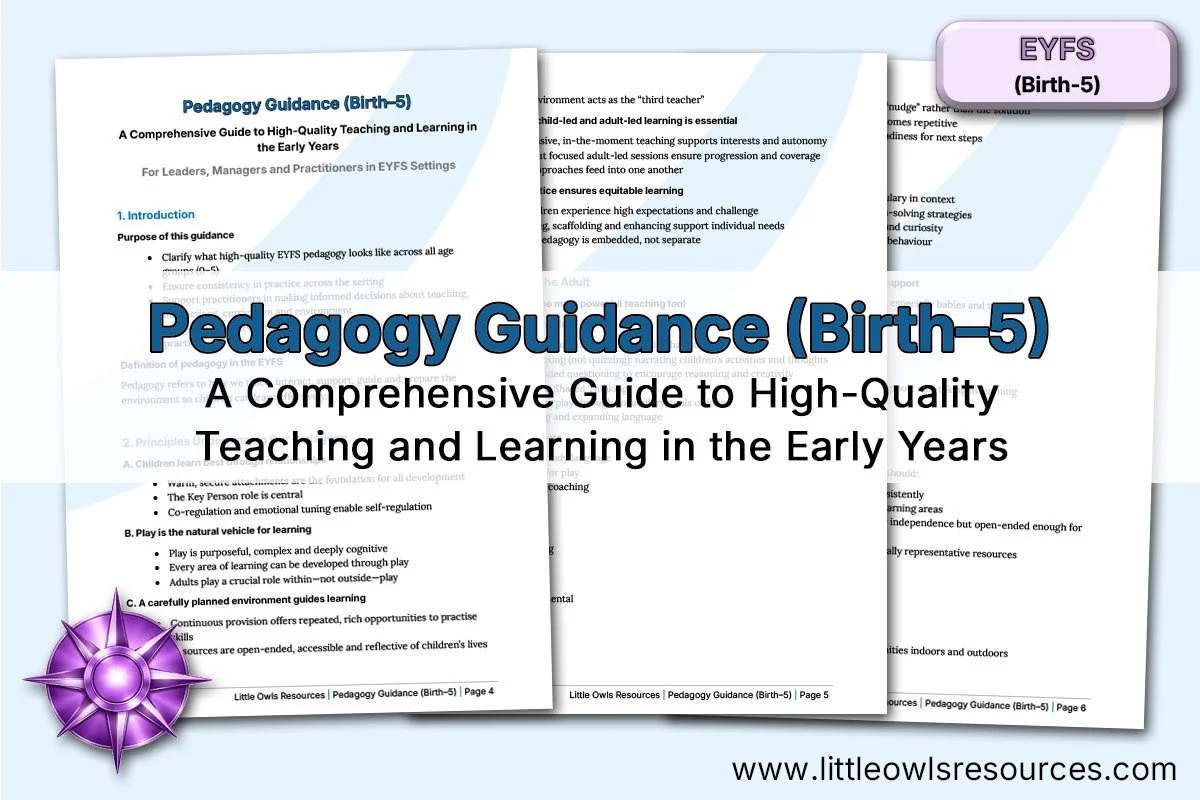
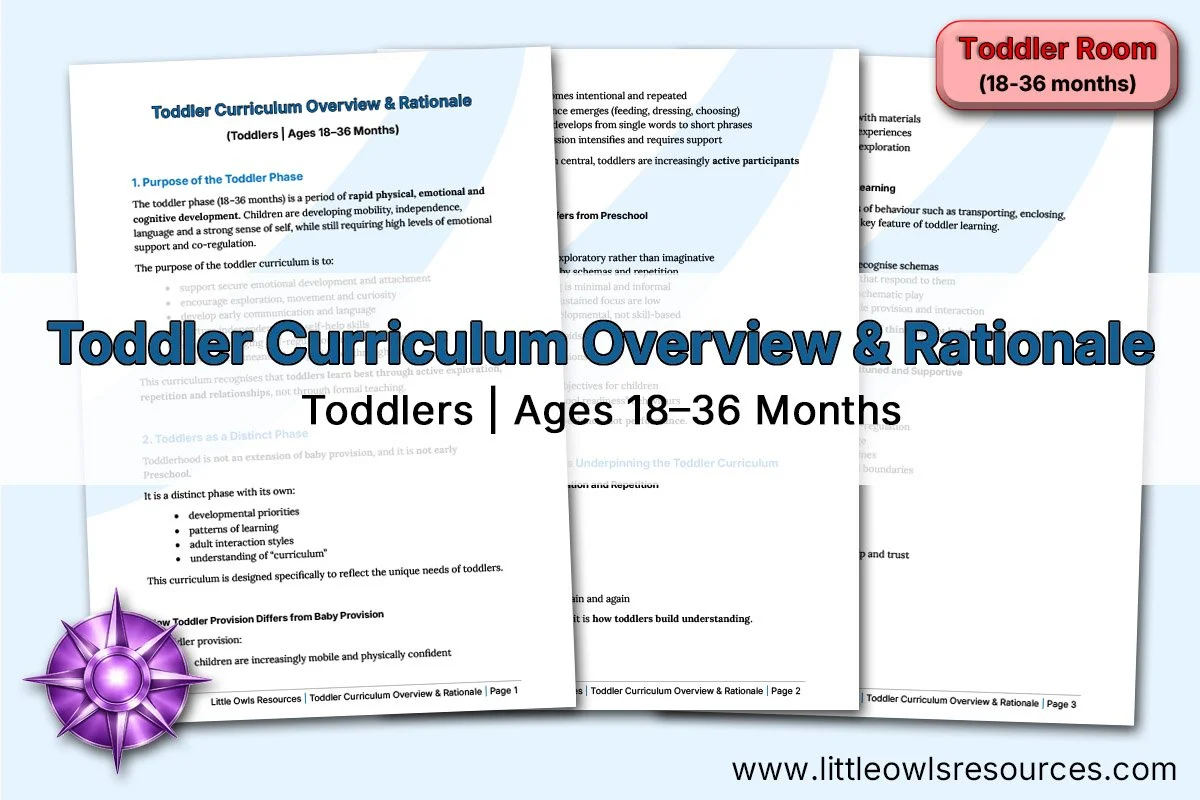
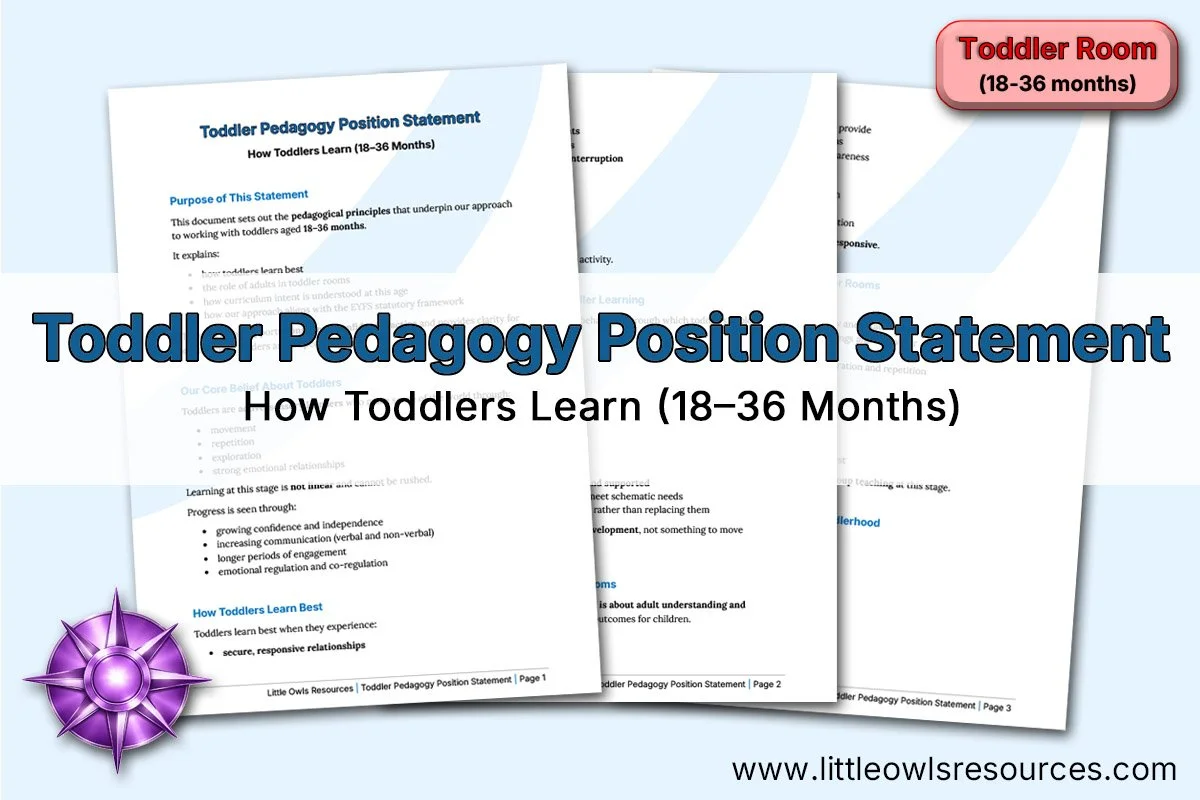
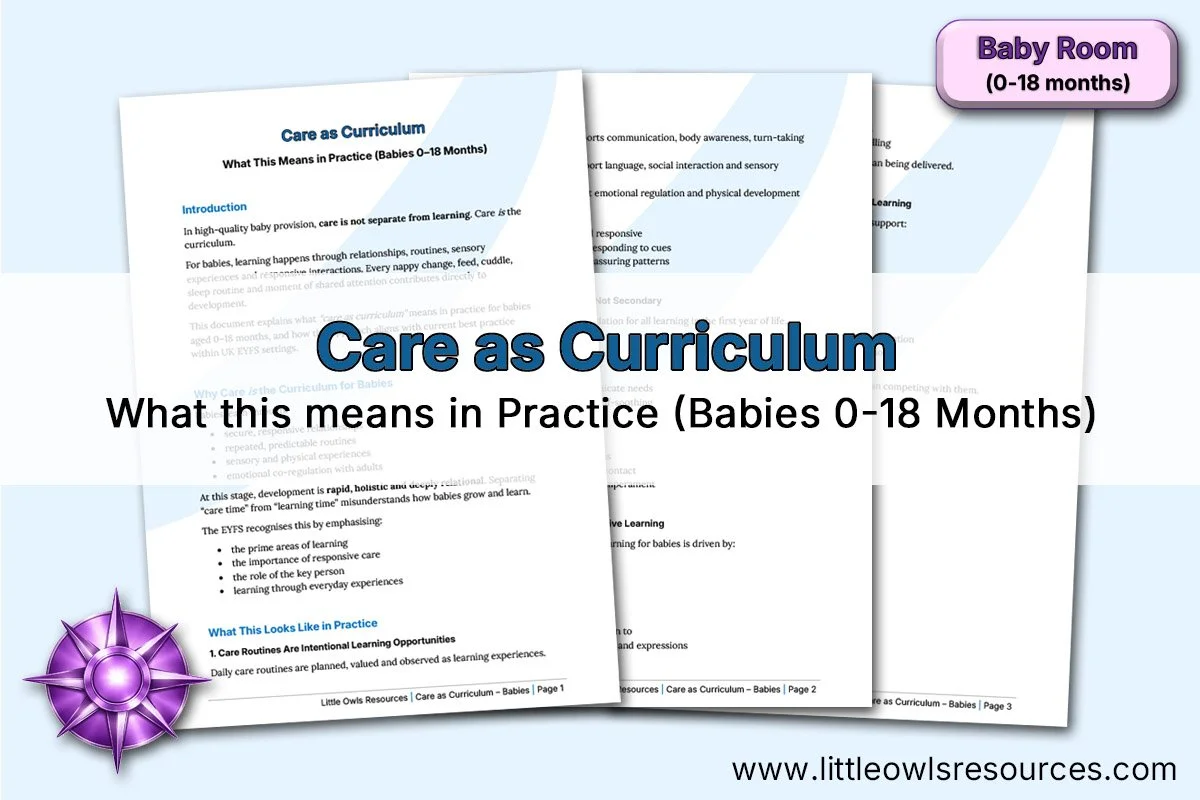
Below you will find a selection of guidance documents from within our Little Owls Resources ‘Curriculum & Pedagogy’ area which explore this concept (& its age-specific application within EYFS settings) in greater depth.
[For additional documents please visit our support pathways: Baby | Toddler | Preschool | Reception | Mixed-Age]











Disclaimer
The information provided in this glossary is intended to support understanding of terminology commonly used within the Early Years Foundation Stage (EYFS). It does not constitute official guidance and should not be considered a substitute for the EYFS Statutory Framework or other Department for Education publications.
Terminology and interpretations may vary between settings and professional contexts.