
EYFS definition
Cultural capital describes knowledge, language, skills and cultural experiences that are recognised and valued within education and society. In EYFS discussions, the term often concerns how children draw on familiar experiences and gain access to new learning, relationships and opportunities.
What do children bring?
Children arrive with knowledge from family life, languages, places, stories, interests and community experiences. These starting points differ between children and can enrich learning for everyone. Getting to know them helps practitioners connect new ideas with something meaningful to the child.
What might it look like in practice?
- A familiar family song becomes an invitation to explore other songs and languages.
- Children discuss local journeys before sharing a story about travelling somewhere unfamiliar.
- A visit to a nearby library introduces new books while building on children’s existing interests.
Is it a list of special experiences?
The term is used in different ways. It does not describe a single EYFS programme or a compulsory checklist of trips and celebrations.
Everyday conversations, play, books and local experiences can all contribute. Families’ knowledge can help adults offer a broad curriculum without assuming that a child’s home culture is lacking or that one set of experiences suits everyone.
Further Guidance | Related Documents
Explore resources connected with this term, choosing those that fit your children and setting.
Highlighted resource
-
 View resource
All Access
Outdoor & Community Learning Guidance | Childminder (Mixed-Age)
Consider purposeful learning through familiar local places and wider community experiences.
Childminders · mixed-age outdoor and community guidance
View resource details →
This selection is being reviewed. Please use the resource gateways below.
Related resources
Scroll sideways, focus the list and use your arrow keys, or use the buttons.
-
 View resource
All Access
Understanding the World: Curriculum Experience Pack | Toddlers (18–36 Months)
Explore toddlers’ understanding of people, places and the world through lived experiences.
Toddlers (18–36 months) · curriculum experience pack
View resource details → -
 View resource
All Access
Mini Theme Pack: Celebrations Around the World | Preschool Planning (Overview)
Use stories, objects and conversation to explore what celebrations mean to different families.
Preschool (3–4 years) · optional, flexible theme overview
View resource details → -
 View resource
All Access
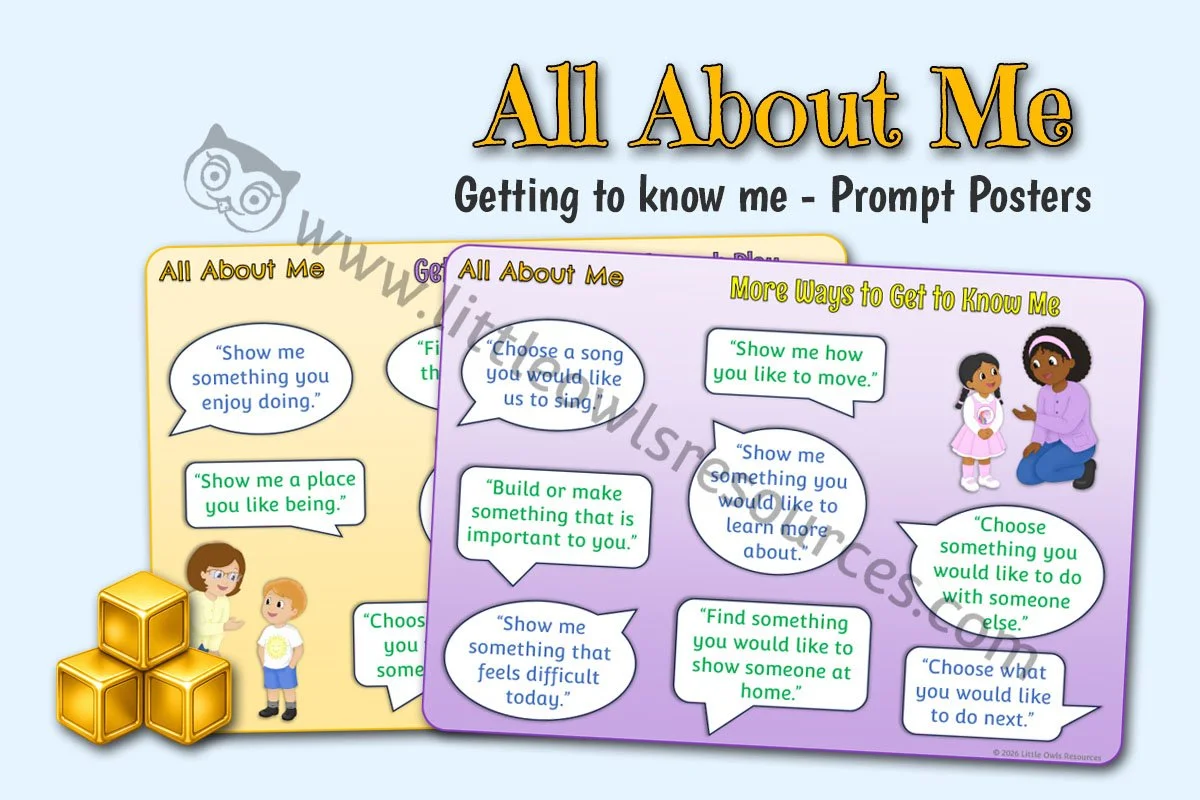
ALL ABOUT ME - 'Getting to know me' Adult Prompt Posters
Use open invitations to discover children’s interests and experiences through play and different forms of communication.
Adult prompts · select invitations for each child
View and Download Resource → -
 View resource
All Access
Families — Display & Conversation Posters
Begin conversations about different families alongside photographs and experiences familiar to the children.
Preschool and Reception · adult-supported discussion posters
View and Download Resource →
This selection is being reviewed. Please use the resource gateways below.
Find practical resources for your setting
Start with an age gateway
Useful routes into practice
- Similarities, differences & diversity
Explore resources for recognising identities and learning about the people around us.
- Families & everyday experiences
Find starting points for conversations about children’s families and familiar experiences.