
EYFS definition
English as an additional language (EAL) describes learning or using English alongside another home language. In the EYFS, children described as having EAL may be new to English or already confident multilingual communicators. The term does not indicate one level of ability or support need.
How do home languages fit?
Children bring knowledge, relationships and experiences through their home languages. These remain valuable as English develops.
Conversations with families can reveal the languages a child understands and uses, familiar words or songs, and how they communicate in different situations. Confidence may vary between people and places.
What might support look like?
An adult pairs a familiar routine with objects, pictures and a short explanation in English. A family shares a song or a useful phrase in the child’s home language. During play, the adult models relevant words and leaves time for the child to contribute.
Participation can include gesture, action and home-language responses as well as English.
Is EAL a special educational need?
EAL is not, by itself, a special educational need. A child can have both EAL and SEND, but learning English alone is not evidence of SEND.
When concerns arise, adults consider the child’s wider development and communication across languages, drawing on family knowledge and appropriate professional advice.
Further Guidance | Related Documents
Explore resources connected with this term, choosing those that fit your children and setting.
Highlighted resource
-
 View resource
All Access
Communication and Language-Rich Approaches in Toddler Rooms | Toddlers (18–36 Months)
Explore a toddler approach that values home languages, gesture and other communication alongside spoken English.
Toddlers (18–36 months) · inclusive communication guidance
View resource details →
This selection is being reviewed. Please use the resource gateways below.
Related resources
Scroll sideways, focus the list and use your arrow keys, or use the buttons.
-
 View resource
All Access
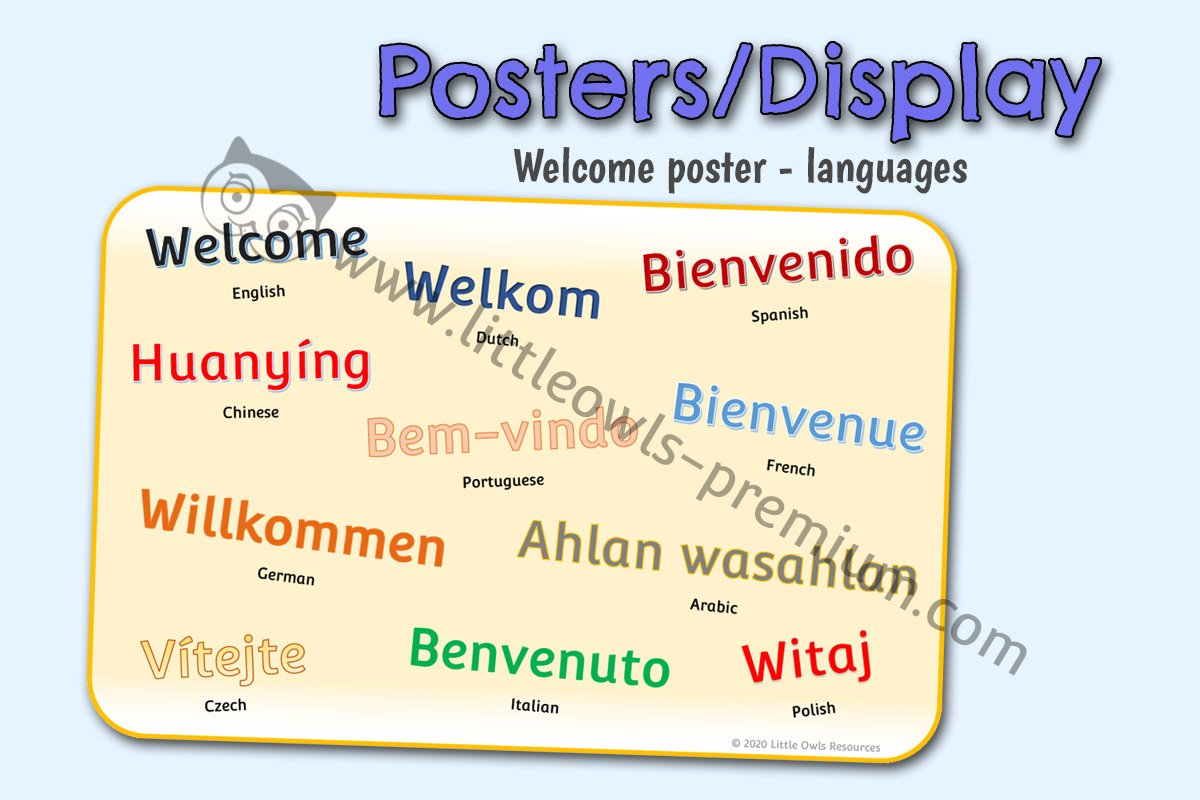
Languages Poster - Welcome
Use a multilingual welcome display as a starting point for recognising languages in your setting.
Adult-selected display · use alongside children’s home languages
View and Download Resource → -
 View resource
All Access
How to Build Language Through Play | Toddlers (18-36 Months)
Share responsive play ideas with toddler families, adapting discussion to their preferred languages.
Toddlers (18–36 months) · family guidance for everyday play
View resource details → -
 View resource
All Access
Key Phrases — Picture Communication Mat
Offer meaningful pictures alongside spoken and home-language communication during everyday routines.
Visual communication · choose by individual meaning and access needs
View and Download Resource → -
 View resource
All Access
Parent Communication Templates | Childminder (Mixed-Age)
Support exchanges with families about the child’s languages, experiences and familiar routines.
Childminders · mixed-age family communication templates
View resource details →
This selection is being reviewed. Please use the resource gateways below.
Find practical resources for your setting
Start with an age gateway
Useful routes into practice
- Dual-language resources
Browse language-specific resources and choose those relevant to your children and families.
- Communication & Language
Explore everyday interaction and language resources across the EYFS.