
EYFS definition
A transporting schema describes a recurring interest in moving objects or materials from one place to another. In early years practice, including the EYFS, children may repeatedly carry, load, push or deliver things as they explore movement, space and what containers can hold.
What might a transporting pattern involve?
The repeated moving is the central interest. A child may carry blocks across a room, load a trolley or transfer items between places many times, returning to the action in different play situations.
Moving one toy on one occasion is not enough to establish a pattern. Schema language offers one way of interpreting recurring interests; it does not assign a fixed identity or developmental stage to a child.
Examples in everyday play
A toddler fills a basket with large play objects, carries it to another space and unloads it before starting again. Outdoors, children use a wheelbarrow to move materials for a pretend building site.
In a post-office game, a child repeatedly collects and delivers parcels. The pretend story and the interest in transporting may overlap, although another child may be more interested in writing the labels or organising the counter.
Responding to the interest
Adults might offer suitable light containers, accessible routes and materials that can be moved safely. Different ways of carrying or pushing can help children participate according to their abilities.
Noticing patterns over time, and hearing what families observe, can inform provision. Children may combine transporting with other interests or move on to different play; a transport-themed activity is not automatically evidence of this schema.
Further Guidance | Related Documents
Explore resources connected with this term. Each card identifies the resource’s intended age group and access type.
Highlighted resource
-
 View resource
All Access
Schema Labels — Transporting
Explore labels and prompts for arranging materials around carrying, loading and moving interests.
Birth–5 adult setup · Select materials for the child
View and Download Resource →
This selection is being reviewed. Please use the resource gateways below.
Related resources
Scroll sideways, focus the list and use your arrow keys, or use the buttons.
-
 View resource
All Access
The Role of Schemas in Toddler Practice (18-36 Months)
Read about interpreting repeated toddler play interests and responding through provision.
Toddlers (18–36 months) · Practitioner guidance
View resource details → -
 View resource
All Access
Outdoor Continuous Provision Pack | Toddlers (18–36 Months)
Explore toddler outdoor provision where movement and transporting interests may develop.
Toddlers (18–36 months) · Practitioner guidance
View resource details → -
 View resource
All Access
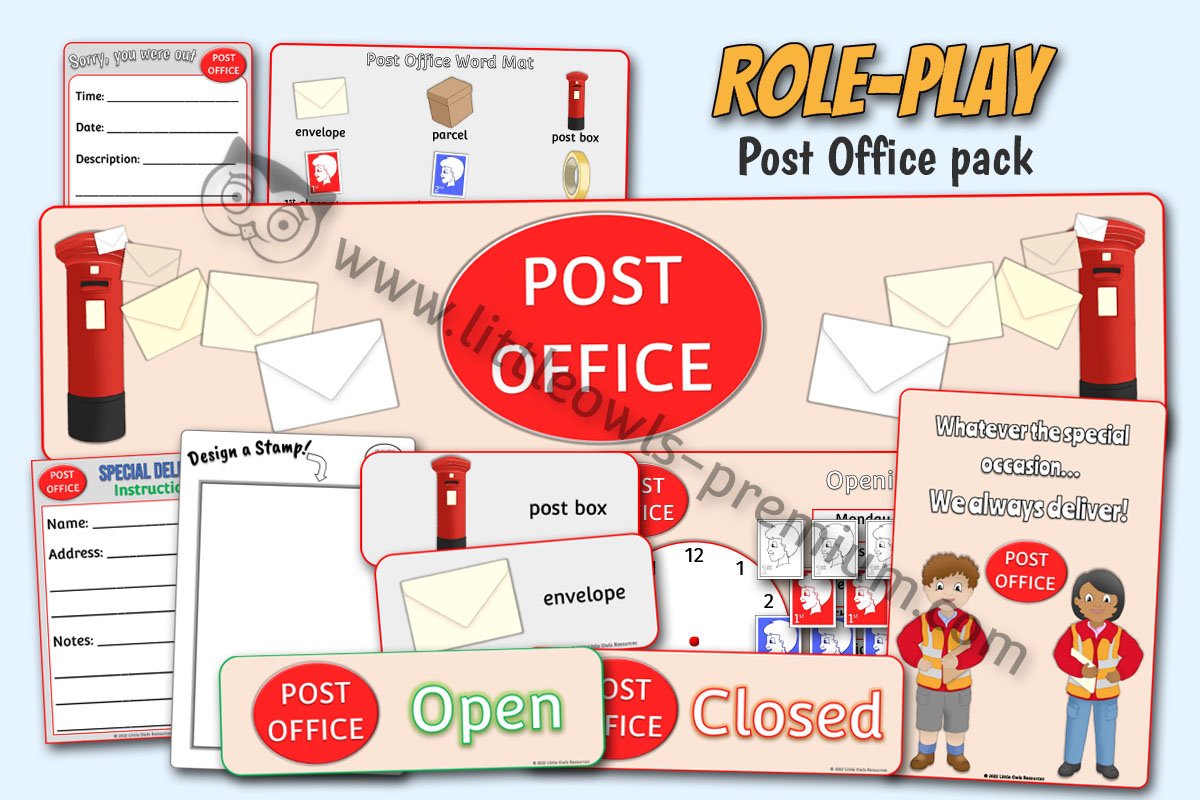
Post Office Role-Play Pack
Offer optional postal props when children’s carrying and delivery play develops into a shared story.
Preschool–KS1 · Select simple props for younger children
View and Download Resource → -
 View resource
All Access
Theme: Transport & Journeys | Toddler Project Planner (18–36 Months)
Browse toddler movement and journey ideas where they connect with an observed transporting interest.
Toddlers (18–36 months) · Optional project ideas
View resource details →
This selection is being reviewed. Please use the resource gateways below.
Find practical resources for your setting
Start with an age gateway
Useful routes into practice
- Schemas & Schematic Play
Find schema guidance and resources for responding to repeated interests.
- Outdoor Play & Provision
Explore resources for moving materials and developing play outdoors.
- Role Play & Home Corner
Browse optional props for delivery, shopping or journey stories.