
Part of the EYFS Glossary
This article forms part of our EYFS Glossary of Early Years Education Terms, which explains key curriculum, pedagogy, and assessment language used in early years practice.
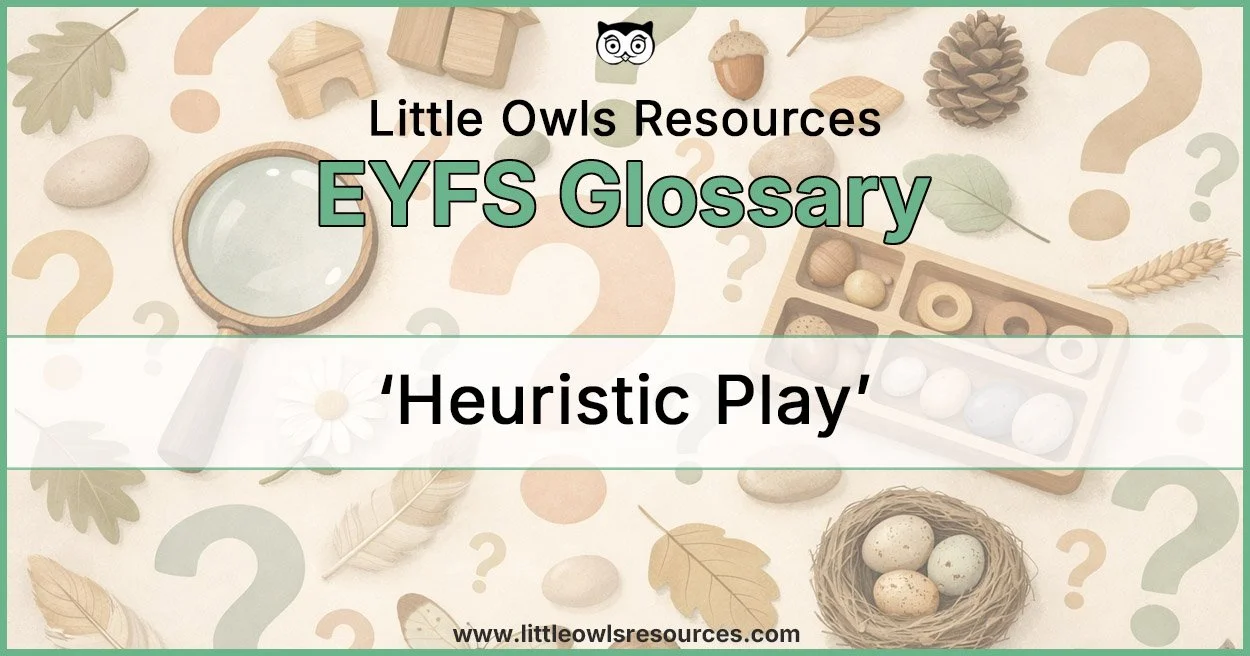
Heuristic Play refers to a form of play in which young children explore and investigate a variety of everyday objects, discovering how they can be used through their own actions and curiosity.
What is Heuristic Play?
Heuristic play describes a type of play where babies and young children explore collections of objects without a fixed outcome or specific instructions. The term “heuristic” comes from a word meaning to discover.
Children are given access to a range of objects and are free to explore them in their own way. This may include:
handling and manipulating objects
combining or arranging items
exploring different properties such as texture, weight, and shape
repeating actions to test ideas
This form of play allows children to learn through direct experience and exploration.
Origins of Heuristic Play
Heuristic play is often associated with the work of Elinor Goldschmied, who developed the approach as part of early years practice with babies and toddlers.
Her work focused on providing young children with opportunities to explore real objects rather than relying solely on toys with fixed purposes.
This approach reflects the understanding that children learn through active exploration and discovery.
Heuristic Play in Early Years Practice
In practice, heuristic play often involves providing collections of everyday objects for children to explore. These objects are sometimes presented in baskets or containers.
Examples of objects may include:
wooden spoons
metal containers
natural materials such as shells or pinecones
fabric or textured items
objects of different shapes and sizes
Children are free to choose, combine, and explore these materials without specific instructions.
The Role of the Adult in Heuristic Play
During heuristic play, the adult’s role is primarily to observe and support rather than direct the activity.
Practitioners may:
provide carefully selected materials
ensure the environment is safe
observe children’s exploration
respond when appropriate without interrupting play
support children’s engagement if needed
The focus is on allowing children to explore independently.
Heuristic Play and Children’s Development
Heuristic play supports a range of developmental areas, particularly for babies and toddlers.
These include:
physical development (fine motor skills, coordination)
cognitive development (exploration, problem-solving)
sensory development (texture, weight, sound)
concentration and engagement
Through repeated exploration, children develop understanding of objects and their properties.
Common Questions About Heuristic Play
-
Heuristic play is most commonly associated with babies and toddlers, particularly from around 6 months to 2–3 years.
-
Heuristic play focuses on open-ended exploration of everyday objects rather than toys with fixed purposes.
-
Adults usually observe and support rather than lead, allowing children to explore independently.
Summary
Heuristic Play refers to a form of play where young children explore everyday objects through their own curiosity and actions. By providing open-ended materials and opportunities for discovery, practitioners support children’s development through exploration and investigation.
Related Glossary Terms
The following glossary entries are closely related to Heuristic Play and provide additional context:
Schema (Play)
Open-Ended Resources
Continuous Provision
Further Guidance | Related Documents within our ‘EYFS Curriculum & Pedagogy’ suite:
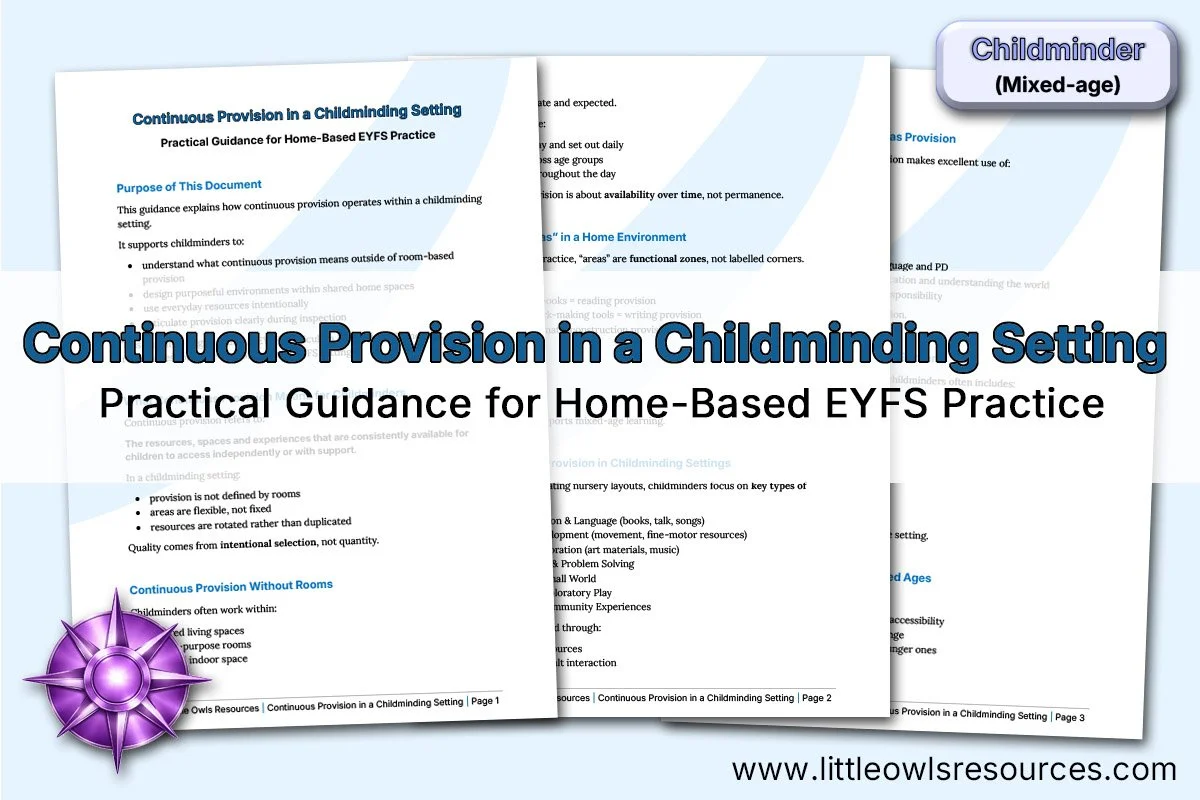
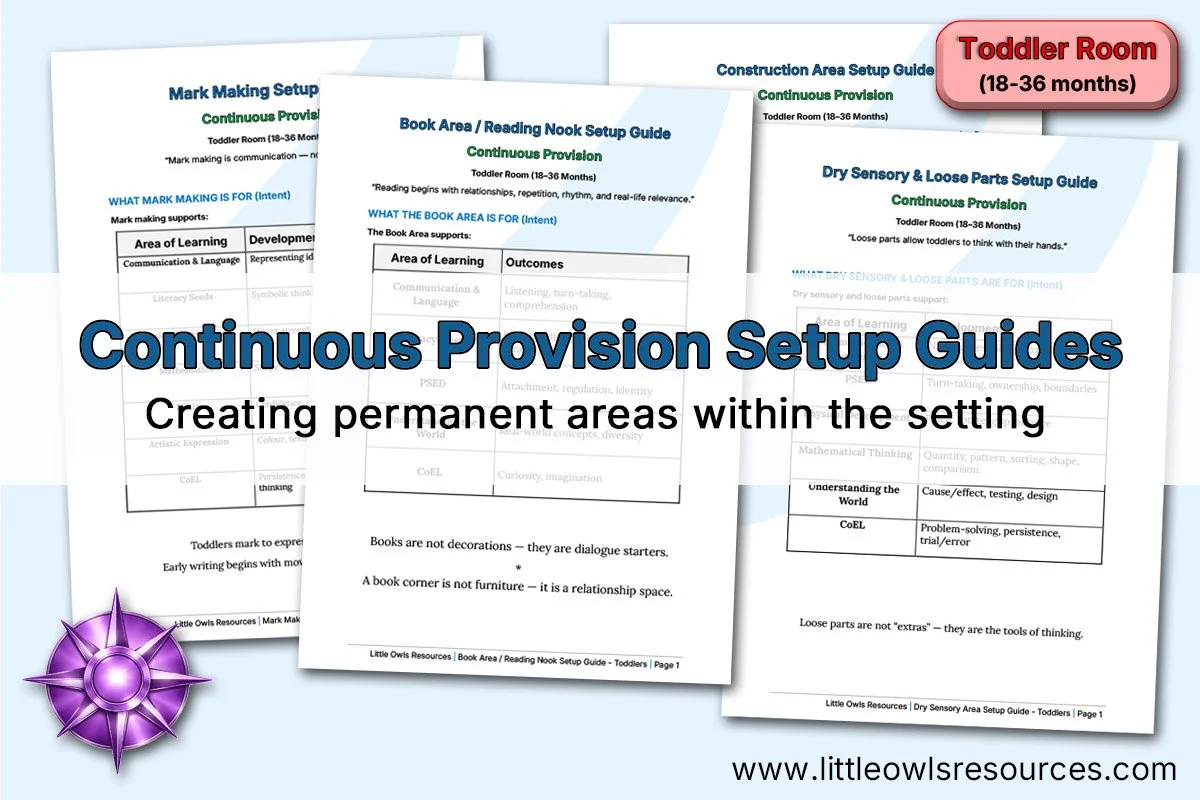
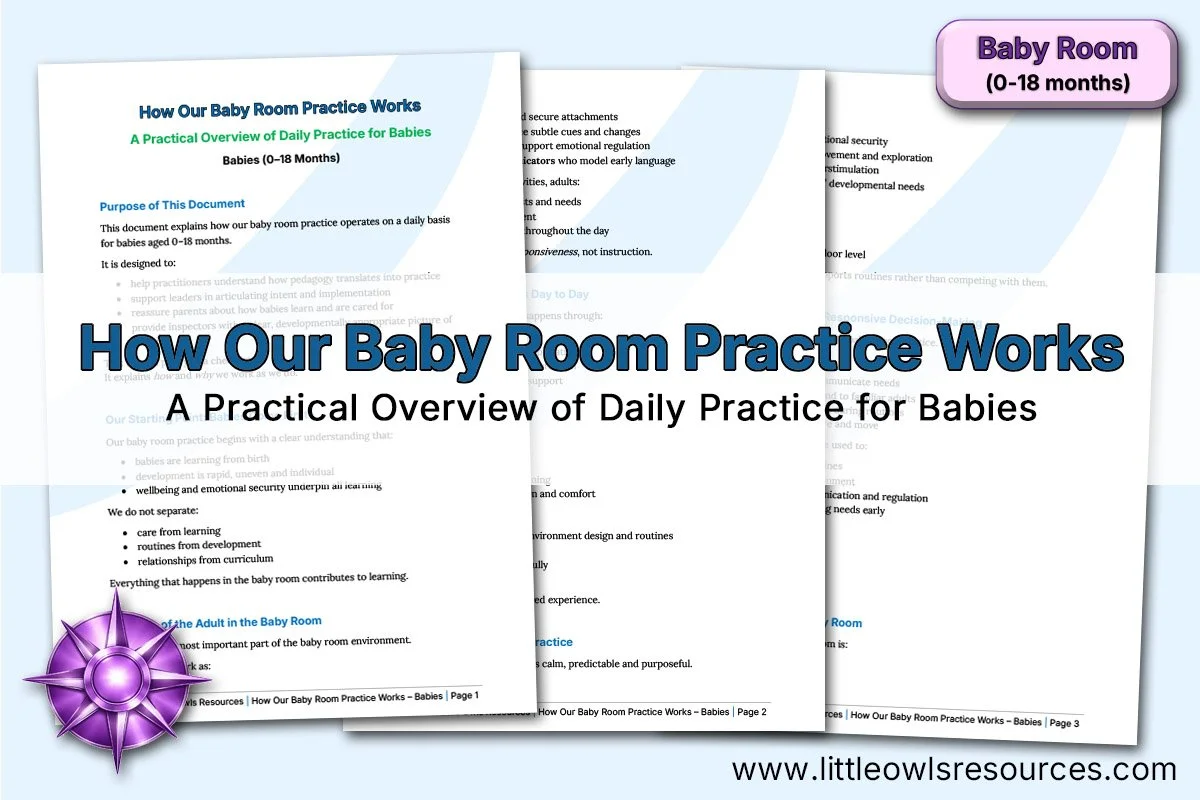
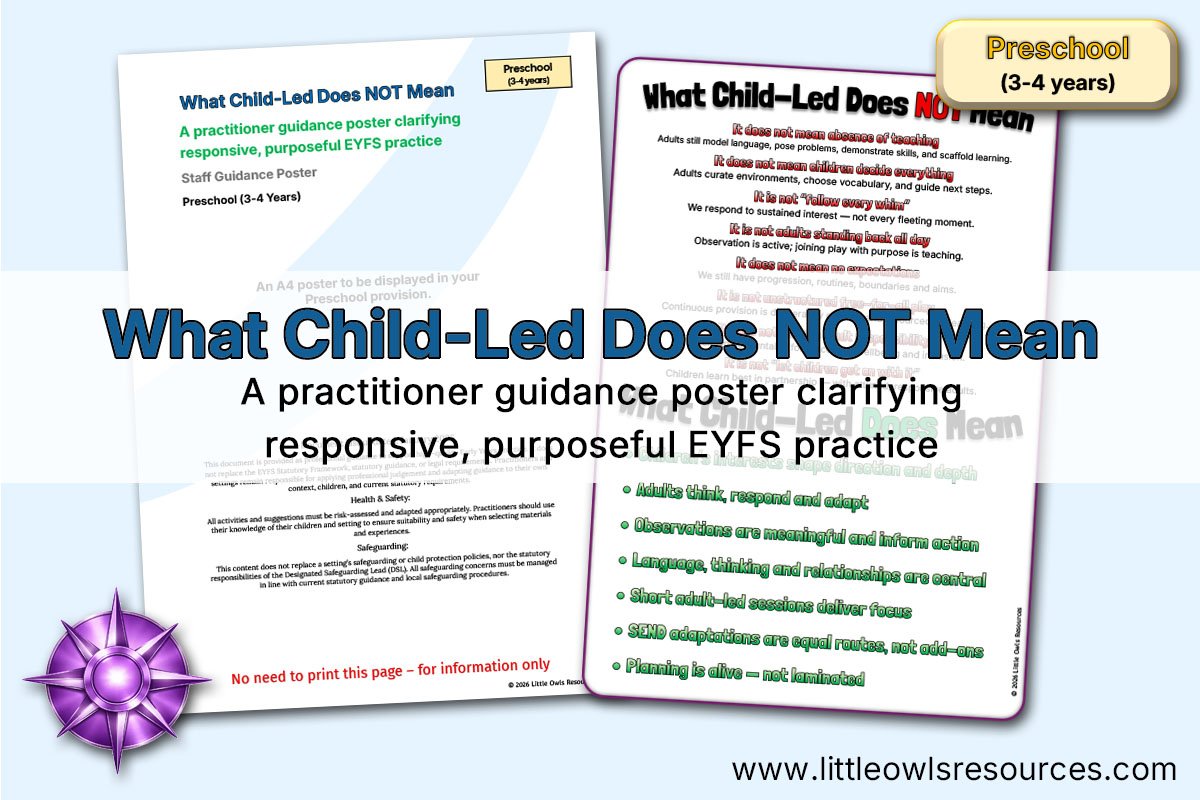
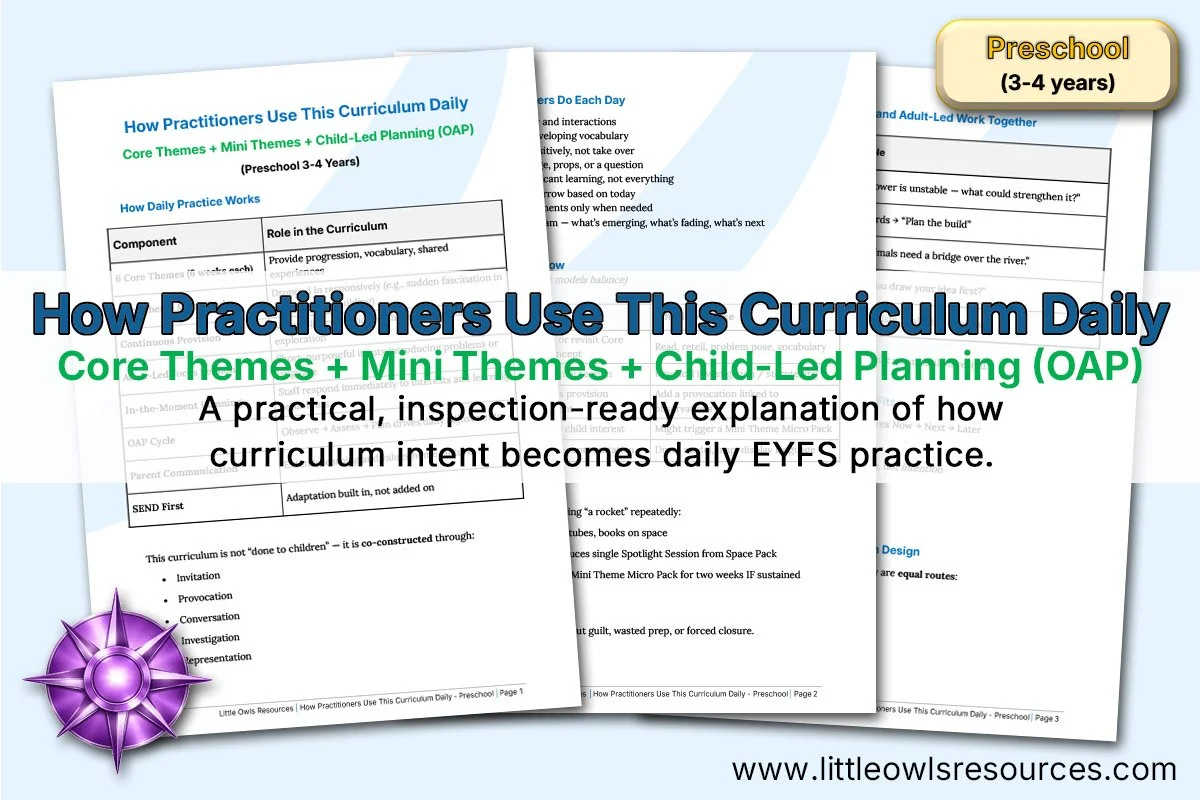
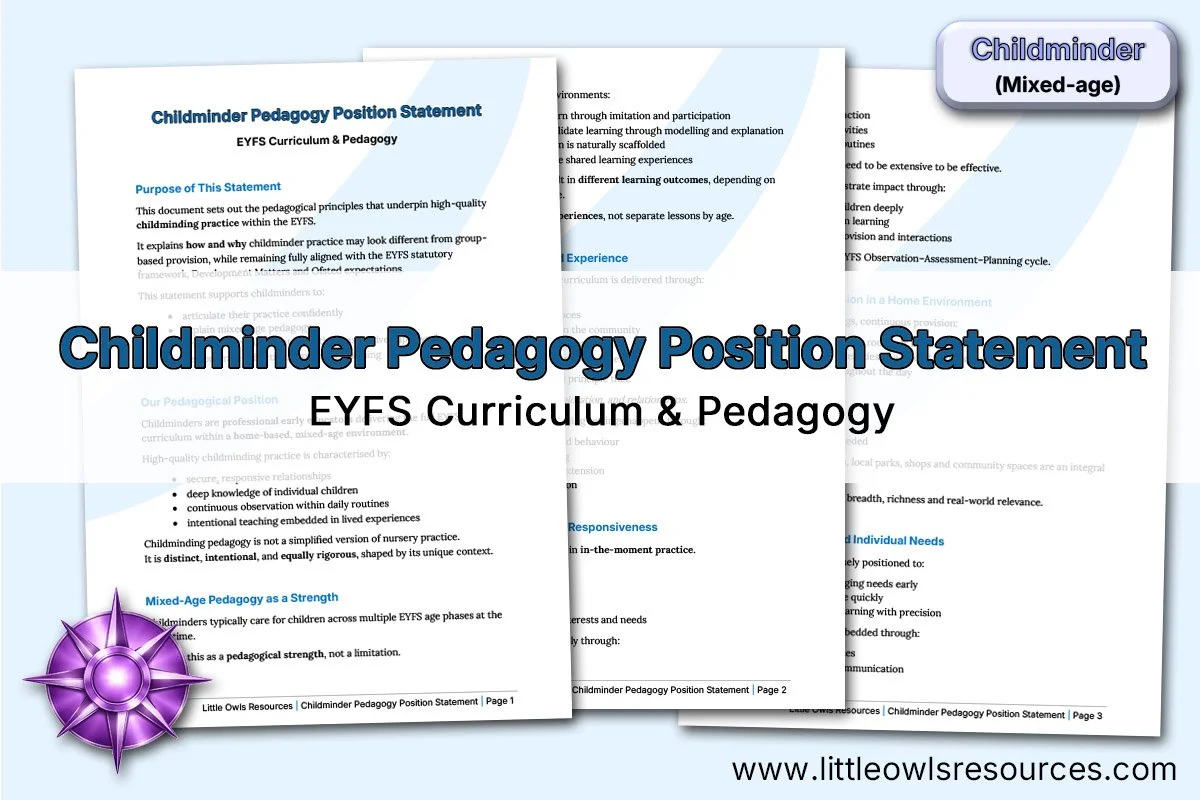
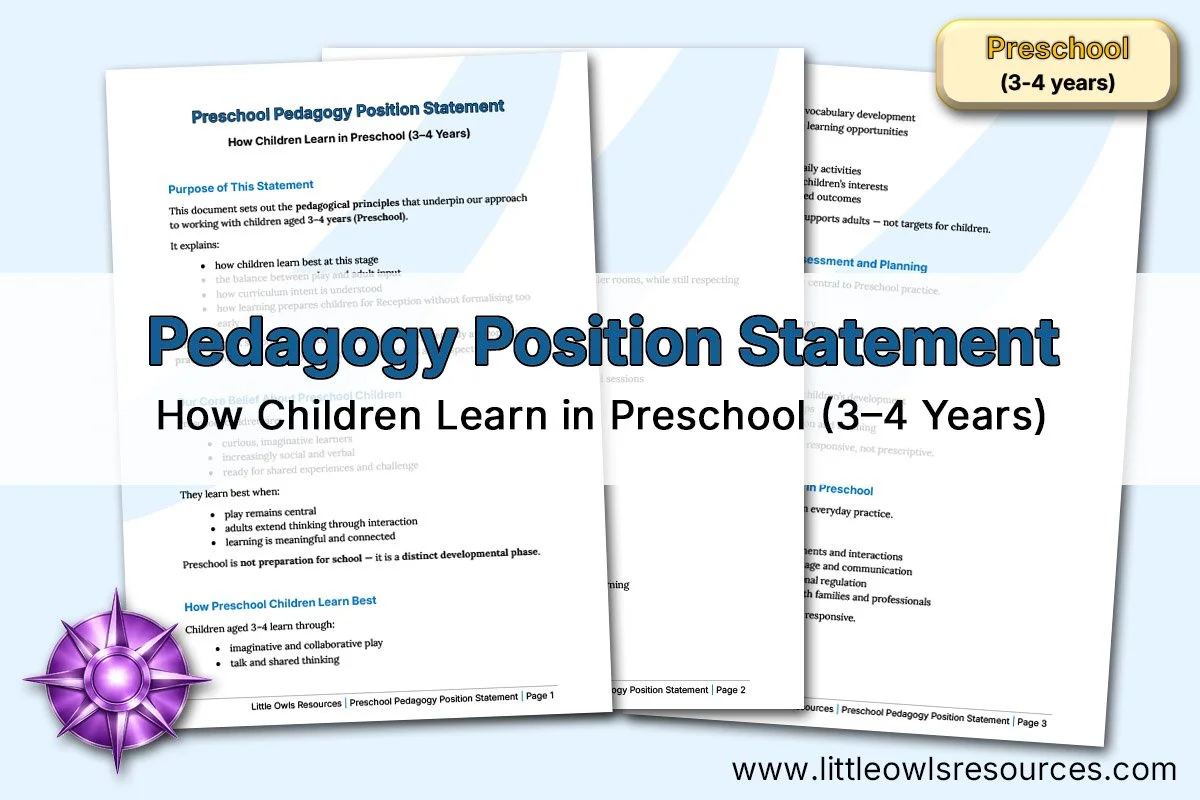
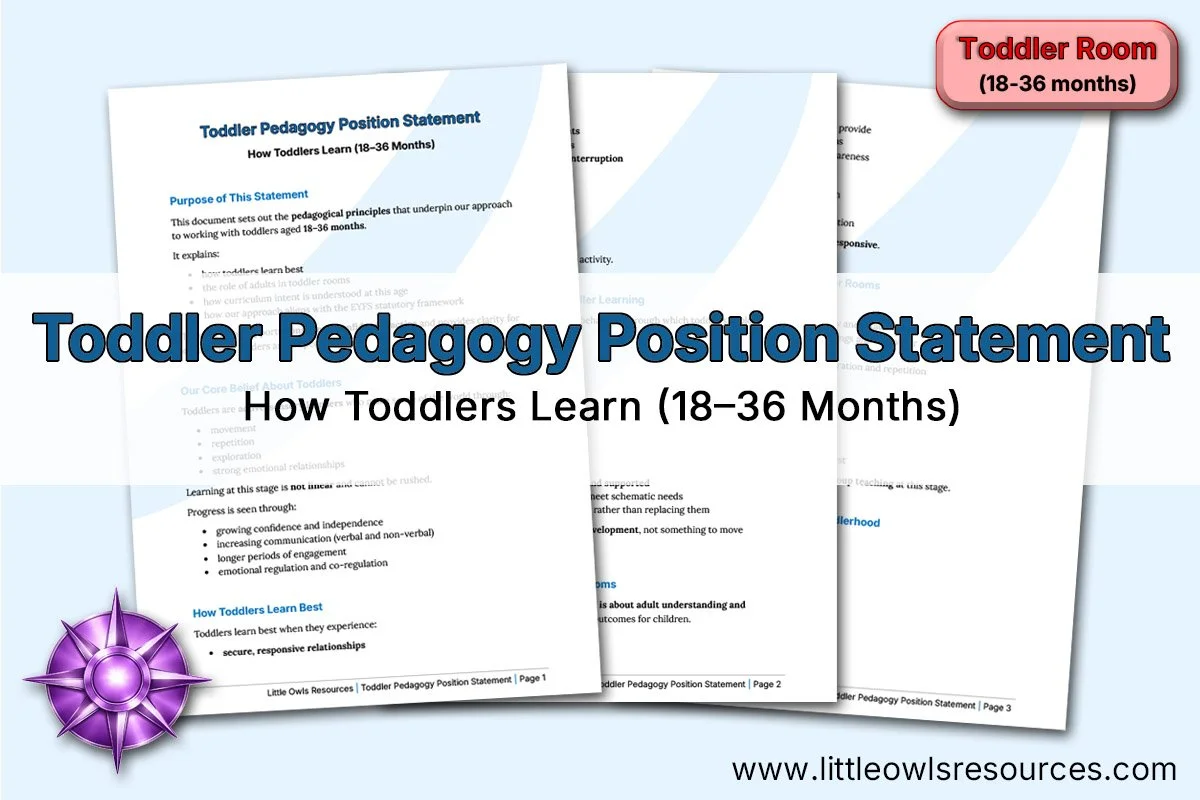
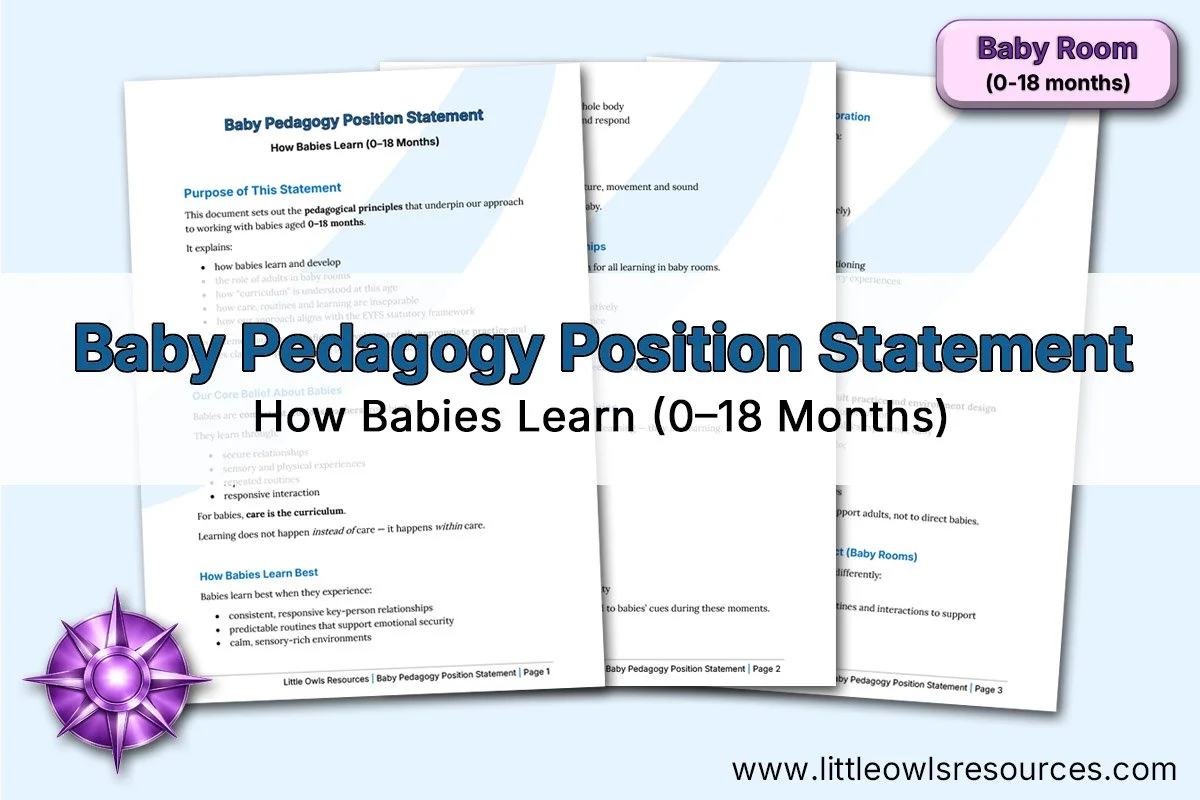
Below you will find a selection of guidance documents from within our Little Owls Resources ‘Curriculum & Pedagogy’ area which explore this concept (& its age-specific application within EYFS settings) in greater depth.
[For additional documents please visit our support pathways: Baby | Toddler | Preschool | Reception | Mixed-Age]







Further Guidance | Related Resources within our ‘Printable Provision’ area:
Disclaimer
The information provided in this glossary is intended to support understanding of terminology commonly used within the Early Years Foundation Stage (EYFS). It does not constitute official guidance and should not be considered a substitute for the EYFS Statutory Framework or other Department for Education publications.
Terminology and interpretations may vary between settings and professional contexts.