
EYFS definition
Deep-level engagement describes a child becoming strongly absorbed and mentally involved in an experience. In the EYFS, practitioners may use the phrase when a child shows sustained interest, explores possibilities and returns to a meaningful challenge, rather than simply appearing occupied.
How does it relate to involvement?
The phrase is often connected with involvement in Ferre Laevers’ Experiential Education approach. That approach considers children’s focused interest alongside emotional wellbeing when reflecting on their experiences.
Deep engagement is more than a particular posture or amount of time. A child may be thinking intensely while moving, talking or handling materials. Sitting quietly alone does not establish what they are thinking or learning.
What might it look like in practice?
A child repeatedly changes a water channel to find a route around an obstacle. They watch the result closely, adjust a section and try again. Another child becomes absorbed in a pretend story, adding ideas and negotiating what happens next.
Babies may show close attention through looking, reaching and returning to an object or interaction. The visible signs vary with the child and the experience.
How might adults use these observations?
Adults may consider the interest, challenge, available support and conditions surrounding the activity. A quieter space, more time or a useful demonstration might help; at another moment, rest or reassurance may matter more.
The term describes an experience rather than a permanent quality of a child. Observations can inform discussion and provision, but one absorbed episode does not by itself establish lasting learning or require a particular scoring system.
Further Guidance | Related Documents
Explore resources connected with this term. Each card identifies the resource’s intended age group and access type.
Highlighted resource
-
 View resource
All Access
Self-Regulation & Learning Behaviours in Reception | 4-5 Years
Consider adult support for attention, persistence and learning behaviours in Reception.
Reception · practitioner guidance
View resource details →
This selection is being reviewed. Please use the resource gateways below.
Related resources
Scroll sideways, focus the list and use your arrow keys, or use the buttons.
-
 View resource
All Access
Using Observation to Respond to Babies’ Needs | Babies (birth-18 months)
Explore ways of noticing babies’ cues and adapting adult responses.
Babies · practitioner guidance
View resource details → -
 View resource
All Access
Toddler Narrative Observation & Analysis Template (18–36 Months)
Use an optional narrative format to separate what is observed from possible interpretations.
Toddlers · optional observation support
View resource details → -
 View resource
All Access
Autumn Explore and Investigate Prompt Cards
Choose prompts that connect with children’s interest in noticing, comparing and testing outdoors.
Preschool & Reception · adapt to the children
View resource details → -
 View resource
Free Access
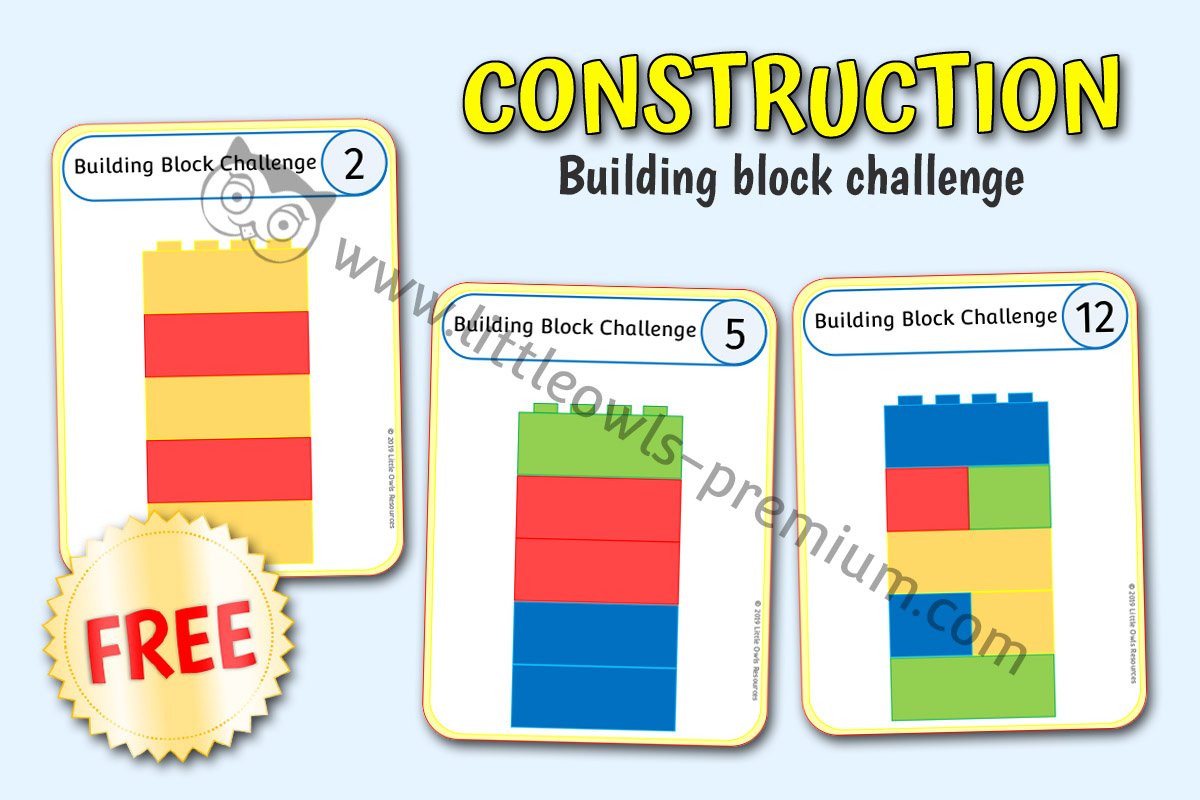
Building Block Patterns — Free Sample
Offer a construction challenge involving careful looking, comparison and adjustment.
Preschool & Reception · optional free sample
View free resource →
This selection is being reviewed. Please use the resource gateways below.
Find practical resources for your setting
Start with an age gateway
Useful routes into practice
- Observation & assessment
Find practical support for understanding what children show in everyday activity.
- Construction & building
Explore materials for investigating, refining and returning to ideas.