
Part of the EYFS Glossary
This article forms part of our EYFS Glossary of Early Years Education Terms, which explains key curriculum, pedagogy, and assessment language used in early years practice.
Cognitive Challenge refers to learning experiences that encourage children to think deeply, explore ideas, solve problems, and extend their understanding.
What is Cognitive Challenge?
Cognitive challenge describes situations where children are encouraged to think beyond their current understanding. Rather than simply completing tasks, children are supported to explore ideas, investigate possibilities, and develop their reasoning.
In early years contexts, cognitive challenge often emerges during play, exploration, and conversation. Children may encounter situations where they need to make decisions, test ideas, or solve problems.
These experiences support the development of thinking skills that help children make sense of their experiences and learning.
Cognitive Challenge in Early Years Learning
In early years settings, cognitive challenge is usually developmentally appropriate and connected to children’s interests and experiences. Rather than presenting formal academic problems, practitioners create opportunities that encourage curiosity and investigation.
For example, children might:
experiment with materials during construction play
explore cause and effect
predict what might happen in a situation
compare different solutions to a problem
These experiences help children develop reasoning, problem-solving, and flexible thinking.
How Practitioners Support Cognitive Challenge
Practitioners can support cognitive challenge through interactions and environments that encourage exploration and thinking.
This may include:
asking open-ended questions
encouraging children to explain their ideas
providing resources that allow multiple solutions
extending children’s thinking through conversation
encouraging experimentation and investigation
These interactions help children deepen their understanding and develop confidence in exploring ideas.
Cognitive Challenge Through Play and Exploration
Play provides natural opportunities for cognitive challenge because children are often experimenting, solving problems, and exploring ideas.
For example, children may:
work out how to balance objects
build structures during construction play
explore how materials behave
negotiate roles during imaginative play
Practitioners may observe these situations and support children’s thinking through discussion and shared exploration.
Cognitive Challenge and Children’s Thinking
Cognitive challenge helps support the development of children’s thinking processes. When children encounter situations that require them to reflect, reason, or reconsider ideas, they begin to develop strategies for problem-solving and exploration.
These experiences contribute to the development of thinking skills that support learning across the early years.
Common Questions About Cognitive Challenge
-
Yes. In early years contexts, cognitive challenge focuses on encouraging curiosity, exploration, and problem-solving rather than presenting formal academic tasks.
-
Experiences that challenge children’s thinking help develop reasoning skills, persistence, and confidence in exploring new ideas.
-
Yes. Many opportunities for cognitive challenge emerge naturally during play as children explore materials, investigate ideas, and solve problems.
Summary
Cognitive challenge refers to experiences that encourage children to think deeply, explore ideas, and solve problems. Through play, interaction, and exploration, children develop thinking skills that support learning across the Early Years Foundation Stage.
Related Glossary Terms
The following glossary entries are closely related to Cognitive Challenge and provide additional context:
Stretch and Challenge (EYFS-Appropriate)
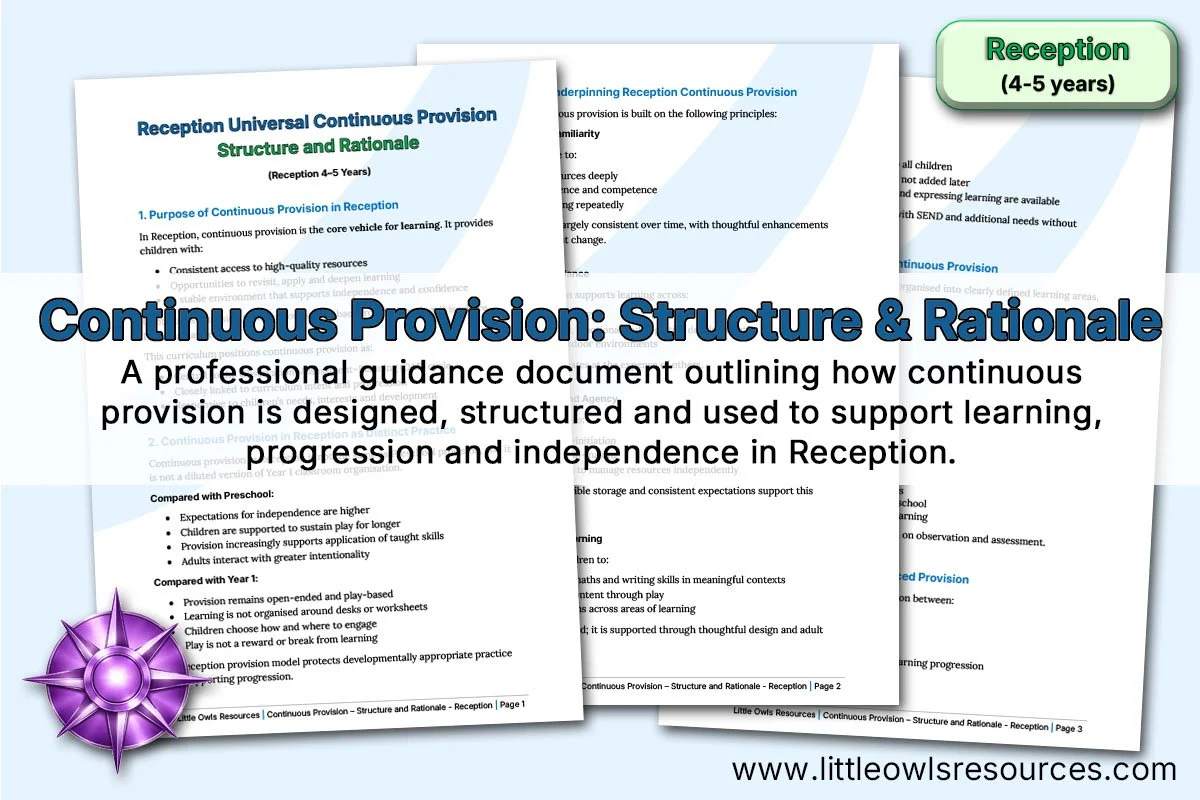
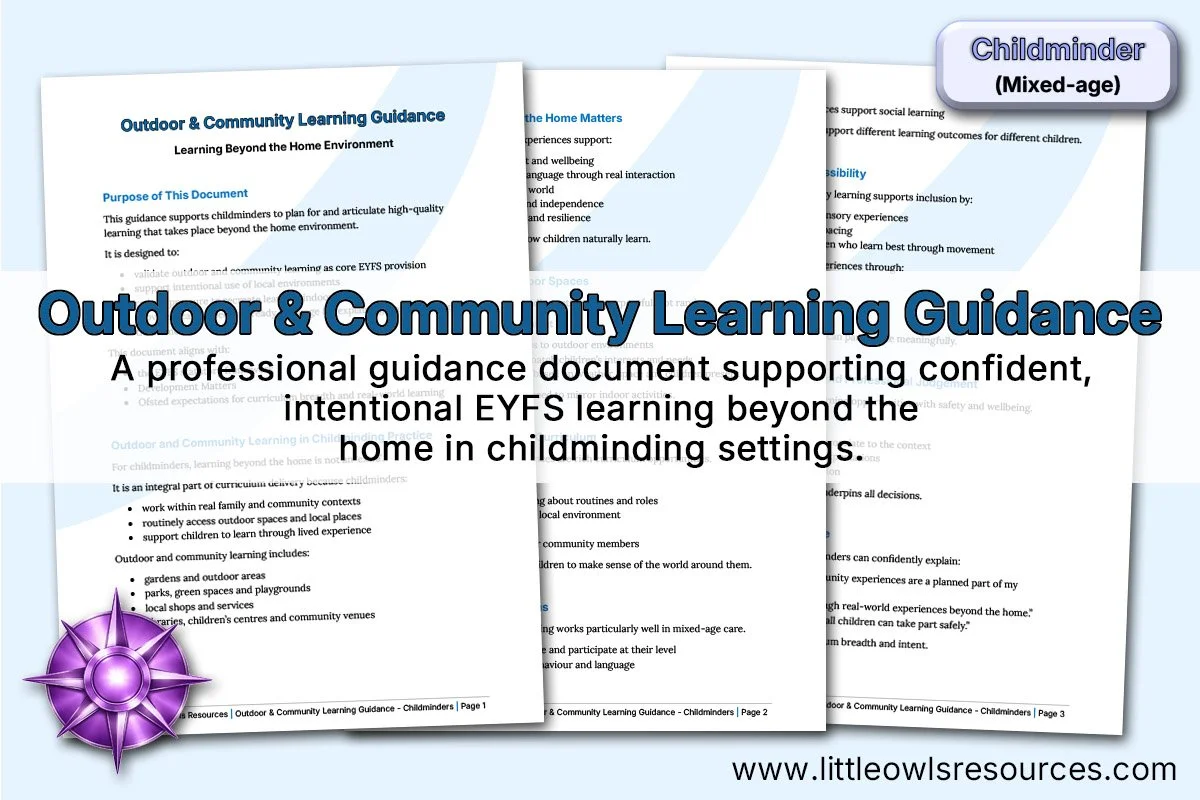
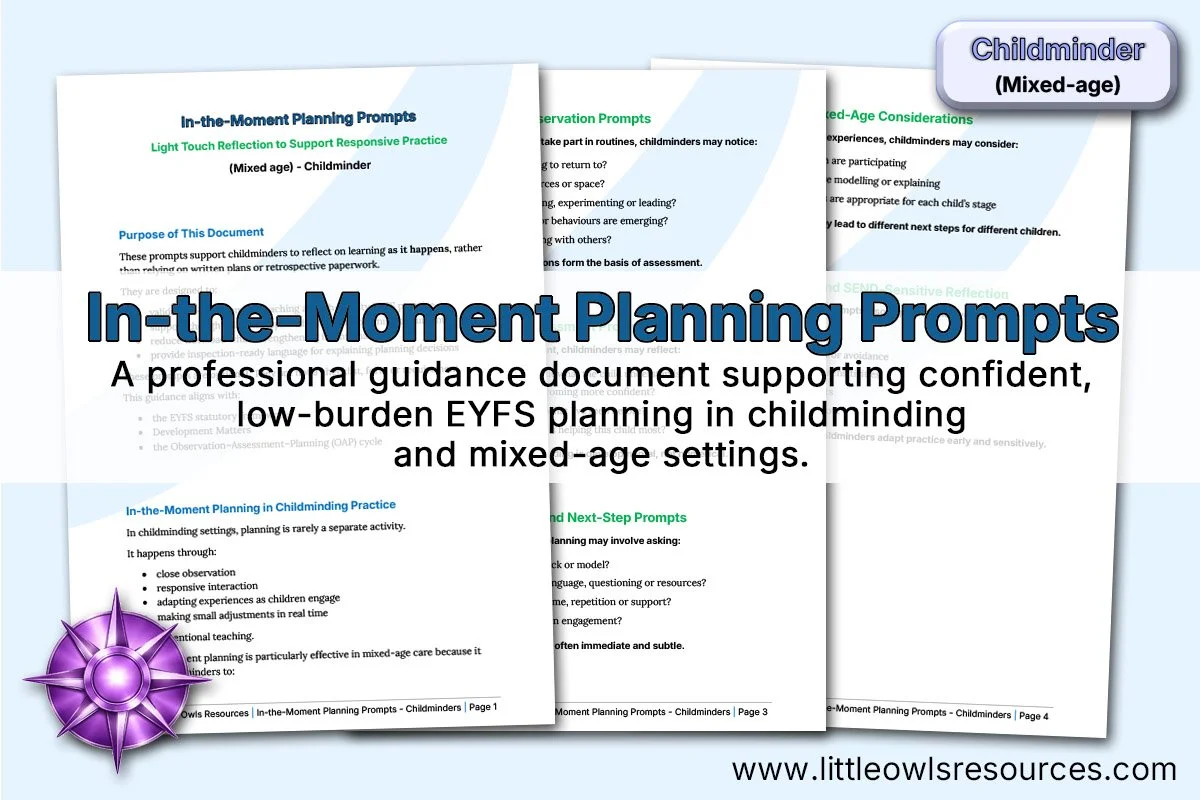
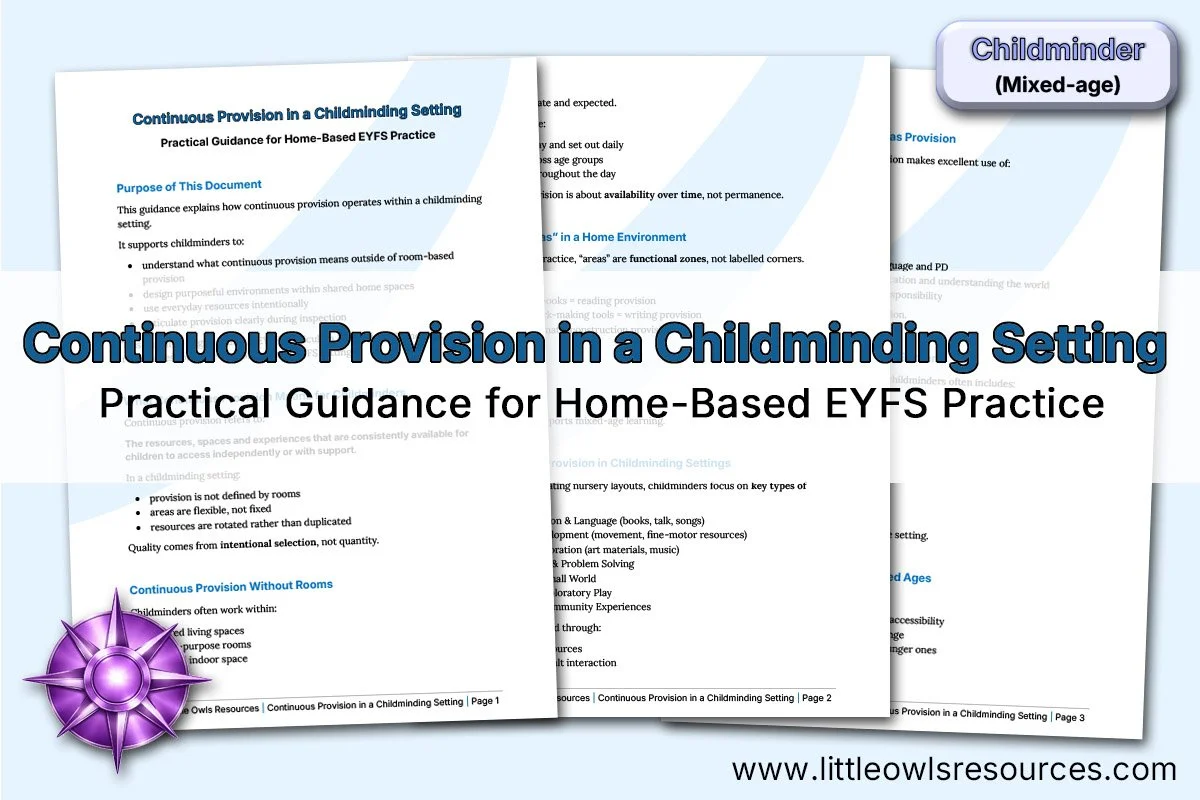
Further Guidance | Related Documents within our ‘EYFS Curriculum & Pedagogy’ suite:
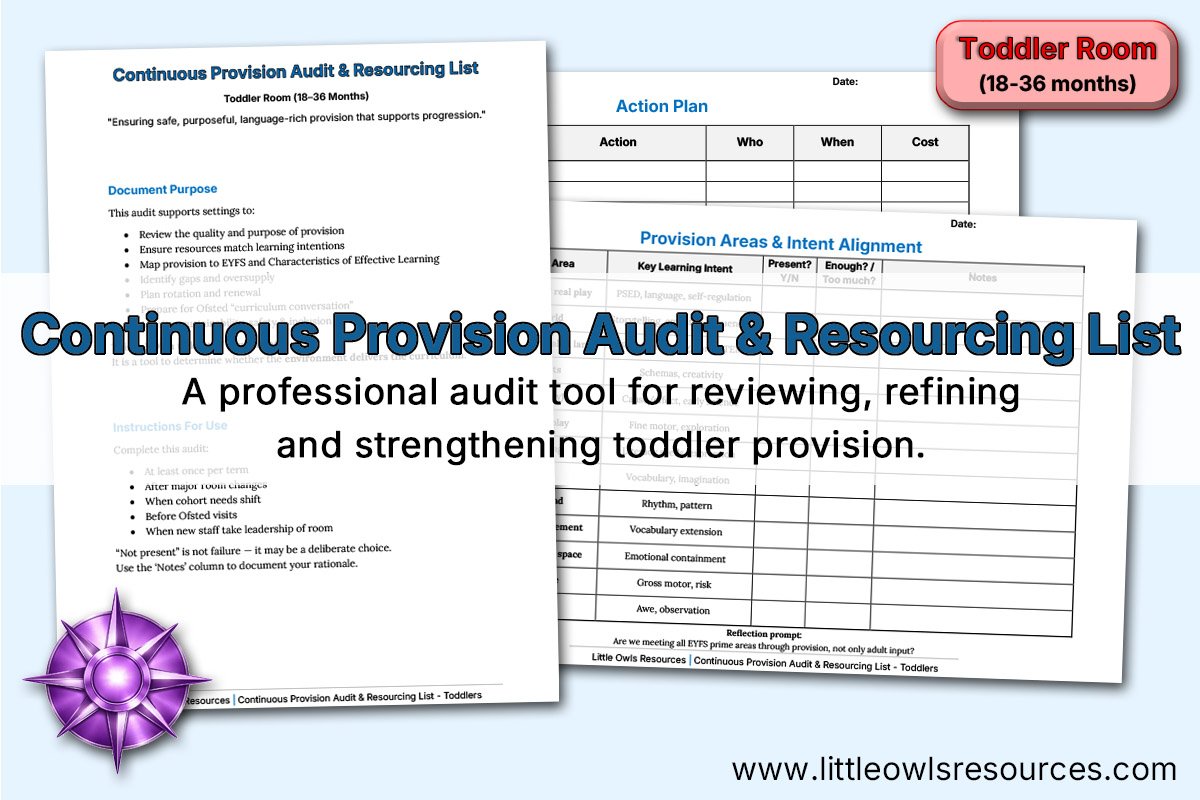
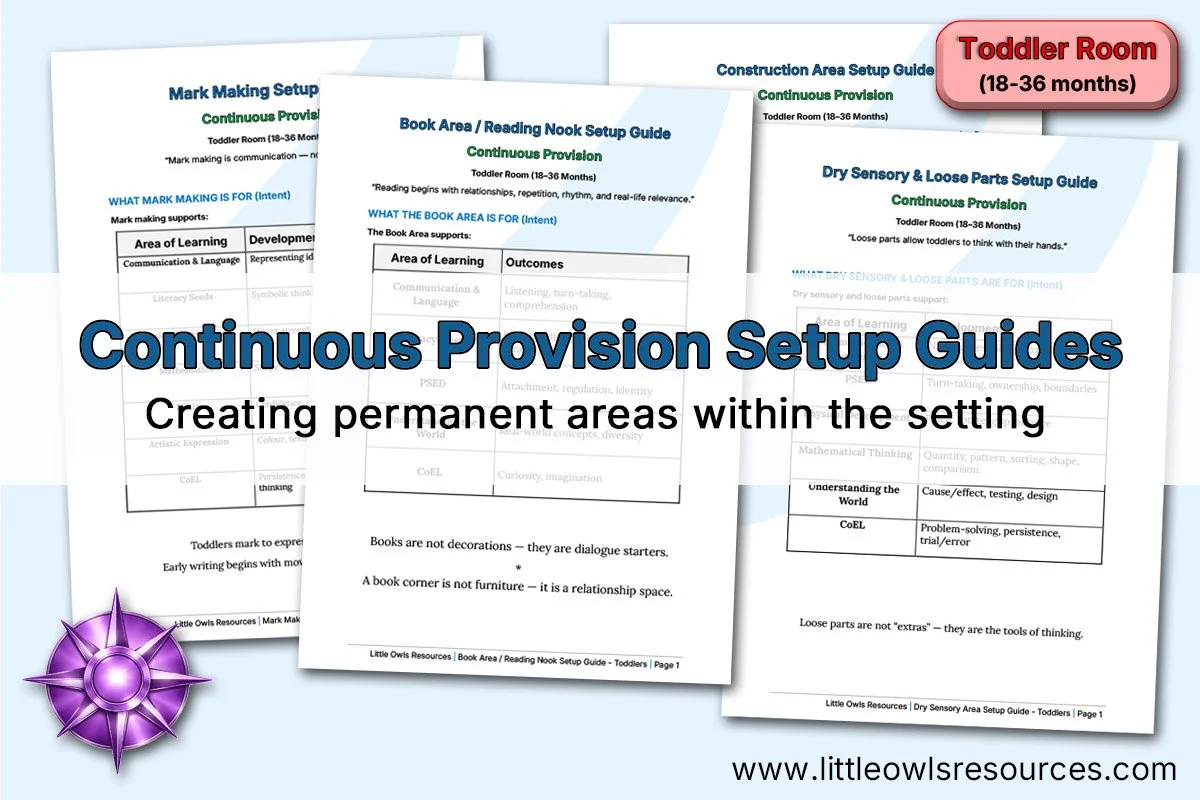
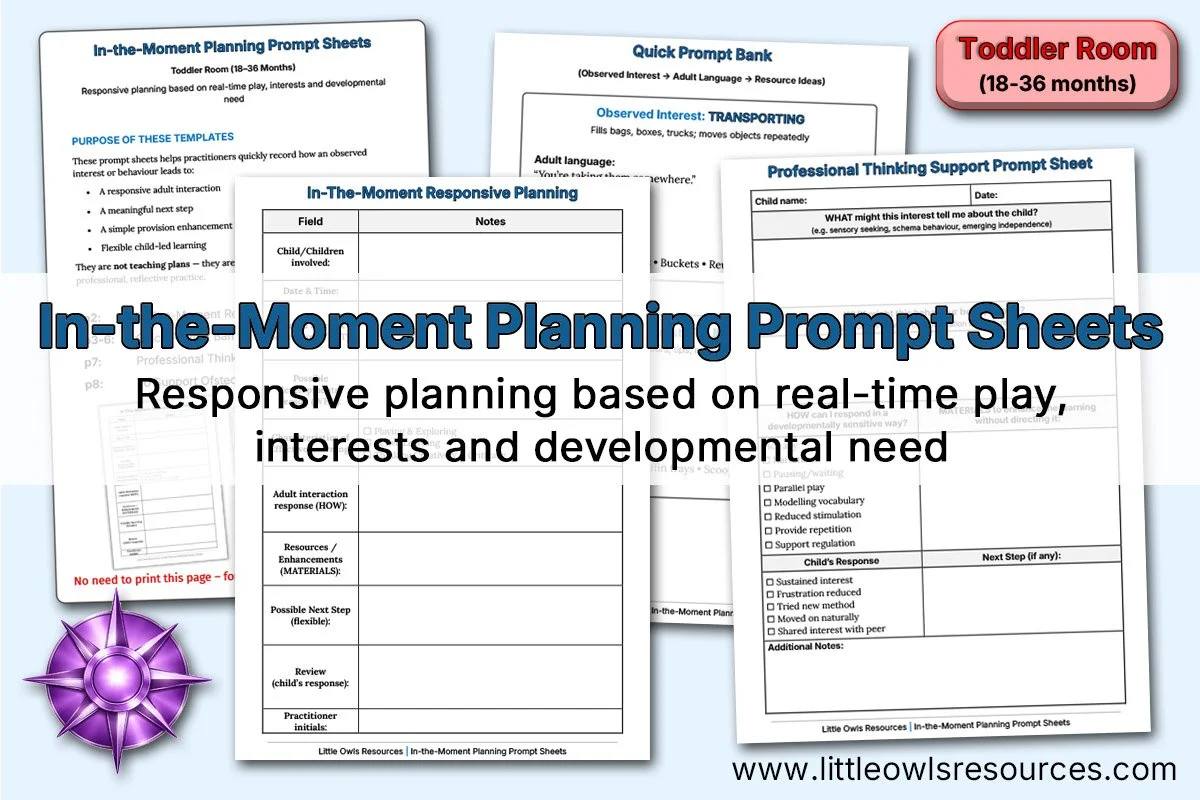
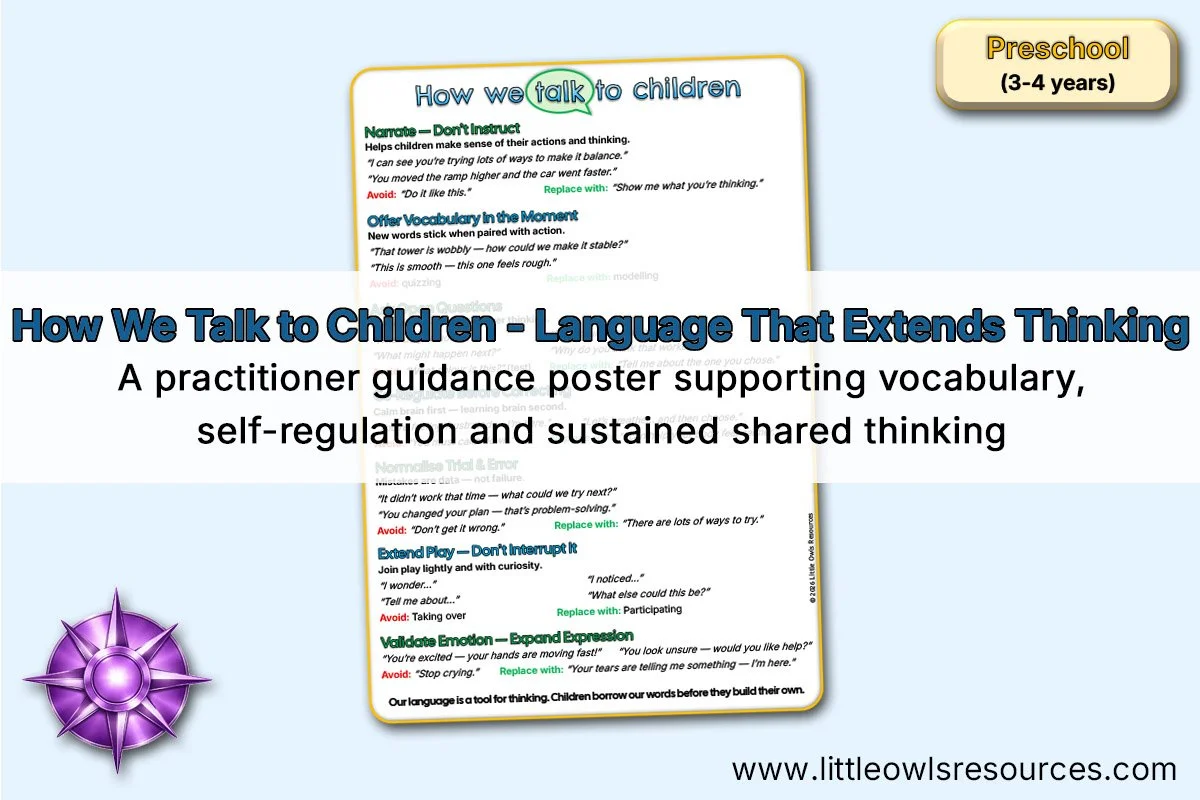
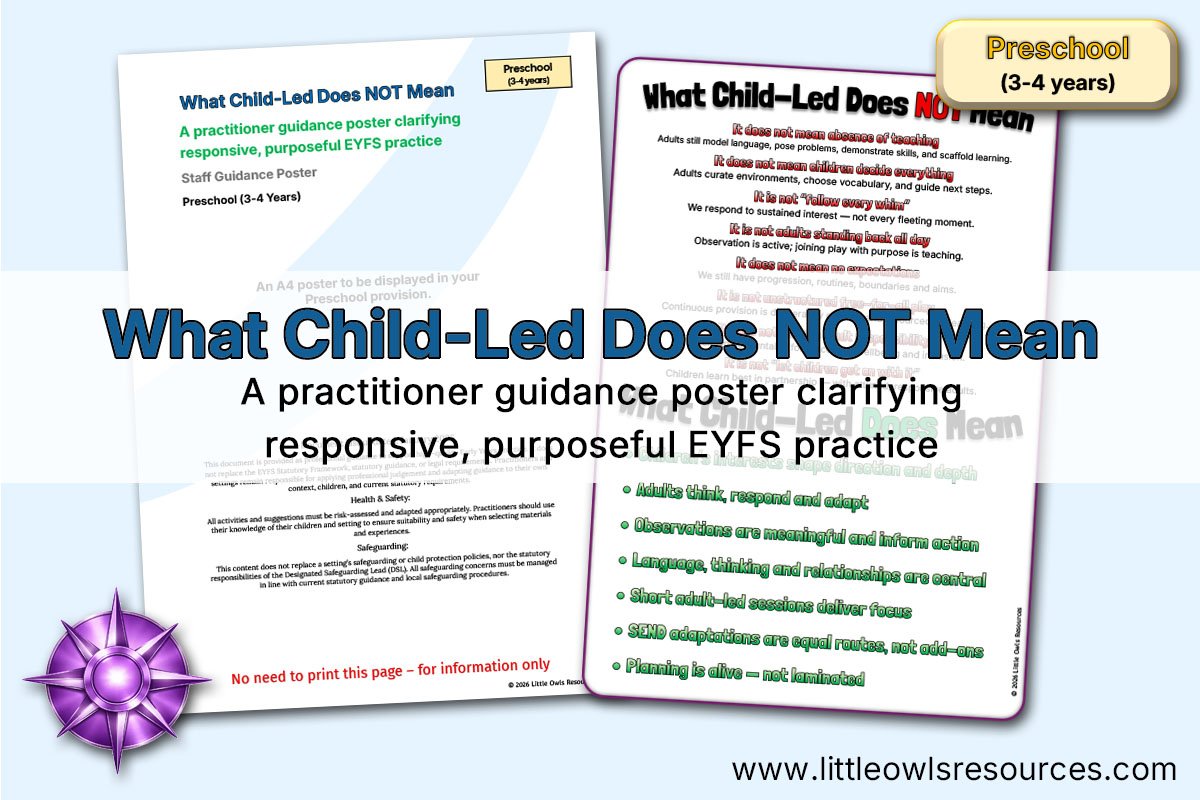
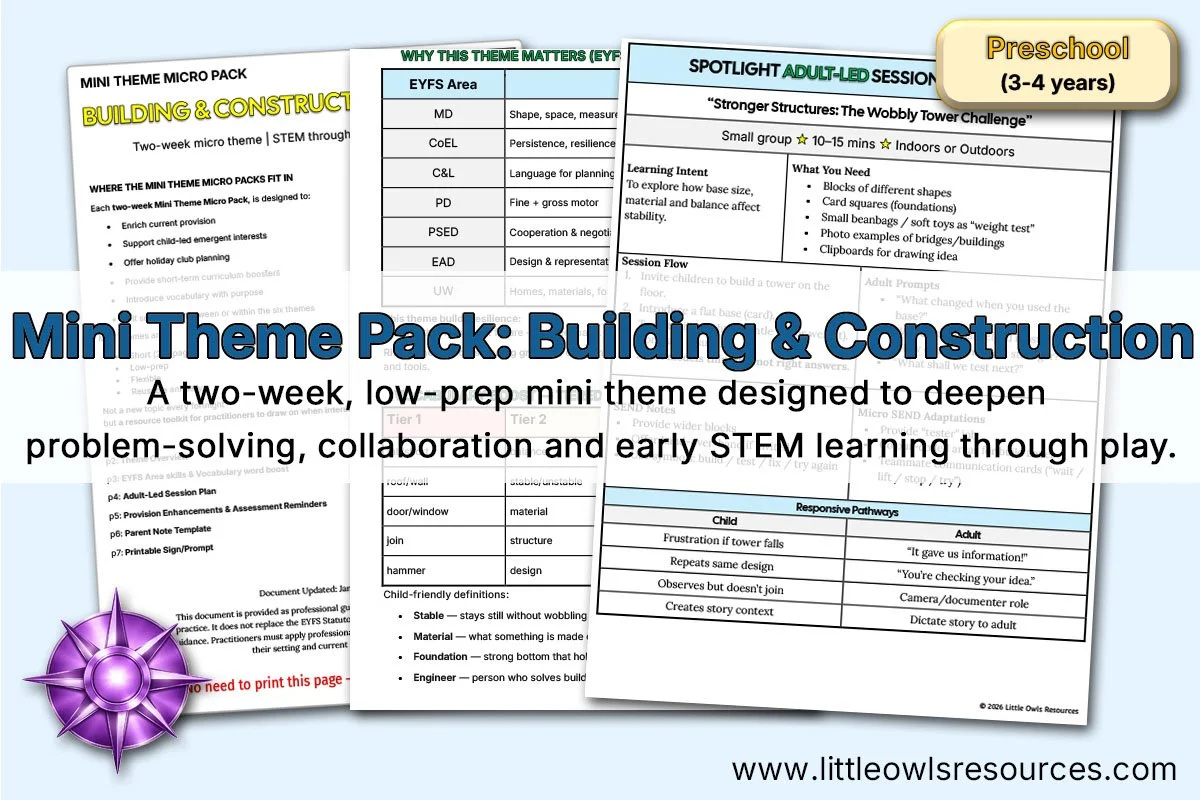
Below you will find a selection of guidance documents from within our Little Owls Resources ‘Curriculum & Pedagogy’ area which explore this concept (& its age-specific application within EYFS settings) in greater depth.
[For additional documents please visit our support pathways: Baby | Toddler | Preschool | Reception | Mixed-Age]
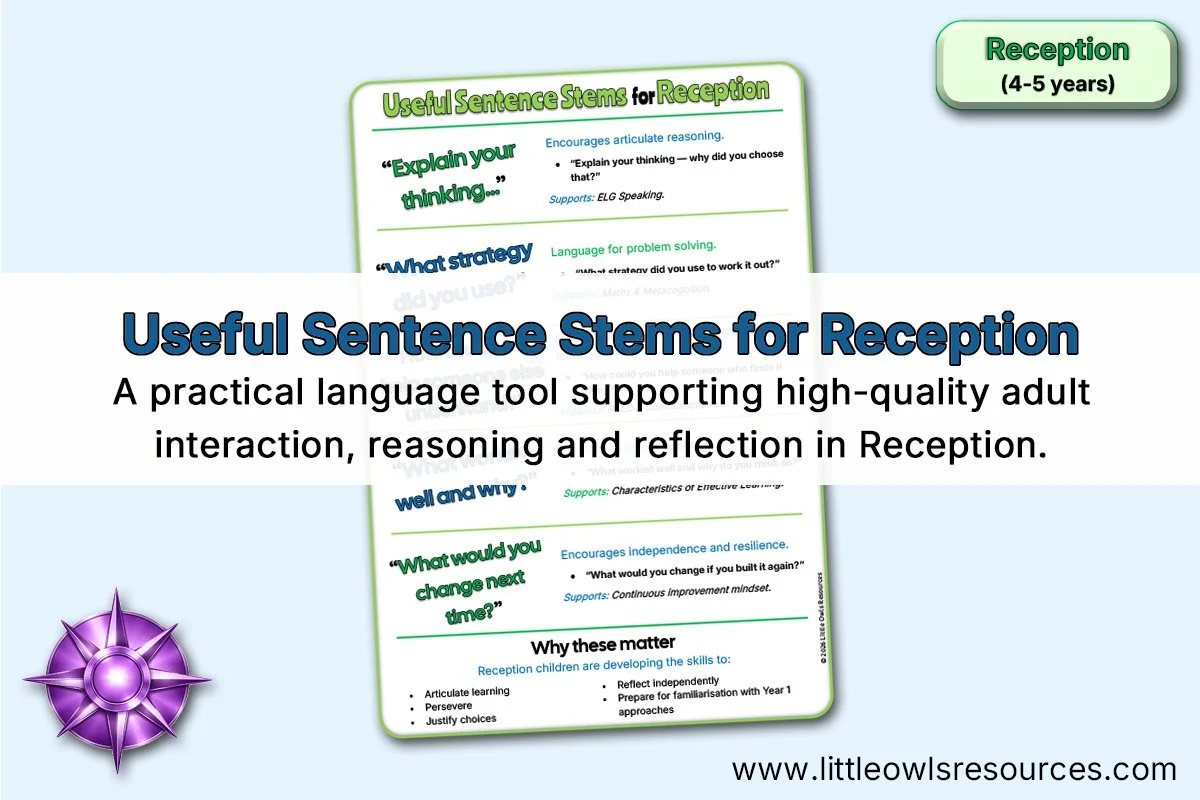
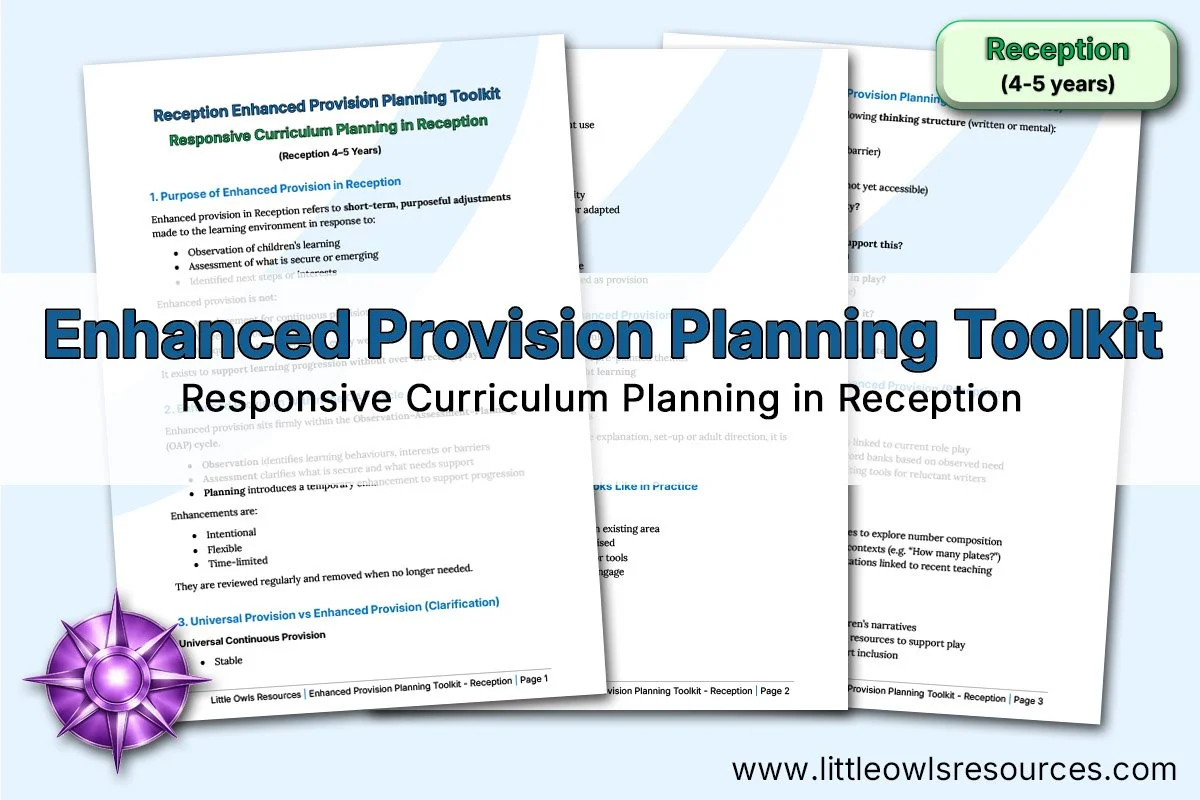
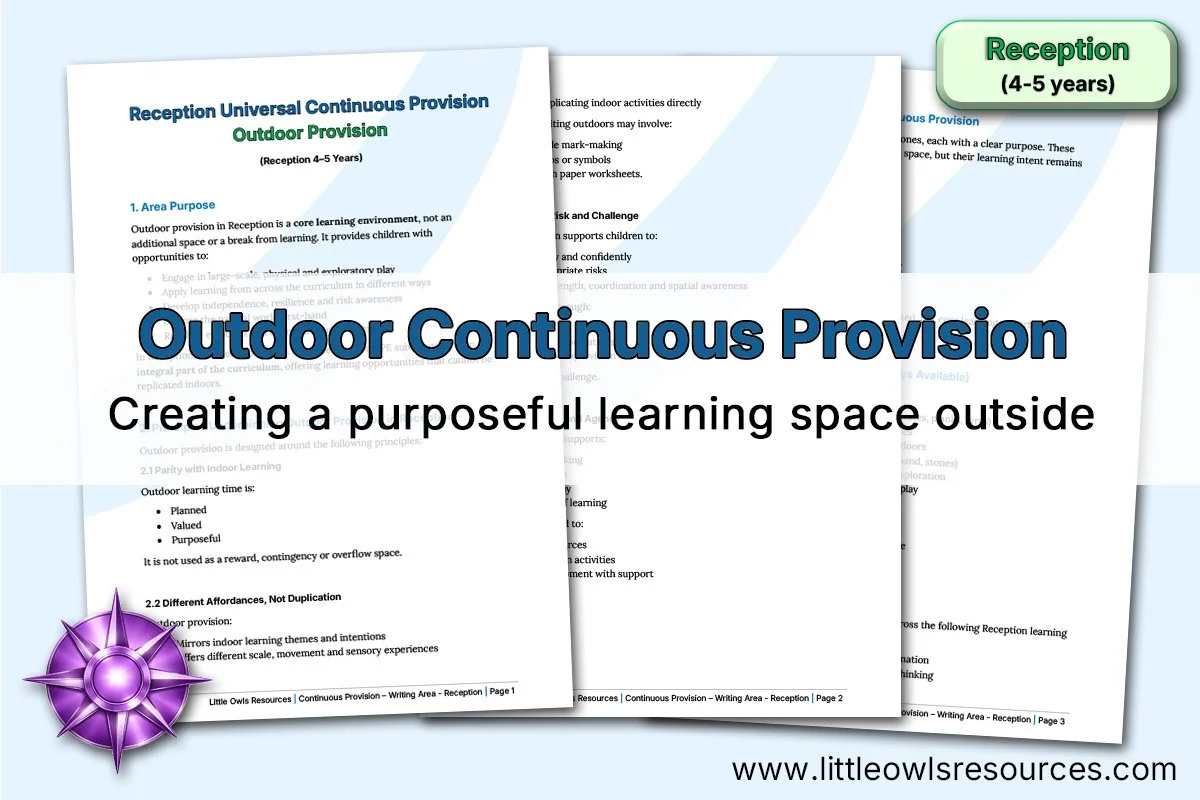

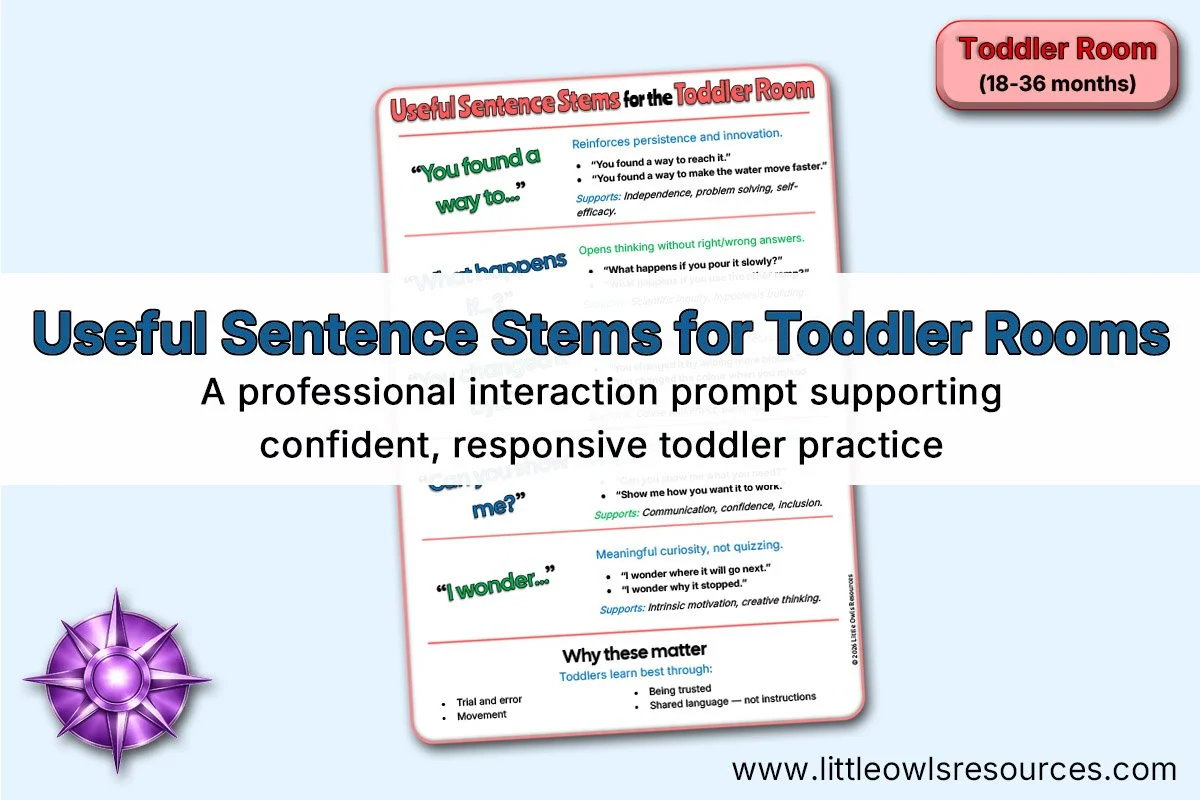
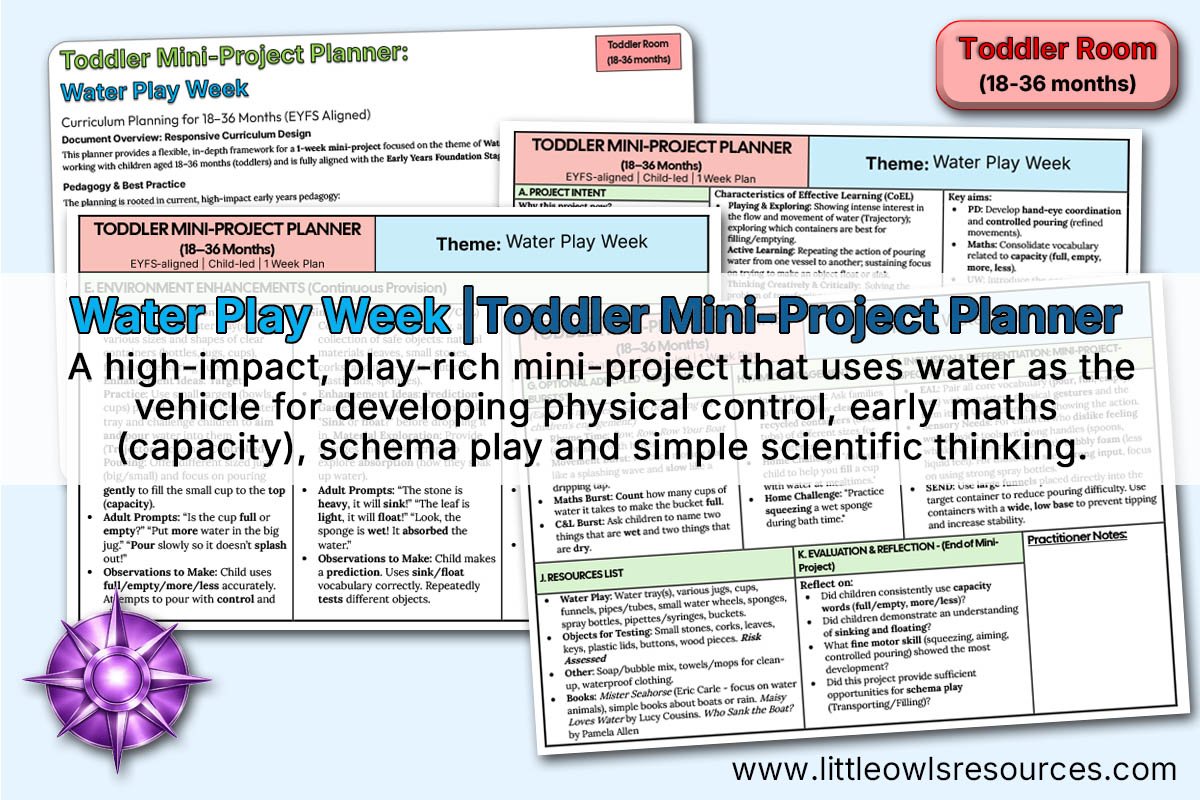

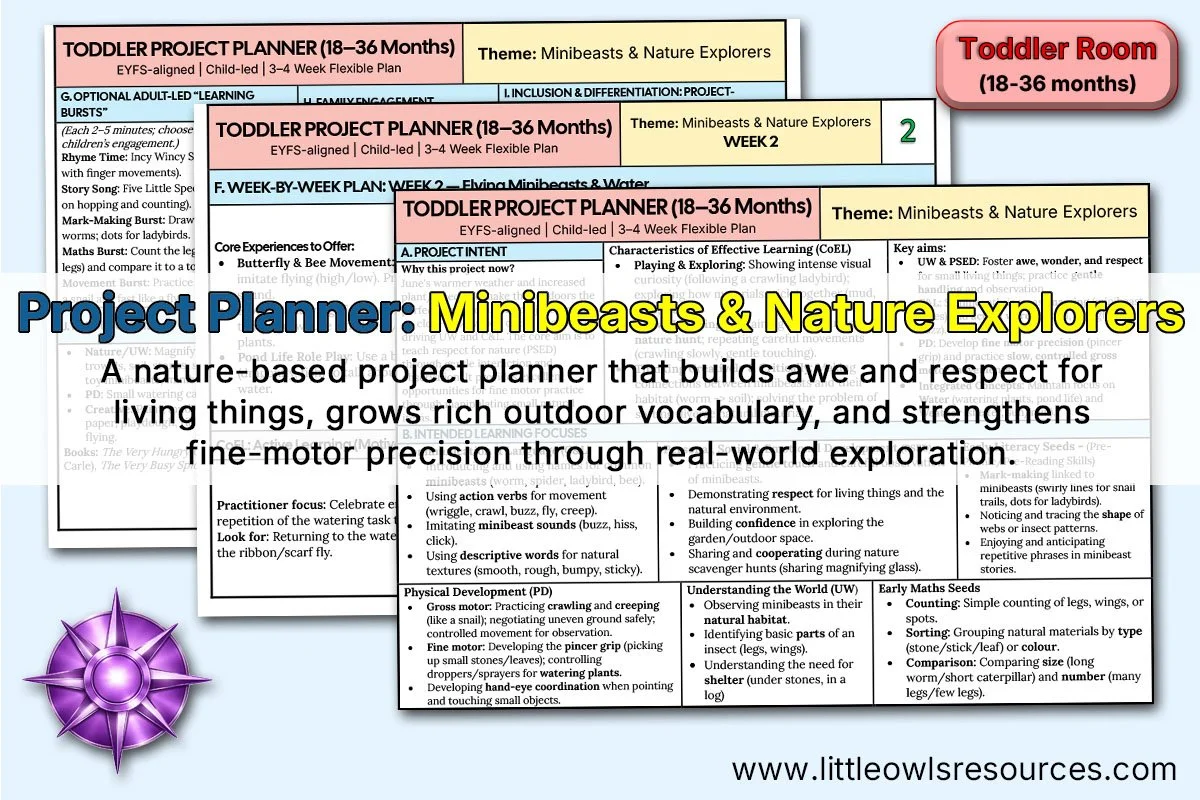
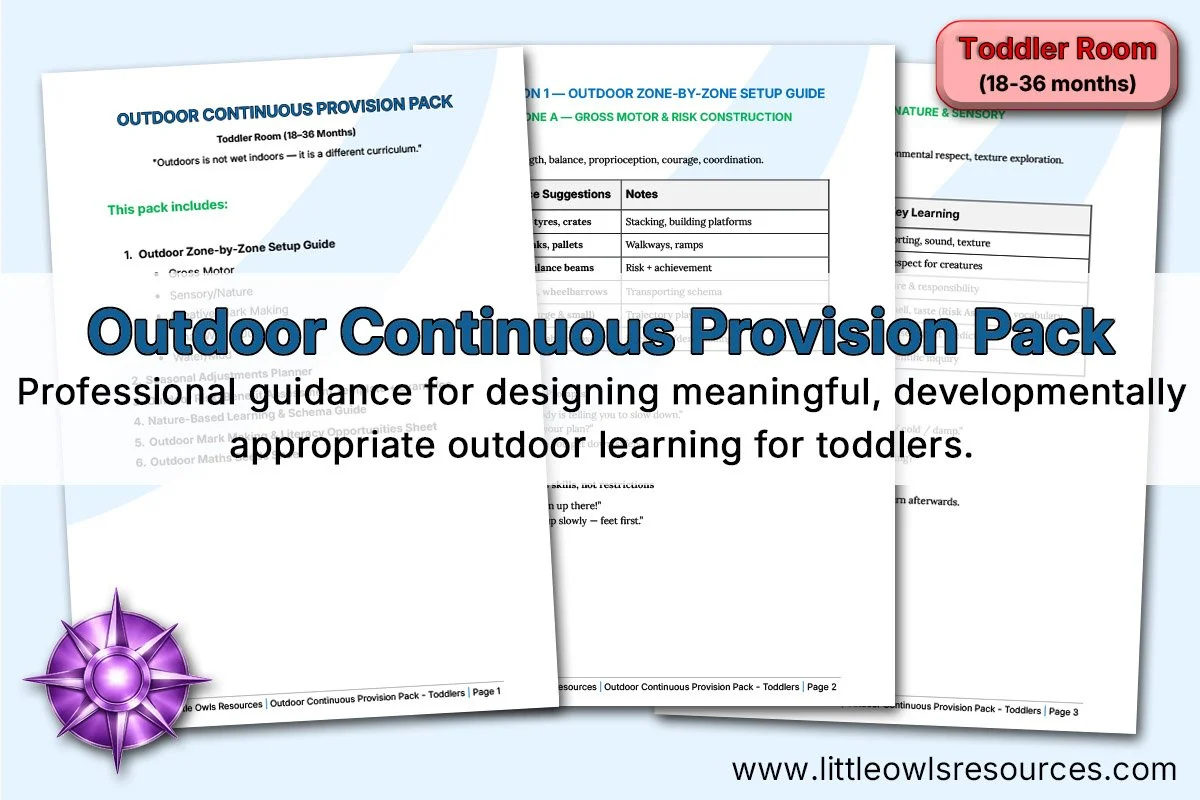



Further Guidance | Related Resources within our ‘Printable Provision’ area:
Related resources from within our Premium Printable Resources ‘STEM’ collection.


Disclaimer
The information provided in this glossary is intended to support understanding of terminology commonly used within the Early Years Foundation Stage (EYFS). It does not constitute official guidance and should not be considered a substitute for the EYFS Statutory Framework or other Department for Education publications.
Terminology and interpretations may vary between settings and professional contexts.