
Part of the EYFS Glossary
This article forms part of our EYFS Glossary of Early Years Education Terms, which explains key curriculum, pedagogy, and assessment language used in early years practice.
Metacognition refers to awareness and understanding of one’s own thinking processes. In early years contexts, it involves helping children begin to reflect on how they approach problems, make decisions, and develop ideas.
What is Metacognition?
Metacognition refers to thinking about one’s own thinking. It involves recognising how ideas develop, how problems are solved, and how learning occurs.
In early years contexts, metacognition is not taught formally but develops gradually through interaction and reflection.
Metacognition in Early Years Contexts
Young children may demonstrate early forms of metacognition when they:
explain how they solved a problem
reflect on what worked or did not work
describe their thinking or decisions
consider alternative solutions
These experiences help children become more aware of their learning processes.
How Practitioners Support Metacognition
Practitioners can support metacognition through interaction and discussion.
Examples include:
encouraging children to explain their ideas
modelling thinking processes aloud
asking reflective questions
discussing different ways to approach a problem
These interactions help children begin to reflect on their learning.
Metacognition Through Conversation and Reflection
Conversations often play an important role in supporting metacognition. When practitioners discuss ideas and strategies with children, children may begin to recognise how they approach problems or tasks.
These experiences help children develop awareness of their thinking processes.
Metacognition and Children’s Learning
Metacognition can support children in developing confidence as learners. When children become more aware of how they approach learning, they may develop strategies for exploring ideas and solving problems.
These experiences contribute to children’s development as independent learners.
Common Questions About Metacognition
-
Yes. In early years contexts, metacognition develops gradually through conversation, reflection, and shared exploration rather than formal instruction.
-
Practitioners can support metacognition by encouraging children to talk about their thinking and reflect on their experiences.
-
Metacognition helps children become more aware of their learning processes and supports the development of problem-solving and reflective thinking.
Summary
Metacognition refers to awareness of one’s own thinking processes. In early years settings, practitioners support the early development of metacognition through conversation, reflection, and shared exploration.
Related Glossary Terms
The following glossary entries are closely related to Metacognition and provide additional context:
Stretch and Challenge (EYFS-Appropriate)
Further Guidance | Related Documents within our ‘EYFS Curriculum & Pedagogy’ suite:
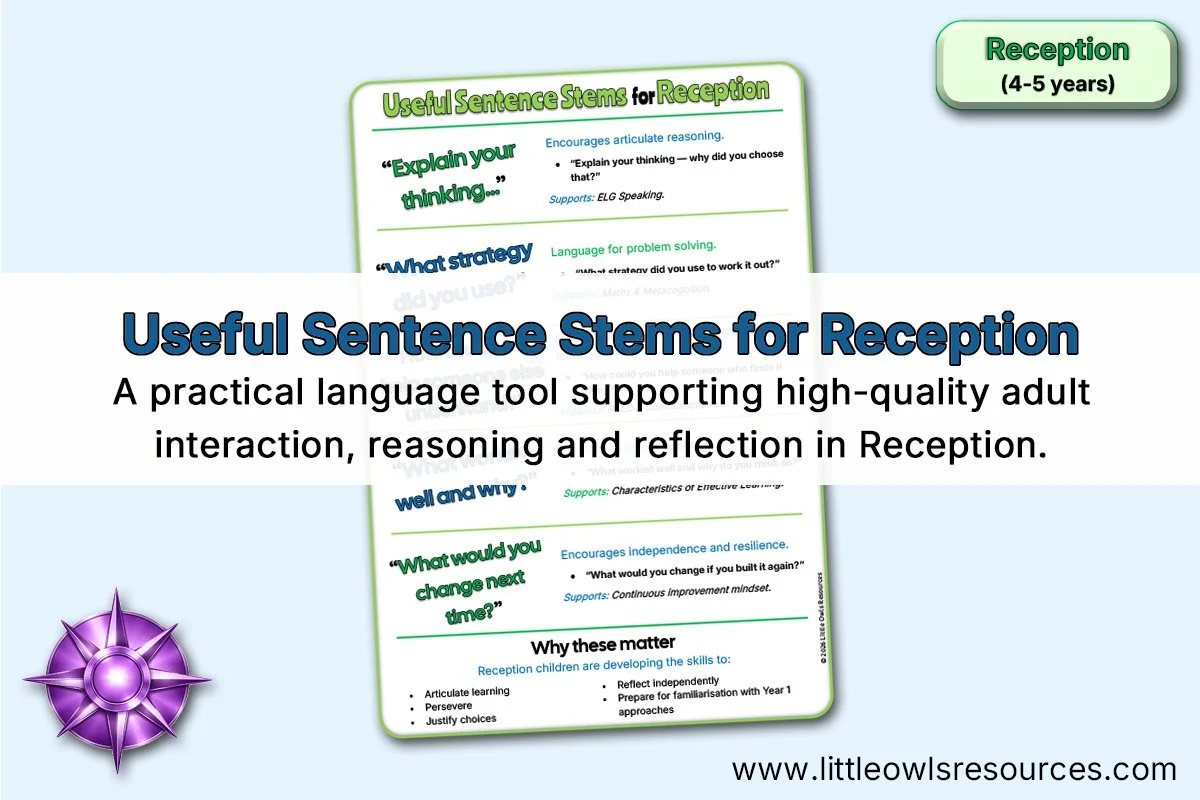
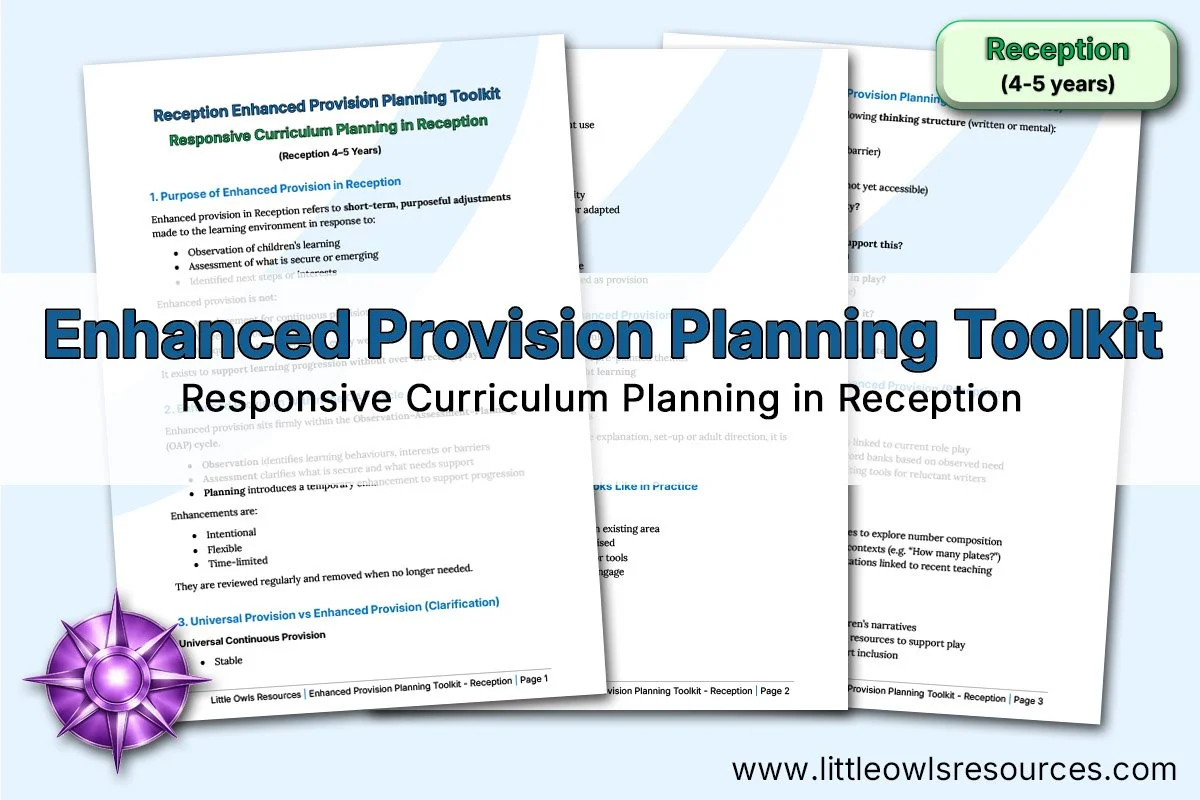
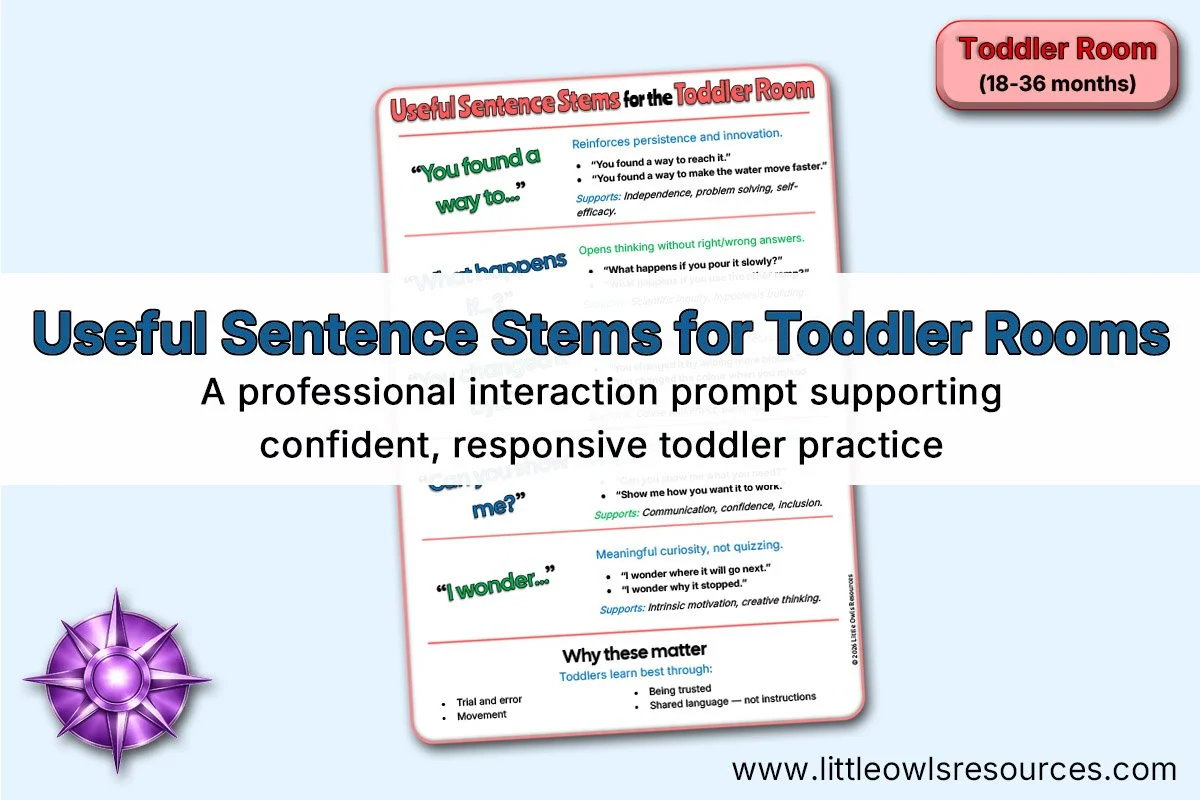
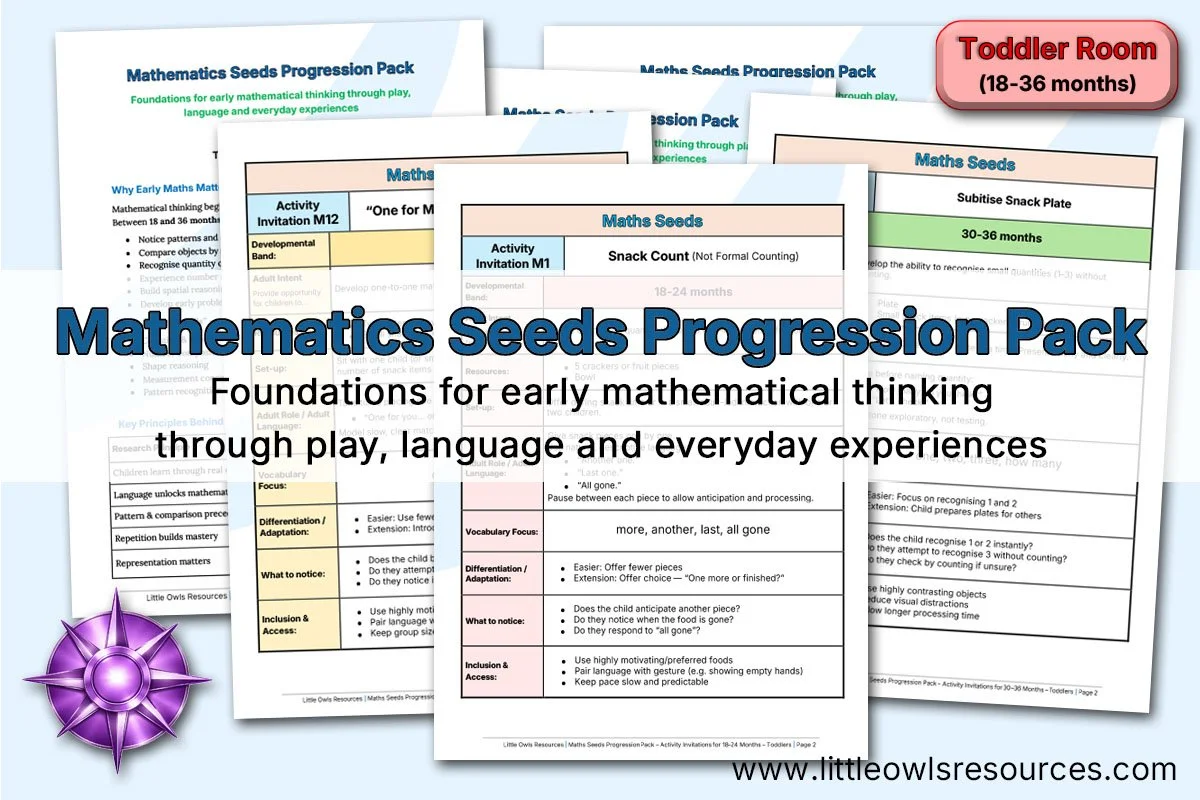
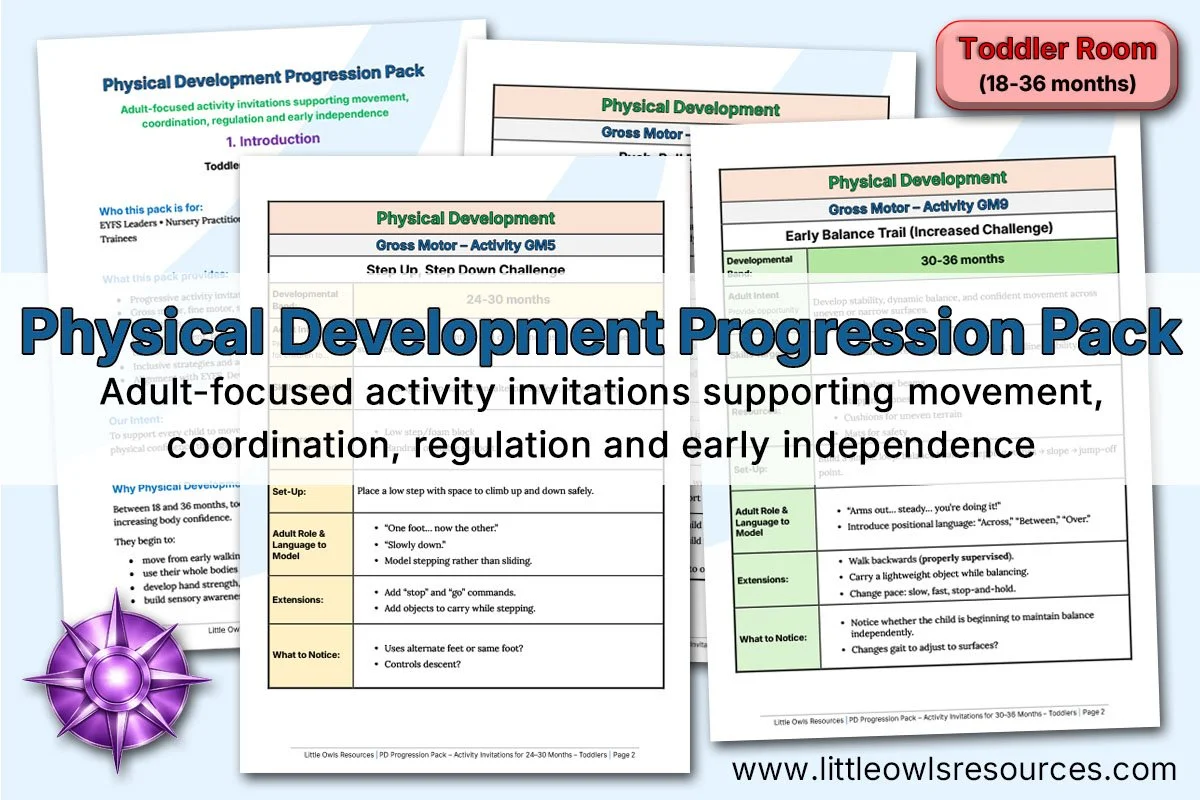
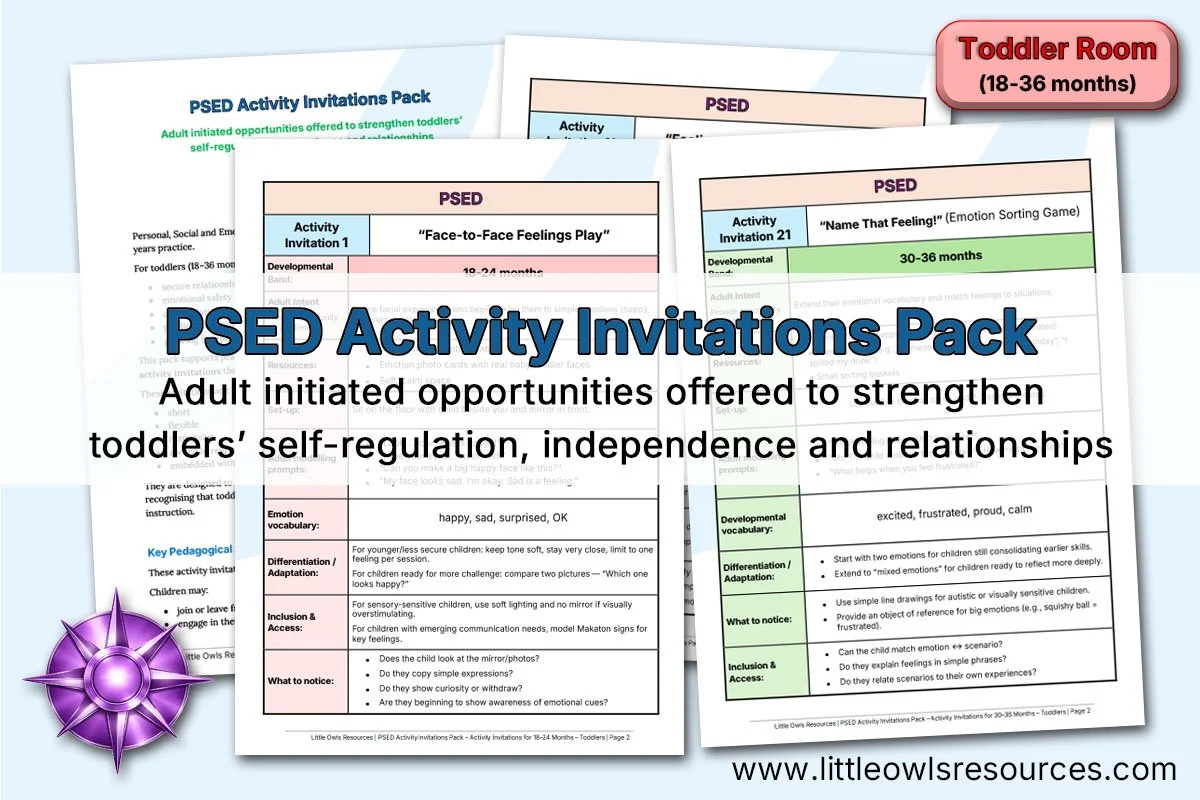
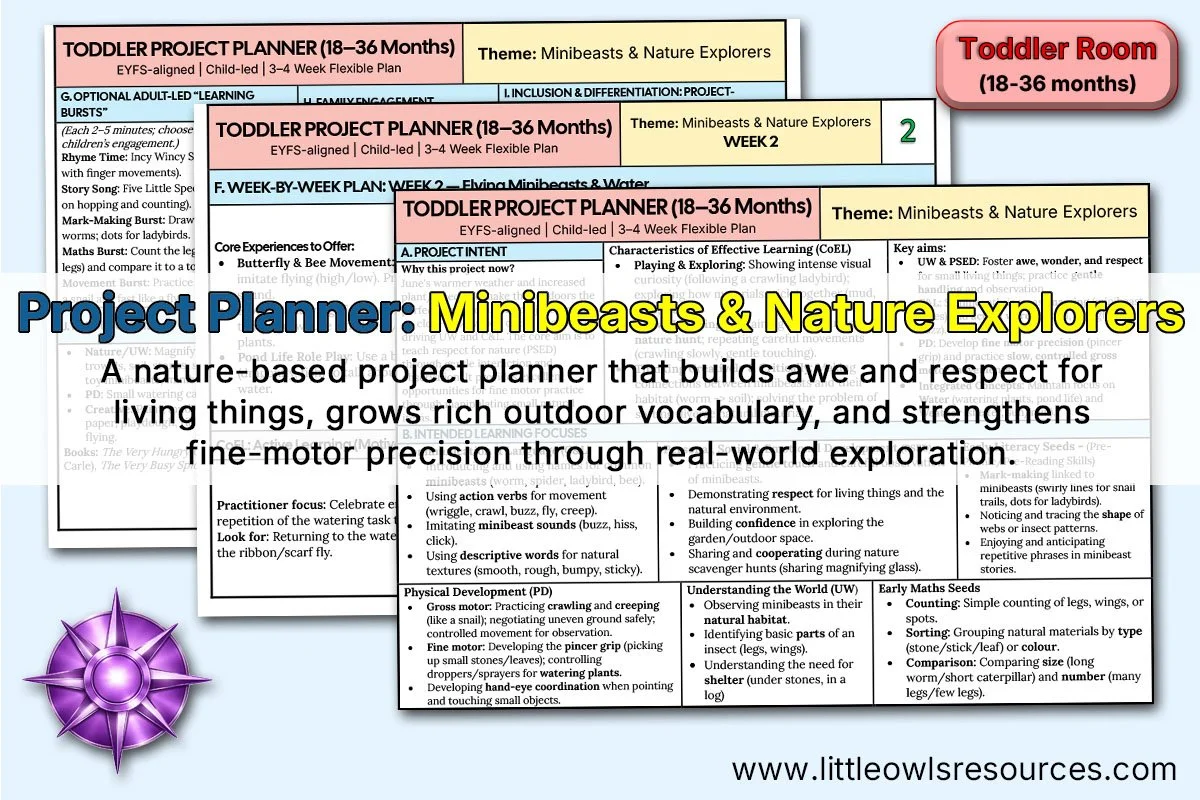
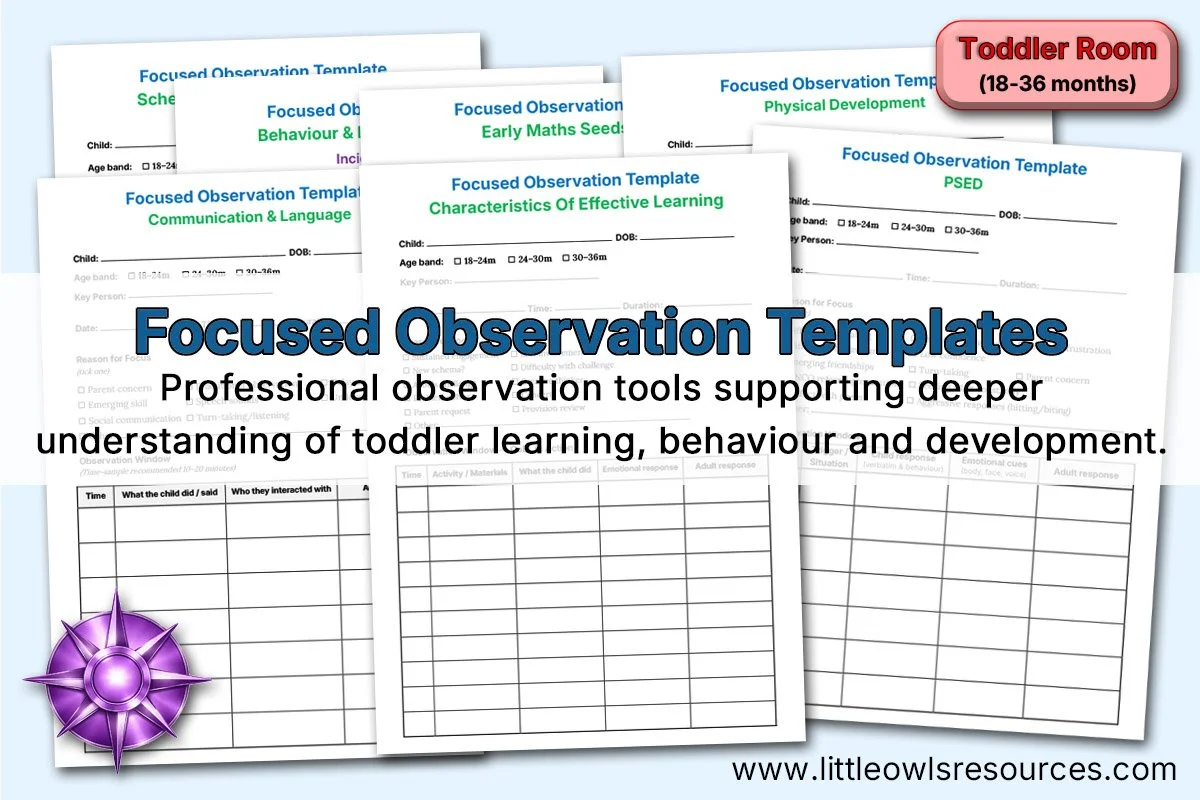
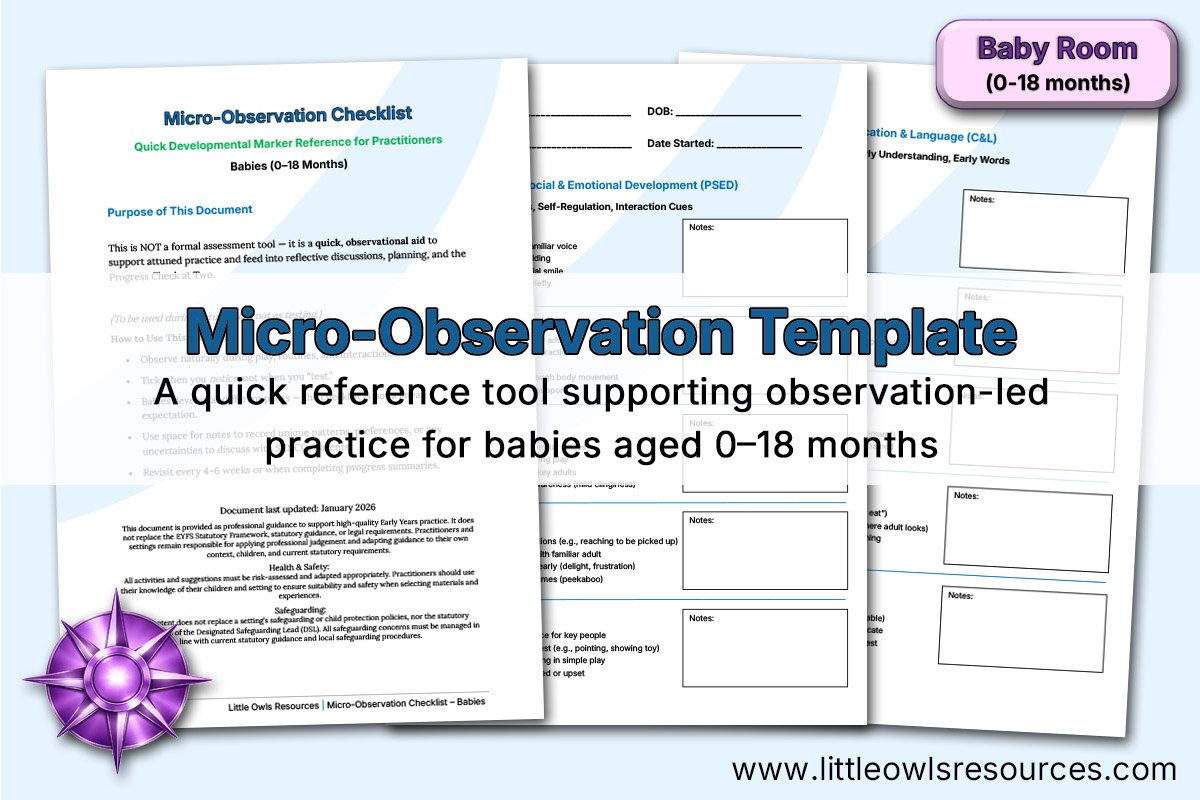
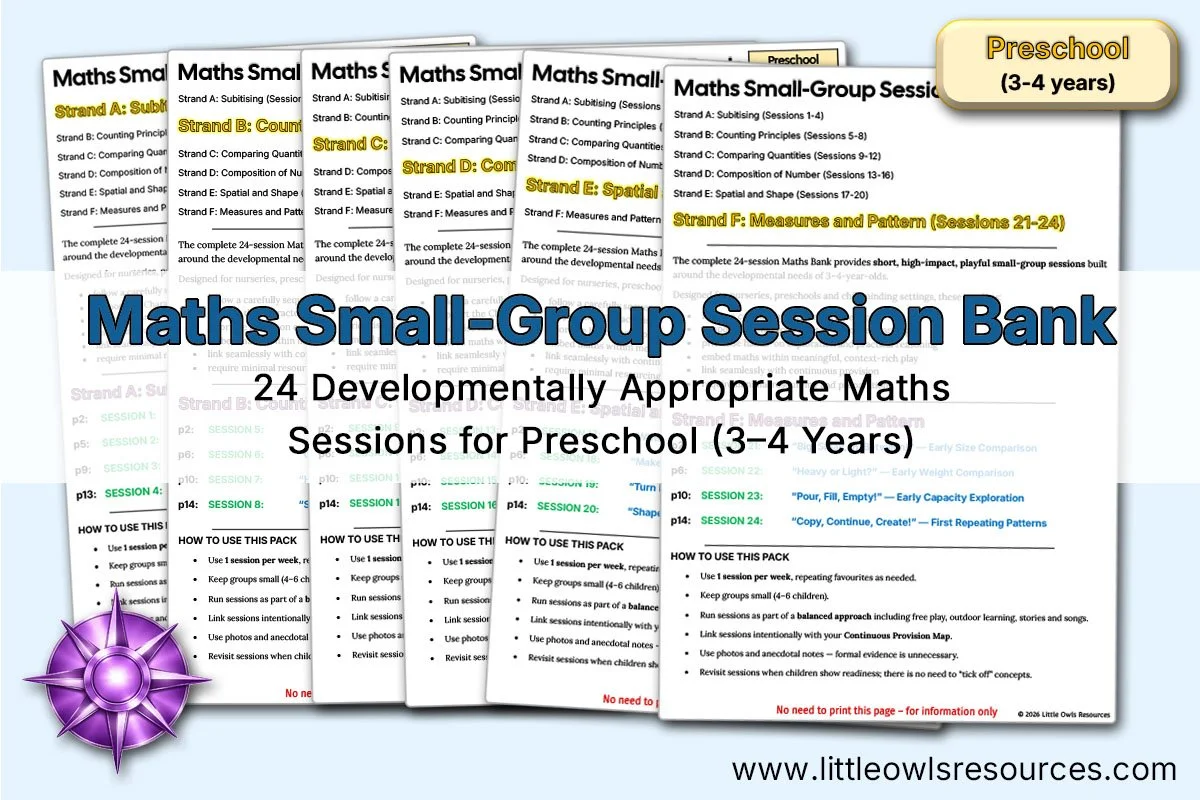
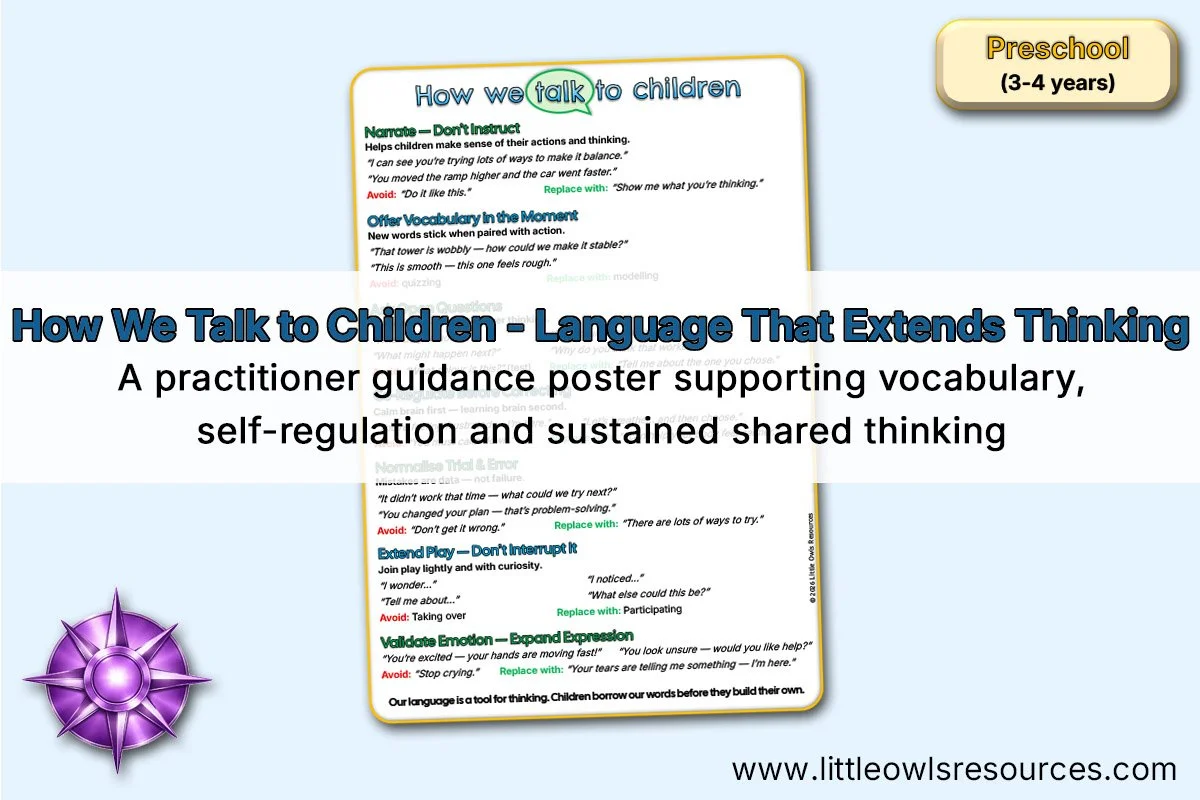
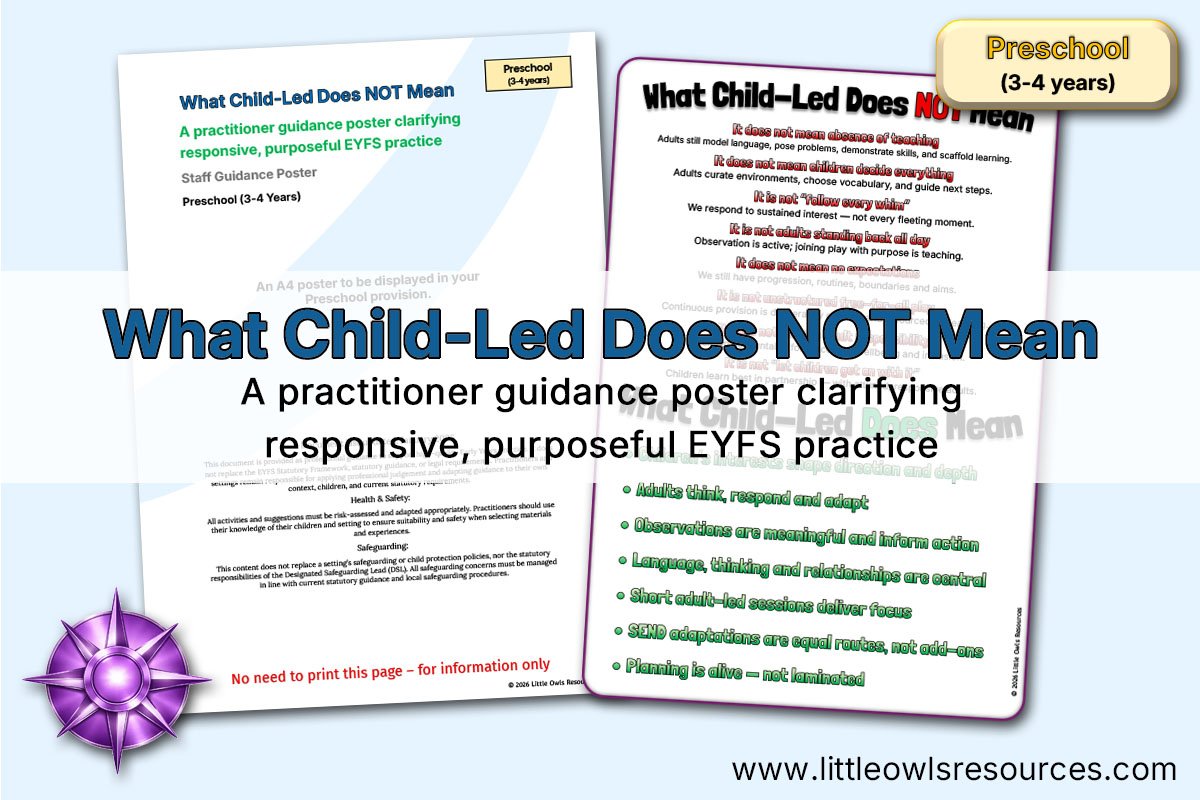
Below you will find a selection of guidance documents from within our Little Owls Resources ‘Curriculum & Pedagogy’ area which explore this concept (& its age-specific application within EYFS settings) in greater depth.
[For additional documents please visit our support pathways: Baby | Toddler | Preschool | Reception | Mixed-Age]












Further Guidance | Related Resources within our ‘Printable Provision’ area:
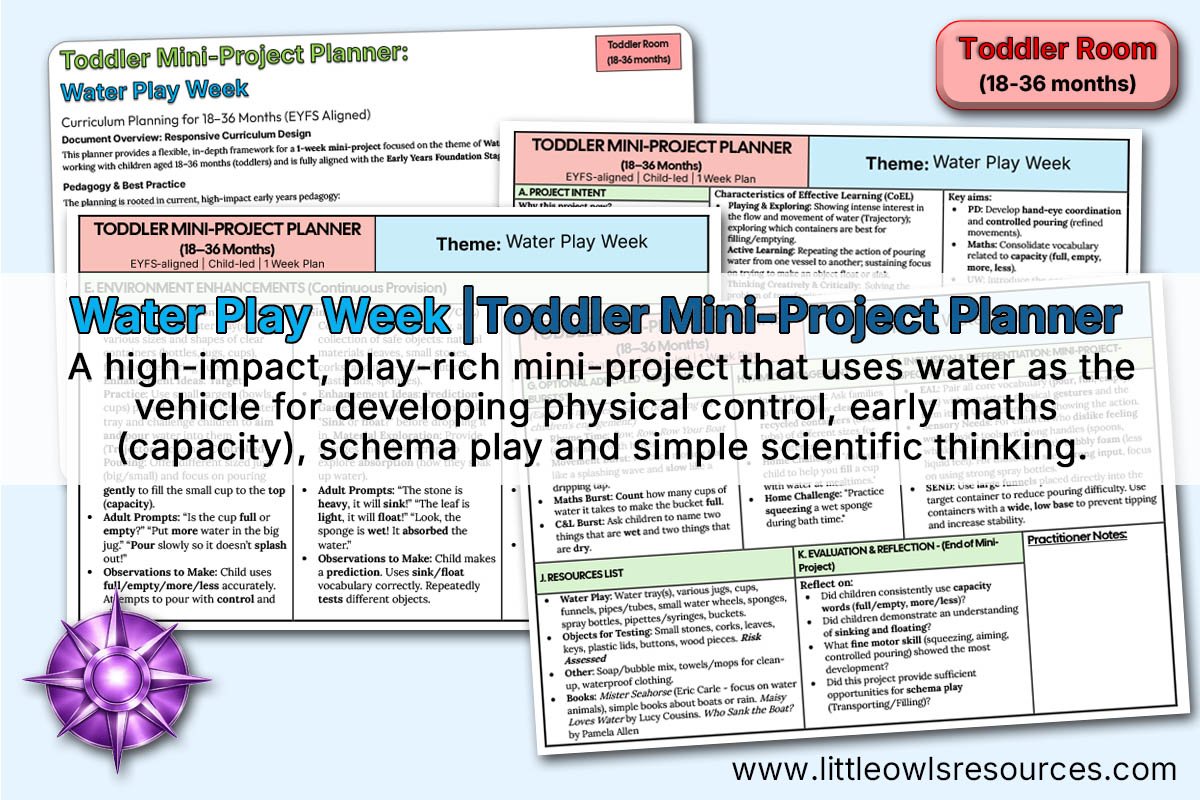
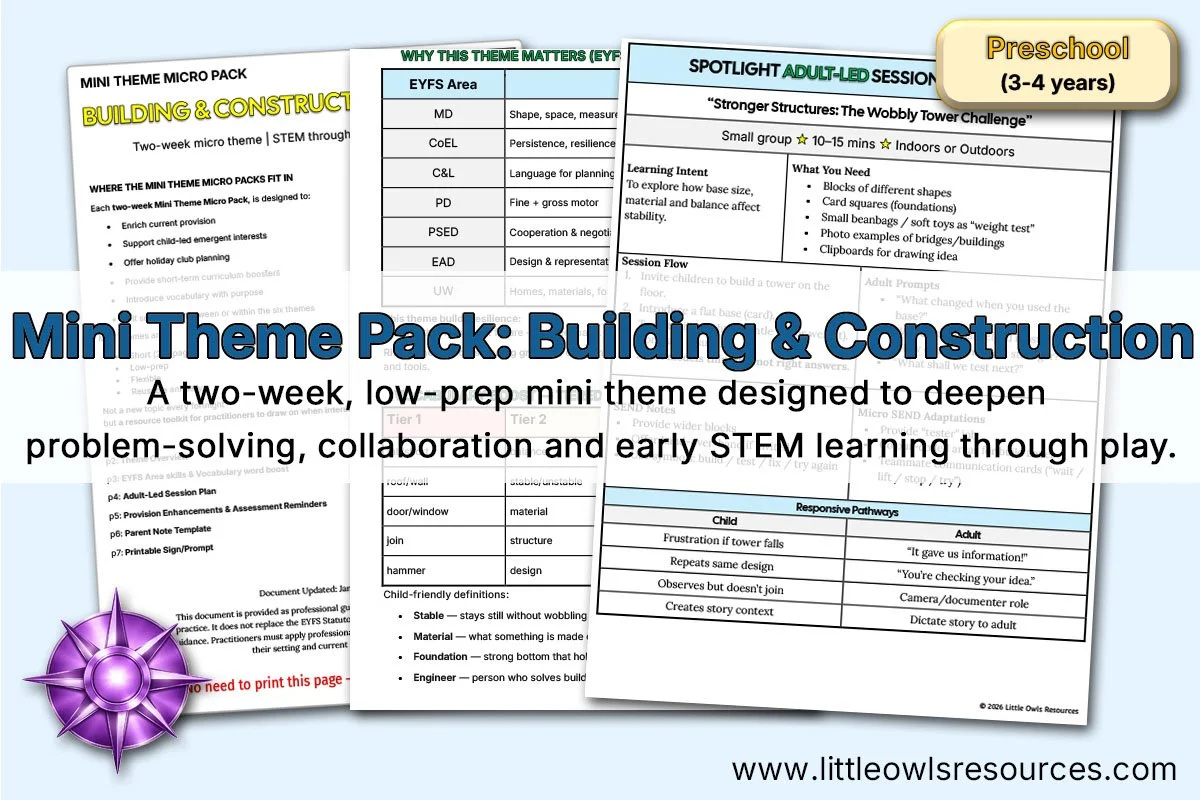
Related resources from within our Premium Printable Resources ‘STEM’ collection.


Disclaimer
The information provided in this glossary is intended to support understanding of terminology commonly used within the Early Years Foundation Stage (EYFS). It does not constitute official guidance and should not be considered a substitute for the EYFS Statutory Framework or other Department for Education publications.
Terminology and interpretations may vary between settings and professional contexts.