
Part of the EYFS Glossary
This article forms part of our EYFS Glossary of Early Years Education Terms, which explains key curriculum, pedagogy, and assessment language used in early years practice.
Modelling refers to the process by which practitioners demonstrate skills, behaviours, language, or thinking processes to support children’s learning and development.
What is Modelling?
Modelling describes the way practitioners demonstrate actions, language, or thinking to support children’s learning. By observing adults, children can see how tasks are approached, how language is used, and how ideas are developed.
In early years settings, modelling often happens naturally during play, interaction, and everyday experiences. Practitioners may demonstrate how to use resources, how to solve a problem, or how to express ideas through language.
This approach supports children in developing skills and understanding through observation and participation.
Types of Modelling in the EYFS
There are different ways practitioners may use modelling to support learning.
Behaviour Modelling
Demonstrating behaviours such as turn-taking, cooperation, or problem-solving.
Language Modelling
Using clear and varied language to support children’s communication and vocabulary development.
Skill Modelling
Showing how to complete a task or use resources, such as drawing, building, or using tools.
Thinking Modelling
Demonstrating thinking processes by talking through ideas, decisions, or problem-solving strategies aloud.
Modelling in Early Years Practice
In practice, modelling can take place across a wide range of situations.
For example, a practitioner may:
demonstrate how to use new vocabulary during play
show how to approach a problem
model storytelling or imaginative language
demonstrate how to use materials or tools
These experiences provide children with examples that they can observe, imitate, and adapt.
The Role of Modelling in Learning
Modelling supports learning by providing children with clear examples of how to approach tasks, communicate ideas, and engage with experiences.
Through modelling, children can:
observe how skills are performed
hear how language is used in context
understand how to approach new situations
develop confidence in trying new things
This approach helps bridge the gap between what children can currently do and what they are learning to do.
Modelling and Children’s Development
Modelling supports development across multiple areas of learning, including:
communication and language
social and emotional development
physical skills
thinking and problem-solving
By observing and engaging with modelling, children gradually develop independence and confidence in their learning.
Common Questions About Modelling
-
Modelling is one way of supporting learning. It involves demonstrating skills or thinking processes rather than giving direct instruction alone.
-
Modelling can be used whenever children are learning new skills, exploring ideas, or engaging in activities where demonstration may support understanding.
-
No. Children may adapt what they observe and use it in their own way as part of their learning process.
Summary
Modelling refers to the process by which practitioners demonstrate skills, behaviours, language, or thinking to support children’s learning. Through observation and interaction, children develop understanding, confidence, and independence in their learning.
Related Glossary Terms
The following glossary entries are closely related to Modelling and provide additional context:
Further Guidance | Related Documents within our ‘EYFS Curriculum & Pedagogy’ suite:
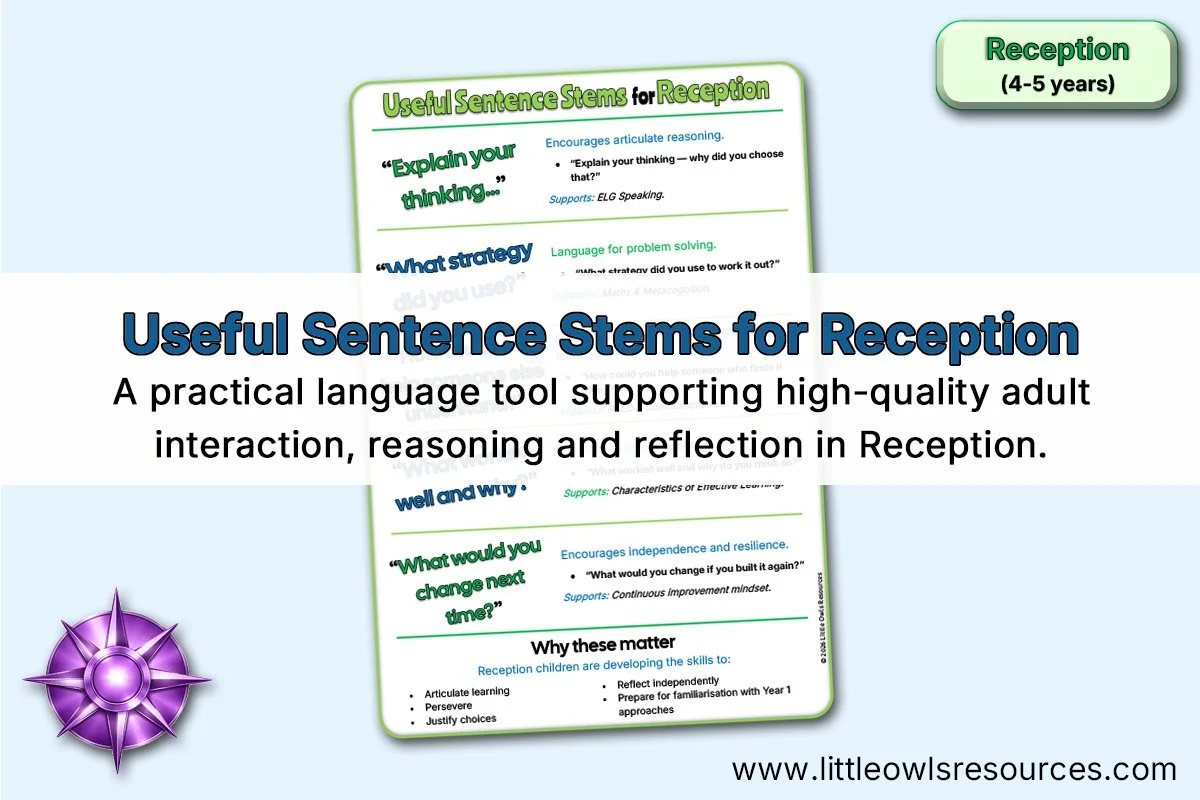
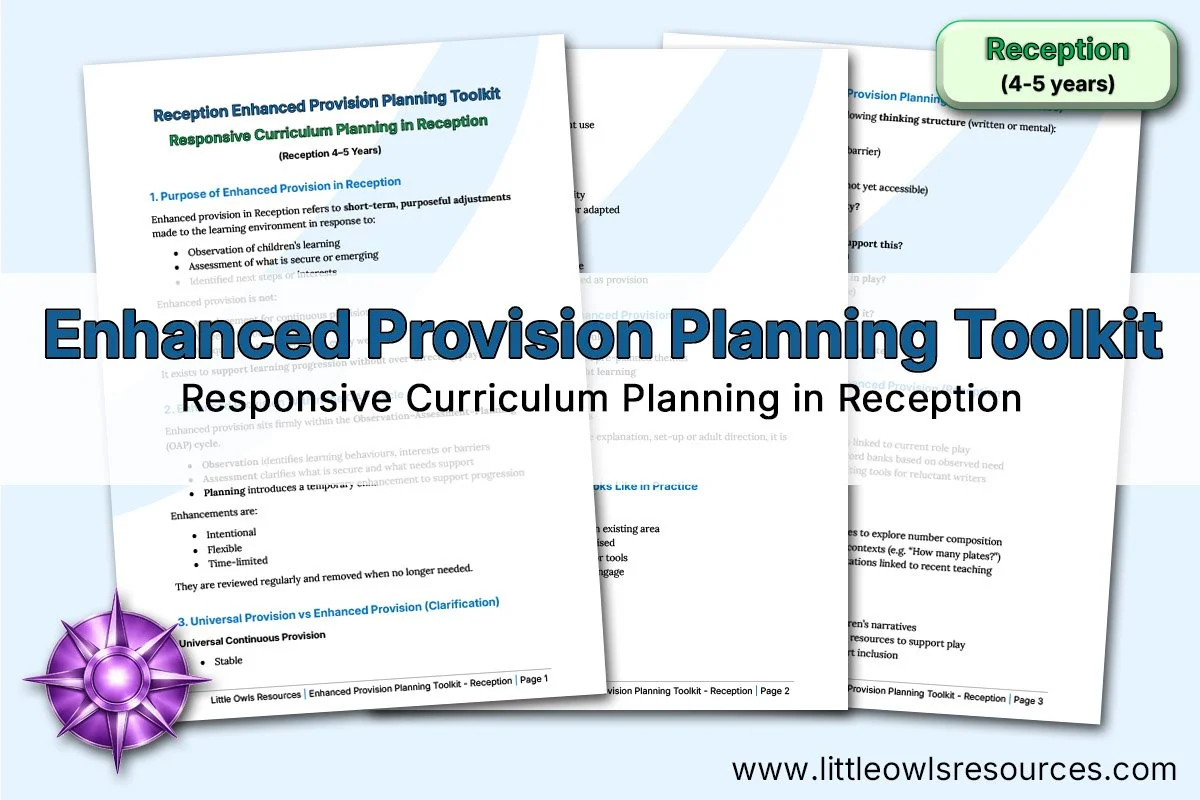
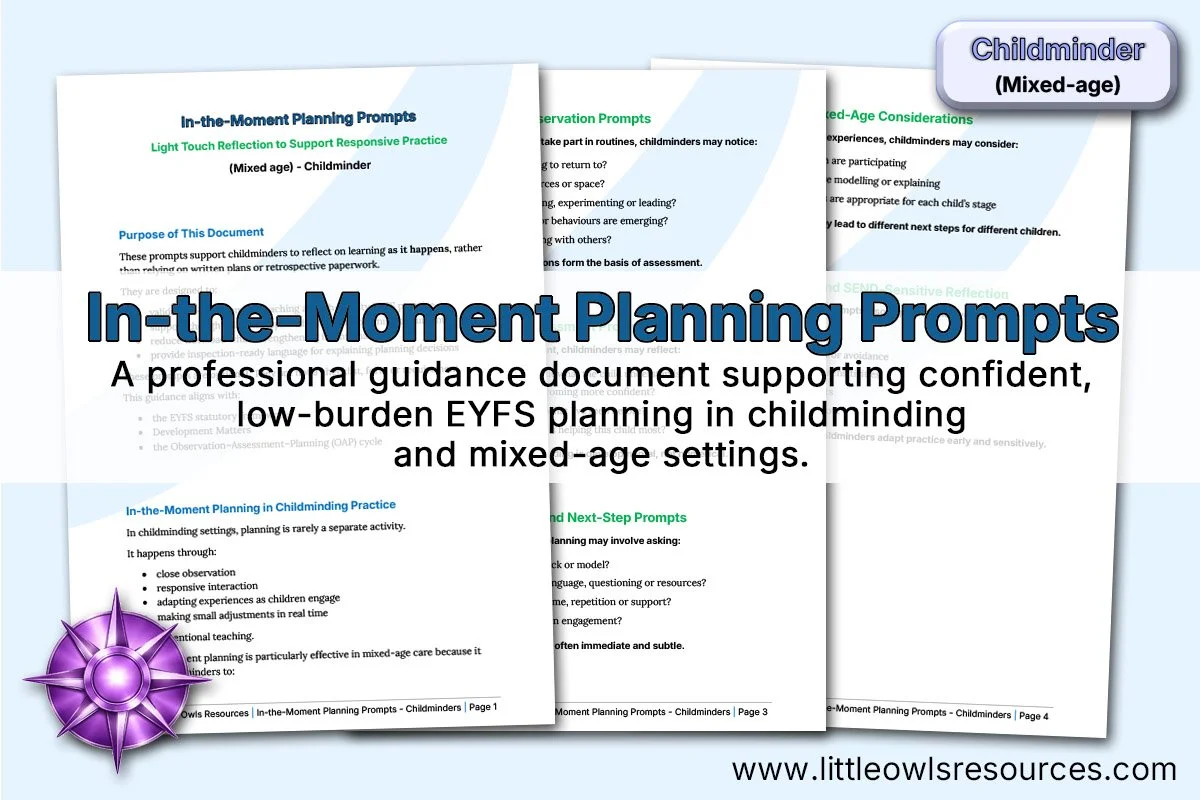
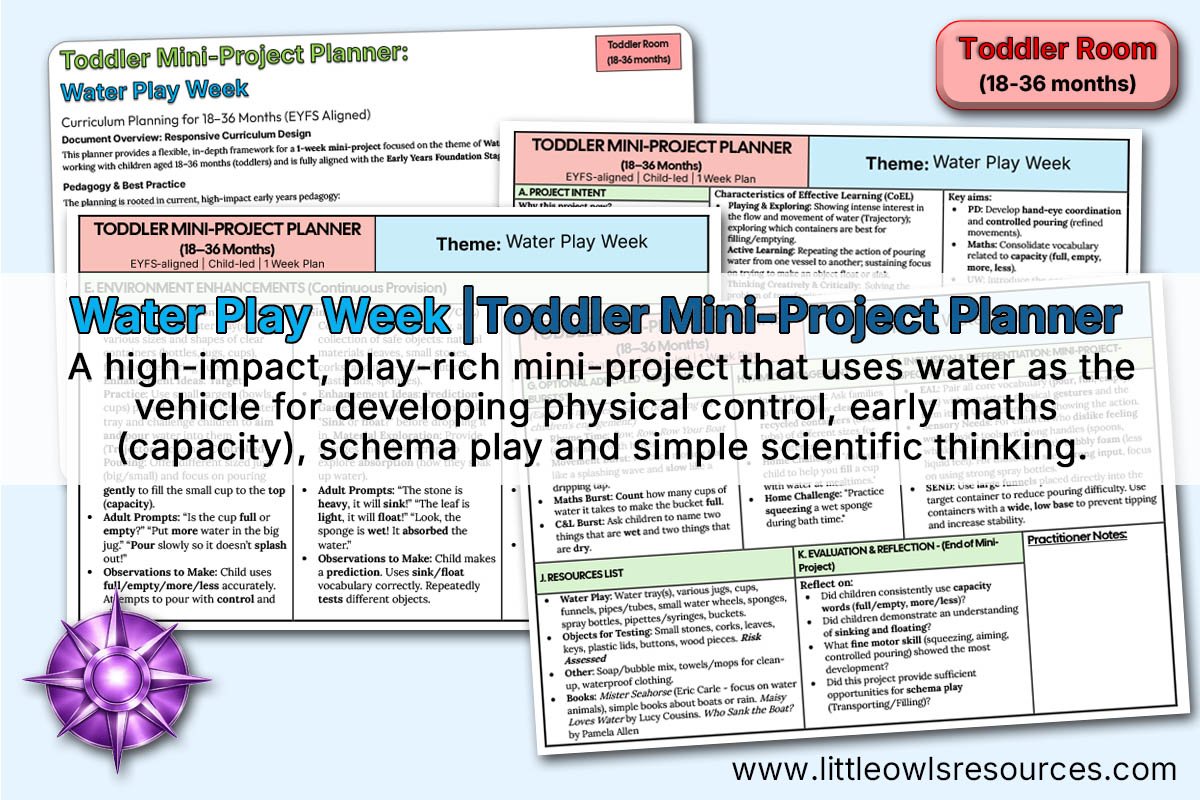
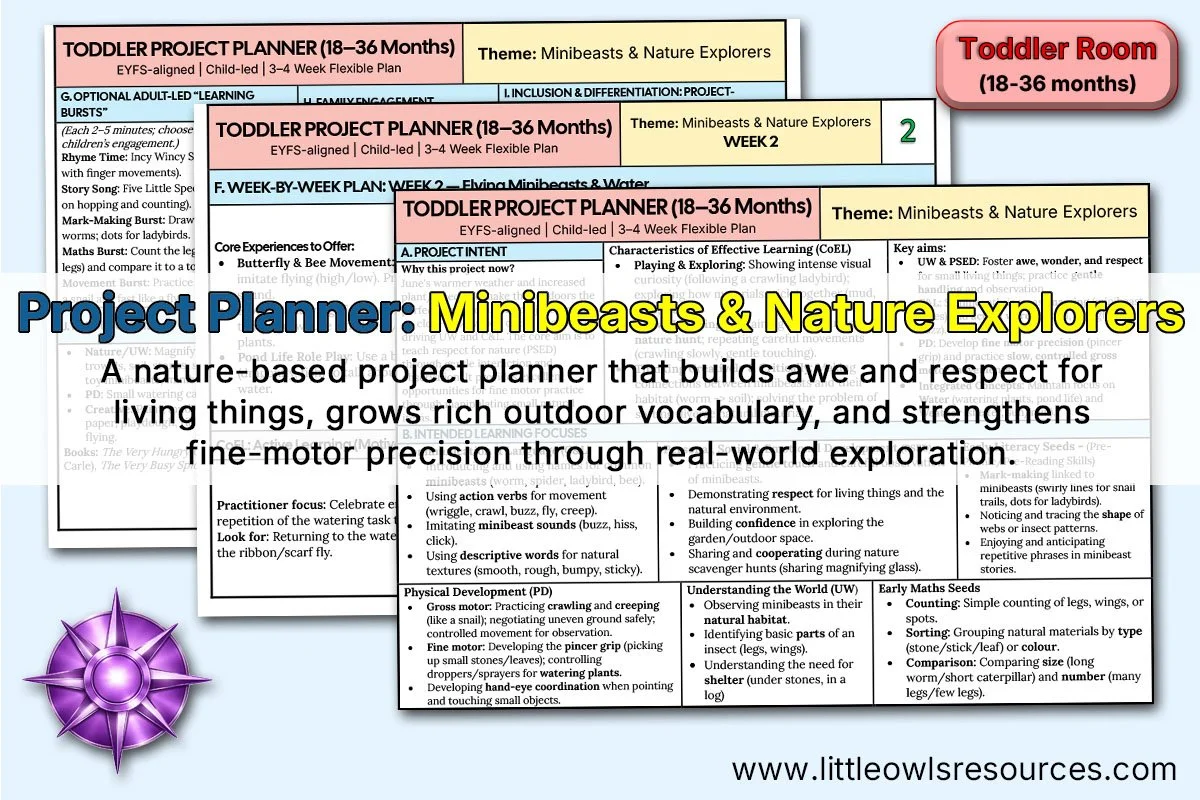
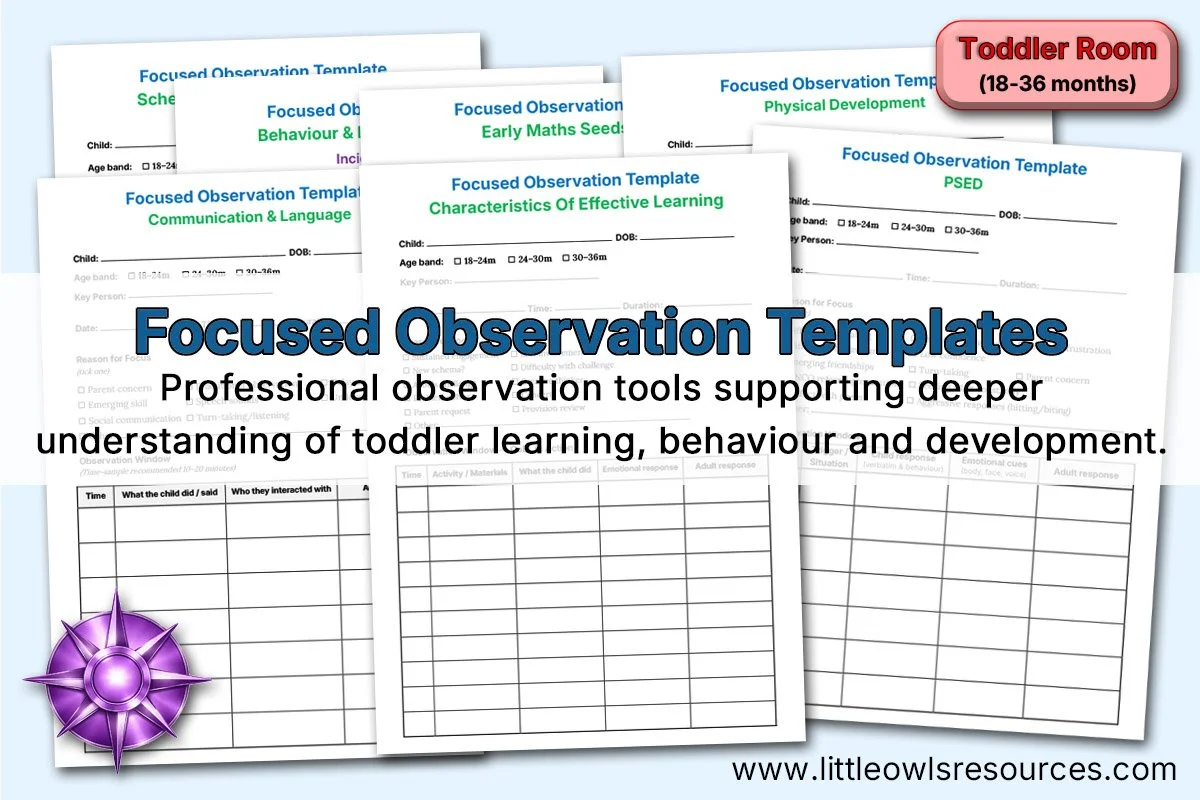
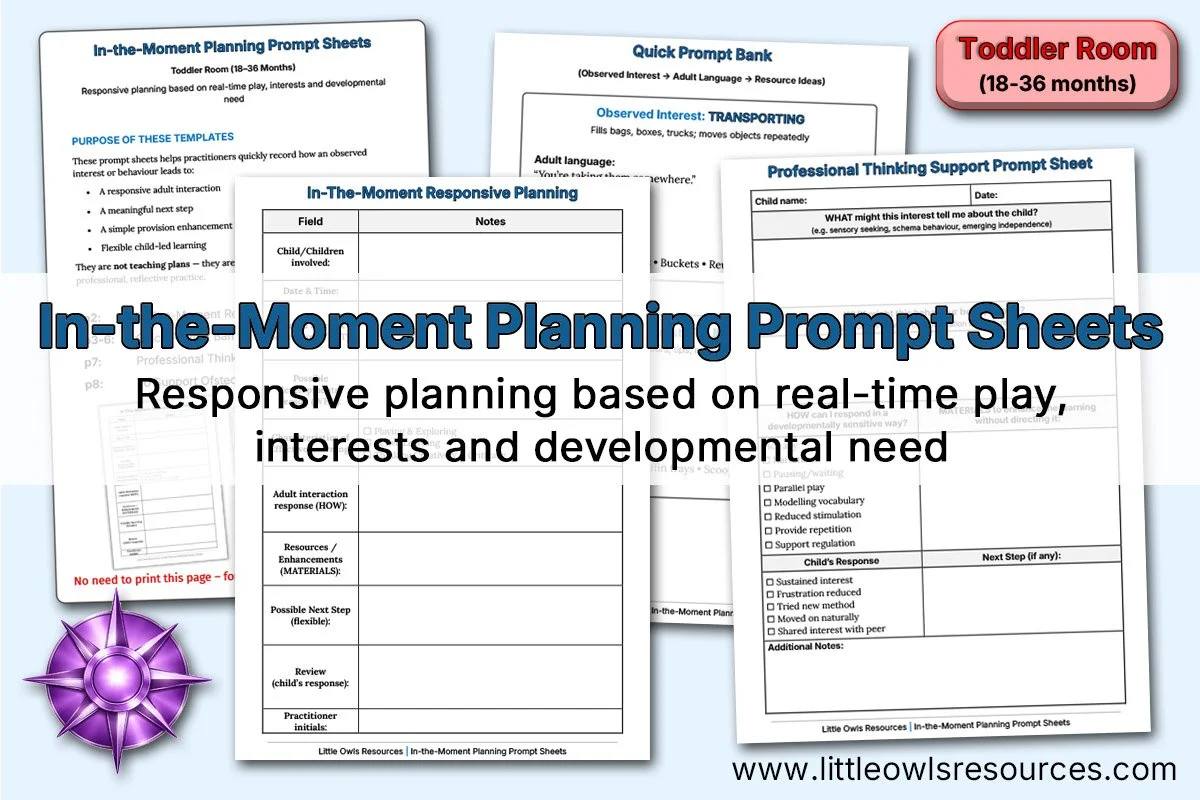
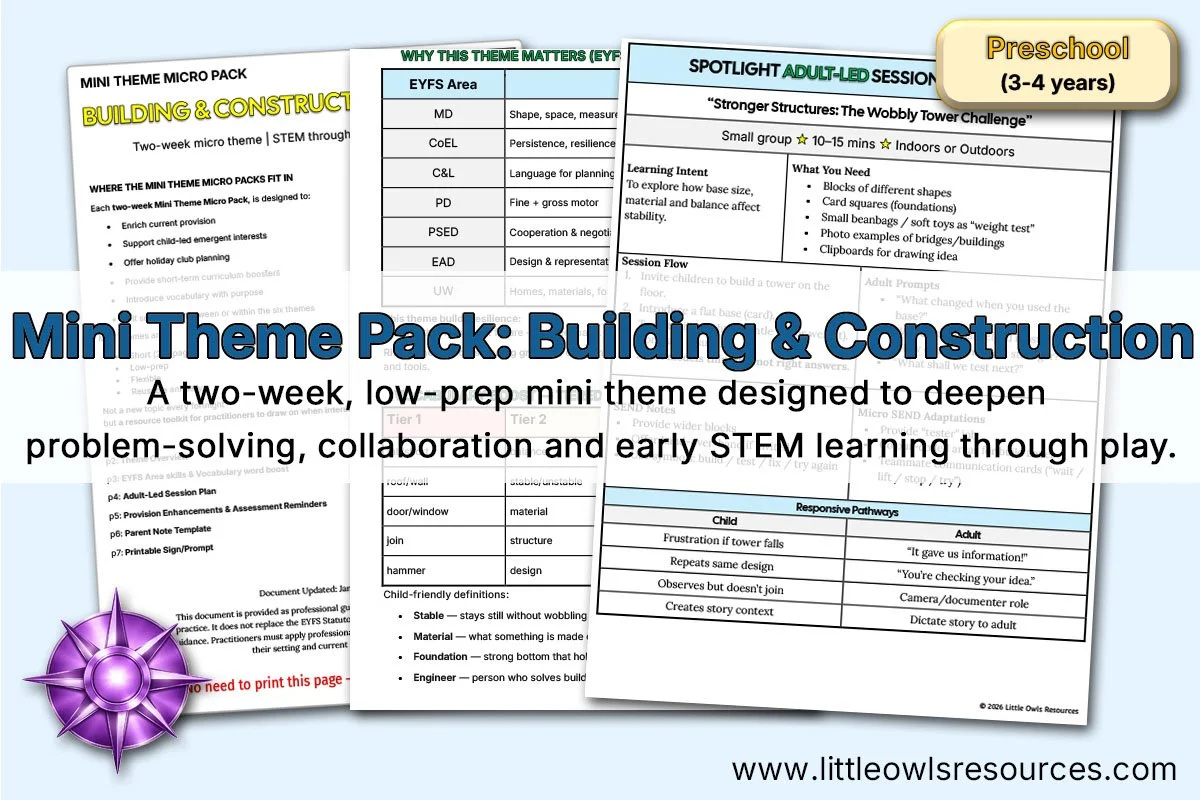
Below you will find a selection of guidance documents from within our Little Owls Resources ‘Curriculum & Pedagogy’ area which explore this concept (& its age-specific application within EYFS settings) in greater depth.
[For additional documents please visit our support pathways: Baby | Toddler | Preschool | Reception | Mixed-Age]


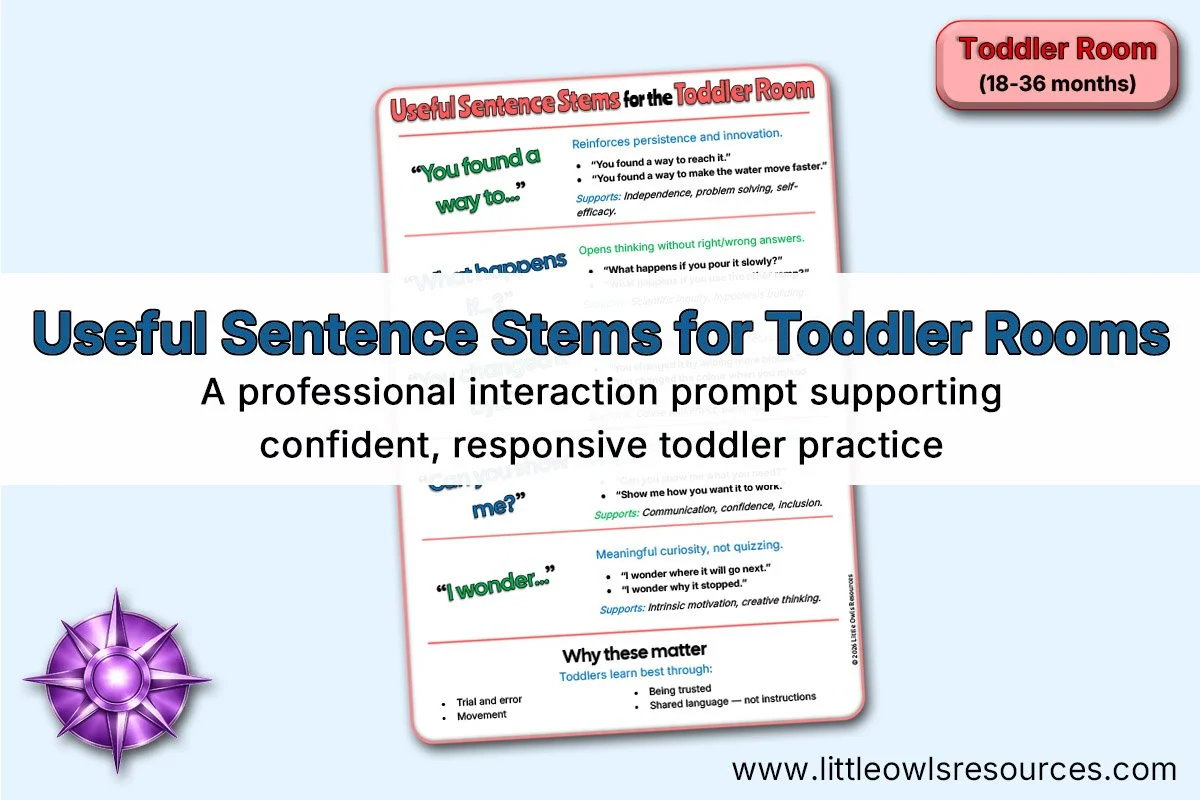

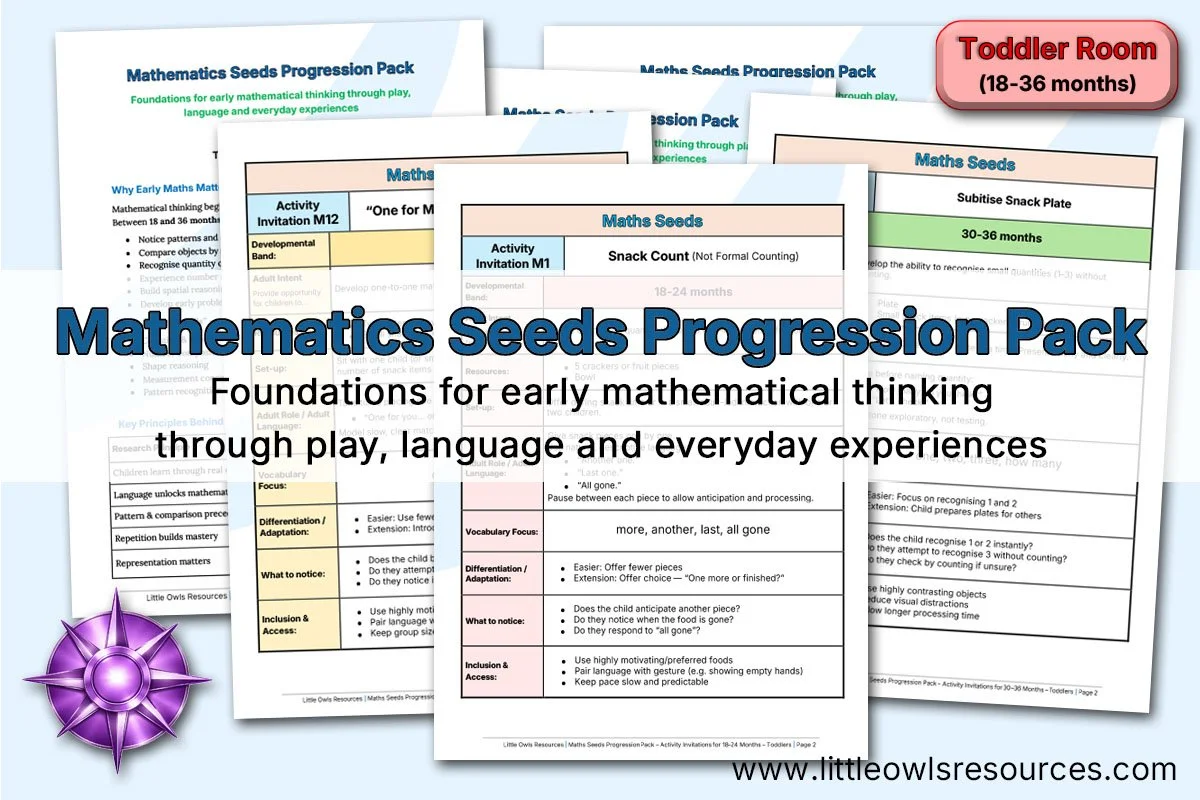
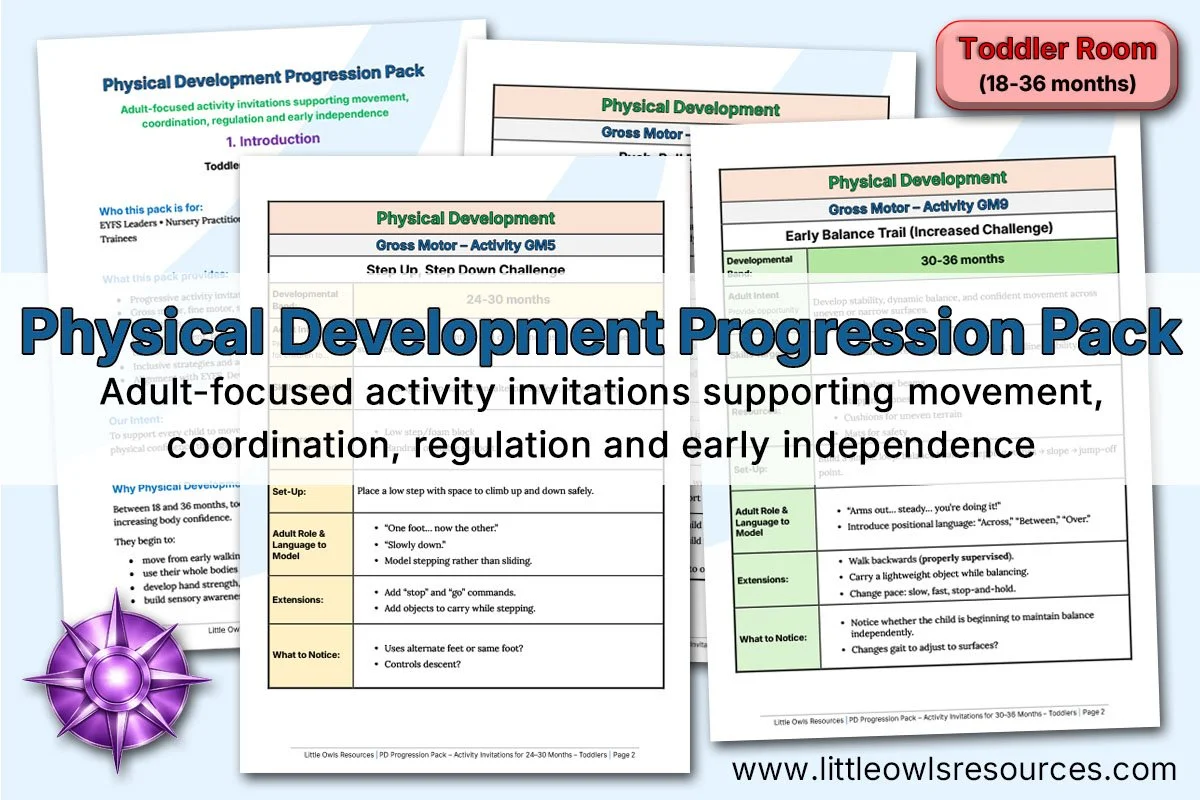
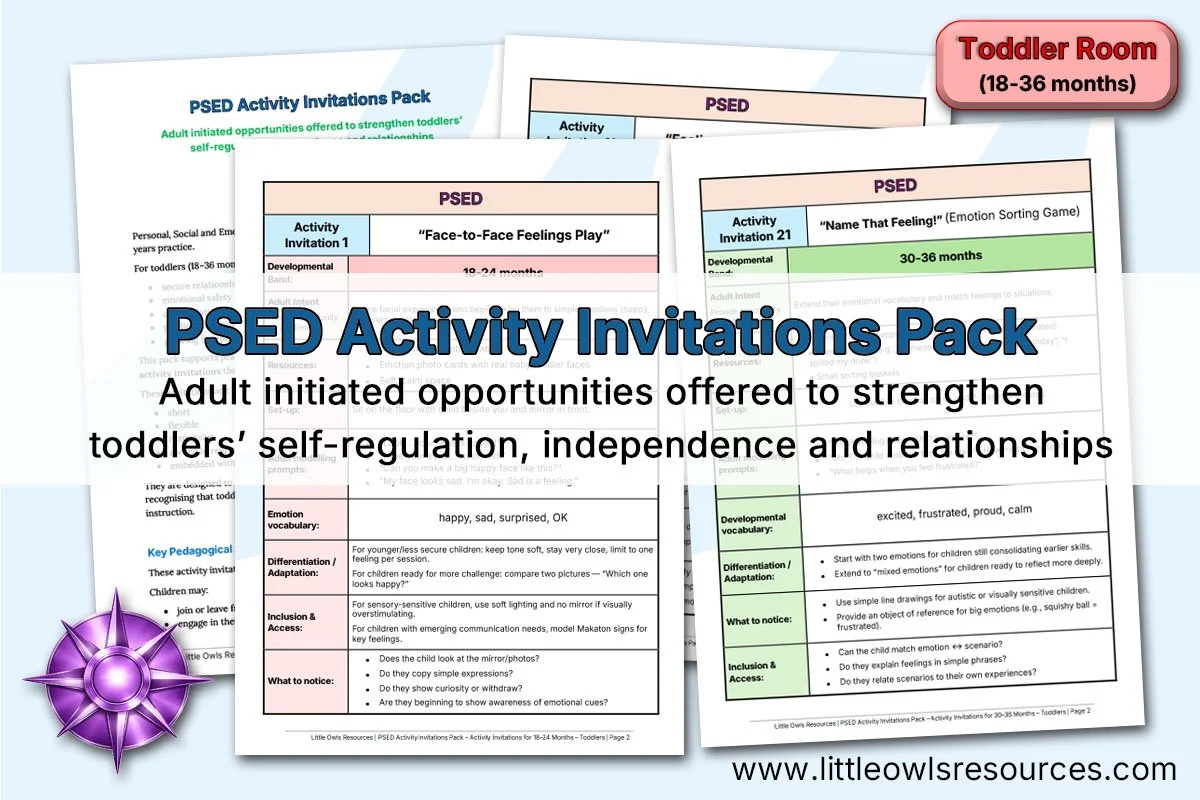



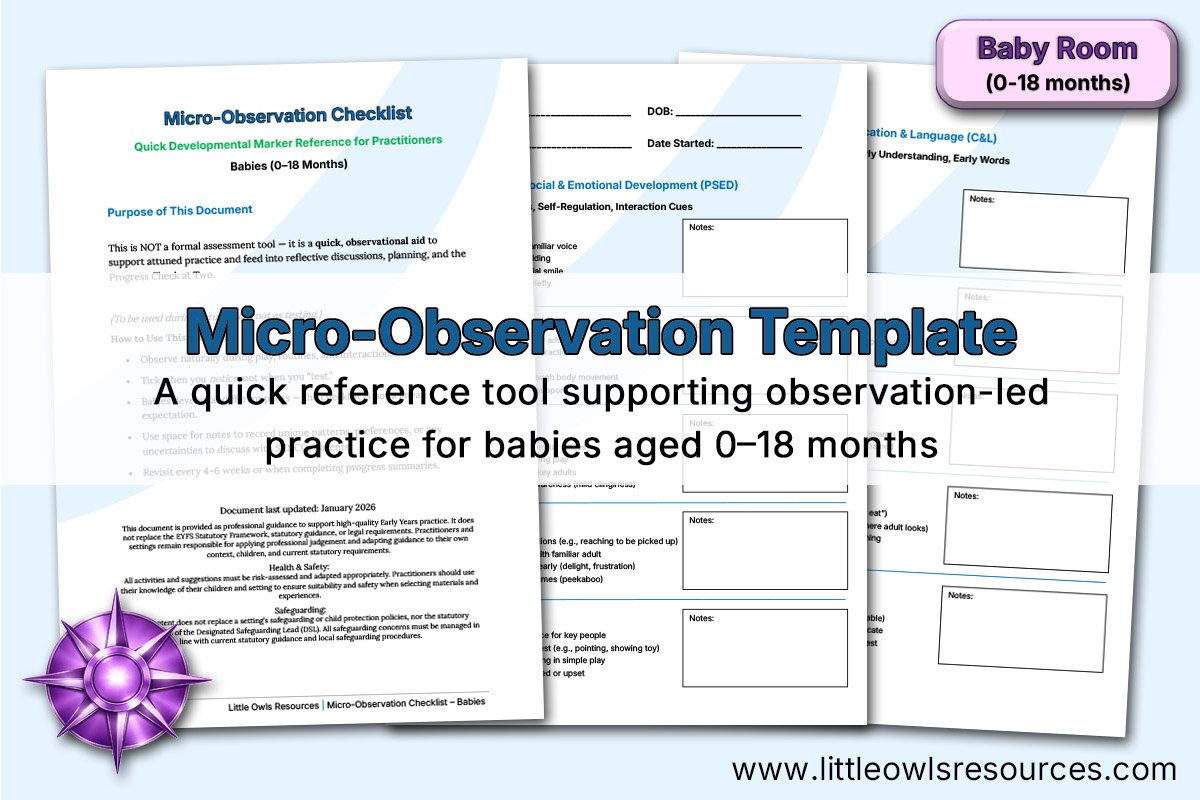

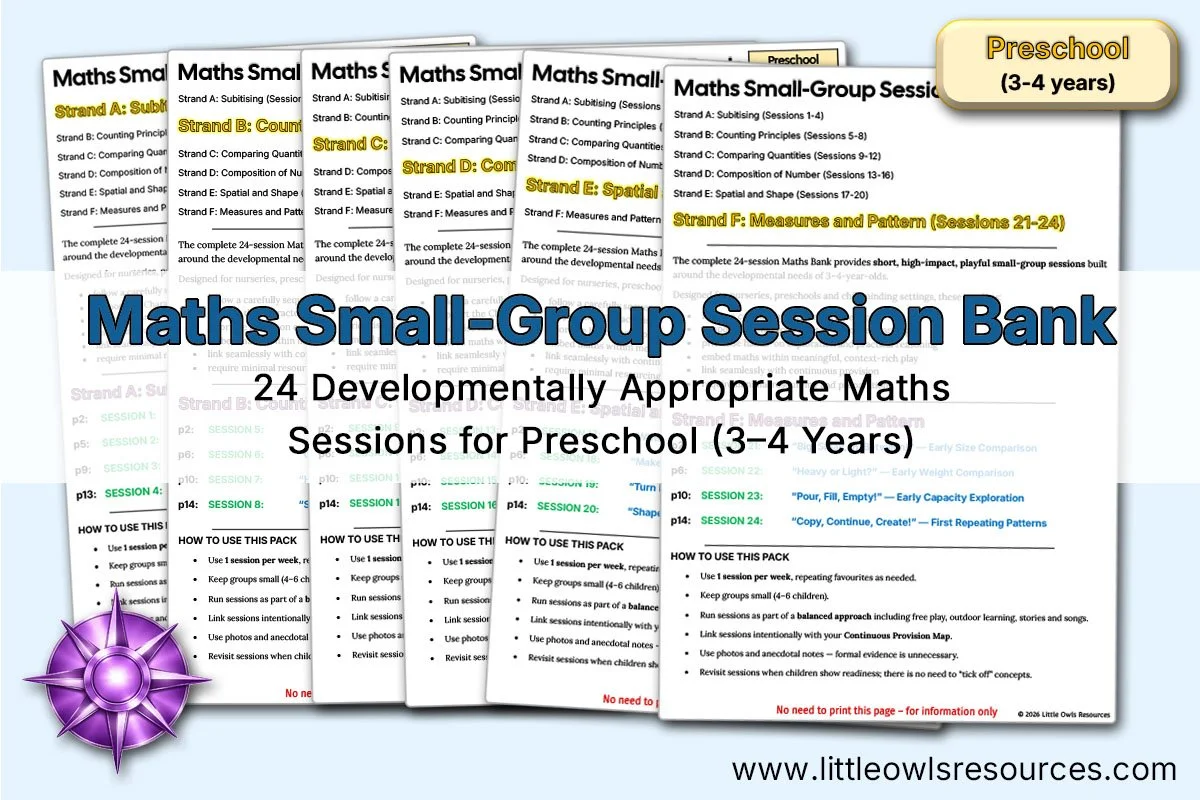


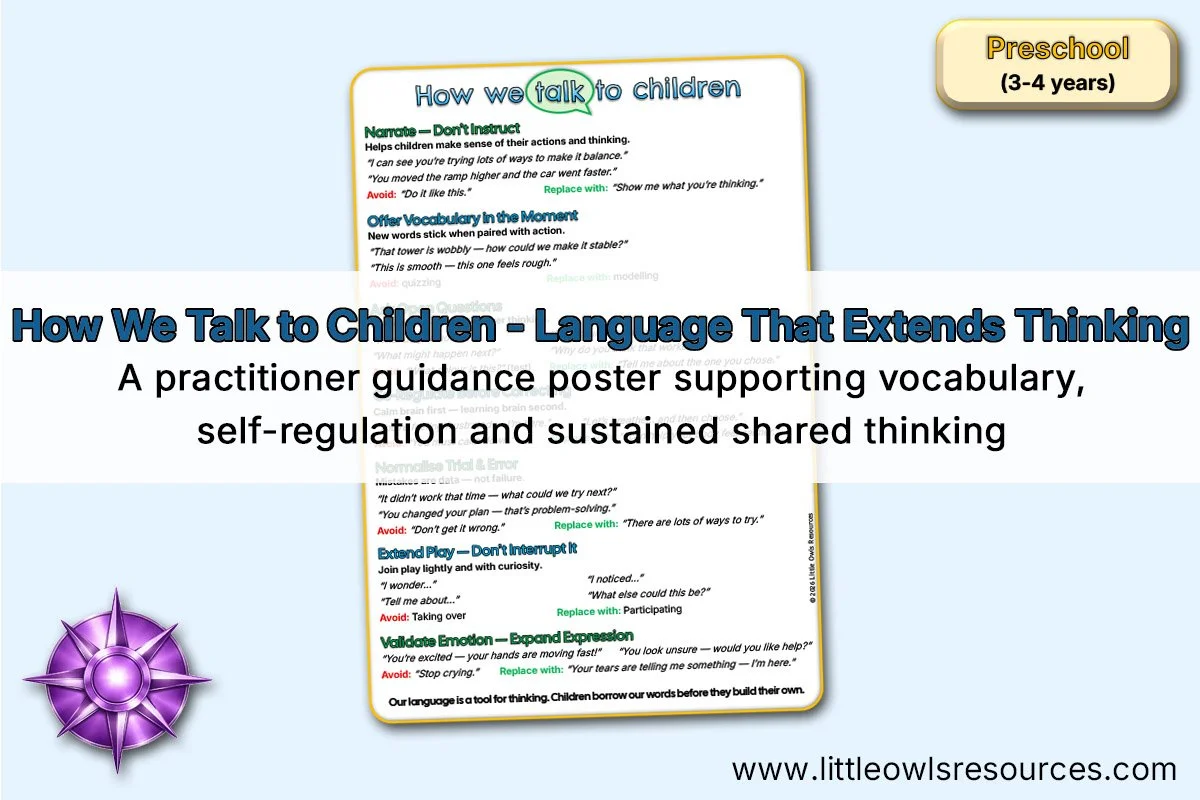
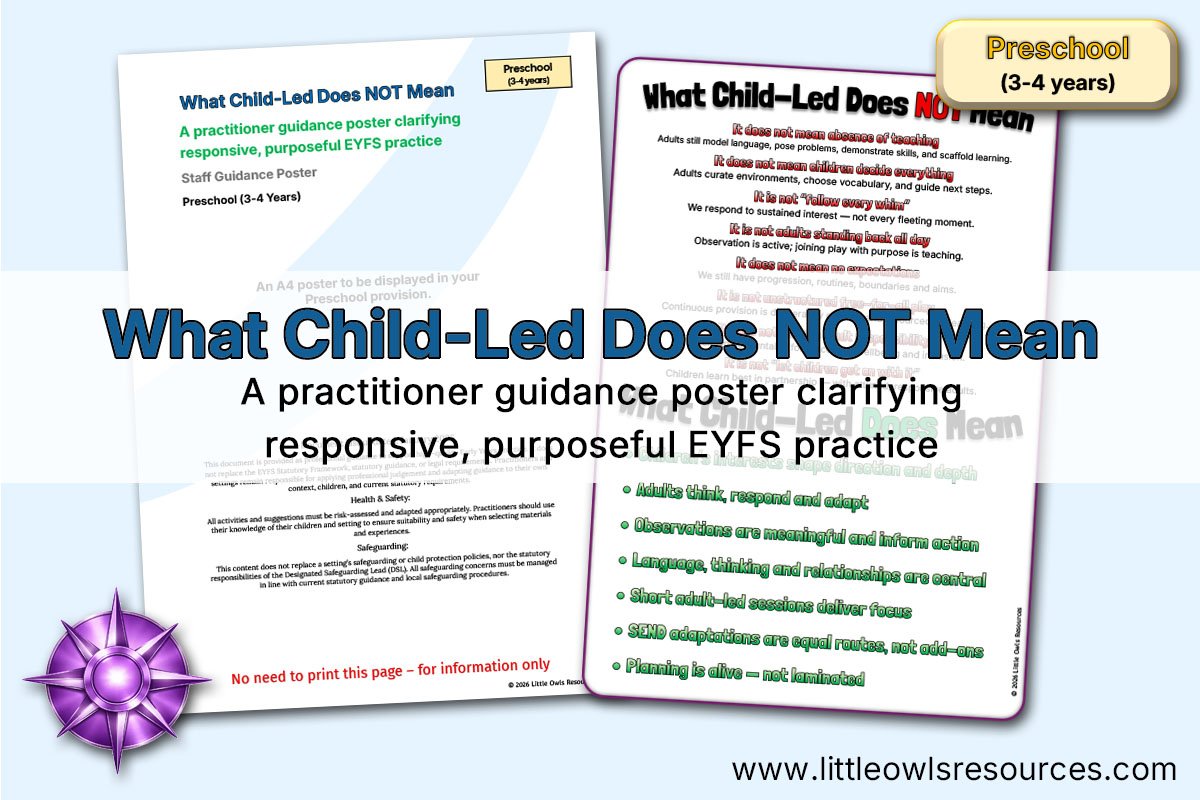
Further Guidance | Related Resources within our ‘Printable Provision’ area:
Disclaimer
The information provided in this glossary is intended to support understanding of terminology commonly used within the Early Years Foundation Stage (EYFS). It does not constitute official guidance and should not be considered a substitute for the EYFS Statutory Framework or other Department for Education publications.
Terminology and interpretations may vary between settings and professional contexts.