
EYFS definition
Targeted support is planned additional help focused on an identified learning or participation need. In EYFS practice, it may involve an individual child or a small group and can be woven into familiar play, routines and teaching.
What makes it targeted?
Adults identify what they hope the support will help the child do, and choose an approach suited to that purpose. This might mean extra modelling, adapted materials or repeated opportunities with a familiar adult.
The term describes the focus of the support. Receiving targeted help does not, by itself, mean a child has SEN.
What might it look like in practice?
- A toddler has short, repeated opportunities to practise communication through a favourite turn-taking game.
- An adult helps a preschool child use familiar pictures to anticipate a particular transition.
- A Reception teacher offers extra practice with a recently introduced counting idea, then notices its use in play.
How is the support reviewed?
Practitioners and families consider whether the approach is helping and what the child’s responses suggest. They may continue, adapt or change the support.
Universal provision remains available. Targeted and specialist input can overlap, with decisions guided by needs and relevant advice rather than a compulsory fixed sequence of support levels.
Further Guidance | Related Documents
Explore resources connected with this term, choosing those that fit your children and setting.
Highlighted resource
-
 View resource
All Access
SEND & Inclusion Support Pack | Babies (Birth-18 Months)
Consider baby-specific adaptations to interaction, routines and environment when additional support would help.
Babies (birth–18 months) · inclusion guidance
View resource details →
This selection is being reviewed. Please use the resource gateways below.
Related resources
Scroll sideways, focus the list and use your arrow keys, or use the buttons.
-
 View resource
All Access
Communication & Language Activity Invitations Pack | Toddlers (18–36 Months)
Select and adapt communication invitations to an identified purpose; the pack is not a prescribed intervention programme.
Toddlers (18–36 months) · activity invitations
View resource details → -
 View resource
All Access
Focused Observation Templates | Toddlers (18–36 Months)
Explore a focused question about a toddler’s participation or response to support.
Toddlers (18–36 months) · optional observation templates
View resource details → -
 View resource
All Access
Picture Communication Cards - Individual Visual Timetable (A6)
Choose familiar pictures with a child to support a particular routine or transition, adapting the format to their understanding.
Toddlers to KS1 · individual visual timetable cards
View and Download Resource → -
 View resource
Free Access
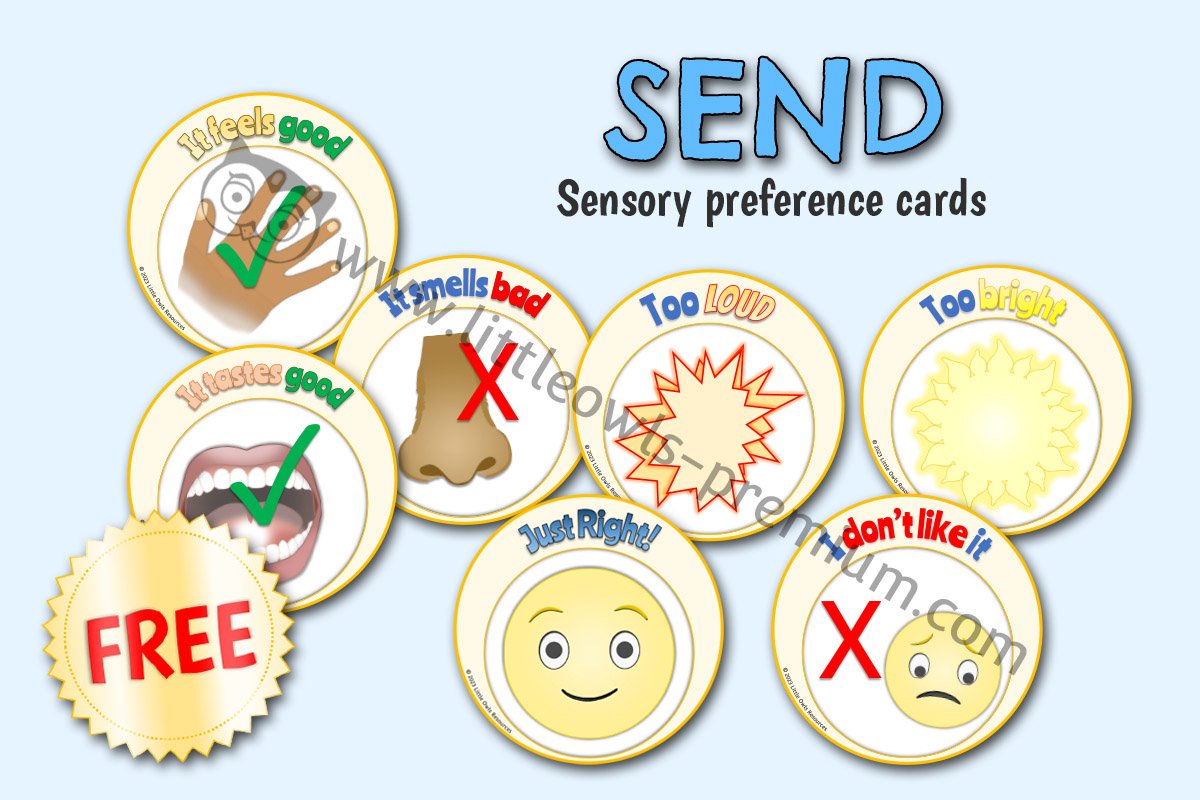
SEND - Sensory Preference Cards (Free Sample)
Explore a small selection of sensory-preference prompts with a child, using their usual communication and avoiding assumptions.
Toddlers to KS1 · Free Access sample cards
View and Download Resource →
This selection is being reviewed. Please use the resource gateways below.
Find practical resources for your setting
Start with an age gateway
Useful routes into practice
- SEND resources
Explore visual communication, individual preferences and practical inclusion resources.
- Observation & assessment
Find guidance and optional tools for understanding children’s learning and responses.